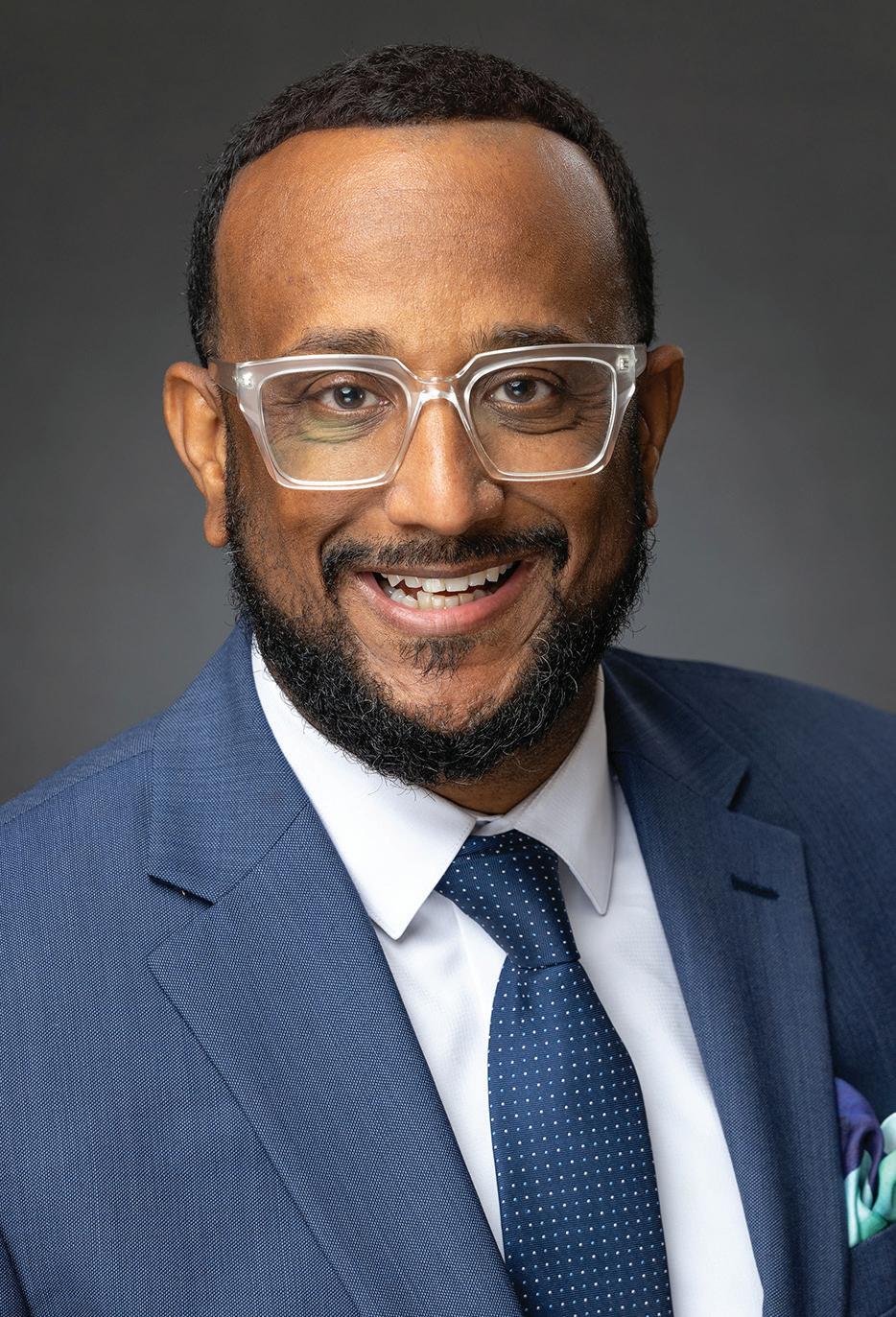
After reading this issue of Pulse, I was struck by the recurring theme of collaboration among our physicians and scientists. In today’s increasingly complex, changing world, collaboration is more important than ever. For physicians it means enhancing the quality of care and improving patient outcomes. And for scientists, pooling knowledge and working together means possibly finding new and powerful approaches that may not be possible in a single lab.
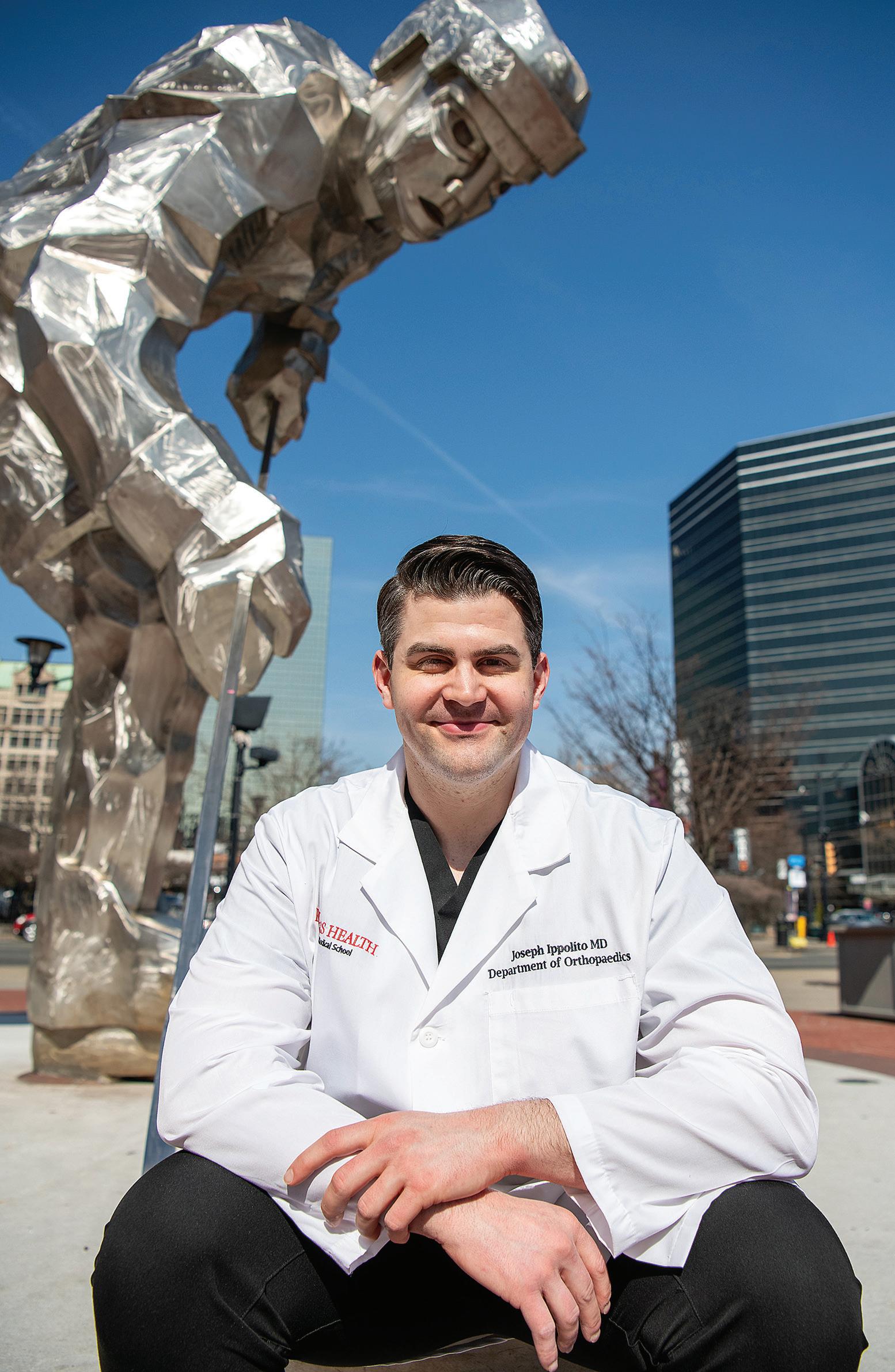
You’ll read about NJMS alum Joseph Ippolito, MD, one of only a few orthopedic oncologists in the state, who finds his collaboration with Rutgers Cancer Institute of New Jersey invaluable. Another story focuses on physicians with different medical specialties who have teamed up to offer comprehensive care to women at the new Rutgers Breast Center at University Hospital. And the magazine also introduces you to basic researcher Samantha Bell, PhD, who praises her NJMS colleagues in many
A Message from the Dean
different fields, for their willingness to add their expertise to her investigation of TB.
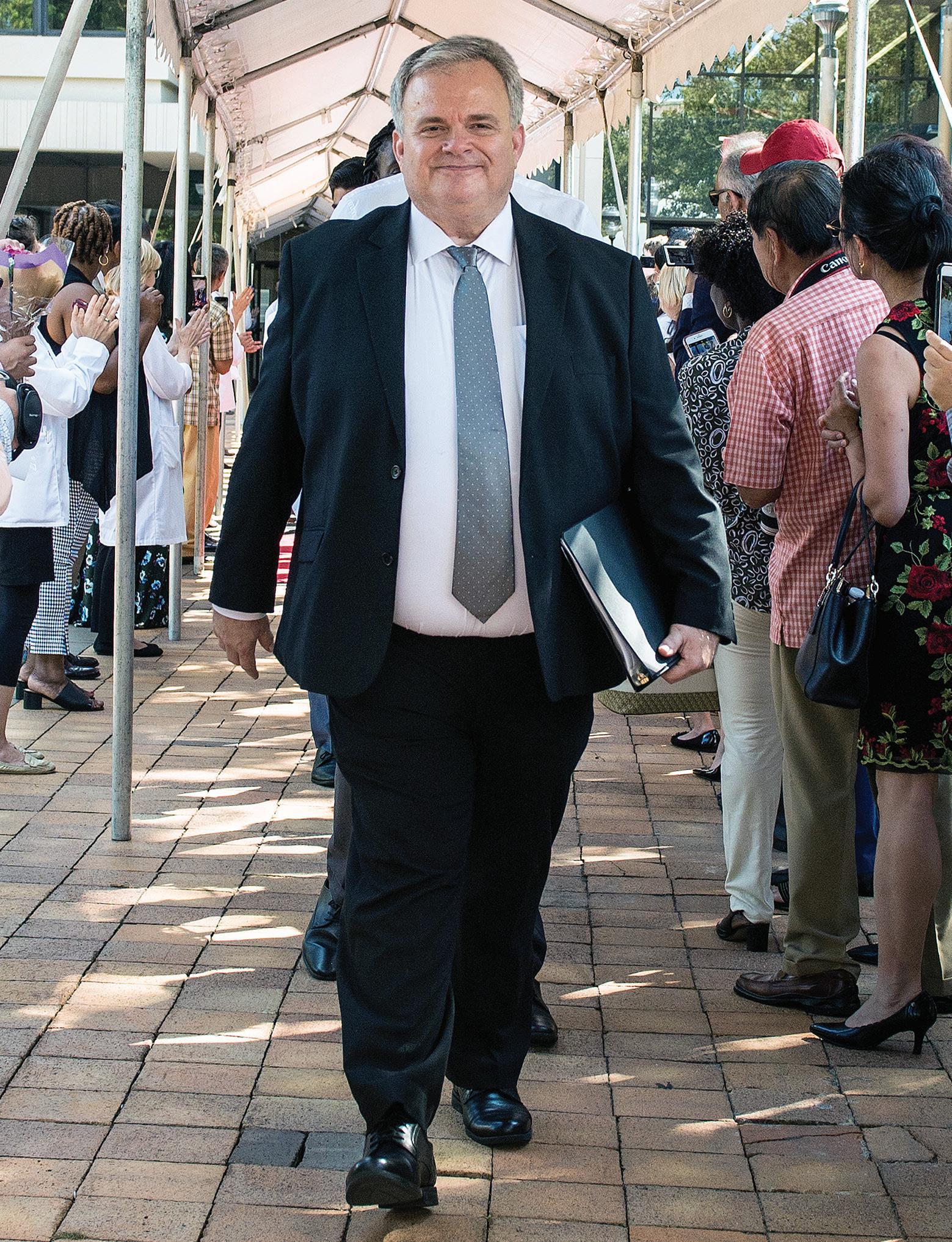
On a different note, it is with profound sadness that we announce and pay tribute to a beloved member of the NJMS community who unexpectedly passed away. James M. Hill. PhD, associate dean of student affairs, died on January 30, 2025. The entire campus continues to grieve this loss. Dr. Hill was highly esteemed by his colleagues and was an integral part of every student’s journey through medical school. When students sought him out, he did everything and more to help. He was described by one student as the “ultimate medical school administrator.” We will continue to keep Dr. Hill in our hearts and honor his memory with our words and deeds.
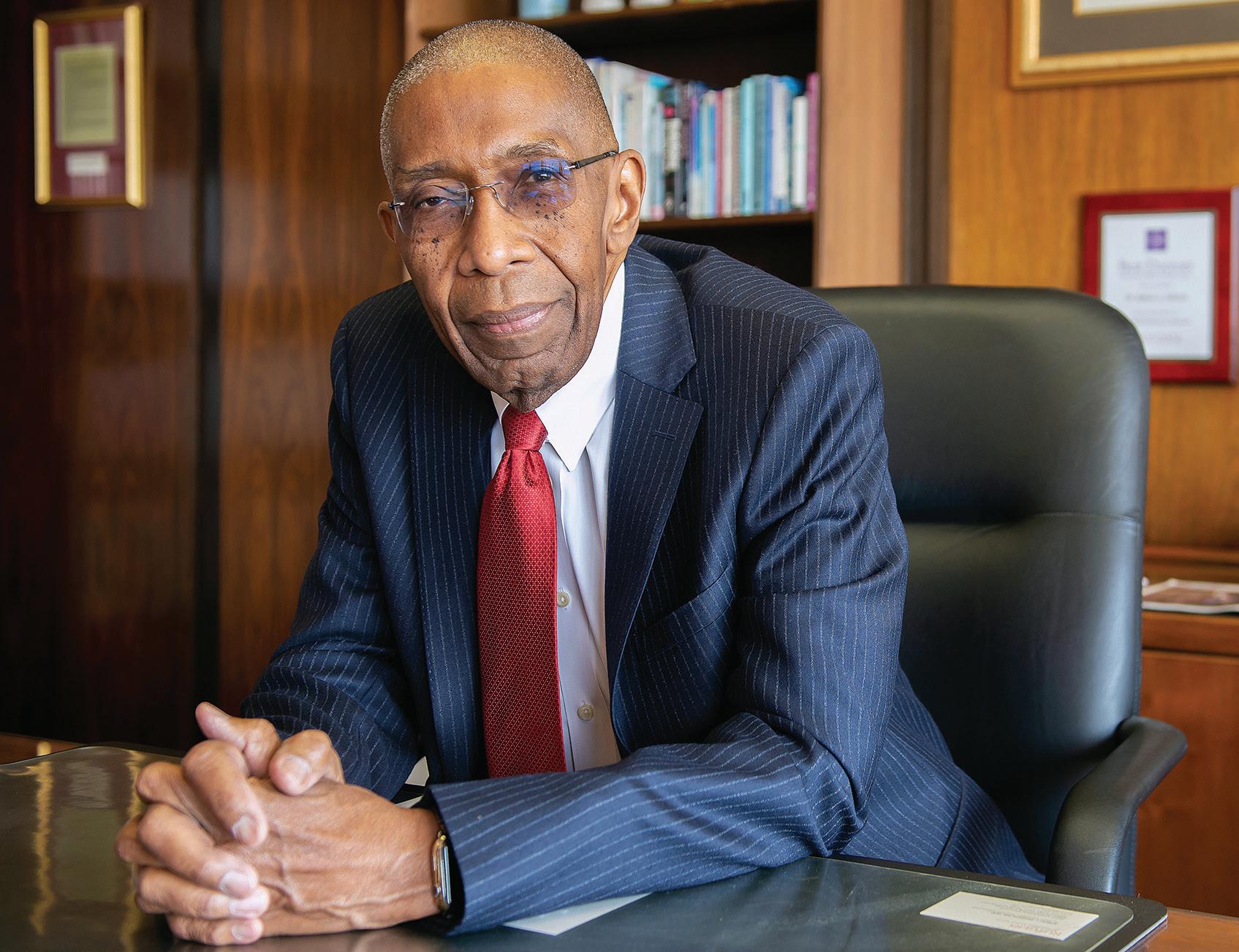
Robert L. Johnson, MD, FAAP’72
The Sharon and Joseph L. Muscarelle Endowed Dean Rutgers New Jersey Medical School
DEAN
Robert L. Johnson, MD, FAAP’72
The Sharon and Joseph L. Muscarelle Endowed Dean, Rutgers New Jersey Medical School
ASSOCIATE EDITOR
LaCarla Donaldson
Manager, Marketing and Communications
SENIOR EDITOR
Mary Ann Littell
CONTRIBUTING WRITERS
Ty Baldwin
Merry Sue Baum
Amanda Castleman
Nancy A. Ruhling
DESIGN
Sherer Graphic Design
PRINCIPAL PHOTOGRAPHERS
Keith B. Bratcher, Jr
John Emerson
KEEP IN TOUCH
Pulse is published twice a year by Rutgers New Jersey Medical School. We welcome letters and suggestions for future articles.
Send all correspondence to: Marketing and Communications
Stanley S. Bergen Building 12th Floor, Rm 1234 65 Bergen Street Newark, NJ 07107 or via email to: njmsmarketing@njms.rutgers.edu
ON THE COVER
After his own recovery from childhood cancer, Joseph Ippolito, MD’17, treats children with similar problems.
njms.rutgers.edu
Get Social with Rutgers NJMS
PHOTO BY KEITH B. BRATCHER, JR.
KEITH B. BRATCHER, JR.
Celebrating Outstanding Cardiovascular Care
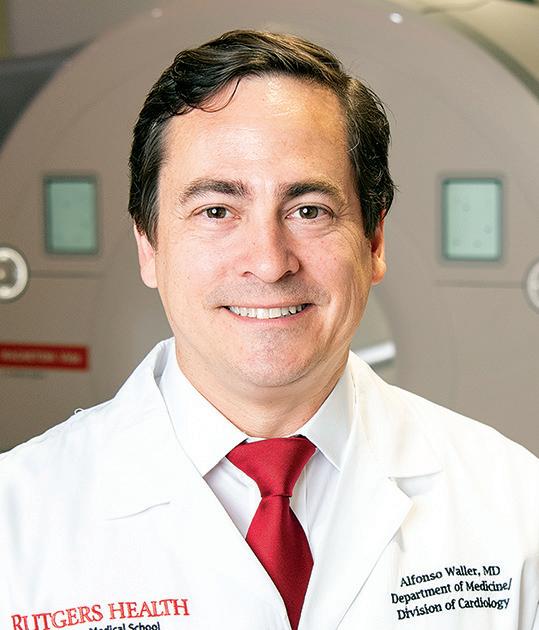
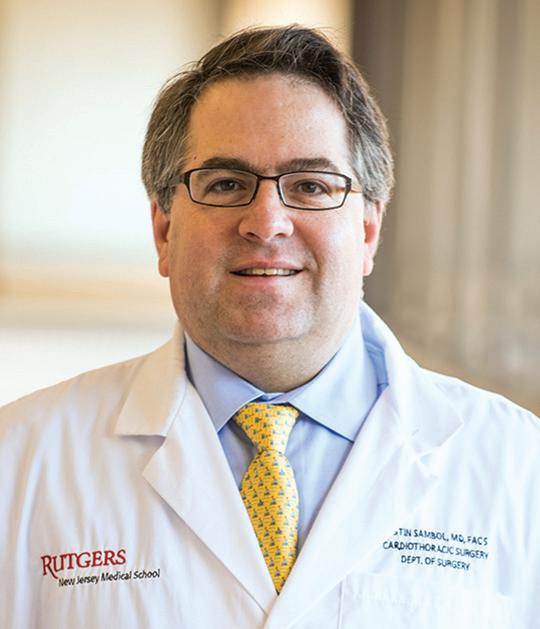
The Toast & Tribute Awards, sponsored by University Hospital, shine a light on outstanding clinical care. This year’s honorees are Alfonso H. Waller, MD (top), associate professor of medicine and radiology; and chief, NJMS Division of Cardiology; and Justin Sambol, MD (bottom), chief, NJMS Division of Cardiothoracic Surgery; and senior associate dean for clinical affairs at NJMS and Robert Wood Johnson Medical School. The two physicians were honored at an event held on April 10.
Cardiovascular disease is the leading cause of death in New Jersey, affecting people of all ages and backgrounds. In Newark, high blood pressure, obesity, heart disease, and stroke rates far exceed national averages, making expert heart care an absolute necessity to save lives and prevent devastating outcomes.
The NJMS/University Hospital cardiac team is at the forefront, delivering advanced, evidence-based treatments—from managing high
blood pressure, diseases of the heart’s arteries, and heart rhythm disorders to performing complex bypass and valve surgeries. This team has pioneered major innovations, including being the first in the U.S. to use smartphone technology to rapidly restore blood flow in heart attack patients— improving survival rates and outcomes. They were also the first in New Jersey to implant leadless pacemakers and remain the only program in the state with a 15-year record of Advanced Heart Failure certification (with Distinction) from the Joint Commission and certification from Intersocietal Accreditation Commission for the noninvasive cardiac imaging lab. Their Heart Failure Program consistently earns top recognition from the American Heart Association.
One of the most important decisions a medical student can make is deciding what specialty to pursue. A new survey indicates that these career choices are largely guided by a student’s experiences in medical school. In the study, NJMS ranked #2 nationwide among allopathic medical schools at inspiring medical students to pursue physical medicine and rehabilitation (PM&R) as a specialty. The study concluded that potential factors contributing to medical students pursuing PM&R included faculty/resident involvement with medical students, and PM&R exposure through curriculum or interest groups. LEARN MORE ABOUT THE STUDY HERE
FY i
New High-Tech Tools Boost Research, Clinical Care
State-of-the-Art Mass Spectrometer Supercharges
Proteomics Research
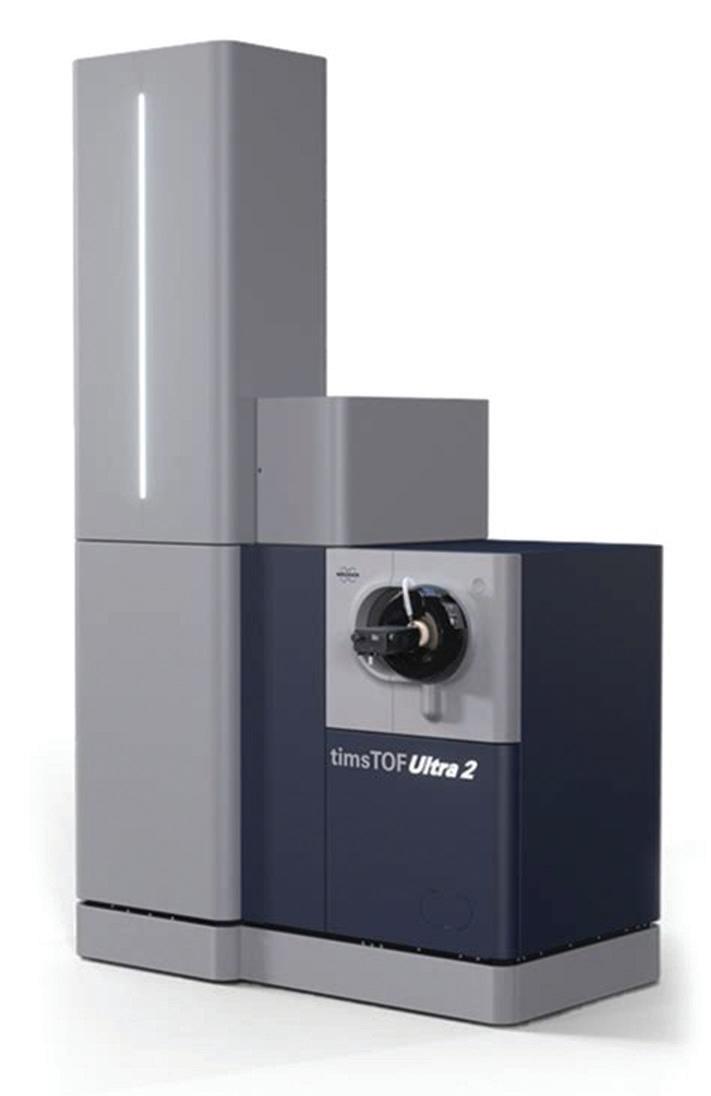
The NJMS Center for Advanced Proteomics Research (CAPR) has received a $1.1 NIH/NSF award for the acquisition of a Bruker timsTOF HT mass spectrometer. This instrument, arriving in August, will supercharge proteomics research at the Newark campus, delivering high-level sensitivity and precision in analyzing complex biological samples.
This advanced technology dramatically speeds the detection of low-abundant proteins and post-translational modifications, breakthroughs essential for advancing critical research in host-pathogen interactions, heart and brain disease, and some drug resistance mechanisms. Supporting more than15 NIH-funded researchers at NJMS, the new mass spectrometer will accelerate the discovery of novel protein biomarkers and therapeutic targets across a range of disciplines.
CAPR director Hong Li, PhD, says, “This instrument will allow us to quantify twice as many proteins in half the time, significantly enhancing our research efficiency. With these capabilities, NJMS faculty can pursue more competitive NIH grants. We invite clinicians and researchers to leverage this groundbreaking resource to drive transformative advancements in their fields.”
“With these capabilities, NJMS faculty can pursue more competitive NIH grants.”
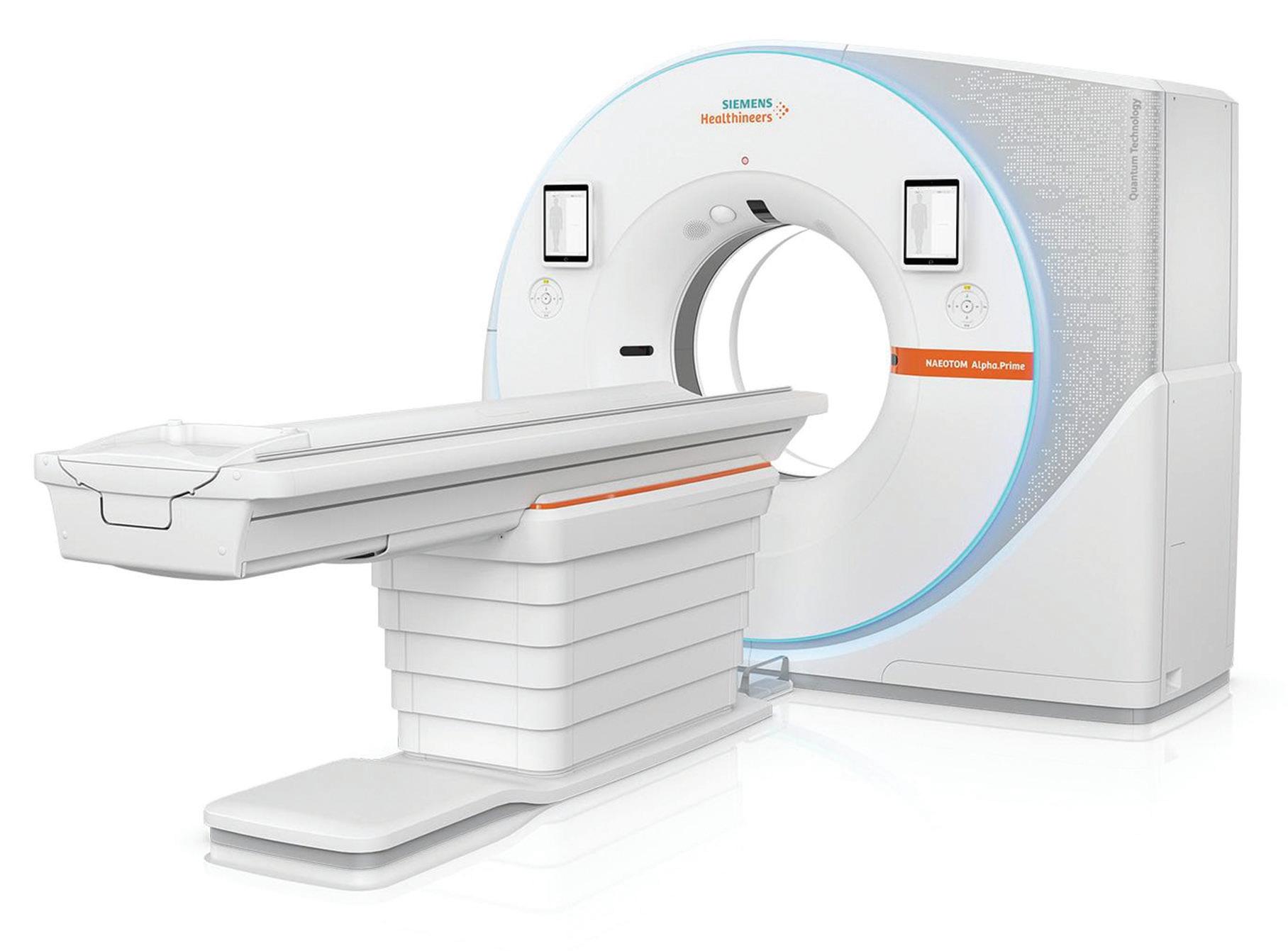
Another high-tech project in the works is the installation of groundbreaking new computed tomography (CT) technology, ideal for cardiac CT imaging, at University Hospital, providing NJMS faculty with a powerful new diagnostic tool.
The NAEOTOM Alpha® Prime CT scanner differs from conventional CT scanners by utilizing cuttingedge photon-counting technology to deliver major improvements in image resolution and contrast, which can lead to earlier detection and greater clarity in diagnosis.
“Conventional CT scans offer high-resolution images for detailed information about anatomical structure,” says Alfonso H. Waller, MD, associate professor of medicine and radiology; and chief, Division of Cardiology.
“Photon-counting CT, directly converts
X-rays into electrical signals, offering a new way of generating clinical results that overcomes limitations previously accepted as unavoidable with conventional CT scans.”
Photon-counting CT allows a broader range of patients access to cardiac scanning. For example, patients with heavy calcified plaque, prior stents, or mechanical valves are often difficult to image. The NAEOTOM Alpha allows for greater clarity in imaging these patients. Another benefit, reduction in radiation dose, allows for more regular scans of oncology patients, improving monitoring disease progression and treatment response.
University Hospital is the first academic medical center in New Jersey to offer this technology. The scanner is being installed now, and should be available in the third quarter of 2025.
Lifesaving Urological Repair, With the Help of A Robot
BY AMANDA CASTLEMAN
Thirteen years of complications ended with a three-centimeter robotic incision for “Bob,” now 51 years old, thanks to NJMS urologists.
In 2011, a gunshot to his abdomen required major surgery at another institution. The bullet sliced his ureter, which transports urine from the kidney to the bladder. To help it heal properly, doctors inserted a stent: a plastic device typically deployed for three to six months. Forgotten, it grew encrusted, which required more invasive procedures, culminating in a 10-centimeter-long stricture enveloping threequarters of Bob’s ureter. With such a challenging scar, doctors contemplated removing the affected kidney or leaving a tube inside him permanently, which could lead to infections and discomfort. Neither choice appealed.
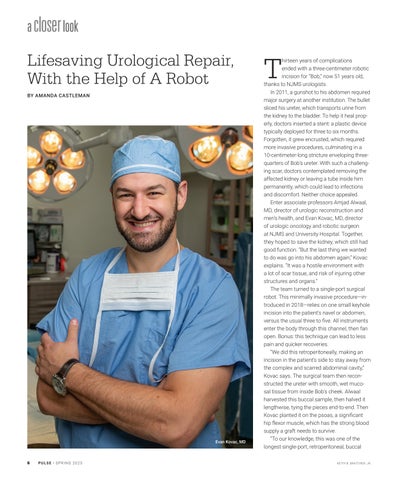
Enter associate professors Amjad Alwaal, MD, director of urologic reconstruction and men’s health, and Evan Kovac, MD, director of urologic oncology and robotic surgeon at NJMS and University Hospital. Together, they hoped to save the kidney, which still had good function. “But the last thing we wanted to do was go into his abdomen again,” Kovac explains. “It was a hostile environment with a lot of scar tissue, and risk of injuring other structures and organs.”
The team turned to a single-port surgical robot. This minimally invasive procedure—introduced in 2018—relies on one small keyhole incision into the patient’s navel or abdomen, versus the usual three to five. All instruments enter the body through this channel, then fan open. Bonus: this technique can lead to less pain and quicker recoveries.
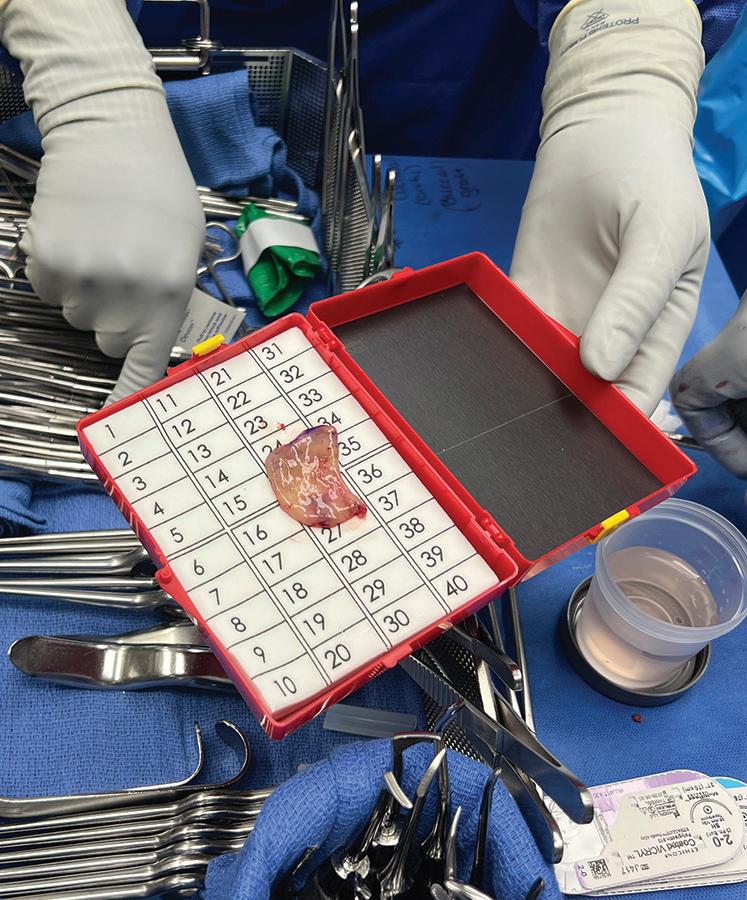
“We did this retroperitoneally, making an incision in the patient’s side to stay away from the complex and scarred abdominal cavity,” Kovac says. The surgical team then reconstructed the ureter with smooth, wet mucosal tissue from inside Bob’s cheek. Alwaal harvested this buccal sample, then halved it lengthwise, tying the pieces end-to-end. Then Kovac planted it on the psoas, a significant hip flexor muscle, which has the strong blood supply a graft needs to survive.
“To our knowledge, this was one of the longest single-port, retroperitoneal, buccal
Evan Kovac, MD
“I didn’t invent the procedure. I’m standing on the shoulders of giants who developed this technology and approach. But it certainly is cool.”
EVAN KOVAC, MD
graft ureteroplasties on record,” Kovac notes. “I didn’t invent the procedure. I’m standing on the shoulders of giants who developed this technology and approach. But it certainly is cool.”
Within a few months of the April 2024 surgery, Bob’s damaged kidney stopped declining and even recovered five percent of its functionality. “It was a great victory,” Kovac continues. “He was dealing with infections before, and also a nephrostomy tube, which pierced his back and drained urine into a bag wrapped around his thigh. These can become displaced and infected. They’re not comfortable and make it hard to sleep. His quality of life has drastically improved now.
“This was a team effort,” he continues. “It was my first robotic ureteroplasty, let alone a single-port, retroperitoneal, buccal-graft ureteroplasty. But Dr. Alwaal really supported me. He was my guide and collaborator throughout the whole case. It’s a nice example of how our division has experts across different areas of urology and how satisfying it is to come together to collaborate.”
His department relishes creative applications of the university’s state-of-the-art tools— a vital trait at a hospital that fields complex cases other health care systems would pass
Fibroids
Continued from page 5
Many of the women, however, are asymptomatic, and only a small number of patients, like the women who are treated in the medical school’s program, face issues so acute that they require medical intervention.
The risk of developing fibroids increases as women age, typically impacting them when they are in their 40s and 50s. They are more common among Black women; those who have a family history of fibroids; and those who smoke, eat unhealthy foods, are overweight, and lack exercise.
on or treat suboptimally. “At NJMS, we put our heads together to help patients. We leverage training, technology, and knowledge of anatomy to innovate and solve problems,” Kovac says.
He has been involved in another of those recently, developing a prostate cancer testing brochure published in four languages. “The diagnostic prostate-specific antigen test is somewhat controversial,” he explains. “It does find cancer, but a lot of the cancers found are not deadly and may be treated anyway, leading to stress and negative side effects on both urinary and sexual function. In fact, prostate cancer is very slow-growing. The longer you live, the more likely you will get it. The question is whether it will negatively impact you in your lifetime if detected by screening.”
The booklet helps patients make informed decisions. It also introduces “some ideas that are a bit avant-garde,” says Kovac, like not necessarily needing to test every person every year. “I put this together in 2021 in collaboration with our primary care leaders. Now we have data showing it is very useful for our patients.” ●
Some, like the patient with 88 fibroids, require abdominal myomectomies; others may undergo uterine fibroid embolization or endometrial ablation, a more minimally invasive same-day procedure that Barrett says stops the bleeding “like magic.” And some may only require medication or an intrauterine device (IUD). Some of the procedures, Barrett says, can be done only on women who don’t want to have babies, don’t have a history of cancer, and who have fibroids only in the wall of the uterus.
The surgeons in the fibroid and menstrual disorders program perform 15 to 20 operations a month. Barrett, who does two to three operations each week, says that not all are as complicated as the removal of the 88 fibroids. The most common complaint, excessive or constant menstrual bleeding, also brings incapacitating pain.
“One of my recent patients was brought in after she passed out on the floor at work,” he says.
The results of the program have been extremely rewarding, Barrett says: “Patients are very appreciative that we’ve created an environment where they can get comprehensive treatment in one place because some of them have been bouncing around for a long time trying to get care,” he says. The proof is in the positive patient experiences and outcomes.
“The woman with the 88 fibroids is sending more patients,” he says. ●
The surgeons adapted a buccal graft for urethral reconstruction, and implanted it with the assistance of a single-port surgical robot.
Losing a Beloved Friend and Leader
BY MERRY SUE BAUM
When word went out on the Newark campus that James M. Hill, PhD, associate dean of student affairs, had unexpectedly passed away, there was an impromptu gathering in the lecture hall. There, students, faculty and staff supported each other as they talked, cried and shared stories of a man they had cherished. “The room was packed with people,” says Robert L. Johnson, MD, dean of NJMS. “It was truly a testament to just how loved he was.”
Hill died on January 30, 2025. A native of Alabama, he earned a degree at BirminghamSouthern College and then moved to New York City, where he received a PhD in neuropsychology at The New School. He began working at NJMS as a clinical psychologist/ neuropsychologist in the Department of Psychiatry in 1993 and assumed the role of associate dean of student affairs in 2009.
Hill was an integral part of every student’s passage through NJMS. His duties included leading the procession of first-year students into their white coat ceremony. On Match Day, it was Hill who read the students’ names as they came up to receive their envelopes containing their Match Day instructions. And every year he led the procession of newly minted physicians into the NJMS convocation. “He was always there,” says Johnson. “He was one of those people you never thought you’d be without.”
Many faculty and administrators sought him out for guidance and support, including the dean himself. “He was a close friend and advisor,” Johnson says. “It will be difficult without him, but I was blessed to have him by my side for so many years.”
Hill was always available for anyone who needed him. “He defined what the ultimate medical school administrator should be,” says fourth-year student Liam McLoughlin, student council president. “He gave us his phone number the first day of orientation and told us we could call him 24/7. He once joked that if we were ever arrested, we should first call our lawyer, then our family and then him.”
McLoughlin’s recounts the time when his grandmother passed away during his first year at NJMS. He asked Hill for one day off for the funeral. “In his typical fashion, Dr. Hill went one step further,” McLoughlin explains. “He told me to take three days off and arranged for me to make up a test I would miss. Nothing was ever too much trouble.” He says many of the students had deep conversations with the associate dean about everything from the stresses of medical school and financial or academic needs to highly personal issues. “He had amazing problem-solving and critical thinking skills. He handled hard conversations
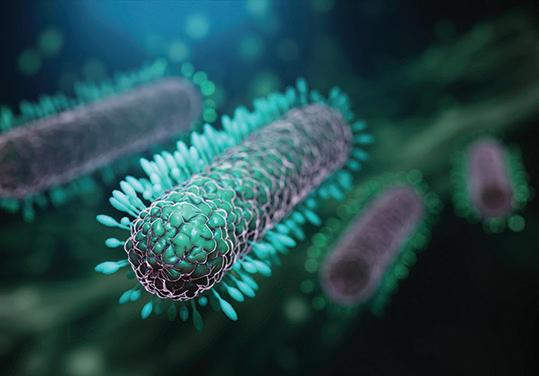
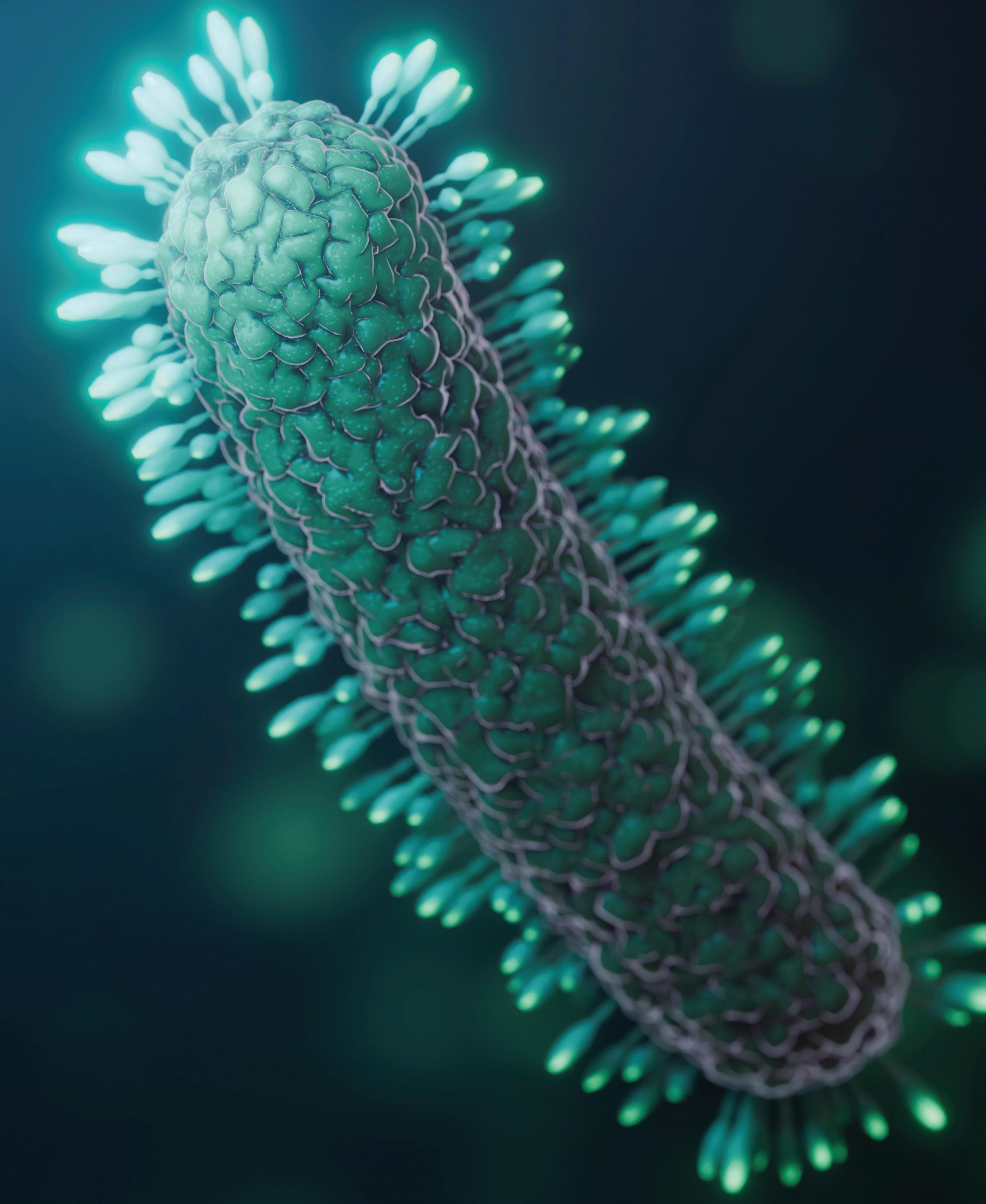
There’s an arms race taking place right on the NJMS campus. That’s according to Samantha Bell, PhD, assistant professor at the Center for Emerging Pathogens in the Department of Microbiology, Biochemistry and Molecular Genetics. And she should know. It’s happening under the microscopes in her laboratory, where macrophages and Mycobacterium tuberculosis (Mtb) continually try to outsmart one another.
The Race to Outsmart
Goes On
BY MERRY SUE BAUM
“Macrophages are the body’s first line of defense,” Bell says. “They are a type of white blood cell that surrounds and kills microorganisms, removes dead cells, and stimulates the action of other immune system cells. They are in every part of the body and are constantly looking for invaders.” She explains that in the lungs, cells known as alveolar macrophages ingest and kill airborne pathogens, like TB, which invade the body through the respiratory tract. These macrophages, along with other immune responses, are generally successful. However, Mtb, which causes the worldwide infectious disease tuberculosis, continues to develop new strategies to avoid being destroyed. The macrophages are then forced to invent new ways to deal with TB’s latest tricks. It’s a
constant interplay between the two.
TB causes about 10 million new infections each year and kills some 1.5 million people annually. These statistics worsened with the COVID-19 pandemic, not to mention that the progress in finding new therapies was set back several years.
Bell and her researchers use a variety of disciplines to understand the interface between the host and the bacterium, including genetics, cell biology, biochemistry, molecular biology, immunology and in vivo infection approaches. “We want to learn how the macrophages detect, respond to and control infection,” she says. The team is especially interested in identifying the danger signals used by the macrophages upon Mtb infection, characterizing the pathways that either kill
Mtb or worsen the infection, and define the regulation and resolution of these potent immune responses.
One way TB survives, Bell says, is by injecting its own proteins into the macrophages. Since there are hundreds of proteins, the scientists in Bell’s lab are systematically investigating each one to determine how it works. They are trying to determine exactly which proteins are secreted into a macrophage, when they are secreted, and what host pathways they target. They’re also looking at how the proteins mechanically manipulate host cell biology and how they ultimately impact infection outcomes. The researchers recently found a protein, known as PE5, which affects how the macrophages sequester iron that TB needs to live.
Bell’s lab also studies the cell biology of other bacteria that, like Mtb, are not easily killed by macrophages. Salmonella and Listeria are among those that they study. “These two bacteria are eaten by microphages but not killed,” Bell says. “We want to know why.” She adds there are other bacteria that resist being eaten altogether because their surfaces can’t be grabbed onto. “Bacteria use all of these strategies to evade our immune systems and contribute to infection,” she says. “We hope that understanding how they work can help us develop future antibiotic treatments.”
The team in Bell’s lab is also looking at why only 10 percent of those who are exposed to TB get an actual infection, while the other 90 percent do not. “We want to know what’s happening in those 10 percent,” she says. “We think genetics play a huge role, but we believe there are other factors involved as well.” She adds that there are a number of comorbidities that increase the risk of developing TB, including HIV, diabetes, and immune disorders. The researchers are looking at the metabolic
Continued on page 16
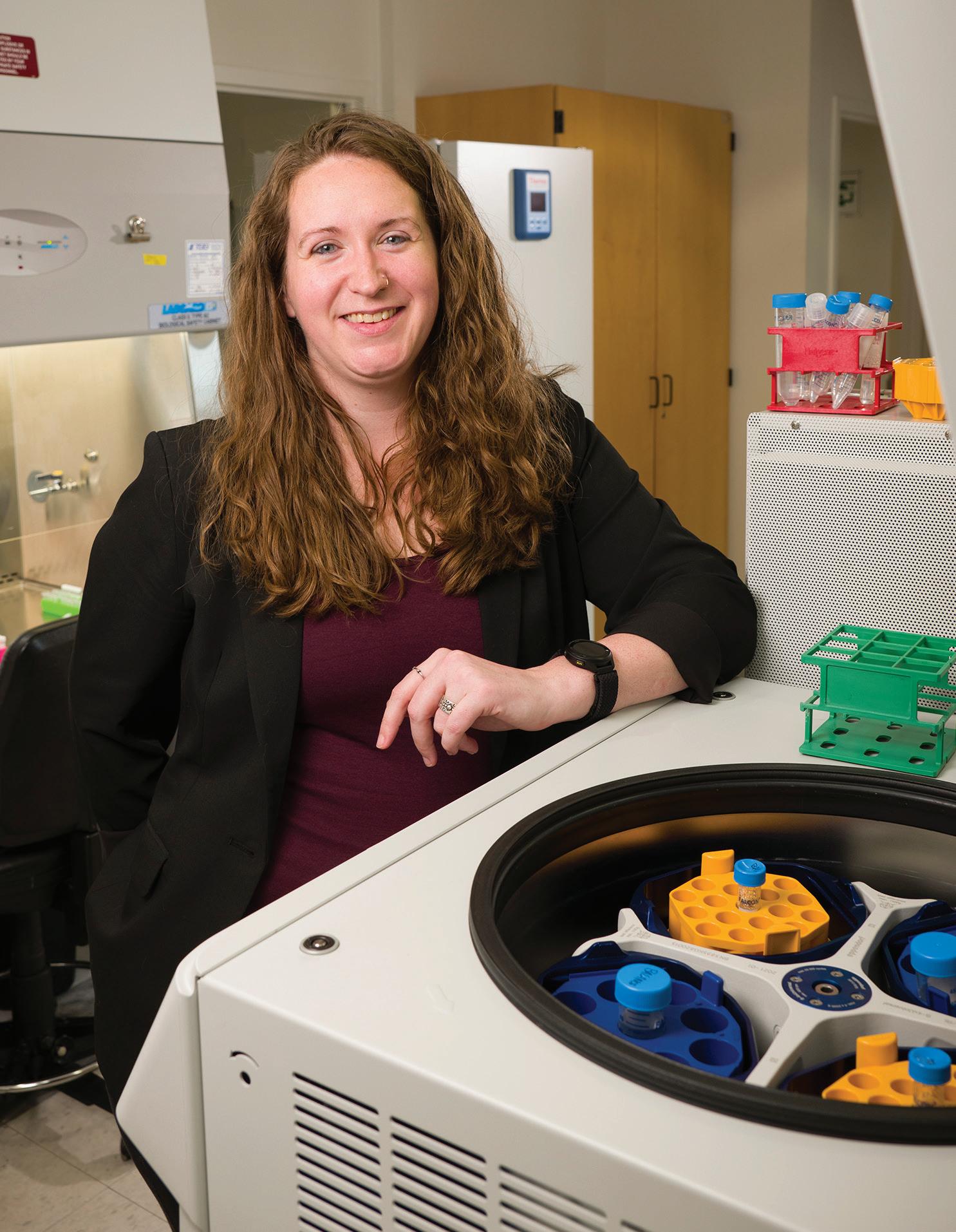
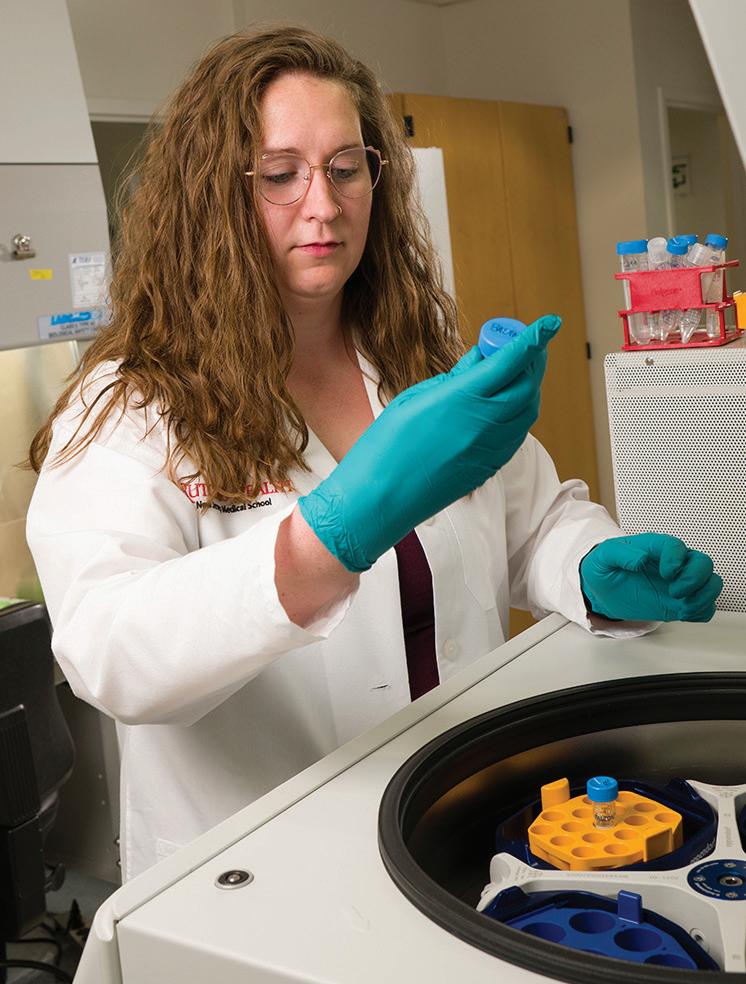
Researcher Samantha Bell, PhD, fighting TB in her lab at NJMS.
JOHN EMERSON
Fighting Breast Cancer
With the Power of Positivity and Expert Care
BY AMANDA CASTLEMAN
At first, certified nursing assistant Roxy Peace blamed her sore breasts on ovulation. Then the pain started extending throughout her menstrual cycle. She shielded her torso from getting bumped at work and showered in her bra.
Seeking help, the Irvington, NJ, resident turned to a community health center, which referred her for mammography screening in May 2023. “But the mammogram was so expensive,” says Peace, a single mother of two. “I couldn’t afford it.”
The pain and mass in her left breast intensified until she finally went to University Hospital’s emergency room. She was immediately sent for a mammogram, ultrasound and biopsy at the new Rutgers Breast Center at University Hospital, part of Rutgers Cancer Institute of New Jersey, the state’s only National Cancer Institute-designated comprehensive center. NCI-designated centers meet rigorous standards for state-of-the-art research and clinical care in preventing, diagnosing, and treating cancer. This distinction translates into the best possible care for patients.
The Rutgers Breast Center aims to be a one-stop shop, from women’s imaging to pathology, oncology, surgery, and reconstructive surgery. NJMS faculty also partner with social workers, patient navigators, physical therapists, tumor registrars, genetic counselors, palliative care providers, nurse practitioners running survivorship clinics and other topnotch professionals. Clinicians and researchers collaborate closely, which can fast-track moving scientific discoveries into practice.
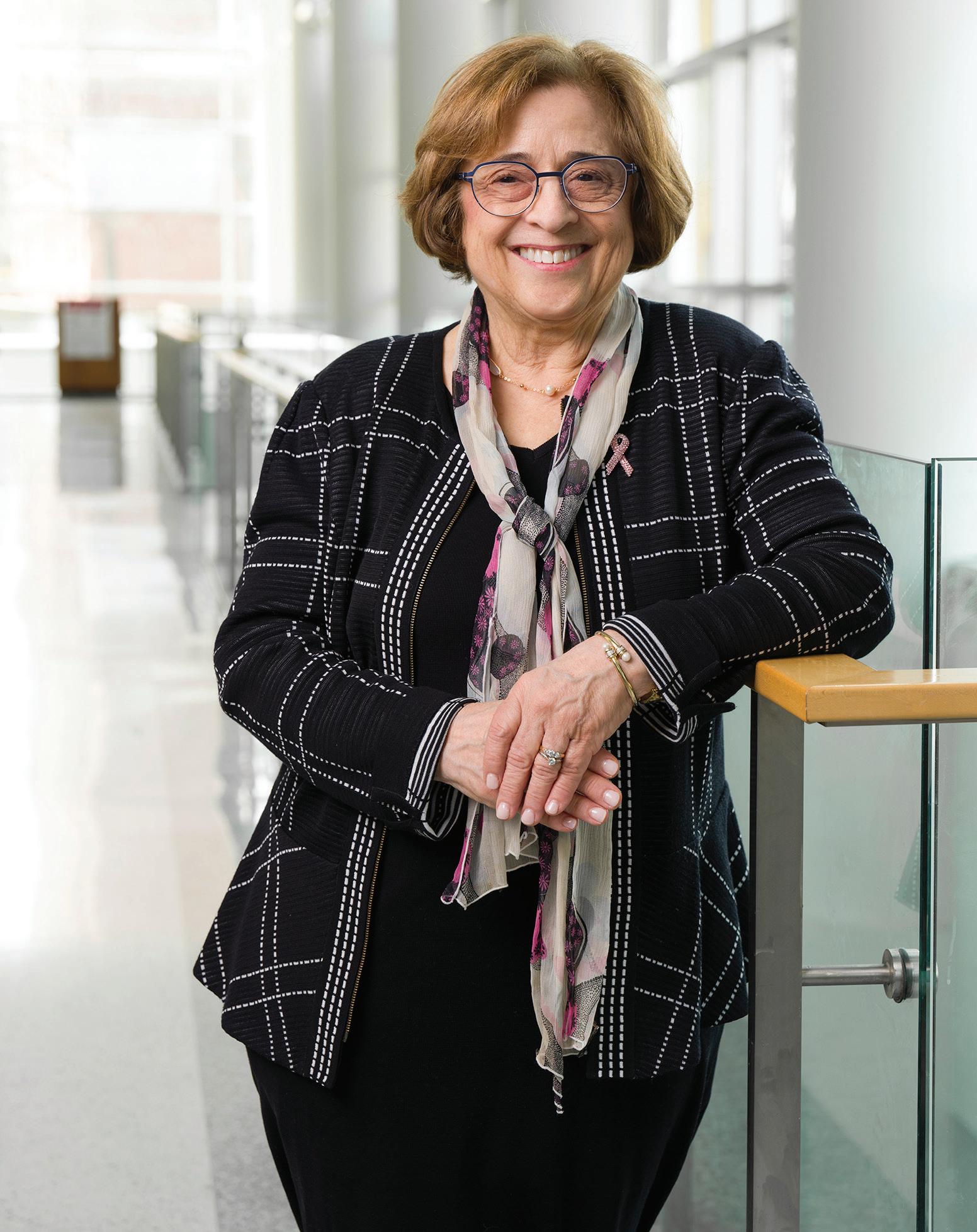
The multidisciplinary team not only guides patients through treatment, but also works to build trust in the community. Outreach can lead to earlier detection and improved outcomes, notes Peace’s surgeon, Rutgers Breast Center director Susan Pories, MD, who is also an NJMS professor of surgery.
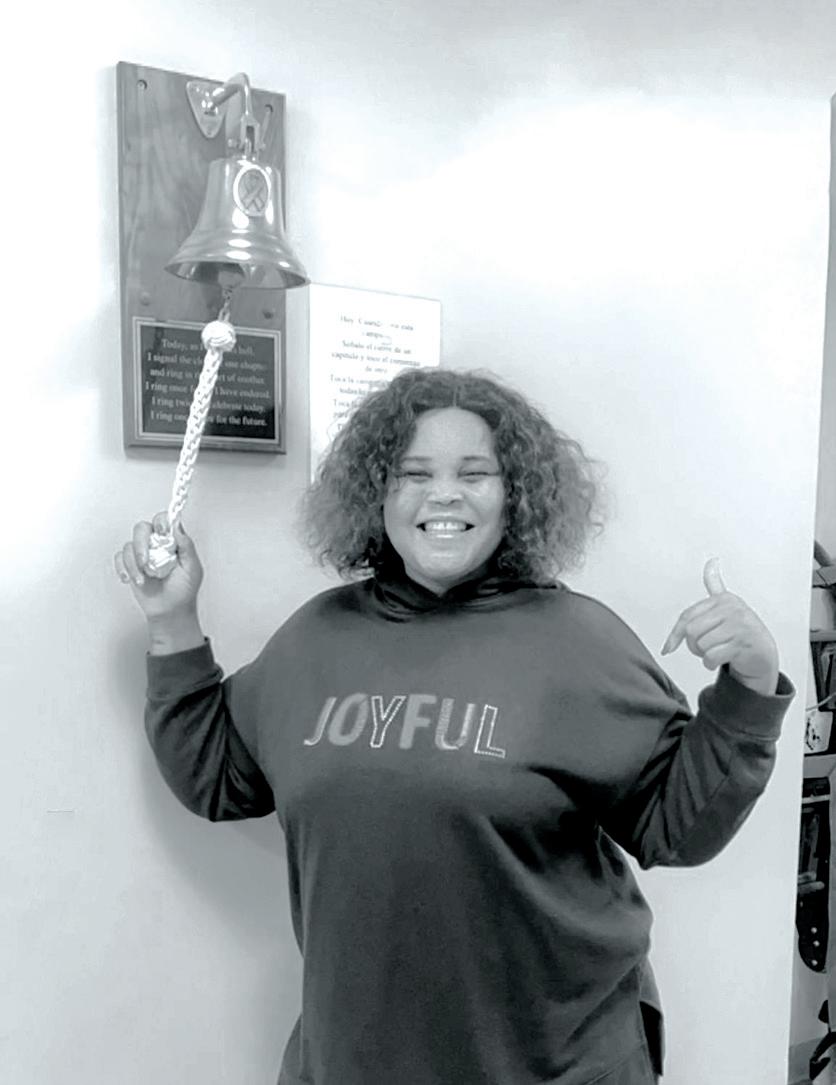
Patient Roxy Peace rings the proverbial bell after her skilled medical team gave her a new lease on life.
JOHN EMERSON
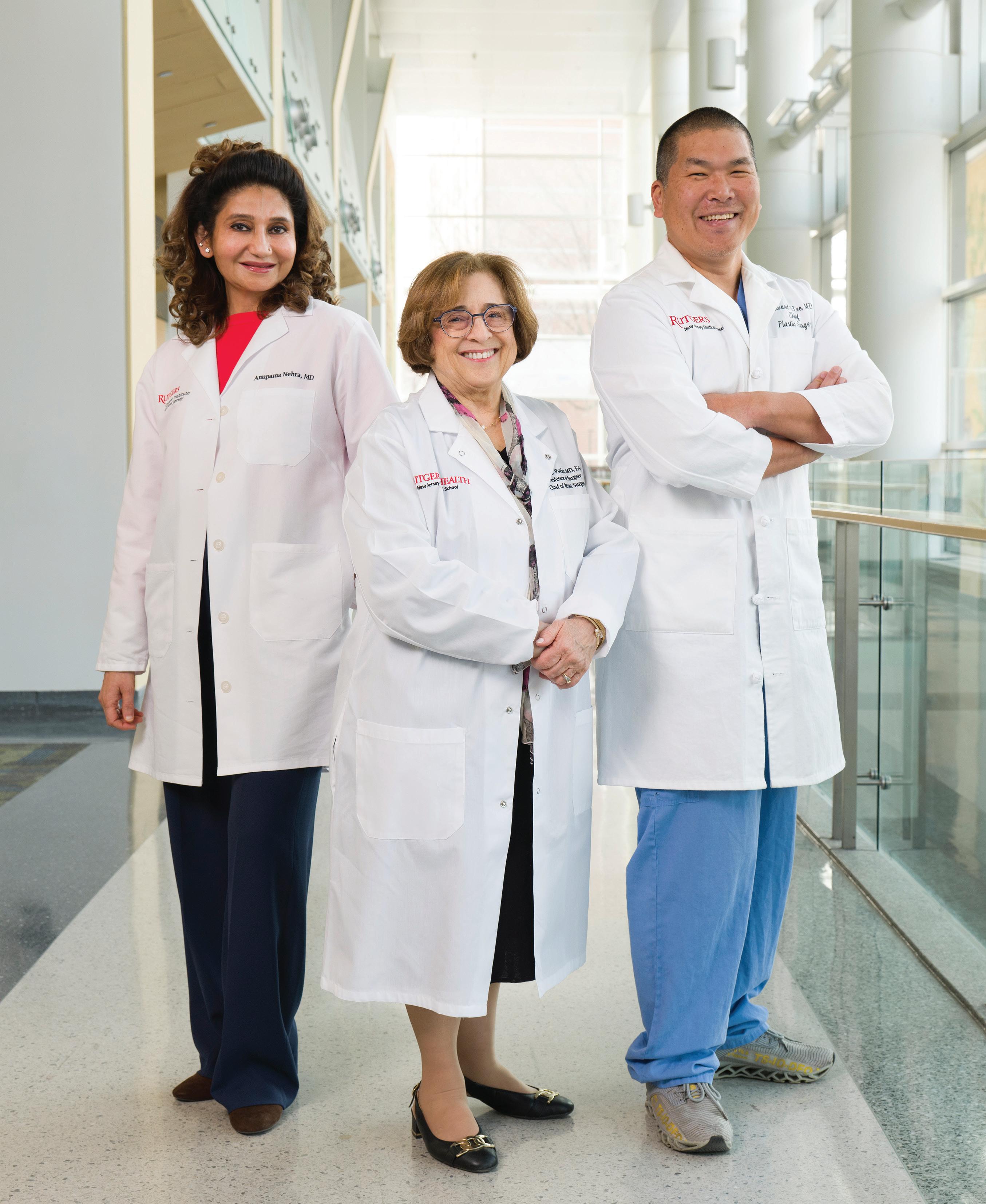
Facing page, left to right: Anupama Nehra, MD; Susan Pories, MD; and Edward Lee, MD
Above:
“We can feel proud about the care we’ve given her. We’re also very happy about the fact she still feels positive about life.”
—Susan Pories, MD
No negative vibes
When Peace received the sobering news that her biopsy was positive, she was devastated. But she knew she had to be strong. So she took the word ‘positive’ as her rallying cry. “I realized I just have to be positive in everything I’m doing,” she says. “Of course, the first day I cried—but I made sure no one saw my tears.” Then she bought sticky notes and blanketed her room with reminders to be “positive, positive, positive. No negative vibes!”
Genomic tumor testing showed this was a high-risk cancer, suggesting she would benefit from adding chemotherapy to her treatment plan to help avoid relapses. Pories notes: “Genomic testing helps ensure that only patients who really need chemotherapy receive this treatment.”
It would have been easy to succumb to fears and pressures. A first-generation Nigerian immigrant, Peace already had her hands full, raising her family and working towards achieving the American dream. She fell into several higher-risk groups. Black women are 38 percent more likely to die from breast cancer than their white counterparts, despite being 5 percent less likely to receive a diagnosis. And at age 43, she was part of a worrying trend: cancers in young people have increased globally by 79 percent between 1990 and 2019.
Peace remained undeterred and optimistic, though. “Where I come from, we don’t have benefits,” she explains. “People without money for treatment die.” Deeply grateful for the accessible care of a safety-net hospital, she vowed to be a knowledgeable patient and to “let the doctors do what they do best.”
Always on time, never missing an appointment, she even started chemo on her birthday. “I lost all my hair, my eyebrows, but I didn’t care. My soul was still intact.”
Shared burdens make lighter loads
Her providers marveled at both her positivity and poise. “She came in very worried, but also very educated,” says medical oncologist Anupama Nehra, MD, associate professor of medicine and clinical director of medical
oncology at Rutgers Cancer Institute at University Hospital. Peace arrived with two pages of questions before starting neoadjuvant chemotherapy to shrink her tumor before surgery, begging Nehra not to be upset by this diligence. Her oncologist responded: “I’m here for you. Go ahead and ask. The more informed you are, the easier it is to take care of you while we go through this journey together.”
In the past, Peace would have been advised to undergo a mastectomy and complete removal of all the lymph nodes under the arm. But today, excellent results are achieved using a less intensive, breast-preserving lumpectomy and a less extensive targeted lymph node sampling, since radiation therapy can eliminate any microscopic cancer cells left behind. This offers patients many long-term, quality-of-life benefits.
now in remission. And she couldn’t be happier with her reconstructive results.
Achieving patient satisfaction in the face of potentially devastating disease is no small matter. The breast center physicians consult with each other and patients before charting a course of treatment. “This is the patient’s opportunity to rebuild and restart,” Lee says. “They’re hit with a ton of bricks. They may need surgery, chemotherapy, and radiation, and their sense of self can be damaged because of the huge change to their bodies. Restoring patients’ agency is very important.”
CANCER DREAM TEAM
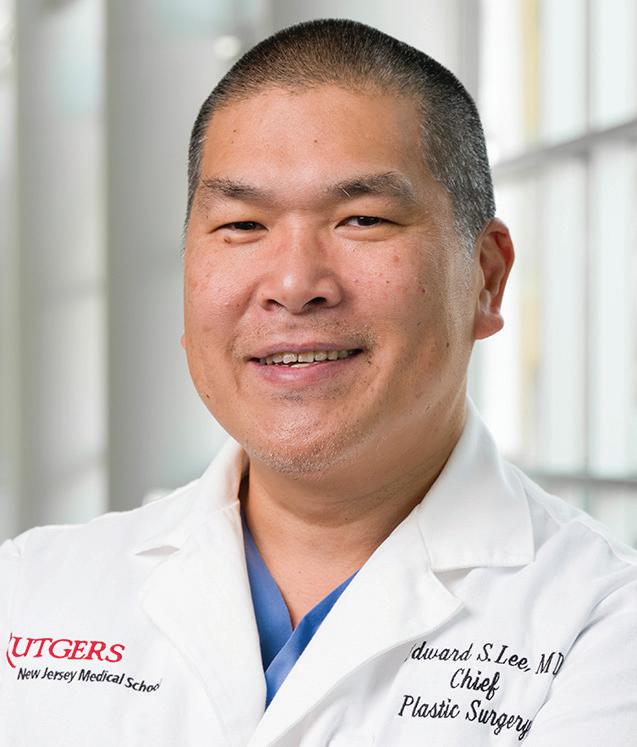
The chemotherapy worked its magic, reducing Peace’s 4.7-centimeter tumor by 50 percent. In February 2024, she underwent surgery. Pories removed the remainder of the tumor and also lymph nodes under Peace’s arm. While she was still anesthetized, her plastic surgeon stepped in: Edward Sang Keun Lee, MD, associate professor of surgery and chief of plastic surgery. Lee recalls: “Her breasts were larger than she wanted. She opted for an oncoplastic reduction on both sides so they would match.”
Lee designed an incision pattern that preserved tissue, blood supply, and the nipple. Following the surgery, Peace had radiation therapy to eliminate any remaining traces of cancer. She has had no complications and is
RIGHT: JOHN
Outsmarting TB
Continued from page 13
Maintaining her sense of humor throughout the process, Peace teased Lee about finagling a tummy tuck too. “But he says, ‘we didn’t come for the stomach, we came for the breasts!’” She dissolves into giggles. “It’s good to be able to laugh about things.”
Pories remains grateful that the experience didn’t dampen Peace’s exuberance. “We can feel proud about the care we’ve given her. I’m also very happy about the fact she still feels positive about life.”
Peace rang the bell to signal the end of radiation therapy in May 2024. That same year, she enrolled in nursing school. “People cared for me,” she explains. “Now I want to care for people.”
She’s on track to graduate this November and hopes to work at the breast center that saved her life.
“I want to encourage others,” she says. “I’m a survivor, a living testimony.” ●
changes in people with these conditions to try to understand how they affect the progression of the disease.
Bell, who has been at NJMS for about three and half years, says she loves her job. Her colleagues in other areas are more than willing to collaborate, and the many areas of expertise among the faculty greatly enhance the work she’s doing. She adds that she enjoys living in northern New Jersey. A Pittsburgh native, Bell says a person can live whatever lifestyle he or she chooses in this area. “Whatever you want or need, it’s here,” she says. “It’s a great place to live.”
The goal of the research is to find new, more effective therapies for TB, and perhaps eliminate it completely. “The therapies we have today are very protracted, and patients must be vigilant about following the treatment protocol,” Bell says. “We need brand-new approaches to the drugs for this disease. We hope that devising ways of targeting the immune system in addition to the bacteria will allow us to really turn up the volume on the immune response to this ancient, horrible disease. I am so fortunate to be involved in possibly ending it once and for all.” ●
EMERSON
Chemotherapy and surgery restored Roxy Peace’s health.
Research Roundup
Vascular Science: Not Only Written in Blood
The terms ‘vascular’ or ‘circulatory system,’ make us think of blood and large vessels like arteries and veins. Yet, it’s the tiniest vessels—thinner than a sewing pin—and their inner layer of endothelial cells that play a pivotal role in conditions like hypertension, diabetes complications, and inflammation-related diseases. To truly grasp these complex pathologies, we must first understand their intricate physiology.
Backed by a $2 million grant from the National Heart, Lung, and Blood Institute, Mauricio Lillo, PhD, assistant professor of pharmacology, physiology, and neuroscience, is unraveling the mysteries of endothelial connexin hemichannels and their role in regulating vasomotor tone. While these channels, known for facilitating calcium entry into cells, are often studied in the context of disease, Lillo has identified a surprising physiological function—shedding new light on how these tiny channels contribute to vascular health.
Collaborating with senior postdoctoral associate Pia Burboa, PhD, with a grant from the American Heart Association, the team is delving deeper into endothelial connexin
hemichannels. Burboa is investigating how these channels may exacerbate edema and tissue damage during inflammation and ischemia-reperfusion injury. Together, this team is pushing the boundaries of vascular research, tackling both sides of the microcirculation with precision and innovation.
Studying the Effects of Taurine Decline and Aging
Taurine, an amino acid found in seafood, meat and eggs, is often added to energy drinks (think Red Bull) and sold as a supplement, appealing to fitness buffs. Studies have found that taurine is indeed beneficial, improving certain health parameters, including blood sugar, cholesterol, blood pressure, and more.
Research from the laboratory of Vijay K. Yadav, PhD, associate professor of pathology, immunology, and laboratory medicine, has found that taurine abundance declines during aging. When this deficiency was reversed by supplementation, it increased the health span in worms, mice, and monkeys, and the life span of worms and mice. Taking this work one step further, an analysis of taurine in
some 12,000 older people associated lower levels of circulating taurine with poor health, including a higher incidence of obesity, type 2 diabetes, hypertension, and inflammation.
“Our next study will examine the effects of taurine supplementation in humans,” says Yadav. Led by Shristi Rawal, PhD, of the School of Health Professions; Stephanie Shiau, PhD, MPH, of the School of Public Health, Vijay Yadav; and the Institute for Translational Medicine and Science; the study will examine whether taurine supplementation delays the pace of aging. “We will target populations of different genetic backgrounds, as taurine is an animal diet-derived micronutrient, and nutrients’ impact on human health has a major genetic component,” explains Yadav.
Studies have found that taurine is beneficial, improving certain health parameters, including blood sugar, cholesterol, blood pressure, and more.
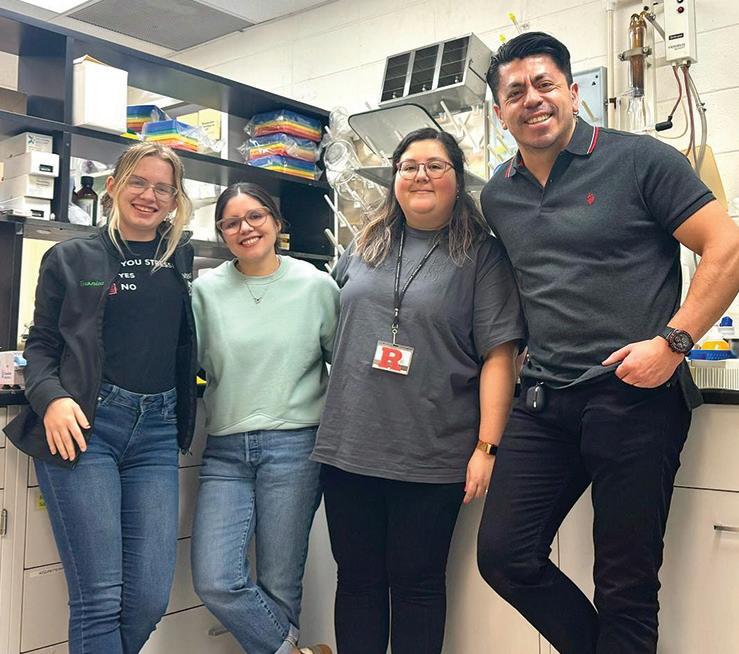
Left to right: Veronica Kuzdowicz, MSc (lab manager), Stefany Ordenes, MSc (PhD student and intern), Pia Burboa, PhD (research associate) and Mauricio Lillo, PhD (principal investigator).
Like Mother, Like Daughter
BY MARY ANN LITTELL
Pediatric nephrology is among the rarest of subspecialties: in fact, there are only 19 pediatric nephrologists in the entire state of New Jersey. Two of them hail from the same family, sharing strong ties to NJMS: Constancia Uy, MD, NJMS emeritus professor of pediatrics, and her daughter, Natalie Uy, MD’08.
“As far as we know, we’re the only motherdaughter pediatric nephrologists in the U.S.,” notes Natalie. She is currently division chief of pediatric nephrology at Weill Cornell Medicine/ New York-Presbyterian Komansky Children’s Hospital. Living happily in New York City, she loves her work and her specialty—and the fact that she can pop out to New Jersey as often as she likes for time with her family.
Before retiring in 2018, Connie was vice chair for clinical affairs in the NJMS Department of Pediatrics and director of pediatric nephrology at University Hospital. An outstanding educator, she’s the recipient of a Master Educators Award, as well as 11 Golden Apple Awards for excellence in teaching. She gets A’s in family matters as well, says her daughter: “As busy as she was, she was always able to separate work and family—she was always a mother and a wife first at home. We never felt that her job came first.”
Mother and daughter are beyond close, almost to the point of finishing each other’s sentences. “I admire my mother so much for the example she sets,” says Natalie. “As a young girl, I was always interested in medicine. While my mother never said she wanted one of us to be a physician, we knew she would love that. But I wanted to be sure it was right for me. Those were big shoes to fill!”
“I loved the idea of Natalie following in my footsteps and becoming a doctor,” adds Connie. “But it had to be her choice. I never tried to persuade her.”
Born and raised in the Philippines, Connie graduated from the University of the Philippines College of Medicine in 1967, then traveled to U.S. for training, along with a few of her classmates. Her first stop was Milwaukee, WI, where she did a rotating internship. After that, she came to Newark, NJ, for a pediatric
residency at the former Martland Hospital, followed by a pediatric nephrology fellowship. “I was the first pediatric nephrology fellow in this program,” notes Connie. “When I finished it, I was offered another fellowship at Yale. But by then, I had met my husband (Nestor, a retired accountant). It would have been hard to be away from him. So I stayed in New Jersey.”
Joining the NJMS faculty, Connie rose through the ranks, maintaining a busy clinical practice, teaching, and in what little spare time she had, becoming involved in community service. Asked about the experience of practicing medicine in the U.S. as a female from another country, she says, “I don’t recall any major challenges. However, some patients did not accept me as a physician, assuming I was a nurse. Remember, there were not many female physicians back then. To hold our own, we really had to stand out.”
During hospital rounds, Connie strove for excellence. “When the attendings asked tough questions, my hand was always in the air. I did a lot of preparation—tried to bring in some of my colleagues too. This is when I first realized I wanted to become an educator.”
Docere, the Latin root of the word doctor, means to teach—an intrinsic part of being a physician. It was an aspect of medicine that Connie always enjoyed, even during her residency, when one of her students was NJMS Dean Robert L. Johnson, MD’72. “He was a very good student, very smart,” she says with a smile.
As they raised their family in Pine Brook, NJ, Connie and Nestor stressed the value of doing well in school. Natalie and her two brothers were excellent students, and Natalie was valedictorian of her high school class. The idea of becoming a doctor continued to float in her mind, but she still wasn’t ready to commit to it.
Graduating from Columbia University with a degree in neuroscience, she sampled other work experiences, including living for a year in Hong Kong, where she taught English. When she returned to the U.S. in 2001, the job market was tight. After working in financial services for three years, she made the decision to apply to medical school. “Of
course, NJMS was my first choice,” she says. “Through my mom, I’d gotten to know a lot of med students. I knew the school offered an excellent education and great clinical training. It’s where I wanted to be.”
Mother’s and daughter’s paths crossed many times. As a third-year student starting clinical rotations, Natalie’s attending physician was her mom. “During rounds and the morning report, there was never any favoritism,” says Natalie. “I was grilled just as hard as every other student! In my fourth year, I took her nephrology elective. And of course, I loved it.”
As a resident at Yale-New Haven Hospital, Natalie found herself increasingly drawn to the field of pediatric nephrology. “Though
I said I’d never do exactly what my mom did, this shoe just seemed to fit,” she says. Ultimately, she did a fellowship in pediatric nephrology at Children’s Hospital at Montefiore in Bronx, NY.
Both women agree: the field is interesting and challenging. Says Natalie: “We see a spectrum of conditions, ranging from congenital anomalies of the kidney and urinary tract, to end-stage disease requiring dialysis and kidney transplant. More common referrals can include anything from hypertension to protein in the urine. It’s a wide range of acute to chronic kidney disease.”
Natalie has also been involved in teaching and mentoring activities as director of the pediatric nephrology fellowship program at Columbia University Irving Medical Center/ NewYork-Presbyterian Morgan Stanley Children’s Hospital.
The two chat by phone almost daily, “about family, medicine, recipes, and everything in between,” says Natalie.
“We used to talk shop, back in the day. Natalie would ask me questions,” notes Connie. “But at a certain point in her training, I realized she stopped asking questions. Now I’m the one asking her all the questions!”
Retirement has given Connie even more time to volunteer with numerous community and professional organizations, an activity she’s always embraced. She served for ten years as chair of the Philippine American Friendship Community, a nonprofit supporting the well-being of Filipino Americans in New Jersey and beyond. She’s also been involved in a medical alumni society: the Philippine Pediatric Society of America (New Jersey chapter). She served as the first Filipino president of the Nephrology Society of New Jersey, and in 2024 received a Lifetime Achievement Award from the Philippine Economic and Cultural Endowment.
“My mom is so accomplished, and yet so humble,” says Natalie. “Her coming to the U.S. to pursue her dream of becoming a doctor was very courageous. She’s worked incredibly hard and never let anything stop her. She’s been a phenomenal role model—for me and so many others.” ●
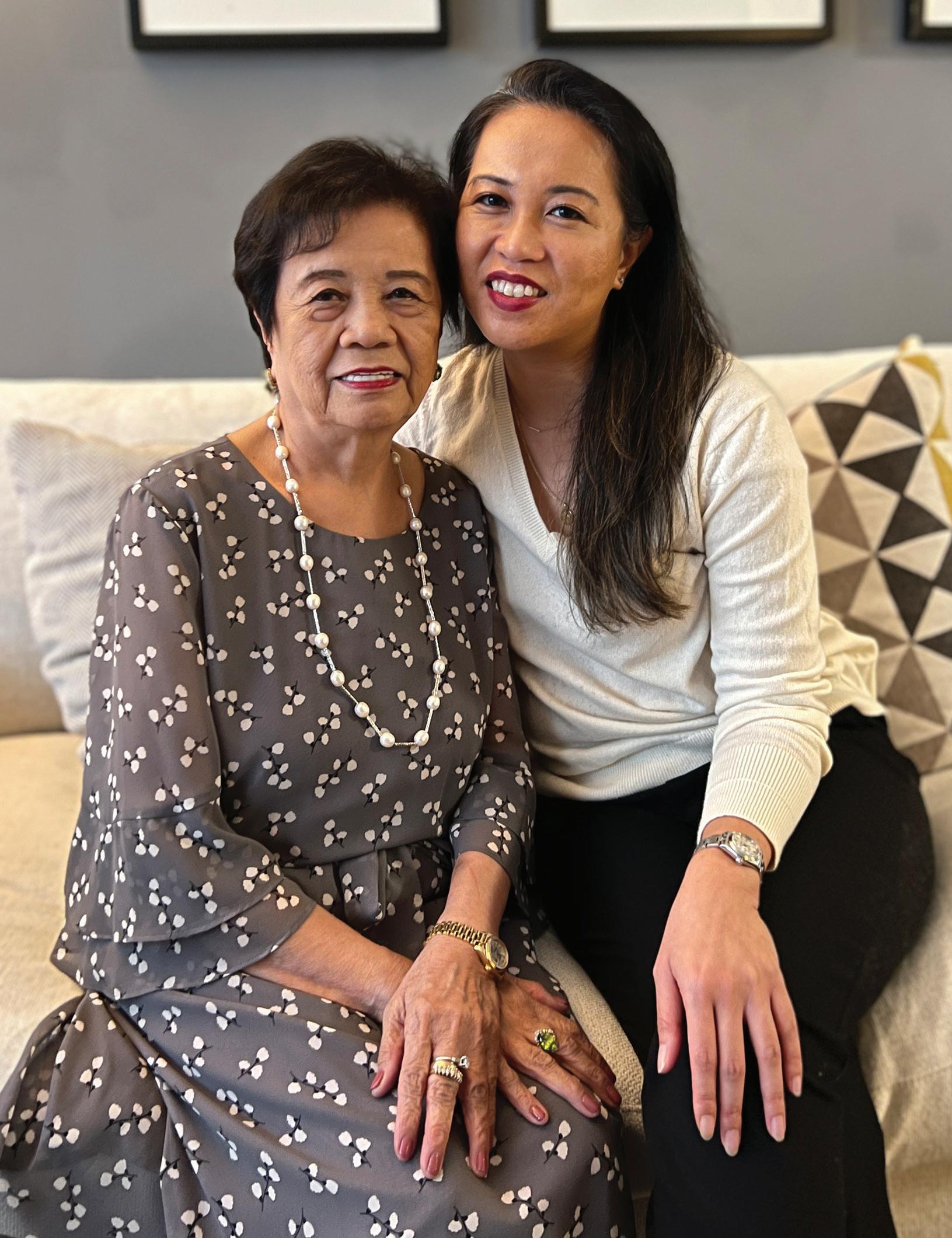
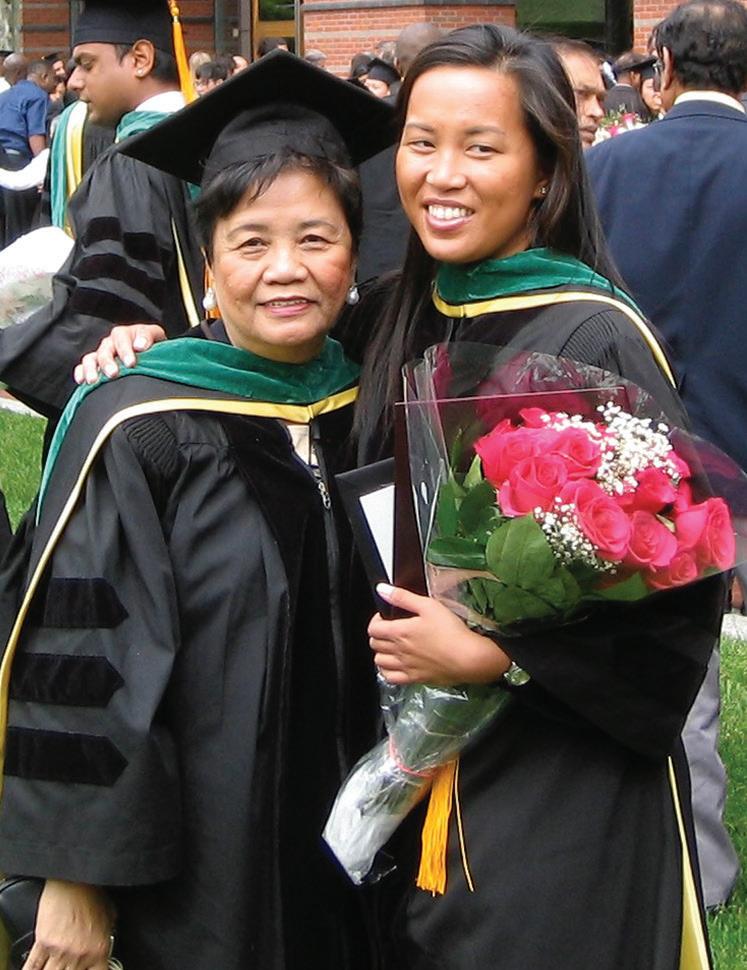
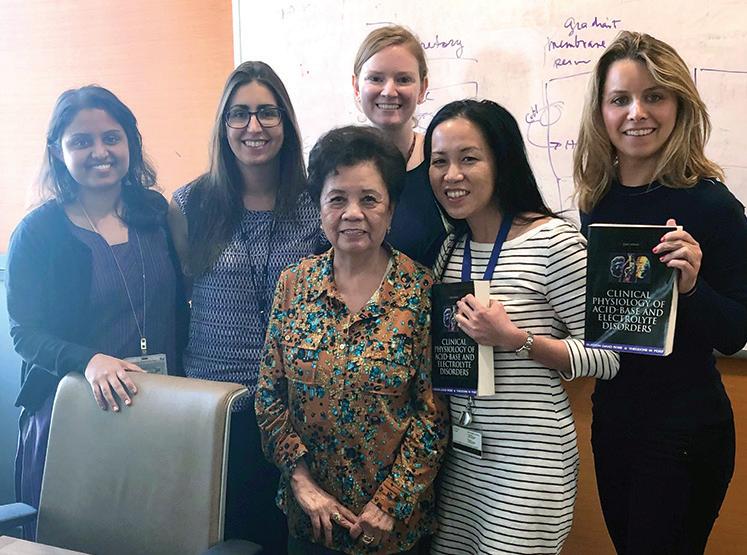
Top: Natalie and Connie Uy at Natalie’s graduation. Bottom: Connie with some of the students taking her acid-base elective course.
alumni focus
These NJMS graduates have focused their talents and skills to make tremendous contributions in medical education: one at Howard University, and the others right here at their alma mater.
JOSEPH IPPOLITO, MD’17
When he was five months old, Joseph Ippolito was diagnosed with stage 4 cancer. The diagnosis was serious; however, the youngster from West Orange, NJ, was in full remission by age 2. Even though he doesn’t remember the surgery or the chemotherapy that followed, the experience had a profound impact on his life. Joseph Ippolito, MD, graduated from NJMS in 2017 and is now an assistant professor in the Department of Orthopedics, Division of Musculoskeletal Oncology.
“Sometimes I have dreams of actually being in surgery as a young patient,” he says. “I don’t vividly remember all these experiences, but I do remember years of seeing numerous doctors and having checkups all my life.”
Ippolito had a neuroblastoma, a cancerous tumor that can develop in the nerve tissue. It is the most common solid cancer in children under one year of age. The tumor was located in his brachial plexis, a network of nerves in the spinal cord that extends into the arm and hand. The tumor had grown around the nerves, so the surgeon had to pick it out, bit by bit.
“He was an amazing surgeon,” says Ippolito. “My pediatrician and oncologist were also among the best. I was surrounded by this cluster of great people, including my parents, who mentored me and encouraged me along the way. I stayed in touch with my doctors throughout college and while I was shadowing other physicians.” He adds that his occupational therapists were also a key part of his total recovery, since he had to learn to use his hand again. He was right-handed, and the tumor was on that side, so he had to use
his left hand for quite a while. “As a result, I’m ambidextrous,” he says, “which can be a real advantage when doing surgery.”
Ippolito has been on the NJMS faculty for about a year and a half. His parents are from Newark and the surrounding north Jersey area, and he grew up in West Orange, NJ, so he was very familiar with the school. “There was nowhere else I wanted to go,” he says.
As an NJMS student, he helped organize the annual ice hockey game between Rutgers School of Dental Medicine and NJMS. “I
played a lot of sports, but ice hockey was my favorite. I certainly wasn’t good enough for the NHL, so I loved that I could continue to play even after college.”
After graduating from NJMS, Ippolito completed an orthopedic residency there, followed by a fellowship in musculoskeletal oncology at the University of Chicago. The fellowship spanned two other large institutions, Northwestern and Rush. Working at three highvolume institutions gave him a good deal of hands-on experience.
His understanding and compassion for his patients, however, he learned at home. He believes that he gained an extra sense of compassion watching what his parents went through when he was growing up. Even so, he doesn’t volunteer his own experience with cancer. “Some of my patients and parents are aware of it, since I’ve appeared in other media and have done fundraising, so my story is out there. If someone does want to talk about it, I’m happy to do so. For the most part, however, I keep it in my back pocket.”
Even though he has firsthand experience, dealing with cancer patients is usually difficult. Telling a patient that he or she has metastatic disease that has spread to the bone is very sobering. “The upside is that we have a direct and immediate way to help,” he says. “We take the pain away and give patients a better quality of life. We can restore a child’s ability to walk. That’s what we focus on, the positive.”
Despite the seriousness of his chosen field, Ippolito loves his job at NJMS. Being affiliated with Rutgers Cancer Institute of New Jersey in Newark and New Brunswick is invaluable for collaborating on new treatments and techniques. And he loves teaching. “I’m part of the core teaching faculty, and I’m passionate about that,” he says. “There are only a few orthopedic oncologists in all of New Jersey. Having the opportunity to get students excited about the field is amazing.”
Helping children seems to run in the Ippolito family. Joseph’s wife, Alli, is a board-certified behavior analyst (BCBA) who works primarily with autistic children and their families. She helps the children overcome behavioral and emotional disturbances and works to optimize their ability to lead productive lives. The two share stories that help them better understand how to work with kids. “Both of us find our jobs very fulfilling,” he says. Speaking of being fulfilled, the couple recently welcomed their first child, Rose Bea. Rose is Alli’s middle name and a family name, according to Ippolito. As any parent will tell you, there are no words for the joy a new baby brings. “There’s only one thing to say,” says Ippolito. “Life is good.” — Merry Sue Baum
ROGER MITCHELL, MD’03
Roger Mitchell, MD‘03, who became president of Howard University Hospital last year, has fond memories of visiting his grandparents in Atlantic City. “I grew up in South Orange and Princeton Junction. I remember spending summers walking the boardwalk, when people would stop my mother and me to tell me how great my grandfather was. ‘Your grandfather took care of me when I was sick.’ ‘Your grandfather delivered my sister in our house.’”
For Mitchell, the return to Howard is a kind of double-homecoming. He received his undergraduate degree there in 1996, and his grandfather, Henry Donald Marshall, graduated from Howard Medical School in 1932. “He took care of people,” Mitchell says. “He took his black bag and he made house calls. There were stories of him getting cakes and pies from people who couldn’t pay, and he took cash from people who could. He was well known and well respected. Ever since I was young, I knew I wanted to be a doctor like my grandfather.”
Mitchell took all the right steps. After graduating from West Windsor Plainsboro High School, he enrolled in the Howard pre-med curriculum, majoring in biology and minoring in chemistry. Between his junior and senior years, however, his attention shifted. While working as a summer scientist at Howard’s Center for Sickle Cell Disease, Mitchell, like the rest of the country, was avidly watching the O.J. Simpson trial.
“We were doing HIV research and using very similar techniques in our laboratory to the ones described at the trial,” he says. “That’s when forensic science was really coming into view. While I was listening to and watching the trial, talking through DNA and blood splatter. I decided I wanted to become a forensic scientist, and not go to medical school.”
Mitchell applied for scientist positions “up and down the eastern seaboard” and, ultimately, was recruited by the Federal Bureau of Investigation. He began working at the FBI in 1997, one of the first black men to staff their laboratories. He enjoyed the work, and even considered leaving the laboratories to
become an FBI agent. Through a work tour, however, he met the medical examiner in Washington, D.C., and realized his true interest was pathology. “I knew then what I wanted to study in medical school, so I made the shift.” Mitchell enrolled at NJMS in 1998. After his sophomore year, he took advantage of a unique opportunity to do a fellowship at NYU. “It was like a research year so that, functionally, I did my first year of pathology residency before I graduated medical school.” He completed his MD degree in 2003, the year after he married his college sweetheart, and he and his wife welcomed their first child.
The fellowship allowed Mitchell to complete his residency at George Washington University in only three years, the last year of which he served as chief resident. When Mitchell left George Washington, in 2006, he “went back to the NYU program to do a fellowship in forensic pathology at the office of the chief medical examiner medical examiner, the late great Dr. Charles Hirsch.” Following the NYU fellowship, Mitchell and his family moved to Houston, where he served as a medical examiner, and, the next year, he was “elevated to become the assistant deputy chief and ran all death investigations for Harris County.”
alumni focus
Mitchell returned to New Jersey in 2011 and served as the acting state’s medical examiner—in charge. The move even marked something of a return to NJMS: his office was on campus, at the corner of Norfolk and South Orange Avenues. Mitchell was in that position until 2014, when he became the chief medical examiner in Washington, D.C. There, he “helped to turn that office around and to build mass-fatality management.” He ended his time in D.C. government as the interim deputy mayor for public safety and justice.
One of the most important aspects of his job, Mitchell says, “is making sure that we have a high-quality, high-safety system that protects our patients. That’s the biggest thing that I talk about every single day.”
Mitchell joined Howard as the chair of pathology in 2021 and became chief medical officer for Howard’s ambulatory care center—the faculty practice plan—in 2023. He served in both those roles until 2024, when he was asked to serve as president of Howard University Hospital.
One of the most important aspects of his job, Mitchell says, “is making sure that we have a high-quality, high-safety system that protects our patients. That’s the biggest thing that I talk about every single day. We have something we call our RISES values–Respect, Integrity, Service, Excellence, and Stewardship. We try to make sure that each one of our
employees, our physicians, our residents, that they embody these values. My job is to instill this vision for the hospital and make sure that people are motivated to know how important it is.” As for Mitchell’s personal motivation, a photograph of the Howard Medical School Class of 1932 hangs in the hallway outside his office. Henry Donald Marshall is always watching.
Recently, Mitchell and his co-author Jay Aronson, published “Death in Custody: How America Ignores the Truth and What We Can Do About It.” Harvard Public Health called it one of the best public health books of 2023, and the book’s companion podcast, “Official Ignorance,” was nominated for an NAACP Image Award.
“I was at NJMS when Amadou Diallo was shot by law enforcement in New York City,” Mitchell says. “That made me want to learn about how death in custody happens, how police brutality happens. When I was in medical school, I wrote one of the first papers on police brutality as a health issue. The connection between the criminal justice system and medicine has been a throughthread in my career, and that was cultivated at NJMS.”
Mitchell was selected to deliver the commencement address to the NJMS class of 2025 this spring. “I’m really excited about it,” he says. “I never thought I would have the sort of career that would allow me to give words of encouragement to a graduating class of medical students.” He’s also president-elect of the National Medical Association and will be inducted into that position in August.
Mitchell, the father of three, “loves being a husband and a dad.” He’s also an ordained minister who enjoys “supporting and motivating people to identify with their best selves.” In his free time, he likes to golf. “I try to hit that little white ball around that green course. It eats me up a lot of the time, but when I’m not working, or ministering–and sometimes I’m ministering on the golf course–I like to get out there.” And then there’s his grill. “I have a big pit in the back yard,” he says. “When the weather breaks I’ll be out there cooking whatever can get burned.” —Ty Baldwin
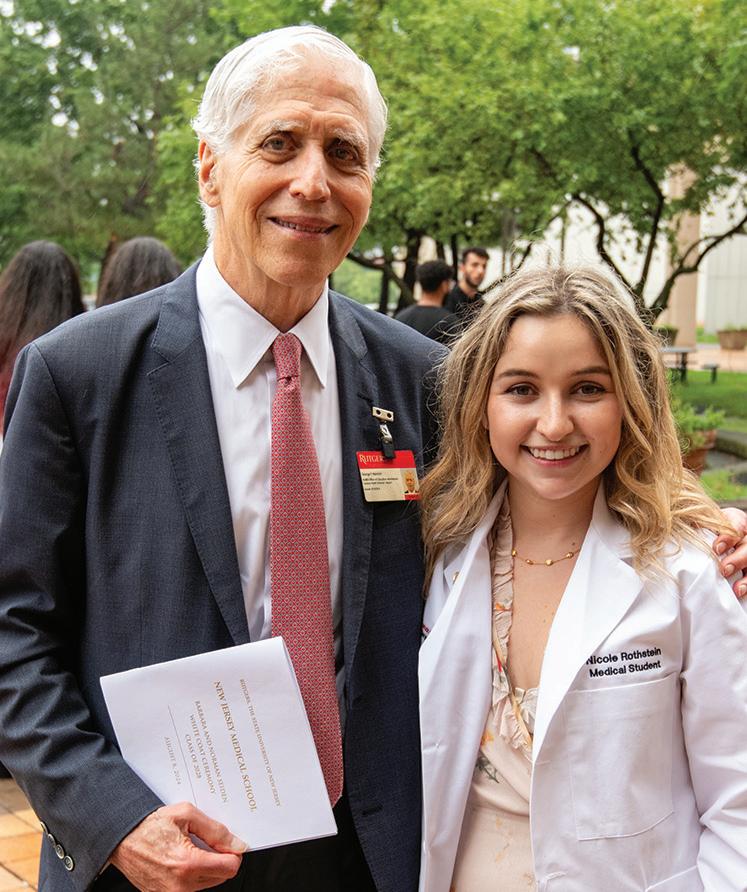
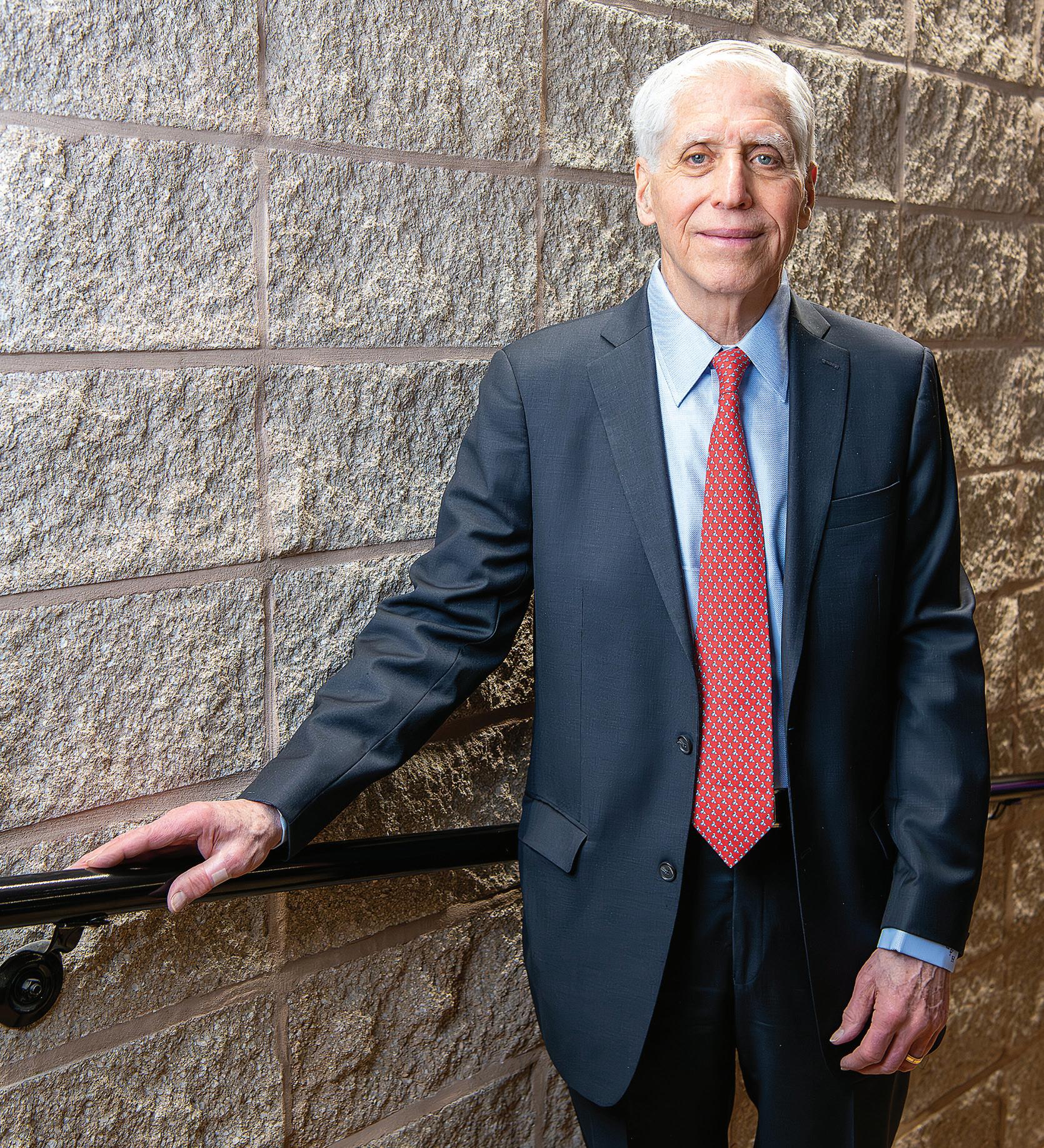
GEORGE HEINRICH, MD’72
“We don’t go into this profession waiting for patients to say, ‘Doc, you did a good job,’” says George Heinrich, MD‘72, associate dean of admissions for NJMS. “That’s very nice to hear, but that’s not the reason we do this. We’re here to make a difference in the world.”
It’s advice Heinrich often shares with medical students, and it’s a path that he’s followed at NJMS since the mid-1980s, when he began serving as volunteer faculty and participated in a first-year course focused on small-group, problem-based learning. In 1993, when the associate dean of admissions retired, Heinrich stepped into the role. He’s been at it ever since.
This desire to make a difference, Heinrich says, was instilled in him by his parents. His father had a urology practice in one half of the family’s Manhattan apartment. His mother also helped with the practice. “My father made house calls, even though he was a specialist. If he knew someone couldn’t afford to pay, he didn’t send a bill.” Heinrich lost his father to colon cancer when he was sixteen. “I realized he took care of a lot of people. He was my role model to do that as well.”
After completing his undergraduate degree at Cornell, Heinrich matriculated at NJMS in 1968. “I wanted to learn in an inner city,” Heinrich says. “I was eager for very early
clinical exposure.” At that time, most medical schools waited until third year to give students clinical exposure. NJMS began the first year. “We still start clinical exposure at the beginning of the first year,” he adds. “It’s even more structured today than when I started.”
One case Heinrich will always remember was a woman who came to the ER after having had a stroke. The attending physician said she would likely never walk again. “I was devastated,” Heinrich says. “That night I decided: this woman is going to walk out of the hospital. I worked with her, but at the time it was for the wrong reason–because I was upset with the physician. But it taught me so much that I discovered the right reason: it should be all about the patient.” The woman, Heinrich adds, did walk out of the hospital. “Not totally on her own steam. She had a cane.” But she walked.
process, and the changes in the process, it’s difficult to give students the best chance of preparing themselves for applying to medical school and being successful.”
Heinrich’s interest in admissions grew from his desire to help guide and select future generations of physicians. “It’s really important that young people who are interested in medicine get good advice early on. That’s why we provide consultations for anybody who wants advice—whether they’re an applicant, or just thinking about being an applicant. It’s hard to get this focused advice. So I insist we answer every question and help those interested in a medical career.”
Heinrich also runs admissions information seminars both in-person and on the web. “These are young people who need direction,” he says. “And there are many well-meaning people who give direction, but it isn’t always personally focused. Unless you know the
One of the things Heinrich is perhaps best known for is his commitment to personally calling every accepted student to let them know they’ve been admitted to NJMS. Each year, he even makes some of these calls on holidays like Christmas Day, when students are likely to be with their friends and families— a practice that was the subject of a front-page profile in the Star-Ledger in 2017. As he told the paper, “Medical school is a family activity. Students need support.”
In addition to his work with admissions, Heinrich serves as the volunteer vice-chair and CEO of the New Jersey Health Foundation, which offers grants to support health education and research throughout New Jersey, and at NJMS, he also started a distinction program in entrepreneurship and innovation that assists NJMS students who want to start companies. A decade ago, the students
selected Heinrich to receive the Golden Apple Award for Lifetime Achievement. For many, this might be the capstone to a long and distinguished career, but not for Heinrich.
Retirement isn’t even on his radar.
“My wife just laughs when you ask that question,” he says. “She encourages me. She’s my strongest advocate to do the right thing for the right people.” And she follows her own advice. After a career as a cardiac intensivecare nurse and instructor, Heinrich explains, his wife decided to return to school and earned an EdD in nursing education. “Over the years, she’s always provided the insight and support to help me help others. And, two years ago, she earned her doctorate. I’m incredibly proud of her,” Heinrich says, but he doesn’t need to. You can hear it in his voice.
“NJMS is an important part of my life and my family’s life,” he adds. “It changed my life. I’m a physician. I have the privilege of working with applicants and students. It’s very rewarding. I get to make a difference in people’s lives.”
—Ty Baldwin
KEITH B. BRATCHER, JR.
Heinrich is highly committed to our students, and very involved with all of the activities at NJMS. “We’re here to make a difference in the world,” he says.
Looking to the Future on
Match Day
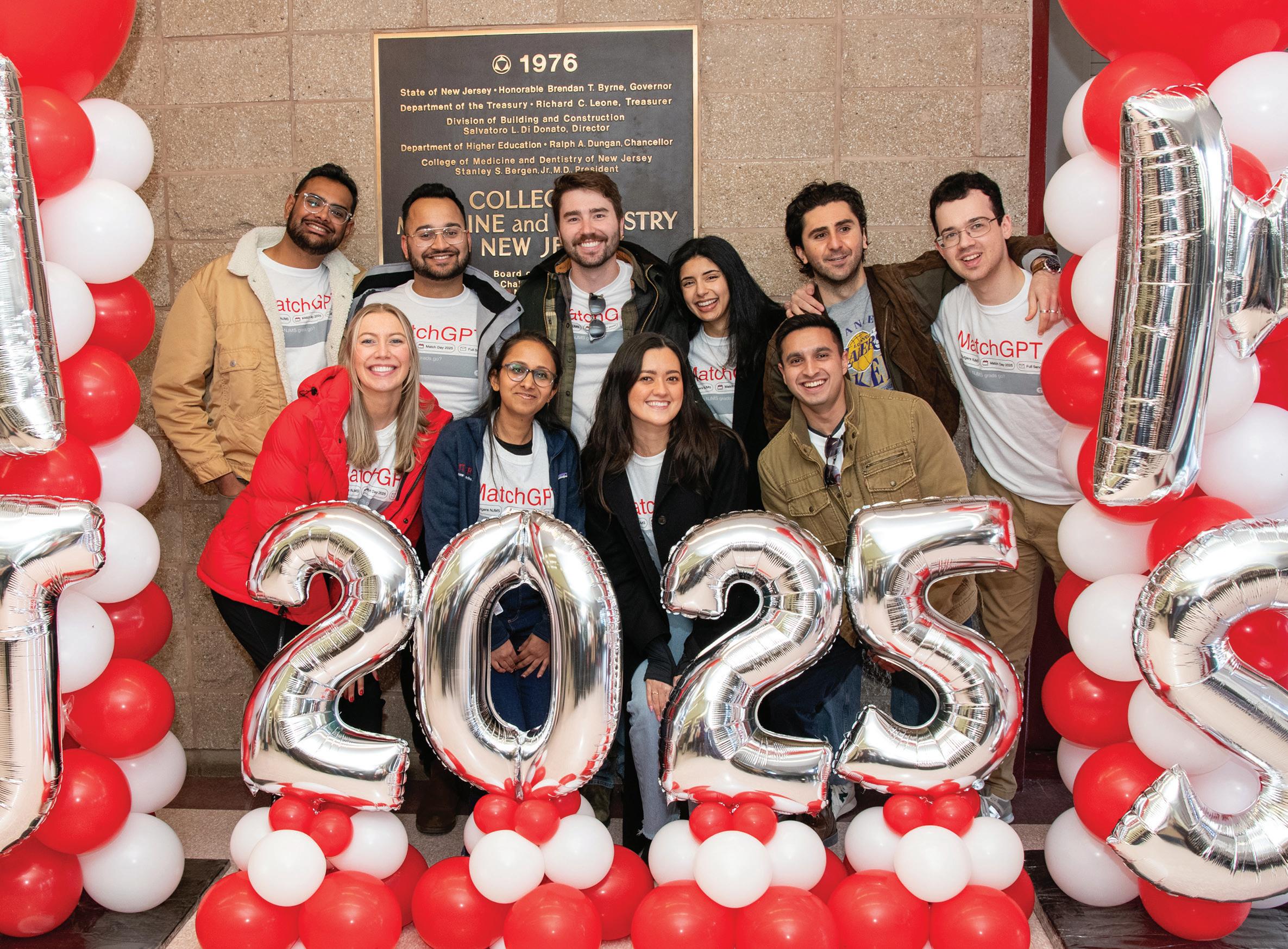
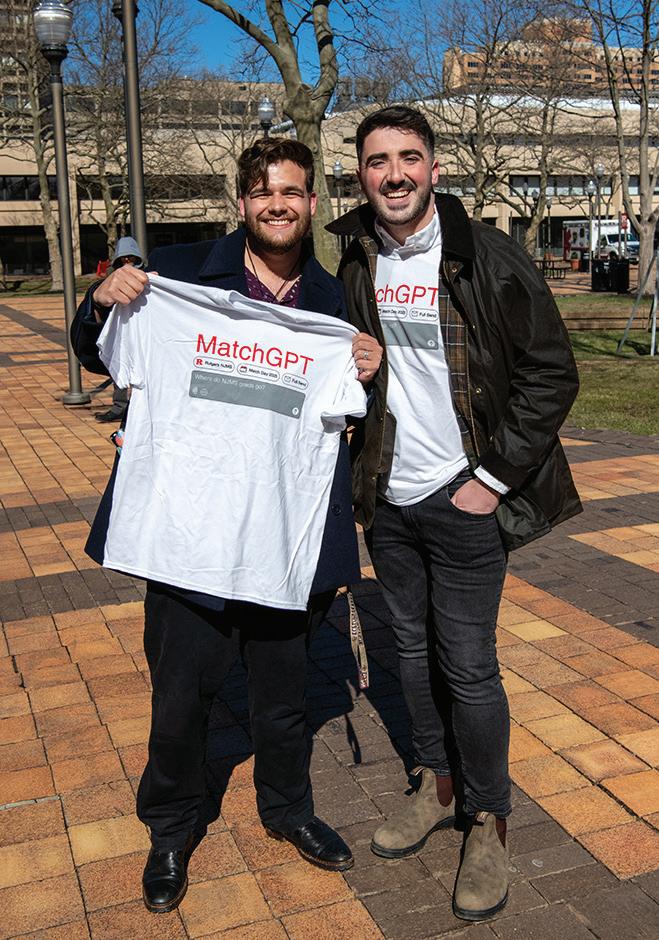
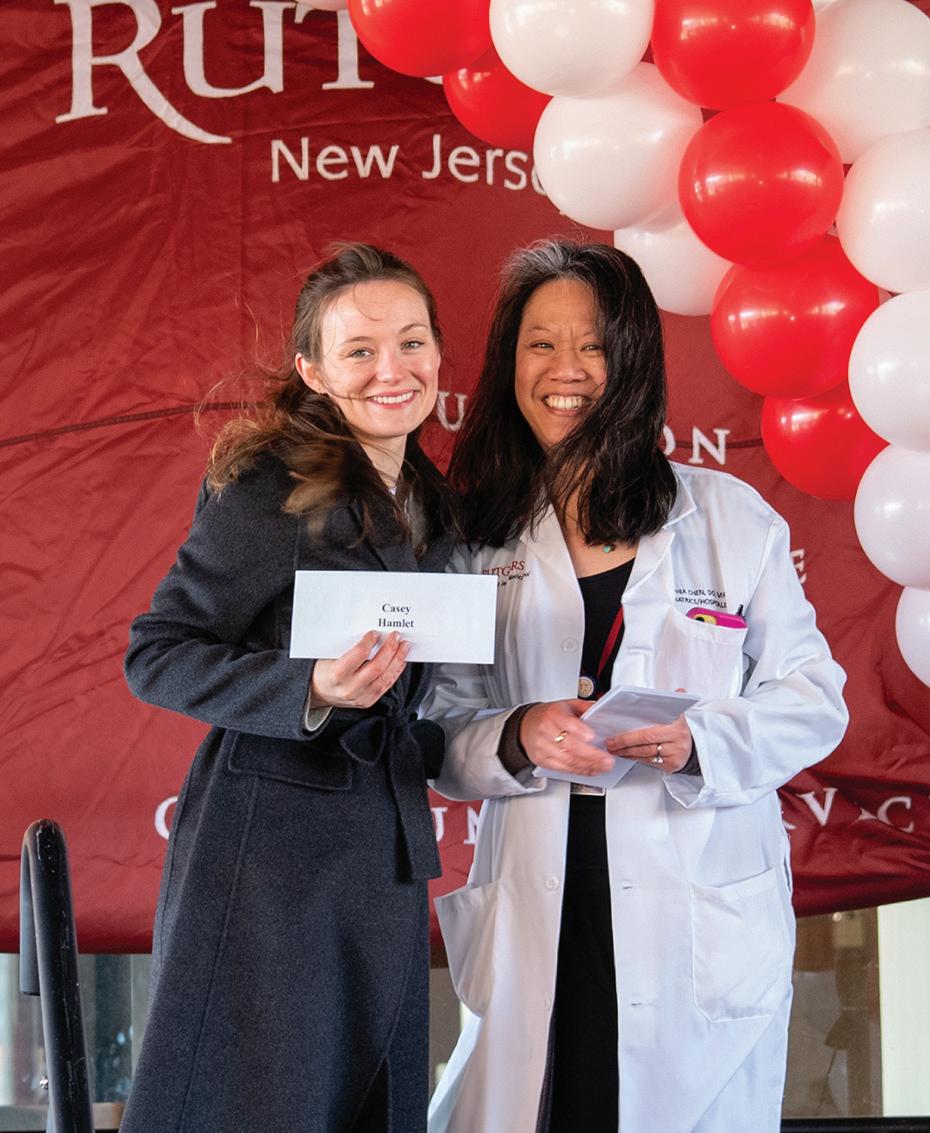
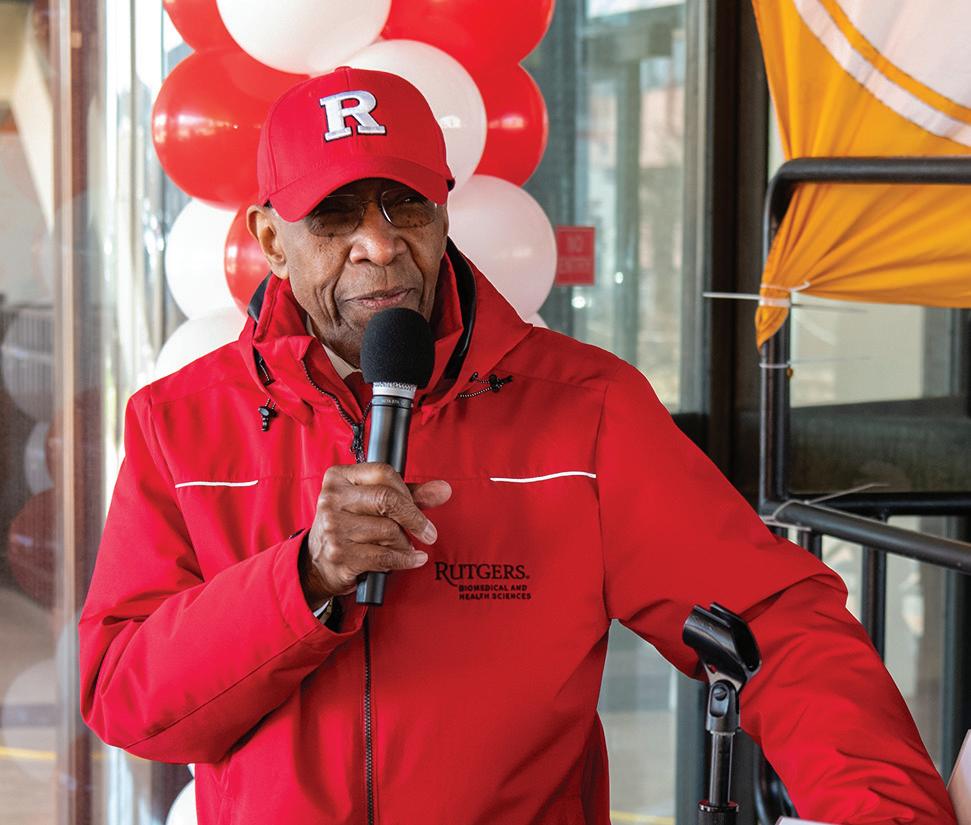
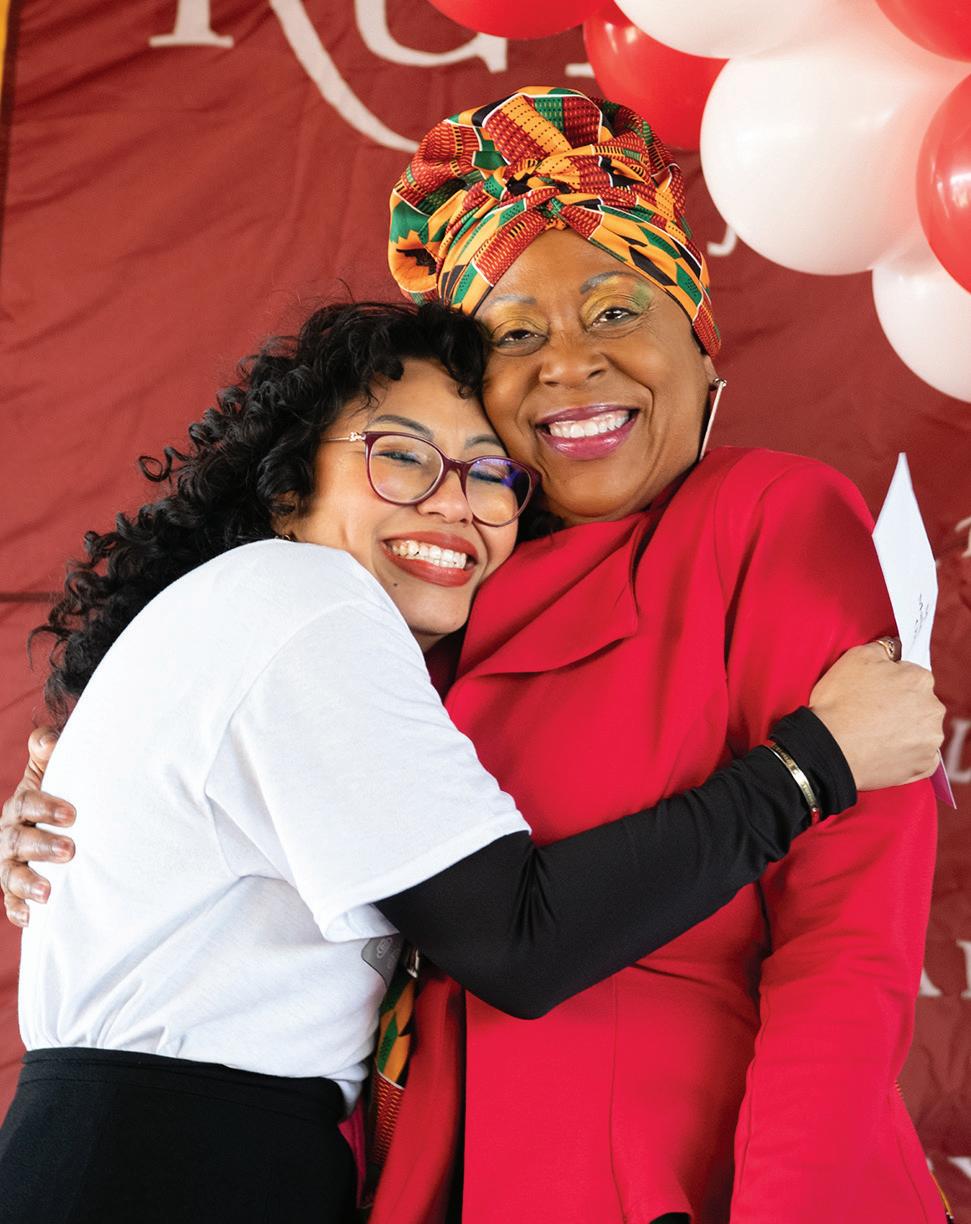
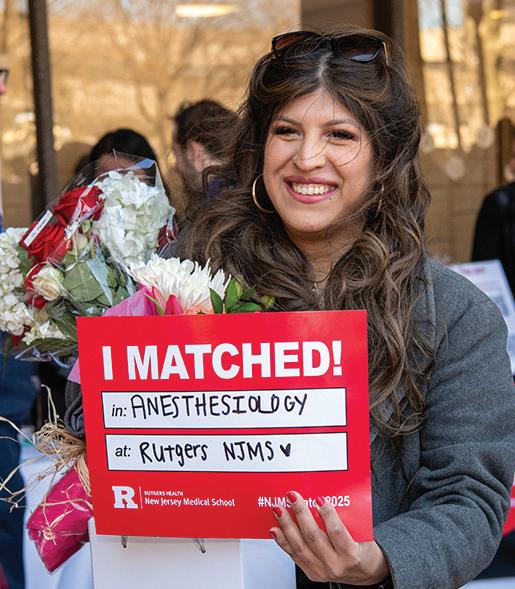
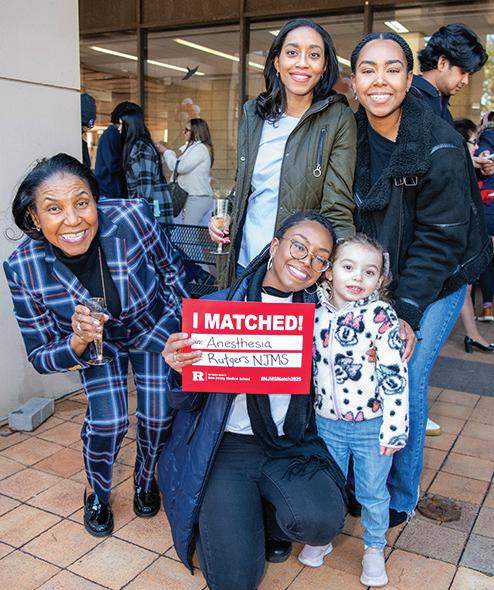
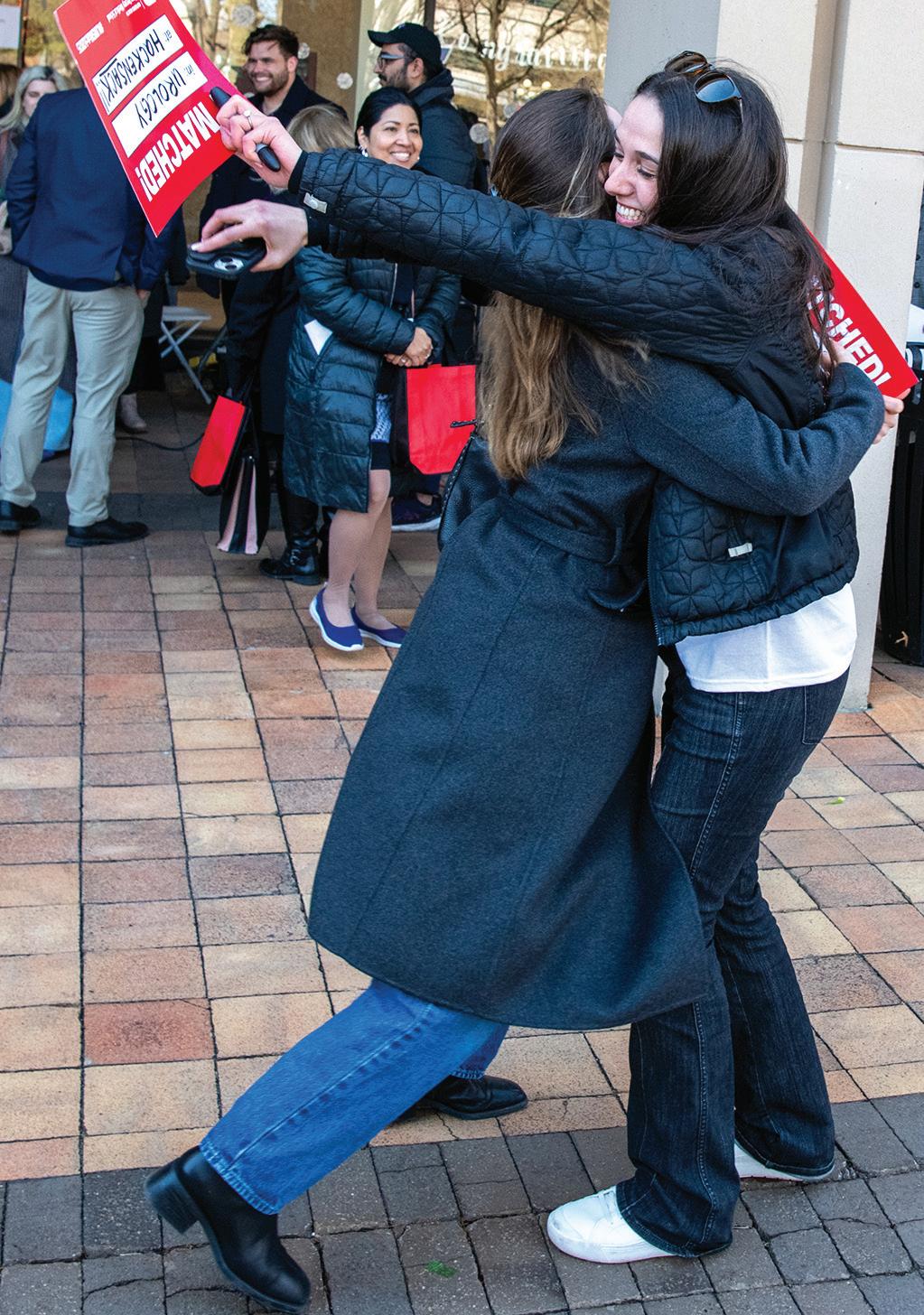
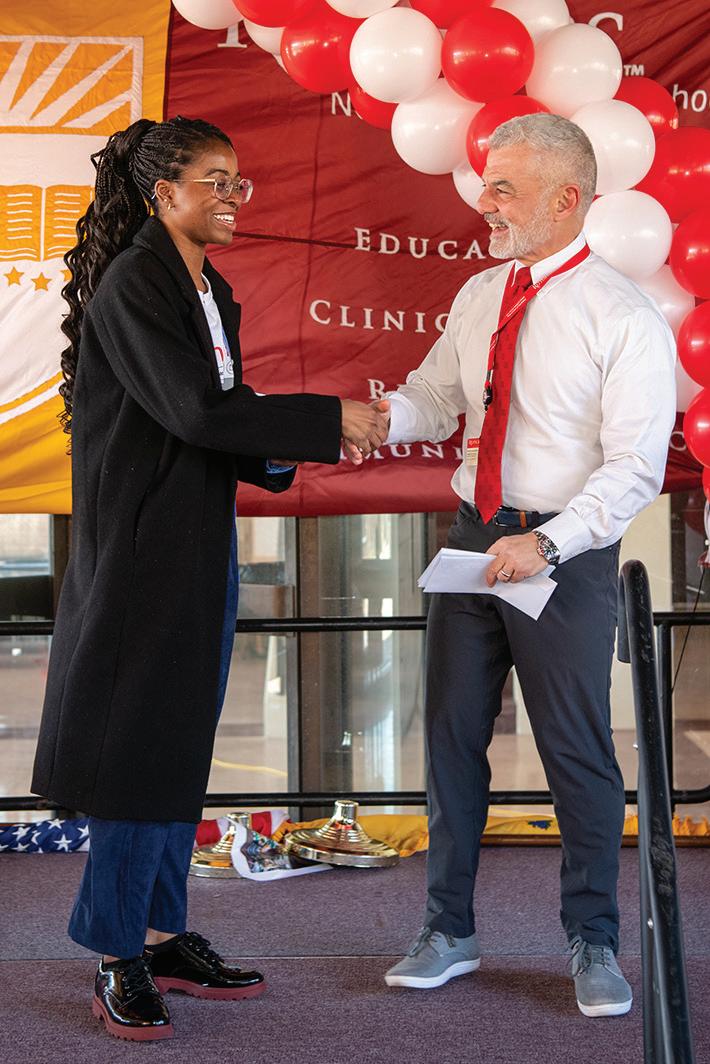
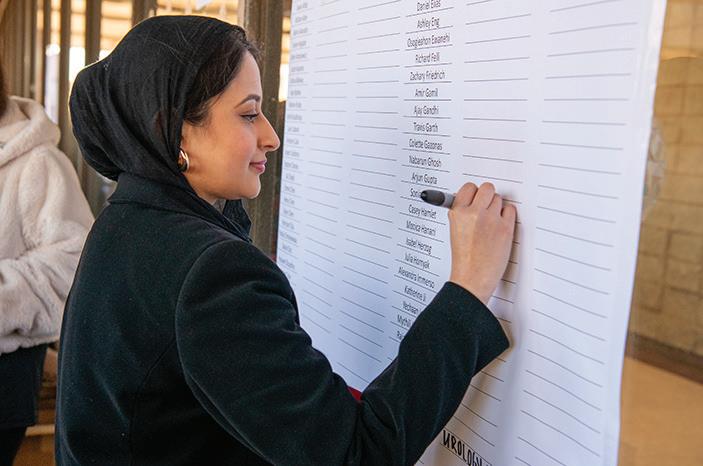
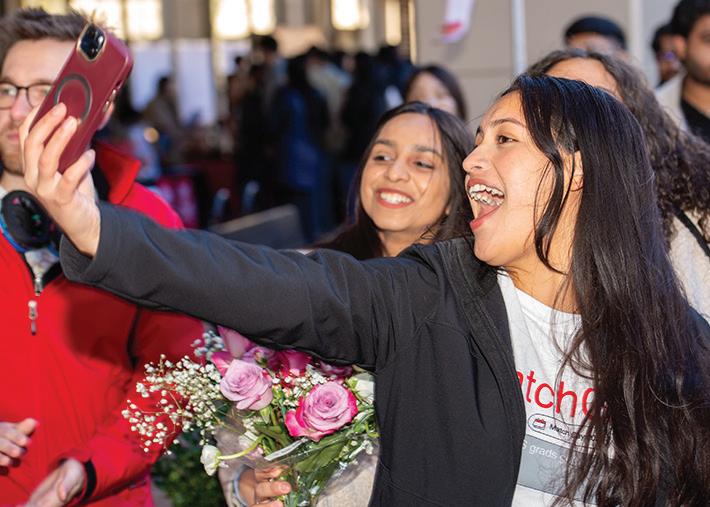
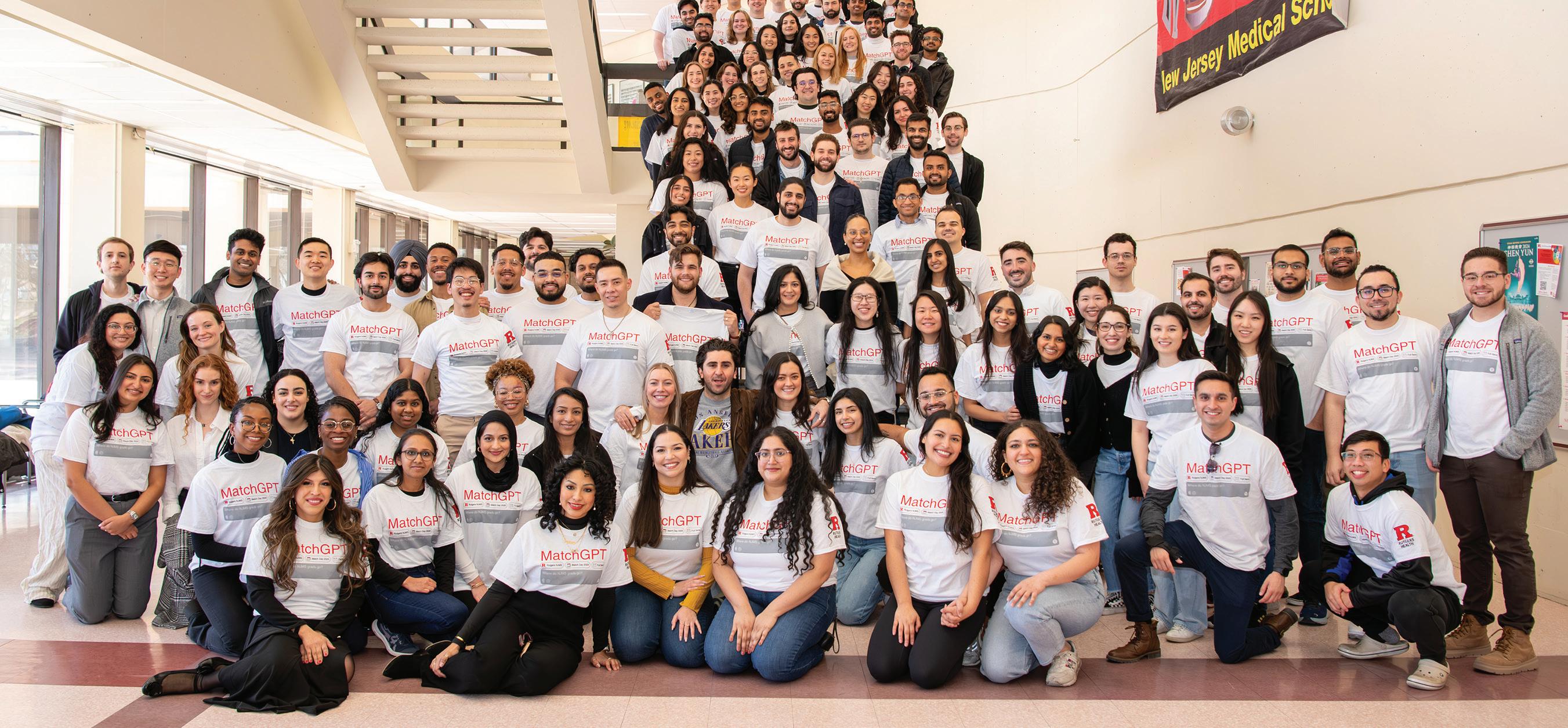
Match Day is truly an important day in our students’ lives. At this nationwide event, medical students learn which hospitals have selected them as residents.
At NJMS, 93 percent of the 153 graduating students who participated matched to a program of their choice. Some 67 students plan to stay in New Jersey, 57 of them completing their residencies at either NJMS or RWJMS. Others will do residencies at prominent institutions, including the Hospital of the University of Pennsylvania, DartmouthHitchcock Medical Center, Icahn School of Medicine at Mount Sinai and Emory University School of Medicine.
“Match Day is a defining moment for our students as they prepare to graduate and embark on the next phase of their training,” said Robert L. Johnson, dean of NJMS. “This momentous occasion reflects their tenacity and unyielding pursuit of excellence—qualities that will shape them into compassionate, skilled physicians.”