I R I S: A R T + L I T Vol. III, May 2019 St. Paul Academy & Summit School

I IRIS art + lit 2019 Vol. III, May 2019 St. Paul Academy & Summit School 1712 Randolph Avenue Saint Paul, MN 55105 Phone: 651-696-1459 e-mail: irisartlit.spa@gmail.com @irisartlit on Instagram “A Study in Black and White” Celeste Parke-Reimer Cover Design: Quinn Christensen
SEEN UNSEEN
How often do you look at something without really seeing it? How often do you look past, over, through something? Someone? It is a terrible kind of loss to have existed with someone without knowing them, to have listened to them without hearing them, to have looked at them without seeing them. Dare to ask to yourself: What are you missing? What are you looking past, over, or through? Don’t ignore it. Dig in. Take a look.
2
TABLE OF CONTENTS
SPEECH + POETRY + ESSAY + LITERATURE
Yesterday Morning poem
Love & Hate play
My Obsessive Abecedarian poem
Ode to Gray poem
You Do a Lot of Hoping memoir
A Pot of Purple Pansies poem
Opportunity poem
Smells Like Teen Spirit speech
Sixteen poem
We Are Children poem
an ode to this stubborn body poem
Tengo Mucho Que Decir speech
Heartbreakers Skip Breakfast poem
The Honesty of Human Bodies poem
Fly Low, Falcon poem
Chevelure poem
The Test to Democracy essay If I’d
Paige Indritz
Nathan Mann
Aiden Lanz
Sam Hanson
Jazz Ward
Abby Lanz
Melissa Nie
Nora Povejsil
Abby Lanz
Aidan Lanz
Anna Snider
Isabel Saavedra-Weis
Nora Povejsil
Maggie Qin Youngdale
Arie Walker
Ben Atmore
Martha Sanchez
Paige Indritz
Henry Vlietstra
Elea Besse
Anna Snider
Will Rinkoff
3
Edits
lemonade poem Where’s my sun? poem 07 09 14 17 19 24 26 29 33 37 40 43 50 53 57 59 60 66 69 71 75 77
Grown Up Here poem
poem Apricots poem
CERAMICS + POTTERY
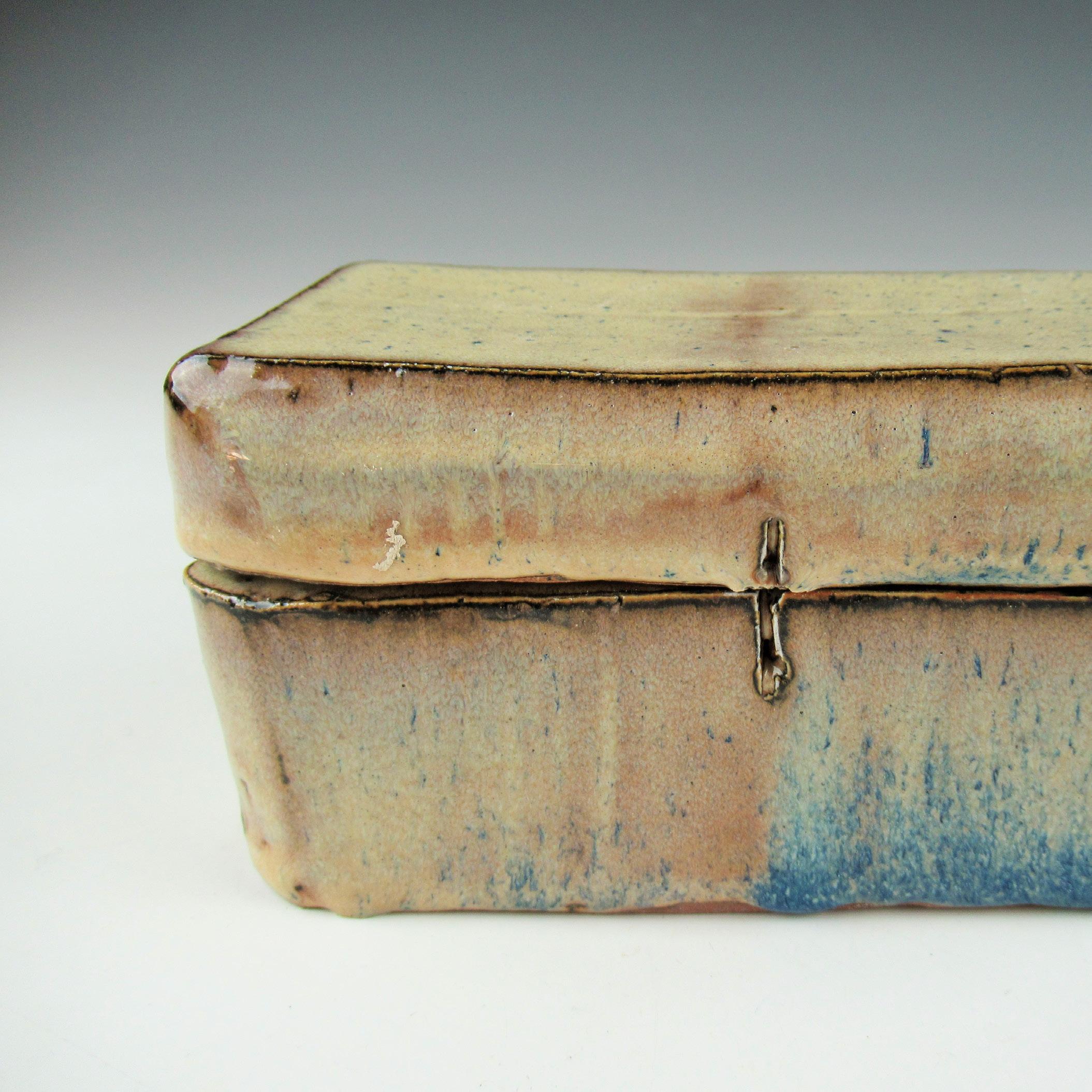
Rothko’s Box stoneware, slip + glaze
Altered Bowl porcelain
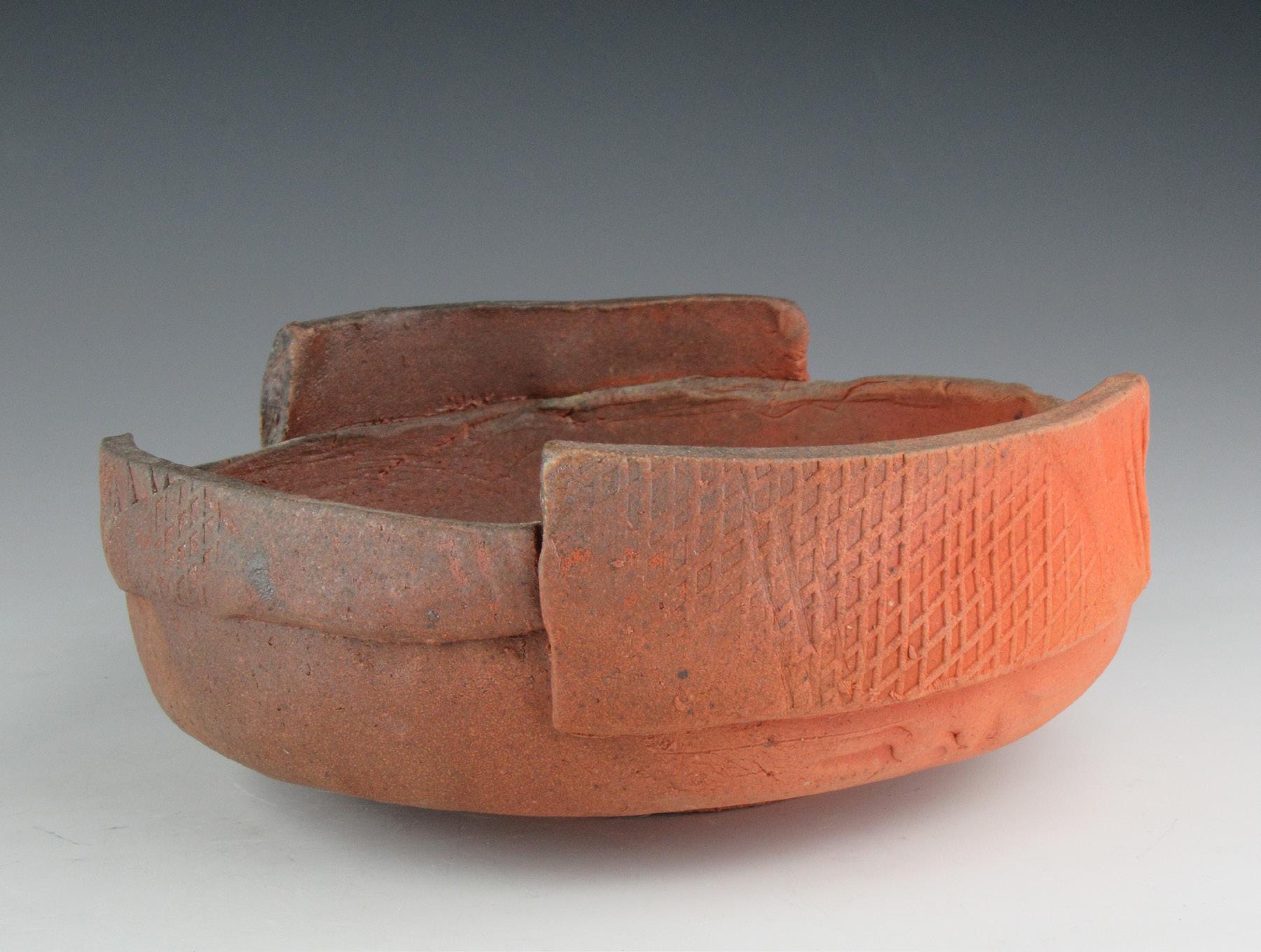
Hand-built Bowl Form stoneware, woodfired
Dinner Party ceramic + steel
3D Escher stoneware + glaze
Aurora Container stoneware + glaze
Mossy Rocks stoneware and floss
Katherine Pankhurst
Sammy Ries
Iris Shaker-Check
Ben Atmore
Henry Daub
Olivia Lagos
Zoe Hermer-Cisek
PAINTING + DRAWING
Untitled acrylic
Self Portrait ink + watercolor
Tears of Growth digital
Untitled acrylic + pastels
Plant Still Life pastels + charcoal
Self Portrait graphite + pastels
Shadow Study acrylic
Grandparents printmaking
Sunshine acrylic
Standing Still acrylic
Isobel Alm
Nan Besse
Melissa Nie
Isobel Alm
Katherine Goodman
Griffin Moore
Celeste Parke-Reimer
Katherine Goodman
Tyler Christensen
Ashley Su
4
15 16 27 28 36 38 52
06 18 32 41 42 54 58 64 70 74
PHOTOGRAPHY + VIDEOGRAPHY
Photogram photogram
Portrait of a Tap Dancer inkjet print
The People Project documentary
I Am Beautiful inkjet print
Golden Gate Bridge digital photo
When the Vacation is Over... motion poem
Ausgang digital photo
Landscape gelatin silver print
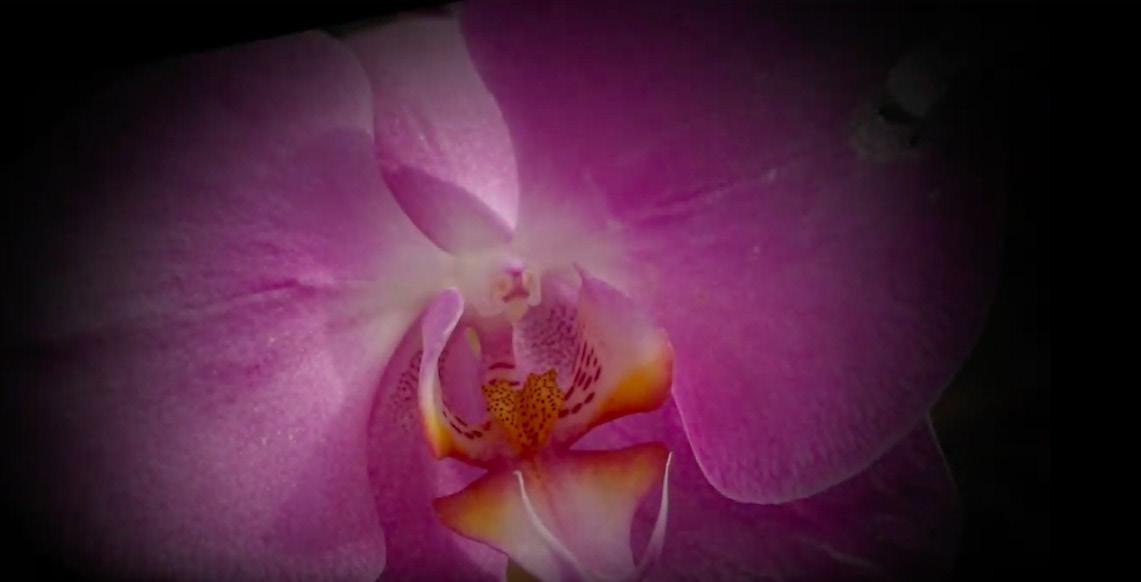
Delicate inkjet print
Bubble Sky inkjet print
Voices motion poem
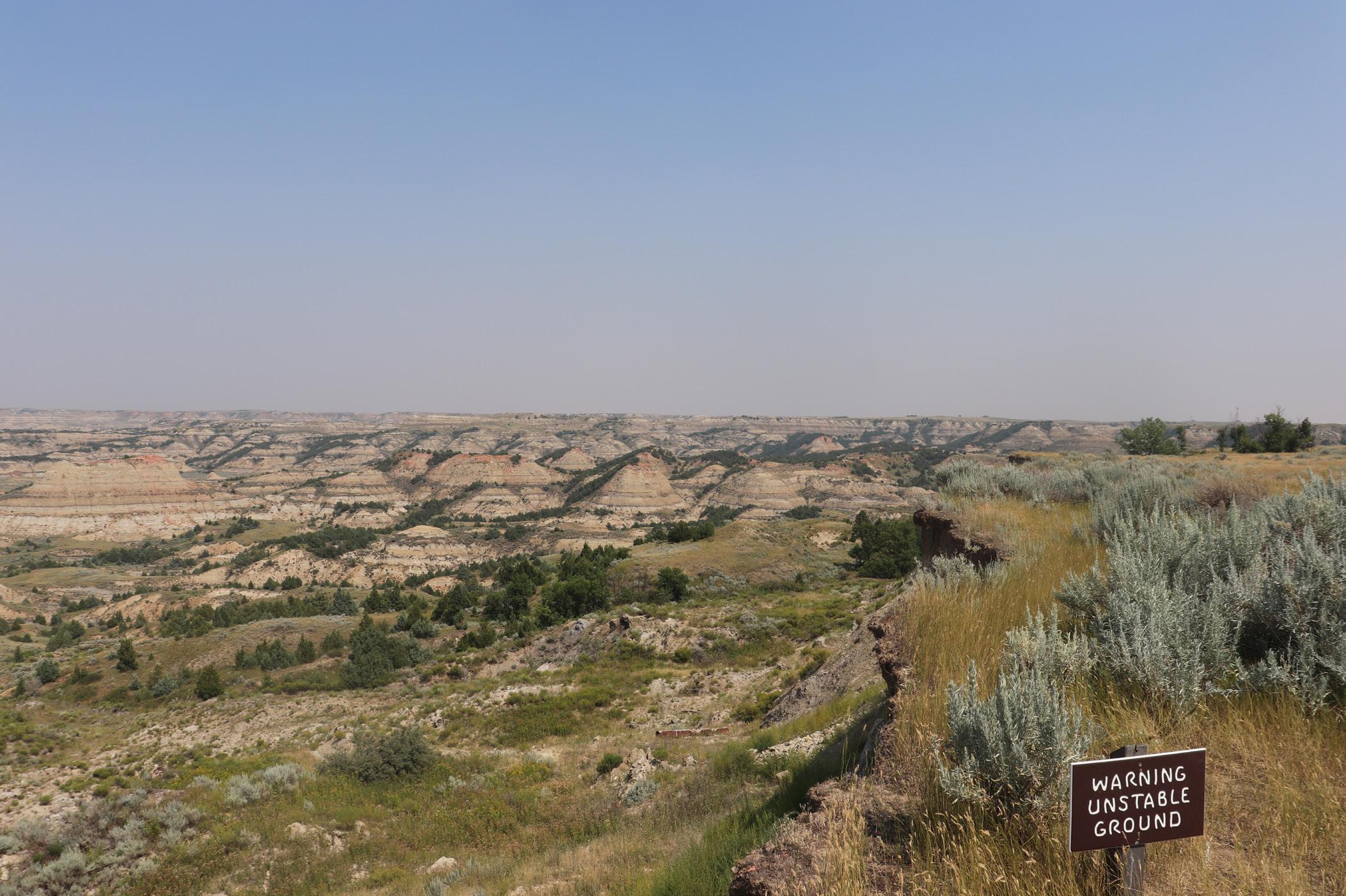
Unstable Ground inkjet print
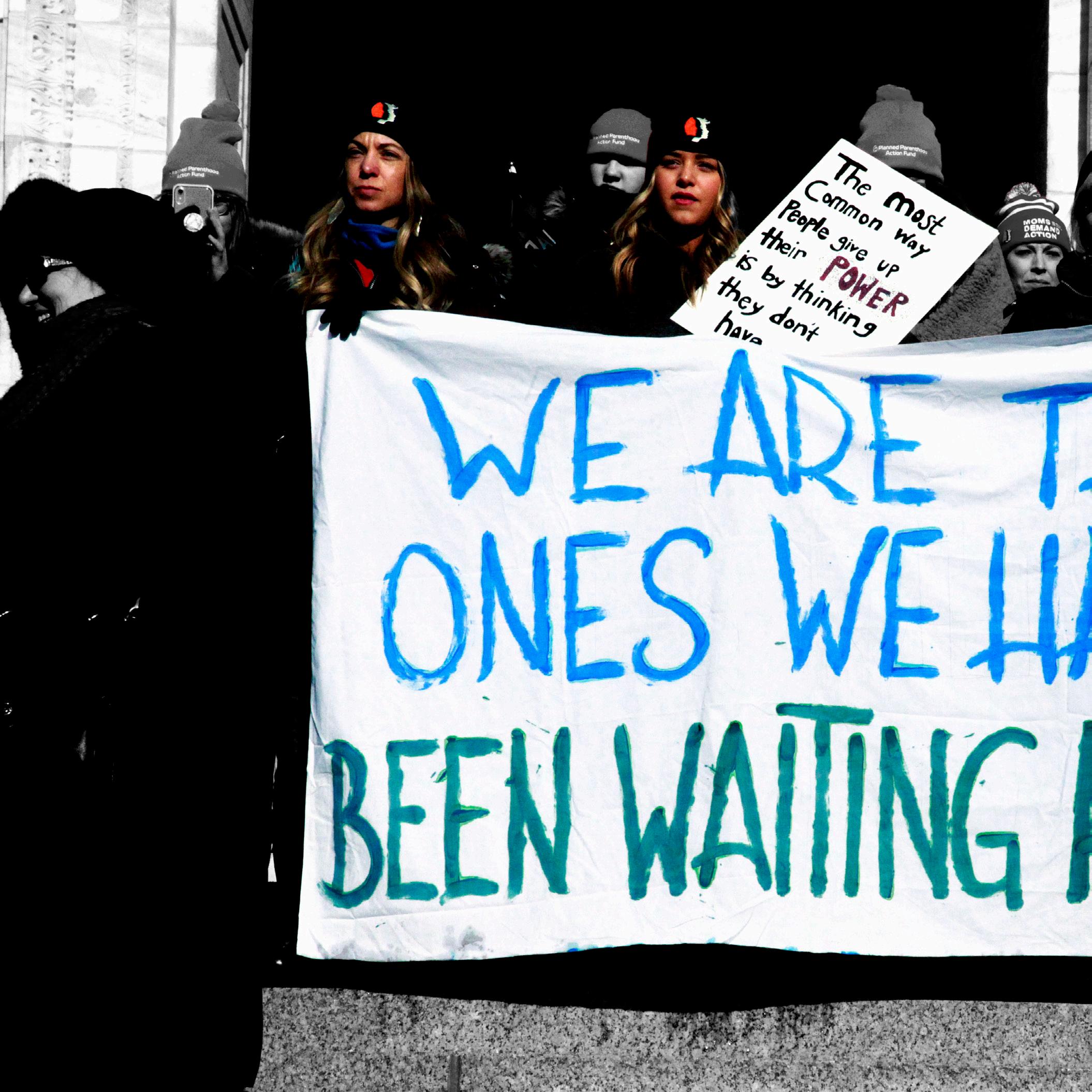
We Are the Ones inkjet print
Taken by Flight digital photo
Ice Fishing memoir
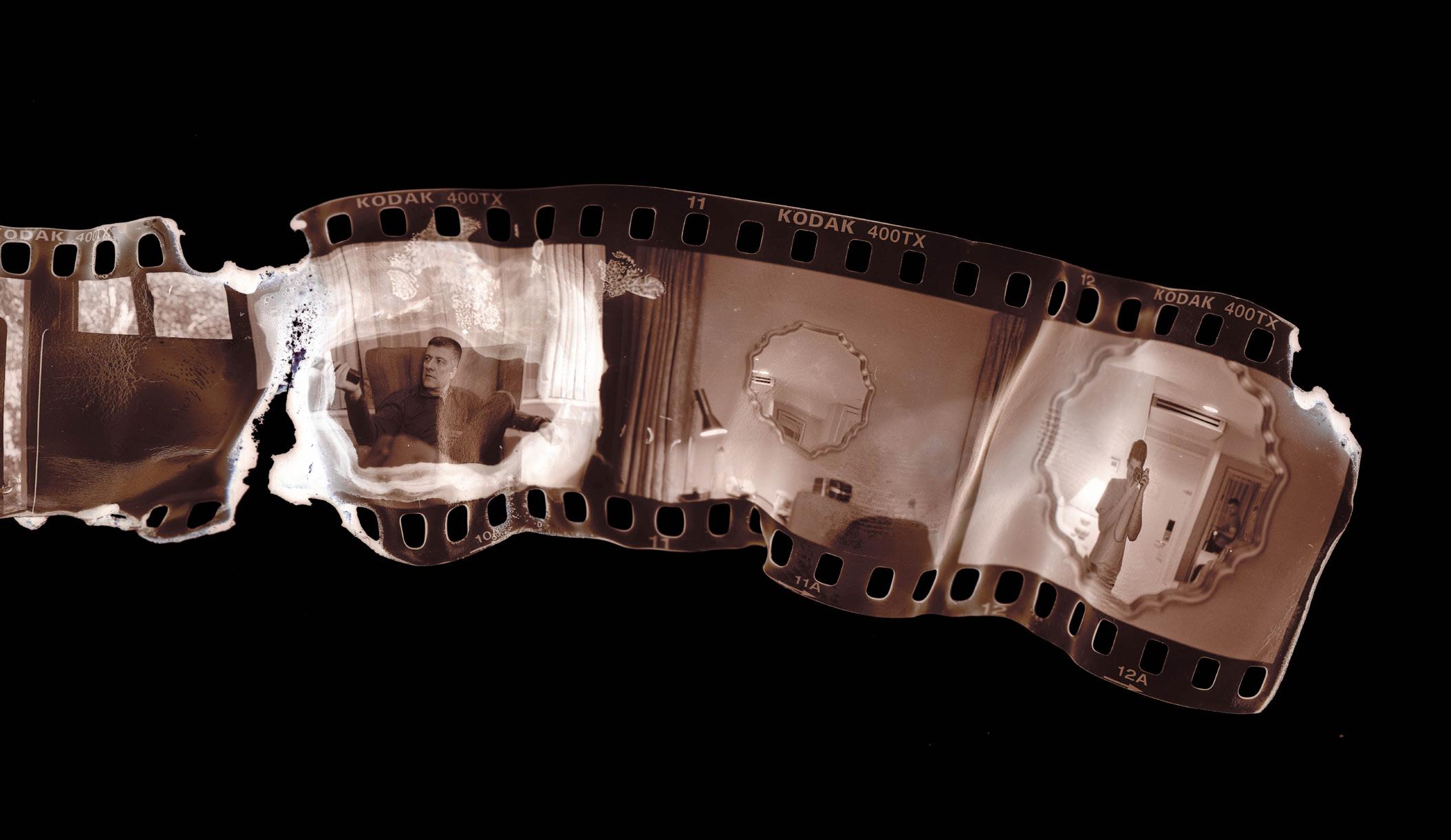
Film inkjet print + film
Winter motion poem
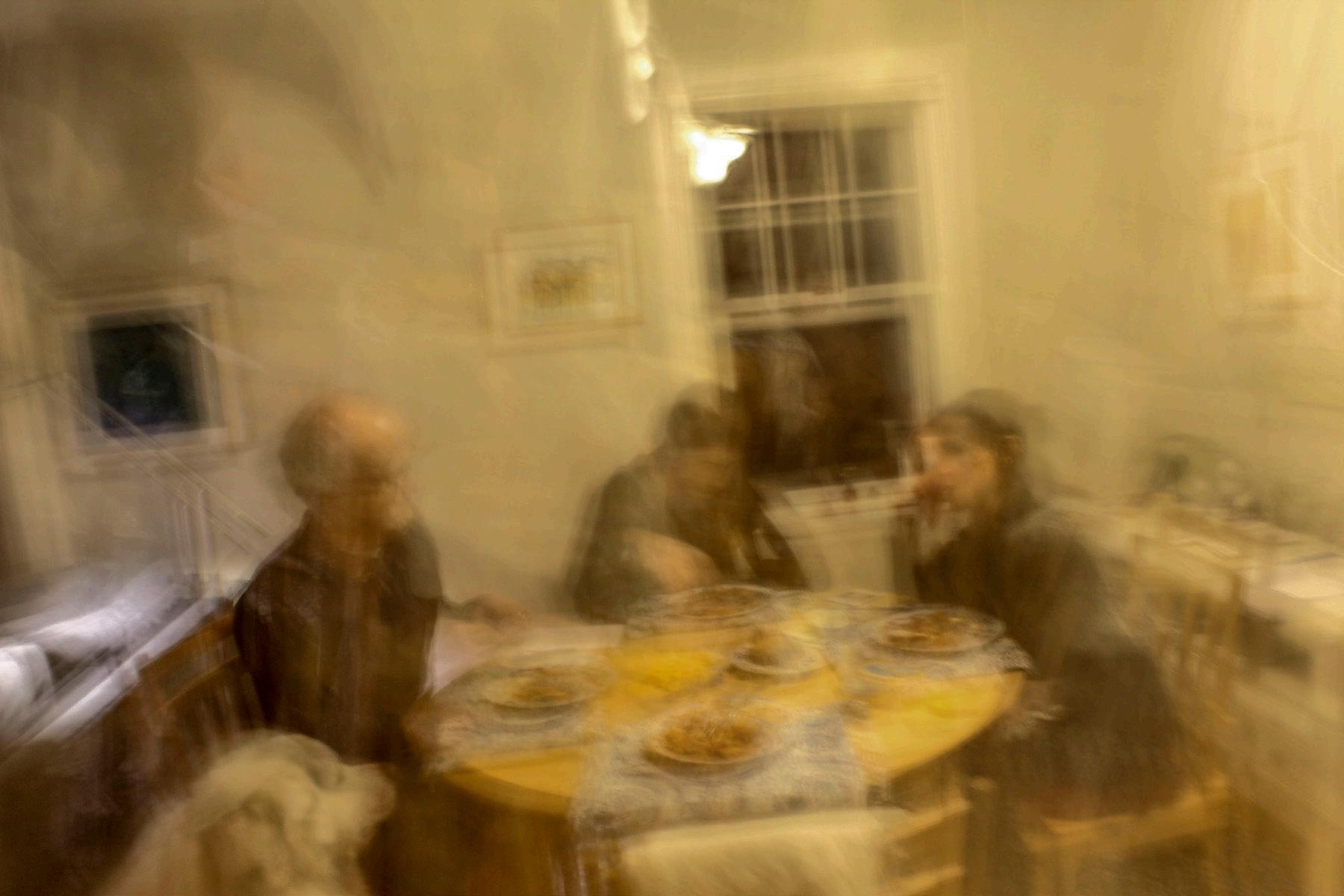
Family Dinner inkjet print
Will Pickart
Maxanne Millerhaller
Tana Ososki
Elea Besse
Niko Liepins
Charles Hickman
Max Moen
Eli Conrod-Wovcha
Quinn Christensen
Claire Hallaway
Fiona Rucker
Ryan Strobel
Eloise Duncan
Henry Burkhardt
Sean Edstrom
Ethan Dincer
Henry Vlietstra
Ben Hanson
5
08 12 22 23 25 31 34 46 48 51 55 56 64 67 72 73 73 76
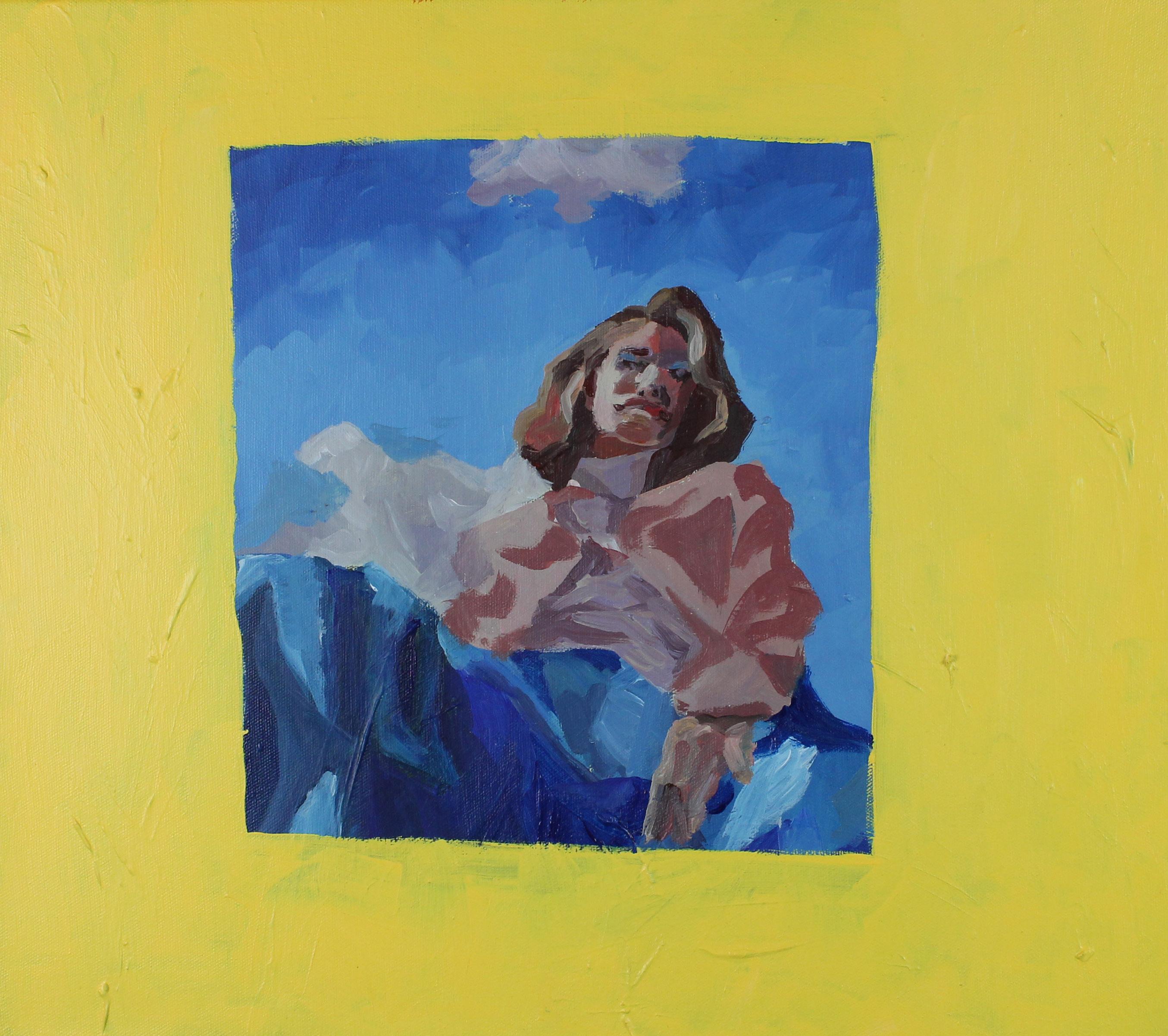
6 Untitled ISOBEL ALM
PAIGE INDRITZ
When I left for a walk I didn’t realize that when I was coming back, I wouldn’t return to the same place. I didn’t realize how the crust of the earth would shift ever so slightly so that my kitchen sat at an angle and the loose floorboards suddenly fell into place. The thoughts in my head rolled and tumbled their way through channels as I strolled along, walking past mountains pushing up the sky, embers burning forests. The glaciers carved through thick red mud. I could remember the smell of the dew in the morning drifting up into the sky, sticking to my hair, encroaching on my sense of place. It wanted to push me out, to tell me through little drops of clear that I was far too big to take up such a space today. I stood tall. I stood next to trees as they grew feet by the minute and I turned my face to the falling snow tumbling down the mountain like a rain, harsh against a roof but gentle against my skin. The sun shone on my back as the moon pushed through my blood. I was pumping pure life.
Yesterday Morning 7
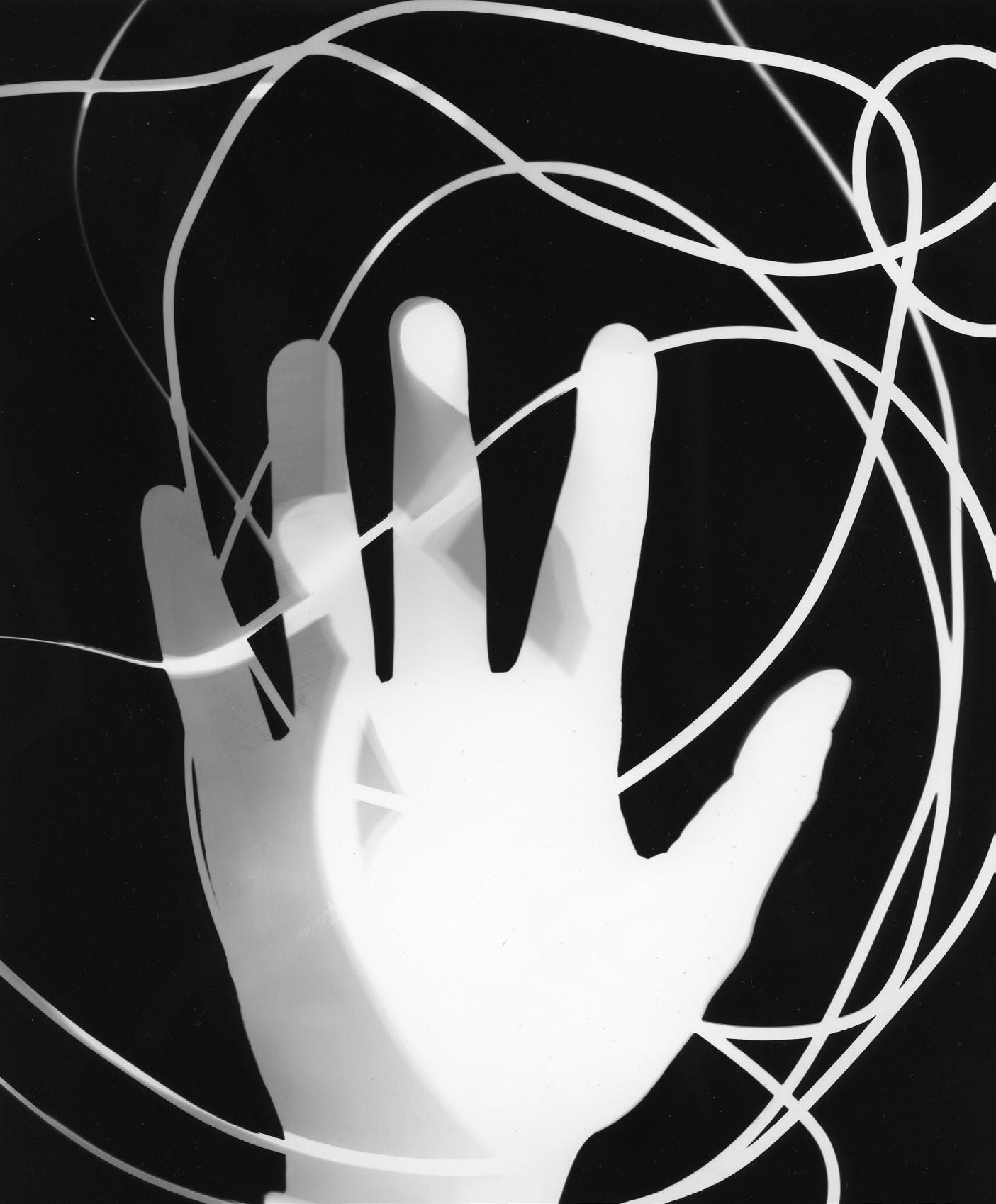
PICKART 8
Photogram WILL
Love & Hate
Prologue and Scene 1
NATHAN MANN
Prologue: [Ádonis and Dainnê flirting in Ádonis’ bed]
Ádonis:
Dainnê, how I love you!
You are the bright in black
That makes this dark world bearable. You are the sunlight bursting through The clouds on a foggy day.
You make my world go round:
Dainnê Sebestyen, will you take my hand In the eternal oath of marriage?
Dainnê:
Oh, Ádonis!
You know that I would love to!
But the feud between our fathers: The endless cycle between them, Their hate of one another almost as strong
As our love for each other.
[Knocking]
Quick! get dressed, I hear someone coming.
[The pair messily scramble into clothing]
Salómên:
Greetings, mistress Sebestyen!
[to Adonis] (Disgusted)
Kalliópe…
Dainnê:
Salomén, most loyal of servants!
How lovely it is to see you!
Salómên: My lady, I come bearing a message
From one whose identity I must keep secret.
Dainnê: Well, what does it read?
Salómên:
‘Love is a fruit ful,’ He misspelled that word with a space between the “t” and the “f”, ‘thing, is it not? It can unite enemies, Bring peace to the world-Even protest a family feud.
Yes, I know about your little affair
The nights you, Dainnê, have wandered
Far and wide from House Sebestyen
To spend them sleeping with the enemy. The times you, Ádonis, left rallies and parties
That you used to love so much
To dance away the night
With your lady friend.
Why am I informing you of my blackmail on you, You might be asking?
It’s as simple as this:
I am going to spread the rumor among this town. It will spread like a sickening disease Until it finally reaches the core (The core being your fathers), And you suffer your long-impending fate. You cannot do a thing about this, Or rather, anything you would be willing to. With that I say, Farewell, Ádonis Kalliópe. Farewell, Dainnê Sebestyen. And may the Gods have mercy on you both.
Signed,’
[The signature was burned off, likely intentionally.]
Dainnê (bursting into tears): What shall we do?
What shall we do?
Ádonis (comforting) (determined):
We will find a way!
We will go to the Oracle, And he will instruct us on how to continue.
[To Salómên]
Leave us while we dress ourselves In something more approachable. We will fix this, And we WILL get married!
[Later, in the Temple of the Oracle Kalín]
Ádonis: Oracle, we have come to you--
Kalín (interrupting):
I already know what you have come here to tell me. I already have seen that message you received With mine own third eye.
Dainnê: Then, dear Oracle, What do you advise us to do?
Kalín: There is only one way out of this, And it is not pretty.
‘You must find the sender, And those he told. Bring out your swords, And make their hearts stop cold.’
The Gods are telling me something else: Each body you drop, Every heart you stop, You must leave them in a place Where your fathers may see their face.
In other words, young lovers, You will kill each person who knows, And you will place their bodies in a public place Belonging to one of your fathers.
Ádonis: I don’t understand, Why must we do this? It seems highly unnecessary.
Kalín:
Ah, you naïve soul: I do not know the rhyme or reason For any advice I utter.
Phoebus has never once explained anything to me. Now, go!
Take care of this before someone else finds out!
[Ádonis and Dainnê exit, then Kalín exits]
Parados: [Strophe 1]
Ah, the sweetness of love!
It is like milk and honey
So warm and tender
That it could fill even the most needless man With uncontrollable desire.
[Anistrophe 1]
I have never seen a force
Such as strong as that exhibited By
Ádonis and Dainnê.
Their love is the kind that can birth new worlds Or destroy worn ones.
[Strophe 2]
I envy it.
[Antistrophe 2]
I would never wish it upon the worst man!
[Strophe 3]
But alas, who are we to judge These lovebirds?
Only the Fates themselves Have power enough in them
To decide what will come of this.
[Antistrophe 3]
I wish you luck in your endeavors.
Scene I:
[At a ball held by Torol Sebestyen. The majority of the wealthy class is in attendance.]
Drunk Woman:
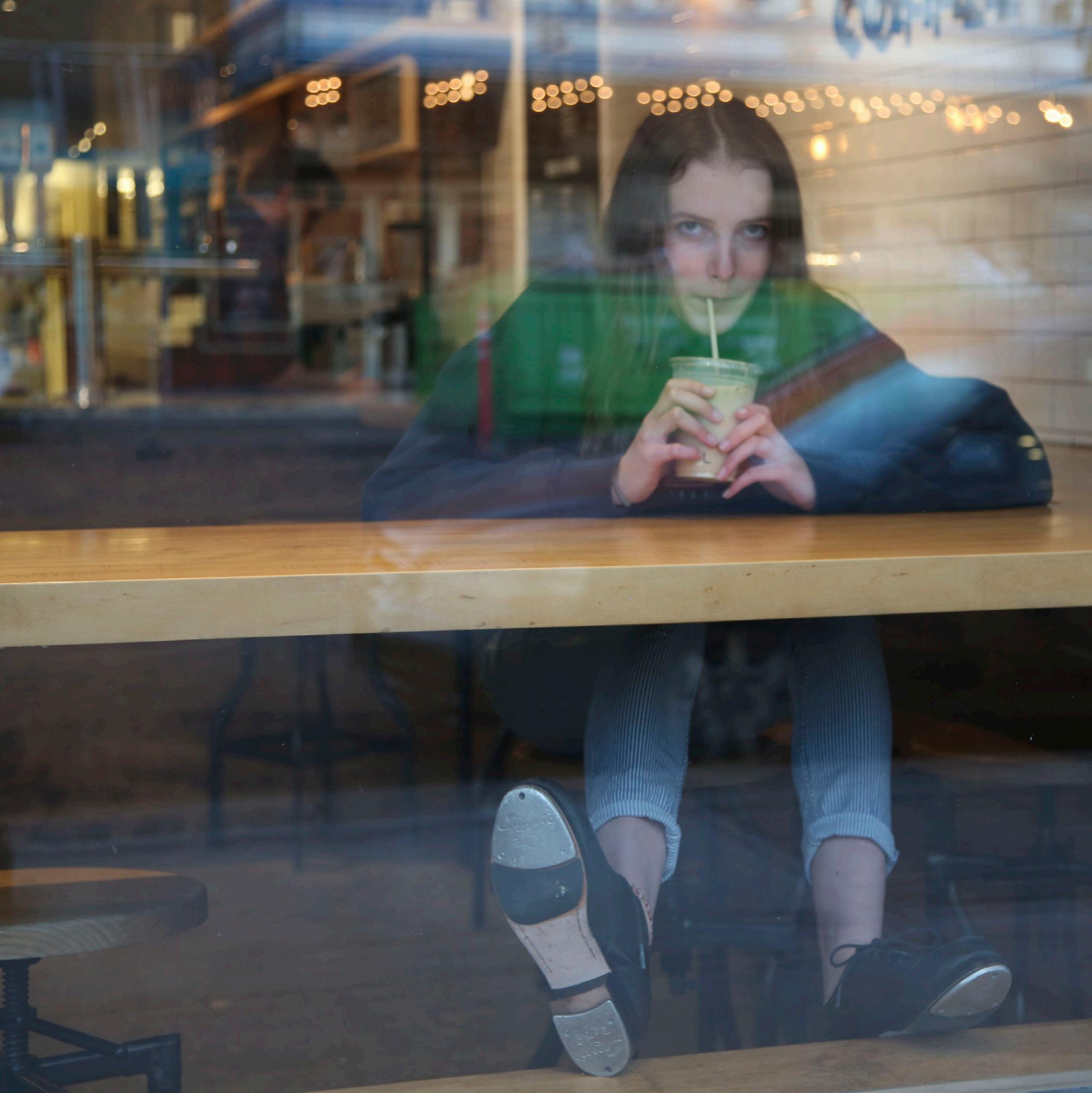
Portrait of a Tap Dancer
13 12
MAXANNE MILLERHALLER
My Obsessive Abecedarian
Angels are what I expect when I open my eyes But rarely do I awake to something Concrete to ground myself with. It Doesn’t make sense that I should spend Every day this way. And I stay confused, because I tend to Forget what (and even whom) I should to be asking for answers. Why do I Grate my skin with my carefully trimmed nails until I am wet and red? I only Hope that I can learn some lesson during the times when It just doesn’t feel right doesn’t feel right doesn’t feel right doesn’t feel right, Just so it won’t feel so pointless when I contort myself to fix my Karma, or whatever it is that I cannot discover the source of, or the end. I am Livid when my hands won’t let go of the bathroom towel or when Monsters lurk behind my eyes, searing with their leering gaze. They chant that I will Never be rid of them, that soon, I will turn myself into One of them. They poison when they slither into every crevice of my body, to fill it with Perversity and panic, doubt and distress. I feel them in my throat, in my stomach, and I stay Quiet because I know that they aren’t real, that it is me, that in Reality, there is nothing standing in between me and the world, except for myself. Shame is what I consume because it goes down easier than Truth, or tears. If I eat too much, it will crystalize in every inch of my quivering body, Unless I’m able to exhale, to send off the excess in the wind, and smile. I try to find some Value in this whole mess of thoughts, and hunger, and pressure, and love, but Whether or not I can find it, it is always worth it to feel the heat of the flame that I keep Xenially in my proudly beating heart and swift soul. And even if it is Years until I can let that flame burn blue with careless stability, I’ll trust that Zygote—my love, my future, my rebirth—to lift the cup of trembling from my praising hands.
“ “
AIDEN LANZ
14
It doesn’t make sense that I should spend every day this way. And I stay confused, because I tend to Forget what (and even whom) I should to be asking for answers.
Rothko’s Box KATHERINE PANKHURST
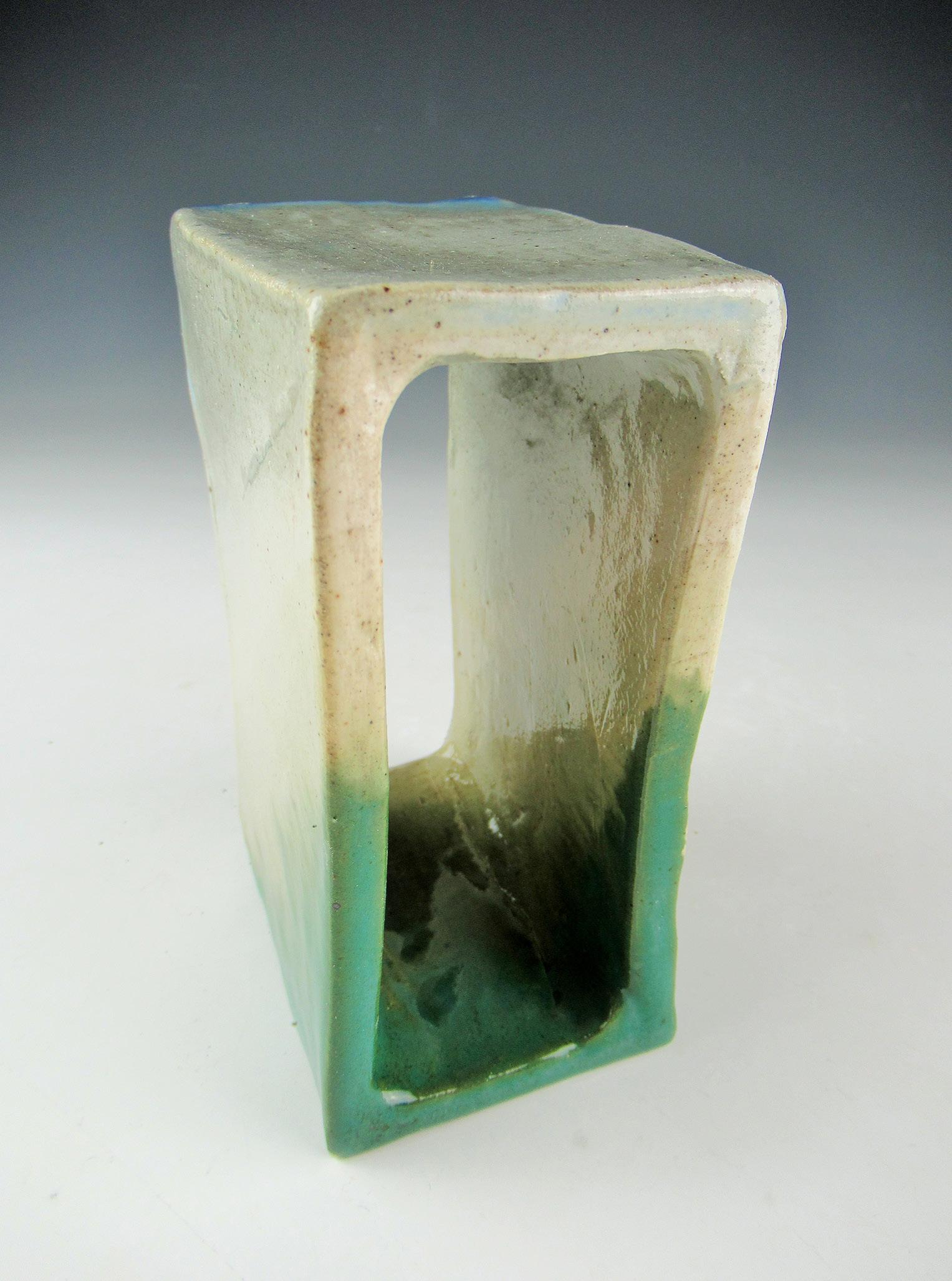
15
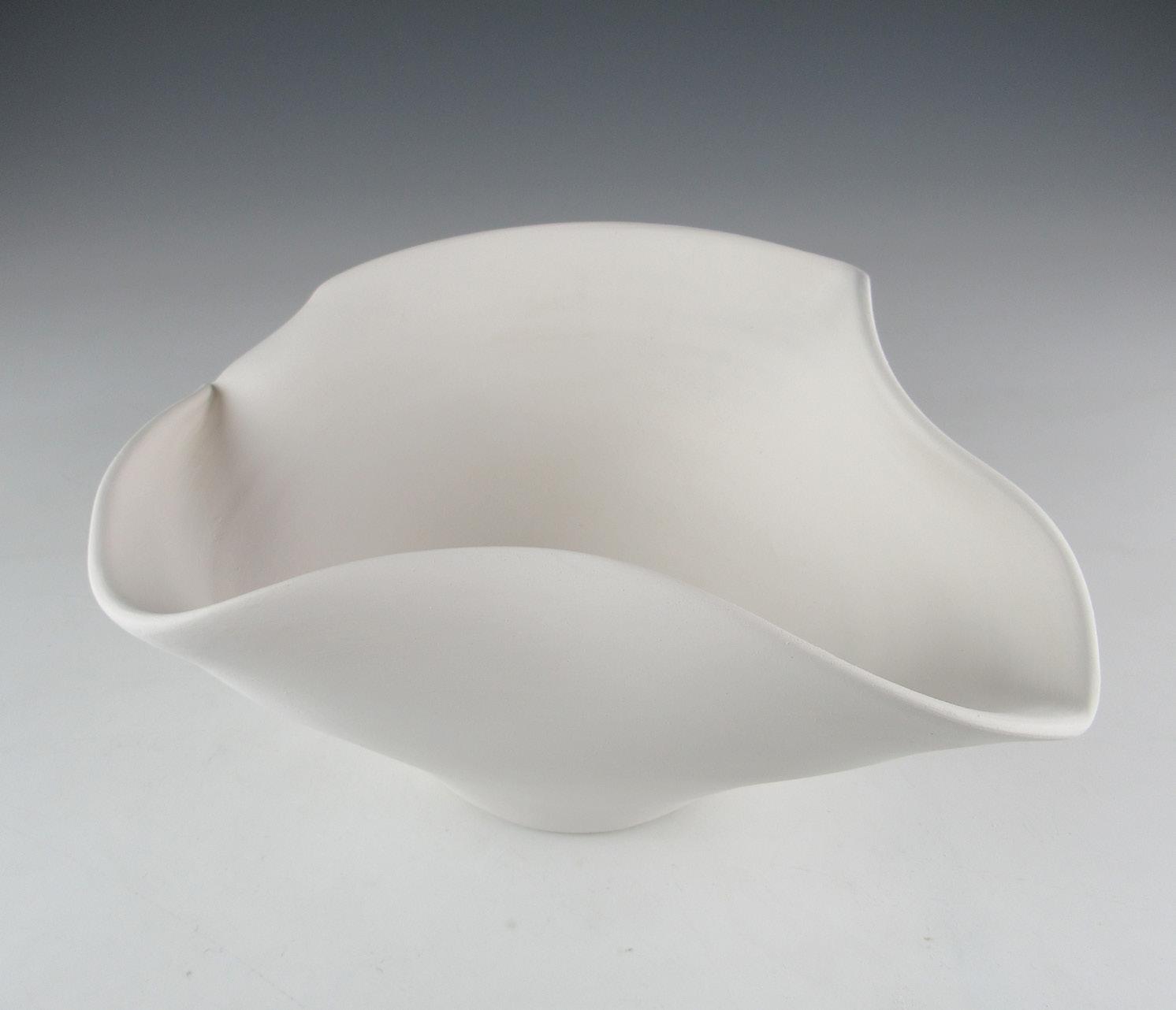
16
SAMMY RIES Altered Bowl
Ode to Gray
SAM HANSON
In a plush armchair, a waiting room, words spill out like scurried addendums, in a language
gray like the color of truth, vowels stretched like stockings in a perilous night.
Although some are left skipping stones, eyes glazed and bored with tantric detail — an alphabet is almost visible in the uneven valleys of the painted walls.
In this room, where color sings, notes slide off tongues as cotton catkins droop in the winter autumn in-between, a truly Titanic scene where gray visitors come and go. Through the air-conditioned buzz, figures of modeled clay in overcoats carrying their regrets, numbered 0 through 9.
In the sterilized mist of this doldrum, language softens, its sugar fermenting and molding into painted bronze. And there is no choice
but to guard your new creation, protect it from the hisses of yellows and the frowns of blues — coax gray conversation until your arrow finally hits the target. But you can’t leave, so you eat the words off the walls, ghost-silver staining your tongue.
Regret #7: you eat the drywall, eat past plaster, past voices and skulls
until you find the ultimate color, in the form of a rumpled grey canvas: Untitled.
17

18
Self Portrait NAN BESSE
You Do a Lot of Hoping
JAZZ WARD
The blue tricycle catches your eye. It sparkles in the sunlight and the little girl riding it seems to be about your age. She’s new. You’ve lived in your house for about three years now. You and your mom walk the three houses down to meet the new neighbors.
She becomes your best friend and your childhood is spent at each other’s houses. It’s not until you’re nine that you question why you can’t stay over past dark. It’s not until you’re ten that you cry to your mom about how unfair it is that your brother can walk home anytime he wants. It’s not until you’re eleven that you understand why.
You love living in Saint Paul. You know all your neighbors, you have a park one block away, and the hills are great for sledding. Best of all, you can play fetch with your dog every weekend. You feel like an independent woman the day you get to walk your dog by yourself.
And you feel like a scared child when the old man drives slowly beside you. You feel helpless when he asks your eleven-year-old self if you have a boyfriend. You hate yourself when you smile and laugh pretending nothing is wrong. You’re relieved to see your house a block away. You don’t ask to walk the dog anymore.
You’re eleven and walking with your friend on Grand Ave. You’re wearing your favorite outfit: white shorts and blue flowy top. You feel older and sophisticated. A group of men across the street yell out to you, “hey ladies come on into the bar with us.” You throw the top out when you get home.
You’re twelve and excited over your first pair of denim shorts. Your friends all have them. You’re heartbroken and angry when your mom tells you to change. You scream and cry and call her names. Why can’t she let you fit in? You’re too young to notice how scared she is to let you out of the house by yourself. You’re too young to see her panic about you becoming a woman. You’re too young to understand how scary it is to be a woman on her own, let alone a girl.
You’re fourteen and you’re so excited it’s finally hockey season again. You and your friends will be at the state tournament all by yourselves. It’s not until you’re there that you understand why the older girls stay in groups when they go to the bathrooms. Young and old players all around grope and catcall you and your friends. They laugh. They smirk. And they don’t care.
You’re sixteen and finally able to drive. Freedom is yours. You’re even excited to pump gas. The guy parked next to you leers at you and asks if you’re a Pilates instructor. He’s old enough to be your grandfather. You shield your eyes, give a polite laugh and shrug off his comment. It’s not socially acceptable for you to yell and be offended.
19
But why is it socially acceptable for him to comment on your body?
You watch the Kavanaugh hearings and finally understand why your mom can’t sleep until you’re home at night. And honestly, you finally get why men and women don’t come forward with sexual assault allegations.
Truthfully, at this point, you’re more confused as to why any person comes forward at all. Theoretically, you understand, they want the perpetrator in jail. But realistically all that happens is that they fall victim to more bullying and assault. You realize that you never told your parents about your experiences with creepy men. And you realize that you don’t tell them because it seems to be normal.
You don’t know what to wear anymore. You feel pretty in your strapless maroon top but you’re told it’s too revealing when you’re traveling on your own. And honestly, you agree.
You’re comfortable in your white tank top. Then the volleyball ref asks you to cover up because you look like you’re wearing a bra and she’s “embarrassed for you”. You wear a Wild jersey and your brother has to tug you closer to him because he’s scared for you when you pass a group of men shouting obscenities.
You’re almost eighteen and you still don’t walk alone at night. You’re almost eighteen and you still don’t pump your gas at night. You’re almost eighteen and you’re more concerned about getting sexually assaulted in college than actually getting in.
20 “ “
Now you understand that one in four women are sexually assaulted in college, you understand that you can’t run alone at night because so many female joggers are raped and murdered, and you understand that you can never unlearn these facts. You hope it changes by the time you have kids.
And they tell you to take an Uber. “It’s safer. You won’t be walking alone.” But it’s not being alone that’s scary. It’s realizing that you’re not alone. Uber doesn’t calm your nerves. Because your rides are spent checking your maps to make sure your driver is going the way they’re supposed to. And you’re busy texting the license plate to your mom because all you see on the news are unsuspecting women being assaulted in cars.
The saddest thing about this speech is the fact that most of the women in this auditorium aren’t even surprised about the experiences that I’ve had. Because some of them HAVE had experiences that were worse.
You’re supposed to have all the answers by senior year. It’s your speech and you have to inspire those 9th grade girls. Give them advice, tell them how to survive in this world. The truth is, you don’t really know what advice you could possibly give them. It’s scary out here and you desperately miss the days when you didn’t understand. Because now it’s clear, now you understand that one in four women are sexually assaulted in college, you understand that you can’t run alone at night because so many female joggers are raped and murdered, and you understand that you can never unlearn these facts. You hope it changes by the time you have kids. You hope you don’t have to laugh when a man offends you. You hope you can run at night one day. You hope you can walk home three houses without feeling afraid. You do a lot of hoping.
21
TANA OSOSKI

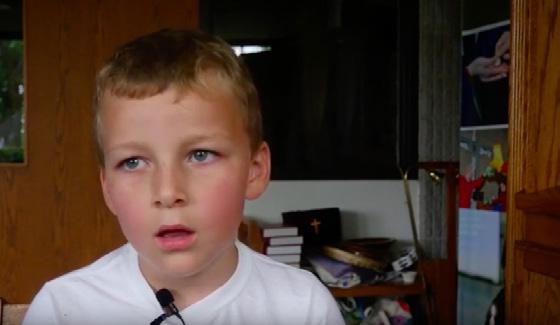

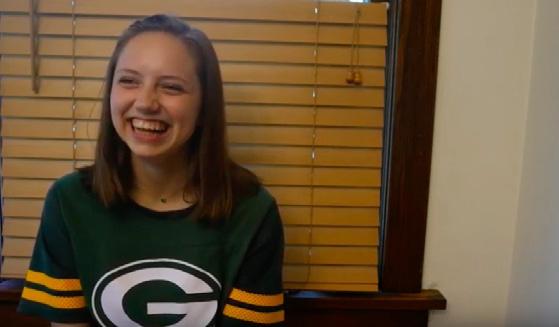
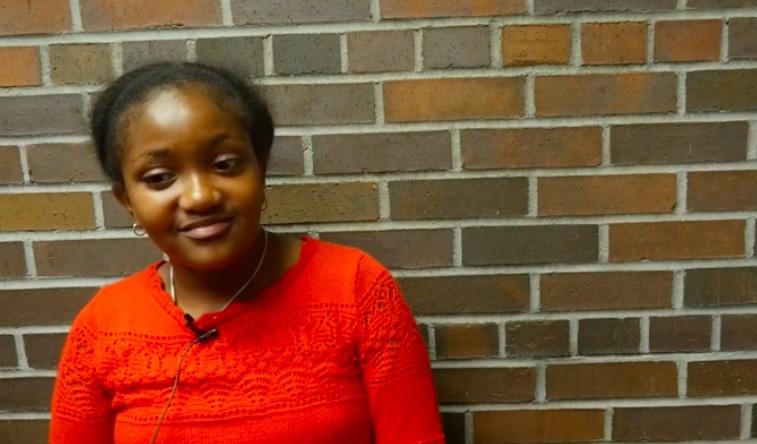
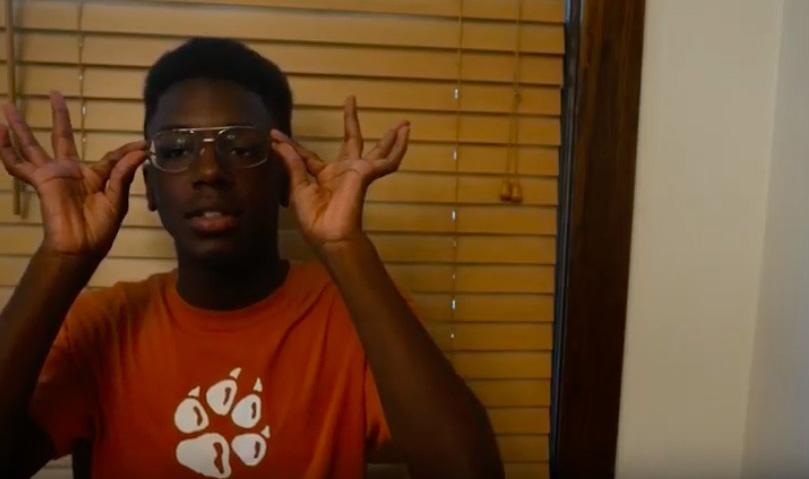
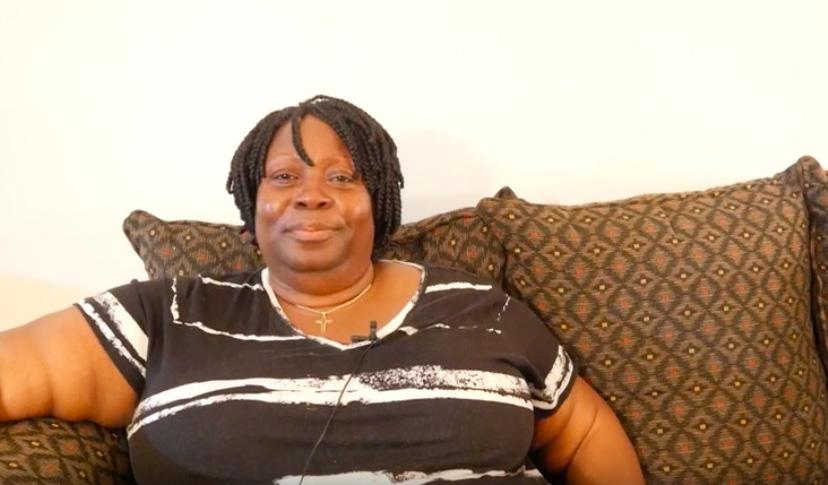
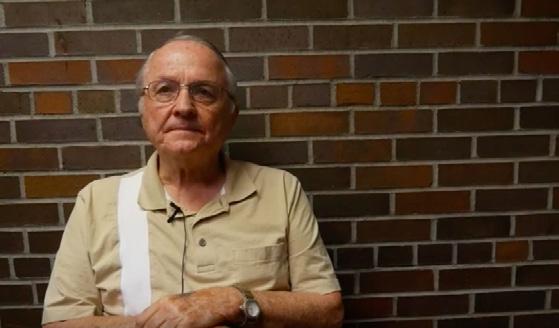
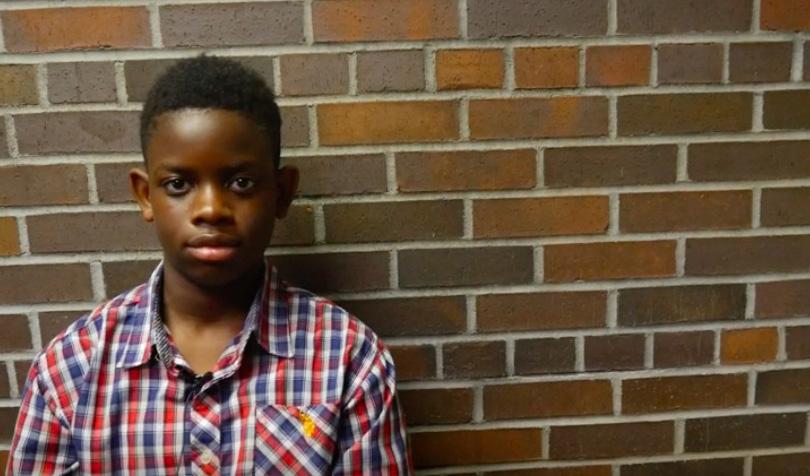
The People Project “ “
Us people are so different... we have different emotions, ways of being, and lives. We have been divided so many times by our differences. But together we are one. Together we can relate and talk and be the same.

22 23
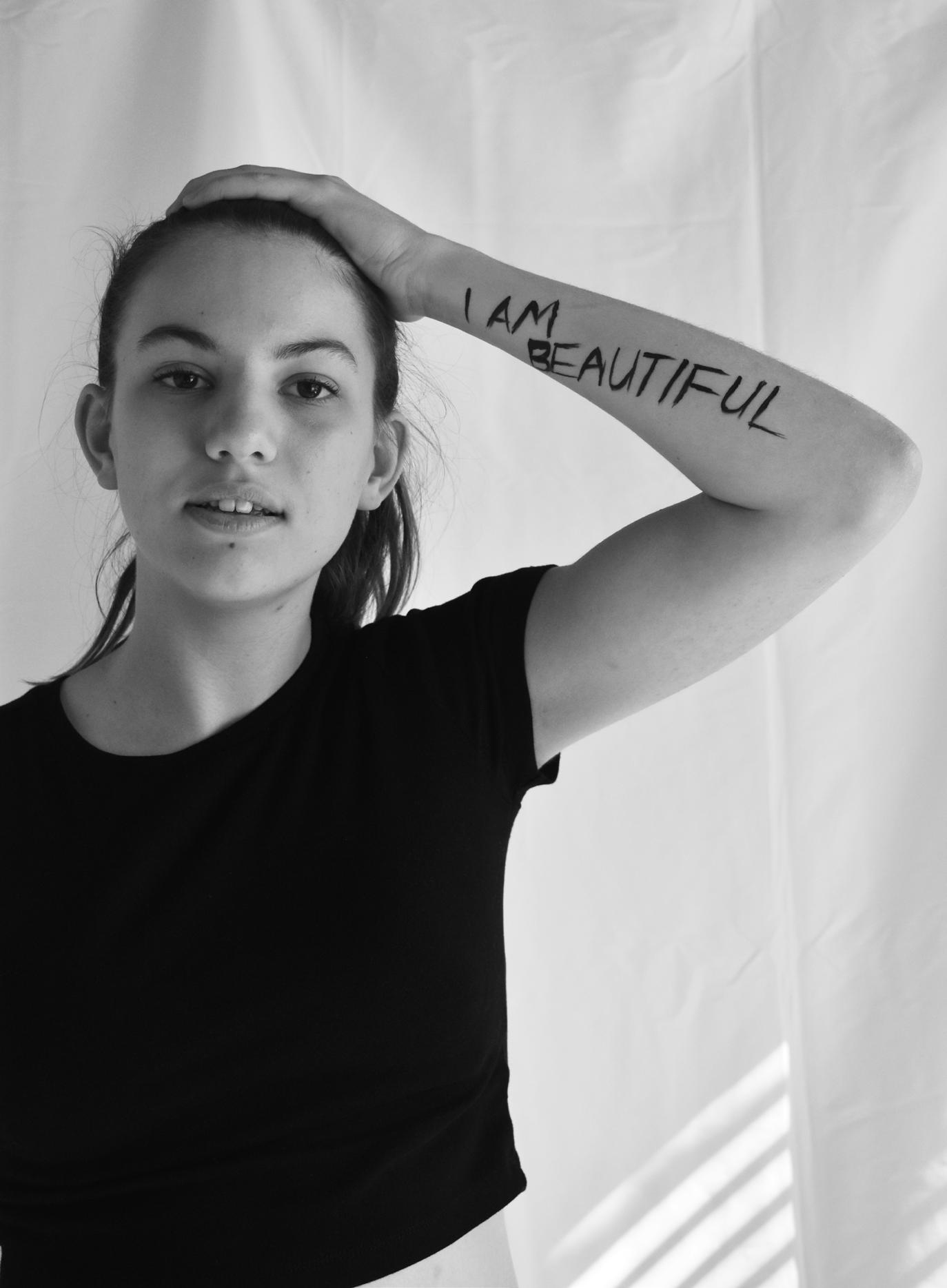
BESSE
Am Beautiful
ELEA
I
A Pot of Purple Pansies
ABBY LANZ
A pot of purple pansies sat on the sometimes sunny windowsill. As the petals trembled, they thought of what life would be like if they fell out the open window, only to be caught and carried away by a gale.
Over the busy city streets they flit, pausing only to ponder the idea of rest, before being whisked away to dance on the breeze some more.
When they tired of their travelling, they stop on the grassy spots of nearby squares. A child comes by, picks one up and strokes it, marvels at the softness it wears, like the brush of a hands on a cheek, like pouring cream, like silk.
The child holds the petal to the light, and watches the sun subdue itself to the purple shade. What it must be like to be so lovely, even the sun can’t resist the temptation to fall. The wind blows again and the petal flutters impatiently. The child lets go and the petal escapes into the sky, off to new adventures, new sights, new children.
The gust tugs the child’s hair, calling, twirling their locks invitingly. The child hesitates. Their heart beats in time with the thundering of the air’s beckoning. The child closes their eyes and feels the ground relinquish its hold. A breath. The air is pure. A touch, soft like a lullaby. The child opens their eyes to see the world far below, and the sky filled with dreams.
24
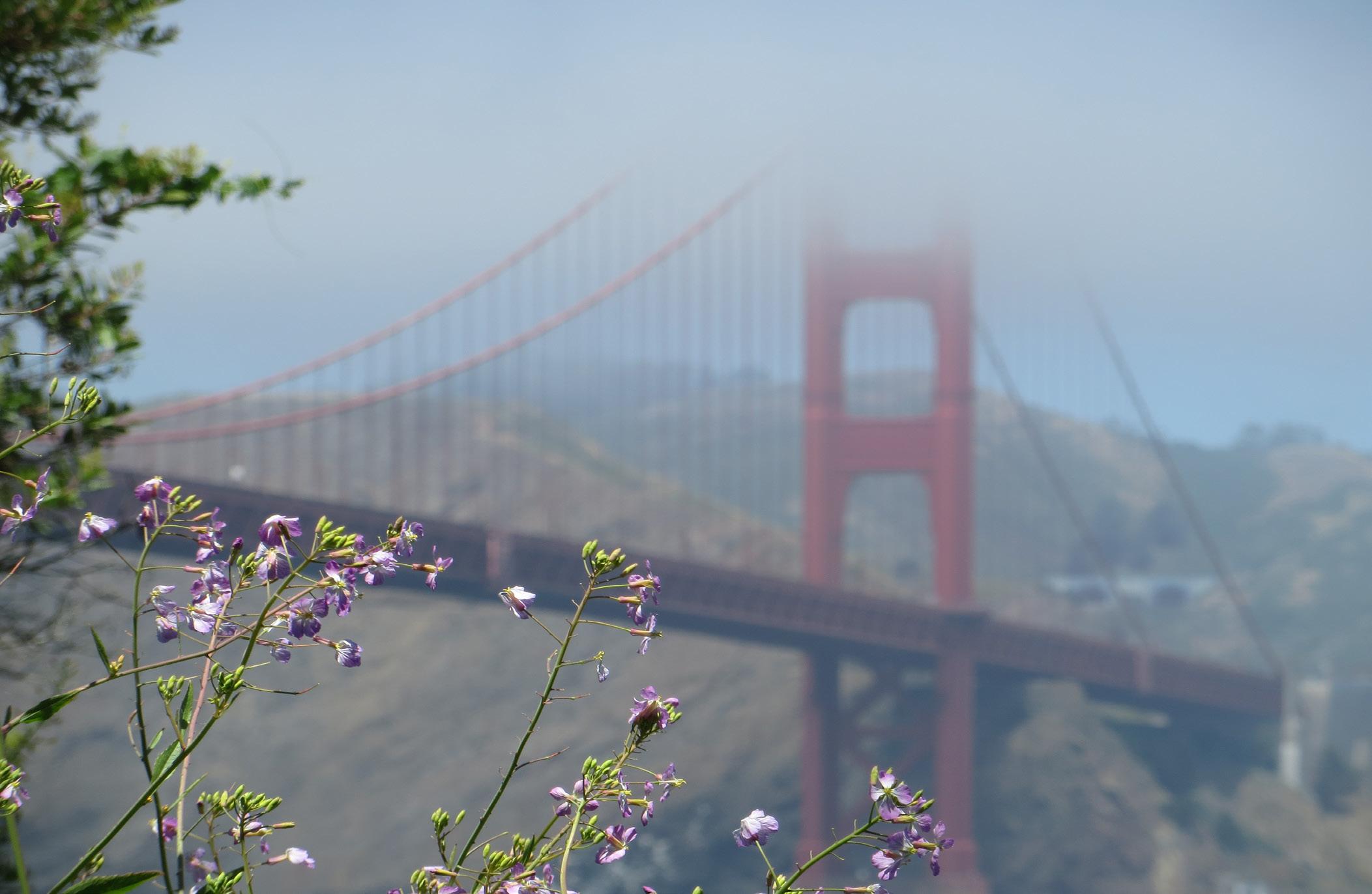
25
NIKO LIEPINS
Golden Gate Bridge
Opportunity
MELISSA NIE
Mybatteryislow anditisgettingdark.
Jeweled stars shine beyond her reach, treasure troves full of worlds unknown.
Red earth cloaked in velvet— silky, dark, all-encompassing. One tiny speck of dust surrounded by millions.
Lines of code whir through rusty metal gears. She gazes at the night sky with luminous eyes, unearthing images of yesterday, rediscovering the lines of rivers run dry. Dreaming of June nightmares made of dust.
26
27
Hand-built Bowl Form IRIS SHAKER-CHECK
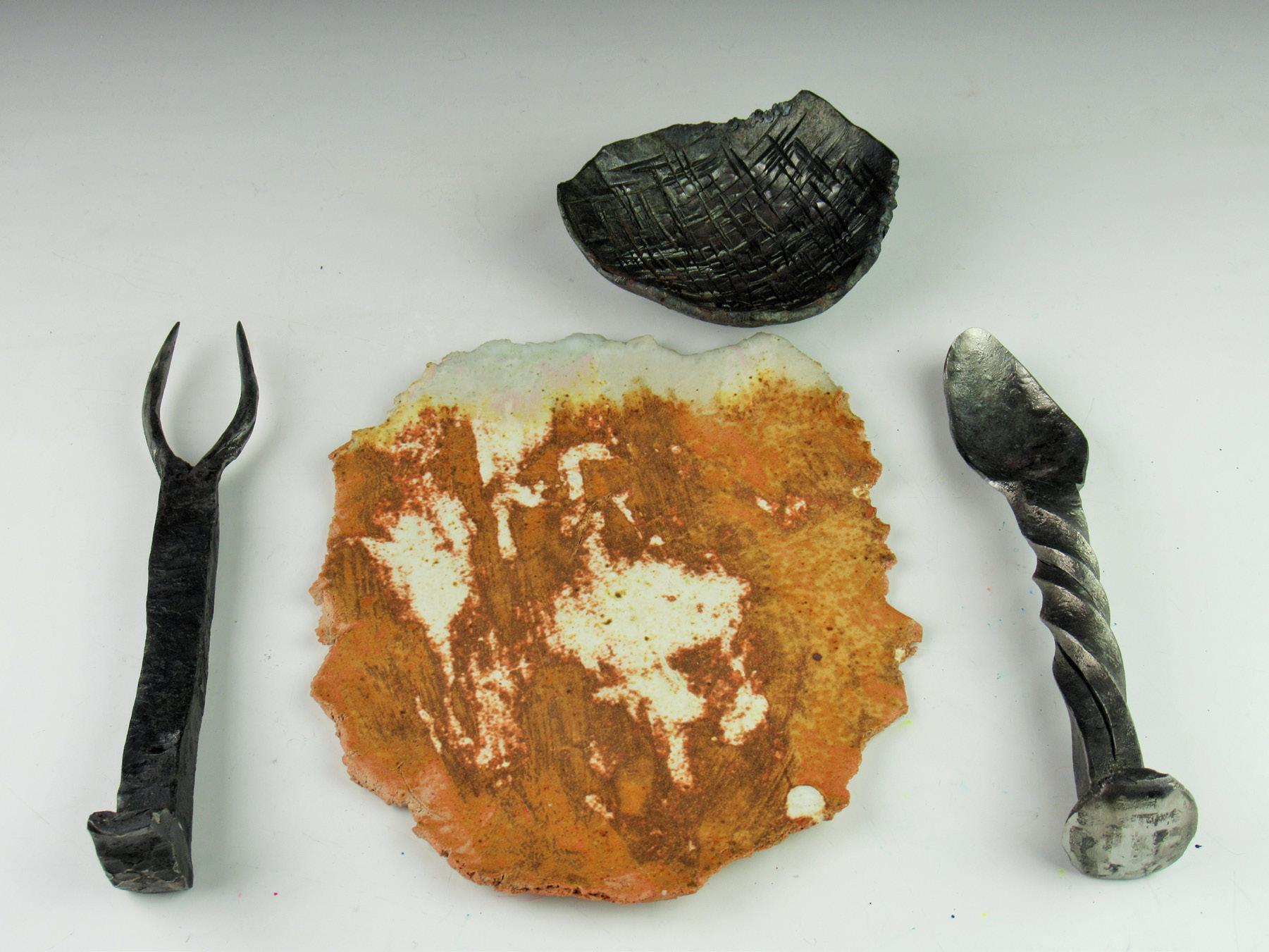
28
Dinner Party BEN ATMORE
Smells Like Teen Spirit
NORA POVEJSIL
It’s a warm, sunny day in early June. I am nine years old. Riding in the back seat of my dad’s beat up beige sedan, Nirvana’s “Smells Like Teen Spirit” comes on the radio, blasting through the scratchy sounding speakers. My brother, Bruno, is in the front seat, my other brother, Max, next to me. Our dad is driving us back to our mom’s house. When the chorus starts, the three of them start raucously singing:
“here we are now, entertain us/I feel stupid and contagious/here we are now, entertain us.”
I sing along with them, but with slightly different lyrics. I sing at the top of my lungs:
“mashed potatoes and some gravy it’s Thanksgiving, I love turkey.”
The boys and my dad turn around, look at me, start laughing, and join in using my lyrics. They add on verses about liking stuffing and green beans with some bacon. Max switches over to singing the guitar part like he always does and Bruno harmonizes with my dad and me as we scream sing our new song.
I love that memory. I think part of it has to do with the music. I’ve always loved Nirvana and my brothers’ angsty adolescent music taste in general. I fell in love with their favorite bands, from Metallica to Cloud Cult, to Radiohead to Muse, to The Flaming Lips to Cake. But more importantly, it’s one of the clearest memories I have of me, my brothers, and my dad hanging out without any of the ever-present tension that comes along with having an unstable parent.
From a young age, I always knew that my dad was different from my friends’ parents.
He picked me up from school wearing leather jackets while other dads wore sweater vests and khakis. My dad smelled like cigarettes and coffee instead of Downy detergent or oaky cologne. I never got nervous when I saw my friends’ parents drink a glass of wine or crack open a beer, but when my dad did the same things, an anxious feeling I couldn’t explain settled in the bottom of my stomach.
At the time I didn’t know about all of the issues that my dad had with alcohol or drugs. I just knew that he was my dad and that he didn’t roll the way other dads did.
As I got older, though, I started to put the pieces together. The picture I ended up with isn’t pretty. Now I know about the alcohol, the oxycodone, the fentanyl, the heroin, the trips to the emergency room, the pancreatitis at twenty-two, the surgeries, the rehab, the benders around the country, the drug dealer girlfriend, the promises, the relapses, the lies, the overdose.
It was June 23rd, 2012, when my dad overdosed on a lethal drug cocktail containing primarily heroin and fentanyl. His body was found three days later on June 26th.
It’s been six years, but at times it still feels like six months. Thoughts still keep me awake at night about how my dad won’t walk me down the aisle at my wedding, meet his grandchildren, see me graduate
29
college, or the most painful right now, see me graduate high school this June. I think a lot about if we’d be close if he were still alive. I think we would.
Even though it would be difficult, and I would constantly be disappointed by him and his actions, sometimes the only person you can talk to is your dad. All his mistakes don’t make me miss him any less.
A couple weeks before I started writing this speech I read a book called Beautiful Boy. It’s a memoir chronicling the life of a father through his son’s traumatic experience with meth addiction. Shortly after I read the book I saw the movie, starring Steve Carell and the love of my life, Timothée Chalamet. It hit me hard. It brought back feelings and memories I had suppressed for so long about what it’s like to feel completely hopeless, to feel angry, sad, and afraid, but to still be driven by an intense, unconditional love.
How can someone go twenty years sober and then repeatedly relapse during the course of his baby girl’s life?
How can my dad throw everything he loved away and leave me?
But at the same time, how do I continue to miss him, continue to love him, continue to defend him?
There’s a line in Beautiful Boy where the father says, “he has a disease, but addiction is the most
baffling of all diseases, unique in the blame, shame, and humiliation that accompany it. It’s not Nic’s fault he has a disease, but it is his fault that he relapses since he is the only one who can do the work necessary to prevent relapse. Whether or not it’s his fault, he must be held accountable.” Replace the name “Nic” with “my dad” and you have the story of my father’s life and what it’s like to think about his addiction and alcoholism.
I want all of you to know why I’m giving this speech. It’s because I feel embarrassed when I talk about the fact that my dad was an alcoholic and an addict. I feel like that automatically makes people assume that he was a bad father, or that his death was somehow less impactful because it was his “choice.”
I decided to bite the bullet today and let everyone here know that I’m tired of the narrative around addiction. I need you all to know my family’s story so that the fact that overdose is the leading cause of death for Americans under 50 means something to you. So that the fact that 130 people in the U.S. will die from opioid overdoses today will have some impact. So that you know that rehabs are rarely based on hard science because the government barely funds research on hard drugs and that rehab is too expensive, and that rehab oftentimes isn’t covered by insurance. So that we all understand and recognize that addiction is an epidemic and that this story is not unique. So that you stop talking about addicts like they’re inherently bad people, that they’re untrustworthy, that it’s their fault. So that anyone with a loved one going through addiction or alcoholism or going through it themselves in this auditorium knows that they don’t have to hide underneath the weight of the stigma. I’m here, and I’m willing to talk about it for hours.
30
“ “
How do I continue to miss him, continue to love him, continue to defend him?
I’m here for you.

If I’ve learned anything in my life, it’s that family is the best, most important thing in this world. Bruno is the emotional rock of my family. He is kind, gentle, insanely smart, and he gives the best hugs. I see my dad in Bruno in all of these ways. Max is the funniest person I have ever met, he is musically talented, and skilled at arguing. It’s easy to draw comparisons between Max and my dad. My mom is literally the strongest person I will ever know.
She kept our lives normal in the most chaotic situations imaginable, had the self-respect to stand up for herself and her kids, and worked past her own heartbreak and loss in order to be there for us. She is hilarious, a true fashion icon, and the most loving mother I could have ever asked for. As Big Sean says, “my mama’s the man of the house.”
And finally, I want to thank you, papa. Thank you for teaching me how to do the bridge when I shuffle cards, that there is indeed a correct way to make grilled cheese, that life without art is boring, that french toast requires french bread, and that making friends wherever you go is essential. Thank you for teaching me street smarts and grit. Thank you for making fun of Max for only listening to metal and Bruno for only listening to, like, three indie bands. They’ve come a long way since then. I love you more than I ever got to express to you.
When the Vacation is Over for Good
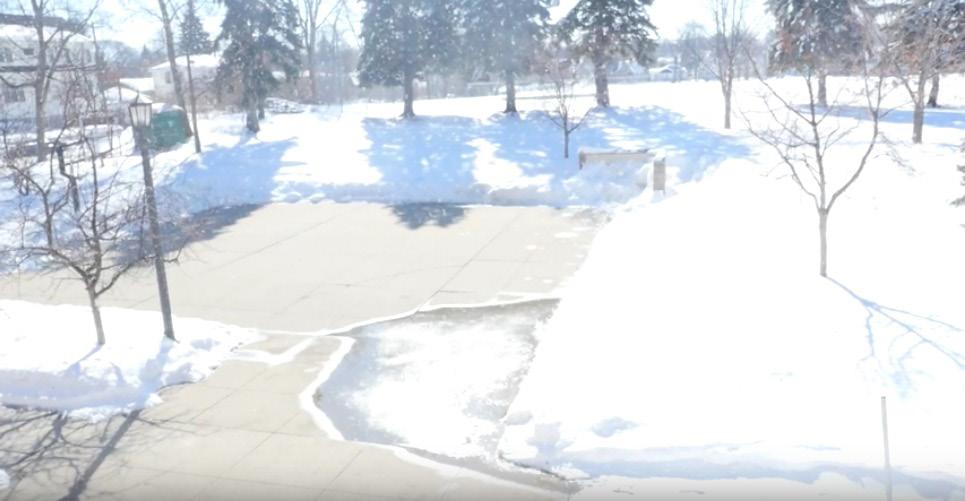 CHARLES HICKMAN
Poem by MARK STRAND
CHARLES HICKMAN
Poem by MARK STRAND
31
It will be strange Knowing at last it couldn't go on forever, The certain voice telling us over and over That nothing would change...
Tears of Growth
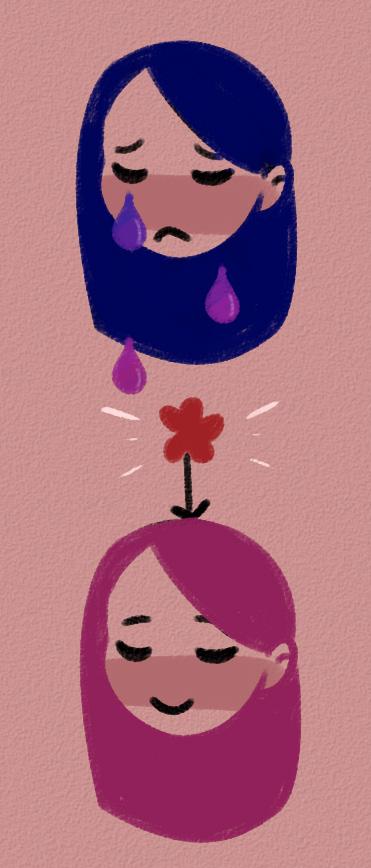
32 MELISSA NIE
Sixteen
ABBY LANZ
and nervous to the point where my hands shake. I try so hard to keep them still, but find that electricity still leaps to take away my breath and dignity in kind.
We turn, eyes glance into each other, shy embrace, anticipation hangs, a lull and this is It, the moment. Time to fly or hit the ground—it’s too late not to fall.
My lips, brand new to the sensation—pure like Magic dancing on my skin—found yours were pillowy. My heart could take no more, so I stood back; the blush spread to my ears.
The butterflies inside my chest took wing and were released into a burst of Song.
33
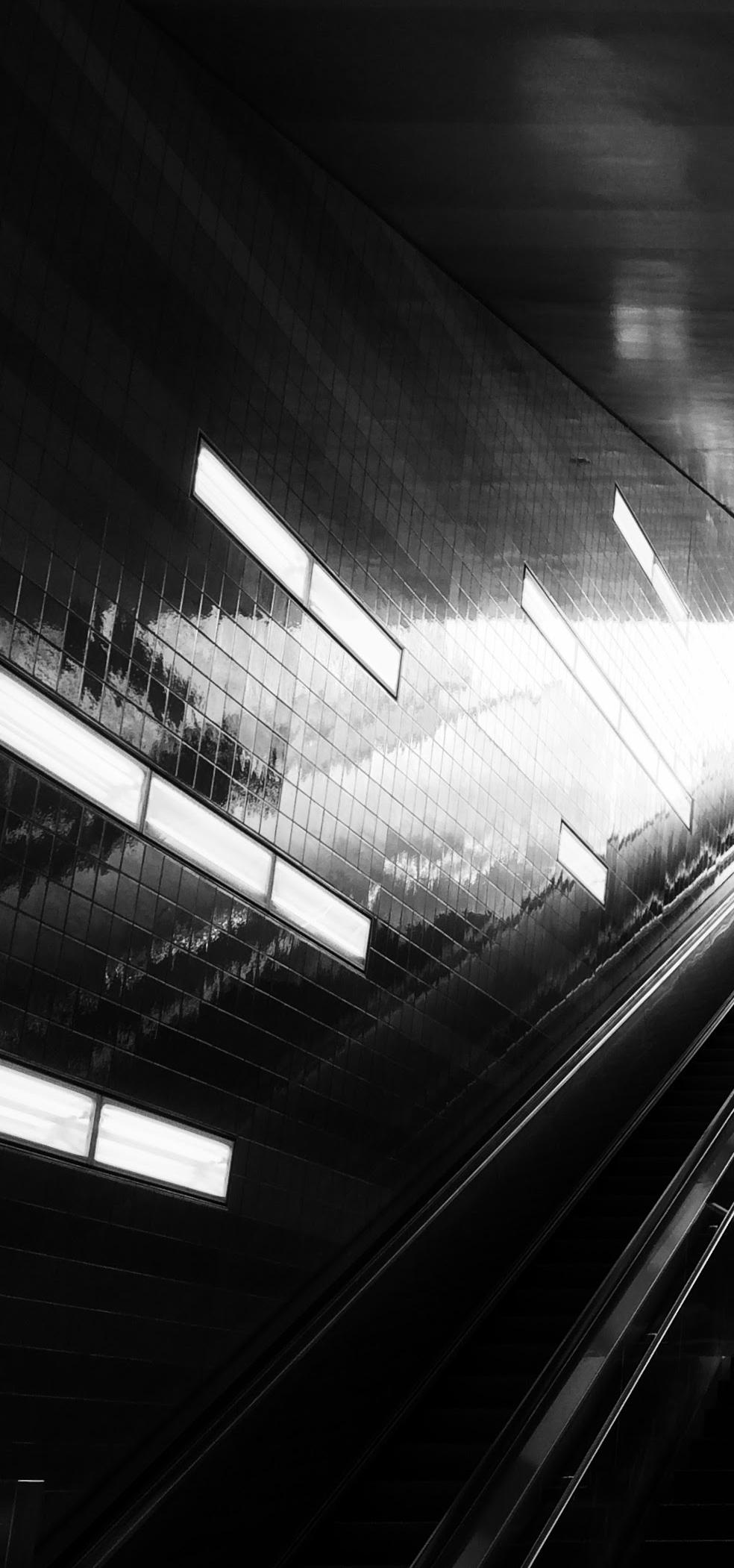
MAX MOEN Ausgang 34 35
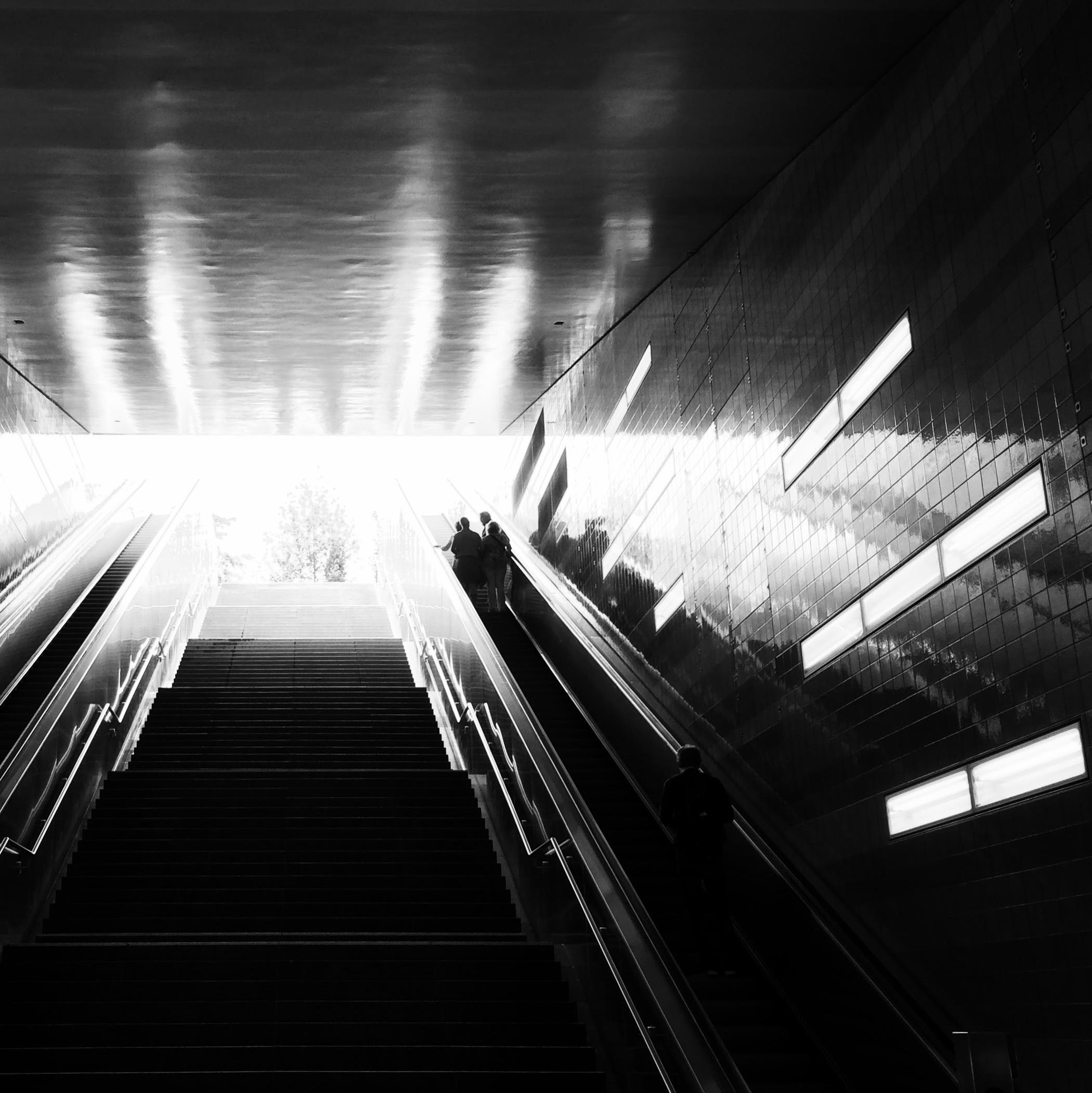

36
HENRY DAUB
3D Escher
We Are Children
AIDAN LANZ
We are Children, dancing on white carpets. She fed you turnip soup in dark December, Soft and smooth, like an acorn husk. She carried me to the kitchen sink, and held my hand under the heavy water, Humming away the burn from my curious fingertips.
We are Children. Bringing ears to our shoulders And chins to our knees.
Teddy bears now hold our tears, because her arms are too sultry for our stretched lips.
I see it all unfold, uncontrolled. Sugar cubes in a hot coffee cup.
What will we find entwined in the soul?
A rose wrapped in black Hyde, I suppose, makes the most sense to me.
But we’ll stand still with her in dark December, and guide her as she does us, Because we are her Children, and I know that is Love.
37
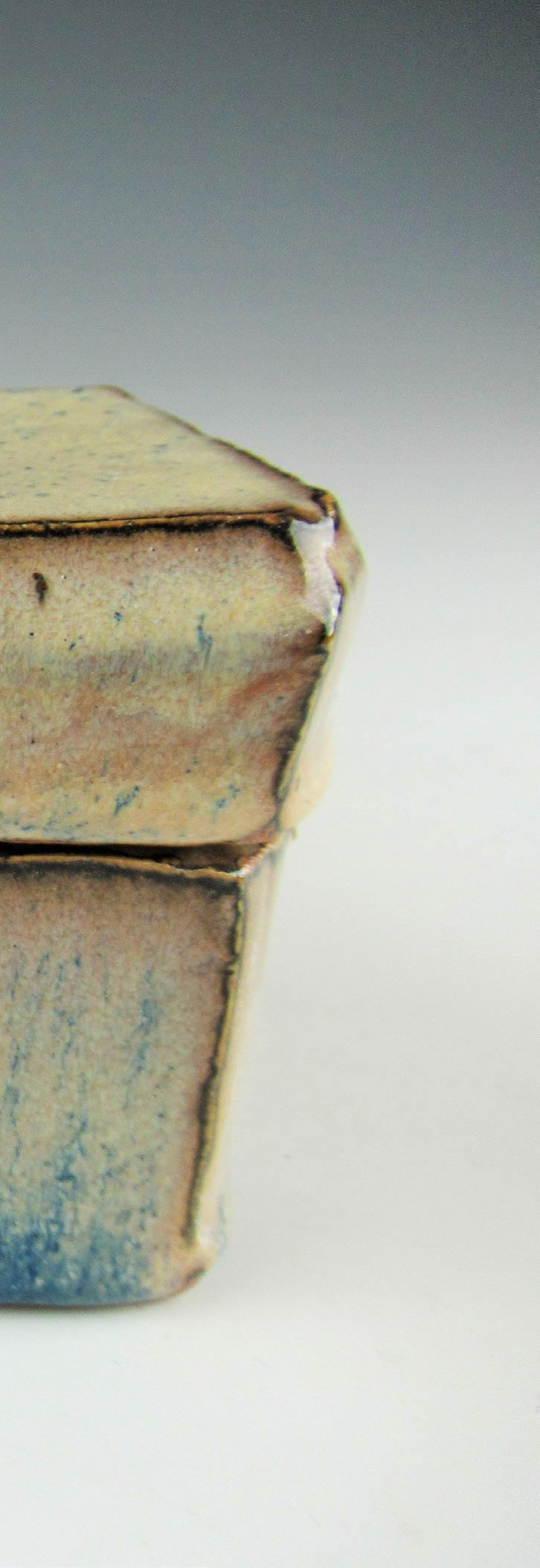
OLIVIA LAGOS Aurora Container 38 39
an ode to this stubborn body
ANNA SNIDER
the famine should have killed us.
(the first or the second or the third time)
but there is survival carved into my bones.
some days, a joy that is too big to hold paints the walls of my mind until the urge the shrink fades into background noise. for once --
I am proud to be limitless.
other days, I do not open my blinds
or answer the door when this childish greed comes knocking. I wrap myself in musty blankets that do not keep me warm.
& still. each afternoon forgiveness finds her way into my room. habitually answers the call of these aching bones.
& each morning my body relearns the art of staying.
relearns the careful dance that sunlight performs as she shines through particles of dust. still.
I have made my bed everyday this week. & don’t laugh when I say that this is an accomplishment. as if existing is not the greatest achievement. as if survival is anything less than a miracle.
40

41 ISOBEL ALM Untitled
Plant Still Life

42
KATHERINE GOODMAN
Tengo Mucho Que Decir
ISABEL SAAVEDRA-WEIS
Mama tells me that when I started to babble as a child, my words took form in both Spanish and English, interchangeably, unaware that there was a difference. In the photo albums she curated of my childhood, there are photos of me decked out in feather boas, silk rebozos, sparkly dresses, and Mexican folkloric dance skirts that expanded into full circles when I spun. In calendars she saved from my early childhood, the squares are filled with details about my daily life as a toddler: grocery shopping at Trader Joes and El Burrito Mercado, watching Sesame Street, and its Spanish equivalent Plaza Sesamo, visiting family and friends in two different countries, celebrating my birthday with an Elmo-themed cake and a piñata, writing a letter to the three kings on Día de Los Reyes and Santa on Christmas. My bedside bookshelf was filled with the classics: Blanca Nieves, Cinderella, Ricitos de Oro y los Tres Osos, and The Tale of Peter Rabbit. And as far as nursery rhymes go, I knew all about how Little Bo Peep lost her sheep, and how el patio de mi casa es particular. I’ve recently been thinking about all these memories a lot, fascinated with the life I led before I knew what “biracial” meant and before I realized that it meant to be “me”. Looking back, it looks so smooth, natural, peaceful. There was a time I didn’t overthink my right to be in a space, or code switch, or try to filter or separate myself.
There was no day or moment that changed everything. It was all very gradual. I could speak more Spanish than most kids in my elementary school class. I was faintly aware that my papi took tests and swore oaths to this country. I realized that other kids weren’t fighting their parents on eating their slimy, green calabacitas. But in all honesty, I liked that these things made me unique.
Like the Jewish boy whose mom came in to teach us about Hanukkah, or the girl who spent a year in Tanzania on a mission trip with her parents, I too had a claim to fame: I am part Mexican!
There was a time I didn’t overthink my right to be in a space, or code switch, or try to filter or separate myself.
However, racial tensions eventually infiltrated my cocoon, too. Headlines about immigration on the radio, viral videos of people yelling “go back to your country; we speak English here”. Stereotypes on the screen of women with full hips, throaty accents, fiery tempers. Questionnaires that ask me to define my race and ethnicity by checking one box, causing me to look at my sister in confusion, her reply being: “I don’t know, I was going to ask you.”
43
“ “
It became apparent to me that there was a whole system already in place outside my sheltered upbringing that took two major parts of my identity, parts which had coexisted quite peacefully in my home, and pitted them against each other.
We live in a world with racial divides so deep that we can’t seem to find materials stable enough to cross them. There is no handbook for those who literally embody those tensions, but I looked for one feverishly. It’s very strange to be the oppressed and oppressor, the conquistador and the conquered, the minority and majority. I often searched for validation in the way my skin tanned in the summer, in tired, harmful stereotypes that I shamefully tried so hard to match, in the approval of people who I believed to be more authentic than I was.
I’ve written drafts and snippets of what I thought my speech should be about for a few years now, and while the topic was always the same, the tone differed. I read them all back in preparation for today. Some of the early ones make me wince. They are full of confusion, bitterness and an ache for clarity.
But, funnily enough, in my desperate want for a handbook on How To Be Biracial, I subconsciously wrote one. Granted, the first few chapters are a little messy, hardened, and sad, but necessary nonetheless.
I’ve done a lot of writing since. My “Owner’s Manual of Identity” is constantly under revision. I make conclusions, have a new experience that throws me, reaffirm myself, and write something new. So far, my handbook is both a revolution and a revelation. It’s about the people who are the exception to the rule, the people that check the box marked “other”, the people that worry about the space that they take up, the people
that confuse others because traditional labels and ideas don’t fit them properly. It’s about the people that feel like human embodiments of tensions they didn’t create, while also being the physical proof that those tensions don’t always have to exist.
This speech, I suppose, is another installment of my handbook, a book that will never be finished, or complete, one that will be covered in eraser marks and margin notes. But if I had to write the last chapter of my handbook today, this would be the conclusion: My identity, like that of many others, is fluid. It changes constantly, sometimes by my choice, but mostly dependent on what room, country, or society I’m in, which is both exhilarating and terrifying all at once. In reading my old versions of this speech, I wish I could reach through the pages and grab the younger me by the hand to reassure her that while it’s not always easy to grapple with the fluidity, it does get easier. I’d tell her she will learn to lean into the constant shifting of her identity, and will appreciate its tendency to be a good conversation starter. I’d tell her the people she really wanted approval from never needed her to prove anything at all. I’d tell her that her intersectionality will help her understand and accept the intersectionality of others, which is a beautiful gift.
I won’t lie, though. There are still moments when I feel lost, or like I’m not enough, or so tired of the pressure to check just one box. But for every one of those moments, I have people in my life who will send me slam poetry about being biracial, who look me dead in the eyes and make me swear never to let someone tell me what I am and what I’m not, and who will enthusiastically grab my hand when I want to teach them to latin dance.
I have mama, who teaches me how to bridge gaps
44
with grace, humility and respect. I have papi, who shows me that one can be proud without being territorial. And I have Pilar, who makes me feel understood even when I’m convinced no one would get it. I have found love that has no regard for boundaries, borders or bullies, and I have found this love in harmonious parallels, moments so natural to me that I forget how symbolic they are: Switching back and forth between the English and Spanish keyboards on family group chats. Growing up with a cat named Pancho and a dog named Prince Harry. Feeling nostalgic from the smells of rhubarb pie and sweet Mexican bread. Watching my mom chat up a Puerto Rican taxi driver in Spanish, and my dad give medical presentations to American doctors in English. Being raised in a house that blared Prince, Ricky Martin, U2, Shakira, Sting, and Maná — all artists my parents insisted were vital to my musical education. Y aveces, two languages getting tangled up, los dos coming out of my mouth at once, tengo mucho que decir, I have too much to say.
When I feel the pressure to split myself into two, I tend to look down at my hands, which are connected to my arms, which are connected to the same body, same mind, same heart. I’m a whole person. A person with more questions than answers, more words than space in her head, more support and good fortune than she probably deserves.
I refuse to believe that people like me must divide themselves like a fraction, because as far as I’m concerned, I am not meant to dissect, split, or isolate myself while living such a full life.
In 1993, Dr. Maria Root wrote a Bill of Rights for People of Mixed Heritage. I saw it for the first time last
year, on the wall of a teacher’s office. A copy now hangs on my closet door. It reminds me daily that I have the right… “not to keep my races separate within me,” “to identify differently in different situations,” and “to change my identity over my lifetime.” One of my favorites reads: “I have the right to create a vocabulary to communicate about being multiracial or multiethnic.” As someone who finds refuge, empowerment, and great comfort in words, that statement spoke volumes to me. Writing about my biracial life and all its confusing, emotional, and love-filled components has fulfilled me in a way no other form of validation has. In writing about my own existence, I am creating a narrative for myself, and perhaps even others like me.
So, finally, to all the people here today who wish that their identity had come with a handbook: write your own.
45
“ “
When I feel the pressure to split myself into two, I tend to look down at my hands, which are connected to my arms, which are connected to the same body, same mind, same heart. I’m a whole person.
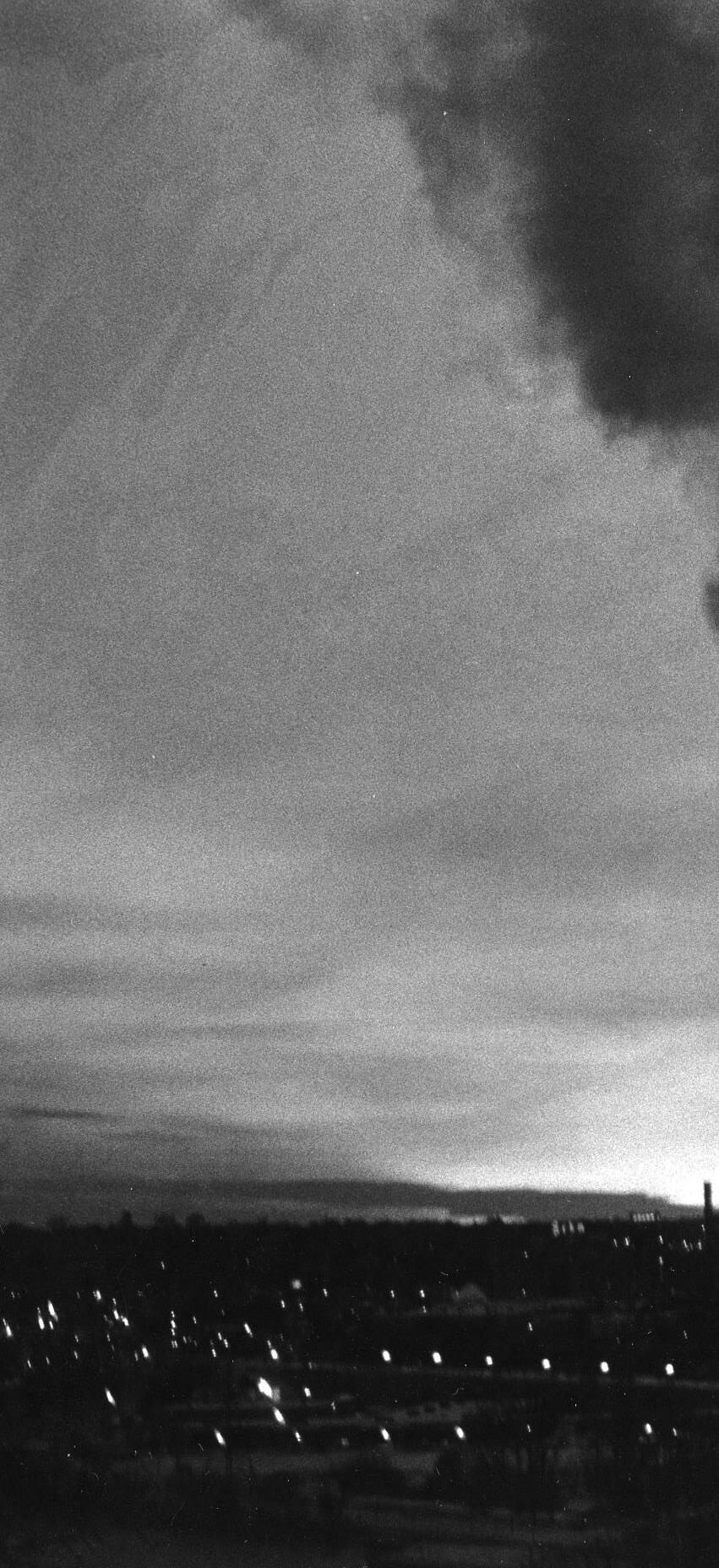
ELI CONROD-WOVCHA Landscape 47 46
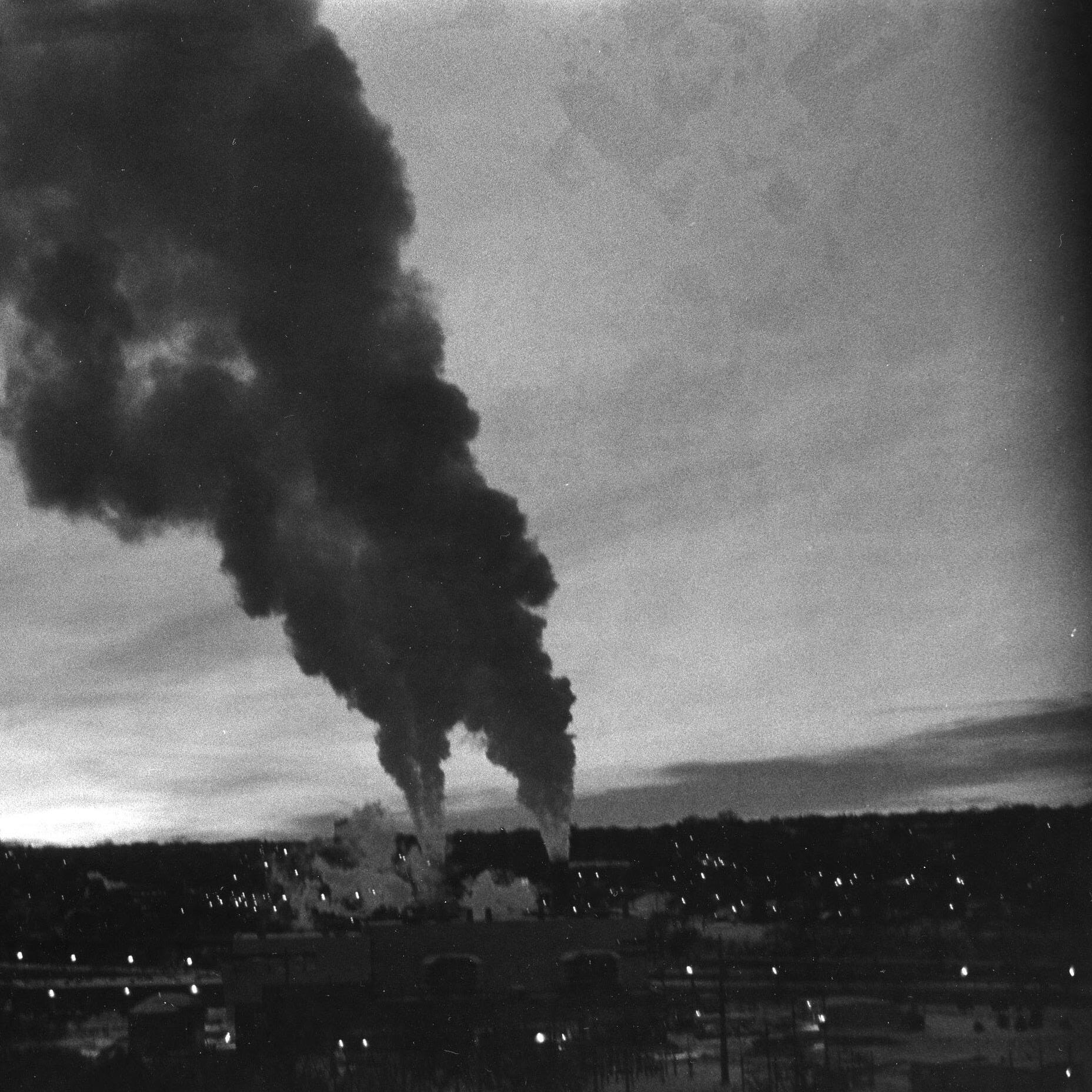
Delicate QUINN CHRISTENSEN

48


49
NORA POVEJSIL Heartbreakers Skip Breakfast
Heartbreakers skip breakfast, exchange Lucky Charms for matching tattoos on lovers’ arms, whisper reckless promises, then gift away their mother’s locket, slide it in my pocket.
At first glance, they’re glittering, they gleam, they’re brand new, like the cars that they drive and the things they show you.
Seas in their eyes, a breeze in their hair, they say you’re one in a million, and throw the dice without care.
And like cash bound by rubber bands changing hands,
icy lips touch, shooting shocks and sparks in all directions.
But bonfires soon fade to crackling blues on vinyl.
The rosy cheeks and peach lollipops on the chilly beach transformed all too quickly into changed locks and a box labeled “memories.”
All at once, that sucker punch, gut-wrenching, but bound to be, proved that heartbreakers eat lunch at ten thirty.
50

51
Bubble Sky CLAIRE HALLAWAY
Mossy Rocks

52
ZOE
HERMER-CISEK
The Honesty of Human Bodies
MAGGIE QIN YOUNGDALE
manifests as specks of sin and yolks of young:
grooves of fat; encasings of virtuous vertebrae and muddying puzzles of bud, woven muscle; flickering
as murals do when releasing each unease incites a freedom from desirous judgment,
and softly rendered veins; auburn heartbeats crawling between gold-encrusted crevices reassures that existing lies not in sun-scorched skin or bulging bones, but delicate cells obscuring angry red ridges, and water wrinkling greasy strands of hair,
and the craving to be amazed by something as mosaic as these infinitesimal things.
53
Self Portrait
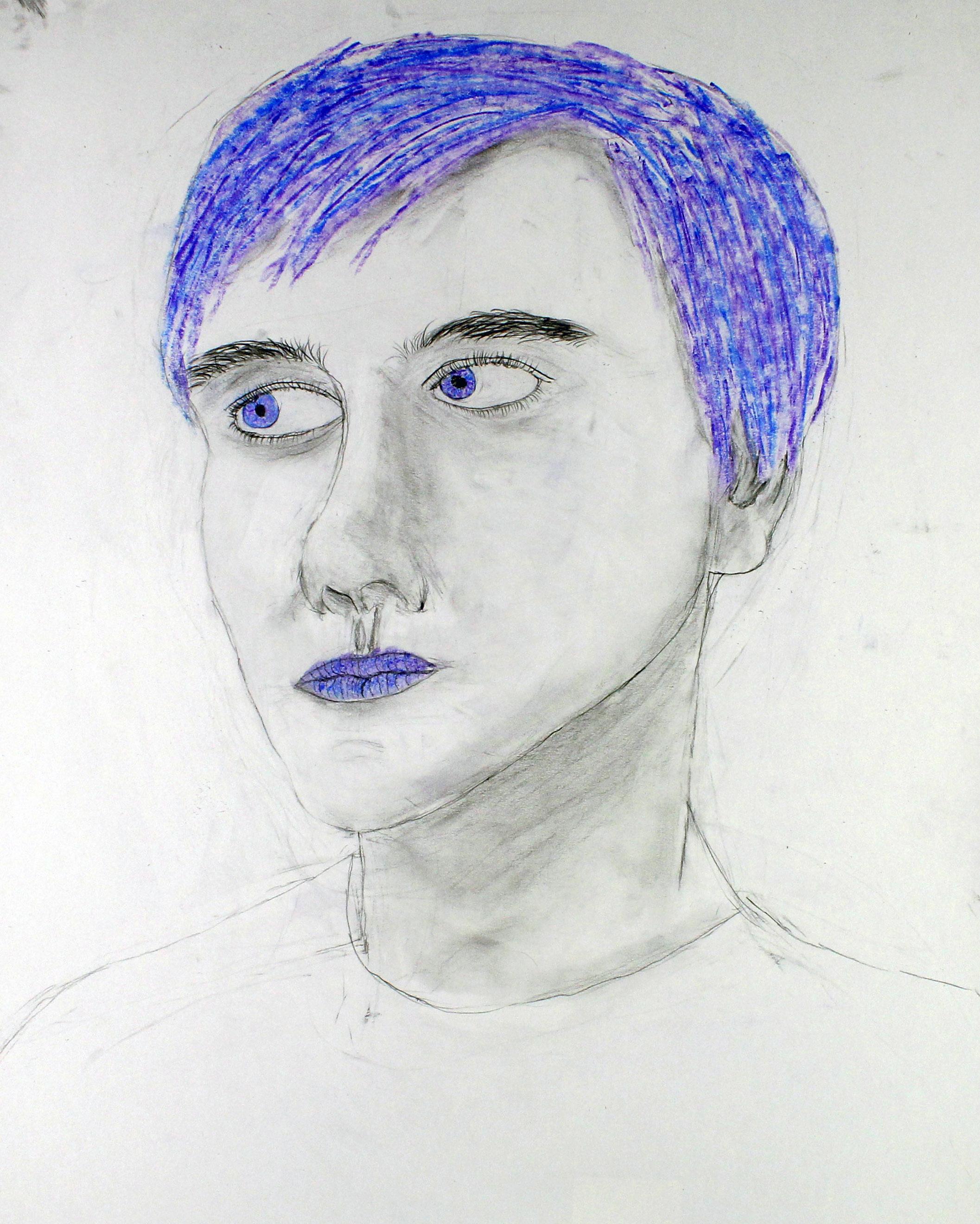
54
GRIFFIN MOORE
Voices: A Motion Poem
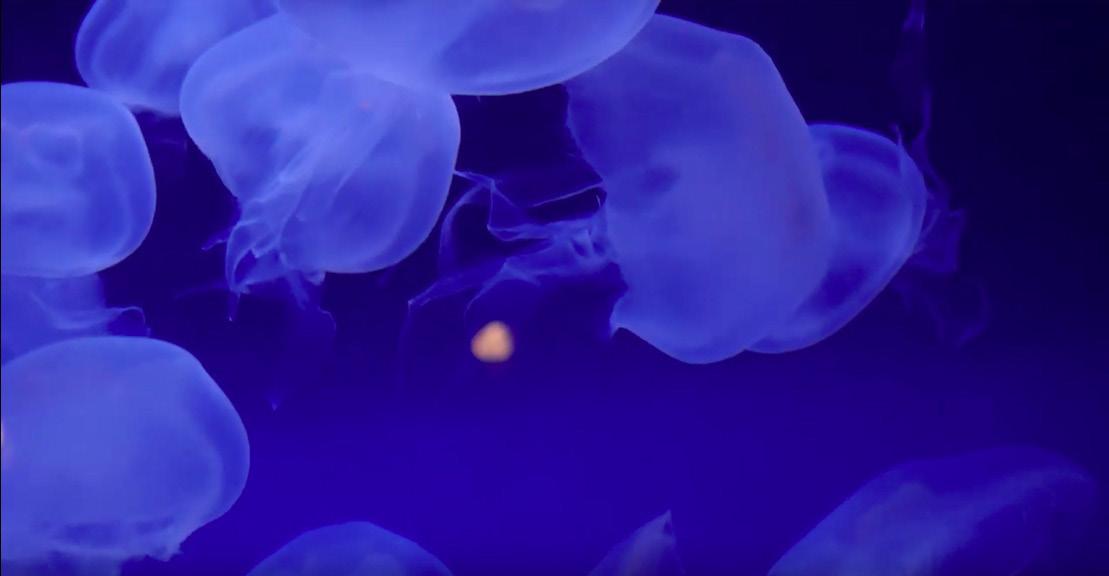
You tell me to quiet down because my opinions make me less beautiful...
Difficult to forget and not easy for the line to follow...
Poem by RUPI KAUR
55
FIONA RUCKER
Unstable Ground RYAN STROBEL
56
Fly Low, Falcon
ARIE WALKER
The only thing scarier than driving by the mountain of flowers on my way to work— the tears dried to the pavement, the prayer candles that shine light to the gates, the rosaries beaded in all black, the wilted bouquets from Judy’s Blossom Shop, the signs calling out to authority, “Is this justice?” in bold red, —is that I can’t remember.
I can’t remember the last time I walked down Larpenteur. I can’t remember the last time I spoke about it.
I can’t remember the news coverage or the video of red pouring down his shirt as his eyes rolled back.
The scariest thing is not remembering his life as his passing fades into the collection of unjust departures.
The names—
Tamir
Eric
Jamar
Walter
John
Michael
Trayvon
Philando
—with wilted petals, submerge into the earth.
57
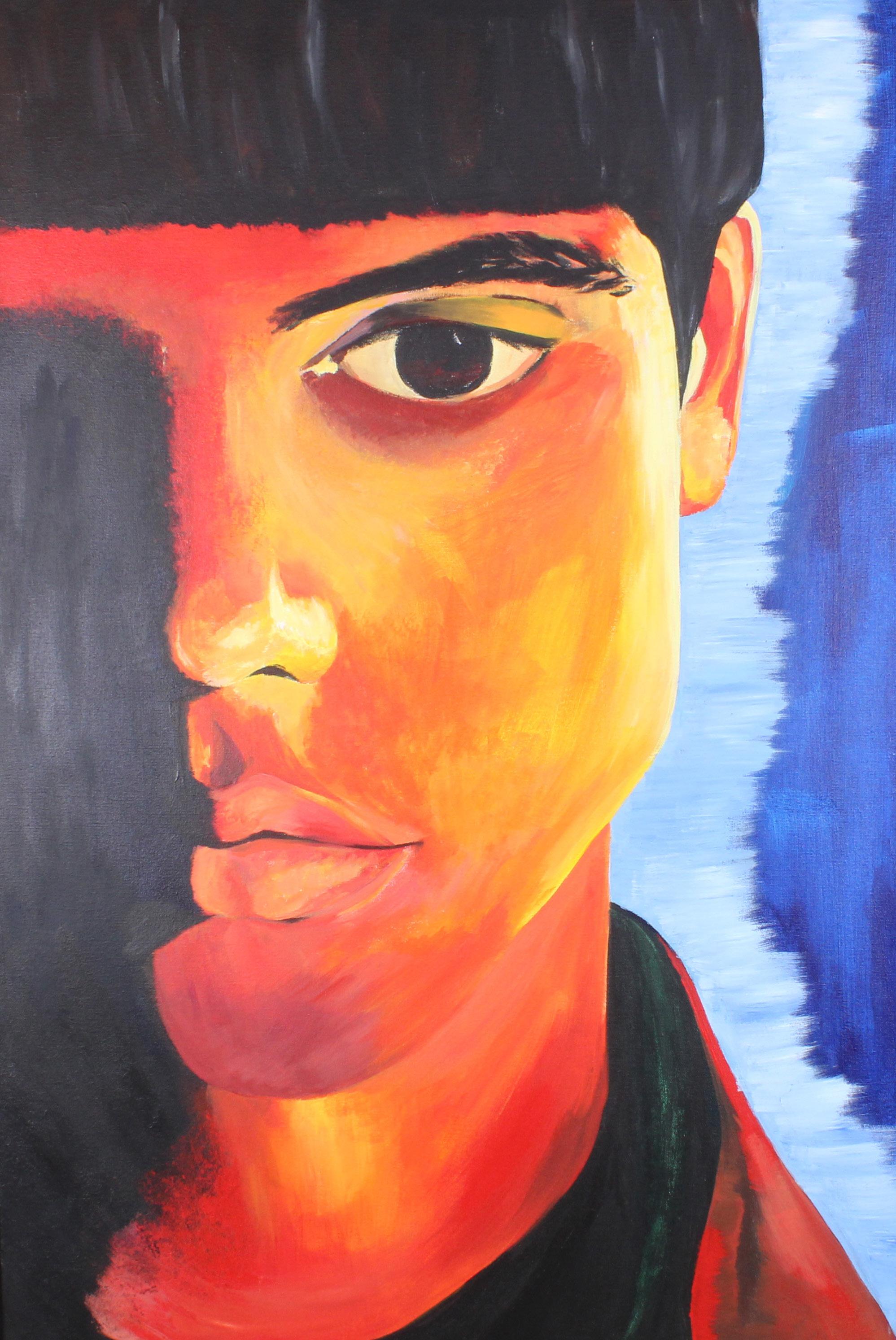
Shadow Study
CELESTE PARKE-REIMER
58
Chevelure
BEN ATMORE
Cinnabar rocks on cinnamon shores. Mars takes his turn.
He stands on the precipice of a vast plane of arid
Great swaths of land, miles and more above his head. Light beams cascade through a deep sky. He brings his sword down, striking the earth.
Blow after blow, drawing canyons of etiolating growths.
A cacophonous rush. and silence.
59
The Test to Democracy
MARTHA SANCHEZ
“Voting should not be a question of trust on the part of the voters, [but] whether they can trust the system,” Stacey Abrams, current Democratic nominee for Governor of Georgia, said in an interview with CNN (“Georgia,” 2018). Abrams is one of many politicians fighting for equality in voting across the United States. Voting is a constitutional right, but the trust that Abrams speaks of - the faith that citizens should have in their government - is diminishing.
Abrams claims the imposition of Voter ID laws, regulations that require documents such as photo ID to vote, have become means for discrimination and political advancement used by those in power to ensure their continued authority. In Georgia, 53,000 voter registrations were put on hold due to inconsistencies with the information stated on registrations (“Georgia,” 2018). Georgia’s government also held back registrations of citizens who didn’t vote in the last election (“107,000,” 2018). Seventy percent of these registrations were from African American citizens (“Georgia,” 2018). As little as a missed apostrophe or dash can trigger the system to place voter registrations on hold, making it easy to target common African American cultural names on registration forms (“Georgia,” 2018). Apparent biases, such as those Abrams points out, call into question the equality in voting.
Equality in voting also can be directly influenced by polling locations. In Georgia’s Randolph County,
seven of the nine polling stations were recently closed (“Your right,” 2018). These closings mean that to exercise their right to vote, some citizens would need to walk over three hours to reach their nearest polling station (“Your right,” 2018). Whether or not discrimination influenced poll closings, the voting system has been effective in making voting harder for some Georgians. If new obstacles limit, for example, the African American vote in Georgia, Republican leaders would benefit, especially in a close election. Polling suggests the governor’s race in Georgia is at a near tie, indicating that the influx of 53,000 new voters could drastically change the election’s course (“Poll,” 2018). Recently, a federal judge stated that she would temporarily stop election officials from using the exact match protocol, meaning that, temporarily, Georgia can no longer put a hold on registrations of inactive voters or registrations with inconsistent name spelling (“Judge,” 2018).
The earliest concerns about voting rights erupted with the Civil Rights movement because voting had been designed to keep African Americans away from the polls. That discrimination spread to other minority groups and led to the Voting Rights Act of 1965. The act declared that in states with a history of voter discrimination, any proposed changes to voting laws would have to be approved by the federal government. In the early 2000s, however, that practice changed. The Supreme Court ruled that states could
60
enact voting laws without the federal government’s permission (“Who’s,” 2018). The overturning of the Voting Right Acts intensified advocacy for equality in voting rights, leading critics to question the impartiality of restrictions such as photo ID policies and the exact match protocol.
Abrams is one of many leaders who oppose the voting restrictions. She is an attorney (“Who’s,” 2018) and was raised on the belief that it was her job to serve those less fortunate than herself (“Meet Stacey,” 2018). She founded the New Georgia Project, which worked to register 200,000 voters of color and helped improve voter equality in her state. Abrams’ work has not gone unrecognized (“Meet Stacey,” 2018). Congressman John Lewis, a supporter of Abrams, said, “Throughout her career, I have watched her work tirelessly to build coalitions to protect the poor and middle class, fight voter suppression, and register hundreds of thousands of people to vote” (“Support for Stacey,” 2018). Ilya Sheyman, executive director of MoveOn.org Political Action echoed Lewis’ thoughts in her endorsement. “The election for Georgia’s governor, and other races like it across the country in 2018, are going to be won by candidates who can motivate and inspire progressive voters,” she said. “Stacey Abrams is one of those candidates” (“Support for Stacey,” 2018). While Abrams addresses issues such as the Affordable Care Act and education, to many voters, her appeal comes from her work for voter equality.
Abrams’ believes voter registration should be made more convenient and polling places should be more equally distributed (“Voting Rights,” 2018). Additionally, she believes that because voters of color are the majority of the democratic coalition of Georgia, they should be the focus of campaigns.
Abrams has stated that once voters of color unite with white liberals, a revolution of change could take place in Georgia (“Democracy,” 2018).
Abrams’ says her ideas will spur more voter participation. A Medium article reports that the Abrams campaign is, “a coalition that reaches across backgrounds, sharing our constant belief that all of our voices matter, and when we raise them in unison we win” (“Your,” 2018). This outreach aims to bring a more diverse voter population to Georgia. By “reaching across backgrounds,” Abrams can encourage the minority vote to show up at polls. When Abrams’ New Georgia Project began, Brian Kemp, current Georgia Secretary of State and Abrams’ opposition for governor, spoke to Georgian Republicans about her work. “Democrats are working hard … registering all these minority voters that are out there and others that are sitting on the sidelines, if they can do that, they can win these elections in November,” Kemp said (“Democracy,” 2018). For years, Republican candidates have easily won elections in Georgia due to the states’ predominantly Republican voting base. With Abrams’ mission, Kemp recognizes that Republican dominance may no longer be a guarantee.
Summoning inactive voters may seem like a positive goal, but Kemp views it as dangerous. A spokesperson for the Kemp campaign justified the block of 53,000 voters. “Kemp is fighting to protect the integrity of our elections and ensure that only legal cit-
61
“
“
Democrats are working hard... registering all these minority voters... sitting on the sidelines.”
izens cast a ballot,” he said (“Report,” 2018). Kemp himself has commented on election integrity as well.
“She wants the illegals to vote in Georgia, I mean, this is a shocking development in the campaign…”
(“Who’s”2018). For Republicans, Kemp’s arguments on voter ID laws are valid. He believes that with more relaxed voter ID laws, undocumented citizens would be more likely to vote, making the election just as illegitimate as Abrams claims it currently is. There is no explicit evidence of undocumented citizens voting in U.S. elections (“Do voter identification...”, 2018), but Kemp argues that the risk of further manipulation of election results is too dangerous to the election’s integrity.
Kemp’s argu-
ments about the legitimacy of elections raise valid questions, but his own credentials come into question in Georgia. As Georgia Secretary of State, Kemp oversees elections and voter registration (“Report,” 2018). Abrams’ team argues that with the power he has in his office, Kemp is using his position to sway the course of the election in his favor, purposefully blocking the polls to thousands of Democratic voters (“Report,” 2018). While representatives for Kemp argue that, “it has never been easier to vote in our state,” some voters don’t seem to agree.
Marsha Appling-Nunez is one of many voters whose registrations have been placed on hold. Describ-
ing her reactions to her chance finding that she was unregistered, Appling-Nunez was perplexed. “I’ve always voted. I try to not miss any elections, including local ones,” she said (“Report,” 2018). Like many, Appling-Nunez hadn’t even realized that her registration had been placed on hold. Citizens can check to see if they are registered online, but receive no notification if their registration has been placed on hold (“Report,” 2018).
Kemp’s arguments focus on stopping voter fraud at all costs. Yet according to the Washington Post, in an article discussing whether or not voter ID laws discriminate, “extensive analysis reveals almost no evidence of voter fraud of the type ostensibly prevented by these [voter ID] laws” (“Do voter identification...”, 2018). This report reveals that Kemp’s worries may be more rooted in fear than facts. While he and Abrams’ share the same passion on voting, Kemp’s concerns come from fears of fraud and Abrams come from data that she believes shows discrimination.
Either argument, that voter fraud is rampant and needs to be ended or that Kemp is purposely manipulating voter registration to his advantage, has serious implications of election illegitimacy for Georgia. The purpose of voting is to let the people of the United States - all of the people - make their voice and their ideas be heard. Illegitimate election results in Georgia have implications for the entire country because one more Republican or one more Democrat can drastically sway the force of American politics to one side. If those who are using voter ID laws as a force to sway politics to one side, then American democracy itself faces great danger.
62
“ “
Kemp argues that the risk of further manipulation of election results is too dangerous to the election’s integrity.
Burke, Michael. "Stacey Abrams: Voter ID law meant to ‘scare people out of voting’." The Hill, 14 Oct. 2018, thehill.com/home news/campaign/411346-stacey-abrams-voter-id-law-meant-to-scare-people-out-of-voting. Accessed 28 Oct. 2018.
Clark, Dartunorro. "Georgia sued for placing thousands of voter registrations on hold before election." NBC News, 12 Oct. 2018, www.nbcnews.com/politics/politics-news/georgia-sued-placing-thousands-voter-registrations-hold-election-n919526. Accessed 15 Oct. 2018.
Dann, Carrie. "Poll: Abrams and Kemp virtually tied in Georgia governor's race." NBC News, 24 Oct. 2018, www.nbcnews. com/politics/first-read/poll-abrams-kemp-virtually-tied-georgia-gubernatorial-race-n924061. Accessed 28 Oct. 2018.
Goldberg, Michelle. "Democracy in Danger in Georgia." The New York Times, 12 Oct. 2018, www.nytimes.com/2018/10/12/ opinion/stacey-abrams-kemp-georgia-voters.html. Accessed 15 Oct. 2018.
Gstalter, Morgan. "107,000 purged from Georgia voter rolls for not voting in past elections: report." The Hill, 19 Oct. 2018, thehill.com/homenews/campaign/412195-georgia-purged-more-than-100000-people-from-voter-rolls-because-there-didnt. Accessed 28 Oct. 2018.
Hajnal, Zoltan L., et al. "Do voter identification laws suppress minority voting? Yes. We did the research." Washington Post, 15 Feb. 2017, www.washingtonpost.com/news/monkey-cage/wp/2017/02/15/do-voter-identification-laws-suppress-minorityvoting-yes-we-did-the-research/?utm_term=.f40826e2d940. Accessed 28 Oct. 2018.
Medium.medium.com/@staceyabrams/your-right-to-vote-is-sacred-and-we-are-going-to-give-you-a-reason-to-use-it-in-no vember-e36129dbdbf3. Accessed 28 Oct. 2018.
"Meet Stacey." Stacey Abrams Governor, staceyabrams.com/meet-stacey/. Accessed 28 Oct. 2018.
Nadler, Ben. "Report: Georgia's Secretary of State Is Blocking 53,000 Voter Registrations as He Runs for Governor." TIME, 10 Oct. 2018, time.com/5421332/georgia-brian-kemp-secretary-of-state-53000-voters-governor/. Accessed 28 Oct. 2018.
Tamborrino, Kelsey. "Georgia Democratic candidate: State law about scaring people out of voting." Politico, 14 Oct. 2018, www. politico.com/story/2018/10/14/georgia-governor-abrams-kemp-voting-rights-898742. Accessed 15 Oct. 2018.
Toeniskoetter, Clare, producer. "Who's Allowed to Vote in Georgia?" The Daily, 22 Oct. 2018, www.nytimes.com/2018/10/22/ podcasts/the-daily/georgia-voting-abrams-kemp-governor-election.html?rref=collection%2Fcolumn%2Fthe-daily&action=click&contentCollection=podcasts®ion=stream&module=stream_unit&version=latest&contentPlacement=1&pgtype=collection. Accessed 28 Oct. 2018.
"Voting Rights and Public Integrity." Stacey Abrams Governor, staceyabrams.com/vision/voting-rights-public-integrity/. Ac cessed 14 Oct. 2018.
Wheeler, Lydia. "Judge moves to block Georgia election officials from tossing out absentee ballots." The Hill, 24 Oct. 2018, thehill.com/regulation/court-battles/412981-judge-blocks-georgia-election-officials-from-tossing-out-absentee. Accessed 28 Oct. 2018.
63
Works Cited
13 12
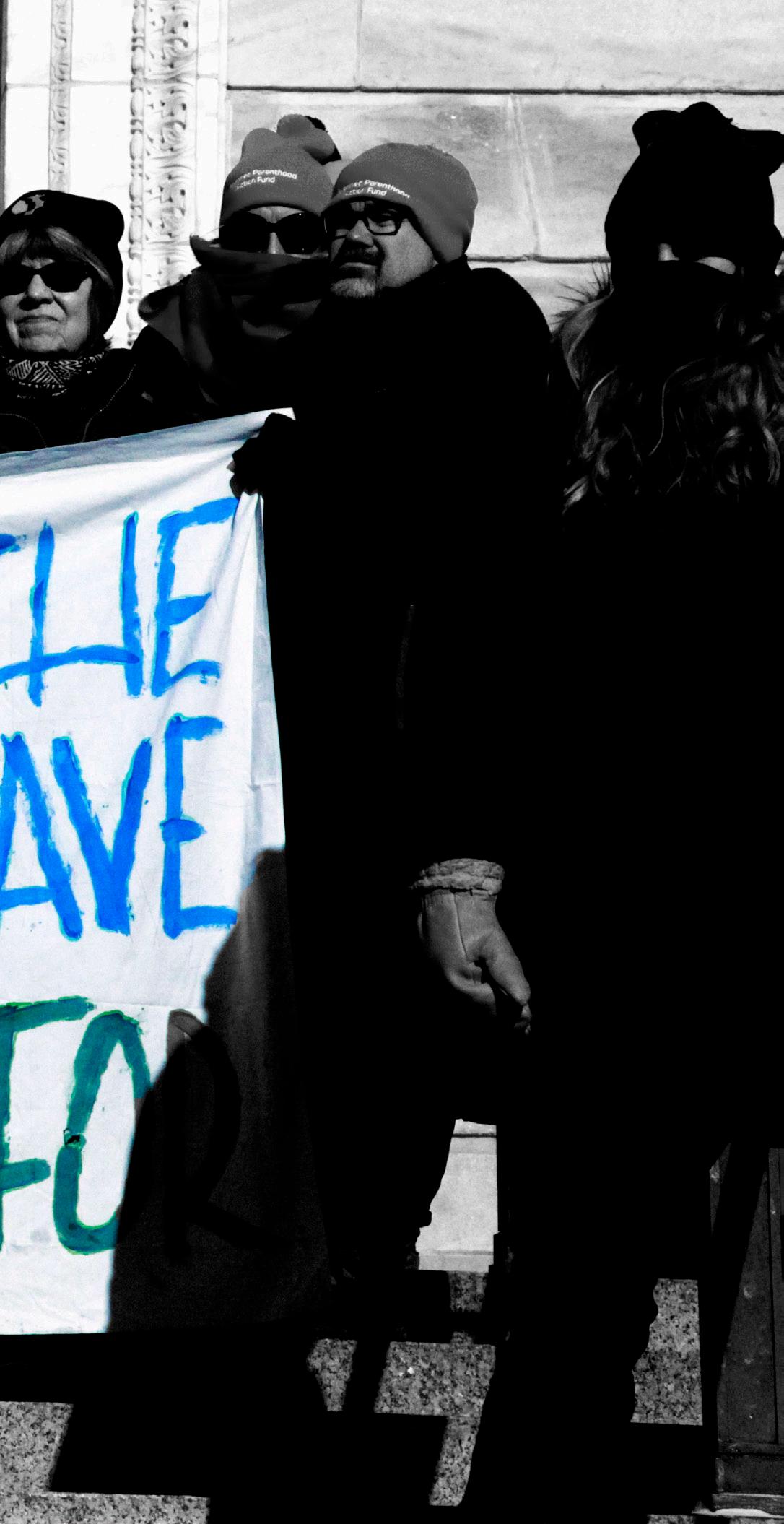
ELOISE DUNCAN We Are the Ones 13 12 65 64
PAIGE INDRITZ If I’d Grown Up Here
I’d see the mountains as separate peaks, rocks, points, towering over the small green valleys that I’d watch turn into yellow, orange flames as fall approaches And winter would ride on the wings of the wind at night as I’d stand and watch the stars naming every shape I saw as my own and I’d shiver under the depths of the sky. One day I’d plant an Aspen, watch it grow spires to the sky. It would be a simple moment.
I’d see small embers ignite in the summer and I’d watch in awe as the landscape change and for the first time I’d feel like I was changing too. I would learn to feel the wind and rain in my face and not feel the coolness dampen my spirit. I would learn to see every snowflake, every drop of rain, every moment as clear as the bright blue sky when the clouds evaporate into nothing and I would learn to call this place home.
66

67
Taken by Flight HENRY BURKHARDT

68
Grandparents KATHERINE GOODMAN
Edits
HENRY VLIETSTRA
As soon as I sink into the seat, I know I want to stay. I sit, smiling in silence, satisfied since there’s nothing I must say.
I wistfully watch as the scissors whittle away at my wayward waves. My grinning profile is retraced. There may be something spiritual in watching months of progress erased. The hairdresser’s hands work wonders. I’m ecstatic for the change. She buzzes and snips. I imagine my hair neat and sharp where it once was mangy and messy. The thrill of a new look delights me while this person I don’t know decides my style. I know I’ve found perfection.
As I leave, I recall my arrival. How bleak things were back then. Then my eye catches my own reflection, and I say never, ever again.
69

70
Sunshine TYLER CHRISTENSEN
Apricots
ELEA BESSE
Apricots look like the sun. Bare feet slap the sidewalk, calloused toes dance lightly on the sharp driveway. The sun kisses my lips, as I eagerly eat the decadent fruit clenched between my sticky fingers. My lips part, revealing a crooked-tooth grin. I reach the curb and plant my bum, sending calloused toes to hang over the edge. Suddenly, I feel a slight flicker of fire in my soul. There it is again, just now, lightly knocking on my door. “Let’s go,” it whispers. I limply hold the rough pit in my hand.
Nevermind the edge of this curb is one I’ve never crossed alone.
Polly Pockets, lemon meringue, frozen quesadillas, mom, running around naked, grandma. All on this side of the curb. I stand up, toes walking the line between what is unknown and what is mine. So I take one valiant step. What now? I take another. I glance back. X marks the spot where I used to stand. I can see it, yet I’ll never stand in that spot again, not really. So I walk on with zest in my step and the sun’s core in my hand.
71
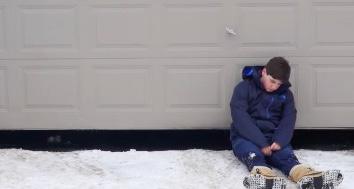
Ice Fishing

SEAN EDSTROM
72
by CAROL RUMENS
73
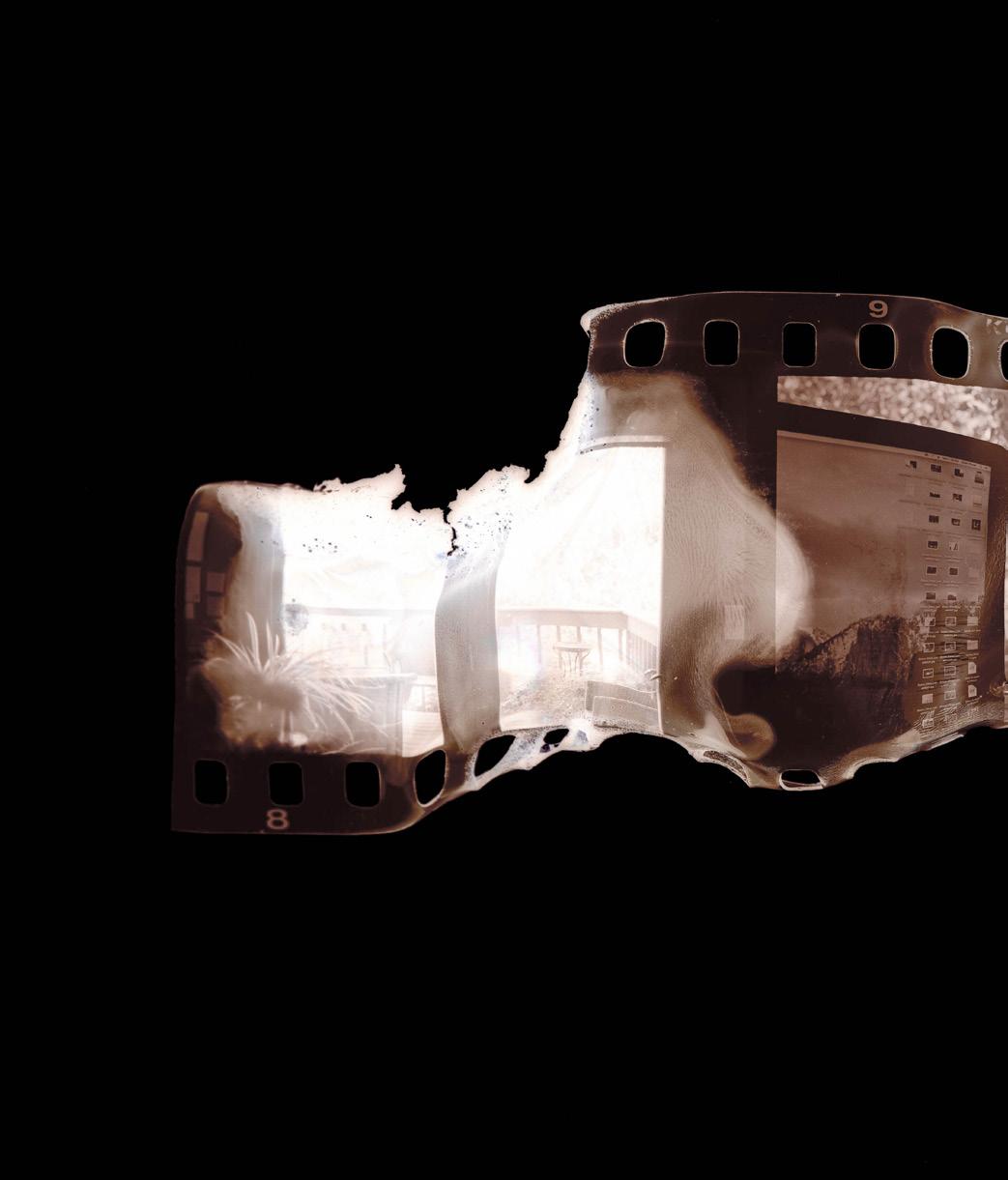
Film ETHAN DINCER
HENRY VLIETSTRA Winter Poem “Prayer for Belfast”
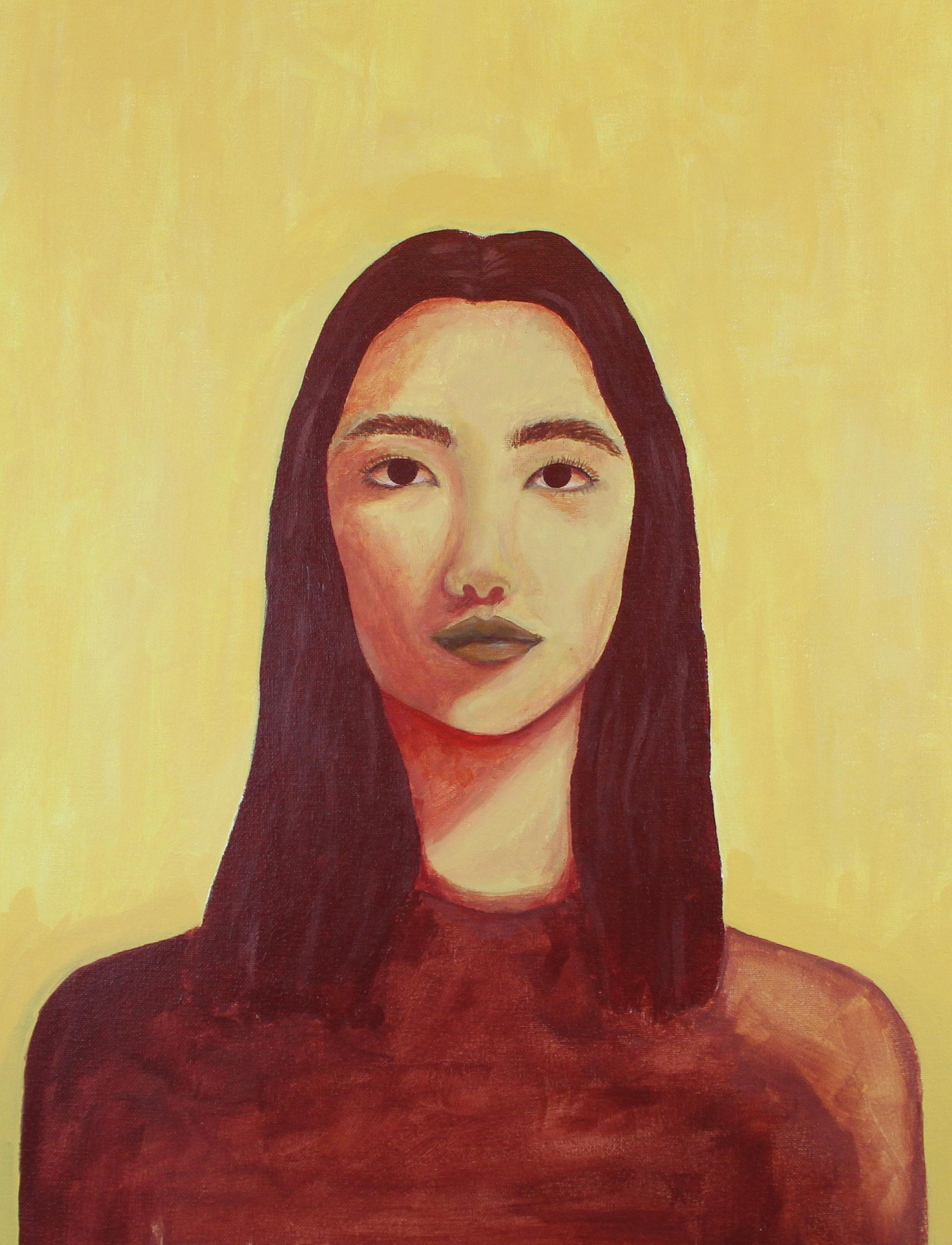
Standing Still
74
SU
ASHLEY
lemonade
ANNA SNIDER
lemonade and overdue apologies. either the world breaks you or you survive. nothing ever completely makes sense. sometimes silence is better than poetry. the earth is alive and we are part of it. kiss me with stardust and magic. love is the only thing that can heal this.
75
76
Family Dinner BEN HANSON
Where’s my sun?
WILL RINKOFF
Hey Mom?
Yes?
Have you seen my sun?
It’s broken, fallen and cracked on the floor, bulb burst, but shards contained in a box (away from the dog, thank God).
I’ll grab a new one soon at Bed Bath and Beyond.
I don’t know if we need another, if it’s just the burst bulb, not the sun
But it’s a challenge to find a bulb online. Considering you use it every day, your brother too, (he says it helps him feel he’s awake), and with the sky’s sun covered in cloud, I don’t want either of you missing a day of light.
…
Although I can’t reason why Vitamin D pills don’t do the trick.
Well vitamin D only works for the skin.
As for the sun, thorough research is still in early stages. But they do know that it’s your eyes taking in the light, that tells your brain the day is here (whether the brain wants day or not). Like, in my morning order of get up, get showered, get downstairs, get 2 cups of frozen fruit, and some oats, some almonds, and a couple cups of coffee, turn on the sun for 25-30 minutes more if time permits check the news, then the clock, then to school, there is only one step truly speaking to human nature, that gestures my unconscious back towards cognition.
I suppose it’s best to pick one up. I suppose… Anyway, Carry on
77
IRIS A R T + L I T
Editor in Chief Quinn Christensen
Iris: Art + Lit Club Anna Snider, Rebecca Ebert
Designers Maren Ostrem, Martha Slaven, Ashley Su
Advisers Kate Glassman and Mara Duvra
Director of Publications Kathryn Campbell, CJE
COLOPHON
Iris: Art + Lit 2019 was printed by Ideal Printing in Saint Paul, MN on 70# uncoated paper with an 80# cover.
Body text font is Mr Eaves San OT 10 pt. Titles fonts include Mr Eaves San OT in Book, Bold, and Light and Eloquent JFPro.
All graphic design was completed in Adobe CC on iMac computers with 27” monitors.
425 copies of the magazine were printed. One copy of the magazine was distributed free of charge to each 9-12 student with the support of a publications budget for the magazine.
Additional copies of the magazine can be purchased for $12, subject to availability.
AWARDS
Columbia Scholastic Press Association - Gold Crown Award, Gold Medalist, CM: Experimental Fiction: Sam Hanson, “An Essay Poem,” CM: Photo Illustration: Ian Matenaer, “Polly” NCTE: REALM First Class
National Scholastic Press Association - All-American w/Marks of Distinction, 1st Place - Cover Design - Quinn Christensen, Honorable Mention - Page Design - Martha Slaven, 1st Place - Best of Show JEM - All State Gold MHSPA - 1st Place - Best of Show, Magazine Art / Illustration - 2nd Place - Adrienne Gaylord, Magazine Art / Illustration - 1st Place - Lucy Benson, Magazine Cover Design - 1st Place - Quinn Christensen, Magazine Photograph - 4th Place - Ian Matenaer, Magazine Photograph - 3rd Place - Hannah Davis-Jacobs, Magazine Poem - 3rd Place - Arie Walker, Magazine Short Story - 2nd Place - Quinn Christensen, Magazine Short Story - 1st Place - Melissa Nie, Magazine Spread Design - 3rd Place - Martha Slaven, Magazine Spread Design - 1st Place - Quinn Christensen
BIOS JUROR
Jackie Hedeman holds a BA from Princeton University and an MFA from The Ohio State University. Her essays have appeared in The Best American Travel Writing 2017, Autostraddle, Entropy, The Offing, 1966, and elsewhere. Jackie was a 2018 Lambda Literary Emerging Writers Retreat Fellow, a 2019 Artist INC Live Lawrence fellow, and has been a resident writer at Sundress Academy for the Arts. Jackie lives in Lawrence, Kansas where she writes grants and teaches creative nonfiction at the Lawrence Arts Center. She is currently at work on a memoir charting the parallel threads of a lifelong fascination with the Cambridge Spies and coming to terms with her own queer sexuality. For more information, you can visit her website: www.jacquelinhedeman.com
Rick Love is the an Associate Professor of Art & Design at University of Northwestern St Paul. He teaches traditional printmaking, art history and color theory. He received his MFA in printmaking from the University of Minnesota. He is also a working artist and actively shows and speaks about his work nationally and internationally. Currently he is exploring packaging tape and masking tape as a medium. Samples of his work can bee seen at ricklove.com or rawwar.info. Rick Love lives in St Paul MN with his wife and son and miniature schnauzer.
79 78
SEEN UNSEEN
You’ve wandered through new mediums and untold stories. You’ve listened and you’ve looked - but now you’ve heard and seen as well. The stories in this book, previously unviewed, are now in your hands. Treat them kindly. Carry them with you. And remember to keep asking yourself whether you are looking... or seeing.
80
POLICIES
The mission of Iris: Art+Lit is to celebrate the diverse creative voices in our community and encourage engagement with the arts. Poetry, prose, and artwork is submitted via event participation, teacher submissions of classroom work, and individual students.
Professional artists and authors jury the work. The art juror ranks the top 20 works in each medium: drawing and painting, ceramics, and photography. Staff members remove names from the literature submissions and the judge ranks these works on a 5 star scale.
Iris: Art + Lit is an open forum for student expression. The ideas presented in the work, as well as the copyright for each piece, belong to the author or artist who created it. However, the magazine staff reserves the right to deny publication to submissions. The staff may edit pieces for length, with the goal of maintaining the integrity of the original work.
I R I S 2019
art + lit
