

INSIDE: FEATURES | COMPETITIONS | KICKS FOR KIDS | RECIPES VOLUME 10 March 2023 | R39.90 Incl. VAT Other Countries R34.70 a family lifestyle magazine www.babysandbeyond.co.za TM 9772311546706 23019 Smart money tips with Mapalo Makhu! Recovery & healing Male infertility: BABY’S DEVELOPMENT through the ages Skin through the ages Skin Boost your Boost your BABY’S DEVELOPMENT preemie babies preemie babies Recovery & healing What to expect with What to expect with after giving birth after giving birth Widespread lack of awareness about male infertility Impact of male infertility on relationships Impact male infertility on relationships Widespread lack awareness about male infertility















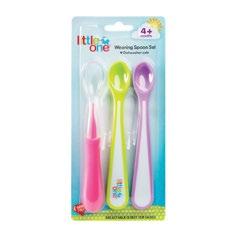


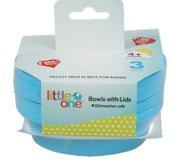


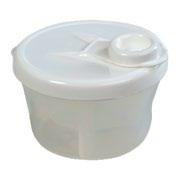
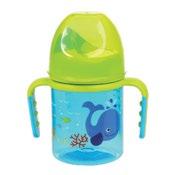
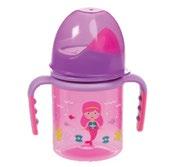




Products are available in South African stores only. All prices listed are in South African rands. All prices include VAT. Game endeavours to meet the demand on all promotional lines, but stocks are limited· No Traders please. We reserve the right to limit quantities. Prices do not include insurance and delivery. Prices exclude accessories used for advertising purposes. DEALS VALID FOR 3 MONTHS. 01 MARCH - 31 MAY 2023. YOUR CHILD’S PARADISE. Make playtime a blast with our fun play mats and bouncers at everyday low, low prices. Get everything you need for your baby — from strollers to cots and everything in-between at unbeatable prices. Jungle Friends Party Play Mat Set • Adjustable toy bar • 5 Playing modes • 5 Removable multi-sensory toys • Item no: 830131 R549 Friends Playmat • 4 Playing modes • Machine washable • 5 Removable multi-sensory toys • Item no: 830132 R499 Little Friends Bouncer • 8 Classic melodies • Calming vibrations • 2 Removable multi-sensory toys • Item no: 800399 R599 Night & Day Soothers 2-Pack • Item no: 829802 R5999 per set Weaning Spoon Set 3-Pack • Item no: 813146 R5999 per set Months Soother Holder • Item no: 808881 R2999 Bowls with Lids Unisex 3-Pack • Item no: 808918/ 808958 Suction Bowl with Lid Spoon • Item no: 808916 R7999 each Milk Powder Container • Item no: 829690/ 808907 R3999 each R3999 per pack 0+ Months Twin Handle Beaker Cup • Item no: 808911/ 829894 R3999 Cups with Lids 3-Pack • Item no: 808958 R3999 6+ Months Includes 10 balls Active Sipper • Item no: 829706 R4999 12+ Months each Cutlery Set • Item no: 829671/ 829669/ 808917 R3999 per set ALL THINGS BABY.

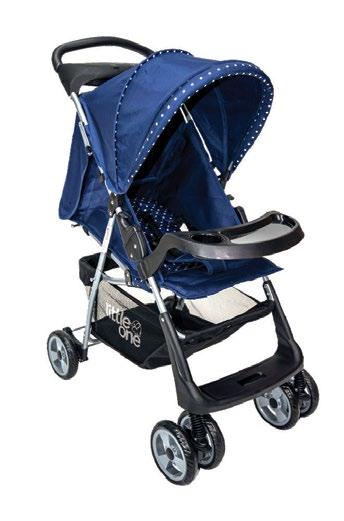

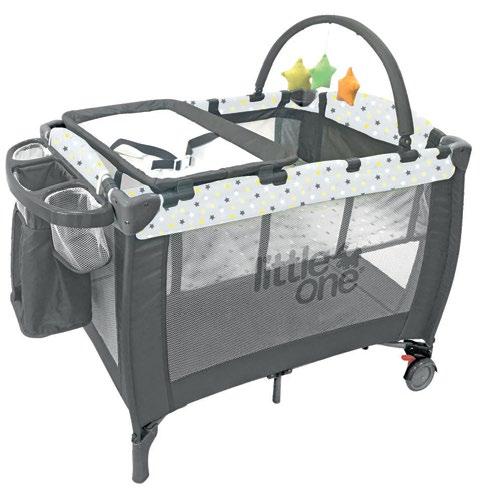
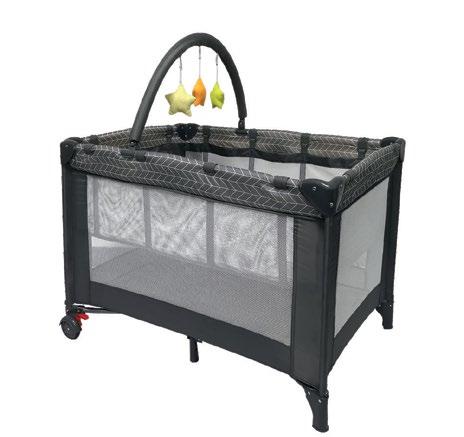




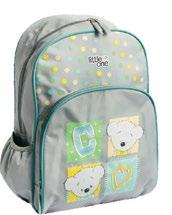
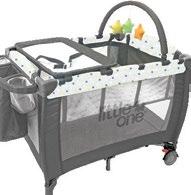
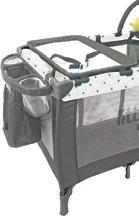
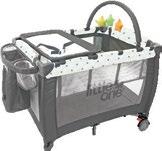
LITTLE ONE IS AVAILABLE EXCLUSIVELY AT GAME. Travel System • Travel system with car seat • Hand locking and releasing system • Multi position reclining backrest • Item no: 788359 R2899 LET'S TRAVEL BABY. When you’re choosing a stroller, consider what is affordable and practical for your family. Red Stripe OR Navy Star Cot • Easy to assemble • Item no: 812284002/ 812284001 R1199 Camp Cot Mattress • 970x670x60 cm Dimensions • Assorted designs • Item no: 521097 R399 A removable toy bar to keep baby entertained. A changing table to make nappy time effortless. Side storage pockets to have all your essentials at bay. SNOOZE TIME. Your baby’s down time just got more comfy with our everyday low, low prices. Dream Baby Camp Cot • Item no: 800399 R1999 Cleo Camp Cot • Item no: 830130 R1799 Navy OR Red Stripe Stroller • 5-Point safety • 2-Position backrest • Item no: 812285002/ 812285001 R1199 FROM BIRTH each Bear OR Colour Block Nappy Bag • Item no: 829372/ 829374/ 829373 R499 each each
Stand a chance to win a LAMELLE HAMPER
Forteve Foaming Cleanser, Forteve Soothing Lotion, Forteve Soothing Cream and Forteve

Intensive Urea 5% Cream at valued R1 003.
To ENTER scan the QR code with your phone and complete the entry form online at www.babysandbeyond.co.za/competitions/ Closing date: 31 May 2023. T&Cs apply.
Scan here

ed'swelcome
I am starting to think 2023 is definitely the year about being adaptable.
While some are reluctant to change, the realities we are facing has forced us to be adaptable. Ongoing loadshedding is playing havoc with routines – we have to be flexible when it comes to making dinners for the family, trying to make sure we still have light for homework time etc.
Added to this we are aware of the increasing costs of living, and I am super excited to feature Mapalo Makhu in this edition (page 14) who shares some insights on managing finances.

We specialize in providing midwife care to woman with normal low risk pregnancies. The home away from home atmosphere has been created to provide women with an alternate place to birth their babies The environment allows parents to feel comfortable and confident during the birth We believe in normal active births where women can respond naturally to their bodies and make appropriate choices for their births We believe in freedom of movement and listening to your body during the birthing process
Stellarmed Medical Suites


53 Crownwood Road Ormonde
011 835 1607

083 388 4424

birthing@stellarmed co za
One of the things parents are always looking to find out are ways to ensure optimal development of kids. We feature some great topics on childhood development such as “How aftercare can assist with a child’s development” (page 32), and “Boost your baby’s development with play” (page 34). There is also an interesting article on “Gaming can prepare children for the future” (page 74), which speaks to how schools are innovating. Speaking about schools, the beginning of the year was a very stressful period for many parents who faced challenges in securing placement of kids in schools. Every year this is something that is in the spotlight. There are some really good public schools, but getting a child into it can be a challenge – my advice to parents to kickstart the process earlier in terms of research – which schools are nearby, is there transport available, backup options etc. In some cases, I know that parents have had to rework budgets as they were unable to get their child into their school of choice, and are now facing higher fees for private institutions.
Overall, the year has started a bit rough but that being said we are all doing the best we can with the hand we have been dealt and that is admirable and a testament about our resilience.
Tashne
4 www.babysandbeyond.co.za
B I R T H I N G B I R T H I N G C E N T E R C E N T E R
WIN YOUR HOME AWAY FROM HOME
W W W . S T E L L A R M E D . C O . Z A NATURAL NATURAL BIRTH BIRTH WATER WATER BIRTH BIRTH



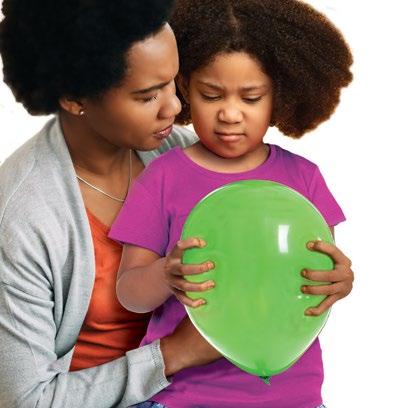
Marketed by Aspen Pharmacare www.aspenpharma.com Hotline 0800 122 912 Constipation can leave your little one’s tummy feeling bloated and uncomfortable. 1 When in need of relief from constipation, trust LACSON Syrup Suitable for use in children under 1 year of age
S0
LACSON. Reg. No.: Z/11.5/0055. Each 5 ml of syrup contains
3,3
g of lactulose Trademarks are owned by or licensed to the Aspen Group of companies. © 2022 Aspen Group of companies or its licensor. All rights reserved. Pharmacare Limited. Co. Reg. No.:1898/000252/06. Healthcare Park, Woodlands
Drive, Woodmead, 2191. ZAR-LAU-03-22-00003 03/2022
1. Healthline. Wells D. Abdominal Pain And Constipation. [updated 2019 March 07; cited 2020 July 31]. Available from https://www.healthline.com/health/abdominal-painand-constipation 2. LACSON IMS TMP MAT Data February 2022.



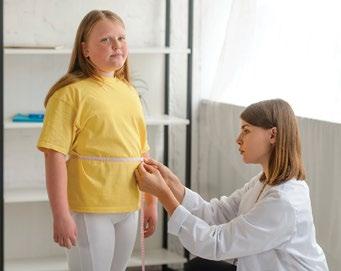
6 www.babysandbeyond.co.za contents MARCH 2023 LEAD FEATURE 14 Smart money tips with Mapalo Makhu! PREGNANCY 22 Diabetic and pregnant –what you should know… 24 Understanding intrauterine growth restriction BIRTH 28 Recovery and healing after giving birth DEVELOPMENT 32 How aftercare can assist with a child’s development 34 Boost your baby’s development with play HEALTH 38 What to expect with preemie babies 44 Hearing in newborns & infants 48 Non-surgical vaginal rejuvenation therapies gaining ground 50 Widespread lack of awareness about male infertility MENTAL HEALTH 54 Impact of male infertility on relationships 58 Depression during pregnancy NUTRITION 64 Making sense of weight regulation in children 68 Nutritional needs for toddlers for optimal development FINANCE 72 Money tips for 2023 14 DENTAL HEALTH 62 Aligners or braces –which wins in the quest for straight teeth? 54 38 64












Dermamend S0 Complementary Medicine: Health Supplement Each 1 g cream contains: Zinc oxide 0,07 g, Geranium oil 0,003 g This unregistered medicine has not been evaluated by SAHPRA for its quality, safety or intended use. - nappy rash - sensitive skin - allergies - antiseptic - anti-in ammatory - lovely smell with added Geranium oil C_BB_02/2023 NATURAL INGREDIENTS CONTAINS Available from pharmacies in 50 g and 125 g tubs Soothing protection for +27(0)66 302-8972 Dermamend +27(0)11 480-4916 www.dermamend.co.za
76 Through paramedic’s eyes: ‘Please safely restrain kids in the car’
www.babysandbeyond.co.za
6 Carlton Crescent, Parklands, 7441 | Tel: 021 424 3625 | Fax: 086 270 9693 Email: info@babysandbeyond.co.za | Website: www.mediaxpose.co.za
Picture Credit: 123rf.com / pixabay.com
Publisher: Elroy van Heerden-Mays elroy@mediaxpose.co.za
Editor:
Tashne Singh editor@babysandbeyond.co.za
Sub-Editor: Tessa O'Hara tessa.ohara@gmail.com
Content Manager: Wadoeda Adams artwork@mediaxpose.co.za
Editorial Contributors:
Dr Kim Sonntag
Corina Avni
Jonathan Hoffenberg
Meg Faure
Dr Heidi van der Watt
Shannon O’Leary
Dr Sulaiman Heylen
Sam Pretorius
Dr Sheryl Smithies
Claire McMahon
Lyndall Metherell
Shaun Fuchs
Dr Rori Fortuin
Dr Judey Pretorius
The Crazy Store
Suvar Haripasad
The Lazy Makoti
Grace Stevens
Design and Layout: Anja Bramley artwork1@mediaxpose.co.za
Shaun van Heerden-Mays artwork2@mediaxpose.co.za
Project Manager: Allison Davids allison@babysandbeyond.co.za
Advertising Sales: Lorraine Beneke lorraine@babysandbeyond.co.za

Media Partnerships: Maurisha Niewenhuys maurisha@mediaxpose.co.za


Digital Marketing Manager: Jay-Dee van Rensburg digital@mediaxpose.co.za

Social Media Co-Ordinator: Kyla van Heerden social@mediaxpose.co.za
Distribution & Subscriptions: Shihaam Gyer distribution@mediaxpose.co.za Sherwin Kastoor sherwin@mediaxpose.co.za
Admin Assistant: Ketsia Makola ketsia@mediaxpose.co.za
Website Developer/Administrator: Justin McGregor justin@mediaxpose.co.za
Chief Financial Officer: Shaun van Heerden-Mays shaun@mediaxpose.co.za
Receptionist: Daniëla Daniels receptionist@mediaxpose.co.za
Retail Distribution On The Dot
Airport Distribution Media Support
Disclaimer: The views expressed in this publication are not necessarily those of the publisher or its agents. While every effort has been made to ensure the accuracy of the information published, the publisher does not accept responsibility for any error or omission contained herein. Consequently, no person connected with the publication of this journal will be liable for any loss or damage sustained by any reader as a result of action following statements or opinions expressed herein. The publisher will give consideration to all material submitted, but does not take responsibility for damage or its safe return.
Printed by: Published by: 8 www.babysandbeyond.co.za
VOLUME 10 a family lifestyle magazine
babysandbeyond
TM DEVELOPMENT
SAFETY
74 Gaming can prepare children for the future
PARENTING
Digital service connects to newborns in ICU ADOLESCENCE
Starting menstruation:
your daughter through menstruation BEAUTY 86 Skin through the ages PRACTICAL TIPS 90 Washing baby clothes EDUCATION 92 Ground-breaking digital learning platform launched Snippets – editor's choice Products – editor's choice DIY: An egg-tastic hunt Kicks for kids Recipes Word search Subscription page Book reviews – pearson books 10 20 94 96 98 106 108 110 REGULARS 74 FINANCE 102 Child’s cancer diagnosis: gap cover can ease the financial strain
78
82
guiding





















































Working with nature
SKNLOGIC Cosmeceutical skin care provides a skin care solution that works with the skin's biological processes to achieve visible results. SKNLOGIC has a synergistic approach to science and nature, offering powerful formulas with optimal concentrations of active ingredients to actively improve skin health and appearance from underneath the skin.
Using the maximum concentration of key active ingredients and the highest grade of quality ingredients from around the world, SKNLOGIC products do not contain any common irritants or cheap fillers such as parabens, mineral oil, formaldehyde, artificial colourants or sulphates.
SKNLOGIC is available at selected salons countrywide and online from www.sknlogic.com.

Reuterina® for all ages
Reuterina® offers a wide range of products for people of all ages.
Reuterina® drops: Reuterina® drops are a convenient liquid drop designed specifically for infants under the age of two years. Reuterina® drops have been clinically validated in babies and children and have been shown to benefit a variety of health conditions, including colic, constipation regurgitation, acute gastroenteritis, and antibiotic-associated diarrhoea.
Reuterina® Vit D: These drops are specifically formulated with 400IU Vitamin D3, which acts to enhance the absorption of calcium and phosphate in the body. These drops can be used daily to assist with immune modulation.
Stand a chance to win a SKNLOGIC HAMPER
Cosmetic bag, cleanse wash, tone, moist, protect SPF 40 valued at R1 000.
To ENTER scan the QR code with your phone and complete the entry form online at www.babysandbeyond.co.za/competitions/ Closing date: 31 May 2023. T&Cs apply.
Reuterina® junior: Reuterina junior® strawberry flavoured chew tablets are appropriate for children over the age of two who can chew a tablet. These strawberry tablets are indicated for reduction in diarrhoea, childhood constipation, frequency and pain in children suffering from Functional Abdominal Pain (FAP), and immune modulation

Reuterina® daily: Probiotics are used to help treat and prevent conditions caused by an imbalance in the gut flora. Reuterina® daily can be used to help treat and prevent diarrhoea and constipation by restoring and maintaining a healthy balance of flora in the stomach and intestines (gut).
Reuterina® acute: Reuterina® acute aids in the restoration and maintenance of a healthy balance of gut flora during and after an antibiotic course. Reuterina® acute has been clinically validated in trials where it was demonstrated that taking Reuterina® during the antibiotic course resulted in fewer diarrhoeal side effects.
Reuterina® femme: Reuterina® femme is indicated to maintain and restore healthy flora. When ingested daily, Reuterina® femme helps to maintain a healthy vaginal flora and prevent vaginal infections.
Reuterina® has also revealed a new packaging design for its product range. For more information, visit: www.reuterina.co.za.
10 www.babysandbeyond.co.za snippets - editor's choice
WIN
THE MEDICLINIC BABY APP

A MUST-HAVE FOR PARENTS-TO-BE
NOW WITH EXTRA FEATURES
• A due date calculator
• Mood tracker
• Pregnancy preparation course

• Webinar and event calendar
REGISTER FOR THE MEDICLINIC BABY PROGRAMME VIA THE APP

Join the family; join the Mediclinic Baby programme. All you have to do is download the app and complete your membership registration.
Mediclinic Baby members enjoy the following:
• Trusted weekly pregnancy and postnatal information via email
• Invitations to hospital events, such as Pregnancy Information workshops
• Tailor-made antenatal courses, presented by childbirth professionals
PREGNANCY UPDATES, EXPERT ADVICE, NUTRITION AND MORE.
Stay informed, and share the joy with the Mediclinic Baby App!

QR CODE
SCAN
10050EKCK
Bramley tissue oils

Bramley’s luxurious scented tissue oils are enriched with Bio-Pharm oil, Bramley’s own unique ceramide blend and also contain Vitamin E for its healing and antioxidant properties.
Bio-Pharm oil is a modern scientific treatment to maintain the skin’s healthy appearance. The ceramides influence the water holding capacity of the skin and provide structural integrity. These tissue oils provide best results when applied daily to stretch marks, scar tissue, dark spots and very dry skin.
For more information, visit www.bramleycosmetics.com.
Skin Repair Gel
Everyday skin problems arrive in the form of skin dryness, wrinkles, ageing, acne, pigmentation, and blemishes which won’t go away, along with more serious skin conditions such as eczema, psoriasis, and rosacea.
An all-natural, safe, plant-powered skin product that restores and preserves the natural balance of your skin for a soft, healthy skin complexion, Biomedcan’s daily Skin Repair Gel delivers luminous, hydrated, and healthy dermis no matter your skin ailment.
Stop worms!
Did you know that one in two children may suffer from worm infestations?1 This can lead to stunted growth and mental health conditions in your children.1,2 The World Health Organisation recommends de-worming the entire family twice a year.2* Ask your pharmacist about Wormstop®, suitable for the whole family.3**

*Based on an infection rate in the community that is over 50%.
**Suitable for children from 2 years and above, not indicated for animals.
References:
1. Nxasana N, Baba K, Bhat VG and Vasaikar SD. Prevalence of Intestinal Parasites in Primary School Children of Mthatha, Eastern Cape Province, South Africa. Annals of Medical and Health Sciences Research. 2013(3):4, pgs511-516.
2. Soil-transmitted helminth infections. World Health Organisation. [online]. https://www.who.int/news-room/ fact-sheets/detail/ soil-transmitted-helminth-infections [Accessed 25 July 2019].
3. Wormstop® 100, Wormstop® 500, Wormstop® Suspension Package Insert.
Biomedcan Skin Repair Gel’s key miracle ingredients include medically approved CBD to treat acne, eczema, psoriasis, and rosacea and provides the advantage of increasing collagen levels, cellular turnover, and regeneration; along with aloe ferox, chamomile, lavender and sodium hydroxide to preserve the natural balance of your skin, relieving and treating discomfort, counteracting free-radical damage, and reducing inflammation, wrinkles, swelling, pain or redness, and soothing and healing red, irritated skin.
Visit www.biomedan.co.za for more information.

12 www.babysandbeyond.co.za
Biomedcan CBD
snippets - editor's choice
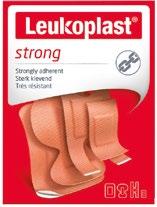
• Sticks well to last long
Sticks well to last long
• Sticks well to last long
• Fits securely to continue with daily tasks
• Fits securely to continue with daily tasks
• Fits securely to continue with daily tasks

• Protects and cushions the wound
• Protects and cushions the wound
• Protects and cushions the wound

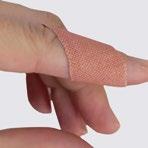
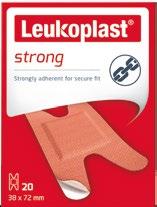
Ideal to use in-between fingers & knuckles or for moveable joints
Ideal to use in-between fingers & knuckles or for moveable joints
Ideal to use in-between fingers & knuckles or for moveable joints
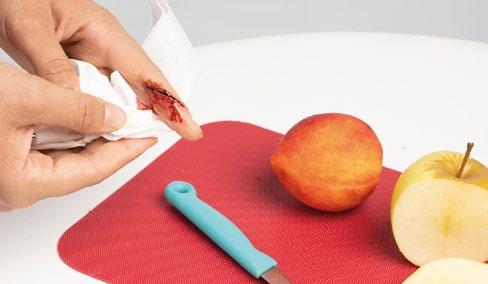
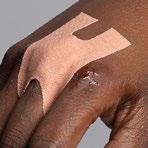
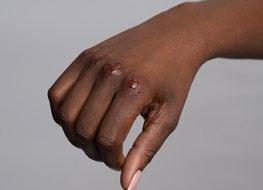
Ideal for scrapes & cuts –with secure hold
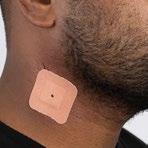
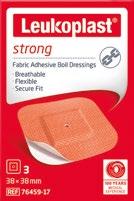
Specialised for boils, with a breathable hole to allow the boil to pop, exudate and heal
Specialised for boils, with a breathable hole to allow the boil to pop, exudate and heal
Specialised for boils, with a breathable hole to allow the boil to pop, exudate and heal
Ideal for scrapes & cuts –
Ideal for scrapes & cuts –with secure hold
SAMPLE
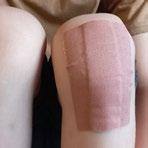
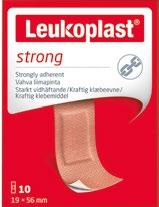
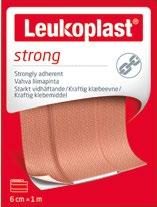
Can be cut to size. Great for larger areas of the body. For cuts &
Can be cut to size. Great for larger areas of the body. For cuts & scrapes
Can be cut to size. Great for larger areas of the body. For cuts &

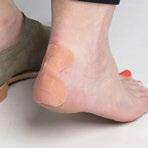
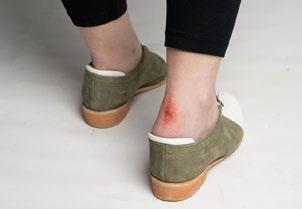
Ideal for blisters and cuts on knuckles, hands and heels
Ideal for blisters and cuts on knuckles, hands and heels
Ideal for blisters and cuts on knuckles, hands and heels
www.leukoplast.co.za
strong
Fabric
plaster range
BSN Medical PTY (LTD) an Essity Company. Co. Reg. No. 2001/003941/07. 30 Gillitts Road, Pinetown, 3610. Tel: +27 31 710 8111. Customer Specific Enquiries: +27 31 710 8038/8005. Email: medical.za@essity.com, www.essity.com. Further information available on request from Essity. 22_BSN178.
SAMPLE
strong
www.leukoplast.co.za BSN Medical PTY (LTD) an Essity Company. Co. Reg. No. 2001/003941/07. 30 Gillitts Road, Pinetown, 3610. Tel: +27 31 710 8111. Customer Specific Enquiries: +27 31 710 8038/8005. Email: medical.za@essity.com, www.essity.com. Further information available on request from Essity. 22_BSN178.
Fabric plaster range
strong
range
BSN Medical PTY (LTD) an Essity Company. Co. Reg. No. 2001/003941/07. 30 Gillitts Road, Pinetown, 3610. Tel: +27 31 710 8111. Customer Specific Enquiries: +27 31 710 8038/8005. Email: medical.za@essity.com, www.essity.com. Further information available on request from Essity. 22_BSN178.
Fabric plaster
www.leukoplast.co.za
SAMPLE
SMART MONEY TIPS WITH
Mapalo Makhu!
Finance guru, blogger and author, Mapalo Makhu shares her journey and provides some insight on attaining financial security.

Photos by On Air Entertainment

lead feature
14 www.babysandbeyond.co.za
What attracted you to the finance industry?
It was not an industry I was familiar with; it actually did not exist in my world! I was going to study copywriting at university. But through reading a couple of books in my ‘gap year’, a whole world of finance opened up to me and I knew for sure that it was what I wanted to pursue.
Did you always envision being a successful author, thought leader, wife and mother? Although I didn’t know how my life would unfold, I have always had the internal belief that I will be successful. I am excited about my future as I know the best is yet to come for me.
What motivates you?
Knowing that God has destined me for all that is good. That I have within me the tools and heart to make my dreams come true.
What inspired you to start a blog and publish a book?

I started the Woman & Finance blog to demystify personal finance and educate women about how money works. The blog then turned into writing for reputable magazines and national newspapers. I think it was from this work that I got the attention of an editor at publisher, Penguin Random House, who approached and commissioned me to write my first book, You’re Not Broke, You’re Pre-Rich
What are your thoughts on women empowerment in relation to finance?
I have always believed that a woman must have her own money. Even if you as a woman have made the decision to be a stay-athome wife and mother, you need to make sure you have some form of savings and investments of your own.
lead feature
15 www.babysandbeyond.co.za
I am excited about my future as I know the best is yet to come for me.
lead feature
What do you hope to achieve via your platforms?
To reach as many women as possible and to help women become more confident in their decisions when it comes to money.
What are key financial lessons to enable financial freedom?
• Live within your means – spend less than you earn and invest the difference.
• Build your emergency fund – aim for at least 3-6 months of your monthly expenses.
• Avoid debt like the plague!
• Invest for your future.
What are key steps to ensure financial security?
*Practice consciousness when it comes to your finances – look at your wants versus needs.
*Be goal-orientated and ask yourself this question when it comes to big and small purchases: does this purchase move me closer to my financial goals or not?
*It is also important to not only save but invest your money, so it retains its purchasing power.
Considering the costs related to having children, what would you advise parents?
Planning is important from the onset. Start planning and saving as soon as possible. Kids are
expensive but planning will help parents to not feel overwhelmed. Think about where you would like to send your kids to school and what financial decisions you have to take to make that a reality.
What are some of the biggest lessons you learned since becoming a mum?
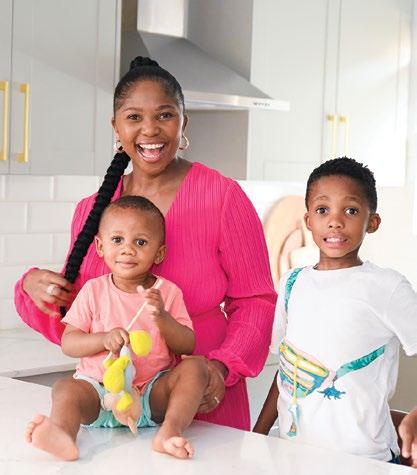
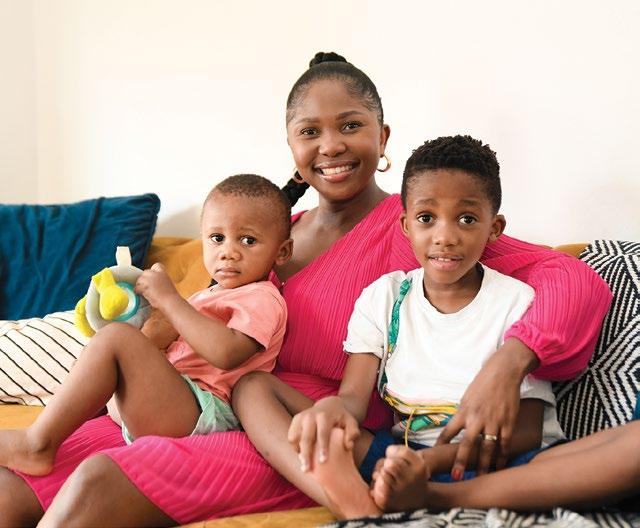
Have an emergency fund! You have to stay prepared because as any mother will tell you, expenses always come up.
What do you feel helps a relationship when it comes to managing finances?
Honesty, transparency and having a shared vision and financial goals. Talking about money together and planning. Not burying your head in the sand even when things don’t go as planned.
How has your life changed since becoming a wife and mother?
Before having kids, we would on a whim go on a weekend away, but now we have to plan around our boys, work schedules and finances.
When is a good time to start teaching children financial responsibility?
From as early as possible, but it has to be age appropriate. Children are very observant and also learn by seeing how their parents interact with money. So, it’s important for parents to talk about money with them and to involve them in certain aspects of money management e.g. getting them a piggy bank and reinforcing with them that before they spend, they need to save. Giving kids tasks for which they could earn money.
It's also very important to teach kids patience and that they cannot always get everything whenever they want. As a parent you are allowed to say no! For example, my oldest son has asked for a Nintendo and we told him he will have to wait until his birthday to receive it. As a result, he is always coming up with ideas on how to earn extra money around the house so he can save up for his games!
16 www.babysandbeyond.co.za
How do you maintain balance?
For balance, I still try to make time for myself and do things that set my soul on fire. As cliché as this sounds the more I pour into myself and love myself, it becomes so much easier to pour into my family and friends. I go on solo retreat three times a year. I also love holidays, going to the gym and have a great support system in the form of having a helper, my sisters and parents.
What would you say is your greatest achievement thus far?
Being comfortable with who I am and showing up in the world more and more as my authentic self, knowing that I am enough. Knowing that I belong on a seat at the table, and I can take up space. I also take pride in the fact that I think I am brave, and I stretch myself even when I am afraid.
What has been your greatest challenge, and how did you overcome it?
Definitely being hard on myself. Whenever I don’t reach certain goals I always criticise myself but as I get older, I realise that life doesn’t always go the way we want and I am embracing that.
What are some of your future goals?
To grow my company Woman & Finance into a fully-fledged educational website where people can find multiple online courses on personal finance, eBooks, tools, calculators, 1-on-1 sessions, webinars and more. To evolve it into a business that doesn’t require me to be on social media as much. To be a part-time lecturer, write another personal finance book (maybe a few more!), buy a property on a quiet island, live in New York for a month and lastly, to take my parents, siblings and their families on a 2-week holiday somewhere stunning like Bali. They have always believed in me and I’d love to experience this with them.
What would surprise people about you?
That I am actually very adventurous, I like to try new things. I’ve been bungee jumping, ziplining and more, and am now planning on skydiving.
Snapshot with Mapalo Makhu
A typical day in the Makhu household: get our oldest boy ready for school, make him lunch, drop-off at school, go to gym, meetings, work (filming content, writing an article, delivering a task for a client, doing a webinar), get big brother from school, finish up work, cooking, doing home learning, read a book to the boys, and put the boys to sleep (my husband and I share most of these tasks). And then, write down tasks that I need to complete the following day in terms of work.
Favourite family activity: Hiking, eating out
Favourite food: All seafood
Hobbies: reading, home décor, gardening

Favourite destination: Franshoek in SA, Koh Samui in Thailand
Super-power: Being able to adapt to change
Greatest part of being a mum: Getting to see my kids grow, just experiencing them has been my greatest blessing

Personal philosophy: I have many but here are a few: What you seek is seeking you. – Rumi
For I know the plans I have for you, declares the Lord, plans to prosper you and not to harm you, plans to give you hope and a future. – Proverbs 29
In the end, I will say, I have lived my life and not merely accepted it. Embrace joy!
17 www.babysandbeyond.co.za lead feature
mapalomakhu @MapaloMakhu www.womanandfinance.co.za
SHU-FLEECE SLEEPSUITS

8999each
BaBies Best! We Kno W
TWO WAY ZIPS FOR EASY NAPPY CHANGES
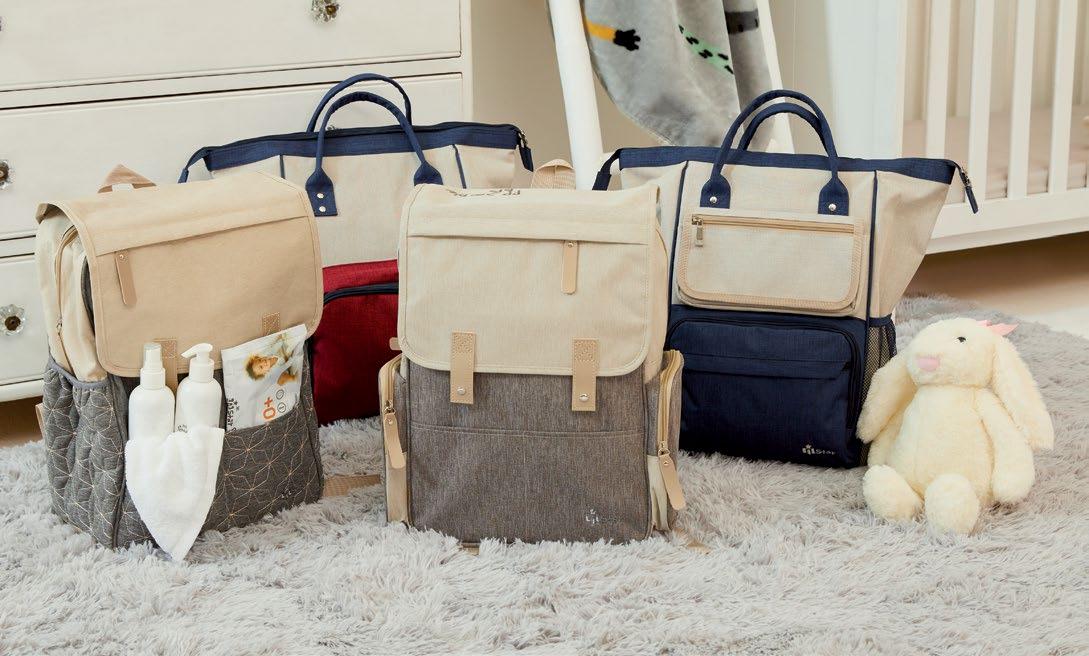


Great Deals, Best Value MINK BLANKETS 14999each NAPPY BACKPACKS 22999each
EDITOR'S TOP PICKS Beauty . Health . Baby
4
dr.dermal Texture Correction Lotion

dr.dermal’s Texture Correction
Lotion is an advanced exfoliating facial lotion that also provides deep hydration to the skin. With regular use it enhances cellular renewal and leaves the skin feeling silky soft. Available online at www.derdermal.com
1 2
Wormstop® STOPS worms…

An effective and affordable treatment to eradicate most intestinal worms, suitable for the whole family. Available at pharmacies.
Sudocrem
Sudocrem helps soothe/ protect your baby’s delicate skin. It contains an emollient that soothes sore or irritable skin; its cooling properties help ease pain and irritation; and a water-repellent base forms a protective barrier, helping to stop any irritants (urine and faeces) coming into contact with the skin. Available at leading pharmacies.

www.sudocrem.com

3
Bye
Sknlogic B10 Booster
This concentrated 10% niacinamide serum booster dramatically improves uneven skin tone and refines the appearance of pore size, skin texture and fine lines. Does not contain parabens, sulphates, synthetic fragrance and synthetic colourants,

Cantu Thick Detangle Brush
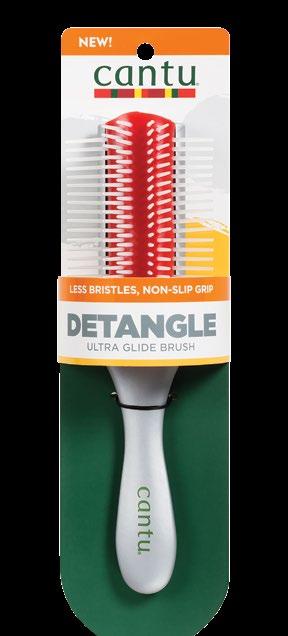
This detangling brush has been modified to easily glide through thick and curly hair. Notice that rows of bristles are missing to minimise breakage and snagging during the detangling process. Available at Dis-Chem stores.
www.cantubeauty.com
products - editor's choice
Marc Anthony Bye
Frizz
This will help to give hair a smooth texture and make it easier to straighten. Before using your flat iron, be sure to use a protecting spray. Available at Clicks. www.marcanthony.com 20 www.babysandbeyond.co.za
Sela Blood Clean Tea


Sela Blood Clean Tea with Cape Aloe has been specially formulated to help clean the body of toxins and purify the blood for optimal health. This is a great option for anyone who consumed indulgent meals and alcoholic drinks over the festive season. Traditionally used to purify the blood; cleanse the body; improve bowel movement.
www.sela.co.za
Biomedcan CBD Pain
Balm
Biomedcan CBD Skin Pain

Balm is a skin cream used to relieve pain, with zero THC included. A blend containing aloe ferox, lavender, tea tree and with the maximising effect of hemp-extracted CBD, treats joint and muscle pain, dry skin, irritated skin, inflamed skin and infected skin. It also great for bites, burns, rashes and stings. Available at Wellness Warehouse, selected Spars and Pick n Pay stores, and health shops nationwide and online at www.faithful-to-nature.co.za
www.biomedcan.co.za
Sela Stress Tea
Sela Stress Tea with Winter Cherry has been specially formulated to assist with mental and physical stress. This tea is great for those of us who have to deal with the stresses of going back to work or school.
Traditionally used to calm nerves; help anxiety, restlessness and insomnia.
Available from Dis-Chem, Checkers, Shoprite, Clicks and Pick ‘n Pay, independent pharmacies and other retailers nationwide.
www.sela.co.za
Umberto Giannini Salon Smooth Moisturising Shampoo
The perfect base for going smooth! Salon Smooth Shampoo gently cleanses your hair, removing product build-up and grime without stripping or drying hair. It contains avocado oil to hydrate, nourish and tame frizz, leaving your hair super sleek. Say hello to a salonfresh look with super shine. Safe for colour, chemically treated, relaxed hair, and hair extensions.
www.umbertogiannini.com
Creightons Salicylic Acid Clay Cleanser


Combines kaolin clay with salicylic and lactic acids to help absorb excess oil and maintain healthier, clearer looking skin.
www.creightons.com
NutriPure Kids

Vitamin C
Vitamin C contributes to the normal functioning of the nervous system, normal energy-yielding metabolism, and the reduction of tiredness and fatigue. One NutriPure gummy contains 80mg of Vitamin C, which is 100% of the daily recommended allowance.
Available exclusively at Dis-Chem stores.
www.nutripure.co.za
products - editor's choice
7
8
9 10
12
11
21 www.babysandbeyond.co.za
Diabetic and pregnant –
what you should know…
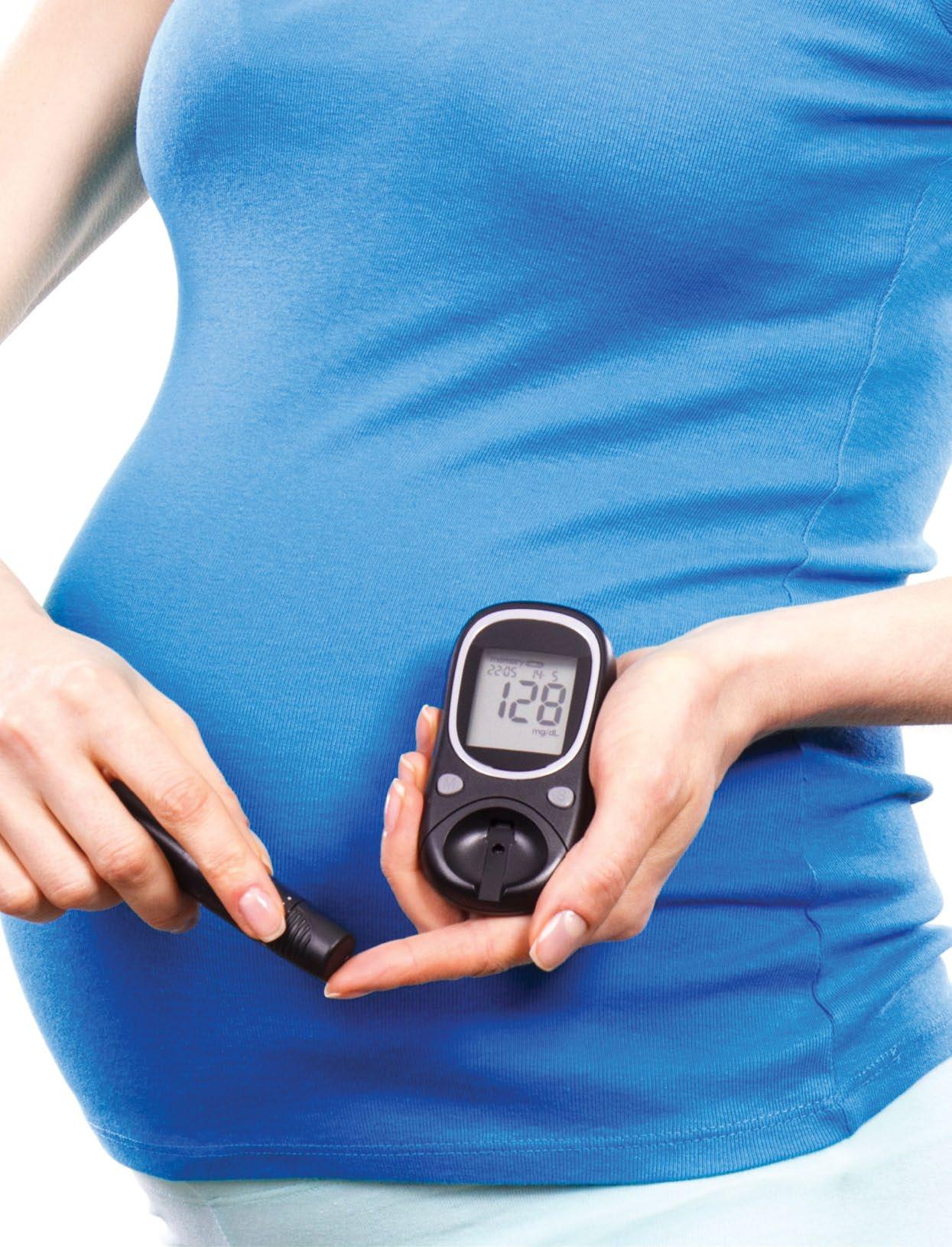
Diabetes during pregnancy includes pre-existing diabetes (Type 1 or 2) and gestational diabetes, which is diagnosed for the first time in the pregnancy.
By Dr Kim Sonntag, Specialist Obstetrician and Gynaecologist, Life Kingsbury Hospital
Pre-existing diabetes
This is when diabetes has already been diagnosed and is managed with improving diet and initiating medication, in the form of metformin and/or insulin. Keeping the blood sugar levels in a normal range throughout the pregnancy, can help prevent complications
pregnancy
22 www.babysandbeyond.co.za
Gestational diabetes (GDM)
This is a form of diabetes that is diagnosed in the pregnancy and can very often resolve once the pregnancy is over. This is diagnosed either by a high fasting blood sugar, or via doing a glucose tolerance test, which involves drinking a glucose solution and testing the blood after one and two hours.
A glucose tolerance is done if there are risk factors for GDM, these include:
• Previous gestational diabetes
• Previous baby delivered over 4 000g
• First degree relative with diabetes
• Advanced maternal age
• Increased BMI
• Repeated sugar found in the urine on dipstick
Management of diabetes in pregnancy
It is vital to keep blood sugar levels stable during the pregnancy. A raised blood sugar will have effects on the fetus depending on the stage of development.
In the first trimester, a persistently high blood sugar can cause birth defects of the fetal heart and spine, while later in the pregnancy this can cause excessive fetal weight gain, resulting in an abnormally large baby.
Recommended diet and exercise
• Regular exercise: at least 30 minutes of low impact exercise three times a week
• Eating lean protein, healthy fats
• Increasing amounts of vegetables and low sugar containing fruits
• Whole grains and low glycaemic index foods
• Drinking 2 litres of water a day
Blood sugar levels need to be tested multiple times a day and more frequent visits with a specialist are required. The baby’s growth and development are monitored closely by frequent ultrasound scans. It is recommended that delivery of the baby occurs at 38 weeks, via a planned induction (if the baby is a normal size) or via caesarean section.
After delivery it is important to test the baby’s sugar level and to ensure feeding every 2-3 hours. In the event of gestational diabetes, after delivery the mother’s sugar levels are monitored to assess if treatment needs to continue, and a sugar test is repeated after 6 weeks postpartum.
Things to avoid in a pregnancy with diabetes
Blood sugar levels can be kept low through dietary changes that involve consuming less sugar and certain carbohydrates. If this is not sufficient in keeping levels low, a medication like metformin can be initiated and later insulin, if necessary. Often as the pregnancy progresses, the treatment will escalate as well.
• Added sugar: sugar in coffee/tea, sweets, and chocolates
• Processed/refined carbohydrates: white bread, maize meal, takeaway foods
• Consuming large amounts of fruit with high sugar load: bananas, grapes, pineapple, dried fruit
• Carbohydrate based drinks: sports drinks, energy drinks, fruit juices
Increased risks in diabetes
• Birth defects (if sugar is uncontrolled in the first trimester)
• Development of pre-eclampsia (high blood pressure occurring in pregnancy)
• Birth injuries if the baby is macrosomic (large for gestational age)
• Developing Type 2 diabetes later in life
Having diabetes in pregnancy, constitutes a high-risk pregnancy and requires specialist care.

pregnancy
23 www.babysandbeyond.co.za
pregnancy
Understanding
intra-uterine growth restriction
Intra-uterine growth restriction (IUGR), also referred to as fetal growth restriction, is a condition in which a baby doesn’t grow to a normal weight during the pregnancy. This means that the baby is smaller than expected for the number of weeks of pregnancy.
 By Dr Kim Sonntag, MBChB (UCT) Dip Obs (SA) FCOG (SA) MMed (UCT)
24 www.babysandbeyond.co.za
percentile chart is used to plot the fetal growth during a pregnancy and the weight will be less than the 10th percentile, which means that the baby weighs less then 9 out of 10 babies at the same
Growth restriction can begin at any time of the pregnancy and affects about 10% of pregnancies.


Low birth baby’s birthweight is less than 2 500g.
Small for gestational age: baby’s birthweight is below the 10th percentile for the pregnancy duration, this can be due to growth restriction or a genetically small baby.
What causes IUGR?
Definitions
Intra-uterine growth restriction: baby’s birthweight is below the 10th percentile and shows clinical signs of growth restriction.
Symmetrical IUGR: all parts of the baby/fetus are similarly small.

Asymmetrical IUGR: the baby’s head and brain are the expected size, but the rest of the body is smaller than expected.
Often the main cause of growth restriction is the decreased supply of nutrients and blood to the baby. This is primarily caused by a problem with the umbilical cord or the placenta. Causes include: placental conditions
a knot in the cord or abnormal cord insertion multiple pregnancies: twins or triplets that may share a placenta pre-eclampsia or other causes of raised blood pressure heart disorders, diabetes, anaemia, autoimmune conditions malnutrition of the mother: hyperemesis gravidarum, anorexia, poor nutrition substance use: alcohol, cigarette use, drugs intra-uterine infections genetic/chromosomal abnormalities of the baby
pregnancy
25 www.babysandbeyond.co.za
How is IUGR diagnosed and managed?
One of the main reasons for antenatal visits is to check the growth of the fetus. There might be poor or no weight gain of the mother. The measurement of the abdominal size will often be smaller than expected for the gestational age.
Ultrasound measures the estimated fetal weight, calculates the amount of amniotic fluid, and measures the blood flow through the umbilical cord (doppler ultrasound). Plotting the weight of the baby on the centile chart, will give an accurate evaluation of the fetal growth and wellbeing.
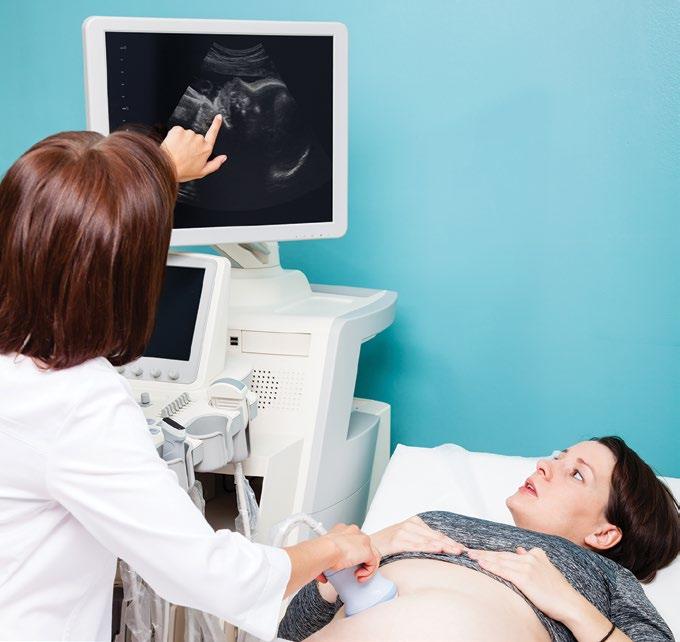
Management depends on the severity of the growth restriction and the gestational age in which it occurs.
Frequent monitoring of the baby’s growth via ultrasound.
Tracking fetal movements.
Treatment includes:
Determine the underlying cause and treat if possible: discontinuation of substances, controlling high blood pressure, well balanced diet.
Consequences of IUGR
There is an increased risk for a premature delivery and delivery via caesarean section in cases of growth restriction. Growth restricted neonates may have issues breathing and feeding, regulating their body temperature, and maintaining their blood sugar.

Often extra time is needed in the hospital or the neonatal unit. Commonly growth restricted babies will catch up once receiving adequate nutrition. If the growth restriction was very severe, there is an increased risk of developmental delay and cardiovascular disease later in life. There is a 20-30% risk of recurrence in a future pregnancy.
Corticosteroids to improve the baby’s lung maturity in the case of an early delivery.
Early delivery: if the baby is not growing an earlier delivery may be safest. This can be done via an induction, but often requires a caesarean section, as a vaginal delivery can stress a growthrestricted baby.

T +27 21 685 2375
E info@drkimsonntag.co.za
W www.drkimsonntag.co.za
pregnancy
Dr Kim Sonntag is a specialist obstetrician and gynaecologist working at Life Kingsbury Hospital. She has a specialised interest in high-risk obstetrics and fetal medicine.
26
www.babysandbeyond.co.za
• Relieves stiff and painful joints
• Improves the immune system
• Beneficial for diabetics
• Improves blood circulation
• Beneficial to the cardiovascular system and high blood pressure

• Improves skin elasticity
• Boosts immune function
• Improves mood and concentration
• Reduces ADD symptoms
• Improves brain messaging function


• Encourages healthy sleep patterns
pharmacies. For more information call: 042 293 1278

E-mail:
ANTIOXIDANT Thecleaning,healing supplement
Available at all
valuedlife@epweb.co.za
Forthe wholefamily
Recovery and healing after giving birth

The childbearing year is a time of extraordinary change: after approximately 9 months of increasing weight, shifts in centre of gravity, and generally feeling unwell or cumbersome, the process of birth upends everything again.
By Corina Avni, Registered Physiotherapist

Pregnancy was a process of hormonal changes and physical stretching and lengthening whilst baby developed and grew, whereas the postpartum period is signified by caring for baby including feeding and nurturing – all the while activating, shortening, and strengthening various muscle groups impacted by pregnancy.


birth
28 www.babysandbeyond.co.za
Giving birth comes at a cost to your pelvic regions
Irrespective of your mode of delivery, giving birth comes at a cost – caesarean section mums may find it more difficult to mobilise shortly after birth, whereas vaginal delivery mums may find it more difficult to control bladder and bowel function, and experience more prolapse.
Once we have had more than one pregnancy, these differences become less obvious and women who have been pregnant are at greater risk of developing pelvic dysfunction than our nulliparous (never been pregnant) colleagues.
Recovery is required after all pregnancies, be it your first or fifth. It is a process and happens in roughly defined time frames. Essential aspects of postpartum rehab include reconnecting and activating the ‘core’ (abdominopelvic rehab) – this is to compensate for the stretching and relative weakening of muscles.
A variety of exercise modalities e.g., pilates and yoga, are beneficial due to their focus on ‘working in’ (as opposed to ‘working out’ – working in is deemed to be mindful exercise of bodily form and function; working out is cardiovascular exercise and resistance training).
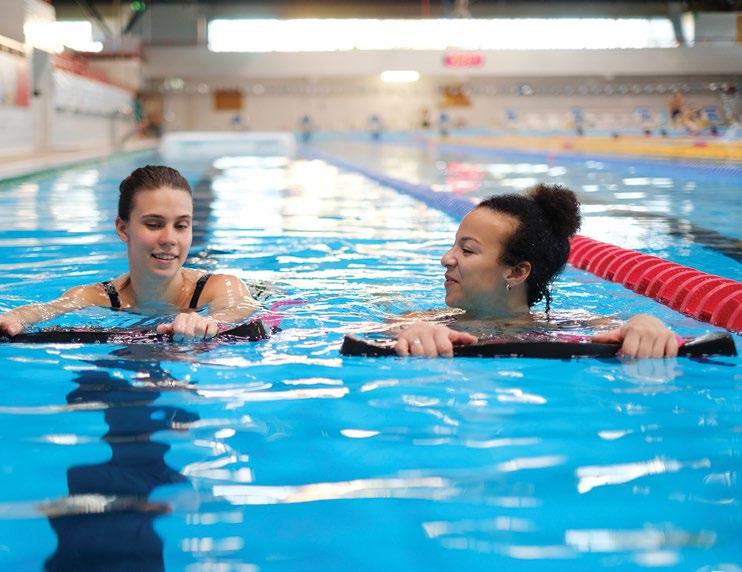
Walking is considered excellent exercise and a good way to get moving and back in shape. Swimming is also an appropriate activity where the body is supported by water (buoyancy) rather than under the effects of gravity (weight-bearing).

Many new mums desire ‘quicker, faster’ exercise options and return to running postnatally should be undertaken with caution and under the advice of a physiotherapist with a special interest in pelvic and women’s health. Guidelines exist and suggest that (depending upon many factors) caesarean section mums can return to running through a graded programme of walking/running at approximately 3 months, and vaginal deliveries at approximately 6 months post-delivery (Goom, Donnelly et al. 2019).
Many new mums are anxious about returning to sexual activity, and some may experience pain with penetration due to a variety of reasons including a lack of lubrication and sensitivity of the vaginal walls (Korzeniewski, Kiemle et al. 2021).
USING SILICONE TO PREVENT AND MANAGE SURGICAL SCARS
Any surgical procedure can result in problem scarring. If you are concerned about scars following your surgery, there is a solution. It’s SILICONE!
Silicone has proved effective for scar management and is well documented as the GOLD STANDARD for post-surgical scars.
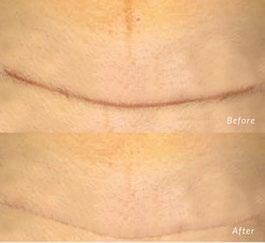

Rejuvaskin’s siliconebased scar management products are recommended by plastic surgeons and dermatologists around the world. No matter your procedure we have a product that can improve the appearance of your scar.


100% healthcare grade silicone scar sheets flatten and soften raised scars and is available in 13 unique shapes and sizes.

Rejuvasil Silicone Scar Gel is 97% liquid silicone. It is clear and odourless for discreet scar management and relieves itchiness and discomfort associated with scars. Its gentle formula is suitable for paediatric and facial scars.
FOR MORE INFORMATION:
Telephone:
E-mail:
Website:
+27 (0)67 690 5028

Results with Scar Fx Silicone Sheeting
www.babysandbeyond.co.za
info@scarheal.co.za www.scarheal.co.za
More ways to heal
It cannot be ignored that some mothers have a difficult pregnancy and/or birth and may require additional healing beyond the standard postnatal recovery.
Scars from caesarean incisions and episiotomies can cause ongoing issues if not managed appropriately. Scar massage and release are advised
physiotherapist can assist with internal release of episiotomy scars.

Many women speak of trauma, either associated with issues in pregnancy or arising at birth – some will need additional support through this challenging time; please remember that your mental adjustment is as important as your physical recovery.
Pelvic girdle pain (PGP) is common in pregnancy and can persist postnatally. When PGP does not resolve spontaneously shortly after birth, additional therapy and support is indicated. Primary areas of focus are on sleep and stress.

Feeding: whilst we know that in the majority of cases
‘breast is best’, not all mums or babies are able to breastfeed; a qualified lactation consultant can assist on this precious journey. Mums – please note: the hormones associated with breastfeeding can impact on libido, lubrication, and sexual enjoyment and as such, sexual function almost always improves when stopping breastfeeding. This is not to discourage breastfeeding, but to be aware of the hormonal effects and your subsequent expectations in the bedroom.
The approach to postnatal recovery and healing is one called “Fit for Purpose” – start with little bits that you can do, do them repeatedly, and gradually increase either the duration, speed, distance etc. Always remember to listen to your body and be gentle with yourself. And do not underestimate the restorative powers of a good night’s sleep.
A variety of booklets related to postpartum recovery and healing are available for download on the Pelvic Obstetric & Gynaecological Physiotherapy (POGP) website at www.thepogp.co.uk/Resources/

References
1. Goom, T., G. M. Donnelly and E. Brockwell (2019). "Returning to running postnatal–guidelines for medical, health and fitness professionals managing this population." Absolute Physio.
Corina Avni has been involved in pelvic health since the late 90s and consults with men, women, and children; after all, we can all present with pelvic dysfunction (pee, poo, pleasure, pain, periods, pregnancy, prolapse, prostate problems etc.). Her primary focus is chronic pelvic pain with everything going wrong at the same time (multisystemic comorbidity), often aggravated by stress and anxiety. She is busy with her PhD at UCT in Physiology, researching the relationship between background bodily functions and chronic pain.

T +27 832582843
W www.pelvicfunction.com
birth
2. Korzeniewski, R., G. Kiemle and P. Slade (2021). "Mothers’ experiences of sex and sexual intimacy in the first postnatal year: a systematic review." Sexual and Relationship Therapy 36(2-3): 219-237.
30 www.babysandbeyond.co.za
Babies and unexpected diarrhoea







Help bring the balance back with INTEFLORA









Diarrhoea is often a consequence of a disturbance of bowel gut flora which can occur during an infection or antibiotic treatment.2
INTEFLORA contains a probiotic known as Saccharomyces boulardii CNC I-745 that:



















• Improves the consistency of stools and is well-tolerated.












• Significantly reduces the duration of acute diarrhoea in infants and children


Trust INTEFLORA 250, indicated for antibiotic-associated diarrhoea and non-specific sudden diarrhoea. Suitable for infants, children, and adults.
1. WHO Diarrhoeal Disease Fact Sheet. Diarrhoeal Disease. World Health Organisation. [updated 2017 May 02; cited 2022 August 01] Available from: https://www.who.int/news-room/factsheets/detail/diarrhoeal-disease 2. Neut C, et al. Antibiotic susceptibility of probiotic strains: Is it reasonable to combine probiotics with antibiotics? Med Mal Infect. [updated 2017 November 10; cited 2022 August 01] Available from: http://dx.doi.org/10.1016/j.medmal.2017.07.001 3. Billoo AG, et al. Role of a probiotic (Saccharomyces boulardii) in management and prevention of diarrhoea. World Journal of Gastroenterology. [updated 2006 July 28; cited 2022 August 01] Available from: https://www.wjgnet.com/1007-9327/full/v12/i28/4557 4. IQVIA MIDAS 2020 (ATC: A7F) & IQVIA OTCims 2020 (OTC: 03F1/03D5) & Deduplication.




S0 INTEFLORA 250 (capsule). Ref. No.: T194 (Act 101/1965). Each capsule contains 250 mg lyophilised cells of Saccharomyces boulardii CNCM I-745® Trademarks are owned by or licensed to the Aspen Group of companies. © 2022 Aspen Group of companies or its licensor. All rights reserved. Marketed by Pharmacare Limited t/a Aspen Pharmacare Co. Reg. No.: 1898/000252/06. Healthcare Park, Woodlands Drive, Woodmead, 2191. ZAR-SAB-07-22-00003 08/2022








Marketed by Aspen Pharmacare www.aspenpharma.com Hotline 0800 122 912
in 2020
* in value
If your infant or child experiences a sudden bout of diarrhoea caused by an infection it can be a serious problem which can lead to dehydration.1
How development
aftercare
af tercar e
can assist with a child’s development
When one thinks of the prevalence of single parents or two-income households, it’s not always possible for a parent to fetch the children after school. For many, aftercare is not a nice to have it has become a must-have.
By Jonathan Hoffenberg, PACES Manager (Parent and Community Empowerment and Support Programme) for the Parent Centre

There is a wide range of benefits to kids participating in aftercare. It can create a sense of belonging in young children and help them to learn healthy social skills, which play a pivotal part in building their selfesteem. All while in a safe and nurturing environment.
And depending on the type of afterschool care a parent selects for their child, whether it’s the aftercare provided by the
school or an outside-based after-school programme, they can tailor the benefits according to what their child needs.


For example, sports activities are great for both physical and social development. Arts and cultural activities foster creativity and self-expression, while more academicbased after-school programs can be the building blocks to educational success, especially if it specialises in an area in which a child needs further guidance. 32 www.babysandbeyond.co.za
Reasons to consider enrolling your child in aftercare

• Aftercare is more informal than school and is a good place to have your child meet other children and families with other beliefs and ways of doing things. As a child grows it is important that they realise that change and diversity are normal and that the reality or culture of one’s home may not be shared with others. It acts against a bias of universalism, encourages multiculturism, and encourages critical and self-reflective thought. This all contributes to a well-balanced and free-thinking child.
• Aftercare may be able to offer far more experiences and activities than the home, thereby giving your child a richer developmental experience.
• Aftercare staff are often able to see your children in an objective light and can pick up on issues that may be missed at home. Core muscle weakness, posture, learning issues, and behavioral issues are often picked up in aftercare. OT intervention is more effective the earlier it starts.
• Primary school children have a limited energy level and are often too tired to do homework in the evenings. Good aftercare offers homework support and enables parents to just play the role of the parent in the evenings and not have to be tutoring and supervising.

If you are uncertain about aftercare
If you’re having hesitancies about aftercare, debating whether it’s right for your child, or you’re just not sure how you or your child can manage the transition, consider these points.
Parents may worry about the long separation with aftercare. Children are resilient and can deal with separation, even though it may be harder for some children because of their temperament, personality, and environment.
However, how well they cope depends on the relationship and the quality of the time the parent and child spend together afterward. Parents should be mindful that when they meet for the first time in the evenings, the child’s dominant need is to connect. Making yourself available for this, may eliminate nagging and acting out.

Being away from home takes a child out of their comfort zone for an extended period of time, so when they get home, they may want to let go and release the pent-up emotions of the day.

Parents can expect some grumpiness, crying, and acting out. Put something in place to help them deal with their emotions. Acknowledging feelings by saying something like “It’s been a long day, I can see that you are tired and missed us,” could help them feel understood. Refrain from shouting, putting down, or punishing.
Some children will take longer to adapt to not only aftercare but all the changes that a new year brings like a new teacher, new class, new classmates, new expectations, etc. Be empathic and encouraging. They can face challenging situations if they can count on our support.
Ultimately self-esteem and confidence are linked to a healthy parent-child relationship. If you are uncertain what this entails, do a parenting course, read parenting books, or see a parenting counsellor.
Visit www.theparentcentre.org.za for more information.
development
33 www.babysandbeyond.co.za
The Parent Centre is an NGO based organisation that focusses on positive parenting methods. Their workshops and programmes are designed to help parents from all walks of life to raise resilient and well-balanced children.
baby’s development with play Boost your
Your baby will grow and develop at a rapid rate in their first few years of life. Their ‘job’ is to master hundreds of skills – from fine and gross motor skills to language and social development. As your baby reaches those all-important milestones, it’s a marker that they’ve mastered a cluster of skills.
By Meg Faure, Occupational Therapist, Author, Baby Expert and Founder of Parent Sense


Playing with age-appropriate toys and games is the best way to stimulate your baby and encourage their development. Here’s a list of top activities to stimulate your baby from birth to 12 months.


Play ideas for newborns
At this age, you are all your baby really needs. You are their favourite toy! That said, there are some choice toys and activities that are ideal for stimulation from birth to three months old.
• The best way for your baby to learn about their body is with baby massage. Spend a few minutes after bath time giving your baby a soothing massage while smiling and making eye contact (and kissing toes!).

• Tummy time is vital for your baby to develop strong back muscles for all the big milestones like rolling, sitting, crawling, and walking. Give your baby at least 5 minutes of tummy time between each sleep, on a play mat that is tactile and novel to hold your baby’s attention while strengthening those back muscles.
• Give your baby safe objects that have a handle and are small enough to be grasped by their little hands. This will stimulate their ability to control their hands and arms and encourage voluntary grasp. You’ll start to notice their grip improving towards the end of this stage.
development
34 www.babysandbeyond.co.za
Play ideas for 3 to 6 months old
At this age, your baby will start to use their hands intentionally. Give them plenty of opportunities to reach, grab and release interesting (and safe) items to stimulate eye-hand coordination.
It’s also a time when they start building up their mobility. Here are some other play ideas to stimulate your baby’s motor development:
• Play ‘pat-a-cake’ with your baby on your lap. It’s not only fun, but it will help your baby develop the balance to sit and coordination to clap.
• Play airplanes whizzing your baby through the air. Go slowly at first and stay within their comfort levels. You’ll get lots of smiles and it stimulates your baby’s sense of movement and builds muscle tone.
• Tummy time is still hugely important but alternate between putting your baby on their back on a kick and play mat. They’ll love kicking their feet to hear the different sounds and sensations. Kicking while lying on their back helps build strong tummy muscles for rolling, sitting, and crawling.
Play ideas for 6 to 9 months old
Between 6 and 9 months, all that hard work your baby’s been doing to strengthen their little muscles will start to result in milestones like sitting and crawling. Add that to using their hands and you’ve got many options to keep your baby stimulated.
• Movement is still really important so go on a swing with your baby, fly like airplanes or get on the floor with them. Place two or three interesting objects just out of their reach to help them balance and reach without falling over.
• Baby’s love books and even at this young age you can encourage verbal skills. Explore books with bright clear pictures, made of card or plastic, because babies love to chew on books. Share animal sounds with them and don’t be scared to get a little animated or silly (it’s worth the giggles!).
• At about 8 months, your baby will start to enjoy hiding games. This is because they develop object permanence. Playing peek-aboo is always fun, or partially or fully hiding objects for them to find.


Play ideas for 9 to 12 months old
This stage is when your baby will start to explore their independence as they become more mobile. Crawling is a very important milestone so don’t be tempted to try and skip it. Make an obstacle course with cushions and tables and baskets to crawl in, out and under. You can also use push or moving toys to encourage crawling.
Other babies at this age might be standing, cruising, or starting to walk. Their curiosity will explode with their new mobility. Here are some ways to stimulate motor skills and language development.

• Activity centres that allow your baby to stand while playing with buttons and musical instruments is a great way to help them stand and practice their fine motor skills.
• Unpacking is great fun. Let your baby unpack the Tupperware cupboard and then teach them about packing it back.
• This is a fun age for outings. Keep outings short but talk about everything you see, point out objects or animals. Make animal sounds and touch different textures while naming them like grass, leaves or flowers.
Other inexpensive, simple ways to bring magic to play is blowing bubbles (a big hit with little ones), go to the park and enjoy the play equipment or visit the beach and explore all the sensory experiences of the waves, water, sand, and seashells.
The first year of your baby’s life is so filled with change and wonder. Enjoy it! For an OT-approved play idea for every day of your baby’s first year, download the Parent Sense app – it’s the all-in-one baby app that takes the guesswork out of parenting.

development
35 www.babysandbeyond.co.za















Preemie babies What to expect with

The idea of giving birth to a premature baby is daunting for any new parent. For the past 20 years I have been involved in looking after preemies in hospital and then following them up for a couple of years afterwards. It comes with huge ups and downs, not only for the parents but also for the medical personal.
By Dr Hedi van der Watt, Paediatrician, MBChB DCH FCP
In this article I will try to explain why premature births happen, what to expect while in the Neonatal Unit and what to expect when going home.
Premature (also known as preterm) birth is when a baby is born too early, before 37 weeks of pregnancy has been completed. The earlier a baby is born, the higher the risk of death or serious disability.
• Late preterm, born between 34 and 36 completed weeks of pregnancy
• Moderately preterm, born between 32 and 34 weeks of pregnancy
• Very preterm, born at less than 32 weeks of pregnancy
• Extremely preterm, born at or before 25 weeks of pregnancy
Most premature births occur in the late preterm stage.
health
38 www.babysandbeyond.co.za
What leads to premature birth
There are known risk factors contributing to premature births. These include:
• Previous premature birth
• Pregnancy with twins, triplets or other multiples
• Less than six months between pregnancies
• Conceiving through in vitro fertilisation
• Uterine, cervical, or placental problems
• Smoking cigarettes, e-cigarettes or using illicit drugs
• Infections of the amniotic fluid, urinary tract infections, gastroenteritis
• Underlying conditions, such as high blood pressure and diabetes in pregnancy
• Being underweight or overweight before pregnancy
• Stressful events
• Previous miscarriages or abortions
• Physical injury or trauma
• Pre-existing or underlying medical illness
A premature birth can happen to anyone. In fact, many women who have a premature birth have no known risk factors.
In most cases however, premature births are unexpected and not preventable, but by regularly following up with your Obstetrician and leading a healthy lifestyle at least you have a good chance of reaching full term or a healthy preterm baby.
The table (on the right) shows the median (average) birth weight of premature babies at different gestational ages:
What to expect during the delivery
Due to the unexpectedness of most preterm deliveries, you might not have had the opportunity to have met your babies paediatrician/neonatologist.
In most cases, due to the urgency of the delivery, it will not be possible to accommodate a birth plan.
Most preterm babies get delivered via caesarean section, but there are the exceptions.
Skin to skin after the delivery will in most cases not be possible.
As mother, you will most likely only see your baby the following day once you are stable and mobile. As the father or partner, you will be able to visit your baby as soon as he/she is stable.

Your baby will be admitted to the neonatal high care unit or neonatal
intensive care unit to receive the necessary medical support and you will be updated by the caring doctor and nursing staff.
Neonatal units encourage as parent baby contact; however, they do also have visiting hours which will be communicated to you. This is needed so doctors can do their rounds and necessary medical procedures and nursing staff can do their cares.
Despite delivering a preterm baby, breastmilk gets produced nearly immediately. Until your baby can breastfeed, breastmilk production needs to be encouraged by either manual expression or by using a breast pump.
In the first 24 hours manual expressing has the best results, producing 2-5ml every 3 hours. In most cases the milk disappears for one or two days and then starts flowing. It is a good idea to invest in a good electric or manual breast
pump. Your Obstetrician can prescribe medication to encourage breastmilk production if there is a need for it.
Your baby may need extra help feeding and adapting immediately after delivery. Your health care team can help you understand what is needed and what your baby's care plan will be.
Complications
While not all premature babies experience complications, being born too early can cause short-term and long-term health problems. Generally, the earlier a baby is born, the higher the risk of complications.
Some problems may be apparent at birth, while others may not develop until later and will be picked up on your follow up consultations with your paediatrician.
Gestational age Weight 35 weeks 2.5kg 32 weeks 1.8kg 28 weeks 1.1kg 24 weeks 650g
health 39 www.babysandbeyond.co.za
Short-term complications during stay in Neonatal Unit
The more premature your baby is at delivery, the more assistance he/she will be needing. That could mean that the first time you meet your baby it might have some medical devices attached to him/ her which could look very intimidating. This is however to make sure that your baby’s vital signs get monitored accurately and that your baby gets the necessary supportive treatment.
These attachments could include intravenous lines, nasogastric feeding tubes, saturation monitors, ECG leads, temperature monitors, breathing devices, etc.
In the first weeks, the complications of premature birth may include:
Immediate breathing problems –when a preterm delivery is anticipated, you will in most cases receive antenatal steroid injections to help mature your baby’s lungs.
Despite this, premature babies often have difficulty in breathing due to an immature respiratory system. Your baby may need breathing support- nasal cannula oxygen, HiFlow oxygen, CPAP or ventilation.
Apnea – is also common in preterm babies. Your baby will stop breathing for a few seconds and then start again.
Bronchopulmonary dysplasia – very premature babies can develop a lung disorder known as bronchopulmonary dysplasia, where they remain oxygen dependent for more than a month. In exceptional cases they might even get discharged home on oxygen support.
Heart problems – the most common heart problem premature babies experience is a patent ductus arteriosus (PDA). PDA is a persistent opening between the aorta and pulmonary artery. While this heart defect often closes on its
own, left untreated it can lead to a heart murmur, heart failure as well as other complications.
Brain problems – the more preterm your baby is born, the greater the risk of bleeding in the brain. This is known as an intraventricular haemorrhage. Most haemorrhages are mild and resolve with little short-term implications. Some babies may have larger brain bleeding that causes permanent brain injury. The size of the bleed does not necessarily predict the neurological outcome.
gastrointestinal systems, resulting in complications such as necrotizing enterocolitis (NEC). This potentially serious condition, in which the cell lining of the bowel wall is injured, can occur in premature babies after they start feeding. Premature babies who receive only breast milk have a much lower risk of developing NEC.
Blood problems – premature babies are at risk of blood problems such as anaemia and neonatal jaundice. Anaemia is a common condition in which the body doesn't have enough red blood cells. While all newborns experience a slow drop in red blood cell count during the first months of life, the decrease may be greater in premature babies. For this reason, they might need a blood transfusion (mostly the very premature infants) or be started on iron supplementation.
Temperature control problems – premature babies’ skin is still underdeveloped and relative to their weight they have a significantly bigger body surface area. They can lose body heat rapidly. They don't have the stored body fat of a full-term infant, and they can't generate enough heat to counteract what is lost.
Hypothermia in a premature baby can lead to breathing problems and low blood sugar levels. In addition, a premature infant may use up all of the energy gained from feedings just to stay warm. That is why smaller premature infants require additional heat from a warmer or an incubator until they're larger and able to maintain body temperature without assistance.
Gastrointestinal problems – premature infants are more likely to have immature
Newborn jaundice is a yellow discoloration of your baby's skin and eyes that occurs because the baby's blood contains excess bilirubin, a yellow-coloured substance, from the liver or red blood cells. While there are many causes of jaundice, it is more common in preterm babies, and they might need phototherapy for a few days
Metabolic problems – premature babies often have problems with their metabolism. Some premature babies may develop an abnormally low level of blood sugar (hypoglycaemia). This can happen because premature infants typically have less brown fat than full-term babies. Premature babies also have more difficulty converting their stored glucose into more-usable, active forms of glucose.
Immune system problems – an underdeveloped immune system can lead to a higher risk of infection. Infection in a premature baby can quickly spread to the bloodstream, causing sepsis and needing intravenous antibiotics.
health
Premature babies are at risk of blood problems such as anaemia and neonatal jaundice.
40 www.babysandbeyond.co.za
Long-term complications
In the long term, premature birth may lead to the following complications:
Cerebral palsy – cerebral palsy is a disorder of movement, muscle tone or posture that can be caused by infection, inadequate blood flow or injury to a newborn's developing brain either early, during pregnancy or after delivery while the baby is still young and immature.

Impaired learning – premature babies are more likely to lag behind on various developmental milestones. A child who
was born prematurely might be more likely to have learning disabilities which can range from mild attention deficit disorder to severe learning disabilities.
Vision problems – premature infants may develop retinopathy of prematurity, a disease that occurs when blood vessels swell and overgrow in the light-sensitive layer of nerves at the back of the eye (retina). If undetected this can impair vision and cause blindness. There are certain criteria the neonatal units follow to determine which babies need a ROP screening test.
Hearing problems – premature babies are at increased risk of some degree of hearing loss. All babies will have their hearing checked before going home.
Dental problems – premature infants who have been critically ill are at increased risk of developing dental problems, such as delayed tooth eruption, tooth discoloration and improperly aligned teeth.
Behavioural and psychological problems – children who experienced premature birth may be more likely than full-term infants to have certain behavioural or psychological problems, as well as developmental delays.
Prevention of premature births
In most cases the reason for the premature birth is unknown but for especially those mothers who have an increased risk for premature labour one can reduce their risk by:
• A healthy lifestyle – diet, exercise, reduced stress, less alcohol, less smoking.
• An early follow up with Obstetrician.
• Progesterone supplements for women who have a history of preterm birth.
• Cervical cerclage; this is a surgical procedure performed during pregnancy in women with a short cervix, or a history of cervical shortening that resulted in a preterm birth.
Tips on bringing your preemie home
Make sure you have a support network in place once you are at home.
• Paediatrician – have your follow up appointments booked.
• Breastfeeding consultant – preemies usually get discharged breast and bottle feeding. Slowly breastfeeding will replace the bottles. Preemies have difficulty latching and once latched they battle to stay awake long enough to get a full feed. Your milk supply might also diminish the first week after discharge. Once you settle into a routine it usually improves again. It is worth your while to invest in a good breast pump.
• CPR course – attend a course while your baby is in hospital.
• Get support – grandparents/aunt/helper.
• Stay in touch with the preemie parents you met in the NICU. Nights can get long, and it is good to be able to text someone going through the same situation in the middle of the night.
• Be conscious of possible postnatal depression in both you and your partner. Get help sooner rather than later. Fluctuating hormones, anxiety and sleep deprivation are a sure recipe for postnatal depression.
health
41 www.babysandbeyond.co.za
What to expect when bringing a preemie baby home
Taking your premature baby home may feel intimidating and you no longer have the neonatal staff on hand for support. Preemies’ needs are different to those of full-term babies.
• You might need some extra equipment. Apnea monitoring, saturation monitoring if your baby comes home on oxygen.
• It can be trying at first. Most preemies will be discharged both breast and bottle feeding. They feed more frequently because their endurance is less, and their tummies are smaller. Therefor the rest period between feeds is shorter than for full-term babies. Also, they don’t sleep as deeply or for as long as full-term babies. Sleep-deprivation is a sure cause for heightened parental anxiety and stress.
• Minimise visitors. You need the time to rest/sleep, to reconnect and it keeps unwanted infections away.
• The first month at home will not be perfect. Contact your paediatrician if you have concerns and see them regularly, but also remember that the NICU experts wouldn’t have sent your baby home unless they felt you were both ready.
What to expect when caring for a preemie at home
• Your baby might be smaller when you take him/her home than a full-term newborn. The discharge is not dependent on the size but the ability to feed well and gain weight. Spend as much time as possible with your baby in the neonatal unit and become comfortable with caring for your baby.
• Your baby’s immunity is not the same as that of a newborn. Limit visitors if possible. Limit exposure to toddlers. Avoid overcrowded spaces. It should be safe to take your preemie into public spaces by 3 months of age.
• Your baby needs more rest. It’s exhausting for preemies to simply be awake, much less in an alert state or breastfeeding. Make sure your baby gets good uninterrupted sleep between feeds. They need frequent feeding during the night and still need to be woken up for feeds. Make sure that you get rest between feeds and don’t have too much planned for the initial days at home. Caring for your premature baby may be all-consuming, at least for a while.

• Your baby’s development will initially take time to catch up to the newborn. Your baby will not follow the typical developmental milestones. You won’t be able to follow the typical apps available. Their milestones are determined by their adjusted age. So, if your baby was born at 32 weeks gestation, 8 weeks premature, he or she will only be behaving like a newborn at 8 plus 8 weeks.
• Sleeping positions. The UK follows ‘Back is Best”. Some preemies may have to sleep on their sides because of lung issues, so ask your doctor about sleeping positions. But for most babies, back is best, which is especially important for premature babies because they're at greater risk of Sudden Infant Death Syndrome (SIDS). Leave blankets, soft bedding, pillows, and stuffed animals out of the crib. Maintain the room temperature between 20-22 degrees Celsius. Keeping the room cool can reduce the risk of SIDS. Additionally, avoid smoking.
It is a tremendous journey with lots of ups and downs. Your healthcare practitioners are there to guide you and walk this path with you.
Dr Hedi van der Watt is a Paediatrician based in Claremont, Cape Town. She has a special interest taking care of preterm infants and newborns, mainly operating from Life Kingsbury Hospital’s Neonatal and Paediatric units. Dr van der Watt’s smallest surviving newborn to date is 390 gram and the youngest surviving gestation of 23 weeks. Her practice is not limited to neonatology alone, it also includes general paediatrics, ranging from paediatric dermatology, childhood asthma, feeding related difficulties, learning difficulties and adolescent health.
T +27 21 761 3408
E Hello@copperfieldchildcare.co.za
W www.copperfieldchildcare.co.za
health 42 www.babysandbeyond.co.za




1 Iron deficiency with Iron deficiency needs to be confirmed with a blood test.
1. Mayo Clinic Staff. Iron deficiency anemia [online]. 2022, Jan 04 [cited 2022, Oct 26]. Retrieved from: URL: https://www.mayoclinic.org/diseases-conditions/iron-deficiencyanemia/symptoms-causes/syc-20355034. 2. Ning S, Zeller MP. Management of iron deficiency. Hematology Am Soc Educ Program 2019;2019(1):315-322. 3. Goddard AF, James MMW, McIntyre AS, Scott BB on behalf of the British Society of Gastroenterology. Guidelines for the management of iron deficiency anaemia. Gut 2011;60:1309-1316. 4. Short MW, Domagalski JE. Iron deficiency anemia: evaluation and management. Am Fam Physician 2013;87(2):98-104. 5. Alli N, Vaughan J, Patel M. Anaemia: Approach to diagnosis. S Afr Med J 2017;107(1):23-27. 6. Ferrimed® Impact Rx. June 2021 – June 2022. S1 Ferrimed® Syrup. Ref. No.: H842 (Act 101 of 1965). Each 5 ml contains 50 mg elemental iron as iron (III)-hydroxide polymaltose complex. S1 Ferrimed® Capsules. Ref. No.: H840 (Act 101 of 1965). Each capsule contains 50 mg elemental iron as iron (III)-hydroxide polymaltose complex and 150 μg folic acid. S1 Ferrimed® D.S. Chewable Tablets. Reg. No.: L/8.3/201. Each tablet contains 100 mg elemental iron as iron (III)-hydroxide polymaltose complex. Ferrimed® is a registered trademark of Vifor Pharma Group and is used under licence. © 2022 Aspen Group of companies or its licensor. All rights reserved. Marketed by Pharmacare Limited t/a Aspen Pharmacare. Co. Reg. No. 1898/000252/06 Healthcare Park, Woodlands Drive, Woodmead, 2191. ZAR-IFF-10-22-00004 11/2022. DON’T SUPPLEMENT WHEN YOU NEED TO TREAT IRON DEFICIENCY 1-5 Ferrimed® Capsules: 50 mg iron & 150 µg folic acid Ferrimed® D.S. Chewable Tablets: 100 mg iron Ferrimed® Syrup: 50 mg iron / 5 ml Ferrimed - S.A.’s #1 Prescribed Iron Treatment.6
References:
&
newborns infants Hearing in


Childhood hearing loss, even when mild or only in one ear (unilateral), can result in significant delays in a child’s speech and language development, as well as their cognitive, social, and emotional development.
By Shannon O’Leary, Audiologist
In turn, these delays can significantly affect literacy development, academic outcomes and ultimately result in a reduction of a child’s ability to meet their maximum potential in life. Hearing loss can be from birth or acquired later in childhood. It is therefore critical that a child’s hearing be screened as early as possible (preferably at birth), but then monitored and checked regularly throughout childhood to ensure that any hearing loss that may be present is detected and appropriately managed at the earliest possible age.
health
44 www.babysandbeyond.co.za
Developmental stages of hearing
A baby’s hearing is fully developed at birth. In fact, the human cochlea has normal adult function after the 20th week of gestation. A full-term newborn baby has therefore already been hearing sounds for at least four months.

They are also able to recognise their mother’s voice and studies have shown that newborns generally show a preference for their mother’s voice. In typically-developing hearing infants, we expect to see the following speech and hearing milestones between birth and 2 years of age:
Birth to 5 months
• Reacts to loud sounds with startle reflex.
• Is soothed and quieted by soft sounds.
• Turns head toward a sound source.
• Watches your face when you speak.
• Smiles and makes noises when spoken to.
• Seems to know certain voices and quiets down if crying.
• Vocalises pleasure and displeasure sounds (e.g., laughs, giggles, coos, cries, fusses).
4 – 6 months
7 – 12 months
• Responds to his/her own name and familiar voices and environmental sounds (e.g., phone ringing).

• Knows words for common things (e.g., “cup”, “shoe”) and sayings (e.g., “bye-bye”).
• Makes babbling sounds, even when alone.
• Starts to respond to requests (e.g., “come here”).
• Looks or turns to new sounds.
• Understands “no-no” and changes in tone of voice.
• Enjoys rattles and other toys that make sounds.
• Begins to repeat sounds/ babble (e.g., “ooh”, “aah”, “ba-ba”).
• Gets scared by a loud noise or voice.
• Looks at things or pictures when someone talks about them.
• Enjoys turn-taking games such as peek-a-boo.
• Imitates simple words and sounds; may use a few single words meaningfully.
• Tries to communicate by actions or gestures.
• Tries to repeat your sounds.
• Attempts to imitate familiar sounds.
1 to 2 years
• Follows 1-step commands when shown by a gesture.
• Uses words he/she has learned often.
• Uses 2- to 3-word sentences to talk and ask for things.
• Says more words as each month passes.
• Points to some body parts when asked.
• Understands simple “yes-no” questions (e.g., “Are you hungry?”).
• Understands simple phrases (e.g., “in the cup”, “on the table”).
• Enjoys being read to.
• Understands “not now” and “no more”.
• Follows 2-step commands (e.g., “get your shoes”, “come here”).
• Understands many action words (e.g., “run”, “jump”).
health
45 www.babysandbeyond.co.za
Screening of infant hearing
A child’s hearing can be evaluated from 24 hours of age. Many hospitals have a newborn hearing screening programme and parents are given the option of having a screening test performed on their child while still in hospital.
Hearing screening is quick, easy, noninvasive, and usually done while the baby is sleeping. A baby’s hearing can be screened using an Otoacoustic Emissions (OAE) test or Automated Auditory Brainstem Response (AABR) testing; or both.
If the hospital does not have a newborn hearing screening programme, it is recommended that all babies should have a hearing screening before they are one month old.
Test your infant
Older infants can be tested at any age by audiologists, using a variety of test techniques such as Behavioural Observational Audiometry, Visual Reinforcement Audiometry (VRA) and Conditioned Play Audiometry. Even if your child has been tested at birth, it is important to test your infant if:
• you have concerns about his/hearing
• your child complains of pain in the ear
• you observe discharge from the ear
• your child does not seem to understand what you are saying to them
• your child’s speech and language development is delayed
OAE screening test: An OAE screening test measures the functioning of the outer hair cells of the cochlea. A small earbud is placed in the ear canal while the child sleeps. The machine emits a clicking sound into the ear canal and microphones which are situated in the earbud measures whether an otoacoustic emission (a little “bounce back” of the sound from the inner ear) can be measured in the ear canal.
AABR testing: This testing, sometimes also referred to as Auditory Evoked Potential (AEP) testing, measures how the child’s inner ear and brain pathways for hearing are
working. Electrodes are placed on the baby’s head and small earphones, or cups, are placed over the ears.
Babies who do not pass the newborn hearing screening usually have a followup appointment where the screening is repeated while the babies are still in hospital or very soon thereafter.
Babies who do not pass the hearing screening at the follow-up appointment are then referred to an audiologist who specializes in paediatric diagnostic audiology assessments. Various tests are then used to establish whether the child has a hearing loss and if so, what type of hearing loss it is and how severe it is.
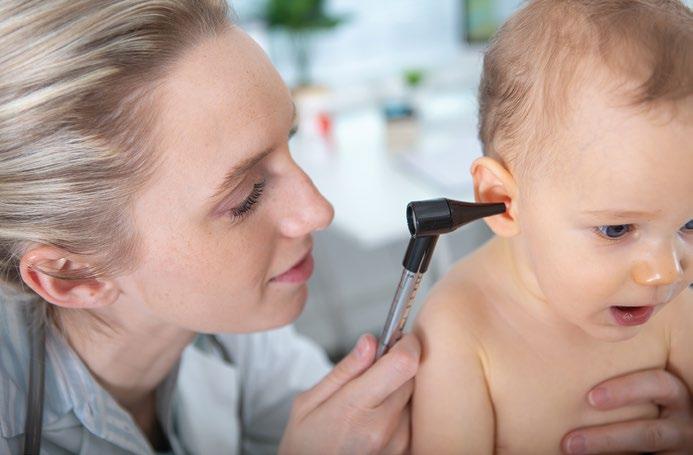
According to the World Health Organisation, over 60% of childhood hearing loss is treatable. This is due to causes such as impacted ear wax, ear infections, and pathologies of the middle ear (such otitis media with effusion or “glue ear”, where fluid collects in your child’s middle ear).
Conductive hearing loss is the most common type of childhood hearing loss and is usually caused by:
• impacted wax
• infections of the external and/or middle ear
• upper respiratory tract infections/congestions
• allergies
The South African Association of Audiologists is a great platform to find an audiologist in your area. Visit www.audiologysa.co.za
Shannon O’Leary is an audiologist and owner of HearInAfrica. She is a graduate of the University of Cape Town, with a BSc in Logopaedics (1999) and a MSc in Speech & Language Pathology (2002).
She has a special interest in community-based hearing healthcare and has worked in a variety of urban and rural clinical settings in Africa and abroad.
T +27 21 224 0018
E hello@hearinafrica.com
W www.audiologysa.co.za
health
46 www.babysandbeyond.co.za




















































When it
of
WOODWARD’S Celebrated Gripe Water.
comes to soothing infants with gripes, there’s one name that generations
mothers have trusted.
1898/000252/06. Healthcare Park,
Drive,
2191. ZAR-ZOSEAG-07-22-00009 07/2022 Marketed by Aspen Pharmacare www.aspenpharma.com Hotline 0800 122 912
160 years! WOODWARD'S has been comforting babies for over S0 WOODWARD’S Celebrated Gripe Water. Reg. No.: E/11.4.3/1551. Each 5 ml contains 50 mg sodium bicarbonate and 2,15 mg terpeneless dill seed oil. Trademarks are owned by or licensed to the Aspen group of companies. © 2022 Aspen Group of companies or its licensor. All rights reserved. Pharmacare Ltd. Co. Reg. No.:
Woodlands
Woodmead,
Non-surgical vaginal rejuvenation therapies gaining ground
The physical changes brought on by ageing or childbirth are among the most common, yet least talked about experiences for many women. These changes in the body can impact a woman’s overall wellbeing and quality of life as well as her sexual health and confidence. It is important to discuss these everyday healthcare issues, as many women are not aware of the non-invasive solutions available.
This is according to Dr Taheera Hassim, an obstetrician and gynaecologist practising at Netcare Sunninghill Hospital. She notes that the relaxation of vaginal tissue, incontinence, vaginal dryness and a decrease in sexual pleasure can in many cases be improved without the need for surgery.
“Non-surgical vaginal rejuvenation can boost the production of collagen, which is important for providing strength and support to your skin, muscles, connective tissue and bones. This increase in collagen production has the effect of tightening vaginal skin and tissue and can have tremendous benefits in addressing functional concerns such as incontinence and atrophic vaginitis, or dryness, as well as improving the feeling of pleasure during sexual intercourse,” she explains.


health
48 www.babysandbeyond.co.za
What is non-surgical vaginal rejuvenation?

Dr Hassim notes that energy based forms of vaginal rejuvenation therapies, which make use of thermal or non-thermal energy, are increasingly gaining ground globally.
“By using radiofrequency and ultrasound technology to gently heat up and shrink collagen fibres, natural collagen production in the vaginal tissue is stimulated. The treatments are administered by a doctor in their consulting rooms, offering an advanced, safe and effective non-invasive alternative to surgical vaginal rejuvenation procedures such as labiaplasty and vaginoplasty,” she explains.
Dr Hassim says that each treatment session is eight to sixteen minutes long and involves the insertion of a vaginal probe into the vaginal canal, as well as passing the probe along the outer lips of the vagina. The probe has different form fitting applicator tips and is designed to account for women’s different vaginal canal sizes and shapes.
“This ensures that treatment is in no way painful, although the probe may feel warm. The temperature used is adjusted to suit individual patients’ heat tolerance and the heat is distributed evenly across the probe, minimising any discomfort.
“Treatments are carried out once a week for a recommended three sessions and normal daily activities can be resumed immediately after the procedure, as any redness or mild swelling will dissipate within a few hours. Patients can even resume sexual activity the same day,” says Dr Hassim.
While some patients notice improvements after the first session, full results can usually be expected approximately three months after the final treatment.
Who should consider non-surgical vaginal rejuvenation?

Dr Hassim says that such treatments are well worth considering for menopausal women and women who have given birth. She adds that women experiencing the following may want to explore the option of non-surgical vaginal rejuvenation:
• vaginal relaxation (loose or widened vagina);
• stress urinary incontinence (leaking urine when jumping, sneezing, coughing or running);

• dryness of the vagina (or atrophic vaginitis), and
• frequent vaginal infections. these women see excellent results from the treatment.
“When women age, they also have to deal with the drop of oestrogen levels, which can also cause the thinning and dryness of vaginal walls and, ultimately, vaginal atrophy. As a consequence of vaginal atrophy, women can experience vaginal discomfort and infections, urinary incontinence and pain during sexual intercourse among other issues. The same can happen to women who have to go through radiation or chemotherapy,” says Dr Hassim.
Why opt for a non-surgical treatment?
The benefits of a non-invasive form of vaginal rejuvenation are many, with results including improved skin texture, tightness and sensation. Particularly notable is that the impact on daily life is truly minimal, as no downtime is required. Patients can head straight back to the office or off to do the school run.
When is non-surgical vaginal rejuvenation not advisable?
It is important that you are in good health and not currently pregnant to undergo this treatment modality. An open and honest conversation with your doctor is essential to finding the best possible treatment option for your individual needs, and in order to rule out whether a surgical approach may not be a better solution.
“Ultimately, every patient is different, and it is important to work together with your doctor in finding the right treatment for you. Fortunately, with the development of these highly effective, non-invasive forms of treatment, women have many more options to choose from,” concludes Dr Hassim.
To find out more about the services offered through Netcare hospitals and other of the group’s facilities, visit www.netcare.co.za or contact the Netcare customer service centre either by email at customer.service@netcare.co.za or phone 0860 NETCARE (0860 638 2273). Note that the centre operates Mondays to Fridays from 08:00 to 16:00.
health
49 www.babysandbeyond.co.za
male
Widespread lack of awareness about male infertility
By Dr Sulaiman Heylen, Specialist in Reproductive Medicine, MD (KUL), Obs & Gyn (KUL), Reprod Med, ECRES
Studies increasingly indicate that male fertility rates are declining and have been doing so for some time. Globally, an estimated one in six couples struggle with infertility, which is defined as having unprotected intercourse for six months or longer without achieving a pregnancy, where the female partner is older than 35.


health
50 www.babysandbeyond.co.za
Historically, women carried the blame for a couple’s infertility, because it is women who carry the baby and deliver them. Today we know that the female partner is not automatically responsible for infertility in a couple.
In fact, in about one-third of infertile couples, the infertility is due to a male factor, most often a problem with the sperm. Furthermore, one-third of couples struggling with infertility is due to fertility challenges in both partners. In the
remaining one-third of infertile couples, the challenge lies with the female partner.
Given this reality, it is important for couples who have not fallen pregnant not to make any assumptions but to have all the proper fertility tests done for both partners before making any decisions.
While the statistics confirm that male infertility is a significant issue affecting increasing numbers of couples, male fertility is not spoken about as publicly or as much as female fertility. This contributes to a widespread lack of awareness of the fact that male fertility issues are a significant contributor in many infertility cases.
What forms do male infertility take?
Male infertility can take various forms, for example, a complete absence of sperm, a low sperm count, or problems with the shape or movement of the sperm. When a sperm analysis is done, there are various factors that are investigated. 1 2 3
The first is the volume of the sperm. A normal volume is at least 1.5ml and if there is less, it may point to an obstruction somewhere between sperm production and ejaculation.
The number of sperm in the semen sample or the concentration of the sperm is also measured. What is usually regarded as normal is around 15 million sperm in 1ml of a semen sample. Below 10 million will raise concerns about low sperm count and may affect natural conception.

Another functional aspect of the sperm that is measured is the motility or the movement of the sperm. Generally, about 40% or more of the sperm should be normally moving.
4
The shape of the sperm is also investigated. There may be lots of sperm, but the shape of the sperm cells may be strange. For example, the sperm may have too many heads or tails, or may simply have an odd shape, in which case they don’t function well.
health
51 www.babysandbeyond.co.za
What causes increasing male infertility?
According to studies, research papers and semen analysis results among fertility clinics, there is a decline in male fertility levels worldwide. A closer look at the known and suspected causes of male infertility sheds some light on this trend.
While the exact causes are not known, but there are many possible factors in the environment that could be damaging the testicles or affecting sperm function.
• Sperm problems may be due to genetic disorders or a problem with hormone function, or even due to specific childhood diseases, for example, mumps – a viral illness that affects the testicles as well.
• Other important possible causes include infections from sexually transmitted diseases (STDs) like chlamydia and gonorrhoea. This is because these infections block the little tube between the testicle and the penis where the sperm travels through, called the vas deferens. So, there may be sperm in the testicles, but it can’t be ejected anymore.
• It may also surprise many people to discover that lifestyle factors also have a significant impact on male fertility. For example, there is definitely a link between high alcohol consumption and male infertility, and between the use of steroids and male infertility. While anything done in moderation should not have an extremely negative impact on your health, the excessive use of alcohol – as well as smoking – undoubtedly decreases fertility in both partners. So, a drink once a day should be okay in terms of male fertility but drinking four units a day will certainly decrease sperm function.
• Other lifestyle factors, such as being overweight, drinking excessive amounts of coffee or poor nutrition, will also negatively affect fertility in both partners. Certainly, lifestyle diseases such as diabetes can also significantly affect sperm function.
• Another certainty in terms of sperm problems is the use of steroids, especially testosterone. It is often used by gym enthusiasts building big muscles. The reality is that taking testosterone will automatically switch off this hormone production in the brain, which is responsible for producing sperm. Many men who are using anabolic steroids struggle with fertility. Thankfully, the good news is that this can be reversed. It takes around three to four months after quitting the use of anabolic steroids for the process of producing new sperm to be re-established.
Treatment options for male infertility
Fortunately, there are as many treatments for male infertility as there are possible causes. At Cape Fertility, we can help even patients with severe male factor infertility. Some treatments are quite simple, for example, insemination involves preparing the male partner’s sperm before inserting artificially it into the female partner’s uterus when she’s ovulating. This treatment is suitable when there is a mild sperm problem.
For more serious challenges, in vitro fertilisation or IVF treatment may be used. During this treatment, the female partner’s eggs are extracted and mixed in the lab with the male partner’s prepared sperm to be fertilised. One or two of resulting embryos (fertilised eggs) are then placed back in the female partner’s uterus, where one will hopefully implant and become a baby.
An advanced treatment called ICSI (Intracytoplasmic Sperm Injection),
involves injecting one single sperm cell into each egg cell. This treatment has revolutionised male infertility treatment because even the most severe sperm problems can now be treated. For example, even in cases where there’s no sperm being ejaculated at all, sperm cells can be extracted from a tiny piece of
tissue from a testicle to be injected into the eggs.
Even if all these options are unsuitable or exhausted, there is still the option of using donor sperm along with assisted reproductive therapies (ART) such as IVF or insemination.
Dr Sulaiman Heylen is a highly skilled and experienced specialist in Reproductive Medicine and the Chairman at Cape Fertility.

With extensive expertise in endoscopic surgery, he works in all fields of female and male infertility, providing patient-centered care while utilising the latest techniques and technologies to achieve optimal outcomes.
With a passion for helping couples build their families, Dr Heylen is dedicated to providing personalised and compassionate care to each and every patient.
T +27 21 674 2088 E
52 www.babysandbeyond.co.za health
nazeema@capefertility.co.za
W www.capefertility.co.za
WHEN YOUR LITTLE CHAMP OR BEAUTIFUL PRINCESS IS SICK... and needs to be admitted to hospital, our team at Life Kingsbury Hospital is here for you.

The Life Kidz paediatric unit at Life Kingsbury Hospital has been designed with you and your child in mind. Our clinical team of specialists and nurses will care for and nurture your child in a unit specially designed to make them forget that they are even in hospital – beds and blankets aside!
Paediatricians:
Dr Rabeen Lutchman
Dr Allan Puterman
Dr Lara Smith
Dr Hedi van der Watt
Paediatric Surgeon:
Dr Shalin Singh
ENT Specialist: Dr Gary Kroukamp
SCAN ME

For hospital information and specialist contact details.
Wilderness Road, Claremont, 7700 | Tel: 021 670 4000 24-hour emergency unit: 021 670 4039
www.lifehealthcare.co.za
mental health
Impact of male infertility
on relationships
Dealing with infertility is a situation no couple longing to become parents wants to face. Most of the conversations that take place regarding the topic of infertility are centred around women, but what happens when it is the male in the relationship who is diagnosed with infertility?
 By Sam Pretorius, Counselling Psychologist
54 www.babysandbeyond.co.za
How does this impact men and relationships?
Significantly, in fact. The diagnosis of Male Factor Infertility can fundamentally impact a man’s sense of self, meaning and purpose, all of which can have a significant knock-on effect on his romantic relationship.
While many may think that grief involves the loss of a person, the loss of a dream involves a very similar grieving process. When moving through the grieving process, an array of feelings are likely to be experienced, including denial, sadness and anger, amongst other emotions.
When partners experience and process their grief differently, this can put major strain on the relationship. For example, the male may grieve internally and avoid talking about their infertility issues, while the women may have a desperate desire to verbally process the loss the couple are facing. In this case, neither partners’ emotional needs are being met which is bound to lead to unhappiness on both parts.
Stigma surrounding male infertility
Unfortunately, much stigma surrounds infertility in general, and particularly, male infertility. This is exacerbated in hegemonic cultures where not being able to “produce heirs” or “carry on the family line” is met with deep shame.
Due to the topic of infertility being taboo in these cultures, men are unlikely to share their personal struggles with infertility with family members, friends or colleagues. They may also withdraw from social and family gatherings where pregnant couples, babies and young children are involved
Infertility can impact libido
because it is just too painful for them to witness. This results in the couple being the only source of support for one another. Carrying this burden alone can be very heavy as well as isolating for the couple.
Further to this, situations may arise where the one partner might be comfortable discussing their infertility with others and the other partner vehemently wants to keep the matter private. Disagreements about who to tell and when are likely to produce strain.
Infertility in males may well have a negative impact on a one’s libido, sexual performance and physical intimacy with a partner.
The pressure to try and conceive can put immense strain to perform physically which often has the opposite of the desired effect and may result in him not being able to perform in the bedroom as he would under less stressful circumstances.
Sex can become very mechanical when the goal is conception and as a result, sex loses its sense of spontaneity and intimacy, all of which have a negative impact on the couple relationship. Furthermore, sexual intimacy is a way for couples to connect and feel closer to one another so when it is lacking, general strain and tension may be experienced by both partners.
Communication is key
It is well documented how important good communication is for the success of romantic relationships. When the male partner is struggling with infertility, he may have significant difficulty communicating his emotional experience and needs this with his partner.

Some of the reasons for this may include; shame, guilt, a sense of responsibility, and feelings of having let one’s partner down. He may avoid all discussions on the topic and in so, internalise his experience. This, in turn, may lead to his feelings coming out as anger, frustration, withdrawal or aggression, all of which are going to have a negative impact on their relationship.

mental health
55 www.babysandbeyond.co.za
mental health
The impact of male infertility on mental health
Self-blame is not uncommon with those diagnosed with infertility and feeling that one has let their partner down by not being fertile. This thinking can also spiral into fears of “she is going to leave me for someone who can give her children”. This insecurity may
can become a major source of distress for the male partner.
Facing a major stressor in one’s life, such as infertility, can be a contributing factor towards the triggering of mental health challenges, such as depression or anxiety. Having one’s partner struggle with depression can also take a major toll on a romantic relationship in a variety of ways.

In this case, the depressed male may socially withdraw and isolate himself from his partner (and friends), his
sex drive may be negatively impacted by depression, irritability may increase (resulting in additional conflicts), and the man’s general low mood and outlook are likely to be difficult for his partner to experience.
What is not uncommon in men struggling with mental health challenges is self-medicating by means of substance use and abuse.
Because much stigma still surrounds mental health and more specifically, men struggling in this regard, men are less inclined to seek professional help but rather ease their distress through unhealthy coping mechanisms such as drinking excessively or using other substances to numb their symptoms.
It does not mean the relationship is destined to fail While the possible impact of male infertility on the couple relationship is undeniable, it does not mean that a relationship put through this hurdle is destined to fail.
What is required to help these relationships survive and growth amidst the adversity is both informal and formal social support. That said, this requires disclosing one’s infertility and the stigma on the topic makes this difficult.
Sam Pretorius is a registered Counselling Psychologist based in Cape Town. She is a founding partner of Perspectives Psychology Group. The Perspectives Psychology Group consists of psychologists with a primary focus on health psychology. This area of psychology is centred on the interplay between physical and mental health.

The Group offers both in-patient and out-patient services at Life Kingsbury Hospital, in Claremont.
E info@perspectivesgroup.co.za
W www.perspectivesgroup.co.za
T +27 72 164 7970
Some people find it easier to disclose their struggles to professionals, rather than friends and family and there is a place for support from both professionals, such as psychologist, and one’s personal social circle.
On a more macrolevel, conversations on the topic of male infertility need to start happening so that those suffering know they are not alone, and that help is available.
56 www.babysandbeyond.co.za
eta-gel Lubrication Gel
Beta-gel lubricant has been formulated to conform to the body’s own natural lubrication.


Convenient
Beta-gel comes in a convenient 200ml bottle with pump.
Efficient
The cost of Beta-gel has been structured to give users value for money.
Reliable
Provides a constant lubrication that is similar to the body’s own natural lubrication and has a pH of 4.7


Please ask your pharmacy to order Betagel from their wholesaler of choice. For more information on the Beta-gel product please contact your pharmacy or Beta Pharmaceuticals l Tel: 041 378 1189 l betapharm.co.za
mental health
during pregnancy Depression
Up to half of expectant mothers in South Africa experience depression during pregnancy and following childbirth that goes undiagnosed and untreated – with risks to their own and their babies’ health and future development.

58 www.babysandbeyond.co.za
hile postnatal depression is well known, depression during pregnancy is almost as common and carries risks of increased complications during pregnancy and childbirth, says Dr Bavi Vythilingum, a member of the South African Society of Psychiatrists
Treatment is available and effectively reduces the risks
However, she says that treatment is available and effectively reduces the risks.
“Psychotherapy, group therapy and even antenatal support groups are all very helpful. Antidepressants are effective and, used in consultation with the mother’s healthcare provider, most are safe in pregnancy,” she says.
Dr Vythilingum says South Africa’s high rates of poverty and intimate partner violence, together with lack of awareness of mental health, the related stigma and under-resourced mental health services, contributed to the country’s high rates of maternal depression.
Between 21% and 47% of South African women experience depression during pregnancy, and 31% to 50% suffer postnatal depression, compared to the global rate of approximately 12% of women experiencing depression during or after pregnancy.[i]

Pregnancy-related depression is a serious mental health


“Pregnancy-related depression is often dismissed as ‘just the baby blues’ and women are told to ‘just pull yourself together’, but it is a serious mental health condition which not only negatively affects women’s quality of life and experience of motherhood, but the prospects of the next generation too,” Dr
Women who experience stressful life events, and especially intimate partner violence, during pregnancy are more likely to experience long-lasting severe depression that extends from pregnancy through to a year or more after
Antenatal depression increases the risks of hypertension (high blood pressure), which puts both mother and baby at risk of complications during the pregnancy and in childbirth, and of low birthweight and premature births,
Untreated depression during pregnancy leads to the mother being more likely to experience postnatal depression and difficulties in bonding with her baby, which affects the vital mother-child attachment relationship, and can affect the child’s social, emotional and cognitive development and lead to mental health problems later in life.
59 www.babysandbeyond.co.za
mental health
mental health
Greatest risk factor for alcohol and substance abuse during pregnancy
Depression is one of the greatest risk factors for alcohol and substance abuse during pregnancy, not only worsening the depression but putting the unborn child at risk of developmental delays, congenital abnormalities and intellectual disabilities, Dr Vythilingum comments.
“The lack of awareness and stigma around mental health conditions, along with the tendency to focus more on a woman’s physical health than her mental health during pregnancy, means that depressive symptoms are often not picked up. In addition, some of the symptoms of depression, such as changes in sleep patterns, appetite and energy levels, are sometimes simply attributed to the physical changes of pregnancy.
“Because many women in lower income groups, using under-resourced public health services, only access those services during pregnancy, this is often the first time that depressive symptoms are picked up. Antenatal care should go beyond the mother’s physical health to mental health and social needs too, in a holistic, integrated way. This would go a long way to addressing generally high levels of depression, anxiety and other mental health conditions that go undiagnosed and untreated in South Africa,” she adds
If you are taking antidepressants while pregnant…
On antidepressant medication in pregnancy, Dr Vythilingum advised women who are on antidepressants when they fall pregnant to consult their healthcare provider before stopping the medication. If necessary, an alternative can be prescribed, or the dosage altered.
“Antidepressants are very effective for moderate to severe depression, or where a patient has not responded to psychotherapy. In cases where the woman doesn’t have access to psychotherapy, antidepressants are a recommended and effective solution.
“Most antidepressants are very safe to use during pregnancy; they don’t cause congenital abnormalities or neurodevelopmental problems. For pregnant women presenting with depression for the first time, antidepressants are the first line, and we see a significant difference to their quality of life and positive outcomes for both mother and baby,” she says.
As with all medications during pregnancy, she said it was vital for the mother to consult with her healthcare provider before stopping existing medication or starting any new medication. Should be treated with both

psychotherapy and medication
Dr Vythilingum says that women experiencing moderate to severe depression should ideally be treated with both psychotherapy and medication.
“Ideally, when women have persistently high levels of depression symptoms, an integrated approach should be followed, to deal with pregnancy-related depression, domestic violence if present, and other stressful life events and substance use.
“Group therapy is very helpful, as is the support and interaction, a sense of community and of not being alone, in support groups with other expectant mothers and mothers of newborns,” she adds.
Many clinics, both public and private, have antenatal support groups and there are moms’ support groups active on social media that also meet in person in various centres.
Where you can find help
The South African Depression and Anxiety Group (SADAG, www.sadag.org) lists toll-free helplines for general depression and anxiety and has free support groups around the country for various issues, including support for expectant and new mothers. Call 0800 21 22 23 for help and information.
In addition, you can join the network mumsupport.co.za for a caring community of women supporting women.
References: [i] Pellowski JA, et al. 2019. Perinatal depression among mothers in a South African birth cohort study: Trajectories from pregnancy to 18 months postpartum. Journal of Affective Disorders 2019 Dec 1; 259: 279–287. doi: 10.1016/j.jad.2019.08.052 [ii] As above.
60 www.babysandbeyond.co.za


dental health
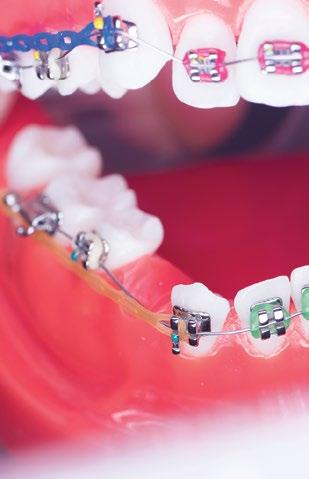
Aligners or braces

–
which wins in the quest for straight teeth?
Everyone wants beautiful straight teeth that can flash a million rand smile but deciding how to go about getting one is enough to cause a toothache.
By Dr Sheryl Smithies, Aesthetic
Dental Surgeon and Facial Aesthetic Practitioner
62 www.babysandbeyond.co.za
Firstly, brace yourself with the facts
Most of us have either worn braces in our childhood, or know someone who has, but how much do we really know about their purpose and functionality?
Braces are essentially wires made of either metal or porcelain which are attached to your teeth (the more modern ones can be fixed behind). More wires and rubber bands are then used to create tension, effectively forcing the teeth to move into the correct position. It’s a slow and very tedious process and can cause uncomfortable pain too.
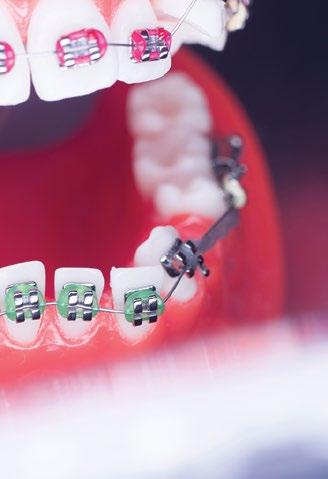
In contract to this, aligners like Invisalign are a more advanced type of orthodontic treatment. These are made of plastic and are custom-made to securely fit around only the teeth that need straightening, rather than the whole mouth.
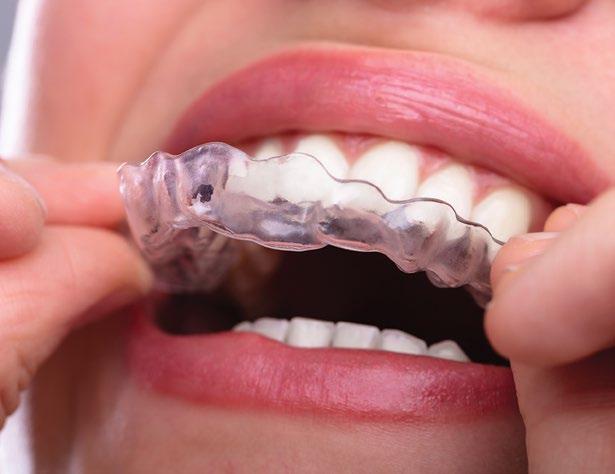
Small bumps of composite resin, which is like a tooth-coloured filling material, is used to help the aligner grip the tooth and each one then moves the teeth separately but rapidly in a step-by-step fashion until it achieves the desired result, with very little discomfort.
Secondly, brush up on the pros and cons of each
The benefits for both are the same – whichever one you go with, you’re guaranteed to get straighter teeth over time.
Braces, however, can be very painful, especially at the onset with the wires cutting the lips and the inside of the cheeks. There is also the risk of them causing potentially irreversible damage to teeth and bone structure, especially over a long period of time and it can sometimes be tricky to get the teeth into the correct positions.
It is difficult to get precise movements with a brace and because part of the tooth is covered with a wire, cleaning can become awkward too, and this can lead to potentially significant tooth decay. Braces also require an individual to have regular check-ups at their dentist usually every 4-6 weeks, so this is something to bear in mind too.
If this scares you, then aligners are probably the better option. Not only is this the most advanced way of moving teeth, but they are much easier to clean and there is very little discomfort, except perhaps over the first three days when the mouth is getting used to them.
The almost transparent look of an aligner is especially attractive to older patients who do not want something that is noticeable. If you stay away from some foods like turmeric which can stain, you probably will only need to see a dentist every 3-4 months, which is also welcome news for those with busy lives.

Then chew on the costs
Costs vary depending on the type and length of treatment and every patient will have a different set of circumstances.
Braces can cost anywhere from R30 000 to R70 000, whilst the price bracket for aligners starts from R25 000 to R110 000. Again, this depends on the number of aligners a person needs and the brand.
Finally, choose the one that aligns with you
Because braces are bonded onto your teeth, they require little input from you when it comes to maintenance and so are best suited to those people who are not as diligent with their dental care.
The only significant changes you will need to make will be to your eating habits (things like chewing gum is a complete no), and perhaps adding new toothbrushes to your teeth cleaning tools. You should also be prepared for a significant change in your appearance when you smile as well as lots of pain.
Aligners on the other hand are a much quicker treatment as they target only the teeth that need to move, as opposed to all the teeth. They are better suited to those who want a quick transformation but still value comfort, aesthetics and ease of use, and who like to be able to clean their teeth well.
dental health
rs 63 www.babysandbeyond.co.za
Making sense of
w ei ght r egulat io n in children
Weight regulation difficulties are faced by a growing number of children and are an emotionally charged topic. When the issue is recognised, parents are faced with the pressure of treating the issue but are often fearful that this interest in their child’s body shape and size may start up a lifelong battle with weight and body image disturbance, and a negative relationship with food and mealtimes.
By Claire McMahon, BSc Med(Hons) Nutrition & Dietetics
If the intervention chosen does not relieve this burden but adds to it, then it is unlikely to be helpful.
It’s important to understand that obesity is a complex disease and that there are many mechanisms, quite out of a young child’s control, which may lead to overeating. The treatment for childhood obesity should aim to stop further weight gain helping your child develop a healthy weight as they grow.

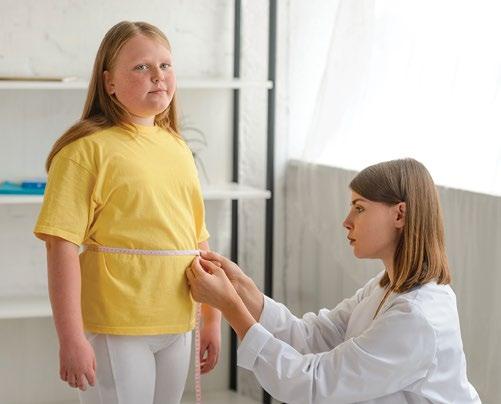

Overly aggressive dieting results in relapses
Overly restrictive energy intakes (aggressive dieting) almost always result in severe relapses. Ultimately the goal is to establish lasting, healthy dietary habits that reduce the overall kilojoule intake.
At this point in your child’s life there should be no assigned weight objective – only positive lifestyle goals. Any changes you make to your child’s diet and lifestyle are much more likely to be accepted if the changes are small and involve the whole family.
Managing an overweight child must include an understanding of the behavourial and psychological factors that affect our eating habits.
Extreme dietary restraint (starvation diets) stops one from relying on physiological cues of hunger and satiety. The hunger caused by diets that are too strict makes following them very hard. This can lead to breakdowns when the child is emotional and tired, causing feelings of guilt and triggering the child
to overeat, leading to a vicious cycle whereby, paradoxically, energy intake becomes greater.
This breakdown in control causes distress, which in turn promotes low self-esteem, and this is likely to increase new, even stricter dieting. Therefore, dietary restraint is identified as an important psychological factor which can hinder treatment.
64 www.babysandbeyond.co.za
nutrition
Be aware of eating as an expression of anxiety
Watch out for eating as an expression of anxiety. You may observe a trend of eating in the absence of hunger, but with specific preference for the consumption of comfort foods. Watch your kid’s snacking behavior and eating speed around higher stress times of the school year e.g., before orals, sports days and galas, exam time or if there is something that is happening in the child’s life that is or has resulted in undue stress.
The support of a psychologist may be very helpful in these situations and finding constructive ways of dealing with stress important.
Low satiety at the heart of overeating


Low satiety is often at the heart of overeating. Help your child distinguish between thirst and hunger and encourage the use of only water for thirst. Reduce the sugar content of favorite drinks and ban calorie dense sweet drinks.
Strive to enhance satiety, by using mindfulness techniques around each mealtime, making meals a joyful occasion. Encourage the child to eat slowly, chew well, and focus on the tastes and textures of the food. Eat in an environment free from distractions.

Appropriate plate sizes
Use appropriate plate sizes and avoid feeding your child large portions. A good rule of thumb is to start meals with small servings and let your child ask for more if they're still hungry.
Try not to make your child finish everything on the plate or eat more than they want to. Avoid using adult-size plates for younger children as it encourages them to eat oversized portions.
Use balanced dietary practices
Learn about healthy, balanced dietary practices. A visit to a registered dietician may be helpful here, as the amount of misinformation about food that we are bombarded with on a daily basis makes finding the truth about balanced diets rather challenging. Remember that the goal is to develop sustainable and healthy habits.
65 www.babysandbeyond.co.za nutrition
1 REMEMBER…
A strict weight reducing diet is not recommended for children. The goal of diet therapy is rather to maintain current weight or to prevent further weight gain and let the child grow into his/her weight.
2 Reduce energy intake by avoiding obvious sources of high calorie foods (particularly fatty foods or foods high in refined sugars). High calorie snacks should not be available. It will be much easier for your child to avoid the temptation of high energy foods if you do not have them in the cupboards.

3 The food your child eats does not have to be any different from the food you eat. Incorporating healthy eating habits for the whole family will benefit everyone. This also prevents the child from feeling different to anyone else.

4 A child’s stomach is smaller than your stomach: avoid serving portions that are too big.
5 Remember to look at your own eating habits, and lead by example.
6 Mealtimes should always be happy; food should be eaten in a relaxed environment. Do not offer food rewards to your child for finishing his/her food. Never force-feed your child: children will eat according to their appetite. One skipped meal will not result in starvation. However, if your child continues to refuse food for an extended period, consult your dietician or doctor.
7
8
Food likes and dislikes are quite common in childhood. If a particular food is refused, don’t fuss but ignore it and offer it another time. Food dislikes are usually outgrown, and the food will be accepted at another time.
Treats and rewards are important but should preferably not consist of food! Star charts may be used successfully in younger children: offer a reward once a certain number of stars have been accumulated. Non-food treats may include an outing, a new item of clothing, special toy. Older children can be offered the money that would have been spent on a food treat instead of the food itself. This money can be saved up towards something big: a new toy or item of clothing. This gives the child a sense of responsibility and makes them feel included.
9
Get active as a family! All children need about 60 minutes of moderate to vigorous physical activity a day for good health, but it doesn't need to be all at once: several short 10-minute, or even 5-minute, bursts of activity throughout the day can be just as good as an hour-long stretch. Keep screen time to under 2hr/day.

Claire McMahon is a registered Dietician who graduated with an honors degree in Nutrition and Dietetics from the University of Cape Town. She has been in private practice for over 20 years and specialises in eating disorders and the management of obesity in children and adults.
T +27 82 668 0668
E mckrouk@icloud.com
nutrition
66 www.babysandbeyond.co.za
% m/v S1 Wormstop® 100 Tablets. Reg. No.: 31/12/0526. Each tablet contains: Mebendazole 100 mg, Sugar Free, Artificially Sweetened. S1 Wormstop® 500 Tablets. Reg. No.: 31/12/0527 Each tablet contains: Mebendazole 500 mg, Sugar Free Artificially Sweetened. Pharmacological Classification: A.12 Anthelmintics, Bilharzia medicines, Filaricides, etc. For full prescribing information refer to the package insert. Further information is available on request from the applicant. Marketed by: Ranbaxy Pharmaceuticals (Pty) Ltd., a Sun Pharma company. Reg. No.: 1993/003111/07. 14 Lautre Road, Stormill Ext. 1, Roodepoort, 1724, South Africa. Tel: + 27 (0)12 643 2000. Website: www.sunpharma.com

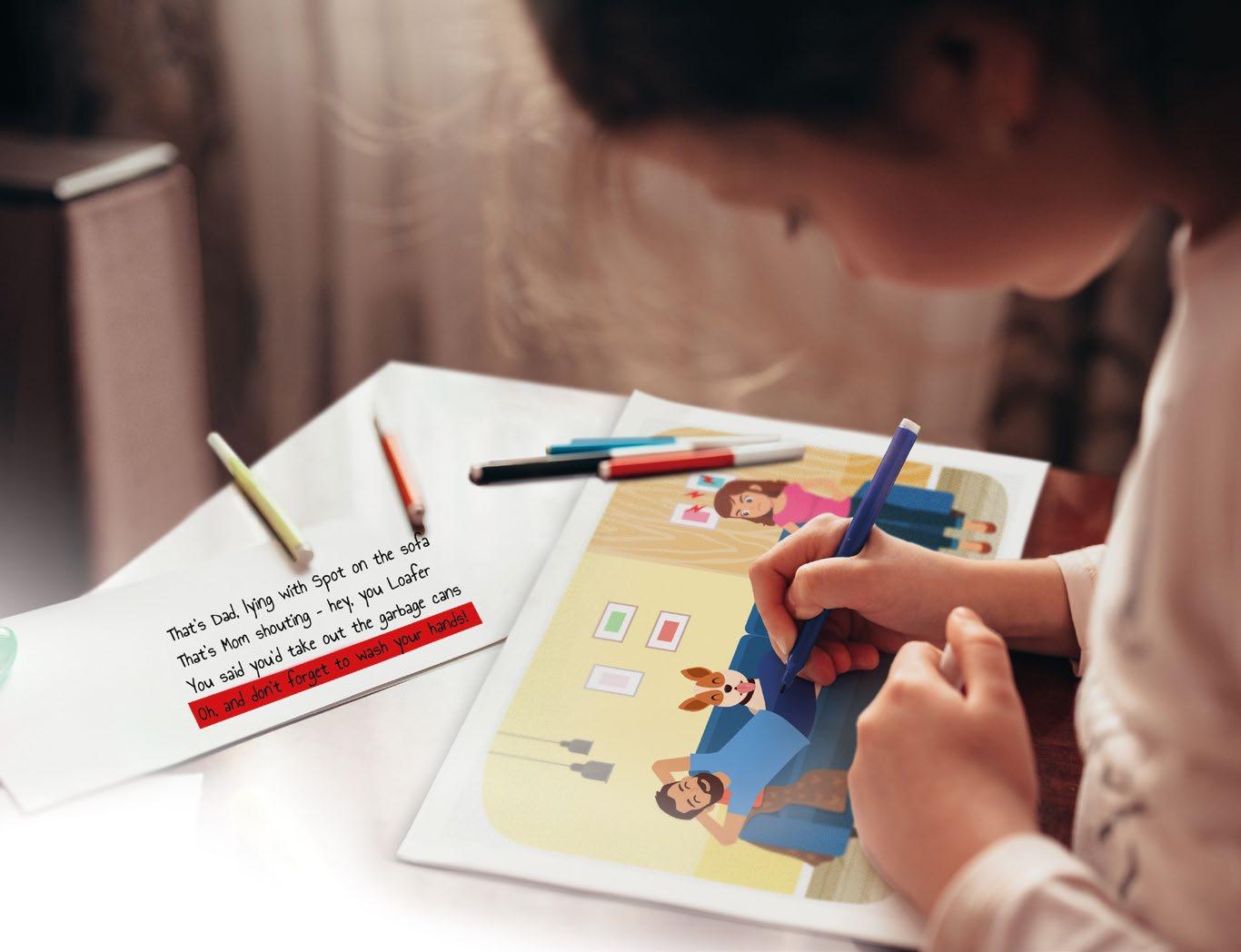


Mom, it’s time to de-worm your family. Wormstop ® STOPS worms. 1 An effective and affordable treatment to eradicate most intestinal worms, suitable for the whole family.1,3# WHO* recommends de-worming twice a year.2** Ask your Pharmacist for Wormstop® today. That’s Dad, lying with Spot on the sofa That’s Mom shouting - hey, you Loafer You said you’d take out the garbage cans Oh, and don’t forget to wash your hands! *World Health Organisation. **Based on an infection rate in the community that is over 50 %. #Suitable for children from 2 years and above, not indicated for animals. References: 1. Wormstop® 100 Tablets, Wormstop® 500 Tablets, Wormstop® 100 Suspension Package Insert. 2. Soil-transmitted helminth infections. World Health Organisation. [online]. https://www.who.int/news-room/fact-sheets/detail/soil-transmitted-helminth-infections [Accessed 25 July 2019]. 3. SA Database of Medicine Prices - 26 April 2022. S1 Wormstop® 100 Suspension. Reg. No.: 31/12/0248. Each 5 ml contains: Mebendazole 100 mg, Sugar Free. Preservatives: Methylparaben 0,18 % m/v, Propylparaben 0,02 % m/v, Sodium benzoate 0,2
for optimal development Nutritional needs for toddlers
Healthy eating and physical activity are essential for proper growth and development in childhood. To help children develop patterns of healthy eating from an early age, it is important that the food and eating patterns to which children are exposed – both at home and outside the home – are those which promote positive attitudes and enjoyment of good food.
 By Lyndall Metherell, Dietitian, BSc Dietetics (UKZN), PGDip Dietetics (UKZN)
nutrition
68 www.babysandbeyond.co.za
The amount of food your toddler requires depends on a variety of factors including gender, size and activity levels. Once your child is a year old you may notice that the amount they eat decreases, and they tend to eat more sporadically. This is to be expected as their growth slows down compared to the first twelve months of their lives. This is also the age when picky eating can develop as well as a fear of new foods.
So, what can parents do to help their toddlers develop a positive relationship with food whilst also enjoying food to promote optimal growth and development?

Keep mealtimes pleasant and relaxed
Try to eat as a family as often as possible. Sit at a table with no screens (TVs, phones, tablets) or other distractions. This is an important connection time for the family and an opportunity for your toddler to observe and learn to eat different types of foods and learn good habits. Therefore, whenever you can try to give your toddler the same foods as the rest of the family.
Let your toddler feed him/ herself and embrace the mess, this helps to promote self-feeding skills. Don’t become discouraged if your toddler doesn’t like the food at the first try. It can take many, many attempts before they accept a new food – it’s all about ongoing exposure. TIP: offer the same food in different forms for example: carrots – grated, cooked, and cut into circles or sticks.
Trust your toddler’s appetite
As a parent your job is to decide what and when your toddler eats, however it is up to him/her to decide how much they eat. This is to teach them to listen to their bodies in terms of hunger and fullness cues.
Pressuring your child to eat can lead to them becoming pickier and eating even less. Remember their appetites vary from day to day as well as place to place (home vs day-care). Rather look at what your toddler has eaten over a few days to a week. The best measure to check if your child is eating enough is regular growth monitoring at your local clinic.
Have an eating routine and offer regular meals and snacks
Offer three meals and 2-3 nutritious snacks every day. Toddlers have small tummies (about the size of their fists) that fill up quickly therefore they need to eat more often.
Set regular eating times, this will help your toddler to develop a healthy routine as to prevent grazing. Grazing often leads to an increased intake of less nutritious foods and fills their tummies which affects the amount eaten at mealtimes.
Provide your toddler with nutritious foods
Try to give a variety of different foods:
• Include vegetables and fruit daily at each meal and snack – offer a variety of colours.
• Choose high fibre starchy foods, such as oats, wholewheat, brown bread, wholewheat pasta, rice, potato, sweet potato, etc.
• Offer milk and milk products – yoghurt, cheese, cream cheese, etc. Use full cream options until 2 years old.
• Offer 2-3 portions of protein per day. Examples include lean meats (mince, beef strips), chicken, eggs, dried beans, lentils, chickpeas (including humus), fish, etc.
• Include healthy sources of fat daily such as avo, nut butter, olive oil and margarine.
• Limit foods that are high in added sugar, salt, and fat, such as cakes, biscuits, sweetened cereal, ice cream, sweets, chocolate, hot dogs, salted crackers, chips, French fries, onion rings and processed meats. These foods will fill up your toddler and leave less room for more nutritious foods. Try to delay the exposure to these foods for as long as possible.
• Also be aware of foods that could be choking hazards – nuts, popcorn or whole soft round foods, for example.
nutrition
69 www.babysandbeyond.co.za
Offer healthy beverages:
• If you are breastfeeding, then you can continue for two years and beyond.
• If you are not breastfeeding, you can use a toddler formula milk or full cream cow’s milk. Try limit milk to 2-3 cups per day. If toddlers drink too much milk, they will have a decrease in appetite for food and will miss out on important nutrients.
• Water can be given between meals.
• Avoid giving fruit juices (if you do give juice dilute it with water), fizzy drinks and too much tea.
• Offer beverages in a regular cup, not a bottle or a "sippy cup".
Be active with your toddler
• Toddlers need to be physically active every day for proper growth and development, and to have a healthy weight.
• Be active with your toddler and give your toddler playtime both inside and outside. Run, jump, dance or play catch or tag with your toddler to help them develop basic movement skills.
• Limit the time they spend in front of the TV and computer.
• Keep them active during the day by letting your toddler play on their own and with other children.
Feeding toddlers can be tricky, as they learn to assert their independence through food. Try to enjoy the process and have fun trying different tastes and textures with your toddler. If you are worried about your toddlers eating or need extra ideas, contact a registered dietitian for extra help.


Lyndall Metherell is a dietitian based at Life Kingsbury Hospital and has a private practice in the Claremont (Cape Town southern suburbs) area. She has a passion for working with babies and children as well as families as a whole. With 15 years of experience in the field of nutrition and two young daughters of her own she has a wealth of practical experience. She also enjoys helping people with any food and dietary related conditions and is available for in person and virtual consults. In her spare time, she loves to bake, read and spend time outdoors.
T +27 (0)84 451 5154
E hello@lyndallmetherell.com
W www.lyndallmetherell.com

nutrition
70 www.babysandbeyond.co.za




tips for Money
2023
Do not withdraw money from your investments to pay off a holiday indulgence


Welman says that many people feel a sense of guilt or despair about their splurges.
The solution may be to just cash in some of our savings or investments to pay off your debt and move on, right? Wrong!
“This may result in your incurring more risk with this disinvestment. Factors such as market timing, currency and systematic risk may end up eroding all of your hard-saved money and set you back more than a few months of saving,” Welman advises.
“Instead, rather speak to your financial adviser and work out a plan to address your debt in a way that doesn’t affect your savings or jeopardise your retirement plans.”
finance
72 www.babysandbeyond.co.za
With interest rate increases and the cost of living spiralling, having sufficient funds becomes a challenge. Corne Welman, Franchise Principal and Financial Adviser at Consult by Momentum, shares some advice on what NOT to do with money this 2023!
Do not ignore the power of your retirement savings to reduce tax

Do not fall into the trap of skipping one or more of your retirement annuity premiums, advises Welman.

“You may end up negating your retirement tax-savings benefits, which offer an easy way of bolstering your disposable income for the year ahead. Rather, invest this money wisely and where it belongs – towards your retirement – and take advantage of the tax breaks offered to incentivise these savings.”
Do not put off reviewing your risk portfolio
If there is one thing the last few years have taught us it is that our future is not always in our own hands. Risk products like life insurance, income protection and disability cover may feel like grudge purchases but are critical to safeguarding the financial well-being of ourselves and our families, says Welman.
“At the start of the year, we may have all the best intentions of reviewing our portfolio with our financial adviser, but if we don’t prioritise this we may blink to find that half a year has passed, and we have left this important task too late.”
Welman says that our risk profile changes all the time, along with our lifestyle and circumstances.
“It is vital that we review these changes and how they impact our cover timeously, to ensure that we retain an adequate level of protection. And do not even think about reducing your risk cover without professional advice. There are often better ways of freeing up funds that don’t potentially compromise the financial well-being of ourselves and our families.”
Do not tap into your ‘rainy day’ fund to pay for ‘fairweather’ luxuries
Welman says that after the pandemic, many find themselves with a distinct urge to book a fancy holiday or make a lavish purchase to compensate for the hardship of the last few years. She suggests that instead, we should rather look to what the pandemic has taught us: we don’t need tons of material goods; all that matters is our health and that of those we love.
And also, sometimes staying at home is not such a bad thing.
“We’ve seen how fast things can change and have realised that the future is unpredictable. Therefore, we should build an emergency fund as we never know what may be around the corner. Let’s learn from the past and not repeat our mistakes,” she adds.
finance
73 www.babysandbeyond.co.za
Gaming development
can prepare children for the future Gaming
Gaming has become an integral part of many children's lives and has proven to be an effective tool for enhancing skills development. As the world becomes increasingly digital, it's important for children to develop the skills necessary to navigate this ever-changing landscape.
 By Shaun Fuchs, Founder and CEO of Centennial Schools

74 www.babysandbeyond.co.za
One of the key areas where gaming can help prepare children for the future is in digital skills. Many games require players to use technology in creative ways, such as programming robots or coding scripts. Through gaming, children can learn fundamental concepts of computer science, such as logic and problem-solving. These skills are crucial in an age where technology is rapidly advancing and will only become more important in the future.
Gaming helps develop strategic thinking
Games often present players with complex challenges that require them to plan ahead, consider different scenarios, and make decisions quickly. This type of problem-solving and critical thinking is essential for success in both school and the workplace.
At Centennial Schools we have incorporated gaming into the curriculum and lessons. For example, students in Grade 8 had to navigate their way in a Minecraft world that depicted the World War One trenches warfare system.
Gaming has a positive impact on soft skills
Many games require players to collaborate with others, communicate effectively, and work as part of a team. Through gaming, children learn how to work well with others, develop leadership skills, and build relationships.
Gaming can help improve fine motor skills
Many games require players to use a combination of keyboard, mouse, and controller actions to play. Through practice and repetition, children can improve their hand-eye coordination and dexterity, skills that are important for many other areas of life such as sports, music, and art.
Overall, gaming offers many benefits for children's skill development, and it can be an effective tool for preparing them for the digital future.

development
75 www.babysandbeyond.co.za
The power of a parent’s love can protect a child from the massive forces of a car accident when age appropriate car seats and safety belts are used every time a child travels in a vehicle – no matter how short the distance.

“When you see what we as paramedics have to deal with at accident scenes, you’ll understand the importance of wearing a seatbelt, and securing your child safely in a child seat. It is especially chilling to arrive at a scene and find a mother cradling her child after he’s been ejected through the windscreen. As a parent myself, I can never emphasise enough the importance of car seats,” says Charné van der Berg, Netcare 911’s critical care operations manager.

76 www.babysandbeyond.co.za safety
Through paramedic’s eyes: ‘Please safely restrain kids in the car’ Through paramedic’s eyes: ‘Please safely restrain kids in the car’
Road fatality statistics are chilling
Over the recent 2022/2023 festive season, 1 451 people were killed in road accidents, down from 1 685 over the previous year’s summer holiday period1, with the transport ministry drawing attention to the lifesaving importance of seat belts and child car seats.
In 2021, 7% of South Africa’s road accident passenger fatalities were children under 142, as noted by the Road Traffic Management Corporation. According to the most recent Statistics South Africa Causes of Death and Mortality Survey3, road accidents accounted for 4.2% of non-natural deaths for babies under a year old, and 15.5% for children aged one to 14 years old.
For children under the age of two, a rear facing car seat on the front passenger seat is recommended4, and then a front facing car seat on the back seat as they get older. Once children outgrow a car seat, they are still too small for conventional seatbelts to be optimally effective and need to be secured in a booster seat.
“Accidents happen when they are least expected – even a quick trip down the road can have fatal consequences if a child is not safely restrained. According to Arrive Alive, properly installed child safety seats can reduce the need for hospitalisation among children younger than four years by 69% in road traffic accidents4,” Van der Berg adds.
“It is not safe for a child to sit on an adult’s lap while travelling in a car. The adult may be safely strapped in with a
References
safety belt, but the force of a collision is so immense that the child isn’t protected at all. People often think they would be able to hold onto their child in the event of an accident, but in reality it’s not possible,” she says.
A 2019 observational study recorded fewer than one in five child passengers using safety restraints among visitors and patients to a children’s hospital in Cape
Seven tips for car seat safety
Town5. Concerningly, a third of children noted in the study were completely unprotected from injury, as they were sitting on the lap of an adult.
“Although toddlers have a will of their own, and can be especially difficult when being strapped in, as the responsible adult it is up to you to make it a routine part of every car trip. It takes two minutes, and it can save a lifetime of regret.”
Do your research when buying a car seat. Visit the Automobile Association’s website for the relevant specifications and regulations to ensure your choice of car seat is compliant6. Make sure your car seat or booster seat is quality assured by the South African Bureau of Standards (SABS).
Install child safety restraints correctly according to the seat manufacturer’s instructions and check these against your car’s owner’s manual.
Ensure your child’s car seat is right for their age and weight. Replace the seat as needed when your child outgrows their car seat.
Make sure to check all the clips and buckles, including those securing the child seat into the car, every time you travel with your child.
Make sure straps are tightfitting to be effective in an accident, and to prevent driver distraction that could lead to an accident.
Be consistent. There is no negotiation when it comes to car safety, your child or infant has to be properly secured every time.
Avoid dressing your child in bulky clothing, as this can affect the fit of child restraints and make them less effective in an emergency7. Rather, dress your child in layers of thinner fabric that will not compress under force or put a blanket over the restraints once your child is safely buckled in.

1. Transport Minister Fikile Mbalula speech on 17/01/2023 available at: https://www.gov.za/speeches/minister-fikile-mbalula202223-festive-season-preliminary-statistics-17-jan-2023-0000#:~:text=The%202022%2F23%20festive%20season,their%20 lives%20on%20our%20roads.
2. RTMC 2021 Report p23 https://www.rtmc.co.za/images/rtmc/docs/traffic_reports/calendar/Calendar-Report-2021.pdf
3. Statistics South Africa (2021) Mortality and Causes of Death Survey 2018 https://www.statssa.gov.za/publications/P03093/ P030932018.pdf
4. https://www.arrivealive.mobi/car-seats-for-kids-and-road-safety-in-south-africa
5. Clay, C.; van As, S.A.Β.; Hunter, K.; Peden, M. Latest results show urgent need to address child restraint use. S. Afr. Med. J. 2019, 109, 66
6. https://aa.co.za/child-car-seat-safety-ratings/
7. https://www.healthychildren.org/English/safety-prevention/on-the-go/Pages/Car-Safety-Seats-Information-for-Families.aspx
“Even if you are the most cautious driver, there are so many variables that contribute to accidents. Without a doubt, car seats and seat belts used correctly save lives every day; unfortunately, not enough people are using them,” Van der Berg says.
“Unequivocally, these car safety devices make a big difference to survival and minimising injuries in motor vehicle accidents. Set a good example for your children; always make sure everyone is strapped in safely and never take a chance when it comes to car seats or seatbelts.”
safety
1 2 3 4 5 6 7 77 www.babysandbeyond.co.za
newborns in ICU newborns in ICU Digital service connects to
A secure, digital visual diary service is helping parents of newborns in the neonatal intensive care unit (NICU) at a local hospital to feel more connected to their babies at times when they are apart.


parenting
78 www.babysandbeyond.co.za
Dr Ricky Dippenaar, a neonatologist practising at Netcare Blaauwberg Hospital in the Western Cape, implemented the UK-based vCreate Diaries service at the facility in early 2021, after searching for a solution that could alleviate some of the emotional strain families so often feel when separated from their vulnerable little ones.
“The vCreate Diaries service has proven its value as a communications tool to help minimise separation anxiety for parents and support family centred care,” says Dr Dippenaar.
“There are numerous reasons why parents are not able to remain with their baby in the NICU, such as other children and family members at home who need their care, work commitments and financial constraints, travel challenges for those living far from the hospital, and so on.
“With this system, neonatal nursing staff are able to send parents images and video clips of their newborns along with the updates that they would normally receive in text or telephonically. The platform is secure
Secure video and photograph messaging technology
vCreate Diaries’ secure video and photograph messaging technology is currently in use in over 80% of neonatal units in the UK and more than 130 units globally.
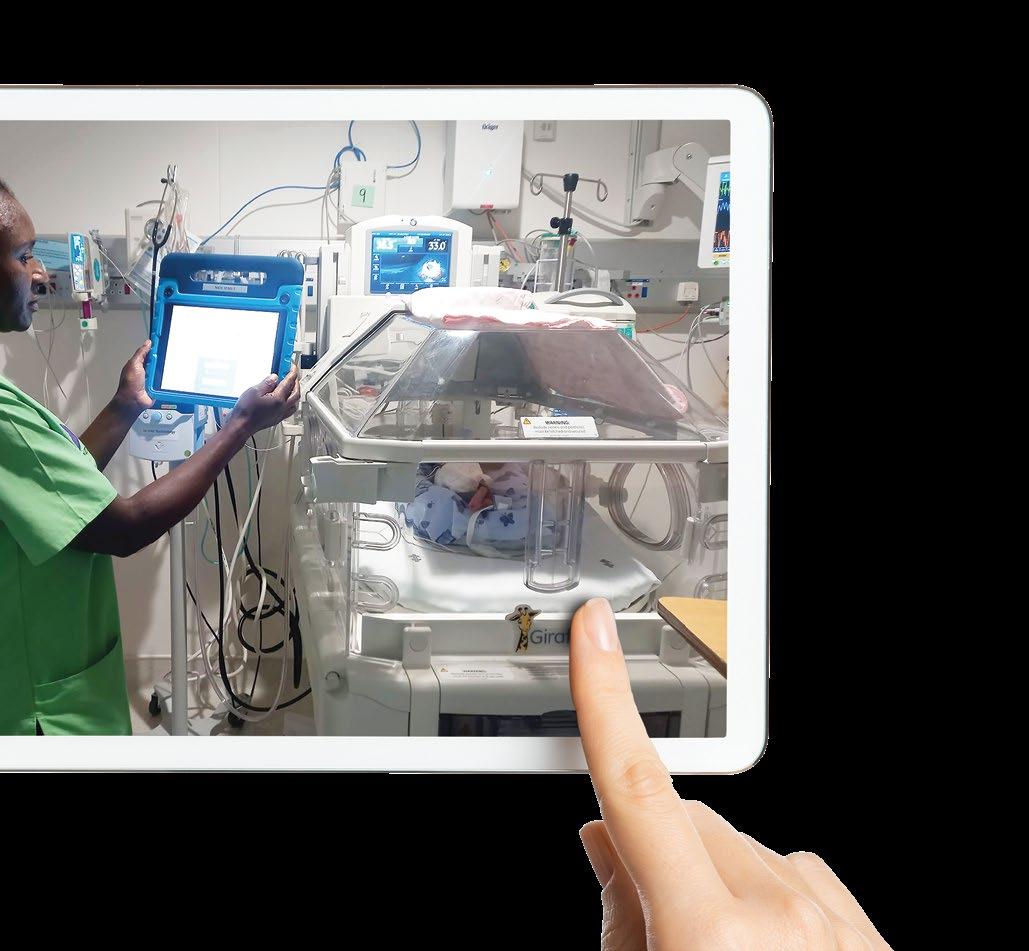
For the family of little Amilenathi Letheo, who was born at just 26 weeks weighing 580g, the service was a lifeline, as she spent the first 103 days of her life in the Netcare Blaauwberg Hospital NICU.
During this time Amilenathi was largely separated from her parents, as her mother was critically ill and her father who works in Johannesburg was unable to be there in person for the duration of this time.
“Looking back, it was such a rollercoaster for our little family. vCreate gave us that extra support we needed, allowing us to witness Amilenathi’s development and to feel a part of it. The first time she opened her eyes, I got to see it in the pictures that were uploaded to vCreate. I would just sit and look at her while expressing milk for her and I would feel a deep sense of connection. It motivated me to be strong for her,” says Amilenathi’s mother, Phiweyo Mposula.
A sense of reassurance
Liezel Cloete, a midwife by profession, is all too familiar with the importance of close bonding time between parents and newborns but found herself in a similarly difficult position after her baby, Laken, was born at 26 weeks at a low birth weight of 650g. Laken spent 74 days in the hospital’s NICU before being able to go home.
“In the beginning I struggled to accept what had happened. We had battled to conceive, and it had already been such a journey getting to that point. Laken is our first baby and I never imagined that this would be our experience, so when Dr Ricky told me about the visual diaries service it was music to my ears.
“Receiving those updates and pictures of her gave me a sense of reassurance – it was the next best thing to being there myself. I hope it goes viral because it’s something that every parent should have access to when their little one has to stay in hospital,” comments Cloete.
parenting
79 www.babysandbeyond.co.za
Creating a human connection
Sr Kelly Delaney, a clinical nurse specialist in the Netcare Blaauwberg Hospital NICU, is the vCreate champion for the unit and says that the nursing staff at the hospital have found vCreate provides parents with a more tangible connection with their baby than when they receive an update via phone call or text.
“The ability to share real time visuals with our moms and dads is powerful when it comes to creating a human connection, as there are many parents who cannot be here in person all the time, for various reasons,” she says.
“The nursing staff love using vCreate to connect with the families – it has given us another way to form that bond with them. We have had parents reporting that they sleep better at night once they have seen a new image of their baby and that they have enjoyed being able to show these visuals to other members of the family, who have not yet been able to meet the new addition.”
Family centred and keeping parents in touch with their newborn
Nicole George, the mother of baby Eden who was born at just 31 weeks weighing a little over 1kg, says that leaving the hospital without her child was a terrible experience but that she also needed to get back home to take care of her four year old son Noah.

“The 41 days that Eden spent in the NICU were terribly hard and I felt very torn as a mother, but the staff were amazing and made excellent use of the vCreate system to keep us in touch with Eden’s progress.


“It was also wonderful to be able to show the photographs to Noah who had been expecting his baby sister to come home with us but was now unable to meet her, as children are understandably not allowed in the NICU. It is no surprise that Dr Dippenaar implemented this service – it’s very family centred and forward thinking, as is he,” says George.
Critical for parents to be part of their baby’s early days

Dr Dippenaar notes that it is critical for parents to be part of their baby’s early days and that there are many factors hinging on the formation of that bond as well as the connection between families and treating healthcare staff, such as mothers feeling relaxed enough to produce sufficient milk, clinical decision making between a family and the team, and many others.
“It became clear that a digital solution would be the safest and most effective – no two people are dealing with the same set of challenges, but everyone has a mobile phone. We have found the benefits to be enormous, improving communications and fostering parental relationships, all while protecting private patient information. Because we are dealing with children, it was paramount that we engaged with a safe and secure platform.
“Furthermore, by helping to put parents at ease the service takes some of the emotional pressure off nursing staff and doctors, allowing everyone to focus more on taking care of our little patients. It has also been invaluable to have had an extra layer of support from Alan Abrahams, general manager here at Netcare Blaauwberg Hospital, who has encouraged us and fully embraced the implementation of the service,” says Dr Dippenaar.
“The vCreate platform is fully digital and seamless, running off tablets that we have here in the unit and with the ability to integrate into a wider system. This is a natural evolution that can work side by side with CareOn, the state of the art electronic medical record system that is being implemented at Netcare facilities nationally. It is a service that adds immeasurable value and one that we will be using well into the future,” he adds.
80 www.babysandbeyond.co.za parenting
Eden George
Amilenathi Letheo
Eden George Amilenathi Letheo
C/O Heinrich Avenue & Brits Rd, Akasia, 012 549 7229
HOW DOES IT WORK:


There are two types of sweat glands found in your body, apocrine and eccrine glands. The eccrine or sweat glands are far more numerous. They’re responsible for most of the sweat your body produces. Apocrine glands are also a type of sweat gland, but these glands are responsible for scent and odour.

When THE SWEAT CLINIC’s products get close to water aka sweat, it soaks up the water and becomes a gel.




The THE SWEAT CLINIC’s products form a plug in the sweat gland, therefore preventing sweat from reaching the skin’s surface.
Wapadrand Medical Centre: 10 Spantou Ave, Wapadrand 012 807 0961
Clinically Proven Results
Sweat Reduction
Dr Olmesdahl: AesthetiClinic 477A Sappers Contour St Lynnwood golmesdahl@ yahoo.com
Dr Sandi
Dyonase: Medical Aesthetics 1 Townshend Rd, Hyde Park 010 20 9240
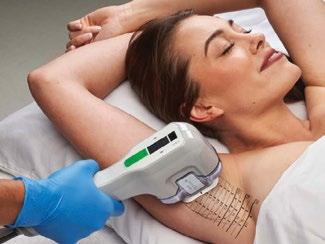
www.sweatclinic.co.za
dry@sweatclinic.co.za
Whatsapp: +27 76 695 0471
Dr Thobane: The Zone Medical Suites 1st Floor 177 Oxford Rd, Rosebank 011 880 0360
PRODUCT OPTIONS DRI H&F DUODRI EVERYDAY DRI ANTIPERSPIRANT Treatment Treatment Daily Use Ask your doctor for these prescription products Are you bothered by sweat and odour?
can be uncomfortable and embarrassing. When severe sweating gets in the way of life and antiperspirants haven’t worked. We have a range of products to target sweaty hands, feet, back, groin and underarms. THE SWEAT CLINIC can help you get your fresh confidence back! SWEAT STOPS HERE 3 STEPS TO SWEAT-FREE Find miraDry ® at these practices: HOW IT WORKS The miraDry® treatment is the only FDA-cleared treatment that can dramatically reduce underarm sweat by addressing the root cause of excessive sweat and its accompanying odour - not the symptoms. Dramatically reduce underarm sweat and odour NUMB IT 1 2 MARK IT 3 TREAT IT Contact Marli at THE SWEAT CLINIC: dry@sweatclinic.co.za or WhatsApp at 076 695 0471 or SkinMiles.com and selected clinics and practices. Underarm Hands & Feet Face, Forehead, Scalp & Neck sweating Namibia: Aesthetic Centre Olympia C/O David Carstens & Esther Brand, +264 61 372 640 Anti-Aging Art: 52 Central St, Houghton Estate 011 483 0881 dermaV: 8c Railway Ave, Benoni 076 695 0471 Dr Segwapa:
Sweating
AVAILABLE
ONLINE
Starting menstruation:
Your daughter’s first menstrual period marks a crucial phase in her life and can be a daunting experience for both daughter and parents. Her experience of it can change her perspective about her body for years to come. Here’s how to prepare yourself and your little girl for this milestone.

82 www.babysandbeyond.co.za
guiding your daughter through menstruation adolescence
By Dr Rori Fortuin, Obstetrician and Gynaecologist, MBBCH (Wits), MMed O&G (Wits), FCOG (SA)
When should I start speaking to my daughter about menstruation?
There is no specific time or age when one should start to discuss menstruation. Most girls start their periods when they are about 11-12 years old, but they can start as early as age 8 years.
It should be brought up early with a gradual build-up of your child’s understanding to make sure she is prepared. Speaking about such personal subjects can make parents and kids feel a little uncomfortable so look for natural moments to speak about the topic. If you feel uncomfortable speaking to your child about menstruation, try watching a video together or ask a trusted family member or doctor to assist with the conversation.
Talk about the changes in her body that are expected to occur with puberty, starting with a growth spurt, breast development as well as armpit and pubic hair. Bathing together may bring about a natural time to raise this topic. Explain that every girl’s body has its own schedule. It usually happens around 2 to 2.5 years after the start of breast bud development.
Reassure her that the blood she may see when mom is menstruating does not mean that she is hurt, it is a normal part of growing up.
Emphasise that there is nothing to be ashamed of. The changes the body goes through are so that she can have a baby when she grows up. Explain that every 28 days or so, one of the ovaries releases an egg. This is called ovulation. At the same time, hormonal changes prepare the uterus for pregnancy. If ovulation takes place and the egg isn't fertilised, the egg passes through the uterus and out of the body, and the lining of the uterus is shed through the vagina. This is called a period.
Prepare her for the symptoms she may experience and explore period supply together. Be hands on about showing her how to use it and teach her how to make a pad out of toilet paper should she not have supplies. Ensure that she is always prepared with a sanitary towel in her bag and a change of underwear, just in case. You may want your daughter to use sanitary pads initially but explain the option of tampons or menstrual cups for when she is older and more comfortable with the idea.

adolescence
83 www.babysandbeyond.co.za
What should I tell her?
How can I support her?
It is important that her first period is handled with care, positivity and reassurance. Puberty is hard enough as it is, and your child may be struggling with the changes in her body. Here is some advice to help make this experience less scary.
1. Confront the menarche (first period). You may not be present when this occurs but be available to pick her up from wherever she is without creating a disturbance and take her to a place of comfort, such as home.
2. Listen to her. Ask about her concerns or fears and allow her to share whether she is experiencing any pain, irritation or mood swings. Find solutions to minor discomforts by offering her food, a hot water bottle or chocolate to make her feel better.
3. Be warm, reassuring and accepting. She may be scared or traumatised by the sudden experience and may just need a hug. Share your own experiences and normalise periods as much as you can. Reassure her that she can still do everything that she used to do.
What to expect?
Menstruation is associated with a number of undesirable changes that may present challenges to your daughter and the family. These diverse physical and psychological symptoms are collectively referred to as PMS (Premenstrual Syndrome) and up to 90% of females experience them in the week or two before their period.
Irregular periods: For the first few years after starting menstruation, periods may not be regular. They may also be associated with longer periods of bleeding. This is normal and occurs due to the first cycles not being associated with ovulation. This may, however, predispose your daughter to iron deficiency anaemia.
Abdominal cramps: Periods can also be quite painful with abdominal cramps and associated nausea and bloating. This can be managed with application of a hot water bottle or beanbag, or with over-the-counter anti-inflammatory medications.

Mood changes: She may experience anxiety, irritability, tiredness or trouble sleeping and may cry easily. She may just want to be left alone, however some activity in the form of a walk can do her some good.
Body image: Other PMS symptoms such as spotty skin, greasy hair and appetite changes that affect weight gain can affect her body image and self-confidence. Encourage body positivity and cleanliness, clear out any insecurities, help her feel valued and beautiful.
When should I worry?
If your daughter experiences any of the below, please seek assistance from a General Practitioner (GP) or Gynaecologist for further management.
• She is 15 years old and has not had her first period.
• She started developing breasts more than three years ago and has not had her first period.
• Her periods still do not come regularly even though it has been two years after her first menstruation, especially if she misses three or more periods in a row.
• She experiences severe cramps that are not relieved by over-the-counter antiinflammatories and result in her missing daily activities such as attending school.
• She has very heavy bleeding that requires that she change her sanitary pad/ tampon more frequently than advised. She may also be passing blood clots or have symptoms of anaemia such as fatigue, weakness, heart palpitations or dizziness.
Dr Rori Fortuin is a specialist

Obstetrician and Gynaecologist, who has recently moved from Johannesburg and has started a new practice at Life Kingsbury Hospital. She has a special interest in high-risk obstetrics as well as laparoscopic surgery and charges medical aid rates.
T +27 21 065 1816
E reception@drroriobgyn.co.za
W www.drroriobgyn.co.za
84 www.babysandbeyond.co.za adolescence

Skin through the ages
Our skin and its needs change drastically as we age. Here’s what to expect at every life stage, and how to keep your skin looking younger for longer.
 By Dr Judey Pretorius, Biomedical Scientist and Founder of Biomedical Emporium Skincare
It’s no secret that our skin goes through major changes as we age. From the formation of fine lines and wrinkles to loss of elasticity and volume, ageing is inevitable. But it’s not just the skin’s appearance that changes as we age – it’s also the skin’s needs. The skincare routine you used in your 20s is not going to suffice in your 40s or 50s.
The key to maintaining healthy skin with a youthful appearance is to adapt your skincare routine and lifestyle to your skin’s everchanging needs. Here’s how to build your best skincare routine throughout the various stages of your life.

beauty
86 www.babysandbeyond.co.za
At this age your skin is likely to still be plump, firm and wrinkle-free. Skincare in your twenties should be preventative. It’s the perfect time to start introducing antiageing ingredients in your regime and to form long-term healthy habits that will benefit your skin (such as maintaining a healthy diet, quitting smoking and getting enough sleep).

It is a good time to introduce retinol (vitamin A) into your regime. This powerful active ingredient is renowned for its anti-ageing benefits, but also helps combat breakouts, clogged pores and give you a more even skin tone. If you haven’t already, you also need to get into the habit of applying a broad spectrum SPF every day (even during winter!) and to keep doing this as you age. This is the single most important anti-ageing tool in your arsenal.
You are likely to start seeing the early signs of ageing during your thirties, and this is also a time in which a lot of women begin to see the first effects of sun damage that occurred when they were younger.
Fine lines, loss of volume in the cheeks and sun-induced pigmentation are common in your thirties. The skin’s production of collagen starts to decline, and your skin’s repair system slows down. This is a great time to include antioxidants in your regime. Vitamin C will help repair suninduced pigmentation and will help to rejuvenate your skin’s collagen production. You can also move on to a stronger concentration of retinol. It’s important to master the basics: Invest in a good quality cleanser, hydrating moisturiser and eye cream. Now is also a good time to start investing in professional treatments such as micro-needling and chemical peels to stimulate collagen production.

Most women become pregnant in their twenties and thirties. During the first trimester, women experience an enviable glow, but as the pregnancy progresses and the skin’s sebum production increases, she may begin to struggle with pigmentation and breakouts. It’s best to avoid using active ingredients during pregnancy, and to avoid professional treatments such as injectables and chemical peels. If you’re not sure whether or not a product or ingredient is suitable, consult your skincare therapist or medical practitioner.

beauty
Skincare in your 20s
87 www.babysandbeyond.co.za
Skincare in your 30s
During your forties is the time during which you may see the most dramatic changes in your skin. This is because most women in their forties enter the phase of perimenopause (the phase right before menopause begins).
During perimenopause the body experiences a lot of hormonal changes, which have an effect on the skin. Collagen and elastin fibres begin to break down, you may experience sagging and deeper wrinkles may begin to form. Your skin may also become dehydrated and struggle to retain moisture.
Include a hyaluronic acid serum or moisturiser in your regime. Hyaluronic acid is one of the most hydrating ingredients available in skincare and has the ability to hold up to 1000 times its own weight in water, so imagine how hydrating it can be for the skin!
You can also start using peptide serums (peptides are essentially the building blocks of the skin that send messages to your cells, telling them what to do). Peptide serums can help stimulate collagen production and are great to soften expression lines. Switch over to a retinol eye cream to help combat crow’s feet and deeper wrinkles around the delicate eye area.
Post-menopause, our bodies go through a major hormonal shift again with declining levels of oestrogen and increased androgens. Skin will become thinner and less elastic and while dryness is a common concern at this age, the fluctuating hormones may also bring about breakouts.
Your biggest focus should be to give your skin as much moisture and hydration as possible. Use a gentle cream or milky cleanser that won’t strip the skin of its natural oils and continue using a good quality hyaluronic acid serum for hydration.
Now is a good time to introduce a ceramide moisturiser into your regime. When we reach this age, the epidermal layer of our skin starts to lose the fatty substances that keep our skin plump and supple. Ceramides address this concern by locking in moisture and giving the skin a plumper appearance.

No matter what your age…
No matter what your age, it’s important to stick to a consistent skincare regime twice a day. Never go to bed with makeup on and apply SPF every day. A healthy lifestyle goes a long way to prevent and minimise the signs of ageing, as general wellbeing and a healthy skin go hand-inhand.
Ageing is inevitable and no matter how much we wish that we could look 25 forever, our skin will go through the changes that lead to signs of ageing. The good news is that when you apply good quality active ingredients to your skin, lead a healthy lifestyle and look after yourself, your skin can look great at every decade, and you can age with dignity and grace.
88 www.babysandbeyond.co.za beauty
Skincare in your 40s
Skincare in your 50s and beyond
COMPOSABLE, CREATE YOUR BRACELET LINK BY LINK COMPOSABLE, CREATE YOUR BRACELET LINK BY LINK































practical tips
washing baby clothes
Pre-wash baby clothes
It’s a good idea to wash your new baby clothes before they are used. The reason for this is because there could be contaminants or dust on the items from being on the shelf or in storage.
Handling stains
It is always a good idea to pretreat stains before placing the item in the washing machine. A positive to soaking baby clothes for 30 to 60 minutes prior to washing is that it helps to kill certain bacteria.

Using the washing machine
A washing machine can be used to wash baby clothes, but it is advisable to separate them from other items so that nothing (such as bacteria) from other clothing items can transfer. Generally baby clothes are washed using cool to warm water on a normal or gentle cycle – fabric dependent. It is a good idea to do an extra rinse to ensure that any soapy residue is washed off. Another tip is to use a mesh laundry bag for small items such as socks.
Some fabrics don’t do well in a washing machine, so read the tag beforehand to ascertain if certain items need to be handwashed.
Note: Wash nappies in a separate laundry load – advisable not to mix with clothes.
Tiny humans mean a lot of laundry, but we also have to take into consideration their sensitive skin and what works best…
90 www.babysandbeyond.co.za
Detergent
There are baby-specific detergents that can be used, although regular detergents should not be a problem as long as your baby does not have allergies or sensitive skin. Liquid detergent is a better option to a powder one as some powder detergents can leave behind residue that might irritate baby’s skin.

A tip if you are worried about using regular detergent as opposed to a specific baby detergent is to wash a couple of items first and check for any skin irritation on your baby. Experts advise when using a general detergent to opt for one that is fragrance free, gentle (designed for delicate items), has no bleach and has no fabric softener.


Drying
Handwashing
With the amount of baby clothes piling up with spills, handwashing can be a bit tiresome with so many other baby responsibilities. However, clothing that states on the tag “handwash” should be handwashed. Other than that it should be fine to use a washing machine. But if you are handwashing here are some tips:



1. Fill a bucket with cold or room water temperature



2. Add detergent
3. Stir it around to create bubbles

4. Soak clothes in it for a bit



5. Handwash

6. Rinse thoroughly



It is recommended that you hang-dry baby clothes as some baby clothes are prone to shrinkage. You can opt to use a dryer but ensure that you switch it to a lower temperature setting or use the “delicate” setting.


www.babysandbeyond.co.za
digital learning platform launched Ground-breaking
In a first for the country, South Africa’s leading private education provider, ADvTECH, will start rolling out a unique, locally developed personalised learning digital platform across its schools.

education
92 www.babysandbeyond.co.za
ADvLEARN is a customised platform for ADvTECH Schools that provides personalised learning paths using adaptive technology to deliver data-driven insights and learning analytics. Students will therefore have a unique learning experience while constantly improving their understanding in core areas.
“We are very excited to have partnered with MathU to bring this ground-breaking digital learning platform to our Grade 7 to 12 students, a move which will further cement our reputation as a leader in education in the country, in line with our vision to stay at the forefront of global technological innovation and emerging best practices,” says Desiree Hugo, Academic Head at ADvTECH’s Schools Division.
ADvTECH Schools Division will initially use ADvLEARN to enhance learning in Mathematics (Grade 7 to 12), Physical Sciences (Grade 10 to 12) and Mathematical Literacy (Grade 10 to 12).
Find the gaps in students’ learning, and then fill these gaps
The pedagogy applied in ADvLEARN seeks to find the gaps in students’ learning, and then fill these gaps to ensure they improve their understanding in core areas. Through adaptive learning technology, the system supports both students who want to progress faster as well as students requiring reinforcement of key concepts.
MathU is a software as a service (SaaS) company based in Pretoria, specialising in artificial intelligence and software engineering. The team at MathU has developed an innovative software solution that uses state-ofthe-art engineering principles to map, monitor, and assess student progress.
to student devices, immediately access student performance and achievement data, as well as easily view and identify concepts needing reteaching and review,” says Hugo.
The platform has been adapted to cater to the specific needs of schools and universities, and the company was founded by engineers and scientists who are passionate about improving mathematics and science education. MathU provides solutions to schools and universities looking to enhance their educational offerings and better support their students.
“We are truly excited about taking education another step into the future in 2023 and look forward to seeing how this strategic partnership cements and accelerates STEM learning for our students.”

education
93 www.babysandbeyond.co.za
An egg-tastic
hunt
By: The Crazy Store
You will need:
• Air Dry Modelling Clay, 250g

• Paint Brush and Palette Set

• Water Colour Paint Set, 42 Colours

Family fun! Bring out your inner artist by modelling and designing eggs for the perfect family-fun hunt or decor!


The Crazy Store Clay Eggs
*Screenshots sourced from Mont Marte Art on YouTube
For safety, please ensure there is adult supervision when the children are making the eggs. To view the full tutorial, head to the Mont Marte Art channel on YouTube to watch the full tutorial at https://youtu.be/jhYpNSNwWoE
diy
94 www.babysandbeyond.co.za
Instructions:
Section your clay into blocks.

Take a ball of clay and knead it to soften. You can decide how big or small you would like your eggs to be. Use the palm of your hands to shape and mould your clay into eggs. Roll your clay into a ball, stretch one side a bit to create the shape of the egg. Do this until you are satisfied with the shape of your eggs.
Once you have enough eggs, lay them out to air dry.

TIP:
Use your pallet to dab and mix colours. If you don’t have many colours to paint with, you can mix primary colors (red, blue, yellow) to make secondary colours (orange, green, purple). For example:
• Red & Yellow = Orange
• Blue & Yellow = Green
• Blue & Red = Purple
To make pastel colours, simply mix any colour with white:
• Red & White = Pink
• Orange & White = Peach
Once all your eggs are dry, the real fun begins. Get your paints and paint brush and you can start painting the eggs with all your favourite colours.

To make speckled eggs, paint your egg with one colour of your choice. Dab various colours on your pallet then use your thin brush to make dots on your eggs. Use multiple colours.

To make a bunny face, draw a bunny on your egg then fill it in with the paint.
Plant these throughout the garden and house to make for a fun egg foraging
Place the eggs in a basket and use as décor for the home.

diy
1 4
6 2 5 3
8
7
95 www.babysandbeyond.co.za
kicks for kids Let the adventure begin

and let your Explore creativity shine with puzzles and pictures!


How many look



96 www.babysandbeyond.co.za
Le t f Right Colour in
kicks for kids
spot differences 12

Answers
Connect the dots


& Didknow? you
Sheep have excellent vision

their large pupils allow them to see almost 360 degrees.

97 www.babysandbeyond.co.za
recipes
Salted Pecan and White Chocolate
C kies
C kies Salted
By Suvar Haripasad
Ingredients
• 200g butter, at room temperature
• 200g light brown sugar
• 50g muscavado sugar
• 50g granulated white sugar
• 1 large egg
• 1 egg yolk
• 230g cake flour
• 1 tsp bicarbonate of soda
• 1 tsp salt
• 220g pecan nuts, roughly chopped
• 220g good quality white chocolate, roughly chopped
• salt f lakes for sprinkling
Makes:
56smallcookies

Method
1. Roughly chop the white chocolate and set aside. I cannot stress enough how much different these cookies turn out when using a good quality chocolate (at least 30% cocoa solids).
2. Roughly chop the pecan nuts and toast them for around 5 minutes on a pan, set to medium heat. They have a tendency to burn so be careful. Then set aside to cool.
3. Cream the butter for about two minutes until light and fluffy.
4. Then add in the white sugar, light brown sugar and muscavado sugar and continue to cream until light and fluffy. This will take about 5 to 8 minutes.
5. Add in the egg and egg yolk and continue to cream until incorporated.
6. Sift the flour, salt and bicarbonate of soda together and slowly add to the creamed mixture until well incorporated.
7. Fold in the pecans and white chocolate.
8. Place in the refrigerator for the butter to firm up, for at least four hours. I usually make the dough in advance and bake them when needed.
9. When ready to bake, preheat the oven to 180 °C, and line a baking sheet with baking paper.
10. Roll the dough into little ping-pong sized balls and space them well apart, they do spread when baked.
11. Bake the cookies for around 8 to 10 minutes, until the edges start to brown, and the centre is well risen. Do not overbake or the cookies will not be chewy in the middle.
12. Let rest on the tray for a few minutes before removing, as they will still be fairly soft.
13. Sprinkle with sea salt and enjoy!
98 www.babysandbeyond.co.za

recipes
Pickled
fish
Ingredients – pickling sauce
• 2 onions, sliced
• 4 cloves garlic, sliced
• 2 red chillies, chopped (optional)
• 1 teaspoon dried thyme
• 1 tablespoon turmeric powder
• 1 tablespoon curry powder

• 1 teaspoon coriander seeds
• 1 teaspoon black peppercorns
• 5 bay leaves
• 1 tablespoon grated fresh ginger
• 2 cups white or brown vinegar
• ½ cup water
• 3 tablespoons white sugar

• oil
Method
1. Cut the fish into smaller chunks and pat dry with a paper towel.
2. In a bowl, combine the flour, salt, pepper and garlic powder.
3. Toss the fish pieces in the seasoned flour to coat.
4. Heat the oil in a large pan on mediumhigh heat and fry the fish for 5 minutes on each side, until golden.
5. Place fried fish in a bowl lined with paper towels.
Tips
It needs to be prepared a few days in advance to let the flavours infuse.
Ingredients
• 6 frozen hake fillets, defrosted in the fridge overnight
• ½ cup cake flour
• 1 teaspoon salt ½ teaspoon coarse black pepper
By The Lazy Makoti
6. In a clean pan, heat a little oil on medium heat and sauté the onion for 2 minutes.
7. Add the garlic, chilli, dried thyme, turmeric, curry powder, coriander seeds, peppercorns, bay leaves and grated ginger, and sauté for 2 minutes until the spices are fragrant.
8. Add the vinegar, water and sugar and bring to a simmer.
9. Once the pickle starts to simmer, turn off the heat, add the fish pieces and coat them in the pickle.
10. Transfer the fish into a bowl or jar and pour over the pickle sauce, making sure the fish is completely covered.
11. Cover tightly with clingwrap or the jar’s lid and leave to pickle in the fridge for up to one week.
cold or warm 6
Serves:
You can use any firm white fish such as snoek, geelbek (Cape salmon), kabeljou (Cape cob), kingklip or yellowtail. If using fresh fish, debone it but leave the skin on.
100 www.babysandbeyond.co.za
By GraceStevens
Hot Cross Buns S

Ingredients – Buns
750 ml white bread flour
1 sachet instant yeast
5ml salt
80ml castor sugar
300ml milk
1 large egg
60g soft butter
10ml ground cinnamon
5ml ground mixed spice

3ml ground cloves
200g fruit cake mix
Ingredients – Crosses
250ml flour
25ml castor sugar
150ml water
Ingredients – Glaze
• 60ml milk
• 60ml castor sugar
Serve with butter, cheese or jam
Method
1. Place flour, sugar, salt and butter into a large mixing bowl.
2. Add spices and fruit cake mix, combine.
3. Pour yeast into milk, add egg and mix well.
4. Make a well in the centre of the flour and pour in the yeast mixture. Mix well and turn out onto a floured work surface.

5. Knead until dough is silky. The raisins will go everywhere, this is totally normal.
6. Leave in a large glass bowl for 45 minutes to double in size. Cover with a towel or cling film.
7. Turn out the dough onto a clean surface and knead for a minute. Divide into 16 equal pieces.
8. Roll each piece into a round bread roll and place onto a greased baking sheet, leaving some space in between for the buns to rise.
9. Cover with a dish towel and leave to rise for 30 minutes. Preheat oven to 200ºC.
10. Mix cross ingredients and pour sticky mixture into a zip lock bag or a piping bag.
11. Snip the corner of the zip lock bag or piping bag and pipe crosses onto the buns.
12. Place buns into the oven and reduce the temperature to 180ºC. Bake for 25 minutes, until buns are golden on the top and sound hollow when tapped.
13. Combine the glaze ingredients and heat in the microwave for 2 minutes, stirring every 30 seconds to prevent boiling over.
14. Brush glaze over the buns and cool on a wire rack.
recipes
t i cky 101 www.babysandbeyond.co.za
Child’s cancer diagnosis:
gap cover can ease the financial strain
According to the Cancer Association of South Africa, between 800 and 1 000 children in South Africa are diagnosed with cancer annually. However, many childhood cancers are treatable with a high treatment success rate of between 70% and 80% in well-resourced countries.
Despite this, the financial impact of having to fund cancer treatment – either fully or even partially – can become a nightmare, as experienced by Deolinda Delcarme, whose daughter, Gemma, was diagnosed with acute lymphoblastic leukaemia at the age of nine, in December 2016.
“For any family going through this, it is a nightmare. No one expects a cancer diagnosis, so no one has money stashed away in case they suddenly need to pay for treatment. That is exactly what happened to us,” says Delcarme.
Financial strain a treacherous situation
Acute lymphoblastic leukaemia is a cancer that invades the blood and bone marrow, reducing the body’s ability to fight basic infection. Delcarme recalls that the diagnosis came at a time when she had just been retrenched from her job. To make the situation worse, Gemma’s father did not earn an income at the time, which added even more stress and financial worry.
“It was a treacherous situation. We basically had no money, I only had my retrenchment package and could only find temporary contract work, which did not pay much,” she says.
However, she managed to save enough to get a hospital plan, but that only covered hospitalisation. All other treatments and procedures had to be paid for by Delcarme, who was lucky enough to raise funds through her personal and professional network.
“Part of the stress is not knowing where you’ll get the money. Gemma’s treatment plan was so extensive – it wasn’t just inhospital surgery but included a number of additional procedures that medical aids normally cover.”
Delcarme found full-time employment in 2019 and could eventually afford medical aid cover. While she also applied for gap cover, she would only qualify for it in 12 months’ time, due to Gemma’s existing condition.
Gap cover cannot be neglected
Turnberry CEO Tony Singleton explains that gap cover is a short-term insurance product that helps protect patients from medical expense shortfalls, which can occur when doctors charge more than the medical aid rate for in-hospital treatment, or there are co-payments charged by the medical aid.
“Gap cover has become an essential component of any financial portfolio to protect people against potentially crippling medical expense shortfalls. Often, it is the unforeseen that can result in the most significant shortfalls, and gap cover can save a patient’s financial wellbeing along with their physical health,” he says.
“It is essential that you consult your financial adviser to assist you with selecting the correct health care products to suit your own specific circumstances” he adds.
Machi Filotimo Cancer Project provides emotional support
As part of Gemma’s journey, she has also been receiving emotional support from the Machi Filotimo Cancer Project, through which she also sells her artwork, with part of the proceeds going to the project.
“We are here to help support patients via our navigation projects, as we know how hard it is to think clearly and make sound decisions in the midst of a cancer diagnosis. We have navigators that can support patients and their parents through their journeys,” says Evy Michalopoulos, founder and CEO of the project.
While relatively rare, a childhood cancer diagnosis can be emotionally devastating for the patient and their family, who often also have to deal with the additional stress of the financial burden that comes with the cost of treatment and hospitalisation.
finance
102 www.babysandbeyond.co.za
KuraFlo® – Prevent before it Infects
With winter fast on the way, we once again prepare ourselves for flu season.
During colder temperatures in autumn and winter, the flu virus multiplies a lot faster and flourishes in your body once breathed in. Since the air is also drier when it is cold, germs hang in the air for much longer.
Make KuraFlo Hypertonic Saline solutions part of your cold and flu prevention this year.
KuraFlo Hypertonic saline draws fluid from the lining of the nose, sinuses, larynx and bronchi to help wash out those trapped bacteria and virus particles. The salt can also help dehydrate the bacteria and virus cells and kill them before they cause a respiratory infection.
Also try our NEW anti-inflammatory, antibacterial & antiseptic KuraFlo Skin Healing Cream now available from selected Clicks stores. Try it and see the difference.
• Skin infections • Skin Irritations • Scar treatment • Cuts & Abrasions

• Insect bites • Nappy rash
KuraFlo – Helping you Breathe Better and now Feel Better too!

Independent Pharmacies www.kuraflo.co.za Follow us on KuraFlo – a division of Medehealth
At Blushproof, we believe that everyone should feel comfortable their bodies are “leaky” and that’s often the case during AND after pregnancy.


Double





Strength Formula for extra protection. Whitening, stain remover & all purpose sterilizer for clothes, linen, towels, nappies & general surfaces.












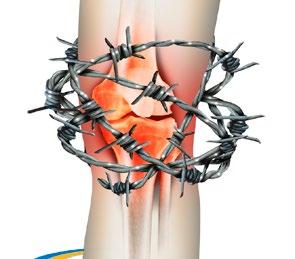




DEFEND against Future Joint Pain? Proprietary name and dosage form: FlexofendTM Capsules. Composition: Each capsule contains: 500mg NEM® Eggshell Membrane. Pharmacological classification: D34.13 Other (Complementary medicine: Health supplement) Name and business address of applicant: Azariah Pharmaceuticals (Pty) Ltd. Co. Reg. No.: 2018/312646/07 Address: Pretoria, Gauteng, 0186. Tel. No.: +27 61 192 2377 www.azariah.co.za For full prescribing information, refer to the package insert. Clinical references are available on request from Azariah Pharmaceuticals. AZ43/2022 AWARD WINNING PRODUCT • The Frost and Sullivan Award Winner for the best Joint Health Supplement in its category CARTILAGE PROTECTION STIFFNESS REDUCTION PAIN REDUCTION 1 2 3 Ilosun Burn & Wound Treatment The wound care doctor for every household Assist With: Burns Leg Ulcers Pressure Sores Eczema/Psoriasis Diabetic Wounds Cuts And Bruises Septic Wounds Nappy Rash Contact your local pharmacist to order, Nappi Code 703131/1 Visit: www.ilosun.co.za l 082 601 5785 Are you feeling hopeless with delayed wound healing and skin problems?
word search
Word Search!
a g t r q d x z s t i g m a h s y u i o
t r x a f t e r c a r e t o g s x n c r
r o g y u i x k l o y c t n n w r u y e
z w x c t h e r a p y b i c v e y t q l
r t h i l p r q d c v m n l p i q r r a
e h q t y u c p x r a s v h b g n i w t
z c v u p t l g h g b q r e g h x t p i
a s z c t v s b n j i p w a g t c i x o
w r d i a b e t i c t p q l f h i o p n
d q r n t x v b n o i r p i n f a n t s
i q s f a r f y o i f e q n y p d a k h
g w n e w b o r n s d e y g j i p l x i
i q z r y u p b c u r m x z i l k q y p
t a t t q r f x g h q i t u m q x u i s

a r q i y u c z s a f e l y i p v b o q
l r t l v q t y q x i z p q y o v y p y
r n o i t a u r t s n e m n p t a c e x
d t y t i p l r u e q a v u i l p x t j
a j d y r u p b v z q y i c p k l q r o
aftercare
diabetic digital exercise
gaming growth
healing infants

infertility
menstruation
newborns
nutritional play

preemie relationships

safely stigma
therapy
weight

Stimulate your brain with a classic game of
To
code with
phone
complete the entry form online at
Closing date: 31 May 2023. T&Cs apply. Stand a chance to win a B-WELL HAMPER valued at R500. WIN
ENTER scan the QR
your
and
www.babysandbeyond.co.za/competitions/





































































(VAT and deliveryincluded)Yearly su b s c r itipno SUBSCRIBE! To subscribe: Scan the QR code or visit www.babysandbeyond.co.za and subscribe online. INSIDE: FEATURES | COMPETITIONS | KICKS FOR KIDS | RECIPES VOLUME 10 March 2023 R39.90 Incl. VAT Other Countries R34.70 a family lifestyle magazine TM 9772311546706 23019 Smart money tips with Mapalo Makhu! Male infertility: BABY’S DEVELOPMENT through the throughages the ages Skin Boost your BABY’S DEVELOPMENT preemie babies preemie babies Recovery & healing What to expect with after giving birth after giving birth Impact of male infertility on relationships Widespread lack of awareness about male infertility Aimed at families and individuals, Baby’s and Beyond™ features informative insights on pre-pregnancy, pregnancy, birth, babies, toddlers, special needs, tweens, teenagers, parents, health, education, financial planning and entertainment. Subscribe to stay in the know! 4 Issues at only R96 babysandbeyond This offer is valid until 31 May 2023 and applies to print subscribers with a South African address only. By providing your personal details, you are giving Baby's and Beyond permission to communicate and add you to our mailing list. 108 www.babysandbeyond.co.za

book reviews – pearson books
Join a lovable bunch of fuzzy animal friends as they enjoy a sweet summer day in this lively, interactive touch-and-feel Soft & Snuggle book filled with oodles of endless cuteness!
This delightful rhyming story is paired with cheerful illustrations and touch-and-feel textures including faux fur, feathers, fuzz, peeks, traces, bumpies, and glitter designed to encourage sensory exploration and help support the development of fine motor skills.
Babies and toddlers will love exploring every interactive page filled with adorable animals laughing, playing, and having fun beneath the Cuddlebug sun. A must for little animal lovers!

Touch & Feel Baby Animals

Touch & Feel First Words

Good Morning, Cuddlebug Lane
Good Night, Cuddle Bug Lane

I Spy with My Little Eye Outer Space Road Trip
Look, find, and laugh with a silly space family as they zoom across the galaxy in search of a perfect space vacation! Thirteen crazy busy scenes, such as a gas station, llama planet, upside-down planet, and the Star Hotel are great for hours of seek and find fun.

Perfect for a car trip, airplane travel, and any quiet read and play time! Great for boys and girls who can read, but also fun searching activities for pre-schoolers to use along with a reader.
Babies will love to explore and touch as they look and hear about baby animals. Photos and bright illustrations are fun to look at and will keep your baby or toddler engaged.
Sensory touches and peek-thru holes make this first animal book a favourite with curious little boys and girls. Perfect for on-the-go and car seat time. Great size for backpacks and diaper bags!
Sensory exploration builds thinking skills and hand-eye coordination. Perfect gift for baby showers, birthdays, holidays, little animal lovers, and more - a great first introduction to books with touch and feel elements!
I Spy with My Little Eye Taco Truck Snack & Find
Look, find, and laugh as you follow a taco-obsessed mole character to the beach, the city marathon, a tailgate party, and other busy places loaded with silly food trucks. Does he ever get his prized taco? You'll have to find out yourself!
Hours of fun for travelling, waiting rooms, and other times when quiet reading time is best. Great for boys and girls who can read, but also fun searching activities for pre-schoolers to use along with a reader.

110 www.babysandbeyond.co.za
Make learning child’s play!












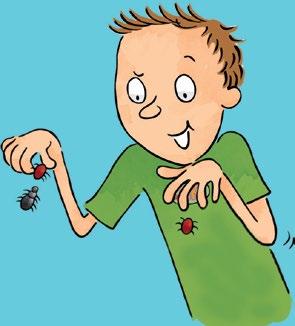
at
Available from all leading bookstores and online retailers.
Children love learning with Smart-Kids. Smart-Kids is a range of colourful activity books that support the CAPS curriculum and provide additional support for Grades R to 7. The books include answers, notes and tips for parents and they’re such fun that you won’t have to nag your children to do extra practice at home. Available in Afrikaans as Slimkoppe. Free worksheets
www.smart-kids.com


Water birthing facility
3 labour wards & obstetric theatre
Vaginal births after caesarean section (VBAC)
Neonatal ICU
Private room with double bed to accommodate birthing partner
Gynaecologist & Obstetricians:

Dr Ilana Johnson
Dr Linda Murray
Dr Kate Richardson
Dr Amaal Schroeder
Dr Jacky Searle
Dr Latiefa Vinoos
PAEDIATRIC WARD & INTENSIVE CARE UNIT
Our team of Paeditricians and specialised nursing sta will do their utmost to ensure the comfort of your child in a safe, peaceful environment.
our specialised paediatric specialists
General Paediatricians
Dr Leon Jedeikin
Dr Carl Wicht
specialised paediatricians
Paediatrician and Nephrologist

Dr Paul Sinclair
Paediatrician and Allergologists
Prof Claudia Gray
Dr Candice Royal
Paediatrician and Neonatologist
Dr Lize Boshoff Coyles
Paediatrician and Pulmonologist
Dr Aruna Lakhan
specialists who provide paediatric services

Paediatric Dermatologist
Prof Carol Hlele
Paediatric Surgeons
Prof Rob Brown
Dr Babalwa Nondela
Dr Shamaman Harilal
Paediatric Orthopaedic Surgeon
Dr Stewert Dix-peek
Ear, Nose and Throat Surgeons (ENTS)
Dr Azgher Karjieker
Dr Eve Samson
Dr Martin Vanlierde
Dr Michele Long
Dr Paul Crosland
Paediatric Dietician
Susan Cooley-Maree
Orthopaedic, oncology, joint and Reconstructive surgeon
Dr Thomas Hilton
Dr Keith Hosking
Plastic & reconstructive surgeons
Dr Clare Neser
Dr Conrad Pienaar
Dr Gareth September
Dr Dehan Strüwig
Urologists:
Dr Larry Jee
Dr Karlheinz Jehle
Dr Allison Moore
In a medical emergency, call 0860 123 367 for our FREE advanced life support paramedic response car service. For more information about our service o erings please contact our units: Maternity: 021 506 5165 or Paediatric Ward and ICU: 021 506 5136/5137
Life Vincent Pallotti Hospital
Alexandra Road, Pinelands, Cape Town, 7405
www.lifehealthcare.co.za
