
INSIDE: FEATURES | COMPETITIONS | KICKS FOR KIDS | RECIPES 9VOLUME September 2022 | R29.90 Incl. VAT Other Countries R26.00afamily lifestyle magazine www.babysandbeyond.co.za TM 9772311546706 22017 SPRING Constipation in pregnancy My toddler is sick... again! Post-delivery vaginal care – which one is rightyou?for • Pollen allergy in children • Allergic eye conditions in Healthytoddlerssleep: Cover feature Loving father, model, presenter and fitness guru Allergies:Allergies: Ewan StrydomEwan Strydom is your teen getting enough? Spring makeuptrendscoloursand IUI IVFIUI IVFvs


DRESSGINGHAM9995 SANDALSLACEWHITE12995 BEAR TEE & LEGGING SET 12995 DRESSYELLOW9995 SETLEGGINGTUNICUNICORN&12995 MARYGOLD SANDALSJANE12995 CUTE LOOKS FOR PLAYGROUNDWHOLETHE SEE FULL RANGE IN-STORE


6 Months interest free on all Edgars online and in-store purchases. 6 Months interest free excludes Sunglass Hut, NWJ and Jet purchases RCS is a registered Credit and authorised Financial Services Provider. NCRCP 38 PEAKSTAR CAP TEESHORTSAILING&SET 8995 12995 TEESHORTOFF-ROAD&SET12995SHARKSHORT & TEE129SET95 SEE FULL RANGE IN-STORE


Buckle up: Always buckle your baby’s harness and seat belt when taking him or her for a stroller ride. Use your brakes: Engage your stroller brakes whenever you stop the stroller. Never park the stroller on a slope. Properly store belongings. Don’t hang a bag from the stroller’s handlebar, which can make a stroller tip over. Take caution when folding: Keep your baby away from the stroller as you open and fold it, since small fingers can get caught in stroller hinges. Keep it out of the sun: If you leave the stroller in the sun, check the stroller’s surface temperature before placing your baby in the stroller.
Little One Duck Walking Ring • Easy to assemble • Item no: 578219 R549 ALL BABY.THINGS Little One Dream Baby Camp Cot • Item no: 800399 R1699 Embrace the magic of babyhood, from diaper changes and late-night feedings to baby baths and baby’s first steps with these unbeatable deals at Game. Safeway Xtreme Car Seat • From Birth • Maximum 25kg • 5 Point Safety • Forward Facing From 9 to 18kg • Rearward Facing 0 to 13kg • Forward Facing Booster Seat • Item no: 730483 Little One Stroller • 5 Point safety • 2 Position backrest • Item no: 812285002812285001/ R1999R999eachSAFETY TIPS. Products are available in South African stores only. All prices listed are in South African rands. All prices include VAT. Game endeavours to meet the demand on all promotional lines, but stocks are limited· No Traders please. We reserve the right to limit quantities. Prices do not include insurance and delivery. Prices exclude accessories used for advertising purposes. DEALS VALID FOR 3 MONTHS. 01 AUGUST - 30 NOVEMBER 2022. 0+/1/2 Group 0/1/11 0-25kg A removable toy bar to keep baby entertained. A changing table to make nappy time effortless. Side storage pockets to have all your essentials at bay.
Baby strollers are designed to make life with your little one easier! Knowing about stroller safety is imperative to avoid injuries and accidents while out and about with the baby.
Full-sized stroller
Stay close: Don’t leave your baby unattended in his or her stroller. Be careful with toys: If you hang toys from a stroller bumper bar to entertain your baby, make sure that the toys are securely fastened.
View our full range of Little One in store or online at www.game.co.za.
SAFETYSTROLLERTIPS.


Soft Beginnings Baby Carrier 3-In-1 • Soft Mesh Fabric • Ideal for Moms on the Move • Carries Baby in 3 Positions • Item no: 669588 THE ONCARRIERVERSATILEFORMOMSTHEMOVE. They don’t call this carrier soft beginnings for nothing! Whether you’re looking to inward face your new born or outward face your baby, your preference is catered for. We love the unique bucket seat on this carrier, as well as the adjustable panels that make finding a healthy hip position for your little one super easy. The carrier includes a protective bib to save your clothing from any mishaps and its soft mesh finish makes it more comfortable and fashionable to wear as you go on with your day. It’s almost impossible not to be comfy in this carrier. Baby Care Baby Hamper Set Mint 7 Piece Safety Belt • Item no: 134281 Snookums Fridge Teethers Apple Shape Blue OR Red • Non Toxic And Durable • Refrigerate to Cool • Item no: 785037/ 163826 R59 99 Snookums Medical Starter Kit NW 691 • Safety Scissors In A Case • Item no: 441502 R199 Bumbo Floor Seat Hemlock Safety Belt • Item no: 248227 R649 Angelcare Nappy Bin Refill 1 Pack • Holds Up to 180 Nappies • Germ Fighting Anti-bacterial Coat • Refill Inlcude Odour Seal™Tech • 1 Year(s) Warranty • Item no: 680919 R129 each Angelcare Odour Seal Bin - White • Air Seal/ Multi Layer Plastic • Easy to Use • Easy to Empty • Hygienic • 1 Year(s) Warranty • Item no: 794377 R229 R399 R469 T’S ANDC’SAPPLYFIND IT CHEAPER ELSEWHERE, AND WE’LL BEAT IT BY 10% ON THE DIFFERENCE, GUARANTEED IN-STORE AND ONLINE. each per set per set








F or some fun activity with the kids, check out the DIY sun dial on page 116 for a wholesome and creative project.
The best gift a parent can give their children is guidance with love and understanding. Sometimes kids choose a very different path from an academic and career perspective that they want to pursue, and as parents it is important to highlight the pros and cons of this (gently guide), but also be open to kids wanting to pursue something different. Check out the article on page 100 for more on this. At the end of the day we are all individuals and have different strengths that we can harness.
Tashne
babysandbeyond@BabysandBeyond@babysandbeyond.co.za ed's welcome To ENTER scan the QR code with your phone and complete the entry form online and-beyond-publication-page/www.mediaxpose.co.za/babys-atcompetitions/. Stand a chance to win a Samsonite Dream Rider Puppy suitcase to the value of R1 499! T&Cs Competitionapply. closes 30 November 2022. WIN WIN 4 www.babysandbeyond.co.za
Spring time is a great opportunity for families to get out and about – the weather is temperate for the most part and flowers are in full bloom. Speaking of full bloom, it is also the season for a host of allergies to make an appearance, which can somewhat dampen the mood. Check out the allergy articles on pages 44 and 48 for some information to arm yourself with.
Being a parent is a challenging job because we all have preconceived notions of success; and then there is reality.
It’s the third quarter of the year and many of us might be wondering where the year has gone. We are mid-reflection but also trying to stay focused to get us to the December holidays. It is an exciting and somewhat daunting time though as some parents are starting to seriously wonder about the future of kids heading off to school next year. With these thoughts it’s also a good idea for us all to think about perceptions. Many parents have an idea of how they would like their children’s path through life – it’s all based on what we perceive as an ideal.
Perhaps it’s because it’s Spring time – things seem cheery, and opportunity and change are in the air. Grasp them and have a fantastic spring season!


WE GLADLY ACCEPT CREDIT, CASH OR LAY-BY. *Selected Items Available in Selected Stores. Promotion starts 01 September 2022. While stocks last. NCRCP 13053. For full Ts & Cs visit www.ackermans.co.za, dial *130*602# (RSA only). Customer Care: 0860 900 100 (RSA) or +27 (0)21 928 1040 (foreign). SHOP NOW, PAY LATER. 14995 SIZES 2–6 FROM to make their first steps count EXPERTLY CRAFTED & designed by us SHOEWIDEOPENING for easy access. PADDING & ARCH SUPPORT for extra comfort and support. FLEXIBLE & SECURE FIT for extra help on the move. BE MINDFUL OF SOCIAL DISTANCING SANITISE REGULARLY &PREVENTIONSAFETYMEASURESCOVID -19





6 www.babysandbeyond.co.za contents 34 COVER FEATURE 16 Loving father, model, presenter and fitness guru – Ewan Strydom CONCEPTION 22 IUI vs IVF – which one is right for you? FINANCE 26 How gap medicalcomplementscoveryouraid PREGNANCY 28 Constipation in pregnancy SEX 32 Post-delivery vaginal care –when are you ready to have sex? PARENTING 36 Caster parentingSemenya'sjourney NUTRITION 38 The first 1 000 days flagged as critical to infant nutrition & lifetime development 42 10 school lunchbox tips for morningsstress-free ALLERGIES 44 Pollen allergy in children 48 Allergic toddlersconditionseyein HEALTH 54 It’s time to de-worm your family 56 My toddler is sick... again! Here’s how to manage it 60 The importance of immunising infants 63 Healthy sleep: Is your teen getting enough? 66 What dieticians want you to know about gut health 68 Supporting someone with depression 72 Anxiety in children on the rise 74 Prostate cancer in the spotlight BEAUTY 80 Spring makeup trends and colours SKINCARE 84 How to stay healthy and comfortable in your own skin 87 Platelet-Rich Plasma, a new treatment to combat ageing skin FITNESS 90 How to sixyourreconnectrecover,&rebuildbodyinthefirstweekspostpartum! 2816 56 80


shop our widest range of mom & baby accessories in store and onlinescanthe QR code or go to www.clicks.co.za to shop nowonlineinstore& Mall of Africa, Johannesburg • Menlyn Park, Pretoria (opening soon) Canal Walk, Cape Town • Gateway Mall, Durban • free ear piercing • in store gift registry • gift wrapping • mom and baby room • kiddies’ corner • click and collect key services offered in our Baby stores SideCo-SleeperByMe • Can be used as a stand-alone cot or a co-sleeper • Sleep beside baby safely • Height adjustment feature Cuddle & Bubble Bath ChangingandSystem • Fully compact and convenient bath unit • Free- standing bath minimises back strain on parents • Easy to store away and wipeable for best hygiene Baby MonitorMovementwithVideo • Sensor pad tracks baby’s movements • Alarm will only sound if baby needs you • 4.3” screen & night vision Car Seat & Stroller • One simple motion operation; from car seat to stroller in seconds • High safety ratings • Aircraft approved operation; pay less strain





Disclaimer: The views expressed in this publication are not necessarily those of the publisher or its agents. While every effort has been made to ensure the accuracy of the information published, the publisher does not accept responsibility for any error or omission contained herein. Consequently, no person connected with the publication of this journal will be liable for any loss or damage sustained by any reader as a result of action following statements or opinions expressed herein. The publisher will give consideration to all material submitted, but does not take responsibility for damage or its safe return. 6 Carlton Crescent, Parklands, 7441 | Tel: 021 424 3625 | Fax: 086 270 9693 Email: info@babysandbeyond.co.za | Website: www.mediaxpose.co.za @babysandbeyond.co.za @BabysandBeyond babysandbeyond Publisher: Elroy van elroy@mediaxpose.co.zaHeerden Editor: Tashne editor@babysandbeyond.co.zaSingh Sub-Editor: Tessa tessa.ohara@gmail.comO'Hara Content Manager: Wadoeda artwork@mediaxpose.co.zaAdams Editorial Contributors: Dr Sulaiman Heylen Portia Mahlalela Dr Manasri Naiker Dr Kim Sonntag Caster DrDrNaazneenSemenyaKhanPieterJdeWaalNomakuwaElizabeth Tabane Savannah Taylor Design and Layout: Anja artwork2@mediaxpose.co.zaShaunartwork1@mediaxpose.co.zaBramleyMays Picture Credit: 123rf.com / pixabay.com Editorial Assistant: Maurisha maurisha@mediaxpose.co.zaNiewenhuys Project Manager: Allison allison@babysandbeyond.co.zaDavids Advertising Sales: Lorraine lorraine@babysandbeyond.co.zaBeneke Digital Marketing Manager: Jay-Dee van digital@mediaxpose.co.zaRensburg Social Media: Kyla van social@mediaxpose.co.zaHeerden Distribution & Subscriptions: Shihaam distribution@mediaxpose.co.zaGyer Website Administrator: Justin McGregor Chief Financial Officer: Shaun shaun@mediaxpose.co.zaMays Receptionist: Daniëla receptionist@mediaxpose.co.zaDaniels Distribution: Printed by: ON THE DOT Published by: a family lifestyle magazine www.babysandbeyond.co.za TM 8 www.babysandbeyond.co.za EDUCATION 94 The power of play! 98 Aspen partners with HappiMe to support Jiyana Secondary School 100 Forget about past perceptions of success & realise your child has a future DECOR 104 Moving on up; transitioning your little one from nursery to big kid room PROPERTY 106 Ten things young families should look for when buying a home DIY 116 How to make a sundial ADVERTORIAL 128 Gummy Vitamins for kids health Editor’sSnippetschoice baby Editor’s choice health Editor’s choice beauty Home BookWordKicksRecipesremediesforkidssearchreviews– Pearson books12612211411211078523410 126 106 100


UP FOR FREE. SCAN THIS QR CODE using the camera on your smartphone or SEND A FREE SMS with your Smart Shopper card number to 30651. No data costs apply. 3GETXMEMBERS 55684KINGJAMES
SIGN
DISCOUNTS.PLUSPRODUCTS*ALLPOINTSSHOPPERSMARTONBABYEXCLUSIVE For more information, go to www.pnp.co.za/baby-club. *Includes clothing. Ts and Cs apply.
SIGN
UP FOR FREE. SCAN THIS QR CODE using the camera on your smartphone or SEND A FREE SMS with your Smart Shopper card number to 30651. No data costs apply. 3GETXMEMBERS 55684KINGJAMES DISCOUNTS.PLUSPRODUCTS*ALLPOINTSSHOPPERSMARTONBABYEXCLUSIVE For more information, go to www.pnp.co.za/baby-club. *Includes clothing. Ts and Cs apply.


• Use GLAD Zip Seal Snack Bags to hide and protect special treats for a back-yard treasure hunt – keeps the ants out and the treats clean.
snippets - editor's choice
• Get the kids outdoors by planning a picnic in the garden. Use the GLAD Zip Seal Range to store all food items – remember to keep wet and dry food groups separate. Please visit www.glad.co.za for more information. 10 www.babysandbeyond.co.za
Clere Petroleum Jelly and Glycerine brand manager ,Themba Ndlovu, gives these benefits of petroleum jelly and why it should be in everyone's beauty closet: Acts as a skin barrier – The skin does not easily absorb petroleum jelly, thereby helping keep out dirt and prevents moisture loss. Apply it to irritated skin before spending time outside in cold, dry, windy air. If you have a cold apply it under your nose to help soothe irritation from a runny nose or frequent nosewiping.
Clereseasons.Pure Petroleum Jelly White, Yellow, and Baby Fresh is now available in a 450ml jar.
GLAD Zip Seal Range
It’s a product that’s been around for more than a century. It can help treat a range of skin-related ailments. It’s easy to find and it’s inexpensive. If there’s one product in your beauty closet you can resort to anytime, anywhere, it’s petroleum jelly.
• Keep the cardboard inner tubes from your used GLAD Wrap, GLAD Bake & Cooking Paper for the kids to transform into great handmade puppets with a little glue and imagination.
Whether you are travelling or staying at home, trusted GLAD products help make your life simpler.
• Taking a road trip? GLAD Zip Seal Bags are great for storing boredombusters like snacks, toys or pens and pencils. The large Zip Seal Freezer Bags can hold A4 paper and colouring-in books. Keeps kids happy, and the car neat.
Prevents peeling – When skin is so dry that it peels, petroleum jelly can soothe the irritation and help skin heal. Apply it to dry, chapped lips or irritated eyelids during cool weather
Petroleum jelly’s benefits and many uses
Prevents chafing – Chafing, which occurs when skin rubs against another body part or clothing, can be very irritating, especially for people with eczema or dry skin. Some people develop rashes or broken skin due to chafing. Applying petroleum jelly to areas prone to chafing, which may help prevent it. Treats nappy rash – Many babies develop nappy rash after sitting in wet nappies for a prolonged period. Petroleum jelly creates a moisture barrier that can reduce the risk of nappy rash. It can also soothe the skin and provide relief from existing nappy rashes. Supports healing – The American Academy of Dermatology advise using petroleum jelly to support skin healing. Because petroleum jelly creates a natural barrier, it may prevent infection and reduce the risk of scarring.
• If you’re planning on hosting play dates, use GLAD Zip Seal Snack Bags for kids' treats and party bags to make the day go smoother.


Name and business address: BSN MEDICAL PTY (LTD) an Essity Company. Co. Reg. No. 2001/003941/07. 30 Gillitts Road, Pinetown 3610. Tel: +27 31 710 8111. Email: medical.za@essity.com, www.essity.com. Further information available on request from Essity. 22_BSN144. Leukoplast ® Kids It’s summertime, when the weather is fine and kids play outside. With all the excitement little bumps and scrapes are bound to happen. Make sure you have Leukoplast® Kids plasters to take care of those little mishaps. Find & TRY a FREE small sample piece available inside packet. Full plaster roll comes in 6 cm x 1 m. Also look out for our extensive range of home care plasters. Visit: www.leukoplast.co.za to find out more. Self-care in the comfort of your home... POCKETPILLOWSTICKHERE


Earthsap does not use any optical brighteners, which are proven to bind to the skin, and use only natural ingredients that pose no health risks.
For more information, visit www.panado.co.za and join the conversations on Facebook #Panadowww.facebook.com/panadosaat#ADoseOfCare
1.References:RaabCP.
Earthsap products contain no artificial fragrances, artificial preservatives, phosphates, petrochemicals, chlorine or bleaches, animal or GM ingredients and are not tested on animals. They are safe for the whole family, pets and the environment and are 100% biodegradable. Oh-lief
100% natural, 100% good. Founded in 2010 by sisters Christine Buchanan and Louiza Rademan, Oh-lief was born out of their love for nature and the desire to use products that would not harm your skin or the environment. Oh-lief essentials are for everyday use in your nursery, a baby shower gift or bulk saving on your essentials. Some of the best-selling products within their range includes: 250ml Natural Aqueous Cream, 100ml Natural Olive Bum Balm, 100ml Natural Olive Baby Balm, Natural Olive Outdoor Balm, 100ml Pregnancy Balm ,400ml Shampoo & Baby Wash, and Value Pack Biodegradable Bamboo Baby Wipes (192’s).
Teething [Online]. October 2019 [Cited 2022 March 29]; Available from : disorders-in-infants-and-young-children/teethingcom/home/children-s-health-https://www.merckmanuals.issues/miscellaneous-
Earthsap laundry liquid features a combination of plant-based ingredients to remove the toughest stains. It is also hypo-allergenic and unlike regular laundry detergents it won’t leave any residue that may irritate sensitive skin.
Earthsap laundry liquid is formulated and tested by micro-biologists, and is based on pure, simple ingredients including coconut, palm, lavender and other plant oils. Only pure essential oils are used for fragrance and therapeutic benefits. (Also available in Apple and Kiwi.)
Earthsap machine & laundryhandwashliquid
There’s nothing parents love more than seeing their little one flash a toothy grin, but teething isn’t all sunshine and rainbows and often involves crying, irritability, and a few sleepless nights.1
snippets - editor's choice
12 www.babysandbeyond.co.za
Panado teethingsoothespains
You may notice your baby's gum is red and tender where the tooth is coming through.1
If your baby is having a tough time, conveniently packaged Panado® Paediatric Syrup, Peppermint 5ml sachets may help relieve pain and discomfort. Make pain and fever care easy by shopping for Panado products from independent pharmacies and selected Clicks, Dis-Chem, and Pick ‘n Pay stores.
Available at Clicks, Pick n Pay, Dischem, Baby City, Wellness Waterhouse, Faithful to Nature, Superbalist, and online at www.Ohlief.com.


Available at Wellness Warehouse, Selected Spars and Pick n Pay, health shops nationwide and www.faithful-to-nature.co.za.
• Advanced 3-layer protection technology which prevents leaks
- editor's choice
NursingWashablePads
Himalaya's Asparagus (Shatavari)
www.babysandbeyond.co.za
Himalaya's Asparagus, commonly known as Shatavari, is a herbal supplement for moms to promote healthy lactation. Shatavari assists in increasing milk secretion during lactation, has an estrogenic effect on the female mammry glads and reproductive system, and boosts postpartum health. Shatavari comes in 60s capsules and is 2 capsules twice daily.
• Uniquely contoured tear-drop shape that moulds to the breast for a discreet fit
staincitrusEarthsaplaundryremover
snippets
Earthsap is a Proudly South African product that for over 20 years has been producing natural home cleaning and cosmetic products. All Earthsap products are naturally derived and biodegradable, making them a good choice, not only for your health, but also for the health of our planet.
• Super-soft for maximum comfort
Lansinoh® Washable Nursing Pads are ultraabsorbent, super-soft and thanks to their contoured tear drop shape with non-slip edge, they offer a snug and comfortable fit for maximum protection against leaks. The reusable Lansinoh® Washable Nursing Pads are up to 9x more absorbent than comparable products and a great hospital bag essential.
Earthsap cleaners and cosmetics, formulated with skilled micro-biologists, are based on pure simple ingredients, including coconut, palm, citrus, and other plant oils. Only pure essential oils are used for fragrance and therapeutic benefits.
Earthsap laundry stain remover is an environmentally friendly product, with extra cleaning power that quickly penetrates, breaks up, and helps to eliminate dirty marks, grease, and stains. For the best results, treat the stain as soon as possible and spray on both sides. This laundry stain remover is nontoxic, child-friendly, biodegradable, and contains no bleach.
• Environmentally friendly Machine washable, can be reused again and again


When it comes to soothing infants with gripes, there’s one name that generations of mothers have trusted. CelebratedWOODWARD’SGripeWater . 160 years! WOODWARD'S has been babiescomfortingforover S0 WOODWARD’S Celebrated Gripe Water. Reg. No.: E/11.4.3/1551. Each 5 ml contains 50 mg sodium bicarbonate and 2,15 mg terpeneless dill seed oil. Trademarks are owned by or licensed to the Aspen group of companies. © 2022 Aspen Group of companies or its licensor. All rights reserved. Pharmacare Ltd. Co. Reg. No.: 1898/000252/06. Healthcare Park, Woodlands Drive, Woodmead, 2191. ZAR-ZOSEAG-07-22-00009 07/2022 Marketed by Aspen www.aspenpharma.comPharmacareHotline0800122912





Loving father, model, presenter and fitness guru –
Ewan Strydom
Ewan Strydom is a South African TV presenter and model. Married to fellow model, Adrienn, the couple have two children. BABY’S AND BEYOND spoke to Ewan to find out more…
16 www.babysandbeyond.co.za
cover feature


How do you manage to balance family life with pursuing your career goals?
cover feature
My family is the most important thing to me, and my life revolves around them. I am blessed to have such a supportive wife who understands when my work takes me away from them and the odd hours that I sometimes have to work. She truly supports my career goals. I take every opportunity I can to spend as much time with them whenever I get the chance and if my schedule allows. Did you always envision yourself as a family man prior to meeting your wife? I never really thought about it too deeply. When I met my wife, we enjoyed our time together, loving life and travelling together. Only later on did we discuss how we would raise our kids when it eventually happened. It wasn’t a set plan at the time as I didn’t see myself as a dad and family man. But that changed overnight when we had our first child, Kean. How did you meet your wife Adrienn, and how did you know she was the one? We both had modelling contracts in Thailand, where we saw each other in a nightclub, and I was instantly attracted to her. We spent time together with friends. I didn’t have her contact number but managed to source it from her modelling agency. Our first date was a group movie date 17www.babysandbeyond.co.za


18 www.babysandbeyond.co.za
What have been the greatest changes to your life since becoming a husband and father? Growing up as a man and appreciating what I have in my life with regards to my family. I have become much more selfless and everything I do I want to do for those that are near and dear to me; my wife and my kids. It’s not something I can really explain but being a husband and father made me realise that everything else that I stressed about became so minuscule compared to the task that I have as a dad. I strive to be a loving father and husband and to raise well-mannered children. It’s my biggest blessing, as is experiencing the world through their eyes. What are your tips for keeping a marriage strong? Everyone has their own recipe. Everyone does as they see fit to keep a marriage strong. In our case as we do life, we learn from each other every day. We experience with each other. For us it is really about gaining a deep understanding of our significant other. Knowing each other inside and out. It’s always taking each other into account. When times are stressful and difficult, be open and communicate. I was never one to share a lot about myself as I find that difficult. But communication plays a big role in our
there coaching and teaching them. Seeing the love and trust they have for me and knowing that mom and dad are always there. Walking on the beach with them, and bodyboarding with them. I just love the companionship between myself and my boys. Yes, I do discipline my boys, but my kids and my wife are my besties. It makes me proud being their dad and it puts a huge smile on my face. lives, and to be open and honest with each other no matter how hard it is and react accordingly. It doesn’t matter how difficult my day was, I want my wife to know and feel the love and support from me. What do you enjoy best about being a dad? I just love seeing how my boys’ experience things for the first time; like riding their bikes for the first time, with me right
cover feature with all our friends as I was too nervous to be alone with her. We sat far apart from each other in the cinema. Being a gentleman, I called a cab for her afterwards and as she was about to drive off, our eyes locked, and we both knew this was it! I knew this was the women I wanted to spend my life with. We started dating shortly thereafter, travelled together for a while, and then moved back to South Africa, got married and started a family.


Looking after your health and keeping fit by working out, even when you are facing tough or stressful times, helps to clear your head and gives you a different perspective on life. Motivation is good, but it is ultimately discipline that makes motivation flow.
Best experience: Our trip with our first born to Mauritius. We then did a family cruise to Mexico and the Cayman Islands.
The responsibility of a dad is huge, especially in this day and age and the world that we live in. It’s very important to me that my boys know how to be kind, respectful and gentlemen. Yet, I also want them to be strong enough within their own character, so that they can stand up for themselves, not let people walk over them and treat them unfairly but know when and where to draw the line. They are responsible for their own happiness and their own sadness. I want them to stand on their own feet, be hardworking and chase whatever makes them happy. And love their siblings and their parents. Health and fitness are a large part of your life. What are your top tips for staying in shape and healthy? I make it a top priority to get into some sort of a routine knowing I am going to train every day, or at least five to six days a week. My wife and I have our routine where we train together in the morning. I value it so much and it is a special booking in my daily schedule. I’ve learnt that if I don’t feel well or look
It was fantastic experience. Our favourite camping spot is our annual getaway to Porterville, which is always a highlight for us as a family.
Biggest ambition: To continue working hard, have a long career doing what I love and being able to travel with my kids and wife. I want my kid’s to theanddifferentexperienceculturesshowthemworld. after myself and feel comfortable in my own skin, then I won’t be able to do my job properly. What would you say is the best part of being you? If I take a look at my journey and the road that I’ve walked; what I thought back then and what I was capable of, to what I know now and what I am capable of now, blows my mind. I am blessed, I am happy to be doing what I do. Although it is sometimes gruelling and difficult, I know I am blessed, and I love what I do. Model, presenter and fitness guru. What drives you to continuously diversify your career, and what is next on the horizon for you? I happen to do what I love and for me it’s about experiencing and learning as many new things as I possibly can. As a result, I agree to a lot of stuff that scares me. In fact, I just said yes to something now that scares me to the ends of this earth; but I have learned that if I don’t put myself in uncomfortable and testing situations, I’m not going to grow, and I am not going learn. I do it deliberately because I know if I take on something, irrespective of how stressful and worrisome it might be, I show up and get the job done, and do expertly, and that is a big thing. What drives me is doing as many different things as I can, given the time that I have. But the main driving force is my family as I am doing what I am do for them.
Typical day in the Strydom household: Get kids ready for school. Go the gym with Adrienn and have breakfast together. Then I go to the studio for my show from noon until three, and depending on my schedule, I may attend a photo or video shoot. Maybe have a braai; I just love spending time with the family.
Favourite food: Braai, burgers, pancakes, pizza and sushi.
Favourite band: I have many favourite bands, but I do love and support SA artists.
I love spending time with my boys and playing TV games, bike riding, camping, hiking and body boarding. We love the outdoors.
As the father of two boys, what do you feel is the greatest lesson you can teach them?
Favourite movie: Comedies, action, action comedies.
For people who exercise and care about their health, I cannot tell you enough how much it helps me to clear my head and gets the good endorphins flowing.
19www.babysandbeyond.co.za
Snapshot of Ewan Strydom
cover feature What activities do you love doing with your sons?
Over the past few years in particular, many people have been under a lot of pressure. What advice would you give to people about an active lifestyle helping mental well-being?




– which one is right for you? IUI vs IVF conception
Obs&Gyn
Knowing
couples
By Dr Sulaiman Heylen, Specialist in Reproductive Medicine: MD (KUL), (KUL), Med,
Both intrauterine insemination (IUI) and in vitro fertilisation (IVF) are safe and reliable fertility treatments available to who are facing infertility challenges. the difference between IUI and IVF will provide a understanding of the many possible causes of infertility and the circumstances in which each treatment is recommended.
better
Reprod
ECRES. 22 www.babysandbeyond.co.za

IUI (Intrauterine Insemination)
conception I n this article, we look at what IUI is, what IVF is, what each procedure entails, who it is recommended for, and what success rate can be expected.
IUI is a type of artificial insemination that offers a good success rate. Intrauterine insemination, or IUI, is a process during which a medical practitioner places sperm directly into the uterus during ovulation. By delivering the sperm directly into the uterus, IUI makes the trip shorter for the sperm and allows the sperm to get around any obstructions.
IVF is not a single medical procedure or event, but a series of detailed and delicate procedures that are completed over several weeks.
During the IUI procedure, semen is introduced into the uterus by means of a syringe or a tiny flexible plastic tube that is inserted into the uterine cavity. Many women say that the procedure feels like a PAP smear.
The IUI procedure is usually done in a fertility specialist’s examination room, in the late morning, and during the middle of your menstrual cycle. A woman’s natural cycle is often followed with ultrasound and blood tests to check when ovulation occurs, or stimulation can be given to grow eggs. IUI treatment can also be provided with special medications to stimulate ovulation.
www.babysandbeyond.co.za
Treatment usually commences on the first two to three days of the female partner’s cycle, with tablets or injections to stimulate the growth of the eggs, as well as medications to suppress ovulation until egg collection. Patients are carefully monitored using blood tests and ultrasound scans, usually on the 8th, 10th, and 12th days of the cycle.
IVF (In Vitro Fertilisation) IVF is a type of assisted reproductive technique that is used to treat fertility or genetic problems to help couples to conceive a child. Practiced for more than four decades across the world, IVF is a safe and trusted medical treatment, and its success rate is impressive. Very simply stated, during in vitro fertilisation the female partner’s eggs are collected and fertilised with sperm in a laboratory. The embryo is then implanted into the uterus to hopefully become a pregnancy.
A widely used form of assisted reproductive technique, IUI is a fairly quick and simple procedure, compared to other fertility treatments such as IVF. It is also painless and safe, as the IUI procedure entails little medical risk for the women undergoing the treatment.
The IUI procedure 23
The third step is the transfer of the embryo into the uterine cavity. This is a painless procedure, and no anaesthetic is necessary. An ultrasound scan is performed to ensure the embryos are transferred into the correct place. A blood test will be performed to check for pregnancy 14 days after egg collection.
IUI is the oldest assisted reproductive technique (ART) and remains the most common method of artificial insemination. It is a non-invasive procedure and not as expensive as other fertility treatments. It has also proven safe and effective over time. For all these reasons, IUI is often suggested as a first treatment for infertility.
The IVF procedure
The next step in the process is the egg collection. It begins with an HCG injection 36 hours prior to the egg collection – this is usually on the evening of day 12. During the next day, the patient will need to spend about two hours at the clinic for the egg collection procedure, which takes around 15 minutes and is performed under sedation, with a very fine needle attached to an ultrasound. After the egg collection, a progesterone hormone is given to prepare the lining of the uterus (womb) prior to embryo transfer. On the same day, the eggs are fertilised with sperm in the lab and the resulting embryos are grown in the laboratory for three to five days.


IUI was recommended for male infertility, where the male partner is impotent or struggling with erectile dysfunction or is sterile. However, since the invention of Intra Cytoplasmic Sperm Injection (ICSI), many men with low sperm counts can have their own biological children. ICSI is a procedure like IVF, except that with ICSI a single sperm cell – the best available – is injected directly into the egg.
24 www.babysandbeyond.co.za conception
T +27 (0)21 685 0336 E nazeema@capefertility.co.za W www.capefertility.co.za
infertility.andfunctionimpairedinfertilityreserve,function,age,advancedendometriosis,maternaldecreasedovarianlowovarianseveremaleincludingspermorproduction,unexplained
IUI with donor sperm is therefore now reserved for cases in which the male partner has no sperm cell production at all. Impregnation of a woman through IUI may also be used by women or men in same-sex partnerships who wish to produce children of their own. Single women may also choose to undergo IUI using donor sperm. For whom is IVF recommended? IUI success rates
The Cape Fertility is proud of its average success rates for IUI with partner sperm at 12 to 15%, and at 24% for IUI with donor sperm. Bear in mind that the success rates depend on many factors – with the most important being the age of the woman having treatment.
For whom is IUI recommended?
Traditionally,
Pregnancy rates achieved with IUI are lower than those achieved with IVF, but IUI is a fairly quick, simple, safe and affordable procedure, compared to other fertility treatments such as IVF.
IVF success rates IVF treatment has a great success rate. It must be remembered, however, that the success rates depend on many factors, particularly the age of the female partner and the fertility clinic chosen.
Dr Heylen was the first to perform laparoscopic tubal re-anastomosis in South Africa. With the embryology team of Cape Fertility Clinic, he had the first Pre-implantation Genetic Diagnosis (PGD) pregnancy in 2003. He devotes himself to the further development.
Some of the fertility challenges IVF is normally indicated for include damaged or blocked fallopian tubes, severe
Although the pregnancy rates achieved with IUI are lower than those achieved with IVF, IUI is both less expensive and less invasive, so it is often attempted as a first fertility treatment. It is also recommended for unexplained infertility when the cause of infertility cannot be identified.
The most crucial factor in determining the success of IVF is the age of the woman having treatment. In a 25-year-old woman an in vitro fertilisation cycle may have a 60% success rate with blastocyst transfer compared with a 40-year-old woman having a 10% success rate with IVF. It is also important to realise that, in many cases, more than one IVF cycle is required to achieve a pregnancy.
Dr Sulaiman Heylen is an Obstetrician & Gynaecologist and a subspecialist in reproductive medicine. He is one of four specialists at the Cape Fertility Clinic in Claremont and works at Life Kingsbury Hospital. He introduced the use of TESA (Testicular Sperm Aspiration) and ESA (Epidydimal Sperm Aspiration).
Dr Sulaiman Heylen, Specialist in Reproductive Medicine: MD (KUL), Obs&Gyn (KUL), Reprod Med, ECRES.
IUI is also recommended for women who are physically capable of conceiving and carrying a baby, but cannot fall pregnant through sexual intercourse, for a number of reasons, such male partner infertility or a same-sex partner. It is also recommended for women with minimal or mild endometriosis, and for those with ovulation problems.


join now for more baby savings! *excludes legislated products, see clicks.co.za for more information pay less join now and start earning cashback scan here to join it’s free Baby Club members earn 4% cashback on baby products* every time they shop at Clicks or Clicks Baby stores sign up in store or online and follow us on Facebook or Instagram


26 www.babysandbeyond.co.za
With medical inflation rising annually, gap cover has become a cost-effective addition to cushion the shock of doctors charging more than the medical aid rate for in-hospital services.
By Portia Mahlalela, Regional Executive at Alexander Forbes Health D esigned to protect against unexpected medical costs, gap cover is a short-term insurance product which bridges the gap between in-hospital medical bills and what your medical aid pays.
Starting at just a few hundred rand a month, what makes the gap cover factcost-effectivepremiumisthethatitincludes
the principal member, their spouse, and children until the age of 21. Some gap cover providers allow child dependants to remain covered until the age of 24 if the child is: • still registered as a dependant on the main member’s medical scheme
Proving that more people are realising the benefit of gap cover, the number of Alexander Forbes corporate medical aid clients with gap cover increased by 5% between 2017 and 2022.
membership • studying full-time • financially dependent on the main member How it works As an example: If you have an in-hospital procedure where the total amount claimed is R9 000, the medical scheme rate pays 100% of the medical aid rate, which is R3 000 in this example. This leaves a R6 000 shortfall, which would be covered by gap cover up to yearly limits.
The 2022 annual limit ranges from R175 000 to R178 000 per insured.
Like medical aid, gap cover service providers may also impose waiting periods, such as a three-month general waiting period. Claims resulting from accidents may be covered. In addition, pre-existing conditions may have a 12-month waiting period. This is why it is better to be proactive and take out gap cover before something happens. A healthcare advisor can help you to work out which gap cover policy is best suited for your family’s needs.
How gap cover complements your medical aid finance


What you DIDN’T EXPECT when you expecting!were Value laxativeleading2 SA’s MOVICOL For chronic constipation in pregnancy, help is at hand with Constipation is unfortunately very common during pregnancy.1 If you are wondering why, here are some possible causes1: MOVICOL is suitable for use during pregnancy and breastfeeding for relief of constipation. MOVICOL works with your body to relieve constipation. MOVICOL contains macrogol and electrolytes for relief without gain or loss of significant amounts of water or electrolytes.*•Inlatepregnancy pressure from the uterus on the bowel can make stool movement through the intestines harder • In early changingpregnancy, hormone levels slow down movementintestinal • The stack of iron in most vitaminsprenatal can cause constipation MOVICOL. Reg. No.: 31/11.5/0123. Each sachet of powder contains 13,125 g macrogol (PEG) 3350, 178,5 mg sodium bicarbonate, 350,7 mg sodium chloride and 46,6 mg potassium chloride. Trademarks are owned by or licensed to the Aspen Group of companies. © 2022 Aspen Group of companies or its licensor. All rights reserved. Pharmacare Limited. Co. Reg. No.:1898/000252/06. Healthcare Park, Woodlands Drive, Woodmead, 2191. ZAR-NKN-06-22-00001 07/2022 Marketed by Aspen www.aspenpharma.comPharmacareHotline0800122912 References: 1. Galen N. Constipation and pregnancy: What to know. Medical News Today. [updated 2019 February 6; cited 2022 May 07] Available from: https://www.medicalnewstoday.com/articles/324379 *If patients develop any symptoms indicating shifts of fluid/electrolytes (e.g., oedema, shortness of breath, increasing fatigue, dehydration, cardiac failure) MOVICOL should be stopped immediately, and electrolytes measured, and any abnormality should be treated appropriately. 2. IMS Data April 2022



Specialist Obstetrician and Gynaecologist
in pregnancy Constipation BypregnancyDrManasriNaiker;
If you are 'going' less than three times a week; if you are struggling to pass stools; and if they are hard and lumpy, you are constipated.Themainculprit for causing this problem is the raised levels of a hormone called progesterone. Progesterone relaxes your muscles, including your gut, which means that digested food gets moved along more slowly.Another common contributing factor is the supplements used in pregnancy, which often include iron. Add to that the dietary changes and the decrease in physical activity, you can see why four out of ten pregnant women struggle with constipation. Further along in the pregnancy, the growing womb can also hinder the bowel movement. After the baby has arrived there are aggravating factors like haemorrhoids, How do you define constipation? vaginal tears and episiotomies. The pain of trying to go can also lead to avoidance tactics, which ultimately lead toSomeconstipation.symptoms of constipation also include abdominal and lower back pain, the feeling that you haven't totally emptied your rectum, and bloating. Straining on the loo can worsen haemorrhoids and even damage the pelvic nerve, called the Pudendal nerve, which can in turn weaken your pelvic floor muscles.Withall these complicated factors, you may find yourself in a catch 22, not wanting to go, but not wanting to get constipated. It can be a terribly awkward topic to bring up with your doctor, but it is important to, and your doctor has certainly heard it a thousand times before. www.babysandbeyond.co.za
If you are pregnant, in your first or second trimester, you have a 39% chance of experiencing the discomfort of constipation. Bad news is that it's also common shortly after delivery.
28


Lifestyle changes can make a huge difference. Increasing the amount of fibre in your diet is number one. You should have 25-30 grams of fibre in your diet daily. For a reference point that is two to three servings of fruit or 200g of broccoli. Fibre softens your stool and helps it to move along through your gut. You can get it from vegetables, fruit, whole grains, lentils, peas, etc.
• Senna falls under the 'stimulant laxative banner'. They stimulate the muscles of the intestines to move. These tend to work much more rapidly, but can also cause uterine muscle irritability, so it is best to avoid these during pregnancy.
The ‘take home message’ is to eat enough veggies, stay hydrated and active!
Dr Manasri Naiker’s practice is based at Life Kingsbury Hospital, in Claremont. She has a passion for obstetrics and is proud of her high vaginal delivery rate.
pregnancy
• Wheat bran and psyllium husk fall under 'bulk forming laxatives'. They increase the stool mass and therefore assist with movement. These are allowed during pregnancy but be patient, as they usually take a few days to work.
• Drinking more water is perhaps the simplest way to soften the stool and help it to traverse the gut. Most sources say the average sized woman should be drinking around 12 cups per Regularday.exercise is very important as it gets the muscles of the intestine moving. Most women decrease their physical activity during pregnancy, which is understandable considering the nausea, the fatigue, headaches, and the extra weight of a growing belly. Moderate exercise for 20-30 minutes, three times a week, will do a world of good. Consider a brisk walk or even prenatal yoga for instance.
She enjoys helping younger patients with their reproductive needs or problems, but also has experience guiding mature women through menopause, which can hinder one’s quality of life. She is skilled in performing a wide range of gynaecological surgical procedures, which include minimally invasive surgery.
• Eating smaller but more frequent meals will decrease your digestive load, helping the system to keep up.
If none of these options are helping, potentially talk to your doctor about changing your prenatal vitamin to one with less iron, or a different form of iron. Laxatives. Are they allowed?
29www.babysandbeyond.co.za
• Osmotic laxatives, such as Movicol, assist by increasing the amount of water in the stool, which aids movement. These are also safe to use during pregnancy and usually take around 12 hours to act.
The short answer is yes but be informed. There are different types of laxatives, and they can be divided into categories based on how they work. Please discuss this with your obstetrician before use.
So, what can we do about it?


Valid until 31 December 2022

By Dr Kim Sonntag, Specialist Obstetrician and Gynaecologist
If you don’t want to have sex, then waiting until you feel ready is completely understandable and acceptable. Lubrication can also assist in reducing any discomfort. The bottom line is to listen to your body and do what feels right.
32 www.babysandbeyond.co.za
Post-delivery
There are no hard and fast rules about when a woman can have sex again after a vaginal birth or a caesarean section.
Tears can take as little as 7-10 days to heal but may be painful for longer. Deeper tears will take longer to heal. Initial treatment with an ice pack, will reduce pain and swelling. These can be placed inside your underwear and kept in place for 10-20 minutes at a time.
When are you ready to have sex?
sex Tears after vaginal delivery
Vaginal delivery may result in a vaginal tear, which can be due to a lack of stretching of the perineum, a larger than expected baby’s head or an uncontrolled birth. There are varying degrees of vaginal tears, ranging from a small skin opening, to first through fourth degree tears, which involve differing depths of the tear. Most tears will need to be sutured and this can be done straight after delivery or may require theatre if the tear is complicated. Ideally a tear should be sutured as soon as possible, to prevent any unnecessary blood loss.
During the postpartum period, there is a shift in hormonal levels, which may cause vaginal dryness. This is completely normal and may make sex painful. In this case an oestrogen cream may be prescribed, which will make the perineum and vaginal area to be less sensitive.
When it comes to this, and if you are unsure, discuss it with your doctor.
vaginal care –
fter a vaginal birth, tears or an episiotomy may have been sustained, which can prolong the healing process. It is recommended that a woman who has just given birth not be sexually active until this area has healed and been cleared by your doctor or midwife. Sexual activity before this can result in disruption of any stitches and open the wound. If there were tears or injuries, the recommended waiting time is four to six weeks. If a tear or episiotomy was present, then a minimum of six weeks should be allowed. After a caesarean section, there is often no vaginal tear or sutures, unless the labour was very advanced. Sex may not cause vaginal discomfort but may apply pressure on the abdominal wound. The general guideline will depend on the woman’s progress and their health practitioner but is usually around four to six weeks post birth.
A


A consultation with your healthcare provider one to two weeks after delivery will ensure that the wound is healing well and is healthy. Things to look out for include increased swelling and pain, redness or a foul-discharge. These can be signs of infection and require urgent attention. Once the wound has healed and the skin is closed, massaging the area with an oil can reduce any scarring or Long-termhardness. complications can include scarring, pain, loss of sensation and pain with intercourse. Severe but rare complications (usually with a fourth-degree tear) can include faecal incontinence. If an episiotomy is cut, the same care is advised.
33www.babysandbeyond.co.za
Dr Kim Sonntag MBChB (UCT), FCOG (SA), MMed (UCT), is a specialist obstetrician and gynaecologist working at Life Kingsbury Hospital. She has a specialised interest in highrisk obstetrics and foetal medicine. She is an advocate for normal vaginal delivery where possible and willing to do vaginal births after caesarean section, given the right circumstances.
How to care for vaginal tears
Sitting in a shallow bath or tub of water with added coarse salt (a sitz bath) a few times a day, will keep the area clean and the salt will act as an anti-bacterial and dry out the area. You can also fill a squeeze bottle with salt water or plain water and apply each time after using the toilet. Stool softeners are a must! These will ensure that you are not constipated or straining, and that passing a stool is not painful. It is essential to stay hydrated during this time to avoid constipation. Pain medication such as antiinflammatories can be taken on a regular basis in the first few days to ease discomfort. After a vaginal birth, there will be bleeding for a few weeks, this is known as lochia. It is pertinent to change sanitary pads regularly to keep the area clean and dry. It is not recommended to use a tampon after sustaining a tear, but rather to use sanitary pads for the first few weeks. Refrain from strenuous activity as this may cause damage to the area or disrupt the stitches.
T +27 (0)21 6852375 E info@drkimsonntag.co.za W www.drkimsonntag.co.za
sex


editor's choice baby baby is formulated to stimulate and increase lactation. Fenugreek, fennel and aniseed work together to increase milk production. Available at Dis-Chem, Checkers and Spar. Carmién Rooibos Nursing 20s Retail price: R31,99 is a specially formulated blend of rooibos and camomile to ensure a good night’s sleep. Calming and relaxing. Available at Dischem, Baby City, Checkers and Spar. Carmién Sleepy Time Tea for Kids Retail price: R29,95 Meet the Happy Sammies Eco Backpack S Raccoon Remy by Samsonite. Keeping kids company while Connecttravelling.on Facebook & Instagram @samsonitesa. Available online at www.samsonite.co.za and at retail stores: Johannesburg – Sandton City, Nicolway, Fourways Mall, East Rand Mall; Pretoria – Brooklyn Mall; and Cape Town – Tyger Valley. Happy Sammies Eco Backpack S Raccoon Contains ingredients that helps infants and toddlers by managing colic symptoms such as: • Gas pain • Indigestion • Stomach • Spasms • Cramps • Aiding digestion • Promoting a healthy appetite Available at leading pharmacies. Bonnycare Syrup 100ml baby Retail price: R89.95 Retail price: R799 34 www.babysandbeyond.co.za


editor's choice baby SA's largest range of eco-friendly, re-usable cloth nappies in a large range of colours and prints. Available online at www.biddykins.co.za BiddyKins Cloth Nappies R70 PLU coated, waterproof bibs with ties at the back. BiddyKins Waterproof Long Sleeve Bibs 100% Platinum Food Grade Silicone, safe for baby. Temperature range: -40 °C to 220 °C. Eco-friendly, non-toxic, soft, cools quickly and easy cleaning. Safe for dishwasher, microwave and freezer. Nationwide delivery with several different courier options. Available online at www.myclothnappies.com Premium Silicone Feeding Set Wash by hand in 30°C water, hang to dry and avoid bleaching. This product is also machine washable. Wash in cold water on a delicate wash cycle. Avoid any harsh chemicals like bleach. Do not tumble dry. Nationwide delivery with several different courier options. Available online at www.myclothnappies.com Bamboo Cotton Muslin Blanket Retail price: R950 Retail price: R279 Retail price: R135 35www.babysandbeyond.co.za


New HealthyBaby benefit from Discovery Vitality
parenting journey
The Vitality HealthyCare benefit has been so valuable to our family. It helps us save on kids’ essentials at Clicks and Dis Chem, where we do most of our shopping for nappies, baby cream, wet wipes and other basics.
Keep an eye out on social media channels, the Discovery website at www.discovery.co.za and your inbox for Vitality HealthyBaby updates in 2022.
By Caster Semenya
36 www.babysandbeyond.co.za
Semenya's
herCasterVitalitychampion,Commonwealthmedalist,GamesandDiscoveryAmbassadorSemenya,sharesparentingjourney.
Caster
A s an athlete, there are many children who look up to me, so in some ways I’ve always felt like a parent. The only difference is now I have extra impressionable eyes on me that are closer to home, so it’s even more important that I continue doing my best and stand up for what’s right. I have always been excited to be a parent and now I am blessed to have two little ones with my wife Vio. This wonderful journey into parenthood has been nothing short of incredible. People often ask me what my favourite part of this journey has been, and I can honestly say nothing has been more exciting than witnessing each of the births of our kids. Vio is a great mother, and she takes care of them with so much ease – it has been beautiful to watch. But it’s not always easy juggling training, my work as a brand ambassador and the kids, especially because I do a lot of events and meetings from home. Having a bigger family means I have to manage my time more tightly. I always take advice from those around me, too, and value other people’s experience when it comes to providing the best for our kids.
I was really excited to hear about the new HealthyBaby benefit from Discovery Vitality, which will be a huge help to us and all new families. With rising food, health and day-to-day costs, we parents know all too well how costly raising a baby is – especially all those nappies. But what I love about this benefit is that you don’t have to be a parent to use the benefit. Now grandparents, aunts and uncles can save too!
parenting Olympic Gold
And with Vitality HealthyBaby we can now get all this and up to 50% back on premium items such as prams, cots, booster seats and more at Dis Chem Baby City. I can’t wait for Babies R Us and Toys R Us to partner with Vitality HealthyBaby soon, too. That’s my go-to for baby showers and parties!
My top tip for surviving the everyday ups and downs of parenthood? Just keep going, keep flourishing and continue being great at what you do.

on qualifying baby and toddler items with Vitality Scan to view catalogue GET UP TO Rewards based on your engagement in Vitality programmes, Discovery products, and monthly qualifying card spend. Discovery Bank Ltd. Auth FSP. FSP 48657. NCRCP9997. Limits, Ts & Cs apply.


nutrition
By Naazneen Khan, Chairperson of The Infant Feeding Association (IFA) Due to the rapid physical growth and developmenttheof children’s brains, the correct nutrition during this 1 000-day period can materially affect their short and long-term physical and mental health.
The 1000 Days Organisation cites three crucial stages in the first 1 000 days: pregnancy, infancy and toddlerhood. Their report states that at each stage during the 1 000 day window, the developing brain is vulnerable to poor nutrition – either through the absence of key nutrients required for proper cognitive functioning and neural connections or through the “toxic stress” experienced by a young child whose family has experienced prolonged or acute adversity caused by food insecurity.
38 www.babysandbeyond.co.za
The first 1 000 days flagged as critical to infant nutrition & lifetime development
The first three years – 1 000 days – of any child’s life is critically important in terms of the nutrition it receives. The first 1 000 days equates to the time of conception to the child’s second birthday. This means that apart from nutrition after birth, the nutritional status of the mother at conception and during pregnancy is of great importance to her unborn child.


When it comes to brain development, breast milk is the ultimate superfood. It contains a variety of nutrients, growth factors and hormones that are vital for a child’s early brain development. Because breastmilk is a living substance with unique components that cannot be replicated in infant formula, its impact on brain development is unparalleled.
T&Cs apply.
Stand a chance to win a Oh-Lief hamper to the value of R1 600!
There are more benefits. Babies’ brains are shaped not only by the nutrition they receive but also by the quality of the interactions they have with caregivers. Because breastfeeding involves a great deal of mother-child interaction and nurturing, it plays an important role in strengthening a baby’s sensory and emotional abilities, critical for both cognitive and socioemotional development.
To ENTER scan the QR code with your phone and complete the entry form online www.mediaxpose.co.za/babys-and-beyond-atpublication-page/competitions/.
Impaired development One of the serious consequences of undernutrition is also impaired physical development and stunted growth. A child’s mental development can similarly be impaired because infancy is a time of rapid brain development and growth, primarily fuelled by the nourishment a baby receives. During this time, the brain is developing motor functions such as balance, coordination and posture as well as key connections in the brain which enable the child to create and retrieve memories.
nutrition
When it comes to brain development, breast milk is the ultimate superfood.
Competition closes 30 November 2022. WIN 39www.babysandbeyond.co.za


It is well known that not all mothers are able to breastfeed their babies. Statistics vary across countries and communities and the numbers range from as low as 2% up to more than 10%. Reasons vary and include low breast milk supply and contraindications due to the mother’s medication, amongst others.
This focuses on the nutrition a child receives after birth, effectively until its second birthday. However, the nutritional status of the mother before birth is just as important. In this context, we need to look at two stages: firstly at conception and secondly during pregnancy. The maternal nutritional status at conception influences the trajectory of foetal growth and development. Aspects to consider include a mother’s BMI (her weight relative to her height) as well as her micronutrient status, in particular folate and iron. These factors can influence outcomes such as the risk of pre-term birth and low birthweight.
Secondly, maternal nutritional status during pregnancy can influence organ–specific growth, foetal body composition and physiological functioning. Several nutrients play an important role in building the brain during pregnancy. These include iron, protein, copper, folate, zinc, iodine and certain fats. Zinc, in particular, supports the development of the brain and nervous system, while iron impacts nerve fibres, in turn affecting the brain’s processing speed. Long-chain polyunsaturated fatty acids – typically found in breast milk – also play a role in the healthy development and functioning of the brain and eyes. While these issues are often quite technical, mothers are encouraged to obtain advice from dieticians or child clinics either when planning a pregnancy or when pregnant status is detected. When breastfeeding is not an option
nutrition Vital intrauterine development
The IFA are extremely aware of the consequences if we do not adequately nourish our children and their physical and mental development. Our role is to assist various stakeholders from policymakers, community clinics, medical practitioners, and even parents from the wealthiest to the most impoverished sectors, to become actively aware of the importance of developmental nutrition – especially during the first 1 000 days of an infant’s life.
For these mothers, this is usually a major problem, but there are ways to get around it. What the IFA suggests is that if a mother cannot breastfeed her child, that she consults a relevant health care practitioner for advice.
ChildSources:health matters: A life course perspective Shane A Norris,a Lori Lakeb and Catherine E Drapera Nutrition in the first 1000 Days – A foundation for Brain Development and Learning 1000 Days Organisation. 40 www.babysandbeyond.co.za


Made to nourish Squish 100% fruit and vegetable purees are made with quality ingredients and plenty of love, resulting in an abundance of benefits for your bundle of joy. *Squish 100% fruit and vegetable purees are allegen free. *Squish yogi contains cow’s milk. Find out more by visiting www.squish.co.za @rhodes_squish Preservative Free Free from colourants and flavourants too! No Added Cane Sugar Setting them up for healthy future habits. Allergen Free* No egg, wheat, dairy, soya, nuts or gluten. No Added Starch* 100% Fruit & Veg No dilution, all delicious taste! so they can flourish!


42
www.babysandbeyond.co.za
“Life is stressful enough for parents and children without making school lunches an area of competitiveness,” says Shafeeka Anthony, Marketing Manager of personal finance portal JustMoney.co.za, and a busy mother of two children.
1
“Have some perspective and focus on health, quality and taste. This will save you time and money and leave you with more cash to invest in your children’s long-term future.”
Invest in decent containers: Store non-perishable lunchbox items in one area, such as a dedicated kitchen shelf. Allocate a section of the fridge to perishable items.
T o add to the challenge, in some school circles the standard of snacks has been elevated. Some parents opt to provide expensive, prepackaged meals, create Instagram-worthy sandwiches, and carve fruit and vegetables into appealing mini-sculptures.
2Set up lunchbox stations: JustMoney provides 10 lunchbox tips to relieve stress on a busy school day: Buy a good-quality, sturdy, compartmentalised lunchbox and a small flask. This will save on packaging as you can place food directly into the lunchbox compartments. The flask will enable you to add hot drinks and nourishing soups to the menu.
nutrition & finance
By JustMoney.co.za
While a hastily made sandwich and cold drink were once acceptable, the rules of the game have changed. Long school hours and lengthy commutes require more substantial meals, while the spiralling cost of living has made convenience shopping expensive. Food allergies and intolerances add another level of complexity. Factor in load shedding, with schedules that change rapidly, and you have all the ingredients for a family argument, late arrival at school, and wasted food.
10 lunchboxschool tips for stress-free mornings


Draw up a roster of your children’s favourite foods and prepare a shopping list. This will help to ensure that you have all the ingredients on hand.
6 Make your own: It’s pointless to buy food that kids “should” eat but do not enjoy. Make choosing and packing lunches a fun task that you can enjoy together.
3 Plan your school lunches:
“Finally, remember to have fun when preparing for another busy school term. Your children grow up so fast, and time with them is precious,” advises Anthony. “Pop the occasional sweet treat in the lunchbox, include a loving note, tuck in a birthday surprise, or add a sticker that is bound to make them smile. There are so many pressures on children already, so don’t make school lunches the cause of family friction.”
43www.babysandbeyond.co.za
nutrition & finance
7 Involve your children:
8Prep ahead: Slice your own meats and cheeses. This will save money and avoid excessive plastic packaging. 9 Avoid individuallypre-sliced,wrapped items: Double up when making the family dinner, divide into portions, and freeze. 10 Make the most of meal leftovers:
Compare prices and, if a favourite item is on special, buy it in bulk when it makes sense. 4 Shop online: Buying seasonal fruit and vegetables will cut costs and expose your child to a variety of fresh foods.
5Check what’s in season: Prepare your own popcorn, bake sweet potato and homemade chips, and make healthy muffins and fruit and nut bars.
A Sunday night is a good time to wash, slice and package food. Prepare nutritious snacks, boil eggs, and put aside what you know you’ll need in the morning.


44
allergies Pollen (a fine powder from grasses, trees, weeds, and flowers) is an example of an allergen. Asthma is the most common chronic lung disease in childhood – most of these children are also suffering from co-existing hay fever, with pollen being the most important Pollenallergen. allergyin children
By Dr Pieter J de Waal, Paediatrician and Allergologist, MediClinic, Bloemfontein C ompared to adults, children spend more time outside and on grass layered sport fields. It is therefore not surprising that they are more vulnerable to environmental pollen allergies. The current, devastating effect of global warming has noticeably increased atmospheric pollen counts worldwide and has a dramatic negative effect on allergy sufferers, with poor asthma and hay fever control direct consequences. Windy days and thunderstorms are well known facilitators of pollen transmission and increase atmospheric pollen counts dramatically, making these conditions more favourable for pollen allergy symptom flares. www.babysandbeyond.co.za


allergies
Causes and symptoms
Pollen gets into the body by either inhaling it into the lungs or direct deposition of pollen particles inside the nasal passages. In susceptible people, the immune system “sees” these particles as foreign (strange) and launches an attack against it by producing an antibody, called IgE. When this antibody binds to certain cells of the immune system, it causes the release of many allergy promoting chemicals, both locally in the nose and systemically in the bloodstream – the most important chemical is called histamine. Genetic susceptibility (having a first degree allergic relative, say mother and/or father) is still the biggest predictor of pollen allergy in a child. Asthma and hay fever commonly starts in childhood. Asthma is a condition where the airways become chronically inflamed, causing it to become “twitchy”. This results in uncontrolled contraction and eventually thickening of the muscles around the smaller airpipes within the lungs.
The airway closes and fresh, oxygen rich air cannot be inhaled into the lungs, making it very difficult for the asthmatic to breath. Pollens are important triggers of this. Coughing, shortness of breath, activity (exercise) intolerance and chest wheezing, are common symptoms of asthma. Symptoms of hay fever symptoms may vary from mild to severe and can affect a patient’s daily quality of life substantially. A chronically blocked nose may affect a child quality of sleep, leading to poor rest at night, waking up feeling tired, poor concentration at school and even poor academic performance.


46
For more information on this topic and other allergies, patients are encouraged to visit the Allergy Foundation of South Africa’s website www.allergyfoundation.co.zaat
Immunotherapy against pollen is currently the only potentially curative treatment for pollen allergy. After pollen avoidance strategies and medicines are proven to be ineffective, immunotherapy against pollen can be considered. This includes monthly injections under the skin (in your doctor’s office), or daily medicine placed under the togue (at home), to gradually “train” your immune system to get use to pollen. Immunotherapy is typically performed for a minimum period of three years (sometimes longer).
Once your child is diagnosed with asthma and/or hay fever, the daily use of medicine is important. It is impossible to avoid pollen exposure completely, so pro-actively treating these conditions, and keeping symptoms under control, rather than waiting for a sudden asthma or hay fever attack cannot be emphasised
It should be noted that pollen allergy is a chronic condition – your child should take the medication every day, in the right way. Ask your doctor to explain the correct technique of using an asthma pump and nasal spray, otherwise it will be ineffective.
allergies
Asthmaenough. is treated with daily, safe antiinflammatory inhaled therapy (also called asthma pumps). Hay fever is treated with a combination of an anti-inflammatory nasal spray and antihistamine medication.
Pollen calendars
If your child is suffering from any of the symptoms above, irrespective of severity, seek medical attention immediately.
Strategies to avoid pollen exposure
After identifying the pollen to which your child reacts, you may visit the South African pollen count website (www.pollencount.co.za). Here you can track the atmospheric counts of different pollens in most major cities in South Africa. This will assist you to be extra vigilant during your child’s “problematic” weeks and pro-actively treat symptoms when they start occurring.
•include:avoid going out on windy days and thunderstorms • avoid freshly mown grass • consider planting a low allergen garden around the house • close all ventilation openings and windows of the car, especially when travelling – pollen entering the car from outside, may lead to high pollen exposure in a confined space for prolonged periods
Asthma symptoms may vary from a mild, chronic cough to a life threatening, sudden, unpredictable closure of the airways, called an acute asthma attack. Uncontrolled hay fever may lead to uncontrolled asthma, so leaving it untreated, can be devastating.
When to see a doctor Treatment Identification of the specific pollen your child is allergic to, is of utmost importance. This can be done by skin prick testing. During this procedure, droplets of different allergens are placed on the skin, followed by a small prick. Alternatively, when a skin prick test is not available, a blood test can be performed. This will identify the IgE antibody against a specific pollen. Once this has been done, specific pollen avoidance is easier.
www.babysandbeyond.co.za


allergies Allergic eye conditions By Dr Pieter J de Waal, Paediatrician and Allergologist,BloemfonteinMediClinic, Are your toddler’s eyes always red, teary, and itchy? This could be a sign of allergic eye disease and only one of many manifestationsofallergy. in toddlers Typically, symptoms include teary, itching and redness of both eyes... 48 www.babysandbeyond.co.za


Unfortunately, there are some allergies (e.g., allergies of the eyes and nose, peanut allergy, and shellfish allergy) which persist into adulthood and cannot be outgrown.
Eye allergies (also called allergic conjunctivitis) are a common, chronic, and often relapsing condition, affecting people from a young age. Because the surface of the eye is the most obvious environmentally exposed area of the When to look for help Speak to your doctor as soon as you suspect your child may have an allergic eye disease.
49www.babysandbeyond.co.za
Some types of conjunctivitis may be serious and may not only interfere with your child’s daily life activities but may also be sight-threatening.
Causes and symptoms
Allergic conjunctivitis often occurs in patients with hay fever – these two allergic conditions often co-exist in the same patient. Hay fever (also called allergic rhinitis) symptoms include a runny and itchy nose, sneezing, and nose blockage. Snoring is often reported.
allergies body, allergens (for example pollens from grasses, weeds and trees, certain proteins from pet hair and their skin, and indoor allergens like house dust mites and cockroaches) are common triggers for eye
Typically,allergy.
Allergic conjunctivitis and hay fever symptoms can occur the whole year around or only during certain months (typically spring and early summer).
More severe signs of conjunctivitis (eye surface inflammation) include a dirty, white eye discharge, sensitivity to sunlight and impairment in vision. Here, the white parts of the eye (called the sclera) may have a brownish appearance and if left untreated, may cause permanent scarring of the eye surfaces, and even blindness.
A llergies in childhood are becoming more common worldwide. In South Africa, we are joining the global allergy epidemic, with more children diagnosed with allergies than ever before. Allergy is a medical term used to describe hypersensitivity to aspects of the environment, called allergens. An allergy susceptible person’s immune system may see these substances as strange (foreign), causing it to launch an abnormal immunological attack. Allergies often manifest in early childhood.
symptoms include teary, itching and redness of both eyes, with swelling of the eyelids almost immediately after contact with an allergen. These allergens are usually airborne (for example pollen) or can be introduced to the eye by direct transmission (stroking a pet and touching the eyes). In some food-allergic patients (milk, egg, and peanut), touching food and soon after this, touching the eyes, may cause acute allergic eye symptoms.
Acute onset allergic eye symptoms can also be part of a serious, systemic allergic reaction, called anaphylaxis.


Treatment Your doctor should take a history, perform a thorough clinical examination, determine if any specific triggers for symptoms can be identified and then decide on specific allergen testing. Early referral to a specialist (paediatrician or ophthalmologist) may be warranted.
With careful monitoring from your family doctor, paediatrician or ophthalmologist, side effects of these medicine can be Unfortunately,avoided.
Early life allergies may also progress into other allergic conditions, for instance asthma, later in life, so a careful “wait and see” approach should be followed, with regular follow-up visits to a healthcare practitioner.
Once a trigger is identified, practical allergen avoidance strategies should be implemented. Some of these may be expensive and time consuming, so specific allergen avoidance, based on a good history and complemented by adequate allergy testing are important. For instance, getting rid of your toddler’s favourite pet, Anti-allergic eye drops, and non-sedating antihistamines (in the form of syrups) are important pharmacological treatments for allergic eye disease. Many allergens, for example outdoor pollen, are difficult to avoid. Medicine should therefore be given daily and pro-actively to prevent rather than rescue. Your doctor should explain the correct technique of administering eye drops.
50 www.babysandbeyond.co.za
blood can be taken to test for IgE antibodies aimed at specific allergens. A careful selection of allergens during these tests is mandatory, not only to avoid unnecessary costs, but also to avoid testing for allergens which are irrelevant in your child’s specific Typically,environment.pollen from grasses, trees, and corn, as well as allergens from house dust mites, cockroaches, moulds, and pets (cats and dogs) will be tested. The aim of these tests is to assist in possible practical allergen avoidance and exposure reduction strategies, which forms an important part of allergy management.
Dr Pieter de Waal qualified as a Paediatrician in 2009 at the University of the Free State. In 2017, he obtained the South African Certificate in Asthma Care (NAEP) and in 2018, he obtained his Diploma in Allergology from the College of Family Physicians of South Africa. He qualified as a Certified Allergologist at the University of Cape Town in 2018 and obtained his M.Phil. degree in Allergology in 2019. He currently works as a full-time subspecialist in Allergology at MediClinic, Bloemfontein and holds a part-time post as a senior consultant at the University of the Free State, where he teaches the subjects of allergology, asthma and pulmonology. He is also part of the South African National Asthma Education Programme (NAEP) and Allergy Society of South Africa (ALLSA) executive committees.
many allergic diseases, like eye and nose allergies, cannot be cured, but their symptoms can be effectively managed with safe, daily anti-allergic medications and allergen avoidance.
Allergen testing may include a skin prick test. This can be done for infants as young as four months old. Although a bit uncomfortable, skin prick testing is not Alternatively,painful.
allergies

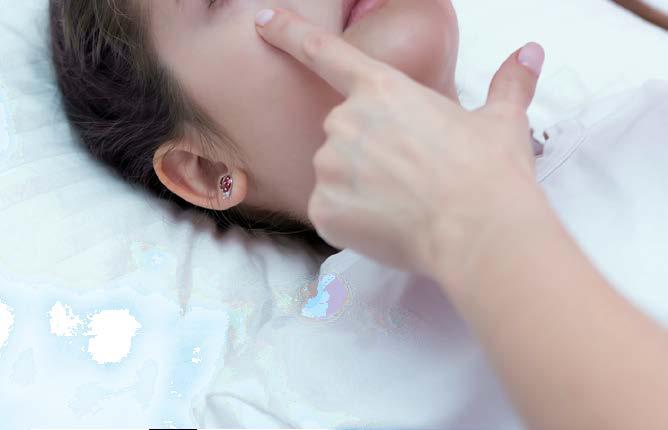
SEA WATER NASAL SPRAY. MOISTURISES AND SOOTHES SORE NOSES. NATURALLY. for the relief of congestion caused by as a result of using collected from the west coast of Chamomile, soothe at 2 years of age,
nasal
sea water
and during pregnancy1,2 Ask for affordable QUAZZIISO SEA WATER NASAL SPRAY by name.** *For adults and children 2 years and upwards **Say, “Quazzy Iso” Nasal allleavingcongestionyoucloggedup? SeaWithWater Nasal Spray, the coast is clear. FOR WHOLETHEFAMILY* Suitable for the whole family,* QUAZZIISO Sea Water Nasal Spray will have them feeling on top of the world in no time!
AB, Sweden 2018. 4.
SIYAENZA Indicated
(Pty) Ltd, 2nd Floor, Building D, Stoneridge Office Park, 8 Greenstone Place, Greenstone, Edenvale, Gauteng, 1609. Tel: (011) 564 3900. www.glenmarkpharma.co.za. QUAZAD02/2022.
Sweden2 With Aloe and
Ltd. 2.
operations1 Made
Glenmark
Aurena
medicine.
1.
AB, Sweden 2020. 3.
sinusitis, colds, hay fever, allergies, or
sore noses by calming and hydrating3 Trace elements promote healing and limit inflammation Easily administered
to
References: Data on file: Pharmaceuticals Africa (Pty) Data on file: Laboratories Data on file: Aurena Laboratories Bastier PL, et al. Nasal From empiricism to evidence-based A of Africa
any angle2 Can be used in adults, children from
review. European Annals
Otorhinolaryngology, Head and Neck Diseases. Distributed2015;132(5):281-285.by:GlenmarkPharmaceuticals South
In h ale & E x h ale wit h R E S P IR A T O R Y
irrigation:
South


health editor's choice health A herbal supplement scientifically formulated to help improve memory, mental functioning and attention. Mentat comes in tablet and syrup format. Availabe at Dischem, Clicks, leading independent pharmacies and e-commerce stores. Mentat 200ml Syrup Retail price: R163,95 Kure-All Healing Cream effective treatment •for:Diabetic related sores • Cuts, burns and fever blisters • Sunburn • Nappy rash • Acne • Insect bites Available online at www.watkinsonline.co.za Kure-All Healing Cream Retail price: R100 SAVER24 Lansinoh® HPA® Lanolin is proven to help soothe and protect sore cracked nipples. • 100% natural & hypoallergenic • No need to remove before breastfeeding • Safe for mum & baby • No taste, colour or smell • Free from preservatives and parabens –just lanolin and nothing else • Anhydrous, does not contain any medium in which bacteria can grow Available online at www.azatimix.com or select pharmacies and baby department stores. HPA® Lanolin Nipple Cream Retail price: R199,45 Use discount code: BB10 – for 10% off your entire order. A herbal supplement formulated to help boost your immune system and fight infections. Septilin comes in tablet and syrup format. Available at Dischem, Clicks, leading independent pharmacies and e-commerce stores. Septilin 100s Tablets Retail price: R194,95 health 52 www.babysandbeyond.co.za


Septogard Syrup 100ml Lady Prelox Retail price: R525 Lady Prelox is an all-natural estrogen-free supplement clinically proven to boost sexual function and satisfaction in women between 37 and 45 by 88% within one month, and by up to 126% in two months. It’s even proven to boost sexual satisfaction in menopausal (45–55) and even postmenopausal (50+) women by 60% and more. Available at all leading pharmacies or online at www.lamellepharmaceuticals.co.za
Chesteeze Syrup 100ml Retail price: R83,95 Provides support by the following
SAVE R Use discount code: BB10 – for 10% off your entire order. Retail price: R105 Can assist with the alleviation of symptoms associated with cold and flu such as: sore chest, coughs and respiratory congestion. Acts as a bronchodilator, expectorant, and has antiinflammatory properties. Available at all leading pharmacies.
immunepeoplerecurringagainstChronicdefence)againstTargetedmechanisms:immuneresponseinfection(firstlineimmunesupportopportunistic/infectionsforwithacompromisedsystem
R164,95
Kure-All Psoriasis Cream stimulates microcirculation, increasing water supply to the epidermis, reduces inflammation and inhibits infective bacteria in several skin conditions. Available online at www.watkinsonline.co.za
editor's choice health
• Anti-allergic properties for acute allergies
• Antibacterial, antiviral, anti-inflammatory, and antioxidant Available at all leading pharmacies. 53www.babysandbeyond.co.za
• Natural antibiotic
Kure-All Psoriasis Cream
• Broad spectrum herbal complex


*Based on an infection rate in the community that is over **Suitable50%.for children from two years and above, not indicated for animals.
3. Nxasana N, Baba K, Bhat VG and Vasaikar SD. Prevalence of Intestinal Parasites in Primary School Children of Mthatha, Eastern Cape Province, South Africa. Annals of Medical and Health Sciences Research. 2013(3):4, pgs511-516.
2. Gillespie C and Yetman D, Healthline [online]. healthline.com. March 2022. What Are Intestinal Worms? Available from: intestinal-wormshttps://www.healthline.com/health/[Accessed23June2022].
The effect of these parasites, if left untreated, range from the unpleasant to theWormsdangerous.canenter the body in various ways, depending on the worm type. Poor hygiene conditions, contaminated water or food, larvae in soil and tactile interaction with pets and pet-waste, can open the door to parasitic infection.1,2 The infection is likely to leave you feeling tired and lethargic.2 You may experience symptoms such as nausea, vomiting, stomach cramps and weight loss.2 Parasites starve you of the nutrients that your body needs and can cause damage in your intestines. In severe, untreated cases, they can obstruct your intestines.2 What happens when you have worms?
Did you know that worm infestations can even cause stunted growth and mental health conditions?1,3 It’s time to STOP WORMS… de-worm bi-annually. Even if you and your family live a relatively sanitised existence, it’s easy to pick up an intestinal worm. That’s why the World Health Organisation recommends that all members of the family get de-wormed twice a Precautionaryyear.1* daily measures include2
L et’s be honest, when it comes to the live, squirmy, real deal – you probably want to run a mile. Or, more sensibly, to your nearest pharmacy to pick up de-worming treatments for the whole family when parasitic worms take up residence in them.
1.References:Soil-transmitted helminth infections. World Health Organisation. [online]. 25transmitted-helminth-infectionswho.int/news-room/fact-sheets/detail/https://www.soil-[AccessedJuly2019].
It’s time to yourde-wormfamily
4. Wormstop® 100 Tablets, Wormstop® 500 Tablets, Wormstop® 100 Suspension Package Insert. 5. SA Database of Medicine Prices - 26 April 2022.
54 www.babysandbeyond.co.za
• Drinking boiled or purified water2 Wormstop® stops worms and is for the whole Wormstopfamily4®is an effective4* and affordable treatment5 to eradicate most intestinal worms, suitable for the whole family. 4**
health
If the idea of worms leaves a sour taste in your mouth, you must be a mom. Or perhaps a mom who loves those sugar coated sour jellies, as much as her kids!
• Washing hands thoroughly, before cooking and after toilet use
• Eating food that is cleaned and cooked properly
Stop worms today. Ask your pharmacist for Wormstop®. Available in tablets and suspension at all pharmacies nationwide.


Mom, it’s time to de-worm your family. Wormstop ® STOPS worms. 1 An effective and affordable treatment to eradicate most intestinal worms, suitable for the whole family.1,3# WHO* recommends de-worming twice a year.2** Ask your Pharmacist for Wormstop® today. Me a nd S pot lo v e pla y ing i n pu d dl e s Si p p ing te a a n d h a v i ng cu d dl e s But M o m ’s al w ays on a bout g erms, g e r m s, g e r ms A n d e n d ing u p w ith worm s , w or m s, w o rms *World Health Organisation. **Based on an infection rate in the community that is over 50 %. #Suitable for children from 2 years and above, not indicated for animals. References: 1. Wormstop® 100 Tablets, Wormstop® 500 Tablets, Wormstop® 100 Suspension Package Insert. 2. Soil-transmitted helminth infections. World Health Organisation. [online]. https://www.who.int/news-room/fact-sheets/detail/soil-transmitted-helminth-infections [Accessed 25 July 2019]. 3. SA Database of Medicine Prices - 26 April 2022. S1 Wormstop® 100 Suspension. Reg. No.: 31/12/0248. Each 5 ml contains: Mebendazole 100 mg, Sugar Free. Preservatives: Methylparaben 0,18 % m/v, Propylparaben 0,02 % m/v, Sodium benzoate 0,2 % m/v S1 Wormstop® 100 Tablets. Reg. No.: 31/12/0526. Each tablet contains: Mebendazole 100 mg, Sugar Free, Artificially Sweetened. S1 Wormstop® 500 Tablets. Reg. No.: 31/12/0527 Each tablet contains: Mebendazole 500 mg, Sugar Free Artificially Sweetened. Pharmacological Classification: A.12 Anthelmintics, Bilharzia medicines, Filaricides, etc. For full prescribing information refer to the package insert. Further information is available on request from the applicant. Marketed by: Ranbaxy Pharmaceuticals (Pty) Ltd., a Sun Pharma company. Reg. No.: 1993/003111/07. 14 Lautre Road, Stormill Ext. 1, Roodepoort, 1724, South Africa. Tel: + 27 (0)12 643 2000. Website: www.sunpharma.com


For working parents there is nothing quite as demoralising as a child coming home from daycare with a runny nose and a fever. For most parents, daycare is an inevitable part of working life, but the added stress of a small child getting sick repeatedly is not something they want or need. Here’s how to manage it My toddler is sick... again! health For more information and tips, follow us: Facebook: Instagram:@babysandbeyond@babysandbeyond or visit website: www.babysandbeyond.co.za 56 www.babysandbeyond.co.za


www.babysandbeyond.co.za
The good news is that catching colds frequently isn’t the end of the world. In fact, it helps to build up a child’s immune system, unless he or she has a specific immune Thedeficiency.firstfew months of attending a new daycare centre are usually the hardest because your child is exposed to a large number of germs all at once. Children have immature immune systems, but after they develop more fully, catching colds usually happens with less frequency.
C hildcare experts say that it’s normal for toddlers to get sick quite often when they start daycare, contracting six to 12 viruses in the first year Thisalone.is because daycare and schools are ideal environments for the spread of viruses. Illnesses such as the common cold, stomach bugs and hand, foot and mouth disease are easily spread through direct and indirect contact with kids who are coughing, sneezing, rubbing their snotty noses, and sharing toys and food.
As long as your toddler is just developing these typical viruses, and not more serious bacterial infections like meningitis, there’s no reason to be worried about their immune health; though having a sick kid all the time is likely to cause you some headaches. But how do you get a handle on your household’s health when daycare is non-negotiable, and everyone is always busy? There are a few easy hacks to help families with young children get a grip on their runny noses.


“Humidifiers will help sick children recover quicker as the moist air will soothe dryness and sore tissues at the back of the throat, relieving a dry cough and loosening the build-up of mucus.
Also, teaching kids to sneeze into their elbow, is a good one to start with. Alcohol-based hand sanitizer can also fill in when they’re at the park or at the mall when a sink is not available. Studies have shown that children's sleep recharges them cognitively and physically. Sleep aids in development, cardiovascular health, weight management, infection prevention, increased attention span, and learning.
Ultrafine particles (or PM 2.5) are the most toxic pollutants in the air, primarily released through sources like vehicle engines, fireplaces and coal or natural gas-fired power plants. These easily inhaled particles pose the greatest health and can penetrate deep into the lungs.
Children should also be encouraged to run and play outdoors in the fresh air as much as possible. Limit screen time by rather playing board games with your youngsters. Supplement your child’s diet with fruit rich in Vitamin C (oranges, tomatoes, green peppers) and an ageappropriate multi-vitamin.
Solenco is a trusted leader in air treatment and lifestyle products that help you improve your overall health and provide more comfort to your space (Solenco stands for Solutions for Environmental Comfort).
“Taking simple steps such as purchasing an air purifier and installing it in your child's room can drastically decrease or remove pollutants and irritants that may move into your child's lungs,” says Leonard.
The Covid pandemic has made everyone hyper-aware that germs love our hands. It’s been said before, but we’ll say it again, the handwashing techniques we all learnt during the pandemic are equally important for your child. Keep reinforcing that.
With more than a decade of sourcing and distribution experience, Solenco products are stocked by South Africa’s largest retailers. Solenco is currently the largest importer of dehumidifiers in the domestic space and imports leading global products such as Meaco and HOBOT. A product that is proudly endorsed and supplied by Solenco, is considered the gold standard. A number of Solenco’s products have been given the seal of approval by the Allergy Foundation of South Africa (AFSA), with a selection having NAPPI (or recognised medical aid product) codes. Solenco has also been recognised as the Best-Selling brand on Clicks Online. Food and exercise Strengthen your child’s immunity by making sure they get plenty of sleep and physical activity and are eating a balanced diet. School-aged children require around 11 hours of sleep every night, whereas pre-schoolers require around 13 hours. It’s the air we breathe
health
Bianca Leonard, Marketing Manager of air treatment specialists Solenco, says that while clean air is crucial for people of all ages, children are particularly vulnerable to pollution and the general quality of the air we breathe.
“A dehumidifier is great for homes with excess moisture in the air, where balancing humidity levels will go a long way in limiting the spread of allergens and harmful particles caused by mites and mould that thrive in moisture,” Leonard adds.
1 2 3 58 www.babysandbeyond.co.za
Wash your hands





Diptheria Causes a thick membrane in the throat and can obstruct the airway and cause death.
Hepatitis A & B Affects the liver, and it can cause severe liver disease and death.
Meningococcus Can cause severe illness affecting the whole body, and it can cause meningitis which can cause death.
The success of immunisation of infants is best indicated worldwide by eradicating Smallpox, eliminating Polio in the Western Hemisphere and Sub-Saharan Africa, and controlling previously common severe infectious diseases such as Measles, Diphtheria, Tetanus, and ThePertussis.current immunisation schedule in South Africa covers the following diseases which can cause severe illness, disability, and death: TB Causes severe disease of the lungs and brain and can affect the whole body. It can cause disability and death.
Rotavirus Causes severe diarrhea and dehydration, which can cause death.
Rubella Can cause mild disease in children, but it can cause severe illness in pregnant women causing miscarriages, and severe disease and disability in newborns.
Human Papilloma Virus Can cause cancer of the cervix in women and cancer of the testes in men. Cervix cancer is the number one killer of women in Southern Africa.
60 www.babysandbeyond.co.za
The importance ofByhealthDrNomakuwa
Pneumococcus It mainly affects the lungs causing pneumonia, and the brain causing meningitis, which can be debilitating and cause death.
Chickenpox Causes mild diseases but can cause death in children with weak immune systems like children with cancer.
Tetanus Affects muscles and causes painful muscle spasms and disability.
Polio It affects the spinal cord and causes disability.
Measles Affects the lungs, eyes, and skin and causes severe diseases which can result in death.
Immunisation is one of the global strategies to control and eliminate vaccine-preventable diseases and are the most cost-effective measures to prevent, control, and eliminate these immunisingdiseases. infants
Mumps Causes mild disease of the parotid glands, but it can affect testes in boys and can be the cause of adult infertility.
Elizabeth Tabane, Head of Department: Paediatric and Child Health, Universitas Academic Hospital M ost of these diseases do not only cause illness but can also cause disability and mortality. The immunisation coverage increases, especially for children, has saved millions of lives. The health and growth of more children have improved because they do not only survive but also thrive due to the immunisation of infants.


The current immunisation schedule according to the Expanded Programme of Immunisation of South Africa being given both in the public and private health sectors is as follows: Optional extra vaccinations not routinely offered in the public sector Meningococcal Meningitis 9 months and 13 months Hepatitis A 13 months and 19 months Chicken pox 15 months and 6 years Measles Mumps and Rubella 15 months and 6 years health Diseases EPI vaccination schedule TB Birth Polio Birth Diphtheria, Tetanus, Pertussis, Haemophilus Influenza, Polio, and Hepatitis B 6 weeks, 10 weeks, 14 weeks, and 18 months Pneumococcal diseases 6 weeks, 14 weeks Rotavirus 6 weeks, 14 weeks Measles 6 months and 12 months Tetanus and Diphtheria 6 years and 12 years Human Papilloma Virus 9 years and 10 years Dr Nomakuwa Elizabeth Tabane is the current Academic Head of the Department of Paediatrics and Child Health at the University of the Free State. She was appointed as the Provincial Specialist Paediatrician in the FS Department of Health. The primary responsibilities were to oversee the DCSTs and Clinical Governance in the province and the monitoring and accountability of maternal and child health care. In 2019 she acted in the Provincial Specialists and Standard Compliance Units of the FS Department of Health. She has served on several committees and represented the Free State province in the National Ministerial Committee and the Revision of Hospital Regulations Committee. In 2020, she was appointed as the Head of the Department of Paediatrics and Child Health in the Faculty of Health Sciences at the University of the Free State. This role includes the department's teaching and learning, research, and management aspects. 61www.babysandbeyond.co.za


63
Healthy sleep:
Whether they’re studying for a test, learning to play an instrument, or acquiring job skills, sleep is essential for your teenager. Sleep benefits the brain and promotes attention, memory, and analytical thought. It makes thinking sharper, recognising the most important information to consolidate learning. Sleep also facilitates expansive thinking that can spur creativity.
Is your teen
I
health
n fact, studies suggest that sleep may play an active role in sculpting the adolescent brain. One such study examined MRI scans in 290 children and adolescents between the ages of 5-18 years and found that sleep duration was positively correlated with grey matter volume in the hippocampus, which plays a key role in short-term, long-term and spatial Accordingmemory.tothe National Sleep Foundation and the American Academy of Sleep Medicine, teenagers need eight to ten hours of sleep per night, as sleep is essential for physical and mental health, maintaining a healthy weight and cognitive ability. Adequate sleep also improves the ability of the immune system to getting enough? recognise and fight an infection through a phenomenon called immunological memory, and lack of sleep can in fact increase the risk of catching infections. But by almost all accounts, many teenagers are not getting enough sleep.
Data from four surveys in the US conducted from 2007 to 2013 showed that nearly 69% of high school students got seven or fewer hours of sleep per night, and it is estimated that almost a quarter of adolescents suffer from insomnia. Insufficient sleep among teens has been found to be higher among girls than boys, and older teens report getting less sleep than people in early adolescence. www.babysandbeyond.co.za

64 www.babysandbeyond.co.za
• We generally don’t want our teens to consume too much caffeine, but if they’re having trouble falling asleep it may be a good idea to avoid it completely.
There are also certain micronutrients that support sleep, which can make falling asleep and having a good night’s rest easier. These include gamma-amino-butyric-acid (GABA), the amino acids taurine, glycine and L-theanine, and magnesium and zinc.
• Daily exercise can make falling asleep at night much easier, so make sure your teen is not spending all their free time on the couch.
• Our teens are all a little sleep deprived, but if they need a nap in the afternoon make sure it is early in the afternoon and no longer than 20 to 30 minutes.
• Exposure to the blue light our screens emit before we go to bed can affect our ability to fall and stay asleep. Try to implement a rule of no devices for two hours before bedtime – and lead by example by following your own rule.
Supporting the circadian rhythm with a regular routine and a healthy diet, together with nutritional supplementation where needed, will give your teen the energy and mental ability to succeed in the classroom, on the sports’ field and socially.
Knowing that your teen can only fall asleep at about 10 o’clock, and that they need to be out of bed early enough to get to school on time, it is vital that you help your teenager manage their sleep routine. SleepFoundation.org offers the following recommendations to help your teenager maintain a healthy circadian
Bioteen is available online at www.bioteennutrition.com.
health
Body clock changes in teenagers Our need for sleep is controlled by two •things:The length of time we have been awake, and • Our internal clock or circadian rhythm. Our internal body clock, or circadian rhythm, controls almost all functions in the body. The human body runs on a 24hour cycle, which is influenced by light. When the sun rises we are programmed to wake up and when it sets our body starts to ready itself for sleep.
Between 10 and 12 years of age, the circadian rhythm starts to shift. While you’ve been used to tucking your child into bed between 8pm and 9pm, they are now only ready to sleep between 10pm and 11pm. It may look like they have insomnia: they toss and turn, get up for a glass of water or sneak their phone into their bed – but in reality, their body is just not ready to sleep.
A teen’s energy requirements are relatively high, so the best way to make sure they eat as much as they need to grow and mature is to eat three balanced meals with healthy snacks in between.
A regular routine is important, but equally important is diet and good nutrition. As with everything else your teen needs to do in a day, eating should happen at regular intervals as when you eat also affects your circadian rhythm.
• The body thrives on routine, so encourage your teen to go to bed at the same time every night.
Bioteen’s Supersleep has been scientifically formulated to provide an effective nutritional supplement for teens to help promote a better night’s sleep. Containing optimal quantities of GABA, taurine, glycine, L-theanine and magnesium, Supersleep has been proven to reduce the time it takes to fall asleep and go into a deep sleep and the frequency of awakening during sleep hours; and helps to feel well-rested upon waking.
•rhythm:Thecircadian rhythm is responsive to light – especially sunlight. Make sure your teen spends time outside, preferably earlier in the day as it keeps the body clock running on schedule.
Nutrition for a healthy body clock
Working with your teen’s circadian rhythm


The antistatic VORTEX provides: • Higher lung deposition, lower mouth- throat deposition 2, 3 • Medication that is dispensed in reliable metered quantities • Disinfectable, ergonomic SmartTouch masks ERS = European Respiratory Society ISAM = International Society for Aerosols in Medicine References: 1. Laube BL, Janssens HM, de Jongh FHC, Devadason SG, Dhand R, Diot P, et al. ERS/ISAM task force report: What the pulmonary specialist should know about the new inhalation therapies. Eur Respir J. 2011;37(6):1308-1331. 2. Goncalves TM, Alhanout K, Nicolay A, Dubus J-C, Pereira de Santana D, Andrieu V. Comparative In Vitro Performance of Three Small-Volume Valved Holding Chambers with Beclomethasone/Formoterol Pressurized Metered Dose Inhaler. J Aerosol Med Pulm Drug Deliv. 2013;26(4):223-227. 3. Golshahi L, Zuberbuhler P, Finlay W. Comparison of Lung Delivery of Xopenex and Flovent HFA Using Vortex and AeroChamber Plus Holding Chambers. Chest. 2010;138(4_MeetingAbstracts):162A. Available from: Trademarksdoi:10.1378/chest.9864.areownedbyor licensed to the Aspen Group of Companies. © 2022 Aspen Group of companies or its licensor. All rights reserved. Pharmacare Limited. Co. Reg. No.: 1898/000252/06. Healthcare Park, Woodlands Drive, Woodmead, 2191. ZAR-NPR-07-22-00002 08/2022 44064 ERS/ISAM task force recommends using a holding chamber 1 Children younger than 18 months should inhale 4 to 6 breaths; children older than 18 months should take 2 to 4 breaths to ensure the delivery of sufficient dosage. Otherwise, insufficient dosage may be delivered. In Vitro PARI SmartTouch baby and child mask Hygienic VORTEX and all accessories can be disinfected with boiling water or in a steam disinfector. 0 to 2 years VORTEX with baby mask ’Ladybug’ Above 2 years VORTEX with child mask ’Frog’ Above 4 years VORTEX VORTEX, the right equipment for all ages:


66
“An unhealthy gut can cause health issues such as chronic fatigue, chronic illnesses, and inflammation," says Willco Janse van Vuuren, Managing Director for Releaf Pharmaceuticals, a leading Complementary and Alternative Medicines pharmaceutical manufacturer of a range of scientifically proven vitamin and supplements “A healthy gut talks to the brain through nerves and hormones, so when it isn't working as it should, the brain is also affected.”
Did you know between 70 and 80% of your immune cells are in the gut?1 This emphasises how closely linked gut health and the immune system are,1 and when out of balance, it is harder for the body to fight infection.
W hile you can boost a weakened immune system, gut health experts say it is all about maintaining a good balance of bacteria for a healthy gut and overall health.2 How gut health works2 The gut microbiome is the foundation of health, where the body gets rid of waste and toxins. However, if the gut is unhealthy, the body will struggle, and toxins will build up which can have harmful and long-term effects.
want you to know about gut health
health
What dieticians
The most common factors that contribute to poor gut health are stress, poor nutrition, and long-term use of antibiotics and antacids. That said, everyone can have a healthy gut. The experts agree that lifestyle changes can make a significant difference.3
This is why people with an unhealthy gut experience symptoms such as brain fog, headaches, poor concentration, fatigue, and trouble sleeping. What can affect gut health2
www.babysandbeyond.co.za

Increase probiotics
4
Probiotics are beneficial bacteria found in certain foods and supplements, and they improve health by supporting the metabolism. Some studies also show that probiotics can restore the gut microbiome to a healthy state. Find probiotics in fermented foods like kimchi, yoghurt, and sauerkraut. Alternatively, you can use a quality and scientifically proven probiotic supplement.
2
Leafy greens and fresh fruits are the best sources of nutrients for a healthy microbiome. “Good nutrition is the easiest way to influence the gut microbiome. Add high-fibre foods, such as raspberries, artichokes, green peas, broccoli, bananas, and apples. Studies also show that the body can prevent the growth of disease-causing bacteria when you eat a diet rich in fruit and vegetables,” says Lelani Rautenbach, Head of Marketing for Releaf Pharmaceuticals. Eat lots of fruit and vegetables4
3
5 67www.babysandbeyond.co.za
“There are specially formulated probiotic supplements designed for adults and children to improve their gut health and its functioning. However, it is important to talk to your doctor before adding a probiotic supplement to your diet,” Janse van Vuuren concludes.
health
Stay hydrated5
As mentioned above, stress negatively impacts gut health, and while it is impossible to live a life without stress, there are techniques to manage it better so that it does not affect your overall health.
“Manage stress by practicing mindfulness, eating healthy, getting enough sleep, and doing light exercise. Getting outside for a walk for just 30 minutes will do wonders for your body and help you to de-stress,” Rautenbach says. De-stress5
1 Keeping your gut happy and healthy Certain foods and a healthy lifestyle can improve gut health. Science, and dieticians, recommend the following. Many foods naturally contain prebiotics, which promotes the growth of good bacteria in the gut. Prebiotic foods can include onion, ginger, and garlic. Popular South African flavours like black pepper, cinnamon, oregano, rosemary, and turmeric can also positively impact the microbiome. Eat prebiotic foods2, 4
When selecting a probiotic to support your gut health, the experts recommend a brand known to have high-quality ingredients and that has been through rigorous testing. This way, you will get the health benefits you are looking for.
Water has several health benefits – it supports skin health and helps with brain function. Your water intake influences your gut microbiome. “When you drink enough water, the gut will absorb important nutrients like electrolytes and vitamins, helping to keep a healthy gut,” Rautenbach adds.
“Some people cannot tolerate fermented foods and should use probiotics to get the vitamins and minerals their bodies need,” says Janse van Vuuren.


depression Supporting someone with 68 www.babysandbeyond.co.za
mental health
There’s more to living with depression than having an off day or feeling blue. Depression is a mental illness that can slowly take over a person’s life. And as people live increasingly isolated lives due to the pandemic, the condition is becoming more prevalent.

It’s important to know that depression won't go away on its own, but it can be treated, and you can emerge from the darkness and live a fulfilled life. This is why it's important to recognise the symptoms in yourself or others and seek professional help.
• Experience low energy.
69
• Feel hopeless, especially about the future.
• Irritable and easily upset.
• Have trouble sleeping.
“Sadly, there is so much stigma surrounding depression that many people suffer in silence, unable to talk to their loved ones, let alone their doctors,” said Dr Eugene Allers, a prominent “Additionally,psychiatrist.manypeople with depression think their feelings are normal and can go years without seeking the help they need.”
• Have no interest in regular activities.
Depression is not the same for everyone and symptoms can vary. If you or someone you know has had all or some of the following symptoms2 for longer than two weeks3, then it’s time to talk to your doctor.
• Have difficulty concentrating.
Symptoms may be subtle
• Very sad or tearful, more than usual.
O ne in six South Africans may be struggling with depression, according to the South African Depression and Anxiety Group (SADAG)1 therefore, it's highly possible that you may be depressed, or know someone struggling with depression.
mental health
• Think about death or suicide. www.babysandbeyond.co.za


2. Healthline. How to Help Someone with Depression. healthline.com/health/how-to-help-a-depressed-friend.https://www.Accessedon 12 November 2021.
4. Help with errands2 Simple tasks like doing the laundry or shopping for groceries can be overwhelming to a person with depression. Offer to help take the load off, or better yet, do things together. The company will be good for both of you and give you a chance to talk and understand what they’re going through.
3. WebMD. Major Depression (Clinical Depression). https://www.webmd. com/depression/guide/major-depression. Accessed on 26 November 2021. 4. VeryWellMind. How to Help Someone With Depression. Accessedverywellmind.com/how-to-help-someone-with-depression-1065117.https://www.on12November2021.
5. Mayo Clinic. Depression: Supporting a family member or depression/art-20045943.https://www.mayoclinic.org/diseases-conditions/depression/in-depth/friend.Accessedon12November2021.
6. Treatment6 There is effective treatment to relieve symptoms of depression, and sometimes a combination of different treatments will be recommended, and can include:
• Day patient programmes that offer support and counselling to manage symptoms.
#BreakingDepression is possible
2. Reach out2,4 Ask non-judgmental questions that make the person feel safe and accepted, this will help them to open up.
5. Be patient2 Recovery from depression may take time. Even after being on treatment, they'll no doubt still have bad days. Encourage them not to give up. Recovery will get better. Be there for them, offering hope and support, and don't get frustrated if you think recovery is taking too long.
mental health
For more information visit co.za/en-za/ourmentalhealth1/www.janssenwithme.
There are credible resources that will help you understand the symptoms, causes and treatment options. The more you know, the easier it will be to overcome the misconceptions and seek out treatment. The Our Mental Health website offers a wealth of reliable information and practical lifestyle tools to help the recovery journey.
How you can help
70 www.babysandbeyond.co.za
In addition to the right treatment, people with depression need reliable and consistent support from their loved ones. They’ll face challenges during recovery, but they can overcome them, heal, and become stronger, happier versions of themselves.
Remember, depression is just like Kintsugi, the Japanese art-form that involves repairing broken objects and highlighting the mended areas with gold; a powerful reminder that we can all become whole and that there is beauty in our past struggles.
• Medication, such as older or newer antidepressants, mood stabilisers or anti-anxiety medication.
#BreakingDepression is a Janssen initiative that aims to reduce the taboo surrounding depression, and assist people living with depression through education, professional advice, insights and tips for people living with depression, their caregivers and those who support them.
The first and most important steps are to reassure the person that they're not alone, and to assist them in seeking medical help.
1.ReferencesTheSouth African. 'It's okay not to be okay!' October is mental health awareness month. https://www.thesouthafrican.com/lifestyle/healthfitness/mental-health-october-month-webinar-mandy-herold-yaelgeffen/. Accessed on 12 November 2021.
6. Mayo Clinic. Depression (major depressive disorder). drc-20356013.mayoclinic.org/diseases-conditions/depression/diagnosis-treatment/https://www.Accessedon26November2021.
“Is there anything going on you'd like to talk about?” is a good place to start. If they're not open to talking, don't become impatient. Always let them know you're there for them. If you can’t talk in person, use video or text messages, or whatever works for both of you. Be supportive and listen without judgement.
3. Encourage treatment5
Some people may be ashamed and wary about seeking medical help. Remind them that asking for help doesn't mean they’re weak; it means they are strong and ready to take the next crucial step in their recovery. Assist them in finding a doctor even if you have to make the appointment and accompany them.
• Talk therapy, where a psychotherapist can help find better ways to cope with problems.
1. Educate yourself 4

• Boosts immune function. • Improves mood and concentration. • Reduces ADD symptoms. • Improves brain messaging function. • Encourages healthy sleep patterns.pharmacies.allatAvailable For more information call: 042 293 1278 E-mail: valuedlife@epweb.co.za



“Since the start of the Covid-19 pandemic, we are seeing many more
Children don’t always know what’s happening to them, they feel scared, Anxiety has no logic rise
“I am seeing children who are now experiencing fear of death, fear of being around people, as well as anxiety and loneliness around the loss of interaction withnervousfriends.”toengage with others, often stuttering to get words out, they often cry or even have a panic attack. Anxiety is often felt as a stomach ache.
mental health on the Anxiety in children
• not eating properly; • quickly getting angry or irritable and being out of control during outbursts;
For people with anxiety disorders, worry and fear are constant and overwhelming, and can be crippling.
72
A nxiety is a normal human emotion that everyone experiences at one time or another, for instance, when faced with a problem at work, before taking a test, or making a big decision. Anxiety disorders, however, are different. The distress they cause is so great that it interferes with a person’s ability to lead a normal life.
• not sleeping or waking in the night with bad dreams;
Recent studies conducted internationally on over 80 000 children, have shown that depression and anxiety amongst children and young teenagers has increased by more than 25% since the start of the Covid-19 global pandemic – signalling a global health crisis in the youth.
clients with anxiety and anxiety disorders, the most alarming, however, are children as young as eight years of age,” says Kerry Rudman from Brain Harmonics, a Neurofeedback organisation specialising in retraining brains.
Anxiety has no logic; you can tell yourself that the situation is ok but it’s really hard to stop the feeling of stress and anxiety in your body. It often builds up from your gut and makes your heart beat faster. Some people start sweating, you feel so uneasy and can’t calm the feeling. It’s very hard to engage with others while you are experiencing this.
www.babysandbeyond.co.za
• finding it hard to concentrate;
Symptoms of anxiety in children can also include:
• constantly worrying or having negative thoughts; and • feeling tense and fidgety, or using the toilet often.


mental health
There are many different types of anxiety disorders, these include panic disorders, social anxiety disorders, specific phobias, and generalized anxiety
Studies have shown that severe or long-lasting stress can change the way nerve cells within these circuits transmit information from one region of the brain to another. Other studies have shown that people with certain anxiety disorders have changes in certain brain structures that control memories linked with strong emotions.
Manydisorder.brain
Anxiety disorders run in families, meaning they can be at least partly inherited from one or both parents, like the risk for heart disease.
Teach your children coping mechanisms to deal with their anxiety
The brain is trained to calm excessive Theta or anxiety at the emotional sector in the brain while boosting the Alpha frequency which normalises serotonin naturally – this is your feel-good happy neurotransmitter. Serotonin impacts every part of your body, from your emotions to your motor skills. Serotonin is considered a natural mood stabilizer. It’s the chemical that helps with sleeping, eating, and digesting. It also helps reduce depression and anxiety.
Anxiety disorders may be caused by problems in the functioning of brain circuits
Neurofeedback is incredibly helpful tool for anxiety and stress and it’s quick to balance those brainwave patterns in comparison to other modalities.
However, often by protecting them from the thing that is upsetting them we can make the anxiety worse,” explains Rudman.
Moreover, certain environmental factors — such as a traumatic event, a global pandemic and country wide lockdowns — can trigger an anxiety disorder in people who have an inherited susceptibility to developing the disorder.
“The best way to help children is to teach them coping mechanisms on how to deal with their anxiety when it occurs, with the aim of allowing them to feel less anxious!”
“I always encourage parents to show their children empathy, without agreeing with their fears. For example, you can say to your child, ‘I know you are scared for this test, it’s ok to be scared, you can get through this, I will help you in every way I can’. It’s usually more helpful to avoid leading questions like, ‘are you afraid for the test?’, and rather ask open questions like, ‘how are you feeling about the test?’ ”
73www.babysandbeyond.co.za
“When children are anxious, our instinct is to help them feel better.
So how can you help your child?
For more information about neurofeedback and brain training, visit www.brainharmonics.co.za
researchers believe that anxiety disorders may be caused by problems in the functioning of brain circuits that regulate fear and other emotions.


Prostate cancer in the spotlight men’s health Know the risks, the symptoms and the importance of screening... ... prostate cancer is thesecond most commoncause of male death from cancer... 74 www.babysandbeyond.co.za


Canned and cooked tomatoes decreases the risk He says that the dietary intake of lycopene, the organic pigment which gives tomatoes and some other fruits and vegetables their colour, has been reported to decrease the risk of prostate cancer.
men’s health
While these findings are encouraging, Oberholzer says that there is just not enough evidence yet to establish a definite
75www.babysandbeyond.co.za
Race is a major risk factor for prostate cancer, with Black African men having a 60% increased risk for prostate cancer. They are also about 2.5 times more likely to die from the disease than their white counterparts. Age is also a risk factor, with the incidence peaking between the ages of 65 and 74, while family history is “Havinganother.a first-degree relative with prostate or breast cancer increases the risks significantly. There is a lot of development in terms of genetics and prostate cancer, so hopefully we will eventually reach a point where genetic testing will be able to identify at risk individuals,” he says.
W hen it comes to prostate cancer and lifestyle factors, there is some evidence that a diet low in vegetables and high in animal fat, particularly red and processed meats, may increase a man’s risk of developing prostate cancer.
Professor Shingai Mutambirwa, a founding member of the Prostate Cancer Foundation of South Africa (PCF), says that prostate cancer is the second most common cause of male death from cancer, and the second most common cancer in men, after skin cancer.
“We always advise men to follow a healthy diet and to be physically active, as this helps to maintain good general health,” says Andrew Oberholzer, CEO of the Prostate Cancer Foundation of South Africa (PCF) when asked what lifestyle factors may influence the development of prostate cancer.
According to the World Cancer Research Fund International, studies have indicated that men who consume canned and cooked tomatoes several times a week could benefit from a decreased risk of prostate cancer, compared with men who never consume these foods.
It is because of these risk factors that African men and men who have a family history of prostate and/or breast cancer in a first degree relative need to get screened annually from the age of 40. All men over the age of 45 need to be screened annually. In addition, patients with a history of lower urinary tract symptoms (LUTS) and/or with a clinical suspicion of prostate cancer, regardless of their age or race group, should be tested.
According to the National Cancer Registry (NCR), the incidence of prostate cancer in South Africa almost doubled between 2007 and 2017, with current statistics stating that 1 in 6 men will be diagnosed with prostate cancer during their lifetime.
“At this stage, the only modifiable risk factor that has been identified is ejaculatory frequency. There is evidence that men who have more than 21 ejaculations per month have a 20% reduced risk for prostate cancer,” says Oberholzer.


A blood test can save your life
A PSA test is a simple blood test that measures the amount of prostate-specific antigen (PSA) in the blood stream. An elevated reading could indicate the presence of prostate cancer and would require further investigation. A digital rectal examination (DRE) should also be performed as there are some types of prostate cancer that don’t cause a rise in PSA.
While the multitude of health information can be overwhelming when it comes to disease prevention, the bottom line is that exercising, not smoking and following a healthy diet are the cornerstones of good health and should be encouraged. Early detection of prostate cancer also saves lives, so know your risk factors and get your PSA screening done annually as recommended.
Follow Daredevil Run on Facebook to keep up to date with details about this year’s event, as well as men’s cancer awareness information.
“A PSA blood test at your health care practitioner can take a couple of seconds and can potentially save your life,” he says.
An increase in having to urinate, especially at night, and the urine stream becoming weaker, are two symptoms that older men in particular need to be aware of when it comes to possible signs of prostate cancer, although these symptoms are often a related to an enlarged prostate.
men’s health
The Hollard Daredevil Run is an annual event that helps to raise awareness about both prostate and testicular cancer. The event, which also raises funds for CANSA and the Prostate Cancer Foundation of South Africa, will be taking place again later this year.
Mutambirwa, who is the Head of Department of Urology at Sefako Makgatho Health Sciences University (SMU) in Pretoria, says that if you pick up prostate cancer early, which requires screening, you have a 95% chance of being cured and will have a similar life expectancy to someone without the cancer.
For more information, and to find a healthcare professional involved in the diagnosis and treatment of prostate cancer in South Africa, go to www.prostate-ca.co.za or www.cansa.org.za enlarged prostate (with tumors) magilnant tumors
Prostate Cancer 76 www.babysandbeyond.co.za


An AP a day keeps allergies at bay... 10 mg Tablets 5 mg/5 ml Syrup
S1 AP Loratadine Syrup. Reg. No.: 38/5.7.1/0083. Each 5 ml contains 5 mg of loratadine. S1 AP-Loratadine 10 mg Tablet. Reg. No.: 35/5.7.1/0084. Each tablet contains 10 mg of loratadine. For full prescribing information, refer to the professional information approved by the medicines regulatory authority. (Syrup 07/2005; Tablets 05/2002). Trademarks are owned by or licensed to the Aspen Group of companies. © 2022 Aspen Group of companies or its licensor. All rights reserved. Pharmacare Limited. Co. Reg. No.: 1898/000252/06. Healthcare Park, Woodlands Drive, Woodmead, 2191. ZAR-LOR-07-22-00003 08/2022.
are
Indicated for the relief of symptoms associated with seasonal allergic rhinitis and chronic urticaria.
INCs = Intranasal Corticosteroids
References: 1. Green RJ, Van Niekerk A, McDonald M, Friedman R, Feldman C, Richards G, et al. Acute allergic rhinitis. S Afr Fam Pract. 2020;62(1), a5154. https://doi.org/10.4102/safp.v62i1.5154.
Antihistamines useful as adjunctive therapy to INCs 1


editor's choice beauty beauty
The CATRICE Shape & Define Contour Stick is available in 3 shades and has 2 sides with a lighter and a darker shade. Thanks to the practical on-the-go format, the stick can be taken along wherever you go and is suitable for quick touch-ups. The creamy texture is easy to apply, blends well and is long-lasting. Available at Clicks, Dis-Chem, Takealot, SkinMiles, Superbalist and online at www.houseofcosmetics.co.za.
beautyR125,95
This refreshing cleanser effectively removes dirt and impurities while invigorating the skin to help encourage a fresh, healthy looking
Creightons Pink Grapefruit Face Wash Retail price: R69,95 A light and nourishing formula that delicately scents the hair with green apples, lily of the valley and sandalwood. It also fights frizz, leaving hair soft and nourished throughout the day. Available at Dischem.
The CATRICE Shape & Define Contour Stick Retail price:
Retail price: R69,95
Curls In Bloom Hair Perfume Gently exfoliate and unclog pores with this face scrub to help promote a brighter, more radiant complexion. Available at Clicks & Dischem. Creightons Pink Grapefruit Face Scrub Retail price: R69,95 78 www.babysandbeyond.co.za


Wet
R250 79www.babysandbeyond.co.za
Retail
OGX
Oh So Heavenly Superfood Face Care 10% Vitamin C Serum 30ml choice Perfect for buffing foundation onto your skin, a good quality foundation brush will be filled with densely packed bristles that allow you to build coverage and blend seamlessly. n Wild Foundation Brush has a flat, dense head for expertly applying and blending cream and liquid foundations onto the skin in a streak-free, flawless finish. at Clicks. and nourish skin with this multi-tasking Face Scrub that can also be used as a revitalising Face Mask, boosted with powerful superfoods for the ultimate pampering. Available at Clicks stores. So Heavenly Superfood Face Care 2-in-1 Scrub & Face Mask 110ml
Retail
Oh So Heavenly believes that women deserve to feel happy in their own skin. With skin loving formulations, advanced ingredients and a regime specifically formulated for your specific skin type. Available at Clicks stores.
R215
Available
This air-dry cream is ideal for style on the go –simply work through damp hair to reduce frizz as hair dries naturally for beautiful heat-free style. Available at Clicks. Coconut Miracle Oil Air Dry Cream price: Helps to protect skin from everyday environmental pollutants whilst revealing clearer, brighter skin. Available at Clicks & Dischem. Vitamin C Fix Cleanser price:
Oh
editor's
Wet n FoundationWild Brush Retail price: R99,99 Retail price: R149,99 Polish
NIP+FAB
R54,99
beauty


beauty Spring is a time for new beginnings and transformations! Switch up your makeup routine with the latest Spring makeup trends and colours, made easy with Cosmetics.Catrice trends and colours 80 www.babysandbeyond.co.za Spring makeup


CATRICE Neon Blast Nail Polish in 04 Flashing Pink | R88.95. Let everyone know Spring is here with a neon pink statement to the nails. This polish is long-lasting and will catch eyes everywhere thanks to its rich colour.
CATRICE ICONAILS Gel Lacquer in 121 Mint To Be | R75.95. Add a cool pop of colour to your nails to complement your mint eyes. The ICONAILS Gel Lacquer will leave your nails with a gel-shine finish that lasts up to seven days even without a top coat. Your nails will remain nourished thanks to its Acai oil formula.
www.babysandbeyond.co.za
From natural looks to elegant evening makeup, it’s easy to incorporate a pop of mint on your eyes no matter the occasion. This palette incorporates complementary mint shades in both matte and shimmer finishes.
81
Trend: A mint moment It’s all about a mint moment this Spring as the greenery around us starts to thrive again. Add a pop to your eyes or nails using CATRICE Pro Hint of Mint Slim Eyeshadow Palette in 010 Aesthetic Vibes | R249.95
beauty Green
The CATRICE Highlighting Eyeshadow comes in a pigmentedhighlysoftpinkpowdertexture,idealfortheeyelids.Byemphasisingtheinnercorneroftheeyesaswellasunderneath the brow arch, your eyes will become visibly open and enhanced.
Trend: Ultra glossy lips No more wasting good gloss on the inside of your masks. It’s time to let those lips shine for everyone to see. We recommend CATRICE Better Than Fake Lips Volume Gloss | R100.95 Available in four different shades of pink as well as a plain shade, this gloss is gentle on the lips with an added plumping effect. Its revolutionary formula is enhanced with a butter complex, vegan collagen replacement and Volulip™ by Sederma for fullerlooking, glossy lips.
Trend: Inner corner moment This Spring is all about emphasising the inner corner of the eye for a gentle, minimalist look. Achieve this using CATRICE Highlighting Eyeshadow in 030 Metallic Lights | R70.95
This rich in pigment blush comes in a coral-peachy tone for all skin types. Your cheeks will be left nourished and glowing thanks to its ultra-fine golden shimmer particles and hibiscus oil. Simply sweep blush up into the temple for the ultimate touch of Spring.
PinkR125.95
Trend: Bright blush As beautiful florals in shades of pink start to bloom, we are seeing lots of emphasis on the cheeks using bright blush. For an added glow try CATRICE Cheek Lover OilInfused Blush in 010 Blooming Hibiscus |


Trend: Reverse Cat Eye Spring is the perfect time for change and that’s why the Reverse Cat Eye is all the rage. Simply create heavier lines of eyeliner below the eye and have fun by using different colours. We recommend CATRICE Kohl Kajal Pencil in 260 So BLUEtiful! | R49.95 Rich in pigment yet soft and creamy to apply, this Kohl pencil will certainly make a deep impact on the eyes with its striking blue shade. CATRICE 5 in a Box Mini Eyeshadow Palette in 050 Blue Smokey Look | R99.95. This mini palette comes in five highly-pigmented shades of cool taupe and grey tones. Each shade is enriched with rose oil allowing for a soft application that’s easy to blend. CATRICE ICONAILS Gel Lacquer in 117 Aqua Manicure | R75.95. This beautiful aqua shade will bring a calming gel-finish to your nails to match the Spring skies. Blue beauty CATRICE Neon Blast Nail Polish in 01 Energising Yellow | R88.95. Add an intense statement to your nails using the 01 Energising Yellow Neon Blast Nail Polish. Expect a longlasting, high-gloss finish from this expressive nail polish range. Yellow To ENTER scan the QR code with your phone and complete the entry form online www.mediaxpose.co.za/babys-and-beyond-atpublication-page/competitions/. Stand a chance to win aWIN CATRICE Cosmetics hamper to the value of R2 000! apply.T&CsCompetition closes 30 November 2022. 82 www.babysandbeyond.co.za This Spring is all about colour and bringing just the right amount of accent to your face and nails. To stay on trend this Spring, be sure to visit Clicks, DisChem, Takealot, Superbalist, Skinmiles or www.houseofcosmetics.co.za for your CATRICE Spring Makeup!


Here are six lifestyle tips to help you feel good and minimise flare-ups. 84 www.babysandbeyond.co.za
What is psoriasis? People with psoriasis have an overactive immune system that speeds up skin cell growth. Skin cells grow normally and shed within a month in people who don't have psoriasis. For people with psoriasis, there is no shedding, and every three or four days, the skin cells pile on the surface, forming red patches of skin, covered in thick silvery scales that can itch, bleed, or burn. These patches can cover any part of the body, although they’re most common on the lower back, elbows, knees, legs, scalp, and face. People with psoriasis are also at greater risk of developing heart disease, Type 2 diabetes, high blood pressure, obesity, and other autoimmune Psoriasisdiseases. is a chronic condition with no cure, but it's not all bad news. People can manage the condition and greatly improve their quality of life with effective treatment options that can help them achieve clear skin.
“The right treatment can make all the difference,” says Dr Tarryn Jacobs, a specialist dermatologist in Gauteng. “The earlier people start with the treatment, the better results they’ll see.
On the inside, they may experience feelings of depression or low self-esteem while living with an illness that is more than skin deep1.
Effective treatment will reduce symptoms, achieve clear skin, and help people live a better life,” she adds. “I also suggest to my patients to adopt a healthier lifestyle that will greatly enhance their lives, in addition to the right treatment.”
Their family, friends, colleagues, and strangers may see red scaly patches, or dry, cracked skin that may bleed, wondering if it is contagious.
own skin How to stay healthy and comfortable in your skincare
Millions of people struggle with psoriasis daily.


Start exercising Regular exercise improves psoriasis symptoms, and can improve your mood, boost your energy, and help you sleep better. If you choose to start swimming, keep in mind that too much time in chlorinated water can cause irritation and itchiness, which isn't good for anyone living with psoriasis.
• Step into the light: While too much sun is never a good idea, enough sunlight can soothe and even improve psoriasis. Always use sunscreen when you step into the Self-care Take extra care of your mind and body. Stress isn't good for anyone, especially not people with psoriasis, as it can cause flare-ups. Minimise daily stress and prioritise what's important. Relax, meditate, do yoga, find something that works for you and stick to it.
• Go light and soft: Wear clothes that won't irritate your inflamed skin. Cotton and chiffon are great materials, and make sure your clothing isn't too tight that will make your skin itch or, worse, bleed.
skincare
85www.babysandbeyond.co.za
6543
• Soothe your skin with warm baths: But not too hot or too long. Use mild soap to relieve the itch and dry skin.
Eat healthy
Include more fruits, vegetables, whole grains, nuts, fatty fish, olive oil, and protein in your diet, and eliminate processed foods. Healthy food will help you feel great and prevent flare-ups and reduce the severity of your psoriasis.
• Keep your skin moisturised: Use products that aren't harsh to your skin. Reapply as necessary and use more moisturiser on cold or dry days as harsh weather can trigger symptoms. Consider getting a humidifier to help your skin retain moisture better.
Always shower after a swim and moisturise your skin.
1
Stop smoking Smoking can worsen psoriasis, shorten remission periods, cause flare-ups, and make treatment less effective. And because smoking is addictive, going cold turkey may not always work. Ask your doctor to help you quit, as some treatment, such as nicotine patches, can worsen your psoriasis.
Reduce alcohol Research shows that alcohol can trigger or worsen psoriasis and interfere with treatment. Avoid consuming too much alcohol and monitor how your skin reacts. Talk to your doctor to find out if it's safe to limit yourself to one drink a day.
Take care of your skin In addition to your treatment, take the following precautions to ease flare-ups.
2
While living with psoriasis is challenging, you don't have to face it alone. Speak to your dermatologist about a treatment that will work for you and help you achieve clear skin.


skincare
D r Saumya T Gautam, an aesthetic medical doctor and co-owner of S&S Aesthetics, which specialises in aesthetic medicine and advanced skin health, is passionate about protecting and preserving the largest organ of the body, the skin. She explains what PRP is and how this new treatment works.
all, platelets also contain growth factors that can promote tissue regeneration by stimulating cell growth and
Many factors can lead to premature ageing, but luckily there are new treatments available every day to help your skin regain its youthful vigour. As you age, elasticity in your skin reduces and collagen is destroyed. A new treatment known as Platelet-Rich Plasma (PRP) can treat the effects of aging by injecting platelets and other growth factors into the face, which stimulates cells to produce more collagen and elastin. a new treatment to combat ageing skin Platelet-Rich Plasma,
Andrepair.helpinjurycellsattractchemicalsreleasesthatothertothesitetowiththethatisnot
“PRPmultiplication.therapy is a new treatment that is becoming increasingly popular,” says Dr Gautam. “This treatment involves taking a small sample of your blood. Using a blood centrifuge machine, the platelets are then separated from the rest of the blood cells. The platelets are then injected back into your skin using a very fine needle.”
www.babysandbeyond.co.za
87
While it may feel daunting having platelets injected into your skin, they are large cells that help the body clot and serve to promote healing and rejuvenation. Just like when you cut yourself, platelets rush to the injury site and stick together to form a seal that stops the bleeding. This property helps the body heal itself and also

made from your own blood, it is completely natural and safe,” she says. “Although the prospect of extracting blood and using needles to inject growth factors into the face may sound daunting, the procedure is actually quite simple, safe and relatively painless.”
PRP facial treatments take around 60 to 90 minutes on average. This includes the time it takes to numb the face and prepare the PRP. The actual injection time is usually around 15 minutes. Most patients see optimal results after three PRP treatments spaced four to six weeks However,apart.
Although the platelet-rich plasma facial is a new treatment, it shows great promise for those seeking a younger-looking complexion. The treatment is minimally invasive and can be done in a single session, making it an attractive option for busy people. In addition, there is little to no downtime after the procedure, which is another plus.
How it works
If you are considering this treatment or looking for advice or medical information on skin health, visit www.sandsaesthetics.co.za or follow @sands_aesthetics. Can combine PRP treatment with micro-needling for even younger-looking skin If you want a more dramatic result, you can combine PRP treatment with microneedling for even younger-looking skin. Micro-needling is a process that uses fine needles to create microscopic punctures in the skin, which can stimulate the production of collagen and elastin. The micro-needling creates tiny channels in the skin, which allows the PRP to be absorbed more deeply. This can help to improve the overall texture and appearance of the skin, as well as reduce the appearance of fine lines and wrinkles.
For ease and comfort, a topical anaesthetic is applied to the dermis to minimise any discomfort. After waiting for 20 to 30 minutes, once the area is completely numb, the patient is ready for the procedure to begin.
For patients who feel uneasy about needles or experience anxiety at the mere thought of a syringe, the skin couture experts at S&S Aesthetics have the option of injecting the treatment using NanoSoft™ by Fillmed. The NanoSoft™ is around three times smaller than a normal injection needle. It improves patient comfort, minimises the risk of bruising and makes the rest of the aesthetic process so much easier. “To ensure that the treatment is applied safely, we take every precaution and follow safety protocol,” explains Dr Gautam. Treatment is minimally invasive
She adds that PRP skin therapy is beneficial for the skin as it can help stimulate collagen production and improve the overall appearance of the skin. It can also help to improve skin tone and texture, as well as reduce the appearance of PRPwrinkles.therapy can also be used to treat a variety of other ailments such as baldness, joint pains, sports injuries, erythema, hyperpigmentation, rosacea, and “Sincetelangiectasia.PRPis
Dr Gautam notes that some patients may need more frequent treatment in order to maintain results.
www.babysandbeyond.co.za
skincare
“New advancements in technologies, like the 1NEED medical micro-needling pen that we use, is one of the very few devices in the world to have a CE medical certificate for micro-needling and micro-dermabrasion treatments, creating a far superior result,” Dr Gautam adds.
Helps stimulate collagen production

Medical research shows that hypertonic saline may play a huge part in the eradication of viruses that enter the body through the nose. Using hypertonic saline daily keeps the nasal passages clean and thins mucus, which could help reduce the virus’ ability to attach itself to membranes. Relief for your Baby
Nasal Spray and Nebulise daily with Kuraflo® to help protect your little one from crèche syndrome and allergies.
If your baby struggles to feed due to a blocked nose, let Kuraflo® 1.5% Paediatric Nasal Spray help thin the mucus and open up the nasal cavities to help them breathe better.
with 3% hypertonic saline
With a higher salt quantity in the product than that of the body, hypertonic saline draws fluid from the inflamed, swollen lining of the nose, sinuses, larynx and bronchi to help open the airways.
www.kuraflo.co.za @kurafloFollow us on @kuraflo_sa Developed by a leading ENT Independent Pharmacies Nebulise, Spray or Nasal Rinse with Kuraflo® Hypertonic Saline to help kill & remove pathogens in the nose, throat & lungs Clear more mucus and phlegm
If croup is a problem, let Kuraflo® 3% Nebulising Solution help reduce the swelling in the larynx, trachea and bronchi for quick relief.



So let’s chat about it! There is no denying that recovery takes time. After all that your body went through to conceive, sustain the pregnancy, and deliver a baby, we need to give it time to recover.
How to recover, reconnect & rebuild your body in the first six weeks postpartum!
During pregnancy, we have a vision that the first weeks after giving birth are going to be bliss, filled with newborn cuddles, easy breastfeeding, and a few sleepless nights. But no one prepares you for the physical changes that can leave you feeling unhappy with your body for months.
fitness
ost people don’t tell you that it will hurt to sit and even walk, that you may be sore and bleeding for weeks and that you might not enjoy being a mom or even bond with the new baby like you expectedWheneverto.
M
There are many factors within our control that can help support and boost the recovery process.
By Savannah Taylor, Pregnancy and Postpartum Coach at Sleekgeek SA Health Revolution 90 www.babysandbeyond.co.za
people talk about the postpartum phase, the attention is often on adjusting to life with a newborn: bonding with the baby, breastfeeding or bottle-feeding, sleep deprivation, and soiled nappies. Recovery from birth doesn’t seem to get spoken about often.

2. Perform the 10-minute Full-Body Gentle Circuit once daily, or as often as your energy level and schedule allows.
• bell peppers • kale • broccoli •
•
• Clamshell (complete all reps on both sides)
• Open book (complete all reps on both sides)
greens
spinach
0-2 weeks postpartum:
•
2. Perform 1-2 sets of 10 reps of the Connection Breath (inhale on the easy part, exhale on exertion).
• oranges • strawberries
• Glute bridge
• poultry • eggs • dairy products • soy • legumes Iron:
The first six weeks before your check-up with your doctor are very important! While rest is great for healing, you should include breathwork to help with recovery.
• lentils • dark
• Open book (complete all reps on both sides) Bodyweight squat
• fortified
Where
•
Breathwork is crucial for Diastasis Recti, pelvic floor healing, and restoring posture. It is the foundation for everything we do and one of the biggest things we overlook so often.
•
•
• pumpkin seeds Nutrition By
•
•
2. Perform the following 20-minute Full-Body Gentle Circuit once daily, or as often as your energy level and schedule allows.
• Half-kneeling hip flexor stretch (complete all reps on both sides)
• Bodyweight reverse lunge (complete all reps on both sides, supported if necessary) Wall slide
• meat and
3. Perform 8-10 reps of each of the exercises in the following circuit, making sure to perform the Connection Breath with each rep (inhale on the easy part, exhale on exertion). Rest minimally between exercises. Repeat this circuit for 1-2 rounds.
91www.babysandbeyond.co.za
• red
• Wall slide
and oats Vitamin
Half-kneeling hip flexor stretch (complete all reps on both sides)
1. Walk for no more than 10 minutes once or twice each day at an easy pace.
fitness Exercise
• Connection Breath (supine or side-resting)
5-6 weeks postpartum:
Protein: It is involved in just about every process in your body; it is great at helping to stabilise your blood sugar and keeps you fuller for longer. It will also help with your milk supply and give you more energy. Protein will also help with muscle repair. do we find it? offal It is required to provide oxygen throughout the body which is needed for wound healing. Iron is important to replenish with the increased blood loss postpartum. Where do we find it? meat and offal shellfish leafy like and kale cereals, rice, wheat, C: It is important for immune function and collagen Vitamin C also helps our bodies absorb iron better. do we find it? cauliflower Manganese: It is important for your brain function, immune system, organ function, blood clotting, and enzyme function. Where do we find it? rice chickpeas spinach pineapple Zinc: It is required for protein and DNA synthesis, wound healing, immune function, growth, and other processes in the body. Zinc is also involved in the proper function of your thyroid which affects helptransportation.hormoneItmayalsodecreaseinflammation, a good thing for every stage of life and condition. Where do we find it? meat and offal shellfish baked beans yogurt chickpeas eating a variety of nutrient-dense foods, you can help your body repair muscles, tissues, and any scarring, or tearing. Some of the nutrients that we know are super important for helping to heal wounds and repair tissues include:
• mussels • oysters • brown
1. Walk for no more than 30 minutes once or twice each day.
3. Perform 10-15 reps of each of the exercises in the following circuit, making sure to perform the Connection Breath with each rep (inhale on the easy part, exhale on exertion). Rest minimally between exercises. Repeat this circuit for 1-2 rounds.
3-4 weeks postpartum:
• red
• poultry • pork • eggs •
•
• Connection Breath (supine or side-resting)
•
• poultry • pork • fish and
Where
1. One to two 10-20 minute walks each day at an easy pace.
synthesis.
fitness
3. While engaging your core and keeping an upright posture, move your weight to the front foot rocking your hips forward, and hold that position for 30-45 seconds. Do not hyperextend your back or allow the pelvis to rotate. How to do a Glute Bridge:
1. Lie down on the floor with your knees bent and your feet flat on the ground. Your feet should be hipwidth apart.
3. You want your shoulders, hips and knees to be in a straight line.
How to do Half-Kneeling Hip Flexor Stretch:
4. Slowly release back down to the floor. How to do an Open Book: 1. Lie on your side. 2. Bend your legs 90 degrees or less.
4. Exhale.
2. Squeeze your glutes and lift your hips up.
2. Place both hands on your hips.
1. Get into a kneeling position, placing one knee up at 90 degrees and your back foot toes tucked under.
3. Start with both arms bent behind your head. 4. Inhale and then with the top arm opening up exhale. 5. Inhale to close. Make sure to keep your eyes following your elbow. How to do each movement! How to do a Connection Breath:
2. Place one hand on the side of your rib cage, one hand low on the belly.
3. Take a deep breath in, inhaling into your hands and relaxing the pelvic floor muscles.
1. Get into place. You can do this lying down, on your side, seated, and standing.
92 www.babysandbeyond.co.za


1. Stand back up against a wall so that you are almost leaning against it with your shoulder-widthfeetapart.
2. Keep your chest up and take a deep breath.
How to do a Clamshell:
3. Keeping your feet touching, raise your upper knee as high as you can without moving your hips or pelvis. Don’t move your lower leg off the floor.
3. Sit back and down with your hips into a sitting position until your thighs are parallel or almost parallel to the floor.
4. Exhale and push back up to the starting position.
How to do a Wall Slide:
2. Rest your head on your lower arm and place the other onto your hip.
2. Bend your arms up to 90 degrees, pressing your shoulder blades into the wall. The backs of your hands will be against the wall with your thumbs at about the height of your head.
4. Close the upper leg to the starting position on the ground.
93www.babysandbeyond.co.za
How to do ReverseBodyweightaLunge:
1. Stand with your feet just a little wider than hip-width apart.
fitness How to do a Bodyweight Squat:
2. Take a step back with your one foot, landing on the ball of your foot. 3. Lower your body and bend your front knee until it forms a 90-degree angle. 4. Reverse standing.tomovementthereturnto
1. Standing tall, feet about hipdistance apart, and straight to the front.
3. Inhale, slide your hands and forearms up over your head, but still against the wall.
4. Exhale as you lower your elbows back to their bent starting position.
1. Lie on your side, with your knees bent at a 45-degree angle.


Payne suggests the following age-appropriate activities for your baby or toddler:
Good examples include turning daily moments like household chores or gardening into playful learning opportunities by doing them together.
play & learn
skills help children to learn, hold information in their minds, control their actions, and follow a task through to the end. They help with success in school and in life,” says Sesame Workshop South Africa’s Director of Education and Outreach, Mari Payne. Parents can engage with their young children as they go about everyday life.
The power of p yla
! 94 www.babysandbeyond.co.za
Parents and caregivers are always on the lookout for tools and activities that can help develop the young, curious minds of their children. Many can feel frustrated when they feel they don’t have access to such resources. The good news is that they don’t need to always go beyond the home to find these resources. The daily interactions that parents and caregivers have with children are the most joyful, active and meaningful ways of
From birth to around 24 months As little ones follow objects with their eyes, and cry when activities don’t change quickly enough, they’re showing signs that they are thinking and learning. Babies may begin to create pictures and ideas in their minds and make decisions about those pictures (for example, starting to remember that unseen objects are still there,
Payne provides the following guidance and tips for positive engagement that naturally stimulates and develops a young child’s brain. These are grouped into age groups, remembering that each child develops at their own pace, and these are guidelines from around that particular age.
T hese activities help to develop critical skills named ‘executive function’, which are like an air-traffic-control system for the brain; they manage the sights, tastes, smells and textures that children’s senses receive from their “Executive-functionsurroundings.
• Play peek-a-boo to help develop skills to differentiate themselves from the world and learn that they are separate beings and caregivers will come back even if they did not see you for a while.
Recognising familiar faces and sounds is a sign of their working memory in action, as their brains become more and more able to hold on to information for longer periods of time.
• Practice problem solving by playing with objects such as different shapes, blocks, and simple two to three- piece puzzles.


At around two years of age, Payne advises parents and caregivers to:
• Practice persistence by building towers with blocks, and when they fall down, rebuilding them. Play games like “Simon Says” in which children need to follow rules, and “Dance and Freeze!” to give them practice controlling their movements and following directions.
KEIKI hosts a wide variety of unique products, from children’s wear to toys and gifts. We are proud to be South Africa’s only supplier of the highly regarded USA brand, Carter’s. We also offer essential products that are real parenting solutions and help to encourage breastfeeding, solve teething issues, and assist during the weaning phase. Furthermore, and perhaps most importantly, our store is not just about the products we sell but about joining our customers on the parenting journey and ensuring we provide them with the knowledge to keep them empowered along the way. Our store is situated in the Garden Route, Mossel bay, but we also have a website and courier nationwide. +27 72 630 2594 info@keiki.co.za | www.keiki.co.za
• Help children feel good about their efforts, not just the outcome: “I see that you are working so hard on that puzzle, really thinking through where each piece fits.”
Good activities for around the age of three include:
www.babysandbeyond.co.za
Working out how to open doors or play with objects that involve moving parts are signs that children are beginning to solve simple problems on their own. They may be able to remember directions with two or more steps (“Please wash your hands, then come and sit down at the table and eat supper with us”), and resist temptations to do things such as throwing a cup onto the floor without thinking of the consequences.
• Play matching games to help with memory. Ask children to find objects in books or around the house that are the same.
At three years old
At two years old Children are beginning to hold information in their minds and may be able to follow two-step instructions (“Pick up the toy and put it in the box”). They’re also getting better at self-control, like not touching a fragile object when told not to. They may also understand other people’s plans or goals, like bringing over a nappy when they see a parent changing their sibling.


Parents and caregivers can start the following around five and six years old:
Payne suggests these age-appropriate activities at around four years of age:
Children may also start to think ahead. You might notice this as you read together, when your child tells you what she thinks is going to happen next in the book.
“When we’re dressed and ready, we’ll go to play with our neighbours. If we take a little longer, we will go this afternoon instead.”
It is important to encourage children to ask questions, be curious and discover new ideas and ways of doing things in our everyday,” says Payne.
• Play simple board or card games to help develop criticalthinking skills.
play & learn
96
At four years old
Around this age, children can hold even more information in their minds as they show that they’re able to remember directions with multiple steps and remember two rules at the same time (“wipe your shoes on the mat outside, and then take your shoes and socks off at the door”).
• Play games in which rules switch (such as “Follow the Leader”) to help children learn to think flexibly.
When you notice children doing things like waiting 15 minutes for an activity to start instead of becoming agitated, it’s a sign that they’re able to delay gratification for longer periods of time. They may also be getting better at remembering rules where one thing depends on the other:
“Stimulating and developing our children’s brains can be fun and enjoyable activities for parents, caregivers and children alike.
• Help with making predictions and thinking ahead when you read together by asking children what happened and what they think might happen next.
At five and six years old
• As you go about your daily routines, you can ask children to predict next steps: “First we scrape the plates, then we put them in the soapy water. What do you think we do next?”
Play simple board or card games to help developthinkingcritical-skills.
www.babysandbeyond.co.za
• Engage in activities that encourage trial and error, such as stacking and arranging objects for example, during household chores, or doing puzzles (with about six to ten pieces).





T his donation forms part of the “Gender Equality Today for a Sustainable Tomorrow” programme of the United Nations and involved a collaboration between Aspen, HappiMe and the South African Presidency, where the Ministry of Women and Children is hosted. In March 2022, Aspen also refurbished Jiyana’s computer laboratory and provided additional equipment to enhance learning within this area of the school’s curriculum. These donations exemplify Aspen’s ongoing dedication towards ensuring the empowerment of our youth, women and South Africa’s future Aspen,leaders.together with the HappiMe Foundation, also donated sanitary pads for 894 girls in support of Women’s Month (August) and as part of the Help a Girl Child Pad Drive in a bid to address and assist in combating the prevalent issue of period poverty, which has caused the stigmatisation and associated absence of female scholars. Stavros Nicolaou Aspen Group Senior Executive Strategic Trade said, “Aspen is fully committed to the future of our young people and these donations represent a gateway to quality education and future leadership opportunities. These students already have capable teachers, so providing this additional support will give them a further advantage and assist in prospectively producing additional top achieving students at the end of the academic year. The donation of hygiene products is in line with our key sustainability goals of ensuring healthy lives and promoting well-being for all at all ages, as well as achieving gender equality and empowering women and girls.”
Aspen officially handed over the donation together with the Deputy Minister in the Presidency, Ms Thembi Siweya who said, “We want to thank Aspen for this positive gesture and their keen interest in community development. We hope that the school management and learners will look after this equipment and use it to improve the learning outcomes.”
support Jiyana Secondary School
education
98 www.babysandbeyond.co.za
Aspen partners with HappiMe to Aspen Pharmacare, a leading global specialty and branded multinational pharmaceutical company, has donated 25 computers and 30 tablets to Jiyana Secondary School which produced one of the top performing students in Ekurhuleni Ziphezinhle Lang in 2021.

2. Neut C, et al. Antibiotic susceptibility of probiotic strains: Is it reasonable to combine probiotics with antibiotics? Med Mal Infect. [updated 2017 November 10; cited 2022 August 01] Available from: http://dx.doi.org/10.1016/j.medmal.2017.07.001
INTEFLORA contains a probiotic known as Saccharomyces boulardii CNC I-745 that:
4. IQVIA MIDAS 2020 (ATC: A7F) & IQVIA OTCims 2020 (OTC: 03F1/03D5) & Deduplication.
Diarrhoea is often a consequence of a disturbance of bowel gut flora which can occur during an infection or antibiotic treatment.2
S0 INTEFLORA 250 (capsule). Ref. No.: T194 (Act 101/1965). Each capsule contains 250 mg lyophilised cells of Saccharomyces boulardii CNCM I-745® Trademarks are owned by or licensed to the Aspen Group of companies. © 2022 Aspen Group of companies or its licensor. All rights reserved. Marketed by Pharmacare Limited t/a Aspen Pharmacare Co. Reg. No.: 1898/000252/06. Healthcare Park, Woodlands Drive, Woodmead, 2191. ZAR-SAB-07-22-00003 08/2022 in 2020 value
* in
If your infant or child experiences a sudden bout of diarrhoea caused by an infection it can be a serious problem which can lead to dehydration.1
3. Billoo AG, et al. Role of a probiotic (Saccharomyces boulardii) in management and prevention of diarrhoea. World Journal of Gastroenterology. [updated 2006 July 28; cited 2022 August 01] Available from: https://www.wjgnet.com/1007-9327/full/v12/i28/4557
• Significantly reduces the duration of acute diarrhoea in infants and children Trust INTEFLORA 250, indicated for antibiotic-associated diarrhoea and non-specific sudden diarrhoea. Suitable for infants, children, and adults.CNCI-745 Marketed by Aspen www.aspenpharma.comPharmacareHotline0800122912
Trust INTEFLORA 250, indicated for antibiotic-associated diarrhoea and non-specific sudden diarrhoea. Suitable for infants, children, and adults. treatment. that: Marketed by Aspen www.aspenpharma.comPharmacareHotline0800122912
• Improves the consistency of stools and is well-tolerated.
Babies and unexpected diarrhoea
4. IQVIA MIDAS 2020 (ATC: A7F) & IQVIA OTCims 2020 (OTC: 03F1/03D5) & Deduplication. S0 INTEFLORA 250 (capsule). Ref. No.: T194 (Act 101/1965). Each capsule contains 250 mg lyophilised cells of Saccharomyces boulardii CNCM I-745® Trademarks are owned by or licensed to the Aspen Group of companies. © 2022 Aspen Group of companies or its licensor. All rights reserved. Marketed by Pharmacare Limited t/a Aspen Pharmacare Co. Reg. No.: 1898/000252/06. Healthcare Park, Woodlands Drive, Woodmead, 2191. ZAR-SAB-07-22-00003 08/2022 * in value
INTEFLORA contains a probiotic known as Saccharomyces boulardii CNC I-745 that:3
1. WHO Diarrhoeal Disease Fact Sheet. Diarrhoeal Disease. World Health Organisation. [updated 2017 May 02; cited 2022 August 01] Available from: https://www.who.int/news-room/factsheets/detail/diarrhoeal-disease
Help bring the balance back with INTEFLORA
3. Billoo AG, et al. Role of a probiotic (Saccharomyces boulardii) in management and prevention of diarrhoea. World Journal of Gastroenterology. [updated 2006 July 28; cited 2022 August 01] Available from: https://www.wjgnet.com/1007-9327/full/v12/i28/4557
Diarrhoea is often a consequence of a disturbance of bowel gut flora which can occur during an infection or antibiotic treatment.2
Help bring the balance back with INTEFLORA
If your infant or child experiences a sudden bout of diarrhoea caused by an infection it can be a serious problem which can lead to dehydration.1
Babies and unexpected diarrhoea
1. WHO Diarrhoeal Disease Fact Sheet. Diarrhoeal Disease. World Health Organisation. [updated 2017 May 02; cited 2022 August 01] Available from: https://www.who.int/news-room/factsheets/detail/diarrhoeal-disease
• Significantly reduces the duration of acute diarrhoea in infants and children
2. Neut C, et al. Antibiotic susceptibility of probiotic strains: Is it reasonable to combine probiotics with antibiotics? Med Mal Infect. [updated 2017 November 10; cited 2022 August 01] Available from: http://dx.doi.org/10.1016/j.medmal.2017.07.001
• Improves the consistency of stools and is well-tolerated.










education Aligning subject choices with career prospects is key... Forget about past perceptions of success & realise your child has a future 100 www.babysandbeyond.co.za

“What if your child is interested in something to do with food, cooking, or hospitality? What if your child loves everything to do with computers or technology? What if your child is interested in travelling the world and discovering its wonders? What if your child has strong verbal ability and is able to charm and convince people easily? What if your child has the skill or ability to run a business or be an entrepreneur?
“It makes no sense to force them to follow a career path which is not natural for them, while there are avenues available which will support their future career success in a field that interests them or which they are passionate about,” comments Dr Pienaar.
“In the past, and unfortunately among some people to this day, there was this perception that if your child is not studying to be a medical doctor or a lawyer, then they haven’t made it,” says Dr Greg Pienaar, renowned Educational Psychologist and Principal of The Bridge Assisted Learning School, which supports students facing challenges unrelated to cognitive ability.
Don’t force your children to follow a career path which is not natural for them
The Bridge is a brand of ADvTECH, Africa’s largest private education provider.
H undreds of thousands (if not millions) of parents today have children who require additional assistance academically, emotionally or both. For these parents, concerns are never far away that their child will battle in the world of the future, and that they might not ultimately achieve personal and career success.
He says it is legitimate for parents to be concerned if their child battles to focus and concentrate, struggles with words and reading, blanks out when numbers are involved, or is bright but not interested in academics.
“Everyone has a future in terms of a passion or career, so if your child is not specifically focused on academic matters and isn’t necessarily wanting to study anything related to Core Mathematics or Physical Science or Life Sciences (Biology), then there are literally thousands of other career paths to follow. And these career paths are not inferior, they are just different,” he says.
101www.babysandbeyond.co.za
But an educational psychologist says parents need to change the paradigm through which they view success, as many are still focused on ideas about what constituted becoming a successful adult in the past, rather than embracing a world of new opportunities that are constantly emerging.
education
Dr Pienaar notes that there is also still a perception that students can only advance to tertiary studies if they attend a traditional high school and follow the traditional academic journey in terms of subject Thatselection.issimply not the case, he says, because schools that provide additional support on the neurodiversity front, emotionally or academically, also write Matric exams. In the case of The Bridge, for instance, students sit for IEB exams. Additionally, future success isn’t reliant on choosing only those subjects that provide access to traditional ‘high-end’ careers.

education
Realising a child needs additional support is the start of the road, not the end of it However, realising a child needs additional support is the start of the road, not the end of it, he says.
“Often children battle to focus on a career early in life, but they do know what they like and don’t like, sometimes as early as primary school. Our role as parents is to help nurture these interests and provide the space for a child to develop without pressure, and harness additional support if needed to assist them on their academic pathway, even if that is not the standard pathway related to past perceptions of success.
“Academic and career success is not merely a case of doing well, but of doing well and being happy and fulfilled while doing so. It is important that our focus falls equally on the other half of the equation, not simply the surface considerations of success,” Dr Pienaar adds.
102 www.babysandbeyond.co.za
There are many ways to fulfilment in life, but if we have the opportunity to choose something which may lead to happiness and fulfilment, then we should do so, Dr Pienaar says.
“Parents can help their children make a start on this road by allowing them – with the help of education experts at their school – to choose subjects appropriate to their desired careers“Studentswisely.should choose carefully and according to their interests and passions, and not according to someone else’s expectations or dreams based on the road most travelled. As adults we have to be honest about our children’s passions, strengths, and weaknesses, and guide them responsibly and honestly on their way to success in life – whatever that means within their unique context.”
“The old cliché still holds, that you can’t force a square peg into a round hole. This is never more true than with our children because we spend many hours of our lives in our work environment or in something related to work.
Many ways to fulfilment in life


Life Kingsbury Hospital Wilderness Road, Claremont, 7700 | Tel: 021 670 4000 www.lifehealthcare.co.za We provide a safe and caring environment to the children in our care For more information or doctor contact details, please contact 021 670 4000 or visit the Life Kingsbury Hospital webpage. Ears, Nose & Throat Specialist Dr Gary Kroukamp Paediatricians Dr Allan Puterman Dr Hedi van der Watt Dr Lara Smith Dr Rabeen Lutchman Paediatric surgeon Dr Shalin Singh Life Kidz paediatric unit 021 670 4195 24-hour emergency unit 021 670 4039 Our paediatric unit offers specialised nursing care, a general ward, two ICU beds and two high care beds - equipped with leading diagnostic and monitoring facilities. Providing the best possible environment for our youngest patients.


Does it feel like yesterday when you brought your precious bundle home to their beautiful nursery? Now your little one turns up their nose at the decor so perhaps it’s time for an update...
Moving on up; transitioning your little one from nursery to big kid room
Storage As babies turn to toddlers and toddlers change to young children, their collection of toys and books change and multiply. Having the right storage will help keep everything accessible but also clutter free. Dual purpose items are ideal; Mokki’s Basketball and Soccer Ball Storage Stools provide both a seating option for your little one and storage for all his monster trucks, hot wheels, etc.
“There’s no need to rush the process, take your time, and remember to keep your little one involved as much as possible. This will help them feel like they are part of the process”, Lewis says. She shares some tips to make the transition to big kid room as smooth as possible for everyone involved.
decor
“W hether they’ve outgrown their toddler bed, or they simply need a better play space and hideaway, there are a few key things you can do to convert that baby room into a big kid friendly one,” says Luciana Lewis, lead sales agent with Mokki Children’s furniture. She adds that with any big change to our kids’ lives it’s important to keep in mind that they need routine. Rather opt for a slower, gradual change over time.
Hello big kid bed
Choose a freestanding toddler bed that is low to the ground and one where you can use the cot mattress and bedding you already own. If your little one is a bit older then a big kid bed is the way to go. Just make sure you use a guard rail, and you may need a stool to help your child get up into bed.
104 www.babysandbeyond.co.za

SWEETER SAVINGS DREAMS SWEET DREAMS SWEET 3/4 129.99 89 99 SB microfibre reversible duvet cover sets* B A A Plain flannel fleece blankets 125 x 150cm 79.99 B SB microfibre night frills 49.99 3/4 69.99 DB 79.99 QB 89.99 KB 99.99 SBfittedmicrofibresheets 59 99 Continental microfibre pillowcases 29 99 * Available in assorted designs C SB microfibre fitted sheets 59.99 D Continental microfibre pillowcases 29.99 * Available in assorted designs 79 99 125 x 150cm Plain flannelblanketsfleece A décor refresh Keep the room fairly neutral (again, for longevity) with pops of colour here and there. Have space for a small couch or seat in the room? Then that’s the ideal place to start with adding some brightness into the room. Mokki’s Flower Sofas are available in bright pink, red and purple – perfect for your little flower child. A cosy nook Kids, just like us, need their space. A dedicated clutter free, calm area in their room will provide them with the perfect space to regroup. Pick a spot, usually a corner of a room with access to good amounts of natural light and decorate –include things that make them feel calm and that they love. New bedding Have fun and go bold or choose something more neutral for a longer life span. You probably chose their current bedding without them, so now is the opportunity to let their personality come through. Take them shopping with you and let them choose the bedding they’d like.
Mokki is a world leader in specialist furniture for children and young adults. Over 40 room settings by international designers can be viewed at their Kramerville showroom. The Mokki range is modern, cosmopolitan and appeals to kids anywhere in the world. The Mokki selection is designed to enhance your children’s creativity and imagination while at the same time fostering a relaxing environment for homework and entertaining friends. Their furniture is designed for different age groupings from three years old to young adults, girls, and boys!
For more information visit www.mokki.co.za www.babysandbeyond.co.za


Buying property is often one of the biggest investments a person will make in their lifetime, which is why the decision requires considerable attention. And while location is obviously a major deciding factor, the buyer’s stage of life will also play an important role, as those nearing retirement will have different requirements to a young family looking to buy a home.
Ten things young families
106 www.babysandbeyond.co.za
property should look for when buying a home

“I t’s such an exciting time for young people who are looking to for their ideal family home, but it can be a very stressful undertaking if the necessary research isn’t done. For young families, there are lots of elements that need to be considered,” explains Development Director of Serenity Hills, Sam “ToWenger.assist in making this important decision, we’ve put together a suggested list of 10 things that will guide future homeowners so that they enjoy a lifetime of happiness in their new home.”
Modern estates offer 24-hour on-site security, perimeter fencing, and other state-of-the-art security features that allow families to live a relaxed life.
Climbing trees, fishing in dams, making outdoor forts… these are all wonderful moments that make up a childhood so it’s worth considering the natural facilities available.
1 2 34
Young families don’t necessarily want a home in the heart of the city, or on a busy road network, but it’s important that there is still access to the relevant facilities such as good schools, sport grounds, shopping centres and healthcare facilities.
Children require a lot of space for exercise and physical activities that are needed for healthy development. This is why it’s important to consider a place that has a garden, preferably with access to natural areas like nature reserves, beaches and parks with hiking and biking trails.
property
The reality of living in South Africa is that security has to be prioritised when choosing a home. It’s no good having access to great natural facilities if the children aren’t able to freely enjoy them. That’s why estate living is fast becoming the safest option for young families investing in property.
107www.babysandbeyond.co.za
Security
Accessibility
With no end in sight for the ongoing load shedding, compounded by natural disasters which impact services, it’s important to look at properties that have been constructed with sustainability in mind. With all the needs of a young family, additional features like gas geysers and hobs, LED lighting, solar panels and rainwater collection tanks will go a long way in making daily tasks that much more manageable. This has the added benefit of resulting in long-term savings for the homeowner.
Natural living
Sustainability

Back-up water supply
Future plans For those investing in an estate, it’s worth finding out from the developers about plans for the future. It’s important that the area doesn’t become too overbuilt, and that there is a long-term vision for the development. Constant upgrades and an ethos that prioritises the residents’ wellbeing over profit will ensure this is a valuable investment. Communal gardens Also in line with the sustainable consideration is the emerging trend of communal vegetable gardens in which communities are practicing small-scale subsistence farming for both food security and a healthier way of life. This is a great way for young children to learn the importance of farming and nutrition, while ensuring a constant supply of fresh vegetables to the home.
Value for money
For those looking to buy in an estate, one of the rules that need to be checked is whether or not the estate is pet friendly. Growing up with pets is a valuable part of one’s childhood but many estates have strict regulations regarding pets, with some not allowing them at all. Investing in a property that’s pet-friendly is a worthwhile consideration, even for homeowners who don’t currently have pets –it’s always good to have the option.
Access to schools and retail facilities is important, but it’s also worthwhile having access to playgrounds, jungle gyms and other child-oriented facilities to keep the young ones entertained. Although this is not a make-or-break factor, it is really handy to have somewhere close by – that is fun and cost-effective –to take the children after school or during the holidays.
Pet friendly
Many South African cities, as well as several across the globe, are having to face the reality of reaching Day Zero because of insufficient water supply. This is not a worry parents need, which is why estates that have reservoirs, boreholes and supply dams make for a great option in terms of investment.
With the rising cost of living, the property’s value for money needs to be factored in, alongside the ongoing costs related to the unit. Find out about the levy and rates costs and what is included with these, as they should cover maintenance of communal areas, security, gardens, and more.
Child-friendly facilities
property
5 6 9 78 10 108 www.babysandbeyond.co.za


Marketed by Aspen www.aspenpharma.comPharmacareHotline0800122912 Constipation can leave your little one’s tummy feeling bloated and uncomfortable.1 When in need of relief from constipation, trust LACSONSuitableSyrupfor use in children under 1 year of age S0 LACSON. Reg. No.: Z/11.5/0055. Each 5 ml of syrup contains 3,3 g of lactulose Trademarks are owned by or licensed to the Aspen Group of companies. © 2022 Aspen Group of companies or its licensor. All rights reserved. Pharmacare Limited. Co. Reg. No.:1898/000252/06. Healthcare Park, Woodlands Drive, Woodmead, 2191. ZAR-LAU-03-22-00003 03/2022 1. Healthline. Wells D. Abdominal Pain And Constipation. [updated 2019 March 07; cited 2020 July 31]. Available from 2022.and-constipationhttps://www.healthline.com/health/abdominal-pain-2.LACSONIMSTMPMATDataFebruary



If an ankle is sprained and there are no anti-inflammatories available immediately, use an ice pack. Ice reduces swelling and inflammation during the first 48 hours. Do not use heat on an acute injury as it could worsen the swelling.
Protein hair treatment
home remedies
A protein treatment can help plump strands making hair look fuller. To create the hair mask, blend 2 egg yolks, 2 peeled ripe bananas, 3 tablespoons honey, a half cup of conditioner and 2 tablespoons of olive oil. Ensure that the consistency is relatively smooth and apply to hair. Leave on for 30 minutes and then rinse out.
Olive cleanseroil
Rub olive oil into the face and drape a warm, damp cloth over your face until it cools. Use the cloth to wipe away excess oil.
for skin Aloe
Aloe is good for treating skin rashes, irritation and sunburn. To use, pluck off a leaf from the plant and squeeze out the gel.
for dry skin
110 www.babysandbeyond.co.za
a sprain Helping


Mix a teaspoon of baking soda with just enough water to create a thick paste. Smear this paste on the affected area and let it dry.
Fenugreek seeds are often reported as a well-known lactogenic food. Soak a tablespoon of the seeds in a cup of water overnight. Boil for 5 minutes the next morning. Strain and drink.
Hyperpigmentation is a common and usually harmless condition in which patches of skin are darker than the surrounding skin. Try mixing a paste of milk and honey and apply to the affected areas. Vegetable juices from tomatoes, cucumbers, and potatoes can also be applied to the skin. Repeat daily until you see results.
sickness M otion
111www.babysandbeyond.co.za
of bags Get ridbreastIncreaseHyperpigmentationmilk production
Bug bites
For adults to combat motion sickness, drink a cup of ginger tea. Alternatively, shred a tablespoon of ginger into boiling water and let it brew. Add a bit of honey for taste and drink when at a safe temperature. For puffy eyes, dampen two black tea bags and rest them on your eyes for approximately 20 minutes.
home remedies


JennyRecipes recipes puree Plum Ingredients • 1 can condensed milk • 120g butter • 500g corn flour • 1 tsp vanilla, almond or rose essence Method 1. Preheat oven to 180C. 2. Mix all the ingredients together in a bowl and knead into a ball. 3. Press the dough out onto a clean flat surface, cut into 12 even sized squares. 4. Press slices of nectarines onto the top of each cookie, sprinkle with caster sugar and place onto a greased baking sheet and bake for 15 to 18 minutes. Garnish • 3 to 4 very firm nectarines, thinly sliced • castor sugar for sprinkling cookies Nectarine This is the ideal lunchbox snack! The recipe makes 12 cookies. 112 www.babysandbeyond.co.za Recipes by Jenny Morris


Yummy plummy bread butter Preheat the oven to 180C.
4. Arrange half the bread into a baking dish, spoon over the plum mixture, cover with the remaining bread.
Recipes by Jenny Morris recipes absolutely lovedthis.
pudding Ingredients • 10 slices of stale white bread with crusts removed and buttered on both sides. • 2 heaped tbsp of strawberry jam • zest and juice of one lemon • 6 large plums, stoned and chopped into small pieces • 350ml milk • 125ml cream • 2 large eggs • 1/2 tsp ground cinnamon • 2 tbsp caster sugar • extra caster sugar for sprinkling • f laked almonds (optional) Method 1.
2. Cut the buttered bread into triangles.
5. Whisk together the milk, cream, eggs, cinnamon and caster sugar, pour it over the bread, let the pudding stand for 30 minutes before baking.
3. Place the jam, lemon zest and juice along with the plums into a sauce pan and bring to the boil, remove from the heat.
6. Sprinkle over the caster sugar and almonds if you are using them.
8. Remove from the oven, dust with icing sugar. Serve warm with whipped cream or great blobs of vanilla ice cream.
113www.babysandbeyond.co.za
and
7. Bake for 30 to 40 minutes, or until the custard has just set and the top is golden brown.


Colour me in... 114 www.babysandbeyond.co.za kicks for kids


Did you know? A group of rats is called a ‘mischief’.dot...toDot 115www.babysandbeyond.co.za


Did you know? The sundial is the oldest known instrument for telling time! This ancient, contraption tracks the position of the sun using a gnomon, which is the centrepiece of the sundial that indicates time by the position of its shadow. Up until the early 19th Century, sundials were the main instrument people used to tell time. When correctly positioned, sundials can even tell time to the minute. to make a Hey kids it’s time to make a sundial! Life is a Garden is helping the whole family get into the spring of things by celebrating our South African sunshine. Here’s an educational, hands-on project all about time, the Earth’s rotation, and our supportinglife-sun. scientists
diy
Get ready
and Sundialtimeexplorers,isuponus! A bit about the sundial 116 www.babysandbeyond.co.za
How


diy
www.babysandbeyond.co.za
117
You will need:
True North, here we come! Did you know? There is even a sundial app for kids to download. They can search Google or the App Store for help. If you still have a compass, then get your little explorer out there to pinpoint exactly where Santa comes from.
A dowel stick for the gnomon: This is the centrepiece of the sundial. When the sun hits it, a shadow is cast onto the wooden clock base, indicating the time.
Sunny suggestion: Instead of using pebbles as hour placeholders, you could also use little succulent or cactus pots. Your local nursery has a great variety of mini cactus pots, and this DIY is the perfect opportunity to buy a few. If you’re going for the potted look, you could use the underside of a pot as your clock base too!
Positioning and assembling your sundial:
A flat piece of wood: This will serve as the body of the clock. You can upcycle an old slab of wood from the garage or the scrapyard, use a tree stump, or even repurpose a tile slab. Your local garden centre should have Pebbles or stones: These will be the hour placeholders. They can be collected during a walk, scavenged from the garden, or purchased from your local garden centre. We recommend using Paint: To paint numbers of the clock onto each stone and decorate as desired.
Some super glue, a sunny spot in the garden, and an analogue watch.
A compass or use Google: You will need to find true North to accurately position your sundial.
1


By now, kids should see the shadow being cast onto the sundial. Use your analogue watch to see if the shadow and real-time are matching up. If not, make sure the kids really did find Santa’s true home, and perhaps help them to do a little repositioning.
Use the super glue to secure your dowel stick in the centre of the clock base. You can also use a pencil or straight stick from the garden.
2
diy
Once you have found true North and are happy with your sunny spot in the garden, position your wooden clock base. Kids can add all sorts of personal touches to their clock base with some paint or even by burning some cool patterns into the wood using a magnifying glass.
3
6
Timeless Tip: Instead of pebbles, you could also use pot plants with water-wise succulents!
Paint the numbers of the clock onto each pebble or stone. Have some fun with different numbering styles. Kids could even go for an ancient civilisation look and paint in Roman numerals or hieroglyphics.
4
118 www.babysandbeyond.co.za
5 A DIY garden sundial is an excellent opportunity to get kids outdoors, inspire a thirst for exploration, create awareness for the vastness of our universe, and teach them about the evolution of time and life on Earth.
Position your hour placeholder pebbles around or on top of your clock base, depending on how large your stones are.


available at


+27 31 492 3400 | info@aakh.co.za +27 31 492 3416 | customercare@aakh.co.zaInspired living spaces for little hearts and happy feet of all ages. www.simplyhome.co.za | @simplyhomestyling_ INTERIORSTYLING D E D I C A T E D T O U N L O C K I N G T H E P O T E N T I A L O F E V E R Y C H I L D I N O U R C A R E Services OCCUPATIONAL THERAPY PHYSIOTHERAPY SPEECH LANGUAGE THERAPY DIETETICS & NUTRITION MUSIC THERAPY BOOK YOUR APPOINTMENT Today! 012 348 2060 reception@babytherapy org za 347 Elizabeth Grove South Lynnwood I Pretoria Practice No: 5000734 T h e B a b y T h e r a p y C e n t r e i s a n E a r l y C h i l d h o o d I n t e r v e n t i o n ( E C I ) T h e r a p y C e n t r e a n d r e g i s t e r e d N o n P r o f i t O r g a n i s a t i o n ( N P O ) F o r m o r e t h a n 2 7 y e a r s , o u r m i s s i o n h a s b e e n t o p r o m o t e c h i l d h e a l t h b y m i n i m i z i n g d e v e l o p m e n t a l d e l a y s a n d r e m e d i a t i n g e x i s t i n g o r e m e r g i n g s p e c i a l n e e d s W e c a r e f o r t h e w h o l e f a m i l y b y a s s i s t i n g w i t h a d a p t i v e p a r e n t i n g a n d f a m i l y f u n c t i o n i n g t o a c c o m m o d a t e s p e c i a l n e e d s c h i l d r e n ' s d i f f e r e n t e m o t i o n a l a n d p h y s i c a l n e e d s CHILDREN FROM BIRTH TO 6 YEARS


DEFEND against Future Joint Pain? Proprietary name and dosage form: FlexofendTM Capsules. Composition: Each capsule contains: 500mg NEM® Eggshell Membrane. Pharmacological classification: D34.13 Other (Complementary medicine: Health supplement) Name and business address of applicant: Azariah Pharmaceuticals (Pty) Ltd. Co. Reg. No.: 2018/312646/07 Address: Pretoria, Gauteng, 0186. Tel. No.: +27 61 192 2377 www.azariah.co.za For full prescribing information, refer to the package insert. Clinical references are available on request from Azariah Pharmaceuticals. AZ43/2022 AWARD WINNING PRODUCT • The Frost and Sullivan Award Winner for the best Joint Health Supplement in its category CARTILAGE PROTECTION STIFFNESS REDUCTION PAIN REDUCTION123 Orderonline


Stimulate your brain with a classic game of Word Search! To ENTER scan the QR code with your phone and complete the entry form online at www.mediaxpose.co.za/babys-and-beyond-publication-page/competitions/.Competitioncloses30November2022. Stand a chance to win a Earthsap hamper to the value of R500! apply.T&Cs r e q q v a g i n a l v g h j r r t e j h j r e w s d g f e z m k h y t t r e w r a l l e r g i c a e s b y n y t e w y n f r f e w r h j k i t w r r w y a b h n b r e e e r e w q a c s x c a l t i u m e m r a b c f g h r k b h t t a m q q j r a t f u t u r e e w q w a h t e n i s d k i s y q z d f g h j t r e g n d m m t e l w i m j y t r e d s i r a t w m l b u i t n h f r w s a q a n g n h y u u v p z a g u t a e g e t q e d g r e n n n h a e t e s a h y r e w s h d q t i c m u t w d t f s v i t a m i n s n u s h n u i p o l l e n y t k i d w e r r i b u i o q w c b n h t r f d e y h j j n o t h n w r t w v b g r w d f h j e y g x y u c o n s t i p a t i o n b y r e q r t j d w r e f s n u t r i t i o n n j e r p r o s t a t e c v r t e d g y w q allergic buying constipation father fertilization future gut immunising kid lunchbox makeup nectarine nutrition pollen prostate sick treatment vaginal vitamins WIN www.babysandbeyond.co.za word search


Alexandra Road, Pinelands, Cape Town, 7405 www.lifehealthcare.co.za In a medical emergency, call 0860 123 367 for our FREE advanced life support paramedic response car service. For more information about our service offerings please contact our units: Maternity: 021 506 5165 or Paediatric Ward and ICU: 021 506 5136/5137 Our team of Paeditricians and specialised nursing sta will do their utmost to ensure the comfort of your child in a safe, peaceful environment. our specialised paediatric specialists General Paediatricians Dr Leon Jedeikin Dr Carl Wicht super-specialised paediatricians Paediatrician and Nephrologist Dr Paul Sinclair Paediatrician and Allergologists Prof Claudia Gray Dr Candice Royal Paediatrician and Endocrinologist: Dr Lindsey Levin Paediatrician and Neonatologist Dr Lize Boshoff Coyles Paediatrician and Pulmonologist Dr Aruna Lakhan super-specialised specialists Paediatric Dermatologist Prof Carol Hlele Paediatric Surgeons Prof Rob Brown Dr Babalwa Nondela Prof Alister Millar Ear, Nose and Throat Surgeons (ENTS) Dr Azgher Karjieker Dr Eve Samson Dr Martin Vanlierde Dr Michele Long Dr Paul Crosland Paediatric Dietician Susan Cooley-Maree Paediatric Orthopaedic Surgeon Dr Stewert Dix-peek Gynaecologist & Obstetricians: Water birthing facility 3 labour wards & obstetric theatre Vaginal births after caesarean section (VBAC) Neonatal ICU Private room with double bed to accommodate birthing partner PAEDIATRIC WARD & INTENSIVE CARE UNIT Alexandra Road, Pinelands, Cape Town, 7405 www.lifehealthcare.co.za In a medical emergency, call 0860 123 367 for our FREE advanced life support paramedic response car service. For more information about our service offerings please contact our units: Maternity: 021 506 5165 or Paediatric Ward and ICU: 021 506 5136/5137 Our team of Paeditricians and specialised nursing sta will do their utmost to ensure the comfort of your child in a safe, peaceful environment. our specialised paediatric specialists General Paediatricians Dr Leon Jedeikin Dr Carl Wicht super-specialised paediatricians Paediatrician and Nephrologist Dr Paul Sinclair Paediatrician and Allergologists Prof Claudia Gray Dr Candice Royal Paediatrician and Endocrinologist: Dr Lindsey Levin Paediatrician and Neonatologist Dr Lize Boshoff Coyles Paediatrician and Pulmonologist Dr Aruna Lakhan super-specialised specialists Paediatric Dermatologist Prof Carol Hlele Paediatric Surgeons Prof Rob Brown Dr Babalwa Nondela Prof Alister Millar Ear, Nose and Throat Surgeons (ENTS) Dr Azgher Karjieker Dr Eve Samson Dr Martin Vanlierde Dr Michele Long Dr Paul Crosland Paediatric Dietician Susan Cooley-Maree Paediatric Orthopaedic Surgeon Dr Stewert Dix-peek Gynaecologist & Obstetricians: Dr Ilana Johnson Dr Linda Murray Dr Kate Richardson Dr Amaal Schroeder Dr Jacky Searle Dr Latiefa Vinoos Water birthing facility 3 labour wards & obstetric theatre Vaginal births after caesarean section (VBAC) Neonatal ICU Private room with double bed to accommodate birthing partner PAEDIATRIC WARD & INTENSIVE CARE UNIT Alexandra Road, Pinelands, Cape Town, 7405 www.lifehealthcare.co.za In a medical emergency, call 0860 123 367 for our FREE advanced life support paramedic response car service. For more information about our service offerings please contact our units: Maternity: 021 506 5165 or Paediatric Ward and ICU: 021 506 5136/5137 Our team of Paeditricians and specialised nursing sta will do their utmost to ensure the comfort of your child in a safe, peaceful environment. our specialised paediatric specialists General Paediatricians Dr Leon Jedeikin Dr Carl Wicht super-specialised paediatricians Paediatrician and Nephrologist Dr Paul Sinclair Paediatrician and Allergologists Prof Claudia Gray Dr Candice Royal Paediatrician and Endocrinologist: Dr Lindsey Levin Paediatrician and Neonatologist Dr Lize Boshoff Coyles Paediatrician and Pulmonologist Dr Aruna Lakhan super-specialised specialists Paediatric Dermatologist Prof Carol Hlele Paediatric Surgeons Prof Rob Brown Dr Babalwa Nondela Prof Alister Millar Ear, Nose and Throat Surgeons (ENTS) Dr Azgher Karjieker Dr Eve Samson Dr Martin Vanlierde Dr Michele Long Dr Paul Crosland Paediatric Dietician Susan Cooley-Maree Paediatric Orthopaedic Surgeon Dr Stewert Dix-peek Gynaecologist & Obstetricians: Dr Ilana Johnson Dr Linda Murray Dr Kate Richardson Dr Amaal Schroeder Dr Jacky Searle Dr Latiefa Vinoos Water birthing facility 3 labour wards & obstetric theatre Vaginal births after caesarean section (VBAC) Neonatal ICU Private room with double bed to accommodate birthing partner PAEDIATRIC WARD & INTENSIVE CARE UNIT CMY


subscription babysandbeyond@babysandbeyond.co.za@BabysandBeyond (VAT and delivery included) Yearly subscription www.babysandbeyond.co.za a family lifestyle magazine www.babysandbeyond.co.za TM How it works SMS the word 'BABsub' and your email address to 33903 and we will call you back (SMSs cost R1.50). Email distribution@mediaxpose.co.za and use the subject line 'BABsub'. Send a WhatsApp with the word 'BABsub' to 076 968 8929. Call us on 021 424 3625 to speak to our distribution department. • Offer valid until 30 November 2022. • All subscribers agree to receive direct marketing material fromBaby’s and Beyond™. • Digital subscriptions are not eligible. • Offer only valid for South African subscribers. Terms and conditions apply ReceiveR94foronly Scan to get your subscription form online INSIDE: FEATURES COMPETITIONS KICKS FOR KIDS RECIPES 9VOLUME September 2022 R29.90 Incl. VAT Other Countries R26.00afamily lifestyle magazine www.babysandbeyond.co.za TM 9772311546706 22017 SPRING Constipation in pregnancy My toddler is sick... again! Post-delivery vaginal care – which one is rightyou?for • Pollen allergy in children • Allergic eye conditions in Healthytoddlerssleep: Cover feature Loving father, model, presenter and fitness guru Allergies:Allergies: Ewan StrydomEwan Strydom is your teen getting enough? Spring makeuptrendscoloursand IUI IVFIUI IVFvs 4issues 124 www.babysandbeyond.co.za


COMPOSABLE, CREATE YOUR BRACELET LINK BY LINK NOMINATION.COMatonlineandjewellersselectedinAvailable


The bath book set also contains six foam animals that can be stuck to the bathtub wall or the pages of the book. The foam pieces will delight the child and encourage creativity while stimulating motor skills and eye-hand coordination. The bath book set is packaged in a storage net where book, toy and foam pieces can be hung to dry when bath time is over.
The Bath
The three books in this series are Belle’s Birthday (learn about friendship), Froggy Swims Fast (learn about movements), and It’s Wild (learn about colours).
Series 126
book reviews – pearson books
• Backed
The Jigsaw Series of puzzles from Pearson will keep children engaged with colourful scenes and counting activities.
The books are filled with beautiful images and easily recognisable scenarios for the child that stimulates early Eachdevelopment.bathbook set comes with a bath toy of the main character. The bath toy encourages roleplay and will help the child visualise the story, retell it or even create his or her own story.
Format: Toy, 6 foam pieces and a book Size: 155x155mm
The Jigsaw
Buddies www.babysandbeyond.co.za
Each title focuses on a specific skill that helps the child develop.
The series comprises three puzzles: The jungle, the ocean, and the farm. Once the jigsaw is completed there is a counting activity to fit, wipe-clean jigsaw pieces puzzle for extra quality The Boy Jigsaw, 100
•complete.Perfect
• Counting activity • Great for inquisitive little hands • Illustrated by
Fitz Hammond Format:
pieces Size: 105x105x100mm Series


Supporting you in all that you are: a proud mother and more. For full consultations and pump registrations visit medela.co.zaMedela South Africa medela_sa Soothes| and protects cracked nipples Safe for baby No need to remove before breastfeeding Keeps nipples soft and supple Purelan 100TM NEW Solo TM NEW Swing Maxi TM For more efficiency, discover the new Swing Maxi double electic breast pump: More milk. More freedom. More you. TM Meet our new Solo single electic breast pump: compact, effective and easy to use with rechargeable built in battery. TM more milk 1 in half the time 18% andLightweightcompactSolo& Swing MaxiTM TMThe new


Liquid bottles pose other risks including contamination or spoiling if left open too long2. Many need to be stored in a fridge due to shorter expiry dates2 They are not ideal to transport as they often spill or leak2. Gummy vitamins can eliminate all this with better shelf lives, dosing accuracy, and easy storage.
Gummy vitamins are the future Just one gummy a day is usually the ideal dosage your kids can make part of their daily routine. With one chew they’ll have all the required nutrients they need, and you’ll have less fuss and more peace of mind knowing your little one’s immune systems are cared for.
T oday, there is a high demand for an on-the-go dietary supplement that is easier for children to take1. Better yet, there is a huge demand for vitamins that children actually look forward to taking! Gummy-based vitamins are the answer.
Life is busy and with kids, it’s about 100 times busier. You have so much to focus on every single day with your child’s well-being always being the centre of your attention. We can bet that you are no stranger to trying to get your child to take vitamins and supplements to boost their immunity.
Both developing and underdeveloped countries worldwide show an increase in undernourishment and vitamin deficiencies among children1. More than ever before, parents need to focus on ensuring their kids are getting the correct number of vitamins daily for a healthy immune system. Consuming gummy vitamins daily has shown an increase in immunity1. These products are ideal for parents wanting to help their kids maintain better health and consume their recommended daily vitamin requirements1. Parents now have more choice Gummy vitamins have faced criticism in the past for containing too much sugar. However, with advances in science and technology and the rise in demand for vegan and sugar-free gummies, parents now have the choice to avoid vitamin gummies containing gelatine and sugar1 Gummy vitamins now offer sugarfree, naturally flavoured variations to provide the ultimate well-being boost to children1e. Parents now have peace of mind that they are giving their kids the best that the vitamin market has to offer with gummy-based alternatives.
1.References:Rizvi,Syed H. et al. Gummy VitaminsMarket: Global Forecast to 2025. Markets and Markets. September 2020. Page 23.
Why are liquid vitamins an outdated concept?
Combat vitamin deficiencies
As a parent, you know that your child only has to dislike something once to never want to take it again. As children get older, they also require different dosages of liquid vitamins. The correct dosage must be given relevant to the child’s age2. Liquid vitamins pose a risk of under or over-dosing among children, especially when this task is left to caregivers2. This is something that can be completely avoided with gummy vitamins as they offer exact dosage per age group.
2. LajoinieA, JaniaudP, HeninE, GleizeJ-C, BerlionC, NguyenKA, NonyP, Guey(ierF, Maucort-BoulchD, Kassaï KoupaïB. Assessing the effects of solid versus liquid dosage forms of oral medications on adherence and acceptability in children (Protocol). Cochrane Database of Systematic Reviews 2017, Issue 9. Art. No.: CD012783. www.cochranelibrary.com. Page 2 - 3.
for kids health advertorial
Gummy Vitamins
128 www.babysandbeyond.co.za
Not all liquid vitamins have great palatability, many leave behind a smell, have a texture or a lingering aftertaste2, which some children are sensitive to.


