


Online
Pay using a debit or credit card via propertytax.gov.bs
Royal Bank of Canada
Pay in person at any RBC branch via cash, credit card, or cheque made payable to the The Bahamas Public Treasury (Real Property Tax).
Be sure to indicate the Real Property Tax assessment number(s).
Department of Inland Revenue
Only debit/credit cards (visa/mastercard), or cheques made payable to the The Bahamas Public Treasury (Real Property Tax)
Wire Transfer
BSD
Destination: RBC Royal Bank (Bahamas)
Limited
Swift: ROYCBSNS
Beneficiary: Bahamas Government – Real Property Tax Beneficiary Account No: 056252885150
USD
Destination: JP Morgan Chase Bank, New York ABA: 021000021
Swift: CHASUS33
Beneficiary Bank: RBC Royal Bank (Bahamas) Limited Nassau, Bahamas
Swift: ROYCBSNS
Beneficiary Bank Account No: 001 1 188448
Beneficiary: Bahamas Government US$ Real Property Tax Beneficiary Account No: 05625-4005724
THE ASSESSMENT NUMBER MUST BE REFERENCED FOR ALL PAYMENT FORMS.



propertytaxenquires@bahamas.gov.bs inlandrevenue.finance.gov.bs 242 225 7280







As you peruse the fascinating features of this issue, you’ll appreciate why our magazine was recently bestowed with the coveted World Travel Award for the Caribbean’s Leading Inflight Magazine.
Welcome to paradise.
Welcome to The Islands of The Bahamas.
It’s not by chance that you’re flying with us to The Islands of The Bahamas. You made Bahamasair your choice from numerous options in air connections. We are truly delighted that you chose to let our country’s national flag carrier bring you to The Bahamas. For over 50 years, Bahamasair has connected our islands to the outside world and inter-connected the many island destinations within our extensive archipelago.
The Bahamas is an island nation located just 50 miles south-east of Florida. Comprised of 16 major island groupings — unique island destinations – The Bahamas is home to a population of approximately 400,000 — a people whose legendary hospitality has earned The Bahamas renown as one of the world’s friendliest vacation destinations.
Our 16 island destinations are each unique in personality and distinctive in the vacation experiences they offer. Whether you choose to base your vacation in cosmopolitan Nassau, Paradise Island, Freeport, or on one of our many gentler paced Family Islands, such as Abaco, Andros, Bimini, Eleuthera, Harbour Island, Exuma, or another, you will take away lasting memories of an unforgettable signature Bahamas vacation experience.
Bahamasair takes pleasure in getting you to and from The Bahamas and is pleased to offer you a well-rounded introduction to our islands through the pages of Up and Away, our award-winning inflight magazine. As you peruse the fascinating features of this issue, you’ll appreciate why our magazine was recently bestowed with the coveted World Travel Award for the Caribbean’s Leading Inflight Magazine.
Settle in for a great read, as Up and Away introduces you to the people, places and experiences that make The Bahamas so memorable. Here, in The Islands of The Bahamas, whether you’re a first-time guest or a regular visitor, you will always feel a sense of genuine welcome. We are truly delighted to have you visit with us.
Warm regards,

The



Transparency is one of the keys to success; we are resetting our mandate and focused on developing a system that will support the vision of transitioning Bahamasair to that of global status.
I am excited to present this issue of Up and Away . It is equally important to take this opportunity to express sincere thanks and appreciation to our loyal customers and dedicated management and staff.
We are committed to excellence in flight and dedicated to delivering a service that meets and exceeds all local and international requirements, ensuring we maintain an acceptable level of safety and security for all.
As chairwoman of the Bahamasair Board of Directors, I have continued to work with the team and consultants to revamp and restructure our brand and become a global partner in the sector.
Bahamasair has weathered the storm these past 51 years; even though our journey was not easy, we have remained steadfast in our belief that our national flag carrier can bring people from around the world to experience the uniqueness that our country has to offer.
My message for this issue of Up and Away provides a comprehensive overview of our commitment to revitalising our brand, the airline, and its mandate. As this journey continues, we are focused on expanding our network to meet the demand, ensuring we provide valuable options through our destinations for our customers.
While we are excited about integrating next-generation technology and equipment, I am aware that we also need to ramp up our efforts to build a robust, sustainable system that meets or exceeds all International Civil Aviation Organization (ICAO) environmental requirements and the International Air Transport Association (IATA) environmental mandates.

Our team is focused on strategically implementing a streamlined, comprehensive plan geared towards incorporating progressive measures that position the national flag carrier one step further towards meeting net zero by 2050 and all requirements that will launch Bahamasair outside its comfort zone.
As these initiatives are of great importance, so is my focus on developing a cadre of professionals, including strengthening our Women in Aviation programme. The time is now for our professional women to advance the ranks and break the glass ceilings that have confined this industry for years.
One important programme set to be launched shortly is to implement a chairwoman’s round table initiative for young aspiring aviators and management personnel seeking to grow in areas that were otherwise limited or out of reach to women.
I am also working with our Human Resources Department and industry experts to create an in-house programme to recruit women in technical areas, such as pilots, dispatch, maintenance, engineering, avionics, and more. Also included will be a management trainee programme to empower and develop women via a career path that creates new aspiring executives within the airline.
Bahamasair is primed for a strong rebound and is in the right position to launch our carrier to the ranks of many of the global legacy carriers. Our formula is being infused with ideas, collaboration, and partnership possibilities that will nurture an airline towards a paradigm shift.
This is our journey towards building a legacy that will be self-sufficient for the next decade and beyond.
Welcome aboard Bahamasair!
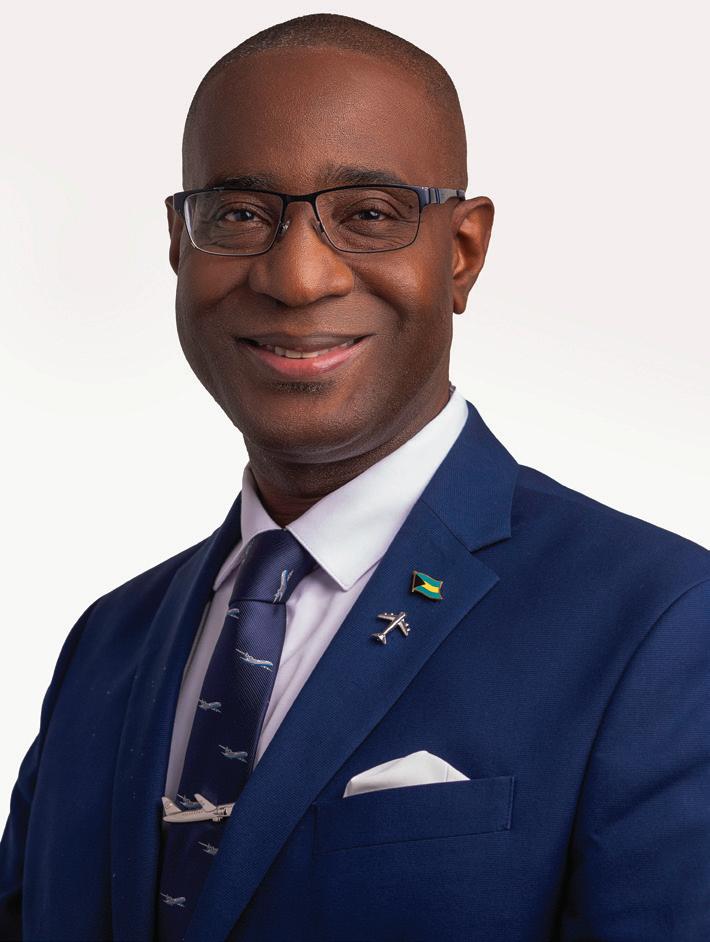
Mrs. Tanya A. Pratt Chairwoman of Bahamasair Board of Directors

Photograph by Torrell Glinton
Up and Away was honoured as the Caribbean’s Leading Inflight Magazine at the World Travel Awards, a recognition that would not have been possible without your enthusiasm and encouragement.
”
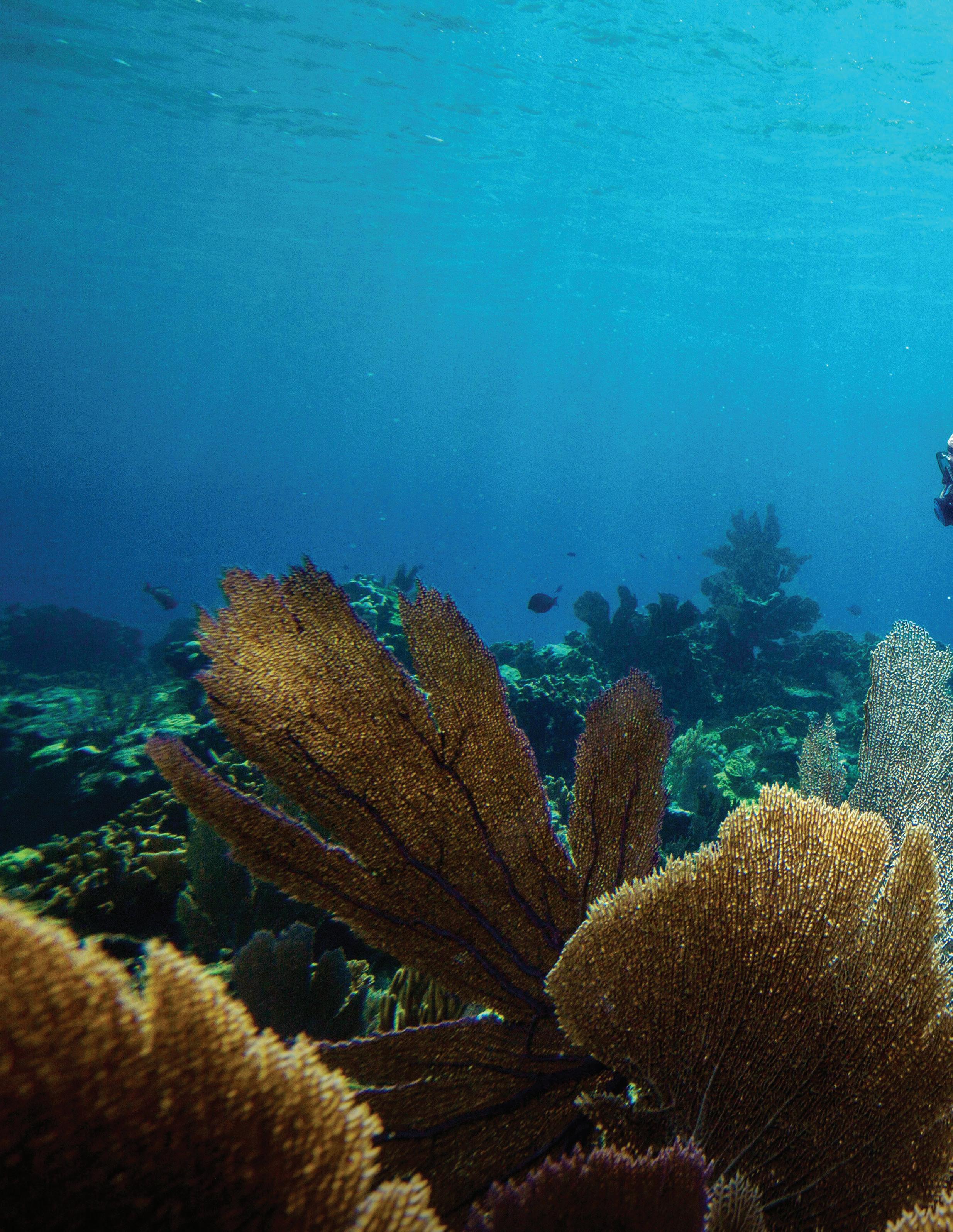
Welcome to ‘The Arts Issue’ courtesy of the team at Up and Away
As we approach the end of 2024, it is with heartfelt gratitude that I reflect on the tremendous support we’ve received this past summer. Up and Away was honoured as the Caribbean’s Leading Inflight Magazine at the World Travel Awards, a recognition that would not have been possible without your enthusiasm and encouragement. This accolade is a testament to the vibrant community of readers, contributors, and supporters who have championed our publication, and we are deeply appreciative of your continued trust in our magazine.
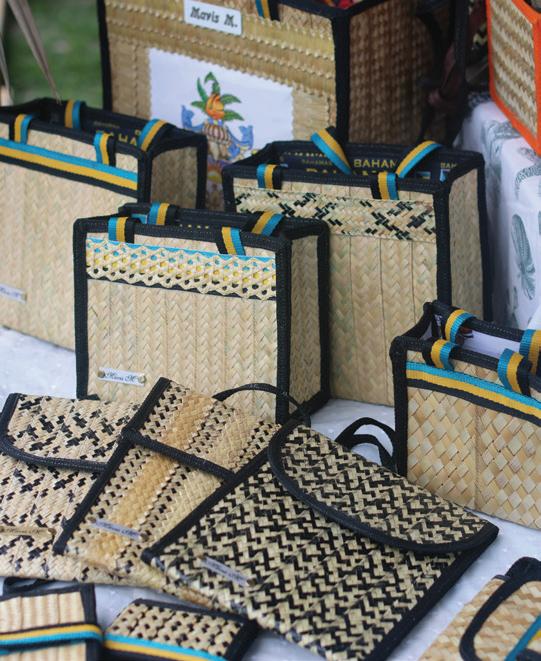
In this October-December issue, we are excited to present a rich tapestry of Bahamian stories that celebrate the essence of our beautiful islands. Our feature on “The Art of Wellness” invites you to explore holistic practices that enhance overall wellbeing, from dance and yoga to art therapy and nature immersion. In “The Art of Plaiting and Weaving”, we delve into the traditions of plaiting and weaving on Long Island, exploring its connections to the Gullah Geechee culture of South Carolina and the artistry of basketry and coiled fanners.
We also share the inspiring journey of Nurse Leah Rolle, who combines her professional dedication with a passion for running to improve her health and wellbeing. Meet Mr. Keith Cooper, known as “The Stingray Whisperer”, as he takes you on an extraordinary tour of marine life with West End Ecology Tours. Additionally, “The Art of Design” provides a fascinating look at Bahamian architecture through the eyes of two local architects, offering insights into our unique architectural styles.
Our issue also features the history and modern charm of the British Colonial, a journey through local art galleries, and a showcase of Bahamian fashion through the designs of Ms. Anya Pratt. Discover the warm hospitality and Indian cuisine of the boutique property A Stone’s Throw Away, and marvel at the vibrant Bahamian wildlife illustrated by a local artist and detailed by biologist Scott Johnson. We also explore local fabric designs with Bahama Hand Prints, the underwater caves of Abaco with Brian Kakuk, and the remarkable craftsmanship of artisan Emily Munnings. Finally, uncover the history and allure of Balcony House, a gem in Downtown Nassau.
—Capt.
L. Roscoe Dames II, JP, Publisher
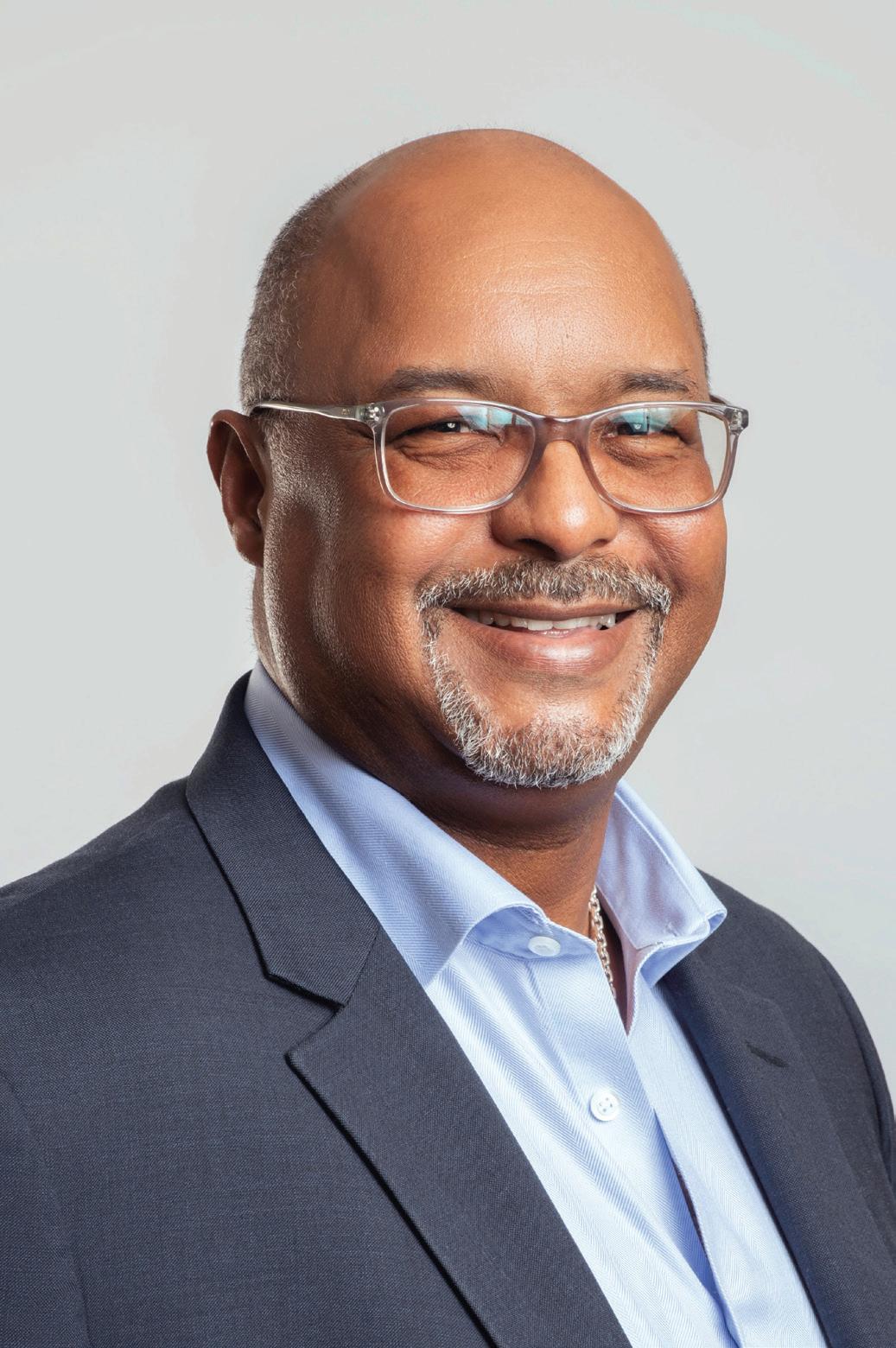
Capt. L. Roscoe Dames II
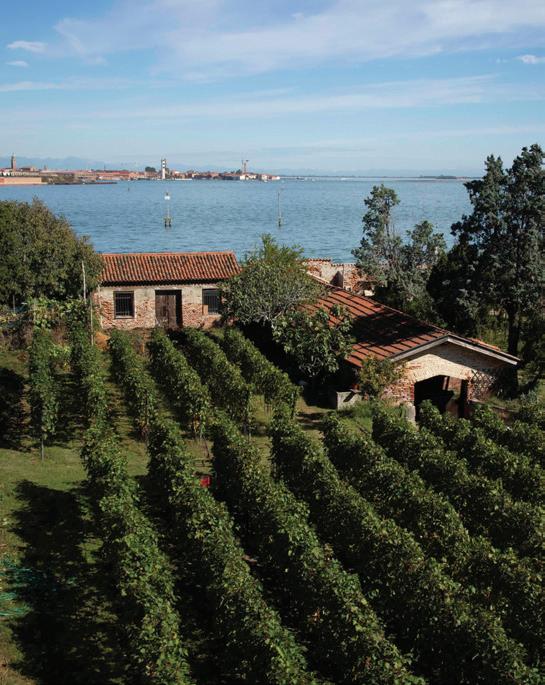
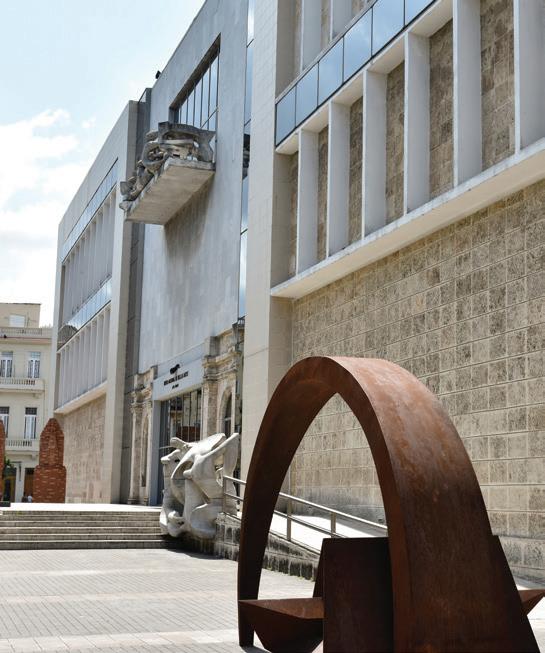
Beyond our Bahamian waters, this issue includes exciting globetrotting articles that will transport you to diverse destinations such as a weekend getaway to Providenciales in the Turks and Caicos Islands; the Angola Festival in Bradenton; Havana, Cuba’s museums; London’s street art; Peru’s flavourful and diverse cuisine; a journey to Cartagena; Palm Beach’s Frascione Gallery; Plunge Beach Resort’s art scene in Lauderdale By The Sea; and renown Italian Wines and the Vineyards of Venice.
We hope this issue captivates your imagination and fuels your wanderlust as we continue to celebrate the beauty of The Bahamas and beyond. Thank you for being a part of our journey and for flying high with Up and Away
Capt. L. Roscoe Dames II, JP, Publisher
PUBLISHED BY IVORY GLOBAL MANAGEMENT LTD. FOR ADVERTISING AND EDITORIAL’S CONTACT PHONE: 242.427.9871
EMAIL: igmmagazinepublishing@gmail.com WEBSITE: ivoryglobalmanagement.com
PUBLISHER Capt. L. Roscoe Dames II
BUSINESS DEVELOPMENT OFFICER - BAH Germaine Johnson
BUSINESS DEVELOPMENT OFFICER - USA Cassandra Conner
COPY EDITOR Nasia Colebrooke
ART DIRECTOR Lourdes Guerra
ADVERTISING Ivory Global Management Ltd
BAHAMASAIR Tracy Cooper
inFlight Magazine is published quarterly by IVORY GLOBAL MANAGEMENT LTD., for BAHAMASAIR, the National Flag Carrier of The Bahamas. All rights are reserved and reproduction in part or in whole is prohibited without the express written consent of IVORY GLOBAL MANAGEMENT LTD. All opinions expressed in UP and AWAY are solely those of the contributors. Every reasonable care has been taken neither UP and AWAY or its agents accept liability for loss or damage to photographs and material submitted to this magazine. Copyright 2024 by IVORY GLOBAL MANAGEMENT LTD.
Follow Us On Social Media @upandaway242 @ivoryglobalmgmt www.ivoryglobalmanagement.com




OUR SERVICES:
Strategic Planning • Business Development
Project Management
Advertising • Brand Recognition
Territory: BAHAMAS | USA | CANADA
HQ: Mt. Royal Avenue • PO Box SS19668 Nassau, Bahamas
USA: Miami Gardens, Florida
CANADA: Toronto, Ontario
242.427.9871
ivoryglobalmanagement@gmail.com www.ivoryglobalmanagement.com

‘Up and Away takes top
By Nikia Wells
Photographs Courtesy of Ian Tynes and L. Roscoe Dames II
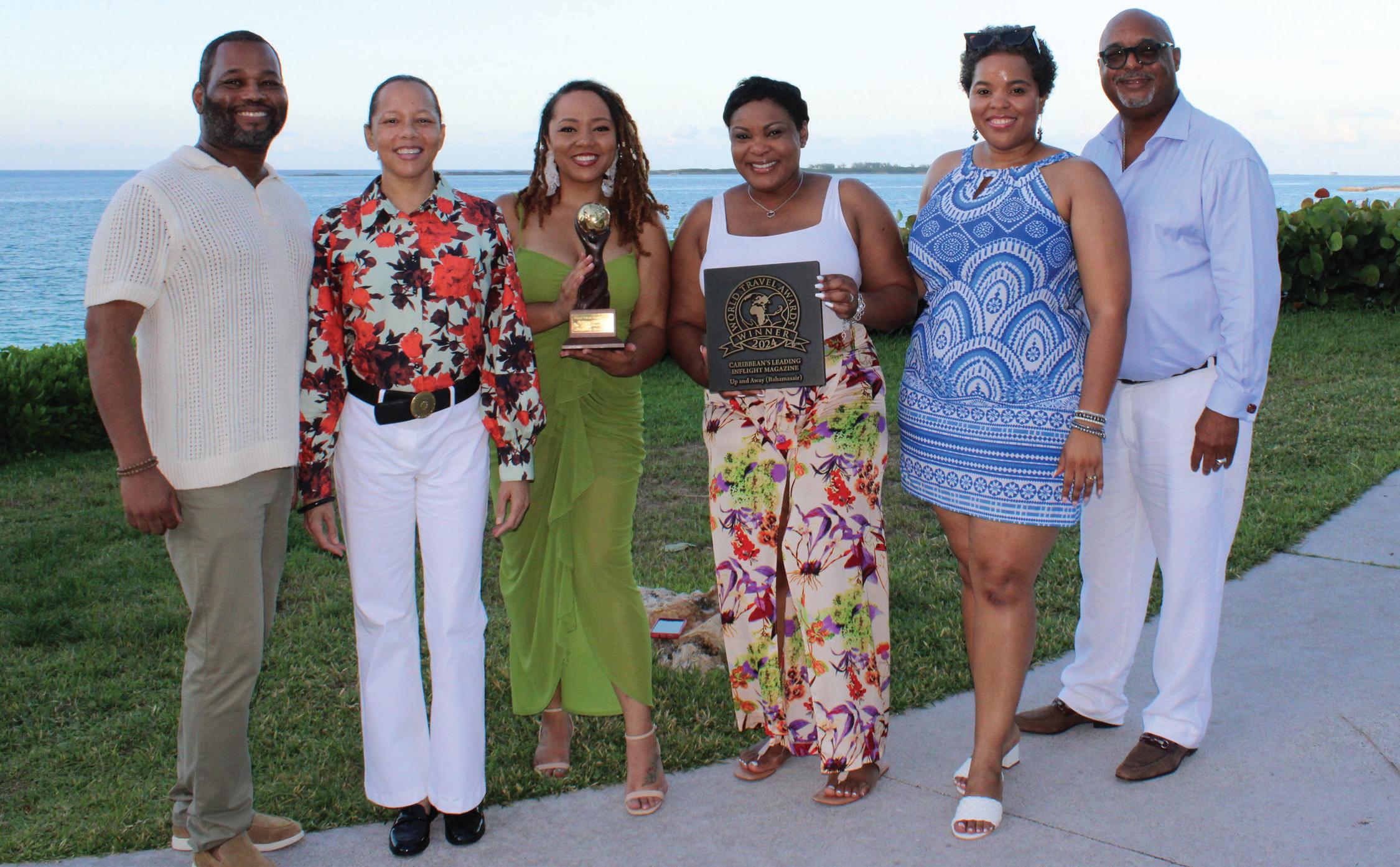
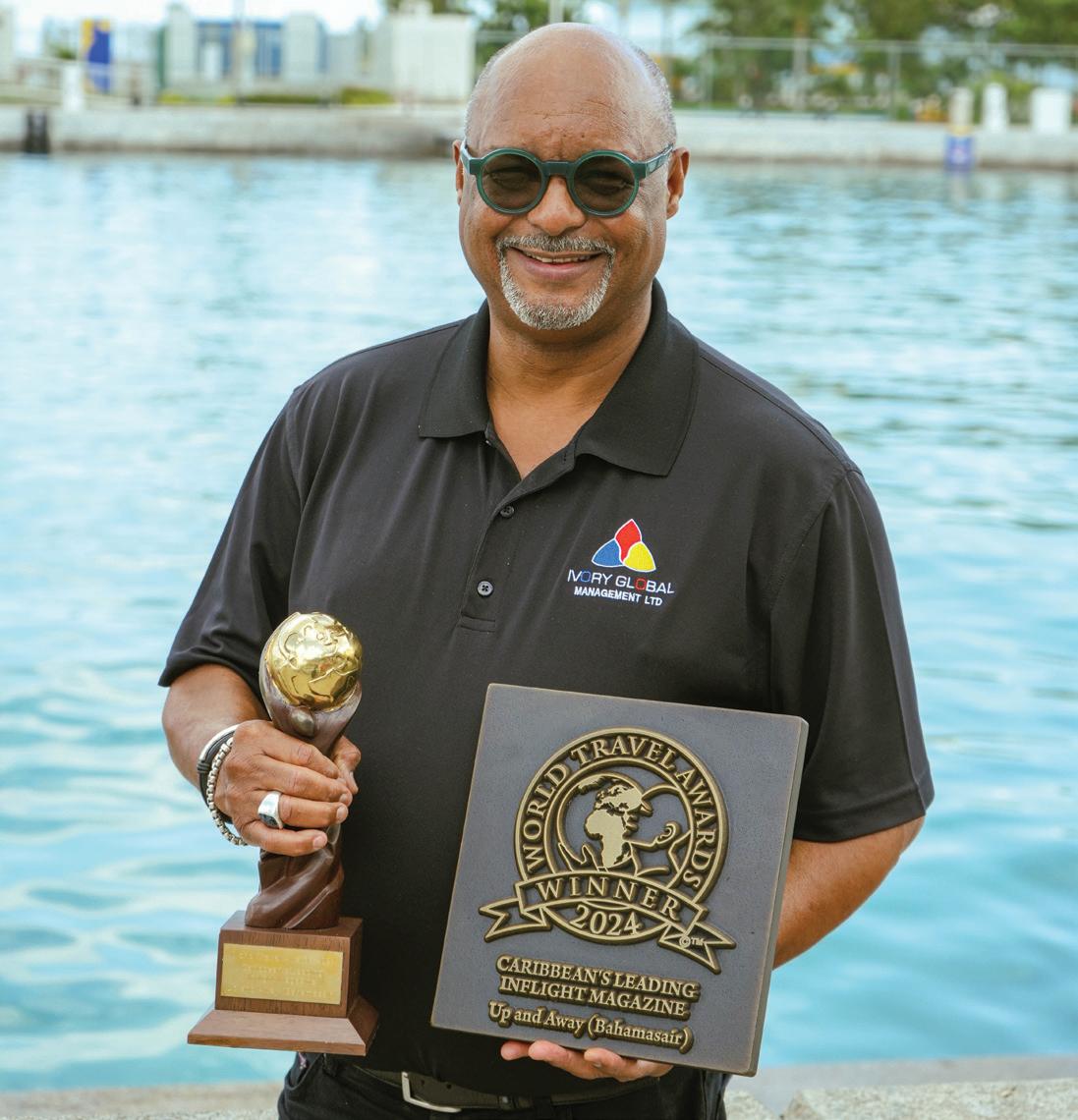
Up and Away, Bahamasair’s inflight magazine, soared to new heights by earning the prestigious title of the “Caribbean’s Leading Inflight Magazine” at the 2024 World Travel Awards, on July 1st in St. Vincent and the Grenadines and on the World Travel Awards official website. This accolade marks a significant milestone for the magazine and underscores its commitment to excellence in travel journalism and inflight entertainment.
Capt. L. Roscoe Dames II, publisher of Up and Away and managing director of Ivory Global Management Ltd., expressed his gratitude and pride upon receiving the esteemed award. He remarked: “Winning the ‘Caribbean’s Leading Inflight Magazine’ award is a testament to the dedication and talent of the entire Up and Away team. I extend a heartfelt thank you to our contributing writers Keesha Claudia Bethell, Sandy Campbell, Nasia Colebrooke, Tyrone Fitzgerald, Yolanda Hanna, Kirsten Harrington, Myrurgia Hernandez, Scott Johnson, Alexandra Kaufmann, Bianca Major, Shavaughn Moss, Kendea Smith, Tina Walsh, Nikia Wells, our photographers, our copy editor, and our printing company whose contributions have made Up and Away a beacon of quality and insight.”
The success of Up and Away also owes much to its production and artistic design team, whose meticulous attention to detail ensures each issue is not only informative but also visually captivating. Dames acknowledged their integral
role, stating: “I want to recognise our production and artistic design team for their creativity and professionalism in bringing Up and Away to life with every quarterly issue.”
Each issue of Up and Away is crafted to provide travellers with a comprehensive guide to destinations served by Bahamasair in addition to global locales, offering insights into local culture, cuisine, and attractions. From travel features to engaging interviews and vibrant photography, the magazine strives to enrich the inflight experience for passengers.
Reflecting on the collaboration with Bahamasair, Dames expressed gratitude for the airline’s trust and partnership. “We are grateful to Bahamasair for entrusting Ivory Global Management Ltd. to publish Up and Away and to share wonderful features of the people, places, and things to do. This award is a reflection of our shared commitment to delivering a world-class inflight magazine that resonates with travellers and showcases the beauty and culture of The Bahamas, the wider Caribbean, and the world.”
Established in 1993, the World Travel Awards are globally recognised as the epitome of industry excellence, celebrating outstanding achievements across various sectors of the travel, tourism, and hospitality industries. The addition of the “Caribbean’s Leading Inflight Magazine” category highlights the importance
L. Roscoe Dames II Publisher
of inflight publications in enhancing the travel experience and promoting tourism in the region.
Up and Away faced stiff competition in the category and the recognition of Up and Away amidst such esteemed peers underscores its standing as a leader in inflight publications within the Caribbean region.
The Up and Away team celebrated the remarkable victory with a dinner at The Ocean Club, a Four Seasons Resort, where they had the opportunity to see the
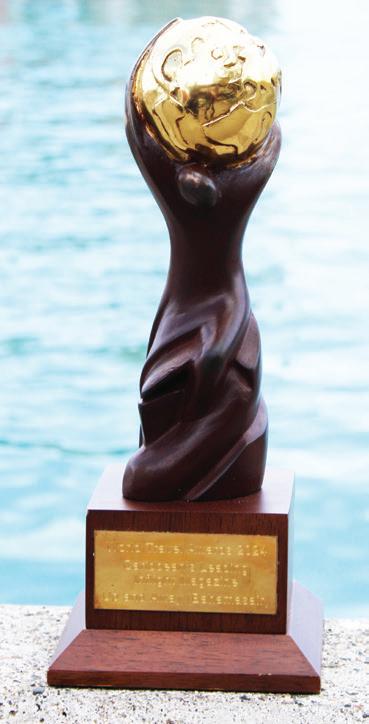
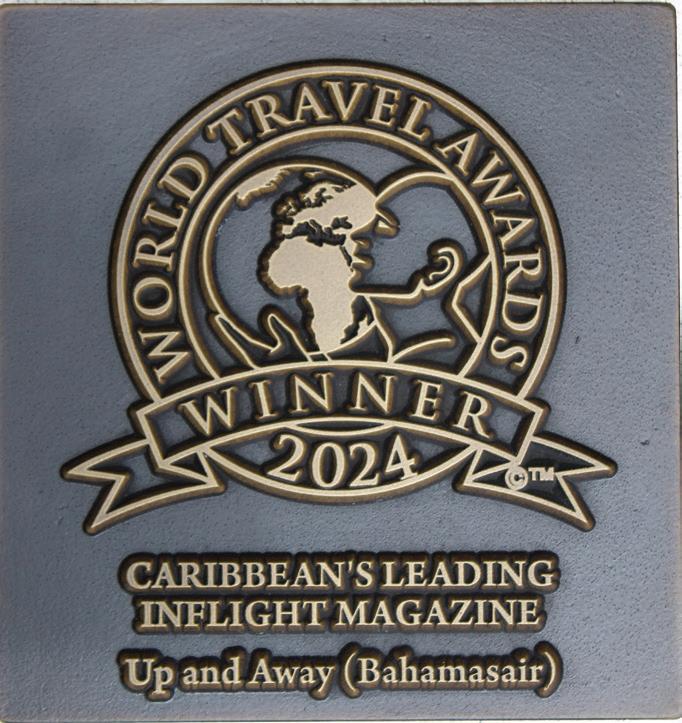
World Travel Award up close for the first time. Amidst the stunning ocean views and luxurious ambiance, they enjoyed a spread of expertly prepared, freshly caught seafood, complemented by fine wine and house-made gelato. As they savoured each bite, the team reflected on the incredible journey of Up and Away, how far the publication had come over the years, and their plans to take the magazine to even greater heights.
Looking ahead, Dames and the Up and Away team remain committed to maintaining the magazine’s standard of excellence and innovation. “As we move forward, we will continue to push the boundaries of travel journalism, offering our readers compelling content that inspires exploration and fosters a deeper connection to the world,” he affirmed.
As travellers eagerly anticipate their next journey with Bahamasair, they can look forward to immersing themselves in the pages of Up and Away – a magazine that embodies the spirit of discovery and adventure, one flight at a time. UA

By Tyrone L. E. Fitzgerald
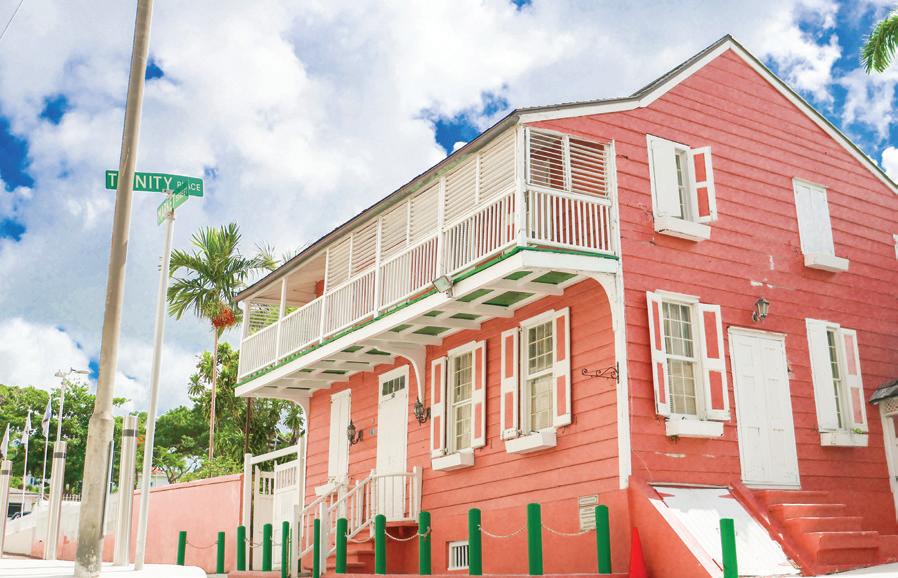
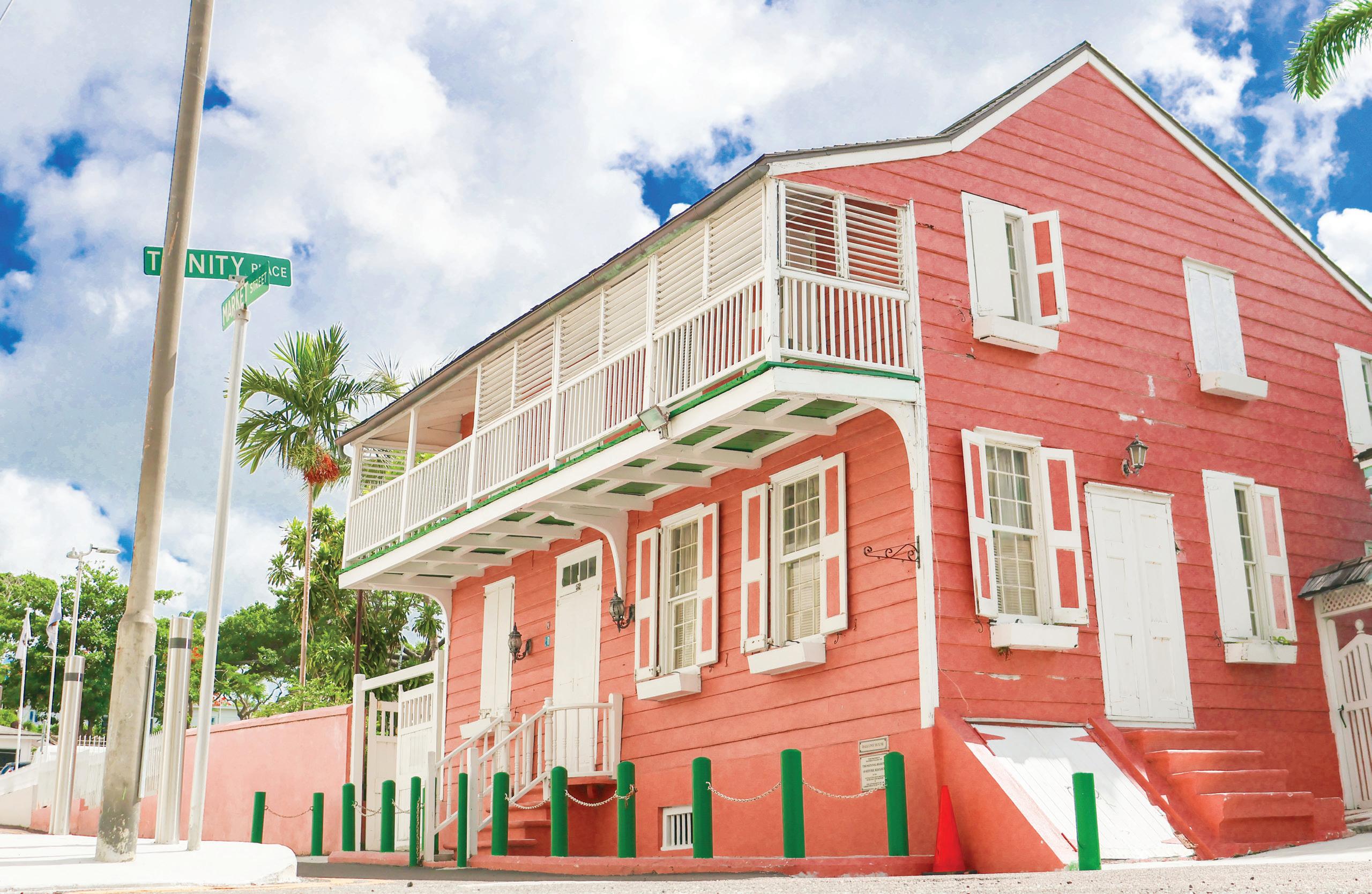
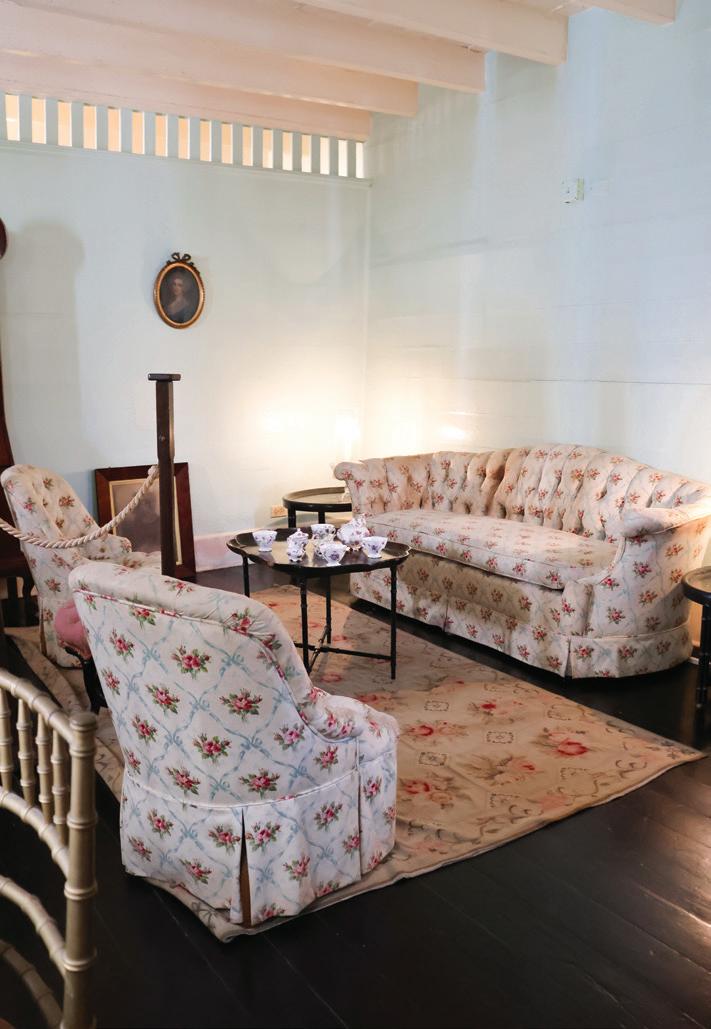
Imagine sitting comfortably on a beautifully patterned settee in the living room of a pastel pink and white, two-storey, 18th-century wooden home made of almost extinct Abaco pine.
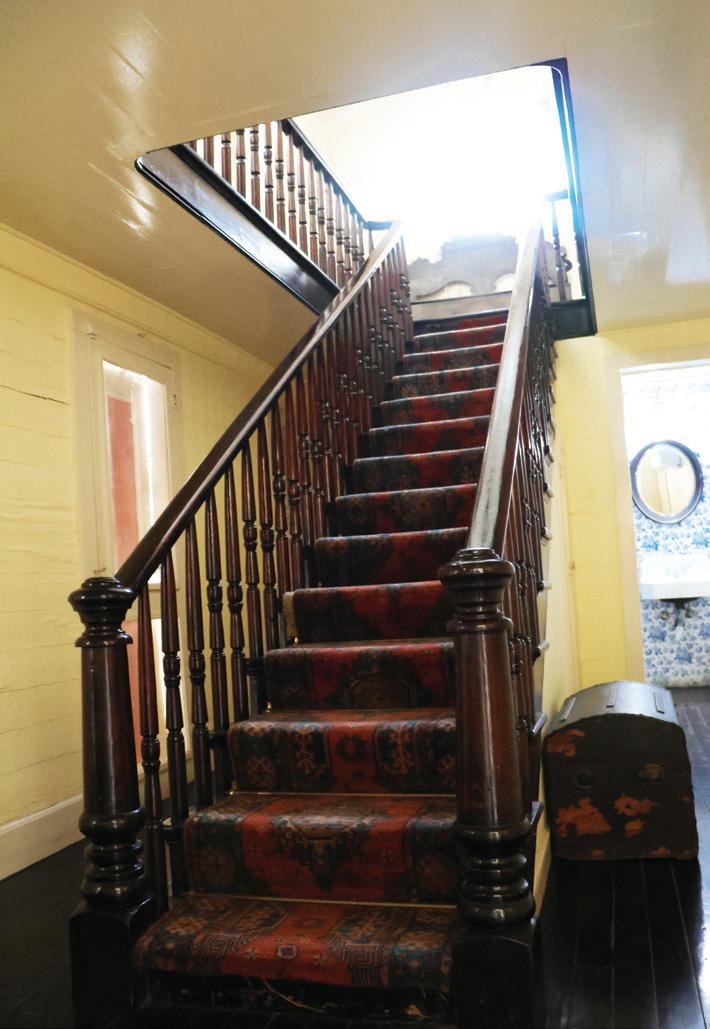
Meander up the staircase of an impeccably constructed, Loyalist-period, architectural wonder, believed to be the oldest wooden residence of historic Nassau; once the personal home of Stephen Dillet, the famous Bahamian civil rights activist and parliamentarian, and the British writer Ian Fleming, of the James Bond 007 film series, was a house guest there.
Enjoy a panoramic view of Downtown Nassau’s winding streets from a balcony supported by wooden knees found in ship construction. The view is amidst the murals of Bahamian artists, historic churches, Government House, and a world-famous straw market.
Where in The Bahamas would you be?
No other place than Balcony House.
Located in Downtown Nassau, Balcony House was likely constructed by 1788 on what was then Prison Lane, now Market Street.
The name Balcony House was derived from the architecturally slanted, free-standing wooden balcony, which is one of the distinguishing features of this dwelling house. The structure represented the opulence and eminence of
Bahamian “well-to-do” aristocracy, fittingly situated within sight of the governor’s residence and near Gregory’s Arch over Market Street, which leads into the former free black community of Over-the-Hill south of the city of Nassau.
The Loyalists, a group of British subjects who wanted to remain faithful to the British during and after the American Revolution in the 18th century, built Balcony House, which was originally owned by Dr William Hardy and Mrs Mary Hardy.
The home was then auctioned to Isabella Deane-Moore and Roger Moore before it was sold in 1841 to Stephen Dillet, one of the first four Bahamian men of colour to win a seat in the Bahamian Parliament in the 1830s.
Dillet, a Bahamian civil rights activist of Haitian heritage, lived at Balcony House for many years. The Dillet family sold the house in 1947 to Marie Josephine Brice, American heiress of the Atlantic and Pacific Tea Company (also known as the A & P Grocery Store Chain).
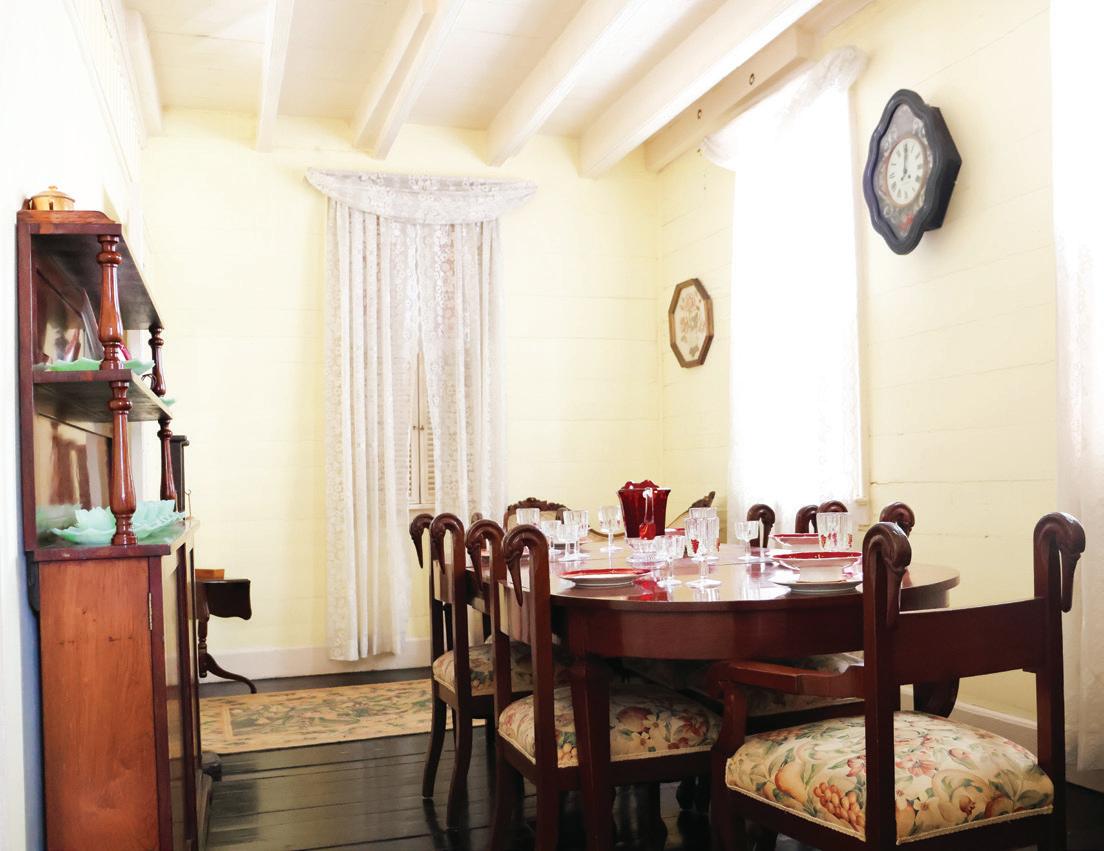
Today, the house has carefully preserved and curated period furniture, which is part of the wonderful exhibit within Balcony House.
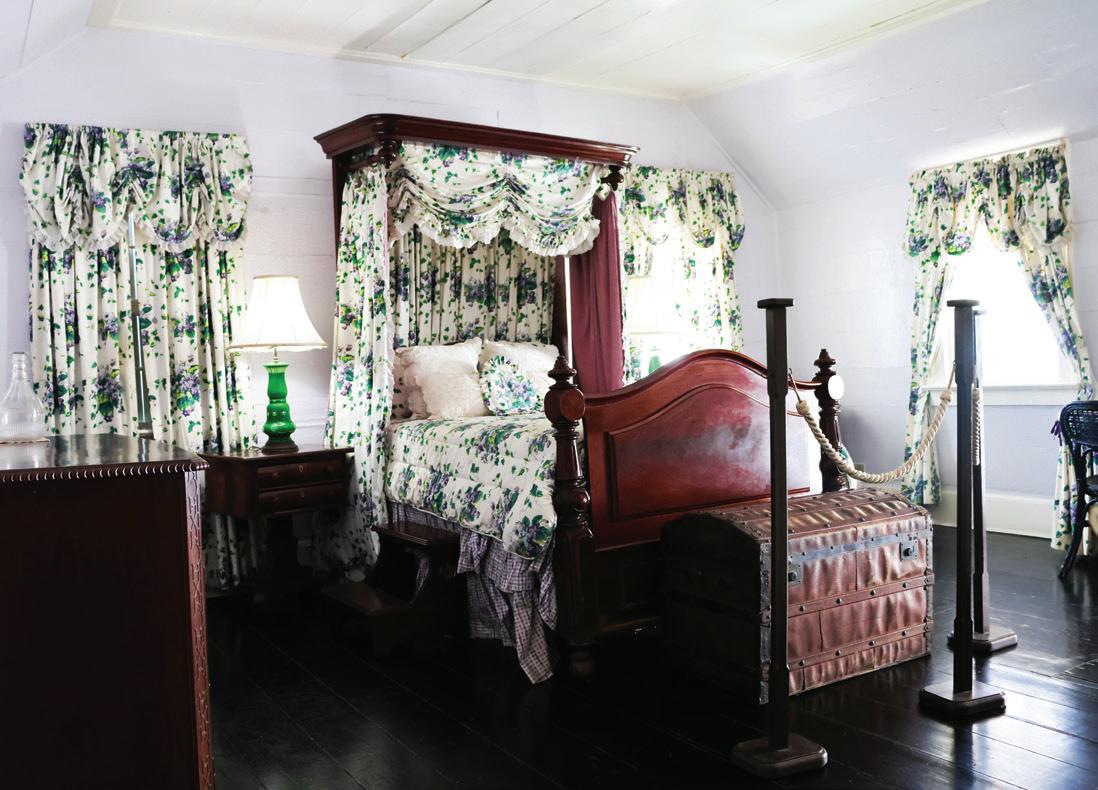
Brilliantly decorated with fine chinaware, antique furniture, ornate curtains and bedding, carefully curated home accessories, beautiful furnishings, and charming wooden flooring and panelling, Balcony House represents the opulence, wealth, and sophistication of traditional Bahamian town home design, décor, and dwelling.
It was truly a creative manifestation of Ms Brice’s exquisite taste, the doyenne of Bahamian elitism, who had the house re-decorated in the 1940s.
The first working bathroom of the home was called the Pilot Bathroom and was added in the 1947 re-design. The guest bedroom could have been a children’s nursery, governor’s room, or nanny’s room, and the master bedroom has a higher-than-normal four-post bed to accommodate a chamber pot known as a “slop bucket” to use indoors at night.
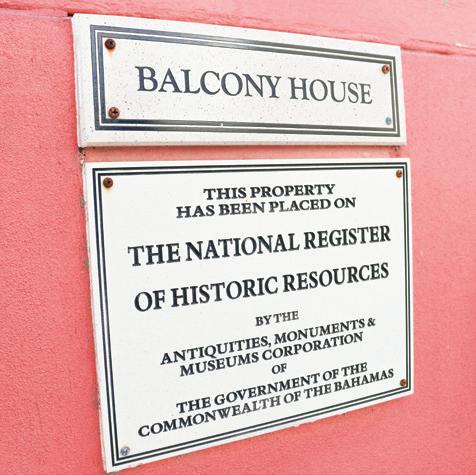
The Central Bank of The Bahamas, celebrating its 50th anniversary since its establishment in 1974, purchased the home in 1985. In 1992, it was opened to the public as Balcony House Museum and managed by the Museum Section of the Department of Archives, which has been part of the Antiquities Monuments & Museum Corporation (AMMC) since 1998.
Over the years, British royalty has visited the Balcony House, namely the King of England, His Majesty King Charles III; famous writers such as American author and fisherman Ernest Hemingway; and musicians such as the legendary Beatles.
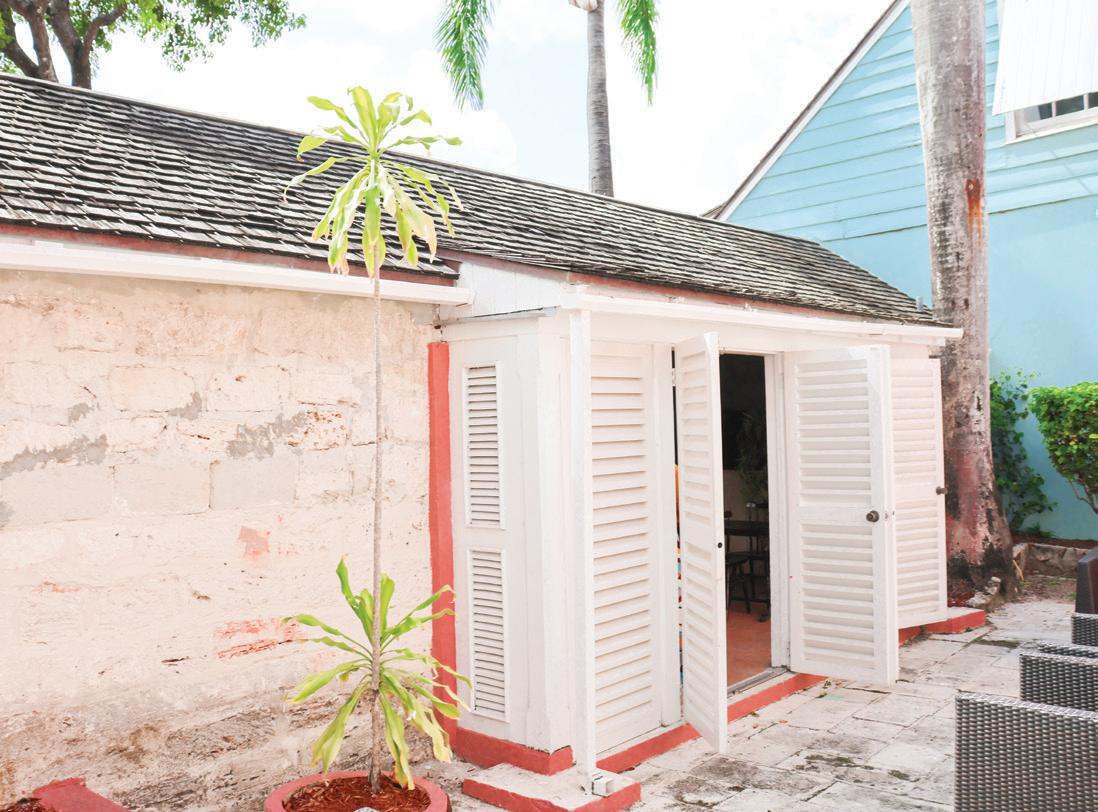
The grounds of the modern-day Balcony House are beautifully manicured with Bahamian flora and fauna, a towering ackee tree, a traditional water well, and a semi-enclosed mini courtyard that connects the main house to an outdoor kitchen, dining area, and public bathroom facilities.
Today, the Balcony House is a historical relic of the socioeconomic, political, and familial ties underpinning Bahamian society’s traditions and truisms in the
18th, 19th, and 20th centuries. In many respects, it represents the vestiges of familial bonding, fellowship, and celebration.
Its unassuming yet impressive design and architectural stature are a testament to the mainstays of Bahamian determination and independence. All are within the epicentre of modern commerce and, ironically, on the fringes of omnipresent, Over-the-Hill community building, development, and sustainability.
Visitors to this historic Bahamian residence are not only imbued with a sense of nostalgia and nobility but also a keen awareness, understanding, and appreciation of the anthropological, historical, and sociological importance of the people, places, and perspectives that have made this unique house a real home.
Balcony House is located on Market Street off Bay Street and is open Monday to Friday from 9:30am to 4:30pm, and on Thursdays from 8am to 1pm. Admission is $1+VAT for children and $2+VAT for adults. It is closed on weekends and public holidays.
For more information, call (242) 302-2621, email pompey33@hotmail.com, follow Balcony House on Facebook @BalconyHouse or visit: https://ammcbahamas.org/museums/balcony-house. UA
By Kendea Smith
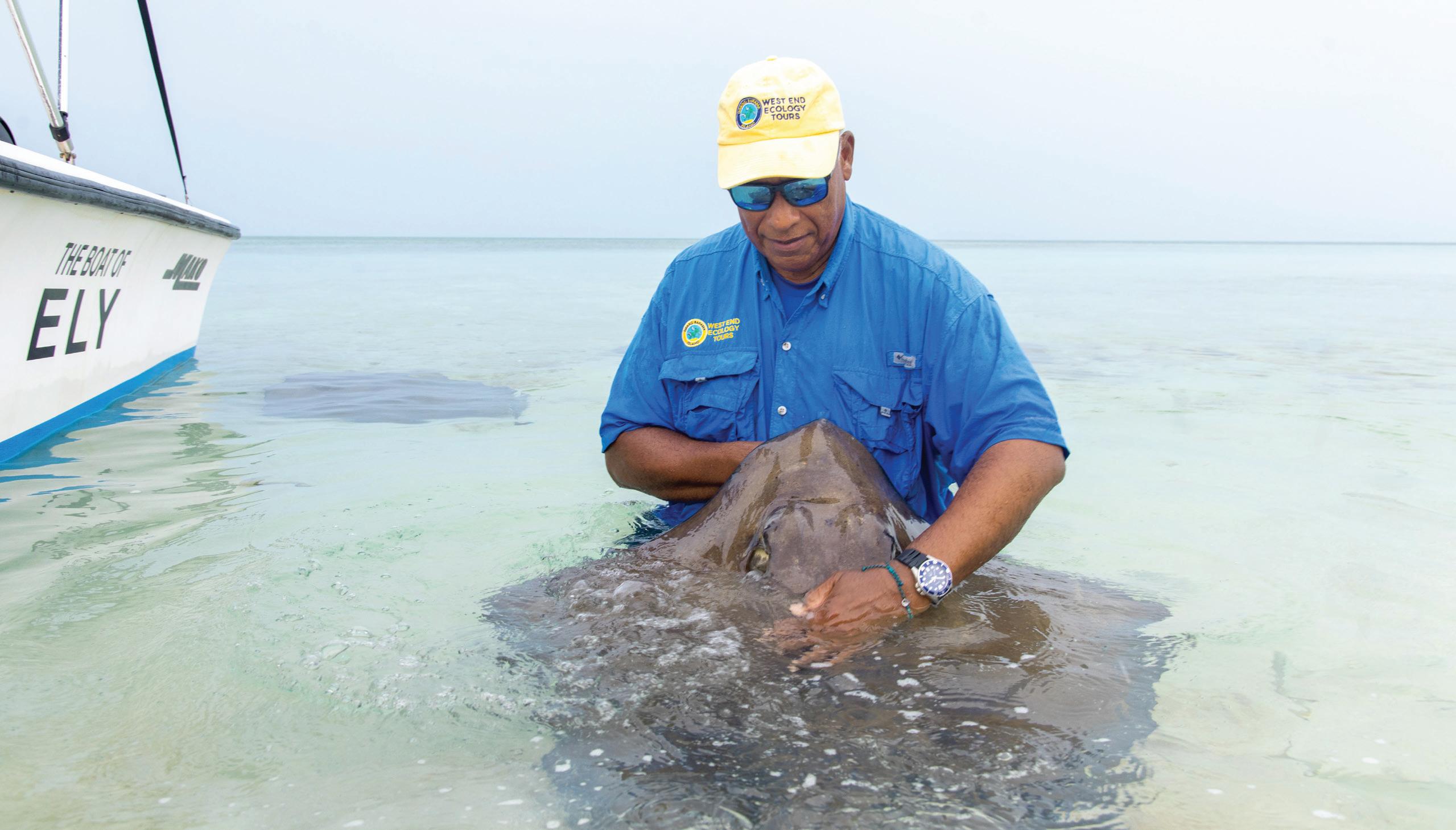
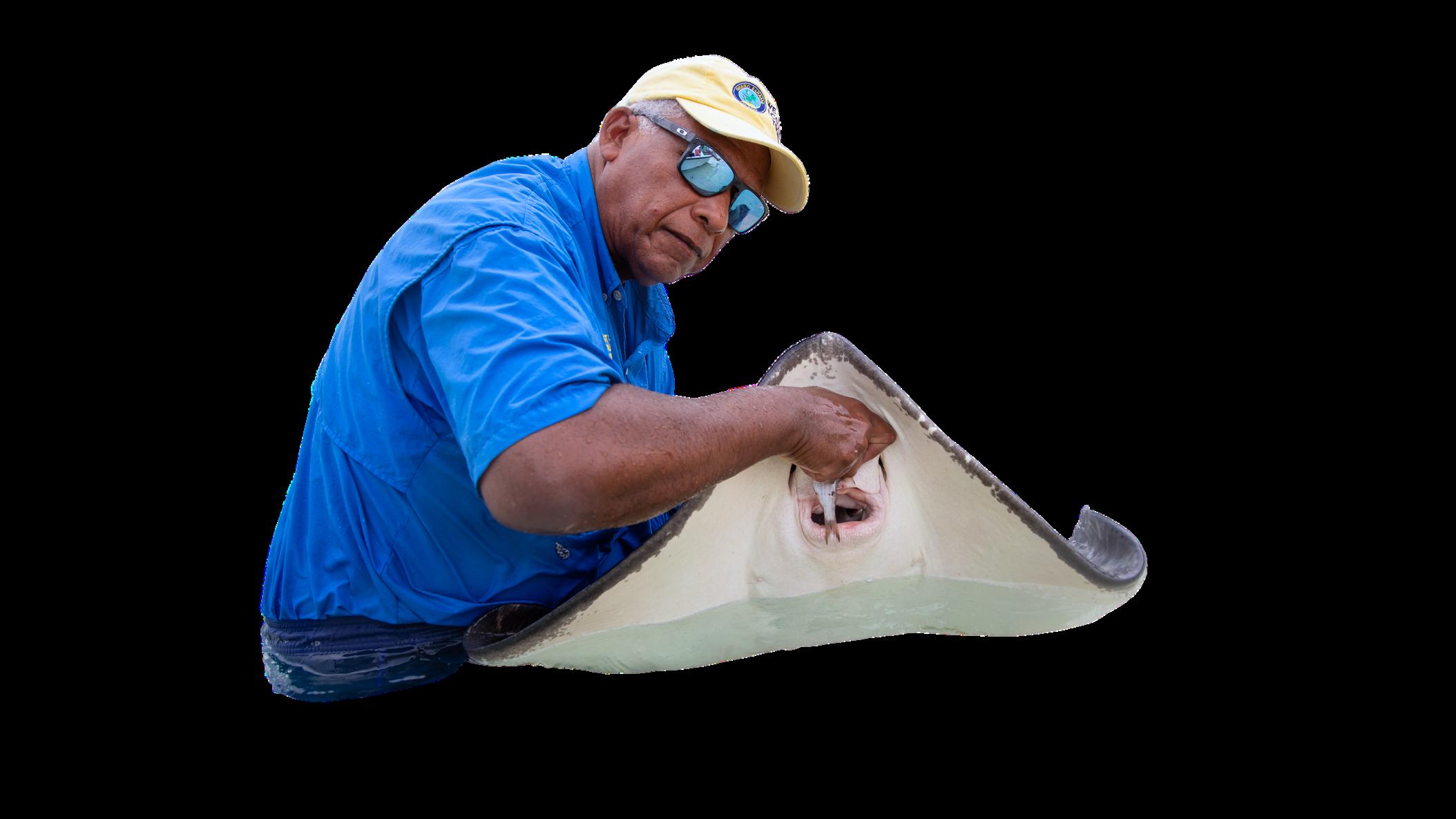
Keith Cooper is one of the most fascinating men you will ever have the pleasure of meeting. The proprietor of West End Ecology Tours, Cooper has spent nearly two decades learning the art of communicating with stingrays.
He started the business on Sandy Cay off West End in Grand Bahama after a fishing trip with friends. At the end of the trip, he threw some leftover fish bait into the water and noticed stingrays were drawn to the boat.
The next day, he returned and spent the night on the boat and countless hours with these sea creatures.
“I made a point to come out here and sleep and literally live with these animals to understand their behaviour before I took the risk of putting people’s lives in danger,” Cooper says.
“The very first time I swam over a stingray; it was covered in sand. When it shook off the sand and swam away, that’s when I realised this stingray won’t hurt me, and that’s when I started to build my confidence in coming back time and time again to spend time with them.”
Since then, West End Ecology Tours has had over 9,000 people visit the stingrays without any incidents.
According to Cooper, who is often affectionate with the animals by kissing them on the nose, the stingrays have different personalities. He has named them: Big Mama, Hugger, Lily, Dark Chocolate, Little Dark Chocolate, Lunatic, and Hard Wire.
All the stingrays are female.
He tells them apart by recognising their marks. For instance, Big Mama has a birthmark on her nose, while Hard Wire has a scar from a shark attack.
Many view Cooper’s business as controversial after a stingray was blamed for the demise of famous Australian zoologist Steve Irwin back in 2006.
However, Cooper says this is precisely why he made it his life’s mission to understand the sea creatures better.
“When I started the business idea, it was right around his [Irwin’s] death. I was so shocked when I heard that. I was following him on TV like a whole lot of people around the world did, and it was so cool that he knew everything about crocodiles,” he says.
“His death was him being ill-prepared to meet the types of stingrays that are found in Australia, which are not the same ones here. The ones in Australia are
much bigger and a lot more aggressive. Stingrays are aggressive if you treat them in that manner. I believe that the animal assumed it was being attacked. If an animal assumes you’re a predator, it’s going to do what it is designed to do – protect itself. That was the only person in the world that has ever happened to, and I pray it’s the last time that happens.”
He adds: “But from learning about these stingrays, I would like to take this tour to other islands in The Bahamas and show people that every island in The Bahamas can have a stingray experience. That’s the goal I have in mind.”
He adds that many people have misconceptions about stingrays because of what they have heard.
“We’ve heard from our parents that stingrays can be dangerous creatures, and you are not supposed to approach them; you’re supposed to run from them. People think stingrays will kill them, but it’s not true,” he says.
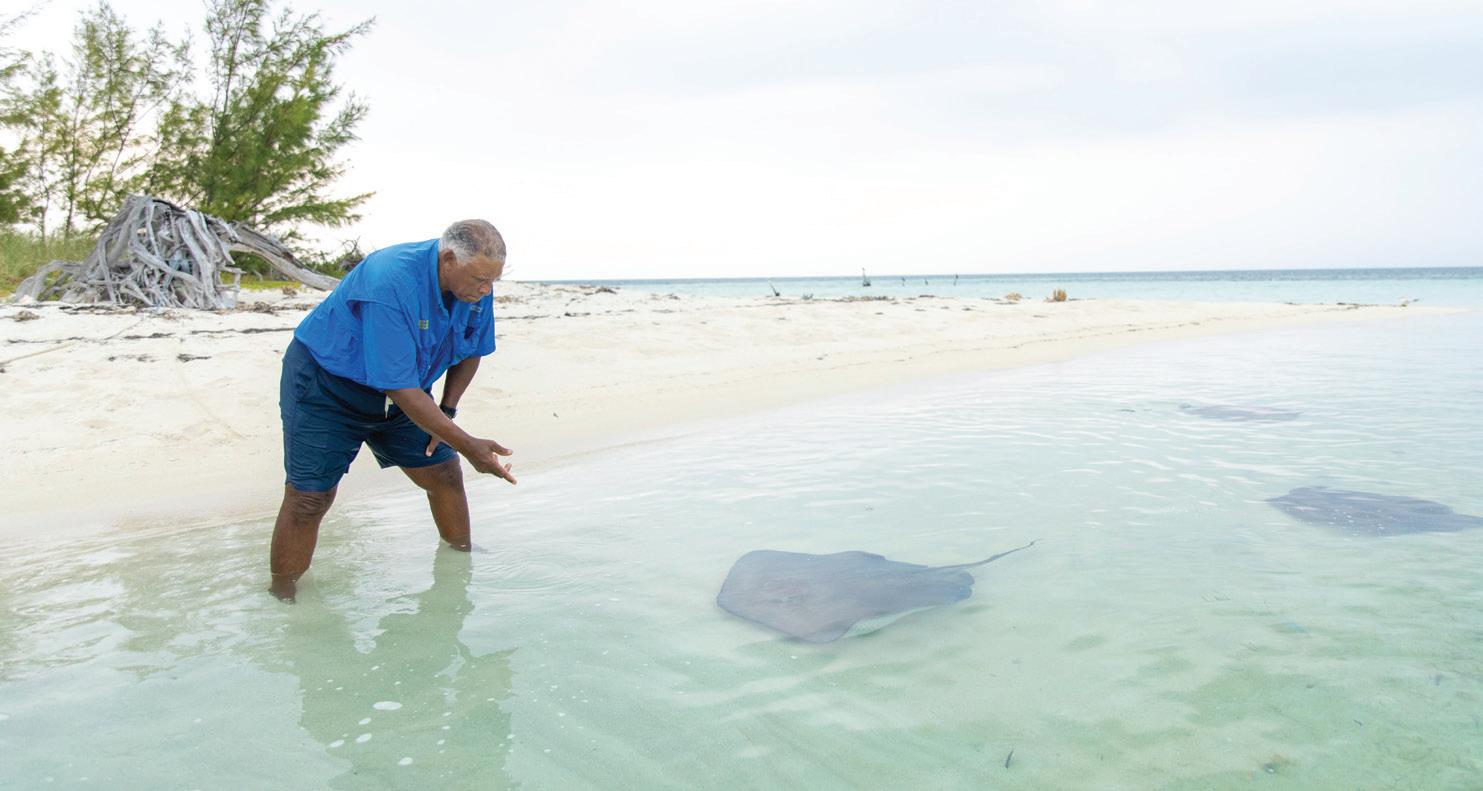
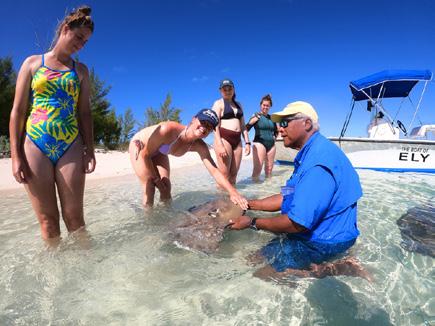
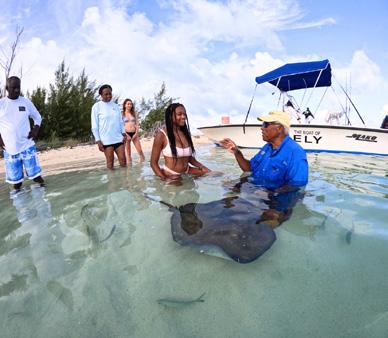

“Stingrays can’t kill you unless they get to an artery, and the venom on their stingers is not poisonous; it’s only there to keep sharks at bay. It is because of the fear that Bahamians have of them that they are not eaten. From a natural perspective, none of their barbs are moved; they are not in a cage, and I let them do what they are designed to do – let them be themselves in their natural environment.”
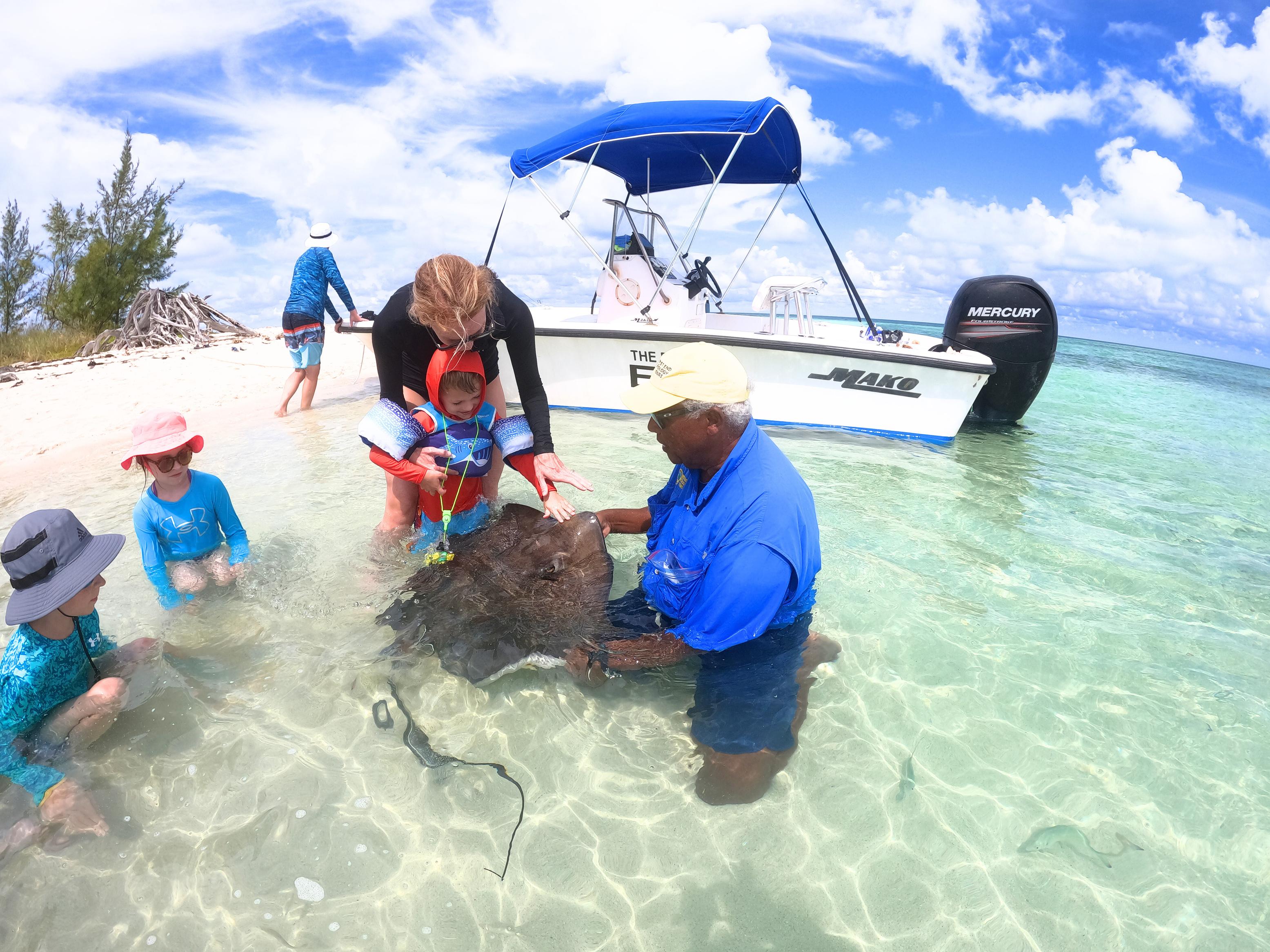
Cooper also has an ecology fishing camp, so that children can learn more about the ocean and its creatures.
“That is the magic that got me into the ocean and learning all about the ecosystems,” he says. “I am overjoyed about the possibilities of what can be experienced. I try to teach that to Bahamians and the visitors about the natural beauty of what our country has to offer.” UA

By Nikia Wells
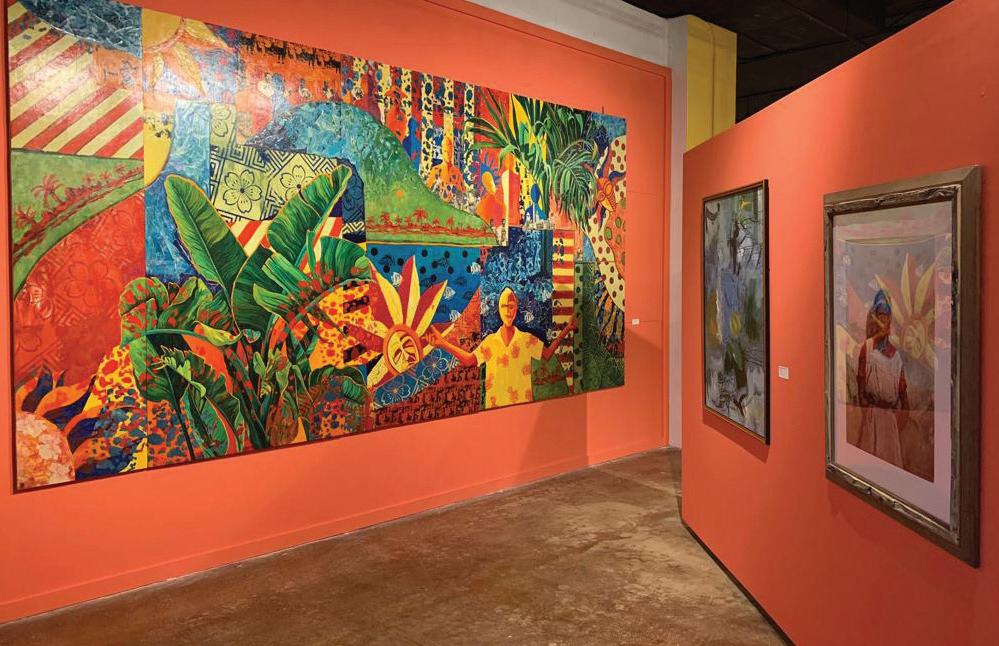
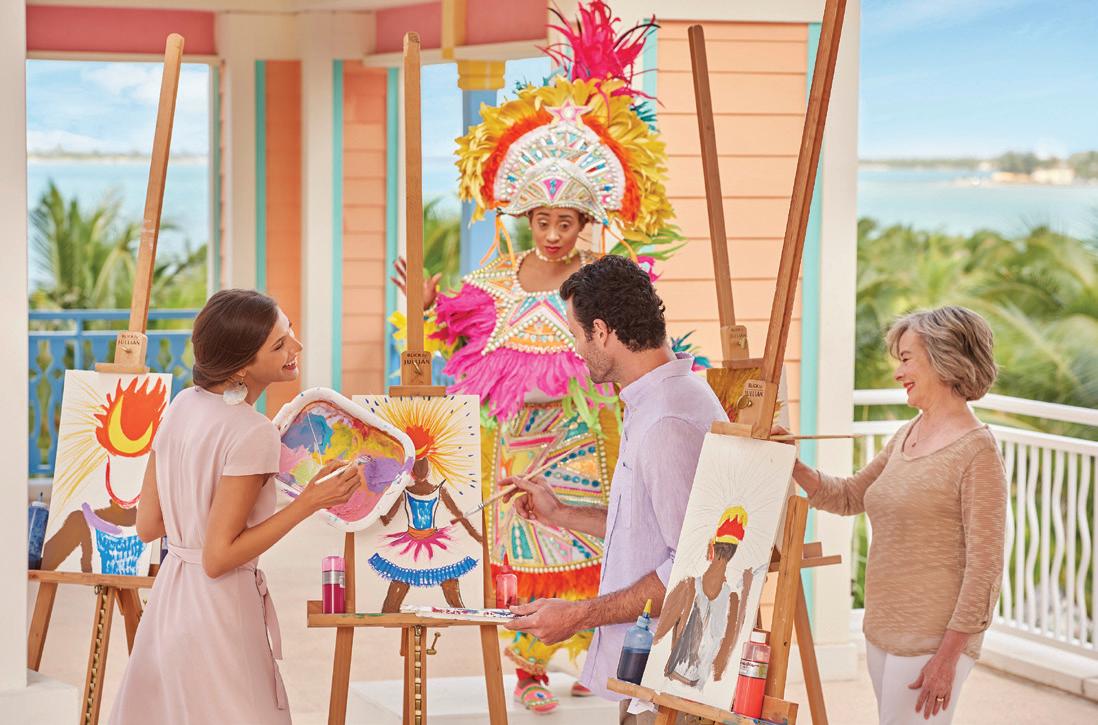
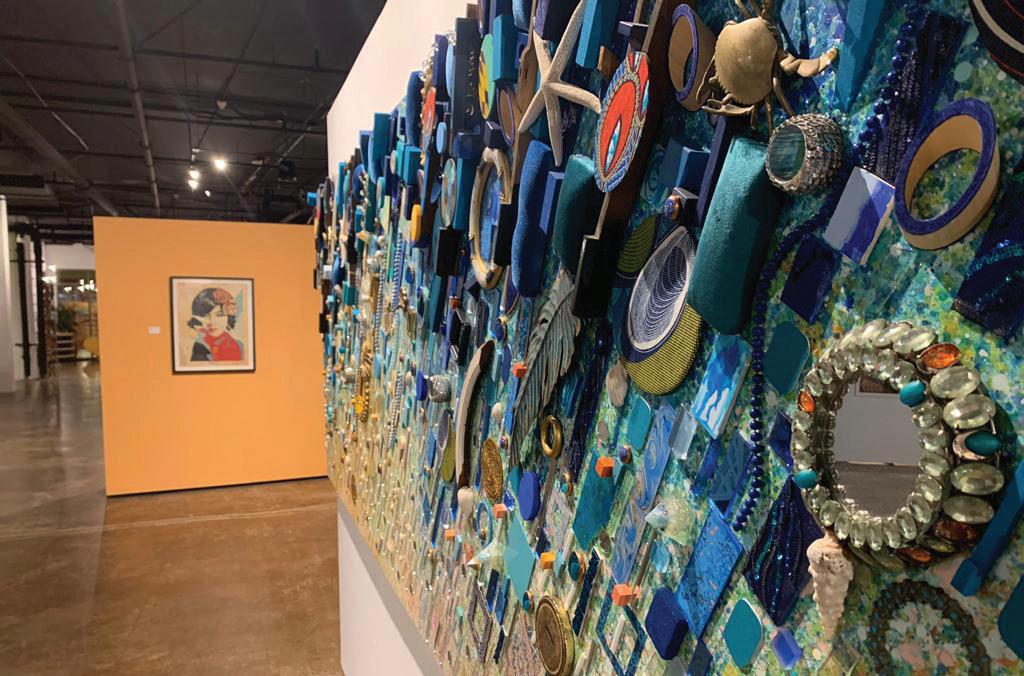
Nassau’s art scene is vibrant, diverse, and full of colour, charisma, and cultural inspiration. In the past decade, local artists across all mediums have seen a renewed cultivation of their unique interpretations of life, people, and the world around them. This resurgence has led to the creation of several galleries that showcase the diversity of artistic work found throughout The Bahamas.
Bahamian art defies categorisation. It can be colourful, joyous, and hopeful, or raw, provocative, and controversial. It captures poignant snapshots of daily life and includes large, theatrical Junkanoo pieces that embody the essence and charisma of Bahamian culture.
The art galleries on New Providence are as varied as the artists they feature, offering a wide range of styles, mediums, and forms of expression throughout the island.
To embark on a memorable art gallery crawl around Nassau, consider visiting the following galleries:
• National Art Gallery of The Bahamas: Located in Downtown Nassau, this flagship gallery showcases Bahamian art from historic to contemporary works, providing a comprehensive view of the island’s artistic evolution.
• The Current and ECCHO: Baha Mar Gallery and Art Center: Situated within the Baha Mar resort, The Current and ECCHO features exhibitions that highlight local artists and foster cultural exchange.
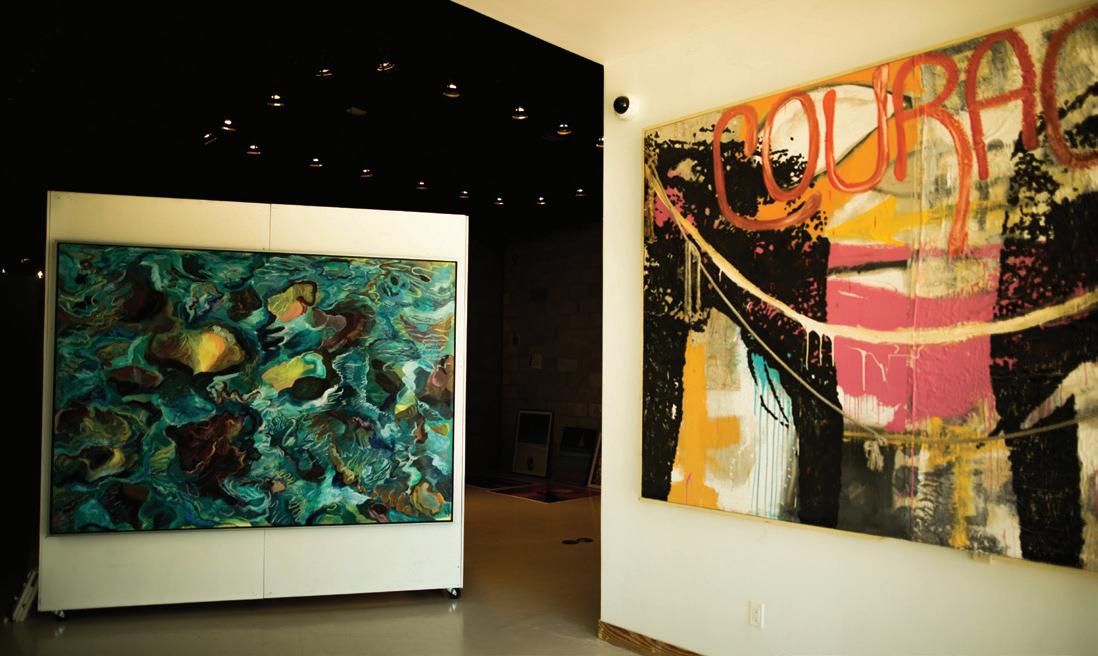
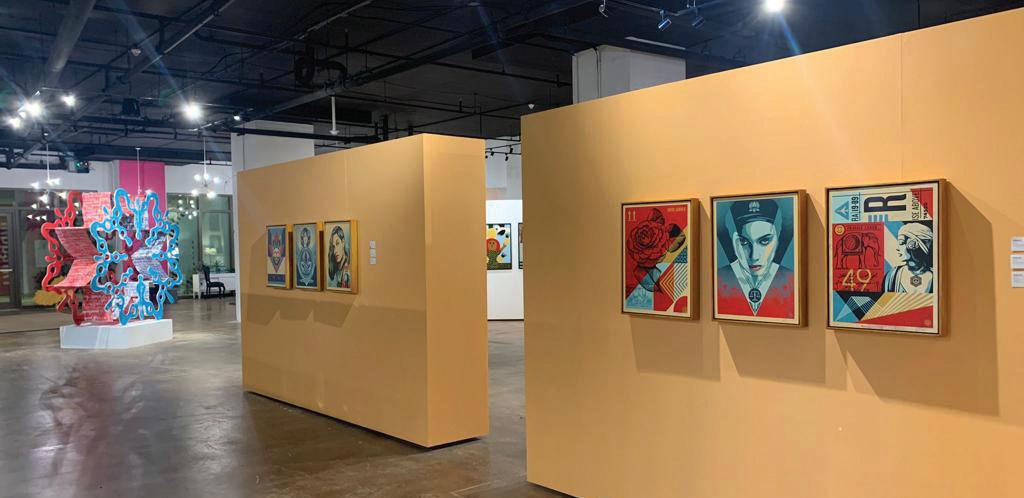
• The D’Aguilar Art Foundation: Launched in 2008 by Vincent D’Aguilar, this foundation boasts one of the most comprehensive privately held art collections in The Bahamas. It serves as an educational resource for artists, scholars, collectors, students, and the public.
• Doongalik Studios Art Gallery: Known for supporting emerging Bahamian artists, Doongalik Studios hosts exhibitions that reflect the island’s cultural diversity and creative vitality.
• CAB Gallery & Studio: A dynamic space that functions as both a studio and a gallery, showcasing contemporary art that pushes boundaries and challenges conventions.
• Tern Gallery: This boutique gallery offers a curated selection of Bahamian artwork with a focus on intimate exhibitions.
• Project I.C.E.: Known for its community-focused initiatives, Project I.C.E. combines art and advocacy to address social issues through creative expression.
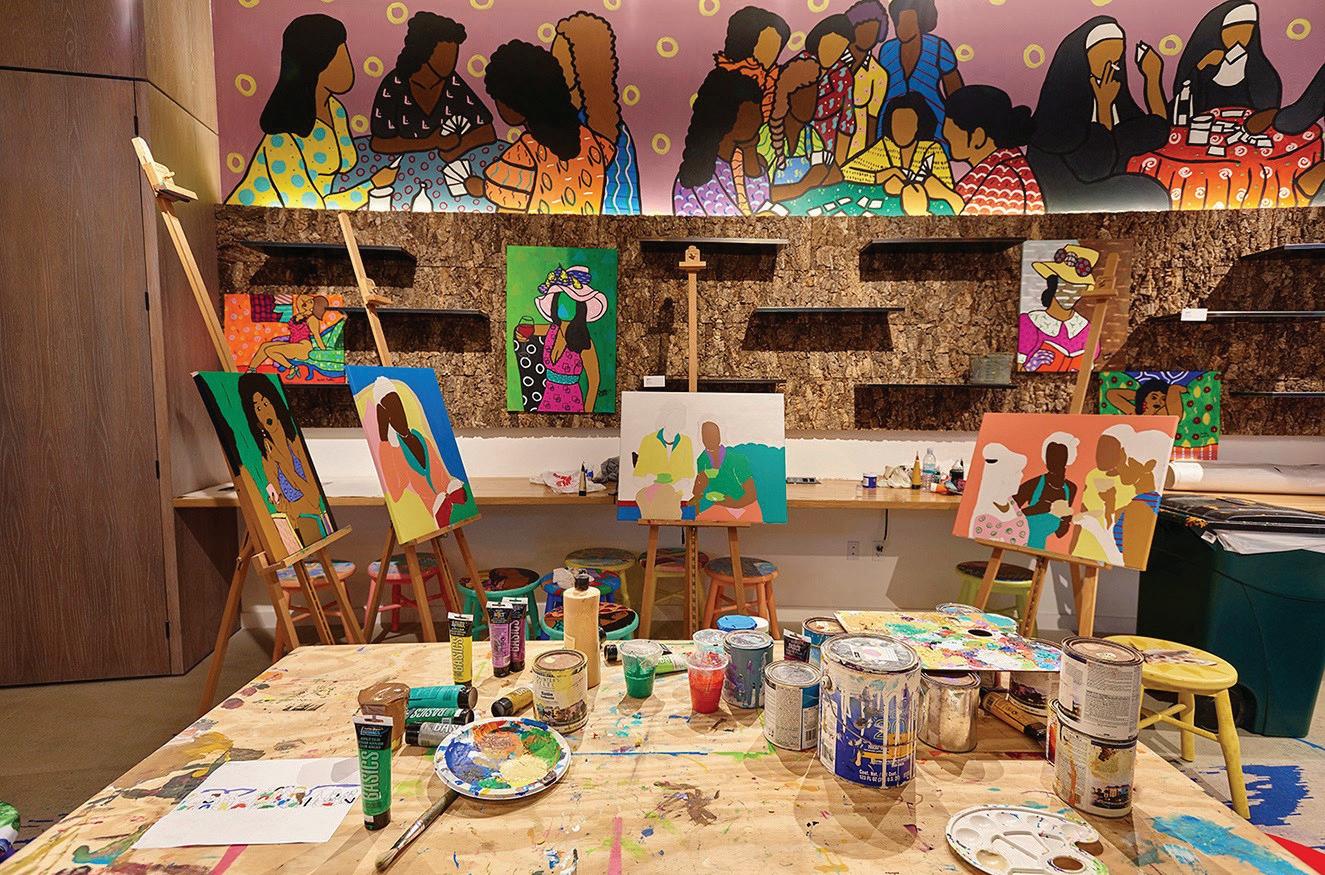
• Hillside House: A cultural hub that hosts intimate exhibits and art classes.
• The Bahamas Museum of Junkanoo: Dedicated to the iconic Junkanoo festival, this museum showcases elaborate costumes and celebrates the artistic traditions of The Bahamas.
• Junkanoo World: This attraction offers an immersive experience of the history and craftsmanship behind Junkanoo, featuring exhibitions and demonstrations that highlight this cultural phenomenon.
• Educulture Junkanoo Museum and Resource Centre: This facility provides insights into the roots of Junkanoo and its role in Bahamian culture, featuring interactive exhibits and educational programmes.
Transforming Spaces Bahamas: New Providence also hosts the semi-annual Transforming Spaces Bahamas art tour. This event allows lovers of visual expression to visit multiple galleries and enjoy special installations. UA



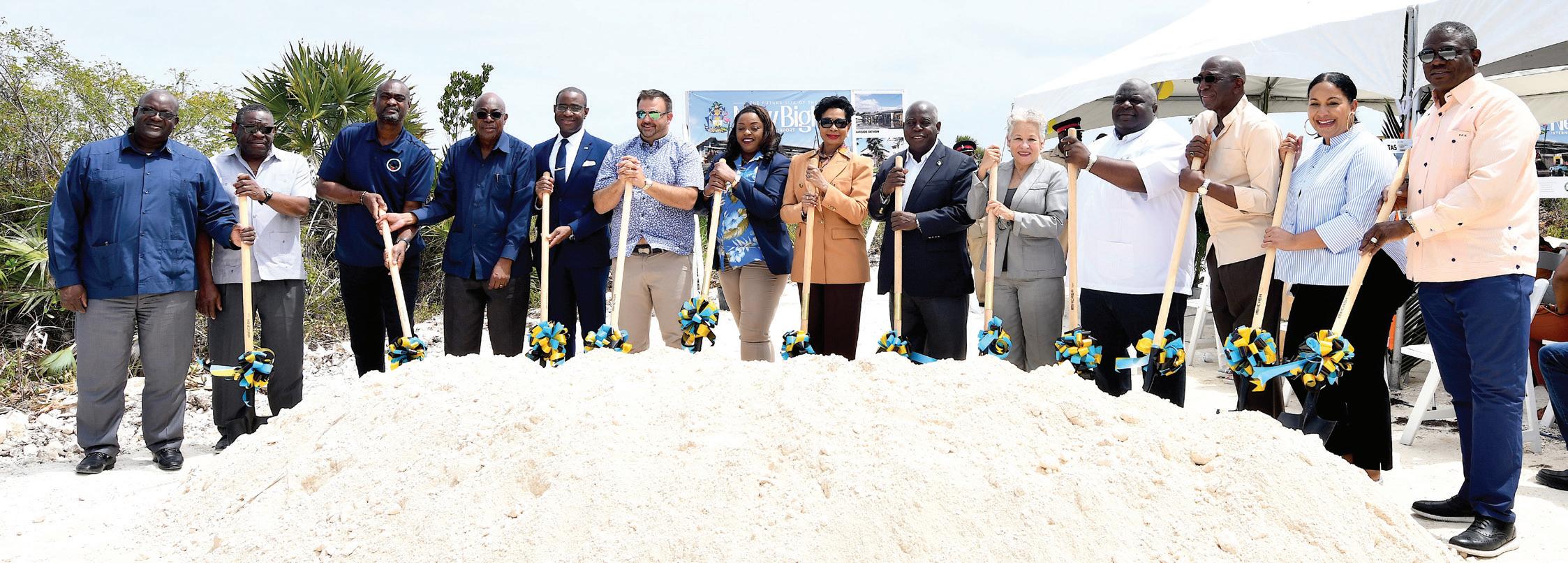
New Bight International Airport, Cat Island, groundbreaking ceremony
L-R: Permanent Secretary (PS) Reginald Saunders; PS David Davis; PS Neil Campbell; PS Luther Smith; Director of Aviation/DDG Tourism - Dr.
Minister of State - The Honourable Lisa Rahming, MP; Mrs. Ann Marie Davis – wife of Prime Minister; Prime Minister - The Honourable Philip
Minister of State - The Honourable Leon Lundy, MP; Mr. Kevin Simmons - Consultant OPM; Ms. Allison Collie - COO,
The Bahamas’ aviation sector is strategically positioned to become the regional leader in sustainable aviation and air transport services.
According to Bahamas Director of Aviation and Deputy Director General of Tourism, Dr Kenneth Romer: “Globally, the aviation industry is continuously evolving with increased attention being placed on prioritising sustainability goals. For us, the notion of sustainability is not some new fad but an enshrined imperative reflecting The Bahamas’ commitment to global sustainability initiatives, airport infrastructure innovations, renewable energy discussions, greener aerospace technologies, and actions to advance net zero and carbon neutrality as essential components in the success of the National Aviation Strategic Plan.”
The topic of sustainability has become a pivotal moment for the Caribbean, with The Bahamas ranking high amongst respected regional leaders due to its innovative approach and best practices.
Using lessons learned from successive and increasingly intensified hurricanes and the COVID-19 pandemic, The Bahamas’ approach is to reflectively glance in the rearview mirror whilst proactively keeping its focus on the road ahead.
Whilst The Bahamas’ aviation sector continues to experience unprecedented economic growth, a testament to its rebound and recovery strategy, Romer admits the rapidly changing climate and aging airport infrastructure presents a myriad of challenges.
Post-Hurricane Dorian and post-pandemic, there is a new urgency around the need to finance and build economy-boosting resilient infrastructure that can weather any storm – whether climate, economic, or health.
With the establishment of the first-ever Aviation Task Force, The Bahamas’ aviation sector has outlined a strategy aimed at:
• Exploring a multi-sectoral view of opportunities to develop and invest in resilient and sustainable airport infrastructure as an enabler for sustainable growth
• Promoting and deploying operational improvements to reduce CO2 emissions from aircraft
• Ensuring airports are ecologically and architecturally reflective of the natural tranquillity of the surrounding areas
• Improving experiences with eco-friendly native attractions at Family Island airports
• Conducting Environmental Impact Assessments to facilitate the airports’ expansion and redevelopment; and
• Redeveloping airports to be equipped with an eco-friendly design and carbon-neutral resources
Visit www.doabahamas.com or scan the QR code to stay updated. UA
‘The
By Bianca Major
Photographs Courtesy of L. Roscoe Dames II and Bianca Major
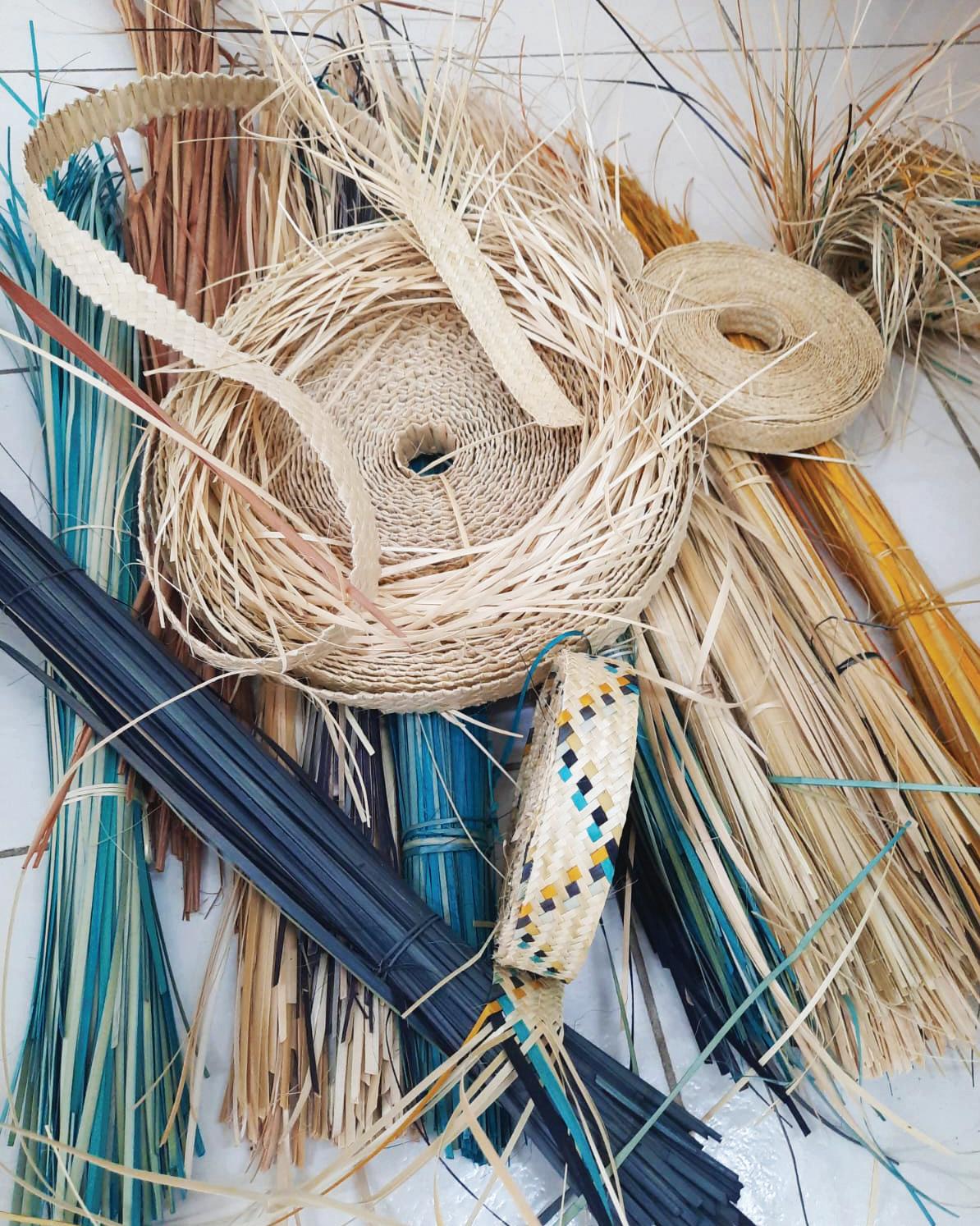
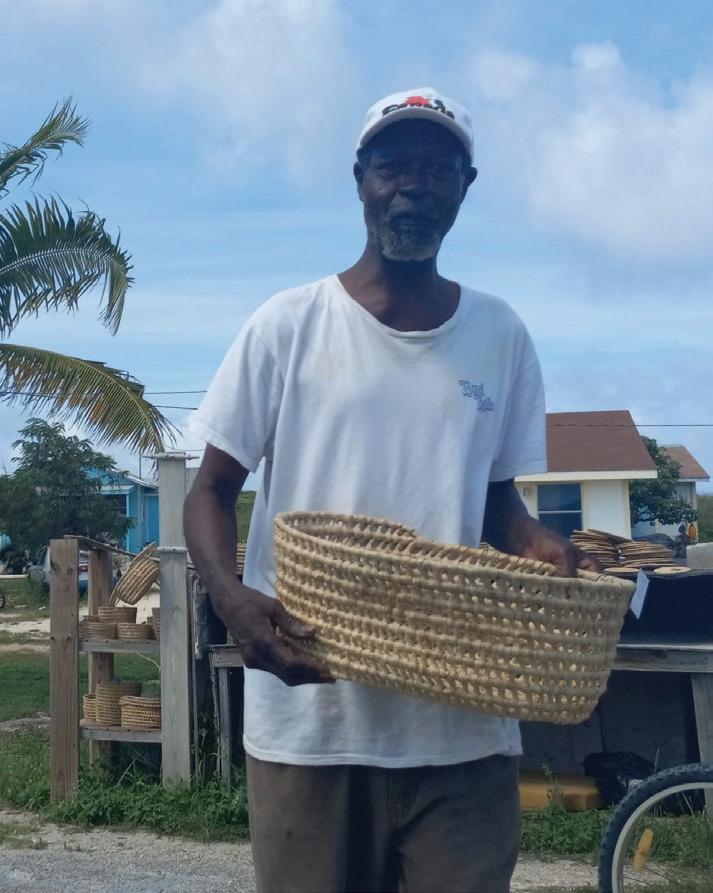
The uniqueness of The Bahamas’ straw art industry is a rich cultural tradition that weaves together art, history, and practicality. For centuries, Bahamian artisans have skilfully crafted functional and decorative items using local materials such as silver top, coconut palm, sabal palmetto, pond top, palm leaves, and sisal.
This intricate craft of straw work not only serves as a means of artistic expression, but also plays a significant role in preserving Bahamian culture, heritage, and identity.
The practice of straw work and plaiting in The Bahamas dates back to the days of the Loyalists in the late 18th century.
The Bahamian culture and Gullah Geechee culture of the Carolinas are weaved together by ancestry and traditions. Somewhere between 1783-89, African
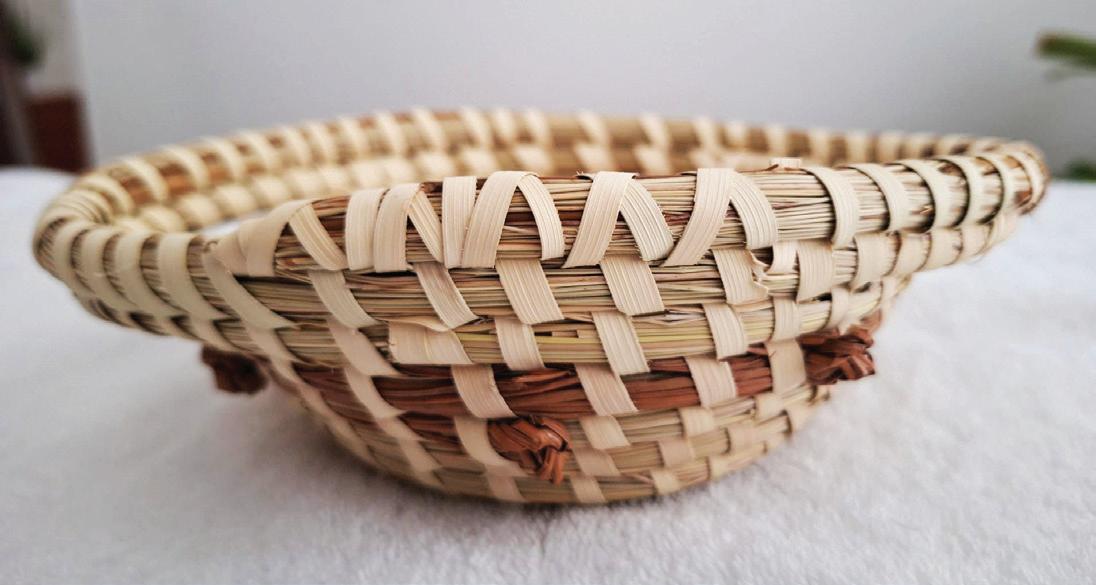
slaves in The Bahamas came from the Carolinas with their Loyalist masters, this forever connecting the two origins of people. The slave population of the Carolinas also specialised in basketry, weaving, and weaving coiled fanners. Fanners are shallow baskets used to separate grains. I can still hear my grandmother Avis singing: “Bring me the fanner!” It was such a mesmerising process. I would watch her in her “motion” as she rounded the fanner, “cleaning the grits.” It looked as if she was doing the “hula hoop” with her arms, but I am quite sure there was nothing to “dance” about. The evidence of this culture still exists also in South Carolina and the Gullah Islands, St. Helena Island, forever intertwined.
Many settlers brought with them the knowledge of basket weaving and other forms of fibre arts, which eventually blended with local techniques and materials.
Dating back to 1817, a coiled weaving style was introduced to The Bahamas by the Black Seminoles, who settled in Red Bays, Andros, between 1817 and 1821. Also, a style of knotwork found in “Southend” Long Island and at Current Island, Eleuthera, was brought by African settlers.
Over time, this fusion gave rise to uniquely Bahamian styles and designs, reflecting both African and European influences. Initially, straw work served practical purposes in daily life. Artisans crafted baskets, hats, mats, and bags that were predominately essential for carrying and storing goods.
The durability and versatility of these hand-crafted items proved indispensable to the daily tasks of Bahamian households. To bring back the harvest in the field, you would need a basket. To go to the shop, you would take your basket. To go fishing, you should make sure to take your basket. There was no place where you did not need your basket, even down to feeding your animals. There was a type of basket for all these tasks.
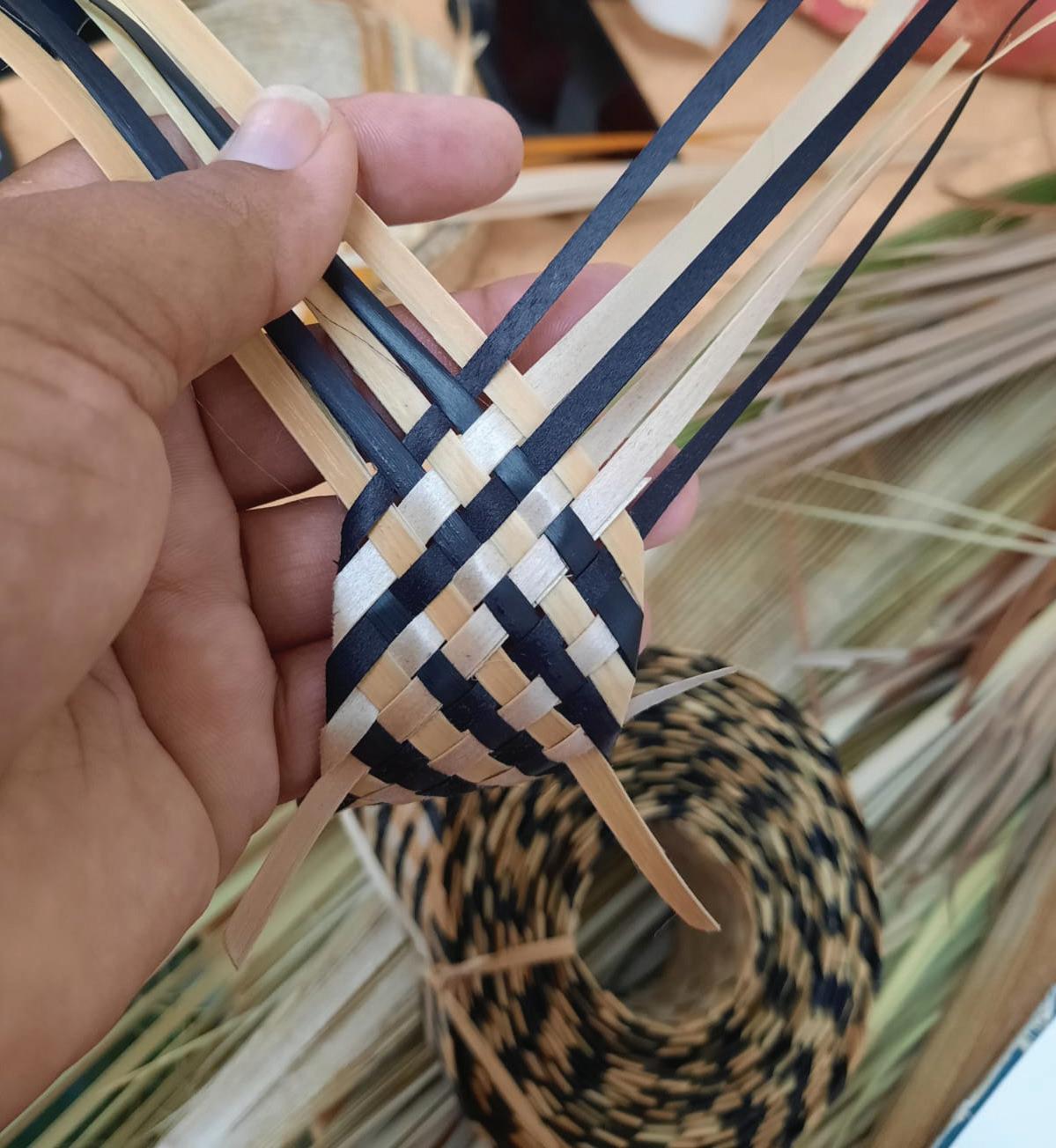
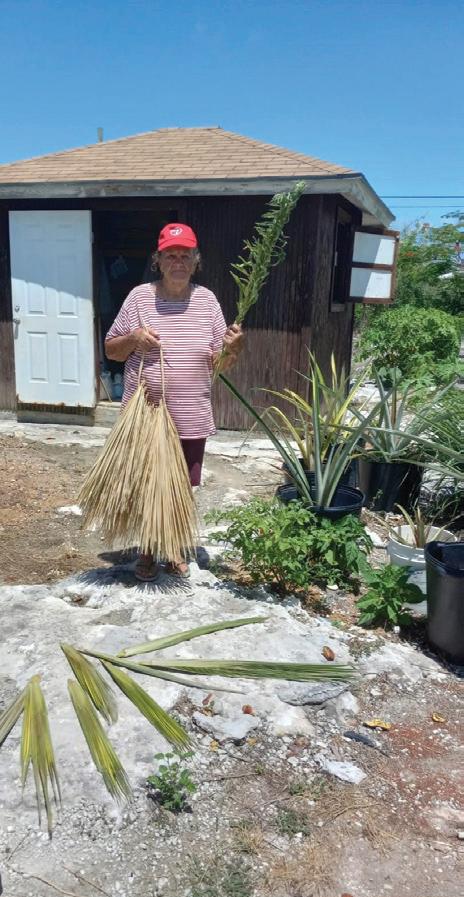
The process of creating straw work involves several steps, starting with harvesting. Many a day, my grandmother and other members of the community would traverse across rugged terrain, through the bushes, just to “cut top.” Toiling in the hot sun, toting bundles of silver top leaves across the fields. After a day of cutting the top, the leaves were laid out to cure. After a few days, the leaves are dried, sometimes dyed, then plucked into narrow strips and plaited into many intricate patterns, such as “fish pot,” “Jacob’s ladder,” “peas-n-rice,” “hole in the wall,” and probably the most common plait, “15 string”, although there are many plait designs.
A plaiter may only plait to sell rolls to produce a product. However, a basket maker, in addition to plaiting, may use any of the basic techniques like stitching
the plait, knot work, or coiling to produce finished products. Bahamian straw work is known for its vibrant colours and intricate patterns. Each island has its distinct style, contributing to the diversity of Bahamian craftsmanship.
Beyond its artistic value, straw work plays a crucial role in the economic livelihood of many Bahamians. From the straw markets in busy Nassau to the tiny island shops throughout The Bahamas, visitors can purchase a variety of handcrafted items while experiencing the vibrant atmosphere of Bahamian culture.
Traditional techniques like plaiting, coiling, and weaving are skills often passed down through generations. Lately, the resurgence of this unique art form has taken the craft from the “old era” and remoulded the straw work industry into a new modern-day feel and look with new patterns and designs.
The preservation of Bahamian straw work is intertwined with broader efforts to safeguard cultural heritage and promote sustainable tourism. Community organisations and educational initiatives often play a vital role in teaching younger generations about traditional crafts and encouraging them to learn from experienced artisans.
The Long Island Museum AMMC, located in Buckley’s, Long Island, is open to the public daily. Unique Bahamian crafts and historical artifacts are on display. The local museum, at select times, offers workshops to keep traditions like plaiting and straw artistry alive. Visitors and locals are always welcome to browse the museum. Most recently, the Long Island Museum hosted a plaiting and weaving workshop where youngsters were taught how to start (and finish) a plait and how to weave.
Efforts to preserve and promote these traditions are ongoing, ensuring that future generations can continue to appreciate and practice this unique form of craftsmanship.
Moreover, organisations such as UNESCO and The Smithsonian have recognised the art of straw work, plaiting, and weaving as an intangible cultural heritage.
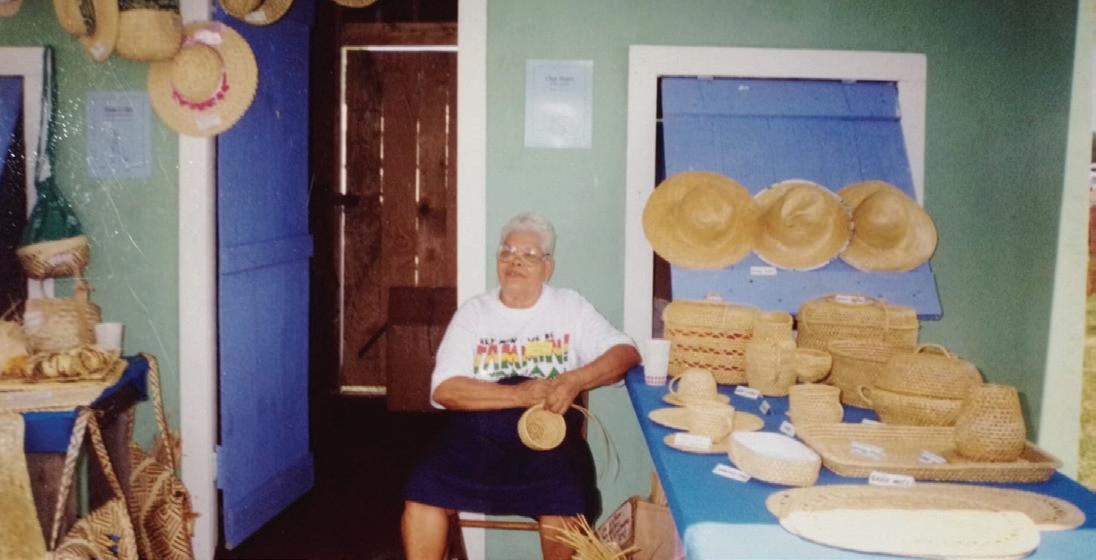
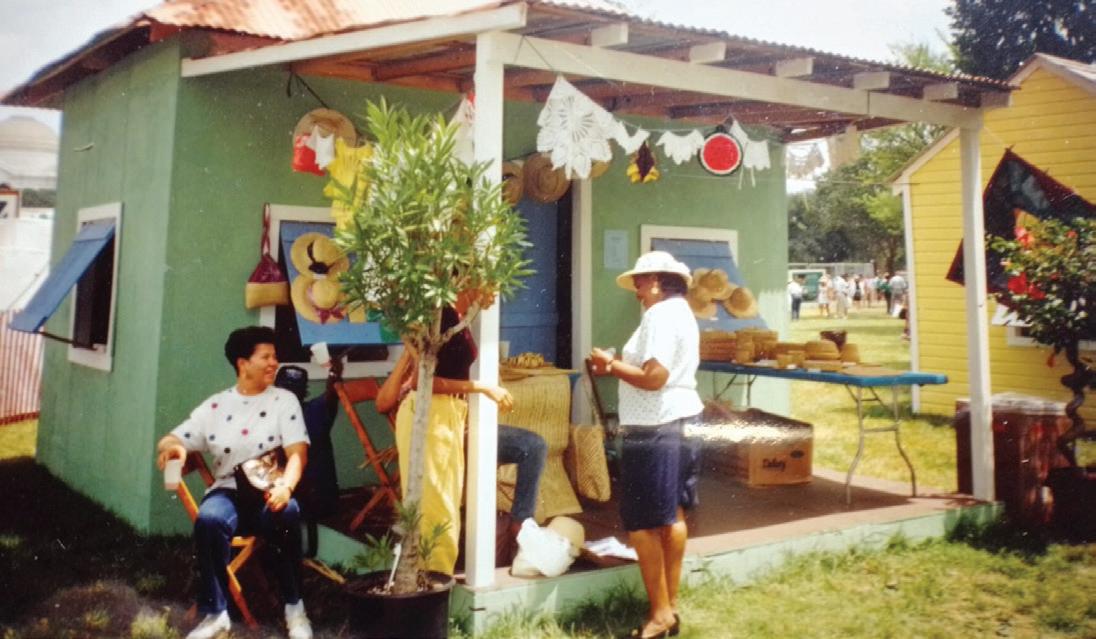
Circa 1994, the culture of The Bahamas was put on display at the “Festival of American Folklife” hosted by the Smithsonian Institution in Washington, D.C. The art of straw work was put on display along with other cultural expressions such as Bahamian music, Junkanoo, and lifestyle. Replicas of traditional houses in The Bahamas were built at the festival. This moment in time holds a special place in my heart. Olga Pratt-Major, was chosen to represent Long Island at this world-class historical event, showcasing her craft, straw work, and basket weaving. As she did so, spectators would stop and admire her craft.
Long Island is still famous for having the best plait and finished products. Clare Sands, “The Plait Lady,” would visit Olga Pratt-Major and Avis Treco-Cartwright on her visits to Long Island to find the best of the best to display in her shop in Nassau. So many straw artists from across The Bahamas shared their livelihoods with Sands; she took great pride and joy in showcasing the variety of artists’ works and creating long-time friendships.
Straw work and plaiting in The Bahamas are not merely crafts but living traditions that embody the creativity, resilience, and cultural richness of the Bahamian people. From humble beginnings as functional items for daily use to cherished works of art sought by collectors worldwide, Bahamian straw work continues to evolve while staying rooted in tradition.
As efforts to preserve and promote these traditions grow, Bahamian artisans remain at the heart of this cultural legacy, weaving together the past, present, and future through their intricate creations. By celebrating and supporting the Bahamian straw work industry, we not only honour the artisans who keep these traditions alive, but also contribute to the vibrant tapestry of Bahamian culture. UA
‘The Magic City’
By Capt. Sandy Campbell Instagram @sandyssuitcase
Photographs Courtesy of Capt. Sandy Campbell
They don’t call Cartagena “The Magic City” for nothing! So, here is a mini guide to unlock the city’s greatness and maximise your vacation!
After three visits to Cartagena, one would think I would be ready to wrap it up, but it’s quite the contrary as my love affair with this imbibing city continues! Between the pulsating streets, vibrant colours, and energetic locals, it’s easy to see why this jewel is nicknamed “The Magic City”. The first time
I landed there, I immediately said: “I’ll be back!” and I returned twice after peeling back the layers of my favourite destination in South America.
HOW TO GET THERE?
Hopping on a Bahamasair flight makes it easy to access Miami and jump on a quick three-hour flight into CTG. There are several flight options daily, just be
sure to complete your immigration form online prior to arriving in Colombia and prior to leaving.
The best time of year to travel to Cartagena is between December to March because the dry season offers the most reliable weather for beach days, outdoor activities, and exploring the city’s historic sites without the disruption of rain. The festive atmosphere during this period, particularly around the holidays and various festivals, also adds to the experience. So, be sure to plan your trip during this season to ensure you can make the most of the beautiful weather, cultural events, and vibrant atmosphere this historic city has to offer.
Although the entire city is amazing, Cartagena has some very distinct areas that would make any stay memorable. I had the pleasure of visiting a few of them and highly recommend The Walled City , Getsemani, and Bocagrande
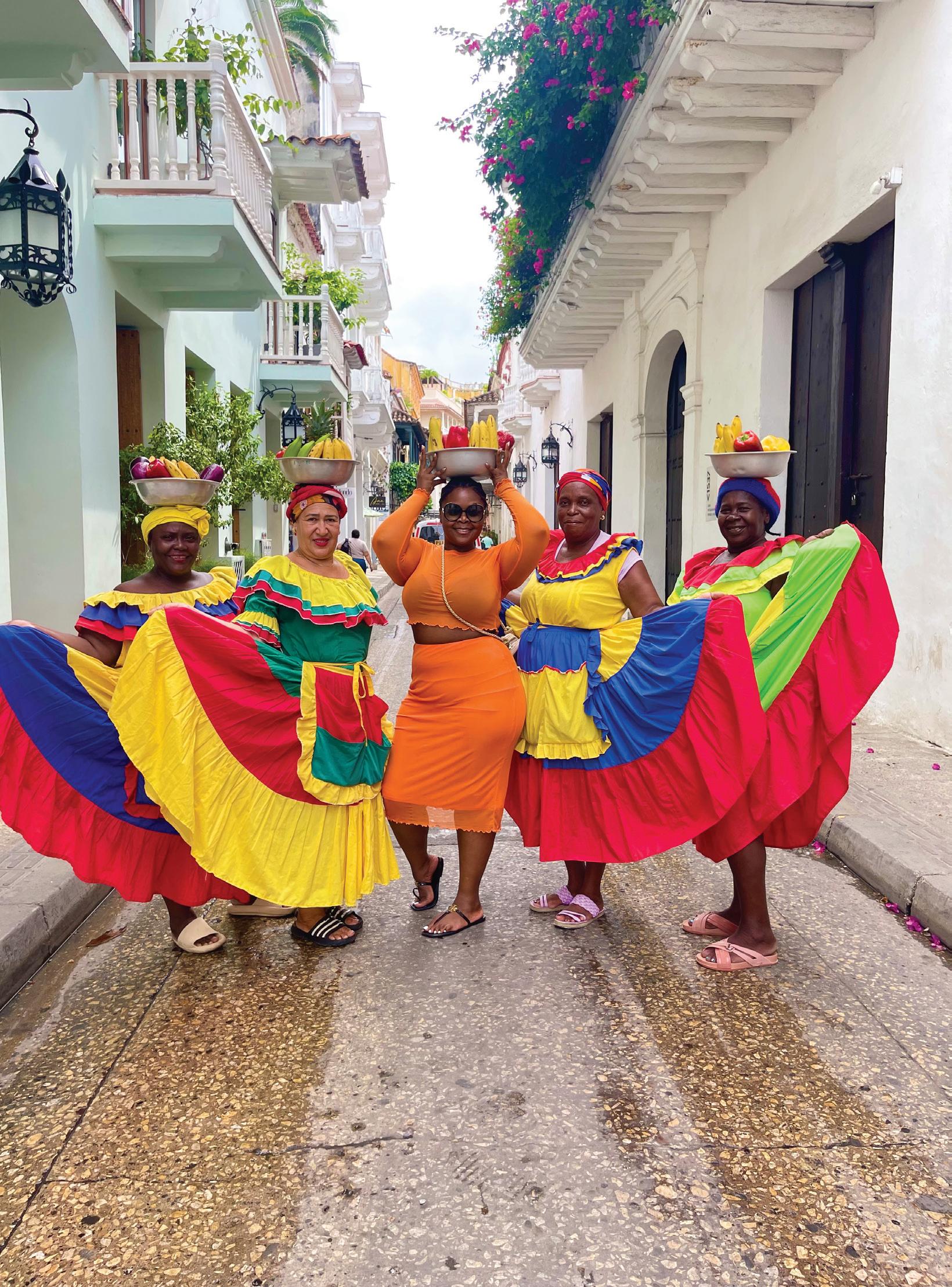
in their town to bigger cities to sell. Make sure to dance with them and take lots of pictures. But be sure to leave a tip!
• The Walled City: Also known as the historic heart of Cartagena, and famed for its colonial architecture, vibrant colours, and cobblestone streets, The Walled City is close to major attractions such as Plaza Santo Domingo and the Clock Tower. There are so many restaurants, cafes, bars, and amazing places to shop! Also, one of my favourite things is there are lots of boutique hotels, luxury hotels, and charming guesthouses to choose from.
• Getsemani: A trendy and bohemian neighbourhood just outside The Walled City, Getsemani is known for its lively atmosphere, street art, and nightlife. Plaza de la Trinidad, the bustling square in Getsemani, is always a hub of activity with many local vendors and tons of tourists enjoying street food and local music artists. Budget hostels, mid-range hotels, stylish boutique hotels as well as very affordable Airbnb’s abound.
• Bocagrande: If you’re looking for chic accommodations, a modern area with Miami-like vibes, high-rise buildings, beaches, and a variety of shops and restaurants, then Bocagrande is your type of heaven! The area has a more contemporary feel compared to the historic areas and boasts large hotels, beachfront resorts, high-end restaurants, and modern apartments.
The vibe of Cartagena is hot and sexy. So, what better way to cool off than taking a boat tour and visiting some of the islands? Cartagena is home to beautiful turquoise waters, so rent a yacht or take a boat tour to cruise The Rosario Islands – either way, you will love your day on the water.
Relaxing and enjoying a scenic escape on horseback was the experience I didn’t know I needed. This tour is ideal for travellers who want to connect with nature and get away from the hustle and bustle of the city. So, go ahead, let loose and be free!
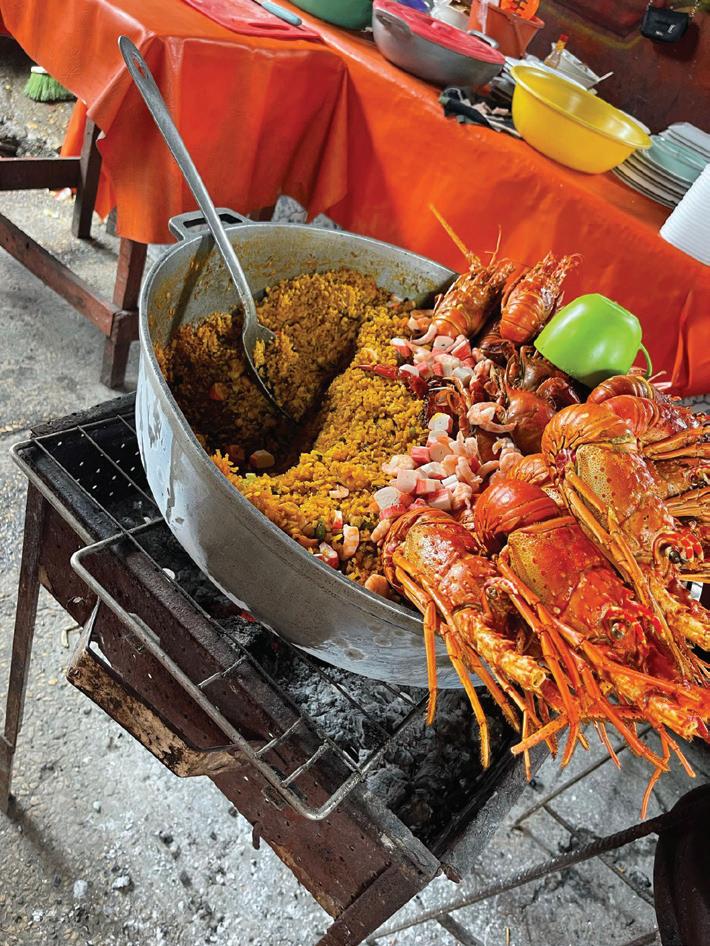
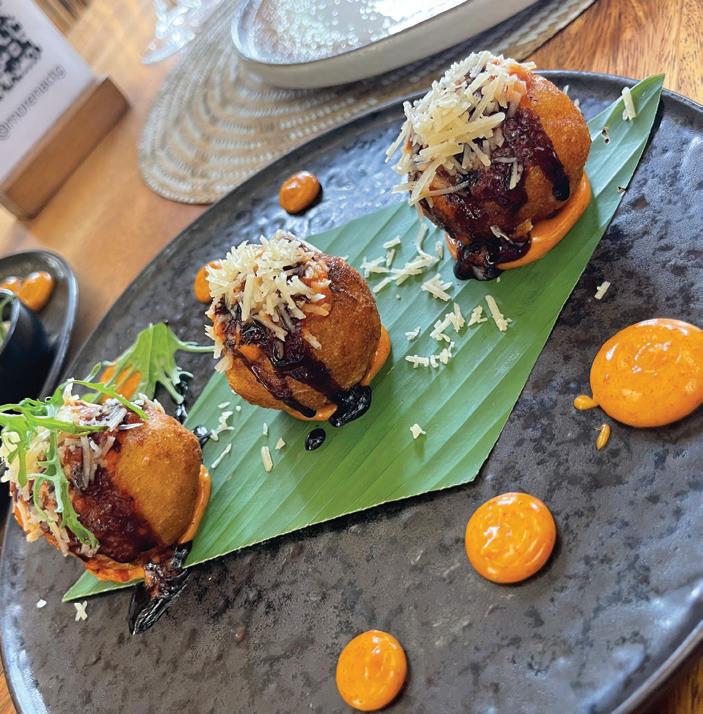
You absolutely cannot leave Cartagena without doing a Colombian cooking class. I loved my experience at Lunatico Cooking Class Studio where we made a three-course meal of carimañolas (meat and cheese fritter), snapper, and coconut rice and plantains. The chef guided us through the preparation and plating of the meal as well as gave amazing commentary on Colombian food culture.
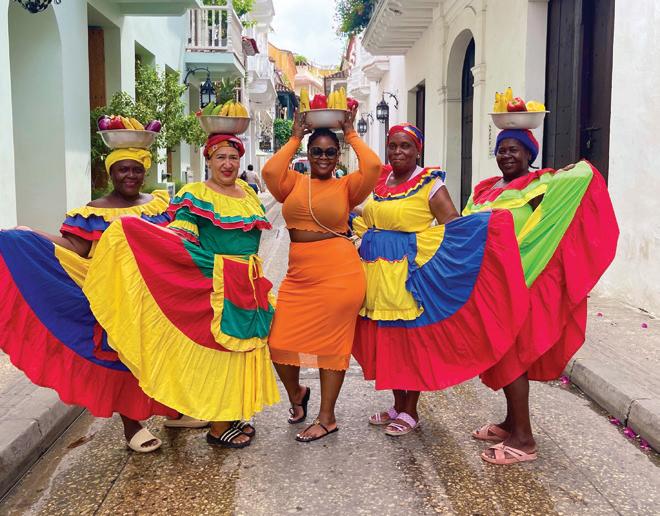
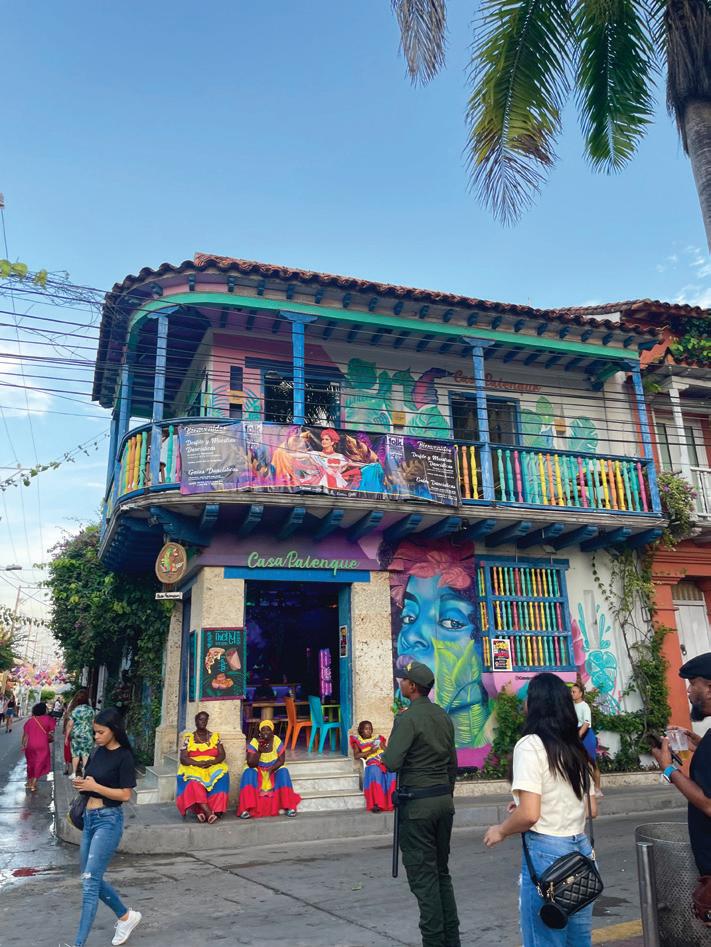
The African village of Palenque stole my heart. With a population of 4,000, this village is a two-hour drive from Cartagena and was home to the first freed slaves in The Americas. This tour is a great way to meet these indigenous people and get a glimpse into their culture through their music, dance, and the beautiful murals all over the town. Ever seen those colourful dancers twirling around Cartagena on Instagram? Well, they are called Palenqueras (from Palenque), and they dance and sing to earn money. They also take goods made
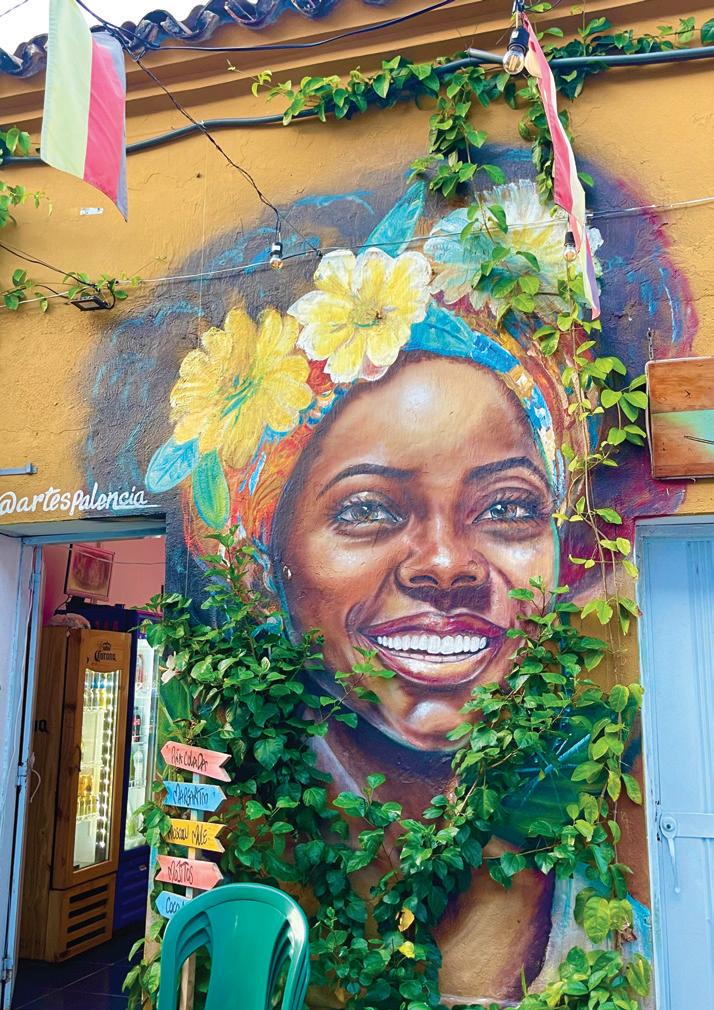
If you love seeing a city on foot, get out and wander around my favourite area – Getsemani! The murals, artistry, and artisans are all such a vibe! Getsemani is famous for its colourful street art, so walk around on your own or join a walking tour to appreciate the various murals that depict the neighbourhood’s culture and history. Also known for its lively bars and nightlife, this street is perfect for those looking to experience Cartagena’s vibrant party scene. Make sure to explore the narrow streets as this can be a truly delightful experience.
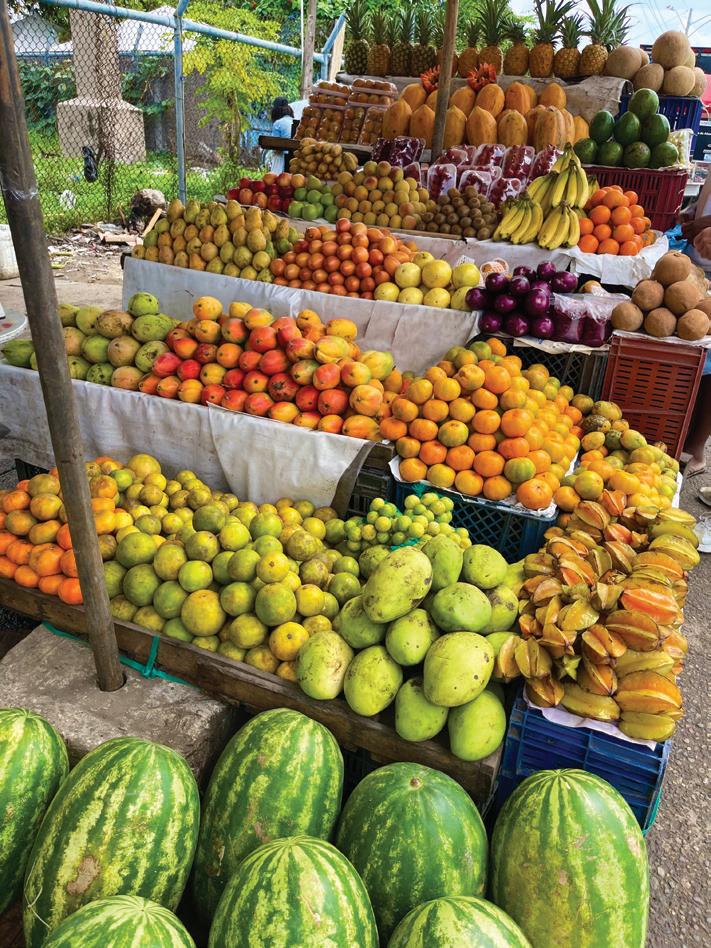
Cartagena is renowned for its vibrant culinary scene, which blends African, Caribbean, Spanish, and indigenous influences. This was a gastronomic heaven of sorts from fresh and tasty ethnic dishes to seasonal fruit and desserts. Here are some of the city’s top must-try dishes:
• Arepas are a deep-fried cornmeal patty filled with an egg and sometimes with meat. You will find many street vendors selling this – it’s a must try!
• Arroz con coco is coconut rice, typically served with fried fish. It’s sweet and savoury, often made with raisins and panela (unrefined cane sugar).
• Patacones are fried green plantains, usually served with hogao (a tomato and onion sauce) or topped with cheese.
Cartagena was the destination I didn’t know I needed but was surely glad I found. A step back in time with the historical undertones of a strong resilient people. Everywhere I went, I was greeted with an infectious smile and the promise of a good time. If you love history, culture, and ethic food, make sure Cartagena is at the top of your travel bucket list! UA
By Shavaughn Moss
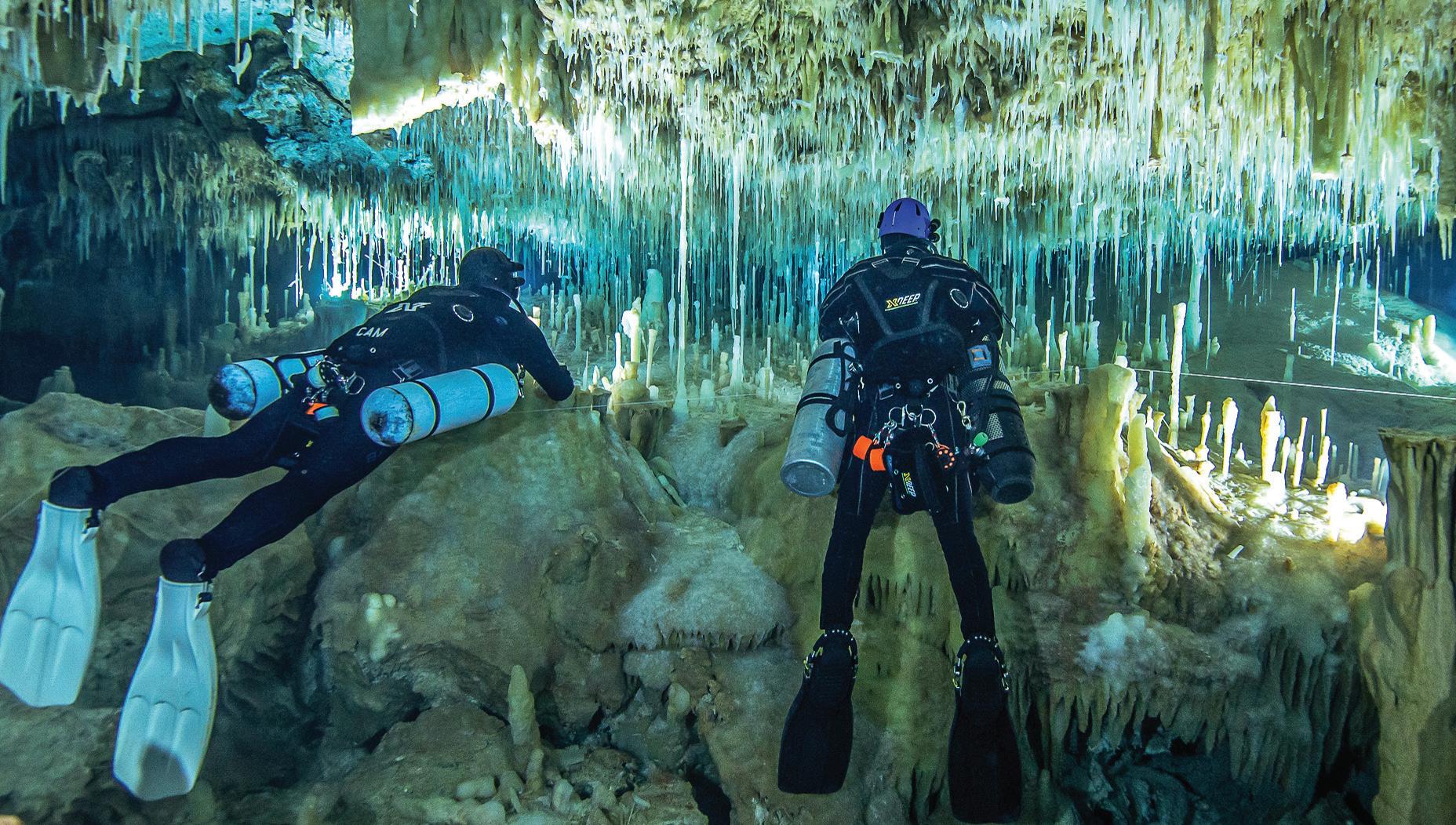
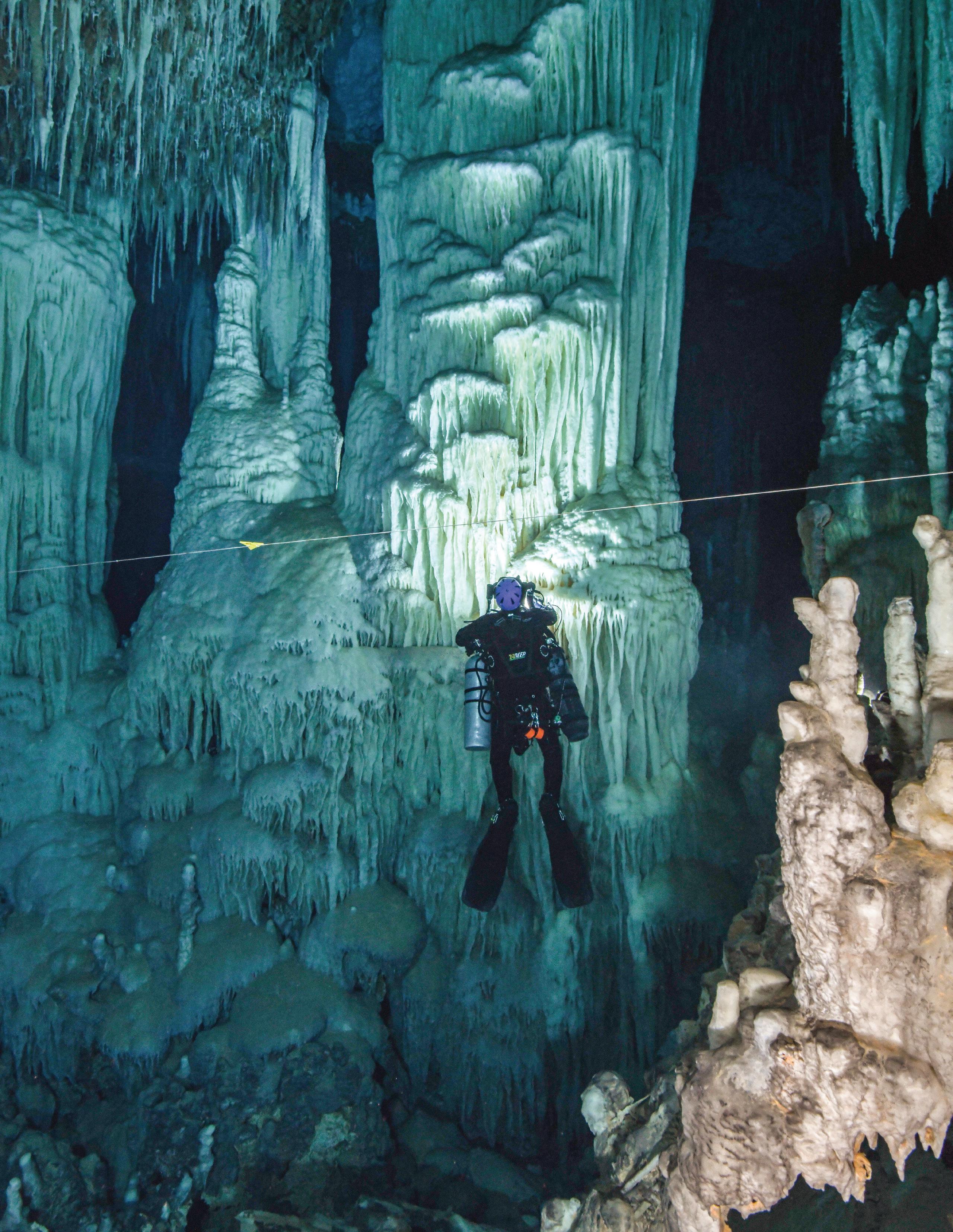
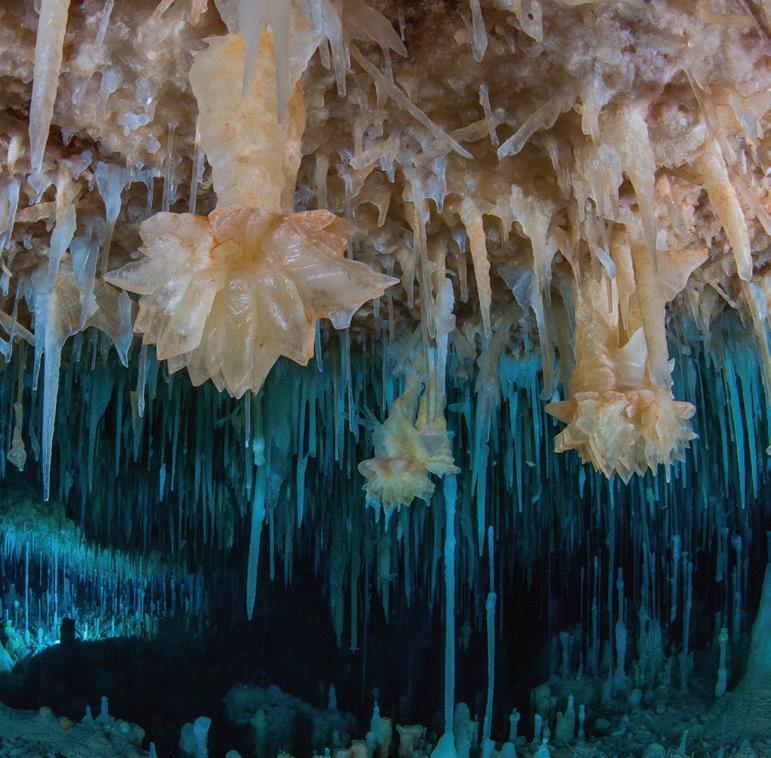
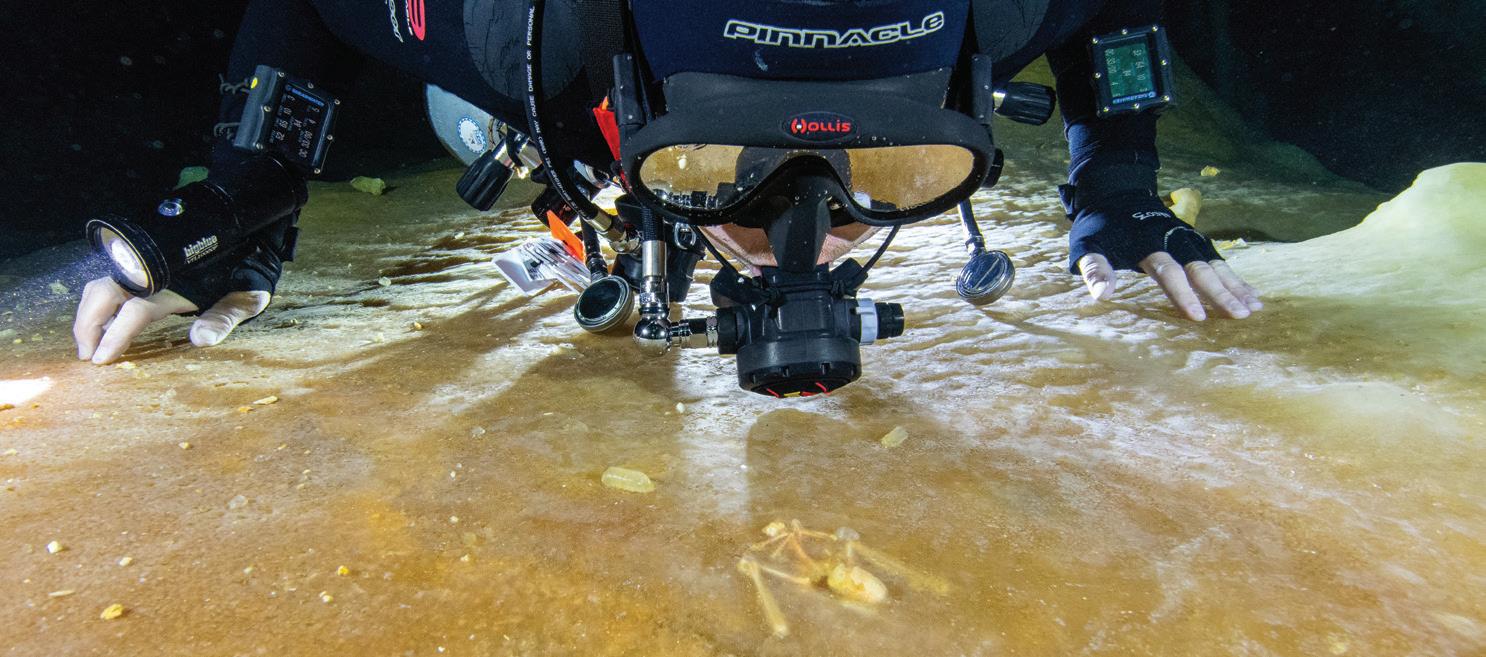
No images, no videos, not even IMAX movies can prepare you for being completely immersed (pun intended) in some of the “insanely decorated passages” that is the four-cave system beneath the pine forests of South Abaco, Bahamas – Dan’s Cave, Ralph’s Cave, Nancy’s Cave and Sawmill Sink. It is all around you – up, down, right, and left – as you float motionless in exquisite rooms of Mother Nature’s making, according to Brian Kakuk, a veteran explorer with more than 30 years of underwater cave exploration in The Bahamas.
Aside from astounding beauty, one of the greatest aspects of the Crystal Caves of Abaco is the diversity in passage, size, colour and fragility of the formations, and in the cave-adapted marine life that lives within the caves. “Each passage is entirely different from the next and all of them are like nothing else on earth. I’ve dived in caves all over the world, and I’ve yet to find any caves that contain as many varieties,” says Kakuk.
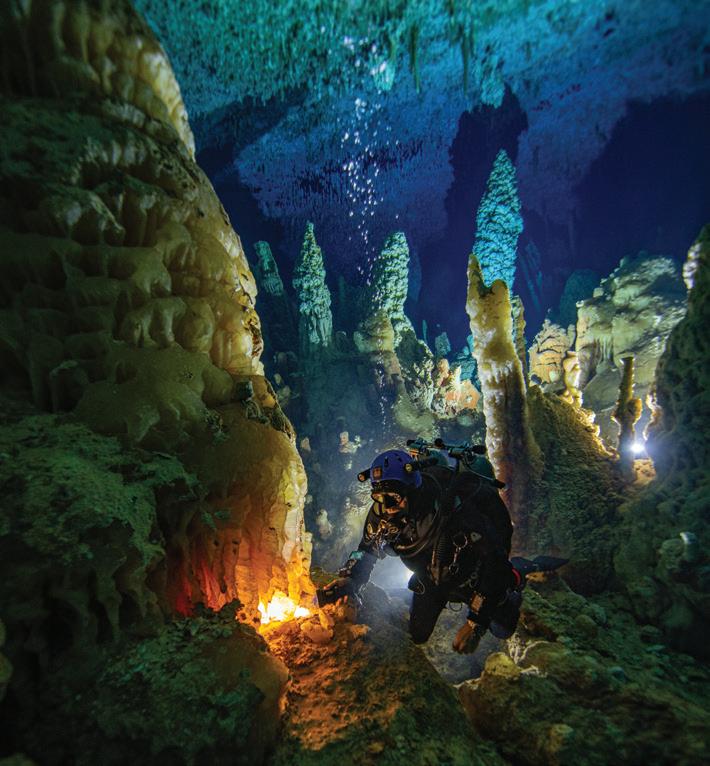
“Each time you swim into a new passage, it’s as if you have arrived on a different planet.”
What makes the cave system so unique, Kakuk says, is all the ologies – geology, biology, archaeology, and palaeontology – are represented in what can be described as time capsules of Bahamian history. “New species of cave-adapted animals, discovery of prehistoric life, the remains and artifacts of those who came before us can all be found within the air clear water and intricately decorated passages of one of the greatest underground environments on Earth.”
The closest he thinks the non-diving person will ever get to experiencing what the Abaco cave system affords divers, would be in the IMAX movie, Ancient Caves, which was partly filmed in the South Abaco caves. The production was filmed for IMAX dome theatres.
Kakuk, a former United States Navy diver who started cave diving in 1990, says the oldest cave formation in the Abaco system is dated at 360,000 years. But he says the cave – the void itself – is much older.
“The crystal formations are only created when the sea level is lower, and the cave is a ‘dry cave’. Water drips from the ceiling and leaves behind crystalline formations, many of which take tens of thousands of years to form,” he explains. “Due to our unique geology and geography, the caves in The Bahamas have been dry caves and then underwater caves, multiple times over the last 360,000 years. These caves are literally global climate change in your face! Changing high and low sea levels are directly responsible for the continued creation of and the continued decorating of these amazing underground spaces.”
Kakuk first heard of Dan’s Cave in the early 2000s while diving on Andros Island with Dr Jill Yager, the cave diving marine scientist who discovered the now-famous crustacean, Remipedia – a class of blind crustaceans, closely related to hexapods – the first specimens of which were discovered in 1981 during a cave diving expedition on Grand Bahama Island.
“Dr Yager wanted to dive with me in the deep caves of Andros to see if we could find some of her remipedes,” says Kakuk. “During our discussions, she had mentioned to me that there was an amazingly decorated and scientifically important cave on Abaco Island called Dan’s Cave and I should try to get over there to see it.”
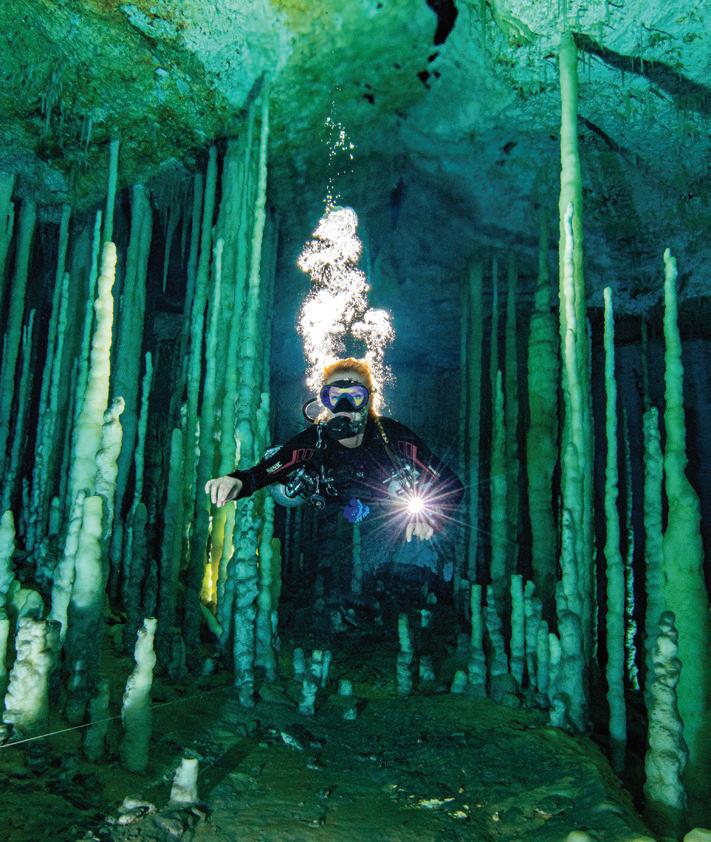
It was in 2004 that Kakuk would get his first opportunity to dive the cave with Fred Davis, an American cave diver who was living on his sailboat in Marsh Harbour, Abaco, and doing exploration dives in the cave when he could. Kakuk’s first impression during his inaugural dive of Dan’s Cave was that it was much larger, and more highly decorated than he had imagined. “I didn’t have much time to look around on the first dive as my dive partner was swimming too fast to look around much, but it was very beautiful and the visibility was extremely clear, nearing 300 feet!”
Kakuk and Davis dove to a place called the Crystal Palace located more than nine hundred (900) feet from the entrance of the cave, which he said is highly decorated with massive formations that are all very white and crystalline. Current maps have the Crystal Caves of Abaco at just under twelve miles in length.
Kakuk says the Abaco cave system has not been fully explored and future explorers may have an opportunity to be “the first” in some of the farther reaches, especially as cave diving technology grows. He has had his fair share of firsts.
“As explorers, one of the perks of being the first human to lay foot (or fins) in a completely unexplored place, is that we get to name it,” he says. “Over the last nearly 40 years, I’ve had the unique opportunity to name some of the most incredible cave passages on Earth, and I don’t take the honour lightly.”
After moving to The Bahamas in 1988, Kakuk saw the unique underwater photography opportunities. He could get images that the average scuba diver couldn’t get on the reef. “I quickly realized that many of the places I was going in underwater caves had never had humans in them, which made me an explorer albeit a newbie explorer,” he says. “This became my obsession. I became addicted to being an explorer and having the opportunity to go somewhere no other human had ever been. Discovering amazing places, new species, new information about pre-historic Bahamas was all I could think about, and the addiction has never gone away.”
Kakuk has done thousands of dives and does between 300 to 400 dives per year. He figures if he were going to get burned out diving the Abaco cave system, or diving altogether, it would have happened a long time ago.
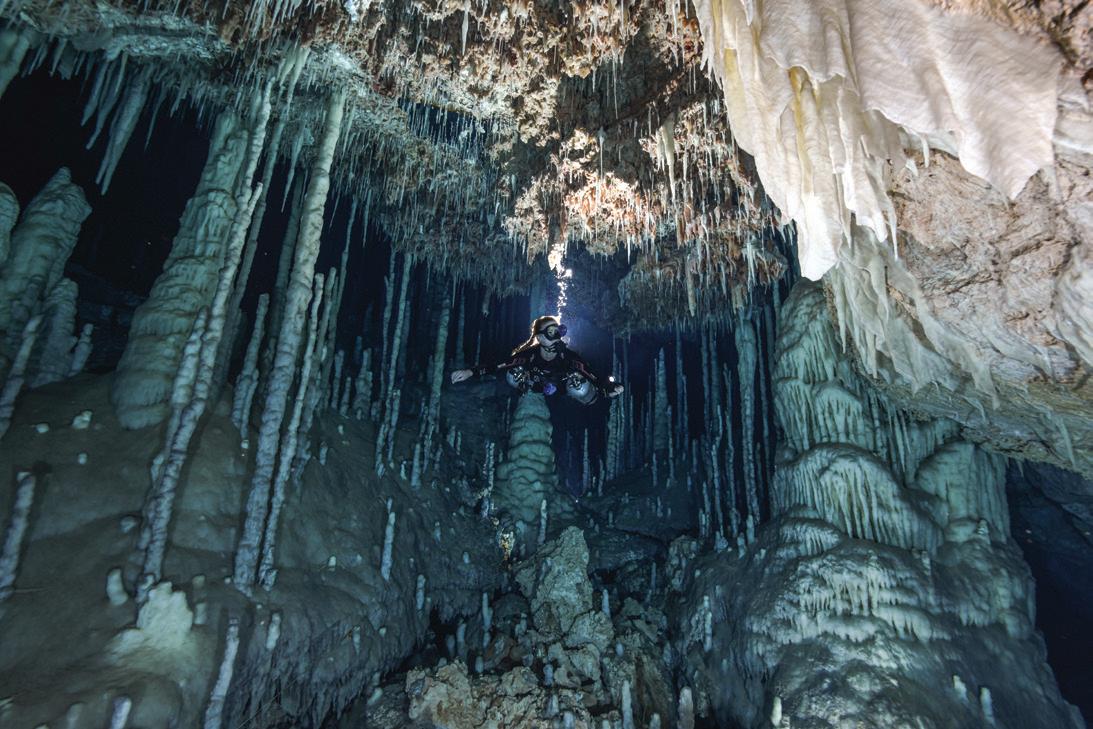
“Being able to swim weightlessly through one of Mother Nature’s most exquisite masterpieces, forged out of rock over hundreds of thousands of years is an opportunity I cherish,” he says. “I wish the entire world could see and feel what we see and feel every time we enter this place.”
Kakuk has cave dived all around the world, but he says none of the underwater caves he has been in can compare to the Crystal Caves of Abaco. He says it’s difficult to tell people what to expect the first time they experience these stunning caves which are a national treasure, and a part of 30,000 acres set aside for protection by The Bahamas government.
He says: “My hope is always that the divers I guide and teach go away with the same feeling of awe and appreciation for Mother Nature’s handiwork that I still get even today on each and every dive.”
This is not a system that anyone can see, and they are not environments for open water divers, or even open water instructors. Additional training in the use of specialised procedures and equipment is the only way a diver can safely enter these overhead environments.
Kakuk and Abaconian Michael Albury operate Bahamas Underground, a diving facility dedicated to safely diving the underwater caves and blue holes of The Bahamas. Kakuk says with proper experience, cave-dedicated training, and specialised equipment and protocols, divers can safely experience the Abaco caves.
Kakuk can be contacted through Bahamas Underground at: bahamasunderground.com. UA

‘Communion, connection, and creativity’
By Tyrone L. E. Fitzgerald
Photographs Courtesy of Thierry Lamare and Joie Lamare
‘The
purpose of art is to lay bare the questions that have been concealed by the answers.’
James Baldwin
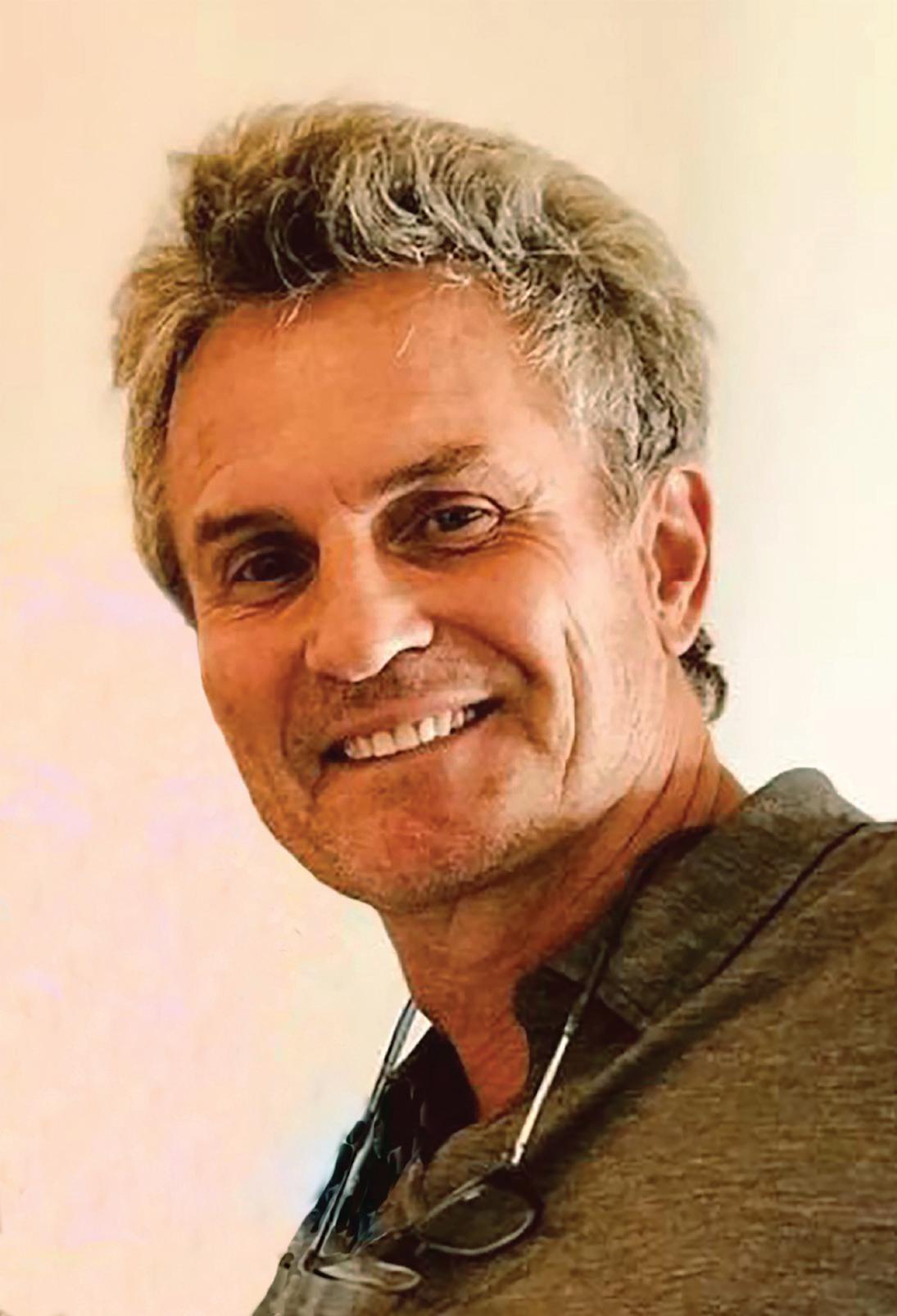
Thierry Lamare loves to tell stories.
Not the kind of stories that Bahamian children (and adults) have been cautioned not to tell, colloquially and traditionally, but the indelible, imaginative, and independently triumphant ones of everyday people whose resilience inspires our hope and humanity.
He is a French painter who has loved living and working in The Bahamas, painting the human tapestry and physical landscape of Bahamian life for more than 39 years. He first visited The Bahamas in 1985 and began painting the exuberant, colourful, and colonial-inspired attributes of Bahamian architecture.
His paintings are not only a highly respectable compendium of a unique work of art but also a transformative artistic expression of the deep work, connection, and camaraderie he has fostered within his subjects.
Lamare’s love and passion for art began as a young boy. First, as a curious interest in the technical intricacies of drawing, then as a keen enthusiast of painting, math, design, and architecture – often, as he says: “Copying comic books or paintings of great masters, drawing boats, horses or whatever I could, with graphite pencils as my weapons of choice.”
While preparing for “Les Concours des Grandes Écoles d’Art” in Paris, Lamare admits it was Etienne Martin, a teacher at Atelier du Sculpteur, who helped him with his decision to pursue art as his life’s work.
“Can you live without drawing?” his teacher asked. “Be honest with yourself, answer this question, and then you will know what to do.”
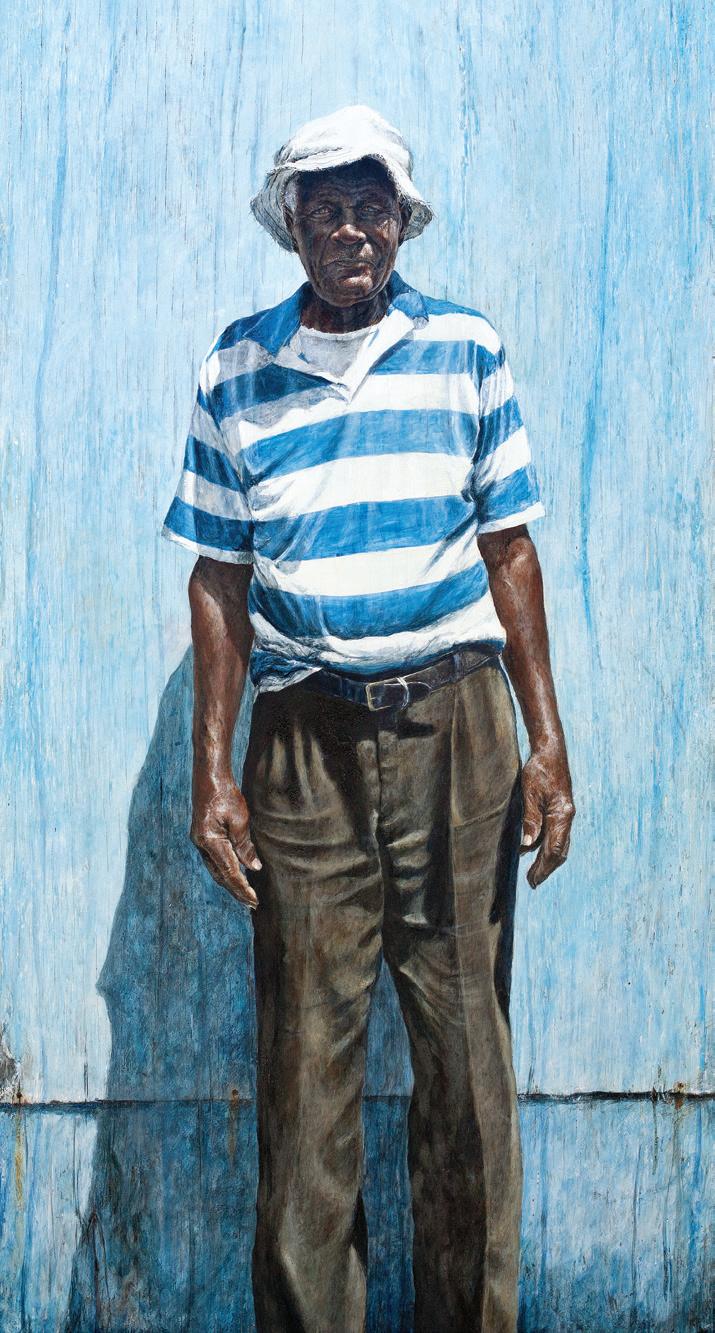
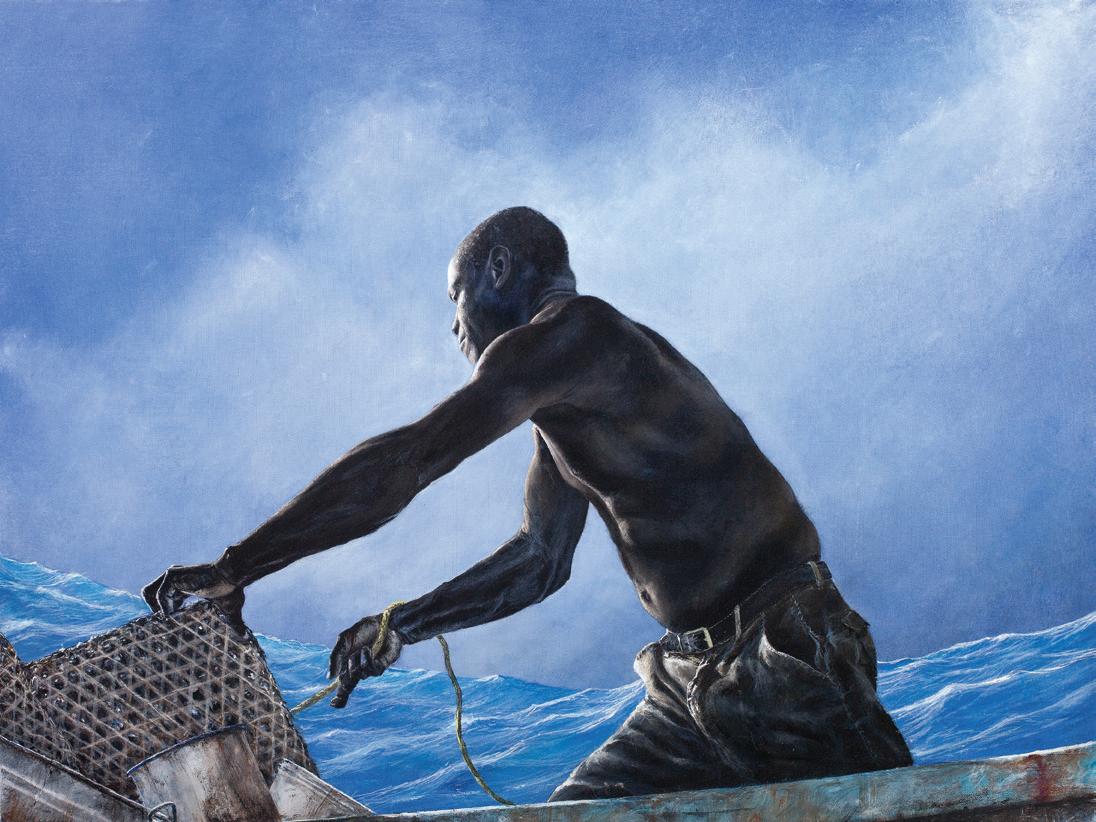
As a self-proclaimed soul searcher and lifelong learner, Lamare’s intense curiosity, varied experience, and demonstrable artistry have taught him not only to seek the answer but also to live the question.
After a successful admission into Les Grandes Écoles d’Art, Lamare decided to study interior architecture at École Camondo in Paris – a decision he admittedly later regretted but appreciated, nonetheless.
It was on a visit to Long Island, one of The Bahamas’ beautiful Family Islands, that Lamare’s artistic work, passion, and inspiration would take a different course.
There, he met Joyce, then Ophelia.
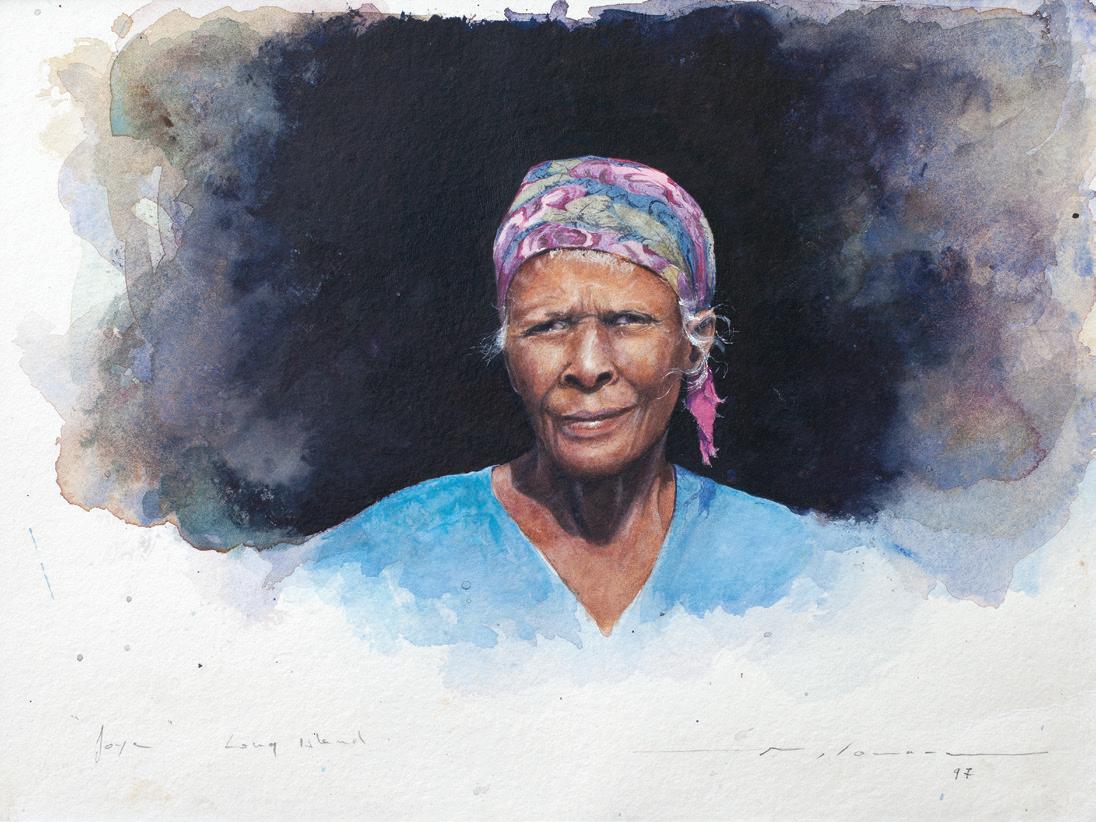
Joyce, a self-described “peach”, was a Long Island beauty whose audacious and exuberant personality and warmth artistically enraptured Lamare’s soul and creativity so much that he suddenly evolved from painting landscapes to painting portraits.
His portraits of Joyce are as meticulous, magical, and multitudinous as his portraits of Ophelia, his muse, “magician” (she can do anything!) and meandering sculling adventurer of more than 15 years.
Look closely at any of Lamare’s portraits of Ophelia, whether it is “The Conversation” or “Story Teller,” and you shall see everyone’s grandmother – her traditions, triumphs, struggles, and survival.
Ophelia and her stupendous life on Long Island have been both the subject and subjectivity of Lamare’s amazingly focused work and the duality of his message and mission as an artist, particularly one who is intentional about a true and meaningful representation of Bahamian life.
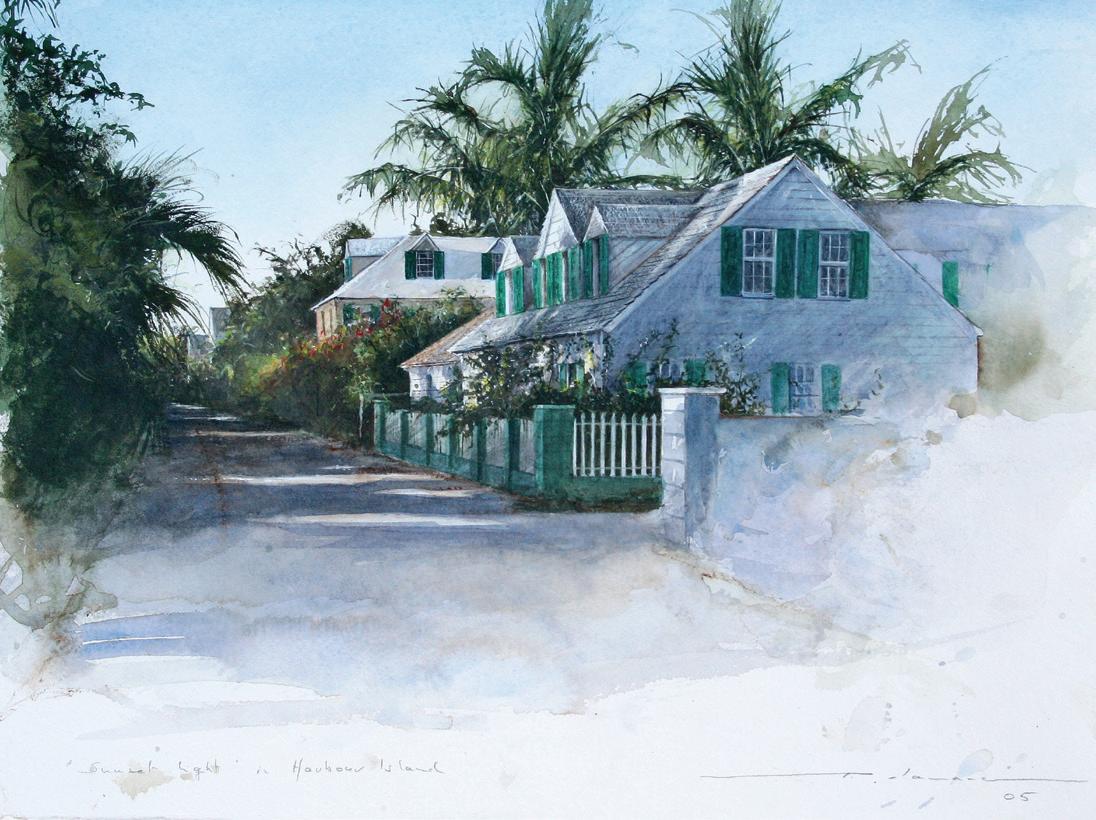
From the intricate contours of his subjects’ hands and faces, the impressionable nuances of their gaze and gait, and the juxtaposition of heart, soul, light, and colour, Lamare’s art metamorphoses into human portraits that connect intimately with their observers and are imbued with realism, resilience, and recognition of a kind that is transparent and deeply moving all at once.
His solo and group exhibits have garnered the careful attention and immense appreciation of art enthusiasts and private collectors locally and internationally.
Lamare’s quiet demeanour, empathy, humility, passion, and approachability make him both endearing and inspiring and he has become an international transplant of the humanly richest and most influential nature.
His homage to Louis Taylor and the late Bahamian artist Kendal Hanna, through his dramatic and emotionally multidimensional portraits of both, particularly Hanna during the latter years of his life, have been visual testaments to the truth, echoed by Nobel laureate Saul Bellow: “That art penetrates what pride, passion, intelligence, and habit erect on all sides – the seeming realities of this world”.
Lamare has proven authentically, fearlessly, and relentlessly that he is a masterfully gifted storyteller and creative alchemist, interdependently connecting with the souls of his subjects, integrating their stories into the communal tapestry of our nostalgic past and the predilection of generational hope, humanity, and hubris.
W. Edward Brown once said that “the artist has one function – to affirm and glorify life”.
Lamare, through his paintings, has not only affirmed and glorified the intricately beautiful lives of his everyday subjects, but has borne witness to their struggles, strengths, and survival.
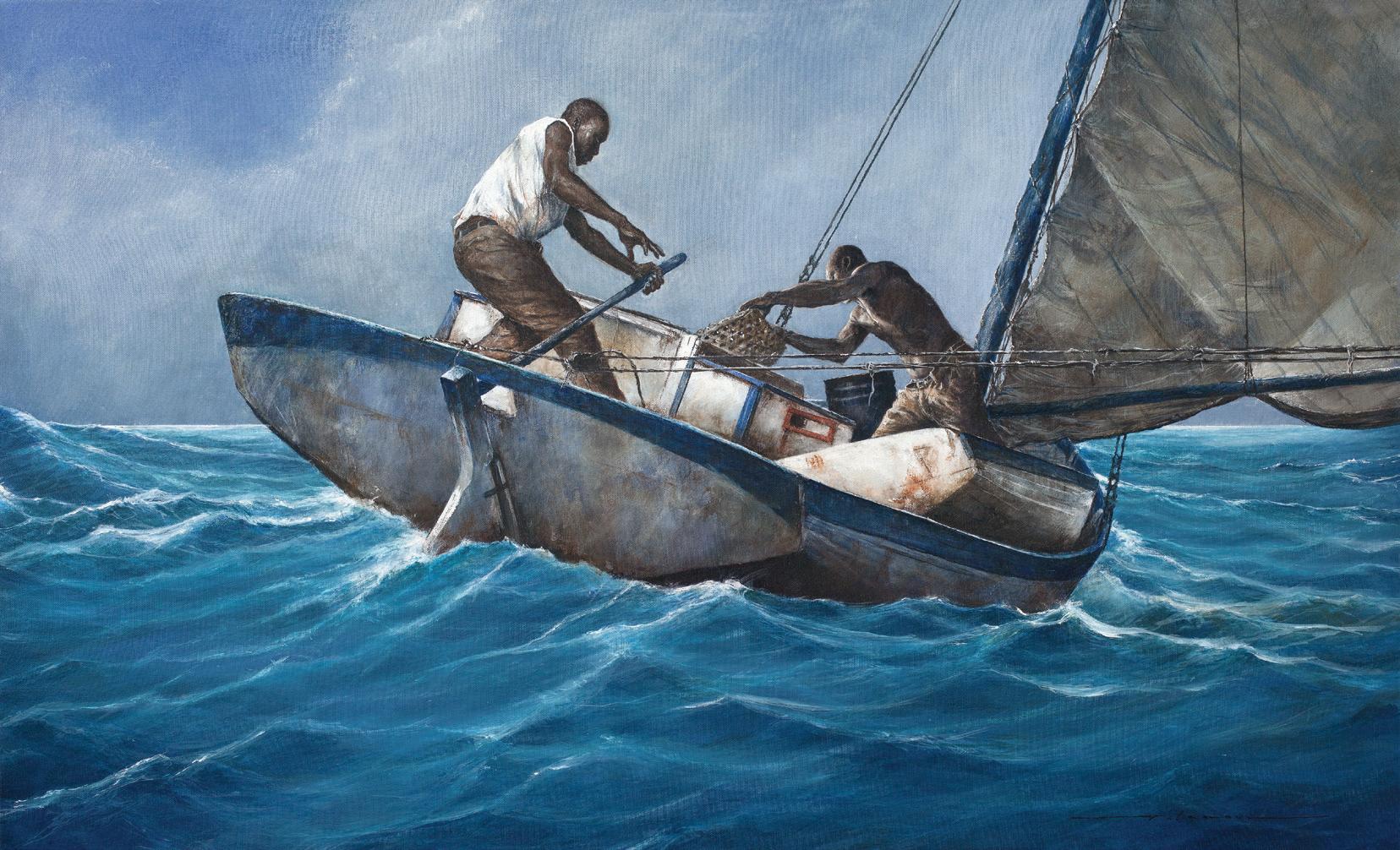
His realism, nuance, meticulousness, and exuberance have manifested themselves in an authentically creative expression of humanity and real connection.
In many ways, and above all, Lamare has been both priest and prophet through the medium that is his life’s calling and work – art – liberating, energising, and foretelling the ordinary, everyday lives of a nation’s people who are sometimes forgotten but nostalgically valued, embraced, and empowered. UA
By Alexandra Kaufmann
Photographs Courtesy of Alexandra Kaufmann
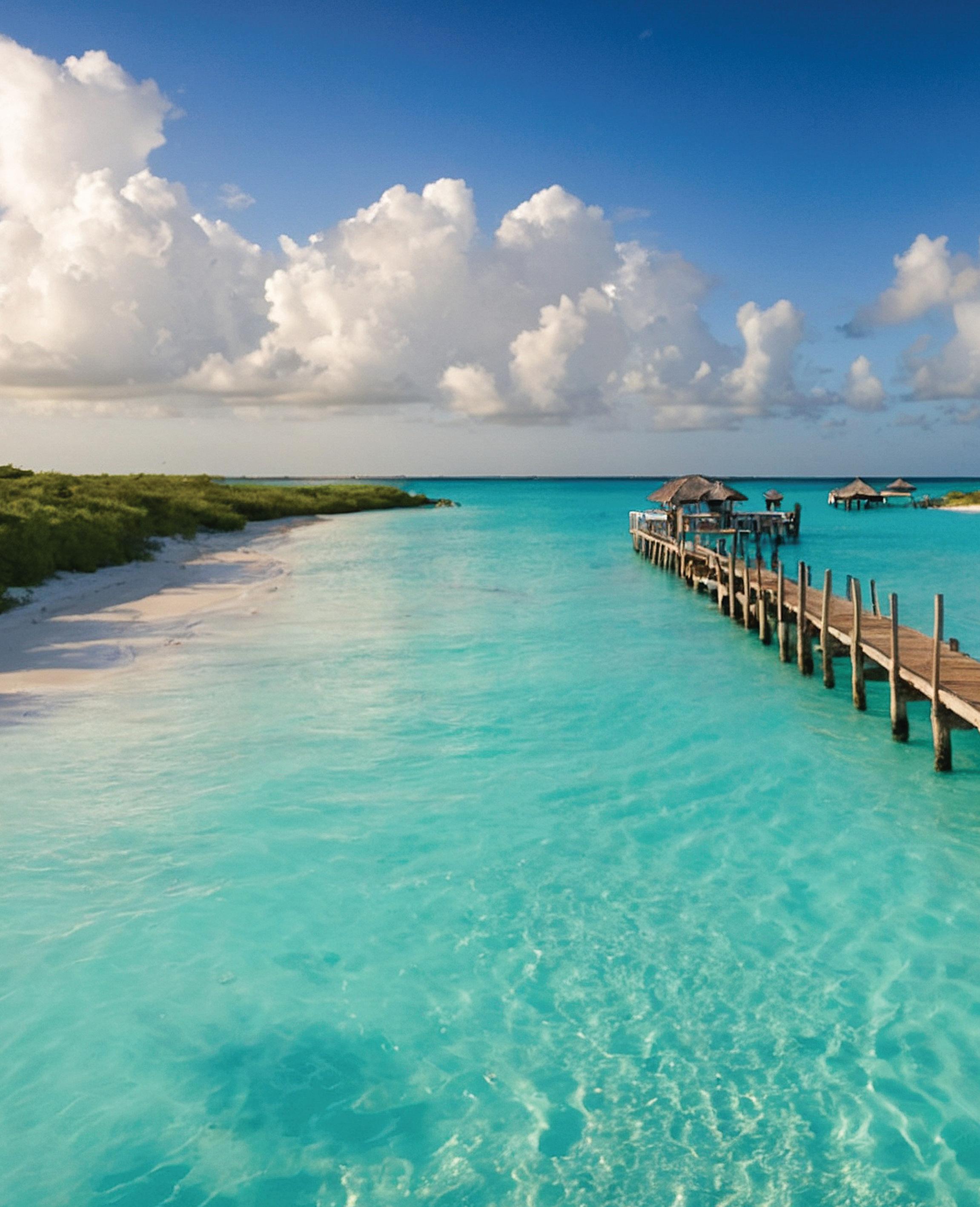
re you looking for a quick getaway that is still close to home? Providenciales is less than 90 minutes away by Bahamasair and waiting to be explored. Imagine a weekend filled with sun-kissed beaches, gourmet dining, and unforgettable adventures in the pristine paradise of Turks and Caicos. This itinerary promises to deliver the perfect blend of relaxation and excitement, starting from your journey on the Thursday morning flight from Nassau, Bahamas, to your return on Sunday, all while staying at the exquisite Harbour House villa with stunning canal front views.
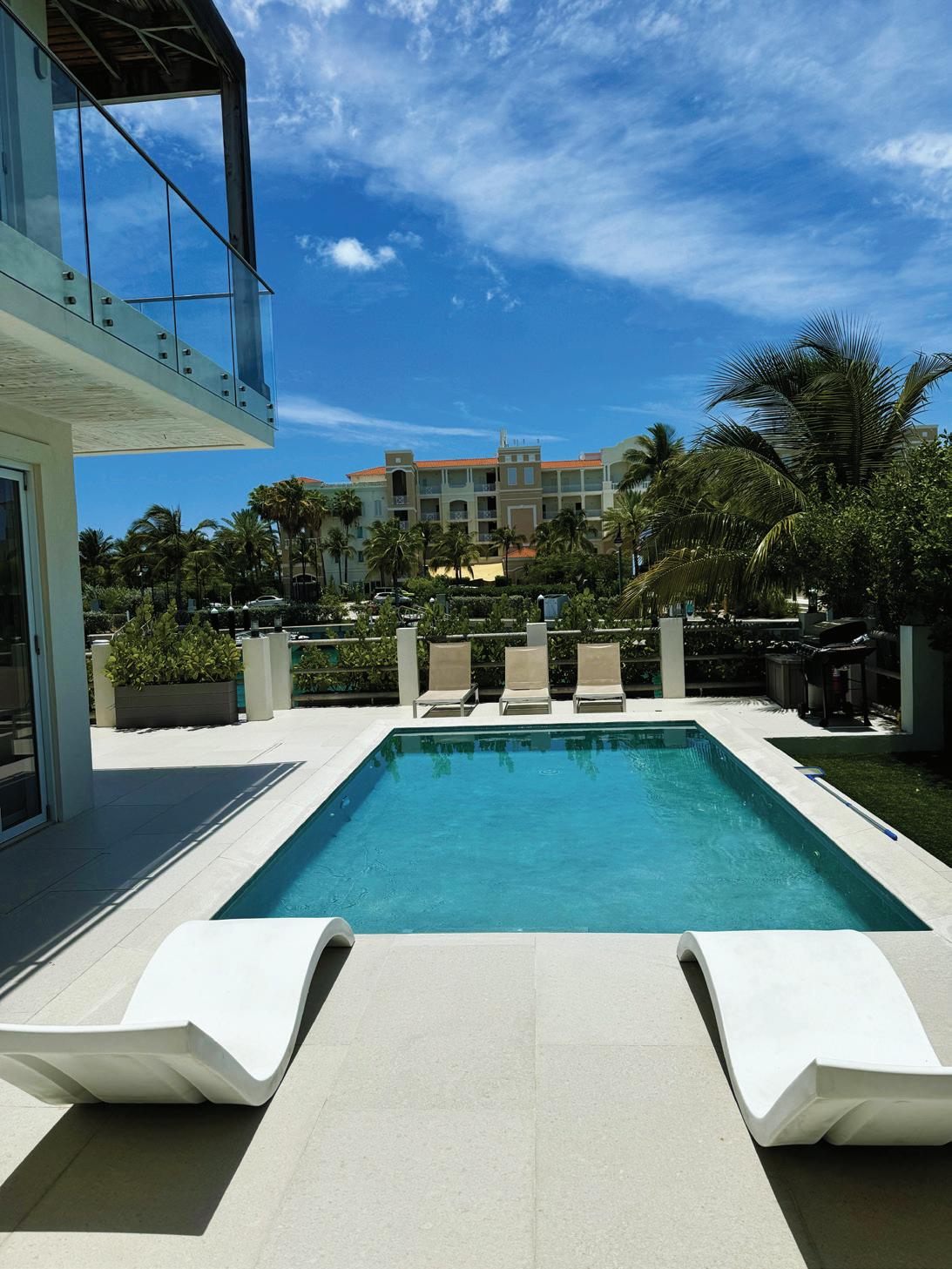
Morning: You start your journey with a scenic flight filled with 50 shades of blue from Nassau to Providenciales, arriving mid-morning. After a quick check-in at Harbour House, settle in and soak up the tranquil ambiance of your luxury accommodation. The villa offers three spacious ensuite rooms, modern amenities, and a pool overlooking breathtaking views of the canal, setting the tone for a relaxing getaway.
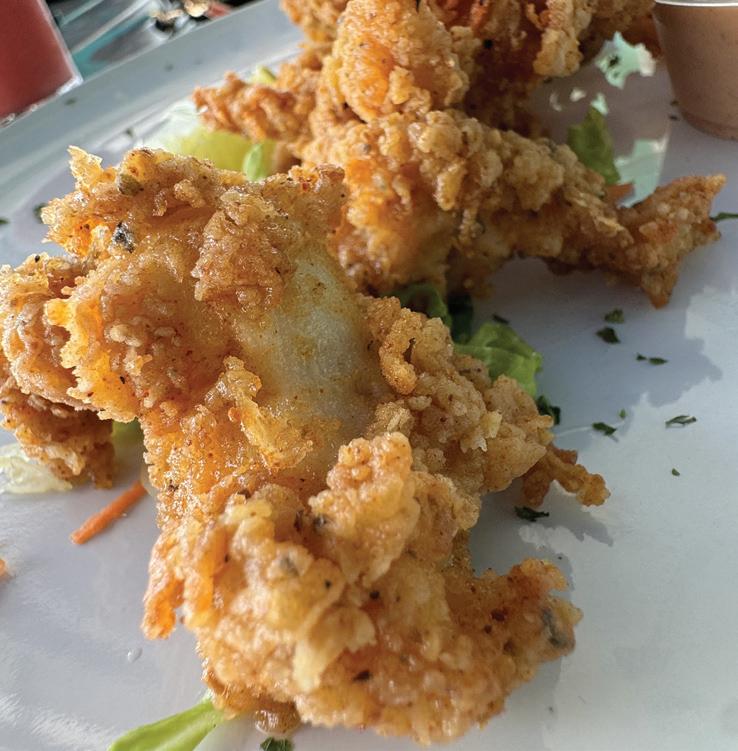
Cracked Conch at Omar’s
Afternoon: For lunch, head to Omar’s Beach Hut at Five Cays. This charming spot overlooks the water and offers a menu filled with fresh seafood and local delicacies. Enjoy your meal with views that epitomise island life. During the low tide, you can sit and eat at picnic tables on the shoreline.
Evening: For your first night, indulge in a gourmet dinner at Le Bouchon Du Village, renowned for serving the best steak in town. This intimate gem of a restaurant offers a cozy atmosphere and a menu featuring the finest French cuisine paired with an exquisite wine list. After dinner, head to Roof Top Bar and Lounge for cocktails under the stars, enjoying Providenciales’ vibrant local nightlife scene.
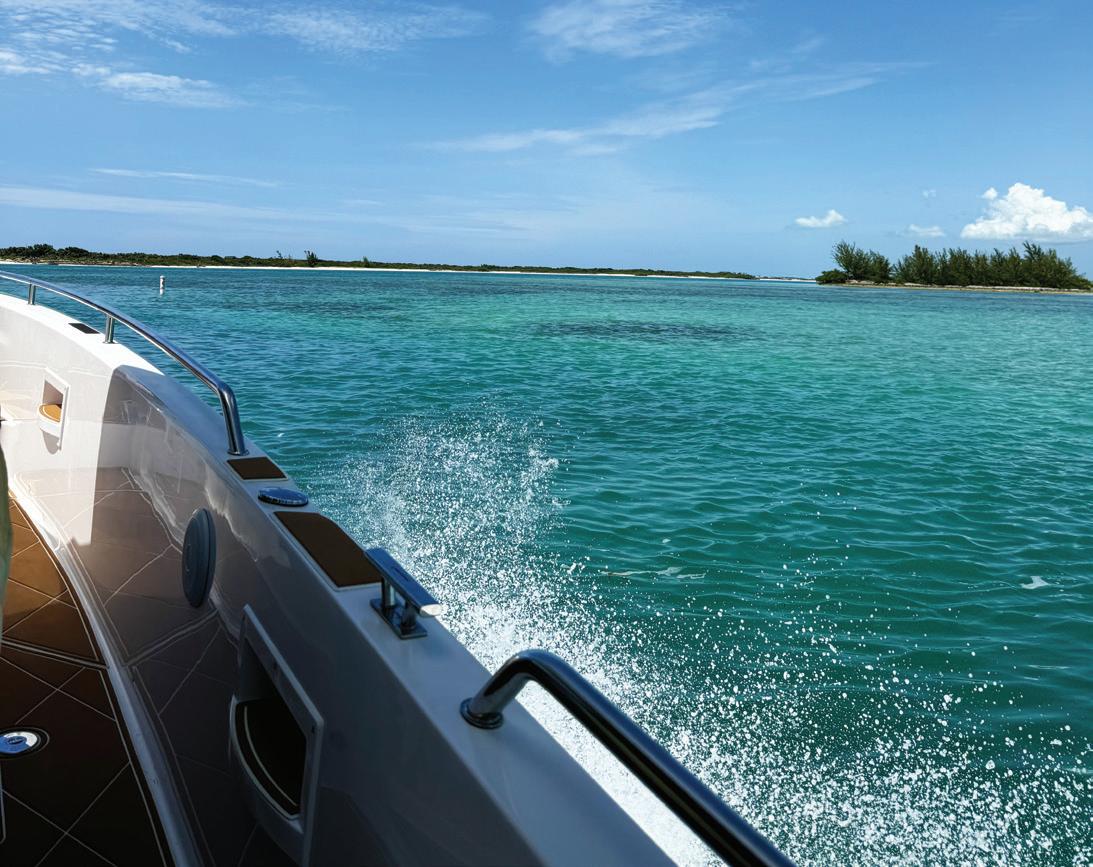
Caicos Luxury Charters view from the boat
Morning: Start your day with a scrumptious breakfast at one of the nearby cafes in Grace Bay. Savour the colourful surroundings, peruse local boutiques while preparing for your day, or take a morning dip in the pool and watch the boats as they pass.
Daytime activity: Embark on a boat excursion with Caicos Luxury Charters to North and Middle Caicos. The boat pulls up to meet you at the dock connected to Harbour House. How convenient! Set sail and explore the untouched beauty of these sister islands, known for their secluded beaches, limestone caves, and
scenic coastal landscapes. Swim in crystal-clear waters, sunbathe on pristine sands, and capture stunning photographs of the natural wonders around you. The excursion is equipped with beverages and music – so be sure to bring the vibes and the sunscreen!
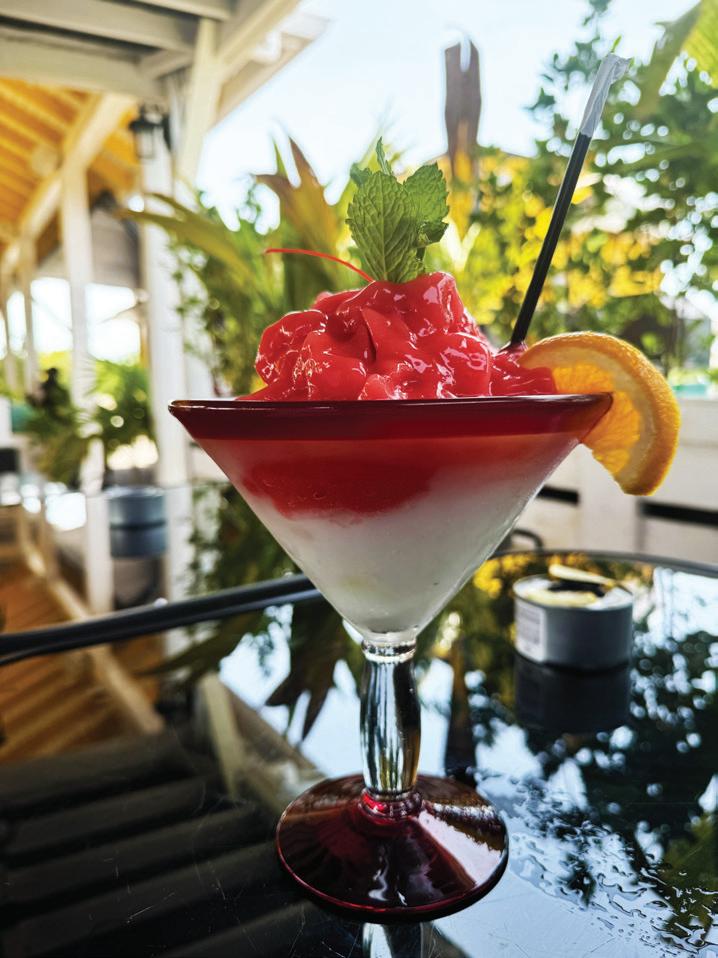
Lunch: After your island adventure, dine at Crackpot Kitchen for a casual lunch. This lively restaurant is famous for its Caribbean-inspired cuisine and vibrant atmosphere, making it a perfect spot to unwind after a morning of exploration.
Evening: For dinner, experience the culinary delights of Embers. Located in the heart of Grace Bay, Embers is new to the Turks restaurant scene. The menu offers a fusion of Asian, Caribbean, and Mediterranean dishes, complemented by a warm atmosphere. It is the ideal place to unwind and reflect on the day’s adventures.
Morning: On your final morning, enjoy some time at the pool or maybe sleep in a bit – tonight, we dance!
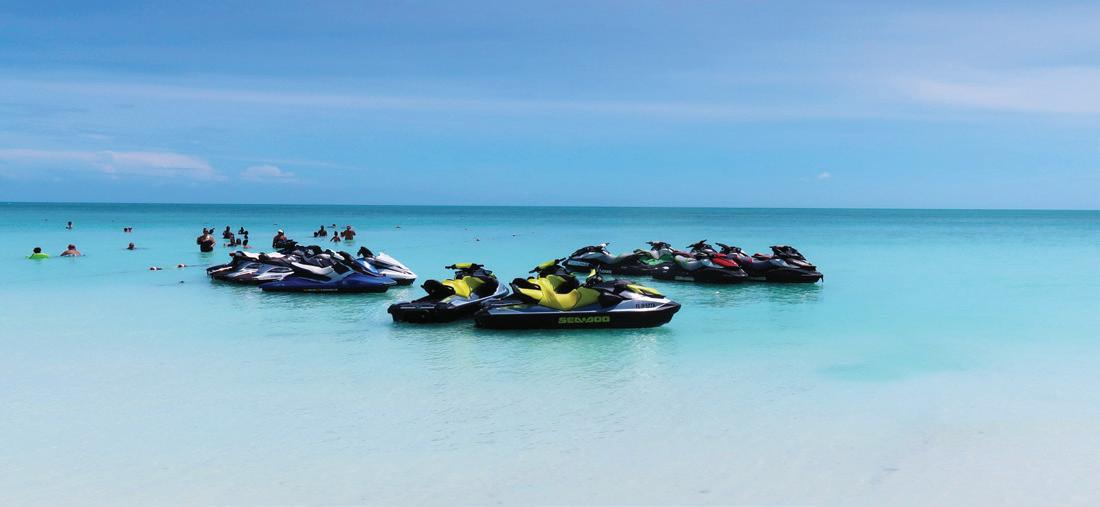
Daytime activity: Spend the day exploring Chalk Sound’s beaches. Stop over at Sapodilla Bay and catch a bite to eat and a quick drink at Conchy Conch. Indulge in a lounger on the shoreline and bask in the sunshine or take a spin on a jet ski. If you have more time, remember to stop at Taylor Bay beach -- an absolute must! Feel the soft sand between your toes and listen to the gentle lapping of waves against the shore.
Lunch: For your last lunch in Providenciales, revisit a favourite spot or try a new beachside cafe for a relaxed meal with ocean views.
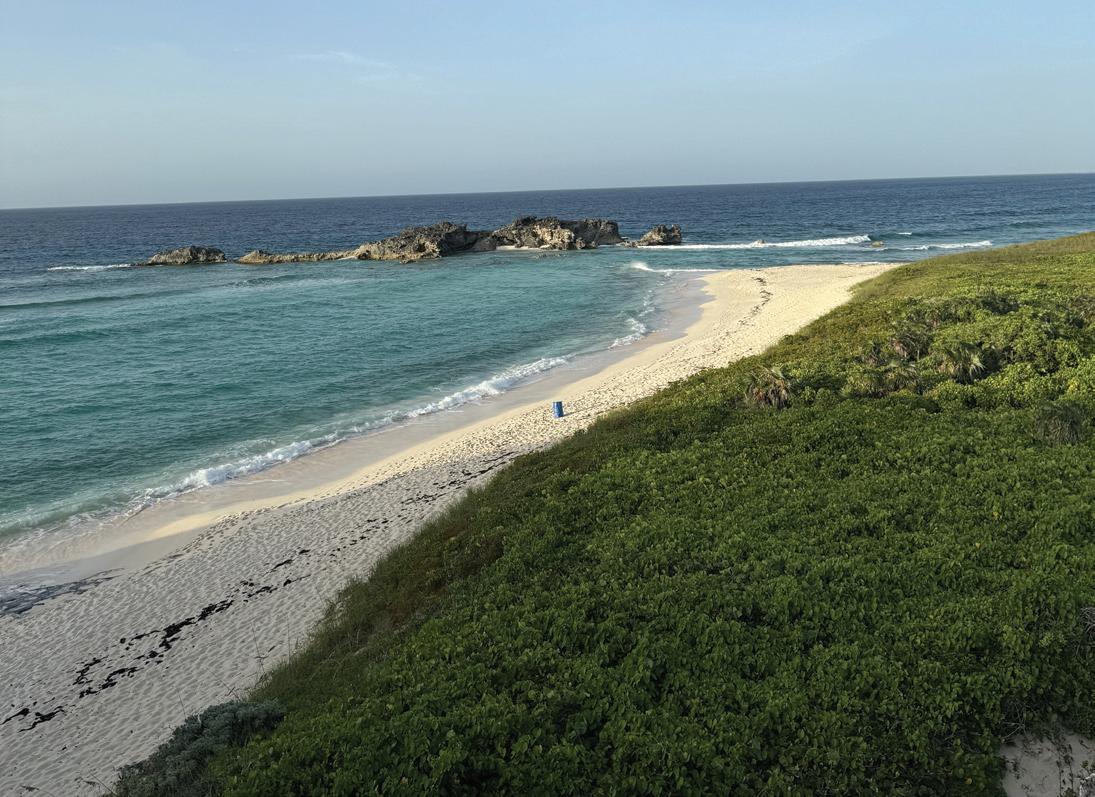
Evening: As night falls, immerse yourself in the vibrant happenings of Providenciales. Start your evening with cocktails and dinner at Aziza, a chic lounge known for its drinks and lively ambiance. Then, head to Shisha Lounge in Grace Bay to experience a unique blend of music and nightlife, ending your weekend getaway with a memorable night on the dance floor.
Morning: Enjoy the final moments of tranquillity before preparing for your departure. Head to the airport for a smooth check-in at the Bahamasair desk and grab a yummy breakfast at Gilley’s. I recommend the grits and tuna with a side of eggs and cheese.
Departure: Catch your flight back to Nassau, Bahamas, carrying cherished memories of a luxurious and rejuvenating weekend in Turks and Caicos.
A weekend in Providenciales offers a perfect balance of relaxation, exploration, and indulgence. From luxurious accommodations to gourmet dining experiences, breathtaking natural beauty, and vibrant nightlife, every moment promises to be memorable. Whether unwinding by the pool, exploring hidden beaches, or enjoying sunset cocktails, Providenciales invites you to immerse yourself in its charm and beauty, leaving you refreshed and rejuvenated as you return home. UA
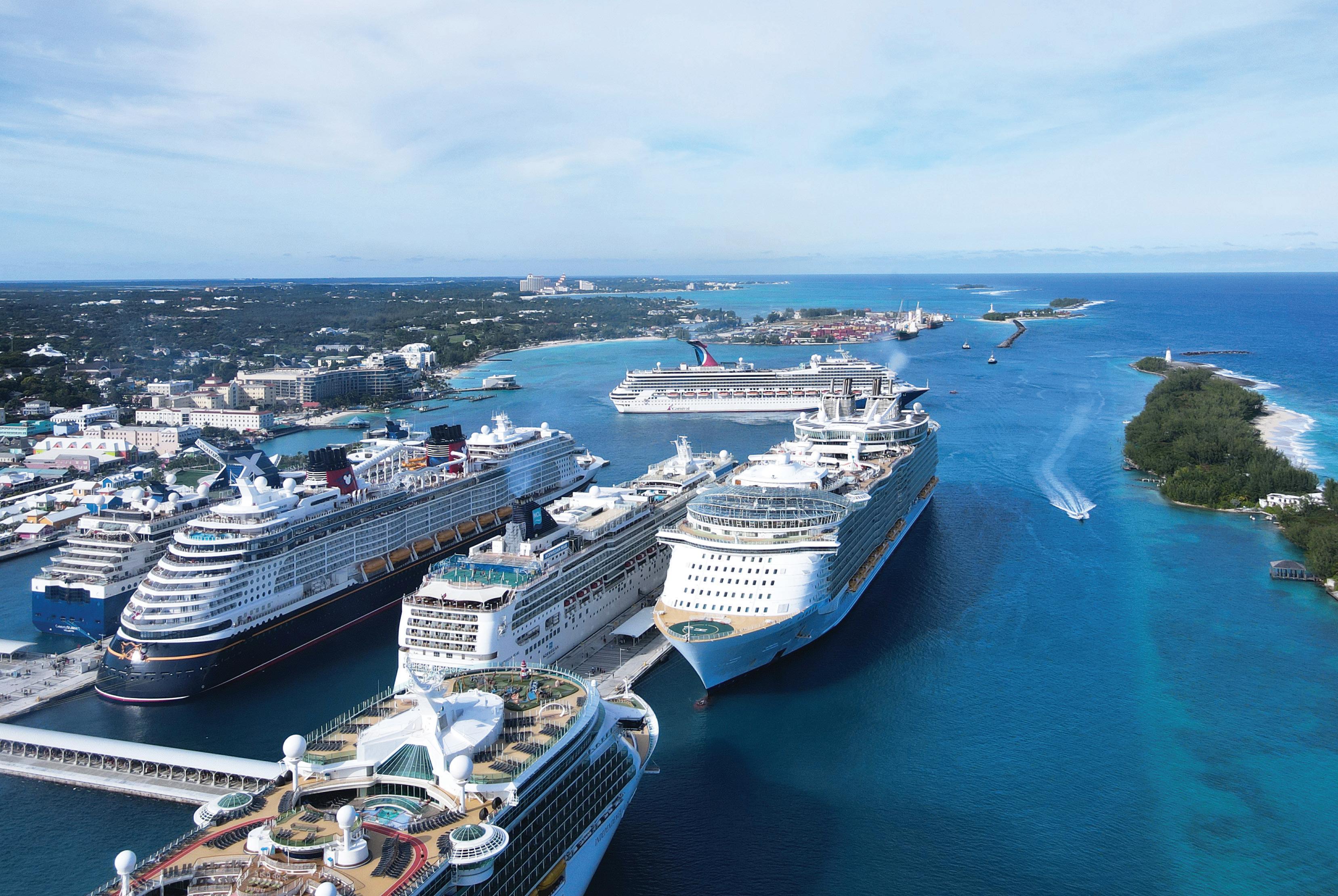
With its charming stores, Authentically Bahamian restaurants and laidback island vibes, Nassau Cruise Port (NCP) is the first welcome to the millions of visitors arriving in New Providence by cruise ship each year.
Thanks to a $300 million facelift, the new cruise port is the jewel of downtown Nassau and is one of the busiest transit ports in the world. In 2023, the port shattered its previous annual passenger record, welcoming 4.4 million passengers.
The cruise port operates six berths – three of which ensure that it can accommodate three Oasis-class vessels simultaneously (ships can accommodate more than 5,000 passengers and crew.) NCP has also added
seven hundred feet of mega yacht dockage space to the facility with an area dedicated to water tours, excursions and ferries.
Nassau Cruise Port, however, is so much more than the gateway to Nassau – it is a unique, Authentically Bahamian destination.
Guests may want to carve out an hour of their day to visit The Bahamas Museum of Junkanoo. The space is dedicated to Junkanoo - the country’s primary cultural expression. Two main Junkanoo parades are held each year - New Year’s Day and Boxing Day (December 26) - featuring elaborate costumes, choreographed dancing and pulsating sounds from the goatskin drums, cowbells, horns and whistles. Smaller parades are held at celebrations throughout the year.
Art and wine lovers will find the perfect pairing of the two at the delightful Gallery and Wine Bar. Here, you can enjoy a cool beverage, browse, and buy incredible artwork from talented Bahamian artists. The space is also a venue for workshops and events.
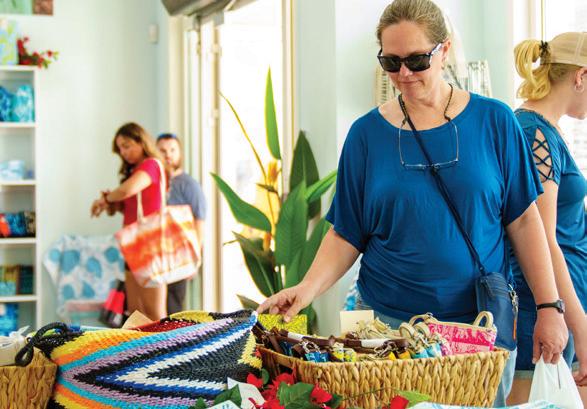
The unique stores dotted around the port offer distinctive, locally-made and designed souvenirs including magnets, art, teas, candles, straw work, wood carvings, and
other handcrafted items.
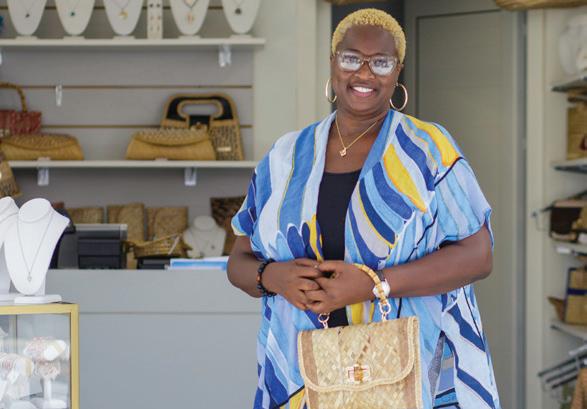
For high-end gifts, consider a stop at boutiques such as Haus of Assembly (a designer Bahamian handbag brand) and Bahari – A Bahamian lifestyle and apparel brand. Carole Barnett, general manager of Bahari, said: “I think the fact that we are able to display true Bahamian designs is appealing to visitors. A lot of times when they visit other ports, they only have products that are not authentic to the location. We provide them the opportunity to purchase quality products so they can take home a real touch and taste of the country.”
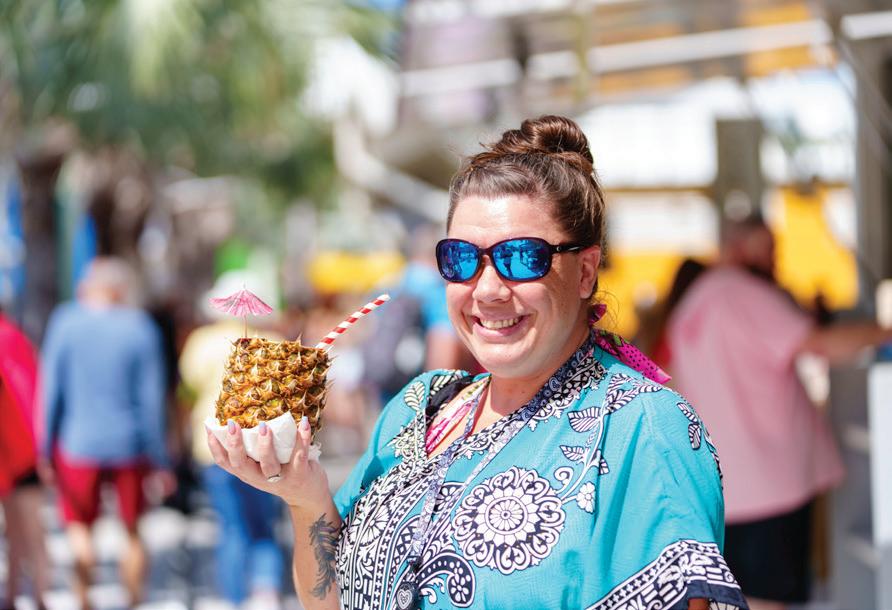
The cruise port is the perfect place to grab some authentic local cuisine - whether it be ice cream or cocktails blended with local fruits, a quick taste of conch fritters or a more substantial meal at restaurants, cafes, and bars like Bamboo Shack, Isola Gelato, and Island Post.
On a busy day with several cruise ships in the harbour, the port Is an exciting burst of activity with visitors from all over the world shopping, eating, exploring or having their hair braided.
Nae Johnston, who was on an extended family vacation on Carnival Sunrise from South Carolina, noted that she loved being

able to immediately grab a Bahama Mama as she disembarked.
“It was so hot when we got here, and so our first stop was to grab a Bahama Mama. Everyone I told I was coming here said it was the drink to try. And it was delicious, it immediately got me in the island mood,” she said.
Janice Thomas, another Sunrise guest from Philadelphia, said she loved being able to get a taste of the island without having to venture that far off.
“My family went swimming, but I have bad knees so I have to rely on my scooter. I was going to just stay on the boat, but my daughter told me it was a nice area and so I am here just looking around. I bought some lovely hand-painted magnets for some of my friends and two cute little straw bags for the grandbabies. Everyone was so nice and pleasant, it’s been lovely.”
And Breanna Morris, a Florida resident, noted that the revitalized cruise port is a huge improvement to the area.
“This is my fifth or sixth time I have been to Nassau. The last time, it wasn’t finished, but this is really, really nice. I cruise a lot and this is one of the nicest ports I have been to.”
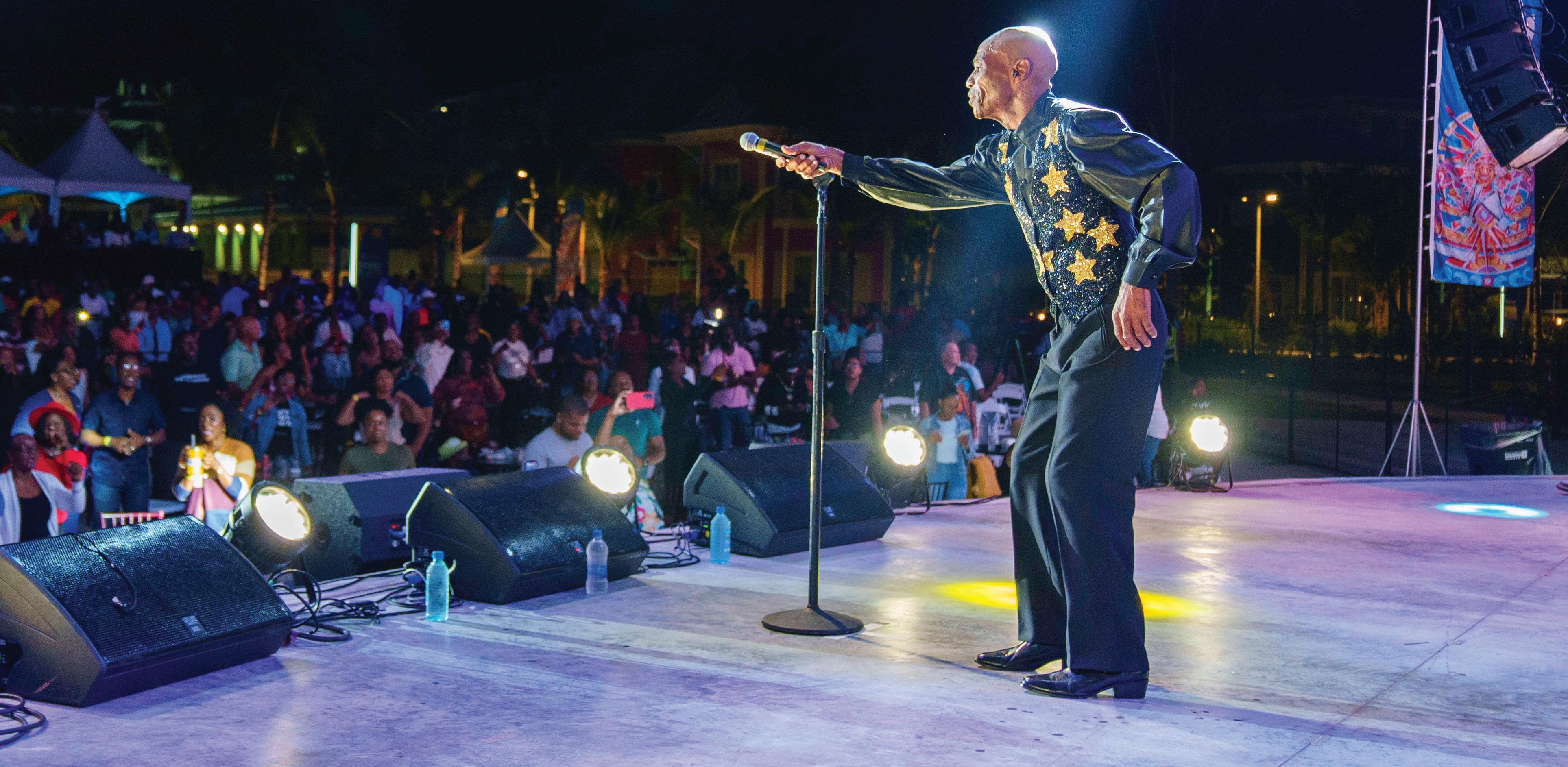
And the port is not only being enjoyed by visitors - locals also have access to the area. The NCP amphitheater is a modern,
efficient, plug-and-play venue and is the only pre-set stage in the country. Since the grand opening of the port last year, it has been the forum for premier events attended by thousands of Bahamians including a sold-out Tarrus Riley concert, a memorable Phil Stubbs and Friends Bahamian concert, and a steady stream of original NCP events such as the weekly Fuel Your Fridays happy hours, Soulful Sundays and Sip and Shop events to promote shopping at port stores.
“I thoroughly enjoyed all the events I went to during the 50th anniversary celebrations. It is such a clean, safe venue, I was comfortable letting my kids run around and I loved being able to spread my blanket on the ground and just enjoy some wholesome entertainment. They have done an amazing job with this space. It is just what Bay Street needed,” Bahamian resident Marie Johnson said.
Nassau Cruise Port is also deeply committed to giving back to the community. Since launching operations in 2019, the company has donated over $2.2 million in support of local initiatives focused on youth empowerment, cultural development, social advancement, and sports programs.
Chief Executive Officer, Mike Maura Jr., notes that the port is just the start of the Bahamian experience for cruise visitors.
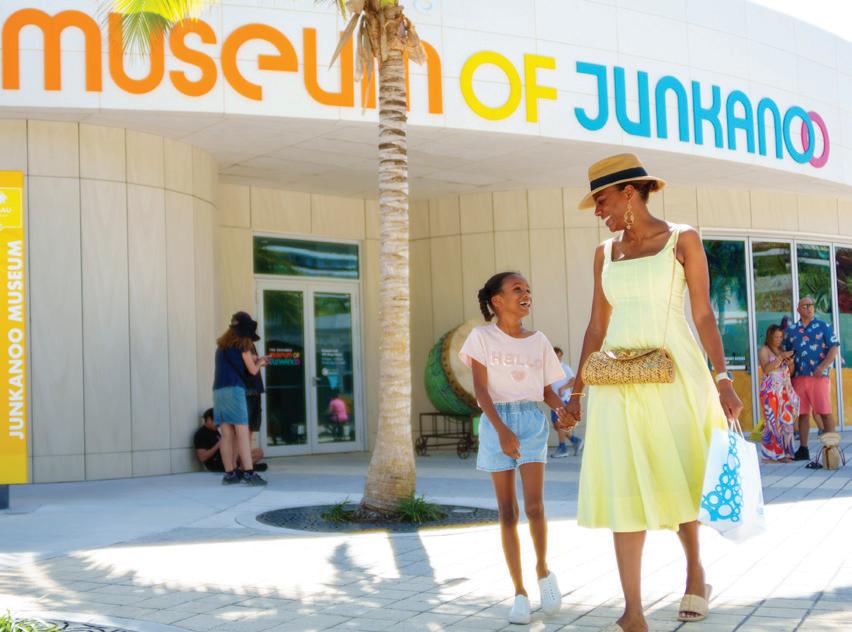
The arrival experience here at the port is just the beginning “ of providing guests with an Authentically Bahamian experience.
The cruise port is the gateway to downtown Nassau, to the rest of New Providence, and to the other islands in the archipelago.
“We want our guests to feel a warm Bahamian welcome from the moment they step off their ship.
We’re proud to welcome them to a destination that is unlike anywhere else – a vibrant celebration of our heritage and culture.
More than that, we also welcome locals too - to concerts, entertainment, restaurants and all the experiences that NCP and Downtown Nassau have to offer.
Mike Maura Jr. Chief Executive Officer
By Tina Walsh
Photographs Courtesy of the Frascione Gallery and Tina Walsh
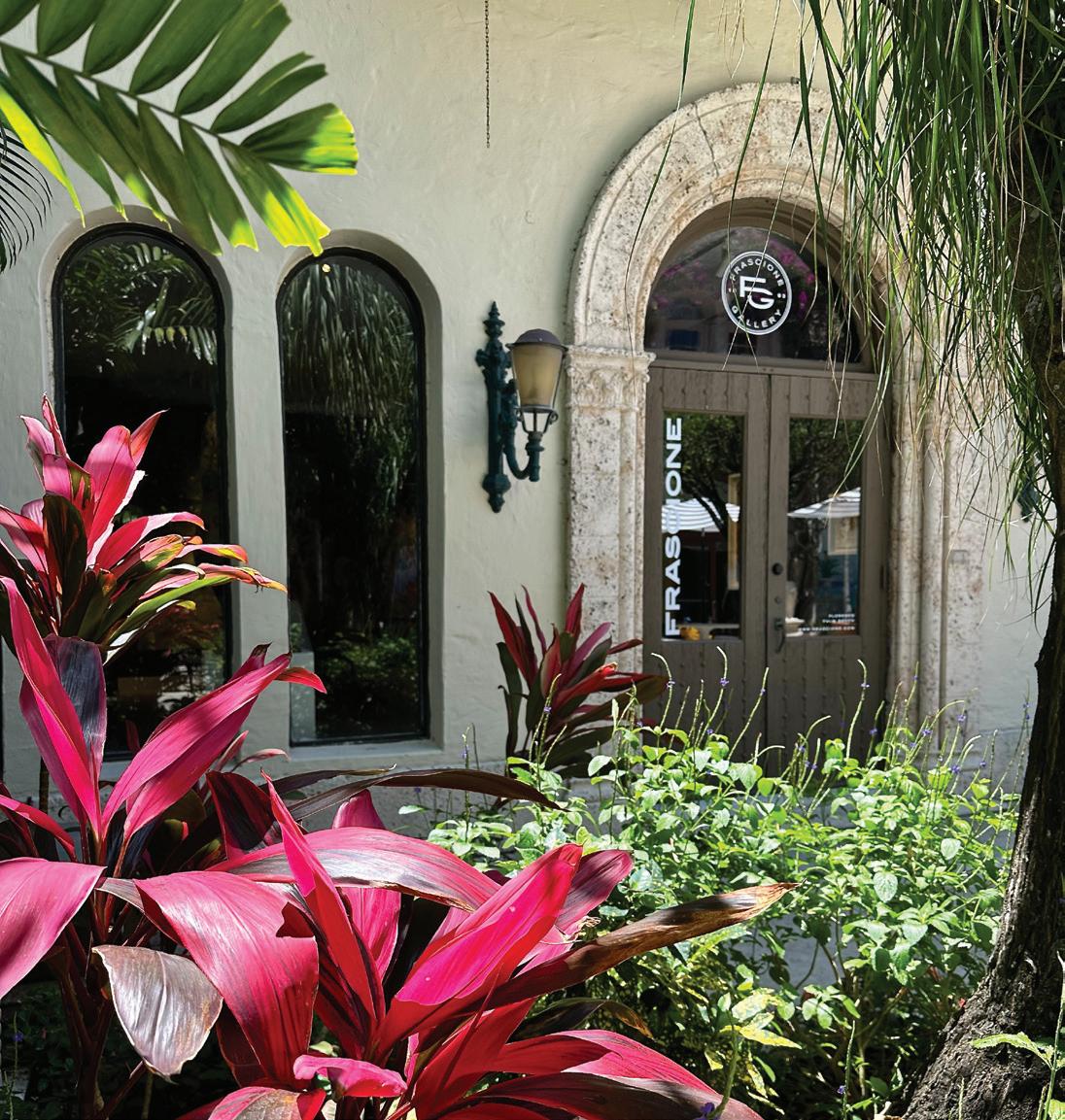
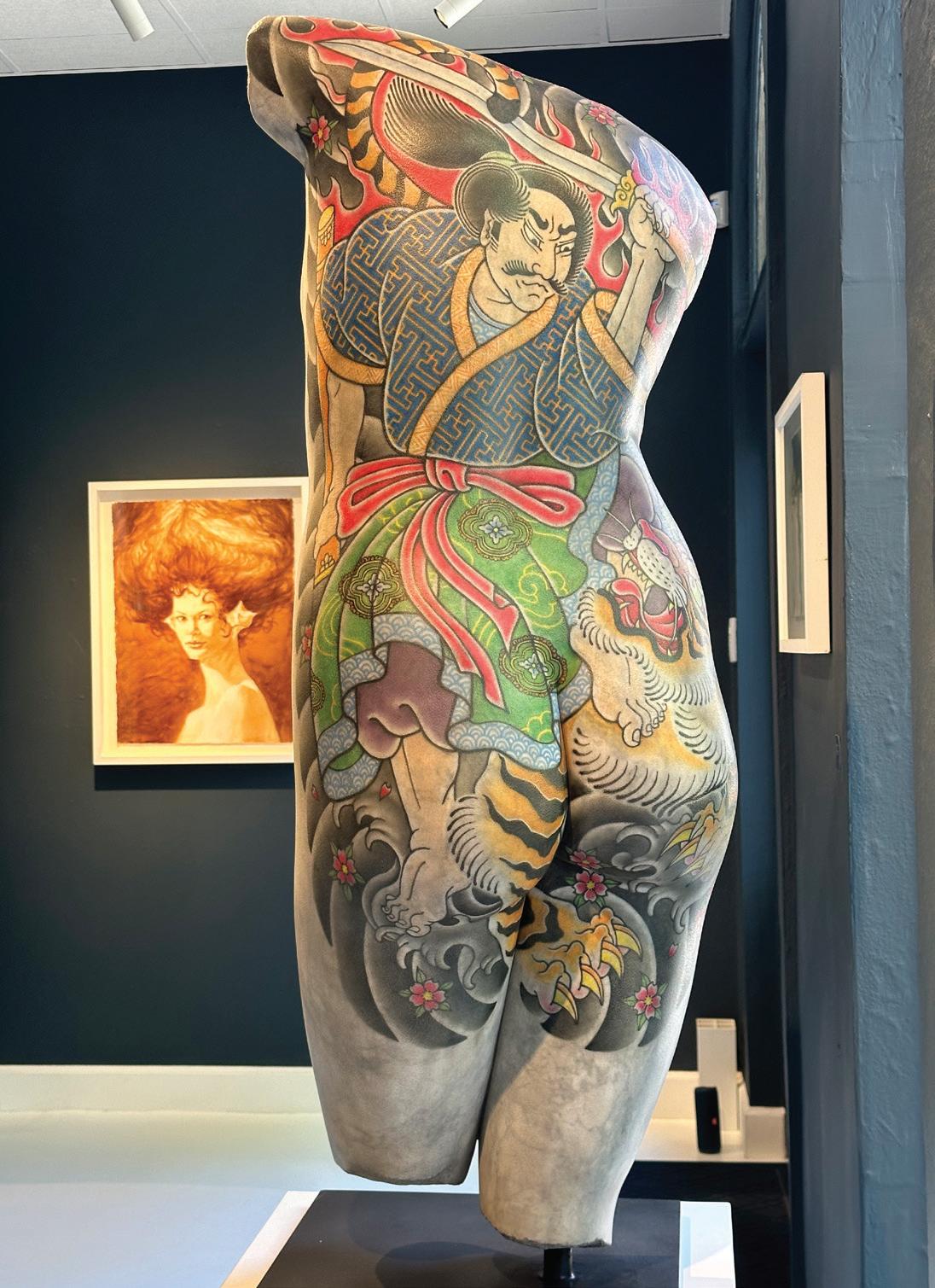
Discover the pleasure of the enchanting Frascione Gallery on Worth Avenue in Palm Beach, Florida. It was a true feast for the eyes. As you step through the doors of this exquisite gallery, you are immediately struck by the stunning blend of contemporary art and old masters that adorned the walls. It was a unique and captivating experience that leaves you in awe of the talented artists and the Frascione family’s dedication to the world of art.
The Frascione Gallery is not just a place where art is displayed, it is a living testament to the rich tradition of art dealing that has been passed down through generations of the Frascione family. Having familiar roots in art that date back to the late 1800’s in Naples, Italy. Federico Gandolfi Vannini abandoned a career in law for his love of art. In 2009, he opened his first gallery in Florence, Italy named after is great grandfather, Enrico Frascione.
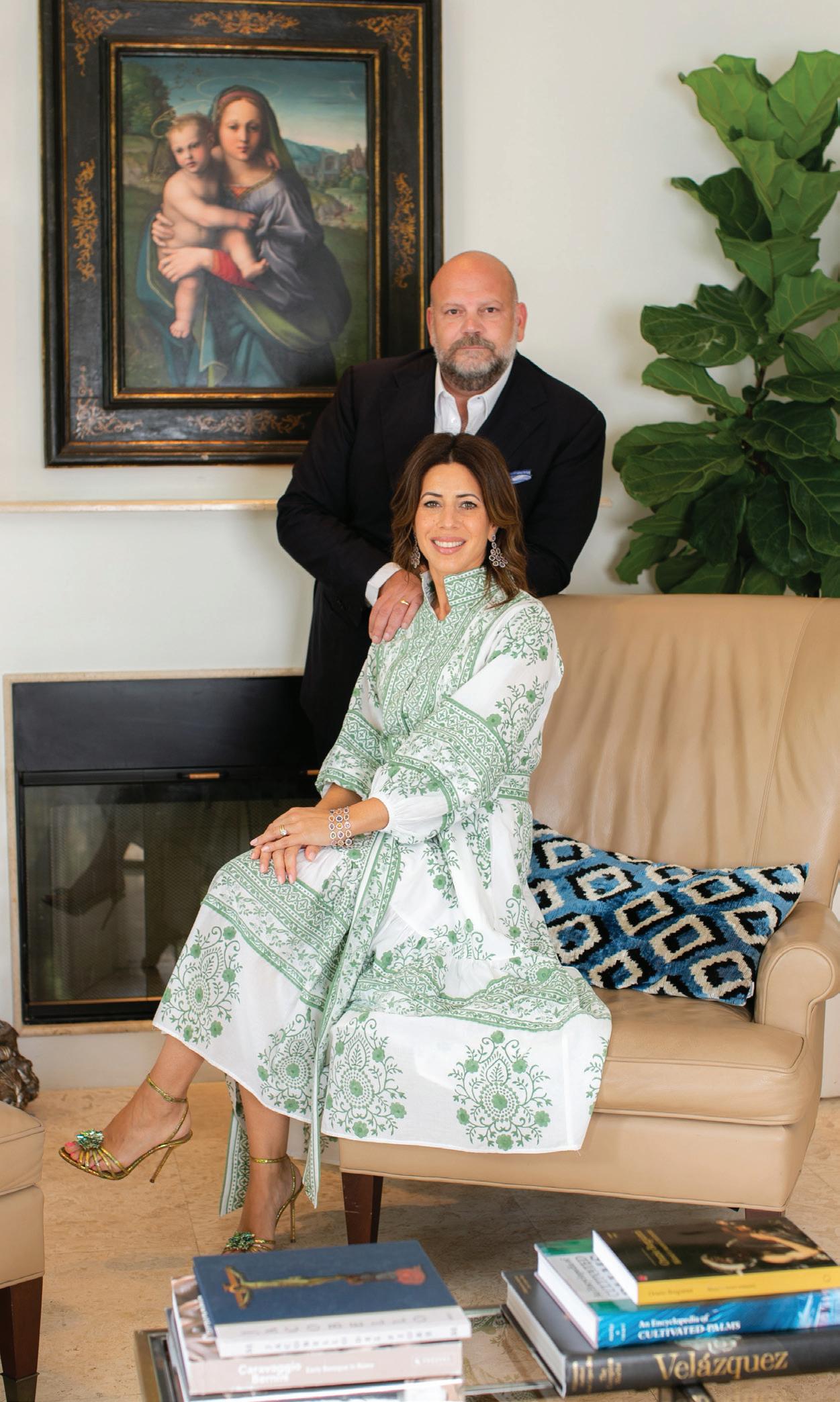
Vannini met and fell in love with his wife and gallery culture director Daisy Diaz in Florence. Diaz is a Miami resident of Cuban heritage. During the pandemic, they moved their family from Florence to Miami. The idea of expansion in the United States was born from an exhibition they created for the Belen Jesuit Preparatory School in west Miami-Dade where their sons attend school. When asked why they selected the space in Via Amore, on Worth Avenue, Palm Beach, Vannini stated: “It reminds me of Florence.”
With a deep appreciation for beauty and craftsmanship, the Frascione family has curated a collection of art that spans centuries and styles, offering a diverse and eclectic range of pieces that cater to all tastes and preferences. Known for selling to museums and private collectors, they are dedicated to integrating museum-quality work into today’s interiors.
“Art is timeless,” Vannini says. “While we continue to collaborate with museums and traditional collectors, we are excited to showcase works by the great old masters beyond museum walls and investment portfolios, alongside 20th and 21 st century art, which speaks volumes to the contemporary mindset. It reframes art history while offering a fresh perspective on collecting art.”
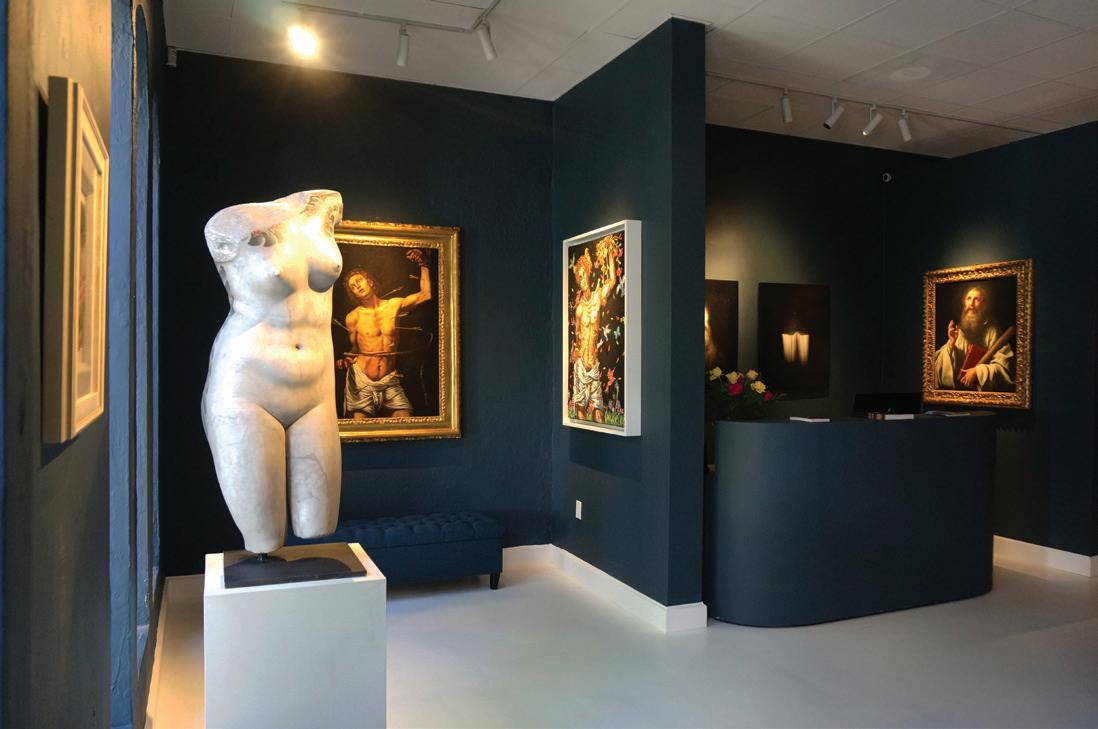
One of the hallmarks of the Frascione Gallery is its unique approach to showcasing both contemporary artists and old master’s side by side. The juxtaposition of traditional and modern art forms creates a dynamic and compelling visual experience that challenges viewers to see art in a new light.
From vibrant, abstract paintings to classic Renaissance masterpieces, the gallery offers a harmonious blend of styles that is both refreshing and inspiring
Their spring exhibition “Embracing Divinity” is a testament to this visual experience. Curated by Diaz, this fresh body of work features a selection of paintings and sketches by Cuban artist Reynier Llanes and old master paintings from the 16th and 17th centuries by Florentine painters Francesco Botti and the Master of the Scandicci Lamentation.
This exhibition highlighted the beauty of the human embrace in various scenarios from passion to maternal love. The paintings and sketches displayed present a vibrant palette, depicting various everyday scenes with a mysterious touch. These pieces, juxtaposed with the old masters, suggest the power and emotion of the embrace.
“Llanes’ iconographic language of multi-coloured dreamscapes has made him one of the most recognisable Latin artists of today,” says Diaz. “Join us as we celebrate the convergence of past and present, tradition and innovation, in a breathtaking showcase of artistic expression.”
“Embracing Divinity” bridged the traditions of European painting with Llanes’ contemporary sensibilities. Here, nature flourishes and regenerates, even amidst its own destruction, portrayed across a range of mediums, from the richness of oil on canvas to the delicacy of gouache on paper, and even Llanes’ innovative use of coffee as a medium.
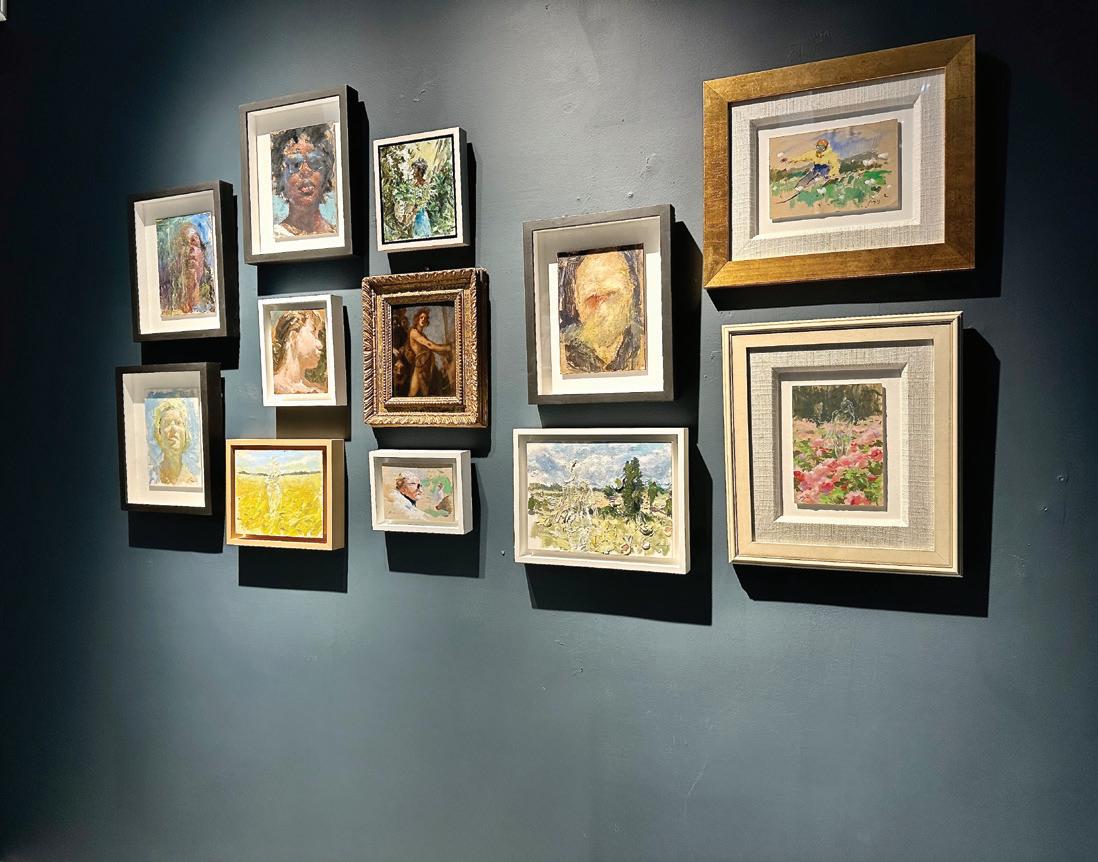
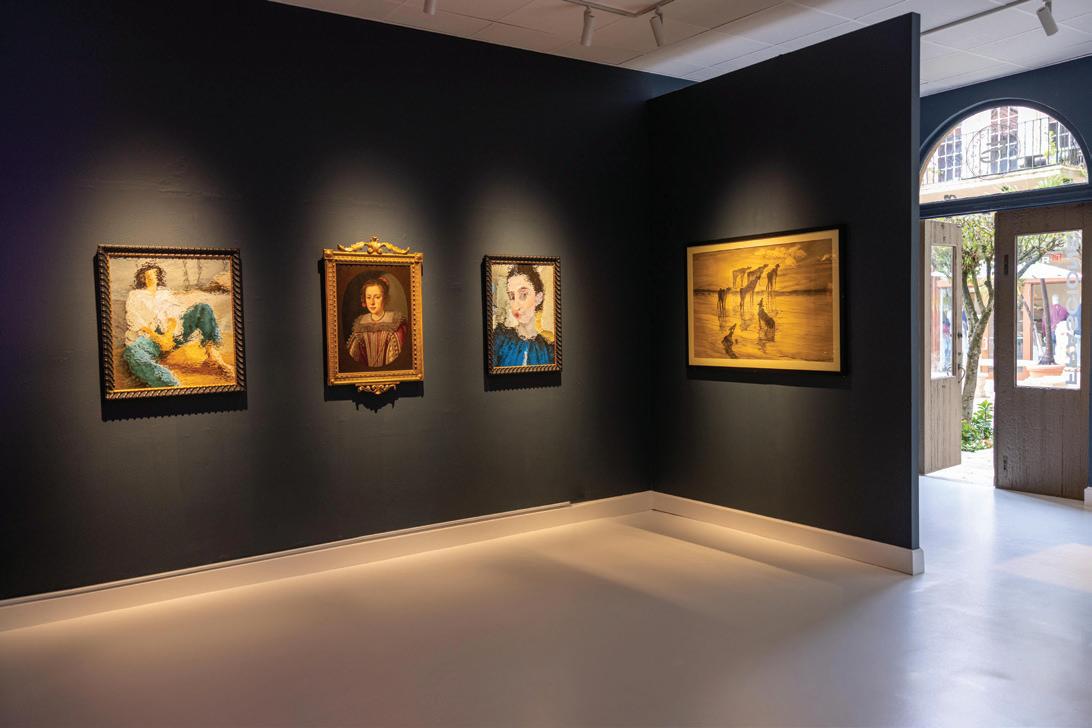
Visiting the Frascione Gallery is truly a treat for the senses. The gallery’s curated collection of art spoke to me on a deep and emotional level, evoking feelings of wonder, awe, and joy. The passion and expertise of the Frascione family were evident in every brushstroke and every sculpture, making it clear that this was more than just a business – it is a labour of love. Under Vannini’s stewardship, the Frascione Gallery harmonises old master paintings with modern and contemporary artworks, fostering captivating dialogue between eras and schools of thought. You will leave the gallery feeling inspired and invigorated with a renewed appreciation for the beauty and power of art. I cannot wait to return and explore more of what this remarkable gallery has to offer. If you find yourself in Palm Beach, be sure to carve out some time to visit this treasure trove of artistic delights. UA
‘A
By Nikia Wells
Photographs Courtesy of L. Roscoe Dames II and Nikia Wells
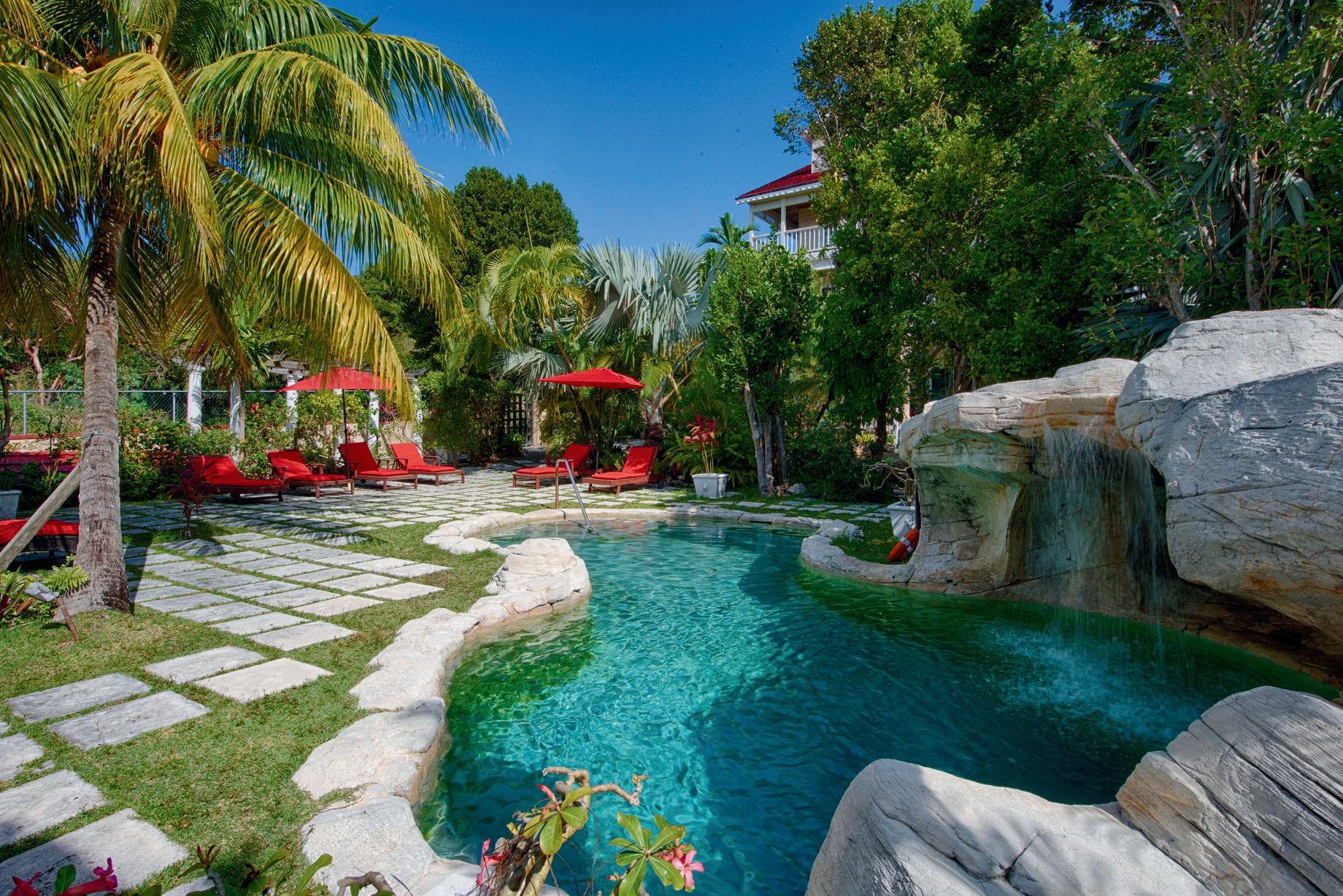
Perched atop the serene hills of Nassau, A Stone’s Throw Away Bed & Breakfast offers more than just a place to stay – it provides a tranquil retreat with unobstructed views of western New Providence’s turquoise waters. Nestled away from the hustle and bustle of the capital city and just a five-minute drive from Cable Beach, the Bed & Breakfast was built to honour the traditions of historical Bahamian homes, complete with wooden floors, ceilings, and louvred shutters. With only eight rooms, two suites, and a maximum occupancy of 20 guests, this historic property promises privacy and relaxation.
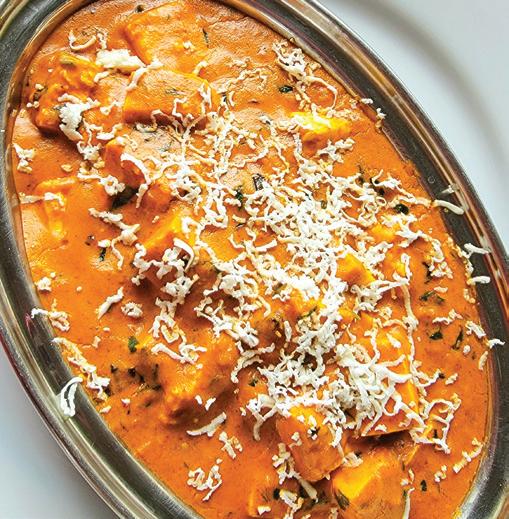
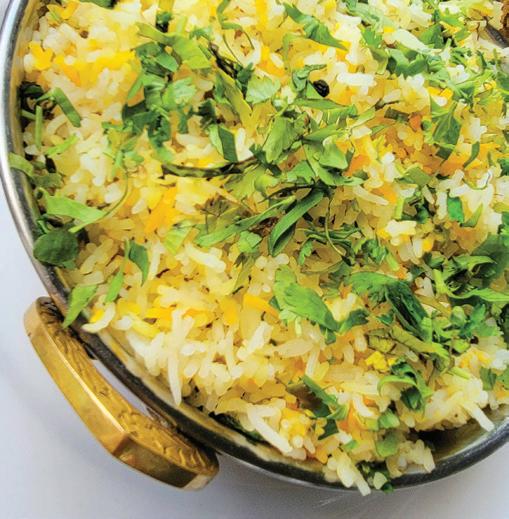
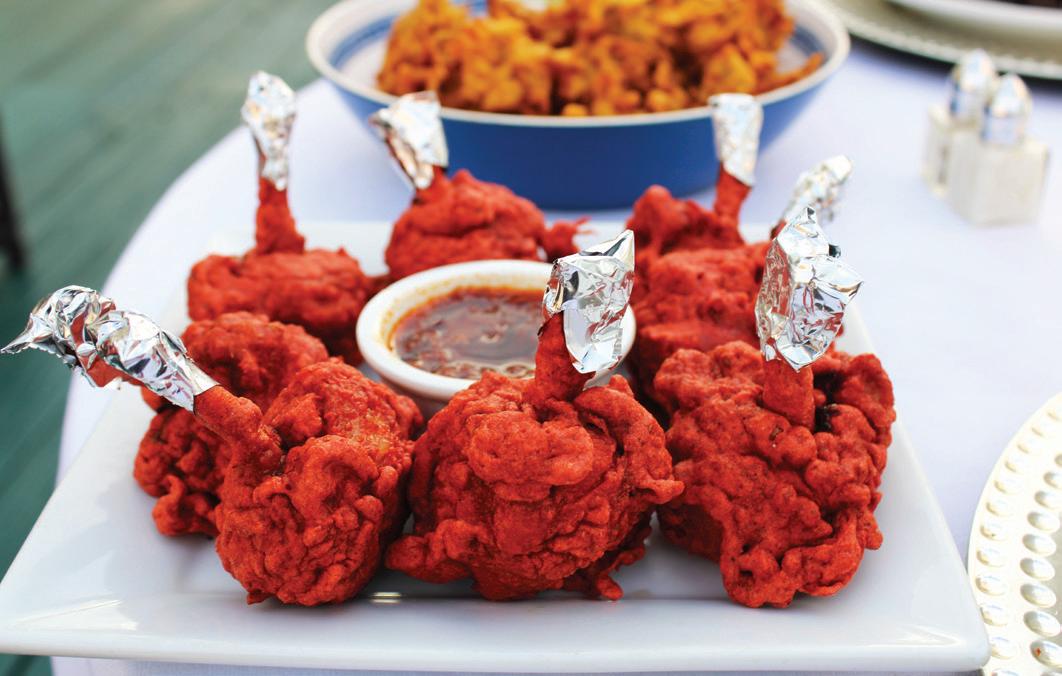
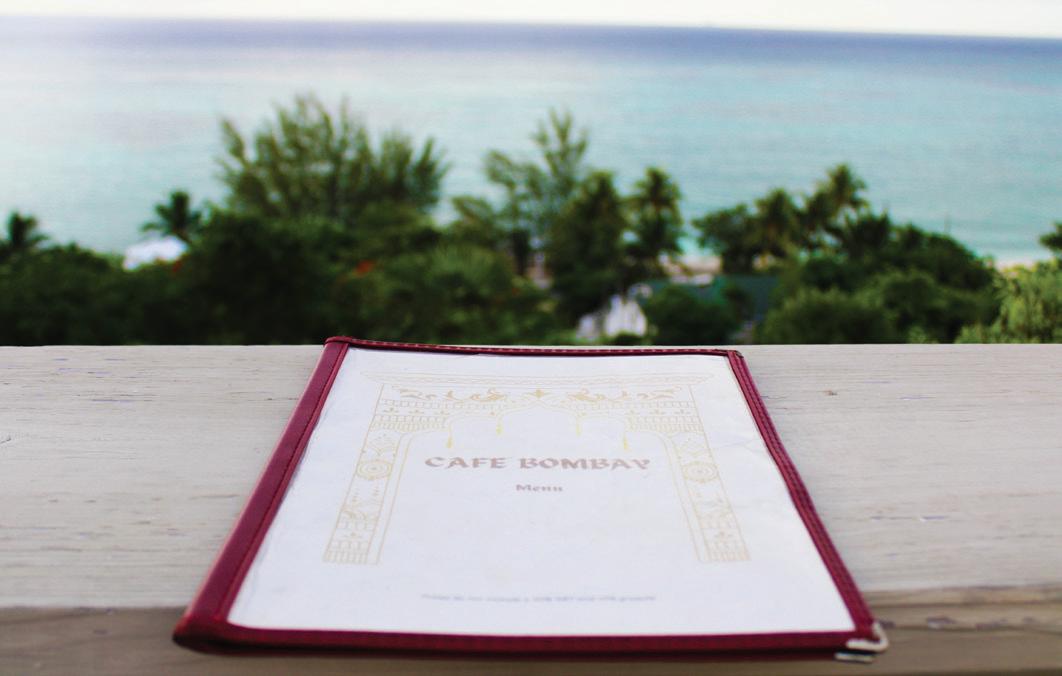
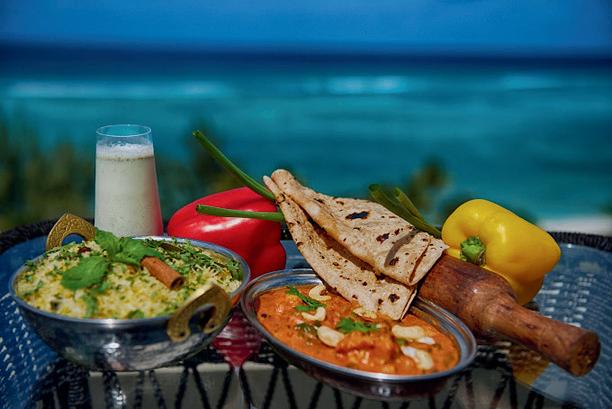
The allure of A Stone’s Throw Away also extends beyond its scenic views and peaceful ambiance. Tucked away within this hidden gem lies the Cafe Bombay Restaurant, which stands out as one of the few authentic Indian dining establishments in Nassau and the only one blessed with such breathtaking ocean views. Each dish on the menu is crafted to deliver an authentic taste of India, featuring a delightful array of appetisers, mains, and sides that cater to diners experiencing Indian cuisine for the first time or those who enjoy a bold infusion of heat and spice in their meals.
Diners can start their culinary adventure with classic Indian appetisers such as samosas, onion pakoda, or paneer bhaji – perfectly complemented by the ocean breeze and casual atmosphere. Alternatively, they can dive into flavourful mains such as shrimp, lamb, or paneer masala, indulge in rich butter chicken, or explore aromatic biryanis bursting with fragrant spices.
Guests at A Stone’s Throw Away Bed & Breakfast can also savour these culinary delights without leaving the comfort of their accommodation, adding an extra element of convenience and charm to the Bed & Breakfast’s allure.

Whether you’re seeking a romantic dinner with a view, celebrating a special occasion, or simply indulging in the flavours of India while overlooking Nassau’s coastline, A Stone’s Throw Away and Cafe Bombay Restaurant promise a relaxing and unforgettable experience. UA










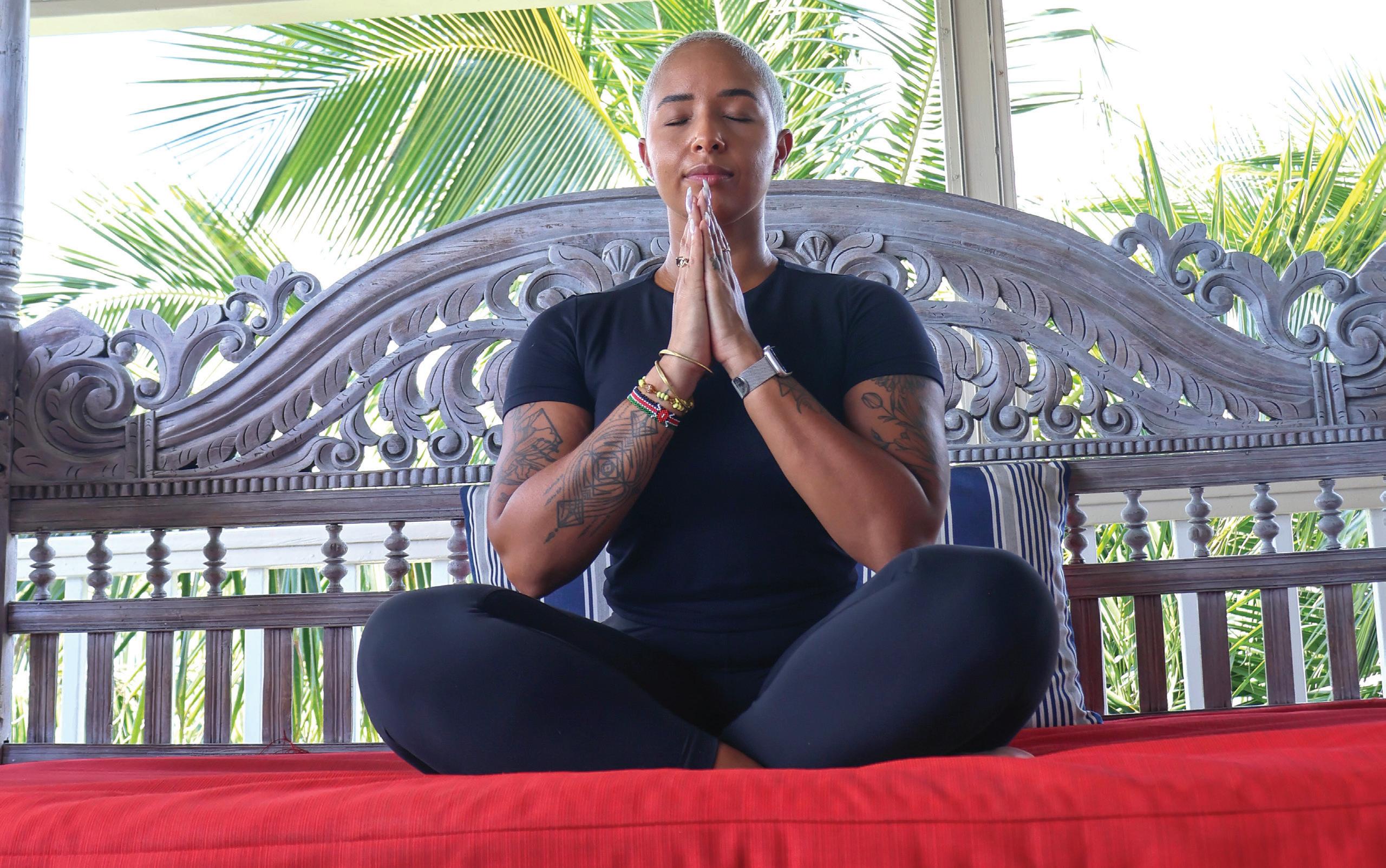
‘The key to a healthier and happier you’
By Alexandra Kaufmann
Photographs Courtesy of Clifton Barry for Clifton Barry Photography
Artistry Courtesy of Preston Hanna, assisted by Lashan ‘Kat’ Robins
In the quest for personal well-being, the infusion of art, passion, and creativity holds the power to elevate every day into a profoundly enriching experience. These fundamental elements have the potential to imbue your journey with profound significance, whether you are nurturing physical health, mental harmony, or spiritual evolution. Here are six (VI) impactful ways to incorporate artistry and creativity into your life:
I – CREATIVE JOURNALING AND EXPRESSIVE WRITING
Journaling is a powerful tool for self-reflection and emotional release. To dive into creativity, consider incorporating expressive writing techniques such as poetry, free-writing, or creating visual journals.
Poetry and prose: Author poems or short stories that reflect your emotions or thoughts about your wellness journey. Use metaphors and imagery to delve deeper into your feelings and experiences.
Visual journaling: Combine words with sketches, paintings, or collages that depict your feelings and experiences. You can use a variety of art supplies, such as coloured pencils, watercolours, or mixed media, to create visually appealing entries.
Gratitude journaling: Use colourful pens, stickers, or drawings to illustrate your gratitude for daily things. This practice grows creativity and fosters a positive mindset and appreciation for the little things in life.
Creative journaling helps you process emotions and enhances mindfulness and self-awareness, making it an invaluable addition to your wellness routine.
Physical movement is essential for overall well-being, but adding an artistic touch can elevate the experience. Dance and yoga offer opportunities to connect with your body and express yourself through movement.
Dance therapy: Explore different dance styles or create your choreography to express feelings and release stress. Movement to music can be cathartic, allowing you to channel emotions and energy positively.
Artistic yoga flows: Practice yoga sequences inspired by nature, music, or emotions, allowing your movements to flow freely and creatively. Incorporate fluid transitions and expressive poses that resonate with your inner state.
Focusing on mindful movement and creative expression can cultivate a deeper connection between body and mind, promoting holistic wellness.
Art therapy utilises creative techniques to improve mental well-being and foster self-discovery. Engaging in artistic activities such as painting, sculpting, or crafting can be therapeutic and enjoyable.
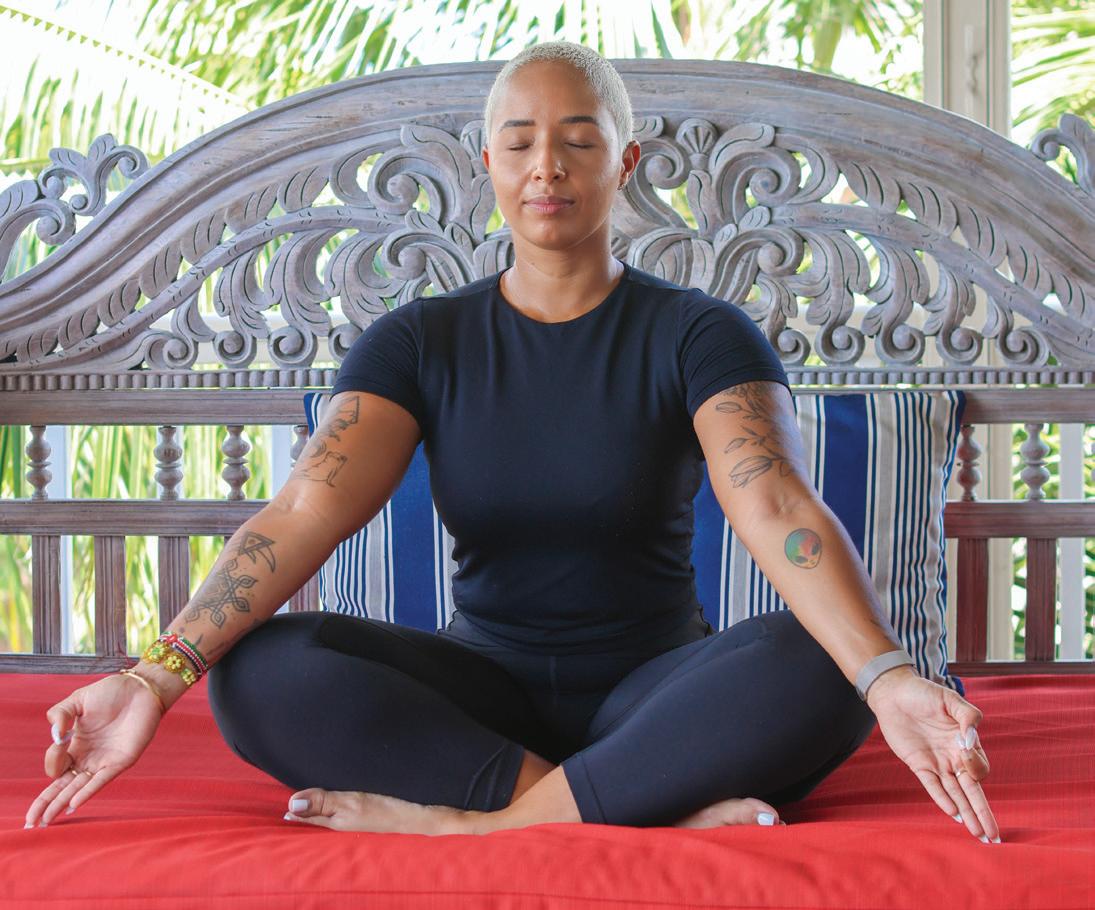
Join workshops: Attend art classes or workshops thus encouraging exploration and experimentation with different mediums. These sessions often provide a supportive environment where you can freely express yourself and learn new skills. DIY projects: Create art at home using materials like clay, fabric, or recycled items, allowing yourself to express thoughts and emotions freely. The creative process can be meditative and fulfilling, whether making a sculpture, painting a canvas, or designing jewellery.
Art therapy promotes relaxation, boosts self-esteem, and provides a constructive outlet for stress relief, making it an enriching addition to your wellness regimen.
Sound has a profound effect on our emotions and mental state. Integrating music and sound into your wellness practice can evoke calmness, inspiration, and joy.
Create personal playlists: Curate playlists that uplift your mood or help you relax during meditation or yoga sessions. Choose music genres that resonate with you, whether classical, ambient, or upbeat tunes. Sound baths: Experience sound healing sessions with instruments like singing bowls or nature sounds to promote relaxation and inner balance. These sessions often involve immersing yourself in soothing sounds that resonate through your body, building a sense of harmony and well-being.
By harnessing the therapeutic power of music and sound, you can enhance mindfulness, reduce anxiety, and elevate your overall well-being.
MINDFUL EATING
Nutrition also plays a crucial role in wellness. Preparing and enjoying meals mindfully can be creative and fulfilling.
Recipe exploration: Experiment with new ingredients, flavours, and cuisines to create healthy and delicious meals. Challenge yourself to cook from scratch and explore global cuisines incorporating nutritious and vibrant ingredients. Food art: Arrange dishes creatively on plates, incorporating colourful vegetables, fruits, and herbs for visual appeal. Embrace the aesthetic aspect of food presentation, turning mealtime into a sensory experience.
Practicing mindful eating, savouring each bite, and appreciating the nourishment you provide your body with, can deepen your connection to food and enhance your overall wellness.
Spending time in nature offers numerous health benefits, and combining it with creative activities can amplify its positive effects on wellbeing.
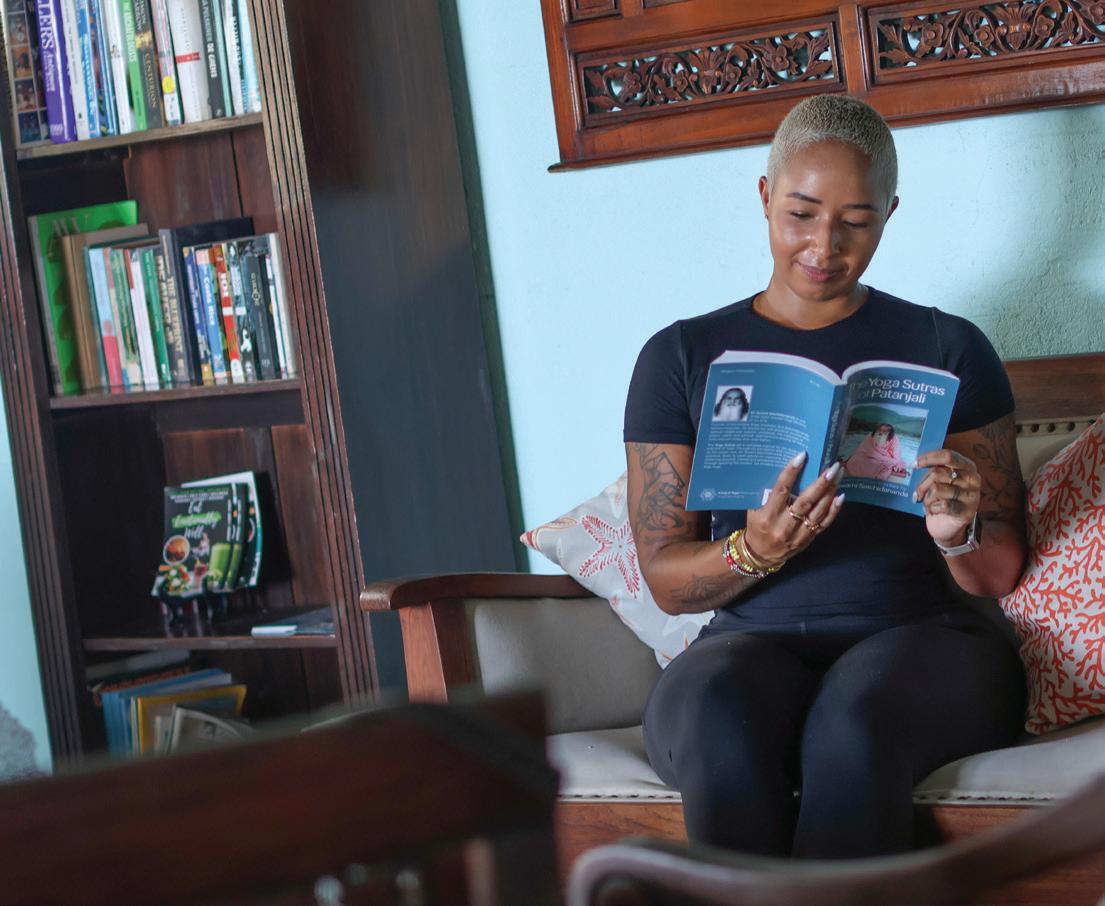
Nature walks: Sketch or photograph landscapes, wildlife, or natural textures that inspire you. Use these outings as opportunities for artistic inspiration and reflection. Outdoor creativity: Set up an outdoor easel or practice yoga as often as possible in a natural setting to create a deeper connection with the environment. Engage all your senses as you immerse yourself in nature’s sights, sounds, and smells.
By immersing yourself in nature and engaging in creative pursuits, you can reduce stress, boost your mood, and enhance a sense of peace and harmony within yourself.
Incorporating art, passion, and creativity into your wellness routine can enhance every aspect of your journey toward your well-being. Expressive writing, mindful movement, art therapy, music, cooking, or spending time in nature can empower you to explore and nurture your inner self. Embracing creativity can enrich your wellness regimen and help you establish a deeper connection with yourself and the world, promoting long-term health and happiness.
As you begin your journey to wellness, remember that creativity is a potent instrument for self-discovery and personal growth. Explore these suggestions, tailor them to your liking, and relish the profound benefits of integrating art, passion, and creativity into your everyday life. Embrace this journey with an open heart and a curious mind, and you will realise that wellness is not merely a destination but a joyful and enriching way of life. UA
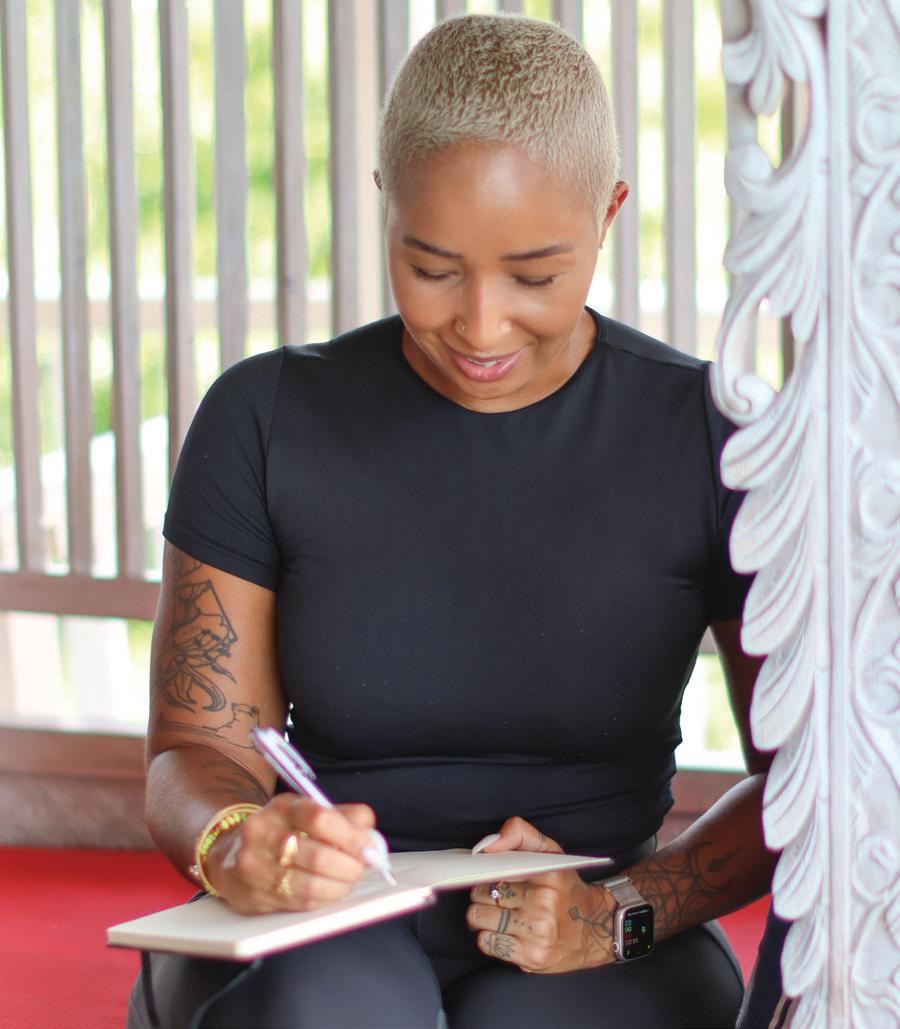
On a beautiful sunny afternoon in Nassau, Bahamas, the Up and Away team, along with photographer Clifton Barry, artist Preston Hanna, and assistant Lashan ‘Kat’ Robins, decided to make our artistic yoga contribution to this issue of the magazine. ‘Bahayogi’ bravely accepted the challenge of being painted and posed at the tranquil historic bed and breakfast ‘A Stone’s Throw Away’ swimming pool with a cascading waterfall after spending some time meditating, reading, and writing with breathtaking views of the turquoise waters of The Bahamas. What a perfect backdrop to a very artsy, fun-filled afternoon.
Try this creative flow to include art in your practice (body paint optional :))
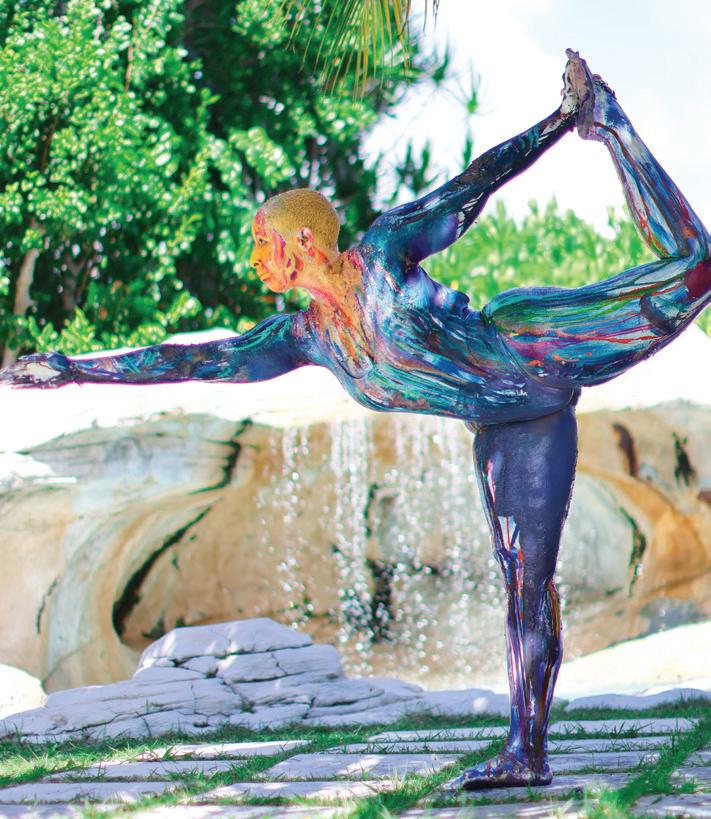
1. Stand tall with feet together.
2. Shift weight to left foot.
3. Bend the right knee and grab the right ankle from the inside.
4. Raise left arm forward and up.
5. Press the right foot into the right hand, lifting the leg up and back.
6. Hold for a few breaths, then switch sides.
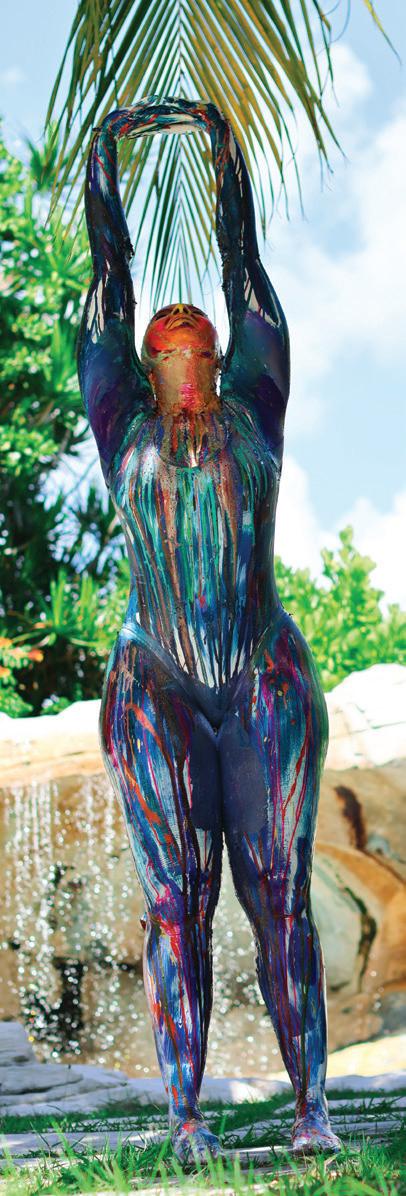
1. Stand with feet together and arms at sides.
2. Inhale and stretch arms overhead, palms facing each other.
3. Interlace fingers and turn palms upward.
4. Stretch up and lengthen the spine.
5. Hold for a few breaths, then release.
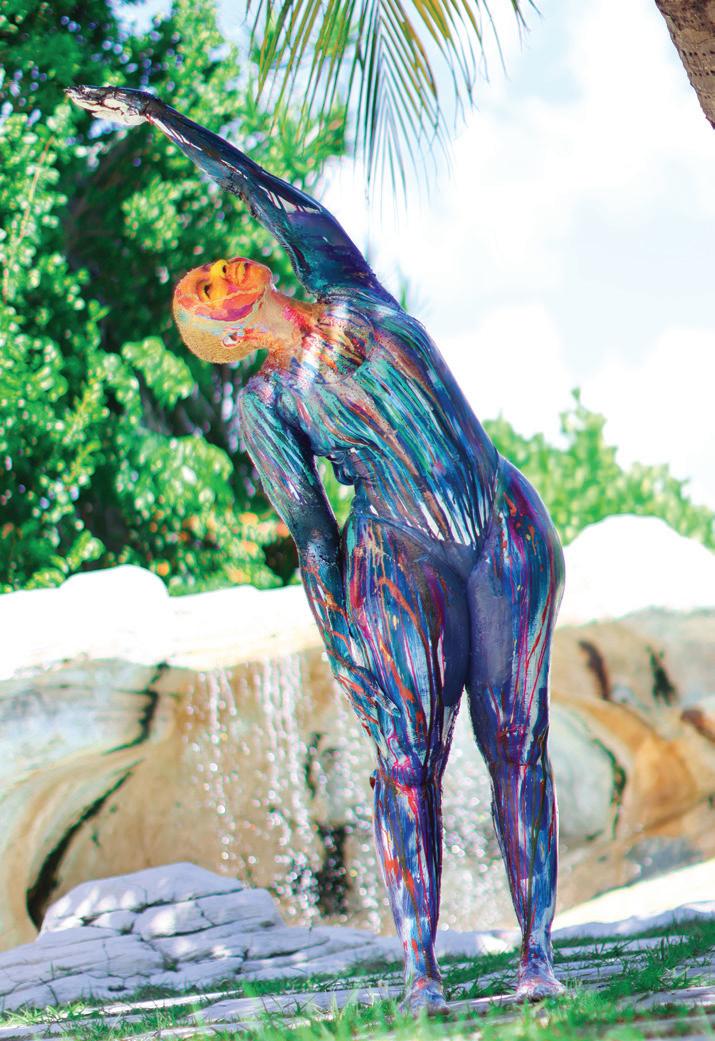
1. Stand with feet together and arms at sides.
2. Raise arms overhead, clasping opposite elbows or interlacing fingers.
3. Inhale and lengthen spine.
4. Exhale and bend to the right, keeping arms aligned with ears.
5. Hold for a few breaths, return to the center, and then switch sides.
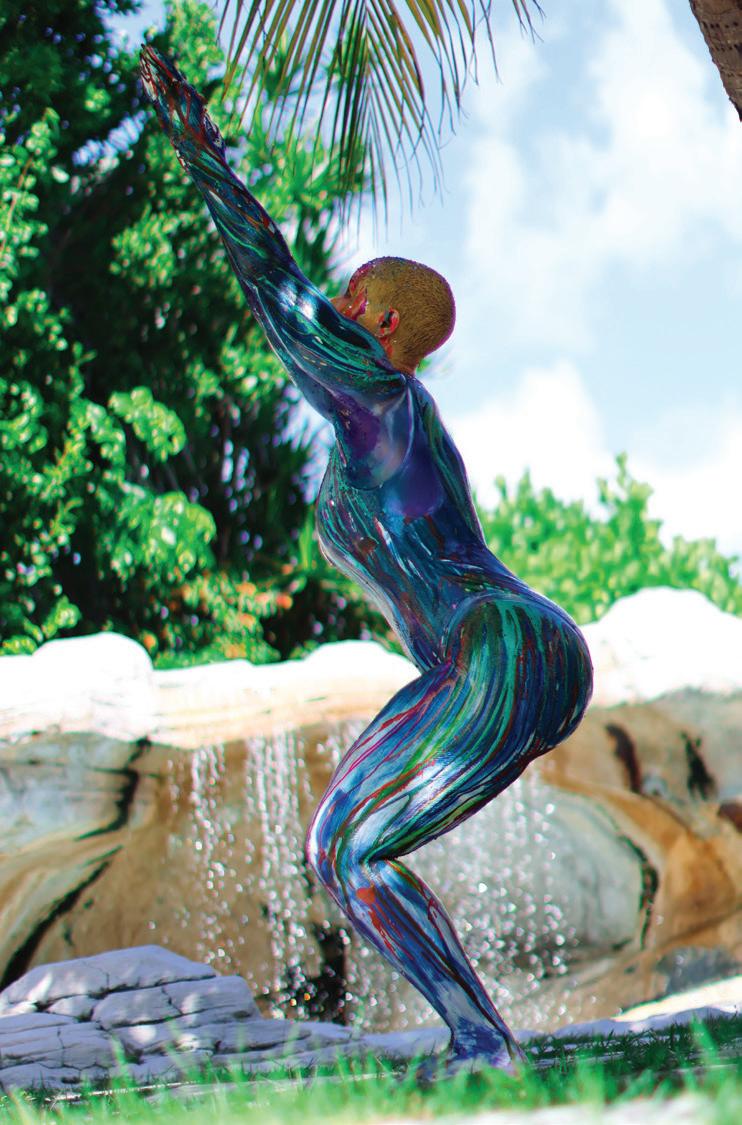
1. Stand with feet hip-width apart.
2. Inhale, raise arms overhead, palms facing each other.
3. Exhale and bend your knees, lowering your hips as if sitting in a chair.
4. Keep the chest lifted and the weight in heels.
5. Hold for a few breaths, then straighten your legs to release.

1. Start in Chair Pose (Utkatasana).
2. Bring palms together at the chest in the prayer position.
3. Exhale and twist the torso to the right, hooking the left elbow outside the right knee.
4. Press palms together and deepen the twist.
5. Hold for a few breaths, return to the center, and then switch sides.
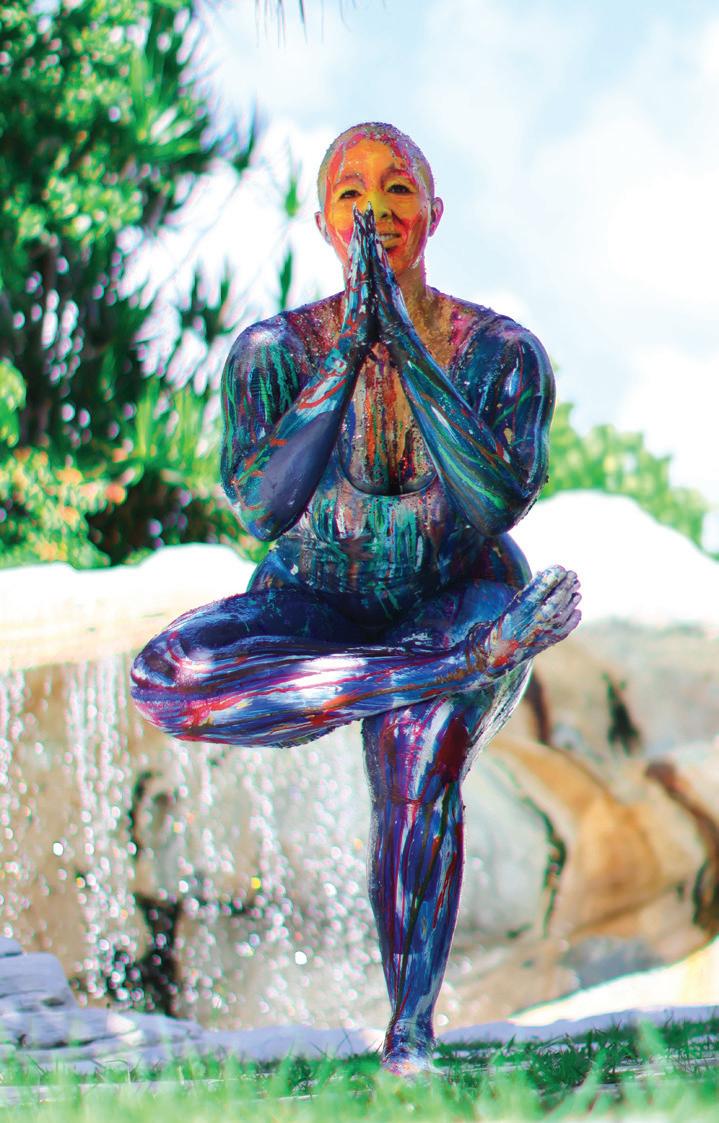
1. Stand with feet together.
2. Shift weight to left foot.
3. Bend the right knee and place the right ankle over the left thigh, forming a “4” shape.
4. Sit back as if sitting in a chair, keeping your chest lifted.
5. Hold for a few breaths, then switch sides.
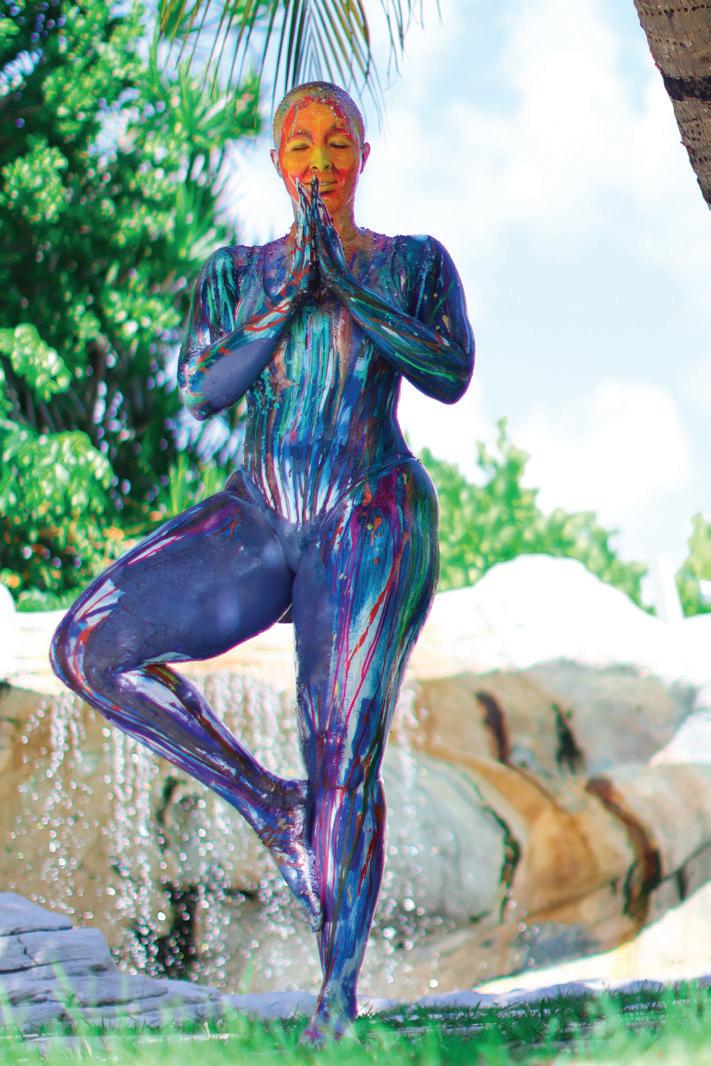
1. Stand with feet together and arms at sides.
2. Shift weight to left foot.
3. Place the right foot on the inner left thigh or calf (avoid the knee).
4. Bring palms together at the chest or raise your arms overhead.
5. Hold for a few breaths, then switch sides.
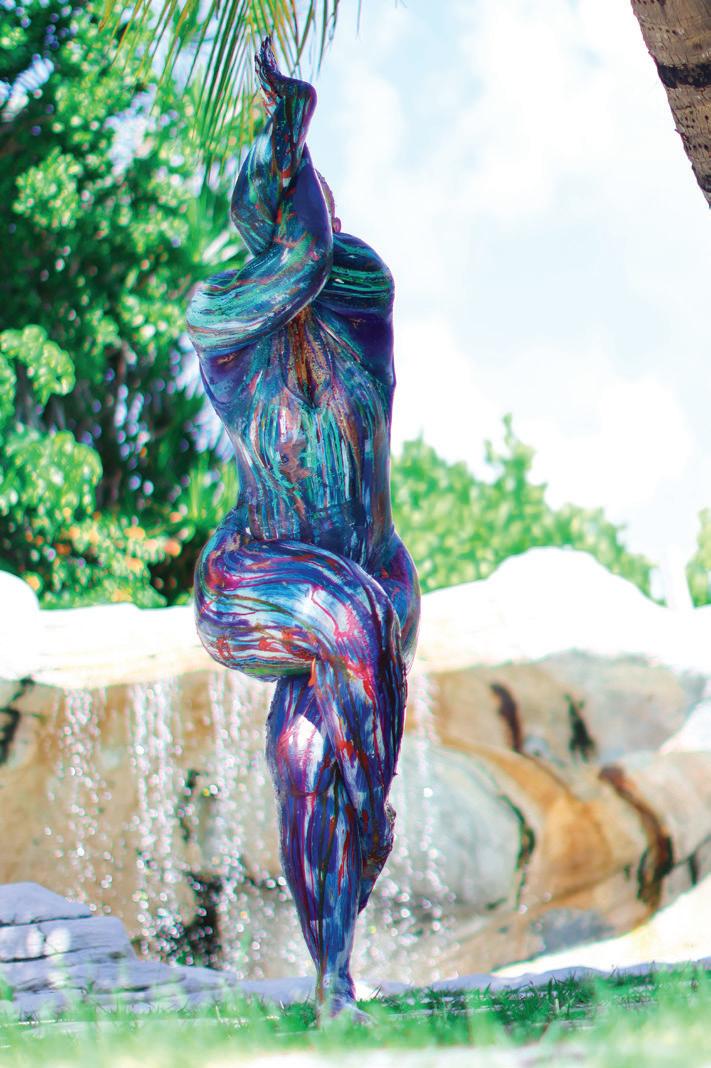
1. Stand with feet together and arms at sides.
2. Bend knees slightly, lift right foot, and wrap it around left leg.
3. Cross left arm over right at the elbows and wrists, palms facing each other.
4. Lift elbows to shoulder height and press palms together.
5. Hold for a few breaths, then switch sides.
‘Off
By Nasia Colebrooke
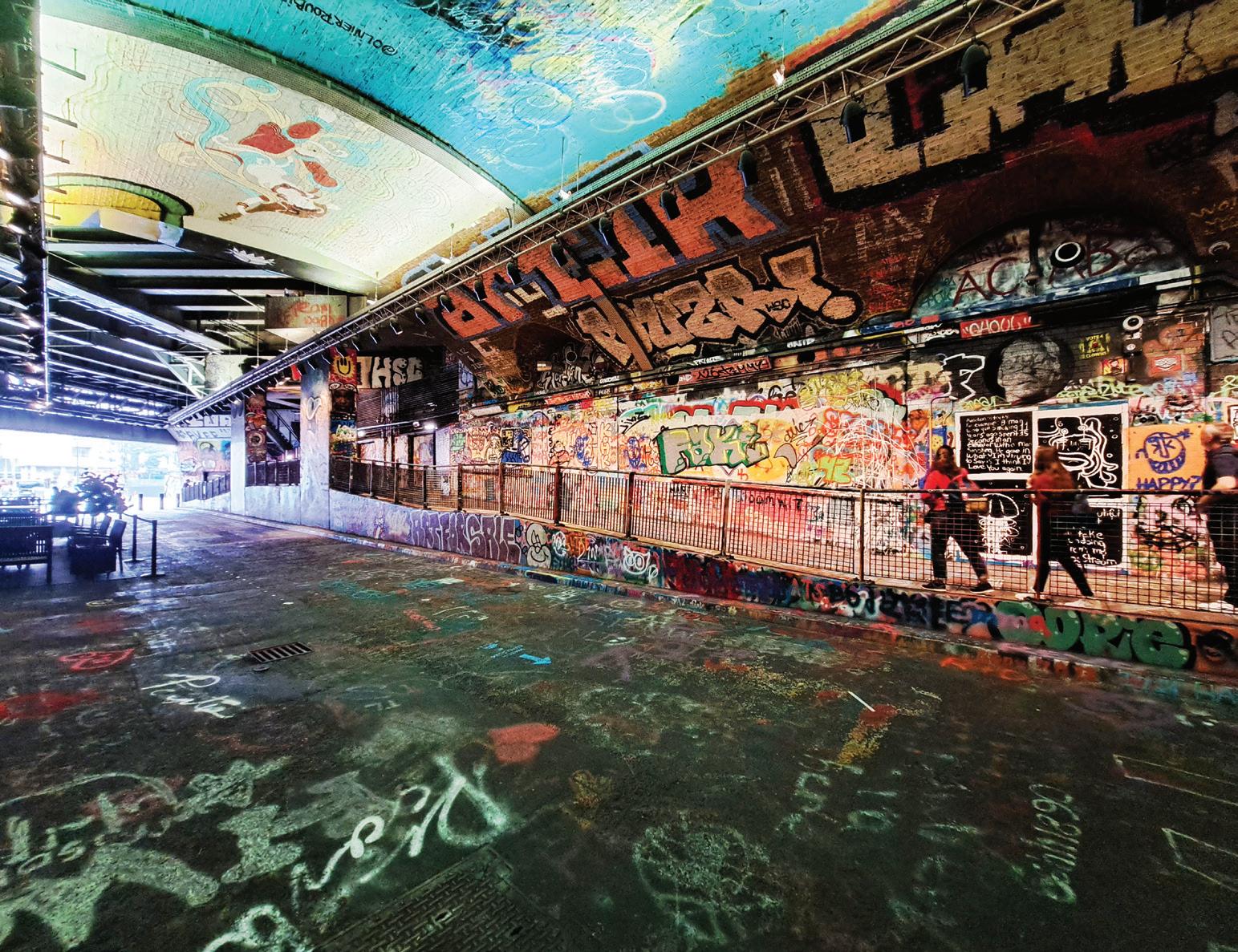
While London may be most known for attractions such as Big Ben, Buckingham Palace, double-decker, and open-top buses, and more, what many may not know about this city is its vast presence of street and graffiti art.
Beautifully elaborate artwork that depicts everyday life – whether politics, nature, or personal emotions – can be seen throughout the length and breadth of England’s capital, especially in central, east, and south.
But while the art form is technically unlawful on public property in the UK, it is legal within the confines of our first stop.
In the heart of London sits the city’s most visited and decorated graffiti spot – Leake Street Also known as the Graffiti Tunnel, or Banksy Tunnel, named after England’s, most prolific and mysterious street artist, “Banksy”, whose real identity, to date, remains unknown, this 300-metre-long tunnel once served as a roadway that led to the Eurostar terminal at Waterloo Underground Station in the London Borough of Lambeth, until ownership was passed on to Network Rail, in 2008, who then pedestrianised it.
After Banksy held an exhibition in 2008 called The Cans Festival where he invited graffiti and stencil artists from all around the world to leave their mark along the walls, this space has become a haven for graffiti and street artists. Nestled beneath Waterloo Underground Station, it is just a five-minute walk from both the London Eye and Westminster Bridge
For artists such as Dave, this hideaway of artistic freedom served as a refuge after the death of his friend with whom he shared the same name.
“For me, it’s a bit of a blessing to have places like Leake Street, having only been on the scene for about a year and a half since my friend passed,” says Dave, who creates art under the name Worcester Park’s Finest.
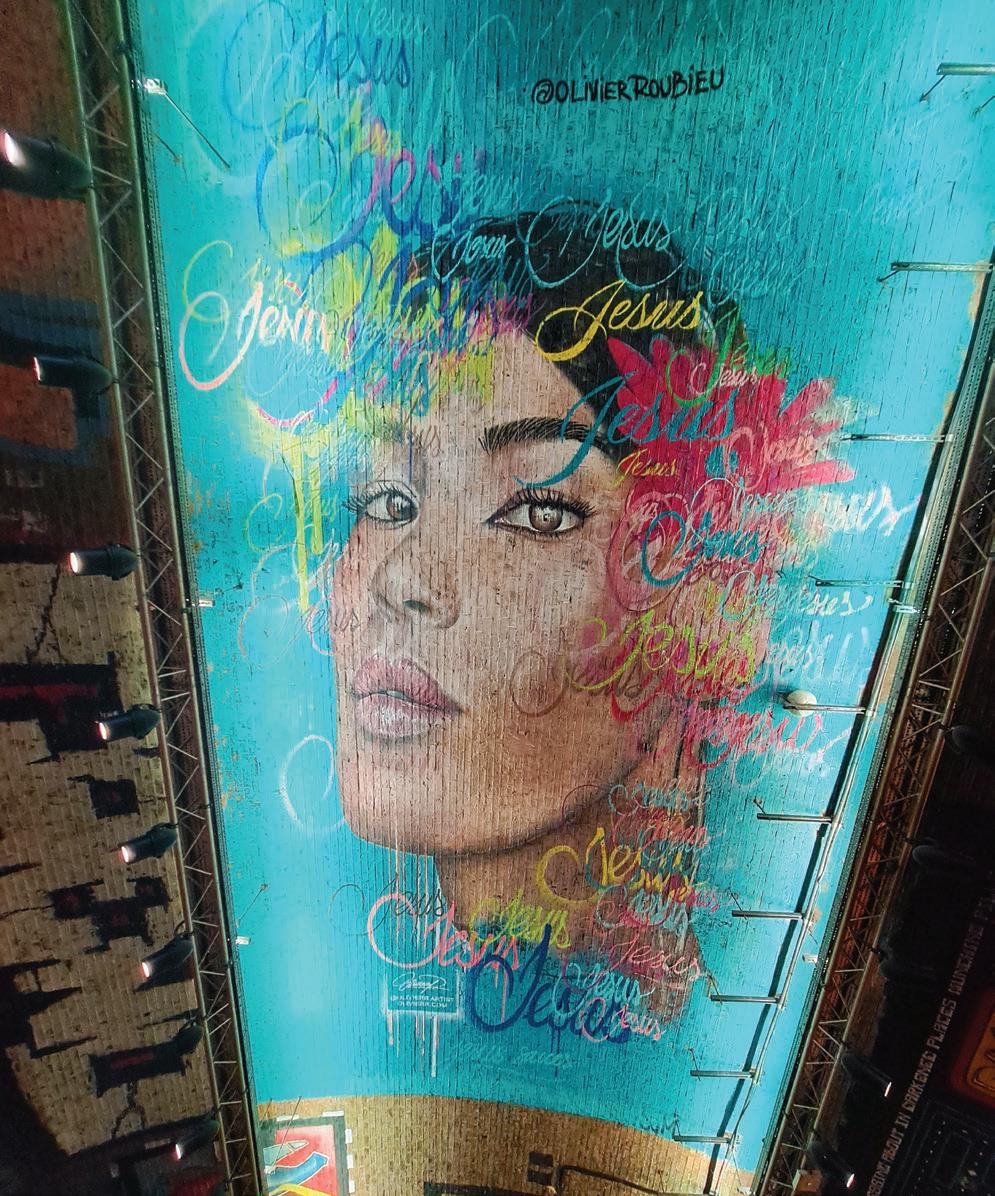
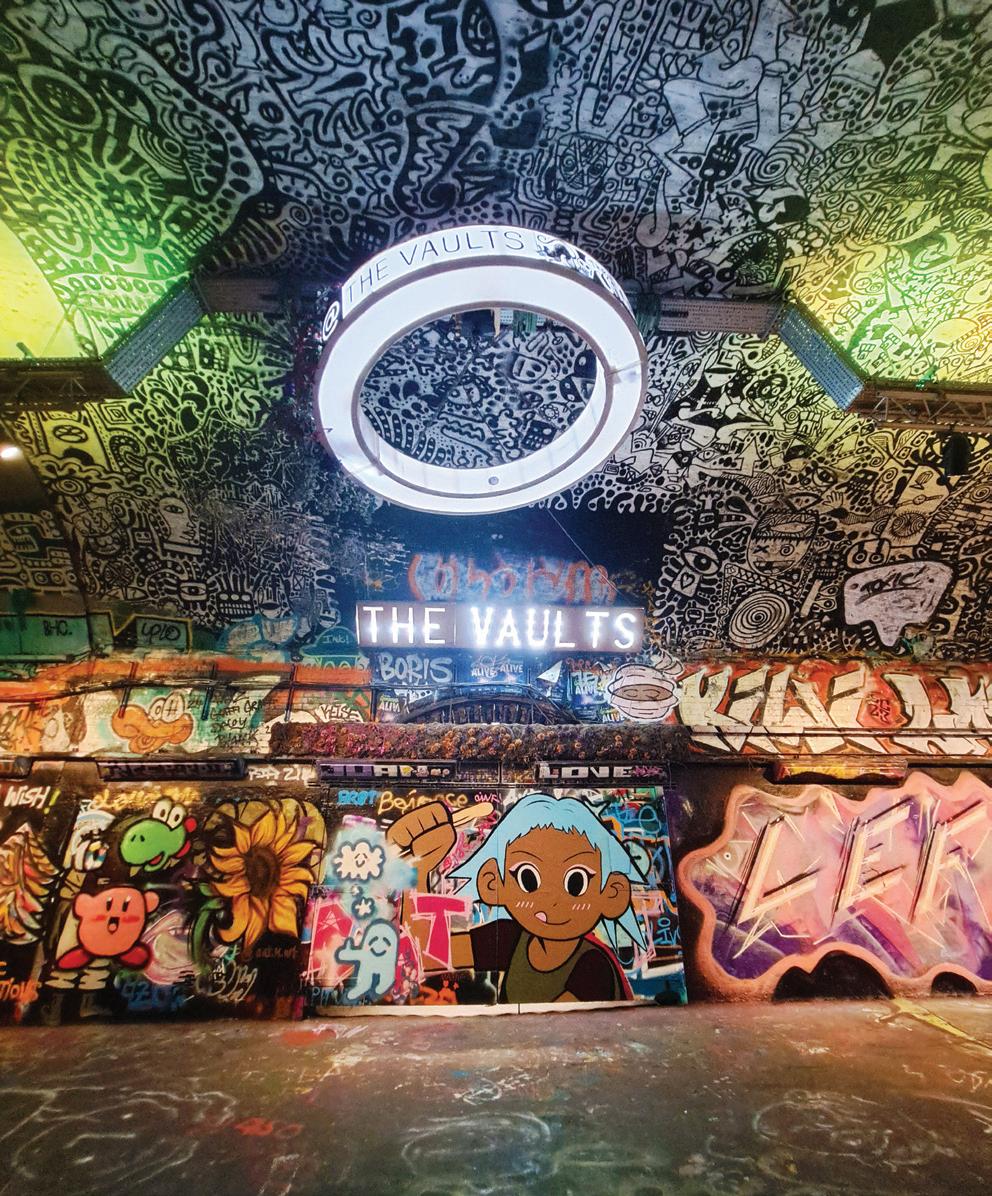
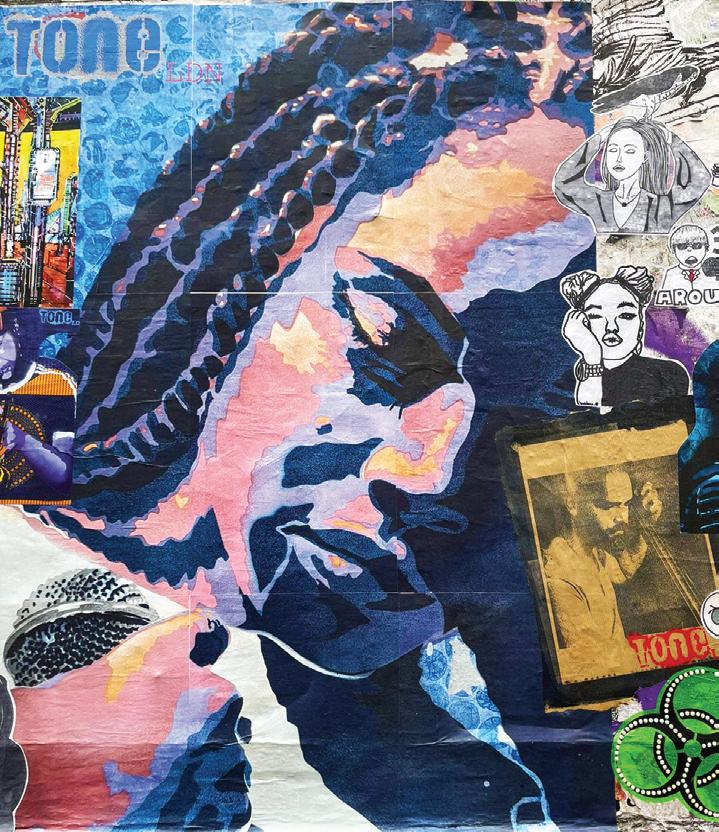
A swim instructor during the day, Dave found a few pieces of his late friend’s artwork and used them as inspiration to create his own – something that became both a form of healing and self-expression.
“It has been like therapy,” he says. “Sometimes, I wouldn’t want to be anywhere else than staring at a wall with my friends. It has also helped me open up and express myself.”
Even though professionals like Dave have graced and continue to grace the walls of Leake Street’s graffiti tunnel, the beauty of this space is that it’s home to any and everyone.
Members of the public are encouraged to bring their own spray paint or paintbrush and go to town on the brick walls, pavement, roof, and railings. They are also encouraged to take photos and videos as long as they tag the artists or Leake Street when posting on social media.
However, while the tunnel is a free-for-all public space, visitors should be careful not to graffiti outside the authorised areas; create misogynistic, racist, homophobic, transphobic, or any other form of discriminatory imagery; be loud after 10pm; drink alcohol unless attending an event; take drugs; or try to drive any vehicle in that is not permitted.
There are also two cafes and a dive bar for those who work up a sweat and an appetite after adding
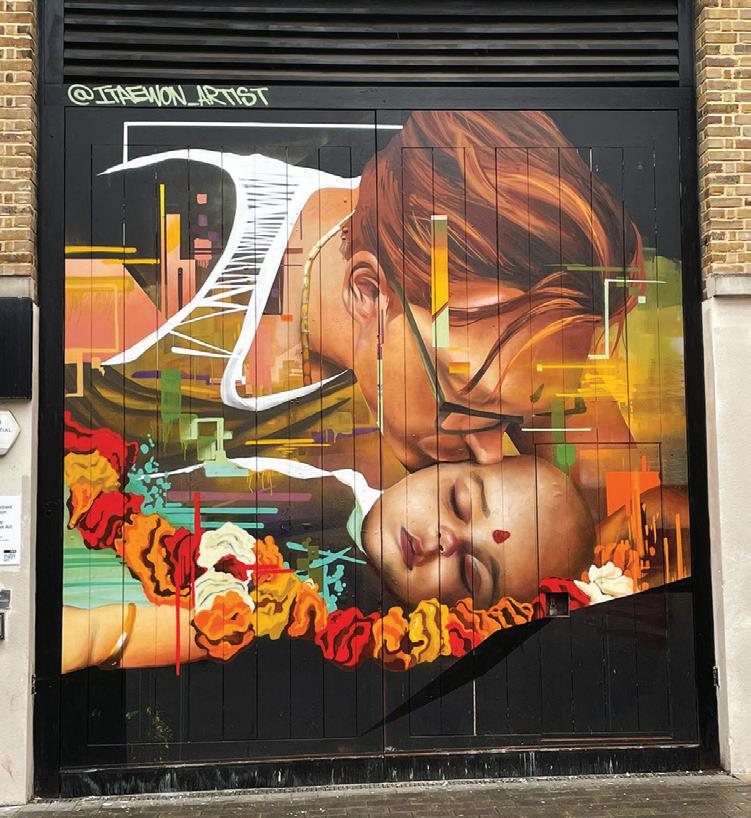
their contribution to the tunnel, two event spaces that offer unique experiences, and a graffiti workshop run by Marc Craig, which is open to anyone aged twelve and up who wants to learn the art.
Just visit: https://www.leakestreetarches.london/graffiti-workshops for more info.
Our second stop is Brick Lane. Giving Leake Street a run for its money, this lane connects Shoreditch in the north to Bethnal Green Road in the south and remains ever evolving, making itself both available to multi-national cultures and as an art scene.
Deep in the London Borough of Tower Hamlets, in the east, this lane offers visitors and locals alike an eyeful of graffiti art on nearly every building, with street names written in both English and Bengali – the latter owing to its large Bangladeshi population.
Although the area has seen centuries of cultural shifts, it has most recently become a fashion district, lending itself to students of fine art and fashion as a space to exhibit their work.
Just as artists from around the world flock to Leake Street to admire the works of others and leave a mark of their own, so do they on Brick Lane. It has even appeared in a music video or two.
So, if you’re ever wandering around the bustling streets of London, hop on the District Line , Hammersmith and City Line, London Overground, or the Elizabeth Line, which will bring you within walking distance to Brick Lane in under ten minutes.
Or if you want to be more adventurous on foot, you can always find your way via Fashion Street from Spitalfields Market (home of delicious curries), Columbia Road Flower Market, or via Whitechapel Road to view the latest exhibition at its eponymous gallery.
Our third and final stop is Brixton. Situated in south London, also in the borough of Lambeth, Brixton is home to a large Caribbean population and vibrant culture.
The last stop on the Victoria Line southbound, Brixton is easily accessible from Westminster or Vauxhall via the Underground tube. It is a bit of a trek from London’s centre, but the journey is most
definitely worth the travel time since as soon as you exit the station, you are engulfed by the town’s immersive music and art scene. Street artists singing old-school reggae hits greet you just as you exit the station onto the busy sidewalks and streets, which lead you just behind the station to the town’s market, offering Caribbean and African cuisines and keepsakes.
Along with other hotspots, such as Brixton Jamm – a multi-purpose venue that hosts nightclubs and musical events – and Stockwell Hall of Fame – a former sports field that now serves as a legal graffiti and paint spot (rivalling Leake Street) at just a 12-minute walk away from the station – Brixton holds its own as the street art epicentre of the South.
So, if you’re ever in the mood for some authentic Caribbean and African music, cuisines, or artwork, (or you just want to visit a more urban side of London), visit Brixton for an experience you will never forget!
The art scene in London is so extensive that it can’t fit in this issue in its entirety. But it would be quite lax of me not to mention the many other spots that offer just as much beauty and talent to passersby. These are Camden (central), Walthamstow (east), Penge (south), Dulwich (central), Brockley and Croydon (south), and many, many more.
So, the next time you find yourself in London via a connecting flight on Bahamasair to any of our many international routes, grab three cans of spray paint – aquamarine, gold, and black – and leave a little piece of The Bahamas in any of these captivating spots for the world to see! UA
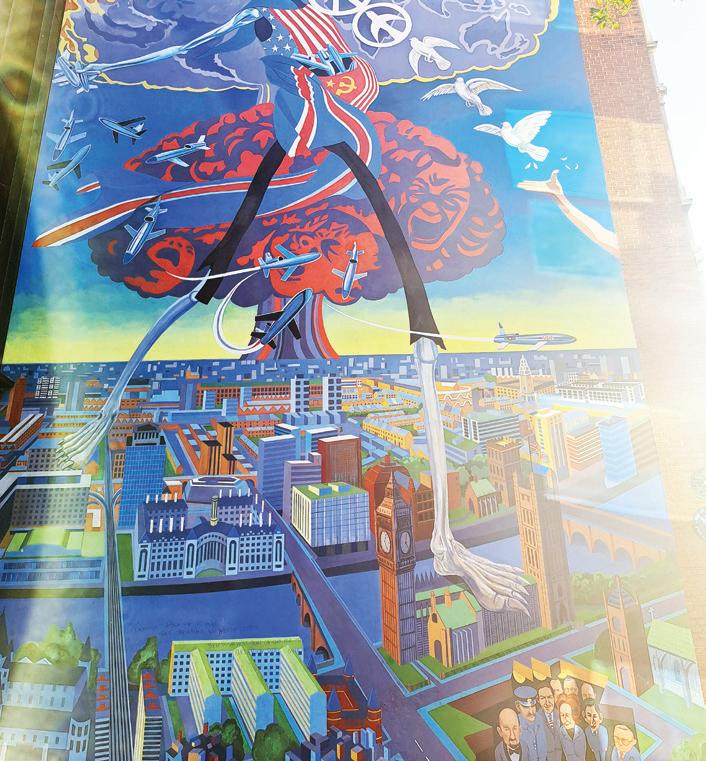
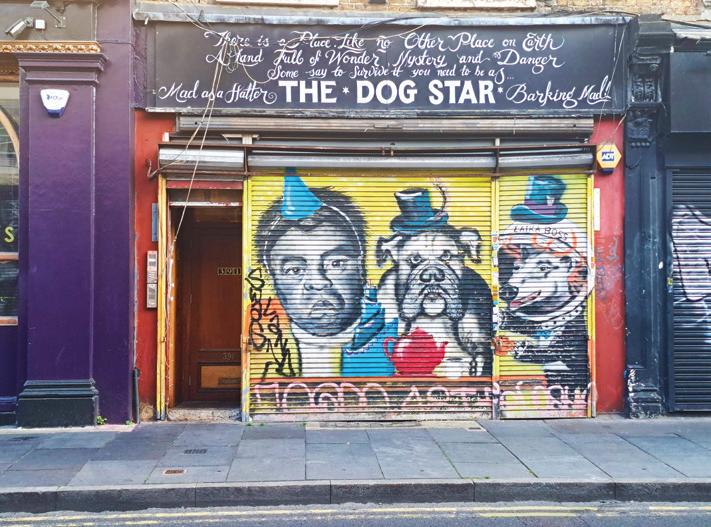
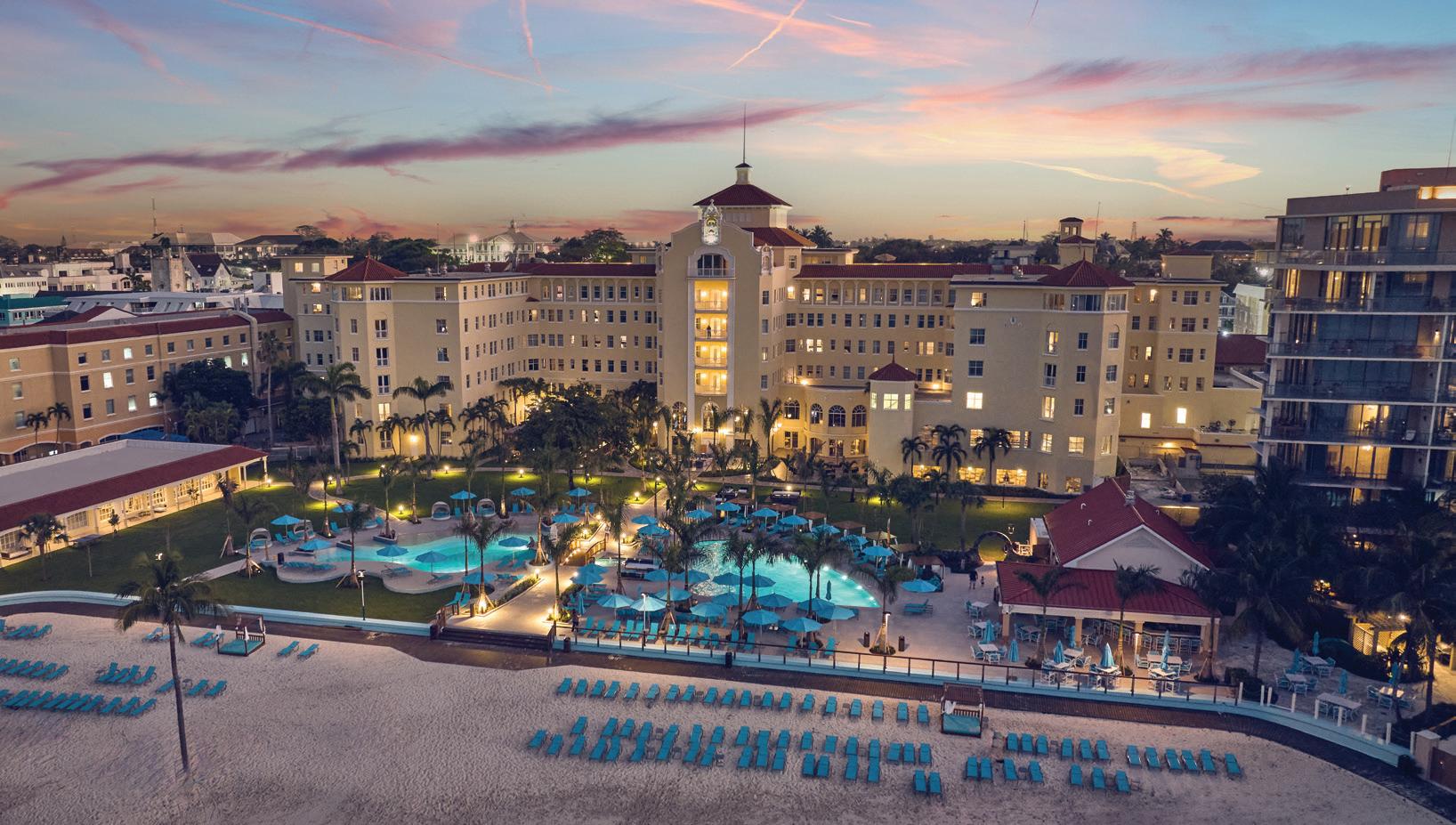
After a 50--million-dollar transformation, the Grand Dame of Nassau is once again on the throne. Built by oil magnate Henry Flagler in 1900, the original wooden structure, Hotel Colonial, welcomed wealthy tourists arriving by steamship to winter in paradise. Flagler is known for his luxurious lodgings, including the famed Breakers Hotel in Palm Beach.
Hotel Colonial was destroyed by fire in 1922. The Bahamian government acquired the property from Flagler and contracted Munson Steamship Lines to build the New Colonial Hotel, which opened in 1923. Although the hotel changed hands over the years, its inherent charm remained, making it the oldest operating resort in Nassau.
The hotel struggled during the tourism decline caused by COVID-19 and closed in 2022. It reopened as the British Colonial in December 2023. The recent renovation celebrates the property’s incredible history while spotlighting British Colonial’s role as a unique luxury boutique hotel in the heart of the city.
The renovation pays homage to history throughout. Vintage photos hang in the rooms, a historical mural anchors the lobby wall and a timeline is displayed in the breezeway. Stop and marvel at how both the hotel and the Bahamian people have persevered through trials to proudly celebrate their unique island culture.
As well as being the first waterfront hotel in Nassau, British Colonial also stands on the site of the city’s first fort, Fort Nassau. Two nine-foot cannons were found during the garden renovation, another remnant of history. A statue of Captain Woodes Rogers, the first Royal Governor of The Bahamas in the early 1700s, stands at the entrance to the hotel. Woodes is remembered for his campaign against piracy and establishing an orderly government.
Every detail of the interior design creates an atmosphere of breezy, sophisticated luxury. Rich fabrics, tropical foliage, and colourful frescoes on the ceiling capture
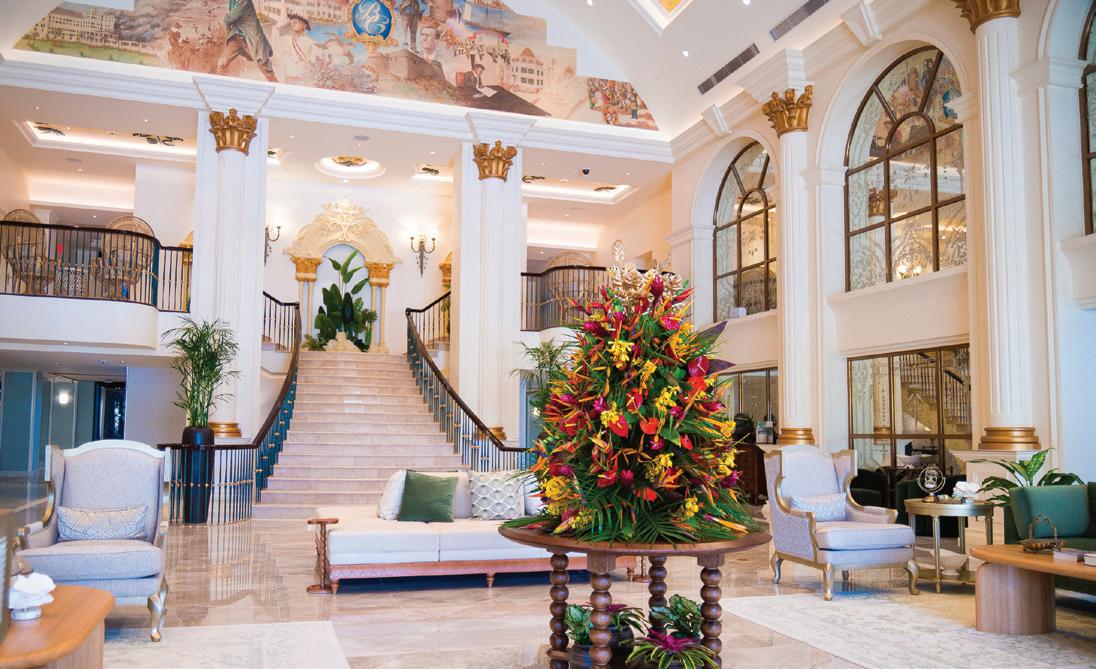
‘Historic
By Kirsten Harrington Photographs Courtesy of British Colonial
the feel of The Bahamas. Soaring ceilings dabbed with gold, ornate tilework, and a grand staircase give British Colonial a regal atmosphere, reminding visitors of its fabled past. Vaulted ceilings, original crown moulding, and ornate chandeliers preserve the Colonial Revival architecture for which this iconic hotel is known.
Two oceanfront pools with private cabanas overlook the 300-foot secluded beach. Lush landscaping and aquamarine loungers provide a seamless transition between land and sea. You are never more than a few steps away from a dip in soothing turquoise waters.
When hunger strikes, there are numerous food and beverage outlets to explore. Enjoy a quick coffee or casual breakfast from British Colonial Trading Company or dine at Tamarind Market Place. Here, you will find all your breakfast favourites and discover some new ones, like the Bahamian stew conch. There is no reason to give up your prime spot by the pool or beach when lunchtime rolls around. Order nachos or fish tacos at the poolside Red Pearl Grille and pair them with a cool, tropical rum Bahama Mama or Sky Juice. If you fancy Asian fare, step up to Sakana Noodle & Sushi Bar for fresh seafood, noodle dishes, and sake.
When the cocktail hour rolls around, order a Vesper martini under the grandiose crystal chandelier at Woodes Rogers Tavern. It is James Bond’s drink of choice – remember to ask for it “shaken, not stirred.” The elegant colonial architecture of British Colonial served as the filming location for Bond’s movie “Thunderball.” Step into the elegant Mahogany Club for dinner, where you will find classic Italian fare, steaks, and seafood.
The 288 newly redesigned guestrooms feature marble bathrooms, soothing tropical wallpaper, and historical photos. In-room desks and 50-inch flat-screen
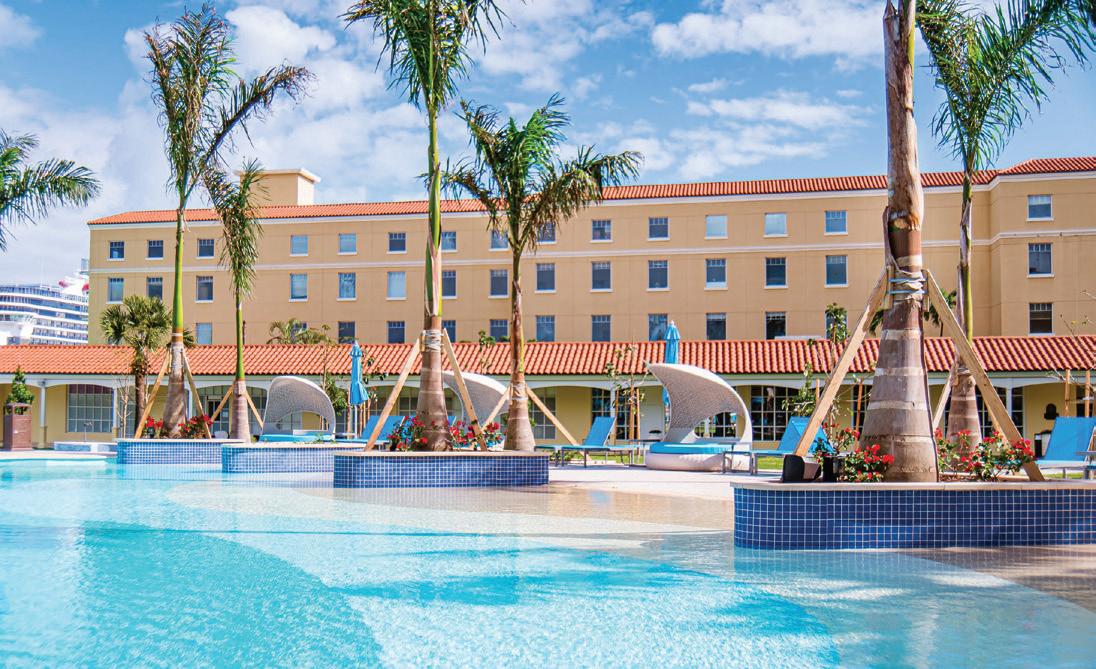
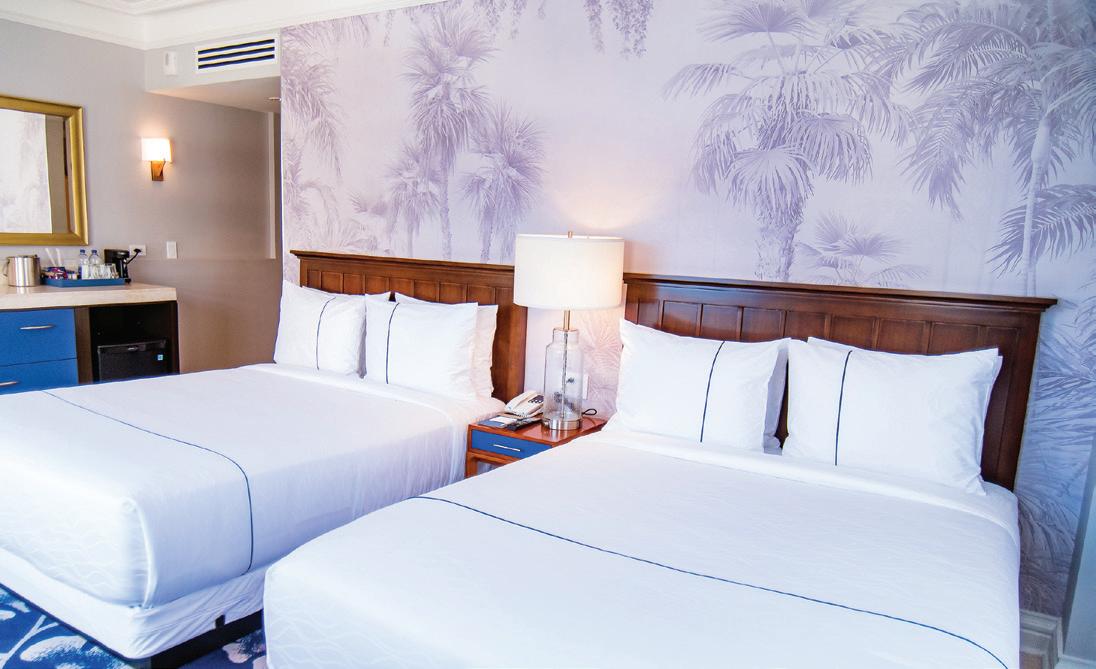
TVs give business travellers ample space to work, although the pull from the private beach and outdoor pools is strong.
Looking to really splash out? Book one of 25 signature suites with adjoining parlours. The Prime Minister’s Suite, with 180-degree oceanfront views and a spacious sitting area, is an elegant retreat with a stunning outlook over the property. The historic nature of the resort means there are 21 different room layouts, all with unique charm.
Whether you are looking for a romantic escape for two or a corporate meeting for 400, the hotel has intimate venues and expansive spaces to accommodate your needs. Outdoor reception areas with breathtaking ocean views and the regal Queen Elizabeth Ballroom make British Colonial popular for destination weddings. The Churchill Boardroom and a dozen other meeting spaces, along with onsite event planners, provide a seamless, stress-free destination for anniversaries, family reunions, and corporate meetings. How can you beat paradise for your next gathering?








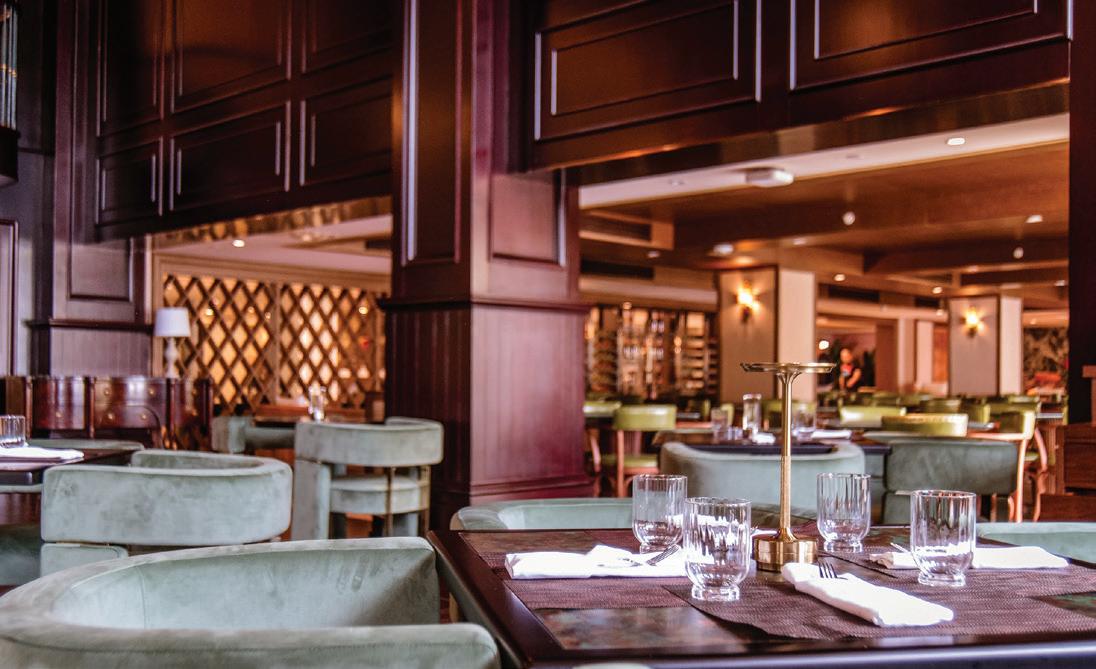
Whether your idea of a vacation is soaking in the sun and ocean views, working out at the fully equipped gym, or something more adventurous, British Colonial is an idyllic location for business and leisure travellers. The central Nassau location means you can step outside and explore the shops, galleries, and museums. Guests have a front-row seat to Nassau’s annual Junkanoo parade. The Straw Market, Cruise Port, and Queen’s Staircase are within easy walking distance. For more active outings, stop by the onsite tour desk for help in arranging snorkelling, diving, fishing, and golfing outings.
The newly refurbished British Colonial preserves the elegance of the past and celebrates modern luxury with a tropical flair. Guests leave pampered and revived, taking a piece of Bahamian warmth and culture with them.
British Colonial is located at One Bay Street in Downtown Nassau, Bahamas. To learn more or to book a room, visit www.britishcolonial.com. You can also follow them on social media at @britishcolonialnassau. UA













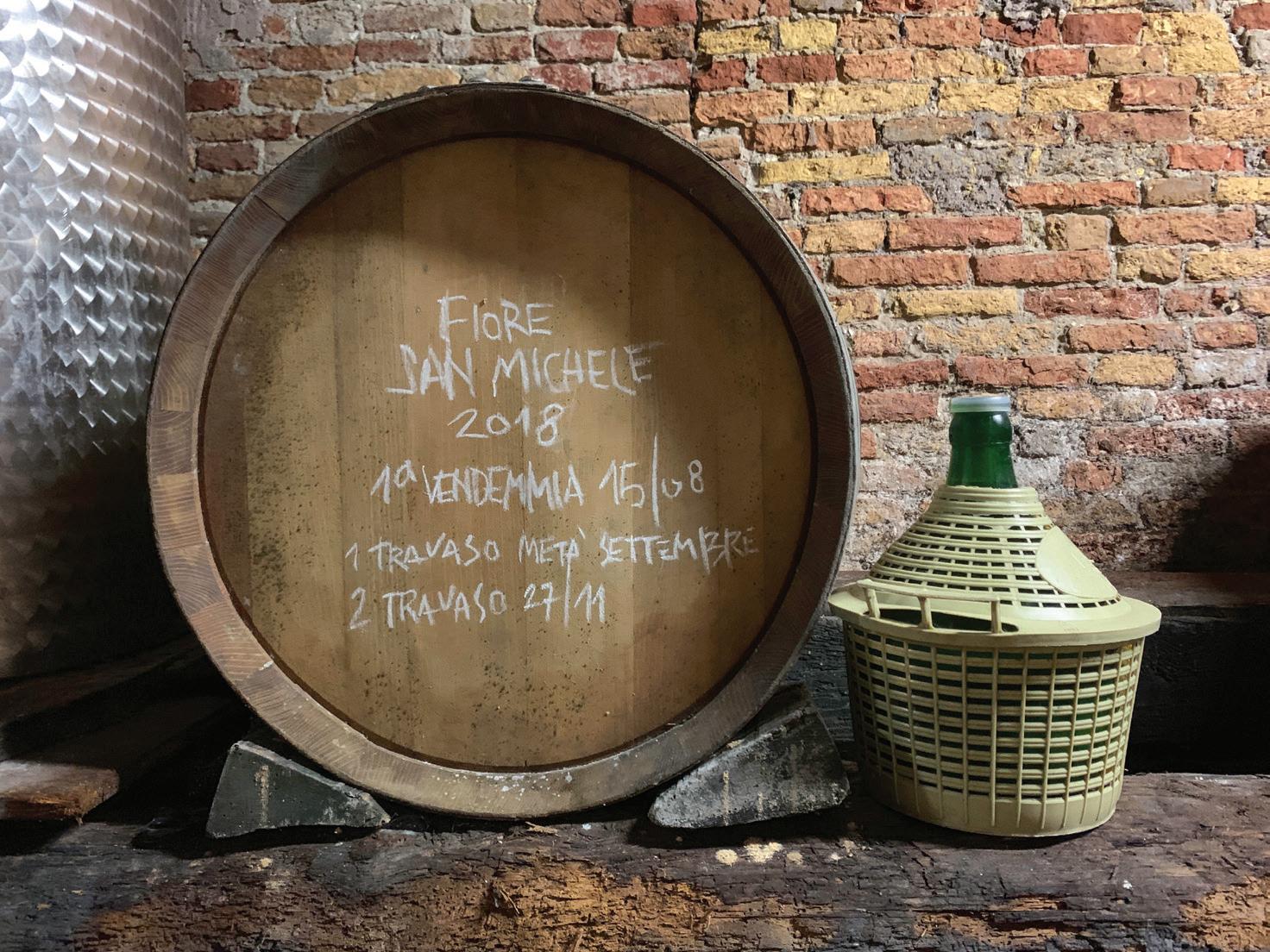
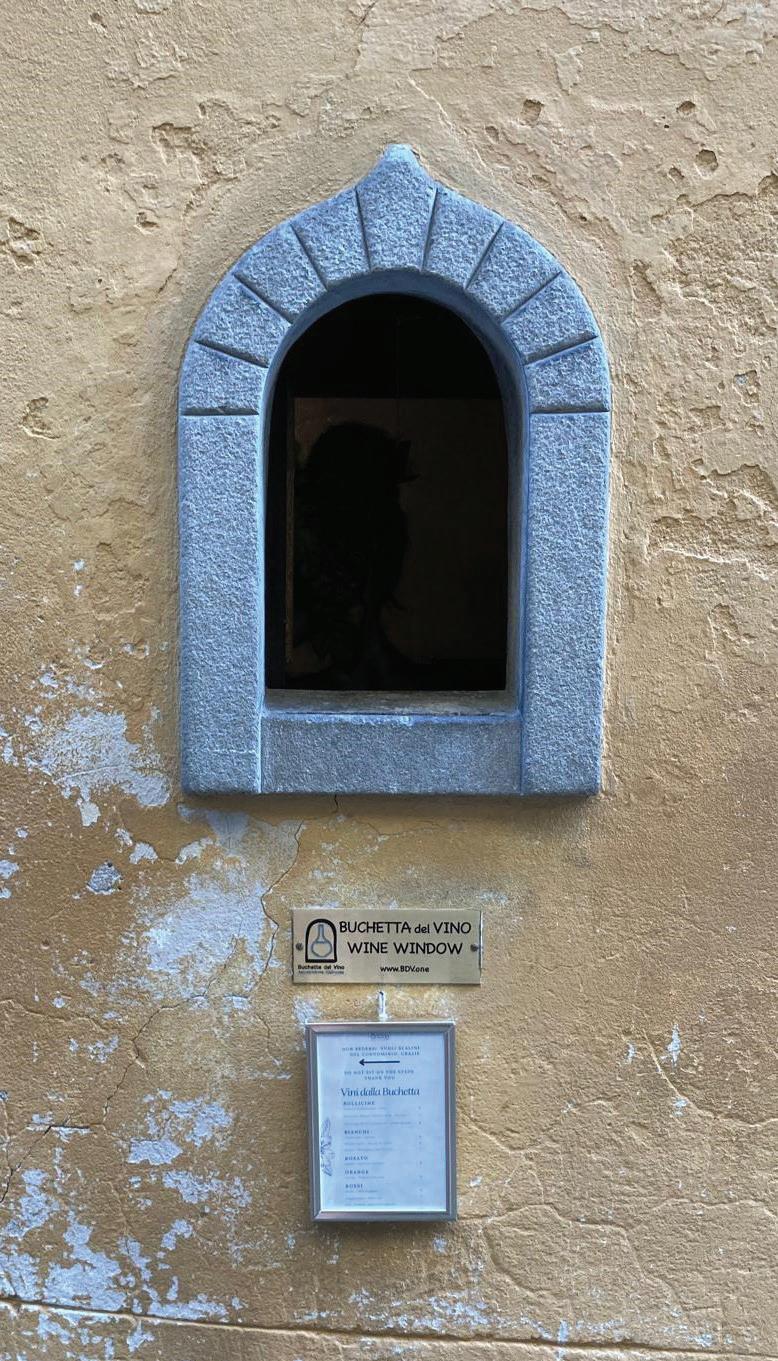
Ethere is truth. In Italy, there are vineyards, friendship, family, and love.
By Allyson Simone and Tyrone Fitzgerald
Photographs Courtesy of Alessandro Sarno ‘aka’ The Lonesome Photographer and L. Roscoe Dames II
uripides, one of the best known and most influential dramatists of Greek culture, once said: “Where there is no wine, there is no love.”
Nowhere have these profound words of ancient truth and wisdom manifested themselves within modern European society than in the outstanding wineries and vineyards of Italy.
Italy is the land of the Roman ruins and is world-renowned for its insatiably delectable food and impressive offerings of fine wines from grape varietals, uniquely specialised for each of its twenty regions. Italy has become increasingly popular for carefully curated wine tasting experiences and wine exploration.
Whether it is a Chianti, Pinot Grigio, Barbaresco, Barolo, Brunello, Montepulciano, Moscato, Prosecco, or bold Tuscan red, Italy is particularly suited to provide the perfectly romantic and undeniably endearing environment for enjoying a nice glass of wine with family, friends, and lovers. Wine tasting and drinking have become an intrinsic part of Italian culture and entertainment, capturing the imagination of wine aficionados worldwide.
Historically, Italian wine’s popularity fluctuated with the rise and fall of the Roman Empire, persisting through the Dark Ages, and vineyards and wineries were tended by Christian monks.
The Italian Renaissance marked a resurgence in winemaking until the 19th-century scourge of the phylloxera parasite ravaged vineyards throughout the country. Italy, once a source of inexpensive table wine, witnessed a revitalisation in the 1960s. The introduction of laws and a classification system in 1963 signalled a renaissance in the popularity and resourcefulness of winemaking, allowing the production of esteemed wines such as the renowned ‘Super Tuscans’.
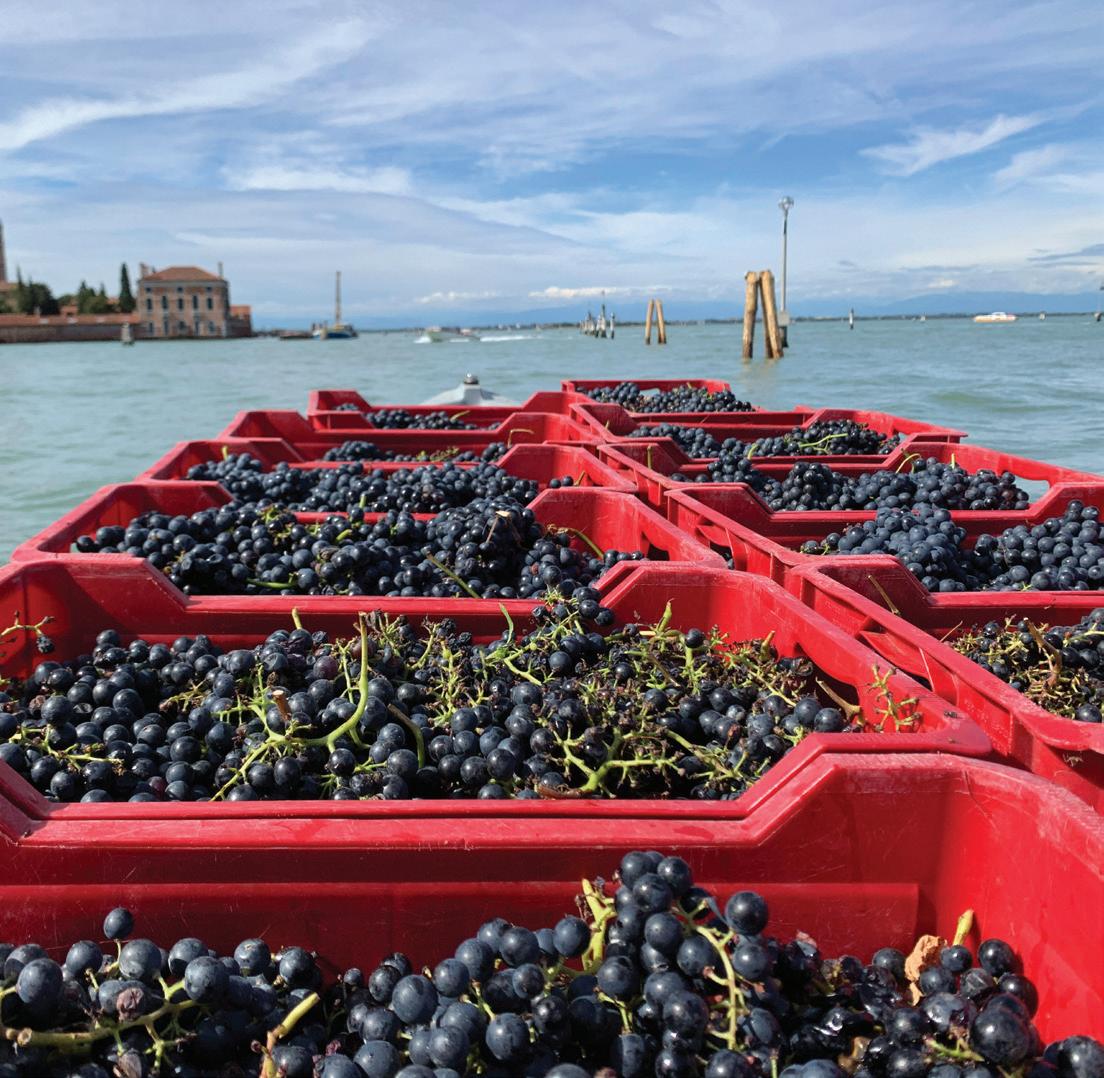
Despite stringent regulations, innovative winemakers, illustrated by ‘Super Tuscans,’ continue to challenge increasingly conventional norms in wine production. Today, Italy is celebrated for its noble reds – Chianti, Barbaresco, Barolo, Brunello – and beloved sparkling varieties such as Asti and Prosecco, displaying a diverse flavour profile born of quality, taste, and passion.
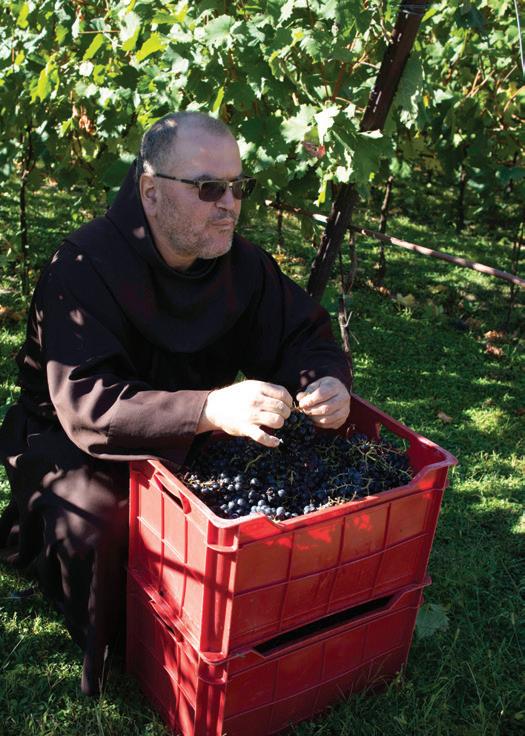
In all, the history of Italian wine unfolds like a rich tapestry, woven with threads of resilience, innovation, and an enduring love for the craft. From the ancient Greeks planting the seeds of viticulture to the Romans refining the art, Italy’s wine journey has weathered the storms of adversity and blossomed into a global celebration of oenological excellence.
Italy and its wines, steeped in adoration and appeal, recently claimed the title of the best destination worldwide for wine enthusiasts. The UNESCO World Heritage List now includes the hills of Conegliano and Valdobbiadene, home to the famed Prosecco. In fact, Italy stands as a vinous powerhouse, boasting over four hundred grape varieties across twenty regions. Like food, wine has been a connector of people, place, and parlance, and a celebratory symbol of family, friendship, faith, resilience, and romance, throughout Italy.
Italian wine culture has not only been created and curated through history and tradition but also through community, craftsmanship, and camaraderie, whether it is sharing house wine with one’s neighbour, selling wine and food through wine windows known as buchette del vino during the Bubonic Plague in 17th century Florence, or extolling the medicinal qualities of Italian wines to an unsuspecting Italian populace.
The Veneto region is home to tourist destinations such as the Dolomites, Lake Garda, the medieval Verona and the Arena di Verona, along with Juliet’s
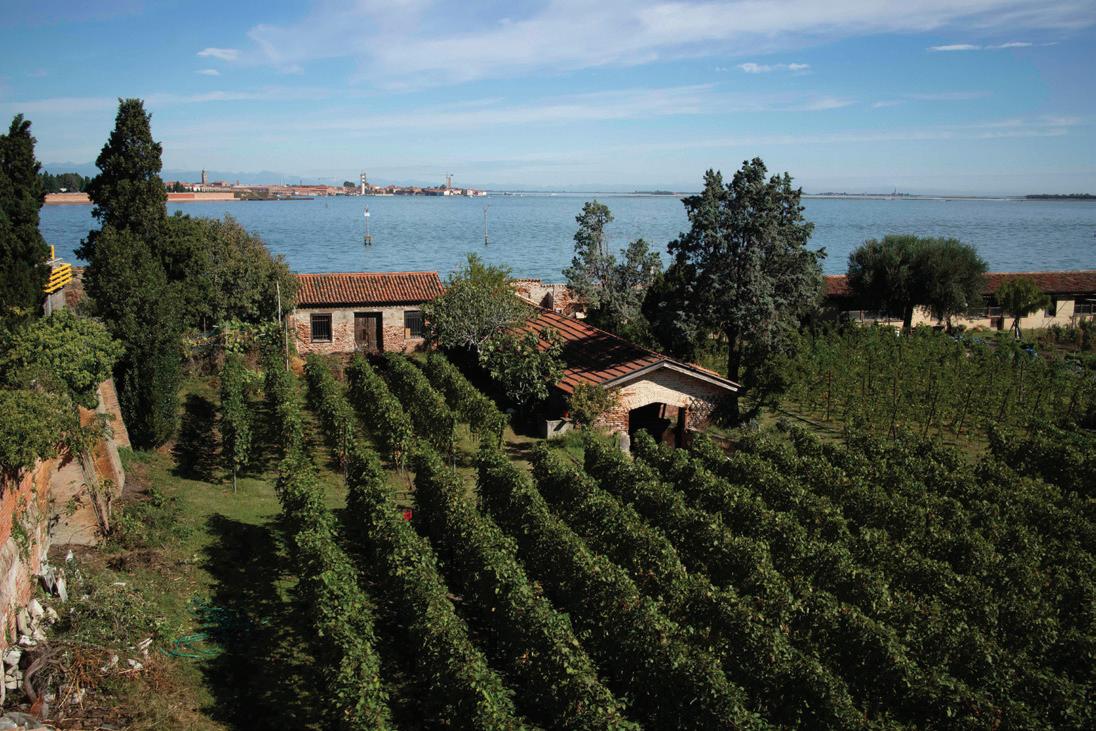
Balcony. And of course, its unforgettable regional capital Venice, famed for its canals, carnival celebrations and gothic architecture.
Veneto was part of the powerful Venetian Republic in the 7th to 18th centuries and remains a key region of Italy. Veneto is slightly smaller than Italy’s other main wine-producing regions – Piedmont, Tuscany, Lombardy, Puglia and Sicily. However, it generates more wine than all of these combined. In terms of geography, culture, and wine styles, Veneto represents a transition between the alpine, Germano-Slavic end of Italy and the warmer, drier, more Roman lands to the south.
Although the southern regions of Sicily and Puglia were for a long time Italy’s main wine producers, this balance began to shift north towards Veneto in the latter half of the 20th century.
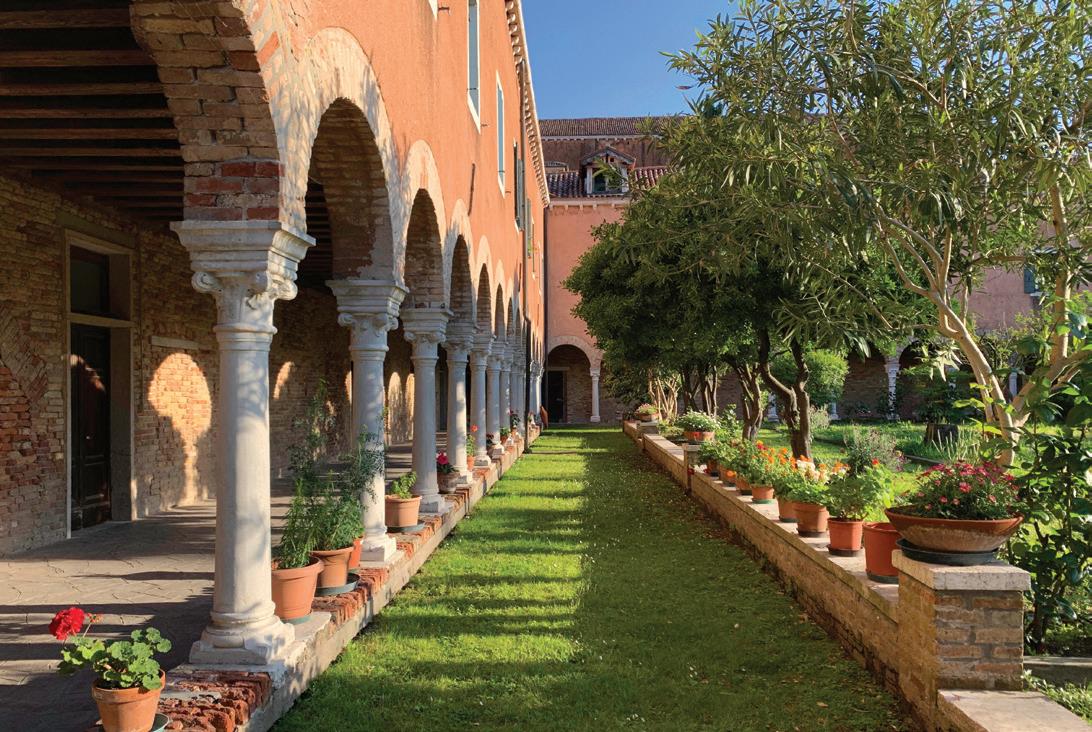
In the 1990s, southern Italian wine languished in an increasingly competitive and demanding world, while Veneto upped its game, gaining recognition with wines such as Valpolicella, Amarone, Soave and Prosecco.
Nestled in Venice is the parish of San Francesco Della Vigna, which is home to the oldest urban vineyard in Venice and is worthy of special attention when speaking of Italian vineyards and wines. The vineyard dates to the 13th century when the Doge Pietro willed the vineyards to the friars at the time. The convent expanded over time and the 800-year-old vineyards remain standing in the originally cultivated land, the largest and most fertile in all of Venice.
In the self-contained convent complex of San Francesco Della Vigna, there are three cloisters – one dedicated to the cultivation of aromatic herbs, one to vineyards, and a third dedicated to rainwater collected to irrigate the vineyards.
Beginning with the 2019 vintage, the wine has been produced under the world-renowned Venetian brand Santa Margherita, whose original brand story finds its roots in the work of the friars in the vineyard. The agronomists of Santa Margherita coordinate the work to achieve optimal winery management, excellent grape harvest, and wine quality of the highest standard. The grapes travel from
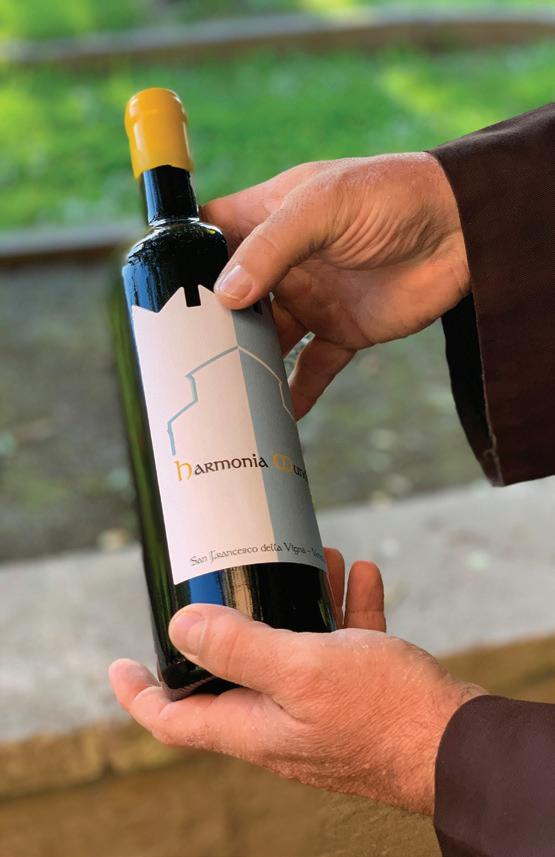
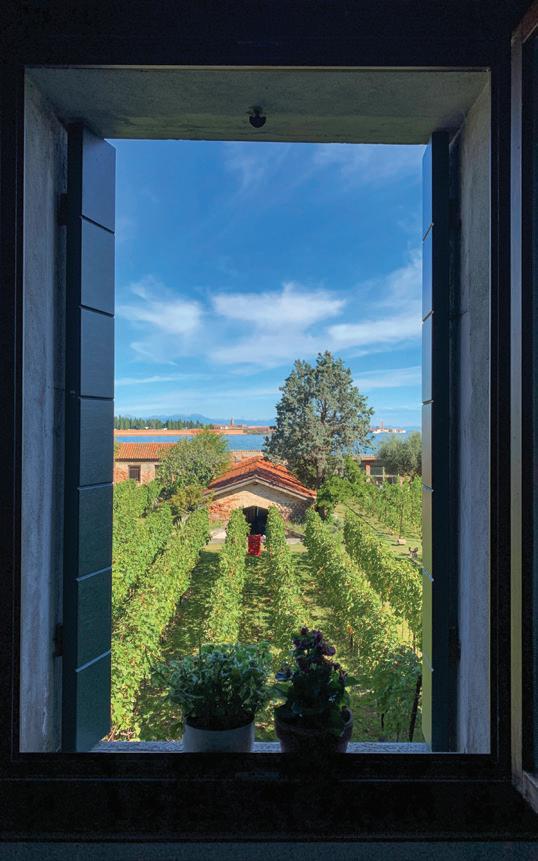
the vineyard to the winery in the quintessentially Venetian way – by small boat. In 2024, a numbered limited edition sparkling wine called Harmonia Mundi was unveiled, with 1107 numbered bottles, a symbolic number for the linear metres along the vineyard.
If you are a travel buff, wine enthusiast, or connoisseur, the Veneto region is worth exploring to discover the delights of the wines of northern Italy. It would be a great detour to see the work of the friars, taste and appreciate the excellent harvest from these historic vineyards and enjoy the memory every time you sip a glass of Santa Margherita wine. UA

By Keesha Claudia Bethell
Photographs Courtesy of Nurse Leah Rolle
With more than a decade of experience in the insurance industry, Global Insurance Agency Limited is a trusted partner of Bahamians, winter residents, and international clients. Conveniently situated in Sandyport, West Bay Street, Nassau, Bahamas, we offer a wide range of insurance solutions from Motor, Homeowners, Commercial All Risk, Contractors All Risk, Public & Employer Liability, Aviation, Marine, Cyber, Life and Health Insurance. You can trust our comprehensive protection, along with experienced and knowledgeable staff, to meet all your insurance needs. We have got you covered!
In the heart of healthcare resides Nurse Leah Rolle, a seasoned veteran whose dedication spans nearly four decades. From her early days as a practitioner to her current role as a revered professor at the University of The Bahamas since the late ‘80s, Rolle embodies a profound belief: a healthy nurse is the cornerstone of quality patient care.
Nursing has been her lifelong dream for as long as she can remember. She pursued an Associate of Arts degree in Nursing at the College of The Bahamas and a Bachelor of Nursing degree at the University of the West Indies (UWI), Mona Campus.
Upon her return, she worked as a Registered Nurse for more than ten years before returning to UWI to pursue a Master of Science and to teach as a lecturer at the University of The Bahamas. She has been doing so for more than two decades, having held the position of Chairperson of the School of Nursing & Allied Health Professions and currently serving as an assistant professor. While she accomplished much during her tenure as Chairperson, her love remains entrenched in the classroom, molding the next generation of nurses.
Her philosophy, however, is not confined to her classrooms – it is a lifestyle defined by wholesome nutrition and the rhythm of running, setting an example inside and outside hospital walls.
Rolle welcomed Up and Away into her home to discuss her passion for nursing and its correlation with running.
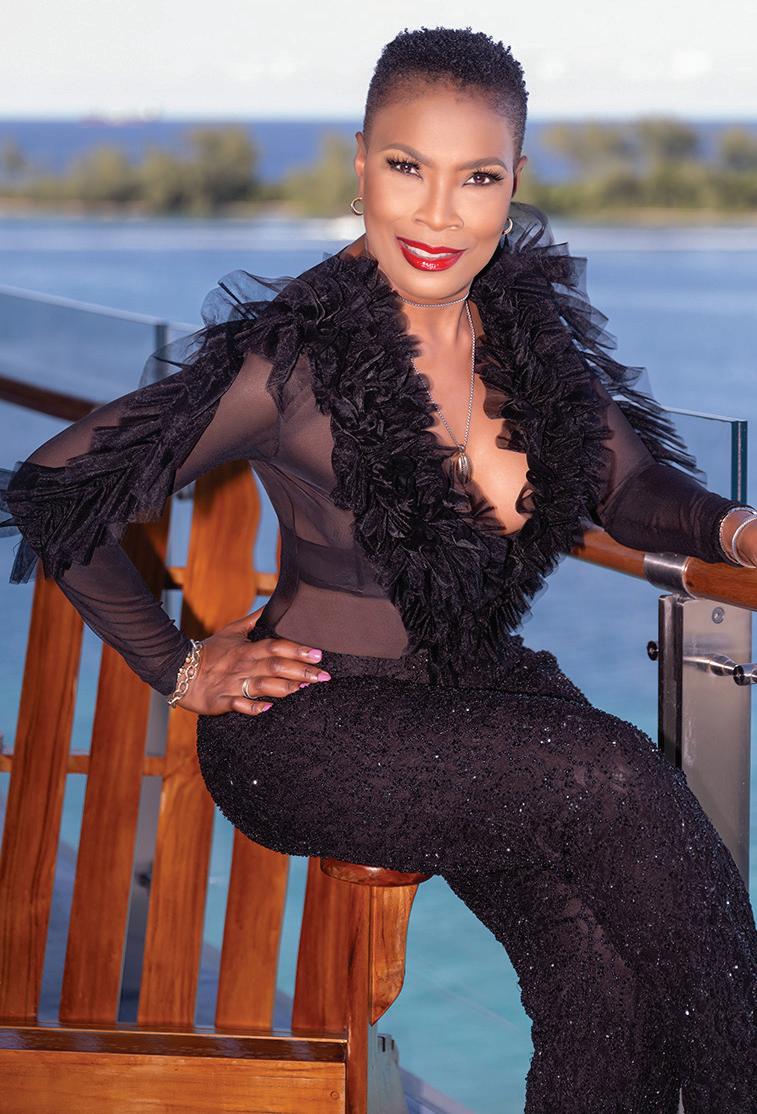
She emphasises her lifelong commitment to health, a balanced diet, and an active lifestyle. She jests about her early nursing days when her first paycheque went towards a gym membership instead of splurging on a car or new wardrobe like her peers. “I couldn’t wait for that paycheque,” she recalls. “With my gym membership, I exercised daily and felt great about it. Everything fell into place. My career was thriving, I was teaching, my diet was on point, and my body was in top form.”
However, her seemingly balanced life took a sharp turn when a doctor revealed she had high cholesterol.
“I was speechless,” Rolle admits. “I thought I was healthy all around. I was wrong.”
Cholesterol, a vital substance for the body, can be influenced by diet, genetics, and lifestyle. Despite the setback, she immediately researched natural ways to lower her cholesterol.
“I changed my diet to include more fruits, vegetables, turkey, and fish while avoiding dairy,” she explains. “I also replaced my gym routine with cardiovascular endurance exercises like running, recommended for managing cholesterol levels.”
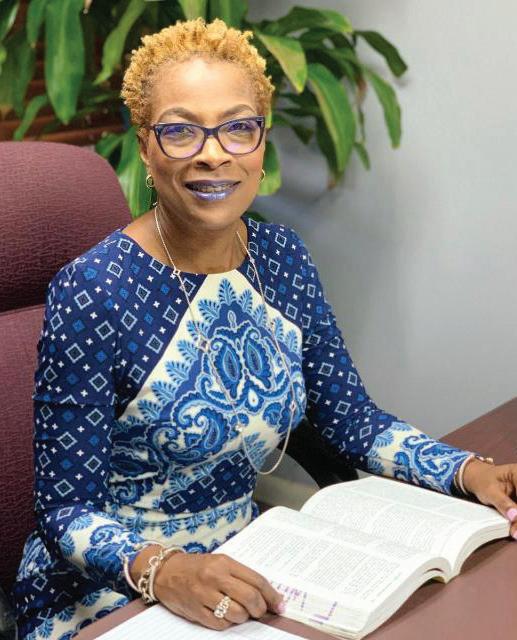

Starting with brisk walks and gradually increasing her pace, Rolle surprised herself by becoming a dedicated runner, using lamp posts as markers to track her progress.
Her disciplined approach paid off. Combined with dietary changes, she lowered her cholesterol levels and transitioned from chugging to confidently running.
Her dedication caught the attention of the Bahamas Roadmasters Running Club (BRRC), where she joined and eventually completed ten full marathons locally and internationally, including races in Brazil and Boston.
Running has now become a way of life for Leah. While it started primarily as health and fitness, it has transitioned to competitive running. And by competitive running, she means competing against herself. She explained that each time she went out, she tried to do a little bit better than the previous time. She speaks glowingly of traveling the world in the name of running, easily entangling two of her loves, running and traveling! Leah now serves as the public relations officer for the BRRC and is working with other executives to share the benefits of running nationwide.
Today, Rolle attributes her peace of mind and improved health to running. She remains committed to maintaining her balanced lifestyle, knowing she is a role model to her students and patients.
“How can I teach about health if I’m unhealthy?” she reflects. “I believe in practicing what I preach. It’s a two-way benefit – I look and feel good, and others see the positivity radiate.”
As Up and Away’s interview concludes, Rolle leaves us with a poignant reminder:
“To be a good nurse, treat yourself as you would treat your patient. Be the nurse you’d want to care for you.”
With these words, Rolle exemplifies the principles of nursing and the power of personal commitment to health and wellbeing. UA




‘Inspired by the sun, timeless & loved across generations.’
By Shavaughn Moss
Photographs Courtesy of Bahama Hand Prints

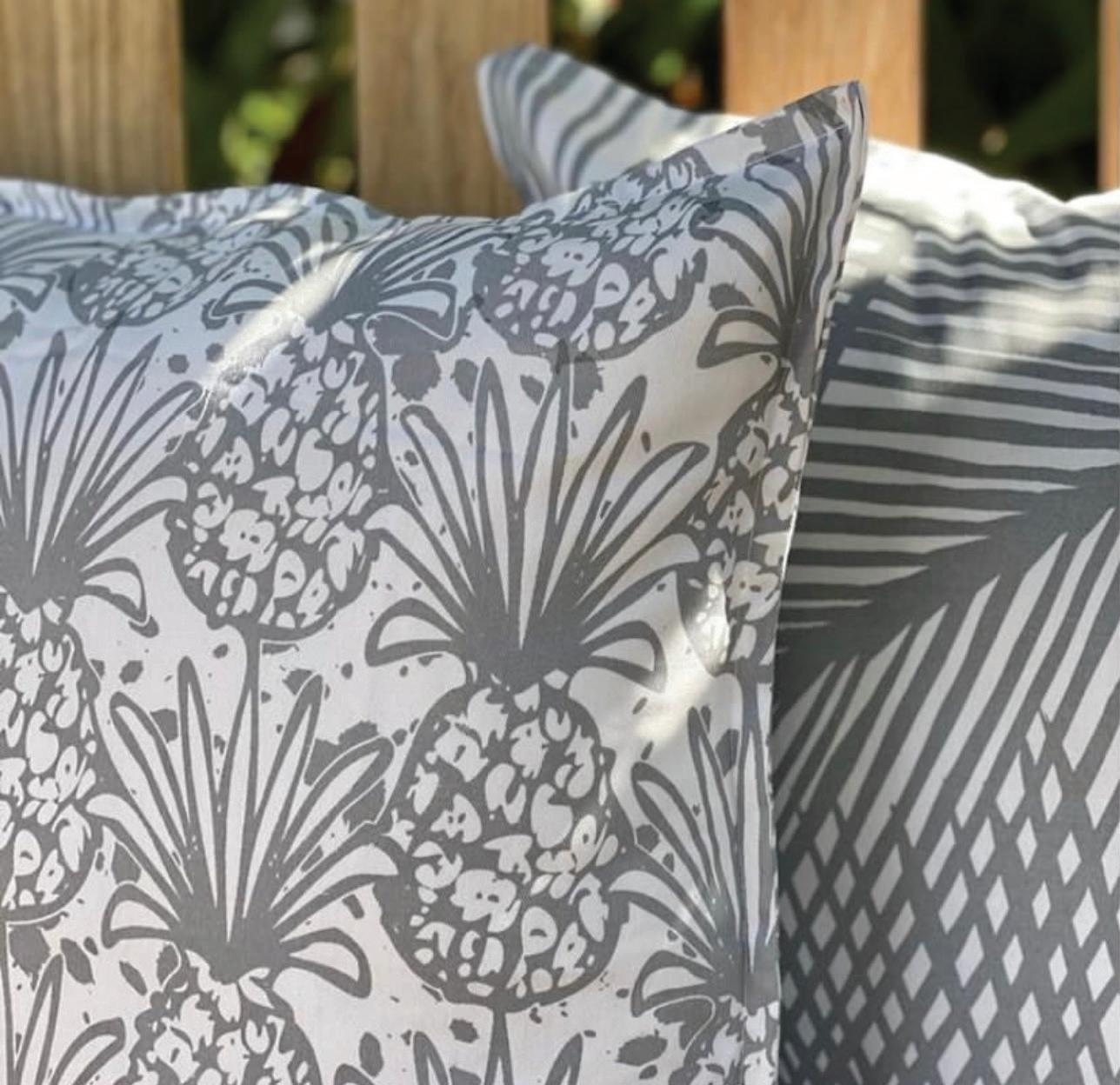
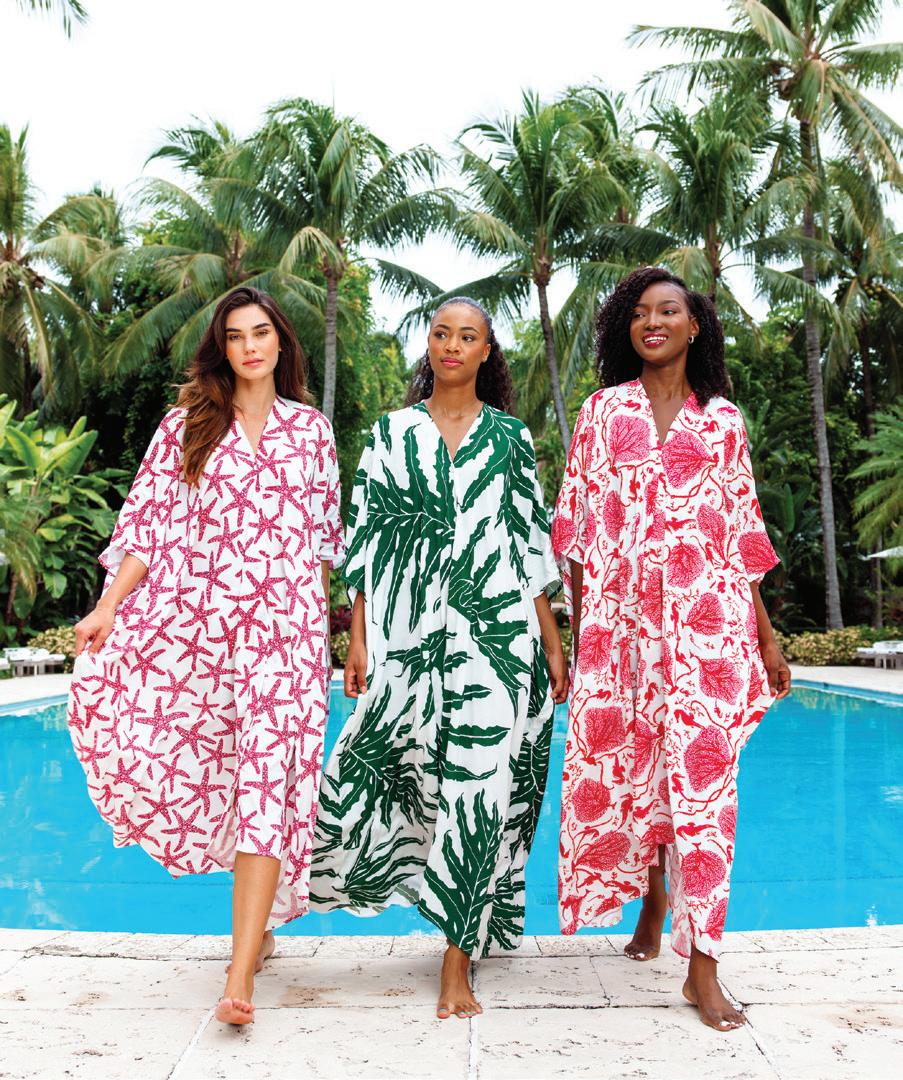
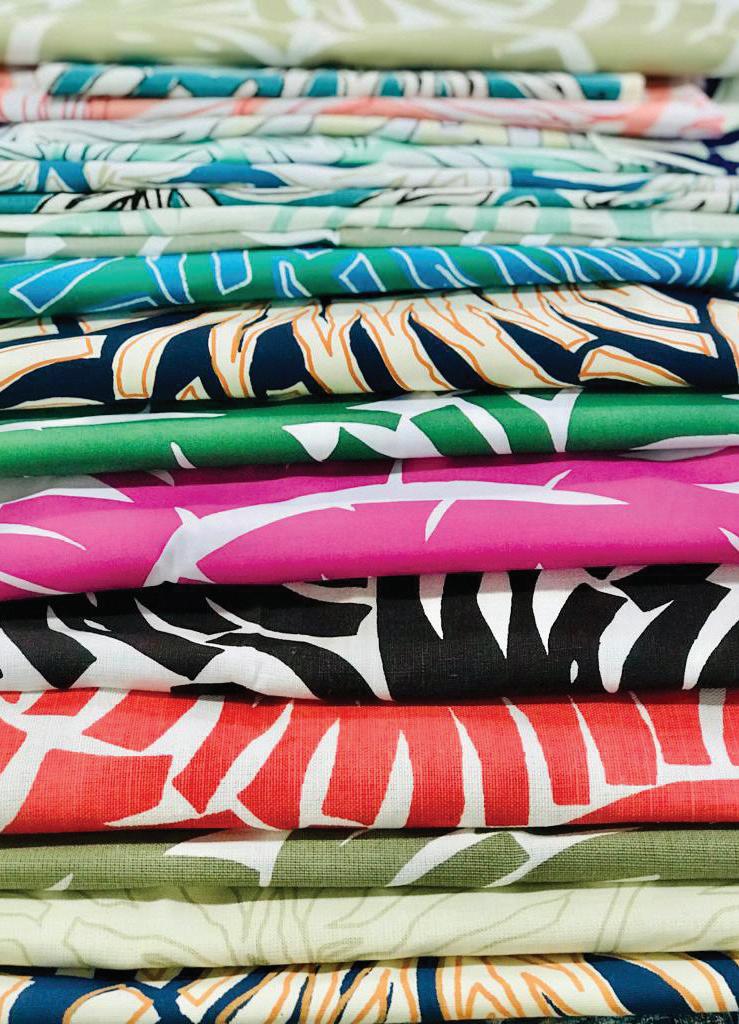
BThe brand’s lifestyle is about the prints – the colours, the styles of clothing, and the way of living
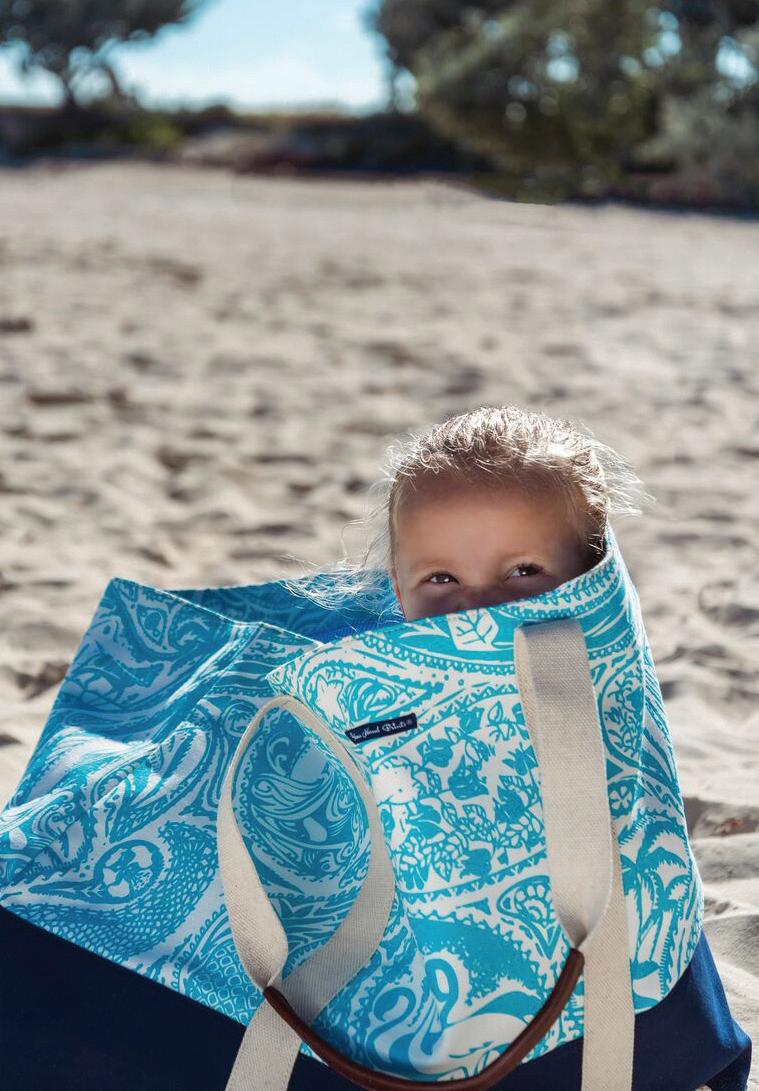
ahama Hand Prints, The Bahamas’ contribution to the fashion world and the world of textiles, is a lifestyle brand. The designs, inspired by the sun, truly capture the beauty found throughout the Bahamian islands. The brand’s lifestyle is about the prints – the colours, the styles of clothing, and the way of living.
Bahama Hand Prints pieces are a part of your family get-togethers, beach days, special occasions, and more, becoming staple keepsakes in Bahamian households across generations. Depending on your lifestyle, age and interests, these hand screen printed collections speak volumes, and their bags are always a special piece to have – they are bright, fun, and immediately identifiable.
Originality of the prints for the fine fabrics of this lifestyle brand is woven into every aspect of island life – from the fabrics used, to the colours and the styles. Bahama Hand Prints is made to be part of life on the islands. The colours are vibrant. The brand’s history – fascinating.
It’s one-of-a-kind.
Bahama Hand Prints’ fabric is unmatched elsewhere in the Caribbean. Just walking into a boutique is mesmerising as it offers a visual feast of Bahamian-made prints and colours. This combination is what attracted Alannah van Onselen to invest in the brand.
“Growing up with Bahama Hand Prints, I always greatly admired it and enjoyed the collections. I love that it is a true representation of the culture and colours of The Bahamas,” says van Onselen. “The originality of the prints is unmatched anywhere else in the Caribbean and as a creative and a keen entrepreneur, I saw the potential for growth of the brand and was excited to take it on and to bring new ideas and life into it.”
The story behind this cultural brand pre-dates an independent Bahamas. The much-sought-out brand that can find its pieces in many well-appointed homes by the most fashionable set, was started in 1966 (The Bahamas became independent on 10 July 1973) by
and Helen Astarita. The duo mastered the traditional method of hand screen printing and transferring their beautiful designs onto fabric. Since those early days, Bahama Hand Prints now has more than 160 prints all designed by local artists over the years that are all copyrighted to Bahama Hand Prints.
Each print has a unique personality and acts as a lens capturing moments of Bahamian culture through the years. In its vintage “iconic” designs created between 1966 and 1978, Bahama Hand Prints features sweet names such as Bahama Islands, Palms ‘n’ Tings, Sea Treasures, Fronds, Happy Hibiscus, Reef Rover, Beach Combing, Bahamarama, and Sea Grapes.
New designs exclusive to Bahama Hand Prints feature sassier names such as Pineapple Fields, Flamingo Parade, Turtle Tumble, Fronds Medley, Dilly’s Paisley, Funky Leaves, Coconut Shade, Peace Love Dove, Polka Star, Sea Horse Waltz, Fronds Too, and Fancy Philodendron.
The prints are unchanged from the artists handmaking them, timeless, and loved across all generations. They all tell a different story of the rich tapestry of Bahamian life. Van Onselen has an amazing library to choose from to create their collections. The proprietor herself is often drawn to vintage prints: “I love how they ooze history and are timeless.”
Bahama Hand Prints is currently working with University of The Bahamas to have new prints created by their art students, which will further expand their offerings. “I cannot wait to see their creations and see how they bring their own versions of The Bahamas to life through their art into the prints,” says van Onselen.
The brand’s pieces are all made with cotton poplin and cotton twill – fabrics that are breathable, lightweight, and perfect for the Bahamian climate. The cotton poplin is thin and cool with an easy drape, yet simultaneously sturdy. It is strong and durable in nature with a soft, lustrous surface and an all-around fabric that Bahama Hand Prints utilises in their clothing, bedding, and table coverings. Cotton twill, a durable textile that is woven with the characteristic twill pattern of diagonal parallel rib, and which because of its structure drapes well, is ideal for their home décor including curtains and table coverings. (They also offer outdoor fabrics and linens for custom orders.)
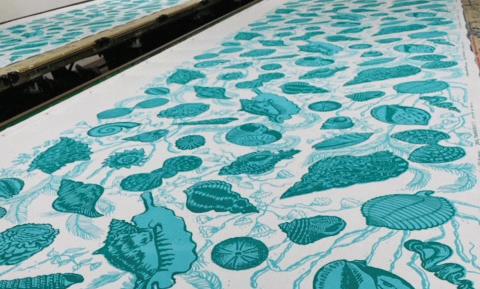
Every Bahama Hand Prints fabric offered is printed on these tables that were the same tables used four decades ago, and the technique and methods of printing are the same
Making their products that much more unique is that Bahama Hand Prints’ fabrics are printed at their Harbour Bay factory, by hand, by Lesley Williams, who, over the last 30 years, has become a true master in his trade. Williams brings his passion and knowledge to the tables, mixing those vibrant colours and bringing the famous prints to life.
Every Bahama Hand Prints fabric offered is printed on tables that were the same tables used four decades ago, and the technique and methods of printing are the same. They offer factory tours where you can watch as the prints are created from scratch. And the fabrics are also sold to allow people to craft their own wears, or to take home a friendly reminder of The Bahamas. Customers can also choose from the extensive print repertoire, and Bahama Hand Prints will print the design to the requested colour specification.
“We are the only factory left of this kind in the Caribbean that prints at our capacity and technique,” says van Onselen. “It is a true labour of love, and we feel incredibly proud and strongly that we continue to keep this art alive in a world where digital mass printing and manufacturing abroad has become the norm.” UA


By Tyrone L. E. Fitzgerald
Photographs Courtesy of Roderick Wells Photography and L. Roscoe Dames II
p and Away enjoys showcasing the team that makes the airline function, from the customer-facing to those behind the scenes. Allow us to share with you three dynamic members of Bahamasair and their stories.
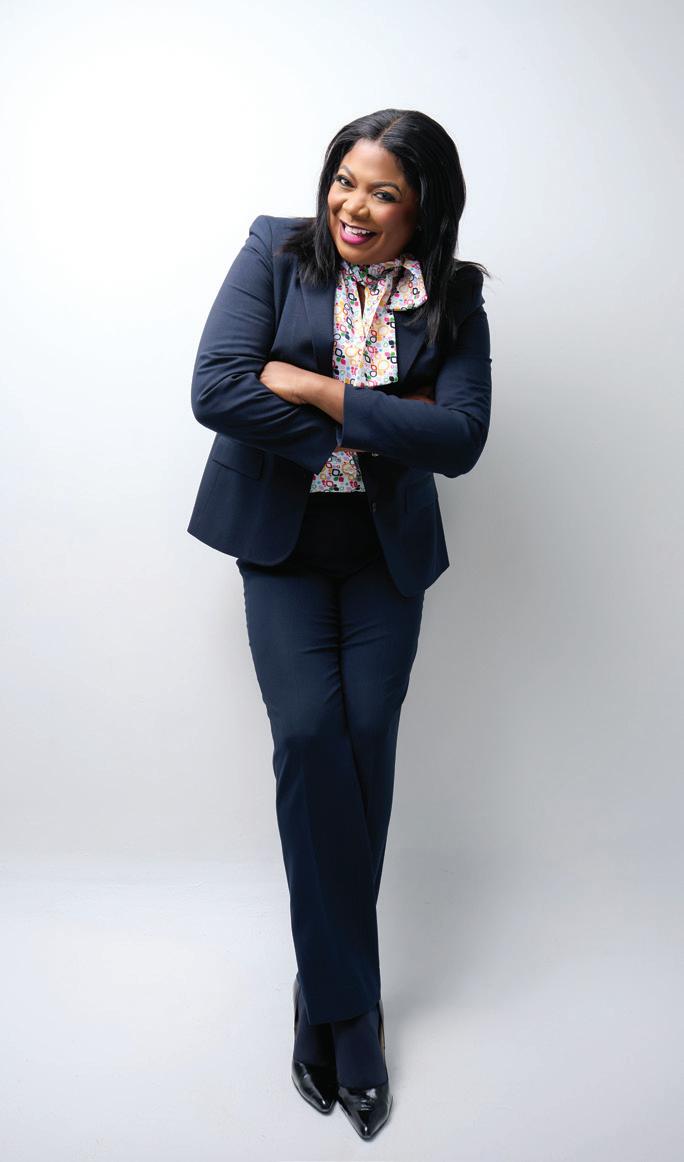
Shantel Clarke is all about sharing love and doing for others as she would have them do for her. She lives by this deeply personal mantra and incorporates it into every part of her life.
Clarke has been employed with Bahamasair for 23 years, having started as a ticket agent, in 2001, to now working as a senior cabin attendant.
Daily, Clarke oversees the cabin crew, manages the operational efficiency and customer service within the aircraft, and ensures that she and her crew members provide friendly, professional, and attentive service to the many passengers who fly Bahamasair.
Her demeanour, personality, deportment, and communication are impeccable, and she immediately captures your attention and your heart with her humble and endearing spirit.
Clarke’s quiet and reserved manner is not to be taken for granted nor overlooked, however. She is admittedly a carefully observant and well-meaning “truth teller” who lovingly and non-confrontationally counsels her colleagues and crew to work and operate in the best interests of the company and themselves. She is a trusted confidante and advisor to her coworkers.
Most importantly, for Bahamasair, Clarke is a worthy and worthwhile ambassador of the company’s vision, mission, and values. She embodies the friendliness, professionalism, and approachability that have remained the hallmark of Bahamasair’s customer service.
She is a self-described and unapologetic “homebody” who loves old movies and taking care of her two daughters, Fallon and Erin, a dispatcher at Bahamasair and front desk supervisor at Grand Hyatt, Baha Mar, respectively, and her son, Charles, an avid soccer player.
An avid member of St. Anselm Catholic Church in Fox Hill, Clarke faithfully and selflessly serves her church community. She especially loves going to church with her mother, Vernice Davis, whom she loves dearly, and who has always been her joy, inspiration, and spiritual and motivational guide.
Additionally, Clarke is a strategic and business-savvy entrepreneur with a home-based hair design and retail business called Glamour Pot which specialises in premium-quality human hair from Cambodia, India, and Colombia. And is a creative hair artisan who designs and sews hair caps for her clients who love feeling confident and looking their best.
A believer in the transformative power and potential of spiritual love, Clarke has made a significantly impressive contribution to her colleagues and workplace – a catalyst for change and camaraderie that is as refreshing as it is remarkable.
Windira Myra Smith
Windira Smith believes: “All things are possible through Christ who strengthens me.”
This spiritual truth has been her mantra and motivation for the eight years that she has been employed at Bahamasair as well as for most of her life.
Smith began working at Bahamasair in March 2016 as an audit clerk, was later promoted to interline clerk, and moved up the corporate ranks to payroll clerk, in June 2021, a key position in the administration and finance department that she proudly holds today.
An exuberant, vivacious, and inspiring personality, Smith is the epitome of servant leadership done right, particularly within the competing demands of a rapidly changing, technologically advanced, and unapologetically modern corporate culture.
Having collaborated with many mentors along her professional journey at Bahamasair, Smith credits the leadership, professional guidance, and team-building skills of her current manager, Amanda Joffre, for giving her the essential tools and opportunities to develop holistically, excel in her current position, and make a meaningful contribution to the Bahamasair team.
Recently married to Ervin Smith, Smith is a housewife, praise team member and volunteer church administrator at Love Worth Finding Ministries, and a gifted crochet artisan.
A self-professed “homebody,” she enjoys cooking, relaxing at home, and crocheting her beautiful designs for clients of her home-based and online business. Her unique artistry and immense passion for crochet and needlework has made this self-taught artisan a popular and trending influencer of crochet fashion and accessories, locally.
Crocheting relaxes her, Clarke says, and gives her incredible joy and inspiration when her clients, whether family, friends, or colleagues, are pleased with her designs. She is encouraged to push the boundaries of their fashion-forward knitted predilection. It was a skill she learned from her mother, Sarah Demeritte, at the age of twelve, which has developed since then.
For many of her colleagues, Clarke is a respected problem-solver, skilled payroll clerk, office confidante, engaged team player, and personal cheerleader.
Her infectious smile, positive attitude, and willingness to not only assist her coworkers and managers, but go beyond their expectations, have all been her mainstays and the foundation of her upward mobility within her department.
For Clarke, all things are possible because she has faith in her God and her abilities. She is willing and able to share her gifts, selflessly and tirelessly, as a corporate influencer, but mostly as an agent of change.
Visit Blissful Yarn on Facebook for more crochet designs.
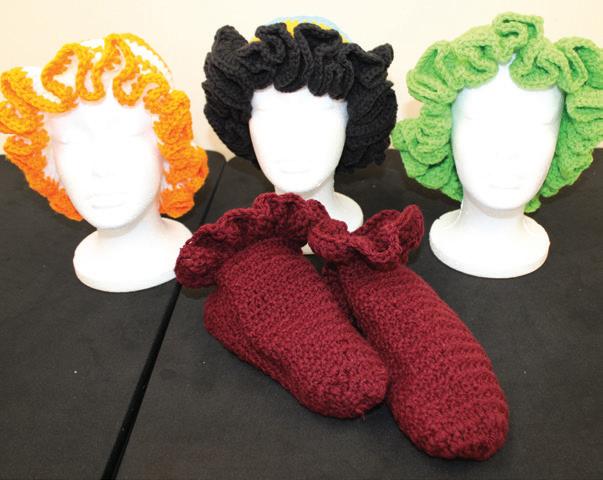

Ranique Murphy is affectionately called “Happy” in Bahamasair’s administrative office.
As the first to answer the telephone or greet a customer, whether internal or external, as a receptionist, Murphy is always smiling, always helping, and always positive – no matter what.
She started working at Bahamasair seven years ago as a customer service representative, then applied for the position of receptionist two years later, in 2019, and landed the “opportunity” as she describes it.
Murphy sees any work that she does at Bahamasair as an opportunity to provide superior customer service and high performance in a professional, amiable, and efficient manner.
With a love for colours, textures, architecture, and design, Murphy has a degree in interior design from the Art Institute of Toronto, and has an interior design business, Catoneisha Designs.
At Bahamasair’s administrative office, Murphy is often responsible for the seasonal and special occasion decorations in the office, integrating her imagination, creativity, and signature style to artistically manifest any theme or celebration.
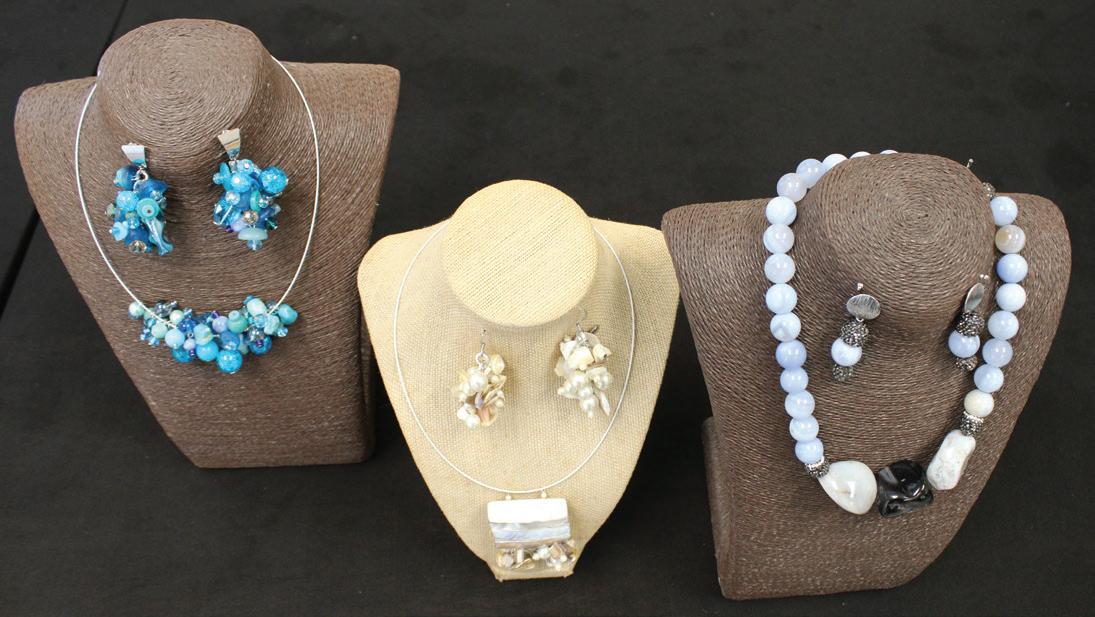
She has an incredibly engaging and assertive yet disarming personality and is always willing to provide timely nuggets of friendly advice, wise counsel, and careful guidance to her coworkers who may be experiencing a bad day or a personal challenge.
Murphy is that “go-to person” who transforms your energy positively and transports you to a space of security, peace, and self-motivation with grace and humility.
A self-proclaimed YouTuber and enterprising spirit, Murphy loves exploring design hacks, creative innovations, and cool projects which takes her out of her comfort zone and gives her an incredible sense of exploration, fun, and adventure.
Murphy, like her cohorts that are featured in this issue, believe that all things are possible through Christ who’s the source from whom her blessings flow. She is uniquely and purposefully positioned to represent the best of what service excellence means, not only to her internal and external customers, coworkers, managers, and the entire Bahamasair team, but also to the world. UA
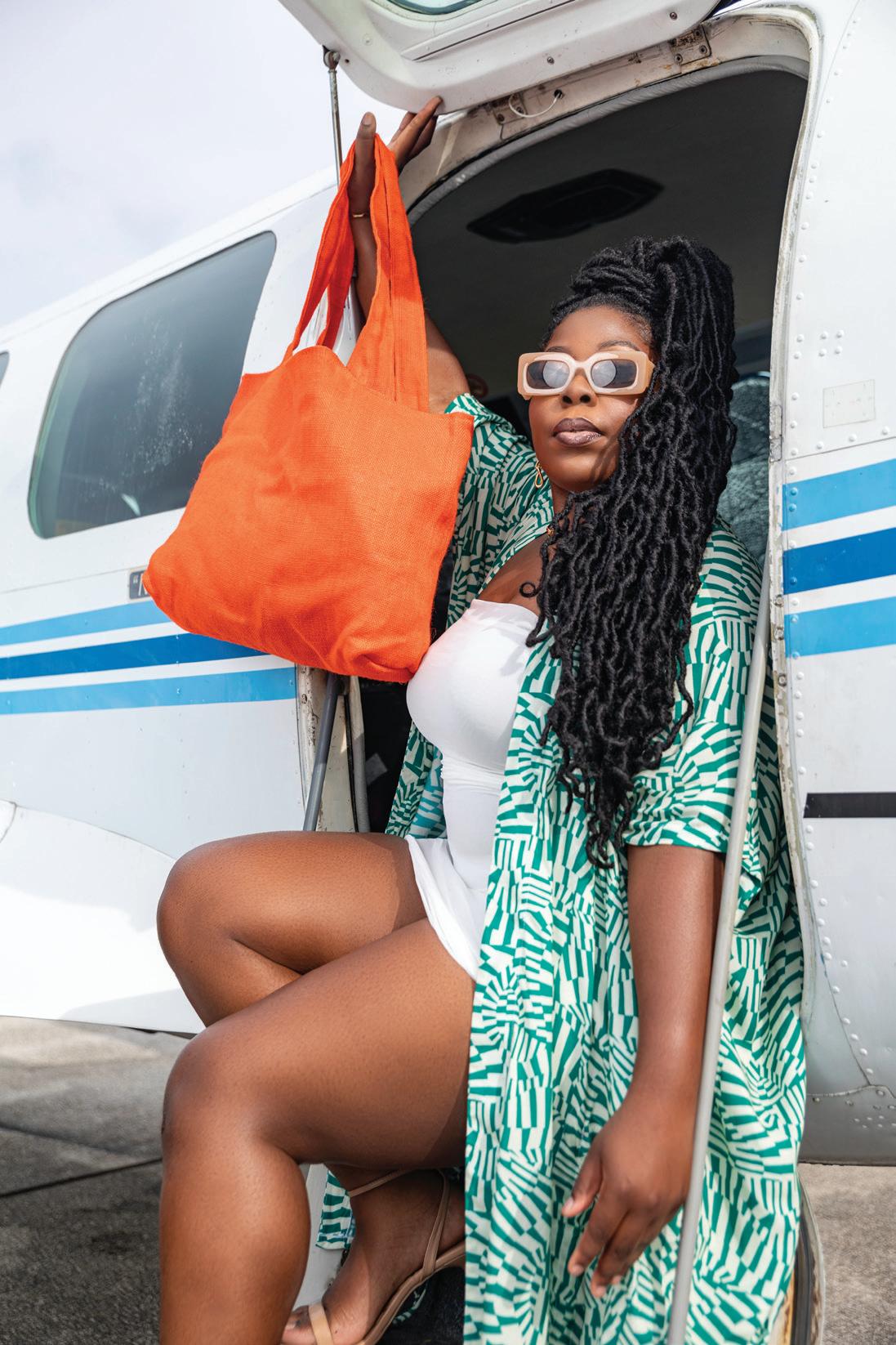

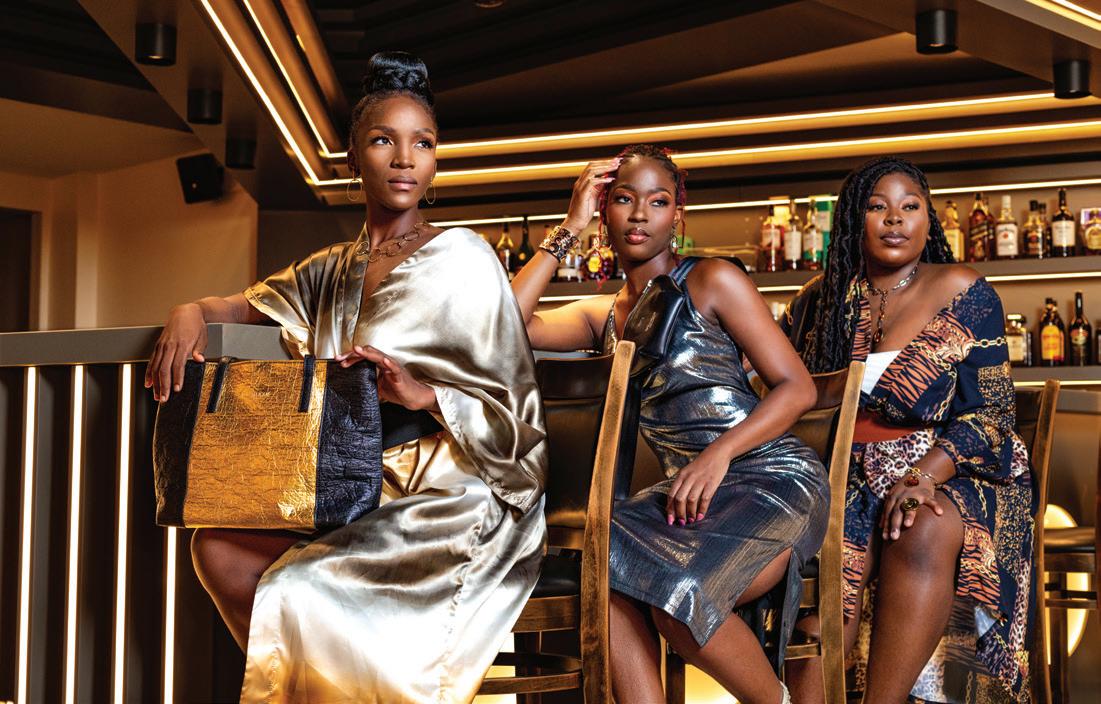
‘Willique’s Anya Pratt is Merging Sustainability w/ Fashion’
By Nikia Wells Photographs Courtesy of Danielle Romer
nya Pratt, the creative force behind Willique, has woven her passion for fashion with a commitment to sustainability and creating a brand that meshes style and conscious fashion. Born out of a desire to blend heritage with innovation, Willique stands as a testament to Pratt’s commitment to craftsmanship and a desire to create ethical designs. She is originally from Grand Bahama but has lived and worked throughout The Bahamas, the UK, and the Turks and Caicos Islands. However, she has recently returned to her Grand Bahamian roots where she is currently working on modern designs and sustainable fashion educational initiatives.
Pratt’s journey into the world of fashion began with a deep-rooted passion for creating pieces that transcend trends, aiming to become heirlooms. Reflecting on her beginnings, she shares: “I started Willique after finishing university in London. My dad encouraged me to delve into bespoke craftsmanship, which set the foundation for what Willique stands for today.”
Established in 2016, Willique made its mark on the fashion scene when Pratt’s handbag was scouted for London Fashion Week, marking a significant milestone for the brand. This early success cemented Willique’s dedication to creating timeless pieces that merge quality with heritage, echoing the sentiment that fashion can be a vehicle for positive change.
For Pratt, fashion transcends mere aesthetics; it is a platform for self-expression and activism. “Fashion excites me because it allows us to create one-of-a-kind pieces that celebrate individuality,” she explains. “It’s about pushing boundaries and prompting important conversations, whether environmental, social, or artistic.”
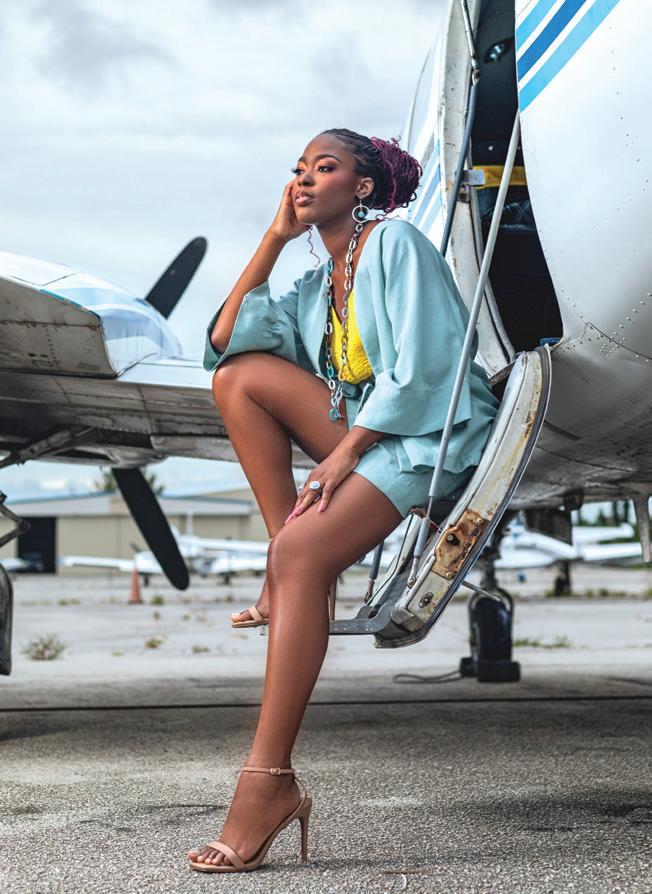
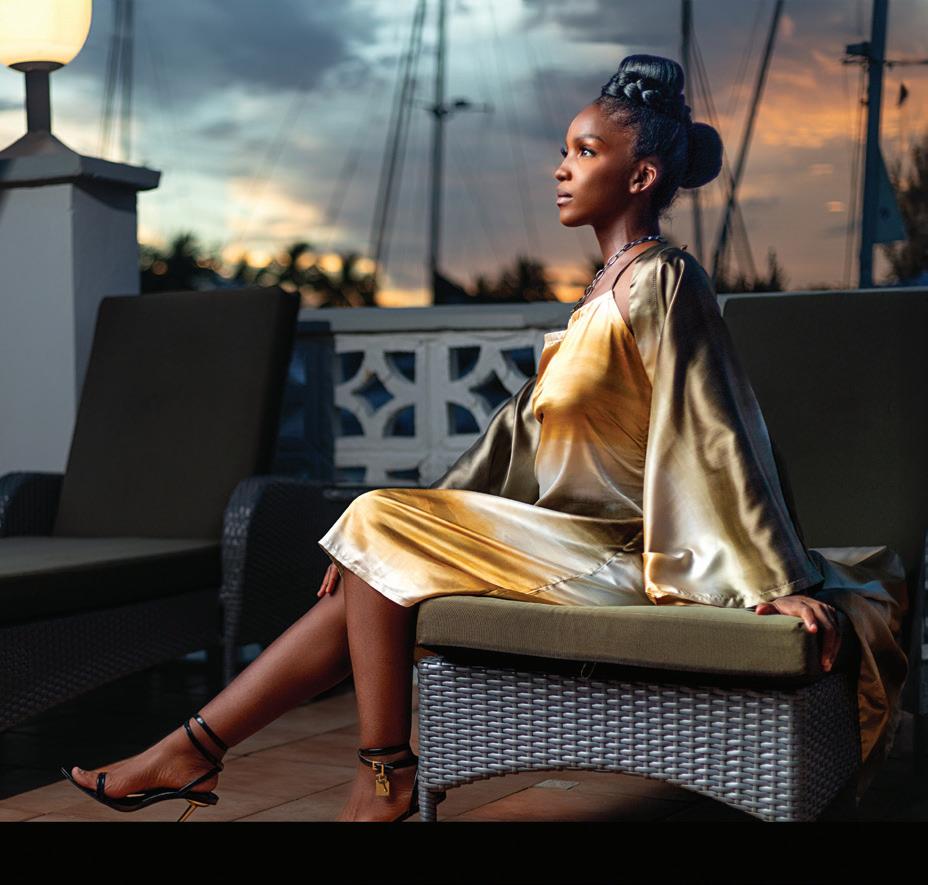
Pratt’s philosophy on fashion and design underscores a disciplined approach grounded in core beliefs of quality and integrity. “Fashion, like any art form, requires discipline and creativity,” she reflects. “It’s about marrying vision with standards to create something impactful.”
Pratt draws inspiration from diverse sources, including Caribbean vintage textiles from the 1920s and 1950s. “Exploring historical textiles has influenced our approach to craftsmanship and sustainability,” she notes. “We aim to create with longevity in mind, using high-quality materials that stand the test of time.”
Her time in London provided additional inspiration where observing trends and unique styles in the bustling cityscape informed her design ethos. This blend of historical reverence and contemporary flair defines Willique’s aesthetic, ensuring each piece tells a story of its own.
As both a designer and business owner, Pratt emphasises the importance of organisation, discipline, and strategic planning. “Running a creative business requires structure and foresight,” she advises. “It’s about balancing creativity with practicality, ensuring sustainable growth while staying true to your vision.”
Looking ahead, Pratt is excited about expanding Willique’s reach while continuing to advocate for sustainability. She shares: “We’re focused on innovative approaches, such as our use of sustainable materials like plant-based leathers and locally sourced textiles.”
Willique’s commitment to sustainability is also evident in the brand’s latest collections, including a capsule line for Lignum Vitae on Grand Bahama. The pieces embody eco-consciousness and functionality, catering to diverse lifestyles from beachgoers to urban professionals.
Pratt’s future includes collaborations aimed at community development and rehabilitation through fashion education. “We’re launching initiatives to empower young men in Turks and Caicos through design education,” she reveals. “It’s about fostering skills and creativity for a brighter future.”
Pratt’s global experience – from London to the Turks and Caicos Islands, and back home in The Bahamas – has enriched her understanding of worldwide fashion dynamics. “Living and working abroad has shaped my perspective on design and customer preferences,” she reflects. “Yet, the Caribbean remains my anchor, influencing my designs with its vibrant culture and natural beauty.”
As she looks towards the future, Pratt remains committed to crafting pieces that not only adorn but endure – a testament to her unwavering passion for fashion and design.
We at Up and Away celebrate the local artists and artisans, those known and those yet to be discovered. When we approached Pratt to feature her in the publication, she was excited to engage several exceptionally talented individuals to curate the photoshoot for Up and Away for which we are thankful.
Clothing and handbags by Willique, photography by Danielle Romer @remormedia, styling by Dora Marotta @dorafashionspace, hair by Niya Walkin

(Studio7), jewellery by Freeport Jewellers @freeportjewellers, MUA by Beauty Enhancers @mua_beautyenhancers, and models Lash Taylor @lashfromtheislands, Kranae Rigby @kranae242, Sherika Brown @beautybysherika on location at The Gallery.
The “Endless Summer” collection and photoshoot aimed to capture the essence of an idyllic, luxurious Bahamian getaway with a chic resort collection that exudes sophistication and effortless elegance. We followed three models as they journeyed through a perfect day of opulence, from their arrival to an evening of celebration, showcasing the versatility and timeless appeal of resort wear. The setting is a stunning Bahamian island where the natural beauty complements the curated looks, creating a narrative of ultimate luxury and style. UA
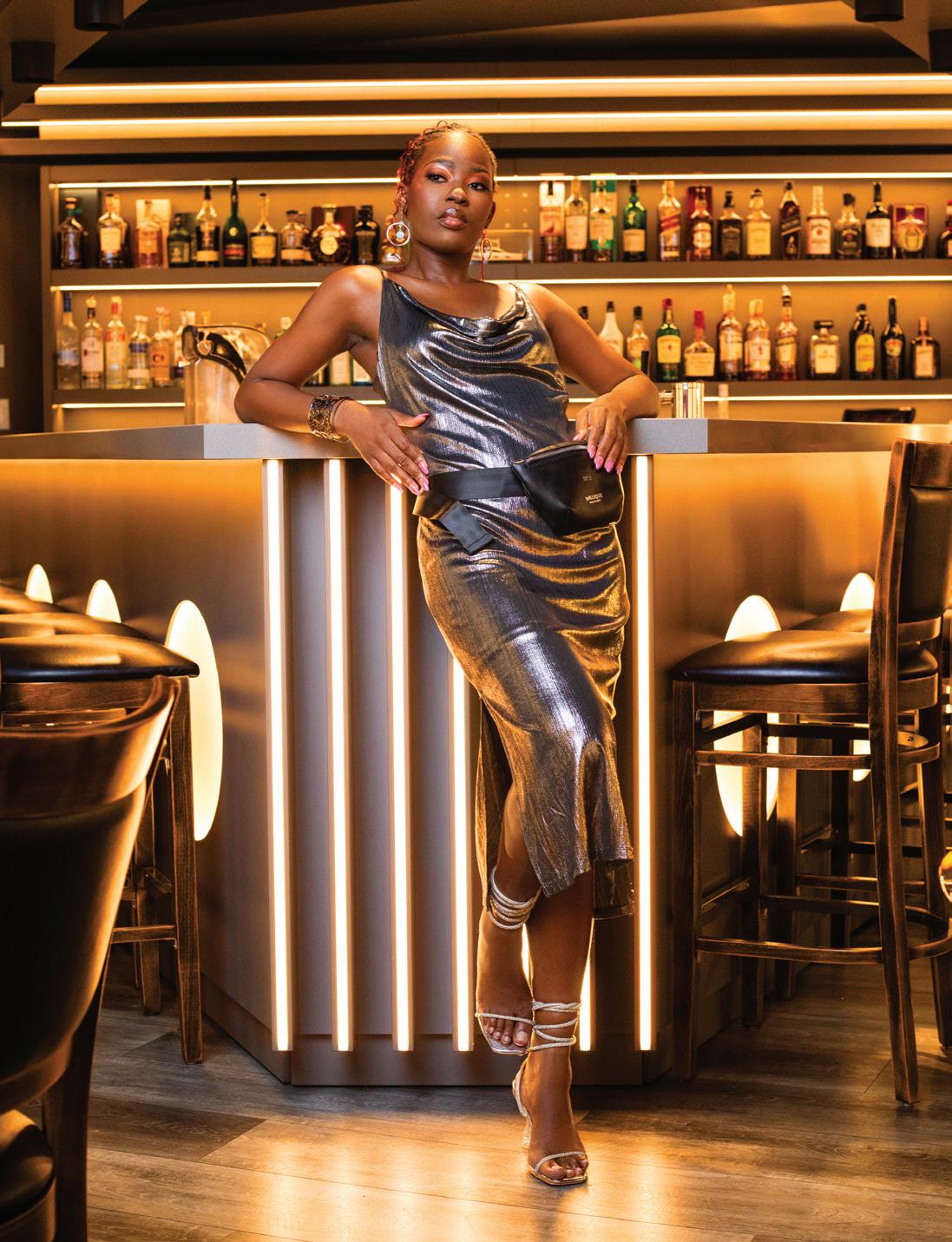
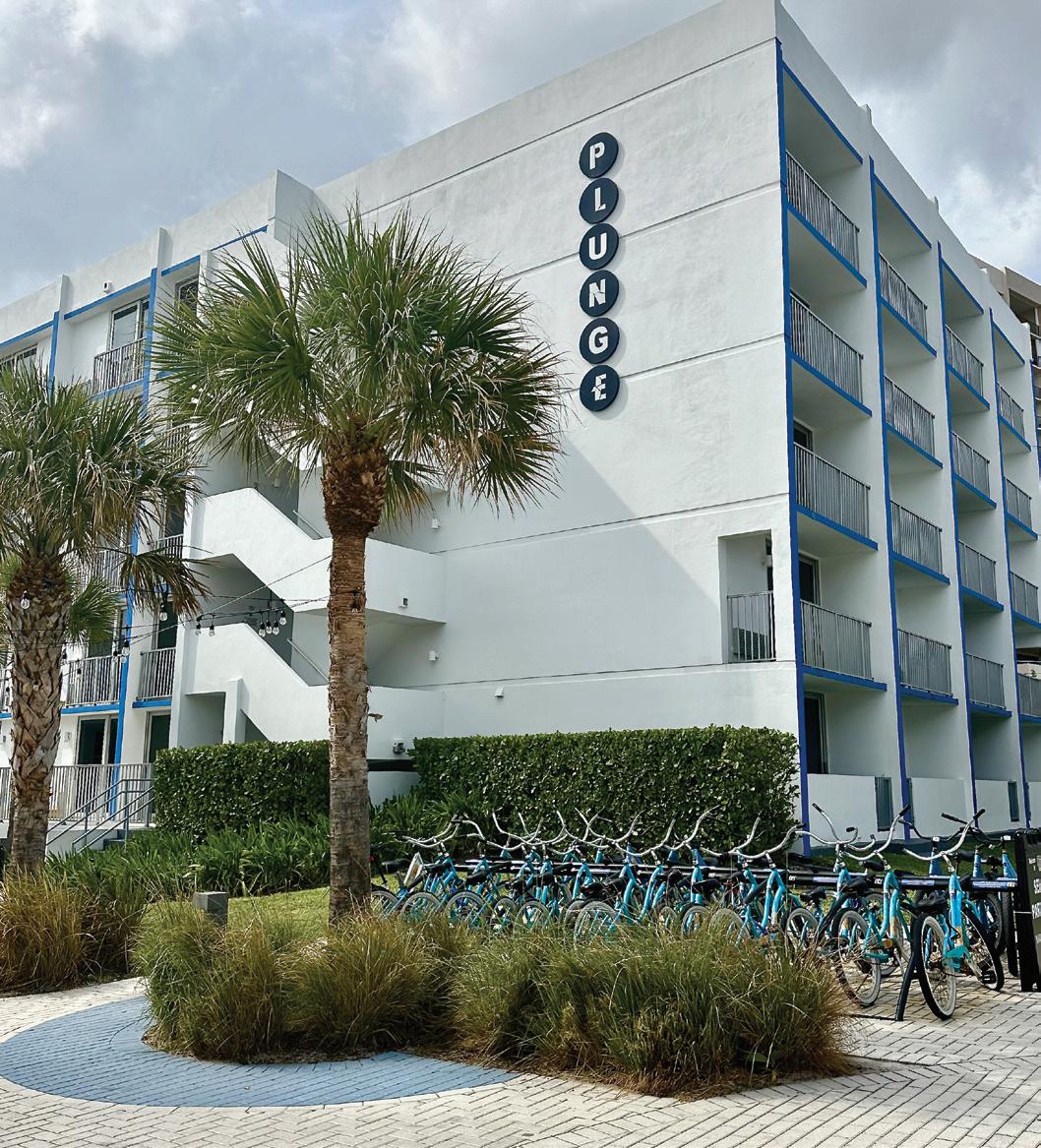
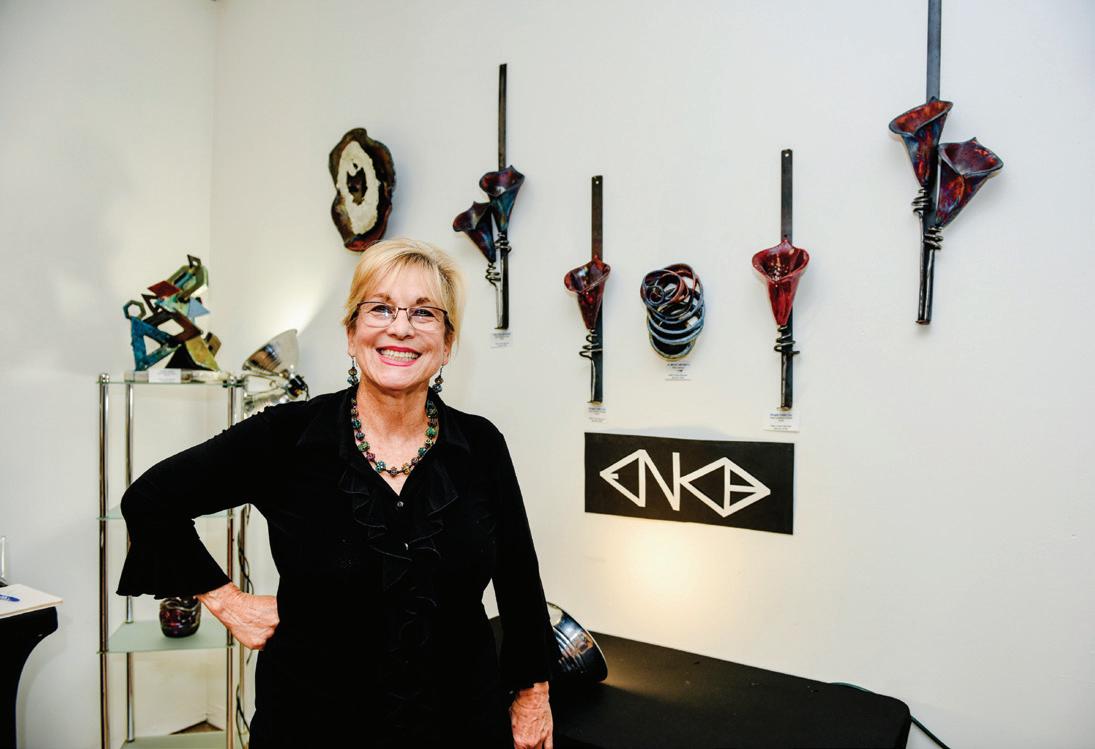
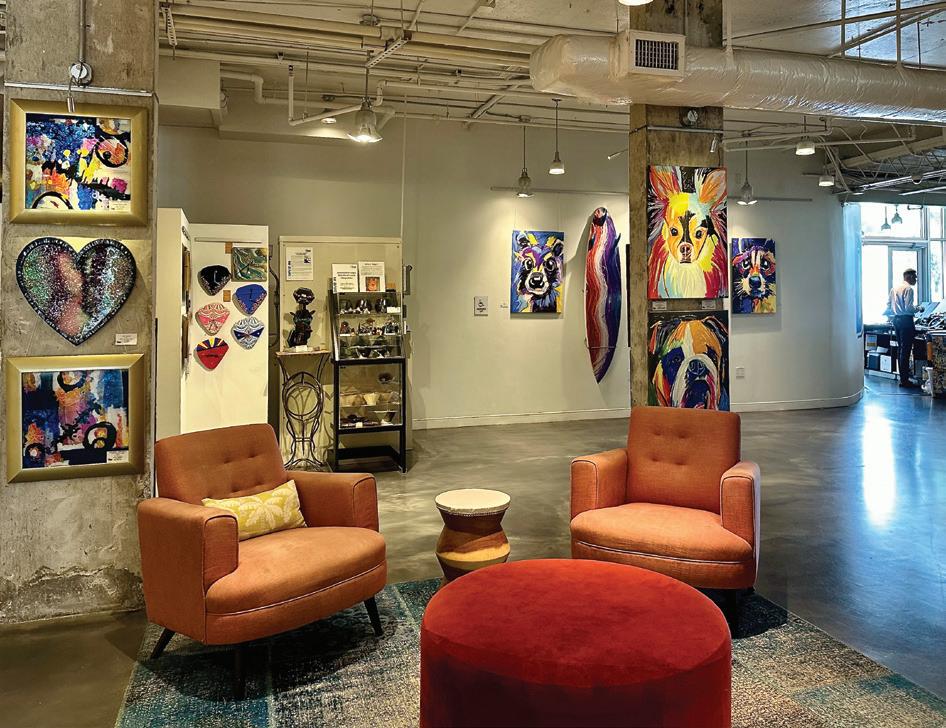
‘Arts programme at the Plunge Beach
By Tina Walsh
Photographs Courtesy of the Plunge Beach Resort, Carina Mask and Tina Walsh
by the Sea’
ocated in the beautiful beach town of Lauderdale by the Sea, Plunge Beach Resort offers a one-of-a-kind experience for art enthusiasts and vacationers alike. Immerse yourself in creativity as you explore this vibrant space which showcases a diverse range of artwork from both emerging and established local artists.
The Plunge into the Arts programme brings local art to the forefront, providing a unique cultural twist to the typical beach resort experience. It showcases a rotating selection of works by local artists, making every visit feel fresh and inspiring. Plunge Beach Resort is a hub of creativity and inspiration, thanks to this incredible arts programme, which includes its Lobby Art Gallery and the unforgettable “Meet the Artist” events.
With its unique atmosphere and stunning ocean views, Plunge Beach Resort provides the perfect backdrop for the Lobby Art Gallery. Step inside, and you’ll discover a carefully curated collection of paintings, sculptures, and mixed-media pieces that will captivate your imagination.
From the moment you walk onto the property, you are struck by the energy and artistic flair that permeates every corner of the hotel. The lobby itself is a gallery, adorned with stunning pieces by local artists, setting the stage for what is to be an art-filled adventure.
Whether you’re a seasoned art connoisseur or simply have an appreciation for the beauty of artistic expression, the Lobby Art Gallery at Plunge Beach Resort is sure to leave a lasting impression. Take your time to admire the craftsmanship and creativity on display. Plan a visit and let the power of art transport you to a world of inspiration and imagination.
LAUDERDALE BY THE SEA
Lauderdale by the Sea is a picturesque seaside community known for its inviting beaches, blooming art scene, and laid-back atmosphere. This coastal town exudes a sense of tranquillity and charm, making it the perfect setting
for Plunge Beach Resort. Visitors can explore the quaint streets lined with boutiques and cafes, soak up the sun on the pristine beaches, and immerse themselves in the local art and culture that permeates the area.
Whether you’re strolling along the shoreline or browsing through the art galleries that dot the streets, Lauderdale by the Sea offers a blend of natural beauty and artistic inspiration that is sure to captivate your senses.
More than just a space to display art, the Plunge into the Arts programme is a curated experience designed to evoke emotion, spark creativity, and engage visitors on a deeper level. The concept behind the art gallery is to create a dynamic environment where artists can showcase their work in a setting that complements and enhances their creations.
By carefully selecting a mix of paintings, sculptures, and mixed-media pieces, the gallery curates an immersive experience that invites visitors to explore different artistic styles and perspectives. Through rotating exhibits, the Lobby Art Gallery aims to bridge the gap between artists and art lovers, fostering a sense of connection and appreciation for the creative process.
The Lobby Art Gallery at Plunge Beach Resort features a roster of talented local artists whose works span a wide range of mediums and styles. From bold abstract paintings to intricate sculptures, each piece on display tells a unique story and reflects the artist’s individual vision. Visitors can expect to encounter a diverse selection of art that is both visually captivating and thought-provoking.
The featured local artists at the gallery are carefully chosen for their innovative approach to art and their ability to push boundaries and challenge conventions. Whether you’re drawn to bright colours, intricate details, or powerful imagery,
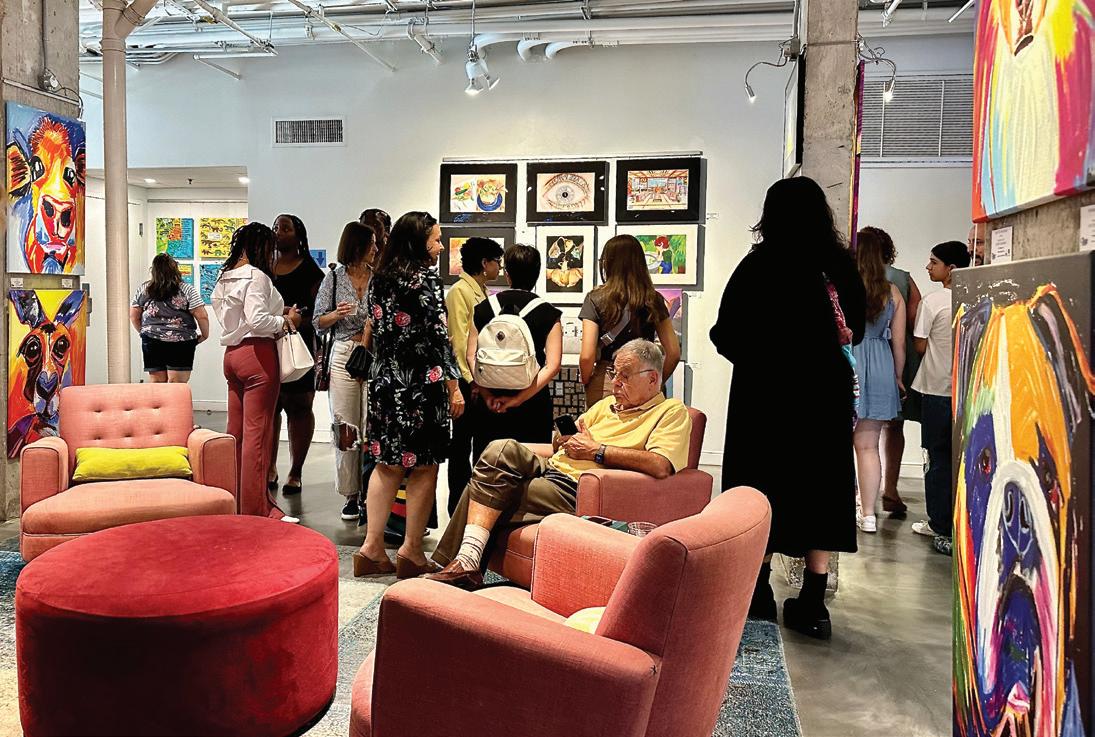
there is something for everyone to appreciate and admire at the gallery. Prepare to be inspired by the sheer talent and creativity on display. One highlight is the annual youth artist exhibition, featuring the work of local high school students.
Throughout the year, the Lobby Art Gallery at Plunge Beach Resort hosts a series of events and exhibitions that showcase the best of contemporary art. Every two weeks, a portion of the exhibit is changed to showcase a new artist. There is always something new and exciting to discover at the gallery.
Twice monthly, a “Meet the Artist” reception is scheduled, allowing hotel guests and the public to interact with the individual artist. These events are both intimate and engaging, with a casual, friendly vibe that makes everyone feel welcome. They attract art enthusiasts, collectors, and curious visitors alike, creating a dynamic and vibrant atmosphere within the gallery space.
Joe Imbrogno, now general manager, previously director of guest excellence, is the visionary behind the Plunge into Arts programme. The magical execution behind the programme, however, is credited to the brilliant curator, Ellen Cohen-Berman. Cohen-Berman’s passion for the arts is evident in every carefully selected piece that adorns the walls of the resort. Her keen eye and dedication to promoting local talent have transformed Plunge Beach Resort into more than just a place to stay – it is a hub of creativity and culture.
Cohen-Berman hosts the bi-weekly receptions, sharing fascinating insights about the showcased artists and their work. An artist herself, she has used her time as a retired schoolteacher to develop her talent. She was one of the original artists asked to show her work in the Lobby Art Gallery. She continues to express her creativity through art and promotes the talents of other regional artists.
Plunge Beach Resort is more than just a venue for showcasing art, it is a resolute supporter of the local arts community. By providing a platform for emerging and established artists to exhibit their work, the hotel plays a vital role
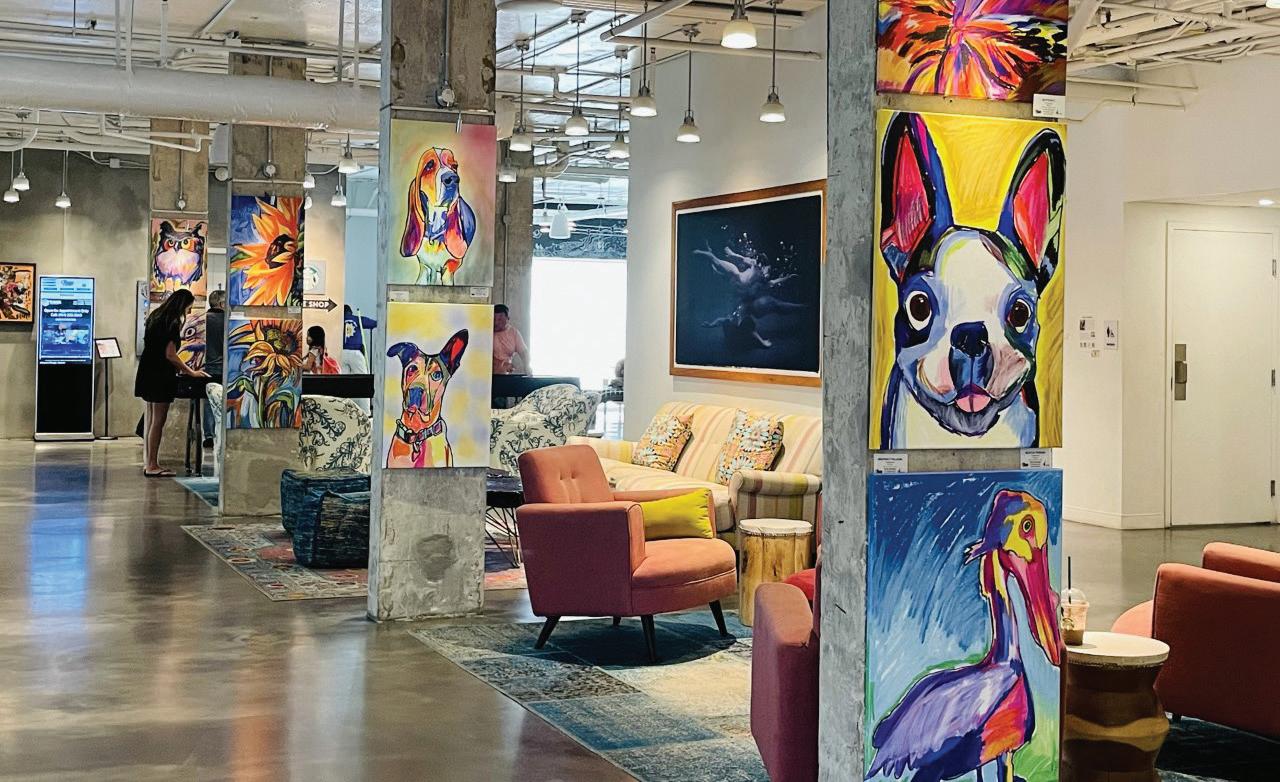
in nurturing creativity and fostering artistic talent. The Lobby Art Gallery serves as a launchpad for artists to gain exposure, connect with art enthusiasts, and further their careers in the art world.
By investing in the local arts scene, the hotel contributes to the cultural fabric of Lauderdale by the Sea and helps to establish the town as a destination for art and creativity. The hotel’s commitment to supporting local artists is evident in the quality and diversity of art on display at the gallery.
The Plunge into the Arts programme offers a truly immersive and inspiring experience for art lovers and visitors alike. With its diverse collection of artwork, interactive experiences, and commitment to supporting local artists, the gallery is a must-visit for anyone seeking a creative escape. Whether you’re a seasoned art connoisseur, or simply looking to be inspired, the Lobby Art Gallery at Plunge Beach Resort promises to leave a lasting impression. UA

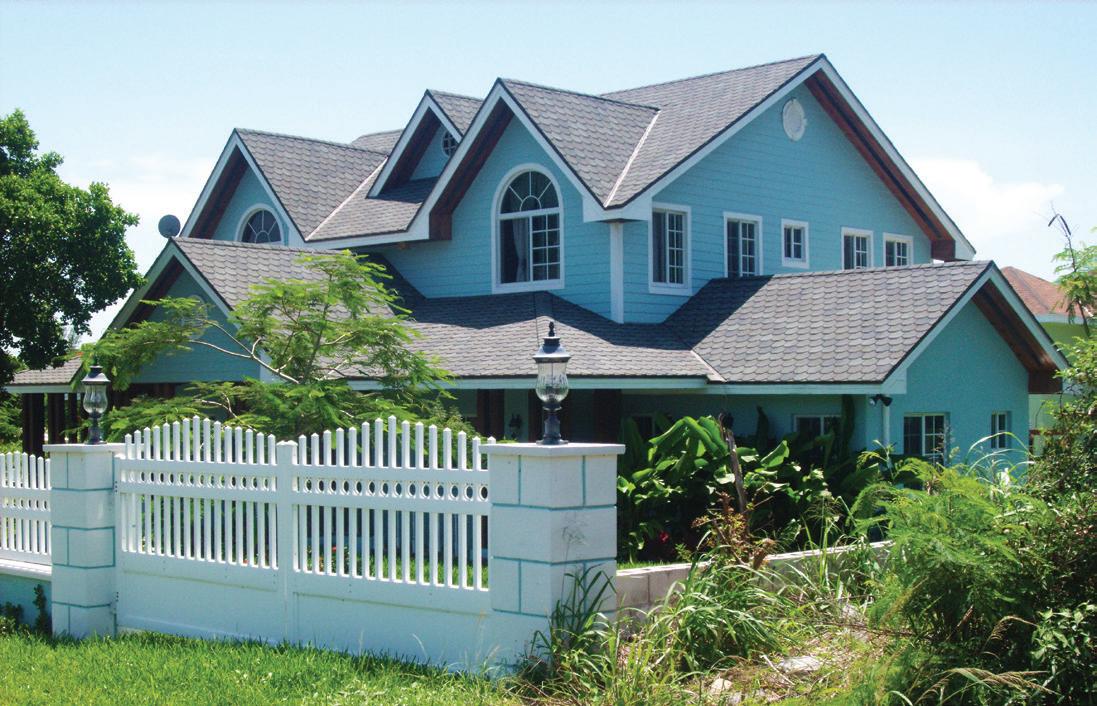
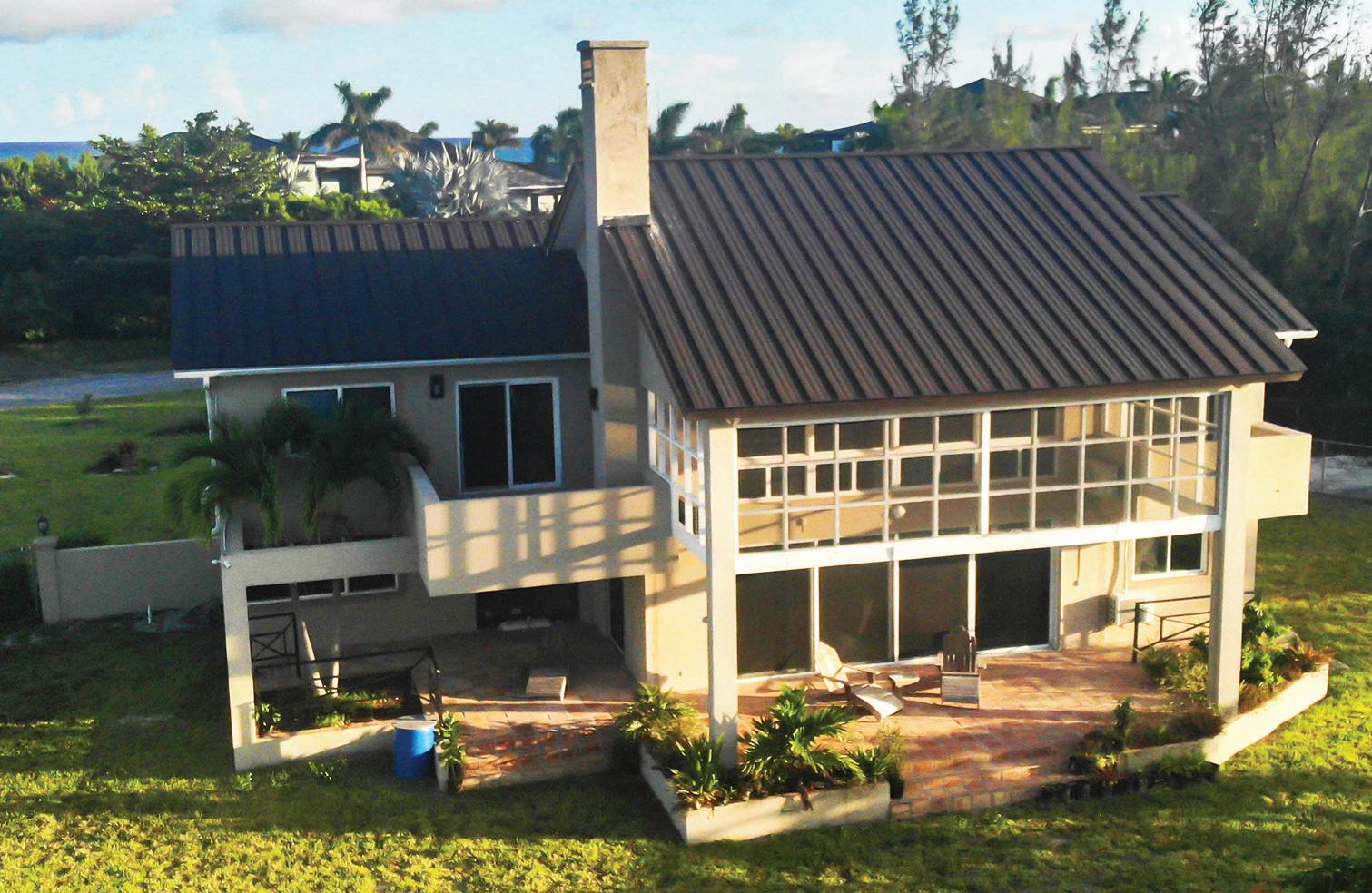
By Kendea Smith
Photographs Courtesy of Ian Fernander, Patrick Rahming and Sheldon Maycock
If you were to canvass homes and buildings in the Bahamas, you would find that the country’s architecture is a melting pot of many styles, such as British, Caribbean, and American. However, there is another side to the art of Bahamian architecture—vibrant colours.
Like many destinations worldwide, traditional Bahamian homes were built centuries ago to accommodate the country’s sunny climate.
Clap houses – as they are traditionally called – are made from wooden clapboard sidings and are structured to take advantage of the islands’ gentle breezes to keep homes cool, especially during the warmer summer months.
According to researchers, many homes and buildings constructed in The Bahamas traditionally stood on stilts and had high ceilings to allow more airflow. Clap houses are also protected against flooding and natural disasters such as hurricanes.
In decades past, Bahamians used push-out shutters above their windows to provide shade from the sun and create a cooler environment. The windows and doors were often large.
The interior of a clap house was typically simple and functional with an emphasis on open floor plans and natural materials. The furniture was often minimalistic and made of wood and sea pieces that reflected The Bahamas’ tropical
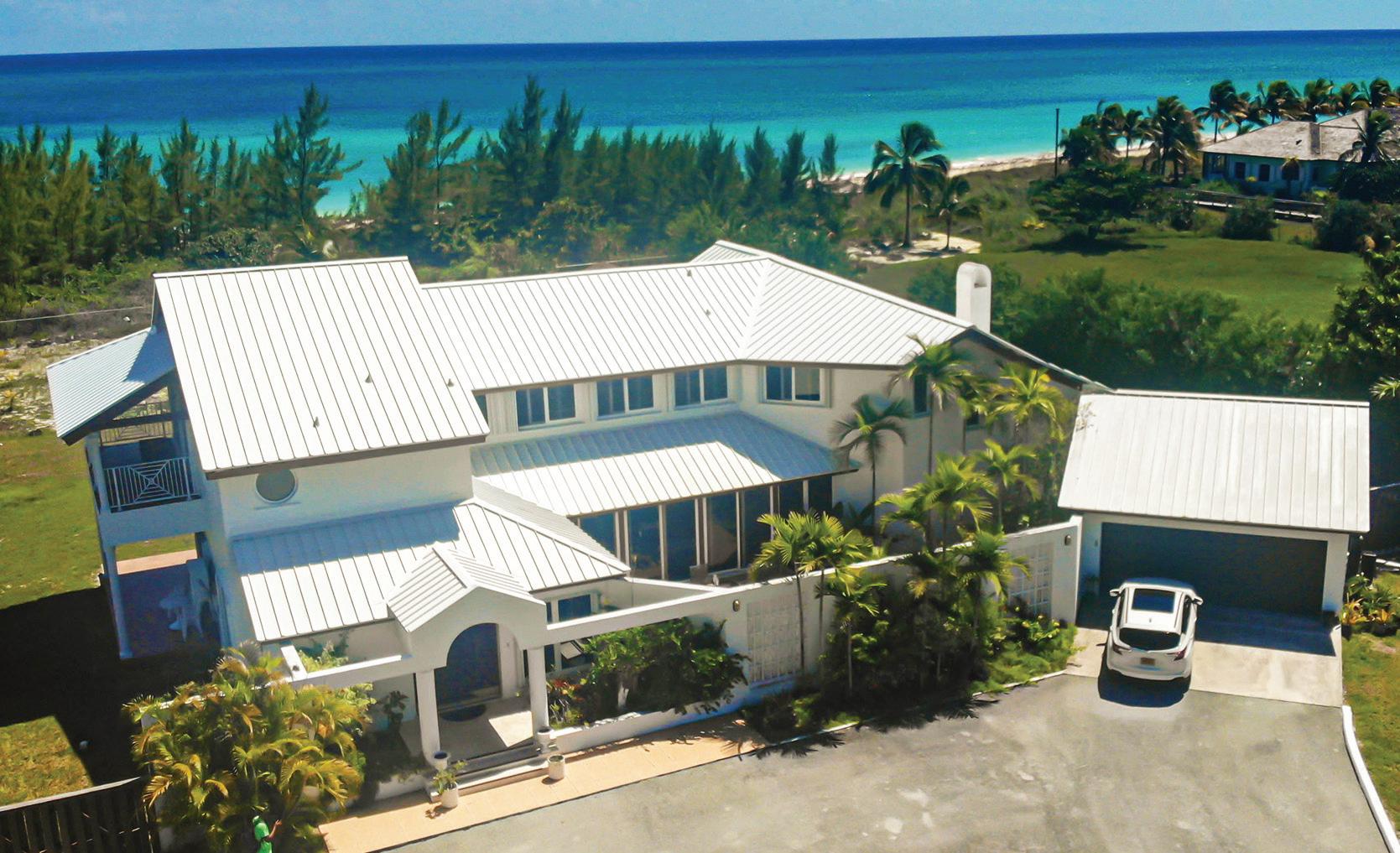
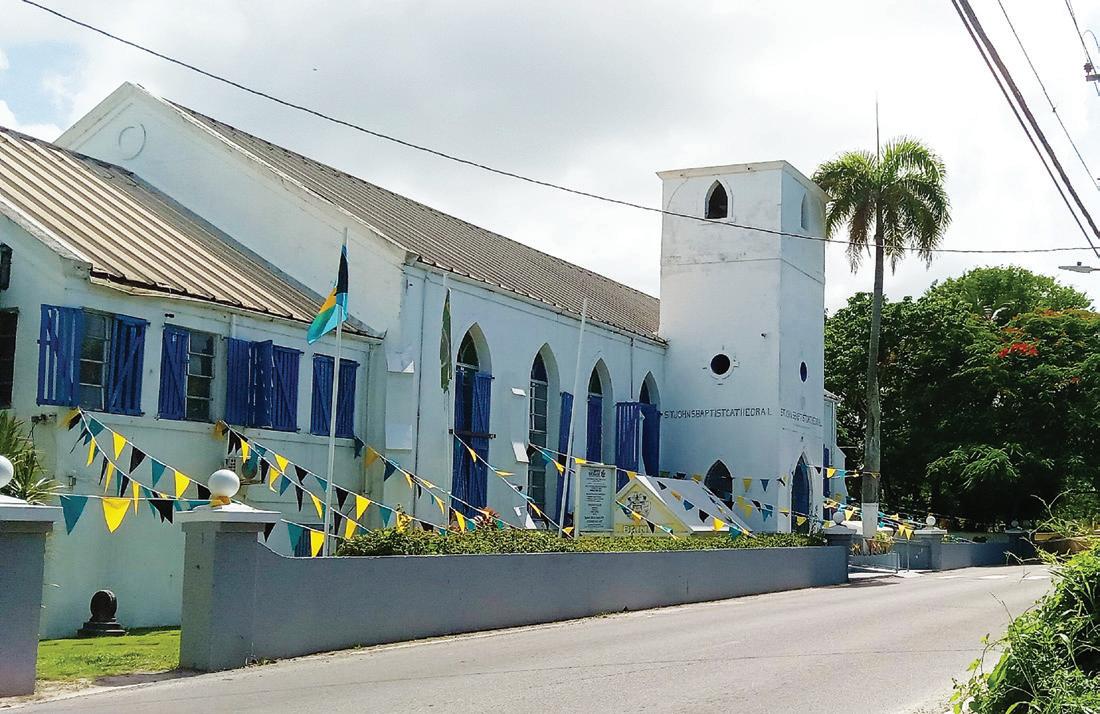
environment. The floors may be tiled or hardwood, and walls were often painted in soft soothing colours to create a sense of calm and relaxation.
According to renowned architect Pat Rahming – who has designed many of the country’s most important buildings such as the Straw Market on Bay Street, the National Insurance Board building on Blue Hill Road and in Freeport, Grand Bahama, and many others – building towards the climate was always preferred.
“When I started architecture, we still had a lot of buildings that respected the climate,” he says. “I grew up in a house where the sun never penetrated the house directly, where the breeze flowed through the house all the time, and where it was easy to secure the house when a storm was coming. But none of those things can be said about 90 per cent of the homes that are being built today.”
In years past, Bahamians almost always designed their homes with wrap-around porches and used landscaping of large trees to keep the homes cool.
Most of the older buildings on New Providence and other Family Islands are made of wood. However, that has changed because many Bahamians fear that wood would be vulnerable to hurricanes and tropical storms.
Rahming explained that the typical buildings today are made of concrete to pacify that phobia.
“Making buildings look sexy became more important to making them function sexy,” he says. “We now use a lot of hurricane impact windows, which means that when a hurricane comes, the windows can be left exposed. If it were only for bad weather, that would be okay. The problem is it is exposed all the time. Well, when the sun hits it, the direct sun shines into the building. And so, now, we have to put in air conditioning.”
However, there are still buildings in Downtown Nassau that have managed to keep the traditional colonial style, such as the Houses of Parliament, the Nassau Library, and the courts, which also have shutters.
In some of the Family Islands, Bahamian architecture shines brightly. For instance, Harbour Island, which is known to many as the ‘Cape Cod’ of The Bahamas, has kept the elegance of homes from 50 to 70 years ago, often with large shady palms and coconut trees to enhance its tropical appeal.
“That still remains in many of the buildings that were built in the ‘70s and ‘80s,” says Rahming.
Architect Sheldon Maycock’s nearly three-decade work includes the East Sunrise mortuary, being part of the team that designed the University of The Bahamas’ library, being a team member for the design of Club One Gym at
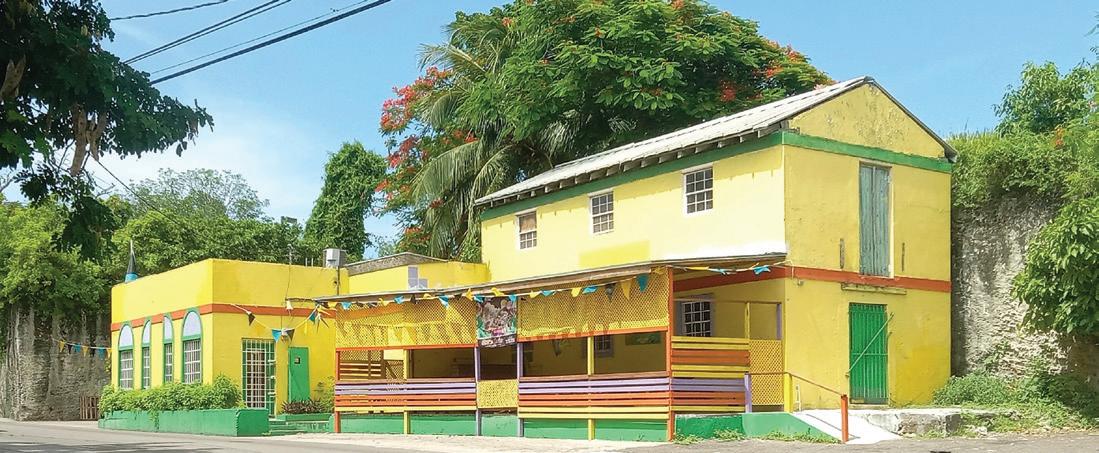
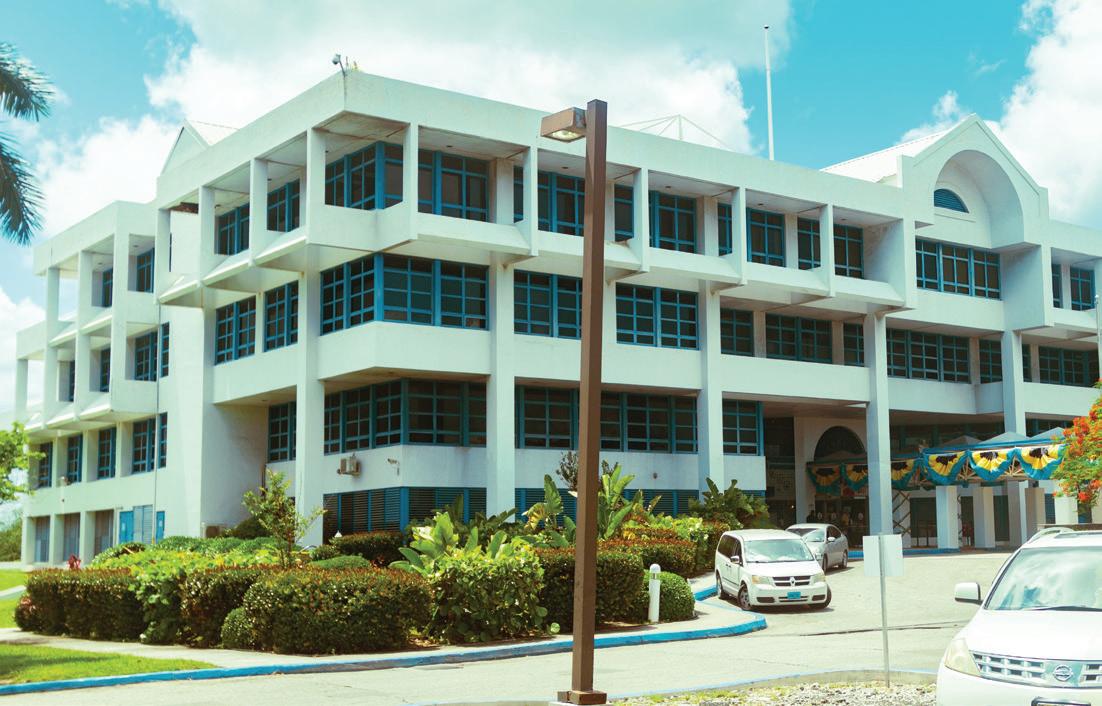
Sandyport, designing government clinics in Harbour Island, Spanish Wells, and Bimini, and designing the Fox Hill Community Centre, along with many other private homes and buildings.
Maycock echoed Rahming’s sentiments.
“Up until the middle 1960s, buildings were designed mostly for our environment, which included simpler, more wood structures. Many of the buildings were elevated off the ground, with higher floors and roof pitches. And then, in the late 1960s and ‘70s, we decided – for some strange reason – to copy architecture in Florida,” he said.
“In the ‘90s, we decided to focus more on elements of things that make Bahamian architecture. So, you see more of a trend to the veranda, dorma windows, and steep roofs and see a lot more buildings with wooden sidings. In general terms, which was the trend that happened, and this is for homes and businesses.”
Maycock noted that many of the buildings once reflected the British colonial style. However, he said the difference between Bahamian and British architecture is the British often “dress up” their buildings, while Bahamian buildings often reflect a more casual and laid-back style.
Maycock said the good thing is that Bahamian architecture never lost its appeal for colours.
“We have incorporated more colours. You can see light blue, yellow, orange, and sometimes three different colours on the building,” he says. “Today, you see a bolder approach to how things look on the outside, and you see more casual interiors.”
While many would believe clap houses represent a practical and beautiful approach to architecture in The Bahamas, they also represent true harmony between form and function.
Maycock believes that Bahamian architecture will continue to evolve while maintaining its natural beauty.
“We have to get away from the asphalt singles on the top of the roof because they are the same materials that are on the road. It does not make sense to bring materials that cause heat,” he says.
“What I see in the future is that we are going to have more smart buildings. These will be smart in terms of energy management and information access. We are going to get into more synthetic materials – materials that will not degrade, that will last, and insulation materials that will keep the buildings cool. That is what is coming back, and that will be in our architectural future.” UA
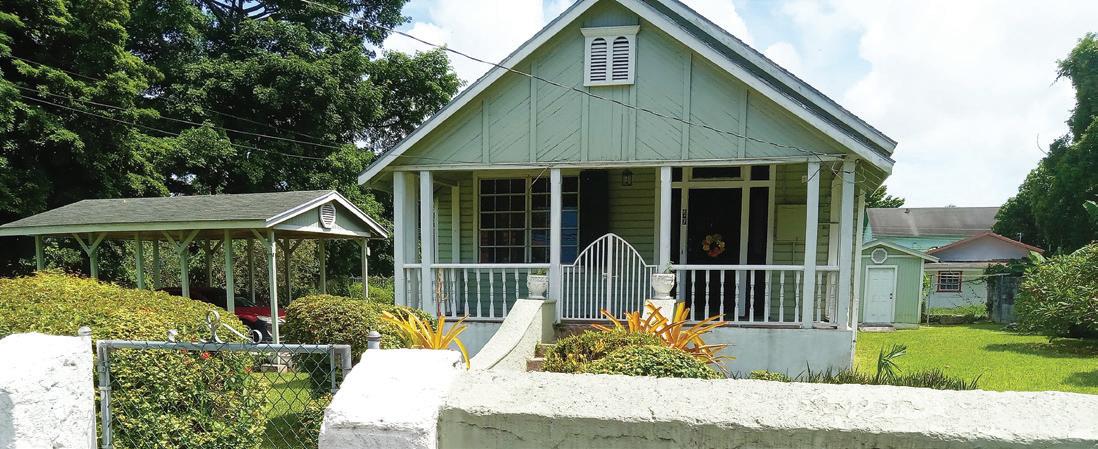
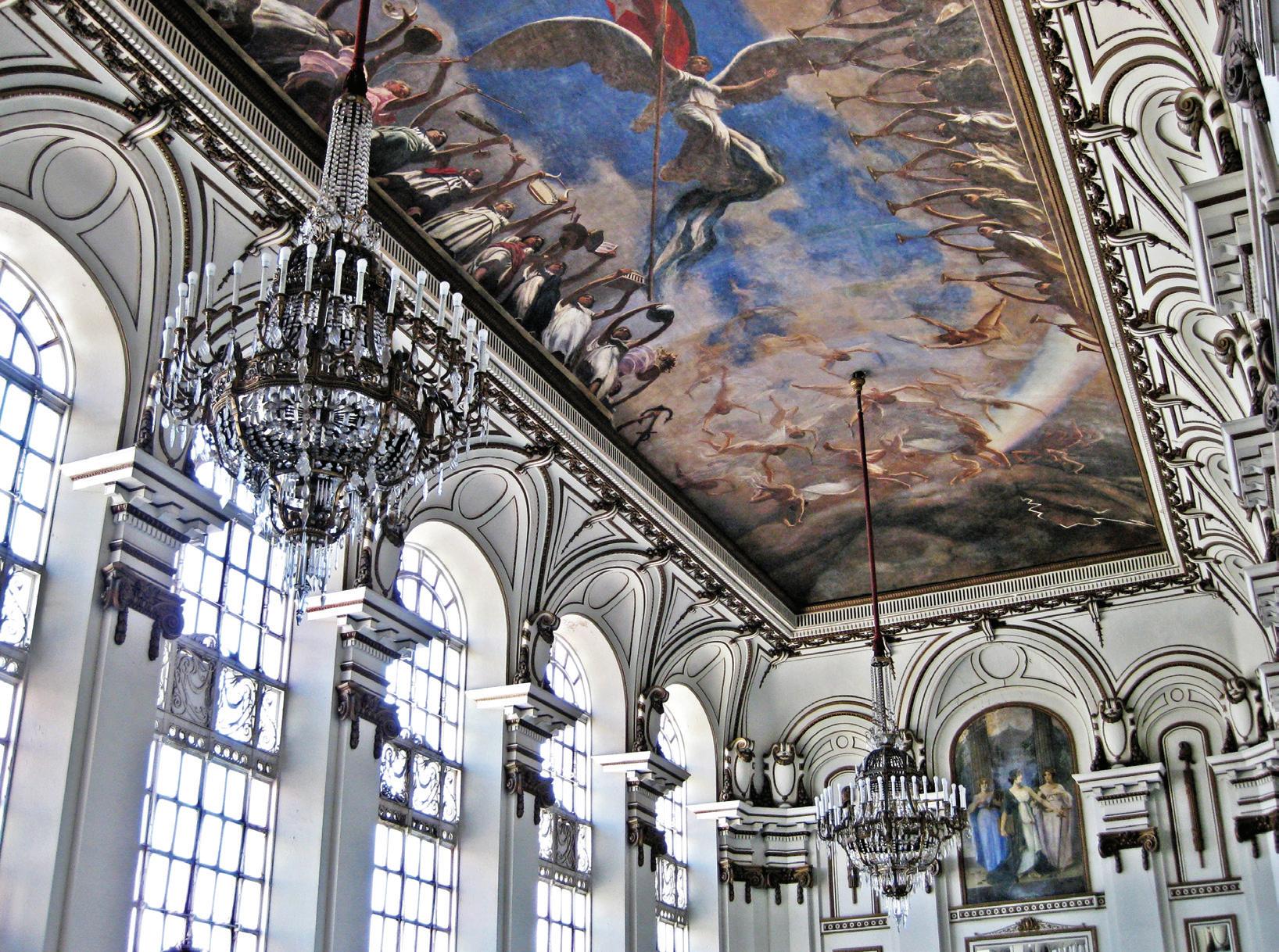
By Dr. Myrurgia Hernandez Photographs Courtesy of The Bahamas Translators
or museumgoers, witnessing history in a tangible manner is a delight.
If you are part of such an exploring crew that enjoys visiting a museum while feeling like travelling back in time, visiting Havana is a great option. One of Havana City’s key features is the beauty and diversity of its museums. Just one walk through Old Havana will leave you feeling like you were present when history was being made. In case you are eager to experience the unity of the past and the present, here are five unique museums with a seal of satisfaction guaranteed:
1. If you enjoy extravagant structures, visit The Museum of Decorative Arts. El Museo de Artes Decorativas, located at 17 and E streets in the Vedado, is a magnificent building that served as the former residence of María Luisa Gómez-Mena, widow of Cagiga, Countess of Revilla de Camargo and sister of José Gómez-Mena Vila, the owner of La Manzana de Gómez, the first building erected in Cuba exclusively for commercial purposes. This was the first commercial centre in the capital during the Republican period. La Manzana de Gomez is bordered by Neptuno, San Rafael, Zulueta, and Monserrate streets.
2. For Napoleonic history lovers, The Napoleon Museum is a must-see. El Museo Napoleónico, founded in 1961 with the collection of Julio Lobo, is housed in a 1929 Florentine Renaissance-style mansion, originally known as La Dolce Dimora. Situated in San Miguel Street and Ronda Corner (Esq.), the museum is the former home of Italian-Cuban politician Orestes Ferrara. The architects
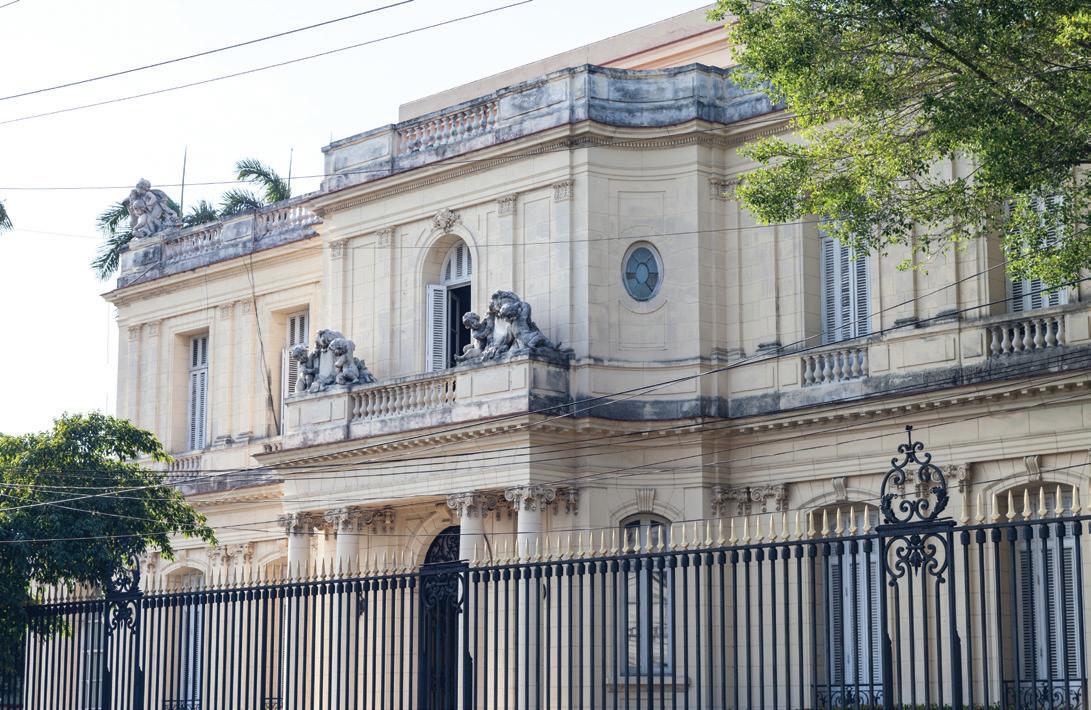
of this enchanting structure were Evelio Govantes and Félix Cabarrocas, famous for designing El Capitolio and La Casa de la Amistad located on Paseo Ave. The museum has an interesting collection of over 7,000 objects associated with the life of Napoleon Bonaparte. The collection includes sketches of Voltaire, paintings depicting the Battle of Waterloo, photos of China’s unmatched beauty, Renaissance furniture, a recreation of Napoleon’s study and bedroom, and one of several bronze Napoleonic death masks that were made two days after the emperor’s death by his personal physician, Dr Francisco Antommarchi.
3. For lovers of the Cuban Revolution, The Revolution Museum is a treat. El Museo de La Revolución is hosted in the old Presidential Palace. The building is considered the largest exhibit of the museum, which was built between 1913 and 1920. The palace was originally decorated by Tiffany’s of New York and has a hall of mirrors that resembles the Versailles palace. The Revolution Museum is one of the most popular museums in Havana and a must-see for Cuban history Lovers. Don’t believe me? In front of the building is a fragment of the former city wall, as well as an SAU-100 tank used by Los Revolucionarios and Fidel Castro during the 1961 Bay of Pigs battle. Once you walk to the back of the building, you’ll find the Pavillón Granma where an unmatching replica of the 18-metre yacht that carried Castro, his brother, Raúl Castro, Che Guevara, and Camilo Cienfuegos can be found. The Granma Yacht carried over 80 revolutionaries from Tuxpán, Mexico, to Cuba in December 1956.
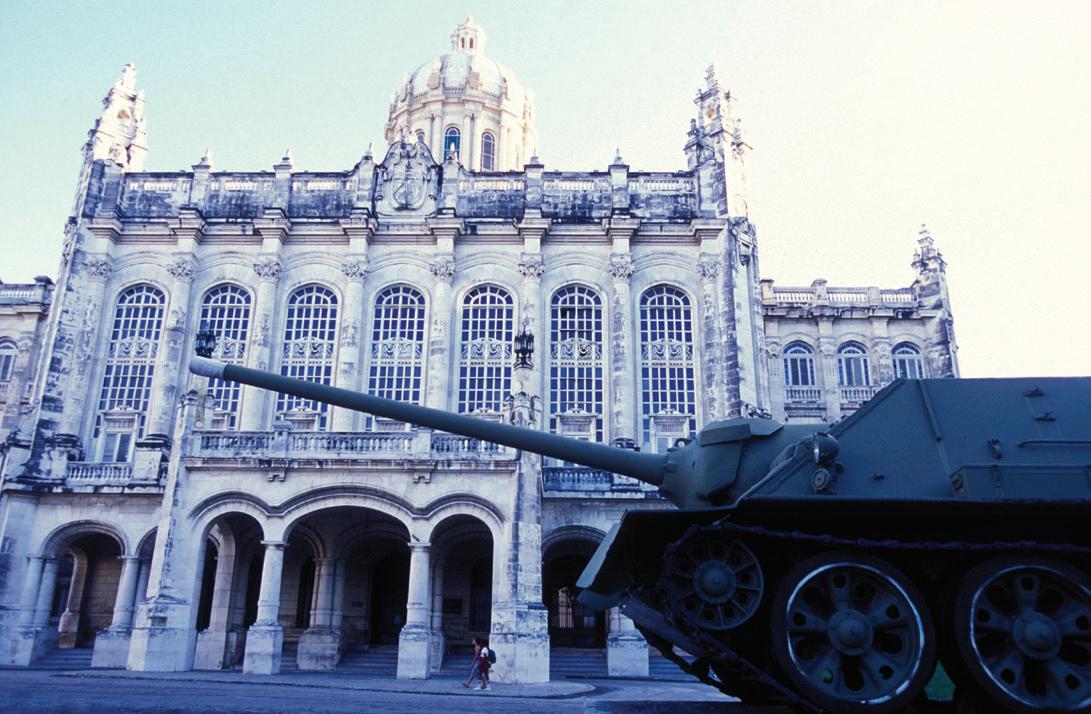
The boat is showcased in a large glass case and is guarded 24/7. The pavilion’s exhibit includes vehicles, airplanes, rockets, and an old postal van that was used as a getaway car during the 1957 attack.
4. If you want to visit a structure that is art personified, you must visit The National Fine Arts Museum El Museo Nacional de Bellas Artes houses collections of Cuban art and more. With an impressive range of artwork, visitors can interact with the most exquisite and comprehensive collection of Cuban art, as well as a unique and eclectic structure with displays of universal art. The museum is spread throughout two campuses within proximity, one of which overlooks Parque Central
5. For money lovers, there is a museum in Cuba just for you: the Numismatic Museum El Museo Numismático is located on Obispo Street, off Aguiar and Habana Streets. This museum sits in the former headquarters of Banco Mendoza and is the only one of its kind in the world. It was created in 1975 as an initiative of the then-president of Banco Nacional de Cuba, Raúl León Torres.
The museum has exhibits in three rooms where more than 1,000 medals are displayed, as well as coins and banknotes from various places around the globe, especially Latin America. A collection of all Cuban banknotes from the mid-19th century to the present is also displayed in chronological order.
Some of the most interesting pieces found in this museum are the first coins minted by order of the Catholic monarchs in the American mints and a treasure chest with more than 100 US gold coins. The collection also includes historic banknotes signed in 1869 by the first President of the Republic of Cuba in Arms, Carlos Manuel de Céspedes, also known as El Padre de la Patria (Father of the Country).
Whether you are intrigued by art, or the history behind luxury, fame, war, or money, chances are Havana, Cuba is ready to enchant you with an unforgettable history and beauty that await your arrival. UA
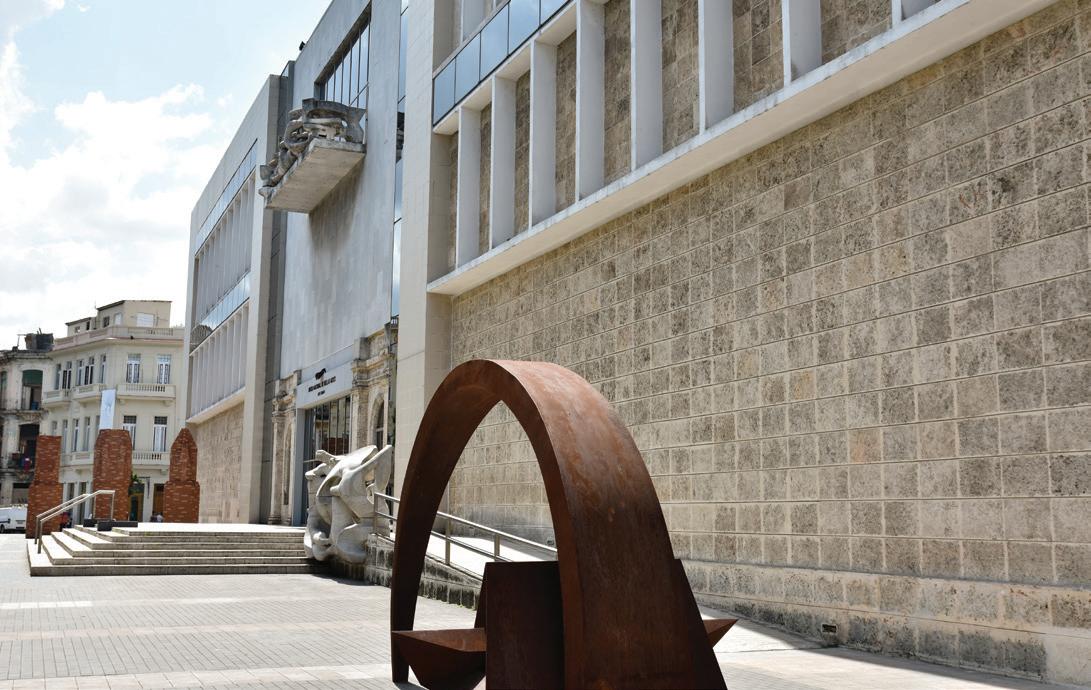
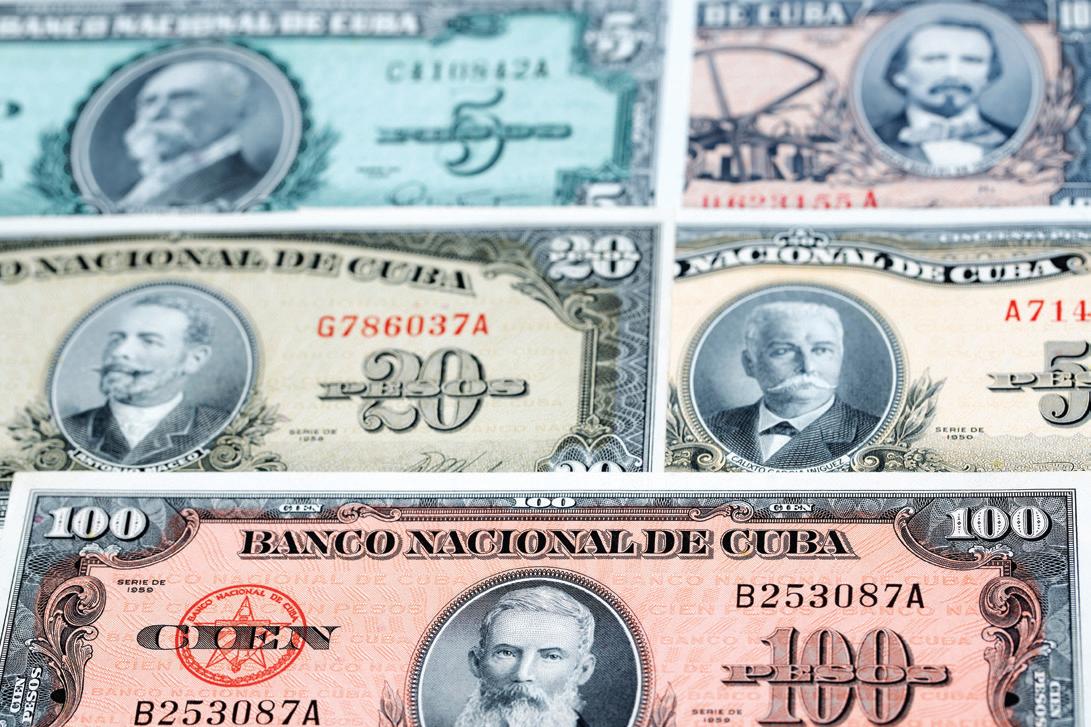


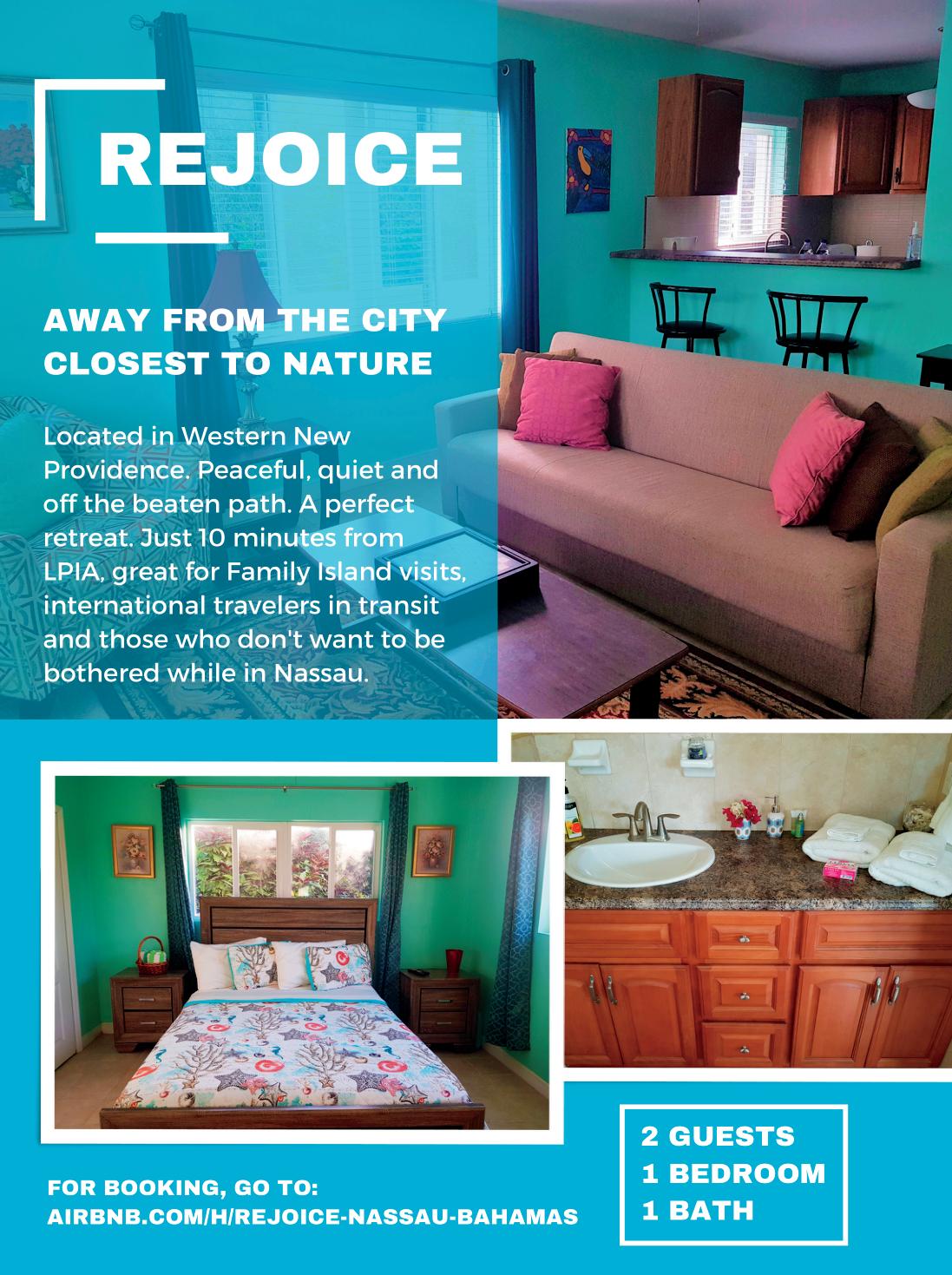







“I went from waiting to get an appointment to having one right away – the day after I called.”


Shanique B. Breast Cancer Patient





At City of Hope®, hope isn’t just a name. It’s the foundation on which we’ve built our global leadership in cancer research, treatment and prevention. It’s our motivation for conducting leading-edge research, delivering innovations from lab to patient with lifesaving speed and pioneering technologies that have led to cancer treatments used worldwide.
And for cancer patients living in the Bahamas, it’s one more reason to choose City of Hope for your care. From your first contact with us, we’ll work to make your experience as convenient and stress-free as possible. With local support provided by our Nassau-based cancer navigation team, we’ll help handle the logistics, such as collecting your medical records. From your first visit, our multidisciplinary team of cancer experts will work with you to develop a comprehensive treatment plan tailored to your individual needs and goals—treating not just the cancer but you, the whole patient.

President/CEO
By Keesha Claudia Bethell
Photographs Courtesy Of Open Systems Technologies International
The lasting success of digital transformation relies on a meticulously planned approach to organisational change management, which aims to achieve two fundamental objectives: fostering company culture and empowering the workforce.
Since opening its doors more than two decades ago, Open Systems Technologies International (Bahamas) Limited has maintained a steadfast focus on delivering technology solutions to enhance company data security, streamline information access, and elevate productivity and efficiency since its inception in 2001.
In an interview with Up and Away, company president Peter Bridgewater highlights commitment not only to workplace solutions but also to community involvement.
With a team of twelve employees, Open Systems fosters a family-like atmosphere through engagement in community initiatives. “Engaging in community initiatives fosters an environment, enhancing both employee experience and team performance, which boosts customer service,” Bridgewater explained. “At Open Systems, we actively participate in giving back. It’s not just about giving, it’s about embodying what you give, showing belief in your contributions.”
Bridgewater emphasises his company’s support for three key Bahamian organisations focused on youth development, inclusion, and combating discrimination.
Among these is the Bahamas Primary School Student of the Year Foundation (BPSSOTY). Since 1997, BPSSOTY has donated more than $2 million in scholarships and prizes to the “brightest and best” sixth-grade students in the country. In its contributions, Open Systems established the Sgt. James Bethel Scholarship in honour of a late police officer for the top student from Grand Bahama, and it also provides computers to the top-rank winners.
Another beneficiary is the Bahamas Children’s Emergency Hostel (BCEH), which provides nurturing care and support to children in need, focusing on their growth and development. “Children are the future, and we believe in helping build a foundation of love and support,” Bridgewater affirmed. “It’s about fostering innovation that creates opportunities and good citizens.”
In addition to these efforts, Open Systems proudly supports the Bahamas Special Olympics Team, which promotes inclusivity and reduces discrimination through sports training and competitions for athletes with intellectual disabilities.
Located in Western New Providence, Open Systems offers a range of services, including Enterprise Content Management, Data Analytics, Business Intelligence and Visualisations, Cybersecurity and Business Continuity Backup Recovery solutions, Smart Capture solutions utilising artificial intelligence, Customer Journey Management solutions, and Document and Back-File Conversions. Bridgewater and his team are committed to maintaining cutting-edge offerings and providing world-class service to their customers, supported by strong partnerships with industry leaders like DocuWare, Kaseya, Oqlis, and Qmatic. DocuWare offers an On-Premises and Cloud (SaaS) solution specialising in document management and workflow automation.
Open Systems Team
Bridgewater and two team members travelled to Houston, Texas to attend the DocuWorld 2024 Partner Conference “Shaping Tomorrow”, which featured DocuWare’s acquisition of the company NATIF AI to develop AI Technology for DocuWare projects.
Kaseya offers a cloud-based IT management and remote monitoring solution tailored for businesses of all sizes across diverse industries. It features a centralised console for overseeing IT operations, backup, and recovery, encompassing complaint handling, ticketing, auditing, performance monitoring, and compliance reporting.
The president attended the Kaseya Connect Global conference in Las Vegas where the Kaseya 365 was unveiled to provide new backup and recovery solutions. Mr. Kevron Sands, Mr. Christoph McKenzie, and Mr. Kristin Major recently completed the Kaseya RITSM (Remote Information Technology Security Management) Certification in July 2024.
Bridgewater added: “By investing in our team’s development and employment of summer students, it helps to improve our customers’ platforms by keeping them safe and contributing more effectively to the advancement of the Bahamian community.”
Bridgewater said that in the last quarter of 2024, “we are investigating expanding our services to include developing technology to create a platform for carbon credits and cryptocurrency”. Ultimately, Open Systems will consistently introduce technological advancements to The Bahamas. “Technology evolves every day,” he added. “Open Systems will continue to evolve along with it to provide innovative technology for a global marketplace.” UA
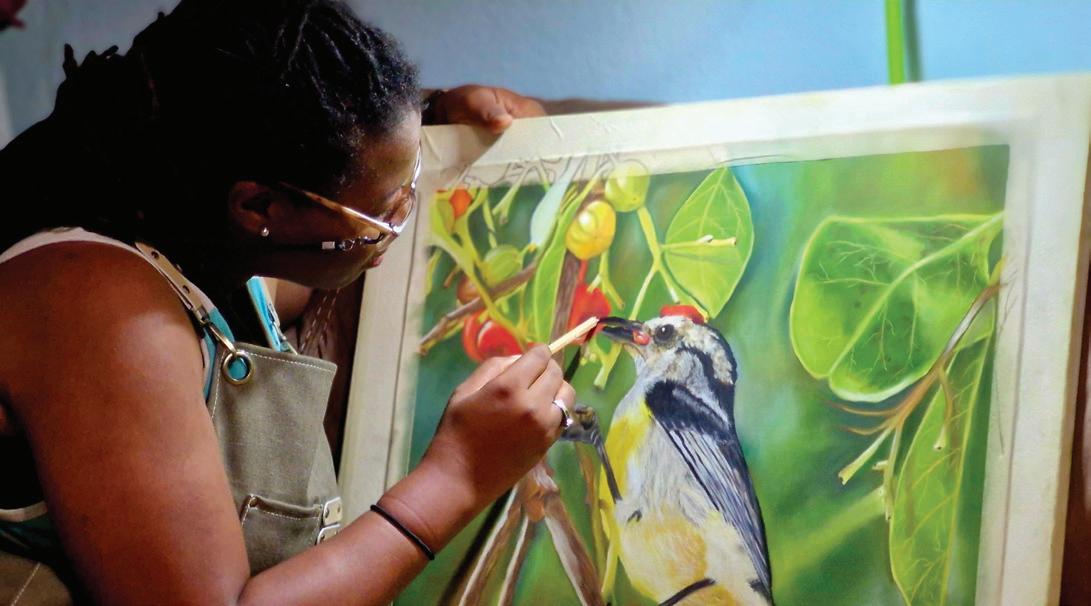
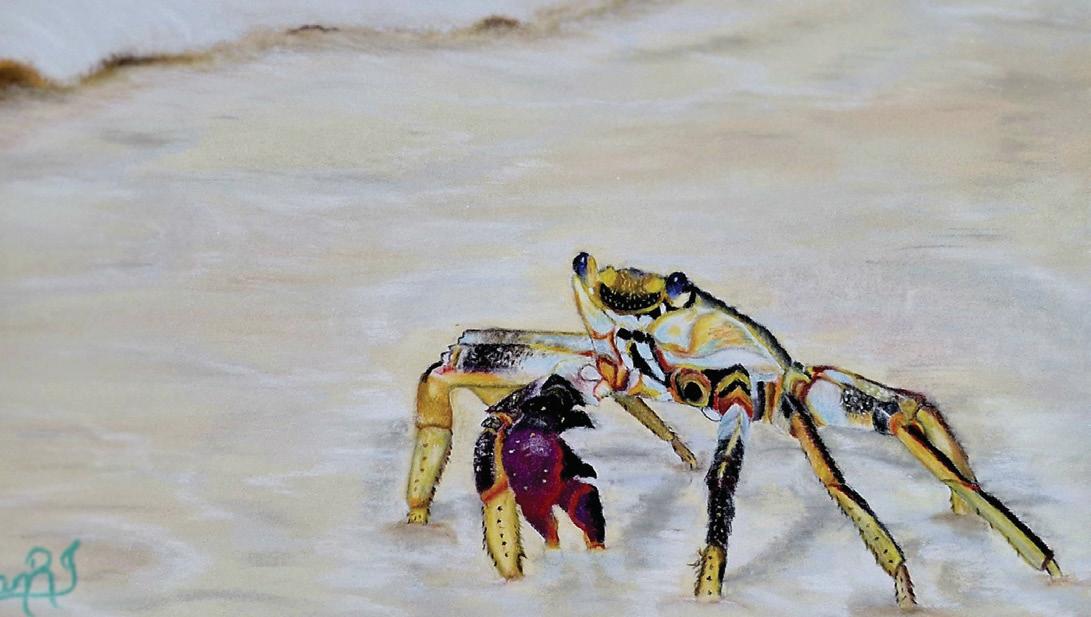
By Scott Johnson
Photographs Courtesy of Scott Johnson of Wild Bahamas
Art Courtesy of Janeczka Johnson of Coereba Art
The Bahamian environment is a vivid kaleidoscope of colours – brilliant blues, yellows, pinks, greens, and browns – that celebrate the astounding diversity of its ecosystems and wildlife. From the glistening purple throat of the male Bahama wood star to the shimmering scales of a Bahamian racer snake, our islands are a treasure trove of colourful and eye-catching creatures.
Nature is God’s artistry on full display, illustrating the complex dance of predator and prey, the challenges of selecting and procuring a mate, and the rhythm and flavours of the seasons. Art serves as a powerful tool that bridges disciplines such as science, history, and development, with talented artists and designers breathing life into animals, events, and structures we can only imagine. Art helps researchers convey ideas to the public by visualising creatures known only from descriptions or fossils, offering a fresh perspective on nature. Artists have a remarkable gift for turning thoughts and observations into vivid realities. One such artist is Janeczka Johnson, the creative force behind Coereba Art, the artistic branch of Wild Bahamas.
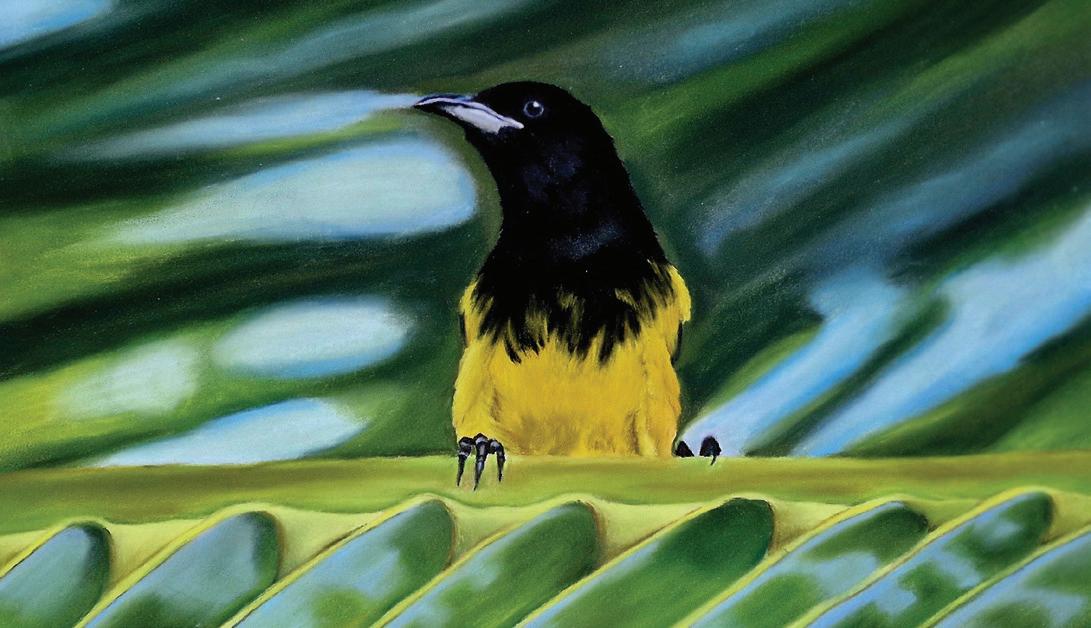
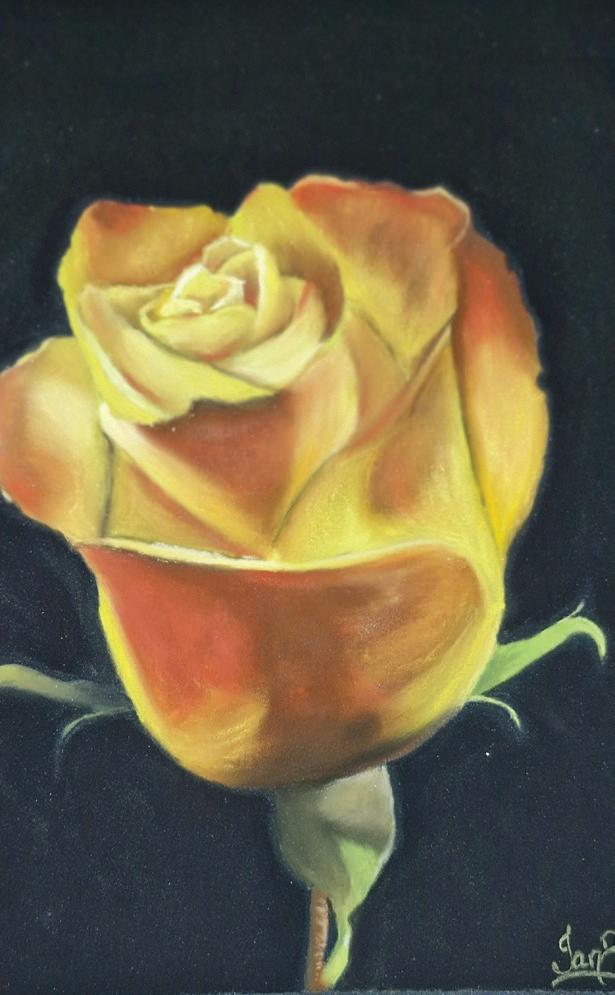
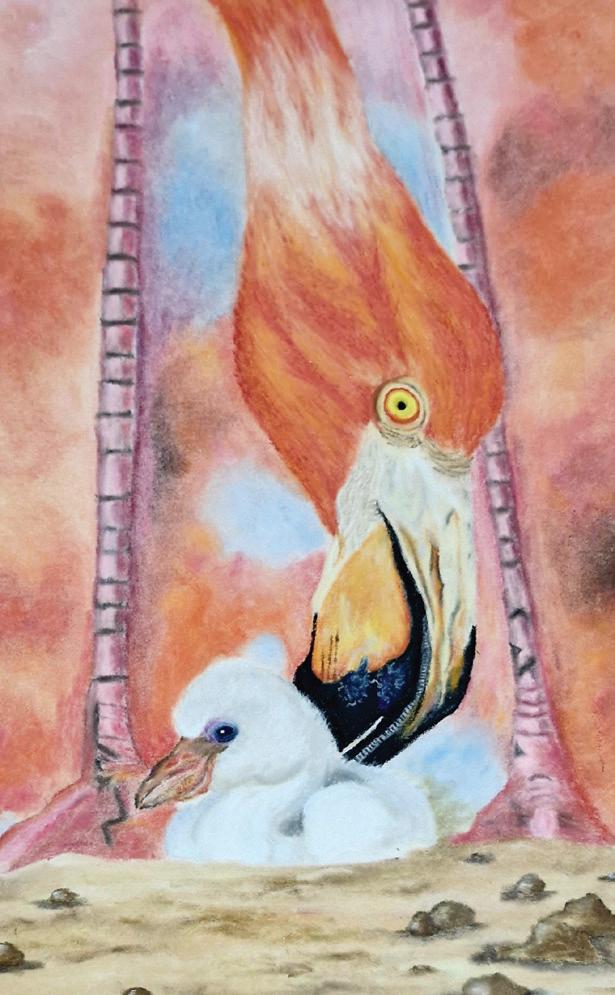
Johnson, originally from the stunning island of Anguilla, fell in love with painting as a child. She honed her skills under the guidance of excellent teachers during her junior and senior high school years. After moving to The Bahamas, her passion for art flourished, leading her to take additional classes and master new techniques. As a nature lover and conservationist, Johnson finds joy in capturing the beauty of The Bahama Islands and their wildlife.
She relishes the challenge of mixing colours to depict the vibrant plumage of endemic Bahamian birds such as the endangered Bahama oriole, found only on Andros, or a Bananaquit savouring the orange-red berries of a strongback shrub. These creations, which can take days or even weeks, require a meticulous eye for detail and immense patience. Yet, Johnson transforms blank canvases into lush scenes teeming with native and endemic Bahamian animals. Johnson enjoys photographing Bahamian wildlife and recreating these images using her growing expertise with pastels and paint. She acknowledges the financial challenges of being an artist, as materials can be costly. Despite this, she takes great care to preserve her supplies. Creating a piece is never easy, but she finds immense satisfaction in knowing her art inspires others to appreciate Bahamian wildlife and pursue their talents. She hopes Coereba Art, and the work of Wild Bahamas continue to promote wildlife conservation that revels in the smiles and appreciation her work receives. UA

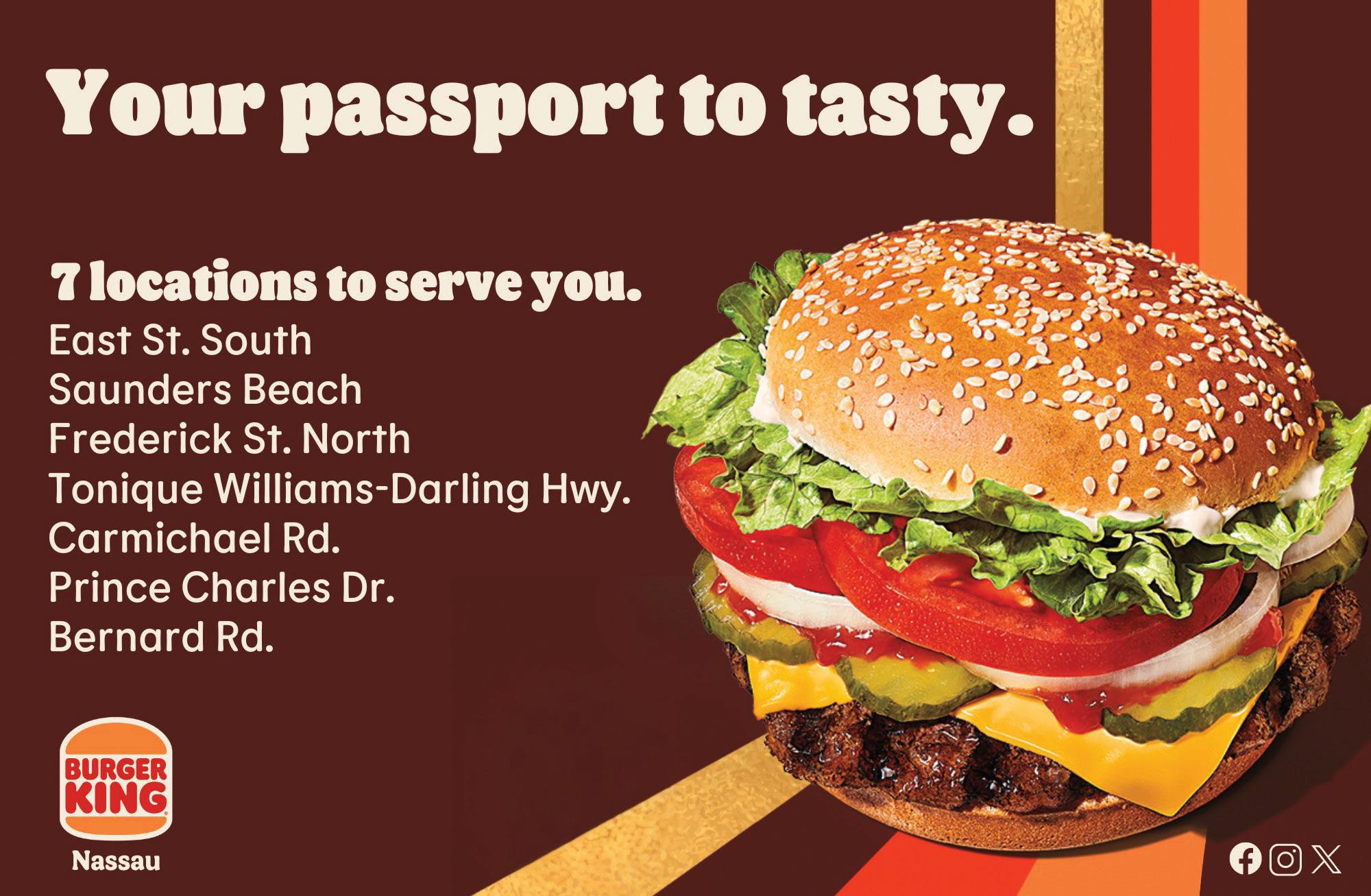
By Kirsten Harrington
Photographs Courtesy of Bradenton Area CVB and L. Roscoe Dames II
Spanish moss hangs from live oaks, fluttering in the breeze from the nearby Manatee River. Benches, a gazebo, and a boardwalk along the water make this park in Bradenton a peaceful place. Pause a little longer to read the historical markers, and you will learn that the area is more than just a pretty place for a picnic.
In the early 1800s, when the Spanish controlled Florida, the area was a sanctuary for freedom seekers escaping British and American slavery in Georgia, Alabama, and the Carolinas. A natural freshwater spring and fertile soil was the birthplace of Angola, a maroon community of formerly enslaved people living in harmony with the Seminole Indians. Sometimes called “Black Seminoles,” the community of about 800 farmed, fished, and lived together peacefully for over a decade.
Angola was raided and destroyed in 1821 after American leaders heard about the thriving Black community. To avoid being killed or captured and re-enslaved, freedom seekers fled. According to historical records, 97 individuals from Angola made their way across Florida and onto Andros Island in The Bahamas to start a life of freedom in the village of Red Bays. Today, some of the descendants of the original Angolans still live there, pursuing a simple subsistence lifestyle.
Over the centuries, the story of Angola was lost in time and the urbanisation of the area. It was only recently that archaeologists, collaborating with local leaders and area professors, discovered artifacts that brought the story back to life. The Back to Angola Festival, which started in 2018, celebrates this story. This year’s festival takes place on the 19th and 20th of October.
Daphney Towns, a Bradenton resident originally from The Bahamas, had a dream years ago before coming to the United States. In that dream, she saw
the State of Florida sign, and underneath it was an inscription that read: “You will partake of hidden treasures in the sand.”
When Towns relocated to Florida in 1992, she went to many beaches looking for hidden treasures, only to find out in 2017 that her dream was all about archaeological artifacts at the Manatee Mineral Spring Park.
“A chance visit to the park for a prayer walk led me to historical markers that spoke about Andros Island, my mother’s birthplace,” says Towns.
When she learned that the freedom seekers had landed there, Towns knew she had to dig deeper. When the full story became clear, Towns was inspired to organise a festival to keep the history alive.
“I was born in Nassau and had fond memories of hearing about our family coming from Florida,” she says. “There were stories of a grandaunt – a beautiful woman who was an Indian. So, I am proud to see the festival birthed by a dream become a reality.”
Last year, the Back to Angola Festival was registered with the National Park Service Underground Railroad Network to Freedom, documenting the important cultural and historical significance of this fertile plot of land on Florida’s west coast.
Every year, in late October, the sound of drums, whistles, cowbells, and brass instruments fills the air in Bradenton with joy. Junkanoo dancers perform at the Back to Angola Festival in brightly coloured costumes adorned with feathers and sequins. The music is infectious, and attendees cannot help but spontaneously join in dancing to the rhythm.
Junkanoo, a Bahamian national parade that takes place on Boxing Day (26 December) and New Year’s Day (1 January), is thought to have originated in West Africa hundreds of years ago and holds an important place in celebrating
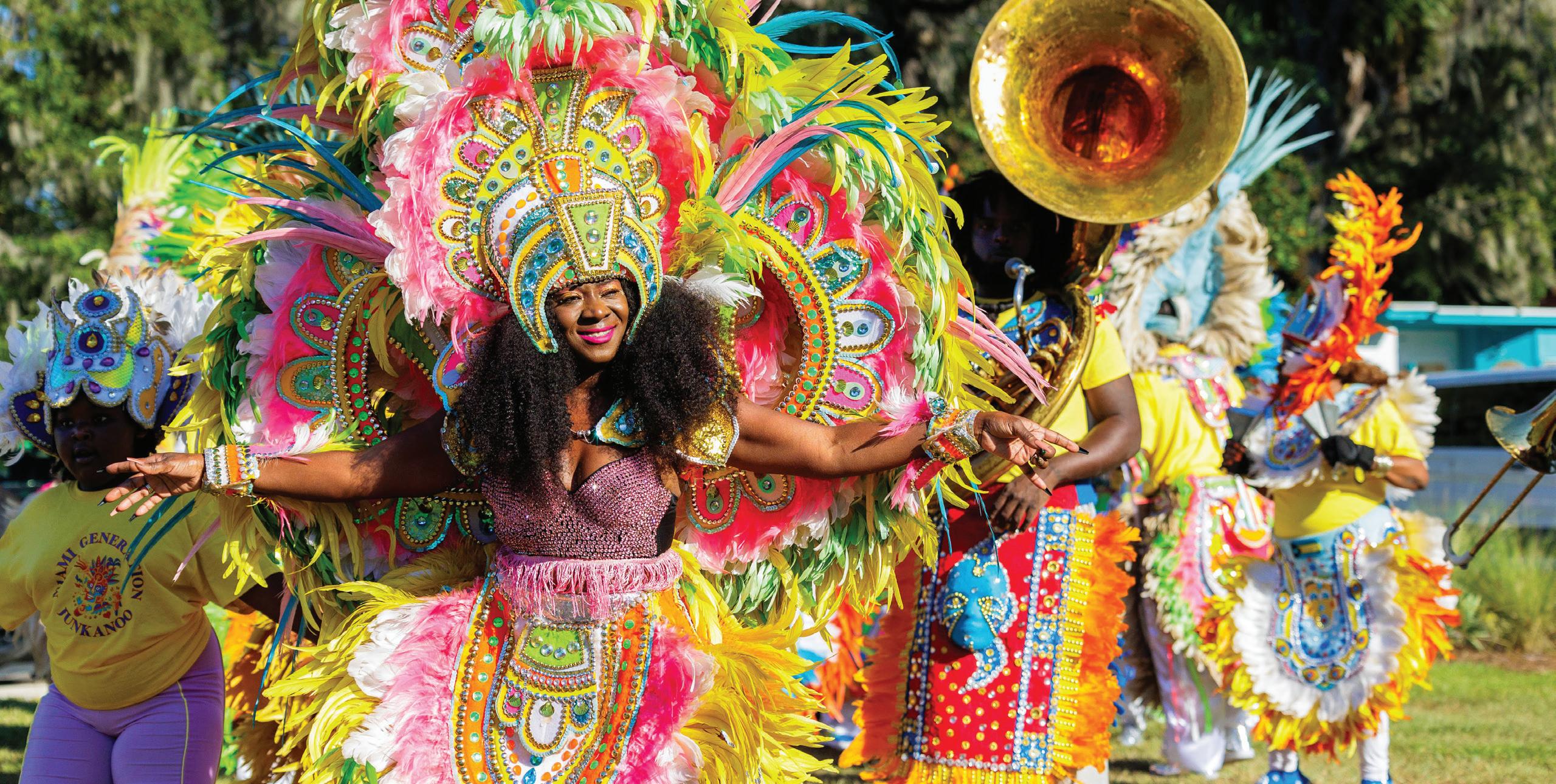
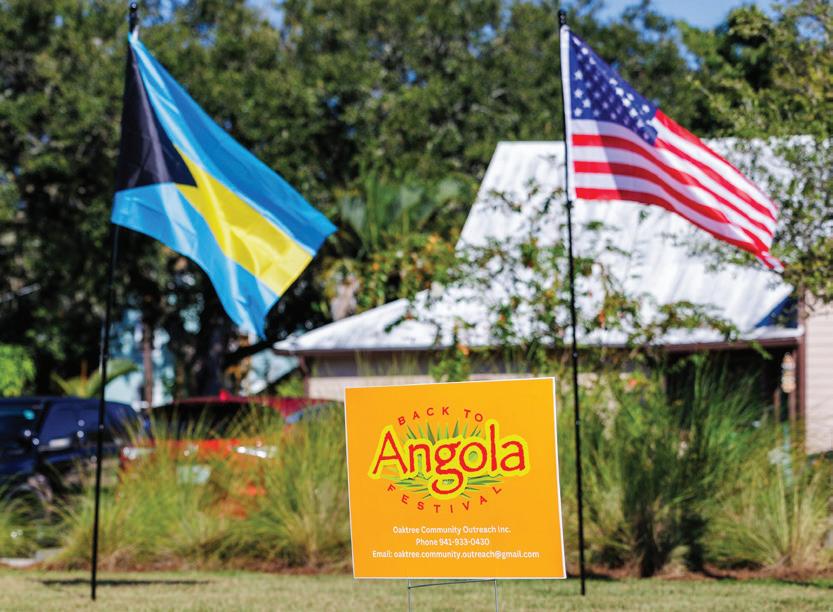
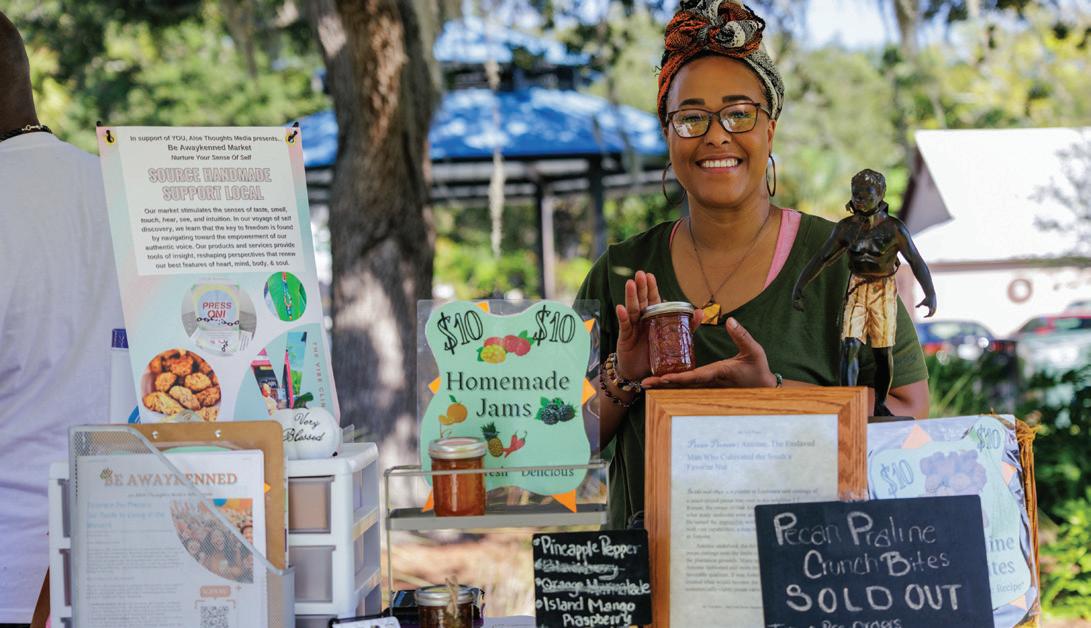
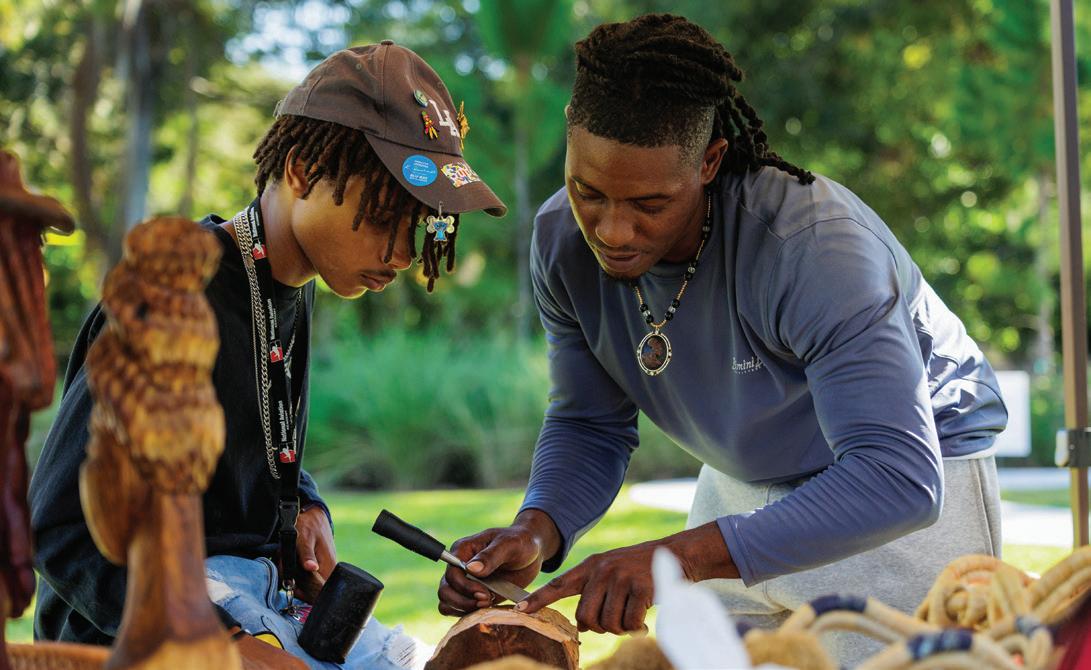
Bahamian culture. Junkanoo workshops give attendees a chance to learn the history and craft a headpiece or skirt to wear during the parade.
It would not be a celebration without food, and festivalgoers can purchase an array of Bahamian specialties. Chefs from the islands will be on hand preparing fresh conch fritters, conch salad, fried fish dinners, side dishes, and sweet treats such as guava duff and coconut cake.
In previous years, vendors sold homemade jams, pickled vegetables, and other island treats. This year, for the first time, crab dishes will be on the menu. Andros Island is the land crab capital of The Bahamas.
Red Bays is known for its ornate handwoven sweetgrass baskets. Decorated with strips of colourful fabric and fashioned in a regal, crown-like shape, these sturdy woven vessels are one of the most important cultural legacies of the Black Seminoles. The craft has been handed down for generations, and festival attendees will have a chance to watch basket-weaving demonstrations and purchase baskets directly from Red Bays artisans.
Festivalgoers can also learn about the traditional art of wood carving. Sculptures inspired by the natural flora and fauna of The Bahamas will be available for sale. Workshops allow attendees to try basket weaving or wood carving for themselves.
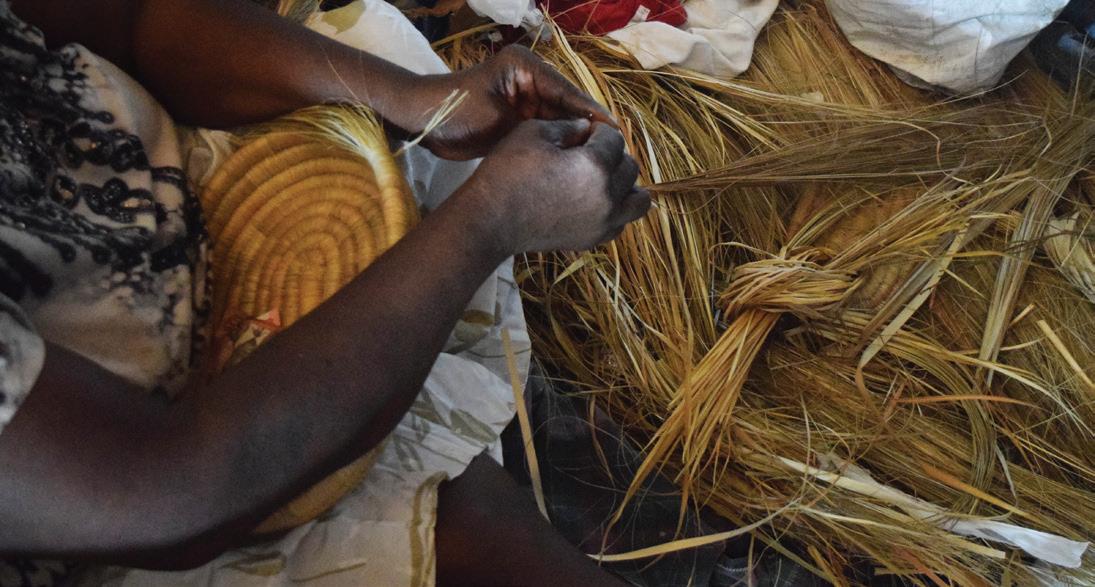
Educators, archaeologists, and cultural ambassadors share stories throughout the weekend, and descendants from Red Bays and other Bahamians bring history to life. Last year, musical artist Clifford “Big Bruh” Riley composed and sang a song called “Keep Your Heart on Angola.” His lyrics pay tribute to the resilience of the Angolans and encourage unity and faith in those who follow.
Wilton Russell, a descendant of the Red Bays Black Seminoles, made the journey to Bradenton to share the history of his ancestors. His eyes teared up at times as he recalled the hardships they faced: perilous canoe crossings, food shortages, and more. “Some of the folks who made it were quite lucky. Others were not so lucky,” he says. Russell was interviewed as part of the Underground Railroad Network to Freedom project in association with the National Park Service.
Music, dance, food, and hands-on workshops present cultural heritage in an accessible way, bringing to life history that was forgotten or dismissed as a myth.
“We have people from all walks of life, from babies to the elderly. It is a family affair, with something for all ages,” says Towns. “Our goal is to increase the awareness of the history of Angola. This history has now been included in the Florida education standards.”
The weekend wraps up with a solemn recitation of the names of the 97 brave people who were forced to flee Bradenton for freedom in Red Bays, Andros.
“To hear the names of our forefathers said on the land they once called home was an emotional experience,” says Towns.
“What happened here was not happy, but we are here to say: ‘We’re back – we made it!’ We want to tell the story because we are not going to continue that history. We are going to live as one because we are all part of the human race.”
This year’s Back to Angola Festival will be held 19th-20th October at Manatee Mineral Spring Park, 1312 2nd Ave East, in Bradenton. Bradenton lies on Florida’s west coast, about 45 miles south of Tampa. Admission is free. Vendors will be on hand selling food, artisan goods, and other Bahamian souvenirs. UA
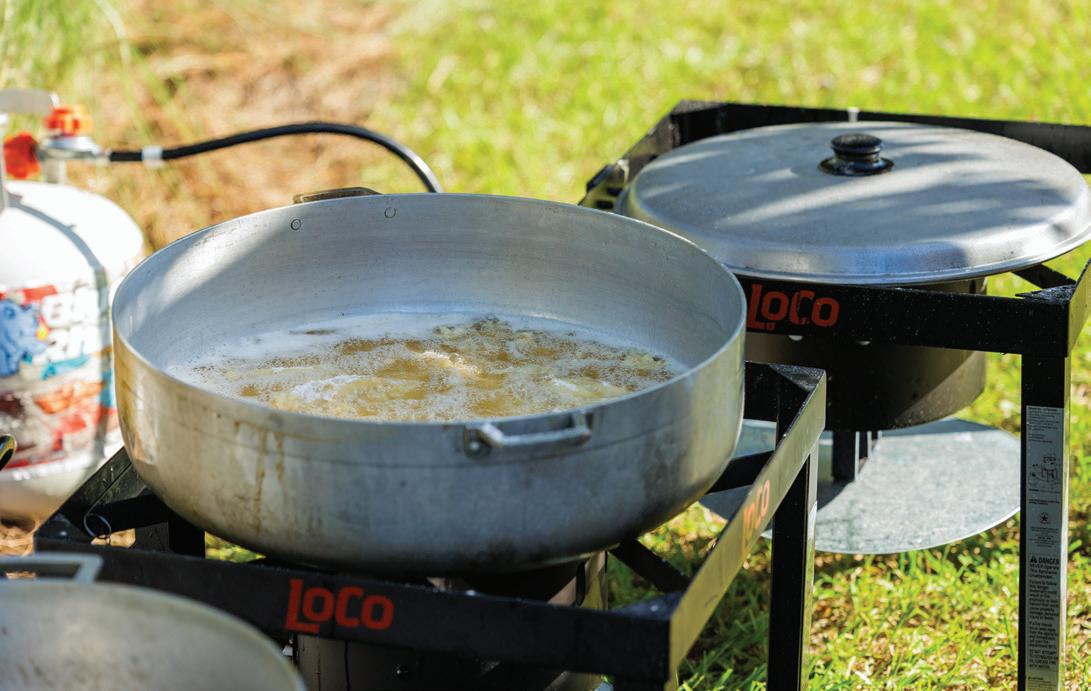
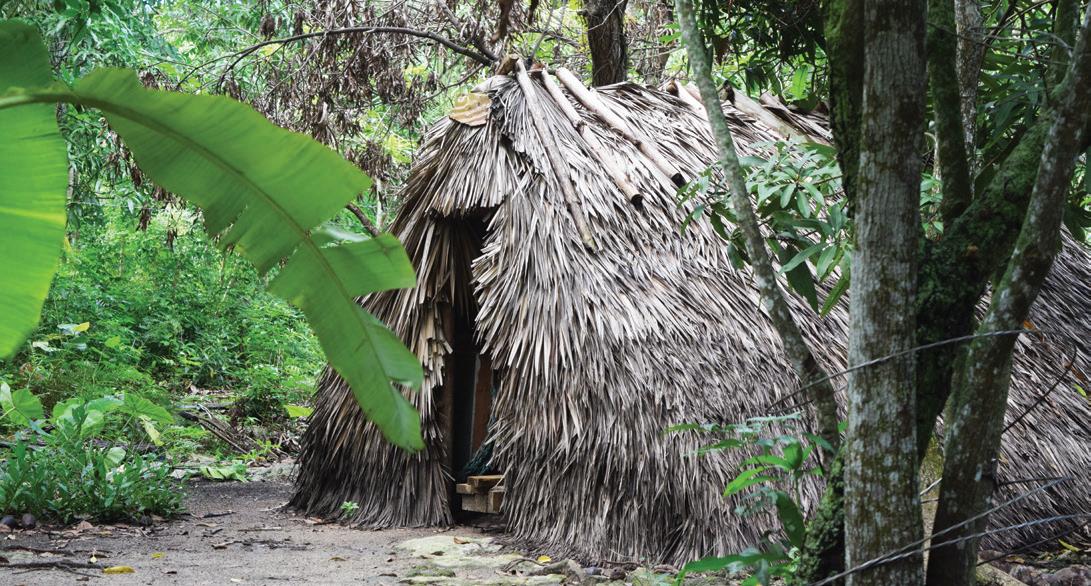
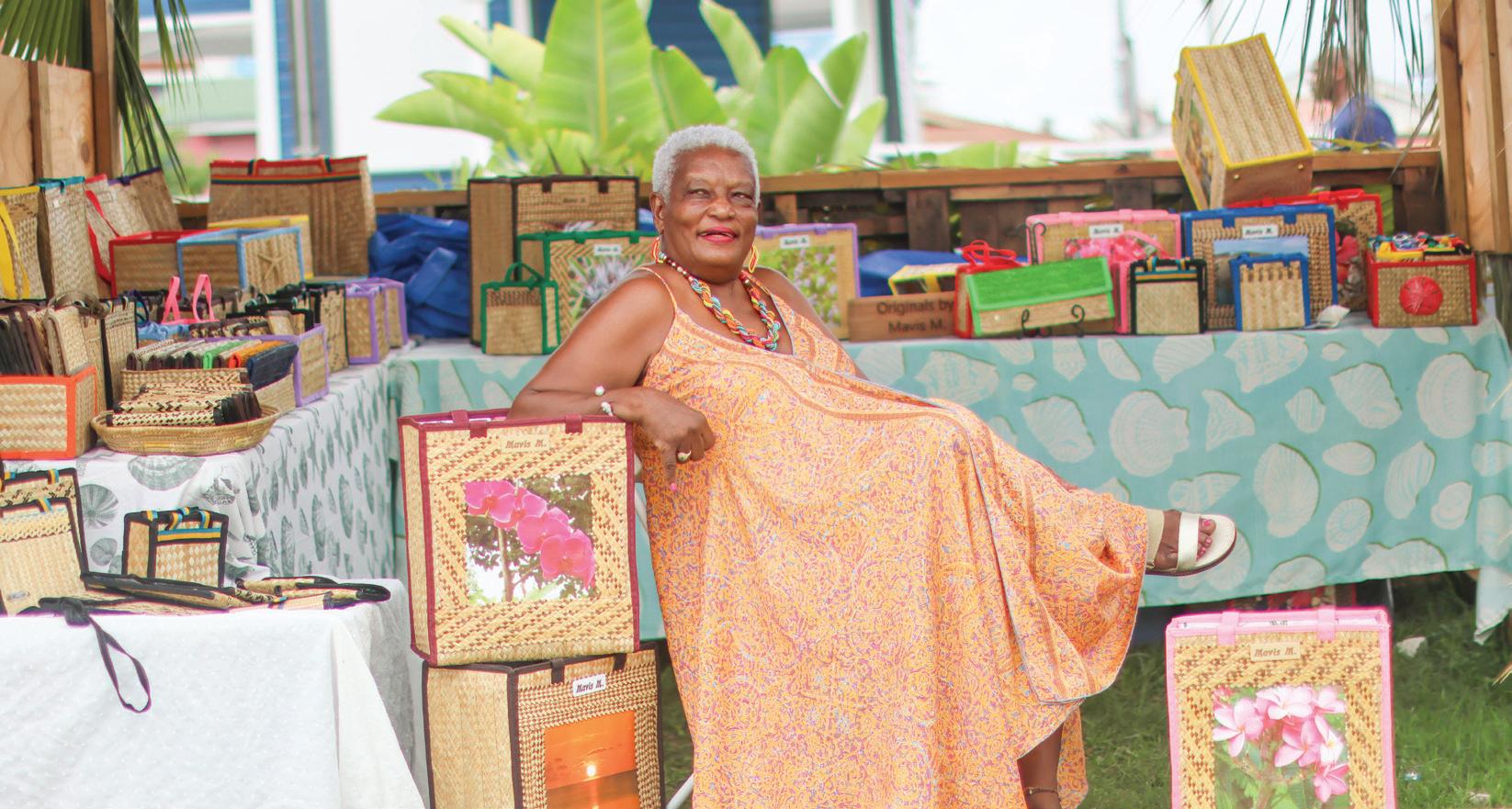
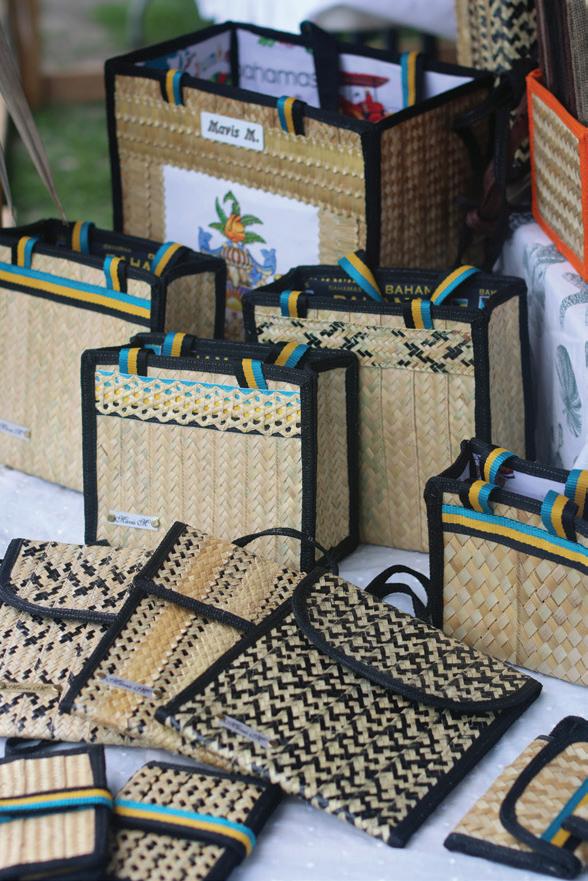
“He who works with his hands is a labourer. He who works with his hands and his head is a craftsman.
He who works with his hands and his head and his heart is an artist.”
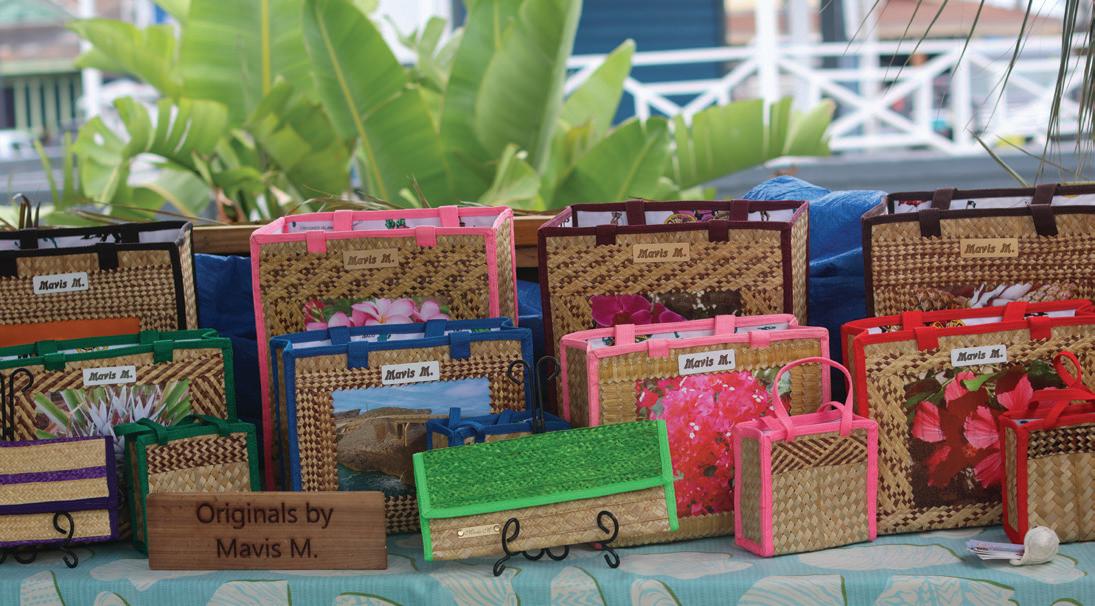
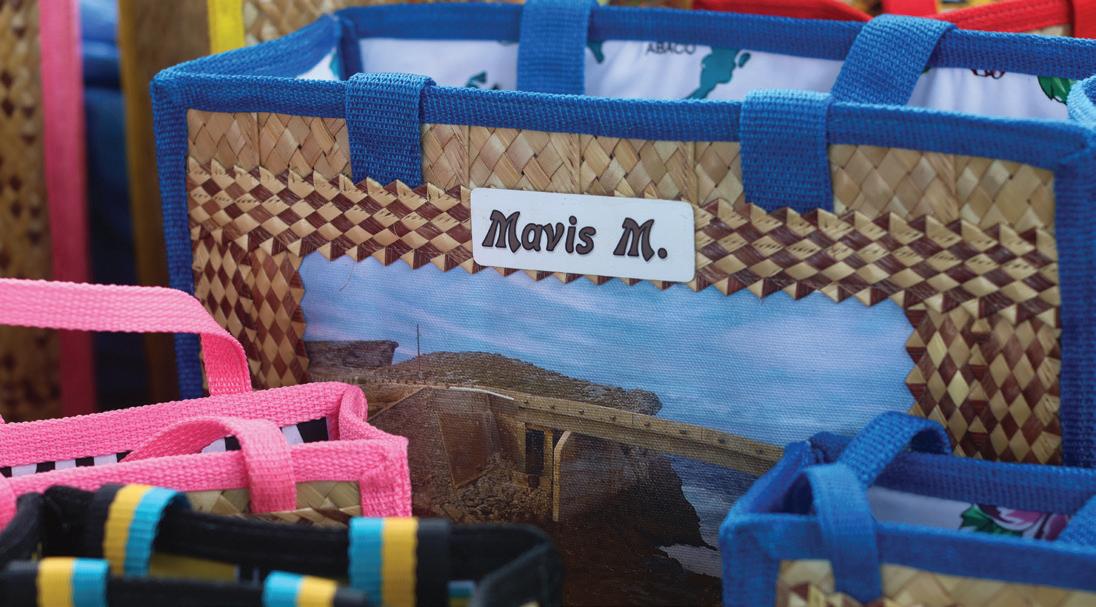
By Tyrone Fitzgerald
Photographs Courtesy of Clifton Barry for Clifton Barry Photography
Emily Munnings (or “Mavis M.” as she is known by her signature design name) is, undisputably, an artist of the highest respect and order. This 70-year-old straw artisan, who now lives in Savannah Sound, Eleuthera was born and raised in Nassau, is the embodiment of living the biblical promise of three score and ten. The work of her hands, head, and heart are proof of its power and purpose.
Gaining inspiration from a high school BGCSE art and craft class she took as a 50-year-old adult student, where she garnered an “A” in craft and special honours for her first straw bag as a project, Munnings has been designing and sewing straw bags, travel luggage, portfolios, placemats, clutch purses, and wallets for the past 20 years.
The mother of two sons, Kahsherff and Kashann, and the grandmother of two girls, Kayah and Kahlani, Munnings remains undeterred and unstoppable.
In 2005, she decided to fully devote her time and talents as a straw artisan on the island of Eleuthera, having moved to the island in 2001 with just a dream and passion to embrace a quieter, serene, and more spiritually grounded way of life. Admittedly, back then, and more so now, Eleuthera has become her “happy place.”
Finding creative inspiration from the older women she grew up with, as a child, in the “belly” of Bain Town, and who worked as straw vendors in the straw market in historic Nassau, Munnings developed her love of and passion for straw work and Bahamian craft.
She credits the vision and initiative of the Bahamas Agricultural and Industrial Corporation (BAIC) in conducting trade workshops in Nassau and the Family Islands for local straw and other artisans to develop their artistry, design, technique, and marketing. Mrs Donnalee Bowe, Munnings says, was instrumental in believing in her in those critical first years as a straw artisan.
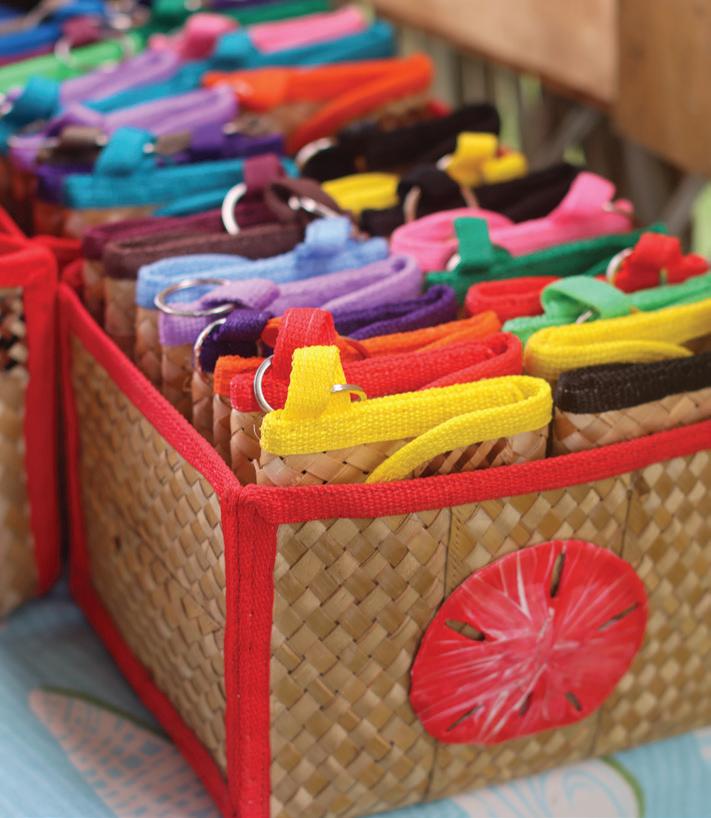
As a lifelong student of straw work, carpentry, jewellery making, painting, and anything artistic, Munnings has also become a teacher to many high school, adult, and emerging young artisans in Nassau, and on Eleuthera and Andros, through BAIC-sponsored workshops in straw work, coconut product design, and the use of indigenous Bahamian materials in jewellery making, craft, and accessories.
In addition to her amazing straw work, Munnings has designed and created earrings from lionfish fins, made bracelets using coconut bark, and used her own photography of Eleutheran flora, fauna, and sunsets on her straw tote bags. She is a true
Bahamian renaissance woman with an acute creative vision, indefatigable determination, and an enthusiastic drive to produce and promote Bahamian art and craft of the highest quality.
Munnings is a proponent of Bahamian artisans using the local resources available to them to create the straw and other work, whether it is Andros’ coconut, Cat Island cascarilla bark, or Long Island straw plait. She does not believe that they should also duplicate or exchange foreign designs, labels, and artwork, and surreptitiously “pass” as Bahamian art and craft to unsuspecting locals or tourists.
Hers is a prophecy and pursuit of Bahamian self-determination and pride in producing and promoting authentically Bahamian products, and strategically marketing them to the world, with the assistance of local trade and governmental bodies, like BAIC.
A self-proclaimed Junkanoo enthusiast, “rushing” in the past with The PIGS Junkanoo group, based in the heart of Centreville (better known to many as “The Valley”); a masterful gardener of fruits, vegetables, orchids, and other plants on her acres of property in Savannah Sound; and a locally respected “switcha” mixologist, Munnings has been an important fixture of island community building and lifestyle transition.
In many ways, she has painstakingly created her own happiness in her happy place on the island of Eleuthera.
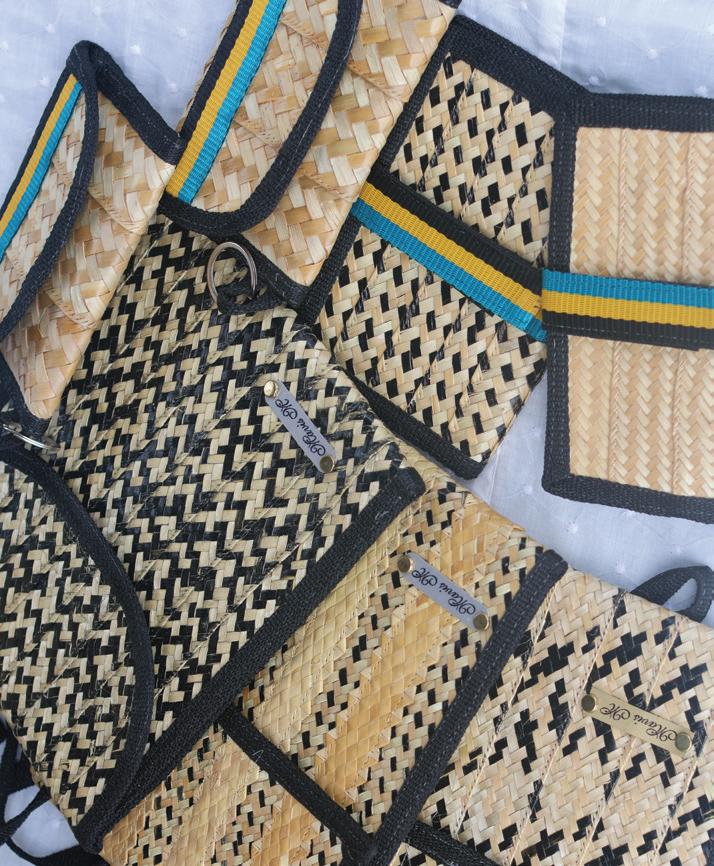
Munnings is a brilliant and gifted straw artisan who is uniquely poised to be both missionary and messenger in the quest for recognition and respect in a creative industry that is emerging but unfulfilled in its potential to be a more economically viable and artistically sound opportunity for many. She has courageously and selflessly moved and holistically created in an orange economy when and where there was none, some 20 years ago, and has truly become an artisan with head, hands, heart, and soul of which even Saint Francis of Assisi would be proud. UA

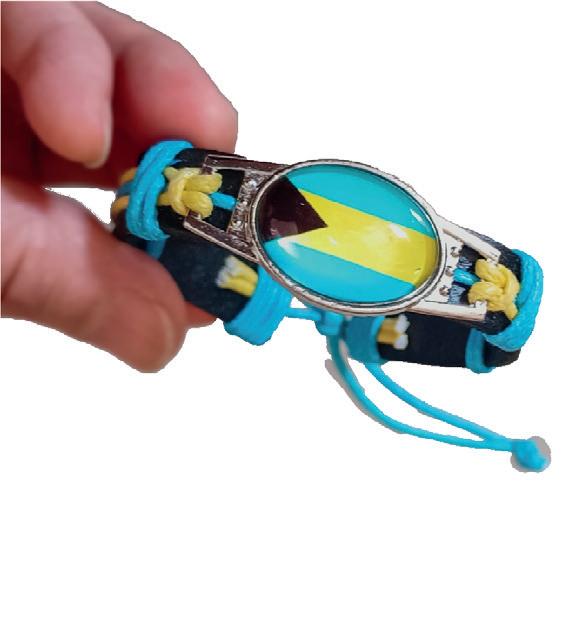
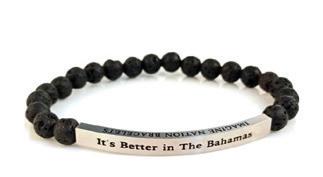
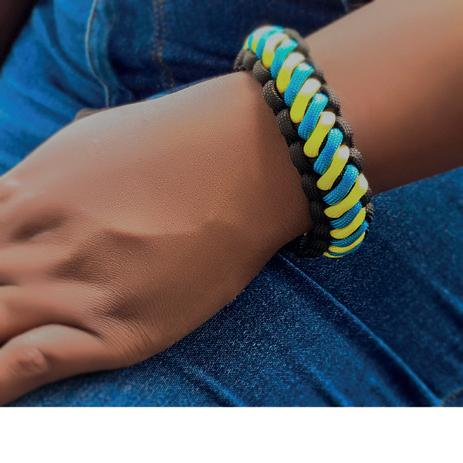



‘A hidden gem for lovers of art, culture, and cuisine’
By Nikia Wells
Photographs Courtesy of Nikia Wells
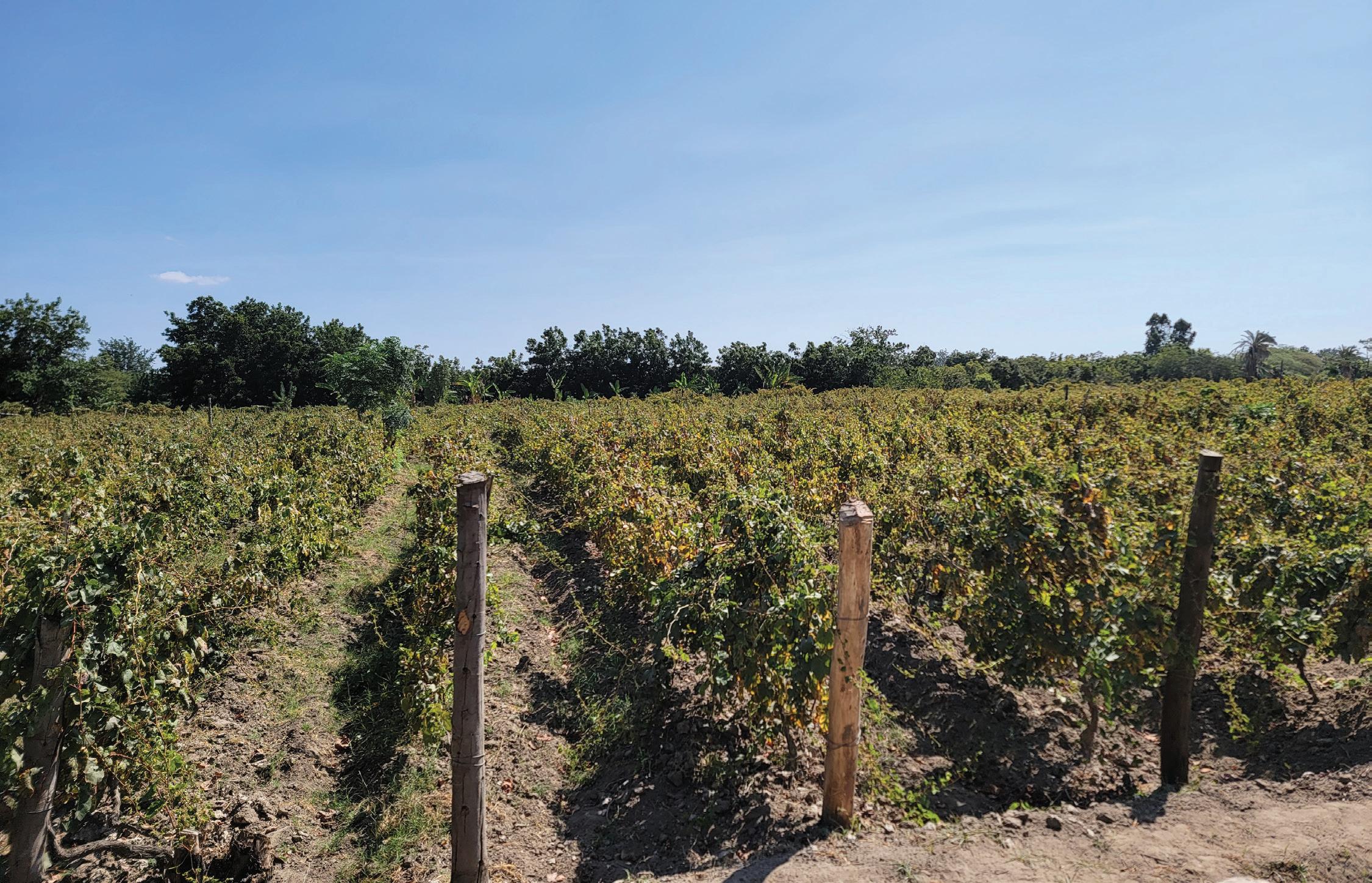
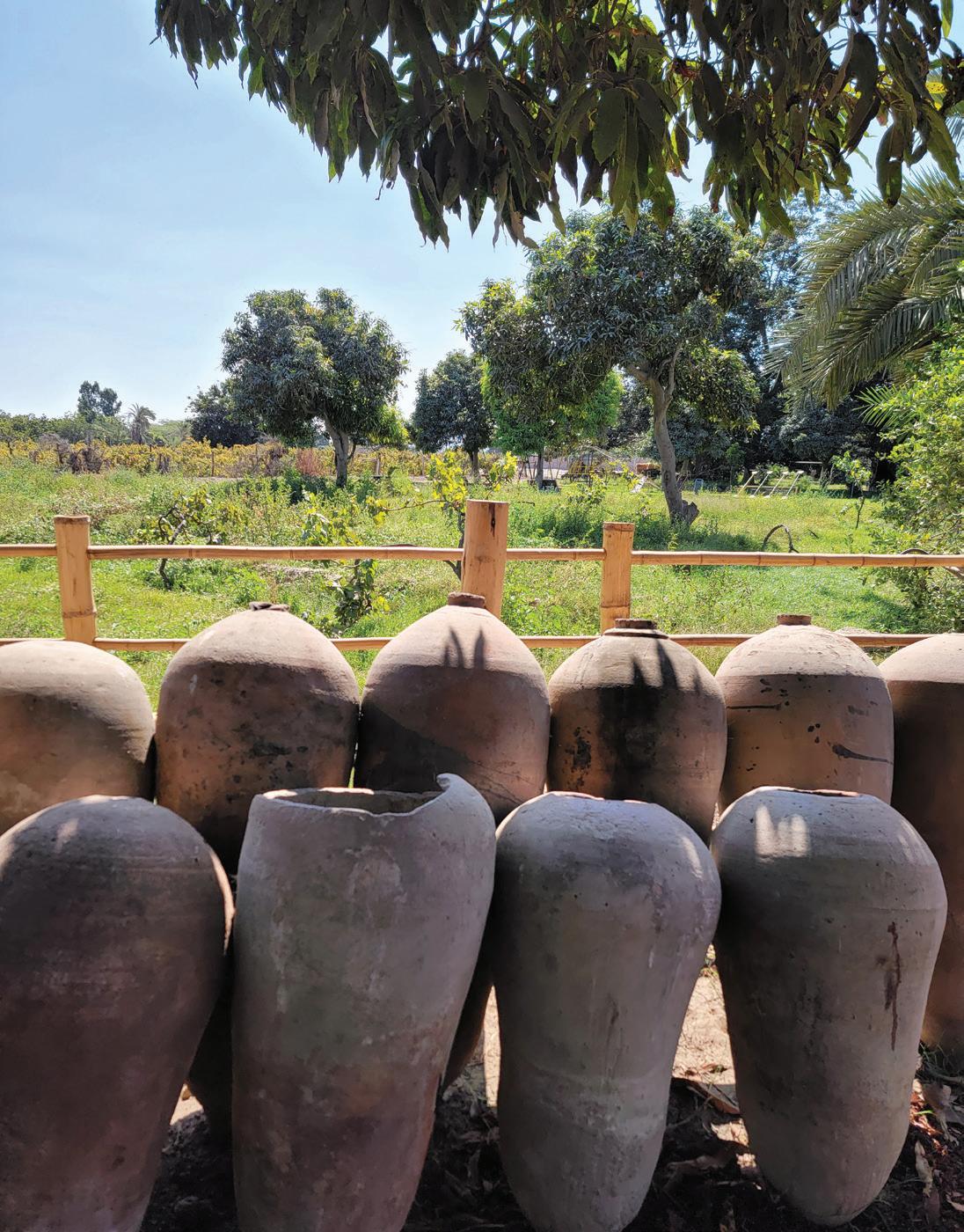
When it comes to Peru, most travellers have their eyes set on Cusco and Machu Picchu, but Lima quietly shines as a haven for those who appreciate art, culture, and incredible food. Nestled along the Pacific coast, Lima offers a blend of historic charm, vibrant neighbourhoods, and a culinary scene that rivals the best in the world. Lima is indisputably a food lover’s paradise and can easily be accessed from The Bahamas by taking a flight from Nassau to Miami on Bahamasair, then flying another leg directly into Lima. The city’s cuisine is a fusion of indigenous ingredients, Spanish influences, and techniques passed down through generations. Renowned for its innovative chefs and top-rated restaurants, Lima boasts several entries on the prestigious World’s 50 Best Restaurants list. Portions are also generous, reflecting the warmth and hospitality ingrained in Peruvian culture.
For an authentic taste of Peru, head to a local market, like Mercado Sta. Rosita in Surquillo to try unique fruits, vegetables, and even some of the thousands of potato and corn varieties available in the country. Alternatively, book a cooking class to learn the secrets of iconic dishes like lomo saltado (beef stir-fry – a nod to Peru’s Chinese population) or leche de tigre ceviche, which includes fresh fish, sweet potatoes, and corn tossed in a marinade made from blended fish, vegetables, and herbs.
Most visitors to Lima find themselves enchanted by Miraflores and Barranco, two distinct districts with their own allure. Miraflores is renowned for its safety, walkability, and bustling streets dotted with cafes, parks, and shops, offering a glimpse into modern Peruvian life.
Barranco, on the other hand, captivates with its bohemian spirit and street art. Many restaurants along the coastline of Barranco offer beautiful views of the city’s coastline and are perfect spots for sunset cocktails and dinner. Sitting by the water at restaurants like Cala, you can watch the surfers wind down for the day, enjoying a cocktail as the sun sets into the water.
To delve deeper into Lima’s rich cultural tapestry, consider a walking tour with companies such as Exquisito Peru to explore the area’s vibrant murals and eclectic restaurants. Their curated experiences take diners on a culinary journey
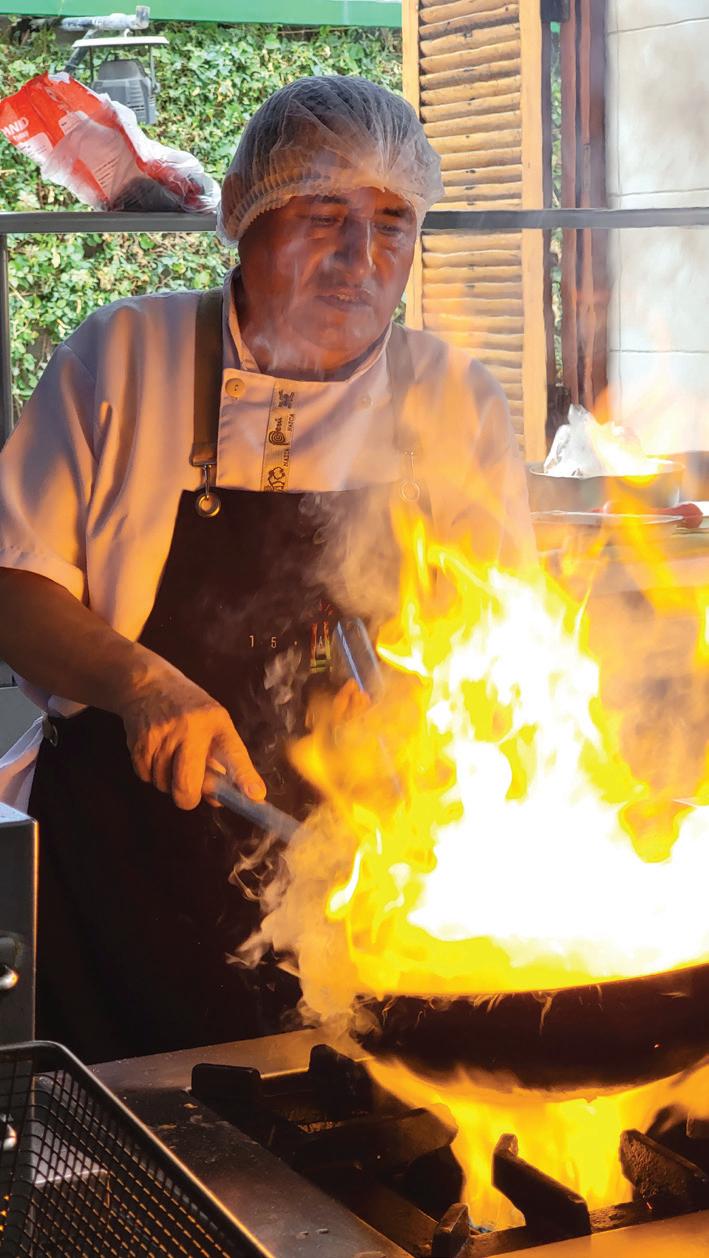
through Lima’s diverse flavours. Sample empanadas de ají de pollo (chicken, spice, and gravy patties) at Alanya, indulge in lomo saltado and anticuchos (beef skewers) at Ayahuasca, and savour freshly made ceviche at República del Pisco. Then, end the day with a pisco sour at Juanito and handmade gelato at Blu
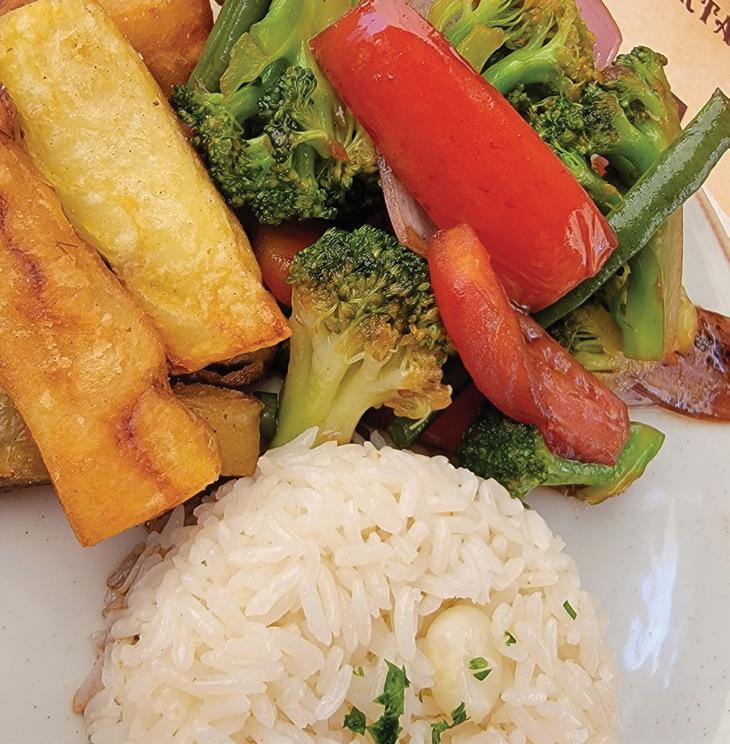
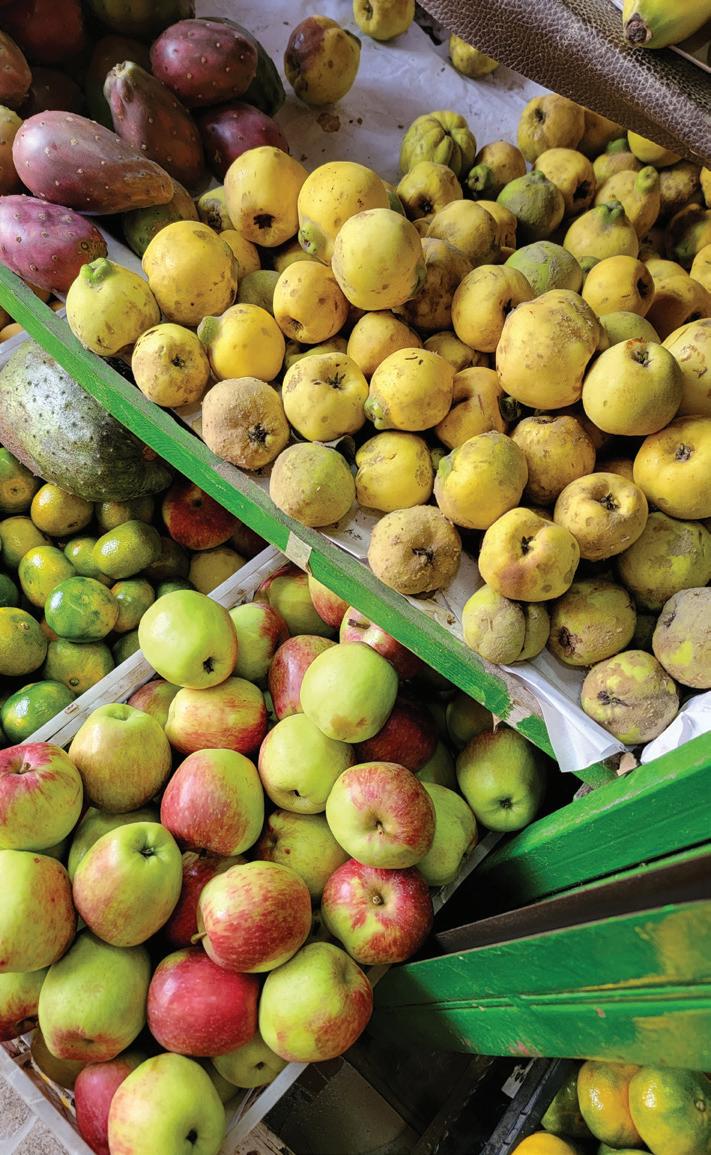
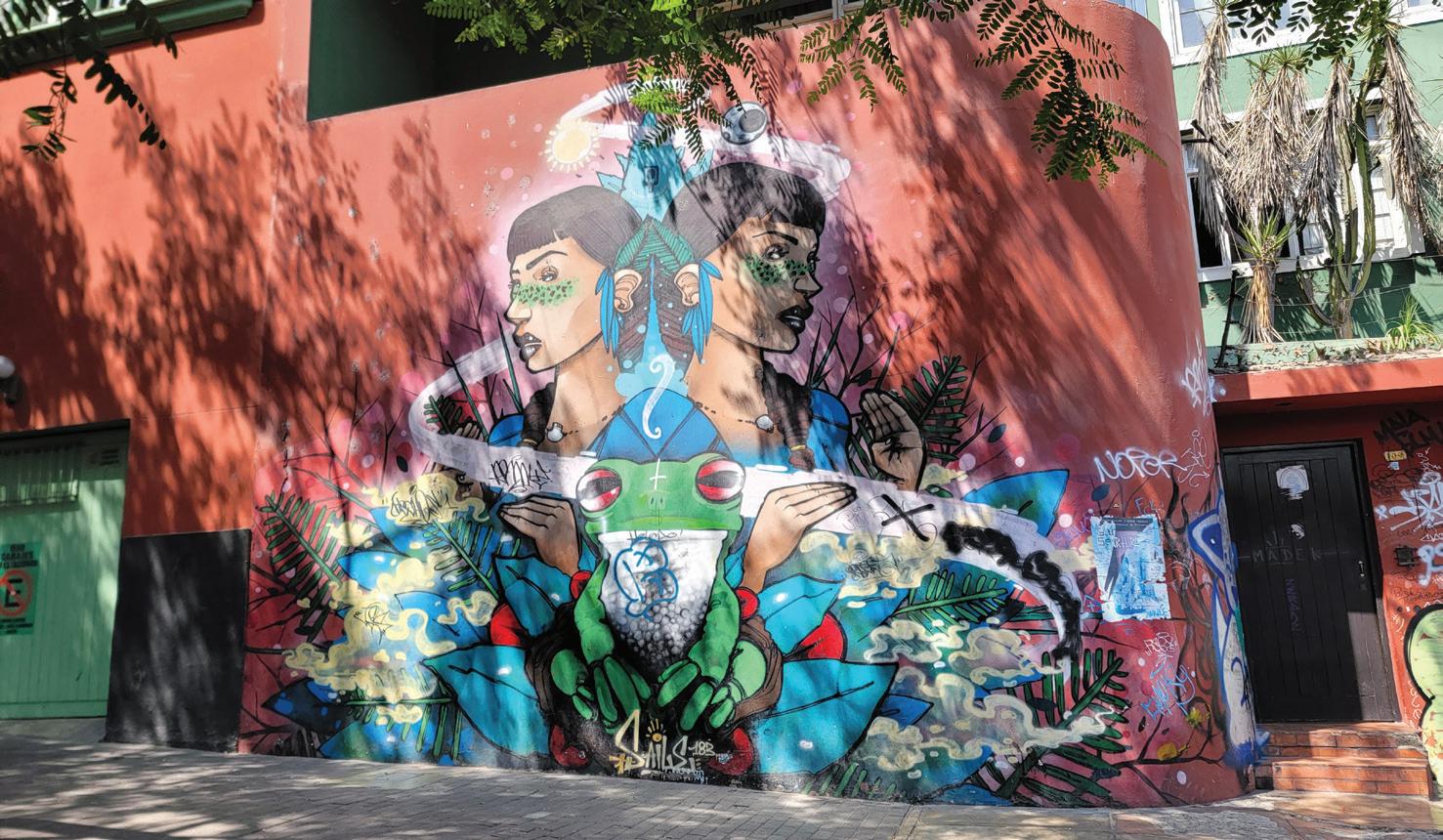
Beyond Lima, a day trip to Paracas, Ica offers a glimpse into Peru’s natural wonders and viticulture. Marvel at the wildlife of Paracas Bay – home to sea lions and penguins – or conquer the towering sand dunes of Huacachina Oasis. A visit to a pisco vineyard completes the adventure where you can sample Peru’s famous spirit amidst breathtaking landscapes.
Pisco, a national treasure of Peru, is celebrated for its bold flavours and historical significance. At Culture Pisco in Ica, immerse yourself in the art of
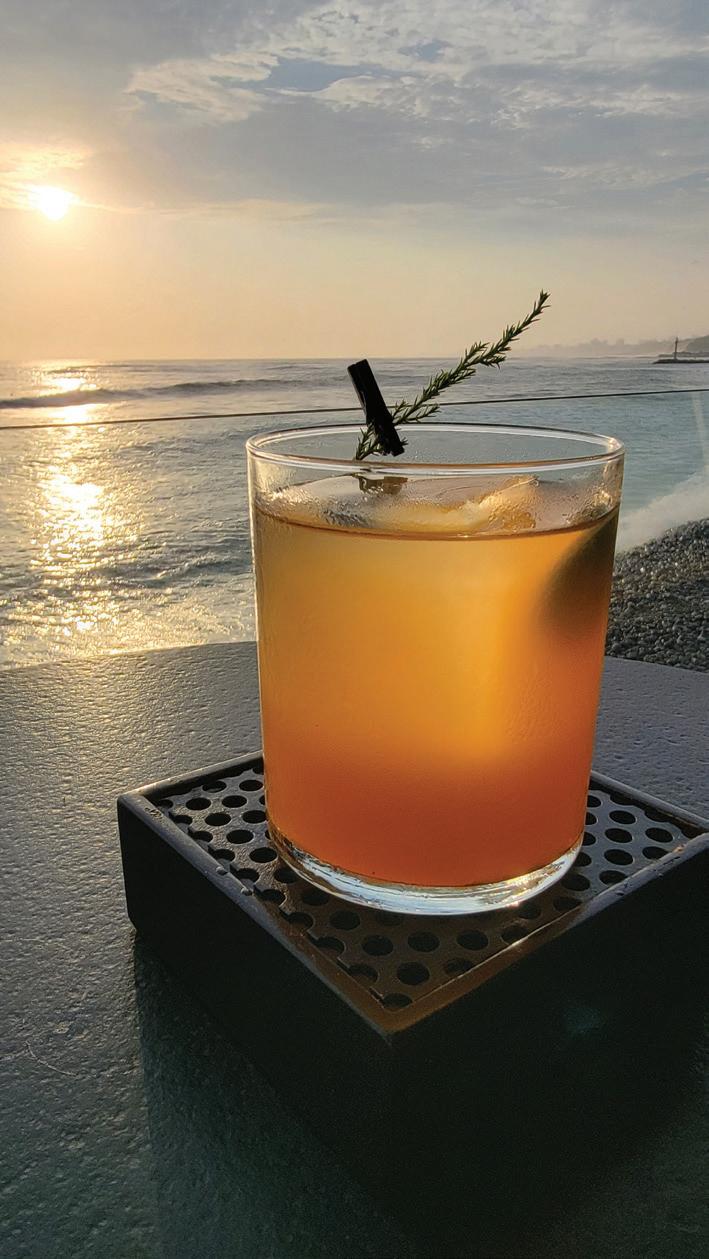
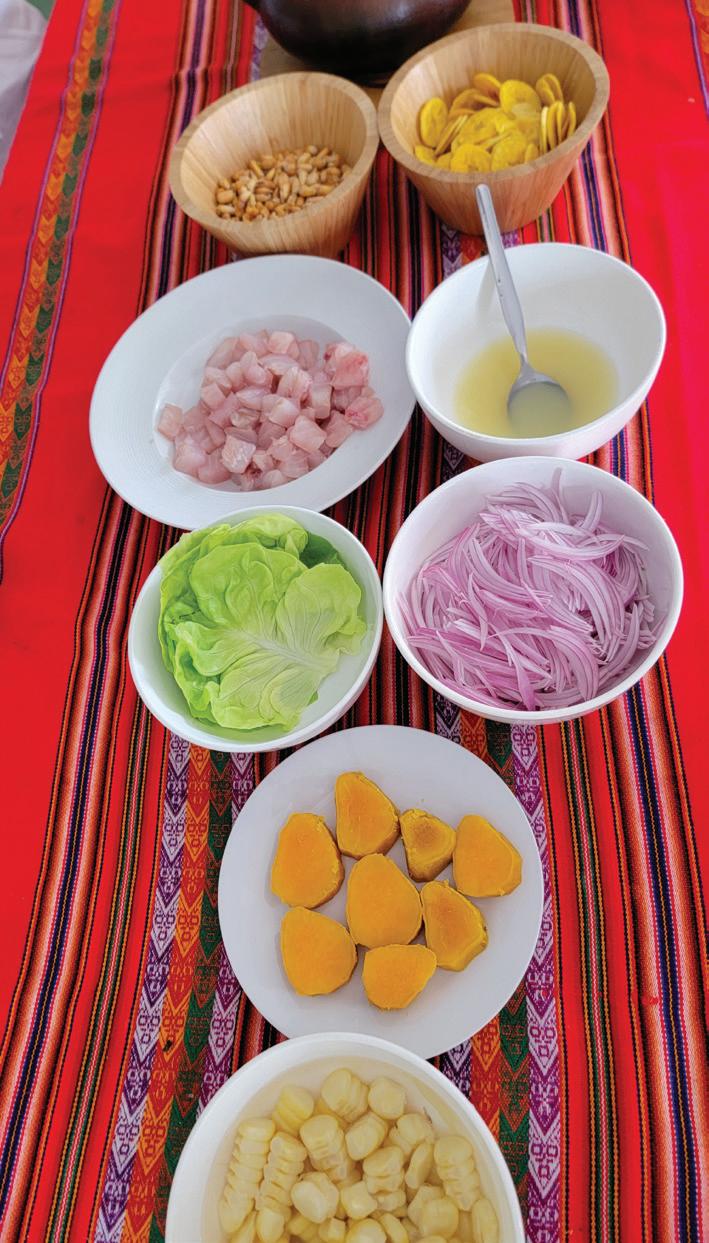
pisco-making. Learn about the distillation process and enjoy generous tastings various pisco varieties. It’s an experience that culminates in bringing home a bottle or two, sharing the essence of Peru with loved ones.
While Cusco dazzles with its ancient ruins, Lima offers a different kind of enchantment – one rooted in art, culture, and culinary mastery. As you plan your next adventure, consider Lima – a city where every street corner tells a story, every meal is a masterpiece, and every sunset paints the sky in shades of gold. UA
CAPT SANDY CAMPBELL is an avid traveller, travel writer, and boater. Her escapades have taken her to five continents and over 60 countries. She is passionate about sharing her love of solo travel and inspiring others to see the world. She chronicles her adventures on her travel blog Sandy’s Suitcase.


MS NIKIA WELLS is an avid traveller with a passion for seeing the world, learning about new cultures, trying unique dishes and raising awareness about the freedoms of solo travel. In 2014, this Grand Bahama native created the PinkSands242 brand, which is devoted to spreading her passion for travel, food, and new experiences from a Bahamian perspective, while demystifying various elements of world travel. Her writings have been featured on www.bahamas.com and several other local publications.
MS KEESHA CLAUDIA BETHELL is a new-age writer, creative, and award-winning journalist who has her finger on the pulse in many areas of interest, including mainstream news reporting and production, television/internet programme production, social media, and travel, Spanish, leisure, and culinary writing.
MR SCOTT JOHNSON is a terrestrial wildlife biologist, eco-guide trainer, researcher, and environmental scientist with over 15 years of experience. His major field of interest is Bahamian wildlife with a specialty in reptiles and birds. He studied at The College of The Bahamas (now University of The Bahamas) before transferring and completing his Bachelor of Arts in Biology at St Mary’s College of Maryland.

MS KENDEA SMITH is a communications expert who specialises in travel writing. She holds an Associate of Arts in Journalism and Mass Communication, a Bachelor of Arts in Writing, and a Master of Arts in Strategic Communications, which includes marketing, public relations, and social media. She is married and the proud mother of two daughters.
MR CLIFTON BARRY Since 2013, he has been capturing moments and creating memories to last a lifetime. A natural light photographer, he strives to make his clients’ experience enjoyable. Clients have described him as a fun yet soulful photographer who provides freedom for them to be creative during their sessions.
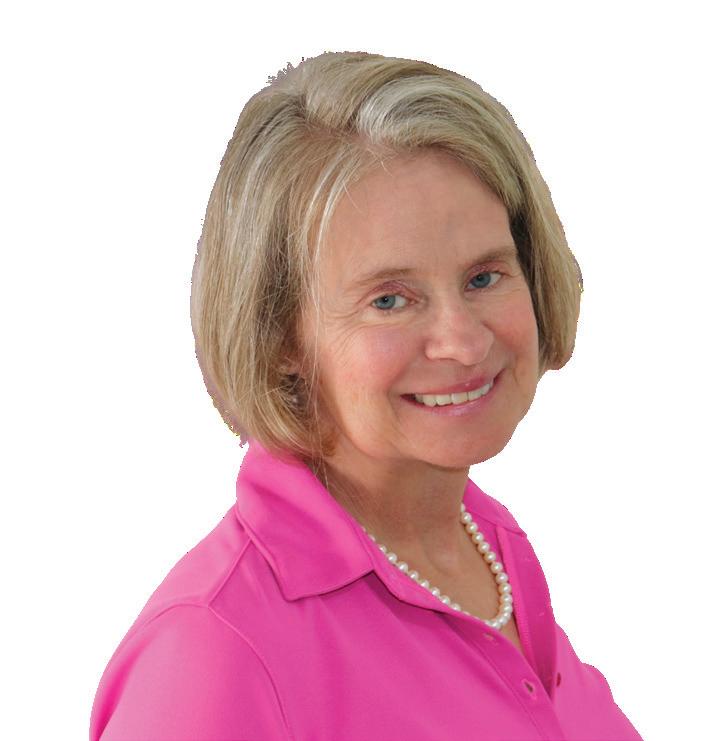
MS KIRSTEN HARRINGTON is an Orlando freelance food and travel writer, chronicling adventures in the US and China. Her work has appeared in WhereTraveler, The Seattle Times, Edible Orlando, The Beijinger, GoNOMAD, World Footprints, and several other publications. When she’s not writing, you can find her scoping out new adventures, hiking, or enjoying a meal with her family. Visit www.kirstenharrington.com for more information.

MS BIANCA MAJOR is the editor of The Long Island Runner News and is an avid promoter of The “real” Bahamas, its culture, and all things Bahamian. Her diversity spans across professional fields such as publishing, marketing, graphic design, social media content creation and management, and photography. Bianca the “artist”, “foodie”, and radio personality has more than two decades of experience and has a passion for writing. Raised between the US and The Bahamas, she has a unique concept of Bahamian culture.

MS ALEXANDRA ‘BAHAYOGI’ KAUFMANN is a lover of all things yoga, wellness, and life. Along her yoga journey, she has practised and studied Power, Baptiste, Hot, Restorative, Rocket, and Vinyasa Flow Yoga. She has completed over 500 hours of yoga teacher training with world-renowned instructors. Her passion for teaching has attracted celebrity clients such as Nicole Kidman, Reese Witherspoon, and Jennifer Lawrence.
MR TYRONE FITZGERALD is a cultural creative writer, adjunct lecturer, music lover, and visual and performing arts enthusiast. He has been a contributing writer to various business, arts, and lifestyle publications, including the Atlanta-based Young Black Entrepreneur magazine (now The Charleston Compass). A Cambridge Commonwealth and Errol Barrow Memorial Trust Scholar, he has degrees in economics and law, a master’s from Cambridge University, and has pursued advanced studies at Harvard Law School and Harvard School of Education.

MS NASIA COLEBROOKE holds a Bachelor of Arts in English and History from University of The Bahamas, and a Master of Arts in Magazine Journalism from City, University of London. Growing up, she didn’t get to travel often. But now, as an adult, she has visited three American states, five Family Islands, and counting, and recently lived in London, England as a Chevening Scholar. As a journalist, budding playwright, and with love for philanthropy, she hopes to continue adding stamps to her passport while using her writing to put The Bahamas and Bahamians on the map.

DR MYRURGIA HERNANDEZ, With a doctorate from the Universidad de Baja California, Mexico, she is an alumna of University of Havana, Faculty of Foreign Languages (FLEX according to Spanish acronyms) Class of 1998. In December 1999, she became an approved lecturer by the Board of The College of The Bahamas (now University of The Bahamas). In January 2000, she joined the faculty of the School of Communication and Creative Arts as a part-time Spanish lecturer.

MS TINA WALSH comes from a family of travel lovers and foodies. She has travelled to 53 countries, 47 American states, and five continents. Her love of cooking started young, in the kitchens of her grandmothers - one Italian, one German. She will travel for food, wine, yoga, natural beauty, sports, and visual and performing arts. Her passion for these things also includes the people she shares them with. In 2018, she expanded her online presence and started a blog.





Beginning November 17, 2024, Bahamasair will offer Thursday & Sunday flights from Lynden Pindling International Airport (NAS) to Sangster International Airport (MBJ).






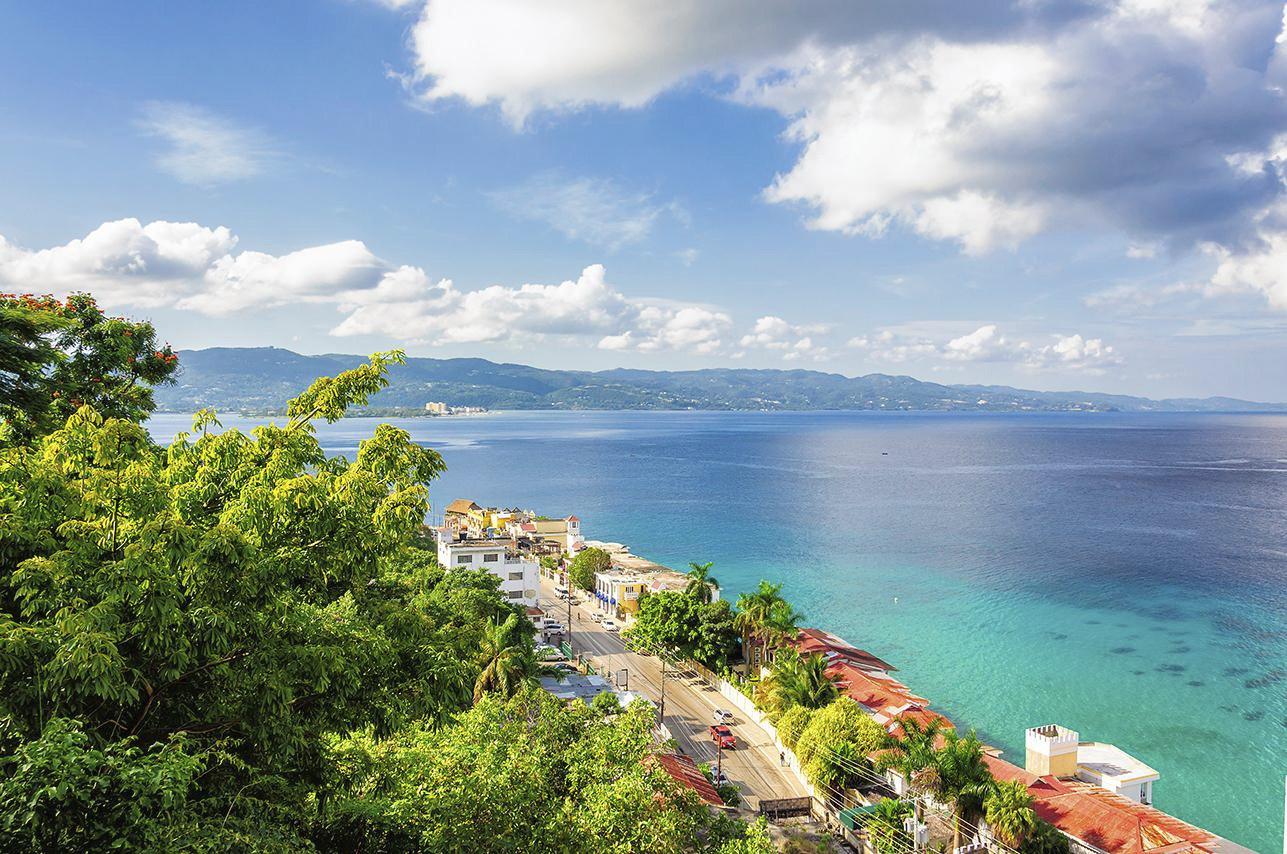
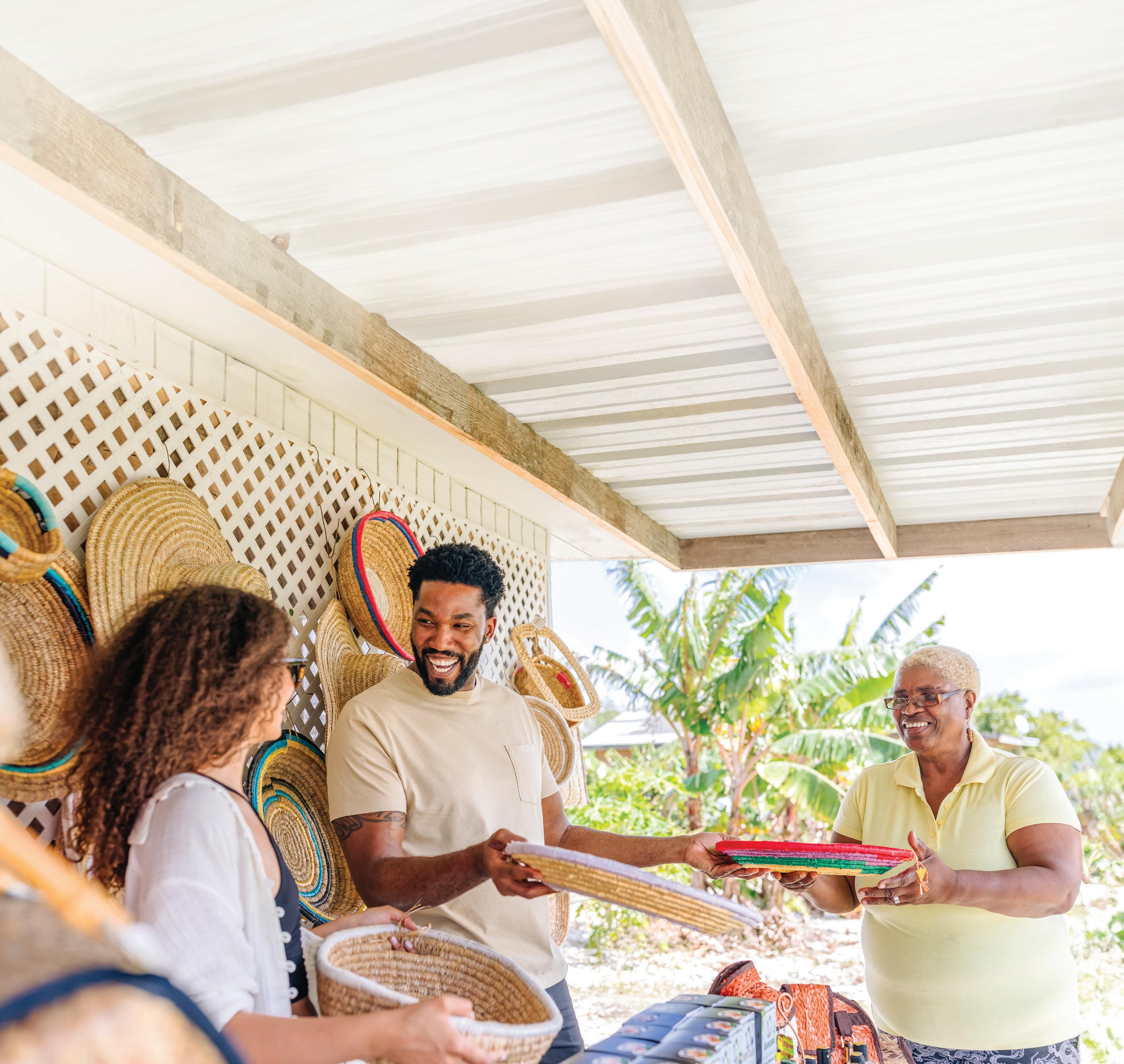

The Family Islands are The Bahamas’ greatest masterpiece. Get into the unique rhythm of an island festival, reconnect with creative inspiration, and come away inspired by the joyful energy, art, and culture of this down home escape.
Bahamas residents fly free to The Family Islands when they stay at participating hotels—making your next art-filled getaway as effortless as it is unforgettable.