
IRISHPACKAGING and print directory 2023 Clondrohid, Co. Cork and Dunboyne, Co. Meath Call: +353 2641311 or +353 1 8252059 Email: sales@midcorkpallets.com Website: www.midcorkpallets.com Specialists in end to end pallet, packaging and storage solutions





From planning to design to implementation, our sustainable packaging delivers end-to-end solutions today for the challenges of tomorrow. Visit smur�tkappa.com #BetterPlanetPackaging
The answer
has
been in our hands
the
whole time.
2 Sector Overview
David Little, Chair of The Irish Packaging Society and MD of Leonard Little & Associates, puts forward interesting and innovative suggestions as to how the Irish packaging industry can step up in terms of meeting its environmental responsibilities, including having retailers, brand owners and packaging producers work together to limit the range of food packaging formats on the market.
8 Krones Group
The Krones Group are experts in process technology, offering the full range of technology, from water treatment to finished product, from a single source.
10 Cartonboard
Winfried Muehling, Marketing and Communications Director of Pro Carton, highlights new research highlighting that the European cartonboard industry has reduced its carbon footprint by just under a quarter and a European study offering a snapshot into consumer sentiment towards packaging sustainability.
15 Aluminium Foil
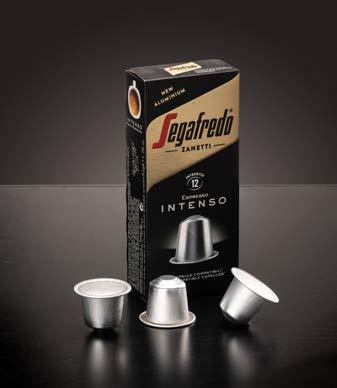
Despite coming under increased scrutiny in recent years, aluminium coffee capsules offer a pretty and perfect packaging solution, according to Guido Aufdemkamp, Executive Director, European Aluminium Foil Association.
18
Flexible Packaging
Flexible food packaging scores highly as a sustainable format, according to the results of a study commissioned by Flexible Packaging Europe from the Institute for Energy and Environmental Research in Germany, which examined the role of flexible versus rigid packaging across Europe, writes Patrick Altenstrasser, Communications Manager, FPE.
22 Mid Cork Pallets and Packaging
From humble beginnings with a single warehouse, repairing second hand pallets, Mid Cork Pallets and Packaging (MCP) have grown to become one of the country’s leading suppliers of pallets, packaging and storage solutions. We talk to the company’s founder and Managing Director as they celebrate their 45th anniversary.


26 Repak
New EU Packaging Recycling Targets will be more challenging for Ireland to meet and present an opportunity for Ireland to change the way in which we manage these often complex materials, writes Séamus Clancy, CEO, Repak.

28 Smurfit Kappa
Smurfit Kappa is thriving through a combination of resilience and agility, as it leads the way in innovation and sustainability in the international corrugated packaging and containerboard market.
30 Packaging Design
Patrick Llewellyn, CEO of 99designs by Vista, reveals the packaging design trends to watch out for in 2023.

40 Food Packaging Solutions
Leading food packaging solutions provider, Waddington Europe has a key manufacturing facility in Arklow, Co. Wicklow.

42
Circular Economy
Ireland is at a critical juncture in its journey towards a Circular Economy, and the packaging industry can play its part. The Circular Economy Programme (2021 to 2027) is the driving force for the country’s move to a circular economy.
44
Intellectual Property & Design Rights
Registered designs are increasingly being used by businesses and designers to protect their products and related market
PUBLISHED BY Tara Publishing, 14 Upper Fitzwilliam St., Dublin 2 Tel: 00 353 (0) 1 678 5165

PUBLISHER
Patrick Aylward
EDITORIAL & MARKETING DIRECTOR
Kathleen Belton kathleenbelton@tarapublications.ie
EDITOR
John Walshe johnwalshe@tarapublications.ie
SALES
Brian Clark brian@tarapublications.ie
Aaron Stewart aaron@tarapublications.ie
DESIGN
Tony Hunt tonyhunt.design@gmail.com
PRODUCTION MANAGER
Ciara Conway
PRINTED BY W&G Baird Ltd.
Every effort has been made to ensure the accuracy of the information contained in this publication, but the publisher cannot accept responsibility for errors or omissions.
positions. Mathew Forde, Partner at Lewis Silkin Ireland specialising in Intellectual Property law, explains exactly why design registration is so important. 46 Listings Product & Service Index.........................................................................47 Alphabetical Listings of Packaging, Processing & Logistics Companies..........59 CONTENTS 15 10 IRISH PACKAGING & PRINT 2
IRISHPACKAGING and print directory 2023 Clondrohid, Co. Cork and Dunboyne, Co. Meath Call: +353 2641311 or +353 8252059 Email: sales@midcorkpallets.com Website: www.midcorkpallets.com Specialists in end to end pallet, packaging and storage solutions IRISHPACKAGING and print directory 2023 30 22
Facing Up to oU r r esponsibilities
David Little, Chair of The Irish Packaging Society and MD of Leonard Little & Associates, has some interesting suggestions for how the Irish packaging industry can step up in terms of meeting its environmental responsibilities, which would involve retailers, brand owners and packaging producers working together to limit the range of food packaging formats on the market.

2 ı Sector overview IRISH PACKAGING & PRINT
image from rawpixel.com.
The challenges continue… Most of the Packaging sector is still very busy; however, the e-commerce growth has dropped back significantly and we have also seen issues of high stock levels after the previous uncertainty. this affects order patterns, resulting in them not being quite as predictable as pre- covid times.
there are drives in most Packer / Filler and Brand owner sectors, to continue to search for more sustainable and circular packaging. while the supply side of the sector is working hard to find suitable greener alternatives or more easily recycled materials, the outcome is… more complexity.

the sheer range of new monomers, bioplastics and biodegradable materials is becoming challenging, particularly for those without a Packaging technologist or the internal expertise to manage and drive these changes. when i mention changes, these would normally be in the pack structural design / format, or in the packaging substrate / material specification. in both cases, the impact on the functions of the packaging can be considerable. the general pack performance, the stack-ability, seal strength, shelf-life and recycled content percentage etc. can all impact on the product preservation and potentially, if not done correctly, can increase food wastage.
Avoiding food wastage is essential, as the food itself and the processing of it contain the vast majority of the carbon Dioxide equivalent, co2e. the packaging is usually a small percentage of the final pack co2e; for instance, in a MAP pack of meat, packaging accounts for just 10% of the overall pack co2e, so is not the devil every one targets but the easy one to see and pick on.
it is also possible to be naïve and make what sounds like good changes, for the right reasons, but actually increase the co2e used in the manufacture or transporting of the packaging raw material. For example, products coming in from long supply chains, or packaging that is potentially impacting the environment, directly or indirectly, like some hemps, bamboo, paperboard additives or some cellulose fibre supplies or bio-plastic starches etc. they can create unknown consequences or divert agriculture production away from food use, or, for instance, they can radically change the biodiversity in a region. As a
result, an understanding of what you have, the existing spec. and the co2e of the existing material or source is now nearly as important as running new product development tests and trials on proposed new substrates.
i suggest that you take nothing for granted and check the full impact of your choice, including the local production and shipping costs, the co2e and the required barrier properties for your pack’s required performance in whichever geographic region. Also be aware that shipping product or packaging in from far away can have consequences, as we have recently seen. this may have gone away for now, but just buying on price alone will come back to haunt you.
the retailers themselves are, in many cases, listing the available choices and banning certain substrates, such as compostable films / trays. For those substrates allowed, they now often require a more advanced packaging specification, to include things like the percentage of recycled content. ireland is reasonably well placed, with a unified approach to recycling packaging, that for the large part, is working well.
A PotentiAl Solution for ComPoStAble PACkAging
New technology has assisted the Municipal recycling Facilities (MrF ) ability, to process the various types of packaging waste, including rigid and flexible plastics, paperboard, aluminium, steel etc. Due to our size and the lack of scale, we will have to continue to export a large amount of packaging waste that is at least now well sorted and baled. However, the MrF process under its current set-up is unable to process compostable materials, which can badly affect the quality of oleo-based recycled plastics if they get in the mix.
i suggest a potential solution for ireland’s compostable packaging is to do what the UK do for their flexible films at the moment: we could take compostable packaging back to the supermarket, where it could be collected and sent for composting, thereby getting the benefit of the natural circularity of compostable packaging, without the risk of it compromising or contaminating the main plastics recycling waste streams. obviously this needs some consensus and planning, but it should be doable, without too much cost. this would open up the benefits of compostable packaging to the market, with the sustainably-minded
overview ı 3 iriSH PAcKAGiNG & PriNt IRISH PACKAGING & PRINT
‘
We could take compostable packaging back to the supermarket, where it could be collected and sent for composting, thereby getting the benefit of the natural circularity of compostable packaging, without the risk of it compromising or contaminating the main plastics recycling waste streams.
consumer assisting in the collection and sorting.
these sustainably-minded consumers, together with the sustainably-minded organisations and enterprises of the country, need to up their game. we all need to start taking responsibility for our impact on the environment and the market. we cannot continue to consider we are top of the class if we just recycle. we cannot just recycle our way out of the impending environmental upheaval that is coming down the line. we need to ask tough questions and consider our whole lives as individuals, and businesses need to do the same. Do we need X amount of flights each year? what is our personal or family carbon Footprint? is it necessary? Do i need it or just want it? is this the best format and amount to buy / make? is there a better format? Should we continue to supply this product at all? Should we bring it in from so far away? etc. etc.
ConvenienCe: the enemy of SuStAinAbility?
these are all very difficult questions, particularly as companies create
employment and wealth, and there is an impact on this if they start dropping products. equally, various products are designed for convenience and often form part of the way we live. i recently heard someone say, “convenience is the enemy of sustainability”. this is so true, in that portion packs, ready meals, prepared foods, fast food etc. while useful and often seen as required, all create a greater need for packaging. that’s great if you make packaging, but the more variety, the longer the shelf-life and the more complex the packaging is, the more difficult recycling is and the bigger the co2e impact on the world. How can we make the required changes, but yet bring the retailers, the customers and the packaging sector with us?
with the lifestyles we have, the reduction in home cooking, the long commutes, the longer days and the endless drive to grow market share and to offer the latest thing, allied to the seemingly endless demand for new, better, brighter products, one has to wonder where it will end.

we need to end this drive to solely
focus on convenience on the one hand and ‘demon’ shareholder value on the other, as the be all and end all of business. this is what has got us to the place we are in, environmentally. i appreciate we need to make a profit, to ensure business continuity and growth. However, some people will be annoyed and say they cannot cut their nose off to spite their face, or want to stick their head in the sand and just selfishly push on, saying “i’m all right Jack”. i am saying this for those people and for the sake of all our children; we need to work smarter and try to make a difference, before it is too late.
i believe retailers and producers could come together in an agreed and structured way (with Government consensus) and discuss the challenge and hopefully agree which product formats are good and which are not sustainable. then, agree to work together to thin out the range and variety of food packaging formats and reset the game. essentially, to limit the range for the consumer, who will have to buy what’s on the shelf (so you still sell the
4 ı overview
IRISH PACKAGING & PRINT
We all need to start taking responsibility for our impact on the environment and the market.
product). i cannot see any other way this can happen quickly. the alternative is for Government and the eU, in time, to eventually ban particular packaging formats, which will put us on the back-foot and inevitably cost more and take longer.


Aside from this challenge, there are a number of others coming down the line. Deposit return Scheme for ireland (DrSi), is being introduced next year and the ground is being prepared, presumably for the return machine, the collection system, the supply chain, etc. this will obviously have a large impact on the drinks sector and the waste sector. it will bring up interesting differences in approach between north and south of the island and even Scotland. it is looking a little complicated, with different approaches required to the labelling and even the adhesive specifications potentially being used in different markets. Again, a drive for a consensus on the approach would really help to simplify things.
tethered closures are also coming down the line and should hopefully help recycling, keeping the cap and the bottle together.
‘
I believe retailers and producers could come together in an agreed and structured way (with Government consensus) and discuss the challenge and hopefully agree which product formats are good and which are not sustainable. Then, agree to work together to thin out the range and variety of food packaging formats and reset the game.”
overview ı 5 IRISH PACKAGING & PRINT
Tethered caps, such as this one from Tetra Pak, should help with recycling rates.
DivergenCe between eu AnD uk APProACh
there are differences in the approach between the UK’s ePr, which requires a 30% recycled content in packaging to avoid additional tax, and the irish / eU approach for eco-modulation, which requires no recycled content, but a recyclability. this difference creates challenges for companies exporting their product to the UK. Do they hold two different formats types for a particular product, or do they go with the UK recycled content for both markets, perhaps at a higher price, to keep things simple?

Last but not least is the Packaging and Packaging waste Directive that is coming down the line, with some pretty tough proposed recycled content targets for 2030, 2040 and beyond. these concern me, as the impact in production and performance of plastic with 30% compared to 50% recycled content is dramatic, not to mention the proposed higher targets. it is important that those making the laws understand the impact on performance and possible increases in food wastage. it also seems to me, that many of these legislators appear to think that plastic and other packaging formats, such as paper-based products,
can be endlessly recycled. this is not the case. Most of these items can only be recycled, between three and seven times, depending on the calliper, spec., use, waste stream, etc. this also does not take into account possible pathogens or other contaminates that may have gotten into the mix from some previous use or storage conditions. As a result, increased recycled content could lead to greater food wastage and will continue to also require virgin materials to boost the quality at regular intervals.
taking these points into consideration, it does start to support the benefit of my earlier argument, to start simplifying the range of products offered from the offset, to ensure an easier transition to a more circular economy. Let’s make a difference.
trAining ProgrAmmeS in PACkAging teChnology
to help in all of this, the irish Packaging Society (www.irishpackagingsociety.ie) offers members webinars, networking opportunities and also a range of training programmes in Packaging technology. in my experience, a Packaging technologist, pays for themselves in speed-to-market, NPD roll-out, cost savings and increased efficiencies.
the training programmes include:
• Diploma in Packaging Technology – tUD accredited / Design Print & Packaging Skillnet Level 7 cPD Diploma, run over 8 months, blended learning.
For more information, visit: dppskillnet. ie/course/diploma-in-packagingtechnology.

• Certificate in Sustainable Food Packaging – PiABc accredited / Food Drink ireland Skillnet; Level 7 eq. certificate, run over 11 half-day sessions on-line.
For more information, visit: www.fooddrinkirelandskillnet.ie.
About the Author
David Little is Managing Director of Leonard Little & Associates Ltd, Packaging consultancy and training: www. leonardlittleassociates. com. David has over 30 years’ experience in the Packaging industry. David is a qualified Print and Packaging technologist. He is chair of the irish Packaging Society, a member of the UK ioM3 Packaging Leadership Group and Head trainer ioM3 (Packaging) and a Fellow of the institute of Materials, Minerals and Mining.
6 ı Sector overview IRISH
PACKAGING & PRINT
We need to work smarter and try to make a difference, before it is too late: image from rawpixel.com.

Utilising a container for space constraints
Since demand at Blends Flavours & Colours is going through the roof, the company had to increase its capacity for beverage production and filling, which is why it turned to Krones. “We have a water treatment system already, but it wasn’t big enough for our needs. So we spoke with Alex from the local Krones UK sales team and decided to collaborate with them, because we felt that the Krones quality was right for our customers,” says Andrew Richardson, who manages the beverage plant for Blends.
During the planning phase, it quickly transpired that a new water treatment system and a new syrup room together would not fit into the existing building. This challenge didn’t present an obstacle to Krones: If there isn’t any space, we’ll just create some more, was the approach. Krones planned the water treatment system so that all components
The Krones team is used to installing systems into existing halls or between existing lines and having to play around, to get a precise fit. However, the only available installation space for laying out all the vessels and modules of the Hydronomic RO was a container? Even Krones had never come across this before.
would fit inside a single container. o nly the 20,000-litre product tank was installed outside.
Assembly TeTris
In Krones neutraubling, where the vessels and modules of the hydronomic are assembled, there was astonishment when a shipping container suddenly appeared alongside the usual vessels, tanks and components.

It had a Tetris feel about it, similar to the video game, where the coloured elements are stacked precisely and efficiently, with the components of the hydronomic sensibly arranged and efficiently coordinated. It was due to this detailed preliminary work and the necessary routines in assembly that all machine components were ready, in place on time for the Factory
Acceptance Test.
When Andrew Richardson came to neutraubling with colleague Peter Millea to see the systems operating for the first time, they were delighted by the overall outcome, planning and assembly work achieved.
Hydronomic ro wATer

TreATmenT sysTem
• Method of operation: reverse osmosis (Ro)
• Output: 15,000 litres per hour

• Components installed in shipping container:
- dosing station for cleaning media
- 2,000-litre break-water tank
- hydronomic UV module for removing all the ozone or chlorine
• Also: adjacent product tank with a capacity of 20,000 litres


8 ı PRoCeSS AnD FIllIng TeChnology
IRISH PACKAGING & PRINT
Since space in the production hall is in short supply, the new water treatment system at Blends is simply being installed in the shipping container to the side of it.
syrup room: milkron
The hydronomic, though, is not the only new process technology equipment that Blends ordered. Krones subsidiary Milkron, has installed a new syrup room at Blends’ Knowsley factory.
The aim was to produce as broad a range of beverages as possible. That’s because alongside various CSDs and water, Blends have mixed alcoholic drinks in its portfolio. “For canning specifically, we have a customer in the sports and nutrition sector who wanted to release a range of cans. We struggled to find canning capacity in the UK and europe to get the product right at the quality they wanted. The new syrup room and the canning system now enables us to offer the diversity required,” says Andrew Richardson.
The syrup room contains various dosing stations, such as for flavourings, high-proof alcohol, sugar dissolving plant and two blending tanks, each with a capacity of 15,000 litres. There is also a CIP system.
including cAn Filler And dry end From krones
While its portfolio and expertise may suggest something different, Blends’ main business is not in the production of beverages. In fact, the roots of the company lie in the food industry: The family-owned business has been supplying bakeries with a variety of additives since 1994. Its portfolio grew year on year, and the company now creates over 20,000 products such as flavourings, dyes, plus other ingredients for the baked goods and beverage industries.
o ver the last few years, Blends has made a name for itself as a co-packer, who offer canning and bottling in glass. Demand in this segment has grown enormously: “We’ve seen a lot of customers that were switching from bottle to can because of sustainability, so we took the opportunity to strengthen our position in that market,” says Andrew Richardson.
The Modulfill VFS-C can filler achieves an output of up to 15,000 cans per hour but is actually capable of 19,200 cph should the need arise.
“We try to offer 50 ml up to 500 ml if possible and we do the same for bottles, where we go from 20 ml to 5 litre, so we have to be very flexible depending on customer requirements”, Andrew
Richardson adds. The new system matches this flexible approach: It can process both slim and sleek cans, in sizes between 150 and 330 ml, as well as still and carbonated beverages. These are mixed with the aid of a new Krones Contiflow. For sensitive beverages such as milk alternatives, Krones also installed a VarioFlash J flash pasteuriser for preservation.
“so FAr, THe experience HAs been brilliAnT” one of the arguments in favour of Krones was their overall expertise in process technology. The Krones group is, after all, the only player on the market


to offer the full range of technology, from water treatment to finished product, from a single source.
“It’s our first time working with Krones. So far, the experience has been brilliant. Probably the best supplier we have worked with. The team has been helpful regarding any questions raised with prompt answers” Andrew Richardson concludes.
Krones UK Ltd. | 00 44 (0) 1942 845000 Westregen house, great Bank Road, Wingates Industrial Park, Westhoughton, Bolton, BL5 3XB.

PRoCeSS AnD FIllIng TeChnology ı 9 IRISH PACKAGING & PRINT
Cartons leading the way on sustainability
Winfried Muehling, Marketing and Communications

Director of Pro Carton, the European association for carton and cartonboard manufacturers, talks through new research highlighting that the European cartonboard industry has reduced its carbon footprint by just under a quarter and a European study offering a snapshot into consumer sentiment towards packaging sustainability.
Cartonboard has rapidly become the de facto choice for brands looking to improve their environmental credentials, while retaining strong identity and design aesthetics.
The validity of that choice is underlined by our new, authoritative report which has proved that the European carton and cartonboard industry has reduced its carbon footprint by 24% in just three years from 2018 to 2021.
The European industry average carbon footprint of cartons now comes in at 249 kgCO2e cradle-to-grave and 148 kg CO2e cradle-to-gate per tonne of cartons. The findings demonstrate that carton packaging not only meets the demands of a bio-based and circular economy but is the key to a successful transition to a low-carbon economy. The extensive study covered 60 production sites from pulp and cartonboard production all the way to folding carton producers.
Cartonboard’s improved environmentalfriendly benchmark is revealed in The Carbon Footprint of Carton Packaging 2023 (available at www.procarton.com/

media-section/publications), a study, carried out by RISE (Research Institutes of Sweden) Bioeconomy and Health Unit for Pro Carton. It tracked both the cradle-tograve and cradle-to-gate carbon impact of cartonboard from January to December 2021, taking into account fossil and biogenic greenhouse gas (GHG) emissions and removals, plus emissions from direct land use change (dLUC).
Fossil GHG emissions arise from non-renewable sources such as fossil fuels, while biogenic emissions are the result of the combustion of biofuels and the degradation of bio-based products. Biogenic removals refer to CO2 uptake from the atmosphere through photosynthesis during biomass growth. For instance, in forest management as a source for paper fibre.
ImprovIng resource effIcIency
The double-digit reduction of the cradleto-grave carbon footprint to 249kg CO2, and the cradle-to-gate carbon impact of 148kg CO2 equivalents per tonne of cartons was achieved by improving
10 ı CaRTOnBOaRD
IRISH PACKAGING & PRINT
resource efficiency during the production process. It was also bolstered by significant investments in energy efficiency and renewable energy sources at the pulp and cartonboard mills and converting operations since carbon emissions were last measured in 2018. The cradle-togate calculation is important because it corresponds to the impact the industry has direct control over, until the product leaves the converting plants.
The results are most relevant because they underline the circularity leadership of cartonboard, backed by science-based studies, something that is particularly important to cartonboard and folding carton producers and the brands and retailers they supply, as consumers place increased emphasis on the sustainability of all products they buy.
The results are also important because they enable our members to compare their own data against industry averages and evaluate how their tremendous efforts to further improve energy efficiency, use renewable energy sources and upgrade internal processes to the latest state-ofthe-art, have paid off. The cradle-to-gate value of 148kg CO2 is a substantial improvement on our way to a low or even carbon-neutral, bio-based economy and mirrors process improvements and the investments taken by the industry.
Improvements In areas that matter to shoppers
Cartonboard’s carbon footprint improvement comes as a Pro Carton study of 5,000 consumers across the

m aison du chocolat’s stunning ad vent calendar was one of the big winners at the eu ropean car ton e xcellence awards.

UK, France, Germany, Spain and Italy reveals that despite a cost-of-living crisis, shoppers recognise to the importance of living sustainably.
The study benchmarked consumer attitudes towards the environment and packaging – exploring everything from deforestation and transportation, against other global concerns, such as the war in Ukraine, Covid-19, and the economic crisis.
It found that two in three European consumers (63%) are intent on creating
a more sustainable lifestyle, with more than half (58%) putting recycling at the top of the list to reduce the impact of climate change and 55% saying they have concerns about the environmental impact of plastic packaging.
The importance of recycling has also increased amongst survey respondents, rising from second position in the same Pro Carton 2019 study to first place in 2022. It was closely followed by planting more trees - the previous first-place winner - and using more natural,
CaRTOnBOaRD ı 11 IRISH PACKAGING & PRINT
Farmers’ markets are
s a npellegrino a r anciata rossa by nestlé won the Innovation award at the 2022 eu ropean car ton e xcellence awards.
renewable materials, which held steady in third place.
Circularity is an issue that consumers are taking seriously; 58% of European consumers are recycling more than 12 months ago, while more than half (54%) say the environmental impact of a product’s packaging has become more important in the last 12 months. This attitude change is also impacting brands: one in two shoppers say they have switched brands or products because of the packaging used.
consumers prefer cartons
When faced with a choice of packaging, consumers prefer cartons. The preference rating for the economically and ecologically balanced packaging medium moved from 81% in 2019 to 86% in the 2022 study.
Demonstrating the virtues of cartonboard, the importance of packaging recyclability was very much in evidence. ‘Easy to recycle’ was highlighted by 85% as the most important packaging feature. Packaging made from natural, renewable materials also ranked highly, with 81% of respondents balancing this with the role of packaging to protect the product (81%). Interestingly, cartonboard material fulfilled the three most desirable packaging characteristics in the eyes of consumers. Consumers say they are also willing to pay for these benefits. almost threequarters (72%) say they would pay more for their desired product if its packaging had less impact on the environment. a quarter said they would be prepared to pay between 5-10% more, with 8% going one step further and prepared to pay between 10-20% more.
Brands on [carton]Board
The findings unequivocally demonstrate that when it comes to recycling and respecting the planet, consumers are willing to do their bit. The research points not only to the impact of current global crises but the steadfast attitudes of consumers since the sustainability debate came to the fore.
Consumers are clearly willing to play their part, but also expect brands, producers and retailers to offer more environment-friendly packaging, along with clear recycling guidance, obviously both integral to the cartonboard industry. Surprisingly enough, against a backdrop of a tsunami of EU regulations, 92% of consumers in Europe trust that packaging
producers and brand owners will be able to manage the situation. Only 8% see the responsibility with the respective governments.
The high recycling rate for European paper and cartonboard packaging of 82%, combined with the strong resilience of the fibres used to produce cartonboard, make it a true circularity champion.

This trust in cartonboard means more opportunities for converters and packaging designers in new areas. We have already seen cartonboard used as a dependable, safe and hygienic packaging option for a wide range of products. The industry is working on improving coatings made of renewable materials which will make recycling even easier than it is already. This will allow brand owners to use low-carbon cartonboard as a packaging material in categories which are still dominated by fossil-based materials today.
There is also an ongoing discussion around single-use vs reusable packaging in HoReCa (Hotel, Restaurant, Catering) channels today. Trials are ongoing in different countries, and we will see where the preferences lie for consumers in the coming 12 months. From my perspective, there is no black-or-white solution in these discussions. It is vital Europe’s legislators take scientific knowledge and experience
into account. This will ensure that it is possible to see whether one solution or the other is superior, depending on usage occasions, consumer preferences, hygienic standards, transportation distances, and other criteria considered in independent LCa analyses. Reasoned, rather than instinctive solutions must be the mandate going forward.
Finally, it is important we include consumers in the decision-making process. Penalties or imposed taxes are not sustainable solutions. Demonstrating environmental benefits and being transparent will be favourable in the long term.
closIng the loop
Cartonboard’s circularity is no better demonstrated than by the fact that its fibres can be recycled more than 25 times with little to no loss of integrity. a 2021 study, conducted by Graz University of Technology in austria, repeatedly recycled folding cartonboard to understand what effect, if any, there would be on its mechanical property, including its innate strength and crush resistance. “no negative effect on the mechanical properties in question can be demonstrated in this study. The swelling capacity of the fibre also showed no negative trend,” the university reported.
12 ı CaRTOnBOaRD IRISH PACKAGING & PRINT
the eu ropean industry average carbon footprint of cartons now comes in at 249 kgco2e cradle-to-grave and 148 kg co2e cradle-to-gate per tonne of cartons.
The findings resolutely draw a line under a common myth that fibre-based packaging can only be recycled four to seven times before it loses integrity. They highlight that paper and board fibres are much more durable than previously considered, while stressing the eco-benefits of the increased number of recycling loops. “The more often the same item of packaging can be recycled, the more positive its impact on the environment,” states the study.
‘25 is not the limit’: In fact, Dr Rene Eckhart, Senior Scientist at TU Graz, who led the research, believes that the limit on how many times paper, carton and cartonboard can be recycled is actually dictated more by the stock preparation process and achieved collection and recycling quota.
securIng hIgh collectIon rates
In all discussions on recycling today, the focus very much remains on the recyclability of the packaging material. While this is a valid consideration for materials which already enjoy high collection rates, it is misleading for those that do not. Therefore, we must place greater emphasis on securing high collection rates. You will only be able to recycle what consumers put forward for
recycling, and thus, low collection rates will result in low recycling rates.
The European paper industry has set itself a target of a 90% recycling rate by 2030, and to keep our circular business model running, we will always need a sound mix of virgin and recovered fibre. Some customers have specific product requirements allowing only virgin fibre; for instance, those requiring packaging intended for direct food contact with moist or greasy food like chocolate. Other examples include luxury packaging with special requirements regarding the ‘whiteness’ or ‘stiffness’ of the material which will certainly need virgin fibres. For our industry, it is crucial to collect, sort and recycle all fibre materials in the market. Separate collection of cartons and paper will ensure that the quality of the recycling material remains high. Some European countries are more advanced than others, but it is widely accepted that separate collection simply delivers the best results for all recycling materials. Virgin and recovered fibre are equally important for the circular economy, which is something many brands and retailers are looking to support. There is a good balance between the use of both virgin and recycled fibre material in Europe - a clear example of a circular economy in action.

It’s also vital to point out that the cartonboard industry cannot succeed in isolation. It is important that the new EU PPWR (Packaging and Packaging Waste Regulation) supports the industry with ambitious collection targets in each and every EU country. Collection, especially from households, is in the hands of municipalities, and that is the basis of any circular business model.
Consumers must be free to decide on their preferred packaging substrate by voting with brand loyalty and repeated purchasing decisions. Politics needs to provide a level playing field, only getting involved if the market mechanism is not working. It is working today.
The fibre-based industry in 2023 plays the leading role in circular packaging. This is built on a trusted collection and recycling system. Our supply chains are local: more than 90% of the wood we use in our mills originates from EU forests. This circular business model has evolved over decades and has seen continuous improvement. We are on track, and further investments to drive the transition to renewable energy sources will further improve our track record in the years to come.
This gives us a solid foundation to reach the ambitious targets of the EU Green Deal. The fibre-based industry is here to support. We are ready for the future, today.
CaRTOnBOaRD ı 13 IRISH PACKAGING & PRINT
european Carton exCellenCe awards
Hosted by Pro Carton and the European Carton Makers association (ECMa), the European Carton Excellence awards challenge companies from across the supply chain to showcase their most innovative cartonboard packaging designs.

Categories include:
• General Packaging – Virgin Fibre
• General Packaging – Recycled Fibre
• Food & Drink Packaging – Virgin Fibre
• Food & Drink Packaging – Recycled Fibre
Every entry is automatically put forward for the Carton of the Year award, and entrants can additionally enter for a Sustainability and/or Innovation award at no extra cost.
a prestigious panel of packaging experts representing different industry stakeholders choose each category winner by assessing each entry against rigorous criteria including graphic and structural design, production techniques, cost-efficiency, ecology, innovation and convenience.
In 2022, the Carton of the Year
award went to Stora Enso and Rutgers Printing & Packaging Solutions for their ‘General/Snack Tomatoes carton, which was a masterpiece of elementary and sustainable design, with a perfect balance between maximising the visibility of the product, while maintaining rigidity.
Pure cartonboard has been chosen for the packaging, a sustainable counterpart to the well-known plastic bucket. The folding box is made of food-safe, renewable virgin fibre, has a smooth white surface, and an unbleached inside that conveys absolute eco-friendliness. It is easily reclosable with a ”click”, even after multiple uses.
The Public award went to the Maison du Chocolat advent Calendar from BillerudKorsnäs and Ducaju, which really is a work of art, due to its unique shape and design. The hot foil creates beautiful highlights and makes the sphere sparkle, rendering it highly attractive. Each day of December has its own surprise, illustrated with the luminous world of paper artist Giselle Balosso-Bardin. The calendar has a ribbon that allows it to be hung as a Christmas decoration, while filling the calendar with chocolate and the
consumer opening experience are both equally smooth processes, as the small compartments can be opened and closed without any damage to the packaging.
Sanpellegrino aranciata Rossa by nestlé took the Innovation award. Sanpellegrino recognised the need for their aranciata Rossa water to be packaged in an environment friendly and innovative way. WestRock’s Cluster-Pak carrier with barcode masking at the top and can-locker at the bottom allows for clean 360° product visibility and bill – boarding while still using as little material as possible. The multi-pack has a premium look and in using a mechanical lock, it is glue-free and easy to recycle.
Other winners included Herbal Essences Shampoo Conditioner bundle, which won in the Sustainability category, from carton converter Van Genechten Packaging (Plant Turnhout) and cartonboard manufacturer Metsä Board. Submissions for the 2023 awards will be accepted until May 26, 2023, and the organisers are keen to hear from Irish cartonboard creatives.
For more information, visit www.procarton.com/awards.
14 ı CaRTOnBOaRD
IRISH PACKAGING & PRINT
The case for coffee capsules
Coffee capsules made from aluminium foil have been around for more than three decades. There are several very good reasons why this format has enduring popularity among both major coffee brands and, importantly, consumers. Firstly, aluminium is an ideal barrier material to maintain the quality, condition and aroma of fresh ground coffee. Moreover, it enables this to happen over an extended shelf life and in an ultra-convenient, inexpensive and waste-reducing format. In addition, the look and feel of aluminium and the ease with which impactful designs can be printed on the surface, make it a modern and high quality product.
It is not an accident that consumers can now enjoy a dazzling variety of coffees from every corner of the globe – from Indonesia to Columbia and beyond – with added flavours and exciting blends to try. This would simply not have been possible with other pack and preparation styles, as these require greater quantities of the product.
Freshness
Freshness is a growing priority for today’s coffee consumers, and if materials with lower barrier properties are used or capsules are not properly sealed, it can cause coffee to become stale and lose its flavour more quickly. Once ground, coffee’s surface area increases exponentially, which means it becomes much more prone to oxidation and losing its complex flavours. The finer the coffee is ground, the more pronounced this issue becomes. When preparing roasted coffee to be used in capsules, it must be ground finer than for espresso. This is one of the reasons that hermetic sealing is so important and with aluminium foil capsules, performance and sealability is simply better.
environmental PerFormance
Of course, like any other style of ‘single use ’packaging, the aluminium coffee capsule has come under scrutiny for being
resource wasteful in terms of material used per serving, even though the metal is completely recoverable. In fact the environmental impact of a cup of coffee goes a long way beyond just the packaging, from coffee sourcing and manufacturing through distribution to the packaging and brewing. Life Cycle Assessments (LCA) have found that more than 90% of the carbon footprint is related to the coffee production and the preparation at consumer level. Several factors, including the exact portion size, have shown that capsules can be an environmentally friendly proposition for coffee drinkers.
Many of the major suppliers, notably the Nespresso brand and Jacobs Douwe Egberts (JDE), have been making efforts to continuously improve the sustainability of their product. As well as the established benefits, such as perfectly preserving the coffee, capsules in aluminium have the potential to be widely collected and recycled.

IRISH PACKAGING & PRINT
Despite coming under increased scrutiny in recent years, aluminium coffee capsules offer a pretty and perfect packaging solution, according to Guido Aufdemkamp, Executive Director, European Aluminium Foil Association.
ALuMINIuM FOIL ı 15
Looking at their environmental performance, several levers have been used to increase the sustainability of coffee. Brands have worked to improve the efficiency of their machines, aiming to use the exact amount of coffee, energy and water needed for each cup of coffee, so no resources are wasted unnecessarily during preparation. Additionally, by brewing exactly the amount of coffee required by the consumer, capsules help to avoid excess use of coffee.
sPotlight
More recycling of the aluminium foil capsules can further improve this environmental balance: aluminium is well known to be fully recyclable, saving up to 95% of its primary production. The main prerequisite for recycling is the appropriate means of collection.
One huge barrier to a wider collection of beverage capsules is the fact that they are not currently classified as packaging because the product remains in the capsules. However, this might be about to change, according to one proposal from the new Packaging and Packaging Waste Regulation (PPWR) by the Eu Commission, which was made at the end of 2022. This proposal seeks to classify “coffee or tea system single-serve units” as packaging, a move which has been welcomed by both the capsule manufacturing value chain and the coffee manufacturers. This would enable access to all Extended Producer Responsibility (EPR) schemes to ensure consumers can dispose of the used coffee capsules together with other lightweight packaging. Once in the appropriate waste management stream, the aluminium foil
capsules are then sorted by eddy current separators and usually sent to pyrolysis, so that the aluminium re-enters the material cycle.
collection schemes
On that very positive note, work to increase the collection and recycling of aluminium capsules in Europe has continued to gather pace, with several, highly successful, initiatives in place. Here are some of the latest developments from across the continent:
germany:
In Germany, companies putting aluminium coffee in capsules on the market


(‘producers’) pay the Extended Producer Responsibility fee in order to cover the costs of collecting, sorting and recycling these capsules. This means that consumers can simply dispose of them in the yellow bin for recycling. Nespresso accepts used capsules returned to its boutiques. Aluminium capsules, collected and sorted together with other packaging containing aluminium, are sent to pyrolysis where the aluminium material can be recovered.
France:
Already 50% of the French population (which is scheduled to rise to 100% in 2023) can dispose of aluminium coffee capsules in the recyclable household waste bin, together
a luminium coffee capsules have the potential to be widely collected and recycled.
IRISH PACKAGING & PRINT IRISH PACKAGING & PRINT
The look and feel of aluminium and the ease with which impactful designs can be printed on the surface, make it a modern and high quality product.
16 ı ALuMINIuM FOIL
with other small metal items. Once collected, aluminium coffee capsules can be sorted and sent for aluminium recycling. Nespresso worked with Citeo to install additional eddy current separators in French recycling centres to separate small aluminium packaging from other materials.

In addition, nearly 5,000 dedicated aluminium coffee capsule collection points – pick-up points, waste collection centres and partner supermarkets – are operational throughout France. The aluminium capsules are then treated and recycled through a specific route.
Belgium:
Since January 2023, all plastic and aluminium coffee capsules will be allowed in the blue recyclable bag, together with other household packaging. In the first year, the Belgian EPR operator Fost Plus is counting on collecting about 350 million coffee capsules. These will then be sorted out and recycled by a German or Dutch partner.
In Belgium, aluminium coffee capsules are the most profitable element of the system for recycling small aluminium packaging. This means that if they are eliminated due to a ban or mandatory composting, the recycling of other items (cheese wrapping, bottle closures, aluminium lids) would be under threat.
austria:
Capsules can be collected for recycling in various ways, ensuring coverage throughout Austria. Consumers can dispose of used capsules in any of over 19,000 “yellow bins” for plastic and metal packaging in Vienna or at public collection points for metal packaging in selected cities and regions. In addition, over 2,000 dedicated capsule collection points are operational throughout Austria.
italy:
Consumers can bring their used capsules to the 163 dedicated collection systems in 78 cities – about 150 million aluminium coffee capsules were collected in 2022. These are sent to a processing plant equipped with appropriate technology for treatment and separation into aluminium and coffee grounds. The coffee is extracted, composted and used as fertiliser. The aluminium is recycled back into everyday objects, including new aluminium coffee capsules. The programme is expected to grow with the development of new collection points to accommodate the interest by customers and growing demand for aluminium coffee capsules.
netherlands:
While soft coffee pads and tea bags must be disposed in the organic waste bin, coffee capsules and pods are excluded from this requirement. This is because already 97% of soft coffee pods are compostable. The coffee value chain is working on collection and recycling aluminium and plastic coffee capsules via public waste streams.
switzerland:
Swiss Aluminium Capsule Recycling was founded in 2020 by Nespresso and Delica, with the aim of increasing the recycling rate for coffee capsules made from aluminium in Switzerland. The scheme emerged from a private initiative, but has a non-profit character. It makes Nespresso’s recycling system accessible to the entire sector. Today, there are currently over 3,700 collection points
throughout Switzerland for used aluminium coffee capsules and 58% are already recycled in Switzerland. The short term goal is goal is to increase this percentage to 75%.

UK:
Podback is a not-for-profit recycling service created by Nestlé and Jacobs Douwe Egberts, to give coffee pod consumers simple and easy ways to recycle. Launched in April 2021, the programme saw significant growth in 2022, with over 500,000 households able to recycle pods as part of their local authority kerbside service, and growing support from across the coffee and grocery sectors. Pods from 16 brands can now be recycled through Podback via kerbside or drop-off schemes.
FUtUre investment
Many coffee brands continue to choose aluminium over plastic or compostable equivalents to produce long life, flavour-fresh coffee capsules. This is not only because aluminium offers unique barrier properties and protects the freshness and aromas of capsulated coffee but it is a perfect material for the circular economy and resource efficiency because it can be recycled again and again, without losing its properties. In response, the foil industry is investing in additional production capacity to meet increased demand for sustainable packaging solutions.
With their strong environmental credentials and ‘best in class’ performance for the coffee makers and the consumer, aluminium capsules are clearly a widely accepted packaging format which works, not only on the practical level, but also as an effective marketing tool. This has helped the coffee sector expand its offering, whilst adding a distinct and high quality image to the product. In some ways it represents a perfect packaging solution.
IRISH PACKAGING & PRINT
One of the biggest barriers to a wider collection of beverage capsules is the fact that they have not been classified as packaging because the product remains in the capsules, but that may be about to change.
ALuMINIuM FOIL ı 17
a luminium is an ideal barrier material to maintain the quality, condition and aroma of fresh ground coffee.
Flexible Packaging Score S on Su S tainability
Flexible food packaging scores highly as a sustainable format, according to the results of a study commissioned by Flexible Packaging Europe from the Institute for Energy and Environmental Research in Germany, which examined the role of flexible versus rigid packaging across Europe, writes Patrick Altenstrasser, Communications Manager, FPE.
In the last decade, several studies have shown that flexible packaging is often the best sustainable option to use for Fast Moving Consumer Goods (FMCG) and food packaging in particular, compared with non-flexible (i.e. rigid) packaging formats. Recent reports on this topic could not make the case more clearly. In order to reduce the amount of packaging material used and minimise the overall impact on the environment, there is a clear case for preferring flexible formats for food packaging.
According to Flexible Packaging Europe (FPE), the industry association representing the interests of more than 85 small, medium-sized companies and multinational manufacturers, data

from different sources showed annual consumption for primary packaging of food products (including pet food) amounts to 22.3 million tonnes, prepandemic. This was almost half of the total primary packaging used for FMCG (47.7 million tonnes). The remaining 25.4 million tonnes are mainly used for beverages (18.9 million tonnes), home care and personal care products.
Flexible packaging solutions are typically light-weight in comparison with rigid packaging solutions. The main materials used for flexible packaging are polyolefins and other polymers, as well as paper and aluminium foil. The specific properties of these materials, both when used as mono material or in combination,
allow flexible packaging to contribute to the goals of the European Commission: the prevention of packaging waste and the improvement of resource efficiency.
Prevention
To study some aspects of sustainable performance, FPE commissioned a study from the Institute for Energy and Environmental Research (ifeu) in Germany. This showed that most of the flexible packaging on the market is used for the primary packaging of food products. It amounted to 3.7 million tonnes, pre-pandemic.
About half of all food products (in units) on the European market, including the UK, is packaged by rigid packaging solutions,
18 ı FlExIblE PACKAGInG IRISH PACKAGING & PRINT
with flexible packaging solutions accounting for the other half. However, the rigid packages are responsible for around 83% of the food packaging waste generated.
Considering that a flexible (primary) packaging solution is in theory possible for any food product, 18.6 million tonnes of primary rigid packaging could be substituted by 3.7 million tonnes of flexible packaging.
That means the total amount of primary packaging waste from food products generated in the European Union and UK could be reduced from 22.3 million tonnes to 7.4 million tonnes, a reduction of 67%.

Packaging-to-Product ratio
Another measure for the performance of flexible packaging is the ratio of packaging material to product. FPE looked at three products in this respect: Cheese portions wrapped in foil, a frozen food bag and a pouch of dry rice. In these cases, the pack-to-product ratio was around 2%, and even below 1% for the pouch of dry rice. This ratio is much smaller than for alternative rigid packaging formats and thus demonstrates the resource efficiency of the flexible packaging solutions.


environmental imPact
Part of the study looked at the Global Warming Potential (GWP) as well as the use of water. Packaging systems used for food on the European market generate approximately 60 million tonnes of CO2equivalents per year (pre-pandemic). About 57% of these emissions originated from packaging solutions involving rigid formats as primary packaging. A theoretical substitution of all flexible packaging solutions by rigid packaging ones would increase the GWP by around 15%, while
the substitution of all rigid packaging by flexible packaging would decrease it by 15%, considering existing recycling rates.
In terms of water use, the amount of water associated to the lifecycle of food packaging in Europe amounted to 0.34 million cubic metres. About 59% of this water was used for rigid packaging solutions. A theoretical substitution of all flexible packaging solutions by rigid packaging ones (for possible easyrecyclability purposes) would increase the use of water by around 21%, while the substitution of all rigid packaging solutions for food by flexible packaging ones would decrease the water use by almost 18%.
Waste HierarcHy
So the study concludes that, when talking about packaging and its impacts, the focus should include the prevention of primary
packaging waste by favouring resource efficient packaging solutions, next to recyclability. This could not only lead to less primary packaging waste but also to a much better performance in regard to climate change, use of water and resource efficiency.
A focus on recyclability on the other hand, by favouring currently easier-to-recycle solutions (overlooking the resource efficiency aspect) might lead to a substitution of flexible packaging solutions by rigid packaging, which would clearly not be beneficial for the overall environmental performance.
Prevention is an important lever for increasing resource efficiency and mitigating environmental footprint. It is indeed rightly regarded as the highest priority according to the Waste Hierarchy established in the EU Waste Framework Directive.
FlExIblE PACKAGInG ı 19 IRISH PACKAGING & PRINT
The FPE/ifeu study examined the effect of substituting rigid with flexible primary packaging.
FPE examined the ratio of packaging material to product for three different products: cheese portions wrapped in foil, a frozen food bag and a pouch of dry rice.
Where else would you get the complete package?


Clondrohid, Co. Cork and Dunboyne, Co. Meath Call: +353 2641311 or +353 1 8252059 Email: sales@midcorkpallets.com Website: www.midcorkpallets.com
MCP: CelebratING 45 1978


22 ı Mid Cork Pallets and PaCkaging
PACKAGING & PRINT
IRISH
Years IN busINess
Mid Cork Pallets and Packaging (MCP) are celebrating their 45th anniversary this year, having grown to become one of the country’s leading suppliers of pallets, packaging and storage solutions. We sit down with its Founder and Managing Director to learn the secrets to its success.
From humble beginnings with a single warehouse, repairing second hand pallets in the Mid Cork region of ireland, Mid Cork Pallets & Packaging (MCP) were established in 1978 by its founder Johnny lehane and are now celebrating 45 remarkable years in business.

Having become specialists in the pallet repair industry, MCP quickly expanded into pallet manufacturing. “ireland was a very different place back then where pallets were primarily manufactured by hand,” recalls Johnny. “Following successive year on year growth, we were one of the first companies
in ireland to commission an automated pallet manufacturing machine.”
IncreasIng capacIty and range
Back in the 1990s, the manufacturing industry in ireland was booming and MCP invested in a second pallet manufacturing machine to keep up with demand. the intervening years have proven so successful that MCP are delighted to announce that they will be commissioning their third custom-built, leading-edge pallet manufacturing machine this summer, which
will increase their capacity and range and allow MCP to better serve their customers.
“it never ceases to amaze me how far our company has come,” smiles Johnny. “i still remember the first pallet repaired or the first pallet manufactured, and now we have become ireland’s leading manufacturer and distributor of kiln dried and heattreated pallets, ePal pallets, second-hand pallets, and custom crates for the food and beverage, pharmaceutical, medical devices, dairy, and general manufacturing industries.”
as the business grew, MCP saw an opportunity to expand their reach and
Mid Cork Pallets and PaCkaging ı 23 IRISH PACKAGING & PRINT
2023
th e Mcp facility at clondrohid, co. co rk, has grown substantially from its formation in 1978 (left) to 2023 (right).
better serve their customers and set up a hub on the outskirts of dublin in dunboyne, Co. Meath, in 1989.
“our success over the last four and a half decades wouldn’t have been possible without the support of our loyal staff and customers,” Johnny maintains. “our experienced staff engage with our customers’ evolving needs to provide them with expert advice, quality products, and reliable delivery, all combined with excellent customer service. Whether they need new or second-hand pallets, shipping crates or corrugated packaging, or even storage solutions, we’re here to help.”
custoMIsed packagIng solutIons


Continuing the entrepreneurial spirit, MCP diversified their operations, expanding steadily into the supply of customised packaging solutions. today, MCP offer a complete service to their customers, including full design and prototyping service for specialised packaging and corrugated boxes, including drinks, food, e-commerce, medical packaging and much, much more – equating to over 10,000 different packaging products!
the company’s packaging division has grown substantially in recent years, as aidan Harty, Managing director of MCP, explains: “MCP has grown to become one of ireland’s leading packaging companies, offering hands-on design, prototyping, and expert advice through to producing engaging, unique packaging solutions.”
“our independence has fueled our growth over the years,” stresses aidan. “We have a large network of approved and certified suppliers for each product and can source each packaging product from a number of these. therefore, we handle the entire manufacturing process, storage and warehousing, as well as stock management and distribution, which streamlines our customers’ supply chain.”
storage solutIons
as a complementary service, MCP now also offer storage solutions to their customers. “as a result of a booming food and drinks industry in ireland, which has been exacerbated by the pandemic, food and drinks companies needed to expand their operations and as a result, MCP were able to facilitate our customers’ additional storage needs,” aidan explains. “We can now store and distribute our customers’ products as required, and offer this service to both new and existing customers from our two strategically located sites in Cork and Meath, where we can offer fast, efficient delivery throughout ireland, both north and south.”
Having recently completed a new storage warehouse with industry-leading facilities, MCP are now in the process of constructing another three brand new warehouses at both their
sites to further expand and enhance their product offering. Bringing added peace of mind for their customers, MCP are iso 9 001:2015 accredited to manufacture pallets and repair wooden pallets, boxes and packaging assembly; heat treat pallets to isPM 15 standards; and are BrCgs certified to an aa standard for the storage and distribution of food grade and non-food grade packaging.
puttIng sustaInabIlIty FIrst the innovations at MCP don’t just stop with pallets, packaging or storage; this multifaceted company is also a green energy manufacturer, not only for their own operations on-site but also to power the energy of over 1,200 houses. a sister company to MCP and built on the grounds of their Clondrohid, Co. Cork site, Cork green energy was commissioned back in 2019 as a Combined Heat and Power Plant (CHP). Powered by biomass, which is a carbon-neutral green energy, Cork green energy produces 1.3 megawatts of green electricity per hour, which is supplied directly to the national grid. this ingenious closed loop system is invaluable for its sister company MCP, as the heat generated by
this process is supplied back to MCP to heat-treat and kiln dry pallets in their 10+ kilns.
since 2022, the company has boosted its energy generating capabilities and credentials by installing a 598k Wp solar generation facility on nearly 4,000 square metres of unused rooftop space in Clondrohid, Co. Cork, and another 100k Wp solar installation in dunboyne, Co. Meath, which equates to over 2,500 solar panels, as well as intelligent led lighting systems, which reduces MCP’s Co2 emissions by 265 tonnes a year.
“We are always thinking of ways to make energy savings,” aidan stresses. “in fact, once all our new warehouses are completed, the plan would be to fit these out with solar panels also and increase our solar generating capabilities on-site and move the company off grid.”
MCP have capitalised on growing trends and demands in ireland over the course of 45 years, thanks to strategic planning and agile management. “one thing remains the same in 2023 as it did back in 1978: the customer is always at the forefront of everything that we do and always will be,” concludes Johnny.
24 ı Mid Cork Pallets and PaCkaging IRISH PACKAGING & PRINT
MCP offer a complete service to their customers, including full design and prototyping service for specialised packaging and corrugated boxes.


Mid Cork Pallets and PaCkaging ı 25
MCP
now also offer storage solutions to their customers from both Cork and Meath, with fast, efficient delivery throughout the island of Ireland.
EU Packaging REcycling TaRgETs PREsEnT a challEngE foR iREland

In 2018, the european Union updated a number of directives covering waste as part of its overall circular economy Package. as a result of these changes, the eU Packaging and Packaging Waste Directive (94/62/ec) was amended with higher targets for packaging reuse and recycling to help increase recycling rates for all packaging placed on the market across europe.
in 2020, the irish government published an amendment to si 282/2014 - european Union (Packaging) Regulations 2014. this amendment (s i no. 322/2020) increased recycling targets for packaging in line with the new european legislation.
as a result, ireland’s recycling targets for 2025 and 2030 have increased for packaging overall, as well as for each of the individual packaging materials placed on the irish market.

for ireland to meet and present an opportunity for ireland to change the way in which we manage these often complex materials which currently have a recycling rate of 33% (source: Repak estimates for 2022).
to achieve the new eU targets of 50% by 2025 and 55% by 2030 will require a dramatic change by all stakeholders in order to capture more of this material. this will require behavioural change amongst consumers, changes to how the materials
are handled by businesses and treated by the waste industry, as well as investments in local plastic recycling infrastructure here in ireland.
at present, ireland meets all of the previous eU targets set in the Packaging & Packaging Waste Directive. in fact, we already exceed 2025 targets for Wood (66%) and Paper & cardboard (75%). in the case of glass recycling, we already exceed our 2030 targets with a current recycling rate of 85% (source: Waste Packaging statistics for ireland - www.epa.ie/ourservices/monitoring--assessment/waste/ national-waste-statistics/packaging/).
However, the new plastic packaging recycling targets will be more challenging
ThE
BUSinESS OPPORTUniTy as a packaging compliance scheme, Repak funds the recycling of packaging waste in order to help ireland meet its packaging recycling targets. a significant opportunity still remains to capture more plastic and other packaging from commercial premises.
currently, this is often not possible due to poor waste segregation practices on site as a result of:
• Recyclable plastic packaging being discarded in business general waste bins;
• Material being too contaminated when placed in a recycling bin, making it unsuitable for recycling;
• Waste collection infrastructure or services that do not meet the current needs of businesses.
26 ı Plastic Packaging Recycling IRISH PACKAGING & PRINT
Table Showing Current and Future EU Packaging Recycling Targets
Material Previous Target 2 025 Target 2 030 Target All Packaging 55% 65% 70% Plastic 22.5% 50% 55% Wood – including repair 15% 25% 30% and reuse Metal 50% -- Ferrous Metals (e.g. Steel) - 70% 80% - Aluminium Metals - 50% 60% Glass 60% 70% 75% Paper & Board 60% 75% 85%
New EU Packaging Recycling Targets will be more challenging for Ireland to meet and present an opportunity for Ireland to change the way in which we manage these often complex materials, writes Séamus Clancy, CEO, Repak.
although this is a concern, it must also present a significant opportunity to increase plastic packaging recycling rates, given that circa 50% of all packaging waste generated in ireland arises at commercial premises.
WhaT Can yOU dO: lEgal OBligaTiOnS On BUSinESSES
as it stands, there are currently legal obligations on irish businesses when it comes to the segregation of packaging waste. Regulation 5 of the european Union (Packaging) Regulations 2014 as amended states that:
• Producers should ensure that packaging waste is separated at source, by material type;
• Packaging waste should be collected by a contractor for the purposes of recycling.
• All waste collection companies will be required to provide a residual, mixed dry recyclable and bio-waste bin to all their commercial customers.
The Minister for the Environment, climate and communications, eamon Ryan tD, has signed new legislation to introduce incentivised charging for waste collection in the commercial sector. this change will bring the commercial sector in line with the residential sector, for whom incentivised pricing has been in place since 2017.
it is important, therefore, that your business is segregating all recyclable packaging. Plastic packaging materials, such as plastic pallet wrap, shrink hoods, case wrap and pallet sheets, should be separated from other types of waste. if in doubt about what your waste contractor will accept in the recycling bin or in bales, ask them for their assistance.
it is also essential that these recyclable materials are kept as clean and dry as possible so that they are suitable for recycling at the point of collection.
WhaT yOU ShOUld ExPECT FROM yOUR WaSTE COnTRaCTOR
Waste contractors have a significant role to play in helping you to maximise recycling at your premises. it is, therefore, critical to ensure that they are providing the following offering:

1. at least a three-bin service for recycling (general Waste, Organic Waste and Mixed Dry Recycling);
2. support in order to source segregate by material where possible, such as
through baling of plastic film, bottles and the separation of other recyclable items, such as drums or barrels. these items are usually manufactured from highly recyclable plastics such as Polyethylene (lDPe or HDPe), Polyethylene terephthalate (Pet) or Polypropylene (PP);

3. a breakdown of what the waste contractor is doing with your waste, showing
• what materials are being recycled,
• what materials are being recovered or disposed,
• food waste collected,
• the associated cost of all of the above.
this breakdown can usually be provided on a monthly basis and can help you track trends over the year to see how well you’re managing and any further improvements that might be needed.
the more material that is being recycled, the lower the cost. in fact, it is important to note that source segregated
material that has been baled is often collected free of charge.
WhaT TO dO iF ThERE aRE any ShORTFallS in ThE CURREnT aRRangEMEnTS
if you are having challenges achieving good segregation on site due to the bins or balers you currently have, it is important to engage with your waste contractor, who can advise on how you improve this and implement the changes within an agreed timeframe. it is also important to note that improvements in recycling rates will not only help the environment but can reduce costs for your business.
evaluate and review your waste services on a regular basis. a list of waste contractors (Repak-approved recovery operators) is available on Repak’s website at www.repak.ie.
if you need any additional support, you can also contact our packaging services team at Repak at preventandsave@repak.ie or call (01) 4670190.
Plastic Packaging Recycling ı 27
iRisH
Waste contractors have a significant role to play in helping you to maximise recycling at your premises.
Packaging & PRint IRISH PACKAGING & PRINT
To achieve the new EU plastic packaging recycling targets of 50% by 2025 and 55% by 2030 will require a dramatic change by all stakeholders in order to capture more of this material.
Smurfit Kappa: Setting the Standard S
Smurfit Kappa is thriving through a combination of resilience and agility, as it leads the way in innovation and sustainability in the international corrugated packaging and containerboard market.
Faced with the challenges of the global pandemic and significant inflationary pressure, Smurfit Kappa has demonstrated agility and resilience to navigate and grow during the past year. “We’ve never been in better shape financially, strategically or operationally. And while it is early into in the year 2023, the year has started well,” noted Smurfit Kappa Group CEO, Tony Smurfit.
Smurfit Kappa, headquartered in Dublin, is the leading company in Europe producing corrugated packaging, and the only Pan-American producer of containerboard and corrugated packaging. The key to the company’s success can be attributed to its market-leading innovations, high sustainability targets, and its skilled and dedicated team.
The commitment to service and quality by Smurfit Kappa has been critical to its growing success. “We have put ourselves in a position with the steps that we have taken and continue to take to deliver high quality performance and to take advantage of the many opportunities we see around us,” stated Tony Smurfit.
Smurfit Kappa understands the importance of products which sustain and renew the natural resources that future generations rely on. Through its global experience across packaging and paper, the company is committed to solving realworld problems in a sustainable manner.
Investments
With the recent acquisition of a packaging plant in Rio de Janeiro, Smurfit Kappa has expanded its footprint in Brazil to meet the growing demand for innovative and sustainable packaging. Manuel Alcalá, Chief Executive of Smurfit Kappa in Brazil, stated: “Smurfit Kappa believes in Brazil and in the opportunities to deliver growth by continuing to add value to our customers’ business.”
Furthermore, its new Moroccan plant will provide packaging for numerous sectors including industry, agriculture and
pharmaceutical, as well as creating 300 direct and indirect jobs in the region, with significant potential for further growth.
The €6 million that Smurfit Kappa is to invest at the Sanguesa paper mill in Spain during 2023 will help the company on its path towards carbon neutrality through the construction and installation of up to 12,000 solar panels on land adjacent to the mill. These solar panels will reduce CO2 emissions by over 3,200 tonnes annually, while also providing significant cost savings.

Here in Ireland, Smurfit Kappa is continuing to invest in new machinery, production plants, and product innovation. The Belfast plant will soon welcome a new Rotary Die-Cutter machine, which will facilitate the production of large format die cuts more efficiently and safely. The recent installation of a new boiler in the Dublin plant will contribute to increased sustainability in the production process and reducing energy consumption. In addition, the Cork plant is addressing customers’ needs by investing in new

28 ı SMuRFIT KAPPA IRISH PACKAGING & PRINT
Smurfit Kappa has recently acquired a packaging plant in Rio de Janeiro, Brazil.
The planned solar panel investment at the Sanguesa paper mill in Spain.
machines this year and will become one of only three Smurfit Kappa plants in Europe to manufacture solid board divisions.
As expressed by the company’s Regional General Manager, Conor Timmons, “Our performance demonstrates the benefits of our recent investments, along with our focus on customer-led innovation and sustainability initiatives.”
sustaInabIlIty
The sustainability of paper-based packaging is becoming increasingly important in the age of plastic waste reduction. The economic goals of Smurfit Kappa are aligned with its social, community and environmental responsibilities.

As part of its deep commitment to the environment, the company launched a Green Finance Framework, which reflects the sustainable nature of Smurfit Kappa’s business model. This considers its efforts to produce circular products, re-use recycled paper or certified sustainable raw materials, and to implement circular production processes, which are continuously improving. The company’s approach to sustainable financing mirrors what the group is: a global business which places sustainability at the centre of its operating model.
Smurfit Kappa is delivering sustainability through innovation, such as the introduction of the ‘Click-to-Lock’ detergent box. This ‘first-to-market’ solution includes a child-safe lock on a corrugated container and will replace 930 tonnes of polypropylene in 2023. This innovation demonstrates that there is a world of plastic ready to be replaced by Smurfit Kappa’s sustainable corrugated packaging.

Analytics company Morningstar Sustainalytics have once again recognised Smurfit Kappa as a top ESG performer through leading research, while Smurfit
Kappa’s 2022 ESG Risk Rating improved, seeing the FTSE 100 listed company positioned in Sustainalytics’ list of top rated companies both for the industry and regional categories.
Furthermore, Smurfit Kappa has once again taken home multiple WorldStar awards this year, receiving eight awards for packaging innovations from the Czech Republic, Poland and Spain. Saverio Mayer, CEO of Smurfit Kappa Europe, said: “At Smurfit Kappa, we have a relentless commitment to making our customers’ packaging better all the time.”
Through its holistic approach to product design and manufacture, Smurfit Kappa offers packaging solutions that minimises inefficiency and waste. Sustainability is designed into every fibre.
supportIng local communItIes
Smurfit Kappa is deeply committed to supporting the local communities where it operates. Its work in this area is guided by the united Nations Sustainable Development Goals. The company empowers these communities through volunteering its time, effort, and expertise, in addition to financial donations.
Smurfit Kappa was the proud platinum sponsor of the 2022 International MixedAbility Rugby Tournament (IMART) held in Ireland. Volunteers from multiple sites assisted in the tournament and encouraged participants. This initiative gave many deserving people wonderful memories to treasure.
Through working with Down Syndrome Cork, the Cork plant has employed a new colleague, Michael Barry, who holds an assembly role in the factory. Michael
has integrated into the company and is a valued team member.
Supporting local charities and communities across Ireland and further afield is a core commitment of Smurfit Kappa. It has supported charities including Cork Simon Community, NOW Group and Cope Galway, in addition to raising much-needed funds to help the people of uk raine.

The Smurfit Kappa Foundation recently celebrated its tenth anniversary. The foundation funds many lifechanging projects, particularly in the area of education for young people.
As part of its dedication to sustainability, Smurfit Kappa supports future generations through education. The Cork plant has worked alongside STEAM Education for several years, sponsoring their programmes which support and enhance the STEAM (Science, Technology, Engineering, Arts, Maths) capacity of local primary schools.
SMuRFIT KAPPA ı 29
IRISH PACKAGING & PRINT
Smurfit Kappa Ireland and the Group Headquarters partnered with IMART to host the 2022 International Mixed-Ability Rugby Tournament (IMART).
Smurfit Kappa’s hugely innovative ’Click-toLock’ detergent box.
Michael Barry at the Smurfit Kappa Cork plant.
Patrick Llewellyn, CEO of 99designs by Vista, reveals the packaging design trends to watch
The packaging design trends for 2023 reflect a mixed bag of reactions to the current state of affairs: rising inflation, global wars and the climate crisis. From cutesy escapism to nostalgia, design aesthetics for packaging depict optimism and enthusiasm with lots of bright colours and fun imagery, as well as leaning on comfort in the familiar.
While there’s a wide variety of tastes, one thing for sure is that these packaging design trends are shaping up to be a playful, bright and fun bunch.
Top 10 packaging design trends for 2023:

30 ı PaCkaging DEsign IRISH PACKAGING & PRINT
out for in 2023.
1. IlluSTRATed INGRedIeNTS IN PuNCHy PAleTTeS
2. TACTIle TexTuRe
3. WRAP-ARouNd PATTeRNS
4. TyPoGRAPHIC SCRAWl
5. MASCoT vARIATIoNS THAT TIe PRoduCTS ToGeTHeR
6. eCSTATIC ColouRS
7. CARTooN CHARM
8. PRoduCT vISuAlS WITH A CReATIve TWIST
9. STICKeR booK AeSTHeTIC
10. ’70S vINTAGe
P
ACKAGING DESIGN TRENDS TO WATCH IN 2023
1. Illustrated IngredIents In punchy palettes
Reflecting the greater cultural appreciation of transparency, especially when it comes to what we put in our bodies, one of our favourite packaging design trends of 2023 is decorating packaging with ingredients that are illustrated in a bright and fun style. not only does it get the attention of people who want to know the ingredients in the product, but it can also differentiate which flavour or variation a particular product is.
The visuals in this trend lean toward the cartoonish and youthful as a means to bring back
childhood memories and give a wholesome energy. The illustrated ingredients rely on fresh, juicy pops of colours and less refined art styles, such as doodles, to make the product on the packaging more appealing and fun.
“This bold, colourful trend not only helps brands stand out amongst competitors but is also a quick signifier of what the product is to a consumer, two key goals of any packaging design,” explains imogen Hill, senior a r t Director at 99designs by Vista.

PaCkaging DEsign ı 31
IRISH PACKAGING & PRINT
2. tactIle texture

as brands look for ways to make their packaging stand out, they’re discovering the advantages of tactile textures. We’re seeing a rise in techniques that add texture to packaging, like embossing and debossing (where the packaging is raised or depressed), die-cuts (creating artistic holes in the packaging) and foil printing (using reflective metal on packaging).
Labels and packaging that use these printing techniques always bump up the perceived value of the product, as they look pretty darn fancy and are often associated with high-end brands.


“as much of our lives move toward the digital landscape, this packaging design trend grounds us with our sense of touch,” reveals Dalmartian, Designer at 99designs by Vista. “a nd there’s something to be said for how a package feels with special textures, appealing to more senses than just sight. adding something special in the printing process brings a point of focus to the viewer. it looks high-end and extra.”

00 ı sECTOR OVERViEW
PaCkaging DEsign
3. wrap-around patterns
Wrap-around patterns use eye-pleasing and seamless wide lines to generate curiosity and encourage people to pick up the product. These visual elements go beyond design that’s only for the front of the packaging, favouring a desire for freedom and going against the norm. Using wrap-around patterns that cover all sides of the packaging invites us to pick up and explore the product. it catches our attention, especially if the patterns line up when displayed on the shelves. The appeal of this packaging trend lies in consistency with patterns and the fluid nature of design.
4.typographIc scrawl
Typography on packaging goes through its own trends, and lately, the rise in handwritten or “scrawled” text is unmistakable. aesthetically, this trend takes us back to basics with the look of a permanent marker, complete with streaks and uneven colouring, as if someone simply wrote the product’s name effortlessly on the can or box.


The visuals give off a casual and personal DiY look that’s a contrast to the more polished, not-a-hair-out-ofplace brands. instead, these designs are more authentic and appeal to our light-hearted side. a nd for many, this softer response to the current times can help ground us in all the chaos.
“This is an easy design trick to immediately make a product have soul, appear homemade and feel down to earth,” explains imogen Hill, senior a r t Director at 99designs by Vista.
IRISH PACKAGING & PRINT


PaCkaging DEsign ı 33
IRISH PACKAGING & PRINT
5. Mascot VarIatIons that tIe products together


Traditionally, mascots remained more or less the same; they wore the same clothes and had a consistent disposition. all that is changing, as brands are adding variation to their mascot’s appearance between product types and flavours, with new clothes, movements or attitudes. These subtle mascot variations mostly include new outfits or activities. The change adds a playful and quirky touch that doesn’t sacrifice cohesion. it’s an ideal way to tie together an entire product line while simultaneously endearing shoppers.

34 ı PaCkaging DEsign IRISH
PACKAGING & PRINT
Xtrupak now offers a solution for Film Slitting Rewinding and Roll Restoration.

Currently 90% of base web film is imported from other European countries and UK into Ireland - Xtrupak are currently the only Irish company focused entirely on the Form Fill Seal (FFS) market.

Additional investment is already in place to further develop our product range.

Manufacturing Apet & Rpet packaging rolls servicing the thermoforming industry under the XtruForm brand Form Fill Seal PET/PE RPET/PE MONO Gowna, Co. Cavan, Ireland +353 (0) 43 668 3464 | info@xtrupak.ie
I. S. EN ISO 90 01:2 015 QUALIT Y NSAI Certified I. S. ISO 45 001: 2018 HEALTH & SAFE TY NSAI Certified I. S. EN ISO 14 001: 2015 ENVIRONMENT NSAI Certified High Quality, Fully Certified Flexible & Dynamic Service We offer Competitive Pricing for High Quality Products State of the Art Equipment Meeting Local Demand The Reilly Family Ownership26 years of Extrusion Expertise Sustainable & Recyclable ✓ ✓ ✓
6. EcsTaTic colours
Flashier, brighter colours get attention. it’s as simple as that. That’s why in 2023, ecstatic colours are trending in packaging design. Ecstatic colours set aside formality, and are a smart move for getting your packaging noticed.


“With our visual attention more valuable than ever, being bold, bright and ecstatic is taking over,” notes Justin Hamra, ar t Director at 99designs by Vista.
Because ecstatic colours are bold, highly saturated and bright hues, they create a
confident, fearless impression. But even more beneficial is how playful or even whimsical these colours can be. They can give us a glimmer of hope and playfulness as we look ahead.
“it’s all about highly saturated colours, textures, a real sense of playfulness and bold gestures,” says Beatrice Menis, Branding and Packaging Designer and co-founder of studio k ibi. “We’ve always been fans of bold aesthetics and personalities, so it’s a trend we’ll definitely be embracing!”
7. cartoon charM
There’s always been a special charm to cartoons. something about the cute aesthetics and the wacky situations they can be drawn in gives cartoons a fun, fantasy feeling, reminiscent of childhood. Putting those cartoons on your packaging not only brings that charm front and centre, but it can also strengthen a brand’s personality.
in 2023, cartoons on packaging lean toward a classic, minimal style, similar to


the comics from newspapers. They look as though they’ve been hand-drawn quickly and effortlessly. a nd unlike the more polished cartoons in film and TV, the hand-drawn strokes in these cartoons have a little wobble to them and embrace imperfections. a ll of which add to the overall silly and goofy charm of cartoons.
CBT, Designer at 99designs by Vista, is a fan: “Loving the minimal and imperfect hand-drawn strokes.”
36 ı PaCkaging DEsign IRISH PACKAGING & PRINT
these stations are double. In each station, an impulse heater which will be the first of many.


Fischbein has been in the bag sewing business for longer than you can remember. Later, the Fischbein company broadened its focus with Saxon bag sealing products. With the recent addition of Votech bagging, palletizing and stretch hooding products, we can now offer fully integrated bagging lines, optimizing factory operations.


IRISH PACKAGING & PRINT
Contact us to see what we can do for your operations. One company Multiple product concepts Infinite bagging solutions www.fischbein.com Irish Packaging and Print Directory 2022.indd 1 28-2-2022 09:36:31 Strengthen your supply chain by optimising your packaging management Stockists and distributors • Barrels and drums, Steel, HDPE and Fibre • IBCs and Fibcs • Buckets, Tubs and Bottles Sales Office Tel 090 9741148 Email sales@quitmannoneill.com www.qonpack.com For all your B2B, Corporate & Contract Publishing Needs CALL THE EXPERTS 00 353 (0) 1 6785 165 kathleenbelton@tarapublications.ie www.retailnews.ie
8. ProducT Visuals wiTh a crEaTiVE TwisT


Product visuals are a staple in packaging design, useful for giving an idea of what’s in the package itself. But in 2023, product visuals are getting loose in their presentation through abstract, geometric and simple shapes.


The idea here is that the visuals on the packaging allude to what’s inside, rather than simply placing the product on the packaging. Using loose or abstract interpretations of the product plays with our expectations and leans into our freedom to express. The results are some new standout product designs with a creative twist.
9. stIcker Book aesthetIc
Who doesn’t love stickers? The packaging trend of using stickers book aesthetics appeals to our inner child, especially those nostalgic for the ’90s.

These designs use bright colours and are often identified by spacing certain images (especially cute icons or illustrated doodles) apart from others or even overlapping them. This floating style of composition replicates a sticker book, where stickers were often placed randomly and haphazardly, giving it a carefree, irreverent energy.
Like the other trends that lean on nostalgia, stickers appeal to happier and simpler times, adding both fun and a little escapism from the current state of the world.
“i’m in love with the use of stickers in packaging and branding,” enthuses TikaDesign, Designer at 99designs by Vista. “it gives identity and curiosity to the packaging. a nd anyone who looks at the packaging will be very interested to see what’s inside. stickers have the ability to make people laugh and they are just magically fun!”
38 ı PaCkaging DEsign IRISH PACKAGING & PRINT
10. ’70s VIntage
The ’70s vintage style never goes completely out of fashion; it just hibernates for a few years. a nd in the pandemic aftermath, the warm colour schemes and comforting, wavy imagery of the ’70s are making an understandable comeback, from home decor to fashion, and even packaging design trends.

aesthetically, the ’70s vintage style draws on earthy colour schemes, especially in hues of browns and
oranges, bubbly serif fonts and thick, squiggly patterns. This design trend evokes breezy familiarity and groovy individualism.


“it’s time to relax,” smiles Justin Hamra, a r t Director at 99designs by Vista. “The ’70s aesthetic reflects our want for calm, cool colours and a simpler time, which has leapt to packaging design to let people know that the product they are looking at is approachable and familiar.”
summary
if there’s one thing we can surmise from the latest packaging design trends, it’s that they’re a response to and reflection of the times. With all the uncertainty and unrest of this past year, people are responding to positive and familiar styles in packaging design, whether for escapism, for reminiscing of the past or for finding hope in the future.
About the authors
99designs by Vista is the global creative platform that makes it easy for designers and clients to work together online. Originally founded in 2008, 99designs has grown from a small, online forum into a global community of talented creative freelancers ready to deliver high quality custom design exactly when you need it. For more information, visit 99designs.ie
PaCkaging DEsign ı 39 IRISH PACKAGING & PRINT
Waddington EuropE: MEEting EnvironMEntal CoMMitMEnts

Waddington Europe, a Novolex brand, is a premier European food packaging specialist with a key manufacturing facility in Arklow, Co. Wicklow. They are a highly experienced and trusted supplier of food packaging solutions across a wide range of categories, including bakery, dairy, produce, protein, food-to-go, confectionery, pet food and more.

Their site at Arklow (formally Holfeld Plastics), established in 1978 and acquired by Waddington Europe in 2014, has become a leading rigid plastics packaging manufacturer, creating high quality, innovative products and solutions.

Meeting environMental CoMMitMents
Environmental sustainability is at the heart of all their business decisions, and Waddington are committed to minimising the impact of their activities on the environment.
Waddington Europe Arklow help their customers to meet their own environmental commitments by offering high-recycled content and lower carbon footprint products. They design their sustainable food packaging products for recyclability and continually work to reduce the amount of material used in their products through downgauging.
Their Eco Blend Pura and Eco Blend 100 products are made of 100% recycled PET (rPET), most of which is purchased locally from Shabra, Ireland’s leading recycler and reprocessor of post-consumer waste (PCW). Eco Blend products are fully recyclable too, offering customers circularity in their packaging solutions at competitive prices.
Waddington Europe are also proud to have achieved Zero Waste to Landfill certification across all their production sites.
Making a DifferenCe
“Through exceptional service, execution and an unwavering focus on sustainable and innovative solutions, we strive to make a difference to our customers, our communities and our planet every day,” explains Nigel Riley. General Manager, Waddington Europe Arklow.
For more information, visit www.waddingtoneurope.com.
Leading food packaging solutions provider, Waddington Europe has a key manufacturing facility in Arklow, Co. Wicklow.
IRISH PACKAGING & PRINT 40 ı Food PACkAGING SoLuTIoNS
Waddington e u rope are leaders in rigid plastics, creating high quality, innovative products and solutions.
We stay ahead of a constantly moving consumer world by being agile, innovative and passionate about the possibilities of packaging.
From design, tooling manufacturing to extrusion, we take care of everything in-house.
Working each day to be part of the solution, not part of the problem.
assortment
fruit and vegetables and bakery bags, ElastiTag® and catering
Group Get more from your packaging assortment
Group packaging assortment
assortment
Group packaging assortment
for life and mail packaging. We also sell bin bags, ElastiTag® and catering disposables such as coffee cups, plates and cutlery.
We supply a total assortment of sustainable packaging for things like fresh fruit and vegetables and bakery products, gift packages, bags for life and mail packaging. We also sell bin bags, ElastiTag® and catering disposables such as coffee cups, plates and cutlery.


for things like fresh fruit
packaging. We also sell bin bags,
fruit and vegetables and bakery bags,
for things like fresh fruit and vegetables and bakery packaging. We also sell bin bags, ElastiTag® and catering


Contactinfo:
Contactinfo:

Paardekooper Ltd


Boland Industrial Park. Mallow Road, Cork, Ireland.
Web: www.vanderwindtpackaging.ie


Phone: 00 (353) 21 4305844
assortment
we know the
That’s why we do more than simply
at packaging. We take packaging personally. www.waddingtoneurope.com E: info@waddingtoneurope.com Tel: +353 402 41234 AA+ BRC Accredited Label Printer suppling quality labels to Irish business for over 30 years in our purpose built facility in Dublin. Supplying the Retail, Food, Beverage and Pharmaceutical sector with labels, plain or printed up to 8 colours on one of our digital or flexographic presses. We use a wide range of Adhesives and materials including compostable and recycled materials. TM Talk to us 01 8321335 or email Sales@alabels.ie REIMAGINEYOURLABEL! Contactinfo: Paardekooper Ltd Boland Industrial Park. Mallow Road, Cork, Ireland. Web: www.vanderwindtpackaging.ie Phone: 00 (353) 21 4305844 packaging for things like fresh fruit and vegetables and bakery products, gift packages, bags for life and mail packaging. We also sell bin bags, ElastiTag® and catering disposables such as coffee cups, plates and cutlery. Contactinfo: Paardekooper Ltd Boland Industrial Park. Mallow Road, Cork, Ireland. Web: www.vanderwindtpackaging.ie Phone: 00 (353) 21 4305844 Group packaging assortment for things like fresh fruit and vegetables and bakery packaging. We also sell bin bags, ElastiTag® and catering Contactinfo: Paardekooper Ltd Boland Industrial Park. Mallow Road, Cork, Ireland. Web: www.vanderwindtpackaging.ie Phone: 00 (353) 21 4305844 Paardekooper
Because
huge role we play in creating a world that our children – and their children – can enjoy.
excel
We supply a total assortment of sustainable packaging for things like fresh fruit and vegetables and bakery products, gift packages, bags
Paardekooper Ltd
Industrial Park. Mallow
Web: www.vanderwindtpackaging.ie Phone: 00 (353) 21 4305844
Boland
Road, Cork, Ireland.
Contactinfo: Paardekooper Ltd Boland Industrial Park. Mallow Road, Cork, Ireland. Web: www.vanderwindtpackaging.ie Phone: 00 (353) 21 4305844
Contactinfo: Paardekooper Ltd Boland Industrial Park. Mallow Road, Cork, Ireland. Web: www.vanderwindtpackaging.ie Phone: 00 (353) 21 4305844
and vegetables and bakery
ElastiTag® and catering
ElastiTag
Contactinfo: Paardekooper Ltd Boland Industrial Park. Mallow Road, Ireland. Web: www.vanderwindtpackaging.ie Phone: 00 (353) 21 4305844
® and catering
THE CIRCULAR ECONOMY IN IRELAND
Ireland’s move towards C I r C ular eC onomy
The circular economy aims to reduce waste at all stages of the economic cycle and ensure materials are used as efficiently as possible. Waste prevention, a central concept of the circular economy, challenges us to review our existing design, production, distribution and consumption of products. This will move us from the current linear model of Take > Make > Use > Dispose to a more efficient and low-carbon economy.
Ireland is at a critical juncture in its journey towards a Circular Economy, and the packaging industry can play its part.
Ireland’s Circular Economy Programme (2021 to 2027) is the driving force for the country’s move to a circular economy. The vision for the Programme, which is led by the EPA, is an Ireland where the circular economy ensures that everyone uses less resources and prevents waste to achieve sustainable economic growth.
The Circular Economy Programme is the driving force for Ireland’s move to a circular economy, where businesses, citizens and the public sector reduce resource use, prevent waste and achieve sustainable economic growth. The programme incorporates and builds on the previous National Waste Prevention Programme to support national-level, strategic programmes.
The EPA-led Circular Economy Programme supports the whole of government Circular Economy Strategy to provide leadership and co-ordinate circular economy activity to ensure maximum impact at national, regional and local level.
The EPA’s Circular Economy Programme has been devised to support the Government’s Circular Economy Strategy and is a reconfiguration of Ireland’s National Waste Prevention Programme. At EU level, the European Green Deal includes a Circular Economy Action Plan, with a focus on sustainability and turning climate and environmental challenges into opportunities.
Ireland’s Circular Economy Programme aims to provide leadership to ensure alignment of national, regional and local circular economy activities. It will maintain a competitive programme of innovation grants and seed-funding to support circular economy initiatives.
to create energy instead of disposal to landfill.
Distribution
Circular Economy
Ireland at a turnIng PoInt
Centre estimated that a 5% increase in resource efficiency would result in annual savings of €2.3 billion for the Irish economy.
CIRCULAR CHALLENGES & OPPORTUNITIES
CHALLENGES
The circular economy aims to reduce waste at all stages of the economic cycle and ensure materials are used as efficiently as possible. Waste prevention, a central concept of the circular economy, challenges us to review our existing design, production, distribution and consumption of products. This will move us from the current linear model of Take > Make > Use > Dispose to a more efficient and low-carbon economy.
OVER 100 million tonnes of materials are used annually in Ireland’s economy
According to a recent OECD report, Ireland is at a turning point in its transition towards the circular economy. With a circular material use rate of just 2% in 2020 (relative to an EU average of 12.8%), Ireland has significant scope for progress, according to the OECD. recycling rates for municipal solid waste for the past five years have stagnated at around 40% (compared to EU recycling targets of 55% by 2025) and waste generation has been increasing since the recovery from the 2008 economic crisis.
Major events such as Brexit and the Covid-19 pandemic have focused the minds of policy-makers and industry on resource efficiency and supply chains, while rising energy costs, particularly in the wake of the ongoing war in Ukraine, continue to drive momentum for greater energy efficiency.
Inefficient consumption and missed opportunities for reuse and recycling lead to high waste generation and greenhouse gas emissions. Waste generation in Ireland continues to be closely linked to economic activity indicating limited progress towards a circular economy. By preventing waste and driving the circular economy we can make the most of our resources while protecting the environment.
OPPORTUNITIES
Food Waste
However, the circular economy goes beyond the management of waste. The focus is on reducing the amount of raw materials we use and maximising the value of materials along the production and consumption chain. Waste is recycled where possible and brought back into production processes. Otherwise it is used
We waste over 1 million tonnes of food every year
Construction & Demolition
Preventing waste, repairing, reusing and recycling holds great promise for the Irish economy in terms of job creation, greenhouse gas (GHG) emissions reduction and environmental sustainability. As far back as 2014, the Clean Technology
Millions of tonnes of resources
could be recovered every year avoiding demand for virgin raw materials and reducing the carbon footprint of construction
Green Public Procurement
The Irish public sector spends over
€21 billion on goods and services
In 2021, around one-third of the €10 billion investment envelope in Ireland’s State Budget was allocated to sustainable transport and water infrastructure, energy efficiency and renewables, landfill remediation and peatland rehabilitation, the OECD report reveals. It also predicts that demographic changes, urbanisation patterns and climate change will play a role in the future of resources management in the country.
each year. By implementing Green Public Procurement, there’s an opportunity to reduce the environmental footprint of purchases made with public money.
42 ı CIrCUlAr ECONOMy
IRISH PACKAGING & PRINT
Raw Materials
Residual Waste
Recycling
Consumption, Use, Reuse, Repair Collection
Production, Remanufacturing Design
oeCd obstaCles
The OECD report recognises that Ireland has made some progress on Circular Economy initiatives in the past, citing the plastic bag levy and the reduction in the amount of waste going to landfill, from 80% of municipal waste in 2002 to just over 10% in 2018.

Ireland’s circular economy policy needs to overcome three main obstacles, according to the OECD. First, it argues that Ireland has a sectoral view of the circular economy, mainly based on waste, rather than a broader view of resource management and a holistic approach to leverage the circular economy as a cross-sectoral driver of economic growth, job creation, social well-being and environmental protection. Secondly, Ireland’s current approach tends to focus on recycling and recovery rather than preventing, repairing and reusing. Thirdly, the OECD report argues that there is a lack of place-based considerations, as consolidating three regional Waste Management Plans into a single National Waste Management Plan for a Circular Economy may fail to account for local specificities, such as differences in economic activities, income, population density and access to services.
The OECD makes a number of recommendations for the successful implementation of a circular economy strategy in Ireland, including raising awareness of and building trust in the circular economy through a national online platform, targeted communication campaigns, and incentives for behavioural change, such as certificates, labels and nudging.

PaCkagIng and the CIrCular eConomy
Obviously, packaging plays a big part in the circular economy and in Ireland reaching its goals. A Bord Bia Origin Green document from 2021 (Packaging Target Guidance - Pathways to the Circular Economy) advised companies on how to improve the environmental credentials of their packaging relative to the circular economy, identifying the Packaging Hierarchy, a framework for prioritising the most preferable options for management to identify and evaluate opportunities for improvement.
It asks questions of the brand owner and/or packaging provider, such as whether one or more layers could be
combined without loss of function? Can you use a renewable or fully recycled material, or an an alternative material which has similar properties but higher potential for recovery or reuse? Can the amount of packaging required be reduced without loss of function? Can you introduce a reusable or returnable alternative to single use packaging?
The same document sets some recommended target initiatives. These include reducing the complexity of packaging placed on the market, perhaps redesigning the packaging to reduce the number of materials used while maintaining product protection and quality levels or reducing or removing the amount of sealants and adhesives used on secondary and tertiary packaging. Another suggestion is the removal of separate labels; introducing direct print to remove adhesive labels, which are considered a contaminant. Another target initiative suggests reducing the amount of virgin material used to make packaging, sourcing packaging with increased quantities of certified recycled materials.
It also provides advice on how to reduce the amount of material wastage in the packaging process, including optimising packaging size and shape to reduce offcut, trimmings, etc., and the gluing process (introduce hot melt stabilisation to glue lines to reduce quality defects).
ePa FundIng avaIlable
Over 100 million tonnes of materials are used annually in Ireland’s economy, according to the EPA. Inefficient consumption and missed opportunities
for reuse and recycling lead to high waste generation and greenhouse gas emissions, the EPA argue, noting how less than a third of plastic packaging is currently recycled.
Waste generation in Ireland continues to be closely linked to economic activity, indicating limited progress towards a circular economy. By preventing waste and driving the circular economy we can make the most of our resources while protecting the environment.
The EPA-led Circular Economy Programme supports the whole of government Circular Economy Strategy to provide leadership and co-ordinate circular economy activity to ensure maximum impact at national, regional and local level. They are keen to stress that they have opportunities for innovation funding, networking and partnering through their priority areas, including packaging, plastics, textiles, food, water and nutrients. Visit epa.ie for more information.
CIrCUlAr ECONOMy ı 43 IRISH PACKAGING & PRINT
Packaging providers can play a big part in our transition to a circular economy. Image from rawpixel.com.
DAVID Ogilvy, the advertising guru and founder of Ogilvy & Mather, famously said: “You cannot bore people into buying your product; you can only interest them in buying it.”
The successful retailer will be familiar with the alchemy employed to spark the purchaser’s ‘interest’ and will likely have this in mind when selecting products for sale; perhaps targeting products whose standout appeal comes from the attractive power of brand familiarity, or those whose allure is driven by shape, colour or texture, or products easily promoted by a persuasive underlying story. These are all familiar tools in the sales and marketing magic box, each harnessed to engage interest in the product offering and hopefully commit the consumer to purchase.
In today’s multiple-choice market, where we are confronted with an infinite sea of similar type and priced products, each jostling and competing for attention, often one of the most effective ways of differentiating between offerings is using aesthetics. In this context, a visual design element is one of the significant factors that influences consumer perceptions.
Take, for example, purely functional products. Functionality is a difficult sell in a crowded market, where expectation of function satisfaction is usually taken as a given. At the end of the day, a squeezable bottle of washing detergent holds detergent, a toothbrush cleans your teeth, and scissors cut paper. When confronted with offerings to satisfy largely functional needs and where price is less of a factor, as consumers, our product purchasing
choices are typically driven by other nonfunctional considerations such as shape, colour, pattern, texture or size over our expectation of product performance. This is particularly the case with luxury items.
Good desiGn sells
Consider the last time you removed a quality bottle of wine from its clean, precision cut gift-box or slid open a tray of chocolate truffles from its presentation chest. How did it feel? Was the unboxing a sensual event and perhaps you even smiled during the revelatory process? And of course, everything about this introductory experience is intentional and design-led. Aesthetics can make a product seem more trustworthy and thereby enhance the expectation of quality, which are major selling points in any marketplace. It is well recognised that consumers tend to make decisions based on reliability and trust, so you need to make them feel that in choosing a product they have placed their faith in responsible, intelligent hands. This is where good designers and marketers can work together to better assess what consumers are responding to and, if necessary, rebrand or redesign the product or its packaging.
desiGn riGhts
A recognisable design not only enhances product identity but, importantly, it can be protected as intellectual property. For the uninitiated, design rights comprise a separate body of intellectual property rights to copyright or trademarks. In essence,

The shape of Things
Mathew Forde, Partner at Lewis Silkin Ireland specialising in Intellectual Property law, explains exactly why design registration is so important.

designs rights protect the appearance of things, by which we mean the shape, configuration and ornamentation of products or articles.
To enjoy protection, the design must be novel, which means it must not be identical to an existing design already available to the public. The design must also have individual character, which means that the overall impression it produces on informed users must differ from the overall impression produced on similar users by an earlier design.
Registered designs are increasingly being used by businesses and designers to protect their products and related market positions. Design right protection in Ireland is complex and multi-layered. First, there are Irish registered design rights, which last for 25 years. There are also unregistered EU design rights, which last for three years, and registered EU design rights, which also last for 25 years. The key takeaway is that registered rights are generally easier to enforce than unregistered rights and last much longer.
44 ı InTEllECTUAl PROPERTY & DEsIgn RIgHTs IRISH PACKAGING & PRINT
It is important to remember that they do not protect the underlying idea or functionality, which may be eligible for patent protection. For some products, a design registration may be a more suitable, achievable and less expensive option than pursuing a patent; and a registered design enjoys a longer period of protection than a patent.
At an EU level, nearly 100,000 Community Designs are registered each year.
Why is desiGn riGht protection important?
The primary advantage of a registered design right is that it can be used to prevent the copying of your product by an unscrupulous competitor. The copycat designer well understands that, as emotional beings, we tend to make
snap judgments as consumers and form quick opinions about the quality and the trustworthiness of objects and our interactions with them. As such, we are often taken in by products whose get-up looks familiar to us but may actually be different to what we think we are buying – perhaps the colours tally, or the shape seems the same, or it looks just like the product we saw at a friend’s house or the one recommended to us online under the tag: ‘people who purchased this also purchased these…’.
enforcement of desiGn riGhts
In most cases, the registration of a design right will act as a deterrent to the copycat designer. Proof of registration can also be an extremely effective ‘take-down’ tool for quickly removing copycat products from online stores. But retailers need to be alert to product design rights when it comes to their own product selection and protection. What does enforcement mean in practice?
The statutory test for whether a registered design has been copied is whether the competing (copycat) product produces a different overall impression in the minds of the informed user. If the competing product doesn’t produce a different overall impression then it could well be infringing. If it does create a different overall impression, then it probably won’t be infringing.
A useful illustration of what this means in practice is the recent case that came before the High Court in the UK, involving yet another high-profile IP battle between M&s and Aldi. This time, it didn’t involve a Colin the Caterpillar cake but rather whether Aldi’s Infusionist gin liqueur bottle infringed the design of the M&s festive light-up gin. Both products used identically

shaped bottles, each underlit and containing gold flakes. Interestingly, Aldi’s bottle incorporated several distinguishing features, including its own logo but these additional features were deemed by the judge to be insufficient to neutralise the design infringement. The judge declared: “going back to the statutory test, it is whether the [registered designs] in suit and the Aldi bottles produce a different overall impression. In my judgment, they do not because of the features that they have in common.”
The significance of this ruling is that products do not have to be almost identical for there to be design infringement. Merely, there needs to be a high degree of commonality in the design features, which reinforces the point that the determining test of whether one design infringes another design is, ultimately, one of overall impression, not exactitude. It should, however, be added that Aldi have indicated that they will be appealing the judgment.
summary
If a new product incorporates standout design features and has enduring sales potential, then protection through registration will always be advisable. Registering a design right will ensure that you retain exclusivity and control of the design of the product in the jurisdiction in which the design is registered. Product designs with protectable distinguishing features will always add value to the product range which, in turn, will enhance the reputational and goodwill value of the related brands.
About the author: For further information on this topic please contact Mathew Forde, Partner at lewis silkin Ireland specialising in Intellectual Property law (Mathew.Forde@lewissilkin.com).
Original designs can help to make a product seem more trustworthy and thereby enhance the expectation of quality, which are major selling points in any marketplace.

InTEllECTUAl PROPERTY & DEsIgn RIgHTs ı 45
IRIsH PACKAgIng & PRInT IRISH PACKAGING & PRINT
Mathew Forde, Partner at Lewis Silkin Ireland
A comprehensive index of product and services listings, followed by alphabetical listings of packaging, processing and logistical companies.

If you would like to to be included in next year’s guide, contact info@tarapublications.ie

IRISHPACKAGING and
2023
47 COMPANY
59 IRISH PACKAGING & PRINT
print directory
PRODUCT & SERVICE INDEX
LISTINGS
IRISHPACKAGING and print directory 2023
Product & Service index
ALL PLASTIC SILOS & IBC’S
AIC Plastics
Industrial Packaging Ltd
Interpac
Paardekooper Ltd.
Quitmann O’Neill Packaging Ltd
SCHÜTZ (Ireland) Ltd
Thorn Environmental Ltd
AGV SYSTEMS
Krones UK Ltd
BAGGING
Antalis Ltd
Fischbein Saxon Ltd
JMC Packaging Ltd
Obeeco Ltd
Troy Packaging
Versatile Packaging Ltd
BAG GLUING
Fischbein Saxon Ltd
BAG SEALING
Carabay Packaging Products
Fischbein Saxon Ltd
Irish Papers Ltd
JMC Packaging Ltd
Obeeco Ltd
QPM Ltd
T.S. O’Connor & Son Ltd (Bags.ie)
Versatile Packaging Ltd
BAG SEWING
Dollard Packaging Ltd
Fischbein Saxon Ltd
JMC Packaging Ltd
BAKERY CAKE CONTAINERS
Bunzl Irish Merchants Ltd
Celtic Sales Company (Cork) Ltd
CoLab Packaging
Ginger Packaging Ltd
Troy Packaging
BANDING
Bunzl Irish Merchants Ltd
Dollard Packaging Ltd
JMC Packaging Ltd
Obeeco Ltd
Troy Packaging
BARCODING / TRACEABILITY
Advanced Labels
Advanced Packaging Machinery Ltd
Codico Distributors Ltd
CoLab Packaging
Fischbein Saxon Ltd
GS1 Ireland
JMC Packaging Ltd
Obeeco Ltd
Weber Packaging Solutions Ltd
BARCODE GUIDELINES
GS1 Ireland
Holfeld Graphics
JMC Packaging Ltd
Weber Packaging Solutions Ltd
BARCODE PRINTING & QUALITY
VERIFICATION
Advanced Labels
Advanced Packaging Machinery Ltd
Codico Distributors Ltd
CoLab Packaging
Colorman Ireland Ltd
GS1 Ireland
Holfeld Graphics
JMC Packaging Ltd
Versatile Packaging Ltd
Weber Packaging Solutions Ltd
BINS
Thorn Environmental Ltd
Troy Packaging
BIODEGRADABLE MATERIAL
Antalis Ltd
Carabay Packaging Products
Irish Papers Ltd
Papertech Ltd
T.S. O’Connor & Son Ltd (Bags.ie)
Thorn Environmental Ltd
Troy Packaging
BRAND DEVELOPMENT
Antalis Ltd
CoLab Packaging
Irish Papers Ltd
Troy Packaging
BULK PACKAGING
Advanced Packaging Machinery Ltd
Antalis Ltd
Carabay Packaging Products
Corcoran Products (Irl) Ltd
Dollard Packaging Ltd
Donoghue Packaging
Interpac
Irish Papers Ltd
Obeeco Ltd
Quitmann O’Neill Packaging Ltd
Thorn Environmental Ltd
Versatile Packaging Ltd
CALIBRATION
Advanced Packaging Machinery Ltd
Holfeld Graphics
Obeeco Ltd
Troy Packaging
CARTON ERECTORS/CLOSERS
Antalis Ltd
Irish Papers Ltd
Krones UK Ltd
Obeeco Ltd
Smurfit Kappa Ireland
CASE SEALING (TAPING)
Antalis Ltd
Carabay Packaging Products
JMC Packaging Ltd
Krones UK Ltd
Obeeco Ltd
QPM Ltd
T.S. O’Connor & Son Ltd (Bags.ie)
Troy Packaging
CHECKWEIGHERS
Advanced Packaging Machinery Ltd
Fischbein Saxon Ltd
JMC Packaging Ltd
Obeeco Ltd
CODING & MARKING
Advanced Packaging Machinery Ltd
CoLab Packaging
Codico Distributors Ltd
Fischbein Saxon Ltd
GS1 Ireland
JMC Packaging Ltd
Obeeco Ltd
QPM Ltd
Weber Packaging Solutions Ltd
COLD CHAIN PACKAGING
Carabay Packaging Products
JMC Packaging Ltd
Quitmann O’Neill Packaging Ltd
Troy Packaging
UN1F1ED² Global Packaging Group
COLOUR MANAGEMENT SOLUTIONS
Alphagraphics
CoLab Packaging
COMPOSTABLE BAGS, FILMS & SHRINK SLEEVES
Antalis Ltd
Carabay Packaging Products
Irish Papers Ltd
PRODUCT & SERVICE INDEX ı 35
IRISH PACKAGING & PRINT PRODUCT & SERVICE INDEX ı 47
JMC Packaging Ltd
Paardekooper Ltd
QPM Ltd
Quitmann O’Neill Packaging Ltd
Thorn Environmental Ltd
T.S. O’Connor & Son Ltd (Bags.ie)
Troy Packaging
Versatile Packaging Ltd
CONSULTANCY
Advanced Packaging Machinery Ltd
Carabay Packaging Products
Donoghue Packaging
Irish Papers Ltd
JMC Packaging Ltd
Leonard Little & Associates Ltd
Obeeco Ltd
QPM Ltd
Thorn Environmental Ltd
Troy Packaging
UN1F1ED² Global Packaging Group

CONTAINERS
BAGS
Fabric
Consort Case Company
Irish Papers Ltd
Quitmann O’Neill Packaging Ltd
T.S. O’Connor & Son Ltd (Bags.ie)
Thorn Environmental Ltd
Troy Packaging
Jute
T.S. O’Connor & Son Ltd (Bags.ie)
Troy Packaging
Quitmann O’Neill Packaging Ltd
Laminates
AB Converters Ltd
Carabay Packaging Products
Irish Papers Ltd
Interpac
NPP Group Ltd
Papertech Ltd
Quitmann O’Neill Packaging Ltd
T.S. O’Connor & Son Ltd (Bags.ie)
Thorn Environmental Ltd
Troy Packaging
Versatile Packaging Ltd
Paper
AB Converters Ltd
Alpack Ltd
Antalis Ltd
Bunzl Irish Merchants Ltd
Carabay Packaging Products
Celtic Sales Company (Cork) Ltd
Ginger Packaging Ltd
Industrial Packaging Ltd
Irish Papers Ltd
Paardekooper Ltd
Papertech Ltd
Quitmann O’Neill Packaging Ltd
T.S. O’Connor & Son Ltd (Bags.ie)
Shabra Plastics/Recycling Ltd
The Packaging Centre Ltd
Thorn Environmental Ltd
Troy Packaging
Plastic
AB Converters Ltd
Antalis Ltd
Bunzl Irish Merchants Ltd
Carabay Packaging Products
Celtic Sales Company (Cork) Ltd
Ginger Packaging Ltd
Greiner Packaging Ltd
Industrial Packaging Ltd
Irish Papers Ltd
Interpac
NPP Group Ltd
Paardekooper Ltd
Quitmann O’Neill Packaging Ltd
Shabra Plastics/Recycling Ltd
T.S. O’Connor & Son Ltd (Bags.ie)
The Packaging Centre Ltd
Thorn Environmental Ltd
Troy Packaging
Versatile Packaging Ltd
Pre-Made Bags - Plain/Printed
Antalis Ltd
Bunzl Irish Merchants Ltd
Ginger Packaging Ltd
NPP Group Ltd
Shabra Plastics/Recycling Ltd
Troy Packaging
Versatile Packaging Ltd
Recycled Bags Antalis Ltd
Bunzl Irish Merchants Ltd
Ginger Packaging Ltd
Shabra Plastics / Recycling Ltd
BARRELS/DRUMS
Fibreboard
Dollard Packaging Ltd
Donoghue Packaging
Industrial Packaging Ltd
Interpac
Quitmann O’Neill Packaging Ltd
Smurfit Kappa Ireland
Troy Packaging
Metal
Industrial Packaging Ltd
Interpac
Quitmann O’Neill Packaging Ltd
Plastic
Carabay Packaging Products
Charles Tennant Ireland
Consort Case Company
Donoghue Packaging
Gem Plastics
Industrial Packaging Ltd
Interpac
JMC Packaging Ltd
Quitmann O’Neill Packaging Ltd
SCHÜTZ (Ireland) Ltd
The Packaging Centre Ltd
Troy Packaging
Wooden
Donoghue Packaging
Quitmann O’Neill Packaging Ltd
BLISTER / CLAMSHELL PACKS
Paardekooper Ltd
Papertech Ltd
IRISH PACKAGING & PRINT 48 ı PRODUCT & SERVICE INDEX
BOTTLES
Glass
Alpack Ltd
Quitmann O’Neill Packaging Ltd
The Packaging Centre Ltd
Troy Packaging
Plastic
Carabay Packaging Products
Celtic Sales Company (Cork) Ltd
Charles Tennant Ireland
Gem Plastics
Quitmann O’Neill Packaging Ltd
The Packaging Centre Ltd
Troy Packaging
BOXES
Cake
Alpack Ltd
Benson Box Co. (Irl) Ltd
Bunzl Irish Merchants Ltd
CoLab Packaging
Dollard Packaging Ltd
Ginger Packaging Ltd
JMC Packaging Ltd
Paardekooper Ltd
T.S. O’Connor & Son Ltd (Bags.ie)
The Packaging Centre Ltd
Versatile Packaging Ltd
Cans
Antalis Ltd
Charles Tennant Ireland
Industrial Packaging Ltd
Quitmann O’Neill Packaging Ltd
Troy Packaging
Composites
Antalis Ltd
Bunzl Irish Merchants Ltd
Carabay Packaging Products
Dollard Packaging Ltd
Donoghue Packaging
Irish Papers Ltd
Troy Packaging
Corrugated
Alpack Ltd
Antalis Ltd
Bunzl Irish Merchants Ltd
Carabay Packaging Products
Celtic Sales Company (Cork) Ltd
Dollard Packaging Ltd
Donoghue Packaging
Industrial Packaging Ltd
Interpac
Irish Papers Ltd
McGowans
Mid Cork Pallets and Packaging
Paardekooper Ltd
SAICA Packaging Ireland
SAICA Pack Lurgan
SAICA Pack Warrenpoint
T.S. O’Connor & Son Ltd (Bags.ie)
Troy Packaging
UN1F1ED² Global Packaging Group
EPS
Bunzl Irish Merchants Ltd
Dollard Packaging Ltd
JMC Packaging Ltd
Paardekooper Ltd
Troy Packaging
UN1F1ED² Global Packaging Group
Metal
Bunzl Irish Merchants Ltd
Interpac
Irish Papers Ltd
Paper
Antalis Ltd
Bunzl Irish Merchants Ltd
Carabay Packaging Products
CoLab Packaging
Dollard Packaging Ltd
Irish Papers Ltd
JMC Packaging Ltd
McGowans
Mid Cork Pallets and Packaging
Paardekooper Ltd.
Shabra Plastics/Recycling Ltd
T.S. O’Connor & Son Ltd (Bags.ie)
Troy Packaging
Versatile Packaging Ltd
Plastic
AIC Plastics
Bunzl Irish Merchants Ltd
Carabay Packaging Products
Consort Case Company
Dollard Packaging Ltd
Industrial Packaging Ltd

Interpac
Irish Papers Ltd
JMC Packaging Ltd
Paardekooper Ltd.
Quitmann O’Neill Packaging Ltd
Shabra Plastics/Recycling Ltd
Troy Packaging
UN1F1ED² Global Packaging Group
Versatile Packaging Ltd
Rigid Presentation Boxes
Benson Box Co. (Irl) Ltd
Bunzl Irish Merchants Ltd
Dollard Packaging Ltd
Mid Cork Pallets and Packaging
Smurfit Kappa Ireland
Troy Packaging
Versatile Packaging Ltd
Snack Boxes
Benson Box Co. (Irl) Ltd
Bunzl Irish Merchants Ltd
CoLab Packaging
Dollard Packaging Ltd
JMC Packaging Ltd
McGowans
Paardekooper Ltd
Shabra Plastics/Recycling Ltd
Wooden
AIC Plastics
Carabay Packaging Products
Dollard Packaging Ltd
Donoghue Packaging
Interpac
Paardekooper Ltd.
UN1F1ED² Global Packaging Group
PRODUCT & SERVICE INDEX ı 35 IRISH PACKAGING & PRINT PRODUCT & SERVICE INDEX ı 49
BUCKETS/TUBS
Plastic
Alpack Ltd
Carabay Packaging Products
Celtic Sales Company (Cork) Ltd
Consort Case Company
Corcoran Products (Irl) Ltd
Greiner Packaging Ltd
Industrial Packaging Ltd
Interpac
Irish Papers Ltd
JMC Packaging Ltd
Quitmann O’Neill Packaging Ltd
The Packaging Centre Ltd
Paardekooper Ltd
Troy Packaging
Versatile Packaging Ltd
Waddington Europe
Metal
Charles Tennant Ireland
Com-Plas International
Interpac
Quitmann O’Neill Packaging Ltd
Troy Packaging
Versatile Packaging Ltd
CARTONS
Cardboard
Alpack Ltd
Antalis Ltd
Benson Box Co. (Irl) Ltd
Carabay Packaging Products
Celtic Sales Company (Cork) Ltd
CoLab Packaging
Colorman Ireland Ltd
Com-Plas International
Dollard Packaging Ltd
Interpac
Irish Papers Ltd
McGowans
Mid Cork Pallets and Packaging
Paardekooper Ltd.
Quitmann O’Neill Packaging Ltd
Smurfit Kappa Ireland
T.S. O’Connor & Son Ltd (Bags.ie)
The Packaging Centre Ltd
Troy Packaging
UN1F1ED² Global Packaging Group
Waddington Europe
Plastic
AIC Plastics
Antalis Ltd
Carabay Packaging Products
Com-Plas International
Consort Case Company
Corcoran Products (Irl) Ltd
Greiner Packaging Ltd
Interpac
Irish Papers Ltd
JMC Packaging Ltd
Paardekooper Ltd.
Quitmann O’Neill Packaging Ltd
Troy Packaging
Waddington Europe
CASES
Corrugated
Antalis Ltd
Alpack Ltd
Bunzl Irish Merchants Ltd
Carabay Packaging Products
Celtic Sales Company (Cork) Ltd
Com-Plas International
Consort Case Company
Dollard Packaging Ltd
Donoghue Packaging
Industrial Packaging Ltd
Interpac
Irish Papers Ltd
McGowans
Mid Cork Pallets and Packaging
Paardekooper Ltd.
Quitmann O’Neill Packaging Ltd
SAICA Packaging Ireland
SAICA Pack Lurgan
SAICA Pack Warrenpoint
Smurfit Kappa Ireland
T.S. O’Connor & Son Ltd (Bags.ie)
Troy Packaging
UN1F1ED² Global Packaging Group
Metal
Bunzl Irish Merchants Ltd
Consort Case Company
Interpac
Quitmann O’Neill Packaging Ltd
Troy Packaging
Plastic
AIC Plastics
Bunzl Irish Merchants Ltd
Carabay Packaging Products
Consort Case Company
Corcoran Products (Irl) Ltd
Interpac
Irish Papers Ltd
Paardekooper Ltd.
Quitmann O’Neill Packaging Ltd
Smurfit Kappa
Troy Packaging
UN1F1ED² Global Packaging Group
Polystyrene
Carabay Packaging Products
Consort Case Company
Dollard Packaging Ltd
Irish Papers Ltd
Quitmann O’Neill Packaging Ltd
Troy Packaging
UN1F1ED² Global Packaging Group
Wooden
Carabay Packaging Products
Consort Case Company
Dollard Packaging Ltd
Donoghue Packaging
Interpac
Paardekooper Ltd.
UN1F1ED² Global Packaging Group
CLOSURES
Metal
Alpack Ltd
Antalis Ltd
Gem Plastics
Quitmann O’Neill Packaging Ltd
T.S. O’Connor & Son Ltd (Bags.ie)
The Packaging Centre Ltd
Troy Packaging
Plastic
Alpack Ltd
Antalis Ltd
Charles Tennant Ireland
Consort Case Company
Gem Plastics
Greiner Packaging Ltd
JMC Packaging Ltd
Paardekooper Ltd.
Quitmann O’Neill Packaging Ltd
T.S. O’Connor & Son Ltd (Bags.ie)
The Packaging Centre Ltd
Troy Packaging
Taps
Antalis Ltd
Gem Plastics
The Packaging Centre Ltd
CRATES
Plastic
AIC Plastics
Carabay Packaging Products
Dollard Packaging Ltd
Donoghue Packaging
Interpac
Quitmann O’Neill Packaging Ltd
Troy Packaging
UN1F1ED² Global Packaging Group
Wooden
AIC Plastics
Carabay Packaging Products
Dollard Packaging Ltd
Donoghue Packaging
Interpac
UN1F1ED² Global Packaging Group
JARS
Glass
Alpack Ltd
Celtic Sales Company (Cork) Ltd
Quitmann O’Neill Packaging Ltd
The Packaging Centre Ltd
Troy Packaging
Plastic
Carabay Packaging Products
Com-Plas International
Greiner Packaging Ltd
Quitmann O’Neill Packaging Ltd
The Packaging Centre Ltd
Troy Packaging
PAPER CARRIERS
Antalis Ltd
Bunzl Irish Merchants Ltd
Carabay Packaging Products
Ginger Packaging LtdIrish Papers Ltd
Shabra Plastics/Recycling Ltd
The Packaging Centre Ltd
Paardekooper Ltd
Troy Packaging
POUCHES
Alpack Ltd
Antalis Ltd
Carabay Packaging Products
Ginger Packaging LtdIrish Papers Ltd
Interpac
38 ı PRODUCT & SERVICE INDEX
IRISH PACKAGING & PRINT 50 ı PRODUCT & SERVICE INDEX
The Packaging Centre Ltd
Paardekooper Ltd
Troy Packaging
RECYCLED SACKS
Bunzl Irish Merchants Ltd
Ginger Packaging Ltd
Shabra Plastics / Recycling Ltd
SACKS
Antalis Ltd
Bunzl Irish Merchants Ltd
Carabay Packaging Products
Ginger Packaging Ltd
Irish Papers Ltd
Paardekooper Ltd
Shabra Plastics/Recycling Ltd
Troy Packaging
SACKS HEAVY DUTY
Antalis Ltd
Interpac
NPP Group Ltd
Paardekooper Ltd
Shabra Plastics/Recycling Ltd
Troy Packaging
TRAYS
Aluminium
AIC Plastics
Bunzl Irish Merchants Ltd
Carabay Packaging Products
Com-Plas International
Ginger Packaging Ltd
Irish Papers Ltd
JMC Packaging Ltd
Paardekooper Ltd
QPM Ltd
T.S. O’Connor & Son Ltd (Bags.ie)
Troy Packaging
Versatile Packaging Ltd
Paper
Benson Box Co. (Irl) Ltd
Bunzl Irish Merchants Ltd
Carabay Packaging Products
CoLab Packaging
Dollard Packaging Ltd
Ginger Packaging Ltd
Irish Papers Ltd
JMC Packaging Ltd
McGowans
Paardekooper Ltd
Thorn Environmental Ltd
T.S. O’Connor & Son Ltd (Bags.ie)
Troy Packaging
Versatile Packaging Ltd
Plastic
AIC Plastics
AiP Thermoform Packaging Ltd
Carabay Packaging Products
Celtic Sales Company (Cork) Ltd
Consort Case Company
Corcoran Products (Irl) Ltd
Irish Papers Ltd
JMC Packaging Ltd
Nelipak Healthcare Packaging
Paardekooper Ltd
QPM Ltd
T.S. O’Connor & Son Ltd (Bags.ie)
Thorn Environmental Ltd
The Packaging Centre Ltd
Troy Packaging
Versatile Packaging Ltd
Waddington Europe
TUBES
Cardboard
Antalis Ltd
Carabay Packaging Products
Dollard Packaging Ltd
Donoghue Packaging
Industrial Packaging Ltd
Irish Papers Ltd
Smufit Kappa Ireland Ltd
Troy Packaging
UN1F1ED² Global Packaging Group
Paper
Antalis Ltd
Carabay Packaging Products
Industrial Packaging Ltd
Irish Papers Ltd
Troy Packaging
Plastic
Carabay Packaging Products
Irish Papers Ltd
NPP Group Ltd
Troy Packaging
VIALS
Glass
Com-Plas International
Quitmann O’Neill Packaging Ltd
The Packaging Centre Ltd
Troy Packaging
Plastic
Bunzl Irish Merchants Ltd
Carabay Packaging Products
Com-Plas International
Quitmann O’Neill Packaging Ltd
The Packaging Centre Ltd
Troy Packaging
CONTRACT PACKAGING
Benson Box Co. (Irl) Ltd
Canpak Ltd
Carabay Packaging Products
Colorman Ireland Ltd
Dollard Packaging Ltd
Donoghue Packaging
Irish Papers Ltd
JMC Packaging Ltd
McGowans
Obeeco Ltd
Paardekooper Ltd
QPM Ltd
Shabra Plastics/Recycling Ltd
Thorn Environmental Ltd
CONTRACT PACKING
Canpak Ltd
Carabay Packaging Products
Colorman Ireland Ltd
Donoghue Packaging
JMC Packaging Ltd
QPM Ltd
CONVERTER
Carabay Packaging Products
Corcoran Products (Irl) Ltd
EuroFoil Teo
Thorn Environmental Ltd
UN1F1ED² Global Packaging Group
Waddington Europe
Weber Packaging Solutions Ltd
DANGEROUS GOODS PACKAGING
UN1F1ED² Global Packaging Group
Industrial Packaging Ltd
Interpac
Quitmann O’Neill Packaging Ltd
SCHÜTZ (Ireland) Ltd
Smurfit Kappa Ireland
Thorn Environmental Ltd
Troy Packaging
DANGEROUS GOODS PACKAGING
TESTING
Dollard Packaging Ltd
Donoghue Packaging
Industrial Packaging Ltd
Interpac
Thorn Environmental Ltd
Troy Packaging
UN1F1ED² Global Packaging Group
DESIGNERS/CONSULTANTS
Advanced Packaging Machinery Ltd
AiP Thermoform Packaging Ltd
CoLab Packaging
Dollard Packaging Ltd
Donoghue Packaging
Interpac
Irish Papers Ltd
Nelipak Healthcare Packaging
Quitmann O’Neill Packaging Ltd
Troy Packaging
UN1F1ED² Global Packaging Group
DISTRIBUTION
Carabay Packaging Products
Corcoran Products (Irl) Ltd
Dollard Packaging Ltd
Paardekooper Ltd
Quitmann O’Neill Packaging Ltd
Troy Packaging
UN1F1ED² Global Packaging Group
DRUM & KEG WASHERS
Interpac
Quitmann O’Neill Packaging Ltd
ECOMMERCE FULFILMENT
Antalis Ltd
Carabay Packaging Products
Smurfit Kappa Ireland
Troy Packaging
FIBC
Industrial Packaging Ltd
Interpac
Paardekooper Ltd
Quitmann O’Neill Packaging Ltd
Thorn Environmental Ltd
Troy Packaging
PRODUCT & SERVICE INDEX ı 35 IRISH PACKAGING & PRINT PRODUCT & SERVICE INDEX ı 51
FIBRE ONE-TRIP IBC’S
Industrial Packaging Ltd
Quitmann O’Neill Packaging Ltd
FLEXO PLATES
Alphagraphics
FLOW WRAPPERS
JMC Packaging Ltd
Obeeco Ltd
Paardekooper Ltd
QPM Ltd
Troy Packaging
Versatile Packaging Ltd
FLOW WRAPPING
Canpak Ltd
Irish Papers Ltd
JMC Packaging Ltd
Obeeco Ltd
QPM Ltd
Thorn Environmental Ltd
Troy Packaging
Versatile Packaging Ltd
FMCG PACKAGING
Advanced Labels
Canpak Ltd
CoLab Packaging
Corcoran Products (Irl) Ltd
Interpac
JMC Packaging Ltd
Paardekooper Ltd
Quitmann O’Neill Packaging Ltd
Smurfit Kappa Ireland
Troy Packaging
Waddington Europe
FOAM IN PLACE
Donoghue Packaging
Troy Packaging
FOOD GRADE PACKAGING
Ginger Packaging Ltd
Paardekooper Ltd
FORM FILL & SEAL
Advanced Packaging Machinery Ltd
JMC Packaging Ltd
NPP Group Ltd
Obeeco Ltd
Papertech Ltd
Troy Packaging
FULFILMENT
Canpak Ltd
Smurfit Kappa Ireland
Weber Packaging Solutions Ltd
GRAPHIC DESIGN
Troy Packaging
HAND ASSEMBLY
Canpak Ltd
Carabay Packaging Products
Dollard Packaging Ltd
UN1F1ED² Global Packaging Group
INDUSTRIAL WASHING SYSTEMS
Advanced Packaging Machinery Ltd
Quitmann O’Neill Packaging Ltd
INSPECTION SYSTEMS

Advanced Packaging Machinery Ltd
JMC Packaging Ltd
Krones UK Ltd
Obeeco Ltd
Weber Packaging Solutions Ltd
IRISH PRE-STRETCH FILM
MANUFACTURERS
Carabay Packaging Products
Thorn Environmental Ltd
KAN BAN
Carabay Packaging Products
Dollard Packaging Ltd
Donoghue Packaging
Industrial Packaging Ltd
JMC Packaging Ltd
Nelipak Healthcare Packaging
Quitmann O’Neill Packaging Ltd
Troy Packaging
UN1F1ED² Global Packaging Group
Weber Packaging Solutions Ltd
LABEL BUREAU
GS1 Ireland
Weber Packaging Solutions Ltd
LITHO LAM PACKAGING
Carabay Packaging Products
Dollard Packaging Ltd
Donoghue Packaging
Smurfit Kappa Ireland
Troy Packaging
UN1F1ED² Global Packaging Group
PROTECTIVE PACKAGING
Ginger Packaging Ltd
Mid Cork Pallets and Packaging
MACHINERY/EQUIPMENT
AUTO CARTONING SYSTEMS
Antalis Ltd
JMC Packaging Ltd
Krones UK Ltd
Obeeco Ltd
Troy Packaging
Versatile Packaging Ltd
BAG CLOSING MACHINERY
Antalis Ltd
Fischbein Saxon Ltd
JMC Packaging Ltd
Obeeco Ltd
Troy Packaging
Versatile Packaging Ltd
CAPPING
Krones UK Ltd
Obeeco Ltd
CASE PACKING
Antalis Ltd
JMC Packaging Ltd
Krones UK Ltd
Obeeco Ltd
Smurfit Kappa Ireland
Troy Packaging
IRISH PACKAGING & PRINT 52 ı PRODUCT & SERVICE INDEX
CONVEYORS
Advanced Packaging Machinery Ltd
Codico Distributors Ltd
Fischbein Saxon Ltd
JMC Packaging Ltd
Krones UK Ltd
Obeeco Ltd
QPM Ltd
Versatile Packaging Ltd
DRUM LIFTING/REEL LIFTING
Interpac
Quitmann O’Neill Packaging Ltd
FILLING
JMC Packaging Ltd
Krones UK Ltd
Obeeco Ltd
QPM Ltd
Quitmann O’Neill Packaging Ltd
Versatile Packaging Ltd
LABELLING
Advanced Labels
Advanced Packaging Machinery Ltd
Carabay Packaging Products
Codico Distributors Ltd
JMC Packaging Ltd
Krones UK Ltd
Obeeco Ltd
QPM Ltd
T.S. O’Connor & Son Ltd (Bags.ie)
Troy Packaging
Weber Packaging Solutions Ltd
Versatile Packaging Ltd
MAP MACHINERY
Fischbein Saxon Ltd
JMC Packaging Ltd
QPM Ltd
Versatile Packaging Ltd
METAL DETECTORS/X-RAY MACHINES
Advanced Packaging Machinery Ltd
Fischbein Saxon Ltd
JMC Packaging Ltd
Obeeco Ltd
QPM Ltd
Troy Packaging
Versatile Packaging Ltd
NAILING & STAPLING EQUIPMENT
Carabay Packaging Products
Troy Packaging
PACKAGING MACHINERY
Abco Kovex Ltd
Advanced Labels
Advanced Packaging Machinery Ltd
Antalis Ltd
Carabay Packaging Products
Fischbein Saxon Ltd
Irish Papers Ltd
ITW Packaging Systems
JMC Packaging Ltd
Krones UK Ltd
NPP Group Ltd
Obeeco Ltd
QPM Ltd
Smurfit Kappa Ireland
Troy Packaging
Versatile Packaging Ltd
Weber Packaging Solutions Ltd
PROCESS EQUIPMENT
Advanced Packaging Machinery Ltd
JMC Packaging Ltd
Krones UK Ltd
Obeeco Ltd
Weber Packaging Solutions Ltd
SEALERS
Antalis Ltd
Fischbein Saxon Ltd
JMC Packaging Ltd
Obeeco Ltd
Troy Packaging
Versatile Packaging Ltd
SHRINK WRAPPERS
Antalis Ltd
Carabay Packaging Products
ITW Packaging Systems
JMC Packaging Ltd
Krones UK Ltd
Obeeco Ltd
QPM Ltd
Troy Packaging
Versatile Packaging Ltd
SLEEVING
Advanced Labels
Donoghue Packaging
Krones UK Ltd
JMC Packaging Ltd
Obeeco Ltd
Troy Packaging
Versatile Packaging Ltd
STRAPPING MACHINES
Abco Kovex Ltd
Antalis Ltd
Carabay Packaging Products
Donoghue Packaging
Irish Papers Ltd
ITW Packaging Systems
JMC Packaging Ltd
NPP Group Ltd
Troy Packaging
THERMOFORMERS
JMC Packaging Ltd
Obeeco Ltd
QPM Ltd
Troy Packaging
Versatile Packaging Ltd
TIPPING/TILTING EQUIPMENT
JMC Packaging Ltd
TRAY SEALERS
JMC Packaging Ltd
Nelipak Healthcare Packaging
Obeeco Ltd
QPM Ltd
Troy Packaging
Versatile Packaging Ltd
VACUUM PACKERS
Carabay Packaging Products
JMC Packaging Ltd
Obeeco Ltd
QPM Ltd
Troy Packaging
Versatile Packaging Ltd
WEIGHING & CHECKING
Advanced Packaging Machinery Ltd
Fischbein Saxon Ltd
JMC Packaging Ltd
Obeeco Ltd
QPM Ltd
Troy Packaging
Versatile Packaging Ltd
Weber Packaging Solutions Ltd
ENVELOPES & MAIL PACKAGING
Antalis Ltd
Paardekooper Ltd
Troy Packaging
MAIL ORDER BAGS
Troy Packaging
Paardekooper Ltd
MARKETING ROADMAPS
Colorman Ireland Ltd
MATERIALS HANDLING
Carabay Packaging Products
Fischbein Saxon Ltd
Irish Papers Ltd
Interpac
QPM Ltd
Weber Packaging Solutions Ltd
MEDICAL / PHARMACEUTICAL
Carabay Packaging Products
Colorman Ireland Ltd
Interpac
Irish Papers Ltd
Nelipak Healthcare Packaging
Obeeco Ltd
Troy Packaging
Versatile Packaging Ltd
MOULDING
Troy Packaging
NESTED TRAYS, CANS, TUBES
Benson Box Co. (Irl) Ltd
Carabay Packaging Products
Dollard Packaging Ltd
Irish Papers Ltd
Obeeco Ltd
Paardekooper Ltd
Troy Packaging
Versatile Packaging Ltd
NON-WOVEN PP
Paardekooper Ltd
Papertech Ltd
T.S. O’Connor & Son Ltd (Bags.ie)
Troy Packaging
OVER WRAPPING
JMC Packaging Ltd
Troy Packaging
PACKAGING DESIGN SPECIALISTS
AiP Thermoform Packaging Ltd
CoLab Packaging
Donoghue Packaging
Nelipak Healthcare Packaging
Paardekooper Ltd
Quitmann O’Neill Packaging Ltd
Troy Packaging
UN1F1ED² Global Packaging Group
PRODUCT & SERVICE INDEX ı 35 IRISH PACKAGING & PRINT PRODUCT & SERVICE INDEX ı 53
PACKAGING MATERIALS ADHESIVES
AiP Thermoform Packaging Ltd
Alphagraphics
Antalis Ltd
CoLab Packaging
Krones UK Ltd
AIRPAQ ENDCAPS
Antalis Ltd
Carabay Packaging Products
Dollard Packaging Ltd
Donoghue Packaging
Irish Papers Ltd
Troy Packaging
UN1F1ED² Global Packaging Group
BAMBOO PULP
Bunzl Irish Merchants Ltd
Dollard Packaging Ltd
Donoghue Packaging
Paardekooper Ltd
UN1F1ED² Global Packaging Group
BESPOKE PROMOTIONAL LABELS
Advanced Labels
Antalis Ltd
Bunzl Irish Merchants Ltd
McGowans
T.S. O’Connor & Son Ltd (Bags.ie)
Troy Packaging
Versatile Packaging Ltd
Weber Packaging Solutions Ltd
CARD
Advanced Labels
Antalis Ltd
CoLab Packaging
Colorman Ireland Ltd
Dollard Packaging Ltd
Elliott Baxter Ireland Ltd
Irish Papers Ltd
McGowans
Papertech Ltd
CONVOLUTED FOAM
Dollard Packaging Ltd
Troy Packaging
UN1F1ED² Global Packaging Group
DIGITAL LABELS
Advanced Labels
Antalis Ltd
Donoghue Packaging
Irish Papers Ltd
Troy Packaging
Versatile Packaging Ltd
Weber Packaging Solutions Ltd
FOAM UNDERLAY
Carabay Packaging Products
Troy Packaging
INK
Alphagraphics
JMC Packaging Ltd
Obeeco Ltd
L SEALING
JMC Packaging Ltd
Obeeco Ltd
Troy Packaging
Versatile Packaging Ltd
LABELS
Alpack Ltd
Antalis Ltd
Carabay Packaging Products
Codico Distributors Ltd
Dollard Packaging Ltd
Donoghue Packaging
Irish Papers Ltd
JMC Packaging Ltd
Obeeco Ltd
Paardekooper Ltd
T.S. O’Connor & Son Ltd (Bags.ie)
The Packaging Centre Ltd
Troy Packaging
UN1F1ED² Global Packaging Group
Weber Packaging Solutions Ltd
LAMINATES
Antalis Ltd
EuroFoil Teo
Irish Papers Ltd
JMC Packaging Ltd
Papertech Ltd
T.S. O’Connor & Son Ltd (Bags.ie)
Troy Packaging
Versatile Packaging Ltd
LEAFLETS
Colorman Ireland Ltd
Irish Papers Ltd
McGowans
LEAFLET LABELS
Colorman Ireland Ltd
McGowans
Weber Packaging Solutions Ltd
LINERLESS LABELS
Advanced Labels
Weber Packaging Solutions Ltd
Versatile Packaging Ltd
LITHO LAMINATED BOARD/FLUTE
Colorman Ireland Ltd
Dollard Packaging Ltd
Irish Papers Ltd
Smurfit Kappa Ireland
Troy Packaging
UN1F1ED² Global Packaging Group
METAL FOILS
Carabay Packaging Products
Colorman Ireland Ltd
Irish Papers Ltd
Obeeco Ltd
Papertech Ltd
Troy Packaging
Versatile Packaging Ltd
MISCELLANEOUS
Advanced Labels
Dollard Packaging Ltd
Irish Papers Ltd
Obeeco Ltd
T.S. O’Connor & Son Ltd (Bags.ie)
UN1F1ED² Global Packaging Group
Versatile Packaging Ltd
Weber Packaging Solutions Ltd
PAPER
Antalis Ltd
Carabay Packaging Products
Dollard Packaging Ltd
Elliott Baxter Ireland Ltd
EuroFoil Teo
Irish Papers Ltd
Paardekooper Ltd
Papertech Ltd
Quitmann O’Neill Packaging Ltd
T.S. O’Connor & Son Ltd (Bags.ie)
Troy Packaging
Versatile Packaging Ltd
PLASTIC/POLYMERS
Antalis Ltd
Carabay Packaging Products
Gem Plastics
Irish Papers Ltd
JMC Packaging Ltd
Nelipak Healthcare Packaging
NPP Group Ltd
Paardekooper Ltd
Papertech Ltd
QPM Ltd
Quitmann O’Neill Packaging Ltd
Thorn Environmental Ltd
T.S. O’Connor & Son Ltd (Bags.ie)
Troy Packaging
Versatile Packaging Ltd
Waddington Europe
POLYETHYLENE FOAM
Antalis Ltd
Dollard Packaging Ltd
UN1F1ED² Global Packaging Group
RFID LABELS
GS1 Ireland
Versatile Packaging Ltd
Weber Packaging Solutions Ltd
TAPES
Antalis Ltd
Carabay Packaging Products
Celtic Sales Company (Cork) Ltd
Dollard Packaging Ltd
Ginger Packaging Ltd
Irish Papers Ltd
NPP Group Ltd
Paardekooper Ltd
Papertech Ltd
QPM Ltd
T.S. O’Connor & Son Ltd (Bags.ie)
Troy Packaging
UN1F1ED² Global Packaging Group
WRAPPING
Abco Kovex Ltd
Antalis Ltd
Carabay Packaging Products
Dollard Packaging Ltd
Ginger Packaging Ltd
Irish Papers Ltd
ITW Packaging Systems
JMC Packaging Ltd
Paardekooper Ltd
QPM Ltd
Troy Packaging
UN1F1ED² Global Packaging Group
PACKAGING INTEGRITY TESTING
Dollard Packaging Ltd
Nelipak Healthcare Packaging
Smurfit Kappa Ireland
UN1F1ED² Global Packaging Group
IRISH PACKAGING & PRINT 54 ı PRODUCT & SERVICE INDEX
PACKAGING TESTING
Advanced Packaging Machinery Ltd
Dollard Packaging Ltd
Donoghue Packaging
Smurfit Kappa Ireland
Troy Packaging
UN1F1ED² Global Packaging Group
PALLETS
AIC Plastics
Carabay Packaging Products
Com-Plas International
Dollard Packaging Ltd
Interpac
Mid Cork Pallets and Packaging
Quitmann O’Neill Packaging Ltd
Smurfit Kappa Ltd
UN1F1ED² Global Packaging Group
PALLET LABELLING
Codico Disributors Ltd
GS1 Ireland
JMC Packaging Ltd
PALLET LINERS
Antalis Ltd
Elliott Baxter Ireland Ltd
JMC Packaging Ltd
Mid-Cork Pallets and Packaging
NPP Group Ltd
Paardekooper Ltd
Troy Packaging
UN1F1ED² Global Packaging Group
PALLET LINERS (WATERPROOF)
Elliott Baxter Ireland Ltd
JMC Packaging Ltd
Paardekooper Ltd
Papertech Ltd
T.S. O’Connor & Son Ltd (Bags.ie)
Troy Packaging
UN1F1ED² Global Packaging Group
PALLET WRAPPING
Abco Kovex Ltd
Antalis Ltd
Carabay Packaging Products
Dollard Packaging Ltd
Irish Papers Ltd
JMC Packaging Ltd
NPP Group Ltd
QPM Ltd
Paardekooper Ltd
Thorn Environmental Ltd
T.S. O’Connor & Son Ltd (Bags.ie)
Troy Packaging
UN1F1ED² Global Packaging Group
FIBRE/CORE PALLETS
Dollard Packaging Ltd
Donoghue Packaging
Quitmann O’Neill Packaging Ltd
UN1F1ED² Global Packaging Group
PLASTIC CUPS
Carabay Packaging Products
Greiner Packaging Ltd
Irish Papers Ltd
Paardekooper Ltd
T.S. O’Connor & Son Ltd (Bags.ie)
Thorn Environmental Ltd
PLASTIC GLASSES
Bunzl Irish Merchants Ltd
Carabay Packaging Products
Irish Papers Ltd
Paardekooper Ltd
Thorn Environmental Ltd
T.S. O’Connor & Son Ltd (Bags.ie)
PLASTIC IBC
AIC Plastics
Donoghue Packaging
Gem Plastics
Industrial Packaging Ltd
Irish Papers Ltd
Paardekooper Ltd
Quitmann O’Neill Packaging Ltd
SCHÜTZ (Ireland) Ltd
Thorn Environmental Ltd
Troy Packaging
POLYBAGGING
Antalis Ltd
Carabay Packaging Products
Irish Papers Ltd
JMC Packaging Ltd
QPM Ltd
Thorn Environmental Ltd
T.S. O’Connor & Son Ltd (Bags.ie)
Troy Packaging
POLYESTER REEL/SHEET MATERIAL
Carabay Packaging Products
Papertech Ltd
Thorn Environmental Ltd
Troy Packaging
Xtrupak Ltd
POLYURETHANE FOAM
Dollard Packaging Ltd
Donoghue Packaging
Industrial Packaging Ltd
Troy Packaging
UN1F1ED² Global Packaging Group
P.O.S.
McGowans
Xtrupak
PRINT & APPLY LABELLING
Advanced Packaging Machinery Ltd
Codico Distributors Ltd
Colorman Ireland Ltd
JMC Packaging Ltd
Logopak International Ltd
Weber Packaging Solutions Ltd
PRINTED SLEEVES
CoLab Packaging
Colorman Ireland Ltd
JMC Packaging Ltd
KPS Colour Print Ltd
Paardekooper Ltd
Smurfit Kappa Ireland
Troy Packaging
UN1F1ED² Global Packaging Group
Waddington Europe
PRINTING
Benson Box Co. (Irl) Ltd
Carabay Packaging Products
Codico Disributors Ltd
CoLab Packaging
Colorman Ireland Ltd
Dollard Packaging Ltd
EuroFoil Teo
Irish Papers Ltd
KPS Colour Print Ltd
NPP Group Ltd
Obeeco Ltd
Smurfit Kappa Ireland Ltd
T.S. O’Connor & Son Ltd (Bags.ie)
Troy Packaging
UN1F1ED² Global Packaging Group
Weber Packaging Solutions Ltd
Xtrupak Ltd
PRINTING & SIGNAGE CONSUMABLES
Alphagraphics
UN1F1ED² Global Packaging Group
Weber Packaging Solutions Ltd
PRODUCT COLLATION
AiP Thermoform Packaging Ltd
PRODUCT SCREENING
Advanced Packaging Machinery Ltd
Colorman Ireland Ltd
RECYCLED RIGID APET AND RPET SHEET FILMS
Waddington Europe
Xtrupak Ltd
RELATIONSHIP BUILDING
Carabay Packaging Products
Troy Packaging
UN1F1ED² Global Packaging Group
RESEARCH & DEVELOPMENT
Carabay Packaging Products
Dollard Packaging Ltd
Irish Papers Ltd
Troy Packaging
UN1F1ED² Global Packaging Group
RESEALABLE
Carabay Packaging Products
Com-Plas International
Irish Papers Ltd
Paardekooper Ltd
Papertech Ltd
T.S. O’Connor & Son Ltd (Bags.ie)
Troy Packaging
RETAIL READY PACKAGING
AiP Thermoform Packaging Ltd
Bunzl Irish Merchants Ltd
Carabay Packaging Products
Corcoran Products (Irl) Ltd
Dollard Packaging Ltd
Irish Papers Ltd
Interpac
JMC Packaging Ltd
QPM Ltd
Smurfit Kappa Ireland
T.S. O’Connor & Son Ltd (Bags.ie)
Troy Packaging
UN1F1ED² Global Packaging Group
Versatile Packaging Ltd
Waddington Europe
REUSABLE BAGS
Abco Kovex Ltd
Carabay Packaging Products
PRODUCT & SERVICE INDEX ı 35 IRISH PACKAGING & PRINT PRODUCT & SERVICE INDEX ı 55
Irish Papers Ltd
NPP Group Ltd
Paardekooper Ltd
Thorn Environmental Ltd
T.S. O’Connor & Son Ltd (Bags.ie)
Troy Packaging
UN1F1ED² Global Packaging Group
ROBOTICS / PALLETISERS
Carabay Packaging Products
Krones UK Ltd
Obeeco Ltd
ROBOTIC PICK & PLACE
AiP Thermoform Packaging Ltd
JMC Packaging Ltd
Krones UK Ltd
Obeeco Ltd
QPM Ltd
PRODUCT COLLATION
JMC Packaging Ltd
Obeeco Ltd
QPM Ltd
SECURITY TAPES
Antalis Ltd
Carabay Packaging Products
Dollard Packaging Ltd
Irish Papers Ltd
McGowans
NPP Group Ltd
Paardekooper Ltd
T.S. O’Connor & Son Ltd (Bags.ie)
SERVICES
Advanced Packaging Machinery Ltd
Bunzl Irish Merchants Ltd

JMC Packaging Ltd
QPM Ltd
UN1F1ED² Global Packaging Group
SHIP TO SUPPLIER
Advanced Labels
Carabay Packaging Products
Colorman Ireland Ltd
UN1F1ED² Global Packaging Group
SHRINK SLEEVES
Carabay Packaging Products
Irish Papers Ltd
JMC Packaging Ltd
NPP Group Ltd
Paardekooper Ltd
QPM Ltd
Troy Packaging
Versatile Packaging Ltd
SHRINK TUBING
NPP Group Ltd
Troy Packaging
SHRINK WRAPPING
Abco Kovex Ltd
Carabay Packaging Products
Celtic Sales Company (Cork) Ltd
Colorman Ireland Ltd
Dollard Packaging Ltd
Irish Papers Ltd
JMC Packaging Ltd
NPP Group Ltd
Obeeco Ltd
QPM Ltd
Thorn Environmental Ltd
T.S. O’Connor & Son Ltd (Bags.ie)
Troy Packaging
UN1F1ED² Global Packaging Group
Versatile Packaging Ltd
SINGLE SOURCE VENDOR
Carabay Packaging Products
Dollard Packaging Ltd
UN1F1ED² Global Packaging Group
SPECIAL CASES/BOXES FOR TRANSPORTATION, STACKING, STORAGE, PRESENTATION AND ASSORTING & ORGANISING
AiP Thermoform Packaging Ltd
Carabay Packaging Products
Consort Case Company
Dollard Packaging Ltd
Donoghue Packaging
McGowans
Mid Cork Pallets and Packaging
Quitmann O’Neill Packaging Ltd
Smurfit Kappa Ireland
Troy Packaging
UN1F1ED² Global Packaging Group
Versatile Packaging Ltd
STERILE BARRIER PACKAGING
Nelipak Healthcare Packaging
Papertech Ltd
Quitmann O’Neill Packaging Ltd
STORAGE
Carabay Packaging Products
Colorman Ireland Ltd
Dollard Packaging Ltd
Irish Papers Ltd
NPP Group Ltd
SCHÜTZ (Ireland) Ltd
UN1F1ED² Global Packaging Group
STRAPPING
Abco Kovex Ltd
Carabay Packaging Products
Dollard Packaging Ltd
Donoghue Packaging
Irish Papers Ltd
ITW Packaging Systems
JMC Packaging Ltd
NPP Group Ltd
Quitmann O’Neill Packaging Ltd
Troy Packaging
UN1F1ED² Global Packaging Group
STRETCH FILM
Abco Kovex Ltd
Antalis Ltd
Carabay Packaging Products
Celtic Sales Company (Cork) Ltd
Dollard Packaging Ltd
Irish Papers Ltd
ITW Packaging System
JMC Packaging Ltd
NPP Group Ltd
QPM Ltd
Quitmann O’Neill Packaging Ltd
The Packaging Centre Ltd
Thorn Environmental Ltd
T.S. O’Connor & Son Ltd (Bags.ie)
Troy Packaging
UN1F1ED² Global Packaging Group
Versatile Packaging Ltd
STRETCH TUBING
Antalis Ltd
NPP Group Ltd
SUPPLIER TO THE TRADE
AiP Thermoform Packaging Ltd
Carabay Packaging Products
Com-Plas International
Holfeld Graphics
JMC Packaging Ltd
McGowans
NPP Group Ltd
QPM Ltd
Thorn Environmental Ltd
Weber Packaging Solutions Ltd
SUPPLIER OF FLEXIBLE PLASTIC & PACKAGING
Carabay Packaging Products
Consort Case Company
Corcoran Products (Irl) Ltd
Interpac
JMC Packaging Ltd
NPP Group Ltd
Papertech Ltd
QPM Ltd
Quitmann O’Neill Packaging Ltd
Thorn Environmental Ltd
T.S. O’Connor & Son Ltd (Bags.ie)
Troy Packaging
Versatile Packaging Ltd
TAGS
Advanced Labels
Antalis Ltd
Dollard Packaging Ltd
Paardekooper Ltd
Troy Packaging
Weber Packaging Solutions Ltd
TAMPER EVIDENT PACKAGING
Advanced Labels
Antalis Ltd
Carabay Packaging Products
IRISH PACKAGING & PRINT 56 ı PRODUCT & SERVICE INDEX
CoLab Packaging
Corcoran Products (Irl) Ltd
Dollard Packaging Ltd
Irish Papers Ltd
Interpac
JMC Packaging Ltd
NPP Group Ltd
Obeeco Ltd
Paardekooper Ltd
QPM Ltd
T.S. O’Connor & Son Ltd (Bags.ie)
Troy Packaging
Versatile Packaging Ltd
Waddington Europe
Weber Packaging Solutions Ltd
TESTING FACILITY (ISTA LAB)
Dollard Packaging Ltd
Troy Packaging
UN1F1ED² Global Packaging Group
THERMOFORMABLE PACKAGING

AiP Thermoform Packaging Ltd
Carabay Packaging Products
Consort Case Company
Corcoran Products (Irl) Ltd
JMC Packaging Ltd
Nelipak Healthcare Packaging
Obeeco Ltd
Paardekooper Ltd
Papertech Ltd
Troy Packaging
UN1F1ED² Global Packaging Group
Waddington Europe
Xtrupak Ltd
THERMOFORMABLE SHEET

AiP Thermoform Packaging Ltd
Consort Case Company
Troy Packaging
Versatile Packaging Ltd
Waddington Europe
Xtrupak Ltd
TRACK & TRACE SOLUTIONS
GS1 Ireland
NPP Group Ltd
Quitmann O’Neill Packaging Ltd
Troy Packaging
Weber Packaging Solutions Ltd
TRADE MANUFACTURERS
Advanced Labels
Consort Case Company
Weber Packaging Solutions Ltd
TRAINING
GS1 Ireland
JMC Packaging Ltd
Leonard Little & Associates Ltd
Troy Packaging
TRANSPORT/LOGISTICS
/WAREHOUSING
Advanced Labels
Dollard Packaging Ltd
Donoghue Packaging
Irish Papers Ltd
McGowans
NPP Group Ltd
Troy Packaging
UN1F1ED² Global Packaging Group
TRAY PALLET IBC WASHERS
Quitmann O’Neill Packaging Ltd
TURNKEY PROJECTS
Advanced Packaging Machinery Ltd
Carabay Packaging Products
Paardekooper Ltd
QPM Ltd
Weber Packaging Solutions Ltd
VACUUM FORMED PACKAGING
AiP Thermoform Packaging Ltd
Carabay Packaging Products
Consort Case Company
Irish Papers Ltd
Nelipak Healthcare Packaging
Paardekooper Ltd
QPM Ltd
UN1F1ED² Global Packaging Group
Versatile Packaging Ltd
VACUUM LIFT AIDS
Troy Packaging
WASTE MANAGEMENT /RECYCLING
Bunzl Irish Merchants Ltd
Carabay Packaging Products
Donoghue Packaging
Interpac
Quitmann O’Neill Packaging Ltd
Repak Ltd
Shabra Plastics / Recycling Ltd
Thorn Environmental Ltd
Troy Packaging
UN1F1ED² Global Packaging Group
If you would like to to be included in next year’s guide contact info@tarapublications.ie
PRODUCT & SERVICE INDEX ı 35 PRODUCT & SERVICE INDEX ı 57 IRISH PACKAGING & PRINT
Irish Packaging & Print Directory
PERSONAL CONTACTS
Name: Company: Telephone: Mobile: Email:
www: Name: Company: Telephone: Mobile: Email: www: Name: Company: Telephone: Mobile: Email: www: Name: Company: Telephone: Mobile: Email: www: Name: Company: Telephone: Mobile: Email: www: Name: Company: Telephone: Mobile: Email: www: Name: Company: Telephone: Mobile: Email: www: Name: Company: Telephone: Mobile: Email: www: Name: Company: Telephone: Mobile: Email: www: Name: Company: Telephone: Mobile: Email: www: Name: Company: Telephone: Mobile: Email: www: Name: Company: Telephone: Mobile: Email: www:
IRISHPACKAGING and print directory 2023
COMPANY LISTINGS
AdvANcEd LAbELS
Address: Unit 126 Baldoyle Ind. Est. Baldoyle, Dublin13.
ABB Ltd (RoBotics Business)
Address: Orion House, Maidstone Road, Kingston, Keynes, MK10 0BD, UK.
Tel: (0044)1908 350 300
Email: robotics@gb.abb.co.uk
Web: www.abb.com/robotics
Abco KovEx LTd
Address: Swords Business Park, Swords, Co. Dublin.
Tel: (01) 807 7600
Fax: (01) 807 7650
Email: sales@abcokovex.com
Web: www.abcokovex.com
business: Manufacturer and distributor of end-of-line packaging, materials and machinery.
Ab GRoUP PAcKAGING
Address: Blessington Industrial Estate, Blessington, Co. Wicklow.
Tel: (045) 865 611
Fax: (045) 865 026
Email: jmcginn@abconverters.ie
Web: www.abgrouppackaging.com
business: Manufacturer of printed bags for the food industry
AcE coRRUGATEd
Address: Glabolie, Bailieborough, Co. Cavan.
Tel: (042) 966 5544
Fax: (042) 966 6677
Email: sales@acecorrugated.com
Web: www.acecorrugated.com
Tel: (01) 832 1335
Email: sales@alabels.ie

Web: www.advancedlabels.ie
business: We are an AA+ BRC Accredited Label Printer suppling quality labels to Irish business for over 30 years in our purpose built facility in Dublin. Supplying the Retail, Food, Beverage and Pharmaceutical sector with labels, plain or printed up to 8 colours on one of our digital or flexographic presses. We use a wide range of Adhesives and materials including compostable and recycled materials.
contact: Our sales team.
AdvANcEd PAcKAGING MAcHINERY LTd
Address: 718 Northwest Business Park (4), Ballycoolin, Dublin 15.
Tel: 00353 (0) 1861 2141
Email: info@test.ie
Web: www.packagingmachinery.ie
business: Advanced Packaging Machinery Ltd. are an ISO 9001:2015 certified company and Irelands leading supplier of inspection, detection, weighing and packaging solutions. Our products and services are strategically designed to provide optimum performance and exceed your quality expectations.
AIc PLASTIcS

Address: The Woodlands, Carrigmore, Ballineen, Co. Cork.
Tel: (023) 884 7333
Email: info@aicplastics.com
Web: www.aicplastics.com
business: Plastic and aluminium pallets, boxes, totes, storage boxes, stacking containers. Dolav boxes.
contact: Joe O’Flynn
AIP THERMoFoRM PAcKAGING LTd.
Address: Unit 1, Ballymaley Business Park, Barefield, Ennis, Co. Clare, V95 Y657.
Tel: (065) 686 4486
Email: info@aip.ie

Web: www.aip.ie
business: AiP Packaging is dedicated to the design and manufacture of customised thermoform products for the Electronic, Pharmaceutical and Retail sectors. The company is driven to provide a quality product using recycled and recyclable materials keeping customers up to date with environmental considerations within the sector.
contact:
John Mulleady, Managing Director
ALPAcK LTd
Address: Unit A2, Three Rock Road, Sandyford Industrial Estate, Sandyford, Dublin 18.
Tel: (01) 295 7137
Fax: (01) 295 0780
Email: sales@alpack.ie
Web: www.alpack.ie
ALPHAGRAPHIcS

Address: Unit 3, Beechill Industrial Park, 96 Beechill Road, Belfast, BT87QN.
Tel: +44 28 9049 2249
Email: info@aginks.com
Web: www.aginks.com
business: Printing, packaging and signage consumables.
IRISH PACKAGING & PRINT COMPANY LISTINGS ı 00 IRISH PACKAGING & PRINT COMPANY LISTINGS ı 59
ALS LAbELLING SoLUTIoNS
Address: Unit 18, Westpoint Business Park, Mulhuddart, Dublin 15.
Tel: (01) 824 2643
Fax: (01) 815 7497
Email: info@labelling.ie

Web: www.labelling.ie
AMcoR FLExIbLES SLIGo
Address: Finisklin Industrial Estate, Sligo.
Tel: (071) 916 1354
Fax: (071) 916 1343
Web: www.amcor.com
bENSoN box co. (IRL) LTd.
Address: Killaloe, Co. Clare.
Tel: (061) 376 119
Email: keith@bensonbox.ie
contact: Managing Director: Keith Benson
boRAN PAcKAGING
Address: Johnstown, Naas, Co. Kildare.
Tel: (045) 852 020
Web: www.boran.ie
business: Flexible packaging.
boxPAK LTd
cAmpBeLL pAckAging Ltd
Address: 1 Whitechurch Road, Rathfarnham, Dublin 14.
Tel: (01) 493 2216
Fax: (01) 494 2312
Email: sales@campbellpackaging.com
Web: www.campbellpackaging.com
ANTALIS LTd
Address: Unit 11, Century Business Park, Finglas, Dublin 11.
Tel: (01) 876 3100
Email: dublin@antalis.ie
Web: www.antalis.ie
business: Paper and packaging merchant.
contact: Iain Cunningham, Regional Sales Manager
ATLAS PRINT & PAcKAGING LTd
Address: Bray Business Park, Southern Cross, Bray, Co. Wicklow.
Tel: (01) 286 0477
Fax: (01) 282 8245
Email: jim@atlasprint.ie
AvERY dENNISoN MATERIALS (IRELANd) LTd
Address: Unit 35, Fonthill Business Park, Clondalkin, Dublin 22.
Tel: (01) 642 6500
Fax: (01) 623 5544
Web: www.averydennison.com
AvoNcoURT PAcKAGING LTd
Address: Unit 2, Ballycurreen Ind Estate, Airport Road, Co. Cork.
Tel: (021) 496 5691
Fax: (021) 496 5501
Email: info@avoncourt.com
Web: www.avoncourt.com

business: Vacuum and pressure formed plastic packaging.
Address: 65 Church Road, Newtownabbey, Co. Antrim, BT36 7LR, UK.
Tel: (0044) 28 903 65421
Fax: (0044) 28 908 66731
Email: sales@boxpak.co.uk
Web: www.boxpak.co.uk
business: Printed folded cartons and aluminium foil containers.
boYLAN LAbEL & PRINT GRoUP LTd

Address: Newfoundwell Road, Yellowbatter, Drogheda, Co. Louth.
Tel: (041) 983 9905
Fax: (041) 987 7280
Email: info@boylangroup.net
Web: www.boylanprintgroup.ie
business: Heat Set Web, sheet litho printing and flexo roll labels.
bUNzL IRISH MERcHANTS
Address: Unit D9, Horizon Logistic Park, Harristown, Swords, Co. Dublin.
Tel: (01) 816 4800
Fax: (01) 816 4900
Email: salesenquiries@irishmerchants.com
Web: www.irishmerchants.com
business: Bunzl Irish Merchants is a leading supplier of foodservice disposables, washroom systems, hygiene & janitorial supplies as well as beverage and retail solutions within Ireland.

cANPAK LTd
Address: Unit G, Merrywell Business Park, Ballymount Road, Dublin 12.
Tel: (01) 450 1724
Email: info@canpak.ie
Web: www.canpak.ie
business: Packaging Service.
contact: Rory Breen, M.D.
cARAbAY PAcKAGING
PRodUcTS
Address: Unit 1-5, Liosban Industrial Estate, Tuam Road, Co. Galway, H91 C793.
Tel: (091) 773 370
Email: sales@carabay.ie
Web: carabay.ie
contact: Sales Director: Kenneth Casburn
cELTIc SALES co (coRK) LTd.
Address: Unit 3b, Waterfront Business Park, Little Island, Cork.
Tel: (021) 429 7984
Fax: (021) 429 7990
Email: mary@celticsales.com
60 ı COMPANY LISTINGS IRISH PACKAGING & PRINT
cHARLES TENNANT IRELANd
Address: Unit J Aerodrome Business Park, Jordanstown Way, Rathcoole, D24 FP89.
Tel: (01) 451 4099
Fax: (01) 451 4702
Email: info@ctennant.ie
Web: www.charlestennant.com
business: Chemical and Packaging Supplier.

codIco dISTRIbUToRS LTd
Address: Cleaboy Business Park, Old Kilmeaden Road, Co. Waterford.
Tel: (051) 379933
Fax: (051) 372352
Email: info@codico-distributors.com
Web: www.codico-distributors.com
business: Printers for the packaging industry.
coM-PLAS INTERNATIoNAL
Address: Unit F5 & F6, Southern Link Business Park, Naas, Co. Kildare, Ireland, W91 RT9P.
Tel: +353 (0)45 874 088
Email: sales@complas.ie
Web: www.complas.ie
business: Packaging products for food, pharma and chemical industries.
coNSoRT cASE coMPANY
Address: Unit 17-20 Waterford IDA, Cork Road, Waterford.
Tel: (051) 895 191
Fax: (051) 895 488
Email: info@consortcases.ie
Web: www.consortcases.ie
business: Carrying case manufacturers and contract vacuum formers.
coRcoRAN cHEMIcALS LTd

Address: 17 Parkgate Street, D08 NRP2.
Tel: (01) 633 0400
Fax: (01) 679 3521
Email: info@corcoran-group.com
Web: www.corcoran-group.com
business: Distributors of raw materials for the food, pharmaceutical, polymer & chemical industry.
contact: Sales
coLAb PAcKAGING
Address: Unit E1 Ballymount Ind Est, Walkinstown, Dublin 12, D12 WR60.
Tel: + 353 (0) 1 419 6766
Email: hello@colabpackaging.com
Web: www.colabpackaging.com
business: We service Tech, Pharma, Animal Health, Med Tech, Food & Drink and Gifting sectors. We are a 9001 and 27001 accredited business.
contact: Sales Director:
Antoinette Kelly
coLoRMAN (IRELANd) LTd
Address: 1-7 Broombridge Industrial Estate, Broombridge, Dublin 11, D11X064.
Tel: (01) 882 1100
Fax: (01) 830 1171
Web: www.colorman.ie
business: Printing and Packaging.
coRcoRAN PRodUcTS (IRL) LTd
Address: Unit 12, Northern Cross Business Park, Finglas, D11 DC67, Ireland.
Tel: (01) 864 4422
Email: info@corcoran-group.com
Web: www.corcoran-group.com
business: Suppliers of packaging to the food, pharmaceutical and chemical industry.

contact: Derek Lennon
coRRUGATEd coNTAINERS IRELANd LTd
Address: Beechmount Industrial Estate, Navan, Co. Meath.
Tel: (046) 902 7726
Fax: (046) 902 2380
Email: sales@corrugatedcontainers.ie
Web: www.corrugatedcontainers.ie
dAchseR iReLAnd Ltd
Address: Blackchurch Business Park, Rathcoole, Co. Dublin, D24 C796.
Tel: +353 1 401 3333
Email: dachser.ireland@dachser.com
Web: www.dachser.ie
business: With our comprehensive European road transport network of system and charter service, as well as a homogeneous structure of branches, subsidiaries and partner companies, we will support you in fulfilling your logistics requirements reliably, cost-effectively and on time. We transport your groupage, your full or partial loads and manage your procurement and distribution, both Europe-wide and national, to the highest level.
doLLARd PAcKAGING LTd
Address: Unit 6-11 Eklad Park, Malahide Road Industrial Park, Malahide Road, Dublin 17.
Tel: (01) 847 0044
Email: sales@dollard-packaging.ie


Web: www.dollard-packaging.ie
business: Manufacturers of printed Folding Cartons.
doNoGHUE PAcKAGING
Address: Donpack Business Park, Bandon, Co. Cork.
Tel: (023) 884 2111
Fax: (023) 884 1211
Email: donpack@donpack.ie
Web: www.donpack.com
business: Manufacturers of Corrugated, Foam & Wooden Packaging Products.
contact: David Donoghue
COMPANY LISTINGS ı 00
IRISH PACKAGING & PRINT IRISH PACKAGING & PRINT
eLLiott BAXteR BoARd
Address: Unit 502A, Greenogue Business Park, Rathcoole, Co. Dublin.
Tel: (01) 401 0008
Fax: (01) 401 0009
Email: dublinsales@ebbgroup.com
Web: www.ebbgroup.com
euRofoiL teo
Address: Ballyvourney, Macroom, Co. Cork.
Tel: (026) 456 00
Fax: (026) 456 56
Email: info@EuroFoil-Teo.com
Web: www.eurofoil-teo.com
FLINT PRINT GRoUP IRE. LTd
Address: Calmount Park, Calmount Road, Ballymount, Dublin 12, Ireland.
Tel: (01) 450 7340
Fax: (01) 403 1223
Web: www.flintgrp.com
GS1 IRELANd
Address: Second Floor, The Merrion Centre, Nutley Lane, Donnybrook, Dublin 4.
Tel: (01) 208 0660
Fax: (01) 208 0670
Email: info@gs1ie.org
Web: www.gs1ie.org
business: Global Supply Chain Standards Body.
gem pLAstics Ltd
Address: Ballyhaise Road, Cavan, Co. Cavan.
Tel: (049) 433 1077
Fax: (049) 436 1157
Email: sales@gemplastics.ie
Web: www.gemplastics.ie
business: Manufacture of plastic containers
EURoPEAN coMMISSIoN
Address: 12 - 14 Lower Mount Street, Dublin 2.
Tel: (01) 634 1111
Email: COMM-IE-INFO-REQUEST@ ec.europa.eu

Web: www.euireland.ie
gingeR pAckAging Ltd
Address: 23C Greenhills Industrial Estate, Walkinstown, Dublin, D12 E654.
Tel: (01) 429 8100
Email: hello@gingerpack.ie
Web: www.gingerpack.ie
festo
Address: Unit 5, Sandyford Park, Sandyford Industrial Estate, Dublin 18.
Tel: (01) 295 4955
Fax: (01) 295 5680
Email: sales_ie@festo.com
Web: www.festo.com/ie
FIScHbEIN SAxoN LTd
Address: 274 Alma Road, Enfield, Middlesex, EN3 7BB.
Tel: (0044) 844 3722877
Fax: (0044) 844 3722876
Email: sales@fischbein-saxon.co.uk


Web: www.fischbein.com/eastern
contact: Sales & Services Manager: Barry Cox
business: We are a family owned business with 70+ years’ experience of providing quality and cost effective packaging solutions across Ireland. We have particular expertise in the supply of food grade, plastic, paper and protective packaging.
contact: David Cosgrove, Director
GREINER PAcKAGING LTd
Address: Killyman Road, Industrial Estate, Dungannon, Co. Tyrone, BT 71 6LN, Northern Ireland.
Tel: (0044) 28 8772 3131
Fax: (0044) 28 8772 7318
Email: Sales.Dungannon@greiner-gpi.com
Web: www.greiner-gpi.com

contact: Helpdesk Manager: Karen Murphy
Director of Standards &
Solutions: Denis O’Brien
Chief Executive Officer: Mike Byrne
hoLfeLd gRAphics
Address: Unit 3, Jamestown Industrial Estate, Kylemore Way, Dublin, D08 PF1C.
Tel: 01 2855233
Email: customercare@holfeldgraphics.com
Web: www.holfeldgraphics.com

business: Manufacturer of Flexo plates for Hapa Blister printers, Agents for Axicon, ISO Barcode Verifiers (GS1 128, GS1 Datamatrix, etc.,)
contact: Managing Director: Rory Connaughton
id technoLogy Ltd
Address: Unit 4 Newgrange Business Park, Donore Road, Drogheda, Co. Louth.
Tel: (041) 983 3816
Fax: (041) 983 3817
Web: www.idtecheurope.eu
business: High-tech manufacturer of adhesive and non-adhesive materials.


IRISH PACKAGING & PRINT 62 ı COMPANY LISTINGS IRISH PACKAGING & PRINT
IMS LAbELS
Address: 53 Bracken Road, Sandyford Business Park, Dublin 18.
Tel: (01) 295 4544
Fax: (01) 295 4705
Email: info@ims.ie
Web: www.ims.ie
business: Manufacturer of labels, distributor of printing and application label systems.
INdAvER
Address: Ist Floor, The Highline Bakers Point, Pottery Road, Dun Laoghaire, Co. Dublin, A96 KW29.
Tel: (01) 280 4534
Fax: (01) 280 7865
Email: info@indaver.ie
Web: www.indaver.ie
IRISH PAPERS LTd
Address: Unit 74, Baldoyle Industrial Estate, Dublin 13.
Tel: (01) 839 3144
Fax: (01) 839 3057
Email: info@irishpapers.com
Web: www.irishpapers.ie
business: Paper and Packaging goods.
ITW cRoP PAcKAGING SYSTEMS
Address: IDA Industrial Estate, Courtown Rd, Gorey, Co. Wexford.
Tel: (053) 942 2990
Fax: (053) 942 2493
Web: www.silawrap.ie
KPS coLoUR PRINT LTd
Address: Knock, Claremorris, Co. Mayo.
Tel: (094) 938 8231
Email: info@kpscolourprint.com
Web: www.kpspackaging.com

contact: Brendan Salmon, Managing Director
KRoNES UK LTd.


Address: Westregen House, Great Bank Road, Wingates Industrial Park, Westhoughton, Bolton, BL5 3XB.
Tel: +44 1942 845000
Email: sales@krones.co.uk
Web: www.krones.com
business: Packaging, Process & Logistics Equipment Manufacturers.
contact: Gerry Teece, Head of Sales, UK & Ireland.
Jfc mAnufActuRing co. Ltd
Address: Weir Road, Tuam, Co. Galway.
Tel: (093) 240 66
Fax: (093) 249 23
Email: info@jfc.ie
Web: www.jfc.ie

JFK dISPoSAbLES LTd
LABeL cRAft
Address: 10 Dublin Business Park, Dundrum, Dublin 14.
INdUSTRIAL PAcKAGING LTd


Address: Killarney Road, Bray, Co. Wicklow, A98 X3T6, Ireland.
Tel: +353 1 286 4010
Email: sales@industrialpackaging.ie
Web: www.industrialpackaging.ie
business: Manufacturer of UN Certified Dangerous Goods Packaging, Cardboard Cores & Tubes, Construction Column Formers and Cable Reels.
INTERPAc
Address: 67E Heather Road, Sandyford Industrial Estate, Sandyford, Dublin D18 NV90
Tel: (01) 294 0600
Fax: (01) 294 0602
Email: info@interpac.ie
Web: www.interpac.ie
Address: Unit 4, Ballinaskea Yard, Dublin Road, Arklow, Co. Wicklow.
Tel: (040) 223 578
Fax: (040) 223 580
Email: info@jfkdisposables.ie
Web: www.jfkdisposables.ie
JMc PAcKAGING LTd
Address: 37 Seagoe Industrial Estate, Craigavon, Co. Armagh, BT63 5QE.
Tel: (028) 3839 1723
Fax: (028) 3885 1224
Email: sales@jmcpackaging.co.uk
Web: www.jmcpackaging.co.uk
kempis sALes Ltd
Address: Jamestown Business Park, Jamestown Road, Finglas, Dublin 11.
Tel: (01) 864 1900
Fax: (01) 864 1907
Email: sales@kempis.com
Web: www.kempis.com
business: Manufacturer of paper rolls, specialist paper and stationery.
Tel: (01) 295 1855
Fax: (01) 295 1949
Email: info@label-craft.com
Web: www.label-craft.com

LAbEL TEcH LTd
Address: Unit A2 - A3, IDA Industrial Estate, Santry Avenue, Dublin 9.
Tel: (01) 842 1700
Fax: (01) 842 1827
Email: solutions@labeltech.ie
Web: www.labeltech.ie
business: Manufacture of labels.
LAbEL WoRLd LTd
Address: Unit 2 Feltrim Business Park, Swords, Co. Dublin.
Tel: (01) 890 0244
Fax: (01) 890 0344
Email: sales@labelworld.ie
Web: www.labelworld.ie
business: Label printer, thermal transfer and foil, barcode, consecutive numbering, adhesives.
COMPANY LISTINGS ı 00 IRISH PACKAGING & PRINT IRISH PACKAGING & PRINT
LAWco PAcKAGING SYSTEMS LTd
Address: Unit 8, 151 Baldoyle Industrial Estate, Baldoyle, Dublin 13.
Tel: (01) 832 6632
Email: info@lawcopackaging.ie
Web: www.lawcopackaging.ie
LEoNARd LITTLE & ASSocIATES LTd
Address: Grafton Buildings, 34 Grafton Street, Dublin 2.
Tel: +353 87 9086123
Email: david@leonardlittleassociates.com
Web: www.leonardlittleassociates.com
business: -Packaging Consultancy -Packaging Training Courses
contact: David Little, Managing Director
LETTER-TEc IRELANd LTd
Address: Springhill House, Carrigtwohill, Co. Cork.
Tel: (021) 488 3370
Fax: (021) 488 3423
Web: www.lettertec.com
business: Printing and binding.
McLERNoN PAcKAGING
Address: Fox and Geese House, Naas Road, Dublin 22.
Tel: (01) 450 4121
Fax: (01) 456 9217
Web: www.mclernonpackaging.ie
nAA Ltd/h.B. fuLLeR

Address: Crosslands Business Park, Lr. Ballymount Road, Dublin 12, D12E292.
Tel: (01) 460 0064
Fax: (01) 460 0073
Email: sales@naa.ie
Web: www.naa.ie
contact: Sales Manager: Allen Paul
MId coRK PALLETS & PAcKAGING

Address: Clondrohid, Macroom, Co. Cork. Oranstown, Dunboyne, Co. Meath.
Tel: (026) 41311 (01) 825 2059
Email: sales@midcorkpallets.com
Web: www.midcorkpallets.com
NELIPAK HEALTHcARE PAcKAGING

Address: Unit 6D, Mervue Business Park, Mervue, Galway.
Tel: (091) 757 152
Email: info@nelipak.com
Web: www.nelipak.com
mcc cAstLeBAR
Address: Breaffy Road Business Park, Breaffy Road, Castlebar, Co. Mayo.
Tel: (094) 902 6622
Fax: (094) 902 4078
Web: www.mcclabel.com/en/plants/ ie/mcc-castlebar
business: Printing - digital, litho and personalisation.
McGoWANS
Address: 3 IDA Industrial Estate, Poppintree, Dublin 11, D11 EPR2.
Tel: (01) 410 6700
Email: hello@mcgowansprint.com
Web: www.mcgowansprint.com
business: Printing: POS Display, Packaging, Commercial Print, Outdoor, Advertising.
business: Established in 1978, Mid Cork Pallets & Packaging (MCP) is one of the leading manufacturers of pallets, distributor of packaging and supplier of storage solutions in Ireland. With two strategically located manufacturing, warehousing and distribution facilities in Cork and Meath, MCP prides itself on providing a dependable, reliable, efficient and cost effective service to our growing customer base. Contact us today to speak with one of our dedicated Sales team. contact: sales@midcorkpallets.com
MLS LTd

Address: Mullingar Business Park, Mullingar, Co. Westmeath.
Tel: (044) 934 3746
Fax: (044) 934 8943
Email: info@mls.ie
Web: www.mlslabels.com
business: Self-adhesive labels
business: We are a global provider to the life sciences industry, providing innovative packaging solutions and complementary products and services to the medical and pharmaceutical sectors.
contact: info@nelipak.com
NEvPAK
Address: Cloneranny House, Cloneranny, Castletown, Co. Wexford.
Tel: (01) 533 4275
Email: info@NevPak.ie
Web: www.NevPak.ie
business: Packaging Innovation Group
NPP GRoUP LTd
Address: Unit 2, Vantage Business Park, Coldwinters, Dublin 11.
Tel: (01) 880 9299
Fax: (01) 880 9288
Email: sales@npp.ie
Web: www.npp.ie
business: Specialists in Flexible Packaging.
64 ı COMPANY LISTINGS IRISH PACKAGING & PRINT
PRINT & dISPLAY LTd
Address: Unit 80 Cookstown Industrial Estate, Tallaght, Dublin 24.
Tel: (01) 413 1400
Fax: (01) 451 3624
oBeeco Ltd
Address: Annaville Avenue, Blackrock, Co. Dublin.
Tel: +353 1 278 2323
Fax: +353 1 278 2374
Email: sales@obeeco.ie
Web: www.obeeco.ie
pAARdekoopeR Ltd
Address: Boland Ind Park, Mallow Road, Cork. T23 RHP7
Tel: (021) 430 5844
Email: info@paardekooper.ie
business: Packaging and Disposables contact: info@paardekooper.ie
PAPERTEcH LTd.
Address: Unit E12 Calmount Business Park, Dublin 12.
Tel: (01) 460 4363
Email: info@papertech.ie
Web: www.papertech.ie
business: Specialised technical papers, non-woven, plastic and film laminates (plain and printed) for food, medical and industrial applications.
PARAMoUNT PAcKAGING LTd
Address: IDA Business & Technology Park, Ballynattin, Arklow, Co. Wicklow.
Tel: (040) 231 919
Fax: (040) 231 910
Email: team@paramount.ie
Web: www.paramount.ie
PPI AdHESIvE PRodUcTS LTd

Address: Waterford Industrial Estate, Co. Waterford.
Tel: (051) 590 400
Fax: (051) 377 687
Email: info@ppi.ie
Web: www.ppi.ie
business: Manufacturer of self-adhesive tapes and products.

Email: sales@printanddisplay.ie
Web: www.pdvisual.ie
business: Screen printing of posters and point-of-sale material.
PRo AMPAc
Address: Gweedore Business Park, Derrybeg, Co. Donegal.
Tel: (074) 953 2790
Fax: (074) 953 2791
Web: www.rapuk.com

PWL
Address: Unit C1, Network Enterprise Park, Kilcoole, Co. Wicklow, Ireland.
Tel: (01) 281 2776
Fax: (01) 201 5820
Email: stwarwick@pwl.ie
Web: www.pwl.ie
business: Printed products on paper, board, fabric, leather and plastic.
QUITMANN o’NEILL PAcKAGING LTd
Address: St. Brendan’s Road, Portumna, Co. Galway, H53 HX51.
Tel: (090) 97 41148
Fax: (090) 97 41459
Email: sales@quitmannoneill.com
Web: www.qonpack.com
business: Packaging Stockist & Distributors.
contact:
David O’Neill (086) 699 2693
Shane McEnroy (085) 802 2626
Michelle Lucas (086) 044 9974
Qpm Ltd
Address: Unit 12, Robinhood Business Park, Robinhood Road, Dublin 22.
Tel: (01) 450 2421
Fax: (01) 450 2311
Email: sales@qpm.ie
Web: www.qpm.ie
QUALPAcK LTd


Address: Unit 3, St. Nicholas House, Crossagalla Ind Est, Ballysimon Road, Co. Limerick.
Tel: (061) 440 241
Fax: (061) 315 774
Email: sales@qualpack.net
Web: www.qualpack.net
RepAk Ltd
Address: Red Cow Interchange Estate, 1 Ballymount Road, Clondalkin, Dublin D22 HW67.
Tel: (01) 467 0190
Email: info@repak.ie
Web: www.repak.ie
business: Repak was established through a voluntary agreement between industry and the Department of the Environment, Community and Local Government as industry’s response to the producer responsibility obligations placed on Ireland by the EU Directive on Packaging Waste (94/62/EC). Operating on a not-for-profit basis, Repak gives producers legal compliance with their obligation to fund the recovery and recycling of their used packaging. The fees our members pay us are used to fund the recovery and recycling of the packaging on the goods or services they provide to their customers. Repak is the only government approved packaging compliance scheme under the Waste Management Packaging Regulations 2007.

COMPANY LISTINGS ı 00 IRISH PACKAGING & PRINT IRISH PACKAGING & PRINT
sAicA pAck iReLAnd
Address: Ashbourne Industrial Estate, Ashbourne, Co. Meath.
Tel: (01) 801 0400
Fax: (01) 835 1249
Email: michael.shaw@saica.com
Web: www.saica.com
SAIcA PAcK LURGAN
Address: 16 Robert Street, Lurgan, Co. Armagh, BT66 8BE.
Tel: (0044) 28 3832 4222
Fax: (0044) 28 3832 1788
Web: www.saica.com
SAIcA PAcK WARRENPoINT
Address: Newry Road, Warrenpoint, Newry, BT34 3LB.
Tel: (0044) 28 4175 2671
Fax: (0044) 28 4175 3103
Email: michael.shaw@saica.com
Web: www.saica.com
SHAbRA PLASTIcS/ REcYcLING LTd

Address: Killycard Industrial Estate, Bree, Castleblaney, Co. Monaghan, A75 AE22.
Tel: +353 42 9749444
Email: info@shabra.com
Web: www.shabra.com
business: Reprocessors and recyclers of waste plastics PET/LDPE/HDPE. Manufacturers of recycled and virgin grade bags. We specialise in PET reprocessing and manufacturing of bags and sacks, Disposable and Catering Products and Paper bags.

contact: Rita Shah, CEO
SHERPAcK LTd
Address: Templemichael Business Park, Ballinalee Road, Longford, Co. Longford.
Tel: (043) 334 2130
Email: sales@sherpack.ie
Web: www.sherpack.ie
SIGNodE PAcKAGING SYSTEMS

Address: Block M, M7 Business Park, Newhall, Naas, Co Kildare.
Tel: (045) 881 520
Web: www.signodesealstrap.ie
ScHÜTz (IRELANd) LTd
Address: Townamore, Killala, Co. Mayo.
Tel: (096) 330 44
Email: info1ireland@schuetz.net
Web: www.schuetz.net
business: Production and supply of Intermediate Bulk Containers (IBCs) and PE Drums.
contact: John Forkin, General Manager.
SEALPAcK LTd

Address: Jamestown Industrial Centre, Inchicore, Dublin 8.
Tel: (01) 453 4387
Fax: (01) 453 2051
Email: info@sealpack.ie
Web: www.sealpack.ie
business: Specialists in labelling solutions for hospital laboratories and medical device sectors.
SMARTPLY EURoPE LTd
Address: Belview, Slieve Rue, Co. Waterford.
Tel: (051) 851 233
Fax: (051) 851 130
Web: www.smartply.com
SMURFIT KAPPA IRELANd
Address: Dublin, Lurgan, Cork, Belfast, Galway, Arklow, Display.
Tel: (01) 409 0000
Email: rory.omahony@smurfitkappa.ie
Web: www.smurfitkappa.com
contact: Ror y O’Mahony, Sales Manager

IRISH PACKAGING & PRINT
66 ı COMPANY LISTINGS
STEWART FoIL LTd
Address: Unit A1, Gateway, Rosemount Business Park, Blanchardstown, Dublin 15.
Tel: (01) 885 3881
Fax: (01) 882 9389
Email: info@stewartfoil.ie
Web: www.stewartfoil.ie
STP PAcKAGING
Address: Unit 17 & 18, City Link Park, Forge Hill, Kinsale Rd, Co. Cork.
Tel: 1890 757 757
Fax: (021) 431 1869
Email: sales@stppackaging.ie
Web: www.stppackaging.ie
THE IRISH PAcKAGING SocIETY
Address: PO Box IOP 2002, Stradbally, Co. Laois.
Tel: 087 1954 125
Email: info@irishpackagingsociety.ie
Web: www.irishpackagingsociety.ie
THE PRINTWoRKS GRoUP
Address: Touchdown Business Park, Airport Road, Co. Cork.
Tel: (021) 431 1991
Fax: (021) 431 1883
Web: www.printworks.ie
business: Labels and flexible packaging.
THoRN ENvIRoNMENTAL LTd
Address: 501, Northwest Business Park, Ballycoolin, Dublin 15.
Tel: +353 1 8615001
Fax: +353 1 8615002
UN1F1Ed2 GLobAL PAcKAGING GRoUP


DESIGN &
Address: IDA Business and Technology Park, Carrigtwohill, Co. Cork, T45 KW29.
Tel: (021) 466 9009
Transport Simulation
•ISTA Certified Laboratory

•Design and Test your
Email: customerserviceire@ugpg2.com
Web: www.ugpg2.eu
business: Packaging solutionsmanufacturing, design and ISO 17025 ISTA testing.
BAgs.ie t/A t.s. o’connoR &
son Ltd
Address: Unit C, 67 Heather Road, Sandyford Industrial Estate, Sandyford, Dublin 18.
Tel: (01) 295 5696
Fax: (01) 295 5741
Email: info@bags.ie
Web: www.bags.ie
TETRA PAK IRELANd LTd

Address: 5th Floor, 1 Tuansgate, Belgard Square East, Tallaght, Dublin 24.
Tel: (01) 467 8000
Fax: (01) 467 8088
Web: www.tetrapak.com
Email: info@earth2earth.com
Web: www.earth2earth.com
THRAcE SYNTHETIc PAcKAGING LTd

Address: Ballycumber Rd, Clara, Offaly, Ireland.
Tel: (057) 933 1282
Email: info@thrace.ie
Web: www.thrace.ie/thrace-group
business: Technical Fabrics & Packaging Solutions.
TRoY PAcKAGING
Address: Limerick Business Complex, Raheen Business Park, Raheen, Limerick, Ireland.
V94 CP26
Tel: (061) 512255
Mobile: 085 758 0127
Email: Info@troypackaging.ie
Web: www.troypackaging.ie
business: Packaging Equipment supplies and Logistics Solutions.

contact: Ger Clifford, Director
•Reduce time taken
•Provide printed and
•Lean and Efficient Timescales
•All carried out on site
contact: Sales and Operations Manager: Noel Finnegan
Test Capabilities
•High and Low Temperature Testing

•Humidity Testing
•Climatic Conditioning
•Fixed Vibration Testing
•Random and Sine Vibration
vERSATILE PAcKAGING

Address: Silverstream Business Park, Silverstream, Co. Monaghan, H18 X540

Tel: +353 47 85177
Email: sales@versatilepackaging.ie


Web: www.versatilepackaging.ie

business: Supplier of packaging supplies and machinery to the food and medical industry.
Tel: +353 (0)21 466
Email: customerserviceireland@ugpg2.com
www.ugpg2.eu

contact: Kathryn Farrelly, Sales Team
vPK
Address: Galvone Business Park, Galvone, Limerick, V94 HD89, Ireland.
Tel: +353 61 402 500
Email: info.limerick@vpkgroup.com
Web: www.vpkgroup.com
CAPE SolidWorksArtiosCADAdobe unified2 A4 leaflet_Layout 1 19/06/2018 09:30 Page 1
COMPANY LISTINGS ı 00 IRISH PACKAGING & PRINT IRISH PACKAGING & PRINT
WAddington euRope

Address: Avoca River Park, Arklow, Co. Wicklow, Ireland, Y14 NX44.
Tel: +353 402 41234
Email: we.sales@novolex.com
Web: www.waddingtoneurope.com
business: Thermoformed food packaging specialist.
contact: Brian Gallagher, Business Development Manager Ireland
WATERSHEd co. LTd

Address: Unit A1 Hume Avenue, Park West Industrial Park, Nangor Road, Dublin 12.
Tel: (01) 620 5006
Fax: (01) 620 5010
Email: info@watershed.ie
Web: www.watershed.ie
business: Label and tape producers.
WEbER PAcKAGING SoLUTIoNS LTd
Address: Kilcannon Industrial Estate, Old Dublin Road, Enniscorthy, Co. Wexford.
Tel: (053) 923 3778
Fax: (053) 923 3284
Email: sales@weberireland.com
Web: www.webermarking.ie
contact: Business Development Manager (Ireland):
Zeus pAckAging
Address: Unit 500 Grants Row, Greenogue Business Park, Rathcoole, Co. Dublin.
Tel: (01) 401 8900
Fax: (01) 401 8166
Email: sales@zeus.ie

Web: www.zeuspackaging.com
XtRupAk Ltd
Address: Gowna, Co. Cavan
Tel: +353 43 6683464
Email: johnm.reilly@xtrupak.ie

Web: xtrupak.ie
business: Manufacturing extruded Apet and Rpet sheet films for the packaging and display markets.


c
68 ı COMPANY LISTINGS IRISH PACKAGING & PRINT
= Public Holiday 2024 January 2024 Week 12 345 M 1 8152229 T 29162330 W 310172431 T 4111825 F 5121926 S 6132027 S 7142128 March 2024 Week910111213 M 411 18 25 T 5121926 W 6132027 T 7142128 F 18152229 S 29162330 S 310 17 2431 September 2024 Week353637383940 M 29162330 T 3101724 W 4111825 T 5121926 F 6132027 S 7142128 S 18152229 February 2024 Week56789 M 5 121926 T 6132027 W 7142128 T 18152229 F 291623 S 3101724 S 4111825 October 2024 Week4041424344 M 71421 28 T 18152229 W 29162330 T 310172431 F 4111825 S 5121926 S 6132027 July 2024 Week2728293031 M 18152229 T 29162330 W 310172431 T 4111825 F 5121926 S 6132027 S 7142128 November 2024 Week4445464748 M 4111825 T 5121926 W 6132027 T 7142128 F 18152229 S 29162330 S 3101724 April 2024 Week1415161718 M 1 8152229 T 29162330 W 3101724 T 4111825 F 5121926 S 6132027 S 7142128 August 2024 Week3132333435 M 5 121926 T 6132027 W 7142128 T 18152229 F 29162330 S 310172431 S 4111825 December 2024 Week484950515253 M 29162330 T 310172431 W 41118 25 T 51219 26 F 6132027 S 7142128 S 18152229 May 2024 Week1819202122 M 6 132027 T 7142128 W 18152229 T 29162330 F 310172431 S 4111825 S 5121926 June 2024 Week2223242526 M 3 101724 T 4111825 W 5121926 T 6132027 F 7142128 S 18152229 S 29162330 2022 January 2022 Week5212345 M 3 10172431 T 4111825 W 5121926 T 6132027 F 7142128 S 1 8152229 S 29162330 March 2022 Week910111213 M 7142128 T 18152229 W 29162330 T 310 17 2431 F 411 18 25 S 5121926 S 6132027 September 2022 Week3536373839 M 5121926 T 6132027 W 7142128 T 18152229 F 29162330 S 3101724 S 4111825 February 2022 Week56789 M 7142128 T 181522 W 291623 T 3101724 F 4111825 S 5121926 S 6132027 October 2022 Week394041424344 M 3101724 31 T 4111825 W 5121926 T 6132027 F 7142128 S 18152229 S 29162330 July 2022 Week2627282930 M 4111825 T 5121926 W 6132027 T 7142128 F 18152229 S 29162330 S 310172431 November 2022 Week4445464748 M 7142128 T 18152229 W 29162330 T 3101724 F 4111825 S 5121926 S 6132027 April 2022 Week1314151617 M 411 18 25 T 5121926 W 6132027 T 7142128 F 18152229 S 29162330 S 3101724 August 2022 Week3132333435 M 1 8152229 T 29162330 W 310172431 T 4111825 F 5121926 S 6132027 S 7142128 December 2022 Week4849505152 M 51219 26 T 61320 27 W 7142128 T 18152229 F 29162330 S 310172431 S 41118 25 May 2022 Week171819202122 M 2 9162330 T 310172431 W 4111825 T 5121926 F 6132027 S 7142128 S 18152229 June 2022 Week2223242526 M 6 132027 T 7142128 W 18152229 T 29162330 F 3101724 S 4111825 S 5121926 2023 January 2023 Week5212345 M 2 9162330 T 310172431 W 4111825 T 5121926 F 6132027 S 7142128 S 1 8152229 March 2023 Week910111213 M 6132027 T 7142128 W 18152229 T 29162330 F 310 17 2431 S 4111825 S 5121926 September 2023 Week3536373839 M 4111825 T 5121926 W 6132027 T 7142128 F 18152229 S 29162330 S 3101724 February 2023 Week56789 M 6 132027 T 7142128 W 181522 T 291623 F 3101724 S 4111825 S 5121926 October 2023 Week394041424344 M 291623 30 T 310172431 W 4111825 T 5121926 F 6132027 S 7142128 S 18152229 July 2023 Week262728293031 M 310172431 T 4111825 W 5121926 T 6132027 F 7142128 S 18152229 S 29162330 November 2023 Week4445464748 M 6132027 T 7142128 W 18152229 T 29162330 F 3101724 S 4111825 S 5121926 April 2023 Week1314151617 M 3 10 1724 T 4111825 W 5121926 T 6132027 F 7142128 S 18152229 S 29162330 August 2023 Week3132333435 M 7 142128 T 18152229 W 29162330 T 310172431 F 4111825 S 5121926 S 6132027 December 2023 Week4849505152 M 41118 25 T 51219 26 W 6132027 T 7142128 F 18152229 S 29162330 S 310172431 May 2023 Week1819202122 M 1 8152229 T 29162330 W 310172431 T 4111825 F 5121926 S 6132027 S 7142128 June 2023 Week2223242526 M 5 121926 T 6132027 W 7142128 T 18152229 F 29162330 S 3101724 S 4111825 2022 2023 2024
Partnership you can build on.
DACHSER European Logistics
Anywhere in Europe.
Our stated aim is to deliver your shipments safely, on time, and intact. In other words, we offer a partnership you can build on.
DACHSER European Logistics is there for you wherever you need us. Our daily connections with fixed transit times will transport your groupage shipments as well as partial or full loads directly to your target areas – so you can always plan reliably.
DACHSER Ireland Ltd.
Dublin Branch • Blackchurch Business Park
Rathcoole, Co. Dublin D24 C796
Tel.: +353 1 4013333
dachser.dublin@dachser.com • dachser.ie

