REAL ESTATE OWNERSHIP: THE DEMANDS AND REWARDS OF A JOB WELL DONE As a property owner. You never know in what condition you will have space returned. You never know the property management functions that you’ll serve when you visit the property. For any aspiring owners out there, let this be a lesson: be prepared for the unexpected.
CHICAGO’S WATER TOWER PLACE ANNOUNCES $170 MILLION RENOVATION PLAN
Water Tower Place, the seminal shopping destination on Chicago’s Magnificent Mile, shared redevelopment plans for the popular and historic shopping center.
TOUGH TIMES FOR TRADITIONAL GROCERY STORES? THAT’S THE TAKEAWAY FROM JLL’S LATEST RESEARCH A trip to the grocery store used to be routine. Today, it’s a choice, and that choice is reshaping retail real estate across the country.
COLLIERS RESEARCH: A STRONG START FOR THE RETAIL SECTOR IN 2026 The U.S. retail sector continued to show momentum early in the year, as shoppers kept spending on apparel and electronics in February, according to the latest research from Colliers.
Publisher: Mark Menzies • menzies@rejournals.com
BOULDER GROUP NETLEASE MARKET REPORT
Image by Pexels from Pixabay
Real Estate Ownership: The Demands and Rewards of a Job Well Done
By David Strusiner, Vice President/Owner, Craig Steven Development Corporation
Irecently met a member of my marketing team at a vacancy to shoot some footage for social media. When we walked in the building, an alarm was going off. I immediately went through to the panel and silenced it. No one wants a video with an alarm blaring in the background. I then called my property manager, who let me know the technicians would be on their way shortly to manage the alarm. We proceeded with shooting some video.
As we neared the next property several miles away, to photograph and video a vacancy there, my property manager informed me the cleaning crew was onsite. We entered the space to discover perimeter seating still by the walls, a mountain of chairs nearing the ceiling, and the cleaners lamenting the state of the kitchen.
This is all in a normal day’s work as a property owner. You never know in what condition you will have space returned. You never know the property management functions that you’ll serve when you visit the property. For any aspiring owners out there, let this be a lesson: be prepared for the unexpected.
Hands-On Management
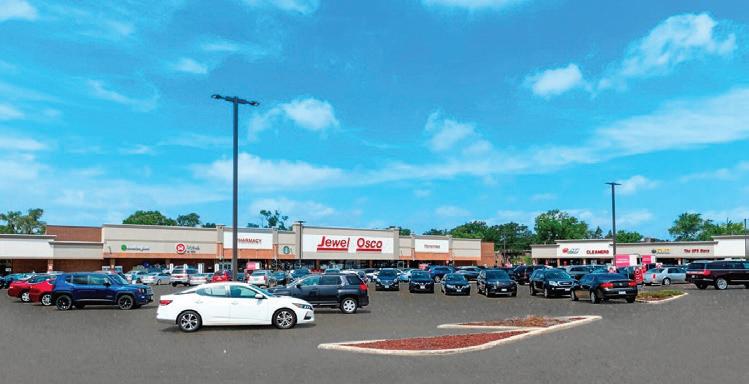
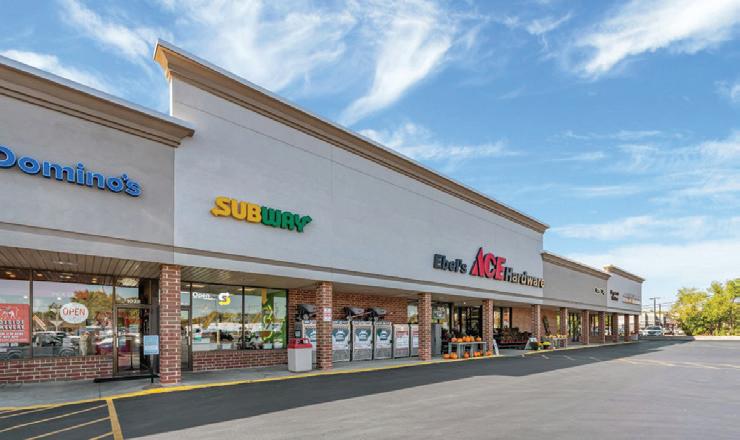
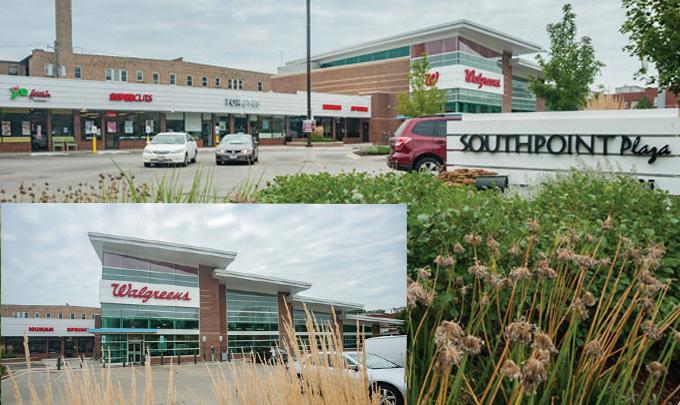
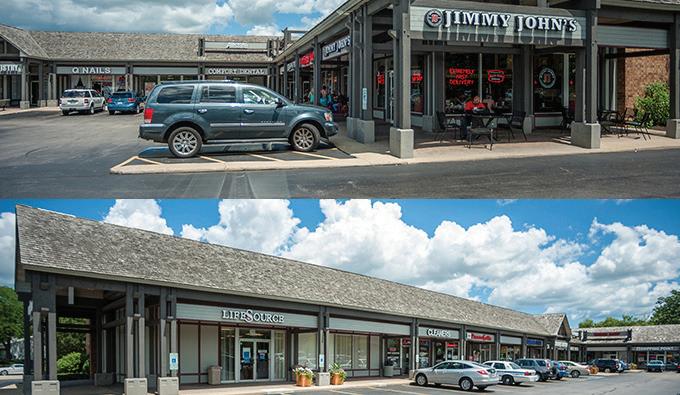
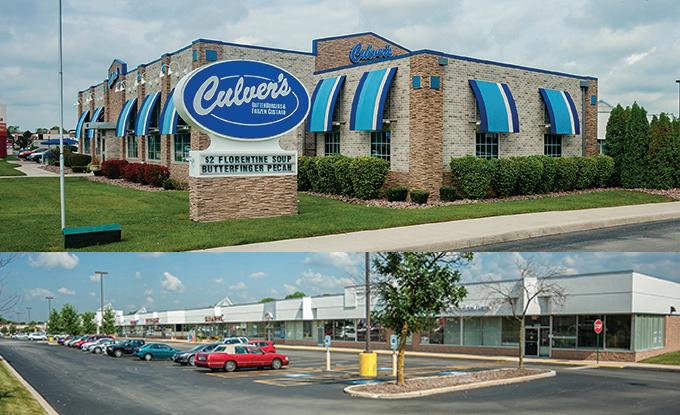
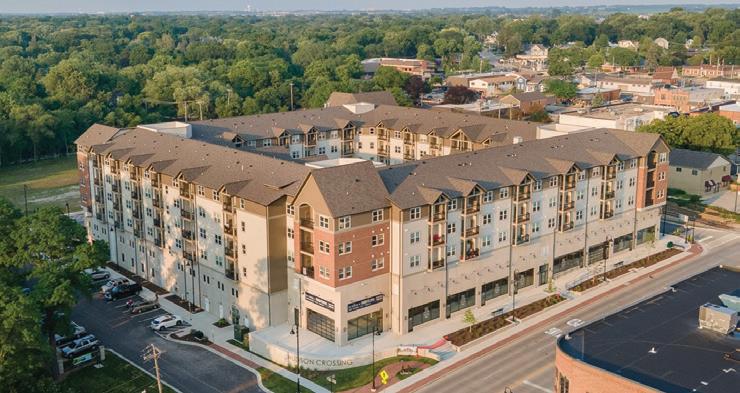
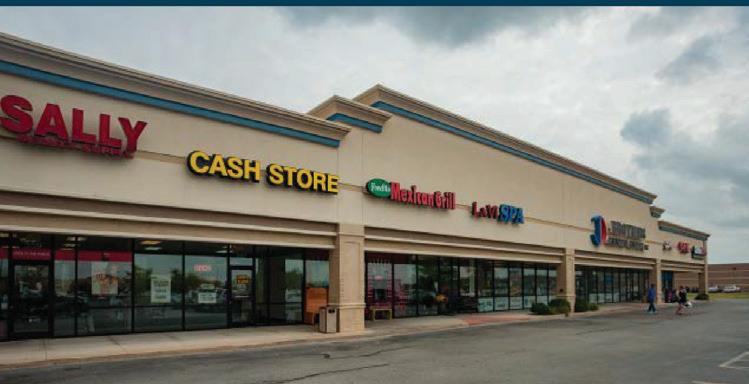
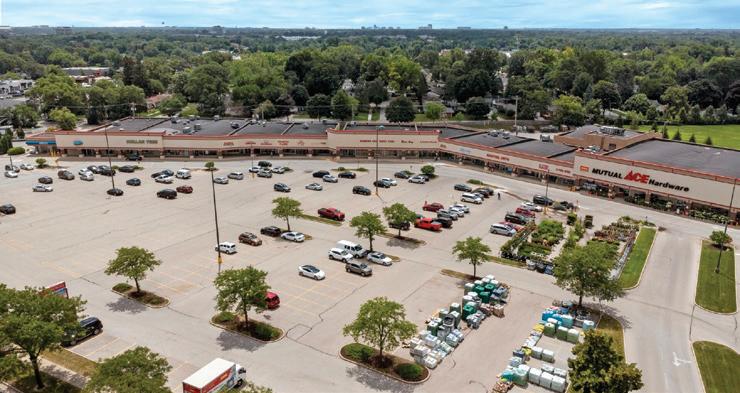
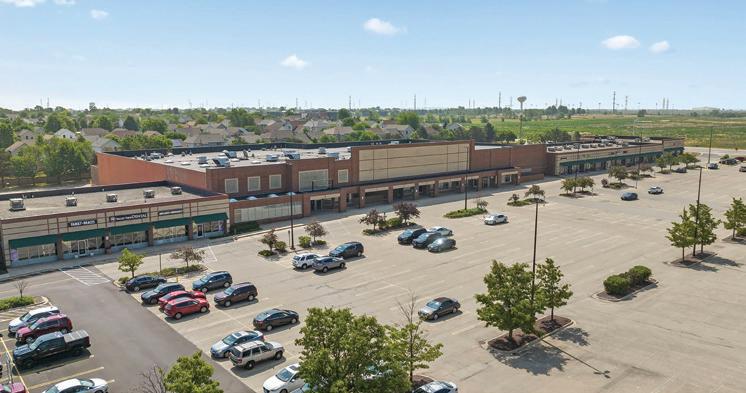
Our portfolio comprises over 4 million square feet of retail, office and industrial space in the Chicago suburbs. We have low portfolio vacancy, high retention, and excellent property management. We are one of the few landlords I know who work with tenants to help them achieve their dreams of opening a business, even when it’s less advantageous to us from a financial risk management perspective.
And we are all hands on deck, all the time. Earlier this year when a sixteen-year-old drove her car into one of our office buildings in the late evening, and a few weeks later an older gentleman did the same thing (into the same space!), we had a team there early the next morning to start repairs. Quick, decisive action is the hallmark of an effective owner.
When a financial investor or developer is underwriting an asset from a high level, they don’t always know the ins and outs of ongoing management. But tenured owners are aware of every resource needed (from building maintenance to municipal relationships to legal advisors to marketing), and leverage those resources to create a broad team to manage and maximize the portfolio. And the owner themselves is the hub of that team.
Image from Pixabay
Behind the scenes of property ownership is the less sexy but critical work of ensuring the property attracts and retains great tenants.
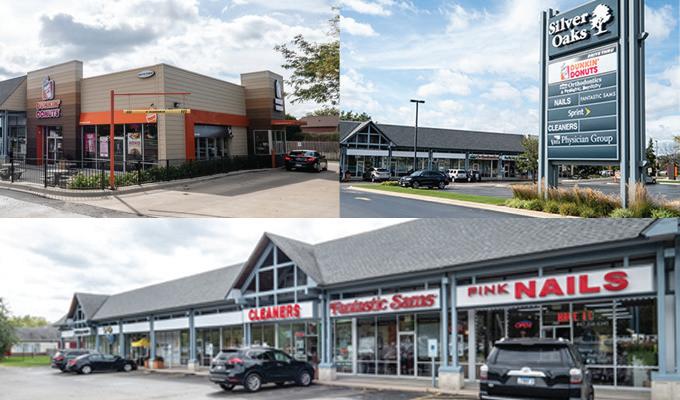
• Curb appeal. Whether working with a municipality on pylon and monument signage upgrades, replacing light bulbs or letters on unit exteriors, or ensuring the landscaping is welcoming, each aspect of exterior maintenance tells a story of the quality of the landlord and their commitment to their tenants’ success.
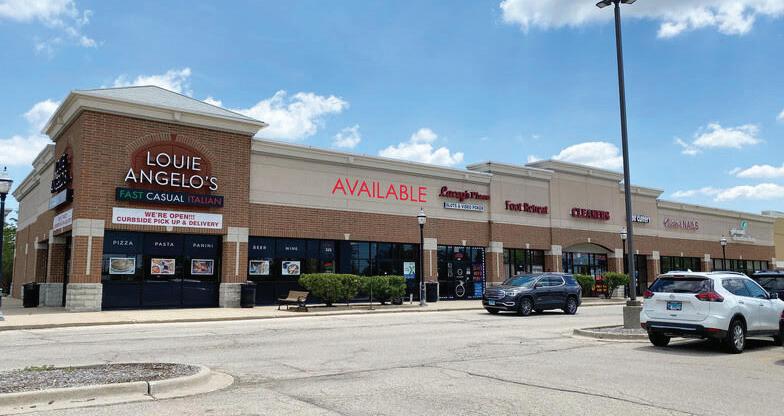
• Co-Tenancy. While the property P & L statement is important, tenant mix is even more so. It’s not about just getting a tenant in, it’s about getting the right tenant that adds value to the center as a whole. Complex restriction clauses in leases can hamstring an owner, preventing the center itself from achieving the foot traffic needed to ensure every tenant’s success. Creative destination uses often add unique value to centers (consider the only European deli in a 20 mile radius, or the only card-trading store in the county) and draw entire new subsets of visitors. Well positioned QSR outlots serve commuters and raise the visibility of the property.
• Proactive management. For us, great relationships with tenants and responsiveness to their needs starts long before they are open. We provide complimentary space planning services. We advocate on our tenants’ behalf with municipalities through the permitting process. Tenants are comfortable reaching out in emergency situations because we’ve been readily available at each stage of the process.
• Resources. Tenants often need more than an empty space: they need connections to take that space from box to ribbon cutting. An effective owner has those resources at the ready to help their tenants maximize their investment before the store even opens.
What Ownership Does
The role of an owner is overarching and varied, and the stakeholders can be complex. This is why each day in property ownership is a little bit different, and requires flexibility and a specialized intersection of skills.
• Investor Relations. Many owners acquire properties through syndications or funds, which have ongoing investor return and reporting requirements. Investor relationships require attention and regu-
“Each day in property ownership is a little bit different, and requires flexibility and a specialized intersection of skills.”
sibility of the owner as they manage all financing and refinancing of their properties.
• Property Management and Leasing. Every property has its own budget, a physical condition that requires upkeep, a unique rent roll. When there are capital expenditures required, those functions need to be bid out, bids reviewed, vendors selected, and work initiated. Vacancies need to be filled. Creative marketing strategies like the ones we were doing the other day need to be explored. An owner understands the interplay of each of these critical functions to ensure the profitability of the property and the company.
The Eventual Goal is Fulfillment
lar updates, especially when there are anomalies or unusual occurrences related to a property.
• Municipal Relations. Each owner establishes and maintains a relationship with the municipality where they own property. They stay knowledgeable on local development and zoning requirements and processes, as well as the local politics that can impact their property.
• Accounting and Financial Management. Rent invoices have to go out, and payment has to come in. An owner keeps abreast of the many transactions that enable them to pay the mortgage, pay the investors, pay the vendors. Capital expenditures need to be considered in budgets, and budgetary performance tracked. Adherence to loan covenants and payment requirements are the respon-
Commercial real estate ownership changes the lay of the land. It improves entire communities, delivering goods and services in convenient locations. It creates spaces that address the entire human lifecycle. When managed correctly and conservatively, it can build generational wealth and ongoing cash flow. Owner companies are staffed by individuals who spend their entire careers serving the needs of the portfolio and providing for their families. All-in-all, it’s the best career I know to make a difference and impact your own success.
When you talk to experienced commercial real estate owners, you will find that they love what they do. Many of my peers have owned property for decades and thrive on running them well past traditional retirement years. I believe that is because ownership is a lifestyle as much as it is a career path. As long as you are flexible and prepared for the unexpected, it’s a job that when done well is incredibly rewarding.
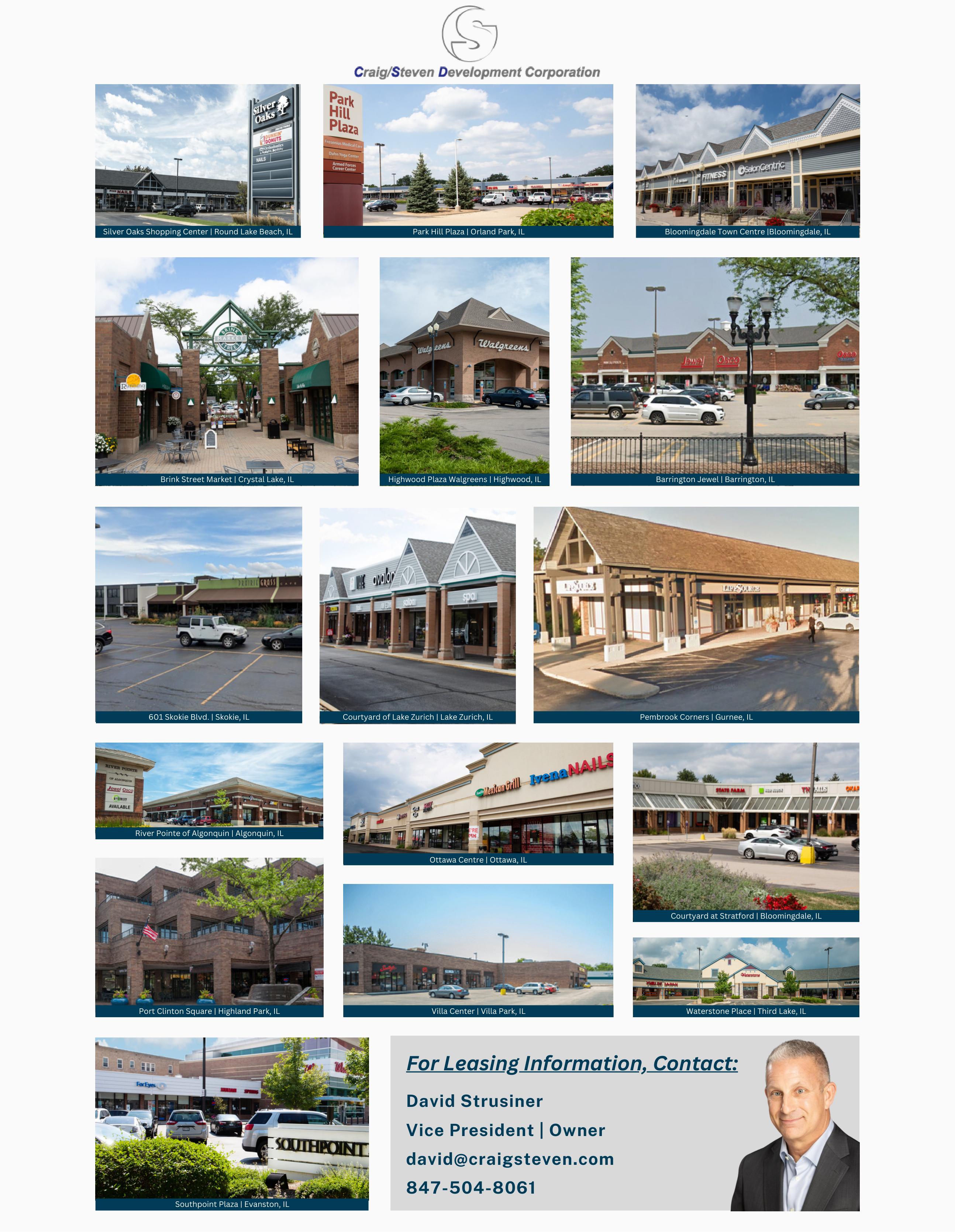
David Strusiner Is vice president and owner of Craig Steven Development Corporation. To explore the Craig Steven Development Corporation portfolio of retail space, visit craigsteven.com/retail/.
David Strusiner
Chicago’s Water Tower Place announces $170 million renovation plan
Water Tower Place, the seminal shopping destination on Chicago’s Magnificent Mile, shared redevelopment plans for the popular and historic shopping center.
Announced as the center celebrates its 50th anniversary, the redevelopment will update the retail, tourism and dining destination, transforming the center with soaring ceilings and abundant natural light. The project cost is expected to exceed $170 million, reflecting long-term confidence in the property and the continued strength of in-person retail on the Magnificent Mile.
In the reimagined Water Tower Place, shoppers entering from Michigan Avenue on the ground floor will immediately encounter retailers in a dramatic atrium with a ground floor pedestrian arcade. Beyond the entrance, updates to vertical circulation, sightlines and wayfinding will enhance the visitor experience via a transformational reinterpretation of the interior design aesthetic.
Retailers will be brought together onto the first three floors, creating a more intuitive experience for shoppers designed to increase foot traffic and store performance. At the same time, floors 4-8 will be separated from the retail center for other uses, including office and medical office space.
“Water Tower Place is woven into the fabric of Chicago’s cultural narrative as the retail pillar of the Mag Mile,” said David Stone, Founder and Principal at Stone Real Estate and lead retail leasing agent for Water Tower Place. “This historic investment is about filling a supply gap on Michigan Avenue while also preserving the legacy of America’s first and most heralded vertical shopping center. We will deliver new opportunities for retailers, offering flexible suite sizes, all within this iconic setting that continues to attract visitors from all over the country and the world.”
Demand is up, Michigan Avenue is back
A national return to in-person shopping is fueling a resurgence of retail demand on the Mag Mile. Demand is highest for smaller-scale retail
“We are pleased to usher Water Tower Place into its next 50 years.”
spaces, which are very rare on Michigan Avenue today; the lack of small shop space has limited numerous emerging retail brand concepts from locating onto the Mag Mile over the past few years, sending them to smaller streets with less foot traffic than Michigan Avenue. The Water Tower Place redevelopment will fill the gap for smaller to medium spaces, ensuring prominent brands can establish a presence on the Mag Mile at a scale that makes sense for their store designs and current strategies. The offerings will be flexible, accommodating retailers with needs ranging from small stores to prominent anchor spaces with street-level visibility.
This redevelopment underscores investor confidence in the property, the Magnificent Mile and the continued resurgence of in-person retail.
“We are pleased to usher Water Tower Place into its next 50 years, and to contribute thoughtfully to the ongoing revival of Chicago’s Magnificent Mile, one of America’s most celebrated shopping corridors,” said Matt Sharples, Regional Managing Director at MetLife Investment Management, which owns the property. “So many people have cherished memories of their visits to Water Tower Place over the last half century; this redevelopment is designed to ensure that we continue to offer a must-visit destination for future generations. While we are still in the design phase, as envisioned this investment will fund significant improvements, reinforcing Water Tower Place as a high-traffic, flagship retail, dining and entertainment destination on the most visited shopping street in Chicago.”
Photo credit Neumann/Smith
Experiential retail still soaring in Chicago
By Dan Rafter
Experiential retail continues to boom in Chicago, according to a report from Newmark.
In its fourth quarter 2025 Chicago experiential retail report, Newmark listed several new entrants in the experiential space in Chicago.
Which new retailers are coming? Newmark pointed to Bally’s Casino, which is expected to open a 750,000-square-foot casino in the Goose Island submarket in the fourth quarter of 2026. There’s also F1 Arcade, a 24,000-square-foot race simulator and arcade, expected to open in the second quarter of 2026 in the River North submarket.
The Hand & The Eye, a magic-based experience, will open in the first quarter of this year on North Michigan Avenue.
Theater of the Mind, the immersive theater experience opened by musician David Byrne, opened in the third quarte of last year in the River North neighborhood. Activate Games, a 16,163-square-foot gaming experience, opened on North Michigan Avenue in the third quarter of last year.
Why are these retailers opening in Chicago? Newmark points to several factors. Consumers spent $35.7 million on entertainment and recreation, fees and admissions in 2025 in the
Chicago market. Chicago also remains a top tourist destination, with Newmark citing the 93.6 million non-resident visits to the city in 2024.
Newmark said that the Fulton Market/West Loop and Oak Street/Gold Coast markets are leading the way when it comes to new experiential retail. The Mag Mile market is seeing an influx of destination dining and entertainment options.
Photo by Erik Mclean on Unsplash
Tough times for traditional grocery stores? That’s the takeaway from JLL’s latest research
By Dan Rafter
Atrip to the grocery store used to be routine. Today, it’s a choice, and that choice is reshaping retail real estate across the country.
That’s the takeaway from JLL’s 2026 Grocery Tracker report, which paints a picture of a grocery sector splitting into two powerful camps: value-focused chains on one side and premium, fresh-format grocers on the other. Caught in the middle? Traditional supermarkets that are finding it harder to hold market share and prop up the shopping centers they anchor.
For landlords and investors, this isn’t just a retail story. It’s a real estate one.
On the value end, inflation-weary shoppers are hunting for bargains. That’s fueled the rapid expansion of discount operators such as Aldi, which added 180 new U.S. stores in 2025 and expects to open 800 more by 2028. Grocery
Outlet is also in growth mode, opening 37 new locations.
At the same time, a different shopper is filling carts at fresh-format and specialty stores. Chains like Trader Joe’s and Whole Foods Market reported same-store visit increases of 10.4% and 9.8%, respectively. Sprouts Farmers Market expanded with 39 new stores, capitalizing on demand for fresh, natural and specialty products.
“The data confirms a two-track market where traditional supermarkets are being squeezed,” said James Cook, Americas director of research, retail at JLL, in a statement. “We’re seeing a pronounced flight to value, with our research showing shoppers making more frequent, shorter trips to manage budgets and private label sales surging 30% since 2021 to over $282 billion. This is happening while fresh-format players are successfully capturing a dedicated
consumer base. This split is the single most important trend for landlords, as a retail center’s performance is now more dependent on the strength and format of its grocery anchor than ever before.”
The impact on retail fundamentals is clear.
Grocery-anchored shopping centers today boast a vacancy rate of just 4%, far below the 6.3% rate posted by centers without a grocery anchor. They also command a 4.4% rent premium. In an era when many property owners are still recalibrating after pandemic-era disruption, that’s a significant spread.
The reason is simple: traffic.
A strong grocery anchor generates consistent, needs-based visits. Shoppers might pop in several times a week, creating steady foot traffic that benefits neighboring tenants. That trans-
Image by Vilius Kukanauskas from Pixabay
“A successful anchor from one of these growing segments acts as a powerful draw because shoppers are making intentional choices”
lates into stronger leasing velocity and better retention, with less turnover among smaller-shop tenants.
“For landlords, this trend sharpens the focus on how well their grocery anchor meets a specific consumer demand,” said Naveen Jaggi, president of retail advisory services at JLL, in a statement.
“A successful anchor from one of these growing segments acts as a powerful draw because shoppers are making intentional choices. This strong consumer alignment enhances leasing prospects for adjacent space, as complementary
retailers seek to position themselves where their target customers are already shopping. It creates a thriving retail ecosystem that benefits the entire retail center.”
Investors are responding. Transaction volume for grocery-anchored centers jumped 42% in the past year to nearly $11 billion, according to JLL. Institutional buyers accounted for 27% of acquisitions in 2025, a sign that larger pools of capital view these assets as durable, defensive plays.
“Investors are taking notice,” said Chris Angelone, senior managing director of retail capital markets at JLL, in a statement. “They are no longer underwriting a generic asset class but are now laser-focused on the strength and format of the grocer itself. This explains the flight to quality and the surge in transaction volume, as capital seeks out the stability and durable cash flow that centers with these winning anchors provide.”
Image by gingerbreadca from Pixabay
Colliers research: A strong start for the retail sector in 2026
By Dan Rafter
The U.S. retail sector continued to show momentum early in the year, as shoppers kept spending on apparel and electronics in February, according to the latest research from Colliers.
In its February Retail Monthly Foot Traffic & Sales Analysis report, Colliers said that consumers continue to spend time both in physical stores and online when shopping, good news for retailers.
Retail sales rose 3.6% year over year in February, while foot traffic climbed an even stronger 4.7%. Core retail sales performed slightly better, increasing 3.8%. But retail volumes edged up just 1%, a smaller gain that hints at a shift: Consumers are still opening their wallets, but they are doing so with greater intention.
Part of February’s strength came from timing. Early tax refunds gave households a bit of extra cash, helping to support purchases. Even so, spending patterns suggest that many consumers are dividing their money carefully, balancing essentials with small splurges and setting some funds aside.
That balancing act is evident in how different retail categories performed.
Apparel emerged as one of the strongest sectors of the month. Clothing sales jumped 7% compared to a year earlier, while visits to clothing stores surged more than 10%. Warmer weather, aggressive promotions and those early tax refunds all likely played a role in bringing shoppers back into stores. Once there, they lingered: average dwell times hovered around 38 minutes, a sign that consumers were more engaged after a slower start to the year in January.
Not all categories fared as well.
Furniture and home sales dropped 5.6% in February, reflecting continued pressure on big-ticket purchases. Higher borrowing costs and lingering economic uncertainty appear to be weighing on consumers’ willingness to commit to larger expenditures. Interestingly, foot traffic to furniture stores still ticked up slightly,
“The consumer is still active, still engaged and still willing to spend.”
suggesting that shoppers are browsing, even if they’re not yet ready to buy.
Electronics told a different story. Sales in that category rose 4.9%, likely boosted in part by refund-driven purchases. Yet foot traffic dipped modestly, indicating that some of those sales may be happening online rather than in stores.
Taken together, these trends highlight a widening divide in discretionary spending. Consumers seem more willing to spend on smaller, more immediate purchases while holding off on larger, long-term commitments.
Beyond traditional retail, experience-driven spending also showed strength. Visits to attractions increased more than 9%, while theater and music venue traffic jumped nearly 17%. Even as
households keep a close eye on budgets, they are still prioritizing outings and entertainment.
At the same time, value remains a powerful draw. Visits to discount and dollar stores rose more than 5%, and grocery store traffic increased just over 2%. These gains underscore the practical side of today’s consumer mindset: shoppers are looking for deals and managing everyday expenses carefully.
For retailers and commercial real estate owners, the message is clear. The consumer is still active, still engaged and still willing to spend. But the days of broad, carefree spending appear to be fading, replaced by a more selective approach.
Image by Pexels from Pixabay
Net Lease Market Report
Q1 2026
NATIONAL ASKING CAP RATES
Market Overview
NUMBER OF PROPERTIES ON THE MARKET MEDIAN NATIONAL ASKING VS. CLOSED CAP RATE SPREAD
Cap rates in the single tenant net lease sector declined modestly in the first quarter of 2026, with overall cap rates decreasing one basis point to 6.80%. Office cap rates compressed the most, down 10 basis points to 7.90%, while industrial cap rates decreased five basis points to 7.15%. Retail cap rates remained unchanged at 6.55% for the second consecutive quarter. The Federal Reserve held the federal funds rate steady at its target range of 3.50%–3.75% at both its January and March meetings, maintaining a pause following three consecutive cuts in the second half of 2025. In the final weeks of the quarter, the 10 Year Treasury rose nearly 30 bps reaching as high as 4.48%, driven by heightened inflation concerns stemming from rising energy prices and geopolitical uncertainty in the Middle East.
Property supply in the single tenant sector decreased by 9.8% when compared to the prior quarter. One of the contributing factors to the decline in property inventory was the increased sales transaction volume in the fourth quarter of 2025 fueled in part by 100% bonus depreciation for certain asset classes. Increased transaction activity continued in the first quarter of 2026, consistent with the supply reduction observed across all sectors. Bid-ask spreads tightened for retail and industrial assets, with retail spreads narrowing two basis points to 23 basis points and industrial spreads compressing four basis points to 25 basis points. Competition amongst investors for high quality net lease product can be evidenced by the bid-ask spread narrowing.
The net lease market remains bifurcated between premium credit assets with long remaining lease terms and shorter-term or non-rated assets. Premium credit assets continue to attract the broadest investor pools including institutional buyers and 1031 exchange and private capital buyers, while shorter-term and non-rated assets face wider spreads and more selective buyer engagement. This bifurcation reflects investors’ heightened focus on tenant financial strength and security from long duration leases amid capital markets uncertainty.
“Single tenant property supply in the net lease sector decreased by 9.8% in Q1”
Investors will be carefully monitoring the capital markets following the Federal Reserve’s decisions to hold rates steady at both the January and March meetings. The expectation from market participants is for transaction volume to remain steady in 2026 as buyers and sellers continue to align on pricing. However, the path to further rate cuts has become less certain, as expectations have shifted from two reductions in 2026 to a single rate cut amid persistent inflation concerns. If the geopolitical environment stabilizes and the Fed changes course with multiple rate cuts later in the year, net lease activity is expected to gain incremental momentum.
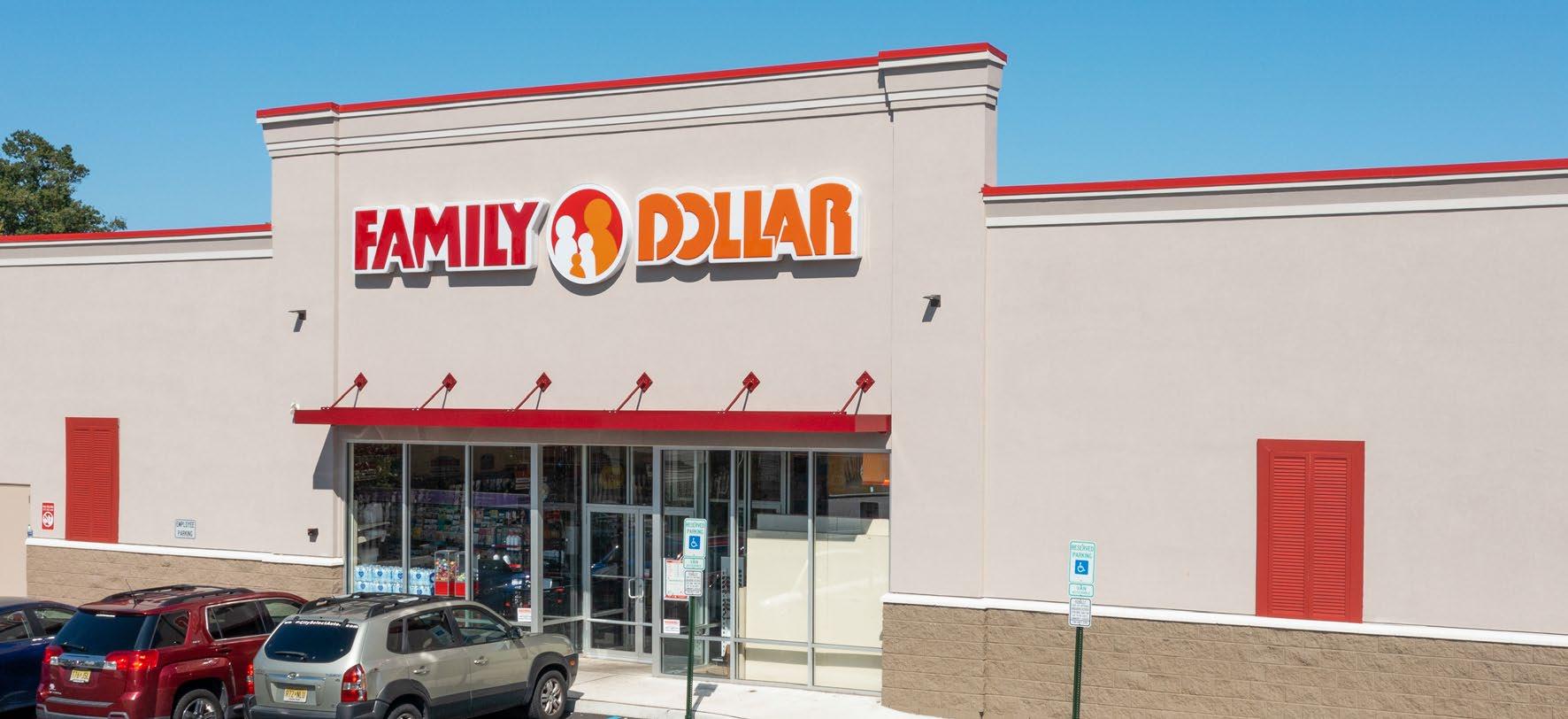
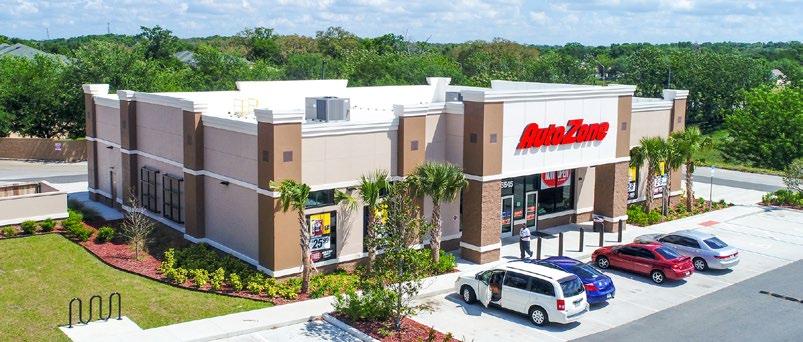
1. Net Lease Auto Sector
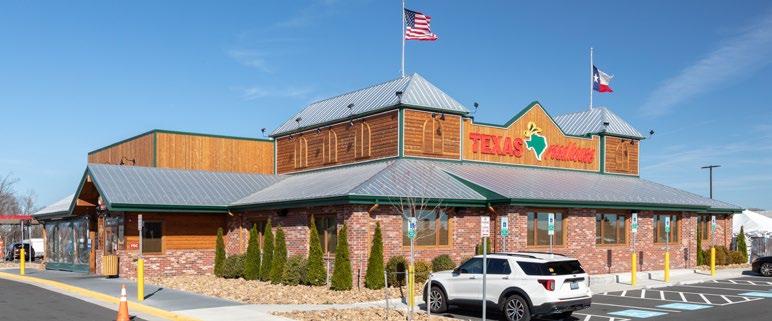
2. Net Lease Casual Dining Sector
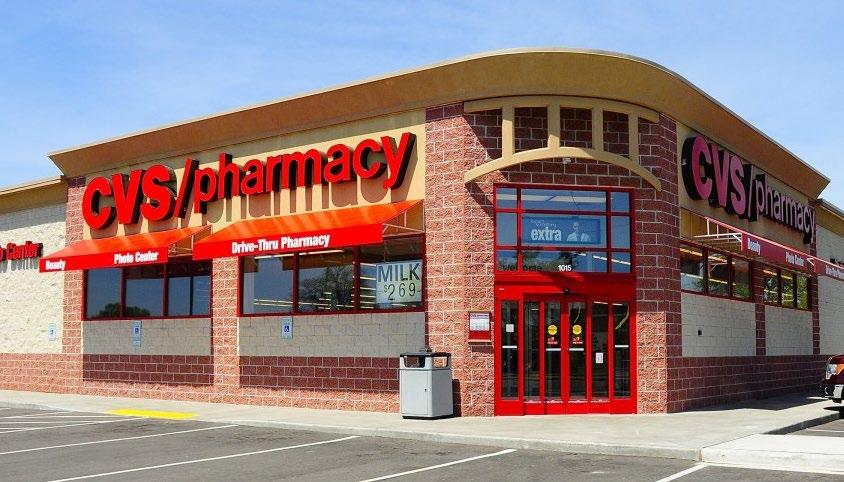
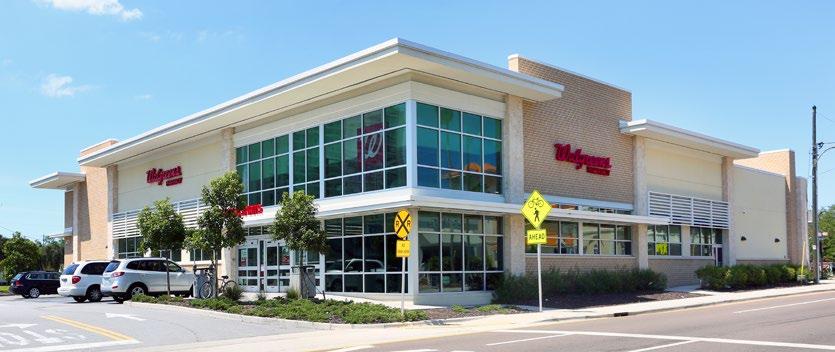
4. Net Lease Drug Store Sector
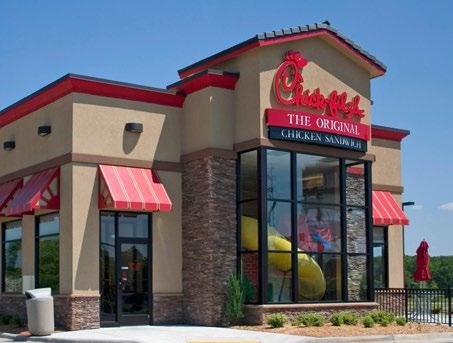
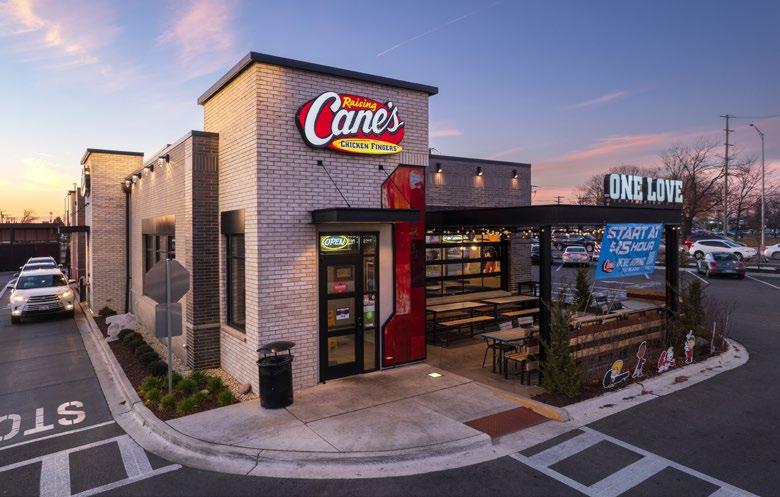
5. Net Lease Quick Service Restaurant (QSR) Sector
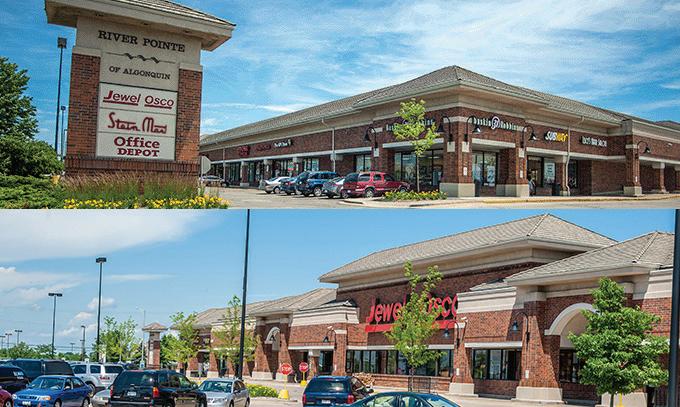
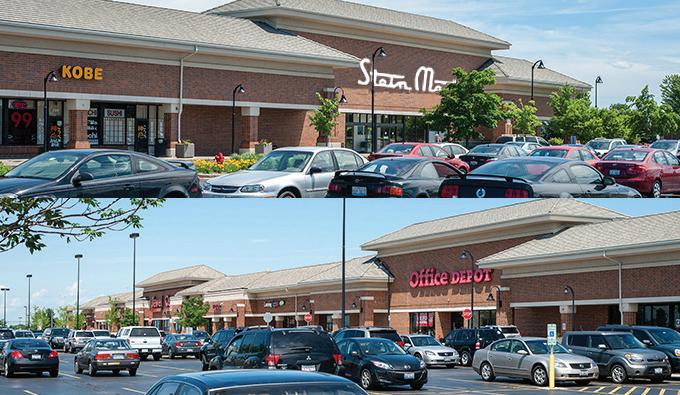
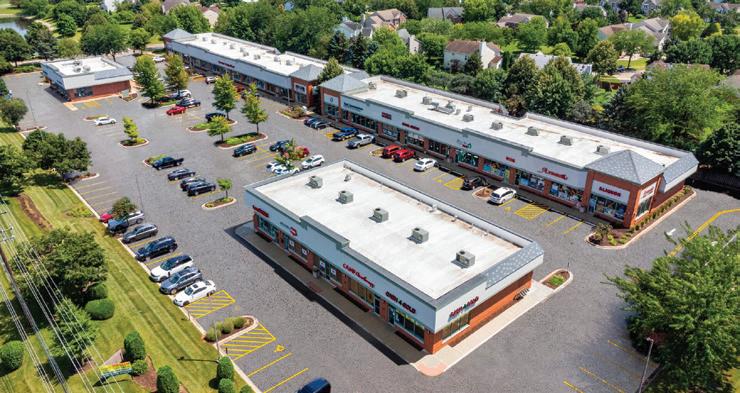
River Pointe of Algonquin Phase I
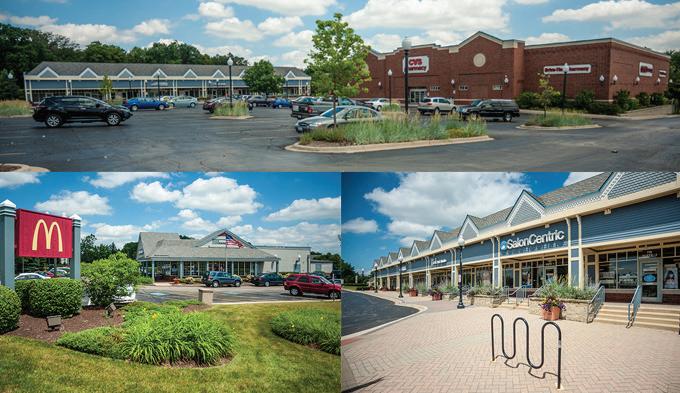
Bloomingdale Town Centre NEC Lake St & Bloomingdale Road
Year Built/Year Renovated: 1996
Type of Center: Neighborhood No. of Stores: 9
Total Space: 32,246
Total Available Space: 0
Available Minimum: 0
Maximum Contiguous: 0
Anchor Tenants: AccuQuest Hearing Center, Pink Hair Studio, DG Market
Rental Rate: $19.00
Total Passthroughs: $6.88
Bloomingdale Town Centre Phase III
NEC Lake St & Bloomingdale Road
Year Built/Year Renovated: 2005
Type of Center: Neighborhood No. of Stores:
Total Space: 15,000
Total Available Space: 15,000
Available Minimum: 1,200
Maximum Contiguous: 15,000
Anchor Tenants: Future Development
Rental Rate:
Total Passthroughs:
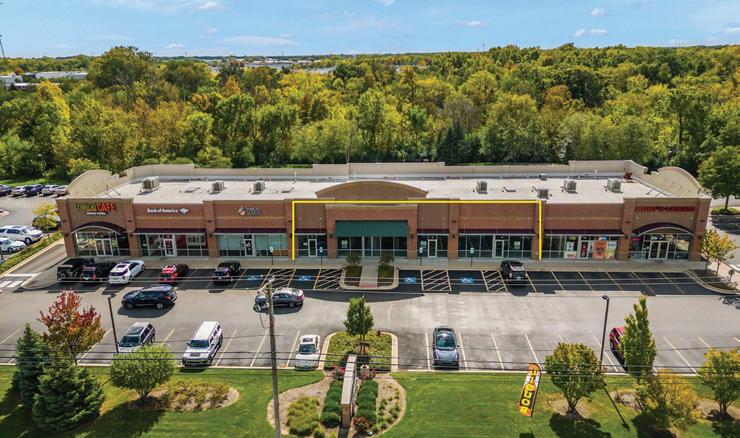
Aurora Restaurant
Year Built/Year Renovated: 2008
Type of Center: Community No. of Stores: 24
Total Space: 14,715
Total Available Space: 6,334
Available Minimum: 1,200
Maximum Contiguous: 6,334
Anchor Tenants: Tropical Smoothie Cafe, Bank of America, Double Yolk Pancake House, Verizon