82nd AGM and World Air Transport Summit
June 6-8, 2026
82nd AGM and World Air Transport Summit
June 6-8, 2026
CEO Interviews Austrian Airlines, Akasa Airlines, IAG | Agentic AI Human input
Americas Latin America | Safety Annual report | Sustainability Climate mitigation
Data sharing Data connectivity




Comment
5 Willie Walsh, Director General Granting airlines some flexibility on slots will aid the industry’s resilience
Digest
6 IATA and industry update Contactless travel, Passenger outlook, Ethiopian demand, Australian airports
12 Data: In numbers
Long-term demand predictions
CEO Interviews
14 People taking care of people Luis Gallego, IAG CEO, says good customer satisfaction is human-centric
24 Always have a plan B Flexibility is essential, says Annette Mann, CEO at Austrian Airlines
36 An unforgiving industry
Akasa Air Founder and CEO Vinay Dube on the start-up’s success

Vice President Anthony Concil
Creative Direction Richard McCausland
Assistant Director Chris Goater www.iata.org
Editorial
Editor Graham Newton
Production editor Vanessa Townsend
Lead designer Gary Hill
Picture editor Jessica Marsh
Production
Production manager Jane Easterman
+44 (0)20 7880 6248
jane.easterman@redactive.co.uk
Publishing director Aaron Nicholls
+44 (0)20 7324 2763 airlines@redactive.co.uk
Follow IATA on X, formerly known as Twitter @IATA and join our LinkedIn group
For Airlines. subscription requests, or change of address notifications, email Airlinesint@iata.org We welcome feedback and content ideas
Features
19 Putting Latin America on the map Latin America and the Caribbean are better positioned than a decade ago
30 Explainer: EU261 Thresholds Time thresholds for EU261 passenger compensation payments
32 Clarity in SAF green benefits
The CADO SAF Registry is a significant step towards a transparent SAF market
42 A solid year of safety performance IATA’s 2025 Annual Safety Report
46 Detailed data for climate mitigation A partnership is monitoring atmospheric composition on commercial flights
50 Headwinds in data sharing Safe sharing of passenger information
53 Human at the helm Agentic AI must have humans in the loop
The opinions expressed in this publication are those of the individual authors or advertisers and do not necessarily reflect those of Redactive, IATA or its members. The mention of specific companies or products in articles or advertisements contained herein does not imply that they are endorsed or recommended by IATA or Redactive. All of this publication’s content is subject to copyright, design rights and trademarks of Airlines. and third parties.
















Across the connected world of travel, gategroup leads the industry in crafting elevated culinary and service experiences for every journey.

We shape menus that stir emotion and retail moments that surprise and delight.
From the ground to the sky and beyond, we deliver experiences that stay with people long after they arrive. Because great taste does more than satisfy. It brings people together.


Partner with us!



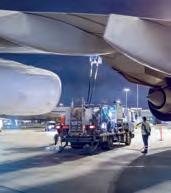
“Everybody’s watching to see what’s happening with jet fuel—both supply and pricing. Over the next months we could see shortages in parts of the world, especially Asia and Europe. And the extraordinarily high cost of jet fuel is increasingly being reflected in ticket prices. It remains to be seen at what point high prices could start to shift passenger behavior. In the meantime, it’s important for regulators to be prepared to grant airlines some flexibility on slots considering the extraordinary circumstances of airspace capacity restrictions and potential fuel rationing.”
“Today’s situation may bring into sharper focus the need for energy independence, which is one of the advantages of creating a sustainable fuel. My concern would be that Europe doubles down on what is a failing strategy of purchase mandates to increase the use of sustainable aviation fuel (SAF). As we have seen with the existing purchase mandates, they have not done anything to encourage additional supply. Increasing the level
of mandates would not lead to a different result. Today’s situation should help governments to understand the advantage and the value of SAF. But we need to be very careful of what policies are put in place to increase their supply.”
“European aviation policy must bolster competitiveness as it advances decarbonization. Reviewing the EU ETS offers a critical opportunity to refocus efforts on cost-effective emission reductions. The priority must be the full implementation of the Carbon Offsetting Reduction Scheme for International Aviation (CORSIA), the reinvestment of EU ETS revenues into SAF and other credible decarbonization solutions, and the elimination of overlapping measures that add cost and complexity without environmental gain.”
“We have proven that digital identity for international travel works securely and
efficiently. For travelers to benefit from this important modernization, governments must accelerate efforts to issue and accept Digital Travel Credentials (DTCs)—secure digital versions of passports. The result will be stronger security, smoother journeys, and greater efficiency.”
“Flying is the safest form of longdistance travel. Accidents are extremely rare and each one reminds us to be even more focused on continuous improvement through global standards and collaboration guided by safety data. The result of that effort is clear in how the five-year rolling average rate for fatal accidents has improved. A decade ago, the rate stood at one fatal accident for every 3.5 million flights (2012-2016). Today, it is one fatal accident for every 5.6 million flights (2021-2025). Flying is so safe that even one accident among the nearly 40 million flights operated annually moves the global data. Every accident is, of course, one too many. The goal for aviation remains zero accidents and zero fatalities.”
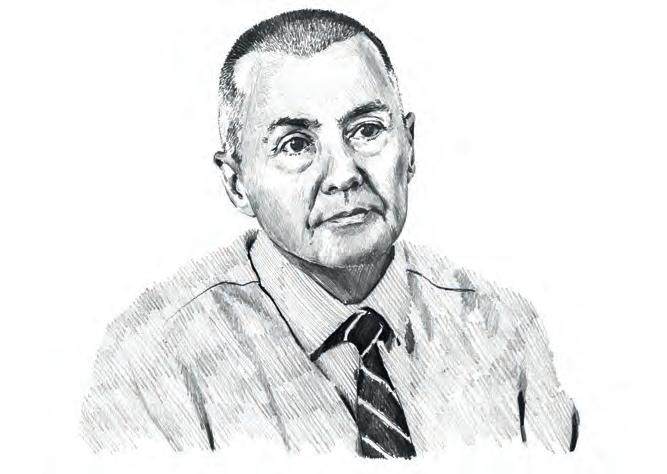
Willie Walsh
IATA Director General








































IATA published the results of several digital identity Proofs of Concept (PoCs) completed with the support of airlines, airports, technology providers, and governments across Europe and Asia Pacific.
The successful PoCs demonstrated that contactless, biometric-enabled international travel is already achievable with digital identity replacing paper documentation.
Working together as part of the IATA Strategic Partnerships Program, the partners tested how digital identity that is stored in mobile wallets and biometric verification
can support seamless passenger journeys without repeated paper document checks.
Importantly, the PoCs demonstrated that interoperability of systems is sufficiently advanced to support contactless journeys involving multiple carriers and using different digital identity wallets (including Apple and Google) as well as national digital identity programmes such as India’s Digi Yatra. This includes enabling passengers to securely share identity data in advance to facilitate their travel.
The PoCs were designed using the IATA Contactless Travel Directory, IATA’s One ID standards and ISO, OpenID and W3C international standards.
These PoCs demonstrated travelers can use a secure digital identity to share only the data required for travel, enrol remotely in a digital identity system, and verify themselves biometrically at airport touchpoints to complete their journey without presenting a physical passport or boarding pass.
To come to these conclusions, three PoCs trialed complementary aspects of digital identity integration into passenger travel processes. Connecting international journeys with a transfer (Japan Airlines –European airport –Hong Kong – Tokyo Haneda): Passengers shared identity data in
Brian Barrow, a founder member of the IAIR-CH, passed on 23 April 2026 at the age of 90. IAIR-CH represents the views of retirees and is a forum for former colleagues to keep in touch.
Brian had a remarkable career at IATA that spanned more than six decades. A Cambridge graduate in Law, he started work in the Paris office shortly before IATA moved to Geneva in 1968. Brian was involved with airline distribution and played a key role in the management of the IATA agency programs worldwide.
He was instrumental in the development and implementation of the first billing and settlement plans. He also served as Agency Administrator from the early 1970s and was responsible for the Agency Conferences that set global standards for IATA accreditation of travel and cargo agents. Brian served as Agency Commissioner-Ombudsman until 2023.
Brian will be remembered as a man of exceptional intellect and an eloquent communicator, both as an orator and a writer.

DG Digital, IATA’s digital Dangerous Goods Declaration solution, has launched as a feature of DG AutoCheck. The new tool fully digitalizes the creation and approval of shippers’ declarations for more than 3,800 dangerous items—from lithium batteries to explosives and chemicals. This results in faster document sharing, improved safety, and a significant reduction in rejected shipments.
Today, 95% of Dangerous Goods Declarations are still received in paper format. These declarations must be scanned, converted into a PDF document, then uploaded into DG AutoCheck to be validated. With DG Digital, declarations are generated and transmitted digitally from creation by the shipper to validation. This creates a more efficient and streamlined workflow compared with traditional paper-based processes.
Digital Declarations
advance using digital wallets, enabling biometric processing at departure and transfer points. For LHR an interoperable tap-and-go solution was used instead of sharing biometrics in advance. Identity data was reused across multiple airports and airlines, eliminating repeated document checks and demonstrating interoperability across providers.
Airline-managed digital identity (Air New Zealand –Auckland– Hong Kong): Passengers used an airline digital wallet to share identity data during booking and check-in, enabling remote biometric enrolment and contactless processing at

airport and border touchpoints. Interoperability across providers (IndiGo – Bengaluru): Demonstrated that digital identity solutions from different providers— including national programmes such as Digi Yatra and international wallet credentials—can work together within a single journey, enabling seamless processing from airport entry to boarding.
DG Digital captures all required data needed for Dangerous Goods Declarations while enabling users to exchange this information electronically with all partners.
Cross-referencing IATA’s Dangerous Goods Regulations (DGR), users of DG Digital can easily identify and address issues that may cause a shipment to be rejected or delayed by an airline, including missing or incorrect documents. Having Dangerous Goods Declarations confirmed before the physical shipment takes place also helps avoid costly fines while addressing any safety concerns.
DG Digital will further support a seamless and safer logistics and transport supply chain by enabling standardized, transparent data exchange across air cargo stakeholders, communities, and platforms.
Since its launch in 2019, DG AutoCheck has completed more than one million dangerous goods checks, with more than a third completed in 2025. This reflects a significant growth in dangerous goods shipments, with data from IATA CargoIS showing a 17.5% year-on-year increase for the full year 2025, largely driven by the growing demand for lithium batteries.
3.1% compound annual growth rate demand projection 2024-2050
IATA released its Long-Term Demand Projections (LTDP) for air travel, showing that global air passenger demand is expected to more than double by 2050.
Under the midrange scenario, demand is forecast to reach 20.8 trillion revenue passenger kilometers (RPKs), based on a compound annual growth rate (CAGR) of 3.1% (2024-2050) from the 9 trn RPKs seen in 2024. A higher growth scenario would see a 3.3% CAGR with passenger demand reaching 21.9 trn RPKs in 2050. A lower growth scenario would see 2.9% CAGR with passenger demand reaching 19.5 trn RPKs by 2050.
The different scenarios are driven by alternative modeling of long-term economic growth, populations, aviation fuel price trends, the global energy transition, and air transport supplyside capacity development.
“The outlook for air travel is positive. People want to travel and, under all our modeled scenarios, the demand to fly is
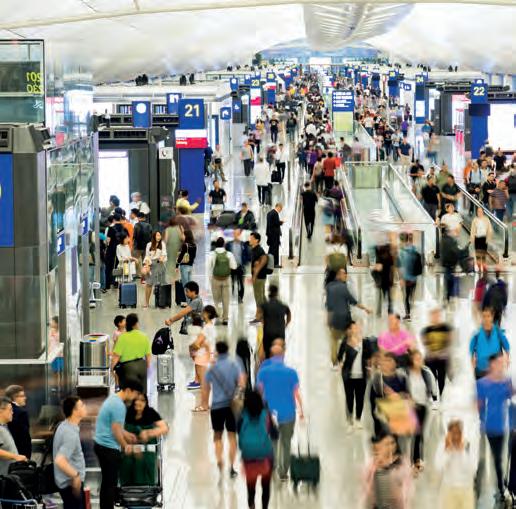
expected to more than double by mid-century. That is good news for global economic and social development because aviation growth will catalyze opportunities, including jobs, around the world. Our Long-Term Demand report gives governments, industry, and energy suppliers a robust basis for longterm planning. It underscores the need for policy frameworks to support key success enablers such as efficient infrastructure development, market access facilitation, regulatory harmonization, and an effective clean energy transition,” said Willie Walsh, IATA’s Director General. For more on the LTDP report, see Data pp12-13.
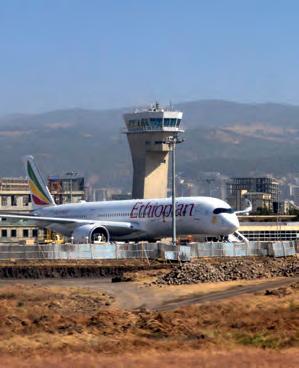
IATA called on the Government of Ethiopia to continue prioritizing aviation to sustain the country’s strong demand outlook for air travel. With Ethiopia’s passenger numbers expected to triple over the next 20 years, continued investment in infrastructure, people, and sustainability will be critical to further expanding aviation’s contribution to Ethiopia’s long-term economic growth.
“Aviation plays a central role in Ethiopia’s economic growth, and this has been the result of deliberate and strategic government prioritization. Air transport contributes $2 billion to GDP and supports
more than half a million jobs—but there is clear potential to grow this contribution further. Passenger demand is expected to triple over the next 20 years, and with 60% of Ethiopia’s population under the age of 25, aviation presents a powerful opportunity to transform growth into jobs, skills, and broader economic development. With continued focus on cost-efficient infrastructure, training and capacity building, and sustainability, aviation can deliver even greater long-term value for Ethiopia,” said Kamil Alawadhi, IATA’s Regional Vice-President for Africa and Middle East.

















IATA has called for the review of the European Union’s Emissions Trading System (EU ETS) to enhance European air connectivity and economic resilience by improving the competitiveness of Europe’s air transport industry.
IATA calls for the review to:
Ensure full implementation of CORSIA for all international flights, including flights within the European Economic Area (EEA) routes.
To prevent market fragmentations, the EU should avoid regional derogations, additional eligibility hurdles, and overlapping measures that conflict with this global framework.
Enable a Sustainable Aviation Fuel (SAF) book-and-claim system for the claiming of environmental attributes under the EU ETS.
Allowing purchase-based SAF claiming will enhance investment certainty and affordability which are needed to maintain a level playing field for all operators.
Reinvest revenue into decarbonization and direct a greater portion of aviation’s EU ETS contributions back into the industry’s transition. Priority should be given to scaling SAF production and supporting the development of emerging zero-emission technologies.
Balance climate policy with resilience, which should involve pursuing ambitious climate targets while safeguarding the air transport industry’s global competitiveness. All measures must be grounded in scientific facts and harmonized with international standards to avoid disproportionate administrative burdens and excessive costs.

IATA’s call follows growing skepticism among EU leaders regarding the effectiveness of the EU ETS and its negative impact on European competitiveness. This position aligns with the Draghi Report, which identifies high costs, regulatory complexity, and underinvestment as critical barriers to the bloc’s economic resilience. In an era of geopolitical volatility and supply chain disruptions, robust air connectivity remains a vital asset for Europe’s global standing.
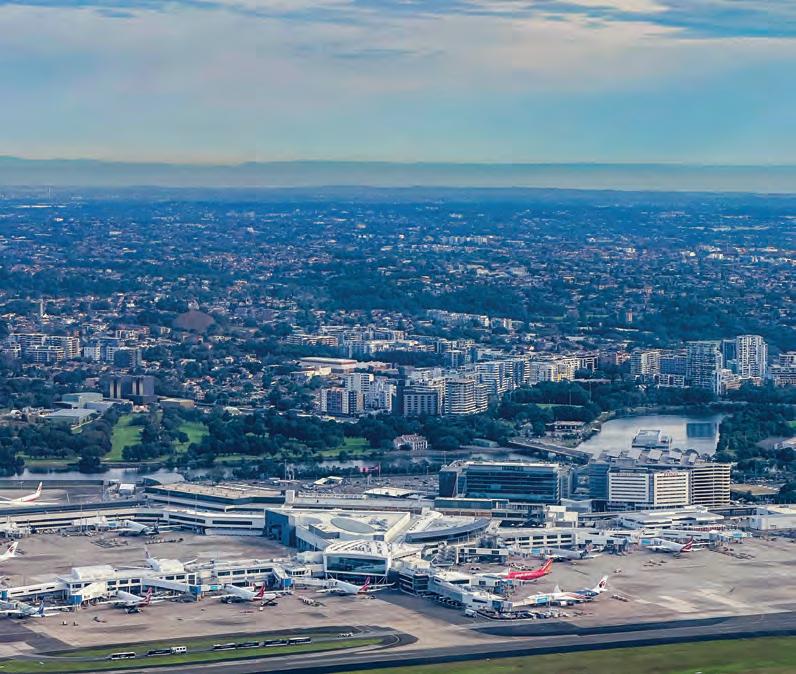
IATA’s Regional Vice President for Asia-Pacific, Sheldon Lee, commented on the release of the Australia Competition and Consumer Commission’s annual airport monitoring report.
“The recent release of the ACCC’s Airport Monitoring Report raises several important questions about the economic regulation of Australia’s major airports.
It is not surprising that Sydney Airport recorded the highest aeronautical profit among major airports. What is interesting is Sydney Airport’s 20.8% return on its aeronautical assets, a record high for the airport for more than 20 years, and way ahead of its peers in Perth, Brisbane, and Melbourne.
The unusually high returns highlight the urgent need for stronger and more effective oversight. IATA has been calling
for this for more than 20 years. Hence we welcome and support the ACCC’s recommendation for the government to direct the Productivity Commission to restart its inquiry into airport regulation. Australia’s major airports are planning massive infrastructure investments over the next decade.
With a global airline net profit margin of about 3.9%, higher airport charges will lead to higher airfares, putting at risk the economic benefits that aviation brings. Aviation is a lifeline for Australia. It is the primary mode of transport connecting people and goods between Australia and the rest of the world.
Aviation supports 604,000 jobs and contributes $68.4 billion in economic activity, including tourism. A flourishing aviation sector will benefit Australians and all who call Australia home.”








LONG-TERM DEMAND PREDICTIONS
released its Long-Term Demand
Projections for air travel, showing that global air passenger demand is expected to more than double by 2050, with the pace of growth uneven across the regions.
20, 8
20.8 trillion revenue passenger kilometers—expected demand in 2050. A higher growth scenario would passenger demand reaching 21.9 trillion RPKs in 2050.
15%
Carbon-based energy sources are projected to represent about 15% of the primary energy mix in 2050 at the global level.
9.8bn
The UN predicts the world population will reach 9.8 billion in 2050. More than half of the growth is projected to occur in only eight countries: Democratic Republic of the Congo, Egypt, Ethiopia, India, Nigeria, Pakistan, the Philippines, and Tanzania.
Projected outbound RPKs by region 2024 vs 2050 under the mid-growth scenario
Source: IATA Sustainability and Economics
All regional markets are expected to experience significant growth in RPK.
Breakdown of the cumulative transition cost by major mitigation lever, 2023-2050, share of total, %
Source: IATA Sustainability and Economics
The world’s GDP in 2050 under the mid-growth scenario.
Annual transition cost associated with major net zero transition measures, 2023-2050, $bn
Understanding the potential costs involved in the energy transition is essential for all stakeholders to be able to make plans for the future.
Source: IATA Sustainability and Economics

“Aviation remains an industry that can offer the right career opportunities for the profile of people that we want to attract.”


Luis Gallego, CEO, IAG, tells Graham Newton that there will always be a human element in customer satisfaction.
WORDS: GRAHAM NEWTON
nternational Airlines Group (IAG) is a leading multinational airline group formed in 2011. Airlines in the group include British Airways, Iberia, Vueling, Aer Lingus, and LEVEL. Headquartered in London and registered in Spain, it operates over 600 aircraft, serving 285+ destinations.
What are the pros and cons of being an airline group?
I don’t think it’s about pros and cons, it’s different to that. I have been in aviation my whole life and when you are in a group like IAG, the situation is not the same as being a single airline.
We give each airline the freedom to manage their P&L, their network, and the customer proposition. The group’s role is to allocate capital. We decide where we want to invest and we have a model where we only do at group level the things that we think can improve the performance of the different airlines.
The model continues to deliver very strong results and that’s the reason we continue with it.
Do you see more consolidation happening within the industry?
More consolidation is definitely needed. It is good to have big airlines that can compete in a global market, and it is also good for the end customer. When you have size, you can invest
in service, in technology, and many other aspects. So, I think that consolidation benefits the industry and its customers, and I hope it will happen.
Regarding the net-zero carbon emissions by 2050 goal, are you happy with the progress being made?
To be honest, I’m not happy with the progress on net-zero. IATA’s position is clear; net-zero carbon emissions by 2050 is achievable, but it will require an acceleration of all the programs currently being considered. It’s important that we have a global policy framework that will facilitate the solutions that aviation needs. Mandates alone will not incentivise a flourishing sustainable aviation fuels (SAF) market, while in Europe, Emissions Trading Scheme (ETS) costs continue to disproportionately burden European airlines. In these circumstances, the eSAF sub-mandate must be postponed until eSAF is sufficiently available and affordable, and the regulatory framework must be redesigned to support diverse, affordable production pathways. Airlines have voluntary net-zero commitments and are already investing heavily in decarbonization, including billions annually on ETS costs on intra-EU routes, SAF and eSAF offtake agreements, equity stakes, and partnerships.
To deliver on our net-zero goals it is important that we have the policy framework globally to help shape the solutions the aviation industry has to offer.
What would improve collaboration with industry partners, such as infrastructure providers?
Aviation is an ecosystem and we cannot improve things if we don’t work together. The industry talks about air traffic management modernization, supply chain issues, and how we can improve the cost, but the point is a single stakeholder cannot do this alone. We need to work together from the outset, have common data, and the same ambition to try to improve operational performance and to gain control of costs.
How difficult has it become to operate at Heathrow?
Heathrow is a constrained airport and it’s a challenge to operate there. But the main issues
“More consolidation is definitely needed. It is good to have big airlines that can compete in a global market, and it is also good for the end customer.”
25%
Between 2009 and 2016, average charges increased 25%, and at major airports the increase reached 80-100%. Despite these increases, airport capacity across Europe remained flat during that period.
are related also to cost efficiency. Heathrow is the most expensive airport in the world, and Heathrow Airport Limited must understand that the airport is competing with other European hubs.
The UK needs an efficient, affordable hub airport that allows UK based airlines to compete with those at hubs abroad. It is essential to the UK’s connectivity and economic prosperity.
We now have an opportunity with the possible expansion of Heathrow. The UK Government and the UK Civil Aviation Authority have the power to ensure Heathrow grows responsibly. But the regulatory model that we have right now needs to be reformed so that expansion only goes ahead within a reasonable budget.
What European issues are hurting aviation— and European competitiveness—the most? Airport charges across Europe have been increasing at an unsustainable pace. Between 2009 and 2016, average charges increased 25%, and at major airports the increase reached 80-100%.
Despite these increases, airport capacity across Europe remained flat during that period with passengers and airlines paying despite infrastructure performance not improving proportionately. The Airport Charges Directive must be reformed so that independent regulators have stronger powers to assess airport investment plans and approve charges accordingly.
Europe also needs a revision of the passenger rights regulation, EU261. The current threehour compensation threshold is not aligned with operational needs and makes it harder to recover operations quickly and does not lead to fewer cancellations. We support extending the delay window, which would result in 40% fewer long delays.
What more can we do to ensure governments understand the value of aviation?
IATA is doing a good job working with the governments, explaining how aviation
285+ International Airlines Group (IAG) is a leading multinational airline group formed in 2011. Headquartered in London and registered in Spain, it operates over 600 aircraft, serving 285+ destinations.
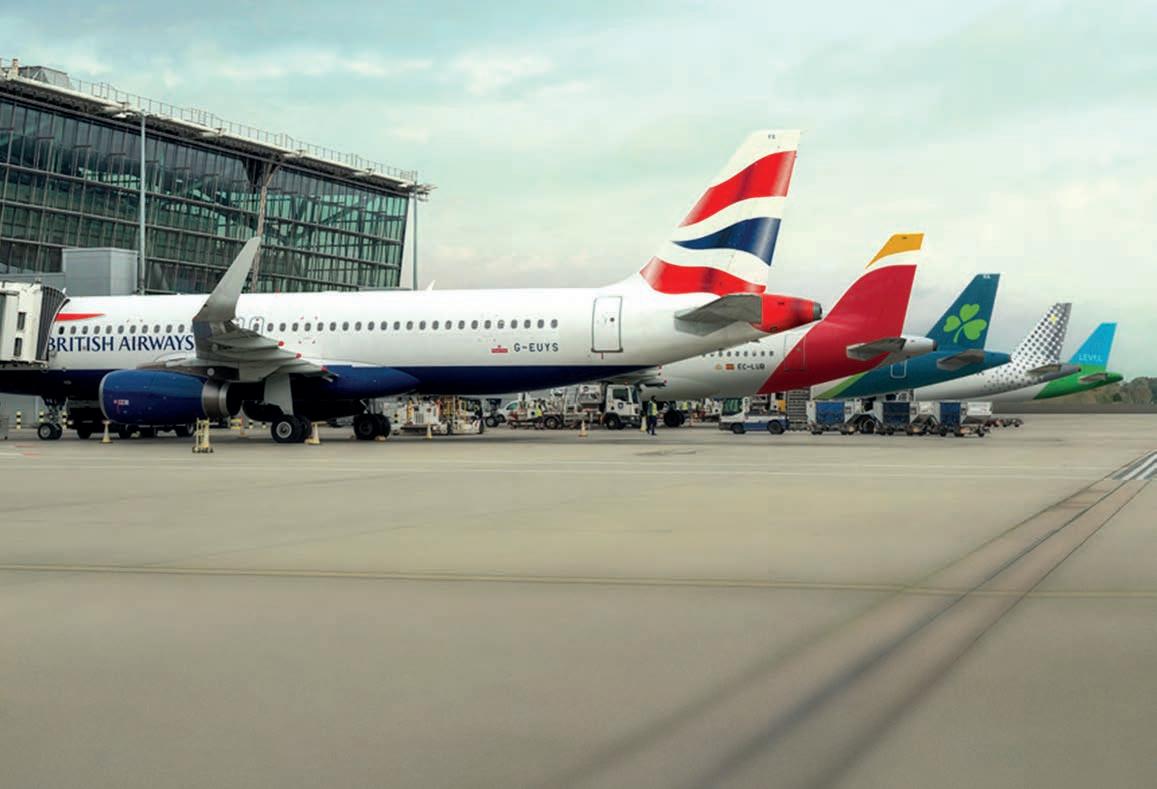
contributes to GDP, to jobs, and to connectivity. The various shocks aviation has faced in the past few years have demonstrated the valuable role IATA plays. IATA is also advocating in its areas of priority, such as changes in the regulation, including a harmonized consumer rule. We need to ensure policy makers take the right decisions for a thriving aviation industry that benefits all.
Is aviation a technology industry, or will it always be a people first industry?
Aviation is people taking care of people. Technology is important, artificial intelligence is important, but these are only enablers. In the end, you must have good people to provide customer satisfaction. When you have that, you have customers coming back, you have good results, and you can invest back in the business and in the technology that supports the human touch.
“Technology is important, AI is important, but these are only enablers. In the end, you must have good people to provide customer satisfaction.”
Will it be possible for airlines to attract the talent it needs to secure its digital future?
Aviation remains an industry that can offer the right career opportunities for the profile of people that we want to attract. We continue investing in new technologies, new ways of driving innovation, and we want people that can work in this very exciting environment.
How has your leadership style changed as the younger generation enter the industry?
I have been very lucky in my life to have worked in different environments, different types of airlines, and at IAG with different cultures. I have learned a lot from that.
Aviation is about diversity. We operate in a world that has so many different types of customers and it’s important that we can serve them all in the manner they choose. When you have different ways of doing things, it helps everybody to improve together.


As the aviation industry adapts to enhanced safety regulations, forward-thinking airlines are already preparing for the transition to 25-hour Cockpit Voice Recorder (CVR) requirements. The question isn’t whether to upgrade, but how to do so efficiently, cost-effectively, and with minimal operational disruption.
Acron Aviation, in collaboration with Airbus, has developed SRVIVR25: the industry’s answer to evolving CVR compliance requirements. As Airbus’s chosen 25-hour CVR solution, SRVIVR25 is not only about meeting new regulations but also a strategic investment in operational excellence.
With over 60 years of innovation in aerospace safety systems, Acron Aviation understands the complex challenges airlines face when implementing new technologies. That’s why SRVIVR25, the only 25-hour CVR approved and qualified by Airbus, was engineered with operators in mind, delivering full compliance with the Federal Aviation Administration’s Reauthorization Act and the European Aviation Safety Agency’s CVR regulations while also simplifying the upgrade process.
The aviation industry doesn’t have time for complicated retrofits or extended downtime. SRVIVR25 drops straight into existing CVR installations, replacing legacy
two-hour systems from any manufacturer, minimizing aircraft downtime.
Backed by Airbus service bulletins, the solution provides clear, manufacturerapproved installation procedures and reliable supply chain integration. It integrates with existing audio panels, cockpit microphones, and datalink systems, with no extensive modifications required.
For maintenance teams, the benefits are clear: standardized part numbers, common spares across their fleets, and simplified maintenance procedures. SRVIVR25 is also compatible with ground support equipment, enabling fast data access without additional capital investment.
For airline operators, the new 25-hour CVR requirements are an opportunity to look beyond immediate compliance to long-term value. SRVIVR25is engineered for high capacity as well as being aligned to support future ED-112B audio quality standards, making it an investment that is protected from evolving regulations.

Moreover, versions with integrated Recorder Independent Power Supply reduce wiring complexity, saving valuable space and decreasing weight to deliver operational efficiencies.
At Acron Aviation, our mission is to innovate to create safer skies. From OEM-certified avionics to pilot training solutions and flight data analytics, our integrated approach makes us a long-term operational partner, not just an equipment provider.
SRVIVR25 demonstrates our commitment to being the pioneering, top-tier partner of choice for airlines worldwide.
As the industry transitions to 25-hour CVR requirements, forward-thinking airlines are choosing solutions that deliver compliance without compromise. SRVIVR25 offers a proven path forward.
For more information: Visit acronaviation.com

The airline landscape in Latin America and the Caribbean has shifted dramatically, according to IATA’s Regional Vice President for the Americas.
WORDS: GRAHAM NEWTON
Peter Cerda, IATA’s Regional VP for the Americas says: “Previously, airlines were regularly adapting to governmental changes, few of which were aviation friendly. But following a mix of restructuring through Chapter 11 and consolidation, airlines are now better positioned and better structured than a decade ago. They are now competing on a global scale.”
Latin American airlines posted an 8.6% traffic rise in 2025 over 2024. The reliability and growth can be seen in all the major airline groups in the region. And consolidation is still ongoing as evidenced by the creation and growth of the Abra Group as well as the planned merger of Viva and Volaris in Mexico. New market entrants, including JetSMART and AraJet, further enhance consumer choice and underscore industry confidence.
Canada. Along similar lines, Air Canada is expanding its presence, including the resumption of services to Brazil, Chile and Peru. “Canadian airlines have seen an opportunity and are going further south than the Caribbean or Mexico,” says Cerda.
Service from the United States remains strong and there are multiple deals between US and Latin American carriers. This has seen an increasing number of flights to secondary airports.
It’s not just passenger traffic. Cargo operations are also expanding, with approximately 98% of flowers produced in the region exported—just one example among numerous strong exports.
From 20142024, regional airfares are down 47%, connectivity is up 18%, and available seat kilometers are up 38%.
Cerda also notes the significant interest in Latin America from international carriers. Iberia has a record number of flights into the region, for example, and other European and Middle Eastern carriers are adding destinations, establishing São Paulo, Bogota and Panama as points of entry. There is even a direct flight connecting China with Argentina via New Zealand.
WestJet and Air Transat, meanwhile, are expanding their reach into the region, with new services into Central America and Brazil from
“The region has been discovered,” says Cerda. “And why shouldn’t it be? It is rich in culture, ecotourism, beaches, and history. And it is also enjoying solid economic growth.”
Indeed, several countries have moved to more liberalized, pro-business policies, including Argentina, Bolivia, Chile, Ecuador, El Salvador, and Guyana. The result is more competitive airlines that, in turn, are spurring greater connectivity and further economic growth in a virtuous circle.
From 2014-2024, regional airfares are down 47%, connectivity is up 18%, and available seat kilometers are up 38%.

It is not all plain sailing, however. Brazil illustrates the numerous challenges that still lurk behind the tremendous opportunities.
The demand for domestic service in Brazil is strong, with more than 100 million passengers in 2025. There were also 9 million international tourists enjoying better tourism infrastructure and security. There is little reason why these figures shouldn’t double in the coming years.
But this must be put into context. Some 60% of the 9 million tourists were Argentines. Compare this to the likes of Spain, a country that had 92 million international visitors in 2025.
Given Brazil is approximately the size of the European Union, 9 million is a drop in the ocean.
“And then there’s cost,” says Cerda. “The local pricing mechanism for jet fuel artificially inflates the costs for a locally produced commodity, in addition to taxation for domestic consumption.
Air traffic control charges are also the highest in the region. And a proposed 26.5% VAT on air tickets, if enacted in 2028, could result in a projected 30% reduction in demand, according to IATA estimates.”
Brazilian litigation, meanwhile, stemming largely from minor passenger claims due to ambiguous rulings, has become notorious. There is roughly one claim per 200 passengers in Brazil compared with approximately one claim per 1.25 million passengers in the United States.
Overall, in the 2014–2024 period, though many countries in the region have almost doubled their trips per capita, in Brazil the number has flatlined.
Making secondary airports work
Infrastructure also needs to step up. Cerda says that some 50% of airports in the region are congested or severely congested. Although part of that reflects the enormous demand for air travel, it does also reveal a lack of planning.
“New terminals have been built, but they get saturated quickly because the capacity is taken up immediately,” says Cerda. “We have seen that in Santiago and Lima. Other airports like Sao
8.6%
Latin American airlines posted an 8.6% traffic rise in 2025 over 2024. Reliability and growth can be seen in all the major airline groups in the region.
Paulo’s Guarulhos and Congonhas airports are suffering because they lack more infrastructure.”
In Lima, the new terminal was six months late in opening and there is now a mandatory International Transfer fee (TUUA). São Paulo has something similar although it is less expensive than the Peruvian fee. With Lima, route cancellations and shifts in connectivity indicate the operational impact with the broader economic consequences yet to be measured.
Not only is more capacity needed at key hubs but also at secondary airports in Chile, Colombia, and Peru. These countries need to develop second-tier gateways to support their own demand and additionally provide relief to hubs.
This requirement has brought some surprising competition to the fore. Caracas in Venezuela has a major opportunity, according to Cerda. Airlines are looking to reinitiate service as the country stabilizes. The right regulatory framework needs to be in place, but Cerda says Venezuela and Caracas will become competitive in the market with sufficient support.
Other priorities in the region reflect global stories. The supply chain issues are hurting carriers in Latin America and the Caribbean as much as airlines in other regions.
Volaris has about 34 planes grounded, for example, a situation that is expected to continue. An airline that was in a notable growth mode has been correspondingly constrained.
Sustainable aviation fuel (SAF) is another strategic focus. The region has huge potential to produce SAF and Cerda believes it could even become a global leader with supportive policies and investment. Certainly, there is an abundance of feedstock and, with aviation strengthening, there will be abundant demand.
“Latin America and the Caribbean is now a global destination,” concludes Cerda. “We see exceptional prospects in business and tourism, alongside increasing global connectivity. Today, it typically requires only one stop to access any part of the world.”
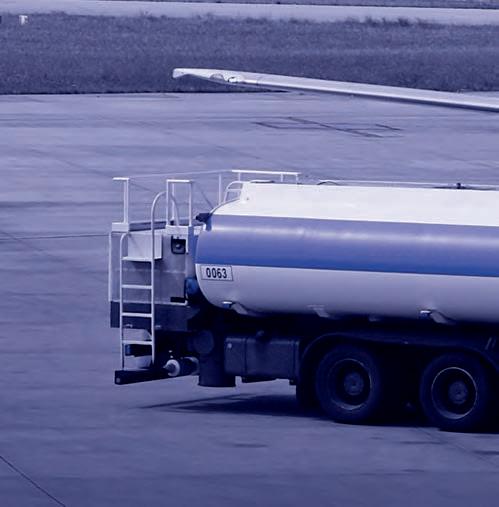
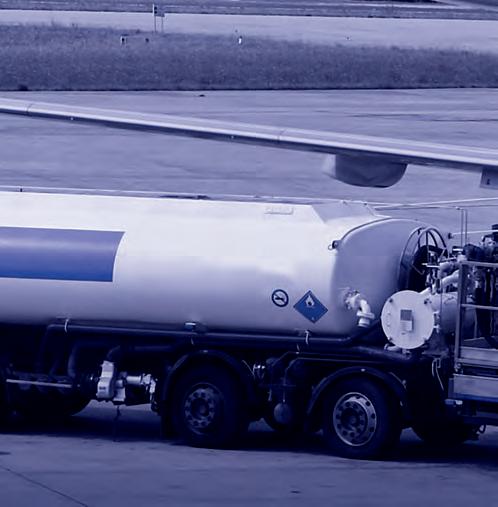

Gus Majed, Group CEO and Founder, Paratus, on why fuel price risk has become a permanent board-level question, not a tactical one.

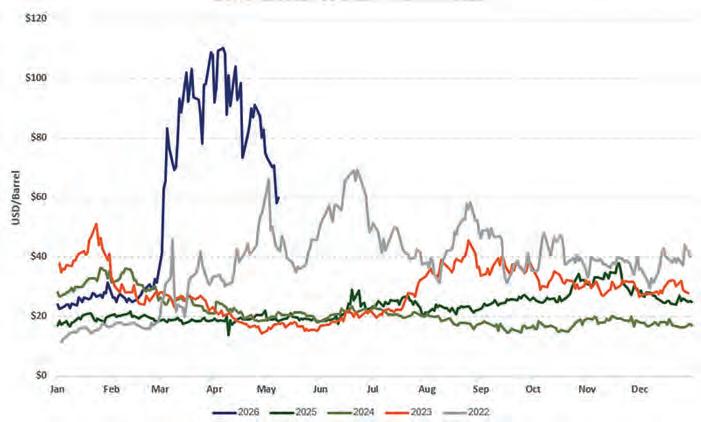
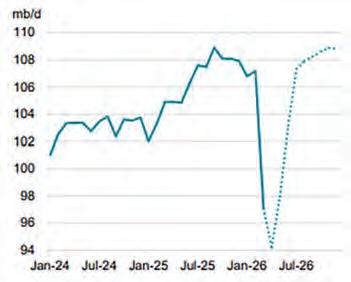
The Iran War is a twin shock: price and supply moving together. Jet fuel prices have roughly doubled since late February 2026. The jet crack, which sat at around $20 to $22 a barrel through the second half of 2025, has spiked to four to five times that level at peak. European jet cracks briefly traded above $100 a barrel before easing back. Singapore jet itself printed an all-time high of $231.42 a barrel on 4 March.
Price volatility gets the headlines, but the supply tightness is the more serious problem for airlines, because price risk can be managed contractually, and physical shortage cannot.
The crude coming in as replacement is often lighter grade, which yields fewer middle distillates. Refiners are therefore working harder to produce the same jet fuel volume. Europe imports roughly a third of its jet fuel, much of it historically from east of Suez, so the availability stress lands hardest there. Lufthansa alone has removed 20,000 short-haul services through the
autumn, with KLM, United and several Asian carriers also cutting capacity.
With fuel typically running at 20% to 30% of total operating cost, higher prices can be the difference between a profitable year and a damaging one. For carriers running typical 5% to 10% operating margins, a fuel cost shock of this scale is enough to wipe out a year of profitability.
The structural defence airlines have relied on for fuel volatility is passed through into fares, with load factor management absorbing the residual. That sequence works inside normal volatility. It does not work at the tails. The Oxford Institute for Energy Studies puts short-term oil demand elasticity at around -0.1, which means clearing a supply shock of this scale through demand alone would require a price rise of around 115%. Brent has risen 46%. The gap is the airline profit and loss. When the move is large enough, pass-through breaks, load factor mechanics break, and the residual lands on the balance sheet as a genuine hit.

Energy price risk insurance is designed to remove exposure. The product does three things at once for an airline balance sheet. It removes the open-ended fuel cost liability that drives balance sheet volatility, replacing it with a defined maximum for the period covered. It stabilises operating cashflow at the points in the cycle where pass-through fails, which is precisely when stability is most valuable. And it releases the precautionary liquidity airlines have traditionally held against fuel volatility, which is genuine cashflow improvement, capital that can accelerate deleveraging and, in some cases, support credit rating progression. On a typical airline debt stack, the recurring annual interest savings run to several million dollars, before counting the cost certainty itself.
This changes the nature of the conversation. Fuel exposure stops being an open question reviewed quarterly and becomes a defined line in the cost base, with measurable balance sheet and cashflow benefits attached. The conversation has moved firmly onto the board agenda, which



is where it should sit, and that is true even for carriers that come through this period intact.
The new operating environment
There is a structural argument for energy price risk insurance, alongside the immediate one. Jet fuel is structurally
unique among refined products because long-term demand will continue to grow. Aviation does not have a credible alternative at scale, and global passenger demand keeps rising. Industry projections have jet fuel demand trending toward 9 million barrels a day in the long term, from around 7-8 million today.
That growing demand will be served by a refining base that is rationalising, particularly in the West. The Atlantic Basin is on track to lose around 2.4 million barrels a day of refining capacity between 2020 and 2026, while east of Suez is adding more than 3 million. Europe alone closed nearly 400,000 barrels a day of capacity in 2025, around 3% of the regional total. The consequence for major aviation markets is structural import dependency, longer supply chains, and more volatility in both price and availability, not less.
The Paratus central modeled case for the post-rebalancing equilibrium has Brent in an $85 to $110 band through the back half of this decade, with jet and distillate cracks separating permanently wider from the crude benchmark. This is not a temporary


backdrop. It will be the operating environment. Risk management moves from a tactical tool to a permanent capability. Airlines that build it now will be in a structurally stronger position than those waiting for the next shock.
In the near term, accessibility is the focus. Smaller carriers have historically not had the scale to engage with sophisticated risk management. We are working on simpler structures, clearer pricing, faster execution.
Longer term, the structural shifts in the jet fuel market mean a single product no longer captures the full exposure an airline carries. As trade flows lengthen, regional basis risk becomes a meaningful component on its own. During this conflict, regional gasoil spreads have moved by more than $30 a barrel inside a matter of weeks, and reversed direction twice in the same period. Historical models do not price moves of that character. We are developing products specifically for that.
The other area is sustainability. Sustainable aviation fuel mandates create compliance cost exposure that sits alongside conventional fuel. Risk management tools will span both.
Flexibility and resilience are an essential part of any airline strategy says Austrian Airlines’ CEO, Annette Mann.
INTERVIEW BY: GRAHAM NEWTON
As part of the Lufthansa Group of airlines, collaboration is key for Austrian Airlines. According to CEO Annette Mann, it is not about being cautious but about being flexible, fast, and resilient. With different scenarios this means the airline will always have a plan B.
Are supply chain issues a concern as you begin your fleet rollover?
Yes, there is an impact partly from a lack of new aircraft and partly from a lack of parts, including engines.
But nothing has happened that has been totally unexpected. We’ve always had a plan B, and so there has been no capacity reduction because of the difficulties. And, of course, we have opportunities to help each other within the Lufthansa Group, so we have been able to manage the situation.
Many deliveries are delayed, but we currently predict out to 2028, and we have plans in place to cope.
How does being part of an airline group ease your problems with the supply chain?
We look at who has the worst impact from the supply chain issues and then work it out from there. In recent years, we have been working more intensively together on the strategy within the group. We are focusing more and more on the group optimum rather than an optimum for each airline. That means we collaborate and help each other out.
If there is a problem, we might be able to get an aircraft from another airline. And it may be that we don’t need engines for a certain period of time so another airline can benefit from that. It’s about finding a solution that works for everybody.
Wet leasing based on a group contract is another available option that enables us to shift capacity relatively quickly.
How are volatile geopolitics shaping strategy? Is it forcing you to be more risk-averse?
This is not about being cautious but about being flexible, fast, and resilient. We learned

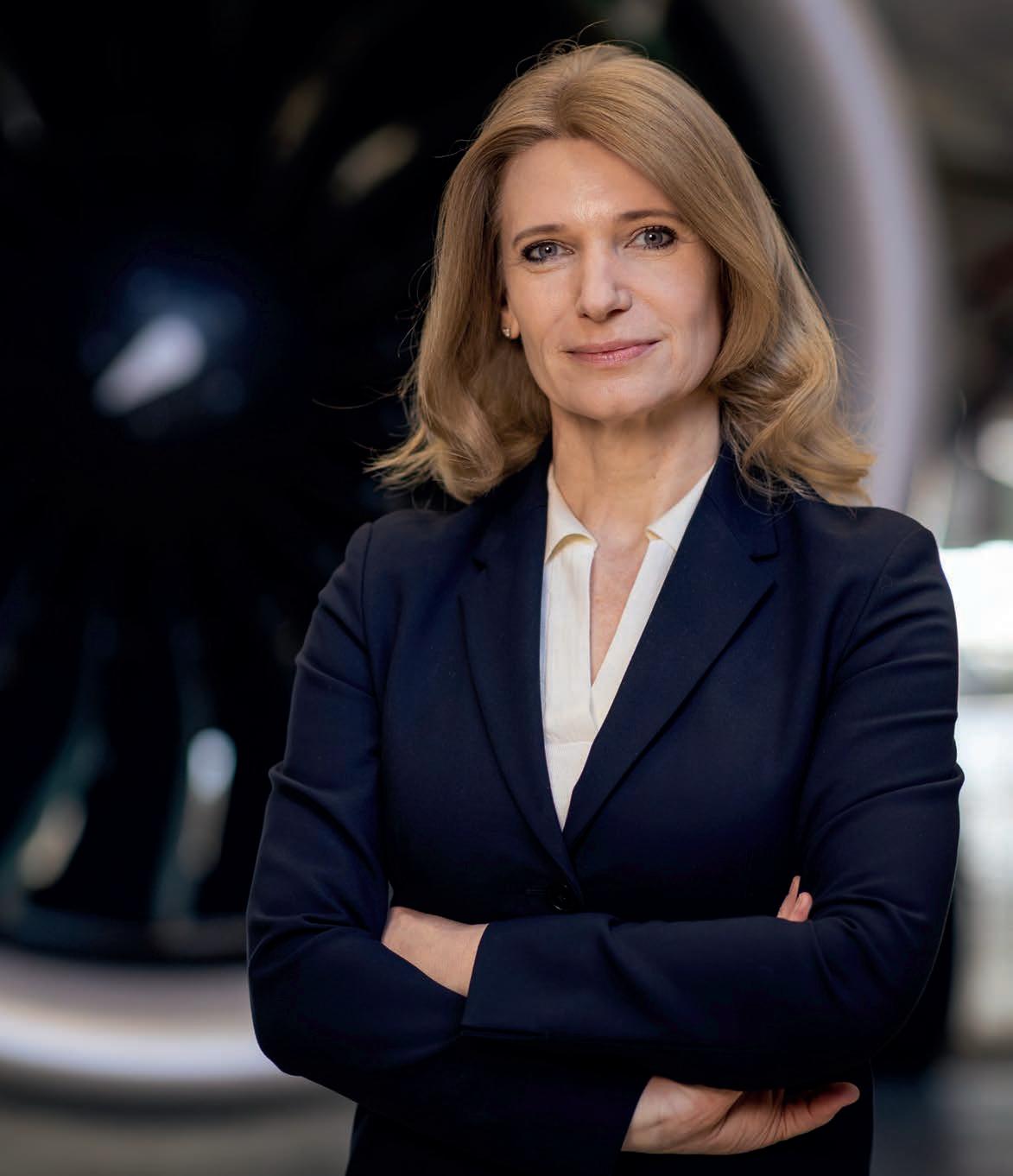
“It is absolutely right that we pursue sustainability, but it needs to be thought through and done in a much smarter way.”
a lot of lessons during COVID. Now, it takes days, sometimes only hours, to re-plan the network and that wasn’t do-able before the pandemic.
As the world becomes more volatile, airlines must try to be more flexible. It is similar to the supply chain. You look at your strategy in relation to the world environment and ask, “what if?” We always think about different scenarios and, again, always have a plan B.
It is nothing new, unfortunately, to cancel our route to Tel Aviv, for example. There are plans in place if we have to cancel and we know where else we will deploy the aircraft.
Airlines must be flexible and resilient because the next crisis is just around the corner. By all means, have a strategy, but you must be flexible within that framework and know what you will do when external events disrupt your plan.
You talk of “unfavorable conditions for aviation” in Austria—what do you mean by this?
This was in relation to traffic in Austria. Basically, we have a relatively small local catchment area and less premium traffic than our European neighbors. Although we are a high-income country, we do not see as much premium travel demand as, for example, Switzerland.
Also, Austria is a high-tax country, but for geographical reasons our network needs to feed to and from Southeast Europe, which has lower purchasing power. In effect, we have a highcost structure but lower yields than Lufthansa or SWISS. Although Vienna Airport is a little bit cheaper than, say, Munich or Zurich, in relation to our yields it is expensive.
It therefore becomes difficult to achieve economically sustainable operations.
We must find a future-fit set-up with a cost structure that reflects the nature of the traffic and enables us to compete successfully with other European hubs and airlines. Austria wants to have a network airline, and Vienna wants to be a hub, but there is a lot of work

39%
At Austrian, we have grown the number of females in senior management 39% in the last four years and they now represent about 35% of our total leadership positions.
to do. We are engaged in intensive discussions with the government and Vienna Airport to develop sustainable solutions.
Is European aviation competitive on the global stage? What are the issues?
There is distortion in the market, especially when we look at long-haul services. Turkish Airlines are based just outside the region but affected by Fit for 55 and other regulations only to a small extent. It is not economically or environmentally sustainable for the European Union (EU) to choose mechanisms that affect EU carriers disproportionately compared with other airlines outside the region.
As a consequence, traffic, economic growth, and jobs are being shifted to regions elsewhere. It is absolutely right that we pursue sustainability, but it needs to be thought through and done in a much smarter way. At the moment, Austrian Airlines and other European carriers have huge costs and bureaucratic burdens that other airlines outside the region don’t have, especially in the context of the sustainable aviation fuel (SAF) mandate. That massively hurts our competitiveness and does not help either the environment or the economy in Europe.
Have you been able to get enough SAF to comply with mandates and what can we do to improve production?
At the moment, we’re okay. But we have doubts about the 6% mandate from 2030 and the introduction of Power to Liquid (PtL). PtL must be postponed because there simply isn’t any available.
Mandates can make sense if designed well as they give predictability and encourage investment. But in Europe, it isn’t resulting in the expected ramp-up of production. There are so many rules on getting SAF approval in the EU that it disincentivizes projects.
Investors perceive the risks as too high. There must be a softer rule set to get the sector running and then you can tighten the ropes if necessary.
Making a more global prediction is tricky. Is sustainability still a target for countries? Look at the United States. They did well to incentivize SAF production, but the current administration has different priorities. Other countries are still on track. I would really hope for a more coordinated global approach, as we simply need to become more sustainable as an industry.
But what is clear is that Europe—and other regions too—must reshape the rules to make it actually happen.
Overall, is net-zero carbon emissions by 2050 still a realistic target for the industry?
Technically, it is feasible. But, as I said, we need an effective policy framework. As a responsible airline, we take the ambition seriously. The key is to think in collaborative terms.
We can achieve net zero, but the rules and the mindset must change. It is a global problem that needs global solutions.
Are you aware of being a female role model and what is the best way to get more women interested in an aviation career?
In general, I still feel that airline CEOs are expected to be somehow crazy about piloting or engineering. But airlines don’t build aircraft. This is a service industry.
Woman often bring a strong service background and customer focus to a typical airline team. Perhaps more so than men. I believe that these qualities will become more important to differentiate an airline going forward.
If you want loyal customers, then you need more than just knowing how an aircraft flies from A to B. You need to know about why a passenger is flying and the experience they expect. It is about getting people management right, getting customer service right.
I like aircraft and working with engineers a lot. I actually started in cabin interiors and was part of the A380 launch project. Understanding aircraft, networks, and operations is absolutely essential when running an airline. But to be
6%
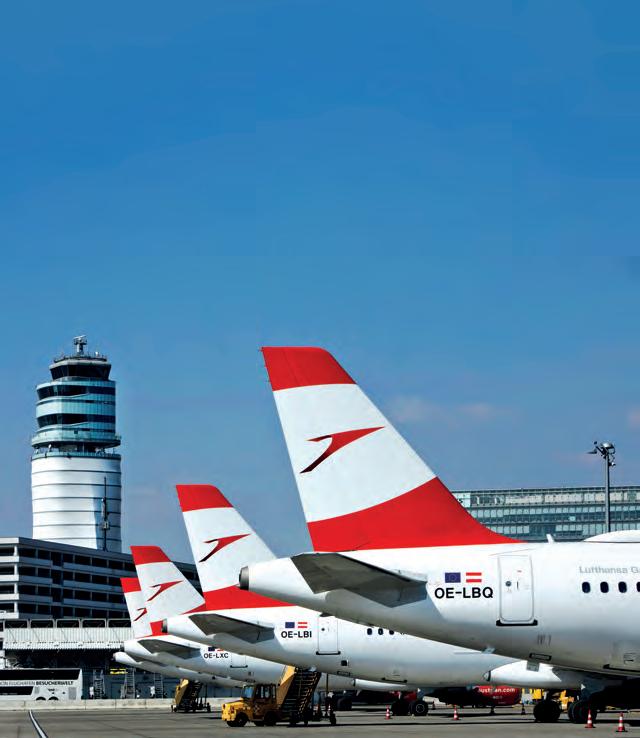
At the moment, we’re okay. But we have doubts about
the 6% mandate from 2030 and the introduction of Power to
successful you must be at least as strong in the service proposition.
At Austrian, we have grown the number of females in senior management 39% in the last four years and they now represent about 35% of our total leadership positions. We don’t have a specific program. For me, it is more about constantly encouraging females to join the industry and letting them know what fun it is and that they can have a successful career.
Are there any industry trends or challenges that are not getting the attention they deserve, and which could significantly impact the industry?
Aviation seems to feel proud about how complex and opaque it is. But that simply means airlines are not good at earning customer trust. That needs to change. We blur too many things surrounding our operations and I think that affects the passenger experience.
As I mentioned, this is a service industry and so we must be transparent.
Liquid (PtL).
“If you want loyal customers, then you need more than just knowing how an aircraft flies from A to B. You need to know about why a passenger is flying and the experience they expect.”

































Explainer: EU261 Thresholds

Time thresholds for EU261 passenger compensation payments have become key to a successful or unsuccessful reform of Europe’s failing aviation consumer rights regulation.





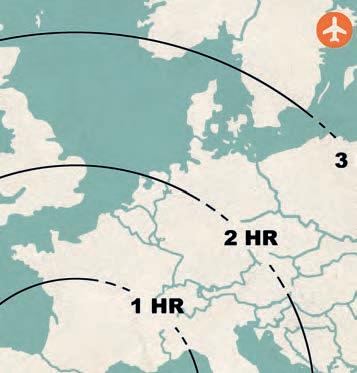
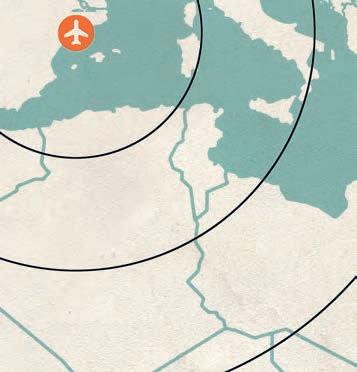


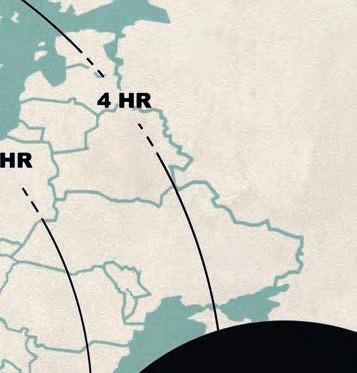


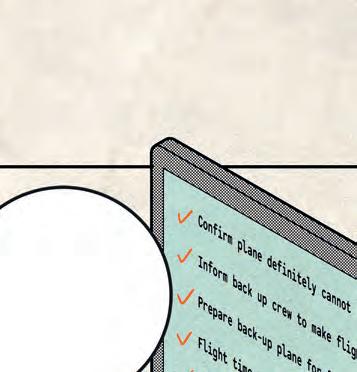
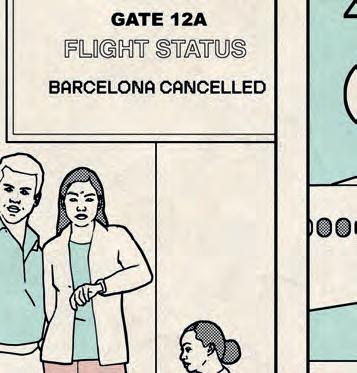
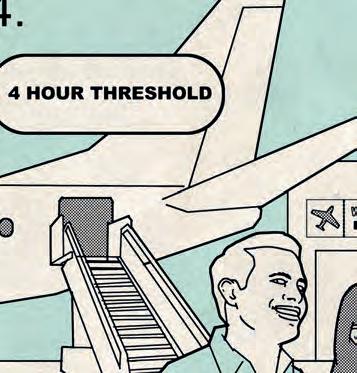
The EU261 three-hour delay threshold for compensation gives airlines little time to send a replacement plane when there is a technical problem with a flight. Extending the threshold to four hours or longer would give much more chance of operating a service rather than cancelling it—enabling passengers to get to their destination.






















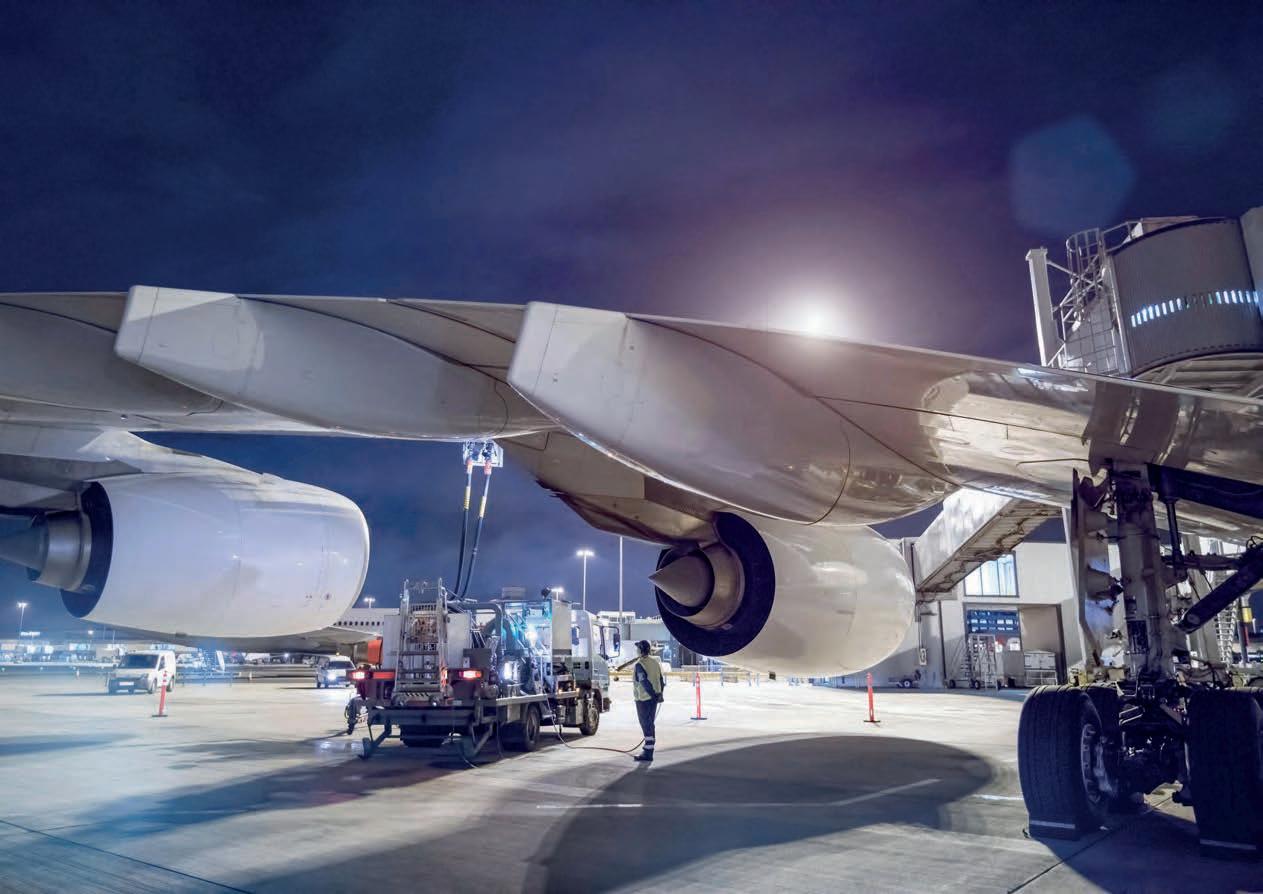
The CADO SAF Registry is a significant step towards a transparent SAF market.
WORDS: GRAHAM NEWTON
In April 2025, the IATA-developed SAF Registry was launched by the Civil Aviation Decarbonization Organization (CADO), complementing earlier IATA work on a standardized emissions reduction accounting and reporting methodology for sustainable aviation fuels (SAF).
One year on, the registry now has over 130 organizations and has facilitated about 100,000 tonnes in CO2 emissions reduction.
“The CADO SAF Registry ensures that SAF environmental attributes are accurately, consistently, and transparently recorded,” says Kristýna Matoulková, IATA’s SAF Registry Manager. “It allows airlines to confidently claim these SAF attributes against regulatory obligations and voluntary SAF targets.”
Importantly, the CADO SAF Registry is not a platform for commercial deals but a system to track SAF environmental attributes. All key SAF








“CADO SAF Registry ensures SAF environmental attributes are accurately, consistently, and transparently recorded.”
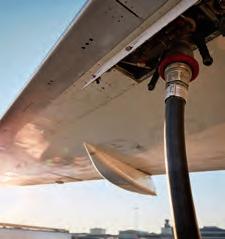
value chain stakeholders can have dedicated accounts in the system and perform transactions relevant to their SAF-related activities.
During the SAF registration process, users must meet defined criteria, such as holding a relevant documentation, before any environmental attributes can be activated. To make information submission easier, there are templates to follow.
Following the registration, a validator reviews the data with discrepancies resolved before the attributes are activated. Depending on the account type held, attributes can then be transferred or redeemed, allowing users to claim them as part of voluntary SAF initiatives or for regulatory compliance.
Kristýna Matoulková, IATA’s SAF Registry Manager
SAF Registry upgrades
IATA’s development of the CADO SAF Registry was supported by over 50 organizations, including airlines, fuel producers, corporate clients, and national authorities.
By connecting airlines with SAF producers worldwide via the book and claim approach, the CADO SAF Registry addresses supply constraints and facilitates access for corporate clients to emissions reductions and opportunities for co-financing decarbonization initiatives.
The CADO SAF Registry remains technologyand feedstock-neutral, supports diverse production methods, adapts to varying regulations, and promotes interoperability across registries. Participation is complementary until April 2027; thereafter, cost recovery fees may apply depending on the guidance from the CADO board.
IATA’s development of the CADO SAF Registry was supported by over 50 organizations, including airlines, fuel producers, corporate clients, and national authorities. It was handed over to a third party, CADO, to ensure transparency and impartiality, given that other players in the aviation supply chain can sign up to the CADO SAF Registry. Visibility is also provided by a Public Redemption table on the website so anybody can see the SAF environmental attributes that have been redeemed. 50+
In September 2025, the CADO SAF Registry underwent its first major upgrade, enhancing core functions to support more sophisticated market transactions. Specific improvements catered to freight forwarders and intermediaries, and organizations were given the flexibility to assume multiple roles, simplifying attribution processes. Further refinements were introduced in early 2026 to support compliance with regulatory schemes, including the Carbon Offsetting Reduction Scheme for International Aviation (CORSIA). The system now automatically generates the CORSIA Eligible Fuel form, for example, which will be vital as the scheme begins its mandatory phase. Looking further ahead, the focus will be on working with the states to utilize the CADO SAF Registry for their compliance programs, automating interoperability, further engaging with ICAO, and supporting IATA’s efforts on the standardization of SAF sustainability documentation.
There are multiple registries available in the market, catering to such different user needs as facilitating book and claim in other modes of transportation. Where applicable, CADO collaborates with other registries to avoid the risk of double-issuance of SAF environmental attributes. Trials on interoperability are ongoing with 123Carbon and Assure SAF Registry.
“Interoperability, available through the CADO SAF Registry, levels the playing field, prevents double counting, and underpins robust environmental and reporting claims,” says Matoulková. “The CADO SAF Registry allows airlines, producers, regulators, and other organizations to track SAF transactions globally and is a significant step toward a transparent SAF market.”
Comply365: Sponsored Feature

The Comply365 Operational Performance Platform is igniting a new era in aviation with unified operations powered by domain-trained artificial intelligence.
Airline operations are at a turning point. Fragmented systems, disconnected workflows, and reactive processes are not just inefficient—they are a direct threat to performance, profitability, and resilience.
This is the rationale behind the Comply365 Operational Performance Platform. The platform is designed to break down long-standing operational silos to elevate aviation operational performance in ways that today’s existing point solutions simply cannot.




At the platform’s core is domaintrained AI, distinct from generic AI models. Aviation is a highly regulated, safety-critical environment where context, accuracy, and explainability matter. Domaintrained AI understands operational workflows, regulatory frameworks, and safety signals in ways that generic AI solutions cannot. The result is a step-change in how airlines manage risk, performance, and operational resilience.
A connected platform






analyses and proactive trend detection across their safety data.



A connected platform gives the C-suite measurable business impact. It lowers operating costs, improves workforce productivity, reduces risk exposure, and provides more robust and predictable operational performance.

Ultimately, the connected platform strengthens operational resilience, minimizes disruptions, protects schedules, and safeguards revenue. At scale, this drives better on-time performance, higher fleet availability, superior safety and better trained, more effective crews, all of which directly influences profitability and customer experience.

Disconnected systems quietly erode margins through inefficiencies, duplicated effort, and missed opportunities for optimization and crew effectiveness. Such operational fragmentation is a strategic liability, a direct threat to airline profitability and resilience.
Domain-specific AI can reduce the time to process airline safety reports by 90%, for example. It also gives airline safety teams the ability to do real-time event
Operational fragmentation for airlines is not just an efficiency issue, it’s a direct hit to the bottom line. The Comply365 Operational Performance Platform, fueled by domaintrained AI, unifies safety, operations, and training into a connected, intelligent ecosystem. It empowers airlines to replace reactive firefighting with predictive, intelligence-led operations that drive measurable performance gains. Costs are reduced, productivity improved, and profit margins protected.
For more information: Visit https://comply365.com/
CEO Interview: Akasa Air
Akasa Air Founder and CEO, Vinay Dube
, tells Graham
Newton
that start-up
success
depends on getting the business model correct from the outset.
WORDS: GRAHAM NEWTON

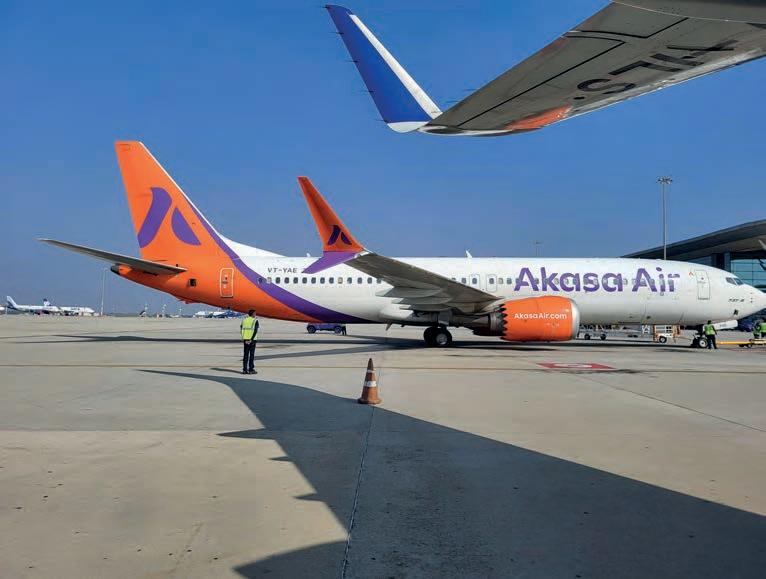
roviding a top-class customer experience, being people-centric, efficient, and offering a technology-led service are all elements of the success of Akasa Air, says CEO Vinay Dube.
You have been referred to as a low-cost airline. Is this correct?
Not quite. Although we do share certain structural characteristics of a low-cost carrier—such as a single aircraft type, a single cabin configuration, and ancillary pricing—and, of course, we are focused on maintaining the
Boeing is our sole supplier, and we have 226 aircraft on order.
lowest possible cost structure, we do not define ourselves as “low-cost.”
The distinction lies in our approach to the customer experience. We invest significantly in service quality. We offer brand new aircraft, better seats, and bigger overhead bins. Our onboard food service, Cafe Akasa, has a very thoughtfully curated menu and we have received a heartening customer response.
So, we don’t categorize ourselves as low cost. We have a different attitude to customer service. Our cancellation rates are low, our on-time performance is high, and our baggage delivery times are the best.
Cost shouldn’t take away from the customer experience and the response we’ve had from our customers—26 million of them so far—has been great.
Why did you decide to launch an airline in India and what challenges did you face? There were several factors at play. When we decided to start the airline in 2020, we believed that the world would get over the COVID pandemic and the timing would be in sync with getting an operating certificate. Getting the certificate is a two-year process and we got it done just under that timeframe.
We also felt that aviation in India would rebound from the pandemic earlier and faster than in other countries because we have a strong domestic market. The size of the country means India is dependent on air travel, and all the long-term trends were positive. Additionally, the industry downturn created















“There are always improvements but people shouldn’t have the impression that India is a difficult place to operate.”







100%
As a start-up, we have no legacy restraints and are 100% cloud based.
But this isn’t just about the technology.
a unique window to scale. Aircraft and skilled talent were available.
All those things happened as expected. On the macro level, therefore, everything went as planned. But at the micro level, nothing went the way I envisaged. There was no number that we nailed in terms of how many aircraft or people we would need by a specific time.
But that was okay because our core business model and strategy were sound. Akasa Air’s strategy is centered on service excellence, cost leadership, and employee-centricity, built on a platform of world-class safety. Everything we do and our culture stems from this.
How do you keep costs low in such a volatile geopolitical environment?
There are so many uncontrollable factors in aviation. When you are chased by a bear you don’t need to run faster than the bear, you just need to outrun the other people. In other words, in broad terms, what happens affects everyone equally and you just need to do the best job in your markets.
We are a well-capitalized business exactly because of this. Aviation will always face external pressures and the only sure way to get through them is to be well capitalized. Our investor base understands the importance of that.
So, we are not affected by these events more than anyone else and we keep true to our strategy.
What more can the Indian government do to support aviation in the country?
Actually, I think the regulatory environment here is very professional, and of global standard.
Being in a high-tax environment is not unique to India. In fact, if you look at the Indian regulators’ response to the fuel crisis caused by the war in Iran, where they capped the fuel price, one can tell that they understood the bigger picture, that it was essential to keep the industry healthy. Unstable airlines mean an unstable economy.
And you must remember that government regulations don’t affect the majority of our
costs. They aren’t responsible for the price of maintenance, repair, and overhaul or labor, for example.
There are always improvements to be made but people shouldn’t have the impression that India is a difficult place to operate.
Are the supply chain issues hampering your growth?
Boeing is our sole supplier, and we have 226 aircraft on order. There is a delivery schedule that we trust because they have delivered on it so far. We have gone from zero to 38 aircraft in three years and eight months. Not many airlines have achieved that without getting aircraft from a parent airline. And so, the speed of delivery has not been an issue. We have broken all the records.
There is nothing really constraining our growth but that is not our focus in any case. We don’t think in terms of how fast we can grow but about the customer and safety.
We have a plan, and we are sticking to it.
How important is technology to your efficiency and are you a believer in artificial intelligence?
I am a firm believer in technology. I was at a tech company for a while and so I have to believe in it. As a start-up, we have no legacy restraints and are 100% cloud based.
But it’s important to note that this isn’t just about the technology. It is also the data and analytics that sit on top. That combination will make a difference everywhere, from cost to customer service and disruption response to human resources. Any way you look at it, technology and data analytics will have a huge impact on how an airline operates.
Artificial intelligence is not a silver bullet, but it will be a big help. We’re already using it in multiple places.
Do you see this as a people business or is technology-led service the way forward? Why choose? I believe in both. In this industry, you must be good at everything. Yes,

“We have a 737 MAX fleet with CFM LEAP-1B engines and advanced winglets. … And they have up to 197 seats so there is good seat density. That makes us very fuel efficient on a per passenger basis.”


you must be people-centric, focusing on the consumer and the employee. But you give them the tools to be successful. And you must have financial discipline, you must have safe and efficient operations, and so on. It takes both people and technology.
It’s what makes this industry so exciting and so challenging. Our technical challenges are on par with the most complex in the world, so are our financial challenges, and our people challenges.
How important is sustainability and can we get to net-zero carbon emissions by 2050?
Sustainability is important to us as a business and to all of us as individuals. At Akasa Air, our fleet consists entirely of modern generation, fuel-efficient aircraft. We have a 737 MAX fleet with CFM LEAP-1B engines and advanced winglets. That delivers 20% lower fuel use, emissions, and airframe maintenance costs, with a 50% smaller noise footprint. And they have up to 197 seats so there is good seat density. That makes us very fuel efficient on a per passenger basis.
But it doesn’t stop there. We have adopted several best practices in waste management across operations with the usage of biodegradable bags and waste management


products. To reduce food wastage on our flights, perishables are only served if prebooked and non-perishables are available for instant orders. There are no single-use plastics. The uniforms, meanwhile, use recycled fabric, and the food packaging is recycled and has non-contaminant ink. We were the first Indian airline to opt out of ceremonial water cannon salutes, saving about 500,000 liters of water so far.
Overall, I can say that we are one of the greenest airlines on the planet. Sustainability is one of our core values.
“The distinction lies in our approach to the customer experience. We invest significantly in service quality.”
I think we can get to net-zero carbon emissions by 2050. If we don’t get there, it won’t be because of Akasa not doing its part.
What advice would you give to would-be entrepreneurs thinking of starting an airline?
This is a super exciting industry, but it is an industry that requires expertise. Even if you excel in business, please get an industry expert. Don’t do it on your own.
Aviation is unforgiving. If you get it wrong at the start, it will still be hurting you in ten years’ time, assuming you survive that long. You can be flexible but it’s not so easy to change your business model. Getting that right requires genuine expertise.

With the need for ANSP and airline operations to modernize, Viasat is committed to helping aviation realize the potential of new technologies.
ir traffic demand and airspace complexity are driving innovation in communication, navigation, surveillance (CNS) and air traffic management (ATM) systems. Failure to evolve could mean lower predictability, higher controller workload, and inefficient airspace use for air navigation service providers (ANSP), with the impact of
higher fuel use for airspace users.
But the need for airspace modernization doesn’t stop there:
Environmental targets require more direct routing, reduced holding, and optimized climb and descent.
ICAO’s roadmap toward trajectory-based operations (TBO) requires digital, datadriven infrastructure.
Such new airspace users as unmanned
aerial vehicles and electric vertical take-off and landing vehicles increase demand on limited capacity.
Today’s infrastructure alone cannot deliver the increased demand needed to support TBO, which depends on data rich continuous trajectory data exchange, a move away from the voice-centric control that has been relied on for decades.
The good news is that new solutions coming to market allow ANSPs and airlines to modernize at different rates, supporting the differing levels of demand, maturity, investments, and needs. They can work in an interoperable ‘multilink’ manner with existing infrastructure such as VHF Datalink. Harmonization can only be achieved through common standards, providing ATM industry frameworks that allow airspace users to evolve incrementally. TBO is a progressive capability build-up, not a single leap, while satellite-based services enable ANSPs and airline operators to access global capability without heavy ground investment.


Airlines
Improved predictability and smoother traffic flows
Reduced tactical interventions and controller workload
Increased capacity from the same airspace
Greater resilience through diversified, space-based infrastructure
Alignment with ICAO TBO roadmap

The core challenge for airspace users is how to manage the coexistence of a variety of different systems, both terrestrial and space-based, through long transition periods. At the same time, they must ensure the performance of safety-critical services and maintain resilience even as they introduce more connected systems. The solution is a modular, standards-based architecture called multilink, already in operation in Europe, that harmonizes the use of VDL and L-band satcom to provide consistent, performant datalink that supports ATS Baseline 2 standards, the
backbone of initial TBO operations.
It is also true that new systems must meet increasing cybersecurity and governance requirements. These areas continue to evolve, and though operational evidence will build trust, there will never be room for complacence.
Ensuring controller workload is reduced, not increased, by the new tools will always be a critical test for modernization.
Accelerating with Viasat
Viasat is committed to helping aviation realize the potential of new technologies. It provides a certified, governed, end-to-end service that is operational today.
Iris, a space-based data link service built by Viasat through collaboration across the ATM industry and support from the European Space Agency is offered as a service by the Iris Service Provider, ESSP. Iris delivers high-bandwidth, cost-effective satellite-based data link communications for global ATM modernization and is designed to work in harmony with existing infrastructure, VHF Datalink.
Iris provides a solid communications foundation that enables ANSPs and airline operators to modernize services and provides capacity for such improvements as
ANSPs
More stable, predictable trajectories
Reduced fuel burn and emissions through optimized routing
Better access to preferred flight levels and continuous descent operations
Fewer delays and more consistent arrival times
Future-ready equipage that supports evolving ATM standards

flight and flow information for a collaborative environment and system-wide information management among much more. Satellite connectivity, moreover, extends coverage beyond ground network limitations and so provides a proven, global safety backbone.
Importantly, a multiorbit strategy supports future capacity and performance evolution without disruption. Its standards-led approach, moreover, supports interoperability, certification, and long-term sustainability.
For more information: Visit https://www.viasat.com/aviation/
IATA’s 2025 Annual Safety Report reveals a solid year of performance, but the importance of take-off, landing, and ground handling safety measures cannot be overemphasised.
WORDS: GRAHAM NEWTON
“Flying is so safe that even one accident among the nearly 40 million flights operated annually moves the global data. Every accident is, of course, one too many. The goal for aviation remains zero accidents and zero fatalities.”
Flying remains the safest form of long-distance travel, as IATA’s 2025 Annual Safety Report demonstrated a solid year of safety performance. The highlights from the report reveals:
The all-accident rate of 1.32 per million flights (one accident per 759,646 flights) was better than the 1.42 recorded in 2024 but slightly above the 2021–2025 five-year average of 1.27.
There were 51 accidents in 2025 among 38.7 million flights. That is fewer than the 54 accidents among 37.9 million flights in 2024, but above the 2021-2025 five-year average of 44 accidents.
There were eight fatal accidents in 2025. That is more than the seven fatal accidents recorded in 2024 and the five-year average of six fatal accidents.
There were 394 onboard fatalities in 2025, more than the 244 fatalities reported in 2024 and the five-year average of 198.
“Flying is the safest form of long-distance travel,” says Willie Walsh, IATA’s Director
General. “Accidents are extremely rare and each one reminds us to be even more focused on continuous improvement through global standards and collaboration guided by safety data. The result of that effort is clear in how the five-year rolling average rate for fatal accidents has improved. A decade ago, the rate stood at one fatal accident for every 3.5 million flights (2012-2016). Today, it is one fatal accident for every 5.6 million flights (20212025). Flying is so safe that even one accident among the nearly 40 million flights operated annually moves the global data. Every accident is, of course, one too many. The goal for aviation remains zero accidents and zero fatalities.”
The most common accidents in 2025 were tail strikes, landing gear events, runway excursions, and ground damage. This underscores the importance of take-off, landing, and ground handling safety measures. Notably there were no loss of control inflight (LOC-I) accidents in 2025. It is the second time this has been
achieved (previously in 2020) and is significant as LOC-I are a leading cause of fatalities.
Airport facilities contributed to 16% of accidents in 2025. This reinforces the need to fully respect global standards for runway safety areas, fragile installations within safety zones, and the effective mitigation of hazards, such as runway surface contaminants, inadequate markings or lighting, and obstacles within protected areas or near runways.
“Airport infrastructure and runway environments play a critical role in accident outcomes,” says Walsh. “In several events, rigid obstacles near runways increased accident severity, likely turning otherwise survivable occurrences into fatal ones. All airports and regulators should continuously review runway safety areas and the structures near runways for compliance with global safety standards.”
Other safety issues include the proliferation of conflict zones, which is driving significant rerouting and operational complexity. In some 51
There were 51 accidents in 2025 among 38.7 million flights. That is fewer than the 54 accidents among 37.9 million flights in 2024, but above the 2021-2025 five-year average of 44 accidents.
regions, military activity has occurred in or near flight corridors. The latest reminder of this is the significant disruptions that have occurred with the outbreak of war between the United States/Israel and Iran. Close coordination between military and civil authorities is essential to ensure the safe operations of civil aircraft.
When conflict zones present risks that cannot be mitigated, states are responsible for restricting or closing airspace in a timely, transparent, and coordinated manner. It is essential that the process of closing and eventually to re-opening airspace remains focused on safety and security parameters and is not politicized. Moreover, clear, consistent, and professionally communicated Notice to Airmen (NOTAM) and risk advisories are critical information for airlines to consider when conducting their own risk assessments in support of safe and efficient flight operations.
“Civil aircraft must never be placed at risk from military activity—deliberately or accidentally,” Walsh insists. “When tensions rise, governments must share timely risk information, ensure effective civil-military coordination, restrict airspace where needed, and provide airlines with sufficient information for their own risk assessments. Whether closing or re-opening airspace, safety depends on transparency, facts, and coordination.”
GNSS interference
Incidents of Global Navigation Satellite System (GNSS) interference capable of misleading
aircraft navigation systems, meanwhile, have risen sharply in recent years. IATA’s Incident Data eXchange indicates that reported jamming events in 2025 increased 67% compared with 2023 while reported GPS spoofing incidents rose 193%.
“GNSS interference events are deeply concerning,” says Walsh. “Airlines rely on GNSS for safe and efficient flight operations. Although system redundancies support safe operations in the face of these deliberate acts, immediate steps by governments and air navigation service providers are needed to improve situational awareness and enhance mitigation tools for pilots. Ultimately, the practice of GNSS interference must be stopped. Anything less is both unacceptable and irresponsible.”
Another concern is delayed, incomplete or unpublished accident investigation reports that withhold valuable safety insights. IATA’s analysis of investigations conducted between 2019 and 2023 indicates that only 63% of accident reports were completed in line with state obligations under the Chicago Convention. Because investigations routinely take more than one year to finalize, a five-year dataset ending in 2023 provides an accurate view of global performance.
Investigations are the responsibility of the states in which accidents or incidents have occurred. When grouped regionally, significant variations in completion rates are noted. The Commonwealth of Independent States (CIS) recorded the highest completion rate
The most common accidents in 2025 were tail strikes, landing gear events, runway excursions, and ground damage.
IATA’s Incident Data eXchange indicates that reported jamming events in 2025 increased 67% compared with 2023 while reported GPS spoofing incidents rose 193%.
(81%), followed by North America (78%), Europe (75%), Asia-Pacific (68%), North Asia (67%), Middle East and North Africa (67%), Latin America and the Caribbean (60%), and Africa (19%).
“Accident investigation helps us improve safety, but many reports are not published in a timely, complete, or accessible way,” notes Walsh. “Some are not made public while others lack clear recommendations. Annex 13 of the Chicago Convention is clear about state obligations. Although compliance with this obligation is improving, anything less than 100%
shortchanges everyone on opportunities to improve. Where accident investigation capacity is the challenge, coordinated global support to strengthen investigation capabilities is needed.”
To support transparency and strengthen industry-wide safety learning, IATA has established a centralized platform that consolidates safety recommendations from final investigation reports into a single global repository. This improves access to critical safety insights, enables data-driven analysis, and supports industry efforts to prevent similar events in the future.
IATA 2025 annual safety report
Rate per million flights (number of accidents)
Greenhouse gases Observing SATellite (GOSAT) series
Approx 600km
Two organisations have collaborated to introduce an automated system to monitor atmospheric composition on commercial flights.
Acollaboration between ANA HOLDINGS INC. (ANAHD) and the Japan Aerospace Exploration Agency (JAXA) is adapting the technology used in JAXA's IBUKI, its Greenhouse Gas Observing Satellite (GOSAT) first launched in 2009. GOSAT and its successors GOSAT 2 and GOSAT-GW measures CO2 and methane from space. Using advanced satellite remote sensing technology, the initiative targets urban areas,
which are responsible for 70%-80% of human-caused carbon dioxide emissions.
The focus on urban areas—with a resolution as fine as 100m—is vital as it will deliver evidence of where and how much carbon is being emitted. This will serve as essential scientific evidence for the Global Stocktake (GST) under the Paris Agreement, and for establishing high-integrity carbon credit markets through the accurate calculation of carbon uptake by forests and oceans.
Commercial aircraft equipped with GOBLEU instruments
Approx 10km
























The automated system is integrated into an ANA Boeing 737 cabin for continuous operation. During flight, sunlight reflected from the Earth’s surface is collected by a telescope mounted on the aircraft windows and directed to a spectrometer. The acquired data is then processed via an onboard control PC and recorded onto a dedicated Solid State Drive (SSD) inside the cabin.
Optimal Placement: The system prioritized the cabin interior to ensure a stable environment (pressure and temperature) for the instruments while allowing for easy hardware updates.
Space Efficiency: To avoid reducing seat capacity, underutilized space at the rear of the cabin was employed.
Integrated Interface: There is a safe, versatile and simplified interface between the aircraft and the instruments.
“Our remote sensing approach is a gamechanger: it allows for mapping observation, covering up to 50km to the side of the flight path.”
Then, during scheduled maintenance or other ground operational windows, the SSD is physically removed from the aircraft, and the data is uploaded to a cloud-based system. The raw spectral data is analyzed and converted into concentration maps for atmospheric composition (such as CO2 and NO2) and Solar-Induced chlorophyll Fluorescence (SIF), which represents plant photosynthetic activity.
“Traditional air sampling is limited to a single line of data—the exact path the aircraft flies,” says Ayako Matsumoto, Manager, Space Business Development – Corporate Strategy, ANAHD. “Our remote sensing approach is a gamechanger: it allows for mapping observation, covering up to 50km to the side of the flight path. This breakthrough provides multi-dimensional atmospheric data over a much larger scale, helping us pinpoint specific emission sources and better understand the drivers of climate change.”
By leveraging daily operations, the project can collect consistent, accurate, large-scale data that was previously cost-prohibitive or logistically impossible.
The automation was an immense technical challenge, says Matsumoto, as high-performance observation had to be achieved without impacting passenger operations. It involved several factors:
Miniaturization: The manual equipment was transformed into a compact, automated unit safe for cabin environments.
Cabin aesthetics were also a consideration. “Modifications were placed out of passenger sight to maintain the comfort and premium feel of the ANA cabin,” says Matsumoto.
Dual strategy
For ANA, Matsumoto believes its dual strategy of social value and new revenue streams will benefit from the initiative. Because scheduled flights are being used, the airline collects data without emitting additional CO2. The collected data can be sold to government agencies, municipalities, and the private sector, including financial institutions and energy firms. Looking ahead, the immediate strategy is to solidify the operational and business models within the domestic network in Japan. Next, the intention is to expand operations internationally and broaden the scope of the observation data, based on thorough technical validation and an assessment of stakeholder needs. Ultimately, the project will provide scientific evidence for effective greenhouse gas mitigation strategies across the board.
“We recognize that achieving global scale is a vision that ANA cannot realize in isolation,” says Matsumoto. “Therefore, we are actively seeking to collaborate with fellow airlines who share our commitment to this mission, aiming to collectively drive this initiative forward for the benefit of the global environment.”






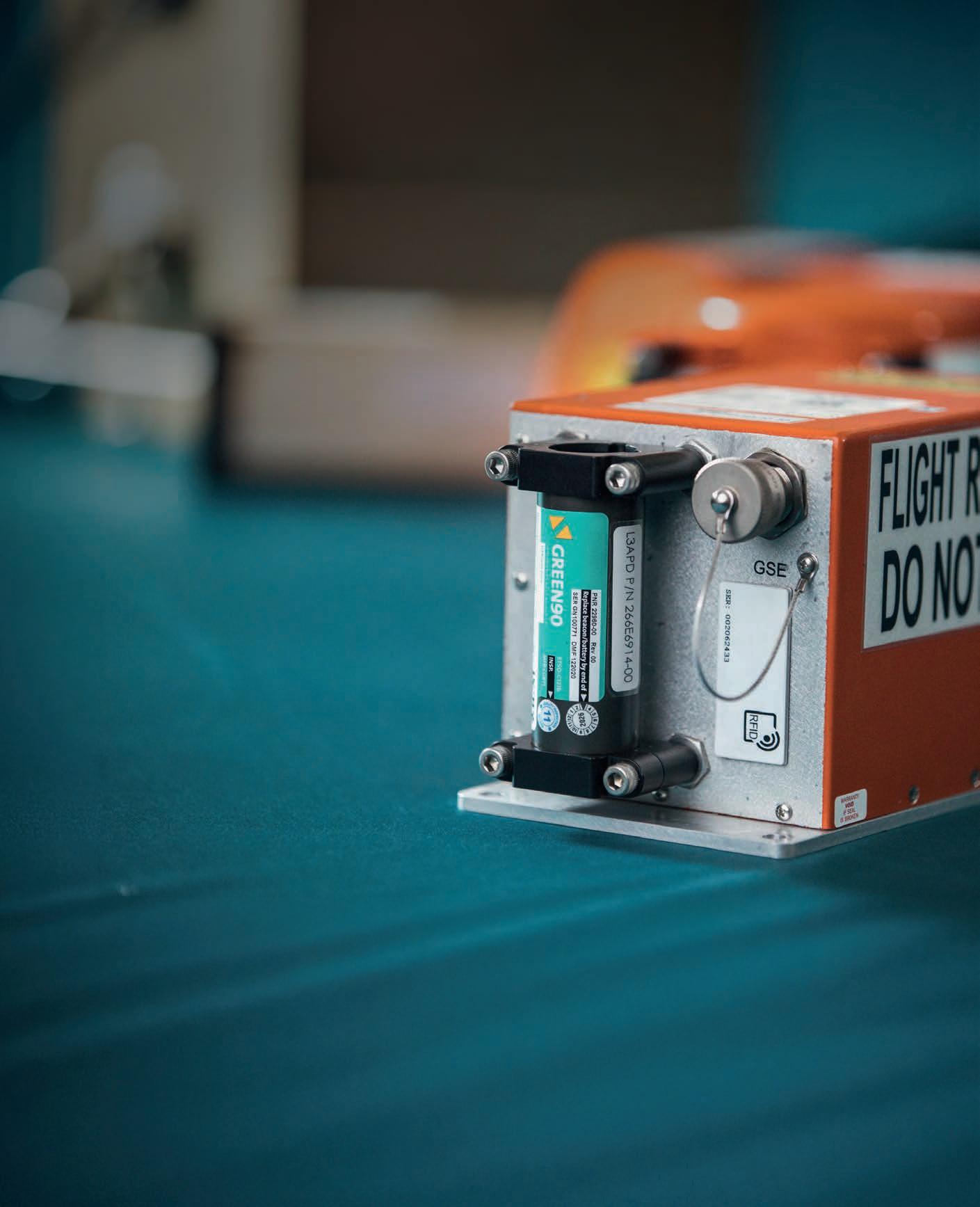
As a world-leading avionics specialist with over 60 years of experience in aviation innovation, choose Acron Aviation to support your transition to new CVR requirements.
Our lightweight solution offers straightforward installation and integration with your existing systems. Providing over 25 hours of cockpit audio and 140 hours of flight data capacity, SRVIVR25TM is an investment in compliance today and operational excellence tomorrow.

Secure compliance with 2030 FAA and TC mandate requirements now.




The world’s air connectivity increasingly relies on strong data connectivity to meet rising demand.
WORDS: GRAHAM NEWTON
Airlines move about five billion passengers a year, and the sharing of passenger information is essential to both serving customers and ensuring regulatory compliance.
Data sharing must strictly adhere to national data protection laws, which differ significantly in scope, requirements, application and enforcement mechanisms. These laws apply in

more than 160 countries. Multiple data protection regimes can apply to a single passenger’s itinerary at the same time, leading to uncertainty for travelers and increased complexity for airlines.
“It goes without saying that airlines comply with all applicable regulatory requirements,” says Leslie MacIntosh, IATA’s Corporate Secretary and General Counsel. “However, fragmentation in these requirements can result not only in complexity but also connectivity restrictions and service limitations.”
Different flows, different issues
Airlines share personal data with various third parties to deliver services linked with physical transport of passengers across borders—a requested meal or wheelchair support for a passenger with reduced mobility, for example— and is governed by commercial arrangements, including conditions of carriage, alongside regulations, and data protection laws.
“These flows must conform to the 160 plus
privacy regimes out there, and these laws don’t always say the same thing,” remarks MacIntosh.
There is also data flow to government authorities, which is an increasingly complex area. The challenges became sharper following the introduction of the General Data Protection Regulation (GDPR) in Europe, which has applied since 2018. GDPR has had a cascading effect as other countries have also amended their existing laws or implemented similar laws.
The GDPR effectively prohibits international data transfers by default, and this has caused a particular issue with passenger name record or PNR requirements. A United Nations Security Council resolution mandates all governments to collect PNR to counteract crime and terrorism. ICAO’s Standards and Recommended Practices, specifically Annex 9, have airlines submit this data to authorities.
“The collection and transfer of PNR out of Europe is governed by bilateral agreements and the European Union (EU) has four—Australia, Canada, the United Kingdom, and the United
States—with Iceland, Norway, and Switzerland in the ratification process,” says MacIntosh. “There are about 70 countries that require PNR but that don’t have a bilateral agreement. Based on the current rate of adopting agreements, it will take complex negotiations, which take time, to cover the countries requiring PNR today, though the number of countries requiring PNR is actually increasing.”
Although EU law restricts the transfer of personal data from the EU to non EU countries where no agreement exists, a reverse data flow from other countries to the EU continues under the EU PNR Directive. This asymmetry leads to uncertainty for carriers operating routes between the EU and non EU countries. IATA has been involved in many situations to facilitate coordination between Brussels, member states, and destination authorities, helping to avoid legal or operational consequences for carriers and maintain continuity of service.
The situation is highlighted by the example of the Republic of Korea, which is one of

“Some might argue that a bilateral model is too cumbersome and that other solutions should be considered.”
Leslie MacIntosh, IATA’s Corporate Secretary and General Counsel

There is also data flow to government authorities, which is an increasingly complex area. These challenges became sharper following the introduction of the General Data Protection Regulation (GDPR) in Europe.
several countries deemed to offer an adequate level of data protection under EU law that until recently hasn’t been able to negotiate a bilateral agreement with the EU. Adequacy decisions relate to the overall legal framework and do not automatically address sector specific law enforcement data transfers.
IATA is asking the EU to make greater efforts to conclude more bilateral agreements. “Some might argue that a bilateral model is too cumbersome and that other solutions should be considered,” says MacIntosh. “New thinking on this would be welcomed by the industry.
“We are also seeing that this is not solely an issue for the EU as other countries have similar provisions that call for a special emphasis on government-to-government collaboration,” adds MacIntosh.
Data localization and biometrics
Data localization and the use of biometrics are also challenging airline efforts to innovate within existing frameworks and deliver on customer service and efficient operations.
Data localization simply means personal data must be stored and kept in a certain jurisdiction. But consider an airline that gets a booking from an individual in a country that has strict data localization rules. The airline might not be able to process the booking without duplication if its booking system or the flight is outside of the individual’s home country. “Airlines need to move both passengers and their personal data across borders,” says MacIntosh.
There is also an emerging concern with the use of biometrics in Europe. The European Data Protection Board (EDPB), an independent European body established under the GDPR to ensure the consistent application of EU data protection law, has questioned whether passenger consent given in an airport environment can be considered freely given, particularly where biometric processing is presented as the default option. Issues of
“The collection and transfer of PNR out of Europe is governed by bilateral agreements, and the EU has four Australia, Canada, the UK, and the United States.”
Leslie MacIntosh, IATA’s Corporate Secretary and General Counsel
centralized and decentralized approaches to biometrics also come up, with not all solutions deployable with today’s infrastructure. Industry observers would point out that biometrics are necessary to enhance security, minimise airport touchpoints, and give the passenger a better travel experience. The demand for air travel is outstripping airport capacity and biometrics are a viable, proven tool to alleviate existing and future congestion.
The way forward
There are no quick fixes for these issues that affect many businesses beyond air transport. The European Commission is considering targeted amendments to the GDPR as part of the broader Digital Omnibus initiative, which has prompted debate on Europe’s competitiveness. Regulatory consistency on privacy has a home on ICAO’s agenda. IATA is an observer to a Secretariat Study Group set up by the Council mandate; a survey of ICAO member states has already confirmed the issues highlighted above. Guidance material is being considered for governments.
“Going forward, governments must keep air transport in mind when it comes to the development of regulatory frameworks related to data privacy. It is important to recognize that parties to the Chicago Convention agreed to ‘ensure that domestic policies and legislation are not applied to international air transport without taking due account of its special characteristics’,” says MacIntosh.





As the aviation industry adopts Agentic AI, will there be enough humans in the loop to validate the outcomes?


WORDS: GRAHAM NEWTON


Agentic artificial intelligence (AI)—systems or agents that can independently make decisions and execute multistep tasks—has the power to transform aviation.
But it’s ability to plan, use tools, and adapt in real-time to solve complex, unstructured problems will initially bring as many challenges as opportunities.
Taking control


In the aviation sector, characterized by extensive regulations and customized systems, AI implementation is inherently resource-intensive and likely to progress gradually. According to David Fairman, Chief Information Officer & Chief Security Officer APAC, Netskope, adoption will follow a tiered strategy: low-risk systems are expected to integrate AI first with more critical and mission-essential systems adopting it over a longer timeframe.































But AI itself will gradually ease matters and help organizations to find better and cheaper ways to make progress.
“If something goes wrong with AI, it could go wrong very quickly and at scale.”
David Fairman, Chief Information Officer & Chief Security Officer APAC, Netskope
suggests. “If we talk about agentic AI taking autonomous action then there won’t be enough humans in the loop to validate the outcomes. There will be too many decisions being made that are too complex and happening too quickly. Rather, implementing Agentic AI will need a human at the helm.”
He draws a parallel with a Board of Directors at an organization. Although they are not necessarily involved in the day-to-day tasks, they know how to ask the right questions and steer the organization in the right direction. Similarly, pilots oversee fly-by-wire aircraft, providing oversight without managing every function.
“If we talk about agentic AI taking autonomous action then there won’t be enough humans in the loop to validate the outcomes.”
Recently, for example, it was announced that an AI bot could write COBOL code for specific functionalities. And COBOL and IBM mainframes have been an airline system backbone for decades. So, in essence, AI could be trained to operate on top of airline legacy systems, just as it can assist in protecting against cyber threats.
Indeed, it is likely that the pace of change— already fast—will only accelerate as AI evolves. Exactly how business functions will change is difficult to predict but it is certain that change is coming.
“Digital autonomy will need to be governed by the same rules as mechanical autonomy and must be constrained by policy,” says Fairman.
“If something goes wrong with AI, it could go wrong very quickly and at scale.”
Human not in the loop
Fairman therefore emphasizes that this is about a changing skillset rather than the elimination of certain roles. The transition from typewriters to computers did not render writers obsolete; instead, it facilitated greater efficiency and ease of editing.
Although exclusive human oversight of AI actions may not be possible, Fairman emphasizes that robust planning can mitigate many risks. Redundancy and contingency planning have long been integral to effective system engineering and design, and this approach is essential for agentic AI.
Given the wide range of potential AI applications, airlines must assess each implementation on a case-by-case basis, maintaining a strong focus on safety throughout.
David Fairman, Chief Information Officer & Chief Security Officer
APAC, Netskope
Often, the safety net for AI use is captured by the phrase, “human in the loop.” But Fairman cautions this may not always be feasible. “It simply will not be practical,” he
“The risks will only increase unless we get this right from the outset,” concludes Fairman. “We must think about how we will govern AI. Innovation at scale is only possible if AI is anchored in a safety framework and a safety culture.”