Safety tailored solutions, designed with your employees and their wellbeing in mind
With over three decades of safety-critical expertise, the OPC delivers bespoke solutions that strive to improve people performance, identify talent and nurture a safer culture.
Our expert psychologists help to:
Discover top talent through specialised recruitment support and role profiling.
Improve performance using Non-Technical Skills and safety initiatives.
Develop best practices, stand-out safety leaders, and deliver post-incident support for a safer culture.
Partnering with the OPC means collaborating with a dedicated team focused on safety and people performance. Trust us for tailor-made solutions from pre-selection to employment. We prioritise safety and strive to enhance your processes to go beyond industry standards.


PUBLISHER
EDITORIAL
EDITOR
Sam Sherwood-Hale editor@railpro.co.uk
DISPLAY ADVERTISING
Jamie Tregarthen sales@railpro.co.uk
RECRUITMENT ADVERTISING recruitment@railpro.co.uk
SUBSCRIPTIONS subscriptions@railpro.co.uk
ADMINISTRATION
Cherie Nugent info@railpro.co.uk
Lisa Etherington admin@railpro.co.uk
DESIGN &
Lukasz Saczek production@railpro.co.uk
COVER
EDITOR’S NOTE

A narrative literature review published by the Department for Transport recently caught my attention. Commissioned from Verian and the Centre for Transport and Society, it maps the behavioural factors that shape whether people choose to travel by rail, covering not just existing passengers but lapsed users and those who have never used the network at all. The findings are not dramatic, but read carefully they sketch a portrait of an industry that has long been solving the wrong problems. Most interventions reviewed focused on reducing fares.
The research is clear that cost is only one barrier among many, and for significant groups of non-users it is not the primary one. Fear, discomfort, the friction of unfamiliar journeys: none of these yield to a discounted ticket. The gap between the railway people use and the railway more people could use is, in large part, a behavioural and experiential one.
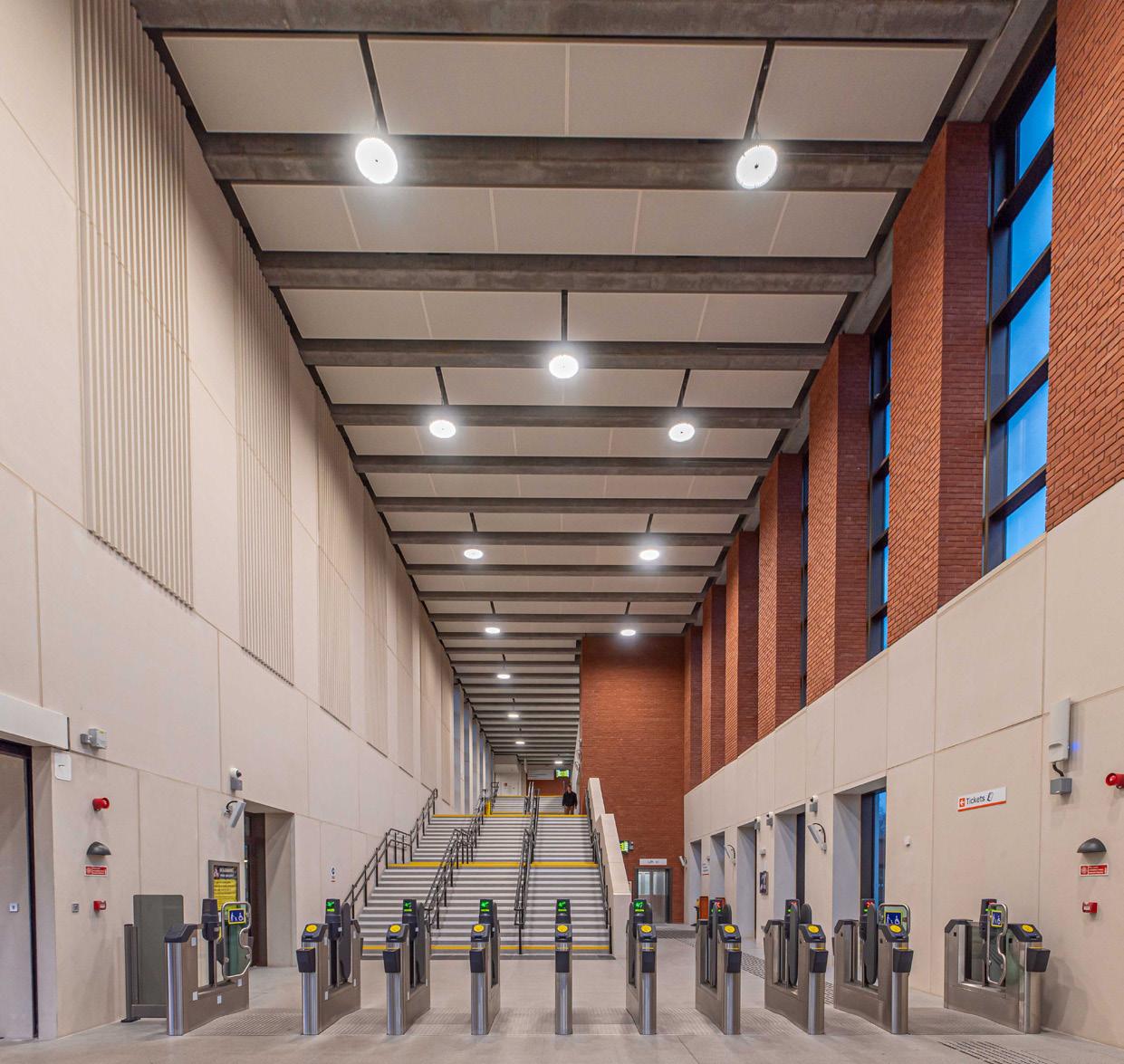
It is a useful lens through which to read this issue. I spoke to Andre Dobraszczyk of Thorlux Lighting about what it actually takes to bring a railway station into compliance with current lighting standards, a conversation that turns out to be about far more than fittings and lumen levels. The picture he paints is striking: operators unaware their stations are non-compliant, emergency lighting absent from most open platforms, projects stalled for years by funding and consent processes. All of this speaks directly to the experiential quality the research identifies as a genuine driver of passenger confidence.
I also spoke to Sophie Fleming of Trainline Business, whose research finds that 63 per cent of business travellers feel overwhelmed by travel admin. The friction embedded in corporate booking processes is suppressing trips that would otherwise happen. The barrier, in both cases, is not the train.
A different kind of friction is the subject of my conversation with Peter Mullett and Lee Mullett of RJC Lowloaders. The jack-and-skate installation technique they have revived and refined, the gantry lift system they have adapted from factory environments, the dry runs and swept path analyses they commission before a wheel turns: all of it is oriented around the same challenge of doing precise, high-risk work in environments that were not designed to accommodate it, within possession windows that leave no room for error. The railway runs on the accumulated ingenuity of people solving problems that most passengers will never know existed.
Elsewhere, Ian Jeffrey of Great British Rail Replacement argues that accessibility during disruption is treated as an afterthought rather than a design principle. Mark Havenhand of Arup contends that the compensation reforms announced under rail reform are a signal of intent, but that the deeper cultural shift has barely begun. Gemma Paget of AECOM makes the case for the Leamside Line as a corridor of opportunity rather than simply a transport scheme.
Rail LIVE returns to Long Marston on 17 and 18 June, and this issue carries a full preview of the programme. The conference arrives at a moment when questions about track access, devolution and the first GBR Funding Period are moving from policy into practice. It is, as ever, the right place to take the temperature of an industry in transition.
SAM SHERWOOD-HALE EDITOR



All the latest from Network Rail, GB Railfreight, AtkinsRéalis, Kier, Nexus, Eurostar, Department for Transport
14 Sam Sherwood-Hale spoke to Andre Dobraszczyk, Business Development Manager for Railways and Infrastructure at Thorlux Lighting, about compliance challenges, the role of controls, and why the company's integrated approach is reshaping how the sector thinks about light
21 Sam Sherwood-Hale speaks to Phil Harrison, UKIMEA Rail Business Leader at Arup, about the growing vulnerability of ageing rail infrastructure
24 LAYING DOWN THE LAW
Martin looks at how HMRC's growing focus on IR35 compliance is prompting rail sector businesses to revisit their off-payroll working arrangements and processes
26 DELIVERING THE GOODS
Alexandra Herdman, Senior Policy Manager at Logistics UK, makes the case for targeted rail electrification investment as the solution to supply chain vulnerability in an era of volatile global oil markets
VIEWPOINT
Ian Jeffrey, Director of Great British Rail Replacement, argues that accessibility must be a central component of journey planning, not an afterthought that disappears the moment a service is disrupted
VIEWPOINT
Gemma Paget, Regional Director for Transport Planning at AECOM, on the Leamside Line as a strategic growth corridor and what the project means for long-term regeneration in the North East
VIEWPOINT
Mark Havenhand, UKIMEA Rail Planning Lead at Arup, argues that simplified compensation is just the starting point for a more fundamental shift in how Britain's reformed railway serves its passengers
How the SRSA is rethinking risk, change and safety culture
38 Sam Sherwood-Hale speaks to Sophie Fleming, Global Head of Trainline Business, about new research revealing how fragmented booking systems are draining business productivity and why a single, unified platform could help employees spend less time on travel admin and more time on work that matters


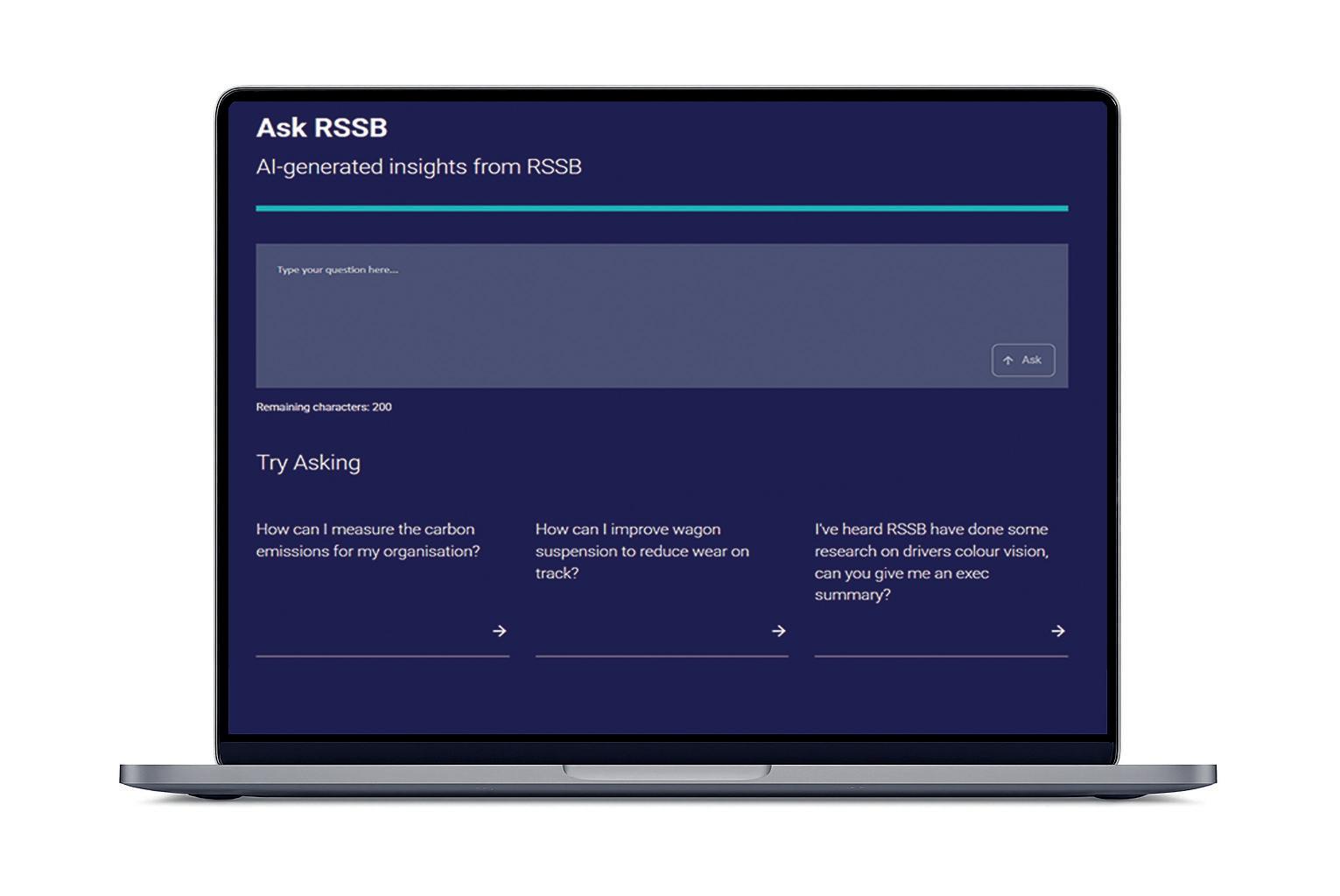
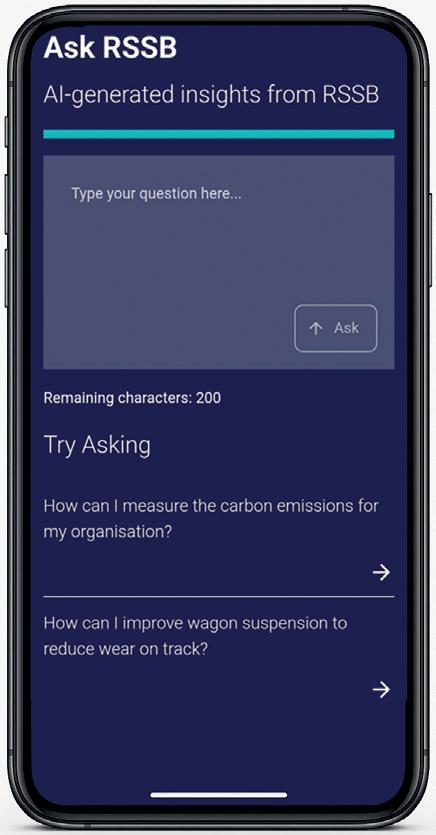
Ask RSSB
Ask RSSB gives you quick, easy access to the wealth of information on the Rail Safety and Standards Board website
One simple question delivers trusted guidance and the tools and services you need to support your role.
www.rssb.co.uk/ask-rssb

INTERVIEW
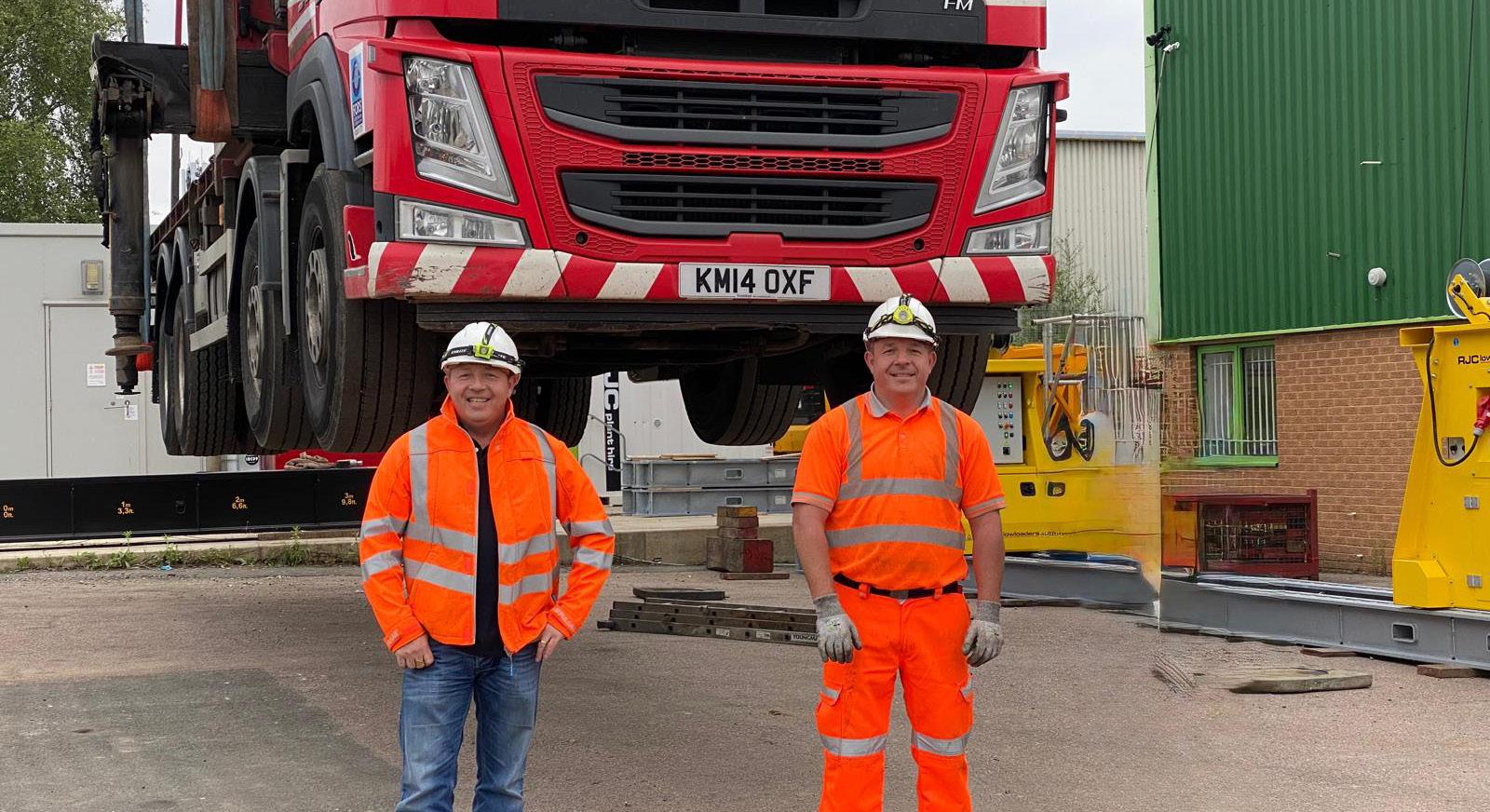
40 Sam Sherwood-Hale spoke to Peter and Lee Mullett of RJC Lowloaders about the specialist lifting and installation techniques that are reshaping how rail infrastructure is delivered
44 TRACK & TRACKSIDE
Lucinda Neal of CIRAS explains how recent research in rail has resulted in good practice guidance on overcoming the barriers to reporting safety concerns
47 RAIL LIVE/TRACK & TRACKSIDE
Muhammad Short, Business Development Manager at ExMesh Engineering, on trackside security, trespass prevention, and the case for expanded metal mesh fencing systems
50 RAIL LIVE PREVIEW
Rail LIVE 2026 returns to Porterbrook's Long Marston Rail Innovation Centre on 17 and 18 June
The materials shaping the modern
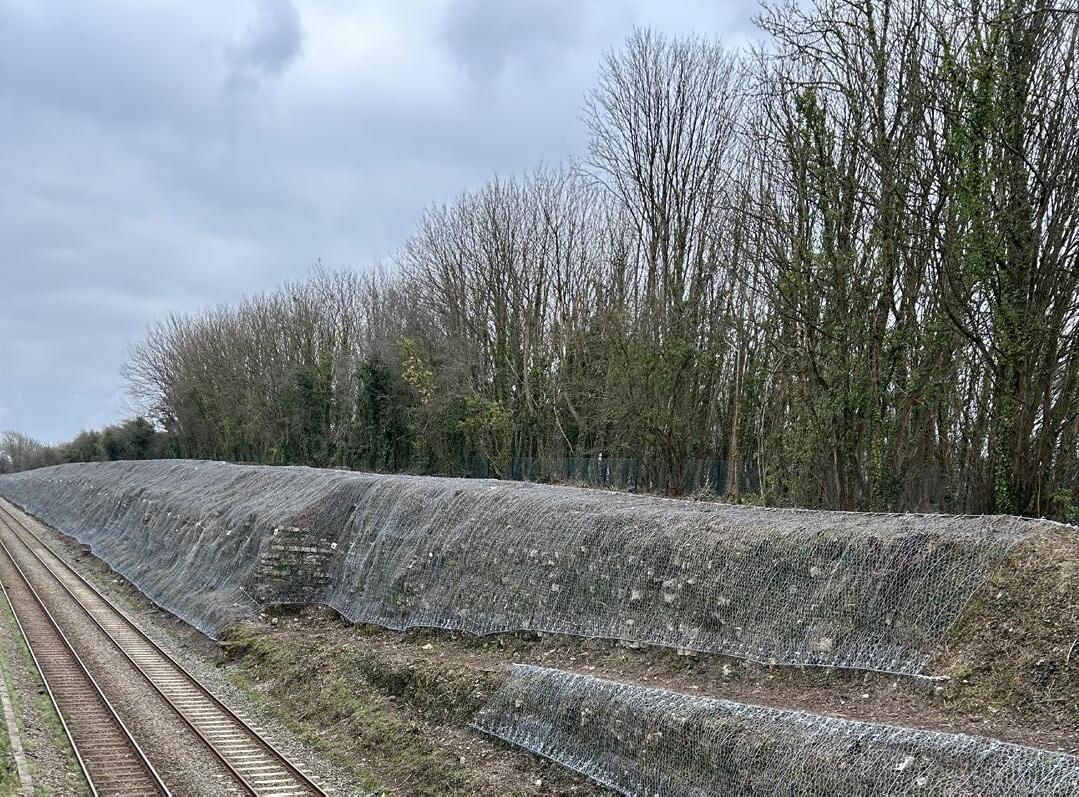
On track through the storm

David Statham, Lee Archer, Mike Fortune, Oliver Owens, Niall Rooney, Charlotte Whitfield, Kate Marjoribanks, Mark Hughes, Lauren Clancy, Gerard Carlin, Jason Chamberlain, Iain Lanaghan, Nathan Griffiths

GB Railfreight’s Class 99s Move Closer to Commercial Service
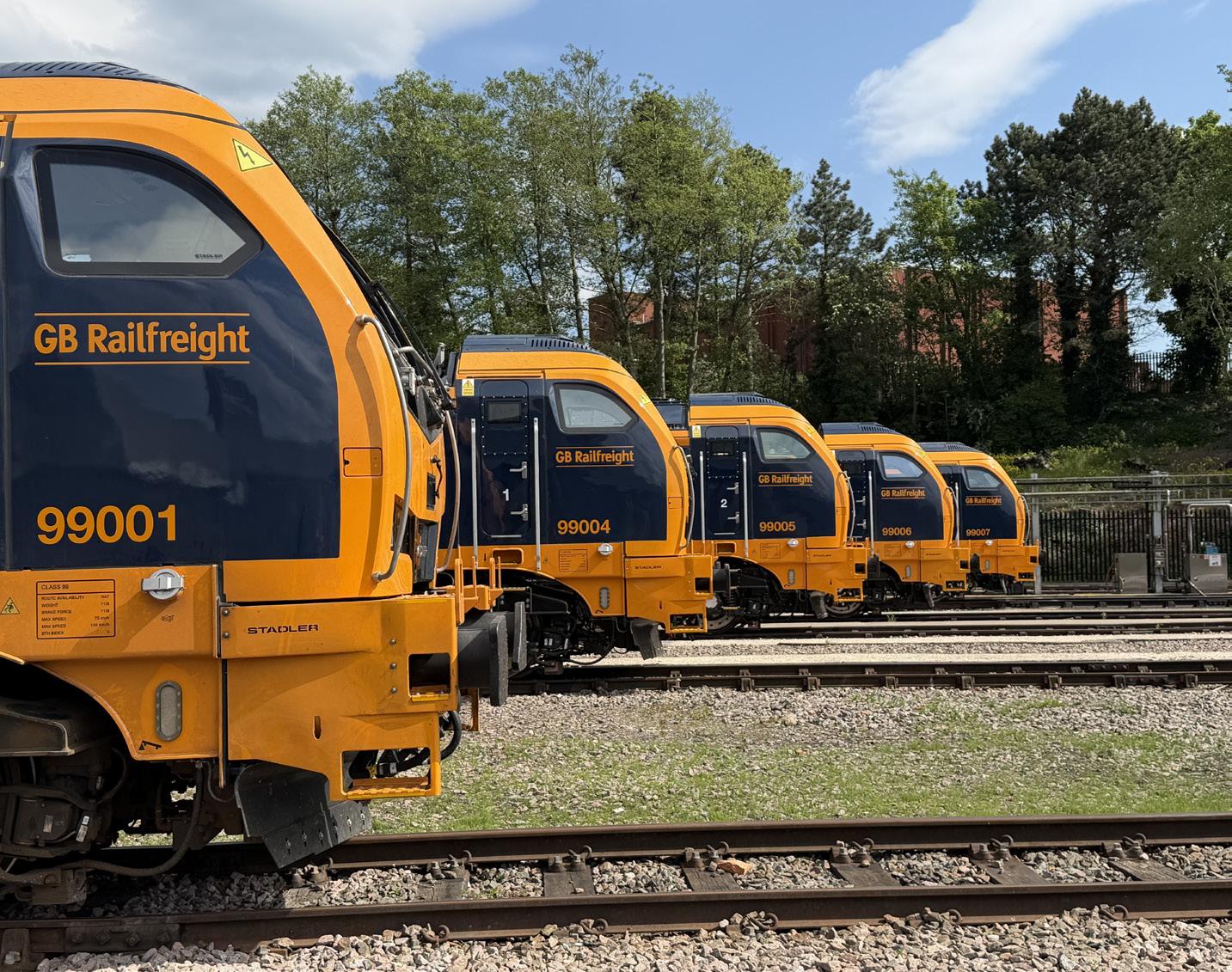
GB Railfreight has reached two significant milestones in the introduction of its new Class 99 locomotive fleet, bringing the machines closer to commercial service. Network Rail has granted the Class 99 fleet an Interim Network Rail Statement of Compatibility, allowing the locomotives to operate across Britain's rail network. GBRf and Network Rail will continue working together towards full certification. Separately, GBRf has accepted the first six Class 99s into its fleet, enabling driver training to scale up ahead of commercial entry this summer.
Manufactured by Stadler, the Class 99 is a bi-mode locomotive capable of running on overhead electric power where available, with a Stage V-compliant diesel engine for non-electrified routes. By maximising electric operation, the locomotives deliver lower emissions and reduced fuel consumption compared with traditional diesel freight traction, alongside improved haulage capability and greater network flexibility.
John Smith OBE, Chief Executive of GB Railfreight, said the statement of compatibility represented a significant moment for the company and the wider sector. He credited the collaborative effort between the teams at GBRf and Network Rail in achieving compatibility across Britain's complex infrastructure and said the company's focus was now on bringing the locomotives into service.
‘A Win-Win for Businesses, Locals and Tourists’
The first phase of Mid Cornwall Metro services has begun, with local business leaders welcoming the significantly enhanced train service between Newquay and Par.
Since late May, trains have been running hourly between Newquay and Par, more than doubling the previous timetable and delivering the most frequent service on the line for more than 60 years.
Mark Warren, manager of Newquay Business Improvement District, said: ‘Now, having a consistent hourly service, it’s going to make the train the easy way to travel into Newquay, which means we’re going to be busier for longer. People can stay later. It’s a winwin for businesses, for locals, for tourists.’
The full Mid Cornwall Metro service is due to begin next year, introducing direct trains from Newquay to Falmouth via Par, St Austell and Truro, linking some of Cornwall’s largest towns with a single service.
The £57 million project, funded by the UK Government and Cornwall Council, has been enabled by extensive upgrades carried out by Network Rail along the Newquay to Par line. Work included restoring a second platform at Newquay station, building a new passing loop at Goss Moor to allow trains to run in both directions at the same time, installing digital signalling, replacing track near St Blazey, and completing a major refurbishment of the 153-year-old Ponts Mill viaduct.
Chris Fuoco, Network Rail's Western route programme director for Devon and Cornwall, said: ‘We’re thrilled to have reached this important milestone in delivering Mid Cornwall Metro. The upgrades we’ve completed mean we can run more frequent and more reliable services, helping to better connect communities and support local economic growth.’
Cllr Dan Rogerson, Cornwall Council’s portfolio holder for transport, said: ‘It is wonderful to see the hourly service start on the Par to Newquay route, it is a real milestone for the Mid Cornwall Metro project. Delivering reliable regular travel options into Newquay as an alternative to car travel is good news on so many levels, and will help support the wider economy as well.’
Drew Creek, Mayor of Newquay, said: ‘Newquay’s really going through its renaissance with restaurants, bars, cafés and all sorts of other businesses. The more people we can bring into Newquay by train, the better for all those businesses and the wider economy of the town.’
Topher Chard, owner of the Station Café and nearby Saltd café, said: ‘It’s going to do so much. It’s going to bring more people in; a train every hour, which I’m very excited for. And of course, just the freedom to transfer around Cornwall rather than going by car.’
Class 99 locomotives ready in Leicester.
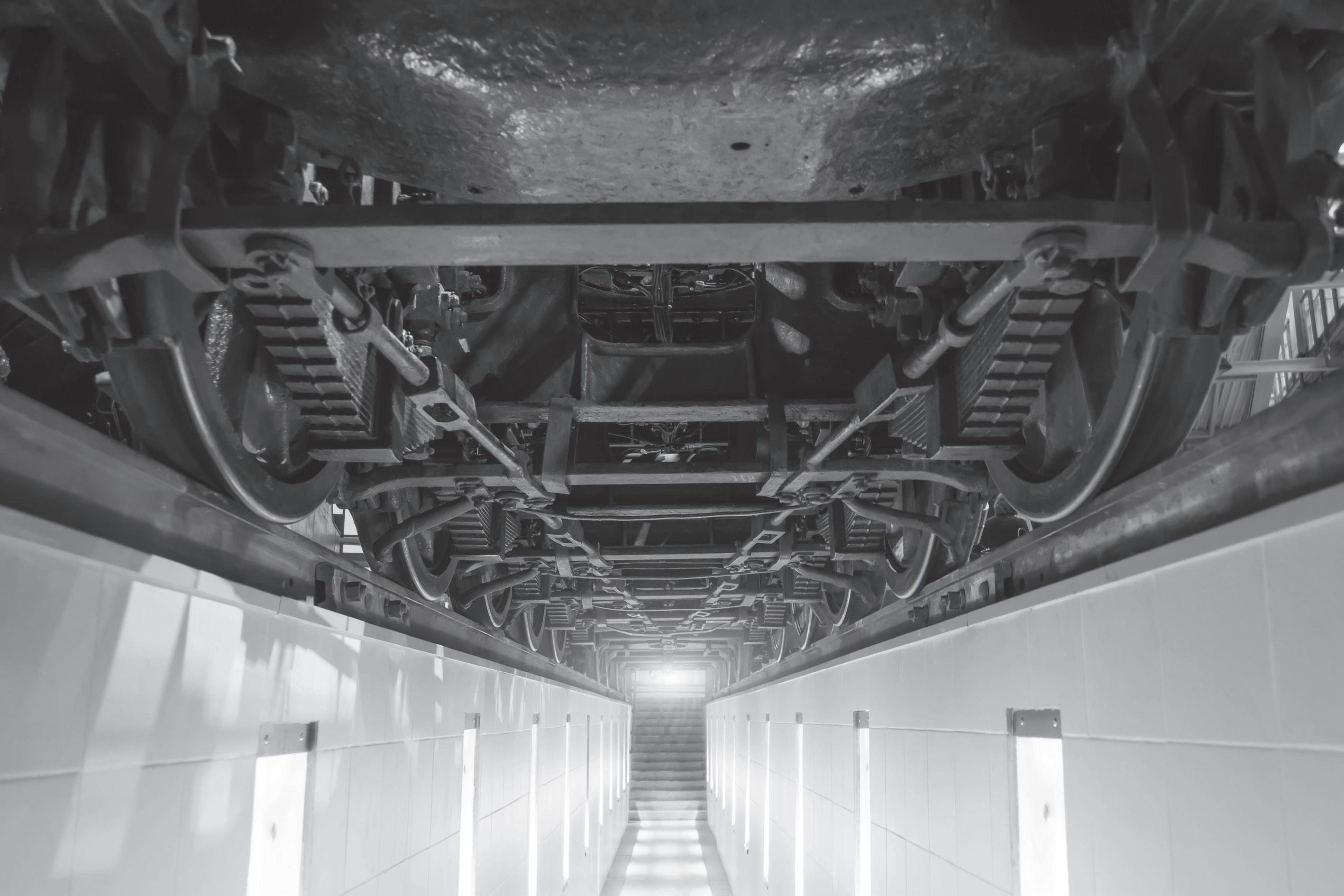
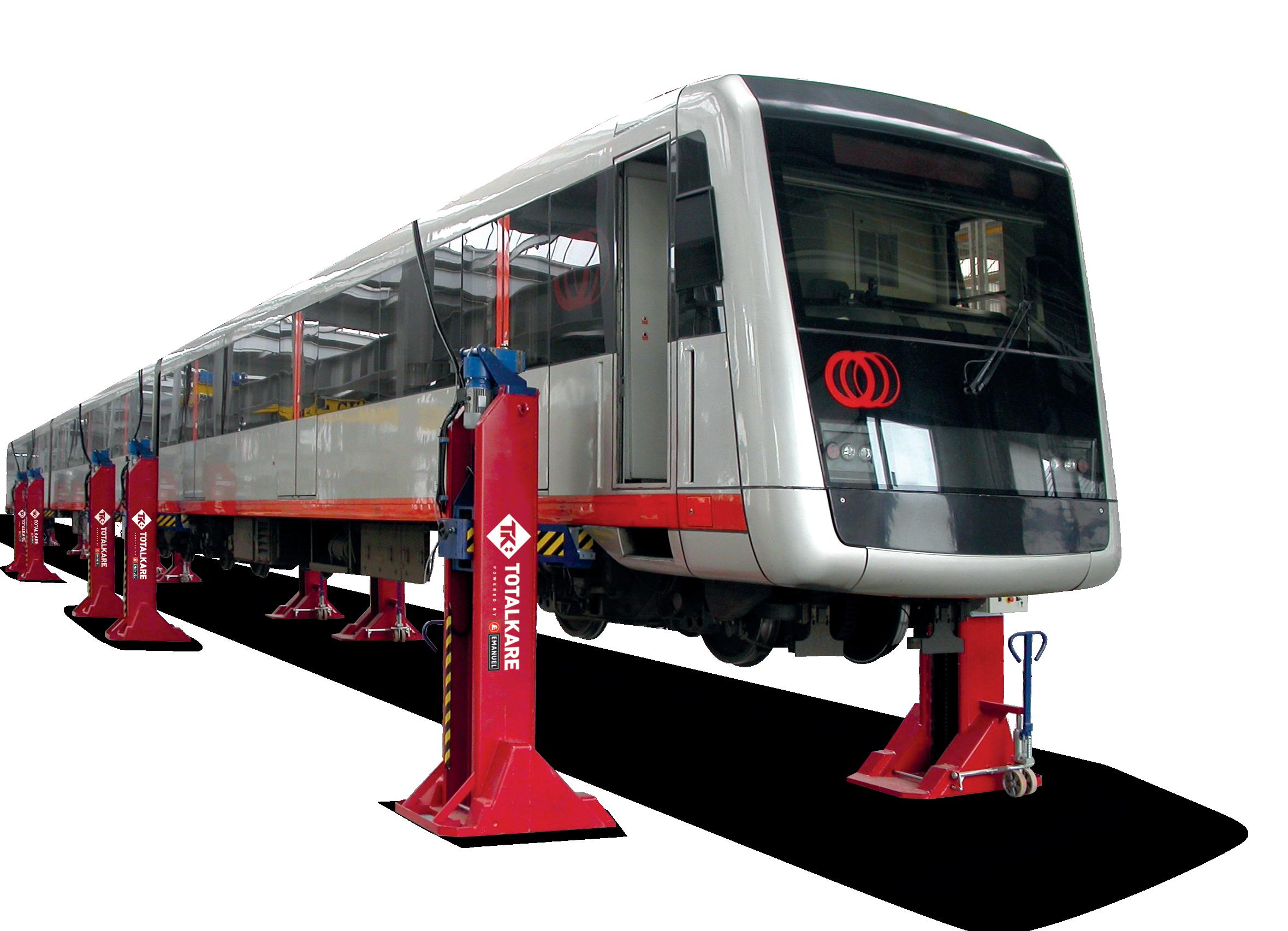
RAIL LIFTING JACKS & PIT EXPERTS

AtkinsRéalis Appointed as Delivery Partner for Network Rail's Wales & Western region
AtkinsRéalis has been appointed by Network Rail as the delivery partner for the Wales & Western region, positioning the company to support the management and delivery of rail infrastructure across a strategically significant network connecting major cities, airports and freight corridors.
Under the Wales & Western Control Period 7 delivery support services framework (Lot 1) – valued at up to £9 million over three years with an option to extend to £15 million over a further two years – AtkinsRéalis will provide multi-disciplinary delivery support including commercial management, project management, programme controls, planning and risk management.
Network Rail is investing £5.2 billion across the region during CP7 (2024-2029) to safely operate, maintain and renew the railway network. The framework provides Network Rail with access to specialist technical capability and capacity to support the full breadth of the region's work portfolio. AtkinsRéalis will support Network Rail with enhancements and renewals, including stations, major renewals, and other complex capital investment projects, including the MetroWest programme.
Scott Kelley, Managing Director – Complex Projects, AtkinsRéalis UK & Ireland, said: ‘Wales & Western is a region of strategic significance, keeping people and businesses across the south and west of the UK moving. We will draw on our deep expertise in project delivery and programme and commercial management, alongside our specialist SME network, to support Network Rail to improve
network performance and long-term resilience. This appointment builds on our relationship with Network Rail that stretches back decades, and we look forward to delivering collaboratively through Control Period 7 and beyond.’
Wales & Western spans more than 2,700 miles of railway across Wales, the Thames Valley, the West of England and the South West Peninsula, serving over 120 million passengers annually and moving 26 million tonnes of freight every year. The region connects economic centres including London, Cardiff, Bristol and Birmingham, and directly serves London Heathrow.
AtkinsRéalis will draw on its capability from across the UK, including its Swindon, Bristol and Cardiff offices, and work alongside specialist SMEs to ensure the right mix of expertise is deployed against the region's delivery requirements.
The appointment builds on AtkinsRéalis' project and programme management support for Network Rail, including its recent appointment alongside Arcadis as Programme Partner on the £10.7 billion Transpennine Route Upgrade – the UK's largest rail upgrade programme. It also reinforces the company's role in rail infrastructure delivery across Wales and the west of the UK, such as its multi-disciplinary design support for Transport for Wales and BAM on the redevelopment of Cardiff Central Station, Wales' busiest railway station.
The framework replaces the expiring Professional Services Framework.
New Scheme to Protect Endangered Species
Endangered great crested newts are being better protected if found on the railway during upgrade work thanks to a newly launched scheme to help them thrive. Network Rail has teamed up with the Newt Conservation Partnership to quickly relocate railway residing newts so work to maintain tracks and run trains safely and reliably doesn’t grind to a halt. Previously when found on the infrastructure, teams have had to down tools and call in specialist ecologists to fully survey the area and apply for special licences to continue before work could
resume to ensure the rare newts didn’t come to any harm. Now, thanks to an expanded licensing approach, newt habitats are extensively mapped before work starts, with suitable homes nearby either restored or recreated with clean water ponds. Already more than 97 hectares of great crested newt habitat and 35 ponds have been created across all four Network Rail regions in England, benefiting newts alongside many other freshwater plants and animals.
Metro Control Room Upgrade Is Successfully Completed
A multi-million-pound upgrade of the Tyne and Wear Metro control room has been successfully completed, providing it with some of the most advanced technology in the railway industry. The Supervisory Control and Data Acquisition System (SCADA) is used to monitor the power, fire and intruder alarms, lighting, lifts, escalators, and tunnel drainage pumps. The new SCADA system utilises the very latest SCADA and RTU (remote terminal unit) products that have already been extensively used across the mainline UK rail network.
The RTUs feed live data into the TrackLink SCADA platform, which gives Infrastructure Controllers a continuous real-time view of the network and actively calculates the live power load. Operational staff can see the state of the network as it changes and make decisions on the basis of what is actually happening rather than working from incomplete or delayed information. Metro engineers now have the tools to spot developing issues early and act before they become service-affecting problems.
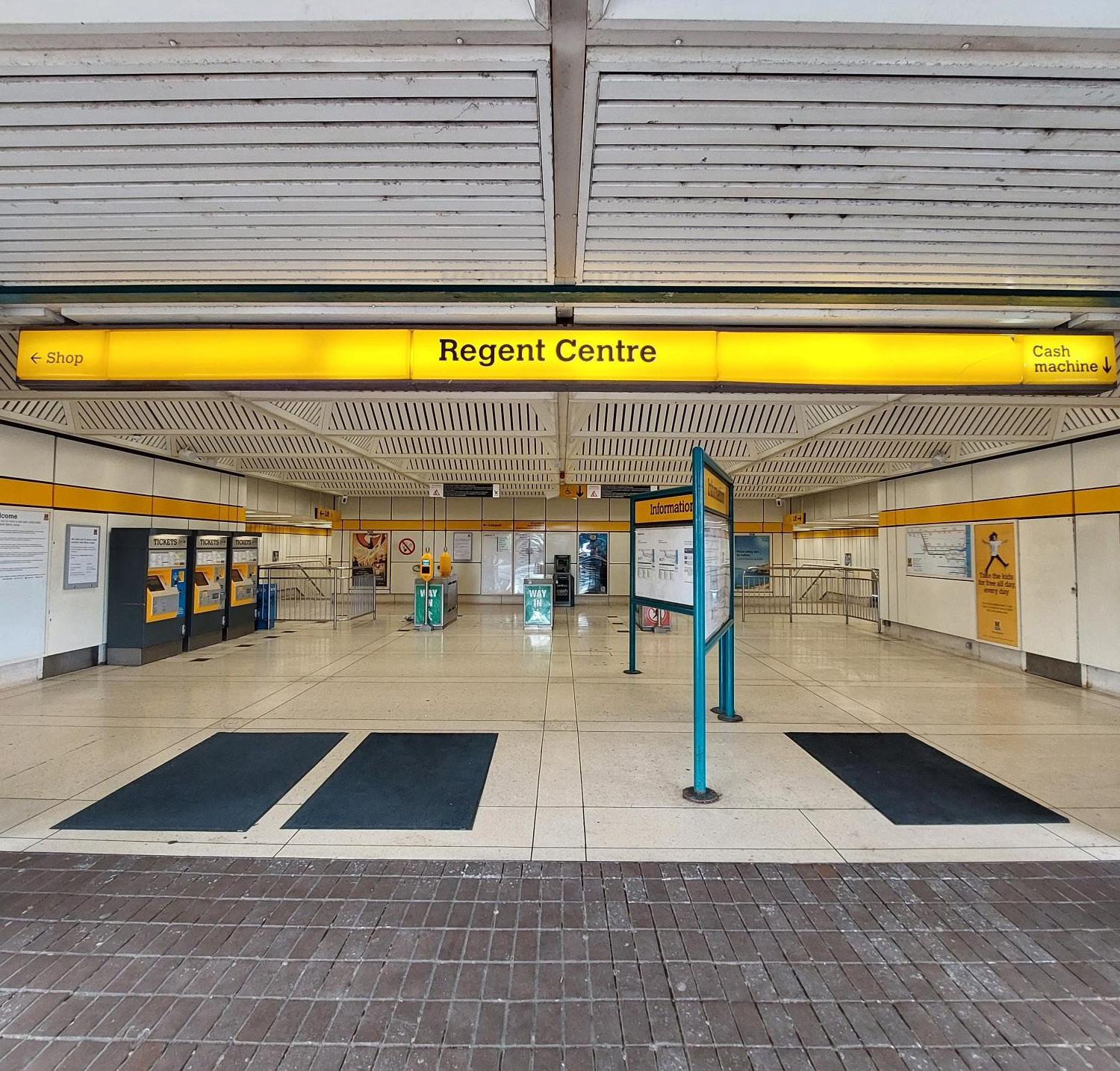
Kier awarded Regent Centre Metro Station Refurbishment Contract by Nexus
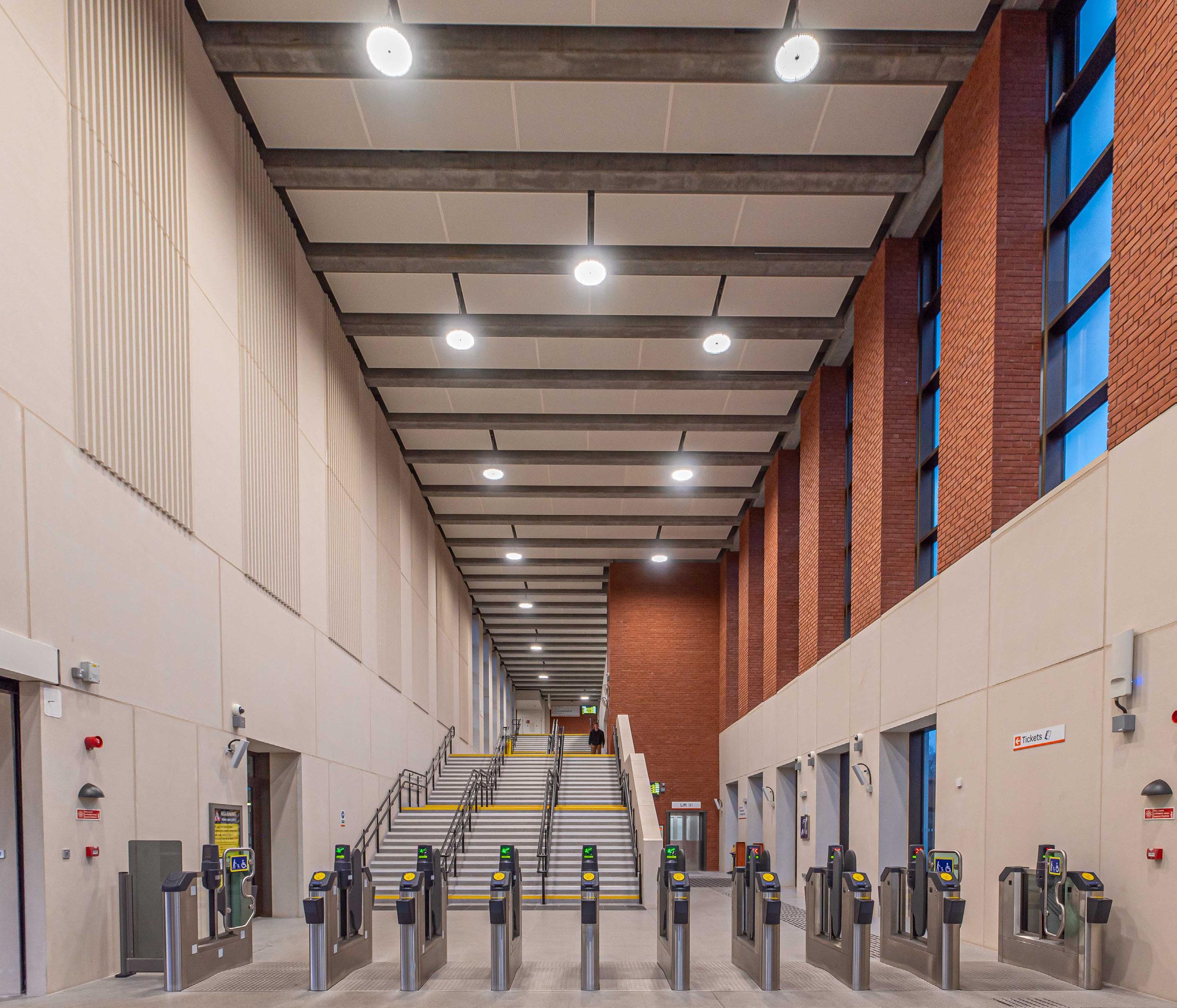
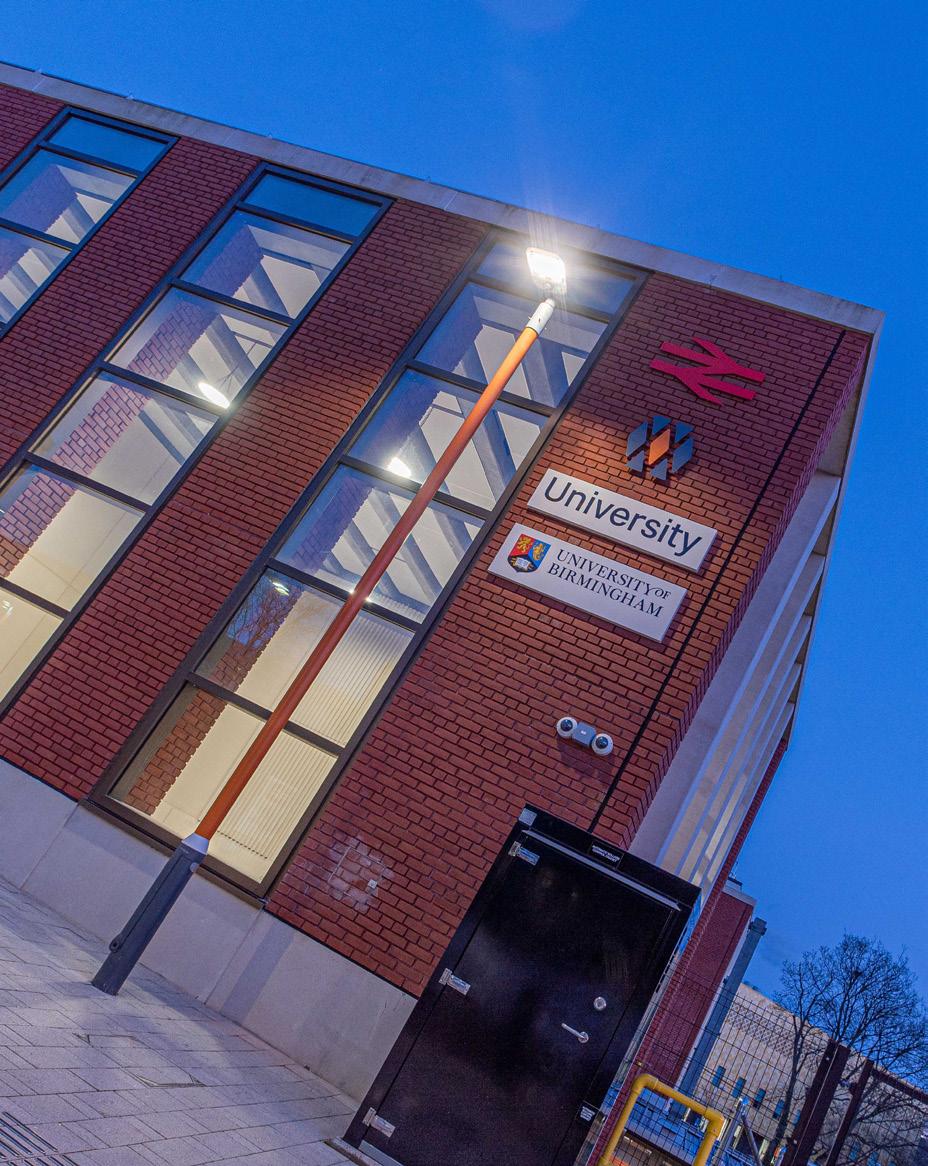
Kier has been appointed by Nexus to deliver a £7.2 million upgrade to Regent Centre Metro Station in Gosforth, Newcastle upon Tyne. The appointment follows Kier's upgrade and restoration of the Grade II listed Whitley Bay Metro Station, completed in 2025. The scope of works includes the creation of a new retail unit, removal of the existing bus canopy over the road through the interchange, modernisation of mechanical and electrical systems, updated wayfinding, and civils and architectural improvements. Kier will also engage with local schools and community groups as part of Nexus's social value commitments. Construction is expected to commence in summer 2026.
Mandy Duncan, Managing Director for Rail and Aviation at Kier Infrastructure, said the company looked forward to working in partnership with Nexus to create a modern transport interchange, drawing on Kier's 360 approach across every stage of the project lifecycle.
Paul Welford, Major Projects Director at Nexus, described Regent Centre as a strategic hub on both the Metro and bus network and said the refurbishment would deliver improved Metro platforms, a brighter station concourse, new gatelines, improved signage, and enhanced welfare facilities for Nexus employees. He added that the investment complemented the new Metro fleet and was intended to set the standard for modern, accessible public transport in the region.
Industry Responds to King's Speech Rail Commitments
The King's Speech of 13 May 2026 offered little that was entirely new for the rail sector, its reaffirmation of the Railways and Passenger Benefits Bill and the introduction of the Northern Powerhouse Rail Bill drew a range of responses from across the industry.
The speech confirmed the continuation of legislation to establish Great British Railways (GBR) as a single publicly owned body bringing together track and train, and committed to a dedicated bill to deliver improved east-west rail connectivity across the North of England. For an industry that has been living with the uncertainty of structural reform since the WilliamsShapps review of 2021, the reaffirmation was received as a necessary signal, if not a transformative one.
Darren Caplan, Chief Executive of the Railway Industry Association, struck an encouraging note. ‘It is encouraging that the Government recognises public investment can provide the certainty needed for markets to grow, and that it is committed to attracting more private investment’ he said, adding that rail suppliers welcomed Ministers' aspiration to create ‘a fair deal for the north’ through Northern Powerhouse Rail. His call for ambitions to be translated into ‘long-term certainty and investment for the rail supply sector’ reflected a wider industry mood: support for the direction, but appetite for substance.
Duncan O'Connor, partner and infrastructure planning specialist at national law firm TLT, offered the sharpest historical framing. ‘The Railways Bill is the most significant piece of railways legislation since the 1993 Act which privatised the railways under the John Major government’ he said. The legislation will create GBR as a single organisation to act as a directing mind for the operation of track and trains, but O'Connor was candid about what
remains unresolved. The bill sets a statutory framework, he argued, while the detail will follow in documents yet to be published. Having resisted more prescriptive requirements during its Commons passage, the government now faces the Lords, where O'Connor anticipates pressure on passenger growth targets, electrification programmes, the role of mayors and local transport authorities, and the scope of ministerial direction powers. He was sceptical that the government would make substantive concessions. ‘It has to be right that the government retains ultimate accountability for the railway’ he said. ‘But that creates an inevitable tension with GBR's role as directing mind for the operation of the railway.’ The success of these reforms, he concluded, would be judged over decades. That tension between central accountability and operational independence was also picked up by Naomi Horton, Partner at global law firm Ashurst. Whilst acknowledging that the bill moves the rail sector forward and out of current uncertainty, she identified substantial questions still to be answered around open access, GBR's duties, accountability, and the ability of the Secretary of State to intervene. These are not peripheral concerns: they go to the commercial viability of open access operators and the competitive dynamics of the network under the new structure.
For Jason Prince, Director of the Urban Transport Group, which represents ten transport authorities serving more than twenty million people, the speech demonstrated ‘continued commitment to transforming transport’. His emphasis fell on the devolution dimension of the bill and he indicated that his organisation had written directly to the Prime Minister the previous week setting out transport priorities that have now been reflected in
the legislative programme. ‘Our member transport authorities look forward to continuing to work hand in hand with Government to deliver improved transport services for our local communities’ he said.
From the engineering and consultancy sector, Tony O'Toole, Transport Managing Director for UK and Europe at Mott MacDonald, welcomed the overall direction. ‘The direction set out today signals a clear intent to keep the UK building and modernising its transport networks’ he said, placing rail reform alongside airport expansion, the Lower Thames Crossing and Northern Powerhouse Rail as components of a connectivity ambition that will require rapid translation into delivery. ‘Ultimately, the test will be in how quickly this translates into delivery on the ground’ he said.
Neil Gould, speaking on behalf of the CILT(UK) Freight & Logistics Policy Group, welcomed the Government’s strong emphasis on economic growth in the King’s Speech, while urging policymakers to ensure that freight, logistics and supply chain operations are fully rooted within future planning.
‘The focus on economic growth is welcome. Any steps to ease trade with the EU will help address the sluggish performance in the last few years. Whilst investment in Air, Road and Rail is necessary, the economic growth targets will fail to be fully realised unless freight and the movement of goods are fully integrated throughout the planning, decision-making and delivery process, rather than considered as an afterthought.
‘The logistics, transport and supply chain profession underpins every sector of the economy. As government develops its longterm economic and infrastructure plans, it is vital that the expertise of the logistics sector is recognised and fully utilised.’
Growing Demand for Accessible and Assisted Travel on Eurostar
Ahead of Global Accessibility Awareness Day on 21 May, Eurostar has revealed a significant rise in demand for accessible and assisted travel, as the operator outlines the steps it is taking to improve journeys for disabled and older passengers across its international network.
New figures from Eurostar show assistance-related contact increased by 15.34 per cent (from 28,080 to 32,998) in 2025
compared to 2024 and by 48.65 per cent (21,854 to 28,080) compared to 2023 when comparing January to November figures. At London St Pancras International, assistance demand also continued to grow, with a 16.6 per cent year-on-year increase in assistance jobs recorded across the same period.


Industry Responds to HS2 Reset
The government has confirmed that completing HS2 will cost between £87.7 billion and £102.7 billion at 2025 prices, with first services between Old Oak Common and Birmingham Curzon Street now expected between May 2036 and October 2039. The full scheme between Euston and Handsacre Junction is expected to be delivered between May 2040 and December 2043.
Transport Secretary Heidi Alexander made the announcement in an oral statement to Parliament on 19 May, alongside the publication of the latest parliamentary report on HS2 and the Lovegrove report, a Cabinet Secretary investigation commissioned by the Prime Minister into the failings of the programme's delivery.
The revised figures represent a significant increase on previous estimates. Alexander attributed around two thirds of the cost increase to past underestimation of the work required and inefficiency within HS2 Ltd, its suppliers, and previous governments. The remaining third is linked to inflation, which she said had not been factored into earlier estimates with sufficient regularity.
The statement confirmed that the government has accepted a recommendation from HS2 Ltd Chief Executive Mark Wild to reduce the operating speed of the railway from 360 kilometres per hour to 320 kilometres per hour, bringing it in line with speeds achieved on other European highspeed networks including HS1, France's TGV, and Japan's Shinkansen. The original specification of 360kph would have made HS2 the fastest conventional high-speed railway in the world, but no existing track anywhere operates at that speed, meaning testing could not have begun until HS2's own infrastructure was complete. The speed reduction is expected to save up to £2.5 billion and bring forward the delivery timeline by at least a year.
The announcement follows a period of improving construction performance. Six major milestones were completed ahead of schedule over the past year, including
the completion of all deep-bore tunnelling between Old Oak Common and Birmingham Curzon Street in October 2025 and the launch of the final two tunnel boring machines to excavate the twin-bore tunnel between Old Oak Common and Euston in January and March of this year. To the end of February 2026, £43.6 billion had been spent on the programme in nominal prices. The revised costs and schedule have been developed using the same methods applied to the Crossrail reset, checked by an independent panel of experts, and presented as ranges rather than fixed figures to better reflect the uncertainties that remain.
The High Speed Rail Group welcomed the clarity the announcement provides after years of uncertainty. A spokesperson said the new cost and schedule offers a path forward against which HS2 Ltd, industry, and government can work together. The Group pointed to the programme's support for over 30,000 jobs and its supply chain reach across all regions of the UK, and noted that regeneration activity around Birmingham Curzon Street and Interchange stations was already materialising. It was, however, direct about the limits of the current scope. Without a credible plan for the connection to Crewe and beyond, it said, there is a real risk the wider economic and capacity benefits the line was designed to deliver will not be unlocked. Its position is that the priority must now be delivery within the revised scope alongside a clear plan for how the new railway connects to the existing network further north.
Railway Industry Association Chief Executive Darren Caplan described the clarity on budget and schedule as hugely important, and said lessons must be learned as the scheme moves into delivery. He echoed the point on network integration, noting that confirmation of how HS2 will connect into the existing rail network was needed as the industry moves towards the establishment of Great British Railways.
The Institution of Civil Engineers said the reset should mark a turning point, but placed the announcement in a broader
context. Sam Gould, the ICE's director of policy and external affairs, said the challenges seen on HS2 reflected issues the institution had highlighted in 2024, including a lack of clear objectives, shifting political priorities, and insufficient time in development leading to unrealistic cost estimates. He said major infrastructure projects must begin with a clear, agreed set of outcomes, and that robust development and accurate costing are not optional.
Gould pointed to the establishment of the National Infrastructure and Service Transformation Authority as a positive step, but said its potential would only be realised if it streamlines how success is measured and builds a unit of senior infrastructure leaders capable of supporting public sector delivery. His concluding point was that the lessons from HS2 must apply to the UK's infrastructure pipeline as a whole, not to this project alone.
The scrutiny of the programme by Parliament's committees is set to continue. In a letter to Lord Hendy following a site visit and roundtable at Euston in April, Public Accounts Committee Chair Sir Geoffrey Clifton-Brown raised three areas of concern: the level of private financing expected to contribute to the Euston redevelopment, where he noted there is as yet no confirmed cost and where questions about the government's negotiating capacity were raised at the roundtable; community engagement, with residents near the Euston site now facing a construction impact period of up to 20 years rather than the five to ten years originally anticipated; and systems integration, which Clifton-Brown described as a huge systems integration project as much as a civil engineering one, drawing on the experience of the Elizabeth line where systems integration proved the most complex phase of delivery.
Both the Public Accounts Committee and the Transport Select Committee have indicated they will continue taking evidence from the Department for Transport and associated bodies through the remainder of this Parliament.
Funding for Ideas to Transform Transport
Connected Places Catapult, the UK’s innovation agency for transport, construction and data infrastructure, has announced that applications are open for the latest Transport Research and Innovation Grants (TRIG) programme. The latest round of the programme will award up to £2,385,000 across up to 53 projects receiving up to £45,000 each.
The programme is funded by the Department for Transport (DfT) and delivered by Connected Places Catapult. TRIG supports
organisations of any size working on early stage, high-risk research and development projects.
Over the last twelve years, it has supported 474 projects and provided £17.4 million in funding across 18 funding calls. In that time, solutions funded by TRIG have raised over £199 million in further grant investment and secured over £250 million in private investment.
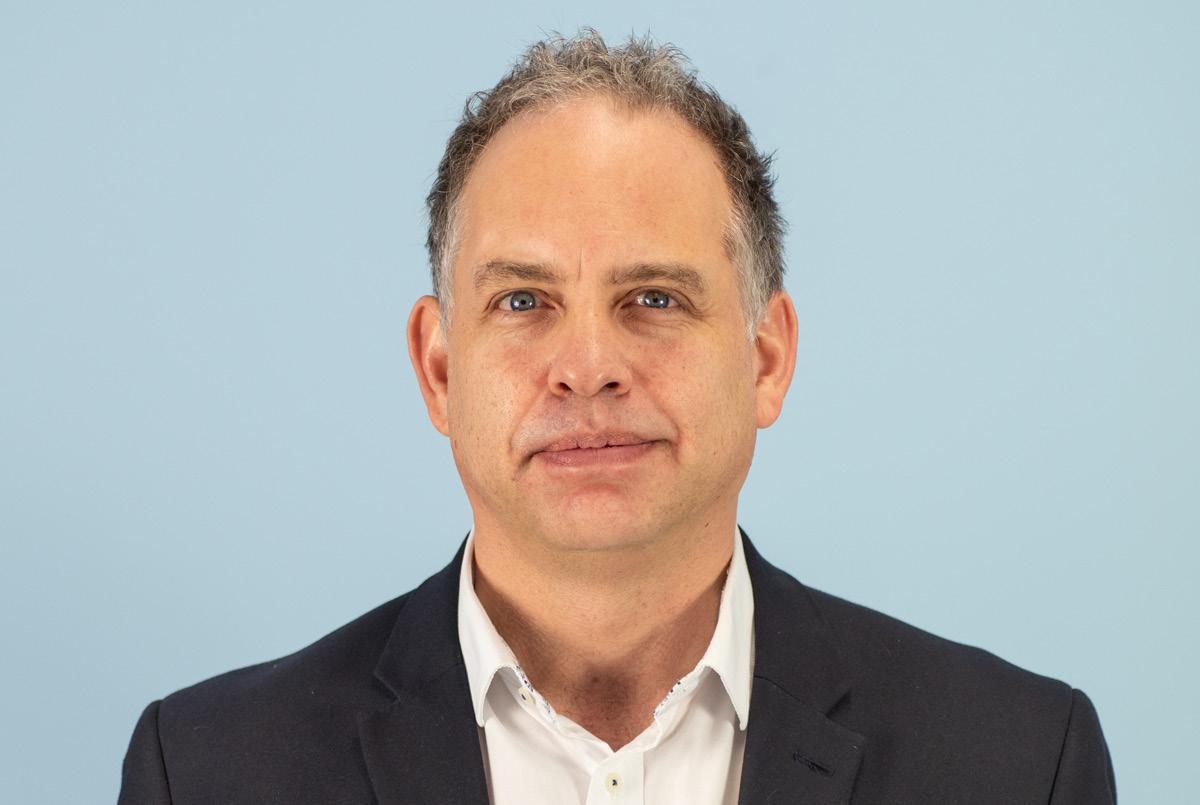
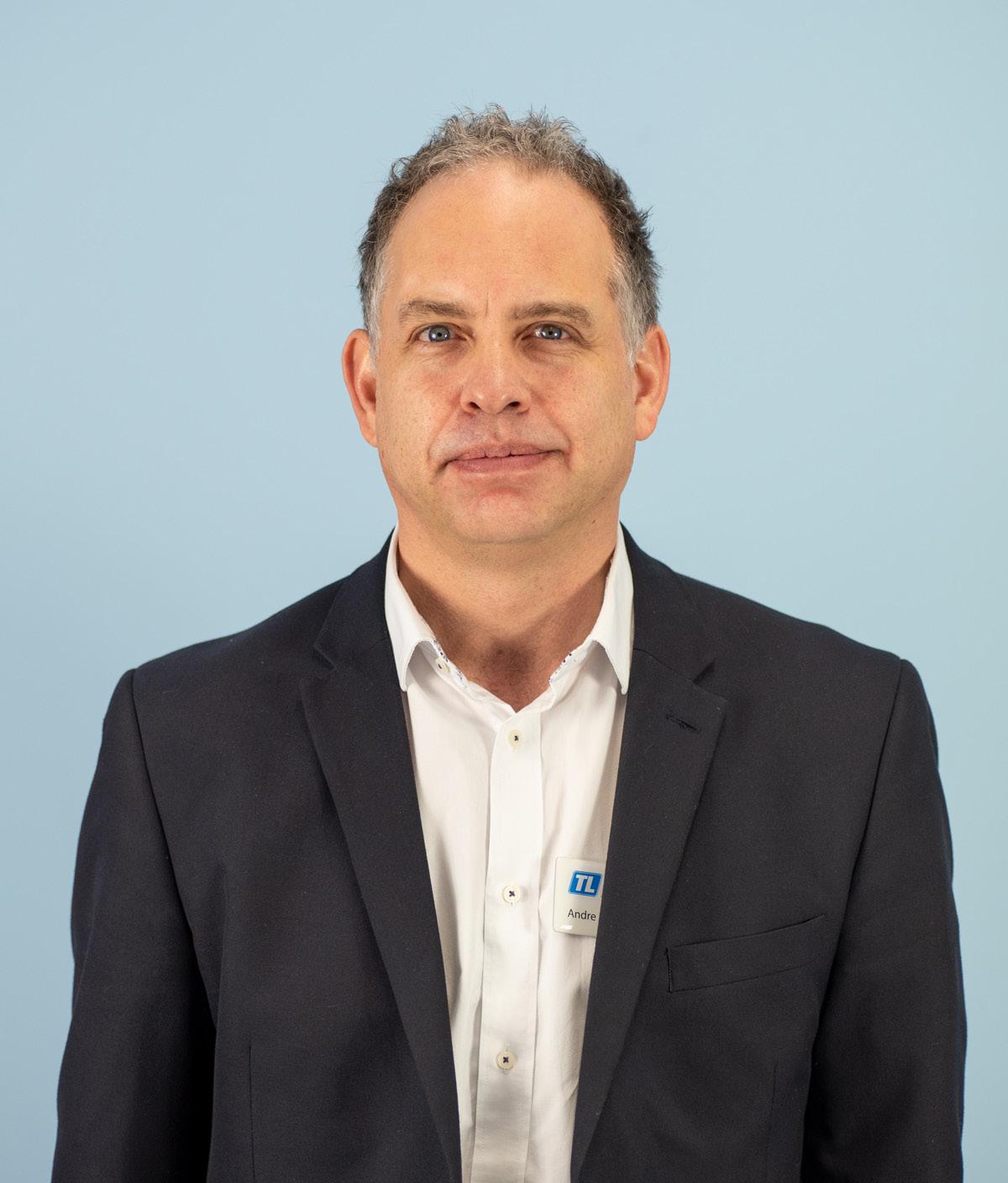
Andre Dobraszczyk Business Development Manager for Railways and Infrastructure at Thorlux Lighting

Andre Dobraszczyk is Business Development Manager for Railways and Infrastructure at Thorlux Lighting. At Thorlux since 2015 and focused on rail since 2017, he oversees all railway projects.
Sam Sherwood-Hale spoke to Andre Dobraszczyk, Business Development Manager for Railways and Infrastructure at Thorlux Lighting, about compliance challenges, the role of controls, and why the company’s integrated approach is reshaping how the sector thinks about light
SSH: How has your role at Thorlux evolved, and what does it involve today?
AD: I maintain consistency in the service we deliver, which is particularly important in a safety-critical environment. There are many standards unique to rail lighting, with some contradictions within them. I help customers navigate these, understand the requirements and how we can deliver solutions for them.
Thorlux has now moved into providing a full turnkey solution, including concept design, business case production, supply, and installation. Having the lighting manufacturer take the reins on the whole delivery adds value and removes risk. We also provide an innovative control system with supporting after-sales service to meet our customers’ needs, which are unique to the rail sector.
SSH: Can you speak more about those unique circumstances?
AD: Rail projects are shaped by a highly specific set of industry and British Standards, so lighting design in this environment requires careful coordination between compliance, operational requirements, and existing infrastructure.
One area currently evolving is DriverControlled Operation (DCO), where lighting plays an important supporting role alongside CCTV and platform monitoring systems. We’re working with at least four railway operators to support the transition to driver-controlled trains, which are widely expected to be the future of railway operations.
‘On some projects we've had to increase light levels by 500 per cent to meet current standards, and we are still making energy reductions.’
increasingly taking the opportunity to review both general and emergency lighting performance as part of wider improvement programmes. In many cases, achieving full compliance within existing infrastructure constraints requires innovative design approaches rather than simple one-for-one replacement.
Modern LED technology has significantly improved what can be achieved. For example, integrated emergency lighting solutions and intelligent controls can now provide enhanced safety performance on platforms without the need for extensive rewiring or major structural alterations. This allows operators to upgrade infrastructure more efficiently while supporting current operational and compliance objectives.
standards and technologies now allow for a much more detailed assessment of lighting performance, uniformity, emergency provision, and energy efficiency.
Today, rail lighting projects generally involve more comprehensive design reviews, with full lighting calculations and approvals forming part of the process. This reflects the industry’s increasing focus on compliance, passenger experience, operational safety, and long-term asset performance.
For driver-controlled operations, there are very specific platform requirements. You have cameras working with lighting, transitions between dark and bright spaces. Some operators have cameras on the trains, some at the station, and some have both, and everything needs to work together. Lighting is a key part of that because it’s all about seeing people safely.
Platform environments also present unique design challenges. In addition to achieving the required lighting levels, installations must account for passenger information systems, signage, gantries, overhead electrification equipment, and other infrastructure elements that can affect light distribution and create shadows. Lighting must work around everything.
Another important consideration is that much of the UK rail estate was originally installed many years ago, often to earlier standards. As lighting standards evolve and stations are upgraded, operators are
SSH: Is the compliance problem simply a case of constantly playing catch-up with new regulations?
AD: Yes, that is certainly a factor. Railway infrastructure is long-life by nature, and many lighting systems currently in service were originally designed to standards and operational requirements that have evolved over time.
Historically, maintaining lighting systems has often been classed as a maintenance intervention, with lighting swapped out on a point-for-point basis, including task and emergency lighting, to best match the previous performance of the lighting system. Across most railway premises, old incandescent and fluorescent lighting has been replaced with LED lighting, with or without controls, as a maintenance intervention. While this approach was practical and effective at the time, modern
One of the biggest advances has been in emergency lighting. Many open platforms were originally designed before modern emergency lighting expectations were established, and upgrading these areas using traditional technology would often have required significant rewiring or infrastructure changes. Advances in LED technology, battery systems, and intelligent controls now allow emergency lighting capability to be integrated into platform luminaires far more efficiently.
This has enabled operators and infrastructure managers to deliver upgrades in a more practical and cost-effective way while improving resilience and safety performance across the network.
SSH: So would solving these challenges have been more difficult ten years ago?
AD: Absolutely. Advances in LED performance, battery technology, and wireless controls have transformed what is now possible within existing rail infrastructure. Our approach has been driven by working closely with our customers, identifying the problems, then developing and trialling solutions in active stations.
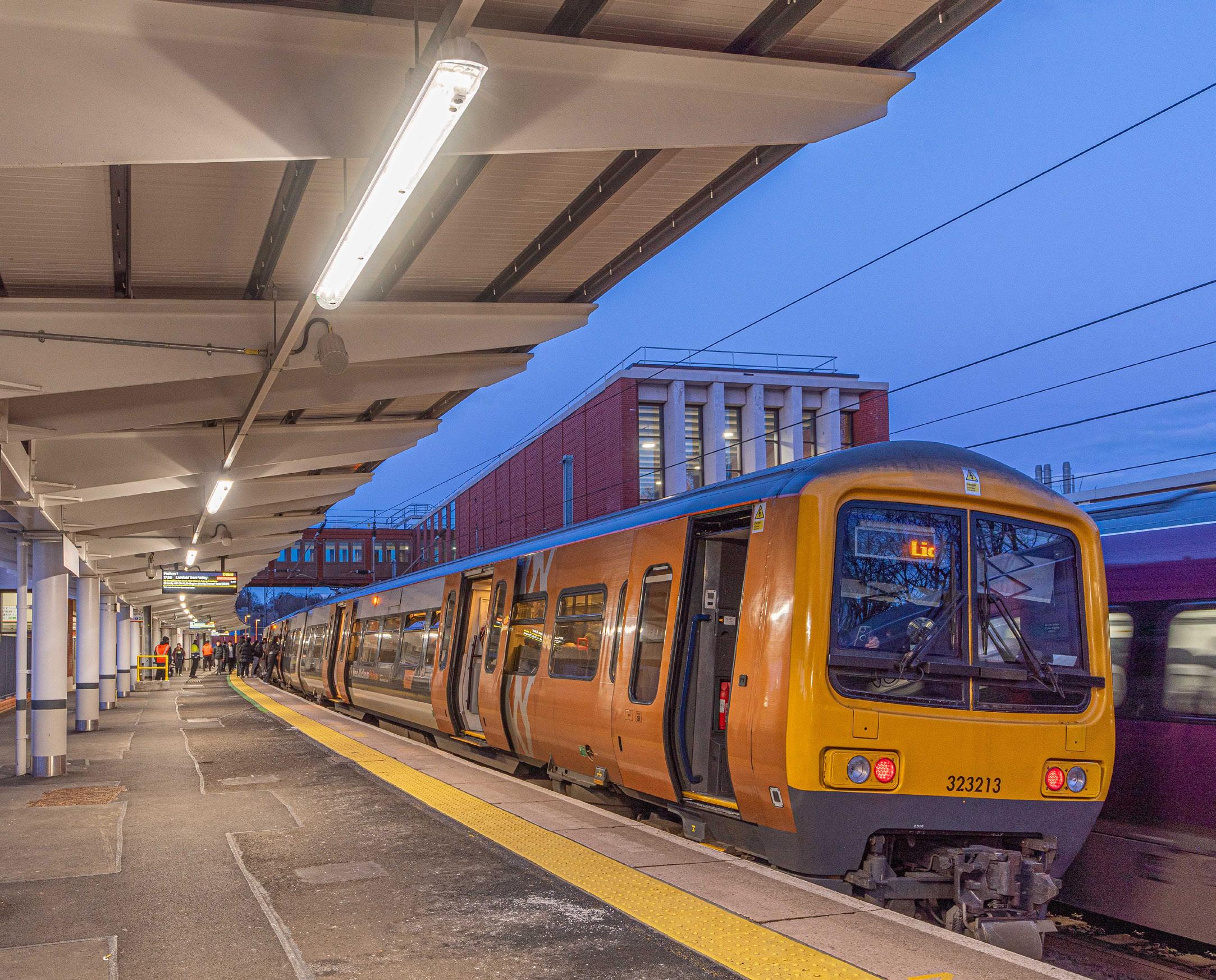
Based on a risk assessment of a train evacuation, the train has battery-backed lights and large windows that illuminate the platform. But if there is no train present and the power fails at the station, you may have people standing on the platform or elsewhere who require lighting for safe evacuation. Once it is presented in those terms, everyone is keen to resolve it. We had to innovate our products because most column-mounted luminaires don’t have an emergency backup solution. We developed one for West Midlands Trains and the Wessex route that was tested and approved, and we now offer it to the whole sector.
SSH: The West Midlands Trains project was highly commended at the Rail Business Awards, and one figure I have is a 73 per cent drop in energy usage at Acocks Green station. Is energy reduction a big part of your offering?
AD: It is. Energy efficiency is a major driver behind modern rail lighting upgrades, alongside improved lighting performance, passenger safety, maintenance reduction,
‘Having the lighting manufacturer take the reins on the whole delivery adds value and removes risk.’
and operational resilience. Over the last several years, Thorlux has been involved in some of the UK’s largest station relighting programmes.
Our work in the sector began with trial installations at a small number of stations in 2017. This was followed by a major rollout with South Western Railway in 2019, involving the refurbishment of lighting across 187 stations during the challenges of Covid. This complete refurbishment involved the supply and installation of 17,523 Thorlux luminaires. I believe that was the largest single rollout project of its kind ever to happen in the UK.
West Midlands Trains are a significant customer with 150 stations. They completed platforms at 36 stations as part of their trial, then rolled out a complete lighting system across all 150 stations, completing in midlast year – approximately 15,000 luminaires. Both projects demonstrated different but equally valuable approaches to improving station infrastructure. South Western Railway focused on delivering large-scale energy-efficient lighting upgrades across a substantial estate, while West Midlands Trains also embraced the additional operational and maintenance benefits offered by intelligent wireless controls.
SSH: How have different operators approached station lighting upgrades?
AD: Different operators naturally have different operational priorities, infrastructure challenges, and project objectives, so the scope of lighting upgrades can vary from network to network. Some projects have focused primarily on improving lighting performance and energy efficiency, while others have also
incorporated intelligent lighting controls to deliver additional operational and maintenance benefits.
For example, West Midlands Trains undertook an extensive upgrade programme across its network of 150 stations, incorporating LED lighting and wireless SmartScan lighting controls. That project began with trials at 36 stations using existing funding to qualify the benefits. They ran the system for two years, collected performance data from the SmartScan system, and then committed to a full rollout of LED luminaires with wireless lighting controls.
Lighting controls can significantly improve both energy and maintenance reduction. The SmartScan wireless lighting control system tells you precisely what the fault is, where it is, and what component needs replacing. The railway operator doesn’t need to visit the site; it monitors remotely daily, reporting faults, and testing the emergency lighting, so no one needs to go to the site to do this.
Rail is very heavy on cost. Maintaining the railway is expensive because of access requirements and the safety-critical nature of the work – sometimes you must stop the trains. Once you factor all of that in, the monetary reduction is huge, and there’s a significant environmental benefit too.
Thorlux has done business cases for more than 400 railway stations and delivered wireless lighting controls at over 200. Across those 200 stations, we have historic data on energy performance – how long a luminaire has been on, how much energy it’s using, and when it dims down.
In terms of figures, on some projects we’ve had to increase light levels by 500 per cent to meet current standards, and we are still making energy reductions. Typically, old lighting versus new without controls yields a 40 to 45 per cent lighting energy reduction. With controls, we see anything between 70 and 89 per cent lower lighting energy.
The 73 per cent saving at Acocks Green was the overall site energy reduction. It’s a small suburban station with 77 luminaires on site, and performance varies with occupancy. At a large station, lighting represents a significantly lower proportion of total site energy consumption because of heaters, buildings, and other systems.
SSH: Given how expensive energy is in the UK, this must be an area where cost savings are particularly impactful.
AD: Yes, and it’s an immediate saving. Pre-Covid, when energy costs were around ten pence per kilowatt hour, the return on investment for a full LED relighting with
a wireless lighting control system could be around five years. In an eight-year franchise, three years of net savings weren’t especially attractive. Now, everyone is looking at the whole-life picture, and the return on investment can be as low as two years due to current energy prices. From a business case point of view, it’s a bit of a no-brainer, but it all comes down to raising the funding and getting the project off the ground.
SSH: With the changing structure of the railways, are you optimistic that raising that funding will become easier?
AD: There are now several big drivers increasing investment in railway lighting. The first is Network Rail and the DfT’s carbon reduction target. Now that Network Rail has a net-zero target, lighting is a key part of meeting it, and it’s a quick win.
The second is compliance. Once operators realise they have a compliance issue, they need to fix it. They might have to wait twelve months or more for the funding, but they’re going to deal with it.
Third, building standards have changed. Part L now states that lighting needs controls: areas with daylight contribution need daylight dimming or switching, and areas not continuously occupied need occupancy switching. Energy consumption
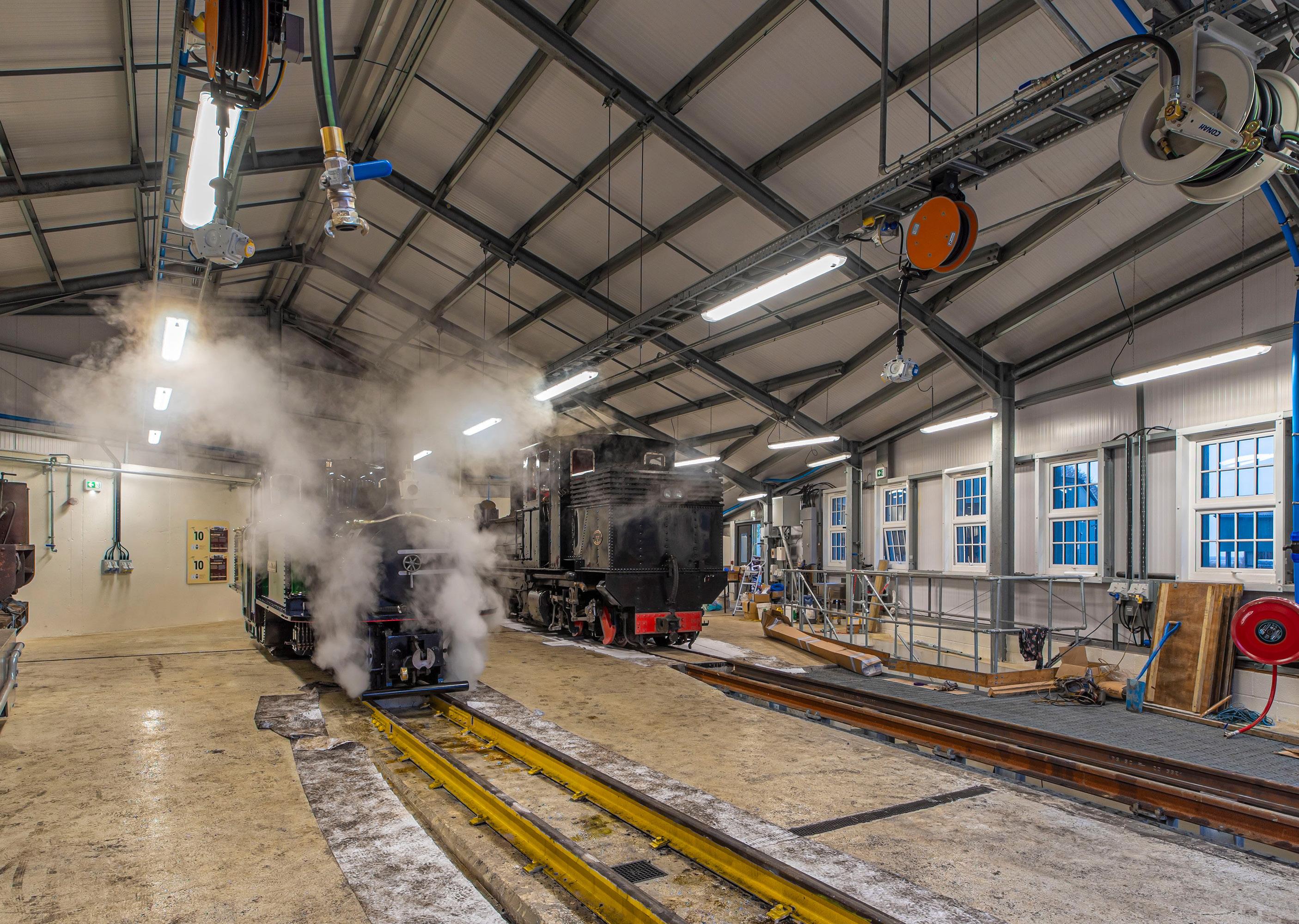
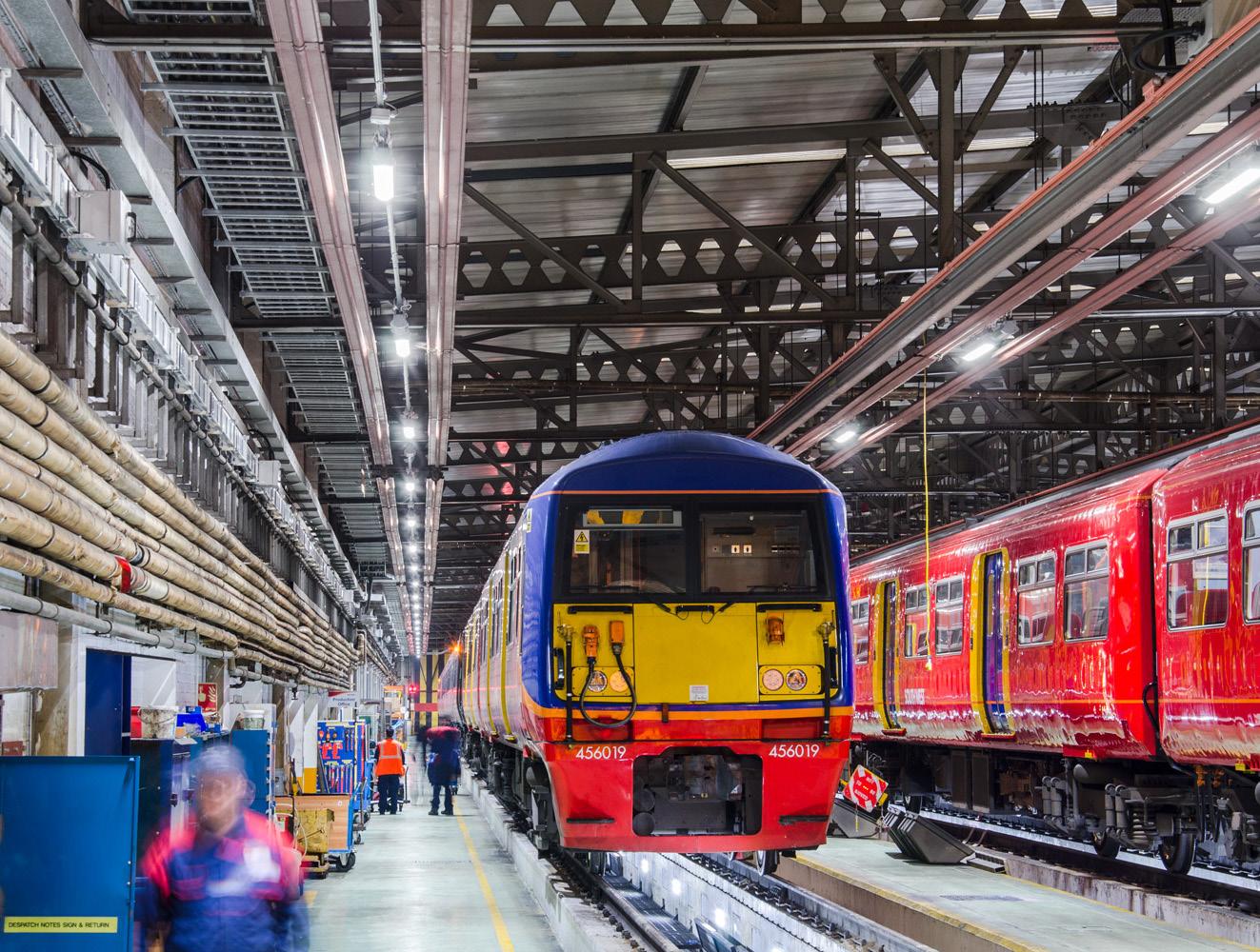
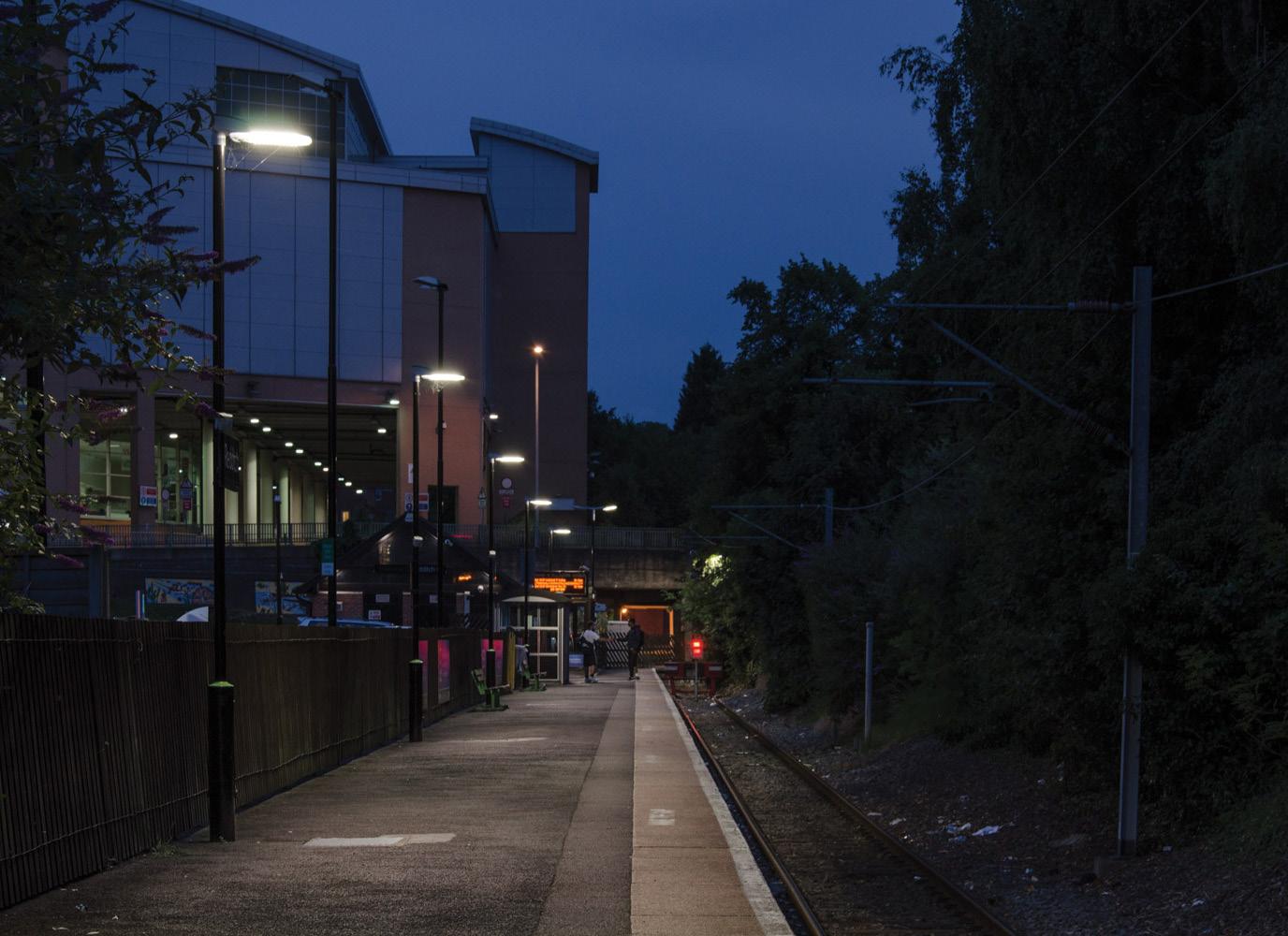
on each lighting circuit must be metered, for example, by a lighting control system. Every large project should meet building regulations – that’s a legal requirement. Finally, there’s the phase-out of old light sources. There are still many stations lit with incandescent lamps and fluorescent tubes. There was an EU and UK phase-out in 2023-4 under the Restriction of Hazardous Substances in Electrical and Electronic Equipment Directive (RoHS), which meant manufacturers could no longer produce them after a certain date. The stockpiles are now being exhausted. Operators are starting to realise this as they try to source these light sources and find they’re struggling, and prices are rising.
SSH: What is your sense of how things will change once operators are under Great British Railways?
AD: There will be a more structured approach to compliance. Things will be done correctly because they’ll go through a more structured system with proper approvals. It seems every station will now go through a landlord’s consent application, with a lighting design, an emergency lighting strategy, and a control strategy all required as part of the submission.
In terms of investment, there’ll be more money going into lighting, predominantly driven by business cases that have been
building for a while, where operators have flagged non-compliances and said the works required are beyond their remit as tenants. Network Rail has a huge list it’s working through, but there’s at least a year to two years’ worth of planning to get those into motion.
There’s also a big push on BMS, building management systems. We’re working with two large operators who have obligations to install BMS systems at their sites. Technically, lighting with controls is a building management system in itself: lighting monitored off-site, with all performance data collected remotely.
The Thorlux SmartScan lighting control system is built into every luminaire, which communicates to create a wireless mesh network. This makes them easy to install without any rewiring. We take that data off-site via a gateway hub. We’ve now moved into integrating third-party BMS components into our lighting control system, carrying data on our wireless mesh network and displaying it all on our SmartScan portal.
Thorlux is also working on an innovation with a passenger information sign manufacturer who wants to use data from our lighting system. Our luminaires have sensors that can detect occupancy within a space. That information can trigger bespoke announcements – if a particular area of a platform is always congested, the system can detect that and send information to the PIS, which can tailor announcements to direct passengers or manage crowding. You could even use it for advertising.
Once you have a Thorlux system installed, you can add other systems and bring them all into one platform, producing reports that analyse the relationship between energy, occupancy, heating, and environmental factors. It’s not just a lighting system anymore; it’s becoming a building management analytics system.
‘Typically, old lighting versus new without controls yields a 40 to 45 per cent lighting energy reduction. With controls, we see anything between 70 and 89 per cent lower lighting energy.’
SSH: Is all of that technology developed in-house?
AD: Yes. Being a UK manufacturer, with over 90 per cent of our products made in Redditch, gives us critical control over quality. We do everything we can in-house, right down to placing the LED on the circuit board, alongside metalwork, castings, plastics, and wiring.
Many of our railway customers want us to demonstrate that our products will last at least 25 years with a ten per cent failure rate and are fully maintainable throughout their operational life. That requires careful consideration of every component. We also manufacture our own controls to manage quality and control the pace of innovation. Ten years ago, our controls were quite basic; every five years, they’ve significantly developed, up to the BMS and analytics level we’re at now.
Many other manufacturers buy their controls from third-party companies, which creates two problems: you can’t innovate because you have no control over the technology, and if that manufacturer stops making the product, how do you maintain everything you’ve sold over the last 15 to 20 years? Because everything is in one factory in Redditch, I can walk in, speak to the designer and the manufacturing manager, and work out a solution very quickly. It’s all about innovation and quality – and not being at the mercy of the supply chain.
SSH: Thorlux has been carbon neutral since 2012 and has set a very ambitious net-zero target. How much do those credentials influence procurement decisions in rail today?
AD: Thorlux has always focused on energy reduction, and we applied the same thinking to our own operations. We’re selling an environmentally friendly product, so as a business, we need to be environmentally friendly. This also produces efficiencies and cost reductions! In 2009, we bought forest land and started planting trees to offset carbon production. All our roofs are solar-panelled, so much of our daytime energy usage is self-produced.
A lot of tenders now carry significant weighting on carbon neutrality and carbon reduction plans, looking at the whole life cycle: us, the supply chain, and the product. In lighting, we call it TM66: we produce a TM66 score showing how sustainable or ‘circular’ a product is. UK manufacturing has a huge benefit to that carbon story – if products are being shipped in by plane or boat, the credentials look completely different.
But it’s become a lot more prominent over the last few years. The targets are stricter, it’s more present in discussions, and is a key driver now. One of the key drivers of energy reduction is that the existing supply infrastructure is essentially at capacity: the government can’t afford to replace all the pylons and power stations, so reducing consumption becomes even more important. In all the tenders I’m working on now, it’s a hot topic.
SSH: Finally, where do you see the most significant opportunities for Thorlux in UK rail over the next few years?
AD: The rail sector is entering a period where long-delayed infrastructure upgrades are now becoming a priority, particularly with the phase-out of fluorescent lighting driving operators to modernise existing estates. That presents a significant opportunity for Thorlux, particularly in delivering energy-efficient lighting and intelligent controls across stations, depots, and operational facilities. Our rail business has grown significantly over the last decade, and we expect that momentum to continue over the next four to five years as more refurbishment programmes move forward.
Europe also represents a major opportunity. In many areas, the UK has led the way in adopting intelligent lighting technologies within railway environments, and there is strong potential to apply those lessons and innovations more widely across European rail networks.
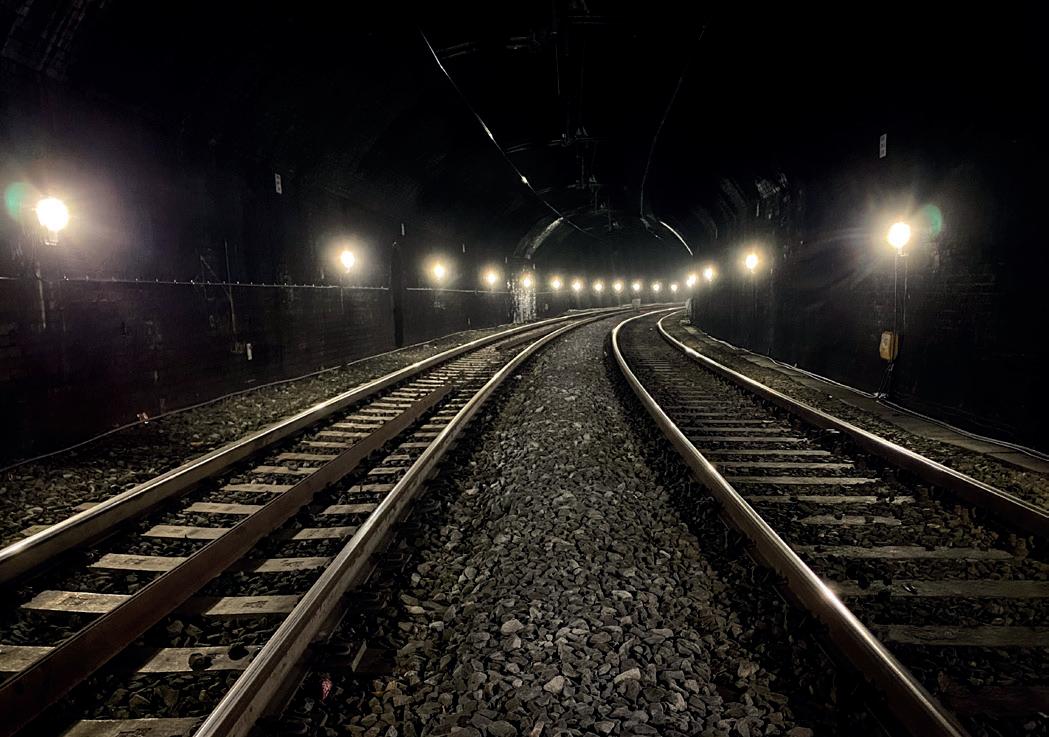
Tunnels are another key growth area. We have been working closely with Network Rail and other partners on specialist tunnel lighting innovations, and we see subsurface infrastructure as an increasingly important sector. It is a highly technical environment with unique operational and maintenance challenges where robust, intelligent lighting solutions can deliver significant long-term benefits.
Built to endure Keeping you on track
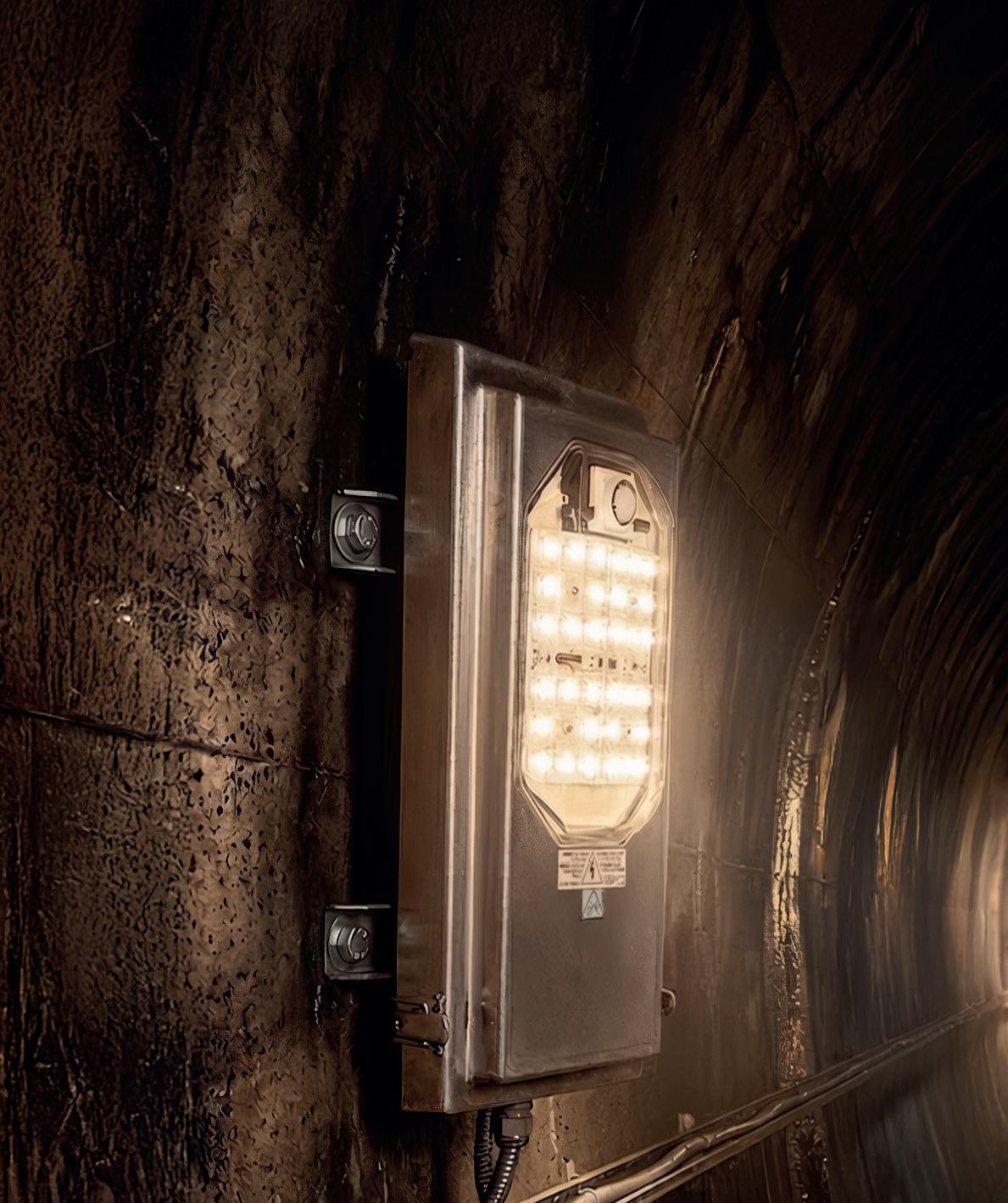
Tunnel-Line
Compliant – Low plastic content ensures Tunnel-Line complies to EN45545-2 & BS-EN-IEC60598.
Maximised Light – Wide distribution lenses provide superb, uniform light coverage across large areas.
Durable and Secure – A 316L stainless steel body and integrated door safety mechanisms provide strength, reliability, and secure retention.
Control – Thorlux SmartScan system offers wireless switching, group control, reporting and fault monitoring.
For general rail enquiries:
rail@thorlux.co.uk
01527 583 299
Scan the QR code for more information

Birmingham New Street

STAUFF Line
Air horn systems, Wash wipe systems
Presented
Seating framework, Grab rails and luggage racks

Braking systems, Sanding HOSES
Door
Phil Harrison
UKIMEA Rail Business Leader Arup
Phil Harrison is UKIMEA Rail Business Leader at Arup, where he leads the firm's rail engineering and advisory work across the UK, India, Middle East, East Asia and Australasia. With extensive experience spanning asset management, infrastructure resilience and programme delivery, he works with clients including Network Rail on some of the sector's most complex renewals and upgrade programmes.

Sam
Sherwood-Hale speaks to Phil Harrison, UKIMEA Rail Business Leader at
Arup, about the growing vulnerability of ageing rail infrastructure, the role of data in shifting towards predictive asset management, and why the industry must place renewals on equal footing with new build investment
SSH: What are the most critical vulnerabilities you're seeing in the rail network today, and which asset types pose the greatest risk?
PH: Across the UK rail network, much of the infrastructure is made of ageing assets that are either approaching or have exceeded their original design life – in fact, much of the network dates back to the Victorian era. Combined with the eroding effects of frequent extreme weather events, the gravity of this issue is increasing.
Embankments, cuttings and other earthworks remain among the most vulnerable components of the network, particularly as historic construction methods and materials were not designed with today’s train loads or climate extremes in mind. Meanwhile, culverts, retaining walls and older drainage systems are also at risk as they struggle to cope with more intense rainfall patterns.
In recent times, the reliability of rail tracks has improved after years of targeted investment, with fewer failures and improved performance. However, due to accelerating climate change, the risk profile has shifted elsewhere. Earthworks and drainage are now the assets we must focus on, especially under conditions of higher groundwater levels, rapid saturation and increased temperature variability. With improved track performance, it allows us to free up the resources to focus on adapting to increased rainfall.
SSH: How is climate change specifically affecting railway earthworks and drainage systems?
PH: The rail industry is already seeing clear evidence that climate change is amplifying the pressures on geotechnical assets. As winters become wetter, and rainfall in summers becomes more intense, flash flooding, sudden fluctuations in groundwater
levels and prolonged wet periods are becoming increasingly common. The greater volume of water unsettles slope stability and reduces the resilience of historic earthworks not built for these extremes.
Unfortunately, this means we are more likely to see slips, washouts (the sudden erosion of soft soil or other support surfaces by a gush of water) and service-affecting failures across our railways.
Drainage systems are facing similar challenges. Many legacy systems struggle to manage the volume and intensity of rainfall now typical during storms. For both the UK’s rail and highways networks, upgrading and renewing this infrastructure must consider how drainage systems cope with both today’s climate and the worsening conditions we can expect in the future. Therefore, it is vital we increase our drainage system’s capacity and improve drainage outfalls. Maintenance is not enough – upgrades are the key to avoid repeated disruption.
SSH: Sharon Rose's work on hydrological mapping and value frameworks for Network Rail is highlighted in the report. How is Arup using data and digital tools to shift from 'fix when found' to 'predict and prevent' in rail asset management?
PH: Arup is helping the rail industry move from ‘fix when found’ to ‘predict and prevent’ by putting high-quality data at the heart of decision-making. Sharon Rose’s work is a clear example of this shift. Her team has created hydrological maps covering the entire rail network, giving Network Rail a catchment-level view of flood risk and enabling earlier, more targeted interventions. She has also helped develop a new value framework that combines condition data and performance information to give near real-time insight into asset behaviour, supporting smarter prioritisation before issues escalate.
This sits within a broader suite of digital tools Arup is applying across rail asset management. These include lifecycle planning models, deterioration modelling and adaptive planning tools that bring engineering, financial and environmental data together to forecast future performance and investment needs. By integrating these datasets, Arup is helping Network Rail anticipate where assets are most vulnerable, plan proportionate interventions and reduce costly reactive maintenance. The result is a more resilient network that can better withstand climate impacts and operate more reliably for passengers.
SSH: The TransPennine Route Upgrade demonstrates multidisciplinary, outcomefocused delivery. What are the key lessons from TRU about clustering asset renewals and coordinating across multiple disciplines?
PH: The TRU illustrates how the industry can simplify delivery and achieve better outcomes by thinking of whole-system performance rather than isolated asset interventions. The west section of the upgrade has required civil structures, track, electrification, signalling, power, stations and tunnels to be planned as one integrated programme.
A key lesson is the value of clustering renewals. By grouping interdependent works and enabling coordinated or simultaneous construction across multiple assets at once, benefits can be realised sooner and disruption is minimised. This is only possible through single-team working, shared data and a clear lineof-sight to passenger outcomes rather than individual technical outputs, which was a clear and central part of the TRU project. It also means complex and difficult locations can be tackled in one go, rather than individually – an example being the recent 30-day blockade in and around Huddersfield Station.
SSH: Where do you see the biggest gaps between current engineering standards and what's needed to manage ageing rail assets cost-effectively?
PH: The most significant challenge is that many engineering standards remain geared towards idealised new build conditions rather than proportionate, risk-based renewals. This can lead to overdesigned interventions or upgrades that deliver marginal benefit at higher cost. Instead, it would be better if proportionality were to be considered, so that investment can return an equivalent benefit.
Furthermore, there is a gap in how the impact of climate change is considered. While many standards now incorporate wider temperature ranges or wind loading requirements, increasingly adverse weather means once costly upgrades are done, further improvements may be needed soon after. Adopting more adaptive, scenariobased standards could help avoid cycles of continual re-work. Arup’s work across road and rail renewals shows that by adopting Minimum Viable Product (MVP) thinking, by which essential outcomes are met without unnecessary complexity or spend, cost-effective, resilient design for ageing assets can be unlocked.
SSH: What needs to change in how the rail industry values and communicates about maintenance work versus new build projects?
PH: As with many engineering standards, maintenance and renewals are often overshadowed by high-profile new build and enhancement schemes, yet they are essential to safety, reliability, accessibility and performance. Enhancement projects are often seen to be opportunities that will engage the full rail supply chain and deliver significant benefits and positive outcomes for passengers.
However, this is also true for renewals, but it is rarely clearly articulated to the government, investors or the public, that renewals are proven to employ local and UK workers, while offering significant reliability improvements, plus social and economic value.
The rail industry must champion renewals with the same visibility and level of importance as enhancements and look at the economic cost of failure and how damaging poorly functioning assets can be to our rail network.
Also, we must make clear the carbon benefits of extending asset life, especially as sustainability becomes increasingly front and centre of the public’s mind. Ultimately, putting off maintenance is too costly. A cultural shift is required that places the stewardship of existing assets on equal footing with expansion, and this must be supported by stable long-term funding models and more joined-up delivery.
NEWS IN BRIEF
FUNDING BOOST FOR LIGHT RAIL ORGANISATIONS
Renewed funding from the Department for Transport will enable two organisations at the heart of the UK’s light rail sector to continue their vital work. The Light Rail Safety and Standards Board and UKTram have both welcomed an agreement that will see them share a total of £4.5 million over the next three years.
CAMBRIDGE SOUTH OPENING DATE REVEALED
Services will begin calling at Cambridge South on Sunday 28 June before the station’s official opening ceremony takes place the following day. The first Great British Railways (GBR) branded station in the country, Cambridge South, is expected to welcome 1.8 million passengers annually as the government’s public ownership programme gathers steam. The station will benefit from up to nine trains an hour to the centre of Cambridge as well as a direct link to the city’s Biomedical Campus, with its world-class science, NHS hospitals and business facilities. The Cambridge Biomedical Campus contributes £4.7 billion annually to the UK economy, a figure expected to rise to £18.2 billion by 2050 alongside a doubling of its 20,000 current employees, thanks in part to the boost brought by the new station.
CAMBRIDGESHIRE AND PETERBOROUGH MAYOR WELCOMES MASS TRANSIT TASKFORCE
Mayor of Cambridgeshire and Peterborough Paul Bristow has welcomed the Government’s announcement of a new Mass Transit Taskforce, describing it as offering ‘real promise’ for the region’s transport ambitions. Bristow called for barriers and red tape slowing infrastructure delivery to be cut, and said that Cambridge requires a new mass transit system to unlock the economic potential of one of the UK’s most important growth areas. The Mayor’s Local Growth Plan includes a target to triple the size of the Cambridgeshire and Peterborough economy, which he said cannot be achieved without matching transport infrastructure.

LAYING DOWN THE LAW
by Martin Fleetwood
Are You Keeping Up with the Employment Rights Changes?
The UK’s Employment Rights Act 2025 has provided a ‘once in a generation’ set of reforms, the first tranche of which came into force in April this year
While some of the new provisions, such as the voluntary introduction of Equality Action Plans only apply to large companies (those with 250 or more employees) the majority are compulsory and apply to all employers. With the rail sector having a multitude of employers ranging from large multinational companies down to sole traders, it is important for all employers in the sector to ensure that they are complying with the new requirements which are relevant to them, particularly as some carry criminal liability.
Changes applicable to all
From 1 April 2026 all hourly bands were increased, with workers aged 21 and over receiving the National Living Wage of £12.71 per hour, 18-20 year olds receiving £10.85 per hour and 16-17 year olds and apprentices receiving £8.00 per hour. Key areas where employers fall foul of this legislation include salary deductions for uniform/equipment, failing to increase pay after a younger worker’s birthday moves them into the next pay band, incorrect apprenticeship rates and not paying for all hours worked.
Employers should check their records systems to ensure relevant rates and key dates are correctly recorded as the Fair Work Agency has powers to enforce correct payment rates.
From 5 April 2026 the rates of Statutory Maternity Pay, Statutory Paternity Pay, Statutory Adoption Pay, Statutory Shared
Parental Pay and Statutory Neonatal Care Pay will rise to £194.32 per week and a new right to Statutory Parental Bereavement Pay at the same rate has been introduced. The maximum weekly pay for the purposes of calculating statutory redundancy payments (payable to those with two years’ service or more) rises to £751.00. Payroll details should be updated to reflect these higher rates.
Statutory Sick Pay was increased from 6 April to £123.25 per week and became a ‘day-one’ right, removing both the three-day waiting period and the lower earnings limit. Under this new system, eligible employees on low wages who are unable to work due to sickness will be entitled to receive either 80 per cent of their normal weekly earnings or the current rate of Statutory Sick Pay, whichever is the lower. The payroll system should be updated to reflect the change in payment calculation date as well as the higher rate to ensure that employees are not under-compensated.
Paternity leave (but not statutory paternity pay) and unpaid parental leave will become a ‘day-one’ right for eligible employees, removing any statutory qualifying period to be served. The new right for earlier paternity leave applies to babies born on or after 6 April 2026 or whose expected week of birth was on or after that date, even if born earlier. A new right for bereaved partner paternity leave is expected to be introduced soon to entitle an employee to be absent from work to care for a child during their first year of birth, placement for adoption or entry into Great Britain
Martin Fleetwood is a Consultant at Addleshaw Goddard’s Transport practice. The Rail Team has over 30 lawyers who advise clients in both the private and public sectors across a wide range of legal areas. As well as contractual issues, the team advises on operational matters, franchises, concessions, finance, regulatory, property, employment, environmental and procurement issues.
Disclaimer: This article is for informational purposes only and does not constitute legal advice. It is recommended that specific professional advice is sought before acting on any of the information given.
‘It is important for each employer to make sure that they are clear as to which requirements apply to them.’
in connection with an overseas adoption in the event that the child’s primary carer dies. Relevant paternity policies should be updated as well as bereavement and compassionate leave policies.
The maximum period for the protective award that an Employment Tribunal can award against the employer for breaching their collective redundancy obligations will be doubled to up to 180 days’ pay per affected employee. If an employer is considering restructuring, the effect of this change on its potential restructuring costs should be taken into account.
Sexual harassment has been added to the list of relevant failures for which a ‘protected disclosure’ can be made. This means that a worker does not need to identify any existing legal obligation, criminal offence or breach of health and safety requirements to make a qualifying disclosure about sexual harassment, provided they have complied with the other requirements in the relevant legislation, such as holding a reasonable belief that the issue is in the public interest. Whistleblowing policies should be updated and managers and staff trained
appropriately to ensure compliance with the new requirements.
Trade Union recognition procedures are being simplified, with unions only needing a simple majority of those voting in a recognition ballot for recognition to be required, rather than requiring at least 40 per cent of the workforce to vote in favour. Unions applying for recognition will only need to show ten per cent membership of the bargaining unit, lowering the bar significantly. Additional changes to further simplify union recognition are expected in October 2026.
Organisations who obtain staff through umbrella companies have become jointly and severally liable for any failure by the umbrella company (which is providing staff to them) to pay the correct PAYE amounts due for those staff to HMRC. This could result is a significant additional bill being laid before that organisation. Businesses should review their labour supply chains to consider whether their current arrangements remain appropriate.
Duty to keep records of holiday leave and pay: Employers are required to keep records that are adequate to show compliance with the Working Time Regulations on holiday entitlement and holiday pay and be kept for six years. Employers may be subject to a visit
from the Fair Work Agency requesting sight of these records. Employers should review their HR and payroll systems to ensure that their record keeping systems meet the relevant requirements for every worker as failing to keep proper holiday records has become a criminal offence.
Large employers only
Gender Pay Gap reporting and Equality Action Plans: The data on the gender pay gap for private, voluntary and public authority employers for the relevant 2025/26 ‘snapshot’ date needed to be reported by 4 April 2026 and data for the 2026/27 ‘snapshot’ needs to be gathered. Employers are also encouraged to compile and publish Equality Action Plans detailing the steps they intend to take to close their gender pay gap and the actions they are taking to support women experiencing menopause. While Equality Actions Plans are currently voluntary, they are expected to become mandatory from Spring 2027, so employers should use this time to start drafting their plans.
Role of the Fair Work Agency
The February edition of this column looked at the establishment of the Fair Work Agency and the powers that it has to inspect
workplaces and to require employers to produce relevant documents and evidence demonstrating compliance with employment law. It has become a criminal offence for employers to knowingly or recklessly produce false documents and information, or to intentionally obstruct enforcement action or fail to comply with an enforcement requirement without reasonable excuse.
The importance of getting it right
With this first raft of changes coming into force, it is important for each employer to make sure that they are clear as to which requirements apply to them. Ignorance of the law is no defence and there can be some significant penalties applied to employers who do not comply.
With the provision of additional powers for the Fair Work Agency to enforce nonpayment, or correct incorrect payment, of the National Minimum Wage, Statutory Payments and holiday pay, a failure to comply with correct rates or apply the correct timescales could prove to be quite expensive for the defaulting employer. Running an employment health check to ensure that all relevant requirements are being met would be a sensible move and any mistakes that are found corrected at the first possible opportunity.






by Alexandra Herdman
Rail Electrification Is Key to Supply Chain Resilience
Alexandra Herdman, Senior Policy Manager at Logistics UK, makes the case for targeted rail electrification investment as the solution to supply chain vulnerability in an era of volatile global oil markets
Rail electrification is key to meeting the UK’s decarbonisation goals and keeping the cost of transporting goods down, particularly as the price of diesel fluctuates. The conflict in the Middle East has contributed to significant volatility in the world’s markets as the price of oil has skyrocketed, affecting businesses and consumers across the board but particularly diesel-dependent industries like logistics.
One fifth of the world’s oil is shipped through the Strait of Hormuz, and disruption in this region has caused the cost of Brent crude oil to increase dramatically. Since the conflict began at the end of February, the cost of a barrel of Brent crude has hit a high of over $120 with the average price fluctuating significantly above the pre-conflict price of around $70, although this peak has dropped back slightly in recent weeks.
Although the announcement of a temporary ceasefire in early April resulted in prices falling, it has not signalled an immediate resumption of normal shipping patterns, and price shocks continue to be felt through the supply chain. Even when the conflict eventually ends, work to clear shipping congestion and restore oil production to normal levels will take some time and therefore prices will be slow to reduce.
The conflict has highlighted the need to bolster worldwide supply chains and reduce
their dependence on diesel – a key factor in this transition must be rail electrification. This would not only make railways more resilient to potential disruption but also more productive and cost efficient. Unfortunately, progress on this has been slow and the full decarbonisation benefits have not yet fully been realised.
Slow progress made in electrification
Rail freight has a significant role to play in the decarbonisation of the transport sector, which currently accounts for 29 per cent of the UK’s emissions. Its capacity to carry more goods and produce fewer carbon emissions makes it a more environmentally friendly alternative to road. On average, diesel-hauled rail freight produces 76 per cent fewer carbon emissions per tonne than using HGVs or vans, according to Logistics UK’s monitoring. A lack of growth in rail freight, however, means that its positive impact has been constrained.
Comparing 2014-15 rail freight figures with 2024-25 shows that freight productivity has declined by seven per cent, partly driven by the closure of the UK’s coal industry, and the total amount of freight moved by rail has dropped too. Between July and September 2025, it fell by two per cent compared to the same quarter the previous year (Deloitte, Assessing the value of rail freight).
This lack of growth is mirrored in rail electrification. Only 38 per cent of the GB rail network is electrified, with the

Logistics UK is one of the UK’s biggest business groups, representing logistics businesses which are vital to keeping the UK trading, and more than seven million people directly employed in the making, selling and moving of goods. With decarbonisation, Brexit, new technology and other disruptive forces driving change in the way goods move across borders and through the supply chain, logistics has never been more important to UK plc. Logistics UK supports, shapes and stands up for safe and efficient logistics, and is the only business group which represents the whole industry, with members from the road, rail, water and air industries, as well as the buyers of freight services such as retailers and manufacturers whose businesses depend on the efficient movement of goods. For more information about the organisation and its work, please visit logistics.org.uk Follow Logistics UK on Blue Sky and X (formerly Twitter) @LogisticsUKNews and find them on Facebook, Instagram, LinkedIn and YouTube.
‘Only 800 miles of additional electrification is needed in the UK to enable 95 per cent of rail freight to be electrically hauled by the 2040s.’
remaining routes operated by dieselpowered trains. Data shows that the UK is falling behind its European counterparts when it comes to switching power sources; Germany’s steady rolling programme of rail electrification has resulted in 200 kilometres a year, while the UK has undergone inconsistent bursts of electrification that have left large amounts of track unelectrified.
The stagnation in the volume of freight moved by rail and the electrification of the network urgently needs to be addressed. The growth of rail freight depends on network capacity and its capability to accommodate freight movements, and a lack of electrification on freight-critical routes lengthens journey times and increases costs. Freight services also frequently compete for
space on lines alongside passenger services and are deprioritised during busy periods.
Chartered Institute of Logistics and Transport (CILT) analysis shows that only 800 miles of additional electrification is needed in the UK to enable 95 per cent of rail freight to be electrically hauled by the 2040s. The initial 60 miles of infill electrification is estimated to cost £50 million over two years, which is around 0.12 per cent of Network Rail's budget for 2024 to 2029.
The routes CILT proposed electrifying included those from main container ports to inland distribution centres, key supply chain hubs, and from major quarries to urban areas that require large amounts of construction materials.
Prioritising routes
Analysis conducted by Logistics UK together with MDS Transmodal mapped the most critical road and rail corridors in the UK and found that high-volume rail routes represent two per cent of the network in kilometres but carry 15 per cent of all rail freight per tonne kilometre. This makes these routes vulnerable to bottlenecks and many other parts of the rail network are also operating at or near full capacity, particularly during peak times.
‘High-volume rail routes represent two per cent of the network in kilometres but carry 15 per cent of all rail freight per tonne kilometre.’
The key routes highlighted in the analysis include the West Coast Main Line, which is also heavily used by passenger services, and the Felixstowe to Nuneaton (F2N), which serves as a key corridor for container traffic from the Port of Felixstowe.
Congestion throughout the rail network in turn puts pressure on the strategic road network, and understanding the logistics network, and the routes that are most in need of upgrades, will guide investment priorities.
Electrifying these routes would yield advantages, boost speeds and economic growth and increasing the appeal of moving goods by rail. Once adopted, electric
locomotives are approximately 30 per cent cheaper than diesel locomotives to maintain, while track maintenance costs are ten per cent cheaper on a fully electric route year (Deloitte, Assessing the value of rail freight). Where less congested routes don’t present an obvious business case for electrification, technologies like hydrogen fuel cells could provide a viable solution to decarbonise track.
Conclusion
Disruption caused by the Middle East conflict and the price of oil rising significantly illustrates the need to decarbonise the UK railway and electrification will be a key lever to achieve this. Doing so will not only enhance supply chain resilience, but it will also yield cost savings and move goods more quickly across the network.
In the face of volatile global oil markets and fragile supply chains, rail electrification is no longer a long-term aspiration but should be a necessity for policy makers and rail operators. Targeted and consistent investment in electrifying the most critical routes would unlock productivity gains, reduce dependence on diesel and ensure rail freight can play its full role in supporting economic growth while cutting emissions.

































Ian Jeffrey is Director of Great British Rail Replacement
Accessibility Cannot Be an Afterthought in Rail Disruption
Ian Jeffrey, Director of Great British Rail Replacement,
argues that accessibility must be a central component of journey planning, not an afterthought that disappears the moment a service is disrupted
For most rail passengers, travel disruption is an inconvenience. For disabled passengers, it can be a barrier that prevents travel altogether, highlighting a wider challenge for the industry in ensuring no passenger is left behind.
When rail services are replaced by buses, coaches or taxis, the journey moves off the railway and onto the road network. At that point, accessibility can quickly become inconsistent, unclear or unavailable. The result is not simply delay. It can mean a loss of independence, confidence and dignity for passengers who rely on accessible travel.
A new independent study from Great British Rail Replacement (GBRR), part of CMAC Group, highlights the scale of the issue. As part of a wider national study, research with 145 disabled UK rail users found that only 2.8 per cent of surveyed disabled passengers reported that rail replacement services were fully accessible, while 30 per cent said they had no viable alternative transport option when disruption occurred. These findings illustrate how easily disruption can exclude passengers who already face barriers when travelling, reinforcing the need for a system designed to leave no passenger behind.
Disruption is where accessibility matters
most
Routine journeys allow passengers to plan ahead. During disruption, that certainty disappears. Temporary boarding locations,
unfamiliar walking routes and unclear information can create immediate obstacles for passengers with physical, sensory, cognitive, or hidden disabilities. Barriers such as poor signage, crowding or limited staff presence can make the difference between completing a journey and abandoning it.
Disruption disproportionately affects disabled passengers’ travel decisions. More than half (53 per cent) of respondents said they would rather cancel or postpone a journey, or take alternative public transport, than use rail replacement services.
These experiences underline a wider issue for the industry – accessibility during disruption is still too often treated as an operational detail rather than a central component of journey planning.
Gender disparities during disruption
The research also highlights important gender differences in how disruption affects disabled passengers. Disabled women and non-binary passengers are significantly more likely to seek alternative transport options when their journey is disrupted. Around 84 per cent say they look for alternative travel arrangements, compared with 22 per cent of disabled men.
Loss of independence is another key issue. When stranded during disruption, 32 per cent of disabled passengers said they had to ask a friend, family member or colleague
NEWS IN BRIEF
ONE MILLION JOURNEYS WITH TAP & GO ON MERSEYRAIL
More than one million journeys have now been made using Tap & Go on the Merseyrail network. Passengers can now Tap & Go using a MetroCard, a bank card, smartphone or smartwatch, with the majority choosing to use their mobile phone. Available at all 69 Merseyrail stations, the automatic ticketing system ensures passengers are always charged the best value fare for their journey.
POTENTIAL RAIL SERVICE BETWEEN LONDON AND SWITZERLAND
Following the Cooperation Agreement signed in March between SBB and SNCF Voyageurs, aiming at strengthening the partnership between the two companies and developing new routes, Eurostar, SBB, and SNCF Voyageurs have taken the next step with the signature of a memorandum of understanding to establish a potential direct connection between London and Switzerland.
BELFAST GRAND CENTRAL IN NAVIGATION FIRST
Belfast Grand Central Station has become the first integrated bus and rail station in the UK & Ireland to provide the innovative ‘NaviLens’ navigation technology service empowering blind and visually impaired people. NaviLens empowers people and users enjoy enhanced independence, improved wayfinding and passenger information through real-time audio guidance along with multi-lingual support options. It uses specialised colourful codes that can be scanned with a smartphone via a free app. The codes deliver audio cues and detailed information that enhance independent navigation as well as access to passenger service information.
‘Only 2.8 per cent of disabled passengers reported that rail replacement services were fully accessible’
to collect them. Of those who relied on others, a disproportionate number were women or non-binary passengers.
These patterns reflect the intersection of accessibility barriers and safety concerns. Temporary pick-up points, unfamiliar walking routes and reduced staff visibility can heighten anxiety for passengers travelling alone, particularly during evening journeys.
For disabled women, disruption can therefore introduce a double barrier of practical accessibility challenges alongside concerns about safety and reassurance as they navigate unfamiliar environments without clear guidance or staff support.
Why coordination matters
One of the most consistent findings from the research is the fragmentation that occurs during disruption.
Rail operators, station teams and replacement transport providers often must respond quickly when services fail. Replacement vehicles may be sourced at short notice, sometimes without detailed information about passenger accessibility requirements.
This can result in unsuitable vehicles being deployed, limited staff support at boarding points or inconsistent information

Elevated
being communicated to passengers. 32 per cent of disabled passengers reported that physical access into replacement vehicles is the single largest barrier.
One wheelchair user described worrying about how they would board replacement transport and whether staff would be able to help. Others cited overcrowding, delayed journeys and uncertainty about where to find replacement vehicles.
Improving accessibility during disruption requires stronger coordination between rail operators and ground transport partners. This includes arranging accessible buses, coaches and taxis, ensuring vehicles meet defined accessibility standards and combining technology with trained staff to support passengers throughout disrupted journeys.
The aim is straightforward: when disruption occurs, passengers should experience continuity rather than inconsistency in how services are delivered.
Improving information and wayfinding
Passenger insight also highlights the importance of clear and accessible information. While digital tools play an increasingly important role in disruption management, passengers also require accessible non-digital communication
through announcements, signage and visible staff guidance. This is particularly important for older passengers or those less confident using digital platforms.
Wayfinding presents a further challenge. Large urban stations with complex layouts can make replacement services difficult to locate, especially during busy periods. Clear signage, visible staff support and wellplanned boarding locations can significantly improve passenger confidence.
Embedding these considerations into disruption planning from the outset helps ensure accessibility does not disappear the moment a train service is replaced.
A practical opportunity for Great British Railways
Disruption will always occur on a complex railway network, the challenge is ensuring passengers remain confident in the system when it does.
As the rail industry prepares for structural reform under Great British Railways (GBR), now is the time to make accessibility central to every rail replacement plan and build confidence in the system. Improving accessibility during disruption will demonstrate a clear commitment to inclusive travel and create a railway network that works for everyone.
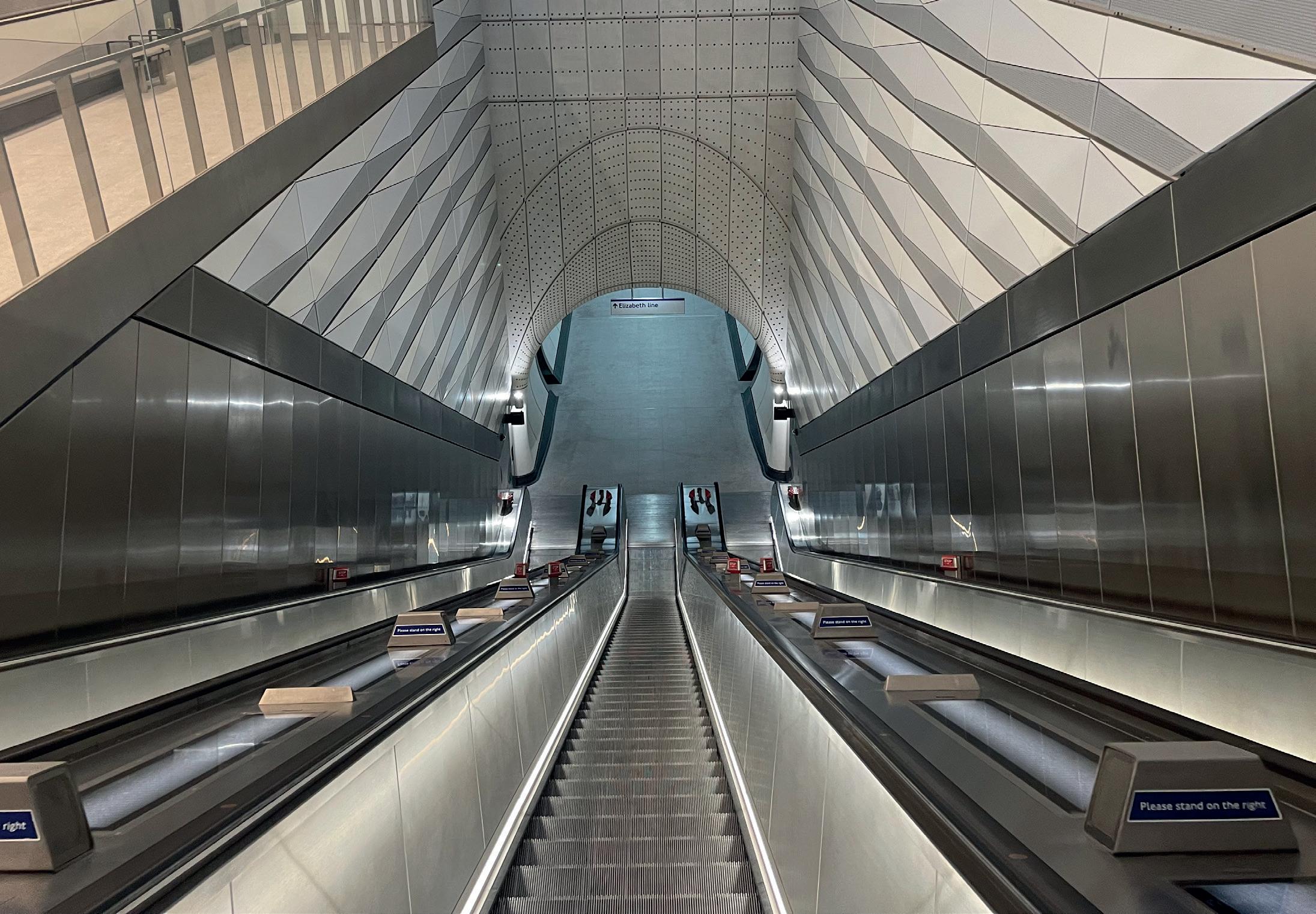
For more than 25 years, Gall Zeidler Consultants has delivered world-class tunnel consultancy and design services. Our specialists apply state-of-the-art construction and rehabilitation methods, combining proven technologies with innovative solutions to create exceptional results for our clients. With more than 580 kilometres of tunnels completed across the globe, we are trusted leaders in our field. We see challenges not as risks, but as opportunities — to innovate, to excel, and to redefine what’s possible underground.

Restoring the Line, Rebuilding the Region
The Leamside Line represents an opportunity for the North East, not just as a transport scheme but as a strategic growth corridor – improving access to jobs, education and services, and supporting long-term regeneration in areas that have long lacked investment – demonstrating the value of reopening former industrial routes, says Gemma Paget, Regional Director for Transport Planning at AECOM
For more than 200 years, the North East of England has held a special place in the history of rail, and likewise, rail has held a similar position in the history of the North East. The world’s first public railway to use steam locomotives, the Stockton and Darlington Railway, opened on 27 September 1825, ringing the bell for rail’s dominance throughout the Victorian era.
Yet, while the railway once powered the UK’s industrial growth, many communities today still live with the legacy of lost connections – often stemming from the Beeching cuts of the 1960s.
The North East was not spared from Beeching’s axe. The closure of the Blyth and Tyne line for passenger travel in 1964, for example, left Ashington and Blyth as two of the largest towns in England not to be served by rail. This was only rectified in the last year or so with the reopening of those stations – Ashington and Blyth-Bebside – as part of the Northumberland Line development.
For the rest of the North East, then, among the many welcome announcements within the Government’s £45 billion commitment to the Northern Powerhouse Rail programme in January, the decision to take the development of the Leamside Line forward surely stood out as one of the most important. Regional politicians say the line, which is set not only to restore a lost
transportation corridor but will also support an extension on the Tyne and Wear Metro, could provide links for 100,000 people in the North East.
The closure of the original 21-mile Leamside Line – first to passenger traffic in 1964 as part of the Beeching cuts, then fully in 1990 – from Pelaw in Gateshead to Tursdale in County Durham, has left local communities living in the shadow of industrial decline. Poor connectivity has acted as a structural barrier to growth – combined with low car ownership –making it harder for residents to reach work, education and essential services, and discouraging investment into areas that might otherwise offer competitive advantages such as lower operating costs and available land.
This is why the Leamside Line must be understood as a strategic intervention rather than a standalone transport project. At a regional level, it will reconnect communities, widen labour markets and support inclusive growth. At a national level, it will enhance the resilience of the East Coast Main Line (ECML) by relieving capacity, creating space for more passenger services and strengthening connectivity between the North East and the wider UK. In an era where network resilience and capacity are increasingly critical, this dual local-national value is central to the project’s case.
NEWS IN BRIEF
LIGHT RAIL TAKES CENTRE STAGE AT RAILEI SEMINAR
Engineers, planners and regulators gathered at the Royal Armouries in Leeds in late May for the RailEI Light Rail Seminar, against the backdrop of the government's commitment of £15.6 billion to urban transport systems under its Ten-Year Infrastructure Strategy.
Highlights included a presentation from Dr Christopher Micallef on Coventry Very Light Rail's shallow slab track system, which requires just 30 centimetres of surface removal and could offer a cost-effective blueprint for urban tram deployment nationwide.
John Reed of West Yorkshire Combined Authority outlined plans for a mass transit network linking Leeds, Huddersfield and Bradford, with early works anticipated from 2027.
HM Chief Inspector of Railways Richard Hines called on the sector to adopt digital fatigue monitoring technology across tram operations.
Of course, this project was only made possible due to the creation of the Combined Authority, alongside steadfast support provided by Mayor Kim McGuinness, which galvanised efforts and served to focus both central government and local stakeholders on the growth potential of investing in this piece of economic infrastructure.
However, infrastructure alone does not automatically deliver regeneration. One of the clearest lessons from comparable schemes, including the Northumberland Line – which opened the final of its initial six planned stations on 29 March this year, at Bedlington – is that wider economic benefits must be actively planned for and enabled. Simply reopening a railway improves journey times and accessibility, but housing, commercial development and job creation require coordinated action – from land use planning and developer engagement to station connectivity and social value strategies.
Crucially, the Leamside programme has sought to embed this thinking much earlier into the development process, with work already underway to define an economic
Gemma Paget is Regional Director for Transport Planning at AECOM
corridor around the line and identify how land, investment and infrastructure can align to maximise long-term impact.
This ‘infrastructure first’ approach is critical. Early investment in strategic transport reduces delivery risk, provides certainty to local authorities and gives developers the confidence to bring forward housing and employment sites.
Experience from the Northumberland Line has shown how improved connectivity can unlock development that previously stalled, transforming under-utilised land into productive economic assets. When infrastructure leads, regeneration follows – not as a hopeful by-product, but as a planned outcome.
The wider implications extend beyond local growth. Projects like Leamside play a key role in advancing the UK’s levelling up targets by reconnecting labour markets and providing people with greater access to opportunities without the need to relocate. They also enhance regional competitiveness, ensuring that former industrial areas can once again play a full role in the national economy.
Importantly, the Leamside Line also reflects a broader shift toward corridorbased regeneration. Rather than viewing infrastructure in isolation, the focus is on
‘Simply reopening a railway improves journey times and accessibility – but housing, commercial development and job creation require coordinated action from land use planning and developer engagement to station connectivity and social value strategies’
the wider geography it serves – linking transport, land use, housing, employment and social value into a single strategic framework. In this context, Leamside is not just about restoring a railway; it is about rebuilding a corridor of opportunity.
Of course, delivery will not be without challenges. Engineering constraints, complex ground conditions and integration with other transport initiatives – including the extension of the Tyne and Wear Metro – all require careful planning. Unlike the Northumberland Line, for example, much of the historic Leamside Line’s track has since been removed or stolen, requiring substantial replacement and redevelopment. However, these challenges are outweighed by the long-term prize: a more resilient national rail network, revitalised communities and a platform for sustainable growth.
The story of the Leamside Line is ultimately about reconnection – of places to opportunity, of communities to the wider economy and of infrastructure to long-term national strategy. If delivered with ambition and joined-up planning, it has the potential not only to restore a lost railway, but to help reshape the future of the North East and demonstrate how transport infrastructure can unlock growth where it is needed most.

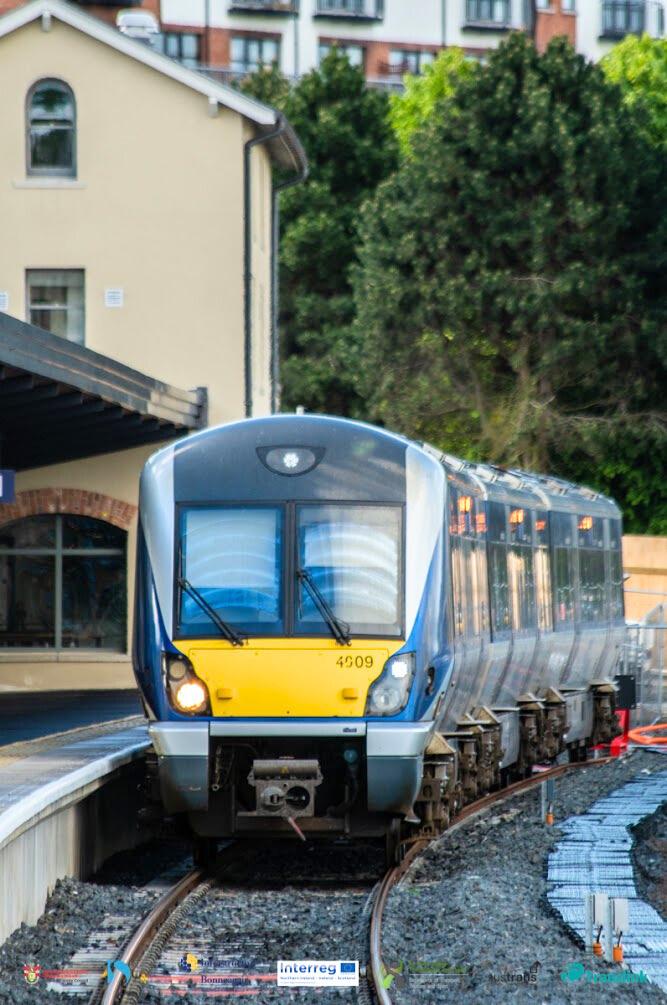
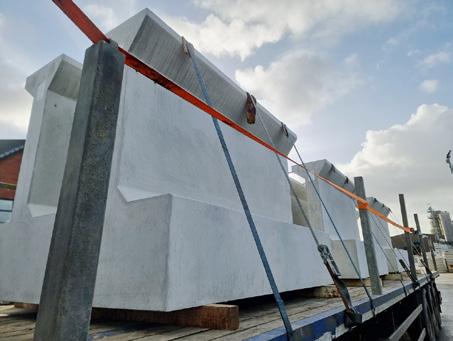
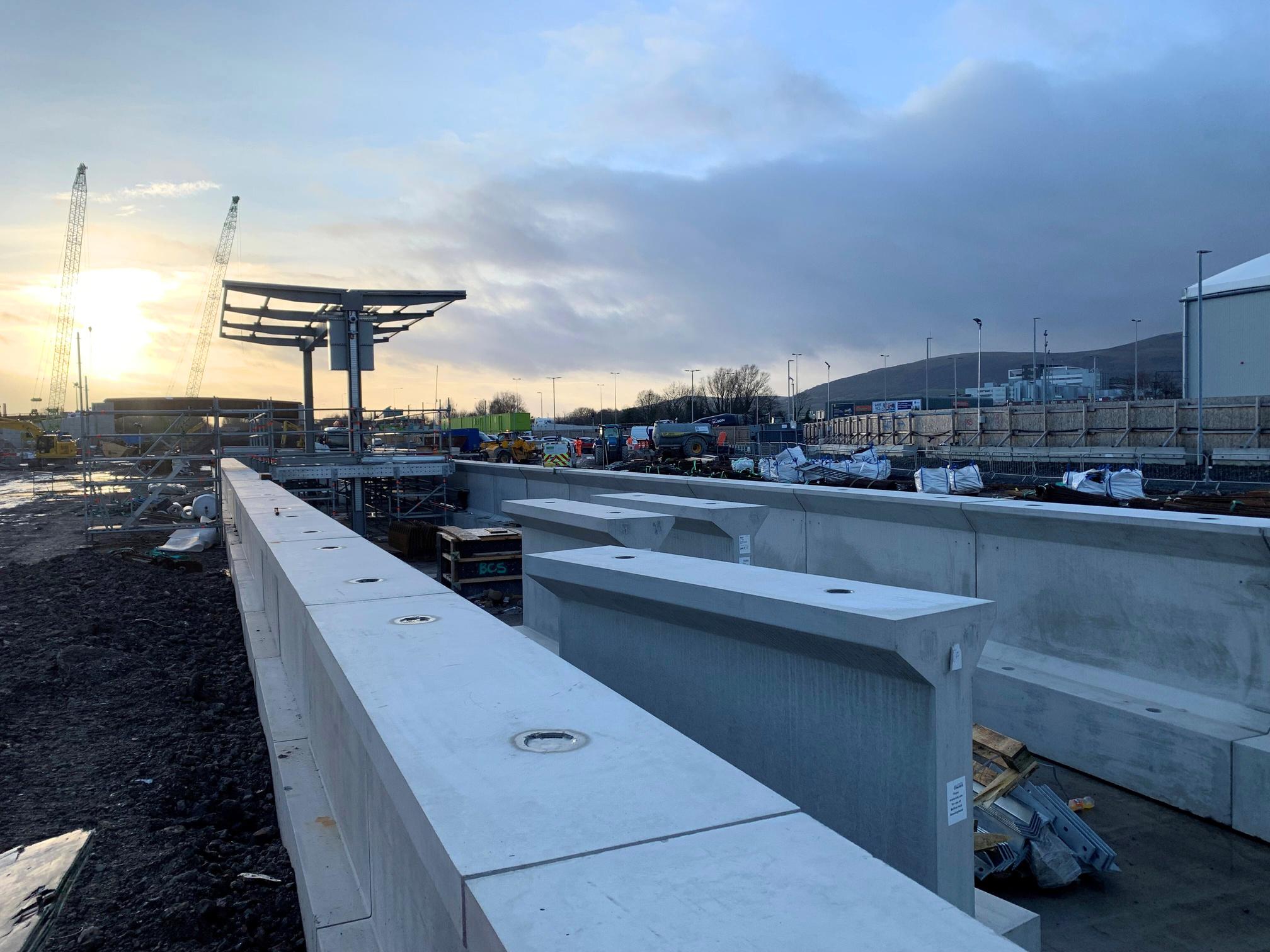
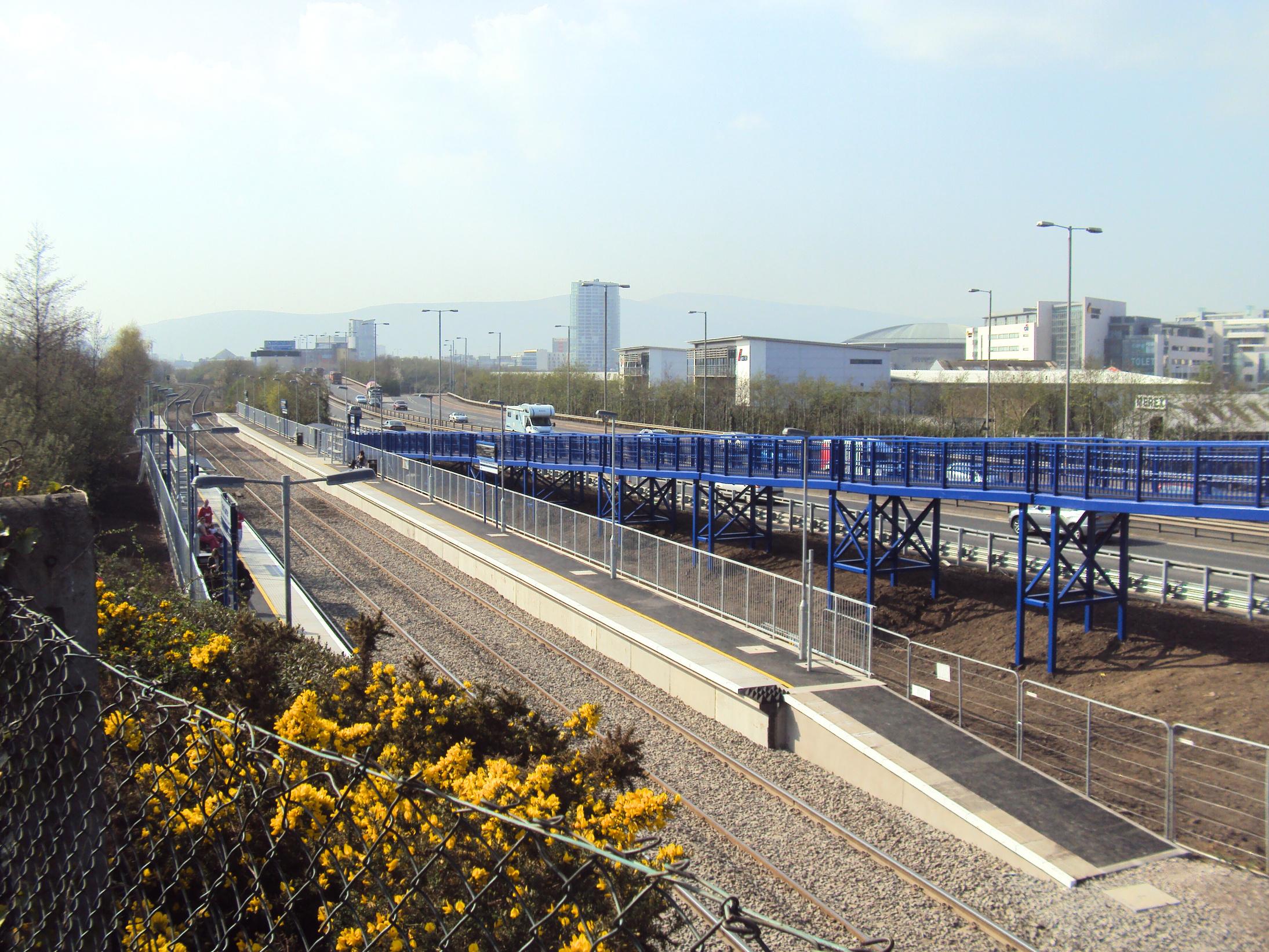

Mark Havenhand is UKIMEA Rail Planning Lead at Arup
Why Easier Refunds Must Mark the Start of a Deeper Shift in Rail Culture
Mark Havenhand, UKIMEA Rail Planning Lead at Arup, argues that simplified compensation is just the starting point for a more fundamental shift in how Britain's reformed railway serves its passengers
Britain’s railways are in the midst of the most significant reorganisation since their privatisation. Train Operating Companies are transitioning into public ownership under the Department for Transport Operator (DfTO), ahead of their consolidation into Great British Railways (GBR).
One change which has already been announced is the simplification of compensation claims for travellers, a welcome step towards a more passengerfocused railway. For travellers, delays and cancellations are frustrating enough without having to navigate a complex and inconsistent refund process. Modernising this experience is an important signal of intent as we reform our rail system.
However, the real, once-in-a-generation opportunity lies beyond compensation itself: a simplified refund experience should, instead, be seen as the catalyst for a broader shift in how the railway understands and delivers for its customers. As passenger rail usage remains below pre-pandemic levels, customer experience is not a ‘nice to have’, but central to rebuilding trust and improving the industry’s financial sustainability.
‘Culture is not created through process alone, but it is shaped through clear expectations and visible leadership that reinforce the right behaviours’
Focusing on what customers value most
Customer surveys have consistently shown that passengers prioritise value for money, journey reliability and service frequency when it comes to the quality of the rail service. While this is not, in itself, new, the fact that these elements now sit together within the DfTO’s sphere of influence is.
With these outcomes more directly within the control of a single, integrated system, this creates a system-wide understanding upon which decisions can be based. Simplifying ticketing, improving performance and running services, more efficiently are not isolated challenges, but interconnected parts of the same customer experience.
Equally important is how the railway responds when things go wrong. Delays and cancellations are inevitable in a complex system. What matters is how effectively information is shared, both through technology and frontline staff, and how well passengers are supported in completing their journeys. A railway that has better oversight of the full journey, from home to destination, will be better placed to build trust and encourage more people to travel via rail.
Embedding guiding minds across the system
Delivering a consistently positive customer experience across the rail network depends on decision making at every level of the organisation. Every operational choice, particularly during disruption, has consequences for passengers. This is where the guiding minds across the workforce become critical. Individuals who understand and have oversight of the wider system can make decisions in the best interests of passengers, helping minimise disruption and manage its impact.
The integrated leadership models which are now emerging across the network provide a strong foundation for this approach. They enable more coordinated responses to incidents and help ensure decisions reflect the needs of the network as a whole, rather than individual parts. The Anglia Integrated Railway provides one example of this integrated approach, bringing together Network Rail Anglia with the nationalised c2c and Greater Anglia operators.
Creating a performance-based culture
In the absence of traditional contractual incentives and shareholders, usually provided by privatisation, the role of a strong performance-based culture aligned with customer priorities becomes even more significant. Reliability, frequency and value for money must be more than stated ambitions: they need to be embedded as the measures that guide behaviour across the organisation.
This requires clear direction from leadership, alongside a deep understanding of how organisations and people respond to change. Culture is not created through process alone, but it is shaped through clear expectations and visible leadership that reinforce the right behaviours.
Targeted leadership development can play an important role. For example, Arup’s customer operations leadership training for London Underground led to a 30 per
cent rise in employee engagement survey scores and a twelve per cent increase in the proportion of leaders rated in top performance bands. This demonstrates how strengthening leadership capability can drive measurable improvements, and when leaders are equipped to prioritise customer outcomes, that focus carries through into day-to-day decision making.
Empowering staff to act for passengers
While leadership sets the direction, it is frontline staff who define the customer experience in practice. Their ability to respond quickly, accurately and confidently is essential, particularly during disruption. Creating the conditions for this depends on organisational design, clear incentives and a shared sense of purpose centred on customer satisfaction. When that foundation is in place, tools and technology become powerful enablers.
For example, joined-up information
Taking a long-term view of reform
Rail reform provides a rare opportunity to embed long-term thinking across the industry. Under previous structures, shortterm contracts often limited the ability to plan for the future. With rail reform, decisions being made now, whether on




‘With rail reform, decisions being made now, whether on rolling stock or workforce development, will shape the network for decades’
rolling stock or workforce development, will shape the network for decades.
A more stable and integrated model allows for a clearer strategic direction, supported by consistent investment and planning. It also ensures the railway can respond effectively to wider public priorities, including economic growth, housing and environmental outcomes.
A clear and coherent strategy, underpinned by evidence and embedded in day-to-day decision making, will be essential to delivering these benefits.
Turning intent into experience
Making compensation easier is a positive and visible change. It addresses a longstanding frustration and signals a commitment to improving the customer experience, but the challenge is now to build on that momentum.
By focusing on what customers value, embedding a strong performance culture
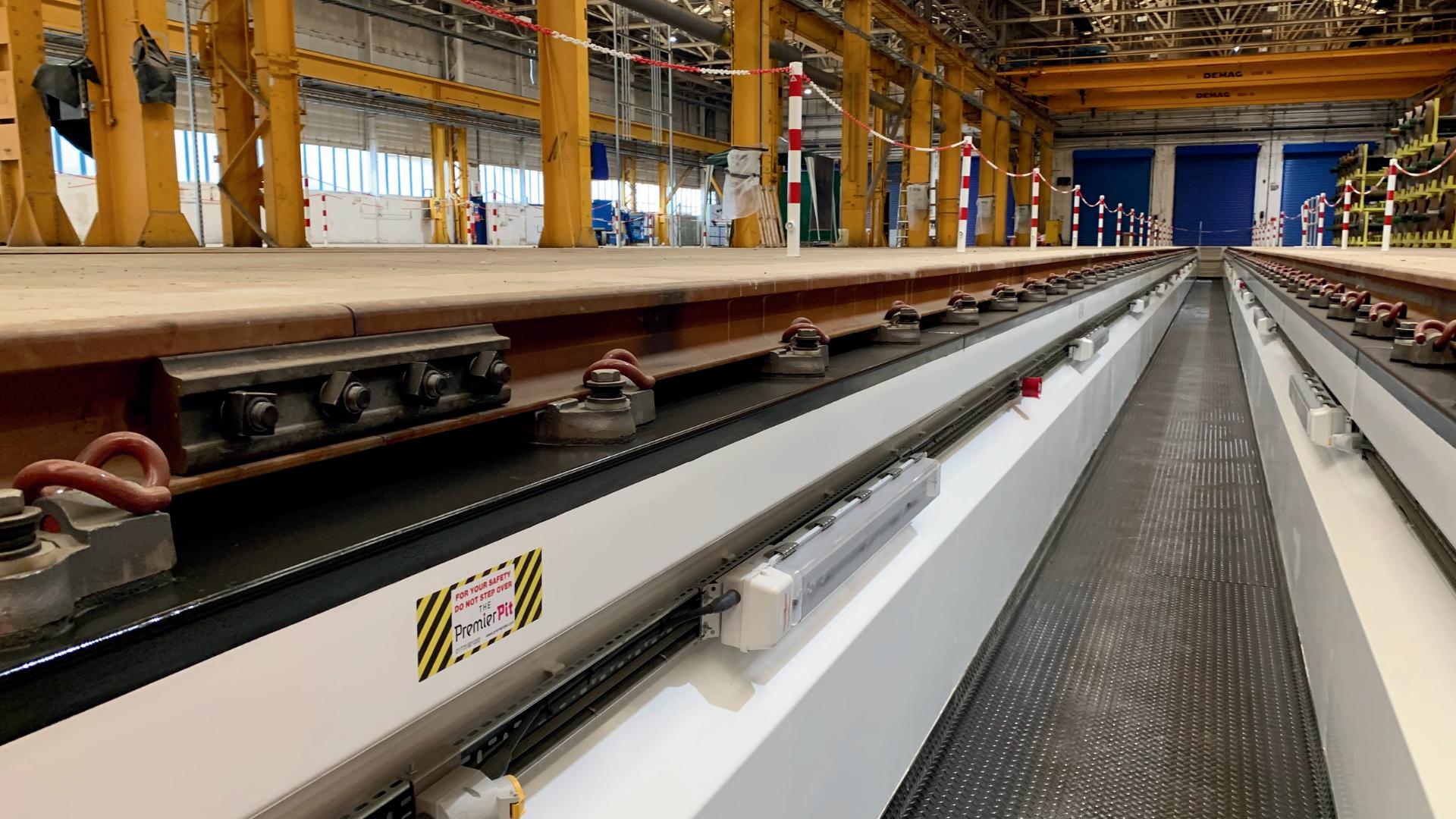


• All internal service ducts fitted prior to installation
•
• Rail attachments fitted prior to installation




Behavioural Safety Beyond the Front Line
A joint programme from the South Rail Systems Alliance and the Occupational Psychology Centre is helping teams better understand how behaviour, communication and change influence operational safety
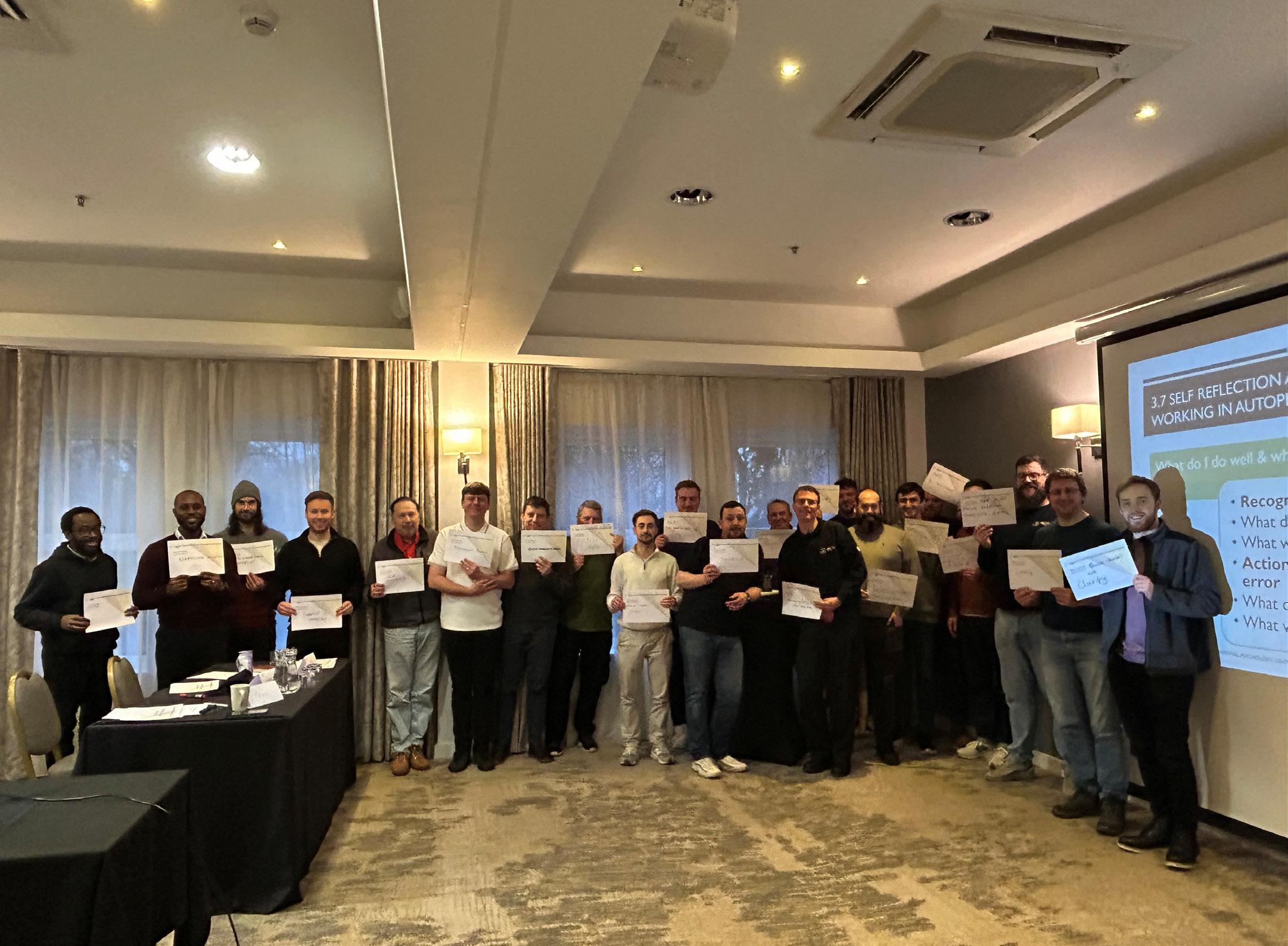
For years, behavioural safety initiatives in rail have tended to focus on the front line. Drivers, signallers, track teams and maintenance staff have often been the primary audience for discussions around human factors, Non-Technical Skills (NTS) and operational risk.
But what happens when an organisation decides that behavioural safety is not simply a frontline issue, but a whole-system challenge?
That was the challenge taken on by the South Rail Systems Alliance (SRSA), an integrated alliance between Colas Rail UK, AECOM and Network Rail, supported by psychologists from the OPC.
The result was a large-scale programme of behavioural safety workshops designed not for one operational discipline, but for a complex multi-organisation rail delivery environment, involving directors, senior leaders, project managers, designers, engineers, supervisors and frontline operatives alike.
Joint workshop – York team delegates Image Credit South Rail Systems Alliance (SRSA)
At the centre of the programme was a growing recognition that modern rail risk is not shaped only by major hazards. Smaller operational changes, psychological pressures and the cumulative impact of routine adaptations can also gradually influence safety performance over time.
For the SRSA, that challenge is amplified by the complexity of alliance working, where infrastructure delivery relies on close collaboration between multiple organisations, suppliers and disciplines.
Nick Matthews, Head of Transformation at the SRSA, explains: ‘We wanted people to recognise that safety is not static. Conditions change constantly in our business: Locations move, worksite conditions change, plans evolve and priorities shift. We need people at every level to feel empowered to stop, reassess, challenge and speak up if something doesn’t feel right.’
Moving beyond traditional safety training
SRSA initially approached the OPC to support behavioural safety discussions within the alliance’s regular ‘boot-camp’ programme. However, early conversations quickly identified the opportunity for something much broader and more operationally focused.
Laura Hedley, Head of Consultancy and Talent Services at the OPC, who led much of the delivery work for the programme, explains: ‘The more we discussed the operational realities the alliance is dealing with, the clearer it became that this needed to be much more than a one-hour awareness session. The planning quickly shifted towards building a wider behavioural safety programme that tied psychological safety with operational change, behavioural risk and decision-making in a way that was highly relevant and practical to the railway operational environment.’
The programme was ultimately delivered across more than 20 sessions between late 2025 and spring 2026, involving mixed groups of approximately 15–18 employees per session.
Directors sat alongside frontline operatives. Designers worked alongside supervisors. Senior leaders shared workshop space with engineers and track teams.
Unusually, the programme also extended beyond directly employed staff to include alliance partners, suppliers and contingent labour, reinforcing the principle that behavioural safety expectations applied consistently across the wider delivery environment.
David Anderson, Competence Manager – Colas Rail – SRSA says: ‘It was important that everyone heard the same message, regardless of role, employer or seniority. Whether somebody was a track operative, a designer, a surveyor or a contract director, they all have an influence on safety outcomes.’
A central aim of the programme was creating a shared behavioural safety culture
‘The workshops reinforced that behavioural safety is not separate from operational delivery. It is part of it. In complex operational environments where plans, conditions and pressures constantly change, helping people recognise how those changes can quietly influence behaviour and decision-making is incredibly important.’
Laura Hedley Occupational Psychologist, the OPC
across the alliance, rather than treating safety as a frontline-only responsibility.
Nick Matthews explains: ‘We wanted to build on the strong safety cultures already established within the SRSA’s parent organisations, while creating a genuinely alliance-wide approach shared by everyone working across SRSA.’
David Anderson added: ‘The workshop mix was very deliberate. Bringing different disciplines and seniority levels together helped break down traditional hierarchy barriers and created far greater understanding of how decisions and pressures flow across different parts of the delivery environment. It created real permission for people to challenge unsafe practices and reinforced that safety is shaped long before anyone arrives on site, with decisions made throughout the delivery chain ultimately influencing the safety of people working trackside.’
Why change became a central theme
One of the most distinctive elements of the programme was its focus on change.
Rather than treating risk as something static or linked only to major operational hazards, the workshops explored how everyday changes, particularly small or cumulative changes, can influence safety performance over time.
This reflected a challenge the SRSA believed was increasingly relevant across projects, where teams frequently adapt to changing site conditions, revised schedules, altered work arrangements or modified designs.
Importantly, the programme did not suggest that railway teams fail to manage change appropriately. Dynamic risk assessments are already a well-established part of railway operations, and teams routinely reassess work when plans or conditions alter.
However, drawing on learning from Post-Incident Assessments (PIAs) across the industry, the OPC understands that when changes occur, focus can naturally shift towards technical delivery considerations such as possessions, tooling, sequencing or communications. The workshops therefore encouraged participants to also consider the behavioural and psychological impact of change, particularly how factors such as pressure, assumptions, familiarity or overconfidence can influence the way people recognise, or importantly fail to recognise, changing risk.
Iffath Ahmed, Lead Business Psychologist at the OPC, who delivered several of the workshops, explains: ‘In rail, people deal with operational change all the time. A big part of the workshops was about translating psychological and behavioural concepts into practical operational situations that people immediately recognised in their own work environments. It wasn’t about telling people how to work safely. It was about helping people recognise how routine, pressure and assumptions can quietly influence safety decisions when conditions change.’
The workshops also explored how multiple small changes, particularly in fast-moving operational environments, can gradually increase exposure to risk over time. Where continual adaptation becomes routine and no immediate negative outcome or incident occurs, those subtle shifts in behaviour can slowly move organisations away from original safe systems towards what simply becomes accepted as ‘normal’. This concept is known as ‘normalisation of deviance’.
Laura explains: ‘You unintentionally do something differently to the normal way of working once, then again and again, until eventually that small change becomes invisible. Organisationally and psychologically, people stop noticing the risk because the behaviour has become normalised. The important thing is recognising when to stop and consciously reassess the situation again.’
Understanding risk differently
The programme also reinforced that behavioural safety applies far earlier in the project lifecycle than many people assume. Discussions highlighted how planning decisions, design activity, surveying arrangements and operational pressures can all influence frontline safety performance later during delivery.
Nick Matthews shared: ‘Good safety starts long before anybody goes trackside. Designers, planners and surveyors all influence the environment people eventually work in. We wanted to reinforce that
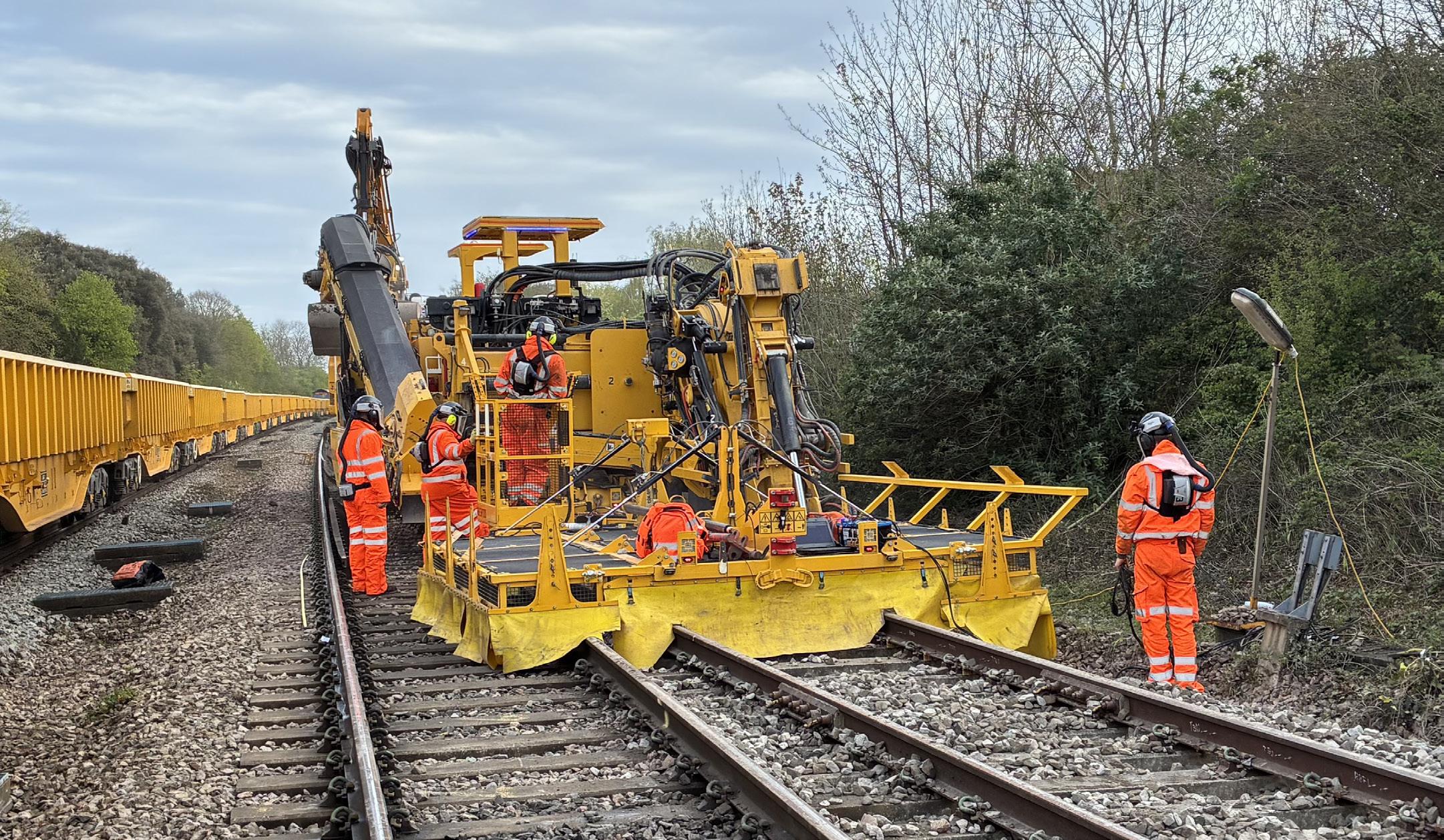
no deadline or delivery pressure should compromise safe decision-making at any stage.’
The workshops encouraged participants to think more intentionally about how behaviour, decision-making and operational pressures can influence safety performance.
Laura continued: ‘Most people already do many of these things well. The focus was about becoming more conscious and intentional in how they reassess situations, and for them to understand why those behaviours matter.’
Psychological safety and speaking up Psychological safety formed another major component of the programme. Workshop discussions reflected a familiar dynamic across many safety-critical industries: while employees generally felt comfortable questioning peers or raising operational concerns, confidence was sometimes lower when concerns involved more senior colleagues. The programme therefore placed strong emphasis on ensuring employees felt empowered to stop work, challenge unsafe decisions and speak up when conditions changed.
Will Bryant, Operations Director at Colas Rail – SRSA, says: ‘The real test comes on a Sunday night when pressure is building, and everyone wants the railway handed back on time. That’s when the teams need to know they genuinely have the backing of senior leadership to stop, reassess and say: ‘I’m free to be safe.’
Senior leaders participated in the same workshops as operational staff, helping
reinforce that behavioural safety and communication expectations applied across all levels of the alliance.
Laura continued: ‘If you only target the frontline, people can sometimes feel like safety is being positioned as their responsibility alone. Involving senior colleagues in the same discussions reinforced that everybody has a role to play in shaping SRSA’s safety culture.’
Feedback from the programme has been very positive
According to the OPC’s evaluation data, 91 per cent of participants rated the workshops as good, very good or excellent, and 91 per cent agreed the sessions would help further improve workforce safety.
‘What stood out with SRSA was the openness across the alliance to bring together crossfunctional teams and suppliers to have honest conversations about operational reality. That shared ownership and openness to challenge is what helps strengthen safety culture over time.’
Laura Hedley Occupational Psychologist, the OPC
Participants described the workshops as informative, engaging and practical, with discussions continuing beyond the sessions themselves. Steve Bodham, Rail Services Director – Readypower Group said: ‘I was grateful for the opportunity to attend the behavioural safety workshop. It was a valuable reminder of how easy it is to lose focus on certain behaviours over time; while reinforcing the positive impact we can all have through our actions and approach.’
Paul Taylor, Safety and Sustainability Director at Colas Rail UK, says: ‘SRSA is clearly setting the benchmark as we continue to evolve our safety culture. Safety can sometimes be perceived as a culture of compliance, but with these workshops fostering and expanding our ‘Free to be Safe’ messaging, our teams are empowered to speak up, challenge and stop work if they feel it is necessary to do so.
‘Accidents generally don’t occur because people don’t know the risk controls, they happen when events or routine focus our minds elsewhere. The results from this training programme shows its effectiveness, I’m delighted to see so much engagement and the key messages taken away from those who have taken part.’
A typical track renewal project being delivered. Image Credit South Rail Systems Alliance (SRSA)
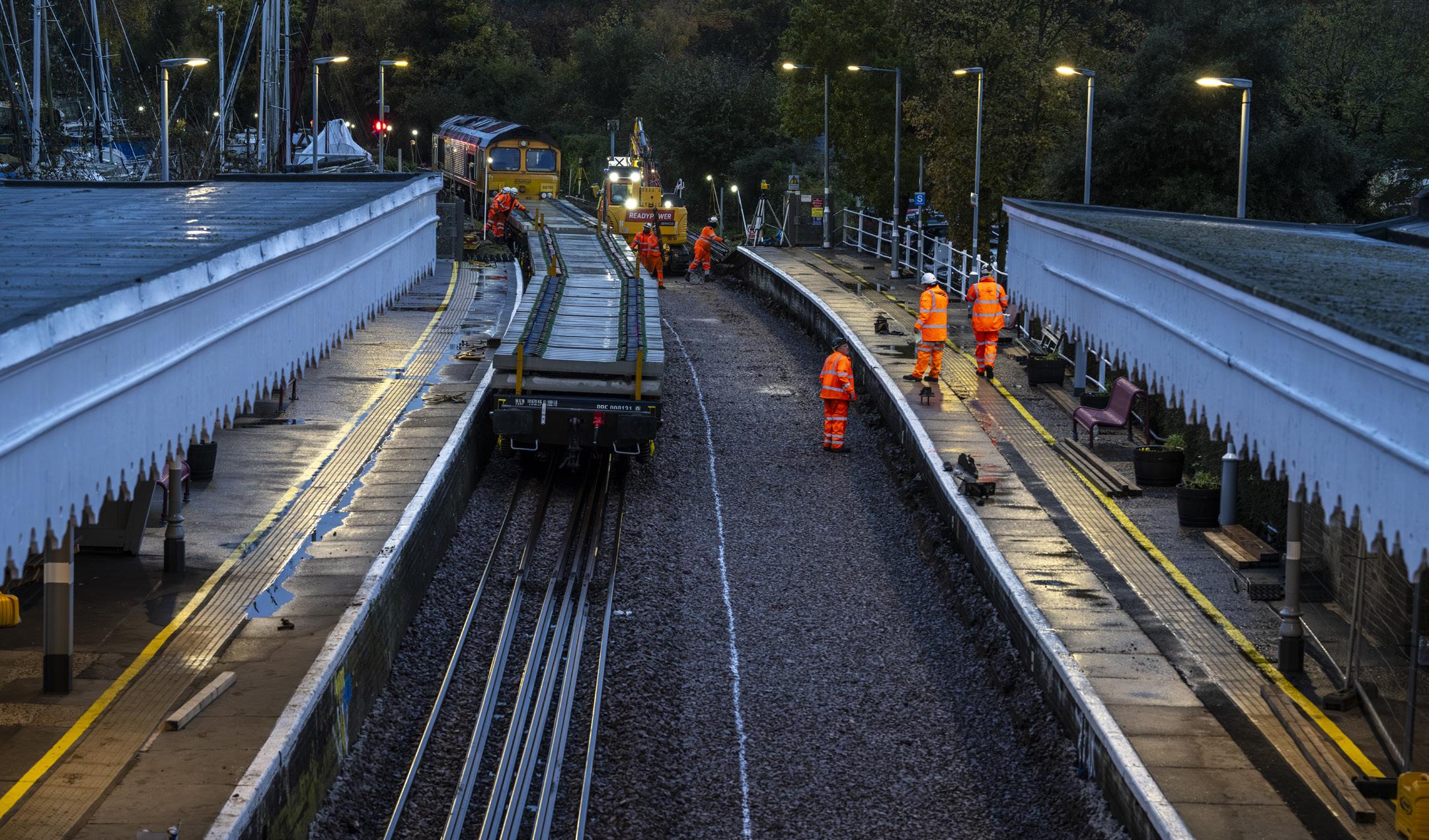
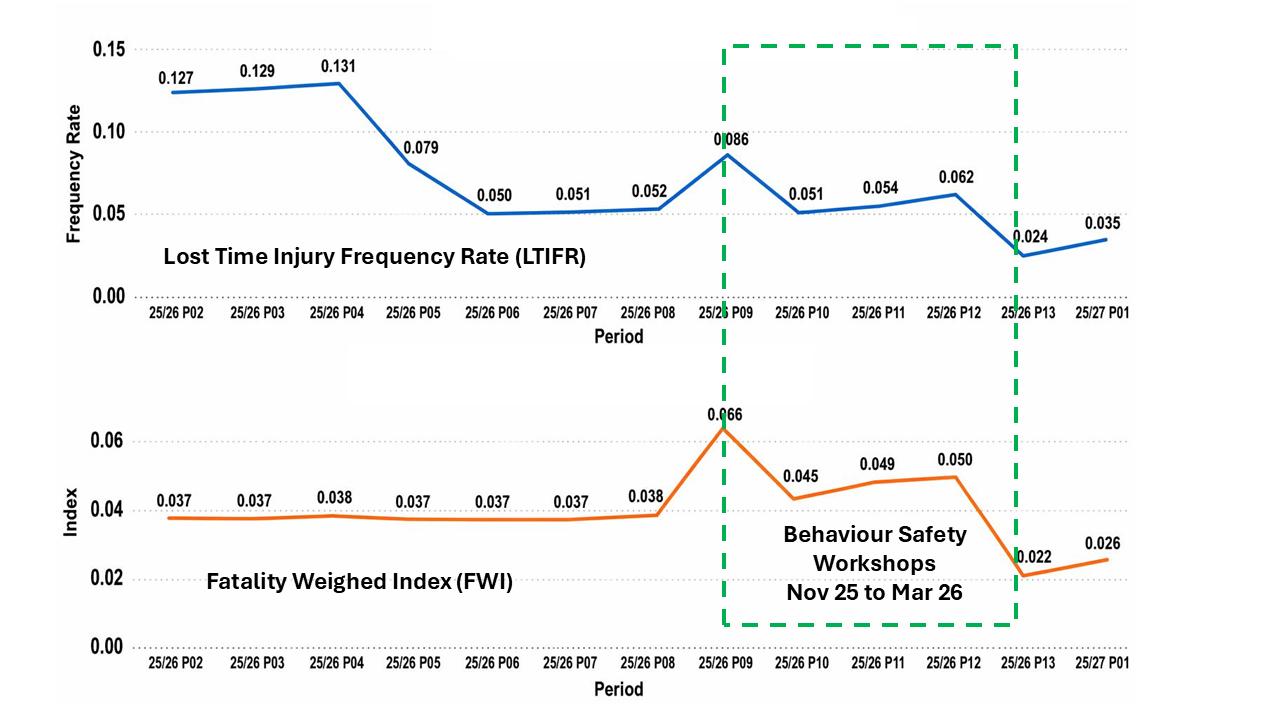
Will Bryant says: ‘While it’s still early days, we are encouraged by the initial safety performance trends and the level of engagement the programme has generated across the alliance.’
Wider organisational development
The Behavioural Safety programme has already led to further initiatives, with SRSA commissioning an additional NonTechnical Skills (NTS) programme within its signalling division. The approach will also extend beyond frontline operational roles to include wider supporting functions involved in delivery.
Nick Matthews reflects: ‘Our technical safety performance is already strong, but we recognise there was an opportunity to focus more deeply on behaviours,
decision-making and NTS. This programme reflects our commitment to continuous improvement and ensuring safety evolves alongside the complexity of modern rail delivery.’
Beyond the alliance
For the SRSA, the programme was not about replacing technical standards or operational discipline but strengthening the behavioural and cultural factors that support safe decision-making in increasingly complex delivery environments.
The workshops reinforced that behavioural safety depends not only on technical controls and procedures, but also on how effectively people recognise change, communicate openly and challenge unsafe situations together.
To find out more about behavioural safety and Non-Technical Skills programmes for complex operational environments, get in touch with the friendly team at the OPC.

Tel: 01923 234646
Email: admin@theopc.co.uk
Visit: www.theopc.co.uk



SRSA Safety Performance Trends Following the Behavioural Safety Programme
Track renewal project in a station. Image Credit South Rail Systems Alliance (SRSA)
Sophie Fleming Global Head of Trainline Business
Sophie Fleming is Global Head of Trainline Business, the corporate travel platform trusted by more than 30,000 businesses across the UK and Europe. Trainline Business provides a unified booking platform bringing together rail content, travel policies and centralised reporting in a single interface.

Sam Sherwood-Hale speaks to Sophie Fleming, Global Head of Trainline Business, about new research revealing how fragmented booking systems are quietly draining business productivity and why a single, unified platform could help employees spend less time on travel admin and more time on work that matters
SSH: Your new research finds that 63 per cent of business travellers feel overwhelmed by travel admin – a striking headline number. Did anything in the findings genuinely surprise your team, or did it largely confirm what you were already hearing from customers day to day?
SF: While the headline figure of 63 per cent – nearly two thirds – does of course stand out, it wasn’t a complete surprise. It confirms what we’re already seeing from business travellers. However, the research did help to quantify why that sense of overwhelm exists and how it manifests in day-to-day behaviour.
It also helped confirm that business travellers are spending too much time comparing options, for example, a third of respondents (33 per cent) say they routinely compare journeys across several different websites or apps before booking, while more than a fifth (22 per cent) double-check information because they don’t fully trust the systems they’re using.
Another insight that stood out was how quickly these small behaviours begin
to affect the general working day. Around 62 per cent of travellers said they spend too much time comparing options, and 58 per cent reported losing focus on their day-to-day tasks as a result. When you multiply those moments across thousands of employees, what may – on first glance –seem like a minor inconvenience actually becomes quite a sizeable productivity issue for organisations, and shows us that these hidden habits are having a major knock-on effect.
SSH: Two thirds of travellers say they'd make quicker decisions with clearer recommendations built into their booking system. That feels like a mandate for something close to AI-assisted booking. Is that where Trainline Business is heading, and how do you balance personalised guidance with the policy guardrails companies need?
SF: The data is clear. There is a real appetite for technology that simplifies the travel experience. Employees want to navigate their options efficiently, while businesses need to ensure policy compliance. At
‘63 per cent of business travellers feel overwhelmed by travel admin’
Trainline Business, we bridge this gap by unifying UK and European rail into a single, reliable interface.
What users truly want is easy access to clear information that helps them make quicker and more confident decisions. Trainline Business supports this by providing a seamless booking experience with centralised reporting, flexible workflows and visibility into spend. Travel policies can be set up smoothly in the background, so no one booking a trip needs to consult a long policy document or complete a complicated expense process.
Features such as SplitSave help deliver cost savings, while our actionable CO2 reporting empowers teams to make greener choices without adding administrative
complexity. The focus is always on giving travellers clarity and confidence, while helping businesses stay within their policy requirements.
However, we know more people are turning to AI to figure out where to go next. So, we’re showing up there too. Trainline is now live on ChatGPT for our B2C customers. You can search routes, compare options and plan your journey using natural, conversational prompts – all in one place – before then easily clicking through to Trainline to book. We’re exploring how best to bring AI functionality to our B2B customers.
SSH: The research connects simpler booking to willingness to travel, confidence to pursue growth trips and openness to new markets – but these are still fairly marginal gains, with figures clustering around 27-28 per cent. How do you make that case to a CFO who still sees travel as a cost to manage rather than a lever for growth?
SF: Every business trip should have a purpose and deliver on value. These findings aren’t advocating for more travel for the sake of it, but instead, a higher yield on travel spend. And even if the take-up figures seem modest, these are still meaningful opportunities to pursue growth, strengthen client relationships, and explore new markets. We can’t make your business meetings any better, but we can improve the overall cost in terms of time and money for arranging them. Our powerful systems allow flexibility if plans change and we believe we’re best placed to showcase to CFOs the balance of flex and value.
At the same time, business leaders are increasingly recognising the importance of face-to-face meetings in improving both client relationships and commercial outcomes. The conversation is shifting toward travel being a lever for growth rather than simply a cost to manage, with research from LinkedIn finding that three in five employees (59 per cent) would spend more with a supplier they have met face to face and nearly three in four (73 per cent) feeling more confident signing off contracts in person.
In a landscape where every trip must be a justified asset, simplifying the process acts as a filter. It empowers employees to make timely, confident decisions on trips that
‘62 per cent of business travellers spend too long comparing travel options’
‘58 per cent of business travellers say travel admin diverts focus from their dayto-day work’
might otherwise be lost due to friction-filled systems. And by transitioning to rail travel, there is the potential to further optimise spend, from lower cost per journey to higher en-route productivity.
SSH: Trainline Business is free to set up and already trusted by 30,000 businesses. If the barrier to entry is that low and the productivity gains are this tangible, what's actually stopping wider adoption?
SF: Many businesses remain tethered to legacy booking processes and are likely hesitant to change vendors for fear of disrupting their workforce. However, our research suggests the opposite. Employees are feeling a far greater impact by being forced to stick with outdated systems.
Since many workers already rely on Trainline for their own personal use, the Trainline Business interface is immediately familiar, turning a potentially complex transition into a seamless experience. For SMEs there are many decisions competing for attention, and let’s be honest travel is not always the highest priority, but our research shows that small and meaningful improvement in performance can make a real difference. With 18 million people in the UK already using Trainline for personal travel, we are in a strong position to showcase the benefits Trainline Business brings.
SSH: You've written that business travel should be less of a burden and more of a growth opportunity. Your research shows most employees still experience it as a burden. How far away are we from that actually being the norm?
SF: We are making some progress, but the final hurdle isn’t about the technology – it’s about a shift in awareness. Many business leaders underestimate the effect these hidden habits have on their workforce. Our research reveals that nearly two-thirds of business travellers waste critical time comparing options via fragmented systems, while almost 60 per cent say this disrupts focus on their day-to-day work.
By simplifying the booking experience, businesses can restore employee focus, and equip them with the confidence to make purposeful trips that strengthen relationships with clients or prospects. The infrastructure for seamless booking already
exists. However, the transition from a ‘burden’ mindset to one of ‘growth’ requires businesses to embrace the clear return on investment that a frictionless journey provides.
SSH: Do you think younger workers experience travel admin differently to older ones? Are they more frustrated by friction because they're used to consumergrade apps, or are they actually more adaptable?
SF: Naturally, different generations will view travel admin in different ways. While younger workers may be more accustomed to consumer grade apps, it’s a mistake to assume older colleagues are immune to the frustrations of legacy systems. In reality, everyone expects tools that are simple, reliable and intuitive. With 18 million people in the UK already using Trainline for personal travel, that expectation for a seamless and familiar interface is already well established across a wide range of age groups. Ultimately, businesses must ensure they adopt intuitive systems for all employees.
We’ve tried to reflect this in the simple, consistent experience we offer across both Trainline Business and Trainline. Whether an employee is booking a Trainline Business journey or a personal trip, in Manchester or Brussels, they get the same familiar, seamless interface. So, it’s not a case of different generations having differing adaptability, it is instead about ensuring the experience is simple enough that all users, regardless of age or digital confidence, can be confident that their booking journey will remain intuitive, modern and accessible.
SSH: Has hybrid working actually made business travel more complicated?
SF: Hybrid working hasn’t necessarily made business travel itself more complicated. What has changed is that there are now credible alternatives to meeting in person. With video and digital collaboration tools readily available, every trip now requires clearer justification. Employees are no longer travelling out of routine, so each in person meeting must offer something that cannot be achieved through a screen.
This shift means today’s workforce must be more agile with travel, often making decisions at short notice when priorities evolve and when an in person meeting will genuinely deliver greater value. That is why research like this is so important in helping businesses understand where face to face interaction drives the strongest outcomes, and how to keep the cost of facilitating those high value meetings as low as possible.
Modern, unified platforms make this easier by positioning rail as the flexible and convenient option for the modern professional, ensuring that when a trip is worth taking, the process of organising it is simple, fast and cost efficient.
Peter Mullett & Lee Mullett
RJC Lowloaders
RJC Lowloaders is a specialist heavy haulage and contract lifting company with over three decades of experience across construction, rail, and energy infrastructure. Founded by Ray James Crawley in 1986, the company has developed a reputation for precision installation in restricted and complex environments, operating a fleet of highreach lorry loaders alongside a proprietary gantry lift system.
‘The kit we use or have available to us helps us make the job look a lot easier than it actually is.’
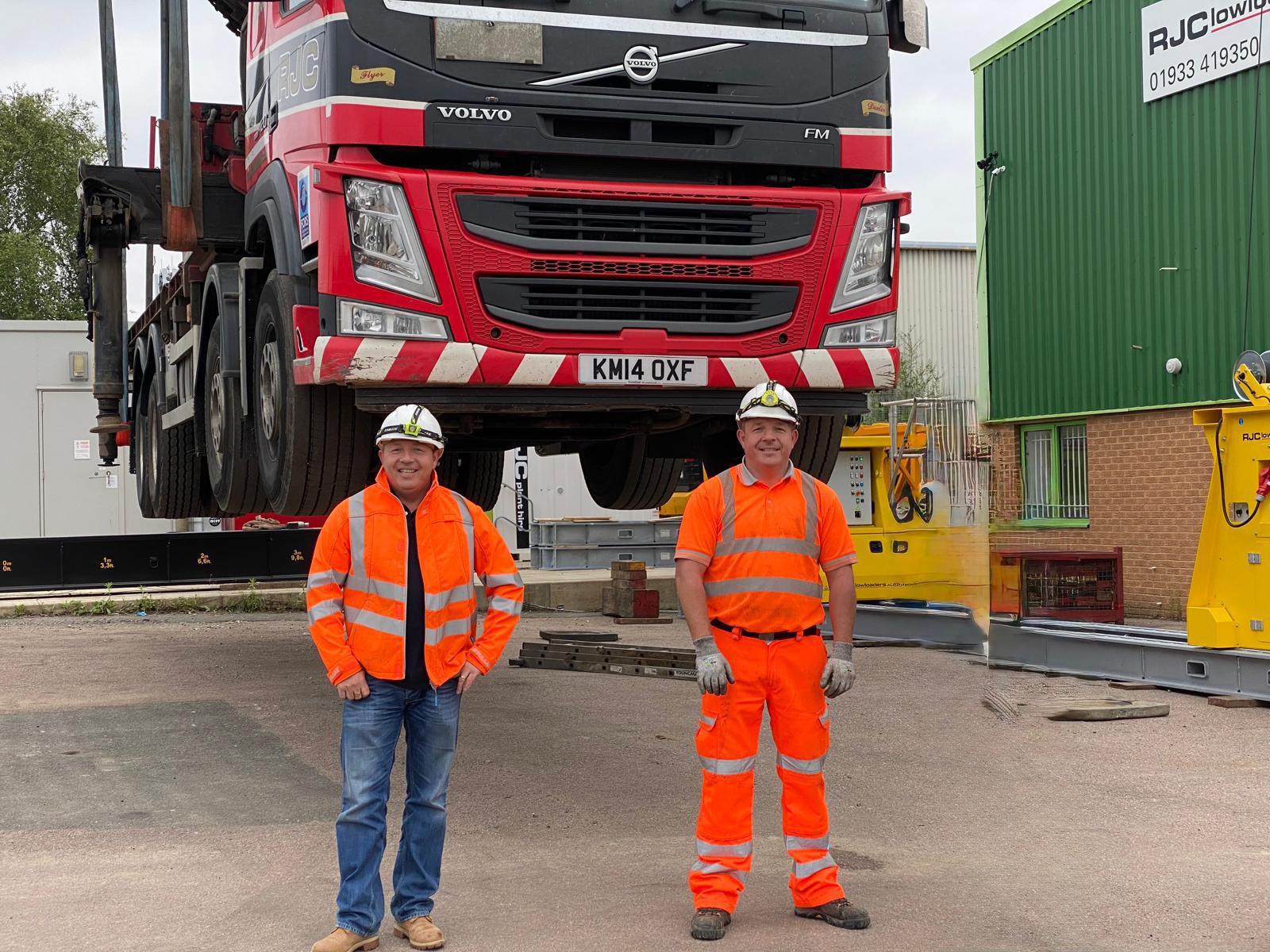
Sam Sherwood-Hale spoke to Peter and Lee Mullett of RJC Lowloaders about the specialist lifting and installation techniques that are reshaping how rail infrastructure is delivered
SSH: RJC has its roots in general construction and haulage. At what point did rail become a core part of what you do?
PM: It started more as a standalone venture running alongside our general construction work. Around 2006 we were moving construction materials and rail equipment for some of the key suppliers to Network Rail, we started doing more and more weekend work. From there we got involved with REB and PSP deliveries and some installations with our fleet of Lorry Loaders.
We had an engineering team that used to go out skidding machines in factories, and I thought, I wonder if we could apply that
same principle on the railway in locations where there was OLE (Overhead Line Equipment) and you couldn't physically get a crane to lift a unit from an RRV (Road Rail Vehicle) trailer to its final position, we came up with the idea of setting up aluminium beams, jacking the unit up, and skating it into position before jacking it back down. It was an old-school technique, but one that hadn't really been used on the railway for these types of installations. That was our starting point. We began installing REBs and started working for some of the main signalling companies like Siemens, Atkins, SSL, Volkers, and then some of the manufacturers started enquiring about our services.
SSH: That skating technique had fallen somewhat out of use. Why do you think that was?
PM: I don’t think there was anyone else who was using the same technique on track and the designers tended to put the REBs in locations where perhaps RRVs or RRCs (Road Rail Crane) could land them dependant on whether they wanted to slew the OLE or not, it was simply easier to get on site, load the REB onto an RRV trailer, and lift it from A to B. But in some remote or restricted locations – where you can't get a crane in because of the overhead lines or the available reach – we give companies the option to jack and skate the unit into
position. The advantage is that it gives designers more flexibility about where a unit is sited, and crucially, you don't need to interfere the OLE, which in some areas can have its advantages.
SSH: You've spoken before about ‘leadership on the ground’. Is that principle embodied in the way you approach these jobs?
LM: I would say so yes, every site visit is approached on its own merit. Nine times out of ten when I arrive on site there is already some kind of an idea of how site would like the delivery or installation to go due to certain constraints either within the local area or around site and together we ensure that the final outcome is a safe and timely delivery or installation, I'm often asked by signalling or power companies how we got into this work and what started it all off. My honest answer is that we work alongside whichever company it is we are working for and accommodate their needs as best we can with the constraints they have upon them, and I think this works well, a real team effort from start to finish. As everyone is aware of, Network Rail access points can be very restrictive and some of the kit we use or have available to us helps us make the job look a lot easier than it actually is whether it be jacking, skating, lifting or just accessing site.
PM: We're often told it's like a military operation. We have a dedicated core team of guys that are used to working in some of the changing situations that we encounter, and all bring some kind of skill to the table to ensure that the job is completed safely and with the time frame allocated due to possession or access issues etc. Everyone
on the team holds a PTS (Personal Track Safety), so they understand exactly what they can and can't do on the infrastructure.
SSH: Does it surprise you about the level of organisation?
PM: I think it's just the way we're wired. Everything has to be right. Lee's particular about precision – I think that that’s what people like to see, the finer detail, whether it be full PPE when working on site or the guys just getting on with the task at hand, with the professional approach they all have, they are a credit to the company and always go that extra mile to ensure that we all go home safe at the end of every day.
LM: The gantry lift system has proved a great success for some of the bigger installations that we do, and people get nervous if they haven’t seen it in action before. You'll sometimes have a group of people wanting to watch or video the offloading. It is something that not a lot of people within the rail sector have seen before, so inherently can be a bit sceptical until they have seen it in action, and in some cases now has proved to be the preferred method of installation, due to being able to work ALO (Adjacent Line Open) and not requiring a possession, also daytime working makes things better for everyone.
SSH: You've mentioned the issue with cranes and possession windows. Can you explain how your approach changes that?
PM: Just to reiterate really what Lee has already spoken about, with our Gantry Lift System and slew restrictors on our Lorry Loaders enables us to work outside of possession windows, it doesn’t suit
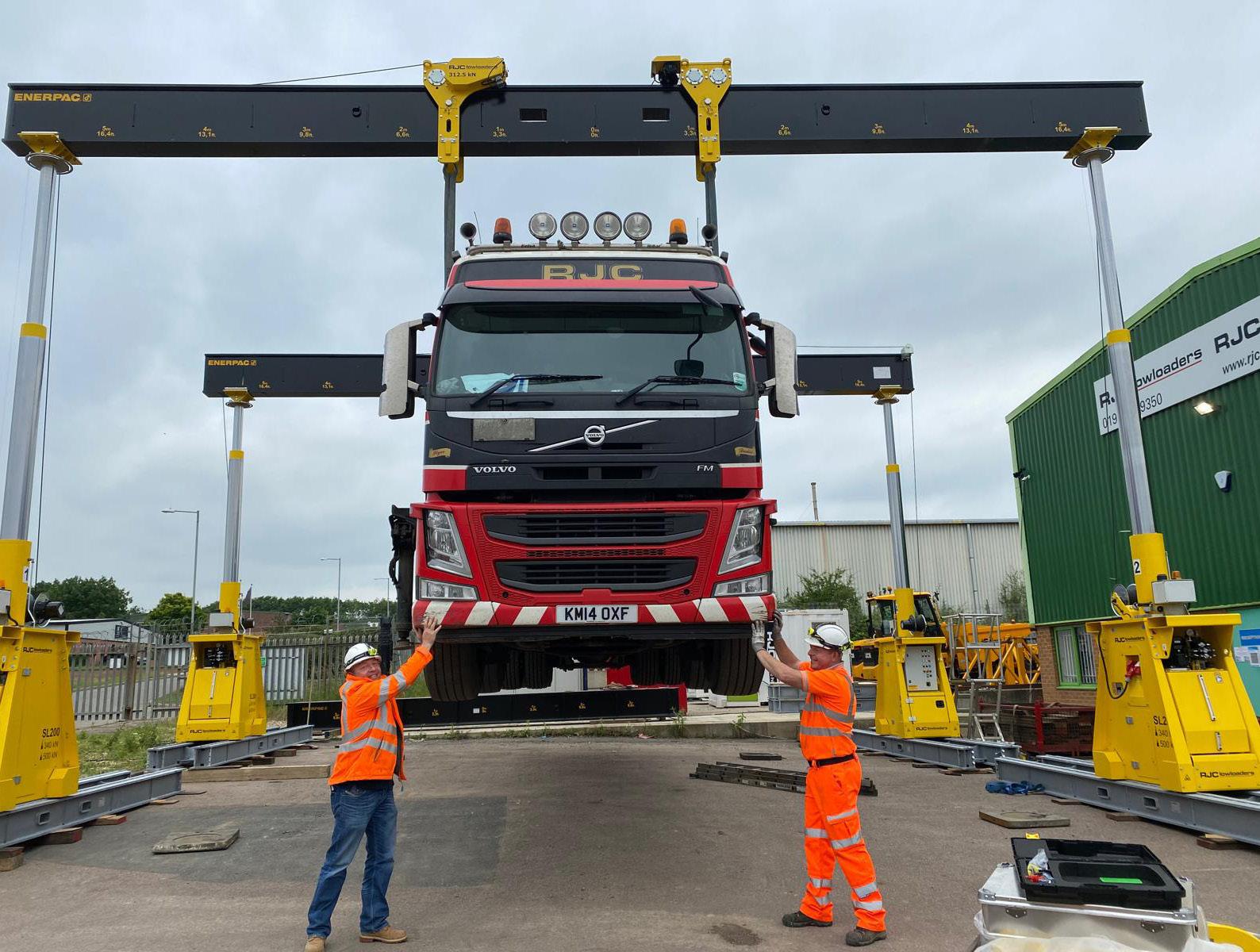
every scenario, but certainly helps and that's a significant benefit. Possessions are expensive, and everybody wants to use them for critical works and upgrades. We can take our piece of the project off that list entirely.
LM: We've been in situations in the past where we have set the crane up, waited for the possession, and on queue, no sooner has it been granted than the wind picks up and stops the lift, it can be an expensive cost to pass on if the installation doesn’t go ahead and has to be repeated the following week.
SSH: Is that sort of weather cancellation more common than people realise?
LM: No, not really, we tend to monitor the forecast in the days leading up to the lift, keep the client fully informed about the risk, and give them the option of whether to proceed or stand down. If we have to cancel within twenty-four hours due to weather, nine times out of ten the client doesn't get charged for it dependant on the size of crane, that's the working relationship we've built with companies like Baldwins and Kings. They give us a grace period, and we pass that on to them. It works well for everyone.
SSH: You work across heavy haulage, contract lifting, plant hire, and installation. Do projects often start as one thing and expand into something more?
PM: Regularly, we go in to do one thing, then it tends to lead on to other things due to people liking our can-do approach and taking away the need for them to be concerned of who they are employing to do the high risk lifting activities using our Lorry Loaders, it works well in all fields and a credit to the guys we employ and we end up being a one stop shop which again people like.
LM: It’s nice to see people moving on from company to company, asking us to get on board with them and support them in their new position, that has proved to be a great success and a testament to our work ethic and can-do attitude.
SSH: You’ve also expanded beyond rail altogether. Can you tell us about that?
LM: Battery farms have become another area for us. Some of the people we know from the rail sector are now moving into energy infrastructure as the signalling and power programme has quietened down with the budget cuts. They're working on energy storage installing containerised batteries, if they have a particular issue they will call us in to see whether what we do translates. And it does. We've started installing battery units in fields which poses similar challenges around access, ground loading, and restricted lifting heights and it's working well.
SSH: What's the outlook in terms of major upcoming projects?
PM: Irish Rail is one we're genuinely excited about. We've just had the order confirmed for four PSPs going into Cork, working through Kent PHK and Alstom. The units are manufactured in Mansfield and we're delivering them from there to the Republic of Ireland. Irish Rail had never seen our lift system before but we had used it on other projects for both Kent PHK and Alstom and given the limited possession windows they have over there. When we showed them what we could do working alongside live infrastructure during the day, they were very receptive.
East West Rail is another one we're keen to get on. We did phases one and two, phase one with Siemens and phase two with Atkins at Bletchley. The next phase, through Bedford to Cambridge, is coming, and we're hoping to get involved given what we've seen on LinkedIn. HS2 is another, as with everyone else let’s wait and see what comes.
SSH: How do you manage growth while keeping standards consistent?
PM: We're very deliberate about not overstretching, and if we were approached and had other commitments our clients tend to accommodate us if there is a risk of an overlap. The clients we're already committed to need to know we're available for them. If we take on too much, it's not us that suffers, it's them.
LM: We have a dedicated team of likeminded people who are handpicked and enjoy some of the challenges that are placed upon us and each of them brings something specific to the job. We invest in bringing people through – giving them the opportunity to work alongside the more experienced members of the team and bring out the best of their ability. Some of them come from the general haulage side of the business, they choose to come and do this work because they enjoy the day to day challenges it offers and the not knowing what jobs next, a bit of an addiction.
PM: It's a proper family operation. There's no hierarchy. Everyone eats at the same table, everyone does the job, and everyone understands their role. We've had people with us for twenty years. The camaraderie between the team is real, they've got a WhatsApp group, they're away together at weekends. It's not just a job for them either.
SSH: Where do you think that culture comes from?
PM: Ray James Crawley, whose initials the company carries (RJC), started the business up in 1986, Lee and I at the ages of 17 and 16 used go with the drivers Ray included on abnormal loads doing second man work, so I would say the work ethic came from there
at an early age. The guidance and support we receive from Ray on a daily basis is priceless, you can’t buy the experience that he offers us, we've grown up with the idea that you should do something you enjoy and this is where we are today.
SSH: With the railways moving toward public ownership, how do you see that affecting the kind of work you do?
PM: Honestly, I think it matters less at our end of the supply chain than people might assume. They're still going to need all the companies and people who build and install the key railway infrastructure. The work still needs to happen. What I do think is that there hasn't been much about at the moment and CP7 is testing everyone – everybody's pricing for the same jobs, costs are up – but I'd hope the next phase of investment kicks in before long. East West Rail, HS2, the Midlands, the significant projects are there and there is a lot on the horizon. It's just a question of timing.
SSH: What skills do people need to come and work for you, and what do you have to give them once they're here?
PM: Everyone needs to hold an HGV licence and have lorry loader operating experience. We don't take people on with no experience due to the nature of our works, we want people who've got the right work ethic, this is really to ensure that this is the career that they feel is right for them, we do get enquirers from people wanting to come to us, and we'll tell them we'll give them a shout when there's an opportunity. For the rail work specifically, everyone generally starts off with a TVP and then goes onto PTS and whatever additional training the role requires. The key thing we look for beyond the licences is temperament. They need to understand that this is precise, physical work, it's not standing behind a remote control. If they've got the right approach, we'll bring them along.
LM: The guys that work well with us tend to be the ones who understand that every person on site has a job to do and that everyone needs to do their bit. I always say to whoever we're working for or alongside: if you do your bit, we'll do ours, and we'll all walk away congratulating each other on a successful outcome, but if one part fails, we could all fail. That's the mindset we bring to every job.
SSH: You mentioned earlier that you sometimes turn up and people doubt whether you can actually get into a site. How do you handle that?
PM: We always say trust the process. You pull up and someone on site says: ‘You're never going to get down there.’ And Lee or I will say: ‘Leave us to do our job.’ By the time we're on site after the initial site visit, we've
already confirmed it's achievable by either getting a complete survey done of the area by bringing AJMS Consultants or something as simple as a swept analysis just to give the client the confidence that we can do what we’re saying we can do.
LM: The Kent PHK Medge Hall PSP is a good example. We were 90 per cent sure we could achieve it, but we wanted to be 100 per cent. So after a survey by AJMS and a swept path analysis, both of which looked very tight, we suggested a dry run with an empty trailer before committing to the install. The trailer made the base with no issues; it was very tight, but it gave us the confidence we needed to proceed. And a pleasure it was to see it in position.
PM: That's actually one of the things I find most rewarding. You turn up, there are doubters, you set up, you do the job, and at the end of it you get that handshake and the words: ‘We can't believe how well that went. We should have come to you in the first place.’ That's what we work for. The gratification at the end knowing that’s another one to tick off and the confidence of the client at the end of the job.
SSH: Is there any piece of equipment that doesn't yet exist that you think would help you?
LM: You've always got to keep moving forward and looking for the next thing. We already had three gantry lift systems, but none of them had the side shifts on them, so we invested in a new one, (which was a massive gamble), with the added side shifts. It gives us more flexibility that we are able to pass on to the client – before that, we were working without them. The system itself was originally designed for factory environments, but we've adapted how we use it to accommodate the rail infrastructure work. We've found our niche, and we keep developing within it. There are other companies that have lift systems, but I don't think any of them are as embedded in this specific type of work as we are.
PM: The investment side of it is genuinely significant. A well spec-lorry loader can cost close to half a million pounds. The lift system itself was a similar investment. You're buying capability and hoping the work comes – there's no long-term contract underpinning it. But the investment has paid off, and the combination of the highreach fleet and the lift system is what allows us to do things that others simply can't. Without one, the other is less effective.
SSH: Finally, for any project manager reading this who hasn't worked with you before, what's the best way to get in touch?
PM: Email us with your enquiry and we'll take it from there, if we can help we will, if not we can point you in the right direction.

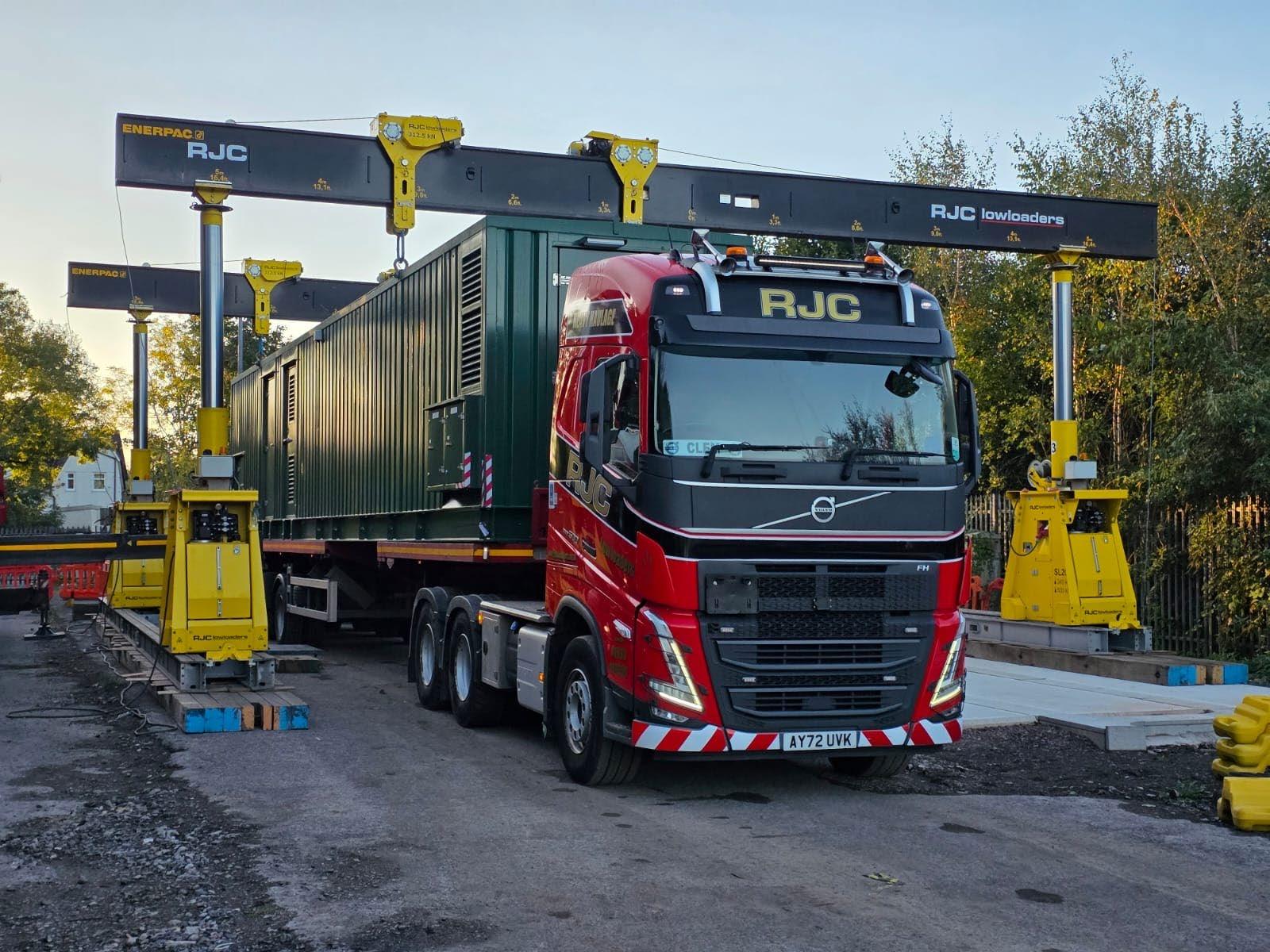
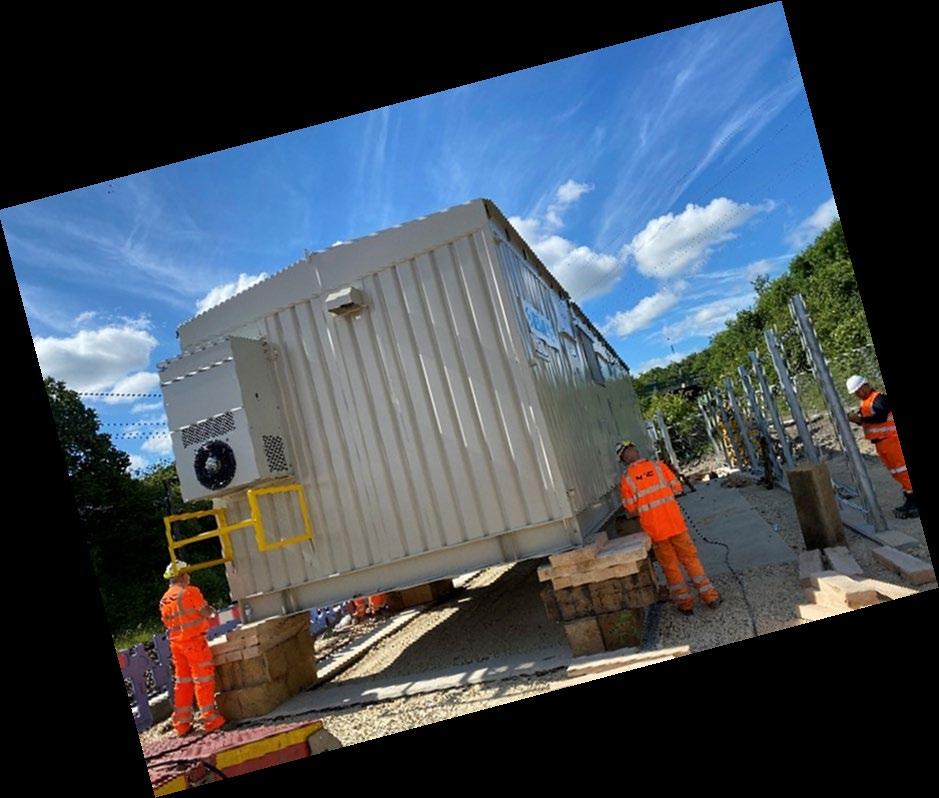
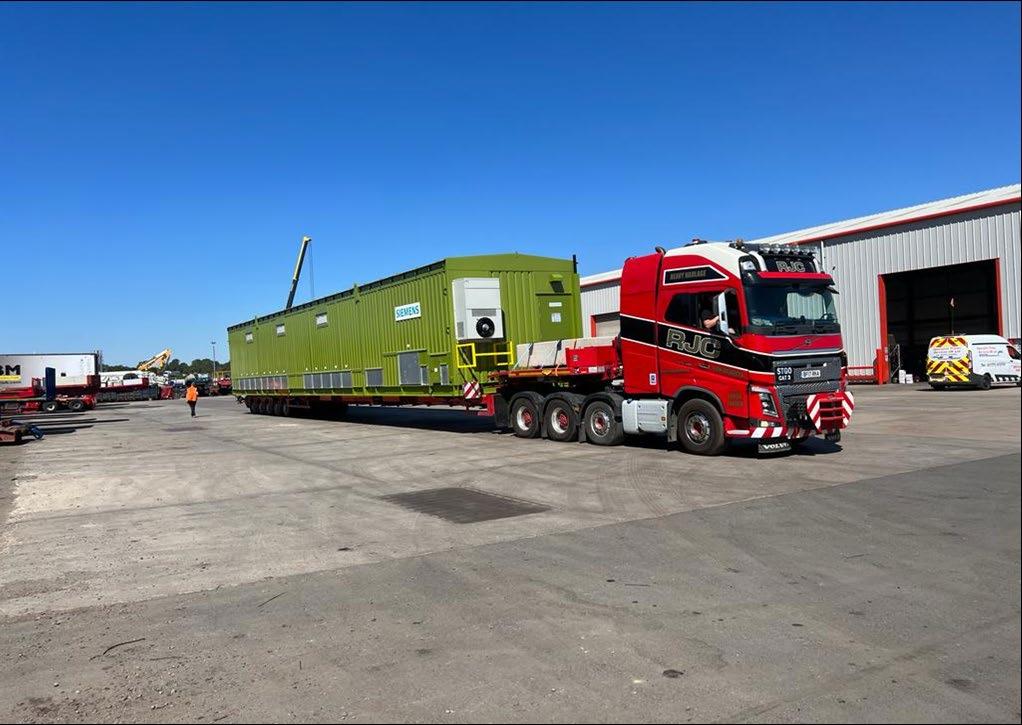
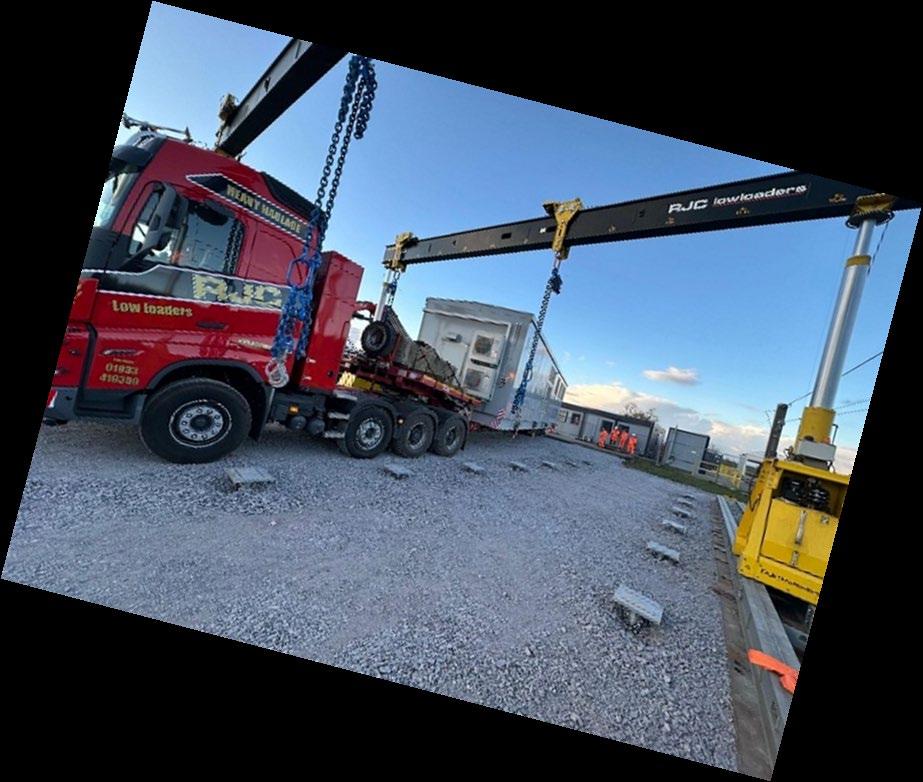
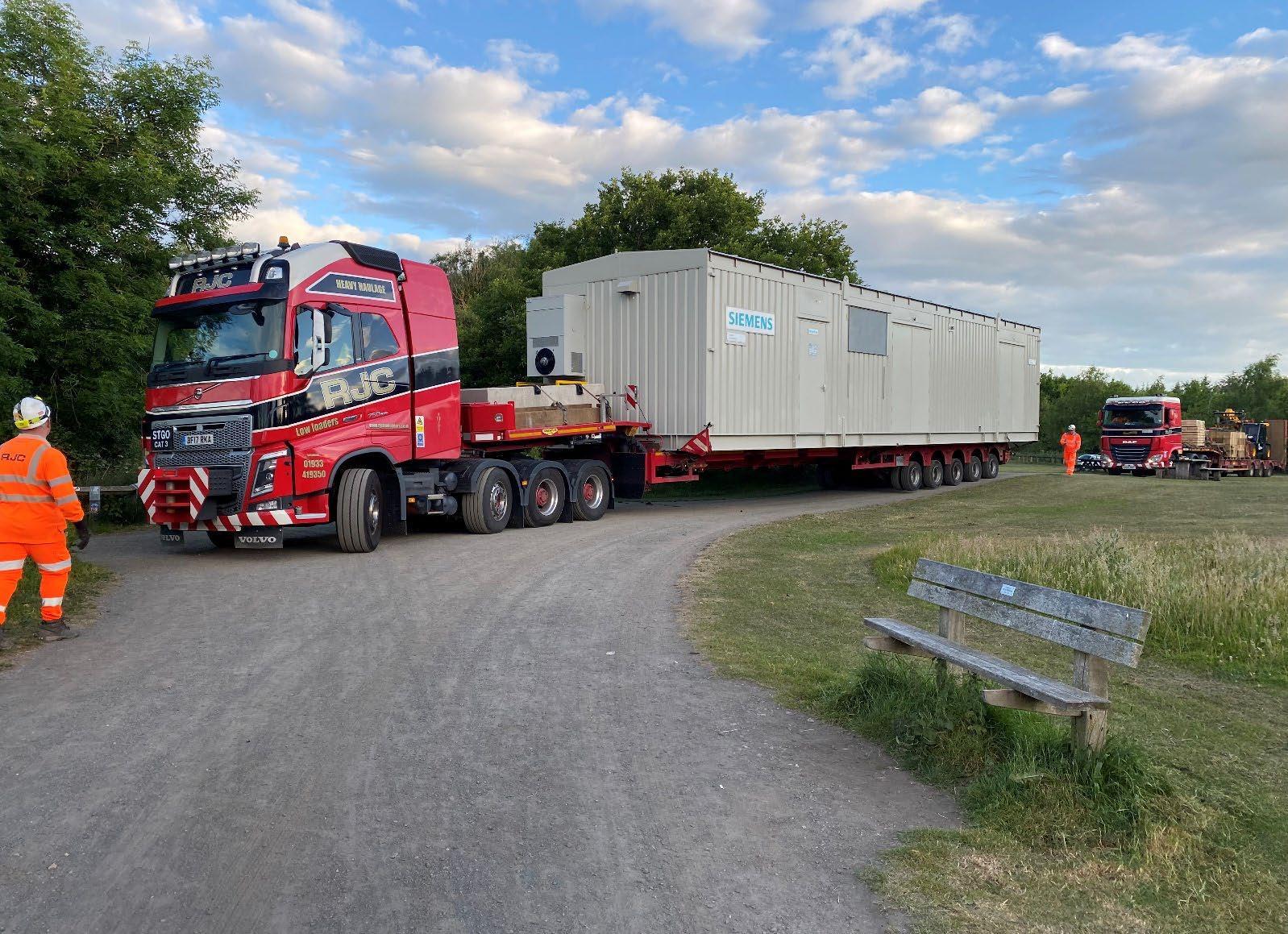

New Guidance to Encourage More Reporting
Recent research in rail has resulted in good practice guidance on overcoming the barriers to reporting safety concerns, explains CIRAS’ Lucinda Neal
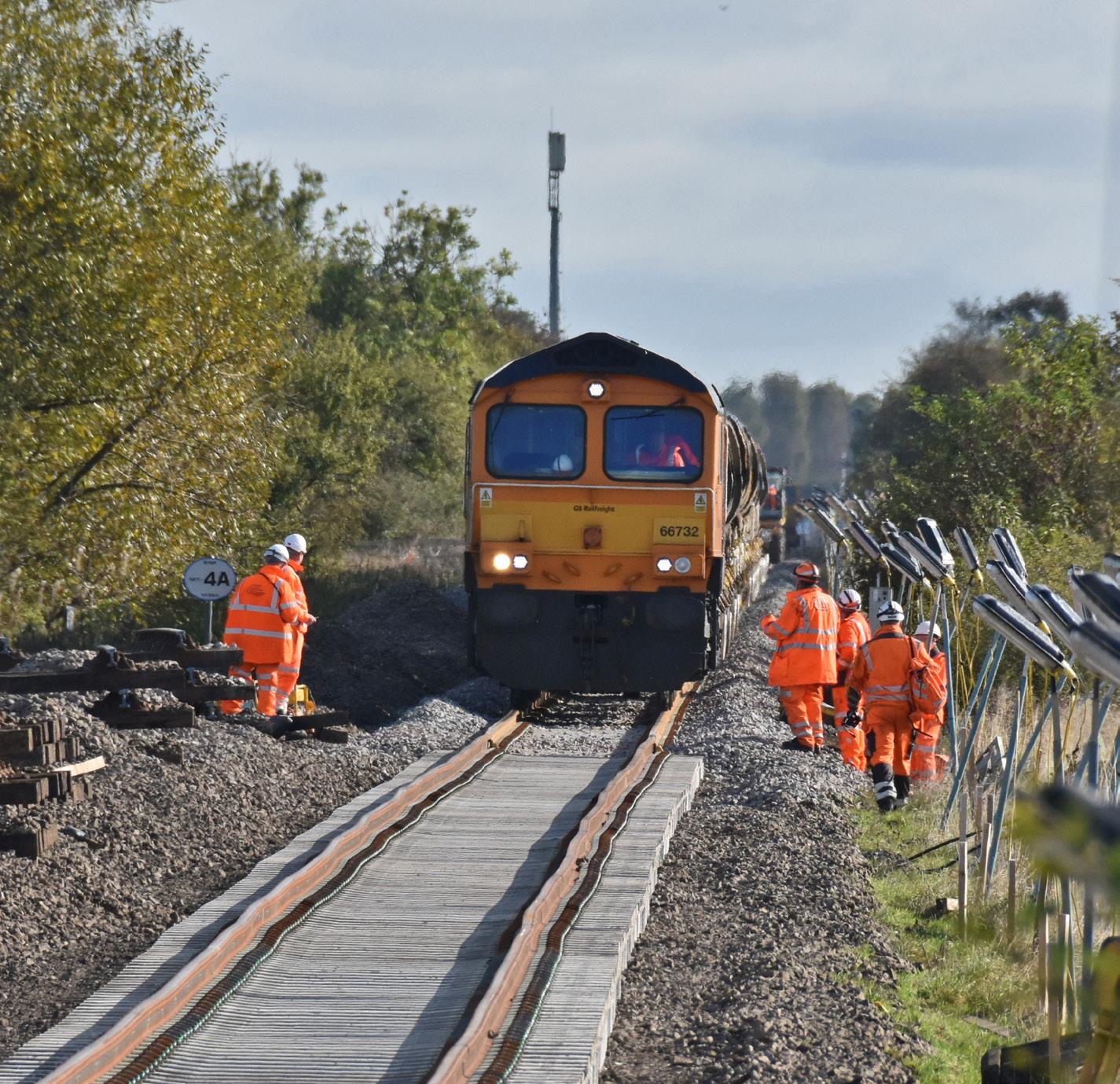
There are practical steps organisations can take to foster a trusting, safe listening culture that results in more safety concerns being reported, says new guidance.
This good practice guidance comes from research developed as part of the Rail Safety and Standards Board (RSSB) research programme and published at the start of the year in its research catalogue (project T1323: improving workforce-related reporting practice).
The research team analysed its interviews with track workers and safety managers for the project to identify the main barriers to people reporting their concerns, and then to suggest targeted interventions to improve this. CIRAS helped in the research and reviewing the findings. For a closer look at the barriers facing reporters, you can also see CIRAS’ article in the May issue of Rail Professional.
Although the research project focused on track workers, its insights are helpful for other transport sectors and workers too.
The project documents explain in depth how the research was carried out, who was interviewed, and the behavioural models that guided the research and analysis.
Implementation
Before implementing any of the interventions to improve reporting, the team behind the research suggests identifying your organisation’s own strengths and weaknesses first and thinking about its own context. Consider the main barriers to reporting that the research discovered. Which of them apply most directly to your organisation? Which ones would you prioritise improving first, and why?
It offers APEASE criteria as a screening tool, so that any choices are appropriate. There’s more detail on this in the project documents, but the criteria are:
• Affordability.
• Practicability.
• Effectiveness and cost-effectiveness.
• Acceptability.
• Side effects/safety.
• Equity.
The guidance links the reporting barriers with related potential interventions based on the behaviour change wheel. The barriers are organised according to the COM-B behavioural model, which suggests that behaviour (B) comes from how capability (C), opportunity (O), and motivation (M) all interact.
Capability
This considers the knowledge, skills, resilience, and abilities a track worker needs to engage in safety reporting.
Related suggestions for improving the reporting situation include establishing consistent expectations for reporting across all stages of the reporting and response process, so that staff share a common understanding, and providing training that aligns with these expectations.
Opportunity
This includes external factors that influence reporting – whether a track worker has the resources, tools, and infrastructure to report – and organisational factors such as cultural norms, peer influences, and social pressure. The intervention suggestions include the following:
• Centralise or streamline reporting processes or systems.
• Optimise reporting tools for ease of use and efficiency, so only essential information is requested, encouraging timely reporting and reducing the burden on staff. Involve users (workers and those who process reports) when designing safety reporting processes and systems. Auto-populate fields (location, time, date, for example) where possible.
• Reduce the responsibility on track workers for coding and classification.
• Keep people who submit safety reports in the loop, throughout the stages of the reporting process, from submitting the report to closure. Include information about progress, outcomes, and explain any delays or prioritisation choices where relevant.
• Promote a safety culture where reporting is valued and reinforced as a normal, everyday practice. There are suggestions in the guidance for how to do this.
Motivation
This is about internal processes that influence track worker reporting. For example, someone’s decision making, planning, perception of benefit, beliefs, goals, habits, emotions, and impulses.
The related interventions are as follows:
• Act on reported safety concerns. Visible outcomes demonstrate that reporting has impact, reinforce trust in the reporting system, and encourage ongoing staff engagement.
• Give recognition and appreciation for reporting. There are suggestions in the guidance. Feedback loops should
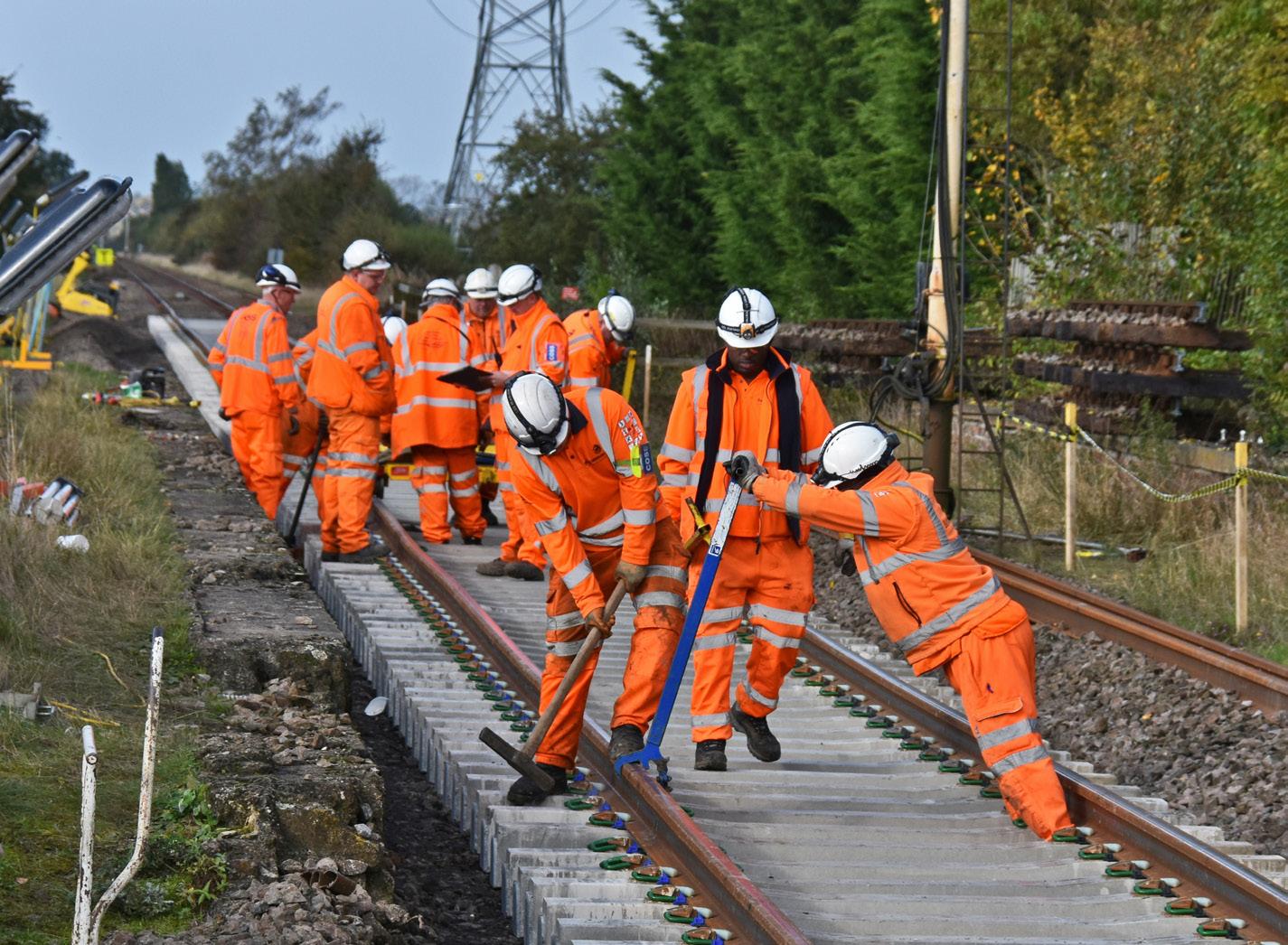
explicitly show how individual reports contribute to wider safety outcomes, reinforcing the link between effort and impact.
• Do not penalise staff who report safety concerns.
• Provide reporting channels that allow people to raise safety concerns securely. This intervention recognises the benefit of offering a confidential reporting channel, such as CIRAS, which is established, reliable, independent and offers robust protection for reporters. It also encourages a culture where reports are treated based on the data and safety concerns raised, rather than the identity of the reporter.
The points above are a high-level look at the interventions recommended, but the guidance itself (see the box on this page for how to access it) gives further detail on best practices.

In summary: ‘Simplifying reporting systems, providing feedback, and offering targeted training can reduce confusion and align expectations. Enhancing psychological safety and recognising reporting helps embed it into everyday practice and culture.’
The CIRAS confidential safety hotline can help you to build a psychologically safe work culture where reporting leads to action and feedback, allowing you to demonstrate best practice in reporting.

For the good practice guidance and research details, find the T1323 project in the RSSB research catalogue online (use this QR code). Login is needed, but CIRAS members can use their normal CIRAS website login details to log in.
Tel (enquiries): 0203 142 5369
Tel (reporting): 0800 4 101 101 (UK) / 1800 239 239 (ROI)
Visit: https://www.ciras.org.uk/rightcall
LinkedIn: linkedin.com/company/ciras
Facebook: facebook.com/ciras.confidential/
Download the CIRAS reporting app
Norbar is a UK manufacturer of battery, electric, pneumatic and manually operated torque multipliers, wrenches, torque measurement equipment and bespoke torque control solutions specially developed for the rail industry
Contact Norbar and speak to The Voice of Torque Control
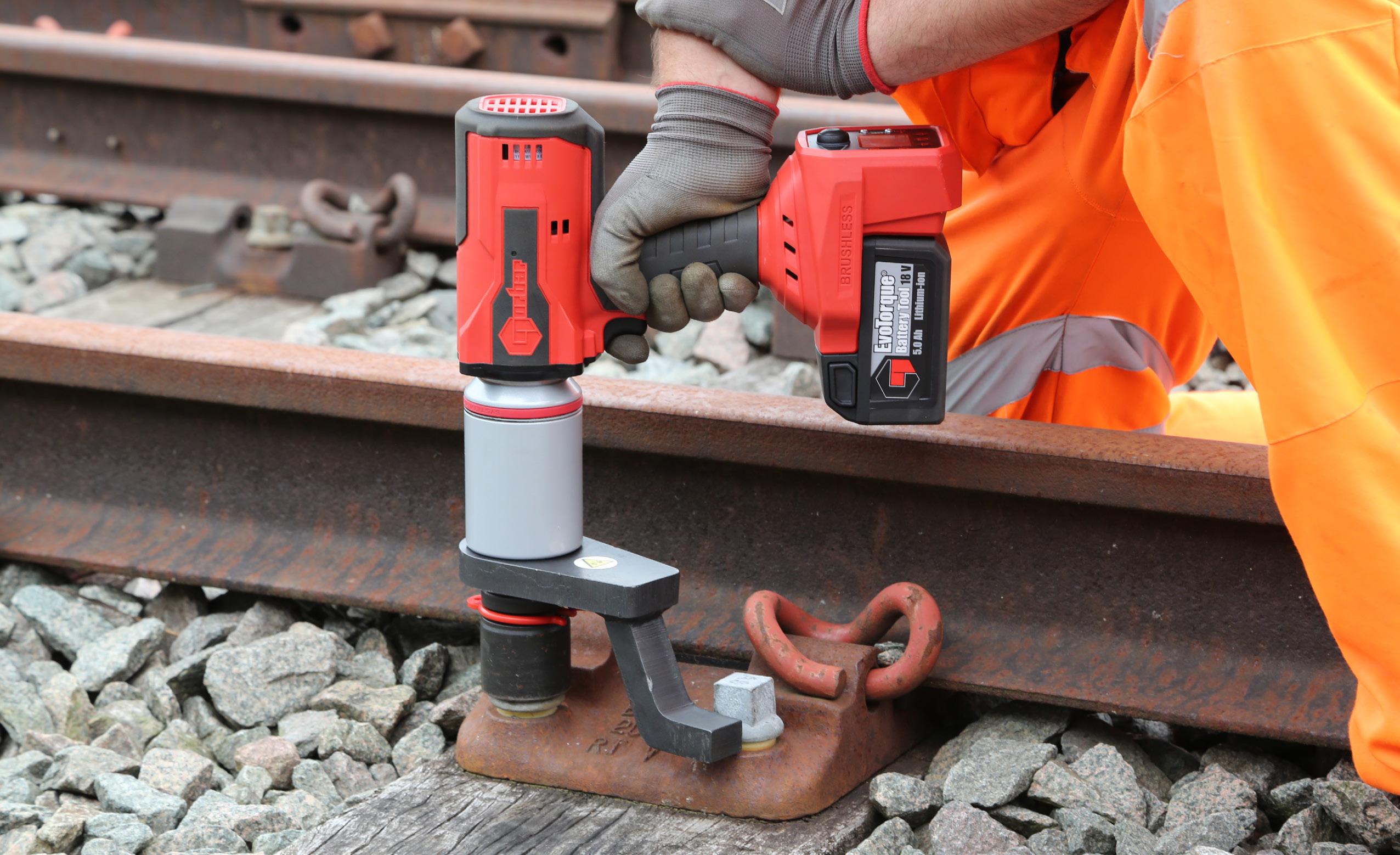

MUHAMMAD SHORT BUSINESS DEVELOPMENT MANAGER AT EXMESH ENGINEERING
I lead on business development and work closely with clients across the utility and rail sectors to address their physical security requirements. I have more than 20 years of experience in the physical security and fencing industry with a deep level of expertise and a wide range of experience in manufacturing, project management, supply and installation.
EXMESH ENGINEERING
Metal Security Solutions
Exmesh Engineering manufacture highsecurity fencing systems, gates, and additional metal mesh security systems such as cages and have advanced fabrication capabilities. Products are manufactured in the UK and shipped globally. Want to know more about ExMesh Engineering?
Email: contactus@exmesh.co.uk Visit: exmeshengineering.com
Address: The Expanded Metal Company T/A ExMesh Engineering, Stranton Works, Greatham Street, Longhill Industrial Estate North, Hartlepool, TS25 1PU
What are the biggest challenges facing trackside security today?
Trackside security comes with several challenges, but safety is always top of the list and drives most of the activity ExMesh Engineering is involved in within this market, particularly trackside. Balancing the duty of care the network has, while working within operational constraints, is becoming increasingly complex.
Other factors, such as a skilled worker shortage and the operational realities of a trackside environment, where sites are remote with limited or no monitoring and difficult access with tight possession windows, have driven our product development for this market.
In terms of trackside security, and specifically fencing, the challenge is to have a product that safeguards the public and deters crime, while also being easy and quick to install. It’s a difficult design brief to overcome, but at ExMesh Engineering, we believe we’ve addressed this with our Fastrack and Fastrack Trio fencing systems.
Why is trespass and infrastructure protection such a concern for the rail sector?
Safety has always been at the forefront of everything the rail sector does. Trespass remains a significant issue because of the risks it creates for those involved, as well as for the public, train operators and the wider workforce.
The impacts can be far-reaching. Criminal activity linked to trespass, such as vandalism, can lead to delays across the network, disruption to services, and wider operational consequences. Even a single incident can have a knock-on effect beyond the immediate location.
However, beyond these impacts, it’s not just about asset protection, but about preventing harm to individuals. This is what continues to drive the market and ExMesh Engineering to develop solutions that help reduce trespass and vandalism.
What should infrastructure managers be looking for in a trackside fencing system?
The key to making any decision on trackside fencing is down to risk and the risk is always site dependent. There isn’t a one-size-fitsall solution as some areas require a simple barrier to mark a property boundary, whereas others require a high-security system with integrated monitoring. This is all in relation to the criteria for the security level of the fencing.
In terms of operational considerations and trackside environment conditions, there are some general principles to take into account, whatever level of security system is required. They should prioritise systems that have a long life span, are cost effective and are both easy to install as well as transport trackside.
‘A system that can be installed quickly and safely reduces time on track, lowers risk, minimises disruption, and helps reduce overall project costs’
How does expanded metal mesh differ from more traditional fencing approaches?
Expanded metal mesh, as a material for security fencing, offers a continuous, onepiece construction without welds or weak points, which significantly enhances its strength and resistance to attack. Unlike traditional mesh or palisade systems, it also provides excellent anti-climb characteristics due to its profile. At the same time, it maintains visibility, which is important for both surveillance and safety along the track.
At ExMesh Engineering, systems have been designed specifically with the rail market in mind, they are quick and easy to install and can be raked over undulating and sloping ground. The newer Trio system has reduced panel sizes, making transport to the trackside easier and quicker.
Another issue within the rail environment is ageing assets. As our systems are all hot-dip galvanised, they are designed to last for decades without any reduction in functionality. With the move towards a more maintenancefocused approach across the industry, ExMesh Engineering systems offer a strong alternative to traditional palisade. Any breaches can be identified clearly through quick visual inspection, whereas palisade systems require each pale to be checked individually to confirm it is secure.
How are systems like Fastrack and Fastrack Trio being used in rail environments?
Systems such as Fastrack and Fastrack Trio are typically deployed trackside in higher-risk areas where quick installation is advantageous. We see a strong demand in problem areas, where more traditional systems may have failed. They’re also widely used in areas with difficult access or steep slopes. This is due to the modular nature and smaller panel size, making them easier to move around the site and also the fact that our systems can be raked along slopes.
These and other systems we manufacture are also widely used for asset protection away from trackside, in areas around depots and stations.
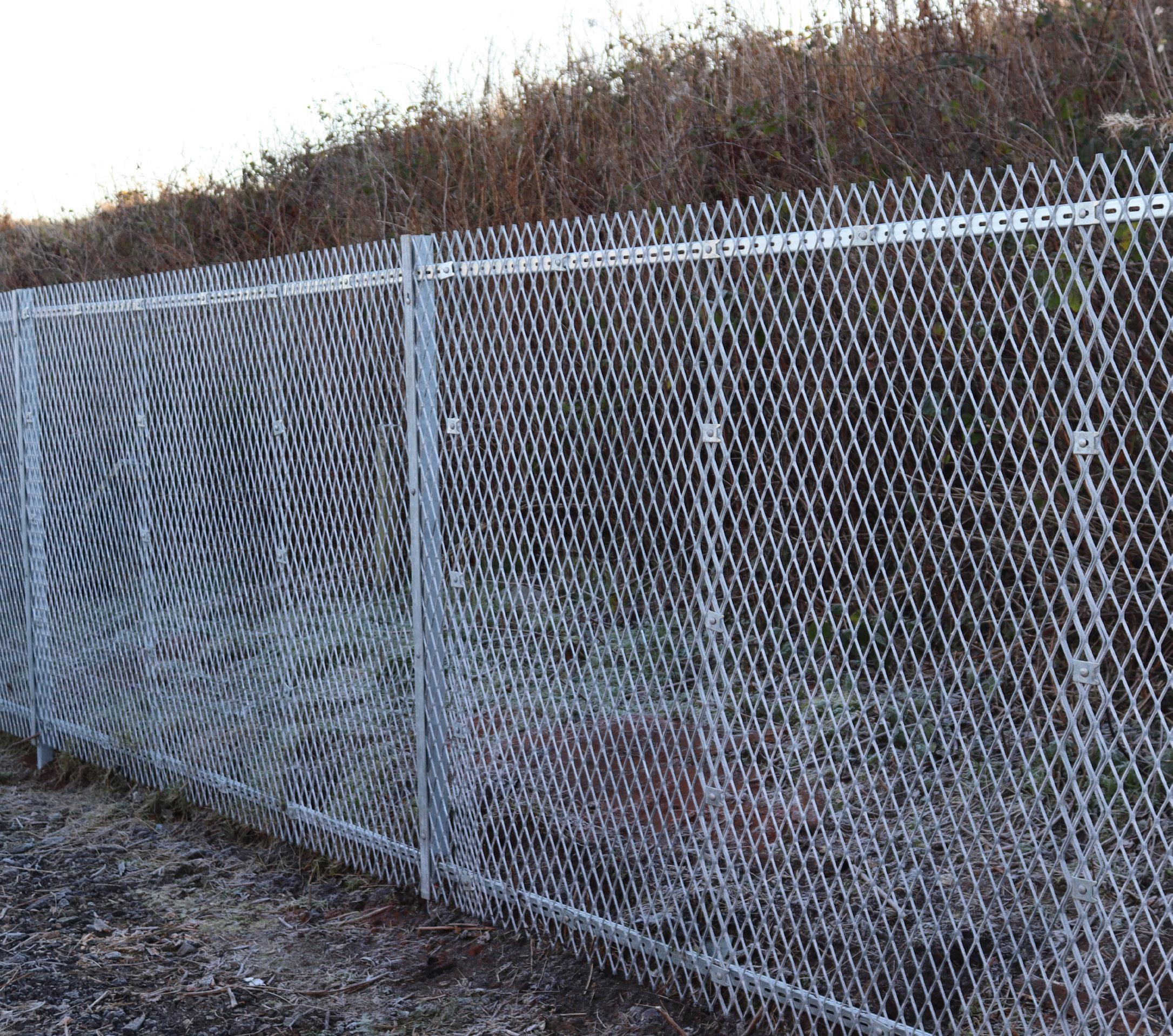
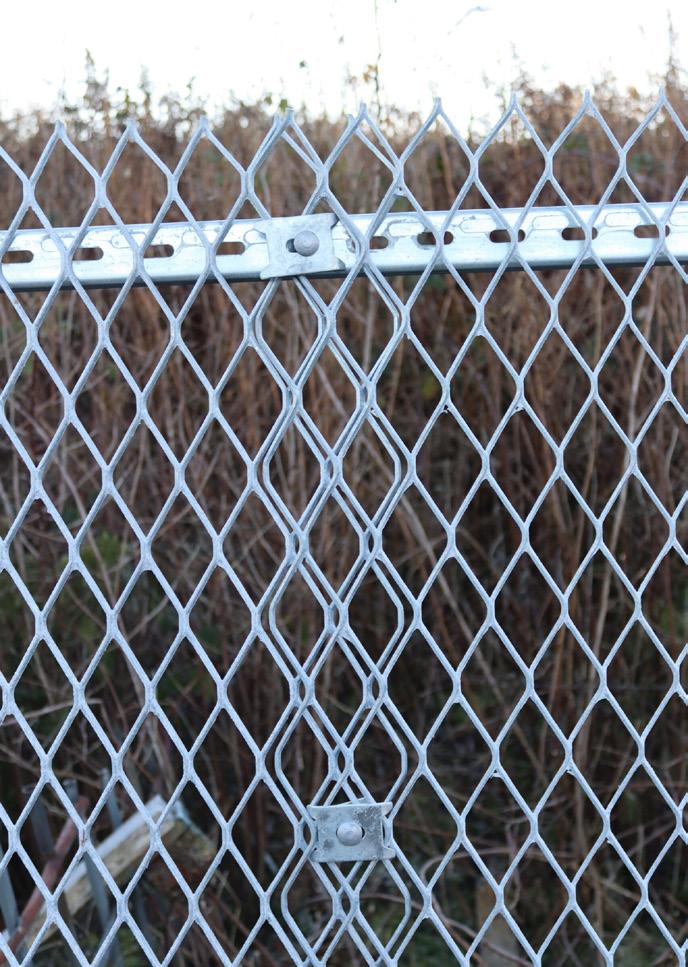
How important is independent certification like LPS 1175 for trackside rail?
Independent certification, like LPS 1175, provides verified assurance of a system’s performance against forced entry, which is important where higher levels of security are required along the rail network. It gives specifiers confidence that products have been rigorously tested rather than simply meeting a visual or theoretical standard.
However, across much of the trackside environment, certification is not always a primary requirement. Large sections of the rail network are remote, with limited monitoring and lower risk levels, so the focus is often on practical, durable and easy-toinstall solutions.
In more exposed areas, such as bridges, urban sections or locations with higher levels of trespass, certification can play a more important role in supporting safety and protecting infrastructure.
How important are speed and ease of installation in trackside rail projects, and how does this influence system design?
There are two aspects to this, and, as with most things associated with rail, safety and operational efficiency are critical.
The first part is a strong emphasis on planning. We work closely with contractors and project teams to ensure materials are delivered in a way that aligns with installation schedules and site constraints. Ultimately, it’s about reducing complexity on site and ensuring projects run smoothly within tight timeframes.
The second part is the installation itself. Rail projects often operate within very limited access windows, sometimes overnight or during short possessions. A system that can be installed quickly and safely reduces time on track, lowers risk, minimises disruption, and helps reduce overall project costs.
How do you see trackside security evolving over the next few years?
I think the security industry in general is moving towards a greater emphasis on integrated solutions, where physical barriers work alongside detection systems and monitoring technologies as part of a single security approach. For rail, and trackside in particular, this is not always cost-effective, so there is likely to be a continued focus on maintaining existing systems and strengthening problem areas.
We are already seeing increased use of drone technology for surveying trackside, in line with this maintenance-led approach. Our Fastrack systems are well-suited to this, as any breaches can be easily identified and addressed without the need for physical inspection. This saves time, reduces cost, and lowers the risk of personnel needing to walk the line for surveys.
What advice would you give to those reviewing their current perimeter security?
As with any security review, you have to start with risk, which sits alongside wider operational constraints such as budget and safety. With such a large network, it’s important to look at site-specific risks and
‘I would place a strong emphasis on moving away from the standard approach of replacing like-for-like fencing’
constraints and take a practical, considered approach.
I would place a strong emphasis on moving away from the standard approach of replacing like-for-like fencing. Instead, assess the actual risks and how the existing perimeter performs against them. The focus should be on selecting a solution that delivers effective, long-term results, while balancing security, cost and operational requirements.
What do you enjoy most about the business development side of your role?
I’ve always enjoyed building relationships and learning about how people operate and their specific hurdles and achievements. I like to be challenged in my understanding and enjoy learning new things from the relationships I build.
Fastrack: The Ultimate Rail Security
Stop route crime and trespassers in their tracks with the Fastrack system. Co-created with rail industry experts, Fastrack offers unmatched security.
Ideal for sloping ground
Robust system for longevity
Maintenance free
Front fix option
Choose your mesh
However, it’s the problem-solving that is most rewarding. This cannot be separated from relationship building, as this is where you find out and understand the issues that need to be overcome, but to be able to solve a problem for a client is really what gets me up in the morning. Understanding a client’s specific challenges and developing a solution that genuinely adds value is where the enjoyment really is.
What does a typical working week look like for you, and what part of the job do you find most rewarding?
There isn’t really a typical week as no two weeks are quite the same. This is part of what makes the role so engaging and enjoyable. From an external aspect, there’s always a mix of client meetings, site visits, and working closely with project teams to develop solutions that meet specific operational and security requirements.
Then internally, it’s working with the various teams to make sure the solutions we’ve developed run smoothly from specification through to delivery.
I think probably the most rewarding part of the job is seeing those solutions come to life on site. Knowing that what we deliver plays a role in improving safety and protecting critical infrastructure.
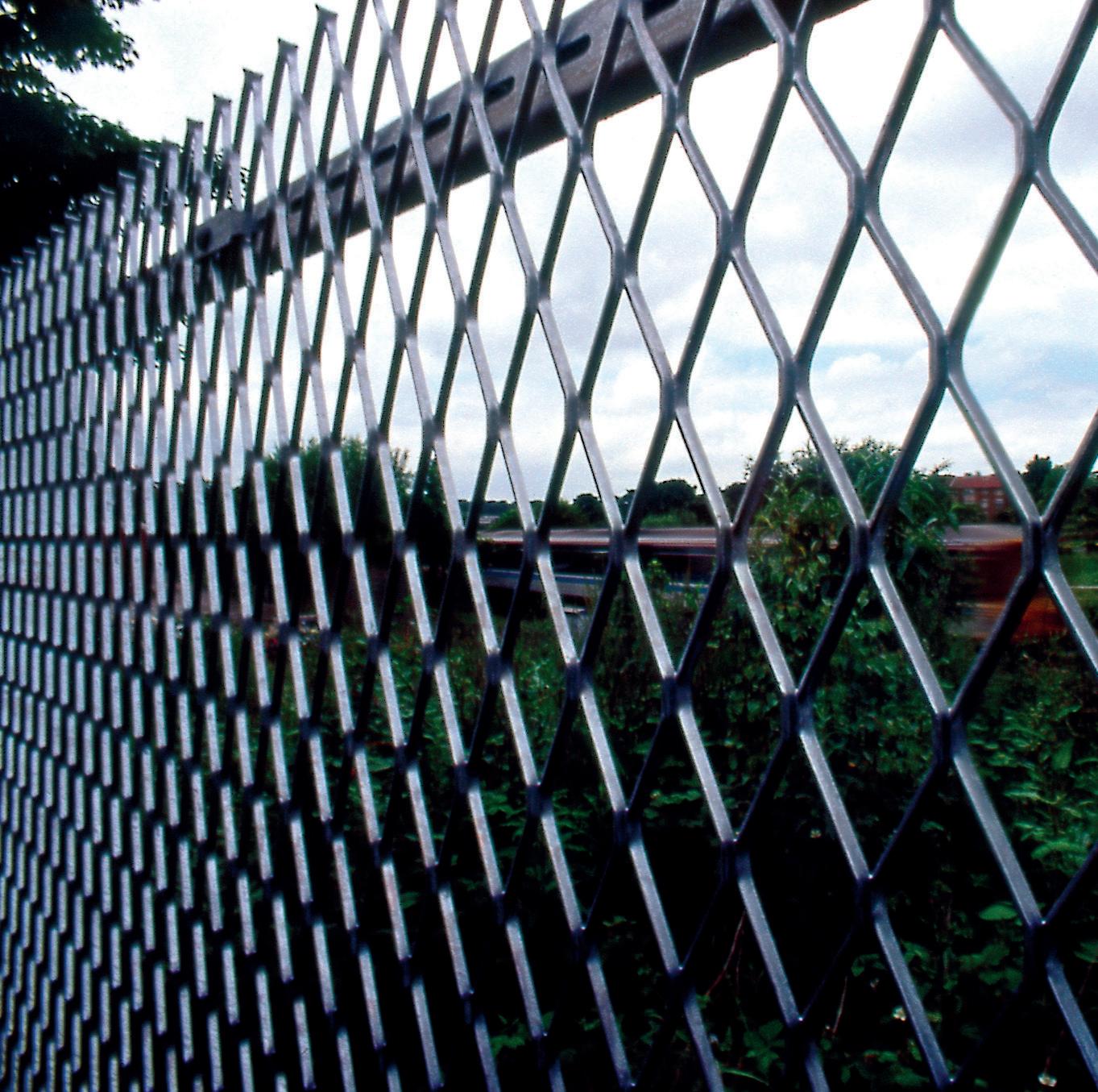
Rail LIVE 2026
Rail LIVE returns to Porterbrook's Long Marston Rail Innovation Centre this month, with the industry gathering at a time when the debate around Great British Railways, devolution, and the first GBR Funding Period is moving from policy into practice
The two-day event draws around 7,000 attendees from across the UK and Europe, with more than 200 exhibitors and over 60 speakers drawn from operators, infrastructure managers, combined authorities, the supply chain, and government. The conference programme this year is built largely around the questions that the Railways Bill and the transition to GBR have put on the table: how track access will work under the new structure, what the first Funding Period means for suppliers, and how devolved authorities fit alongside a nationally integrated operator.
Rail Minister Lord Peter Hendy will speak with RAIL editor Dickon Ross about progress on reform and what comes next. Sir Andrew Haines, Chair of the Designated Function and Transitional Organisation, will discuss how the DFTO and Network Rail are working together to build the new body. HM Chief Inspector of Railways Richard Hines addresses the safety question, which is a significant one: the industry is undergoing structural change on a scale not seen since the 1990s, and the post-privatisation period produced problems that the sector would rather not repeat. David Calfe, General Secretary of ASLEF, joins a session on how the new landscape affects the relationship between the unions and those now in charge, again with the privatisation era as a reference point.
Track access under GBR is shaping up as one of the more contested areas of the transition. When GBR assumes responsibility for access decisions from the Office of Rail and Road in 2027, open access operators and freight companies have expressed concern that their interests could be subordinated to those of the new body's own services. Stuart Jones of First Rail Open Access, Peter Graham of Freightliner, and Geoff Hobbs from Transport for London will address this directly.
The devolution sessions reflect the extent to which the relationship between GBR and mayoral combined authorities remains unresolved. Greater Manchester is the most developed case, with the first two rail lines due to join the Bee Network later this year. Alex Hornby of Northern and Simon Elliott from Transport for Greater Manchester will
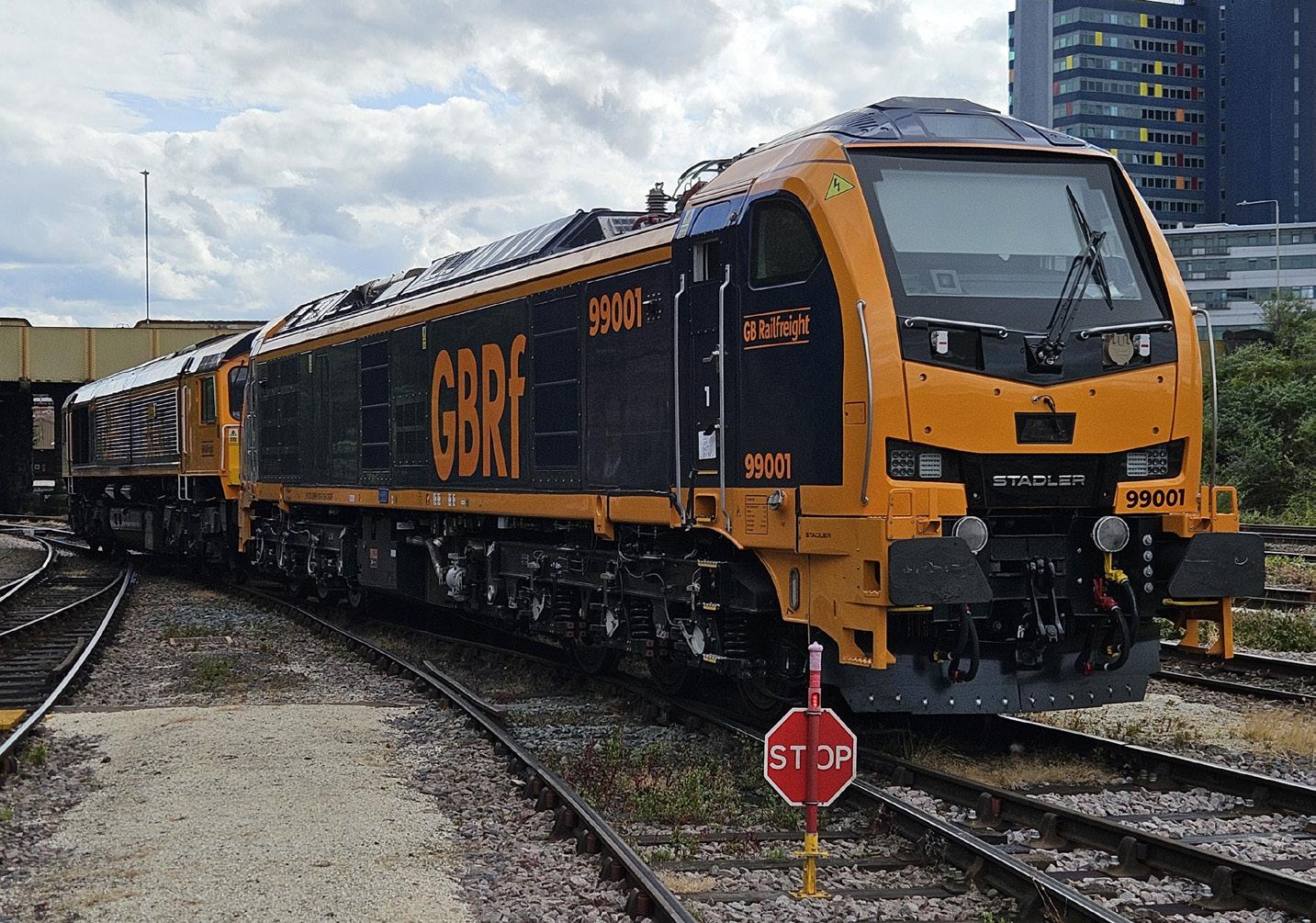
discuss what that collaboration has looked like in practice. A broader panel on reform and devolution will bring in Maggie Simpson of the Rail Freight Group, Mal Drury Rose of Transport for the West Midlands, Jason Prince of the Urban Transport Group, and Richard Crabtree from Network Rail to examine how the competing interests of combined authorities, GBR, and private freight operators get managed.
The Funding Period 1 session will set out what suppliers need to understand about the priorities shaping safety, performance, and reliability in the years ahead, with Mark Killick and Kate Williams from Network Rail. A separate panel described as looking at the future of rail more broadly brings together Kirsty Dias of PriestmanGoode, Marie Daly of Transport for Wales, Nia Mellor of the British Transport Police, and Rob Cairns from Network Rail to consider culture, growth, and the opportunities ahead.
On infrastructure, Will Gallagher of East West Rail covers phases two and three of
the Oxford to Cambridge project. Phase one attracted criticism in some quarters when it emerged the line would not be electrified, despite the Class 99 locomotives earmarked to run on it being rated for 100 miles per hour under electric power. Henri Murison of the Northern Powerhouse Partnership and Andrew Clark of Midlands Connect will be asked whether the current ambitions for Northern Powerhouse Rail and Midlands Rail Hub are bold enough given the connectivity problems their regions face. Railway re-openings also feature, with a session examining what is genuinely required to get a business case approved, including the non-railway impacts and the approvals processes involved, with speakers from the Campaign for Better Transport, the North East Combined Authority, Transport for London, and GWR.
The international rail session covers a market that has been moving. Eurostar has signed a memorandum of understanding with SNCF Voyageurs and Swiss Federal
GB Railfreight has confirmed one of its brand-new bi-mode electro-diesel Class 99s will attend this year’s event, giving the industry an opportunity to one up close and learn more about how it can transform UK rail freight. The ‘99s’ will be able to haul long-distance, heavy freight trains on electrified and non-electrified routes, reducing the need for locomotive changes mid-route and reducing carbon emissions.

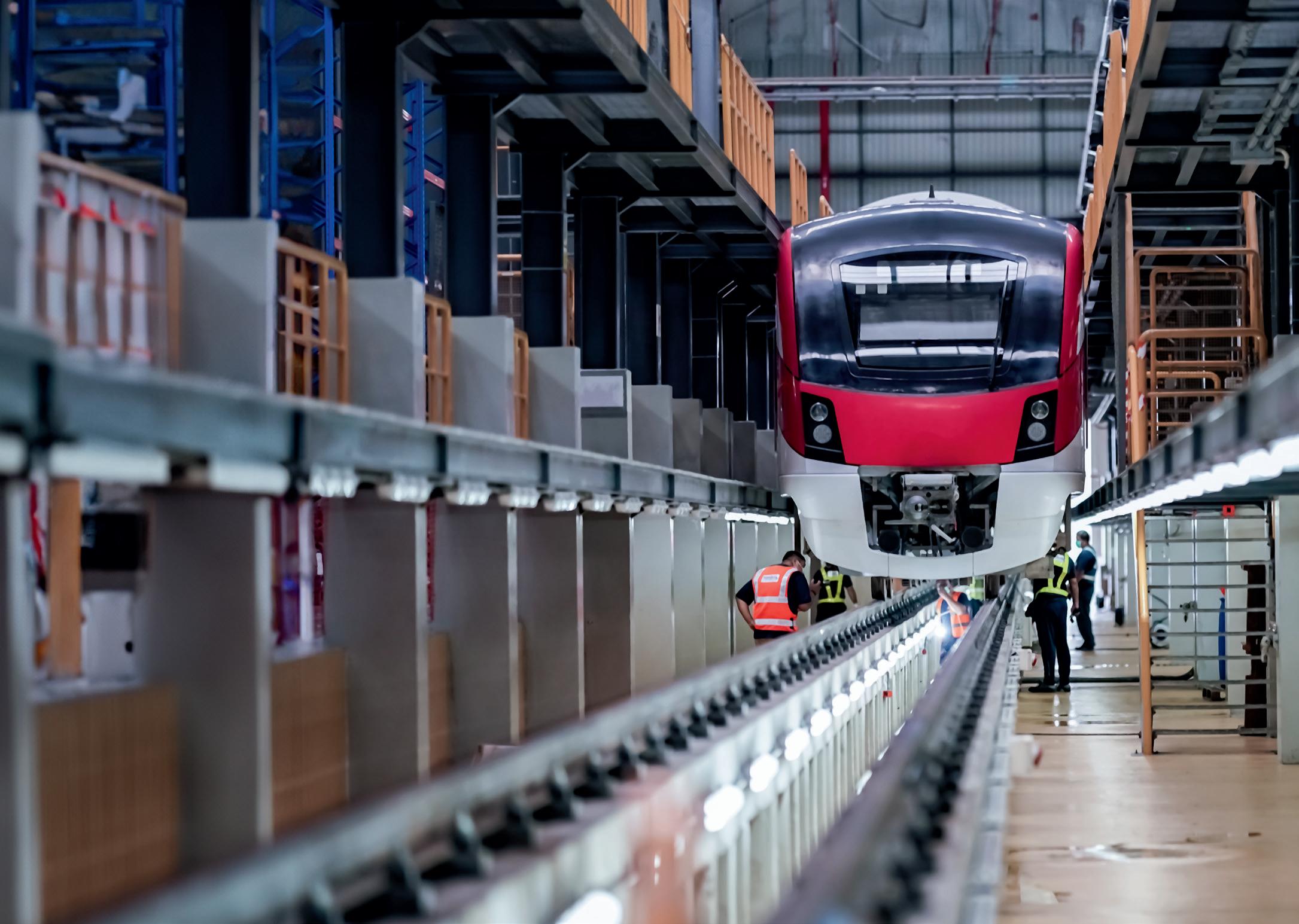
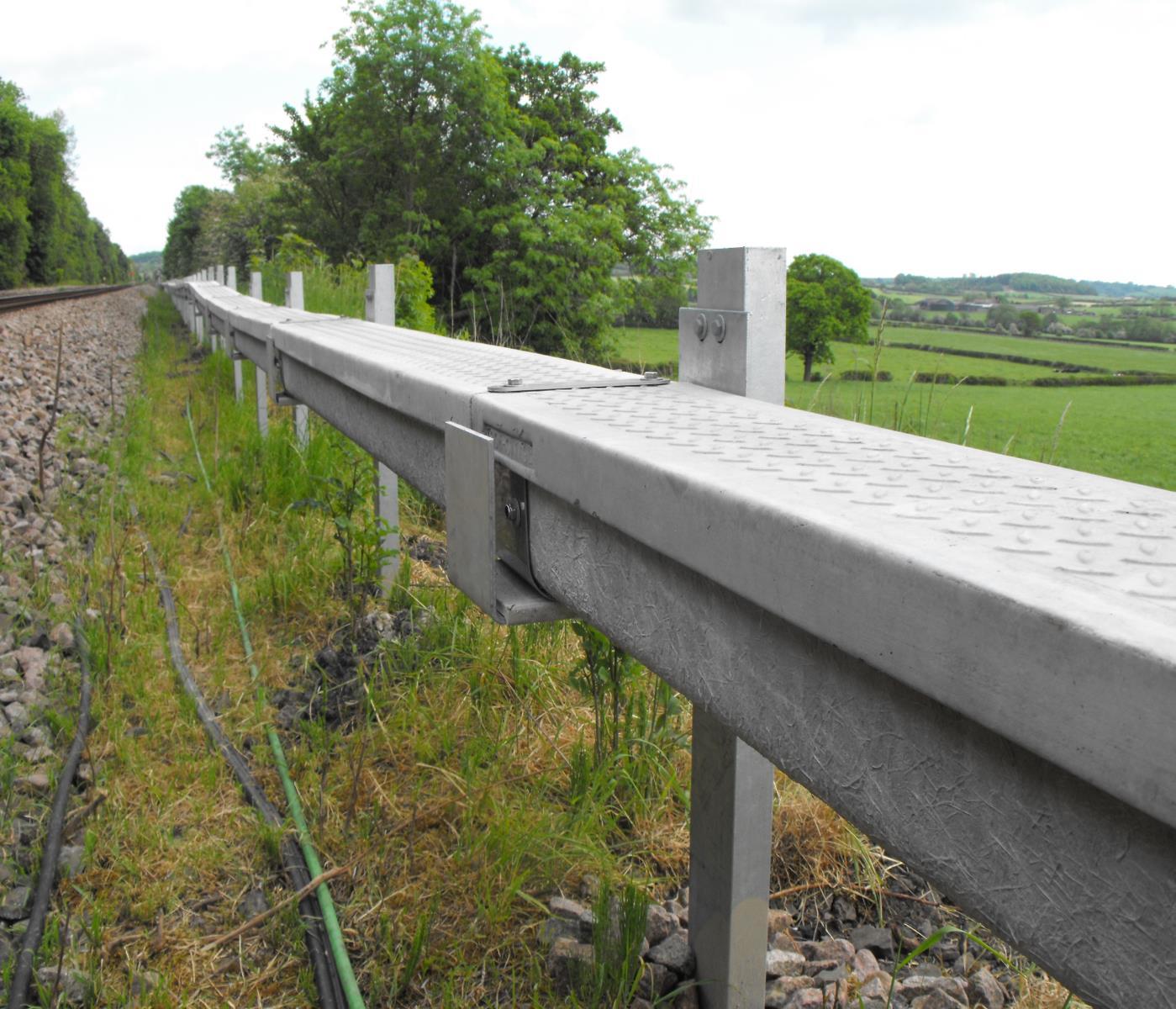


Railways to look at direct London to Switzerland services, with Geneva and Frankfurt as target destinations for the 2030s, when its new Alstom Celestia doubledecker sets are expected to be in service. Virgin and London St Pancras Highspeed are in consultation over a track access agreement for HS1, with Virgin planning to enter the London to Paris, Brussels, and Amsterdam market in competition with Eurostar from the early 2030s. London St Pancras Highspeed projects passenger numbers on HS1 rising from 11 million to 35 million by 2040. Gareth Williams of Eurostar, Phil Whittingham of Virgin, and Edmund Butcher of London St Pancras Highspeed will be on the panel.
GB Railfreight will have one of its new Class 99 bimodal locomotives on site. The machines, ordered at a cost of £150 million for an initial batch of 30, are among the more significant rolling stock commitments made by a British freight operator in recent years. GBRf Sales Director Carl Kent has previously described the case for the Class 99 as being as much about operational capability as decarbonisation: the acceleration profile and power transfer are improvements on the Class 66 fleet the company has largely relied on, and the locomotives can be updated through software as the electrification network develops. The first revenue-earning services are expected on the West Coast Main Line from spring 2026. Belmond has separately committed to using Class 99s on the Britannic Explorer and Royal Scotsman from 2027.
The rolling stock and infrastructure strategy session brings together Wabtec's Tim Bentley, Alstom's Peter Broadley, Eleanor Wills from GWR's Regional Fleet Renewal Programme, and Iain Stewart, the former Transport Select Committee chair, to consider what the government's combined strategy should prioritise. The freight traction session puts a related but sharper question: with freight excluded from the rolling stock strategy, what realistic options do freight operating companies have for moving away from diesel traction? Dave Penney of Heavy Haul, John Smith of GB Railfreight, and Kathryn Oldale of DB Cargo UK will take that on. Hydrogen traction is addressed in a separate session, with speakers from Porterbrook, GeoPura, and Vanguard Sustainable Transport Solutions assessing where it fits on the network. Accessibility requirements for new rolling stock also feature, with Emma Partlow of the National Centre for Accessible Transport, Andy Bagguley of Porterbrook, and Sophie Morris of West Midlands Trains among the speakers.
The light rail session brings together Sophie Allison of West Midlands Metro, Nicola Small from Coventry City Council's Very Light Rail programme, Melanie Cocoran of South Yorkshire Combined Authority, Colin Rowcliffe of Siemens Mobility UK and Ireland, and Dan Tipper
from Transport for Wales to assess where schemes across the country stand and what could be done to make light rail a more viable proposition.
AT RAIL LIVE 2025
Last year's seminar programme covered rail reform, freight, workforce, safety, and technology across two days at Long Marston.
On reform, the sessions examined the structural problems that fragmentation has created and what GBR will need to get right. Speakers addressed the pace of the transition, the challenge of maintaining performance while changing the industry's structure, and the importance of giving GBR sufficient commercial freedom to function as an organisation rather than an extension of Whitehall. The Scotland experience was discussed at length, with the ScotRail Alliance held up as a practical example of what track and train alignment can achieve when a single person is accountable for the outcome.
The freight sessions drew out a tension that remains live heading into this year's event. The sector broadly supports reform but has significant concerns about access, charges, and its position within a GBRdominated network. Speakers discussed the case for domestic intermodal as the single largest growth opportunity, the emerging potential of carbon capture transport, and the challenge of making the freight proposition better understood by the businesses and policymakers who could benefit from it most. Devolution was raised as a particular concern, with combined authority decision-making seen as a potential complication for operators whose businesses span multiple regions.
The Rail Accident Investigation Branch marked its twentieth anniversary with a session reviewing the changes in accident
Rail LIVE takes place on 17 and 18 June 2026 at the Long Marston Rail Innovation Centre. Registration is open at raillive.org.uk
profile since the branch was established following the Ladbroke Grove inquiry. Speakers noted improvements across most safety metrics, and discussed the six themes from the 2024 annual report, including track worker safety, platform safety, and asset integrity, alongside the branch's approach to deciding which incidents warrant full investigation.
A session on worksite safety focused on the people-plant interface, with speakers from Balfour Beatty and their technology partners presenting case studies on human form recognition and geofencing. The discussion covered the behavioural as well as the technological dimension and raised the practical question of managing the transition period when some plant is equipped with safety technology and some is not.
The occupational health session covered the industry's sickness absence profile, with musculoskeletal disorders and mental health identified as the two largest categories. Drug testing, suicide prevention, and the role of the British Transport Police in supporting frontline staff were also discussed.
The skills and diversity panel addressed the declining proportion of young people in the rail workforce and the barriers that prevent the industry from attracting talent from underrepresented groups. Speakers discussed awareness, image, and the language used in job advertising as practical obstacles, alongside the cultural conditions required to retain people once they join.
The Materials Shaping the Modern Railway
BCM GRC is a UK-based manufacturer of Glassfibre Reinforced Concrete (GRC), supplying the rail, utilities and architectural sectors for several decades

Based at its manufacturing facility in Whitchurch, Shropshire, the company supports major infrastructure programmes with proven products designed to deliver compliance, reliability and long- term performance in demanding environments.
Within the rail sector, BCM GRC works closely with asset owners, designers and delivery teams to reduce risk while improving buildability and on- site efficiency. Although ground-installed cable troughing is often preferred at design stage, it is frequently rendered impractical by site conditions. Congested buried services, contaminated or unstable ground, high water tables, bridges and viaducts, or the need to avoid excavation around live assets can all prevent below -ground installation. In these circumstances, BCM GRC provides an approved elevated cable trough system.
Manufactured from Glassfibre Reinforced Concrete, GRC provides a compelling combination of lightweight handling, high durability and inherent non- combustibility (A1 classified). These attributes support safer installation, resilience in demanding environments, and the elimination of fire load associated with combustible materials.
As awareness of lineside fire risk has increased, fire safety has become a central consideration in infrastructure decision-making. Network Rail’s Emergency Change NR/BS/LI/503, introduced following incidents involving polymer troughing, has reinforced the need to consider real- world
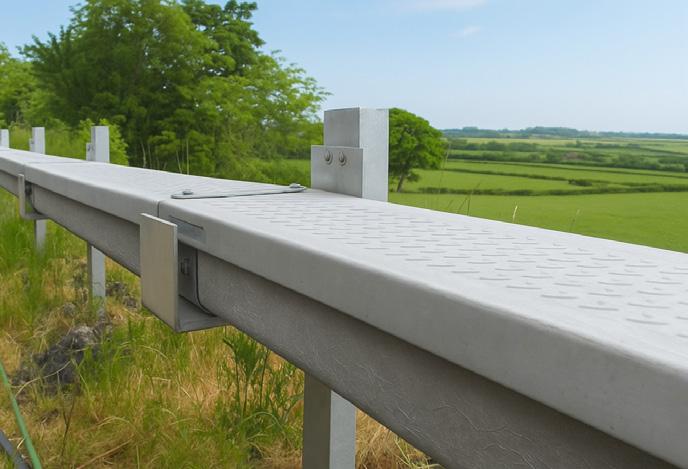
fire behaviour rather than relying solely on historic standards. In this context, BCM GRC’s cement-based, non- combustible products align strongly with the industry’s direction of travel, providing a pragmatic means of reducing fire load and limiting fire spread in sensitive locations.
Durability and whole-life value remain equally important for senior stakeholders. Secondary or replaceable civil engineering components are typically expected to achieve a minimum service life of 25 years. BCM GRC’s products are well proven in harsh railway environments, comfortably meeting and exceeding this requirement in line with Product Acceptance PA05/00072. GRC performs reliably in exposed conditions, resists weathering and contamination, and requires minimal maintenance, delivering predictable long- term performance and lower whole-life costs for asset owners.
Installation efficiency is also critical, particularly where access constraints, limited possessions or programme risk are present. Compared with traditional precast concrete, GRC systems are up to 80 per cent lighter, reducing transport requirements and enabling manual installation without cranes or heavy lifting equipment. This supports faster installation, improves safety in live rail environments and enables efficient delivery on constrained or remote sites.
Alongside the visible lineside products, BCM GRC Ltd has been heavily involved in the architectural elements of the modern railway, supplying highly visible curved
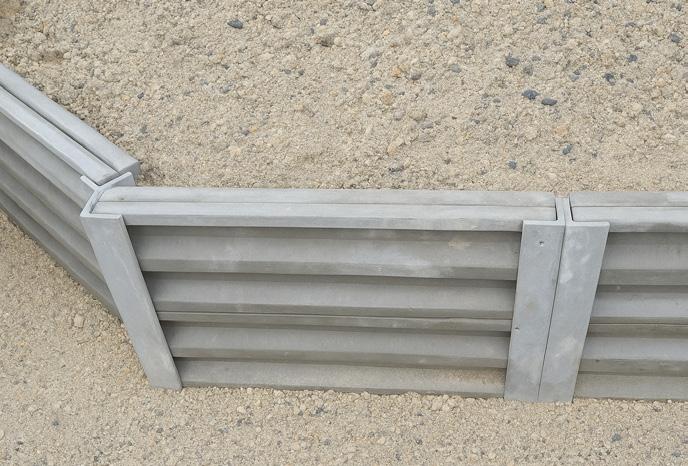
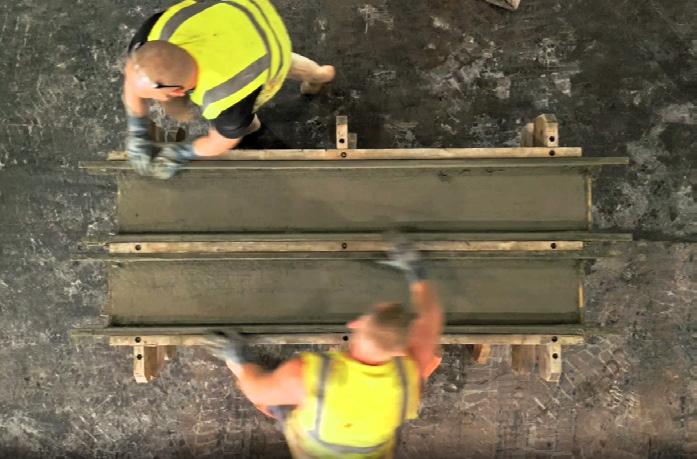
GRC to the stations and concourses on Crossrail, and cladding the revised signalling centres over the last decade. In a less visible way, GRC and BCM GRC, has been used for drainage and permanent formwork on bridge structures for over 30 years.
BCM GRC Ltd is proud to support the UK rail network, and we are always open and willing to discuss any projects with stakeholders, engineers or operatives. Please give us a call.
Tel: 01948 665321
Email: info@bcmgrc.com
Visit: www.bcmgrc.com
On Track Through the Storm
Fast, practical rail drainage solutions with Concrete Canvas®, helping contractors and asset owners deliver faster, more resilient solutions
As extreme weather events continue to place increasing pressure on the UK rail network, the importance of resilient drainage infrastructure has never been clearer. Intense rainfall, flooding, erosion and changing vegetation patterns are creating significant challenges for asset owners, contractors and maintenance teams tasked with keeping the railway operational and safe.
At the same time, the rail industry faces growing pressure to reduce carbon, minimise disruption and deliver projects within increasingly restricted possession windows. Traditional construction methods can often struggle to balance these competing demands, particularly on remote or constrained sites where access is difficult and installation time is limited.
This is where innovative materials such as Concrete Canvas® GCCM (Geosynthetic Cementitious Composite Mat) are helping to change the conversation around rail infrastructure resilience. Combining the durability of concrete with the speed and flexibility of a geotextile, Concrete Canvas® products are being used across the UK rail network to provide rapid, practical solutions for drainage, erosion control, slope protection and asset remediation.
Known as ‘Concrete on a Roll®’, the material hardens on hydration to form a thin, durable and waterproof concrete layer, while requiring significantly less material and equipment than conventional poured concrete systems. GCCMs can typically replace up to 150mm of poured concrete with a layer only 5-12mm thick, delivering major logistical and environmental advantages.
For rail applications, the speed and ease of installation are among the biggest drivers behind the adoption. Possession windows are often short, access routes are limited and safety considerations are paramount. Concrete Canvas® products can be installed quickly using small crews and minimal plant, helping contractors reduce time on site while maintaining long-term asset performance.

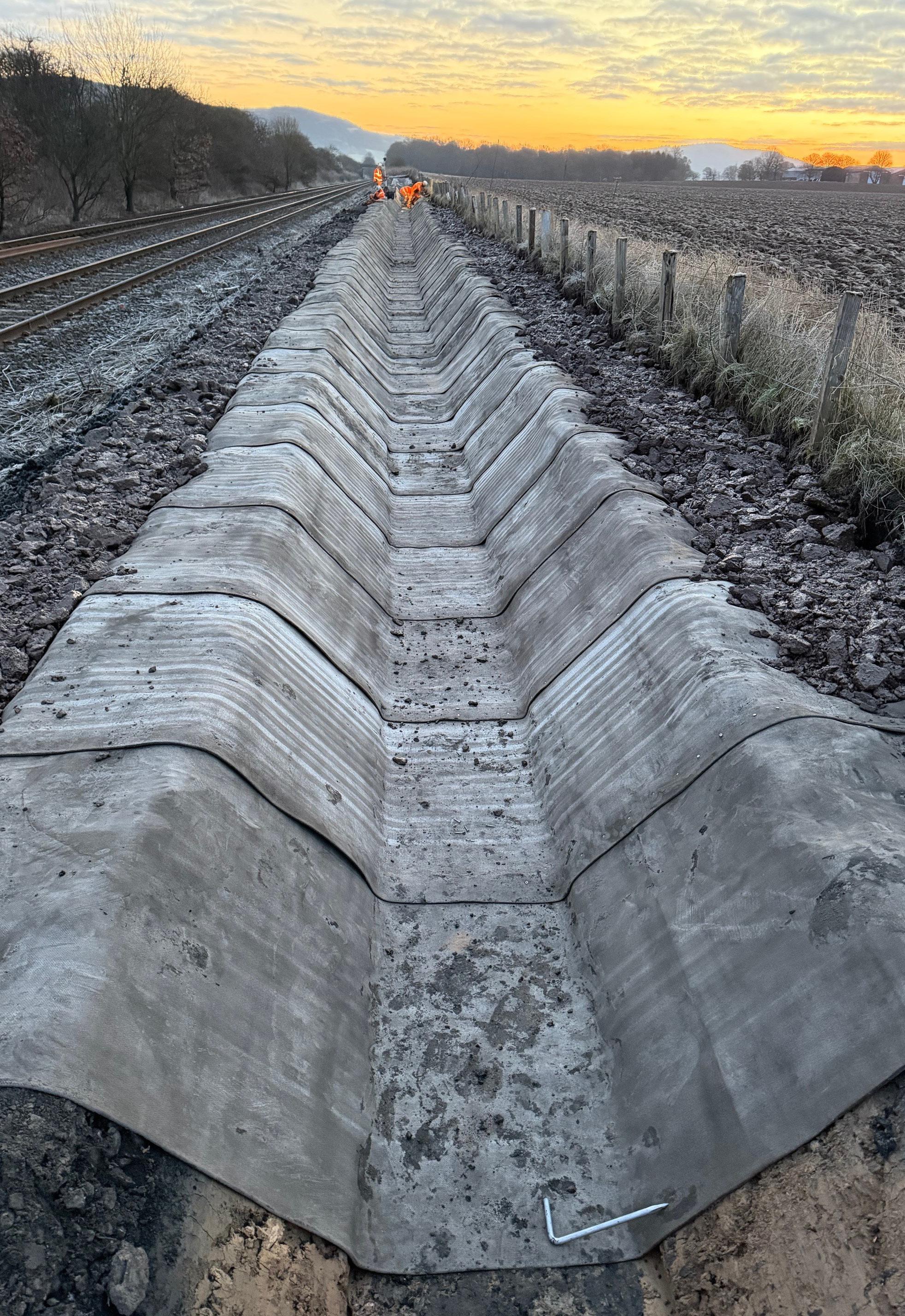
Sign Up for
The CC Webinar Series
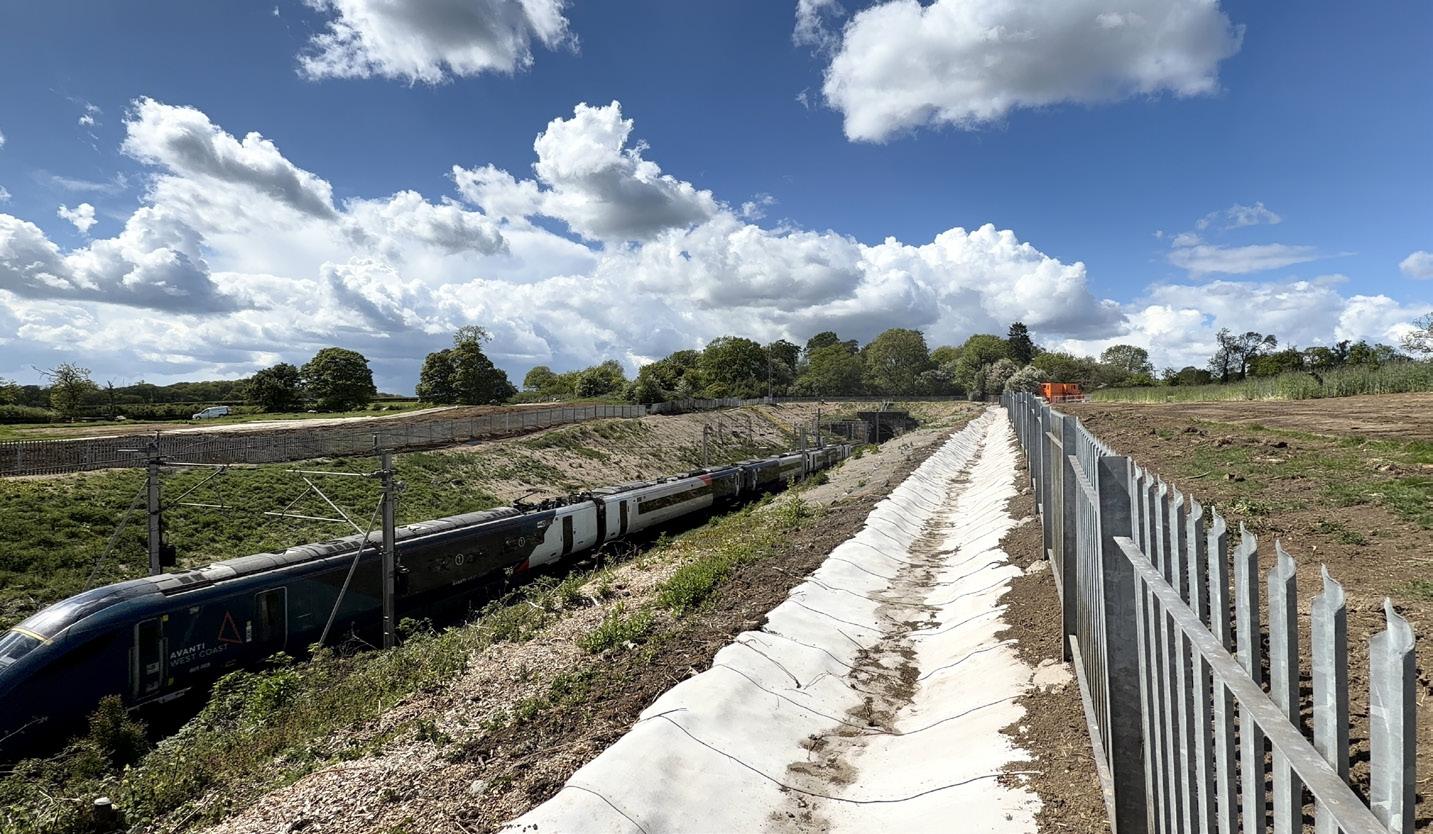
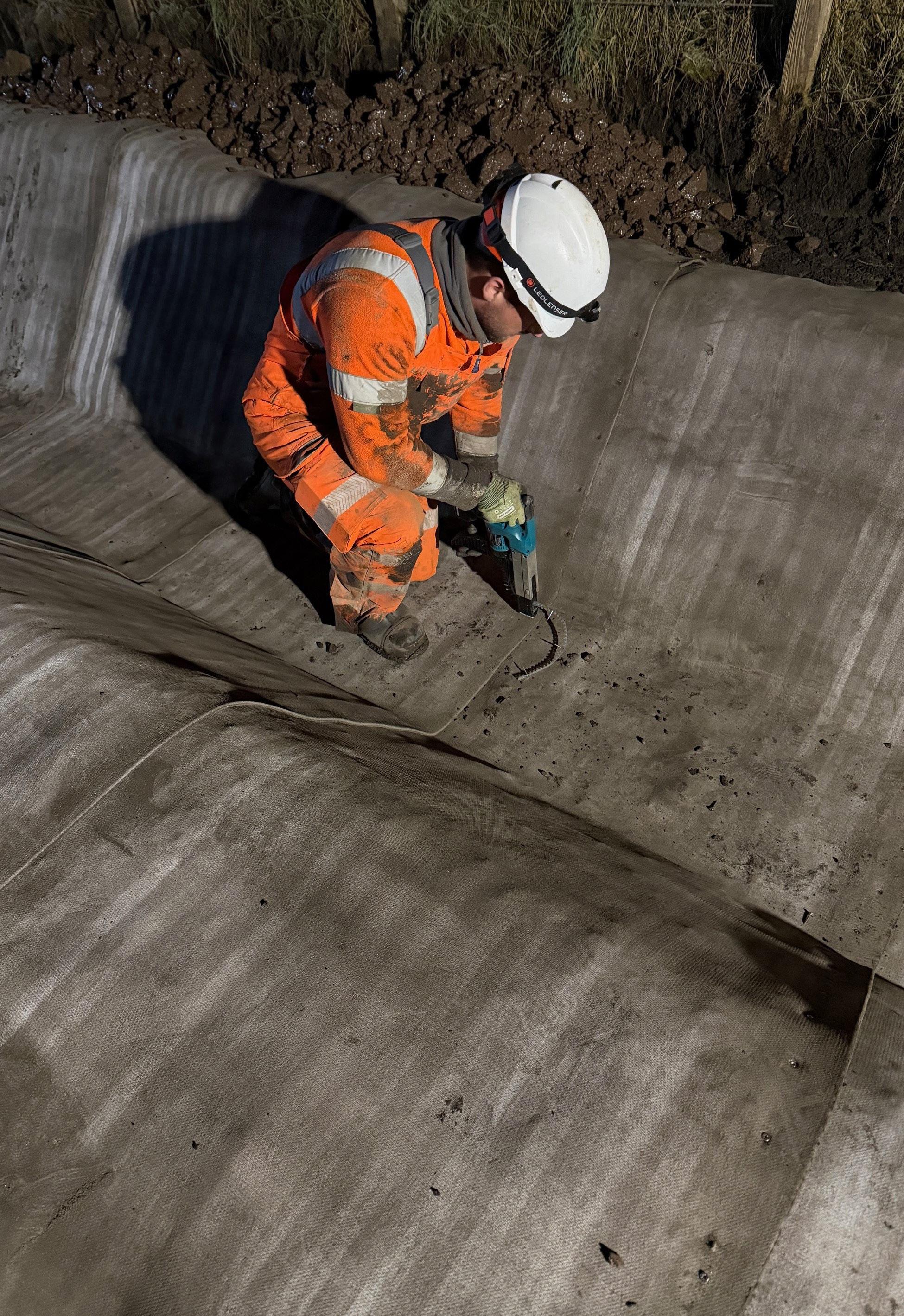
Recent drainage works delivered by AmcoGiffen near Forgandenny in Scotland provide an excellent example of this in practice. In March 2026, approximately 1,000m² of CCT2® GCCM was used to line a drainage channel adjacent to the railway line, helping capture and divert run-off to prevent flooding of the tracks.
The site had previously experienced significant flooding during periods of heavy rainfall, caused by run-off from adjacent agricultural land and a large surrounding catchment area. To address this, the works involved regrading 275 linear metres of drainage channel and lining it with Concrete Canvas® to route water safely into new cess drainage infrastructure.
Importantly, the installation was carried out during night shifts alongside an operational railway. Eight Bulk Rolls of CCT2® were delivered to site and deployed using tracked plant machinery, while the material itself was batched to length on site to minimise wastage and improve handling in the constrained environment. The GCCM was installed transversely within the channel, overlapped and screwed together before hydration at the end of each shift.
Despite difficult site conditions and cold temperatures, a five-person team successfully completed the installation over a two-week period as the drainage works progressed. The result is a future-proofed drainage asset designed to help protect the railway from flooding and erosion during future extreme weather events.
The Forgandenny project highlights one of the key advantages of GCCMs within rail environments: adaptability. Unlike traditional rigid systems, Concrete Canvas® can conform closely to variable ground profiles and irregular surfaces, making it particularly useful for ageing drainage infrastructure, embankments and channels where conditions are rarely uniform.
That flexibility also proved invaluable on recent works undertaken at Kilsby Tunnel South Portal near Rugby on the West Coast Main Line. The site, which sees approximately 400 trains pass through daily, formed part of a larger drainage improvement scheme for Network Rail delivered by AMCO.
Originally, the drainage channel had been designed around a rigid plastic liner system. However, due to the changing profile of the channel and the challenging topography of the site, the contractor required a solution that could adapt quickly to site conditions while reducing the amount of groundwork required.
Concrete Canvas® was ultimately selected because of its flexibility prior to hydration and its ability to conform closely to the constantly changing channel geometry. Following extensive vegetation clearance works, the contractor was able to quickly regrade the drainage channel and install approximately 1,000m² of CCT2® GCCM using a transverse layup and standard fixing detail.
The project also demonstrated how GCCMs can simplify construction in difficult environments. Because the material requires less ground preparation than rigid alternatives, installation could progress efficiently despite the constrained conditions. Additional detailing around fence uprights using concrete fillets further enhanced the integrity of the drainage system and reduced the risk of water ingress.
Installation took place over approximately four weeks, with Network Rail representatives, including the local Drainage Engineer, reportedly very pleased with the finished result.
Projects such as Forgandenny and Kilsby demonstrate why GCCMs are increasingly becoming an important part of rail climate adaptation strategies. As rainfall intensity increases and drainage assets come under greater pressure, rail engineers are seeking solutions that can be deployed rapidly while providing durable, long-term protection.
Concrete Canvas® products are particularly effective for applications including crest drainage, channel lining, culvert remediation, embankment protection and vegetation management. Their rapid installation speeds, combined with minimal equipment requirements, make them well suited to reactive maintenance and emergency response works where time is critical.
The sustainability benefits are also significant. Independent lifecycle assessments have shown that CCT2® can reduce embodied carbon by more than 60 per cent when replacing traditional ST4 poured concrete in erosion control applications. In addition, the material uses substantially less concrete overall while reducing vehicle movements, fuel use and on-site disruption.
With drainage and weather resilience continuing to rise up the rail agenda throughout CP7 and beyond, understanding where GCCMs fit within modern infrastructure maintenance strategies is becoming increasingly important for engineers, asset managers and contractors alike.
To help explore these challenges further, Concrete Canvas Ltd will be hosting a dedicated technical webinar.
Why GCCMs Matter for Weather Resilience in UK Rail
The webinar will provide practical guidance on how GCCMs can support weather resilience, drainage protection and longterm asset performance across the UK rail network.
Topics covered will include:
• How increasing rainfall and flooding impact rail drainage assets.
• The role of GCCMs in erosion control, drainage channel lining and maintenance reduction.
• Practical examples of Concrete Canvas® installations within rail environments.
• Live Q&A with the Concrete Canvas® team.
As climate pressures continue to grow, the rail industry increasingly needs solutions that are practical, fast to deploy and capable of delivering long-term resilience. From overnight drainage repairs to large-scale embankment protection schemes, GCCMs are helping contractors and asset owners respond to these challenges with greater efficiency, reduced disruption and lower environmental impact.
For rail professionals looking to futureproof drainage infrastructure while maintaining operational performance, Concrete Canvas® is proving that innovation and practicality can go hand in hand. Join the team to explore these challenges further on Tuesday 8 July at 10am.
Tel: 0345 680 1908
Email: info@concretecanvas.com
Visit: www.concretecanvas.com
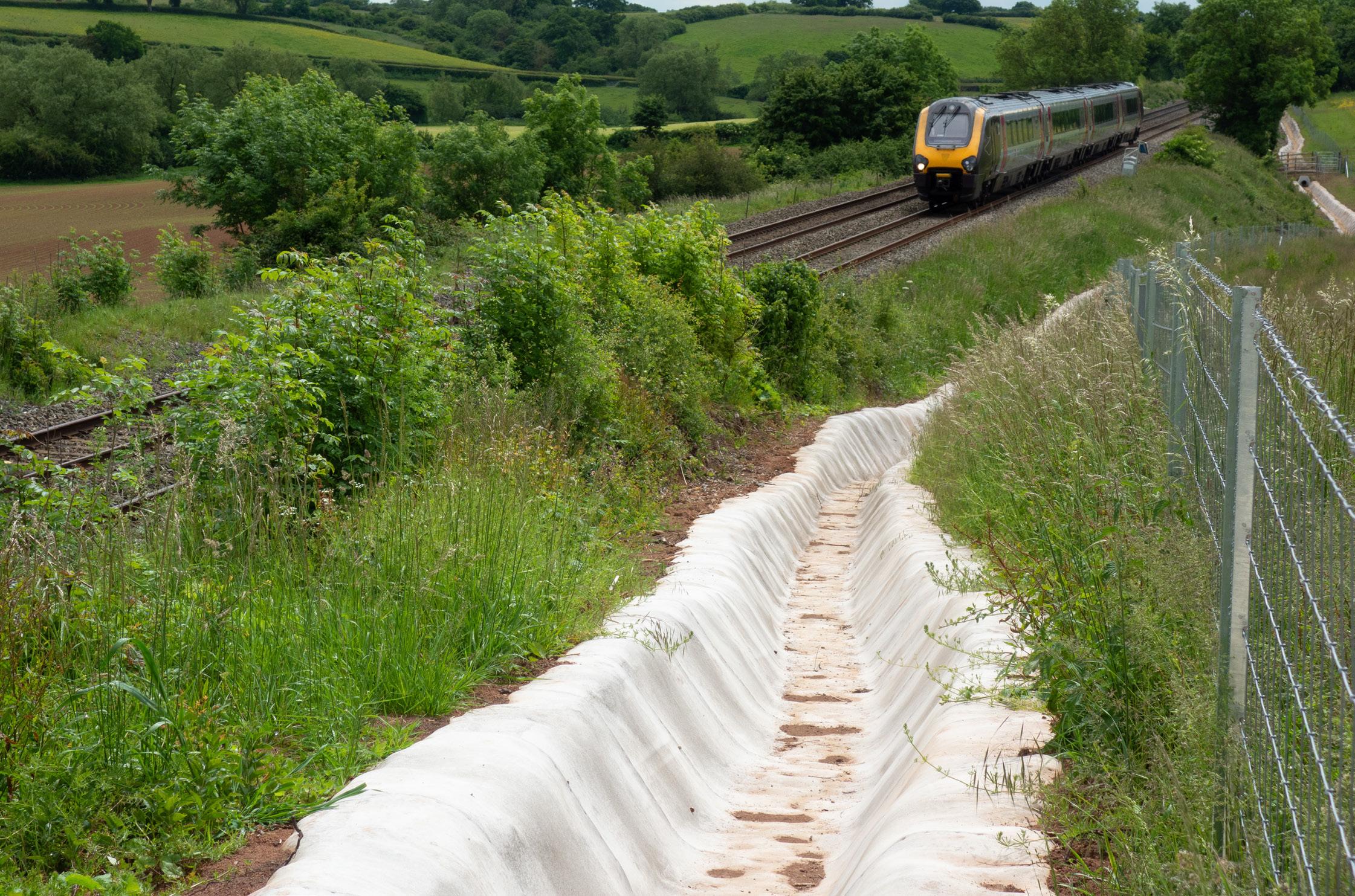
Industry Celebrates the Women in Rail Awards 2026
The ninth annual Women in Rail Awards took place on Wednesday, 13 May at the stunning and iconic Roundhouse, Camden, London, bringing together over 740 professionals from across the UK rail industry for a spectacular evening of celebration, inspiration, and recognition
The event, established to honour individuals and organisations who have made outstanding contributions to improving gender balance, diversity, and inclusion within the rail sector, was once again a resounding success. Hosted by Gail Porter, the evening featured moving stories, exceptional achievements, and a powerful sense of unity among attendees.
Following the champagne reception, guests were serenaded to their seats by the Southeastern TRAX Choir. A welcome address from Chair of Women in Rail, Marie Daly, followed by a keynote address from Lucy D’Orsi, Chief Constable, The British Transport Police, marked the opening of the ceremony.
A total of 13 awards were presented, celebrating both individual excellence and collaborative initiatives that are shaping a more inclusive future for the rail industry.
The judging panel, comprising senior leaders from across the sector, faced the challenging task of selecting winners from a record number of entries, a testament to the incredible work being done across the network. The judges specifically requested that all nominees be commended for their hard work, selfless dedication, and commitment, and that a huge thank you be extended to all those who were nominated for this year’s Women in Rail Awards. The complete list of Winners, Highly Commended, and Shortlisted is available on the Women in Rail website, womeninrail. org/awards
Marie Daly, Chair of Women in Rail and Chief Operations Officer at Transport for Wales, said: ‘Tonight is about celebrating brilliance, courage, and the extraordinary contribution women make to our railway every single day. This year feels particularly significant because, for the first time, Women in Rail has had a genuine voice at the table shaping the future of our industry. As Great British Railways develops, we have
https://womeninrail.org/.
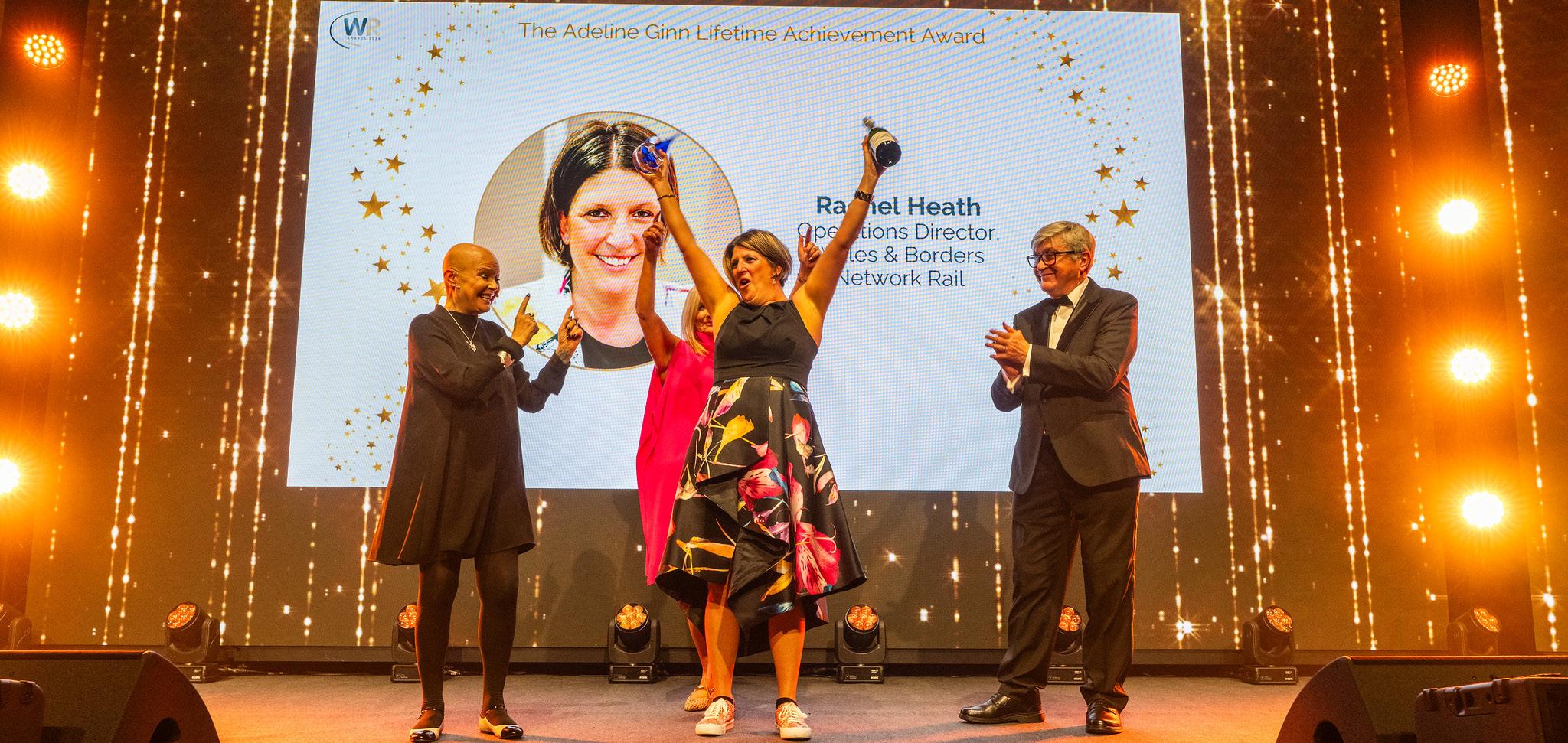
a once-in-a-generation opportunity not just to reform structures, but to design equity into the system from the very beginning. For me, GBR also represents a Gender Balance Reset.
‘Women currently make up just 18.9 per cent of the rail workforce. That reality means our mission remains as important as ever. But this has never been about division or blame. Women in Rail has always been about collaboration, shared ownership, and creating an industry where everyone can thrive.
‘My message tonight is simple: lead with decency, courage, and respect. If we all do that, together, we can create the change we want to see across our industry.’
The organisation and delivery of the event were made possible through the expert support of Nimble Media, which worked in close partnership with Women in Rail to curate an evening that was both professionally executed and deeply impactful.
Women in Rail would like to extend heartfelt gratitude to all the 2026 Awards Sponsors, whose generous support made this event possible. Without their commitment to fostering diversity and
inclusion in the rail industry, this event and its recognition of outstanding achievements would not be possible. Thank you for your continued partnership and dedication to driving positive change.
The awards received tremendous feedback, and we look forward to celebrating our inspirational colleagues with you again next year at the Women in Rail Awards 2027!
CATEGORY SPONSORS
Avanti West Coast, BAM, CrossCountry, Greater Anglia, Keolis Amey Docklands, Keolis Amey Metrolink, LNER, London Northwestern Railway and West Midlands Railway, Transport UK and Worldline IT Services UK Limited; Drink & Wine Sponsor: Rail Delivery Group; Entertainment Sponsor: TransPennine Express; Champagne Reception Contributing Sponsor: GTR; Table Decoration Sponsor: Mott MacDonald; Fundraising Sponsor: EMR; and Gift Bag Sponsor: Alstom Transport UK Ltd.
Why Trade Performance for Sustainability?
For decades, the engineering and infrastructure sectors have faced a persistent dilemma: sustainability or performance
The assumption has long been that environmentally responsible materials require trade-offs, reduced durability, limited processability, or higher operational risk.
Today, that assumption is outdated. The transition to a low-carbon economy is accelerating. Regulatory frameworks such as the European Green Deal and the Circular Economy Action Plan are reshaping industrial priorities. Investors, contractors, and asset owners increasingly demand materials that are not only technically superior but also demonstrably sustainable. In this evolving landscape, innovation must deliver both environmental and technical excellence.
BIO PoliMac is Maccaferri’s answer to this challenge.
Sustainability with proof, not promises
Sustainability claims are meaningful only when they are transparent, measurable, and independently verified. That is why BIO PoliMac is produced using ISCC PLUS certified raw materials.
ISCC PLUS, part of the International Sustainability & Carbon Certification scheme, is a globally recognised voluntary certification system. It enables companies throughout the supply chain to monitor, document, and verify sustainability performance according to strict criteria covering:
• Traceability of raw materials.
• Compliance with sustainability requirements.
• Mass balance methodology.
• Independent third-party auditing.
This certification framework ensures that environmental performance is not an abstract concept but a rigorously validated process. It guarantees that every certified product is supported by full supply chain transparency and credible external verification. The scheme covers all sustainable feedstocks, including
agricultural biomass, forestry biomass, biogenic waste, circular materials, and renewable inputs, ensuring flexibility while maintaining integrity.
Understanding the feedstock spectrum
BIO PoliMac integrates certified materials derived from three sustainable feedstock categories:
• Circular feedstocks.
• Bio-circular feedstocks.
• Bio-materials.
Circular feedstocks
Non-biological materials recovered through mechanical or chemical recycling processes, such as mixed plastic waste. These contribute directly to reducing landfill and fossil resource extraction.
Bio-circular feedstocks
Biological waste and residues from agriculture, forestry, and related industries, for example, used cooking oil. These materials repurpose waste streams into valuable industrial inputs.
Bio-materials
Virgin agricultural raw materials, such as sugarcane, capture atmospheric CO₂ during growth through photosynthesis. Through an ISCC-certified mass balance approach, these feedstocks are responsibly integrated into polymer production. Bio-based waste and fossil materials are allocated transparently, ensuring accurate accounting of sustainability attributes across the value chain. BIO PoliMac contains more than 80 per cent bio-circular material and is supplied with a sustainability declaration certifying its bio-attributed content. This documentation provides clients with reliable data to support ESG reporting and environmental performance assessments.
Carbon footprint of raw materials
One of the most transformative aspects of BIO PoliMac is its carbon footprint performance.
‘Environmental advancement must never weaken engineering integrity.’
Plant-derived feedstocks absorb CO₂ during their growth cycle. This captured carbon, known as biogenic carbon, remains embedded within the polymer structure. When calculated across the full life cycle, the carbon captured during biomass growth exceeds the emissions generated during polymer production.
The result is extraordinary:
• A reduction of more than 150 per cent in greenhouse gas emissions compared to fossil-based equivalent polymers.
• This means that BIO PoliMac not only reduces emissions, it delivers a net positive carbon impact relative to traditional alternatives.
• Granules derived from bio-circular feedstock maximise this CO₂ reduction, offering one of the most significant decarbonisation opportunities currently available in polymer coatings.
Performance without compromise
Environmental advancement must never weaken engineering integrity. Infrastructure solutions must withstand mechanical stress, environmental exposure, and long-term operational demands.
BIO PoliMac delivers:
• Identical durability to traditional fossilbased PoliMac coatings.
• The same mechanical resistance and protective performance.
• Equivalent processability in manufacturing and application.
• Unchanged quality standards.
In practical terms, this means no redesign, no technical adjustment, and no operational
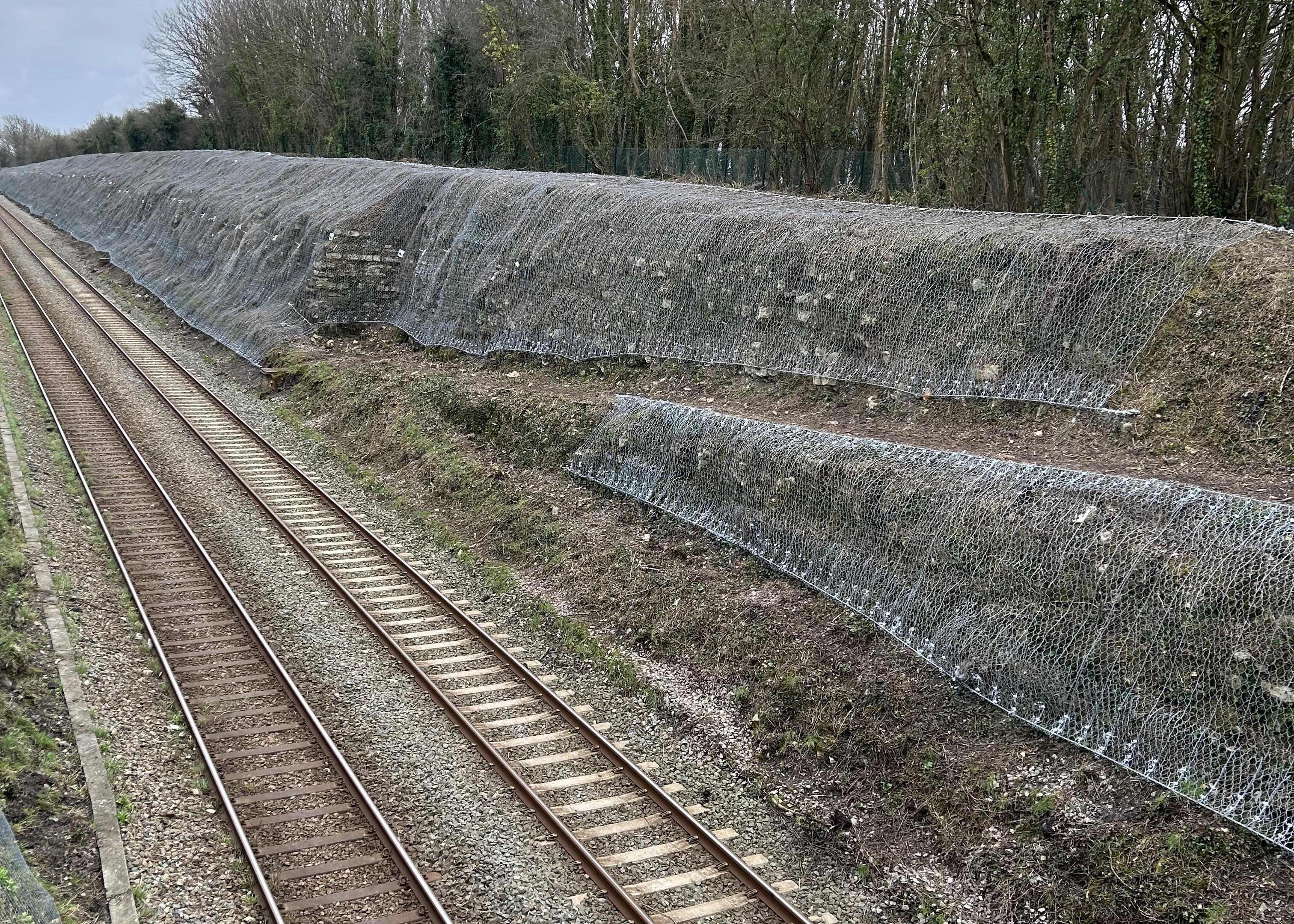

‘BIO PoliMac delivers a net positive carbon impact relative to traditional alternatives.’
risk when transitioning to BIO PoliMac. Clients gain measurable sustainability benefits without altering specifications or sacrificing reliability. This is not a compromise solution. It is a performanceequivalent evolution.
Circular economy in action
The circular economy is not only about recycling it is about rethinking material value, extending life cycles, and reducing dependency on virgin fossil resources.
BIO PoliMac represents a concrete step toward this transformation. By integrating bio-circular and circular feedstocks within
a certified mass balance system, it reduces demand for fossil raw materials while maintaining full material performance. Together with Maccaferri’s Environmental Product Declarations (EPDs), which provide transparent life-cycle impact data, BIO PoliMac reinforces the company’s broader commitment to sustainable infrastructure innovation. This approach supports:
• Reduced Scope 3 emissions.
• Improved ESG reporting transparency.
• Alignment with regulatory decarbonisation pathways.
• Long-term resilience in supply chains.
The new standard for responsible engineering
The infrastructure sector stands at a turning point. Climate objectives, regulatory pressure, and market expectations are redefining what constitutes quality and value. Materials must now perform on two levels: structurally and environmentally.
BIO PoliMac sets a new benchmark. It demonstrates that high-performance polymer coatings can be:
• ISCC+ certified.
• Traceable and independently verified.
• Carbon-positive compared to fossil alternatives.
• Fully compatible with existing engineering standards.
The real question is why accept less when you can have both? BIO PoliMac proves that performance and responsibility are no longer competing priorities; they are partners in building the future of infrastructure.


Tel: 01865 770555
Email: info@maccaferri.com
Visit: www.maccaferri.com/uk
25 JUNE, SHERATON GRAND LONDON
The Railway Industry Supplier Excellence (RISE) Awards celebrate the talent and achievements of the UK rail supply community.
The ceremony will take place at RIA’s seventh Annual Dinner on 25 June 2026.
The evening will be hosted by popular magician and presenter Ben Hanlin, who has appeared on numerous television shows.
Andy Lord, Commissioner of Transport for London, will be delivering a keynote speech. Andy is responsible for delivering the safe and reliable transport systems that keep the capital moving.

Scan or visit
www.riagb.org.uk/RISE26


The RIA Dinner & RISE Awards
RISE up to celebrate the UK rail supply chain
The Railway Industry Association (RIA) Dinner and Rail Industry Supplier Excellence (RISE) Awards returns to London next month, celebrating the excellence and achievements of the UK rail supply community across eleven categories. With the shortlist announced, the focus is now on the ceremony itself – an evening dedicated to recognising excellence across the UK rail supply chain and bringing the industry together.
Taking place on 25 June at the prestigious The Sheraton Grand London Park Lane, in London, the event has established itself as a flagship occasion in the rail calendar. Tickets are now available by visiting www.riagb.org.uk/RISE26.
RIA Marketing & Events Lead Aurélie Couet said: ‘Congratulations to all the individuals and suppliers shortlisted for the RIA RISE Awards 2026.
‘We’d like to express our thanks to the expert judging panel for reviewing the nominations and to all who took the time to submit entries highlighting their achievements.
‘We look forward to celebrating the very best of the industry at the awards ceremony in June. The evening dinner provides fantastic networking opportunities and is open to all in the rail industry.’
This year’s ceremony will spotlight the very best in innovation, sustainability, safety and collaboration. The awards will be recognising the people driving progress across the sector, with individual categories highlighting emerging talent and leadership within the industry. Guests will be welcomed with a drinks reception, followed by a formal dinner and the awards programme, culminating in the announcement of winners across multiple categories. This year will also include a keynote speech by Transport for London Commissioner Andy Lord.
Andy Lord said: ‘I have attended the RIA Dinner & RISE Awards previously and was honoured to win the Client of the Year Award in 2023.
‘It is a great opportunity to recognise excellence among rail suppliers and to
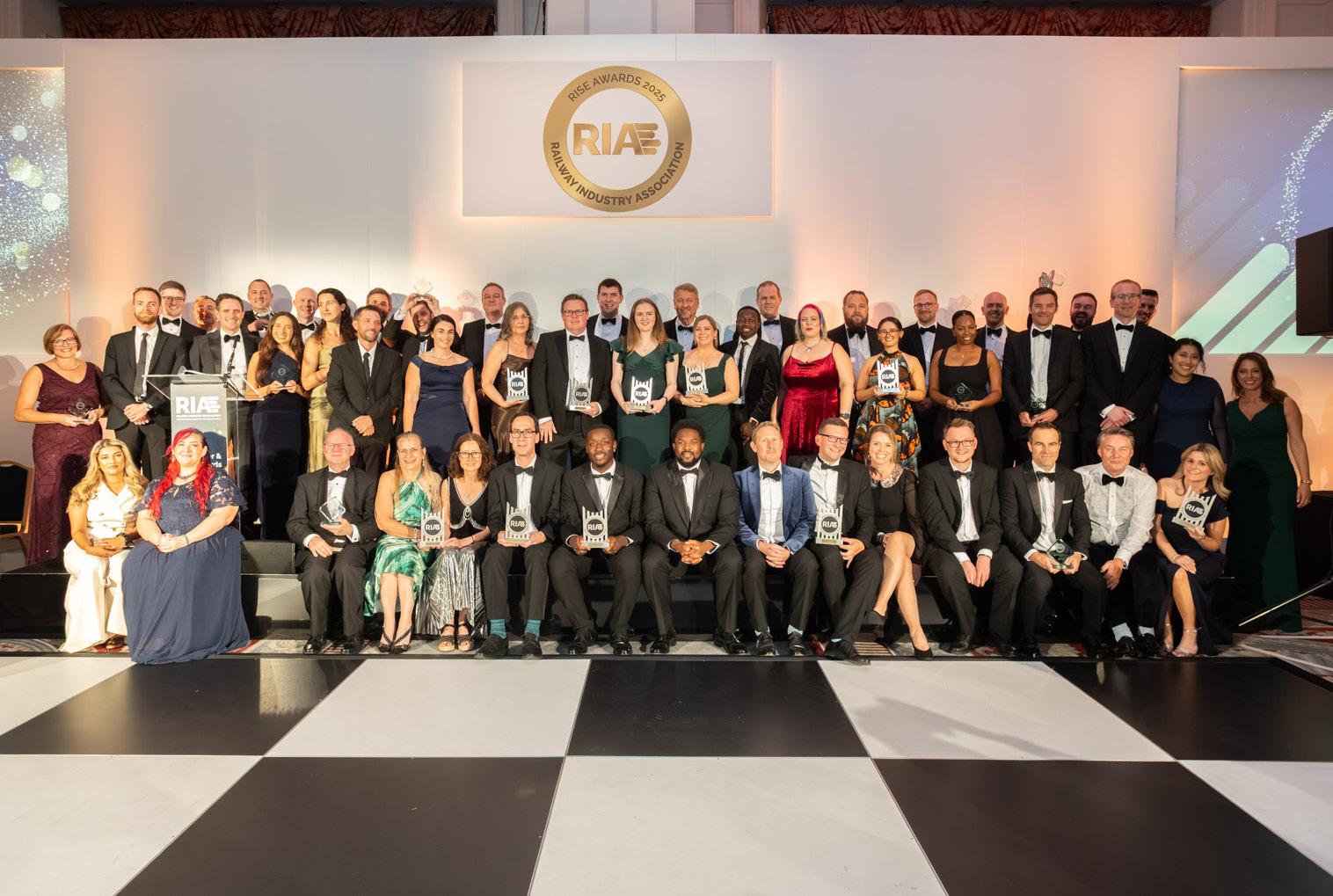
network with the railway industry in a convivial setting. I’m really looking forward to addressing the Dinner on the night.’
Aurélie added: ‘For attendees, the RIA Dinner & RISE Awards 2026 offers a rare opportunity to step back from day-to-day operations and celebrate the progress being made across the rail sector.
‘It is an evening that recognises not only outstanding projects and initiatives, but also the collaborative spirit that underpins the industry’s continued development.
‘With expectations high and the calibre of finalists stronger than ever, this year’s ceremony promises to deliver a memorable evening – one that highlights excellence, fosters connection, and reinforces the vital role of the rail supply chain in supporting the UK’s transport ambitions.’
Around 400 people attended last year’s event, which included a keynote from Sir Andrew Haines OBE who was awarded a Personal Contribution Award, and saw Nick Millington MBE awarded Client of the Year for his leadership and collaborative approach as Route Director for Wales & Western at Network Rail.
Speaking at the awards last year Darren Caplan, RIA Chief Executive, said: ‘These Annual RISE Awards are a strong reminder of the high levels of talent and innovation operating right across the UK rail supply chain, and an occasion such as this really does help showcase the very best practice taking place over the year.
‘The evening also demonstrates the significant role rail supply plays in generating economic growth, boosting social mobility, and delivering a better and more sustainable rail as the UK rail landscape changes with the establishment of Great British Railways.’
Tel: 02072 010 777
Email: events@riagb.org.uk
Visit: www.riagb.org.uk
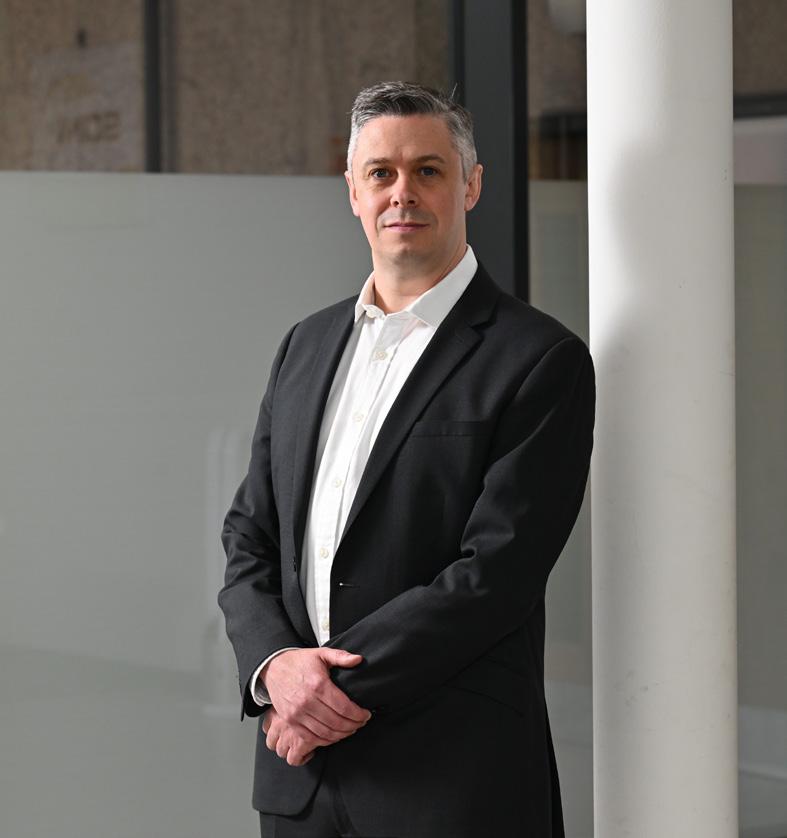
Translink announces new Group Chief Executive
Gerard Carlin has been appointed as Translink’s new Group Chief Executive. Gerard is currently Director of Networks and Innovation for SONI, Northern Ireland’s electricity Transmission System Operator. He will take up the post on 1 July 2026. An engineer by background, Gerard has 20 years of experience in infrastructure, including the Rail, Water and Oil & Gas Industries. He has held leadership roles at London Underground, Crossrail and Transport for London before joining Northern Ireland Water in 2021 where he worked as Head of Transformation. In 2018, he was part of the leadership team brought in to recover the Crossrail project, and as Programme Transition Director was responsible for the handover of the Elizabeth Line.
RSSB appoints Non Executive Director and Audit & Risk Committee Chair
The Rail Safety and Standards Board (RSSB) has appointed Iain Lanaghan to its Board as a Non industry Non executive Director and Chair of the Audit & Risk Committee. Iain is an experienced Chair and Non executive Director with more than 40 years’ experience operating at Board level in complex infrastructure sectors, including transport, energy, water, and defence. Earlier in his career, he was Group Finance Director of FirstGroup, the UK bus and rail operator, before going on to hold a range of senior executive and non executive roles. He brings extensive experience in financial governance, audit, risk, and strategic oversight.
First Rail announces new team to lead operation of the London Overground First Rail London has announced its new management team that has begun operating the London Overground on behalf of Transport for London (TfL). Heading up the team as Managing Director is David Statham, previously the Commercial Director for First Rail. Among his directors are Lee Archer as People Director, Mike Fortune as Finance Director and Oliver Owens as Concession and Transformation Director, all of which currently work within First Rail. Niall Rooney as Customer Experience Director, Charlotte Whitfield as Operations Director, Kate Marjoribanks as Engineering Director and Mark Hughes as Head of Safety, Health & Wellbeing and Compliance will also move across from the Overground’s current operator, Arriva Rail London. First Rail London’s contract with TfL is initially for eight years with an option to extend for up to two additional years at TfL’s discretion.
Great Western Railway and Network Rail bring management of London Paddington under single leadership team
Great Western Railway and Network Rail Western are bringing the leadership of the flagship London Paddington station under a single team as part of a series of moves designed to bring track and train closer together for the benefit of customers. Lauren Clancy has been appointed in the newly-created role of Integrated Station Lead, working across both GWR and Network Rail. This is the first Network Railmanaged station to integrate a leadership team with a Train Operating Company and Lauren will oversee the running of the country’s third busiest terminus. Lauren has previously spent time as Station Manager at Stratford, Ebbsfleet, and St Pancras International stations – and has more recently led track and train station integration programmes across Anglia Railway, a collaboration between NR, c2c and Greater Anglia.
Addleshaw Goddard Hires Leading Rail Specialist
International law firm Addleshaw Goddard has announced the recruitment of highly regarded rail specialist Jason Chamberlain, who joins the firm’s Transport team as a Partner in London. Jason brings nearly 30 years of experience in the UK and international rail sector, joining AG from BCLP, where he has spent the last eight years as Partner, having previously spent 14 years at Freshfields Bruckhaus Deringer working extensively on high profile PPP and rail infrastructure projects. He began his career in the public sector at the Office of Passenger Rail Franchising (OPRAF), later the Strategic Rail Authority (SRA), before moving into private practice.
Steer strengthens commercial rail expertise with return of senior expert Nathan Griffiths has rejoined Steer as a senior adviser, bringing more than 25 years of experience across the UK rail industry. He returns after 14 years in senior roles at Transport for London and Arriva, with a background spanning rail concession design, procurement, and operational delivery across both public and private sectors. At Transport for London, Nathan led major rail concession procurements, including the commercial and contractual frameworks supporting the staged opening of the Elizabeth Line. At Arriva, he held senior leadership roles covering concession management, bidding, and business strategy, with responsibility for delivering operational performance, customer outcomes and financial results.