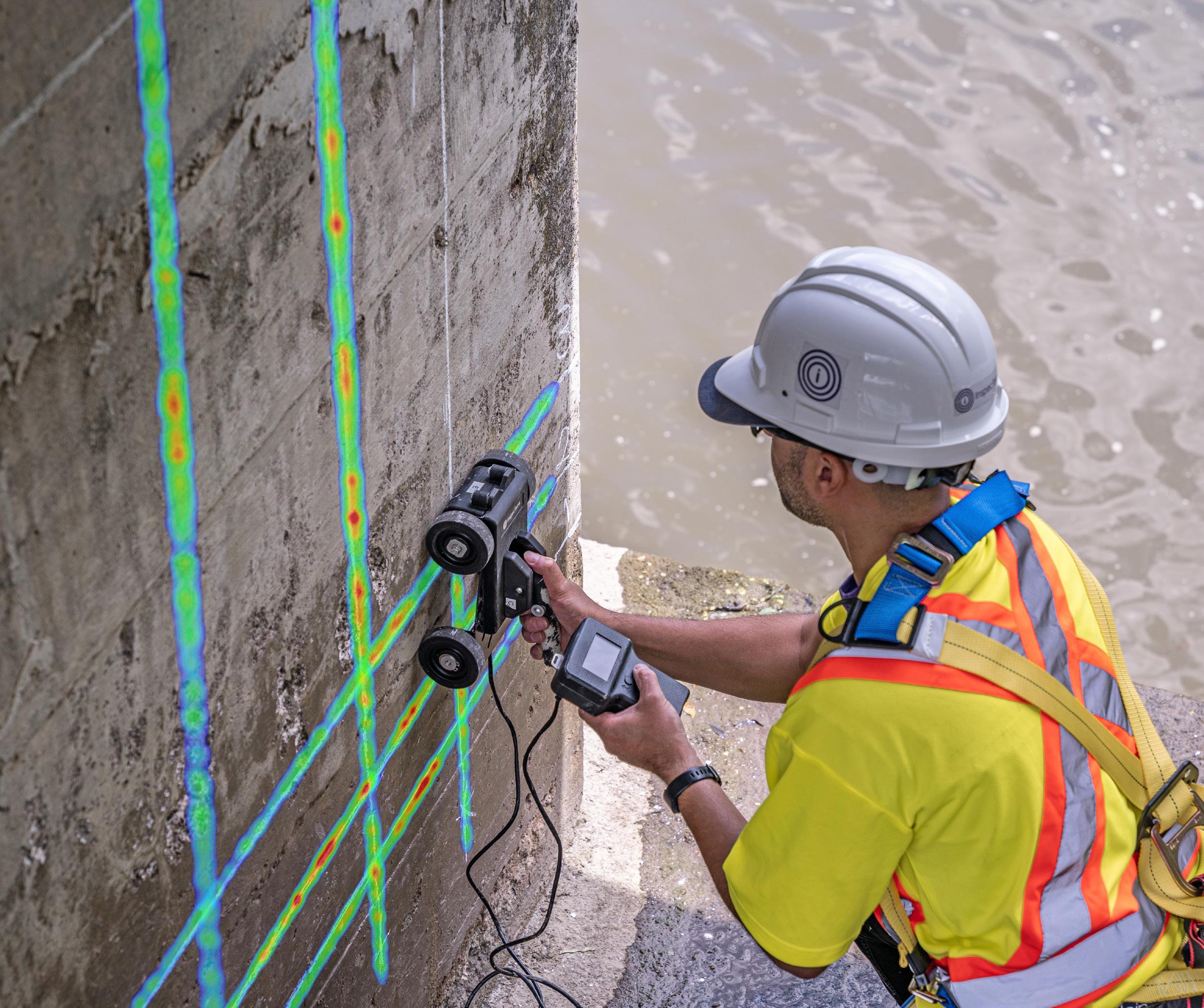
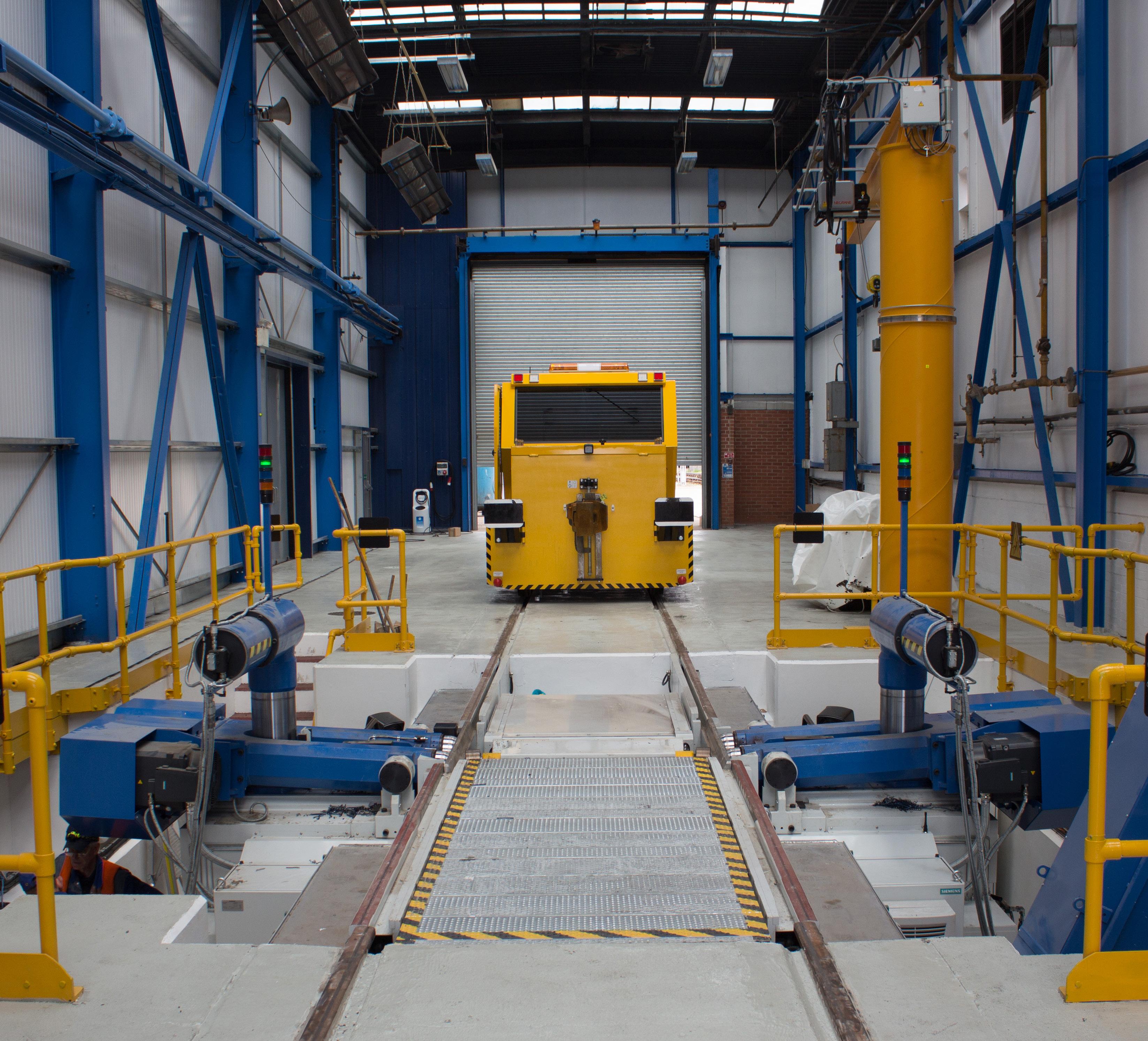
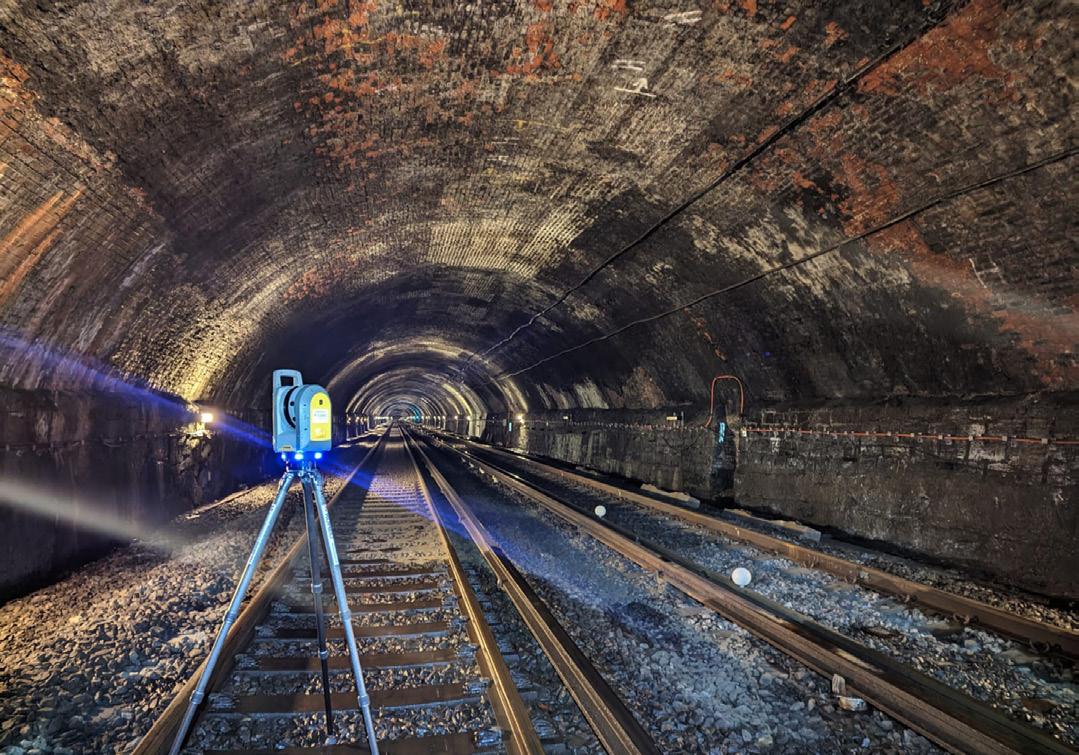
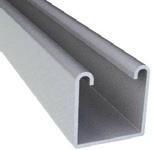
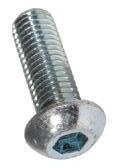
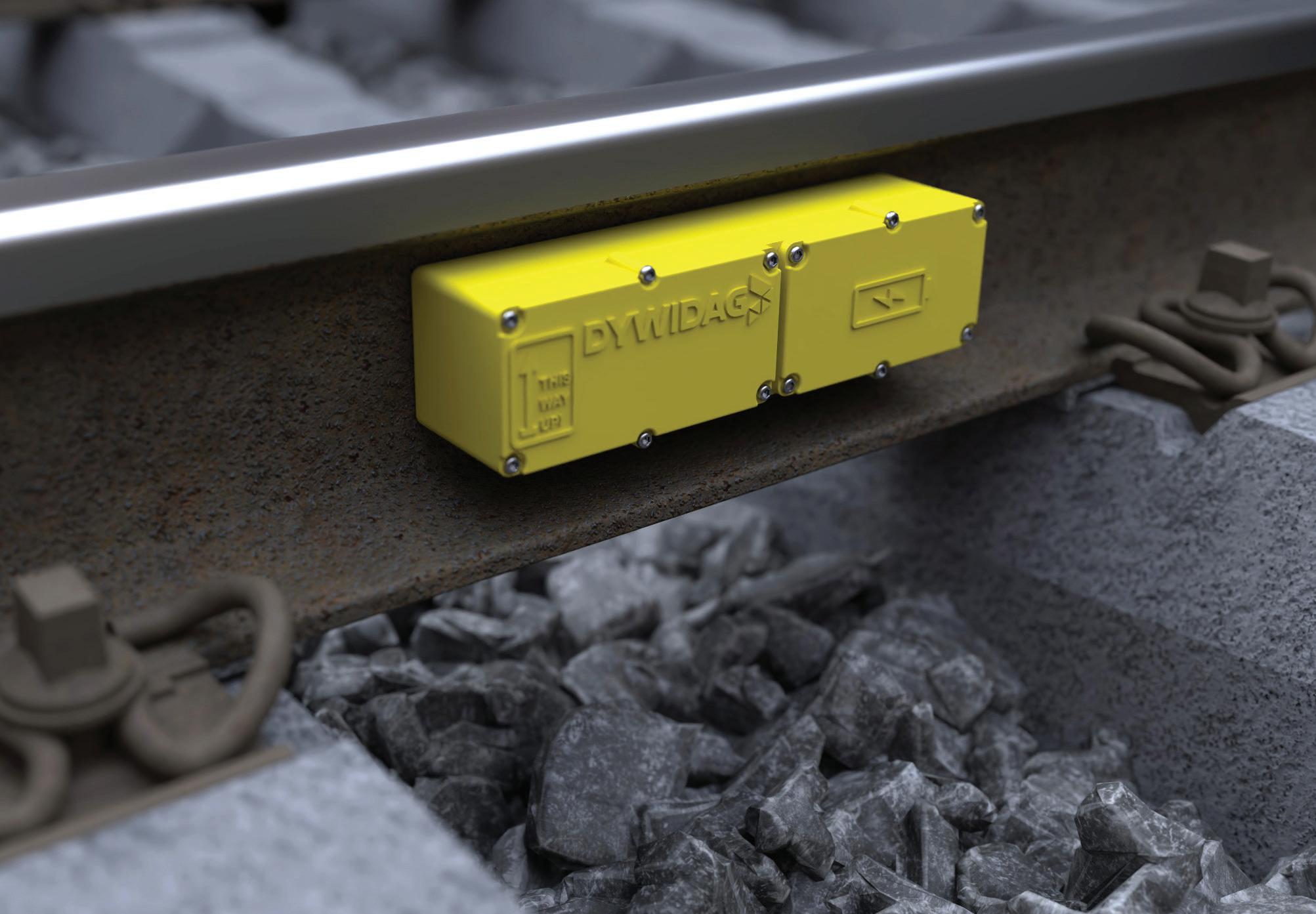
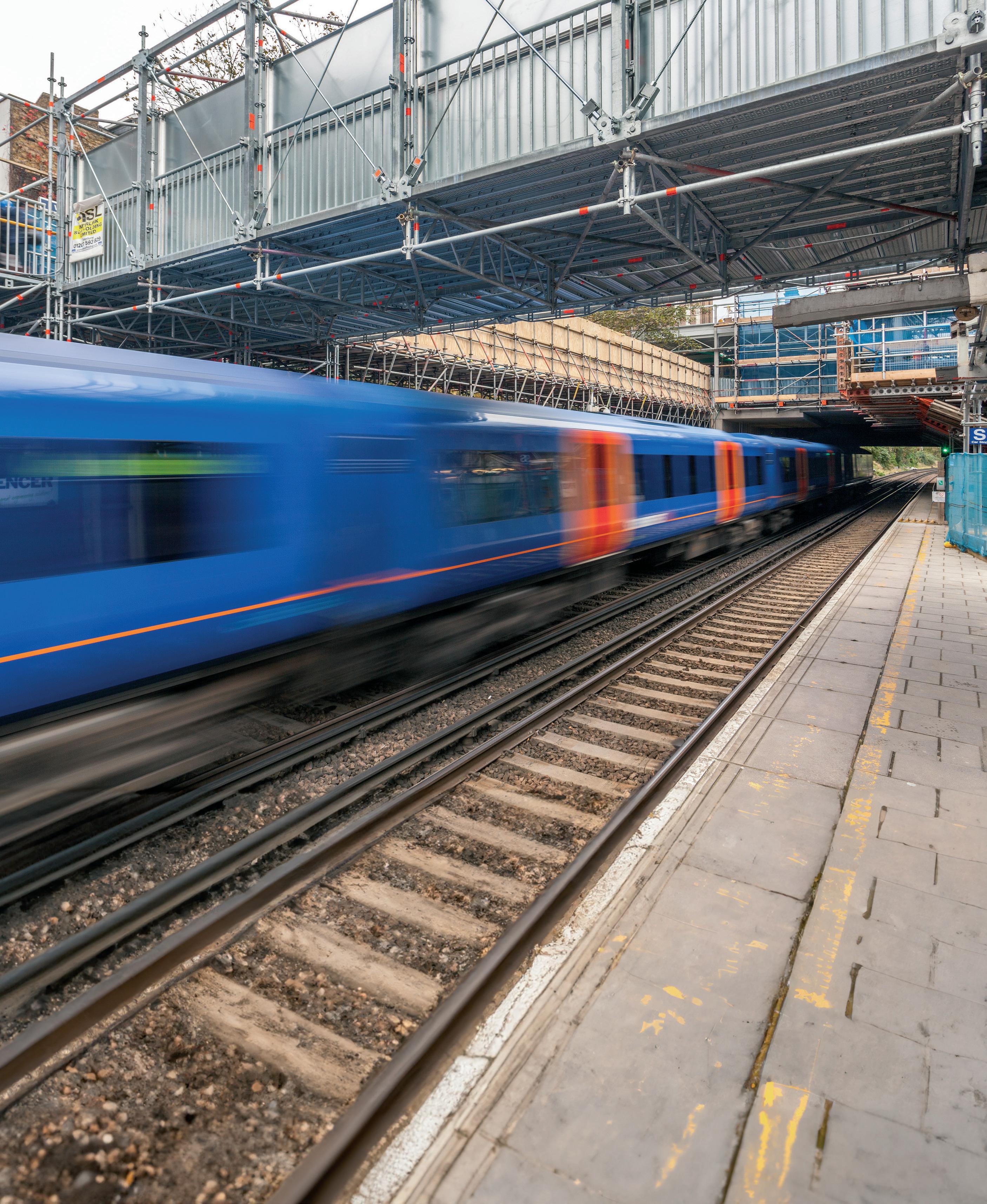
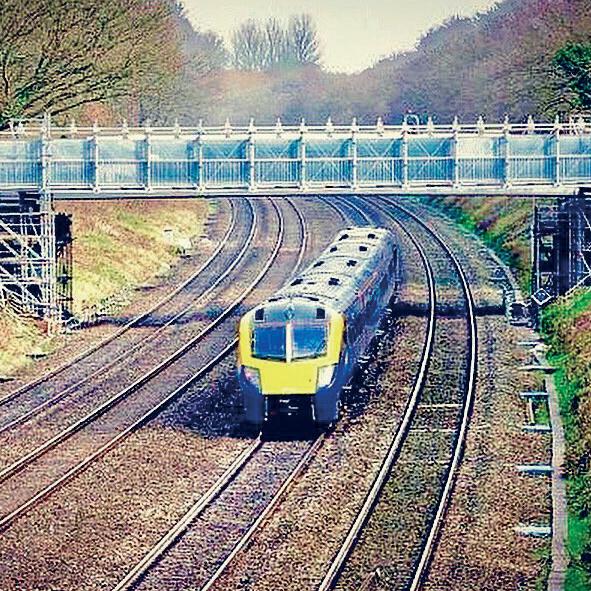
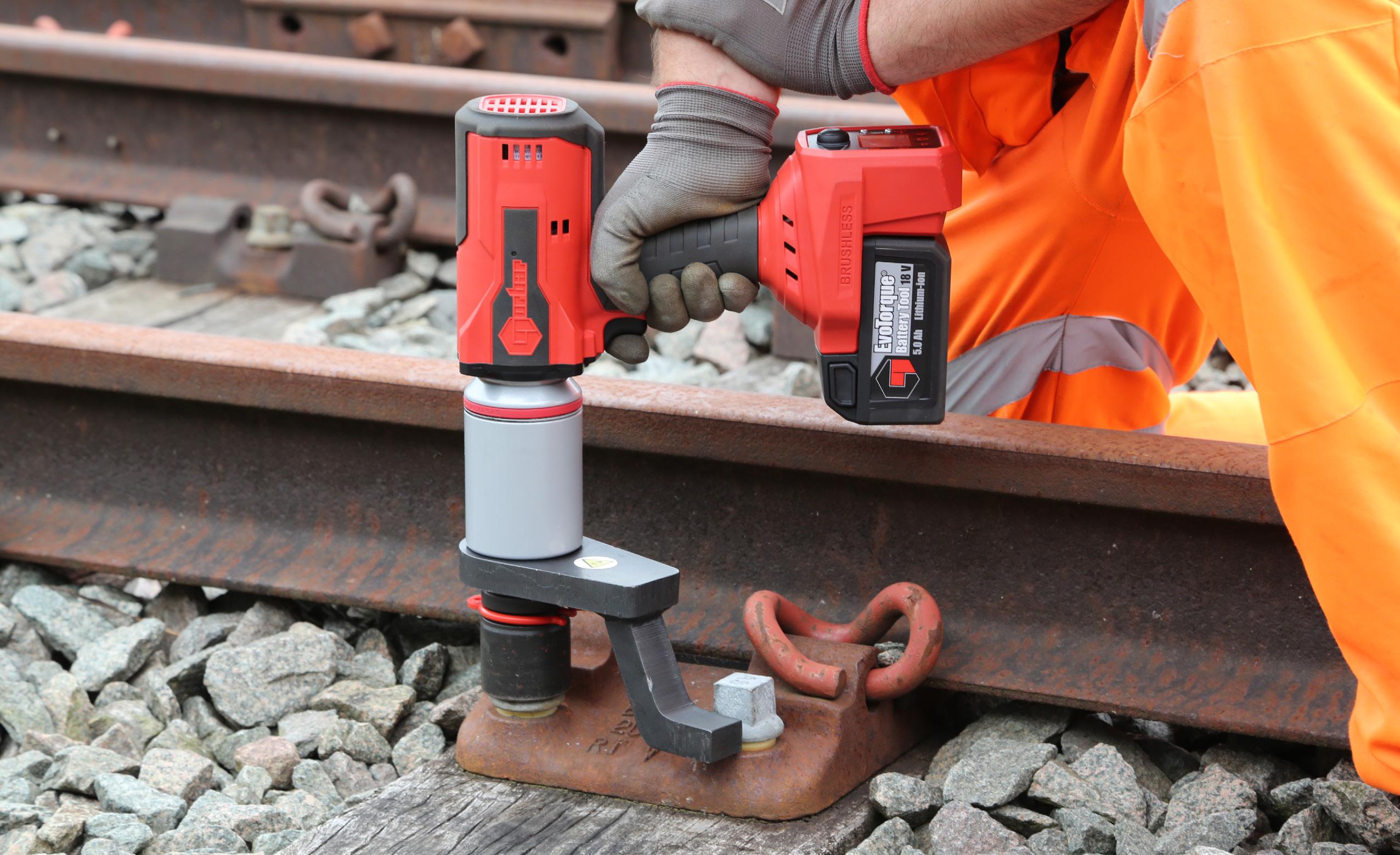
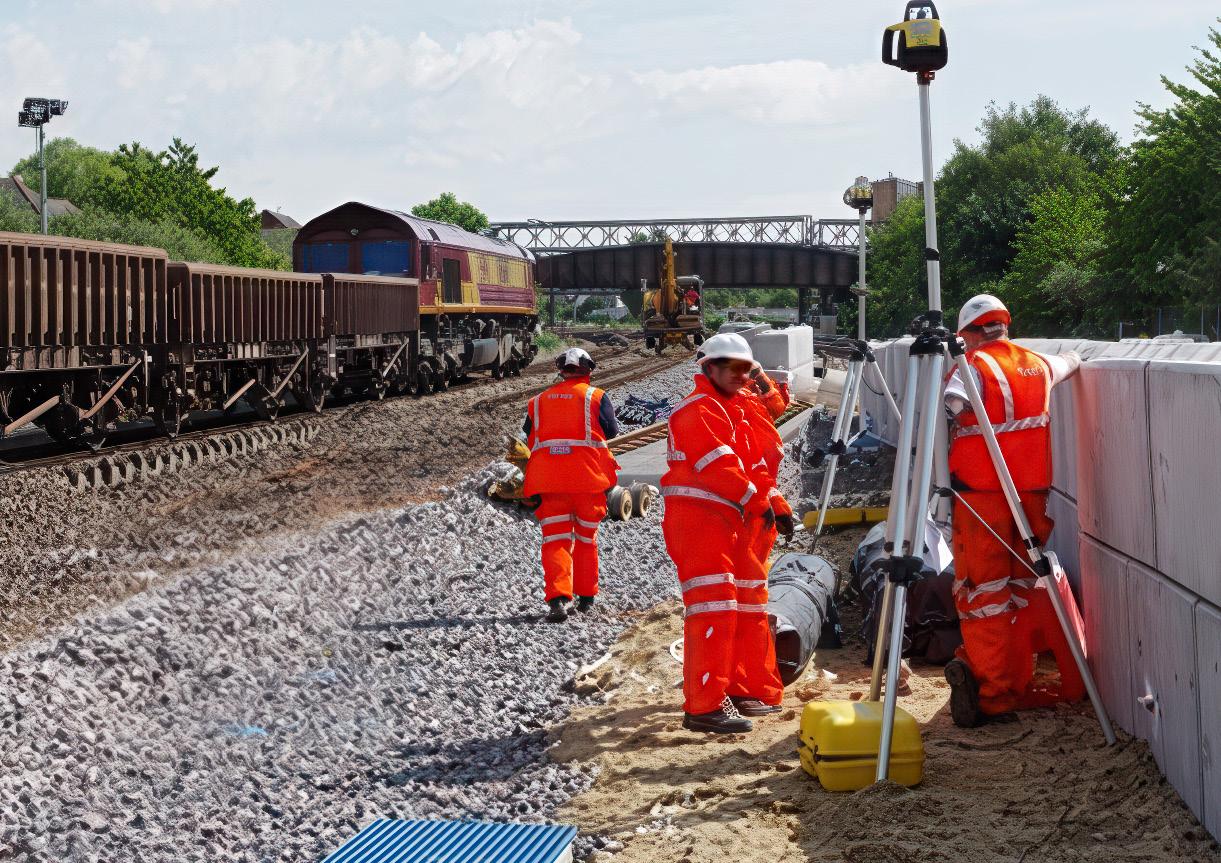
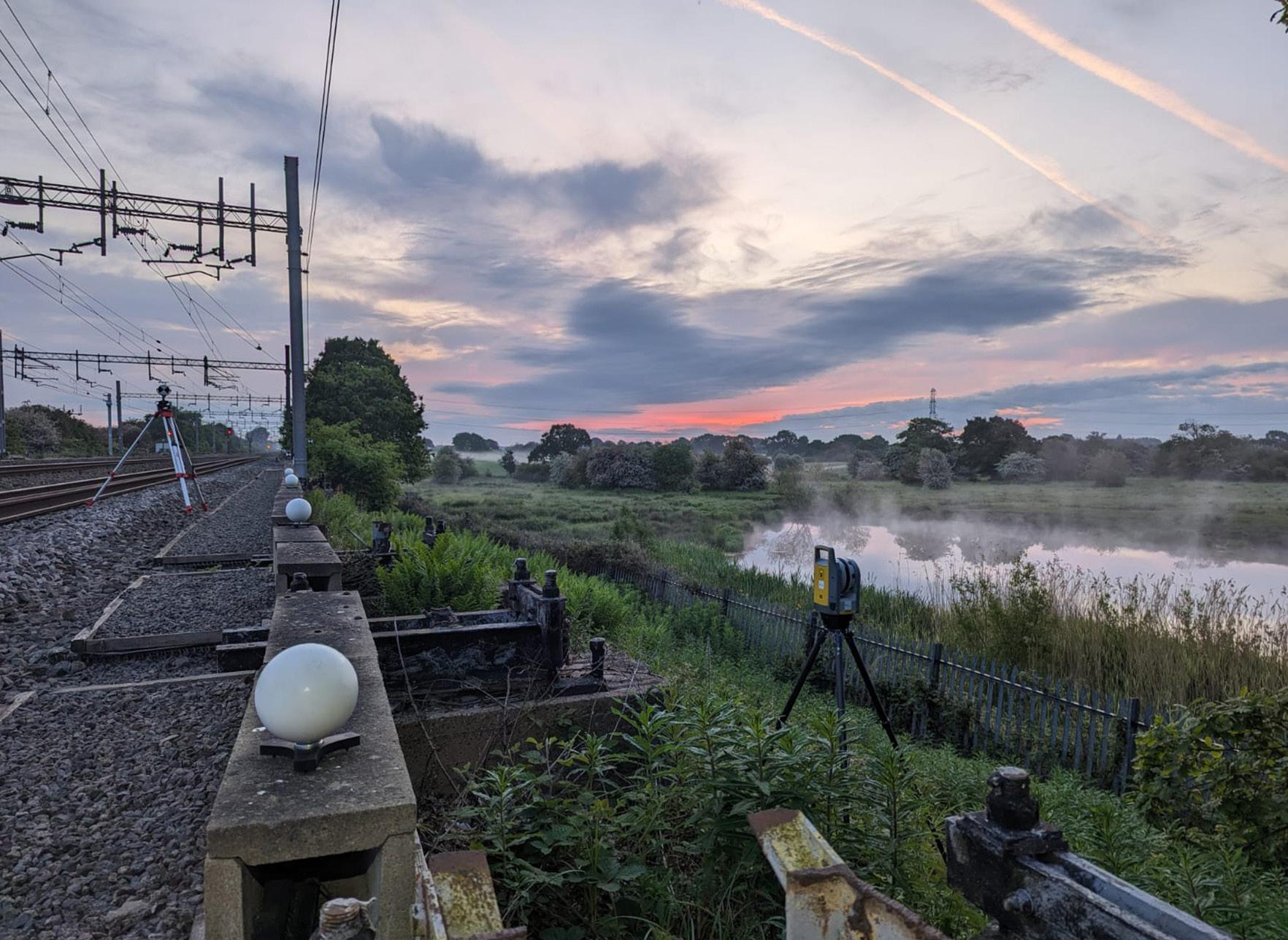
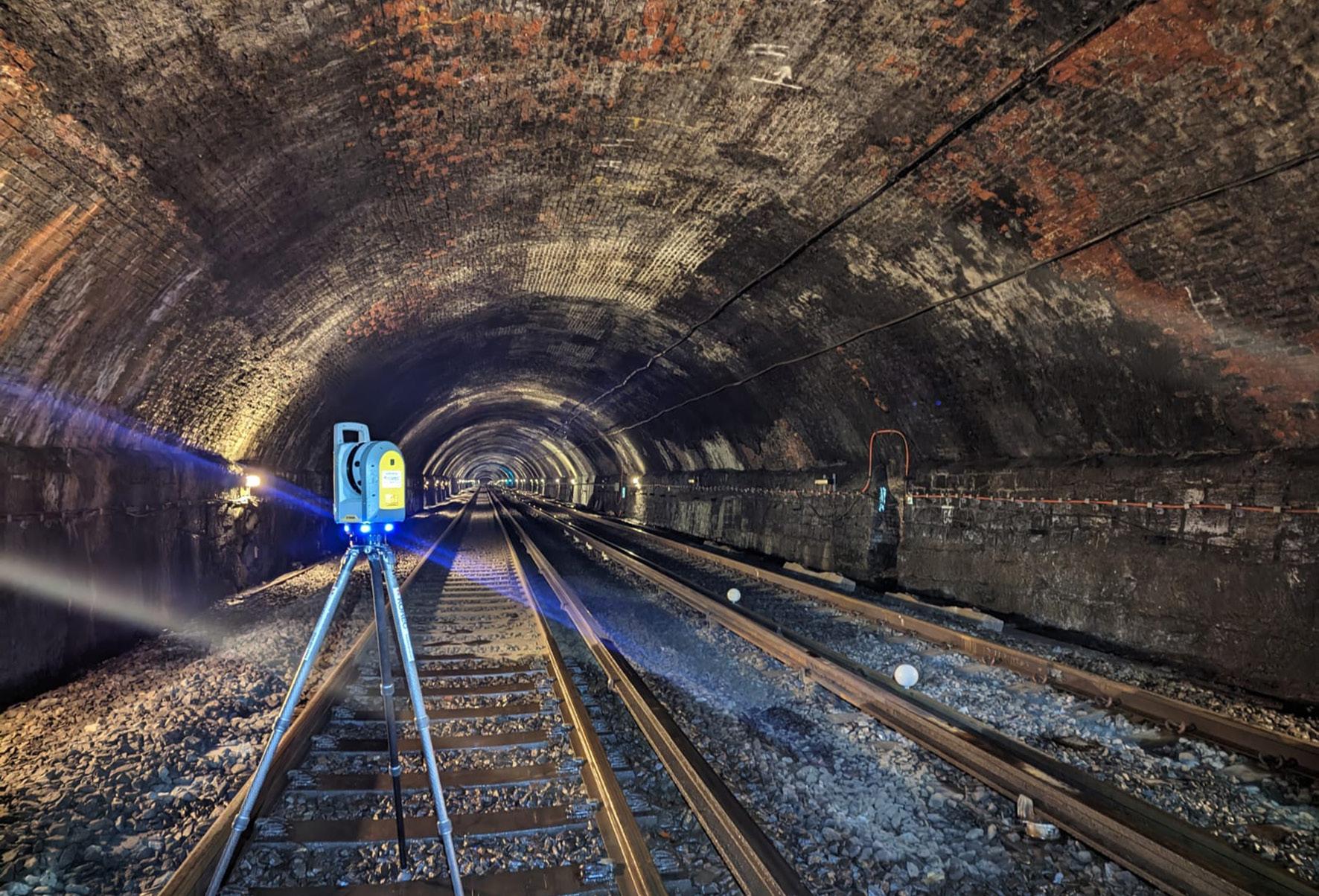
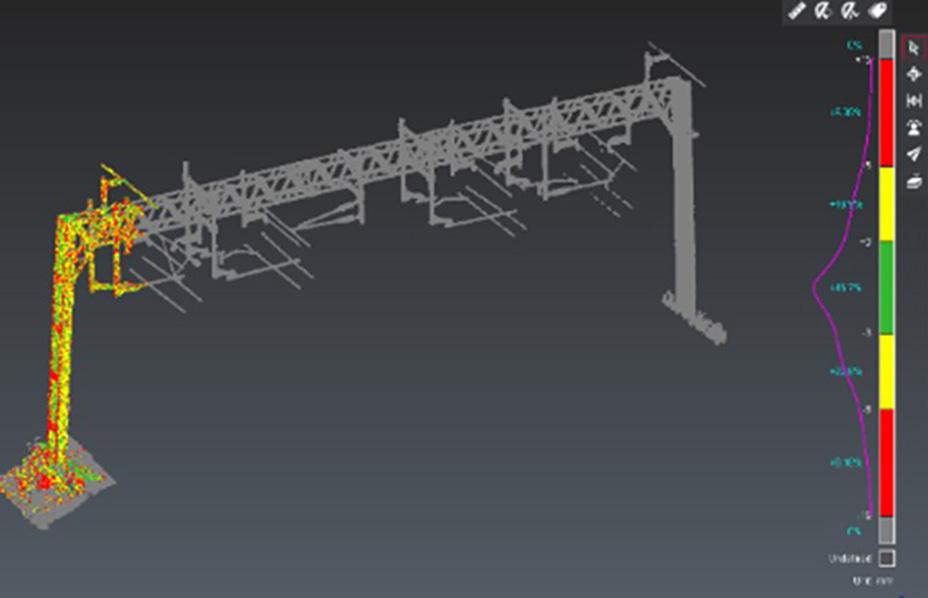
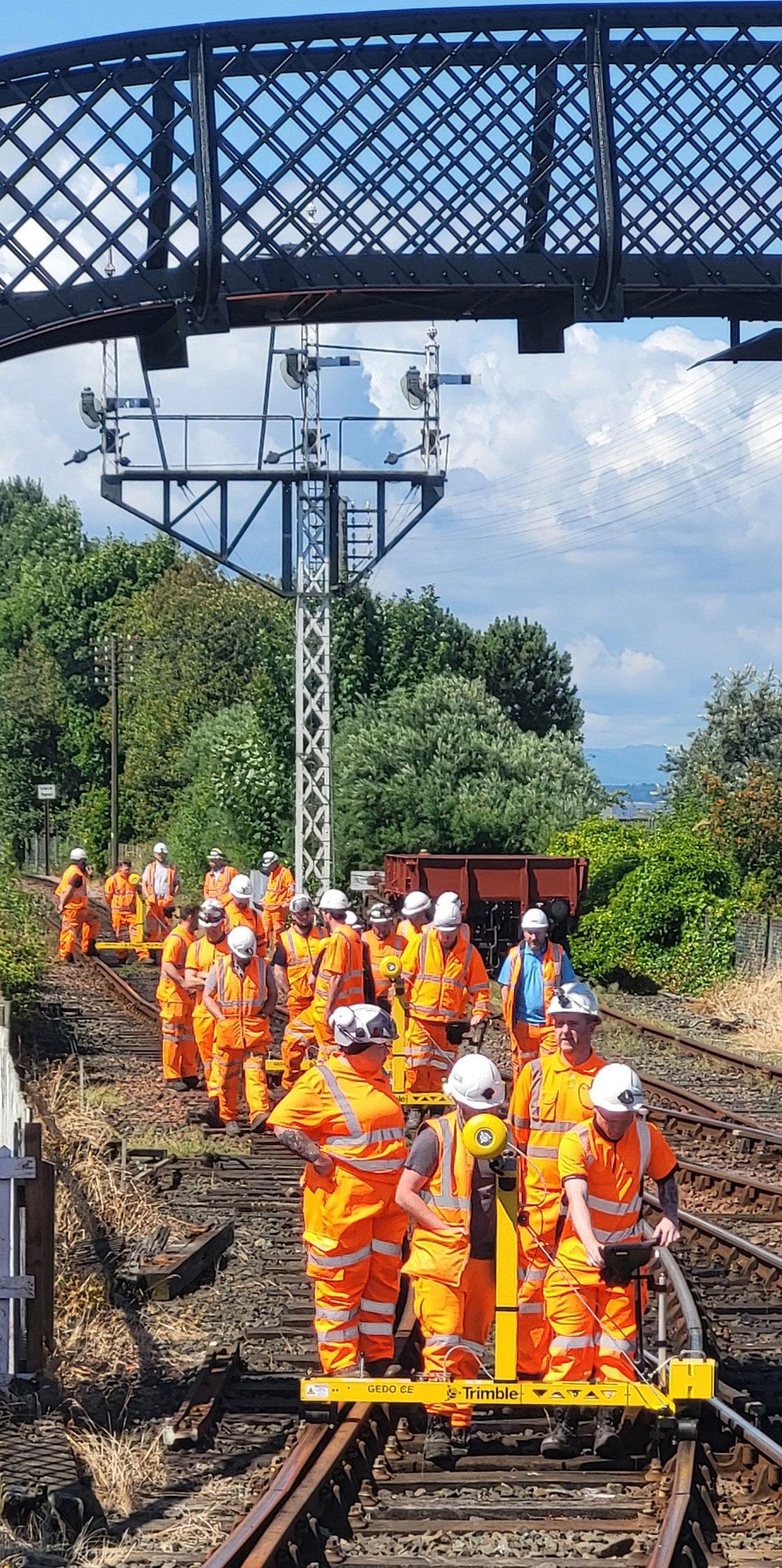
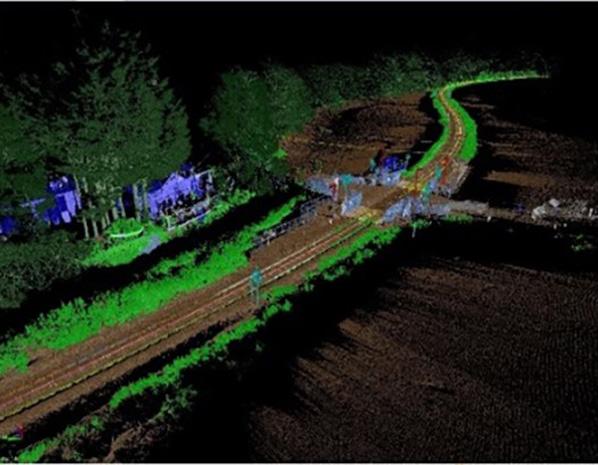
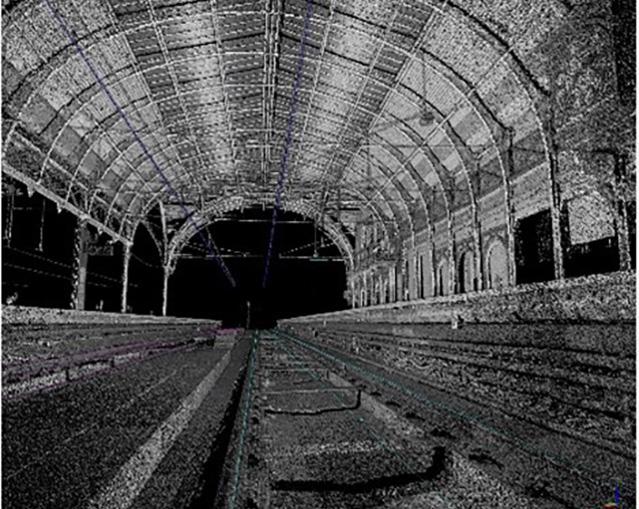
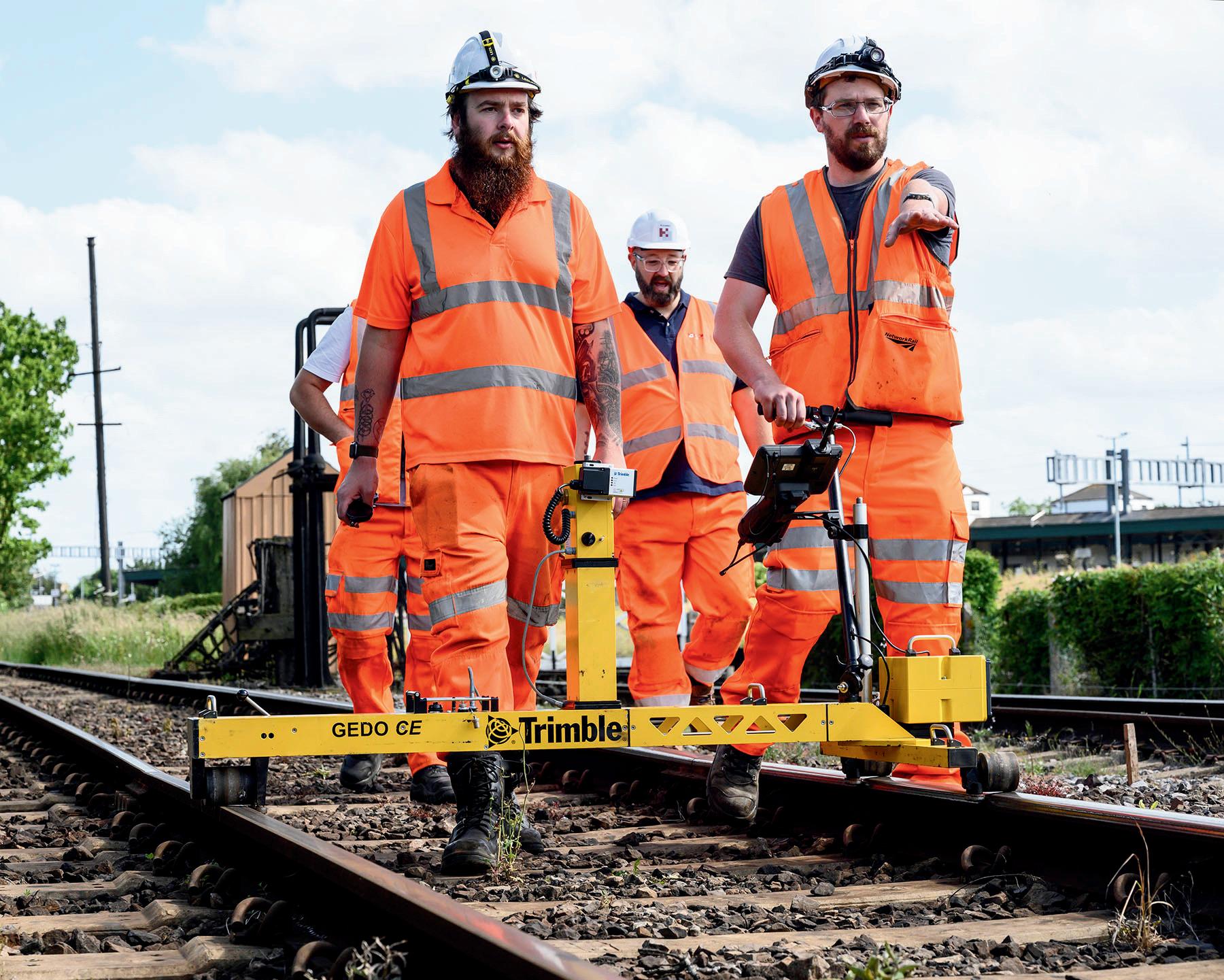
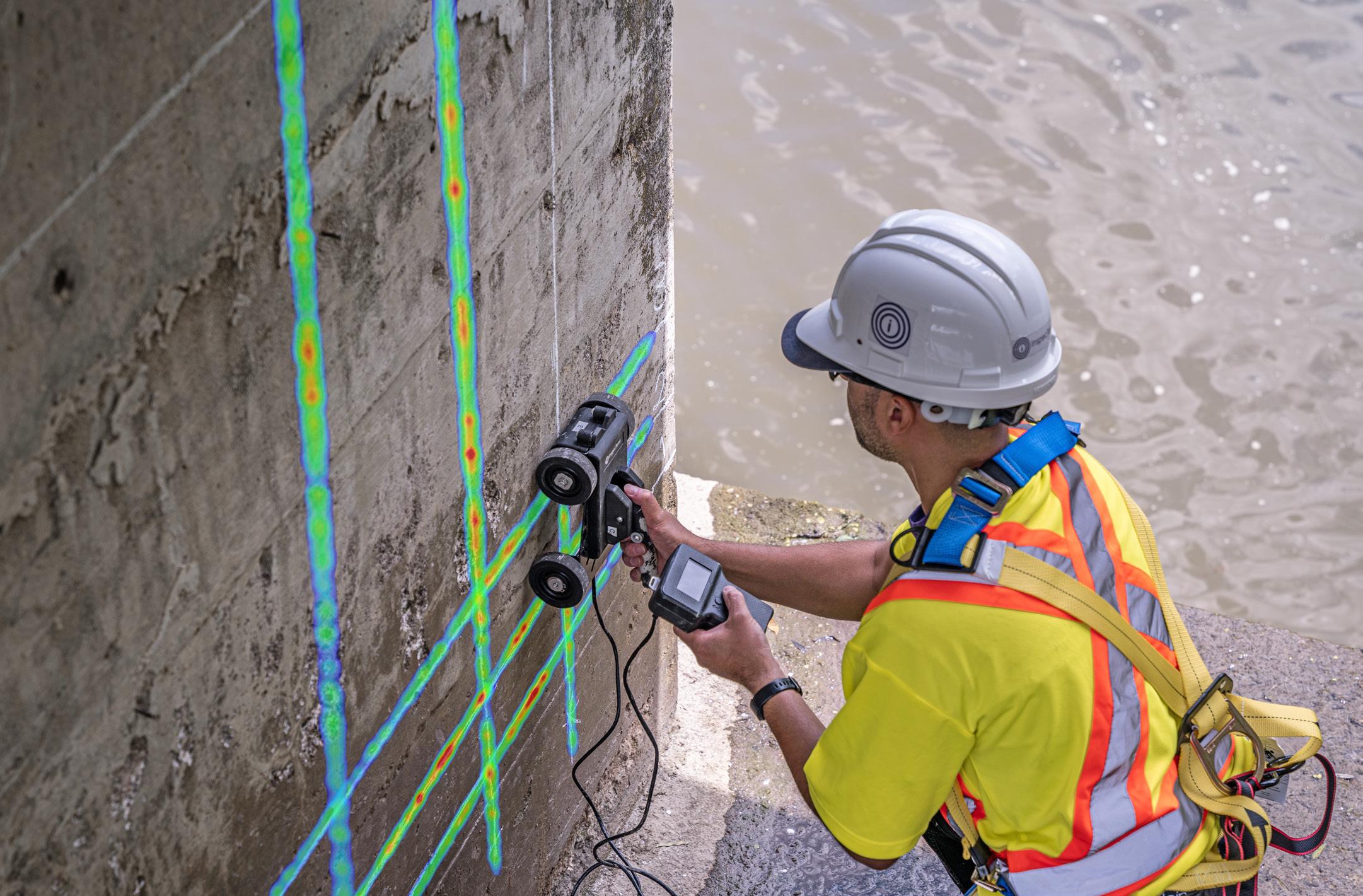
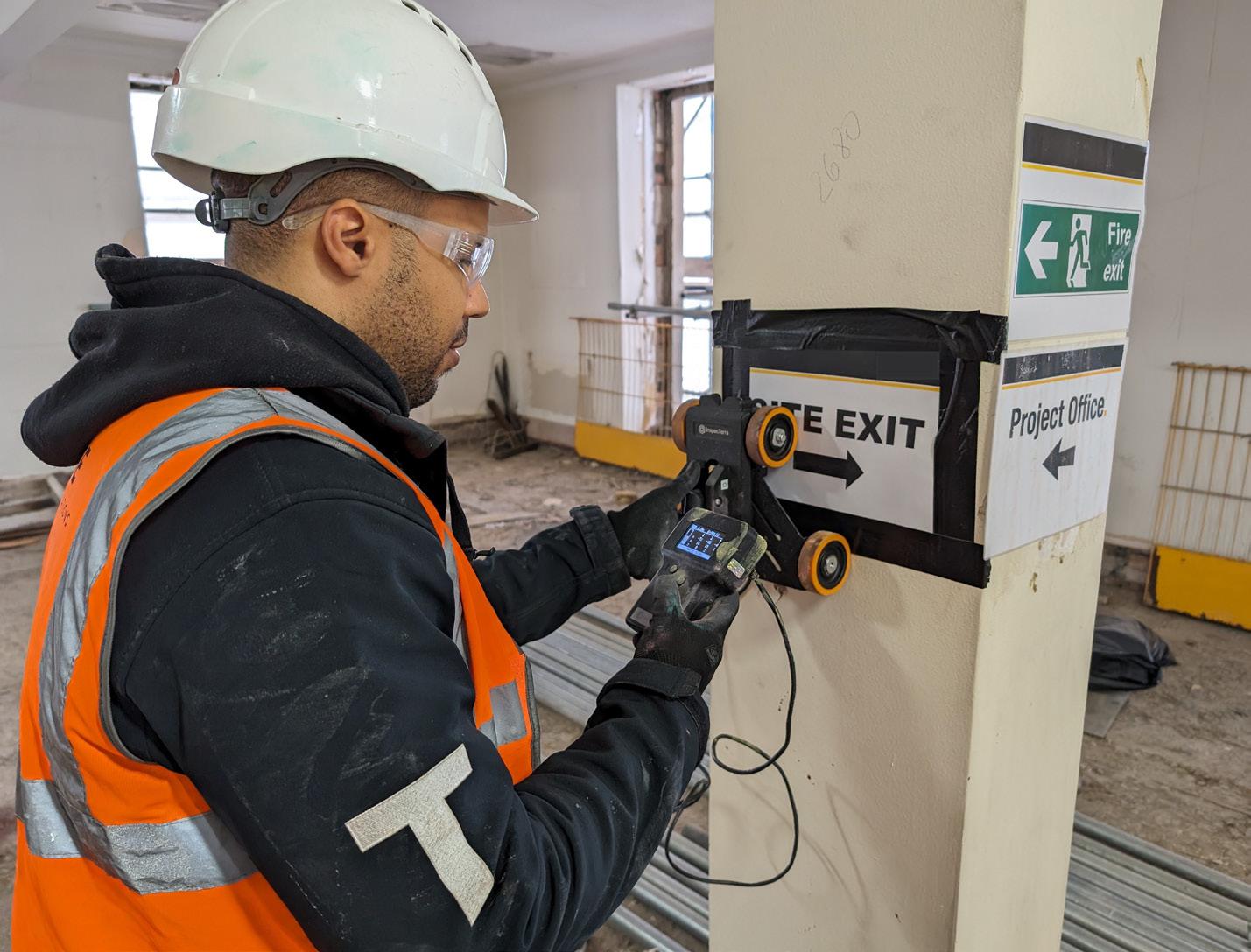
iCAMM™ technology maps hidden rail corrosion without drilling or disruption
Analysis and opinions on the latest developments in UK rail
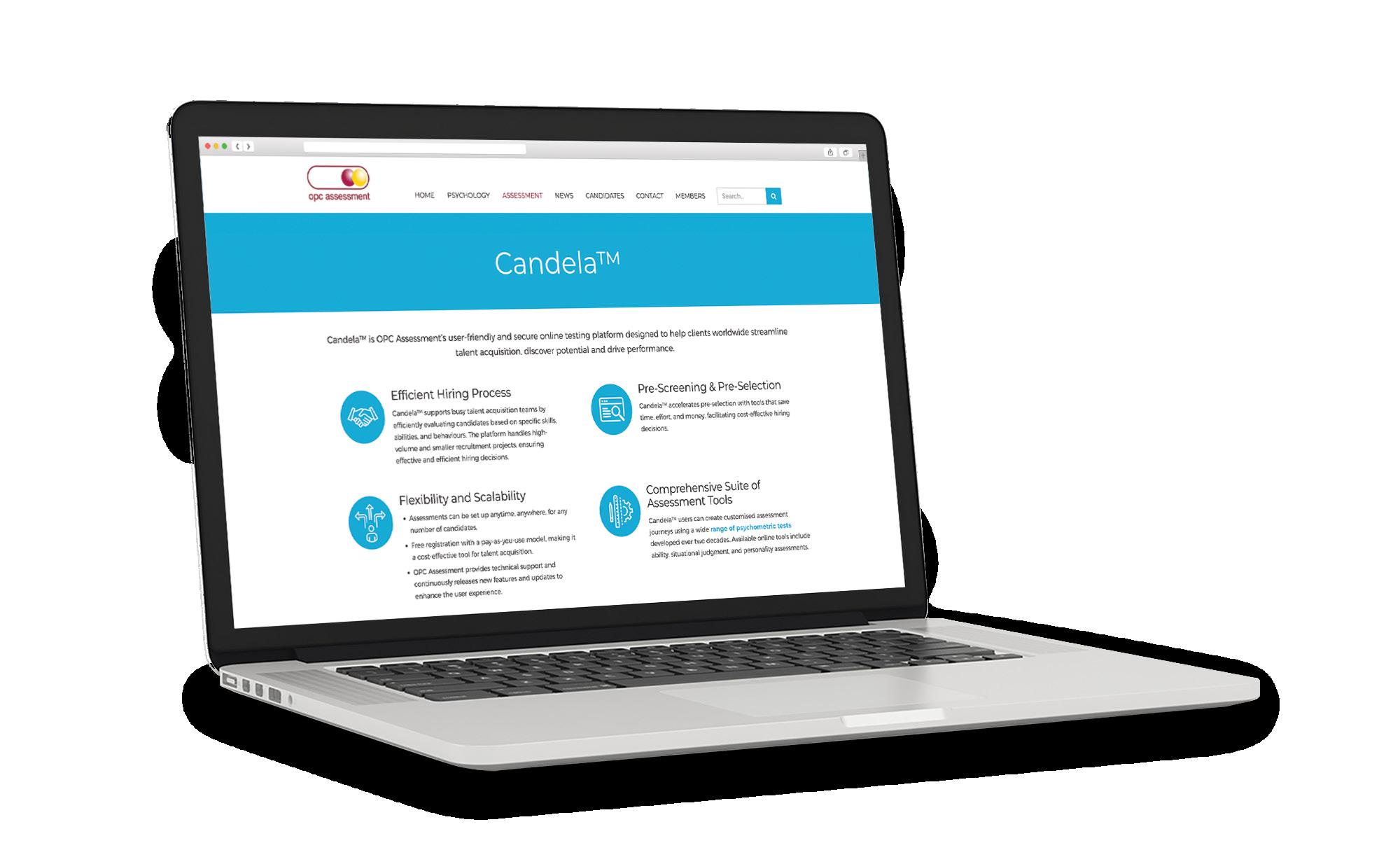
At OPC Assessment, we are more than test publishers; we’re experts in our field with more than 25 years’ experience supporting our global clients in the rail and transport sector, engineering industry and beyond.
Our psychometric tools help to: recruit top-tier talent develop high-performing employees support career-long growth
Hosted on our user-friendly Candela™ platform, clients can explore our extensive range of innovative assessment tools. Guided by our expert psychologists, we can advise on bespoke recruitment solutions tailored to your specific needs.
Last month Chancellor Rachel Reeves's announced a £600 million investment to train up to 60,000 more skilled construction workers. The package includes £40 million for new foundation apprenticeships, £100 million for Technical Excellence Colleges, and £165 million to help colleges deliver more construction courses. CECA Chief Executive Alasdair Reisner described it as ‘an investment in the future of our country’ that will ‘unleash the talent we have in the UK to build a more prosperous future for communities across the country’. This commitment to skills development could significantly benefit major rail infrastructure projects, providing the workforce needed to deliver planned improvements across the network. East West Rail's consultation has just closed with record engagement levels – more than 5,200 people attended their in-person events, doubling the turnout from previous rounds. As CEO David Hughes noted, this once-in-a-generation opportunity to connect Oxford, Milton Keynes, Bedford and Cambridge is gathering momentum, with final proposals expected before a Development Consent Order application.
The Planning and Infrastructure Bill making its way through Parliament also brings significant reforms to rail project delivery, with changes to the Transport and Works Act that will streamline consenting processes. The replacement of model clauses with more flexible guidance and introduction of statutory deadlines for decisions should help accelerate vital infrastructure projects.
In this bicentenary year of the modern railway, we're seeing inspiring initiatives to nurture the next generation of rail innovators. The newly launched Railway 200 teacher and parent toolkit brings together over 30 learning resources for all age groups, covering everything from STEM subjects to railway history and safety – all in one convenient location.
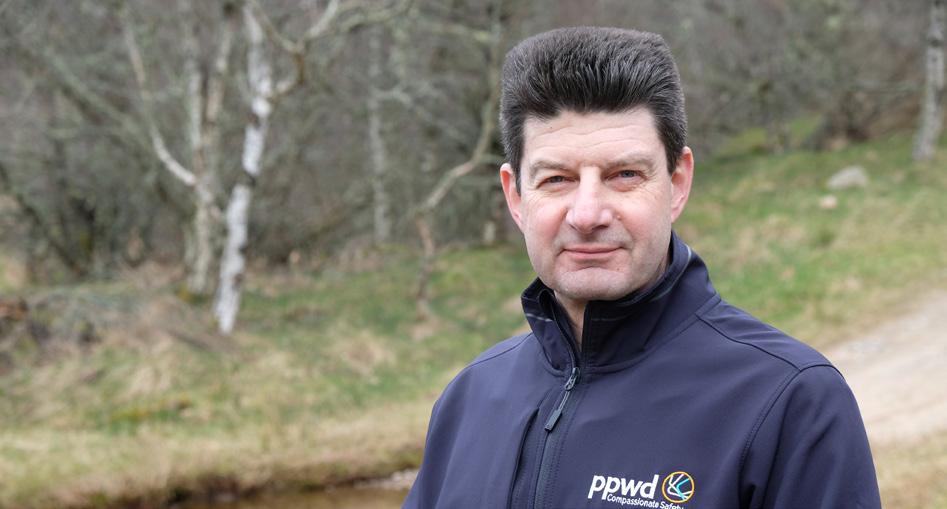
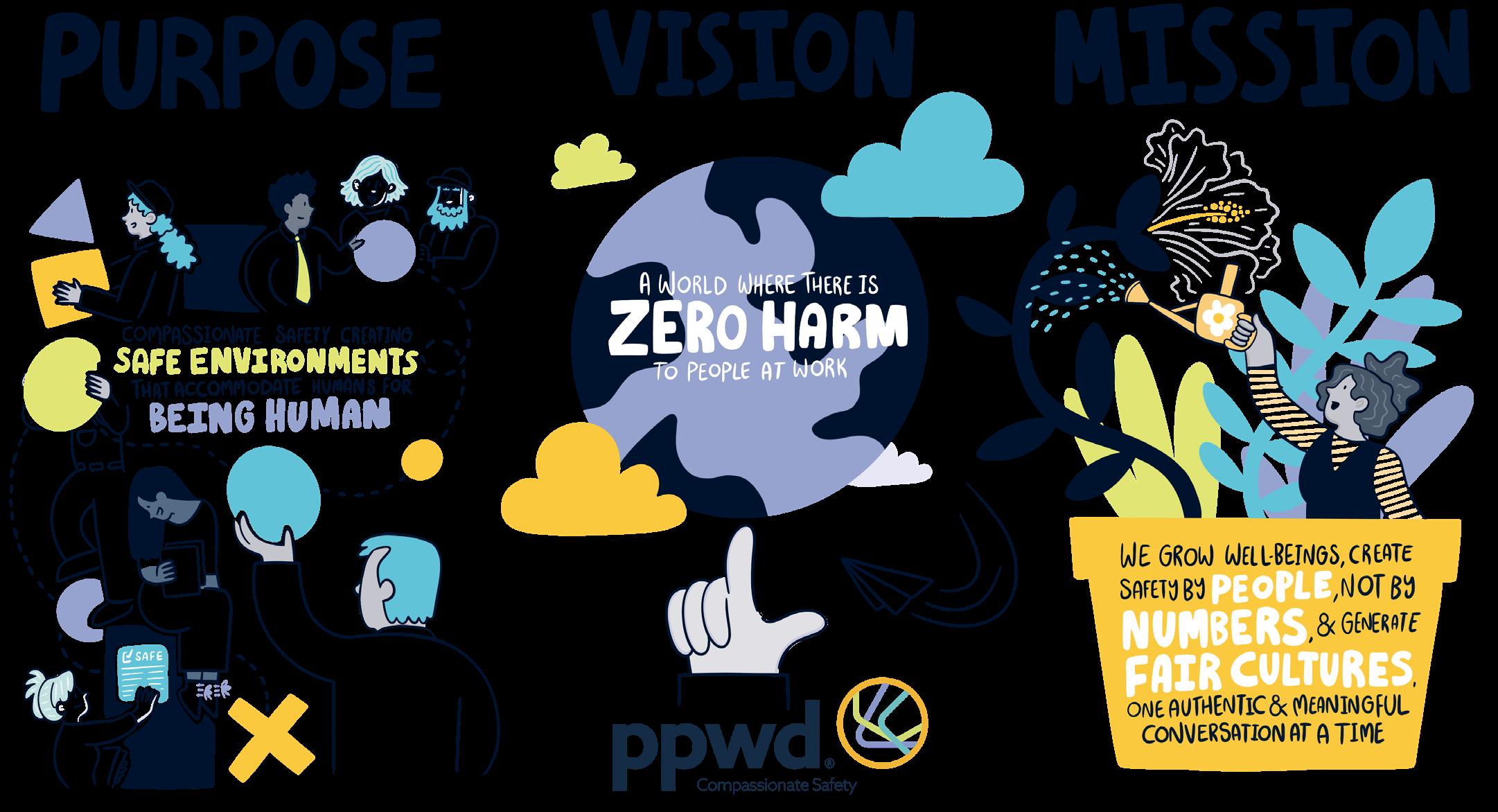
Coming to this month's issue, we spoke with Paul Davison, CEO and Founder of PPWD, who shares his fascinating journey from RAF helicopter pilot to safety culture expert. Paul's insights on compassionate safety in high-risk environments offer a fresh perspective on how investing in people creates sustainable safety practices across the rail industry. His approach emphasises creating environments where ‘everyone goes home safe’ – a philosophy shaped by personal experiences including the loss of colleagues during his military career.
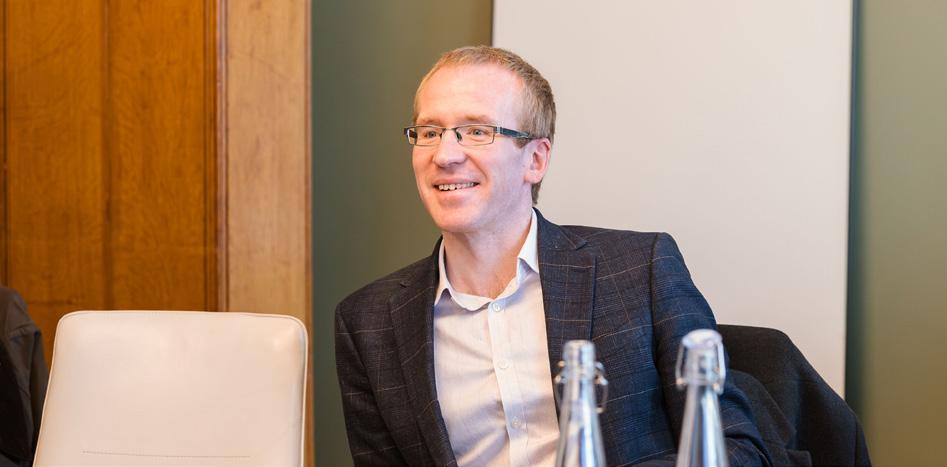
We also speak with Phil Sherratt, the newly appointed CEO of the Chartered Institute of Railway Operators (CIRO), as the institution celebrates its 25th anniversary. Phil outlines his vision for CIRO's future at a time of unprecedented industry change, discussing how they're expanding their educational offerings with new initiatives including an MBA programme with Keele University. With his background in railway journalism as Editor of Modern Railways, Phil brings unique industry insights to his role in shaping CIRO's development as it supports the next generation of railway professionals.
SAM SHERWOOD-HALE EDITOR
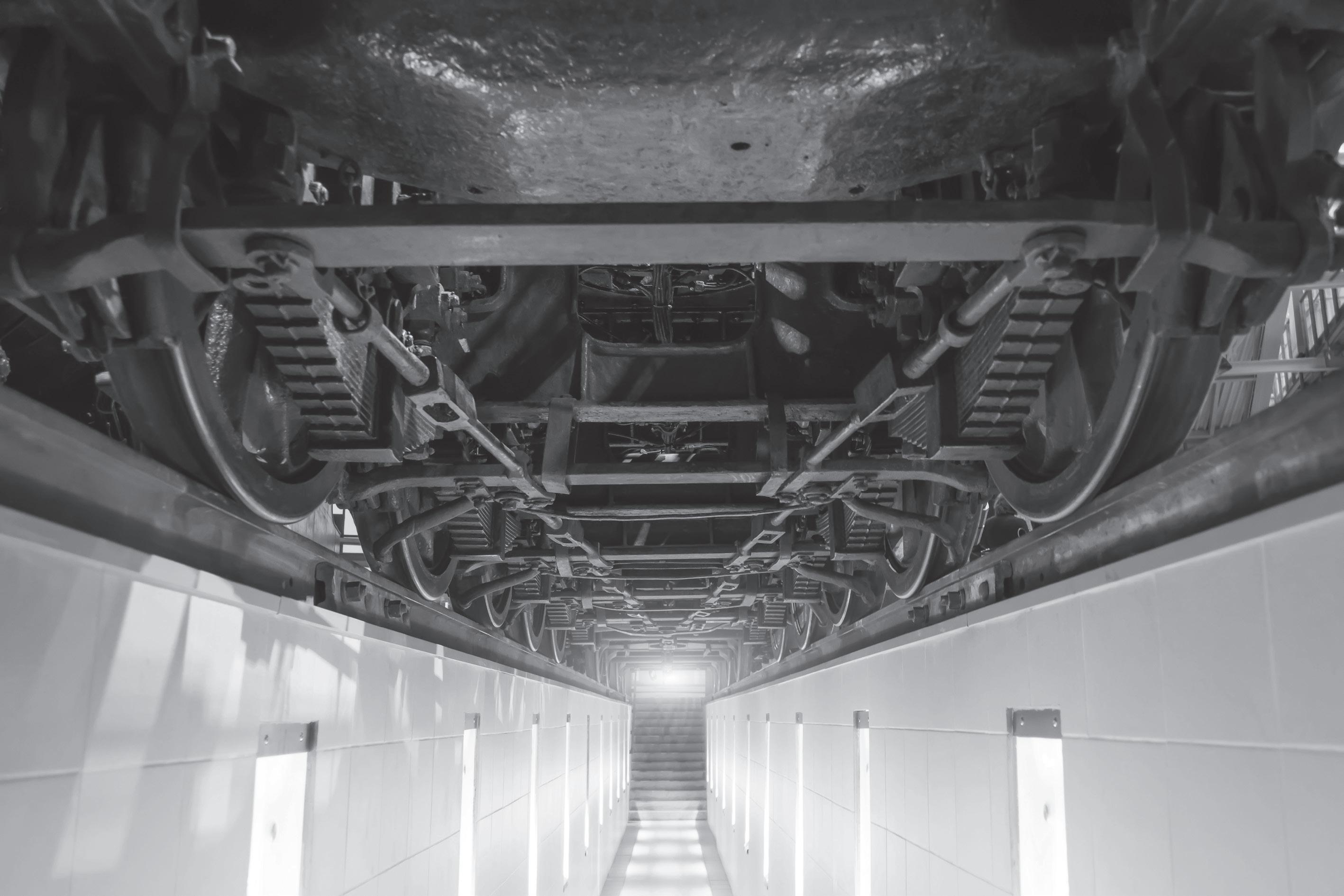
Specialists
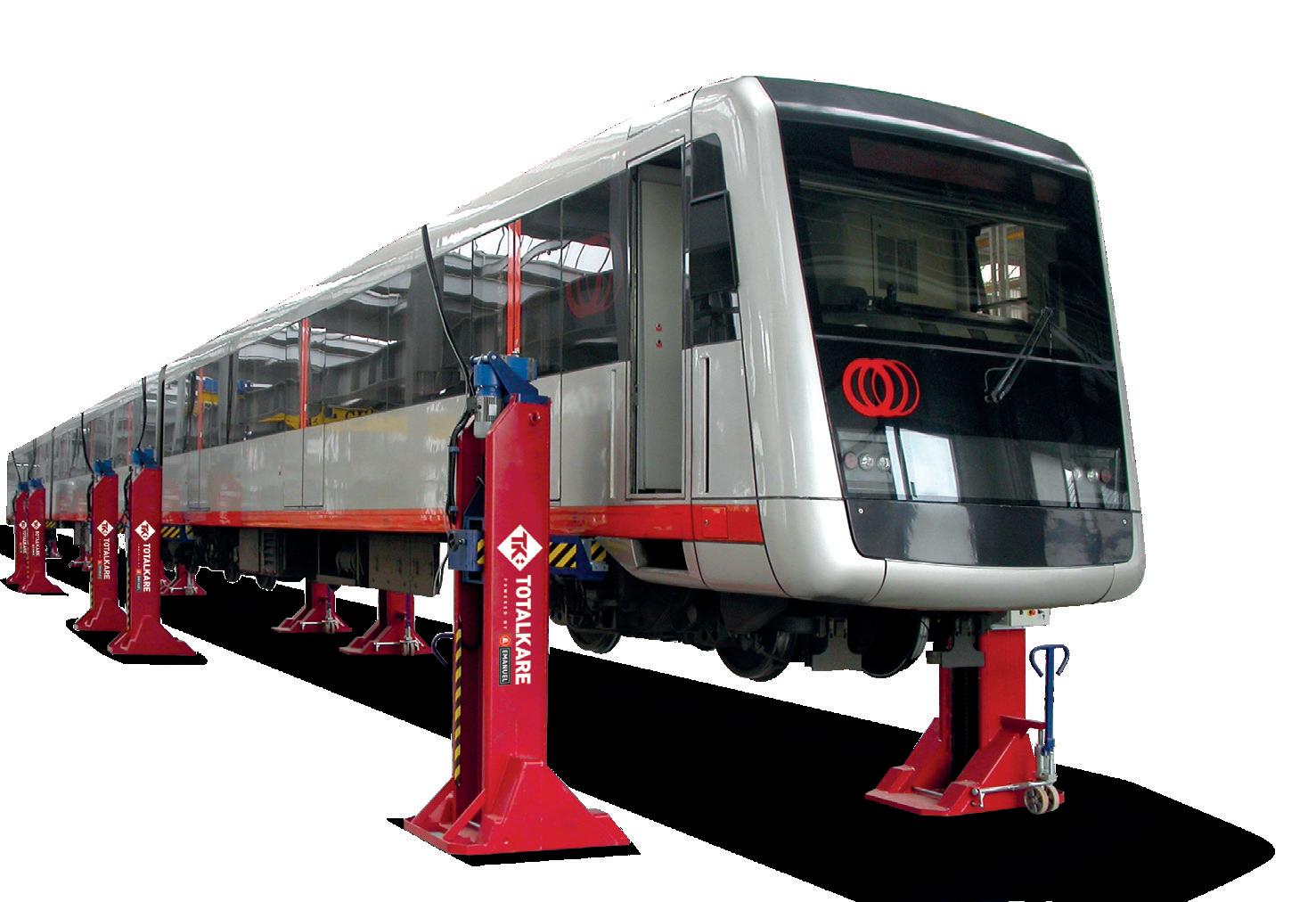
rail maintenance depots
(DB Cargo UK, Toton Depot Wheel Lathe built by Cairn Cross)
All the latest from the Department for Transport, RSSB, Great British Railways, Transport for Wales and more
12 Sam Sherwood-Hale spoke to Phil Sherratt, CEO of Chartered Institute of Railway Operators (CIRO) about the Institution's 25th anniversary, its evolving role in an industry undergoing significant reform, and his vision for expanding CIRO's reach and impact in railway operations education
17 Sam Sherwood-Hale spoke to Paul Davison about his journey from RAF helicopter pilot to safety culture expert, his philosophy of compassionate safety in high-risk environments, and how investing in people is crucial for creating sustainable safety practices across the rail industry
Court of Appeal ruling sets new standards for managing tender errors
Fare enforcement needs a human touch, says Natasha Grice, Director at Transport Focus
Neil Blagburn, AECOM’s Programme Delivery Director for the Northumberland Line Programme on overcoming engineering and logistical challenges in legacy mining regions
VIEWPOINT
Anwen Robinson, SVP at OneAdvanced explains how cloudbased software solutions will be crucial for UK rail operators navigating the transition to public ownership under the Passenger Railway Services Bill
Chris Simms, partner in the Transport team at independent UK law firm Burges Salmon examines the implications of the English Devolution White Paper for local transport authorities
Steve Feeney, Head of Transportation, UK at HDR on transforming rail project delivery by increasing efficiency, managing risk and overcoming the funding challenges facing Britain's railway infrastructure
Diana Hogbin-Mills and Laura Wright on why the rail industry must stop waiting for legislative permission and embrace a culture of action to deliver meaningful reform
Envireau Water Senior Hydrologist Michael Underwood explores why it is important to take a proactive approach to compliance and the four key steps to consider
Over the next 24 months historically franchised operators will return to public control and new routes on the GB rail network will be available to open-access operators. Edward Morley, transport expert at PA Consulting asks if this is the right answer
Receive an expert-led introduction to rail, covering key technical aspects, methodologies, operations, development and histories.
Join us at our headquarters in Stafford on Wednesday 9th July and take part in a classic rail training course for industry starters.
Upgrade your place to Introduction to Rail+
With this upgrade, you’ll recieve access to the popular Rail Pro: 12 Systems of Rail and a hardcopy of the Operators’ Handbook.
The tutor-led introduction, followed by this specialist online learning course, create the perfect enhanced learning pathway for a new or developing Rail professional.
Register your interest
To find out more, register your interest or book your place on Wednesday 9th July course event, contact:
learnserve@railwayoperators.co.uk
Find out more, register your interest or book your place: Apply now! www.ciro.org
43 SPECIALIST SKILLS
Former Rail Enforcement Officer Ross Evans steps into pioneering safety role as GTR rolls out its £2.5 million improvement plan
44 SPECIALIST SKILLS
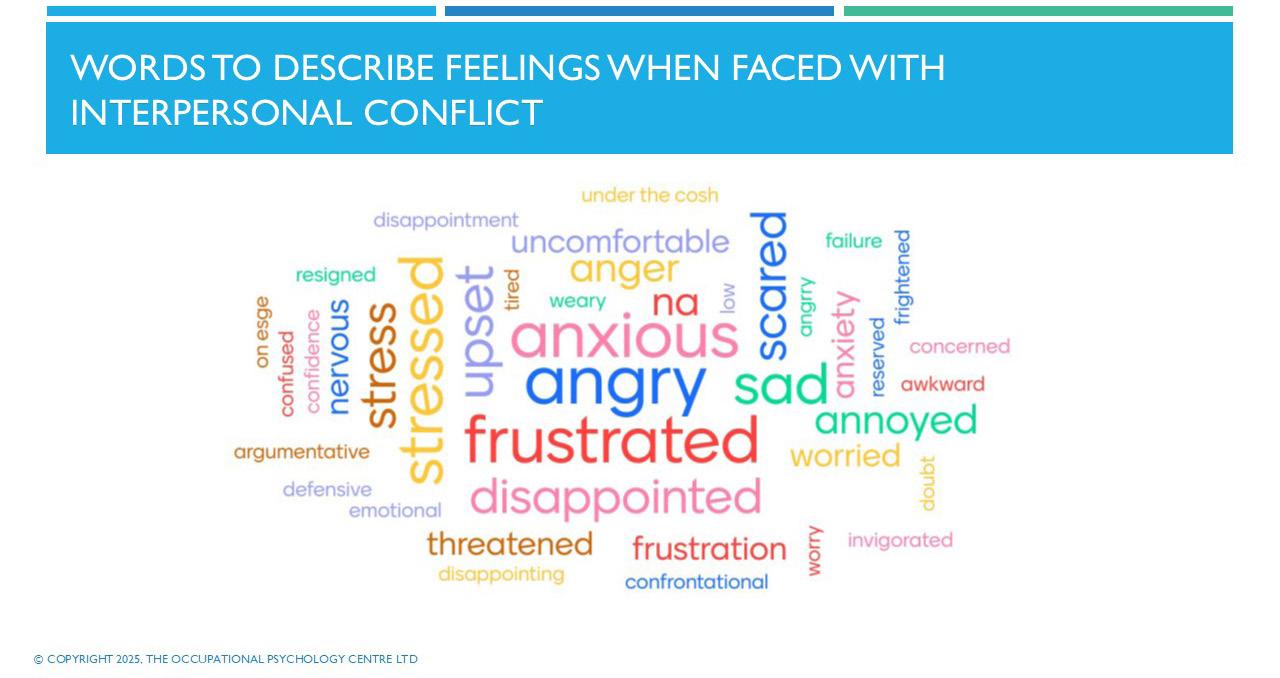
With a growing focus on passenger experience, how can rail staff handle customer conflict more confidently?
OPC Psychologist, Laura Hedley, shares key insights and solutions
48 COOPERATION
Avanti West Coast’s Performance Manager, Chris Jeal looks back on his illustrious career on the West Coast Main Line as he prepares to swap track and trains for his running shoes
50 SPECIALIST SKILLS
The Rail Innovation Group (RIG) has published a comprehensive skills audit report on driving innovation within the UK rail industry
51 COOPERATION
Yiğit Sami Gumusok, Senior Trade Adviser for Rail and Urban Transport to the Department of Business and Trade in Turkey on export opportunities for UK businesses in Turkey's rapidly evolving transportation sector
53 IN CONVERSATION
Keith Middleton, Managing Director for Transport at Bidvest Noonan
56 IN CONVERSATION
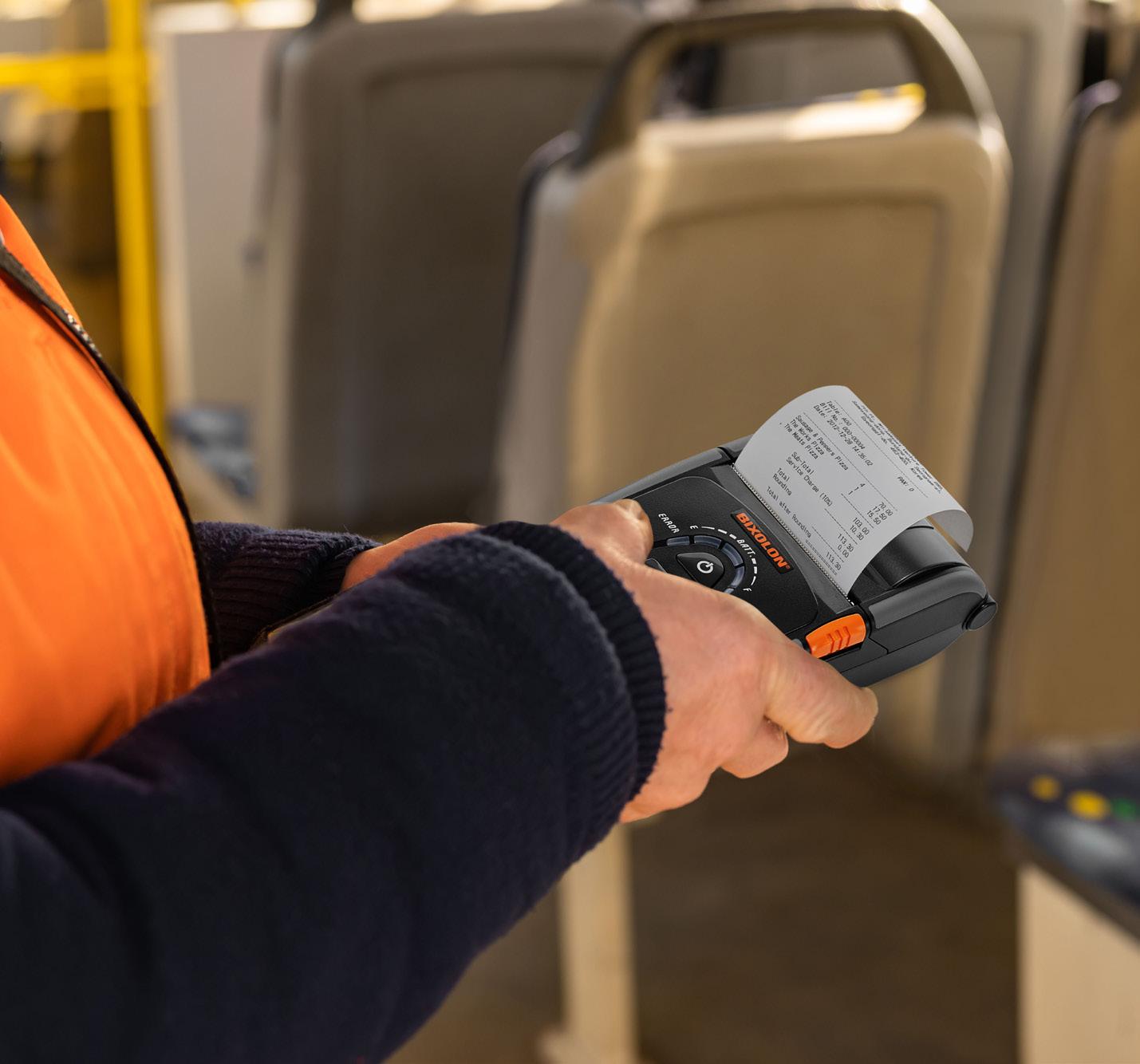
Jay Kim, Managing Director at Bixolon Europe GMBH
61 IN CONVERSATION
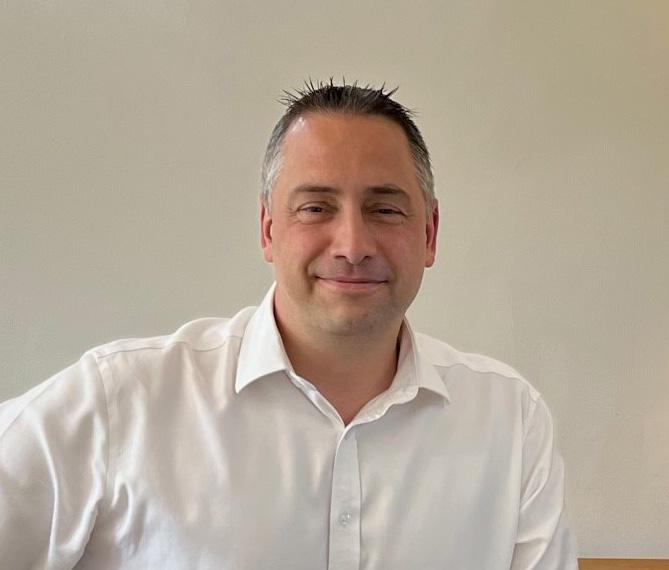
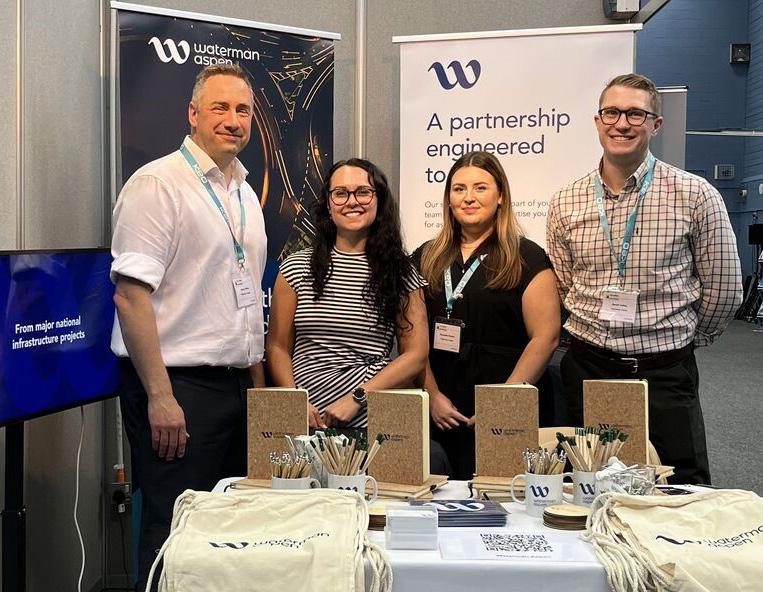
Darryl White, Regional Director, Rail at Waterman Aspen
Shiona Rolfe, Ben Rule, Andy Stamps, Michelle Hayhurst, Richard Robinson, Chris Ball, Brendan Slevin, Daniel Bond, Alistair Geddes, Andrew Mitchell, Joy Grover, Andrea Green, Stuart Ash
Community Rail Success After 20th Anniversary Awards
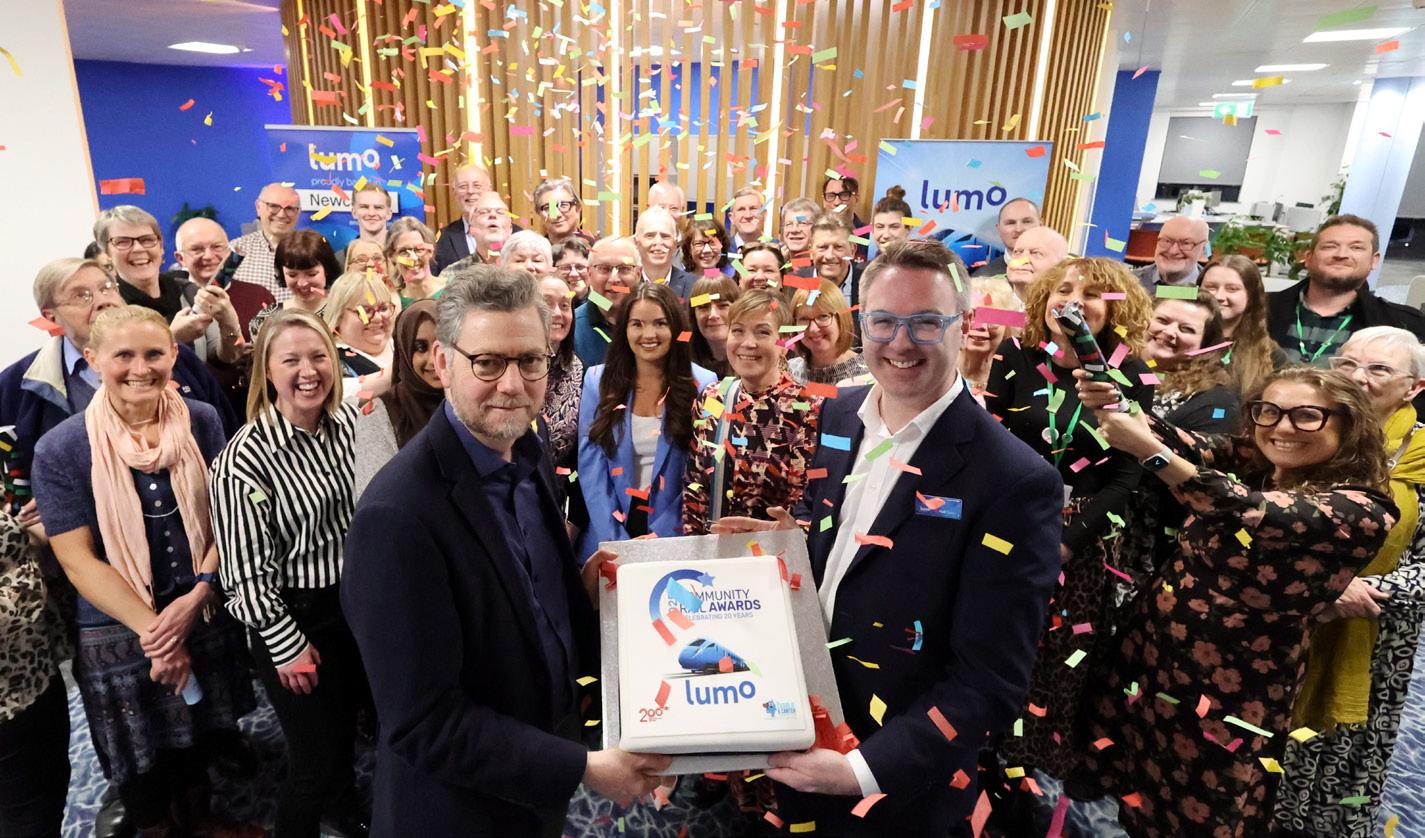
An inspiring range of community rail initiatives, delivered by community rail partnerships, station friends volunteers, and other community groups across Britain, has been recognised at the 20th Community Rail Awards last month.
The event, organised by Community Rail Network and headline partner, electric train operator, Lumo, was this year held in Newcastle, to honour the wider railway industries’ celebration of 200 years since the birth of modern railways. A recordbreaking 510 guests were in attendance including senior rail and transport leaders and community rail officers and volunteers. The evening recognised projects supporting diversity, accessibility and inclusion, sustainable travel and tourism, youth and schools engagement, community-led station improvements, empowered communities and influencing positive change.
Over the past 20 years, the Awards judges have reviewed 4,500 submissions showcasing the positive impact of the community rail movement, enriching lives, enhancing local places, and promoting sustainable and inclusive travel and mobility. This year 20 winners were recognised, chosen from 227 entries.
The Outstanding Contribution to Community Rail Award was jointly awarded to Kent Community Rail Partnership and Greening Arundel. Kent CRP was recognised for their inspirational initiatives over 22 years, including collaborating with diverse groups to ensure railway accessibility, empowering students with additional needs through biodiversity projects,
transforming Hollingbourne Station into a community hub, improving public transport signposting, and partnering with local organisations to engage the public. Greening Arundel, a passionate alliance dedicated to environmental change, has transformed their station in just two years to create a safer, more welcoming space encouraging biodiversity, active travel and community engagement.
The Community Rail Awards recognise the crucial work of community rail partnerships, station friends and other groups, which now number 76 CRPs and an estimated 1,300 station groups across Britain and beyond.
Bill Freeman, interim chief executive of Community Rail Network, said: ‘This year's ceremony saw 510 guests celebrating community rail's role building stronger, fairer, greener communities. It's a fantastic achievement to celebrate two decades of recognising outstanding community rail work, especially during Railway 200 year.’ Martijn Gilbert, Managing Director at Lumo, said: ‘We're incredibly proud to sponsor the Community Rail Awards in their twentieth year. As a North East based train company, we are committed to helping keep the region at the forefront of sustainable rail travel through creating a cleaner, greener future for the communities we serve.’
Study Makes Case for New Oxford-Bristol Rail Link
A new report published by the East West Main Line Partnership has set out the business case for reinstating direct rail services between Oxford, Swindon, Bath and Bristol.
The study highlights that the corridor is one of the UK's most dynamic and innovative areas, with internationally competitive sectors including life sciences, high-end engineering, higher education and tourism. Together, these generate £75.6 billion in GVA and support over one million jobs.
Currently, rail journeys between these cities require changes and are not competitive with road travel. The report states that a new hourly service would reduce journey times significantly, with Oxford to Bristol taking less than 75 minutes and Oxford to Swindon just over 30 minutes.
The proposal requires no capital investment as the necessary infrastructure already exists. Instead, it asks the Department for Transport to commit to funding operational costs in the ‘low single-
figure millions of pounds per year’ which the report suggests would likely be offset by passenger revenue.
Network Rail's analysis indicates the service would represent ‘very high’ value for money, with a benefit-cost ratio above four. The scheme would increase rail journeys between Oxford and Bristol by an estimated 58 per cent.
The service would connect with East West Rail at Oxford, allowing passengers from Bristol or Swindon to reach Milton Keynes with just one change, and eventually Cambridge when that section opens.
The report has garnered support from regional transport bodies including England's Economic Heartland and Western Gateway, local authorities, Network Rail and Great Western Railway, which already operates a trial Saturday service on the route.
Operating the hourly service would require four trains capable of 110mph, with industry partners actively exploring options to make at least a two-hourly service possible as early as 2026.
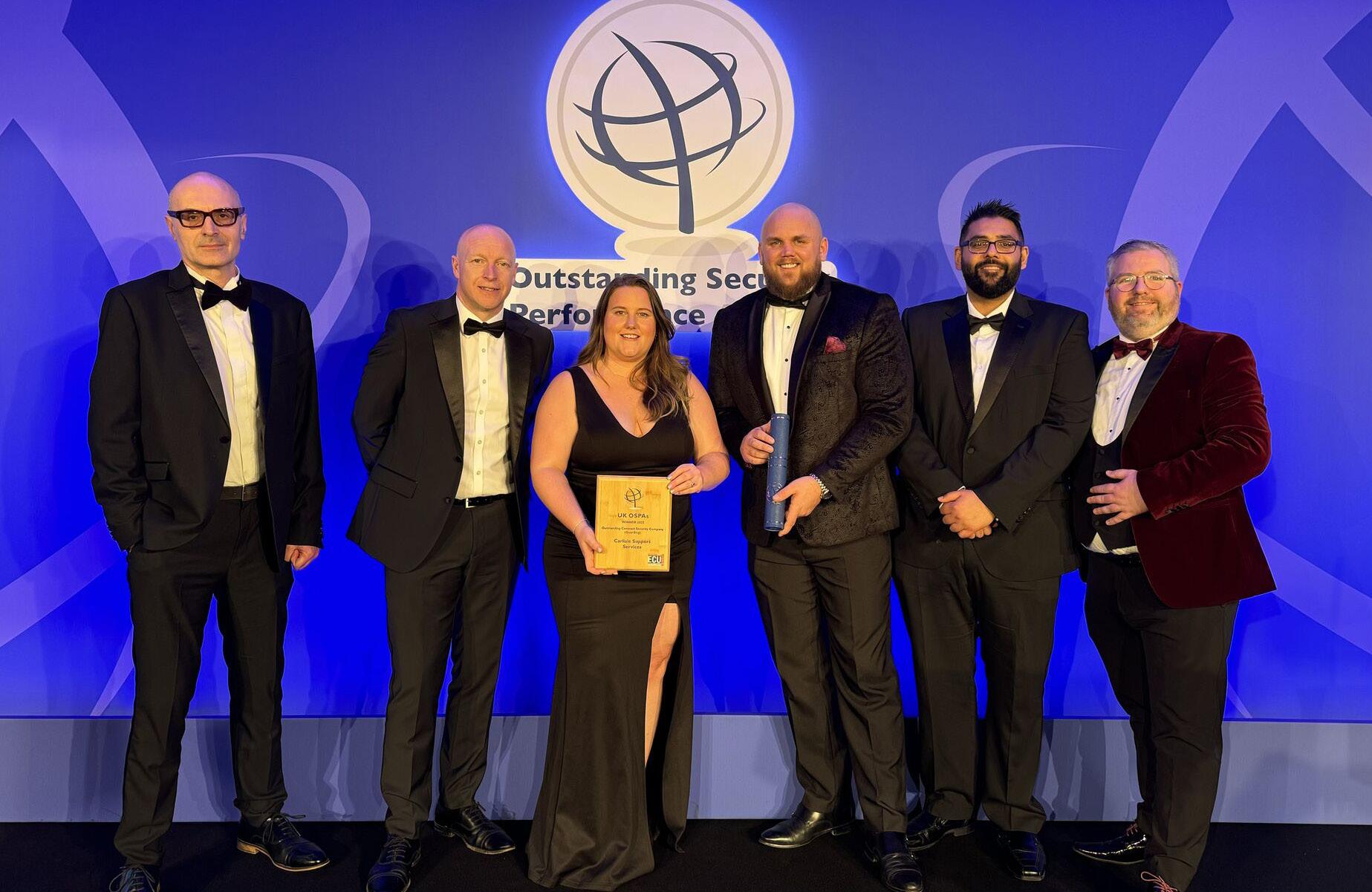
Carlisle Awarded Outstanding Contract Security Company at the OSPAs
After a remarkable period of sustainable growth, Carlisle Support Services celebrates its prestigious accolade as being chosen as the 2025 Security Company of the Year at the ninth UK Outstanding Security Performance Awards (OSPAs).
Held on 20 February at the Royal Lancaster Hotel, London, the OSPAs are widely regarded as the most prestigious awards within the Security industry, recognising excellence and honouring those who promote positive change for the greater benefit of all.
The OSPA judges praised Carlisle’s ethical leadership in driving industry transformation, highlighting its commitment to employee development, operational excellence, and innovation. Carlisle emphasised its journey has always been about leading change in the sector, from eliminating subcontracting in core, non-specialist, and events roles to showcasing innovation and championing career progression, with 58 per cent of newly created salaried positions filled by internal candidates.
With a 95 per cent+ customer retention rate sustained over the past decade, Carlisle Support Services credits its success to a steadfast commitment to collaboration, transparency, and a true partnership approach. Key to this success is its highly anticipated annual Innovation Lab conference, which took place this year on 27th March at Excel London. This event serves as a catalyst for groundbreaking innovation and strengthened client collaborations, reinforcing the company’s dedication to driving positive change and pushing boundaries to raise industry standards year on year.
Following the awards ceremony, Carlisle’s CEO Paul Evans said: ‘This is a truly humbling moment. From the day I joined Carlisle nearly ten years ago, I have seen a business that strives to lead change. This
award is a recognition of our values and the incredible work done by every single one of our 5,300+ Carlisle family members. Such industry recognition wouldn’t be possible without the support of our clients – a select group of 65 ethical and world-leading brands – who make it possible for us to achieve our purpose of being different and truly offering our team members enjoyable and rewarding careers. To every Carlisle family member: thank you for your continued dedication and passion. You are all simply outstanding, and I am incredibly proud to work alongside you.’
Looking ahead, Carlisle promises to continue pioneering with several key initiatives, the most prominent now being its work in leading discussions on an Integrated Policing and Private Security (IPPS) industry-wide initiative. This emphasises the company’s desire to unite the two sectors under one common goal of increasing Public Protection, which
now actively involves key stakeholders such as the Home Office, National Police Chiefs Council, and the Security Industry Authority.
By winning this award, Carlisle qualified for the Global OSPAs, where it will represent the UK on the world stage in February 2026. Carlisle Support Services is a leading supplier of value-added solutions to chosen niche markets. Employing c. 5,000 people, we focus on the provision of cleaning, security, events, and retail facilities support services. Carlisle partners with its clients in long-term relationships to deliver sustainable service innovations and operating efficiencies. Continuous improvement in service quality standards is built into all Carlisle business solutions.
Carlisle Support Services aims to create business efficiencies, which translate into an improvement in shareholder and stakeholder value.
Great British Railways' Public Interest Duties
The Transport Committee has written to Rail Minister Lord Hendy seeking clarity on the Government's plans for Great British Railways (GBR), the new body set to manage Britain's railways.
In the letter, Committee Chair Ruth Cadbury MP acknowledges the Government's recently launched consultation A railway fit for Britain's future but questions whether GBR will maintain statutory duties regarding freight services, accessibility, environmental protection, and wider social and economic benefits.
The Committee notes the consultation proposes a ‘streamlined and simplified licence’ for GBR focused on ‘the minimum viable
set of conditions’ covering safety, performance, efficiency, and passenger experience.
Cadbury points out that the previous Government's draft Rail Reform Bill would have required GBR to make provisions for freight, consider accessibility needs, account for environmental impacts, and maximise social and economic benefits from the railway network.
The letter also raises concerns about the consultation's eightweek timeframe, requesting assurance that disabled people and their representative organisations have been given adequate time and support to participate.
Upskilling Frontline Rail Workers
The Rail Safety and Standard Board (RSSB) has launched two new training courses. The first helps frontline rail workers develop essential leadership skills, while the second is appropriate for all roles involved with operational decision-making.
Britain’s railway is a safety critical industry, relying on a professional and competent workforce that’s undertaken the necessary training to build, develop and refresh their capabilities. Through our training courses, RSSB shares our expertise, helping embed good practice and building the industry’s competencies.
Evidence from RSSB’s research shows effective leadership and management skills of frontline rail workers are linked to many benefits, including positive safety outcomes, increased staff retention and improved staff and organisational performance. Our new course is designed for frontline leaders, enhancing their management capabilities to lead effectively in a dynamic and complex environment.
Even the most experienced people are not always rational decision-makers. This is especially true in stressful situations, when information is lacking or when being asked to make safety-critical decisions early in the morning or at the end of a long shift. Our new operational decision-making course equips people with the skills needed to make rational decisions under pressure or when faced with unfamiliar or unusual situations.
Since 2019, thousands of rail industry employees have successfully completed RSSB’s training courses, including:
• Accident Investigation Training.
• Non-Technical Skills Training.
• Human Factors Training.
• Carbon Literacy for Rail Training.
• Mental Health e-learning.
Thanuja Kandasamy, RSSB’s Head of Learning and Development, said: ‘Developing employees' capabilities is critical during this period of rapid evolution in the rail industry, as it not only enables them to cope with the pace of change but also instils the confidence needed to navigate new challenges effectively. RSSB is dedicated to supporting this by working with the industry to continuously assess skills gaps and create tailored training solutions to address learning needs.
‘Our courses are designed and delivered by experts in their field and are regularly updated to reflect the ever-changing environment of the rail sector. As evidenced by the number of attendees and their positive feedback, we are committed to providing training that helps the rail industry build, grow, and refresh employees’ capabilities to navigate this dynamic and evolving landscape effectively.’
Government Updates Rail Technical Specifications
The Department for Transport has announced forthcoming updates to seven National Technical Specification Notices (NTSNs) for Great Britain's railway system. Lord Hendy revealed on 5 March that these changes follow a comprehensive review aimed at enhancing safety, reliability, technical compatibility, accessibility and environmental protection standards.
NTSNs, which replaced EU Technical Specifications for Interoperability (TSIs) post-Brexit, set mandatory technical requirements for the design, construction, operation and maintenance of rail vehicles, infrastructure and components across both conventional and high-speed networks.
Five of the updated specifications will diverge substantively from EU standards. Two will maintain higher accessibility requirements for train doors and seats, while another will uphold stricter safety standards for a key train driving component. The remaining changes establish more pragmatic requirements for freight wagon brakes and electric train pantographs.
Lord Hendy emphasised that the government has worked closely with industry through consultations facilitated by the Rail Safety and Standards Board. He noted that while maintaining consistency with EU standards remains important for international supply chains, the review identified areas where a different approach would: ‘reduce costs, improve clarity, and deliver a safer, more interoperable and accessible railway in Great Britain.’
The government has redefined ‘substantive divergence’ as any difference that could prevent a product from complying with both UK and EU standards simultaneously, addressing concerns about manufacturers potentially needing separate production lines for different markets.
These updates represent the first step in improving Britain's rail standards framework, with further changes anticipated in the coming months. The government is also considering broader reforms to create a technical standards system suitable for the planned Great British Railways.
Global Centre of Rail Excellence
Showcases Innovation Projects
The Global Centre of Rail Excellence (GCRE) hosted over 200 industry guests to showcase twelve innovative rail technology projects developed through the Innovation in Railway Construction programme. The competition, funded by the Department for Business and Trade and delivered by Innovate UK, demonstrated technologies ranging from self-healing concrete to new drone technology and cost-effective electrification solutions. GCRE Chief
Executive Simon Jones reported that participating companies are already securing contracts and new investments as a result. The GCRE, supported by UK and Welsh Governments, is being developed as a world-class facility for rail research and innovation in South Wales. The facility is expected to create 1,100 jobs and contribute £300 million in economic value over the next decade.
New Era of Rail Accountability for Passengers
Passengers across England can now see how reliable their local train services are, as performance data went live at over 1,700 stations on 6 March 2025.
The data, broken down by operator, shows the percentage of trains cancelled and how punctual trains are at each station, marking the first time that station-level data has been available in the history of the railway. It is now live at major stations through digital screens, where possible, and at most smaller stations, passengers will be able to scan a QR code to see the data online.
This fulfils a commitment made by the department to be fully transparent with passengers, demonstrating how the railways are working and allowing the public to hold train operators to account as we bring services into public ownership.
As well as delivering more reliable, better-quality services, these reforms will catalyse economic growth through improved connectivity, delivering on the government’s Plan for Change. By holding operators to account, they will be encouraged to drive up efficiency and productivity – providing better value for money for passengers and driving forward the government’s growth mission by delivering better connectivity.
The government is determined to drive up performance, and the Rail Minister is meeting with all train operators to address concerns and demand immediate action. In response, the industry has set out a framework with clear areas of focus, including timetable resilience and staffing, to recover performance to acceptable levels.
Transport Secretary, Heidi Alexander, said: ‘Today marks the beginning of a new era of rail accountability. These displays are a
step towards rebuilding trust with passengers using our railways as we continue to tackle the root causes of frustrating delays and cancellations. Through fundamental rail reform, we’re sweeping away decades of dysfunctionality – putting passengers first, driving growth through connectivity as part of this government’s Plan for Change.’
Each station’s data can also be found on the ORR’s new data portal, which contains punctuality and reliability information for all stations in Great Britain. The online data is also screen reader compatible for those with accessibility needs.
The screens also display a short commentary on work underway by the operators and Network Rail to improve performance, informing and assuring passengers of the ongoing work across their area to improve the reliability and efficiency of services.
Jacqueline Starr, Chair and Chief Executive of Rail Delivery Group, said: ‘We know how frustrating it is for customers when their train is cancelled or delayed. By being transparent with this data and the positive actions we’re taking, it shows how serious the industry is in putting this right by continuing to strive for improvements. This sends a clear message to customers the rail sector is committed to improving punctuality and to find solutions to make train services more reliable.’
Natasha Grice, Director at the independent watchdog, Transport Focus, said: ‘Passengers tell us they want a reliable, on-time train service and will welcome improvements to information about the punctuality of their service and cancellations being shared more transparently. It’s important that the industry uses this information to drive up performance.’
Plans to be Submitted for a Future
Modernised Cardiff Central Railway Station
Brand new images show what Cardiff Central could look like after an investment programme of up to £140 million to enhance the station.
The full business case for the proposed improvements at Cardiff Central station was submitted at the end of last year and planning documents will be submitted soon. The delivery of the scheme is subject to planning and full business case approval.
Transport for Wales is leading the scheme to revamp Wales’ busiest railway station and the new visuals provide a future glimpse of how the station could look. The proposed improvements will modernise the station and support long-term passenger growth, while still complementing the history and heritage of the building. There will be a focus on alleviating overcrowding and congestion and enabling better accessibility for those with reduced mobility.
Plans include a larger concourse to increase capacity, improve passenger flow and access through additional gate-lines, and help customers link up with other ways to travel. Other customer benefits include improved waiting, retail and cycle storage facilities.
Alexia Course, Chief Commercial Officer at TfW, said: ‘Today, we’ve revealed images which show what Cardiff Central could look like as part of plans to enhance the station. The investment of up to £140 million means we can deliver improvements to Cardiff Central to make it fit for a capital city and sustain future growth.
‘The proposals for the station form part of a wider significant investment going into transforming transport in central Cardiff, including ambitious regeneration plans. We’ve submitted the full business case for the scheme and we’ll soon be submitting the planning documents, and if this is approved, we can progress with the delivery of the enhancements.’
The Department for Transport, Cardiff Capital Region and the Welsh Government will provide up to £140 million for the enhancements.
The Welsh Government has provided significant investment for transport improvements in Wales, including £800 million to deliver a brand-new fleet of trains. Passengers are already seeing the benefits with faster, more frequent services and cheaper tickets through 'tapin-tap-out' available across 95 stations.
The planned enhancements will better enable the station, which is owned by Network Rail, to form part of an integrated transport hub in the city centre, known as Metro Central, which will enable accessible, better connected and sustainable ways to travel, as well as supporting a vibrant and diverse economy and providing an iconic gateway to Wales.
The transformative work in Metro Central is being delivered through the Canolog alliance, a partnership of public sector organisations working together to transform travel in the heart of Cardiff.
The Canolog alliance will work collaboratively to deliver transformational change to transport in Cardiff and the wider region to improve connections between bus, rail, walking, wheeling and cycling and encourage sustainable travel.
The scheme will enhance Cardiff Capital Region’s principal transport hub, encouraging public transport use which will help to improve air quality and contribute to reducing carbon emissions. It’s the gateway Metro station for the Core Valley Lines network, which is undergoing transformation works through the South Wales Metro.
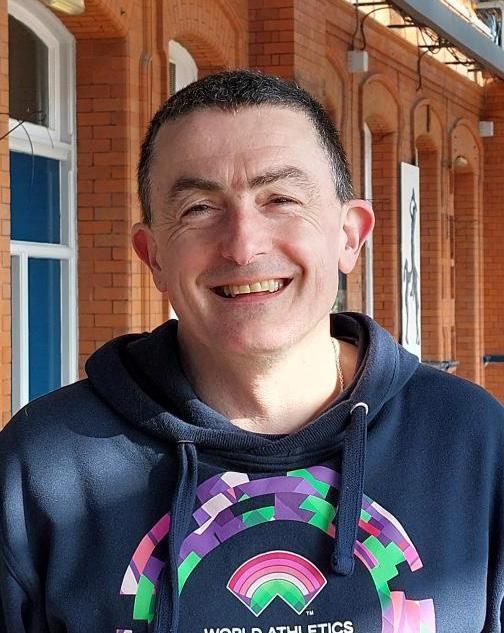
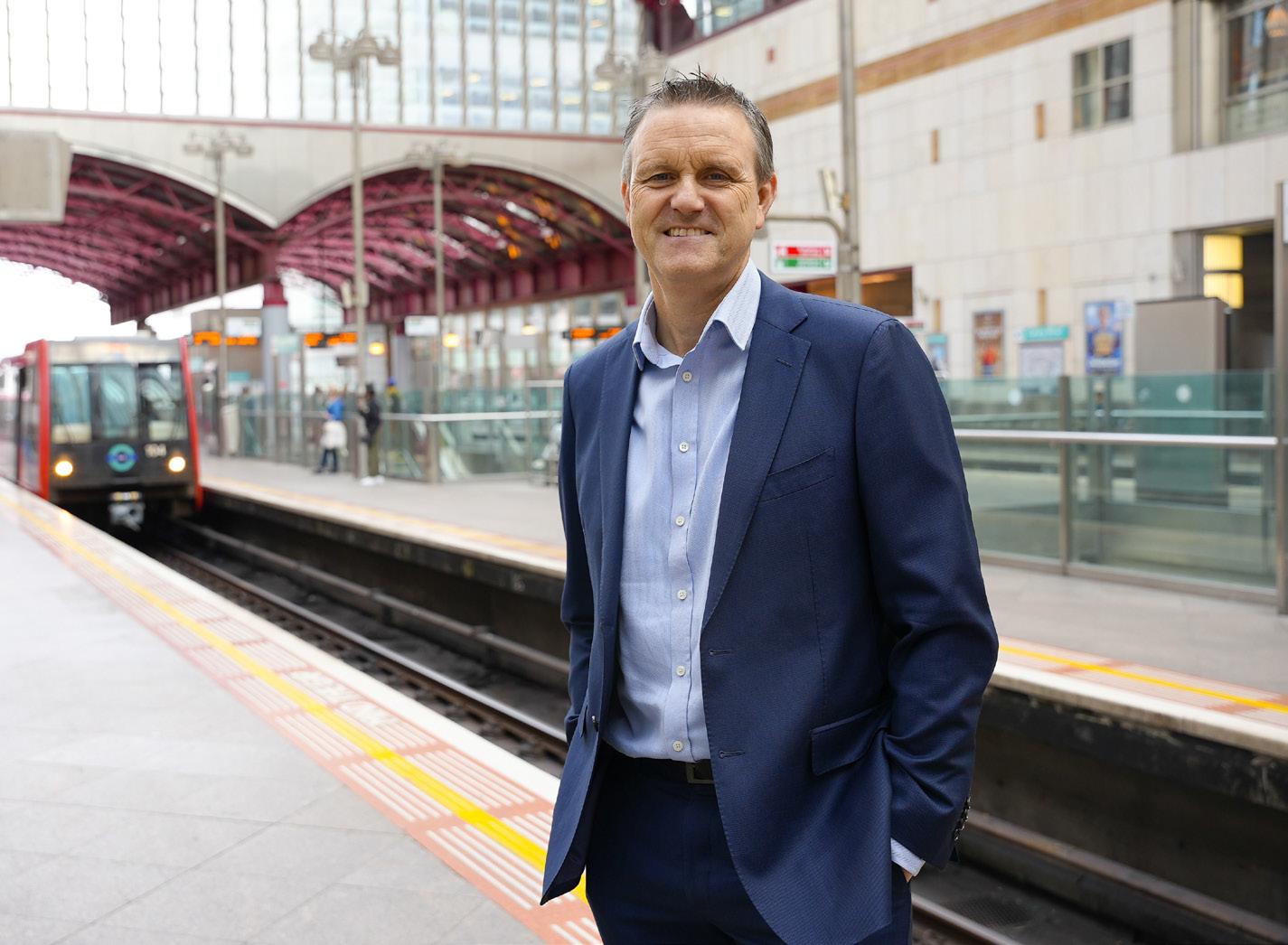
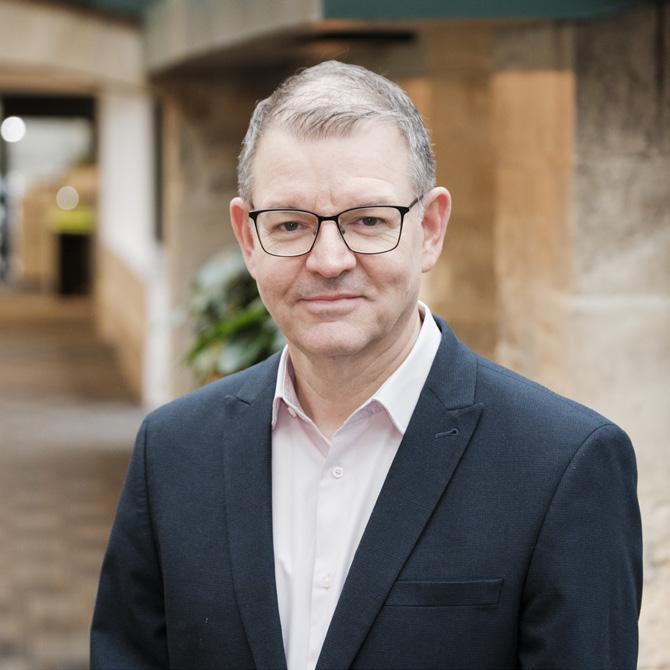
Phil Sherratt
CEO of the Chartered Institution of Railway Operators
Phil Sherratt joined CIRO as CEO in 2024 after a career in railway journalism where he served as Editor of Modern Railways magazine. His appointment coincides with CIRO's 25th anniversary, as the Institution continues to evolve its role in railway operations education. With deep industry knowledge and extensive connections across the sector, Phil aims to raise CIRO's profile, expand its membership, and strengthen its educational offerings during a time of significant industry reform.
Sam Sherwood-Hale spoke to Phil Sherratt, CEO of Chartered Institution of Railway Operators (CIRO) about the Institution's 25th anniversary, its evolving role in an industry undergoing significant reform, and his vision for expanding CIRO's reach and impact in railway operations education.
SSH: Tell us about CIRO and its mission.
PS: CIRO was founded in 2000 as the professional development Institution for railway operators, because there wasn't one at the time. So it's our 25th anniversary this year. Now we've got about 13,000 individual members across four levels of membership: Affiliate, Associate, Member and Fellow. People progress through these levels as they gain experience, prove their competency, or complete our educational programmes.
We've got just over 50 corporate members including Network Rail, TfL, train operators, light rail, infrastructure, system suppliers and consultancies. If someone works for a corporate member, they can be a member at Affiliate or Associate level free of charge. That's how a lot of our individual members access the membership.
Our academic programme includes a Certificate, Diploma and Degree in Railway Operations Management, which we deliver in partnership with Glasgow Caledonian University. That's been running for 20 years, and we've had 1,000 people go through that over that time. We recently launched an MBA with Keele University which started in February. The academic side also includes some short courses like a one-day Introduction to Rail, online courses, and our CIRO Connect course, which covers different competency areas in operations.
We also deliver 3 apprenticeship standards at levels three, four and five. The standards themselves don't have 'railway' in the name, but we contextualize them for the rail industry. We also conduct End Point Assessments, which is what apprentices do at the end of their apprenticeship. We've been doing that for the train driver apprenticeship for a couple of years now, and we've just been approved for two new End Point Assessments which will be starting this year.
We can also certify qualifications through our Royal Charter. We do that for Network Rail's capacity planning at Milton Keynes, and we're just starting to do it for Initial Signaller Training as well.
CIRO is now quite a significant operation with about 35 people and a turnover of about £3-4 million a year. I think many people still perceive CIRO to be a small company run by about five or six people, but it's grown substantially.
Our 25th anniversary, the changing rail industry, and me becoming CEO provided a chance to refresh our mission and values. We've had a lot of change recently, with Fiona Tordoff, the previous permanent CEO, stepping down in March 2024, and we've appointed Adam Fenton as our COO to oversee our learning and development, apprenticeships, End Point Assessments and Awarding Organisation.
Our new mission and values, along with our new strategy, are aimed at raising our profile. Rail operations is pivotal to everything – it's about making passenger and freight trains move. The industry will
always need skilled rail professionals, and that's where we can add value. We need to be better at collaborating with the industry, building partnerships to do everything better together.
Our mission is to lead, inspire and accelerate the growth of rail professionals, cultivating collaboration to support the success of rail organisations, now and in the future. Although we're a railway operations Institution, this doesn't actually mention operations or operators specifically. That speaks to how operations touches so many areas of the industry – for example, you can't run trains without fully maintained rolling stock and infrastructure.
Our values speak for themselves. Being member-focused is core to what we do, and we're working on better engaging with our individual and corporate members. Inclusivity is about making our offer accessible to everyone and supporting diversity and inclusion within the rail industry. Collaboration is about partnering with the industry. Being professional and accountable is about continuous improvement. Being knowledgeable means anticipating the needs of the industry and developing our own expertise. And innovation is about how we respond to challenges and create new products.
For our members, it's about creating opportunities for lifelong learning throughout a rail career. For the industry, it's about taking a collaborative approach, building partnerships, and supporting the sector as Great British Railways develops, while also working with those parts of the industry that will remain outside GBR, plus our international connections.
In summary, we're on a mission to build our reputation, raise our profile, expand our reach, and grow our membership. Our membership is already growing, but I think there's much more potential.
SSH: You mentioned the MBA and other education initiatives starting this year. Is that something you brought in when you became CEO, or was that already in the works?
PS: This is one of the many great projects I’ve inherited coming in as CEO. For example, the Initial Signaller Training certification that we launched at the end of January has been 2-3 years in development.
With the MBA, there used to be one through Glasgow Caledonian University, our academic partner for the Certificate, Diploma and Degree programmes, but that stopped about five years ago. There's always been industry demand for a masters-level qualification that could be funded through the apprenticeship levy if possible.
Adam, who's now the COO but was previously our Learning and Development Manager, developed the partnership with Keele. He moved quickly on it, taking Keele's highly rated MBA in business management and adding our own rail modules. So we
‘Operations is central to everything. We know about the challenges the railway has had with performance, and the challenges in terms of the workforce, bringing through young people and offering them careers. We can play an important role in addressing all of that.’
now offer a rail-contextualised MBA , and anyone working in rail will do their project within their own company, giving it industry relevance.
It's eligible for funding through the apprenticeship levy at Level 7, which removes a financial barrier. The government has indicated they're looking at cutting level 7 levy funding, so we've got a February intake and there'll be another later this year. We hope we'll still get people through the levy.
On my first day in the job, Adam put the contract for the MBA with Keele in front of me for review – that's how advanced it was when I came in. But it's responding to what the industry has been asking for, which is absolutely my aim as CEO.
SSH: You mentioned building CIRO's reputation. Is that more about making people aware of activities you're already doing, or about new initiatives?
PS: I think it's a little bit of both. I don't think people understand the breadth and scale of what we offer, with so many different products and services. Some, like the Glasgow Caledonian University programmes, have been going for 20 years, while others like our End Point Assessments, only started a few years ago.
We've grown a lot as an organisation, and we need to be better at communicating that. I think various elements have been added over time, but there hasn't been that concerted effort to engage with the industry to say, ‘Here we are, here's how we
can support you’. That's what we're here to do. Under our Charter, we're a not-for-profit organisation existing for the good of the industry, so we respond to what the industry wants. We're here for the industry – we just need to raise our profile and make ourselves available to both companies and individuals.
SSH: What do you think is the best way to go about raising that profile? Is it through private conversations with senior industry figures, or more through public communications?
PS: I think again, it's a little bit of both. Our 25th anniversary this year is a great opportunity to celebrate who we are and where we want to go, alongside relaunching our mission and values.
My vision when I came in was of an Institution which already does a lot of good, supports lots of people in the rail industry, and is well respected but with a real opportunity to take it to the next level. There's a marketing and profile-raising part, but we also need those private conversations to make sure we're well-positioned in the world of Great British Railways that's coming, so that CIRO can play a central role. I think we have an important role to play because, as I said, operations is central to everything. We know about the challenges the railway has had with performance, and the challenges in terms of the workforce, bringing through young people and offering them careers. We can play an important role in addressing all of that.
SSH: You mentioned your relationship with Network Rail. Do you envision having the same dynamic with Great British Railways?
PS: Network Rail is our biggest corporate member by number of employees, and we have a huge number of members within Network Rail. The emphasis on operations within Network Rail really shifted when Sir Andrew Haines came in as CEO, because he has that operational mindset. For example, you can see that in the numbers of Network Rail people who've gone through our academic programmes, which increased significantly.
We're waiting to see what the structure of GBR will look like. At the moment, we have corporate members who are train operators, and we have Network Rail. We don't know exactly how that will land, but we will respond to whatever structure emerges. We want to make our membership available to as many people as possible, so they can access the benefits of attending our events (which are put on by our area councils), learning and networking opportunities, CPD, and our mentoring scheme.
SSH: What about enhancing CIRO's global reach and influence – what's your current view of that, and what actions will you take to enhance it?
PS: Our most active international area is Ireland. Jim Meade, the CEO of Irish Rail, is our current chair and has been on our board for nearly six years. There's an active area council in Ireland spanning both Northern Ireland and the Republic, bringing together Translink and Irish Rail (Iarnród Éireann). We've got about 700 members in Ireland, which is a significant proportion of our 13,000 overall. We recently delivered our first overseas Operations Planning Masterclass in Ireland last month.
We're very conscious that some countries already have institutions for rail operators. If there's already an organisation like us somewhere, we don't want to compete with them so we can look at working in partnership instead.
We’re looking at expansion in Australasia. An area council is being set up in Australia and New Zealand, largely driven by people who've worked in the UK rail sector and moved out there, who see the benefits that CIRO can bring in terms of educational offerings and membership benefits. Auckland One Rail in New Zealand has already signed up as a corporate member.
We're also looking at Canada as another potential opportunity, again because quite a few people have moved there from the UK rail industry.
This won't happen overnight – it's a long-term ambition. But another aspect is bringing international learning back to our members here in the UK. One of the criteria to upgrade to Fellowship, our top level of membership, is to demonstrate international knowledge and experience. That doesn't mean you have to have worked abroad, but you need to show understanding of international perspectives. So we're looking at international learning opportunities, like webinars, for our UK members.
SSH: Regarding the levy funding, is that based on providing education to people employed in the sector?
PS: That's right. This applies to all the apprenticeships we deliver at levels 3, 4 and 5. Employers can access that levy funding, so effectively it comes at zero or minimal cost. Level 7, the master’s level, is what the government has indicated they're going to cut because they want to focus on lower level apprenticeships.
It's a challenge that appeared on our radar in the autumn, just as we were finalising the MBA contract with Keele, which is frustrating after getting to that point. We'll have to see how this develops.
SSH: Could the success of this programme affect their decision, do you think? Are you interested in lobbying the government about this?
PS: That's something we'll have to look at once we know more about the timing and impact. Right now, it's just a high-level
‘Our mission is to lead, inspire and accelerate the growth of rail professionals, cultivating collaboration to support the success of rail organisations, now and in the future.’
indication. The MBA itself can still exist as a product, but people would either have to fund themselves or their companies would have to pay for it rather than using the levy. The industry specifically asked for a levy-funded MBA because that removes a significant cost barrier.
SSH: Does that kind of advocacy interest you? If you were called before a Select Committee to make the case, is that something you would do?
PS: We're here to serve the industry. So if the industry tells us a levy-funded MBA is what it wants, then making the case to keep that funding available is absolutely something we would want to do.
SSH: This goal of fostering an inclusive, modern organisation – is there a particular action plan for that, or was that already happening?
PS: I think it's about making sure everything we do is accessible. As I mentioned, CIRO has grown substantially, and many of these different elements have developed separately. Adam's vision as COO is to coordinate and bring it all together so that when people approach us, it's much more intuitive for them to see what's available and appropriate for them.
It's also about how we're perceived by the rail industry, I want to make sure we're seen as somewhere where everyone is welcome and can access our services. We want to help support the rail industry's drive to create lifelong careers and build a workforce that's representative of the country as a whole.
SSH: I think rail does quite well on inclusiveness and representation, doesn't it?
PS: I'm not sure I agree – if you look at the NSAR workforce survey it shows the scale of the challenge we face. I was at an event in London recently where the comment from
the stage was that the audience in the room was not representative of the country as a whole, it tended to be older, middle-aged, white, and male. I think that's the challenge we've got as an industry, and we need to play our part in supporting that change.
SSH: The railway industry is going through significant reform, how do you see CIRO's role evolving as these changes unfold, particularly in terms of workforce development?
PS: As I mentioned earlier, the exact structure of the industry remains to be seen, and we will respond to that as needed. But I think we've got a great opportunity because operations is so pivotal to everything in rail, and there's a need for people who understand the whole railway system, which means both track and train. As we build this integrated railway under GBR, there's a real opportunity for CIRO to play a role in supporting the next generation of that workforce and giving them lifelong learning opportunities.
SSH: You've moved from observing and analysing the industry as Editor of Modern Railways to actively shaping its future through CIRO. How has that shift in perspective influenced your vision for the institution?
PS: I appreciate it's quite an unusual career change. In the context of our ambition to raise our profile, what I bring is a real understanding of the industry landscape and how it works. As a journalist, I've met so many people, including senior leaders, and I've seen behind the scenes of how the industry functions.
I bring that understanding and knowledge so we can start to make connections and build relationships. So much of this works through building relationships with people, which creates opportunities and opens doors. That's how we'll achieve our mission of expanding our reach, attracting more members, and providing better support for the industry. There's a parallel with journalism, as a journalist you have conversations with people and gradually build up the picture of a story. The same is true here: you have conversations, get an understanding of the direction of travel, build up that picture, and that informs how we respond in terms of what we offer. So, while it seems a strange career move, there are more parallels than you might think.
SSH: At what point did you first decide this was something you wanted to do?
PS: I became aware the opportunity was available and received a gentle nudge to apply. Then it was a case of developing a vision, which I presented to the board members on the interview panel. I'm absolutely delighted they bought into
that vision and saw that it aligned with their goals for the organisation. What's interesting is that when I showed the team the four summary bullet points from my interview presentation, they aligned very closely with the mission and values the team had developed internally. The raising of profile, the ambition to ‘lead, inspire and accelerate’ was the team's vision, and I think it's brilliant that it aligns so well with where I was coming from.
SSH: Were there any similarities that stood out to you between your previous and current roles? Or anything that surprised you as being more different than you expected?
PS: I think building up the picture through conversations and relationshipbuilding is similar and absolutely pivotal. The area where I've had to do the most learning is understanding the education sector, developing knowledge around apprenticeships and so on. That's a journey I'm still very much on.
But we have a fantastic team who manage all that on a day-to-day basis. They're knowledgeable, passionate, and committed. Those aspects of the business run really well already. I've come in to take the overall view and see where I can support and where we can make things even better.
SSH: With CIRO celebrating its 25th anniversary, what aspects of its legacy do you think are most important to preserve?
PS: I think the greatest legacy is the people we've supported, the stories of people who've benefited from membership, who've been through our programmes. There are lots of senior people in the industry who've done things like our degree and will tell you how much they've learned from it and how it's benefited their careers. There are people who've upgraded their membership to become Members or Fellows at the more senior levels, and that's supported their careers and helped them gain promotions.
That impact on people is the greatest legacy. One of the things we need to do is tell the stories of those people who've benefited – that's our sales pitch to potential new members or to those who haven't yet upgraded their membership. We need to encourage more people and show how CIRO can really benefit them, helping them develop and advance their careers.
SSH: Do you have a plan to follow up with graduates later in their careers to see how what they learned from CIRO was applied to their positions?
PS: One of the things we've got in our plans, hopefully for this year or next, is to set up an alumni network. This would bring together people who've been through our academic programmes, apprenticeships, and so on. We can then gather their stories,
share their experiences, and see how their careers have developed. It's at an early stage at the moment, but it's in the planning.
SSH: Would that be more of an informal club environment?
PS: I think one of the most valuable things we can do, alongside formal learning, is create networking opportunities. Our area councils already do this. They put on events for learning, but it's also about having conversations afterwards and building that network, which is so valuable throughout your career. So absolutely, we can add that networking opportunity for people.
SSH: Looking to the future, what do you think will be the key challenges facing railway operators, and how will CIRO help prepare its members for them?
PS: The biggest challenge for the British network will be the structural change that's happening and how we respond to that, the work to build Great British Railways, what that organisation looks like, how it's structured, and what the roles will be like. It comes back to having people with experience of an integrated railway. The last time we had a truly integrated railway was over 30 years ago, and the current generation of people coming through haven't lived through that. So we need to be in a position to help equip them with that whole-railway experience.
The other aspect we need to respond to is technology. There's so much changing, such as ETCS being rolled out, for example. We need to make sure the educational opportunities we're offering respond to these technological developments and incorporate them.
I think it's really exciting. The way we have that whole-system view as an operations Institution presents a real opportunity for us.
SSH: In terms of your growth, is there anything particular you attribute it to?
PS: I think the growth in membership is really organic as a lot of it has come from word of mouth. In terms of our growth as an organisation, that's down to the different areas we've moved into, starting with the academic programmes, then adding apprenticeships, then End Point Assessments, and the Awarding Organisation through our Royal Charter, which means we can endorse qualifications.
There are huge opportunities in all of these. For example, we're now approved for three End Point Assessments standards, but there are many more we could pursue. There are lots of opportunities to offer CIRO certification to industry qualifications, giving them extra credibility. It's a qualityassured process, and it's a really exciting opportunity to support the industry. So there's lots out there for us to pursue.
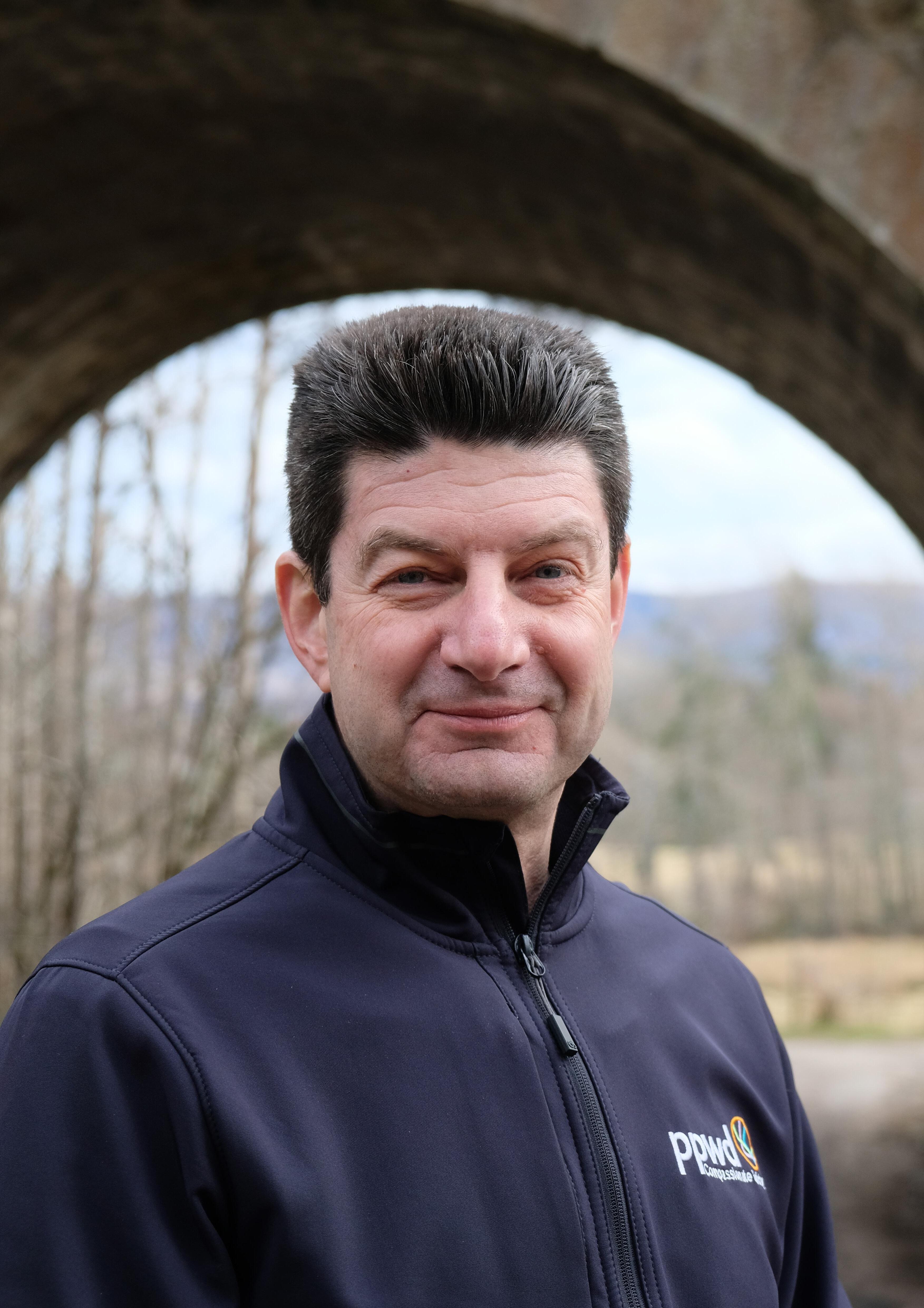
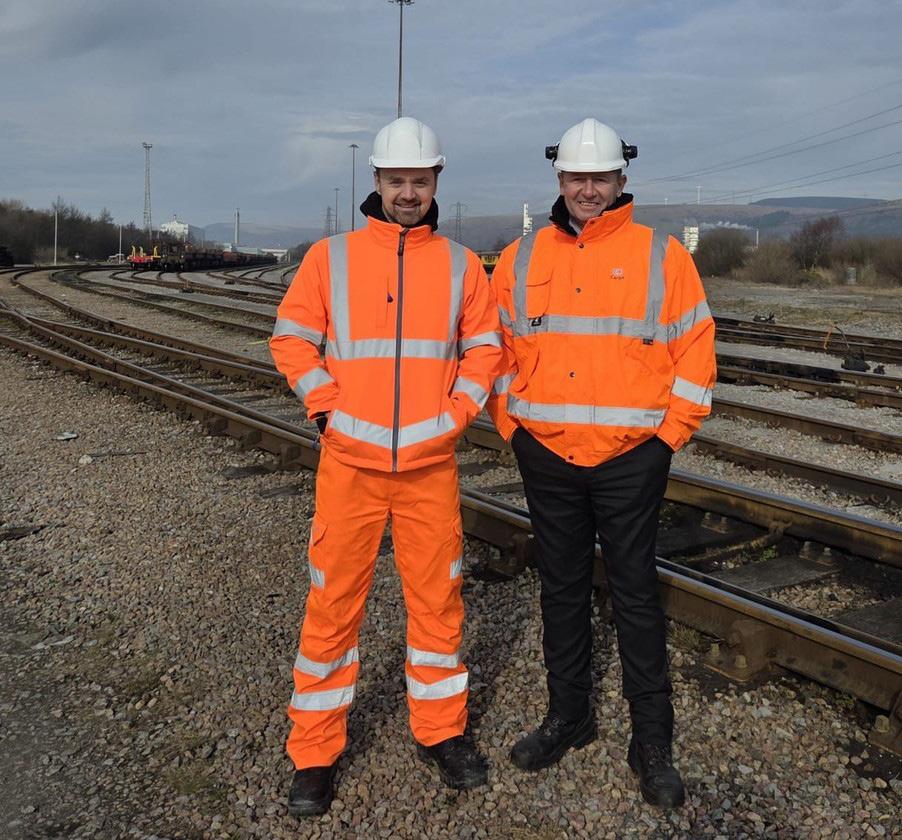
Paul Davison CEO and Founder of PPWD
Paul Davison is the CEO and Founder of PPWD, a company that specialises in bringing compassionate safety to safety-critical environments. With a 17-year career in the Royal Air Force as a helicopter pilot, Paul's experiences in Kosovo, Northern Ireland, and Iraq shaped his understanding of safety and human factors. After a formative incident involving the loss of colleagues in 2001, he developed a passion for creating workplace environments where everyone goes home safe. Paul co-chairs the Workplace Well-being Work Group and is an advocate for incorporating psychological factors into UK safety legislation.
Sam Sherwood-Hale spoke to Paul Davison about his journey from RAF helicopter pilot to safety culture expert, his philosophy of compassionate safety in high-risk environments, and how investing in people is crucial for creating sustainable safety practices across the rail industry
SSH: What is PPWD and what is your role within the company?
PD: I'm the CEO and Founder of PPWD. We started in 2011 with my business partner Paul White, who retired a couple of years ago. What we do is bring compassionate safety to safety critical environments. It's a slightly different approach, and we use sticky learning methodologies to ensure that what we do in the classroom, boardroom, or workshop stays with people for a long time.
The company was founded to deliver leadership training for the Royal Saudi Air Force at the King Faisal Air Academy in Riyadh. We developed, designed and delivered the initial courses and train-thetrainer programmes. I'm pleased to say that the course continues to this day.
Our work in the rail industry came about through a chance conversation. I met a train simulator manager on an adventurous training course with the Royal Air Force Air Cadets. He was complaining about train drivers and how they could be difficult to work with. I suggested that the challenge sounded much like some of the challenges I had experienced and managed
in the Royal Air Force. I was invited to the training academy and spent time driving the simulator and chatting to his team.
This is where I became aware of the term Non-Technical Skills, which seemed very similar to what I had encountered in my military flying career. We used the terms human factors and human performance. We were then able to design and deliver several courses which were really well received, and as they say, the rest is history.
SSH: Tell us about your career before you joined PPWD.
PD: If I give you a couple of stepping stones, I think through that you'll see my ‘why’ – my purpose in life.
I joined the Royal Air Force in 1994 and I enjoyed a 17-year career. I was a helicopter pilot, flying Puma helicopters for a number of years, and I was very fortunate to fly in places like Kosovo at the end of the Balkans campaign in the 90s, Northern Ireland during the Troubles, and then into the desert in Iraq. The Puma was a great platform for me because you never knew what you were going to do. It was a very
versatile platform – you could take off thinking you're doing one thing and end up doing a whole load of other things. It was an environment where my technical flying skills were pushed to their limit. At the same time operating the aircraft to solve complex and at times novel problems, in very demanding environments. To do this, required leadership and the building of a team, in the form of the crew. Each one of us had specific responsibilities. None of us held the answer, it required high levels of cooperation, collaboration and cohesion. And then I got tired with that and needed a break, so I ended up at the Royal Air Force College as an instructor of officer training. Suddenly I was working with people in a way which was not technical anymore, because I was really looking at what made these people tick, what motivated them.
SSH: How do you pull together all these abstract concepts around leadership and management into technical tasks?
PD: I think there were a couple of things that happened for me there. I was spoiled working with some really great, highly
‘Everyone
should go home safe. No one should come to work and then not go home because they've had a fatal or a life-changing injury. What can we do to invest in people to ensure that happens? That network, that cocreation of safety, that matrix, that tapestry that we weave, that always catches people kindly, even when they fall. That is my definition of what a Fair Culture is.’
motivated and super talented people. The other bit was I suddenly realised that although I might not be like everybody else, that doesn't make me weird. We did a lot of work there on staff training to look at psychology, how people learn, how people acquire information, how they present themselves to the world. So that was a real awakening for me.
That got me to reflect on some of the things that happened while I was flying. The main one was something that took place in 2001, which was a crash of a Puma helicopter in which the pilot and the navigator both lost their lives. Those two individuals were on my flight, my squadron, who I knew really well, and I ended up carrying them on their final journey, carrying their coffins in and out of church. I was at Brize Norton when I saw them being repatriated, and I met the families and the orphaned children.
I remember standing in that departure hall at Brize Norton when the aircraft came in with their bodies, and it was like an atomic explosion in my head that went off, I told myself: ‘this must not happen again’. I didn't quite realise at the time, but I think that sent ripples through everything I did. The way I flew after that was different – far more comfortable putting my hand up and saying, ‘let's stop, let's talk about this’. I think that then rippled through both officer training and what I tried to get into people – to have confidence that sometimes the best thing to do is nothing, to actually stop and talk.
Coming into the safety critical environment with PPWD was to recognise that there should be no harm in the workplace. Everyone should go home safe. No one should come to work and then not go home because they've had a fatal or a life-changing injury. What can we do to invest in people to ensure that happens? That network, that co-creation of safety, that matrix, that tapestry that we weave, that always catches people kindly, even when they fall. That is my definition of what a Fair Culture is which has become the driving force now for what I do and what PPWD does wherever we go.
SSH: That experience, that ‘atomic explosion’ where you were thinking about your safety philosophy that led to the creation of PPWD – was it a challenge to articulate those thoughts and feelings into action?
PD: At the time when it happened, I didn't realise what had happened. The classic military thing is no one really talks about this stuff, so you just kind of put it in a box. It's only been in the last couple of years that I've sort to lift the lid on that box. There are other stories from my aviation career where I can go, ‘this is when Paul didn't do those
things’ and there are a couple of occasions where I could easily not be here talking to you because I didn't put my hand up and say I think we should stop when we came very close to having catastrophic incidents.
So how do you translate that? To start with, I didn't have an awareness of it. My translation was doing the technical stuff – let's deliver products for people that they want. They've got a problem, generally an increase in incidents, so we'll deliver the non-technical skills course or package, the investigators package, or the assessors package.
In time, I realised those were kind of like sticking plasters. They don't really solve what's going on. The idea I now hold in my mind is around what safety and safety culture is, what leadership is, what performance is, and how they're all woven together – how can we be courageous to actually go upstream and start dealing with
these things at source as opposed to just keep pulling the bodies out of the river when things go wrong?
I'm still wrestling with it, and it is a difficult thing. It is a truly Wicked Problem. It doesn't sit naturally with traditional safety approaches, but I think if we want to move on, we need a different approach to safety, to people, and to culture if we really want to go into a place that's far more productive, has much higher performance, and looks after people. We need to look at the relationship between these things.
SSH: When you're introducing this philosophy, do you get any pushback? What sort of feedback do you receive?
PD: I have to be really articulate to create those stepping stones and join the dots. There's absolutely a place for traditional safety – that kind of clipboard and
compliance approach, the governance and assurance side of it is absolutely needed. But it can only take you so far.
There are things you can do like nontechnical skills training, human factors and so on which will absolutely help increase safety by reducing operational incidents, but at the same time we need to deal with the mental health of individuals, their wellbeing, their longevity, getting them through their pension point, not just to it – so they're actually in a fit state to enjoy life beyond their working career.
To articulate that and to put that together is a leadership responsibility, and that requires some cultural change. It's not something I've been able to do in 30 seconds beyond certain little sound bites. You need a couple of hour workshop to take people through those stepping stones to show them this approach and methodology and how it works.
SSH: Do you find that in recent years you've had a more positive response? It seems like other industries and maybe the culture more broadly is catching up to this idea.
PD: I agree with you, that's exactly what I sense. I wonder if there's something here around generations – perhaps there's a generation which is in senior leadership positions now which is starting to retire and is being replaced by a couple of generations who are more open to looking after people in its broadest sense. That you have to invest in them in order to create environments where they can thrive and flourish, for them to give of their best rather than just take the wage and go home. So yes, I think there is a change coming definitely.
SSH: You also co-chair the Workplace Wellbeing Work Group. Could you tell us more about your efforts to bring psychological factors into UK legislation?
PD: That's purely chatting to people. I'm but one amongst many people who are working on this, and others are far more advanced in the legislative side. Where I think I came in was around the management of psychosocial factors that are hazardous to health. We're not talking about people being electrocuted or crushed or falling – the traditional things that might harm. It's about the other factors: stress, the relationship you have with your boss, the financial challenges one might be facing within the workplace, how those start to impact.
And then if you've got things like AI coming in and starting to maybe take away some of the creativity that might be required, what about people's identity and their purpose in the workplace beyond the wage packet?
Working with organisations like the Mindful Business Charter, which is mainly focused on organisations in the legal profession who have a significant mental ill health challenge, and organisations like
ISMA (International Stress Management Association), the question is: if this stuff is so good, if this stuff works and we've proven it, then why is it not in UK legislation?
If you look at the Health and Safety Executive and what they've got, they've got a great framework and legislation for things like the control of substances hazardous to health, working with radiological and biological effects, as well as more traditional safety like working at height, electricity, crush and so on.
But what about this mental ill health crisis that you could argue is happening in the UK? That costs, I think Deloitte was saying, some ridiculous amount like $2 trillion globally. In the UK alone it's equivalent to £11,000 per worker. And quite often these programmes in the workplace are nothing more than fruit on Friday and yoga on a Tuesday – a sticking plaster.
So I thought, let's just get stuck in. How could we put some legislation together? What would it look like? I think there's a great framework already there, which is the control of substances hazardous to health. You just change all of those more physical substances for the psychosocial factors, and you actually have a really great framework, set of guidance documents, risk assessments and so on that people could implement straight away.
It has already started because I know there's ISO 45001 and 45003. But again, there's no mandating of it. It's just ‘this is some great advice, go and do it’. Some do, and the majority don't.
SSH: What is PPWD's USP?
PD: I think there are two elements that we bring. It is this compassionate safety approach and it is these proprietary sticky learning methods that we use within the classroom.
Our compassionate safety approach redefines and repositions safety so that we start to look at it from a very human perspective and the environmental perspective. Human, in that it accommodates people’s physical, psychological, emotional and spiritual needs. Then, Let's create this environment that looks after people, that sets them up for success.
The sticky learning approach is using real approaches in the classroom whereby the person has complete ownership of that learning. Rather than us doing stuff to or for people, we do it with them and we then get them to do it by themselves, and that has significant long-lasting impacts.
I was reminded of this beautifully recently. Just by chance, an individual I hadn't spoken to since delivering a coaching course during COVID, which was actually online, called me up looking for some advice. It was amazing that four or so years later, he's using all these phrases and little things that we would have used online and in the classroom that he is now using with his drivers. He's now been promoted, and he's comfortable to phone all those years later. The learning has locked in – this lovely idea of a different way of dealing with drivers.
SSH: When he was speaking these words back to you, did you feel like he'd adapted what you taught him and applied it to his own experience?
PD: Absolutely. That's when I really know that someone's got it – not when they're just parrot-fashion repeating it, but when they've internalised it and they're applying it to their specific context. You can definitely hear that when it happens.
SSH: What types of products and services do you offer? How would our readers get involved with what you're doing?
PD: Occasionally we do courses where people book in as ones and twos, but the main route for working with organisations is that they want to develop their safety culture, for example, or they've got a challenge with their operational incident rates. They might have a specific requirement to put everyone through our investigation or learning review courses, and then we put together a package or programme that meets that particular need.
We offer a variety of products and services. A range of blended Human Factors and Non-Technical Skills courses are delivered from the frontline operator through to boardroom directors. We also offer courses on recognising and managing trauma, how to be an assessor for Non-Technical Skills, and a jewel for us – the product that has the ability to make the greatest cultural impact – the
Learning Review course, taking accident investigations to a new level of learning. We also provide a wide range of coaching, mentoring and action learning team services. These range from one-to-one postincident support to executive level coaching. All are woven around safety, culture, leadership and performance. The packages and programmes are proving to be very transformative and we've been recognised through several awards.
SSH: What are some standout projects that you've been involved with over the years?
PD: I think the one for me which demonstrates this approach, and why I have confidence to talk about it because I think we have absolutely put it into practice and have the results from it and the peer reviewing as well, is a project which is now in year nine or possibly year ten working with Southeastern.
That started off, as a lot of these do, with an operational incident rate which was not where they wanted it. Non-technical skills was kind of like ‘we think this will help’. So we came in and delivered a couple of pilot courses which were extremely successful, and then we were able to roll that out to all of the frontline drivers.
That then gets you into having these conversations around ‘what really is going on here?’ and so that started a whole cultural evolution journey with us really intimately partnering with Southeastern. In no way is this easy – this can involve some really quite challenging conversations at times. It requires a lot of trust, a lot of openness and transparency on both sides because there's no magic book, nothing you can pull off the shelf. It's kind of like a jigsaw puzzle, and that's partly from us with our experiences and what we bring. But equally, you need the client to be saying ‘this is the lay of the land, how can you help us?’. And I think in that time we've just learned a couple of key pieces that you get in place – sort of the corners and the edges of the puzzle.
With great success. In that time, we've worked with Southeastern and their operational incident rate has reduced by 64 per cent for train drivers. That's an ROI of 15.9, the last time we calculated it a couple of years ago. You're talking significant millions of pounds saved here, let alone all of the other emotional trauma that comes out of accidents and incidents.
But I think for me, the piece that really highlights it is that about two years ago, we rolled out a fair culture charter for the entire business. It wasn't just for frontline workers or people in the operational side, this is for all four and a half thousand workers – a set of binding principles in how they would be dealt with and managed post-incident.
That Charter has now rippled through the business, such that people will say, ‘How are we doing in line with our Charter? Does this new policy actually meet those principles?’.
And that to me is now a shift. It's not perfect, but it's a real shift into a learning culture. How can we now start to do things proactively? How can we get upstream? How can we be preventative to look at what are the things that might harm people and deal with them before they actually do? There have been a number of projects which they've done now, some of them with our support, some just off their own back, which have solved some long-standing issues within that organisation.
SSH: It's fascinating that it's a charter that applies to the whole staff, the whole company, because then the language has to be more like a worldview and allencompassing rather than specific to each individual.
PD: Whether it's the apocryphal story when JFK went to Cape Canaveral in 1962 – he'd made his announcement ‘at the end of this decade we will go to the moon’ – and supposedly he's in a group of people when he turns to an individual and says, ‘Excuse me sir, what do you do around here?’ this gentleman says to him, ‘Well Mr. President,
I put men on the moon’ and that individual was the janitor.
So everybody understood what they were doing, what the mission was. That would be my desire – you could walk onto any platform of any station, bump into a member of GB Railways, ask them what they do, and they would come up with some equivalent phrase that shows they understand. This is well beyond the pay packet. ‘I get everyone home safe every day’ or ‘I create the greatest journey experience that this person will ever have in their life.’
Whatever that might be. A team that's working collectively to move people. I think you've only got to look at examples that came out of 2012 in the Olympics. The incident rates for the companies in and around London are almost non-existent.
SSH: When a client comes to you with a particular problem, what's your process for coming up with a solution?
PD: My preference is partnering. Some clients do come and it's just ‘I want to buy this non-technical skills course’ and they're really not interested – there's not a foot in
the door for any other conversation. But for those clients that are really looking for something longer lasting that is absolutely going to embed a cultural change for what they're trying to achieve, then partnering is the key.
That has to build trust, because as soon as you get that level of trust, you can really look someone in the eye. Conflict evaporates. Now you get that commitment to that joint cause. Now people have responsibility. They're invested in what's going on. At that point, once people have got responsibility, your results start to come.
So that's the key for me – how do I create this relationship where we work with them and ultimately hand over to them so that they're doing it by themselves and they understand why they're doing that and how to do that.
SSH: What challenges come up that might make it difficult to achieve that relationship?
PD: Well, we're definitely getting into human beings, aren't we? How much are you willing to show of your dirty laundry, or how
bad it might be? I'm a stranger. Even with signing an NDA, suddenly people have got to admit that it's not as good as it could be. And of course, some of that would be their responsibility – that's what they're having to admit, ‘I'm not doing as good a job as potentially I could be here.’
So that just takes time to build the trust, build the confidence in each other, to have those conversations and go, ‘Look, I'm absolutely here. It is as much in my interest to make this work as it is for you. I really believe that we've got an approach and a method that can do that. Are you willing to do the steps, the small steps? Are you willing to come with me on this? I think I can guide you through how to do it.’
SSH: That's quite difficult, isn't it? Having the confidence to talk about things that really need to be improved and might expose us as being inadequate in some way.
PD: Correct. You very quickly get into how things are done in society. To demonstrate vulnerability, to demonstrate humility –‘I'm not as good as I need to be, could be. I
don't have the resources.’ All of those things are not ingrained in any kind of western cultures.
SSH: If you were in charge of the UK rail industry, where would you target investment and look for improvement?
PD: People, people, people, which is perhaps no surprise with the conversation we've had so far. I mean that in two ways. One is the people that are actually working in the industry. If you buy a new piece of rolling stock, you know what the cost of that rolling stock is up front. But if you don't service it and don't do preventative maintenance on it, it's probably going to let you down at some stage. I would want the industry to look at all the people within that industry and ask: what is the equivalent maintenance plan you have for those people? They could be with you for 30-40 years. So not just the upfront training, but that whole package through their career, and not just the mandated technical tick boxes. This whole psychological approach – what are you going to do to make their wellbeing such that they can deliver the very best every single day and get through to their pension point?
Also, I don't know how controversial this is, but I'm not sure the industry really understands what passengers want. There is this real drive at the moment for faster journey times, and I'm not convinced that the most important thing for passengers. It's often said that people don't always tell you what they're thinking, feeling, or wanting –you have to work quite hard to watch their behaviours. I think what people actually want is a really rewarding, enjoyable, and comfortable journey. To shave ten minutes off that journey is probably not going to really make a difference to their life.
I think the question for the regulators to answer is: How do we make rail so enjoyable, comfortable and rewarding that people feel stupid to drive? And the same goes for freight.
I assess that the railway is aiming to answer a question that isn't being asked. Firstly, we need to move away from purely relying on focus groups. Instead, behavioural research and audience psychological profiling are required to see what customers actually do rather than just what they say. This will ensure we deeply understand how passengers interact with the railway's products and services.
Take for example pre-booked tickets. The cheapest tickets can only be used on a specific train. So, one builds into the journey a 45 or 60-minute buffer in case you get caught out. If your journey's been smooth and you arrive with time to spare, the easiest way to shorten that journey is to allow you to go on one or two trains that are going to depart while you're sitting in the station. For an administrative fee of £5 or £10, you could change it on the app and travel on an earlier train. That person's happy because you've shortened their journey by 45 minutes.
You're also building capacity in the system for all the tickets and seats that now are not going to be used later on, which you can resell if you want to.
Could you have business pods on the train with impeccable Wi-Fi, where people can have meal and drink packages and create that journey as a business-based journey? I think aviation has gone a long way down this route, and rail has an opportunity to look at how it does things differently.
SSH: What are your hopes for the new regulatory bodies, such as Great British Railways?
PD: It's going to require some really strong, assertive leadership to take Great British Railways and actually start to look at it, set it up, and integrate it in a way which is different from what has happened before. That requires innovative thinking. Such thinking contains a degree of imagination and creativity, to do things differently. Doing different things, as well as starting new things, also requires some things to stop. All of which involves planning and practicing.
A lot of companies are operating on annual budgetary cycles. That's just not long enough for the railway. Network Rail fortunately has the control periods, the five-year period. To me, that's the kind of cycle you've got to start shifting towards. You've got to really give people this long-term ownership to go, ‘This is the goal. How are we going to work our way towards it?’. Acknowledging that there can be compromises, it's never easy, we don't have all the resources. How are we going to achieve this desire that the railway is the default choice for long-distance journeys?
We need a human approach, investing in creating teams and teams of teams. Create a system which has at its core flexibility, agility, adaptability and responsiveness. Rather than fine, incentivise. Provide the opportunities for ownership and responsibility. This can only come through trust, a removal of conflict, a commitment to what really matters for passengers, and only then will people fully invest themselves to take responsibility. That is how meaningful results will transpire.
Productivity is too thin a measure of performance. Other metrics must be designed. We manage what we measure, and mis-manage what we mismeasure. Productivity has no richness, no narrative, no meaning. Therefore, a truly integrated railway requires an honest appraisal. We need to go upstream and look at some of the long-held assumptions.
SSH: How do you make your business a good place to work?
PD: Ultimately, I would say that I really work hard to practise what I preach. By that I mean it's about the long-term investment in the people that I have within my organisation. Often I have to put them beyond the price or the cost of something – looking after them and investing in them rewards me far beyond any kind of profit or share price or capital return.
That has been all the way through my entire career, whether it's working with air cadets, working with bobsleigh, my own business, or within the Air Force. Going out of your way to support and help people – you just get that back in waves for years to come.
Practice what we preach. It is not easy, and it has a cost. People and their long-term wellbeing must be placed ahead of profit, share prices and investor capital. PPWD fosters a very inclusive environment where everyone holds an equal voice. Internally we have many support networks for course content through to wellbeing and welfare. Online and in-person CPD is at the heart of this.
As Richard Branson offered: ‘Train people well enough so they can leave, treat them well enough so they don't want to.’
Visit: www.ppwd.co.uk
Social: linkedin.com/in/pauldavisonppwd
THE CHEEK OF IT
by Chris Cheek
An Autumn Glow in the Rail Market
Chris dives into the details as annual long distance patronage moves to within one per cent of pre-Covid levels
Demand growth in the British rail industry slowed slightly during the autumn: non Elizabeth Line passenger numbers were 6.6 per cent higher than the same quarter in 2023, reaching another new postCovid high. Including traffic on the recently opened line, growth was 6.9 per cent.
Overall, demand rose to 97.1 per cent of pre-Covid levels, according to National Rail Trends statistics, published by the Office of Rail and Road (ORR). However, without the Elizabeth Line, the recovery was limited to 86.0 per cent.
The provisional figures cover the third quarter of fiscal year 2024/25, finishing at the end of December: across the network, 446 million passenger journeys were made during the twelve-week period, up from 417.2 million in 2023. Between them, they covered 16.2 billion passenger kilometres, 3.3 per cent up, and paid a total of £2.9 billion in fares, 10.7 per cent more than in 2023.
Looking at demand by ticket type, advance tickets were up by 13.3 per cent, taking sales 69.3 per cent higher than before the pandemic. Anytime peak and offpeak fares were up by 8.9 and 9.4 per cent respectively, leaving them 17.5 per cent and 26.2 per cent ahead of the pre-Covid figure. Season ticket holders made 3.6 per cent more journeys than last year, but the 60.1 million total remained 61.1 per cent below the 2019 figure.
Aside from the Elizabeth Line, services in London and South East moved ahead by 5.7 per cent during the quarter, but this was once again the slowest growing sector. Between them, the operators carried 247.5 million passengers in the twelve weeks, but remained 17.5 per cent below 2018/19.
‘The long-distance InterCity sector saw demand increase by 8.7 per cent compared with 2023, leaving passenger numbers just 1.4 per cent short of 2019 levels, while FirstGroup's open access operations at Hull Trains and Lumo each saw double digit growth – 19.3 per cent at Hull Trains, taking patronage to almost 95 per cent above 2018/19.’
The long-distance InterCity sector saw demand increase by 8.7 per cent compared with 2023, leaving passenger numbers just 1.4 per cent short of 2019 levels. The passenger kilometre figure was 6.2 per cent ahead, leaving it 6.5 per cent short of prepandemic levels. Revenue on the InterCity services moved up 8.8 per cent (6.3 per cent after inflation), but remained 14.8 per cent down in real terms on 2018/19. LNER saw the largest growth, on 13.6 per cent, taking the business to 18.6 per cent above preCovid levels.
The recently nationalised Caledonian Sleeper operation recovered somewhat after two successive falls in patronage, growing by 12.9 per cent, taking the business to 16.3 per cent above pre-pandemic levels. GWR advanced by 10.1 per cent to 91.9 per cent of pre-Covid patronage – though this comparison is still affected by the switch of suburban traffic to the Elizabeth Line since 2022. EMR grew by 5.5 per cent, taking passenger numbers 14.3 per cent above prepandemic. Avanti West Coast saw 4.4 per cent growth, still 13.0 per cent down from 2018/19.
Amongst the regional franchises, total patronage was 8.8 per cent up on 2023 but remained 11.3 per cent below 2019 levels. Amongst individual TOCs, TfW led the pack, advancing by 13.2 per cent, but still 8.7 per cent short of its 2019 figures. TransPennine came next, with passenger numbers up by 9.1 per cent during the quarter, reducing the shortfall against their 2018/19 figure to 7.7 per cent. Northern lost ground with a 0.4 per cent fall in passenger journeys, leaving a shortfall of 14.4 per cent. Merseyrail also lost passengers, with a fall of 1.3 per cent, taking demand down to 32 per cent below on 2018/19. Scotrail saw a 1.3 per cent rise, despite the reimposition of peak fares in October, leaving it 17.9 per cent short of pre-Covid levels.
Amongst individual operators, GTR saw the fastest growth on 7.0 per cent, followed by c2c on 5.4 per cent. West Midlands Trains saw a 2.8 per cent reduction during the period.
The Elizabeth Line carried 61.0 million passengers in its tenth full quarter of operation, 4.4 per cent up in the year, meaning that the line accounted for 14.5 per cent of the national network’s patronage in the July to September quarter, second only to GTR’s 18.1 per cent.
Amongst the non-franchised operators, First’s operations at Hull Trains and Lumo each saw double digit growth – 19.3 per cent at Hull Trains, taking patronage to almost 95 per cent above 2018/19. Lumo achieved a hefty 23.0 per cent uplift. East Coast rivals Grand Central stabilised after two successive reductions, moving ahead by 2.1 per cent, now 24.9 per cent ahead of their pre-Covid patronage. Competition from the Elizabeth Line drove patronage on Heathrow Express down for the fourth successive quarter, this time by 13.2 per cent. This left patronage on the premium route 35.2 per cent down on 2018/19.
Rolling year figures
The national totals for the twelve months ended 31 December show that, compared with the last pre-Covid year of 2018/19, the number of passenger journeys was just 4.7 per cent lower at 1,704.8 million. However, excluding the Elizabeth Line, passenger numbers remained 15.2 per cent short of the 2018/19 figure. Passenger kilometres travelled were 9.0 per cent lower at 62.3
NEWS IN BRIEF
GREEK
STREET BRIDGE REPLACEMENT IN STOCKPORT
Network Rail is investing £20 million to replace the ageing Greek Street bridge in Stockport that crosses over the Manchester branch of the West Coast Main Line. The original bridge, built in 1958, has reached the end of its life. The new bridge is designed to last 120 years. During Easter, preparatory railway work will occur, affecting train services between 19-22 April. The complex demolition and rebuilding of the 58-metre-wide bridge will take place from 2-23 August 2025.
GREATER ANGLIA LAUNCHES SIGNLIVE ACCESSIBILITY SERVICE
Greater Anglia has launched a British Sign Language interpreter service through a partnership with SignLive, enabling deaf or hard-of-hearing customers to communicate with customer relations teams. The service is available 24/7, year-round, and is free for Greater Anglia customers. BSL users can connect to Greater Anglia via an interpreter using the SignLive app on iOS, Android, or web browsers by finding Greater Anglia in the Community Directory. The service covers issues including delay repay, complaints, business travel, smart cards, train information, and Stansted Express bookings. Rebecca Richardson, Accessibility and Inclusion Manager, stated the company is committed to making rail more accessible and helping people travel with confidence.
billion, whilst passenger revenue saw a shortfall of 0.9 per cent at £10.9 billion.
However, adjusted for inflation, revenue was 18.2 per cent down on pre-pandemic earnings.
As in previous quarters, performance varied between the sectors. Passenger journeys were still 18.1 per cent below 2019 levels in London and South East excluding the Elizabeth Line and 12.3 per cent on the regional networks but moved to within 0.8 per cent on the InterCity routes.
Comment
This quarter saw the new government’s long-awaited budget with its increases in taxation, alongside further moves to take the passenger railway back into public ownership. Lack lustre economic growth continued, with a fall in retail sales and an unemployment rate edging upwards. Another quarter in which the context for rail patronage was hardly encouraging. The quarter also saw a change of Transport Secretary as Louise Haig resigned over a past problem.
Despite this, the long, slow recover in patronage was maintained in all but three TOCs – two regional ones in Northern and Merseyrail and one hybrid, West Midlands Trains, which has a foot in both the regional and London commuter camps. All rely heavily on commuter movements, though Northern also continues to be plagued by reliability issues, particularly at weekends –increasingly amongst the busiest times on the network.
Merseyrail’s numbers are still almost a third down on pre-pandemic levels, the biggest remaining shortfall on the system. Five others are still over 20 per cent down – Southeastern (26.4), c2c (25.3), Chiltern (24.5), South Western (24) and West Midlands (23.3). At the other end of the scale, there are now three TOCs and two open access operators carrying more passengers than in 2018/19 – LNER (18.6), Caledonian Sleeper (16.3) and East Midlands Railway (14.2). Amongst the open access operations, Hull Trains seem on
‘Amongst
the regional franchises, total patronage was 8.8 per cent up on 2023 but remained 11.3 per
cent below 2019 levels, with Transport for Wales leading the pack by advancing 13.2 per cent, while the continuing decline of Heathrow Express is worth noting – double-digit decline in quarterly patronage has occurred in three of the last four quarters despite hefty growth in air passenger numbers.’
course to double their pre-Covid numbers, having hit 94.9 per cent growth in the latest quarter, whilst Grand Central are 24.9 per cent higher.
FirstGroup’s Lumo operation is of course a post-pandemic animal, but its 23 per cent growth in the quarter looks impressive. Whilst on the subject of non-franchised operations, the continuing decline of Heathrow Express is worth noting – doubledigit decline in quarterly patronage has occurred in three of the last four quarters despite hefty and continuing growth in air passenger numbers. It’s clear that the service is never growing to recover its traffic, and one wonders how long its separate status – and occupation of scarce paths and Paddington platforms – can be maintained.
LAYING DOWN THE LAW
by Martin Fleetwood
Changes Ahead for Infrastructure Projects in the Rail Sector
2025 will be a significant year for the rail industry with much legal reform on how rail services and infrastructure are delivered
However, while most focus is on the upcoming Railways Bill to be launched later in the year, other legislation which affects rail projects is already making progress through Parliament.
Managing the planning of new infrastructure
The Planning and Infrastructure Bill 20242025 (the Bill) was recently introduced into the House of Commons and represents a key element of the UK Government's agenda to boost construction activity and drive economic growth. The new legislation proposed in the Bill is part of a broader set of reforms aimed at enhancing the efficiency and speed of the consenting process for critical infrastructure projects.
A key area of these reforms relates to changes to the Transport and Works Act 1992 (TWA), which will impact on the promotion of rail and light rail schemes in England and Wales.
Some of the more important are the following:
• Transition from Model Clauses to Guidance
• Introduction of Statutory Deadlines for decisions
• Changes to the duty to hold a public inquiry or a hearing
• Public Inquiry costs
• Cost Recovery for Statutory Consultees and Local Authorities
• Disapplication of Heritage Regimes
• Deemed Consent under Marine Licence
• Reducing the need for a DCO process
Transition from Model Clauses to Guidance
To date TWA Orders have needed to use a set of model clauses and explain and justify any departure from them. The Bill replaces this with ‘guidance’, which can be updated without needing new legislation. This should provide greater flexibility, particularly if issues arise with certain processes.
Although the Bill mentions that the guidance may include model provisions ‘considered suitable for inclusion in the drafts’, it is expected that they will be more advisory and less directive than the current model clauses. In practice it is likely that draft TWA Orders will stay close to the model provisions, but having more flexibility will allow those drafting the orders to be more creative when looking to support certain schemes.
Introduction of Statutory Deadlines for decisions
The current decision-making framework doesn’t include specific deadlines for making decisions on applications submitted under the TWA, although the Transport Infrastructure Planning Unit will often agree target decision dates with applicants. The Bill introduces provisions that enable the Secretary of State to set the timeframe within which decisions should be made.
Provision will allow for these time periods to be adjusted on a case-by-case basis, as certain applications may require more time for consideration. It is anticipated that the time periods will be set out in regulations issued under the new legislation. This change puts TWA Orders on a similar footing to development consent order (DCO) applications.
Martin Fleetwood is a Consultant at Addleshaw Goddard’s Transport practice. The Rail Team has over 30 lawyers who advise clients in both the private and public sectors across a wide range of legal areas. As well as contractual issues, the team advises on operational matters, franchises, concessions, finance, regulatory, property, employment, environmental and procurement issues.
Disclaimer: This article is for informational purposes only and does not constitute legal advice. It is recommended that specific professional advice is sought before acting on any of the information given.
Changes
to the duty
to hold a public inquiry or a hearing
Under the current regime, if a local authority or a party affected by compulsory acquisition raises an objection, and that party requests their objection to be referred to an inquiry, the Secretary of State is under a duty to either arrange for an inquiry to be held or provide the objector with an opportunity to appear before and be heard by an appointed person (typically a planning inspector), unless the objection is withdrawn.
This can add significant time and cost to the progress of a TWA Order. The Bill aims to refine this obligation, limiting it to objections deemed ‘serious enough to merit such treatment’. This is quite a significant change in principle, meaning that for the first time a party whose land or interests in land are being acquired could be denied a hearing.
Interestingly, it appears that no corresponding change is proposed in other compulsory purchase contexts. While further clarification on the criteria for determining the seriousness of objections is required, the current assumption is that it would only be the objection of a party with minor rights that are only temporarily affected that would be regarded as ‘not serious’.
Certainly, it is likely that in any judicial review of these decisions, the courts would be likely, in line with longstanding judicial authority, to hold that the right to a fair hearing will have to be adequately safeguarded by the process.
Public Inquiry costs
In the context of public inquiries related to applications made under the TWA, it is
standard practice for the Inspector's costs to be borne by the applicant. However, the existing regime permits a Minister who orders an inquiry to be held to direct that such costs be paid by ‘such local authority or party to the inquiry’ as they may choose. The Bill seeks to provide clarity on this matter by introducing a new provision which specifies that the applicant will be responsible for any such costs ‘unless the person exercising the power considers that there is good reason to exercise it differently’.
It will be interesting to see further guidance on what might constitute a
the approval process. This will likely increase the cost of the application process itself and the concern is that it may be seen as a new revenue stream for local authorities or statutory consultees.
Disapplication of Heritage Regimes
Currently the TWA stipulates that an application for listed building consent associated with an application for a TWA Order should be referred to the Secretary of State rather than handled by the local planning authority. The Bill broadens the scope of powers that can be included in a
development consent order (DCO) may deem a marine licence to have been issued, thereby simplifying and unifying the approach to consents granted under the Marine and Coastal Access Act 2009.
Reducing the need for a DCO process
From a TWA Order perspective, a change elsewhere in the Bill proposes a new power to allow applicants to request that schemes be removed from the Planning Act 2008 DCO process. This would mean, for example, that for a scheme that is over two kilometre long and promoted by Network Rail (and
RAIL LIFTING JACKS & PIT EXPERTS
IN THE PASSENGER SEAT
by Natasha Grice
Treating Passengers Fairly
Fare enforcement needs a human touch, says Natasha Grice, Director at Transport Focus. As the railway celebrates its 200th year, Transport Focus is calling for a more compassionate approach to fare enforcement that distinguishes between deliberate evasion and honest mistakes
Fare evasion has long been an issue for the railway, but that doesn’t mean that passengers should be treated like criminals for making an innocent mistake. We are all too familiar with the complexity of the ticketing and fares system that lies at the heart of this issue. What does an Anytime ticket actually mean? What restrictions apply to a Railcard?
Most passengers won’t be aware of the small print that will accompany their train fare, and in recent years there has been a growing sentiment that rail users are being set up to fail by a system that is desperate to claw back money wherever it can.
With millions being lost each year due to deliberate fare evasion, we all understand and support the idea that everyone should pay their fare. However, we have to distinguish between innocent mistakes and more concerted efforts to avoid paying the right amount to ensure passengers aren’t punished unfairly.
Back in January, Transport Focus published a set of initiatives to help rebuild passenger confidence in the railway, while helping the railway to claw back lost revenue that can be re-invested to deliver much needed improvements.
The introduction of a ‘Yellow Card system’ would mean that passengers won’t automatically be punished on the first occasion that they make a simple ticketing mistake such as travelling on the wrong route. A ‘Railcard Database’ would ensure eligibility for discounts can be easily checked, while a simpler fares and ticketing system can help to prevent these mistakes from happening in the first place.
Passengers should be able to travel with confidence, and not feel like the railway
‘Passengers should be able to travel with confidence, and not feel like the railway is trying to catch them out. Ultimately, recouping lost revenue will help boost investment in services which in turn would make things better for passengers.’
is trying to catch them out. Ultimately, recouping lost revenue will help boost investment in services which in turn would make things better for passengers. This is why revenue protection practices should be carried out with consistency and understanding.
In the 200th year of the railway, we should be celebrating the network and looking ahead to its future as it is set for a once in a generation overhaul and not be caught up with prosecuting passengers for saving £1.60 off their single day fare during peak time.
We have taken our findings and ideas for improvements to operators and industry bodies and some of whom have already begun to trial and implement certain measures. In turn, we look forward to driving positive change across the industry in a way that protects revenue and helps passengers in the long run.
NEWS IN BRIEF
CIRO CONNECT WINS TRAINING EXCELLENCE AWARD
The Chartered Institution of Railway Operators (CIRO) is proud to announce that CIRO Connect has won the Training Excellence category at the Spotlight Rail Awards 2025, held at the Royal Lancaster Hotel, London. This prestigious award recognises the hard work, dedication, and innovation behind CIRO Connect – an immersive learning programme designed to equip rail professionals with comprehensive industry knowledge and practical skills to drive the sector forward.
RIA HAILS LATEST POSITIVE NEWS ON RAIL PASSENGER AND REVENUE NUMBERS
The Railway Industry Association (RIA), which champions a dynamic rail supply sector, has hailed the latest passenger and revenue figures from ORR and DfT. The ORR’s latest quarterly figures show that rail passenger numbers grew seven in the last quarter year-onyear, and passenger revenue figures grew eight per cent over the same time period.
The latest DfT published figures are equally encouraging, with the average of passenger numbers recorded from 15 February to 2 March 2025 attaining over 101 per cent of the 2020 prepandemic peak, which had marked the second highest passenger numbers on record.
Commenting, RIA Chief Executive Darren Caplan said: ‘These figures by the ORR provide further, sustained evidence, of a return to rail postpandemic. Both passenger numbers and passenger revenues are up by seven per cent and eight per cent respectively in the quarter year-on-year. Furthermore, the DfT’s latest figures showing over 101 per cent patronage of the railway, compared to pre-pandemic levels, are also proof-positive that rail has bounced back. Even in tough economic times, with a restructure in the offing, rail has a bright future. The Government clearly needs to continue to invest in it as the numbers using rail grow and more capacity will be needed.’
Blagburn is AECOM’s Programme Delivery Director for the Northumberland Line Programme.
Reckoning with History
Neil Blagburn,
AECOM’s Programme Delivery Director for the Northumberland Line Programme on overcoming engineering and logistical challenges in legacy mining regions
‘What the Northumberland Line has demonstrated is the importance of having the right structure and relationships in place to overcome those challenges when they rear their heads, as swiftly and efficiently as possible.’
With a history stemming all the way back to Roman times, coal mining in Newcastle and the surrounding areas has powered British industry for longer than there has been a concept of Britain itself. The legacy this has left behind still has an impact to this day, posing complex engineering and logistical challenges for infrastructure development.
Developing rail infrastructure can be a challenge even under the best of circumstances, but in areas like these developers not only have to contend with poor ground conditions – due to exploited material deposits and voids – they also need to factor in on-site archaeological discoveries, further complicating excavation efforts.
Such was the case with the Northumberland Line redevelopment – an 18-mile (29 kilometres) route between Newcastle and Ashington. AECOM holds a crucial role on this project, with our team helping to create strong business cases to secure funding and continuing to provide multidisciplinary services to date. The Northumberland Line had been used solely for freight since the 1960s following the Beeching cuts, which shut down around 55 per cent of UK train stations at the time.
In December 2024, however, the Northumberland Line reopened for passenger travel once more, with the first new stations at Ashington and Seaton Delaval now operational. Another four stations – Newsham, Northumberland Park, Blyth Bebside and Bedlington – are currently under development. The project also included a road-over-rail bridge, a cycle bridge and a new underpass, as well as other bridge upgrades and a new computer-based interlocking signalling system to replace the mechanical system on the line.
Each of these stations presented several engineering challenges during their construction. Ashington and Seaton Delaval, for example, are historic mining villages –back in the day, miners would have passed through both stations on their way in and out of work, with millions of tonnes of coal being transported along the line in freight cars each year. The Northumberland Line is still used to fuel British energy, however, transporting biomass wood pellets from the Port of Tyne to Lynemouth Power Station.
Ground conditions posed major obstacles for these stations as unquantifiable risks associated with the region’s mining legacy needed to be managed. Mine investigations were undertaken wherever intrusive construction works were to take place –where worked coal seams were encountered,
the ground was stabilised through a process of pumping grout into the voids.
One station in particular, Northumberland Park, was particularly onerous, as two layers of coal seams lay within 30m of the surface. Both had been extensively worked and one even had a roadway running through it. AECOM’s geotechnical engineers worked closely on site with the contractor Morgan Sindall and its specialist subcontractor SEGL to analyse data and adapt the process to stabilise the ground in the most efficient and effective way possible. This in turn provided the shortest path to construction of the station.
AECOM’s expertise in managing these issues – including stabilising embankments and implementing innovative mine work remediation techniques – was key to keeping the project on track and minimising delays.
Aside from the direct engineering considerations, the region’s history provided further challenges for the project. In June 2022, archaeologists descended on the Newsham station development to reveal the ancient remains of what was believed to be a settlement or farmstead dating back to Iron Age or early Roman times. This investigation had been planned, but the amount of time it would take to carefully uncover the remains of the settlement was uncertain, dependent on additional discoveries being made.
While the archaeological work took longer than originally expected, it revealed details about the history of the region that would have literally stayed buried if the development had not taken place. These findings are now being used for educational purposes to the benefit of generations to come.
Possibly the most significant challenge, however, was a logistical one – engineers had to compete for access to work on a live railway. This meant that construction had to proceed safely with minimal disruption to existing freight services, including those to Lynemouth Power Station – which requires a regular supply of fuel. In addition, the complex interfaces between the different delivery partners needed to be identified and integrated, with the aim that none of the partners would be held up by another. This would help ensure the sequence of engineering activities were delivered logically and would avoid abortive works.
This was all only possible because of the high level of collaboration within this project, due in part to its alternative delivery route. While most of the UK’s rail infrastructure development has been led by Network Rail, the Northumberland Line was developed by a local authority –Northumberland County Council – making it one of the largest third-party funded rail upgrades in the UK. This shift was enabled by the introduction of the Rail Networks Enhancement Pipeline in 2018, following the 2017 Hansford Review, which not only encouraged third-party investment and delivery but allowed local authorities to lead rail projects for the first time.
NEWS IN BRIEF
GRAND CENTRAL APPLIES FOR DIRECT SERVICES BETWEEN LINCOLNSHIRE AND LONDON
Grand Central has notified Network Rail of its plans to operate new direct services between Lincolnshire and London that, if approved by the rail regulator (the ORR), will bring significant benefits to underserved areas across Lincolnshire and the wider region. Under the proposals, direct services to London will be provided from Cleethorpes, Grimsby, Habrough, and Scunthorpe, with Grand Central planning to operate the services from as early as December 2026. The plan makes best use of capacity on the rail network by running trains from the proposed new stops before connecting into existing Grand Central services at Doncaster.
Strong relationships between the entire team, including AECOM, SLC Rail, Northumberland County Council, Network Rail and Northern Trains, was vital for accelerating the project through the development phase. Similarly, close collaboration with Morgan Sindall was key to finding practical, value-engineered solutions to de-risk delivery and improve constructability.
One of the main benefits of having Northumberland County Council leading the programme was that the scheme was viewed as more than just a railway project. Instead, it was seen as the means to unlocking economic growth in the region by connecting people to jobs and education –and enabling viable transport to encourage employers to move into the region.
The Government recently launched a consultation process ahead of Great British Railways, as it seeks to revolutionise the UK’s railway network, ending inefficiencies and poor performance. At the same time, it has promised devolved leaders across the country a greater voice on transport services to their towns and cities. The Northumberland Line provides a vital case study in just how that might be achieved, empowering local authorities to take the lead on infrastructure development.
‘Not every project will have to face the engineering and logistical challenges the Northumberland Line did, but every project will face its own unique obstacles, some of which will be unforeseeable.’
Not every project will have to face the engineering and logistical challenges the Northumberland Line did, but every project will face its own unique obstacles, some of which will be unforeseeable. What the Northumberland Line has demonstrated is the importance of having the right structure and relationships in place to overcome those challenges when they rear their heads, as swiftly and efficiently as possible.
undergroundElevatedthinking,
Gall Zeidler Consultants celebrates 25 years of innovative solutions and engineering excellence, marking a quarter-century dedicated to advancing tunnelling and underground infrastructure.
We leverage our expertise in transportation, infrastructure, water conveyance, energy, and mining to help clients overcome challenges and deliver world-class infrastructure projects sustainably and responsibly. Over decades, we’ve built a diverse portfolio of major projects, many ranking among the most significant worldwide. With a diverse team, we operate globally through nine offices across Europe, North America, Latin America, and Asia.
Anwen Robinson, SVP at OneAdvanced
Nationalisation Powered by SaaS
Anwen Robinson, SVP at OneAdvanced explains how cloud-based software solutions will be crucial for UK rail operators navigating the transition to public ownership under the Passenger Railway Services Bill
‘The government anticipates that an integrated rail system under public ownership will eliminate unnecessary duplication and deliver cost savings of approximately £2.2 billion annually.’
companies prioritising efficiency and productivity (OneAdvanced Business Trends Report, 2024), the need for robust digital solutions has never been greater.
The privatisation of rail services was originally introduced with the aim of driving efficiency and fostering competition, and while some aspects of the transport sector may have improved, significant challenges have arisen over time.
Efforts have been ongoing to strike a balance between ensuring immediate operational success and committing to longterm investments that drive innovation and productivity. The UK’s rail network benefits from substantial government support, with £75.2 billion provided over the past decade to enhance services and infrastructure.
Despite this, UK rail fares continue to rank among the highest in Europe, so the collaborative efforts between private operators and the government, through nationalisation, hold promising potential to deliver a more modern, customer-focused railway system.
The UK’s rail sector is facing yet another pivotal moment as the Passenger Railway Services (Public Ownership) Bill moves forward, steering the industry towards nationalisation. This shift presents both challenges and opportunities for train operators, particularly around aspects such as operational continuity, workforce management, and regulatory compliance. With 47 per cent of passenger transport
Renationalisation and the need for digital transformation
With rising fares, increasing subsidies, and underwhelming service quality, public support for renationalisation has grown significantly. In fact, at least four of the 14 train operators are already being run by the government as an ‘operator of last resort’, while infrastructure remains under state control via Network Rail.
As a result, from this year, rail passenger services will be transferred to public
ownership as contracts expire without the need for compensation payments. Even long-term franchises are unlikely to remain untouched, as contractual clauses allow for termination by 2029. Additionally, operators failing to meet the outlined performance standards or those voluntarily relinquishing their contracts could see their services nationalised ahead of schedule.
The government anticipates that an integrated rail system under public ownership will eliminate unnecessary duplication and deliver cost savings of approximately £2.2 billion annually. Therefore, rail transport organisations will need to take appropriate steps to prepare for the change in order to avoid disruptions and maintain clear customer communication.
This is where SaaS technology is emerging as a vital tool for navigating these challenges. Indeed, 67 per cent of Passenger Transport employees pinpointed automated data processing/analytics as the core benefit brought about by digital systems. However, the transition to the Great British Railways (GBR) governing body demands collaboration and cutting-edge technology. There is an urgent need for integrated tools required to drive efficiency, reliability, safety, and exceptional service across a unified rail system, now and in the future.
Ensuring transparency and accountability in public sector funding models
Public sector funding models demand greater financial transparency and accountability compared to private ones. As operators transition to public ownership, precise financial oversight will be essential for preventing inefficiencies and mismanagement.
SaaS applications offer a streamlined solution, enabling real-time financial reporting, budget tracking, and expenditure monitoring. By leveraging these tools, train operators can align their financial processes with public sector regulations while minimising value leakage. The shift to nationalisation presents an opportunity to implement SaaS-driven financial frameworks that enhance fiscal responsibility and ensure long-term sustainability.
Maintaining service quality and efficiency during ownership transitions
A major concern surrounding nationalisation is the potential for service disruptions as management structures evolve. Passengers expect reliability, and any failure to uphold service standards could lead to public dissatisfaction, undermining confidence in the transition.
SaaS platforms can help mitigate these risks by optimising scheduling, resource allocation, and performance monitoring. Automated systems enable operators to maintain a consistent service, reduce delays, improve operational efficiency, and adhere to newly emerging legislations (such as the Procurement Act mandate,
which has now come into effect). Predictive analytics also play a crucial role, allowing train companies to anticipate maintenance needs and prevent costly breakdowns that could disrupt passenger journeys (while also helping them manage the associated risks).
Aligning workforce management with new operational goals
The transition to public ownership extends beyond financial and operational concerns – it also requires careful workforce management. With thousands of employees affected, ensuring a smooth and equitable transition will be vital for maintaining morale and productivity.
SaaS-driven workforce management solutions can offer a helping hand with this by offering automated scheduling, performance tracking, and communication tools. Frontline worker disengagement is a significant challenge for many organisations, often resulting in high attrition rates and costly recruitment efforts. These platforms empower them to enhance operational efficiency, ensure compliance with new labour policies, and streamline employee practices, which ultimately helps with creating a more engaged, connected, and motivated workforce.
By prioritising employee engagement and transparency, train companies can preserve a more stable team throughout the nationalisation process.
Lessons
from other industries: SaaS in large-scale
operational changes
Nationalisation is not unique to the rail industry. Other sectors have successfully navigated large-scale operational changes with SaaS technology, offering valuable lessons for train operators. For example, the healthcare sector underwent a major digital transformation with the NHS’s adoption of cloud-based patient management systems to enhance efficiency and improve patient care.
From more secure data sharing to reduced administrative burdens and increased productivity, these proactive improvements have reinforced the NHS's commitment to a tech-centric approach. And once the cloud infrastructure is in place, the use of further innovations (such as AI) can be used to automate the triage process, speed up diagnoses, boost patient safety, and much more. These advancements demonstrate how the likes of SaaS technology are playing a crucial role in improving healthcare delivery and operational resilience across the UK.
Similarly, the energy sector has leveraged SaaS platforms to improve asset
management and regulatory compliance. These cases highlight the importance of digital integration in facilitating seamless transitions and ensuring long-term optimisation. By studying best practices from these industries, train operators can use SaaS applications to enhance resilience and future-proof their services against evolving needs.
A digital future for UK railways
As the UK rail industry embarks on a new era of public ownership, technology will be fundamental in shaping its success. By embracing digital transformation, train operators can ensure that nationalisation is not merely a structural shift but a strategic opportunity to build more sustainable and financially responsible systems.
At OneAdvanced, we are working with train operators to help them prepare by delivering innovative SaaS applications that provide the compliance, efficiency, and adaptability to excel in this new rail era. We are enabling streamlined operations so that organisations in the rail industry can deliver exceptional service under Great British Railways. The future of UK transport hinges on innovation – leveraging SaaS technology to create a seamless, cost-effective, and highperforming rail network.
Chris
Simms is a partner in the Transport team at independent UK law firm Burges Salmon
Devolution and Transport
Chris Simms, partner in the Transport team at independent UK law firm Burges Salmon examines the implications of the English Devolution White Paper for local transport authorities
What is the Devolution White Paper all about? The principle underlying the English Devolution White Paper is that ‘too many decisions affecting too many people are made by too few… micromanaging from the centre combined with short-term, stickingplaster politics has left England's regions in a doom loop’.
The White Paper proposes a ‘completely new way of governing – a generational project of determined devolution… ending the destructive 'Whitehall knows best' mindset.’
At a high level, the White Paper looks to broaden and deepen devolution by extending devolution to the whole of England, replacing existing two-tier local authorities with unitary authorities, and introducing ‘Strategic Authorities’, a new legal concept encouraging partnerships between neighbouring local authorities.
What are Strategic Authorities?
Strategic Authorities fall into three categories:
1. Foundation Strategic Authorities: combined authorities without a mayor
2. Mayoral Strategic Authorities: combined authorities with a mayor
3. Established Mayoral Strategic Authorities: Mayoral Strategic Authorities that satisfy specified criteria designed to assess operational and financial competence over an extended period may apply to become ‘Established Mayoral Strategic Authorities’. Achieving established status unlocks further areas of competence and the provision of 'Integrated Settlements.
What impact does the White Paper foresee for transport?
‘Transport and local infrastructure’ is within Strategic Authorities' areas of competence: as such, they will have a mandate to 'act strategically… drive growth… and support the shaping' of transport services.
Strategic Authority transport functions
The White Paper contemplates Strategic Authorities exercising several key functions in relation to transport, though some are reserved for certain categories of authority. These authorities will take on Local Transport Authority functions, including bus franchising, management of micromobility schemes, and responsibility for Local Transport Plans. All Local Transport Authorities will be empowered to decide whether to pursue bus franchising, a strengthened Enhanced Partnership, or publicly owned bus companies. They will also have a strategic role in the decarbonisation of local bus fleets and control over the allocation of local transport funding.
The authorities will have powers to coordinate local road networks in partnership with constituent authorities and with less oversight from national government. Additionally, they will engage strategically with Great British Railways, working with the government to explore development opportunities on rail-owned land to drive regeneration and unlock commercial opportunities. The White Paper also grants them a statutory role in governing, managing, planning and developing the rail network, along with an option for greater control over local rail stations. These authorities will have a 'right to request' further rail devolution in certain circumstances, recognising the
‘Too many decisions affecting too many people are made by too few... micromanaging from the centre combined with short-term, stickingplaster politics has left England's regions in a doom loop.’
success of devolved rail models in London and Liverpool, with further guidance on this process to be published in due course. Finally, they will play a role in the delivery of multi-modal ticketing, with the government working closely with them to reform the rail ticketing system and extend integrated ticketing options.
To facilitate the exercise of these functions, other public bodies will also be given reciprocal obligations. For example, Network Rail will be obliged to ensure that it has due regard for Strategic Authority strategies and shares growth priorities for the areas in which it works. Similarly, Great British Railways must collaborate with Strategic Authorities, for example as it undertakes national rail planning and ticketing reform.
Funding
Established Mayoral Strategic Authorities will receive local transport funding streams as part of their Integrated Settlement. This will include City Region Sustainable Transport Settlement funding for eligible authorities from 2027/2028. Funding will also be consolidated for other types of strategic authority, with greater consolidation, autonomy and flexibility for places with a Mayor. Authorities will be held accountable through a transportspecific accountability framework with a proportionate outcomes framework and metrics.
What does this mean in practice?
The government's intention to transfer power away from Whitehall and closer to local areas will present more opportunities for local government to influence strategic decisions in relation to the transport network. Some of the principles considered by the White Paper could have a significant impact on the transport network in Great Britain. For example, we await with interest the publication of further guidance on the process to be followed where rail devolution is requested.
If the model set by London and Liverpool is replicated across the country as the White Paper intimates, this could provide exciting opportunities for the development of integrated transport networks more closely tailored to the needs of local communities.
Strategies for Efficient Project Delivery in the UK’s Railway Industry
Steve Feeney, Head of Transportation, UK at HDR on transforming rail project delivery by increasing efficiency, managing risk and overcoming the funding challenges facing Britain's railway infrastructure
The UK has an opportunity to improve how rail projects are delivered. To achieve this, we should transform the status quo and try to avoid the pitfalls seen on many recent major infrastructure projects. This will help to create savings and greater efficiencies; critical factors at a time when the rail industry faces considerable funding challenges.
At HDR, we believe that there are four elements to this transformation.
Integrated delivery teams for improved risk management
There has been a trend in the industry to move away from the traditional design-bidbuild approach, with schemes being handed over to contractors increasingly early. While early engagement between client and delivery teams can be beneficial, it should be carried out in a considered way ensuring the project scope is sufficiently developed and understood, such that risks can be properly assessed and mitigations planned early in the project lifecycle.
Contractual arrangements that allow early engagement while simultaneously effectively managing and balancing risk can prevent costly overruns, and risks being passed onto the wrong party. The risk should sit with whichever party is best placed to manage it.
Approaches such as progressive design and build and the use of alliance or
enterprise models – as seen in the latest Network Rail control period – can promote this holistic approach to risk management and drive a step-change in collaboration in the industry.
Introducing shared project goals and incentivisation models focussed on project outcomes can encourage a best-for-project mindset and deliver considerable benefits.
Sustainability
Another critical strategy for project efficiency, ultimately leading to a resilient rail sector, is to prioritise sustainability from the earliest stages. Putting the scale of the challenge into context, the latest statistics from the Office of Rail and Road reveal that total CO2 equivalent emissions for UK passenger and freight trains combined grew by five per cent in the year to March 2024; and this is without considering the nontraction emissions associated with energy and water usage, and waste generation of rail facilities.
We need to consider rail infrastructure delivery in terms of whole lifecycle carbon; much of our rail network continues to use Victorian infrastructure and we should therefore think about how new projects can be used for the next hundred years and beyond, with adequate measures to minimise both embodied and operational carbon going forward. This calls for a multifaceted strategy, with the industry working towards decarbonisation targets in unison.
NEWS IN BRIEF
ARRIVA GROUP APPLIES FOR OPEN ACCESS RAIL CONNECTIONS IN YORKSHIRE AND THE HUMBER
Arriva Group has notified Network Rail that it is submitting an open access application to the Office of Rail and Road (ORR) for direct services between Cleethorpes, Grimsby and London, making use of Grand Central’s existing open access route to Doncaster and extending the service to new underserved areas. The proposals are expected to be welcomed by communities, businesses and organisations in East Lincolnshire, who have been campaigning for the reintroduction of direct rail links to London, with Cleethorpes not having a direct service for over 30 years.
EMR TURNS ON NEW SOLAR PANELS AT EAST MIDLANDS PARKWAY
East Midlands Railway (EMR) has hosted an official event at East Midlands Parkway station to unveil new solar panels and mark the beginning of its journey to net zero – titled Getting There Greener. The solar panel installation, developed in partnership with Nottingham-based MTG Energy Solutions, features 244 solar panels on the station’s roof. The £104,000 project is expected to cut the building’s CO₂ emissions by 16 tonnes annually and significantly reduce operational costs, with a payback period of around six years. The panels also utilise the latest anti-glare technology to ensure the safe operation of the railway as drivers travel south towards the station.
MAJOR ENHANCEMENTS ON THE RHYMNEY LINE
Transport for Wales has announced significant infrastructural enhancements to the Rhymney valley railway line as part of the South Wales Metro project. The programme involves as intensive eight-month engineering programme to transform and electrify over 15 kilometres of track. The work would include installation of Overhead Line Equipment and station upgrades throughout the route. The project represented the next phase of development following the introduction of Class 231 trains to the line in 2023. Upon completion, the infrastructure would support Class 756 electrified rolling stock on the network.
Steve Feeney is Head of Transportation, UK at HDR
Digitalisation
A smart and future-ready transportation system depends on early adoption of digitalisation and data-driven insights, as does long-term asset management and maintenance. Digital delivery and the integration of intelligent technology can optimise cohesive project delivery, and there is a push in the industry to continue developing Building Information Modelling (BIM) and digital twin technology, which is promising.
Within the emerging digital landscape, Artificial Intelligence holds tremendous potential for robust risk identification and mitigation – especially with opportunities to automate asset condition monitoring and optimise intervention.
For example, demonstrating the value of advanced digital delivery strategies is the award-winning 16-kilometre Ontario Line subway project for Metrolinx in Toronto, Canada, a mega-programme comprising 28 separate yet interrelated contracts. With more than 19,000 design deliverables, efficient information sharing is vital to ensure seamless delivery and meeting deadlines. As part of our role as the client’s Technical Advisor, the HDR team and our partners developed a comprehensive digital strategy, including a
common data environment that facilitated strong collaboration across the multi-team programme.
Moreover, this example highlights the potential for cross-border learning, as leveraging international experience and knowledge can add value. Utilising learning from other nations can help keep the UK at the forefront of infrastructure delivery.
Planning
Addressing planning laws is vital. We need a proportionate planning regime that provides adequate controls and protections yet does not create unnecessary barriers to the delivery of essential infrastructure, which is key to fuelling the growth of the UK economy. Research shows that if the eight largest cities, besides London, were to fully meet their productivity potential, through better regional connectivity, this would add over £47 billion annually to the economy.
Previously, planning posed significant hurdles with delays resulting in sizeable project cost increases. It is therefore encouraging to see the UK government’s commitment to sweeping planning reforms to fast-track the process for large infrastructure projects. The introduction of the Planning and Infrastructure Bill, recently confirmed for Spring 2025, has
the potential to streamline the planning process and eliminate red tape for crucial infrastructure, including rail projects.
Overall, as we strive to help create a modern infrastructure system, we must find a way to design, approve and deliver schemes more efficiently; particularly given that rapidly rising demand means that there will be a billion additional rail journeys by the mid-2030s.
This will require innovative approaches to unlock new schemes and ensure that available resources are directed towards infrastructure modernisation and enhancements that are most needed by communities.
To succeed in this transformation, we need a comprehensive approach, working with industry leaders, to ensure projects are set up and delivered right the first time. With the appropriate planning options, contractual arrangements, and forwardthinking digital solutions, we can ensure a sustainable rail industry which contributes to the country’s prosperity.
Should Every Light Rail Company Partner With Bidvest Noonan?
There’s a compelling case to be made for it. After all, Bidvest Noonan is the 2024 Global Light Rail Supplier of the Year, setting new standards for FM services in the transport sector.
More and more light rail companies are choosing Bidvest Noonan and the company counts the UK’s largest and busiest networks amongst its clients. What makes Bidvest Noonan the right choice for every light rail company?
Flawless Operations
The smooth operation of light rail networks depends on expert management of every detail. Thats where Bidvest Noonan comes in. The company provides first-class service solutions to the sector, delivering cleaning, security, washroom services, vegetation management and more. Every service is delivered by experienced teams with deep expertise in the transport sector. With the right combination of talent and technology on every contract, clients enjoy performance and efficiency improvements, and exceptional value for money.
Passenger Experience that Drives Growth
Passengers are the lifeblood of any transport network, and delivering a safe, reliable, and comfortable journey is key to success. Supporting over 1.5
billion passenger journeys every year, Bidvest Noonan are the experts in passenger experience. The company leaves no stone unturned in the pursuit of improvements for passengers. This relentless focus on continuous improvement has made them leaders in passenger experience and an invaluable partner to their clients.
Powered by Advanced Technology
Great service requires both skilled people and the best technology. Bidvest Noonan’s operations are supported by a strong technology backbone. Their people use a powerful digital operations platform, driving performance, improving safety, and providing greater transparency. The company is always quick to embrace emerging technologies. It has recently won awards for its robotics, sensor-driven dynamic cleaning and innovative waste management solutions. Its latest offering TwinSpace, a state-of-the-art digital twin platform, is helping clients, transform how spaces are managed and optimised.
Peace of Mind
Safety is at the core of everything Bidvest Noonan does. Through
significant investment in technologies, rigorous training, and best-in-class processes, they provide the assurance that your people, passengers, and brand are always protected. Bidvest Noonan delivers peace of mind, allowing rail operators to focus on what they do best, running world-class transport networks.
A Champion of Sustainability
Bidvest Noonan has a proven track record of helping clients achieve their sustainability goals. The business makes a transformative impact, reducing use of energy, water, chemicals, plastics and other packaging materials. And its not just working to improve the environment, the company is a force for good in all of its local communities, supporting good causes and creating opportunities for disadvanted groups.
Learn how Bidvest Noonan can help you: bidvestnoonan.com
Diana Hogbin-Mills is an inspiring and dynamic culture change strategist who helps organisations build leadership and collaboration capabilities. She uses her expertise, experience, and creativity to untangle cultural challenges and enhance people’s potential, fostering an aligned and embedded organisational culture that drives strategy.
Laura Wright is passionate about helping those in the transport and logistics sectors to think clearly. Laura supports organisations to develop long-term policy and strategy enabling them to take advantage of opportunities arising from legal, regulatory and market change in their sector.
Rail Reform Has Become a Waiting Game
Diana Hogbin-Mills and Laura Wright on why the rail industry must stop waiting for legislative permission and embrace a culture of action to deliver meaningful reform
On 11 February we gathered a group of leaders from around the rail industry to discuss what transformational strategy is required to deliver rail reform. This is not a unique conversation, but it is an increasingly urgent one. Even with this week’s publication of the Rail Reform Bill Consultation Document, we feel a long way off delivering the very complex challenge of reform. Nonetheless, our room of people were determined to take action.
We need a culture of action
Imminent legislation may feel like the panacea to delivering rail reform, but things are not going to move quickly. Even with the Consultation Document out, draft legislation is unlikely to be laid before Parliament before the summer recess.
Furthermore, this is the first fundamental legislative review of our railways in more than 30 years. Every MP in the Commons and many well-informed peers are going to want to review and table amendments on a topic that they and the public feel passionately about. This will be a slow process, but we must commit to at least making steady progress.
And it feels like the industry is waiting for this legislation to give them permission to act. This is despite the fact that many fundamental issues in the industry do not require statutory provisions to change.
There is a culture of waiting for permission – even if the legislation was in place, colleagues would be looking to the ‘person in charge’ for guidance and the green light. That single point of accountability is not there.
Colleagues fear failure and the repercussions it brings with the lack of accountability. This drives slower decisionmaking – or forces it upwards – overloading managers and leaders.
In this context, rail reform has become a waiting game. Wait for legislation, wait for leadership, wait for permission. There is a real fear of action.
There are so many areas where we have permission – even if it is not spelled out like a work order. Industry leaders must take responsibility for change and be supported in delivering it.
Change is not something many of us naturally feel comfortable doing, especially in an industry that is reaching its 200th birthday and that relies on most people
‘We need to be more confident that we do actually have the permission to act. The strategic direction is in place, track and passenger train operations are coming closer together’
doing their role consistently day in and day out. Our discussion highlighted that leaders need to ensure they have, or are developing, their capability to lead change and this includes the ability to collaborate more with their industry partners.
Even with the ‘permission’ there is an underlying concern in the industry of not having resolved all the issues before moving forward. In both a complex and complicated industry, this turns quickly to paralysis: paralysis that is ultimately going to make the railways increasingly less attractive to passengers and freight users.
So how do we turn a fear of action into a fear of inaction?
We need to be more confident that we do actually have the permission to act. The strategic direction is in place, track and passenger train operations are coming closer together. Renationalisation of passenger operators is a done deal and no further permission is needed to put in place more of the building blocks to deliver that.
We can do many of the right things to improve the railways. As long as we bring stakeholders along with us and canvass and use the ideas from freight and open access, for example, we can move things forward if we ask ourselves the question ‘will this action improve the experience for passengers and freight end users?’. If the answer is yes, that has to be our permission.
We need to expand our culture of collaboration
Working with key stakeholders brings us on to the necessity for a culture of collaboration.
The rail industry is not short of good people trying to work together to deliver great things. Lots of collaboration takes place even where structures and bureaucracy can conspire against it. Our participants highlighted fantastic examples where collaboration is being embraced or trialled. For example, alliancing and the Southern Renewals Enterprise. We need to share these positive experiences more widely and implement them more consistently across the country.
This collaborative approach will become even more pressing with the greater
‘In this context, rail reform has become a waiting game. Wait for legislation, wait for leadership, wait for permission. There is a real fear of action.’
devolution of powers highlighted in both the Consultation Document and the English Devolution White Paper.
As such we need to expand the good collaborative behaviours already in place and make sure that the pressure of delivering reform does not create retrenchment and delivery in silos.
We need a culture that understands how to navigate the politics
This makes it all sound quite easy – we are not just saying ‘crack on’. There are tangible and complex things to unlock, not least related to our industry’s symbiotic relationship with politics.
The industry needs to get Treasury (HMT) in the room and working with
us on delivery. Many of the blockers to progress highlighted by our participants related to the relationship between the Department for Transport (DfT) and HMT. For example, there needs to be a far greater understanding in HMT of drivers of cost and revenue to help them when they are making decisions relating to rail.
We also need to have a better plan for how to manage the centralising ethos of rail reform’ with the Government’s policy on devolution. There are choices and trade-offs balancing these two juxtaposed policies. Some of this is recognised in the Consultation Document but not fully resolved.
We need to accept that railways sit close to politics which makes them vulnerable to political cycles. This creates additional pressures for rail leaders. In the past, and before this once in a generation legislative change, leaders could have largely avoided the political context. The shift happened for a few reasons, but not least the need for greater state involvement and subsidy brought about by the pandemic. However, leaders need to get in amongst the debates rather than face inwards to the industry and focus on the operational railway. But they need to have advanced capability in managing in a political context.
Culture eats strategy for breakfast
What was clear from our conversation was that we often conflate issues of strategy with problems with culture. There is largely an industry strategy in place – to bring track and train together. What we need now is a culture to deliver it. So rather than wait for more detail to support the strategy we can work together to embed a culture to act and each organisation to devise their own aligned strategy.
If we don’t take action, the industry will continue to be a victim of cost-cutting decisions further driving the wrong behaviours rather than being responsible for delivering value for the passenger and freight. The industry will lose talent to other industries.
Our participants were keen to step up to the challenge and all committed to taking actions away to progress the delivery of rail reform in their own areas. We are excited to hear progress when we get together in the coming months. We have more Strategy Labs planned exploring topics across the transport sector that intersect strategy and culture. Get in touch if you’d like to participate.
Do you need some help creating and embedding the right culture to get the most from rail reform? We can help.
Michael Underwood is a senior hydrologist at Envireau Water, a specialist in regulatory frameworks and technical compliance. Michael is a specialist in flood risk management and drainage, surface water hydrology, drainage design and river management and has over ten years’ experience. He is an active member of the Chartered Institute of Environmental Management (CIWEM), is on the committee for the East Midlands Branch, and is a Chartered Water and Environmental Manager (C.WEM).
Compliance in the Rail Sector
Envireau Water Senior Hydrologist Michael Underwood explores why it is important to take a proactive approach to compliance and the four key steps to consider
Trade effluent is an increasing challenge in the rail industry, yet it remains widely misunderstood and often underestimated. A crucial aspect of environmental compliance, trade effluent encompasses any liquid waste discharged from industrial or commercial operations, including train maintenance and cleaning activities. However, managing these discharges is anything but simple. Rail operators must navigate a complex web of regulations, aging infrastructure, and financial constraints.
Beyond environmental concerns, poor trade effluent management poses a significant business risk. Securing the right consents in the correct locations is essential for effective wastewater management and environmental protection. In UK and Wales, businesses must comply with strict regulations governing effluent discharge into sewers and watercourses, with the failure to do so resulting in severe environmental damage, legal repercussions, and substantial financial penalties.
Challenges facing rail operators
Compliance isn’t just a corporate social responsibility, it’s a legal necessity. Rail operators found discharging effluent without the appropriate consents or failing to meet specified quality standards risk substantial fines, legal action, and not to mention potentially irreparable reputational damage. Stricter regulations, combined with growing public and political scrutiny, have made compliance more challenging in recent years.
At the heart of the issue is a fundamental reality: water is essential to rail operations. Whether for train washing, cooling systems,
or track maintenance, water use is nonnegotiable. The question isn’t whether a rail operator needs a consent, but which type, under what conditions, and how to ensure long-term compliance without disrupting operations.
Legacy sites – a hidden challenge
Legacy sites often pose some of the greatest challenges in achieving trade effluent compliance. The combination of historic infrastructure and the lack of appropriate treatment systems means sites encounter significant challenges in adhering to trade effluent regulations. Operators, through no fault of their own, frequently inherit sites with little to no knowledge of their drainage systems, service plxans, discharge points, or compliance history – turning regulatory obligations into a logistical nightmare.
Many rail companies are already seeing compliance breaches impact funding, with financial penalties and operational restrictions creating ripple effects across the business. For one rail operator, failing to meet compliance targets resulted in severe financial consequences. With a substantial portion of their funding tied to environmental compliance, even minor breaches triggered investment restrictions, limiting operational flexibility.
To overcome this challenge, there are some steps to consider.
Identifying on-site activities
Developing a clear understanding of a site’s practices, processes, sources and discharge of trade effluent are essential for rail operators, environmental managers, and facility managers. Identifying on-site activities that could contaminate drainage
systems and implementing appropriate management procedures is crucial in ensuring all discharges comply with the relevant conditions of the consent, as well as helping determine the necessary actions to bring a site into full compliance.
A holistic, well-structured approach is key to providing confidence and clarity at every stage of the compliance journey, helping to mitigate risks, streamline operations, and maintain environmental responsibility.
Environmental monitoring: Is it enough?
Many operators rely on environmental monitoring for trade effluent compliance. While crucial, monitoring is also costly, and operators must ensure their monitoring scheme is appropriate and effective. However, although monitoring helps detect pollution, it is only a reactive measure.
Instead of viewing compliance as a formality, rail operators must adopt a preventative approach by identifying risks early and implementing robust solutions. This means investing in site assessments, identifying potential contaminants at the source, and implementing solutions before breaches occur. Whether through improved refuelling practices, enhanced containment measures, or treatment technologies, rail operators must think beyond compliance and towards long-term environmental resilience.
The importance of pro-active management
Ensuring trade effluent compliance is an ongoing challenge that will only intensify over time. It must remain a top priority for every rail operator.
The only viable path forward for the rail industry is one that embraces proactive management, integrates environmental responsibility into everyday operations, and acknowledges that trade effluent compliance isn’t just a legal obligation but a fundamental part of sustainable business.
For the rail operator referenced earlier, a holistic approach was adopted to help them achieve compliance and operational resilience. Key measures included reviewing and properly sizing new oil-water separators to meet hydrocarbon discharge regulations, improving refuelling practices, and enhancing containment systems. As a result, it is now equipped to manage its sites independently, supported by a proactive and well-informed compliance framework that ensures long-term regulatory adherence and operational success.
The way forward
To stay ahead of evolving regulations, rail operators must rethink outdated approaches, invest in expert guidance, and prioritise long-term solutions over temporary fixes. Ignoring these challenges doesn’t just risk compliance failures – it threatens operational stability in an industry where efficiency and environmental responsibility go hand-in-hand.
What Does 2025 Hold for Rail and Great Britain?
Over the next 24 months historically franchised operators will return to public control and new routes on the GB rail network will be available to open-access operators. Edward Morley, transport expert at PA Consulting asks if this is the right answer
‘Within the open access licence debate, who is asking 'what is the purpose of the railway?' As previously franchised operators come back into public management, it is easy to suggest that creating new open access licences will stimulate competition, customer centric services and innovation.’
In a capacity constrained railway, where management of the assets remains a powerful contributor to train performance, juggling the value and impact of open access revenue and the potential of excess capacity remains a delicate task. Open access licences are being created because there is some room on the network. But just as slot allocations have
different value at airports, the appeal of particular open access routes will vary.
Whilst open access passenger operators made up a small percentage (~2.5 per cent) of all GB train passenger KMs in 202324, this is increasing with long-distance journeys doubling in the last decade. Given that Lumo took over a nine per cent share of the London to Edinburgh east coast route, there is a strong argument that open access offers a real opportunity for new entrants. Freight open access that already makes up a quarter of all rail services could also offer an alternative opportunity for creating new economic value.
It is not as simple as ‘if you build it they will come’
Since Covid, the return of passengers to train travel has not been uniform and few trains are busier than in 2019. Individual services that are as busy or busier than pre-Covid are usually operating a reduced timetable or shorter train formations, rather than showing real growth in total passengers.
In comparison, freight has the potential to grow with the increase of to-the-door logistics. This has created demand for dedicated hub to city centre routes, served by scheduled light logistics freight services. Where might increased access revenue come from? And what will provide the greatest value?
Across Europe, open access passenger players, particularly long-distance operators, are more common and are developing innovative services.
A flight between Paris and Milan takes one hour 30 minutes and seven hours by high-speed train. Yet both the French TGV and Italian run Frecciarossa are successfully competing with one another on this route. This is an example of how passengers can be attracted from the airlines by offering a potentially faster end-to-end journey and increasing awareness of the options and choices available.
At the same time, light logistics services into the heart of cities, or further freight options that take goods off the roads, should be seen as ways to deliver an equivalent level of environmental (if not time to market) value.
Who
pays, the fare payer, or the
taxpayer?
As the government continues to seek to reduce public subsidy to the railway, the potential for open access to generate additional revenue is clearly an advantage. However, while passenger sensitivity to price will undoubtedly change, there will still be a need to spread the cost of running the railways to as many parties as possible, including the taxpayer.
How should we balance passenger vs freight vs fast freight vs deterioration
Every train that travels over the network deteriorates the asset and heavier trains and faster trains cause more damage. But those heavier, faster freight trains could actually release capacity and, with more trains running, there will be more revenue to fund repairs.
This is the puzzle that modellers of train system capacity and asset managers will have to solve, all while addressing the ongoing challenges of inflation and extreme weather on works delivery and performance.
Within the open access licence debate, who is asking ‘what is the purpose of the railway?’.
As previously franchised operators come back into public management, it is easy to suggest that creating new open access licences will stimulate competition, customer centric services and innovation. However, it is clear that adding further services, without careful placement within the timetable risks adding further pressure to an already constrained and overextended system.
All that underlines the need for a debate about what purpose new licences or routes should fulfil. That means asking questions about the impact on capacity, reliability, performance and the cost of each of these, and, most importantly, who will fund those developments.
The jobs of the capacity planner, enabling freight and passenger movements across the network, offering services at times to suit those who want them, and that of the engineer and asset manager, enabling access to inspect and maintain the infrastructure have never been easy. The invitation to provide further open access licences may just have made their work a little bit harder.
Edward Morley is a transport expert at PA Consulting
How GTR Tackles Antisocial Behaviour
Former Rail Enforcement Officer Ross Evans steps into pioneering safety role as GTR rolls out its £2.5 million improvement plan
Ross Evans joined Govia Thameslink Railway (GTR) as a Rail Enforcement Officer in 2020, where he worked on the frontline to help crack down on antisocial behaviour for four years. He then became GTR's first Safety and Security School Engagement Manager, sharing how the rail operator marked Antisocial Behaviour Awareness Week (18-24 November).
‘I've always been passionate about engaging with the community from my time as a Rail Enforcement Officer (REO), so when I saw the Safety and Security School Engagement Manager role earlier this year I didn't hesitate to apply. I've seen how people in similar roles can make a lasting impact, and I want to be part of that change. My job is one of several new positions GTR is investing in to improve our safety and security teams, because we want customers and colleagues to feel safe and enjoy travelling with us.’
As part of Antisocial Behaviour Awareness Week, GTR's Rail Enforcement Officers teamed up with the British Transport Police (BTP) to talk to customers about antisocial behaviour and how to report incidents through the appropriate channels. The activity formed part of the train operator's new £2.5 million Antisocial Behaviour Improvement Plan, which aimed to reduce abuse and disorder.
‘It's important we engage with the public during Antisocial Behaviour Awareness Week so we can help people understand what antisocial behaviour is in order to create a better environment for everyone. Antisocial behaviour can take many forms, from violence, abuse and vandalism, to fare evasion and putting feet on seats. It's important that behaviour that falls into these categories is properly reported, so we can work with BTP to address the issues.’
Customers found GTR and BTP colleagues at a dedicated information stand from Monday 18 to Friday 22 November at St Pancras station. Ross also joined GTR and BTP colleagues at Brighton to talk to
the public about what they could all do to tackle antisocial behaviour on the network. This happened on Friday 22 November, with people encouraged to come and talk to the friendly team.
In his new role, Ross, aged 28, helped to deliver GTR's Safety and Security education programme, which included arranging school visits, roadshows and creating training materials.
‘I've only been in the role for three months, but I'm already getting stuck into some exciting projects. A huge part of my job focuses on how we can better engage with young people and our customers, which means visiting schools and hosting engagement events. I'm also developing additional training for our colleagues so they're more informed about how to deescalate conflict.’
GTR's Antisocial Behaviour Improvement Plan outlined comprehensive measures to enhance safety across the network. The plan included rolling out over 1,500 new Body Worn Video (BWV) cameras to frontline staff while doubling the number of Travel Safe Officers across the network.
GTR developed an education programme for schools and improved training and aftercare to ensure staff felt supported. The operator also hired more staff in its safety division and worked more closely with policing and prosecutions teams to remove offenders from the railway.
ROSS EVANS joined GTR in 2020 as a Rail Enforcement Officer before becoming the operator's first Safety and Security School Engagement Manager in 2024. His new role focuses on enhancing safety across the network through education and community engagement.
NEWS IN BRIEF
WSP AND MOTT MACDONALD WIN EAST WEST RAIL DESIGN ROLE
Leading multi-disciplinary professional services consulting firm WSP, in partnership with Mott MacDonald (MWJV), has been appointed as Principal Designer for the East West Rail project. Plans for East West Rail (EWR) – which will connect Oxford, Milton Keynes, Bedford, and Cambridge – are progressing after the Government committed to delivering the railway in full in the Autumn Budget. MWJV’s appointment as Principal Designer (PD) underlines EWR Co’s commitment to safety, collaboration, and excellence in project delivery and will help drive forward the next scheme development phase of the programme to build a new railway between Oxford and Cambridge.
TRACK UPGRADE PLANNED FOR CUMBRIAN COASTLINE
Network Rail will replace a section of track on the Cumbrian coastline. The work includes replacing track and drainage in Bransty tunnel, which has been affected by ochre-contaminated water flowing from abandoned mines. This contamination, first reported in December 2022, is subject to ongoing discussions with public bodies and local stakeholders. Network Rail emphasises that the renewal work is part of normal maintenance and not designed to remedy the discolouration of Whitehaven harbour water.
Composure in Customer Service
With the government’s rail reform push for better customer service and passenger value, what might this mean for customer conflict? And how can we better equip our people? The OPC’s Psychologist Laura Hedley shares some insights
The government’s renewed focus on the railway sector promises passengers more reliable, highquality services as part of its ‘Plan for Change’ agenda. This means operators are under greater pressure and accountability to enhance efficiency and improve passenger experience to help support economic growth targets. The Transport Secretary recently reinforced this commitment, stating: ‘The government is determined to drive up performance and put passengers first’ setting a clear mandate for excellence in service.
Embedding a Culture of Excellence
As expert Occupational Psychologists specialising in human factors, workplace dynamics, and Non-Technical Skills (NTS), we have decades of experience supporting rail operators in delivering exceptional customer service and managing passenger conflict. Through research, tailored development programs, and assessment tools from OPC Assessment, we help
frontline staff provide outstanding ‘Silver Service’ that leaves a positive impression.
Understanding Passenger Priorities
Regardless of whether they are commuters, occasional travellers, or holidaymakers, rail passengers share common priorities at key points in their journey.
• At the ticket office – they expect short queues, ease in purchasing the correct ticket at the best value fare, with enough time to reach their train.
• On the concourse – clear travel information, timely updates and platform announcements ensure a smooth boarding process.
• Onboard – cleanliness, seat availability, and comfort are important. Clear and reassuring communications during any delays will impact their overall customer experience. Ultimately, great customer service is about making passengers feel valued, supported, and cared for in their journey. ‘Great
customer care relies on key qualities’ says Laura Hedley, Head of Consultancy and Talent Services at the OPC. ‘Our Customer Care representatives must respond swiftly and empathically, ensuring every passenger feels heard. Problem-solving, a strong understanding of delays, network routes and connections, and efficient service are all highly valued by customers. By anticipating needs, we can prevent disappointment. Ultimately, passengers want to feel understood, valued, and confident that their journey is in good hands – knowing we’ve pushed the extra mile to deliver quality customer service.’
OPC Research – what makes customers feel valued?
What makes a customer feel valued in a faceto-face interaction? Is it friendliness, eye contact, or simply an efficient transaction? To explore this, OPC psychologists worked alongside a UK train operator to research customer service at a busy London terminal. They interviewed over one hundred and sixty customers immediately after purchasing train tickets, asking about their experience. They covered everything from the agent’s appearance to whether they received a warm farewell. One crucial question was whether the interaction left them feeling ‘special,’ revealing the small but impactful behaviours that can shape a customer’s lasting impressions.
The study results highlighted three key behaviours:
1. A warm greeting with a smile.
2. A sincere ‘thank you’ at the end of the transaction.
3. A pleasant parting comment.
These simple actions significantly influenced how customers felt about their service experience. First and last impressions matter most – setting the right tone at the start and leaving a lasting positive impression at the end.
Laura Hedley reflected: ‘Making customers feel valued doesn’t require grand gestures. Small, thoughtful interactions can transform a routine service into a standout experience – something that can be applied to all customer interactions.’
In contrast, customer care isn’t always easy to deliver when there are delays or unexpected issues, and rail employees may have to deal with customer conflict on a daily basis.
Interpersonal Conflict and Railway Staff
At a seminar led by Laura Hedley, they asked nearly one hundred managers and leaders to describe common feelings they experienced when facing interpersonal conflict. E.g., frustration, anxiety etc.
Laura reflected: ‘Dealing with interpersonal conflict is tough regardless of where you sit in an organisation, even senior leaders aren’t immune to the effects of interpersonal conflict or an angry and disappointed passenger whose travel arrangements have been disrupted.’
The Impact of Interpersonal Conflict
Frequent conflict can harm employee well-being, increase absenteeism by up to six per cent, and raise healthcare costs by up to 50 per cent for these individuals. Those regularly exposed to conflict are also at greater risk of workplace accidents, especially when it occurs for 25–50 per cent of their day.
Beyond individuals, workplace conflict carries significant organisational consequences. It can drive staff turnover, impacting on recruitment and training costs while damaging the organisation's reputation. Negative customer experiences lower passenger satisfaction and may impact revenue. Additionally, it can also contribute to more errors, accidents, along with potential safety incidents, making conflict resolution a crucial business priority.
Laura shared an example highlighting some tension points: ‘Holding passengers on the concourse for just five minutes can heighten anxiety, increase passenger frustration, and create more opportunities
‘Ultimately, passengers want to feel understood, valued, and confident that their journey is in good hands.’
for conflict. Once a platform number is released, staff must manage crowd control, de-escalate tensions, and maintain safety—adding pressure that can affect job satisfaction, performance, and their well-being.’
Defining Great Customer Care
Effective conflict management starts with a warm, friendly greeting to set a positive tone. Recognising inappropriate behaviour early can allow for a timely intervention, like stepping in to help a frustrated customer at a ticket machine. In challenging situations, staying calm, thinking clearly, and using empathic language can help de-escalates conflict, while a confrontational approach may often worsens it.
Great customer care means being open, supportive, and ensuring customers feel valued and heard. Dismissing and challenging concerns can often heighten tensions. Knowing when to seek support or involve others shows good problem-solving skills, while failing to do so can leave issues unresolved and customers dissatisfied.
Why some people manage interpersonal conflict better
An employee’s ability to manage interpersonal conflict can be influenced by four key factors:
1. Personal Behaviours and Non-Technical Skills (NTS)
Some individuals naturally manage conflict well due to their underlying abilities e.g., strong emotional regulation and composure, resilience, and a commitment to excellent service. They remain calm under pressure and can de-escalate tense situations effectively. In contrast, others with lower emotional control, may react defensively, making conflict resolution more challenging.
2. Situational and ExperienceBased Factors
Frontline employees develop conflict management skills through structured training, and real-world experience, ensuring they are well-equipped to deliver excellent service.
Key elements include:
• Induction Training – building core skills in conflict management and communication techniques from the outset ensures a consistent standard of service.
• Ongoing Professional Development – regular refresher training, scenario-
‘Our Customer Care representatives must respond swiftly and empathically, ensuring every passenger feels heard. Problem-solving, a strong understanding of delays, network routes and connections, and efficient service are all highly valued by customers.’
based learning, and role-playing exercises can reinforce best practice and build confidence. Exposure to common and a variety of more challenging customer interactions helps employees to refine their approach. Outstanding Customer Service employees often learn from experience, whether by observing skilled colleagues or navigating difficult situations themselves. Ongoing development can also support teams to manage new, emerging customer service challenges that arise.
• Shared Learning – reviewing reallife incidents (both positive and more challenging incidents) allows teams to learn from experience and continuously improve. As Laura noted: ‘Customer service is no different to safety performance management – we should learn from everyday examples, take the key insights, and share them across teams.’
3. Job Design and Organisational Support
Well-defined roles with clear expectations, escalation processes, and structured support systems empower employees to manage interpersonal conflict effectively. When employees understand their role scope and authority, they experience less stress and can act more decisively.
Key organisational strategies include:
• NTS profiling – alongside technical requirements, NTS role profiling ensures key competencies are embedded from the start while also guiding targeted training and development to enhance performance.
• Providing the Right Tools – equipping people with radios, body cameras, and avoiding solo working during high-risk times build confidence and resilience.
• Task Adaptation – adjusting roles to help minimise opportunities where interpersonal conflict can occur. E.g., Avoiding ticket inspections or issuing fines during major delays or train overcrowding, helps protect Train Managers
‘Making customers feel valued doesn’t require grand gestures. Small, thoughtful interactions can transform a routine service into a standout experience.’
from enforcing rules that may escalate passenger tensions.
• Supportive Work Environment – strong team dynamics and engaged, supportive management play a crucial role in maintaining the well-being of customerfacing staff who regularly handle challenging situations.
4. Recruitment and Selection
Selecting the right candidates with the key skills is crucial for maintaining high standards in customer service. OPC Assessment provides a wide range of tools to identify the Non-Technical Skills (NTS) needed for successful performance, and dealing with customer conflict.
• The Customer Service Personality Questionnaire (CSPQ) – evaluates key personality traits like customer focus, resilience and working with people.
• Customer Service Situations (CSS) – a situational judgment test that presents candidates with real-world customer service challenges, requiring them to rank-order their responses. It provides insight into an applicants’ propensity to deliver excellent customer service and their problem-solving approach.
• Managing Unexpected Situations (MUS) – this paper and pencil test assesses a candidate’s ability to handle evolving situations, and problem-solving under pressure.
• Role-Play Exercises – OPC Assessment can provide off-the-shelf or bespoke role-play scenarios to help evaluate candidates' potential customer service behaviours.
Additionally, OPC Assessment also provides verbal and numerical tests to ensure candidates meet competency levels for the role being undertaken. A structured approach helps organisations recruit individuals who can deliver excellent customer service while managing challenges effectively.
Customer Service at the Expense of Safety?
Investing in the recruitment, training, and development of customer service teams is just as vital as supporting safety-critical staff. Skilled, confident employees can de-escalate conflict, enhance passenger experience, and contribute to a smoother, safer railway. By equipping frontline staff with the right skills and support, operators can improve efficiency, reduce risks –protecting employees’ wellbeing – and create a more positive travel environment for both customers and employees.
Laura concluded: ‘Great customer service should never come at the expense of safety. Conflict can arise when enforcing safety rules that may inconvenience or frustrates customers leading to heightened emotions. Customers may not understand the risks involved on the railway. However, preventing unsafe actions is always the right call. Equipping employees with strong communication and conflict management skills ensures they can handle these situations effectively – delivering customer service excellence and still keeping safety a priority.’
Looking to strengthen your customer service strategy, identify top talent, or develop your teams’ skills? Get in touch with the friendly experts at OPC – they’re here to help!
Tel: 01923 234 646
Email: admin@theopc.co.uk
Visit: www.theopc.co.uk
Transforming Rail Safety.
The NEW DYWIDAG Smart Temp monitor revolutionises rail safety, minimises train delays and eliminates unnecessary speed restrictions. It provides real-time temperature data, GPS positioning and seamless integration with Network Rail’s RADAR and DYWIDAG’s Infrastructure Intelligence platforms.
• User configurable temperature thresholds
• Immediately sends data as thresholds are crossed
• Real-time data every 15 minutes
• Fully compliant with the Functional & Technical Requirements for Remote Rail Temperature Monitoring Devices (RTM) - Draft 2, 26.10.23
The Rail Innovation Group (RIG) has published a comprehensive skills audit report titled Small Voices Big Talent... Skills Beyond Scale that highlights the significant role small and micro enterprises play in driving innovation within the UK rail industry
Released in February 2025, the report examines the diverse expertise within RIG's membership, revealing that these smaller organisations contribute critical capabilities in areas such as digital solutions, data analytics, customer experience enhancement, and operational efficiency improvements.
‘Our members are not just implementers; they are visionaries whose ingenuity is essential for the industry's evolution’ states the report, emphasising that these companies ‘bring a wealth of diverse and innovative skills that go beyond simply building products – they are pivotal in inventing the solutions the industry needs to address its most pressing challenges.’
The skills audit identified several core strengths within RIG's membership. Data Science and AI emerged as a primary area of expertise, with members demonstrating proficiency in data analytics and artificial intelligence applications that optimise rail operations and enhance decision-making processes. The report also highlighted members' abilities in cross-industry innovation, adapting technologies from nonrail sectors to solve rail-specific challenges.
A third core strength noted was creative solution development, with members actively fostering a continuous culture of innovation within the industry. ‘Their ability to combine creativity with technical expertise enables them to develop groundbreaking technologies, often from the ground up, that tackle complex problems’ the report explains.
Looking toward future priorities, the audit revealed growing interest in advanced technologies, including AI, robotics, Internet of Things (IoT), and quantum technologies for rail applications. Customer experience also featured prominently, with members focusing on customer-centric solutions, including Mobility as a Service (MaaS). Environmental concerns are gaining traction as well, with sustainability identified as an emerging priority.
Despite these strengths, the report acknowledged several barriers to development that small and micro enterprises face, including resource constraints stemming from early-stage
business demands, regulatory challenges, and cashflow issues associated with rail contracts.
Technical expertise gaps were also noted, particularly in advanced AI and coding capabilities.
Regarding future skills demand over the next three to five years, RIG members identified artificial intelligence, advanced data analytics, and data governance as highpriority areas. The report stated that ‘the majority of respondents prioritising AI and ML capabilities" consider these technologies "essential for innovation and advancing competitive advantage.’ Emerging skills focus areas included IoT, automation, and leadership in diversity and inclusion.
Based on these findings, the report outlined six key recommendations for government support:
• Support Collaboration – encourage engagement with startup and digital companies in the existing supply chain for technical skills on major projects, and work with the tech supply chain to build a vision incorporating cutting-edge technology.
• Invest in Skills Programmes – establish training initiatives focused on emerging technologies and customer engagement.
• Increase R&D Funding – direct more resources toward innovation in AI, data analytics, and sustainable practices.
• Drive Public-Private Partnerships – foster collaborations that address skills gaps and promote resource sharing.
• Speed Up Regulatory Reform – simplify compliance processes and adapt frameworks to better support innovation and customer-centric practices.
• Enhance Customer Experience – develop targeted programmes to improve service delivery and customer satisfaction.
The report emphasises that RIG members are already preparing for future industry developments, noting that ‘our members are already looking to their three to five year commercial horizon and working on appropriate products and technologies. The wider industry, and government, needs to be ready for this as it cascades through the UK supply chain.’
‘Our members are not just implementers; they are visionaries whose ingenuity is essential for the industry's evolution. They bring a wealth of diverse and innovative skills that go beyond simply building products – they are pivotal in inventing the solutions the industry needs to address its most pressing challenges.’
Technical skills analysis revealed varying proficiency levels across different areas, with data analysis receiving the highest proficiency rating. Members demonstrated strong capabilities in connectivity and innovation management, while areas like cybersecurity and IoT showed lower average proficiency ratings, suggesting opportunities for further development.
The Rail Innovation Group concludes by encouraging the wider rail industry ‘to leverage the deep expertise and diverse skill sets of our members, particularly in emerging technologies and digital innovation as these capabilities position them as invaluable partners in shaping the future of rail.’
The report presents a compelling case that small and micro enterprises are not merely peripheral players but essential contributors to the rail sector's long-term competitiveness, resilience, and sustainable development.
A Golden Opportunity for UK Exporters
Yiğit Sami Gumusok, Senior
Trade Adviser for Rail and Urban Transport to the Department of Business and Trade in Turkey on export opportunities for UK businesses in Turkey's rapidly evolving transportation sector
Turkey plans to allocate £6.7 billion this year to improve its rail network, creating significant export opportunities for UK SMEs with expertise in green technologies and sustainable infrastructure.
Over the past 18 years, Turkey has invested substantially in railway infrastructure, with approximately £6.7 billion allocated this year alone for network improvements. The current rail network spans 13,919 kilometres, including 2,251 kilometres of high-speed lines, with significant portions already signalled and electrified. Plans for 3,776 kilometres of railway construction are currently underway, whilst an additional 5,785 kilometres of construction is being formulated, creating opportunities for component manufacturers and technology providers.
The Department for Business and Trade is calling on UK SMEs in relevant sectors to realise the enormous opportunity this presents to start or expand their international business. UK SMEs can play a crucial role in Turkey's rail sector transformation due to their expertise and innovation, bringing advanced technologies and solutions in areas such as signalisation, communication, predictive maintenance and sustainable infrastructure.
The UK has a long history of cooperation with Turkey in the rail sector, backed by substantial financial support from UK Export Finance for major projects. UK SMEs specialise in sustainable and green technologies, and their involvement can help Turkey achieve its goals of decarbonising its rail network, providing clean and environmentally friendly rail solutions.
Ben Aldred, Deputy Trade Commissioner for Eastern Europe and Central Asia, said: ‘The UK invented modern railways, and we continue to have world-leading expertise: global rail giants have key lines of business led from the UK, drawing on decades of experience and innovation. We have one of the most intensively used rail networks in the world, and many countries look
at our railway industry with admiration. UK SMEs have played a vital role in this success, driving innovation and providing essential services that keep our railways at the forefront of global standards. That's why their products, skills and expertise will be in high demand as Turkey looks ahead to this significant transformation.’
The Turkish rail sector is seeking businesses with proven track records and expertise in rail generally, signalisation and communication, rolling stock components, predictive maintenance technologies, construction machinery, hydrogen applications, sustainable infrastructure, innovative rail infrastructure solutions, and infrastructure design and architecture.
UK businesses are already seeing success as part of this growth agenda. Mima, a Human Factors consultancy with experience applying human factors to both light and heavy rail across the UK, Europe and Australia, has been working to improve efficiency and reduce human error by optimising work environments in Turkey. As investment in railway technology develops and the system becomes more complex, the Turkish administration wants to ensure risk assessment capability is of the highest standard.
Dr. Eylem Thron of Mima said: ‘This project has been an excellent opportunity to work in Turkey, bringing Mima and the Human Factors discipline to the attention of a wider audience, and helped to increase our international presence. The Department for Business and Trade offered invaluable support – financial support for an extended training course, and support in navigating language barriers. We can proudly say Mima has provided Human Factors and Risk Analysis training to Turkish railways two years in a row now, and we are currently working on follow-up proposals for further work in the space.’
Rowe Hankins, which specialises in safety-critical solutions for rolling stock and rail infrastructure for markets worldwide, has also found success after
partnering with a local firm to secure the necessary market insight and network. The company has secured contracts with the government-owned rolling stock manufacturer, TÜRASAŞ.
For UK SMEs looking to seize opportunities in the Turkish rail sector, Gumusok offers several essential tips. He advises companies to understand the local market and tailor their offerings to meet specific needs while demonstrating sector expertise. Having access to someone with Turkish language skills is crucial for navigating communication challenges, with the Department for Business and Trade offering support in this area.
Gumusok also notes that Turkish rail contracts often require local documentation standards that might exceed standard European requirements. TÜRASAŞ, for example, requires detailed technical, quality, and safety documentation, while customs and import processes can be rigorous. Early planning and research into regulatory processes can help avoid delays, and engaging with local experts is beneficial.
The Turkish business approach tends to be relationship-driven, especially during initial conversations where credibility is being established. This can feel culturally different from UK business practices, so emphasising regular follow-ups and transparency helps foster trust and collaboration.
Finally, Gumusok stresses the importance of forging strong local partnerships to navigate barriers surrounding regulation, language, or cultural nuances. These partnerships not only ease the exporting process but can lead to long-term growth opportunities by helping UK companies establish themselves in the Turkish market.
YIĞIT
SAMI GUMUSOK is Senior Trade Adviser for Rail and Urban Transport to the Department of Business and Trade in Turkey
Four Decades on the West Coast Main Line
Avanti West Coast’s Performance Manager, Chris Jeal looks back on his illustrious career on the West Coast Main Line as he prepares to swap track and trains for his running shoes
Ihave always been interested in the railway, and I was keen to start my career in that direction. I have been fortunate to have enjoyed an incredible 40 years on the railway, working with some quite brilliant people.
Over time I have grown such an affinity to the West Coast route. It is such a complex railway with so many trains running on it everyday, and it is very valuable to our country’s economy given the cities it connects.
I am a firm believer in building strong relationships in the workplace, and that is why I love the railway. We all have to work together to ensure we run the best train service we can, because a train doesn't get from Euston to Manchester without everyone doing their bit and also being impassioned to do well.
Throughout my time on the railway, it has undergone transformation after transformation at a staggering rate. The industry is constantly evolving, balancing the emergence of new technology against the needs of our customers. We have to run a reliable railway – it was the case when I started in 1985, and it remains the case today. Throughout my career, I have seen a digital and technological revolution across the world which has changed how we travel –and the railway had to respond accordingly.
Today we have more information instantly available to access, because nearly everything is monitored. An example is that when I started, trains were tracked using sensors on the track miles apart, whereas now, we can use GPRS to pin-point exact locations. Furthermore, we are able to diagnose some train faults direct from the control room. This enables us to get engineers with the right knowledge and tools to fix the issue quickly and efficiently.
Over the years, customer numbers have skyrocketed, with London Euston a very different picture than back in 1985. We have increased the number of services we run on the West Coast Main Line and we have also improved journey times where we can.
The challenge today is the sheer number of customers, which is a testament to the growth of rail in the UK, but also creates new problems to solve. Our job as railway workers is to evolve and adapt, and keep modernising, and keep understanding our customers’ needs – because they do change.
There has been a massive culture shift in how our customers interact with the railway. In my early years, tickets could only be purchased at the ticket office, where there was an ‘Advance’ section and one for on the day travel. Today the customer can do everything on their laptop or even on their phone if they want to. We have seen a shift towards digital ticketing and automated delay repay, whereas in the past customers would have to send their tickets with an accompanying letter in the post for any compensation from delays.
My career started at Euston station answering customer telephone enquiries, before progressing into the ticket office, then the mini-control room as an Engine Arranger and eventually Duty Station Manager.
A particular memory of my time of Euston was during the May Day riots in 2000 where a police van was set on fire outside of the station. This was a scary experience for my team and I, and my first reaction as Duty Station Manager was to look out for everyone and manage their welfare. It was very different to incidents today. There was no 24-hour news cycle, where there are live updates, so all information came directly from the police. The railway was, and is, great at coming together in times of crisis to support each other, and I’m proud to say that the day that incident was one of those moments.
In 2004, I got involved in planning for the West Coast Route Modernisation where Network Rail was upgrading the line through a programme of extensive engineering works. My role was about figuring out what we do with customers to continue their journey when the line was closed, whether it be on road transport or
‘A train doesn't get from Euston to Manchester without everyone doing their bit’
alternative routes, and then being there on the day to deliver the project. The Route Modernisation Programme remains a good example of aligned working across Network Rail and the operators involved, including London Underground. Collectively we were focusing on the customer, and ensuring that their journeys were impacted minimally by the engineering works.
From that role I moved on to Performance which I have been doing for some time now. My job is to understand and record causes for delays, as well as attribute them to whichever organisation is responsible – whether that is ourselves, Network Rail or another operator. I do this for northern part of our network as well as the business’ driver management team.
As I look forward to retirement, I am excited about having more time to get my running shoes back on, which is something I’m passionate about. I have run the London Marathon in the past and want to get back up to being able to do long distance events again.
I am thankful for the fantastic memories I have made from working with many great people on this iconic route. I definitely won’t be a stranger though, and I am sure my colleagues will spot me travelling up and down the route over the years to come.
CHRIS
JEAL is Avanti West Coast’s Performance Manager
The Power of Face-to-Face Wellbeing
Direct, personal interactions between chaplains and railway employees are central to the pastoral care provided by Railway Mission, says Liam Johnston, Executive Director of Railway Mission
In contrast to digital or telephonebased support systems, these face-to-face encounters deliver a uniquely empathetic connection that significantly enhances emotional, spiritual, and psychological assistance. Even in today's fast-paced, technologically driven society, the value of genuine human interaction remains unmatched.
The effectiveness of these personal interactions hinges largely on the independence, confidentiality, and impartiality that chaplains bring to their role. Railway workers, from frontline station staff to onboard crews and behind-thescenes personnel, encounter numerous daily pressures. Challenges such as demanding passenger interactions, operational strain, and dealing with distressing incidents can create considerable stress.
Employees often find it difficult to discuss sensitive issues with peers or supervisors, worrying about repercussions or workplace tension. Chaplains, however, offer a safe space free from company politics or disciplinary authority, making them approachable figures solely dedicated to employee support and comfort.
A cornerstone of chaplaincy support is confidentiality. The assurance of private, non-judgmental conversations encourages railway staff to openly express their anxieties or concerns. This trusted environment enables employees to address emerging issues proactively, reducing the risk of escalation into severe mental health crises or workplace disputes. It is important to note that confidentiality has its boundaries, if there is potential for harm to oneself or others or serious criminal behaviour, chaplains will sensitively and proactively work with relevant parties to prevent harm.
Impartiality further strengthens the effectiveness of chaplaincy services. Chaplains maintain a neutral stance, unaffiliated with any particular company division, trade union, or management interest. This neutrality ensures their
advice is seen as fair and unbiased, crucial when addressing interpersonal conflicts or sensitive workplace issues. By acting as neutral mediators or compassionate listeners, chaplains help ease tensions, promoting reconciliation and emotional clarity without confrontation.
The significance of personal interactions is amplified in today's digitally focused world. Human connection, reflected through eye contact, body language, and compassionate gestures, significantly enhances the effectiveness of pastoral care. Railway staff, who frequently handle large numbers of people daily, greatly benefit from experiencing genuine empathy and personalised acknowledgement. Such encounters combat feelings of isolation and depersonalisation that can often accompany customer-facing roles.
Railway Mission chaplains also bring extensive pastoral expertise to their roles, active listening, crisis response, grief support, and spiritual care, offered when appropriate and desired by employees. Their comprehensive training prepares them to handle diverse issues, from daily stresses to severe trauma following, fatalities, accidents or personal loss.
Employees benefit immensely from immediate access to a compassionate professional adept at providing emotional and spiritual guidance during difficult times.
From an organisational perspective, integrating chaplaincy services into the wellbeing framework can be highly beneficial. Early emotional and psychological support helps to prevent prolonged absences, boosts productivity, reduces stress-induced mistakes, and fosters a positive workplace culture. Staff members who feel genuinely supported typically demonstrate higher morale, leading to improved customer interactions and operational efficiency.
Moreover, companies investing in chaplaincy clearly communicate their genuine concern for employee welfare, beyond regulatory obligations. This
investment can help foster loyalty and enhance staff retention rates, saving considerable recruitment and training expenses and maintaining a skilled, experienced workforce.
Chaplains also significantly lighten the load for line managers and HR departments, who may not be trained to address deep emotional or spiritual issues. Early and informal interventions by chaplains can prevent situations from becoming severe, requiring formal HR procedures or extensive managerial involvement. This proactive support helps preserve workplace harmony, diffusing tension before issues intensify.
The presence of chaplains visibly engaging with employees in various workplace settings, stations, trains, offices, and rest areas, reinforces accessibility and familiarity. Over time, this consistent presence builds trust and fosters a cohesive community atmosphere. Employees learn to rely on chaplains as approachable confidants, ensuring that when significant issues arise, either in the workplace or at home, railway staff can turn to these trusted individuals for support.
In summary, the direct, personal support provided by Railway Mission chaplains combines professional expertise, emotional sensitivity, and pastoral compassion. These relationships significantly break down barriers to seeking help, promoting individual wellbeing and contributing positively to overall organisational health. Through timely interventions, emotional and spiritual support, conflict resolution, and community-building efforts, chaplains deliver substantial value, both to railway employees and to the companies committed to nurturing their employees' wellbeing.
LIAM JOHNSTON is Executive Director of Railway Mission
KEITH MIDDLETON MANAGING DIRECTOR FOR TRANSPORT AT BIDVEST NOONAN
With over 30 years in the facilities services industry, Keith Middleton has held senior leadership roles at leading FM companies. In September 2023, he became Managing Director of Bidvest Noonan's Transport Sector Business, serving UK and Ireland airports, ports, bus, rail and light rail operators.
BIDVEST NOONAN
Bidvest Noonan is an award-winning facilities management provider operating across the UK and Ireland, employing over 27,000 people. The company delivers a comprehensive range of services including security, cleaning, and technical services to diverse sectors such as transport, commercial real estate, retail, healthcare, life sciences, and education.
‘Every day, we are responsible for cleaning thousands of vehicles including rail, light rail and bus services which over the course of a year amounts to 1.5 billion passenger journeys.’
When did you join the company and what is your role within Bidvest Noonan?
In September of 2023, I joined Bidvest Noonan as Managing Director for the Transport sector. We are one of the largest FM providers in the sector, supporting many of the UK’s best known transport companies including many large and significant rail networks. Every day, we maintain thousands of vehicles and facilities, including rail, light rail, airport and bus services. Over the course of a year, these services support approximately 1.5 billion passenger journeys. I am incredibly grateful for the opportunity to build and work with such a strong team, one that excels every day in serving our customers and communities.
Tell us about your career before you joined Bidvest Noonan?
I have been working in the FM sector for about three decades. During this time, I’ve had some great experiences working for leading multinational businesses. I’m quite fortunate to have worked alongside many talented people, tackle interesting challenges and support fantastic clients. It has been great to take that experience and bring it to Bidvest Noonan. I'm proud of the team
I've built. They share my vision and passion for developing innovative solutions, and together we're making a meaningful impact in our sector.
What success have you experienced in the last twelve months and how do you measure success?
In my opinion, there are many measures of success for an FM provider, all of which we are achieving.
Client retention is important to our success. We believe in building long-lasting relationships with our customers, and maintaining their trust and satisfaction is at the core of what we do. A strong, loyal customer base highlights the quality of our service and our ability to meet their evolving needs. Our NPS reflects the effort we’ve put into these relationships, and we're proud of the positive results we’ve seen.
At the same time, new wins, especially marquee contracts, are essential for growth. They not only help us expand our capabilities but also open doors for new opportunities to innovate. Innovation is a key goal at Bidvest Noonan, and it drives much of our success. By continually bringing fresh ideas to the table, we’re able to offer our customers solutions that improve their results while also improving the efficiency of our teams. For example, technologies like cobots, Dynamic Cleaning, and Task have significantly enhanced our service delivery. Innovation also plays a critical role in our sustainability efforts. We’re proud to have reduced our carbon footprint by twelve per cent last year, putting us ahead of our goal to reduce emissions by 42 per cent by 2030. Our commitment to sustainability is also reflected in our Green Apple Award for establishing a waste management system at a global airport.
All of these efforts culminated in our recognition as Supplier of the Year at The Global Light Rail Awards in October 2024. This award highlights the outstanding work we’ve done at some of our busiest and most challenging sites, including Keolis Amey Metrolink and Keolis Amey Docklands in Manchester and London.
Tell us about Bidvest Noonan.
Bidvest Noonan is an award winning and highly innovative FM services provider. We are a leading provider across the UK and Ireland employing over 27,000 people. We serve a diverse range of industries, including commercial real estate, retail, healthcare, life sciences, education, and transport.
With a strong passion for innovation, we continuously invest in new technologies to enhance service delivery. Sustainability is a key focus for us, with environmentally friendly solutions and responsible business practices embedded in our operations. At the heart of the business is a commitment to its people, creating a workplace where colleagues feel valued and supported. We help clients transition from traditional service models to advanced, technology-enabled solutions that enhance safety, increase efficiency, and deliver better outcomes.
We are united and motivated by a strong purpose to proudly create safer and healthier communities today, for tomorrow.
What types of products and services do you offer?
Bidvest Noonan offers a wide range of FM services, with industry-leading expertise across sectors such as transport, healthcare, retail and more. Our services can be delivered as single service lines, bundled solutions, or fully integrated offerings to meet the unique needs of each customer.
We provide a broad spectrum of services, including security, technical maintenance, cleaning, front-of-house, and grounds maintenance, among many others. Our approach is always tailored to the specific requirements of our clients, ensuring we deliver the most effective solutions for each sector we serve.
With deep expertise in sectors like healthcare and transportation, we leverage cutting-edge technology and specialised equipment to maintain the highest standards, whether it’s for cleaning in GMP environments or providing critical security solutions. Our flexibility and sector expertise ensure that we are the trusted partner for a wide variety of industries.
How have the products and services you offer developed over the years?
In recent years, our industry has undergone significant transformation, driven by the growing demand for sustainability, higher customer expectations, and advances in technology. To address these challenges,
we’ve taken proactive steps toward greater sustainability, such as establishing a carbonneutral timeline, investing in eco-friendly vehicles, and adopting water recycling technology. As technology continues to advance, we remain committed to staying ahead of the curve, providing our clients with the most innovative and state-of-the-art solutions.
Automation and digital integration are now at the heart of our operations. Our customers expect the best, and to meet those expectations, we are innovating and embracing more effective, modern technologies to ensure we deliver the highest level of service.
Has the market grown since the company was established?
Since our establishment in 1977, the facilities management market has grown steadily, and over the decades, it has matured and become considerably larger. However, we're incredibly proud to say that our business has grown at a rate that far outpaces the market. In fact, since 2021, we've more than doubled in size, a testament to the strength and vision of our team and the trust our clients place in us.
What’s next for Bidvest Noonan?
Sustainability is a major focus for our transport team at Bidvest Noonan. We’re committed to achieving our sustainability goals and are excited about the progress we're making.
This includes reducing single-use plastics, using more environmentally friendly chemicals, and working closely with clients to reduce their carbon footprint. For example, we’ve helped one of the busiest light rail networks in the UK reduce packaging waste by 95 per cent and supported our aviation clients in increasing their recycling from 55 per cent to over 80 per cent. At the same time, we ensure passengers experience safe, clean, and well-maintained environments, reflecting our commitment to both sustainability and quality.
What are some of the biggest challenges your sector currently faces and what are some potential solutions?
Companies in our sector face several challenges, and we approach each one with a proactive mindset, backed by our investments in effective solutions. At Bidvest Noonan, we approach each with a proactive mindset. The labour market is competitive, but our culture is a powerful differentiator. We focus on creating a workplace where people feel valued, supported, and have opportunities to grow. This not only attracts talent but keeps our teams engaged and motivated, which translates into better service for our clients.
We invest in smart technologies like TwinSpace to enhance efficiency, streamline
‘The future doesn't have to be
about choosing between automation and human roles, it should be about combining them to create cleaner, safer, and more efficient rail networks. The key is using technology to free up our people for the tasks where their expertise matters most.’
workflows, and provide real-time insights that help optimise operations. With datadriven decision-making, we improve productivity while keeping costs under control. Sustainability is a responsibility we take seriously. Through chemical-free cleaning, energy-efficient equipment, and waste reduction initiatives, we help clients meet their environmental goals without compromising on performance.
What is your view of the future of security within the rail sector?
The future of the FM sector is incredibly bright. As the industry continues to grow, our clients will experience better outcomes, thanks to advancements in technology and continuous improvements in the services we deliver.
For our people, the industry is offering exciting career opportunities with increasing safety standards, enhanced working conditions, and more innovative tools to support them. We are seeing a positive shift toward sustainability, and we are proud to be part of the ongoing progress toward Net Zero.
What are your thoughts on the balance between automation and human roles in the future of rail operations?
Automation is transforming rail operations, and cleaning is no exception. Smart technologies, like autonomous scrubbers and real-time monitoring systems, are making cleaning processes more efficient and consistent. But automation doesn’t replace the human element; it enhances it. Our teams bring the adaptability, problemsolving skills, and attention to detail that machines can’t replicate. Whether it’s responding to unexpected spills, ensuring high-touch areas meet strict hygiene standards, or delivering a reassuring presence for passengers, people remain at the heart of great service.
The future doesn’t have to be about choosing between automation and human roles, it should be about combining them to create cleaner, safer, and more efficient rail networks. The key is using technology to free up our people for the tasks where their expertise matters most.
Norbar is a UK manufacturer of battery, electric, pneumatic and manually operated torque multipliers, wrenches, torque measurement equipment and bespoke torque control solutions specially developed for the rail industry Contact Norbar and speak to The Voice of Torque Control
JAY KIM MANAGING DIRECTOR AT BIXOLON EUROPE GMBH
Jay Kim is Managing Director at BIXOLON Europe GmbH, where he leads European operations, focusing on rail and transport innovations while advocating for balanced technological advancement across the continent.
BIXOLON EUROPE GMBH
Founded in 2002 as a Samsung Electro-Mechanics spin-off, BIXOLON is a global printing technology leader. With headquarters in South Korea and offices worldwide, the company specialises in receipt, ticket and label printing solutions for rail, retail and other sectors, earning recognition as the leading mobile receipt printer manufacturer for a decade.
‘As the global population continues to grow, railways face greater passenger volumes. The industry will need to invest in infrastructure and technology with hybrid ticketing becoming the norm, balancing both physical and e-ticketing based on passenger requirements.’
Tell us about BIXOLON
BIXOLON is a leading global manufacturer of innovative, advanced printing technologies including point-of-sale receipt, ticket, label, Auto-ID and mobile printers for a wide range of environments. Since its inception in 1993 as part of Samsung Electro-Mechanics, where it created printing mechanisms for ECR, BIXOLON spun off as its own entity in 2002. Its head office is located in South Korea, and it has regional offices in Europe, the US, Mexico and the Middle East, where it sells through a comprehensive global distribution network.
BIXOLON boasts millions of printers in use today within retail, hospitality, healthcare, banking, transport ticketing, post and parcel, warehousing and other transaction-intensive industries. It works with a range of businesses from sole traders through to global enterprises, offering a complete range of printing solutions to suit any budget.
BIXOLON's printing solutions feature the latest in cutting edge printing technology; from traditional direct thermal receipt printing, through to sustainable linerless labelling and cutting-edge RFID print and encoding labelling. Plus, its products have received a number of industry accolades including being named the World's Number One Mobile Receipt Printer Manufacturer for ten consecutive years by an independent research company and the Good Design Award.
services to meet the diverse needs of various industries including transport and railway. We've developed an extensive range of 2-inch and 3-inch desktop POS receipt and ticket printers for manned station kiosks, as well as open frame kiosk mechanisms to provide rail carriers printing capabilities in custom payment terminals and standalone kiosks.
We've also developed a comprehensive range of award-winning mobile receipt, ticket and barcode printers in 2, 3 and 4 inch print widths, which provide flexibility and mobility printing for a range of applications including onboard ticketing and fine notices. Alongside these, our desktop 2 and 4 inch print label and ticket printers can print various thicknesses depending on the required application, using a range of print technologies, including Direct Thermal, Thermal Transfer, Linerless and RFID print and encoding.
However, we are always looking towards future trends within the industry. With an extensive research and development team, BIXOLON continuously looks to develop printing solutions and services, which underscores our commitment to innovation and customer satisfaction.
What are some major projects you've worked on?
BIXOLON has been involved in many railway projects from the UK, France, Belgium, Poland, plus others around Europe and worldwide; from small regional opportunities to national railways. Thousands of travel tickets are printed by BIXOLON printers every day.
Our printers have been used in a range of customer ticketing technology applications, including mobile printers for issuing travel fare ticketing and to support inspectors working on platforms and trains.
The printer range also includes desktop stationary printers, which are extensively used in manned payment kiosks in regional and international stations and rail hubs. They are complemented by the growing popularity of our open frame kiosk printing solutions, which have been integrated into stand-alone kiosk solutions too.
We're also proud to work alongside system integrators to incorporate BIXOLON printers as part of printing applications that are unique to the needs of individual railway carriers.
What types of companies do you collaborate on projects with?
Want to know more about BIXOLON?
Tel: +49 211 68 78 54 0
Email: sales@bixolon.de
Visit: www.BIXOLONEU.com
How have the products and services you offer developed over the years?
Since the company launched, BIXOLON has evolved into a leading global manufacturer of advanced printing technologies. We've proudly expanded our product portfolio and
BIXOLON works on many high-profile projects with regional system integrators who are responsible for the strategic and operational management of various projects. We collaborate to ensure high security standards are met while selecting appropriate technology that will effectively integrate with a rail carrier's existing infrastructure.
With these projects, there is sometimes the requirement for additional subcontractors who focus on software development and integration. BIXOLON's printing hardware is then bundled with other compatible hardware and software depending on the required application.
BIXOLON's printing products have become a staple within many rail IT infrastructures, due to their value-added features, such as fast printing, compact sizing, lightweight mobility and reliability. They offer flexibility and easy integration with other brands of hardware, such as PDAs, mobiles, scanners, kiosks or POS systems. BIXOLON also has the ability to provide comprehensive on-the-spot support as and when required, all bundled with competitive pricing to suit any budget.
What type of government-level collaboration takes place within your sector?
The Government is often very active when partnering with the private rail sector in both the UK and across Europe. Continentwide, the industry is constantly trying to build, upgrade and modernise its railway infrastructure, which requires significant investment. These public interest projects are extremely expensive. Therefore, they require substantial capital, with many private sector carriers approaching local governments for their involvement in
financing these kinds of investments, whether it be full funding or partial, low interest loans.
Similarly, national railways owned by the state also require governments to oversee not only the day-to-day running, but the ongoing development of the services and infrastructure.
When it comes to starting new projects, whether for railroad development or ITinfrastructure upgrades, governments issue tenders for projects and work with trusted IT companies who put together applications and recommendations. These tenders often have very strict system and hardware requirements which must be fulfilled within certain budgets. Depending on the rail project, sometimes multiple governments can be involved in the application and screening process.
Offering a diverse range of high quality products, BIXOLON has become a preferred supplier due to its product flexibility, features, technology and ability to meet the competitive pricing requirements put forward by each carrier.
What are some of the biggest challenges your sector currently faces?
The sector is facing a mixture of challenges, from aging infrastructure to technology challenges linked to industry regulations. There are also rising customer volumes on
increasingly congested and pressurised railway networks, which put more pressure and possible threat to the safety of the public and railway staff.
Meanwhile, meeting customer expectations is also a major factor, with the anticipation and hope of flawless travel experiences from green transport networks which run on time. Meeting these aspirations is not easy at all, while being simultaneously challenged to provide a service that is cost effective, profitable and efficient for the customer.
For these hopes and dreams to become a reality, enormous investments are required, whether from company profits, loans or government investment. Consequently, rail carriers face an ongoing challenge to raise the types of funding needed to keep up with these upgrades, all while maintaining reasonable ticket prices and ensuring trains run on time to preserve customer satisfaction.
What are your thoughts on the balance between automation and human roles in the future of rail operations?
I believe that the railways will become more and more automated. This will support efficient rail travel, improvements in time management and cost savings, all while increasing passenger and staff safety. Further, with the rise of technology such as self-service ticketing kiosks, these will benefit both city and rural areas, as they can be left unmanned for long periods of time due to their ability to print hundreds of tickets with their large media rolls, while being connected to a central IT system.
However, although the need for human roles will decrease in some instances, they will not completely disappear because there are many processes which require people and decision making, which is essential to deliver great customer service.
Further, some processes need to be balanced alongside managing the complex and unpredictable situations that cannot be handled by a machine – so people will always be needed. Although we are seeing more and more usage of automation and artificial intelligence, humans will still be required for certain operations within the railway industry.
How have you seen the industry change over the years?
From infrastructure to ticketing, technology within railway has shaped the industry in recent years. Ticketing, for example, has seen significant industry changes, from the way physical tickets are issued from a manned payment kiosk with a stationary desktop printer, to self-service, standalone kiosks using open mechanism printers, which can hold larger media rolls that require less maintenance on an ongoing basis. Mobile printers are also worn by conductors, which are paired to a smart
device and linked to central IT systems to issue onboard ticketing, fine notices, manage data, and handle transactional information while on trains and platforms.
It's also important to mention the rise of online ticketing, ranging from the option to purchase tickets via the web and then print a physical ticket at a station, to the boom of e-ticketing, where a ticket is purchased and saved to a smart device and shown via a screen when required.
We believe each type of ticketing has a place within the customer service sector though. Even though we are noticing a shift to online ticketing, there will still be a need for physical ticketing depending on the customer demographic and region for many years to come.
Where do you think the industry will be in the next 10-15 years?
As the global population continues to grow, and with greater understanding of climate change and other environmental factors, there will potentially be greater volumes of passengers on the railways, which will put more pressure on public services over the next decade. Paired with customers demanding better experiences from the point of ticketing to travel, the industry will need to invest in their infrastructure and technology to keep up with the global pace. With international governments being put under increasing pressure to financially support their country's carriers to standardise their systems and upgrade
their infrastructure, keeping up with this demand will be challenging.
Along with technology, the way tickets will evolve, with hybrid ticketing becoming the norm, where there will be a place for both physical and e-ticketing depending on the passengers' requirements. What's printed or included on the ticket will change. With the further use of barcodes and QR codes, and upgraded standardised databases and software, carriers will be able to easily scan and screen tickets to allow seamless onward travel whether this be domestic or international.
What opportunities do you see for international collaboration or expansion in the rail sector?
There are infinite opportunities for collaborations domestically and internationally. With regulatory bodies such as the International Union of Railways (UIC), compliance with sales systems and ticketing has been established, which guarantees that all its railway carrier members' tickets will be accepted internationally.
This is resulting in regional railways being able to provide cross-border services and passengers having the flexibility of travel without issue when using foreign partners. As more railway and other transport carriers continue to join this union and standardise their ticketing and authentication systems, it will enable ticketing and sales to become unified in providing further passenger flexibility.
Whether you’re looking for specialist support for an infrastructure project, or a boost in your career, we’re in it for the long haul.
DARRYL WHITE REGIONAL DIRECTOR, RAIL AT WATERMAN ASPEN
Darryl White is an experienced project and programme manager with a background in infrastructure, including railway, civil, and transportation engineering. He currently serves as Regional Director at Waterman Aspen, specialising in multidisciplinary project management and design interfaces. Darryl has extensive leadership experience across multiple sectors and a track record of delivering complex projects.
WATERMAN ASPEN
Waterman Aspen is a specialist secondment provider founded in January 1988 in the South East of England during the construction of the Channel Tunnel. Originally established as Aspen Associates by three directors to address skills shortages in local authorities, the company has grown steadily over its 37-year history to become a leading provider of technical expertise across multiple infrastructure sectors.
My career in the rail industry started in 2008 when I joined White Young Green (WYG) as a Senior Bridge Engineer, starting work on railway structures. Whilst at WYG, I was offered the opportunity to undertake a secondment into Network Rail as a Scheme Project Manager with the Capital Delivery Building Renewals & Enhancements team.
After six months I quickly realised that I excelled in the project management space and was lucky enough to go on to join Network Rail permanently shortly after, where I stayed for 13 years gaining significant experience with bridge reconstructions and strengthening projects, access for all schemes as well as working closely with the building’s asset management team on stations across the Eastern Region.
When did you join the company?
I joined Waterman Aspen as an Associate Director in September 2021 (having worked for them previously as an Engineer in the early 2000’s). In addition to my management role, I was also on secondment working for Systra as a Project Manager, in York, on the Transpennine Route Upgrade East project. This provided two-and-a-half years of design experience, which was a refreshing change from being client side with Network Rail and also allowed me to really reflect on the additional challenges faced by design organisations when it comes to change, and influenced my actions and expectations as a client whilst at Network Rail.
If a client hasn’t experienced it first hand, they will not understand the implications of the request of ‘can you just’ and how this is then reflected in additional costs and potential delays to the programme.
Although I knew that a clearly defined scope helped towards a more efficient project, it wasn’t until this secondment that I really understood the ramifications of what, on the face of it, are seemingly innocuous small requests/changes. These changes ultimately impact across various disciplines, increasing costs and causing delays to programmes, and can have an effect on so many people.
What is your role within Waterman Aspen?
In January 2024, I was promoted to Regional Director, where I run the Rail profit centre on a national level. My main role is strategic business development, supporting clients on schemes across the country, providing great staff with the right skills for as long as they need them.
Aside from business development with existing and new clients and general cost management and planning, it is also my responsibility to ensure that our staff receive all relevant training and upskilling to allow them to progress with their careers to the
‘Each project provided learning for the next, yet still threw up more problems than you could ever imagine.’
best of their abilities, and in turn, be able to continue to provide high quality staff on secondment to our clients.
I really enjoy mentoring staff and helping them progress towards their professional qualifications, and specifically with the Association for Project Management and Chartership (ChPP), something I was very proud to achieve whilst at Network Rail in 2019.
Tell us about your career before you joined Waterman Aspen?
My career prior to rail encompassed working as a CAD Technician within a Telecommunications company and as a Graduate Engineer with WSP where I went on to work for CarillionWSP as a Graduate Highways Engineer on a local maintenance and repair contract (Area 12 MAC) for the Highways Agency in Wakefield.
I joined Waterman Aspen the first time around in November of 2004 with secondments into Mouchel Parkman and WA Fairhurst and Partners, gaining varied experience in civil and structural engineering, including drainage and attenuation. Although I only experienced three-and-a-half years with Waterman Aspen at the time, I credit them with really broadening my engineering knowledge and providing me with all round breadth of experience that aided my successful career in project management, and one of the main reasons I reached out to them again when I thought the time was right to leave Network Rail.
Network Rail is where I really cut my teeth within both Project Management and the railway, with some of my toughest projects being the likes of Goole and Selby Swing Bridges, and 4no bridge reconstructions on the Middlesbrough to Whitby line in the middle of the North Yorkshire Moors. These were projects with multiple moving parts (literally), numerous spans and significant problems to overcome during the lengthy 24/7 possessions of the railway…all over water. Each project provided learning for the next, yet still threw up more problems than you could ever imagine.
How long has your company been in business?
Waterman Aspen has been in business for 37 years, with Aspen Associates originally founded by three Directors in January 1988
in the South East of England at the height of the building of the Channel Tunnel. With resource being pulled towards this mega project of its time, local authorities were suffering from their own skills shortage. Aspen Associates was formed and steadily grew, providing their own salaried staff into clients’ offices across the country.
Tell us about Waterman Aspen.
Waterman Aspen is run by engineers for engineers; we speak the language! Technicians, designers, engineers, consultants, surveyors, project managers… We provide the right people for the right job – at the right time.
Our bespoke secondment model embeds skilled engineers within client teams – for as long as they need them.
Our colleagues are carefully managed and mentored throughout their careers with Waterman Aspen, with active memberships with CIHT, ICE, CIWEM, CMI, IHE and APM to name but a few.
We provide a structured approach to developing our colleagues’ skills, finding them secondments that perfectly match their specialisms. They want to be there, because they’re the missing piece to our clients’ teams.
We have been the leading specialist secondment provider for over 35 years – in other words, you can trust us to source you with exactly who you need, when you need them.
Currently Waterman Aspen have over 850 staff working for them, with 76 per cent of these individuals directly employed. With Umbrella and Ltd contractors making up the other 24 per cent, typically filling the more niche roles for our clients.
Which sectors do you work in?
In addition to our rail sector offering, we also provide support to clients in other sectors including Highways and Transportation, Water & Environment, Energy, Aviation, Utilities & Streetworks, Town Planning and Defence. We provide staff at all levels from Graduates through
to Project Directors, within Engineering and Project Management disciplines amongst many others. Our sectors work with the majority of local authorities across the country, including Scotland, along with other public sector clients such as Network Rail, National Highways, HS2 and Transpennine Route Upgrade, as well as many other private sector clients such as Systra and AtkinsRéalis.
What is your USP (Unique Selling Point)?
For our clients, we provide specialist expertise on fixed-term and flexible secondments for infrastructure projects across the built and natural environment. In other words, they get the right skills, at the right time, for as long as they need them.
For our colleagues, we provide variety with security – our typically salaried staff have the opportunity to work on a wide range of challenging projects and gain varied experience on a variety of work within multiple organisations, whilst being permanently employed and having the benefits that are associated with this.
What types of companies do you collaborate on projects with?
Waterman Aspen collaborates with many different organisations across the country, whether they are public or private sector.
In rail, we provide staff to the West Midlands Combined Authority to work on their metro and sustainable transport projects. We provide staff to Coventry City Council on secondment, supporting their innovative Very Light Rail project. We also provide staff into the asset management team within Network Rail as well as various train operating companies such as LNER and Merseyrail, and also have staff seconded into Transport for London.
Over the last few years we have built a strong relationship with Systra with a peak of approximately 40 staff across rail, highways and water sectors working on HS2 and Transpennine Route Upgrade (East) design works.
How can the industry tackle its skills shortage and how do you recruit/retain/ train your staff?
The industry should consider looking at utilising people who have experience from different sectors who have transferable skills. The railway industry is not alone when it comes to skills shortages, other sectors such as Energy and Aviation are in a similar predicament. Many Project Managers, Engineers and Technicians utilise the same skills and processes within other sectors across the country, typically just called
‘The industry should consider looking at utilising people who have different sectors who have transferable skills.’
something different from one company to the next. Yes, there are new and different standards to learn, however we are talking about highly intelligent and capable people who can learn quickly.
Within Waterman Aspen, a lot of our recruitment is achieved via internal referrals from our existing staff. We also have our management and recruitment teams on hand to search for and call potential new recruits. Retaining staff is always a challenge, the three things that allow us the success is down to:
1. The varied secondments available, and ability to change secondments, including sectors to gain broader experience.
2. We are very keen on ensuring that our staff gain the training that they desire, as long as its beneficial to their role, in a timely manner that fits with their career aspirations, with time and money not being an excuse to deny the required training.
3. We also need to ensure our staff feel part of Waterman Aspen, and therefore we invest heavily in social events, our Waterman Aspen in the Community scheme, charity fundraising and our fabulous Christmas parties!
In addition to all of this, we have many experienced staff that act as mentors that are dedicated to helping our staff achieve their professional reviews.
What are your views on collaborative working?
It’s essential. We often work as a collaborative partner on different projects for various companies across the country, covering peaks in workload and the temporary need for resource across the UK.
The majority of our staff are directly employed meaning our clients get quality resource, but also certainty that they will be with them for as long as they need them. When it comes to frameworks, we align ourselves with collaborative partners to help them provide staff into their end client, should they win and not fully have the staff available over the duration of that framework. This enables them to fulfil their contractual obligations, but with the knowledge that the quality of staff provided has not been compromised.
Pantograph systems
STAUFF Line
Inter-car hose assemblies
Seating
Tel:
Braking
Sanding HOSES
Protection from Diesel Exhaust Emissions
Diesel exhaust emissions can pose a risk to human health. Discover how to ensure clean air in your train maintenance depot and protect your employees
For depot operators, ensuring compliance with occupational health and safety regulations is not just a legal requirement; it is also an opportunity to show a strong commitment to employee wellbeing. After all, a healthy, motivated workforce is key to keeping a maintenance depot running efficiently.
This is especially crucial when maintaining diesel-powered trains, which can produce high levels of exhaust fumes. Scientific studies have linked prolonged exposure to diesel exhaust with respiratory issues, cardiovascular diseases, and even cancer. In some cases, preventive measures like altering work methods, switching to alternative fuels or technology, or improving general ventilation are either not feasible or sufficient. In such situations, specialised exhaust extraction systems can significantly reduce exposure.
Blaschke has been at the forefront of designing, manufacturing, and installing high-performance exhaust extraction systems for the rail industry for nearly 50 years.
Efficient and functional systems
Blaschke’s exhaust extraction systems are designed to capture hazardous diesel exhaust fumes directly at the source, preventing them from dispersing throughout the workshop. No two systems are identical.
Each design is tailored to the specific constraints of the rail depot and the rolling stock. Key factors influencing the design of an exhaust extraction system are the depot’s structure, the types of trains being serviced, the placement of other equipment, work processes and the operational requirements.
The four main components of any exhaust extraction system are:
• Ductwork.
• Extract fan.
• Extraction unit.
• Control system.
The ductwork is designed to integrate seamlessly into the building while maintaining optimal exhaust airflow.
Only energy-efficient, direct-driven centrifugal fans are used, which are matched
to the ductwork, extraction units and diesel engines of the vehicles. This ensures that the required pressure is consistently maintained, safely directing the exhaust fumes outdoors.
The extraction unit is the core component of the exhaust extraction system. Blaschke offers two primary options: stationary solutions and mobile solutions. Stationary solutions feature fixed, height-adjustable hoods mounted on the roof structure or on swivel arms ideal for depots servicing a single type of train at fixed stops. On the other hand, mobile systems provide greater flexibility. The hoods can be moved along and across one or more maintenance lines, making them suitable for varying train types and stop positions.
A control system comprising a main control panel, local control panels and radio remote control ensures smooth operation of the exhaust extraction system.
Customised systems for high demands
The designers utilise a broad range of base models to design an exhaust extraction system that meets each customer’s needs.
Available options include stationary solutions like the RailPoint, RailSwivel-Arms or RailTelescopic systems, as well as mobile solutions such as the BRB Swivel-Arms, RailBridge or RailBridge-Crane systems.
Stationary Telescopic or DUO Swivel Arms are ideal when trains remain in the same position along a maintenance line. These systems allow the extraction hoods to be precisely positioned over the rail vehicle’s exhaust outlets. Mobile solutions like the RailBridge or RailBridge-Crane overhead exhaust extraction systems offer more flexibility, allowing hoods to be placed anywhere across one or more maintenance lines.
Intelligent control
Each exhaust extraction system is equipped with a customised control system, that can be tailored to different levels of automation.
In manual mode, the operator uses a radio remote control to manage components such as swivel arms, hoods, and fans. One of the key benefits of this system is enhanced safety. The operator can control all functions from a safe distance, away from the diesel exhaust fumes, and make precise adjustments to the hood’s position for optimal extraction. Operating the system is straightforward and requires no physical effort.
In automatic mode, operators can initiate predefined procedures with the press of a button. Automation is particularly beneficial when servicing different configurations of the same train type on a line with a RailPoint system. The system can be programmed to lower various hoods simultaneously before the fan activates.
The RailBridge system, ideal for automation, uses extraction bridges equipped with hoods that move to predefined locations. Once the hoods are positioned over the exhaust outlets, the fan automatically starts. Depending on customer requirements, this process can be initiated using either a button on the control panel or the HMI display.
Automation not only improves safety but also offers other advantages, such as reduced operating times, enhanced extraction performance, optimised energy efficiency, minimised downtime, better fault detection and diagnostics, and improved reliability.
An experienced and reliable partner
With decades of experience, Blaschke is well-equipped to design and deliver custom solutions for even the most challenging environments.
The company continues to lead the way in protecting the health and safety of workers
in train maintenance depots through innovative, efficient, and reliable exhaust extraction systems. Looking to the future, its commitment to improving air quality and workplace safety remains unwavering.
Blaschke’s founder and owner states: ‘We’ve built long-standing relationships with rail companies and have worked on several notable projects over the years. It’s been a pleasure to contribute to creating the best possible conditions for employees in train maintenance depots, and I’m proud of the work we do.’
Rail freight is vital. It delivers economic, environmental, and societal benefits.
However, adapting to climate change, evolving policies, and ambitious growth targets, while improving safety, poses significant challenges.
At RSSB, we’re driving sustainable freight growth through innovation and collaboration. Our work is helping to maximise network capacity, enhance safety with data-driven insights, and enable longer, faster, greener freight trains.
By simplifying complexities and optimising operations, we’re unlocking potential and delivering significant economic and environmental benefits to support industry growth targets.
Discover how we’re supporting freight safety and growth. www.rssb.co.uk/freightsafetyandgrowth
The Legato® is More Than Just a Block
Known for their strength and durability, the interlocking design of Legato® concrete blocks from Elite Precast Concrete, has been utilised in the construction of one of the UK’s most significant infrastructure projects in the last few years, the HS2 rail project
The use of these concrete blocks in such a high-profile and large-scale rail project demonstrates their effectiveness and reliability within the rail sector, says Owen Batham, Elite Precast Concrete’s Sales and Marketing Director.
Owen continues: ‘Network Rail has employed Legato® blocks for various purposes, including embankment retention and flood protection, as well as ALO (Any Line Open) work, where Legato blocks were installed as a barrier system, to allow for engineering works to be carried out next to a live track, without the disruption of closing rail lines. ALO working enables the continuation of train services and the safety of rail workers.’
At Little Haglow, in Gloucestershire, 35 precast Legato® blocks were utilised to create a protective barrier wall, along the toe of a railway embankment, as part of emergency works, following a soil slip failure. This showcased the blocks’ versatility, along with rapid installation, strength, durability and adaptability to various applications.
Their successful implementation in critical infrastructure projects like HS2 and Network Rail operations underscores their value in meeting the unique challenges of railway construction and maintenance.
Legato® blocks demonstrate advantages that make them particularly well-suited for rail projects, these include:
Rapid installation
The blocks’ interlocking design allows for fast installation, without the need for mortar or adhesives, in fact Legato® blocks often achieving installation times of over 100m² per day. This speed is crucial for rail projects, where minimising disruption to services is essential.
Strength and durability
Made from high-strength concrete, Legato® blocks hold high levels of durability. This strength is vital in the rail environment, where structures must withstand heavy loads, vibrations and dynamic forces from passing trains. The blocks interlock horizontally and vertically, providing incredible strength and stability. With a long design-life, these blocks provide long-term reliability and cost effectiveness.
Flexibility and adaptability
Legato® blocks can easily be repositioned or removed if needed, offering flexibility for changing rail infrastructure requirements.
This adaptability is valuable for temporary works or projects that may require future modifications.
Safety
The A1 Fire Rated blocks can create solid barriers between open rail lines and those being replaced, allowing for adjacent live line working without the need for disruptive all-line blocks. This feature significantly enhances safety for rail workers while maintain operational efficiency.
Versatility
Legato® blocks can be used for various applications in the rail sector, including:
• Creating retaining walls.
• ALO walls.
• Constructing blast walls.
• Building bridge abutments and supports.
• Forming temporary works structures.
Cost-Effectiveness
The modular nature of Legato® concrete blocks and their quick installation process can lead to cost savings when compared to traditional construction methods. This efficiency is particularly beneficial for rail projects with tight budgets and timelines.
Owen concludes by saying that the blocks are available from stock and delivered to suit site programme times. When you combine strength, speed of installation and versatility, Legato® blocks provide an ideal solution for many rail sector applications, enhancing safety and efficiency in railway construction and maintenance projects.
Tel: 01952 588885
Email: sales@eliteprecast.co.uk
Visit: www.eliteprecast.co.uk
Cloudy with a Chance of Progress
Kick off your boots, pop the kettle on, and discover why point clouds and 3D laser scanning are in the spotlight for the rail sector in 2025 with Ric Kirkman, Rail & Monitoring Manager at KOREC Group
Over the past year, I’ve had plenty to say about 3D Laser Scanning and its gamechanging benefits for the rail industry in interviews across the UK rail press. Fast forward twelve months, and it’s been brilliant to see just how far things have come – especially the glowing feedback from those using the technology in their day-to-day survey work
I no longer feel like I might be regarded as the proverbial snake oil salesman because, make no mistake, 3D Laser Scanning is proving its worth on our railways. Whether that scanner is used kinetically as part of the Network Rail Approved GEDO IMS System for track geometry surveys and clearance analysis or statically on a tripod to provide data for hard to access areas such as tunnels and bridges or embankment monitoring, the applications are endless.
Laser Scanning is delivering in both of these configurations – big time….and it’s not just me saying it, it’s the experiences and feedback we’re getting from those out there on the network such as InoRail’s Colin Rogers (Delivery Manager) and Plinio Piccin (Senior Delivery Survey) , and Network Rail’s Tom Dalton (Assistant Route On Track Machine Engineer – Western – more from them later! But first, let’s have a quick recap:
3D Laser Scanning: fast, safe, just plain clever
In a nutshell, 3D Laser Scanning is a fast and ultra-safe way to capture the high-resolution survey data needed for decision making across multiple rail disciplines. One scan, one dataset, endless possibilities. Need to revisit it later? No problem – it’s all there, ready to be checked again further down the line (yes, that pun was absolutely intended).
The tech has come on leaps and bounds in recent years, especially in how these dense data sets are processed and used back in the office. Cloud sharing platforms (such as KOREC’s Portal) mean that data doesn’t have to lie siloed on hard drives in
desk draws, now it is readily accessible to those who need it—no hunting, no hassle, just a quick internet connection away. This advance means we’re getting more value out of every dataset than ever before. It’s even become a go-to resource on Teams calls, providing instant visual clarification when it matters most.
Let’s also not forget that Trimble’s GEDO Scan Office software, designed specifically for railway track analysis, now features new classification tools for data extraction and integrates seamlessly with n4ce, Bentley etc. all assisting the survey processing and modelling process.
But enough from me – let’s hear it from Colin and Tom.
‘We haven’t just saved time, we’ve moved time’
Colin Rogers, Delivery Manager at InoRail
The real experts in the field
Colin Rogers is a key part of the InoRail delivery team and, while he regularly visits sites, a significant part of his role keeps him in the office, working his magic transforming raw survey data into something engineers can actually use. Since 2019, his team has been leading the charge with a Trimble GEDO TMD and a TX8 Scanner, and more recently, they’ve added a Trimble X7 Scanner which is used for their static scans.
With track access times so short, the team relies on high-speed scanning to capture vast amounts of data in record time – something Colin says has been a game-changer:
‘Instead of our survey work taking weeks, with our laser scanner it takes days. Then we bring that data into the office and turn it into usable information. It’s far more cost-effective and, of course, much safer. We haven’t just saved time, we’ve moved time.’
While traditional survey methods still have their place at InoRail, scanning is rapidly taking centre stage. The hardware is delivering fast, efficient high-resolution data capture and the office side of operations is catching up. Colin reports that the ongoing development of GEDO Scan Office software, combined with its seamless integration into n4ce, is making life easier for designers as they adapt to new workflows with the system proving its worth on a number of recent projects.
Bridge restructuring
When it comes to bridge works, InoRail isn’t just surveying basic outlines with levels. Thanks to their scan data they can use 3D wire frames to build a full digital model rather than relying on traditional methods.
Need to determine whether a bridge should be lifted or the track lowered? From a single scan, the team extracts crucial information, based on PWay and drainage surveys, helping engineers choose the most effective solution for the job.
Monitoring movement
Scanning isn’t just about design – it’s also proving invaluable for monitoring. Take the West Coast Main Line where an embankment beside an OLE structure was beginning to fail, dragging the structure with it.
By carrying out scans at short intervals and using specialist software to generate a heat map of changes, InoRail could see exactly what was happening. Colin and his team then created cross sections from two different scan dates, overlaying them – green for one date, red for the other—to track movement not just in the structure but across the surrounding area.
‘Immediately, we were able to detect from the comparative scans that the structure had moved 110mm horizontally and 60mm vertically. Having a 3D visual revealed far more information than just lines and levels could ever do.’
Clearance checking
When InoRail needed to survey a propping system for a structure clearance analysis, laser scanning was selected. Over the course of the project, the team carried out five separate scans, all from a safe distance away from the track. The result? A detailed, data-rich model of the structure – far more insightful than traditional survey methods.
With multiple Network Rail teams involved, clear communication was essential. Instead of wading through complex reports, the team was able to show the scan data via Teams to ensure everyone was up to speed.
‘It couldn’t be easier for us to show the scan data on Teams calls, giving all parties a clear understanding of a situation –something a spreadsheet could never deliver. The five different scans also provided an excellent historical record for Network Rail, ensuring that any decisions and subsequent mitigations were properly documented. Often, we don’t even need access to the track for this work.’
THE TOP THREE STAND OUTS FROM INORAIL
1. Safer surveys, less Time on track –fewer engineers, less time on site, and fewer return visits—reducing risk while keeping efficiency high.
2. Smarter collaboration with 3D Models – a full 3D survey model means everyone, engineers, planners, and stakeholders can visualise and collaborate with ease.
3. Precision data, fewer errors – the GEDO system’s high-quality scan data is perfect for QA checks, reducing human error and saving valuable time.
Network Rail currently operates three KOREC Rail-supplied Trimble GEDO GX50 systems for maintenance along the Western route, spanning from Penzance to Paddington and extending to Bromsgrove. Additional GEDO systems are also in use across the network, ensuring smooth operation thanks to their modular design. This flexibility has enabled Tom Dalton (Network Rail Assistant Route On-Track Machine Engineer – Western) and his team to utilise the system in all its configurations, incorporating various sensors, before evolving to the GX50 laser scanning systems. They have now been using these for the past twelve months, primarily to support activities involving On-Track Machines.
‘The more we use it, the more uses we uncover, it’s contagious!’
Tom Dalton, Network Rail Assistant Route On Track Machine Engineer (Western)
‘Over the past year, NR’s gauging standard has tightened, requiring local teams to conduct more detailed annual surveys instead of every two years driving a huge surge in demand for GX50 systems. In an industry where scepticism towards change is the norm, the introduction of the GX50 is one change that really has proved its worth. Now, our engineers aren’t just on board – they want to use the Trimble GX50 more and more!’
InoRail’s Trimble 3D Laser Scanner monitoring a gabion basket retaining wall on the West Coast Main Line.
InoRail monitoring the West Coast Main Line –showing embankment slippage effect on OLE.
InoRail’s Trimble 3D Laser Scanner on site at the underground station, Liverpool Central.
Putting the GX50 to the test – Tom’s top seven gains
Tom and his team are racking up three to four shifts a week with the GX50 System, using it on most weekends. With so much handson time, he knows exactly where the system delivers and what he rates:
1. Turning a ‘no go’ into a ‘go’ – for Tom, the biggest win is the sheer quality of data ‘the difference is phenomenal’. Whether surveying tight clearances, overhead lines, platforms, or tunnels, the GX50 delivers continuous data at even 100mm intervals rather than at discreet intervals of 5m or 10m. This means that whereas previously the surveys would not furnish the team with sufficient data, they can now use the point cloud to see that yes, it is possible to move the track 10mm here, but not there, turning a ‘no go’ into a ‘go’.
2. Visual representation helps collaboration – point clouds have transformed the way the team works, replacing old track string data and comments with clear, visual survey results. Now, instead of making assumptions or revisiting sites, Tom’s team can check and measure everything remotely. Take a recent tunnel scan, what looked like a ‘duff’ measurement turned out to be nothing more than a hanging plastic pipe, spotted instantly in the scan data. And again, after an important survey ahead of Boxing Day work, the team, spread across the Southwest, reviewed the results together over a Teams call, using the scan to highlight key features and issues. No guesswork, no extra site visits.
3. More productivity, fewer boots on ballast – at Bristol Temple Meads, a gauging survey that would’ve taken weeks with a three-person team was wrapped up in a single night with just two people. Less time on site, fewer access needs, and more time freed up for other projects, all completed with the highest quality of data. Easy to use with intuitive software for increased productivity – Tom finds the software really easy to teach which means that new team members are productive from their first shift.
4. Rock-solid reliability means no lost shifts – whilst its repeatability and highaccuracy are benefits rated by Tom, he also says that having a system that’s weatherproof and totally dependable is a massive win. In 2024 only two surveying shifts were lost due to frozen rails but with speed of surveying with the GX50, they were able to recover that lost time without causing significant disruption to their plans.
5. A better job, on and off the track – the GX50 isn’t just faster and more efficient, it’s making the job more enjoyable. Tom’s team appreciates the shift from all-night platform gauging to spending just a fifth of the time on-site, with the rest in the office, in daylight. It’s a win for work-life balance, mental health, and even recruitment helping attract a new, tech-savvy generation to the industry.
Turns out the Trimble GEDO GX50 really has been contagious at Network Rail (training shot not on NR infrastructure).
Looking ahead
Tom is always thinking ahead. With cloudbased data sharing platforms (KOREC offers several options) evolving fast and his team growing ever more advanced in their use of point cloud data, the next steps are clear and will include integrating drone surveys and a move towards a digital twin of the network, accessible to everyone who needs it.
He concludes: ‘Word on the GX50 Systems is spreading – we’re getting calls
from across the country, and it really is contagious! The best part? Even if we only need a small section of a 1,000m site, all the data is there for others to use too. It’s a truly collaborative approach.’
Wise words Tom which leads me to sign off with my favourite quote from him: ‘What you said at the start was entirely accurate. ‘You’ll use it more than you think’ – and we are! It’s actually driving ideas. Simply put, we’re very happy, it’s a great system.’
RIC KIRKMAN is Rail & Monitoring Manager at KOREC Group
Liskeard and Looe Union Canal.
PETZL WORK AT HEIGHT SOLUTIONS
When a worker needs to carry out a task at height, it's important that they have suitable equipment.
Petzl's harness, helmet and headlamps cover the full spectrum of professional needs and are designed to work well together as full solutions with a range of accessories.
Corrosion Assessment and Mapping with iCAMM™
Redefining Structural Intelligence, TRACE-SI launches iCAMM™ technology in the UK. A revolutionary approach to assessing corrosion, iCAMM™ provides fast, non-intrusive, and quantitative corrosion information for rail infrastructure
Trace Structural Investigations (TRACE-SI), a leading structural investigation consultancy, working with the revolutionary developer InspecTerra Inc., has launched the iCAMM™ in the UK and Ireland. The patented iCAMM™, short for ‘Infrastructure Condition Assessment Magnetic Method’, is a fast, safe, and sustainable technique to detect corrosion, stress distribution, structural degradation and defects in ferromagnetic materials like steel reinforcement, beams, piles, and pipes.
iCAMM™ produces high-resolution outputs to accurately assess quantitative levels of corrosion, allowing asset owners to maintain the safety and integrity of critical infrastructure, reduce maintenance costs through proactive maintenance strategies and extend the life of their assets. The iCAMM™ method operates by analysing variations in the magnetic field caused by corrosion and material variation. Unlike traditional techniques, it does not require direct access to the steel, allowing for full-area assessments without the need
for invasive inspections. The system uses an array of highly sensitive sensors to detect changes in passive magnetic properties of reinforcement and other ferrous objects. This results in a quantifiable, non-intrusive, and scalable method that delivers actionable insights into the health of infrastructure.
Over the past year, TRACE-SI have tested the iCAMM™, confirming its abilities, and refined its workflows to significantly improve the assessment of concrete condition and the accurate mapping of reinforcement corrosion. By optimising data
Showing the level of section loss in individual bars on a bridge pier.
‘iCAMM™ delivers precise quantitative data on corrosion levels in all ferrous objects, mapping it continuously over entire areas.’
collection, processing, and interpretation, TRACE-SI have developed a streamlined methodology that enhances efficiency without compromising accuracy. This approach integrates iCAMM™ and GPR technology.
With the iCAMM™ providing details on the corrosion level of steel the GPR is deployed to determine corrosion risk, delamination, cover and the structural details of the concrete. This approach allows for the detection and assessment of deterioration with greater precision, even in complex structures. The result is a fully non-intrusive, high-resolution solution that delivers actionable insights quickly, reducing the need for invasive investigations while ensuring cost-effective, value-engineered outcomes.
iCAMM™, and GPR, technology is particularly valuable in the rail sector, where concrete and steel infrastructure play a crucial role in safety and performance. These methods are ideal for assessing rail bridges, tunnels, sleepers, station infrastructure, retaining walls and piles, and culverts. The ability to conduct non-intrusive, highresolution scans ensures that critical rail assets remain operational and safe without requiring lengthy closures or extensive intrusive inspections. By detecting earlystage corrosion and concrete degradation, iCAMM™ and GPR help railway operators make informed maintenance decisions, extending the life of key infrastructure and reducing long-term repair costs.
For example, when assessing a posttensioned railway bridge, iCAMM™ can detect section loss in reinforcement and the PTs, while GPR identifies corrosion risk, delamination, voids, and construction details. These insights allow engineers to
understand the current level of degradation, identify areas requiring intervention, and set up a monitoring programme to track changes over time. This ongoing assessment ensures that small-scale corrosion issues are addressed before they lead to costly structural failures, making iCAMM™ and GPR a key part of rail asset management strategies.
Andy Kitson, Principal Consultant and Co-Founder of TRACE-SI comments:
‘The iCAMM™ represents a significant advancement for corrosion mapping. It offers a fully non-intrusive quantitative corrosion assessment supporting structural health monitoring. Using this method we can deliver solid data-based evidence of the level of section-loss of the bars allowing our clients to make decisions with confidence; removing the ambiguity involved with visual inspections or traditional half-cell.
‘We can scan extensive areas quickly with continuous data collection, mapping the corrosion of each bar or producing fullarea maps, instead of individual points. The iCAMM™ can easily tackle curved or cylindrical surfaces even if they have complex geometries or are below surfaces finishes where other systems may struggle.
‘The technology is versatile and can operate in any environmental conditions, regardless of the impact of moisture, temperature or salt. This means we can start working onsite anytime without costly disruptions or downtime, making it ideal for challenging applications such as, offshore and onshore infrastructure and pipelines, public infrastructure, marine applications or large structures like bridges, tunnels, multistorey car parks, or high-rise buildings.
‘Unlike traditional methods of corrosion mapping that may require surface
preparation and drilling for direct access, iCAMM™ is non-invasive and can precisely distinguish damage and defects in metal infrastructure beneath concrete, protective coatings, insulation, and other complex materials. This eliminates site exposure to potentially hazardous substances and time consuming, and costly drilling, making it an ideal option for owners looking for sustainable, reliable, and safer ways of working.’
Traditionally, corrosion and condition assessments have relied on half-cell potential mapping and visual inspections. These methods can be highly subjective and often require surface preparation, intrusive drilling, and long testing times. Half-cell potential mapping, while widely used, provides only a qualitative measure of corrosion risk rather than direct quantification of section loss. iCAMM™ delivers precise quantitative data on corrosion levels in all ferrous objects, mapping it continuously over entire areas rather than relying on single test points. It eliminates the need for direct electrical connections, surface preparation, or exposure of steel elements. When used together, half-cell and iCAMM™ offer a complementary assessment, combining risk evaluation with precise measurement of steel degradation.
However, at TRACE-SI, GPR is preferred, to support the iCAMM™, due to its speed, non-intrusive nature, and ability to provide greater contextual information about the condition of concrete structures. GPR enables engineers to evaluate corrosion risk, voids, delamination, and variations in concrete quality; factors that contribute to corrosion risk but are often overlooked in traditional assessments. The combination
Showing the iCAMM™ being deployed on an internal column. Thanks to its small size it can be deployed on complex geometry.
ABOUT TRACE SI
Redefining structural investigation, TRACE-SI transforms structural data into valuable insights customers can trust to deliver certainty and safety. Through its innovative non-intrusive workflows and specialist knowledge, TRACE-SI delivers dependable analysis, with clear structural evidence to make critical decisions with confidence. Combining a deep understanding of structures, together with a professional, honest and consultative approach, the team delivers more than just data, TRACESI is a partner for civil and structural engineers, supporting the maintenance, repair, and rehabilitation of the built environment.
of iCAMM™ and GPR provides a more comprehensive and efficient structural assessment, reducing reliance on invasive methods while ensuring a clearer, datadriven understanding of the infrastructures condition.
Customer Steve Baldwin, Director of SOLUTION Consulting Engineers Ltd comments: ‘We have utilised the iCAMM™ system by TRACE-SI recently on a bridge and a series of precast concrete portal frames both dating from the 1960’s. Combined with GPR the system gave us clear information regarding the existing reinforcement locations and the level of corrosion therein. That coupled with some carbonation, chloride testing and local intrusive exposures provided us with an excellent quality of data to assess the condition and future lifespan of the structures. The works involved a much lower level of intrusive works and disruption for the clients, that is a great advantage in live facilities. iCAMM™ will be an important technique in all our future investigations of this type.’
Sustainability is a growing concern in the construction and engineering sectors, and iCAMM™ plays a key role in reducing waste, emissions, and unnecessary material use. By enabling targeted repairs rather than
blanket refurbishments, the technology contributes to a more sustainable and costeffective approach to asset maintenance. TRACE-SI is committed to further developing this technology, collaborating with asset owners, engineers, and researchers to refine assessment techniques and expand the practical applications of iCAMM™.
The iCAMM™, supported by GPR, is a huge step forward compared to traditional methods of condition and corrosion assessment.
iCAMM™ for corrosion mapping is available now throughout the UK and Ireland exclusively from TRACE-SI. For more information, get in touch with Andy Kitson, Principal Consultant and Co-Founder of TRACE-SI via the contact information below.
The Railway Industry Association (RIA) is the national trade association for UK-based suppliers to the rail industry and is active across the nations and regions of the UK
Established nearly 150 years ago, RIA has 400+ member companies from across the supply chain.
As the champion of a dynamic rail supply sector, RIA supports the delivery of a bigger and better rail industry, representing the sector as an essential generator of economic growth, jobs and investment as well as supporting a low carbon form of mass transit for communities across the UK.
RIA advocates, campaigns and lobbies to highlight the value of UK rail and engages with politicians from all parties and civil servants in the UK and devolved governments in addition to regional authorities. The association works closely with all the major rail clients across the country including Network Rail and Transport for London and collaborates with a range of industry partners and stakeholders to make the case for investment in rail. Key focus areas for lobbying include:
• The need for a visible and certain pipeline of rail work.
• Clarity on major rail projects and significant enhancements.
• Decisions on rolling stock manufacturing and refurbishment.
• Rail decarbonisation including electrification and battery traction.
• The benefits of leveraging potential retail solutions and data advances to improve customer experience and railway performance.
• Highlighting export opportunities for UK rail suppliers.
• Supporting SMEs.
Why join RIA?
RIA offers its members a whole host of benefits, helping to improve visibility of their business and products. RIA represents members' interests to Government, political decision-makers, major clients, regulators, and industry bodies. It holds regular events
with politicians, engages with government and industry consultations, and runs campaigns on major issues affecting rail.
RIA facilitates industry dialogue and knowledge sharing through a comprehensive events programme. This includes Member Interest Groups covering technical and policy-based subjects, providing forums for in-depth discussions on specific areas of rail industry development. The association also organises flagship conferences, such as the RIA Annual Conference and the RIA Innovation Conference, which bring together industry leaders, policymakers, and innovators. Additionally, RIA arranges specialised workshops and meetings, enabling members to engage directly with key industry stakeholders and decisionmakers, fostering collaboration and driving forward the interests of the rail supply chain.
The association keeps members up to date with industry news and information, supporting the development of key industry workstreams and promoting innovation and sustainability. RIA provides a platform for members to showcase news or business
developments through its website and social media channels.
Additionally, the association promotes exports of members' products and services by hosting trade missions and events, working closely with the Department for Business and Trade (DBT), and attending overseas trade shows in countries such as India and Australia.
If you are interested in joining RIA, please get in touch via the contact information below.
Tel: 020 7201 0777
Email: membership@riagb.org.uk
Visit: RIAGB.org.uk
LinkedIn: Railway Industry Association
Ridge builds out infrastructure team
Andy Stamps and Michelle Hayhurst will help Ridge strategically support developers, local authorities and investors to make the most of the measures outlined in the Planning and Infrastructure Bill.
Freight
Safe Programme Lead
Stuart Ash (left), Freightliner’s Professional Head of Operations, has been appointed by the Freight Safe Programme (FSP) to direct its work in providing an industry wide standard for freight train preparation and operations.
Leadership
changes at the RIA Exports Leadership Group
The Railway Industry Association (RIA) is announcing leadership changes to its RIA Exports Leadership Group (RELG). Joy Grover (top), Associate Director, PriestmanGoode, moves from Vice Chair to Chair, and Andrea Green, UK&I Business Development Director, Alstom Transport UK, becomes the new Vice-Chair.
Railway Mission Chaplain for the Northeast
The Railway Mission has announced Andrew Mitchell as the new chaplain for Newcastle and the Northeast of England, taking over from Helen Bartlett as she steps into retirement after faithfully serving the railway community.
CrossCountry welcomes new Managing Director CrossCountry has announced the appointment of Shiona Rolfe as new Managing Director. She joins CrossCountry from Amazon where she headed up the fulfilment operation in South West England and West Yorkshire.
Stannah appoints industry specialists to support Network Rail programme delivery Stannah has appointed two industry specialists who will play a key role in delivering the Network Rail lift and escalator contract. Brendan Slevin joins Stannah as the Network Rail Department (NRD) Manager and Daniel Bond steps into the role of London Infrastructure Branch (LIB) Manager.
AtkinsRéalis appoints new regional presidents for AMEA and UK & Ireland AtkinsRéalis has announced the appointment of Richard Robinson (pictured) as President – Asia, Middle East & Australia (AMEA) and Chris Ball as President – UK & Ireland.
Costain appoints new rail sector lead Joining from Balfour Beatty, Alistair Geddes will drive Costain’s growth in rail as Rail Sector Director.
East West Rail appoints new Railway Operations Director
Ben Rule will join East West Rail as their new Railway Operations Director later this year.
Delivering a bright energy future for the railways
Safety is our number one priority. Our industry-leading safety performance is achieved only through focus and always putting safety first in everything we do.
We work with our clients to educate them about best safety practices which demonstrates our safetyfirst culture by applying proven strategies, systems and innovation.