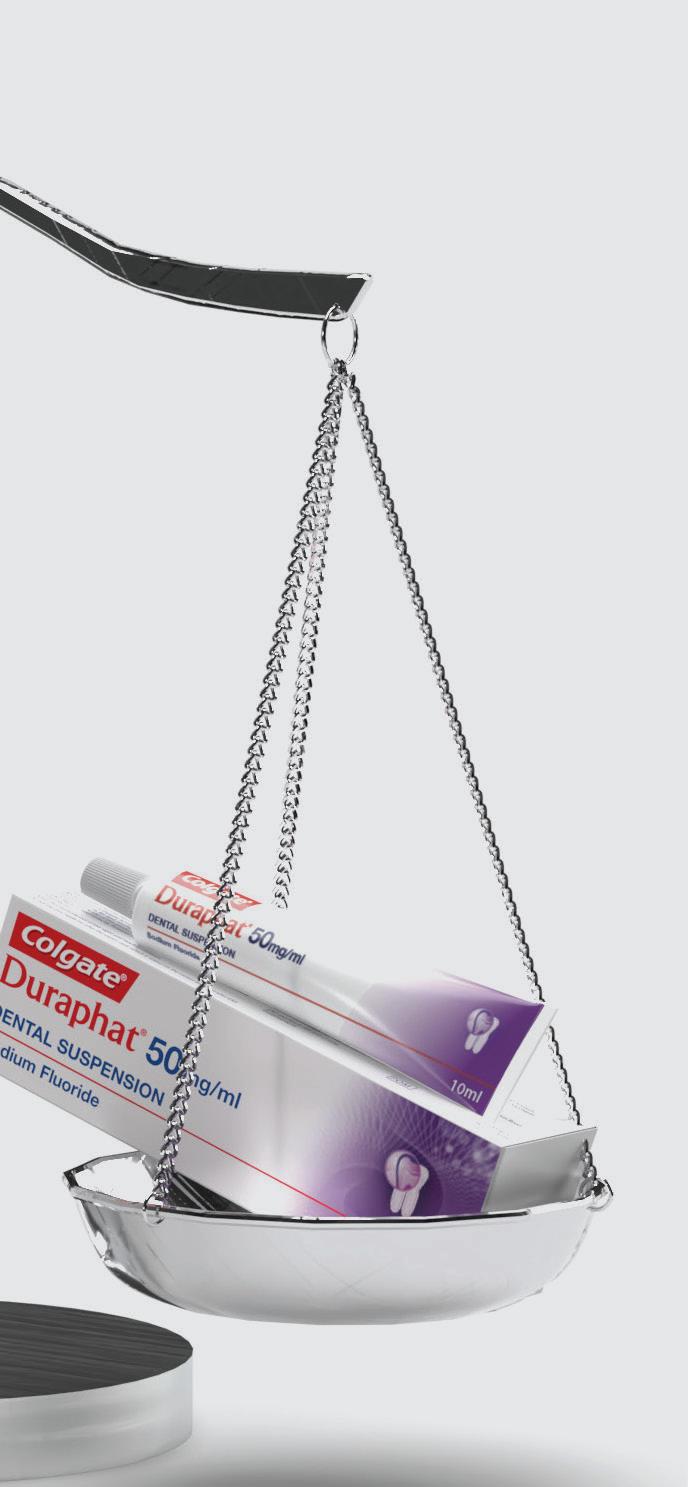
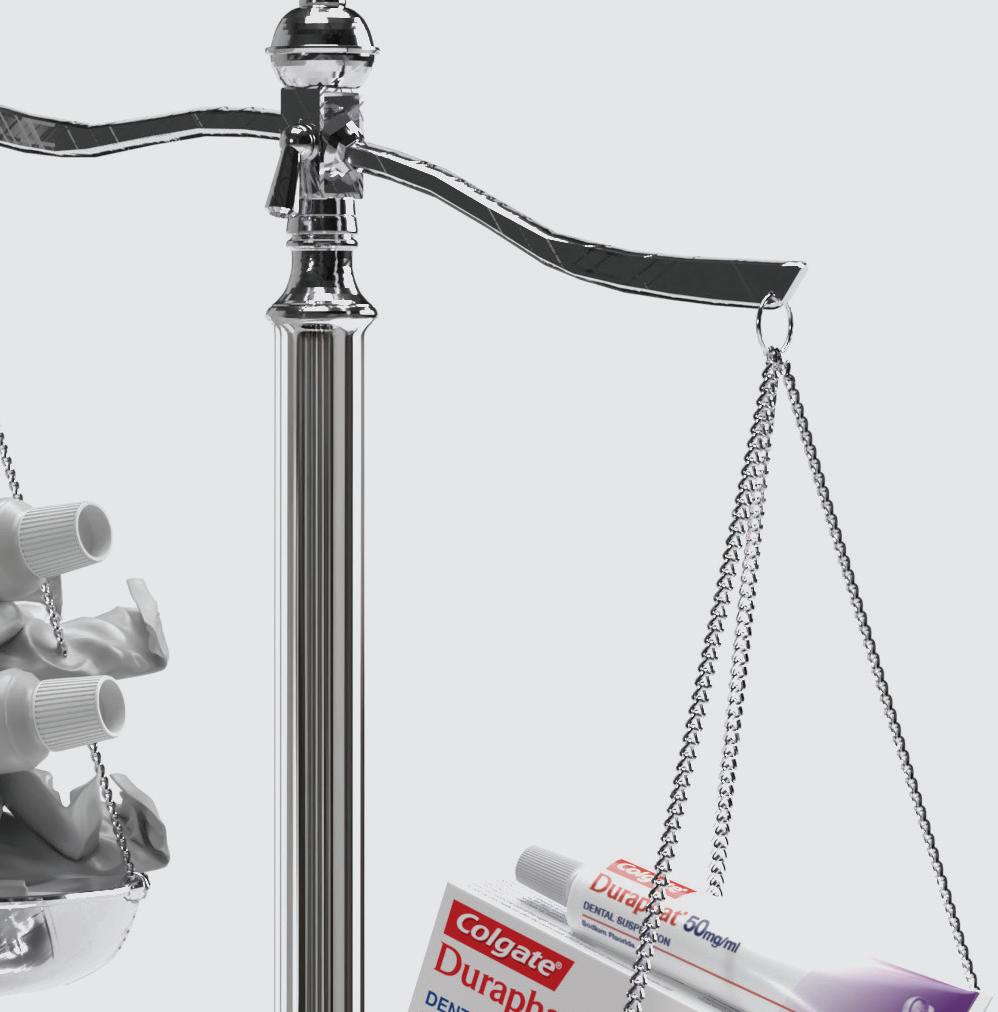
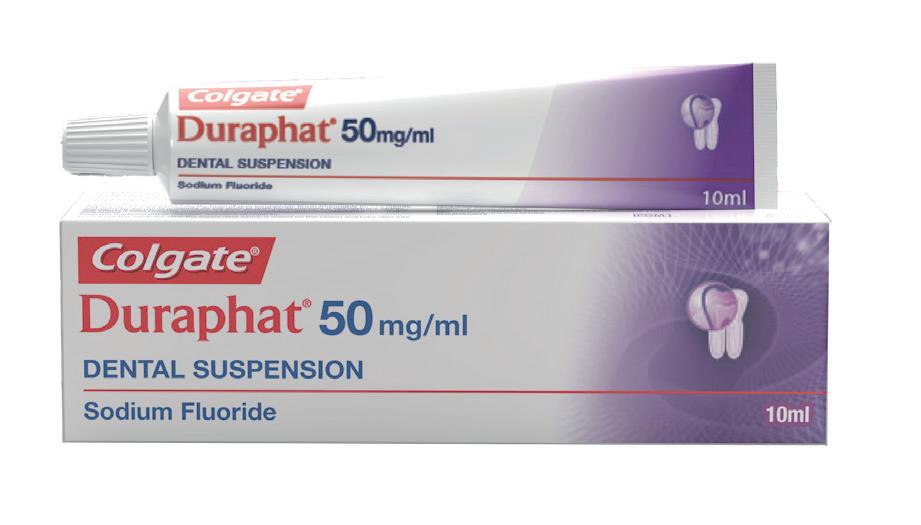
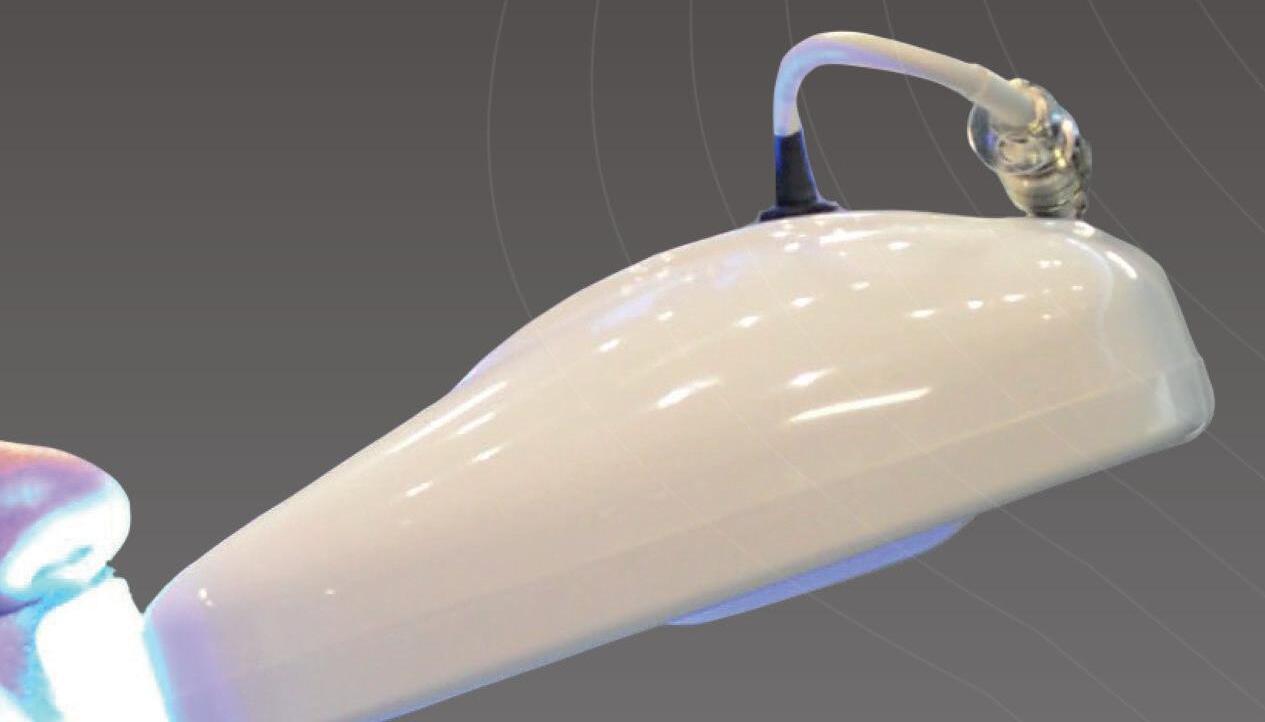
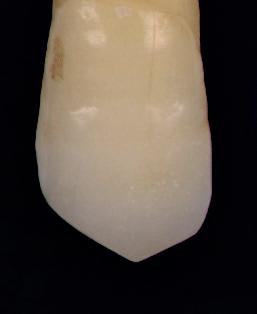
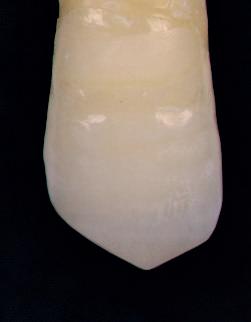
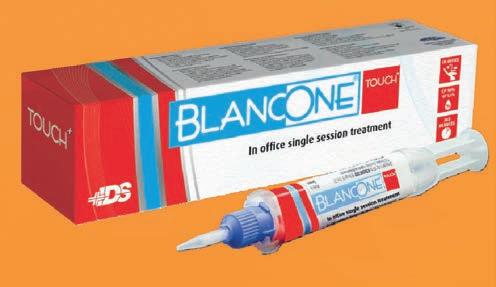
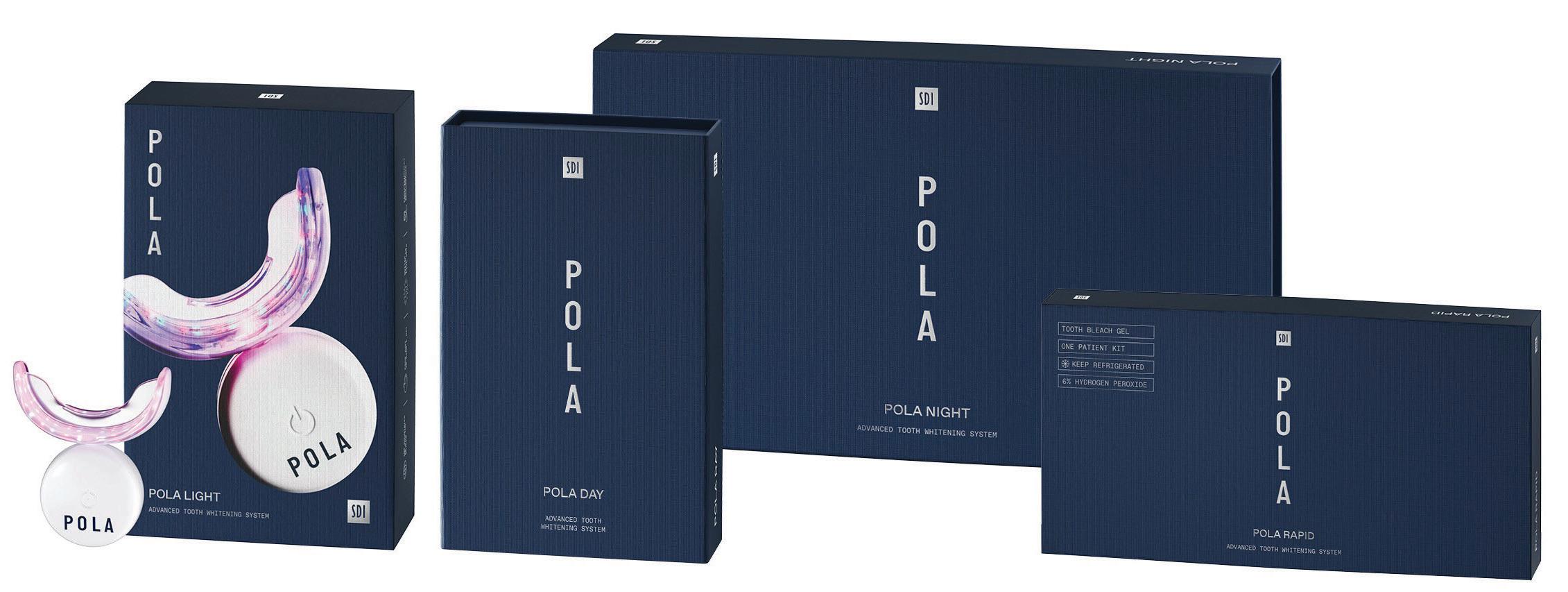
• Releases free fluoride ions for 6 months1 • Fast and easy application • Temporary visual tint to aid application • Pleasant taste and fruity smell
*For caries control. †Colgate® Duraphat® fluoride varnish for patients 3 years of age and over. References: 1. Seppä L. Caries Res 1984; 18 278-281. 2. https://www.childsmile.nhs.scot/parents-carers/fluoride-varnishing/ 3. Delivering better oral health - an evidence-based toolkit for prevention, Office for Health Improvement and Disparities’ 2021. 4. Marinho VCC, Worthington HV, Walsh T, Clarkson JE. Fluoride varnishes for preventing dental caries in children and adolescents. Cochrane Database of Systematic Reviews 2013. 5. The use of fluoride varnish by dental nurses to control caries. NHS. Primary Care Commissioning, 2009. 6. https://www.england.nhs.uk/long-read/supply-andadministration-of-medicines-by-dental-hygienists-and-dental-therapists/ 7. https://www.england.nhs.uk/commissioning/wp- content/uploads/sites/12/2016/09/avoidance-doubt-v4-1.pdf.
Name of the medicinal product: Colgate® Duraphat® 50mg/ml Dental Suspension. Active ingredients: 1ml of suspension contains 50mg Sodium Fluoride equivalent to 22.6mg of Fluoride (22,600 ppm F-) Indications: For the prevention of caries in children and adults as part of a comprehensive control programme., desensitisation of hypersensitive teeth. Dosage and administration: Recommended dosage for single application: for milk teeth: up to 0.25ml (=5.65mg Fluoride), for mixed dentition: up to 0.40ml (=9.04 Fluoride), for permanent dentition: up to 0.75ml (=16.95 Fluoride). For caries prophylaxis the application is usually repeated every 6 months but more frequent applications (every 3 months) may be made. For hypersensitivity, 2 or 3 applications should be made within a few days. Contraindications: Hypersensitivity to colophony and/ or any other constituents. Ulcerative gingivitis. Stomatitis. Bronchial asthma. Special warnings and special precautions for use: If the whole dentition is being treated the application should not be carried out on an empty stomach. On the day of
Dental Professions recognised in King’s Birthday Honours 2026
Dentistry's contribution to the nation has been formally recognised this month, with several dental professionals named in His Majesty King Charles III's Birthday Honours 2026, announced as part of the King's official birthday celebrations in June.
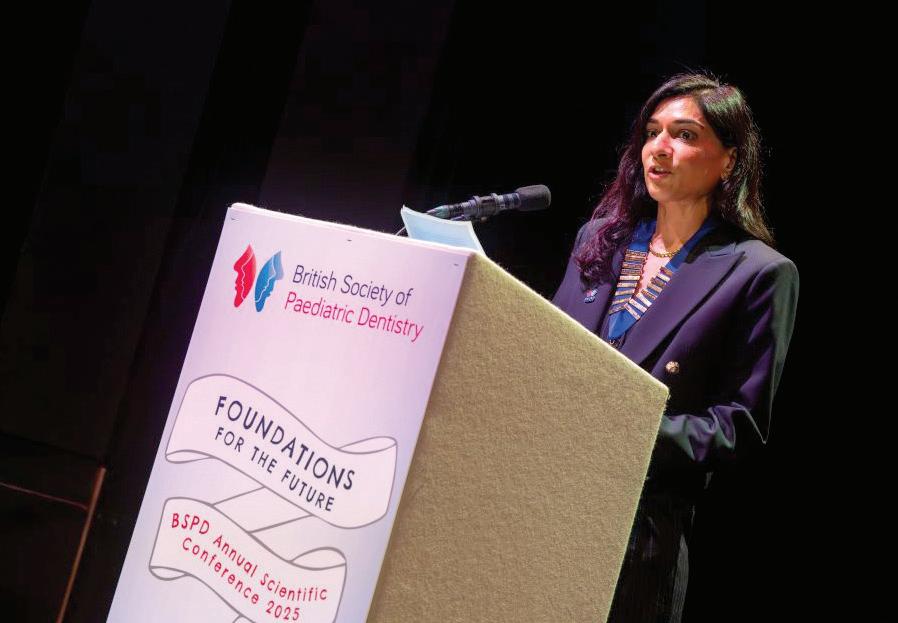
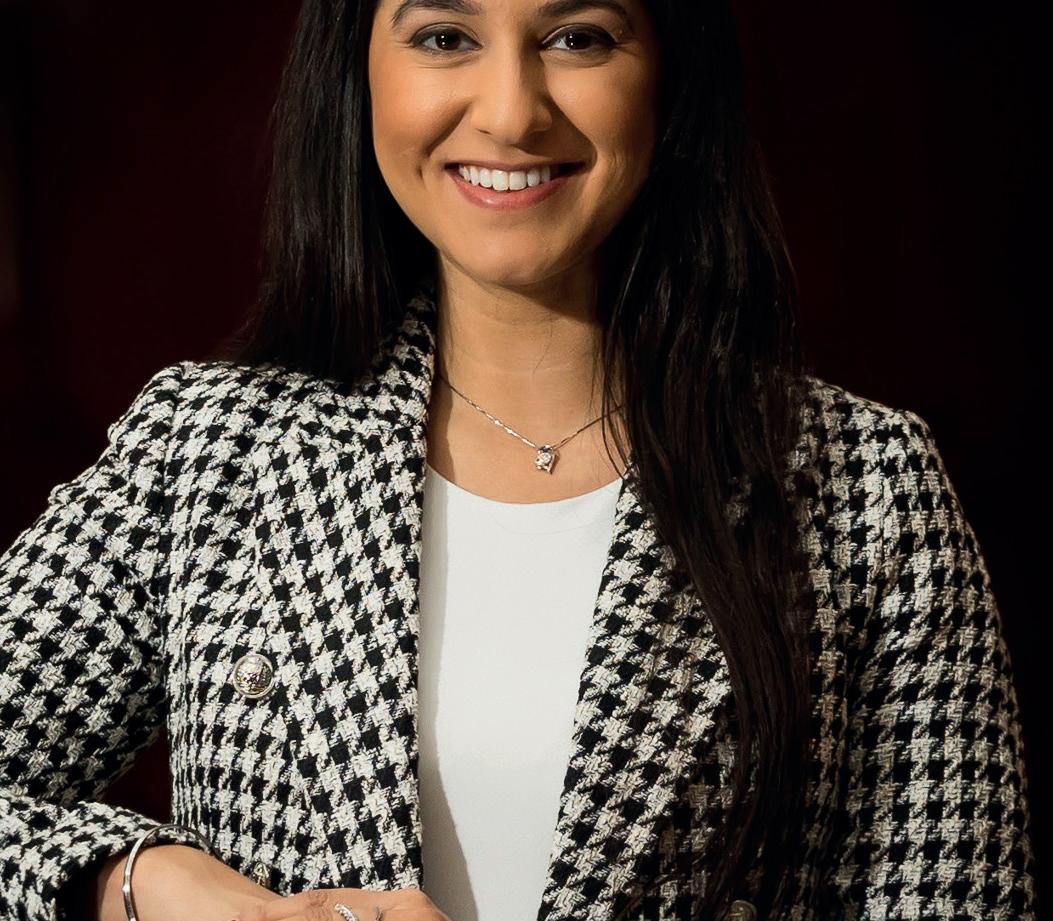
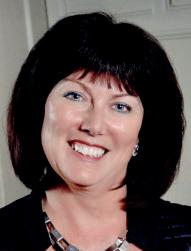
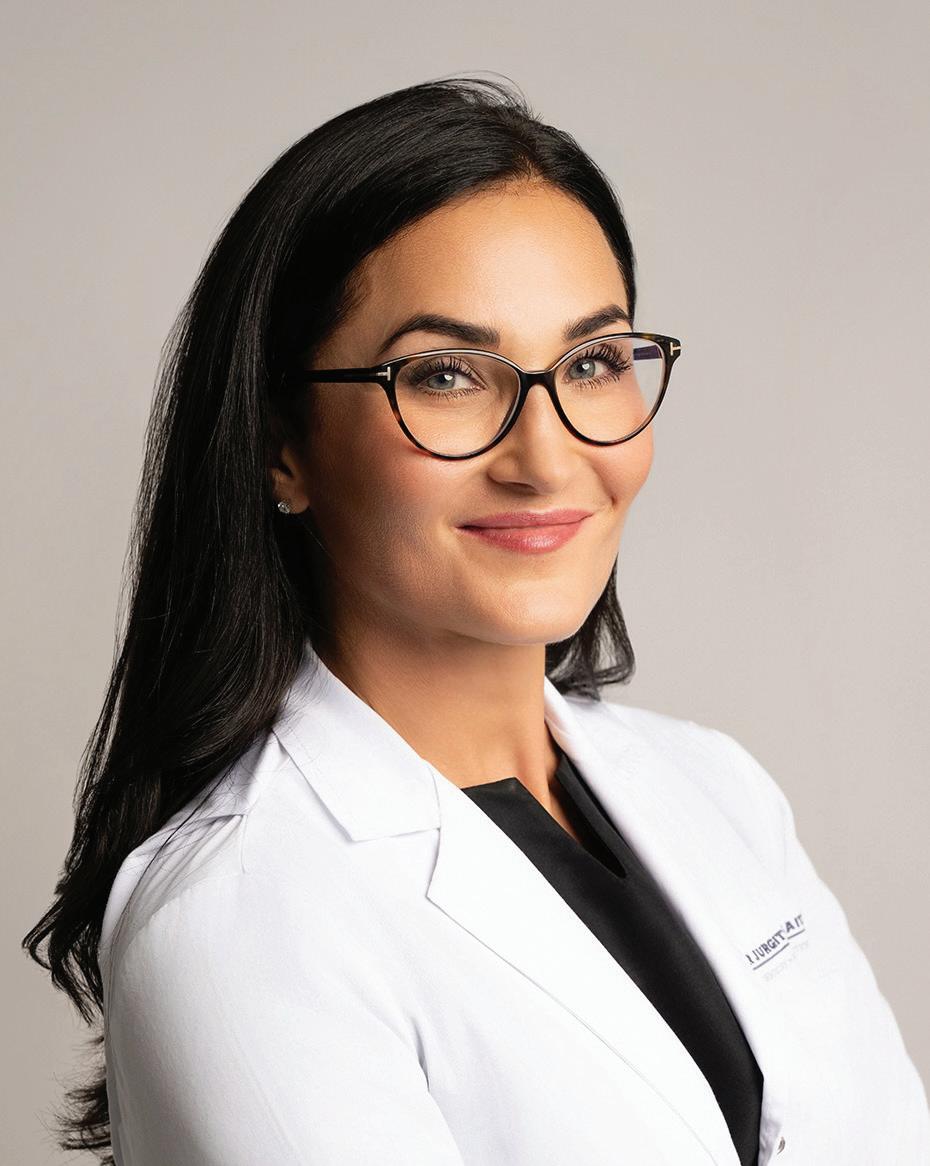
Leading the dental honourees is Dr Urshla Devalia, President of the British Society of Paediatric Dentistry, appointed OBE for services to children's oral health. Based in Watford, Hertfordshire, Dr Devalia has been a prominent voice in tackling tooth decay among young patients, an issue that remains one of the most pressing public health challenges facing UK dentistry.
The MBE list features two further familiar names to the profession.
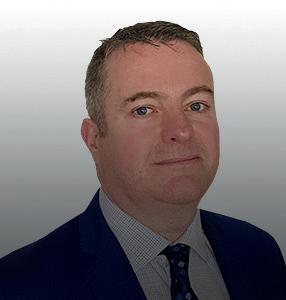
Shawn Charlwood, a member of the British Dental Association's Executive Committee, was recognised for services to dentistry, reflecting years spent representing the interests of practising dentists at a national level.
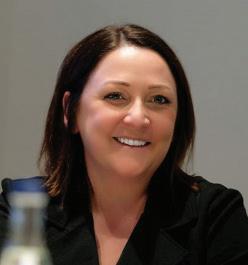
Meanwhile, Karen Juggins, a consultant at University Hospitals of North Midlands NHS Trust and a Newcastle Dental School alumna, was honoured for
services to dentistry in recognition of her work tackling oral health inequalities.
Ms Juggins is the driving force behind the "Keep Stoke Smiling" campaign, a prevention-focused initiative that has since grown into the nationally recognised "Keep Britain Smiling" programme, bringing together healthcare, education and sport to engage children and families on oral health.
Also recognised was Professor David Henry Felix, appointed OBE for services to dental education and clinical training. Professor Felix, of Bearsden, Dunbartonshire, was formerly Dean of Postgraduate Dental Education and Director of Dentistry at NHS Education for Scotland, a role in which he shaped
Flossing with purpose
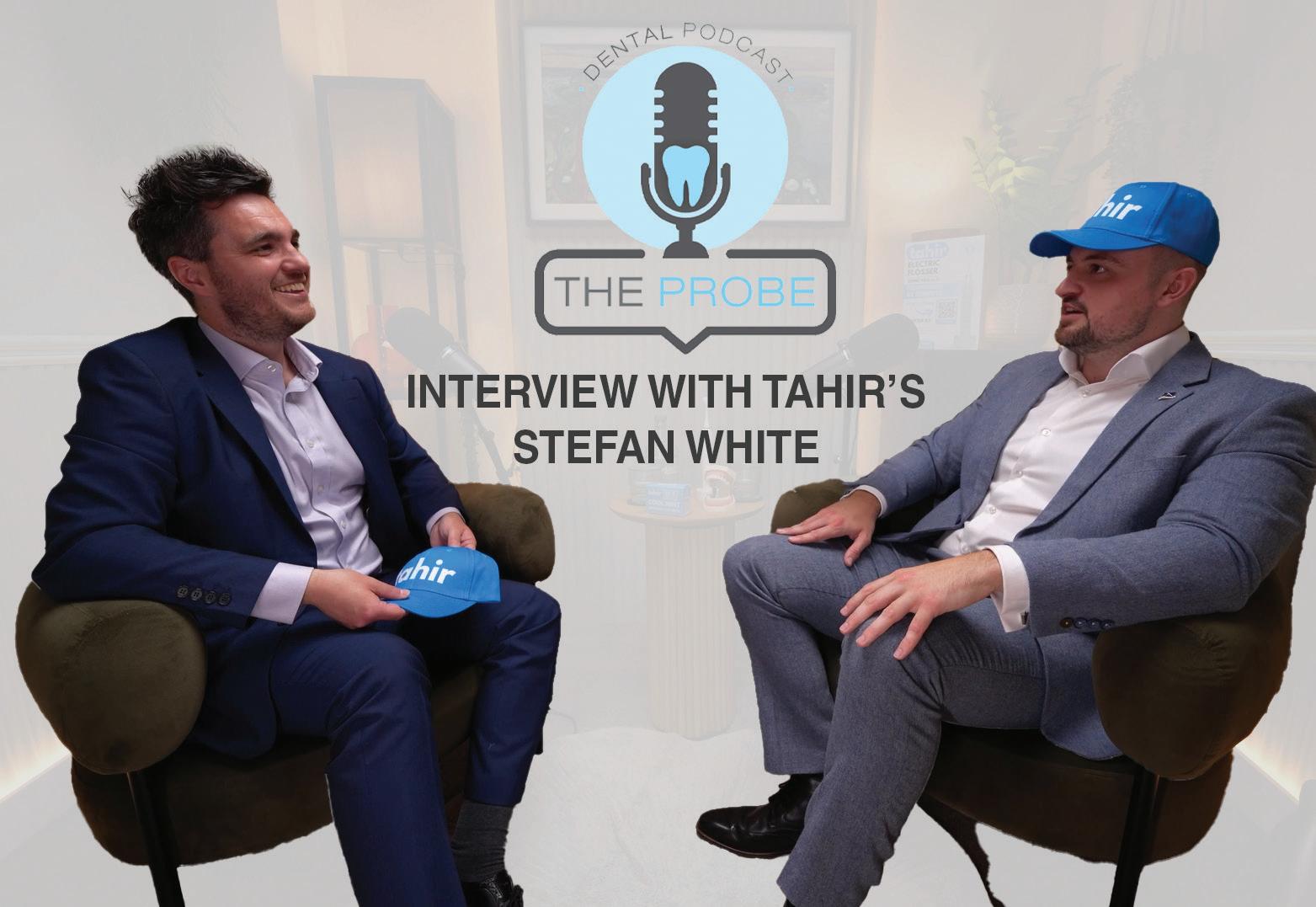
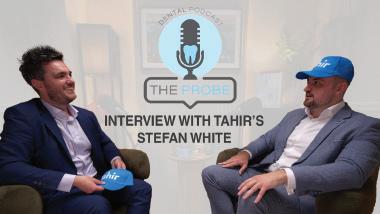
Tahir’s Stefan White on flossing, innovation, and survival in The Probe Dental Podcast’s first ever sit-down interview
Some products start with a market gap. Others start with something closer to a wake-up call. For Stefan White, Founder and Managing Director of Tahir, it was the latter – and it’s the story at the heart of the latest episode of The Probe Dental Podcast
White joins us to talk through the thinking behind Tahir’s electric flosser, but the conversation goes well beyond product design. At its core is a near-fatal experience that reshaped how White thinks about health, purpose, and the everyday habits we too often take for granted –flossing very much included.
The result is a candid, wide-ranging conversation about what it actually takes to build something meaningful in a crowded oral health market, why flossing — often the most neglected part of a patient’s routine — became White’s focus, and how a brush with mortality can turn a business idea into something closer to a mission.
There’s a fitting symmetry to the format, too: this episode marks The Probe Dental Podcast’s first time recording live and in person, a shift from the studio setup that’s defined the show until now.
For dental professionals used to hearing about flossing purely in clinical terms, this episode offers something different: a founder’s-eye view of why the habit matters, dressed up in a story that’s genuinely worth your time and provides anecdotal reasoning for flossing that your patients will understand.
Watch to the full episode of The Probe Dental Podcast now at the-probe.co.uk/podcast, on YouTube and Spotify.
postgraduate training pathways for generations of Scottish dentists.
Beyond clinical dentistry, the wider list also recognised figures with strong dental connections, including Professor Dame Parveen Kumar, honoured for services to global medical education at Barts and The London School of Medicine and Dentistry.
The Birthday Honours follow a similar showing for the profession at the New Year, when Professor Tara Renton, Emeritus Professor in Oral Surgery at King's College London, was appointed OBE, alongside MBEs for Professor Christopher Tredwin and Dr Catherine Taylor-Weetman, and a British Empire Medal for dental nurse tutor Elaine Simmons.
Taken together, the two honours lists this year underline a consistent theme: recognition for dentistry tends to fall not on volume of clinical work alone, but on leadership in education, public health and efforts to reduce inequalities in oral health access, particularly among children.
For a profession that has spent recent years grappling with NHS workforce pressures and patient access concerns, the honours offer a moment of celebration and a reminder of the difference individual clinicians and educators can make at a national level.
The Probe congratulates all dental professionals named in this year's King's Birthday Honours. ■
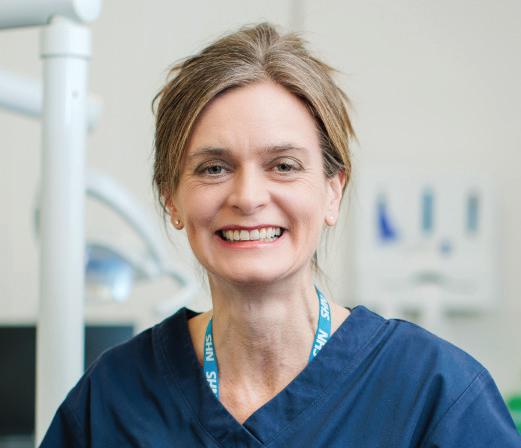
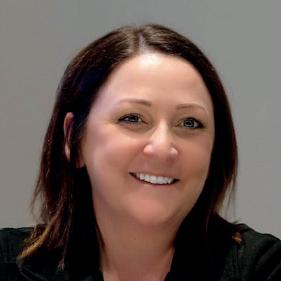
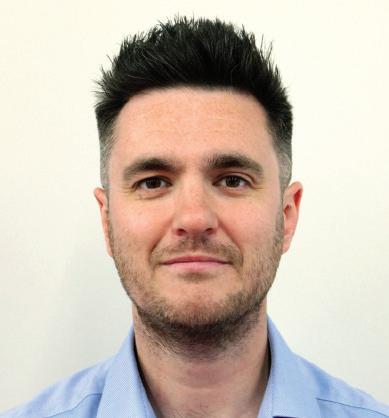
Dr Urshla Devalia
Shawn Charlwood Karen Juggins
A welcome from the editor
We recorded and released the first ever ‘in-person’ episode of The Probe Dental Podcast this past month! The podcast has been running for six years now – a staggering statistic when it truly does not feel like that long since I recorded the first ever episodes from a bedroom during the initial Covid lockdown.
Joining us in the studio was Stefan White – a remarkable and enthusiastic guest, whose energy shines through during the broadcast. For those unfamiliar with Stefan, he is the founder of Tahir – a new electric flosser that makes good use of sonic technology and was developed in collaboration with Barts and The London School of Medicine and Dentistry, which ran clinical trials. His inspiration for getting the nation flossing came as a result of a near-death experience that led to his personal need for better oral health.
I urge you all to watch what is an incredible interview on The Probe Dental Podcast . Find us on Spotify, YouTube, and at the-probe.co.uk/podcast – or scan the QR code to start the episode now!
Enjoy the magazine!
The Probe is published by Purple Media Solutions.
Registered in England.
Registered number 5949065
Managing Editor: James Cooke
Commercial Director: Gary Henson
Divisional Administrator: Francesca Smith
Production Designer 1 : Lorna Reekie
Production Designer 2: Rob Tremain
Digital Content Manager: Stephen Wadey
Circulation Manager: Andy Kirk
Managing Director: Ed Hunt
Regular Contributors: Sara Hurley, Lisa Bainham, Alun Rees, Dhiraj Arora, Ollie Jupes and Pam Swain
E-mail news, stories or opinion to james.cooke@purplems.com
liability for any consequential loss or damage, however caused, arising as a result of using information printed in this magazine. The views expressed in The Probe are not necessarily the views of the magazine, nor of Purple Media Solutions
Editorial Advisory Board: Dr Barry Oulton, B.Ch.D. DPDS MNLP; Dr Graham Barnby, BDS, DGDP RCS; Dr Ewa Rozwadowska, BDS; Dr Yogi Savania BChD, MFGDP; Dr Ashok Sethi, BDS, DGDP (UK), MGDS RCS; Dr Paroo Mistry BDS MFDS MSc MOrth FDS (orth); Dr Tim Sunnucks, BDS DRDP; Dr Jason Burns, BDS, LDS, DGDP (UK), DFO, MSc; Prof Phillip Dowell, BDS, MScD, DGDP RCS, FICD; Dr Nigel Taylor MDSc, BDS, FDS RCS(Eng), M’Orth RCS(Eng), D’Orth RCS(Eng); Mark Wright BDS(Lon), DGDP RCS(UK), Dip Imp Dent.RCS (Eng) Adv. Cert, FICD; Dr Yasminder Virdee BDS.
Scan to explore The Probe’s back catalogue online or visit the-probe.co.uk/issues
Dr Alex Payne Dentist Greasby Dental Centre
Stefan White Founder & Managing Director Tahir Oral Care
Martin Thornhill Emeritus Professor University of Sheffield
Sara Hurley Former Chief Dental Officer, England
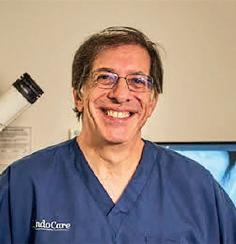
Dr Philip Mitchell President British Endodontic Society
Ollie Jupes Former NHS dentist Dentist Gone Badd
Dr Rana Al-Falaki Founder MedDent Academy
Dr Rachael England Head of Policy and Advocacy Oral Health Foundation
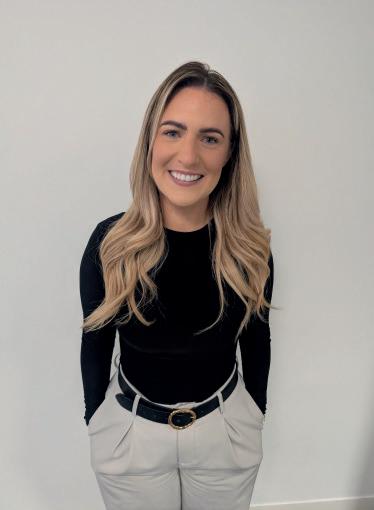
Dr Ian Dunn Dr Ra Louisa Clarke
ARE AT RISK OF EROSIVE TOOTH WEAR
European studies show erosive tooth wear is almost universal with 97% of adults showing signs.* 1 But did you know one in three 5-year-olds already have evidence of tooth wear 2 and 16% of 10-11 year olds had experienced the condition. 3 Early erosive damage to children’s permanent teeth may compromise their dentition for their entire lifetime and require extensive restorative procedures. 4
ACT EARLY TO PREVENT DAMAGE AND PROTECT ENAMEL
Pronamel Kids 3-5 years and Pronamel Junior 6-12 years toothpastes form part of a range of Pronamel products:
• Optimised fluoride formulations designed to strengthen and protect enamel
• 24-hour cavity protection**
**Follow a healthy diet and brush twice daily. Level of protection may decrease between brushing. †Protection from sugar acids vs the mouth’s natural defences
2x stronger enamel defence†
No SLS in a child-friendly formulation
100% natural flavours
Scan to learn more
References: 1. Recession, dentine hypersensitivity, tooth wear periodontal health and associated risk factors: an observational, cross sectional multi-centre epidemiological study in 7 European countries, December 2023. 2. Children’s Dental Health Survey 2013. Report 2: Dental disease and damage in children. HSCIC March 2015. Available from https://files.digital.nhs.uk/publicationimport/pub17xxx/pub17137/cdhs2013-report2-dental-disease.pdf. Accessed March 2026. 3. Office for health improvement and disparities. Official Statistics Main findings of year 6 oral health survey. Available at: https://www.gov.uk/government/statistics/oral-health-survey-of-children-in-year-6-2023/main-findings-of-year-6-oral-health-survey. Accessed March 2026. 4. Carvalho T et al. Erosive tooth wear in children. Monogr Oral Sci. 2014:25:262-78. doi: 10.1159/000360712. Trademarks are owned by or licensed to the Haleon group of companies. PM-GB-PRO-26-00038
Professionalism belongs to the whole dental team
The GDC’s proposed Framework for Professionalism will shape judgement, accountability and public trust across the whole dental team. Now, the whole dental team must help shape it, says sara Hurley
Some consultations can safely be left to policy teams, professional associations and the usual committees. This is not one of them.
The General Dental Council’s consultation on replacing the current Standards for the Dental Team with a new Framework for Professionalism matters to every member of the dental team. It matters to dental nurses, dental hygienists, dental therapists, orthodontic therapists, clinical dental technicians, dental technicians and dentists. It matters to students, trainees, educators, practice managers, employers, indemnifiers and clinical leaders. It matters across NHS practice, private practice, mixed practice, community services, hospitals, laboratories, universities and corporate groups. Most importantly, it matters to patients.
Public trust in dentistry rests not only on technical competence, but on confidence that the whole dental team understands its responsibilities, exercises judgement wisely, and works together in the patient’s best interests.
The consultation opened on 2 June 2026 and runs until 31 August 2026. The GDC proposes replacing the familiar 2013 ‘silver book’ with a new framework built around four principles of professionalism: treating patients with respect; practising safely and effectively; maintaining trust in the profession; and working in partnership with others. Those principles are hard to argue with. They are values-based, recognisable and capable of being explained to both professionals and patients. They also reflect something important about modern dentistry: safe care is rarely the work of one person acting alone. It is produced by teams, systems, relationships, communication and culture. That is why this is not simply a ‘dentist issue’. It is a whole-team issue.
Professionalism is not an abstract regulatory word. It is tested when the diary is full, the patient is anxious, the prescription is incomplete, the team is stretched and the right answer is not immediately obvious. It lives in the daily behaviours that make dentistry safe, respectful and trustworthy: the receptionist handling an anxious patient with care; the dental nurse speaking up because something does not feel right; the therapist explaining the boundaries of their competence; the technician querying a prescription; the clinician supporting shared decision-making; and the practice manager creating an environment where concerns are heard rather than buried.
That lived reality is why the GDC’s acknowledgement that the current Standards have been criticised as overly prescriptive matters. Many across the profession will recognise
the concern. The Standards have too often been experienced less as a guide to professional judgement and more as a compliance document: something to be checked, quoted, defended against and, sometimes, feared. That matters. Fear changes behaviour. It drives defensive practice, over-documentation, over-referral, reluctance to innovate and a weary sense that the safest course is not always the best course for the patient, but the least exposed course for the professional.
Dentistry cannot be practised safely by rule-following alone. It requires judgement. It requires context. It requires an ability to weigh risk, communicate uncertainty, work within competence, recognise when to seek advice, and understand the needs of patients who may be frightened, vulnerable, frustrated or in pain.
A principles-based framework could therefore be a positive step. It could help move professional regulation away from a tick-box model and towards mature, reflective, teambased practice. It could support learning rather than fear. It could make it easier for the dental team to ask not simply, “Have I complied with the wording?” but “What is the right thing to do here, and how can I justify that decision?” The direction is right. The detail now matters.
Principles can empower professionals, but they can also become vague if they are not supported by clear expectations and practical examples. ‘Maintaining trust’ is essential, but broad. ‘Practising safely and effectively’ is fundamental, but context matters. ‘Working in partnership with others’ is vital, but it must be clear what that means for different roles, settings and levels of responsibility.
One of the most important features of the proposal is therefore its structure. The GDC is not simply proposing four principles. It is proposing a framework with several layers: Principles of Professionalism, Expectations, Professional Guidance and Supporting Material. That hierarchy matters.
The Principles are the broad professional commitments. The Expectations sit beneath them and describe what dental professionals are normally expected to do. Professional Guidance covers specific areas requiring more detailed guidance. Supporting Material, such as case studies, blogs, videos or examples, is intended to help people understand and apply the framework in practice. This may sound technical, but it is crucial. Dental registrants need to know what carries formal regulatory weight and what is there to support learning.
The consultation indicates that the Expectations will form part of statutory guidance and may be referred to in fitness to practise processes. That means they are not simply friendly prompts or educational suggestions. Their wording matters enormously.
At the same time, the GDC says Supporting Material should not introduce new requirements and should not be used as the basis for an allegation of impaired fitness to practise. That distinction must be absolutely clear in the final framework. If a case study, blog or video is intended to support learning, it must not become regulation by stealth.
This is where the whole dental team has an important contribution to make. The framework will only work if people can navigate it easily. A dental nurse in a busy surgery, a technician in a laboratory, a therapist working under direct access, a foundation dentist, an overseasqualified registrant, a practice owner and a student should all be able to understand what is expected of them and where to find guidance.
The consultation indicates that the Expectations will form part of statutory guidance and may be referred to in fitness to practise processes. That means they are not simply friendly prompts or educational suggestions. Their wording matters enormously.
The proposed digital content hub could help with this. Done well, it could bring the framework to life. It could be searchable, role-specific, accessible and practical. It could offer scenarios, FAQs, learning resources and clear signposting. It could help a registrant quickly distinguish between statutory guidance, professional expectations and illustrative resources. Done poorly, it could become confusing, fragmented or difficult to navigate. So, the profession should not only comment on the wording of the framework. It should comment on its design. What would make the hub genuinely useful? What examples are needed? How should materials be labelled? Can users search by professional role, by scenario, by setting or by theme? Will resources be accessible for those with different learning needs? Will they work for the whole team; not just dentists? This is not a minor implementation issue. It is central to whether the framework supports professional confidence.
The consultation also identifies current and proposed areas of Professional Guidance, including indemnity and insurance, reporting matters to the GDC, scope of practice, advertising, social media, and a proposed new area on consent and shared decision-making. These are not remote regulatory topics. They affect everyday decisions in practice and the laboratory.
With the lived experience of practice life, dental teams will know where formal guidance is needed and where better supporting material would help. The framework must speak to the realities of modern dentistry: AI-assisted care, digital scans, remote triage, aligner pathways, workplace culture, safeguarding, commercial and corporate pressures, NHS access constraints, private treatment planning and multidisciplinary care. These are not abstract questions. They are Tuesday morning in practice.
Delegation, speaking up and consent are good examples. A principles-based framework must help teams understand not only what can be delegated, but how accountability, competence, supervision and communication work in practice, particularly as direct access and skill-mix become more central to service delivery. It must also recognise that raising concerns is not easy in workplaces where hierarchy, insecurity, bullying, commercial pressure or fear of losing shifts may be real. Professionalism requires individuals to speak up; safe cultures require organisations to listen and act. Consent and shared decision-making must also be understood as whole-team responsibilities. Reception teams, nurses, therapists, hygienists and technicians all contribute to the patient journey and to the quality of information, communication and trust. Good consent is a process, not a signature.
The framework must also feel relevant beyond the surgery. Dental technicians and clinical dental technicians are integral to safe care through laboratory work, prescriptions, digital workflows and communication between clinical and technical colleagues. Students and early-career registrants, meanwhile, need supporting materials that help them develop judgement rather than leave them guessing.
That is why the consultation needs responses from across the register. If only one part of the profession responds, the framework will be poorer.
The GDC is asking about clarity, usability, professional judgement, patient safety, public confidence, the role of Supporting Material, priority topics and equality impacts. These are design questions, not just policy questions. The profession is being asked, in effect: will this work where dentistry is actually delivered?
The answer needs to come from those who know the system from the inside: the dental nurse raising concerns in a pressured surgery; the therapist navigating direct access; the technician seeing how incomplete prescriptions affect care; the hygienist trying to deliver prevention in a system still too often designed around intervention; the associate balancing patient need, practice systems and regulatory anxiety; the practice manager building culture; and the educator preparing students for professional life.
It should also come from those whose voices are too often underrepresented: DCPs, locums, overseasqualified professionals, registrants working in isolated settings, neurodivergent professionals, early-career colleagues, and those who may not feel confident engaging with a regulator.
The equality dimension should not be treated as an afterthought. A principles-based framework can support fairness, but only if it is accessible, understandable and consistently applied. Ambiguity often benefits those with the most confidence, experience, advice and institutional support. If the framework is to serve the whole register, it must be clear enough for professionals to rely on and plain enough for patients to understand. It should be available in formats that support learning and reflection, not merely compliance, and it should be tested with the people who will actually use it.
The profession should also focus carefully on the relationship with fitness to practise. This is perhaps the decisive issue. The GDC has spoken about promoting learning over fear and focusing on what makes things go right. That is a welcome ambition. But the profession will judge the new framework not by its tone alone, but by whether regulatory behaviour changes.
Will the framework help distinguish between a remediable error and serious misconduct? Will it prevent hindsight from turning every imperfect outcome into an allegation? Will it support proportionate decisionmaking? Will it help case examiners and panels understand context? Will it encourage reflection without turning reflection into evidence against the registrant? Will it help professionals feel able to be open when something goes wrong?
A learning culture cannot be built on fear. Nor can public protection be secured by making good professionals practise as if every decision may later be judged in the worst possible light. That does not mean lowering standards or excusing poor practice. Dishonesty, discrimination, exploitation, serious misconduct, unsafe care and wilful disregard of patients must be addressed. Public protection remains central. Patients must be able to trust that serious concerns will be dealt with.
Strong regulation and fearful regulation are not the same thing. Strong regulation is clear, timely, fair and proportionate. It recognises context. It distinguishes between individual failings and system pressures. It supports improvement where improvement is appropriate and intervenes firmly where public protection requires it. It does not mistake ordinary human error for impaired fitness to practise. It does not ask professionals to be perfect. It asks them to be safe, honest, reflective and accountable. That is the kind of framework the profession should help design.
so, what should teams do now?
Read the consultation. Not just the headline announcement, but the detail. Look at the four Principles. Look at the Expectations. Look at the proposed hierarchy
between guidance and supporting material. Look at the questions the GDC is asking.
Discuss it as a team. Put it on the agenda for a practice meeting, study club, LDC discussion, dental school seminar, laboratory meeting, corporate clinical governance forum or professional network. Ask what it would mean in your setting.
The consultation needs responses from across the register. If only one part of the profession responds, the framework will be poorer.
Include the whole team. Do not allow this to become another discussion dominated by the loudest or most senior voices. The framework applies to the whole register. Its design should be informed by the whole register. Respond with practical examples. The most helpful responses will not simply say “we support” or “we oppose”. Say what is clear, what is unclear, what could be misinterpreted, what examples are needed, and what would make the framework useful in daily practice.
Think like designers. What would help a new registrant, a DCP, a technician, a team facing a difficult complaint, or someone deciding whether to raise a concern? What would help a professional explain a difficult judgement to a patient, employer, indemnifier or regulator?
The consultation should also prompt a wider professional conversation about what we want dental regulation to feel like in the next decade. Do we want a culture of anxious compliance, or confident accountability? Do we want professionalism to be a list of rules, or a shared commitment to good judgement? Do we want the regulator to be seen primarily as a threat, or as a body that protects the public while supporting the professions to do the right thing? These are not soft questions. They are central to patient safety. The quality of care patients receive is shaped by the confidence, culture and clarity of the team providing it. If professionals are frightened, isolated or uncertain, care suffers. If teams are supported to speak up, learn, reflect and act with integrity, patients benefit. That is why this consultation matters. It is an opportunity to move beyond the idea that professionalism is something imposed from outside the profession. Professionalism is lived within the profession. It is learned from colleagues, modelled by leaders, reinforced by teams, challenged by patients, tested under pressure and sustained by culture.
The GDC has put forward the scaffolding for a different kind of framework. The profession now needs to test whether it is strong enough, practical enough and fair enough to support the realities of modern dental care. That will require more than general support or familiar criticism. It will require ideas: practical examples and thoughtful design informed by the realities of practice. It will require DCPs, dentists, technicians, educators, managers, students and practice teams to bring their experience to the table.
The consultation closes on 31 August 2026. By then, the GDC needs to have heard from the whole dental team. Scan the QR or visit gdc-uk.org/aboutus/what-we-do/consultations-andresponses/#PoP
This framework will influence how professionalism is understood, taught, supported and judged for years to come. If it is to move us from anxious compliance to confident accountability, it must be grounded in the reality of everyday practice.
Professionalism is too important to be written about us without us. n
About the author
sara Hurley CBe served as Chief Dental officer for england from 2015 to 2023. this piece draws on her experience of professional regulation and her continuing commitment to supporting confident, accountable dental teams.
Sherry Serious. Dental Industrial Action?
Ithink it was probably the first time I ever considered dentistry as a career.
It was about 2.30am on a Friday December morning, and I was desperately trying to keep warm on the picket line. I’d brought half a bottle of sherry and half a dozen plastic sherry glasses, and one of my colleagues proposed a half-hearted toast to the success of industrial action while he used a stick to perk up the brazier fire that was quickly running out of steam. A pair of the sherry glasses were unused because two of my union colleagues had decided that they couldn’t stand picket duty anymore, called it a day, and had gone home early… at midnight.
My remaining three journalist colleagues and I savoured the cheap Co-op sherry and chomped halfeach of the two mince pies another colleague from our sister paper had brought with him and left to us in order to help give our picket line a yuletide feel. He too, had gone home early.
I can’t remember exactly how long we had been on strike at that point. At the time, I think our industrial action probably seemed like we were experiencing an eternity of misery, although in total, it was ‘only’ seven weeks in all.
I had arrived at the evening newspaper in June 1978 from a large rival daily Midlands newspaper and, within a few weeks, as a member of the National Union of Journalists, I found myself embroiled in heated branch meetings during which it became more and more clear that an all-out strike of provincial newspaper journalists was very much on the cards. It wasn’t something I was entirely onboard with but, being a union man and one of the 9,000 or so lowest-paid workers in the British media at the time, industrial action was a necessary evil that I realised probably couldn’t be avoided. It seems ridiculous looking back at it now, but the NUJ was merely seeking a minimum baseline wage of £80 a week –let me repeat that – a minimum baseline wage of EIGHTY POUNDS A WEEK. The Newspaper Society, which represented newspaper owner employers, was offering only an 8.7% rise in wages, which did little to combat the surging inflation that was rampant at the time. The demand for a fair pay rise was a big deal. There was no way at the time that me and my then wife could even dream of purchasing a house, such was the poor pay we were on – she was a social care worker in a secure unit for vulnerable adults. Many of my senior journalist colleagues were in a similar financial position.
After a bleak Christmas, the strike ended in early 1979 when a nationwide pay increase of 14% was won, attributed in part as a result of some pressure being applied by journalists at the Press Association and some Fleet Street titles, who refused to handle copy and send it out to provincial newspapers.
Before the strike, I had been thinking hard about whether journalism was the right occupation for me. Over the years, I’d been uncomfortable a number of times with some of the things I’d been asked to do in pursuit of stories. Doorstepping parents who had lost their children in a tragic fire wasn’t something that I would wish on anyone, and I didn’t relish a lifetime of being told I was a ‘Lackey from the local gutter press’ – which was something a local district councillor SCREAMED in my face when he didn’t like the way I had reported on a planning committee meeting.
I can’t say for sure it was that particular early morning that I decided to become a dentist, but certainly by the end of the strike and on returning to work, I decided that something needed to change. It wasn’t even a question of money. I just needed to feel that what I was doing for a living was valued – even if it meant that I needed to go back to college and get the required A-levels in order to get into dental school.
Fourteen years later, I was working as an associate in a rural NHS practice in the Midlands, run by a couple of dentists who would be best described as being “not nice”. One day, two of the practice’s dental nurses came into my surgery during the lunchbreak and asked me if I would support them in what they were about to do. All the nurses had decided, as a group, to go on strike after lunch in support of a colleague who had just resigned from the practice to go to another surgery. The practice owners had decided to withhold money to which she was entitled because she hadn’t given the FULL fourteen days’ notice. She gave her notice in at lunchtime on the first day of notice. They considered that to not be the full notification.
Naturally, as an ex-union man, I gave my support and didn’t complain when I found my patients had to be cancelled. The one partner was off that afternoon, but when he found out what had occurred, he attempted to sack a couple of the nurses until it was pointed out to him that he would not only not be able to work without nursing staff, but he would also lose an associate (me) in the process. Since this was a man who I later found out had been taking his sharps to the local tip, I had no sympathy whatsoever.
I felt that the two disputes I was involved in – as a journalist and as an associate dentist – were both justified. The wages of provincial reporters and photographers were pretty poor and the wage demand was justified, while the way the equally poorly paid dental nurse was treated was appalling. Both disputes brought about reasonable outcomes, although it took a threat by me of reporting the practice owners to the local Family Practitioner’s Committee before the dental nurse received the pay to which she was entitled.
I was therefore intrigued to learn that the British Dental Association has been urged to ballot members on taking collective action if the UK Government ‘continues to disregard recommendations’ of the Doctors’ and Dentists’ Review Body.
GDPUK reported that a motion from the Birmingham Local Dental Committee presented to the annual LDC Conference is calling for a national CPD day of action to pressurise the Department of Health and Social Care to apply an appropriate expenses uplift to NHS dental contracts. A motion from Leeds LDC said, ‘The BDA/GDPC has tried the collaborative approach, but the Government is not listening.
Conference asks for the BDA/GDPC to consider a different approach to show the Government that dentists cannot continue with the current situation of contract negotiation.’
A ‘national CPD day of action,’ as I understand it, could refer to a form of protest where dentists close their NHS practices for a day – framing it as attending a CPD training day, rather than striking outright – a way of withdrawing labour without technically going on strike.
My personal experience of taking strike action (and covering it – I reported on the strike action taken by legal-aid barristers in 2022) is that people only do it when they are desperate and, in essence, have no other way of making themselves heard.
I feel that, in the NHS, we reached that point years ago and I am amazed that the profession has maintained quiescence up to this point. The decision taken by the LDC Conference is long overdue.
Don’t forget, Labour initiated the demise of NHS dentistry in 2006 with the introduction of the UDA. So, if nothing else, a day of action might make the current Labour Government - which has promised much yet actually delivered VERY LITTLE to health service dentistry in the two years it has been in power - sit up and take notice.
If not. There’s always cheap sherry and stale mince pie. n
About the author ollie Jupes is the pseudonym of a former nHs dentist. He monitors dentistry on twitter X as @DentistGoneBadd
Summer clean your soul
Why happiness isn’t a luxury - it’s a performance strategy
There is a particular kind of tired that has nothing to do with sleep. You know the one. You have taken on too much, held too much and, somewhere between the packed schedule and the relentless expectations, you have lost sight of what actually makes you feel good.
Summer has a way of exposing that gap. The longer evenings and slower weekends create space, and sometimes space is uncomfortable, because it forces us to notice what we have been too busy to feel.
In dentistry, where the clinical demands are high and the emotional load is constant, many professionals quietly push happiness to the bottom of the list. It feels self-indulgent. There is always something more urgent. But here is the truth: happiness is not a reward for getting through the hard stuff. It is the fuel that gets you through it.
Research consistently shows that positive emotion directly improves cognitive function, decision-making, and resilience, all of which matter enormously when you are working at pace with real people in the chair. Happiness is not fluffy. It is functional. So, this summer, rather than simply working harder or resting passively, consider a genuine reset. Here are four simple but powerful places to start.
1. Reconnect with what actually brings you joy
Not what should bring you joy. Not what looks good on paper. What genuinely lights you up? For many professionals, years of high-pressure environments gradually narrow your world to work, obligation, and recovery. Summer is the perfect prompt to revisit what you loved before you were this busy: a hobby, a place, a kind of conversation. Give yourself permission to pursue it without justifying it.
2. Let yourself be off duty
High performers are often terrible at rest because they have quietly convinced themselves that productivity is their identity. Real restoration requires full permission to switch off – not a working holiday, not a quick check of emails between courses, but genuine downtime. The brain replenishes during rest. You will return sharper, more creative, and more patient with your team and your patients.
3. i nvest in relationships that refuel you
Summer social life often defaults to obligation – events you attend out of habit or duty. This year, be intentional. Prioritise the people who leave you feeling energised, heard, and more like yourself.
These connections are not indulgent extras; they are a direct investment in your professional sustainability.
4. Redefine what a good day looks like
If your benchmark for a good day is getting everything done, you will rarely feel satisfied. Consider adding a simple question to your morning: what is one thing today that will make me smile? It does not need to be significant. A walk at lunch. A conversation you have been putting off. A piece of music on the commute. Small moments of genuine pleasure accumulate into a meaningfully different experience of your working life.
A reset, not a retreat
None of this requires a two-week holiday or a radical life overhaul. It requires the quiet decision to take your own wellbeing seriously – not because you have earned a break, but because you function better as a clinician, a leader, and a human being when you feel well.
This summer, give yourself full permission to feel good. The free BREATHE and Silver NAIL IT in Dentistry platforms are there when you need practical support, tools, and strategies to sustain that momentum beyond the season.
Because a profession that asks so much of you deserves a version of you that is genuinely, unapologetically thriving. n
About the author Dr Rana Al-Falaki, founder of nAiLit in Dentistry, has collaborated with oCDo england on a new, free wellbeing resource: BReAtHe. she works with teams to elevate wellbeing and performance.
Adding facial aesthetics to your dental practice
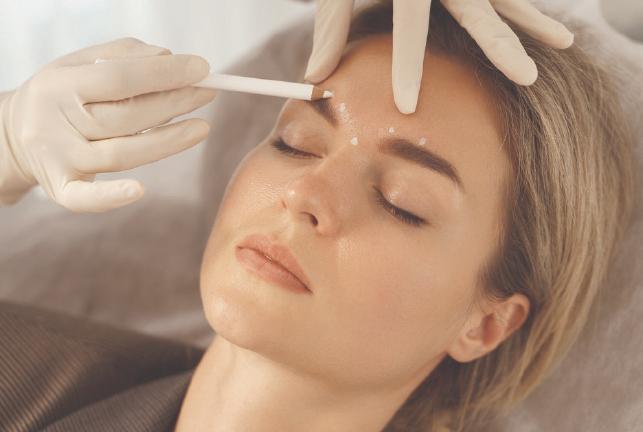
The UK non-surgical cosmetics industry is now valued at over £3 billion, and it continues to grow. For dental practitioners considering how to broaden their clinical offering, facial aesthetics represents one of the most logical and accessible entry points – and for good reason. Dentists bring a lot of anatomical knowledge as well as injection knowhow that other practitioners struggle to match. GDC registration, CQC-registered premises, and existing prescribing rights for botulinum toxin place the dental profession in a strong position as this market matures further. But expanding into facial aesthetics is not simply a matter of completing a training course and ordering stock. Getting it right – from the clinical and regulatory foundations all the way through to how products are stored and sourced – requires the same rigour applied to any other aspect of the practice. Those who don’t necessarily approach it that way may find themselves at the mercy of a tightening regulatory landscape.
Shifting regulations
In August 2025, the UK government published its response to the consultation on licensing non-surgical cosmetic procedures, setting out a framework that categorises treatments by risk. Botulinum toxin and dermal fillers fall into the amber tier, which means they are considered medium risk procedures that will require practitioners to hold a premises licence and meet standards on training and infection control among other things. When it comes to qualified
dental professionals, this is not a barrier, unlike for other potential providers. The unregulated market of inadequately trained practitioners undercutting professionals will soon draw to a close. In July 2025, 38 cases of botulism poisoning in England were linked to the suspected use of unlicensed product in cosmetic procedures.
This change looks to reward practices that already operate under optimal standards as well as to penalise those that do not. Getting ahead of this now would be advantageous when it comes to adhering to compliance in the long run.
Botulinum toxin: what are we working with?
Botulinum toxin, the foundation of procedures like Botox, is a prescription-only substance in the UK, and the high standards in its handling are non-negotiable. As a temperature-sensitive biologic, its efficacy is directly dependent on an unbroken cold chain from manufacturer through to clinical use. The Cosmetic Practice Standards Authority (CPSA) requires that botulinum toxin be stored in a lockable, purposebuilt medicines refrigerator at a stable
temperature of 2–8°C, with temperature monitoring and recording carried out at least once a day. A domestic refrigerator does not meet this standard. Temperature excursions can compromise its potency, and this can increase the risk to patients. Once reconstituted, botulinum toxin should typically be used within 24 hours. Batch numbers, lot references, and expiry dates must be tracked for every vial under the licensing scheme. Practices should have a written procedure for managing any lapses in ideal temperature, including the separation and quarantining of any potentially affected stock.
Dermal fillers – the same standards?
Dermal fillers without a lidocaine component are not prescription-only medicines in the UK. They are classified as medical devices and can be supplied without a prescription. However, where lidocaine is present (as in many commonly used formulations), the product becomes a prescription-only medication. Regardless of prescription status, dermal fillers intended for medical use should carry a UKCA or CE mark confirming they meet the required regulatory standards. Products sourced outside verified supply chains carry a safety risk for patients that will not be covered by indemnity.
choosing your stockist with care
Stock management in facial aesthetics is inseparable from the question of where stock comes from. Every supplier of prescription-only medicines must be either an MHRA-licensed wholesaler or a GPhC-registered pharmacy operating under Good Distribution Practice (GDP).
Temperature-controlled delivery is essential for maintaining integrity of the product. A supplier that cannot provide this is not one a compliant practice can safely work with. Dental Directory is currently the only UK supplier operating across both the dental and medical aesthetics markets. MHRA regulated and accredited, Dental Directory operates an in-house pharmacy with temperature-controlled supply chain management. For practices looking to move into the facial aesthetics space, or those reviewing the standards of their existing provision, Dental Directory offers a range of toxins, fillers, and medical-grade skincare alongside the supply chain to support compliant and confident practice. The opportunity in facial aesthetics is compelling, and it’s no wonder dental practices seem willing to take it on board. However, they must be willing to approach it with the same standards they bring to everything else in their professional life; if so, the foundation is already in place. With careful consideration, preparation, and intelligent stockist relationships, moving into the facial aesthetics space could represent a smart and profitable move for dental professionals.
For more information on the products and services available from Dental Directory, please visit ddgroup.com or call 0800 585 586 n
about the author Dean Hallows, Managing Director of Dental Directory.
When did you last have a full day of dentistry?
Most dentists become practice owners because they want more: more control over how they practise, more influence over how their business runs, and more freedom to deliver the kind of care they believe in. In the early years, that often holds true. But for many principals, the balance gradually shifts. Over time, they find themselves spending less time delivering care and more time running a business. This phenomenon – often described as clinical drift – is more common than the profession openly acknowledges.
a gradual process
Clinical drift rarely happens overnight. It accumulates in small increments. A staffing issue needs attention. A compliance requirement demands review. A supplier contract needs renegotiating. Each task, in isolation, feels manageable. Collectively, they begin to dominate.
Many principals can point to a tipping point – a week, or even a single day – when they realise their clinical work has been deprioritised to accommodate everything else. Meetings with accountants, HR discussions, regulatory audits, rota planning. Dentistry remains part of the job, but no longer defines it. This shift is not only personal. Practices heavily reliant on a principal’s clinical output
can become vulnerable when that time is redirected. The downstream effects on patient care, team dynamics and performance can be subtle but meaningful.
the workload behind the chair
The forces driving clinical drift are rarely singular. Regulatory compliance is a significant contributor. Requirements spanning CQC, NHS contracts, infection control and data protection demand ongoing attention. Evidence from healthcare more broadly shows that administrative burden is a primary driver of clinician dissatisfaction, often consuming a substantial portion of the working week.
People management is another. Recruitment, retention and team development have become increasingly complex, particularly in a competitive labour market. When key team members leave, the burden often falls directly on the principal – covering clinical time while managing the hiring process. Financial oversight adds further weight. Cash flow management, supplier negotiations, cost control and reinvestment planning all require time and expertise that clinical training does not necessarily provide.
What gets lost
As principals move further from the chair, the impact extends beyond time allocation.
Clinical leadership plays an important role in shaping practice culture. A principal who is present and engaged clinically sets standards, supports colleagues and provides informal mentorship. When that presence diminishes, it can alter team dynamics in ways that are difficult to quantify but easy to feel.
There is also a skills dimension. Dentistry is a highly technical discipline. Reduced exposure to complex procedures can affect confidence, dexterity and engagement with new techniques or technologies. Perhaps most importantly, many principals experience a gradual loss of professional fulfilment. When the role begins to feel more administrative than clinical, the original sense of purpose can become harder to access. This shift is often associated with increased stress, burnout, and wider mental health challenges within the profession.
Finding better balance
Recognising clinical drift is the first step. Addressing it requires an honest assessment of what is consuming time, and whether each of those responsibilities is genuinely something the principal needs to own personally. Some principals invest in practice management support – bringing in a strong manager or operations lead to absorb non-clinical functions. Others look at outsourcing specific administrative or
compliance tasks. Both approaches can help, though they come with their own costs and coordination demands.
Alternative ownership models, including those offered by DeNovo Dental Partners, provide a different framework – surrounding principals with central support across areas such as HR, compliance, finance and operations, while leaving control and dayto-day decision-making with the practice. Clinical drift is not inevitable, but addressing it does require a willingness to look honestly at how practice ownership has evolved – and whether the current model is still working in the way it was intended to. For more information, visit denovo.partners n
about the author caron Best, chief Operating Officer, DeNovo Dental partners.
Dental Protection
You don’t win the best in-house legal team award for cutting corners or settling too easily. You win awards like this for fighting fiercely for every single member in every single case. Whatever the challenge, whatever it takes to safeguard your future.
Maximising the lifespan of decontamination equipment
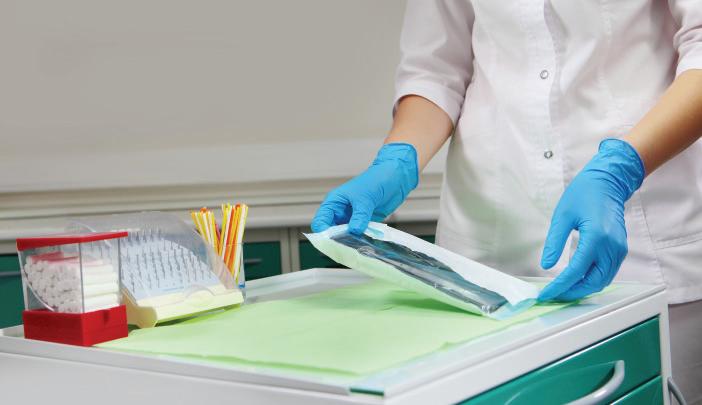
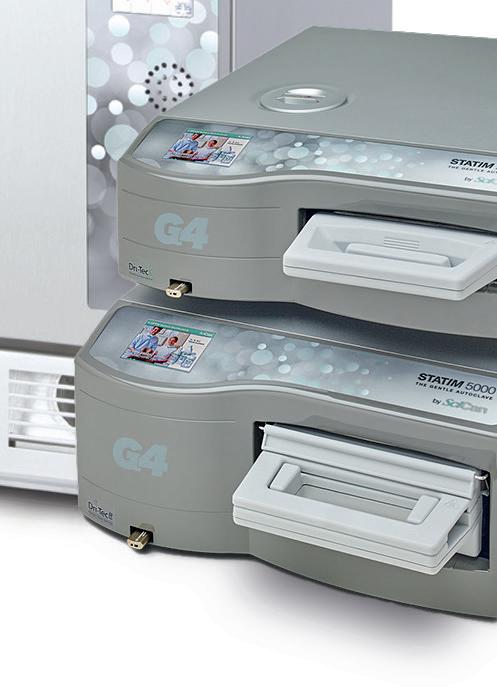
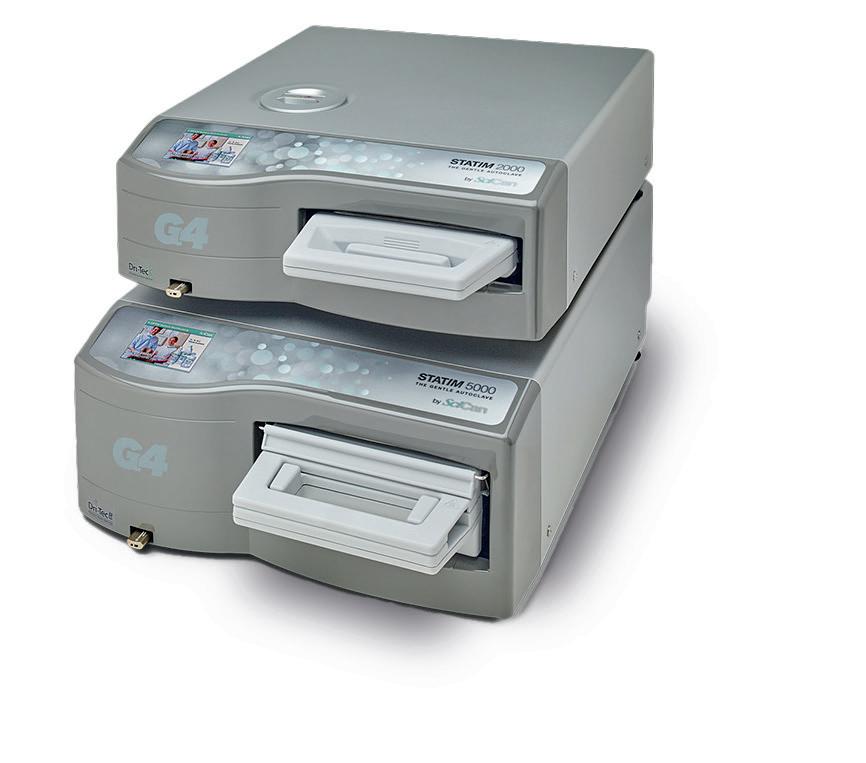
The correct dental team training, product maintenance, and regular monitoring can help to prevent most issues that might contribute to decontamination equipment failure. Approximately 91.8% of autoclave failures, for example, are caused by human error. Often, this will lead to disruption, compromise compliance, and pose health risks – meaning that practice downtime is necessary for repairs. As such, ensuring the team that operates the equipment is confident with daily maintenance, in order to prevent issues occurring, is essential.
common mistakes
Day-to-day, there are a number of factors that may contribute to failed decontamination. Often, these are aspects that members of the team may overlook, or not realise the significance of. For example, a common mistake is the overloading of the autoclave chamber, restricting the steam circulation – stacking the autoclave as recommended by the manufacturer allows the steam to penetrate effectively. Inadequate pre-cleaning of instruments can also render the sterilisation process ineffective. This means that thorough cleaning – ideally using a washer disinfector or ultrasonic cleaner – prior to sterilisation is needed, removing any blood, tissue, or debris. This ensures that steam can reach all the surfaces and completely remove microorganisms.
Frequent maintenance and water quality
Regular maintenance of autoclaves can help to reduce the risk of equipment failure, with early detection of any issues helpful for minimising this too. Keeping on top of frequent maintenance tasks helps to ensure proper sterilisation is taking place. Water quality, for example, is a key factor that can affect the performance of an autoclave in the long-term – with the use of tap or filtered water, instead of distilled or RO water, leading to calcium or magnesium deposits building up inside the machine. When these deposits are on components such as the heating elements, sensors, or valves, they can result in reduced efficiency and slow cycle times. To address this, changing the water every day, and testing the water quality regularly will help to prevent and catch problems early. Other maintenance issues that might crop up include damage to the door gaskets, responsible for creating an airtight seal which is required to maintain effective sterilisation. Over time, the seals can wear out, meaning they can no longer hold the necessary pressure and need replacing (usually every 1-2 years). Additionally, steam and waste pathways should be kept clear to maintain optimal autoclave performance. Blockages in areas like the chamber filters and drain strainers can disrupt steam penetration and prevent proper drainage. Routinely checking each of these areas will help to prevent potential issues occurring and keep equipment working as it should.
An upgraded look
There is considerable power in a rebrand. The digital landscape of today is dynamic, making it harder not just to be seen, but to stay being seen. A strong brand identity is therefore essential for longevity; even some of the most instantly recognisable logos for some of the world’s biggest businesses have changed their image to stay relevant.
There are many reasons why rebranding the dental practice may be necessary, from reflecting the broader demographics of the patient base (such as high numbers of younger patients) to competing with other dental practices in the area, with 45% of business rebrands occurring to reposition themselves in the market. The crucial component of a rebrand is identifying areas for improvement and finding the solutions that best match the practice’s evolving identity.
Starting from scratch
A full rebrand can be both expensive and expansive – a typical business rebrand involves lasts seven months. Some of the most reported challenges in this time include communicating the rebrand to patients and finding the creative alignment that is achievable with the available budget. Beginning with a new logo defines the look of the rebrand; the colours, font and overall aesthetic. From there, designs for new uniforms, social media pages and the practice website can be matched. However, the cost of this is offset by the
testing and monitoring
Once measures have been put in place to prevent and maintain equipment, it’s important to consistently monitor and test to ensure any issues or failures are detected as early as possible. This should be carried out through a few key methods: mechanical monitoring (essential before every cycle to ensure correct temperature and pressure can be achieved), helix tests for the daily steam penetration test of type ‘B’ vacuum autoclaves, and TST indicator to check conditions for sterility have been met for type ‘N’ non-vacuum autoclave cycles. Completing these checks frequently, as recommended by the manufacturer, ensures the requirements for HTM 01-05 / SHTM 01-05 are met.
Support and cpD to maintain high standards
In order to get the very best out of decontamination equipment, it’s important to have professional service and support on hand when you need it. This not only means fast help when equipment breaks down, but also annual compliance checks and training for the dental team.
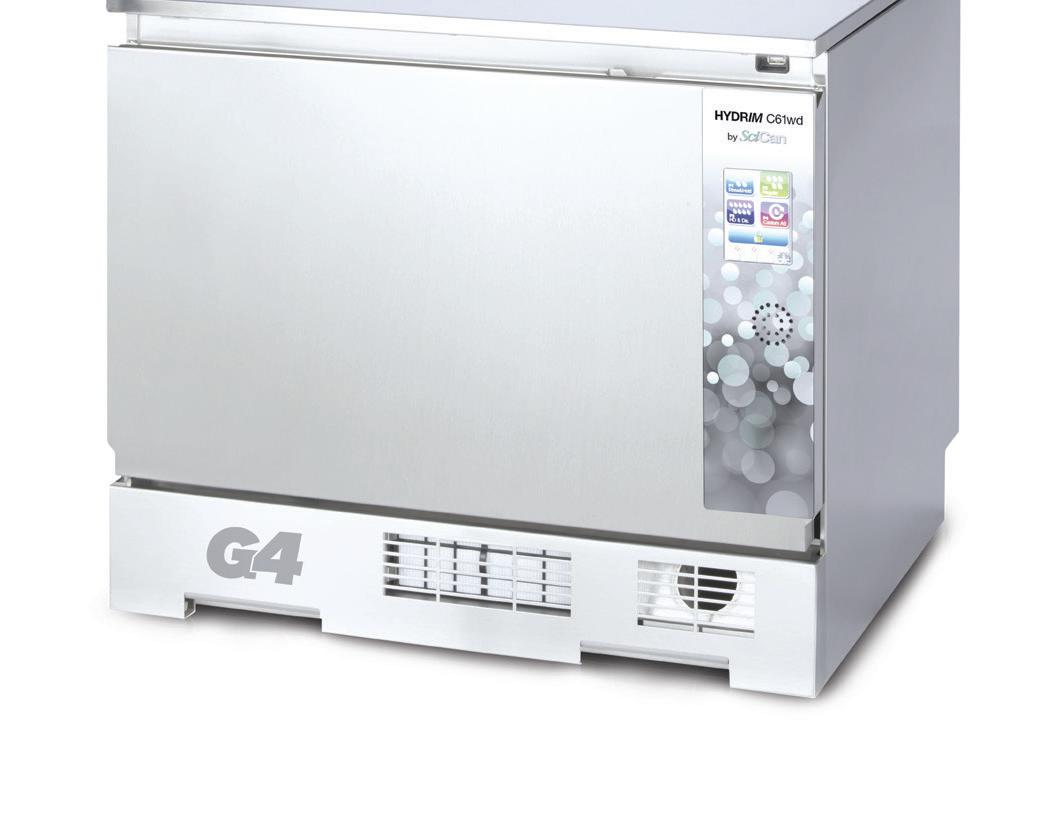
Eschmann, as part of its Care & Cover plans, offers enhanced CPD user training for its customers. All Eschmann engineers are able to provide this training to dental practice staff – exclusively for those with Care & Cover contracts – at no extra cost. This helps those who use Eschmann decontamination equipment every day understand how to use it correctly, perform regular maintenance, and recognise when something isn’t quite right. Care & Cover customers also benefit from Annual Validation & Pressure Vessel Certification, Annual Service & Software Upgrades, Unlimited Breakdown Cover, Unlimited Parts & Labour, Nationwide On-site Support, and Technical Telephone Support. When the dental team is confident in their ability to carry out effective daily workflows and maintenance, practices can maximise the longevity of their decontamination equipment. In turn, this results in reduced practice downtime, and leads to fewer issues occurring in the long-term. For more information on the highly effective range of infection control products from Eschmann, including the industryleading autoclave range, please visit eschmann.co.uk or call 01903 753322 n
about the author Nicky Varney, Head of Marketing at eschmann technologies.
results: brand consistency can increase revenue by 10-20%.
A good logo and a memorable colour scheme can catch attention, but a great one can convey the message and values of the dental practice, such as a commitment to highly aesthetic and functional treatments, and forge strong emotional connections between dental practitioners and patients. A rebrand ultimately influences public perception to both boost loyalty of the current patient base and reach potential new patients.
Building blocks
Those looking for an even bigger rebrand may redesign the dental practice as a whole. Elements like the website and social media can get patients to the practice, but from there they have a minimal impact on the patient experience. Instead, the interior design, interactions with the staff and the appointment/treatment define how a patient feels towards the dental practice – and whether they would like to return. These aspects can be enhanced with advanced technology and elegant appliances, reflecting a brand ethos of innovation and efficiency.
A well-designed dental practice that accommodates a range of high-tech dental equipment and systems gives patients confidence in the practitioner’s ability to provide quality care. Digital dental solutions offer invaluable tools to enhance the daily workflow, including increased precision
with diagnosis, prevention and therapeutic intervention, and make the treatment more convenient for patients. If the dental practice has areas that could be upgraded with digital solutions, such as more advanced intraoral scanners, then this can be a crucial part of the rebrand by promising faster appointments that do not compromise on quality. This means less chair time for the patient for a smoother experience. The resulting speedy workflow and optimised communication with the patient further offsets the investment of going digital by enabling more patients to be seen.
New services in-practice
Practices may find that harbouring in-house systems such as CBCT scanners or 3D printers can support the new brand identity, especially if there is a focus on specialist treatments and reducing the need for referrals to simplify the patient journey. Eliminating the need for referrals keeps the patient in-practice and emphasises the relationship with the practitioner, rather than being sent to visit other dental professionals and losing the personalised touch.
But the successful implementation of innovative digital technology is a complex and time-consuming task, potentially leading to practice downtime as they are fitted and a brief hiatus in daily business. To accommodate this, having a reliable and experienced supplier ensures that the practice is paired with the technologies that will make a long-lasting difference, and that
there is a capable team ready to fit and service them for regular use.
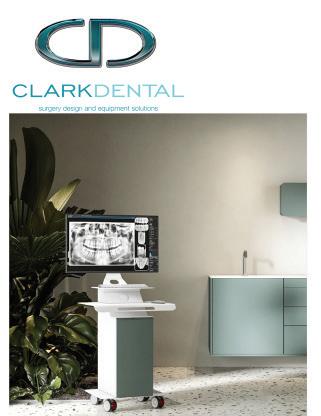
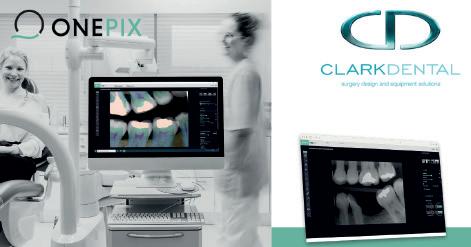
Clark Dental has a proven record with providing dental practices with state-of-theart systems and installing, maintaining and servicing them. Among its digital offerings is the CDR OnePix clinical image management service, which gathers all the practice’s images in one place. Customisable maps streamline the workflow for examining each patient and advanced search options produce a quick and clear patient overview, reducing chairtime and supporting a comfortable patient experience.
Levelled-up look
Rebranding defines the dental practice for the future, giving the opportunity to level-up the look and feel of the brand. Implementing the latest technological solutions is an excellent way of honing the practice image, demonstrating to patients that it is a sophisticated, modern and trusted place for their dental health, one that achieves superb treatments in a fast and efficient way.
For more information call 01268 733 146, email info@clarkdental.co.uk or visit www.clarkdental.co.uk n
about the author
Stuart clark, Director, clark Dental equipment Systems.
“
With no hidden fees, Care & Cover offers:
• Annual Validation and PSSR certification
• Annual service & software upgrade
• Unlimited breakdown cover
• Unlimited Eschmann parts & labour
• Technical telephone support
• Enhanced CPD User training
• On-site support from our team of over 50 specifically trained engineers
Experience Eschmann excellence at www.eschmann. co.uk, or call us on 01903 753322. In partnership with
Maxine Northall-Rollins, Scott Arms Dental Practice
Building business and confidence in orthodontics
For general dental practitioners (GDPs) with a passion for orthodontics, the discipline affords a diverse and exciting career pathway. It is also a fantastic asset for any practice, acting as a differentiator for patients and exponentially boosting the potential for business profitability. Excellence in the field depends on clinical skill and experience, highlighting the importance of professional education and training.
Business builder
A transition into orthodontics provides a fantastic opportunity to grow your business. Whether you are considering the practice as a whole or focusing on your personal service provision, being able to offer the treatment modality gives your patients choice and generates a new stream of income.
The UK orthodontics market is projected to grow by an estimated CAGR of 18.4% in the 2020–2027 period. As such, there is plenty of scope for clinicians and dental practices to grow in this space and to really capitalise on growing demand. To optimise financial success as this area of the business matures, many orthodontists find it important to control overheads as services grow. There is also an emphasis on ensuring professional competence among the team and marketing services effectively.
For greater business success, developing orthodontic services can attract new patients, especially younger cohorts, while extending the lifetime value of existing patients and promoting prevention. In addition, the availability of comprehensive orthodontics unlocks new opportunities to offer a referral service to neighbouring practices, further increasing income potential.
Meeting demand
Having recognised growing demand for orthodontics, it’s important to understand the factors driving patients to the dental chair for straighter, healthier smiles. The 2023 statistics published by the British Orthodontic Society have been shared far and wide in the profession. This research demonstrated an increase in adult patients seeking orthodontic care. Some of the many reasons for this included the rise in online working and socialising, as well as a rise in social media advertising by influencers and celebrities when it comes to aesthetic procedures.
The most common motivator for seeking orthodontics is to improve appearance, as well as to enhance dental function. Relapse from previous treatment, perhaps undertaken as a teenager, is another key factor in patients’ decision-making. When it comes to the type of appliances that patients desire worldwide, most are willing to follow professional recommendation, although a high proportion favour removable
aligners where these are appropriate. And this makes sense given their appearance, which is typically more inconspicuous when compared to traditional fixed solutions.
The literature has found no significant differences in clinical outcomes for clear aligners and fixed appliances – assuming appropriate case selection. However, individuals treated with the former do tend to score higher in the objective grading system, which evaluates key clinical parameters like alignment, interproximal and occlusal contacts, marginal ridges, overjet, root angulations and more.
Consequently, it is important that practitioners offering orthodontic solutions are able to present all the options to their patients in a clear and effective way. Whether you provide both aligner and fixed therapies, one or the other, being aware of all their indications is critical for patient education and informed consent. Should the case be beyond your current capabilities to treat, referral to a more experienced or specialist orthodontist remains in the patient’s best interests.
advancing competence and building confidence
If you’re looking to develop your orthodontic skills and build confidence in your ability to safely and successfully treat a broad range of patients, you’ll need to undergo specifically designed training. This is required regardless of your existing experience in the field or your future aspirations – like all dental disciplines, orthodontics necessitates life-long learning. Appliances are evolving, new techniques are emerging, and evidence is constantly being published to support approaches that elevate outcomes, streamline the professional workflow, and optimise the patient journey.
For courses you can rely on every time, join IAS Academy. An array of programmes is available, tailored to different areas of orthodontics, as well as varying experience and budgets. Start your journey to orthodontic enlightenment and gain a recognised qualification this summer with the Clear Aligners Diploma – a year-long course designed to help you achieve profitable, confident, clear aligner mastery. If you are looking to move beyond clear aligners, the two-year IAS Advanced Diploma teaches clinicians to manage complex malocclusions using a combination of appliances for optimal results. All details are on the website.
a smart way to grow
Orthodontics is a highly accessible field of dentistry for many GDPs to get involved with. High-quality professional training and education is vital to prepare clinicians to deliver safe and effective patient care. This will allow you to maximise the advantages available, including increased earning potential and happier patients. For more information or to book the course, visit courses.iasortho.com/ n
about the author
Dr tif
Qureshi, founder and a clinical director of iaS academy.
Know your decontamination actives
Hypochlorous acid emerged in the pandemic years as a reliable solution for fighting enveloped viruses like COVID-19. More recently, the acid has side-stepped into the dermatology industry, with social media trends encouraging the use of it to treat skin conditions like acne.
The range of applications that hypochlorous acid has do come with certain drawbacks, however. For dental practices, its use in infection control should be treated with a degree of caution: it’s effectiveness is dependent on diligent management. So how suitable is it?
From cell beginnings
Considering its role in eliminating coronaviruses, it may surprise that hypochlorous acid is naturally created in the body. Neutrophils, the most common type of white blood cell, attack invading pathogens and produce the acid in response to injury and infection. At sites of inflammation it binds with the cell membrane and disrupts cellular activity to eliminate bacteria. Its pH range is 3-6 for aqueous solutions, with 3.5-5 considered a stable form that maximises antimicrobial activities and minimises undesirable side products.
One of the advantages of hypochlorous acid is that it is easy to make in laboratories. In 8 minutes, the combination and electrolysis of water, non-iodised salt and vinegar can create the acid at a higher, safer pH of 5-6.5 that is ready to use for disinfection against a broad range of microorganisms. For healthcare providers, hypochlorous acid that meets regulatory requirements can be used for wound care, hand hygiene, surface application and, of note to dental professionals, to target biofilm.
role in the water lines
Dental unit water lines (DUWLs) are the arteries of the dental practice, and as such the water quality must be regularly checked and maintained. Untreated DUWLs coated in biofilm allow microorganisms to disperse through the water network, eventually posing a risk to the patient and dental team through the aerosolisation of the water.
Biofilm formation occurs when microorganisms attach to the inner surface of the waterlines. Despite being a complex process, it can easily occur if infection control is inconsistent. Flushing the lines that deliver water, recommended with the handpieces off, reduces the microbial count, but the biofilm can still adhere to the inner wall and contaminate the water, hence the need for a chemical solution that eliminates harmful bacteria and prevents biofilm formation.
Drawbacks
The consistent use of hypochlorous acid faces several challenges. Chiefly, exposure
to sunlight or UV radiation reduces the chlorine concentration after four days, destabilising the solution and making it less effective. The acid also has a short shelf life, with air contact causing the pH to rise towards neutral levels. Because of this, hypochlorous acid must be stored in a cool dark place, placing a limitation on its use.
Another drawback is that any errors in measurements causes delays in time and product waste (especially when considering that the antimicrobial activity of the solution is dependent on the optimal pH). Some formulations may require a thorough rinse out of the waterlines before the end of each working day – this can be a further inconvenience and runs the risk of being overlooked.
a reliable solution
For cleaning DUWLs, the long-term application of a chemical solution means it must have a low corrosivity and a minimal impact on the equipment – a more acidic pH will corrode DUWLs and the dental equipment, such as plastic tubing, O-rings and any adhesives inside the dental unit. Such damage will impact efficiency and lead to costly repairs. Dental practices therefore need a disinfectant and maintenance solution that must be non-toxic when it enters a patient’s mouth, and does not interfere with any bonding or restorative work. It must also be noncorrosive, effective in various forms, and relatively inexpensive. For a stamp of quality assurance, water quality outcomes should be verified by the dental practice too.
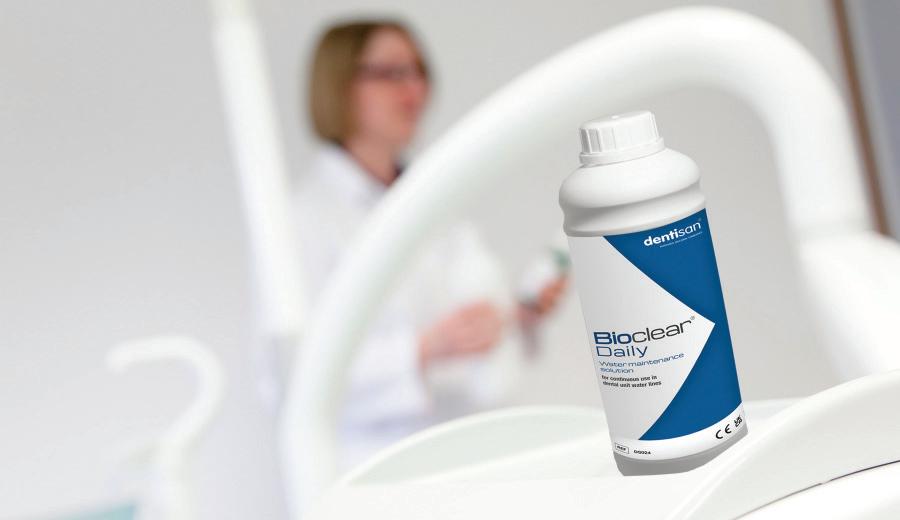
The Dentisan product range is filled with reliable infection control solutions. For managing DUWLs, BioClear Daily supports water maintenance by reducing the planktonic bacteria count. The excellent material compatibility and ease of use means a seamless integration into the daily workflow, with prepared solutions lasting up to 10 days when stored in suitable plastic containers. Continuous use of BioClear Daily ultimately ensures compliance with HTM 01-05, keeping the dental team and patients safe.
The widespread use of hypochlorous acid has many benefits in healthcare. However, the need for correct infection control protocols can limit its effectiveness for treating DUWLs due to several drawbacks. Dental practices must therefore find the very best solutions for daily use, guaranteeing ease of use and optimal outcomes.
For more information about Dentisan, please visit https://dentisan.co.uk/ n
about the author Jenny Nixon, Business Development, Dentisan.
EthOss® is a revolutionary bone graft material combining beta-TCP and calcium sulfate to encourage rapid natural bone growth. Fully resorbable, it regenerates bone without the need for membranes, making surgeries simpler, quicker, and more predictable. Ideal for those who demand performance, reliability, and outstanding results.
Why 71% of the UK still doesn’t floss
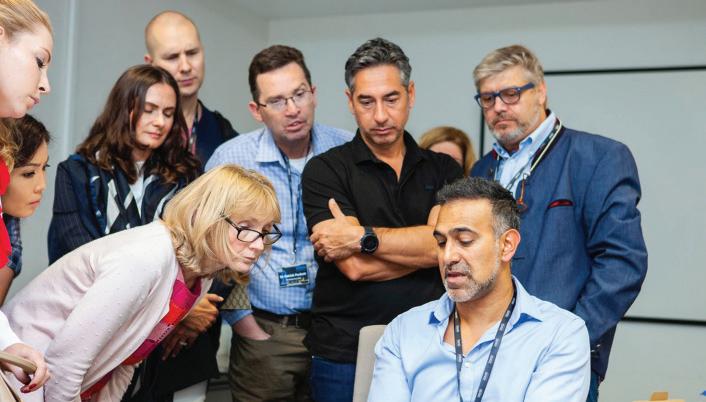
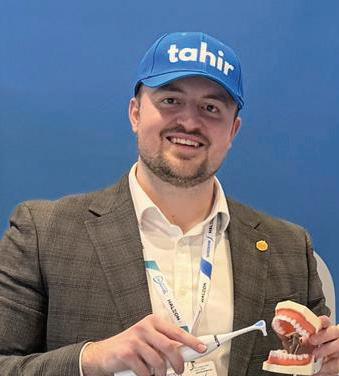
The statistic that opened Stefan White’s talk at the British Dental Conference & Dentistry Show 2026 in Birmingham is one that most dental professionals will find both familiar and dispiriting: 71% of people in the UK do not floss daily.
What made Stefan’s session different from the usual recitation of compliance data was what came next. Rather than dwelling on the problem, he traced it – its causes, its human cost, and his personal relationship with it – and then presented a solution that has already begun to move the needle.
the compliance problem is a design problem
Stefan’s argument is disarmingly straightforward. Conventional string floss requires a level of manual dexterity that a significant portion of the population simply does not have – or finds too difficult to sustain consistently. It is time-consuming, technique-sensitive, and for patients with sensitive gums or soft tissue problems, it can be actively painful. Water flossers address some of these issues but introduce others: they are messy, bulky, and impractical for daily use at a sink. The result is a category of oral hygiene tool that, despite decades of clinical advocacy, has never achieved meaningful population-wide compliance.
The Tahir Electric Flosser’s 73% continued use rate – a figure Stefan cited during the talk – sits well above category norms for interdental cleaning products, and reflects a device designed around the barriers that cause patients to stop rather than the features that cause them to start.
the
science behind the claim
The session’s clinical anchoring was provided by Dr Ali Golkari, researcher at Queen Mary University of London, who presented an analysis of electric flossing technology and its performance across the key anatomical areas that interdental cleaning must address: the contact point and the embrasure space. His findings placed the electric flosser in a favourable position, performing strongly at both areas where many alternative methods tend to prioritise one over the other. The low dexterity requirement, he noted, is central to the design: a tool that can be used effectively by a
broader range of patients is a tool that will be used consistently.
During the talk, a direct parallel was drawn with the electric toothbrush. Before powered brushing became mainstream, manual brushing compliance was similarly inconsistent. The electric toothbrush didn’t change the advice, it changed the experience of following it. Interdental cleaning is ready for the same shift.
the story behind the brand
What gave the session its heart was Stefan’s willingness to share the personal history that led him here. He developed Crohn’s disease, a condition that brought with it debilitating mouth ulcers, a common side effect. Flossing, which could have helped manage his oral symptoms, was effectively inaccessible to him: string floss with fingers in a painful mouth was simply not a viable option, and only led to more ulcers. The experience gave him both the motivation and the empathy to develop something better.
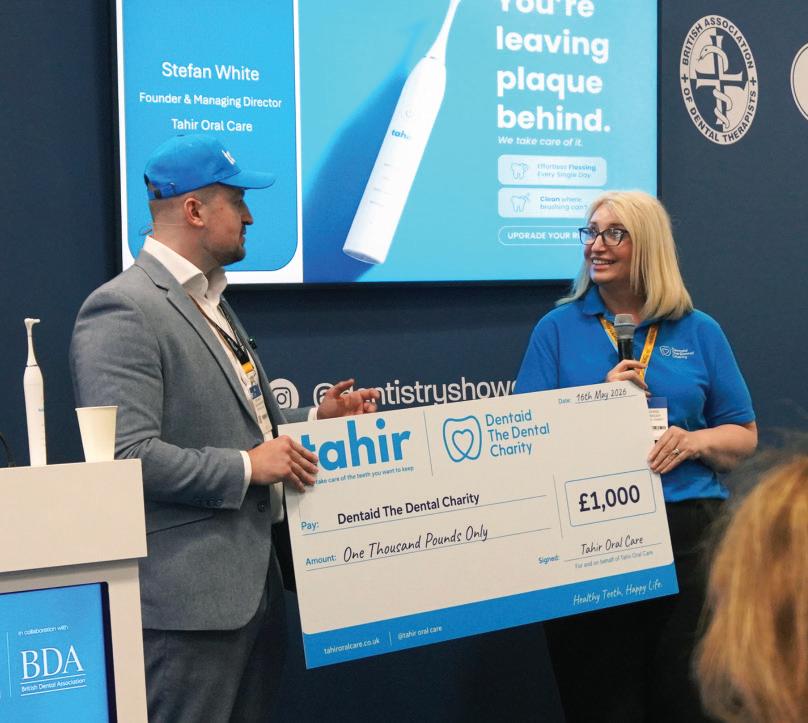
The device is named after Tahir, the surgeon whose intervention during a life-threatening rupture saved Stefan’s life. It is a detail that says something about what kind of brand Tahir Oral Care intends to be: one based on both genuine need and personal experience. Stefan also handed over a £1,000 cheque to Dentaid The Dental Charity during the session, and promised them the profits from that day of trading at the show; part of an ongoing commitment to charitable giving through the business.
the room responds
Audience response after the talk was notably warm. One GDP told Stefan directly that his personal story had resonated. “I look forward to seeing where Tahir goes next.”
Perhaps more striking was the account offered by another attendee – an audience member who had been personally using the Tahir Electric Flosser for twelve weeks following a warning of advanced gum disease. “My gums have stopped bleeding,” they said. “They’ve gone back to pink. They’re no longer spongy.” They also praised Dr Golkari’s contribution. “Clinical and informative; really interesting.”
The Tahir Electric Flosser is the number one selling oral care brand at Harrods and is also available via tahiroralcare.com.
Stefan’s goal – to reduce the proportion of non-flossers in the UK from 71% to 50% in his lifetime – is an ambitious proposal.
But as evidenced by the attendees at Birmingham, as well as with the Barts and The London School of Medicine and Dentistry’s ongoing 1,000-person study on the efficacy of the electric flosser, we just might be ready for change.
Visit tahiroralcare.com n
about the author
Stefan White, Founder & Managing Director, tahir oral Care
Fuelling health
Many different factors have direct consequences for oral and systemic health. Among them is the food we eat – a balanced diet is crucial to support bodily functions, aid mental health, and reduce the risk of developing systemic conditions. For dental professionals, advising patients on how to improve their diet forms part of a comprehensive approach to their care. It can also have a significant impact on treatment outcomes, helping the mouth to heal.
Mind
Dietary patterns and nutrition have a direct effect on brain health and cognitive function. A balanced diet – as would be expected –is most beneficial. The food and drink consumed can also influence mood, with vegetable-based, glycaemic load-based, ketogenic and paleo diets associated with positive emotions.
Beyond this, eating habits impact mental wellbeing. While further investigation is required, initial evidence indicates a possible association between diet and depression. In particular, diets high in fish or dietary Omega-3 were linked to fewer depressive symptoms in some situations. High consumption of processed foods, sugars, and unhealthy fats has also been linked to an increased risk of depression and anxiety disorders.
A Mediterranean diet has been identified as an effective, anti-inflammatory option that also reduces the risk of depression. As such, diet is an important consideration in mental health interventions, combined with other therapies to help individuals reduce symptoms and support enhanced wellbeing.
Body
The impact of a balanced diet on the body is more broadly understood. The Mediterranean diet once again comes out on top for enhanced health-related quality of life, with the consumption of sufficient fruit and vegetables a key component.
In addition, balanced nutrition reduces the risk factors for a number of systemic conditions, including type 2 diabetes, cardiovascular and coronary heart disease, and cancer, among several others. With a growing interest in the dangers of ultra-processed foods, there is also increasing evidence of the adverse health outcomes associated with these items, which include a higher risk of cardiometabolic outcomes and mortality.
Where key ingredients are found lacking in one’s diet, supplements have been shown to deliver clinical advantages to health. However, there is limited highquality evidence for their role in areas like weight loss and variable evidence for their impact on health. Of interest to the healthcare community is research into the effects of nutritional supplements for wound healing, with initial reports that arginine and Omega-3 supplementation led to improved outcomes. As such, individuals should seek the appropriate professional advice if considering supplement intake.
Mouth
This is particularly relevant in dentistry given the impact that nutrition can have on the mouth. For example, the literature suggests an association between dietary
vitamin D and improved oral health, especially periodontal health – although further evidence is required to confirm the relationship. Vitamin D is also critical in the osseointegration of dental implants.
More broadly speaking, diet influences every aspect of oral health, from the general oral microbiome to the risk of gingival inflammation, and periodontal disease. Avoiding high-sugar and ultra-processed foods helps to prevent inflammation and oral dysbiosis, while improving immune regulation. Diet also has an important role to play in caries prevention. An extensive body of research has shown this to be a serious problem in children, whose risk of caries increases substantially with regular consumption of sugary food and drink.
a supportive role
The dental team can provide a wealth of support for patients who are looking to improve their diet for better health and wellbeing. Dietary advice and guidance should focus on the basics, with training available to practitioners who want to learn more about how to help patients in this area. A growing number of general dental practitioners are also screening patients to identify potential nutritional deficiencies – such as for vitamin D – and encourage GP engagement prior to commencing or alongside dental treatment.
Oral hygiene remains the most powerful tool in the professional’s and the patient’s arsenal when it comes to preventing both dental and systemic disease. Recommending easyto-use yet highly effective products like the FLEXI interdental brushes by TANDEX will help patients perform efficient interdental cleaning in tandem with daily brushing. There is also an opportunity to win a TANDEX FLEXI Educator Kit, through a simple quiz, that supports hands-on education during appointments, ensuring that patients have all the information and guidance they need to implement the solutions for maximum success.
Ultimately, the dental team is wellpositioned to support patients as they adopt a balanced diet for healthier lifestyles. This, combined with excellent oral hygiene, is a major contributor to both dental and systemic wellbeing.
TANDEX are giving dental professionals the opportunity to win a FREE FLEXI Educator Kit by answering just a few questions! Enter the quiz at: https://form1.tandex.de/ n
about the author
Jacob Watwood on behalf of tandexrodericks Dental Partners associate dentist at Fieldside Dental Practice.
Cease and de-cyst
Whilst patients may recognise tooth pain, trauma and tooth loss as urgent reasons to visit their dentist, they may easily overlook odontogenic cysts. This is unsurprising: the incidence of dental cysts among the UK population is unclear, and many may be unnoticeable to both touch and sight.
However, an odontogenic cyst can become an oral health risk if left undiagnosed and untreated. This poses a unique challenge for dental practitioners as the identification and management of such a cyst can be difficult, despite the jaw being the bone most frequently affected by cysts. Improving awareness for both patient and practitioner ensures early detection and, subsequently, a faster solution.
types of cysts
A cyst is a closed-off cavity filled with semisolid or liquid material, with odontogenic cysts found in the jawbone or the soft tissues in the mouth and face, having developed from the epithelium of the dentition. There is a higher prevalence in adult patients (13.8% of maxillofacial cases) than children (11.78% of cases). Each cyst varies in size, severity and aetiology, yet are often benign in nature. Despite this, they can disrupt the oral cavity if they expand –this is the concern for dental practitioners.
There are two types of odontogenic cysts: inflammatory and developmental. These are broken down into further classifications, with the most common inflammatory cysts being periapical and residual, and the most common developmental form being called a dentigerous cyst.
Breaking it down
Approximately 60% of reported cysts are periapical. These are often unnoticed and are only visible through radiographic scans, found at the tooth root apex. If a periapical cyst becomes infected – an outcome that can occur due to the presence of dental caries and trauma – it can swell and cause pain, with the increasing size able to loosen the teeth. The inflammation caused by harmful bacteria then heightens the osmotic pressure, inhibiting cellular function and making the cyst – and other problems like caries or trauma – harder to manage. Dental practitioners may discover a periapical cyst when scanning a tooth with carious lesions.
In the case of residual cysts, at-risk patients are those who have recently had a tooth extraction, such as orthodontic patients or those who have experienced a physical trauma. A residual cyst is often preceded by a different cyst which has formed apical or adjacent to an extracted tooth – its incomplete removal leads to the formation of another. Because they are located at the site of an extracted tooth,
residual cysts can present a risk to the local alveolar bone if left untreated. Dentigerous cysts account for 20.6% of odontogenic cysts and occur when fluid accumulates around the crown of an unerupted tooth. Younger patients (1030) are therefore vulnerable to dentigerous cysts. Patients whose third molars are beginning to erupt should be advised on the symptoms: diastemas between the affected teeth, displacement of the teeth, swollen gingivae, and sensitivity.
tricky treatment
Managing patients with odontogenic cysts involves rigorous checks, such as tooth vitality testing. If left untreated, an odontogenic cyst can grow, putting pressure on the alveolar bone and weakening the support for the surrounding dentition. Whereas periapical cysts can be treated with root canal therapy, residual and dentigerous cysts require enucleation, with the latter also meaning the unerupted tooth is extracted too.
Closed for maintenance
To help prevent an odontogenic cyst from forming, and to protect their oral health following the extraction of one, patients must maintain a consistent daily oral hygiene routine. By adhering to effective dental care, such as toothbrushing twice a day and interdental cleaning once a day, patients can reduce the risk of caries and therefore the risk of an odontogenic cyst. For those who have had a cyst enucleated, as well as the removal of a tooth, a more powerful oral hygiene solution may be needed to optimise the healing process.
The Perio Plus range of mouthwashes from Curaprox add a reliable antibacterial boost for short term daily dental care. For the swift reinforcement of gingival health, the Perio Plus Forte contains 0.2% chlorhexidine, providing intensive care before and after dental surgery by fighting plaque build-up. Xylitol gives the mouthwash a pleasant taste and further ensures strong teeth for an all-round healthier smile, supporting a smooth healing process.
Odontogenic cysts take many shapes, forms and causes. Being able to identify the most prevalent, as well as the risk factors and type of patient who may be vulnerable, is vital for dental practitioners. With the correct management strategy, including a sound awareness on the role that oral hygiene plays, patients can be guided to healthier outcomes.
To arrange a Practice Educational Meeting with your Curaden Development Manager please email us on sales@curaden.co.uk
For more information, please visit curaprox.co.uk and curaden.co.uk n
about the author andrew turner, Curaden UK head of Marketing, UK & Ireland.
Teenage trends and aesthetic worries
What do teenagers want? It’s a question with an everchanging answer, as each year sees the explosion of new trends and fashionable looks. The recent phenomenon of ‘looksmaxxing’ – in which influencers encourage social media users to take extra steps to enhance their physical attractiveness – is the latest example of changing patterns in aesthetics and teenage behaviour.
A smile can define a person’s appearance; it is often one of the first things noticed when meeting someone new. For teenagers, their smile can be a source of confidence or selfconsciousness, dictating quality of life during a time of intense physical and emotional growth. For dental practitioners, managing adolescent patients can be difficult, particularly when professional health advice, as well as how to enhance the aesthetic of the smile and jaw, is also competing with online trends. A firmer understanding what each adolescent patient wants is needed to inform effective support.
Causing a tough time
It is unsurprising that teenagers want to improve their smiles. Research has found that teens who lose their teeth due to caries or trauma are 42 per cent more likely to be bullied. Assessing 4,400 children over a 6-year span into their teenage years, a 2024 government survey reflects the need for more preventive action – in England, 16.2 per cent of year 6 school children had experienced dental decay. The subsequent changes can impact self-confidence if there is notable edentulism.
Being bullied for appearance has always been a problem, with the impact affecting children psychologically and physically –obesity is an adverse outcome associated with bullying. The cycle between oral health, bullying and overall wellbeing therefore needs interrupting. Studies have found that one-third of adolescents struggle with low self-esteem, particularly in the early teenage years. As such, the enhancement of their image positively correlates with attitude, personality and self-esteem. Pursuing treatment options to improve dentofacial aesthetics, such as a chipped tooth, may be an inevitability; the smile is at the core of both facial attractiveness and also how others perceive their psychological traits. By restoring or improving the smile, teenage patients can feel more confident, especially in social situations and meeting new people.
Finding what adolescents want
Knowing how to manage adolescent patients can be tricky, especially finding out what they want from care. There is little consensus: one study group reported that 78 per cent of adolescents expressed a desire for orthodontic treatment, whereas another report only identified 22 per cent of patients looking for such care. The same is true for treatments that are the focus of online trends – not every teenager will be attracted to, or even know about, what others are doing on social media.
Online trends on how to improve facial appearance raises concerns about a
teenager’s ability to make fully informed decisions and the risk that aesthetic treatments strengthen the belief that image decides self-worth. They are often perpetuated by people without adequate medical training, meaning adolescents could be engaging with unsafe, unproven advice.
One specific trend is ‘hardmaxxing’, an extreme and unregulated form of ‘looksmaxxing’ that is considered dangerous. Among the viral practices is bone smashing, designed to sharpen the jawline by taking a hammer to the jawbone and regrowing the bone structure. Dental practitioners must shepherd teenagers away from such measures, with indirect communication such as leaflets or posters serving as a passive way of highlighting the risks and long-term damage.
By taking the time to talk with adolescent patients about any elements of their smile that they are dissatisfied with, dental practitioners can determine if an aesthetic treatment is genuinely in the patient’s best interest. More broadly, there must be a systemic intervention with schools and social media to champion healthy body images and mitigate the pressure young people may place on themselves to look a certain way.
Changes in the dental practice
In the dental practice, recommending a consistent oral hygiene routine ensures a preventive approach. It ensures the natural dentition is kept healthy and attractive, minimising problems including staining, chipping, and decay. This may offset the need for aesthetic dental treatments by reducing the risk of tooth loss and maintaining a healthy smile.
At the core of effective daily dental care and oral prophylaxis is interdental cleaning.
The Cordless Advanced water flosser from Waterpik™ delivers a comprehensive clean to the teeth, gingivae and interdental spaces, with three pressure settings and four flossing tips providing a customisable experience for optimal compliance. Up to 2x as effective as string floss for removing bacterial plaque and improving gum health, the Cordless Advanced is also suitable for orthodontic patients, thoroughly cleaning around the brackets and wire and lowering the risk of tooth decay.
The aesthetic demands for teenage patients fluctuate as fashions come and go. By encouraging diligent dental care and a preventive approach, teenage patients can feel happy with their smile, boosting their quality of life.
For more information on WaterpikTM water flosser products visit waterpik.co.uk. n
about the author
Sharon Kidd, Dental hygienist, on behalf of Waterpik.
Not all water flossers are equal. Recommend by name.
Industry leader
Recognised as the #1 selling water flosser brand in the UK and in the world.
Recommended by experts
The most recommended water flosser brand by dental professionals and the only one approved by the Oral Health Foundation.
Bring premium flossing to centre stage. Sign up on our website for the advocacy programme www.waterpik.co.uk The stand-out performance patients need. The name professionals recommend.
Backed by science
Supported by over 80+ clinical research studies. Removes up to 99.9% of plaque bacteria in treated areas* and clinically proven to be 2X as effective as string floss for improving gum health.
*in vitro, data on file
Standing the test of time
With 60 years of innovation, WaterpikTM has been committed to a professional- level clean for over half a century. Based on 2025 independent survey of Dental Professionals; among those who recommended branded water flossers
Growing older with dental implants
Dental implants remain among the most successful long-term interventions in modern dentistry. Survival rates at ten years consistently exceed 90%, and many dental implants placed in the late 90s and the 2000s remain functional today. This is, of course, a real clinical achievement, but it has also created a patient population that did not previously exist. As the first wave of widely implanted patients ages into their sixties, and beyond, the dental world faces a new set of considerations that are only just beginning to receive attention.
Managing the ageing dental implant patient is not simply a matter of routine maintenance. It requires an understanding of how physiological change, systemic disease, and polypharmacy interact with peri-implant health over time, as well as a willingness to revisit treatment decisions made when these patients were decades younger.
What does age do to oral structure?
Bone metabolism changes significantly with age. Resorption increasingly outpaces formation, and systemic conditions associated with ageing, such as osteoporosis, type 2 diabetes, and cardiovascular disease, can further compromise bone quality and density around dental implants. This does not necessarily threaten osseointegration in otherwise healthy, well-maintained dental implants, but it does alter the biological context in which peri-implant disease may develop and progress.
Soft tissue changes are relevant also –gingival recession, reduced keratinised tissue, and altered immune responses associated with ageing may all affect the peri-implant environment. An older patient who maintained good peri-implant health at fifty may present a different picture at seventy-five, even without any change in home care compliance.
Polypharmacy and its implications
Older patients are disproportionately likely to be taking multiple medications, many of which have direct relevance to dental implant health and maintenance. Bisphosphonates and other antiresorptive agents used in the management of osteoporosis and certain malignancies carry a well-established risk of medication-related osteonecrosis of the jaw (MRONJ), which must be considered in any patient with dental implants who may commence or continue such therapy.
Medications that cause xerostomia, including antidepressants and antihistamines, alter the oral environment in ways that affect biofilm management. A dry mouth is a less self-cleansing mouth, and for a patient whose manual dexterity may be declining, this creates compounding risk. Anticoagulant therapy, increasingly prevalent in older populations managing
certain age-related risks, should also be factored into any surgical interventions.
Maintaining an accurate and regularly updated medical history is therefore not a formality for this group; it is clinically necessary.
the challenge of declining dexterity
Even the most highly motivated older patients may find it increasingly difficult to maintain the oral hygiene standards that were achievable earlier in life. Arthritis, tremors, reduced grip strength, and other conditions that may affect manual control all limit the effectiveness of conventional interdental and peri-implant cleaning.
Recommendations made at dental implant placement – specific brushes, interdental aids, irrigation devices – should be reviewed regularly and adapted as the patient’s physical capabilities change.
This is a conversation in need of sensitivity. Older patients are often acutely aware of their own limitations, and practical, nonjudgemental guidance from a clinician they trust will have a truly significant impact on their overall compliance.
reviewing restorability and patient expectations
There will be cases wherein longstanding dental implants, or the prosthetic work they support, require reassessment. Component failure, prosthetic failure, and changes in occlusion are all possible over a multidecade dental implant lifespan. So too are changes in patient circumstance – cognitive decline, reduced tolerance to treatment – shifting what may be appropriate and achievable case to case.
Revisiting a treatment plan made thirty years ago should never be considered a failure; it’s purely pragmatism. The question is not only “can we restore this?” but “should we, and to what extent?”
Continued education
Managing these cases well requires clinicians to keep pace with evolving evidence in both dental implantology and general medicine. The Association of Dental Implantology (ADI) supports professionals at every stage of this journey through its newly restructured Fellowship Pathway, which offers four tiers: Associate Member, Full Member, Associate Fellow, and Fellow, each with its own benefits, resources, and recognition. For those treating increasingly complex patient populations, the structured progression and peer network that the ADI membership provides can be a meaningful asset.
Implant dentistry has always demanded commitment to lifelong learning. As our dental implant patients grow older alongside us, that commitment has never been clearer, or more vital.
For more information, please visit www.adi.org.uk n
about the author
Dr Pynadath George, GDC-registered Specialist oral Surgeon and President of the aDI.
From mouth to gut: the pathogenic connection
Often referred to as the ‘gateway to the body’, the health of the mouth is intrinsically linked with the health of the body. The presence of oral disease increases the risk of systemic infection, with several organ systems affected. The gastrointestinal system is particularly susceptible to dysfunction in the presence of dental disease. In some cases, the direction of impact is reversed, with gastric conditions increasing the chance of periodontal issues. All of this emphasises the importance of effective oral hygiene, as well as regular professional assessment and intervention.
the big ‘C’
A growing body of evidence has established a correlation between periodontitis and several types of cancer within the gut. The transfer of oral bacteria associated with periodontal disease into the gastrointestinal system can disrupt the gut microbiome and increase the risk of dysbiosis. The literature suggests that even a history of periodontitis can increase the risk of oesophageal and gastric adenocarcinoma by up to 43% and 52%, respectively. Relationships have also been found with liver, gastric, and pancreatic cancers.
Inflammatory bowel diseases
Studies also indicate a correlation between periodontitis and inflammatory bowel diseases (IBD), including Crohn’s disease. As both conditions share inflammatory aetiology, they are linked due to a similar host immune response which causes multiple problems in the body. A loss of the intestinal microbial balance can lead to the release of pathogens, which trigger this inflammation throughout the digestive system. Equally, pathogens already widely associated with periodontitis – P.gingivalis and F. nucleatum – can influence the progression of various IBDs.
liver complications
People diagnosed with liver cirrhosis exhibit a high incidence of periodontal disease as well – reported as 25-69%. Research in the field shows similar findings regardless of whether the cirrhosis was alcohol-induced or not, suggesting a direct link between diseases, with little impact from oral hygiene awareness and performance. Even before the development of cirrhosis, the prevalence of periodontitis is 91% higher among people with non-alcoholic fatty liver disease (NAFLD) than in those without the condition. While a causal relationship is yet to be proven, the correlation must be recognised by dental and healthcare professionals who support patients.
Gallbladder health
Another emerging area of science is investigating the impact of periodontitis on the risk of gallstones, and vice versa. Initial evidence suggests that severe periodontal disease is more prevalent in people with active acute cholecystitis (inflammation of the gallbladder due to gallstone blockages). Authors postulate that this
is influenced by systemic inflammatory mechanisms, highlighting the need for effective periodontal management in this patient group too.
Promoting periodontal health
Whether patients are already living with gastrointestinal conditions, or looking to reduce their risk of developing related complications in the future, the prevention of periodontitis is crucial. Lifestyle factors like a healthy, balanced diet, and smoking cessation must also be reviewed. At-home oral hygiene is important for regular plaque control, which should be achieved with a comprehensive daily routine. As such, effective oral hygiene instruction is the first line of defence. Professional intervention is also crucial, with expert removal of plaque significantly improving gingival inflammation and lowering plaque scores. Effective professional prophylaxis relies on good technique and high-quality products, such as the Prophylaxis Paste from Kemdent. Easy to handle and apply with a special viscosity that sticks to the teeth without splatter, the material is also available in four flavours to improve the patient experience. Should symptoms present, the key to success is to address early signs of gingivitis as quickly and as efficiently as possible. The dedicated Periodontal Disease Classification system should be used to determine the severity of disease progression and the appropriate treatment approach. From here, the European Federation of Periodontology offers evidence-based treatment guidelines for clinicians to follow for the best results. These break down management techniques according to the staging of periodontitis identified.
a truly holistic approach
Modern dental care is about so much more than supporting oral health. The literature demonstrates a significant correlation between dental and systemic wellbeing, with the gastrointestinal system among those influenced by the development of periodontal diseases. Prevention remains key, with both patient and professional interventions crucial for minimising the risk of plaque accumulation and consequential infection.
For more information about the leading solutions available from Kemdent, please visit www.kemdent.co.uk n
about the author alistair Mayoh –Marketing Director at Kemdent.
THE POWER OF ONE
Universal all-in-one adhesive for a wide range of applications and adherends
Compatible with all etching techniques
No filler and no HEMA – protection against hydrolysis
Reliable, strong bond with less technical sensitivity
Simplified procedure for any adherend surface
No additional primer needed
When patients can’t wait – recommend
Dental pain is one of the most acute and debilitating forms of discomfort a patient can experience. It disrupts eating, concentration, sleep, and work and it rarely arrives at a convenient time. For those unable to access an appointment immediately, the hours and days spent waiting for treatment can be genuinely distressing. As a clinician, what you recommend in that window can have a huge impact.
Orajel® offers a trusted option for patients managing dental pain at home – delivering fast, targeted reliefii while they await definitive treatment.
rapid relief
Unlike systemic oral analgesics, which can take up to an hour to take effect, Orajel® is formulated with benzocaine, a local anaesthetic that is clinically proven to relieve dental pain in two minutes or less.
Benzocaine is rapidly absorbed through the oral mucosa, reversibly binding to and inhibiting sodium channels in nerve cell membranes, blocking the conduction of nerve impulses and reducing pain signal transmission directly at the source.
This kind of speed is significant to patients. Research suggests that 63% of patients prioritise speed in pain reliefii – and for someone who has been kept awake by toothache, fast relief is a real reprieve.
targeted application
Orajel® is applied directly to the affected area, putting patients in control of their own pain management. This precision delivers localised relief where it is needed most, without the systemic absorption associated with oral analgesics. Its non-systemic formulation and minimal drug interactions make it well tolerated across a broad range of patients – including those already taking other medications – and it can be used alongside systemic analgesics for enhanced pain management where required.
the right option for every patient
The Orajel® range offers clinicians the flexibility to match the product to the patient’s needs.
Orajel® Dental Gel contains 10% w/w benzocaine, providing rapid relief for everyday dental pain associated with broken or fractured teeth, dental decay, loose fillings, or receding gums.
Orajel® Extra Strength contains 20% w/w benzocaine – the maximum concentration available without prescription – for patients experiencing more severe or acute dental pain. 87% of patients experience significant pain relief with Orajel® Extra Strength.
Orajel® Mouth Gel contains 10% w/w benzocaine for patients with mouth ulcers or denture pain, offering the same fast, targeted approach to oral pain relief beyond toothache. All products can be applied up to four times daily for no longer than four days, providing consistent relief while patients wait for their appointment.
anxiety, pain, and a cycle clinicians can help break The relationship between pain and psychology is especially significant for dentally anxious patients. Research consistently shows us that anxiety amplifies pain perception, meaning anxious patients may genuinely experience greater distress in response to pain while additionally delaying seeking treatment or disengaging from dental care altogether. A patient who has spent several sleepless nights with unmanaged toothache is likely to arrive at their appointment in a heightened state of discomfort and anxiety, neither of which are conducive to a positive clinical experience.
Providing these anxious patients with an effective and easy-to-use pain relief option therefore serves a dual purpose. It manages the immediate physical symptom and, in doing so, reduces the psychological burden of waiting. Feeling in control of their pain, even partially, can meaningfully reduce the sense of helplessness that dental anxiety so often produces. For patients who already associate dental visits with fear, a clinician who takes their interim discomfort seriously and offers practical support builds the trust that keeps them engaged with their care long term.
In this context, recommending a solution such as Orajel® becomes a part of delivering patient-centred care – not just pain management.
Recommending Orajel ® is a straightforward step in helping patients manage their pain, reduce their distress, and arrive at their treatment appointment in a better position. In the time between pain onset and treatment, that support makes a real difference.
For essential information, and to see the full range of Orajel® products, please visit https://www.orajelhcp.co.uk/ n
The impact of digital dentistry on the Midas World Tour
The London stop of the MIDAS World Tour brought together 100 clinicians for a full-day event exploring the growing impact of digital dentistry and 3D printing in modern clinical workflows, alongside the SprintRay chairside revolution and how its advanced dental 3D printers are helping to elevate practices and laboratories to the next level.
Dr Wally Renne, founder of the MOD Institute, and Dr Tony Mennito, Director of Educational Strategy and Growth at the MOD Institute, two leading clinicians and renowned lecturers, led the MIDAS World Tour with SprintRay in London on 22 May 2026. The event formed part of a global tour designed to provide hands-on experience and clinical insight into how digital workflows are reshaping restorative dentistry, with a focus on practical applications in everyday practice.
the power of Midas Dr. Mennito led the morning lecture, offering attendees of all levels—from experienced users of dental 3D printing to those newly exploring its potential—valuable insight into the applications of the MIDAS 3D Printer, the world’s first stereolithography-based, capsule-driven 3D printing technology.
He noted that in restorative dentistry, minimally invasive procedures are often preferred to preserve natural tooth structure. This approach ensures patients retain a wider range of future treatment options – for example, choosing an onlay where appropriate still allows for a crown to be placed at a later stage – while also supporting long-term tooth longevity. The MIDAS enables clinicians to design and produce restorations with precision and control, contributing to a more efficient overall workflow.
On the topic of material choice, Dr Mennito spoke about the speed at which new resins are developing when compared to the clinical research. As a result, an emphasis must be placed on clinical observations as time progresses, especially when considering aspects such as tooth wear on a restoration. Where traditional printers require no or low filler materials, the Midas innovates and allows for clinicians to take a different approach and develop long-term benefits.
Dr. Mennito explained how content resins – particularly the Ceramic Crown High Translucency material designed for use with the MIDAS system, can be applied in clinical workflows. By comparing outcomes with milled hybrid restorations, delegates
gained a clearer understanding of effective restoration design and the associated clinical considerations. The use of tools such as intraoral scanners, cloud-based restoration design software, and AI-driven input then came together to further enhance the digital workflow.
The integration of SprintRay AI Design Studio with the MIDAS alongside the use of intraoral scanners, supports a streamlined digital workflow designed to benefit both clinicians and patients. While AI-driven design can assist with efficient restoration planning and optimal nesting, Dr. Mennito emphasised that it is not infallible. He stressed the importance of clinical oversight at every stage when using AI, summarised in his guiding principle: “Trust, but verify.”
Hands-on with the future
A hands-on session followed, with clinicians engaging directly with 3D-printed restorations produced using MIDAS. Dr Renne and Dr Mennito guided attendees through examples of their previous patient cases, demonstrating how restorations can be elevated from functional to highly aesthetic outcomes through polishing, staining, and glazing protocols.
Delegates, under the guidance of the expert clinicians, took control of the final step of this digitally enhanced workflow. They refined the restorations to achieve highly aesthetic results, with the techniques learnt being immediately transferable to practice.
a Night Guard in real time on the Pro 2
In the afternoon session, Dr Renne focused on the integration of the Pro 2 3D Printer within a fully digital approach to wider patient care. Live on stage, Dr Renne took a digital impression of the patient and designed a night guard digitally within minutes. The Pro 2 began printing in the background as he expanded on the ongoing digital revolution in dentistry. “What a special time to be a dentist,” he said, going further to note that 2026 is the year 3D printing would surpass milling adoption in the USA.
By the end of the session, the finished night guard was ready for fitting; a live, easyto-understand demonstration of exactly how the Pro 2 compresses several appointments of work into a single-same-day workflow. Beyond this, delegates learnt about the next generation of 3D printing resins, and what they will mean for further restorative capabilities. Dr Renne also demonstrated the potential for smile trials, showing how clinicians can mock up restorations chairside, allowing patients to preview final outcomes within a single appointment. Together, Dr Renne and Dr Mennito demonstrated the clinical potential of a fully digital workflow, highlighting how the MIDAS system and Pro 2 3D Printer from SprintRay are reshaping chairside restorative care. For more information on the 3D printing solutions available from SprintRay, please visit https://sprintray.com/en-uk/ n
• Immediate results
• No gingival barriers
One Appointment, Double the Fee Hygiene +
• Low sensitivity
• Easy additional value
Correcting corrosion
Aperfectly positioned and wellmaintained dental implant has the potential to last for many years, providing enhanced stability, function and aesthetics to the smile. But the lifetime of an implant is dependent on a range of factors, from behavioural habits to biological factors.
One concern is corrosion. Titanium is known for its biocompatibility, hence its use in implantology to fuse to the jawbone. However, despite its excellent mechanical properties and corrosion resistance, the degradation of the material through biotribocorrosion is a challenge clinicians may face, and raises questions about the longevity of titanium in dental implantology.
Biological power
As a stand-alone complication, tribocorrosion refers to the mechanical forces and chemical and electrochemical interactions that cause the breakdown of dental implant surfaces. This spans friction and wear. Bio-tribocorrosion goes further, addressing the biological factors that can contribute to implant failure: biofilms in the oral cavity, saliva, inflammatory mediators, and fluctuating pH levels. The impact of bio-tribocorrosion can lead not only to peri-implantitis and implant loss, but can affect the body in ways that are still being researched. It is essential that the biological factors are seen not as passive environments, but as consequential forces. Titanium’s corrosion resistance stems from its outer layer, where a passive film
surface of titanium dioxide creates a barrier to ion diffusion. Any mechanical disruption to this layer leaves the underlying metal vulnerable to the surrounding environment, which may include saliva, harmful bacteria and acidic substances, which can wear down the metal. This local corrosion is followed by the spontaneous formation of the passive film of titanium dioxide; the broken film is quickly restored and prevents further corrosion. However, repeated depassivation and repassivation cycles leads to material degradation and the release of metal ions into the surrounding soft tissue and bloodstream.
managing microparticles
The spread of titanium microparticles is cause for concern. Such ions have been found in peri-implant soft tissues and even in distant organs, having passed through the bloodstream. Because of their size, the microparticles have a high surface area to volume ratio, making them highly reactive with cells and molecular pathways, especially those involved in inflammation and bone metabolism. Whilst research has yet to confirm anything more than a common occurrence – rather than a causation – between titanium microparticles and peri-implantitis, the increased risk of inflammation and bone resorption may still contribute to implant failure. By preventing bio-tribocorrosion, implant clinicians can better contain the spread of titanium microparticles. For instance, research has found that the presence
of zirconium in 5 per cent of the alloy results in the formation of a thicker and more compact passive film in a shorter time than those formed in the case of 25 and 45 per cent zirconium additions to titanium. The rate of the layer’s ‘selfhealing’ is therefore dependent on the metallic composition of the surface.
Controlling the issue
The material of the implant plays a major role in both lowering the risk of corrosion and also repairing any damage already caused by corrosion. More advanced alloys, such as those with carbon-based bioactive coatings or ceramic layers, can reduce wear and maintain biological compatibility – though at a higher cost compared to traditional titanium implants.
The clinician and patient should identify any preventive strategies that may lessen wear, using a multi-faceted approach that encompasses the mechanical, chemical and biological contributors simultaneously. For instance, the clinician must minimise occlusal overload with careful prosthetic planning, whilst consistent dental daily care from the
Simplifying endodontics with the HyFlex EDM OGSF Sequence
Endodontic success depends on a combination of various elements, with precision and control vital, within an efficient workflow. With the curves and complexities involved in root canal treatment, achieving safe and accurate results requires tools that are reliable in their performance, and designed for excellence.
Rotary NiTi systems have transformed endodontic preparation, with their intricate design made for function. However, the extreme complexity of some multifile systems available can actually inhibit workflows by slowing them down and introducing unnecessary decision-making during treatment.
COLTENE, constantly ahead of the game, has addressed these challenges by creating the HyFlex EDM OGSF Sequence – a streamlined file system designed to ensure remarkable endodontic performance, without overcomplicating instrumentation and decision-making. The system affords clinicians the ability to deliver consistency in endodontic cases with unwavering confidence and efficiency.
Simple and structured
The HyFlex EDM OGSF Sequence is designed around with incredible logic in mind: a four-step workflow that offers clinicians
guidance through each of the key canal preparation stages. The acronym “OGSF” represents the sequence of files used during treatment, in order: Orifice Opener, Glidepath file, Shaping file and Finishing file. The different instruments should be used for their particular role within the root canal treatment, and are designed as such.
The Orifice Opener prepares the canal entrance, creating coronal and improved access to the root canal system. The Glidepath file then establishes a glide path to the working length followed by the Shaping file and Finishing file for preparing the full length and final shaping.
The natural progression throughout the treatment when using the OGSF files facilitates decision-making greatly, compared to the excessive complexity often associated with multi-file endodontic systems. COLTENE now allows dental professionals to progress smoothly through canal preparation with fewer pauses during treatment – supporting increased patient and clinician satisfaction.
efficient everyday endodontics
The HyFlex EDM OGSF Sequence has been developed to provide a tailored solution for fast and reliable root canal preparation.
Carefully matched tip sizes and tapers across the sequence allow for a smooth
patient can control biofilm accumulation – both minimise bio-tribocorrosion. For world-class implant treatment knowledge, consider the courses available at the ICE Postgraduate Dental Institute & Hospital, led by eminent specialist oral surgeon Professor Cemal Ucer. The MSc/ PG Diploma in Dental Implantology course is a 3-year, part-time endeavour that equips clinicians with the skills, knowledge and confidence to deliver outstanding implant treatments. Included modules cover implant maintenance and managing complex cases, taught by some of the UK’s leading figures in implantology to ensure long-lasting outcomes for patients.
Corrosion, particularly bio-tribocorrosion, impacts the function and aesthetics of a dental implant, whilst the resulting wear and spread of metal microparticles can affect the risk of peri-implantitis. A multi-faceted approach to implant treatment planning and post-surgery maintenance is essential to meet patient expectations for a better quality of life.
Please contact Professor Ucer at ucer@icedental.institute Call: 01612 371842 Visit; www.ucer-clinic.dental n
about the author Professor Cemal Ucer (BDS, mSc, PhD, Oral Surgeon, ItI Fellow.
transition between instruments, helping clinicians maintain control throughout instrumentation. This optimisation reduces unnecessary file changes while enabling efficient progression through the canal.
In many cases, clinicians can reach working length with solely a few tapping motions. As described by Dr. Thomas Rieger, Endo Specialist, Memmingen, Germany, “With just a few peckings, I reach the measured working length without any stops in between. Previously, a file had to be inserted into the root canal several times. That is no longer necessary here! The OGSF sequence can be applied effortlessly even in difficult cases.”
The result is a workflow that supports an amalgamation between pure efficiency and predictable accuracy. For practices, this level of efficiency is incredibly valuable as endodontic procedures can fit into everyday schedules with greater ease. Furthermore, for patients, shorter chair time and procedure length augment satisfaction greatly – particularly for anxious patients.
As explained by Prof. Dr. Eugenio of Pedullà University Catania, Italy “Whether simple or complex root canal anatomy, almost all clinical cases can be treated with one sequence. The file dimensions (tip size and taper) are perfectly coordinated. I have everything under control, and the success is predictable.”
efficient and precise workflows
The HyFlex EDM OGSF Sequence is available in multiple lengths – including 21 mm, 25 mm, and 31 mm – allowing clinicians to select instruments appropriate for working approach and patient-specific requirements. Modern dentistry requires efficiency without compromising success in precision. Regardless of the level of the clinician’s skill, the best way to guarantee consistent results is by working with the very best instruments for the job. The HyFlex EDM OGSF Sequence from COLTENE offers the perfect solution to the demands, offering responds to this demand by offering a protocol that can be easily integrated into everyday practice.
For more information, visit coltene.group/hyflex-edm-ogsf email info.uk@coltene.com or call 0800 254 5115. n
Before and After Whitening
Childhood caries –prevention and treatment
Children make up a significant proportion of the patients seen in everyday care, and present with both common and unique issues within the dentition. In 2024/25, there were 12 million courses of treatment provided to paediatric patients in England, a 7% rise from 2023/24. In the 12 months prior to 31 March 2025, 6.9 million child patients were seen by professionals, approximately 57% of the mid-year child population for England in 2024.
Tooth decay is a significant challenge affecting paediatric patients today, caused by a high-sugar diet and insufficient oral hygiene routines. Clinicians should advise on how to minimise the development of caries, but also be prepared to intervene when problems emerge.
remove and restore
In many cases, the progression of caries will require a clinical team to remove affected tissue and restore the tooth. Amalgam has been ruled out for use in deciduous teeth and children under 15 years old, and following a phase-out in countries in the European Union last year, a global ban will begin for all treatment in 2035. Composite materials are therefore a preferred solution.
Removing carious tissue can prevent the further spread of decay, and a composite restoration may optimise aesthetics and restore function. This requires extreme care and a minimally invasive workflow, as clinicians must identify the line between hopeless decayed tissue and that which may yet remineralise.
a fresh approach
When assessing non-invasive, efficient treatment methods for arresting tooth decay, silver diamine fluoride (SDF) is a debated solution. The clear, topical liquid is applied to the affected area, and releases silver and fluoride for synergistic effects; silver is bactericidal and disrupts the cariogenic biofilm, whilst fluoride promotes remineralisation.
The solution is licensed for use in the UK when treating sensitivity only, and its application for managing decay is currently ‘off-label’, but this is becoming increasingly recommended overseas.
Systemic reviews have found that SDF is an effective solution for arresting caries, whilst being simple to provide, noninvasive, painless, inexpensive and nonaerosol-generating. One systematic review and meta-analysis from 2017 found that the use of SDF was 89% more effective in controlling caries than other treatments. It must be warned that the product has a staining potential, meaning it is not commonly used in treatments for the permanent dentition. SDF permanently
affects carious tissue, turning it a dark brown or black, with potential brown staining of soft tissues for 1-3 weeks if application is not performed with care.
As an understanding of its potential for use grows, SDF could become a more prominent solution for preventing the spread of caries in the primary dentition, whilst avoiding invasive care. This is both maintains natural tissue, and reduces the need for more anxiety-inducing procedures such as extractions.
arrest at source
In cases where the primary molars are affected by caries, the Hall Technique is judged to be an effective approach. It involves the cementation of a pre-formed stainless-steel crown over the affected tooth, without the need for local anaesthesia, caries removal or tooth preparation of any kind. Case selection is key.
Its implementation arrests the carious tissue, sealing the plaque layer which then changes its composition to become less cariogenic. A 2017 paper notes that the Hall Technique is predictable and highly effective, with increased success rates (no pain or infection) when compared to other treatments in 99% of cases at one year, 98% over two years and 97% over five years according to trials in the UK.
As expected, a stainless steel crown has aesthetic limitations, and may not be preferred by patients for this reason.
Prevention is key
As ever with the management of dental caries, prevention is always better than cure. Encouraging parents to attend regular dental appointments both early in a child’s life and when the permanent dentition erupts, not only allows the clinical team to monitor an individual’s development, but also minimises the chance of caries developing.
Pit and fissure sealants are one such solution. Recognised as an effective way to prevent carious lesions in the permanent dentition, the sealants avoid plaque and food debris from collecting in the grooves of occlusal surfaces, enabling simpler cleaning.
Material choice is crucial. It must be able to manage occlusal forces, whilst enabling simple application. Aesthetics must also be considered for complete patient satisfaction. The new Solventum™ Filtek™ Easy Match Flowable Restorative is an ideal choice, using a three-shade system to simplify preparation routines and ensure a natural appearance with confidence. Indicated for pit and fissure sealants, the flowable restorative offers excellent polish retention and wear resistance. Plus, if caries does develop, the material can be highly effective for aesthetic and functional restorations throughout the dentition.
Support for childhood caries takes on a wide manner of forms. Intervention after caries has developed is key to prevent further pain and infection, but prevention will always be preferred. Luckily, the dental team is best placed to support either situation.
To learn more about Solventum, please visit https://www.solventum.com/en-gb/ home/oral-care/ n
Endodontic retreatment
Despite reported success rates of primary root canal treatments exceeding 90%, post-treatment disease remains a reality. Patients return with persisting symptoms, or perhaps the planned restorative work reveals inadequate endodontic foundations. These scenarios prompt a question for practitioners: should retreatment be attempted in-house, or is it the right time to refer to a specialist?
Knowing the answer lies in understanding what retreatment entails, recognising its challenges, and taking an honest look at all potential outcomes.
necessary retreatment
The European Society of Endodontology identifies two primary indications for retreatment. The first is pathological: persistent or developing disease, manifesting in the form of radiolucency, as well as in symptoms such as pain or swelling. The driving factor here is bacterial persistence: microorganisms that survived initial treatment or recolonised through an inadequate seal.
The second is technical: when planned restorative intervention requires canal access. Post space preparation, for example, or internal bleaching necessitate entering the canal system. If the existing root filling quality is questionable, retreatment during restorative preparation can help prevent future complications.
Poor radiographic appearance alone does not necessarily mandate retreatment. As a tooth without symptoms accompanying radiographic imperfections could remain stable indefinitely, it’s crucial to note that an intervention should always be in response to active disease or foreseeable future problems.
the challenge of retreatment
Endodontic retreatment is fundamentally more complicated, and therefore less successful, than primary treatment. The procedure requires complete removal of existing materials, navigation of potentially calcified canals, and the identification of any previously missed anatomy, all while aiming to preserve the remaining tooth structure.
The first hurdle, material removal, is especially difficult as gutta-percha must be extracted without excessive removal of dentine. Modern bioceramic sealers penetrate deeply into dentinal tubules and can prove challenging to remove completely. While higher-quality primary root canal treatments (RCT) increase initial success rates, they often make subsequent retreatment more difficult due to the use of more advanced, durable materials and techniques.
Canal navigation is substantially more difficult in retreatment, as previous probing may have created false canals. Calcification, the narrowing or blocking of the root canal system by deposits of hardened tissue, can occur as a result of trauma and further complicates access.
Missed anatomy in the canal is one of the most common causes of a failure in the primary treatment. Successful retreatment is, in part, all about identifying and managing the anatomy that may have evaded previous efforts.
Posts complicate retreatment significantly, too, and the process of removal requires specific instruments – cast posts, fibre posts, and screw posts all demand a different approach to removal. These removals pose risks such as fractures and perforations.
Diagnostic advances
Modern retreatment relies heavily on advanced imaging. Cone-beam computed tomography (CBCT) has transformed case assessment, revealing anatomy that remains invisible on radiographs: extra canals, root anatomy, and the extent of lesions. CBCT is a fundamental aspect of modern diagnosis and treatment planning in endodontology. The operating microscope similarly revolutionised retreatment, with magnification and illumination enabling easier identifying of canal anatomy and more precise material removal. Modern success rates are reflective of these advances, with recent studies reporting retreatment successes as ranging from 70–80%.
When to refer?
Certain scenarios call for specialist referral. A particularly complex root anatomy –multiple canals, calcification – will benefit from microscope-assisted treatment. Cases involving posts or previous treatment complications may benefit from specialistlevel problem solving.
Referral decisions can also be informed by the prognosis, such as in the case of molars with large periapical lesions, teeth that require surgery alongside retreatment, and cases where high-quality primary treatment failed. Situations like these suggest that a specialist’s input may be needed for optimal outcomes.
There are patient factors that should be considered, too. Those who need sedation, or cases where treatment failure would compromise extensive restorative work all warrant the consultation of a specialist. The time investment for a complex retreatment could exceed that of a general practice’s capacity.
the advantage of a specialist Here at EndoCare, we focus exclusively on endodontics, bringing specialist-level expertise to every retreatment case. Our teams work with operating microscopes, supported by CBCT imaging for precise material removal and canal negotiation. We are equipped to manage the full spectrum of retreatment challenges, from the straightforward to the most complex surgical intervention. With clinics in Harley Street and Richmond and weekend availability, we make specialist referral accessible while also ensuring smooth communication throughout the entire journey of treatment and care.
Endodontic retreatment is an investment – when properly executed, and appropriate case selection, it can offer patients years of continued natural tooth function. General practitioners should exercise their best clinical judgment when it comes to specialist referral, ensuring that patients receive treatment that appropriately matches their individual case complexity. The goal remains preserving the natural dentition where possible through care that is both evidencebased and technically excellent.
For further information about the endodontic referral services available from EndoCare, please call 020 7224 0999 or visit the NEW website www.endocare.co.uk n
about the author michael Sultan, endoCare.
Planning with purpose
Starting with the end in mind remains hugely relevant for all dental professionals. It requires the clinician to establish the ideal clinical outcome from the outset and then work backwards to determine the steps needed to achieve this result. Not only can this make treatment more predictable, but it also improves patient communication and treatment acceptance – because they have a better understanding of what to expect post-procedure. To optimise outcomes while ensuring a seamless patient experience, it is crucial to utilise the right diagnostic equipment.
Working backwards works
In implant dentistry, prosthetically driven planning can facilitate harmony between the implant-supported restoration and the natural dentition, ensuring the placement and aesthetic of the solution blends seamlessly. These are important factors that influence patient satisfaction with the results delivered. The accuracy and reliability with which implant treatment can be planned when prioritising the final prosthetic position and design makes them a reality in every day care. As such, prosthetically driven implant treatment –
especially when combined with guided implant surgery protocols – affords similar implant survival and success rates to conventional techniques. It is also proven to be an effective approach to complex oral rehabilitation involving zygomatic implants. Implantology isn’t the only field where this concept can be applied. Prior to any type of treatment, it is important to explore the desired outcomes before procedures commence. The growing popularity of smile simulations further demonstrates the importance of communicating the potential end result with patients in all situations. The research reports a high level of patient satisfaction among those who have access to accurate smile design visuals prior to treatment. Software assisted by artificial intelligence (AI) makes this process relatively quick and efficient for clinicians, with many incorporating facial feature data to help optimise aesthetics. This could be advantageous ahead of restorative, orthodontic, or cosmetic dental treatment.
reliable data collection
Once the end result is visualised, it’s necessary to establish the most predictable way of achieving it. This necessitates a comprehensive clinical
assessment, which will allow professionals to identify the most appropriate solution. Part of this process is mitigating potential complications and managing patient expectations in order to encourage their engagement during treatment and their satisfaction post-completion.
To ensure the accuracy of the assessment, it is vital to have access to high-quality equipment that supports reliable data collection. Insights gained are also required for the fabrication of surgical guides or implementation of dynamic navigation, further emphasising the importance of their accuracy and precision. Achieving this requires investment by the practice in digital solutions, including everything from intraoral cameras and scanners to more comprehensive 2D and 3D imaging units.
Among the many technologies available, the CBCT scanner has become integral to many treatment pathways. It will come as no surprise that dental implants are a leading indication for CBCT imaging, as are bone pathology and impacted teeth. Supporting a thorough clinical assessment and diagnosis, it affords high-resolution, 3D images of the anatomy, including visualisation of all vital structures around the proposed surgical site.
Modern systems combine this functionality with low dose technology to minimise radiation exposure and optimise patient safety. The multi-award-winning CS 9600 CBCT from Carestream Dental, for example, offers an innovative low-dose setting that delivers 3D images with up to 86% less exposure than 2D panoramic images without any compromise in quality or reliability. The 5-in-1 scanner features 14 fields of view, AI-powered patient positioning, and supports open workflows to meet the needs of every dental practice. The AI-powered CS 3D Imaging Premium software streamlines the entire treatment workflow, elevating each step from assessment and diagnosis to treatment planning and execution.
For more information on Carestream Dental visit www.carestreamdental.co.uk
For the latest news and updates, follow us on Facebook and Instagram @carestreamdental.uk n
about the author nimisha nariapara, trade marketing manager at Carestream Dental.
Managing molar incisor hypomineralisation
Achild attends the practice with persistent sensitivity in their newly erupted molars. On examination, demarcated opacities are evident – a familiar presentation for many clinicians managing molar incisor hypomineralisation (MIH). First described by Weerheijm in 2001, it is now a widely recognised developmental condition of systemic origin. Although prevalence varies across countries and studies, it is estimated to affect around 10-20% of the UK population. For many dentists, the impact of MIH on a child’s quality of life is evident in everyday practice. Recognising the signs early allows prompt intervention and supports long-term management.
Spotting mIH
There are multiple factors that can cause MIH, most of which are still not fully understood. Current evidence suggests that prenatal, perinatal and early childhood factors may contribute, with gestational or systemic illnesses, such as respiratory tract infections or measles being implicated. Clinically, MIH presents as demarcated opacities ranging in severity from white and cream to yellow or brown. Historically, these lesions have been described by various terms, including the colloquial ‘cheese molars’, coined by Dutch paediatric dentist Dr Jan Jälevik. First permanent molars and permanent incisors are most commonly affected, although similar hypomineralised lesions have also been reported in second primary molars, sometimes referred to as hypomineralised second primary molars (HSPM). Differential diagnoses include amelogenesis imperfecta, fluorosis, enamel hypoplasia and white spot lesions. Where diagnostic uncertainty exists, caution should
be exercised before excluding MIH, as affected teeth are at increased risk of caries. Demarcated opacities and an asymmetrical distribution help distinguish MIH from diffuse opacities as seen in fluorosis.
more than a dental defect
Typically diagnosed in early childhood, at the eruption of first permanent molar and incisors, the consequences of MIH are multifaceted, encompassing functional, aesthetic and psychosocial impacts. Compromised oral hygiene due to hypersensitivity can lead to post-eruptive enamel breakdown and subsequent atypical caries. Difficulty eating, dental anxiety and treatment avoidance due to the pain associated with hypersensitive or carious teeth can make management challenging. Chronic pulpal inflammation may compromise the effectiveness of local anaesthesia, further complicating treatment and adding to the child’s distress. Repeated dental appointments may result in missed school, potentially affecting academic progress. Aesthetic concerns from visible enamel defects, particularly on incisors, can contribute to self-consciousness, negatively impacting the child’s wellbeing.
the aBC of mIH management: ready, steady, protect.
A thorough assessment enables early diagnosis and underpins a comprehensive preventive approach. In practice, this includes enhanced oral hygiene instruction, patient and parent education, and dietary advice. Resin-bonded fissure sealants are recommended for molars with intact enamel, whilst glass ionomer cements provide a temporary option for partially erupted or structurally compromised
molars. For desensitisation and symptom control, regular fluoride varnish applications are indicated, which may have the added benefit of reducing caries risk.
When preventive measures are no longer sufficient to arrest the progression of caries, restorative intervention may be required. Glass ionomer cements provide an interim solution until the patient can tolerate more definitive treatments such as composite resin restoration or stainless-steel crowns. In extreme cases of extensive caries or limited cooperation, extraction with orthodontic planning may be considered. Ongoing monitoring is essential for successful longterm outcomes.
Bioglass: advanced technology
Higher-fluoride toothpastes (2800 ppm and 5000 ppm formulations) require a prescription and, whilst considered clinically safe, may raise concerns among some parents regarding accidental ingestion. In contrast, BioMin F toothpaste’s patented bioactive glass contains just 540 ppm fluoride, which is released during gradual dissolution in saliva, with accelerated release under acidic conditions.
This is particularly relevant for patients experiencing frequent acid challenges, such as grazing, where repeated drops in oral pH occur. Following carbohydrate intake, salivary pH can fall below the critical threshold of ~5.5, initiating hydroxyapatite dissolution. In the presence of fluoride, this promotes the formation of more acid-resistant fluorapatite, lowering the critical pH to ~4.5 and providing more resilient protection.
For topical fluoride to be effective, patients are advised not to rinse after brushing to maximise retention. However, strongly flavoured toothpastes can discourage this
behaviour. BioMin F’s milder flavour profile, including a strawberry option for children (BioMin F for Kids), may improve compliance with no-rinse guidance and support greater retention of the bioactive glass particles.
mechanism of action
Bioactive glass particles adhere to tooth surfaces via polyacrylic acid, with carboxylate groups chelating calcium ions. The glass gradually dissolves in saliva and water, and more rapidly in acidic conditions, subsequently releasing fluoride, calcium and phosphate ions, supporting fluorapatite formation on the tooth surface. In contrast to conventional sodium fluoride formulations, which are cleared relatively quickly from the oral environment, the bioactive glass matrix bonds to the tooth and releases ions over approximately 10-12 hours, prolonging availability. Patients who struggle with sensitivity or consistent routines may benefit from this extended protection between brushing. In vitro and in vivo studies demonstrate dentinal tubule occlusion, even after acid challenge.
Prevention, comfort and care
The literature supports early recognition and diagnosis of MIH with a minimally invasive, preventive approach to long-term management. With timely intervention and thoughtful care, clinicians can ensure that children with MIH can look forward to healthier smiles and improved wellbeing. www.biomin.co.uk n
about the author alec Hilton, CeO, Biomin technologies.
Dental plan launches surge as practices prepare for an uncertain NHS future
The start of 2026 saw a significant surge in enquiries from dental practices exploring NHS conversion options. Much of this activity has been driven by ongoing NHS dental reforms across England and Wales, leaving many practice owners questioning what the future holds for their businesses, teams, and patients.
While there remains considerable uncertainty around how these reforms will ultimately impact practices, one trend has become increasingly clear over the past month: principals are not standing still.
At Patient Plan Direct, we have experienced a substantial increase in enquiries from practices offering NHS dentistry, looking to launch a dental plan for the very first time. Interestingly, many of these practices are not immediately planning an NHSto-private conversion. Instead, they are taking proactive steps to lay the foundations for future flexibility, should they decide to reduce their NHS commitment in the years ahead.
consistent feedback from practice owners
The feedback we receive from the market is remarkably consistent. Practice owners are reporting burnout, growing financial pressures and a feeling that the support available through the NHS system (in particular across England, Wales, and Northern Ireland) is not addressing the realities they face on the ground.
At the same time, there remains a degree of optimism. Some principals are hopeful that reforms or revisions will create a more sustainable future for NHS dentistry and the recent
Hannah Fox, Business Development Manager, Patient Plan Direct
changes will play out positively in practice. However, hope alone is not a business strategy.
As a result, many practice owners are choosing to make sensible provisions now. Launching a practice-branded private dental plan alongside NHS dentistry enables practices to strengthen patient loyalty, improve financial resilience and gain valuable experience managing a recurring revenue model. These benefits can prove invaluable if future circumstances require a reduction in NHS activity.
For practices considering their options, it is often helpful to look at examples of peers who have
successfully implemented a dental plan and experienced the benefits first-hand.
infinity dental & Beauty Spa
One such example is Infinity Dental & Beauty Spa, which launched its own practice-branded dental plan with Patient Plan Direct and has continued to achieve impressive results year after year.
Principal Dr Catherine Greenhalgh and her team have benefited from a simple, seamless dental plan system that has become fully integrated into their day-to-day operations.
From the outset, the practice wanted a straightforward plan solution that would be appealing to patients, and simple for the team to manage and understand. The implementation process was smooth, onboarding was uncomplicated, and the system quickly became part of the practice’s everyday workflow. As the practice has grown, the simplicity of the plan and the technology we provide to support signups and growth have also made it easy to train new members of the team.
Their experience shows how the right dental plan can help practices improve cash flow, enhance the practice brand (as all of our plans are white-labelled), build stronger patient relationships, and increase patient retention.
To learn more about Infinity Dental & Beauty Spa’s experience and hear directly from Dr Catherine Greenhalgh, scan the QR code to watch the full video testimonial.
let’s chat
For practice owners currently unsure about their next steps, now may be the ideal time to start exploring the available options. Whether NHS reforms ultimately deliver meaningful change or not, taking proactive measures today can help create greater flexibility and resilience for tomorrow.
If you’d like to discuss your situation with no obligation to proceed with a dental plan or work with Patient Plan Direct, our team would be delighted to help. A 30-minute conversation could provide valuable insight into the options available to your practice and help you better understand the opportunities ahead.
At worst, you’ll learn a little more about your options and how we would support your practice. At best, it could be a conversation that helps shape the future direction of your practice. patientplandirect.com/meet-with-us n
What gaps in dental care for people affected by cleft tell us about oral health inequalities
For many oral health professionals, cleft care is often viewed as one of healthcare’s success stories.
Advances in surgery, orthodontics, restorative dentistry and multidisciplinary care have transformed outcomes for thousands of people born with a cleft lip and/or palate.
Yet new findings from the Cleft Lip and Palate Association (CLAPA) suggest that for many patients, the journey does not end when specialist treatment is completed. Instead, a growing number face significant barriers when trying to access the routine and ongoing dental care needed to maintain their oral health throughout adulthood. The findings should give our profession pause for thought.
According to CLAPA’s recent oral health access survey, people born with a cleft are twice as likely to experience difficulties accessing dental treatment. More than twoin-five (42%) report receiving inadequate care because of a lack of professional understanding or training, while nearly twoin-five (38%) say they have been unable to afford treatment for cleft-related dental issues. Most concerningly, around one-infourteen (7%) report being denied treatment altogether because of their cleft. These are not simply statistics. They represent patients who are struggling to access care in a system that should support them.
The findings were recently explored during a webinar I hosted, bringing together patient advocates, clinicians and dental professionals to discuss the growing concerns around dental access for the cleft community. While the challenges facing NHS dentistry are well documented, the discussion highlighted a broader question: are we doing enough to support patients whose needs fall outside the standard dental care pathway?
A lifelong condition,
not a childhood condition
One of the recurring themes from both the survey and the webinar was the misconception that cleft treatment ends when a patient leaves a specialist cleft service.
In reality, many people born with a cleft require ongoing dental support throughout their lives. Complex restorative needs, missing teeth, orthodontic considerations, speechrelated concerns and long-term maintenance can all continue long into adulthood.
Yet once patients transition away from specialist services, many report difficulties finding dental professionals with experience or confidence in managing cleft-related issues.
This presents a challenge not only for patients but for the profession itself.
Most dentists will encounter relatively few patients with a cleft during their careers. However, that rarity can contribute to uncertainty around treatment planning, referral pathways and long-term management. The result is a situation where patients can feel unsupported and clinicians can feel underprepared.
The training gap
Perhaps one of the most striking findings from the survey is that more than two-in-five respondents felt they had received inadequate care due to a lack of professional understanding. For a profession committed to patient-centred care, this should be a cause for reflection.
It would be unfair to interpret this as a criticism of individual dental professionals. Rather, it raises important questions about how cleft care is represented within undergraduate education, continuing professional development and referral systems.
As dentistry becomes increasingly focused on prevention, personalised care and reducing inequalities, there is a growing need to ensure clinicians have access to
Goals for a presidential year
Ienjoyed hosting this year’s Spring Scientific Meeting on the theme of “Apical periodontitis: The psyche & the soma” in a new venue for 2026, The Royal College of Physicians. We received excellent feedback, with 130 people in attendance and two outstanding speakers: Professor Elisabetta Cotti and Dr Neha Patel, each presenting thoughtprovoking and unique sessions, offering audiences insights into their research and areas of expertise. People loved the venue, and our understanding is that they would be happy for this to be a permanent change for the Spring Scientific Meeting. I am looking forward to the Regional Meeting, this year held at a fantastic venue – Rhodes House – in the beautiful and academic area of Oxford old town, organised by Suzanne McLean. I am very much looking forward to hearing from our speakers: Dr Fabio Gorni, Dr John Rhodes, Dr Massimo Giovarruscio, and Dr Tiago Pimentel. I am also happy to be speaking at the Early Career Group Study Day in June. Part of my vision
for the future of the BES is reaching out to and making the specialty more attractive to undergraduates, new graduates and young dentists. Dr Phil Tomson has also been working very hard to create a series of webinars, which I am excited to see come to fruition, and I believe will be very helpful to provide useful information for our members, especially for Foundation Dentists.
the knowledge and resources required to support patients with more complex needs.
This is why CLAPA and the Oral Health Foundation are calling for standardised cleft training for oral health professionals, helping to improve awareness, confidence and consistency of care across the profession.
Access and affordability
The survey also highlights another issue that will be familiar to many dental teams: access.
Nearly two-in-five respondents reported being unable to afford treatment related to their cleft condition. While discussions about access to NHS dentistry often focus on appointment availability, these findings remind us that affordability remains a significant barrier for many patients.
At a time when NHS dental services continue to face workforce pressures, contractual challenges and growing patient demand, vulnerable groups can be disproportionately affected.
The cleft community is not alone in facing these challenges. However, the findings demonstrate how existing pressures within the system can have a particularly profound impact on people with ongoing and complex oral health needs.
from treatment to integration
Perhaps the most important lesson from the survey is that good outcomes require more than excellent specialist care. They require continuity.
Patients consistently highlighted the importance of better integration between specialist cleft services and routine dental care. Too often, treatment pathways can feel fragmented once patients leave dedicated cleft teams, creating uncertainty about where responsibility for ongoing care sits.
Oral Health Foundation wants to see greater integration between primary dental care and
specialist cleft treatment pathways, alongside improved transparency and reporting on dental access for people born with a cleft. These recommendations align closely with wider conversations taking place across healthcare. Increasingly, policymakers and healthcare leaders are recognising that improving outcomes depends not only on treatment, but on coordination, prevention and continuity of care.
A challenge for the profession
The findings from CLAPA’s survey should not be viewed solely as a cleft issue. They are a reminder of the wider challenge facing dentistry as it seeks to reduce inequalities and improve access for all patients. For us as oral health professionals, the message is clear. Clinical excellence remains essential, but so too does ensuring that patients can access the right care, from the right professional, at the right time. People born with a cleft have already overcome significant challenges. They should not face additional barriers when accessing the oral health care they need. The survey offers an opportunity for reflection, discussion and action. By improving awareness, strengthening training and building more integrated care pathways, the profession can help ensure that every patient receives the support they deserve – not just during specialist treatment, but throughout their lives. For more information, visit https://clapa. com/how-you-can-help/campaigns/ cleftdentalcrisis/ n
About the author Dr rachael england, Head of policy and Advocacy, oral Health foundation.
Dr philip Mitchell, President of the BES, reflects on the success of this year’s Spring Scientific Meeting
The BES is a specialism society, but not exclusive to endodontic specialists, with much of its membership made up of general dental practitioners and clinicians with an interest in endodontology. Philip highlights the ways in which November’s meeting will be beneficial to those with limited endodontic knowledge too.
Whilst there are no dramatic changes planned for my presidential year, I am pleased to consolidate the work that Phil Tomson has started, and host an exciting restorative-based Regional Meeting on the theme “The impossible is nothing: pushing the limits of endodontic treatment”. I hope that this will broaden the scope of our clinical meeting, making it more accessible to a broad spectrum of clinicians.
It is a huge honour and a privilege to be the BES president. I have been attending BES meetings for 30 years, and have seen the baton being passed from president to president. I have had great respect for those academics and clinicians who have presided over the society in the past, and
to join their ranks is a great honour. The society is now bigger, stronger, and more influential than ever, so I appreciate that a huge amount of effort is required to steer the ship.
I would like to say a special thank you to the other members of the council for their support so far, and I will certainly be taking advantage of their support going forward! I had been a member of council 15 years ago, and had re-joined more recently, so I appreciate that running the society requires a lot of people to work very hard. For more information about the BES, or to join, please visit www.britishendodonticsociety.org.uk or call 07762945847 n
About the author Dr philip Mitchell, British endodontic society president.
CP17% + Vitamin photo -booster + nHap 0,75%
Fast post hygiene teeth whitening . It brights the smile at the end of the session in just one cycle of 10 minutes.
HP6% + Vitamin photo -booster + nHap 0,75%
Intensive cosmetic teeth whitening without gingival barrier. High efficacy, zero sensitivity.
Book you free demostration in your practice!
out more www.blancone.eu/en/pro
The 5S methodology for a more intentional practice
Iam a big fan of Kaizen – the philosophy of continuous improvement through small, incremental change. Less well known (and recently new to me) is the 5S methodology, another concept originating from Japanese industry, designed to improve efficiency, reduce waste and create clarity in the workplace.
At first glance, 5S appears to be a simple organisational system. Look a little deeper, however, and I think it offers us a useful framework for thinking about how we work, learn and develop as professionals.
The five principles are Sort, Set in Order, Shine, Standardise and Sustain.
Sort
The first principle is simple: remove what’s not needed. There’s no quicker way to clarity than through a declutter or reset. On a practical level, keep only what you need and use regularly. Discard, recycle or relocate anything else.
There is also a broader interpretation. Many of us carry commitments, assumptions and habits that once served a purpose but are no longer particularly useful. We continue with them because they’ve become familiar – to the point of being overlooked completely. In a recent review of their systems a colleague asked her team how much use they got from their scheduling platform. Each member looked at each other until it became clear that absolutely no one used it. Sometimes the most productive sorting decision is deciding what to stop.
Set in order
Once unnecessary items have been removed, the next step is to organise what remains. Within your practice, this means making sure that your equipment, processes and information are easy to find. You might need to move things around quite significantly – avoid keeping things where they are because that’s how it’s always been. The same principle applies to our professional lives and personal priorities. What deserves your attention over the next year? Which skills would you genuinely like to develop? What matters most? It’s motivating to realise that once you have clarity, you have focus.
Shine
Shine refers to cleaning and inspecting your workplace. Interestingly, the emphasis is not purely on cleanliness – it’s also about observation. While inspecting equipment and workspaces, small issues become visible before they develop into larger problems.
Mind The Gap
Afew years into running my own practice, I hit a wall
I couldn’t quite name. The practice was growing, although finances were still tight, the right people were joining, and our reputation was good.
By any sensible measure, things were going fine. And yet most evenings I’d lock up feeling like I hadn’t actually got anywhere that day. I wasn’t burnt out, exactly. I was just permanently ‘behind’. Still some distance from the practice I’d pictured when I started, not even close to where I thought I should be by now, and nowhere near some imaginary version of myself who had it all figured
The same can be true professionally. What have you stopped examining or assessing? Perhaps it’s a workflow that no longer works for you. Perhaps you have creeping stress, fatigue or a loss of enthusiasm that has developed gradually over time. Use your shine time for perspective and reflection (excuse the pun).
Standardise
Once improvements have been made, the next step is to create consistency. In dentistry, systems and protocols help us to maintain quality, standards and predictable outcomes. These are rarely the result of luck, but more likely the result of repeatable processes. The same applies personally. What routines support your best work? It might be consistent preparation before a clinical session, regular exercise, protected thinking time or simply taking a proper lunch break. Small habits often have a greater impact than occasional bursts of motivation.
Consistency is the cousin of standardisation. It’s what successful business models are based on. It’s why Steve Jobs wore the same make and style of a black designer turtleneck and Levi jeans every day. It worked for him, he no longer had to make clothing decisions, so it was an easy win in terms of standardisation, giving him time back to focus on things he cared more about.
Sustain
The final and perhaps most challenging principle is Sustain. Sustainability is often
out. No amount of good days seemed to close that distance.
I mentioned this to a friend over a drink. Brian ran a financial services business and had been through something similar a few years earlier. He didn’t offer advice. He went out to his car and came back with a cassette tape of Dan Sullivan talking about an idea he called The Gap
The idea is almost embarrassingly simple, which is probably why it works. Sullivan says most of us measure ourselves against an ideal, the perfect practice, the perfect income, the perfect version of the job. We measure the distance between where we are and that ideal. He calls this “The Gap”. The trouble is the ideal never holds still. The moment you get close, it moves. So, you’re always, by definition, falling short of something – no matter how far you’ve actually come.
He likened it to sitting in a rowing boat and heading off across the ocean, your back is to the destination and there’s no point in worrying about the distance remaining. Keep your stroking strong and your direction accurate; accept that some days you will make slower progress than
the forgotten stage of improvement. We focus on the excitement of change but pay less attention to maintaining it. The most effective systems are not necessarily the most sophisticated –they are the ones people continue to use. A reorganised surgery remains organised only if the new habits continue because the reorganisation makes sense. The same is true of professional development, well-being and personal goals.
A final thought
What makes the 5S methodology so enduring is its simplicity. It recognises that excellence is rarely created through sweeping change. Instead, it emerges from thoughtful actions repeated consistently. Whether applied to a surgery, a workflow or a career, the principle remains the same: clarity creates efficiency, and efficiency creates space for better thinking, better decisions and ultimately better dentistry.
About the author Dr Dhiraj Arora BDS MJDF RCS (Eng) MSc (Endo) PG Cert CE. Owner of evo endo, with three practices (limited to endodontics) in Twickenham, Gerrard’s Cross and Slough. Dhiraj is a passionate teacher and ambassador for all things endo. Follow him on Instagram: @drdij_evoendo
others. My friend Roz Savage MP, who has rowed all three oceans, solo, assures me this is the case.
Sullivan’s fix isn’t some clever system or a new piece of practice management software. It’s a single change of direction. Instead of measuring forward, toward the ideal, you measure backward, toward where you started. He calls this the Gain. Same effort, same numbers, same day – but you’re asking a completely different question. Not “how far am I from where I want to be?” but “how far have I come from where I was?”
Listening to that tape on the drive home, I started doing the maths on my own first years versus where I actually was. New equipment I’d never have considered back then. Patients I’d been seeing for years who trusted me with their whole family. A team that hadn’t existed at all when I started. None of it had changed in the previous week. What changed was which direction I was looking.
I won’t pretend one tape fixed everything overnight – nothing is that simple and the instinct to compare upward doesn’t just switch off. But I started keeping a rough note, just a line or two, of one thing that was
better than it used to be. Not better than someone else’s ideal; better than before. It may sound almost too small to matter but it mattered. What I appreciate most about Sullivan’s argument, looking back, is that he doesn’t ask you to want less or expect less of yourself. He just asks you to measure it differently. For those of us running our own practices, which can be a lonely place between just you and the books and the next patient, that one shift in measurement and change of outlook might be the most useful thing anyone hands you. I still think about that tape, I share the message with my clients and anyone who will listen. Sometimes the most useful ideas really are that simple.
What you need to know about dental fees
sarah ide, dento-legal adviser at the Dental Defence Union (DDU), explains that being open with patients about treatment costs can avoid misunderstandings and is an ethical requirement
It might be tempting for dental practices not to publicise their fees for fear of putting people off getting vital treatment or preventative advice. However, in the DDU’s experience, it’s best to be upfront about the costs of treatment and the more information you provide, the less chance of misunderstandings later down the line. Clear communication can also help to prevent complaints. The DDU is regularly notified of complaints involving dental fees, as well as NHS exemptions.
The GDC expects dental professionals to ‘give patients clear information about costs’, including a written and costed treatment plan and an explanation of which treatments are being provided under the NHS and which privately. It is also a GDC requirement to display your price list in the reception or waiting area and to give clear information on prices in your practice literature and on your practice website. ‘Patients should not have to ask for this information’ the GDC explains in Standard 2.4. Complaints about fees can be difficult to resolve and if not well handled, they can result in a breakdown in trust because the patient feels they have been misled about the cost of their treatment. Patients may therefore believe they are entitled to a refund.
Tips on avoiding fee complaints. So, what can dental professionals do to avoid misunderstandings about treatment costs? These are our tips based on experience of helping DDU members.
• Set out services and charges in practice notices and on your website.
• Provide details of payment arrangements, such as whether patients are expected to pay for their treatment in advance or on completion.
• If applicable, display the NHS
dental charges leaflet and poster in your practice.
• Provide a written treatment plan that includes costs. Retain a copy with the patient’s records.
• Provide a ‘cooling off’ period before starting expensive or extensive elective procedures, so patients don’t feel rushed into a costly decision.
• Advise patients in good time if further treatment may be required incurring possible additional costs.
Once you have agreed this with the patient, provide an updated written treatment plan and cost estimate.
• Make sure you and your staff understand the rules regarding patients’ entitlement to free treatment or help with NHS charges.
• Do not raise patients’ expectations by advising them about their entitlement to free treatment or assistance. It is a patient’s responsibility to make a claim and complete the relevant forms, but you can direct them to the appropriate organisations who can provide help with NHS costs.
If you are faced with a complaint about fees, the DDU or your own dental defence organisation can support you in ensuring your response addresses the concerns raised.
The DDU’s website contains lots of helpful advice on dealing with complaints and other dento-legal topics. n
About the author sarah ide, Dental Defence Union (DDU) dento-legal adviser.
The beginning of a new era
Following the end of the six-week cooling off period, on 23rd June 2026, the Certification Officer signed the Instrument of Transfer and BADN merged with Community.
Members will notice some slight changes on our website and social media, but essentially nothing major will differ right away. Over the next 12 months, we will be merging our various systems with those of Community, but it will be a slow process. Some things won’t change at all – for example:
• The quarterly British Dental Nurses’ Journal will continue to be available to current members online, and provide free CPD as always
• The monthly online Coffee Catch Ups will continue
• BADN Rewards will continue to offer current members membership benefits, plus some new ones
• The Panel of Reps will continue – albeit on a more formalised basis
• BADN Community will continue to exhibit at Dental Showcase, the Dentistry Show, the Scottish Dental Show and the London Dentistry Show
• BADN Community will continue to support the dental nursing profession and represent dental nurses in discussions with the GDC, the Chief Dental Officers, the Department of Health, HMRC, other bona fide dental professional associations and any other relevant organisations.
The BADN Executive Committee will become the BADN Community Committee, chaired by former BADN President-elect Carolyn Roberts (the role of President having become redundant, as has the role of Treasurer) and all Exec members will become members of the new Committee for the three-year transfer period, should they so wish.
I am now the BADN Community National Officer, and all three of us (Jacek, Val and I) have been
TUPE’d over to become Community employees, working out of the Fleetwood office. One thing which will change is the provision of representation for members in dispute with their employers. BADN Community is currently advertising for someone to take on this role to support members who find themselves in this position – interviews will be taking place in July, so watch this space! Current members will be kept informed by email of changes as they happen. n
About the author pam swain MBe is Chief executive of BADn
BADN at The Scottish Dental Show
The cost of blurred vision as a leader
Over the last 30 years, I’ve ridden just about every wave there is in dental practice management. Some years, everything seems to click. The team’s motivated, patients are happy, the diary’s full, and everyone appears to know exactly what they’re doing. Then, almost overnight, it feels like you’re paddling against the tide. You have what you think is a perfectly sensible conversation with a member of the team. You explain what needs to happen, why it’s important and what good looks like. They nod. You nod. You both leave thinking you’re on the same page. Fast forward a week... “So, how’s that new process going?” “Oh... I thought you meant when we had time.”
Or... “I didn’t realise you meant every patient.”
Or my personal favourite: “I didn’t think you meant me.”
Honestly, if I had a pound for every time I’ve heard those words, I could probably afford to retire.
It’s taught me something over the years. As leaders, we often think
we’re communicating clearly because we know exactly what we mean. The trouble is that our team members aren’t listening through our ears. They’re listening through their own experiences, assumptions and habits. It’s a bit like a patient who needs glasses. To us, the chart on the wall is crystal clear. To them, it’s just a blur that they think they’re interpreting correctly. Leadership can be exactly the same. Take new patient enquiries, for example. We might spend an hour as a team agreeing exactly how we want every call answered. Smile while you speak. Show empathy. Find out why they’re calling. Explain the options confidently. Offer reassurance. Every caller should feel like they’re the most important person you’ve spoken to that day.
Everyone leaves the meeting smiling. Then, two days later, you overhear:
“Dental practice... can I help?”
No warmth. No enthusiasm. No curiosity. Just another call ticked off the list.
Or perhaps you’ve agreed that every patient who wants an earlier
appointment should be offered the short-notice list. Simple enough, surely? Except one receptionist adds everyone. One only adds patients if they ask. Another forgets completely.
By the end of the week, you’ve got gaps in the diary, patients saying, “Nobody mentioned that,” and three different versions of the same process. Nobody deliberately got it wrong. They were simply working from different pictures in their heads.
That’s why leadership isn’t just about having the conversation. It’s about checking that everyone has seen the same picture.
“What does that look like to you?”
“Talk me through how you’ll answer your next new patient enquiry.”
“When someone asks for an earlier appointment, what will you do?”
Those questions tell you far more than, “Does that make sense?” Because, let’s be honest: everyone says yes to that one.
The best leaders I’ve worked with don’t necessarily have the loudest voices or the fanciest job titles. They’re the ones who leave very little
open to interpretation. They repeat themselves. They demonstrate. They observe. They give feedback. They praise people who get it right and gently coach those who don’t. Not because the team isn’t capable, but because consistency isn’t created by one conversation. It’s created by hundreds of them.
So, next time you find yourself thinking, “But we’ve already talked about this...”, don’t assume the message didn’t land. Instead, ask yourself one simple question. Is my team looking through the same pair of glasses as me? Because blurred vision is perfectly acceptable in the surgery. In leadership, it can be surprisingly expensive.
Now… has anyone seen my readers? n
About the author
Lisa Bainham is president at ADAM and practice management coach at practice Management Matters.
Where whitening has no limits
Predictable. Flexible. Comfortable. Profitable
No two patients are the same - and whitening shouldn’t be either. With over 25 years of clinical heritage, Pola delivers predictable whitening you can rely on. Pola’s full range of professional, tailored solutions makes it easy to meet patient needs, boost treatment uptake and support practice growth.
Many dental professionals will face situations in their careers where they need to have difficult or awkward conversations with patients after an adverse event or outcome, and the question arises – how do we manage such discussions?
The principles of greater transparency, open disclosure and duty of candour are well described and increasingly being adopted by regulatory authorities, professional associations, healthcare institutions and national health systems as requirements (mandated or expected) of professional practice.
Around the world regulatory authorities, healthcare systems and patient groups are advocating for the principles of transparency (and what is often called Open Disclosure, Open Communication, or Being Open) to be standard ethical professional practice for all practitioners and healthcare institutions.
Also, many countries are implementing the principles of this transparency in ways that meet their cultural understanding and needs –and in some cases by legislation.
As described by the GDC’s Standards for the Dental Team 1 , a professional duty of candour exists in that every healthcare professional must be open and honest with patients when something goes wrong with their treatment or care which causes, or has the potential to cause, harm or distress.
What patients seek after an adverse outcome has been well documented in the literature. There are many studies, including one conducted by Wendy Levinson, which explore patients’ perspectives and their desired outcomes when something goes wrong. These studies showed that patients are looking for timely and high-quality communication. They also showed that patients are helped by collaborative communication in adjusting to an adverse outcome and that patients want meaningful apologies – not just
a process but an apology that means something and that is truthful and honest. Finally, they wanted an honest explanation. These are all important mechanisms for helping a patient cope with an adverse outcome.
One of the strongest messages that comes through in the research and literature is that patients wish to be told the truth about their adverse outcome. Medical studies conducted in recent decades suggest the importance of relaying adverse events in an appropriate manner to the patient 2 . A literature review identified studies showing that up to 98% of patients wanted acknowledgement that an error had been made 3 . A further study showed profound emotional effects on the clinician in response to the error including most commonly remorse (68%) but also guilt, inadequacy and frustration 4
Research also suggests that to withhold the truth is one of the strongest drivers for a patient to take their concerns forward. Regulatory guidance reflects the research in that healthcare professionals must tell the patient when something has gone wrong; apologise to the patient; offer an appropriate remedy or support to put matters right (if possible); and explain fully to the patient the short- and long-term effects of what has happened.
“An adverse event or outcome is an unexpected and undesired incident which results in unintended harm to the patient and is related to the care provided to the patient rather than the underlying medical or dental condition.” 5
Effective communication after an adverse outcome can improve patient care and positively influences the risk of patient action against you. However, from a clinician’s perspective there are some barriers to having an open and honest discussion with a patient including 6 :
• Fear of patient action.
• Fear of reputational damage.
• Fear of how the patient will react/ strong patient emotions.
• Uncertainty what to say to the patient.
• Managing our own emotions.
What do patients expect after an adverse outcome?
• Timeliness and quality in communication.
• Collaborative communication.
• Meaningful apologies.
• Honest and open explanations.
• At least 98% of patients want to be told the truth 7
In the UK there is both an ethical and legal duty of candour and a requirement to act in an open and transparent way in relation to care provided to patients.
A statutory duty of candour applies to all health and social care providers in England regulated by the Care Quality Commission 8 and there is a regulatory requirement imposed by the GDC 9
Communication skills following an adverse outcome
Patients seek understanding and validation of their suffering after an adverse outcome. These are often emotionally charged situations. The most effective way we can respond to such emotions and needs is by expressing empathy. When a clinician expresses empathy, patients are more likely to believe that you care, be open to listening to explanations, consider the advice being offered and follow through on the plan of care being offered. The least helpful thing to occur during the discussion with a patient after an adverse outcome is to have an argument.
1. Acknowledge there has been a problem, the impact, and any distress the patient has experienced.
2. Sorry. Express regret or sorrow for the patient’s experience (if no error) or for your actions (if error).
3. Story. Ask the patient to relate their understanding and perspective of the adverse incident and what emotions they are experiencing. Summarise the patient’s story.
Difficult conversations after an adverse outcome
4. Inquire. Find out what questions the patient would like answered and ask permission to provide further information.
5. Solution. Seek the patient’s ideas on the ‘way forward’ then request permission to propose a plan. Negotiate an agreed plan.
6. Travel. Avoid abandonment. Express your desire to continue care or arrange continued care. Ensure you record detailed notes of the discussions held with the patient.
References
1. GDC Standards for the dental team. General Dental Council - Communicate effectively with patients - https://standards.gdc-uk.org/pages/principle2/ principle2
2. Gallagher TH, Waterman AD, Ebers AG, Fraser VJ, Levinson W. Patients’ and Physicians’ Attitudes Regarding the Disclosure of Medical Errors. JAMA. 2003;289(8):1001–1007. doi:10.1001/ jama.289.8.1001
3. Mazor KM, Simon SR, Gurwitz JH. Communicating With Patients About Medical Errors: A Review of the Literature. Arch Intern Med. 2004;164(15):1690–1697. doi:10.1001/archinte.164.15.1690 in referencing Witman ABPark DMHardin SB How do patients want physicians to handle mistakes? a survey of internal medicine patients in an academic setting. Arch Intern Med. 1996;1562565- 2569
4. Hobgood, Cherri MD; Hevia, Armando MD; Tamayo-Sarver, Joshua H. MD, PhD; Weiner, Bryan PhD; Riviello, Ralph MD. The Influence of the Causes and Contexts of Medical Errors on Emergency Medicine Residents’ Responses to Their Errors: An Exploration. Academic Medicine 80(8):p 758-764, August 2005.
5. Committee on Clinical and Scientific Affairs –Canadian Dental Association, Apr 2010
6. Wendy Levinson (Levinson 2009)
7. Gallagher 2003, Hobgood et al 2005, Mazor et al 2004
8. Regulation 20: Duty of candour - Care Quality Commission (cqc.org.uk)
9. Duty of candour guidance
About the authors Dr Elaine Cook and Dr Noel Kavanagh are Dentolegal Consultants at Dental Protection.
The art of internal validation in dental practices
Strengthening teams and enhancing care
Adental nurse finishes a busy clinic session knowing they supported a complex procedure well, yet still wonders, “Was that good enough?”. A practice manager delivers a fully compliant audit cycle but feels more relief than pride. A clinician completes a high-quality treatment but replays minor imperfections long after the patient has left satisfied.
These moments are familiar across dental practices, and they point to something deeper than performance alone. They reflect how individuals evaluate themselves, the often-unseen influence of internal validation. In my experience working across clinical teams and supporting practices at scale, I have seen how much emphasis we place on external measures of success, compliance outcomes, audit results, patient feedback, and performance metrics. While essential, these do not always translate into how individuals actually feel about their contribution. That gap is where internal validation becomes critically important. Internal validation is the ability to recognise, trust, and affirm one’s own skills, judgement, and contribution without relying solely on external praise or feedback. It is grounded in selfawareness and professional confidence, enabling individuals to acknowledge what they do well, reflect constructively, and maintain a sense of value even when feedback is not immediately present. In contrast to external validation, which comes from managers, colleagues, patients, and systems, internal validation is self-generated. It allows someone to step back after a clinical session or patient interaction and recognise their own impact with confidence. In a profession like dentistry, where precision and accountability are fundamental, this mindset plays an important role in day-to-day practice. Across dental settings, it is natural for teams to lean on external feedback. Governance frameworks, oversight, and regulation all reinforce the need for checks and reassurance. However, an over-reliance on this can lead to hesitation and reduced confidence
in independent judgement. I have seen highly capable professionals second-guess themselves or seek reassurance in situations where they are more than equipped to act.
When internal validation is present, the difference is noticeable. Team members are more assured in their roles, anticipate needs more effectively, and raise concerns with greater confidence. This does not diminish accountability – it strengthens it. Individuals who trust their own competence tend to be more engaged and purposeful in their contribution to patient care. There is also a strong link between this and psychological safety. When individuals feel confident within themselves, they are more likely to communicate openly, share insights, and acknowledge when something hasn’t gone to plan. In clinical environments, where learning and continuous improvement are essential, this openness is invaluable. The most effective teams are not those that avoid challenges, but those that feel able to learn from them. Where internal validation is lacking, the signs can be subtle but significant. It may present as self-doubt, a need for reassurance, or a sense of being undervalued despite strong performance. Over time, this can contribute to stress and disengagement. Conversely, individuals with a stronger sense of internal validation tend to demonstrate greater resilience and sustained motivation in their roles. Leadership plays a key role in shaping this environment. The focus should not be on reducing feedback, but on how it is delivered and how individuals are encouraged to reflect on their own performance. Moving beyond purely corrective conversations and creating space for selfassessment helps build confidence from within. Simple shifts can have a meaningful impact. Asking a team member what they felt went well encourages ownership and reflection. Over time, this supports individuals in recognising their own strengths and trusting their judgement, rather than relying entirely on external input. Providing opportunities for ownership is equally important.
When individuals take responsibility for aspects of clinical governance, patient experience, or team processes, they begin to see the direct impact of their contribution. This connection between action and outcome is often where confidence strengthens most. It is also important to recognise the role of perfectionism within dentistry. High standards are essential, but without a balanced culture of learning, they can undermine confidence. Creating an environment where growth is normalised and reflection is constructive allows individuals to maintain perspective while continuing to develop.
Embedding internal validation within a practice is not about a single initiative, but about a consistent cultural approach. Encouraging reflection, structuring development conversations around self-assessment, and offering specific, meaningful recognition all help reinforce a stronger sense of professional identity and contribution. External validation, of course, remains essential. Regulatory standards, audits, and structured feedback are critical to maintaining safe and effective care. The aim is not to replace these, but to complement them. When clear expectations are paired with strong internal confidence, teams are better positioned to perform consistently and adaptively.
Ultimately, the strength of a dental practice lies not only in its systems or clinical expertise, but in its people and how they see themselves. When individuals trust their abilities and recognise their contribution, it influences everything, from team dynamics to patient outcomes. In a profession built on both technical skill and human connection, fostering internal validation is not just beneficial, it is fundamental. n
About the author
Lianne scott-Munden, Clinical services Lead at Denplan.
POLA Professional Tooth Whitening: Maximising Clinical Outcomes, Patient Satisfaction and Practice Growth
SDI is delighted to bring you this article, with the aim of supporting the ongoing CPD needs of dental healthcare professionals in improving and maintaining the oral health of their patients
Aims
To explore the clinical and practical considerations associated with professional tooth whitening, including patient assessment, sensitivity management, treatment selection and strategies to increase whitening uptake within practice.
Learning objectives:
• Recognise common barriers to whitening treatment and understand how these may influence patient acceptance.
• Understand the factors that contribute to predictable whitening outcomes, including patient assessment and expectation management.
• Identify approaches to minimising whitening sensitivity and supporting patient comfort throughout treatment.
• Describe how different whitening solutions can be matched to individual patient needs and treatment goals.
• Appreciate the role of whitening as a gateway treatment within aesthetic dentistry.
• Recognise how effective communication and practice marketing can support patient engagement and increase whitening uptake.
Learning Outcome: B, C
Professional tooth whitening continues to be one of the fastest-growing areas of cosmetic dentistry. Driven by social media, celebrity culture and growing awareness of minimally invasive aesthetic treatments, patient demand for whiter teeth has never been higher.
Yet in many practices, this demand is not reflected in treatment numbers.
Clinicians frequently report seeing only a handful of whitening cases each month despite regular patient interest and enquiries.
The challenge is rarely demand. More often, it is confidence, conversion and communication.
Patients want predictable results, reassurance regarding sensitivity and treatment options that fit their lifestyle. Practices need systems that are easy to recommend, easy to deliver and supported by resources that help convert patient interest into treatment acceptance.
One of the biggest barriers to whitening uptake is simply starting the conversation. While clinicians may be confident in the treatment itself, many practices lack the time, resources or marketing support needed to consistently promote whitening to patients. Alongside its professional whitening portfolio, POLA provides a comprehensive suite of patient education materials, waiting room displays, social media assets, promotional campaigns and practice support designed to help teams create awareness, start conversations and convert interest into treatment. This combination of clinical and marketing support underpins the POLA approach and helps practices maximise the potential of whitening within their patient base.
Predictable Results Build Confidence
Predictability is fundamental to successful whitening treatment. Patients invest in whitening because they expect visible improvements. Clinicians need confidence that the systems they recommend will consistently deliver the outcomes patients are seeking.
Successful whitening begins with a comprehensive assessment. Factors such as oral health status, existing restorations, intrinsic staining, lifestyle factors and patient expectations should all be considered during treatment planning.
Clinicians should also ensure patients understand that whitening outcomes vary between individuals and that realistic expectations are essential for treatment satisfaction. When patients understand both the potential benefits and limitations of treatment, acceptance and satisfaction tend to improve.
Equally important is selecting a whitening system with a proven clinical heritage. The POLA whitening range has been developed around these needs, combining clinical performance with practice growth support.
With more than 25 years of whitening expertise, POLA has established itself as one of the world's leading professional whitening brands. Designed to provide consistent shade improvement across a wide range of clinical scenarios, the POLA range offers clinicians confidence that treatment recommendations are supported by reliable performance. Simply put, when clinicians are confident in the results they can achieve, patients are more confident in saying “Yes!”.
A Solution For Every Patient
Once the whitening conversation has started, the next challenge is identifying the most appropriate whitening solution for each patient.
No two patients are the same, and whitening treatments should reflect individual needs, preferences and lifestyles. Some prioritise speed, while others value convenience, flexibility or integration with existing treatment plans. Offering a range of whitening solutions allows clinicians to provide more personalised care while increasing the likelihood of treatment acceptance.
Brought to you by
• In-surgery treatments for patients seeking immediate results
• Take-home options for convenience and gradual whitening
• LED-systems to enhance perceived value and the patient experience
• Whitening alongside orthodontics for combined treatment pathways
• On-the-go maintenance options such as whitening pens
One of the key strengths of the POLA range is its flexibility to provide a solution for virtually every whitening patient.
The Patient Seeking Fast Results: For patients wanting immediate improvements with minimal chair time, POLA Rapid offers an in-practice whitening solution designed to deliver noticeable results quickly and efficiently.
The Lifestyle Patient: Some patients prefer the convenience and flexibility of take-home whitening. POLA Day allows treatment to fit around work, family and
social commitments while still delivering predictable results.
The Overnight Patient: For patients seeking a gentler whitening experience, POLA Night provides an overnight carbamide peroxide option that can be incorporated into an existing routine with minimal disruption.
The Patient Seeking an Advanced Whitening Solution: For some patients, speed, technology and the overall treatment experience are important factors when choosing whitening. POLA Light combines professional whitening with LED technology, providing practices with an advanced whitening option that can enhance patient engagement while supporting a premium treatment offering, with no impressions or special trays required.
The Orthodontic Patient: One of the fastest-growing whitening opportunities is the aligner patient. Increasing numbers of clinicians are incorporating whitening into orthodontic treatment plans. POLA for Aligners fulfils this demand, designed for use alongside orthodontic treatment, enabling patients to whiten while straightening.
The Maintenance Patient: Patients who have already completed whitening treatment often want convenient options to maintain their results. Products such as POLA Luminate provide an easy way for patients to refresh and maintain their smile between professional whitening treatments, helping to prolong satisfaction and encourage long-term engagement. By offering multiple whitening pathways, practices can position whitening as a personalised treatment rather than a one-size-fits-all solution,
CPD Questions
1. Which of the following is identified as one of the most common barriers to whitening treatment?
A. Cost of dental examinations
B. Sensitivity concerns
C. Lack of whitening products available
D. Difficulty taking impressions
2. According to the article, which ingredient in POLA whitening products helps support patient comfort during treatment?
A. Chlorhexidine
B. Calcium hydroxide
C. Potassium nitrate
D. Eugenol
increasing both patient engagement and treatment acceptance.
Low Sensitivity Improves Acceptance
Sensitivity remains one of the most common barriers to whitening treatment. Many patients are interested in whitening but hesitate due to concerns about discomfort, often based on previous experiences or information they have encountered online.
Professional whitening plays an important role in addressing these concerns. By assessing patients appropriately and tailoring treatment protocols to individual needs, clinicians can minimise sensitivity while maintaining effective whitening outcomes.
“POLA has earned its place as a market leader. It’s effective, reliable and my patients love the results.”
Modern whitening formulations have evolved significantly, with many systems now incorporating ingredients specifically designed to support patient comfort. POLA whitening formulations contain potassium nitrate and fluoride, helping to reduce sensitivity and support patient comfort throughout treatment. In addition, high water content formulations help minimise tooth dehydration, another common contributor to post-whitening sensitivity. The benefits extend beyond patient comfort alone. Reducing sensitivity improves treatment compliance, increases completion rates and contributes to a more positive patient experience overall. Patients who experience comfortable whitening treatment are also more likely to recommend whitening to friends and family, creating valuable referral opportunities.
Added Practice Growth
While clinical outcomes remain essential, whitening also represents one of the most accessible opportunities for practice growth.
As a minimally invasive treatment with high perceived value, whitening can be easily integrated into routine patient
CPD Questions
3. Why is whitening often described as a gateway treatment within aesthetic dentistry?
A. It replaces orthodontic treatment
B. It can highlight opportunities for further aesthetic treatment such as bonding or aligners
C. It eliminates the need for restorative treatment
D. It is only suitable for cosmetic patients
4. Which of the following patient groups is specifically highlighted as a growing whitening opportunity?
A. Implant patients
B. Periodontal patients
C. Aligner patients
D. Denture patients
journeys and often serves as a gateway treatment into aesthetic dentistry.
• Clinically, whitening can reveal opportunities for further cosmetic treatment such as composite bonding, aligner therapy or smile makeovers.
• Behaviourally, whitening often increases patient engagement with their smile and oral health, encouraging ongoing attendance and greater treatment acceptance.
• Commercially, this can support patient acquisition, improve conversion rates and increase longterm patient value.
However, practices that achieve consistent whitening growth rarely rely on patient enquiries alone. Instead, they actively promote whitening through multiple patient touchpoints and involve the entire dental team in the conversation.
The entire team can play a role in identifying suitable whitening patients and introducing whitening discussions. The most successful whitening practices ensure patients are exposed to whitening messaging throughout their journey, including:
• Waiting room displays
• Before-and-after case studies
• Practice websites
• Social media content
• Recall communications
• Hygiene appointments
• Orthodontic reviews
Creating awareness is often the first step to increasing whitening uptake. To support this, SDI provides practices with a range of clinical and marketing resources designed to help teams start conversations, educate patients and promote professional whitening more effectively.
For many practices, this can be the difference between delivering a handful of whitening cases each month and establishing whitening as a consistent and valuable revenue stream.
Are You POLA Ready?
Successful whitening is about more than peroxide concentrations and treatment protocols. It requires predictable clinical outcomes, flexible treatment options, patient comfort and effective communication.
By combining predictable results, solutions for every patient, low-sensitivity formulations and comprehensive marketing support, POLA enables clinicians to confidently increase whitening uptake and unlock the full potential of one of dentistry's most popular aesthetic treatments. Practices that actively promote whitening do not simply respond to patient demand. They create it!
To find out more about the support you can get from POLA professional teeth whitening scan here. n
AWARDS 2026
‘And the winners are’ - Part Two
The Probe and Smile proudly present The 2026 Dental Awards
The 2026 Dental Awards marks the 28th edition of this prestigious event that, for more than quarter of a century, has sought to recognise the outstanding individuals and teams whose dedication and drive continues to raise standards throughout the UK dentistry profession.
Continuing from last issue, we shine at spotlight on the winners and finalists. The Dental Awards presentation video can be streamed on the-probe.co.uk, or Youtube. Scan the QR code (right) to see the winners of The Dental Awards 2026 react to their victories, as well as to discover who was named a finalist in each of the 13 hotly contested categories.
Best Outreach or Charity Initiative
Winner: Dr Angus Pringle
This category always presents a large number of people who are striving to make a real difference. They are all worthy of our praise and could all be winners. The judges had the unenviable task to choose one so the one that had the edge was Dr Angus Pringle. Unfortunately, it was a personal tragedy that provided the springboard for his efforts, fundraising and speaking at conferences and events, being an advocate for mental wellbeing for the dental team.
Judge Amanda Ooaky added that the team deserves huge recognition for their work but question whether it is really a community outreach or charity initiative when it’s clearly a case of who they are and what they do.
Highly Commended: The Magic Dentist Commended: Imogen Dental
Taylored Dental Care
Finalists: Ali Lowe
Website and Digital Campaign of the Year
Winner: Bespoke Dental
The competition is fierce in this category, and the judges were impressed by entrants making bold claims such as this one: ‘We are Bespoke Dental, Reading’s highest rated cosmetic dental clinic,’ which is backed up when you look at the number of 5* reviews to find that is exactly the case. Clear and simple navigation, make it simple for patents to find the information they need.
Highly Commended: Serio Dental
Commended: The Dental Barns
Finalists: The Dental Place Warwick
The Dental Awards is sponsored by B.A. International, Colosseum Dental, Dental Elite, Tempdent, and Waterpik, and is presented in association with the Oral Health Foundation, ADAM, BACDT, BADN, BADT, BSDHT, and CDTA.
For more, scan the QR code to visit the-probe.co.uk/awards/the-dentalawards-2026/
Practice Manager of the Year –in association with ADAM
Winner: Laura Wilson
Judges Lisa Bainham and Amanda Reast described Laura as a standout, natural leader.
A team-orientated practice manager, Laura managed Contemporary Dental in doubling its income month on month. She displays clear operational and financial compliance, and ensures the development of her team.
Highly Commended: Alex McWhirter
David Drew
Finalists: Shaik Faizaan Ahmed
Bethany Williams
National Smile Month Award – in association with the Oral Health Foundation
Winner: Community Dental Services CIC
A programme of community engagement activities in a wide variety of settings allowed for the CDS team to increase awareness and encourage positive behaviour change, supporting families and carers with practical and accessible advice.
Judge Amanda Oakey commented that the numbers of counties, events, individuals, conversations, communications, competitions and reach were enough to show that CDS is a deserved receiver of the Dental Award for Smile Month. They took key oral health messages and shared them in an accessible, inclusive and engaging way, to a diverse population. They consistently exceed the estimations of what can be achieved by one organisation.
Dr Angus Pringle
Technical Excellence Award – in association with BACDT and CDTA to recognise both Dental Technicians and Clinical Dental Technicians.
Winner: Emma Allsopp
The judges had a tricky job here, with James Neilson noting that both Emma and Emily demonstrated very high standards and excellence in their field and that it was incredibly hard to separate one from the other; they are both clearly masters of their specific areas of practice with a passion to share techniques and skills as published authors.
That said, Stephan Avetoom gave the edge to Emma based on her excellent presentation, and Hugo Sousa, while praising Emily on what he described as ‘an absolute powerhouse of customdesigned clinical documentation’, also gave Emma the nod based on the extraordinary depth, chronological documentation, and published quality of her specific case workflows.
Highly Commended: Emily Pittard
Front of House/Receptionist Award
Winner: Ellen Nokes
In their feedback, the judges said that Ellen is exceptional. She continues to embrace further training and consistently offers a quality service for patients above and beyond the role – a natural communicator and vital part of the team.
Highly Commended: Jenine James-Pattison
Finalists: Mary Holroyd
Alison Wardley
Daria Siemieniuk
Practice of the Year
Winner: Hereford Dental & Implant Clinic
A very well-deserved award win for Hereford Dental & Implant Clinic. Judges Amit Patel and Anshu Sood were both impressed with Hereford Dental & Implant Clinic’s submission, which displayed a high level of clinical excellence supported by clinical cases and journal articles. Their team are clearly invested in the practice and patients, and this would appear reciprocated from the excellent reviews. On top of all of that, their community and charity initiatives are something they should be incredibly proud of.
Team of the Year
Winner: Links Dental Practice
Judge Paroo Mistry was particularly impressed with how clear it was that each member of the Links Dental Practice team plays their part and how they fit together, while Tim Newton commented upon the extra curricular work the team gets involved with for charity.
Highly Commended: Hydean Dental
Commended: Lismore House Dental Practice
Finalists: Colchester Orthodontic Centre
Hereford Dental Implant Clinic
Highly Commended: Rock Dentall
Commended: Crossbank Dental Care
Finalists: Dentistry on the Clyde Serio Dental
Emma Allsopp
New A-dec® solutions help dental practices do more
Dental practices are balancing more demands than ever. Patients expect comfort, clarity and a wider range of treatments. Dental teams need equipment that works intuitively from the first appointment of the day to the last. Practice owners want investments that make sense now, while leaving room for future growth.
A dec’s latest solutions are designed to do exactly that.
A new suite of products brings together connected clinical workflows, surgical support and dependable equipment choices to help doctors do more with confidence. Each solution is different, but the purpose is the same: to make advanced capability feel simpler, more integrated and more natural within the treatment room.
For practices using A-dec 500 Pro and A-dec 300 Pro deliveries, a major step forward is available to order. These delivery systems now support integrated Dentsply Sirona Midwest Motors’ apex location, file libraries and implantology*, making key procedural functions an integrated part of the A-dec experience. Doctors can access each function through one delivery, one intuitive touchscreen and one shared foot control, eliminating the countertop clutter of multiple devices. A-dec+ connectivity keeps files and libraries continually up to date and allows for customised workflows that automatically sync between treatment rooms. For busy doctors moving between
rooms, or practices looking to create greater consistency across the team - that connectivity helps reduce interruptions and supports a more confident rhythm of care.
For A-dec 300 Pro users, the new Dynamic Screen DS5 brings more dayto-day intelligence directly to the delivery system. The intuitive, easy-to-view 5-inch touchscreen includes procedural timers, chair position icons, on-screen messaging and other useful tools designed for the realities of clinical practice. Customised settings follow dentists to every A-dec 300 Pro delivery in the practice, helping teams feel at home wherever they’re working.
The A-dec+ mobile app is evolving as well, with an update that makes the connected experience more personal and useful for every team member. Available through the App Store and Google Play, the latest version replaces general clinic accounts with individual user accounts, so the right people receive the right information, features and permissions at the right time. Each account also serves as a user profile for Multi-User and A-dec+ Intercom features, helping practices tailor connected tools to the people who use them. Existing users will be guided through the update when they open the app.
For practices providing IV sedation, the new A-dec IV Armboard offers a practical improvement to setup, positioning and patient support. Designed to comfortably support the patient’s arm during IV sedation procedures, it helps position the
arm for administering medication while keeping the treatment space clean and efficient. Its universal base fits all current A-dec dental chairs and attaches securely to either side without bulky add-ons or chair modifications. It’s a simple addition that can make a sensitive procedure feel more organised for the clinician and more comfortable for the patient.
A-dec is also launching a high-performance surgical light that supports both advanced surgical procedures and general dentistry in one integrated system. With up to 110,000 lux of bright, natural illumination, the light is designed for moments when visibility and precision matter. Colour accuracy, superior shadow control and optimised light patterns help dentists see clearly, work confidently and maintain focus throughout demanding procedures.
Completing the launch is Performer eVo™, a smart and cost-effective equipment line that brings A-dec quality and reliability to practices looking for simplicity, value and versatile performance. The series includes four key components: the dental chair, LED dental light, doctor stool and assistant stool.
At the centre is the compact, sturdy Performer eVo dental chair, designed to support patient comfort while providing efficient access to the oral cavity. Its ultra-thin backrest helps doctors position themselves in a healthy, ergonomic way. When paired with the A-dec 300 delivery system, the Radius® design easily switches sides to support right- and left-handed
users in just seconds. The Performer eVo LED light adds bright, accurate illumination, a touchless sensor and cure-safe mode, supporting efficiency and infection control. Engineered for minimal maintenance and rigorously tested for durability, the Performer eVo chair and stools, and A-dec 300 delivery system are backed with a 10-Year Warranty. Flexible configuration options and potential future upgrades make it a practical choice for practices planning ahead. Together, these launches reflect what clinicians need from equipment today: technology that supports growth, enhances comfort, improves the working experience and helps dental teams deliver care with confidence. With A-dec’s latest solutions, practices can expand potential without losing the simplicity, reliability and thoughtful design they depend on every day. Learn more at unitedkingdom.a-dec.com/.n
*Implantology only on A-dec 500 Pro.
The best of A-dec® .
Performer eVo™ brings you legendary A-dec reliability and performance at an impressive value. Get the essential features you want, the comfort your patients deserve, and the dependable quality A-dec is known for. Performer eVo is a solution made to fit more practices, more workflows, and more budgets. Including yours.
Visit unitedkingdom.a-dec.com to explore all the benefits of Performer eVo.
Choose Performer eVo with confidence. Chair, stools, and delivery have a 10-year warranty; the LED light has a 5-year warranty.
Infective endocarditis prevention: important new guidance
Professor Martin Thornhill has described the recent updates to NICE and SDCEP guidance as a landmark change in infective endocarditis prevention. Here, he explains what has changed and why it matters
Why is infective endocarditis such an important issue for dentistry, and what role does the profession play in its prevention?
Prof Thornhill: Infective endocarditis (IE) is an infection of the heart valves that has a very high mortality. Around 30% of patients die within one year of developing IE and survivors often experience serious lifelong health problems. It is caused by bacteria entering the circulation and affecting the heart valves of susceptible individuals. In 35% to 45% of cases, IE is caused by bacteria that we know come from the mouth. These may enter the circulation during invasive dental procedures or during daily oral activities such as tooth brushing, flossing and mastication, particularly in those with poor oral hygiene and periodontal disease.
For individuals who are at increased risk of IE, prevention is extremely important. Modern dentistry is extremely safe, but IE is one of those rare situations where a dental procedure can result in serious harm or death to a patient. Dentists can play a critical role by helping at-risk patients achieve and maintain good oral hygiene and, for those at the highest risk, by providing antibiotic prophylaxis (AP) before at-risk dental procedures.
These include patients with a previous history of IE, prosthetic or repaired heart valves, certain congenital heart conditions, and ventricular assist devices. Good oral hygiene and the appropriate use of AP can significantly reduce the IE risk for these patients.
What evidence has emerged in recent years that has changed the conversation around infective endocarditis prevention?
Prof Thornhill: The link between dentistry and IE has been known since the early 1900s and, in the 1950s, AP became the worldwide standard of care for individuals at increased risk of IE undergoing at-risk dental procedures.
In the early 2000s, concerns started to grow about the lack of data on AP efficacy, the risk of adverse drug reactions and the possibility of promoting antimicrobial resistance. As a result, guideline
committees worldwide decided to restrict AP recommendations to those at the highest risk of IE.
This targeted AP on those most likely to benefit and reduced overall prescribing by around 75%.
The exception was the UK. In 2008, NICE recommended against all use of AP to prevent IE, making the UK the only country in the world where AP was not recommended.
Since then, studies have shown that AP is safe and antimicrobial resistance risk is low when AP is targeted only at high-risk individuals. Large clinical studies have also demonstrated that AP significantly reduces the IE risk following at-risk dental procedures.
You have previously described the recent NICE update and revised SDCEP implementation advice as a landmark change. What has changed, and why is it so significant?
Prof Thornhill: In November 2024, NICE changed the wording of its guidance
by adding this sentence: ‘For advice on antibiotic prophylaxis for people at high risk of infective endocarditis undergoing dental procedures, and for relevant patient information, see the implementation advice provided by SDCEP.’
For the first time, NICE has acknowledged the existence of high-risk individuals who would benefit from AP and directed all UK dentists to follow SDCEP advice.
SDCEP published its updated advice in March 2026. This recommends AP for all high-risk patients undergoing extractions and oral surgery procedures and states that AP should be considered for all other at-risk dental procedures involving manipulation of the gingival or periapical region of the teeth. This includes scaling and periodontal examination procedures.
What do the updated recommendations mean in practical terms for dentists working in primary care?
Prof Thornhill: Dentists, dental hygienists and dental therapists must identify whether patients are at increased risk of IE before undertaking any dental procedures.
For all such patients, clinicians should explain the importance of maintaining good oral hygiene, the risks posed by at-risk dental procedures, and the potential risks and benefits of AP. Patients should be provided with the information they need to make an informed decision, and these discussions should be recorded in the clinical notes.
Whether they decide to have AP or not, all patients at increased IE risk should also be told about the symptoms of IE and what action they should take if these occur in the month following an invasive dental procedure,
since early diagnosis is associated with better outcomes and reduced mortality.
Patient information leaflets are helpful in discussing the risks and benefits with patients and in providing them with information about the signs and symptoms of IE and what action they should take, should these occur. Ultimately, these updated recommendations represent a huge change from the situation between 2008 and November 2024, when NICE recommended against the use of AP to prevent IE. For those wishing to explore the topic in more detail, I will discuss what has changed, why it matters and how the updated guidance can be implemented in practice at the Dentistry Show London.
Professor Thornhill will present ‘Important change in the infective endocarditis prevention guidance’ at Dentistry Show London, taking place at Excel London on 9 and 10 October 2026. The session will explore the evidence behind the latest updates and what they mean for dental professionals in practice. Register free at london.dentistryshow.co.uk
About the author
Martin Thornhill is Emeritus Professor of Translational Research in Dentistry at the University of Sheffield and a leading international authority on infective endocarditis prevention. His research has helped shape national and international guidance on antibiotic prophylaxis and patient safety.
@dentistryshowCS
Dentistry Shows
The Dentistry Show
@dentistryshowCS
Dentistry Shows
The Dentistry Show
@dentistryshowCS
Dentistry Shows
The Dentistry Show
Gain more, grow faster, get ahead.
Dentistry Show London stands at the centre of a profession in transformation. As AI reshapes diagnostics, private dentistry grows, workforce dynamics evolve, and NHS reform shapes care, DSL unites the sector to navigate what’s next. With 100+ leading speakers, 100+ hours of Enhanced CPD education, and 180+ exhibitors, it delivers practical insights, new connections, and real opportunities, helping practices and teams thrive in a rapidly changing UK dental landscape.
london.dentistryshow.co.uk
Anterior composite restorations made simple
Anatural smile empowers patients in everyday life, defining how they smile, talk and compose themselves. For restorative treatments looking to achieve a harmonious smile, layering dental composites can replicate natural light transmission and help produce the desired outcome.
Common applications of layering may include composite veneers, direct bonding and, for dental lab technicians, porcelain restorations. Because they are easily customised, minimally invasive and conversative towards the existing natural tooth structure, layered treatments may be more appealing to patients – adding this technique to your treatment options is a great way of levelling up your practice.
However, the meticulous process of layering makes it a challenge. The guidance of an experienced clinician can help you master layering as a new technique to enhance your cosmetic dental treatments.
Learn from an expert Based in London, Dr Jurgita Sybaite is a distinguished figure in restorative dentistry, having received extensive training from some of the world’s most eminent aesthetic clinicians. She delivers sophisticated smile treatments that reflect high precision and supreme quality. This November, at the BACD 22nd Annual Conference, Dr Sybaite will be leading a workshop that delves into advanced layering techniques, focusing on the workflows that create natural results in a predictable and efficient way. She establishes its importance:
“Most mistakes in anterior aesthetic composite cases stem from two predictable problems: overcomplicated layering and inadequate finishing. Beginners often attempt to recreate complex shade maps and multiple optical effects before mastering shape. The result is restorations that appear unnatural, grey, or monotone. Even when the layering itself is technically correct, failure to establish proper morphology and surface topography prevents the restoration from ever truly looking natural – the workshop will directly address both issues.
“Participants will learn how to simplify layering without compromising aesthetics by using a structured shape-first approach. Teaching is centred around the most common clinical mistakes – analysing where
layering goes wrong, why it fails, and how to correct it predictably. More importantly, the course places strong emphasis on finishing. Delegates will learn how to read, control and refine shapes, adjust surface anatomy, and control light reflection so that the final composite achieves true anatomical and optical harmony – appearing as if it were created by nature.”
Dr Sybaite’s full-day workshop will take place on Saturday 14 November at the BACD 22nd Annual Conference with just 24 available spaces – don’t miss out.
Opting for a 2-day programme that blends headline speakers with gamechanging hands-on sessions, the event brings together a passionate network of cosmetic dental professionals. Dr Sybaite reflects on her relationship with the BACD:
“I first attended the Annual Conference in 2018. Then, the BACD brought Dr John Kois from the USA to the UK as a keynote speaker, sharing invaluable tips and tricks. The experience stayed with me; opportunities to learn from the giants of dentistry are rare and it is a credit to the BACD that they consistently create these moments every year by bringing worldclass clinicians to share their knowledge with the profession.
“What I particularly admire about the BACD is its mission to promote responsible, ethical cosmetic dentistry and to raise our collective standards through education, collaboration and mentorship. The academy inspires the next generation of dentists to start their journey in aesthetic dentistry on the right path, while also helping experienced clinicians refine and elevate their skills.
“The BACD Annual Conference brings together committed clinicians who care about doing dentistry well and learning from each other. I am proud and grateful to be part of this community and eagerly await attending this year.”
The historical walls of the Royal College of Physicians, London, will host the conference whose overarching theme, “Future Frontiers – Innovating Cosmetic Dentistry”, looks at how clinicians can prepare for newly emerging ideas and technologies. Alongside the enviable educational programme, attendees can relax and unwind at the Gala Dinner, held at the prestigious One Marylebone. Here you can enjoy luxury food and a free bar whilst connecting with friends old and new.
The BACD 22nd Annual Conference is a wonderful celebration of cosmetic dentistry – one not to be missed.
Get your pre-sale tickets today at: bacd.com/pre-sale-bacd-22nd-annualconference-2026/
the BACD 22nd Annual Conference 13-14 november 2026 the Royal College of Physician’s, London
For further information and enquiries about the British Academy of Cosmetic Dentistry visit www.bacd.com n
Making time for your future – in March 2027
The whirlwind of dentistry can make days, weeks and months fly by – and all the while the patient carousel never stops turning. Whilst responsibilities may begin to pile up, there are only so many hours in a day to provide efficient patient care. Being able to step away from the dental surgery is important, however. Whether you need to invest time in CPD modules and training sessions, assess and upgrade your practice inventories, or simply speak with your colleagues, carving out dedicated days in your schedule is key to long-term productivity and general well-being. Clinicians may find benefits in investing more than an afternoon in themselves. Just think of what you achieve in a day, or a weekend.
Your skill upgrade
Learning new skills opens up new avenues for care, offering practice-wide and personal benefits. For the practice, a clinician who is able to deliver a new form of treatment or more confidently provide support for a new demographic of patients is able to open up new revenue streams. It can also create the ability to take on more referrals, and in turn strengthen relationships with other clinicians. For the clinician, the chance to take on new challenges can be rewarding, with a
great sense of achievement for each patient that they can help. It also allows for the development of a personal base of patients, and lays the foundations for future care.
Access to education and training has been found to be important for improving workplace satisfaction and wellbeing, after all.
If these benefits are made possible by taking some time away from the practice for personal development, it should absolutely be explored by clinicians. Hearing from experienced professionals on clinical techniques, new approaches to practice management, and factors to consider when developing practice acumen can all lead to fresh ideas surrounding care, and potentially more enjoyment too.
A team effort
Bringing the team together for time spent away from the dental chair creates the chance to develop team cohesion, whether taking on educational opportunities together, or even doing something as simple as a team meal.
Space for conversation away from the practice may mean team members who don’t typically have a chance to talk throughout the working day are able to speak, forging better mutual understanding of the people they work alongside.
Making connections
When assessing ways to upgrade the practice, including with new equipment or materials used in care, it’s vital that professionals seek out hands-on opportunities to try new solutions. This ensures clinicians can begin to feel comfortable with the implementation of an item before it has even reached the practice. Taking time away from the practice to visit show rooms, or trade shows where the industry comes together to present their latest innovations, will allow clinicians to make informed decisions with confidence. It may also create the chance for dental teams to develop new contacts within the industry, which may allow for improved access to support and even exclusive deals on products.
time for opportunities
It’s difficult to pin down when exactly you may be able to take some time away from proceedings in the dental practice – so planning in advance is key.
Clinicians looking for educational, team building, networking and product discovery opportunities under one roof should save the date for the 5th and 6th of March 2027, for the next edition of BDIA Dental Showcase.
As the UK’s #1 dentistry event returns to the Excel London, dental professionals
will have exclusive access to a range of insightful speakers, hands-on workshops, and expert industry exhibitors, all presenting their latest solutions and upgrades to clinical workflows and everyday care.
Making time in the year to attend BDIA Dental Showcase puts the dental team at the heart of the trade, forging connections that can’t be made anywhere else. This ensures professionals can also get up close with solutions including restorative materials, orthodontic appliances, endodontic instruments, as well as CBCT scanners and dental treatment centres.
You’ll be able to find exclusive opportunities for every team member, from clinicians to dental nurses, dental therapists and hygienists to technicians, practice owners, and more. It is truly an event that can’t be missed – and is well worth creating time for.
Following BDIA Dental Showcase 2026 Ani Mereuta, visitor and Head Nurse at Malmin, said: “It’s been a good show; the CPD opportunities were good. I came for the CPDs and to see anything new, and I now have a list of things to go through at my practice.”
Learn more about BDIA Dental Showcase 2027 online, and register your interest.
For more information about BDIA Dental Showcase and future events, please visit www.dentalshowcase.com. n
Jurgita sybaite
Digitally Guided Full-Arch Immediate Implant Rehabilitation with an FP1 Restoration
Introduction
Patient presentation
Fig 1 Patient presentation
Fig 2 Pre-treatment intraoral view
Fig 3 Pre-treatment upper occlusal view
Fig 4 Digital planning of implant ideal positioning
Fig 5 Failing dentition atraumatically extracted
Fig 6 Surgical guide fitted in the mouth
Fig 7 Implants placed through surgical guide to ensure positioning precision
Fig 8 Occlusal view of implants placed, immediately post-operative
Fig 9 Post-treatment provisional prosthesis
Fig 10 Healthy soft tissue revealed at X weeks post-operative
Fig 11 Intraoral scan of healed upper arche in preparation for final prosthesis
Fig 12 Final prothesis delivered
A considerable proportion (over 15%) of the global population have dental fear and anxiety. This is a multifactorial issue that impacts individual’s access to dental care and, therefore, their oral health.ii It is vital for professionals to acknowledge and manage dental fear to ensure that patients can complete the treatment they need. The literature suggests several strategies to consider, from distraction therapy to hypnosis, acupuncture, and virtual reality.iii In some situations, dental anxiety can be improved with clear communication from the practitioner and fewer treatment steps. Immediate implantology offers a solution, enabling restoration of oral function and aesthetics in a single surgery, when appropriate. The below case details a patient’s preference for immediacy to help overcome her dental fear.
A 60-year-old female patient presented with significant dental anxiety and treatment phobia. Her chief complaint was the repeated debonding of an existing upper left bridge in the UL1–3 region. She reported that the bridge frequently became dislodged and that she had been re-cementing it daily using overthe-counter temporary dental cement. The situation was causing significant frustration and functional difficulty. The patient was also aware that several other teeth had previously fractured or required extraction and expressed concern regarding the long-term prognosis of her remaining dentition.
Clinical examination and diagnosis
extensive caries extending subgingivally. Additional unrestorable retained roots were present at UR5, UR6 and UL6. Among the remaining teeth, UL5 and UR4 were heavily restored with large amalgam restorations and exhibited associated periapical pathology. At this stage the only maxillary teeth considered to have a favourable longterm prognosis were UR1, UR3, UR7 and UL7, although the condition of UR1 and UR3 remained uncertain due to the previously existing bridge.
treatment planning
The prosthetic design was discussed in relation to FP1 and FP3 restorative concepts. As the patient presented with favourable bone levels, good existing arch architecture and a thick soft tissue biotype, an FP1 restoration was considered appropriate. The patient’s tooth loss was not associated with poor oral hygiene, and therefore the proposed FP1 restoration was considered maintainable long-term. Restorative treatment was also planned for the mandibular arch to improve occlusion and aesthetics. d
Following removal of the existing bridge, the retained roots beneath the abutments were found to be unrestorable due to
A detailed discussion was undertaken with the patient regarding possible treatment options. It may have been possible to retain any remaining teeth with a favourable prognosis and place implants between them to restore the missing sites. The alternative was extraction of the remaining maxillary
teeth and rehabilitation with a fullarch implant-supported restoration. Due to the patient’s significant dental anxiety, she expressed a preference to complete as much treatment as possible in a single stage. A full-arch implant solution was therefore selected.
digital planning and guided surgery
Planning was performed using a facially driven smile design. Once the proposed aesthetic outcome had been agreed with the patient, a digital wax-up was created and combined with CBCT data in the planning software Dentiq. This allowed prosthetically driven implant placement to be planned.
Two surgical guides were fabricated in-house using a Phrozen Sonic Mini 8K S printer and NextDent SG resin.
The first guide was tooth-supported and would be used to place six implants while the remaining teeth were still present. The remaining teeth would then be extracted and a second guide used to complete implant placement.
This second guide would be implantsupported using the CONELOG ® Progressive screw carriers (Camlog), allowing accurate guide stabilisation without the need for bone fixation pins or reliance on soft tissue support.
Implant selection
CONELOG® Progressive-Line implants (Camlog) were selected due to their predictable primary stability, which is important for immediate loading protocols. The conical implant-abutment connection provides a stable restorative interface, and the COMFOUR multi-unit abutment system (Camlog) offers a slim emergence profile that is well suited to FP1 restorations.
This design allows implants to be placed slightly subcrestally while maintaining favourable prosthetic contours. In
posterior regions, the larger 5.0 multiunit abutments provide an improved emergence profile without the need to position implants excessively deep.
The SLA surface and grade 4 titanium composition also provide reliable and predictable osseointegration.
surgical procedure
A total of eight implants were placed in positions corresponding to those shown in the clinical imaging. All implants were placed in a prosthetically guided manner so that straight multiunit abutments could be used.
MinerOss Putty (BioHorizons) was used to graft the residual gaps and preserve the pontic sites. This material was selected due to its ease of handling and its collagen-containing allograft composition, which provides structural support during healing while gradually resorbing.
Although soft tissue grafting is commonly performed in full-arch immediate cases, this patient presented with favourable tissue architecture and a thick biotype. For this reason, additional soft tissue grafting was not performed.
Immediate provisionalisation
Following surgery, an intraoral scan was taken using a Medit i700 scanner with PEEK scan bodies.
Prior to surgery, the brilliant Smile Design Laboratory had already
designed the majority of the provisional restoration based on the digital wax-up. Using the post-operative scan data, the FP1 provisional restoration was finalised and milled in graphene.
The provisional bridge was delivered a few hours after surgery and fixed directly to the multi-unit abutments using Rosen screws. The restoration was screwretained and demonstrated a passive fit on first insertion.
Healing and review
At the one-week review appointment, soft tissue healing was excellent and the patient reported minimal postoperative discomfort.
Healing progressed uneventfully and at three months the soft tissue architecture was stable with wellintegrated peri-implant tissues. The patient was very satisfied with the aesthetic and functional outcome.
During the healing period, the planned restorative treatment in the mandibular arch was also completed.
Final restoration
A further digital scan was taken with the Medit i700 to fabricate the final prosthesis. Particular care was taken to scan the fitting surface of the provisional restoration so that the established contours and emergence profile could be replicated.
The definitive restoration was delivered two weeks later. It consisted of a monolithic zirconia FP1 prosthesis characterised with staining and glazing and supported on TiBases.
Both the provisional and final restorations were screw-retained and demonstrated a passive fit on first insertion. Ceramic surfaces in contact with the peri-implant soft tissues were left unglazed and highly polished to support soft tissue health.
Outcome
At delivery, the patient was delighted with the final result. Clinical review demonstrated excellent soft tissue integration and stable peri-implant tissues.
This case demonstrates how a digitally guided and prosthetically driven workflow can be used to manage a terminal maxillary dentition efficiently. Guided implant placement combined with immediate loading allowed a predictable full-arch FP1 rehabilitation while minimising the number of treatment stages for a highly anxious patient.
For product information from BioHorizons and Camlog, please visit https://theimplanthub.com/
References available upon request
about the author
Dr Alex Payne practises at Greasby Dental Centre in the Wirral. He has completed an Implant Diploma with the Royal College of Surgeons and is the Clinical Lead of the Smilefast Implant Diploma.
60 sec Impressions
Designed to quickly remove contamination and target pathogens that may remain on the surface of a dental impression. IMPactiv P is a market leading concentrated impression disinfectant from Bossklein.
Easy and simple to use – 1 scoop per litre. Each 700g tub contains enough disinfection powder to create up to 35 litres of usable solution. That’s just 20g per litre or 2%. IMPactiv P is safe to use on all types of impression materials without affecting the mould stability and shape.
An ultra-quick contact time of only 60 seconds ensures complete disinfection is achieved much quicker compared to rival products and ensures comprehensive, efficient cleaning and protection for all dental impressions.
Bossklein IMPactiv P is available now. For more information call 0800 132 373 or visit www.bossklein.com.
Patients and clinicians agree: tahir is changing how people floss
Since its sell-out launch at the Dentistry Show London 2025, the Tahir Electric Flosser has been winning over the patients who matter most: those who have spent years avoiding flossing altogether.
The Tahir Electric Flosser is a rechargeable, one-handed sonic flosser delivering 12,000 vibrations per minute across four cleaning modes. It is designed for patients who find traditional string floss awkward, uncomfortable, or impossible to maintain consistently.
One customer describes trying every available tool without success before finding the Tahir flosser: “No weird jaw positions and fingers in your mouth to try and get the back teeth. It’s also the only thing that I have managed to get near my wisdom teeth!”
Clinicians at the Dentistry Show were just as enthusiastic. One told the Tahir team: “If this gets patients flossing every day, it’s doing more for oral health than any lecture ever could.”
The Tahir Electric Flosser is available for patients at tahiroralcare.com and through Oraldent, Amazon, and Harrods. For practice enquiries and professional ordering, visit tahiroralcare.com.
AdI team congress 2027 announced for Liverpool seamless introductions with carestream
The Association of Dental Implantology (ADI) has announced that its flagship biennial event, the ADI Team Congress, will take place at the ACC Liverpool from 15–17 April 2027, and bookings are now open.
The ADI Team Congress is one of the UK’s most significant gatherings for dental professionals with an interest in dental implantology, bringing together clinicians, hygienists, therapists, nurses, practice managers, and students for three days of high-calibre education, handson workshops, clinical lectures, a trade exhibition, and networking.
The event is a cornerstone of the ADI’s mission to advance education in dental implantology for the benefit of patients and
cutting-edge
cabinets
Sharpen the aesthetic of your dental practice and enhance the daily workflow with the Edarredo range of dental cabinets, brought to you by the team at Clark Dental. Able to contain electronics for a tidier and more functional working environment, the mobile Tender cabinet is a dynamic workstation that improves the practicality of the treatment room. Ideal for holding a laptop or monitor, the cabinet also has space for a scanner and those who use tower PCs can store them in the Tender’s cupboard, safely out of the way. Sleek in design, the Tender fits perfectly into small spaces and is easy to mobilise if a change of position is needed, ensuring convenient access to the tools you need.
one brush is all it takes
Protect against caries and periodontits with the CPS range of interdental brushes from Curaprox, an oral hygiene essential that optimises patient health.
From the patented surgical wire that slips into the smallest interdental spaces to the ultra-fine bristles that remove trapped food debris with a single in-and-out movement, every brush comes with the Curaprox stamp of quality.
Gentle on the gingivae yet effective at tackling plaque, using a CPS interdental brush as part of the daily oral hygiene routine reduces the risk of oral disease and keeps the tooth surfaces strong and healthy. Their long service life enhances patient compliance for optimal hygiene outcomes too.
professionals alike, and has earned a strong reputation for both the quality of its international speaker programme and the breadth of content available to every member of the dental team.
Delegates are encouraged to book early. Register and find out more on our website.
For more information, please visit www.adi.org.uk. Join today!
The varied range of colours the Tender is available in ensures a fitting match with the aesthetic of your treatment room, further supporting a seamless integration into your dental practice. Supplied and installed by the experienced team at Clark Dental, get in touch today to discover how the Edarredo cabinetry range can elevate your workflow.
For more information call Clark Dental on 01268 733 146, email info@clarkdental.co.uk or visit www.clarkdental.co.uk
With a simple click system for the Curaprox brush holder and the convenience of refill packs, patients can also save on plastic waste for a more environmentally-conscious cleaning experience. Elevate daily dental care with help from Curaprox today.
To arrange a Practice Educational Meeting with your Curaden Development Manager please email us on sales@curaden.co.uk
For more information, please visit www.curaprox.co.uk and www.curaden.co.uk.
The CS 8200 3D Access CBCT scanner from Carestream Dental is the optimal entryway into 3D radiography in any practice.
Balancing versatility with intuitive use, professionals can integrate the solution seamlessly into patient appointments, producing high-quality panoramic technology, CBCT imaging, 3D model scanning and optional cephalometric imaging.
With an easy-to-use interface, exams can be completed quickly and safely. The CS 8200 3D Access CBCT is built on an open platform, which enables seamless connection with leading intraoral scanners in the CS Imaging software. Overall, you can get the bigger picture, sooner.
Learn more about your introduction to CBCT imaging in the practice by contacting
the Carestream Dental team today.
For more information on Carestream Dental visit www.carestreamdental.co.uk
For the latest news and updates, follow us on Facebook and Instagram @carestreamdental.uk.
carestreamdental.co.uk
reliable isolation with Hysolate syntX dam from coLtENE
The HySolate SyntX Dam from COLTENE is engineered to provide clinicians with consistently dependable isolation and strong, durable material performance across a plethora of dental procedures.
The dam is designed latex-free, being a remarkable choice for practices seeking unwavering isolation, while offering a versatile solution for patients with allergies –opposed to traditional materials.
Despite this, the dam has been made from Polyisoprene, ensuring absolutely no compromise on material properties, which offers excellent elasticity and tear resistance. This means that the material can stretch securely around dentition, with no threat of
unstable isolation throughout treatment.
For practices
seeking a combination of reliable isolation with durable mechanical performance – all with a latex-free solution – HySolate SyntX Dam from COLTENE is the only choice. Contact the team today!
For more information, visit https://products. coltene.com/EN/CH/products/treatmentauxiliaries/dental-dam/standard-non-latexdental-dam/hysolate-syntx-dam email info. uk@coltene.com or call 0800 254 5115.
team training made simple
For education and training that benefits the whole team, Dental Directory makes it simple with access to various core subject areas.
The comprehensive training portfolio includes professional development in basic life support, medical emergencies, infection control and prevention, Legionella management, patient communication, risk assessment, and so much more. These are delivered via in-practice, off-site, and remote sessions, ensuring convenience for all.
To see how Dental Directory could help you support your team, contact our designated Practice Support Consultants about the training available today.
For more information on the products and maintenance services available from Dental Directory, please visit ddgroup.com or call 0800 585 586.
Big financial decisions shouldn’t feel overwhelming
Planning the future of your practice is one of the biggest financial decisions you’ll make and having the right guidance can make all the difference.
DE Finance’s experienced team works closely with principals to navigate the process with clarity, confidence, and the right funding solutions.
Here’s what one recent five-star reviewer had to say:
“My experience with Dental Elite has been amazing.
Tommy Glasscoe, Finance Consultant, has been wonderful throughout the process. He made everything feel smooth, easy and comfortable. He was always there when I needed him, and I’m really grateful for all his help and support.
“I
Dr Linda Cartwright from Kingston Hill Dental often refers patients to EndoCare for specialist endodontic care. She shares her experience:
“Our practice has been referring patients to EndoCare for many years.
Michael [Sultan] and his team are professional, knowledgeable, and caring, and the treatment is of an extremely high standard.
“Patients report being given a thorough examination to ensure intervention is necessary, and all options for treatment and success rates are discussed. The practice is always helpful in providing appointments for patients as soon as possible, particularly those with pain.
I would certainly recommend Dental Elite and Tommy Glasscoe.”
If you’re planning your next step - whether that’s growth, acquisition, or restructuring, DE Finance is here to support you every step of the way.
For more information on DE Finance, a division of Dental Elite, visit www. dentalelite.co.uk/dental-practice-finance, email info@dentalelite.co.uk or call 01788 545 900.
“I can wholeheartedly recommend the team at EndoCare for advice and specialist treatment.”
For further information about the endodontic referral services available from EndoCare, please call 020 7224 0999 or visit the NEW website: www.endocare.co.uk.
DeNovo Dental Partners continues to see growing interest from practice principals exploring shared ownership as an alternative to a traditional sale. The model enables practice owners to realise the full value of their business upfront – through a combination of cash and equity – while continuing to lead their practice day-to-day. Clinical and operational autonomy remains with the Partner. Partners also become shareholders in the wider group, creating the opportunity to participate in future growth, alongside access to a network of peers, shared insight, and central support services available on the Partner’s terms.
Dr Ben Goode and Dr Ursula Mulholland
Proper sharps waste management protects staff, patients, and the environment, and Initial Medical makes this simple.
Initial Medical provides secure, leak-proof Eco Sharps Bins manufactured with 40% recycled plastic, significantly reducing environmental impact while maintaining the highest safety standards. These purposedesigned containers ensure safe storage of needles, syringes, and other sharps until professional collection.
The fully comprehensive service does more than just supply the solutions: Initial Medical offers flexible collection schedules tailored to your practice’s needs, ensuring full containers are removed promptly and disposed of through appropriate treatment processes.
of 18 Dental, now part of the DeNovo group, sum up the appeal simply:
“Working with DeNovo has cleared space in our heads and diaries for dentistry.”
For principals considering what comes next, shared ownership offers an alternative way to evolve their role, without stepping away from the practice they’ve built.
For more information, or to arrange a confidential, no-obligation conversation, contact DeNovo Dental Partners today.
Complete documentation support is provided, covering the duty of care legislation requirements.
From secure storage through to final disposal, Initial Medical manages the entire process. Reduce risk, meet regulatory requirements, and improve your sustainability credentials with a trusted partner in clinical waste management.
To find out more, get in touch at: 0808 304 7411 or visit the website today: www.initial.co.uk/medical
One system to store them all
Collect and manage all your clinic’s images in just one system – CDR Onepix from Clark Dental.
Complete with intuitive features that streamline the daily workflow, such as advanced search options and customisable mapping tools, Onepix is compatible with a comprehensive range of intraoral sensors, cameras and other cutting-edge technologies for a seamless integration into your dental practice.
Enabling a quick and easy patient overview when combined with your own dental notes, Onepix can stack multiple images in the same map location, with optional cloud storage available too.
AI functionality is also supported when integrating other platforms, helping to
The Clear Aligners Course from IAS Academy introduces practitioners to removable aligner therapy, providing the foundation for confident treatment delivery.
This comprehensive certification programme equips dental practitioners with both the theoretical knowledge and the practical skills to manage simple to moderate cases immediately. The course covers essential topics, including diagnosis, case assessment, patient selection, interproximal reduction techniques (IPR), occlusal planning, and retention strategies.
Participants learn to identify suitable cases while also understanding when referral is the best course of action. The afternoon handson session ensures practitioners can apply learned techniques with confidence.
Did you know that AI receptionist systems have to be meet a high level of compliancy for NHS and mixed practices?
RoboReception AI keeps you and your patients protected by meeting the regulations of the latest digital standards. Maintaining full conformant alignment with DTAC and the DCB 0129 and DCB 0160 standards, RoboReception AI allows your practice to take calls and enquiries around the clock, including when the administrative team is otherwise engaged. This boosts patient engagement and optimises business growth by managing appointments 24/7.
NHS practices that do not comply with the Data Protection Act 2018 can face a heavy penalty if a patient’s enquiry is
A powerful tool
Oral hygiene is a powerful tool for preventing both dental and systemic disease.
Recommending easy-to-use yet highly effective products like the FLEXI interdental brushes by TANDEX supports patients in performing efficient interdental cleaning in tandem with daily brushing.
Available in 11 sizes and 4 variants, there is an option to suit every patient’s specific needs for optimal results. They also feature a unique non-slip grip for improved ergonomics, a plastic-coated wire to protect the soft tissues, and a flexible handle for improved handling.
In addition, there is opportunity to win a free TANDEX FLEXI Educator Kit, designed for practical oral hygiene education, ensuring
detect dental pathologies in radiographs and optimising diagnostics.
For a truly flexible open image system that provides a secure and user-friendly experience consider CDR Onepix with the support of Clark Dental.
For more information call Clark Dental on 01268 733 146, e: info@clarkdental.co.uk or visit the website.
Is it time to consider your practice’s
As the new financial year approaches, many practice principals are taking stock – reflecting on the year behind them, reassessing priorities, and considering what comes next.
For some, it raises a familiar question: is the current model still working in the way it once did?
DeNovo Dental Partners is encouraging a different kind of conversation. Rather than framing the future as a choice between remaining independent or stepping away entirely, its shared ownership model offers an alternative path.
Practice owners can realise the full value of their business upfront through a combination of cash and equity, while continuing to lead their practice day-to-day. Clinical and operational autonomy remains firmly with the
Following course completion, practitioners also gain access to the IAS online mentoring forum, where expert tutors provide case-specific guidance and support. Three monitored cases form part of the certification process, ensuring competency development under specialist supervision. Led by IAS Academy’s expert faculty, this course provides a safe, supported pathway into orthodontic practice expansion. For more information on upcoming IAS Academy training courses, please visit www.iasortho.com or call 01932 336470 (Press 1)
2 minutes is not a long time to achieve anything. But it is enough time to make positive improvements for patients in pain. In fact, in the time it takes you to read this press release, your patient could feel relief from toothache with Orajel® That’s because it takes just 2 minutes for Orajel® to take effect, relieving dental pain quickly and efficiently. It contains benzocaine – a powerful topical anaesthetic that works faster than many over the counter oral analgesics such as paracetamol and ibuprofen.
Patients can choose between Orajel® Dental Gel containing 10% benzocaineii and Orajel® Extra Strength containing 20% benzocaine. Both are easy to apply to the
not correctly handled, damaging both the reputation and finances of the business –private practice patients deserve the same standards too. RoboReception AI remedies these anxieties, providing a reliable system that never steps out of line.
Stay safe and protect your practice and patients with the support of RoboReception AI, the ultimate way to never miss a call.
Find out more: www.roboreception.co.uk or call us on 07511 085684
Book a demo: https://calendly.com/ roboreception/roboreception-demo-1
Restorative cases where strength is critical demand materials that go beyond standard performance. SprintRay’s OnX Tough 2 is engineered to meet these challenges, delivering exceptional durability for fixed hybrid dentures.
- Revolutionary NanoFusionTM technology
- Lower-cost, same-day fixed hybrid dentures
- Optical performance and shade stability The ground-breaking printing resin offers not only dependable strength and durability, but remarkably life-like aesthetics too.
NanoFusionTM sets a new industry standard for this level of quality, supporting dental professionals in fabricating fixed hybrids chairside, without any additional rolling or
that patients have all the guidance they need to implement the TANDEX solutions for maximum success.
future?
Partner. Partners also become shareholders in the wider group, creating the opportunity to participate in future growth while remaining connected to a broader network of peers. With ongoing pressures across compliance, recruitment and operating costs, many principals are exploring models that allow them to evolve how they operate, while retaining control over the way their practice runs.
To learn more, or to arrange a confidential, no-obligation discussion, get in touch with the DeNovo team.
affected area of the mouth using a finger, making a great option for use at home or on the go.
Discover more today.
For essential information, and to see the full range of Orajel products, please visit https://www.orajelhcp.co.uk/.
mixing required.
The nanoceramic design is the only 3D printing material MDRcleared for fixed hybrid dentures, built for longlasting performance with shade stability – allowing for more uniform and evenly-distributed nano-sized filler.
Find out more about offering your patients absolute strength and aesthetics – contact the SprintRay team today! For more information on the SprintRay 3D printing solutions changing the game in dentistry, please visit https://sprintray.com/en-uk/.
Find out more – contact TANDEX today.
TANDEX are giving dental professionals the opportunity to win a FREE FLEXI Educator Kit by answering just a few questions! Enter the quiz by scanning the code or following this link https://form1.tandex.de/ For more information on Tandex’s range of products, visit https://tandex.dk/ Our products are also available from DHB Oral Healthcare https://dhb.co.uk/.
Protecting athletes from jaw pain and TMD
Improve jaw mobility for with the OraStretch® Press Rehab System from Total TMJ, an invaluable solution that can support sporting patients.
Athletes at every level push their bodies hard – but one often-overlooked area is the jaw. From intense lifts and contact sports to clutch moments on the field, repeated clenching can lead to temporomandibular joint disorder (TMD), quietly affecting performance, recovery and overall well-being. TMD symptoms – jaw stiffness, clicking, headaches, neck tension – often develop gradually and go unnoticed, even in weekend warriors. Addressing them early preserves neuromuscular efficiency, reduces injury risk and keeps training on track. Simple strategies – behavioural changes,
targeted exercises, protective mouthguards –can make a huge difference. The OraStretch® Press helps athletes safely improve jaw mobility without missing practice or game time.
Focusing on jaw health with the support of Total TMJ ensures athletes of all levels stay strong, perform at their best, and recover smarter – in and outside the gym. For more details about Total TMJ and the products available, please email: info@totaltmj.co.uk
WHEN SIMPLICITY MEETS POWER
CHIROPRO PLUS
defines the CHIROPRO implantology systems, they are undoubtedly two of the most powerful systems on the market. In other words, it means that you get the best of Bien-Air: their user-friendly design, combined with Bien-Air technology ensures uncompromising power with unmatched simplicity, making it an ideal choice for implantologists.
AI can spot patterns –but not cavities in your financial plan
Have you ever had a patient tell you that they disagree with your diagnosis that they need root canal treatment for a tooth abscess because their friend Dave only had a filling when he had a similar problem?
Probably not, but it’s something that financial advisers encounter on a regular basis. Clients will insist that they want to invest in a particular fund or take out a specific insurance policy because a friend has recommended it.
It doesn’t matter that their financial circumstances, goals, attitude to risk or age profile may be completely different, making the recommended course of action entirely inappropriate.
A friend recommended it, so it must be good – mustn’t it?
And now there’s a ‘friend’ making regular appearances in financial adviser conversations with clients: Artificial Intelligence (AI).
How ai learns
AI systems learn by analysing vast collections of text, published books, scholarly research and historical databases from across the internet, enabling them to spot patterns in how humans write and communicate. This includes sources such as Wikipedia, Reddit and online forums (some of which regularly contain inaccurate information and opinions), alongside streams of realtime information.
Further advances have made AI capable of producing increasingly refined and imaginative output. As a result, financial advisers are encountering more clients who use AI to sense-check recommendations, prepare questions ahead of reviews and, in some cases, challenge advice they have been given.
The benefits of ai for financial research
Before we get into the cautionary tales, there are some advantages to clients using AI for financial research.
Firstly, it can help people become better prepared and more engaged in conversations about their finances. Secondly, it can remove barriers by allowing clients to ask basic or potentially awkward questions that they might otherwise avoid.
Anything that encourages people to take a greater interest in their financial planning can only be a good thing.
The problem with generic advice
However, there are some significant caveats to relying on AI alone for financial planning.
As a starting point, it’s essential to understand the difference between general information and personalised financial advice.
The information used by financial advisers when formulating recommendations can change regularly, particularly following Budgets and legislative changes. By contrast, AI systems draw upon the data on which they’ve been trained.
While many now have access to current information, they can still produce inaccurate, incomplete or outdated responses.
For example, a couple of years ago, an AI system provided out-of-date Capital Gains Tax (CGT) rates, stating that the basic rate was 10% and the higher rate was 20%. Those figures had been accurate in previous years but became inaccurate after the 2024 Autumn Budget (when rates increased to 18% and 24%).
While the system corrected itself when challenged, anyone who did not already know the figures were
wrong could have potentially made poor financial decisions as a result.
Another example involved a test set up by Which? asking “How should I invest my £25,000 annual ISA allowance?”. AI failed to identify that this exceeded the £20,000 ISA allowance, thereby breaching rules set by HM Revenue & Customs (HMRC).
How accurate is ai advice?
Recent research by financial education specialists Investing Insiders put 100 finance-related questions to several AI tools, including ChatGPT, covering topics such as savings accounts, housing, investing, tax and retirement, to assess how dependable their guidance really is.
Across all 100 questions, the tools provided fully correct answers 56% of the time. In 27% of the cases, the responses were misleading or partially deceptive, while 17% were simply wrong. In other words, 44% of the information provided was not entirely accurate.
Performance was even worse on investing and pension-related questions, with an eye-watering 52% of responses judged to be incorrect. 13 out of 25 answers were found to be misleading or wrong.
accountability matters
Finally, it’s vital to remember that AI is not regulated by the Financial Conduct Authority (FCA). Nor is it covered by the Financial Ombudsman Service or the Financial Services Compensation Scheme. This means that anyone who loses money because of acting on AI-generated financial advice has no formal route for redress.
While AI can help people feel more informed about their finances, it cannot replace the empathy, experience
and ongoing support of a dentalspecific adviser. What’s more, it can’t replicate the regulatory responsibility and accountability that advisers have to ensure they are providing recommendations that are appropriate for your specific circumstances, objectives and long-term goals. n
To speak to a Specialist Financial Adviser from Wesleyan Financial Services, visit wesleyan.co.uk/dental or call 0800 107 6748. Charges may apply. You will not be charged until you have agreed to the services you require and the associated costs. Learn more at wesleyan.co.uk/charges.
Wesleyan Financial Services Ltd (Registered in England and Wales No. 1651212) is authorised and regulated by the Financial Conduct Authority. Registered Office: Colmore Circus, Birmingham B4 6AR. Telephone: 0345 351 2352. Calls may be recorded to help us provide, monitor and improve our services to you.
about the author
Having vast experience as a dental specialist financial adviser (sfa) over the years, simon cosgrove is now a Dental Regional Manager at Wesleyan financial services, guiding a team of dental sfas to support dentists, their families, and their practices with financial planning to secure their financial future.
Unrivalled Ergonomics
Our exclusive TrueFit® Technology analyses your unique facial features and working posture to deliver comfort, perfect visual alignment, and lasting ergonomic support.
CUSTOM MEASURED • CUSTOM FITTED • CUSTOM MADE
Private dentistry under the spotlight
abi Greenhough, Managing Director at Lily Head Dental Practice Sales, explains why transparency matters to buyers, as well as patients
Private dentistry is coming under increased scrutiny. For many practice owners, that may feel unsettling. Most principals are not looking to be part of a wider market debate. They are focused on running sustainable businesses, supporting their teams, caring for patients and managing the commercial realities of modern practice ownership.
However, scrutiny does not need to be viewed negatively. In many ways, it reflects the growing importance of private dentistry within the UK dental landscape. As more patients rely on private care, the way practices communicate value, fees and treatment options becomes even more important.
For principal dentists and practice owners, the message is clear: transparency is not just good patient care. It is also a business asset.
Patients want clarity, not just choice
Dental patients are making more active decisions about where they receive care, what they are prepared to pay for and which providers they trust. In that environment, choice alone is not enough. Patients need to understand what is available, why it is recommended, what it will cost and what the alternatives are.
That does not mean reducing dentistry to a price list. Dentistry is complex, individual and clinically led. But it does mean ensuring that patients feel informed rather than confused.
Clear treatment plans, written estimates, accessible explanations, consistent consent processes and confident team communication all help to build trust. They also reduce
the risk of misunderstandings that can damage patient relationships.
A practice that communicates clearly is more likely to retain patients, generate referrals and protect its reputation.
Private growth must be sustainable
Many practices have increased their private offering in recent years, whether through cosmetic dentistry, implants, orthodontics, hygiene services, membership plans or a broader move away from reliance on NHS income.
From a business perspective, private growth can be highly attractive. It may improve profitability, create greater flexibility and make the practice more resilient. But not all private growth is equal.
The most valuable private income is consistent, well-documented and supported by robust systems. Buyers and lenders will want to understand how private revenue is generated. Is it dependent on one clinician? Is demand repeatable? Are patients engaged through a stable plan base? Has growth come entirely from price increases rather than treatment mix or activity. Does the buyer feel they are able to gain treatment acceptance with their skills set and experience at the same price level.
A strong private practice is not simply one that charges more. It is one that can demonstrate sustainable patient demand, clear processes and credible future opportunity.
Pricing should reflect value and reality
One of the most difficult areas for many practice owners is pricing. Dental practices face rising costs
across staffing, materials, laboratory fees, compliance, equipment, utilities and finance. Yet many principals still feel uncomfortable reviewing fees regularly.
That discomfort is understandable, particularly where owners have longstanding patient relationships. But avoiding fee reviews can put pressure on margins, limit investment and make it harder to reward and retain the team.
The key is to approach pricing professionally and transparently. Fees should reflect the cost of delivering care, the skill involved, the time required, the quality of materials and the experience provided. Patients may not always welcome increases, but they are more likely to accept them when communication is clear and consistent.
For practice owners, this also matters when considering future saleability. A practice with strong turnover but weak margins may not achieve the value an owner expects. Profitability remains central to buyer confidence.
buyers look for evidence
When a dental practice comes to market, buyers are not only looking at headline revenue. They want to understand the quality of that revenue.
That means looking at income mix, profitability, treatment demand, plan membership, associate performance, patient retention, compliance, systems and the extent to which the business depends on the principal.
A practice may have strong private income, but if that income is poorly documented, overly reliant on one clinician or unclear in its pricing structure, it can create uncertainty. Uncertainty does not necessarily stop
a sale, but it can affect confidence, momentum and negotiation. By contrast, a practice with clear information, consistent systems and a well-understood patient proposition gives buyers more confidence in the opportunity.
Preparing for the future
The dental market will continue to evolve. Regulation, patient expectations, cost pressures and buyer behaviour will all shape how practices are valued and operated. For practice owners, the practical response is not panic. It is preparation. Review how clearly fees are communicated. Check whether treatment plans are consistent. Understand your income mix and margins. Make sure private growth is supported by systems, not just goodwill. Consider how dependent the business is on you as the principal. Look at your practice through the eyes of a patient, a team member and a potential buyer.
Transparency does not weaken a business. Done well, it strengthens it. At Lily Head Dental Practice Sales, we see every day that the most attractive practices are not always the largest. They are the practices where the story is clear, the numbers are credible, the systems are strong and the patient proposition is easy to understand. In today’s market, that clarity is not simply a communication issue. It is a business asset. n
about the author abi Greenhough, Managing
Director of Lily Head Dental Practice
sales.
Purchasing a dental practice
Purchasing a dental practice can be a daunting task. The values are high, and most people will only purchase one practice in their lifetime, so you need to make sure that the practice is right for you and that it financially works how you expect it to.
1. Type of practice
Firstly, you should consider exactly what you are looking for from a practice. Are you wanting a small single-handed or twosurgery practice that you are intending to work in throughout your career, or are you looking for a practice that can be associate led, relying less on you clinically, possibly with the intention of purchasing additional sites in the future?
Making sure that you are looking at the right type of practice is key and will save you much time in reviewing practices, especially as many may not be suitable. Whilst undertaking assessments for buyers, it is interesting to see that many people have not even considered what their objectives are with the practice in the next five and ten years. Or a person who wants to set up a group of practices but keeps looking at practices that will only ever work as a principal led practice.
2. Appraisal of the practice
Having a good understanding of the financials of a dental practice comes with experience, and a second, professional pair of eyes should not be underestimated. Whether the practice is being sold independently or through an agent, having someone check the figures for you is worth every penny. Checking the income, staff costs and accounts. Often, assumptions are made where costs have blindly been removed but do include some true practice expenses, which are going to continue. Whilst this may be attractive for the vendor as this improves the EBITDA, a multiple of this is then used to calculate the price, which can mean that you could be significantly overpaying for the practice.
3. Forecasts
It is all well and good where the practice value has been confirmed, but then the question is: does the practice work for you? It may well be that the practice could work for someone else, due to the level of income that they are going to produce or days worked, but it may not work for how you want to run the practice. Similarly, it could be worth more to you than someone else. Having a forecast (projected profitability) of how you are going to run the practice will then determine whether the practice will work for you or not.
4. Financing
Finance has been relatively accessible for most dental practice purchases as healthcare is one of the safer sectors for banks to lend to. There has certainly been a softening of bank criteria over the last couple of years, with higher borrowing available (we are often arranging finance in excess of £2,000,000 for first time buyers with only 5-10% deposits), personal guarantees are becoming required less, and rates are very attractive. Ensuring that you are getting the most competitive rates, but also suit your future plans, is vital in putting your best foot forward. A rate discrepancy of just 0.5% on £1,000,000 is £5,000 per year extra in finance costs. Interestingly, as rates that we can agree are so good, we have been undertaking a number of re-financings for dentists with existing finance in place, where their rates could be improved upon also. Don’t spend unnecessary money on extra interest. Use a good finance broker who deals with dental practice purchases.
5. Practice structure
Make sure that you get the practice structure how you want it from outset. It is much easier to do at the start than trying to alter part way through your ownership. Are you wanting to own as a sole trader or limited company? Are you purchasing the property and, if so, how are you going to hold this? Separate property holding company, personally or through a Self-Invested Personal Pension (SIPP)?
6
An early discussion with your accountant should be had. Ideally, this should be known before you start the legal process and may affect how you finance – do you want the borrowing in a limited company?
6. Solicitors
It is important that you are getting exactly what you expect. The solicitor will undertake a large due diligence process (getting all the relevant information about the practice), which will allow you to review the information about the practice. They will also produce a sale purchase agreement with warranties from the vendor, which provide protection should something not quite be right. Having someone who understands the niches of dental practices is important to ensure that you have the relevant protections in place, and a specialist dental solicitor is always advisable.
About the author
Martyn Bradshaw is a Director of PFM Dental. PFM Dental provides: valuations and sales, practice finance, accountancy, legal, and financial services advice to dentists. If you are purchasing a dental practice, we can provide all the assistance that you need.
AI at the front desk
Artificial intelligence (AI) is becoming increasingly integrated into every aspect of modern life. It plays a major role in the TV programmes we watch, the music we listen to, the way we search for information, how we navigate to new locations, how we power our homes, and so much more. In dentistry, AI is just as prominent. Today’s digital technologies utilise AI to optimise the accuracy of clinical assessments and diagnostics, to improve predictability of treatment outcomes, and enhance the patient experience. The software is designed to elevate efficiency, to streamline workflows with automation that saves the team time and reduces the margin for error.
As the technology evolves, a new type of AI has become available to dental practices – that of the AI receptionist. Associated solutions have been met with mixed responses, but it’s important to understand how they work and what they mean for the team, for patients, and for the business.
Growing adoption
It is estimated that 34% of businesses in the UK are using AI-powered software to answer their phones. Adoption among dental practices specifically is unclear, but there has been a growing appetite in companies providing solutions to work in the profession.
There are also various statistics shared online about the acceptance of AI receptionists among the general population and the benefits of such solutions. Most are generated and promoted by software developers and suppliers, so there is no independent research available yet to steer principals’ decision-making in the field.
advantages of your new team member
There are several potential advantages to implementing an AI-assisted solution to manage incoming calls and enquiries. The first is that it removes some of the administrative burden and frees the front of house staff to focus on patients physically on the premises. They needn’t worry about incoming calls interrupting conversations or pulling their attention away at any given moment, allowing them to concentrate better on the task at hand.
The AI solution will also be consistent in its information exchange and responses, effortlessly maintaining the practice brand without requiring dedicated training beyond the initial set up.
This service is also extended beyond normal opening hours, as an AI receptionist can answer enquiries at any time of night or day. A new level of convenience is unlocked for patients, which could potentially increase the ease with which appointments can be booked for a fuller diary.
Cost is another positive for many practices – AI-powered solutions are often cheaper than employing another member of staff to manage the phones. In this way, the practice avoids having to pay another salary, more National
Insurance Contributions, more tax, and other staff-related expenses. This has a positive impact on practice profitability, which can boost business value and EBITDA (Earnings Before Interest, Tax, Depreciation, and Amortisation) if you are going to market in the coming years. The increased efficiency, potential growth in patient satisfaction, and new patient numbers could also help boost revenue in the long term.
AI is also better at following guidelines if you want to do things like zone your appointment book for specific times for new patients whereas ‘humans’ have a habit of forgetting systems.
Potential drawbacks
However, as is often the case, there are also possible downsides to employing this technology in the dental practice. For example, the consistency of messaging is restrictive and may render the software unable to deal with complex requests. Whilst technology is improving all the time, its lack of empathy means it can’t respond appropriately to emotional conversations, which could cause frustration or even anger among patients who are calling up in pain or with serious concerns. In fact, the prescribed nature of an AI receptionist could be an immediate barrier to new patients who would value the ‘personality’ of a receptionist who develops a more bespoke conversation and shows a genuine interest in them. The opposite is also a concern – if the caller believes the AI is a real person, they may not understand when they receive a strange or clearly scripted answer to their question.
All of this could have a negative impact on the business. It could deter new patients
from choosing your practice and booking an appointment because the personal touch is lost. Satisfaction of existing patients could also be reduced, which would affect income and, therefore, potentially lower the value of the practice.
a measured approach
If you’re thinking about a sale in the next few years and are considering an AI receptionist, a balanced approach can ensure that the transition builds value into your business and doesn’t remove it. A hybrid approach could be beneficial, giving patients the option to book with the virtual assistant or to be put through to a real person – if during opening hours. Finding a good software solution that doesn’t sound robotic could also help to make patients more comfortable. Once implemented, be sure to monitor its use and patient satisfaction to ensure that changes are made before any negative consequences develop for the practice.
For expert support on optimising your business and maximising its value before going to market, Dental Elite offers a free Practice Health Check to audit your current finances, processes, and people and provide bespoke advice for genuine growth.
For more information on Dental Elite visit www.dentalelite.co.uk, email info@dentalelite.co.uk or call 01788 545 900 n
about the author Luke Moore, founder and Director of Dental elite.
How does the NHS DTAC impact your workflow?
The integration of artificial intelligence (AI) into healthcare raises many questions, not least ‘is this system safe?’ From sensitive documents to a patient’s personal records, it is imperative that any AI systems are compliant with the correct regulations. This is why meeting the NHS Digital Technology Assessment Criteria (DTAC) framework is vital for establishing a minimum baseline for all digital health technology products. Reviewed in 2024 and further amended in February 2026, the NHS DTAC applies to all new digital technologies. For developers, every product made must individually meet the criteria, from health apps and web-based portals to AI tools used in clinical decision making. The five essential criteria of DTAC are:
1. Data Protection – does the technology safeguard sensitive information?
2. Clinical Safety – what are the risks when using it?
3. Technical Assurance – is there sufficient protection against cyber threats?
4. Interoperability – how capably does the product integrate with the wider NHS ecosystem?
5. Usability and Accessibility – how easy it is to use?
Meeting these requirements achieves a high standard of product that can lead to improved workflow outcomes and an enhanced patient experience. Failing to meet the criteria means the technology cannot be used in NHS care – something for NHS dental practitioners to keep a keen eye on. Private patients should also expect the same safety and, if something goes wrong, practitioners need to demonstrate the same levels of safety and due diligence.
considering medical devices
Of particular note is the role of medical devices. Manufacturers must ensure their technology is correctly classified under the UK Medical Device Regulations 2002. For dentists integrating AI into their workflow, the software may be legally considered a medical device if its intended purpose is to diagnose, prevent, monitor, treat or alleviate disease.
Every medical device is classified by risk: Class I (low), Class IIa and Class IIb (medium), and Class III (high). These
categories determine the level of regulatory scrutiny required. If a tech company advertises that an AI triages emergency patients, it may legally enforce its status as a medical device. Misclassification can lead to enforcement action by the MHRA. Therefore, maintaining conformity with DCB 0129 and DCB 0160 is vital for clinical safety and compliance.
being wary
What dental professionals must be wary about is how a technology, such as an AI-driven one, that is not a medical device could turn into one through future changes.
For instance, an AI receptionist can better support the administrative team of a dental practice by answering phone calls and helping patients with enquiries.
However, digital and AI-powered tools that triage patients can immediately be considered medical devices because they assess a patient’s symptoms and then make decisions to prioritise their care. Such systems cannot be used for NHS and private practices unless they have been classified as a medical device and assigned a risk class.
Because patient safety is paramount, the DTAC should be reviewed and updated on a regular basis. This continual commitment to technological safety ensures that new AI tools are meeting the standard of care as set out by the NHS, guiding practices to the very best and most reliable digital and AI technologies, such as RoboReception AI. Remain compliant and avoid heavy penalties by staying up to date on the DTAC. n
about the author
Dr Grant Mcaree, co-founder of RoboReception.
Guests join us from all areas of the industry to provide their own unique perspectives on a wide range of topics, from manufacturers and figureheads of various dental organisations, to those in the trenches working in practice, and more.
Nothing is off limits in The Probe Dental Podcast, so be sure to tune in wherever you get your podcasts! The Probe Dental Podcast features discussions that explore all areas of the British dental sector.
For more information, sponsorship opportunities or to book a podcast please contact