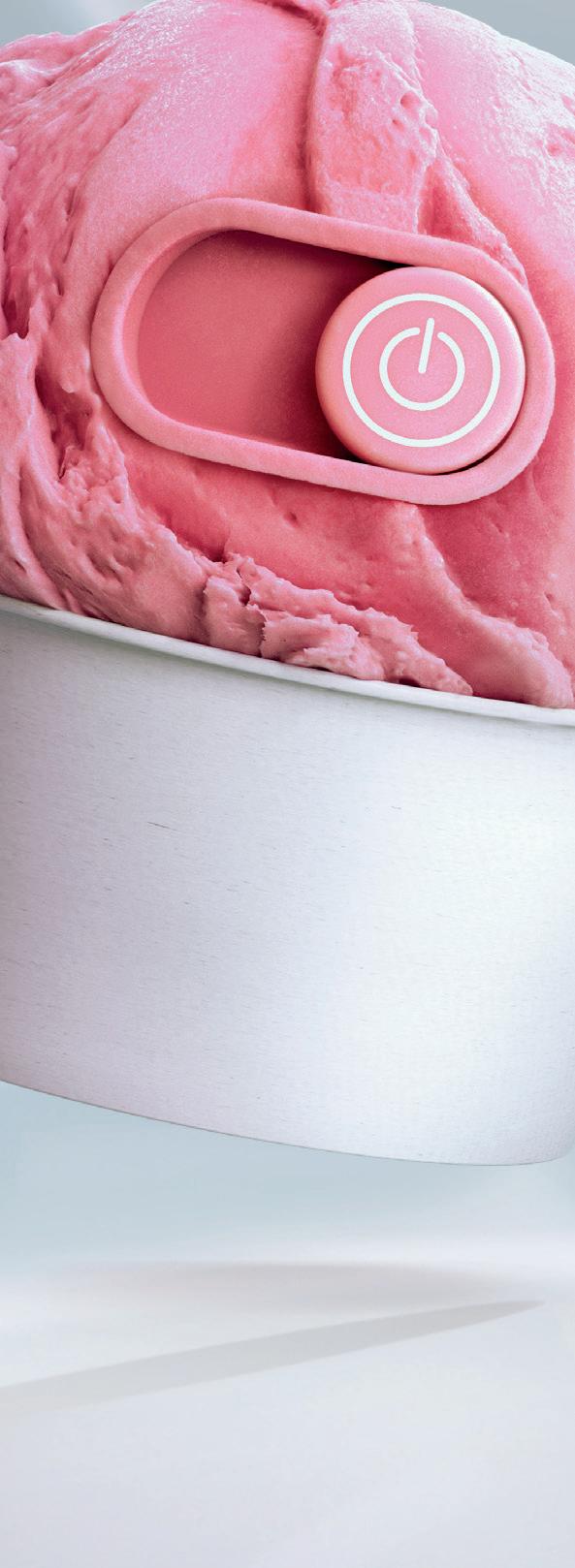
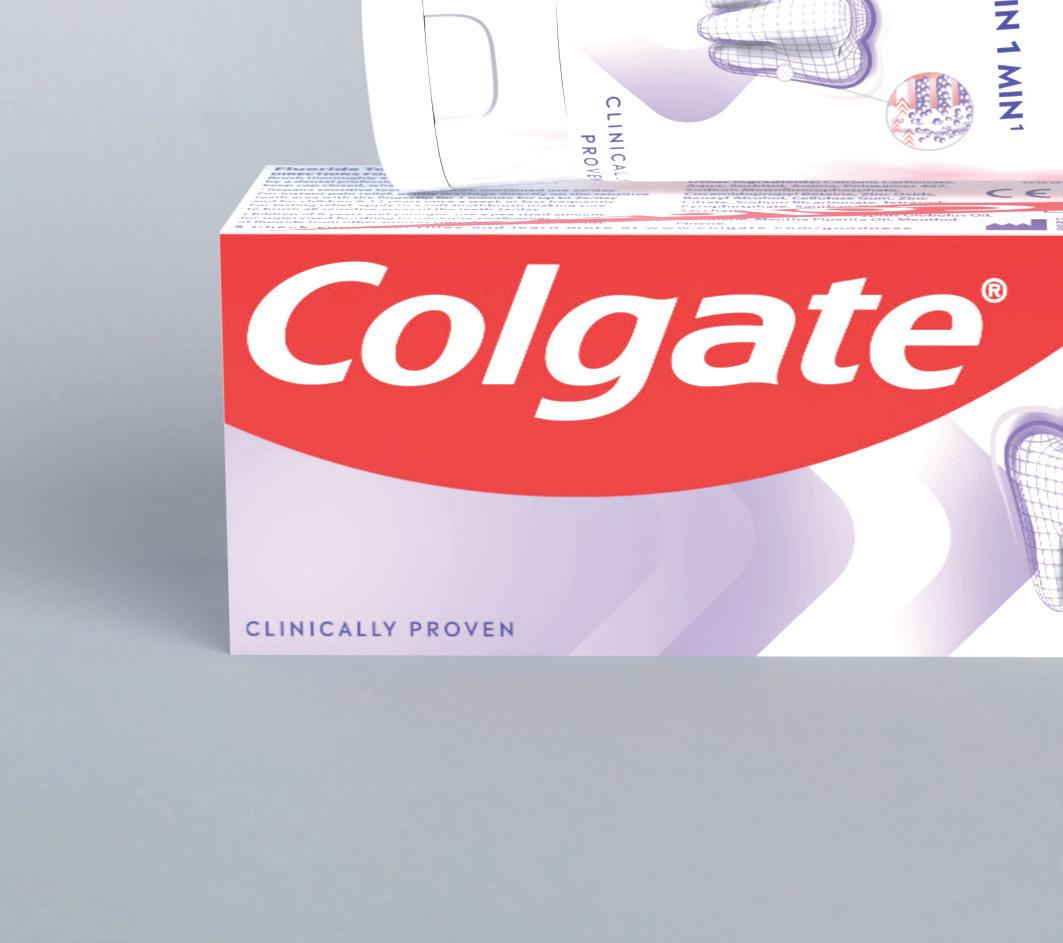
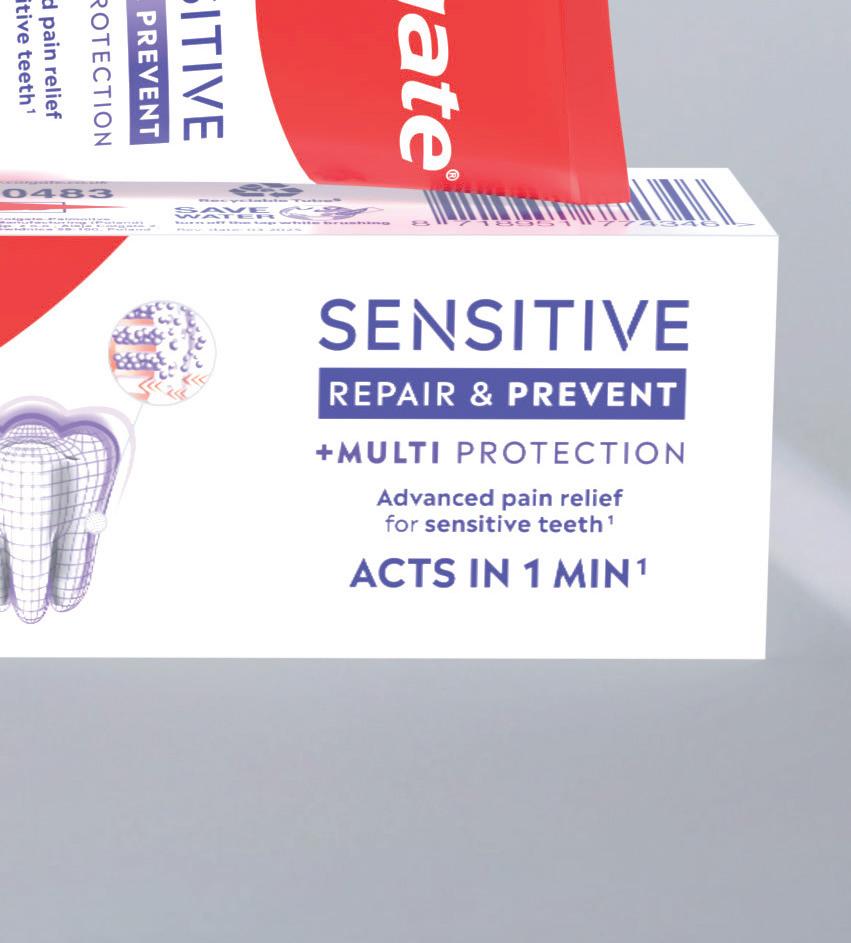
Turning off and simple is as instant sensitivity pain as a flick of a switch
Turning
sensitivity
off and simple is as instant
pain as a flick of a switch of patients experienced instant1,* & long-lasting pain relief2,# with PRO-ARGIN technology
Lasting gum protection with zinc compounds with Colgate SENSITIVE
*For instant relief, apply directly to the sensitive tooth with a fingertip and massage gently for 1 minute, up to twice a day and for children 6–12 years once a week or less frequently. With continued use 2x per day. For lasting
apply with a gentle toothbrush making sure to brush all sensitive areas of the teeth. ‡With continuous use.
References:
1. Subanalysis of Nathoo S, et al 2009. Nathoo S, et al. J Clin Dent. 2009;20(4):123-30).
2. Subanalysis of Docimo R, et al. J Clin Dent. 2009;20 (Spec Iss):17-22.
3. Lai HY, et al. J Clin Periodontol. 2015;42:S17.
NHS dental contract reforms come into effect in England
The NHS dental contract reforms in England, confirmed in December 2025, have been implemented from Wednesday 1 April 2026. They introduce significant changes to how services are delivered and remunerated within the existing Unit of Dental Activity (UDA) framework, with a focus on prioritising high-needs patients, improving access to urgent care, and expanding preventative measures.
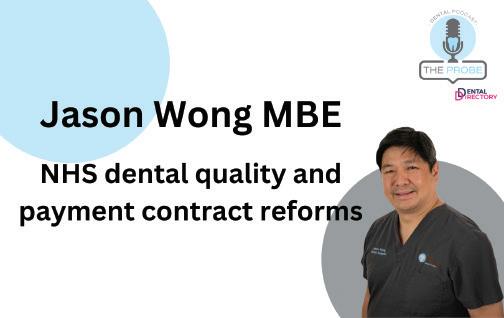
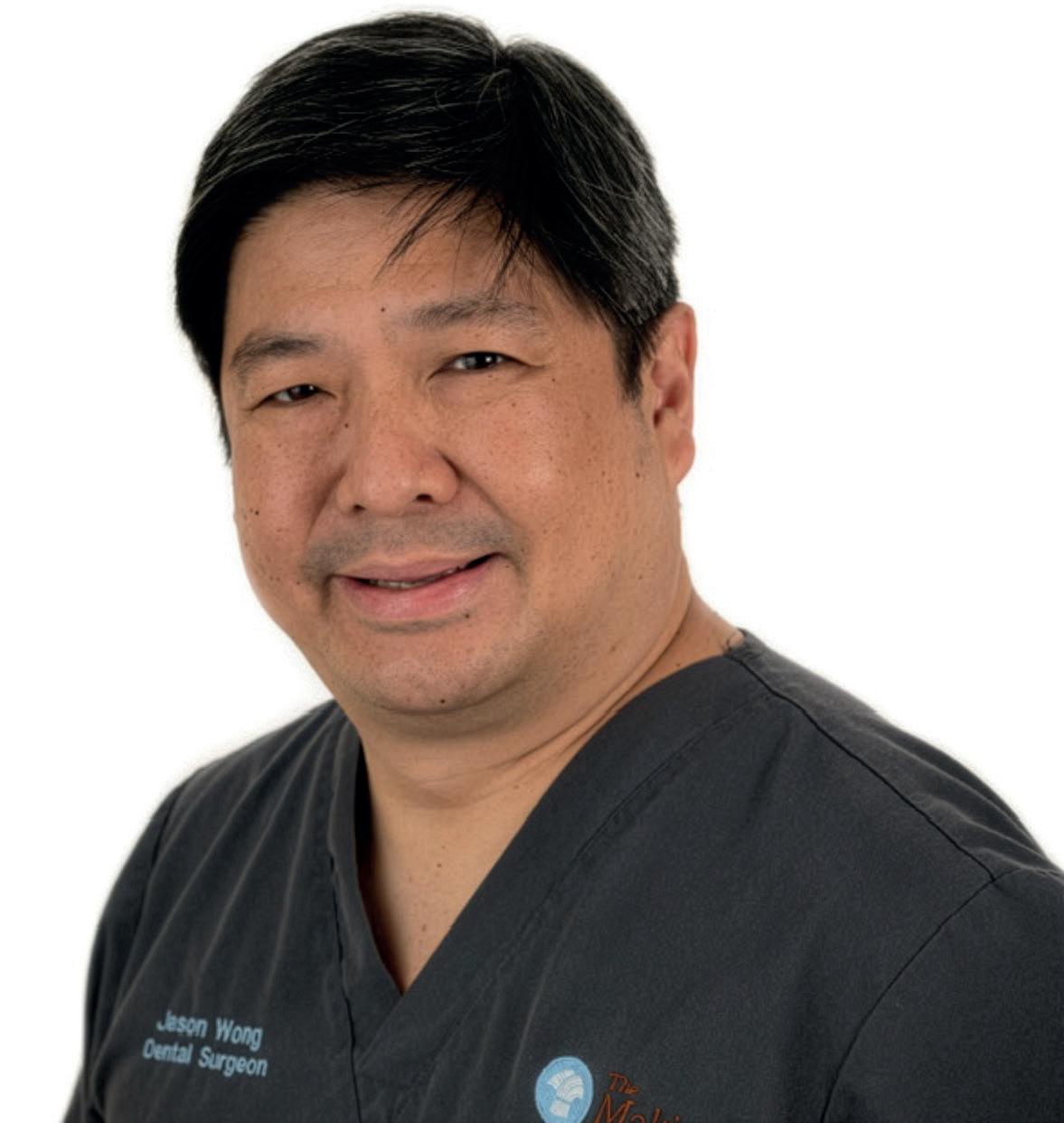
For further information, turn to page 7 for our exclusive Spotlight article from England’s Chief Dental Officer himself, Jason Wong, who explains what the changes mean for practices and clinicians providing NHS dental services.
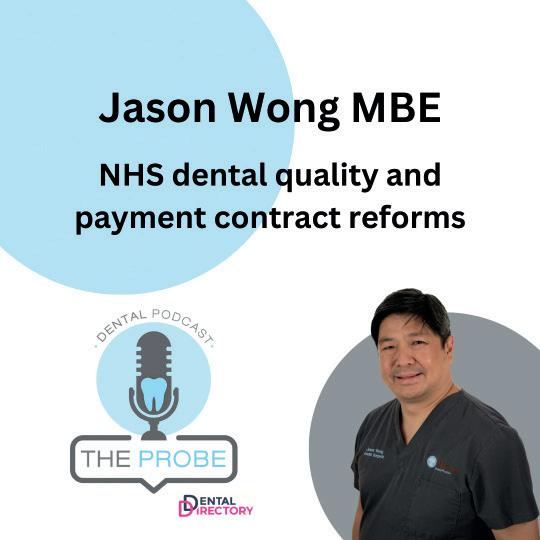
And for the complete lowdown, watch or listen to a special edition of The Probe Dental Podcast in which Jason Wong answers our questions about the reforms. Scan the QR code or head over to the-probe.co.uk/podcasts.
CMA launches review of private dentistry
The Competition and Markets Authority (CMA) has launched a review of private dentistry, looking at both essential care and cosmetic treatments. It is seeking feedback from consumers and dental professionals as it explores how well the market is working – from finding a dentist and understanding prices to knowing where to go if something goes wrong.
Dentistry plays a critical role in people’s health and wellbeing, and demand for private dentistry has risen sharply in recent years – 1 in 5 people in Great Britain used private dental care in 2024. Independent sources suggest average prices in the UK have increased significantly – between 2022 and 2024, initial consultations rose by over 23% to £80, and routine check-ups for existing patients by over 14% to £55. Private dental services accounted for over two-thirds (69%) of the market in 2025, with the UK private dentistry market valued at £8.4 billion in 2023/2024. Research suggests this
shift is partly driven by difficulties accessing NHS treatment.
It is crucial that consumers understand the dental care options available to them and have access to clear information before they spend money, but many may find choosing a dentist, and choosing between different treatments, complex and confusing.
The CMA has published the proposed scope of the study and is inviting views. Areas under consideration include:
• Access to private dentistry: The availability of private dental services in different areas, and how easily people can switch between providers.
• Consumer choice and experience: How people search for dental care, compare providers, and understand the information they receive from dental professionals – including how experiences may vary for different consumer groups, such as vulnerable individuals.
• Treatment prices: How prices for private dental services have changed compared with inflation.
• Business tactics and behaviour: Whether dentists engage in any practices that may be unfair, misleading or anti competitive that could harm consumers or limit their choice.
• Competition between private dentists: How dental practices compete to attract and retain patients, and whether competition is leading to good results for consumers on pricing, and experience.
• Complaint and redress mechanisms: Whether people can easily raise concerns or seek redress when things go wrong.
• Sector regulation: Whether the regulatory frameworks – and how they are enforced – support good outcomes for consumers, including access to clear information.
Sarah Cardell, Chief Executive of the CMA, said: “Going to the dentist is an important part of health and wellbeing, yet we’re concerned many may be uncertain about costs, availability, treatment options and what they’re entitled to. For some, turning to private dentistry is a choice – but for many, it’s a necessity. People need clear, accessible information at the right time so they can make the right decisions for themselves and their families. We want to hear directly from people across the UK about their experiences – good or bad – to help us build a clear picture of how this market is working in practice.”
For further analysis, turn to page 8, where Tom Smith, a former Legal Director at the Competition and Markets Authority, breaks down what this the CMA review could mean for the dental profession.
A welcome from the editor
Whether you’re an NHS practice or private, we have some major news and analysis for you in this issue. Change is afoot with major implications potentially in store for dentistry in England. Across from here, on page 7, you’ll find an exclusive article penned by England’s Chief Dental Officer, Jason Wong, spotlighting his feeling that NHS dentistry is beginning to turn a corner as the new contract reforms come into effect at the start of this month. But that’s not all, as we recently caught up with Jason for a special edition of The Probe Dental Podcast in which we quizzed the CDO on whether this means the beginning of the end for the current NHS dental contract, as well as the requirement for practices to deliver a minimum level of unscheduled/urgent care appointments. The conversation also covered new incentives for dental nurses to apply fluoride varnish and dental therapists to take on more complex roles, new complex care pathways designed to reward clinicians for the time-heavy work they do, and more. Head over to the-probe.co.uk/podcast to watch or listen, or scan the QR codes on the page opposite.
On the other side of the NHS/private dental divide, as previously reported, the Competition and Markets Authority (CMA) is launching a review of private dentistry in the UK. Overleaf, on page 8, we have some comprehensive analysis from Tom Smith, who not only happens to be London Managing Partner at specialist competition and regulatory law firm Geradin Partners, but was formerly Legal Director at the CMA itself!
With content not to be missed, I’ll leave you to it. Enjoy the magazine!
The Probe is published by Purple Media Solutions.
Registered in England.
Registered number 5949065
Managing Editor: James Cooke
Commercial Director: Gary Henson
Divisional Administrator: Francesca Smith
Production Designer 1 : Lorna Reekie
Production Designer 2: Rob Tremain
Digital Content Manager: Stephen Wadey
Circulation Manager: Andy Kirk
Managing Director: Ed Hunt
Regular Contributors: Lisa Bainham, Nigel Carter, Barry Cockcroft, Ollie Jupes and Pam Swain
E-mail news, stories or opinion to james.cooke@purplems.com
liability for any consequential loss or damage, however caused, arising as a result of using information printed in this magazine.
The views expressed in The Probe are not necessarily the views of the magazine, nor of Purple Media Solutions
Editorial Advisory Board: Dr Barry Oulton, B.Ch.D. DPDS MNLP; Dr Graham Barnby, BDS, DGDP RCS; Dr Ewa Rozwadowska, BDS; Dr Yogi Savania BChD, MFGDP; Dr Ashok Sethi, BDS, DGDP (UK), MGDS RCS; Dr Paroo Mistry BDS MFDS MSc MOrth FDS (orth); Dr Tim Sunnucks, BDS DRDP; Dr Jason Burns, BDS, LDS, DGDP (UK), DFO, MSc; Prof Phillip Dowell, BDS, MScD, DGDP RCS, FICD; Dr Nigel Taylor MDSc, BDS, FDS RCS(Eng), M’Orth RCS(Eng), D’Orth RCS(Eng); Mark Wright BDS(Lon), DGDP RCS(UK), Dip Imp Dent.RCS (Eng) Adv. Cert,
Scan to explore The Probe’s back catalogue online or visit the-probe.co.uk/issues
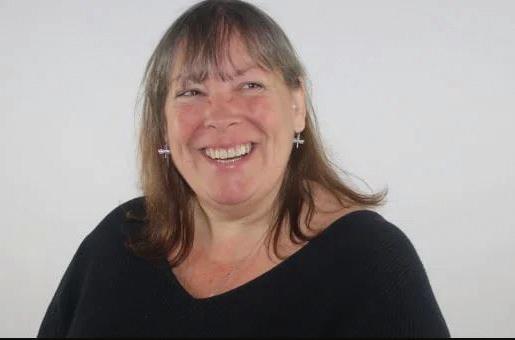
Amanda Oakey Director of Educational Resources Oral Health Foundation
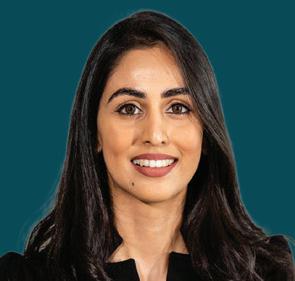
Simran Bains 2025 Young Dentist of the Year
Jason Wong Chief Dental Officer England
Tom Smith London Managing Partner Geradin Partners
Dr Jack Gardner Practice Principal Whitehill House Dental Practice
Dr Simon Chard President BACD
Dr Carol Somerville President of the BACD
Dr Imran Nasser Practice Principal Cheltenham & Cotswold Dental
NHS Dental Quality and Payment Contract Reforms
An EXCLUSIVE message from Jason Wong, Chief Dental Officer England.
NHS dentistry is beginning to turn a corner, with more care being delivered to patients at a time of sustained demand and high public expectation.
This progress reflects the hard work of the whole dental team, including dental hygienists, dental therapists, and dental nurses, who are helping to expand access and respond to increasing need in communities.
We have listened carefully to what you have told us and recognise that further reform is needed to ensure the contract better reflects the work you are doing to increase capacity – that is why we have confirmed a series of changes to the dental contract from April.
These changes include a new £75 payment for urgent and unscheduled care, replacing the previous arrangements to better recognise the time, effort and complexity involved when you are treating patients with immediate needs. We are also updating minimum levels of service to support improved access and ensure care is reaching those who need it most.
We are also strengthening our focus on quality and prevention. You and your teams will be supported through funded annual appraisals,
with £213 available on completion, helping you reflect on development, build on strengths and continue delivering high standards of care.
Practices will also be able to enrol patients onto new complex care pathways, with monthly payments starting from £284 and rising to £709 depending on patient need, so you can provide more consistent and appropriately funded support for those with higher needs.
Meanwhile, changes to skill mix will give you greater flexibility, with trained dental nurses able to deliver preventive interventions such as fluoride varnish for children, helping improve oral health between appointments.
And for the first time in decades, we are introducing a dedicated quality improvement programme within the contract, with practices able to opt in and receive £3,400 a year to support improvements in care, including around recall intervals. We will continue to work closely with you over the coming year to gather feedback and refine our approach. These changes are about making it easier for you to run services, support your teams and focus on what matters most, which is delivering high-quality care for your patients. n
Discover more on The Probe Dental Podcast
Watch or listen to our EXCLUSIVE
In a special edition of t he p robe Dental p odcast, sponsored by Dental Directory, Chief Dental o fficer for England Jason Wong MBE talks exclusively about the major N hs dental contract reforms that come into effect on 1st April 2026.
t he reforms introduce fixed tariffs for complex treatments and urgent care, moving away from a pure volume-based UDA system, and Jason discusses whether this means the beginning of the end for the current N hs dental contract, as well as the requirement for practices to deliver a minimum level of unscheduled/urgent care appointments, new incentives for dental nurses to apply fluoride varnish and dental therapists to take on more complex roles, new complex care pathways for designed to reward clinicians for the time-heavy work they do, and more.
t he p robe Dental p odcast is sponsored by Dental Directory: https://www.ddgroup.com/
With support from:
- Acteon g roup: https://www.acteongroup.com/en/
- Belmont Dental: https://belmontdental.co.uk/
- Directa Dental: https://directadental.com/
- Kerr Dental: https://www.kerrdental.com/en-uk/
- l ily h ead Dental p ractice s ales: https://www.dentalpracticesales.co.uk/
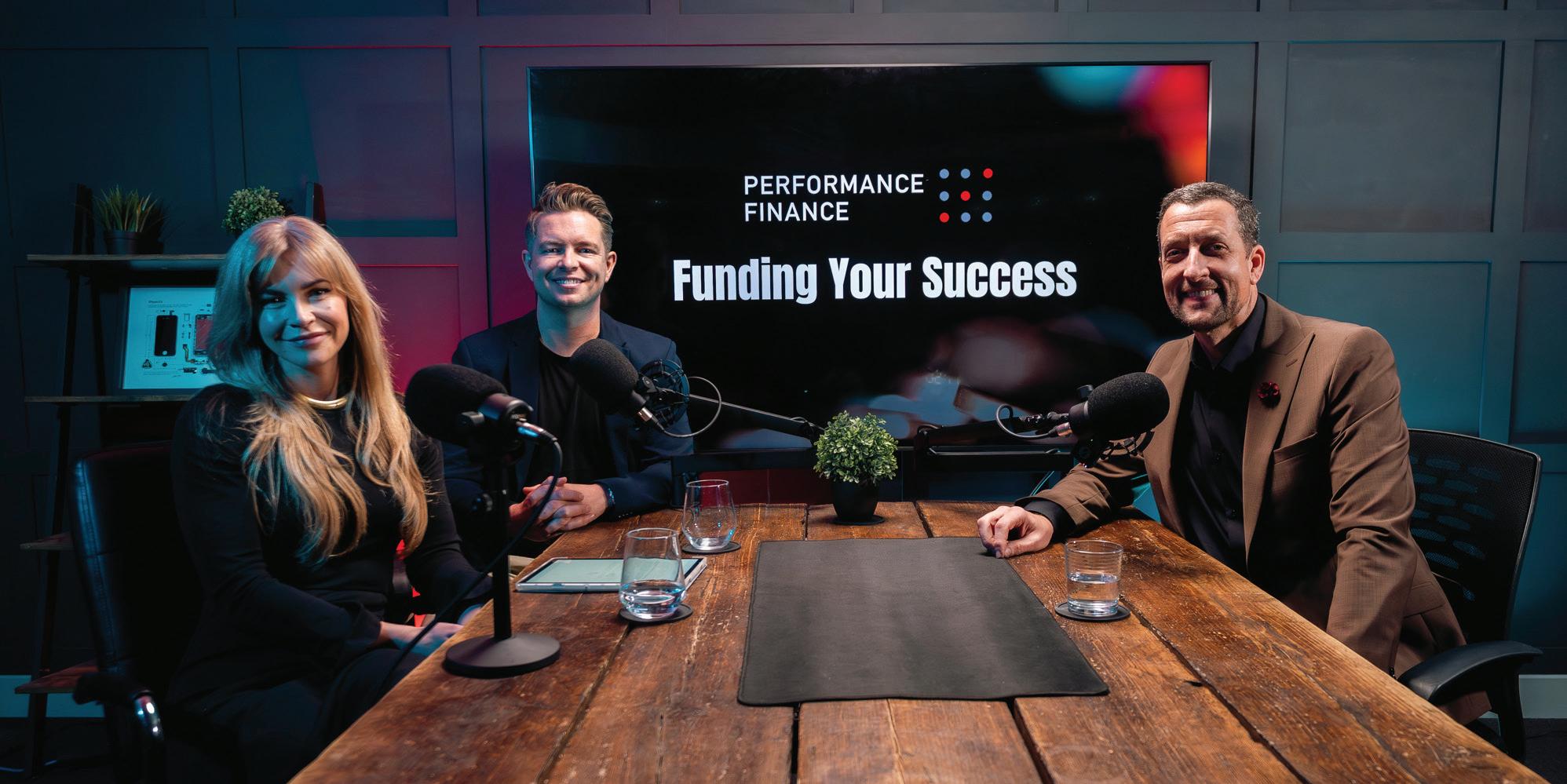
- p erformance Finance: https://www.performancefinance.co.uk/
- V o C o : https://www.voco.dental/
Watch or listen now at the-probe.co.uk/podcasts
Imposing changes on the private dentistry sector: the CMA’s intervention
tom smith, former Legal Director at the Competition and Markets Authority, offers his unique insight into the CMA’s review of private dentistry and the potential implications
The decision by the Competition and Markets Authority (CMA) to launch a market study into private dentistry marks a key moment for the sector. While not unexpected – given mounting political and public concern over affordability and access – it represents an escalation in regulatory scrutiny for the profession.
For dental practices, the implications are far-reaching. This is not merely a policy exercise: it is a resource-intensive process that is likely to reshape how dentistry is priced, marketed and delivered across the UK. History shows that CMA market studies result in some significant changes to how a sector does business.
what is a CMA market study and why does it matter?
A CMA market study is a formal investigation under the Enterprise Act 2002 designed to assess whether a market is working well for consumers. There is no allegation that anyone is breaking the law or even that they are necessarily acting badly. Nevertheless, the CMA has extraordinarily wide powers to reshape the sector if it identifies features that distort competition or harm consumers.
For the next few months, the CMA will consider views on the scope of its investigation, and engage in evidence gathering, consultation and analysis. The final market study report is due by March 2027. However, that may not be the end of the process. At that point, the CMA may issue recommendations to government for regulatory reform, take direct consumer or competition enforcement action, issue guidance to the sector, or escalate the matter into a full market investigation, which carries powers to impose legally binding remedies. The process can take more than three years from start to finish.
In the case of private dentistry, the CMA has set itself a broad remit. It will examine the full ‘consumer journey’, from how patients find a dentist to how they understand pricing and treatment options, alongside competition between practices, pricing trends, profitability, and the role of regulation.
There is a wide range of possible outcomes. At the mild end of the spectrum, the CMA’s work may result in some recommendations to Government about regulatory reform and some measures that increase pricing transparency for consumers. At the severe end of the spectrum, the CMA has the power to break up corporate groups, impose price caps, or otherwise fundamentally change how practices operate.
A cost-of-living lens: why dentistry, and why now?
The CMA’s intervention cannot be understood in isolation. It sits squarely within the UK government’s broader focus on costof-living pressures and “everyday spending”.
The private dentistry study forms part of the CMA’s 2026–2029 strategy to prioritise markets that are essential to households and where consumers may be vulnerable. The CMA is particularly worried that prices have risen sharply.
The CMA says that the price of initial consultations has increased by over 23% between 2022 and 2024, and routine check-ups by more than 14%. These increases have attracted political attention. With the Chancellor having called for action last November, the CMA had little choice but to acquiesce.
Lessons from the veterinary sector
To understand where this process may lead, dental practices should look closely at the CMA’s recent work in the veterinary sector, which bears some similarities with the dentistry sector.
The CMA has been investigating the veterinary sector for nearly three years, and its final report is due imminently. It has identified a large number of concerns around issues such as price increases, unduly high levels of profitability (which suggest a lack of competition between practices), market concentration, the lack of information being given to consumers, and an out-of-date regulatory system.
It is proposing a suite of remedies to address each of its concerns, including:
• Mandatory provision of clear, itemised pricing and written estimates, and explicitly notifying consumers that they can buy medicines cheaper online
• Publication of prices for standard services, and a periodic customer satisfaction survey to help consumers to choose their vet
• Greater transparency around ownership structures (e.g. different brands that are owned by the same corporate group)
• A cap on prescription fees (£16)
• Measures to facilitate comparison shopping, including easier access to prescriptions
• Significant updates to the regulatory regime and the role of the Royal College of Veterinary Surgeons
In sum, these remedies will significantly change the way the vets sector operates. However, even more draconian remedies were previously mooted. For example, the CMA stopped short of widespread price controls. It had also voiced concerns about increased levels of private equity ownership, but in the end did not force groups to sell any practices.
At first glance, there are some parallels with dentistry. Both sectors involve complex, trust-based professional services; both have seen consolidation and rising prices; and both feature information asymmetries between provider and consumer. Admittedly, the level of private equity ownership is higher in the veterinary sector than the dental sector.
possible outcomes for private dentistry
While it is too early to know the CMA’s conclusions, we can speculate about some possible outcomes.
The CMA is likely to impose measures around pricing transparency. For example, practices may be required to publish standardised price lists, provide written treatment plans and cost estimates upfront, and/or offer clearer explanations of optional versus necessary treatments. Such measures would aim to address concerns that patients struggle to compare providers or fully understand costs.
The CMA is likely to scrutinise how treatment options are communicated, particularly where there may be perceived incentives for “upselling” higher-value procedures. This could lead to guidance around fair commercial practices and informed consent.
The CMA may recommend changes to the regulatory framework governing dentistry, particularly where inconsistencies across the UK or gaps in oversight affect competition or consumer outcomes. This was a large part of the vets case. The CMA could also seek to address barriers to entry that restrict the number of new dentists entering the profession in the UK.
If the CMA identifies specific practices that breach consumer protection or competition law – such as misleading pricing or anticompetitive agreements – it can take direct enforcement action. The CMA has recently been given the ability to fine businesses who breach consumer law up to 10% of their turnover.
Although not inevitable, the CMA may escalate to a full market investigation, as it did in the vets case. This would significantly raise the stakes, introducing the possibility of legally binding remedies, including structural interventions.
the hidden cost: regulatory burden on practices
For many in the profession, the most immediate impact of the CMA’s study will not be its eventual conclusions, but the process itself.
Market studies are intensive. They require sustained engagement from industry participants over many months. Many will engage competition lawyers to help them to nudge the CMA in the right direction, to deal with the burden of detailed information requests, to prepare written responses to the various consultation documents, and to prepare for meetings and formal hearings. Perhaps most significantly, the study introduces a period of uncertainty. Practices must make commercial decisions – on pricing, investment, and business models – without knowing what regulatory changes may follow.
The CMA has emphasised its commitment to pace, predictability and proportionality, but the reality remains that such investigations impose a burden on the sector.
preparing for the road ahead
For dental practices, the key is not to wait for the final report. Practices should consider making their views known to the CMA, either to explain why significant interventions are unnecessary or to point towards certain changes they believe should be made. The best time to influence the outcome of a CMA investigation is right at the start. Practices could also consider reviewing their pricing structures and ensuring transparency is robust and defensible, and auditing their patient communications to ensure clarity and compliance with consumer law.
In short, the sector should buckle up and prepare for a long and bumpy ride. n
About the author tom smith is the London Managing partner at Geradin partners, a specialist competition and regulatory law firm. He was formerly Legal Director at the Competition and Markets Authority.
Once bitten? Check your tetanus status!
Look away now if you’re squeamish. Back in the early 1990s I had a torrid time making a set of NHS complete dentures for an elderly gentleman with upper and lower ridges as flat as the Fens. I should point out that this was in the days before mini implants to stabilise dentures were a relatively common thing, and making complete dentures was pretty much a dark art. This particular patient had tried to obtain treatment from several local practices before he found a dentist who didn’t like to say no.
I did EVERYTHING, even resorting to using the neutral zone technique for the first time (Google it) to try to stabilise the lower denture in particular but to also keep the cheeks away from the upper buccal flanges. After countless try-ins, I went (boldly) to finish and the result was, naturally, a dental debacle. After innumerable failed eases and adjustments, as well as a written demand for his money back, I had to admit defeat and refund, referring the patient on to Birmingham Dental Hospital.
A couple of years later, regrettably, I took on another patient with similar ridges, ignoring a look from my longserving dental nurse colleague that silently screamed “NOOOOOO!” This time, the patient had been coping with her old dentures, although they were “a teeny bit wobbly”. She reassured me that her current five-year-old pair had been fine until a few months ago. She reported that a reline a couple of years earlier “worked really well”. In the light of this, I decided to make copy dentures this time and was reasonably optimistic that success would be within my grasp. But no. I swear to this day that her upper denture broke the laws of physics, accelerating in its descent quicker than the prescribed 9.8 metres per second per second. As the very nice lady walked away from the practice clutching my cheque for her refund, my nurse (who had been with me when I failed the first flat-ridge man) turned to me and asked pointedly “Is your motto, ‘Once bitten, twice bitten?’” And the phrase ‘Once bitten, twice bitten’ brings me neatly on to the proposal by the government to enable overseas dentists to join the dental register ‘as easily and as quickly as possible’ in order to remedy the shortage of dentists working in the NHS. The new measure recognises that there is an incredible waiting list for the Overseas Registration Examination (ORE). The proposal is to ‘introduce provisional registration to streamline the registration of overseas dentists’. In the policy paper ‘Faster, simpler and fairer: our plan to recover and reform NHS dentistry,’ the proposal would provide ‘a new route for overseas qualified dentists whose qualifications are not currently automatically recognised by GDC (sic) to join the register and practise in the UK faster.’
In essence, the government is attempting to address the growing crisis in access to NHS dentistry by allowing overseas dentists to bypass the ORE, thus raising significant concerns about
regulatory standards and patient safety. The government is effectively ignoring the lessons that should have been learned from the earlier controversy involving overseas dentists registering as dental therapists and hygienists. Although the process was ceased in 2023, a number of overseas qualified dentists were allowed to register as dental care professionals – either as dental therapists or dental hygienists – based on a ‘paperwork assessment’ of their qualifications and experience. Perhaps naively, I would have expected someone in the GDC to have made clear the problems associated with the therapist/hygienist registration issue to Health Ministers when the regulator was almost inevitably consulted on the government’s proposals.
When questioned at the time about the frankly iffy process for registering overseas dentists as dental therapists or hygienists, the GDC insisted at the time that its assessment processes were ‘robust’.
In many cases, applicants were assessed solely through documentation mapping their qualifications and experience to the scope of practice of dental therapists or hygienists. Crucially, there was no requirement for a practical clinical examination – an extraordinary omission when faced with the fact that a large proportion of overseas dentists who take the ORE fail the practical part of the exam – and yet they were allowed to register as dental therapists and, therefore, carry out fillings. In 2019 – when the British Association of Dental Therapists (BADT) first raised attention to the issue – 56% of ORE candidates failed the practical Dental Manikin Exercise and, yet, the GDC was allowing dentists to register as therapists with no practical examination of their skills.
The troubling aspect of the above controversy was the disparity between the rigorous assessment required for dentist registration and the absence of equivalent testing for those entering the register as dental therapists. The ORE is widely regarded as a demanding examination. According to published data, approximately half of candidates regularly fail the practical component at many sittings, and failure rates have occasionally gone higher. These statistics suggests that a substantial proportion of overseas dentists who attempt the exam do not initially meet the required standard of clinical competence. Allowing candidates to instead register as dental therapists through a paperwork-based assessment led to obvious implications. Dental therapists are authorised to perform several clinical procedures involving the removal of dental hard tissue, including restorations and periodontal treatment. These procedures require precise technical skills and sound clinical judgement. Allowing practitioners to perform them without having passed a practical examination raised serious questions about regulatory consistency. Yes, there will be ‘supervision’ under the
new proposals for overseas dentists, but how close will that supervision be in a busy NHS practice working under the draconian target-led UDA system?
Introducing flexible registration routes without robust clinical testing risks raising concerns. If portfolio assessments or supervised practice schemes are implemented, they must include objective and transparent evaluations of clinical competence, otherwise the profession may once again find itself debating whether regulatory shortcuts are being used to address workforce shortages.
It is also worth recognising that internationally trained dentists themselves may be disadvantaged by a system perceived as less rigorous. Passing a demanding examination such as the ORE provides clear evidence of competence and helps integrate practitioners into the professional community. If alternative routes are viewed as easier or less credible, those who enter through them may face unfair scepticism about their abilities.
Historically, dentists who qualified outside the UK and European Economic Area have been required to demonstrate equivalence to UK graduates by passing the ORE or the Licence in Dental Surgery (LDS) examination. These examinations test both theoretical knowledge and practical clinical competence, including simulated clinical procedures. Their purpose is straightforward: to ensure that all dentists practising in the UK meet the same minimum standard, regardless of where they trained. There are well-
recognised disparities in qualifications awarded overseas compared to UK qualifications, hence the introduction of the ORE in 2007.
On a personal note, I passed LDSRCS (England) in 1988 while still an undergraduate. It was a tricky prospect, going in cold, and so I have much empathy with any overseas dentists having to face the same ordeal but, at the end of the day, it was just standard dentistry - and this may sound brutal but - any qualified dentist should really be able to pass it with a reasonable prospect of success. In my opinion, removing such a test of skills in these days of intense working pressures in the NHS and increasing litigation considerably raises risks to patient safety, not to mention, the practitioner. But let me emphasise, the GDC itself stopped registering dentists as dental therapists and hygienists in 2023 because it apparently recognised the flaws in its processes. So why does the regulator appear to be going down this route yet again when it could have responsibly and professionally pointed out to the Government that this is not the way to go?
Once bitten, twice bitten? n
About the author ollie Jupes is the pseudonym of a former nHs dentist. He monitors dentistry on twitter X as @DentistGoneBadd
How Smile Month can boost patient awareness of oral health
An interview with Amanda oakey, Oral Health Foundation Director of Educational Resources
Educational resources director Amanda oakey from the oral Health Foundation takes you through the history of smile Month, what she has planned for this year’s campaign, and how dental teams are at the cornerstone of the activity.
Before we get started, tell us a bit about you! How long have you been at the oral Health Foundation?
Oh, goodness. I feel like I’ve been here for a whole lifetime! It’s been almost 21 years now. I came here from a long background in sales, including managing accounts worth millions for big retailers and breweries, as well as advertising sales. But I much prefer it here, I feel like the products I’m in charge of are making a difference. I don’t regret the move from beer to brushes at all!
21 years is a long time! How has national smile Month changed since you arrived?
It’s changed enormously. What started as a relatively small, regional Smile Week has grown into something truly global in its reach and ambition. Over the years, we’ve expanded it into a full month, broadened the audiences we engage with, and seen participation grow right across the UK and far beyond.
One of the biggest changes this year reflects that growth. We’ve dropped ‘National’ from the title, so it’s now simply Smile Month. That’s a deliberate step. We’re now seeing our messages, resources and activities being used all over the world – by dental teams, schools, workplaces and communities internationally. It’s been incredible to watch.
We wanted the name of the campaign to reflect that reality. This is no longer just a UK moment –it’s a global movement built around simple, positive messages that resonate everywhere.
Despite all that change, the core has stayed the same. Smile Month is still about giving people clear, practical ways to look after their oral health – and doing it in a way that feels engaging, accessible and, importantly, positive. And for me, it’s still the highlight of the year.
we know you like to change up the themes. what is that process like?
It’s very much a team effort. We spend time looking at what’s happening across dentistry and wider public health, as well as the challenges people are facing when it comes to their oral health.
From there, we think carefully about what messages will make the biggest difference and, just as importantly, how we bring those messages to life in a way that really connects with people. It’s not just about what we say, but how we say it – making sure it feels relevant, engaging and easy for both the public and dental teams to get behind.
so, what are the plans for smile Month this year?
This year is a biggie because it’s actually the 50th anniversary of the campaign, so the theme is ‘Celebrating 50 Years of Smiles’. We will look back at all the brilliant innovations in dentistry since the 1970s and look ahead to the next 50 years to the incredible changes to come.
More than anything, this year we want to celebrate the natural smile. There is a lot of pressure on people to have bright white, completely straight Hollywood-ready smiles, and we’ve lost our way a bit, so we want to bring the focus back to a healthy smile and remember that every smile is as unique as the individual.
It also means that, because we’re celebrating real smiles, we have decided to retire the Smiley. If you didn’t know, these were printed smiles with toothbrushes that you hold up for photos, but on the back, they had the campaign’s main oral health messages for anyone to take home and learn. It’s been a muchloved icon of the campaign since we introduced it back in 2012, but it’s time for a new focus. We don’t celebrate our natural smiles nearly enough.
i’m sure that’s a message we can all get on board with. How do dental teams fit into smile Month?
We can’t run the campaign without support from the dental profession; they’re at the heart of everything we do, and they’re the ones on the ground delivering the messages to their patients and communities, so we always make sure that any resources we create for the campaign are easy to use in any practice.
They might use them in practice displays, community events, or educational sessions, helping to spark conversations about oral health and share key messages.
The campaign reaches far beyond dental practices, too. Professionals deliver Smile Month activities in mother-and-toddler groups, nurseries, schools, adult learning settings, homeless shelters, food banks, and care homes. They send us photos from their different events, and it’s always such a joy to see them.
what would you say to a dental team that has yet to take part?
I’d say start small and don’t overthink it. You don’t have to do everything – even one or two simple things can have a real impact. If a resource helps you have one meaningful conversation with a patient, that’s a win. And once teams get involved, they often find they really enjoy it and want to do more the following year. This is also a great year to start getting involved because to celebrate our 50th year with Smile Month, we’re planning something really special. What we would love to see is tons of gorgeous, diverse smiles, so we’re building a massive Smile Wall featuring as many different faces and smiles as possible. We know lots of dental teams love taking photos of their work to show it off, and we’d love to help you show it off even more! Of course, patient privacy is vital, so we wouldn’t include any names – just their gorgeous teeth.
what a good idea! How can people get their smiles to you? The easiest way is to scan the code on our posters and upload them yourselves through the online form, but if you can’t do that, you can always email us at mail@dentalhealth. org. Just make sure to include either the photo files or a link to the image if it’s on social media.
thanks Amanda – that’s great. Best of luck with smile Month and we hope it’s a fantastic campaign. Thank you. And a huge thank you as well to all the incredible dental professionals out there. Your commitment to championing the profession, supporting the Oral Health Foundation and bringing our campaigns to life in your communities makes all the difference. We couldn’t do it without you. n
Amanda Oakey
Effective communication following overseas treatment
Una Man, dento-legal adviser at the Dental Defence Union (DDU), explains how to
and communicate with patients who have had treatment outside the UK
It is becoming more common for dental professionals to encounter patients who require follow-up care after receiving treatment outside of the UK. This could be for a variety of reasons, for example:
• Those who have needed to seek urgent treatment only and/or further planned treatment whilst living, working or holidaying abroad
• Those who have moved to the UK from another country where they have undergone previous treatment
• Those who have travelled outside the UK as a ‘dental tourist’, to undergo specific dental treatment
Communicating with patients
The basic principles of effective communication are the same regardless of what treatment is being provided or where the patient previously accessed care.
Firstly, you should conduct your own assessment of the patient and explain your findings in language and terms the patient can understand. Avoid jargon or large amounts of clinical information when explaining treatment options.
If, after carrying out your assessment, you think the care needs of the patient are beyond your expertise, discuss referral options with
the patient. Make a referral if the patient agrees to this and keep good records of the discussions you had with the patient.
Take reasonable steps to help patients who have particular communication needs. For example, if a patient doesn’t speak fluent English, consider making arrangements for a translator or if the patient appears anxious or confused about treatment, take time to reassure the patient and provide further explanation.
Your advice to a patient, including options for treatment, should of course be based
on what you consider to be in their best interests. Be clear and transparent about the possible costs when explaining the different treatment options, and whether treatment will be provided under the NHS or privately. This includes any referrals you might need to make.
It’s also vital to check that the patient’s expectations of what can be achieved are realistic. If the patient raises concerns about previous care, advise them that these should be appropriately directed to the colleague who provided that care.
Moreover, while questions or queries from the patient regarding your findings should be answered honestly, avoid making any subjective or inflammatory comments about care provided previously by other dental professionals, no matter where the care was provided.
Communicating with the previous practice
With a patient’s consent, you may wish to contact their previous dentist or DCP if you need more details or clarification about care provided. Details of any verbal communication should be accurately noted in the patient’s records. If necessary, consider requesting copies of the records from the previous dental professional.
The benefit of seeking previous records and information requires careful assessment on an individual patient basis, especially if you want dental records and information about treatment provided by a firm in administration or outside the UK, as it may be problematic for you to obtain the information in a usable format. Additionally, the treatment that has been provided may be unfamiliar too, particularly in relation to materials and/or techniques used.
To read further guidance and advice from the DDU visit: theddu.com/guidance
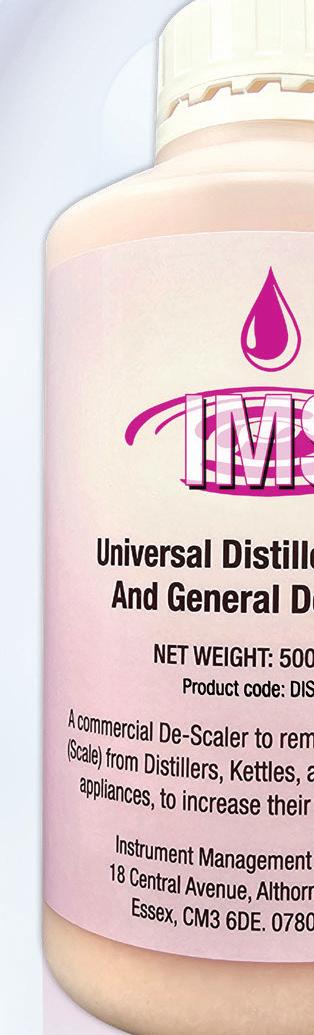
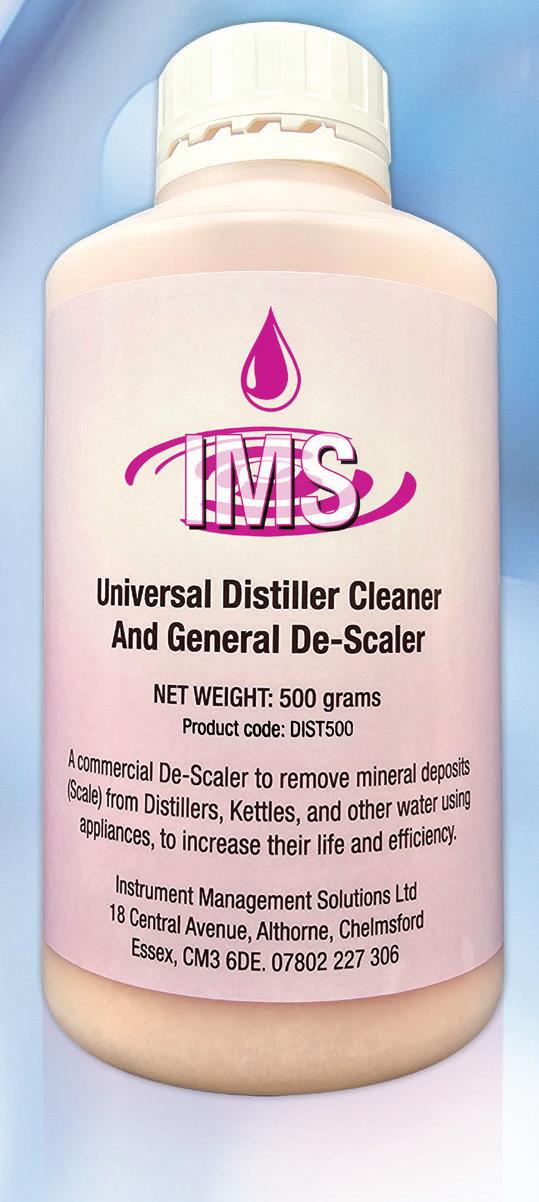
NEW Universal Distiller De-scaler
Designed for professional use in dental practices
The power of choice in dental decontamination
Decontamination is a critical process. However, there is no single solution that suits every business. Each practice is different. Size, workload, budget, and future plans all influence the most appropriate equipment choices.
Understanding autoclave options
Autoclaves are at the heart of instrument reprocessing. UK guidance such as HTM 01-05/SHTM 01-05 outlines best practice for cleaning, disinfection, and sterilisation of reusable dental instruments. Within this framework, there are different types of autoclaves available, each offering specific advantages.
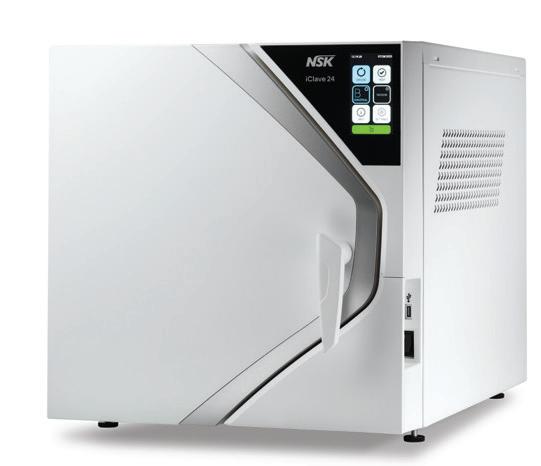
Non-vacuum (Class N) autoclaves are suitable for solid, unwrapped instruments. They are often chosen by practices with simpler instrument sets and lower throughput. Vacuum (Class B) autoclaves offer greater flexibility, able to process wrapped instruments, hollow instruments and handpieces, supporting more complex clinical workflows.
Choosing the right autoclave depends on how instruments are used, stored and rotated within the practice. Wrapped instruments, for example, allow for longer sterile storage and improved workflow efficiency, which can be particularly helpful in busy or multi-surgery practices.
Washer disinfectors:
manual versus automated
While manual cleaning is permitted under HTM 01-05/SHTM 01-05 Essential Quality Requirements, it carries limitations. Manual processes are variable and rely heavily on staff technique, consistency, and compliance. They also present a higher risk of sharps injuries and aerosol exposure.
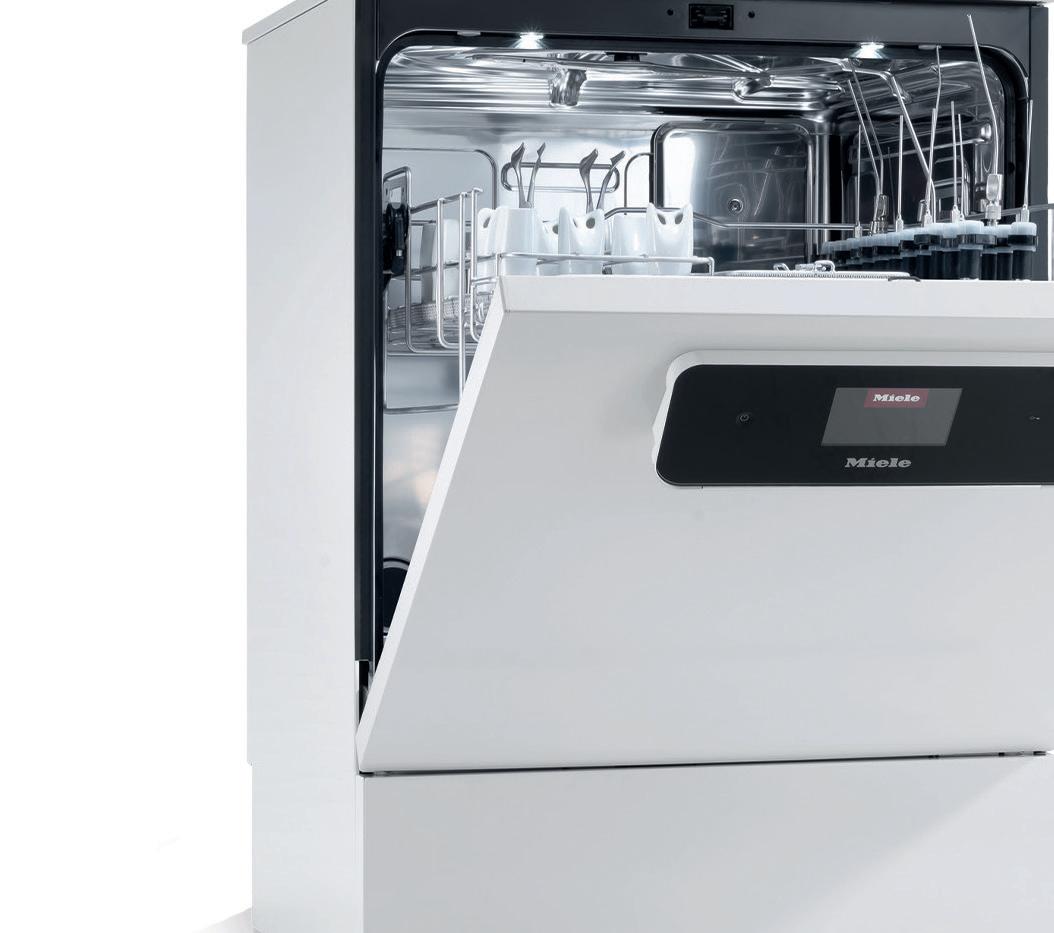
Washer disinfectors automate the cleaning and disinfection stage. They provide validated, reproducible cycles that remove debris and reduce microbial load before sterilisation. Bench top washer disinfectors are suitable for many smaller dental practices, offering compact footprints and efficient performance. Larger models may be appropriate for high-volume practices or dedicated decontamination rooms, supporting clear dirty-to-clean workflows. The decision to invest in a washer disinfector is often driven by safety, efficiency, and Best Practice compliance. Automated and validated cleaning reduces direct handling of contaminated instruments, supporting staff wellbeing. It also standardises the process, making record-keeping more straightforward, as recommended by HTM 01-05.
In practical terms, washer disinfectors can also save time. While a cycle is running, staff are free to focus on other tasks. Over time, this can improve productivity and reduce pressure during busy clinical sessions.
In Scotland SHTM 01-05, a Washer Disinfector is mandatory for reprocessing instruments.
the role of ultrasonic cleaners
Ultrasonic cleaners can play a useful supporting role within the decontamination workflow. They use high-frequency sound waves to remove debris from complex instruments, joints and serrations. This
makes them particularly valuable for precleaning heavily soiled instruments or those with intricate designs.
Guidance highlights that ultrasonic cleaners should be used with lids in place and located away from patient areas to reduce aerosol risk. They are not a replacement for washer disinfectors but can complement automated systems or enhance manual cleaning stages where appropriate.
Water quality and rO systems
Water quality has a direct impact on the performance and lifespan of decontamination equipment. Autoclaves require water that is free from minerals and contaminants to prevent scaling, staining and internal damage. Traditionally, this has been achieved using bottled distilled or deionised water. Reverse Osmosis (RO) systems offer an alternative. These are systems that include UV light, produce high-purity water on site by removing dissolved solids, bacteria and microorganisms. Using an RO system can reduce reliance on plastic bottles, improve consistency of water quality, and support sustainability goals. RO water also helps protect autoclave components, supporting long-term reliability and performance.
planning for support and longevity
When selecting decontamination equipment, it is important to look beyond the initial purchase. Ongoing servicing, technical support, and access to expert advice all contribute to long-term value. Equipment that is well maintained is more reliable, more compliant, and more costeffective over its lifetime.
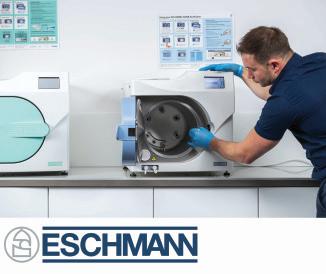
This is where established providers such as Eschmann play a key role. With a long-standing focus on decontamination, Eschmann supports practices not only with equipment choice but with ongoing Care & Cover, technical backup, service, and support. This approach helps practices protect their investment, extend equipment lifespan, and maintain consistent compliance over time.
choice that works for your practice
There is no single ‘best’ decontamination setup. The most ideal solution is the one that fits the needs of the practice, today and tomorrow. By understanding the range of options available – from autoclaves and washer disinfectors to ultrasonic cleaners and RO systems – practices can make informed decisions that support safety, efficiency and sustainability.
For more information on the highly effective and affordable range of decontamination solutions available from Eschmann, please visit www.eschmann.co.uk or call 01903 753322 n
about the author
Nicky Varney, Head of Marketing at eschmann.
Opening up to referrals
Increasing your practice’s capacity for referrals can be a rewarding endeavour, growing the patient base and making the most of clinical time, so that it is spent supporting as many individuals as possible. However, ensuring this aspect of the business is built for optimal outcomes isn’t simple, and requires a financial and time investment to see effective results. Before contemplating social media campaigns and spreading the word to local practitioners that you are taking on patients for referrals, it’s important to understand the responsibilities of a referral dentist. This includes ensuring the dental team has the appropriate training and data safeguarding procedures in place, as well as effective imaging systems to give patients and other practitioners the full picture in every treatment.
Supporting patients’
unique needs
Referrals are a core aspect of modern dental care. The systems in place ensure patients have access to clinicians who are best suited to meet their clinical needs, even if this is not their general dental practitioner. This applies to a variety of clinical skills; the General Dental Council’s ‘Standards for the Dental Team’ notes that a referral to a colleague should be considered if one cannot make reasonable adjustments to a patients care which are required due to a disability. Such adjustments may include increased wheelchair accessibility for necessary parking or toilet facilities, or dedicated clinicians who are trained to support individuals who may find it difficult to stay still during dental treatment, putting themselves at risk of harm.
A referral for treatment under general anaesthesia may be required for patients who need reasonable adjustments for anxiety management, especially if they require a large amount of dental treatment or the care required is especially complex. Other anxiety management techniques should be considered, and practices should try to support patients however they can, but a referral may end up being best for all involved.
For a practice looking to take on more referrals, it may be worthwhile assessing ways to increase accessibility. This may require changes to the building itself, for example by implementing wheelchair ramps or lifts, or engaging with further clinical training to support individuals with advanced clinical needs.
New skillsets
A referral must always be in the patient’s best interests, and here this means receiving the most appropriate quality of care. As the dental practice accepting the referral, education is the key to casting a wider net. A professional must have the knowledge and skills to carry out the care they are being asked to provide. On a personal level, a clinician may wish to advance their skillset in one area of dental care, such as clear aligner orthodontics or implant placement, and advertise their services in this specific field. Continuous education will ensure that patients can be accepted to undergo the latest treatments, and will show dental colleagues that you are prepared to support such patients. At a wider scale, the practice could diversify the skills of the professionals that work under its roof to increase the range of patients they could support. For example, with one clinician able to provide orthodontic treatment, another for endodontic care, and another with implant dentistry skills, a singular practice can attract referrals across a number of disciplines.
advancing technology
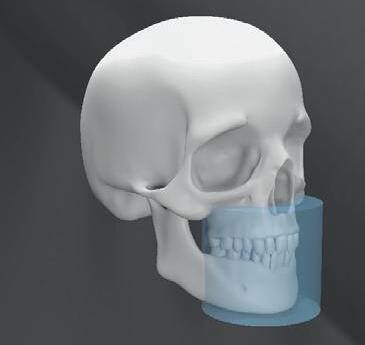
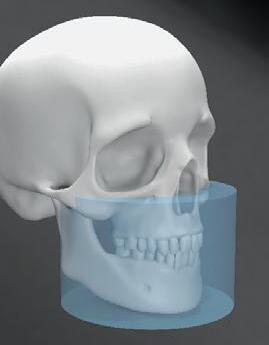
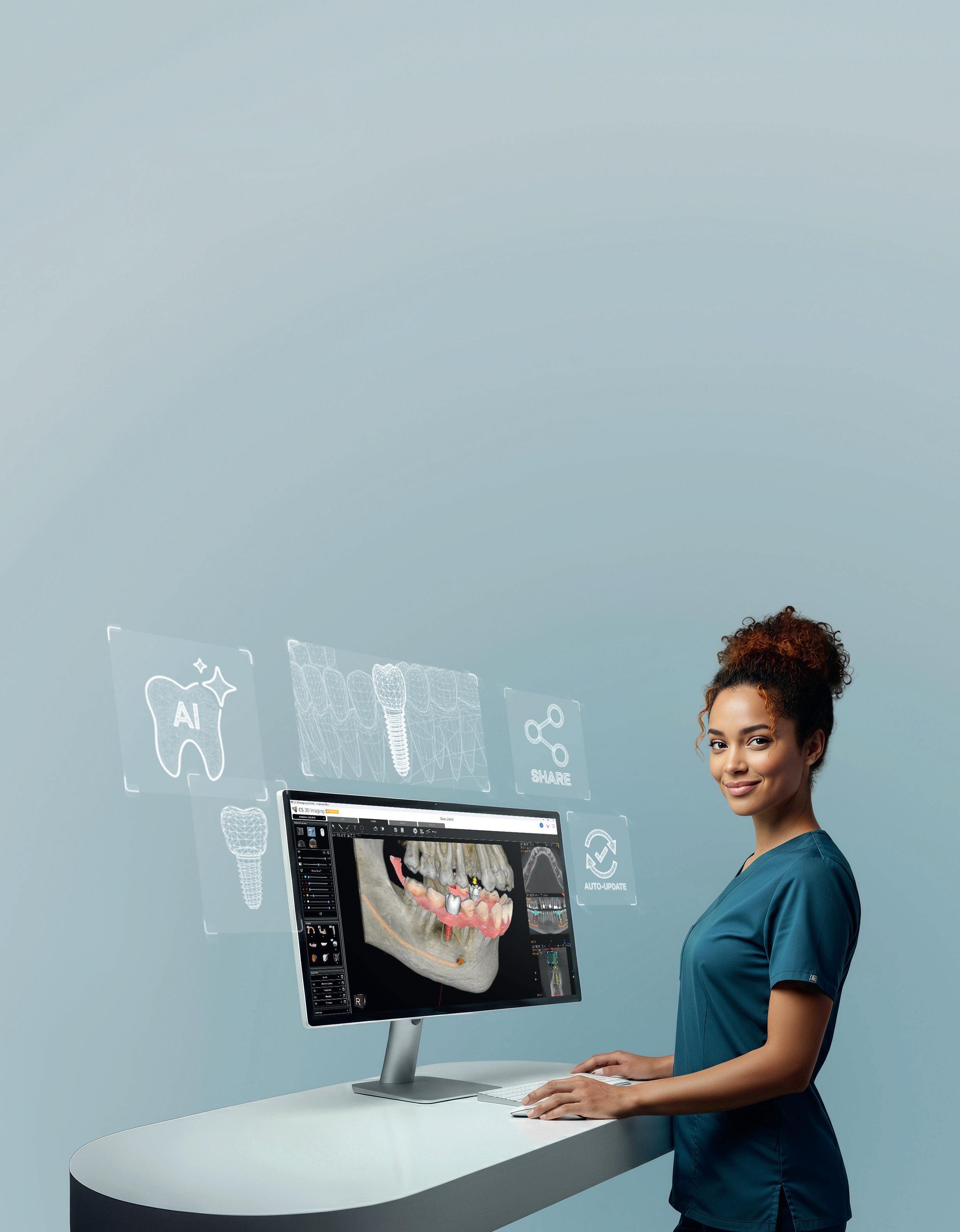
The digital systems used within the dental practice is another key differential for referrals. Dental radiography and CBCT systems in particular can be an effective addition for a practice, supporting other clinicians who may not be able to invest in a specialised solution.
When choosing a unit for the practice, it’s vital to focus on quality, patient safety, and versatility. A multi-modal system will serve as a solution for a variety of patients, and once again increase the range of referrals that can be accepted. Digital systems also enable fast and safe data sharing between clinicians, ensuring that the dentist presiding over care has all relevant information available to them.
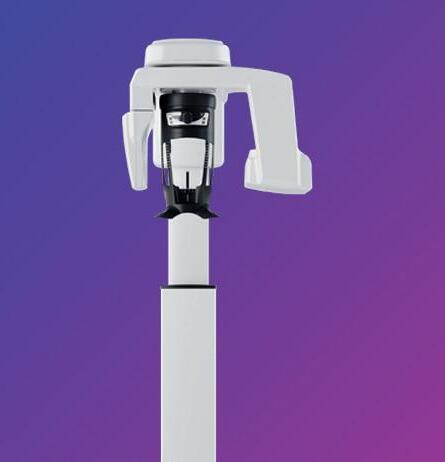
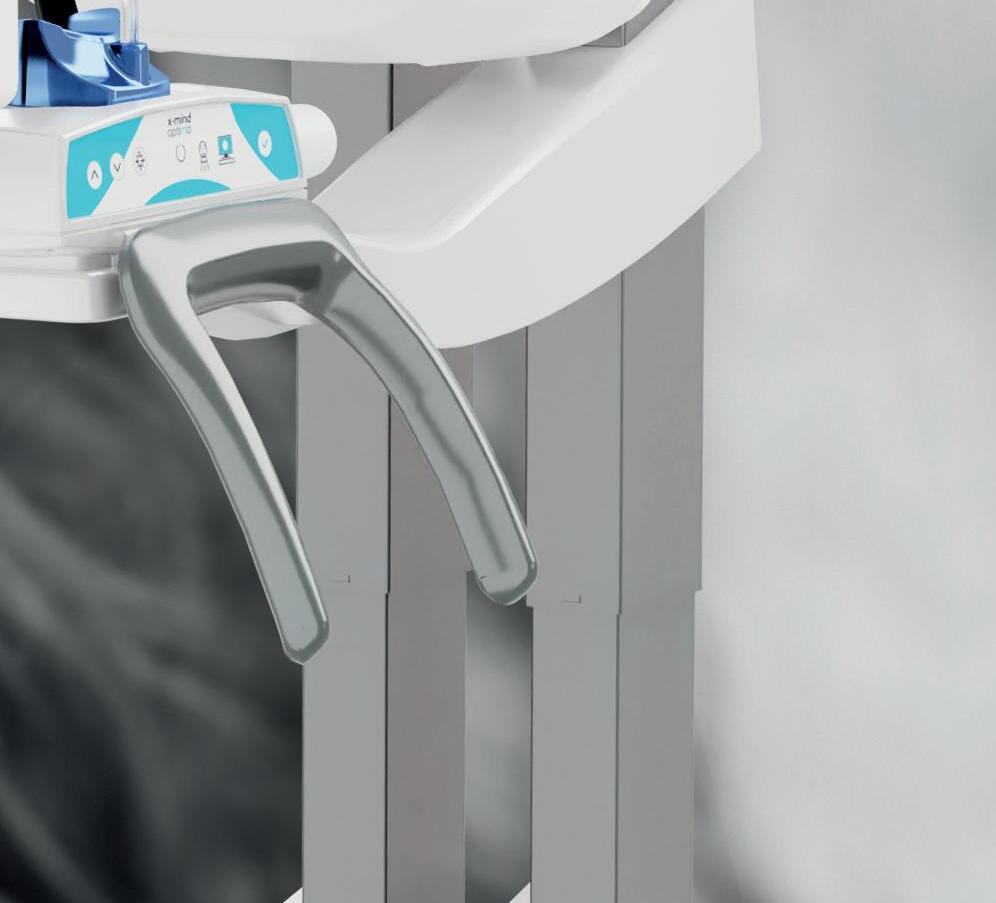
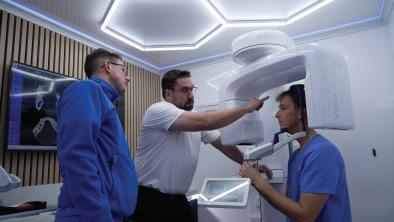
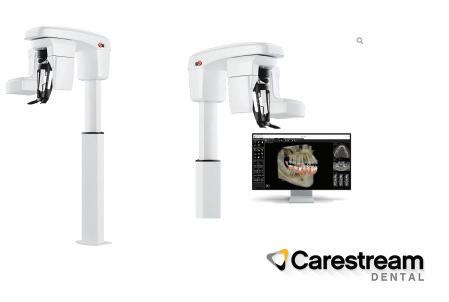
The CS 8200 3D Access from Carestream Dental is an ideal addition to any practice looking to increase referrals, as a versatile 4-in-1 system. Clinicians can utilise panoramic technology, CBCT imaging, 3D model scanning and cephalometic imaging in a variety of workflows, and its smart design means that it can be adjusted for patients that can remain standing, as well as those requiring accommodations for wheelchair use. The CS 8200 3D Access is built on an open platform, with simple sharing of 3D treatment data through CS 3D Imaging Premium.
There are many ways to make the practice more suitable for referrals. The key, however, could be taking steps to support a wider array of patients, whether through clinical accommodations, improved training, or new and improved technology throughout the site.
For more information on Carestream Dental visit www.carestreamdental.co.uk
For the latest news and updates, follow us on Facebook and Instagram @carestreamdental.uk n
Another key reason for a referral is that a dental professional does not have the adequate training to provide predictable, safe care. This is often the case in more advanced treatments, such as endodontic therapy or long-term orthodontic care, as well as surgical needs such as dental implant placement or tissue augmentation.
about the author
Nimisha Nariapara, trade Marketing Manager at carestream Dental, covering the UK, Middle east, Nordics, South africa, russia and ciS regions.
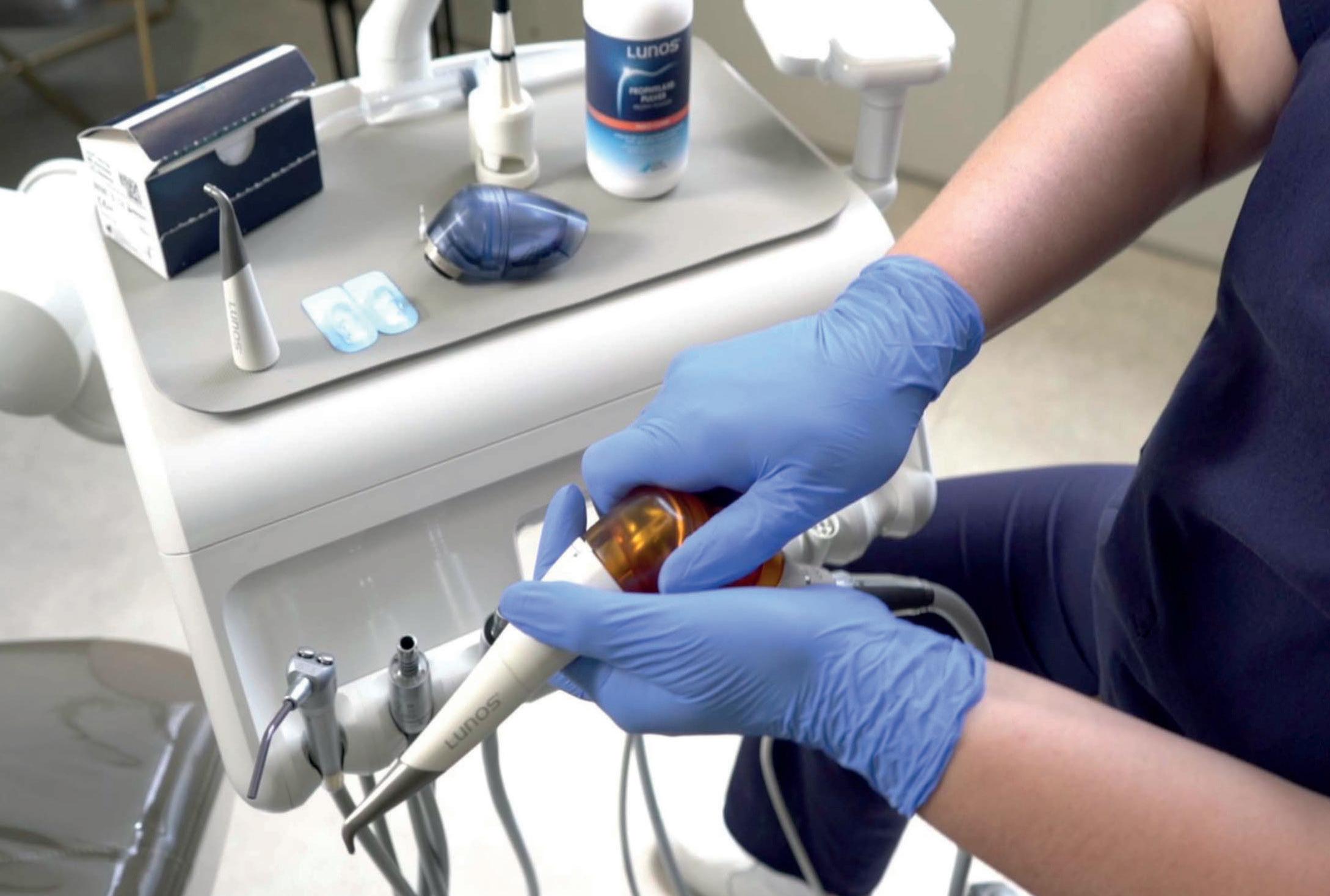
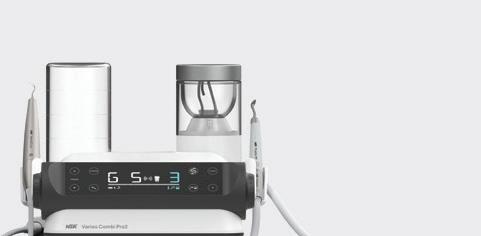
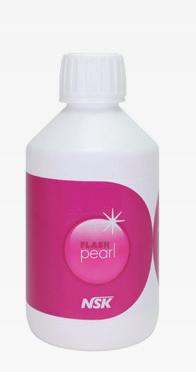
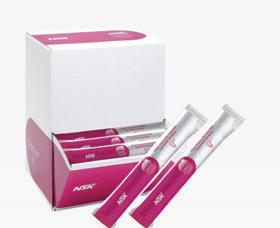
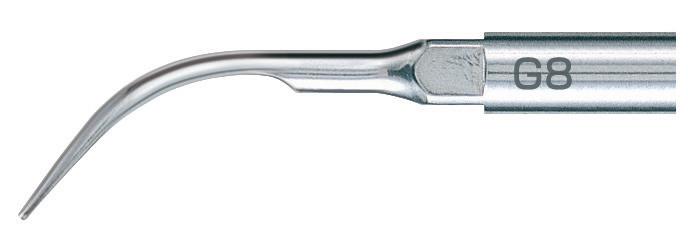
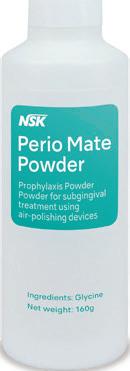
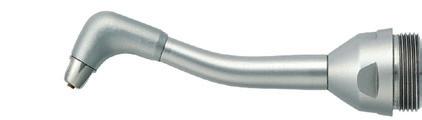
Total BIOFILM Management
Satisfaction guaranteed, for clinician & patient
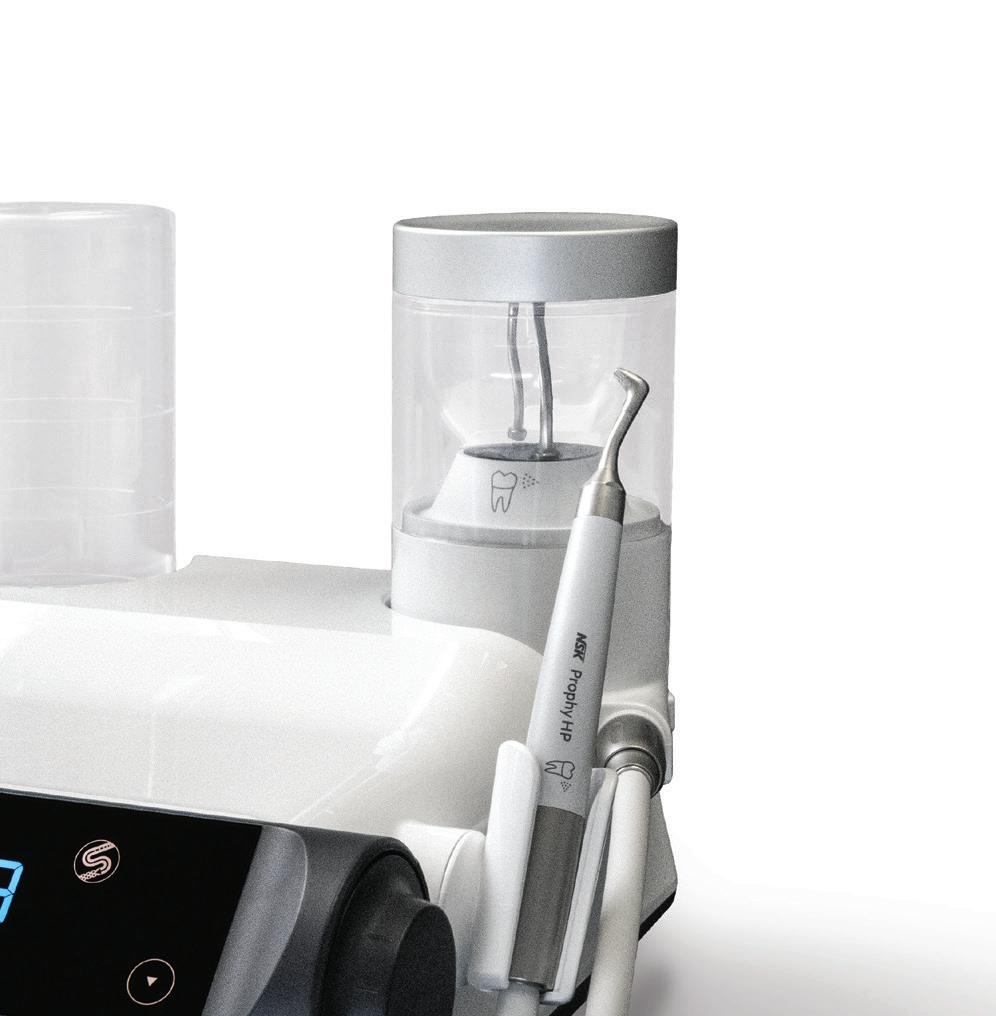
For supra and sub gingival cleaning to achieve total biofilm management
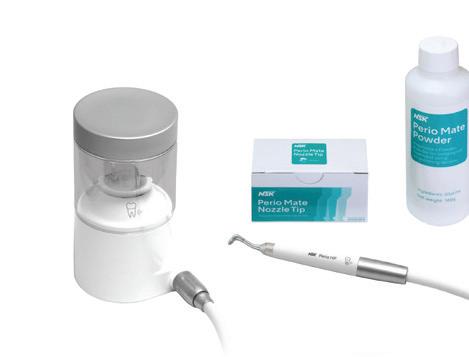
The advanced powder is completely water soluble – no residue is left in the patient’s mouth, the handpiece or the suction unit
The powder jet handpiece is available with two interchangeable sub and supra nozzles, easily swapped mid treatment
The handpiece is fully portable and runs off standard high speed couplings, allowing easy movement between surgeries
A new lease of life
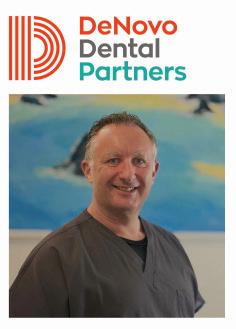
For Dr Neil Wilson, principal of Central England Specialist Referral Centre, owning a dental practice was never the original ambition. However, practice co-ownership was the only solution that enabled him to practise dentistry on his own terms. When his business partner retired, Neil found himself navigating the demands of ownership alone for over a decade, searching for a sustainable alternative that would allow him to refocus on what mattered most. Neil shares the impact this time had on him:
“Running the business was never my favourite aspect of dentistry. I felt constant pressure to make sure sufficient funds were available to pay bills and staff, checking the bank account every day. The time and brainpower spent working on the business would have been better spent with patients or on furthering my specialist training by travelling around the world. I felt I had lost touch with everything I was so passionate about.
“I realised how unique my situation had been previously and knew it would be impossible to find a new business partner. Many friends had also shared their journeys of selling to traditional corporates – I don’t know a single person who was happy with their decision. I was concerned a corporate buyer would only care about the bottom line, putting finances above patients. I felt that investment in the facilities, fair pay for the team, and staff retention were also at risk.”
After sharing these concerns with his dental broker, Neil was introduced to
an organisation taking a very different approach to practice ownership in the UK: DeNovo Dental Partners.
“I didn’t have any preconceived assumptions about DeNovo when I met with them. I spoke to Mark Aichroth in the first instance, who was open and transparent from the start. I was interested to learn that I would become a Partner, that I would still be free to make decisions about my practice, but that I would have less financial responsibility and access to any support I needed to grow.
“Mark was enthusiastic about what they were trying to achieve with DeNovo, and how they were creating a fresh model. The whole DeNovo team was very engaging and they spoke about the same ideals – not retirement, but the next chapter in my career and the next phase of life for the practice.”
DeNovo offers a shared ownership model built on autonomy, collaboration, and long-term value creation. Partners retain full clinical and business control of their practices, while benefiting from multiple wealth generation opportunities and centralised support in terms of HR, finance, procurement, marketing and more. Neil was particularly drawn to the alignment between the model and his personal ambitions:
“It was exciting to discover that there were no deferred payments involved, and that I would continue to benefit financially as the practice and the DeNovo parent company grew,” Neil continues. “I also appreciated that there would be no targets; this was a complete game-changer for me as there was no pressure to do more than I was
doing. They didn’t worry that I had built the practice around my own clinical passions, but were open to helping me focus on what I wanted to, which was fabulous. Ultimately, it was the control I would keep over the practice, the opportunity to be part of a team, how nice the DeNovo team were, and how much my staff liked them that motivated my decision to proceed.”
Since transitioning into the DeNovo family, Neil reports almost no change within the practice for staff at all.
“I wasn’t expecting to have as much freedom as I do post-sale – I thought I’d missed something in the small print! However, the promises turned into reality and I have been able to continue making my own decisions. Even larger investments
like redesigning the website have been met with positivity, which is refreshing.
“I also didn’t fully appreciate the level of support that would be available. The DeNovo team is there whenever needed, on my terms, helping me with the website and a digital marketing strategy. In addition, the people have continued to be as nice as the day I first met them.
“They have taken a huge weight off my shoulders. I’m back to doing dentistry, and booking courses that I want to attend around the globe. I’m working how I always wanted to work. So far, it’s been a real winwin, which is fantastic.”
Reflecting on his journey, Neil offers a word of advice to colleagues who may be in a similar position: “DeNovo offers a model that can be engaged with long before retirement – it provides a different type of exit from business ownership for those who want to continue practising dentistry. More than that, it gives you an extra lease of life and can make the last several years of your working life so much better. I feel very comfortable with my decision to join DeNovo and would have no hesitation in recommending others consider it also.” https://www.denovo.partners n
In-house CBCT: an increasingly affordable option
It’s a common misconception that large scale dental equipment is inaccessible for ordinary dental practices. However, in recent years, high-tech solutions, such as CBCT systems, have become far more affordable – bringing them within reach for far more businesses than ever before. Those who do introduce CBCT scanners find that they are profitable, with the potential to recover their investment in three to four years’ time. Whether you’re providing orthodontic treatment, oral surgery, dental implants, or endodontics, it can be beneficial to have immediate access to extraoral diagnostic and imaging equipment which offers excellent imaging quality. Providing this service within your practice, as opposed to referring patients elsewhere for scans, presents a convenient and time-efficient solution. As such, clinicians should consider these factors when making decisions on where to invest in their business.
an increasingly affordable investment
On average, practitioners are able to cover the cost of a current CBCT system with just one CBCT scan per week. As an example, if the CBCT equipment is purchased over 5 years on finance, the finance payment is likely to be around £140-170 +VAT per week. Patients typically pay between £150-250 for a CBCT scan, so you can see that the outlay can be easily covered. This means that, if a practice currently sends out even one patient per week for a CBCT scan elsewhere, it will pay to have the CBCT device in-house.
As CBCT doses can be very low these days, it is likely that clinicians will often opt to take a CBCT scan once the device is in-house, to assist with effective clinical diagnosis and treatment planning, when they may not have done so in the past due to the inconvenience of travel and delay for the patient. Once the CBCT has been installed, the practice can attract additional revenue by acting as a scanning centre for other practices. All of these factors mean that the CBCT/OPG device can easily pay for itself and actually provide a useful new income stream for the practice.
Benefits for patients and practice
Having a CBCT system presents a number of benefits to both clinicians and patients. These appear through enhancing convenience, giving greater confidence in diagnostics, and increasing trust. Each of these factors work to improve the overall patient experience, with the technology able to streamline care by minimising referrals and treatment delays, leading to greater satisfaction and loyalty to the practice.
convenience for patients
It’s important not to underestimate the impact that convenience can have on patient retention. In-house CBCT eliminates the need to refer to imaging centres or other dental practices for this purpose, saving patients time, travel, and reducing the need for additional appointments. A smooth experience, including this workflow type, is highly valued by patients.
improved understanding
The image clarity produced by CBCT scanning enables dentists to more effectively explain results – using the scan as a visual aid when describing their condition and any proposed treatment. This allows patients to clearly understand why their treatment is necessary, establish expectations for care and the likelihood of certain outcomes, and feel confidence in their dentist’s recommendations. Therefore, it’s far more likely that patients will accept the treatment and decide to proceed in-house.
enhancing
diagnostics for predictable outcomes
Where they are required in line with the ALARA principle, CBCT images facilitate more accurate diagnoses and precise treatment planning for complex procedures compared to other imaging types. As previously mentioned, these encompass dental implantology, endodontics, and orthodontics, as well as other oral surgery. As such, easy access to a CBCT imaging system means more predictable treatment outcomes can be provided with fewer delays, and with reduced complications.
positive patient experience
CBCT scans are a fantastic option for improving the patient experience, as they are quick and non-invasive, limiting anxiety when compared to the discomfort associated with longer or multiple imaging appointments. Considering the factors that may spike an individual’s anxiety and taking steps to limit them is key for ensuring
that patients return for further appointments and recommend your practice to others.
choosing equipment wisely
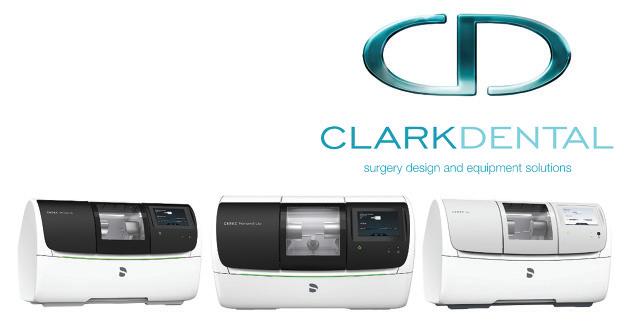
When you are looking for a system that offers 2D and 3D capabilities, it is wise to seek advice from the experts. Clark Dental provides a wealth of industry experience and a product portfolio to match! This includes the Orthophos SL imaging system. It produces excellent imaging quality, with the integrated Direct Conversion Sensor defining the standard for panoramic imaging, and Autofocus technology automatically producing an image with excellent sharpness. Investing in a CBCT imaging system, and therefore reducing the need for referral outside of your practice, is a fantastic way to put yourself ahead of your competitors. It enables clinicians to more effectively diagnose and treatment plan, resulting in more predictable treatment, as well as improving patient communication –and, in turn, their trust and satisfaction. Further to this, the ability to carry out CBCT imaging in the practice improve convenience for patients, ultimately having a positive impact on their experience, and improving retention.
For more information call 01268 733 146, email info@clarkdental.co.uk or visit www.clarkdental.co.uk n
about the author Stuart clark,
Director, clark Dental equipment Systems.
Neil Wilson
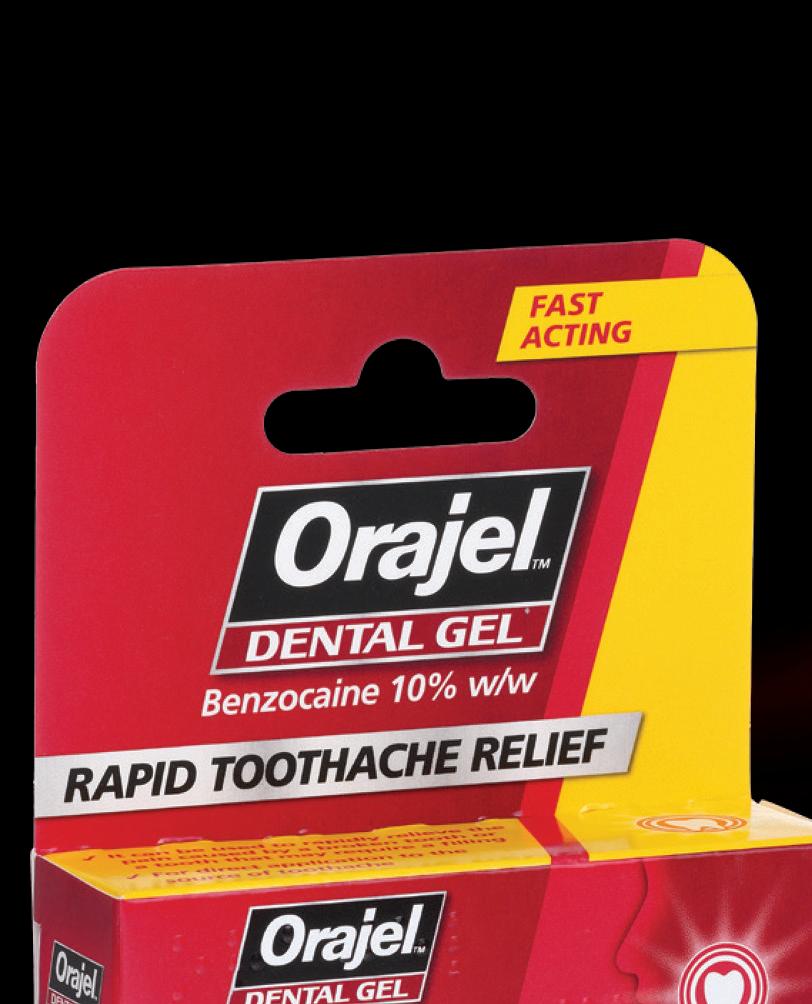
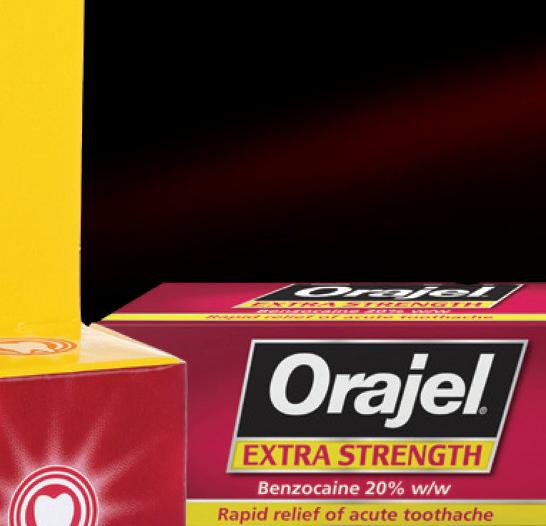
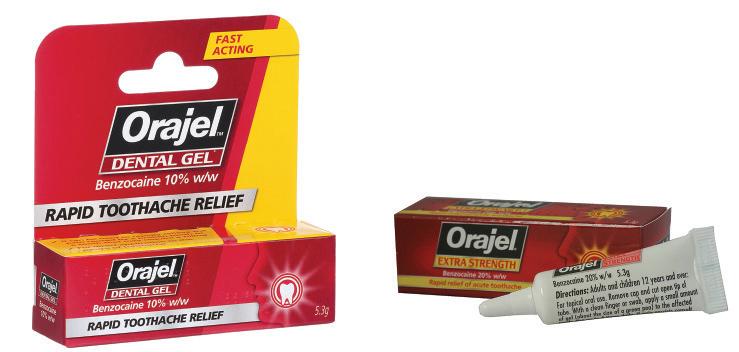
RAPID RELIEF AT THE ROOT OF PAIN1-3
RAPID RESPONSE
Clinically proven to get to work in under , relieving acute dental pain.4 TARGETED RELIEF
Benzocaine provides effective relief right at the source of dental pain.1-3
TRUSTED TOLERANCE
Orajel’s non-systemic formula is well-tolerated with minimal risk of side effects.1,2,4
UNDERSTAND THE SCIENCE
Intravenous sedation and managing waste items
The safe management of pharmaceutical items and their associated waste is an everyday task for the dental practice. This is especially the case for the sedatives used in the treatment of anxious patients, as well as some surgical procedures.
All members of the dental team will be responsible for the safe management of pharmaceutical items in some way. Each team member must have appropriate knowledge of intravenous sedation (IV), how to store associated controlled drugs, and how to safely dispose of all the disposable items used in the procedure.
indications for use
Dental sedation is an alternative to general anaesthesia, where a patient retains consciousness but is more relaxed during treatment, without feeling pain. Despite being awake throughout, most patients will remember very little of the treatment, and may feel as though they have slept.
Using conscious sedation in place of general anaesthesia assures patient safety whilst reducing the time needed before patient discharge.
IV sedation uses a thin needle to access a vein, usually in the back of the hand or arm, which is then replaced with a cannula to deliver the chosen sedative. A benzodiazepine, midazolam, is the most commonly used solution outside of hospital settings; it is indicated for conscious sedation for adults and the elderly by slow IV injection, applied shortly before the procedure begins.
The application must be carried out by an appropriately trained professional who should also know how to store, handle and dispose of the pharmaceutical, as well as all associated equipment.
pharmaceutical waste
Midazolam is a Schedule 3 pharmaceutical, which is of note as most other benzodiazepines fall under Schedule 4. This is defined in the latest versions of the Misuse of Drugs Regulations 2001, which set the framework for safe management of controlled drugs, including in healthcare environments.
As a Schedule 3 pharmaceutical, midazolam does not require storage in a controlled drug cupboard or a register for its presence on site. Invoices for the solution, on the other hand, must be kept for up to two years.
Some of the biggest restraints around management come with the disposal of the material. As a Schedule 3 drug, midazolam must be denatured before disposal, and therefore rendered irretrievable. Current guidance explicitly states that it is not acceptable to simply put used or partly used midazolam ampoules and syringes into pharmaceutical waste or sharps containers, or to empty them into the waste stream. Denaturing kits are available from trusted waste management suppliers, and dental teams should use these wherever practical. This step is vital for protecting the dental team, patients, waste handlers, and the wider environment, in case the waste container is mismanaged and the
contaminated items inside are exposed prior to the final steps of disposal.
The used drug denaturing kit should be disposed of in a blue-lidded pharmaceutical bin, where it will be destroyed via incineration. Other contaminated items used throughout intravenous application, including the controlled drug container, IV bags and syringes, will still require safe management. Unlike denatured midazolam itself, however, the blue pharmaceutical waste container will not be their destination.
Disposing of contaminated material
To understand the correct destination for waste types, Health Technical Memorandum 07-01 (HTM 07-01) is considered the gold standard for current guidance. In its explanation of the clinical waste colour coding and storage guide, IV bags (and by extension similarly contaminated material) are an example of waste for the yellow stream, which is used for infectious waste that is contaminated with medicinal or chemical properties, that requires incineration or alternative treatment.
More than a job – it’s a lifestyle
Clyde Munro Dental Group is a leading dental provider in Scotland. We are dedicated to delivering the highest standard of care to a broad range of patients, many of whom live in remote and secluded areas of the country.
We are proud to have established and developed three locations in Orkney, which make dentistry more accessible to thousands of people who would otherwise have to travel to the mainland for their care. The family-friendly practices each have their own character and offer a wide range of services. These include both NHS and private dentistry, consisting of everything from essential care and routine check-ups to advanced cosmetic and orthodontic solutions, sports dentistry and more. We utilise cutting-edge technologies and evidence-based techniques to ensure the highest clinical standards and exceptional patient outcomes.
a little about Orkney
Orkney is an archipelago of 70 islands located off the north coast of mainland Scotland. An area steeped in history –spanning from the Stone Age and Viking era to both World Wars – neolithic Orkney is a UNESCO World Heritage site with perfectly preserved buildings that date back hundreds of years.
It currently hosts a population of approximately 20,000 across 19 islands, with a close-knit and resourceful community that enjoys a relaxed pace of life. The landscape is green, with gently undulating hills creating a beautiful backdrop for anyone with a passion for the great outdoors. The scenery is just one feature that draws people to its shores, with daily transport connections making mainland Scotland easily accessible, despite the relative remoteness of this unspoiled land. A busy cultural calendar also affords multiple festivities and events for locals and visitors alike to enjoy.
Making the move
At Clyde Munro, we appreciate that making a move to Scotland – especially for those considering a big change from city to countryside – can be a little daunting at first. That’s why we provide a helping hand, with support during relocation and beyond, ensuring a smooth transition for the whole family. Once with Clyde Munro, clinicians gain access to a wealth of benefits. In addition to the quality of life that comes with living
Similarly, any contaminated sharp items, including needles, should be disposed of in a yellow unit. A dedicated sharps container will be needed to minimise puncture risk. Excess liquid material in a syringe should not be discharged into the drains, and instead should be kept inside the syringe before being placed in a yellow container. To protect patients and the dental team when disposing of IV waste, and midazolam in particular, it’s important to have reliable waste containers at points of use. Initial Medical, a leading waste management specialist in the UK, provides Controlled Drug Denaturing Kits and environmentally friendly Eco Sharps Bins to suit your everyday needs. The latter are made with 40% recycled plastic, and are punctureresistant, as well as colour-coded following current guidelines – meaning they are a safe, seamless fit into your workflow. Supporting patients with IV sedation is a key part of modern dentistry and ensures more individuals can receive the care they need. Knowledge of safe storage, application, and disposal of controlled drugs and contaminated items is vital and helps to keep every attendee of the practice safe.
To find out more, visit initial.co.uk/medical n
about the author rebecca Waters, Head of Marketing at rentokil initial.
in such a stunning environment, dentists can utilise multiple career development opportunities. Ongoing education and development is available the form of various courses delivered in the purpose-built Advanced Dentistry & Clinical Skills Centre, covering endodontics, restorative dentistry, implantology and so much more. Extensive clinical and administrative support is afforded to every member of our practice teams, alleviating many of the pressures of daily practice for an improved work-life balance and optimised job satisfaction. Clinicians also gain access to the economies, including preferential rates from suppliers, labs, and other business partners.
a strong team
One of the greatest assets that has made our Orkney practices so successful is the team already in place. We are grateful to work with highly skilled and passionate associates who really embody the Clyde Munro philosophy to ensure exceptional patient care.
Sandwick-born Dr Megan Foubister returned to Orkney after studying in Edinburgh and Aberdeen, and here shares her experience: “I worked at Orkney Dental as a receptionist for a year in between my degrees, so I knew the team there. Once I’d finished in Aberdeen, I was keen to come back. My experience with Clyde Munro has been great. I’ve had a lot of flexibility with my diary, and I feel very supported.”
Dr Sarah Petersen also recently joined the Orkney dental team, saying: “Around three months ago, my husband and I began a new chapter in Orkney, and from the outset we have been made to feel incredibly welcome. The islands are a beautiful place to live, and while working as a dentist in a rural setting brings its own challenges, these are more than outweighed by the support of a fantastic team and the positive, down-to-earth attitude of patients.”
an even stronger future
We are dedicated to supporting our practices across Scotland. In remote areas like Orkney, in the bustling cities, and everywhere in between, it is important to us to build strong teams who can continue to meet the needs of their local communities.
Jo Hood, Group Head of Clinical Recruitment and Development at Clyde Munro, said: “We are committed to widening access to high-quality dental care across Scotland. Our continued growth allows us to support more patients with exceptional care and unrivalled services. As our practice teams expand, we are always keen to connect with clinicians seeking a positive change and a rewarding new chapter in their careers.”
To find out more about the career development opportunities available at Clyde Munro, please visit https://careers.clydemunrodental.com n
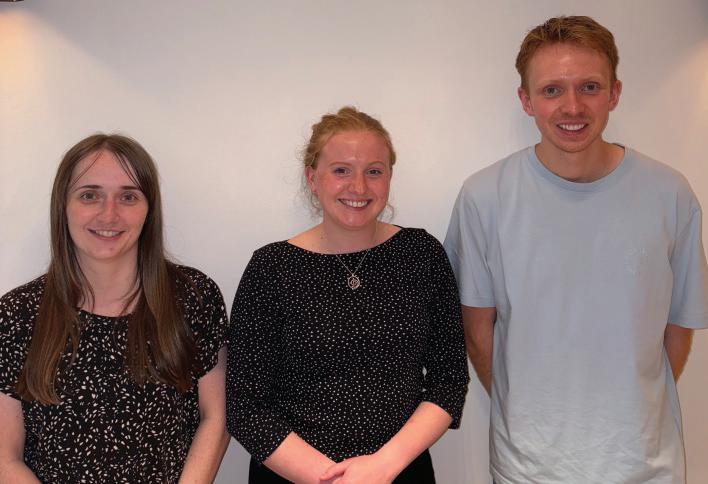
Megan, Sarah and aron
Truly supporting oral health compliance
Dental professionals spend a significant amount of time discussing oral hygiene with patients, offering preventive advice and simple additions to hygiene routines. From brushing technique to flossing, educational support that is routinely delivered chairside is a vital way to enhance long-term oral health outcomes.
However, despite regular and welldelivered instruction, many patients continue to demonstrate signs that the advice given might not have been as beneficial as it could have been, presenting with persistent plaque accumulation, gingival inflammation, or even signs of disease. The disconnect proposes an inquisition into why oral hygiene advice so often fails to translate into meaningful change with real, positive results.
Understanding and bridging this gap is crucial for preserving the oral health of so many patients. Whilst the content of oral hygiene advice is usually more than adequate, it is arguably the way in which it is delivered, received, and implemented that significantly influences whether it is acted upon and if oral hygiene is to see positive change.
Information does not mean action
A challenge in oral hygiene guidance – and many forms of education – is in assuming that simply providing information will naturally lead to behaviour change and see encouraging results. So frequently, patients are merely told what they should be doing, without the consideration of additional factors like individual motivation or learning types. Advice is almost always delivered efficiently and accurately, but without sufficient reviewing of patients’ lifestyle or habits.
Even patients with strong intentions of compliance can struggle to apply what they have learned from dentists without an overtly clear understanding. It can be when advice feels overwhelming that patients are less likely to sustain the habits.
Bite-sized advice
Volume of advice can sometimes exacerbate these feelings. In just a single appointment, patients are filled with new knowledge – from treatment planning to preventive technique guidance, and much more – which can be difficult to digest all at once. This can lead to patients missing out on information or forgetting advice completely, holding comfort solely in the safety of their existing routine. These challenges can be overcome by delivering advice in retainable chunks rather than accumulative overloads.
Individual barriers to compliance
There are a variety of barriers that might influence a patient’s ability to maintain effective oral hygiene routines. Firstly, patients are not always aware of the telling factors of poor or deteriorating oral health, and rather, only seek support reactively, or based on appearance alone. Preventive support goes a long way, as well as explaining the signs to observe before invasive treatments are required.
Another example is patients that have limited time within existing busy schedules – sometimes positioning oral care lower on the priority list for some. Dexterity challenges are another inhibiting factor for many, who may have good intentions to improve their oral health, but lack the physical capability or confidence without specific guidance.
Due to these varied particularities,
generic advice does not always translate to every patient. This reiterates the importance of tailoring advice to the individual patient, such as recommending simpler or more ergonomic tools or adapting techniques to individuals.
Demonstration over instruction
The delivery of advice can be just as important as the information being shared. Everyone has their preferred learning method, meaning that verbal instruction alone may not be sufficient for many patients, especially when communicating oral hygiene techniques that they are unfamiliar with. According to research, 65% percent of the population are visual learners, meaning demonstrations –whether chairside, using models, videos or specific tools – can significantly bridge the gap in mistranslated information.
Supporting effective interdental cleaning
Interdental cleaning is one of the most overlooked, yet essential methods of improving oral hygiene as research suggests that toothbrushing alone removes only 42% of plaque on teeth. This makes interdental brushing crucial to tackling the areas that traditional toothbrushing cannot reach. Despite this, challenges remain, as patients may find themselves unsure on how to navigate interdental brushing.
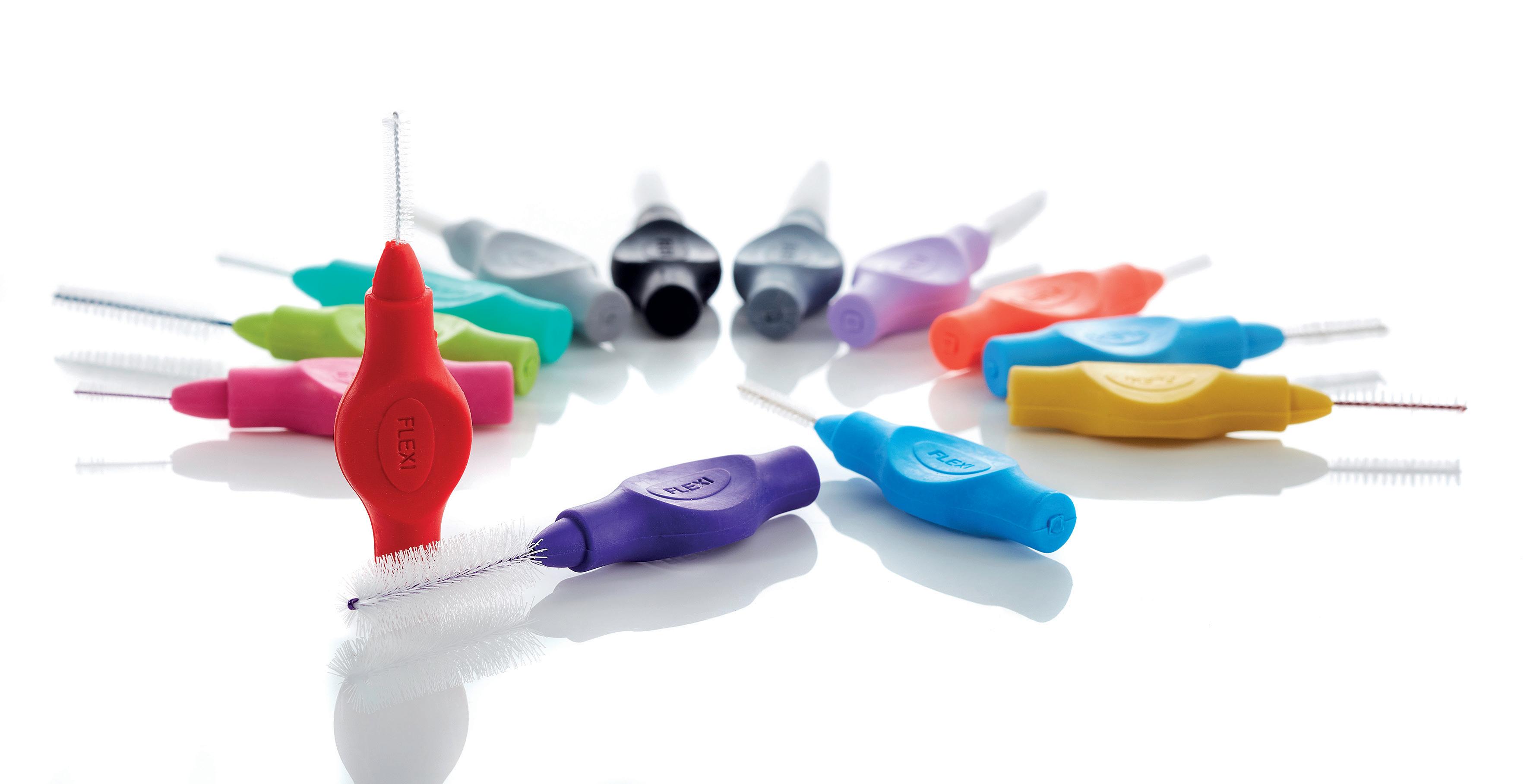
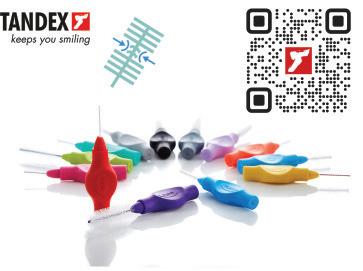
The TANDEX FLEXI Educator Kit is the perfect solution to actively support patients in implementing interdental cleaning. The set allows practitioners to work alongside patients in deciding which brush is the right fit for them, and also comes with a handy card that reminds them of which fit best, as well as their next appointment. The FLEXI interdental
brushes offer a thorough clean of the hardest-to-reach areas, and offer support for limited dexterity with an extendable cap feature and ergonomic grip.
Conclusion
Supporting patients with practical, achievable changes to their oral hygiene routine, whilst ensuring a tailored approach with appropriate tools is always the best approach towards improving compliance and good habits. The right advice, tailored specifically to them, can take long-term oral health to the next level.
For more information on Tandex’s range of products, visit https://tandex.dk/ Our products are also available from DHB Oral Healthcare https://dhb.co.uk/ n
TANDEX is giving dental professionals the opportunity to win a FREE FLEXI Educator Kit by answering just a few questions! Enter the quiz by scanning the code or following this link /form1.tandex.de/
about the author Jacob Watwood on behalf of tandexrodericks Dental Partners associate dentist at Fieldside Dental Practice.
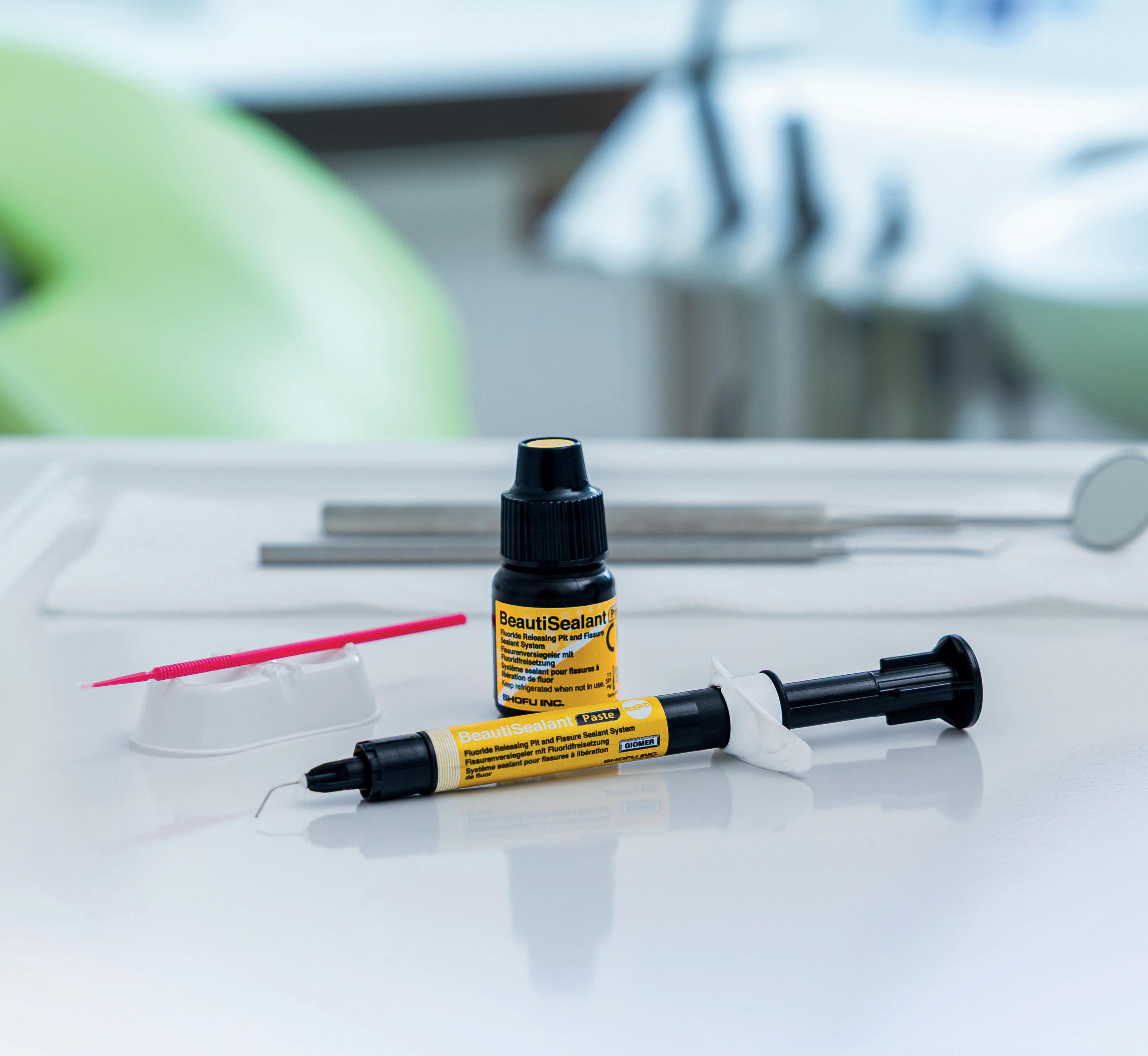
Fast, easy and gentle fissure sealant
Ideal handling and viscosity: eliminate voids with bubble-free consistency
Dentine-like radiopacity of 0.92 mm Al
Application in four easy steps within 30 sec
High shear bond strength without etch and rinse technique
No Bisphenol A- and HEMA formulation
Fluoride release and recharge
Maintaining oral health for happiness
Ahealthy smile, at any age, is essential for patients to feel their best and boost their selfconfidence. This year’s theme of World Oral Health Day, celebrated in March, is “A Happy Mouth is a Happy Life”, highlighting the importance of healthy habits and regular dental appointments at every stage of life, to give people confidence when they eat, speak, and smile. Of course, prevention is a key aspect of this, maintaining oral hygiene and keeping a healthy diet to minimise the risk of caries or gingivitis development. However, this message should also encompass those who already have oral health issues, to get them back on the path to health and confidence.
Often, these oral health concerns are painful, restricting patients’ lives and affecting their ability to eat, sleep, and socialise – ultimately impacting their mental health. As such, it’s important that dental professionals have the ability to make appropriate recommendations to patients in pain, and ensure they are on their journey to optimal oral health and happiness as quickly as possible.
Prevention and systemic concerns
As mentioned, the primary aim for any dental professional is to help patients prevent oral health issues, with oral hygiene and minimally invasive care the first steps in this process. However, at any age, patients may develop oral health issues – with dental caries and gingivitis amongst the most common. Usually, these can be attributed to factors such as poor oral hygiene and a high-sugar/ acid diet, however more recent research has now uncovered the links between systemic health and oral health, suggesting a bi-directional relationship may exist. As such, clinicians should keep this in mind when assessing patients, and monitor at-risk individuals more closely for early signs of disease. Timely intervention may not only aid a patient’s happiness with their oral health, but their general wellbeing.
Dental pain and its effect on patients’ wellbeing
Of course, dental pain – regardless of the underlying cause – is very uncomfortable. Often, this leads to patients having difficulty eating normally, socialising, or sleeping, with research suggesting that this has a big impact on patients’ wellbeing. In fact, one study found dental pain to be associated with higher levels of stress and depression, even after being adjusted for age, sex, education, wealth, and religion.
This illustrates the importance of the dental team’s role when managing patients in pain. It’s essential that patients attend the dental practice for assessment if they are experiencing toothache, as this is the only way to discover the cause and provide appropriate treatment. Often, patients will be seeking treatment to relieve them from pain as quickly as possible, which should be accommodated when it can be.
However, in some cases, urgent and emergency appointments may not be available for hours, or sometimes days. As such, it’s important that the dental team can offer patients advice for managing their pain at home, whilst they wait to be seen. This is especially important as dental pain often causes patients to panic, with dentally anxious patients often fearful of dental treatments. Unfortunately, this commonly creates a cycle of avoidance of care, and makes it less likely that patients will accept treatment. This avoidance can lead to further issues and, therefore, more pain.
Importance of managing pain and seeking dental care
With this in mind, it’s essential that patients who are experiencing dental issues receive the appropriate advice for pain management. Commonly, patients will reach for paracetamol and ibuprofen in their moment of need, however they are rarely the most effective options for dental pain. Instead, or alongside these, recommend Orajel™ Dental Gel. The gel contains 10% benzocaine, a local anaesthetic that works to rapidly numb the painful area in 2 minutes or less. The topical gel is ideal for managing toothache, as patients can simply use their finger to place a small amount of the gel directly onto the painful area, and experience fast acting relief. It can be used up to four times a day to provide pain relief. Orajel™ Extra Strength is also available from pharmacies, and contains 20% benzocaine for relief of acute toothache.
To help patients maintain a healthy smile, preventative advice at every appointment is crucial. However, pain management when problems do arise is equally important, for reducing the impact of dental pain on their quality of life and mental health. With fast acting and easily accessible solutions on hand, patients are well equipped to temporarily relieve their pain at home whilst they wait for their dental appointments –having a positive impact on their experiences. For essential information, and to see the full range of Orajel products, please visit https://www.orajelhcp.co.uk/ n
Sumera Bashir, Medical affairs & Scientific engagement lead at orajel.
Ear pains from jaw pains
Whether attending a gig, using heavy machinery or experiencing prolonged exposure to sirens or alarms, a ringing ear after can be a painful reminder. With few ways to remedy it, waiting out a ringing ear can be a frustrating experience. But if it persists for three months or longer this is classed as chronic tinnitus.
Awareness of tinnitus is high because it is common and mostly self-diagnosed; it is the name for hearing noises that do not come from an outside source, therefore only you can know if you have it. What is less known is the association between tinnitus and temporomandibular disorder (TMD), another complex condition. By better understanding the two ailments, a solution to tinnitus may be determined, improving quality of life.
tinnitus troubles
Whilst a ringing ear is a common symptom of tinnitus, patients may also hear other phantom sounds like buzzing, whooshing, humming, hissing, throbbing or singing in both ears and/or in the head. The exact cause of this has yet to be determined, but a leading theory is that damage to the inner ear changes the signal carried by the nerves. It is therefore the brain that generates the phantom sounds in the auditory cortex.
Chronic tinnitus can have several causes and risk factors, including:
• Hearing loss
• Ménière’s disease
• Diabetes
• Anxiety and depression
• Certain medications, such as chemotherapy medicinesii Tinnitus can affect any person at any age, with a reported 10-25% of adults experiencing it. For some patients with tinnitus, moving the head, neck or eyes may change the quality of the sound. Time is often the best cure, however, the condition may improve or deteriorate in the long term. This can impact mood, disrupt sleep, increase the risk of anxiety and depression, and ultimately inhibit quality of life.
From jaw to
ear
Problems with the temporomandibular joint (TMJ) can be a risk factor for tinnitus. Among TMD patients, 87% experience otologic symptoms like dizziness, loss of balance and deafness. Tinnitus is the most common, with 25-65% of TMD patients reporting it. The association is evident yet not fully explained; the close proximity between the TMJ and the ear may mean that clenching and bruxing damages the tissue surrounding the jaw joint and the ear, worsening tinnitus.
and jaw. In this group, the prevalence of TMD complaints was greater among patients with severe tinnitus (36%) than those without tinnitus (19%). Stress was also given as a leading cause of tinnitus.
Managing tinnitus
If phantom sounds are heard through a stethoscope, it is considered objective tinnitus, making it easier to be identified and treated. There are many ways in which tinnitus patients can reduce the aural sensation, from relaxation techniques like yoga to improved sleep patterns, reducing stress and avoiding noisy environments, such as concerts. Whilst the exact link between TMD and tinnitus remains elusive, the clear association shows that treating the former may subsequently treat the latter. Through reducing clenching and bruxing habits, such as by sleeping with a mouthguard and practising relaxation, patients can reduce aggravation to the TMJ. By placing less stress on the jaw joint, the neighbouring tissues, including those near the ear, can repair. This may then reduce tinnitus.
An excellent treatment for TMD patients is the OraStretch Press Rehab System from Total TMJ. Available in five versions to maximise the number of patients it can help, the device offers a simple yet efficient way to restore strength and function to the TMJ. To be used daily, following the recommended exercises of a healthcare professional, the OraStretch Press mobilises the jaw joint and stretches the orofacial tissues for improved outcomes.
tackling
the two ts
Despite its high prevalence, tinnitus is still shrouded in mystery. Its clear association with TMD demands further research so that the connection is better understood and afflicted patients are able to manage both conditions. By acknowledging the correlation between the two, patients can be set on the path to a quality of life away from jaw pain and ringing ears.
For more details about Total TMJ and the products available, please email info@totaltmj.co.uk n
Research on the association between the two medical issues found that patients with both tinnitus and TMD had superior hearing function than patients with just tinnitus. Moreover, the phantom sound could be modulated by moving the jaw and neck, highlighting the TMJ’s role in the persistence of tinnitus. Of the patients with both TMD and tinnitus, 54% were women, identifying them as being slightly more at risk.
Another study found that young women most often reported somatosensory tinnitus – the sounds heard are influenced by movements or pressure in the head, neck
about the author Karen harnott, total tMJ operations Director.
about the author
Go chlorhexidine-free with Perio Plus Zero
Outstanding oral care should be accessible for all, prompting the demand for innovative oral hygiene products that meet every unique patient need. By doing so, good health across the rest of the body can be achieved. This is Curaprox’s mission: promoting overall health by improving oral health first.
Chlorhexidine is an antiseptic agent that reduces the number of bacteria in the oral cavity (when used in a mouthwash). Because of its effectiveness, chlorhexidine use is limited to the short-term; its bactericidal effect eliminates the good bacteria too. It’s therefore only suitable for the swift treatment of oral disease, as well as patients with no major health complications. This leaves a gap in the mouthwash market.
Curaprox has risen to the challenge of making a powerful mouthwash that targets harmful bacteria without the need of chlorhexidine. Perio Plus Zero is a game-changing chlorhexidine-free alternative to its sister mouthwashes in the Curaprox range. The secret to its success? Quorum Quenching.
Ground-breaking science
Autoinducers are diffusible molecules that act as chemical signals and can modulate individual or group behaviours of bacteria. The regulation or disruption of this process, known as Quorum Quenching, inhibits bacterial communication and sits at the centre of Perio Plus Zero’s antibacterial approach. Its formula uses a unique biohacking method that specifically targets the bacteria responsible for tooth decay: Streptococcus mutans. By interfering with the cellular communication of the bacteria, Perio Plus Zero prevents the formation of harmful colonies on the teeth and gingivae, reducing the risk of caries. The cuttingedge science of the mouthwash ensures that the good bacteria in the oral cavity –those that stop halitosis, help digestion and manage inflammation – are not eliminated, enhancing oral hygiene outcomes.
As Perio Plus Zero preserves and supports the oral microbiome without blasting away the good bacteria, it can be used flexibly and on a need basis to help manage common oral diseases for patients with compromised health conditions. This includes patients who:
• Are receiving treatment for cancer
• Are on end-of-life care
• Have autoimmune complications
• Cannot use Chlorhexidine
Whether paediatric or elderly, Perio Plus Zero gives vulnerable patients an oral hygiene alternative to chlorhexidine for a safer solution that doesn’t compromise on excellent outcomes, and doesn’t cause staining.
Recipe for success
The advanced science of Perio Plus Zero is grounded in a flavoursome taste. Among its active ingredients is Citrox, a natural extract derived from bitter oranges, and polylysine, which work together to reduce biofilm plaque build-up whilst ensuring a pleasanttasting experience.
Other key ingredients include hyaluronic acid, a moisture binding substance that hydrates the soft tissues, and xylitol, an anti-caries agent that also stimulates saliva production. The addition of magnolol, found in the bark of the magnolia grandiflora tree, also has an antibacterial effect against Streptococcus mutans, as well as essential antioxidant properties to reduce inflammation.
Take on oral disease
Perio Plus Zero has a range of applications. It can tackle gingival problems, halitosis, xerostomia, and is ideal for those undertaking orthodontic treatment. For children, Curaprox recommends for those aged 6+, and once they can control their swallowing. Dental practitioners should determine which patients may benefit the most from Perio Plus Zero, including those who may refuse chlorhexidine because of its staining effect.
A short-term solution for many oral health complications, rinsing 10ml of Perio Plus Zero undiluted for 60 seconds twice a day improves oral hygiene standards. For patients with weakened immunity, the mouthwash allows them to reap the antibacterial rewards of chlorhexidine in a safer and more appropriate way, leaving no patient vulnerable to oral disease.
Look to the future with Curaprox
The product range from Curaprox is filled with the latest and greatest in oral hygiene solutions. Matching smooth Swiss aesthetics with reliable research and a strong understanding of patient needs and preferences, each Curaprox product levelsup the daily dental care routine. A healthy body starts with a healthy mouth – continue the journey with Perio Plus Zero and other products from Curaprox.
To arrange a Practice Educational Meeting with your Curaden Development Manager please email us on sales@curaden.co.uk For more information, please visit curaprox.co.uk and curaden.co.uk
OPTIM Interdental brushes are precision made in the UK, using high tensile strength, plastic-coated, stainless-steel wire at the core, which helps to prevent the brushes from buckling, even on the smallest sizes. They are the same colour coded sizes that practices/ patients are already familiar with and are very competitively priced.
For more information or to request a sample, simply speak to your dealer, scan the QR code or visit https://optim-idb.uk/survey/
Chairside indirect restorations using a digital SprintRay workflow
Dr Simon Chard explores how AI-driven dental planning and design – with chairside 3D printing – can be utilised to replace deteriorating amalgam restorations in a single visit using minimally invasive techniques
Amalgam restorations can develop issues which go undetected for many years, until structural failure occurs. These breakdowns do, however, offer the opportunity to explore more modern solutions – with digital dentistry affording efficiency, predictability, and durability.
Patient presentation
A female patient had received multiple amalgam restorations over the previous 30 years (fig 1). More teeth had broken down around the amalgam, which is a common complication of these restorations. This initiated a wider conversation regarding the potential upgrade of her existing dental work by systematically placing more modern, toothcoloured, indirect restorations. Her oral health was great – she was a motivated and diligent patient, who regularly attended dental hygiene appointments and was generally stable regarding caries, periodontal health, gingival disease, and decay.
assessment
As part of the ongoing regular assessment protocol, an intraoral scan was captured for diagnostic records (fig 2). Additionally, radiographs were taken of the dentition to assess the depth of the existing restorations. There was no evident periodontal infection, but some minor, early decay was detected underneath some of the restorations – no interaction with the pulp was identified.
Following this, clinical photographs were taken and an in-depth conversation was had surrounding the status of the four teeth selected for treatment.
treatment planning
For teeth 6 and 7, indirect restorations were selected, whilst teeth 5 and 8 –which required smaller restorations – were to be treated directly.
After identifying the early decay beneath the existing restorations, there was a clear indication for treatment, with multiple factors supporting the indirect approach. These included the size of the restorations in teeth 6 and 7, combined with the patient’s deep overbite – both increased the risk of complications like polymerisation shrinkage, postoperative sensitivity, and overall failure in a direct approach. The indirect approach, on the other hand, would deliver greater longevity while remaining significantly more conservative than a full coverage crown.
treatment phase
All treatment was completed in a single visit – approximately three and a half hours in total. Local anaesthesia preceded the removal of the existing amalgam restorations, the cleaning away of secondary decay underneath the restorations, and the excision of any unsupported enamel where necessary to reduce the chance of further cuspal fracture.
Following the preparation of all four of the teeth, intraoral scans were taken using a Primescan scanner, which were immediately uploaded to the DS Core and imported into SprintRay’s AI design software. The AI technology created a foundational proposal for the margin placement, which I made minor tracing modifications to, optimising the proximal and occlusal contacts.
Once finalised, the designs were transferred to the SprintRay Midas system and fabricated (fig 3) using SprintRay Crown High Translucency material – both of which were printed on a single capsule in under ten minutes. Post-processing involved cleaning the restorations with IPA alcohol spray, drying them with highpower, and then using a toothbrush and an alcohol solution to ensure the complete elimination of any resin. Sprues were removed and polished to eliminate the supports with a Komet wheel on a straight handpiece at approximately 7,000 rpm.
A minor polish and characterisation were completed with a VITA Akzent glaze and the Ivoclar Empress Direct Colour staining (fig 4). The glaze was then light cured before final polymerisation was achieved in the SprintRay NanoCure unit – under light and heat – to set the material. The restorations were then sandblasted, and a thin layer of resin was applied to them with Ivoclar Adhese Universal and Variolink DC Warm Plus resin cement (fig 5).
The occlusion was checked and adjusted before completing the direct restorations on teeth 5 and 8 (fig 6), again using the Ivoclar Empress to confirm a uniform aesthetic outcome across all the teeth.
Outcome and reflections
Both the patient and I were extremely satisfied with the final result – which looked aesthetically remarkable. The patient was thrilled with the lower jaw result – which was visible when talking – and to have restorations that really looked and felt like natural teeth. She now feels much more confident that these restorations structurally reinforce the teeth, as opposed to the amalgam restorations which failed to offer the anticipated durability.
Although minor refinements to anatomy on tooth 7 were constrained by the existing occlusal scheme and opposing dentition – lending less opportunity to build out more – the overall outcome was great in this case.
Clinically, the SprintRay crown material used is a heavily filled hybrid with more than 50% ceramic particle infiltration. This provided an incredible amount of strength, but with a significantly higher polymerisation of the resin, less risk of polymerisation shrinkage, less risk of fracture and more control over the three-dimensional anatomy. It’s a fantastic addition to the toolset of any restorative or aesthetic dentist’s armamentarium for indirect restorations.
Having the ability to efficiently manufacture indirect restorations chairside provides another great minimally invasive and biomimetic treatment modality that functions as an intermediary between direct and all ceramic restorations. It eliminates prolonged temporary phases, affording the function and aesthetic of a natural tooth.
Case appraisal and learning points Ultimately, chairside 3D printing affords a remarkable upgrade to modern dental workflows. It permits the power of minimally invasive, efficient, and high-quality restorative dentistry – allowing clinicians to deliver beyond patients’ expectations.
For more information on the 3D printing solutions available from SprintRay, please visit https://sprintray.com/en-uk/ n
about the author
Dr Simon Chard
BDS (Hons) BSc (Hons) is a leading UK cosmetic dentist, oral-wellness pioneer, and past President of the British academy of Cosmetic Dentistry (BaCD). He co-owns rothley Lodge Dental in Surrey with his wife, Dr meghan Chard, delivering modern multidisciplinary dentistry.
Figure 1. Broken down amalgam restoration
Figure 2. Digital scan of patient presentation
Figure 3. Fabrication of designs with Sprintray midas
Figure 4. Polishing and characterisation of restoration
Figure 5. Final crowns ready for fitting
Figure 6. Final crowns fitted
Composite done right
Composite is an innovative material that has revolutionised the restorative dental field across the globe. It offers superior aesthetics and repairability compared to other filling materials on the market, while also presenting a cost-effective option for patients. Bulk fill solutions, in particular, have grown in popularity in recent years, providing timesaving benefits as well. To elevate treatment outcomes and ensure longer-lasting results, there are a number of steps that both the clinician and patient can implement.
Building on solid foundations
Composite resin has become a staple in the modern dentist’s armamentarium, having come into its own as the profession moves away from amalgam. This shift has been driven by a number of factors, including the Minamata Agreement in 2013 and evolving trends in the aesthetic expectations of patients.
Thanks to growing demand, constant research and development, and a continued appetite for a greater choice of high-quality
materials, there is now an array of composite solutions available for the dental practitioner to choose from. Many of these exhibit the aesthetics, strength, and wear resistance necessary to make them suitable for both anterior and posterior restorations. This has been especially important in the development of bulk fill composites, which now offer a time-efficient restorative option without compromising the quality of care. These materials have evolved to offer increased translucency and therefore better aesthetics, despite being built for speed and strength.
Today, the literature shows bulk fill composite to deliver a clinically effective restorative solution in primary teeth, with a retention rate of over 90% at one year and over 85% at two years. In terms of promoting time-efficiency, placement of the material often saves 2-4 minutes per restoration, which provides meaningful benefits for both clinician and patient. Evidence also shows no difference in clinical performance between bulk and conventional resins, highlighting the efficiency of various materials.
Managing complications
Of course, the lower price-point and faster treatment time reflect the shorter lifespan of composite restorations. With regard to the estimated longevity of composite restorations, clinicians will often advise patients of a 2-5 year duration. The most common complications to arise in this time are chipping and fracture of the restorations, followed by caries. Research also indicates that direct restorations tend to last longer than indirect restorations in the mouth.
However, the evidence confirms no statistically relevant differences in risk ratio between composite resin and amalgam, giving dentists confidence that this alternative restorative affords more than acceptable success rates.
Other complications that may require attention are secondary caries, marginal defects and staining, and wear. In addition, fracture of the adjacent teeth is possible in the presence of parafunctional activity or trauma, or due to polymerisation stresses at the time of placement. These risks can be minimised with comprehensive assessment and treatment planning to ensure the restoration is protected for as long as possible.
In the event of chipping or fracture, another significant further benefit of composite is the ease of its repair or replacement. The nature of composite means that material can simply be added to fill cracks or repair chips, repolished, and returned to its original aesthetic. Further serious damage can be easily rectified with removal of the remaining composite and replacement with a new direct restoration. These appointments are typically quick, affordable, and pain-free for the patient, while also still being minimally invasive.
Though further research is needed, initial findings suggest that repairing composite affords greater benefits than replacement where appropriate, which is good news for patient and practitioner alike.
Beyond professional intervention, maintenance of composite restorations is simple for patients. They need only implement an effective daily oral hygiene routine to remove plaque bacteria and reduce the risk
of infection in the area that could compromise the restoration. This is important because secondary caries and elevated plaque scores are associated with higher restorative failure, especially in older patients.
Maximising confidence
For maximum confidence in the restorations being placed, effective material selection is vital. The BRILLIANT EverGlow Bulk Fill from COLTENE offers an ideal solution that affords long-lasting aesthetics, optimal handling convenience, and high mechanical strength. Its unique filler technology makes it stable yet easily flowable for simple placement and dependable results. The innovative material can be placed and reliably cured in increments of up to 4mm in just 4 seconds, with no top layer needed for ultimate workflow efficiency. With the right material and a comprehensive understanding of the potential complications associated with composite restorations, clinicians can optimise the chance of success and deliver exceptional patient care every day. For more on COLTENE, visit colteneuk.com/BRILLIANT-EverGlow
About the author Vik Sharma, Sales Director, Coltene Group.
Avoiding pain with fixed orthodontics
Every year, around 200,000 young people undergo NHS-funded orthodontic treatment. On top of this, a 2024 survey found that more than 70% of orthodontists observed an increase in adults seeking treatment in the previous three years. This comes at a time when the popularity of clear aligners is excelling, often owing to improved aesthetics and oral hygiene capabilities. However, many patients are still undergoing treatment with fixed braces. This could be because they are more suited to this treatment modality, especially in complex cases, or prefer enhanced predictability – fixed braces will always apply the forces planned by a professional, whereas clear aligners rely upon patient compliance to see results.
Fixed orthodontic appliances can have an impact on oral health through their presence in the oral cavity. Clinicians should understand the potential effects they may have on patient health, and offer support to mitigate the risk of irritation, pain and infection.
managing periodontal health
Periodontal diseases are common, with almost half of UK adults having periodontitis. Complications with the soft tissue are reported to be a common side effect of orthodontic care, including gingivitis, periodontitis, gingival recession, and hypertrophy. This is in part due to the increased build-up of plaque around the appliance and orthodontic brackets, which can be difficult to remove without diligence. As mentioned, clear aligners are beneficial here, as they can be removed prior to the oral hygiene routine for improved access to all sites. Patients with clear aligners have better results in oral and periodontal health indices compared to those with traditional solutions, which typically produce a higher plaque index and an increasing bleeding on probing score over time.
Clinicians need to ensure patients are engaged with a diligent oral hygiene regimen, using effective solutions to debride plaque from the appliance with care. Specially designed orthodontic toothbrushes – with a unique arrangement of bristles to optimise cleanliness around orthodontic brackets – have been shown to improve tooth cleanliness compared to standard and electric solutions, and thus could be recommended to patients. Individuals who begin to display signs of periodontal infection, including inflammation, bleeding when brushing and upon probing, and localised pain, should be supported appropriately throughout their orthodontic treatment.
tackling white spot lesions
White spot lesions (WSLs) are typically the first stage of caries development, and are an understood side effect of orthodontic treatment with ill-maintained oral hygiene.
Once again, this is in part due to plaque build-up around the orthodontic brackets, requiring effective oral hygiene intervention.
Patients will typically present with small lines around the brackets, or large decalcified areas with or without cavitation, and this can be discouraging for patients after lengthy treatment timelines. One meta-analysis found that across 14 studies, 45.8% of patients had new WSLs develop during orthodontic treatment, and the prevalence of WSLs in all patients undergoing such care was 68.4%.
A 2023 study had lower prevalence rates, with 46.57% of total patients having WSLs at 12 months. However, its patient group experienced a significant increase WSLs after beginning treatment – only 11.86% of patients were affected when beginning treatment.
Whilst it may simply be an aesthetic problem for many patients, timely intervention is necessary to prevent the development of damaging carious tissue that requires more invasive restoration. Effective oral hygiene is paramount, and clinicians can provide advice on effective toothbrushes and toothpaste that will meet their clinical needs.
Irritation of the mucosa
One possible issue that cannot be solved with oral hygiene, however, is discomfort and pain caused directly by an appliance to surrounding soft tissue. This includes the periodontium and the buccal mucosa. These difficulties are thought to decrease patient co-operation and can lead to the discontinuation of treatment. Oral mucosa ulcers may even develop following mechanical stress and the introduction of oral bacteria.
Whilst regular tooth brushing can displace harmful bacteria, additional support is required to avoid pain caused by the abrasive properties of loose wires and brackets. Such intervention is especially vital in the early stages of treatment.
The Orthodontic Relief Wax from Kemdent is designed to support patients, ensuring a simple, soft gum protector can be applied over irritating appliances in an instant. The wax is simply warmed in a patient’s hands, and moulded over a bracket or wire to minimise pain in the oral mucosa. Plus, the Orthodontic Relief Wax is stored in a small, pocket-sized tin, which is also completely recyclable to minimise plastic waste.
Patients beginning orthodontic treatment will require support from professionals to minimise sources of pain, from both common causes of infection and fixed appliances themselves. Recommendations of effective oral health and orthodontic adjuncts can make a significant difference to the course of treatment, and the overall experience of care.
For more information about the leading solutions available from Kemdent, please visit www.kemdent.co.uk or call 01793 770 256 n
about the author alistair mayoh, marketing Director, Kemdent.
Why prioritise versatility?
When assessing new materials to add to a clinician’s armoury, there are many elements to consider and prioritise. A successful restoration relies on the longevity of its materials, as well as its biocompatibility, and its ability to match or enhance the aesthetics of the existing dentition.
Dental professionals see a range of cases every day, varying widely in patient need and treatment complexity. It is not feasible or advantageous to keep an exorbitantly wide variety of solutions on hand, each providing a specialised use, as this results in items lying dormant as they wait for a time to shine – many may go unused or require disposal, while complicating inventory organisation. To avoid these challenges, clinicians could focus on finding materials that prioritise versatility without compromising on quality.
It’s important to look at the bigger picture, and understand how versatile restorative materials can benefit everything from patient outcomes, to waste management and clinical confidence.
Confidence in care
Versatility has a number of meanings for restorative materials; one item could be applied across small and large restorations, another may provide a seamless finish for a wider array of aesthetic demands.
Biocompatibility is a key example of adaptability, meaning materials are designed to support as many patients as possible. Avoiding a toxic or harmful response to materials placed in the mouth, or complete immunological rejection, is needed for both short-term and long-term success, as well as maintaining the health of the patient. The clinical team is also at risk of adverse effects from some biomaterials. For this reason, ensuring all chosen solutions are low or non-toxic agents is vital, and screening tests should be used before clinical application. A solution that can work with many different patients is ideal, as clinicians have confidence that their care will be effective and safe.
A versatile restorative solution may offer additional benefits, for example, by displaying optimal aesthetics despite a narrowed selection of shade options. Highquality solutions may be able to create the visual effect of multiple shades from the classical VITA shade guide in a single option. This streamlines the treatment process, with clinicians needing to choose from fewer solutions for the same exceptional result. The determination of tooth shade is a vital step in aesthetic restorative care, but factors including the dentist’s experience, eye fatigue, background conditions and ambient light can all affect the clinical assessment. If a restorative material can create optimal aesthetics for a number of tooth shades, the risk of incorrect shade selection is reduced, and this risk depletes further as the versatility of the solution increases.
minimise excess
restorative materials is the ability to reduce inventory, as a multitude of challenges are solved by a selection of effective solutions. With a smaller inventory, there is a reduced risk of letting materials expire before being completely used, or left untouched entirely. Not only can a reduced inventory have environmental benefits by reducing the waste headed for landfill or alternative disposal methods, but practices may save money too, by minimising the cost of wasted items that could be better invested in trusted items with a near guaranteed application.
adapt to your needs
Most importantly, an adaptable dental restorative material may offer advantages in a number of complex cases. A treatment may be more challenging depending on the size of restoration needed, or the variety of aesthetic factors to consider. With a trusted, versatile solution, dental professionals can tackle a larger range of cases with confidence, meaning they are always ready to support patients in need. Solventum, formerly 3M Health Care, provides a range of leading restorative materials that offer versatile application without compromising results, such as the 3M™ Filtek™ Easy Match Universal Restorative and the new Solventum™ Filtek™ Easy Match Flowable Restorative. Each solution is powered by a naturally-adaptive opacity, and features just three shades – Bright, Natural and Warm – which produce results spanning the entire classical VITA shade guide. The adaptive opacity shows an enamel-like translucency at the bevel and incisal edge, and creates a dentine-like appearance at a thickness greater than 2mm. The new Solventum™ Filtek™ Easy Match Flowable Restorative enables greater adaptability in your workflows, and produces virtually no bubbles upon delivery. The ability to adapt a restorative material to a wide range of clinical situations is key for predictable, effective care. Clinicians should consider the versatility of solutions when looking to update the options available to them, for a myriad of advantages.
To learn more about Solventum, please visitsolventum.com/en-gb/home/oral-care/ For more updates on trends, information and events follow us on Instagram at @solventumdentalUK and @solventumorthodonticsemea n
Dental care produces a high volume of waste with every treatment. From disposable PPE to wasted materials, it’s important to manage each item with care, but it’s also important to assess how the amount that is disposed of can be reduced.
As mentioned, a benefit of versatile
A for each patient
Dental patients have a range of unique treatment needs and attitudes towards care, meaning clinicians need a varied approach that can be optimised for each individual. The same can be said for oral hygiene solutions – patients of all ages will have different needs, and the advice and recommendations provided to them should be tailored to each requirement.
Waterpik™, the only water flosser brand approved by the Oral Health Foundation, provides a range of solutions that aid patients in unique ways. With clinicallyproven designs backed by 80+ research studies, and thoughtfully designed to meet everyday needs, there is sure to be a Waterpik™ for your patients.
all things healthy
We are increasingly seeing Gen Z develop into a health-conscious generation, from prioritising food’s nutritional content more than their elders, to being one of the primary age groups utilising fitness apps. They are not alone, however, as people of all ages look to invest in their health.
Oral health should be no different, and clinicians can take the opportunity to engage patients in this line of selfcare. Patients invested in improving and maintaining their personal health will no doubt be interested in the link between periodontal disease and systemic health. To protect their dentition, effective solutions are required.
Waterpik™ Cordless Advanced is the ultimate rechargeable water flosser for cleaner teeth and healthier gums — at home or on the go. It features 3 pressure settings, 4 flosser tips (including Orthodontic and Plaque Seeker™), and a 360° rotating tip to deliver a customised, thorough clean for all dental needs, including braces and implants. The sleek, waterproof design makes it easy to use and ideal for travel or for use in the shower.
With the ability to remove up to 99.9% of plaque from treated areas in as little as three seconds, as proven by the literature, patients can clean their teeth with confidence, maintaining their smile and periodontal health.
aiding difficulty
For many patients, oral hygiene routines can be complex – and become especially difficult when dexterity is limited. It’s important to note that whilst age is significantly associated with decreased hand dexterity and strength, patients can be affected at any stage in their life. It’s vital that the clinical team recommends effective additions to the oral hygiene routine that ensure patients have the best opportunity for a thorough clean.
The Cordless Advanced water flosser from Waterpik™ helps to tackle this challenge. Thoughtfully designed, the unit features a 360º rotating tip mechanism across all compatible Waterpik™ flosser tips, enabling improved access to bacteria in interdental spaces and below the gingival margin throughout the entire oral cavity.
Importantly, the Cordless Advanced water flosser – like all Waterpik™ solutions – is proven to be 2x as effective as traditional string floss for removing bacterial plaque and improving gum health.
the everyman
Many patients will want to improve their oral hygiene routines without significant difficulty or financial outlay. The literature suggests many find traditional dental floss to be technique sensitive, and to see optimal results patients will need to diligently target interdental spaces every day. A water flosser from Waterpik™ can avoid the difficulty of accessing plaque, especially
in hard-to-reach areas, whilst providing a reliable boost to oral hygiene.
The Waterpik™ Cordless Plus is an ideal, easy-to-use solution for upgrading your daily oral care routine. Compact and rechargeable, it features 2 pressure settings and 4 flosser tips for personalised cleaning. A 360º rotating tip mechanism enhances access to difficult-to-reach areas, and ultra-quiet technology ensures a smooth, discreet experience. Suitable for those with braces and dental implants.
Why trust Waterpik™?
Be sure to recommend clinically-proven solutions to your patients, for the best outcomes and optimal safety. Waterpik™ is the #1 water flosser brand recommended by dentists, and is here to help your patients, no matter their needs.
For more information on WaterpikTM water flosser products visit www. waterpik.co.uk. Waterpik TM products are available from Amazon, Costco UK, Argos, Boots and Tesco online and in stores across the UK and Ireland. n
Handling a ‘never event’ in practice
Dr simrit ryatt, Dentolegal Consultant at Dental Protection, revisits a compelling clinical case study that emphasises the gravity of a ‘never event’ and how sometimes extractions are not as simple as they first appear
It was a frantic Friday the 13th. All five surgeries were fully booked with routine appointments, and the day lists were further strained by emergency patients squeezed into every available gap.
The Central Decontamination room (CDr)
The CDR was at maximum capacity, and the two designated decontamination staff were rushed off their feet. Nurse T was an experienced dental nurse, while H was a trainee enrolled in a training academy. It was H’s first day in the CDR. Despite being provided with learning materials detailing the strict unidirectional flow required for safety, H had not relished the assignment. Finding the background reading unappealing, she had failed to pay much attention to it.
surgery 1: Dr. J and Mrs. W
In Surgery 1, Dr. J had just taken a radiograph for his second emergency patient, 74-year-old Mrs. W. She presented with a swollen right cheek and acute pain originating from the lower right first molar (46). The X-ray revealed that the 46 was crowned and root-filled, with a periapical radiolucency on the mesial root. Mrs. W requested an extraction, intending to add the tooth to her existing lower partial denture later.
Noting he had only seven minutes remaining in the emergency slot, Dr. J agreed to the extraction and administered local anaesthetic. While
waiting for the onset, he asked his nurse to locate the “cowhorn” (#23) forceps and prepare the extraction kit. Anticipating that Mrs. W might be resistant to the local anaesthetic, Dr. J prepared a second cartridge, leaving it standing by.
The extraction was remarkably swift; the 46 was luxated and removed in one piece. Dr. J triumphantly showed Mrs. W the intact tooth while she bit down on gauze to stem the bleeding. After inspecting the socket – which appeared sound – Dr. J provided post-operative instructions. Meanwhile, his nurse cleared the room and took the used equipment to the CDR for disposal and processing.
surgery 2: Dr. M and Mr. C
Nearby, Dr. M was preparing for Mr. C’s routine composite restorations. Dr. M confirmed the treatment plan, picked up a loaded syringe from a fresh-looking tray, and administered the anaesthetic. Mr. C was then ushered back to the waiting room.
As Dr. M turned to update the clinical notes, he noticed his nurse had frozen, staring in confusion at the instrument tray. The syringe had been placed next to what appeared to be a used pair of cowhorns and luxators. It transpired that H, the trainee nurse, had accidentally handed Dr. M’s nurse a contaminated tray from Surgery 1. Relying on the assumption that the tray had been checked and the syringe preloaded by his own nurse, Dr. M
had failed to scan the rest of the tray before injecting Mr. C.
The “never event”
The team quickly realised the gravity of the error: Dr. M had used Mrs. W’s contaminated syringe on Mr. C. This was a “never event” – a serious, preventable medical error carrying a significant risk of transmitting bloodborne viruses such as Hepatitis B, Hepatitis C, and HIV.
Dr. M immediately contacted the local Accident and Emergency (A&E) department, recognising that time is a critical factor for Post-Exposure Prophylaxis (PEP). Although a review of Mrs. W’s history suggested she was “low risk”, the protocol required a formal assessment. Obviously, it was important to ensure patient confidentiality was respected so care was taken to inform and advise each of the two patients involved separately regarding the need to attend A&E.
Distraught and feeling entirely blameworthy, Dr. M apologised profusely. He followed up with phone calls to both patients and sent flowers the following day. The incident was formally recorded and flagged for a full team reflection.
Complications and litigation
Mrs. W’s ordeal was not over. While at A&E for her blood tests, her anaesthetic wore off, leaving her in unbearable pain and feeling a “sharpness” against her tongue. She was eventually assessed by a Maxillofacial Registrar who diagnosed a lingual fracture of the
mandible. The registrar manually reduced the bone and questioned whether the tooth – a lone-standing molar – had been sectioned. Mrs. W confirmed it had been “pulled in one piece.”
Weeks later, Dr. J received a claim from a dental negligence solicitor, representing Mrs. W. Supported by an independent oral surgery expert, the solicitor alleged that the 46 had been extracted without reasonable care. They argued that because the 46 was a lone-standing molar with weakened surrounding bone, it required careful surgical planning, including sectioning. Furthermore, the consent process had failed to highlight the high risk of mandibular fracture.
Upon review, a dentolegal consultant at Dental Protection concluded that an independent expert would likely support the claimant’s allegations. With no viable defence, the Dental Protection team settled the claim on Dr. J’s behalf.
Conclusion of the crosscontamination incident Dr. M’s proactive and thoughtful handling of the incident appeared to have been advantageous, as when the negative results from the patients’ blood tests arrived, neither patient raised a complaint or pursued litigation about this element.
The positive outcome of Dr. M’s adverse incident clearly highlights the importance of communication and managing events when mistakes are made. n
Keeping your practice up and running with
Smooth-running practices rely on far more than first-class patient care and well-trained clinicians, but on the equipment available too. After all, a clinician is unable to complete any treatment without their tools, making the unwavering reliability of each solution integral.
Due to this, when your equipment needs repairs, the consequences can be critical – for the daily rhythm of the practice and consistency of patient care. Without this dependability from the patient’s perspective, broken equipment can have long-term effects on the practice.
Peace of mind for professionals and patients
Therefore, comprehensive excellence for your practice begins with Dental Directory, who delivers reliability and peace of mind every moment of the day. Supporting your practice in delivering stress-free dentistry, practices can trust the fact that even when those mishaps occur, the detriments extend no further than they need to, and the remarkable patient care offered by your practice is upheld.
Service plans
Dental Directory has created flexible service plans to keep your practice running at its fullest potential all year round from as little as 99p per day! The plans vary in inclusion from annual servicing to maintaining function tests that verify vital operation. They also offer reactive call outs when things go wrong and parts allowance to ensure everything continues to work as it should.
A more comprehensive understanding of the service plan options available to your practice are included in the table above.The service plans also come with further benefits, such as discounts on additional assets, reductions on call-out fees, and even greater savings after two years of membership.
engineers who are a call away
With over 140 local engineers across the UK, Dental Directory’s maintenance is rapidly reactive – available quite
literally as and when you need it most. Better yet, the team boast an exceptional first-time fix rate of 92% – meaning that, more often than not, your practice will be back up and running in no time at all – guaranteeing minimal disruption to your patients, schedule and team.
Servicing and repairs
Like all mechanical systems, dental equipment requires regular care for multiple reasons. Firstly, equipment must be serviced and maintained in accordance with the manufacturers’ recommendations. For example, the Health Technical Memorandum 01-05 states that dental decontamination equipment is legally required to be serviced and validated –making it vital that such is completed as required. Furthermore, overlooking maintenance affects not only compliance, but creates financial risks too. Just like preventive patient care – which saves time, money, and complications in the long run – servicing equipment will always be more effective and longitudinally beneficial than on-demand repairs.
Dental Directory offers servicing and repairs for a vast array of dental equipment. On-hand engineers are trained to the highest standards by the manufacturers, including:
• Handpiece and small equipment servicing and repairs
• Decontamination equipment servicing, validation, repair, and revalidation
• Washer disinfector servicing
• Dental equipment servicing and repair
• Dental chair servicing
• Suction pump servicing
• X–Ray and digital equipment servicing, testing, repair, and RPA Partnering with manufacturers directly, for the repair of handpieces, Dental Directory secures original parts at competitive prices, guaranteeing longevity, improved performance, compliance, and extended warranties between 3-to-12 months dependent on your chosen repair service.
Once the quote has been received, Dental Directory works on a 24-hour turnaround for turbines, 48 hours for slow speed handpieces and 7 working days for small equipment (with additional time occasionally required for the ordering of specific parts). This creates an efficient turnaround for your practice and ensures that patient care isn’t disrupted for longer than necessary.
Preventive first, reactive second
To guarantee dependable care for your patients and a clinical environment that isn’t constantly fluctuating in rhythm, working with a team who are experts in the field of servicing and repairs is crucial. Foremost, there is no greater peace of mind for your practice, its staff, and patients than Dental Directory’s servicing plans. Furthermore, should these mishaps occur, the expert engineers will be on-site, getting your practice up and running again in no time.
Find out more about how Dental Directory can offer you a more stress-free approach to dentistry, maximising patient care all year round. For more information on the products and maintenance services available from Dental Directory, please visit ddgroup.com or call 0800 585 586 n
“I’m
sorry you feel the need to complain!”
Every practice deals with complaints. Some are simple, some are predictable, and some arrive on a Wednesday afternoon when everyone is already at capacity, and the clinical diary looks like a game of Tetris played by someone who has given up. But the common thread in all of them is this: how you respond decides whether the issue settles… or explodes.
And nothing lights the fuse faster than the well meaning but disastrous line: “I’m sorry you feel the need to complain.”
Most people don’t realise how loaded that sentence is. It sounds polite, but it lands like a slap. It’s equivalent to saying, “Your feelings are a problem I’d prefer not to deal with.”
The intention is usually good, but the effect is almost always the opposite.
Here are a few scenarios that capture just how quickly things can escalate when we trigger instead of communicating.
scenario 1: The Domino Complaint
A patient email because their appointment was cancelled twice. The receptionist, who has had the sort of day that would test a monk, replies with the classic:
“I’m sorry you feel the need to complain, but we have policies.”
Within hours, the patient has replied twice, added new grievances that weren’t even in their original email, and copied in everyone from the commissioning team to their aunt who once had a root canal in 1998.
The original issue (a simple diary mix up) is now buried under an avalanche of indignation.
scenario 2: The internal Meltdown
A dental nurse quietly raises a concern about rota changes. She isn’t angry; she just wants clarity.
Her manager responds with: “I’m sorry you feel the need to complain. Everyone else copes.”
She wasn’t complaining. She was talking. But now she is complaining, because she feels dismissed and compared. By the end of the week, she’s updating her CV, and morale has taken a hit no one predicted.
scenario 3: The social Media spiral
A parent writes to say their child was upset during their appointment. The reply they receive: “I’m sorry you feel the need to complain. We did our best.”
Two days later, the practice discovers a long Facebook post titled something dramatic like “Think Twice Before Taking Your Child Here.”
People are tagging friends, tagging neighbours, tagging other parents from the school WhatsApp group. None of this started because of the clinical care. It started because they felt brushed off.
Why these responses trigger people
Because they’re defensive. They’re written from a place of pressure, not empathy. They focus on the practice’s feelings instead of the patient’s or colleague’s experience.
And once someone feels invalidated, logic stops being the driving force. Emotion takes over, and escalation becomes almost guaranteed.
The bigger cost
A single reactive sentence can transform a manageable situation into something time consuming, emotionally draining, and occasionally reputation damaging. And once trust is dented – whether it’s a patient’s trust or a team member’s – it takes a long time to rebuild.
Responding rather than reacting isn’t about being soft. It’s about being effective. Acknowledging someone’s experience, even briefly, keeps the door open to resolution. Triggering language slams it shut. n
About the author Lisa Bainham is president at ADAM and practice management coach at practice Management Matters.
Has the trade show had its day?
Reflecting on the UK dental calendar since I joined BADN in 1992, it is impossible not to notice the seismic shift in how we congregate as a profession. In those early days of Showcase at the NEC, the ‘Big Trade Show’ was the undisputed focal point of the year – a three-day marathon of networking, product launches, and the legendary hospitality that defined the era.
Back then, these events served as the primary bridge between dental companies and the wider clinical team. We all remember the buzz of the packed aisles, the excitement of new launches, and the sense of community found at the various association hubs. However, as the dental landscape has matured, so too has the way dental teams consume information and procure equipment.
The transition from a single, biennial event to a more crowded calendar, with various major shows
now competing for space, has naturally changed the dynamic. With more opportunities to exhibit than ever before, both manufacturers and attendees are becoming more discerning about where they spend their time and budget.
We have moved away from the onesize-fits-all model toward a more fragmented landscape. While some
may miss the sheer scale of the historical Showcase events, this shift highlights a few key areas where the modern trade show must adapt to remain relevant:
• The p ower of the Team: With dental nurses making up the largest registrant group, there is a clear appetite for dedicated spaces, forums, and theatres that cater specifically to their professional development.
• Clinical r elevance: While “keynote” speakers from outside the industry can offer different perspectives, the heart of a dental show remains the clinical team. High attendance usually follows content that speaks directly to the daily challenges of the surgery.
• Quality o ver Quantity: Rather than simply filling hall space, the next generation of events may need to focus on curated experiences that justify the travel and time away from the practice.
As I prepare for my retirement over the next 12 months, I can’t help but feel that the traditional trade show model is at a similar crossroads. The ‘golden age’ of the massive, all-encompassing exhibition may be behind us, but that creates an opening for something new. Perhaps the future isn’t about trying to recapture the feel of the 90s, but about creating more targeted, high-value interactions that reflect the sophisticated, digital-first profession we have become. And maybe more attention should be afforded to the entire dental team, including the dental nurses, who wield more power than many in the dental industry may realise. n
About the author pam swain MBe is Chief executive of BADn
•
• Optic
• Power 20w
• Micro head: Ø 9 x 10.8 mm
MODEL Z micro (ultra-mini head) CODE PA2357001 RRP £1,214
Also available in fittings for KaVo®, Dentsply Sirona®, W&H® Scan for full info on handpiece models/order codes
For regular or short shank burs
Perio & oral hygiene
Varios Combi Pro2
AN EVOLUTION IN ULTRASONIC AND POWDER THERAPY
Gentle yet powerful, reliable and exceptionally durable, Varios Combi Pro2 has a host of advanced features designed to improve efficiency, control and enhance patient comfort. Engineered with meticulous attention to detail, Varios Combi Pro2 is an investment in clinical excellence and in the health of your patients.
• Superbly comfortable water temperature, for both ultrasonic & powder
• Durable titanium ultrasonic handpiece
• Jet Nozzle for Perio Handpiece
• Auto Cleaning
• Removable Powder Chambers*
• Multi-functional wireless foot control
Elevate your practice and patient care with the Varios Combi Pro2 - the future of ultrasonic and powder therapy.
and convenient trolley cart
Heated Water
Both ultrasonic and powder handpieces inject water that is heated to the approximate temperature of the oral cavity, ensuring greater comfort, even for those patients with sensitivity.
Jet Nozzle for Perio Handpiece
Executes precise, targeted treatment to areas with staining or thick biofilm on roots or restorations.
Titanium Ultrasonic handpiece
• Durable & lightweight, with unrivaled ergonomics
• Non-slip & scratch-resistant Duragrip coating
• Slim LED handpiece enhances visibility
Perio & oral hygiene
Powder Therapy
4
Supragingival powder for tough stains. Used with Prophy-Mate or the Varios Combi Pro (Prophy Chamber).
• Calcium carbonate powder (54
Supragingival powder for moderate stains. Used with Prophy-Mate or the Varios Combi Pro (Prophy Chamber).
Perio Mate Powder
For subgingival biofilm removal or mild supragingival stains. Used with PerioMate or the Varios Combi Pro (Perio Chamber).
• Glycine based powder (25 µm) FLASH pearl
based powder (65
m). Water soluble, making clean up easier.
BUY ANY 2 PACKS OF FLASH OR SOFT pearl GET A FREE nozzle for Varios Combi Pro or Prophy-Mate
POWDER THERAPY PATIENT LITERATURE
Available on request with Prophy-Mate neo, Perio-Mate and Varios Combi Pro purchases.
Including reciprocating and rotary Endo features
NEW compact portable electric micromotor, for general & endodontic applications with contra angles (ie speed increasing/red band, 1:1 direct drive/blue band or speed reducing/ green band).
• Lighter motor with enhanced power/torque
• Ideal for general (restorative, prophy etc) and endo applications (rotary & reciprocating** modes)
• Enhanced patient safety function indicates when the handpiece needs repair to minimise it overheating
• Versatile installation options – portable or semi built-in
Implantology & Oral Surgery
Surgic Pro2 & VarioSurg 4
Pre-course
Hands-on workshop Saturday, 27 June
Asnain Sadiq asadiq@nsk-uk.com 07435 840097
Muirhead nmuirhead@nsk-uk.com 07353 969563
786619 National
ahargreaves@nsk-uk.com 07872 824175
Human first, dentist second
How do we balance being our authentic self with our role as a professional clinician?
I often observe the ways in which different people bring themselves to work. It’s really varied and usually reflects our natural characters. Those who are full of fun, loud and relaxed will bring that to work. Others can be reserved, measured and quieter.
Our role at work is to be reassuring, credible and consistent but being ourselves (however that looks) is really important – to be anything else would just be exhausting. Getting it right is an interesting balance. I suspect that most people don’t think about it and how we interact with patients and our team is largely unconscious.
Behind each of us is a unique personality and life that might be messy, complicated and inappropriate for the calm, quiet of the surgery. How do we enjoy days being wholly ourselves whilst being mindful of our professional obligations? Here are five ways to do that, without losing professionalism.
1. Bring yourself to work – not your entire life
Patients respond to people, not just clinicians. A small moment of warmth, humour or shared understanding can transform an interaction and build a connection. This doesn’t mean oversharing or blurring boundaries. It means allowing your natural personality to be present which might manifest itself in a moment of levity or ordinary comment. I think that being appropriately human is actually an essential part of being a professional.
2. protect your life outside dentistry It is easy for dentistry to expand and fill any space available. Training courses, admin, conferences, responsibility and the mental load all take time - yet the most grounded clinicians I know are often those with strong identities beyond their profession. Whether it is walking, music, sport, family life or something entirely unrelated, these spaces give them an outlet and vital perspective.
3. Value rest as part of the job As dentists, we’re rarely short on commitments and appointments of
every nature. What we don’t schedule is our own recovery time – I know this from personal experience! Without deliberate rest, even the most experienced clinicians begin to feel the strain. Try to include a short pause between patients, a proper lunch break, a realistic end to the day and not too many work-related trips or weekend working. Look at it as professional maintenance.
4. stay curious, not just competent This is slightly contradictory with point four but bear with me! Clinical
Return to Craftland
My brother and I acknowledge each other’s birthdays with gifts of books. Our interests overlap in many fields but often for different reasons. One thing we share is an interest in the ‘craft’ of our professions, dentistry in my case, dermatology in his.
I was a grassroots practitioner while he rose to the dizzy heights of Professor. Also in common is a fascination with change, how it happens and why. This year’s birthday gift was Craftland - In search of Lost Arts and Disappearing Trades by James Fox. This provoked thoughts
on how this fits with the medical professions, particularly dentistry.
The main feature of the book is to remind us of the ties with the world of craft that we have lost, whilst examining those who keep many of the traditions alive. From dry stone walling to thatching and from blacksmiths to watchmakers, many crafts and skills have, whilst staying firmly rooted in tradition, been able to adapt and improve with time. What of dentistry? Where does it fit? Fox would almost certainly say that dentistry is a craft, an activity that sits at the junction of scientific knowledge and manual artisanship that would be recognised by Fox’s most skilled craftspeople. It is an amalgamation, excuse the word, of theory and application. Dentists need to understand all the sciences in addition to having highly developed and ever expanding skills.
It would appear that there is some concern in both medicine and dentistry that there has been a decline in manual dexterity of students in recent times. Roger Kneebone (a name you could not invent), professor of surgical
competence is essential, but, for me, curiosity is what keeps my work engaging over time. Curiosity might show up as an interest in how patients think, how communication lands, or how small changes alter outcomes. It might be pursuing a new area of dentistry, or something entirely outside it. Curiosity brings a kind of break or rest in itself as you allow yourself the space to explore something new.
5. Let your idea of a ‘good dentist’ evolve
What does a great dentist look like to you? Full of energy, always on, regularly at all the conferences, publishing amazing research? A sustainable, wellrounded career often involves adjusting that definition. Recognising that being effective is not the same as being everything to everyone.
I will continue to be fascinated by how different people present themselves in a work environment, how much they choose to share or withhold, how open they might be and how controlled others are. It really does take all sorts. n
About the author Dr Dhiraj Arora BDs MJDf rCs (eng) Msc (endo) pG Cert Ce. owner of evo endo, with three practices (limited to endodontics) in Twickenham, Gerrard’s Cross and slough. Dhiraj is a passionate teacher and ambassador for all things endo. follow him on instagram: @drdij_evoendo
education at Imperial College, has written widely on the subject. It is certainly a topic close to my own heart as I know that whilst I may have been ‘good enough’ (whatever that means) with my hands I would never have those instinctive skills to become a master. It was the acceptance that I had a ceiling, and had reached it, that contributed to my eventual dissatisfaction with clinical dentistry. The research for this article introduced me to two concepts that were familiar but I could not previously name. First is tacit knowledge, as explained by examining the riding of a bicycle: the knowledge needed is real and hardly straightforward, but difficult to describe, and it undoubtedly requires skill. Second comes the haptic dimension: examples are the precise quality of resistance that a tooth offers to the drill or the feel of soft tissue under an instrument. These are not (yet) fully replicable by simulation and perhaps never will be. The hours spent with phantom heads are invaluable but nothing fully prepares you for the first contact with a tooth. Nor does anything prepare one for a genuine bleed.
I am not trying to turn to clock back – heaven forbid – but a complete reliance on CAD/CAM, 3D printers and AI software, which has revolutionised dentistry since I last donned nitrile gloves, has seen less reliance on the craft of the profession. I do wonder about loss of technical skills and that special indescribable feel that both dentists and technicians held.
Does the headlong rush to digital dentistry parallel what James Fox wrote about British manufacturing? Once the digital workflow is assumed, do the hand skills it replaces cease to be taught, practiced and, perhaps, valued? Does the knowledge that resided in those skills perhaps quietly disappear? I recommend Craftland to a dental audience if only to make you stop and consider what you have, what you may be losing and how to retain the best of your skills for your own satisfaction as well as the service you provide. n
Craftland: In Search of Lost Arts and Disappearing Trades by James Fox. Published by Bodley Head. 978184792786
Ready for reactions
Allergy is the most common chronic disease in Europe. Up to 20% of affected patients endure a daily struggle, driven by the fear of a possible asthma attack, anaphylactic shock or even death. From food allergies to hay fever, atopic eczema to asthma, there are many allergic diseases to be aware of.
Occupational allergies are also a risk; immune system reactions to workplace substances. This is especially true in dentistry – the UK’s Health and Safety Executive highlighted clinicians, dental nurses and general nurses as being at a high risk of occupational allergic reactions. Furthermore, various dental materials pose a potential risk of inducing an allergic reaction to the patient. Identifying and managing these situations is a vital part of performing safe and ethical dental treatments, ensuring that the risks are understood by the patient for optimal consent.
Allergies in da house
For the dental team, the most common reactions are allergies to latex, acrylates and formaldehyde. These can have a delayed hypersensitivity reaction, whereas more metallic substances like sodium metabisulphite and nickel can have an immediate effect. Manifestations may vary from burning to pain and dryness of the mucosa, whilst more visible signs include swelling, a rash, rhinorrhea, and more lifethreatening outcomes like anaphylaxis and cardiac arrhythmias. This makes allergy control a daily imperative.
Glove actually
Contact dermatitis affects 22-43% of dental professionals globally and can present as an acute, subacute, or chronic inflammatory skin condition. It affects women twice as frequently as it does men, with natural rubber latex allergies found to be the leading cause in occupational environments due to wearing latex gloves. There are two types of latex allergy: Type I, which is an immediate reaction, and Type IV, which is a delayed reaction, often 6-48 hours after exposure.
One way of identifying the risk of contact dermatitis is that 30-50% of natural rubber latex allergies also show hypersensitivity reactions to foods like avocados, bananas, chestnuts and kiwis – such patients should be closely monitored. Further risk factors include people who are regularly exposed
to latex (from healthcare workers to patients who have frequent appointments) and those with a familial history of allergies. In the cosmetic dental workflow, there are several other components that run the risk of inducing an allergic reaction for patients and dental practitioners. These include:
• Chlorhexidine – Type I (immediate) hypersensitivity reactions reported
• Acrylics – used for dental prostheses but can penetrate through latex gloves
• Dental restorative materials – these must be included in patch tests for dental professionals.
prepared for shock
As allergies are becoming more prevalent in the general population, the materials used in dentistry must meet the biocompatibility specifications of each patient for long term treatment success. Clinicians must consider the documented allergies of their patients before starting any treatment. In cases of extreme Type I reactions, such as anaphylaxis, clinicians should be able to recognise and respond to one quickly – key symptoms include swelling of the throat, difficulty breathing and skin that feels cold to the touch. Delivering an adrenaline jab, calling emergency services and laying down is the recommended response. The dental practice can also enhance understanding through leaflets and posters. Whether in the waiting area or in the dental treatment room, adorning the walls or shelves with educational material on allergies encourages patients to share their concerns and further highlights the risk of a reaction occurring.
safety and security
Alongside improving patient understanding and consent, as well as meeting a professional ethical standard, carefully explaining the risks of an allergic reaction affords greater legal protection for the clinician – especially if audibly recorded. An allergic reaction can be a traumatic experience that leads to litigation, but having written and recorded consent from the patient that acknowledges the risk ensures clinicians are confident to proceed and deliver the dental treatment.
To support clinicians in practising safe and ethically-driven treatments, the British Academy of Cosmetic Dentistry (BACD) offers its members excellent rates on a range of products and services. This includes a 10% discount with leading insurance indemnity provider Densura. With reliable legal protection, clinicians can continue delivering first-class smiles with confidence. Allergic reactions can be unexpected in the dental practice, both for team members and patients. Navigating the different risk factors and how to manage affected people is essential for a safe patient experience. For further information and enquiries about the British Academy of Cosmetic Dentistry visit www.bacd.com n
About the author
Dr Carol somerville, president of BACD.
Exude endodontic excellence with the BES
The British Endodontic Society (BES) is committed to furthering the dental health and wellbeing of the nation by championing professional education and evidence-based endodontic care, in addition to increasing patient awareness. For members, the BES provides a truly inclusive community that welcomes all dentists with an interest in endodontics – regardless of speciality training, experience, or practice focus.
supporting education
As part of this community, members receive an array of benefits designed specifically to support them in their everyday practice. For many, access to world-class education is at the top of what has become a long list of exceptional features.
events
In-person events combine both education and engagement, with several meetings held throughout the year to keep clinicians up-to-date with the latest research findings, products, and bodies of thought in the field.
The Spring Scientific Meeting, Early Career Group Study Day, and Regional Meeting are all staples in the UK endodontic training calendar. Each one presents an outstanding speaker line-up of professionals who are passionate about promoting cuttingedge endodontic concepts, and helping colleagues elevate and broaden their capabilities for the benefit of their patients. In addition to BES events, membership affords access to partner conferences too, including the European Society of Endodontology’s Autumn Meeting and the Irish Endodontic Society Conferences. The full list of upcoming events can be easily viewed on the website.
Guides
For clinical education and support as and when you need it, the BES has published a range of clinical guides and documents to be referred to in practice. All are easy to access, read, and implement, bringing together trusted recommendations from leading research, pioneering clinicians, professional body position statements, and other sources. Popular options are the Guide to Good Endodontic Practice, Guide to Traumatic Dental Injuries, and Early Career Guide – Career Pathways. These excellent tools support evidence-based endodontics in practice and facilitate standardisation of approaches across the profession.
Journals
Broadening the reading material further, BES members can make use of a 40% discount off annual subscriptions for Dental Update, one of the UK’s favourite peerreviewed dental journals. Free access to the International Endodontic Journal is also included.
enhancing practice life
Among these is access to Kiroku – a digital note-taking platform that utilises artificial intelligence (AI). Through the BES, professionals receive 10% off Kiroku essential and 30% off the Pro version for 12 months, as well as exclusive membershiponly access to bespoke endodontic consultation and treatment record-keeping templates designed by a diverse range of practising clinicians aimed to speed up note-taking and administrative time whilst paying due to consideration to current guidance and quality standards. The BES Case Assessment Tool is also highly sought-after membership benefit, available through the BES EndoApp. This innovative platform helps clinicians to classify their cases by complexity, supporting the clinical decision-making process and giving dentists confidence that they are delivering appropriate care for their skillset and experience.
Driving careers
Yet another aspect of the BES is its commitment to recognising the achievements of its members, and providing opportunities for more individuals to pursue their career ambitions. A whole host of Awards and Grants are available to enter, each putting the spotlight on different areas of endodontology. Both undergraduate and postgraduate Awards and Research Prizes are allocated every year, acknowledging clinicians’ hard work and passion for their chosen field. Several Grants are also bestowed on deserving applicants, with tens of thousands of pounds supporting innovative research projects, community engagement activities, and more.
invest in you
Ultimately, BES membership is a musthave for any clinician with an interest in endodontics. If this is you, don’t delay! It is an investment in your future, giving you access to all the education, training, support, and tools you need to really thrive. What’s more, the BES provides a community in which to belong, with likeminded peers at hand to discuss cases, share best practice, and inspire you to be the very best endodontist you can be. For more information about the BES, or to join, please visit britishendodonticsociety.org.uk or call 07762945847 n
Beyond the educational benefits afforded to BES members, there are several other solutions available to elevate clinical outcomes, improve patient care, and streamline the professional workflow.
Reimagining the workforce
Behind every appointment and every patient journey is a team, and how we use that team will define the future of dentistry. As the profession faces increasing pressures and changing expectations, it has never been more important to look beyond the traditional, dentist-centric model and recognise the true value of every member of the workforce. The challenges we’re experiencing today present a powerful opportunity to rethink how care is delivered, how we use the skills of the entire dental team, and how a more collaborative approach can transform both patient outcomes and our professional satisfaction.
Our profession is navigating one of the most transformative periods in its history. Workforce shortages, increasing patient expectations, greater need for preventive care, and the lasting effects of system-wide pressures have all contributed to a shifting landscape.
For decades, general dental practice relied on a model where dentists carried out the majority of clinical activity. While this offered continuity, it also restricted growth, created overburdened diaries, and limited access for patients. As regulatory, financial, and societal expectations continue to shift, the structure of care must evolve too. The future lies in models where every team member works to the top of their scope. Practices that move toward a more distributed model – one centred around prevention, effective skill mix, and shared clinical responsibility – consistently see benefits such as greater resilience, quicker recovery from disruption, improved patient outcomes, enhanced operational efficiency, and increased job satisfaction across the team.
The evolution of the dental therapist’s scope of practice, combined with growing confidence in and recognition of their capabilities, has opened significant opportunities for improving workforce efficiency. When working at the top of their competence, therapists can deliver routine examinations, direct restorations, preventive and periodontal care, radiographs and diagnostic support, paediatric treatments such as
extractions and pulpotomies, and administer local anaesthesia along with selected medicines. By taking responsibility for much of the core clinical demand within general practice, dental therapists free dentists to concentrate on more complex restorative, cosmetic, or alignment cases. This not only creates a smoother and more balanced clinical workflow but also enhances patient access and allows for greater focus on preventive care.
Dental nurses are often one of the most underutilised assets within a practice yet, when equipped with extended skills such as radiography, oral health education, impression taking, photography, digital scanning, and fluoride application, they can significantly enhance clinical flow. Empowering and supporting dental nurses to develop the skills they need to operate in these expanded areas protects clinicians’ time for the work only they can perform, streamlines patient journeys, reinforces preventive messages, reduces bottlenecks, and increases overall practice capacity. It’s not just about efficiency, adopting a team-based model creates a more rewarding working environment where every team member feels valued, involved, and integral to delivering high-quality patient care.
If you are considering a shift toward a more team-balanced model, clear and thoughtful communication will be essential to its success. Patients respond far more positively when they understand the training and competence of dental therapists and nurses, how this approach improves access and continuity, that they can still see the dentist whenever clinically appropriate, and how the model enhances their long-term care. When communicated well, this clarity builds trust, supports acceptance, and ensures a smooth transition for everyone involved. Many practices adopting a model such as this find that once patients appreciate the benefits, the majority are more than happy to continue with this way of receiving their care.
By embracing full workforce utilisation, practices can enable dentists to focus on complex and rewarding clinical work while
Promoting wellbeing among professionals too
Though we prioritise the health and happiness of our patients as dental professionals, it is crucial that we take a minute to ensure our own wellbeing. Dentistry is a stressful and often challenging occupation, so to provide the best care we need to be at our best. There are many ways to achieve this, and how you choose to enhance and protect your health will be personal to you. However, the start of a new year is an excellent time to take stock and to make sure you are proactive in ensuring your wellbeing – both physically and mentally.
Physiologically speaking
Diet is key for health year-round, but there are some specific considerations during the colder winter months. Some are the usual culprits, like making sure
to get your 5-a-day, avoiding too much sugar etc. For busy professionals, this can be more achievable when you plan ahead – batch cooking and freezing portions can be a lifesaver for when you get home late or the family is suddenly ravenous! Look for convenience wherever you can, with online shopping and deliveries, or even buying frozen fruit and veg. The latter is just as good, if not better than fresh alternatives, plus it reduces food waste and means you always have access to nutritious food. It is just as important to stay hydrated. Mental stress can increase the risk of dehydration, meaning that busy times in the practice should be managed effectively to ensure adequate comfort breaks for professional wellbeing. This is especially relevant given the additional alcohol intake over the festive season
therapists operate confidently at the top of their scope and dental nurses step into meaningful extended roles. This, in turn, enhances patient access, strengthens preventive focused care, and supports a more resilient, efficient, and sustainable practice model. This shift represents far more than just a staffing strategy – it marks a shift in mindset in which the practice becomes a truly cohesive clinical environment, with every professional contributing to a seamless patient experience and a shared commitment to high quality, prevention-led dentistry.
About the author Lianne Scott-Munden, Clinical Services Lead at Denplan.
– we could all do with resetting the balance there, I’m sure.
Exercise is the third pillar of health, significantly reducing the risk of everything from cardiovascular disease to diabetes, osteoporosis and more. Physical activity is also instrumental in supporting mental health, with regular exercise found to be an effective treatment for depression, particularly jogging, yoga, and strength training.
Psychological too
In fact, all of the above will support both physical and mental wellbeing. Other tools include spending more time outdoors and among nature, getting more quality sleep, and finding new experiences. Social interaction can also have a significant influence on mental wellbeing, with just one daily conversation helping to fight the effects of loneliness and isolation.
While applicable year-round, many UK working adults (44%) report negative effects on mental health in winter, making this interaction even more important at this time of year. The isolation many clinicians experience in dentistry can often exacerbate mental health challenges, so being aware and staying on top of them is key to our wellbeing. We have all read the studies on stress and burnout among UK dentists – by taking control of our own mental health from the start of the year, we give ourselves the best chance of protecting our wellbeing for the months to come.
About the author Michael Sultan, EndoCare.
YES. THIS WAS DIGITALLY PRESSED.
Patented Digital Press Stereolithography™ powers an all-in-one resin capsule system, printing ultra-viscous, ceramic-filled resins with unmatched precision. Midas is your new partner for creating definitive crowns, inlays, onlays, and veneers in just 10 minutes.
THE WORLD’S FIRST DIGITAL RESTORATION PRESS
Learn more Scan to meet Midas
Young Dentist of the Year: Simran Bains
2025’s Young Dentist of the Year, simran Bains, discusses going the extra mile, preventative philosophy, and hobbies
Your core philosophy is that prevention is better than cure. In a sector often focused on reactive treatment, how do you practically integrate this into your daily sessions with restorative and cosmetic patients?
For me, prevention is the foundation of all good dentistry, including cosmetic and restorative work. A beautiful result will only last if the underlying oral health is stable, so every consultation begins by understanding why a problem has occurred in the first place.
In practice, this means looking beyond the immediate concern. If a patient wants veneers, whitening or restorative treatment, we also assess factors such as oral hygiene habits, diet, tooth wear, erosion, and occlusion. Addressing those risks early helps protect both the patient’s health and the longevity of the treatment.
A big part of practise involves education and shared decision-making. I explain the causes of issues like caries or tooth wear and discuss simple preventive strategies, whether that’s tailored oral hygiene advice, fluoride use, night guards for bruxism, or adjusted recall intervals.
Ultimately, my aim isn’t just to create an aesthetic result today, but to ensure it remains healthy, functional and stable for many years.
You spent several years as an Oral Maxillofacial senior house Officer (shO) at Telford hospital, even continuing night shifts until recently. how has that intensive surgical background influenced your approach to general dentistry and patient safety?
My time working as a Senior House Officer in Oral and Maxillofacial Surgery at Telford Hospital had a profound impact on how I practise dentistry. Working in a hospital environment, particularly during busy on-call shifts, exposes you to complex cases and medical emergencies. It teaches you to think carefully, assess risk properly and always prioritise patient safety.
One of the biggest lessons from that experience is learning to remain calm under pressure. Managing emergency situations in a hospital setting develops the ability to think clearly, make sound clinical decisions and act quickly when needed.
In general practice, I bring that same structured and disciplined mindset to every case. Whether I’m carrying out restorative or cosmetic treatment, I focus on careful planning, clear communication and ensuring that any procedure is carried out safely and predictably.
as Membership director of the British academy of Cosmetic dentistry (BaCd), you advocate for ethical cosmetic dentistry. what does this mean to you, and how do you combat the social mediaversion of dentistry that students often see? Advocating for ethical cosmetic dentistry means ensuring that aesthetics never come at the expense of patient health, function or long-term stability. Cosmetic dentistry should be about enhancing a patient’s smile in a way that is biologically respectful, minimally invasive and tailored to the individual – not chasing trends.
One of the challenges of the social media version of dentistry is that treatments are often presented as quick transformations without showing the planning, diagnosis and long-term considerations behind them. This can create unrealistic expectations for both patients and younger dentists.
I believe it’s important to emphasise that ethical cosmetic dentistry starts with sound principles: comprehensive assessment, careful treatment planning and a strong focus on prevention and preservation of tooth structure.
You once opened your practice on a bank holiday for a non-registered patient in pain, and then drove her home yourself. what goes through your mind in those moments when the job ends but the care continues?
Dentistry is ultimately about people, not just procedures. She was an elderly patient who wasn’t registered with the practice but had travelled in by bus because she had a very mobile tooth and was worried she might swallow it. She also lived alone, which understandably made the situation even more concerning for her.
When someone is in pain or anxious, you don’t really think in terms of whether the practice is technically closed or whether the patient is registered. You simply think about how you can help. Opening the practice and managing the problem was the straightforward part, but once I realised she had come alone by bus and was still quite worried, it felt only right to make sure she got home safely as well.
For me, patient care doesn’t always end when the treatment is finished. Sometimes it’s about recognising the person behind the problem and doing the small, human things that make a real difference.
YYou live by a philosophy of having three hobbies: one to keep you creative, one to keep you in shape, and one to make you money. how does your love for baking and spending time with your dog, Mylo, help you avoid burnout in such a demanding profession?
I’m still working on balancing hobbies with the demands of dentistry, but having interests outside the clinic is essential to avoid burnout. Baking lets me be creative in a different way, while spending time with my dog, Mylo, helps me slow down and enjoy simple moments. I also love travelling and exploring new places, which gives me a fresh perspective and a real mental reset which is important in a profession that can be fast-paced and high pressure.
These activities help me recharge so that, when I return to the practice, I’m more focused, patient and present. Making time for creativity, relaxation, and adventure make a big difference in maintaining energy and enthusiasm.
You’ve successfully doubled sponsorship for the BaCd Young dentists day and significantly increased engagement with dental students. what is the biggest challenge facing newly qualified dentists in the UK today and why are events such as this vital?
The biggest challenge for newly qualified dentists in the UK today is navigating the transition from education to practice while building confidence, experience, and a professional network. It can feel overwhelming, especially when managing clinical responsibilities alongside career development and finding mentorship.
I joined the BACD as a student representative in my third year at university, and being part of that community has supported me throughout all stages of my career. That’s
why I care so deeply about events like the BACD Young Dentists Day – they give young dentists a chance to meet like-minded peers, share experiences, and learn from more experienced clinicians.
Networking, seeing different approaches, and gaining practical insights helps young dentists feel supported and inspired. It’s not just about learning new techniques; it’s about building a community that helps young dentists thrive in the early stages of their careers.
what does being named Young dentist of the Year mean to you personally, and what are your goals for the future?
Being named Young Dentist of the Year is a huge honour. It feels like recognition not just of my clinical work, but also of the values I try to bring to dentistry: ethical practice, patient-focused care, and supporting the next generation of dentists.
Personally, it’s motivating. It reinforces my commitment to continual learning and pushing myself to deliver the best outcomes for my patients, while also mentoring and inspiring others in the profession.
Looking ahead, my goals are to continue expanding my practice in a way that balances clinical excellence with patient wellbeing, to play an active role in education and professional development for young dentists, and to promote ethical, preventative-focused cosmetic dentistry. Ultimately, I want to leave a positive mark on the profession, both through my clinical work and by helping shape a supportive, forward-thinking dental community. n
• Hard and Soft Tissue Surgery
• Periodontal Surgery
• Extraction
Rethinking early caries
Performance, patients and practice
As clinicians, we are trained to diagnose, treat and restore. But what if we could intervene earlier, before disease fully establishes itself, and fundamentally change the trajectory of oral health for our patients?
That is the focus of my session at this year’s British Dental Conference & Dentistry Show (BDCDS), where I will be exploring how regenerative, microinvasive approaches are beginning to reshape the way we manage early caries in everyday practice.
A growing clinical challenge
In my own clinics in Twickenham and Hampton, I treat a broad patient base, from general patients through to highperformance athletes. Across both groups, one trend is becoming increasingly clear: we are seeing higher caries risk often driven by modern lifestyle factors. This is particularly evident in elite athletes. Many rely on high-carbohydrate diets, energy drinks and supplements to sustain performance. While essential for their training, these habits create an oral environment that significantly increases caries risk. Combine this with inconsistent access to routine dental care or preventative education, and the result is a cohort of patients highly susceptible to early-stage disease.
However, this is not just a challenge for athletes. The wider population, particularly younger patients, is also exposed to frequent sugar intake. As a profession, we are increasingly managing the consequences of these behaviours.
Moving beyond ‘monitor or restore’
Traditionally, early lesions have presented us with a dilemma: monitor and wait, or intervene restoratively once cavitation occurs. Neither option is ideal. Waiting allows disease progression, while early restoration initiates a lifelong cycle of intervention.
What excites me about newer technologies such as Curodont™ Repair is that they offer a third pathway, one that aligns far more closely with minimally invasive dentistry.
Rather than waiting for breakdown, we now have the ability to intervene at an earlier stage and support the natural regenerative processes of the tooth. This represents a significant shift in how we think about caries management: not as a reactive process, but as a proactive one.
Regenerating practice
The science behind this approach is both elegant and clinically practical. Using a biomimetic peptide, the treatment infiltrates early enamel lesions and creates a scaffold that attracts calcium and phosphate ions from saliva. This enables the tooth to regenerate from within, effectively reversing the loss of enamel minerals.
From a clinical perspective, the benefits are clear: Treatment is non-invasive, it is quick to deliver within a standard appointment, it preserves natural tooth structure and reduces the need for future restorative intervention. Clinical studies have shown that treating early caries with a biomimetic peptide reduces the likelihood of cavities forming by over 90%1
Perhaps most importantly, it changes the conversation with patients. When you can show a patient an early lesion and explain that it can be reversed, rather than drilled, the response is overwhelmingly positive. Patients feel empowered, reassured and more engaged in their care.
The role of modern diagnostics
Of course, early intervention depends on early detection. Advances in diagnostic technology are playing a crucial role here.
While traditional tools such as radiographs and clinical examination remain essential, we now have access to enhanced diagnostics, including AI-supported imaging and intraoral scanning. These technologies allow us to
Don’t miss Dr Mide Oje’s talk on ‘Regenerative Dentistry for Elite Athletes: Managing Early Enamel Lesions Beyond Fluoride and Fillings’ at the British Dental Conference & Dentistry Show on Friday, 15th May at 11.15am at the Clinical Excellence Theatre.
Visit birmingham.dentistryshow.co.uk for further information and to register for free.
identify lesions at a much earlier stage, often before they are clinically obvious.
Combined with good illumination and magnification, they provide a far more detailed understanding of enamel integrity and caries progression. This allows for earlier, more targeted intervention and ultimately better outcomes.
A solution for the whole team
One of the aspects I am particularly passionate about is how these approaches can be integrated across the wider dental team.
As a general dentist working full-time in practice, I am always focused on solutions that are practical and scalable. What I have found is that regenerative treatments can be effectively delivered not just by dentists, but also by dental therapists and hygienists, expanding their scope of care within the practice.
This not only improves efficiency but also supports a more collaborative, teamled approach to patient care, something that will be increasingly important as we look to the future of the profession.
Elite sport to everyday dentistry
While my experience with athletes has highlighted the impact of early caries in a high-risk group, the principles I will be discussing are applicable to all clinicians.
Whether you are treating a professional footballer or a teenage patient with a high-sugar diet, the underlying challenge is the same: how do we prevent disease progression while preserving tooth structure?
Biomimetic regenerative approaches provide a compelling answer. They allow us to intervene earlier, treat more conservatively and deliver care that aligns with both clinical best practice and patient expectations.
Looking ahead
At this year’s British Dental Conference & Dentistry Show, I hope to share practical insights from my own clinical experience, what works, how it integrates into daily workflows, and how clinicians can begin to adopt biomimetic peptide-based regenerative approaches within their own practices. By embracing early intervention and regenerative solutions, we have an opportunity to improve outcomes for our patients and redefine the future of caries management. I look forward to continuing that conversation with colleagues in Birmingham.
Reference
1. Godenzi D et al. J Am Dent Assoc. 2023: S0002- 8177(23)00416-6.
About the author Dr Mide Ojo is a principal dentist and cosmetic dentist based in Twickenham and Hampton, with a special interest in minimally invasive dentistry and experience working with high-performance athletes to support oral health and early-stage treatment approaches.
Shape the future of dentistry
The British Dental Conference & Dentistry Show is the event where over 10,000 dental professionals meet to shape the future of dentistry. With 400+ exhibitors, 11 theatres, 200+ expert speakers and 150+ hours of free Enhanced CPD, this is the place to unite with your dental community. Embrace new ideas, explore the innovations of tomorrow and take your practice to the next level.
Inspiring excellence in full-arch rehabilitation
Full-arch rehabilitation offers an excellent solution for patients experiencing significant tooth loss. The development of advanced techniques and technologies has made the treatment modality safer and more predictable than it has ever been before, ensuring clinicians can consistently deliver results for a wide range of individuals. However, the procedure is not without complexity and potential complications, highlighting the importance of professional education in the field.
In recognition of growing interest and advancement in the area, the Association of Dental Implantology (ADI) has dedicated this year’s Masterclass to full-arch implant dentistry. The day programme will cover a broad range of related topics, with internationally-renowned clinicians sharing personal insights, exploring new techniques, and discussing innovative workflows.
Dr Sam Omar will kick off proceedings with a session on “Digital Workflows in Full-Arch Implant Rehabilitation: Newest Protocols for Full-Arch Surgery and Prosthetics”, sponsored by Megagen. He says:
“I hope delegates leave my session with both clarity and confidence. Clarity on when a digital full-arch approach is truly advantageous, and confidence in how tools such as digital planning, stackable surgical guides, and the virtual patient concept can be applied safely and predictably. The focus will be on practical strategies that clinicians can integrate immediately into their workflow to reduce complications, improve efficiency, and elevate patient outcomes.”
Continuing the digital implant dentistry theme, Dr Hubert Trzepatowski will present “Full-Arch, Done Right; Digital Planning, Immediate Load, Fewer Surprises”, sponsored by Nobel Biocare. He comments:
“I hope that attendees leave my session with a better understanding that complications in full-arch cases are planning failures, not surgical ones. For the best results, planning must be prosthetically driven; based on CBCT imaging and other digital data; integrated with occlusion, soft tissue, and biomechanics; and executed by a well-coordinated team. Colleagues will gain practical protocols they can apply immediately to improve predictability, efficiency, and long-term outcomes in full-arch cases.”
A later step in the full-arch journey is the introduction of pterygoid implants. The ADI Masterclass: Full-Arch will explore the potential benefits and challenges associated with this treatment. Dr Costa Nicolopoulos will set the scene with a lecture on “The Power of Pterygoids”, supported by Southern Implants. He says:
“Pterygoid implants are the most underevaluated, underused, and underrated solutions – they offer a powerful solution for managing the challenging posterior maxilla. In my practice, they have become a game changer.
“During my session, I hope to show delegates that pterygoid implants provide an excellent solution for achieving good primary stability in dense bone, which also avoids sinus grafting and allows for immediate loading.”
Dr Dan Holtzclaw will also consider the opportunities afforded by pterygoid implants in “The Power of Full-Arch”, supported by Noris Medical. He comments:
“It’s important for clinicians to learn the technique for placing pterygoid implants through proper channels. When implemented correctly, an increasing number of studies show that adding pterygoid implants to traditional All-on-4 setups provides statistically superior results in terms of stress distribution in cortical bone, trabecular bone, abutments, prosthetic frameworks, and the implant body itself.
“I am confident that delegates to my session will better understand the rationale for pterygoid implants in dental practice and the risks/benefits they entail.”
Completing the speaker line-up is Dr Sausha Togranegar, who will present “Rise of the Hybrid Heroes: Biology First. Creativity
Second. Technology to Scale.” His session, supported by Dentsply Sirona, will offer an evidence-based review of the decision-making process in full-arch implantology. He will also share a system he has created to overcome the challenges of full-arch dental implant hybrid treatment, enabling clinicians to simplify the workflow for more consistent outcomes.
Dr Costa Nicolopoulos adds: “The ADI Masterclass will expose clinicians to accelerated treatment protocols that facilitate immediate function in full-arch treatment and help to increase patient acceptance.”
adi Masterclass: Full-arch 30 May 2026
Royal college of Physicians, London
For more information about the ADI, to join, or to book for the ADI Masterclass: Full-Arch, please visit www.adi.org.uk n
Your beginning in implant care
Any dental professional will tell you they have goals, big or small. They may want to one day own their own practice, or become a prominent name in a niche field; some may just aim to have a steady career in the role they have already attained. For many young professionals, implant dentistry is an area that can be of interest. It’s of little surprise, with it becoming a prominent part of modern dental care. In the UK, around 5% of adults have dental implants, and they are particularly prominent in patients aged 55 and over (8%). With an increasingly aging population, there are many individuals who will be in need of such restorations in the coming years. With this demand for treatment in mind, many professionals – at any stage of a career – may wish to pursue the path of implant dentistry. But what should the first steps look like, and how can professionals embark on their career with confidence?
Building surgical skills
Developing skills and experience around surgical care is a key foundation for future prospects. Implant dentistry is inherently invasive, and being familiar with tooth extractions, effective suturing, knot tying, tissue handling, and general instrument use is paramount. Whilst professionals may have experience from undergraduate courses, postgraduate experiences offer wider access to surgical skill development. Choosing courses that use hands-
on training will help professionals gain confidence, and tutors should be able to provide feedback in the moment.
The biggest challenge for many may be broaching the gap between practice on traditional manikins and real-life oral clinical conditions; this hurdle, incorrectly managed, can affect confidence and make individuals feel under-prepared, risking an effect on the patient-practitioner dynamic. Finding courses that help clinicians make a smooth transition is key. This could be achieved by practicing on animal cadavers, shadowing mentors in real-life clinical scenarios, and leading surgeries in more straightforward cases under the guidance of an experienced professional.
With advancements in technology, we could expect to see changes to the way individuals build surgical skills. The literature has explored the use of digital virtual reality simulators, finding it can produce realistic scenarios without physical risk to patient or practitioner. They allow for repeated practice in a controlled setting, which can enhance procedural skills and confidence. How these solutions may be implemented into course education today and in the future is yet to be seen, but it signals an alternative method for gaining hands-on experience, which is invaluable.
into the literature
Dental professionals will not always be able to have hands-on practice of every clinical situation before it appears in their practice;
effective research fills in gaps in experience, and helps to develop knowledge and confidence. It may be that this research doesn’t lead to the ability to implement clinical action. For example, simply reading up on zygomatic implant placement will not lead to the clinical ability to complete such care. However, professionals will develop a better understanding of the cases they can complete, and potential complications that may prompt a referral to a more experienced clinician – this may create the opportunity to follow the case, and gain hands on experience through such a connection.
It’s important to understand what creates a reliable source for research. AI advancement, whilst showing promising applications in areas such as dental image detection and digital dental implant planning, is not yet entirely reliable in clinical research. Some aspects of writing may be considered hallucinations, where the information provided is false or misleading and presented as fact. This is because many AI models use a broad data set for information, and its production of content may draw from untrustworthy sources. Instead, time taken for research to advance clinical knowledge should be dedicated to peer-reviewed papers and journals, and articles published in well-established publications. Consider finding professionals who you look up to, and delve into cases they have published, or clinical research they have completed, in particular.
Support on the courses
The best guided first steps in implant dentistry will come with the support of a comprehensive course, pairing high-quality hands-on learning with the theory that broadens clinical knowledge and confidence. Finding tutors that you can trust is key. One to One Implant Education presents the Postgraduate Diploma in Implant Dentistry, an ideal entry into the field for professionals. Led by Dr Fazeela Khan-Osborne, a highly respected clinician and lecturer, and founder of One to One Implant Education, clinicians have the opportunity to develop practical surgical skills with hands-on lectures. Delegates will cover topics including implant planning, immediate loading, bone grafting, and long-term maintenance of restorations. Embarking on such a journey in a career requires knowledge of the educational opportunities available. A mix of hands-on practice and in-depth research is the backbone to success, and support from experienced professionals will be key in every element. To reserve your place or to find out more, please visit 121implanteducation.co.uk or call 020 7486 0000. n
about the author dr Fazeela Khan-osborne is the founding clinician of the Face dental implant multidisciplinary team for the one to one dental clinic, London.
NEW PCTG Aligner & Retainer Material
Same Day Dentistry in General Practice: A Case Study from Kingseat Dental Practice
Dentsply Sirona is delighted to bring you this article, with the aim of supporting the ongoing Enhanced CPD needs of dental healthcare professionals in improving and maintaining the oral health of their patients
Digital Suite: Primescan • Primemill • SpeedFire • Orthophos S
Context: Equipment first purchased for Mint Dental Kingseat, then transferred to Kingseat Dental Practice when Joanna took over the practice from Bupa Dental with her 2 business partners.
On completing this Enhanced CPD session, the reader will:
• Describe the clinical and operational benefits of a chairside CAD/CAM workflow
• Outline a practical implementation pathway, including training and team roles
• Identify patient centred communication points that improve treatment acceptance
• Anticipate common challenges and mitigate them with process design and support
Learning Outcome: A, B, C, D
1) Why we moved to digital
Our decision to adopt a full CEREC workflow came from a desire to modernise patient care, streamline clinical processes and broaden the services we could deliver in house. I initially purchased Primescan, Primemill, SpeedFire and Orthophos S CBCT for Mint Dental Kingseat. When we later took over Kingseat Dental Practice from Bupa Dental, moving the entire digital suite with us was a priority. Patients increasingly expect efficient, low fuss care. Same day dentistry allows us to replace traditional multi visit pathways with single visit solutions—improving comfort and reducing time away from work or family. For the practice, this model improves scheduling and reduces the logistical pressures associated with external laboratories.
2) The early learning curve— and how we overcame it
As with any major workflow change, there was an intense initial learning phase. Scanning, designing, material selection and milling parameters all required dedicated training while maintaining a busy appointment book. We addressed this with a structured support plan:
• Whole team training: A full on site day to clarify roles and standardise protocols.
• Manufacturer induction: Additional training at Weybridge to deepen our understanding of design features and materials.
• Ongoing support: Quick access to representatives, technician WhatsApp groups, and remote login assistance for troubleshooting.
A crucial factor was bringing the entire team on the journey. Training our dental nurses to scan has been transformational— expanding their skills, breaking the routine of conventional nursing work, and allowing
4) A memorable same day case
Brought
injections, less chair time, and reduced need for time off work. Showing the on screen design often provides a “seeing is believing” moment.
6) Operational and business outcomes
Chairside CAD/CAM has reshaped how we use our diary. Fewer second visit fits and reduced reliance on external labs give us much greater flexibility. Our turnover increased approximately fourfold in the first year after implementation.
Key drivers include:
• Higher value treatments completed fully in house.
• Reduced total appointment time through single visit pathways.
• Fewer external dependencies and delays.
3) Clinical workflow—at a glance
1. Diagnosis & planning: Orthophos S CBCT imaging where appropriate, followed by informed consent.
2. Preparation & scanning: Standard isolation, preparation, and Primescan capture.
3. Design: Initial proposal generated chairside and refined as required.
4. Fabrication: Primemill milling, followed by SpeedFire sintering/crystallisation and finishing.
5. Try in & fit: Adjustments made if required; final cementation.
6. Review: Post operative instructions and documentation. This replaces two or more conventional visits with a single well orchestrated appointment.
On 31 December, a 29 year old patient arrived with a fractured tooth hours before Hogmanay celebrations in Inverness. Within two hours, we completed root canal treatment, placed a post, and fabricated a crown chairside. He left with his smile—and his plans—restored. These moments build long term trust and generate word of mouth referrals in a way few other procedures can.
5) Patient experience and communication
Patients respond positively to digital workflows for three main reasons:
• Comfort: No impression trays, less gagging.
• Convenience: One visit instead of two or more.
• Clarity: Seeing the digital design helps them understand treatment value. We find acceptance improves when we explain the practical benefits: fewer
• Better utilisation of team skills, including nurse led scanning. While every practice will differ, a well implemented digital pathway can materially improve capacity and predictability.
7) NHS and private integration
In Scotland’s updated environment, we’ve been able to integrate digital workflows into both NHS and private treatment where clinically appropriate. This broadens access and enables efficient, predictable care across our patient base—not only for premium cases.
8) Quality assurance, governance and risk management
Digital workflows do not replace robust governance; they heighten its importance.
• Case selection: Careful selection remains vital.
• Materials and bonding: Follow instructions precisely; document batch numbers.
dentists to focus on diagnosis, design and fit. The result is a calmer, more efficient clinical flow.
• Data protection: Treat scans and imagery as confidential health data.
• Maintenance: Keep scanners, mills and furnaces calibrated and logged.
• Audit: Track remakes, adjustments, sensitivity and outcomes. Audit data strengthens consistency and supports ongoing improvement.
9) Building a digital culture
We now have five dentists working confidently with the system, supported by nurses trained to scan independently. We also collaborate with nearby practices for cross
practice training sessions. This shared development fosters confidence, efficiency and clinical pride.
10) Broadening access to digital workflows
An important development across the wider profession is the increasing flexibility of digital setups. Many practices now choose chairside milling even when using non Dentsply Sirona scanners, meaning existing investments do not need to be replaced to begin offering same day restorations.
In late 2025, two additional mills—Primemill Lite and CEREC Go—were introduced, widening entry points for practices.
Primemill Lite
• Designed for routine single tooth chairside restorations.
• Offers validated materials at a more accessible cost.
• Provides a realistic first step for practices adopting digital workflows.
CEREC Go
• A hybrid mill requiring no heat treatment—only polishing.
CPD Questions
1. Which factor most strongly drives patient acceptance of same day restorations?
A. Reduced laboratory bills
B. On screen visualisation and one visit convenience
C. New equipment aesthetics
D. Longer appointments
2. Which team change most improved clinical flow in this case study?
A. Dentists milling while nurses wait
B. Qualified nurses taking independent digital scans
C. Outsourcing all design steps
D. Reducing appointment lengths without process change
3. Which workflow characteristic is most associated with CEREC Go?
A. Mandatory post milling heat treatment
B. Ability to mill in under two minutes with only polishing required
C. Exclusive compatibility with one scanner brand
D. Implant crown fabrication only
4. What distinguishes Primemill from Primemill Lite?
A. Primemill Lite mills faster
B. Primemill supports full indications including implant crowns
C. Primemill Lite handles more materials
D. Primemill cannot be used chairside
5. The Hogmanay case illustrates which benefit of digital dentistry?
A. Lower material costs
B. Rapid, comprehensive same day care
C. Two stage impression accuracy
D. Avoidance of local anaesthetic
• Enables extremely rapid workflow: a Class II restoration can be milled in under two minutes.
• Ideal for practices with limited space or those prioritising speed and simplicity.
Full featured Primemill (Joanna’s system) Joanna’s practice uses the full Primemill, which delivers the broadest range of indications—including implant crowns—a significant financial and clinical advantage by reducing laboratory reliance. Collectively, the new mill options reduce cost barriers and give practices multiple, flexible pathways into same day dentistry—regardless of their starting point.
Key takeaways
• Chairside CAD/CAM can convert multi visit restorative pathways into same day care.
• Training the whole team, including nurses, accelerates implementation.
• Clear communication—especially around time savings and convenience— improves patient acceptance.
• Governance, maintenance and audit uphold consistency and safety.
• New mill options mean practices with any modern scanner can now access digital workflows at multiple price points. n
6. A realistic operational gain reported in this case study was:
A. 10% increase in turnover
B. Fourfold increase in turnover
C. Reduction in patients seen per day
D. No change in diary structure
7. An early barrier to adoption most teams experience is:
A. Lack of any patient interest
B. Staff overwhelm during the learning phase
C. Software incompatibility with all imaging
D. Universal need for external lab support
8. Which statement best reflects the broadened accessibility of digital workflows?
A. Only DS scanners can be used with chairside mills
B. Practices with different scanners can integrate with multiple mill options
C. Milling requires laboratory involvement
D. Hybrid mills are only suitable for specialist clinics
9. What is the purpose of auditing remake rates and marginal adjustments?
A. Marketing only
B. Regulatory tick box
C. Continuous improvement
D. Vendor scorekeeping
10. Which statement about team roles aligns with digital practice?
A. Nurses should not be involved with digital scanning
B. Only dentists can operate design software
C. Delegating scanning to trained nurses frees dentists for diagnosis and fit
D. All scanning must be outsourced
Overcoming challenges with immediate implant placement and a digital approach
d r Imran Nasser presents an aesthetically-challenging immediate implant case
Immediate implant placement has been proven successful in various areas of the maxilla and mandible, including the canine sites. However, treatment in these regions can present specific challenges that clinicians have to be prepared for in order to ensure treatment success. The digital workflow affords one possible solution, with the literature showing this approach to increase accuracy of implant placement in a range of clinical situations.
In the presentation that follows, the author explores the use of an immediate implant in an aesthetically-demanding case. Emphasis was placed on meticulous digital planning and appropriate implant selection to minimise the potential risks and complications involved.
Case presentation
A 25-year-old female patient was referred due to internal resorption on the UL3. She had previously undergone orthodontics and was generally happy with her smile, though smile aesthetics was a priority.
A comprehensive clinical assessment was conducted to determine treatment options for the UL3. The patient’s oral health was good with an otherwise unrestored mouth. A high smile line was recorded, which would be important to address for the aesthetic outcome. A CBCT scan revealed extensive resorption, deeming the UL3 unrestorable. This was explained to the patient, discussing all potential treatment options from doing nothing to a bridge and an implant-retained crown. The latter was preferred by the patient.
treatment planning
Planning was key in this case given that the patient had such high aesthetic expectations. The clinical photos, intraoral scans and a CBCT scan were integrated
to facilitate digital planning, which was conducted on Smilecloud software.
A thin biotype, combined with proclined incisors – meant that reduced bone thickness was present on the facial aspect of the teeth. As such, the implant position was crucial – it needed to be placed as palatally as possible, with a large jump gap for maximum grafting material, to ensure an aesthetic and functional result, as well as a decreased risk of implant thread exposure.
Steps were also taken to ensure that the crown would be placed without functional load – this is always more challenging when operating at the canine site. However, upon reflection of all the diagnostic data, the author was confident that this could be achieved in this case. The digital plan also meant that the anatomy of the canine could be better visualised, allowing full duplication and the creation of a custom healer. This component provided a contingency option in case the canine couldn’t be immediately loaded on the day of surgery.
The digital prosthetic plan was transferred to SMOP software to determine the appropriate implant position, angle, and depth. The SMOP digital guide was fabricated in anticipation of surgery. The entire clinical procedure was explained to the patient in detail and informed consent was obtained.
surgery
Another challenge when attempting immediate loading on a canine implant is the atraumatic extraction of the failing tooth while maintaining sufficient buccal plate. In this case, the tooth was removed completely, without sectioning, using forceps.
The SMOP guide was then used to place the implant. Osteotomy preparation followed the typical CONELOG® drilling sequence and a 3.8mm x 13mm CONELOG® Progressive-Line implant
Fig 1 Pre-operative presentation
Fig 2 Lateral view of UL3 pre-operative
Fig 3a Pre-operative imaging –PA radiograph and CBCT
Fig 3b Pre-operative imaging –PA radiograph and CBCT
Fig 4 Custom healer fabricated in case implant could not be immediately loaded
Fig 5 Custom healer tried on model and verified by SMOP guide
Fig 6 Provisional crown tried on model and custom healer
Fig 7 SMOP guided fitted in the mouth
Fig 8 UL3 atraumatically extracted and implant placed through the SMOP guide
Fig 9 Occlusal view of the placed implant
Fig 10 A jump gap of at least 2.5mm was achieved around the implant
Fig 11 Provisional crown tried in the mouth
Fig 12 Occlusal view of provisional crown tried in the mouth
Fig 13 Grafting material packed into the jump gap
Fig 14 Connective tissue graft placed after harvesting from the palate
Fig 15 Grafting material secured in place
Fig 16 Crown prepared for placement with composite added to improve the emergence profile
Fig 17 Immediate post-operative view
Fig 18 Lateral view of UL3 site immediately post-operative
Fig 19 6-month review
Fig 20 Post-operative radiograph to confirm implant positioning
(Camlog) was placed in the predetermined location. The length was selected to ensure a minimum of four implant threads were placed in bone for optimal primary stability – this implant was torqued to 65Ncm. The width was also ideal for ensuring a jump gap of at least 2.5mm between the implant and buccal bone. With regards to depth, the implant was placed 1mm below the buccal plate and 4mm below the level of the predicted CEJ, respecting biological principles for enhanced outcomes.
A temporary cylinder was used to make the temporary restoration. A custom jig was fitted to hold the provisional crown and to pick it up for a try-in. Outside of the mouth, composite was added to improve the emergence profile, before polishing the crown with silicone rubbers.
Both bony and soft tissue remodelling occurs naturally following extraction.iii To minimise the amount of resorption and recession that would happen, and to improve soft tissue outcomes, a connective tissue graft was performed. Donor tissue was harvested from the palate and sutured into place, positioned from papilla to papilla. This was placed 1mm below the free gingival margin on the internal aspect.
MinerOss® Blend allograft (BioHorizons) was packed into the jump gap around the implant. Combining cortical and cancellous bone particles, I find this material delivers a fast turnover of bone, with good density and predictable revascularisation.
The provisional crown was then seated, the occlusion was checked, and the restoration adjusted to ensure that it was out of function. This eliminated the need for the pre-fabricated customer healer, but this is always an excellent fallback approach.
Upon conclusion of treatment, the patient was sent away with standard post-operative instructions to support healing and recovery.
Outcome and reflections
Upon review 6-months post-operatively, the patient reported the provisional to be very comfortable and to be happy with its aesthetics. The final restoration will be provided shortly, but the slight delay was important for the patient’s budget.
This patient displayed all the risk factors for aesthetic complications. Grafting was vital to minimise these risks. The CONELOG® Progressive-Line implant is excellent for immediate situations due to the tapered design and side-cutting preparation drills leading to high primary stability. The positive seating of the restoration into the internal connection and the tight hermetic seal provide confidence in immediate situations. For product information from BioHorizons and Camlog, please visit https://theimplanthub.com n
References available upon request
about the author
Dr Imran Nasser is Practice Principal at Cheltenham & Cotswold Dental. He completed his MFDS in 2009 and his Masters degree in Implantology in 2014. He runs regular courses in the UK for implant & ceramic restoration (Aesthetic Prosthetic), Ridge Preservation (15C) and Immediate placement & Soft tissue grafting (Replace). For the past four years in succession (2021-2024), Imi has received the accolade of winning the UK Aesthetic Dentistry & Clinical Case Awards in Implant & Ceramic categories. He is passionate about sharing his experiences with his colleagues (www.mxicourses.com)
TANDEX FLEXI and TANDEX PREVENT Gel
TANDEX FLEXI is a specially designed interdental brush with an ergonomic grip. The flexible grip makes it easy to reach for all patients even interdental spaces in the back of the mouth.
TANDEX FLEXI gives an e cient and gentle treatment for both teeth and gums. It includes 11 di erent sizes so there are brushes to suit small interdental spaces or more complex bridge and implant spaces. Your dentist or dental hygienist will help you find a size that is right for you.
TANDEX PREVENT Gel is a specially developed gel with 900 ppm fluoride and 0.12% chlorhexidine. Strengthens enamel and protects against plaque and cavities. It provides e ective cleaning between the teeth. An antibacterial gel designed especially for use with interdental/gum brushes.
A first experience with palate expansion
d r Jack Gardner presents a case utilising Inman Aligners and a palatal expander to treat malocclusion
Aregular attendee at the practice expressed interest in orthodontic treatment as she was concerned with the appearance of her UL2. It was a perceived issue in photographs, and had an overall damaging effect on her self-confidence. The patient wanted the upper and lower arches treated to create a uniform smile. In order to assess whether treatment was suitable, a comprehensive assessment of the dentition was completed.
Patient presentation
The UL2 was proclined, and the UL1 and UR1 were retroclined and crossed. The patient had a posterior crossbite on the left-hand side, with a 3mm overjet and no overbite. The upper centre line was deviated to the right by 1mm.
Molars on the right side were in a class I relationship, with those on the left in a class II relationship by a quarter. The canines were in a class 1 relationship.
Crowding was present throughout the dentition, with 4mm in the upper ach and 1mm in the lower arch, demanding effective space creation. Another concern was the
level of wear present; the upper incisors had been shortened over time and would need building up for the ideal result.
The patient had good oral hygiene, with minimal plaque present throughout the dentition. Grade 1 mobility was found for the LL8, and the patient was advised on the need for effective oral hygiene routines at home, supported by the practice.
Standard X-rays were taken alongside intraoral images, and conventional impressions were taken for both arches.
treatment planning
It was vital to balance the patient’s preferences throughout treatment with what would ultimately be beneficial for her oral health. Orthodontic care was pursued, as opposed to continued monitoring, and treatment plans were subsequently devised. Traditional fixed appliances, though recommended to the patient, were not preferred. This was primarily due to the reduced aesthetics of such a solution when compared to clear aligners. The patient was informed on the benefits and risks of the latter option, including tooth sensitivity and the need to maintain oral hygiene routines, and she was willing to proceed.
Fig 1. Initial presentation, smile view
Fig 2. Initial presentation, anterior view
Fig 3. Initial presentation, left lateral view
Fig 4. Initial presentation, right lateral view
Fig 5. Crowding in the upper arch, occlusal view
Fig 6. Crowding in the lower arch, occlusal view
Fig 7. Inman Aligner with palatal expander in upper arch, occlusal view
Fig 8. Aligner in place in lower arch, occlusal view
Fig 10. Treatment progression in the upper arch, occlusal view
Fig 11. Treatment progression in the lower arch, occlusal view
Fig 12. Inman Aligner and palatal expander in place in upper arch, nearing end of treatment
Fig 13. Final result, with composite bonding, anterior view
Fig 14. Final result, left lateral view
Fig 15. Final result, right lateral view
After further planning, and discussion with the laboratory team, we considered the use of a palatal expander. This would be integrated with a super slim Inman Aligner in the upper arch. By expanding the upper palate, movement could be achieved with a reduced need for interproximal reduction (IPR). This is preferable as a less invasive approach to care. In the lower arch, a standard Inman Aligner was chosen. The patient was fully informed on the treatment process, and consent was received to proceed with care.
treatment approach
The treatment plan was shared with mentors at IAS Academy, who provided guidance throughout this course of treatment. At each step, they would give advice and expert insights on elements such as space creation, and optimal movement for each aspect of the dentition. This meant each step was taken with confidence, for a predictable outcome.
Following a conventional polish and clean session, IPR was carried out at select sites to facilitate tooth movement. This was staggered across multiple sessions;
in the first two, IPR in the upper arch was performed as follows:
• UR1 7.56mm taken to 7.3mm, 7.61mm taken to 7.45mm, D 0.2mm, M 0.25mm
• UR2 0.2mm, 0.4mm
• UR3 0.2mm, 0.4mm
• UL1 0.25mm, 0.4mm, D 0.4mm
• UL2 0.25mm, 0.25mm taken to 0.5mm
• UL3 0.25mm, 0.25mm taken to 0.5mm
With a palatal expander integrated into the upper Inman Aligner, a provisional 4mm of IPR could be reduced to around just 2.5mm. This approach also helped with managing the patient’s crossbite, expanding the benefits achievable.
The patient was shown how to perform optimal maintenance routines. Composite buttons were placed throughout the dentition to further aid movement. In addition, the patient was shown how to tighten the palatal expander, and was advised to do so once per week.
Progress was assessed at regular intervals using radiographic imaging, and this was used as an opportunity to check in with the IAS mentors. They helped to establish where the treatment plan could be adjusted or, more often, to confirm current progress.
Ensuring patient compliance was not a difficulty, but she experienced some challenges with the appliance. Firstly, after around four months, the patient had lost the palatal expansion key. This was only a small problem, and it could easily be replaced. The results of the palatal expansion up until that point were successful, and the reduced level of IPR in the upper arch was appreciated; it was used sparsely in the following months, only when absolutely necessary for movement.
Fitting the upper aligner was also becoming difficult. The composite buttons placed throughout the dentition were thick, and required movement down each tooth. With small adjustments, the patient was able to more easily and consistently place the aligner. At this point, she also noted that she had struggled to speak at points due to both aligners, and asked if they could be removed whilst working; it was noted that it would be preferable to keep at least one aligner in, and that removing one would improve comfort, but extend treatment time.
This imbalance led to the lower arch being completed prior to the upper dentition. A retainer was provided here to avoid relapse whilst treatment continued.
The final steps of care focused on refining the position of teeth in the upper arch. This was especially the case with the UL1 and UR1, which needed some final rotations for a completely functional and aesthetic result. On the UR1 in particular, minute movements were facilitated, with a composite button moved up incisally. Palatal expansion allowed for the final movements to be made without excessive IPR. This rotation process took some time, but this is an inherent disadvantage with removable aligner systems when compared to fixed orthodontics.
Following completion of the orthodontic process, composite build-ups were applied to the UL1, UL2 and UR1. Removable upper and lower retainers were provided, and a fixed upper retainer was placed to optimise long-term results.
Introducing NEW Oralieve Flavour Free Toothpaste
Designed specially for individuals experiencing dry mouth, taste sensitivity, or aversions to strong flavours.
No added flavours
SLS-free and non-foaming –gentle on dry and sensitive mouths
1450ppm fluoride and xylitol to help protect teeth
Case review
The patient was ultimately pleased with the final results, and so was I. It was my first case utilising a palatal expander and Inman Aligners, and the support of the IAS Academy mentors, meant it was possible to reduce invasive elements such as IPR to an absolute minimum. Whilst some aspects of this case would have been simpler to tackle with a fixed orthodontic appliance, this approach was necessary to adhere to the patient’s preferences.
Support from mentors here was especially beneficial as advice was detailed, with explanations of why to take each step. This is important, as once you understand why you tackle a problem in a specific way, you can implement it when you come across a similar case in the future. This gives you independence and confidence in the treatment you provide, and is something I have taken into many cases since.
For more information on upcoming IAS Academy training courses, please visit www. iasortho.com or call 01932 336470 (Press 1)
about the author Dr Jack Gardner, BDS University of Dundee 2018, is Practice Principal at Whitehill House Dental Practice, Illingworth, Halifax. He completed an undergraduate degree in Dental Materials in London, gaining experience as a dental nurse, before pursuing his dental degree in Dundee. After qualifying, he achieved membership with the Faculty of Dental Surgery at the Royal College of Physicians and Surgeons of Glasgow. In addition to his provision of patient-centred general dentistry, he worked as an emergency dentist for 111 services across Hull, Leeds and Bradford in the COVID-19 pandemic. He is currently pursuing a Postgraduate Diploma in Orthodontics with IAS Academy.
most recommended brand by healthcare professionals for dry mouth relief* No. 1
Scan to request samples
Caring for wounds and sutures after dental procedures can present challenges for dental practices. Moist or bleeding areas must be reliably protected while ensuring patient comfort and ease of use, as well as cost-effective handling. This is where Reso-Pac® (Hager & Werken) comes in – an odontological wound protection dressing in the form of an adhesive, cellulose-based wound protection paste that acts like a ‘sticky plaster in the mouth’.
Reso-Pac® is extremely versatile and can be used in implantology, periodontology, after extractions and in orthodontics and prosthetics. It offers patients noticeable comfort, for example when protecting sore gum areas in brace wearers. The hygienic single portions are now available in a new pack size of 20 × 2 g (previously 50 × 2 g), and Reso-Pac® is also still available in the economical 25 g tube.
small change, Big Impact!!
Plastic free Bossklein V-WIPE ZERO ECOXL wipes now in 100% recyclable packs. Used ECO-XL wipe packs can now be easily recycled alongside other common recyclable materials. Packs are now constructed from a matt OPP monofilm that can be recycled under plastic recycling ID code 5 (PP)
Environmentally responsible practices resonate with conscious patients.
Bossklein V-WIPE ZERO ECO-XL are more than just wipes; they are a commitment to high-performance infection control alongside environmental responsibility. The plastic free wipes are constructed from a naturally sourced, sustainable viscose material, made from wood pulp.
Clark Dental has worked with dental practices for over 50 years, helping dental professionals to bring their surgery visions to life. With hundreds of refurbishments to their name, they have a track record of success, delivering exceptional surgery designs utilising some of the most attractive and highest quality equipment on the market. This leads their clients to return time after time, for everything from single chair surgeries to extensive multilocation businesses. Plus, the bespoke 3D visualisation service enables you to visualise your practice in a stunning 3D render, using cutting edge 3D software to create high quality images and ensure
The alcohol-free formulation makes ECOXL high performance disinfection wipes kind, safe and eco-friendly Bossklein ECO-XL wipes are available now. For more information call 0800 132 373 or visit www.bossklein.com
you’re getting exactly what you want. For more information, please get in touch with the team. For more information call Clark Dental on 01268 733 146, email info@clarkdental.co.uk or visit www.clarkdental.co.uk
For busy dental practices, finding the time to explore new technology can be a challenge. That’s exactly where Planmeca’s mobile showroom makes a difference—bringing the latest digital dentistry solutions right to your door! As Beeston Dental discovered with their Plandemo appointment “You can look in brochures, but it just doesn’t give you what you need to know whether you’re going to spend your money,” Principal Dentist Chris Navarro explains. Packed with the latest cutting-edge technology, Plandemo provides the perfect opportunity for you to explore our full product range at a time and location that suits.
You’ll find a fully functioning dental unit, milling unit and fully operational CBCT machine.
Watch a live patient scan and review the detailed 3D images in our latest Romexis 7 software. See our latest CAD/CAM technology and chairside dentistry. Take your first step on the digital dentistry journey by booking a visit with Plandemo at planmeca.com/plandemo, or call 02476 994160 and we’ll take care of the rest!
sustainable and safe sharps management
Initial Medical provides a range of effective solutions for dental practices to ensure their waste workflows are safe and compliant with current regulations.
This includes the environmentally friendly Eco Sharps Bin, which is a sustainable solution made from at least 40% recycled plastic. Designed to be puncture-resistant and seepage-proof, the containers help to prevent injury and contamination.
With the option to be wall-mounted or trolley-mounted, the containers can be placed at easy-to-access spots throughout the practice.
The Eco Sharps Bin is available in a range of colour-coded designs, keeping your practice compliant with NHS guidelines.
EndoCare provides a wide range of endodontic treatments by referral, including microsurgery and retreatment cases. We are committed to helping you save teeth in a safe, effective, and painfree way, delivering an excellent patient experience that reflects the standard of care they receive from you.
In a recent 5-star review, a previous patient commented:
“Having had no previous experience of root canal treatment I didn’t know what to expect, but now I would definitely recommend Dr Adi and his team. The treatment was completely pain-free and relatively quiet. Dr Adi was gentle, and he explained every step of the process so that I understood the possible risks
You can find out more about the solution and support from Initial Medical by contacting the team.
To find out more, get in touch at 0808 304 7411 or visit the website today.
and benefits. After the local anaesthetic had worn off, I took 2 paracetamol tablets, but after that I had no pain or discomfort at all.”
For confidence that your patients will receive exceptional clinical care and a positive experience during their advanced endodontic treatment, refer to EndoCare. For further information about the endodontic referral services available from EndoCare, please call 020 7224 0999 or visit www.endocare.co.uk.
clarkdental.co.uk endocare.co.uk
First steps with carestream dental the reliable brilliant Bulk Flow from coLtENE
Make an impact with your practice’s ideal first CBCT scanner – the CS 8200 3D Access from Carestream Dental.
Designed to make a difference in your practice from day one, with intuitive and easy to use systems, the CS 8200 3D Access unlocks a world of imaging potential for clinicians.
The 4-in-1 solution blends panoramic technology, CBCT imaging, 3D model scanning and optional cephalometric imaging to support a wide variety of clinical needs. A 75-micron CBCT resolution also ensures the tiniest clinical details are captured with clarity, making the system perfectly suited for endodontic indications.
Six fields of view are available for clinicians, for ultimate versatility depending on each
patient’s unique needs. Learn more about the impact the CS 8200 3D Access scanner could make in your practice today, by contacting the Carestream Dental team.
For more information on Carestream Dental visit www.carestreamdental.co.uk
For the latest news and updates, follow us on Facebook and Instagram @carestreamdental.uk
BRILLIANT Bulk Flow from COLTENE is a bulk-fill composite designed to deliver a fast, reliable, and aesthetically pleasing solution for deep posterior fillings.
The product offers a 4mm reliable curing depth, achieving polymerisation in 20 seconds through high initial translucency that supports deeper light penetration –without compromising strength.
With One adaptive Multi Shade material, BRILLIANT Bulk Fill Flow is optimized to one shade that matches a vast range of tooth colours, ensuring that your patients are more than satisfied with the results.
For more on COLTENE, visit https://colteneuk.com/BRILLIANT-bulk-fill-flow email info.uk@coltene.com or call 0800 254 5115.
BRILLIANT Bulk Fill Flow allows clinicians to reduce chair time and simplify restorative workflows, delivering consistently remarkable results with enhanced efficiency. Ensure your patients are being treated with first-class materials, contact the COLTENE team today!
chairside cAd/cAM made simple with cErEc® chew, brighten, clean
Having worked with dental professionals for over 50 years, Clark Dental understands the importance of producing high-quality restorations, chairside. The helpful team is able to provide your practice with bespoke advice when it comes to selecting the most appropriate equipment for your unique practice.
The CEREC® range of milling solutions includes CEREC® Go, CEREC Primemill® Lite, and CEREC Primemill®, allowing practices to select the most appropriate and cost-effective option for their unique needs. The range is supported by DS Core® – the design station that enables you to scan and design the restorations you need with CEREC® Software. The software uses artificial intelligence to
improve initial proposals, saving you time and enabling you to begin production quickly.
For more information, please get in touch with the helpful team.
For more information call Clark Dental on 01268 733 146, email info@clarkdental.co.uk or visit www.clarkdental.co.uk
consistently great results – FLEXI interdental brushes from tandex
The FLEXI interdental brushes from Tandex are designed to effectively remove the build-up of plaque in the hardest-to-reach areas – between teeth. With a flexible, easy-grip handle and colour-coded sizing, FLEXI is made with ergonomics at the forefront of design – allowing patients to create a feasible daily oral hygiene routine, tailored to them.
The soft, yet effective bristles permit controlled cleaning without impacting the enamel or gingiva, making the FLEXI brushes perfect for all – including orthodontic patients and those with implants or bridges.
A new lease of life
For Dr Neil Wilson, Principal of Central England Specialist Referral Centre, recently joined DeNovo Dental Partners and says:
“Ultimately, it was the control I would keep over the practice, the opportunity to be part of a team, how nice the DeNovo team were, and how much my staff liked them that motivated my decision to proceed.
“They have taken a huge weight off my shoulders. I’m back to doing dentistry, and attending courses.
“DeNovo offers a model provides a different type of exit from business ownership for those who want to continue practising dentistry. More than that, it gives you an extra lease of life.
The thorough clean supports improved gum health, reducing inflammation and delivering safe, long-term outcomes. Take your patients’ oral hygiene routines one step further – contact the TANDEX team. For more information on Tandex’s range of products, visit https://tandex.dk/ For product samples and orders, please contact DHB Oral Healthcare https://dhb.co.uk/.
Help patients tackle staining on the move with the Black is White Chewing Gum from Curaprox.
Harnessing the innovative qualities of activated charcoal, the gum gently removes stains and whitens the tooth surfaces for excellent aesthetic results.
The unique formula incorporates natural ingredients such as xylitol, providing a sweet, citrus-mint flavour that provides a refreshing boost to the day. As well as satisfying the taste buds, the gum protects the oral cavity against caries, with hydroxyapatite able to fill tiny holes and strengthen the enamel wherever your patients are.
The inclusion of glucose oxidase further supports a healthy microbiome for a truly
balanced experience that improves the look and health of the dentition. Patients looking for immediate freshness throughout the day should consider the Black is White Chewing Gum from Curaprox for its convenience, taste, and superb health and aesthetic outcomes. Recommend today. To arrange a Practice Educational Meeting with your Curaden Development Manager please email us on sales@curaden.co.uk
For more information, please visit www.curaprox.co.uk and www.curaden.co.uk.
changing the game in 3d printing
Double-up on your 3D printing capabilities with one prime solution – the SprintRay Pro 2 Duo Kit is changing the game and providing next-level efficiency that allows practices to flourish.
Featuring a split-build platform and dual resin tank system, the solution eliminates downtime by allowing you to print different indications at the same time. This speeds up appliance fabrication times and brings same-day dentistry within the reach of every dental practice.
Easy to learn and implement, the Duo Kit doubles the capacity of in-house services for reduced reliance on outsourcing – enhancing internal communication,
shortening treatment times, and minimising expenses.
The Pro 2 Duo Kit offers even greater benefits to the already revolutionary 3D printing workflow.
To see how it could transform your practice and patient care, contact SprintRay today.
For more information on the 3D printing solutions available from SprintRay, please visit https://sprintray.com/en-uk/
I feel very comfortable with my decision to join DeNovo and would have no hesitation in recommending others consider it also.”
DeNovo’s shared ownership model provides Partner dentists with the full value of their practice upfront in cash and equity within the broader parent company. Full business and clinical autonomy aisre retained, with access to support as you choose to use it. To see if it could be right for you, contact DeNovo today for a no-obligation and completely confidential chat.
Goodbye to black triangles
Close out the gaps in your restorative knowledge with the new Restorative Space Closure course from IAS Academy, helping professionals manage black triangles and diastemas with confidence. With assessment of cases pre- and post-orthodontics, professionals develop an understanding of when restorative care is appropriate, and how to integrate it into treatment plans.
Plus, delegates will have hands-on training with the Bioclear semi-injection moulding restorative approach, and learn how to manage semi peg laterals, ensuring they have tried and tested knowledge to take back to the practice.
The course is led by Elevate directors Dr Nik Sethi, President of the British Academy of Aesthetic Dentistry (BAAD), and Dr Sanjay Sethi, Past President of the BAAD, ensuring delegates are in the best hands for unique, unparalleled insights. Secure your space on 2026 courses by contacting the IAS Academy team today. For more information on upcoming IAS Academy training courses, please visit www.iasortho.com or call 01932 336470 (Press 1).
Meet the decontamination experts at Eschmann this May! stand G75
Don’t miss your next chance to meet Eschmann – the experts in decontamination – at the British Dental Conference and Dentistry Show 2026!
The team will be on stand G75, ready to discuss the comprehensive portfolio of industry-leading infection control solutions designed to elevate safety standards in your practice. All equipment is made to last, while streamlining the professional workflow for maximum efficiency and peace of mind.
To maximise your investment and keep your equipment operating for longer, the Eschmann Care & Cover servicing and maintenance package is a must-have. Visit the team in Birmingham this May to see just how much is included within this
service offering, from annual validation to enhanced CPD training.
Visit stand G75 at the British Dental Conference and Dentistry Show 2026 to meet Eschmann and find out more – 15-16 May, Birmingham NEC.
For more information on the highly effective and affordable range of decontamination solutions available from Eschmann, please visit eschmann.co.uk or call 01903 753322.
Orajel® is formulated with benzocaine, a powerful local anaesthetic that is clinically proven to relieve pain in 2 minutes or less.
Recommend Orajel® Dental Gel, which contains 10% w/w benzocaine,for reducing pain associated with a broken tooth or in a tooth that may require a filling. The topical gel puts patients in control over the product, enabling them to apply it right to the source of pain, providing targeted relief.
in the Orajel® range – 20% w/w benzocaine.
Please contact the Orajel® team for more information about the full range.
For essential information, and to see the full range of Orajel products, please visit https://www.orajelhcp.co.uk/
For severe dental pain, Orajel® Extra Strength contains the maximum level of benzocaine available without prescription
“
brilliant, above & beyond.
”
Hayley Wright, Goldsworth Road Dental Centre . they always go The service is
Call in the experts Contact us for your FREE Care & Cover package quotation.
With no hidden fees, Care & Cover offers:
• Annual Validation and PSSR certification
• Annual service & software upgrade
• On-site support from our team of over 50 specifically trained engineers
• Unlimited breakdown cover
• Unlimited Eschmann parts & labour
• Technical telephone support
• Enhanced CPD User training
Experience Eschmann excellence at www.eschmann.co.uk, or call us on 01903 753322.
Let’s talk new start dental squats!
20 years of financial support. One unmissable conversation
For two decades, Performance Finance has served as the backbone of UK dentistry, helping clinicians transform empty ‘shells’ into thriving, state-of-the-art practices.
Now, as the dental landscape evolves in 2026, we are thrilled to launch our first video “Let’s talk new start dental squats” as part of our ongoing series, Funding Your Success.
In our debut episode, Performance Finance Account Managers Pete George and Susan Marshall sit down with a true industry heavyweight: Andy Acton, Director of Frank Taylor & Associates. Together, they dive deep into one of the most exciting yet daunting journeys in a clinician’s career: launching a new-start, squat dental practice.
The blueprint for a successful start-up
A squat practice offers the ultimate creative freedom, but it requires a rocksolid financial foundation. This conversation distils decades of wisdom into a single, unmissable session for any aspiring practice owner.
1. The support network
Opening a practice is more than just buying equipment. Pete, Susan, and Andy discuss the extensive support available –from the initial business plan to the final CQC registration.
The consensus is clear: while you provide the clinical vision, having a specialist team behind you is the fastest way to navigate the hurdles of entrepreneurship.
2. The actual cost of a new start
What does a squat cost in today’s market? The team breaks down current financial requirements, covering:
• Initial capital: Realistic setup costs for modern surgeries.
• Loan terms: What ‘good’ looks like, including repayment structures tailored to the unique cash flow of a dental start-up.
3. Why a specialist funder is nonnegotiable
General high-street banks often struggle to understand the nuances of a dental squat – a business that starts with zero patients but high growth potential.
The panel explores why a specialist direct funder is paramount. Specialists understand the value of your clinical skill and the projected ‘goodwill’ of a new site, offering a level of flexibility that traditional lenders simply cannot match.
4. underwriting criteria
How do you get to a ‘yes’ from the credit committee?
Our experts share their wisdom to streamline your application, focusing on:
• Clinical experience: How your background influences your borrowing power.
• The business plan: The specific metrics underwriters look for in a new start.
• Financial hygiene: Simple steps to ensure your finances are “application ready.”
a word from the team
The goal of this video is to demystify the numbers and empower clinicians to take the next step in their careers with confidence.
“We are very proud of this new resource for anyone looking to setup a new dental practice,” says Pete George, Account Manager at Performance Finance. “It is aimed at first time squats but anyone expanding to a 2nd, 3rd, or 4th practice will benefit.”
Join Pete, Susan, and Andy as they pull back the curtain on dental financing and help you map out your journey from associate to owner. Watch the first episode now - scan the QR code above or visit tinyurl.com/unmissablePerformance
Performance finance
As a specialist direct lender, we provide more than just capital; we offer the speed, flexibility, and industry expertise that highstreet banks lack. Whether you are launching a first-time squat or scaling a multi-site group, our direct funding model ensures a seamless, transparent path to ownership. We do not just lend – we invest in your professional clinical success.
https://www.performancefinance.co.uk/
frank Taylor & associates
As the UK’s leading valuer and broker to the dental profession, Frank Taylor & Associates has helped thousands of dental practice owners since 1988.
Over the years we have assembled a team of handpicked business experts who specialise in the dental market and as a result, we offer a level of experience within the dental sector that no other company can match.
Call: 0330 088 1156
www.ft-associates.com n
You cannot break records if you do not keep records
The importance of knowing what your conversion rates are
This might be the most significant article I have written in quite some time. Although it will only take a couple of minutes to read, I promise it might generate several thousands of pounds worth of extra income. I want to share a recent experience I had with a dental practice, right before launching an Ethical Sales & Communication Programme for their entire team.
The dental practice in question places roughly 60-70 implants annually. To reach these numbers, the dentists conducted approximately 110 consultations, all of which were paid by the patients – none were free. Interestingly, the dentists were unaware of these statistics; it took some effort by the team to uncover this data.
Initially, the dentist believed they had a conversion rate of roughly 80%. However, upon closer examination, the actual conversion rate was closer to 50%. Why? Because some patients had more than one implant. The 60 implants placed were not to 60 patients.
While it is true that some patients may not be suitable for implants (let us say 5%) the conversion rate was a lot less than what the dentist thought. In my opinion, it should be a lot higher because the 110 patients who came for their consultation paid for their consultations and, being aware of the fees, were likely the right type of patient – those inclined to proceed with treatment. In my view, the conversion rate should be higher. Above 80% would be a more attainable figure. We just needed to dissect the patient journey.
It was only because we had this detailed conversation and dug deep into the figures that we managed to produce the real picture of what was going on in the practice.
My question to you is, do you keep score? My very good friend and coach Peter Thompson has a great quote: “You cannot break records if you do not keep records.” You need to keep score.
One last thing we discussed is that that this dental practice serves over 14,000 patients with a team of about 16 dentists. Just imagine the number of teeth extracted annually and how many of those patients might have NHS dentures they dislike… This presents even more opportunities to place additional implants!
Needless to say, I am looking forward to starting the programme. n
about the author
Over the last 28 years, ashley Latter has delivered over 34,000 hours of business
coaching to the Dental industry all over the world.
Bambach Saddle Seat ®
Improve your health
Ensures correct positioning and stabilisation of the pelvis.
Enables the user to naturally and automatically adopt the posture that places the least strain on muscles, ligaments, joints and the spine.
5-year warranty.
Rising costs, tighter margins
How practice owners can protect value
For many principal dentists, the financial pressure of running a practice no longer feels temporary. It feels structural.
Over the past few years, owners have had to absorb a steady buildup of cost pressure across wages, utilities, consumables, lab fees, servicing and general overheads. Recent Budget changes have added further weight to that burden, increasing employment costs at a time when many practices are already working hard to protect margin.
That matters because profitability in dentistry is not just about what the business earns today. It is closely tied to how resilient, efficient and valuable the practice is over time.
Too often, practice value is only discussed in the context of a future sale. In reality, it should matter to owners throughout, as it is directly linked to year-on-year earnings. A practice with strong systems, healthy margins, sensible cost control and room for growth is not only more attractive to a buyer, it is also easier to run, easier to invest in and better placed to weather difficult trading conditions. By contrast, a lack of attention can gradually erode both earnings and value over time.
That is why the current cost environment deserves such close attention.
Recent Budget changes have increased the cost of employing and retaining a team, and for most dental practices payroll remains the single biggest overhead. At the same time, fuel duty remains frozen at current rates, but wider transport, logistics and supplier costs continue to feed into the day-to-day cost of running a practice. Whether it is delivery charges, servicing visits, lab collections, maintenance support or travel between sites, these wider pressures are still very much present.
For practice owners, those costs are not theoretical. They show up in payroll, supplier invoices, maintenance contracts and the everyday cost of keeping surgeries productive.
challenge is deciding how to respond. In tougher times, the instinct can be to cut quickly. But there is an important difference between controlling costs and weakening the business. Reducing unnecessary spend is good management. Cutting in ways that affect patient experience, team stability, treatment conversion or future growth is something else entirely. In our market, buyers are increasingly alert to that difference.
A practice that has protected profit by tightening operations, reviewing pricing, treatment mix and improving efficiency will usually be seen very differently from one that has simply stripped out cost in a way that leaves the business more fragile. Stronger businesses tend to have clearer systems, more consistent performance and better provider utilisation. Those are the qualities that support both profitability and value.
One of the clearest places for owners to start is pricing
Many practices hold fees for too long because they are understandably concerned about patient reaction. But when overheads continue to rise in the background, delaying increases can quietly erode margin month after month. Smaller, planned fee reviews are often easier to communicate than larger adjustments introduced late. The same is true of membership plans. If a plan has not been reviewed in line with delivery costs, private pricing or changing overheads, the practice may be working harder without seeing the return it should. Payroll is another area that deserves careful review, although not always in the way people assume. For most practices, the issue is not simply headcount. It is structure. Are the right people doing the right tasks? Are clinicians spending enough time on higher-value work? Is the diary working hard enough, or is too much surgery time being lost through poor utilisation, gaps, cancellations or low-value activity?
A good example of the right people in the right roles can be seen in practices adopting dental therapistled models, freeing up dentist time for higher-value treatment, Band 3 care and more advanced clinical work.
A practice can feel busy every day and still underperform financially.
That is particularly relevant in today’s dental market, where workforce pressure, patient demand and access challenges continue to shape how practices operate. In that environment, owners need more than a busy diary. They need a business model that converts activity into healthy, sustainable profit.
Associate and hygiene arrangements also deserve a closer look. In some practices, older remuneration structures no longer reflect the true cost of delivery, particularly in plan-led models. Income allocation that once appeared workable can become a drag on profitability over time. In our experience, reviewing these arrangements carefully can often reveal opportunities to improve earnings without compromising the quality of care.
Marketing should not be overlooked either
When margins tighten, it is often one of the first budgets to come under scrutiny. But not all marketing spend should be treated equally. Patient reactivation, recall activity, treatment uptake and better use of the existing patient base can all support revenue in a highly cost-effective way. In many cases, that is not discretionary spend at all. It is part of protecting performance.
The same principle applies to budgeting more broadly. In the current climate, budgets cannot be static documents prepared once a year and then left alone. Owners need a clear, current view of payroll trends, supplier costs, lab fees, servicing, utilities, surgery utilisation and contract performance. They need to know which costs are fixed, which are creeping upwards and which can be challenged, renegotiated or redesigned.
The earlier that work happens, the easier it is to make considered decisions rather than reactive ones. There is no question that these are tricky trading conditions. The pressure on practice owners is real, and the Budget has added to that reality. But pressure does not automatically mean a loss of value. The practices that will emerge strongest are likely to be those that respond with discipline rather than panic. They will review fees sensibly, tighten operations, challenge outdated structures and keep a close eye on the numbers that genuinely drive profit. Most importantly, they will recognise that protecting value is not about making a business cheaper. It is about making it stronger. For practice owners, the key is to build cost control into the rhythm of the year. That means putting a simple structure around the numbers that matter most:
1. Review the previous year’s budget to understand where margins have shifted.
2. Set the next year’s budget early so cost pressures can be planned for in advance.
3. Carry out quarterly budget reviews rather than waiting until year-end.
4. Plan annual cost reviews ahead of renewal dates so increases do not come as a surprise.
5. Track the core performance metrics such as profit per surgery, surgery budgets and surgery yield.
6. Monitor recall KPIs closely to protect patient flow and recurring revenue.
7. Measure marketing performance to ensure spend is supporting growth and treatment uptake.
Because ultimately, protecting practice value is not just about preparing for a sale one day. It is about building a healthier, more resilient business now.
dentalpracticesales.co.uk n
about the author
abi Greenhough, Managing Director of Lily Head Dental Practice sales.
The
Harness the power of AI
Accelerate your implant planning workflow with CS 3D Imaging Premium
Work smarter not harder with CS 3D Imaging Premium, the AI-powered software that accelerates your implant planning workflow by automating tasks and simplifying 3D case sharing.
Try CS 3D Imaging Premium for free and unlock new features to enhance your treatment planning and boost your productivity.
*Automated implant placement limited to a maximum of three teeth in the mandibular region. Initial proposal should be controlled by the clinician and might require some adjustments by the clinician.
Can you save by switching finance?
The interest rates that are currently being offered for new finance are very competitive, and often significantly cheaper than rates that were on offer 5 or more years ago.
These lower rates are not just applicable for new practice purchases. For those with existing finance, there is no reason why you cannot take advantage of the lower rates currently on offer by switching lenders. As specialist dental brokers, this is something that we are reviewing for clients on a regular basis.
What are the current rates?
Whilst each client’s rates are likely to be specific to their practice and personal needs, an example of some rates that we have achieved are:
Goodwill Rates – Some rates that have been achieved over the last few months are as low as 1.42% plus base for a partially amortising loan, where the lending is committed to a shorter period, such as five years. At the end of the term, new finance would then be arranged. Where someone wishes to have a fully committed loan, rates can be as low as 1.75% plus base. For those that have not come across partially amortising loans, this could be worth exploring where the borrowing amount is high. Even on the above rates, this would be a difference of 0.33% and with borrowing of £1,000,000, could equate to £3,300 saving on interest per annum.
Property Rates – Assuming a 10-year loan term, fully committed rates can be around 1.68% plus base.
Where a loan has been in place for some time, it may also be possible to rejig the finance so that more finance is on the practice premises (secured lending) opposed to the goodwill
(unsecured lending) to benefit further from the lower rates currently on offer.
Other advantages
If, when you originally borrowed, the bank had a charge over your residential property, it is likely that this could now be removed.
Personal guarantees where people have limited companies may also be reduced or removed, as part of the new financing.
What costs are applicable?
Some banks are now offering 0% arrangement fee for people switching and for new deals. Typically, where transferring to another bank, they may require a new bank valuation of the practice (estimated at around £2,500 plus VAT). There could also be some legal work involved in transferring the lending and required security (estimated in the region of £2,500 plus VAT but will vary on specifics).
It is also important that you check whether there are any tie-ins or exit fees with your current lender, for example those with fixed rates.
What should you do?
If you are interested in seeing whether you can benefit from more attractive finance rates, a specialist dental finance broker such as PFM Dental can review your current position, finance amount and terms to see whether these can be improved upon. Many clients may also wish to arrange further borrowing for renovation or expansion costs which can also be considered. If you have a rate over 2% plus base rate, we would certainly recommend a discussion. n
about the author Martyn bradshaw is a Director of PfM Dental and heads up the dental practice sales agency.
Donations: The unseen backbone of children’s dental charity work
After more than 15 years of helping children who have little to no access to dental care, one thing has become very clear: goodwill alone can’t cure a toothache.
Dental Mavericks began its journey in Morocco in 2010 and has since grown into a well-established children’s dental charity built on trust, collaboration, and an incredible community of kind-hearted people who make the work possible. From schools and Moroccan authorities to local associations, translators, drivers, chemists, and the hospitality sector, the welcome we receive has always been warm, generous, and more delicious food than any volunteer thought possible!
We work across three locations in Morocco and are deeply committed to the communities we serve. The relationships we’ve built are truly human and grounded in shared goals, mutual respect, and a determination to free children from daily dental pain.
But here’s the part of our story that doesn’t always make it into the fabulous photos or social media posts.
We are, and always have been, a grassroots charity.
When sponsorship disappears, the need remains
Before Covid, Dental Mavericks was fortunate to have the support of several large sponsors. These partnerships meant that essentials such as toothbrushes, toothpaste, and other basics that every child receives didn’t need to be purchased for each trip. This allowed us to focus our funds where they were needed most and helped ensure consistency in the care we provided. When the pandemic arrived, like so many other charities, those sponsorships disappeared almost overnight. The children, however, and their needs did not. Dental pain is just as debilitating whether or not a charity has a sponsor in place.
Treating 1,000 children doesn’t fit in a suitcase
On any given trip, Dental Mavericks treats between 500 and 1,000 children in a single week. Providing care at that scale takes far more than enthusiasm and clinical skill. It requires:
• Gloves
• Local anaesthetic (topical and injectable)
• Needles
• Fluoride
• SDF
• GIC
• Medicines
• Infection control materials
• Educational resources
And much, much more.
We are incredibly grateful for the generous individuals and companies who donate medicines, materials, toys, stickers, and even autoclaves. These donations make a real difference. However, they are often one-off contributions, limited by what can be carried in luggage or by kind clinics thinking of us when they upgrade their equipment.
While we truly appreciate this generosity, it isn’t a supply chain.
The reality is that all supplies must be purchased and transported regularly, and at present, we manage this entirely on our own.
expansion brings opportunity and responsibility
Alongside our continued work in Morocco, we have recently expanded into Peru and Ethiopia, with plans to reach further across South America and explore future projects in India. We are also looking to expand our presence within Morocco itself.
Growth is exciting, but it also brings responsibility. More locations mean more children, more equipment, more materials, and complicated logistics.
Why this matters
The dental and medical industries are obviously our best allies to help. The products we rely on are everyday items in clinical practice, but in underserved communities, they are life changing.
Supporting charities like Dental Mavericks isn’t about one-off gestures, it’s about building lasting partnerships and helping children so that they don’t have to live with pain simply because of where they were born.
It’s also about being part of something that has been proven to work.
Looking into 2026
Our goal for this year is simple: to secure sustainable support for essential supplies, allowing us to continue relieving children from dental pain, not just in Morocco, but worldwide.
With the right partnerships, the momentum we’ve built won’t just continue, it will grow. Because every child deserves relief from daily dental pain. And no charity should have to rely on just spare suitcase space to make that happen. n about the author
The most advanced latex free dental dam for faster isolation and con dent retraction.
Bene ts
Extremely elastic and resistant ensuring stability and impeccable isolation
Same retraction properties as the best latex dams
Easy to position even in complex operative situations
Blue color enhances contrast for improved visibility
Pre-printed on one side
100% latex free, non-allergenic polyisoprene dam
Why HySolate SyntX?
No tearing during placement
Reliable isolation every time
Pre-printed for faster punching
With pre-printed template 1 2 3
Dental recruitment made simple
The recruitment and retention crisis in UK dentistry shows no sign of easing, making it increasingly difficult for practices to deliver consistent patient care while they grow.
A practice principal commented on the support received from Dental Elite in recruiting a professional for their business quickly and efficiently, commenting: “We would like to extend our sincere thanks to Luke Arnold for his exceptional support in finding cover for our practice, often at short notice. His reliability, responsiveness, and commitment to ensure continuity has been exceptional.”
Working together
Dental Elite – the highest-ranking dental agency on Google – works with practices of all sizes across the UK who are seeking new staff members, introducing them to talented dental professionals who are ideal for the roles available. With over fifteen years of experience, and access to the latest market trends and insights, Dental Elite provides tailored support for each practice to ensure the best outcomes.
After working with Dental Elite, a clinic recently left a fantastic 5-star Google Review, saying: “[It] was very nice to work with Adam. He was very helpful and proactive with helping me, would definitely recommend and it would be a pleasure to work with him again.”
experience for exceptional results
The Dental Elite recruitment team will take
the time to understand how your practice currently functions, and exactly what your business is looking for. This includes developing a detailed job description and clearly articulating the practice culture. This helps identify individuals who meet the requirements without compromise.
The experts strive to build a personal relationship with you and your team members to keep the process within your control. Rather than simply handing over an extensive list of applicants, the consultants will discuss fortes and limitations, considering how particular individuals might support the overall business objectives –strengthening your team and your future.
After all, Dental Elite’s recruitment service prioritises connecting practices with candidates who are genuinely suited to the positions they are being considered for.
Dr Rohini Anderson of Woodthorpe Dental Care in Nottingham worked with Dental Elite in search of a suitable candidate for her practice. She explains: “I worked with the recruitment team, who were very knowledgeable in finding what we wanted. They were efficient and straight to the point when talking about the information we required, and what we needed to put in the advert.”
Minimal administrative burden
For many practices, one of the most taxing aspects of staff-hunting is the administrative workload. From posting vacancies and filtering applications to initial screening and
interviews, each task takes away from vital patient-facing time. Dental Elite removes this burden by managing each of these tasks on the practice’s behalf.
For an added advantage, Dental Elite uses an exclusive database of candidates, ensuring a highly efficient process for practices in a rush. The experts then conduct a comprehensive screening process on your behalf, including:
• Telephone interviews with each appropriate candidate
• Qualifications check and right-to-work validation
• Removal of unsuited applicants from the process, saving you valuable time and effort
• Fully briefed candidates, guaranteeing a high-quality process
Ongoing support
The assistance continues throughout the interview scheduling, offers, counter-offers, employment/clinical references, and checkins, which are all managed on your behalf. Not only does this save the practice time, but also maintains a strong level of professionalism and consistency. This allows principals to focus on patients rather than paperwork.
Dr Rohini Anderson continues further, “we were looking for a dentist to join the team, and were satisfied with the candidates that Dental Elite put forward. They found someone very quickly, and I’d contact Dental Elite for any future recruitment
needs. The process was done well and went smoothly, so I’d definitely recommend Dental Elite to others!”
benefitting your practice long-term
For dental practices, working with Dental Elite means access to a recruitment service that is designed around real-time data and a vast network, reinforced by experts with years of experience. By understanding both practice and candidate expectations, Dental Elite provides clear, practical insight to those hiring.
For more information contact Dental Elite. Visit www.dentalelite.co.uk, email info@dentalelite.co.uk or call 01788 545 900 n
Chair time utilisation for practice efficiency
The monitoring of chair time occupancy is an underrated, yet extremely useful technique for managing finances. It can help determine both chair time busyness and how effectively this time is used.
Measuring chair time
Essentially, chair occupancy calculates how much of a practice’s clinical time is being utilised productively. A distinction should be made between booked and attended chair time, as appointments that overrun or that are no-shows will impact the overall statistics. Chair time can be measured with a few simple steps:
1. Track your available chair time
2. Calculate your actual chair occupancy, including time spent with patients in the chair, excluding no-shows, cancellations, and empty slots.
3. Use this simple formula:
Chair time utilisation (CTU) = (actual chair time / available chair time) x 100
For example, if a practice has 200 hours of available chair time in a month, yet only uses 150 of those hours, utilisation would be calculated by 150/200 x100 = 75%
Although this calculation doesn’t indicate why time is being lost, it helps to understand patterns in lost time, such as multiple short-notice cancellations or excessive time gaps between appointments. This data should be calculated and analysed
across a continuous period rather than on singular days to accurately indicate how efficiently the diary is performing.
Predictability over slots filled
Maximising CTU is important, but it’s necessary to have flexibility to account for cancellations, emergency appointments, et cetera. What matters more is predictability, following a manageable schedule diary that offers consistent chair time for the team – with leeway to manage responsive care and time to plan with confidence. Extreme variation and intense volume in appointments are more difficult to manage. The consequences are overworked teams, difficulty in decisionmaking, work-life conflict for clinicians, and uncertainty in revenue forecasting each month.
Regular attendance
Patient attendance behaviour has a huge influence on chair time predictability which can be used and controlled to establish a practice environment that functions more predictably than reactively. This begins with patients visiting the practice on a more regular basis, rather than when an issue arises. Improving recall and reducing no-shows also supports a more predictable practice environment, as unexpected circumstances don’t disrupt workflows and schedules.
supporting with dental plans
One of the greatest ways to achieve more regular patient attendance is through dental plans. Plans offer a plethora of positives for patients such as more manageable and scheduled payment options, plus reduced longterm risks of decay, periodontitis, and oral health emergencies. For practices, offering dental plans improves patient relations and retention, reduces invasive treatment by improving overall oral health, supports financial stability, and importantly, enhances predictability of chair time.
The best in the field
Supporting practices with over 30 years of experience is IndepenDent Care Plans (ICP). The dental plans are tailored to your practice, developed in collaboration with a dedicated consultant that delivers
on your personal vision, without compromising identity. By regulating practice attendance, ICP assists by ensuring regular patient attendance –with the stabilisation of appointment books, offering greater scope to plan whilst reducing practice inconsistencies and stress.
Metrics for success
The monitoring and analysing of chair time metrics is less about jam-packing the diary, and rather about ensuring that time is used efficiently. When continuously and properly tracked, CTU provides invaluable insight into practice inefficiencies and patient attendance patterns, ensuring that predictability is maximised. In turn, each of these positives reduces pressure on clinicians, building towards a more stable practice atmosphere and financial future. For more information and to book a no-obligation consultation, please visit ident.co.uk or call 01463 222 999 n
about the author
Dr Robert Donald, indepenDent care Plans Director.
Cadaver Course for Complex
Cadaver Course for Complex Surgical Implant Procedures
Surgical Implant Procedures
A
Build your implant service and grow your practice
Reduce
Reduce referrals out of the practice
Offer
Offer enhanced treatment options to your patients
Strengthen confidence in advanced surgical procedures
Learn through hands-on training with human anatomy