MASTHEAD CLEAR SPACE
The stand-out performance patients need. The name professionals recommend.

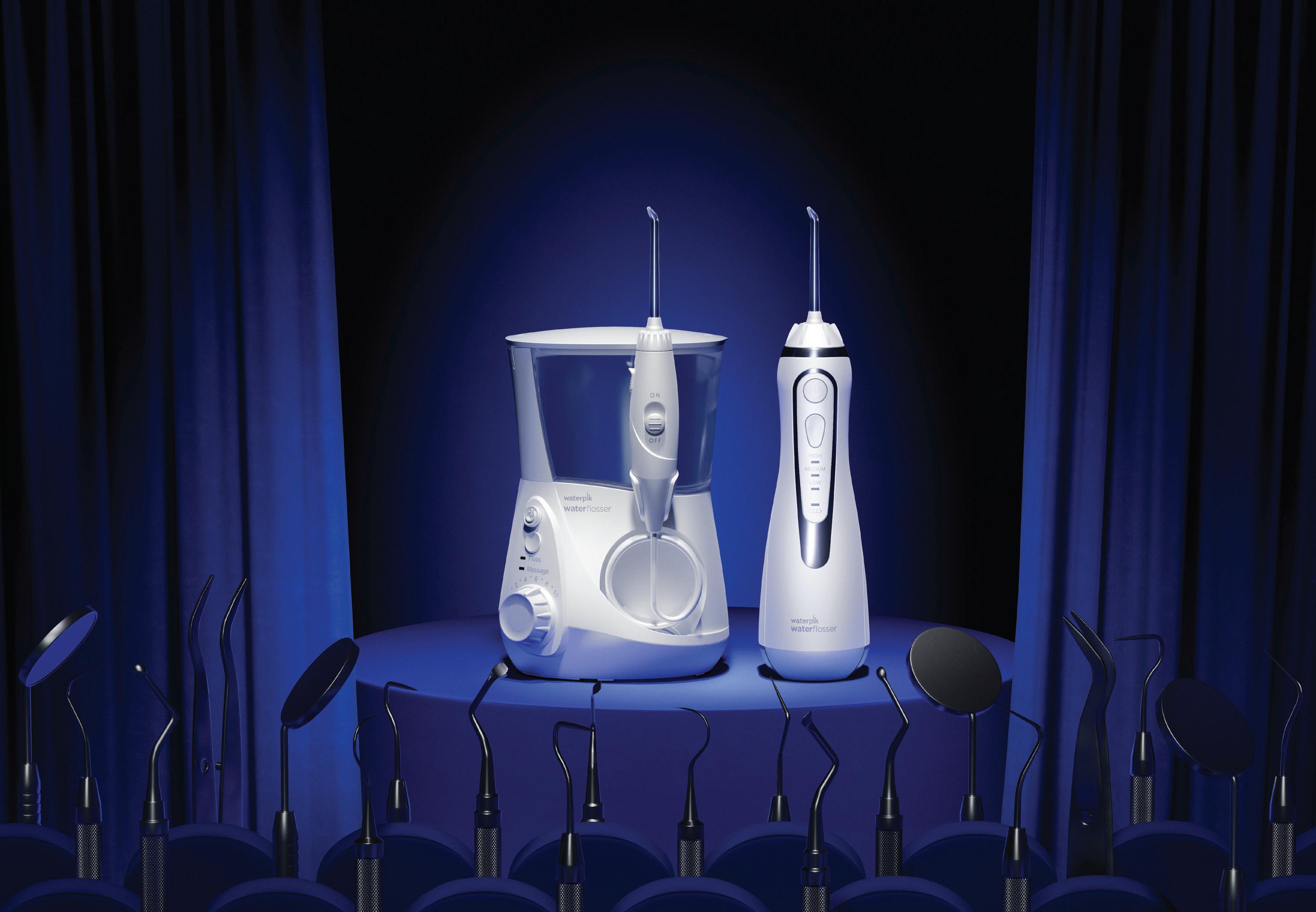

Not all water flossers are equal. Recommend by name.


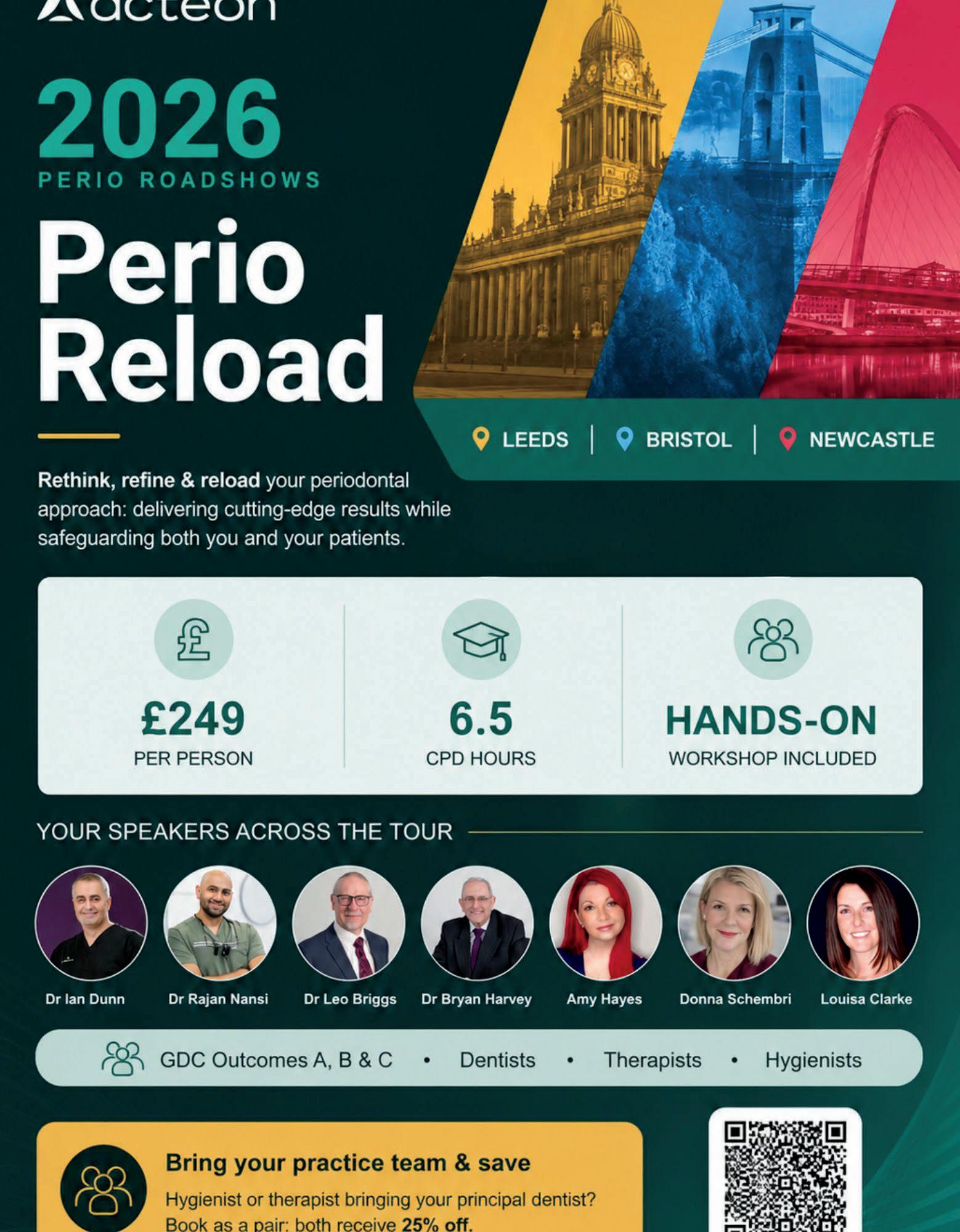
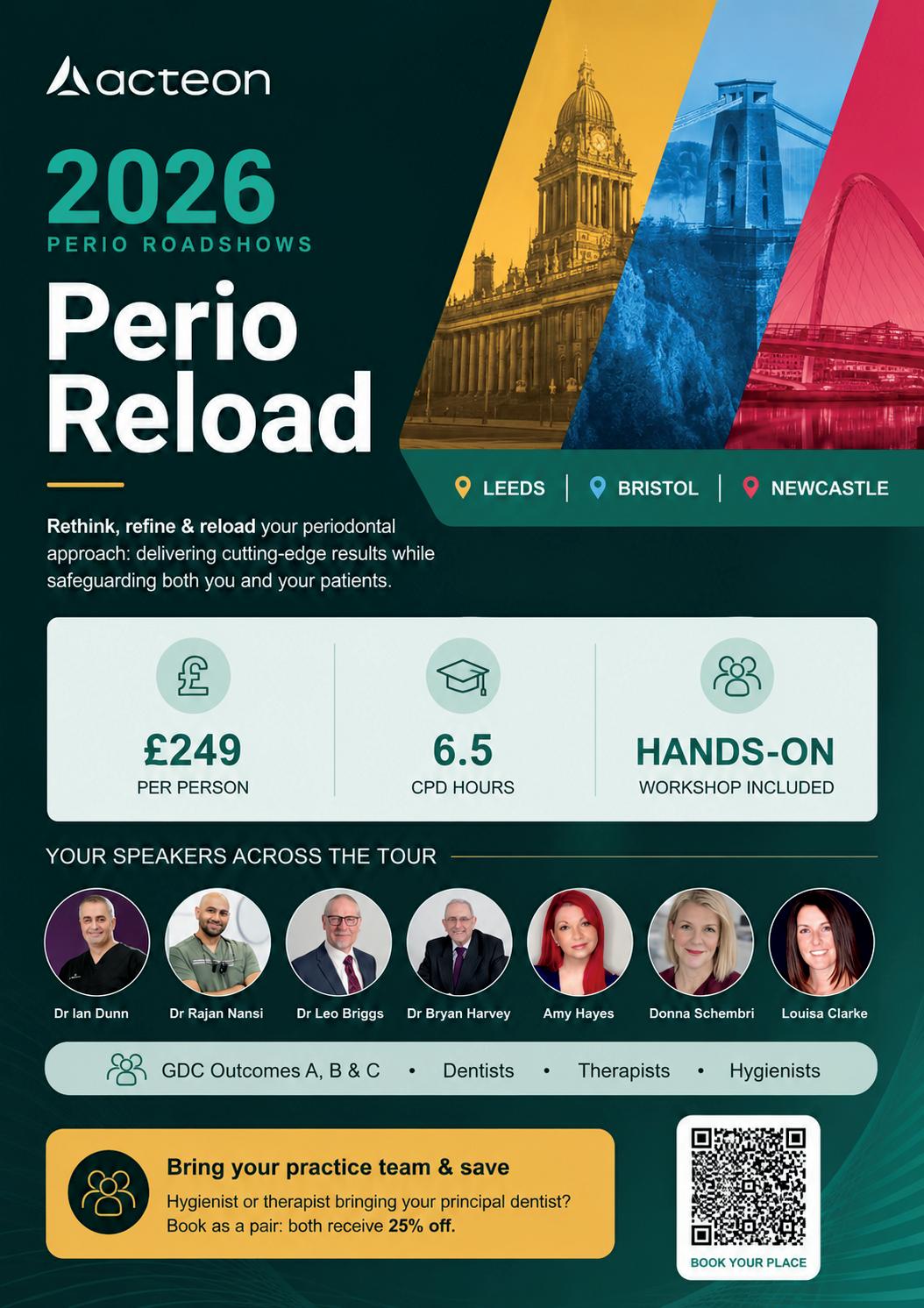
Dr Ian Dunn Dr Ra Louisa Clarke
The stand-out performance patients need. The name professionals recommend.
Not all water flossers are equal. Recommend by name.
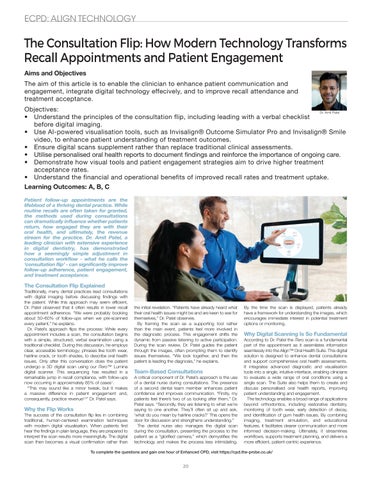
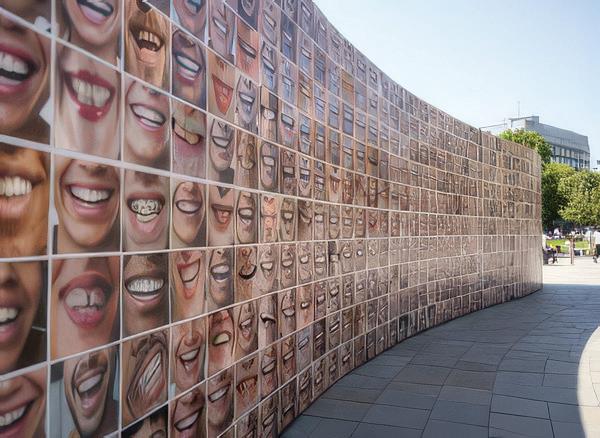
The Oral Health Foundation is inviting people across the UK to share their smile and become part of a nationwide “Wall of Smiles” as Smile Month officially launches its 50th campaign today.
The special anniversary initiative aims to celebrate the people, communities, and organisations that help improve oral health every day, while encouraging supporters to spread positive oral health messages through their own networks and communities.
First launched in 1977, Smile Month has become the UK’s largest and longest-running oral health awareness campaign, spending five decades championing better oral health through education, prevention, and awareness.
Over the years, the campaign has reached millions of people with practical advice and positive oral health messages designed to support healthier lives and improve wellbeing.
Today, Smile Month continues to bring together dental professionals, schools, workplaces, charities, health organisations, and community groups behind a shared mission to improve the nation’s oral health.
This year’s campaign focuses on encouraging conversations around prevention, healthy habits,
and the important links between oral health and overall health.
As part of the anniversary celebrations, the Oral Health Foundation is encouraging supporters to submit photos to feature on its Wall of Smiles throughout the campaign.
Karen Coates, Oral Health Educator at the Oral Health Foundation, said: “Launching the 50th Smile Month campaign is an incredibly proud moment for everybody connected to the Oral Health Foundation.
“For five decades, Smile Month has helped raise awareness of the importance of good oral health and empowered people with simple, practical advice to protect their health and wellbeing.
“While we have seen significant progress since the campaign first began in 1977, there is still much more to do to tackle oral health inequalities and improve access to preventive advice and care.
“Our Wall of Smiles is about celebrating the people who continue to make a difference every day – from dental teams and healthcare professionals to schools, families, workplaces, and local communities. We would love to see as many people as possible get involved and share their smile.”
Smile Month will run throughout the coming weeks with activities, events, educational resources, and community engagement taking place across the UK.
The Oral Health Foundation is encouraging everybody to take part by sharing their smile and taking simple steps to improve and maintain their oral health. This includes brushing twice a day with a fluoride toothpaste, cutting down on sugary foods and drinks, and visiting the dentist regularly to help keep mouths healthy.
Share your smile at www.dentalhealth.org/smile50.
Agrowing focus on “invisible health” – the aspects of wellbeing not immediately visible but critical to long-term quality of life – is reshaping patient attitudes towards overall health. However, new research from leading oral care brand TePe reveals a clear gap between awareness and action when it comes to the adoption of preventative oral care behaviours.
The study of 2,000 UK adults shows that while younger patients tend to prioritise what’s visible, such as whiter teeth and overall appearance, older consumers are increasingly focused on what’s “invisible”, focusing on prevention – with heart health (58%), lung health (41%) and gum health (39%) ranking among their top concerns.
By contrast, just 28% of under-30s regularly consider their gum health, and only 32% of Brits identify it as a key health priority, highlighting a significant knowledge gap around preventative oral care.
Among 18–29-year-olds, research shows that 20% lack a consistent oral care routine and 31% report they do not know how to establish one. There is a clear opportunity to support earlier education and encourage healthier habits from a younger age.
Miranda Pascucci, Head of Clinical Education and Dental Therapist at TePe emphasises the importance of promoting interdental cleaning as a core part of daily rituals; not just as part of good oral hygiene, but essential preventative healthcare.
Miranda says: “Younger patients often engage with oral health through an aesthetic lens, but this can overlook the importance that oral care plays in gum health and disease prevention. But for all patients, it’s never too late to start looking after your oral health and creating healthy daily rituals.
“As clinicians, we have a real opportunity to help patients understand that what’s happening below
the surface of their gums has a direct impact on both oral and general health.”
To support dental professionals and patients, TePe has created the three-minute rule to make interdental cleaning simple to adopt.
Miranda explains: “Toothbrushing alone cleans only around 60% of the tooth’s surface, so plaque accumulation in interdental spaces remains a key risk factor for tooth decay, gingivitis, and periodontitis. As the build-up of plaque and poor oral hygiene have been linked to wider health issues, such as
heart disease and dementia, interdental cleaning is as important for your oral health as it is for your overall health and wellbeing. Dental professionals can help patients make interdental cleaning an easy part of their self-care ritual by recommending the three-minute rule: two minutes of brushing with a toothbrush and fluoride-containing toothpaste, and one minute of cleaning between the teeth with a TePe Interdental Brush or floss.”
To find out more, go to: www.tepe.com/uk/ creating-healthy-habits-with-tepe
IJames Cooke T: 01732 371 581 E: james.cooke@purplems.com http://www.smile-ohm.co.uk/
t’s always at this time of year when the dental calendar feels as if it’s truly reached full swing. Smile Month (now sans ‘National’) kicks off while the entire dental profession and industry seemingly collide in Birmingham for The Dentistry Show. As the year in oral health heats up, is it any coincidence that the weather is doing the same? Probably, but I wanted to fit a clunky simile in here.
Rates: UK £39.95 per year; Overseas £83 - all cheques in sterling drawn on a UK bank made payable to ‘Smile’. 8 issues including 16 hrs CPD £39.95

Published by Purple Media Solutions
The Old School House, St Stephen’s Street Tonbridge, Kent TN9 2AD Tel: 01732 371 570
Managing Editor James Cooke james cooke @purplems.com Tel: 01732 371 581
Commercial Director Gary Henson gary.henson@purplems.com Tel: 07803 505208
Production and Designer 1 Lorna Reekie lorna reekie @purplems.com Tel: 01732 371 584
Production and Designer 2 Rob Tremain rob.tremain@purplems.com
Divisional Administrator Francesca Smith francesca.smith@purplems.com Tel: 01732 371 570

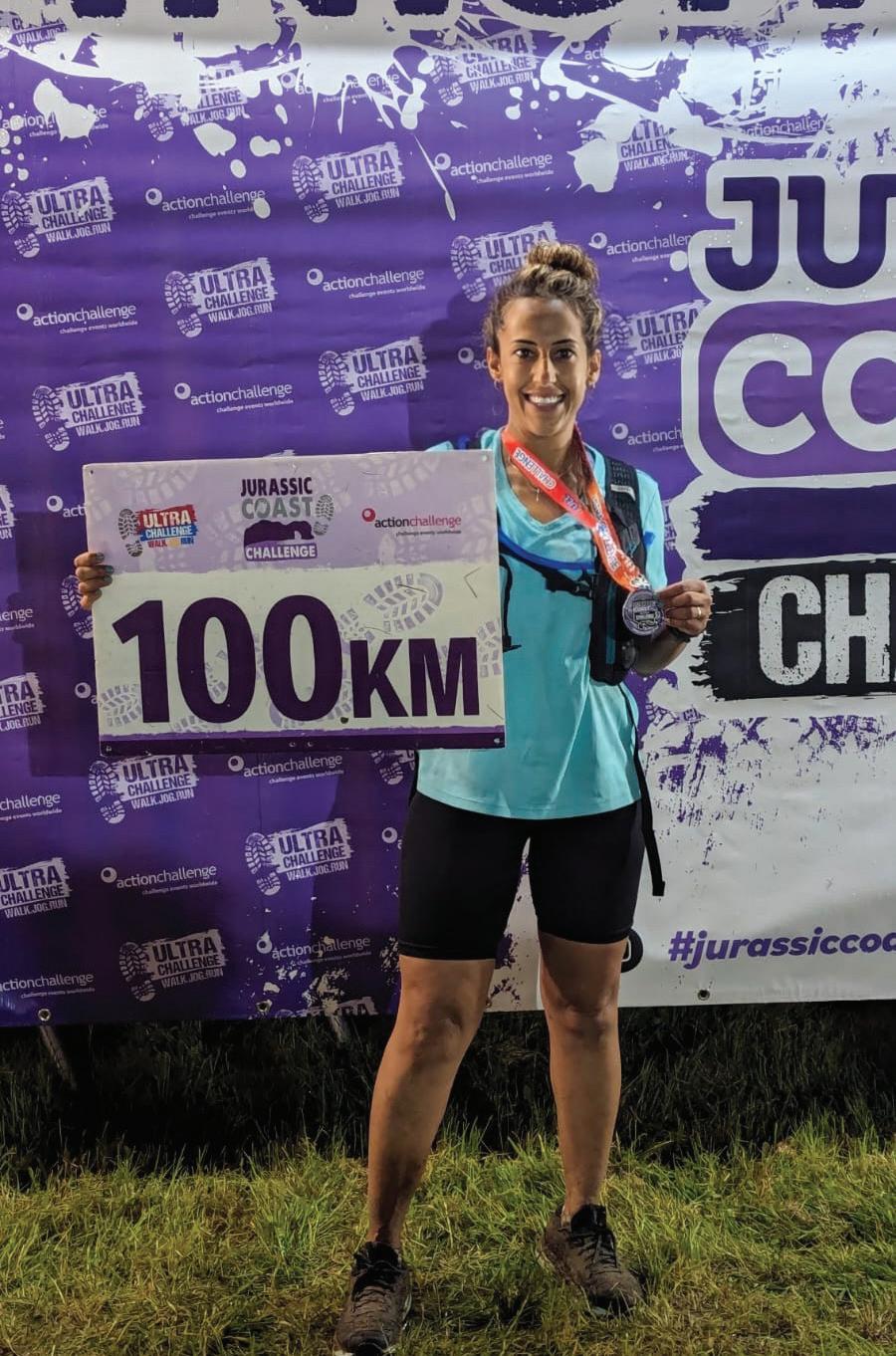
We have several highlights for you this issue, including a look at some of this year’s Dental Awards winners on page 40. Meanwhile, on page 24, you’ll find an excellent firsthand piece penned by Rafina O’Brien comparing the endurance needed as a dental hygienist to that required for completing ultra marathons.






And, with it being May/June, you’ll find details of Smile Month on page 10 – so get involved as the Oral Health Foundation’s wonderful initiative turns 50.
Enjoy the magazine!
the publisher cannot accept liability for any consequential loss or damage, however caused, arising as a result of using information printed in this magazine. The views expressed in Smile OHM Magazine are not necessarily the views of the magazine, nor of Purple Media Solutions Editorial Advisory Board: Dr Barry Oulton, B.Ch.D. DPDS MNLP; Dr Graham Barnby, BDS, DGDP RCS; Dr Ewa Rozwadowska, BDS; Dr Yogi Savania BChD, MFGDP; Dr Ashok Sethi, BDS, DGDP (UK), MGDS RCS; Dr Paroo Mistry BDS MFDS MSc MOrth FDS (orth); Dr Tim Sunnucks, BDS DRDP; Dr Jason Burns, BDS, LDS, DGDP (UK), DFO, MSc; Prof Phillip Dowell, BDS, MScD, DGDP RCS, FICD; Dr Nigel Taylor MDSc, BDS, FDS RCS(Eng), M’Orth RCS(Eng), D’Orth RCS(Eng); Mark Wright BDS(Lon), DGDP RCS(UK), Dip Imp Dent.RCS (Eng) Adv. Cert, FICD; Dr Yasminder Virdee, BDS.



in association with:

Other titles include:
Circulation Manager Andy Kirk
Managing Director Ed Hunt ed.hunt@purplems.com Tel: 01732 371 577
Scan to explore Smile Oral Health Matters back catalogue online or visit smile-ohm.co.uk/issues/

Advanced universal composite with unishade simplicity
Advanced universal composite with unishade
SCAN HERE for more information
SCAN HERE for more information
SCAN HERE for more information
“G-ænial A’CHORD’s unique filler and Full-Coverage Silane Coating (FSC) technologies make this composite really easy to place and give it excellent aesthetics and wear resistance”
“G-ænial A’CHORD’s unique filler and Full-Coverage Silane Coating (FSC) technologies make this composite really easy to place and give it excellent aesthetics and wear resistance”
“G-ænial A’CHORD’s unique filler and Full-Coverage Silane Coating (FSC) technologies make this composite really easy to place and give it excellent aesthetics and wear resistance”
Cat Edney
Cat Edney
Dental Therapist
Dental Therapist Founder of The Modern Therapist
Founder of The Modern Therapist
Cat Edney
Additional shades for extreme challenges
Additional shades for extreme challenges
Dental Therapist Founder of The Modern Therapist
Cervical, opaque, enamel and bleach shades available as well
Cervical, opaque, enamel and bleach shades available as well
Additional shades for extreme challenges
Cervical, opaque, enamel and bleach shades available as well

GC UNITED KINGDOM Ltd.
Simplified unishades
Simplified unishades
Five core shades that replace all 16 classic VITA shades with ease
Five core shades that replace all 16 classic VITA shades with ease
Simplified unishades
Five core shades that replace all 16 classic VITA shades with ease
Beautiful aesthetics
Beautiful aesthetics
Natural fluorescence and high gloss level and gloss retention
Natural fluorescence and high gloss level and gloss retention
Beautiful aesthetics
Revolutionary technology
Natural fluorescence and high gloss level and gloss retention
Revolutionary technology
Proprietary filler and coating, high stain and wear resistance and excellent radiopacity
Proprietary filler and coating, high stain and wear resistance and excellent radiopacity
Revolutionary technology
Optimal handling
Optimal handling
Proprietary filler and coating, high stain and wear resistance and excellent radiopacity
Easy to manipulate with an instrument or a brush
Easy to manipulate with an instrument or a brush
Optimal handling
Easy to manipulate with an instrument or a brush
info.uk@gc.dental +44 1908 218999
GC UNITED KINGDOM Ltd.
info.uk@gc.dental +44 1908 218999 www.gc.dental/europe/en-GB
www.gc.dental/europe/en-GB
As National Smile Month marks its 50th year, BSDHT President Rhiannon Jones reflects on how the dental hygiene and dental therapy professions have evolved, and why prevention remains at the heart of care

This year marks 50 years of National Smile Month. What does this milestone represent for you and the profession?
Fifty years is a long time, and it gives us a real opportunity to pause and reflect. What National Smile Month has always done so well is bring the profession together around something positive. So much of what we deal with day-to-day is focused on disease, but this is about celebrating healthy smiles and the difference we make.
At its core, it is about something very simple. Everyone should be able to smile with confidence, eat comfortably and live without pain or fear. Having a campaign that reminds both the public and the profession of that, year after year, is incredibly powerful.
Looking back, what has been the biggest shift in how dental hygienists and dental therapists contribute to oral health?
The scale of change has been huge. Our scope of practice has expanded significantly, and with that has come a transformation in education. What began as certificate-level training has progressed through diploma to degree, and now many colleagues are undertaking postgraduate study, including Masters and PhDs.
That has fundamentally changed how we practise and how we are perceived. We now have greater clinical autonomy, and, with Direct Access, we can see patients in different ways and at different stages of their journey. It has opened up new opportunities to reach people who might not otherwise engage with care.
Prevention has always been central to your roles. How has that evolved in everyday practice?
Prevention has always been there, but how we deliver it has changed. Historically, systems were built around treatment, diagnosing and fixing problems. There was very little recognition of the time needed to support prevention to the fullest.
What we see now is a much clearer understanding that prevention is not an add-on, it is the foundation. It is about taking the time to understand each patient, communicating in a way that works for them, and building an approach together that helps them maintain their oral health long term.
Importantly, it is also about recognising that if behaviour has not changed, there is limited value in moving forward with more complex treatment.
How important is it to reach patients early, particularly those who may not yet be accessing care?
There are many people who are not accessing care at all, and we need to find ways to reach them. That can mean thinking differently about how we engage adults, using clearer communication, digital channels and community outreach to support behaviour change beyond the practice.
At the same time, it also reinforces the importance of reaching patients earlier in life. Initiatives like the BSDHT’s First Smiles, sponsored by Oral-B, are a brilliant example of how we can take prevention out into the community.
Taking place this year on Friday 12th June, it gives dental professionals a clear opportunity to get involved in a co-ordinated, nationwide effort. Not every child will visit a dental practice regularly, but almost every child goes to school, which allows us to meet them where they are.
By delivering oral health education in a familiar, supportive environment, we can help children build positive habits early. That might be something as simple as running a short classroom session on toothbrushing or talking through diet and sugar in a way that feels relevant to their day-to-day lives.
For dental professionals, it is a very accessible way to get involved. There are ready-made resources available, support from the BSDHT, and plenty of flexibility in how you deliver it. It is also incredibly rewarding to see the impact it can have.
What should the profession focus on next?
For me, whether we are talking about policy, education or patient care, prevention must be the starting point. We also need to continue to use our voice in practice, in education and at policy level. If we keep that focus and continue to build on the progress we have made, the future is incredibly positive for both the profession and our patients. n
Dental professionals interested in taking part in First Smiles can find resources, guidance and registration details at bsdht.org.uk/firstsmiles-campaign.
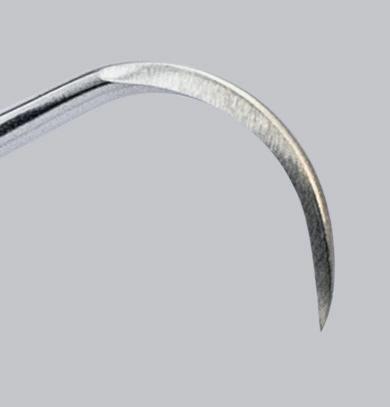
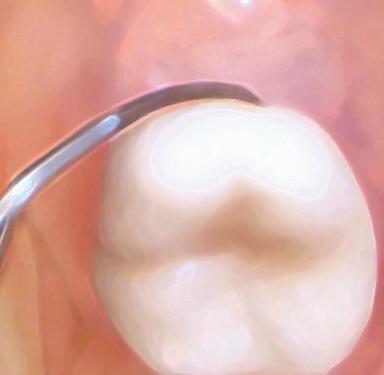


200-300% More Contact than Leading Competitors
Greater adaptation means less scaling strokes. Better for you, better for your patients.




Less Sharpening


PDT blades are thinner, sharper, and heat-treated for durability, lasting up to seven times longer.







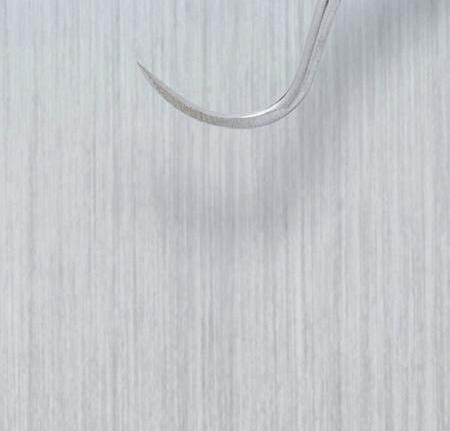














Ultra-lightweight Design
Solid resin handle reduces fatigue and muscle strain during prolonged use.











Superior Tactile Sensitivity
Knurled grip provides superior tactile sensitivity for precise control during procedures.


Expertly crafted to provide maximum comfort and tactile sensitivity

David Arnold , Director of Communications at the Oral Health Foundation, outlines why prevention campaigns still matter
This year’s Smile Month is more than a milestone moment for the Oral Health Foundation. It is a chance to reflect on 50 years of public engagement, education and advocacy, while asking a more important question: in 2026, why do preventive campaigns still matter so much?
The answer is simple. Because oral disease remains widespread, unequal and, in many cases, avoidable. Because too many people still receive support only once pain, infection or visible damage has already taken hold. And because if we are serious about improving population health, prevention cannot sit at the margins of the system. It must be part of how the system thinks, communicates and acts.
Prevention in a treatment-led system
For half a century, Smile Month has provided an answer to that challenge. It has taken oral health messages beyond the dental practice and into communities, schools, workplaces and homes. It has created a platform that is positive, practical and public facing. In doing so, it has helped make oral health everyone’s business, not just the responsibility of dental teams.
That matters because, despite progress in clinical care and greater understanding of risk factors, the wider health system still tends to place its greatest emphasis on treatment after disease has emerged. Dentistry is far from alone in facing this problem. Across healthcare, services remain under pressure to respond to demand, manage backlogs and treat increasingly complex need. Yet in oral health, the consequences of that imbalance are especially stark.
We know that many of the most common oral diseases are preventable. We know the value of early habits, regular advice, fluoride exposure, healthier diets and timely intervention. We know that oral health is shaped not only by clinical access, but by education, confidence, culture and everyday behaviour. And yet, too often, prevention is treated as secondary to service delivery, rather than recognised as one of the most effective ways to reduce future burden.
capacity alone. It is improved when people understand why oral health matters, how it links to general health and what practical steps they can take to protect it. Awareness is not the whole answer, but without awareness, education and reinforcement, preventive ambition will always be limited.
This is where campaigns like Smile Month retain their relevance.
Preventive campaigns do something formal systems often struggle to do on their own. They reach people before they become patients in crisis. They create repeated exposure to simple, memorable messages. They help normalise healthier behaviours. They give professionals tools and language to start conversations. And, importantly, they make oral health visible in the public space.
That visibility should not be underestimated. Population health is not improved by treatment
Smile Month has shown the value of this approach over decades. What began as a smaller campaign has grown into a recognised platform for engagement, enabling dental practices, schools, community groups and wider partners to take oral health messages into settings that traditional services do not always reach. That breadth is one of its greatest strengths. Campaigns work best when they do not simply broadcast information but invite participation.
This year’s 50th campaign does exactly that.
As Smile Month marks its golden anniversary, it offers both celebration and reflection. It is a moment to acknowledge how far oral health promotion has come, but also to recognise how much work remains. Prevention has long been described as the right approach. The challenge has been turning that principle into something visible, valued and sustained.
The anniversary campaign therefore carries a significance beyond branding or heritage. It is a reminder that lasting improvement in oral health depends on consistency. Public understanding is not transformed in a single burst of activity. It is built over time, through trusted messages, local action and repeated opportunities for engagement. In that sense, 50 years of Smile Month is not just an achievement. It is evidence that prevention needs persistence.
The campaign’s focus on smiles themselves is also timely. In a healthcare environment often dominated by targets, contracts and activity, the smile is a powerful symbol of what oral health really means to people. It speaks to confidence, communication, identity and quality of life. A healthy smile is not cosmetic shorthand. It reflects comfort, function, wellbeing and self-esteem. It shapes how people eat, speak, socialise and present themselves to the world.
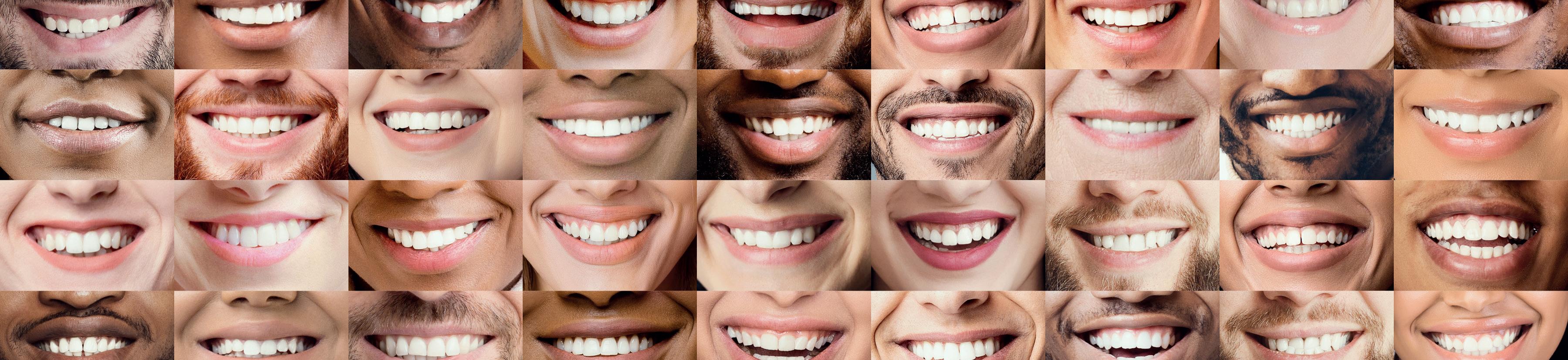
That is why, as part of this year’s campaign, we are inviting people across the UK to share their smiles. We are collecting smiles from communities around the country to celebrate their power, importance and individuality as part of Smile Month’s 50th year. It is a simple but meaningful idea: to put real people, real expressions and real oral health at the heart of the campaign. We would love the profession to help bring that to life. Upload yours at www. smilemonth.org and be part of this national celebration.
For dental professionals, there is a wider point here too. Preventive campaigns are not a soft addition to “real” dentistry. They are part of the infrastructure of better health. They support earlier intervention, improve health literacy, strengthen patient relationships and amplify the messages delivered in practice. They also help shift the narrative around oral health, from one centred only on disease management to one focused on long-term wellbeing.
If the future of healthcare is truly to be more preventive, more community-based and more person-centred, oral health campaigns should be seen as essential, not optional. They are one of the clearest ways to bridge the gap between what we know clinically and what happens in everyday life.
At 50, Smile Month stands as both a celebration of progress and a challenge to the future. It reminds us that prevention works best when it is public, consistent and human. And it underlines a truth the profession has always known: when we invest in awareness and education early, we do far more than prevent disease. We help create healthier lives, stronger communities and more reasons to smile. n













The narrative surrounding overseas dentists in the United Kingdom is frequently one of “waiting.” We wait for exam sittings, GDC processing, and the day we can finally reclaim the title we held for decades. However, after 15 years of clinical practice in India and Oman, my transition into the UK landscape as a Registered Dental Therapist has taught me that this period is not a hiatus—it is a high-level strategic evolution.
As the UK dental sector navigates a historic recruitment crisis, the conversation has shifted toward the “better use” of the dental team. One of the most underutilised solutions remains the international dentist currently practicing within the dental therapy scope. We are not just a “stop-gap” for the workforce; we are a ready-to-work, high-skill reservoir of diagnostic depth.
The psychological transition from being a senior practitioner with over a decade of autonomy to a supervised role in the UK is a significant mental load. This “Identity Shift” is often the greatest hurdle for the international colleague. It isn’t just a change in clinical routine; it is a fundamental shift in professional ego.
To thrive, we must reframe this narrative. We are not “down skilling.” Instead, we are adding a sophisticated layer of world-class UK Clinical Governance to a robust 15-year foundation. Transitioning roles in the UK is not a regression of professional identity; it is a strategic lateral move that builds an unbreakable clinical foundation. By mastering GDC Standards and SDCEP guidelines from the ground up, we build a professional base that serves our long-term UK careers.
Working the front line of UK dentistry, particularly within the NHS framework, is high-cortisol work. For those of us juggling full-time clinical roles with the intense study required for the ORE or LDS examinations, the risk of burnout is acute. I have found that clinical excellence cannot exist without a
“wellness-first” approach to our daily routine.Clinical excellence cannot exist in a vacuum; it requires a ‘wellness-first’ approach to the daily surgery routine to combat decision fatigue. In high-pressure surgery environments, I advocate for “Micro-Restoration” strategies practical, evidence-based tools that take seconds but preserve mental clarity:
• The 30-Second Reset: Utilizing the “physiological sigh” (a double inhale followed by a long exhale) between patients to reset the autonomic nervous system.
• Cognitive Reframing: Consciously viewing the “limbo” period as a specialized fellowship in UK primary care, rather than professional stagnation.
• Strategic Boundaries: Protecting the lunch hour as a non-clinical space to combat decision fatigue, ensuring the last patient receives the same mental presence as the first.
My transition was further anchored by completing an MSc in Dental Research. In the UK’s evidencebased healthcare culture, this academic rigour acts as a bridge. It allows me to translate 15 years of clinical intuition into the rigorous scientific standards expected by the NHS and private sectors. This research background moves the international clinician from “following” protocols to critically appraising the evidence behind them. We are not just following guidelines; we are understanding the “why” behind the clinical mandate. This hybrid of global experience and academic enquiry is exactly what the modern UK dental team requires to meet increasing patient expectations.
For a practice to truly benefit from an international clinician’s expertise, the wider team must offer targeted support. Integration is a two-way street. Practice owners and lead dentists can foster a supportive environment by:
• Transitioning from Supervision to Mentorship: Move the narrative from “checking work” to “sharing UK-specific clinical pearls.”
• Cultural and Communicative Empathy: Recognise that while clinical skills are universal, patient communication nuances vary. Offer feedback on GDC-compliant communication with constructive empathy.
• Active Inclusion: Encourage international colleagues to join local peer-review groups and networks like the BADT or the British Dental Association. Reducing professional isolation is the most effective way to support mental wellness.
The international dental community is not a “waiting room”; it is a vibrant, high-value asset to the UK dental workforce. The international dental community is not a ‘waiting room’ for a title; it is a high-value, ready-to-work reservoir of diagnostic depth. By embracing the Senior Therapist model, UK practice owners gain more than just a team member—they gain a dual-qualified expert with a veteran’s eye for patient management and a researcher’s heart for clinical governance. n
DR SWETA SURANA BHANDARI, BDS, MSC ENDOD
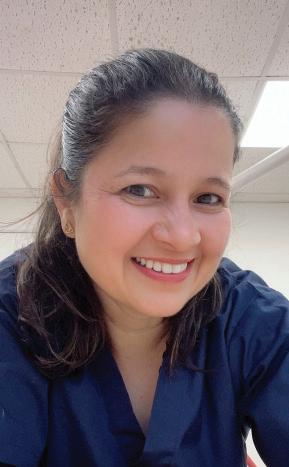
A GDC-registered Dental Therapist working at Inspire Dental Practice in Cannock, Birmingham, with 15 years of international clinical experience as a dentist in India and Oman. She holds an MSc in Dental Research and is currently navigating the ORE/LDS pathway. She is a dedicated advocate for Mental Wellness and clinical resilience within the UK dental workforce.

























...which has helped practice boost follow-up appointments from 50 to 85%1,2
PDr Amit Patel
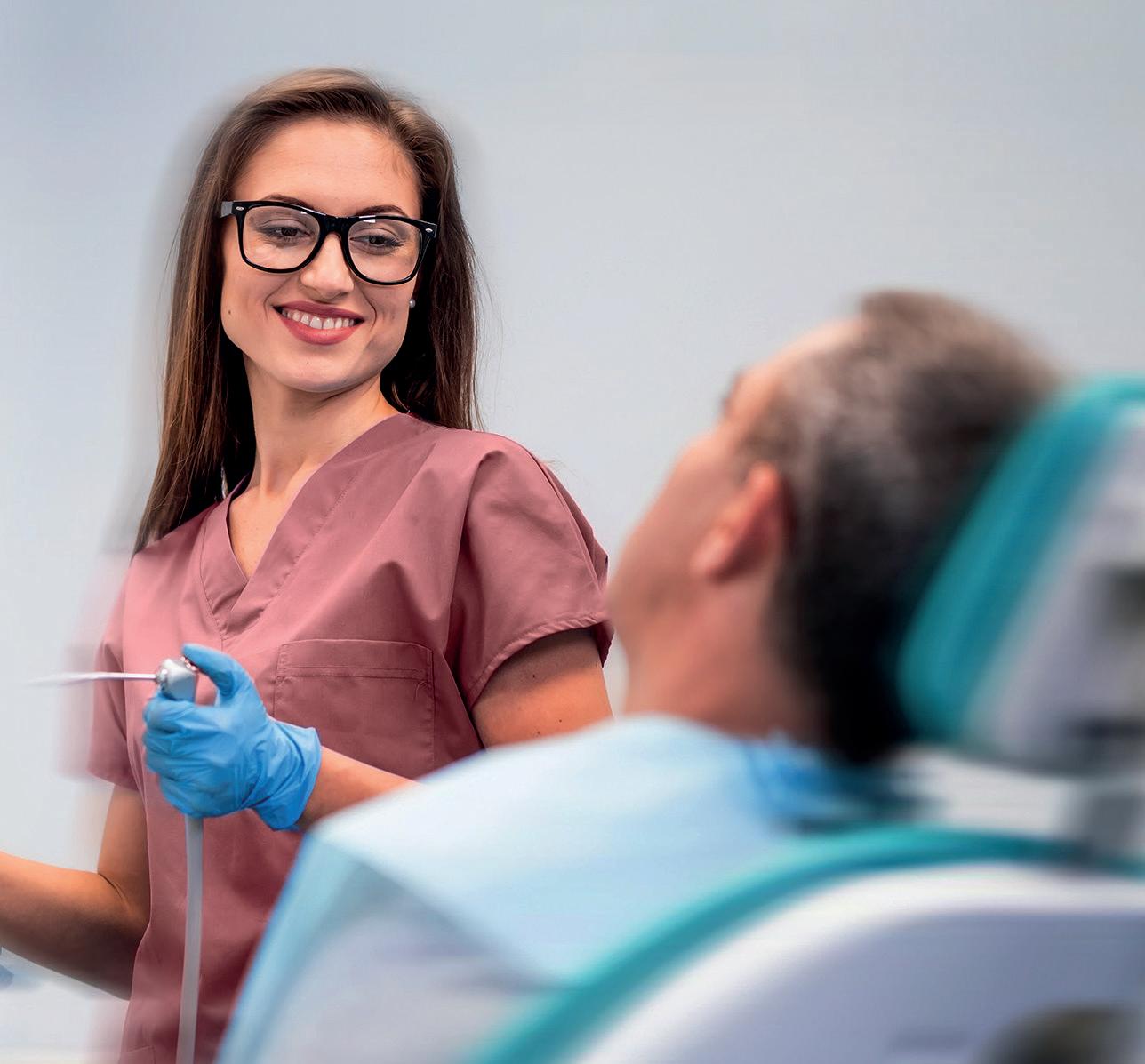
atient follow-up appointments have rocketed thanks to latest-generation technology embedded into routine consultations, reports Dr. Amit Patel. Many practitioners lead every consultation with a 3D digital scan, however, Dr. Patel finds that a traditional checklist examination using easy-to-understand layman’s terms, followed by a digital scan to illustrate his findings, is more persuasive.
“A lot of people don’t realise how much revenue that simple change can bring”
“We’ve had a massive uptake on recalls –running at about 85%, whereas when we were pre-scanning every patient, we were probably at about 50% or 60%. A lot of people don’t realise how much revenue that simple change can bring in on a recall lag.” 1,2
“Patients have already heard what their oral health issues might be and are keen to see for themselves”
The secret to his success lies with his non-typical consultations conducted alongside a dental nurse - he uses easy-to-understand phrases such as tooth wear, hairline crack or tooth shades. “Firstly, my patients feel there’s two of us looking after them, secondly they are listening to what we’re saying: They’ll often sit up and say, ‘what do you mean by hairline cracks?’ Once the checklist is complete, I tell them the dental nurse will scan them with a ‘glorified camera’, and then I will show them everything I’ve noted.”
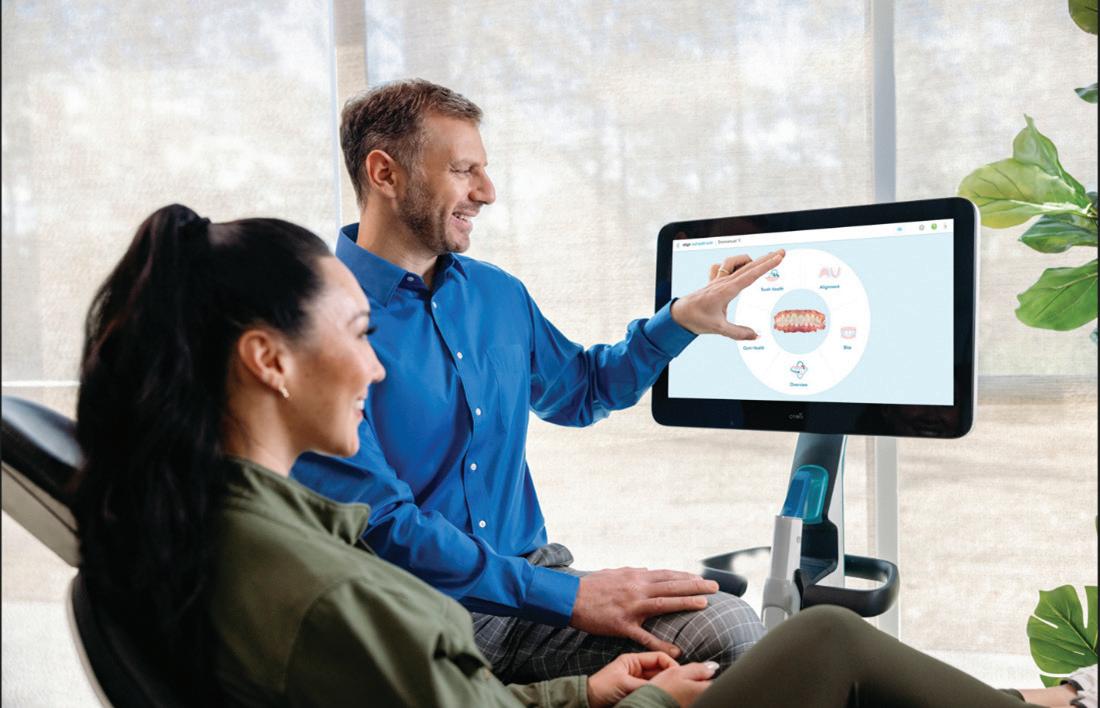
He explains how completing the 3D scan after the physical checklist means patients have already heard what their oral health issues might be and are keen to see for themselves.
“We look together – and then the patient is leading the diagnosis.”
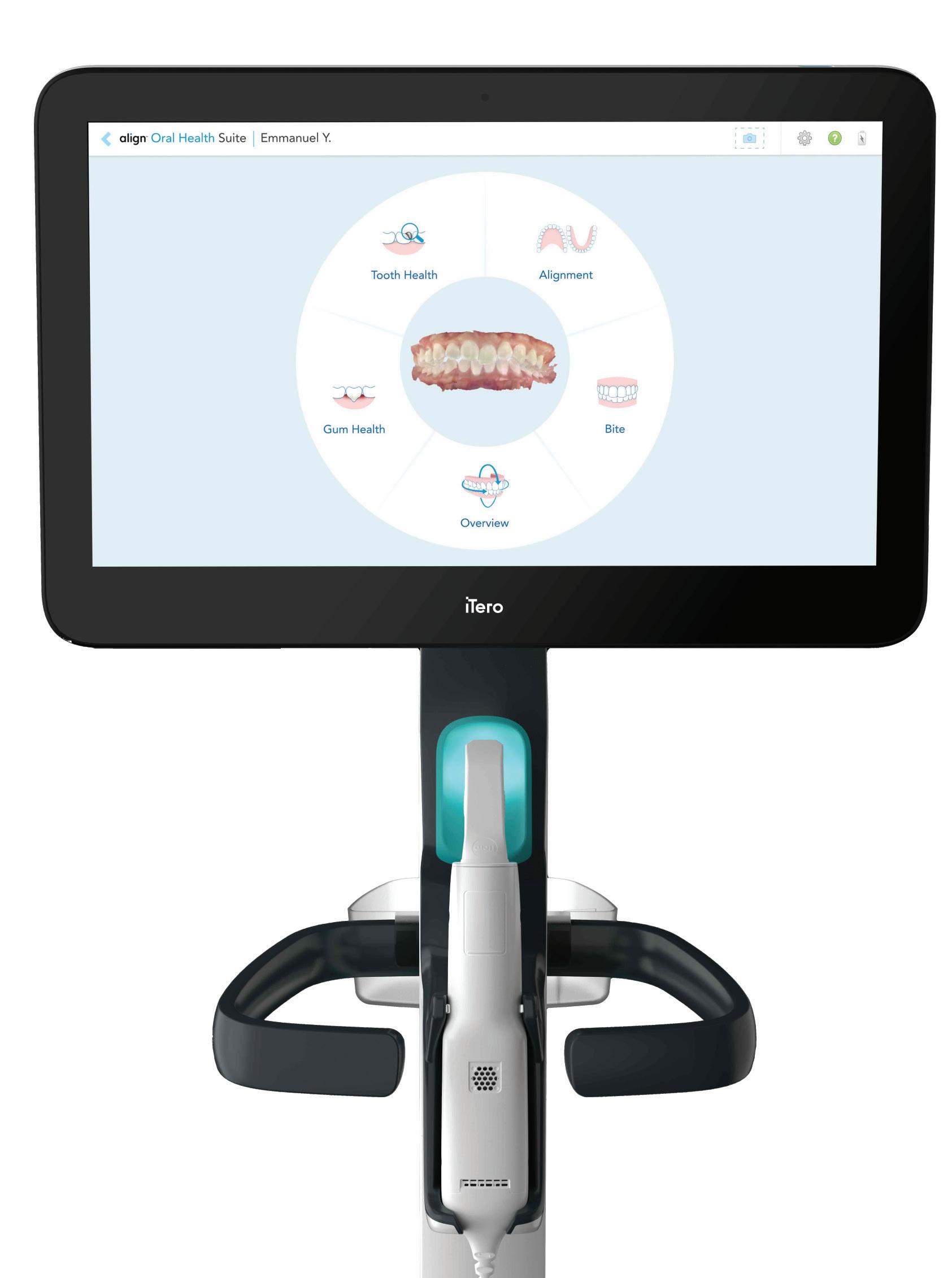
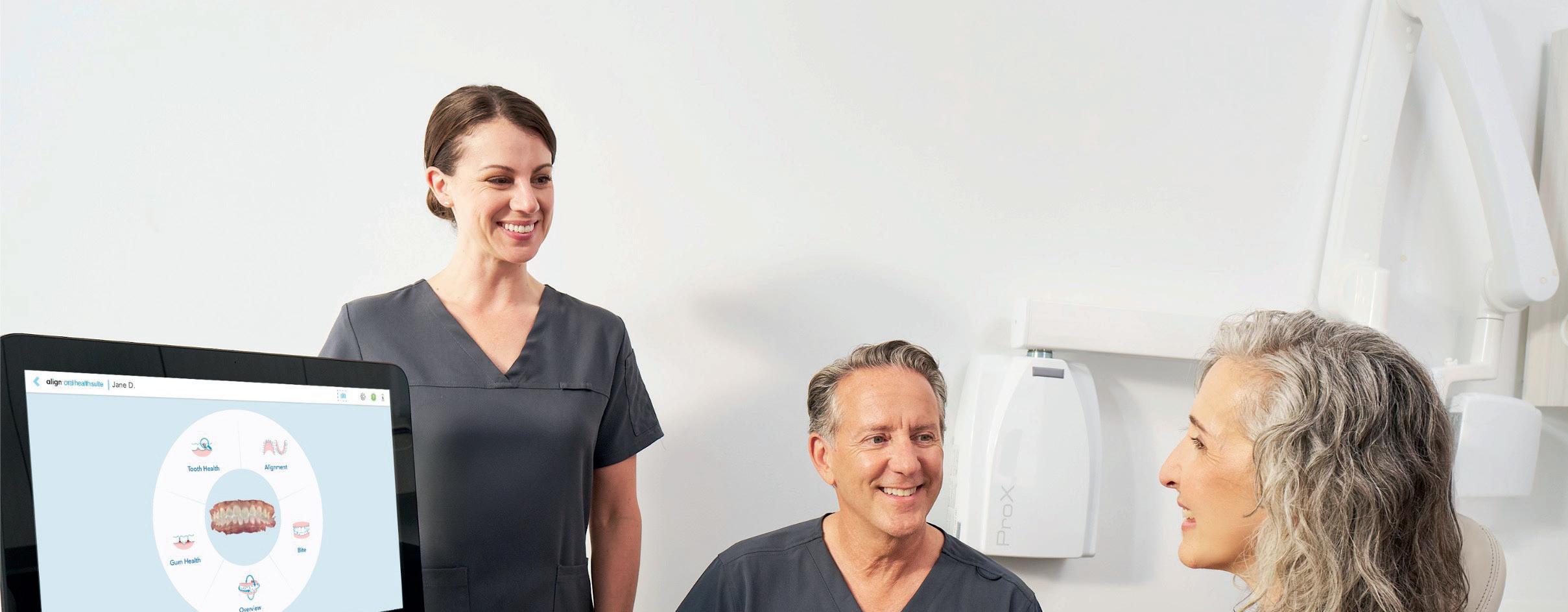
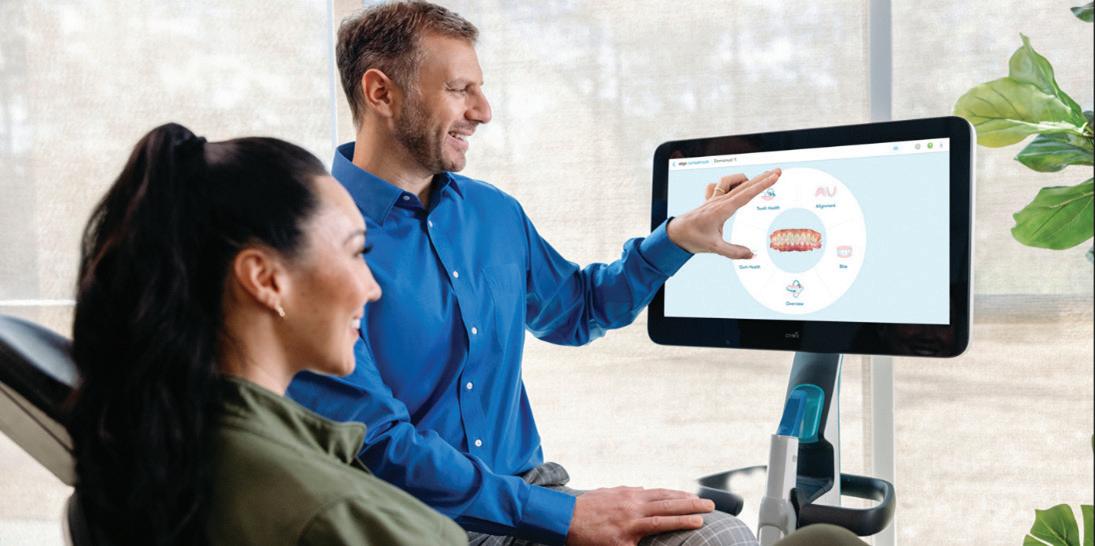
Dr. Patel’s 3D digital scanner of choice is the iTero™ Lumina which incorporates the Align™ Oral Health Suite – a software platform integrating artificial intelligence (AI) in a series of tools which help clinicians to diagnose oral health conditions, plan their treatment, and help patients to visualise what their treatment outcomes might be.
He points just how useful it is in every consultation, not just for restorative or Invisalign® treatment. “The digital scans show patients cracked teeth, decay – even early signs, crowding, plaque, gum heath and staining. This means they often ask, ‘what do we need to do?’ It’s not me trying to tell them what they need, or to sell a treatment. It’s the patient realising they have a problem and trying to find a solution. We are there to help, to guide them to the right solution.” It’s this versatility that explains why every associate in Dr. Patel’s practice uses an iTero Lumina; in fact, there are now four scanners – one in each treatment room.
For patients who don’t need immediate intervention, the digital scan clearly highlights
areas which need monitoring. “So, you’re not planning treatment, but the next six months’ recall. And before they leave the surgery, they want to book in for their follow-up appointment, because in their minds they know they have
something that needs to be checked. This is what has transformed our recall conversions.”
Dr Patel concludes: “The Align Oral Health Suite is a framework which streamlines and elevates the oral health consultation significantly, so patient respond better. It provides a highly visual, patient-centric experience which helps them understand their oral health status, and builds trust in our diagnosis.” 3
References
1. Dr. Amit Patel’s practice audit findings
2. Based on a survey of Invisalign trained doctors (n=84) who have used ClinCheck Live Plan in at least one Invisalign case between Nov 2024 and Jul 2025 and were asked their agreement with the statement “ClinCheck Live Plan, part of the ClinCheck Signature Experience, allows me to spend less time in the overall ClinCheck process”. Agreement scale was 1-4 with 1 being “strongly disagree” and 4 being “strongly agree”. Data on File at Align Technology, as of October 27, 2025.
3. Based on a survey in Dec 2020 to Mar 2021 of n=275 Invisalign Orthodontists who have used at least one digital Align solution over the past 12 months in their workflow (**My Invisalign App, Invisalign SmileView, Invisalign Virtual Appointment, iTero and/or Invisalign Outcome Simulator, Invisalign Photo Uploader, ClinCheck Pro 6.0 and/or ClinCheck In-Face Visualization tool, or Invisalign Virtual Care), who were asked, how much do you agree or disagree with the following statement: “Adopting Align Technology’s digital solutions has made a huge difference in my practice – it provided ways to improve our efficiency and productivity.” in an agreement scale of 1-4 with 1 being ‘strongly agree’ and 4 being ‘strongly disagree.’ Doctors were surveyed in NA, EMEA, APAC and LATAM. Data on file at Align Technology, as of July 20, 2021 n












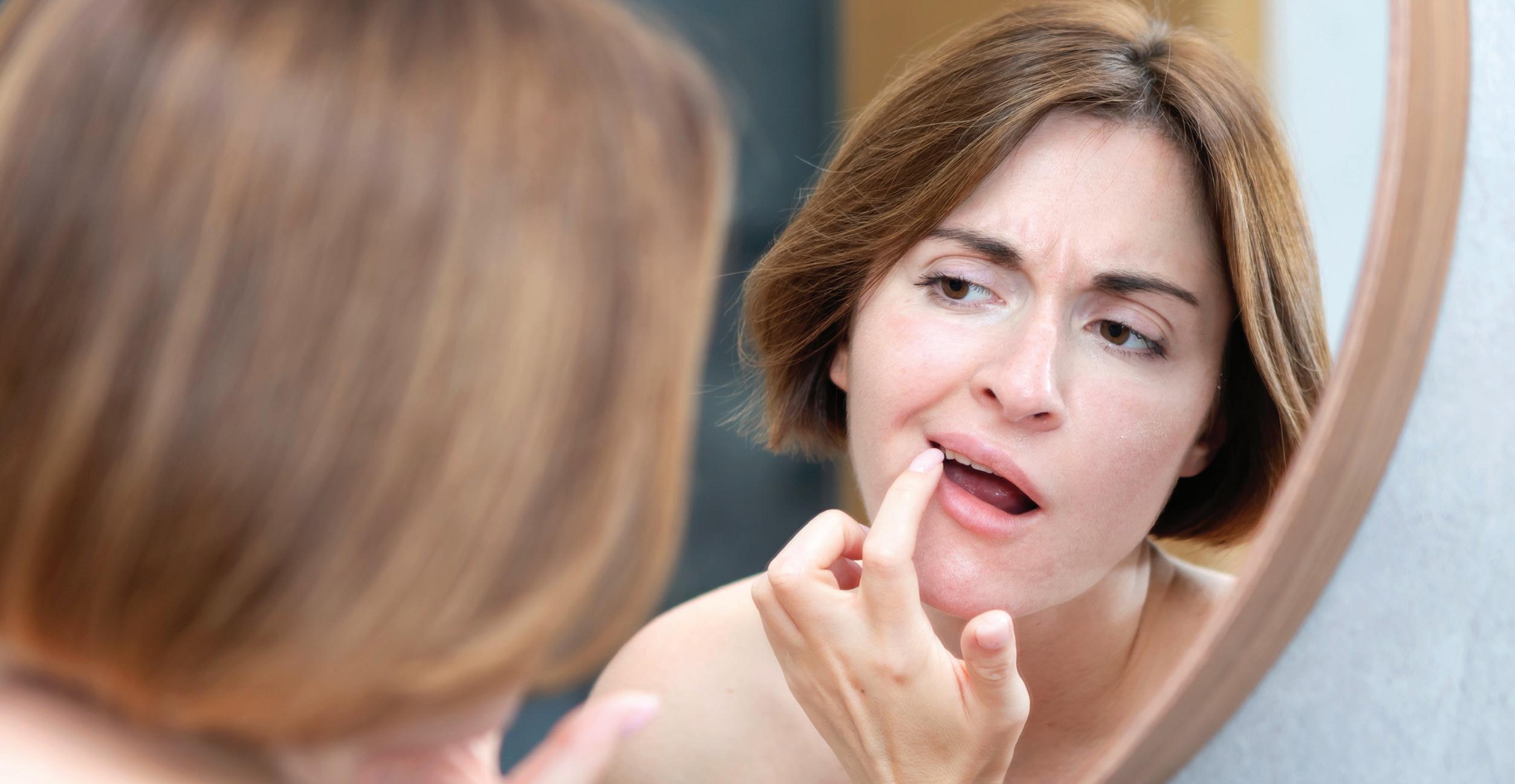
Pain is the sensation created by the body when it detects damaging stimuli. It is a reaction within the nervous system that is interpreted by the brain. The severity of the pain perceived will depend on the type and duration of stimuli, as well as the individual response – everyone experiences pain differently and to a different extent, making it a highly subjective and a difficult field for scientific analysis and comparison.
The science
The physiology of pain involves a number of complex pathways and multiple interrelated processes that affect the neuronal, endocrine, and inflammatory systems in the body.i In most cases, nociceptors in the skin, muscles, or organs detect damage, inflammation, or other stimuli, transmitting signals through the nervous system to the brain, which determines the response.
Pain is often referred to as acute or chronic. The former describes pain that is experienced only temporarily, often not lasting longer than a few months and resolving upon healing of the injury. Chronic pain is more persistent and can be felt by individuals for prolonged periods of time. Neither one of these alone indicate the severity of pain or the danger posed by the injury or disease causing the discomfort.ii
To facilitate a standard approach to assessment and diagnosis, pain can be further classified according to aetiology, pathophysiology, anatomical location, intensity, or duration.iii Pain can also be categorised as nociceptive, triggered by physical damage to the non-neural tissue; neuropathic, arising as a result of a lesion or disease affecting the somatosensory system; or nociplastic pain, which is commonly used for those experiencing unexplained or unclassified pain.iv
To feel or not to feel
Further complicating the assessment, classification, and comparison of pain between individuals is the subjectivity with which pain is reported. As such, two people in a similar situation will rarely report the same level of discomfort.
This is, at least partly, because several neurological aspects influence how pain is perceived. For example, there is evidence that not knowing what to expect can actually increase the intensity of pain experienced.v The study postulated that the brain uses a probabilistic modelling technique that predicts required reactions to set stimuli, and sets expectations. In the absence of the data needed to make these calculations, the brain errs on the side of caution by signalling greater discomfort than may actually be occurring.
The literature also shows that cognitive and emotional control of pain can influence how it is experienced.vi Focusing on the pain increases its perceived unpleasantness, as does a negative emotional state. Distraction techniques may also be useful in reducing the pain reflex, although further research is needed in this field to determine the exact mechanisms at play.
Pain management in the dental setting
All of this is important because the duration and severity of pain experienced during dental treatment can substantially influence a patient’s oral health-related quality of life.vii Reducing the amount of physical and emotional discomfort they feel with each visit is also important for enhancing their overall treatment journey.
How this is achieved may differ between practices, practitioners, and patients. Distraction techniques, for example, may be useful for implementing alongside dental treatment for patients who are nervous about an upcoming procedure. Music therapy has been shown to lower stress and anxiety prior to dental care, in both adult and child patients.viii There is also initial evidence that indicates listening to music they enjoy can significantly affect a person’s pain threshold, improving the pain-related response.ix
A positive attitude and warm demeanour by the clinician may also impact the patient’s perception of pain during dental procedures – once again, this is especially true for anxious individuals.x It can also help to clearly communicate the proposed treatment
procedure and expected outcomes, allowing patients to visualise the process so they know what to expect. It is just as important that clinical steps are taken to reduce pain and discomfort before, during, and after treatment. In addition to minimally invasive techniques and preventive strategies, clinicians must be prepared to help patients address sudden toothache or dental pain even before they are able to visit the practice. Recommending a topical local anaesthetic that is proven to deliver safe, fast and effective pain relief is important in these crucial moments. Orajel® Dental Gelxi is an ideal solution, containing 10% benzocaine to deliver rapid pain reliefxii in just 2 minutes.xiii Patients simply apply the gel to any painful area in the mouth to benefit from rapid relief. For those with a high perceived level of pain, the Orajel® Extra Strengthxiv solution contains 20% benzocaine and affords even more powerful relief.
Pain is a complex and highly subjective experience that has a significant impact on a person’s daily life. Understanding how to help patients manage any pain relating to the mouth is an important aspect of the modern dental professional’s remit.
For essential information, and to see the full range of Orajel products, please visit https://www.orajelhcp.co.uk/ n
References available upon request
SUMERA BASHIR
Sumera Bashir is Medical Affairs & Scientific Engagement Lead for Orajel.
Teeth whitening is one of the most soughtafter cosmetic treatments in private dental practices. Patients often expect dramatic results, and professionals must ensure they provide up-to-date, safe, and effective whitening treatments based on scientific evidence.
The characteristics of enamel and dentin determine the natural color of teeth. Dentin is naturally yellowish or grayish, and this color is visible through the translucent enamel. Enamel influences how light is reflected or absorbed from the dentin underneath. Thicker enamel makes teeth appear lighter, while thinner enamel may highlight the yellowish hue of dentin.
Several factors, such as diet, smoking, and aging, can affect tooth brightness. Stains penetrate through the enamel into the dentin, where they bind to proteins, particularly collagen, altering their structure. This change in protein structure reduces light reflection, making teeth appear darker.
Whitening agents containing hydrogen peroxide work by releasing reactive oxygen species during the bleaching process, which breaks down the bonds that maintain stains. As a result, the original structure of the proteins is restored closer to their natural state, improving light reflection and making teeth appear brighter.
Patient safety and long-term well-being are priorities, making the evaluation of the effects of whitening methods on enamel and dentin crucial. Different methods vary significantly in their mechanisms and impact on dental tissues. Let’s explore these options in more detail, starting with chemically activated whitening.
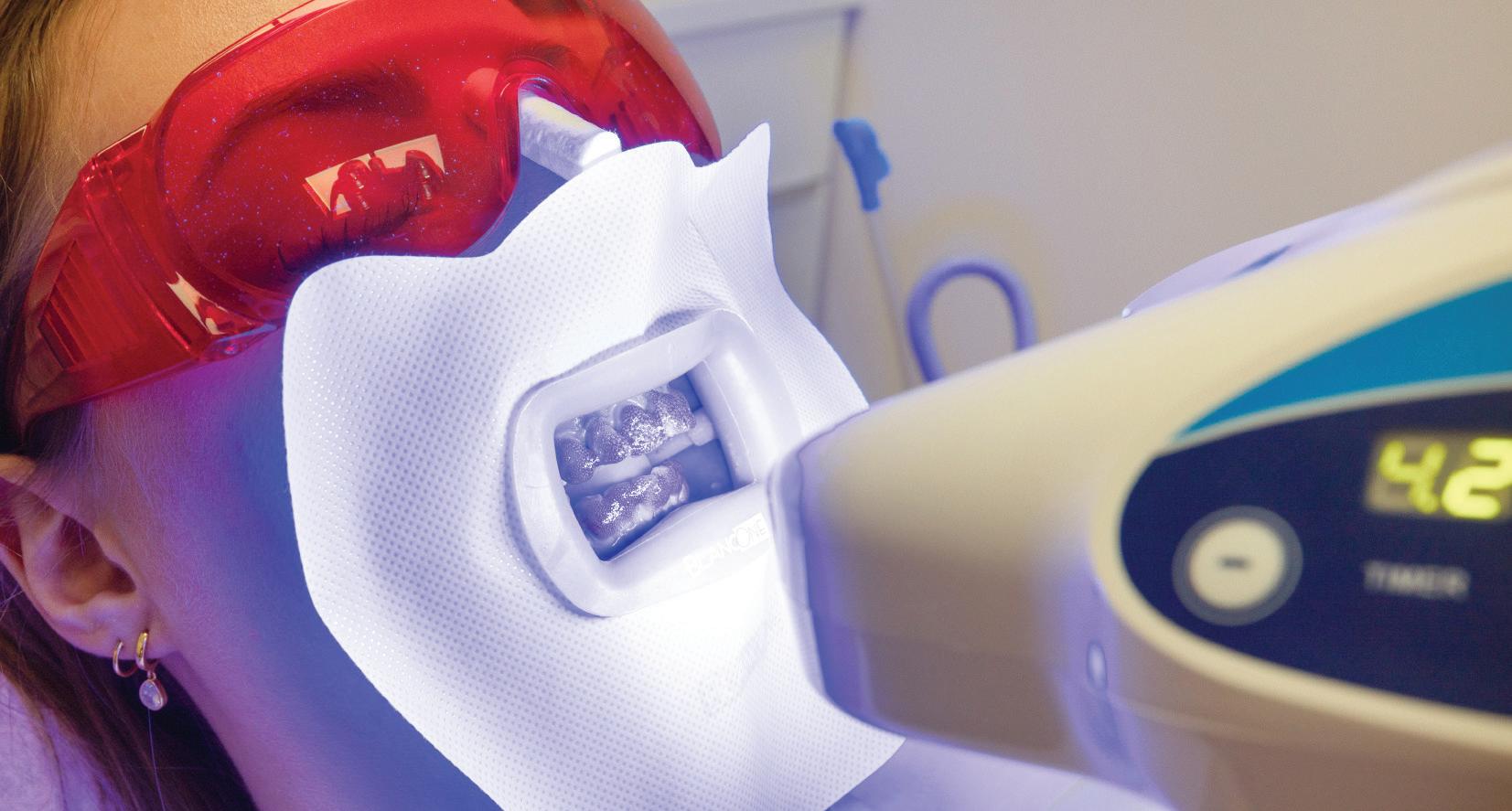
The chemically activated whitening method is a traditional approach to teeth whitening. It uses highconcentration whitening gels containing 30–40% hydrogen peroxide. This method typically requires long treatment times, as the breakdown of hydrogen peroxide and the release of reactive oxygen species occur slowly. The gel is generally applied to the tooth surface for 15–20 minutes, with the procedure repeated 2–4 times in the same session.
Research by dental hygienist and PhD researcher Claudio Pasquale et al. (2023) shows that prolonged
exposure to hydrogen peroxide can cause significant changes in tooth structure, similar to the damage caused by acid etching. These changes include enamel erosion and microcracks, which weaken the tooth’s hardness and flexibility. As a result, the risk of permanent damage and tooth sensitivity increases significantly.
Pasquale et al. (2023) also demonstrated that prolonged exposure could cause hydrogen peroxide to be released from the whitening gel in liquid form, allowing deeper penetration into dried enamel and dentin. This considerably increases the risk of tooth sensitivity and damage. Frequent repetition of

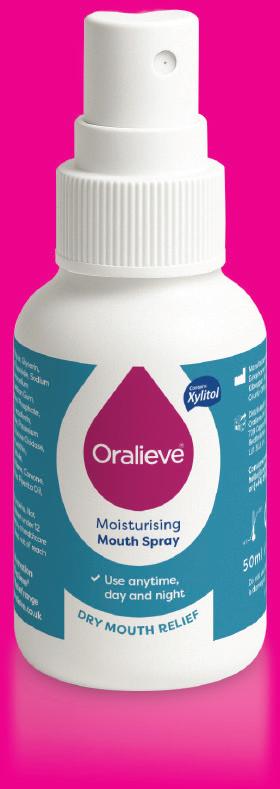
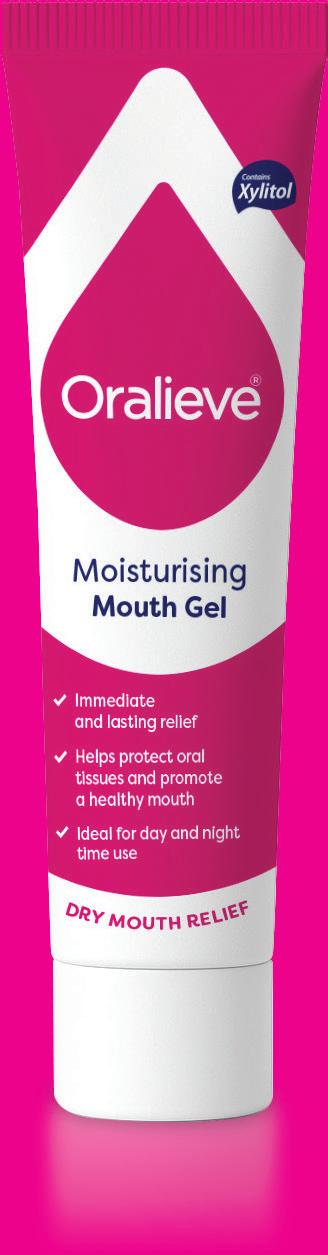
No added flavours

Designed specially for individuals experiencing dry mouth, taste sensitivity, or aversions to strong flavours.
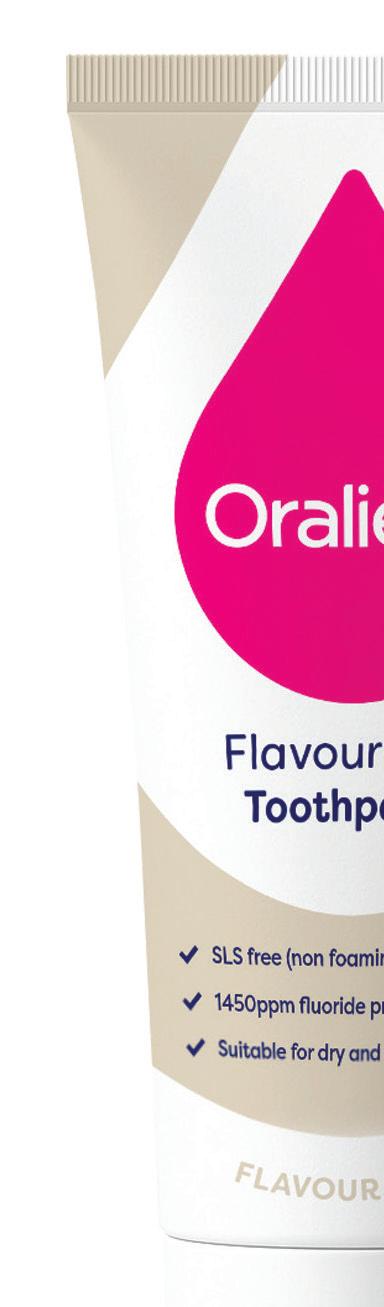
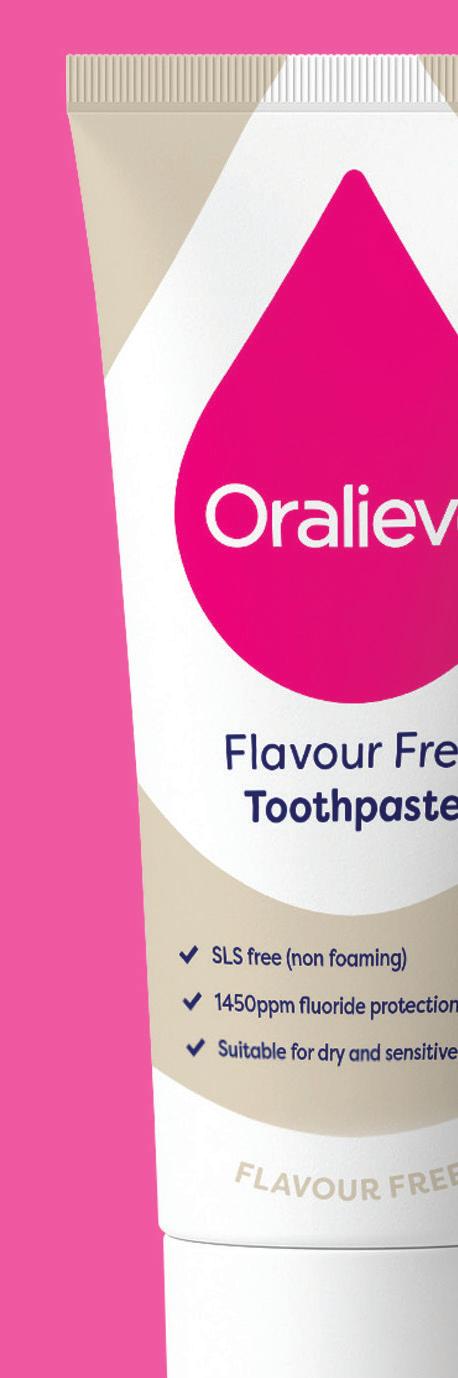


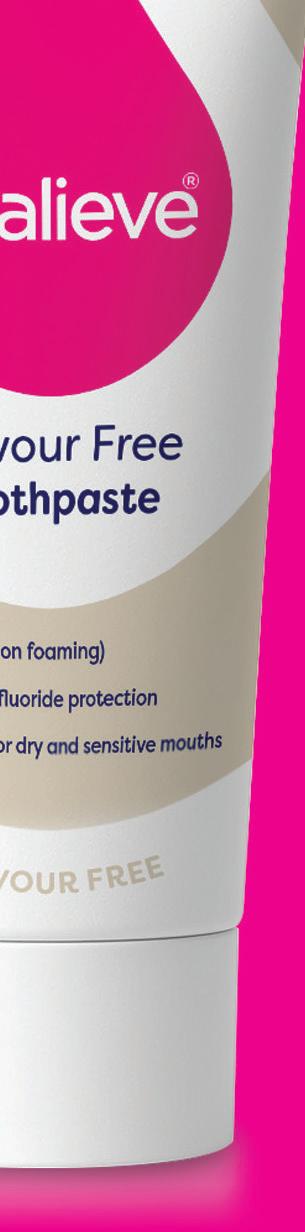



SLS-free and non-foaming –gentle on dry and sensitive mouths 1450ppm fluoride and xylitol to help protect teeth most recommended brand by healthcare professionals for dry mouth relief*




Scan to request samples

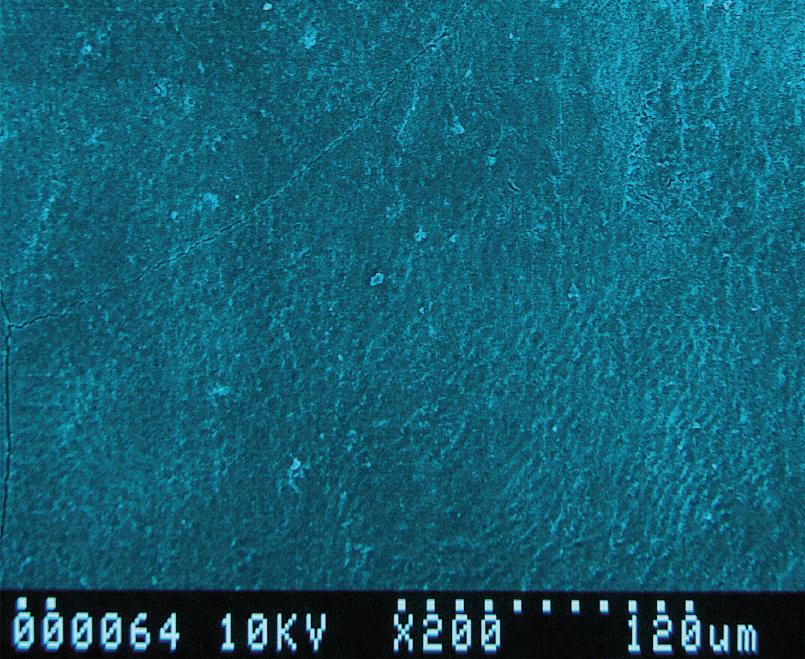
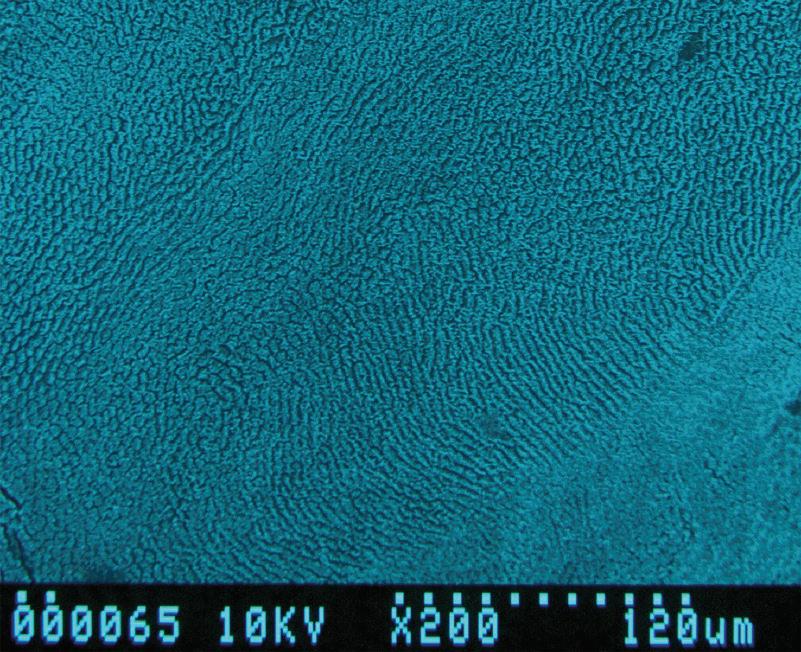
treatments using high concentrations of hydrogen peroxide is not recommended, as it can significantly increase the risk of permanent enamel damage.
While chemically activated whitening has been the traditional choice, light-activated methods have developed considerably in recent years, offering a safer and more effective alternative for teeth whitening.
In light-activated whitening, a light source such as LED or laser activates photosensitizers in the whitening agent, which respond to a precisely defined wavelength. Photosensitizers absorb light energy and transfer it to a chemical reaction, initiating the photochemical process.
If a whitening product claims to work with different light wavelengths or to be “enhanced” by any light, it likely contains no photosensitizers capable of absorbing light energy. It is essential to distinguish between dyes and photosensitizers. The color of the whitening agent, whether red, blue, green, or yellow— does not indicate the presence of photosensitizers. A dye does not equate to a photosensitizer.
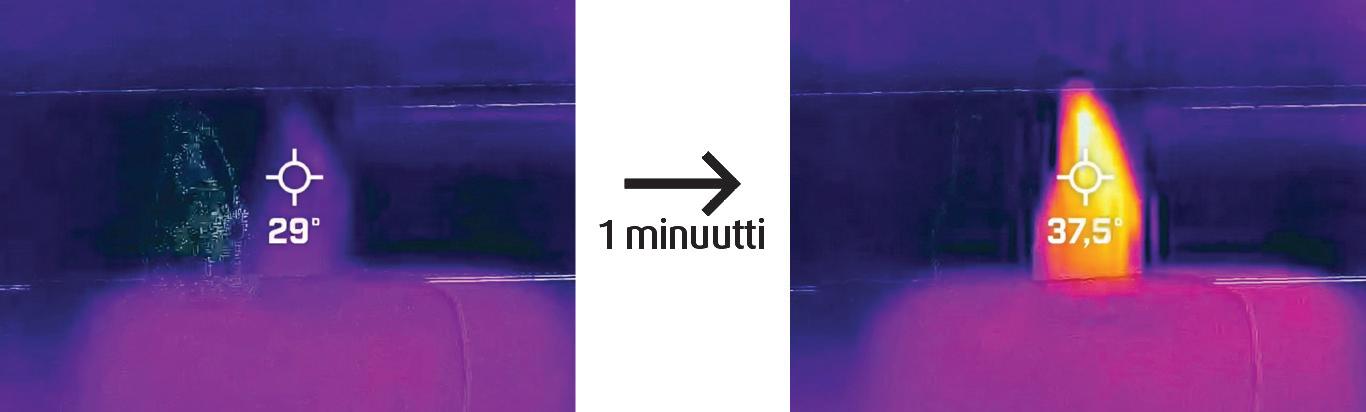
Photosensitizers require a specific light wavelength to activate, so not just any light can initiate the photochemical reaction. If the light wavelength is incorrect, the photochemical process will not start, and instead, the light will begin to heat the whitening gel. In this case, whitening agents “enhanced” by light rely on a heat reaction rather than a photochemical one.
The Disadvantages
Using a light source with a whitening agent that lacks photosensitizers causes both the whitening agent and
teeth to heat up. Heat is particularly harmful because it dehydrates the enamel, making it more porous and prone to weakening. This intensifies tooth sensitivity and can lead to long-term damage.
Studies by Kwon et al. (2009) and Epple et al. (2019) show that heat does not enhance whitening effectiveness. While teeth may temporarily appear whiter due to enamel dehydration, this effect disappears once the teeth regain their natural moisture balance. However, enamel dehydration and the damage caused by heat can be permanent.
Pasquale et al. (2023) confirmed these findings. Their study found that during laser whitening without photosensitizers, the tooth temperature rose by as much as 7 degrees Celsius after just one minute of light exposure. This increase is significant, as the Therapia Odontologica dental handbook states that even a rise of 5 °C can cause serious damage to pulp tissue, potentially leading to necrosis. Additionally, heat can impair the pulp’s defense mechanisms, such as catalase enzyme function, increasing the risk of pulp damage.
However, when the study used a whitening agent with photosensitizers, these absorbed all the laser light energy and heat, preventing any increase in tooth temperature. This highlights the importance of photosensitizers for safe and effective whitening and shows that heat-based methods without photosensitizers are risky.
Oxygen – More Efficient and Safer
Whitening Option
Dentist-researchers Nikolaos Loupis and Remigio Piergallini have developed and patented a light- activated teeth whitening method where
photosensitizer activation produces large amounts of free radicals, along with significant amounts of singlet oxygen. Singlet oxygen is a highly reactive form of oxygen capable of oxidizing organic stains deep in the dentin up to 1,000 times more effectively than the free radicals generated by traditional methods. This significantly enhances whitening effectiveness.
Pasquale et al. (2023) found that the singlet oxygenreleasing method was gentle on enamel, even when using high concentrations of hydrogen peroxide. The method caused only minor and temporary changes in the surface microstructure of the teeth, which quickly returned to normal.
This contrasts sharply with traditional whitening methods, where high concentrations of hydrogen peroxide can cause permanent enamel damage and long-term adverse effects on dental tissue.
Pasquale et al. (2023) also showed that the photochemical method, which generates significant amounts of free radicals and singlet oxygen, is three times more effective in oxidation than traditional chemically activated methods. Additionally, whitening results last longer, as singlet oxygen oxidizes stains more deeply within the dentin, slowing their return and extending the longevity of whitening.
Loupis and Piergallini’s light-activated method represents a safer and more effective approach to teeth whitening. It enables rapid whitening with short treatment times, without the risk of long-term enamel or pulp tissue damage. While Pasquale et al. (2023) focused on higher hydrogen peroxide concentrations, Loupis and Piergallini’s photochemical method can achieve effective results even at lower concentrations, such as 16% carbamide peroxide. This lower concentration is gentler on the teeth but still effective in safe whitening, making it particularly suitable for patients with sensitive teeth and young adults at higher risk of pulp tissue irritation and enamel damage. Gentle carbamide peroxide-based lightactivated whitening can be safely repeated several times a year, making it suitable for long-term use without risking enamel damage.
The choice of teeth whitening method should always be based on researched evidence of its safety and effectiveness. Oral care professionals have the responsibility to ensure that the treatment options they offer patients do not jeopardize oral health but promote it in the long term. The light- activated method developed by Loupis and Piergallini offers significant advantages over traditional whitening methods. It reduces the risk of enamel and pulp tissue damage by avoiding harmful heat exposure and preserving tooth structure integrity. This technology ensures gentle and safe whitening that improves patient satisfaction, while supporting the long-term maintenance of oral health and fostering lasting patient relationships.
References available upon request

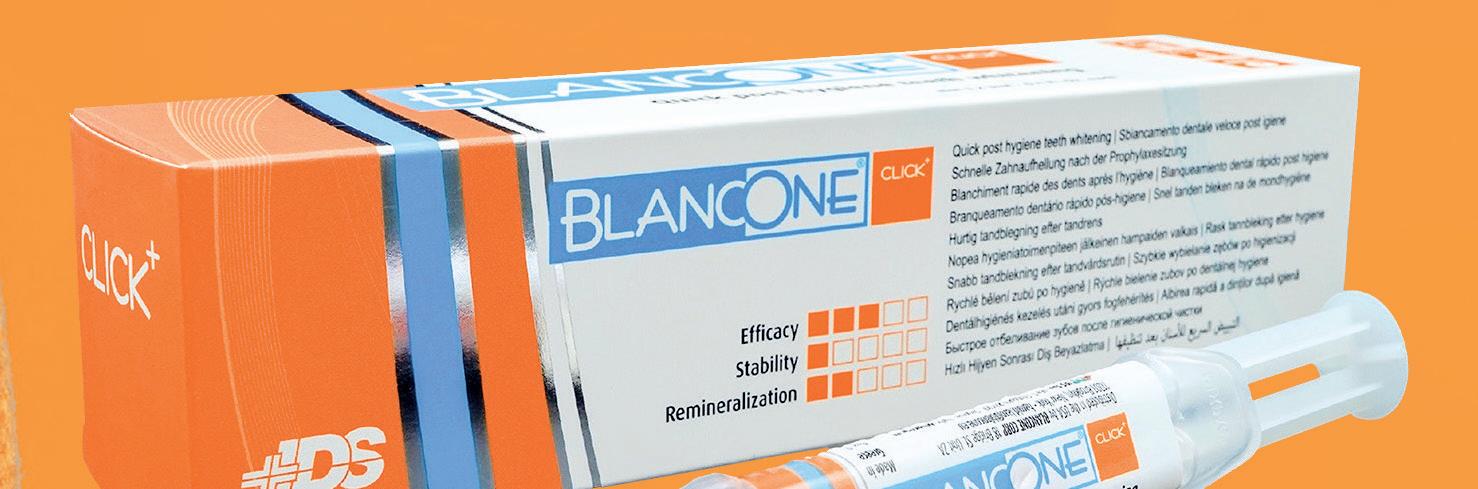
CP17% + Vitamin photo -booster + nHap 0,75%
Fast post hygiene teeth whitening . It brights the smile at the end of the session in just one cycle of 10 minutes.
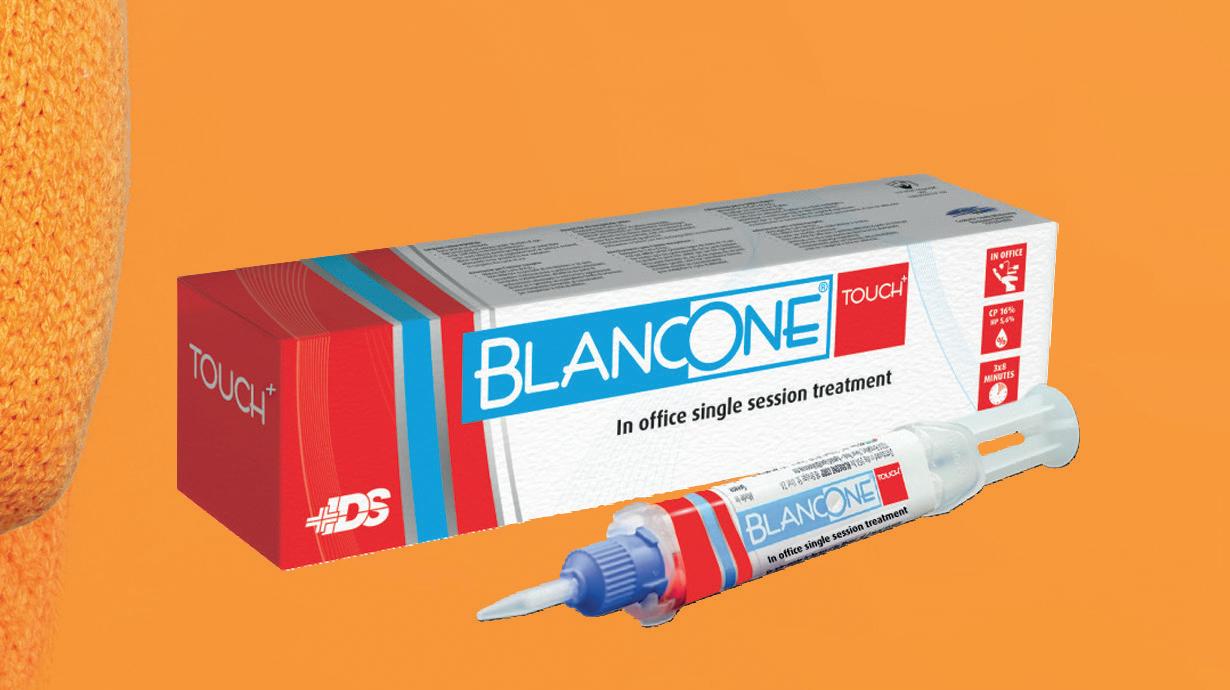
HP6% + Vitamin photo -booster + nHap 0,75%
Intensive cosmetic teeth whitening without gingival barrier. High efficacy, zero sensitivity.


Book you free demostration in your practice!
Find out more www.blancone.eu/en/pro




Fighting oral disease is an ongoing battle. After cardiovascular disease and diabetes, oral diseases are the third most expensive conditions to treat and affect more than 3.5 billion people worldwide.
The World Health Organization (WHO) began the Global Oral Health Action Plan in 2023, with 2030 as a target to provide universal oral health coverage for all people. ii Now halfway through the action plan, the need to reduce the prevalence of caries, periodontitis, oral cancers and edentulism is still urgent.
Fortunately, there is a silver lining to managing oral diseases – most are preventable. This means patients can maintain healthier smiles for a longlasting quality of life, but getting to this stage relies on three things: education, compliance, and the right oral hygiene solutions.
Reframe the patient’s perspective
Highlighting the power of prevention reframes a patient’s perspective, especially those who think oral health isn’t fully their own responsibility and dental practitioners will take care of all the problems in their mouth. Clear patient communication is therefore essential to achieve optimal hygiene outcomes, with particular focus on regular dental appointments, brushing twice a day and why it is important for the rest of the body.
A useful analogy to help patients rethink oral hygiene is of buying a new car: if the car is not annually serviced then hidden problems will exacerbate, leading to potential breakdown and a hefty repair job. This is why it is worth having a service, allowing professionals to spot potential risks and prevent further damage – a small payment that reduces the likelihood of a much larger bill down the line. Like a car, the teeth and gingivae need close attention to maintain aesthetic and functional outcomes and prevent invasive treatments such as tooth extraction.
An important area to spotlight is post-treatment oral hygiene. Generally, patients do not want to return for timely and costly fixes and repairs and instead prefer a treatment that is long-lasting. But without a proper oral hygiene understanding, there is no long-lasting effect for any treatment; from inflamed gingivae to alveolar bone resorption, inadequate daily dental care leads to compromised tooth structures, edentulism, and then a returning trip to the dental practice.iii Preserving their recent dental treatment through diligent oral care can be a powerful motivator for patients.
Emotion is an integral part of effective communication; logic justifies our actions but it is usually only applied after an emotional decision has been made.iv Finding an approach that emotionally resonates with each patient can lead to compliant preventive action. For instance, ask a patient to think about what their mouth is used for: eating, speaking, smiling, kissing, humming, whistling – if they enjoy these actions, then looking after the mouth twice a day is a very small price to pay. Another educational strategy that practitioners can empower their patients through is by detailing the knock-on effect of oral disease. Whilst a study found that 84% of patients know that oral health influences general wellbeing, the scientific explanations may be lesser understood.v It is worth identifying that what is bad for the teeth is usually bad for the body, with a high consumption of sugary foods and acidic drinks increasing the risk of caries but also behavioural patterns, mental health disorders and systemic health conditions like obesity.vi If poor oral health influences general health, than it can have a larger impact on quality of life, family and, ultimately, society when the issues mount up. Far from a fearmongering technique, demonstrating this knock-on impact as a worst-case scenario for poor oral health contextualises the important role that toothbrushing and interdental cleaning play, beyond just keeping the teeth and gingivae stable.
Learn from the best
The iTOP programme from Curaden delivers a systemic approach to oral prophylaxis. More than just theory, iTOP is a practical journey designed to teach dental professionals worldwide how to transform oral hygiene practices and effectively coach patients toward lifelong healthy habits. You’ll gain valuable insights into new tools and techniques that will not only improve your patients’ oral heath but also enhance their overall well-being.
Prevention-first dentistry is the future, representing a proactive and logical way of reducing oral disease prevalence. Not only is prevention a more costeffective solution to a restoration, it also encourages patients to think about the broader implications of their oral health and overall health. This maintains compliance and pushes us closer to achieving the target of universal oral health coverage.
For more information about iTOP courses and to book your place on one, please visit The Curaden Academy website http://www.curadenacademy.com/
To arrange a Practice Educational Meeting with your Curaden Development Manager please email us on sales@curaden.co.uk
References available upon request
TURNER
Andrew Turner is Head of Marketing UK & Ireland, at Curaden UK
Introduction
Class IV restorations, which involve the repair of fractures or decay in the anterior teeth, are some of the most challenging restorative procedures in dentistry. Since these restorations are visible when a person smiles, aesthetics play a crucial role alongside function. A successful Class IV restoration must seamlessly integrate with the patient‘s natural dentition, replicating not only the tooth‘s colour but also its translucency, texture, and lightreflective properties. This level of esthetic integration is essential for patient satisfaction and confidence, as anterior restorations are immediately noticeable. In addition to esthetics, the restorative material must provide strength and durability. Anterior teeth are
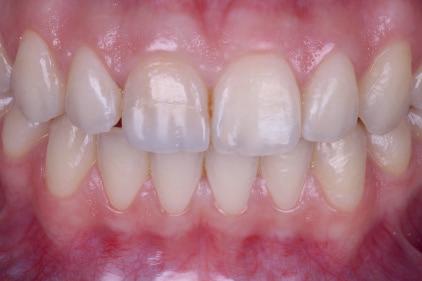
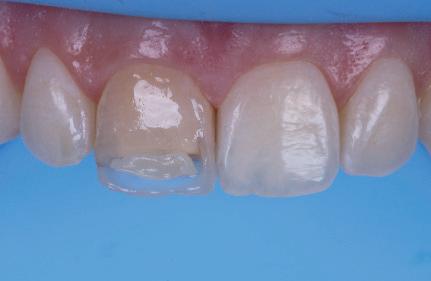
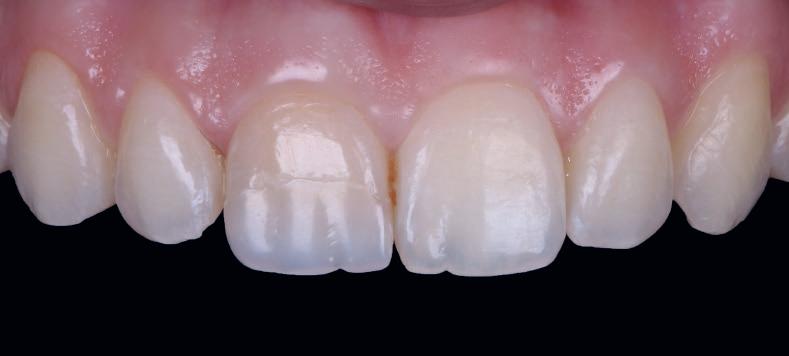
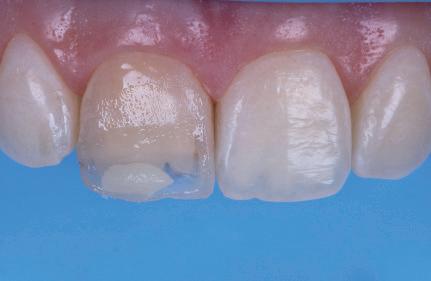
1. Initial view
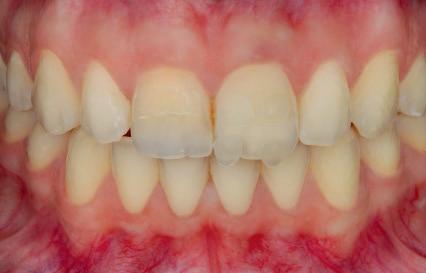
ABOUT THE AUTHOR
ASSOC. PROF. BORA KORKUT
subjected to significant biting forces, especially on the incisal edges. Composite resins, which can be applied in layers, allow the dentist to replicate the tooth’s natural layers of enamel and dentin, achieving a blend of strength and beauty. Through careful layering and shaping, clinicians can create
Initial view of an old crown fracture restoration.
lifelike restorations that are not only durable but also indistinguishable from the patient’s natural teeth. This combination of esthetics and strength makes composites an ideal choice for Class IV restorations in the anterior segment, where both appearance and functionality are paramount.
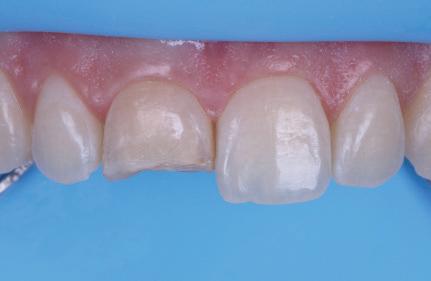
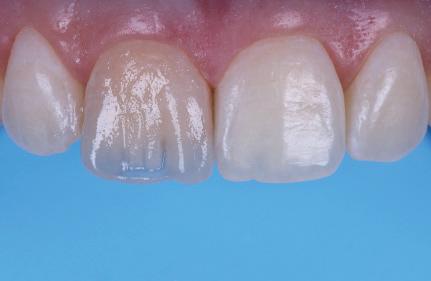
2. Shade selection
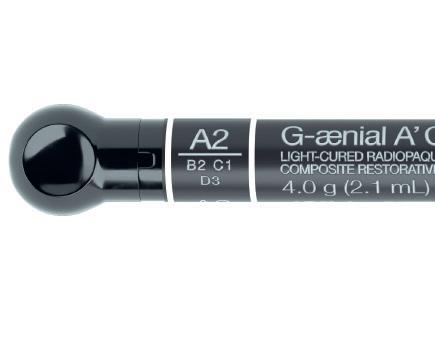
Composite shade selection with cross-polarization filter photography technique (G-ænial A’CHORD AO2, A1 and JE shades are selected).
3. Restoration preparation
Removal of old composite restorations and 45° of beveling on the fracture line. Split-dam was preferred as the restoration was not directly related to the gingiva. Then the adhesive protocol was applied by selective enamel etching and bonding agent application (G-Premio Bond).
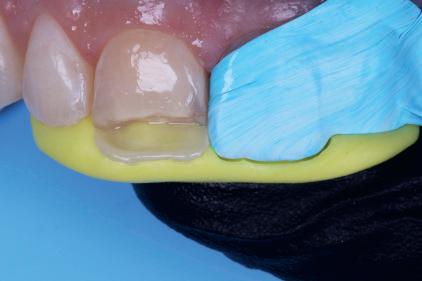
4. Split-dam isolation
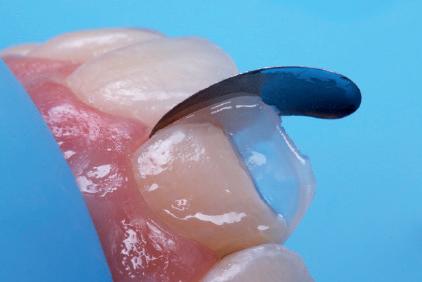
Split dam isolation followed by using a silicone index shell as base for the build-up of the palatal shell using G-aenial A‘CHORD JE. The shell was produced on the index as a thin layer using the GC Composite Brush and GC Modeling Liquid, transferred into the mouth, and cured with the D-Light Pro.
5. Placement of metal matrix band
Inter-dental placement of the pre-contoured metal matrix band and producing the interproximal wall using the G-ænial A‘CHORD A1 shade. Then curing with the D-Light Pro.
6. Shaping mamelon effects
Placement of the G-ænial A‘CHORD AO2 shade at the deepest point of the fracture line to improve the masking ability of the restoration. Then curing with the D-Light Pro.
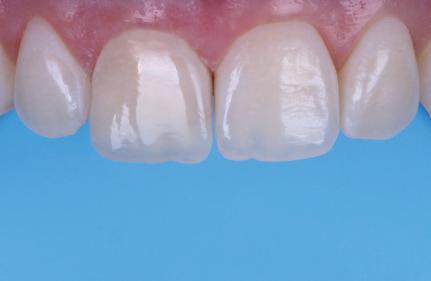
7. Improve masking ability
Placement of the G-ænial A‘CHORD A1 shade above the AO2 shade and shaping the incisal mamelon effects according to the reference tooth (the adjacent central incisor). Then curing with the D-Light Pro.
8. Additive surface layering
Additive surface layering using G-ænial A‘CHORD JE shade. Surface morphology was generated using the GC Composite Brush and the GC Modeling Liquid. Then curing with the D-Light Pro.
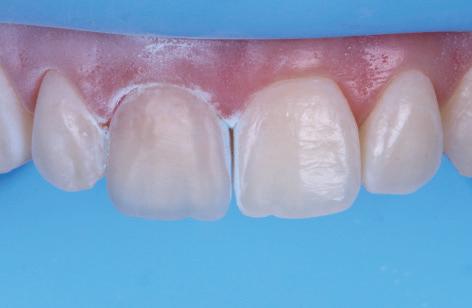
9. Interdental/labial surface finishing
Interdental surface finishing using GC mid-grit (red-band) metal strip. Labial surface finishing using pre-polisher spiral wheel (DIACOMP ® PLUS RA, EVE).
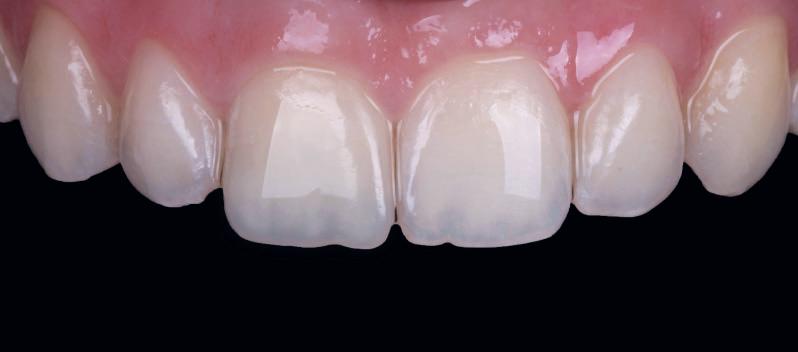
10. Interdental/labial surface polishing
Interdental surface polishing using the Epitex strips. Labial surface polishing using the highshine polisher spiral wheel (DIACOMP® PLUS RA, EVE) and then the DiaPolisher Paste.
Dr. Korkut graduated from Marmara University, Faculty of Dentistry in 2008. He had the ‚Ph.D.‘ title in Conservative Dentistry and ‚Specialist‘ title in Restorative Dentistry fields in 2015. He has been working as an academic member as an Associate Professor at Marmara University, Dentistry Faculty, Department of Restorative Dentistry. He has many international and national researches and publications about direct aesthetic restorations, tooth wear, tooth bleaching, CAD/CAM restorations, dental magnification, and early diagnosis of caries
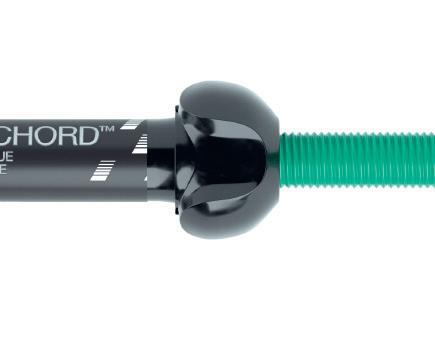
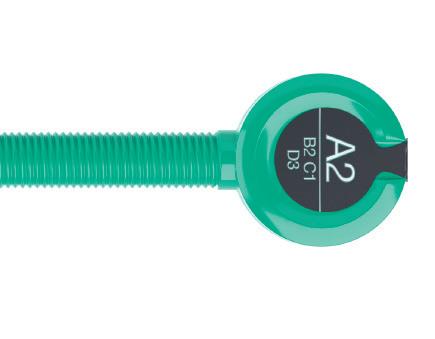
Restorative composite of choice: G-ænial A‘CHORD
lesions. He has given many international and national lectures and courses about ‘Direct Anterior and Posterior Aesthetic Restorations, ‚CAD/CAM restorations’, ‘Pre-restorative Approaches’, ‘Dental Photography’ and ‘Tooth Bleaching’ since 2012. Dr. Korkut is the author of the ‘Esthetic Anterior Composite Restorations’ book published by Quintessence Publishing Deutschland in 2025. It was translated in Turkish, Portuguese, and Chinese. He is a member of the Bio-Emulation Group and ‚GC Europe Restorative Advisory Board‘.
Aims and Objectives
The aim of this article is to enable the clinician to enhance patient communication and engagement, integrate digital technology effecively, and to improve recall attendance and treatment acceptance.
Objectives:
• Understand the principles of the consultation flip, including leading with a verbal checklist before digital imaging.
• Use AI-powered visualisation tools, such as Invisalign® Outcome Simulator Pro and Invisalign® Smile video, to enhance patient understanding of treatment outcomes.
• Ensure digital scans supplement rather than replace traditional clinical assessments.
• Utilise personalised oral health reports to document findings and reinforce the importance of ongoing care.
• Demonstrate how visual tools and patient engagement strategies aim to drive higher treatment acceptance rates.
• Understand the financial and operational benefits of improved recall rates and treatment uptake.
Learning Outcomes: A, B, C
Patient follow-up appointments are the lifeblood of a thriving dental practice. While routine recalls are often taken for granted, the methods used during consultations can dramatically influence whether patients return, how engaged they are with their oral health, and ultimately, the revenue stream for the practice. Dr. Amit Patel, a leading clinician with extensive experience in digital dentistry, has demonstrated how a seemingly simple adjustment in consultation workflow - what he calls the ‘consultation flip’ - can significantly improve follow-up adherence, patient engagement, and treatment acceptance.
The Consultation Flip Explained
Traditionally, many dental practices lead consultations with digital imaging before discussing findings with the patient. While this approach may seem efficient, Dr. Patel observed that it often results in lower recall appointment adherence. “We were probably booking about 50–60% of follow-ups when we pre-scanned every patient,” he explains.
Dr. Patel’s approach flips the process: While every appointment includes a scan, the consultation begins with a simple, structured, verbal examination using a traditional checklist. During this discussion, he employs clear, accessible terminology; phrases like tooth wear, hairline crack, or tooth shades, to describe oral health issues. Only after this conversation does the patient undergo a 3D digital scan using our iTero™ Lumina digital scanner. This sequencing has resulted in a remarkable jump in recall compliance, with follow-ups now occurring in approximately 85% of cases1
“This may sound like a minor tweak, but it makes a massive difference in patient engagement and, consequently, practice revenue2,3” Dr. Patel says.
Why the Flip Works
The success of the consultation flip lies in combining traditional, human-centered examination techniques with modern digital visualisation. When patients first hear the findings in plain language, they are prepared to interpret the scan results more meaningfully. The digital scan then becomes a visual confirmation rather than
the initial revelation. “Patients have already heard what their oral health issues might be and are keen to see for themselves,” Dr. Patel observes.
By framing the scan as a supporting tool rather than the main event, patients feel more involved in the diagnostic process. This engagement shifts the dynamic from passive listening to active participation. During the scan review, Dr. Patel guides the patient through the images, often prompting them to identify issues themselves. “We look together, and then the patient is leading the diagnosis,” he explains.
A critical component of Dr. Patel’s approach is the use of a dental nurse during consultations. The presence of a second dental team member enhances patient confidence and improves communication. “Firstly, my patients feel there’s two of us looking after them,” Dr. Patel says. “Secondly, they are listening to what we’re saying to one another. They’ll often sit up and ask, ‘what do you mean by hairline cracks?’ This opens the door for discussion and strengthens understanding.”
The dental nurse also manages the digital scan during the consultation, presenting the process to the patient as a “glorified camera,” which demystifies the technology and makes the process less intimidating.
By the time the scan is displayed, patients already have a framework for understanding the images, which encourages immediate interest in potential treatment options or monitoring.
According to Dr. Patel the iTero scan is a fundamental part of the appointment as it assimilates information seamlessly into the Align™ Oral Health Suite. This digital solution is designed to enhance dental consultations and support comprehensive oral health assessments. It integrates advanced diagnostic and visualisation tools into a single, intuitive interface, enabling clinicians to evaluate a wide range of oral conditions using a single scan. The Suite also helps them to create and discuss personalised oral health reports, improving patient understanding and engagement.
The technology enables a broad range of applications beyond orthodontics, including restorative dentistry, monitoring of tooth wear, early detection of decay, and identification of gum health issues. By combining imaging, treatment simulation, and educational features, it facilitates clearer communication and more informed decision-making. Ultimately, it streamlines workflows, supports treatment planning, and delivers a more efficient, patient-centric experience.
A major advantage of the consultation flip is its effect on recall appointments. When immediate intervention is unnecessary, scans highlight areas that require monitoring rather than treatment. This fosters patient awareness without pressure: they leave the consultation understanding why follow-ups are essential. Dr. Patel emphasises, “Before they leave the surgery, patients want to book their next appointment because they know something needs to be checked. This has transformed our recall conversions.”
This approach underscores a critical principle in patient care: engagement, education, and empowerment are more effective than passive instruction. The patient feels ownership over their oral health journey, leading to improved compliance and long-term outcomes.
Another component of the Align Oral Health Suite is the ability to create personalised oral health reports. The snapshot and scan report features allow the practice to capture images, annotate findings, and generate reports which can be shared with patients, other dentists, or specialists. These reports reinforce patient understanding, provide continuity of care, and serve as a reference for follow-up consultations. By integrating these reports into routine visits, practices can maintain a professional record while enhancing patient engagement. Patients appreciate the transparency, and clinicians can efficiently communicate complex findings in a visual, digestible format.
1. In Patient Communication which of the following best describes the second step in Dr. Patel’s ‘consultation flip’?
A) Performing a full 3D digital scan after verbal examination
B) Beginning with a structured, verbal examination using layman-friendly terminology
C) Asking the patient to review previous treatment records
D) Immediately showing AI-generated treatment simulations
2. How, in the Role of Technology, does the iTero™ scanner support patient engagement in the consultation flip?
A) It replaces the need for verbal explanations entirely
B) It serves as a visual confirmation after patients have already heard their oral health findings
C) It automatically schedules follow-up appointments without clinician input
D) It generates generic treatment plans without personalisation
3. Within Recall and Treatment Acceptance which outcome is directly associated with implementing the consultation flip workflow?
A) Reduced patient understanding of oral health issues
B) Recall appointments rising from 50–60% to approximately 85%
C) Elimination of the need for practice nurses during consultations
D) Decreased patient interest in treatment options
4. Why, in Team-Based Workflow, is involving a practice nurse or assistant in the consultation important in Dr. Patel’s approach?
A) They diagnose the patient independently of the dentist
B) They enhance patient confidence, manage digital scans, and support clear communication
C) They replace AI tools in treatment planning
Beyond routine scans, Dr. Patel leverages advanced tools to enhance patient engagement, particularly for orthodontic cases. The Invisalign® Outcome
Pro, integrated with the iTero scanner, generates highly realistic, in-face visualisations of potential treatment outcomes. Recent updates, including the Invisalign® Smile Video, which creates dynamic, personalised video simulations, complete with natural mouth movements, for a truly immersive chairside experience. Key benefits of these tools include:
• Enhanced patient understanding: Dynamic simulations make treatment options tangible, helping patients visualise results and understand the necessity of intervention.
• Streamlined workflow: Simulations can be generated in minutes, saving time while providing high-quality communication tools.
• Personalisation: The software accounts for individual variables such as extractions, missing teeth, spaces, and unmoveable teeth, ensuring realistic outcomes.
• Improved treatment acceptance: Data show that general dental patients who receive in-face simulations accept Invisalign treatment at twice the rate of those who only view 3D models. By combining these AI-driven visual tools with the consultation flip, patients can see, understand, and emotionally connect with their potential treatment outcomes. This elevates the consultation from a clinical procedure to a collaborative planning session.
Dr. Patel’s approach may appear simple, but its success relies on structured implementation and team collaboration. Key strategies include:
1. Adopt a structured checklist: Begin consultations with clear, understandable verbal assessments before scanning.
2. Use layman’s terminology: Words like hairline cracks, tooth wear, and staining help patients relate to their oral health without confusion.
D) They reduce the need for patient engagement during consultations
3. Engage the patient in diagnostics: Review scans together, encouraging patients to observe and ask questions, fostering a sense of ownership.
4. Leverage technology selectively: Employ digital scans and AI visualisations as supplements to clinical examination, not substitutes.
5. Integrate team members: Nurses or dental assistants enhance communication and streamline technology use, improving patient experience.
6. Offer mentorship and continuous training: For complex treatments, guided learning ensures safe, effective care and higher confidence in recommendations. By following these steps, practices can maximise the benefits of digital technology while maintaining strong patient relationships.
Beyond clinical advantages, the consultation flip has measurable financial and operational impacts1:
• Increased recall attendance: By flipping the consultation, Dr. Patel’s practice saw follow-up appointments rise from roughly 50–60% to 85%.1
• Higher treatment acceptance: Tools like the Invisalign Outcome Simulator Pro double acceptance rates for certain orthodontic treatments.2
• Optimised workflow: Scans and simulations performed efficiently by trained staff reduce chairside time, allowing more patients to be seen.3
• Revenue growth: More recalls and higher treatment acceptance naturally translate into increased practice income, demonstrating the ROI of relatively minor procedural adjustments.2,3
Practices often underestimate how a subtle change in consultation sequencing can multiply revenue streams without additional marketing costs or patient incentives.
Brought to you by,

The consultation flip exemplifies how thoughtful integration of human-centered communication and advanced technology can transform patient care. By leading with a verbal checklist, using layman’s terms, engaging patients in the diagnostic process, and supplementing with AI-powered digital scans and simulations, practices can significantly increase recall adherence, treatment acceptance, and overall patient satisfaction.
Dr. Patel’s experience demonstrates that technology alone is not the solution; success stems from blending clinical expertise, patient education, team collaboration, and selective technological application. From routine dental check-ups to complex orthodontic treatments, this approach empowers patients, enhances clinician confidence, and strengthens the financial and operational health of the practice.
For clinicians interested in adopting the consultation flip, the key takeaway is clear: small changes in consultation workflow, coupled with strategic use of digital tools and mentorship, can have a significant impact. Patients feel heard, informed, and motivated, and practices benefit from improved recall rates, higher treatment uptake, and enhanced professional satisfaction.n
References available upon request
Training and skill development are integral to a successful career in dentistry. No matter what role you fulfil in the practice, which qualifications you currently hold, or how you aim to progress, ongoing education is key to unlocking your potential. For the best results, it is crucial to choose the right course, the right topic, and the right teacher or mentor for you. The objective is to find education that delivers information in a relatable way, explores practical application, and encourages hands-on learning.
Pace yourself
To ensure productive lifelong learning, it is important to take a systematic approach to training over time. While some ad hoc courses can offer a beneficial insight into new fields or emerging areas, the majority of your clinical development should be considered in advance. This ensures you can form a more strategic plan that closely aligns with your professional goals and aspirations. You can then guide your growth in a predetermined direction by focusing on topics that will best help you achieve your career ambitions.
A measured approach also prevents you from wasting time, effort, and money on courses that cover material which is not relevant to your clinical practice or appropriately delivered for your existing experience. This is not to say that last-minute events or changes in direction should be avoided altogether, but rather, it’s a way of shaping and meeting your short-, medium-, and long-term goals. Your Personal Development Plan (PDP) will be integral to creating a learning pathway that is appropriately paced and designed for you. You can then use this as a roadmap in sourcing and selecting your next training courses.
A community resource
In today’s dental landscape, career success is about so much more than the skills you learn. To really thrive – particularly in your early career – you need a solid support network. Beyond the belief of friends and family, having access to a professional community for emotional, intellectual, and clinical guidance is just as important.
By attending various training courses, you can build your own network of professionals, including tutors and mentors, colleagues, product specialists, and other business partners who you can lean on throughout your career. In-person training days or events are ideal for connecting with new people, for sharing ideas and best practice, and discussing clinical situations to see how others have overcome the challenges that everyone faces in practice. The course culture should foster interactions, facilitate debate, and give everyone an opportunity to get involved. This peer-to-peer learning is often just as vital a component for effective development as the instruction from the programme lead. It also enables discussion
beyond the formal training day for ongoing support and inspiration.
Facilities and environment
A significant proportion of professional education is available online today, which offers a new standard of convenience and costefficiency. However, this should be combined with hands-on training for comprehensive advancement.
For in-person events, the physical learning environment must be considered. Facilities should reflect the clinical excellence you are striving for in practice. This includes everything from the comfort of the room, to the quality of the materials and instruments provided for any practical instruction. Access to modern phantom heads or even cadavers may also be prudent if taking a course in surgical techniques or implant dentistry. Opportunities for live demonstrations or treatment observation will further enrich the learning experience for attendees and should be considered as part of the course selection process.
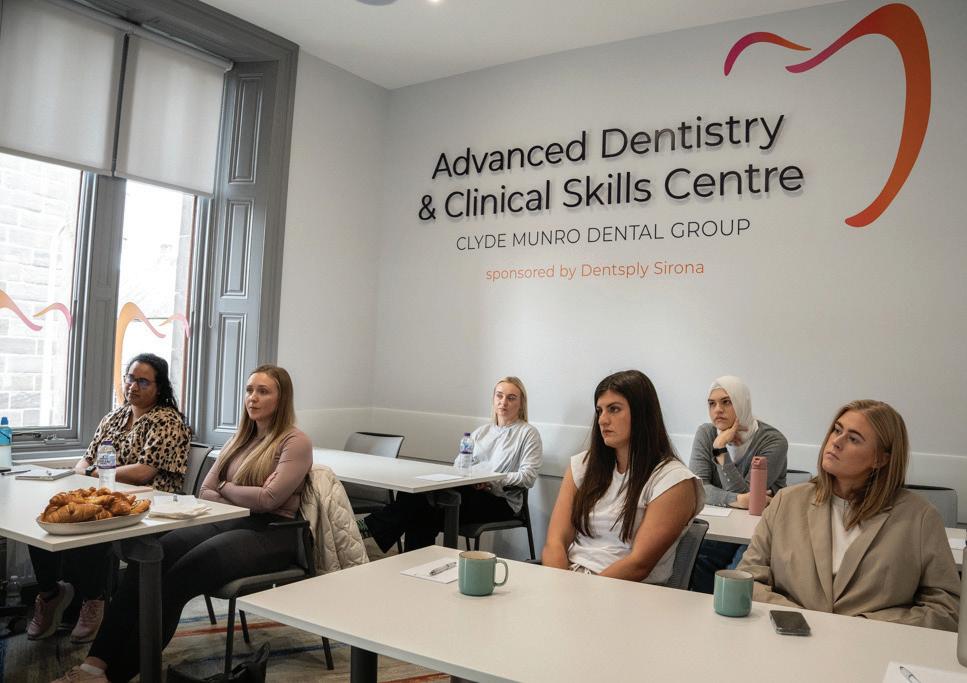
The Advanced Dentistry & Clinical Skills Centre in Perth, brought to you by Clyde Munro Dental Group and Dentsply Sirona, offers cutting-edge facilities with state-of-theart technologies that support a wide range of educational programmes. Delivered by leading professionals and supported by industry, upcoming courses will cover oral cancer detection, dental implants for dental nurses, an oral surgery masterclass and so much more. Celebrating three years of operation this spring, this exceptional learning centre has hosted

more than 44 training events and 10 webinars for both Clyde Munro and external dental professionals. The centre is also available for hire by any individuals or organisations looking to bring innovative concepts, technologies, or materials to clinicians in Scotland.
The root of clinical confidence
Professional growth and skill development are critical for every dental professional who is passionate about achieving high clinical standards and providing exceptional patient care. Effective education and training are vital at every stage of a career in dentistry, though course topics, complexity, and format should be tailored accordingly. The dental ‘classroom’ today is so much more than it once was, incorporating the physical environment, facilities, support, and culture created for learning. To gain the greatest value from your training and to build real clinical confidence, be sure to plan ahead and tailor your choices to your specific career goals.
To find out more about the Advanced Dentistry & Clinical Skills Centre or working with Clyde Munro, please visit https://education.clydemunrodental.com/ default.aspx n
JEN STEWART
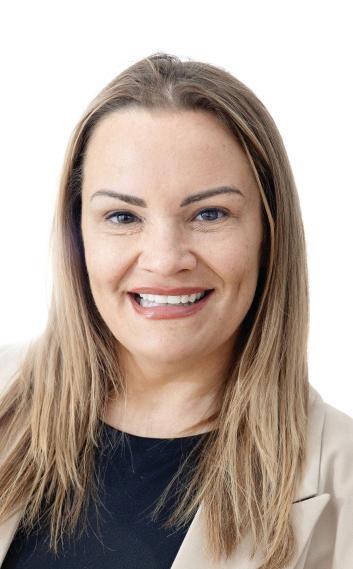
Jen Stewart is Talent & Development Coordinator, at Clyde Munro













Guests join us from all areas of the industry to provide their own unique perspectives on a wide range of topics, from manufacturers and figureheads of various dental organisations, to those in the trenches working in practice, and more.


















































Nothing is off limits in The Probe Dental Podcast, so be sure to tune in wherever you get your podcasts! The Probe Dental Podcast features discussions that explore all areas of the British dental sector.
















For more information, sponsorship opportunities or to book a podcast please contact












What ultra marathons have taught me about being a dental hygienist
Most people do not immediately connect ultra marathons with dentistry.
One involves mountains, exhaustion, mud, sleep deprivation and running distances most people avoid driving. The other involves clinical precision, prevention, patient communication and working in confined surgery spaces for hours at a time.
Yet for me, the two are deeply connected.
Alongside working as a dental hygienist, I run ultra marathons and regularly train for endurance events. Over time, I have realised that many of the qualities required to complete an ultra are the exact same qualities needed to sustain a long-term career in dentistry: discipline, consistency, resilience, preparation and the ability to remain calm under pressure.
The parallels are surprisingly strong.
Dentistry is an endurance profession
Dentistry is often viewed as a clinical profession built around technical skill, but physically and mentally it is also an endurance profession.
As hygienists and therapists, we spend hours maintaining concentration while working in static postures, often with limited breaks and high clinical demand. The profession requires fine motor skills, communication, emotional intelligence and physical stamina simultaneously.
Patients may only see a 30- or 60-minute appointment. What they do not see is the cumulative effect of maintaining that level of focus all day, every day.
Running ultra marathons changed how I approached this.
Ultra running is not about sprinting. It is about pacing, energy management and consistency over long periods of time. That mindset translates directly into clinical practice. Dentistry is not won in one perfect day. It is built through sustainable habits repeated over years.
Mental resilience and pressure
One of the biggest lessons endurance sports teach is how to manage discomfort.
During an ultra marathon, there will almost always be moments where you want to stop. Your legs hurt, your energy drops and your brain starts negotiating with you. The challenge becomes less physical and more psychological.
Dentistry can feel similar at times.
Clinicians manage demanding workloads, anxious patients, time pressures, regulatory standards and increasing expectations. Burnout within dentistry is discussed far more openly now than it was previously, and rightly so. Many dental professionals spend years prioritising patient care while neglecting their own physical and mental wellbeing.
Running became an outlet that helped me manage that pressure.
Training provides structure outside work. It clears mental fatigue and creates space away from clinical environments. More importantly, it reinforces confidence in your ability to tolerate difficult situations and continue moving forward even when things become uncomfortable. That resilience transfers back into practice.
The importance of physical health in clinical careers
Musculoskeletal strain remains one of the biggest occupational challenges within dentistry. Neck pain, back pain and shoulder problems are incredibly common across the profession.
Fitness has helped me significantly with this aspect of clinical work.
Strength training, mobility work and endurance conditioning improved not only my general health but also my posture, stamina and recovery between clinics. Spending hours leaning over patients places enormous strain on the body, and I became much more aware that if I wanted longevity within dentistry, I needed to treat physical health as part of my professional responsibility.
There is sometimes a misconception that fitness needs to be extreme to be beneficial. It does not.
You do not need to run ultra marathons to improve resilience or wellbeing. Walking regularly, strength training a few times per week, improving mobility or simply building better recovery habits can make a substantial difference to energy levels and career sustainability.
The reality is that dentistry can be physically unforgiving if clinicians do not actively look after themselves.
Prevention: In sport and dentistry
Another strong overlap between ultra running and dentistry is prevention.
In endurance sport, success is rarely determined by one exceptional training session. It is usually determined by the small things done consistently over time: hydration, nutrition, recovery, sleep, pacing and injury prevention.
Dentistry operates exactly the same way.
As hygienists, much of our role revolves around preventing disease progression before patients experience significant problems. Daily habits matter far more than occasional dramatic interventions.
One thing I have found particularly interesting is how athletes often understand the concept of prevention extremely well in sport while overlooking it in healthcare. Runners will invest heavily in trainers, recovery tools and nutrition plans to avoid injury, yet sometimes neglect routine dental care until pain develops.
There is also growing awareness around the relationship between oral health and overall systemic health, particularly regarding inflammation, cardiovascular health and performance. Athletes increasingly recognise that health cannot really be compartmentalised. Oral health forms part of the wider picture.
Running and patient communication
Ultra running has unexpectedly improved how I communicate with patients too.
Endurance events expose you to people from every background imaginable. You spend hours talking to strangers at aid stations, on trails and during events. You learn quickly how important encouragement, reassurance and mindset can be when someone is struggling.
Patients are often similar.
Many arrive anxious, embarrassed or overwhelmed about their oral health. Some have avoided dental care for years. Others feel frustrated by repeated setbacks. As clinicians, technical skill matters enormously, but communication often determines whether patients feel capable of making long-term changes.
Running taught me patience. Progress rarely happens instantly, whether in endurance sport or oral health behaviour change.
Discipline over motivation
People often ask what motivates someone to run ultra marathons. The truth is that motivation is unreliable.
Some mornings you do not want to train. Some days you do not feel energetic or inspired. The same can apply professionally. Not every clinic day feels exciting. Not every task feels rewarding.
What matters is discipline and routine.
Both dentistry and endurance sport reward consistency far more than intensity. Small efforts repeated consistently over time produce results. That applies equally to fitness, patient care, periodontal treatment outcomes and career progression.
One thing I believe is increasingly important within healthcare professions is maintaining identity outside work.
Dentistry can become consuming very easily. The profession demands precision and responsibility, and many clinicians tie their self-worth closely to performance at work. Having something completely separate from dentistry helps create balance.
For me, running provides that separation. It removes me from surgery environments, screens and clinical pressures. It also reminds me that discomfort, setbacks and difficult periods are temporary. In ultra marathons, things can change dramatically within an hour. Bad moments pass. That perspective is useful professionally as well.
The culture around wellbeing within dentistry is slowly changing for the better. There is more openness around burnout, stress management and career sustainability than there once was.
I believe physical fitness should form part of that conversation.
Not because every dental professional needs to become an endurance athlete, but because healthcare professionals often spend so much time looking after others that they neglect themselves in the process.
Ultra marathons have taught me lessons far beyond running. They have improved my resilience, physical health, discipline and mindset as a clinician. They have also reinforced something I regularly discuss with patients: long-term health is rarely built through dramatic short-term actions. It is built through consistent habits maintained over time.
Whether in dentistry or endurance sport, prevention and preparation will always outperform crisis management. n
RAFINA O’BRIEN
Rafina O’Brien is a dental hygienist, presenter, and speaker with experience across community, NHS, and private dentistry. Alongside her clinical career, she has served across the British Army and Royal Navy, shaping her approach to leadership, resilience, and patient care. She is also involved in charitable healthcare initiatives supporting vulnerable communities and is passionate about empowering women to step forward with confidence in healthcare and leadership spaces. Outside dentistry, Rafina takes part in endurance challenges to raise awareness and support charitable causes, combining her passion for fitness, resilience, and community impact
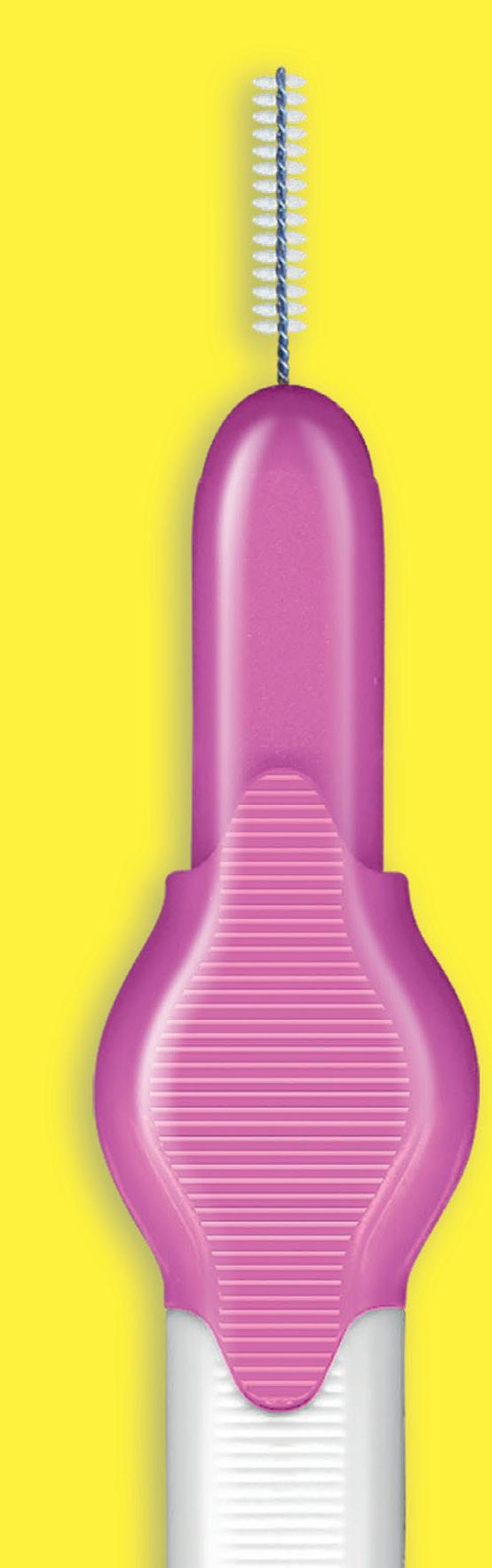

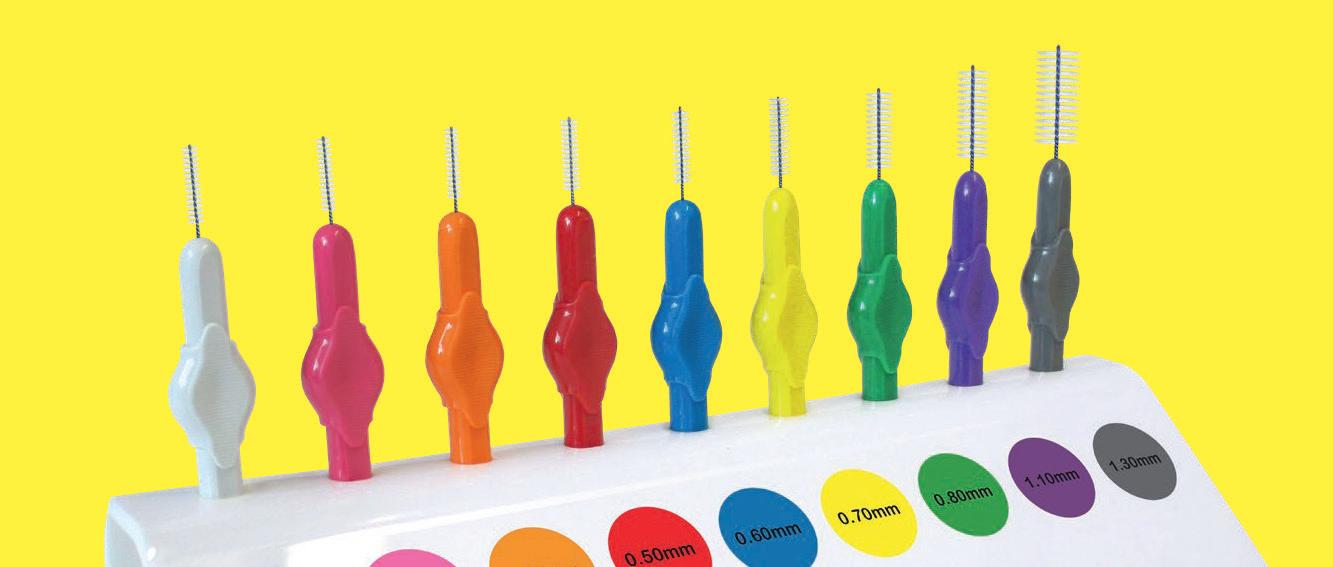
OPTIM Interdental brushes are precision made in the UK, using high tensile strength, plastic-coated, stainless-steel wire at the core, which helps to prevent the brushes from buckling, even on the smallest sizes. They are the same colour coded sizes that practices/patients are already familiar with and are very competitively priced.

For more information or to request a sample, simply speak to your dealer, scan the QR code or visit www.optim-idb.uk
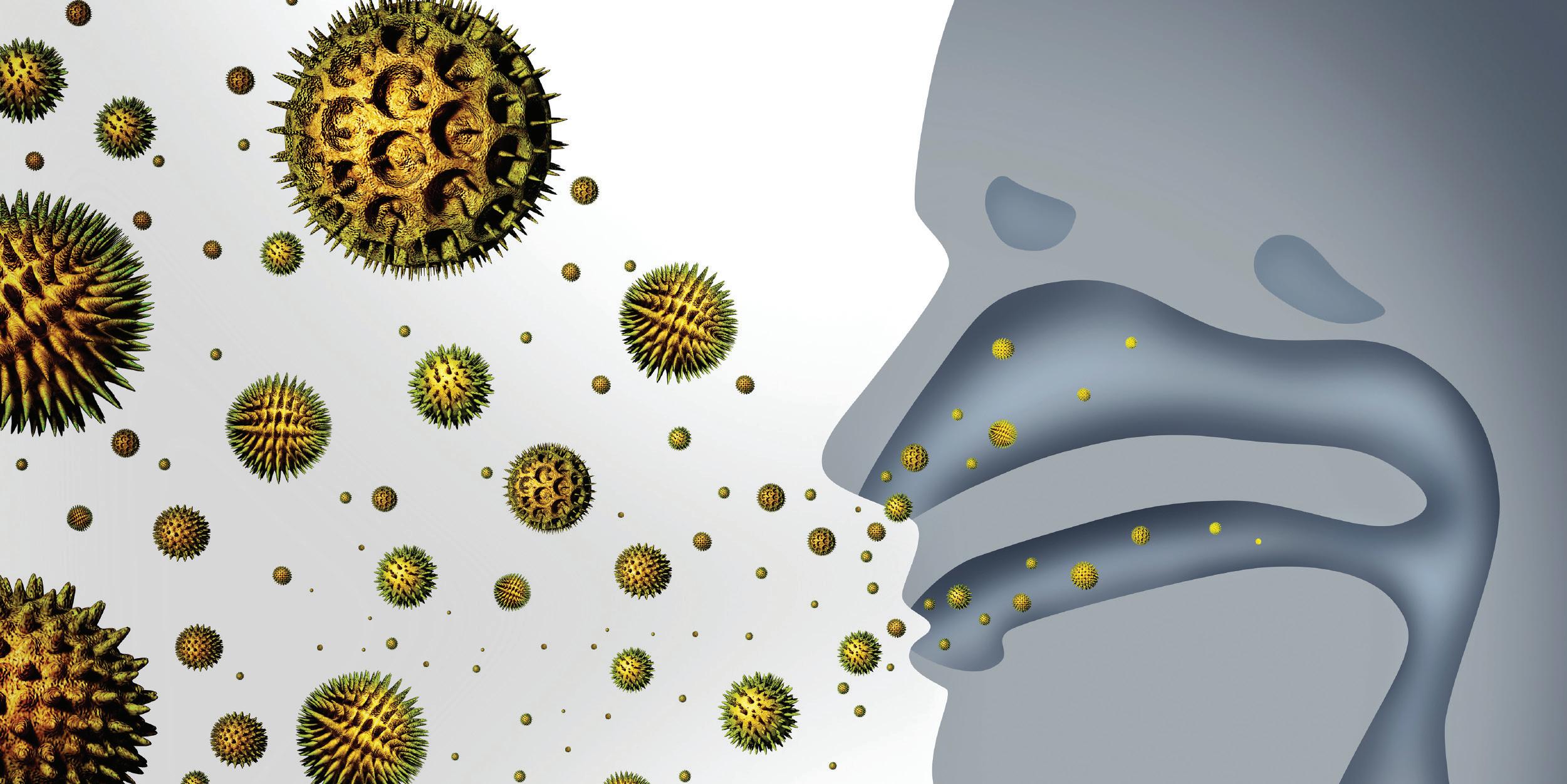
Allergic rhinitis, also known as hay fever, is triggered by rising pollen counts as seasons change and is unavoidable for a vast number of people. In the UK alone, approximately 16 million people are affected, with symptoms varying from sneezing and itchy eyes to nasal congestion, respiratory issues, and more. However, despite the widespread awareness and experience of hay fever, it is rarely discussed in a dental context
Unlike the common cold or flu, hay fever is often prolonged, with symptoms persisting and sometimes compounding – particularly throughout spring and summer. Such a prolonged period of symptoms like nasal congestion and medication use can influence an abundance of oral health factors. Most of these are overlooked, but dental professionals are in the unique position to support patients with allergic rhinitis, by encouraging healthy habits and offering tailored advice.
Mouth breathing and saliva composition
One of the most recognised and common symptoms of hay fever is nasal congestion, which leads to patients instinctively relying on mouth breathing. While this might not seem significant, the consequences for the oral cavity – particularly long-term – can be substantial. Inevitably, an increase in mouth breathing dries out the oral cavity, leading to reduced moisture in the mouth. The protective purpose of saliva – removing debris and plaque from dentition, buffering acids, and supporting remineralisation through calcium and phosphate exchange – is diminished, increasing a patient’s vulnerability to oral disease.ii
The effects of antihistamines
Medication is another contributing factor, as many antihistamines declare xerostomia as a side effect.iii The intersection between mouth breathing-induced
dryness and medication-related dryness causes a compound effect on oral health.
In not knowing that the xerostomia they are experiencing is linked to medication, patients often attempt to combat it with any means possible, responding to the symptoms rather than the source. For example, patients might take throat lozenges or sip on sweetened beverages to increase salivation, without understanding the complications their actions are contributing to, such as an acid or sugar increase. Though there are sugar-free options available for aids like lozenges, without knowing the consequences of the sugary options, patients might not actively seek a reduced sugar alternative. This makes professional dental guidance absolutely essential.
space
The health of interdental spaces between dentition is heavily dependent on thorough mechanical cleaning – especially when saliva production is compromised and other habits are altered. Though toothbrushing is non-negotiable, alone it is insufficient for the adequate cleaning in between teeth, which combined with reduced saliva levels, accelerates the development and accumulation of plaque in interdental spaces.
This makes consistent and in-depth interdental plaque removal exceptionally important during allergy season.
Clinical guidance
The best approach to supporting patients through the oral health risks associated with hay fever is preventive – which doesn’t need to be complex. Awareness of the intersection between hay fever and oral health is important for patients, as very few will recognise the connection between the two.
Other minor adjustments can alleviate the oral consequences of nasal congestion and medication use. Dental professionals should:
• Encourage sufficient hydration
• Recommend sugar-free lozenges where required
• Emphasise toothbrushing twice a day with fluoride toothpaste
• Reinforce further layers of oral care like interdental plaque removal and alcohol-free mouth washes
Furthermore, when patients are already managing persistent allergy symptoms, overcomplicated or timeconsuming oral hygiene routines are unlikely to be well-sustained. As such, tool recommendations should encourage simplicity without compromising efficiency.
Tools that truly support
Interdental brushes, designed for purpose, are a fantastic addition to oral hygiene routines. Flexible ones can offer a thorough and controlled clean without adding excessive pressure – reaching all the spots at risk of suffering from reduced saliva levels. One such product is the range of TANDEX FLEXI interdental brushes, designed to take oral hygiene to the next level. Designed with a plastic-coated wire, the risk of abrasive damage and sensitivity is avoided, whilst ensuring a thorough clean. The vast range offers eleven sizes, guaranteeing a bespoke clean for every user. When used in parallel with the TANDEX PREVENT Gel – which combines fluoride (900 ppm) and chlorhexidine (0.12%) – plaque is mitigated further due to the antibacterial effect.
Preventive care and the supportive guidance
Dental professionals have the power and duty to support patients suffering from hay fever with advice, guidance on preventive care, and the right tools. Allergic rhinitis is greatly inconvenient in so many areas of dayto-day life – oral health doesn’t need to contribute to this – informed assistance can ensure that.
TANDEX is giving dental professionals the opportunity to win a FREE FLEXI Educator Kit by answering just a few questions! Enter the quiz by scanning the code or following this link https://form1.tandex.de/
For more information on Tandex’s range of products,visit https://tandex.dk/
Our products are also available from DHB Oral Healthcare https://dhb.co.uk/ n
References available upon request
JACOB WATWOOD


























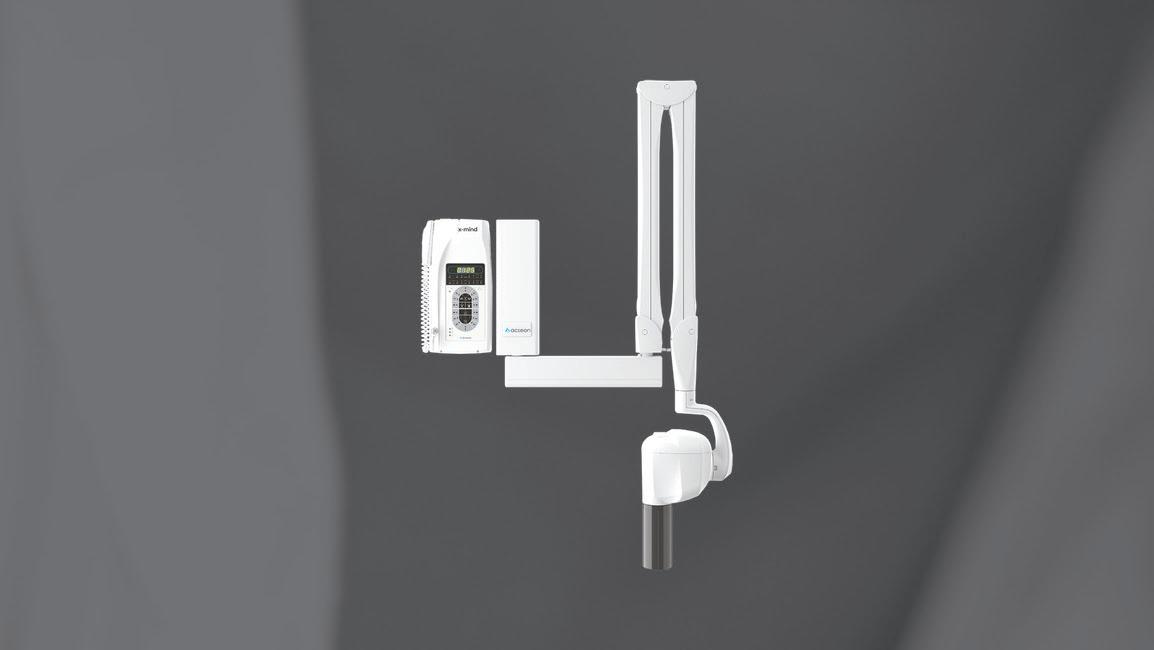





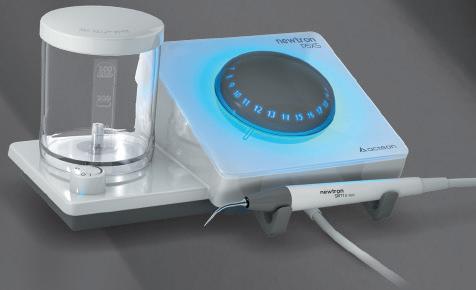





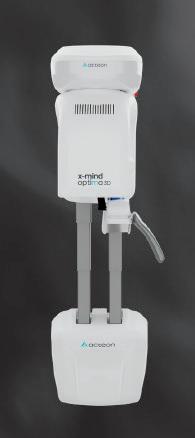




The human race has always been looking at how we can extend our lives, or at the very least live healthier for longer – from tales about fountains of youth, to individuals spending millions a year in an attempt to slow or even reverse the natural aging process. This has fuelled clinical research throughout healthcare – and dentistry has not gone untouched.
There is a wealth of research linking oral health with general health conditions, examining its relationship with longevity and all-cause mortality. A 2025 study based in Japan found that the total number of sound and filled teeth is an accurate predictor of all-cause mortality, and gave improved results compared to previous classifications.ii With this knowledge, dental professionals can realise the impact their care makes on the wellbeing of their patients. It’s important to understand how oral health impacts all-cause mortality rates, and this requires an exploration of the current available literature.
Modern findings
The number of natural teeth belonging to an individual has long been explored in association with longevity. Tooth loss is linked to oral health outcomes such as dental caries and periodontal diseases. These conditions have long been connected to general health problems – periodontal diseases, in particular, with coronary artery disease, hypertension, diabetes mellitus, chronic kidney disease, adverse pregnancy outcomes, Alzheimer’s disease, and more.iii With an understanding that issues such as periodontal disease may cause both tooth loss and these associated conditions, the connection between tooth loss and health in later life becomes clearer. It helps to understand quite how heavily tooth loss is connected with age; according to a 2021 Oral Health Survey carried out by the Office for Health Improvement & Disparities, adults between 25 and 34 years report the highest mean number of natural teeth, with an average of 28, but this gradually declines to a mean of 19 natural teeth for those aged 75 years and older.iv For greater perspective, 90% of adults under 55 report having 21 or more natural teeth, but this falls to just 52% of those aged 75 and over.iv
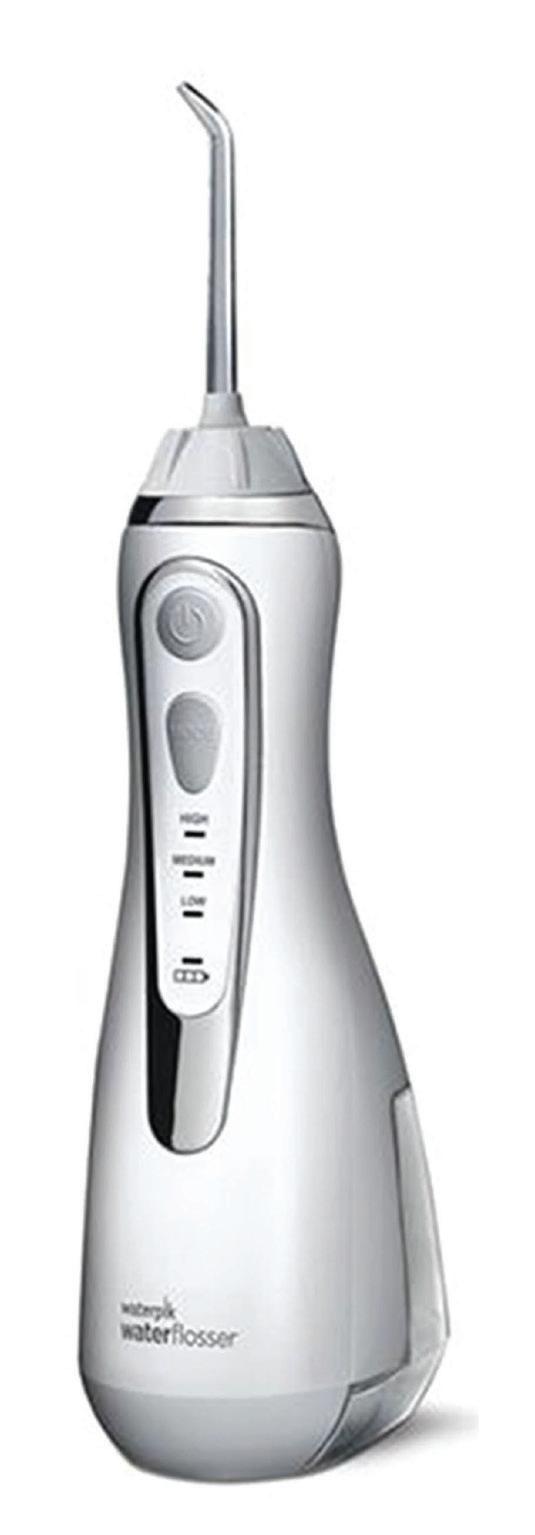
Studies linking tooth loss to causes of mortality find different ways our oral health has both a direct and indirect impact on serious health issues. The aforementioned 2025 study based in Japan posits that the total number of sound and filled teeth is a better source for assessment of all-cause mortality risk in an older population, as opposed to sound, filled and decayed teeth combined.ii This suggests that restorations or prosthodontic treatment can help improve general health; the presence of decayed teeth could cause functional impairment, impacting diet, for example, but it could also be a potential source of chronic inflammation.ii
Another study, published in 2025 and based on a 12-year assessment of a patient group in Ireland, found that edentulous individuals had a 42% increased risk of all-cause mortality, compared to individuals who were dentate, with no denture.v It also noted that edentulism increased respiratory mortality risk by 57%, and cancer mortality by 31%.v
for longer lives
The findings fuel the need for effective oral hygiene routines. These include twice daily toothbrushing, and daily interdental cleaning that removes plaque and debris from interproximal spaces, and below the gingival margin. Motivational interviewing can be an effective behaviour changing approach, which explores and attempts to resolve ambivalence around behaviour change.vi Clinicians should also further emphasise the importance of timely restorations, with each intervention having the ability to restore function, and relieve any impact on systemic inflammation. Patients should be advised to present whenever they have a genuine oral health concern.
Both natural teeth and restorations need to be cared for with highquality, clinically proven solutions. For the patients who understand the impact that oral health can have on their general well-being, it’s vital that recommendations are rooted in science and provide effective outcomes.
The Cordless Advanced water flosser from Waterpik™ is an ideal interdental cleaning solution designed to support patients every day. It is proven to remove up to 99.9% of plaque from treated areas in as little as 3 seconds,vii and is up to 2x as effective as string floss for improving gingival health.viii Importantly, it is designed to serve various patient needs, with a 360º rotating tip aiding those lacking dexterity to reach interdental spaces; 4 unique flossing tips for those with restorations, fixed braces, and more; and 3 pressure settings for a personalised clean. Waterpik™ is the only water flosser brand approved by the Oral Health Foundation – recommend by name.
Oral health continues to be linked to overall wellbeing, meaning dental professionals can have a long-lasting impact for their patients. It’s important to ensure individuals employ effective oral hygiene routines, and receive the support they need through the provision of high-quality restorations that last.
For more information on WaterpikTM water flosser products visit www.waterpik.co.uk. WaterpikTM products are available from Amazon, Costco UK, Argos, Boots and Tesco online and in stores across the UK and Ireland. n
References available upon request
RACHEL BENNETT
Rachel is a dental hygienist working at Bupa Dental Care Leeds and Churchview Dental Care, where she offers high-quality care to her patients. She has been a professional educator for Waterpik™ for years, and will talk about the importance of water flossing and her experience with Waterpik™ solutions.
Flossing has always been the weak link when it comes to oral hygiene. Clinicians know it works; patients know they should do it. Yet the evidence consistently shows that most people floss infrequently, inadequately, or not at all – particularly those with tight contacts, fixed orthodontic appliances, or limited manual dexterity. For many people, traditional string floss is the dental equivalent of a cold shower: they know it is good for them, and they find any excuse to avoid it.
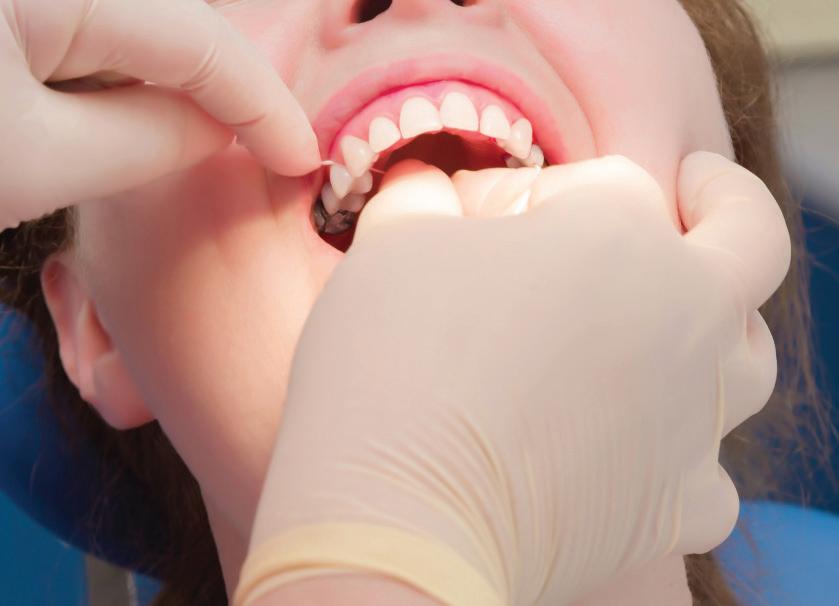
The tools available should make routines simpler, more thorough, and more effective – kickstarting an oral hygiene practice that will protect a patient’s smile for life.
Tahir Oral Care, a British oral care company founded by Stefan White, set out to address this challenge with a straightforward premise: the reason people do not floss is that the tools are not always right. The Tahir Electric Flosser is his answer.
Designed around the patient who need it most Dr Dhiru Patel, Specialist Orthodontist, has noted the value of the device for patients in active orthodontic treatment, where interdental cleaning around brackets and wires is both critical and notoriously difficult to achieve.
As he puts it: “The Tahir electric flosser is a very useful and practical device – it is nothing short of inexplicable that a product of this kind has been absent from the market for so long.”
The evidence supporting powered flossing devices for patients is well-establishedii,iii – generally considered to be between 29% to over 50% more effective than string flossing. What has been glaringly missing is a well-designed, evidencebacked product for clinicians to recommend.
The Tahir Electric Flosser is a rechargeable, handheld device built for one-handed use. It delivers 12,000 sonic vibrations per minute across four cleaning modes, and uses disposable floss heads that are replaced every three to four days. The result is a device that mimics the motion and efficacy of traditional flossing while removing the dexterity demands that cause so many patients to abandon the habit.
The Tahir Electric Flosser is designed with exactly these patients in mind.
The floss heads are recyclable, available in cool mint, and included in quantity in the starter kit – enough to cover the first two to three months of use. Sensitivitysafe technology makes the device appropriate even for patients with gingival sensitivity who might find other powered options too aggressive.
Built to be believed
Tahir Oral Care has secured £200,000 in grant funding to conduct a randomised controlled trial with Barts and the London School of Medicine and Dentistry across 1,000 patients in London – generating the kind of peer-reviewed, product-specific evidence that is still rare in the consumer oral care space.
Results are forthcoming. The intent is clear. This is a brand that wants to truly earn its place on the recommendation list – not just the shelf.
The Tahir Electric Flosser is available for patients at tahiroralcare.com and through Oraldent, Amazon, and Harrods. For practice enquiries and professional ordering, visit tahiroralcare.com.
References available upon request
Lip products, especially balms, are regularly used by individuals of all ages. However, most users are totally oblivious of how much product they ingest on a daily basis not just from absorption through the lips but also through eating and drinking. Various studies suggest that the average person consumes between 24 and 87 milligrams of lip product per day depending on how much is used and that this may equate to more than 3kg of lifetime accumulation.
Whilst these figures may seem insignificant, it is important to consider both whether the ingredients are safe to ingest and if there will be cumulative harm over time. Indeed, research suggests that the most common ‘baddies’ in commercial lip products, namely phthalates and parabens may be detrimental if consumed daily. But just what are they and why the worry? Well, Parabens are a type of preservative commonly used in cosmetics and personal care products to prevent the growth of bacteria and mould whilst Phthalates are a group of chemicals used to increase the flexibility and durability of a product. This may sound helpful but evidence suggests that over time phthalates can build up in the body and may even cause reproductive and developmental problems.
Other ingredients that are cause for concern include:
• Preservatives,
• Petroleum jelly/mineral oil,
• Benzophenone
• Artificial synthetic agents i.e. flavours and colours (which often cause or exacerbate dryness).
And that’s just ordinary lip balms not to mention the suspected hidden dangers in some lipsticks and sun protection factor (SPF) formulations. So, there’s no doubt that more research is needed to determine the long-term effects of ingested lip products.
But as if safety wasn’t a big enough cause for concern many individuals also need to consider whether their balm is ‘diet-compliant’ e.g. if they’re adhering to a restrictive diet such as:
• Vegan
• Keto
• Gluten free
And also, religious factors including:
• Halal,
• Kosher
Which may mean that they’re completely unaware that their lip balm of choice is in fact prohibited.
Crucial considerations for diet compliance:
Vegan restrictions:
Those following a strict vegan diet, should avoid balms containing beeswax or lanolin.
Keto
Tallow lip balm is made from natural ingredients such as organic tallow and avocado oil which are keto friendly.
Gluten free:
Coeliacs, and individuals with severe gluten sensitivity, wheat allergies or detrmatis hrpeitformis need to use gluten-free products to prevent symptoms. They will no doubt be aware that there are many scientific terms for gluten. Common Ingredients to avoid include.
• Tocopherols
• Tocotrienols
• Triticum vulgare (wheat bran)
• Vitamin E-often a wheat derivative
Unfortunately, although many manufacturers do not use wheat protein or wheat-derived oils in their balm formulations, they still cannot guarantee
that their facilities are gluten-free. This is often because the plant origin of some ingredients may vary, making gluten-free certification difficult and meaning cross contamination could occur during processing putting users at risk of a reaction. ‘Oralieve Nourishing Lip Care’ is considered gluten free making it suitable for those with sensitivities.
Religious factors
Lip balms (especially SPF) are generally permissible among most religions, but constraints regarding animal-derived ingredients (such as lanolin) or alcohol mean observant users often opt for vegan, halal-certified, or kosher-certified products. Islam permits lip balm during fasting providing it is not ingested although some interpretations suggest women should only wear it for cosmetic use at home or around Mahram men. Judaism allows its use on Passover (AKA Pesach), although ingredients should ideally be verified as ’free from’ forbidden substances such as chametz (leavened grain products) and although, lanolin (from sheep’s wool) is usually acceptable pork derived animal fat is actively discouraged in a kosher diet.
Islamic (Halal) Considerations
Choosing a lip balm that aligns with Islamic principles is often vitally important for Muslim consumers. Halal (meaning lawful or permitted) lip balm should not contain pig-derived glycerine, non-halal animal fats, or alcohol and must be manufactured and packaged with purity in mind. Luckily. many mainstream, vegan, or ‘clean’ lip balms align with halal principles because they are free from animal byproducts including ‘Vaseline lip therapy’ which according to some source is hallal because it is made from petroleum jelly a mineral based rather than animal derived product.
Jewish (Kosher) Considerations
Most rabbinical authorities, consider lip balms and lipsticks (even if uncertified) permissible to use year-round because they are classified as a skin care product rather than food, meaning they don’t usually require kosher certification. Since special care is often taken for the joyous occasion of
Pesach, there are brands available such as ‘Adwe’ and ‘Dr. Fischer’ that are approved by Badatz Kashrut (Orthodox Department of Jerusalem) and are certified and labelled Kosher for Passover.
Thus, given the risk of ingestion it makes sense to use lip balms made with natural, safe, non-allergenic food-grade ingredients which are generally safe in small quantities. But surely you ask, there’s no need to worry because there are ‘watchdogs’ to protect and keep consumers safe. Well, sadly not completely, so although small amounts are unlikely to cause toxicity short term, it always helps to check the label for ingredients before purchase to prevent any snowballing effect.
There are even edible lip balms available from brands such as ‘MooGoo’ and ‘Rubber Ducky’ that manufacture lip balms with SPF (remember it’s also important to protect the lips from the sun) using natural, edible ingredients. Indeed, vegan and mineral-based SPF lip balms are often the safest choice for adhering to strict religious dietary laws as they contain no animal derivatives, mineral oil or non-Kosher Ingredients.
So, in short- ‘choose a balm that won’t cause harm’! n
References available upon request
Ali Lowe is the founder of Fit Lip UK – a campaign aimed at encouraging people to wear SPF lip balm in order to protect their lips, prevent lip cancer and keep their mouth healthy.


Our exclusive TrueFit® Technology analyses your unique facial features and working posture to deliver comfort, perfect visual alignment, and lasting ergonomic support.



CUSTOM MEASURED • CUSTOM FITTED • CUSTOM MADE
loupes bring your
Activated charcoal has many uses, from treating foul-smelling wounds and poisoning to changing the colour of food. In dentistry, activated charcoal, also known as activated carbon, can tackle staining due to its abrasive qualities. The science believes that the material binds to stains and deposits on the tooth surface, enabling the toothbrush to more effectively remove them.i
Activated carbon defines the Black is White range from Curaprox, adding an aesthetic boost. Each oral care hygiene product in the range features a sleek design that transforms a patient’s perception for how stylish dental care solutions can be.
A brighter way to travel
A central part of the product range is the Black is White Travel Set. To support patients in maintaining an optimal standard in oral hygiene when travelling, Curaprox’s selection of Travel Sets pack everything needed for comprehensive daily dental care. The Black is White takes this foundational aim and enhances it for patients looking to whiten their teeth whilst on the move.
The Travel Set includes a Black is White toothpaste which gently removes stains from tooth surfaces. It contains activated carbon which
absorbs discoloured particles for a brighter smile – without the need for bleaching agents or harsh, abrasive ingredients. With a refreshing lime-mint flavour and the presence of hydroxyapatite, the toothpaste packs a flavoursome punch whilst also strengthening the enamel and fighting cavities. Its physical blue filter adds a cooling sensation while brushing too, giving a blast of freshness to begin and end each day.
A black brush for brighter results
An effective toothpaste demands an effective toothbrush. The Black is White toothbrush is such a product: ergonomic, aesthetically pleasing, and relentless on plaque. It is also exceptionally gentle, with its ultra-fine bristles removing harmful particles whilst being soft on the gingivae. The specifically angled brush head and octagonal handle further support patients by guiding their hand to the optimal angle for toothbrushing. For extra compactness within the Travel Set, the Black is White toothbrush can be easily split in two –perfect for packing light.
Rounding out the set is a pair of carbon interdental brushes. These have a conical shape to better remove trapped food debris, using a powerful umbrella effect that only requires a single in-and-out motion. Each interdental brush is a different size, with the larger of the two featuring a distinct neon pink handle – an aesthetically dazzling complement to several other Black is White products. These carbon interdental brushes can be placed on the duo holder that’s included in the Travel Set. This promotes dexterity when cleaning the teeth, allowing patients to quickly alternate brush sizes for a more comfortable dental care experience.
All these oral hygiene products are neatly packed in a compact case that measures 9.5cm x 6cm – small enough to fit in a coat pocket. Wherever in the world a patient is, they
can reduce the risk of caries and tackle stains with these first-class solutions.
Chew it over
In addition to the travel set, patients may also make use of the Black is White Chewing Gum from Curaprox. Easily carried around, the activated charcoal chewing gum supports gentle teeth whitening and oral care, anytime and anywhere. As well as enhancing the natural aesthetic of the dentition using activated carbon, the gum also has prophylactic powers. Loaded with antioxidants like tocopherol-acetate, its unique formula supports oral hygiene. To protect against dental caries, the gum also fills tiny holes with hydroxyapatite, strengthening dental enamel, and contains xylitol to further safeguard against cavities.
Not just a treat for the taste buds with its citrus-mint flavour, the chewing gum comes with the Curaprox promise of improved oral health. From a long plane journey to a session at the gym, brightened smiles await with the Black is White Chewing Gum.
Choose Curaprox
For patients looking to tackle staining whilst on the move, the Black is White product range from Curaprox sets a new standard in aesthetic oral care products – without compromising on oral health. Recommend today.
To arrange a Practice Educational Meeting with your Curaden Development Manager please email us on sales@curaden.co.uk
For more information, please visit www.curaprox. co.uk and www.curaden.co.uk n
References available upon request
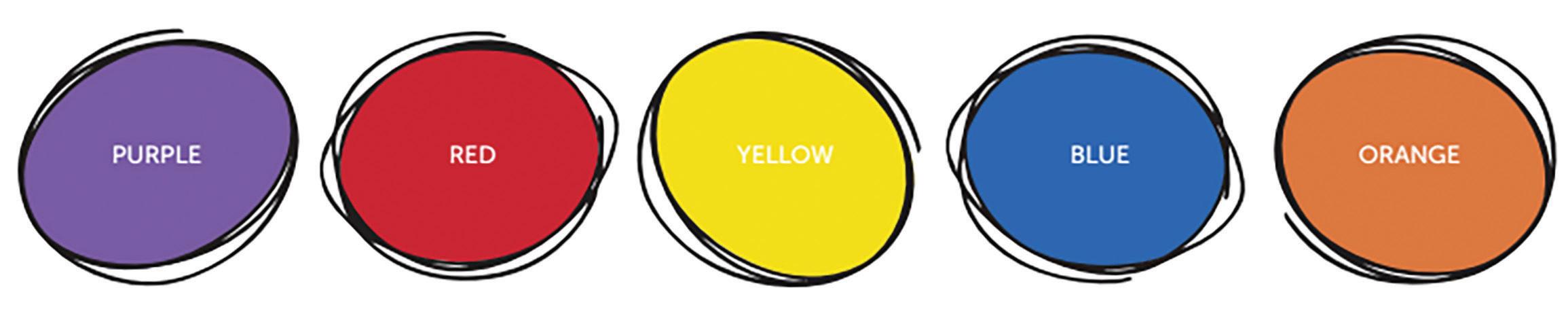
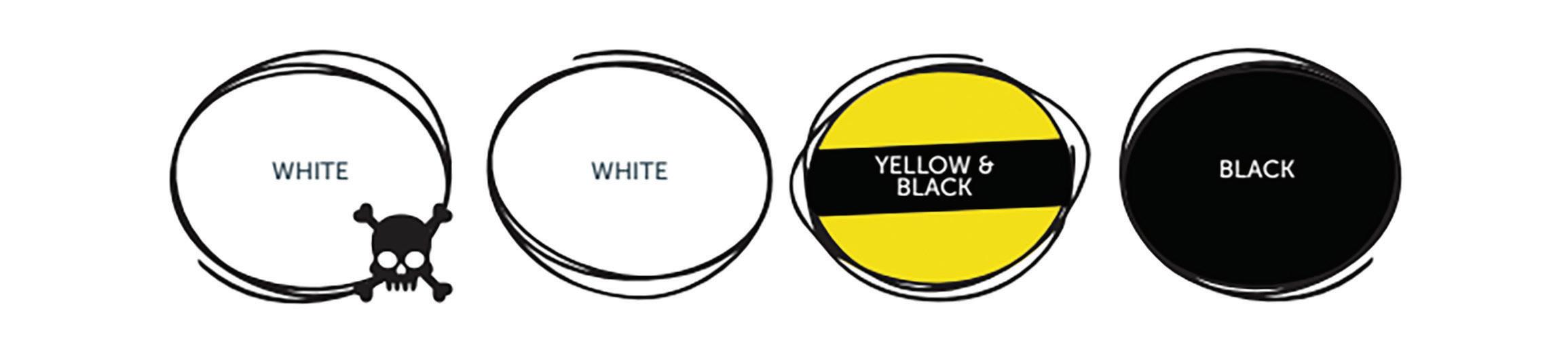
It will come as no surprise to say that dental practices operate slightly differently than many other businesses. This is apparent in everyday routines, financial considerations, and the waste items produced throughout the day. When a piece of legislation is implemented in the UK that affects both businesses and homes – as the Simpler Recycling policy has done – it’s vital to interpret it through the lens of dentistry, and understand how pre-existing regulations will marry with it.
For many businesses, the new rulings on waste workflows will affect miscellaneous items such as coffee cups and waste paper. In the dental practice, a wider variety of waste items produced fall under critical clinical waste regulations. All dental teams need to be aware of their responsibilities. Many of them will also opt to work with a professional waste management service to ensure each item is managed carefully and successfully.
Understanding the latest requirements
The Simpler Recycling rules came into practice on 31 March 2025, affecting all businesses with 10 or more full-time equivalent employees. Practices that do not meet this number of team members still have until 31 March 2027 to enact the rules.i This directive ensures waste items are better separated at the source, improving recycling opportunities which, in turn, benefits the environment. The rules build on current waste responsibilities, and impact all businesses, charities and public sector organisations – a wide umbrella that dental practices inevitably fall under.
The changes made by the guidance require further separation of waste generated into residual (nonrecyclable) waste, food waste, paper and card, and all other dry recyclable materials (including plastic, metal and glass). Any waste produced by visitors to a dental practice also needs to be separated in this way before collection by a waste service team.
Recycling contamination is an issue that must be contended with when organising this updated waste workflow. If items are incorrectly placed into an alternative waste stream, for example, food waste is placed into the dry recyclable bin, all items in the container may no longer be recyclable. Contamination also applies to items that are not clean enough, for example, plastic containers with residual food or liquid. To reduce the risk of recycling contamination, clear signage should be placed at waste sites throughout the practice. Team members should also be reminded of their responsibilities, and how they fit within current waste workflows.
Clinical contamination
Another prominent set of waste regulations for the dental practice is Health Technical Memorandum 07-01 (HTM 07-01). This guidance, which applies to all healthcare spaces and those that deal with healthcare related products, including dental laboratories, defines the correct protocol for managing a range of everyday waste items. It includes directions on the handling of clinical waste items, such as infectious, amalgam-contaminated, offensive and medicinal waste, and much more.
When an item that would otherwise fall within the Simpler Recycling guidelines becomes contaminated in a dental setting, there is a chance that its waste management falls under protocols in HTM 07-01, or similar regulations. For example, dental bibs could be considered a simple waste item that would fall into dry recycling materials. If a box of these were sufficiently damaged in storage and no longer suitable for use with patients, they could be placed into a simple dry recycling container.
However, once used in care, a dental bib may be contaminated by aerosols produced during scaling and polishing. Now unpleasant, but not necessarily hazardous, the bib should be placed in the offensive waste stream, signified by a yellow and black (tiger stripe) container. ii If the patient has an infection and still requires care, and the dental bib is contaminated, the item would then be placed in the orange waste stream for known infectious items.
Clinicians should understand the context around the production of each waste item and be able to segregate appropriately with this knowledge.
Preparation makes perfect
The dental practice should be prepared to manage a wide variety of waste items. This can be facilitated with appropriately labelled containers throughout the premises, located at common points of disposal. Alongside these, choose clear posters that aid professionals with elements such as the waste colour code – this can streamline each decision, for safer disposal.
Initial Medical, a leading waste management service, provides dental professionals with support and an array of clinical solutions for everyday care. This includes a full range of simpler waste disposal options for glass, dry mixed recycling, paper and even general waste, supporting correct waste segregation throughout your practice. Alongside them, find freeto-download colour coding posters on the Initial Medical website, for clear information at a glance.
The Simpler Recycling workflows aren’t complex –and clinical waste management doesn’t have to be either. Understanding how contaminated items are segregated helps clinicians recycle safely, and this can begin with clear communication, signage and containers throughout the practice.
To find out more, get in touch at 0808 304 7411 or visit the website today www.initial.co.uk/medical n
References available upon request
REBECCA WATERS
Rebecca has worked in the healthcare sector for the past 20 years and earned a BSc Chemistry (Hons) prior to joining Rentokil Initial in 2003. She works within the Research and Development team and keeps up to date on all changes within the clinical waste management industry, as well as the specialist hygiene and infection control industries, and is an active member of the CIWM and HWMA.
by TePe®
TePe has a great selection of brushes to complement the regular toothbrush, specifically designed to keep every smile healthy. No matter if you have braces, dental implants, or tricky spots to clean, we’ve got just the right brush to make at-home care easier and more enjoyable!
TePe® Denture Care with extra-long and strong filaments, it’s optimal for cleaning a removable denture.


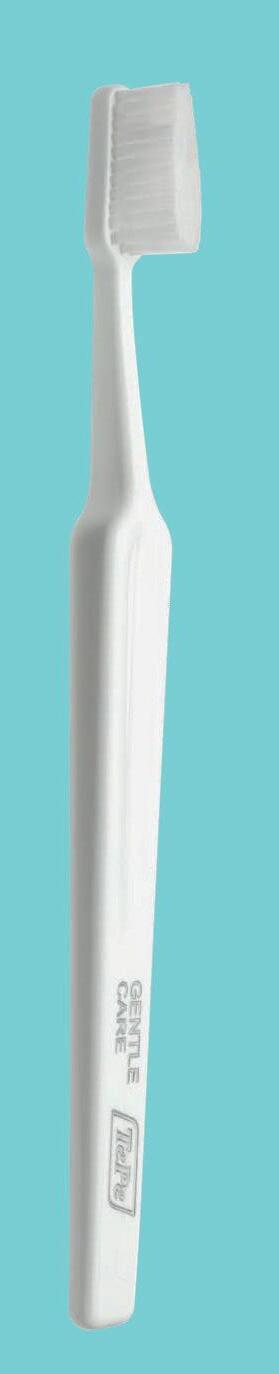


TePe® Implant Orthodontic Brush is a special toothbrush designed to clean along implants and fixed braces.


TePe® Gentle Care is a super soft toothbrush recommended as the second brush stage after oral surgery and for patients with sore or delicate tissues.
Scan the QR code to view TePe’s specialty brushes.


TePe® Universal Care has a unique angle for better access to hard-to-reach areas. Optimal for cleaning on lingual surfaces and along the gum line of natural teeth, implants, prosthetic constructions, fixed lingual braces, retainers and retroclined teeth.
TePe® Interspace is an angled, single-tuft brush with replaceable brush tips. The angled head and the pointed tip improve access to hard-to-reach areas, such as furcations and behind the last tooth.
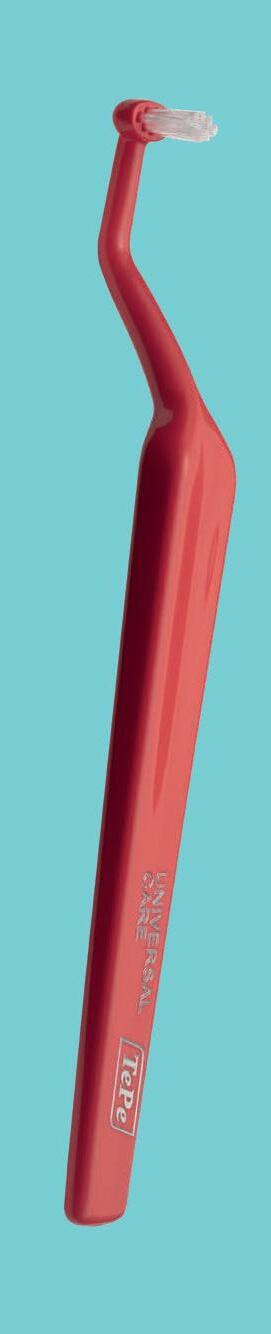

TePe® Special Care Compact is an ultra-soft toothbrush with a small brush head, recommended for patients after oral surgery and for patients with sore or delicate tissues.









TePe® Compact Tuft is a single-tuft brush with a dome-shaped brush head for precision cleaning of hardto-reach areas, such as implants, attachments for overdentures, fixed braces, or along the gum line.
Landing Forty Two in London provided a fitting backdrop for Colgate ®’s recent thought leadership event, Partnering for Prevention: From Evidence into Action. The event brought together dental professionals from across the UK for an inspiring networking event, exploring how to bridge the gap between clinical and chairside reality.
The audience heard insights from a range of stakeholders focusing on caries prevention including moving beyond clinical data to put them into their patients shoes to better understand real world challenges. Simon Petersen, Senior Vice President and General Manager at Colgate ® Northern Europe welcomed the audience, sharing that Colgate ®’s leadership position is driven by their purpose of reimagining a healthier future for all. Simon said Colgate ® understands the significance and importance of evidencebased prevention and Delivering Better Oral Health guidance; including increasing fluoride availability and stating that Colgate ® is proud to have supported the dental profession with medically licensed evidence-based high fluoride products to prevent, control and arrest caries. Simon concluded that he was delighted Colgate ® had brought together insights from the dental profession, consumers, researchers and academia to explore prevention and how we best translate evidence into action to improve oral health.
Dr Jason Wong, Chief Dental Officer, England gave the opening keynote address themed ‘A call to action to improve the oral health of the nation’, sharing updates on the 10-year health plan and the dental quality and payment reforms. This included increased support for preventive care, risk assessment and oral health stabilisation, promotion of good quality evidence-based care, minimally intervention oral care and the appropriate use of skill mix. Jason commented that he was aligned with the theme ‘Partnering for Prevention’ and supported the shared vision of taking knowledge, evidence and the right people delivering care at the right time to improve the oral health of the nation.
Katie Mitchell, Senior Insights Lead at Colgate® explored three pathways of prevention. Katie
introduced the views and perceptions of real world patients who had been unsuccessful, partially successful and fully successful across the pathways. This took the audience through the resulting impact of each, along with the patients suggestions of how their real world challenges could be better overcome to help them to improve both their compliance and oral health outcome.
Professor Jan Clarkson, Chair of Clinical Effectiveness, University of Dundee shared the REFLECT study, a NIHR clinical trial, which commenced back in 2016, looking at the effectiveness and cost benefit of prescribing high dose fluoride toothpaste in preventing and treating dental caries in high-risk older adults. The results are expected to be published later this year. However, Jan was able to share some key points including: dentists can identify patients at risk, caries experience is considerable and costly, 5000ppm fluoride toothpaste is part of the solution, however dentists must know who, when and how much to prescribe, and finally, patient behaviour change is possible, but this must be personalised and focus on oral hygiene and diet.
Professor Jo Hart, Chair of Health Professional Education, University of Manchester explored professional behaviour change to better understand clinical habits. Jo expressed how hard change can be and for change to happen, it needs to happen at multiple levels including dental professionals, patients and policy makers. Jo shared the Capability, Opportunity, and Motivation Behaviour (COM-B) framework as part of the Behaviour Change Wheel. This helps us to understand that unless what we do is behaviourally focused, it is less likely to change routine practice. Capability, motivation and opportunity must be enhanced to change practice.
This event brought together a group of insightful contributors covering expertise across contract reform, research, skill mix, behaviour change and general dental practice. A fireside chat session created the perfect opportunity to discuss a number of themes to help transform insights into a tangible road map for the entire dental team including keeping healthy teeth healthy across the life course, applying the evidence base in practice,
the role of prevention in supporting the shift from treatment-focused to prevention-led care and the effective use of skill mix.
The final session was delivered by Emma van Eyssen, Scientific Affairs Lead at Colgate® and Dr Mohsan Ahmad, General Dentist and LDN Chair for Greater Manchester. Emma started the session with highlighting a number of resources Colgate® provides to help dental professionals with the prevention, management and control of caries, in line with the evidence-base. Emma went onto introduce Colgate® Duraphat® as the only complete and clinically-proven high-fluoride range, medicinally licensed to prevent, control and arrest caries.1-4 Mohsan then took the audience through some real life cases studies on how he and his wider dental team provide individually tailored optimal care for the prevention, management and control of caries across the life course.
The event concluded with a lively networking session allowing for great discussion which perfectly captured Mohsan’s final comment that together, we can shape the future of oral health.
Adverse events should be reported. Reporting forms and information can be found at www. yellowcard.mhra.gov.uk.
Adverse events should also be reported to ColgatePalmolive (U.K.) by calling 00-800-321-321-32.
1. Baysan A et al. Caries Res 2001;35:41-46, 2. Schirrmeister JF et al. Am J Dent 2007;20. 212-216, 3. Ekstrand et al. 2008 Gerod 2008; 25:67-75, 4. Ekstrand et al. Caries Res 2013;47:391–8. n
Scan the QR code for more, including prescribing information.





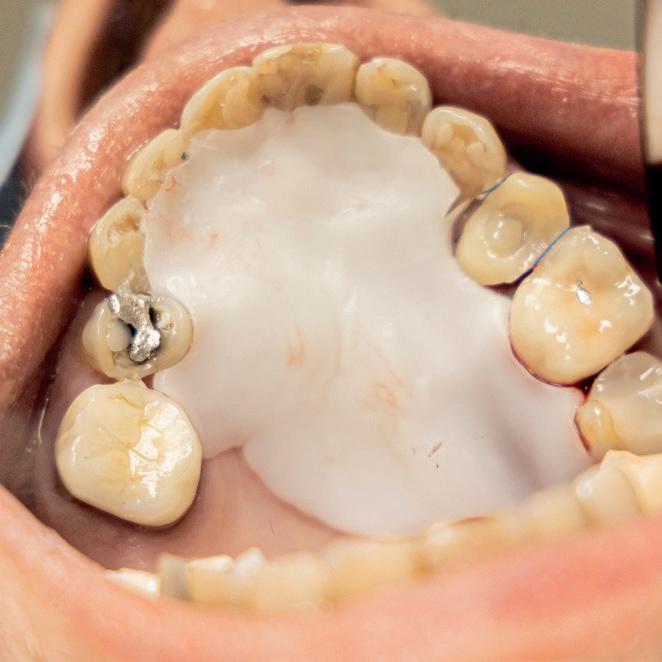


Leveraging the antibacterial and wound-healing properties of zinc ions, Elemental can be used post-operatively with or without a membrane.


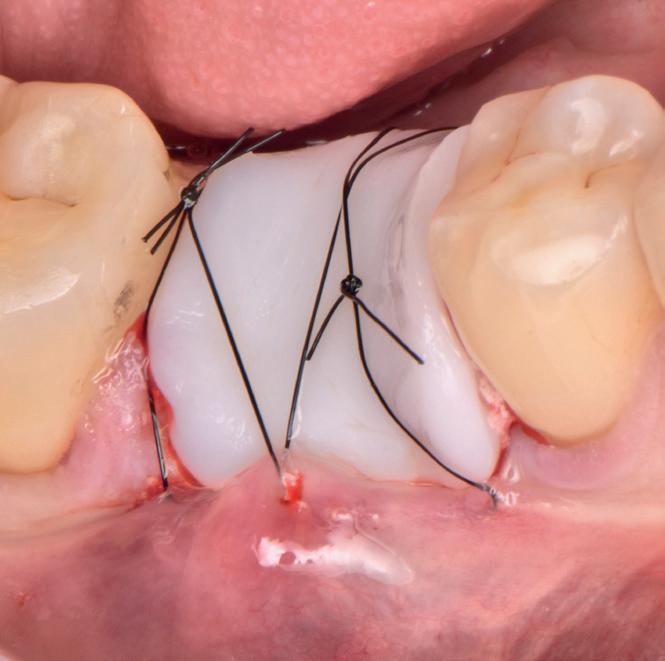
Elemental activates when in contact with boiling water, and the resulting material, which sets rigid and stable, can be quickly and easily moulded and shaped according to the needs of the patient.





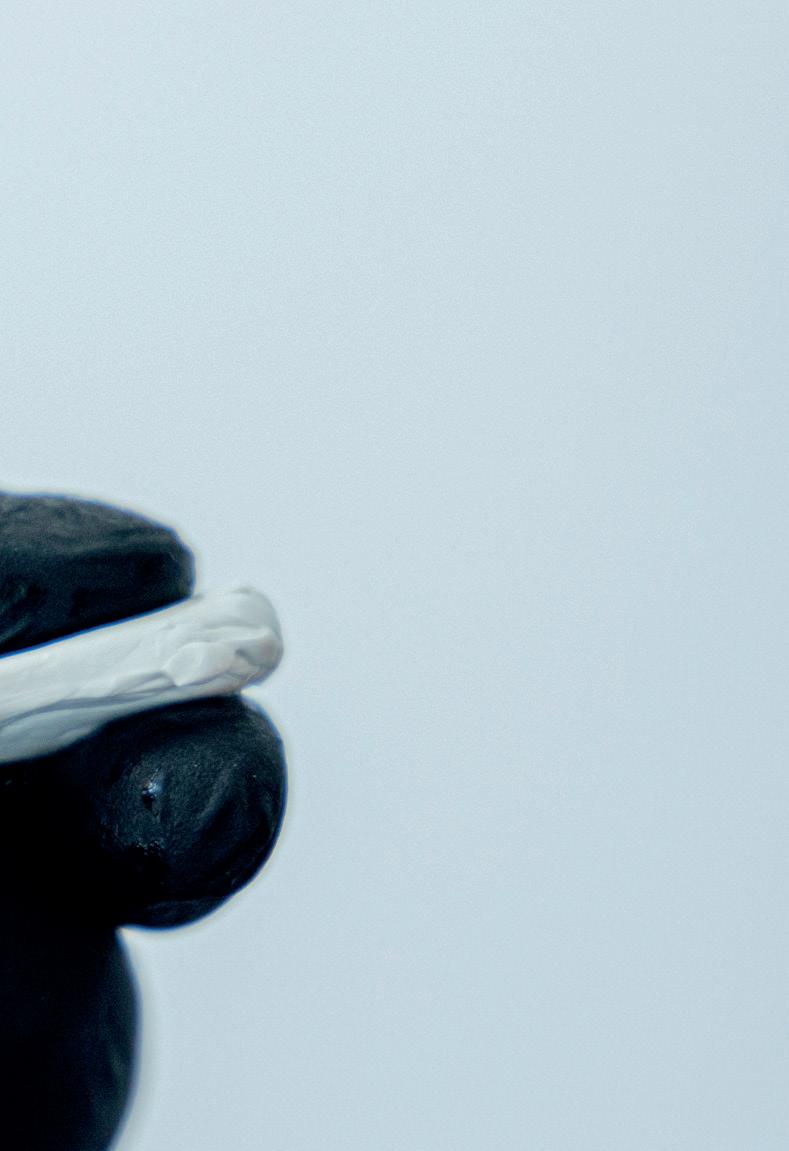
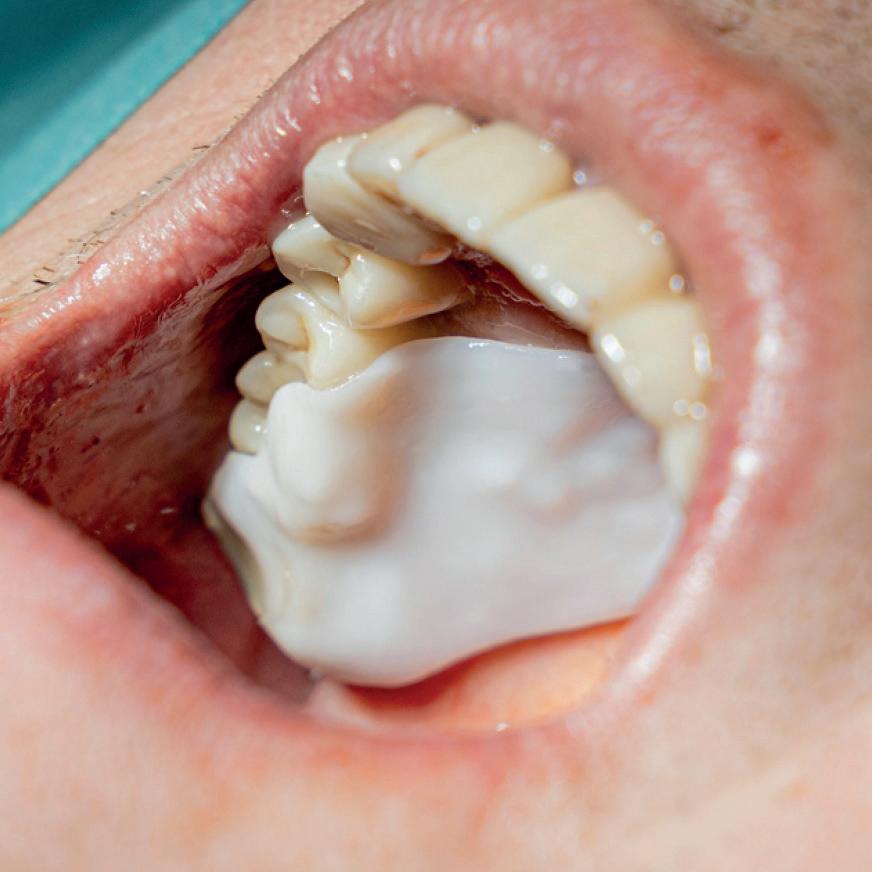















Dentistry in England is at a pivotal moment. The profession has faced extraordinary challenges in recent years, from recovering after the pandemic to addressing longstanding issues around access, workforce pressures and system reform. Yet despite the headlines that often focus on the difficulties, I remain optimistic about the future of dentistry and the opportunities ahead for both patients and professionals.
When I speak at the British Dental Conference & Dentistry Show in Birmingham this May, my aim is to share an update on the most significant developments affecting dentistry right now, such as contract reform, workforce policy and the direction of travel for dental care in England.
Perhaps more importantly, I want to share a message of positivity. While challenges remain, there is a great deal happening across the profession that we should recognise and build upon.
Meeting the needs of patients
The most important issue shaping the future of dentistry is how we meet the needs of the population.
Over the past few years, much of our focus has been on rebuilding services following the pandemic, which hit dentistry harder than any other area of healthcare. As the sector has recovered, the priority has been to ensure that the care available reaches those who need it most.
One important step has been strengthening urgent dental care. No one wants to see a society where people feel they have no option but to try and treat themselves. By increasing commissioning for urgent care services across the country, we have worked to create a safety net for patients who need immediate treatment.
The next stage is improving access and ensuring that those with the greatest need are prioritised.
Children’s oral health has long been a key focus for governments, and it is encouraging that access figures for children receiving routine dental care are now returning to pre-pandemic levels. That progress shows what can be achieved when policy, commissioning and professional commitment align.
Many in the profession have been waiting for meaningful reform of the NHS dental system, and I recognise that progress can sometimes feel slow.
However, the payment and quality reforms now being introduced represent the most significant changes to the dental system since 2006. These reforms are not the final destination, but rather the beginning of a longer process.
We are already working on the next phase of reform, which aims to fundamentally reshape the relationship between the NHS and the profession. The government has committed to delivering further reform within this Parliament, and our focus is on ensuring that any changes support both patients and the dental workforce.
See Jason Wong MBE at the Clinical Excellence Theatre at the British Conference & Dentistry Show at 10.15am on Friday 15th May 2026. For more information and to register for free visit
Visit birmingham.dentistryshow.co.uk for further information and to register for free.
The future of dentistry and the power of the profession
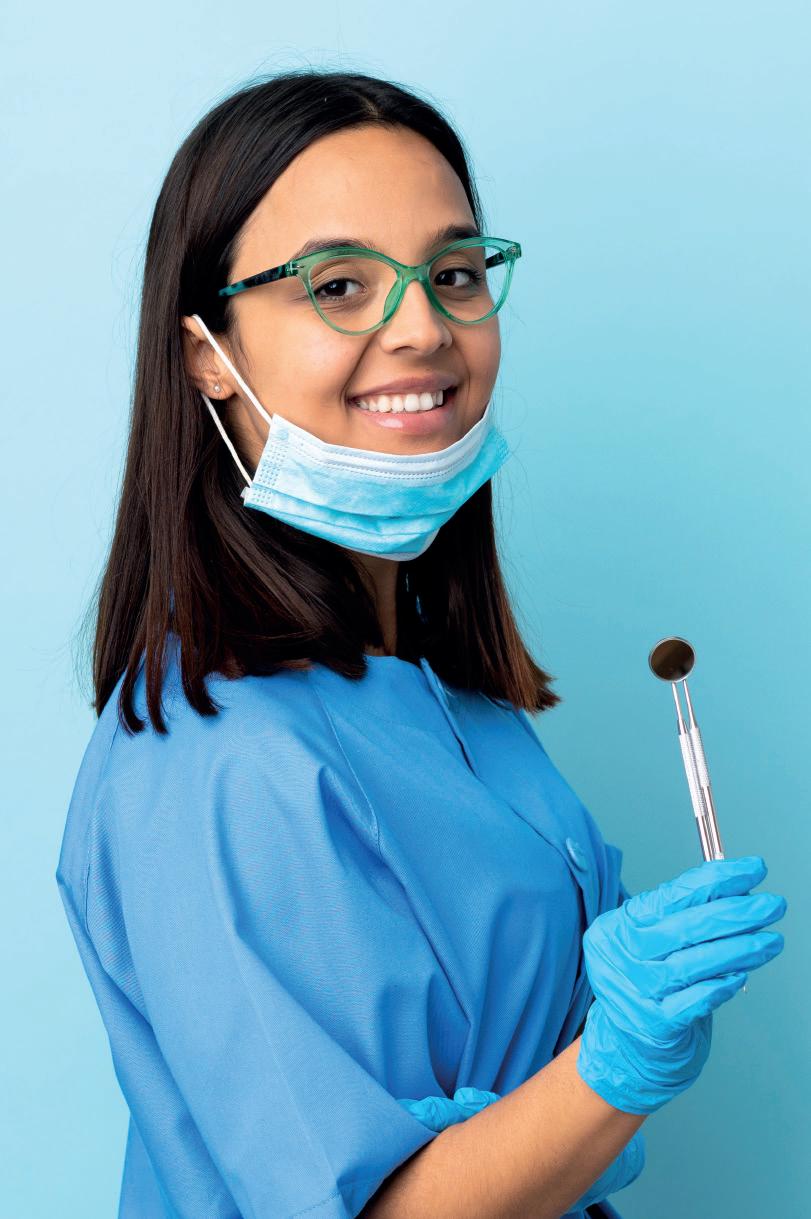
There is always a balance to strike between implementing change quickly and ensuring reforms are sustainable. What we want to avoid is introducing large-scale change that disrupts the system without delivering genuine improvement.
Our focus in recent years has been on ensuring that the funding available for dentistry is directed towards those patients who need care the most and who may otherwise struggle to access it.
power of the wider dental team
One of the most important developments for the future of dentistry will be how we utilise the wider dental team.
For many years, the vast majority of clinical work has been carried out by dentists. NHS statistics suggest that around 95% of dental care is still delivered by dentists rather than dental hygienists or dental therapists.
This raises an important question: is that the most effective model for delivering care in modern dentistry?
I believe the answer lies in a stronger teambased approach. Delegating appropriate work to other members of the dental team can improve efficiency while allowing dentists to focus on more complex care and professional development.
Whenever I speak with younger dentists, they tell me they want opportunities to progress and develop their careers. If they are spending most of their time delivering routine treatments, those opportunities can become limited.
A more balanced use of the dental team can help address this challenge while improving access and patient care.
Digital innovation will also play a significant role in shaping the future of dentistry.
Across healthcare, technology is increasingly recognised as essential to improving efficiency and patient outcomes. Dentistry has enormous potential in this area.
Artificial intelligence, voice technology and digital diagnostics are already beginning
to influence how practices operate. AI-assisted tools could support clinicians with record-keeping, diagnostics and patient communication, freeing up time for dental professionals to focus on patient care.
At a system level, greater digital integration is also needed. Dentistry remains one of the most analogue parts of the NHS. For example, we still rely heavily on paper prescriptions, around five million each year, which limits efficiency and makes auditing more difficult.
Better integration between dental practices and wider NHS digital systems, including electronic prescribing and shared patient records, could significantly improve patient safety and clinical workflows.
Within practices, digital dentistry including scanning and 3D printing, is also likely to expand rapidly in the coming years.
The future of dentistry also depends on the strength of the workforce.
We have recently announced an increase in training capacity, including 50 additional UK dental school places, alongside measures to support international recruitment. Over time, this should help address the longstanding issue that the UK has fewer dentists per population than many comparable countries.
At the same time, we must ensure that the NHS remains an attractive place for dentists to work, particularly for those at the start of their careers. Creating opportunities for career progression and professional development will be essential.
Events such as the British Dental Conference & Dentistry Show (BDCDS) play an important role in bringing the profession together.
Dentistry can sometimes feel like a collection of individual practices working in isolation. Conferences create an opportunity to share ideas, build networks and strengthen communities of practice.
For me personally, BDCDS also offers an opportunity to hear directly from colleagues working on the frontline. Those conversations are invaluable in helping to shape the future direction of policy and ensuring that the voices of practising dentists remain central to decision-making.
Despite the challenges, dentistry remains a fantastic profession with enormous potential for innovation and impact.
By working together across the profession, across the dental team and across the healthcare system, we can continue to shape a future that improves care for patients and creates fulfilling careers for dental professionals.
I look forward to discussing these topics in more detail when I speak at BDCDS in Birmingham, and I hope many of you will join the conversation.
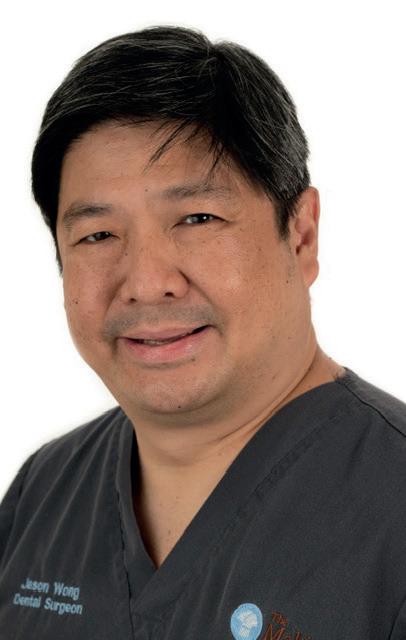
@dentistryshowCS
Dentistry Shows
The Dentistry Show
@dentistryshowCS
Dentistry Shows
The Dentistry Show
@dentistryshowCS
Dentistry Shows
The Dentistry Show

Gain more, grow faster, get ahead.
Dentistry Show London stands at the centre of a profession in transformation. As AI reshapes diagnostics, private dentistry grows, workforce dynamics evolve, and NHS reform shapes care, DSL unites the sector to navigate what’s next. With 100+ leading speakers, 100+ hours of Enhanced CPD education, and 180+ exhibitors, it delivers practical insights, new connections, and real opportunities, helping practices and teams thrive in a rapidly changing UK dental landscape.

london.dentistryshow.co.uk


The 2026 Dental Awards marks the 28th edition of this prestigious event that, for more than quarter of a century, has sought to recognise the outstanding individuals and teams whose dedication and drive continues to raise standards throughout the UK dentistry profession.
Winning or becoming a finalist in the Dental Awards is a tremendous accolade that provides a significant boost to the profile of a practice. Not only is the event an opportunity to share in the happiness and success of those who win an award, but it offers the chance to see what fellow dental professionals are doing across the United Kingdom.
Winner: Dr Chloe Harrington-Taylor
Dr Chloe Harrington-Taylor is a truly remarkable denstist, whose passion has shone through during The Dental Awards for several years. Chloe was highly commended last year in this category, and the year before that won the accolade of Young Dentist of the Year. We surely haven’t seen the last of Chloe yet… Many congratulations once again to Dr Chloe HarringtonTaylor, The Dental Awards’ Dentist of the Year 2026.
Highly Commended: Dr Sulaman Anwar
Finalists: Nida Kamal
Dr Wajiha Basir
Young Dentist of the Year
Winner: Awaz Sharief
Many congratulations to Awaz. The judges were impressed by the consistency Awaz has shown in working to improve within the dentistry profession.
Highly Commended: Bethan Elvins
Simran Bains
Commended: Paul Midha
Dr Riaz Sharif
The Dental Awards presentation, which streamed on the-probe.co.uk, as well as on The Probe’s Youtube channel, is available to watch on-demand now. Scan the QR code below to see the winners of The Dental Awards 2026 react to their victories, as well as to discover who was named a finalist in each of the 13 hotly contested categories.
The Dental Awards is sponsored by B.A. International, Colosseum Dental, Dental Elite, Tempdent, and Waterpik, and is presented in association with the Oral Health Foundation, ADAM, BACDT, BADN, BADT, BSDHT, and CDTA.
For more, scan the QR code below to visit the-probe.co.uk/awards/the-dental-awards-2026/
To see the full list of our winners, highly commended, and finalists, and to watch the 2026 Dental Awards Presentation, scan the QR code or visit:
https://the-probe.co.uk/awards/the-dental-awards-2026/
Dental Therapist of the Year – in association with BADT
Winner: Imogen Johnson
Congratulations to Imogen, who impressed judge Debbie Hemington with an excellent entry, demonstrating drive and ambition and breaking barriers. Rhiannon Jones meanwhile was complimentary of the variety of evidence presented and an obvious passion for the role, citing an appreciation for Imogen’s comments about advocacy via the professional organisations and her understanding of how dental therapists can progress together.
Highly Commended: Gulab Singh
Commended: Gemma Cowen
Finalists: Sandy Kaur Khaira
Dental Hygienist of the Year – in association wiht BSDHT
Winner: Rhianna Clarke
Rhianna impressed the judges with an excellent case study in which she took on a challenging patient with multiple considerations to be taken into account. Overall, Rhianna won over some comprehensive submissions and engaging presentation styles.

Highly Commended: Gemma O’Callaghan
Commended: Rafina O’Brien
Finalists: Sandy Kaur Khaira
Lauren Chipman
Dental Nurse of the Year – in association with BADN
Winner: Adrien Chabaud
Judges Preetee Hylton and Rebecca Silver explained that Adrien showed a true passion and desire for dental nursing, going above and beyond what is expected. His commitment to bettering himself and being proactive in the world of dentistry are key to why he won the award for dental nurse of the year.
Highly Commended: Kelly Hunter
Elizabeth Brumby Commended: Anjali Kale
Keischa Gonzales





Dental Elite provides expert support at every stage of your dental practice sale.
Recently, the team assisted Michael Fahami when he decided to sell his practice, finding a suitable buyer, and taking care of the paperwork.
Michael commented:
“I had previously worked with Dental Elite when purchasing a practice, so it made sense to use them again when selling my business. The experience was excellent - support was always available, they introduced the right buyer, and supported with the CQC application.
“The team are knowledgeable, responsive, and genuinely understand the process of buying and selling dental practices. Special thanks to
Anil, Lottie and Sophie, who were all brilliant throughout.”
No matter what your reason may be for selling your practice, contact the helpful team at Dental Elite to ensure the best possible experience.
Elevate your oral hygiene knowledge and better support your patients by completing the iTOP programme from Curaden.
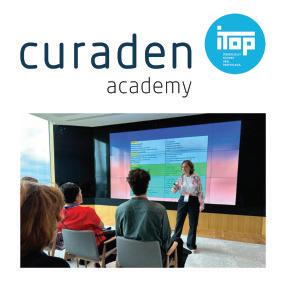
For more information on Dental Elite visit www. dentalelite.co.uk, email info@dentalelite.co.uk or call 01788 545 900.
dentalelite.co.uk
Keeping on top of clinical waste workflows is made simple with guidance and solutions from Initial Medical, including the eco-friendly Griff Pac waste container range.
It offers a 25% reduction in CO2 emissions during production, and a 64% reduction in CO2 emissions from raw materials. Importantly, Griff Pac solutions are colour-coded in line with current regulations, ensuring each waste item can be appropriately segregated.
These containers are made from corrugated polypropylene with an integral HDPE liner, which ensures they are suitable for storing both dry and wet waste.
The Initial Medical team have vital expertise in creating clearly defined waste workflows,
The STRIVE programme from Clyde Munro is a fantastic way for aspiring dental nurses to build a long and prosperous career in dentistry.
It is a 12-month, fully-funded training scheme that gives individuals all the skills and experience they need to work successfully as a dental nurse in modern practice. Hands-on education is delivered in clinical and administrative areas, with support available throughout to help individuals achieve their SVQ qualification in Dental Nursing.
Practical sessions are held in the Advanced Dentistry & Clinical Skills Centre, which features cutting-edge technologies and teaching facilities for an exceptional learning experience. The programme also provides access to the
For a preventive, patient-pleasing solution for oral hygiene treatments, choose 3M™ Clinpro™ Clear Fluoride Treatment from Solventum.
The water-based and rosin-free formula is simple to apply, with an innovative L-Pop™ single dose delivery system aiding clinical control. With a smooth application across the dentition, care is simple and comfortable, and enhanced by three different flavour choices.
Clinical research shows that the lower fluoride concentration is 100% soluble, which results in a greater amount of deposited fluoride when compared with similar products. This not only supports patients’ intake of the mineral, but can streamline appointment times.
and they are always on hand for queries. Whether you need advice on implementing regulations safely or are interested in learning about our waste collection service, contact us today to step up your clinical waste workflows.
To find out more, get in touch at 0808 304 7411 or visit the website today: www.initial.co.uk/medical
initial.co.uk/medical
comprehensive suite of training resources from Ident Training, Clyde Munro’s partner for additional training needs.
To get started in 2026, find out more today!
To find out more about the STRIVE programme at Clyde Munro, please visit https://careers. clydemunrodental.com/strive-programme/
careers.clydemunrodental.com/strive-programme
Find out more when you contact the Solventum team and request a product demonstration or further information today.
To learn more about Solventum, please visit www.solventum.com/en-gb/home/oral-care/ For more updates on trends, information and events follow us on Instagram at @ solventumdentalUK and @solventumorthodonticsemea
solventum.com/en-gb/home/oral-care/
Dental practitioners can treat patients, but teaching them the correct techniques for oral prophylaxis can prevent problems from happening in the first place. This is the purpose of each iTOP seminar: to rethink how oral hygiene routines can be taught and followed.
The iTOP programme has grown to accommodate more tailored patient challenges. This includes an Ortho Introductory and an Implant Introductory seminar to equip dental practitioners with the tools to guide patients throughout their treatment journey for long-lasting hygiene outcomes.
Dental and dental hygiene students can also get involved with the iTOP for Students seminar, ensuring that a lifetime of first-class oral hygiene support lies ahead.
Meeting the demands of differing skill levels and treatment types, Curaden’s iTOP programme continues to revolutionise oral health education for both practitioner and patient – book your session today.
For more information about iTOP courses and to book your place on one, please visit The Curaden Academy website http://www.curadenacademy.com/
To arrange a Practice Educational Meeting with your Curaden Development Manager please email us on sales@curaden.co.uk
curadenacademy.com
Save the date in March 2027!
Mark your diaries for next year – BDIA Dental Showcase returns to the Excel London on 5th–6th March 2027, with clinicians gaining exclusive opportunities to advance their skills, network, and find the latest additions for their practice.
BDIA Dental Showcase hosts the industry under one roof, with hands-on workshops and in-person lectures laying the foundation for two days of in-depth learning. Clinicians can hear from experienced dental professionals, business leaders, and much more, with free-to-attend lectures occupying every minute of the weekend.
Plus, 200+ industry exhibitors are on hand with their innovative solutions, covering everything from restorative materials to dental treatment centres.
At BDIA Dental Showcase 2026, Dr Karen Gangotra, Director Principal at Smilessence said:
“The show has been good, with many companies showing their up-to-date products. I’ve been loving the freebie lectures!”
Register your interest for BDIA Dental Showcase online today.
For more information about BDIA Dental Showcase and future events, please visit www.dentalshowcase.com 5th-6th March 2027, Excel London
dentalshowcase.com
Orajel® makes pain relief simple for patients awaiting a dental appointment for a broken tooth or any tooth that needs a filling.
The topical gel is simply:
• Squeezed onto a clean finger or swab as a pea-sized amount
• Applied to the area of pain
• Job done
Orajel® gets to work in just 2 minutes, providing reliable relief from discomfort. This is significantly faster than alternative pain management options at home, which can typically take much longer to take effect.
Orajel® Dental Gel contains 10% benzocaine to
afford powerful local anaesthetic exactly where it’s needed. Find out more today. For essential information, and to see the full range of Orajel products, please visit: https://www.orajelhcp.co.uk/
Enter the TANDEX Quiz – keeps you smiling!
TANDEX is thrilled to invite you to participate in the latest TANDEX Quiz – keeps you smiling!
The quiz offers dental professionals – from hygienists and dental nurses to clinicians and more – the opportunity to win a FREE TANDEX FLEXI Educator Kit!
The kit itself includes a plethora of FLEXI Interdental brush sizes; colour coordinated for ease-of-use. It is a fantastic education bridge between patients and practitioners, supporting the correct guidance and building on healthy, repeatable habits.
Entering is simple, with participants being asked to complete a short form and clinical questionnaire. A monthly draw will take place
Support edentulous patients with temporomandibular joint disorder (TMD) by recommending the OraStretch® Press Rehab System from Total TMJ.
As tooth loss can harm overall health by limiting mastication and diet quality, edentulous patients must be supported where possible to improve their quality of life, especially those with TMD.
The OraStretch® Press is a reliable device for home rehabilitation of the temporomandibular joint (TMJ), reducing pain and increasing the overall range of jaw motion. It is available with edentulous bite pads to accommodate patients with missing teeth. These tailored pads act as a cushion against the gingivae, promoting

orajelhcp.co.uk
on the last Friday of each month – one entry each! Find out more about this exciting opportunity – contact the team today!
Enter the quiz by scanning the code or following this link https://form1.tandex.de/
For more information on Tandex’s range of products, visit https://tandex.dk/ Our products are also available from DHB Oral Healthcare https://dhb.co.uk/
tandex.dk
comfort and compliance for optimal outcomes.
Easy to wash and reuse, the bite pads are an invaluable aide for supporting TMD patients with edentulism. Recommend today and provide the perfect solution to restoring quality of life.
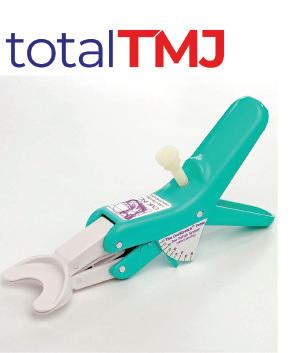
For more details about Total TMJ and the products available, please email: info@totaltmj.co.uk
info@totaltmj.co.uk
The new Waterpik™ Implant Denture Tip transforms home care for patients with fixed implant bridges and dentures, allowing access to critical hard-to-reach areas.
This uniquely engineered curved design reaches underneath and around implant prosthetics, removing plaque and food debris from previously inaccessible zones. When combined with the Waterpik™ Ultra Professional water flosser, clinical evidence demonstrates removal of up to 99.9% of plaque from treated areas while also reaching deep below the gumline.
For patients investing significantly in implant treatment, proper maintenance proves essential to long-term success. The Implant Denture Tip provides a safe, effective, and simple to use
solution – far superior to the struggles of traditional string floss or interdental brushes around fixed prosthetics. Each pack includes two colour-coded tips (replacement recommended every six months). Compatible exclusively with the Waterpik™ Ultra Professional model, allowing precise tip placement and optimal results.
Protect implant investments with clinically proven cleaning technology designed specifically for this demanding post-surgery routine. Find out more today by visiting the Waterpik™ website.
waterpik.co.uk
Dental Elite “made everything super easy”
For over 15 years, the team at Dental Elite have supported candidates in finding their next dental role.
Backed by an unmatched knowledge of the industry, the recruitment team at Dental Elite are specialists in creating the perfect match.
With a unique catalogue of both locum and permanent candidates on their books at any given time, and a wide selection of vacancies including roles for dental nurses, dental hygienists, associate dentists, practice managers, and more, the Dental Elite team pre-screen applicants to ensure suitability for each role.
After recently utilising their support, a professional left Dental Elite a 5-star Google review, commenting:
“Kerry [Dunn] at Dental Elite was amazing! She helped me find a dental trainee nurse job at a great practice and made everything super easy. She kept in touch the whole time and really listened to what I wanted. Definitely recommend her!”
Whether you’re relocating, seeking a full-time role, or locum work, contact the team today.
For more information on Dental Elite visit www.dentalelite.co.uk, email info@dentalelite. co.uk or call 01788 545 900.
dentalelite.co.uk
Simple precision: the SOLO by TANDEX
The SOLO by TANDEX is a purpose-designed brush, meticulously engineered to target the hardest-to-reach areas that a normal toothbrush could simply not. This includes cleaning the gumline, interdental spaces (especially large interdental spaces), molars, erupting teeth, bridges, and braces.
The nylon bristles absorb water for the best brushing results and are gentle on teeth and gingiva, without compromising an effective clean. Better yet, the handmade bristles are conical and stepped with rounded tips, intended to deliver targeted cleaning while ensuring a gentle interaction with enamel and gingival tissues.
The design also involves a firm handle material and angled head, supporting functionality and ease of use.
For even more remarkable preventive care, SOLO can be used in combination with TANDEX PREVENT Gel, encouraging even further preventive support for oral health.
Find out more about the exciting TANDEX competition and other remarkable TANDEX products that take patient experiences to the next level!
Enter the quiz by following this link: https://form1.tandex.de
Our products are also available from DHB Oral Healthcare https://dhb.co.uk/
https://form1.tandex.de

Cat Edney Dental Therapist
I’ve really enjoyed using the NSK Varios Combi Pro2 in surgery. The titanium handpiece feels incredibly comfortable with a great grip texture, making it very easy to work with. My patients love the comfort it provides too, thanks to its precise technology and warm water. The addition of multiple types of powder therapy, along with the ability to switch between higher and lower power settings, means I can truly tailor care to each patient’s individual needs. The CLM cleaning function is also a real standout feature. It’s quick and easy to use, helps keep the machine in excellent condition, and provides a fail-safe mechanism so you can feel confident it is always safe and ready for patient use.



I’ve been really impressed with the NSK Varios Combi Pro2. The quality is fantastic - it feels incredibly well built and reliable in daily practice. It’s very easy to maintain, which makes a big difference in a busy clinical setting. One of the biggest benefits for me has been the warm water feature; many patients who previously needed local anaesthetic due to sensitivity are now able to tolerate treatment comfortably It’s made a noticeable difference to the patient experience and overall comfort during treatment. The unique water line cleaning with the CLM module means I can be confident that I have done everything to make sure the VCP2 is safe to use.

Long for water line healthy. It is a minimally invasive approach
Gulab Singh
Hygienist & Dental Therapist



As a Dental Hygienist and Dental Therapist, my NSK Varios Combi Pro2 has transformed the way I deliver preventive and periodontal care. The seamless integration of ultrasonic scaling and powder therapy allows efficient biofilm management while improving patient comfort. The CLM function for auto purging with disinfection solution keeping the versatile and reliable system that supports a to oral healthcare.

Say hello to an evolution in ultrasonic and powder therapy.

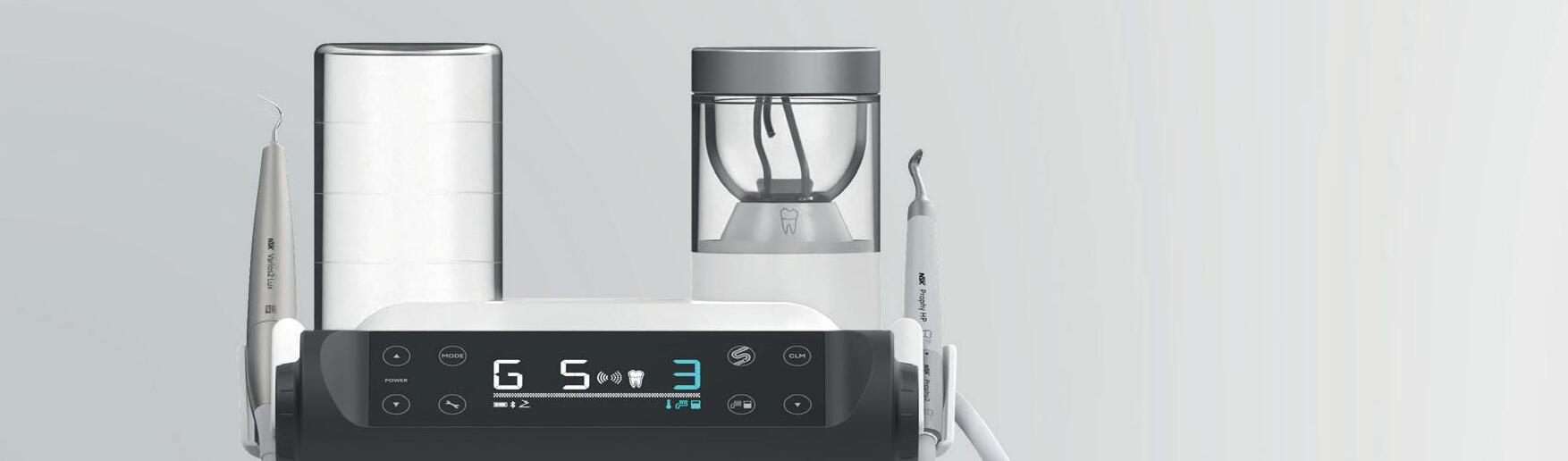

Gentle yet powerful, reliable and exceptionally durable, Varios Combi Pro2 has a host of advanced features designed to improve efficiency, control and enhance patient comfort.
Engineered with meticulous attention to detail, Varios Combi Pro2 is an investment in clinical excellence and in the health of your patients.