Re-Evaluate Rinse
It’s Time For An Evidence-Based Recommendation
Clinically-Proven Essential Oils Help Eliminate Bacteria1





Systematic reviews, meta-analyses, the European Federation of Periodontology S3 level clinical practice guidelines, and a recent consensus report from global experts, convened by Spanish Society of Periodontology and Osseointegration (SEPA)*, support the adjunctive use of antiseptic mouth rinses.1-3





1 2


*Sponsored by LISTERINE®


M.L., McGuire, J.A., DelSasso, A. et al. Efficacy of flossing and mouth rinsing regimens on plaque and gingivitis: a randomized clinical trial. BMC Oral Health 24, 178 (2024).
Bosma,
Figuero, E., S. Roldan, J. Serrano, M. Escribano, C. Martin and P. Preshaw (2020). "Efficacy of adjunctive therapy in patients with gingival inflammation. A systematic review and meta-analysis."
(2014).
performance patients need. The name professionals recommend.


Not all water flossers are created equal. Recommend by name.
Industry leader
Recognised as the #1 selling water flosser brand in the UK and in the world.
Recommended by experts
The most recommended water flosser brand by dental professionals and the only one approved by the Oral Health Foundation.
Backed by science
Supported by over 80+ clinical research studies. Clinically proven to remove up to 99.9% of plaque bacteria in treated areas* and be 2X as effective as string floss for improving gum health.
Standing the test of time
With 60 years of innovation, WaterpikTM has been committed to a professional- level clean for over half a century. *based on laboratory data, data on file


Removes up to 99.9% of plaque bacteria from treated areas*
*based on laboratory data, data on file

Reduces gingivitis up to 50% more than string floss†
Helps implant gum health up to 2x more than brushing and string flossing†
Cleans plaque around braces up to 5x better than brushing alone†
†Data


IJames Cooke T: 01732 371 581 E: james.cooke@purplems.com http://www.smile-ohm.co.uk/
t’s been a busy time of year for the dental professions. The Dentistry Show in Birmingham took place this month and, by many accounts, was the busiest dental exhibition since the pandemic. We’ve summed the show up in just a single word, which was tougher than you might think. Watch our video by scanning the QR code on the page opposite.
SUBSCRIBE TO SMILE
Rates: UK £39.95 per year; Overseas £83 - all cheques in sterling drawn on a UK bank made payable to ‘Smile’. 8 issues including 16 hrs CPD £39.95

Published by Purple Media Solutions
The Old School House, St Stephen’s Street Tonbridge, Kent TN9 2AD Tel: 01732 371 570
Managing Editor James Cooke james.cooke @purplems.com Tel: 01732 371 581
Commercial Director Gary Henson gary.henson@purplems.com Tel: 07803 505208
Production and Designer 1 Lorna Reekie lorna reekie @purplems.com Tel: 01732 371 584
Production and Designer 2 Rob Tremain rob.tremain@purplems.com


We have also revealed the winners and finalists of the 2025 Dental Awards. Head over to page 34 to discover who took home the trophies in five of the 12 categories. The other seven will be featured in next issue, but you can head to https://tinyurl.com/DentAw2025 now to see the full list and watch the full presentation.
We are also in the midst of National Smile Month, which was launched last month in Central London. What have you been doing to mark the occasion and raise awareness?
Enjoy the issue!
a result of using information printed in this magazine. The views expressed in Smile OHM Magazine are not necessarily the views of the magazine, nor of Purple Media Solutions Editorial Advisory Board: Dr Barry Oulton, B.Ch.D. DPDS MNLP; Dr Graham Barnby, BDS, DGDP RCS; Dr Ewa Rozwadowska, BDS; Dr Yogi Savania BChD, MFGDP; Dr Ashok Sethi, BDS, DGDP (UK), MGDS RCS; Dr Paroo Mistry BDS MFDS MSc MOrth FDS (orth); Dr Tim Sunnucks, BDS DRDP; Dr Jason Burns, BDS, LDS, DGDP (UK), DFO, MSc; Prof Phillip Dowell, BDS, MScD, DGDP RCS, FICD; Dr Nigel Taylor MDSc, BDS, FDS RCS(Eng), M’Orth RCS(Eng), D’Orth RCS(Eng); Mark Wright BDS(Lon), DGDP RCS(UK), Dip Imp Dent.RCS (Eng) Adv. Cert, FICD; Dr Yasminder Virdee, BDS.

ORAL HEALTH


in association with:

Other titles include:
Divisional Administrator Francesca Smith francesca.smith@purplems.com Tel: 01732 371 570
Circulation Manager Andy Kirk
Managing Director Ed Hunt ed.hunt@purplems.com Tel: 01732 371 577


Call for urgent labelling reform to protect oral health
Patients are unknowingly putting their oral and general health at risk by missing hidden sugars on food labels, prompting urgent calls for clearer labelling and stronger regulation. The Oral Health Foundation is calling on the government to introduce mandatory front-of-pack sugar warnings, enforce consistent naming for added sugars across all products, and lead a public education campaign to help people recognise and reduce their sugar intake.
The charity says current food labels are too complex and inconsistent, making it difficult for consumers to make informed choices about their health.
New research from the Oral Health Foundation reveals that just one-in-five (19%) UK adults always check food labels for sugar content – despite tooth decay being the nation’s most common and entirely preventable disease.
The findings, released during National Smile Month, show a worrying trend of confusion and complacency around sugar. While many people keep an eye on calories or fat, fewer than one-inthree (29%) regularly check how much sugar is in their food. Alarmingly, around one-in-six (17%) never check sugar content at all.
Dr Nigel Carter, Chief Executive of the Oral Health Foundation, says the public is being “caught off guard by sugar in everyday foods”, and that industry and government have failed to provide the tools people need to make informed choices.
Dr Carter says: “People are trying to make healthier decisions, but the information they need just isn’t clear enough. Sugar is everywhere – not just in sweets, but in cereals, sauces, yoghurts and ready meals – often hidden under misleading names.
“We need simple, honest labelling that makes sugar content impossible to miss. This is a matter of public health.”

Current food labelling rules allow manufacturers to obscure added sugars under technical or unfamiliar names like glucose, dextrose and maltose. Traffic light labelling, portion sizes and daily intake guidance remain underused – partly because the systems are inconsistent and overly complex.
Despite being designed to support healthier choices, fewer than one-in-three (29%) people use traffic light labels to assess sugar content. Fewer than half (46%) check the ingredients list, where added sugars are commonly disguised. Only onein-four (26%) look at the grams of sugar per portion, while just one-in-eight (13%) pay attention to the recommended daily intake.
The Oral Health Foundation says the UK needs a “complete rethink” on how food and drink products are labelled, with sugar given the same level of visibility and concern as fat or calories.
“We’re calling for a national effort – from government, food companies, and educators – to empower people with clearer information,” says Dr Carter. “We must stop treating sugar like a harmless treat and start recognising it as a serious health threat. Labelling reform is just the beginning.” n
UK dental health crisis hits women hardest, says Women’s Institute
Alack of access to NHS dental care is hitting women hardest and deepening a uniquely gendered health crisis, claims a new report from the Women’s Institute (WI) – launched in Parliament on Wednesday 23 April.

The report casts a stark light on the hidden experiences of women who are often the designated primary caregivers for their families and yet are left battling to access dental care, often sacrificing their own health to support their
It also
the
oral health challenges women face compared to men.
Research produced from a survey of c1000 WI members is the first of its kind to highlight that a lack of NHS dental services is having a devastating impact on women.
The report highlights that women are:
• Sacrificing seeing a dentist themselves to afford private dental care for their loved ones due to the lack of access to NHS dentistry.
• Self-medicating with online-purchased temporary fillings, over the counter remedies, and overdosing on painkillers to alleviate oral pain.
• Forced to go to A&E for dental pain due to a lack of access to preventative care, including severe infections.
• Travelling up to 250 miles across the UK and even abroad to find affordable dental care,
• Taking loans, using credit cards, and even downsizing homes to release income to afford dental care.
• Missing out on vital dental care during pregnancies and failing to find any dentists willing to see their children as NHS patients.
The WI’s Dental Health Matters campaign, calls on the government to recognise and act on the impact of this dental health crisis on women, caused by a dental health service unfit for purpose – by reviewing NHS contracts and providing more dental training places. n
GDC reports increase in registered dental professionals
The General Dental Council (GDC) has published its annual Registration Statistical Report for 2024, showing an increase in the number of dental professionals on the register.
The report, which includes comparison data from previous years, highlights that in December 2024 there were 125,736 dental professionals, made up of 46,362 dentists and 79,374 dental care professionals, on its register.
The most significant change in the register was the 23.5% increase in dental therapists with 1,402 new registrations, and the 9.6% increase in dental hygienists, with 921 new registrations. The number of dental nurses increased by 3,349 (5.4%).
The regulator’s report indicates that 53% of dentists who joined the register in 2024 were UK-qualified, 30% were EEA or rest of world qualified and 16% came through the Overseas Registration Examination (ORE) route.
Although the number of dental professionals increased overall, the number of dental technicians declined for the fifth year in a row, with only 5,025 now registered and almost 10% fewer dental technicians compared to 2020.
The GDC’s Registration teams assessed 12,978 applications across all routes, an increase of 13.1% on the previous highest number of applications processed in 2023 (11,476).
There were 9,888 additions to the registers in 2024 (2,164 dentists and 7,724 DCPs).
Dental nurses make up over 50% of all those registered with the GDC. n
In A Word:
British Dental Conference & Dentistry Show 2025
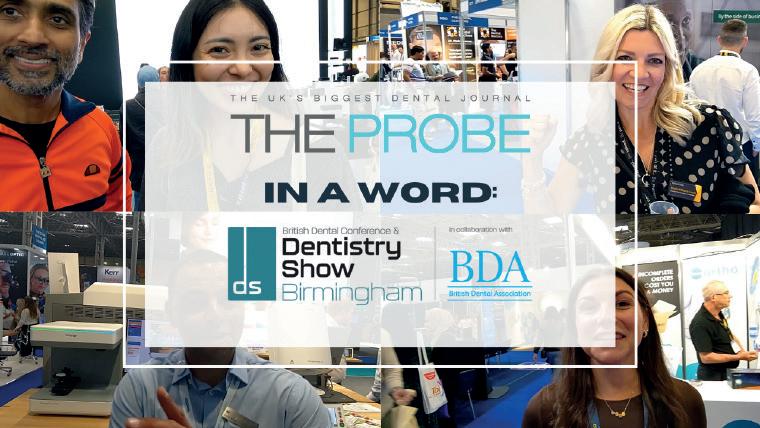
What better way could there be to sum up the Dentistry Show 2025 than by asking some of the exhibitors and attendees to describe the exhibition in a single word? With so much going on, it was tougher than you might think!
loved ones.
reveals
unique
Why community matters in dentistry
In this Q&A, BSDHT President Rhiannon Jones explains how connection and peer support are helping dental hygienists and dental therapists feel more confident, less isolated and more fulfilled in their careers

Dentistry is such a people-focused profession, but many clinicians still feel isolated. Why do you think that is?
It’s something we hear often. Even though we’re constantly engaging with patients, it can still feel like we’re working alone. For dental hygienists and dental therapists in particular, the structure of our roles often means moving between practices or working to separate appointment books. That reduces our opportunities to connect with colleagues in a meaningful way.
When that lack of connection builds up, it can affect our wellbeing. A recent Dental Protection survey found that almost two-thirds of dental professionals in the UK feel frequently burnt out or exhausted. That’s a major issue, and it reminds us that taking care of each other is just as important as taking care of our patients.
What difference can a strong professional network make?
A huge one. When you feel supported by people who understand your role, it becomes easier to manage day-to-day challenges and stay motivated. Peer support offers perspective and encouragement. It helps you grow, feel more confident in your clinical decisions and build trust in your own voice. That sense of connection also gives you space to talk through things that might be difficult to raise elsewhere, whether that’s clinical dilemmas, patient communication or getting to grips with new responsibilities. We all benefit from having people to talk to who really get it.
How does BSDHT help to provide that kind of support?
Our regional groups are a great example. There are
To find your local BSDHT group or see upcoming study days, visit: www.bsdht.org.uk/regional-groups.
To learn more about BSDHT’s Coaching and Mentoring Programme, visit: www.bsdht.org.uk/mentoring.
12 across the UK, each led by dedicated volunteers who understand the value of local, face-to-face connection. They run study days that bring people together in relaxed, supportive environments. These events combine meaningful CPD with the chance to talk openly with others in the profession. And you don’t need to be a BSDHT member to come along; they’re inclusive by design. That’s really important, because sometimes it’s when you’re still finding your feet that you need that community most.
And how are these events being received?
The feedback is consistently positive. When we reviewed several recent regional events, we found that attendees really appreciated being able to “talk freely”, “meet like-minded professionals” and “learn in a warm, welcoming setting”. That tells us we’re creating spaces that people trust.
We’ve also seen a rise in attendance from earlycareer dental hygienists and dental therapists. Often, they come to a study day and then keep coming back because they’ve found something valuable — not just the CPD, but the human connection.
How does peer support influence patient care? It’s closely linked. When we’re supported and connected, we’re more likely to share ideas, seek advice and grow as practitioners. That leads to stronger clinical decision-making and more collaborative working, which patients benefit from directly.
This is especially true in preventive care, where we play a central role. Being part of a community helps us align our messages, adapt our techniques, and keep learning from each other, which ultimately improves the care we provide.
Do you think these kinds of connections can shape your career in the long term?
Definitely. They give you the space to reflect on what matters to you and how you want to grow. For many dental hygienists and dental therapists, that might mean exploring special interests, taking on mentoring roles or even getting involved in wider professional advocacy.
The BSDHT also offers a Coaching and Mentoring Programme for members who are looking for more focused, one-to-one support. It’s a confidential way to explore your goals, talk things through with someone who understands the profession, and take the next step with more clarity and confidence. When you surround yourself with people who lift you up, you start to see new possibilities. You realise that your voice has value and that you’re part of a community that genuinely wants you to thrive. That confidence builds over time, and it often starts with just showing up and having that first conversation.
What would you say to a dental hygienist or dental therapist who hasn’t yet connected with a professional group?
Just come along. You don’t need to prepare anything or know anyone. The groups are friendly, welcoming and open to everyone, even if you’re not a member yet.
That first step might feel a little daunting, but the rewards are huge. You’ll meet people who understand your world, share your challenges, and want to help you succeed. It’s a reminder that you’re part of something bigger, and that you don’t have to do it alone.
Reference https://www.dentalprotection.org/uk/articles/twothirds-of-dental-professionals--burnt-out-andexhausted n
ABOUT THE AUTHOR
RHIANNON JONES
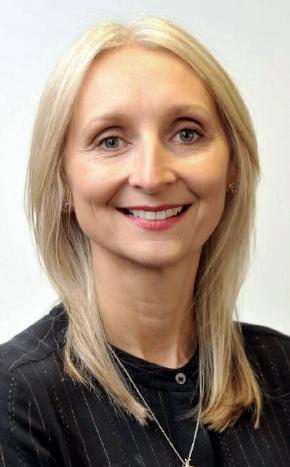
Rhiannon is the President of the British Society of Dental Hygiene & Therapy.

Re-examining the environmental footprint of electric toothbrushes


When electric toothbrushes first entered the consumer market in the 1960s, they were hailed as technical marvels. Over the decades, however, they have evolved into everyday essentials for many patients –especially with strong clinical evidence supporting their superior plaque removal and improved oral hygiene outcomes compared to manual brushes. For us as dental professionals, recommending electric toothbrushes has become second nature.
But, as the climate crisis deepens and consumer attitudes shift towards sustainability, we should take a more holistic view of our recommendations. Are electric toothbrushes still the right call when environmental impact is part of the conversation?
This article doesn’t aim to vilify innovation – far from it. Rather, we want to open a space for dialogue and reflection about how our profession can balance efficacy with ethics and clinical outcomes with planetary health.
A short history of a big idea
The first electric toothbrush, the Broxodent, was developed in Switzerland for patients with limited motor skills. Since then, its evolution has been nothing short of extraordinary. Modern iterations boast pressure sensors, timers, oscillating-rotating or sonic technology, Bluetooth connectivity… and marketing budgets to match.
Sales in the UK continue to rise, with electric toothbrush penetration exceeding 60% in some demographics. Their clinical benefits are well documented, particularly among those with limited dexterity or periodontal concerns. For professionals, they offer a straightforward intervention that can dramatically improve outcomes.
But for all the praise, we’ve seldom questioned the cost beyond the patient’s wallet.
Brushing up on the environmental toll
Electric toothbrushes have a far larger environmental footprint than their manual counterparts. Combining electronic components, lithium-ion batteries, plastic housings, and charging docks introduces significant manufacturing and disposal challenges. A 2020 lifecycle analysis from the British Dental Journal found that electric toothbrushes generate five times more carbon emissions than plastic manual brushes across their lifespan and 11 times more than bamboo brushes.
Further complicating the matter is end-of-life disposal. Many electric toothbrushes are not easily recyclable due to the mixture of materials, especially when batteries are sealed inside the handle. While some brands offer take-back schemes or mail-in recycling programmes, awareness and uptake remain low.
When added to the mountains of single-use plastics and the ever-growing pile of e-waste, this narrative deserves our attention – not to discourage use outright but to reconsider our role in shaping sustainable behaviours.
Between efficacy and ethics
So where does this leave dental professionals?
We know electric toothbrushes help reduce plaque and gingivitis – and in clinical practice, that matters. But perhaps it’s time to move beyond a binary recommendation model. Sustainability doesn’t have to mean compromise. It means nuance. It means transparency.
Could we better educate patients about responsible disposal? Could we encourage product longevity through head replacements instead of full unit swaps? Could we reward brands that build repairable, modular, or recyclable devices and challenge others to meet that standard?
There is also a growing market for hybrid brushes – powered models without internal batteries or those made with more sustainable materials. They’re not always perfect, but they show there is demand for better.
We have the platform to advocate for change, not only in behaviours but in industry standards. Engaging manufacturers and policymakers can help drive sustainable innovation without sacrificing patient care.
Signs of progress: industry steps up
Encouragingly, just like in many other sectors, electric toothbrush manufacturers are beginning to respond to growing environmental concerns. Driven by consumer demand and increasing regulatory scrutiny, several leading oral care brands are investing in more sustainable design, materials, and manufacturing processes.
Some companies have introduced recycling partnerships with specialist waste firms, while others are developing brushes with replaceable
or recyclable components to extend product life and reduce landfill waste. There’s also a movement towards using recycled plastics in packaging and brush handles, and reducing the carbon intensity of production lines through renewable energy.
These may be early steps, but they are significant. The ambition and will are clearly there. What’s more, major players in the oral care industry are starting to embed sustainability into their core business ethics – not simply as a marketing afterthought, but as a long-term innovation goal.
Is the market changing quickly? Perhaps not. But it’s changing – and that matters. Like many industries grappling with sustainability, the transition won’t happen overnight. But momentum is building, and manufacturers are committing more research and resources towards greener products and more circular systems.
Leading a profession that leads by example Patients increasingly care about sustainability and expect the same from the professionals they trust. If we dismiss those concerns as peripheral, we risk eroding that trust.
Environmental responsibility doesn’t require abandoning clinically effective tools. It asks us to contextualise them, to explain their pros and cons, and to offer alternatives where appropriate.
As dental professionals, we’ve always balanced science with judgement. We look at the whole patient. Maybe it’s time we started looking at the entire picture, too – including the environmental costs of our most trusted tools.
Because brushing shouldn’t cost the earth, and with the right information, it doesn’t have to. n
ABOUT THE AUTHOR
KAREN COATES
RDN CERT OHE IS THE ORAL HEALTH CONTENT SPECIALISTAT ORAL HEALTH FOUNDATION.


But your recommendation can make a big difference.


Turning off and simple is as instant sensitivity pain as a flick of a switch




*Colgate Brand, UK Dentist Survey, 2023. To verify, contact: ukverification@colpal.com.





References: 1. PRO-ARGIN technology vs stannous fluoride/sodium fluoride technology, in vitro study, confocal images after 5 treatments. Liu Y, et al. J Dent Res. 2022;101(Spec Iss B):80. apply directly to the sensitive tooth with fingertip and gently massage for 1 minute. Supported by a subanalysis of Nathoo S, et al 2009. Data show that 42 subjects out of 42 (100% or 10 out of 10) experienced immediate sensitivity relief on both tactile and air blast measures after a single direct topical self-application using the fingertip and massaging. Subanalysis of Nathoo S, et al 2009 (CRO-2009-01-SEN-IARG2ED; Nathoo S, et al. J Clin Dent. 2009;20(4):123-30). With 4 weeks of continued use. Supported by a subanalysis of Docimo R, et al 2009. At 4 weeks, 40 out of 40 subjects (100%, 10 out of 10) achieved lasting sensitivity relief on both tactile and air blast measures. Subanalysis of Docimo R, et al. J Clin Dent. 2009;20(1): 17-22.
2. For instant relief, 3.





more in vitro tubule occlusion vs competitive technology 1 1.5X of patients experienced instant 2 and long-lasting pain relief 3
100%








Lip blushing
Lip blushing’ has become a huge trend on Tik Tok and the demand for permanent lipstick is now so high there was even a live demonstration on ITV’s This Morning recently. But what exactly is it and should we be concerned for our patient’s welfare?
Lipstick and lip liner tattoos (AKA lip blushing) are a type of permanent makeup. Lip liner tattoos can usually make the lips look fuller, providing a more youthful and vibrant appearance (lips tend to naturally lose pigmentation over time with age) while lipstick tattoos can eliminate or minimise the need for putting on regular lipstick every morning.
Cosmetic lip tattoos are applied like a conventional tattoo with a machine used on a low setting to deposit pigment underneath the vermilion/vermillion border and, just like choosing a lipstick colour, they are customised to an individual’s skin tone. The goal is to enhance the lips by defining their regular shape for better symmetry and bringing out the natural colour for a ‘bitten lip’ effect. Lip blushing should give the illusion of bigger, fuller lips with a soft, shaded-in colour. Unlike filler, it does not actually alter the size and shape of the lips (which could make access difficult during dental treatment). If patients are dithering between the two, they should think about the results they want. If they want bigger lips, opt for filler. If they want natural lips with a touch of colour, choose lip blushing. The good news is, if they want both – they just have to wait a few weeks between procedures!
How long do they last?
The colour does grow fainter with time, as the lips produce new epithelial cells and older cells slough off. Also, permanent makeup tattoos often use pigment rather than tattoo ink, which creates a more natural look but speeds up the rate at which the colour fades. Lip blushing typically lasts anywhere from one to three years. However, anyone considering the procedure should keep in mind that the results may be long lasting and if they do not like the effect, there are few options, apart from waiting for it to fade, as most tattoo removal methods are too invasive for such a sensitive area.
Cost
Always avoid shopping based on price. Lip blushing is not cheap and nor should it be! It is a tattoo and, as such, will occupy pride of place on their face for at least a year and possibly forever. Lip blushing costs between £250 and £400, and a reputable practitioner will include a 4-6 week touch up in the charge.
Risks
Advocates for lip blushing will claim that it is convenient, super trendy, and fairly inexpensive. However, as with all tattoos, there are risks. Regardless of our stance on lip blushing, we need to advise them of possible dangers, which include:
• Increased risk of infection, partly due to close proximity of the mouth’s microbiome. An alcohol wipe should be used twice a day for as long as needed
• Smoking should be avoided immediately after the procedure and care taken with hot food/drinks (a straw should be used for all drinks)
• Consuming highly acidic foods, such as vinegar, tomatoes, and citrus fruits, can

cause irritation for a time after the procedure
• Increased risk of blood-borne diseases such as Hepatitis B and C, due to possible nonsterile techniques or contaminated pigment/ink
• Discomfort, both during and after the procedure
• Allergic reaction to the ink (this is particularly true of red dye/pigment that may contain cinnabar – a known irritant
• Swelling (those who have had lip filler in the past may be swollen for longer)
• Scarring
Contraindications
Lip blushing is not recommended for individuals who are or have:
• A tendency to develop cold sores as lip tattooing can cause outbreaks, which may affect healing and retention. However, cold sore sufferers could take L-Lysine or Acyclovir five days prior and five days after the procedure to prevent an outbreak
• Had lip filler procedures in the past month
• A blood-borne disease such as Hepatitis
• Dermatological disorders such as perioral dermatitis
• Raised keloid and hypertrophic scars
• Some auto-immune diseases
• A pregnant or nursing mother
• An allergy to anaesthetic agents/dye
• A Pacemaker or cardiovascular risk
• Had an organ transplant
Reputable practitioners will always record a thorough medical history prior to treatment.
Finding a practitioner
Many dental professionals are trained in aesthetics, so this could well be a service your practice offers.
If not, regardless of our view on tattoos, we need to be ready to answer questions in a professional and nonjudgmental manner, providing feedback and explaining the potential risks, healing process, aftercare, and the importance of good oral hygiene to prevent infection.
Whilst the risks involved with lips blushing cannot be totally eliminated, complications or infections can be significantly reduced by choosing the right registered practitioner and asking appropriate questions. It is recommended to do some research beforehand and seek recommendations from clients to ensure the right fit. It also helps to be aware of their credentials and training (they should have CPR and first aid certification), see pictures of past work and to always pay attention to how clean their workspace is and ask about the sterile procedures used. Always better to be safe than sorry! n
References available upon request
ABOUT THE AUTHOR
ALI LOWE













The evolving role of orthodontic therapists in a tech-driven era
Chrystal Sharp explores how AI and advanced at-home monitoring and hygiene tools are revolutionising clinical care
Orthodontic therapists play a unique and vital role within the dental industry; yet, we remain a niche profession with just 1,157 registered practitioners. Under the supervision or prescription of an orthodontist or dentist, we conduct most aspects of treatment, except for interproximal reduction (IPR), which positions us ideally to build strong, trust-based relationships with patients. Our daily interactions provide an ideal opportunity to place oral health at the centre of every teethstraightening treatment experience. Utilising advanced technology to enhance communication and effectively monitor treatment, we support patients from the beginning to the end of their smile transformation.
Personalised communication is essential and begins with the very first interaction. As an orthodontic therapist, I want my patients to feel empowered as they embark on their orthodontic journey. This involves listening to their specific concerns and providing tailored oral health care advice, allowing them to experience the best clinical course while achieving maintainable and manageable results.
Technology increasingly plays a key role in this process. Artificial intelligence (AI) can collate high volumes of clinical data, providing a clear overview of a patient’s dental and orthodontic status. It also enhances communication, helping patients better understand their oral health and increasing treatment acceptance. Tools like the iTero scanner and the Align Oral Health Suite enable us to visually guide patients through tooth health, gum health, bite, and alignment.
Starting with tooth health, it’s essential to realise this is not a diagnosis but an opportunity to highlight areas we may need to explore further with a dental check-up or more detailed radiographs. Nearinfrared (NIR) imaging technology allows us to reveal possible interproximal caries above the gum line. This provides a perfect opportunity to discuss the patient’s current oral health routine, educate them on what may need improvement, offer alternate techniques, and make further referrals for hygienist and dental check-up appointments.
Focusing on gum health allows us to visually illustrate gingival inflammation, calculus formation and recession. We can then educate patients about the importance of a hygienist referral and achieving optimal oral hygiene before starting orthodontic treatment. Patients are generally more willing to accept the need for this appointment when they can see and comprehend the areas in their mouth that require improvement, instead of feeling judged by the clinician merely stating that they need a hygiene cleaning.
Maintaining oral hygiene is essential throughout orthodontic treatment, especially with aligners. The longer intervals between in-person visits – typically every 8 to 10 weeks for aligner patients – mean we rely on patient compliance at home. This is where remote monitoring enhances treatment predictability by assessing a patient’s teeth every 7 to 14 days, depending on the scan schedule advised by the clinician. This is conducted through virtual care provided by Align or DentalMonitoring. Patients receive a scan box that attaches to a mobile phone or a mouth retractor – commonly used with Align Virtual Care – which allows them to capture images or videos of their teeth through a smartphone app. Their clinician determines the scanning intervals, enabling patients to scan from home. These scans are then assessed remotely, and feedback is provided.
With aligners, we regularly check the fit to identify areas where an unseat occurs, which indicates that the aligner is not fitting correctly and that the

teeth have not moved as intended. The technology helps us manage the process effectively, allowing for more frequent patient reviews. It also improves communication, as we can update instructions based on issues that require attention, such as an aligner unseat or an oral hygiene concern. This streamlines the orthodontic process, enabling earlier intervention in situations like a lost attachment or repeated unseats that may require a new scan.
By fully utilising AI across all orthodontic appliances and treatments, monitoring will become more consistent, and in-clinic visits will be reserved for when they are truly necessary. This type of remote monitoring also creates a behavioural shift known as the Hawthorne effect, where patients, aware that they are being observed, demonstrate improved compliance.
At-home hygiene is the cornerstone of any patient journey, making practical recommendations crucial. One side effect can be the formation of unsightly white spots caused by demineralisation. Aligners can trap food and drink, while fixed braces attract bacterial growth around them. For aligners, addressing this issue should be much easier for the patient, as they can remove the trays while eating or drinking (except for water). The problem arises when reinserting the aligners, especially if patients have not brushed their teeth or failed to use the recommended products beforehand.
The VITIS Orthodontic Clear Aligner Pack is an easy recommendation for me, as patients undergoing aligner treatment require multiple products for successful at-home care. VITIS has considered the entire aligner patient journey, extending beyond their oral health routines to include aligner chewies, ensuring the aligners are fully seated for an optimal fit. Combining all products into one kit enhances a patient’s orthodontic experience, empowering them to adapt their oral health routines and providing access to the necessary products to support them at home. One concern for patients undergoing aligner treatment is the build-up of bacteria on the appliance and its potential impact on dental and systemic health. Using VITIS cleaning tablets and brace bath underscores the importance of effectively removing bacteria.
Winning awards showcases excellence within the dental community, both clinically and professionally.
I’m grateful for the positive impact that dental awards have had on my career, allowing me to connect with leaders in my field. Being recognised at the Clinical Dentistry Awards and Private Dentistry Awards signifies my commitment to growth while building a portfolio to reflect on and continuously define clinical standards. Awards enhance visibility in the industry and keep you at the forefront of change. This exposure provides a platform to give back – especially to fellow orthodontic therapists and dental nurses aiming to progress –helping shape future standards.
As orthodontic treatment and technology evolve, our role must adapt accordingly. Introducing specialised training and recognised qualifications, such as diplomas in clear aligners or MSc programmes, along with competencies like IPR and diagnosis, will ensure we remain at the forefront of clinical innovation.
This is a positive time in the dental sector as more practices adopt a therapy-led model in their clinics. This shift encourages greater discussion about the future of therapist roles and additional training. I’m hopeful this will signify the growth of the role of the OT. n
ABOUT THE AUTHOR

Chrystal Sharp is a multi-award-winning orthodontic therapist at ODL Dental Clinic in the City of London. She qualified as an orthodontic therapist from Warwick University in 2012 and has worked in private practice ever since. With more than 12 years of experience in orthodontics, she has developed a passion for invisible and discreet orthodontic appliances, including Invisalign clear aligners and hidden lingual fixed appliances.
CHRYSTAL SHARP





Vision impossible
Vision is how we learn, move, read, watch and do countless other daily things. Because of how much we use our eyes, it can be easy to take them for granted, leading to neglect in ocular health maintenance. In the UK, 250 people start to lose their sight every day, with more than 2 million Brits living with impaired vision. By 2050, led by an ageing population, the number will double.i
There are several causes of sight loss, with agerelated macular degeneration (AMD) and cataracts being the most prevalent. Glaucoma is a third factor, with 7% of people losing their vision to it.i For dental practitioners, glaucoma is of particular interest due to its growing association with infectious bacteria in the oral cavity. Through a greater understanding of vision loss, glaucoma and the relationship with the oral microbiome, practitioners can arm at-risk patients with the actions to avoid sight loss.
Glaucoma chameleon
Glaucoma is dubbed the ‘silent thief’ of sight as significant visual loss often occurs over many years before a patient is diagnosed with it. Worldwide, this hidden disease is the leading cause of irreversible blindness, making it essential to recognise and manage early.ii Adults in their 70s and 80s are at a greater risk of glaucoma, as are those of an African, Caribbean or Asian origin or those with a family history of it.iii
There are several variations of the disease, but the most common is primary open angle glaucoma.iii Here, the eye’s drainage channels become increasingly clogged over time, building up fluid and intensifying pressure inside the eye. The optic nerve at the back of the eye contains millions of nerve fibres that connect the retina to the brain, transmitting the sensory information needed to generate the vision – when this is damaged by the increased pressure, vision deteriorates, beginning with the peripheral.iv Along with blurring vision, seeing rainbow-coloured circles around bright lights is also an early sign of glaucoma, and an eye test is recommended. However, glaucoma can occasionally develop suddenly, causing intense pain, nausea, vomiting, headaches and red eye.iii
An eye for an eye
As infections in the ear, nose or throat can increase pressure in the optic nerve, it is essential to treat them as quickly as possible to avoid intensified glaucoma symptoms.iv Research has also found an association between glaucoma and oral diseases, especially periodontitis.iv
The oral cavity is the only body part through which infectious microorganisms can spread to distant organs and cause disease; teeth are a doorway to overall health.v The dysbiosis of the oral microbiome, triggered by diseases such as caries and periodontitis, leads to the immune system generating inflammatory markers to combat the infection. From the base of the teeth, inflammatory bacteria can reach the optic nerve head microcirculatory system, causing endothelial cell dysfunction and increasing the risk of glaucoma.vi This can have a reciprocating impact on oral health: visually impaired patients are likelier to report a higher incidence of dental trauma, plaque and oral disease.vii An interdisciplinary approach between dental practitioners and other healthcare providers is therefore required to lower the risk of glaucoma.
A tooth for a tooth
Dental practitioners can reduce the risk of glaucoma in two key ways: promoting a consistent and effective oral hygiene routine to limit infectious diseases, and to follow a healthy diet. For advice on

the latter, at-risk patients should be recommended leafy greens (such as kale and spinach), eggs, squash, sweet potatoes, lean meats and poultry, and fatty fish like salmon, trout and tuna. Many of these foods contain essential nutrients like vitamins C and E, and fatty acids like omega-3, all of which help maintain ocular health.viii As high blood pressure is also a threat for glaucoma, eating fruits, vegetables and wholegrains and avoiding sugary treats and salty foods can keep hypertension in check and limit the prevalence of harmful bacteria in the oral cavity, maintaining an all-round healthy body.ix
To prevent periodontitis and reduce the risk of glaucoma, practitioners should reaffirm the importance of an effective oral hygiene routine to patients. For a reliable toothbrush, recommend the CS 5460 from Curaprox. Featuring ultra-fine Curen® filaments for excellent cleaning power, the toothbrush’s gentle feel and slightly angled head ensures a comfortable and compliant experience. Available in a range of colours, patients can mix and match the look of their handle and brush for added enjoyment.
Glaucoma’s prevalence and the impact of impaired sight demands an inter-disciplinary solution. For dental practitioners, identifying at-risk patients and encouraging a healthier diet and consistent oral hygiene routine can reduce the risk of periodontitis and limit the spread of inflammatory microbes around the body. By protecting their oral cavity, patients can better protect their overall health.
To arrange a Practice Educational Meeting with your Curaden Development Manager please email us on sales@curaden.co.uk
For more information, please visit www.curaprox. co.uk and www.curaden.co.uk
References
i. RNIB (2021). Key Statistics about Sight Loss. [online] Available at: https://media.rnib.org.uk/ documents/Key_stats_about_sight_loss_2021. pdf.
ii. University of Cambridge. (2009). Glaucoma: the silent thief of sight. [online] Available at: https:// www.cam.ac.uk/research/news/glaucoma-thesilent-thief-of-sight# [Accessed 7 Jan. 2025].
iii. NHS (2021). Glaucoma. [online] NHS. Available at: https://www.nhs.uk/conditions/glaucoma/. iv. www1.deltadentalins.com. (n.d.). Is there a link between glaucoma and oral health? [online] Available at: https://www1.deltadentalins.com/ wellness/conditions-and-treatments/articles/ glaucoma-oral-health.html.
v. Gupta, K., Kaur, N. and Kaur, G. (2022). The Plausible Relationship Between Periodontitis and Glaucoma. Cureus. doi:https://doi. org/10.7759/cureus.27440.
vi. American Academy of Ophthalmology. (2016). Oral Health and POAG. [online] Available at: https:// www.aao.org/eyenet/article/oral-health-poag.
vii. Křížová, P., Himmlová, L., Petr Chramosta, Vařejčko, D., Vašáková, J. and Urbanová, W. (2024). Oral health in youth with visual impairment: A longitudinal survey. Scientific Reports, [online] 14(1). doi:https:// doi.org/10.1038/s41598-024-62443-y.
viii. Cirone, K.D., Pur, D.R. and Malvankar-Mehta, M.S. (2023). Overlooked dietary insufficiencies impacting visual impairment: A systematic review and meta-analysis. JFO Open Ophthalmology, [online] 3, p.100036. doi:https://doi.org/10.1016/j. jfop.2023.100036.
ix. British Heart Foundation (2024). The best and worst foods for high blood pressure. [online] www.bhf.org.uk. Available at: https:// www.bhf.org.uk/informationsupport/heartmatters-magazine/nutrition/foods-thatlower-blood-pressure. n
ABOUT THE AUTHOR
ANDREW TURNER

Andrew Turner is Head of Marketing UK & Ireland, at Curaden UK
Mouthwashes and Supporting Good Oral Health
Along with toothbrushing and interdental cleaning, patients may also incorporate a mouthwash into their oral hygiene routine.
Whilst some may turn to a mouthwash for its ease and effectiveness, practitioners can recommend it to patients for more limited timeframes, such as before and after dental treatment. There are benefits in using a mouthwash before an upcoming procedure, as they can better prepare their oral cavity by reducing harmful bacteria and inflammation. For patients emerging from a treatment, such as an extraction, an effective mouthwash can promote healing and decrease the risk of infection.
Curaden is a passionate believer that a healthy body needs a healthy mouth. To give patients the best prophylactic solutions to support their oral hygiene, consider their Curaprox product range. Across the whole spectrum of oral health, from toothbrushes to travel kits, Curaprox products are carefully designed to empower patients to manage their oral health and better look after their body.
Perio Plus: Mouthrinse Innovation from Curaprox
The Perio Plus range of mouthwashes supports patients by offering three different variants to support their oral health in various scenarios. This allows the patient to tailor the Perio Plus rinse for their particular oral health requirements.
Setting it apart from other chlorhexidine mouthrinses, all of the Perio Plus mouthwashes contain Citrox®, a natural bioflavonoid compound with effective antibacterial properties. Additionally, to help with patient compliancy, Perio Plus mouthrinses have a pleasing taste profile both during and after rinsing, with little effect on the taste buds during the


course of use. This ensures the food can still be fully enjoyed, improving compliancy.
Perio Plus Forte is Curaprox’s strongest formulation containing chlorhexidine digluconate at 0.2%, boosted by the Citrox® bioflavonoid compound.
With this effective anti-bacterial formula, Perio Plus Forte is ideal for patients to use pre- and/or post-dental treatments, helping reduce plaque, inflammation and infection. Perio Plus Forte is ideal for adjunctive use either side of more invasive dental procedures (e.g. periodontal and surgical) while still retaining a fresh, pleasant flavour to improve patient compliance and post treatment outcomes.
The Innovative Alternative Perio Plus Regenerate brings some real innovation to the established CHX mouthrinse platform. As well as its pleasant flavour, the mouthwash offers a gentler but very effective antibacterial formulation that patients can use for up to one month if required. In addition to its Citrox® and 0.09% chlorhexidine content, Perio Plus Regenerate also contains hyaluronic acid to help tissue healing


Treat hypersensitivity in minutes!
and regeneration, making it especially beneficial for post-perio, surgical and implant procedures, as well as the antiviral agents cyclodextrins for added protection. Additionally, Perio Plus Regenerate is helpful for patients who have oral surfaces that are compromised due to dry mouth caused by diabetes, medication, underlying medical conditions and chemotherapy or cancer treatments. Perio Plus Regenerate offers a highly effective formulation for many oral health scenarios with flexibility of use depending on the need as well very pleasant taste
Supporting Daily Oral Care
Rounding out the trio of Curaprox mouthwashes is Perio Plus Balance. In addition to containing 0.05% chlorhexidine digluconate and the Citrox® bioflavanoid compound, Balance also has sodium fluoride at 0.05%. This provides extra protection against caries, especially for patients more at risk. Perio Plus Balance offers patients with established dental conditions an effective maintenance mouthwash to help support their daily oral care routine. It is also recommended for supporting oral health for patients having orthodontic treatment and those who are medically compromised or have impaired mobility.
Developed by the innovative minds at Curaden, the Perio Plus mouthwash range has an appropriate solution for all patients and their various oral care scenarios and needs. Recommend it today and support Curaden in protecting overall health by looking after our oral health.
To arrange a Practice Educational Meeting with your Curaden Development Manager please email us on sales@curaden.co.uk
For more information, please visit www.curaprox. co.uk and www.curaden.co.uk

Predicta® Bioactive Desensitizer is changing the way clinicians treat dentin hypersensitivity by using the elements that are naturally found in the tooth, (calcium and phosphate) and restoring them to the tooth in the form of hydroxyapatite plugs that immediately start forming in the dentinal tubules upon application.
An additional layer of mineralization forms atop the dentinal tubules as a result of the ongoing release of calcium and phosphate ions. This extra layer broadens the seal that protects the pain-sensing A-delta nerve fibers in the pulp from being stimulated.
Treats dentin hypersensitivity due to:
T Exposed roots after perio-surgery
T Bleaching procedures
T Scaling or root planing
T gingival recession
Easy-to-use, long-lasting, biocompatible
This syringe dispensed, ready-to-use gel needs no light-curing and is highly biocompatible as it contains no aldehydes, methacrylates or soft-tissue irritating chemicals
Patients report relief from sensitivity up to six months.


Comparison of untreated dentinal tubules (left), with tubules that have been covered with a dense layer of Predicta® Bioactive Desensitizer (right). Image: University of Washington School of Dentistry.
Empower your patients
Patient education is a key role of dental practitioners, and is the cornerstone of preventive dentistry. It enables patients to make informed decisions about their oral health, giving them the essential information they need about the way their biology, behaviour, and dental appointment attendance can all have an impact on their oral health. Patients may not be aware that certain foods are harmful for their teeth, or that habits like nail biting might lead to tooth wear. Only once patients have this information can they take action and improve their long-term oral health.
Additionally, some patients may not be aware of the importance of oral hygiene, thinking that skipping brushing every now and then, and not flossing, is harmless. Once a dental professional explains the benefits of excellent oral hygiene in an accessible way, patients are more likely to take an active role in their oral health.i
Raising awareness of oral health
There are many helpful resources available to assist professionals with patient education, particularly during National Smile Month – an annual event which champions the benefits of good oral health and promotes the value of a healthy smile. The campaign aims to reach groups which struggle to maintain their oral health, and who may find themselves requiring emergency care for dental pain.ii
Of course, preventing these problems is the primary concern of any practitioner. However, this is not always realistic, with some patients struggling to access dental care or maintain oral hygiene, or who are at a


high risk for dental problems. As such, it’s important that clinicians can support patients experiencing dental pain whilst they wait for treatment.
Advising vulnerable patients
First and foremost, it is essential that clinicians routinely offer patients tailored advice when it comes to caring for their mouths. This should include how and when to clean their teeth using a fluoride toothpaste, how to most effectively clean interdentally/around restorations or appliances, reducing the amount of sugary/acidic food and

drink patients consume, and encouraging patients to attend the practice regularly for check-ups.ii
When followed as recommended, this advice can have a significant impact on patients’ oral health, helping to prevent oral disease and reduce the need for associated treatments.
Making information accessible
Whilst in-person education is important for tailored care, having information accessible on the practice website can be particularly helpful for patients who are seeking reliable advice. This includes patients who are experiencing dental pain, and require emergency treatment, who are seeking pain management advice prior to their appointment.
This may mean adding an advice blog to your practice website, or sending out informative emails or social media posts to reach patients in a quick and accessible way. These digestible resources are great ways for your patients to continue their dental education after they leave the practice, and offers them information they can trust to help them make the right decisions for their health.i
Dental pain management
Toothache can have many causes, ranging from caries and gingivitis, to fractures and endodontic infections. When pain strikes, patients are likely to seek emergency care to solve the problem as soon as possible. Pain management can be a big concern for patients when they are experiencing toothache, with a 2023 survey revealing that 28% of Brits had to take time off work due to dental pain.iii However, emergency treatment may not be available immediately. As such, supporting patients in managing pain prior to emergency dental care is essential.
Recommend that patients use Orajel Dental Gel for rapid pain relief. The solution contains 10% benzocaine, enabling individuals to apply local anaesthetic directly to the affected area.iv Or, for more severe pain, recommend Orajel Extra Strength (20% benzocaine), or Orajel Mouth Gel (10% benzocaine) for patients with mouth ulcers or denture pain.
The first step for prevention
The first step in preventing dental problems is patient education. However, some patients may experience toothache regardless of the role they play in maintaining their oral health. As such, it is important to provide patients with the information they need, when it’s needed, rather than patients waiting for their next appointment to address key concerns. Supporting patients at home, whilst they wait for emergency care, is key for reducing dental pain and improving the patient’s experience.
For more information, and to see the full range of Orajel products, please visit https://www.orajel.co.uk/
References available upon request
Centrix Innovations
Many dental manufacturers claim their products make Dentists’ lives easier, but not every manufacturer makes it their mission. That’s unless it’s Centrix, the 50-years old dental innovator which launched the first direct-to-prep delivery system back in 1970.
Centrix continues to produce single-patientuse products designed to make dentistry easier. This includes the ubiquitous Benda Brush and Benda Micro brush; Tempit temporary filling materials; FluoroDose sodium fluoride varnish, which is now available in six patient-pleasing flavours and can be applied in less than a minute via its innovative LolliTray dispenser; NoMix moisture-activated temporary cement, which is designed for use in the surgery and at home in emergencies; Exposé disposable caries indicators which eliminate the need for measuring and mixing, and the risk of spillages; and many others.
Free sample of NEW DraganBerry flavoured FluoroDose!
Centrix have extended their range of Award Winning Fluorodose varnishes by launching NEW DraganBerry flavour! To obtain a free sample contact your local Trycare representative, telephone 01274 885544 or email dental@trycare.co.uk
Centrix’s FluoroDose 5% sodium fluoride varnish is easy to apply in less than a minute.
To make life easier, its packaging has patented features to enhance handling, comfort and patient safety. Containing a single dose of varnish, each LolliTray includes a Benda Brush applicator and is designed so that it “pops up” with one hand, making removal simple and safe.
Drying in seconds when contacting saliva, FluoroDose remains in situ for up to six hours for optimum fluoride uptake. It offers a smooth nonstringy or clumpy consistency, fast application and six patient-pleasing flavours – caramel, bubble gum, mint, cherry, melon and NEW DraganBerry! It is supplied in Introductory Packs containing all six flavours and refills of each individual flavour.
Freshly mixed prior to application it always has the optimum fluoride distribution, unlike syringes which frequently separate out leaving inconsistent mixes of ineffectively low and dangerously high fluoride concentrations. Each LolliTray contains enough varnish to protect a full adult dentition. Non-gritty and easy to apply in undetectably thin films, it is colourless so does not affect the appearance after bleaching etc.
Quick-drying and long-lasting, FluoroDose is suitable for adults with caries risk factors and children. Applied as often as needed it is FDAapproved for treating dentinal sensitivity.

Exposé
With today’s emphasis on minimally invasive dentistry, Clinicians want to ensure that their direct restorations remove as little healthy tooth tissue as possible. One thing that can help ensure this is a caries detection dye.
Exposé caries indicators make the use and application of a caries detection dye simple, mess-free and precise. Its well-known Benda Micro brush applicator, available in either fine or extra-fine, is prefilled with a dry blue dye, which is simply touched onto a wet tooth to activate. The dye, which acts by staining caries by-products, stains active caries lesions thereby enabling the Clinician to identify precisely the tooth material to be removed. Plus, because it does not become liquid until it has touched the wet tooth there are no drips to stain clothing or soft tissue.

Benda Brush and Benda Micro brushes While a brush is a seemingly simple tool, it’s important to have the right one for the job. When applying a precise amount of material to a broad surface, the one-piece Benda Brush with its bendable brush head is ideal. The Benda Brush smoothly places and spreads fissure sealants, bonding and etching agents, whitening agents and other materials. Benda Micro brushes are perfect for applying smaller amounts of materials or when precise placement is required, such as with selective etching or single point placement.
Both brush heads can be angled with ease and remain in position without bouncing back. Their chemical-resistant, non-absorbent fibres are suitable for harsh substances. Disposable for easy clean-up, Benda Brush and Benda Micro brushes are available in two sizes and assorted colours, so they can be colour-coded to avoid cross-contamination.
All of these exciting innovations are now available from Trycare, the UK’s fastest growing dental dealer, who have been appointed sole UK Distributors for the complete range of Centrix problem-solvers. This expands further the comprehensive range of products available from Trycare, which includes everything you need from all the major manufacturers. Yet another reason to contact Trycare and “Discover the magic” for yourself!
For further information about the complete Centrix range contact your local Trycare representative, call 01274 885544 or visit: www.trycare.co.uk/centrix. n

Engage with old age Strength in sleep
At the start of the 20th century, a woman’s average life expectancy was 49 years.i Today, the average age for the menopause is slightly higher at 51; improvements in health and sanitation, research, education, lifestyle choices and medical care have ensured that women now have a life expectancy of 80, meaning over a third of their life extends beyond the menopausal transition where once it often did not.ii
Despite affecting half of the world’s population, the menopause is wrapped in taboo and has been disproportionately overlooked in health and research, with ageism and sexism contributing to a stigma around this critical turning point in a woman’s life.iii For dental practitioners, the menopause is important to note – highlighting the relationship between perimenopause and sleep deprivation can not only support patients at-risk from oral health complications, but it can also ensure an all-round healthier patient and break the stigma through effective communication.
Perimenopause problems
Perimenopause is experienced roughly 4-8 years before entering menopause, often for those aged in the early 40s but can also emerge in the mid30s.iv This change sees the ovaries producing less oestrogen, disrupting the menstrual cycle. This limited production will eventually stop, leading to the menopause. The change in hormone levels can lead to many symptoms:
• Fatigue
• A low sex drive
• Sudden shifts in mood
• Depression
• Vasomotor symptoms such as hot flushes and night sweats
• Sleeping issues
Sleep disruption is one of the most common symptoms. Whereas 16-42% of women with no symptoms of perimenopause report problems sleeping, this increases to 39-47% for those with symptoms. For postmenopausal women, the range is 35-60%.v With insufficient sleep the body is unable to recharge, leading to daytime sleepiness and a lack of productivity. Constant fatigue can impact a patient’s work life and also bring them harm – tiredness is often the root cause of major accidents.vi Whilst there are many other factors to explain disrupted sleep, such as the back aches and joint pains associated with the menopausal transition, the fluctuations in hormone levels are a major contribution to a poor night’s rest.
A balancing act
One of the key disruptors is the imbalance between oestrogen and the stress hormone cortisol: low levels of oestrogen lead to higher levels of cortisol. Heightened stress then prevents the body and mind from relaxing, with low oestrogen levels also making it harder to stay asleep, impacting sleeping patterns. Similarly, higher levels of follicle stimulating hormone (FSH) is associated with greater odds of repeatedly waking up.vii
However, it has been identified that sleep alleviates perimenopause symptoms, with those achieving 6-9 hours of sleep showing improvements in hormone levels compared to those who only managed 3-6 hours.viii This highlights the importance of raising awareness on sleep management, perimenopause symptoms and overall wellbeing to patients. Dental practitioners can educate perimenopausal women on the relationship between diet and sleep by encouraging a diet filled with milk products, fish, fruit and vegetables for optimal sleep-promoting effects.ix Moreover, a healthy diet and regular exercise can reduce high levels of cortisol, improving sleep.
A perfect storm
Both disordered sleep and the menopause have been linked to adverse oral health outcomes.
Xerostomia is one of the most commonly reported symptoms of the latter, with postmenopausal women experiencing decreased unstimulated and stimulated submandibular and sublingual salivary gland flow when compared to premenopausal patients.x This is not related to medication use.x
The composition of the saliva may also change, with the literature noting an increase in calcium in the saliva of postmenopausal women, which provokes faster plaque mineralisation.x
Reduced salivary flow may mean debris is not moved from the dentition, and the encouragement of plaque mineralisation may contribute to increased bacterial irritation of the gingival tissue, alongside an elevated caries risk.x
Sleep disturbances exacerbate the issue, as inadequate rest has been correlated with a lower number of present teeth and increased periodontal disease. Fatigue induced by a lack of sleep can increase gingival inflammation, xi meaning patients must take active care to remove any controllable irritants such as plaque or interproximal debris.
Alongside twice daily toothbrushing, patients could use the Waterpik™ Cordless Advanced water flosser. It features 3 adjustable pressure settings, and removes up to 99.9% of plaque following a 3-second application.xii The Waterpik™ Cordless Advanced is also 50% more effective at improving gum health compared to traditional floss,xiii meaning fewer patients have to lose sleep over periodontal diseases.
The huge changes that menopause can cause demand greater research and awareness going forwards. Dental practitioners must grow their knowledge and skills in this area to offer treatments and management options that make a difference in alleviating symptoms. By doing so, consistent sleep and optimal health can be restored to affected patients.
For more information on WaterpikTM water flosser products visit www.waterpik.co.uk. WaterpikTM products are available from Amazon, Costco UK, Argos, Boots and Tesco online and in stores across the UK and Ireland. n
References available upon request
ABOUT THE AUTHOR
ANNASTASIA KELLETT WRIGHT

Annastasia qualified as a Dental Hygienist and Dental Therapist from the University of Sheffield in 2013 and currently practices her full scope of practice with paediatric and adult patients in London. Annastasia has been a professional educator for Waterpik since 2016 and is actively involved with the British Society of Dental Hygiene and Therapists, acting as the trade liaison for their London regional group since 2015.
It’s no secret that we are living longer – 1 in 6 people will be over 60 by 2030, a 400 million increase from 2020. But whilst we are gaining years, we are not gaining health. Disability, and chronic and long-term health conditions are likely to increase in prevalence as the population continues to age.i
Ageing has an impact on the whole body, gradually impeding mobility, the senses and cognitive function while also increasing susceptibility to disease. Anticipating the growth in health problems, 2021-2030 has been declared the Decade of Healthy Ageing, with international cooperation being led by the World Health Organization (WHO) to improve the lives of older people.ii
The ageing population will contribute to a rise in oral complications, such as tooth-wear and gingival recession, and an increased incidence of caries, periodontitis and edentulism.iii As well as encouraging a consistent and effective oral hygiene routine among older patients, dental practitioners should also be aware of how certain changes in diet can be of benefit to older patients.

Fish, flax and fats
According to research, a daily supplement of omega-3 or an omega-3-rich diet is a vital way of helping older people to stay healthy.iv The body uses fatty acids for energy, with ALA, DHA and EPA being the three types within the omega-3 fatty acids group. DHA is the most important, notably forming much of the brain and the retina of the eyes. Collectively, omega-3 fatty acids can boost brain function and heart health and protect against illnesses including cancer, depression and various inflammatory diseases, such as periodontitis.v They are also vital components for cell function, providing structure to the membranes and supporting cellular interaction.vi
As omega-3 fatty acids cannot be created by the body, but provide numerous health benefits, a diet containing omega-3, or a daily supplement, is highly recommended.viii Foods that fall into this diet include:
• Fatty fish (salmon, sardines, mackerel, herring, bluefin tuna, oysters and mussels)
• Fish oils
• Chia seeds
• Flax seeds
• Flaxseed oil
• Walnutsvii
Along with their many health benefits, omega-3 fatty acids have been found to slow biological ageing. Changes in epigenetic markers – the chemical tags on DNA that alter the activity of genes – have been noted in studies on omega-3 consumption. Observation of the DNA markers called methyl

groups, which usually decline with age and impair cell function, revealed that, 3 years later, omega-3 supplemented patients had aged 3 months less than the placebo group. When combined with vitamin D supplements and exercise, the ageing of the markers decreased even more, highlighting a multifaceted approach to improve healthiness in older patients.iv
Dietary dilemmas
Whilst a diet rich in omega-3 is to be promoted to older patients, they may not enjoy it as much as they once did – one of the symptoms of ageing is a diminished sense of taste.iii Impaired taste can prompt people to add more seasoning to meals, which can, in the case of spices, increase irritation and sensitivity.viii Practitioners should advise moderation.
As age-related health issues become more prevalent, older patients may also be at a greater risk of xerostomia due to the side-effects of medications for complications like high blood pressure, high cholesterol and depression. iii Saliva is the oral cavity’s natural defence, and xerostomia leaves the teeth and gingivae vulnerable to harmful acids and bacteria. A consistent oral hygiene routine that incorporates interdental cleaning, alongside an omega-3-rich diet can help to support the growing ageing population.
Simple solutions
To help older patients maintain a healthy oral microbiome, recommend the FLEXI interdental brush, from TANDEX. With its flexible handle and malleable brush, the FLEXI supports an ergonomically satisfying clean, allowing users to effortlessly manoeuvre it among the interdental spaces. Available in 11 sizes for personal preference, the brush can also be supplemented with PREVENT Gel, from TANDEX, adding an antibacterial effect with its 0.12% chlorhexidine content and better protecting patients with xerostomia. This outstanding combination elevates the daily oral hygiene routine, enabling optimal levels of cleanliness.
By promoting positive lifestyle choices, dental practitioners can make invaluable contributions to the wellbeing of older patients, ensuring that the UK’s ageing population get the most out of a longer, healthier life.
For more information on Tandex’s range of products, visit https://tandex.dk/
Our products are also available from DHB Oral Healthcare https://dhb.co.uk/ n
References available upon request




Jacob Watwood on behalf of Tandex.
Life-long oral health

According to the World Health Organization, “oral diseases disproportionately affect the most vulnerable and disadvantaged populations. People of low socioeconomic status carry a higher burden of oral diseases and this association remains across the life course, from early childhood to older age”.i In the UK, the economic impact of dental caries is disproportionately higher in deprived groups, with an estimated per-person cost of approximately £18,000.ii Research suggests that this cost could be dramatically reduced with the implementation of targeted preventative measures. This highlights the vital role of dental professionals in preventing dental pathologies, particularly when it comes to public education and reinforcing the basics.
As such, it’s important to understand the current recommendations in terms of public health approaches, and at home prevention techniques in order to best support the patients most in need.
Preventative approaches – public and personal health
In recent years, there has been a shift in focus to prevention rather than treatment wherever possible. Over time, the aim of this is to improve public oral health, reduce associated costs of dental treatment for patients, and slow the restorative cycle.
There are a number of personal preventative measures that may be implemented to target areas of specific concern, and enable patients to take steps at home to prevent decay. Not all techniques are appropriate for every patient, and clinicians should make decisions and recommendations based on the patient’s unique scenario.
A great starting point for most patients is the use of a high-quality fluoride toothpaste, to protect the enamel and remineralise the dentition. It is important to understand that, whilst it is a simple measure, this may feel inaccessible to some patients due to financial restrictions.iii As such, it is important to provide education about the benefits of prevention both for their health and their wallet. For patients who are at a higher risk of caries development, fluoride varnish may be applied to offer extra protection, and fissure sealant may be used to protect problem areas.iv
Community-wide prevention may also have a significant impact on oral health, with water fluoridation, oral hygiene education in schools, and the soft drinks levy (sugar tax) aiming to prevent caries development and protect oral health.v
If applied across the UK population, prevention approaches such as these could lead to the reduction of caries rates by 30% – with the biggest impacts felt in the most deprived groups.vi
Beginning with children
In order to address oral health problems in deprived groups, it is essential that we ensure children are given the best possible start as this will help them maintain better oral health throughout their lives. By delivering preventative care at an early age, clinicians can help to lower early childhood caries and the risk as they grow up.vii Research supports this, with a study assessing the influence of fluoride toothpaste suggesting children using fluoride toothpaste observe a 24% reduction in caries compared to those using a fluoride-free toothpaste.viii

Calling all dentists!
Do you want samples or a practice visit?
Speak to our UK dealers:
Trycare on 01274 88 55 44
email: dental@trycare.co.uk
CTS on 01737 765400
email: sales@cts-dental.com
Fluoride toothpaste for children
Regardless of the method of use, the appropriate levels of fluoride are proven to positively impact oral health, with prevention essential for people of all ages, beginning in childhood. Offering parents advice about caring for their children’s teeth is vital, as this can help them maintain excellent oral health into adulthood. It could also help patients make informed choices, enabling them to access life-changing oral hygiene solutions.
BioMin® F for Kids offers advanced 12-hour protection, with its slow-release, low level fluoride formula delivering long-lasting benefits to strengthen the enamel. Additionally, it features smart pH technology to release the necessary minerals and reduce acidity after eating and drinking. Using our strawberry-flavoured toothpaste can make toothbrushing more enjoyable for children, helping to establish a positive routine.
When kids like the taste of their toothpaste, they’re more likely to brush regularly and develop healthy habits that can lead to a lifetime of good oral hygiene. It’s also a fun way to encourage independence in their daily routine while ensuring they maintain strong, healthy teeth.
For more information about BioMin®, and their innovative range of toothpastes, please visit www. biomin.co.uk, or email marketing@biomin.co.uk n
References available upon request


I felt completely out of sync with normal life.
Maintaining a safe and sustainable dental practice in alignment with UN Sustainable Development Goals
The United Nations Sustainable Development Goals (SDGs) provide a comprehensive framework for addressing global challenges such as poverty, inequality, climate change, and environmental degradation. A set of interconnected goals to be achieved by 2030 emphasise the careful conservation of resources, responsible consumption, and the safeguarding of biodiversity and ecosystems.i
In dentistry, maintaining a safe practice while aligning with the SDGs requires a holistic approach that addresses multiple areas, including greener procurement, more efficient use of energy and materials, waste reduction, and preventing the release of pollutants into the environment. Additionally, improving access to preventative care is an essential component of meeting these goals.ii
However, dental professionals often find themselves caught between the desire to adopt more sustainable practices and the need to ensure patient safety. Many dental practitioners acknowledge the importance of green dentistry principles but are unsure how to implement them or are concerned that making changes may compromise treatment safety or effectiveness.iii
What is sustainability, and what is at stake?
Sustainability, in its simplest form, can be defined as the ability to meet the needs of the present without compromising the ability of future generations to meet their needs. It’s based on the idea that with care and foresight, the activity of people can continue in perpetuity, in balance with nature.iv
The climate crisis and the loss of biodiversity are urgent global challenges that cannot be ignored.v For example, one area of concern is the growing threat to fresh water supplies.vi Despite water covering 70% of the Earth’s surface, only 3% is fresh water, and two-thirds of this is unavailable for use, either locked in glaciers or otherwise inaccessible. Pollution, over-extraction, and agricultural practices have stressed many of the world’s fresh water systems, compounded by the impacts of climate change.vii By 2050, it is projected that three out of four people will face severe water scarcity. The global cost of drought already exceeds $307 billion annually, highlighting the urgency of sustainable water management.viii

Decontamination appliances and SDGs
In dentistry, infection control plays a central role in maintaining a safe environment for both patients and healthcare professionals. Adhering to standards like the Health Technical Memorandum (HTM) 01-05 is critical for ensuring that dental instruments are properly decontaminated and sterilized. However, these rigorous infection control protocols often create a challenge when attempting to integrate

sustainable protocols into dental clinics. Dental practices rely on a wide range of instruments and equipment that must undergo specific decontamination procedures, typically requiring energy-intensive processes like autoclaving at precise temperatures. This can make it seem difficult to balance the need for safe, effective infection control with the drive for sustainability.ix
The use of washer disinfectors and vacuum autoclaves is recognised as ‘Best Practice’ when decontaminating instruments, as outlined in HTM 01-05. Although their use has an environmental impact due to the energy consumption and water usage, washer disinfectors use less water than handwashing per cycle and sterilisation as we all know is a must, so always choose an ecofriendly option.
To reduce the environmental impact, strategies include using renewable energy, maximising chamber capacity to reduce cycles, running cycles back-to-back to recycle heat, and adjusting detergent usage based on the level of soiling.
Help to achieve shared goals
Careful selection of your equipment is imperative to ensure that it has lower energy and water usage thereby reducing the impact on the environment. To mitigate impact, using energy-efficient autoclaves can help minimise unnecessary cycles and energy consumption.
W&H has developed a range of decontamination products with the technology not only to suit every load requirement but also to assist you in reducing your practice’s ecological footprint. The new
Lara XXL, for example, is a B type sterilizer which benefits from a 38L capacity. Its EcoDry technology enhances energy efficiency during the sterilization process. The Lara range of autoclaves are designed to be updatable, upgradable, maintainable, and repairable. Frequent digital upgrades reduce the cost as well as the environmental impact of replacements as technology advances.
Moving towards a more sustainable practice benefits everyone. In dentistry, by definition, it prioritises strategies to maintain clinical excellence in practice without damaging the viability of future activity. As the world works towards achieving SDGs, the dental community plays a vital role.
To find out more about the full range from W&H, visit www.wh.com/en_uk, call 01727 874990 or email office.uk@wh.com n
References available upon request
ABOUT THE AUTHOR
JON BRYANT


Not all water flossers are equal. Recommend by name.


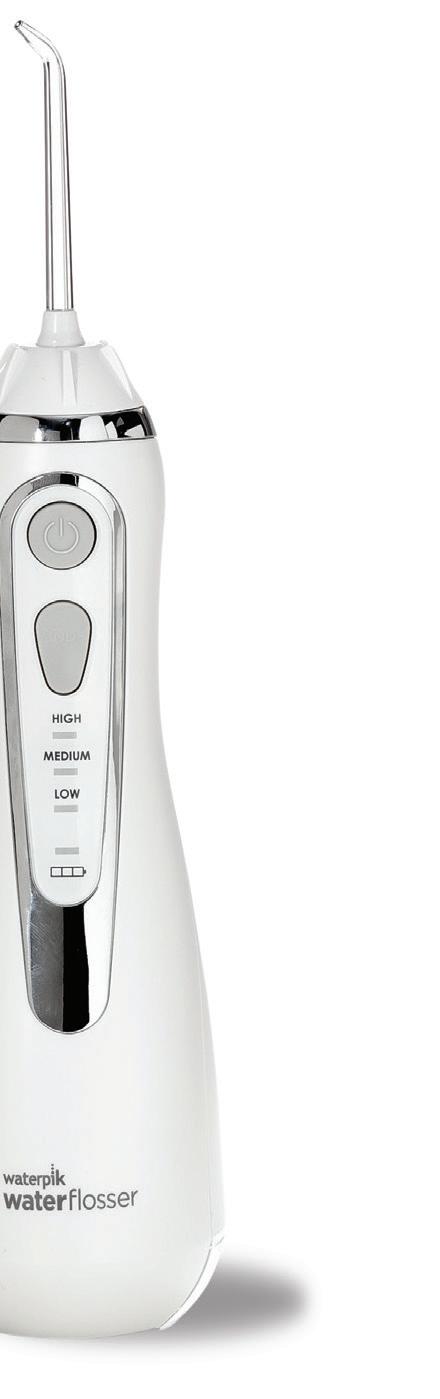


PRECISIONPULSETM TECHNOLOGY
Removes up to 99.9% of plaque bacteria from treated areas* *based on laboratory data

Reduces gingivitis up to 50% more than string floss


Cleans plaque around braces up to 5x better than brushing alone


Helps implant gum health up to 2x more than brushing and string flossing
Beyond the scale and polish
Caitlin Miller on how prevention, language, and leadership are reshaping the hygiene and therapy profession

May marked the second year of National Dental Hygienist and Therapist Day. For Caitlin Miller, head of dental hygiene and therapy at Bupa Dental Care, it was also a moment to pause and reflect on how far her career has come.
Caitlin’s journey in dentistry began at 16, working alongside her father in his Somerset practice. “My dad encouraged me to pursue dentistry as a good career choice,” she says with a smile. “I applied, but when I didn’t get in, I felt an unexpected sense of relief. That’s when I pivoted to the BSc in Dental Hygiene and Dental Therapy degree at the University of Portsmouth. I studied here for three and a half years before graduating in 2010.”
Fifteen years on, Caitlin has moved from independent practices in Dorset to one of the UK’s largest dental providers, Bupa Dental Care. Today, she’s part of its clinical advisory team, working alongside Neil Sikka (director of dentistry), Anni Seaborne (head of general dentistry), and Amelia Hodgson (head of dental nursing), and is the voice for more than 700 hygienists and therapists across the UK and ROI. “I really want to make a difference to the dental hygienist and therapist community. I’m here to represent them – making sure they feel valued, understood, and heard.”
Despite her corporate title, Caitlin is still very much a clinician at heart – her patients always come first. “I’m lucky to have an amazing team who keep my diary fully booked. Once those appointments are in, they take priority – even with all the management meetings competing for my attention.”
Her two days in clinic each week in Sherborne, Dorset, means that every decision is rooted in realworld experience. “When I talk to management about appointment lengths or perio protocols, I’m speaking from yesterday’s chairside reality.”
And that reality is powerful. “The impact we can have chairside is huge. A healthy mouth is

the gateway to cardiovascular, metabolic, and even mental wellbeing,” she says, referencing the growing evidence linking gum disease to conditions like hypertension, diabetes, and pneumonia. “If we catch inflammation early, we’re not just saving a tooth – we’re potentially changing the course of someone’s long-term health.”
She recalls a recent patient whose routine hygiene visit flagged raised blood pressure and persistent gingival bleeding. A GP referral confirmed stage 1 hypertension. “That appointment probably shaved years off their risk profile,” she says. “Moments like that are why I chose this path.”
“In the dental hygiene and therapy community, we often pick up on subtle changes in oral tissues because we see our patients more frequently than other healthcare professionals. When something concerning is spotted, we refer the patient to a specialist for further investigation, and this has often led to the early detection and treatment of oral cancer. It’s a condition that’s often overlooked, as patients typically can’t see or feel anything unusual themselves.”
This leads Caitlin to reflect on one of her first areas of focus in her new role, which was to start changing the language. “We do so much more than a ‘scale and polish’— we are often the first line
in primary prevention. That shift has reframed how my colleagues triage, how reception teams explain appointments, and, crucially, how patients value their hygiene and therapy visits.”
“Our role has never been limited to scraping off calculus,” she says. “We’re trained to spot the earliest signs of disease, support behaviour change, and increasingly, act as the bridge between oral and systemic health.”
Caitlin believes the profession is riding a wave of growing public interest in health and prevention. She points to packed gyms at 9pm and the rise of wearable health tech. “People are looking for actionable insights and their oral health is no different. The oral cavity is an incredibly accessible biomarker – saliva is a great place to start.”
So, what does success to Caitlin look like ten years from now:
• Dental hygienists and therapists will be embedded in every multidisciplinary primary care team. This will further help integrate oral health into overall health care, making it easier to spot links between gum disease and conditions like diabetes or heart disease – and treat them more holistically, which is something we’re very passionate about at Bupa.
• Universal direct access, so patients can see hygienists and therapists without needing a dentist referral – and preventive care isn’t limited by treatment-focused systems. This removes unnecessary barriers and helps people access preventive care more easily – before problems become serious.
• A generation of patients who see their regular hygiene visit like a gym session – self-care, not a chore. This mindset shift could boost attendance, improve oral health outcomes, and reduce the stigma or anxiety some people feel about dental visits.
Fun facts about Caitlin:
• Married with two children
• Loves reading, long walks with the dog, and spending time at the beach with her family
• Enjoys cross stitch –currently a multicoloured highland cow
• Keen camper, especially in the summer
• Her perfect day includes a leisurely breakfast in the sunshine, time at the beach swimming in the sea and reading a book, a delicious dinner, then cosying up on the sofa with the kids for a film

ABOUT THE AUTHOR




Caitlin Miller, head of dental hygiene and therapy at Bupa Dental Care
CAITLIN MILLER
The GBT Summit 2025: where science meets prevention
This October, EMS invites you to an unmissable event set to inspire, educate and energise the UK’s dental hygiene and therapy sector, writes Harry Morris

On Friday 31 October 2025, dental professionals from across the country will gather in London for the GBT Summit. This full-day, high-impact event is designed to spark new thinking and support team members in raising the standard of preventive care across the UK.
From keynote inspiration and science-backed sessions to real-time clinical demonstrations and practical takeaways you can implement the very next day, the GBT Summit is built for the futurefacing clinician.
With limited tickets available, it is one event you cannot afford to miss. After all, this Summit is designed to be immersive, evidencerich and practically useful, bringing together clinical insight, peer discussion and hands-on experiences in one powerful day of learning.
Why GBT, why now?
Guided Biofilm Therapy (GBT) represents a mindset shift that places prevention, precision and patient comfort at the heart of modern dental care. In an environment where the links between oral and systemic health are becoming impossible to ignore, the GBT approach offers a tangible, science-led way to raise standards and improve outcomes.
GBT Summit 2025 – at a glance
• Friday 31 October 2025
• 8.30am to 5pm
• Royal College of Physicians, London
• Headline speaker: Dr Megan Rossi
• Topics: Oral and gut microbiomes, MINST, live GBT demonstrations, clinical empowerment, career growth
• Includes hands-on sessions in a dedicated GBT room
• Tickets: £135 / Students: £50 (limited availability)
• Book now: tinyurl.com/GBTsummit2025
That is why the GBT Summit 2025 is so timely. As new evidence continues to emerge around the role of inflammation, microbiomes and the oral gateway, dental professionals are being called upon to think more broadly and act more proactively. This event responds to that urgency with clarity and purpose. Rather than speculating on distant trends, it focuses on what

clinicians can do today to make a meaningful, measurable difference.
With that in mind, many of the day’s speakers aren’t just researchers or educators. They’re also in practice, facing the same challenges and pressures as delegates. Their insights are grounded in clinical reality, and their sessions are designed to deliver clarity, not complexity.
Expect to leave with renewed confidence in your role, a better understanding of the science behind GBT, and practical ways to engage your team and your patients in prevention-first dentistry.
Microbiome matters
Leading the speaker line-up is award-winning scientist, dietitian and gut health expert, Dr Megan Rossi. Megan is known for her ability to make science accessible and actionable. Her keynote will examine the vital link between the oral and gut microbiomes, as well as exploring what it means for your everyday practice.
Megan’s message is clear: dental professionals are on the frontline of systemic health. By understanding microbial balance and recognising its early signs, you have the power to deliver even greater value to your patients. Expect an evidence-based, energising start to

the day that puts prevention and whole-body health front and centre.
Following Megan’s keynote, Dr Victoria Sampson will take a further dive into the oral microbiome. Her session explores the clinical relevance of biofilm science and how it supports a shift from treatment to true prevention.
Together, Megan and Victoria will take part in a dynamic Q&A session, giving delegates the chance to ask direct questions and challenge conventional thinking with two of the UK’s most exciting voices in oral-systemic care.
Live cases, real impact
Later in the morning, Professor Luigi Nibali will present the latest updates on minimally invasive non-surgical periodontal therapy (MINST). He will then be joined by Dr Devan Raindi for an insightful Q&A session exploring periodontal health, inflammation and the future of gum disease management, ensuring every delegate leaves with practical insight rooted in clinical reality.
In another standout moment of the day, dental hygienist and GBT advocate, Anna Middleton, will take to the stage to perform a full GBT treatment live. This is an exceptional opportunity to see the protocol delivered from start to finish in real time, with clear commentary, clinical insight, and the chance to ask questions as the treatment unfolds.
Lead, influence, elevate
In the afternoon, Dr Teki Sowdani and Claire Berry will lead a powerful session focused on elevating the role and impact of dental hygienists and therapists. Their talk is all about empowerment, inspiring delegates to strengthen their influence in practice and explore new ways to shape patient outcomes and career direction.
Rounding out the day is a live panel debate featuring industry leaders, Faye Donald, Christina Chatfield, Ben Tighe and Laura Bailey. Together, they will reflect on the evolving role of dental hygienists and therapists, from clinical leadership and public health to teaching, research and entrepreneurship.
Their honest, engaging discussion will challenge attendees to think beyond the day job and explore what is possible when you pair clinical expertise with confidence and ambition.
Hands-on sessions
In addition to the main stage content, a dedicated GBT room will run interactive, hands-

on sessions throughout the day. Delegates will have the chance to try out the technology, ask technical questions and build confidence with the GBT protocol.
Whether you are new to GBT or already implementing it in practice, this is a chance to deepen your knowledge and sharpen your skills in a supportive, practical setting.
Evidence-based, prevention-first care
Crucially, the GBT Summit also offers something less tangible but just as important: community. It’s a space for dental professionals to connect with like-minded peers, share experiences and build a sense of collective purpose.
Whether you’re a seasoned clinician looking to refresh your approach or a student curious about where the profession is headed, the Summit welcomes you. It’s a rare opportunity to meet speakers who are shaping the conversation around prevention, ask the questions that matter to you, and be part of a profession-wide dialogue about what’s next.
Support from EMS, now and in the future
As the global leader behind GBT, EMS is committed to supporting dental professionals at every stage of their journey, not just with technology, but also through education, training and a shared mission to improve patient care. The GBT Summit is a reflection of that ethos, offering delegates a full day of CPD-certified learning, live demonstrations and strategic insight designed to make a difference.
Tickets for the GBT Summit 2025 are just £135, with a limited number of student places available at £50. Demand is expected to be high, and the event is likely to sell out well in advance, so early booking is strongly advised.
Reserve your place now at https://tinyurl.com/ GBTsummit2025 n

Megan Rossi
The Growing Popularity of Powder Therapy
Cat Edney DT PgDip(Dist) discusses the wide-ranging use and benefits of powder therapy in today’s practice
Learning aims and objectives
• Heighten readers awareness of the use of powder therapy in practice
• Educate readers on the indications for the use of powder therapy and the correct powders to use for different clinical indications
• Give readers an understanding of how to promote powder therapy to patients and colleagues.
Learning Outcomes: C
Air polishing has been available as a recognised treatment since the 1970s. The concept was based on a technology invented by Dr Robert Black in 1945 known as the Air Dent, a device that used compressed air, water and an abrasive powder to eliminate pain from cavity preparation, making anaesthesia unnecessary. i
This concept was initially used as a method of cutting tooth tissue without using rotary instruments. However, what Dr Black had also developed was the protocol of polishing with a powder particle, a process that was constantly refined and developed and finally marketed in the mid-1970s as a stainremoval treatment.
The treatment was originally intended for use on supragingival surfaces and generally on sound enamel. But over time, and particularly in more recent years, new powders and more refined technology has emerged and now we are seeing the wide-ranging use of air polishing technology or as it is often referred to ‘powder therapy’.
What is powder therapy?
Powder therapy is essentially a jet of air, powder and water that combine to effectively remove stains, biofilm, light calculus deposits and plaque deposits both supragingivally and subgingivally. It has many applications for use, including (with the correct powder selection) on natural teeth, implants, restorative work, orthodontics, and soft tissues. It evokes the least surface alteration of any mode of instrumentation, providing a minimally invasive approach for access around and underneath implant prostheses and structures.ii
Why use powder therapy?
Powder therapy is a highly efficient method of disrupting biofilm. Dental biofilms are communities of disease-causing bacteria that build up on oral surfaces including teeth, gingiva, restorations and prostheses and left untreated can cause gingivitis, decay, and periodontal disease. iii 70% of biofilm comprise live organisms, in comparison to calculus which has far less viable species, iv so although calculus has been shown to house biofilm, it is less virulent in comparison.
Powder therapy is also key to the removal of cosmetic staining. There are many different causes of staining and examples include:
• Chlorhexidine: brown staining of teeth caused by long term use of medicated mouth washes.
• Smoking

• Chromogenic: a bacteria-induced discolouration caused due to hydrogen sulphide produced by certain kind of bacteria in the oral cavity interacting with salivary iron content, which results in chromogenous, insoluble ferrous deposition and blackening of teethv (Bandon et al., 2011).
• Dietary staining
• Poor oral hygiene
• Supplements
Essential equipment
There are many powder therapy devices now available from a range of manufacturers with a machine to suit every budget. These are generally either handheld products that attach to a highspeed handpiece coupling or standalone combined units that use a combination of powder therapy and ultrasonic technology.
The latest powder therapy devices include handheld devices such as NSK’s Prophy-Mate neo and standalone combined units such as NSK’s new Varios Combi Pro2, that combines Piezo technology and powder therapy for effective oral hygiene treatment and biofilm control.
Regardless of the device used, it is important to understand the capabilities of the machine
and which powders to use. Every manufacturer’s machine works with specific powders, which differ in particle shape and size. The level of abrasiveness of the powder also plays a part, as does the patient’s medical history and their oral health.
Types of powder
There are a number of different structures to consider in the oral environment which all have different hardness and resistance to wear. Powders therefore need to be effective across various situations, whilst remaining as minimally invasive as possible.
Powders require a certain level of hardness in order to be effective. However, the harder the powder, the more likely it is to cause damage to enamel and dentine, as well as restorative materials and prostheses.
Hardness is measured using the Mohs scale of mineral hardness, a qualitative ordinal scale, from 1 to 10, characterising scratch resistance of various minerals through the ability of harder material to scratch softer material.vi

Sodium bicarbonate (NaHCO 3) is the most common powder. It has an average particle size of 74 microns and is low on the Mohs hardness scale at 2.4. It is contraindicated in patients with sodium restricted diets. It has been shown to cause damage to cementum, dentine and multiple restorative materials, therefore is only indicated for supragingival use on sound enamel.vii
Aluminium trihydroxide was developed as an alternative to sodium bicarbonate. It has an uneven particle shape and its particle size varies from 80-325 microns with a Mohs hardness of 4. It has been shown to cause damage to cementum, dentine, composite restorative materials and luting cements and is only indicated for supragingival use on sound enamel.viii
Calcium sodium phosphosilicate is a bioactive glass which has been shown to reduce sensitivity by adhering to dentinal tubules. It has a Mohs hardness of 6 and a particle size of 25-125 microns. However, it is contraindicated on restorative materials including composite and glass ionomer cements (GICs).ix
Calcium carbonate has a more uniform spherical particle shape that is 54 microns in size with a Mohs hardness of 3. It is contraindicated on root surfaces and restorative materials and is only indicated for supragingival use.x
Erythritol is a sugar-alcohol with the addition of chlorhexidine. It is an organic powder that dissolves completely in water. It has a small particle size of 14 microns and a Mohs hardness scale of 2 and is therefore indicated for both supra and subgingival use.xi
Tagatose is a less common organic sugar-alcohol that is 15 microns in size with a Mohs hardness of 3 and is indicated for both supra and subgingival use
Glycine powder is actually an amino acid and amino acids are the building blocks of protein. It is highly water-soluble with a small particle size of 23 microns and Mohs hardness scale of 2 - similar to dentine. It is indicated for both supra and subgingival use.xii There are also larger particle glycine powders available of around 65 microns which would be indicated only for supragingival use.
Size matters
It is essential to always follow manufacturers’ instructions and use the correct size particle powders for the equipment. Powder therapy devices have very thin lumens through which the powder passes and which regulates the powder flow. A powder that has particles that are too large means the device is likely to clog up very quickly.
A patient-centred approach
It’s important to always take a patient-centred approach to powder therapy. Consider the patient’s medical and clinical suitability at all stages, and make sure the treatment is right for them.
CPD Questions
1. Dental biofilms are communities of:
a. disease-causing bacteria
b. disease-causing viruses
c. harmless bacteria
d. viruses and bacteria
2. Sodium bicarbonate powder is contraindicated in patients with sodium restricted diets.
a. True
b. False
3. Chromagenic discolouration of teeth is:
a. caused by the long term use of medicated mouthwashes
b. caused by smoking
c. a bacteria-induced discolouration
d. a viral infection
4. What percentage of biofilm comprise live organisms?
a. 90%
b. 85%
c. 95%
d. 70%
From the clinician’s perspective powder therapy is extremely safe.xiii,xiv It reduces the repetitive motions performed in clinic,xv improving patient and personal satisfaction. It is a simple, quick, comfortable treatment, which is tolerated well by patients, and can also help to contribute to recall compliance.xvi
The growth in powder therapy
The powder therapy market is expected to grow substantially in the next decade, as the improvement in powder therapy devices themselves and the increasing demand for preventive therapies from patients, coupled with an older patient demographic, is creating both the context and functional capability to deliver treatment that improves outcomes for patients and increases clinicians’ job satisfaction. There is growing evidence of the efficacy of powder therapy in implant maintenance which is also driving adoption of this technique.xviii
Manufacturers have recognised this opportunity and invested heavily in research and development in recent years. In 2025 a number of new devices have come to market that feature improved nozzle precision, powder compatibility and greater patient comfort.

Practice promotion
Introducing powder therapy can act as a patientbuilding and practice-growth activity. Offering such an advanced and increasingly popular treatment can put a practice ahead of the competition, greatly improve the patient experience and emphasises oral hygiene as a way to reduce ongoing or avoid future issues. Powder therapy is a highly competitive market, so those wanting to perform this treatment should undertake diligent research and take advice and guidance before embarking. Ensure the powder therapy device is from a reputable supplier with after sales support and always follow the manufacturer’s protocol. Check the packaging and the education on the company’s website or contact your local product specialist. n
References available upon request
ABOUT THE AUTHOR

Award winning Dental Therapist Cat Edney has over fifteen years’ experience working in specialist and private practice where she has developed a passion for multidisciplinary team working in a dental setting. Cat lectures nationally as a clinical educator for NSK, is part of the Smile Dental Academy faculty and has developed hands-on dental courses under her training brand ‘The Modern Therapist’. She aims to educate the dental profession about the role and integration of dental therapy, alongside focusing on providing gold standard hands-on training and
teams.
A new network to support and inspire


Dentistry can be a rewarding and empowering industry, changing the lives of patients and looking after those at a greater risk of health complications. But dentistry can also be fast-paced, stressful and exhausting, especially when trying to juggle professional demands and personal commitments.
Designed to support and inspire women in dentistry, The Female Dentist is a growing network where communication, education, events and other benefits all overlap, forming a well-connected team of dental professionals. Its eleven-strong board includes eminent industry figures who each bring something different to The Female Dentist. They are: Dr Fazeela Khan-Osborne, Jo Hunt, Dr Nicola Gore, Dr Nikita Mehta, Dr Shabnam Zai, Linzy Baker, Ezgi Demir, Dr Wajiha Basir, Dr Alga Zelda, Nicki Rowland, and Shraddha Sheth. Whether having a passion for implantology, unmatched teaching experience, a focus on mentoring and networking, or a connection to the next generation of dental students, each board member brings a unique quality to guide professionals to higher achievements.
The Female Dentist is a platform for growth that helps create new leaders in the dental community. The core values are:
• Empowerment – harnessing your potential to work with confidence
• Collaboration – working together to innovate and drive growth in your careers
• Inclusivity – nurturing a safe environment for all to flourish in
• Continuous learning – valuing the importance of ongoing education to stay at the forefront of future changes
• Wellness – prioritising mental and emotional well-being for a balanced lifestyle
Membership benefits
Becoming a member of The Female Dentist opens doors to a vast wealth of opportunities, each supporting professional and personal development. Members can access an exclusive directory of fellow professionals, such as architects or financial advisors, to get the assistance they need. This comprehensive resource allows members to contact reputable services to collaborate on projects together. Similarly, access to the membership listings gives members a fast way to connect with like-minded peers, helping find others to share advice with or working together to plan a hands-on workshop or talk at an upcoming event. The listing is also a crucial conduit for finding a mentor, allowing professionals to receive the guidance needed to excel in their chosen pathway.
Keeping up to date
The Female Dentist also hosts an array of webinars and podcasts. Featuring industry experts and trailblazing women, these sessions provide members with first-hand knowledge on anything from clinical advancements and business strategies to work-life balance and personal development. These recorded options allow listeners to learn in their own time, be that commuting or in a lunch
break, and also familiarises them with more of the pioneering figureheads of dentistry.
The network’s newsletter, a compilation of inspiring stories from fellow members and the latest industry news, trends and updates, is another great way of keeping at the forefront of dentistry. The newsletter maintains a feeling of community, allowing dental professionals to share in each other’s achievements, hardships and expertise. Combined with The Female Dentist jobs page, members will be able to find new positions that best suit their aspirations. Executive members can also advertise for their practice or find locum opportunities, ensuring quick turnarounds for practices and reducing long periods of being understaffed.
Out of office fun
Exciting events are available to members of The Female Dentist. These feature the ideal trifecta of fun activities, insightful CPD talks on a range of topics, and luxury meals. The events take place across a range of locations, from beautiful countryside retreats to action-packed sporting occasions. As well as offering time away from work to wind-down and relax, the events are fantastic networking opportunities, allowing women in dentistry to build long-lasting connections that will support each other in achieving their career goals.
Discover the experiences and benefits awaiting members of The Female Dentist and be part of a new network that will transform the way women in the dental industry work together.
For details on membership visit https://thefemaledentist.co.uk/membership-benefits/ n


Say hello to an evolution in ultrasonic and powder therapy.
Gentle yet powerful, reliable and exceptionally durable, Varios Combi Pro2 has a host of advanced features designed to improve efficiency, control and enhance patient comfort.
Engineered with meticulous attention to detail, Varios Combi Pro2 is an investment in clinical excellence and in the health of your patients.
Varios Combi Pro2
THE DENTAL AWARDS 2025

‘And the winners are’ - Part One
The Probe and Smile proudly present The 2025 Dental Awards
The 2025 Dental Awards marks the 27th edition of this prestigious event that, for more than quarter of a century, has sought to recognise the outstanding individuals and teams whose dedication and drive continues to raise standards throughout the UK dentistry profession.
Winning or becoming a finalist in the Dental Awards is a tremendous accolade that provides a significant boost to the profile of a practice. Not only is the event an opportunity to share in the happiness and success of those who win an award, but it offers the chance to see what fellow dental professionals are doing across the United Kingdom.
The Dental Awards presentation, which streamed on the-probe.co.uk, as well as on The Probe’s Youtube channel, is available to watch
Dentist of the Year

Winner: Dr Martina Hodgson, The Dental Architect
Dr Hodgson has demonstrated her commitment to enhancing patient experience and the outcome of care while maintaining her professional standards through the provision of evidencebased, high-quality dental care. Her commitment to delivering patient-centred care is evident.
The judges said it was clear that Martina runs a practice that is dedicated to make a difference to her patients’ lives as well as to her team’s professional development. Martina has made sure she also gives back to the professional community by mentoring and educating colleagues.
Highly Commended: Dr Chloe Harrington-Taylor, Hereford Dental Implant Clinic
Finalists: Dr Gayathiri R Balasubramaniam, K S Hunjan and Associates
Dr Neel Tank, Imogen Dental
Dr Wajiha Basir, Trinity House Dental Care
Young Dentist of the Year
Winner: Simran Bains, Rock Dental Practice
Simran had a very strong entry with judges explaining that she is progressing sensibly in her profession and has a very promising future career. “She’s learning to bake the cake before icing it. It’s great to see a young dentist getting to learn about the pillars of oral healthcare before embarking on cosmetic dentistry.”
Highly Commended: Paul Midha, VICI Dental
Finalists: Awaz Sharief, {my}dentist, Padgate
Dr Riaz Sharif, {my}dentist, Poole
Janice Jyy Yi Lim, St Martin’s Dental and Implant Clinic

on-demand now. Scan the QR code below to see the winners of The Dental Awards 2025 react to their victories, as well as to discover who was named a finalist in each of the 12 hotly contested categories.
The Dental Awards 2025 is brought to you by B.A. International, Colosseum Dental, Dental Elite, and Waterpik, in association with The Association of Dental Administrators and Practice Managers, British Association of Dental Nurses, British Association of Dental Therapists, British Society of Dental Hygiene and Therapy, and The Oral Health Foundation.
For more, scan the QR code below to visit the-probe.co.uk/awards/the-dental-awards-2025/


To see the full list of our winners, highly commended, and finalists, and to watch the 2025 Dental Awards Presentation, scan the QR code or visit:
https://the-probe.co.uk/awards/the-dental-awards-2025/

Martina Hodgson
Simran Bains
Dental Therapist of the Year
Winner: Emily Banks, University Dental Hospital, Cardiff
The judges noted that Emily’s entry demonstrates a professional who goes above and beyond for both her patients and her peers.

Highly Commended: Natalie Fitzpatrick, Bridge Dental Care
Commended: Gemma-Louise Cowen, Prohygenist
Finalists: Abigail Dawson, Rocky Lane Dental Practice
Anuja Joshy, University of Suffolk Dental CIC
Dental Hygienist of the Year
Winner: Natalie Fitzpatrick, Bridge Dental Care
Natalie represents a hardworking dental hygienist who gives up her time to support the profession. In the words of the judges: “This should be celebrated. Very well done!”
THE DENTAL AWARDS 2025

Highly Commended: Lauren Chipman, Rock Dental
Commended: Bukola Ogunyemi, ODL Dental Clinic
Finalists: Hiba Tayiba Malik, RW PERIO
Jenita Radhakissoon Venilal, Orchard Orthodontics
Dental Nurseof the Year
Winner: Mihaela Marian, Ten Dental + Facial
Mihaela is described by the judges as a breath of fresh air. She displays dedication to oral health and dentistry through providing support and mentorship to trainee dental nurses. Her dedication to diversity is admirable and it is clear that she is a terrific team player.
Highly Commended: Rebecca Silver
Finalists: Alison Pillings, Holbrook Dental and Implant Centre
Jyoti Tamang, Woodberry Down Dental Practice
Kelly Hamill, Falkirk Dental Care



Emily Banks
Natalie Fitzpatrick
Mihaela Marian

Malnutrition in the UK, and its impact on oral health
Learning objectives
• To recognise symptoms of malnutrition in dental patients
• To understand the interdependent relationship between poor oral health and malnutrition
• To learn how to support patients with some common oral health symptoms associated with malnutrition
GDC Development Outcome: C
After years of decline, hospital admissions due to malnutrition more than doubled between 2007 and 2017 in the UK. This is attributed to many factors, including a rise in socioeconomic inequality, food insecurity, the ready availability of low-cost, caloriedense, low-nutrient, ultra-processed foods, and an ageing population.
Deficiencies in protein, calories, vitamins and minerals can all have an effect on the oral health of patients. Malnutrition is associated with conditions such as salivary gland atrophy, an increased risk of caries, periodontal disease, delayed tooth eruption, abnormal alveolar bone patterns, alterations to dentine and pulp, and enamel hypoplasia.ii Equally, poor oral health is known to contribute to an inadequate intake of essential nutrients. For example, tooth loss is associated with lower levels of protein, fruits and vegetables in the diet, particularly among older people.
As a clinician, it is important to develop an awareness of the relationships between poor nutrition and poor oral health. Developing an understanding of the many different risk factors for malnutrition can enhance the clinician’s approach to problem-solving, as well as their communication with patients.
What is malnutrition?
Malnutrition is the imbalance between the supply of nutrients and the body’s demand for them to ensure cellular growth, repair, and the maintenance of specific functions.ii It affects every organ system, and if occurring over an extended period, can impact cardio-

respiratory and gastrointestinal health, impair immunity and wound healing, as well as psychosocial health.iii There is also evidence that malnutrition can lead to impaired cognitive function.iv
The National Institute for Health and Care Excellence (NICE) defines the condition as:
• A body mass index (BMI) of less than 18.5 kg/m2.
• Unintentional weight loss greater than 10% within the last 3–6 months.
• A BMI of less than 20 kg/m2 and unintentional weight loss greater than 5% within the last 3–6 months.v
However, malnutrition is not only associated with weight loss or a reduced BMI. A significant proportion of overweight or obese patients lack essential levels of vitamins, minerals, antioxidants and various macronutrients and micronutrients. In addition, obesity
causes systemic inflammation, which alters the capacity to absorb, distribute and excrete nutrients. Furthermore, excessive adipose levels impact the body’s ability to absorb vitamin D. vi
Prevalence and risk factors
Malnutrition is considered to be one of the biggest threats to public health worldwide, and various clinical trials have shown a prevalence of between 20–60% in patients admitted to hospital.vii
More than 3 million people in the UK are malnourished or at risk of malnutrition at any given time. A 2022 surveyviii revealed that nearly half of all adults screened across health and care settings in the UK were found to be at risk of diseaserelated malnutrition. Of these, 24% were underweight, 17% were obese and 26% had unplanned weight loss.

Malnutrition affects:
• 35% of people recently admitted to a care home
• 29% of adults admitted to hospital
• 30% of adults attending hospital outpatient appointments
• 11% of patients attending general practiceix
Chronic illness is a major risk factor for malnutrition. 45% of UK adult patients screened across health and care settings in a 2022 surveyviii were shown to have a range of accompanying health conditions. Malnutrition was found to be most common in individuals with cancer (62%) and gastrointestinal conditions (50%). 48% of malnourished patients had a primary diagnosis of respiratory conditions. Frailty, caused by immobility, old age,
obesity, recent discharge from hospital, and sarcopenia was present in 45% of those surveyed. 43% of patients were living with neurological diseases (like Parkinson’s disease, stroke, dementia, or motor neurone disease). Patients with dysphagia are also at greater risk of becoming malnourished. At 56%, the number of patients with malnutrition living in their own homes was slightly higher than those living in care homes. Patients are more at risk of malnutrition in recovery from illness or surgery. For example, when recovering after a period in hospital, or after a stroke or cancer treatment.x
Patients with socio-economic or environmental issues, including those who are housebound or who experience difficulty accessing or preparing food, are
at increased risk of malnutrition.x Between 20-44% of homeless people are thought to be under-nourished,xi and 2024 figures estimated that food insecurity negatively affected 15% of UK households, including 8 million adults and 3 million children. This risk of malnutrition is heightened if patients with low socio-economic status also have any of the above health challenges.
The relationship between poor oral health and malnutrition
The development of oral structures, immunity to infection and wound healing are affected by an inadequate intake of nutrients such as proteins, calories, vitamins A, D and C, as well as minerals such as calcium and phosphorus. Cellular maintenance and repair of soft tissues and alveolar bone also suffer in the absence of key nutrients, like vitamin B complex and iron.ii
Protein-energy malnutrition (PEM) can lead to enamel hypoplasia, compositional changes in saliva and salivary gland hypofunction. In combination with structural defects in enamel, reduced salivary flow contributes to a cariogenic environment.ii
Saliva on the teeth is antimicrobial, contains immunoglobulins, flushes away sugars, and has an ability to buffer acids. Periodontal disease develops more rapidly in undernourished individuals. Malnutrition can also contribute to the development of necrotizing ulcerative gingivitis.xii
Oxidative stress, which is linked to several systemic health conditions, including diabetes, chronic inflammatory diseases, stroke, liver disease and degenerative neurological diseases, is also a consequence of malnutrition.


This state of disturbance between free radicals and antioxidants has also been linked to periodontitis, oral lichen planus and oral cancers. xiii
Edentulous patients, or those experiencing oral pain can experience difficulty masticating, which is a vital element in the proper digestion and absorption of nutrients into the body. Large pieces of food are broken up by chewing, which in turn
stimulates salivary flow and the secretion of digestive enzymes.xiv
Supporting patients suffering from malnutrition
When patients are malnourished, careful attention to toothbrushing and interdental cleaning can help prevent complications. The FLEXI range of interdental brushes from TANDEX comes in 11 different
To answer the questions below, visit cpd.the-probe.co.uk and register/log in. Click on ‘Courses’. Search for the course with the same headline as the corresponding article.
sizes and can be shaped to reach every awkward interdental space. PREVENT Gel from TANDEX contains 900 ppm fluoride and 1.2% chlorhexidine to offer additional protection. Applying just a small amount of this pleasant-tasting, non-abrasive gel to a FLEXI interdental brush helps strengthen teeth and maintain oral cleanliness.
Malnutrition is a serious condition that can affect individuals in many ways. Risk factors, including chronic illness, frailty, and food insecurity, all contribute to its impact. It is important to remember that patients suffering from malnutrition may face additional hardships that make regular visits to the dentist challenging. An understanding, empathetic approach to communication, including active listening, can help clinicians educate patients on managing and preventing oral health problems while they are malnourished.
For more information on Tandex’s range of products,visit https://tandex.dk/
Our products are also available from DHB Oral Healthcare https://dhb.co.uk/ n
References available upon request
About the author
Jacob Watwood on behalf of Tandex.

CPD questions – Malnutrition in the UK, and its impact on oral health
1. Which of the following is NOT one of the criteria defining malnutrition according to NICE?
a. A body mass index (BMI) of less than 18.5 kg/m2
b. A BMI of 20 kg/m2 and weight loss more than 2% within the last 12 months
c. Unintentional weight loss greater than 10% within the last 3–6 months
d. A BMI of less than 20 kg/m2 and unintentional weight loss greater than 5% within the last 3–6 months
2. Which of the following are possible threats to oral health in patients experiencing malnutrition?
a. Salivary gland atrophy
b. Increased risk of caries
c. Defects in enamel
d. All of the above
3. How many people in the UK are thought to be either suffering from or at risk of malnutrition at any given time?
a. 200,000
b. 450,000
c. 1 million
d. 3 million
4. Which health condition has the highest association with malnutrition?
a. Cancer
b. Obesity
c. Dementia
d. Sarcopenia
5. What percentage of UK households were thought to be experiencing food insecurity in 2024?
a. 5%
b. 10%
c. 15%
d. 20%
6. Which of the following is listed as a possible oral health symptom of protein-energy malnutrition (PEM)?
a. Halitosis
b. Salivary gland hypofunction
c. Oral pain
d. Traumatic dental injury
Menopause and oral health
Learning objectives
• To understand the impact of hormonal changes during menopause on oral health
• •o learn how to support patients with some common oral health symptoms associated with menopause
• To recognise the importance of raising patient awareness of some additional oral health needs during menopause
GDC Development Outcome: C
Hormonal changes during menopause can impact oral health in various ways, affecting key processes such as saliva production, taste perception, inflammation, and bone health. These changes may influence the health of periodontal tissues, teeth, and salivary glands.
During menopause, the oral mucosa becomes more susceptible to candidiasis, oral lichen planus (OLP) and idiopathic neuropathy. Hormone-dependent salivary glands may experience changes in saliva secretion and consistency, which in turn affects oral health, increasing the risk of caries and periodontal disease. Medications like gabapentinii and clonidineiii which are sometimes prescribed for hot flushes, can also impair saliva production. Although treatments exist to support women going through menopause, almost half of women experiencing symptoms do not seek medical advice.iv As a clinician, it is important to understand the unique oral health challenges that come with menopause. Not only will this improve conversations with patients, leading to more personalised and empathetic care, an increased awareness of the processes affecting oral health during menopause can result in more effective and appropriate approaches to treatment.
What is menopause?
Natural menopause is defined as a spontaneous cessation of menstruation for 12 consecutive months, generally between the ages of 45-55, caused by the loss of ovarian follicular function and a decline in circulating blood oestrogen levels. Menopause can also be a consequence of surgical or medical procedures.v When occurring as part of the natural ageing process, the menopausal transition can be broken down into three stages. Perimenopause, the time leading

up to menopause, is characterised by possible symptoms including fatigue, insomnia, unpredictable and heavy periods, depression, mood-swings, hot flushes and xerostomia. Many of these symptoms carry over into menopause, the mid-stage of the transition, which is defined by total menstrual cessation. Post-menopause is the timespan following this, which can be divided into early post-menopause, where the production of follicle stimulating hormone (FSH) is still variable, and late menopause, where it stabilises.vi
Menopause affects the production of sex steroid hormones (SSHs), like androgens (particularly testosterone), oestrogens and progestogens. SSHs not only regulate sexual differentiation, secondary sex characteristics, sexual behaviours and reproduction, but also affect the development and cellular function of skeletal, immune, muscular and cardiovascular systems.vii
Saliva production
The function of salivary glands is dependent on androgens, particularly testosterone.viii Saliva contains minerals such as calcium and phosphate, which remineralise teeth, while the flushing effect of saliva helps to remove food particles from teeth and gingiva. Reduced saliva production can lead to xerostomia, increasing the risk of caries, periodontal disease and fungal infections.ix
Periodontitis
Oestrogen inhibits some of the inflammatory activity of cytokines. Deficiency of this hormone is thought to contribute to increased gingival inflammation, heightening the risk of bone loss and periodontal attachment loss. During menopause, the subgingival microbiome can shift, promoting harmful periodontal pathogens like Fusobacterium nucleatum and Porphyromonas gingivalis. x

Bone mass
Oestrogen plays a central role in regulating bone strength, while androgens, which decline gradually after menopause, play a role in maintaining bone mass. Androgens also support the function of periodontal fibroblasts and osteoblasts, aiding in bone and tissue repair. x While ovaries can continue to produce a number of androgens, including testosterone, long after menopause, production gradually reduces between the ages of 30 and 50 by about 75%. xi
Oral mucosa
Hormonal fluctuations can cause thinning or atrophy of the oral mucosal epithelium, leading to conditions like burning mouth syndrome (BMS). Affected patients often present with multiple oral complaints, including burning, dryness and taste alterations. xii
Menopausal gingivostomatitis
Menopausal gingivostomatitis is a rare oral health condition, caused by a decrease in oestrogen levels that causes inflammation

and irritation to oral soft tissue. It is characterised by dry and shiny gingiva, which bleed easily and range in colour from very pale to erythematous.x
Psychological effects
In addition to physiological symptoms, the menopause can have a detrimental effect on mood, wellbeing and confidence. Hormonal fluctuations during menopause can affect sleep patterns, trigger mood swings, and is linked to depression and anxiety. Evidence consistently links low mood associated with menopause to poor adherence to oral hygiene practices, and a higher than normal incidence of periodontitis and tooth loss.xiii
Systemic health concerns affecting oral health
Postmenopausal women are at an increased risk of hypertension, diabetes, and cardiovascular disease compared to premenopausal women.xiv Diabetes has a strong impact on oral health – for example, poor glycaemic control is linked to gingivitis, periodontitis and alveolar bone loss.xv
Gender diversity and menopause
Most research centres around the experience of cisgender women. However, it's important to consider the unique oral

health needs of transgender men and gender-diverse individuals who experience menopause. For example, transgender men retaining ovaries may experience symptoms of menopause at an earlier age due to the use of gender affirming hormones.xvi
Treatment and management
Although HRT can alleviate many menopause-related symptoms, including dry mouth and periodontal tissue inflammation,xvii clinicians should be aware that not every patient is able to use this
therapy. For example, HRT is not suitable for women at risk of breast cancer or oestrogen-dependent cancers. In patients who are able to take HRT, the treatment regimen is generally cyclical, and depends on the menopausal stage. It should also be noted that the long term benefits of HRT on oral health are currently unclear.xviii
Maintaining a regular oral hygiene routine is essential for managing and preventing oral health problems throughout menopause. This includes brushing, interdental cleaning, and
To answer the questions below, visit cpd.the-probe.co.uk and register/log in. Click on ‘Courses’. Search for the course with the same headline as the corresponding article.
CPD questions – Menopause and oral health
1. Which medications mentioned in the article can affect saliva production?
a. Selective serotonin reuptake inhibitors (SSRIs)
b. Serotonin-noradrenaline reuptake inhibitors (SNRIs)
c. Gabapentin and clonidine
a. Clomipramine and phentermine
2. Which of the following is NOT a feature of natural menopause?
a. No menstruation for 12 consecutive months
b. Surgical and medical procedures
c. Loss of ovarian follicular function
d. A decline in circulating blood oestrogen levels
3. What are the three stages of menopause?
a. Fatigue, insomnia and xerostomia
b. Hot flushes, cessation of menstruation, post-menopause
c. Perimenopause, menopause and post-menopause
d. Saliva production, menopause, cessation of menstruation
visiting the dentist regularly for oral health examinations and oral hygiene maintenance. xix
PREVENT Gel from TANDEX contains 900 ppm fluoride and 1.2% chlorhexidine to address the additional health needs during menopause, strengthening teeth and keeping the mouth clean. Just a small amount of PREVENT Gel added to a FLEXI interdental brush can help patients to apply the pleasant-tasting gel to all the hard-toreach areas of the mouth.
Hormonal changes before, during and after menopause can have a significant effect on oral health. To fully support patients experiencing this transition, dental professionals should maintain an awareness of the challenges they face. Educating patients on their additional needs and vulnerabilities due to hormonal changes can greatly help them maintain their oral health. For more information on Tandex’s range of products, visit https://tandex.dk/
Our products are also available from DHB Oral Healthcare https://dhb.co.uk/ n
References available upon request
4. Name a physical function that is influenced by sex steroid hormones (SSHs)?
a. Skeletal development
b. Reproduction
c. Cardiovascular function
d. All of the above
5. What is menopausal gingivostomatitis?
a. An altered subgingival microbiome
b. Inflammation caused by decreased oestrogen characterised by dry and shiny gingiva
c. The effect of menopause-related insomnia on cellular health
d. A symptom of testosterone deficiency in menopausal women
6. Why might a patient not be able to receive hormone replacement therapy (HRT)?
a. They have a history of breast cancer
b. They have osteoporosis
c. They are overweight
d. They have a history of periodontitis
About the author Jacob Watwood on behalf of Tandex.
Implantology for dental hygienists & therapists
The ADI Team Congress successfully delivered a fullday programme dedicated to dental hygienists and therapists this year, designed and moderated by DCP Representative, Linzy Baker.
The day provided a range of interactive sessions with leading names in the field who were keen to engage with delegates and offer valuable insights and advice.
Dental hygienist and past president of the BSDHT, Miranda Steeples, shared her thoughts as an attendee:
“This is a Team Congress and has been planned with the team in mind. There has been a variety of lectures with information I can take back to practice – I’m able to refresh my knowledge and take away
Put a stop to pest problems
Minimising the risk of a pest infestation in the dental practice is essential for clinician and patient safety. When reviewing your waste management solutions, choose support from Initial Medical, and their yellow wheelie bins for clinical waste.
All waste, including clinical waste produced at the dental practice, must be safely and securely stored to reduce the chance of attracting pests, and the yellow wheelie bins for clinical waste help to achieve this. Each unit, available in sizes from 240L to 1100L, is lockable to ensure only clinicians and waste management teams can access its contents.
Dental teams could also install a wheelie bin sanitiser station, which helps to minimise the opportunity for cross contamination upon return

some new things too. A session on nutritional aspects has really resonated with me, thinking about the conversations we can have with patients discussing their general health and how that feeds back into their mouth health as well.”
To advance your knowledge, skills and network within dental implantology, with opportunities designed specifically for dental hygienists and therapists, become a member of the ADI today!
For more information about the ADI, visit www.adi.org.uk
adi.org.uk
to the practice and serves as an effective reminder to lock each unit after use.

Initial Medical is one of the leading providers of UK medical waste management services and prides itself on dedicated support for dental practices in-person and online. Clinicians shouldn’t settle for second best when it comes to the safety of their patients. Choose Initial Medical.
To find out more, get in touch at 0808 304 7411 or visit the website www.initial.co.uk/medical.
intial.co.uk/medical
Going solo
Single tufted brushes utilise an angled head to effectively move and clean around orthodontic appliances, crowns and implants, making them a must-have for patients undergoing treatment.

The SOLO series of special brushes, from TANDEX, offer an enhanced way of cleaning the tooth surfaces and restorations that are difficult to access. Included in the range are Medium, Long, Soft and Ultrasoft versions, all available in at least four colour options.
For tender gingivae and sensitive teeth, SOLO Ultrasoft is an ideal solution, supporting a comfortable and compliant clean.
Developed and designed by dentists and industry experts, it is an efficient way of removing trapped food particles and soft plaque before it hardens, using its unique, handmade SOLO tip for optimal hygiene results and protecting against restoration failure.
Daily dental care supplemented by the SOLO series ensures that all tooth surfaces and restorations are thoroughly brushed, leaving little room for oral disease.
Recommend today.
For more information on Tandex’s range of products, visit https://tandex.dk/
Our products are also available from DHB Oral Healthcare https://dhb.co.uk/
When patients are in pain, it’s important to act quickly. Even though it may not be possible to provide patients with immediate treatment, offering advice for pain relief in the meantime is essential.
Providing relief from dental pain in two minutes or less, Orajel is the ideal solution for your patients. Containing 10% benzocaine, Orajel Dental Gel enables patients to apply local anaesthetic directly to the affected area for rapid pain relief. Plus, in more severe cases, recommend Orajel Extra Strength. It contains 20% benzocaine to numb areas of intense pain and provide patients with the relief they need. Find out more about how recommending Orajel can benefit your patients by getting in
Powers of prevention
Toothbrushing and interdental cleaning are effective at removing trapped food particles from the oral cavity, but for enhanced protection from oral diseases, patients should adopt an antibacterial sidekick.
PREVENT Gel, from TANDEX, is an excellent supplement to daily oral care. Its unique formula contains 0.12% chlorhexidine content to help eliminate harmful bacteria and reduce the risk of caries or periodontitis. For long-lasting tooth maintenance it also includes 900ppm fluoride to strengthen the enamel, defending the teeth against demineralisation.
After traditional toothbrushing, PREVENT Gel can be easily applied to a FLEXI interdental

touch with the team today.
For essential information, and to see the full range of Orajel products, please visit: https://www.orajelhcp.co.uk/
oraljelhcp.co.uk

brush, from TANDEX, to clean the areas that were previously difficult to access. Combining the exceptional cleaning power of a FLEXI with the prophylactic powers of PREVENT Gel ensures that patients can maintain a healthy microbiome.
With TANDEX products, patients can welcome a new era of consistent oral hygiene – recommend today.
For more information on Tandex’s range of products, visit https://tandex.dk/
Our products are also available from DHB Oral Healthcare https://dhb.co.uk/
tandex.dk
Dental nurses set up to excel at ADI Team Congress
Dental nurses, practice managers and treatment coordinators (TCO) involved in dental implantology were more than welcome at the ADI Team Congress 2025.

The dedicated programme covered a broad range of relevant topics, from aseptic techniques to the role of the dental nurse and TCO in dental implant treatment. Clinical topics like PRF management and building confidence in compliance also proved popular among attendees.
Dental nurse, Corinne, commented about her experience: “I’ve been impressed with the speakers and found sessions on asepsis and the TCO role. I would definitely encourage other dental nurses to come along – there’s loads to learn, nice people to chat to and you can get some great advice.”
A fantastic few days out for the entire dental implant team, the ADI Team Congress is a must for all professionals involved in the delivery of patient care in the field. Discover other events by joining the ADI today.
For more information about the ADI, visit www.adi.org.uk
adi.org.uk
Fast toothache relief in two minutes
tandex.dk
A Revolution in Oral Care
The most e ective and body-friendly way of healing soft tissue and oral wounds.





Patient Case Study – Before

Patient presented with Stage 4 Grade B
Generalised Periodontitis.
Treatment: RSD Q&Q. blue®m TOOTh protocol




Patient Case Study – After

Recall at 12 months
Case study and photographs courtesy 0f Pat Popat BSc(Hons), PTLLS, RDH, RDT
Oxygen for Health