1 “Periodontal Disease in Adults (Age 30 or Older).” National Institute of Dental and Craniofacial Research, U.S. Department of Health and Human Services, www.nidcr.nih.gov/ research/data-statistics/periodontal-disease/adults
1 “Periodontal Disease in Adults (Age 30 or Older).” National Institute of Dental and Craniofacial Research, U.S. Department of Health and Human Services, www.nidcr.nih.gov/ research/data-statistics/periodontal-disease/adults
2 Georgetown University. “Prescription Drugs” Health Policy Institute, 2019, hpi.georgetown.edu/rxdrugs/
*Colgate® Duraphat® 5000 fluoride toothpaste for patients 16 years of age and over at increased caries risk. †Colgate® Duraphat® 2800 ppm high fluoride toothpaste for patients 10 years of age and over at increased caries risk
^YouGov Omnibus for Colgate® UK, data on file June 2015. Claim applies only to the Colgate® brand. References: 1. Oral Health Survey of Adults attending dental practices, 2018. Public Health England, published 2020. 2.National
Dental Epidemiology Programme for England, Oral health survey of 3-year-old children 2020: a report on the prevalence and severity of dental decay, Public Health England. 3. National Dental Epidemiology Programme (NDEP) for England: oral health survey of 5 year old school children 2024, Office for Health Improvement and Disparities. 4. Child Dental Health Survey 2013, England, Wales and Northern Ireland National statistics, published 2015. 5. Tavss et al. Am J Dent 2003;16(6):369-374. 6. https://cariescareinternational.com/wp-content/uploads/2020/03/CCI-Practice-Guide.pdf. Last accessed July 2024.
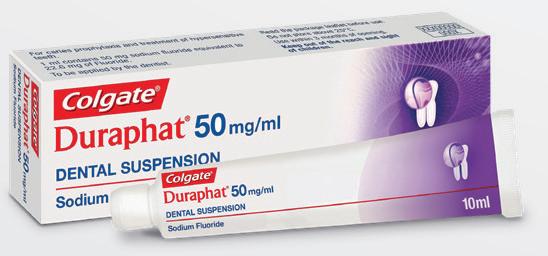
Name of the medicinal product: Duraphat® 50mg/ml Dental Suspension. Active ingredients: 1ml of suspension contains 50mg Sodium Fluoride equivalent to 22.6mg of Fluoride (22,600 ppm F-) Indications: Prevention of caries, desensitisation of hypersensitive teeth. Dosage and administration: Recommended dosage for single application: for milk teeth: up to 0.25ml (=5.65mg Fluoride), for mixed dentition: up to 0.40ml (=9.04 Fluoride), for permanent dentition: up to 0.75ml (=16.95 Fluoride). For caries prophylaxis the application is usually repeated every 6 months but more frequent applications (every 3 months) may be made. For hypersensitivity, 2 or 3 applications should be made within a few days. Contraindications: Hypersensitivity to colophony and/or any other constituents. Ulcerative gingivitis. Stomatitis. Bronchial asthma. Special warnings and special precautions for use: If the whole dentition is being treated the application should not be carried out on an empty stomach. On the day of application other high fluoride preparations such a fluoride gel should be avoided. Fluoride supplements should be suspended for several days after applying Duraphat® Interactions with other
revision of text: July 2024.
Assessing caries risk
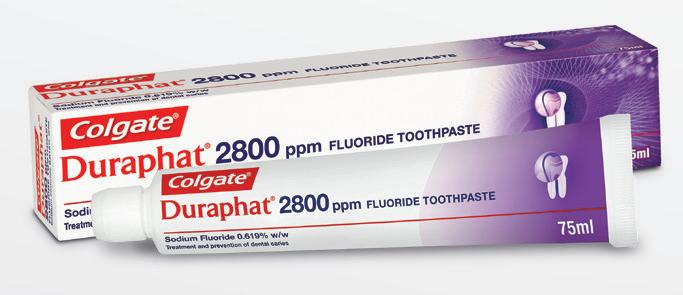
Name of the medicinal product: Duraphat® 2800 ppm Fluoride Toothpaste. Active ingredient: Sodium Fluoride 0.619 %w/w (2800 ppm F-). Indications: For the prevention and treatment of dental caries (coronal and root) in adults and children 10 years of age and over. Dosage and administration: Adults and children 10 years of age and over: Use daily instead of normal toothpaste. Apply a 1cm line of paste across the head of a toothbrush and brush the teeth thoroughly for one minute morning and evening. Spit out after use; for best results do not drink or rinse for 30 minutes. Contraindications: Individuals with known sensitivities should consult their dentist before using. Not to be used in children under 10 years old. Special warnings and precautions for use: Not to be swallowed. Undesirable effects: When used as recommended there are no side effects. Legal classification: POM. Marketing authorisation number: PL00049/0039. Marketing authorisation holder: Colgate-Palmolive (U.K.) Limited, Goldsworth Place, 1 Forge End, Woking, Surrey, GU21 6DB. Recommended retail price: £5.10 (75ml tube). Date of revision of text: July 2024.
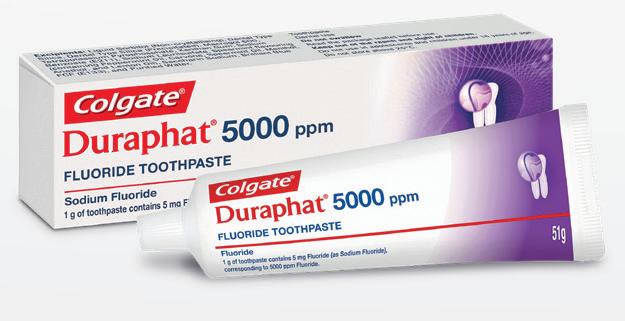
Name of the medicinal product: Duraphat® 5000 ppm Fluoride Toothpaste. Active ingredient: Sodium Fluoride 1.1%w/w (5000 ppm F-). 1g of toothpaste contains 5mg fluoride (as sodium fluoride), corresponding to 5000ppm fluoride. Indications: For the prevention of dental caries in adolescents and adults 16 years of age and over, particularly amongst patients at risk from multiple caries (coronal and/or root caries). Dosage and administration: Brush carefully on a daily basis applying a 2cm ribbon onto the toothbrush for each brushing. 3 times daily, after each meal. Contraindications: This medicinal product must not be used in cases of hypersensitivity to the active substance or to any of the excipients. Special warnings and precautions for use: An increased number of potential fluoride sources may lead to fluorosis. Before using fluoride medicines such as Duraphat, an assessment of overall fluoride intake (i.e. drinking water, fluoridated salt, other fluoride medicines - tablets, drops, gum or toothpaste) should be done. Fluoride tablets, drops, chewing gum, gels or varnishes and fluoridated water or salt should be avoided during use of Duraphat Toothpaste. When carrying out overall calculations of the recommended
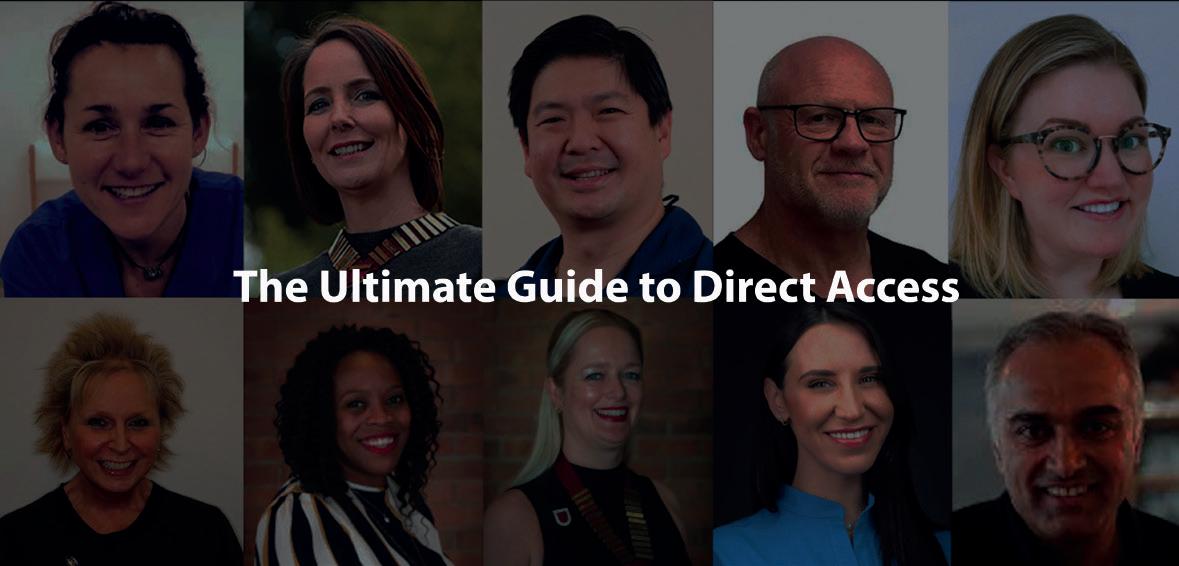
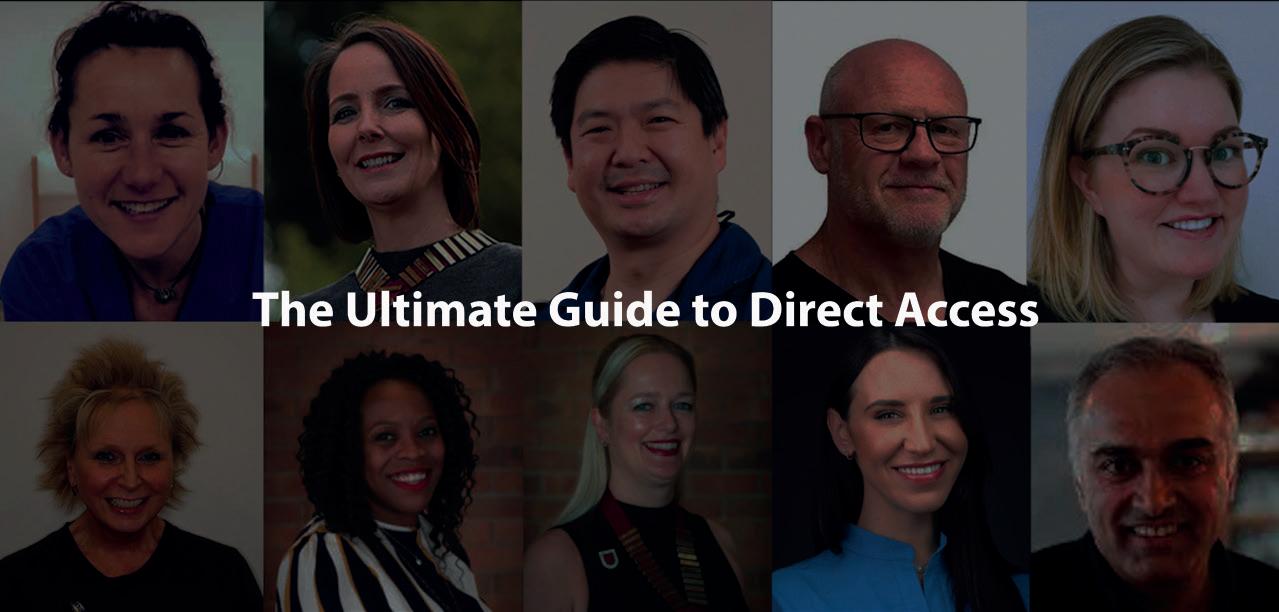
s I type, the final episode of our series, The Ultimate Guide to Direct Access, has – as the kids say – dropped. The series spans five episodes and covers everything from a definition of what Direct Access is, to the benefits for patients and practices, as well as how to implement it, and what the future may hold.
The feedback has been overwhelmingly positive, with some dentists/practice owners getting in touch to say that it has opened their eyes to the possibilities.
SUBSCRIBE TO SMILE
Rates: UK £39.95 per year; Overseas £83 - all cheques in sterling drawn on a UK bank made payable to ‘Smile’. 8 issues including 16 hrs CPD £39.95
Published by Purple Media Solutions
The Old School House, St Stephen’s Street Tonbridge, Kent TN9 2AD Tel: 01732 371 570
Managing Editor James Cooke james cooke @purplems.com Tel: 01732 371 581
Commercial Director Gary Henson gary.henson@purplems.com Tel: 07803 505208
Production and Designer 1 Lorna Reekie lorna reekie @purplems.com Tel: 01732 371 584
Production and Designer 2 Rob Tremain rob.tremain@purplems.com
We here at Smile would like to send out a heartfelt thanks to everyone who volunteered their time to make this series a reality. The panel of experts comprised Jason Wong (Chief Dental Officer for England), Fiona Sandom, Michaela O’Neill, Anna Middleton, Bill Sharpling, Lauren Long, Miranda Steeples, Sab Bhandal, Debbie Hemington and Simone Ruzario.
In this issue, hot on the heels of the series, Lauren Long explores the changing role of dental hygienists and dental therapists treating patients under direct access over on page 8.
Scan the QR code to view the series
or visit
this magazine. The views expressed in Smile OHM Magazine are not necessarily the views of the magazine, nor of Purple Media Solutions Editorial Advisory Board: Dr Barry Oulton, B.Ch.D. DPDS MNLP; Dr Graham Barnby, BDS, DGDP RCS; Dr Ewa Rozwadowska, BDS; Dr Yogi Savania BChD, MFGDP; Dr Ashok Sethi, BDS, DGDP (UK), MGDS RCS; Dr Paroo Mistry BDS MFDS MSc MOrth FDS (orth); Dr Tim Sunnucks, BDS DRDP; Dr Jason Burns, BDS, LDS, DGDP (UK), DFO, MSc; Prof Phillip Dowell, BDS, MScD, DGDP RCS, FICD; Dr Nigel Taylor MDSc, BDS, FDS RCS(Eng), M’Orth RCS(Eng), D’Orth RCS(Eng); Mark Wright BDS(Lon), DGDP RCS(UK), Dip Imp Dent.RCS (Eng) Adv. Cert, FICD; Dr Yasminder Virdee, BDS.
ORAL HEALTH
in association with:
Other titles include:
Divisional Administrator Francesca Smith francesca.smith@purplems.com Tel: 01732 371 570
Circulation Manager Andy Kirk
Managing Director Ed Hunt ed.hunt@purplems.com Tel: 01732 371 577
Colgate-Palmolive to partner with UK Government on new supervised brushing programme
In a groundbreaking partnership, ColgatePalmolive and the UK Government have united to transform children’s oral health. A pioneering Supervised Toothbrushing Scheme was announced today by the Department of Health and Social Care. The scheme will launch in nurseries and primary schools throughout England’s most deprived areas, aiming to protect children from tooth decay and set them on a path to better oral health.
Colgate-Palmolive is thrilled to be making a substantial contribution to this important scheme, with plans to donate over 23 million toothbrushes and toothpastes over the next 5 years, along with educational materials from its esteemed Colgate® Bright Smiles, Bright Futures™ programme. This scheme addresses the worrying figures around children’s oral health in the UK. Currently, treatment for decayed teeth leads as the primary cause of hospital admissions for children aged 5 to 9, with shocking figures revealing that 1 in 4 five-year-olds suffer from tooth decay in England, with even higher rates of 1 in 3 in the most deprived areas.
Expected to create a significant impact, this programme will reach up to 600,000 children each year ages 3 to 5, helping to instil positive brushing habits at school and home.
Colgate-Palmolive’s Chairman, President and Chief Executive Officer Noel Wallace, said: “At Colgate-Palmolive we believe every child deserves the chance to have a healthier smile and brighter future. We’re thrilled that Colgate® and our team in the UK have been chosen to partner with the government to help improve children’s oral health across the country – it’s an incredibly important initiative given the current levels of tooth decay in children. Our global programme Colgate® Bright Smiles, Bright Futures™ is among the most far-reaching and successful children’s oral health initiatives in the world. With long-standing partnerships with governments, schools and communities, BSBF has reached approximately 1.8 billion children and their families since 1991 across 100 countries with free oral health education and free dental screenings.
“In the UK, we’ve been running Colgate® Bright Smiles, Bright Futures™ since 2014 and are extremely proud to have reached over 18 million children across the nation with oral health education and donations of essential health and hygiene products.
“With the launch of the supervised brushing scheme, this partnership will be able to make a real impact in preventing tooth decay and
ensuring brighter futures for generations to come. We want all children, regardless of needs or circumstances, to be fully equipped with the information and tools they need to keep improving their oral health every day.”
Health Minister Stephen Kinnock said: “It is shocking that a third of five-year-olds in the most deprived areas have experience of tooth decay –something we know can have a lifelong impact on their health. It’s why we’re delivering supervised toothbrushing to 600,000 young children and families who are most in need of support as part of our wider plans to revive the oral health of the nation, and we’re pleased to have Colgate® on board to help deliver on our ambition.” n
Dental therapists and hygienists “burnt out and exhausted”
Around two thirds of dental therapists (68%) and a similar number of hygienists (57%) say they are frequently burnt out and exhausted, according to a survey undertaken by Dental Protection.
In the survey of more than 300 dental therapists and hygienists in the UK, almost one in five (19%) therapists and 14% of hygienists described their mental wellbeing as “of concern”.
Around two in five therapists (46%) and hygienists (40%) said they feel under pressure to take on extra work with a similar amount stating they feel disillusioned.
In the anonymous comments left by respondents, many say they are working excessive hours due to unmanageable patient demand and staff shortages.
Yvonne Shaw, Deputy Dental Director at Dental Protection, said: “It is worrying to see such a high proportion of dental therapists and hygienists are reporting burn- out and exhaustion, and the degree to which their mental wellbeing is compromised.
“We see firsthand how poor mental wellbeing adversely affects colleagues in their personal and professional lives, and in turn impacts the delivery of patient care. We know that without
early support, these issues can lead to dental professionals needing extended time off work or leaving dentistry altogether.
“I would encourage any member facing mental wellbeing concerns to make use of our confidential counselling service which is a benefit of membership with Dental Protection. Members can access telephone support 24 hours a day, seven days a week, as well as face-to-face counselling sessions.
“I would also like to reassure members that we will continue to campaign for the delivery of key reforms that we know could benefit dental professionals’ wellbeing, practice and their patients. This includes NHS contract reform and the introduction of measures which support dental teams to deliver optimised patient care as well as ensuring appropriate remuneration.
“The Government is expected to set out a 10-year NHS strategy this year and a key plank must be providing a clear timetable for NHS contract reform.
“GDC reform is also vital to give the profession confidence that if a concern were to be raised about them it would be dealt with fairly, efficiently and sensitively. The GDC introduced a range of improvements in 2024, many of which follow on from Dental Protection research into the impact of investigations on dental professionals’ mental wellbeing. “However, we believe the regulator could go further, and we would also like to see the Government take steps to ensure GDC reform is not at the back of the queue as it progresses wider regulatory reform.”
Dental therapists and hygienists who participated in the Dental Protection survey commented anonymously:
• “Feels like there is still so much stigma attached to mental health that I wouldn’t admit to taking a mental health day off. If I was really struggling to come in then I would use a different reason than mental health due to fear of being let go.”
“Poor mental health has led to me reducing my work hours, which impacts my financial situation. It has led to me considering different professions because I am not earning enough to make a living in this career.”
“There have been a few times over the past few years that I haven’t had the mental clarity to do my job properly due to extreme stress. I took time off. The practice I worked in at the time were not in the least supportive or understanding. They told me everyone gets stressed and to get on with it.”
“I worry that if I keep bursting into tears I will be sent home. If I get sent home I don’t get paid. When I don’t get paid I have no money and I can’t cover the bills.”
• “Every dental staff member is aware of the staff shortages and more patients seeking care. If you struggle with mental health and there is not enough help, seek treatment.”
• “I think there is no support on offer for mental health wellbeing. There needs to be more education and training for managers to support their staff to help them stay in work and feel valued as individuals.”
• “The mental health of the working clinician will continue to decline as they are continually sandwiched between a large, demanding unsympathetic management structure and increasing patient demands and expectations.”
“Unfortunately, I feel the pressures on dentistry as a whole are to blame. It will take a complete overhaul of the way dentistry is funded. We also need to have honest and frank discussions about patients’ expectations. It seems everyone believes they have a right to NHS dentistry, which unfortunately just isn’t possible.” n
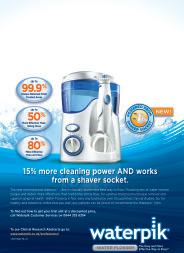
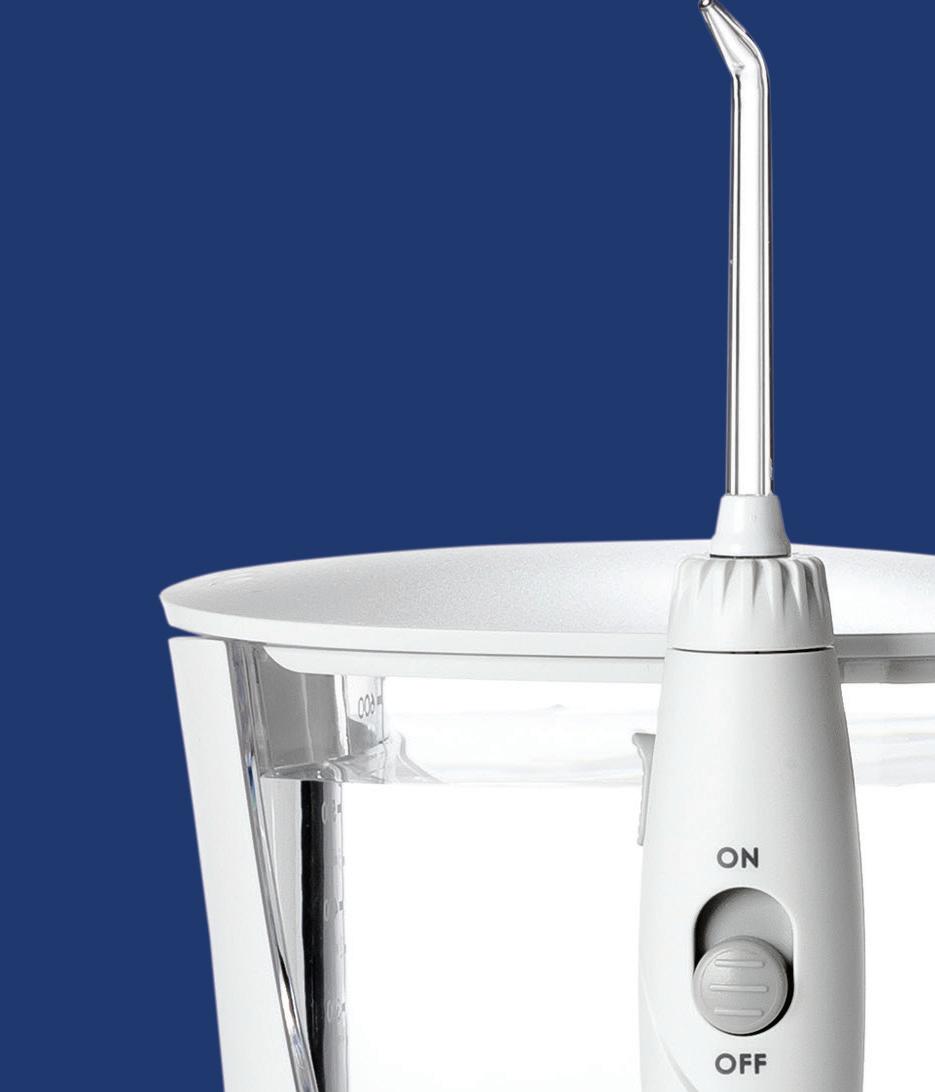
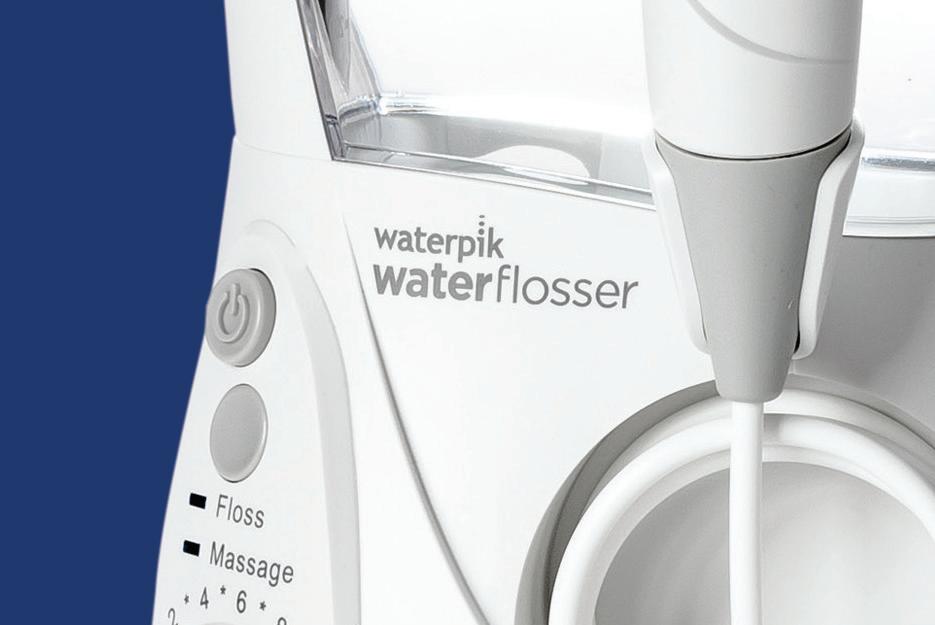
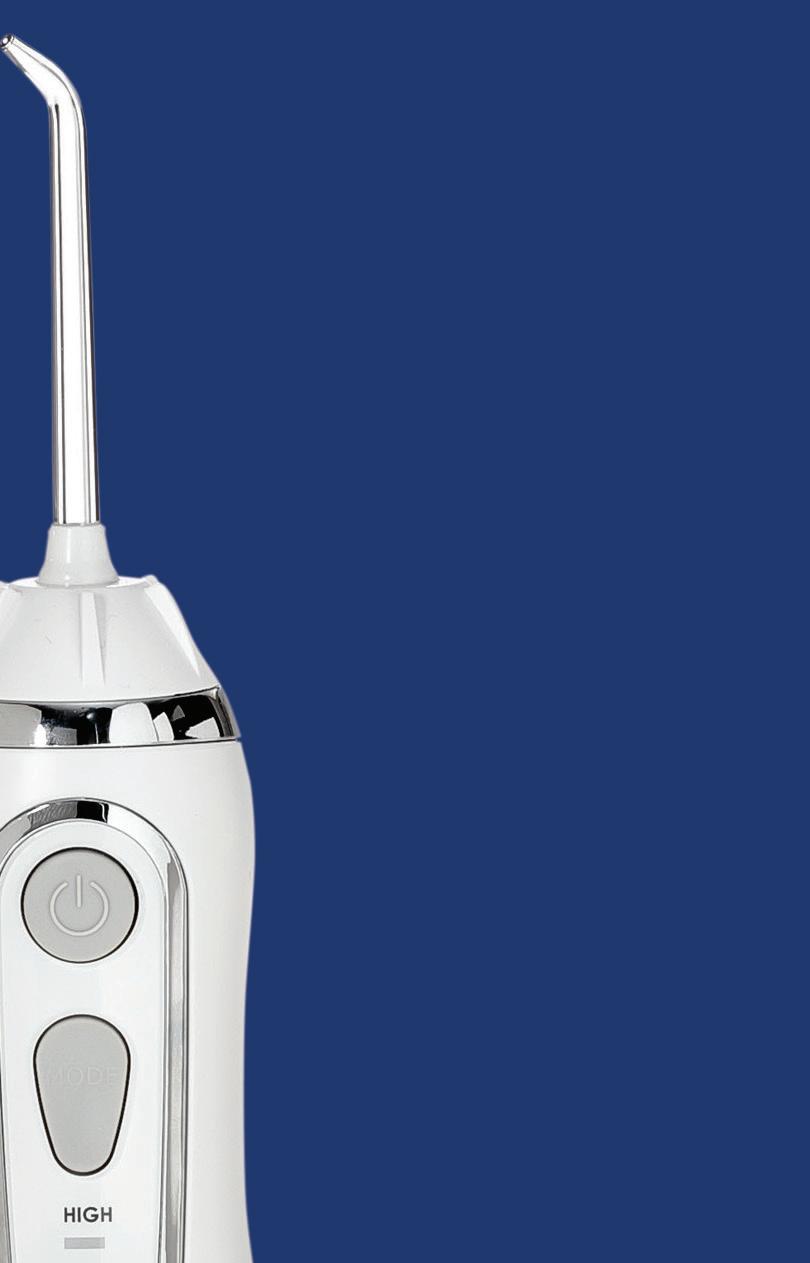
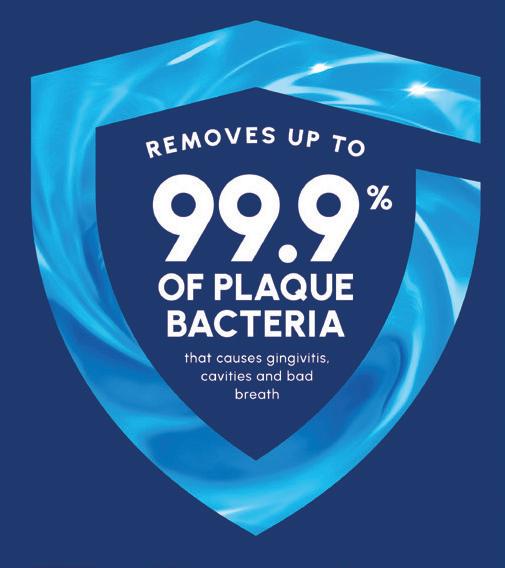
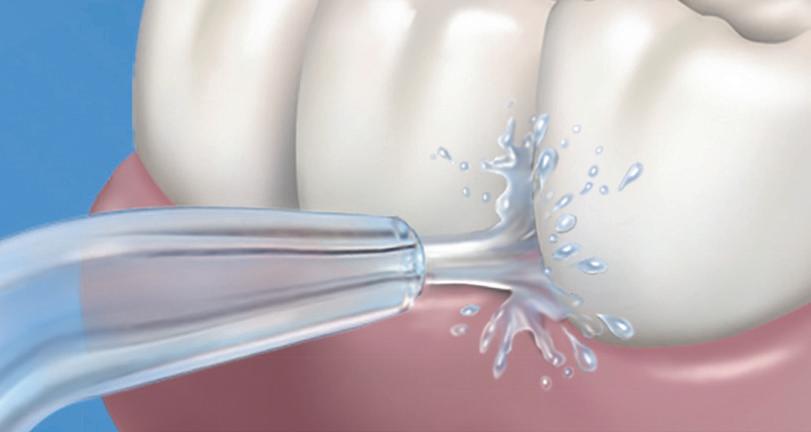
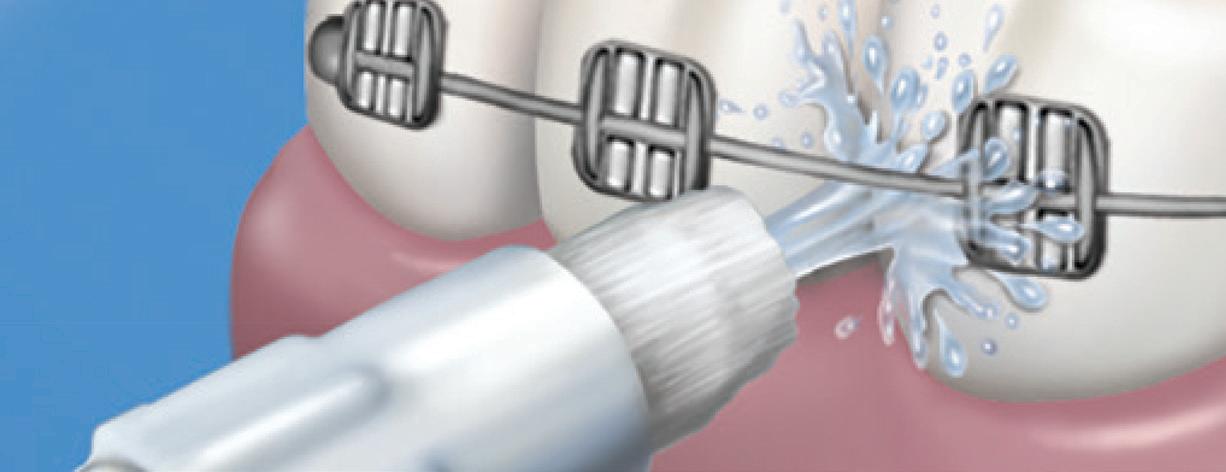
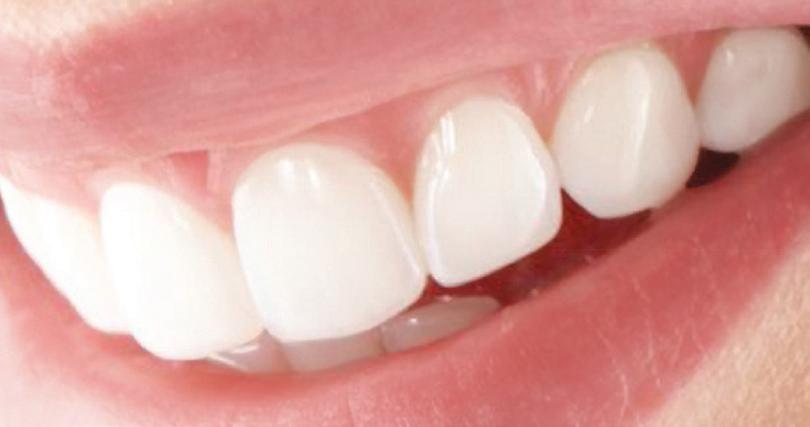
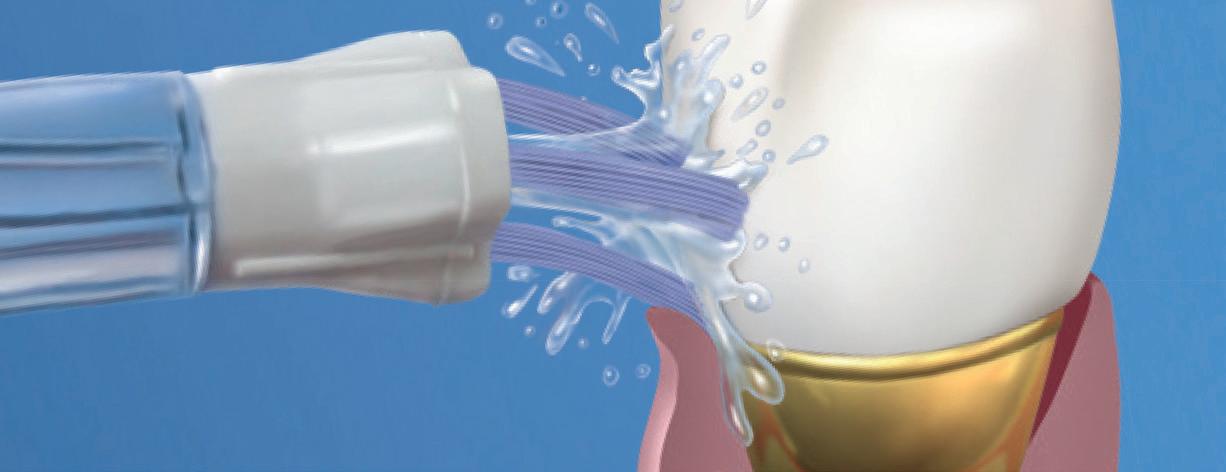
Our clinical superiority is unmatched, delivering results that speak for themselves. REMOVES 99.9 % OF PLAQUE FROM TREATED AREAS* *Independent clinical study. Go to www.waterpik.co.uk for details.
REDUCES GINGIVITIS UP TO 50% MORE THAN STRING FLOSS
HEALTHIER GUMS WITH UP TO 93% LESS BLEEDING IN JUST 4 WEEKS
CLEANS PLAQUE AROUND BRACES UP TO 5 x BETTER THAN BRUSHING ALONE HELPS IMPLANT GUM HEALTH UP TO 2 x MORE THAN BRUSHING AND STRING FLOSSING
Direct access and scope of practice
Exploring the changing role of dental hygienists and dental therapists treating patients under direct access
Whether working independently under a direct access arrangement, or under the prescription of a dentist, dental hygienists and dental therapists often lead the way in patient care and are fundamental to the long-term success of today’s dental practices.
Direct access has been the catalyst to the changing role of dental hygienists and therapists across both the private and NHS sectors in the last decade, in terms of progression, integration and utilisation.
Integrating direct access
Direct access was introduced in 2013 when the General Dental Council (GDC) removed its barrier to direct access for some dental care professionals after considering the impact on patient safety. This meant dental hygienists, dental therapists and, in some cases, clinical dental technicians, were able to carry out their full scope of practice without the patient having to see a dentist first.
Dental Therapist and NSK Ikigai Educator, Lauren Long, explains: “For patients, direct access means they now have easier access to a range of dental professionals without referral from a dentist.
“Patients can approach hygienists and therapists directly for treatment within our scope of practice, as well as screening for conditions such as oral cancer, something previously only dentist could do.
“We can also make a direct referral to a relevant dental professional if the patient’s condition is outside our scope of practice.
“I think the whole practice team really benefits when we all embrace direct access. It’s not only good for patients, who can be seen more easily to get the treatment they need, it brings more patients into the practice who are able to access the additional range of services the team provides.”
Information and consent
It is important to ensure patients are fully informed before and at the time of booking a direct access appointment to ensure they know which professional they are seeing and the possible limitations of direct access. Information that should be provided includes what treatment the dental hygienist or therapist will provide on the day, what treatment they can offer following consultation, and
where they will refer the patient should treatment be required that they cannot provide.
Legislative changes
Previously, under direct access, dental hygienists and therapists could administer treatments such as local anaesthetic and high-strength fluoride, but only after obtaining a prescription from a dentist, otherwise known as a patient-specific direction (PSD), or having a document known as a patient group direction (PGD) in place.
In a recent move to increase the capacity and efficacy of oral health care in the UK, changes to the Human Medicines Regulations 2012 (effective June 26, 2024) enable dental hygienists and therapists across the UK to legally supply and administer specific prescription-only medicines (POMs) under an exemption mechanism without needing a PSD or a PGD.
This move, initiated by the British Society of Dental Hygiene & Therapy (BSDHT) and the British Association of Dental Therapists (BADT) back in 2013, and developed over the past 11 years, aligns with the broader objectives of the NHS Long Term Workforce Plan, which aims to bolster direct patient care while liberating dentists to tackle more complex procedures within the NHS framework.
The GDC has welcomed this change, stating that it will improve direct access for patients to dental hygienists and therapists, while promoting better use of the skill mix in the dental team.
There is no obligation for dental hygienists or therapists to administer and supply medicines under the exemptions noted above. However, all dental hygienists and therapists, regardless of previous training, experience, and qualifications, should ensure they are appropriately trained, competent and indemnified to supply and administer specific medicines under the exemptions mechanism, encouraging them to select a course that follows the developed training curriculum.
A time of change
The approval of exemptions for dental hygienists and therapists to administer specific medications is a big forward step in the delivery of oral health care, directly benefiting patients and the dental profession alike.
THE ULTIMATE GUIDE TO DIRECT ACCESS
Don’t miss Lauren Long’s appearance alongside a starstudded panel of experts, including Jason Wong (Chief Dental Officer for England), Fiona Sandom, Michaela O’Neill, Anna Middleton, Bill Sharpling, Lauren Long, Miranda Steeples, Sab Bhandal, Debbie Hemington and Simone Ruzario, in The Ultimate Guide to Direct Access!
The series covers all you need to know about Direct Access, from what it is to how it can be implemented, what the benefits are to patients and practices, and what the future may hold.
Watch now at the-probe.co.uk and at https://www.youtube.com/@theprobemag – or by scanning the QR code.
Lauren Long
Lauren Long is a Dental Therapist with over 15 years’ experience, working exclusively in private practice in Edinburgh.
Alongside her clinical work, Lauren currently holds the position of Therapist Clinical Director for Pain Free Dentistry Group and is a KOL and educator for NSK Ikigai. Lauren is also secretary of the BADT.
“For a hygienist or therapist, it will make our job easier and more straightforward in terms of giving the care that our patients need,” says Lauren. “From our point of view, and from the patients’ point of view, it’s only a good thing, reducing dependency on dentists for prescriptions while allowing us to practice to our full potential.”
With these regulatory changes, the role of dental hygienists and therapists is ready to expand significantly, aligning with the government’s proposals to rebuild dentistry for the long term, reform the dental contract, and shift the focus towards prevention.
NSK is dedicated to supporting dental hygienists and therapists as a vital cog in the wheel of preventive dentistry with equipment that is designed and manufactured with the needs of these dental professionals in mind.
Alongside this, NSK Ikigai provides an active community and professional hub that underscores the crucial role dental professionals play in oral health and the wider healthcare arena, providing a platform that allows fellow professionals to learn new skills, follow key opinion leaders and develop new professional relationships.
To find out more about the NSK Ikigai Oral Health Community and to get details of the Spring 2025 oral health webinars and face-to-face hands-on events visit https://mynsk.co.uk/ikigai/ n
Smile lessons start here
Dental hygienists and dental therapists know the value of starting oral health education early, but how can that message reach beyond the clinic? Rhiannon Jones explains
It is a conversation the dental profession has been having for years: how do we embed prevention into everyday life, especially for children? With childhood tooth decay still worryingly common, the need to reach children where they are, rather than waiting for them to come into the practice, is more urgent than ever. That’s where initiatives like First Smiles come in.
What is First Smiles, and why is it so important?
First Smiles is a UK-wide initiative taking place on 13th June 2025, spearheaded by the British Society of Dental Hygiene & Therapy (BSDHT) and supported by Oral-B.
On that Friday, members of the dental team will visit nurseries and primary schools to deliver oral health education. The sessions are designed to be interactive, memorable, and ageappropriate, with the aim of prevention through education, and delivered in a way that children can understand and enjoy.
It’s important because we know the scale of the issue. Around 250,000 primary school children in England experience tooth decay and, in some regions, nearly one in three start school already showing signs of dental disease. It’s unacceptable and avoidable.
First Smiles is about shifting mindsets, to help children and their families see oral health as something positive and manageable.
How does the campaign align with National Smile Month?
Really well. National Smile Month runs from 12th May to 13th June, and this year’s theme, ‘Feed Your Smile’, explores how food and drink choices affect oral health. First Smiles reinforces that message directly in the classroom, helping children understand not only how to care for their teeth, but also how nutrition plays a part. It’s a great opportunity to open those conversations early, in a way that feels positive, empowering and fun.
What does a typical First Smiles visit involve? Sessions are tailored to be practical and engaging. A typical visit might include a toothbrushing demonstration, a short story, or role-play to explain dental visits, and a hands-on activity exploring sugar content in everyday foods.
The key is to make oral health accessible and enjoyable so that children remember it. Plus, with support from Oral-B, we’re providing take-home resources that help reinforce those messages beyond the classroom and practice.
Who can take part?
Every member of the dental team can get involved, and we’d especially love to see more dental hygienists and dental therapists leading visits. Their communication skills, preventive focus, and clinical knowledge make them ideally placed to deliver these messages with confidence and clarity.
Even for those who can’t commit to a school visit themselves, there are still ways to support, such as sharing the campaign with colleagues, engaging local networks, or mentoring someone who’s keen to take part.
How do these sessions support professional practice?
In so many ways. Community engagement is a core part of our role as dental care professionals (DCPs). First Smiles offers a practical way to deliver prevention-focused care outside of a clinical setting, while also helping to raise awareness of our profession and its value.
What kind of long-term impact do you hope to achieve?
First Smiles is about more than a one-off visit. It’s about shifting mindsets to help children and their families see oral health as something positive and manageable. If we can inspire a few children to brush twice a day, make better food choices, or feel more comfortable visiting the dentist, we’re making real progress. Longer term, we hope to reduce the prevalence of decay and help shape a future where fewer children experience avoidable dental disease.
What would you say to a DCP considering getting involved?
It’s also a brilliant reminder of why many of us came into this profession: to empower people, to educate, and to improve lives.
How can people sign up?
Simply visit tinyurl.com/FirstSmiles2025. It only takes a few minutes to register, and we’ll provide everything you need to deliver a successful visit. By working together, we can give every child the best possible start in life and ensure that every smile really does count. n
ABOUT THE AUTHOR
I’d say this is your moment. You already have the skills, knowledge and passion, and First Smiles provides a platform to use them in a meaningful way. It’s a rewarding experience, both personally and professionally, and one that genuinely makes a difference.
Rhianon is the President of the British Society of Dental Hygiene & Therapy.
RHIANON JONES
Informed consent in dentistry
According to GDC guidelines, dental professionals need to obtain valid consent from the public.
The GDC divides informed consent into three main parts:
1. Before any treatment can begin, dental professionals need to obtain consent and explain all the relevant options and associated costs.
2. Patients must understand the decisions they are being asked to make.
3. Ensure that the patient’s consent remains valid at each stage of treatment.
Some dental professionals rely on simply giving out leaflets and believing that the information given is enough for the patient to give their informed consent. However, this can often create more questions than it answers.
The Supreme Court of the UK established that, rather than being a matter for clinical judgment to be assessed by professional opinion, a patient should be told whatever they want to know, not what the professional thinks they should be told.
The principle of consent is an important part of ethics and international human rights law. Dental professionals need to think about how they would wish to be treated if they were in the chair.
In 2010, Martin Kelleher introduced the concept of the ‘The Daughter Test’. In simple terms this test asks, when considering elective cosmetic treatment, knowing the potential risks and what this could mean long-term, would you conduct this treatment on your own daughter.
Navigating consent & interpretations
Communication is the most important method to gain informed consent. Consent may be given either verbally or written. Written is more secure, for both patient and dental professionals as each party will have a copy for future reference. Written consent should be comprehensive, it should not, however, be used as well as a verbal discussion, to reduce any misunderstandings later.
Verbal consent on its own can be open to interpretation. For example, if a patient says ‘okay,’ it could mean that a person is indicating that they are ready to engage in a discussion and they are listening to what you are saying, or it could mean ‘okay, I agree to all of this treatment.’
Changing minds
It is vital that patients are kept informed throughout the whole of the treatment process and informed if a treatment plan requires altering. This will usually require a face-to-face meeting to go over these changes and any financial differences.
If a patient decides they want to stop treatment, they need to give ‘informed refusal’ – understanding what will happen if they stop treatment at the point that the treatment has reached. If possible, the dental professional providing the treatment should ensure that the patient has understood the implications of ceasing treatment and agreed that they do not wish to continue. If the patient does not wish to sign anything to indicate this, this refusal needs to be documented on their records.
This record should include risk management and what the patient’s options are now. This must also include a record of the discussion that was had and what is clinically the best for the patient’s dental health.
It is unlikely that we will not come across at least one scenario in which we have to manage a patient’s expectations and oral health outcomes. It will be up to the dental professional whether they can continue to treat the patient within these limits, or whether the patient’s expectations cannot be met. Therefore, the patient relationship has irrevocably broken down and the patient should seek treatment elsewhere.
Slippery slope of another’s consent
At the beginning of life, parents step in and provide consent as children are not able to understand decisions. Children aged 16 and 17 years old are presumed to have
ABOUT THE AUTHOR
KAREN COATES
RDN CERT OHE IS THE ORAL HEALTH CONTENT SPECIALISTAT ORAL HEALTH FOUNDATION.
sufficient capacity to give informed consent for medical and dental treatment.
Children under the age of 16 years old can consent to their own treatment if they are believed to have enough intelligence, competence and understanding to fully appreciate what is involved in their treatment. This is known as being Gillick competent.
Dementia, severe mental illness, or emergency treatment to save their life may prevent a patient from being able to give informed consent. A dental professional then should speak to a patient’s caregiver, friends, or family to gain informed consent. Yet it is still important to try to communicate what is going on to the patient as much as possible. Dental treatment should always be in the best interests of the patient.
Thoughts
going forward
It is clear that patients are at the heart of consent and, without including them, we are setting up for disaster. Dentistry is for the benefit of public health, and the more information, the better.
Patients can make better-informed decisions about their dental health with the knowledge from professionals. This means face-to face communication, a written tailor-made treatment plan, and written documentation of everything that is discussed, with copies for the patient and the dental professional. This is something that could never be achieved with a generic leaflet.
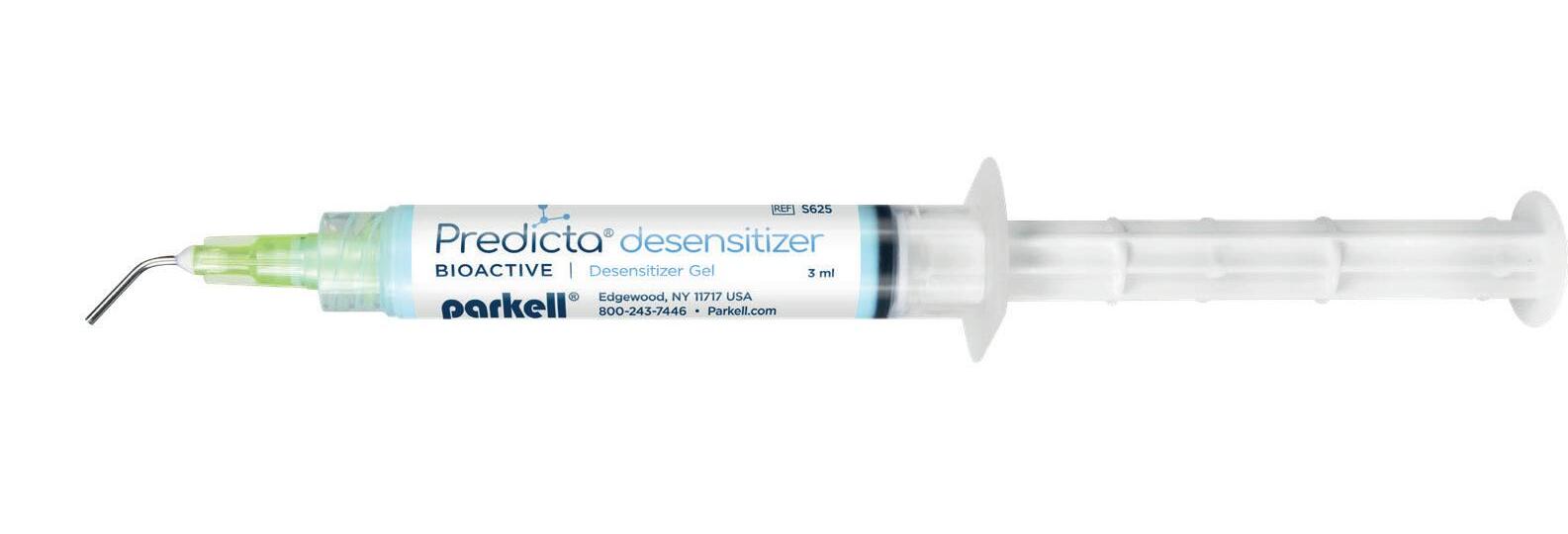
Treat hypersensitivity in minutes!
Predicta® Bioactive Desensitizer is changing the way clinicians treat dentin hyper sensitivity by using the elements that are naturally found in the tooth, (calcium and phosphate) and restoring them to the tooth in the form of hydroxyapatite plugs that immediately start forming in the dentinal tubules upon application.
Predicta® Bioactive Desensitizer doesn’t stop there. An additional layer of mineral ization forms atop the dentinal tubules as a result of the ongoing release of calcium and phosphate ions. This extra layer broadens the seal that protects the pain-sensing A-delta nerve fibers in the pulp from being stimulated.
Treats dentin hypersensitivity due to:
T Exposed roots after perio-surgery
T Bleaching procedures
T Scaling or root planing
T gingival recession
Easy-to-use, long-lasting, biocompatible
This syringe dispensed, ready-to-use gel needs no light-curing and is highly biocompatible as it contains no aldehydes, methacrylates or soft-tissue irritating chemicals
Patients report relief from sensitivity up to six months.
How to sell products in-practice
Dental hygienist
Eleanor Cowlam
shares her tips to boost in-clinic sales, and patient oral health
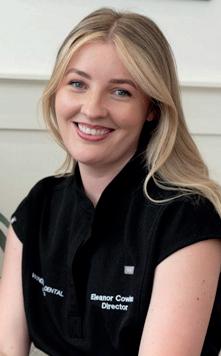
Dental hygienist and therapist Eleanor Cowlam opened her new practice Windsor Street Dental 10 weeks ago, and has already sold over 70 brushes. She shares how patient empowerment and education is at the core of her success.
“I want to change patient’s perceptions of dentistry”, Eleanor says. “I want to create an environment where people know we have their best interests at heart, and that we’re here to help them. Most importantly, I tell all of my patients that ‘prevention will change your mouth’. You tend to find with dentistry that people get into a cycle of treatment. They have fillings or restorative work done, and then they get another caries lesion on a different tooth. I tell them that prevention at home is the key to a healthy mouth.”
“What a patient does at home is responsible for 95% of their overall oral health. We administer treatments in the practice, but if we can’t control what a patient is doing at home, it makes it harder to safeguard their oral health. However, we can educate and empower our patients to want their mouth to be as healthy as it can be.”
Sonicare toothbrushes are central to Eleanor’s oral health plans for her patients.
“I converted to using Sonicare about a year and a half ago. I took stock of the brush I had been using, and questioned whether it was actually the best option for my patients. I initially trialled Sonicare with a few patients. I had one person who told me they couldn’t brush their teeth, it was too painful and sore. A few weeks later, they were brushing with ease. Another patient has cosmetic veneers, and we found the Sonicare great at removing plaque interdentally and around the cervical margins on these veneers, they can be notoriously difficult to clean sometimes. Sonicare has made this patients routine now very effective. it’s like he has a different mouth. I also used the brush myself, and saw first-hand how my sensitivity disappeared in just two weeks. This changed my perceptions about what you can expect from a brush. It made me so passionate about empowering my patients to do better at home.”
The day before we spoke with Eleanor, she had sold 10 Sonicare brushes in one day alone. She outlines how patient education is central to her success.
“The first thing I ask my patients is how they cope with their oral health at home. Is there anything they are struggling with? I ask new patients how many times they brush their teeth, what they are using to brush with, if they floss or use interdental brushes. You need to know the foundation you are starting with. I always ask how old their toothbrush is, and if it is holding its charge. If they tell me the battery only lasts a day, I know that will contribute to my patient’s oral health challenges.”
Eleanor then brushes her patients’ teeth for them. Seeing and feeling an immediate change to their mouths helps with patient compliance, she explains.
“I use disclosing tablets and a Sonicare Trial Unit, and brush their teeth for two minutes in front of a mirror. I ask them to watch what I am doing, and study my angulation and the pressure I am applying. Without fail, they all say how clean their teeth feel. That’s when I tell them they can easily recreate that feeling at home. I’ll give the brush to the patient and watch them brush their teeth, and adjust what they are doing if I’m not happy. Some of my patients actually record how I brush their teeth on their phones so they can replicate it themselves. I then give my patient the trial brush head to use at home, which lasts for three months. By ensuring they are brushing properly, you are saving your patients time and money.”
Selling Sonicare in-practice is central to Eleanor’s success in converting patients.
“You have to sell the brush in the clinic. The last thing a patient wants to spend their money on is a toothbrush. If you give them a recommendation card, they will leave it in their purse or the floor of their car. However, if a patient still remembers the clean feeling the Sonicare gave them, and can see the difference, they will feel encouraged to buy the brush.”
Empowering and educating the whole team is also a key component to Eleanor’s success.
“Every member of your team needs to be using the brush. If you don’t have first-hand knowledge of
something, you can’t empower your patient to try it. Have a good understanding of each individual product, and why a different brush may suit each patient. Everybody, from the receptionist to the practice owner needs to understand the difference between each model and make. Make sure you educate your team. If a dentist doesn’t have time to sell products, get your nurse some additional oral hygiene education. You can then set up a room in the practice dedicated to post-treatment support. Your nurse can showcase how and why to use a Sonicare brush, which will help your sales – your profits could soar with very little output from the practice owner. I’ve found it’s very empowering for the wider team too.”
Maximise your relationship with your local representative, says Eleanor.
“You need to be in constant contact with your reps. Our rep Sarah is brilliant, she will share anything she thinks we will benefit from, and I like that they aren’t sales focused. Through Sarah we found out about other Philips products like the Power Flosser and Zoom Whitening. I’ve found patients appreciate that they are receiving a premium product, and offering these absolutely helps increase patient numbers.”
For more information about Philips, and to get in touch with your local representative, contact: dental.sales.support@philips.com. n
ABOUT THE AUTHOR
ELEANOR COWLAM
Eleanor is a Dental Hygienist and Therapist with her own practice
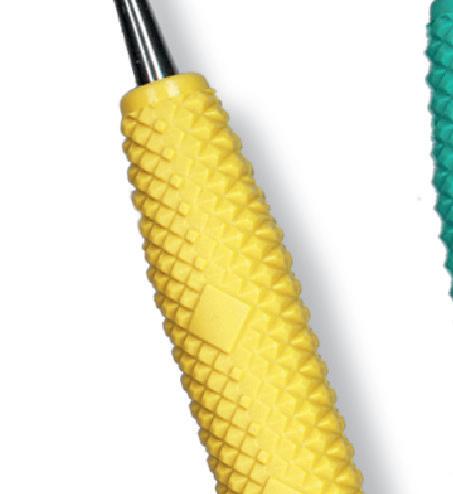
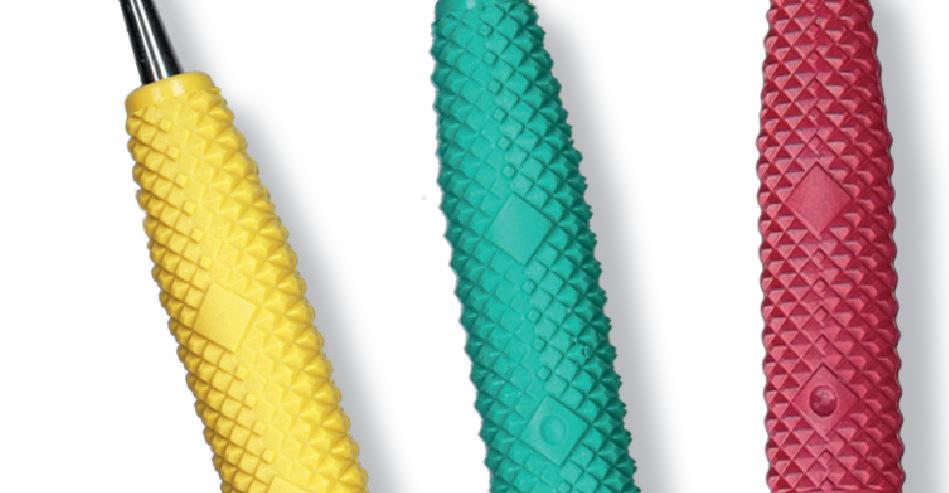
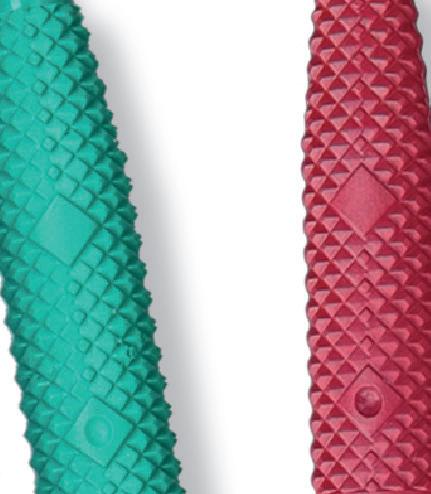
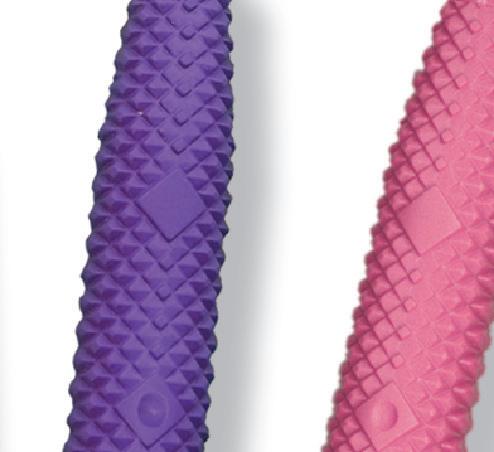
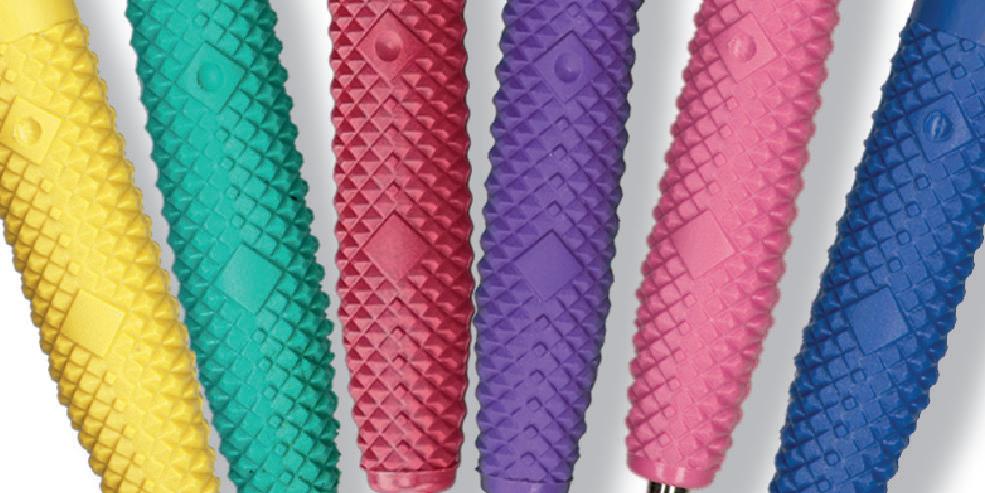
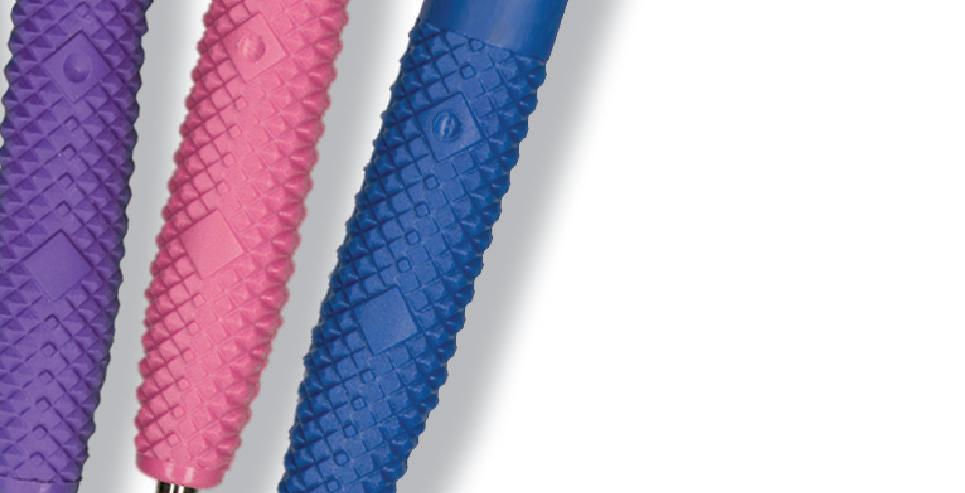
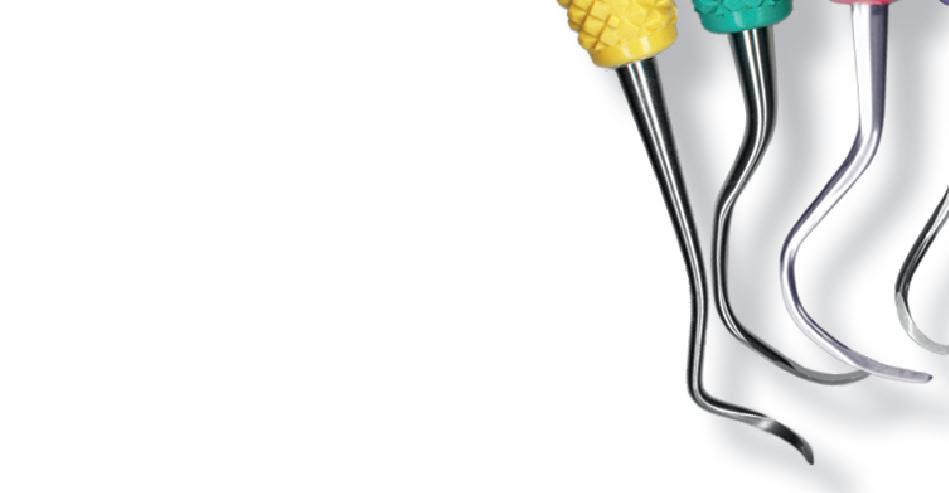
FINER • SHARPER • STRONGER
Expertly crafted to provide maximum comfort and tactile sensitivity
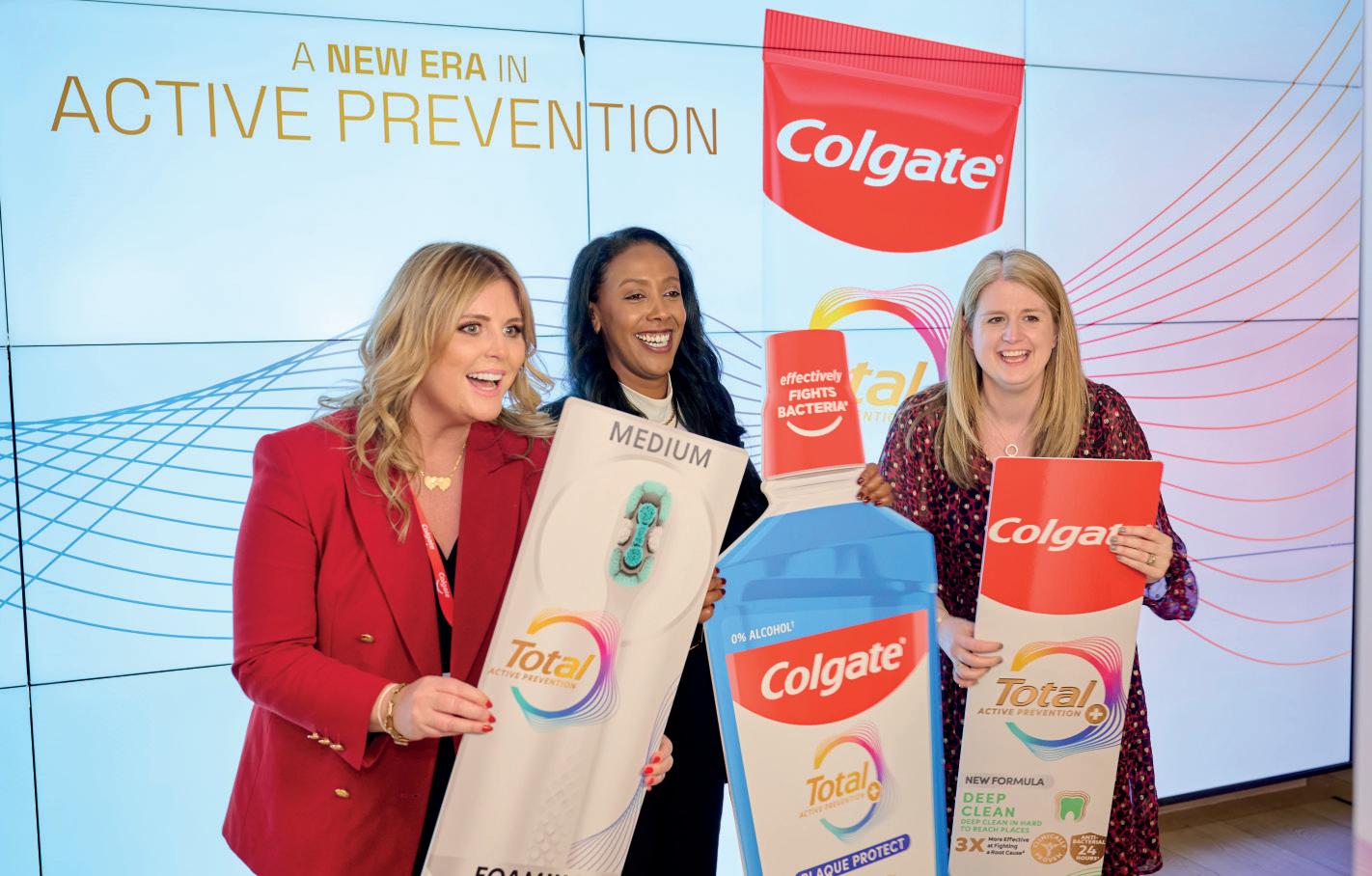
Colgate® Introduces a New Era in Active Prevention
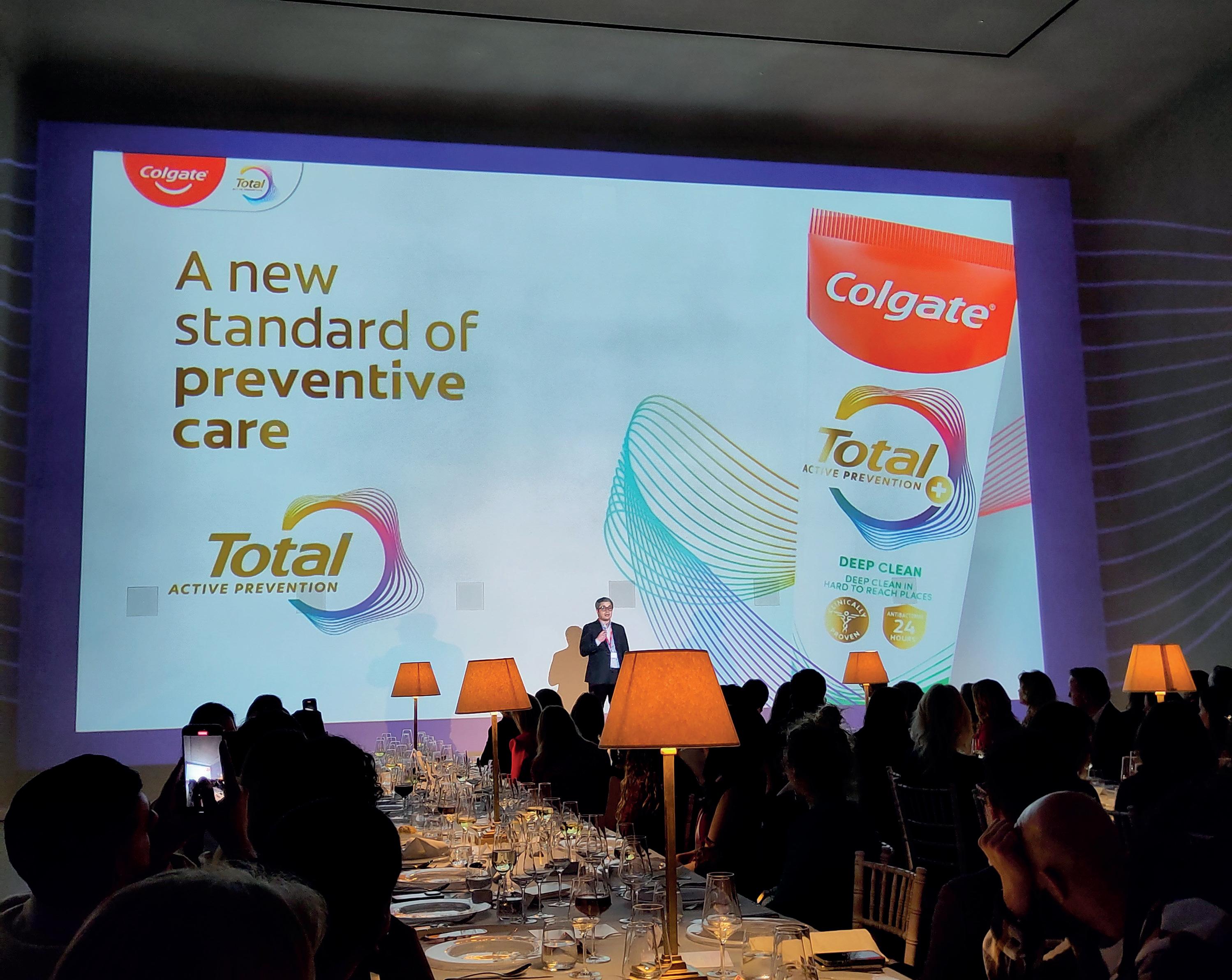
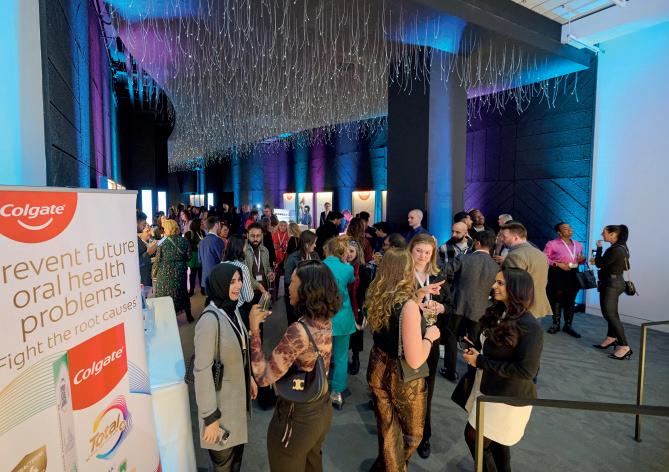
Dental professionals from across the UK recently attended an immersive event at Frameless in London to experience an exciting journey of discovery as Colgate ® Introduced a New Era in Active Prevention.
The audience had the opportunity to experience the Active Prevention journey whilst hearing insights from patients, scientists, academia and the dental profession. Simon Petersen, Senior Vice President and General Manager at Colgate, Northern Europe welcomed everybody, sharing Colgate’s success is built on valued, trust- based relationships with a range of partners, including the dental profession. He also highlighted that as a global brand in over two thirds of all households, Colgate’s leadership position presented opportunities to enter a new era in Active Prevention.
Katie Mitchell, Senior Insights Manager at Colgate shared insights around what good oral care means to patients. These insights highlighted the need for an increased focus on patient empowerment through prevention with some saying they don’t feel they have the knowledge or know enough to optimise their oral health at home.
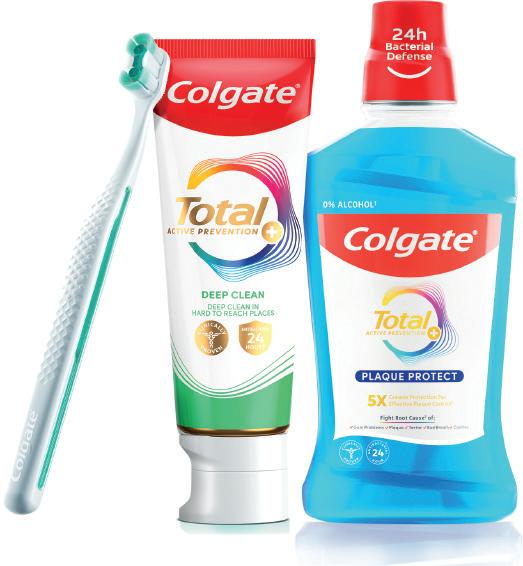
Dr Bayardo Garcia-Godoy, Senior Researcher at Colgate then introduced New Colgate Total ®, designed to support the dental team in extending their professional care into patients’ homes. New Colgate Total ® toothpaste’s superior technology with uniquely* stabilised stannous fluoride formula is formulated to provide high levels of bioactive stannous, targeting the cause of common health problems. Bayardo also highlighted the opportunity of personalised Active Prevention by the ability to recommend the New Colgate Total ® Active Prevention toothpaste range as well as New Colgate Total ® Active Prevention toothbrush and mouthwash to complete the Regime.
Tim Newton, Professor of Psychology as Applied to Dentistry at Kings College, shared the road to effective behaviour change. Tim looked at barriers to prevention and gave suggestions on how to overcome these including using GPS as an analogy to set goals; plan your route and satisfy yourself you are going the right way.
Dr Mohsan Ahmad, a GDP working predominantly in an NHS setting shared how his team gives personalised advice to create and enhance patient engagement, empowering them to start their own journey to self-prevention.
Jan Prisic, Professional Brand Manager for Colgate brought the event to its conclusion, emphasising that there has not been a more appropriate moment for prevention to be so crucial in supporting the oral health of the nation. Jan introduced the New Colgate Total ® Active Prevention Toolkit developed by Colgate ® designed to support dental professionals help their patients with Active Prevention between visits. The toolkits, available from Colgate Oral Care Consultants includes a pre-
assessment questionnaire, handheld mirror and a chairside coaching tool to help engage patients to quickly deliver personalised care, along with a £1 coupon for patients to redeem against the Colgate Total ® toothpaste range at all major retailers.
The event was a huge success with great feedback including ‘inspiring and Insightful’, ‘a wonderful event that went above and beyond’, great speakers and new information’.
To find out more about New Colgate Total ® Active Prevention, please visit colgateprofessional.co.uk/products/colgate-total
Aiding the immunocompromised
Dental professionals have long known the impact of their care on systemic health conditions, and vice versa. Many patients will be exposed to poor oral health outcomes due to conditions they have developed over time, but may not realise the full impact.
Immunodeficiency disorders are some prominent examples. The variety of conditions that compromise an individual’s ability to fight off infection may require such a magnitude of medications and treatments, and visits to healthcare institutions, that regular appointments at the dental practice and diligent oral hygiene routines could be neglected.
Neutrophil disorders are a group of immunodeficiency conditions that dental professionals could impact positively. It is worth considering how a practitioner can help patients manage their conditions appropriately, but this is only possible with a complete understanding of the needs of the individual.
Understanding neutrophil disorders
Neutrophils are effective antimicrobial cells, typically outnumbering any other immune cell found in human blood, and are replenished within an individual’s bone marrow.i Of all people with congenital primary immunodeficiency disorders, approximately 20% will experience abnormal neutrophil quantity or function.ii
Neutrophil disorders may be caused by chemotherapy needed for cancer treatment, or due to an autoimmune condition which produces antibodies to the neutrophils or the bone marrow stem cells that produce them.iii The defect can also be inherited from an individual’s parents if they are carriers.
Patients may experience a variety of symptoms ranging from anaemia, to bleeding and bruising tendencies, or damage to the skin that results in abscesses or fungal infections, and generally poor wound healing, amongst others.iii
Treatment could take the form of G-SCF (granulocyte colony-stimulating factor) injections, which can encourage the production of neutrophils. A haematopoietic stem cell transplant may be considered as a permanent cure. Those living
with neutrophil disorders should try to reduce the opportunity for infection wherever possible, including preventing gingival diseases.
The oral impact
Neutrophil defects can affect a variety of functions that keep the cells in homeostasis. When this is achieved patients can develop oral health infections that could become periodontitis without intervention.iv Deficiency is especially of concern as their role is so prevalent in the oral cavity – around 95% or more leukocytes that are transferred to the gingival crevice in response to biofilm formation are neutrophils.v The cells that are gathered at the crevice form what is described as a “defence wall” in the literature, stopping bacteria invading underlying tissues.v
When a patient develops gingivitis, the body invokes an inflammatory response, and when uncontrolled this may develop into periodontitis. At this stage in an otherwise healthy patient, microbial pathogens cannot be eliminated or controlled by neutrophils; the immune system continues to recruit more to the gingival crevice, but the excess accumulation of neutrophils can promote damage to the periodontal tissue and potential bone loss.vi However, if a patient experiences neutrophil deficiency, periodontitis can develop with an uncontrolled inflammatory response.vi Without the impact of the neutrophils, the condition is able to develop untouched. In another form of neutrophil disorder, where patients produce too many of the cells, a chronic inflammatory state may be induced.vi Without adequate homeostasis, a patient is always at risk of harm, no matter which side of the abnormal neutrophil production boundaries they are on.
Interestingly, the deficiency of neutrophil and the ensuing inflammation has been described as a “paradox” in clinical literature.vii Comparing it to Leukocyte Adhesion Deficiency-I (LAD-I), where the paradigm presents that immune deficiency predisposes an individual to an exaggerated inflammatory response, there are stark similarities. It is thought that the lack of an appropriate immune response requires the implementation of a
compensatory effect, which is often unregulatable, eventually becoming excessive and misplaced.vii In the case of neutrophil defects, excessive IL-17mediated inflammation is induced at the gingival crevice, driving tissue destruction.vii
The importance of oral hygiene
Patients with neutrophil defects may be able to manage periodontal disease effectively with twice-daily brushing, and exceptional interdental cleaning. The latter is vital when removing bacteria, debris and biofilm that aid the development of infection. Clinicians could recommend high-quality water flosser solutions, which were proven in a 2023 study to outperform traditional dental floss at improving the composition of the oral microbiome to create a healthier environment.viii
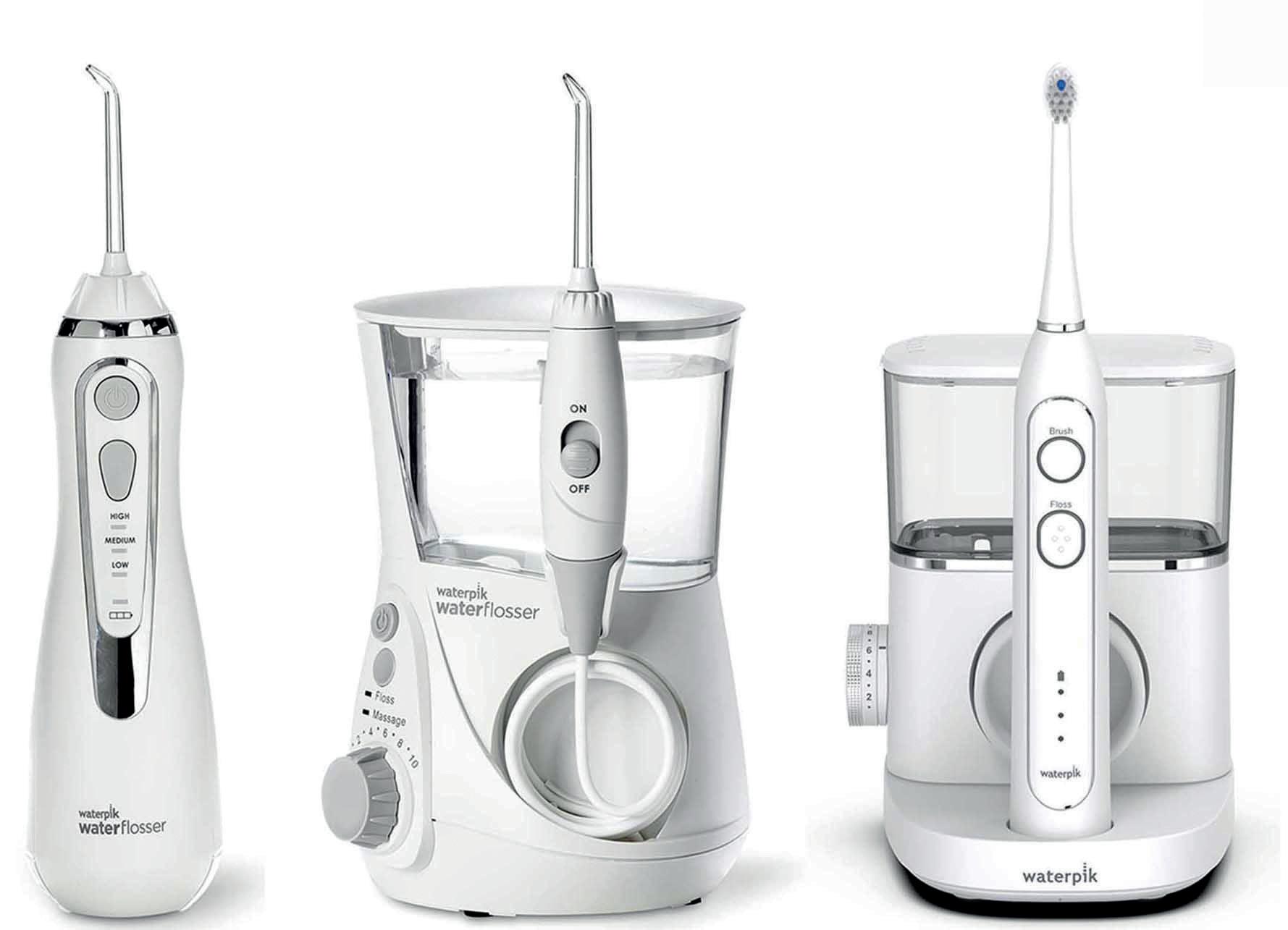
Individuals could use an oral hygiene adjunct from Waterpik™, whose solutions stood out in the aforementioned study, such as the Cordless Advanced water flosser. It is proven to remove up to 99.9% of plaque from treated areas with a 3-second application.ix Patients using the solution will find it is up to 50% more effective at improving gum health than traditional dental floss,x and when used with the Pik Pocket™ tips, patients can gently deliver low-pressure rinses deep below the gumline into periodontal pockets.
Patients with conditions that affect their immune response must take active care to minimise the risk of developing disease over time. This includes keeping a strict, effective oral hygiene routine, which prevents the build-up of bacterial biofilm that induces the potentially uncontrollable cycle of tissue destruction.
For more information on WaterpikTM water flosser products visit www.waterpik.co.uk. WaterpikTM products are available from Amazon, Costco UK, Argos, Boots and Tesco online and in stores across the UK and Ireland. n
References available upon request
ABOUT THE AUTHOR
ANNASTASIA KELLETT WRIGHT
Annastasia qualified as a Dental Hygienist and Dental Therapist from the University of Sheffield in 2013 and currently practices her full scope of practice with paediatric and adult patients in London. Annastasia has been a professional educator for Waterpik since 2016 and is actively involved with the British Society of Dental Hygiene and Therapists, acting as the trade liaison for their London regional group since 2015.
Brush where your toothbrush can’t
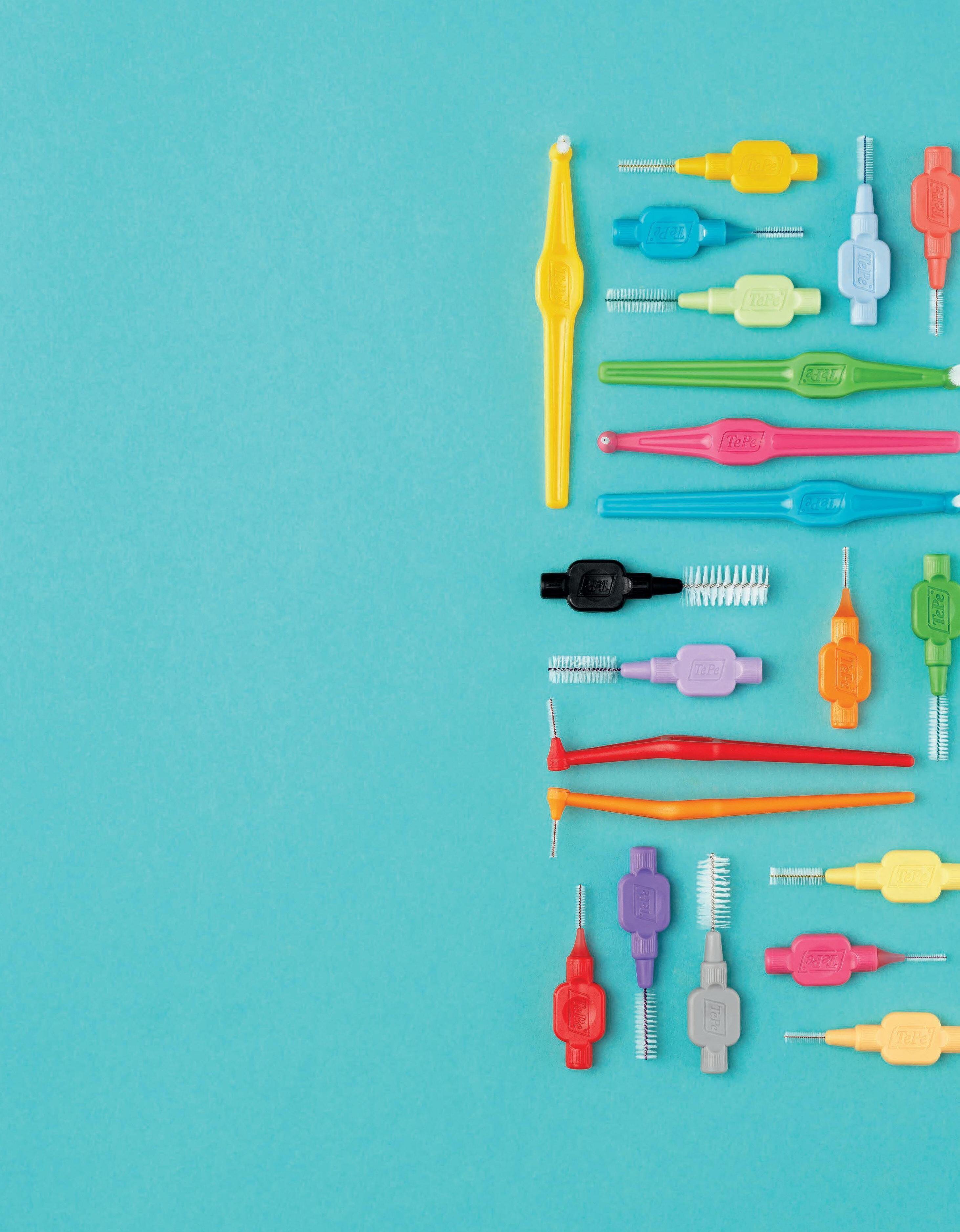
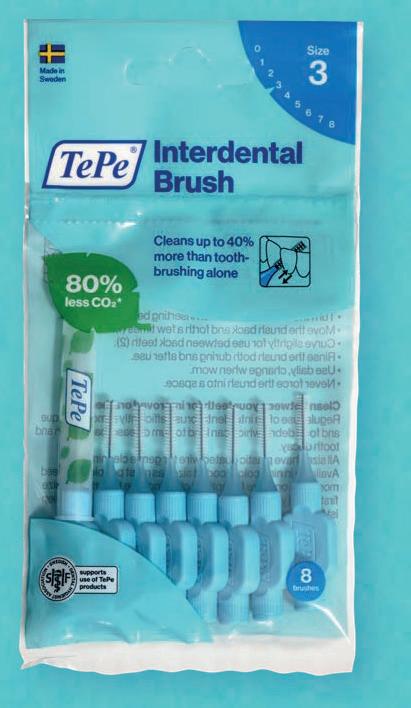
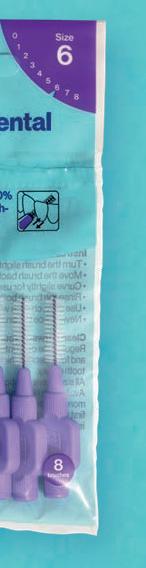
Interdental brushes are the most efficient, user-friendly tool for plaque removal between teeth. TePe offer a diverse selection of award-winning interdental brushes to suit every patient’s individual needs.
Scan the QR code to view TePe’s products suitable for interdental cleaning.
Instilling best practice in our patients
How can we ensure patients brush with an electric toothbrush, use interdental floss, and use fluoride toothpaste?
Maintaining an effective oral health regime is a priority for dental practitioners and patients alike. Good oral hygiene practices—such as using an electric toothbrush, flossing regularly, and choosing fluoride toothpaste—are proven to prevent common dental issues like cavities, gum disease, and tooth sensitivity. However, many patients struggle to follow these best practices, often confused by conflicting media messages. As dental professionals, how can we ensure our patients adopt and maintain these vital habits?
The recommended regime
Research shows that electric toothbrushes are far more effective than manual brushing at reducing plaque and preventing oral health problems. Electric toothbrushes, particularly those with advanced sonic technology, offer a superior clean with built-in timers and modes to ensure the recommended two minutes of brushing. However, many patients still resist upgrading from manual brushes, citing cost concerns or believing that manual brushing is enough.
Interdental cleaning is another crucial but often neglected aspect of oral hygiene. Despite its importance in preventing gum disease and cavities, convincing patients to floss regularly remains challenging. Many find flossing uncomfortable or difficult to incorporate into their routine. While others simply lack awareness of its benefits.
Fluoride toothpaste, on the other hand, is one of the most effective tools in cavity prevention. Despite this, many patients either opt for non-fluoride toothpaste or fail to use it properly. Educating patients on the importance of fluoride in their daily routine is vital for their long-term oral health.
Educating Patients
Education is key to encouraging patients to adopt healthier habits. Many patients are unaware of the superior cleaning capabilities of electric toothbrushes. They may not know that these brushes can remove more plaque and provide more consistent brushing, making them ideal for busy lifestyles. Products like the SONIK Electric Toothbrush from Kent Oral Care, with its long 45-day battery life and two-hour fast charging, are great options for those on the go.
Interdental cleaning is just as essential. Patients often don’t realise that brushing alone isn’t enough to prevent gum disease, cavities, and bad breath. Providing them with options such as Kent’s interdental brushes, available in sizes like 0.4mm, 0.6mm, and 0.8mm, can make the process more comfortable and effective.
Additionally, some patients may hesitate to use fluoride toothpaste due to safety concerns, especially for children. It’s important to reassure patients with evidence-based facts about fluoride’s safety and effectiveness in cavity prevention. Educating patients about the controlled levels of fluoride in toothpaste can help them make more informed decisions. For those prone to dental decay, fluoride toothpaste is the gold standard for prevention and exceptional products like the BRILLIANT Whitening Toothpaste from Kent Oral Care provide the ultimate reassurance.
Hands-on Demonstrations and Building a Routine
Demonstrating proper brushing and flossing techniques can make a significant impact. Many patients benefit from seeing how to hold a toothbrush correctly, the importance of brushing all areas of the mouth, and tips for effective interdental cleaning. These hands-on demonstrations are often more effective than verbal instructions alone.
Encouraging patients to establish a consistent routine is another essential part of the process. Brushing, flossing, and using fluoride toothpaste should be incorporated into daily habits. Suggest setting a reminder for flossing at the same time each day—perhaps alongside morning or evening brushing. Establishing such habits early can increase the likelihood of long-term compliance. However, change won’t happen overnight. For some patients, gradually building up to the recommended routine—such as starting with flossing once a day—can be more effective than trying to implement everything at once.
A Personalised Approach to Oral Health
A one-size-fits-all approach isn’t always effective when it comes to oral health routines. Patients may feel overwhelmed by the variety of products available, so offering personalised advice is crucial.
By listening to their concerns and asking the right questions, dentists can recommend the products that best suit individual’s needs.
Specific brush heads or softer bristles may be necessary for patients with braces or sensitive gums. Additionally, not all patients are comfortable with traditional floss. Introducing alternatives like interdental brushes or water flossers can be particularly beneficial, especially for those with dexterity issues or who find traditional flossing difficult.
For patients who struggle with the taste or texture of fluoride toothpaste, offering a range of options, such as those designed for sensitive teeth or with appealing flavours, can help encourage consistent use.
Final Thoughts
Promoting the use of electric toothbrushes, interdental floss, and fluoride toothpaste is essential for ensuring long-term oral health. As dental professionals, we play a crucial role in educating, demonstrating, and providing personalised recommendations to help patients adopt these practices. By building trust and understanding, we can encourage patients to make informed choices that lead to healthier smiles.
Creating an environment of support and clear communication will empower patients to make effective decisions for their oral health. The more proactive we are in encouraging these habits, the more positive an impact we will have on preventing dental issues and improving overall wellbeing. n
ABOUT THE AUTHOR
STEVE WRIGHT
•
• Carry out supra and subgingival instrumentation
• Use a combination of our products if surgical intervention is required
• Continue to monitor and support the patients’ oral health throughout their life
Nosing around implants
Winter is the time for illness – you may have already had one of the two to three common colds that adults are expected to experience annually. As people spend longer indoors, the risk of infection increases, with viruses preferring the lower temperatures.ii
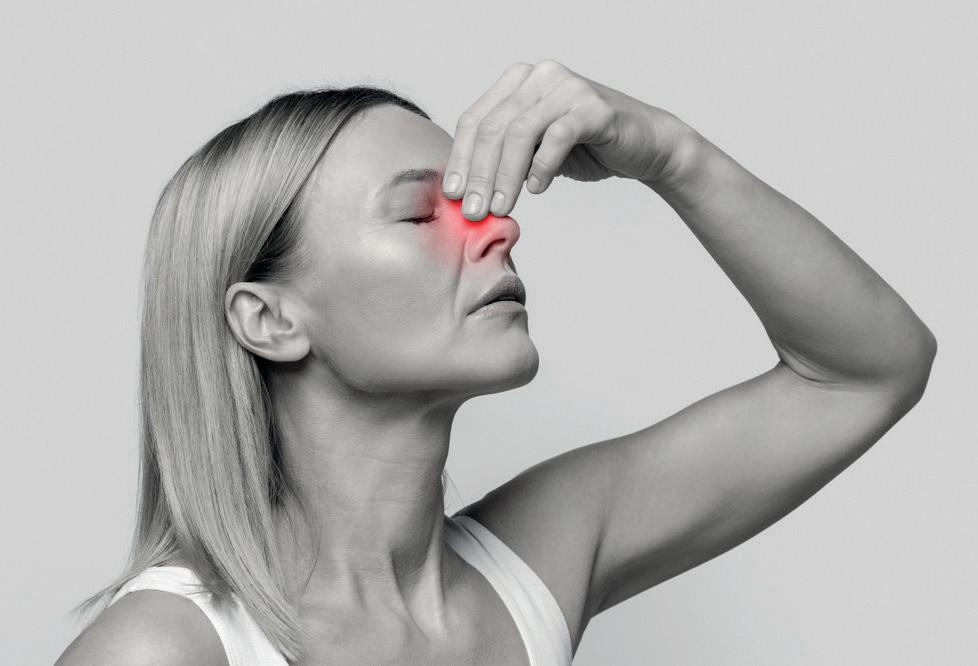
Among the sore throats and blocked noses, it can be easy for patients to develop sinusitis. For patients undergoing implant treatment, education on the link between implant care and sinusitis must be highlighted by the dental practitioner to minimise the chance of infection and subsequent treatment failure.
Sinusitis explained
Chronic sinusitis is experienced by 11% of UK adults.iii The sinuses are connected to the external environment through the nasal passages. The mucous lining and paranasal cavities – air pockets – can become inflamed.iv This blocks the sinus drainage and impairs the body’s natural defences, allowing mucus, bacteria, viruses or fungi to build-up in a moist, fertile environment – this causes infection.iv The symptoms are well known: a blocked or runny nose, reduced sense of smell, a high temperature. It can also cause headaches, coughs, toothaches, halitosis, and pain, swelling and tenderness around the cheeks, eyes or forehead.v
Infectious implants
More than 40% of sinusitis infections in the maxillary sinuses stem from a dental infection;vi the close proximity of the teeth to the sinus floor allows odontogenic infections to easily enter from the oral cavity.vii Odontogenic sinusitis is a result of varying dental pathologies, such as recent treatments, infections, or trauma.viii
Implant treatments are a common cause of odontogenic sinusitis. Peri-implantitis inflames the surrounding tissue of an implant and can lead to recession of the alveolar bone and a loose implant.ix It is this inflammation that makes implant treatment, and poor oral hygiene, a risk hazard for sinusitis, with infectious bacteria spreading into
the air cavities. Research has also found that the same cytokines found in peri-implant breakdown are connected to many other systemic conditions and diseases, from periodontitis to cardiovascular disease.ix Limiting the chance for peri-implantitis can better protect overall health too.
Oral health hazards
Sinusitis can have several effects on oral health. It can affect other teeth, with the irritation from the maxillary sinuses radiating back to the upper teeth and causing sensitivity, toothache and pain.viii Odontogenic sinusitis can therefore cause more dental problems for patients.x
Further impacts on the oral cavity include halitosis. If the infection reaches the throat, it can release a foul malodour that can be hard to combat without antibiotics.x Similarly, patients may take medications to treat sinusitis that can cause xerostomia. Antihistamines are one example, drying out the oral cavity and leaving the teeth – and any recent implant – less protected without the optimal amount of saliva to buffer harmful acids. Xerostomia can increase the risk of tooth decay and yeast infection, so vulnerable patients should be encouraged to use special gels or chew sugar-free chewing gum to keep saliva levels up.xi
Maintaining excellent oral hygiene is essential before, during and after implant treatment. Preventative measures should begin before any implant placement and persist in the following years for maximum success.xii
Immaculate implants
For implant patients, minimising the risk of odontogenic sinusitis can be achieved through a consistent oral hygiene routine that protects the implant. By cleaning all the surfaces and
surrounding teeth and gingivae, peri-implantitis can be avoided. However, a study revealed that, whilst 90% of participants learned how to clean their implants, it was found that only 40% actually practised it whilst supervised by a practitioner.xii This can lead to neglect or improper cleaning methods. Practitioners must therefore demonstrate to implant patients how best to care for their implants.
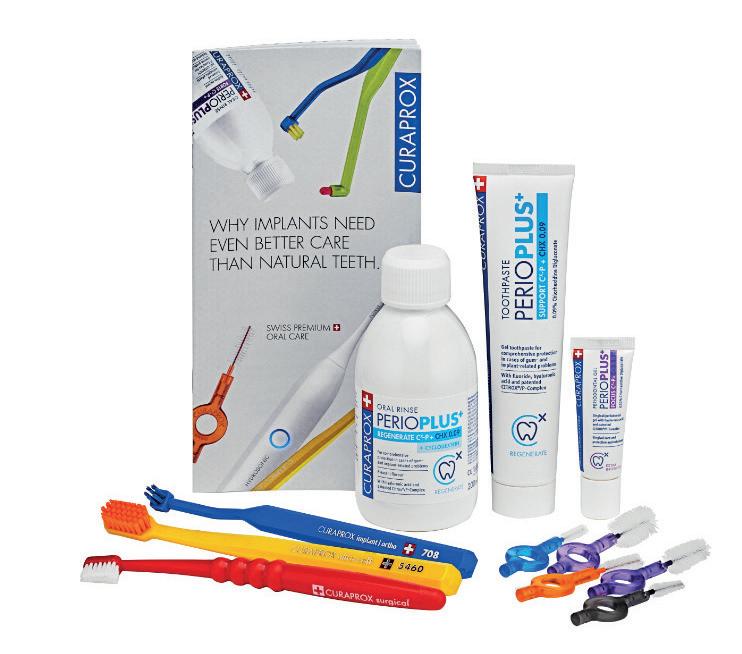
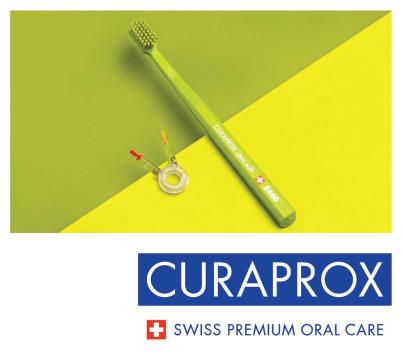
To protect patients who have undergone implant treatment, recommending the Curaprox REGENERATE Implant Kit can reduce the risk of infection and enhance the treatment success. It contains a variety of uniquely designed implant cleaning products, such as a CS Surgical Toothbrush, Perio plus Support toothpaste and Perio plus Regenerate rinse for an antibacterial boost. The kit also includes a CS 5460 UltraSoft toothbrush, a CS 708 Implant brush and five CPS mixed implant interdental brushes for maximum oral hygiene maintenance. Having the Curaprox range of effective oral hygiene products all in one kit makes this the best way to look after implants.
Sinusitis is common over the winter months. By encouraging effective oral hygiene routines, practitioners can help at-risk patients limit the risk of infection and lead a happier, healthier winter.
For more information, please visit www.curaprox. co.uk and www.curaden.co.uk n
References available upon request
ABOUT THE AUTHOR
ANDREW TURNER
Andrew Turner is Head of Marketing UK & Ireland, at Curaden UK
Managing patient care prior to emergency appointment
Adental emergency could happen to any patient at any moment. Because of this, it’s important that you, your dental team, and your reception staff are aware of how best to assist and support patients in these scenarios.
In most cases of dental emergency, pain is a big factor. There are a number of things that might lead to dental pain, with causes including tooth decay, a dental abscess or other infection, a cracked tooth, a broken or loose filling, gingivitis, or bruxism.i
When patients are experiencing a dental emergency, it is often recommended that they phone 111 to seek advice and help them find their nearest emergency dentist. However, it may take some time to get an appointment, perhaps waiting until the following day. As such, it’s important that the dental team can offer guidance about how to manage their pain in the meantime.
What constitutes a dental emergency
It is important that the dental team understands what qualifies as a dental emergency, enabling them to most effectively help patients get the treatment and potentially urgent appointments they may need.
There are a number of complaints that might constitute a dental emergency, including prolonged heavy bleeding, severe distracting tooth pain, swelling or infection, or a knocked-out tooth.ii It is important that patients are aware that they should contact an emergency dentist if they are experiencing these symptoms.
Sometimes, dental problems are not considered emergencies, but should still be prioritised over routine care. For example, usually a cracked or chipped tooth isn’t considered a dental emergency, as well as toothache if it isn’t causing severe pain. A missing crown or filling may also not be considered a dental emergency, however, dentists should aim to see these patients as a priority.iii This is not to say that patients shouldn’t contact their dental practice in these scenarios, but they may have to wait slightly longer for care.
Ultimately, toothache can have a wide range of causes – so it is essential that patients receive care quickly to ensure the problem is treated.
Managing patients in pain and distress
With any painful dental issue, waiting for a dental appointment (no matter how quickly they can be seen) can feel like an eternity. As such, when talking to patients over the phone, it can be helpful to recommend ways that they can manage their pain in the meantime.
Some common recommendations for relieving dental pain include taking painkillers like ibuprofen or paracetamol, using a pain-relieving topical gel for the mouth, rinsing the mouth with salt water if an
infection is suspected, eating only soft foods and avoiding chewing with the sore tooth, and using a soft toothbrush to clean the teeth, avoiding flossing or hard-bristled toothbrushes in the affected area.iv
Whilst these methods will not treat the source of the pain, they will help patients to soothe their discomfort while they wait for their dental appointment.
Before they get to the practice
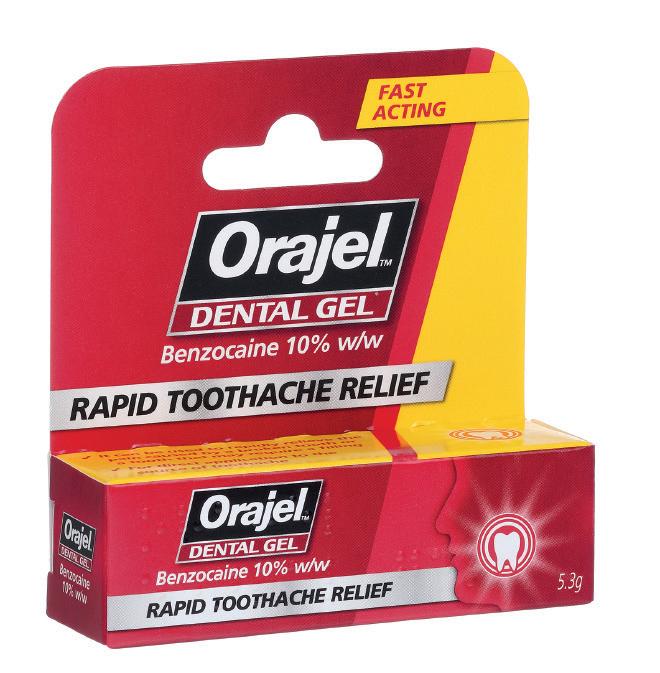
Because it may be a number of hours or even days before a patient can attend an emergency appointment/before one can be made available, dental practices should recommend the use of Orajel to ease their discomfort.
Orajel Dental Gel offers rapid toothache relief where it is needed the most. The topical gel contains 10% benzocaine to reduce pain in a broken tooth, or tooth with a cavity, for example. Benzocaine temporarily blocks pain signals along the nerves, and numbs the problem area quickly. For patients in acute dental pain, Orajel Extra Strength features the maximum concentration (20%) of benzocaine to deliver a powerful local anaesthetic in a patient’s time of need. Patients can use Orajel up to four times a day, enabling them to manage their pain at home whilst they wait for an emergency appointment.
In order to avoid toothache, recommend that patients attend the practice regularly and maintain a good oral hygiene routine. However, when a dental emergency does strike, ensure that your dental team is able to offer patients the care and advice they need to manage their pain before their appointment.
For more information, and to see the full range of Orajel products, please visit https://www.orajel.co.uk/
References available upon request 3 3 3 3 3 3
Can our enamel reflect our wellbeing, and that of our ancestors?
The relationship between people’s health and their dentition is complex and deeply interlinked. New research suggests that enamel may reflect a person’s overall wellbeing. It assessed the enamel of people from three groups: Ancestral Ohlone people from a mission outpost dating to the late 1700s and early 1800s in the San Francisco Bay Area, European settlers from the late 1800s buried at a San Francisco city cemetery, and modern-day US Air Force cadets who donated wisdom teeth.
The research highlights the ways in which the presence of proteins in tooth enamel can be used to study the biological and, potentially, the emotional health of humans throughout history.ii
Evaluating enamel to assess wellness
Researchers evaluated the levels of two proteins (immunoglobulin G, an antibody that fights infection, and C-reactive protein, which is present during stress and inflammation in the body) in the enamel.
The Ohlone people were affected by emotional stress and infectious diseases like tuberculosis, resulting in reduced mental and physical health. They would have experienced high levels of physical and emotional stress as they suffered poor nutrition, hard labour, loss of loved ones, and displacement from their communities. Research found increased levels of both immunoglobulin G and C-reactive protein in samples from the Ohlone people compared to the other groups, indicating both chronic disease and chronic emotional stress.i The European settlers lived in a time where awareness of disease was not yet developed, and sanitation was poor, making life expectancy relatively low. Research results found that levels of immunoglobulin G and C-reactive protein were higher than that of cadets, but lower than the Ohlone people. The modernday cadets were thought to have better nutrition and overall wellbeing compared to both other
Calling all dentists!
Do you want samples or a practice visit? Speak to our UK dealers, Trycare on 01274 88 55 44 or email: dental@trycare.co.uk, or CTS on 01737 765400 or email: sales@cts-dental.com
This assessment method of dental enamel offers a new way for researchers to evaluate the health of different human populations throughout history, and the impact that different circumstances had on individuals. This, in turn, reflects the delicate balance of oral and overall health – and the impacts each can have on the other.
Maintaining oral health, general health, and enamel strength
Not only are the teeth a good indicator for the health of the body, but poor oral health can also increase the risk of other health conditions developing. For example, poor oral health is thought to be linked with increased risk of heart disease, lung disease, and diabetes. This is because the build-up of plaque triggers inflammation, leading to decay, gingivitis, and periodontitis, in turn having wider implications for the rest of the body’s health.iii
In order for patients to best protect their oral and general health, it is vital that they establish an effective oral hygiene routine using high-quality dental care products which work to protect the enamel. A number of factors can impact enamel strength, including age, diet, and parafunction (like bruxism). Each of these can lead to enamel wearing away, and exposing the more vulnerable dentine tissues underneath, often leading to sensitivity, caries, and increased risk of fracture. As such, clinicians must advise patients on how best to
protect their dental health, and prevent sensitivity, cavities, and oral disease.
Tooth enamel is composed of calcified hydroxyapatite and proteins, it is not able to regenerate, yet is very strong and resistant to fracture and can withstand challenging environments over a number of years.iv As such, oral hygiene products which work to replenish minerals lost from the enamel through wear or acid erosion and provide a protective barrier against acids in the mouth, will help to prevent further damage.
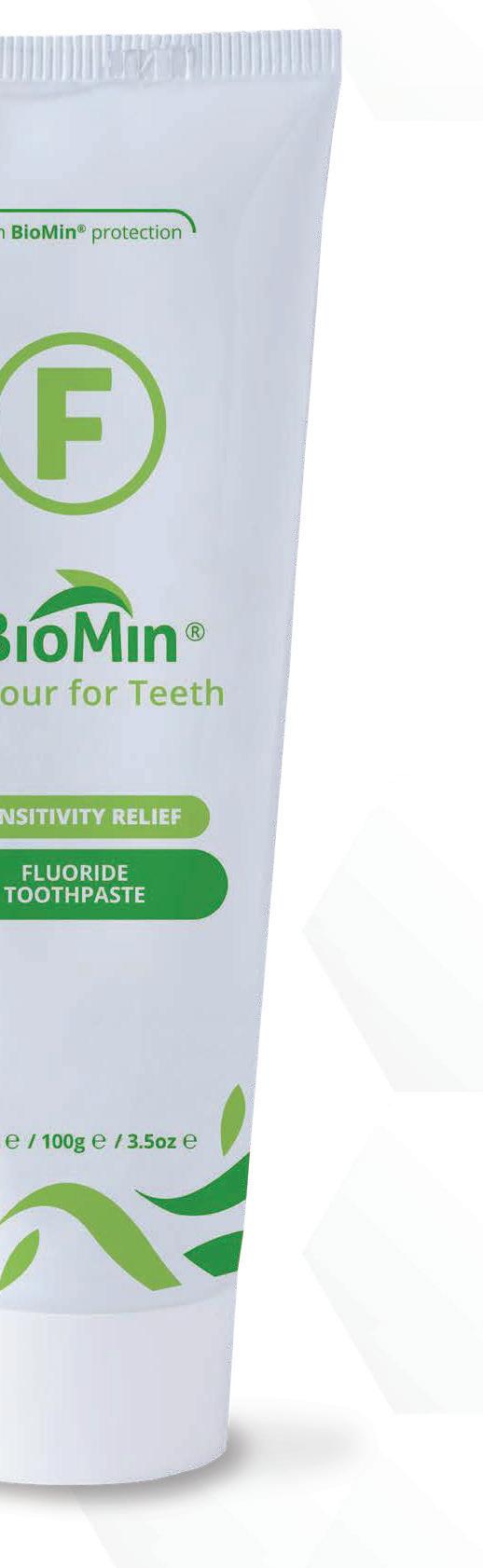
The range of toothpaste from BioMin® contains an innovative formula, with BioMin® F toothpaste containing lower amounts of fluoride with longer lasting protection. BioMin® F contains less than 600ppm fluoride which is delivered slowly for up to 12 hours, offering patients advanced protection when it’s needed most. It works with saliva to form a fluorapatite barrier over the tooth surfaces, which strengthens and protects the enamel and combats sensitivity when used regularly. Further to this, BioMin® C has a fluoride-free formula which slowly releases minerals to create a hydroxyapatite coating, for patients who prefer to avoid fluoride.
With new research constantly shaping our understanding of the relationship between dental and general health, in addition to the impact of emotional wellbeing, clinicians are more informed than ever about the importance of preventing dental diseases, and protecting the teeth against wear.
For more information about BioMin®, and their innovative range of toothpastes, please visit www. biomin.co.uk, or email marketing@biomin.co.uk. n
References available upon request
ABOUT THE AUTHOR
groups (this was reflected in the research where no C-reactive protein was detected in their samples).i
Alec is CEO at BioMin Technologies Ltd.
ALEC HILTON
WELLBEING
Such a pain!
Help heal headaches at home
Headaches need little introduction.
From people aged five to people aged 80, headache disorders are one of the three most common neurological conditions.i There are many common, well-known causes, such as stress, disrupted sleep patterns, certain foods and, famously, alcohol.
However, many may overlook the importance of the temporomandibular joint (TMJ) as a risk factor for headache disorders. Recent awareness has grown after Zoe Ball, a BBC Radio 2 broadcaster, stepped down because of chronic headaches relating to a temporomandibular disorder (TMD).ii This demonstrates how impactful headaches can be to daily life and work, increasing the need to identify and manage at-risk patients before their quality of life is disrupted.
Cause and effect
In a headache, pain occurs when inflammatory substances are released around the nerves and blood vessels of the head, causing that splitting sensation.iii Headache disorders affect approximately 40% of people, iv whereas TMD symptoms, such as jaw pain and stiffness, can be experienced by 40-70% of the general population.v The relationship between TMD and headaches is notable; they are common pain conditions that often co-exist. Both are more common in women.vi
The bidirectional connection between TMD and headaches creates a painful cycle: TMD may be the original cause of a headache and may worsen existing ones, whereas a headache may trigger or aggravate TMD. This comorbidity makes the relationship hard to pinpoint – headaches originating from TMD can be caused by pain in the temporalis muscle, the masticatory muscles or in the TMJ.vii Another part of the connection between the two can be attributed to the trigeminal pathway, where nerve activation is thought to play a major role in headache and facial pain disorders.viii Whilst more research is needed to define the link, there is evidence that it does exist: 82.8% of painful TMD patients reported headaches and 59.3% of headache patients had TMD.ix
Managing migraines
One of the most prevalent subtypes of a primary headache is a migraine, often triggered by nausea, increased sensitivity, external stimuli, and TMD. Able to last anywhere between 4-72 hours, migraines are considered the second most debilitating diseases in the world. x A migraine can impair function in both work and home life, as well as disrupting family and leisure activities, with 71% feeling that migraines affect their mental health and 60% finding that their relationships are impacted by them. xi
Impairment from work is damaging to the economy: 43 million days of work are lost each year due to migraines. xii However, it can have a great toll on a person’s physical and mental health. Repeated time off work can cause a build-up of tasks, causing employees to lag behind their workload when they return. This can increase stress, aggravating further migraines. Furthermore, 52.7% of migraine sufferers have disrupted sleep patterns. xiii Between sick leave and insufficient sleep, migraines can impact workplace productivity, leading to higher levels of stress that can exacerbate the migraines further. Whilst time off work is unavoidable, this vicious cycle from TMD-induced migraines can be managed with support from dental practitioners.
At-home remedies
As awareness of the relationship between TMD and headaches grows, patient education is essential to eliminate concerns and reduce symptoms. At-risk patients, such as women aged 20-50 or patients who are in stressful jobs, xiv should be encouraged to avoid hard or chewy foods, as well as finding ways to stop parafunctional habits like clenching or grinding. As excessive function can cause symptoms to appear, resting the masticatory system can reduce the risk of headaches or facial pain. xv
To alleviate pain, applying heat or ice to sensitive areas is recommended. For a lasting change, physical therapy is crucial for chronic TMD patients. Motion exercises decrease pain and improve function, assisting patients in their journey to restore quality of life.
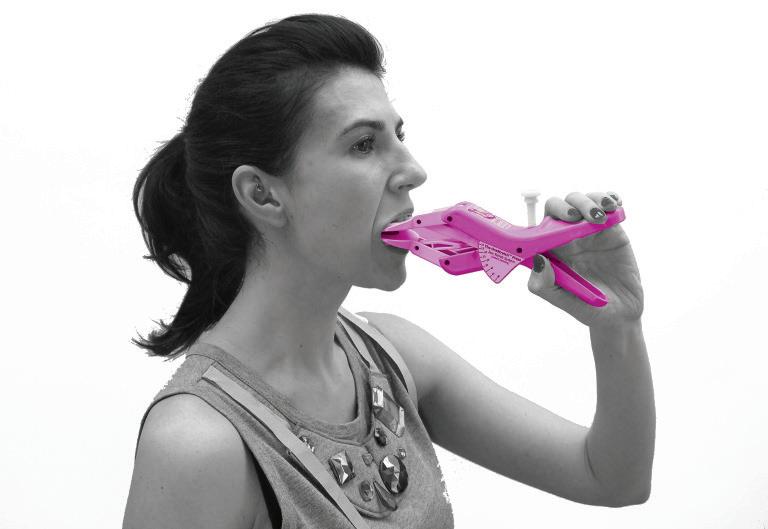
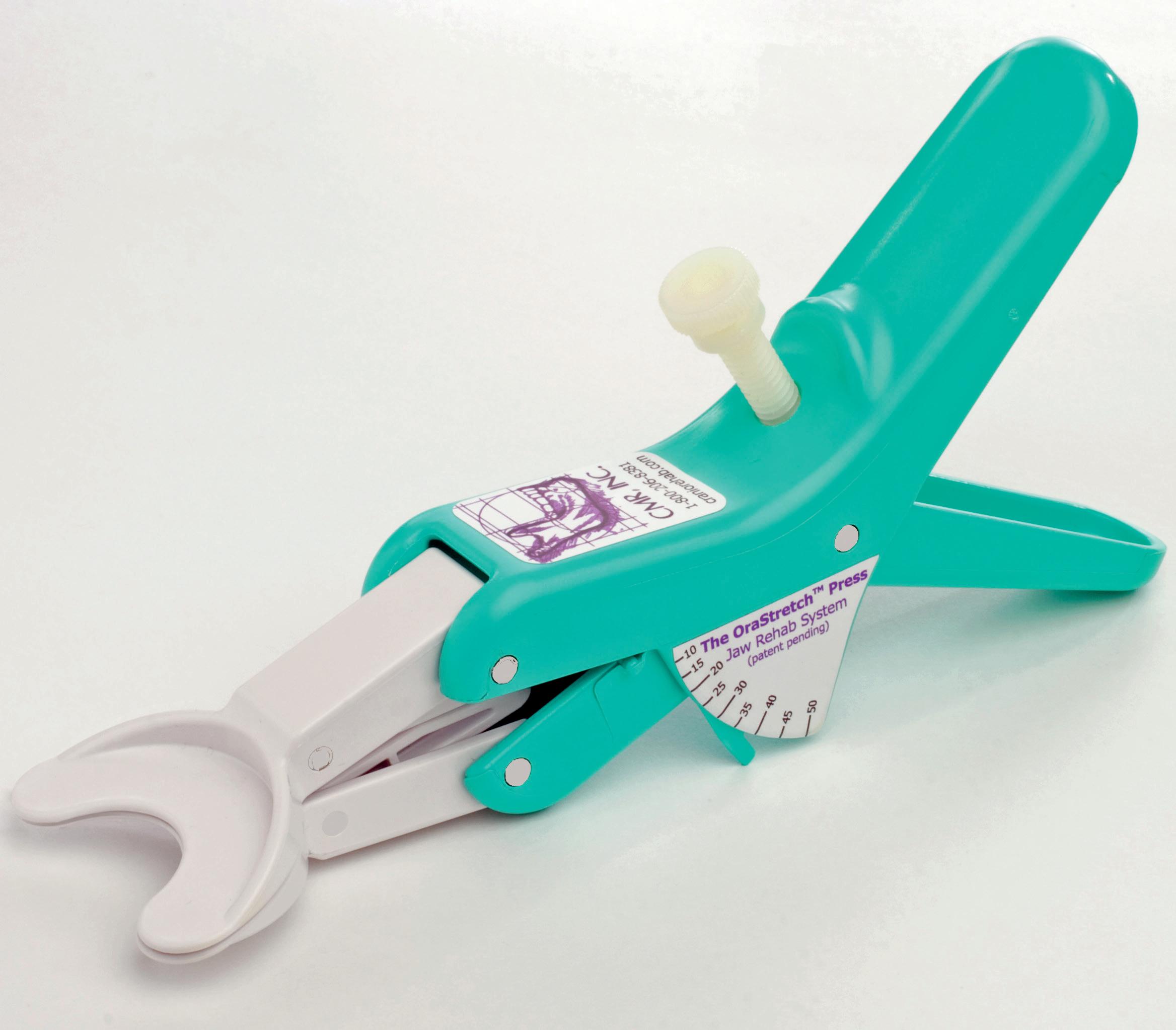
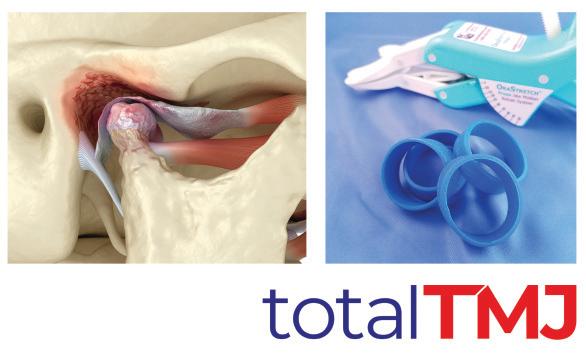
A great device for at-home therapy is the OraStretch ® Press Jaw Rehab System from
Total TMJ. A simple yet reliable user-operated system, it stretches the mouth open to mobilise the jaw. As well as enhancing function, the system treats pain and swelling, limiting the prevalence of headaches. Patients can follow the recommended daily exercises to rehabilitate their TMJ, improving quality of life and containing regular migraines to a one-off occurrence.
Headaches are so common many may think they are a normal part of life. By aiding patients at-risk of TMDs, dental practitioners can help reduce their prevalence, ensuring work days aren’t missed, sleep is undisturbed, and life is happier and healthier.
For more details about Total TMJ and the products available, please email info@totaltmj.co.uk n
References available upon request
ABOUT THE AUTHOR
Founded in 2018 by Phil Silver, Total TMJ distributes innovative technologies from leading healthcare manufacturers to dentists and clinicians around the UK.
PHIL SILVER
Building confidence and clinical experience among dental therapists
It is crucial that all dental professionals obtain sufficient training and experience to deliver safe and effective patient care. This is particularly important for those who are early in their careers, as this is the time to lay the groundwork for a long and prosperous career. For dental therapists, this is even more important to ensure that individuals can cover their full scope of practice and really make the most of their skills in practice. Having access to additional education and support beyond qualification can make a significant difference to a dental therapist’s clinical experience and confidence, during their first year in practice.
The literature shows that greater clinical confidence among the healthcare workforce is associated with enhanced patient experiences. There is also evidence to support that greater competence among the team leads to improved patient safety in a clinical setting.ii
Dental hygienist and therapist, Joanne Beveridge, is a keen advocate for ensuring that new graduates have the support they need to succeed from the beginning of their careers. She says:
“It can be very daunting for newly qualified dental therapists to go from dental school to the working practice environment. This can create extra stress at a time when they should be focusing on consolidating and refining skills and confidence.”
Joanne has more than 25 years of experience in dentistry, having worked as a dental nurse for six years prior to completing her training as a dental hygienist in 2004, shortly after which she qualified as a dental therapist. By 2009 she had been appointed as Lecturer for the BSc (Hons) Oral Health Sciences programme at the University of Edinburgh, and was promoted to Programme Director and Senior Lecturers in 2018. Joanne then went on to complete an MSc in Clinical Education. Her passion for professional education has also seen her introduce a theoretical and practical dental skills programme for veterinary students in Edinburgh.
With such vast experience, Joanne is the perfect person to support fellow dental clinicians – especially those new to the role – in their own career development. With the goal of doing just this, Joanne joined Clyde Munro Dental Group as a Clinical Advisor for the Therapist Support Programme.
“The Therapist Support Programme provides that extra bit of support during dental therapists’ first year in practice. The training schedule has been revised for 2025 to offer a more structured journey with new sessions on paediatric and restorative dentistry added.
“It is our aim to help participants build confidence in the clinical setting, developing and enhancing their skills through this additional CPD programme. There is an opportunity to develop skills which utilise the full scope of practice of a dental therapist, which could help to inform decisions regarding career direction in the future.
“In addition, the programme provides an opportunity for dental therapists to network with colleagues from within the group. Dentistry can be an isolating profession for clinicians, so being able to connect with others is key. It is a great programme and we often hear dental therapists tell us they wish it had been available to them in their first year post-qualification.”
For dental therapists who are just starting out in their journey, Joanne offers a few words of advice:
“It’s important to actively engage in postgraduate training opportunities to get
the most out of them, which means asking questions and connecting with the instructor or fellow delegates in breaks. I’d also encourage professionals to explore all aspects of their clinical scope in order to determine where their clinical interests may lie for the future. If you enjoy working with children, or are passionate about periodontal or restorative dentistry, this can help shape your postgraduate training choices and give you direction for the years to come.”
The goal for Joanne, and others like her, is to help build the next generation of dental professionals for the benefit of patients now and in the future. Ensuring that the right support and training is available to individuals is an important step towards achieving this.
Want to know more about the Clyde Munro Therapist Support Programme?
Please visit the relevant webpage here, or contact us on joinus@clydemunrodental.com
References
i. Owens, Katie & Keller, Stephanie. (2018). Exploring workforce confidence and patient experiences: A quantitative analysis. Patient Experience Journal. 5. 97-105. 10.35680/23720247.1210.
ii. Zaitoun, R.A., Said, N.B. & de Tantillo, L. Clinical nurse competence and its effect on patient safety culture: a systematic review. BMC Nurs 22, 173 (2023). https://doi.org/10.1186/s12912023-01305-w n
Joanne Beveridge
Buy 2 get 1 free (while stocks last)
Directa’s ProphyCare, is one of the most well-known brands of prophylaxis paste worldwide, offering reliable results ranging from regular cleaning of the teeth to more complicated implant maintenance procedures.ProphyCare pastes are available in different grits from coarse to extra-fine and are colour coded for easy identification. All ProphyCare pastes have a mild minty taste and do not splatter, it stays in the polishing cup during the treatment.
prophylaxis more ts have
Sleep and lip care
Agood night’s sleep offers the ultimate rejuvenation. It helps reduce fatigue, strengthens the immune system, improves cognitive function and overall wellbeing.
Albert Einstein is said to have slept for an average of 10 hours a night; he also took daytime naps to recharge, and it is likely that this regular sleep pattern contributed to his cognitive function and overall health. In contrast, almost one in five people in the UK today are not getting enough sleep, or their sleep is disrupted which can lead to a range of not only systemic problems but also oral health issues, including:
• Periodontal Disease: lack of sleep weakens the immune system increasing the likelihood of infection and disease.
• Bruxism: often linked to sleep disorders and can lead to enamel loss.
• Sleep apnoea or mouth breathing can cause dry mouth and increase the risk of caries and gum disease.
• Soft tissue issues, especially dry and chapped or inflamed lips.
Such issues have led to the phenomenon often referred to as ‘sleep dentistry’. Patients may present with a variety of issues ranging from snoring, sleep apnoea, bruxism and temporomandibular joint problems, which often disturb not just theirs but also their sleep partner’s slumber.
Luckily, simple sleep problems can often be managed through lifestyle changes, including weight loss, sleep hygiene and caffeine reduction or even use of the Sleep Station app, which is endorsed by the National Health Service (NHS).
The good news is such measures are unlikely to be detrimental to the soft tissues and lips.
Perhaps, the most common problems are attributed to snoring, which most patients think is normal. Whilst it is not unusual, it should not be ignored, as sometimes it can be attributed to sleep apnoea (OSA). Such cases are more complex but fortunately easy. Cost-effective tests are available either in surgery (if a member of the team is suitably trained) or following referral. This can help in achieving a diagnosis before treating either with custom made appliances or referring for nocturnal polysomnography and possibly continuous positive airway pressure (CPAP) treatment. They include, amongst others the:
• Epworth Sleepiness Scale
• Stop Bang
• Mallampati Score
However, when considering sleep medicine, it is important to remember that it may be detrimental to the soft tissues especially the lips.
• Sleep apnoea devices, particularly CPAP machines, can often cause dry lips due to the continuous flow of air through the apparatus. However, attaching a heated humidifier to the CPAP machine can add moisture to the air and alleviate dryness.
• Air can escape from a poorly fitting or ill shaped nasal mask, which may dry out not just the lips but also the nasal passages.
• A full-face mask is more applicable for natural mouth breathers as it covers both the nose and mouth, which is helpful as it less likely to dry out their lips. However, if it is too tight, it may put pressure on the lips and cause discomfort.
• Mandibular advancement devices (MAD) such as the ‘Snoreeze LabFit’ are custom-made anti-snoring devices that are worn overnight to gently keep the airways open during sleep. However, because they move the mandible slightly forward, they can sometimes lead to lip discomfort if fitted incorrectly.
• Shop bought/OTC devices are often ill fitting and can irritate the soft tissues.
• Good hygiene is essential regardless of the appliance used. Thus, patients need to be advised to clean their snoring device thoroughly after each use with a soft-bristled toothbrush and mild soap to remove saliva and food debris that could irritate and dry out their lips.
• Mouth tape may irritate the lips and be painful to remove.
• Wearing a chin strap can help keep the mouth closed while using a nasal mask but if not worn properly, they can potentially put pressure on the lips.
• Application of a thin layer of lip balm before wearing the device can help prevent dryness and chapping. However, using petroleumcontaining products like Vaseline is not advised while wearing a CPAP mask as it can break down the silicone content. Instead, a product such as Oralieve nourishing lip care should be recommended as this is safe for use.
• Initial use of a snoring device may cause lip irritation so the patient should start by wearing it for short periods and gradually increase the duration to allow their lips to adjust.
• Hydration is essential; patients should be advised to drink lots of water throughout the day to help combat dry lips.
Conclusion
The dental team are often the first line of defence in identifying sleep problems; patients are often seen on a six-monthly basis, so it is a terrific way for us to be proactive about both their mouth and sleep health. This is important because sleep deficiency is linked to many health problems whilst in contrast getting a good night’s sleep does the opposite regulating mood and reducing stress. However, when addressing problematic snoring with nasal or oral devices, the patients need to be advised of potential side effects such as sore chapped lips and be offered tips for safe, comfortable, use. After all, we do not want them swapping one set of problems for another. n
ABOUT THE AUTHOR
Ali Lowe qualified as a hygienist from Cardiff Dental school, has worked in various fields of dentistry and is actively involved with the BSDHT. She has a keen interest in facial aesthetics and is passionate about maintaining the natural appearance of the lips. She has noted that people diligently apply sunscreen to their face, wear sunglasses to protect their eyes, but all too often, forget to do their lips the same justice by protecting them with an SPF lip balm. Her ‘Fit-Lip’ campaign is aimed at encouraging people to wear SPF lip balm in order to protect their lips, prevent lip cancer & generally keep their pout healthy and was founded following enrolment on Victoria Wilsons Smile Revolution course. Address for correspondence: ali.lowe687@gmail.com or #fitlipuk
ALI LOWE
The links between hypertension and periodontitis
Learning objectives
• To recognise the links between hypertension and periodontitis
• To expand knowledge on the effect of poor oral hygiene on overall health outcomes
• To recognise the importance of educating patients on lifelong oral care
GDC Development Outcome: C
Periodontitis is a chronic inflammatory disease, associated with disruption to the delicate balance of the oral microbiome, allowing destructive bacteria to thrive. High blood pressure (hypertension) is a common chronic disease that causes 10.4 million deaths each year worldwide. ii According to figures published by the British Heart Foundation, around 50% of heart attacks and strokes are associated with hypertension. iii
Hypertension has joined a growing list of health conditions, including Alzheimer’s disease, rheumatoid arthritis,iv diabetes,v and cardiovascular disease,vi that have been linked with periodontal disease.ii It has been demonstrated that the disruption to the oral microbiome of periodontitis increases the risk of arterial hypertension. Some limited studies have shown that successful treatment of periodontitis can reduce blood pressure in hypertensive patients. Effective oral hygiene has been shown to be an important factor in maintaining vascular health.
What is hypertension?
Hypertension is defined as persistently raised arterial blood pressure. vii It is one of the most important risk factors for ischaemic heart disease and stroke, the top two causes of death globally. viii High blood pressure can also be secondary to other diseases, including kidney disease, diabetes, obstructive sleep apnoea, and some medications. ix
Hypertension has several risk factors that increase in severity as people age. It is associated with social deprivation, emotional stress and anxiety. ix Those with African/Caribbean or South Asian heritage, or with a family history of hypertension, are more susceptible. Habits like smoking, excessive drinking, substance abuse, poor diet and a lack of exercise also increase the risk. xi
Stage 1 hypertension is defined as blood pressure measured in the clinic between 140/90 mmHg and 159/99 mmHg. Stage 2 hypertension is clinical blood pressure between 160/100 mmHg and 180/120 mmHg. Severe hypertension requires urgent medical attention and is defined as a clinical systolic blood pressure (pressure
against arterial walls as the heartbeats) of 180 mmHg or higher or diastolic (measurement of pressure against arterial walls as the heart rests between beats) blood pressure of 120 mmHg or above. ix About a third of the world’s population is reported to be affected by high blood pressure, and premature deaths due to hypertension have risen 56.1% in the past decade. ii As people age, arteries can become stiff, leading to a greater risk of high blood pressure. In the elderly, the most powerful predictor of risk is increased pulse pressure due to decreased diastolic and increased systolic pressure. x
Black women are more likely than white women to develop pre-eclampsia during
pregnancy, which, in addition to causing high blood pressure, can affect kidney and liver function. xi The disease can slow an unborn baby’s growth, and can cause severe, life-threatening complications, like convulsions, stroke, or a rare liver and blood clotting disorder known as HELLP Syndrome (haemolysis, elevated liver enzymes, and low platelet count). xii
The links between periodontitis and hypertension
The links between periodontitis and hypertension are complex. The pathogens involved in periodontitis are present in atherosclerotic plaque (a build-up of fat, cholesterol, calcium, and other substances in the blood vessels). This has a significant impact on blood pressure. xiii
In a healthy mouth, the balance of 50 to 100 billion bacteria, representing about 200 predominant species, xiv is important in controlling vascular tone. This is the ability of the smooth muscle cells in the walls of small arteries and arterioles to contract, and is the major factor governing blood flow, pressure and resistance through the circulatory system. xv Studies have begun to demonstrate the importance of dietary nitrate and the oral microbiome. In a healthy mouth, oral bacteria play an important role in converting dietary nitrates (NO3 and NO2) to nitric oxide (NO), which helps to maintain vascular function. i There is mounting evidence demonstrating that oral dysbiosis – an imbalance of the oral microbiome – allows harmful bacteria to thrive, causing periodontal disease.xvi Oral dysbiosis is associated with an imbalance between free radicals and antioxidants in the body, leading to cell damage and contributing to various diseases, like cancer, Alzheimer’s and coronary heart disease. xvii This is known as oxidative stress, and is common to periodontitis and metabolic syndrome, a cluster of conditions that
includes hypertension, high blood sugar, excess body fat around the waist, insulin resistance and abnormal cholesterol levels.xviii
Oral hygiene and hypertension
Risk factors for periodontitis include poor oral hygiene, ageing, obesity, diabetes, smoking, stress, and a genetic predisposition. Patients with these risk factors are more susceptible to the harmful effects caused by the build-up of harmful bacteria in the cervical areas of the crowns of teeth, which create a plaque biofilm. These bacteria can thrive once the biofilm accumulates in interdental spaces and under the gumline, protected from the effects of antiseptics and antibiotics.
Studies have shown that interdental brushing is significantly more effective than brushing alone, and more effective than dental floss, toothpicks or oral irrigators in managing bacteria that can lead to periodontitis. xix FLEXI interdental brushes from TANDEX are an excellent product to recommend to patients, enabling them to practice effective oral hygiene at home, preventing the build-up of harmful bacteria that can threaten their oral health as well as their systemic health. FLEXI brushes come in 11 different sizes, and have a flexible tip to enable patients to clean perfectly between all of their teeth.
Encouraging patients to attend regular dental and hygiene appointments is important for optimising patients’ oral health. Providing information and advice on practising excellent oral hygiene at home provides them with vital tools to maintain their oral health, as well as to help prevent periodontal disease and associated complications.
For more information on Tandex’s range of products, visit https://tandex.dk/ Our products are also available from DHB Oral Healthcare https://dhb.co.uk/
References
i. Surma S, Romanczyk M, WitalinskaŁabuzek J, Czerniuk MR, Łabuzek K, Filipiak KJ. Periodontitis, Blood Pressure, and the Risk and Control of Arterial Hypertension: Epidemiological, Clinical, and Pathophysiological Aspects-Review of the Literature and Clinical Trials. Curr Hypertens Rep. 2021 May 7;23(5):27. doi: 10.1007/s11906021-01140-x. PMID: 33961166; PMCID: PMC8105217.
ii. Li, Y., Yuan, X., Zheng, Q. et al. The association of periodontal disease and oral health with hypertension, NHANES 2009–2018. BMC Public Health 23, 1122 (2023). https://doi. org/10.1186/s12889-023-16012-z
iii. High blood pressure. Factsheet. British Heart Foundation [Internet]. March 2023. Available at: https:// www.bhf.org.uk/informationsupport/ risk-factors/high-blood-pressure. Accessed December 2024
iv. Syed Basit Hussain, João Botelho, Vanessa Machado, Syeda Ambreen Zehra, José João Mendes, Coziana Ciurtin, Marco Orlandi, Francesco D’Aiuto, Is there a bidirectional association between rheumatoid arthritis and periodontitis? A systematic review and metaanalysis, Seminars in Arthritis and Rheumatism, Volume 50, Issue 3, 2020, Pages 414-422, ISSN 00490172, https://doi.org/10.1016/j. semarthrit.2020.01.009.
v. Stöhr, J., Barbaresko, J., Neuenschwander, M. et al. Bidirectional association between periodontal disease and diabetes mellitus: a systematic review and meta-analysis of cohort studies. Sci Rep 11, 13686 (2021). https://doi. org/10.1038/s41598-021-93062-6
vi. Qu, H., Zhang, S. Association of cardiovascular health and periodontitis: a population-based study. BMC Public Health 24, 438 (2024). https://doi.org/10.1186/ s12889-024-18001-2
vii. Hypertension. NICE. Factsheet. [Internet]. Available at: https://bnf. nice.org.uk/treatment-summaries/ hypertension/#:~:text=Hypertension %20is%20defined%20 as%20persistently,%2C%20 anxiety%2C%20and%20 emotional%20stress. Accessed December 2024
viii. Vollset, Stein Emil et al. Burden of disease scenarios for 204 countries and territories, 2022–2050: a forecasting analysis for the Global
Burden of Disease Study 2021. The Lancet, Volume 403, Issue 10440, 2204 – 2256
ix. National Heart, Lung, and Blood Institute. High Blood Pressure: Causes and risk factors. Factsheet [Internet]. April 2024. https:// www.nhlbi.nih.gov/health/highblood-pressure/causes Accessed December 2024
x. Khan JM, Beevers DG. Management of hypertension in ethnic minorities. Heart. 2005 Aug;91(8):1105-9. doi: 10.1136/hrt.2004.044560. PMID: 16020613; PMCID: PMC1769018.
xi. Pinto E. Blood pressure and ageing. Postgrad Med J. 2007 Feb;83(976):109-14. doi: 10.1136/ pgmj.2006.048371. PMID: 17308214; PMCID: PMC2805932.
xii. Complications. Pre-eclampsia. NHS. com. September 2021. Available at: https://www.nhs.uk/conditions/preeclampsia/complications/ Accessed January 2025
xiii. Luo Y, Ye H, Liu W, Lv Z, Jia Y, Li C, Zhang Y. Effect of periodontal treatments on blood pressure. Cochrane Database Syst Rev. 2021 Dec 12;12(12):CD009409. doi: 10.1002/14651858.CD009409. pub2. PMID: 34897644; PMCID: PMC8666138.
xiv. Krishnan K, Chen T, Paster BJ. A practical guide to the oral microbiome and its relation to health and disease. Oral Dis. 2017
xv. Jackson WF. Ion channels and vascular tone. Hypertension. 2000 Jan;35(1 Pt 2):173-8. doi: 10.1161/01.hyp.35.1.173. PMID: 10642294; PMCID: PMC1382026.
xvi. Li Yiwen , Zhu Mengmeng , Liu Yanfei , Luo Binyu , Cui Jing , Huang Luqi , Chen Keji , Liu Yue. The oral microbiota and cardiometabolic health: A comprehensive review and emerging insights. Frontiers in Immunology. VOLUME 13 2022. https://www.frontiersin.org/journals/ immunology/articles/10.3389/ fimmu.2022.1010368 DOI: 10.3389/ fimmu.2022.1010368 ISSN=16643224
xvii. Shabbir U, Tyagi A, Elahi F, Aloo SO, Oh DH. The Potential Role of Polyphenols in Oxidative Stress and Inflammation Induced by Gut Microbiota in Alzheimer's Disease. Antioxidants (Basel). 2021 Aug 27;10(9):1370. doi: 10.3390/
To answer the questions below, visit cpd.the-probe.co.uk and register/log in. Click on ‘Courses’. Search for the course with the same headline as the corresponding article.
xviii. Roberts CK, Hevener AL, Barnard RJ. Metabolic syndrome and insulin resistance: underlying causes and modification by exercise training. Compr Physiol. 2013 Jan;3(1):1-58. doi: 10.1002/cphy.c110062. PMID: 23720280; PMCID: PMC4129661.
xix. Lee, JY., Park, HJ., Lee, HJ. et al. The use of an interdental brush mitigates periodontal health inequalities: the Korean National Health and nutrition examination survey (KNHANES). BMC Oral Health 19, 168 (2019). https://doi. org/10.1186/s12903-019-0858-6 n
About the author
Jacob Watwood on behalf of Tandex.
CPD questions – The links between hypertension and periodontitis
1. How many deaths in millions worldwide are caused by hypertension?
a. 2.4 million
b. 5.6 million
c. 8.72 million
d. 10.4 million
2. Which of the below is NOT a systemic health condition listed with links to periodontal disease?
a. Alzheimer’s disease
b. Lyme’s disease
c. Diabetes
d. Rheumatoid arthritis
3. What are the two leading causes of death globally?
a. Ischaemic heart disease and stroke
b. Hypertensive heart disease and stroke
c. Stroke and Chronic obstructive pulmonary disease (COPD)
d. Lung cancer and Alzheimer’s disease
4. Which of the following is a factor that links hypertension with periodontitis?
a. Low platelet count
b. Antioxidants
c. Oxidative stress
d. Kidney and liver function
5. What are three risk factors for developing periodontitis listed in the article?
a. Poor oral hygiene, heart disease and toothbrushing
b. Poor diet, lack of exercise and acidic foods
c. Excessive screen time, stress and personal hygiene
d. Poor oral hygiene, ageing and smoking
6. How can clinicians support patients in preventing periodontal disease?
a. Educate them in oral hygiene, including interdental cleaning
b. Take their blood pressure
c. Tell them to brush their teeth alone
d. Use a toothpick after every meal
Dental care for geriatric patients
Learning objectives
• To understand some of the common additional needs of older patients
• To learn ways to enhance older people’s oral health
• To recognise the importance of educating patients on lifelong oral care
GDC Development Outcome: C
Life expectancy across the world has been steadily rising, and this trend is set to continue.
The World Health Organization (WHO) proposes that in readiness for this increase, healthcare policymakers, and those within the healthcare professions, need to develop strategies to support people in achieving a good quality of life during older age.
Maintaining oral health is essential for older people to ensure they can socialise, communicate and eat well. While oral health has improved over the last 30 years, and the majority of older people currently retain some natural teeth, there remain some risks to the oral health of older people. i Individuals in dentistry have a responsibility to maintain awareness of these issues to ensure they can continue to deliver adequate care to older patients, tailored to their individual needs.
Some statistics
Accounting for all possible threats, life expectancy is predicted to rise by nearly 5 years by 2050. ii In the UK, life expectancy is 82.06 years, iii and by 2072 the number of people over the age of 65 could rise from 19 to 22.1 million people, comprising 27% of the population. iv An increasing number of over-65s are in good health in the UK, with a record number of people over this age engaged in new employment in 2022. v
While health metrics show improvements in the quality of life for many older people, increased life expectancy is forecast to drive a rise in illnesses like ischaemic heart disease, stroke, diabetes, and chronic obstructive pulmonary disease (COPD).ii Alzheimer’s Disease currently affects around 982,000 people in the UK, and this is expected to increase to 1.4 million by 2040.vi In 2022, the average UK healthy life expectancy (HALE) was reported to be
69.9 years, ii up 2 years since 2000. vii
Women tend to live longer in good health than men, and healthy averages vary significantly by region across the UK. viii By 2050, women are expected to live in good health up to an average of age 71.6, and men up to 71.3 years. This means a potential 13.45 average years of life with less than optimal systemic health and associated oral health problems, nearly 2 years longer than current average figures suggest. ii
Some
additional
oral health challenges for older people
This tendency towards poor systemic health, combined with a number of other factors make older people more prone to a range of dental problems. ix For example, older people are at a greater risk of root caries as roots become more
vulnerable with age-related gingival recession. Tooth wear due to attrition and erosion is also a common oral health concern for elders.
The elderly tend to manage chronic health conditions using a combination of medications. The most common side effect of the 200 pharmaceutical drugs most-prescribed to elderly people is xerostomia (dry mouth). This condition increases the risk of periodontal disease as well as dental decay, due to a reduction of the natural flushing and antimicrobial properties of saliva. Many medications also contain sugar, further risking oral health. i
Changes to fine motor control can make handling a conventional toothbrush or managing interdental cleaning more difficult for older people. In addition, people living with dementia may struggle
Up on CPD
to manage effective daily oral hygiene, and may not be able to independently control chronic conditions that affect oral health, like diabetes.
These tendencies add up to a greater risk of edentulism. The proportion of people in the UK with no remaining natural teeth has decreased by 22% since the 1970s, but remains disproportionately high in residential care, and amongst socioeconomically deprived populations. i
Approaches to improve care for older people in practice
Frequent dental visits are crucial for early detection and treatment of oral health issues. Practices should ensure the physical spaces are as accessible as possible for patients with mobility limitations and cognitive impairments, and that all staff have appropriate disability awareness training.
Oral hygiene instructions should be clear, and tailored to the patient’s specific needs, such as cleaning dentures, keeping interdental spaces clean and
caring for dental implants. It is important to engage with any carers present where capacity is impaired, but lack of mental capacity should never be assumed. Wherever possible, clinicians should engage directly with the patient, aiming to help them participate fully in their own care. Written or visual instructions, which can be easily understood by patients and/ or carers, should be provided. x
Teeth and gingiva can become more sensitive with age, so a toothbrush with softer bristles is recommended. Clinicians can also suggest specialised tools and adaptations to ensure proper oral hygiene maintenance at home where physical dexterity is impaired.
TANDEX provides an array of oral hygiene tools to help patients with different access requirements maintain optimal oral health, including a range of UltraSoft brushes. The FLEXI range of interdental brushes from TANDEX includes an UltraSoft brush with an easy-grip handle. The brush comes in 4 sizes to fit every patient’s interdental
spaces. PREVENT Gel from TANDEX is non-abrasive and pleasant tasting gel containing 900ppm fluoride and 0.12% chlorhexidine. It can be easily added to FLEXI brushes to strengthen teeth and keep the whole mouth clean.
With population changes already apparent, and the ageing population of the UK set to continue rising, it’s essential for dental professionals to maintain an awareness of the ways in which they can contribute to the improved oral health of their patients as they age. A focus on preventative care will help patients fully participate in life for longer.
For more information on Tandex’s range of products,visit https://tandex.dk/ Our products are also available from DHB Oral Healthcare https://dhb.co.uk/
References
i. What is Known About the Oral Health of Older People in England and Wales A review of oral health surveys of older people Public Health England. December 2015. Available at: https:// assets.publishing.service.gov.uk/ media/5a74864fed915d0e8bf18fcc/ What_is_known_about_the_oral_ health_of_older_people.pdf. Accessed January 2025
ii. Burden of disease scenarios for 204 countries and territories, 2022–2050: a forecasting analysis for the Global Burden of Disease Study 2021. The Lancet. May 2024. Available at: https://www.thelancet.com/ journals/lancet/article/PIIS01406736(24)00685-8/fulltext. Accessed January 2025
iii. U.K. Life Expectancy 1950-2025. Macrotrends. [internet]. https://www. macrotrends.net/global-metrics/ countries/gbr/united-kingdom/lifeexpectancy
iv. The UK’s changing population. House of Commons Library. July 2024. Available at: https:// commonslibrary.parliament.uk/theuks-changing-population/ Accessed January 2025
v. People aged 65 years and over in employment, UK: January to March 2022 to April to June 2022. September 2022. Office for National Statistics. Available at: https://www.ons.gov.uk/
employmentandlabourmarket/people inwork/employmentandemployeetyp es/articles/b1peopleaged65yearsand overinemploymentuk/januarytomarch 2022toapriltojune2022 Accessed January 2024
vi. Local dementia statistics. Alzheimer’s Society. [Internet]. ND. Available at: https://www. alzheimers.org.uk/about-us/policyand-influencing/local-dementiastatistics Accessed January 2025
To answer the questions below, visit cpd.the-probe.co.uk and register/log in.
Click on ‘Courses’.
Search for the course with the same headline as the corresponding article.
1. What is the current average life expectancy of people in the UK?
a. 69.9 years
b. 73.1 years
c. 82.06 years
d. 85.8 years
2. What does HALE stand for?
a. Healthy Life Expectancy
b. Healthy and Lively while Elderly
c. Happy Life for Elders
d. Hypertension, Alzheimer’s, Lung disease and Edentulism
3. How many people in the UK are affected by Alzheimer’s Disease?
a. 72,000
b. 852,000
c. 982,000
d. 12 million
vii. Healthy life expectancy at birth (years). WHO.int. [Internet]. August 2024. Available at: https://data.who. int/indicators/i/48D9B0C/C64284D Accessed January 2025
viii. Healthy life expectancy in England and Wales: between 2011 to 2013 and 2021 to 2023. ONS. Available at: https://www.ons.gov.uk/ peoplepopulationandcommunity/ healthandsocialcare/ healthandlifeexpectancies/bulletins/ healthstatelifeexpectanciesuk/ between2011to2013and2021to2023 Accessed January 2025
ix. Persson, G.R. (2017), Dental geriatrics and periodontitis. Periodontol 2000, 74: 102-115. https://doi.org/10.1111/prd.12192
x. SPECIAL CARE DENTISTRY. Specialty Training Curriculum. Royal College of Surgeons. November 2012. Available at: https://www.gdc-uk.org/docs/ default-source/registration/specialistlists/specialcaredentistrycurriculum2012. pdf?sfvrsn=4ed16149_2 Accessed January 2025 n
About the author Jacob Watwood on behalf of Tandex.
4. What is mentioned as a common side effect of medications commonly used by the elderly?
a. Fatigue
b. Diabetes
c. Tremors
d. Xerostomia
5. What are the main causes of tooth wear in elderly patients?
a. Erosion and abrasion
b. Erosion and attrition
c. Abrasion and attrition
d. Smoking and drinking
6. Which of the following is NOT recommended to support the oral hygiene of older people with additional needs?
a. Provide easy-to-understand instructions
b. Recommend a soft toothbrush
c. Engage directly with the patient wherever possible
d. Provide the patient with PPE.
CPD questions – Dental care for geriatric patients
The role of radiographs in periodontal patient management
This CPD article from Dr Adejumoke Adeyemi BDS, MSc, Ph.D, MFDS RCSEd, M Perio RCSEd, FHEA provides an update on the role of radiographs in diagnosing periodontitis and indications for further radiographic investigations in the clinical management of patients with periodontitis.
Learning aims and objectives
• Educate readers on the importance of radiographs in periodontitis diagnosis and patient-centred decision making
• To provide readers with an overview of radiographic techniques available
• To provide readers with an overview of indications for radiographic investigations in the clinical management of patients with periodontitis.
Learning Outcomes: C, D
According to the World Workshop Classification 2017 system of classification of periodontal and periimplant diseases and conditions, the forms of periodontitis are:
1. Necrotising periodontal diseases: acute conditions affecting the gingivae, the periodontium or supporting periodontal tissues
2. Periodontitis as a manifestation of systemic diseases
3. Periodontitis
The classification creates a staging and grading system for periodontitis that is based primarily on attachment and bone loss. This classifies the disease into four stages based on severity (Stage 1 mild; Stage II moderate; Stage III severe; Stage IV very severe) and three grades based on disease susceptibility (Grade A, B or C).i
Why radiographs are important
Radiographs are a type of clinical imaging system that aids clinical assessment and discussion. They are used to explain findings and enable patients to understand the disease process, encouraging them to feel empowered and to support adherence to oral hygiene advice provided as part of their care.
For clinicians, radiographs are pertinent to arriving at a diagnosis. It is important to use radiographs in conjunction with a clinical assessment of the patient, they should not be used in isolation to arrive at a diagnosis.
Radiographs add value to clinical assessment to ascertain whether a patient is suffering from periodontitis and the complications arising from it. This underpins and strengthens information collected as part of the history and clinical examination.
Key feature of periodontitis
A key feature of periodontitis is bone loss, and without radiographs this cannot be established just by looking at the patient. It is important to try and establish a diagnosis from the outset and to see how much bone has been lost, and also to re-evaluate the diagnosis and periodontal status at recall or re-evaluation appointments.
According to the BSP Guidelines, the choice of radiograph is dependent on clinical judgement. Following the history and clinical assessment, radiographic assessment helps in terms of
determining the staging and grading which then fits into the diagnosis statement.
Radiography
There are two main types of radiography:
• Conventional radiographs - X-rays (Analogue or Digital)
• Computerised Tomography - CT scans
Analogue radiographs are easily tolerated by patients but are cumbersome to handle and are more prone to processing errors. Images are not immediately available to view as they require development and space is required to physically store them. Image manipulation is not possible i.e. it is not possible to alter the contrast or brighten the image.
Digital radiographs, on the other hand, are easy to handle. Images are immediately available, image
manipulation is possible and the images are easily shared. Physical storage space is also not required.
Computerised tomography
Conventional radiographs have their limitations because they provide a 2D representation of a three-dimensional object.
Computerised Tomography (CT) produces 2D and 3D cross sectional images of an object from a flat radiographic image and visualises internal structures such as the shape and severity of the morphology or bony defect. The major challenge is the high radiation dose that conventional CTs produce, which limits their use in periodontics.
In recent years, Cone Beam Computed Tomography (CBCT) has become increasingly used in dentistry, enabling investigations to be undertaken at a lower radiation dose than a typical CT scan,
making them immensely valuable for diagnosis, care planning and assessment. With CBCT it is possible to only look at sectional images (exposing only the area in question) and to manipulate images to get a good idea of what structures are like in 3D. However, despite the lower radiation dose, they should only be utilised when it is beneficial to the patient’s management strategy.
When utilising CBCT clinicians must be familiar with, and comply with, the European Commission’s guidelines: Evidence-Based Guidelines on Cone Beam CT for Dental and Maxillofacial Radiology (published 2012) that provides comprehensive guidance on several aspects of CBCT imaging, including justification and optimisation of CBCT exposures. ii
The recommendation from the Faculty of General Dental Practitioners (FGDP) is ‘CBCT is NOT indicated as a routine method of imaging periodontal bone support’.
Indications for radiographs
Radiographs are indicated for a variety of reasons:
• To establish a diagnosis.
• For staging and grading and to determine the severity of bone loss, while also trying to predict what the rate of progression of the disease is likely to be.
• Care planning, especially in more complex cases with atypical root morphologies or furcation involvement.
• Identification of pathology.
• Monitoring and assessing non-responsive sites.
• Determining if a referral is necessary.
When undertaking radiographic periodontal assessments, neither the basic periodontal examination (BPE), which is a screening tool to guide the clinical management process, nor the radiograph should be utilised in isolation as neither is sufficient to provide an accurate periodontal diagnosis.
Radiographic assessment
Radiographic assessment requires a systematic approach. It should include the extent of alveolar bone loss (localised generalised or molar -incisor pattern) , which may vary throughout the dentition, as well as the severity of alveolar bone loss from a coronal to an apical aspect.
Severity could be determined to be:
• Mild: 1-2mm
• Moderate: 3-4mm
• Severe: >5mm
Or, following the BSP guidelines, using the ‘rule of thirds’ where the coronal third bone loss is extending within the coronal third of the root length, the middle third of the root length or the apical third of the root length.
Once the extent and severity of bone loss is determined there is a need to look at the pattern of bone loss: in terms of whether it is horizontal, vertical, variable pattern or where there is furcation involvement.
With bone loss the defects can be:
• infra-bony - where defects extend below the alveolar bone crest.
• supra-bony - where the base of the periodontal pocket is located coronal to the alveolar bone crest.
brought to you by
CPD Questions
1. What BPE code(s) would require a radiographic investigation?
a. Code 0
b. Code 1
c. Code 2
d. Code 3 and above
e. Code 4 only
2. The key feature of periodontitis is:
a. Caries
b. Bone loss
c. Gingival recession
3. BPE stands for:
a. Basic periodontal examination
b. Basic patient examination
c. Basic periodontitis examination
4. Infra-bony defects:
a. extend above the alveolar bone crest
b. extend below the periodontal pocket
c. extend below the alveolar bone crest
When is it appropriate to take radiographs after a periodontitis diagnosis?
For the majority of patients suffering from periodontitis, who are at low caries risk and have no other dental conditions, there is no need to take routine radiographs.
There are instances or indications to consider radiographs after diagnosis and treatment such as deteriorating or non-responding sites, especially in patients who are well-engaged and compliant, which might necessitate taking further radiographic views. If these are not improving, despite courses of treatment, it might be worth considering a referral to a specialist.
In summary
As stated in the BSP Guidelines, radiographs should be available for establishing diagnosis of periodontitis in Code 3 and Code 4 sextants and it is important to determine the views that are required for these patients. The type of radiograph used is a matter of clinical judgement, but crestal bone levels should be visible as a minimum requirement.
While periapicals are ideal, a combination of different radiographic views may be adequate, taking into account patient factors such as whether they can tolerate intraoral films, the affected sites, the type of equipment that is available within the practice, and the total radiation dose.
Generally, there is no requirement to take regular radiographs for ‘periodontitis only’ patients unless there is an indication to do so.
Radiographs have a role in monitoring and future management of patients e.g. surgery, regeneration or complications. However, it is important to remember there are limitations to their use, and if in doubt, always seek a second opinion.
‘The role of radiographs in periodontal patient management’ presented by Dr Adejumoke Adeyemi is available as an NSK Ikigai webinar https:// mynsk.co.uk/courses/the-role-of-radiographs-inperiodontal-patient-management/lessons/the-roleof-radiographs/
References
i. Dietrich, T., Ower, P., Tank, M. et al. Periodontal diagnosis in the context of the 2017 classification system of periodontal diseases and conditions – implementation in clinical practice. Br Dent J 226, 16–22 (2019). https://doi.org/10.1038/ sj.bdj.2019.3
ii. Cone Beam Computed Tomography in Orthodontics: Dental Update 2025 11:1, 707-709. n
ABOUT THE AUTHOR
DR ADEJUMOKE ADEYEMI BDS, MSC, PH.D, MFDS RCSED, M PERIO RCSED, FHEA
Dr Adejumoke Adeyemi is a Senior Clinical Lecturer and Honorary Consultant in Periodontology at the University of Liverpool. She obtained her dental degree from University of Benin (Nigeria) in 1999, master’s degree from the University of Glasgow in 2003 and completed her doctorate degree (PhD) from the University of Liverpool in 2007. She is a member of the British Society of Periodontology and Implant dentistry and serves as councillor on the British Society for Oral and Dental Research (BSODR) Perio research group. As a specialist, she receives referrals to treat patients with a variety of complex or advanced periodontal needs
To complete the questions and gain one hour of Enhanced CPD, visit cpd.the-probe.co.uklog in and find this course under the title ‘The role of radiographs in periodontal patient management’
EMS proudly launch The GBT Machine ® at IDS, unveiling the next generation of prophylaxis
EMS has officially unveiled its latest innovation at IDS 2025 – the GBT Machine ®, the next evolution in Guided Biofilm Therapy. As the successor to the AIRFLOW ® Prophylaxis Master, this nextgeneration device is purpose-built to meet the growing demand for minimally invasive, patientcentred care while improving workflow, comfort, and profitability for dental hygiene departments.
Backed by over 40 years of Swiss engineering expertise, the GBT Machine ® is designed to deliver consistent, high-level performance in Guided Biofilm Therapy (GBT), simplifying clinical routines and enhancing the overall experience for both patients and clinicians.
With intuitive new features including automatic handpiece recognition, a three-setting user interface, and automated GBT mode, the GBT Machine® makes treatment delivery seamless and precise. Once a handpiece is removed, the system instantly activates with the optimal power and water settings, helping to prevent over-instrumentation and further reducing powder consumption.¹
The upgraded PIEZON PS NO PAIN ® MAX module is a key highlight, automatically adapting to the nature of calculus during treatment to ensure maximum patient comfort while remaining effective and conservative.
Harry Morris, General Manager, EMS Dental UK states: “We’re proud to bring the GBT Machine ® to dental professionals across the UK. It represents a major leap forward in technology and workflow for dental hygienists and dental therapists – making their
treatment more predictable, their patients more comfortable and by improving recall increasing the profitability of the hygiene room. The GBT Movement is accelerating, and this machine ensures practices have the tools and support to lead the way.”
Frequently Asked Questions (FAQs)
What is Guided Biofilm Therapy (GBT)?
GBT is an evidence-based, minimally invasive approach to dental prophylaxis that focuses on the detection and gentle removal of biofilm, stains, and calculus. It follows a systematic, 8-step protocol to ensure patient comfort and clinical effectiveness.
How does the new GBT Machine® differ from previous models?
The GBT Machine ® introduces several enhancements, including a simplified interface, automated GBT mode, a dual-handpiece water supply, and advanced PIEZON PS NO PAIN® technology. It is also designed with sustainability and digital connectivity in mind.
Who can benefit from using the GBT Machine®? Dental hygienists, therapists, and preventive care
teams working in general practice, specialist settings, or DSO environments can all benefit from the improved ergonomics, efficiency, and patient experience the GBT Machine® provides. Is training available?
Yes. EMS supports all GBT-certified practices with training and clinical education through the Swiss Dental Academy (SDA). This includes hands-on courses, clinical webinars, and continuous learning pathways to stay ahead of the latest techniques.
How can I become a GBT Certified Practice? Practices can become GBT Certified by completing SDA training and implementing the full GBT protocol. Certification is then confirmed by EMS, and GBT branding is activated on the device as a visible marker of quality care.
Sustainable. Streamlined. Smart.
Sustainability remains a key design pillar for EMS. The GBT Machine ® has been built with 30% less plastic and features a sleek outer casing made of aluminium and tempered glass – making it both durable and easy to disinfect. The new GBT Station has also received a design refresh, enhancing both functionality and aesthetic appeal.
From a practical perspective, a single water bottle now supplies both handpieces, improving efficiency and autonomy during procedures. Meanwhile, digital connectivity allows clinicians to monitor device and treatment data via their personalised
MyEMS dashboard – including usage statistics, maintenance needs and remote after-sales support.
One of the most distinctive new features is reserved for GBT Certified practices: once certified, the GBT letters on the device light up in pink, signalling to patients that the practice upholds EMS’s high standards in biofilm management.
A Proven Protocol Backed by Science
The GBT Machine® builds on the trusted foundations of Guided Biofilm Therapy, an approach that continues to gain traction worldwide. With top-tier education from the Swiss Dental Academy (SDA) and
ongoing scientific validation, GBT is helping clinicians move away from outdated, invasive methods.
A global survey of more than 400,000 patients revealed that 94.1% prefer GBT over conventional prophylaxis.² These findings are supported by a study from the University of Zurich, which confirmed high levels of patient satisfaction following the switch to GBT.³
As more practices join the GBT Movement, clinicians are benefiting from improved patient retention, streamlined workflows, and demonstrable outcomes rooted in evidencebased dentistry.
Want to explore the GBT Machine ® for yourself?
Book a live demo with UK-based GBT Experts] (https://www.ems-dental.com/en/gbt-demo), and visit EMS at the Dentistry Show in Birmingham on 17–18 May, at stand B50
References
1. Donnet M. 2024; *Quintessenz Zahnmedizin*. 75(1): 25–33.
2. Koch JH. 2024. *ZMK* 40(11–12): 684–685.
3. Furrer C, Battig R, Votta I, et al. Patientenakzeptanz nach Umstellung auf «Guided Biofilm Therapy». *Swiss Dent J*. 2021;131(3):229–34. [PubMed] (https://pubmed.ncbi.nlm.nih.gov/33666383) n
ABOUT THE AUTHOR
HARRY MORRIS
Harry Morris, General Manager, EMS Dental UK.
Calling all dental hygienists and therapists to the ADI Team Congress 2025
Speakers
For dental hygienists and therapists, implant patients pose a unique challenge for disease prevention. A lack of undergraduate training and education around dental implants means that many practitioners have minimal knowledge on how to manage and maintain implant patients. Inadequate awareness can increase the risk of peri-implantitis, magnifying the likelihood of implant failure and leading to further diseases in the oral cavity.
To support practitioners in the battle for implant care, the ADI Team Congress 2025 has assembled a variety of reputable speakers as part of the Hygienists and Therapists Programme on Friday 2 May.
Oral prophylaxis is essential to dental therapist Victoria Griffiths, who places the emphasis on prevention over intervention. To do this, practitioners must be experienced in the field of dental implants, harnessing a broad knowledge and skill set. Victoria’s talk at the ADI Team
Congress, “A-Z of Dental Implant Maintenance”, will provide a comprehensive building block for attendees – she outlines its content:
“The lecture will arm practitioners with dental implant knowledge in managing and maintaining conventional and non-conventional implants. This will include instrument selection, the basic structure and components of dental implants, the role of professional care and patient compliance, and the long-term success of dental implants, as well as a brief dip into peri-implant diseases.
Nutrition and lifestyle considerations
Nina Farmer qualified as a dental therapist from Sheffield Dental School in 2013. Following this, her passion for wellbeing and a holistic approach to patient care inspired her to return to studying, becoming dual trained as a nutritional therapist in 2019. Nina enjoys providing workshops, lectures, and articles both for dental professionals and the general public and, recently, Nina obtained a postgraduate Level 7 Diploma in Dental Education, Coaching and Mentoring.
Nina will be presenting at the upcoming ADI Team Congress in May 2025 as part of the Dental Hygienists & Therapists Programme. Her session “Nutrition and lifestyle considerations for a dental implant patient” aims to highlight the importance of a wholebody approach to patient care. She shares an insight into her session, and why it is an important topic for clinicians right now:
“My session will serve as an introduction to how dental care professionals can support dental implant patients through nutrition and lifestyle advice, no matter what stage in treatment the patient is at. Following the ADI Team Congress 2023, delegates requested that this topic be discussed at the next meeting, with more dental professionals and patients than ever aware of the influences that systemic health can have on dental health and healing.
“I will highlight that, despite being an outpatient procedure, dental implant surgery is still surgery and involves a healing process. As a
dual qualified dental therapist and nutritional therapist, my session will shine a light on nutrition as well as particular nutrients that can best support patients throughout their journey, all the way from preparation, to implant placement, to long-term health. I will also discuss the importance of functional testing, supplementation, and a multidisciplinary approach.
“When patients are recovering from dental implant surgery, they may assume that their options are limited when it comes to maintaining nutrition. It’s important for dental professionals to remind them that they have more options than sugary milkshakes, and encourage them to reach for nutrient dense soft food during healing, to ensure their health is as robust as possible.”
The ADI Team Congress 2025 promises to offer delegates an enriching learning experience. Nina shares what she is most looking forward to:
“I have never attended an ADI Team Congress before, so this will be my first time and I am so excited to be attending! I am delighted to have been invited to speak, particularly to discuss this topic, as it shows the level of diversity of the event and caters to all areas of interest relevant to dental implantology.
“I believe that nutritional and lifestyle considerations are really relevant to the systemic and holistic direction which dentistry is going at the moment. It is important to embrace this, and consider the effects that these factors can have on our patients.”
For more information, please visit www.adi.org.uk
Fazeela Khan-Osborne
Graham Stokes
Vicki Griffiths Victoria Sampson
“I hope that attendees of the lecture will be equipped with the basics and can apply this in their daily workflows. I also want to highlight that one course is never enough – other sessions on this subject will always be needed to improve confidence, approach more difficult patients, and spot the signs of peri-implant disease in a timely manner. The ADI Team Congress is therefore a great place to see world-class speakers and gain valuable knowledge and a fresh perspective across all areas of dental implantology.”
Dr Victoria Sampson, regarded for her work in salivary diagnostics, is leading another talk, entitled “Saliva Testing in Implants –Can We Predict the Failure and Success of Implants?”
Identifying a fascinating future where saliva can improve diagnostics, Dr Sampson lays the foundation for her talk:
“The early detection of failing implants and the maintenance of them longterm is a huge challenge for practitioners. Often the issue is seen too late, at which point the destruction is irreversible. The absence of proprioception around an implant makes it even more challenging for patients to detect compared to their natural teeth. So, the talk will address the research into how we can detect implants at-risk of failure before the damage has occurred at a biomolecular level. This can either be through salivary diagnostics or chairside tests looking at peri-implant crevicular fluid (PICF). I hope this talk sheds light on the new advancements in early diagnostics using saliva and preventing peri-implantitis.”
For Dr Graham Stokes, Chair of the Medical Protection Society, another area of interest is occlusion, which is often overlooked yet must be considered to ensure the longevity of an implant. His talk, “Occlusion in Dentistry: How Precise is Precise and What’s it all About?” will illuminate its importance. Dr Stokes adds:
“The delivery of dental implants requires a better understanding of occlusion; how a patient’s bite affects everyday life. We must look at the occlusion in the planning process as the impacts are vital. Having a day-to-day knowledge of occlusion and understanding how implants impact the entire mouth are essential. Attendees of the talk will learn, among other things, about the use of bite guards, how to use a semiadjustable articulator, and how to review the occlusion long-term post-
operatively. I am delighted to attend and look forward to meeting peers and colleagues at this excellent event.”
For fellow speaker Dr Fazeela Khan-Osborne, Principal at The One to One Dental Clinic of Harley Street, the ADI Team Congress represents a calendar high point, noting:
“The ADI Team Congress is by far the most educational and informative implant gathering of the year, with its great social events making wonderful opportunities to meet friends and fellow professionals in one place – I have been a member for decades!”
Dr Khan-Osborne will close the Hygienists and Therapists Programme with an unmissable talk on how the dental clinician and the team can assist in referring for dental implants, and the what criteria is used to achieve a gold standard approach. Don’t miss out on all these sessions and the multitude of other enlightening talks at the ADI Team Congress 2025 – book now.
ADI Team Congress 2025 1-3 May | The Brighton Centre | BOOK NOW https://www.adi.org.uk/events/adi_congresses For more information about the ADI, visit www.adi.org.uk
Award Winning Patented Technology
A clinically proven medical device that outperforms all other leading sensitivity toothpastes.* BioMin F provides 12-hour protection with slow-release fluoride and reacts to changes in oral pH by releasing minerals that rapidly neutralise acidity.
Dental Hygienist of the Year: Amanda Harbrow-Harris
THE DENTAL AWARDS 2024
2024’s Dental Hygienist of the Year, Amanda Harbrow-Harris, discusses her career, professional outlook, and the incredible extra curricula activities that led to her winning the award for a second time
You began your career as a dental nurse before transitioning to become a dental hygienist. What first attracted you to dentistry and what keeps you motivated?
I was very naughty at school and left with no GCSEs. It took me years to get to where I am now. I started university at 36 years old after gaining the required UCAS points to study.
I started as a trainee dental nurse in 1995 (I’m old!) and, from day one, I was hooked. I have always enjoyed dentistry.
There’s the obvious element of getting people out of pain and improving confidence in their smiles, but I honestly think for me the main thing is interacting with people – following their journeys in life and having a good old natter when they come in. People always seem to trust a dental nurse more, as they are their advocate in the room, and I’ve carried this ethic over to my role as a hygienist.
I had completely exhausted the role of a dental nurse, from working in NHS and private practices as a senior nurse in Harley Street, Dubai, and dental training hospitals. The natural progression for me to take my career further was to train to be a hygienist. Although, I do remind the nurses I work with that I am also still a dental nurse. I am dual qualified now.
The patients’ best interest is always paramount to me, and I will give them advice on what treatment options they have with a dentist based on their circumstances and anxiety levels.
I’m always keen to keep up to date with the latest procedures and products. This keeps me motivated. I am a self-confessed tooth geek!
Tell us a bit about your role at Sharrow Group. I am one of nine hygienists over the four practices within the group. We all get along well and have a WhatsApp chat to ask each other for advice and arrange catch-up days.
I work four days per week at Springfield Dental Care and have been there for nearly nine years now. I share the surgery with another hygienist, and we work very well together. We each leave the room set up for the other and take on shared responsibility of ordering stock and maintaining the equipment.
How do you motivate patients to maintain good oral health habits?
By seeing them at regular intervals tailored to each individual’s needs. By not being judgemental or authoritarian but by empathising and educating them. I update every single patient’s medical history on arrival and, if there is anything relevant for oral hygiene, I will point this out to them.
I always make sure they leave my room with their mouth spotless so I can see their progress between visits.
You keep yourself busy away from the practice. What else do you get up to?
I belong to the BSDHT and am involved in a mentoring programme called Ikigai. I am a clinical educator for NSK and do presentations throughout the year, as well as running trade stands and hands-on training for other DCPs on how to use their powder therapy and Piezo equipment. I also do talks on my specialised topics, lupus in dentistry and whitening, for which I have had papers published.
In addition, I am a clinical educator, training Dental Hygienists for the University of Essex.
Becoming an educator for Ikigai has been integral to my career since winning Hygienist of the year in 2019. They approached me and I gladly joined their team. It has been a fantastic experience; I have learned so much and made some good friends. They are such a supportive non-judgemental group.
I do a lot of charity work as well. In October 2023, I raised over £2,100 for Maggie’s cancer charity by completing an open water swim every day for a month. I volunteer at local hospices to give talks on palliative care and dentistry to the health care staff and have been delving deeper into cancer care over the past couple of years due to my wife having breast cancer. I have enjoyed helping people by advising on suitable toothpaste and products to relieve their symptoms, and it has been very satisfying to pass on my knowledge.
I am planning on volunteering my services at the breast care unit as I recently made a plaster of Paris bust for someone due to have a mastectomy, which I feel it would be a great free service to offer. I also want to help at the local chemotherapy unit, as I have been advising the oncologists on products that help relieve the chemotherapy symptoms. It has been lovely that so many of my peers have helped with advice and products.
In my personal life, I’ve lost four stone in the past year, which is great. I am supporting my partner,
who is doing the London Marathon in April and, subsequently, I am now running long distance myself and completed my first parkrun on the weekend. I’ve signed myself up to do an open water swim in June, which I am in training for, so lots to look forward to this year.
For my next adventure, I am going to Tanzania on 1st March to do some dental volunteering after raising £2,000 for Bridge 2 Aid last year.
How did it feel to be named Dental Hygienist of the Year?
Amazing! I was so happy. I feel like I manifested that I was going to win in 2024. I’d had a personally bad year in 2023 with my partner being very ill with cancer (they are ok now) and felt some good luck must be due to come my way. It is such an honour as I truly do love being a hygienist and it is 100% my vocation in life. I won it in 2019 and had massive imposter syndrome. Therefore, to win it a second time has made me feel much more confident in myself and my skills. I feel I have made it!
My friends and family are so proud of me as are my patients when I tell them. The practice was obviously thrilled and I was also really humbled when I spoke to one of the judges and she explained why they had voted for me based on my true passion for the job and not being egotistical.
THE DENTAL AWARDS 2025
The 2025 Dental Awards are almost upon us and, as the original and most prestigious Awards event in British Dentistry gears up for its 27th edition, it gives us at us at The Probe and Smile Oral Health Matters great pleasure in announcing the shortlisted entries for each of the categories.
Discover this year’s shortlisted entrants at: https://the-probe.co.uk/blog/2025/04/the-dental-awards-2025-shortlist-reveal/ or by scanning the QR code.
Congratulations to every entrant who has made it this far. Stay tuned for news on the winners’ presentation, coming soon!
For award sponsorship enquiries, please contact: ed.hunt@purplems.com
or
Dedication, efficiency, and resourcefulness
Dental Elite is the specialist dental agency that uses its unparalleled expertise and understanding of the dental sector to help you achieve your goals.
As Dr Sina Salatin said of his experience working with Dental Elite Locum Controller, Luke Arnold:
“We had an excellent experience working with Luke, who went above and beyond to help us find a locum dentist for our practice. His dedication, efficiency, and resourcefulness were truly impressive. Luke listened carefully to our specific needs and worked tirelessly to ensure the perfect match for our requirements.
“Throughout the process, he maintained clear and consistent communication, providing updates and addressing any concerns we had promptly. His professionalism and ability to deliver results under
Integral autoclaves with Eschmann
Carmen May, Practice Manager at Bay View Dental & Implant Clinic, Harwich, speaks about her experience with Eschmann equipment and services in the practice:
“We have two autoclaves from Eschmann, both Little Sister models, and a washer disinfector. They’ve been in place for a number of years and are absolutely integral to the daily running of the practice and everything we do.
“We know that we can easily speak to our Eschmann service engineer, Andy, whose work and response time has always been outstanding. If we ever have an issue, he is able to advise us over the phone or arrange a visit to ensure our equipment is up and running as soon as possible.
“I would definitely recommend other practices use Eschmann equipment and receive help from
tight deadlines made the entire experience stress-free and seamless.
“We couldn’t be more grateful for his invaluable support. Luke’s expertise and proactive approach made a significant difference, and we wouldn’t hesitate to work with him again. Highly recommended!”
To find out how Dental Elite can help you get the results you need, contact the team today!
For more information on Dental Elite visit www.dentalelite.co.uk, email info@dentalelite.co.uk or call 01788 545 900.
dentalelite.co.uk
their excellent service and support team.”
The latest range of Little Sister autoclaves from Eschmann features both ‘B’ type, vacuum and ‘N’ type, non-vacuum models to accommodate all of your sterilisation needs.
To learn more, get in touch with the Eschmann team today.
For more information on the highly effective and affordable range of infection control products from Eschmann, please visit www.eschmann.co.uk or call 01903 753322.
eschmann.co.uk
Give your ortho patients something else to smile about
The introduction of a clinically-proven solution like the Waterpik™ Ultra Professional water flosser can make a significant difference to orthodontic patients’ oral health.
It’s part of a product portfolio that removes 99.9% of plaque from the treated area in just three seconds, with 10 pressure settings available for patients to customise their cleaning experience.
With a dedicated Orthodontic Tip, the water flosser is also three times as effective as string floss for orthodontic patients. This means reliable plaque removal for exceptional oral hygiene before, during and after orthodontic treatment.
To help your patients optimise both their treatment results and longterm oral health, recommend the Waterpik™ Ultra Professional water flosser.
For more information on WaterpikTM water flosser products visit www.waterpik.co.uk. WaterpikTM products are available from Amazon, Costco UK, Argos, Boots and Tesco online and in stores across the UK and Ireland.
waterpik.co.uk
Meet the team to enhance your knowledge and gain insight- stand M40
Whether you are interested in buying, selling, recruiting for or optimising the value of your dental practice or lab – Dental Elite is the specialist dental broker with decades of shared experience, dedicated to helping you reach your goals.
This May 16th and 17th, the team will be contributing to the educational programme, as well as hosting stand M40 at the Dental Conference and Dentistry Show (BDCDS) in Birmingham.
Meet the team in person to benefit from their specialist dental knowledge and experience. And don’t miss an opportunity to hear from Tommy Glasscoe, Finance Broker at Dental Elite, in conversation with Phil Kolodynski, Director of Practice Sales.
Tommy and Phil will be combining their respective expertise to answer any and all of your questions on
dental practice sales and dental finance on 16th May at 11am, and 17th May 2025 at 10am, in the Practice Owner and Business Management Theatre. Visit the website to find out more today.
For more information on Dental Elite visit www.dentalelite.co.uk, email info@dentalelite.co.uk or call 01788 545 900.
dentalelite.co.uk
Cushioned control
Edentulous patients may be unable to enjoy the foods they love, impacting their happiness. When combined with problems in the temporomandibular joint (TMJ), the struggles of edentulism are worsened, limiting their quality of life.
To assist patients with at-home therapy for the TMJ, recommend the OraStretch® Press Rehab System from Total TMJ. It uses a mouthpiece and squeezable handles to open the oral cavity, mobilising the TMJ and stretching the orofacial tissues.
For edentulous patients, the system can have special foam pads added to the standard adult version. These cushion against the gingivae when using the system for a more comfortable rehabilitation protocol. With optimal comfort comes optimal compliance.
Light and easily stored in a bag, the OraStretch® Press can be used anywhere at any time. It is also available in a paediatric version, an anterior version for limited oral openings, and an extended add-on for patients with alignment issues.
Restore quality of life with the OraStretch®Press from Total TMJ today.
The dream team for oral care
Daily toothbrushing is essential, but many tooth surfaces are left untouched by a regular toothbrush –interdental brushes can access these tougher spaces.
To ensure that patients use both brush types every day, Curaprox presents Super Duo, a pairing of the CS 5460 toothbrush and the CS interdental brush in one efficient package. Both brushes are designed for a comfortable cleaning experience that effectively polishes the teeth and reduces the risk of oral disease.
The Super Duo range offers five different colours and two free interdental brushes with a duo-holder, allowing users to easily alternate between two brush sizes. With the variety in colour and design, users can personalise their oral hygiene routine for a more enjoyable experience.
By including a toothbrush and an interdental brush in one reliable set, the importance of using both every day is reinforced. For excellent oral hygiene solutions, Curaprox can help.
To arrange a Practice Educational Meeting with your Curaprox Business Development Manager please email us on sales@curaden.co.uk
For more information, please visit www.curaprox.co.uk and www.curaden.co.uk.
curaden.co.uk
Anna Middleton, Dental Therapist and Founder of London Hygienist
• A dentolegal advice line, with out-of-hours advice available for
• A huge range of CPD, including live webinars, online modules, and more
• Help responding to and resolving patient complaints
• Access to our confidential counselling service to support you through stressful situations.
The Regeneration Course
Brought to you by NSK, The Regeneration Course is a masterclass in Minimally Invasive Surgical/ Non-Surgical Treatment for all clinicians - specialists, dentists, hygienists and therapists. During the afternoon sessions delegates will have the opportunity to gain ‘hands-on’ experience with NSK handpieces and equipment suitable for minimally invasive techniques.
Saturday 27th September 2025 - Letchworth, North London
Morning Session
A joint 2-handed lecture for all clinicians - specialists, dentists, hygienists and therapists. The cohort will learn the theoretical aspects of:
• Wound healing – with a particular focus on regeneration vs repair
• Principles and techniques used in regenerative surgery
• Principles and techniques used for minimally invasive non-surgical therapy (MINST)
Afternoon Session
Surgical/Non-surgical workshops
Running concurrently, delegates can choose to join either the MIST (surgical) or MINST (non-surgical) hands-on workshops.
MIST Workshop – Prof Nibali
• Introduction to regenerative/reconstructive periodontal surgical techniques
• Introduction to regenerative/reconstructive periodontal materials
• Hands-on session of minimally-invasive flap designs used for periodontal regenerative/reconstructive surgeries using pig’s heads and biomaterials.
MINST workshop – Dr Varkha Rattu
• Practical 1: Understanding defect anatomy
• Practical 2: Understanding tools used for MINST
• Practical 3: Understanding biology of MINST
• Practical 4: The MINST protocol (on specialised models with infrabony defects)
Don’t miss this exclusive opportunity to experience a unique combination of lecture and hands-on workshops presented by Prof Luigi Nibali accompanied by Dr Varkha Rattu. Full Course