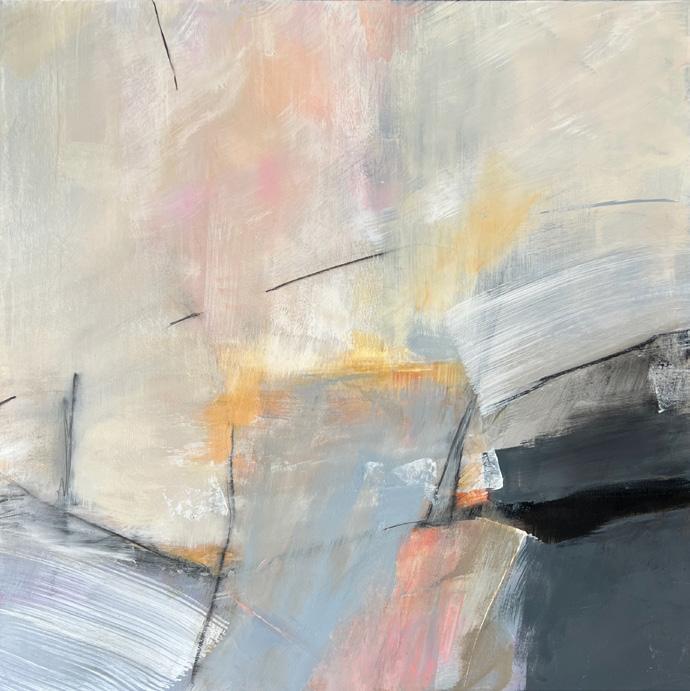
Heather Gorham
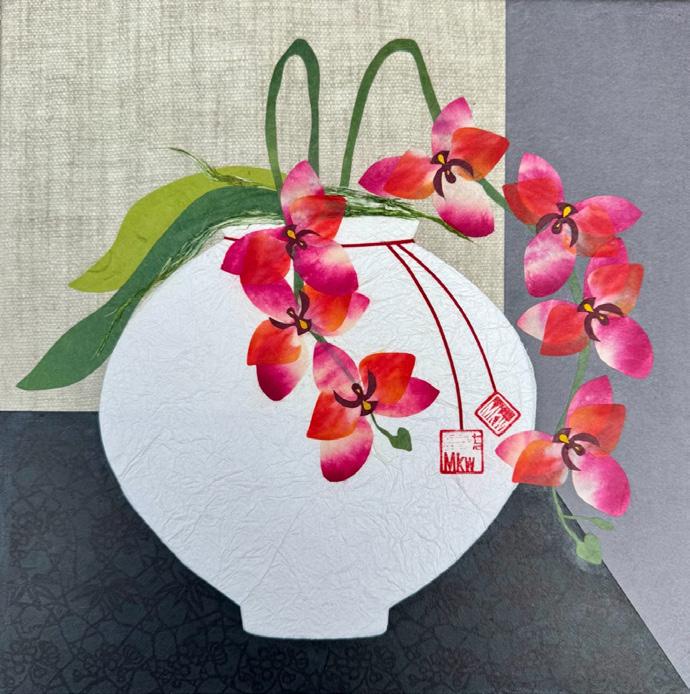
Minji Kang-Watrous
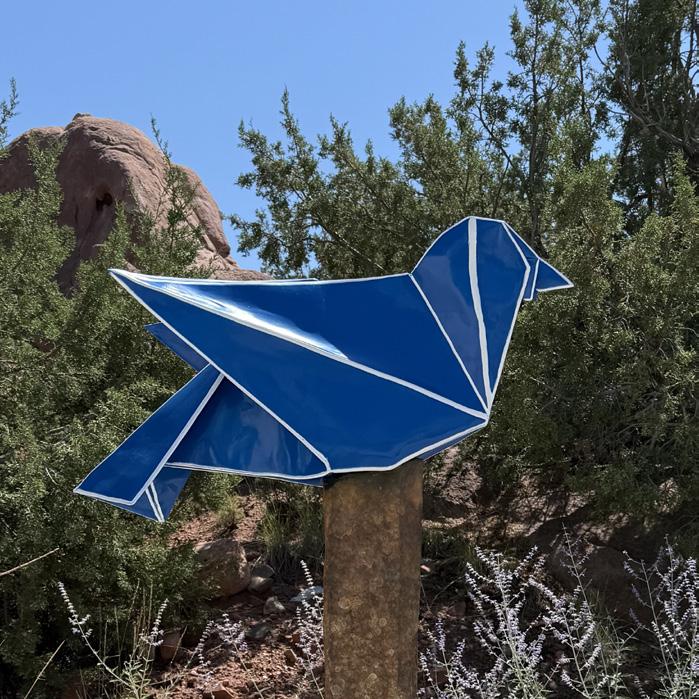
Susan Frankl Kevin Box
Publisher/Art Director/Editor
Patricia Zur
Graphic Designer
Michelle Mikulski
Special thanks to:
Mildred Champlin, Andrea Champlin, Annie Longley and PAAM, River Aragon, Jay Critchley and the Provincetown Community Compact, Dawn Zimiles, Seth Zimiles, Mark Adams, Julie and Frank Grande, Martin Karkamov, Randy Jansen and Donna Pomponio, Brian Cabral, Kelly Hammer, and my inimitable designer, Michelle Mikulski, who manages to do the impossible each year with speed and grace.
Long Point Studio P.O. Box 1506
Provincetown, MA 02657
info@provincetownartguide.com
508.487.6681
Browse the book, advertise with us, and order copies: provincetownartguide.com
Find us on Instagram & Facebook
©2026 Provincetown Art Guide/Long Point Studio All rights reserved. No part of this book may be used or reproduced in any form without the express written permission of the publisher.
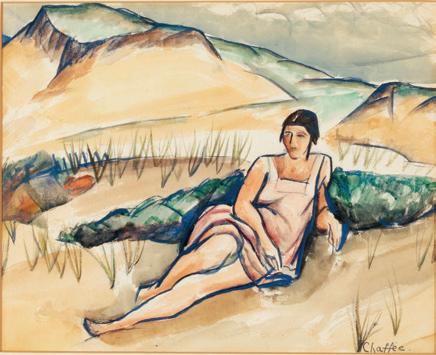
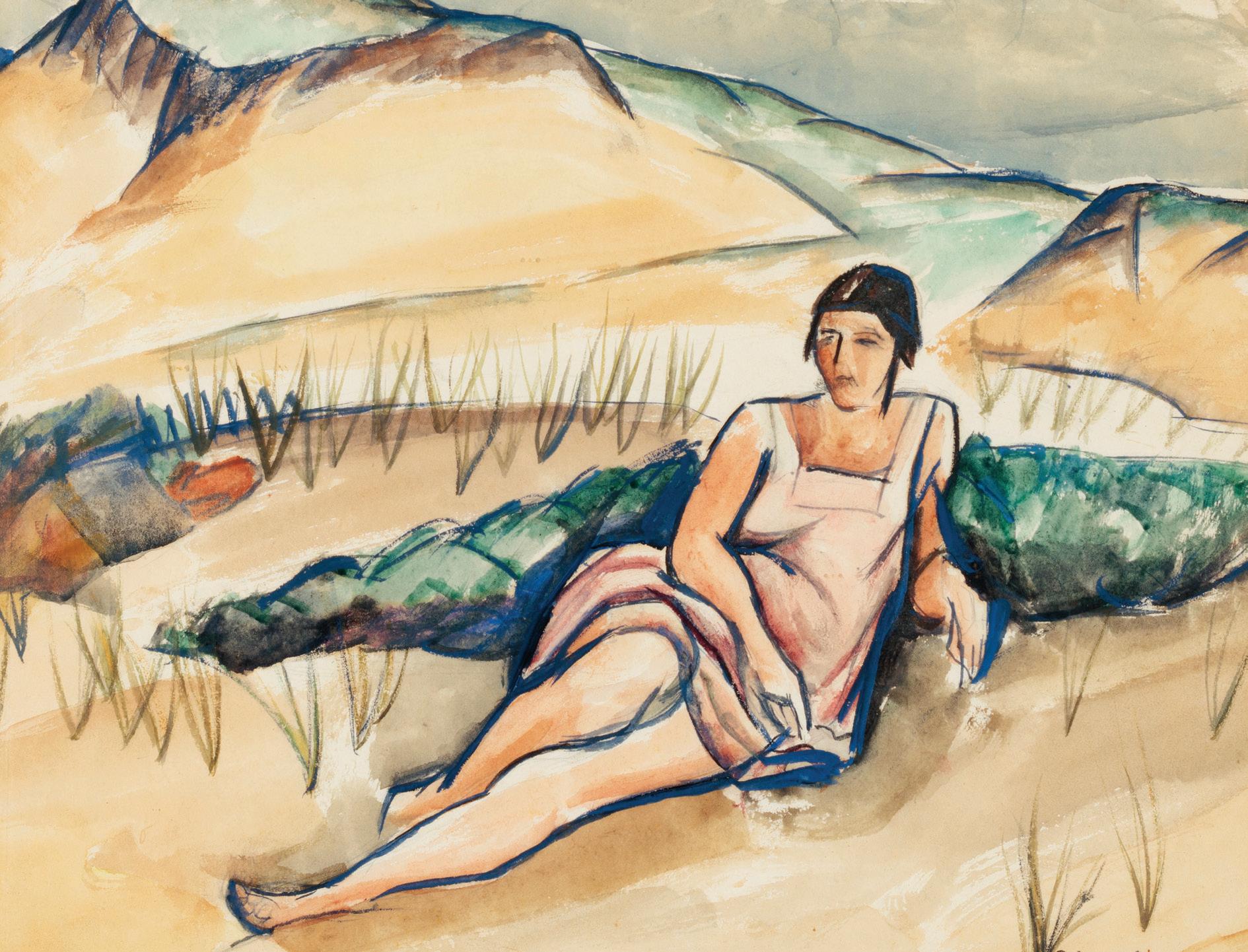
Oliver Newberry Chaffee, Jr. (American, 1881-1944), Provincetown Dunes, Portrait of Ada Gilmore, c. 1920. watercolor on paper. Gift of the Helen and Napi Van Dereck Estate, 2025. Courtesy of Provincetown Art Association and Museum.
provincetownartguide.com
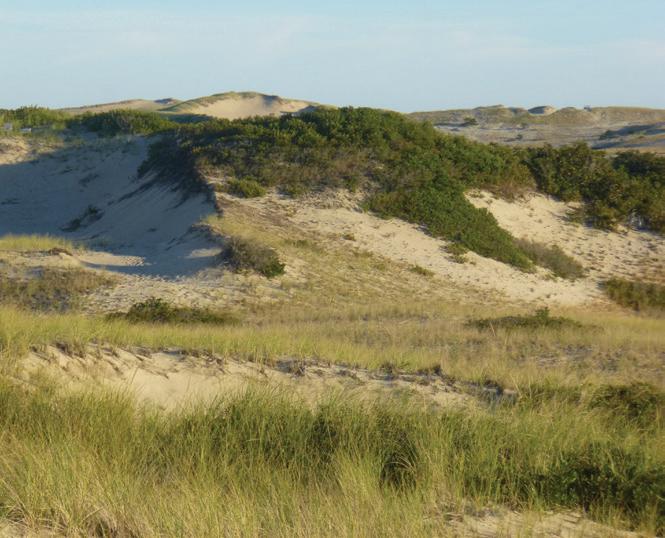
The Province Lands, some 7,000 acres of dunes, salt marshes, pitch pine forests, and freshwater ponds, is a universe of its own. I have gone there to shed worry, wonder at fleeting deer, drink in the intoxicating scent of bayberry, absorb the twilight glow over sky and dunes, convene with fox, and, on one remarkable occasion in a downpour, harmonize with thousands of hauledout seals whose mesmerizing collective hum resembled the comforting low frequency of a large singing bowl. Note that I did not mention the coyotes (or coywolves). Their hypnotic howls are not nearly as pleasant when dusk is in freefall miles away from home.
I am far from alone in these sensations. For each person who has spent time on Provincetown's backshore, there are hundreds more impressions. We owe this enormous privilege to yearround Outer Cape residents, civic leaders, environmental and conservation advocates, and artists and writers such as Josephine Del Deo and Ross Moffett, among others, who fought against development. Thanks to them, the National Seashore, created in1961, has a greater footprint in which visitors can celebrate naked nature without tract housing.
This year Provincetown Art Guide honors the Province Lands through the words of recent visitors and longtime dune dwellers who carry great respect for a landscape shaped by absence as much as presence.
Galleries 12
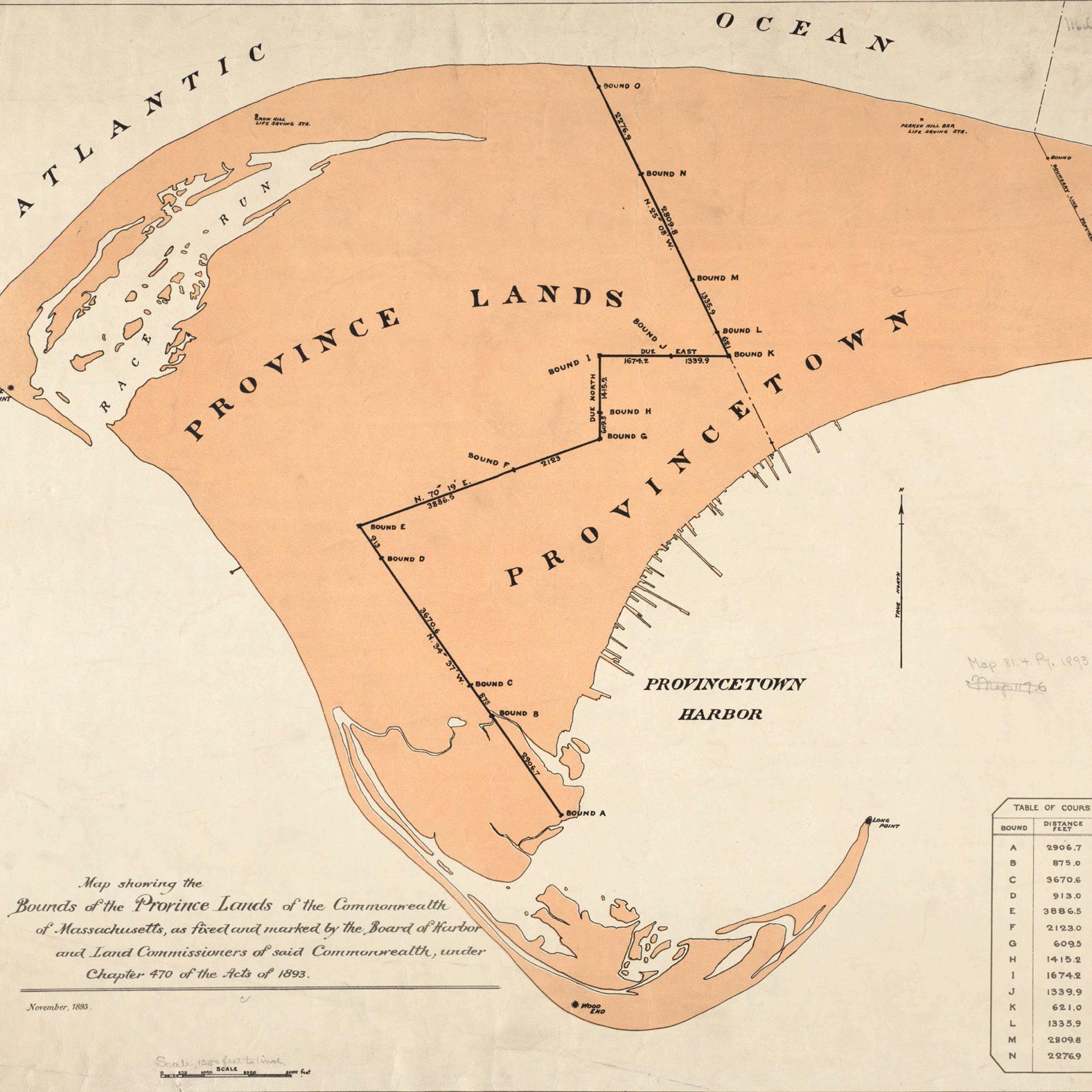
Map 48
Artists 59
Calendar 87
Antiques 96
editorial feature
For generations, the Province Lands have provided sustenance for Indigenous peoples, refuge for shipwrecked sailors, home for a small, hardy band of dune dwellers, and inspiration for writers, poets, and painters. This year’s Provincetown Art Guide pays homage to this fragile and wondrous landscape and its enduring cultural legacy.
Province Lands by Mark Adams 26 | Tales from Mission Bell by Mildred Champlin 38
Dune Shack Mantra by Patricia Zur 56 | Sacred Place by River Aragon 72 | Last Testament by Jan Gelb 84
423 Commercial Street | 508.487.4230 | open year round, daily in season | aldengallery@gmail.com | aldengallery.com
An accomplished contemporary collection of work by artists with a range of approaches, from representational to abstract, in a variety of media, rooted in Provincetown traditions. Shows of new work are scheduled from May to October, with Friday openings, featuring our gallery artists: Jim Broussard, Ed Christie, Larry R. Collins, Kevin Cyr, Cathleen Daley, Alice Denison, Joerg Dressler, Lisa Farnsworth, Chris Firger, Robert Glisson, Raúl Gonzalez III, Paul Kelly, Robert Morgan, Jane Paradise, Linda Reedy, and Mike Wright.
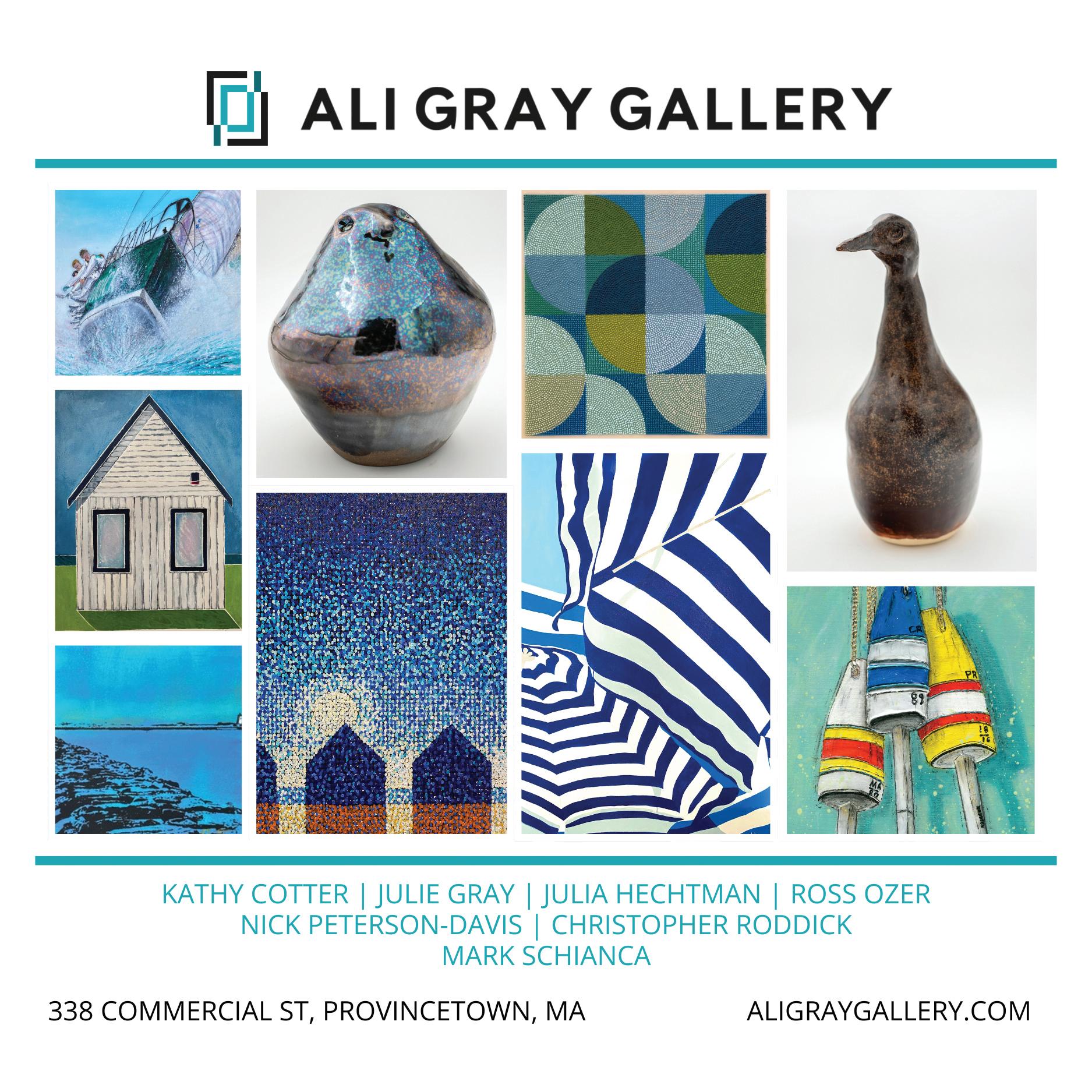
338 Commercial Street | aligraygallery.com
Ali Gray Gallery is a new gallery in the former home of the Stewart Clifford Gallery. Building on the space's long artistic legacy, the gallery represents some of Stewart Clifford's key artists as well as a thoughtfully curated group of new voices. Celebrating established and emerging local and regional artists in painting, printmaking, ceramics, and mixed media. Rooted in Provincetown's rich creative tradition, Ali Gray Gallery is designed to be a welcoming, inspiring destination that invites discovery, conversation, and connection through art. Featured artists include Kathy Cotter, Julie Gray, Julia Hechtman, Ross Ozer, Nick Person-Davis, Christopher Roddick, and Mark Schianca.
447 Commercial Street | 617.233.9234 | open most days 12-4, other times call for appt or by chance | russophoto.com
Angela Russo makes her fine art images utilizing state-of-the-art pigment printing. Any of her images can be custom-made based on your room’s spatial requirements. Timeless, nostalgic, and romantic – her images imbue an uncommon view of Provincetown and the Outer Cape. Stop by and see them in person!
445 Commercial Street | 631.880.1711 | ArtLoveGallery.com @artlovegallery_
Art Love Gallery celebrates Street, Pop, Hyper Realism, Contemporary, and Midcentury Modern art. Featuring Friday evening openings every week. Artists for season 2026 include: Jackie Fuchs, Richard Stabbert, Jacinthe Rivard, Theodora Sacknoff, Amy Shekhter, Vita, Kelley Ryan, Tali Lopez and others.
382 Commercial Street | 626.695.0551 | 12-4 / 6-9 in season closed Sun-Tues nights | open year round | egeligallery.com
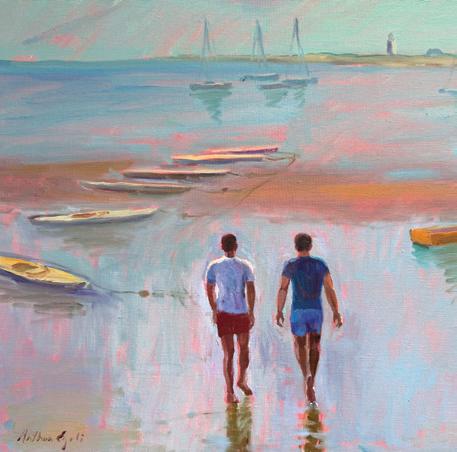
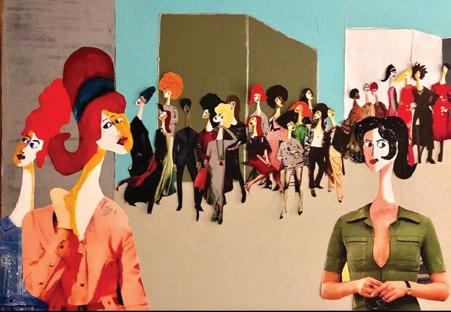
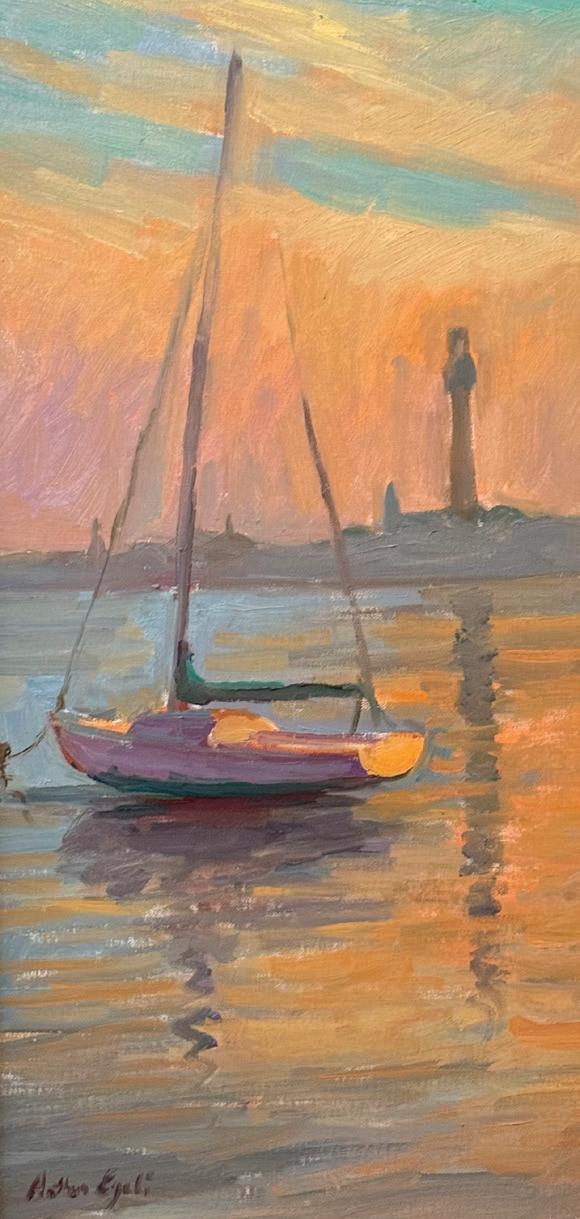
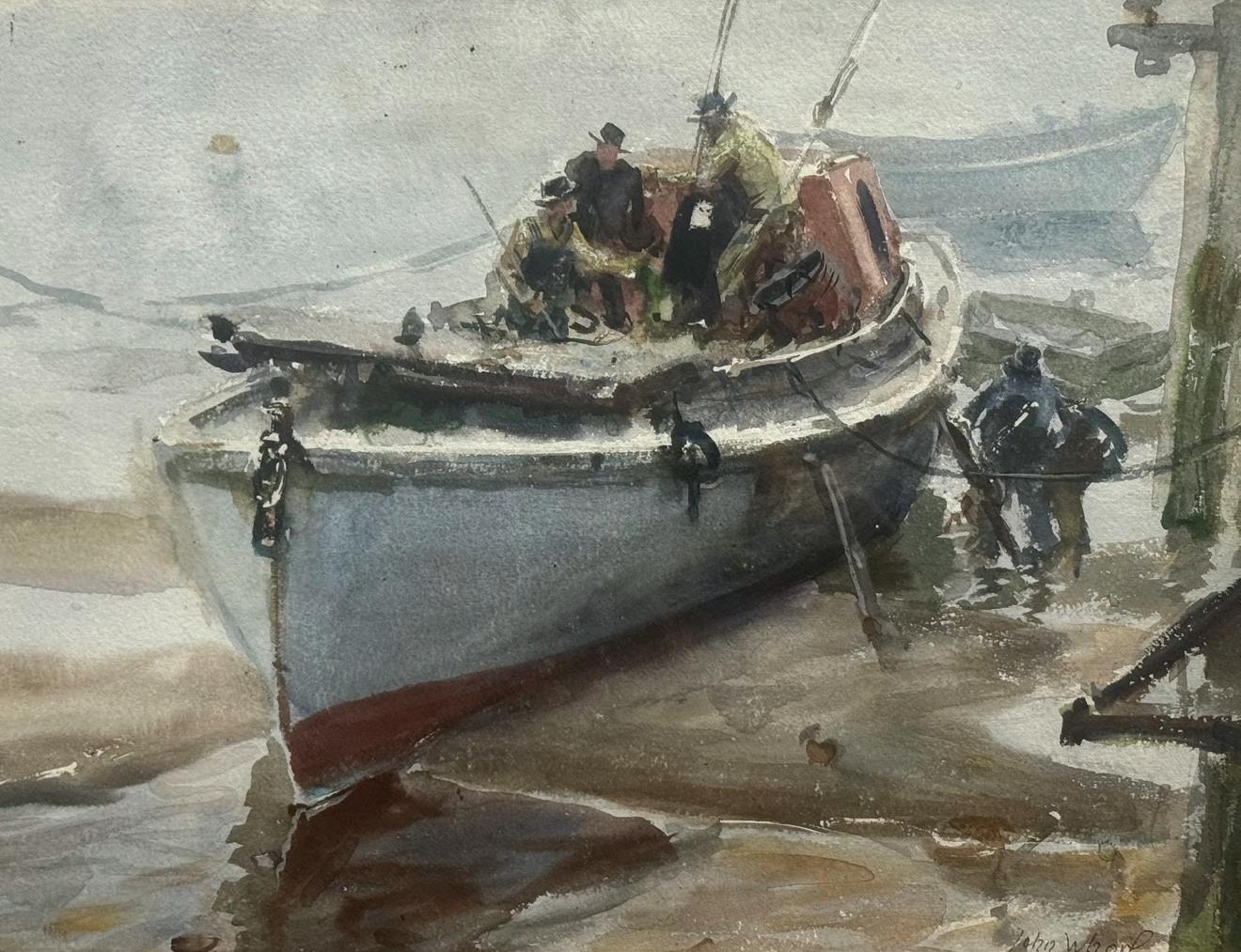
Egeli came to Provincetown as a teenager to study with Henry Hensche- an experience that inspired a lifetime of painting and an awardwinning movie career. After garnering awards from the California Art Club, American Impressionist Society and the Portrait Society of America in California, he returned to Provincetown to form Arthur Egeli Gallery with his wife Heather in 2007. Works by Egeli, John Clayton, Jerome Greene, Margaret McWethy, Kirk McBride, Provincetown Masters John Whorf & Charles Hawthorne & more.
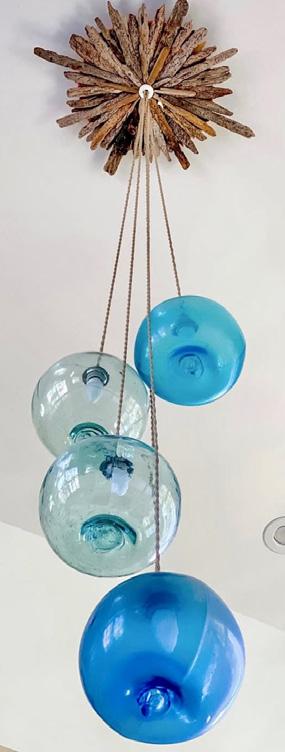
94 Main St., Orleans | 508.241.9675 | AtlanticWorkshop.com
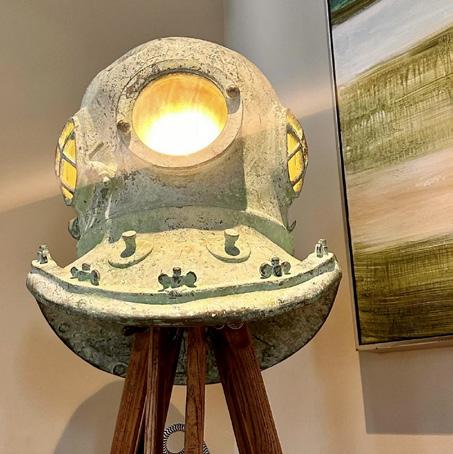
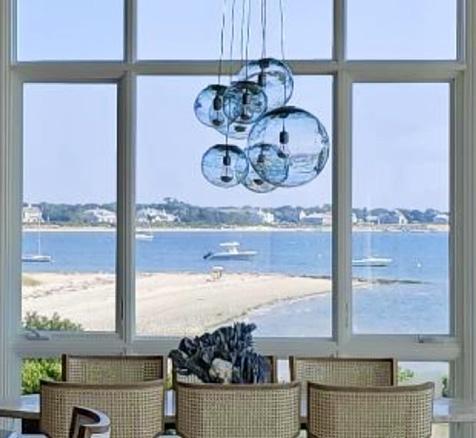
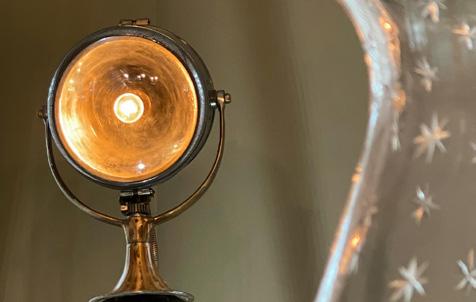
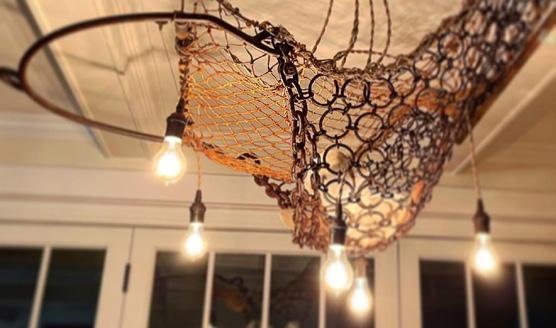
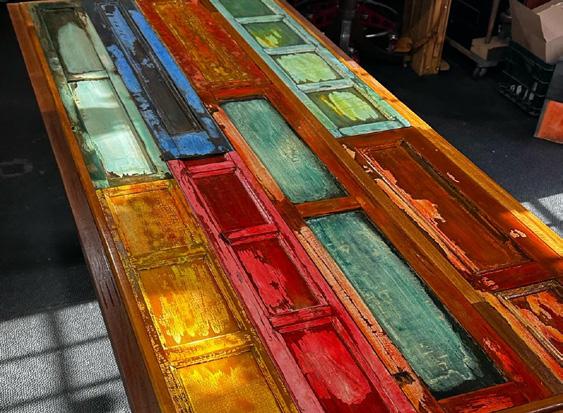
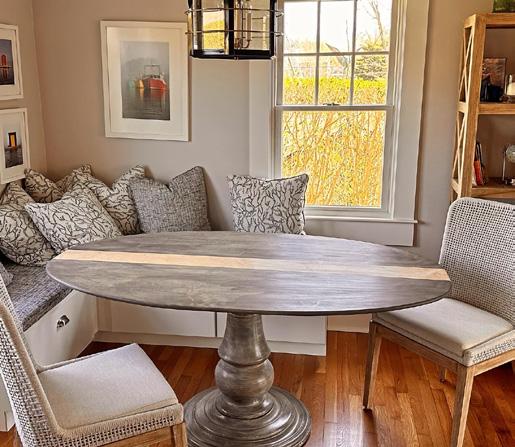
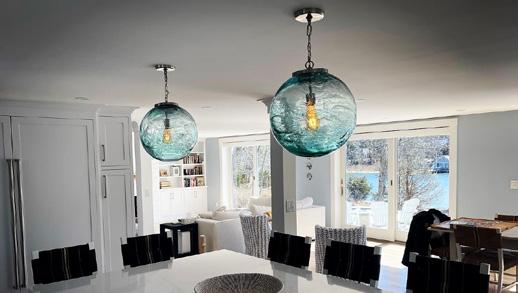
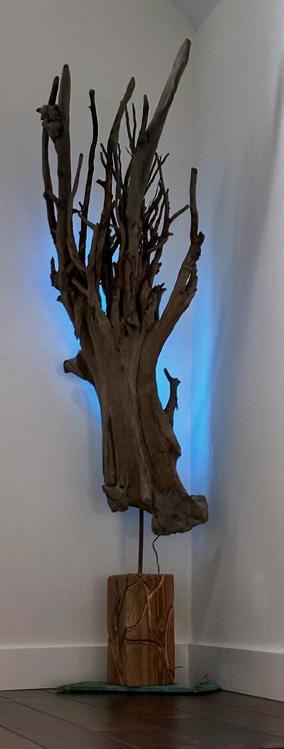
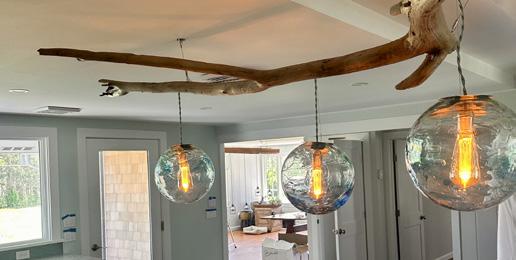
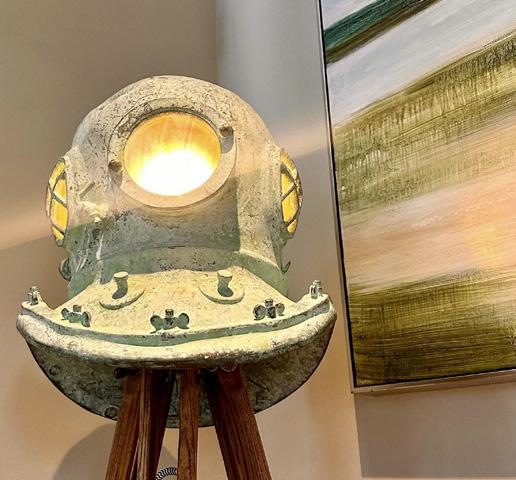
Atlantic Workshop creates handcrafted Furniture, Lighting, and Sculpture. Artist Scott Feen's one-of-a-kind works drift between memory and matter. Weathered wood, blown glass, steel, and cast bronze to name a few materials carry the hush of the sea, surfaces etched with quiet histories. He creates pieces that feel both found and timeless—where past and present blur, and something enduring rises, softened by salt, light, and time. Useful sculpture honoring a culture where ocean, ingenuity, and care are inseparable.
359 Commercial Street at Harbor Lounge | 508.413.9758 bakkerproject.com | info@bakkerproject.com
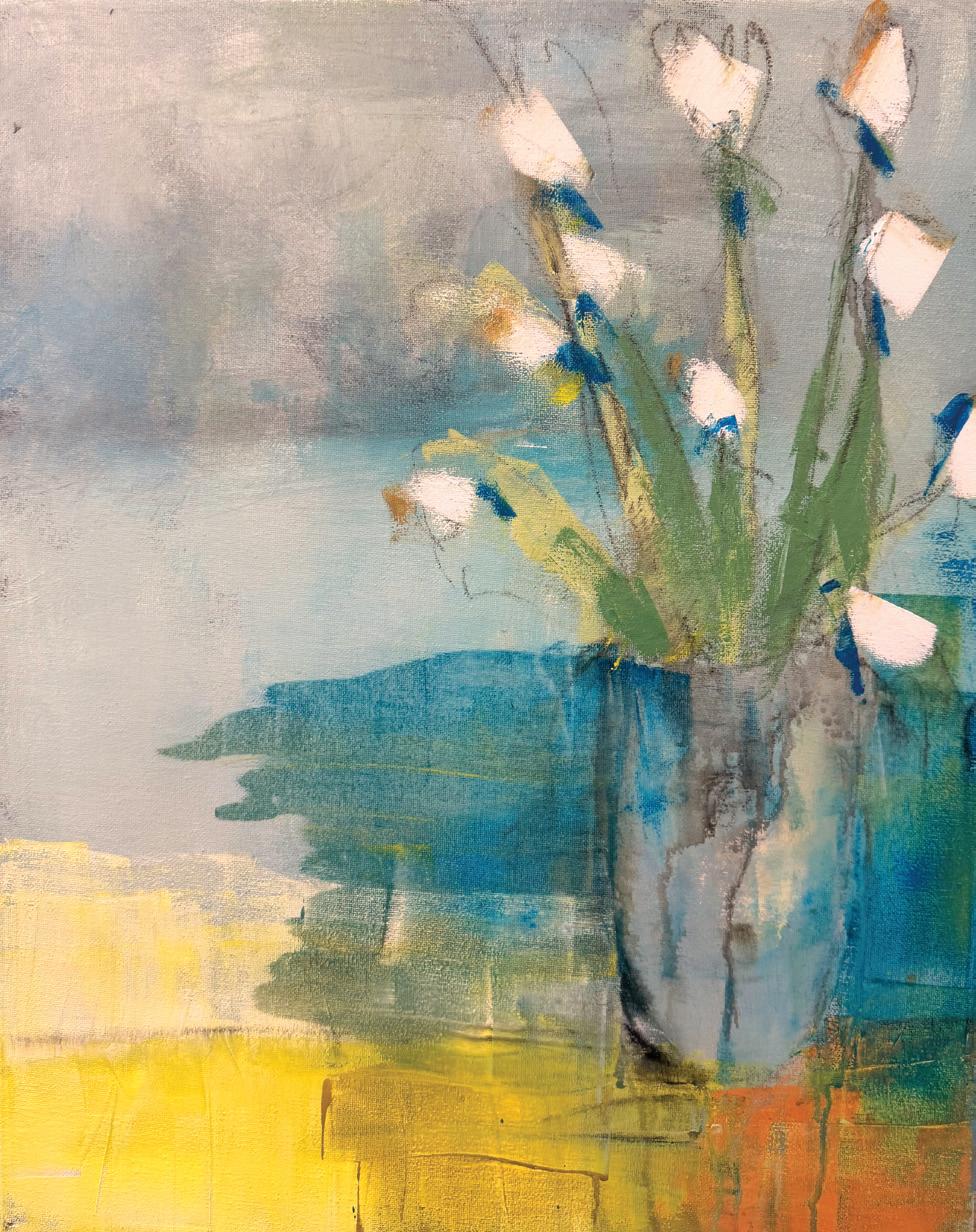
Bakker Gallery is a one-of-a-kind, unique Provincetown experience. The gallery specializes in American art with an emphasis on works by artists associated with the Provincetown Art Colony created over the past 120 years. Artists include Bourne, Cohen, DeCarlo, Hawthorne, Knaths, Littlefield, Ross, Weinrich, Whorf, Wilkinson and others. Bakker Auctions conducts online auctions featuring historic & contemporary Cape and Provincetown artists. (June 6, Aug. 8, Oct. 17).
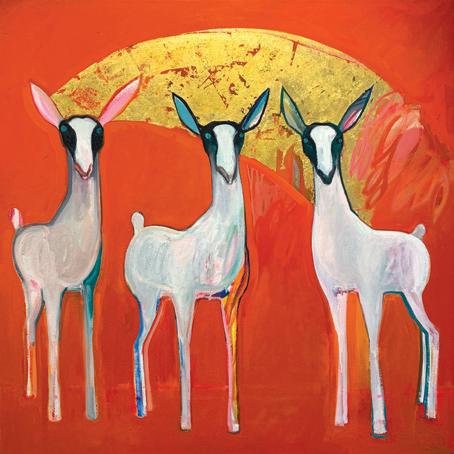
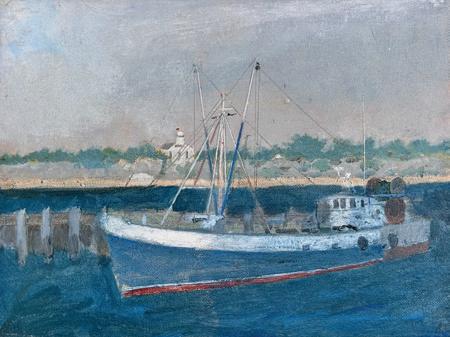
208 Bradford Street | 508.487.6411 | ample parking Grace Hopkins, Director | bertawalker@bertawalker.com bertawalkergallery.com
Nurture your Spirit. Visit Berta Walker Gallery presenting the history of American Art as seen through the eyes of Provincetown. "Highlighting the rich cultural heritage of Provincetown's over 125- year old art colony, the Gallery is known for showing a wide variety of important Provincetown-affiliated art and artists dating as far back as 1900 on through to the contemporary masters of today". – André Van der Wende, Cape Cod Times
374 Commercial Street | 508.413.9580 | botanica-pt.com
Botanica offers the original art of Derek Macara, Michael RileyHill, Stephen Lilley, Larry Decker, Brian Larkin, Suzanne Scallion and Lynn Bikofsky; the reproduction art of Marshal Walden and Scott Simmons; as well as the photography of Jeff Krehely and Jeff Hitchcock. In addition, Botanica offers hand-made art tiles by Motawi Tileworks, blown glass art by Luke Adams Studio as well as a wide variety of items for the home and garden.
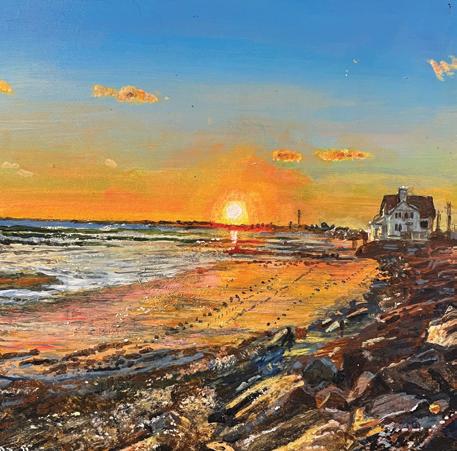
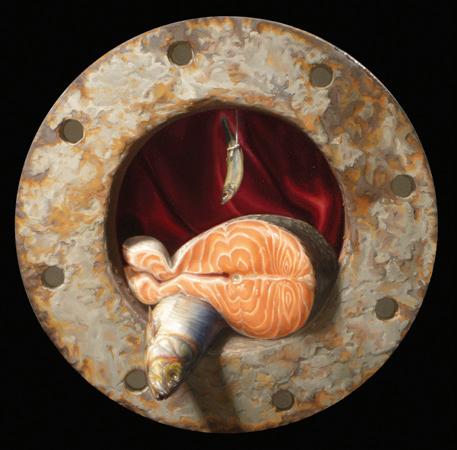
371 Commercial Street | 508.487.4994 | bowersockgallery.com
Now celebrating its 22nd year, Bowersock Gallery offers an intimate and inviting space showcasing a rich and diverse collection of contemporary art, from striking paintings and sculptures to innovative mixed media works. With a discerning eye for talent, the gallery represents both emerging and established artists, cultivating a dynamic and supportive creative community. Visitors are drawn into a world where each piece tells its own story, sparking curiosity, reflection and inspiration. Bowersock Gallery continues to be a haven for art lovers and collectors alike, offering limitless possibilities.
437 Commercial St | 508.237.7544 | cadredstudio@gmail.com
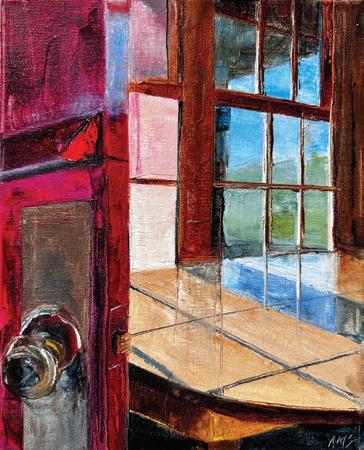
Andrea M Sawyer’s Cad Red Studio celebrates over thirty years of her Provincetown-centric paintings, the photographic art of her husband Brian O’Malley, and a biweekly rotation of curated works by both wellknown and emerging artists with local connections “On the Wall”. In the heart of the gallery district at Poor Richard’s Landing, you’re invited to wander in from the street into an intimate space filled with color, light and personal vision. Meet the artists at Gallery Stroll openings, from 7-9 every Friday night through October.
12 CAPE COD MUSEUM OF ART DENNIS
60 Hope Lane | 508.385.4477 | tuesday - saturday 10-4, sunday 12-4 | ccmoa.org
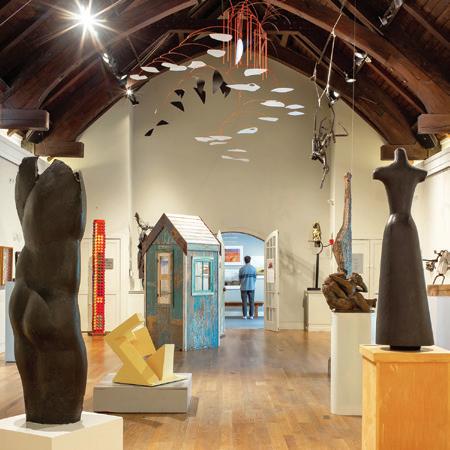
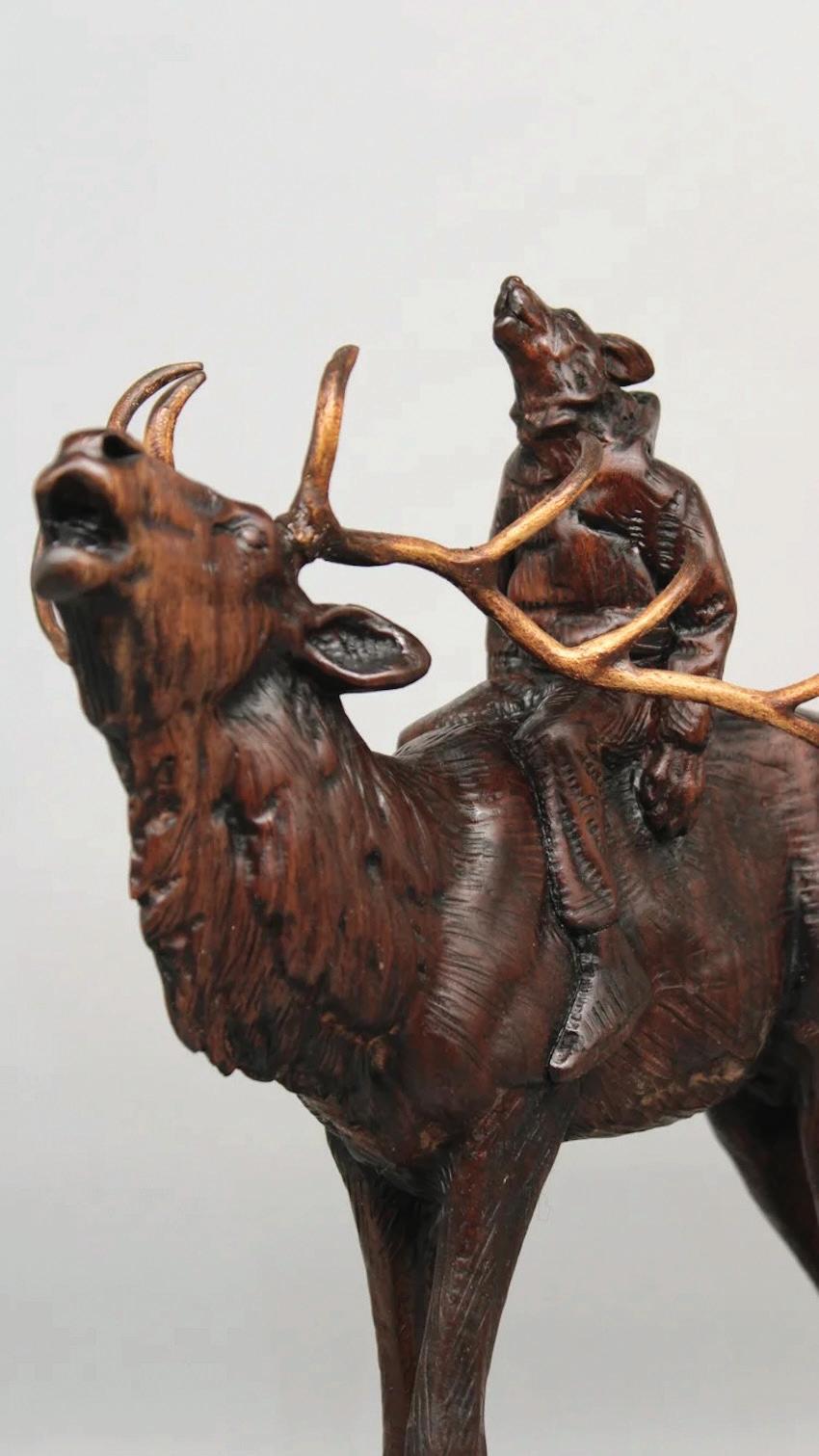
Founded in 1981, the Cape Cod Museum of Art (CCMoA) features work by prominent and emerging artists with a Cape Cod connection. Summer exhibitions include CCOSI: Cape Cod Open Sculpture Invitational (4/16-11/14) - an outdoor exhibition of 40 sculptures on our 22-acre campus, David Phillips: 57 Years of Sculpture (5/1-8/16) - a retrospective including recent works in bronze, stone & mixed media and In Full Bloom: Still Lifes & Florals from the CCMoA Permanent Collection (5/21-7/26). See complete schedule at ccmoa.org.
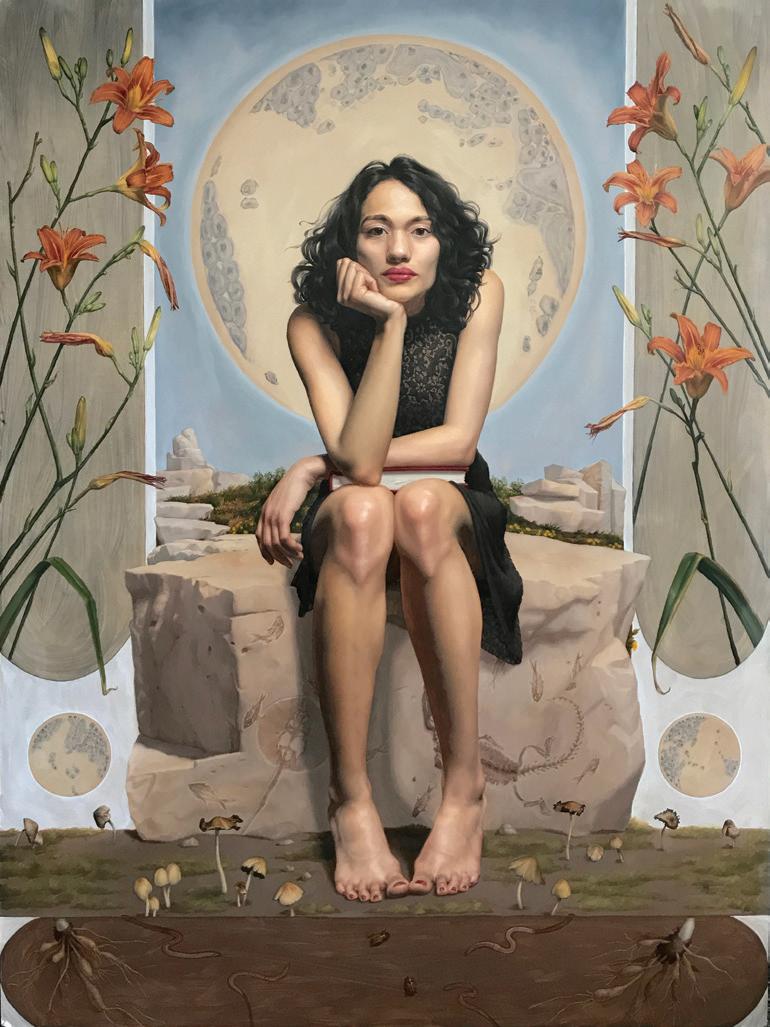
Now celebrating its 23rd year, Bowersock Gallery offers an intimate and inviting space showcasing a rich and diverse collection of con temporary art, from striking paintings and sculptures to innovative mixed media works. With a discerning eye for talent, the gallery rep resents both emerging and established artists, cultivating a dynamic and supportive creative community. Visitors are drawn into a world where each piece tells its own story, sparking curiosity, reflection and inspiration. Bowersock Gallery continues to be a haven for art lovers and collectors alike, offering limitless possibilities.
Hope Lane | 508.385.4477 | tuesday - saturday 10-4,
Founded in 1981, the Cape Cod Museum of Art (CCMoA) features work by prominent and emerging artists with a Cape Cod connection. Summer exhibitions include CCOSI: Cape Cod Open Sculpture Invitational (4/16-11/14) - an outdoor exhibition of 40 sculptures on our 22-acre campus, David Phillips: 57 Years of Sculpture (5/1-8/16) - a retrospective including recent works in bronze, stone & mixed media and In Full Bloom: Still Lifes & Florals from the CCMoA Permanent Collection (5/21-7/26). See complete schedule at ccmoa.org.
Andrea M Sawyer’s Cad Red Studio celebrates over thirty years of her Provincetown-centric paintings, the photographic art of her husband Brian O’Malley, and a biweekly rotation of curated works by both wellknown and emerging artists with local connections “On the Wall”. In the heart of the gallery district at Poor Richard’s Landing, you’re invited to wander in from the street into an intimate space filled with color, light and personal vision. Meet the artists at Gallery Stroll openings, from 7-9 every Friday night through October. Visit bowersockgallery.com to see all of our artists
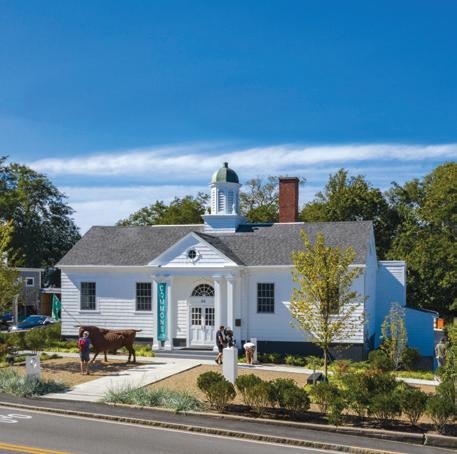
46 Bradford Street | 508.257.1748 | ptowncommons.org create@commonsptown.org | @ptowncommons
The Commons is a year-round creative hub on the Outer Cape supporting emerging artists while celebrating established voices. Through exhibitions, artist studios, and public programs, The Commons fosters creativity, collaboration, and professional growth. With shared workspaces, meeting rooms, galleries, event space, and resources for creative professionals, it serves as a vibrant gathering place for the region's arts community and visitors alike.
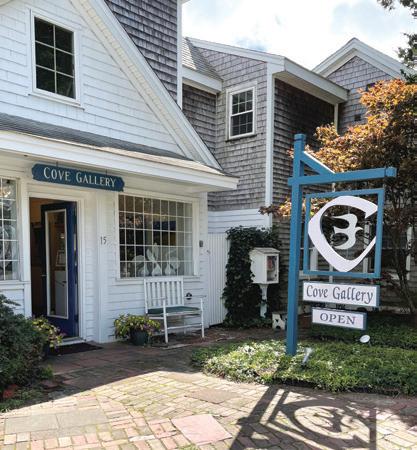
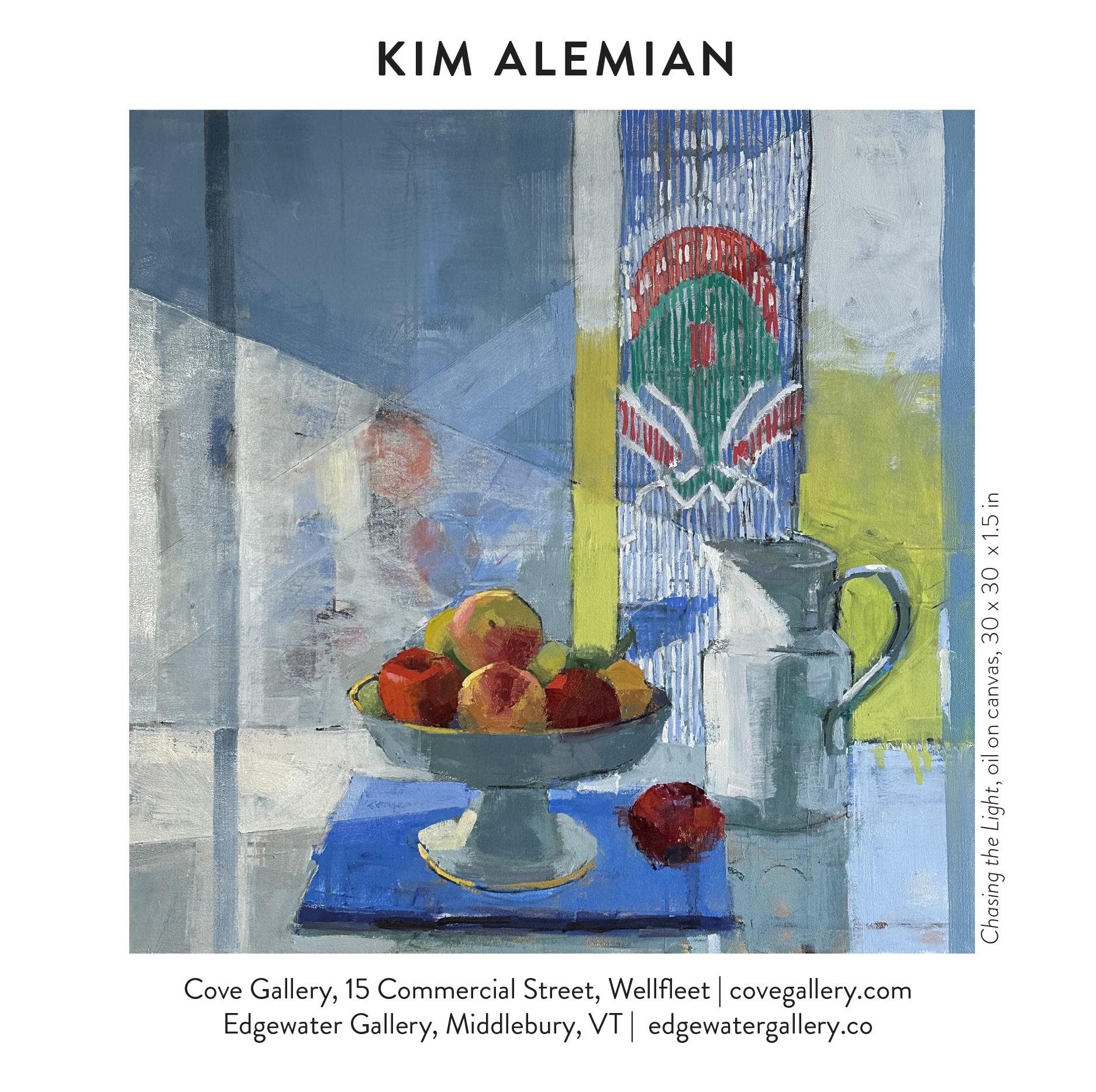
15 Commercial Street | 508.349.2530 | summer Mon - Fri 10-6pm, Sat 10-8 pm, Sun 12-5pm | call for off season hours covegallery@msn.com | covegallery.com
Celebrating 37 years in Wellfleet with a diverse collection of paintings, prints and sculpture. Kimberlee C Alemian, Leonard Baskin, Mae Bertoni, Tomie dePaola, Joan Gitlow, Carla Golembe, John Grillo, Larry Horowitz, Joe Landry, Carol Lesher, Jane Lincoln, Tracey Maroni, Silvina Mizrahi, Mary Moquin, Elena Obelenus, Linda Pochesci, Joyce Utting Schutter, Ben Shahn, Judith Shahn, Carol Strause Fitzsimonds & Ginny Zanger. Check website for openings and Live Jazz nights!
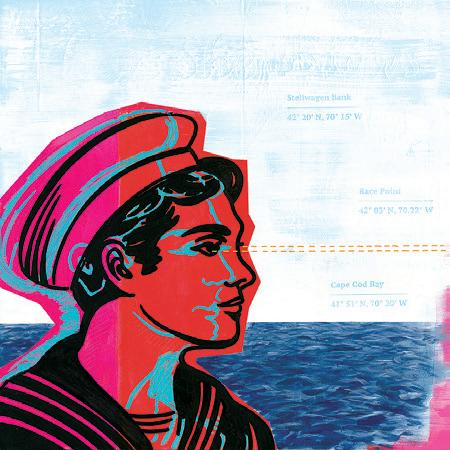
142 Commercial Street | 802.558.7399 | open: in season, daily; off season, weekends by chance or appointment DozenStudioGallery.com
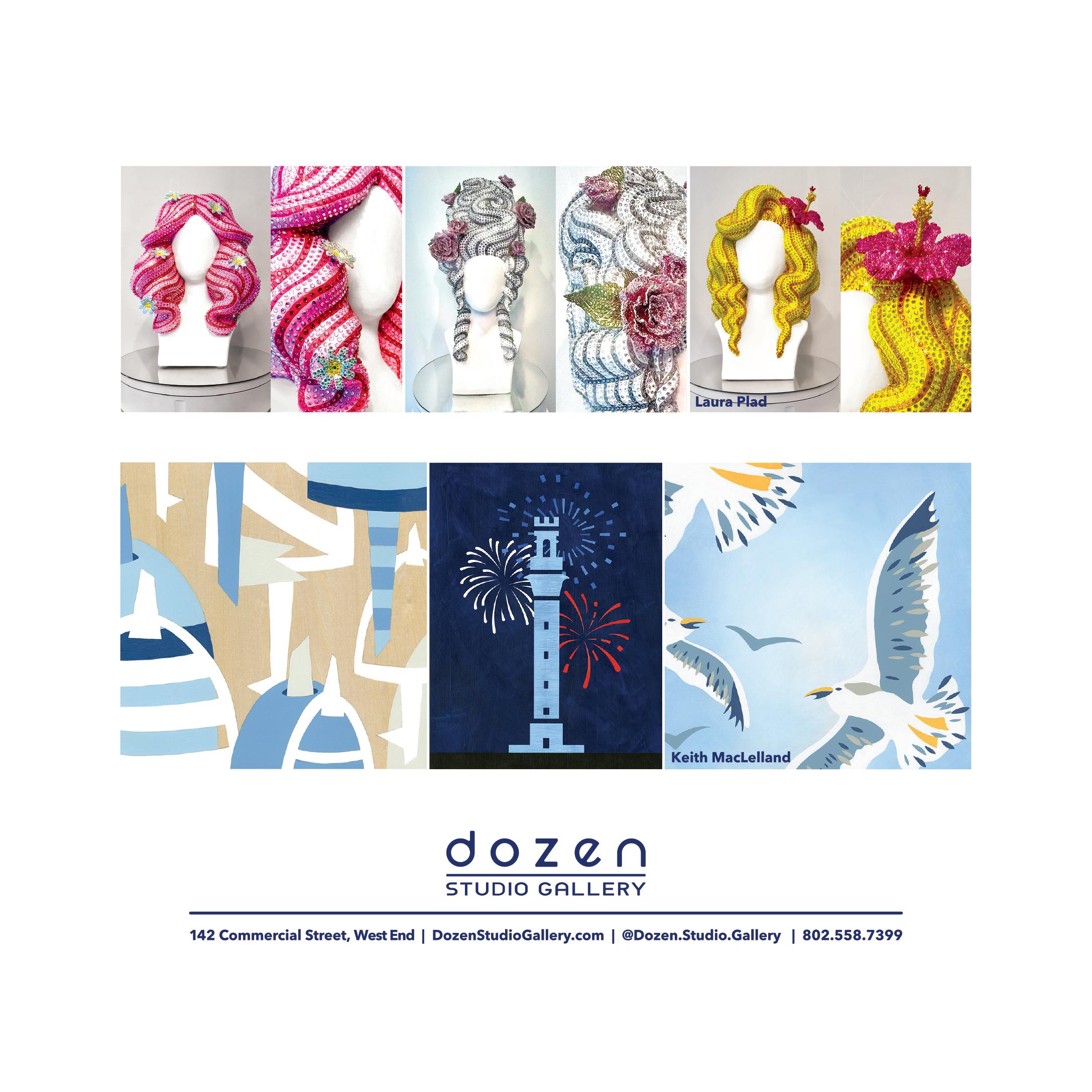
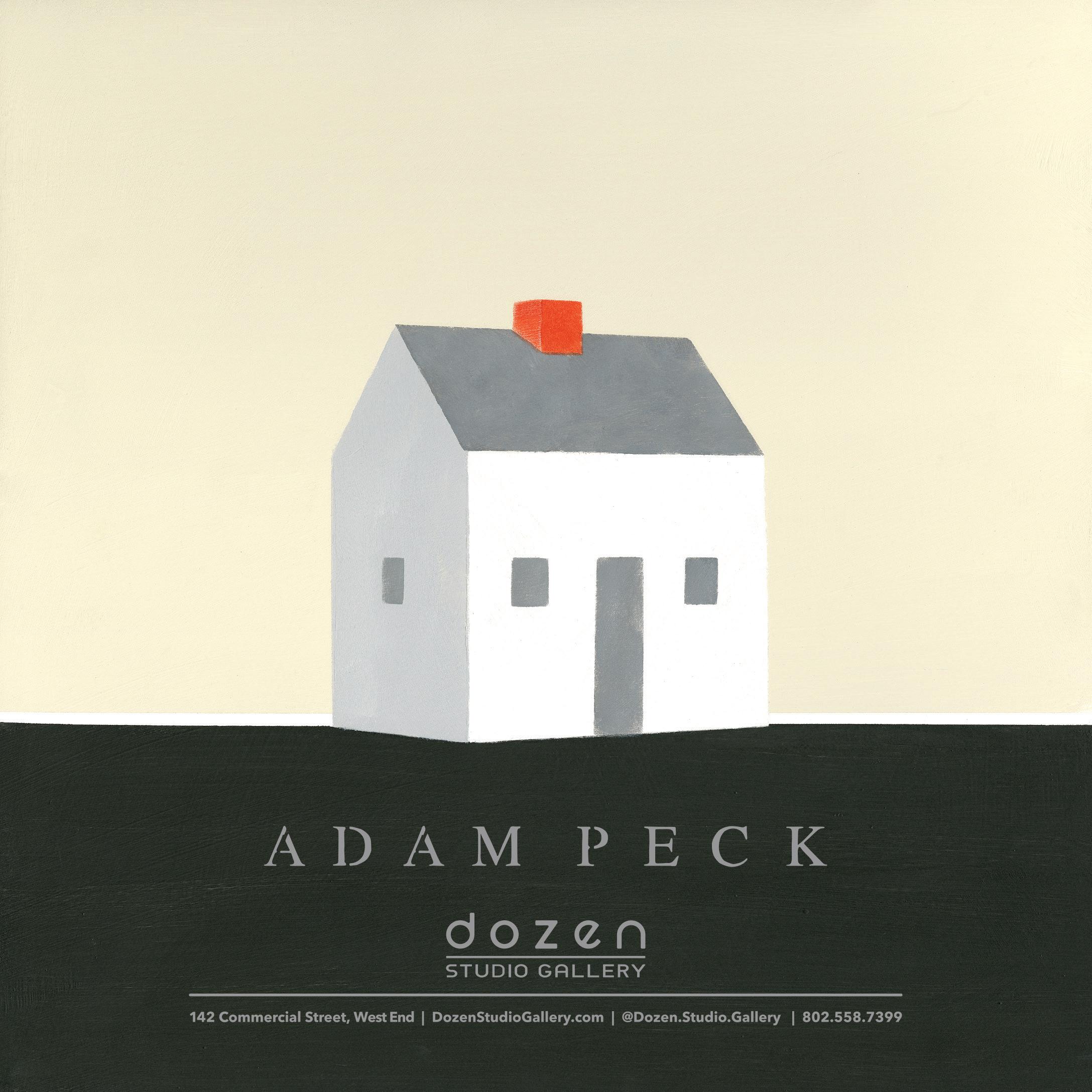
Dozen Studio Gallery (DSG) is a unique studio gallery experience located in the historic West End of Provincetown, the gateway to art, food & culture. Catering to a diverse range of customers & budgets, DSG features the contemporary iconic works of Adam Peck, Keith MacLelland & Laura Plad. Commissions welcome.
Your Studio is Wherever You Are

Great art has no fixed address—and neither does FAWC Online. From quiet meadows to busy city sidewalks, artists and writers gather here to exchange ideas, challenge their craft, and learn from world-class faculty.
Step into the studio at fawc.org/fawc-online


1483 Route 6A, E. Dennis | Mon - Fri, 9-4 | 508.385.3116
eldreds.com | info@eldreds.com
New England's oldest established antiques and fine art auction house, now in its third generation of family ownership, Eldred's holds more than 25 auctions per year across a broad range of collecting categories—fine art, Americana, maritime art, Asian art and collectibles. Quality consignments and appraisal inquiries invited.
Open Mon-Fri from 9 to 4, and by appointment at our satellite galleries in Hanover, MA and Mystic, CT. Auctions of Provincetown and Cape Cod art to be held Jun 25, Jul 21-24, Aug 6-7 and Aug 12.
24 Pearl Street | 508.487.9960 | fawc.org | Mon - Fri 12-5
Spend the summer at the Fine Arts Work Center, where 65 visual arts and creative writing workshops take place over nine inspiring weeks, led by nationally recognized artists and writers. From Monday to Wednesday, enjoy free public programs including readings, artist talks, and open studios. Visit the historic Hudson D. Walker Gallery, once part of the Days Lumberyard, now home to a curated exhibition featuring work from one of the world's leading residency programs.
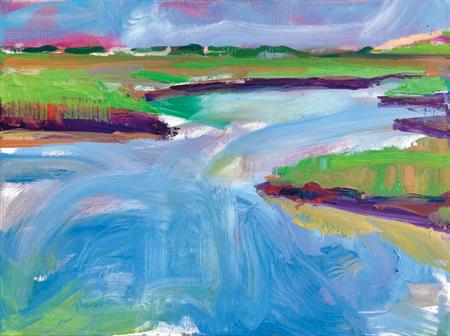
411 Commercial Street | 617.905.7432 | fourelevengallery.com
For over 50 years, the rambling white house at 411 Commercial St. has been a studio and home to many artists and writers. The storefront gallery space, opened in 2011 by Liz Carney, is a true painter's gallery. It's been said by many locals that it evokes a feeling of old Provincetown. Paintings by Lizzie Abelson, Matthew Bielen, Cid Bolduc, Naya Bricher, Liz Carney,Madelyn Carney, Matt Carrano, Janine Evers, David Foley, Mary Giammarino, Helen Grimm, Jenny Humphreys, Valerie Isaacs, Jay McDermott, RC Patterson, Paul Rizzo, Tia Scalcione, Elspeth Slayter and Julie Smith.
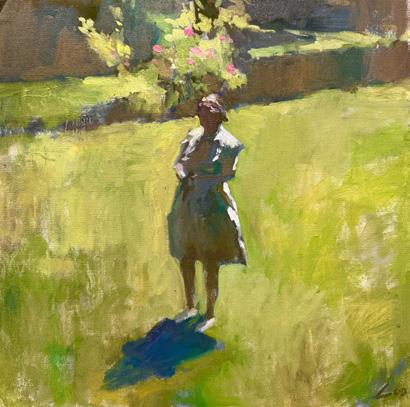
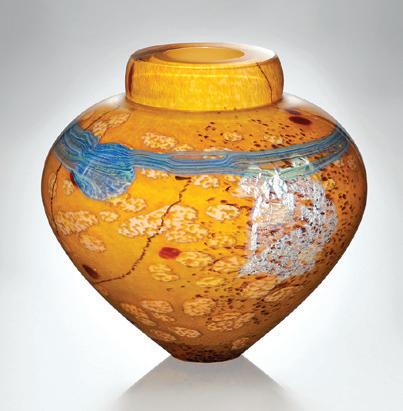
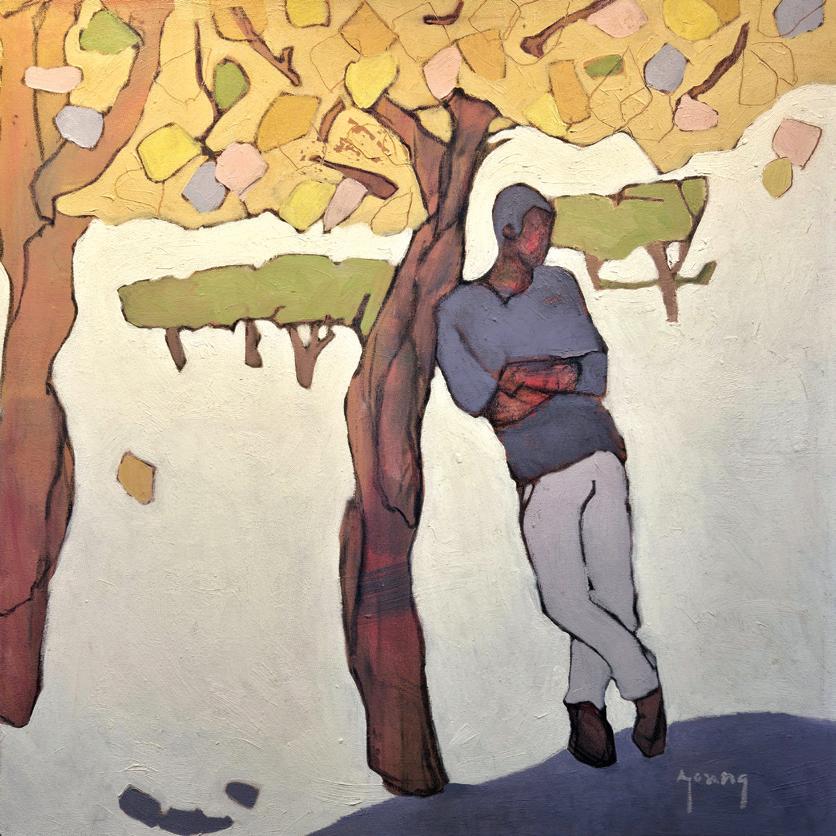
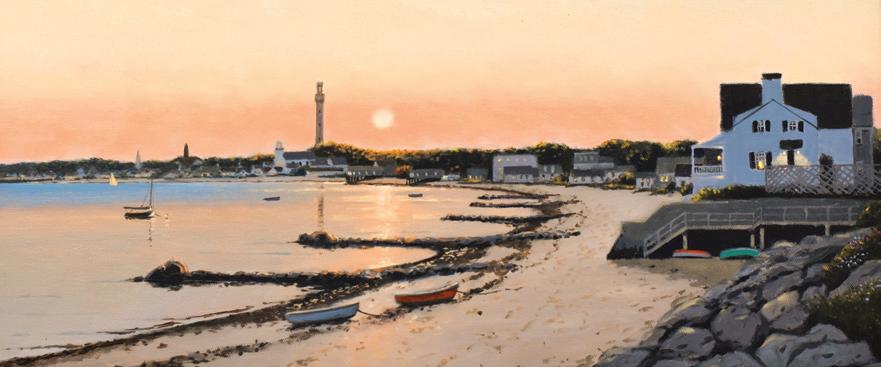
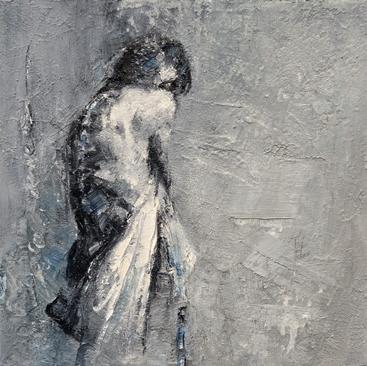
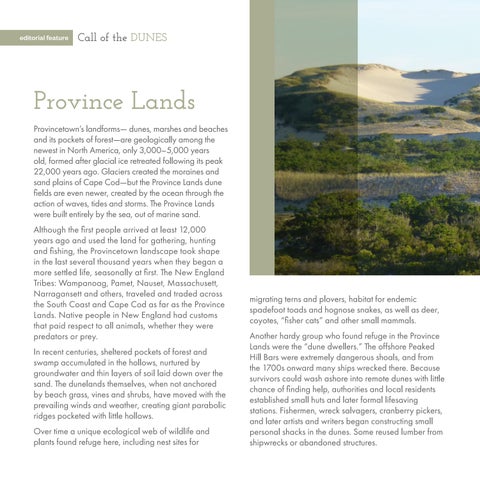
Provincetown’s landforms— dunes, marshes and beaches and its pockets of forest—are geologically among the newest in North America, only 3,000–5,000 years old, formed after glacial ice retreated following its peak 22,000 years ago. Glaciers created the moraines and sand plains of Cape Cod—but the Province Lands dune fields are even newer, created by the ocean through the action of waves, tides and storms. The Province Lands were built entirely by the sea, out of marine sand.
Although the first people arrived at least 12,000 years ago and used the land for gathering, hunting and fishing, the Provincetown landscape took shape in the last several thousand years when they began a more settled life, seasonally at first. The New England Tribes: Wampanoag, Pamet, Nauset, Massachusett, Narragansett and others, traveled and traded across the South Coast and Cape Cod as far as the Province Lands. Native people in New England had customs that paid respect to all animals, whether they were predators or prey.
In recent centuries, sheltered pockets of forest and swamp accumulated in the hollows, nurtured by groundwater and thin layers of soil laid down over the sand. The dunelands themselves, when not anchored by beach grass, vines and shrubs, have moved with the prevailing winds and weather, creating giant parabolic ridges pocketed with little hollows.
Over time a unique ecological web of wildlife and plants found refuge here, including nest sites for
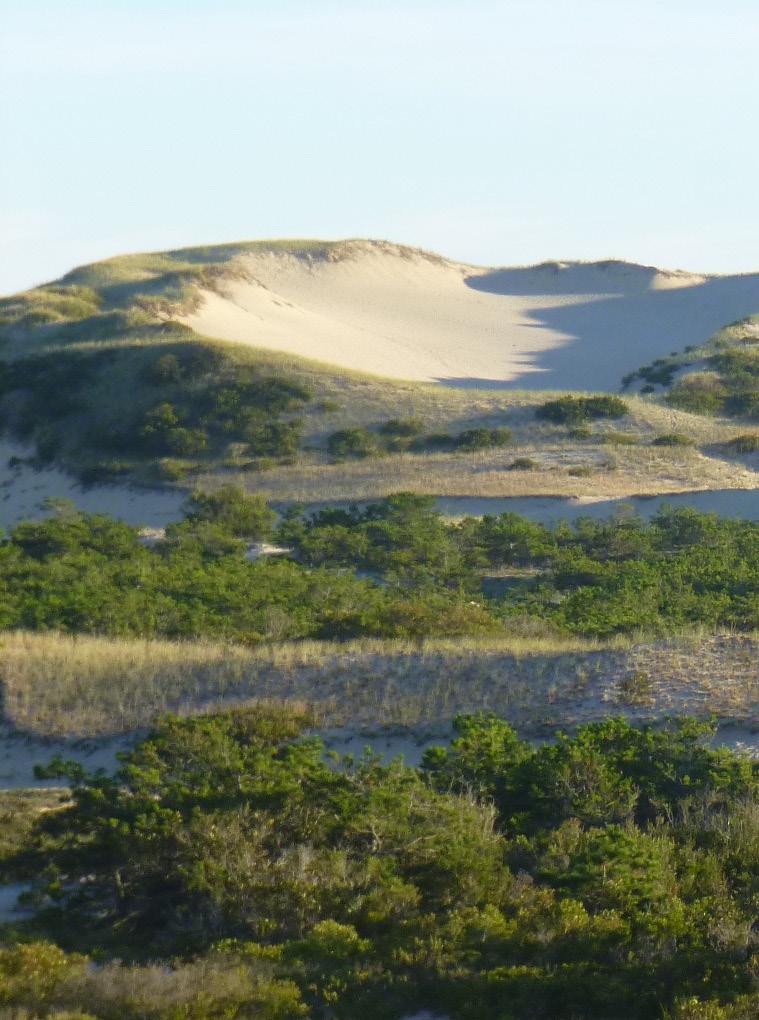
migrating terns and plovers, habitat for endemic spadefoot toads and hognose snakes, as well as deer, coyotes, “fisher cats” and other small mammals.
Another hardy group who found refuge in the Province Lands were the “dune dwellers.” The offshore Peaked Hill Bars were extremely dangerous shoals, and from the 1700s onward many ships wrecked there. Because survivors could wash ashore into remote dunes with little chance of finding help, authorities and local residents established small huts and later formal lifesaving stations. Fishermen, wreck salvagers, cranberry pickers, and later artists and writers began constructing small personal shacks in the dunes. Some reused lumber from shipwrecks or abandoned structures.
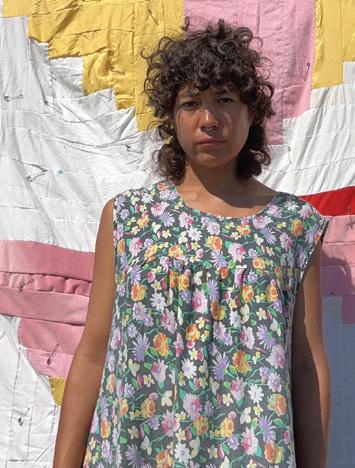
Mark Adams has been a geologist, cartographer and artist on Cape Cod for more than 30 years. He shows his work at the Schoolhouse Gallery and is Artist/Scientist in Residence at the Center for Coastal Studies.
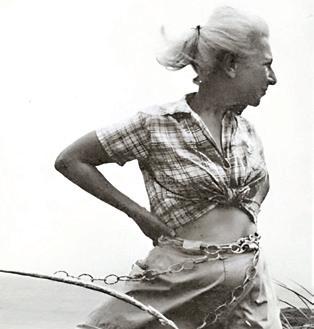
Photo courtesy of Patricia Zur.
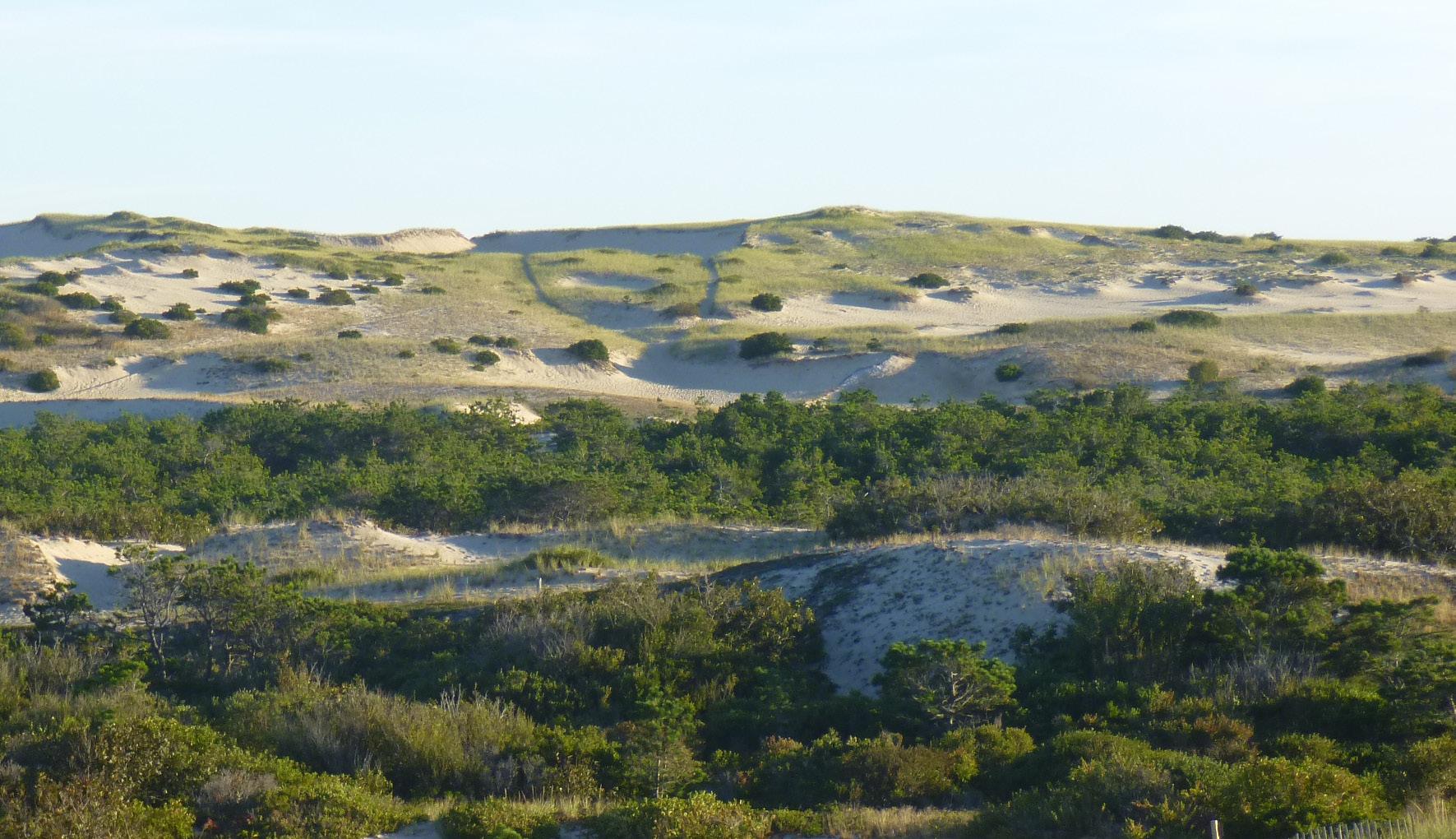
The dune shack area—formally called the Dune Shacks of Peaked Hill Bars Historic District—was officially listed on the National Register of Historic Places on March 15, 2012. The designation recognized the district as culturally important because of its unique dune shack architecture, connections to American art and literature, maritime and lifesaving history, and the unusual cultural tradition of seasonal dune living in the Province Lands.
The National Park Service created the Cape Cod National Seashore by an act of Congress in 1961, acquiring thousands of acres of land, some of it purchased from private owners and some from existing state preserves. Some owners resisted the sales, but all were paid market-rate assessments. Few
would dispute that all the Cape communities benefit from the surrounding natural landscape, secure for generations to come. Now the chief concern is whether the land is safe from drastic changes threatened by climate and sea level change.
Henry David Thoreau’s collected essays in his book Cape Cod mark the time when tourism became a reality replacing the fading commerce of fishing and whaling. Today, a way of life persists that thrives on being in nature and art-making as an homage to the lands and waters.
— Mark Adams, 2026
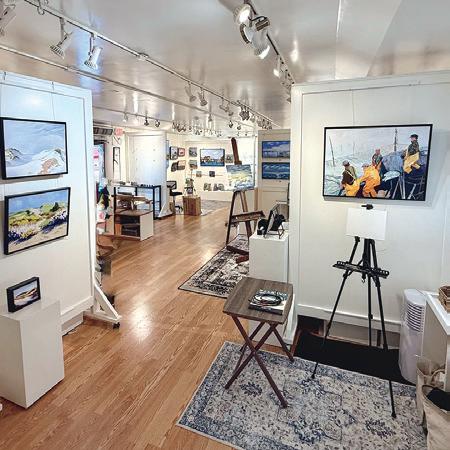
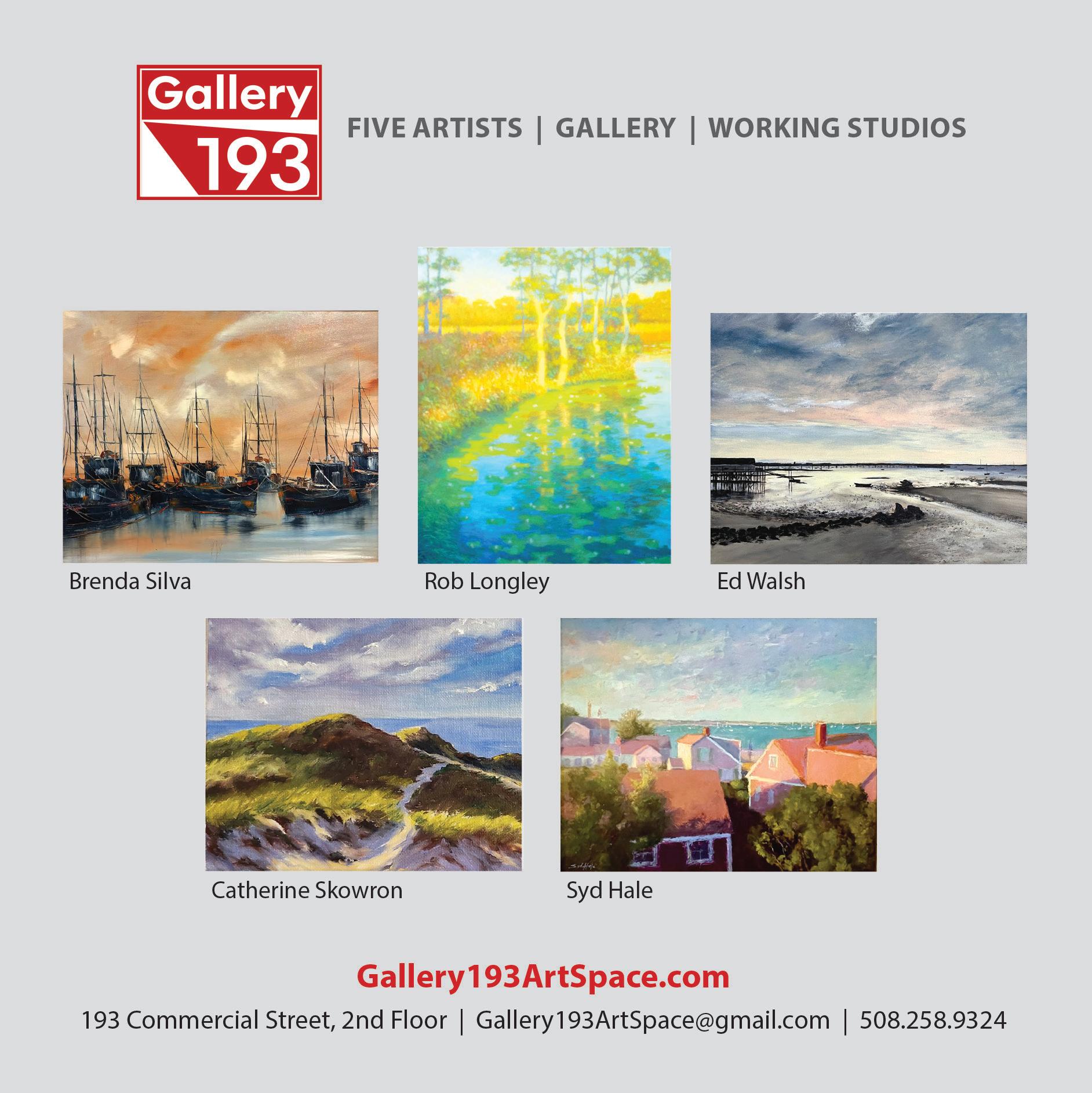
193 Commercial Street, 2nd Floor | 508.258.9324 | daily 11-8 weekends off season or by chance/appointment Gallery193ArtSpace.com
Five Artists | Gallery | Open Studios Sustaining Provincetown's artistic traditions while creating new ones. Landscapes, seascapes, florals, and portraits, along with scenes of Provincetown's maritime heritage. Well-known painters with established credentials include Rob Longley, Syd Hale, Catherine Skowron, Brenda Silva and Ed Walsh. Meet the artists, browse a large selection of works, and join the conversation. All are welcome.
444 Commercial Street | 617.710.2026 | 413.364.0604
open daily in season | gallery openings with artist rec Fri 6-9pm gallery444ptown.com | gallery444ptown@comcast.net
Gallery 444 Ptown showcases works by select contemporary artists including painters, printmakers and photographers. Displaying national, regional & emerging artists. Artists in all media can contact us to rent the gallery for their own 'POP UP' shows. 2026 artists include: Ashley Bilodeau, Caroline Carney, Clark Gallery, Rich Fedorchak, Amna Greaves, Paul Hastings, Jo Harrison, Darren Jones, Chris Kelly, Matthias Lupri, Alexandra Thompson, Tom Ward, John M. Williams, & more.
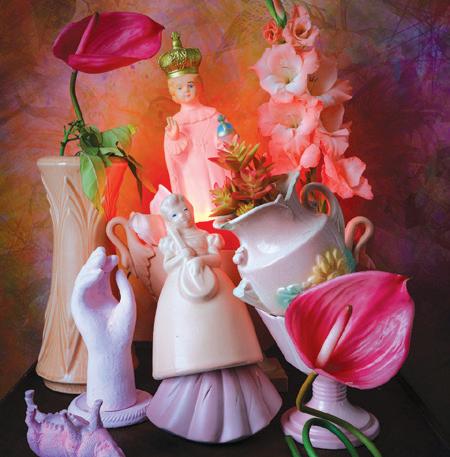
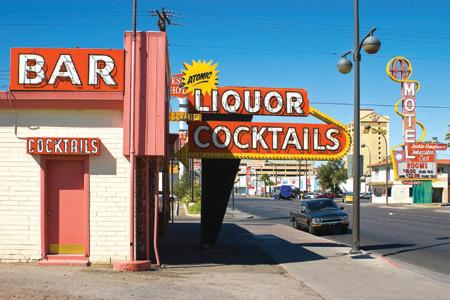
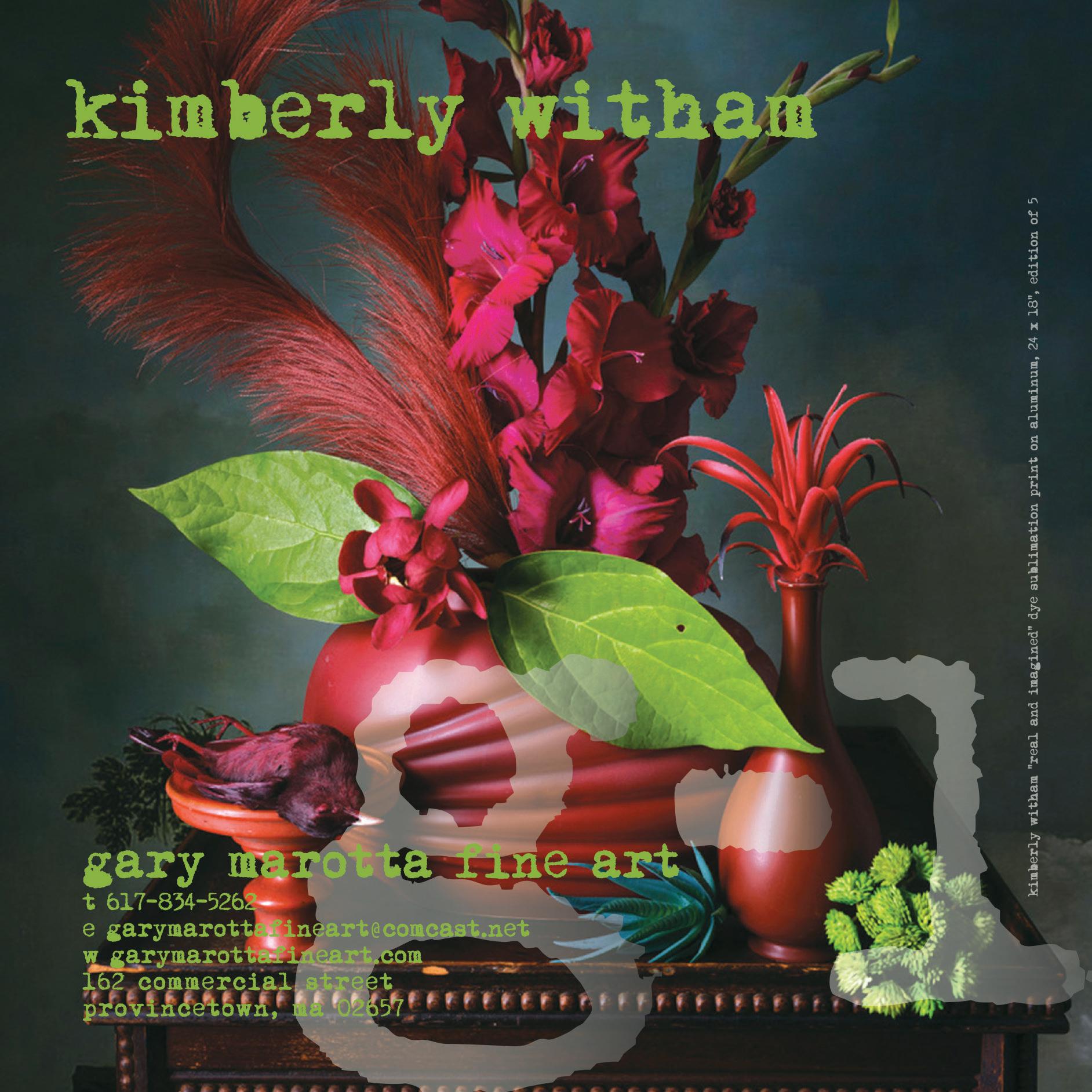
162 Commercial Street | 617.834.5262 | daily 11-4, 7-10 weekends off season | garymarottafineart.com
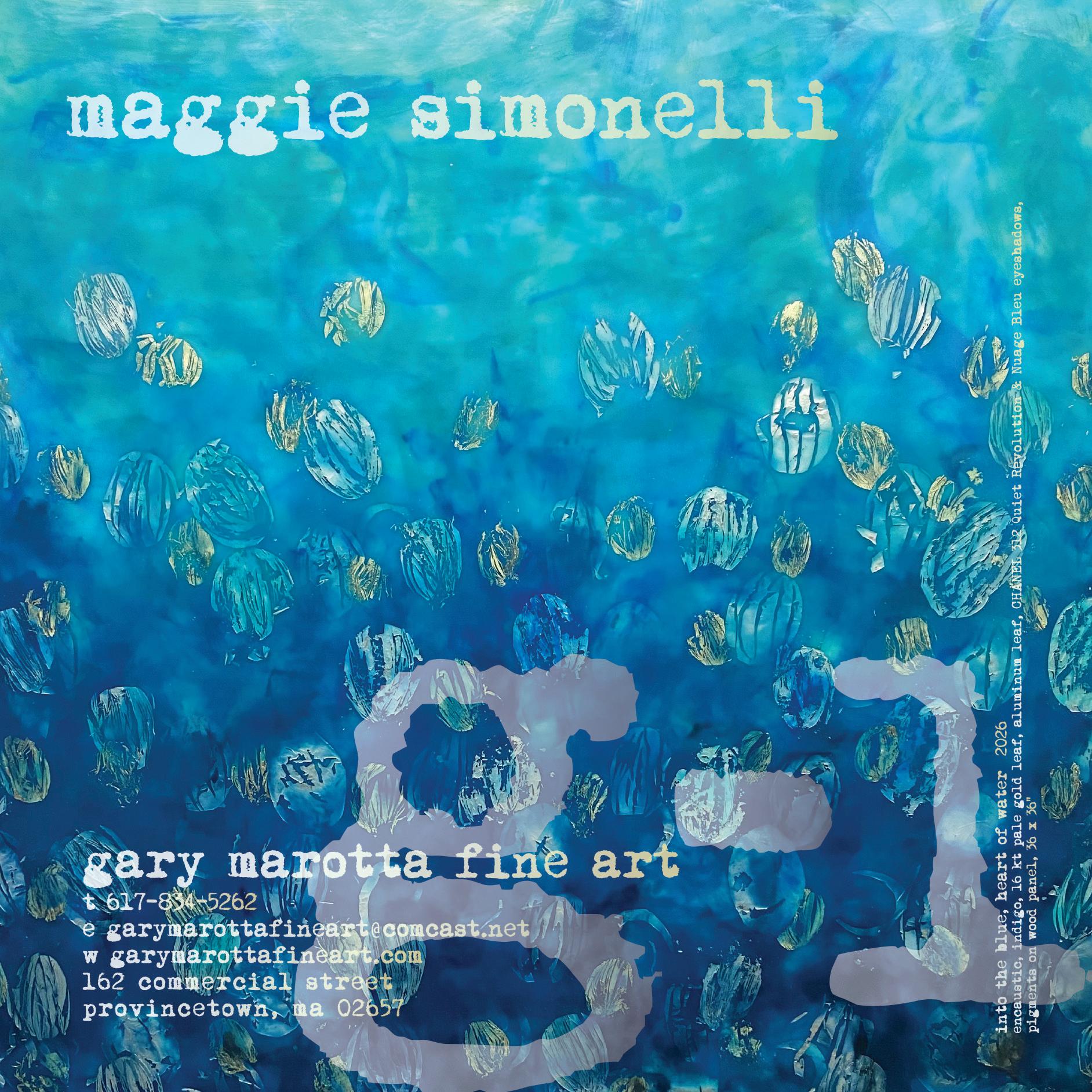
Contemporary painting, photography & works on paper. Luis Cruz Azaceta, Katy Bisby, Ria Brodell, Cara DeAngelis, Manuel Pardo (19522012): painting/drawing, Boris Bally: metalsmith, Carola Doll: crayon drawings, Michael Eade, Segundo Planes: painting/watercolor, Milton H. Greene & Peter Mangone: photographs & 8mm film stills of Marilyn Monroe, Laura Klimenchenko, Frank Malafronte, Alexis Trice: painting, Joe McCaffery: wood fired pottery, Ruben Natal - San Miguel, Arthur Nichols, Kimberly Witham: photography, Maggie Simonelli: encaustic.
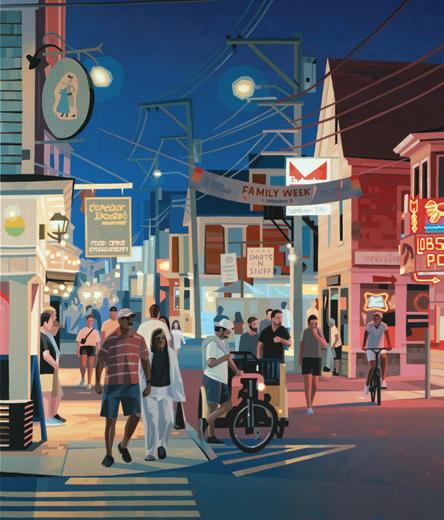
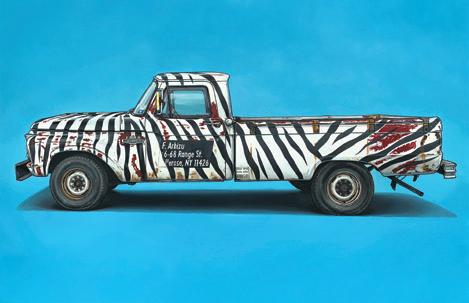
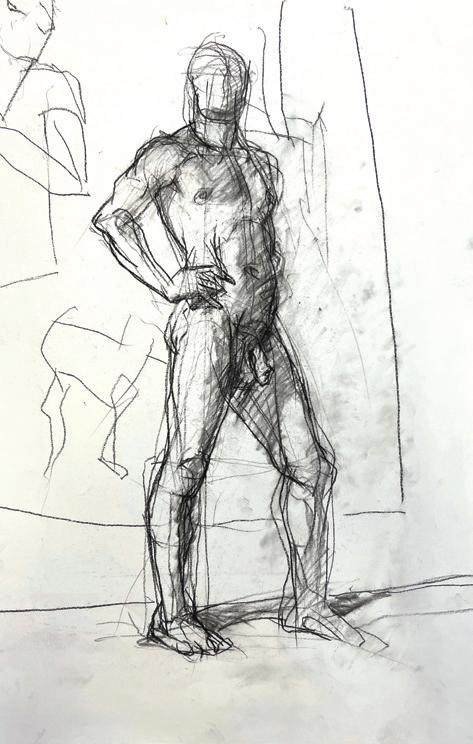
| jim broussard | ed christie | larry r. collins | kevin cyr | cathleen daley | alice denison | joerg dressler lisa farnsworth | chris firger | robert glisson | raúl gonzalez III | paul kelly | robert morgan | jane paradise | linda reedy | mike wright

23
398 Commercial Street | 508.487.4496 | open year-round info@kileycourtgallery.com | kileycourtgallery.com
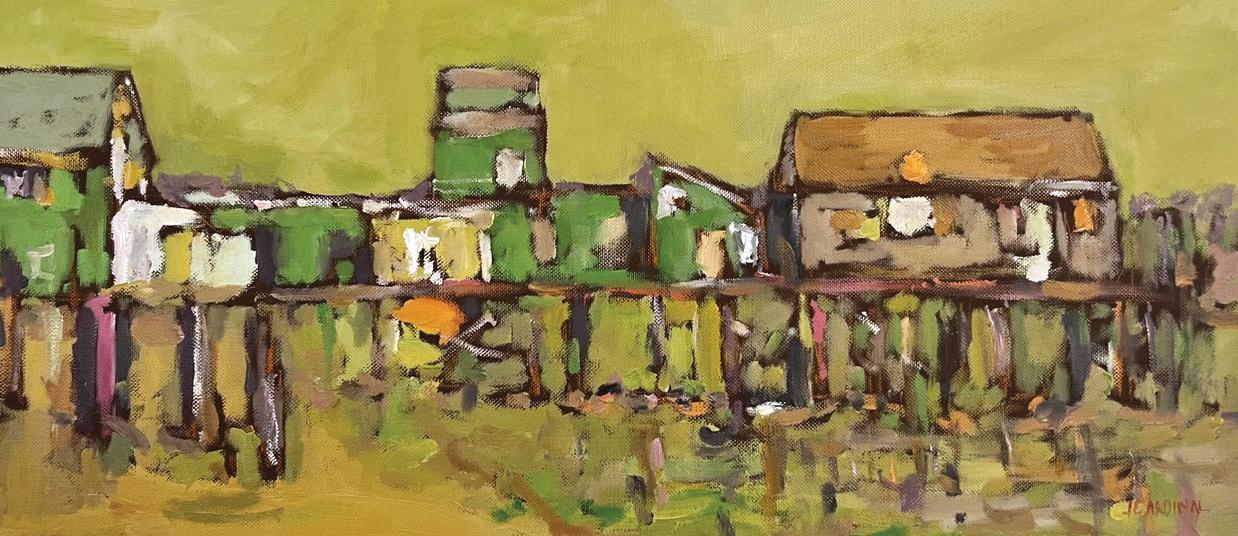
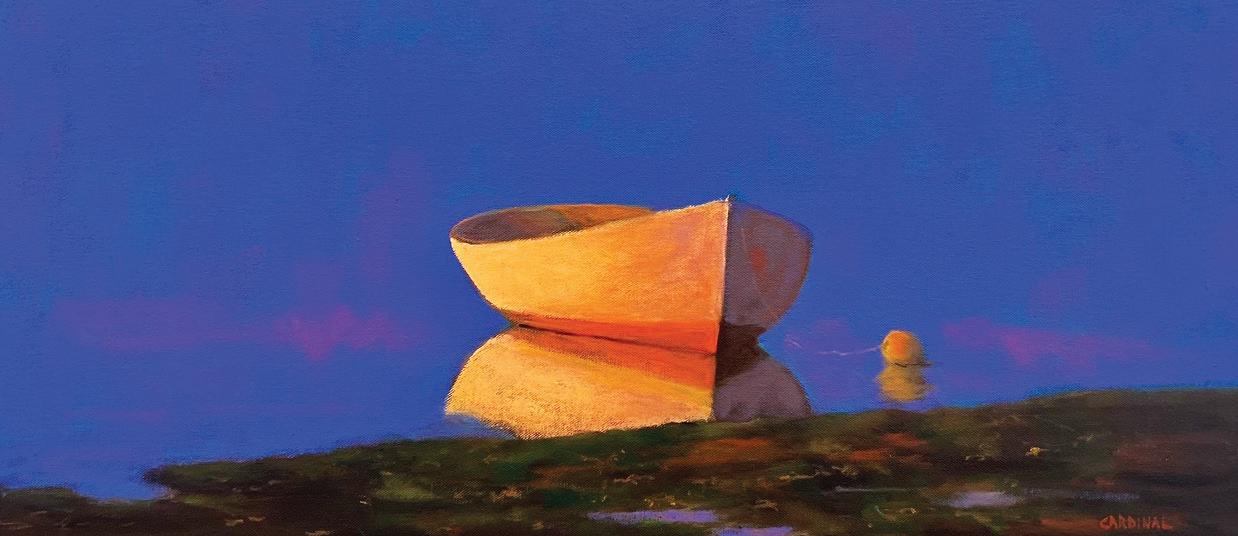
Since 1990, Kiley Court Gallery has been exhibiting a variety of fine, representational paintings. Artists: Matteo Caloiaro, Julian Cardinal, Robert Cardinal, Michael Davis, Katherine Ann Hartley, Francine Huot, Steve Kennedy, Joan Cobb Marsh, John Mulcahy, Brooke Olivares.
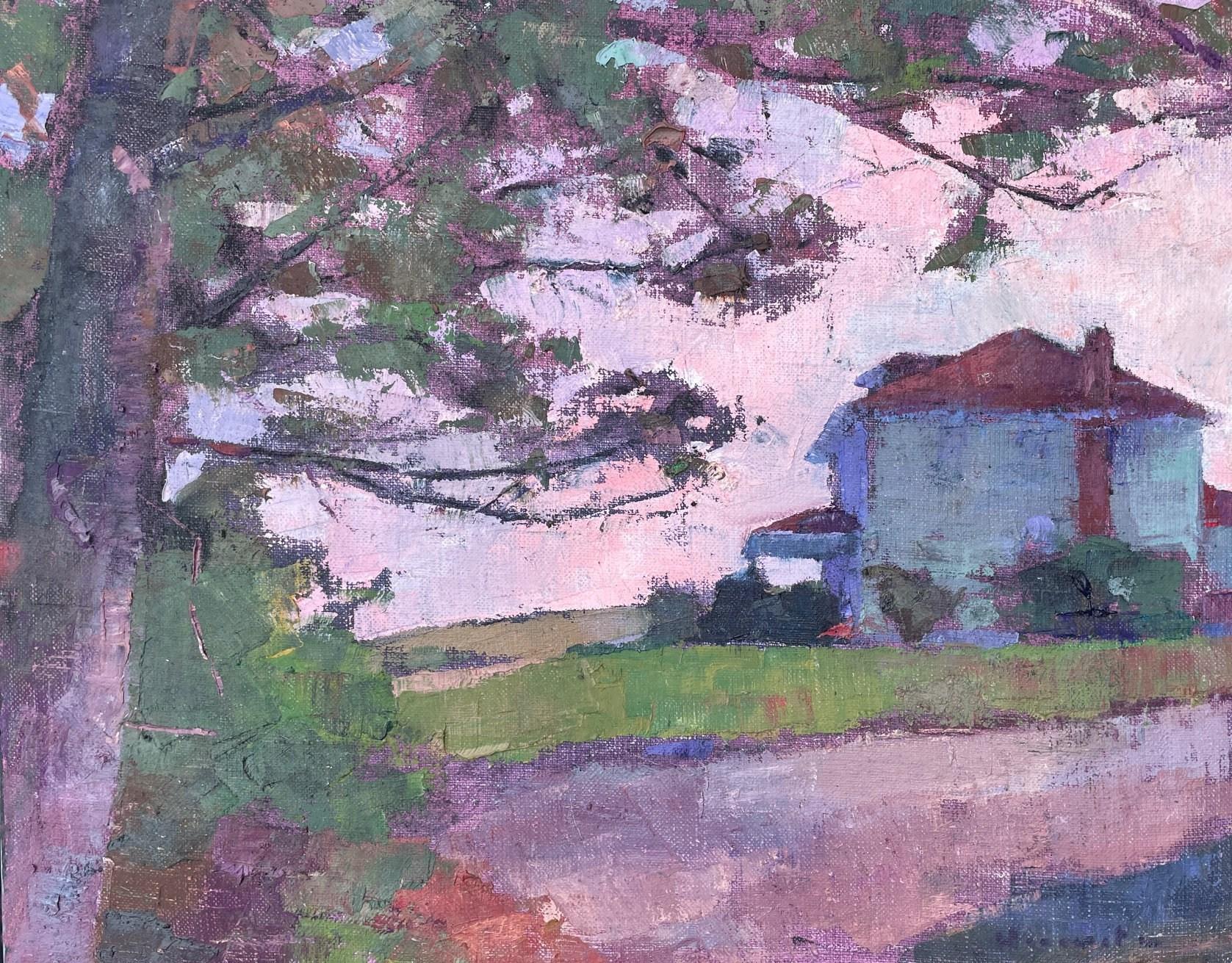
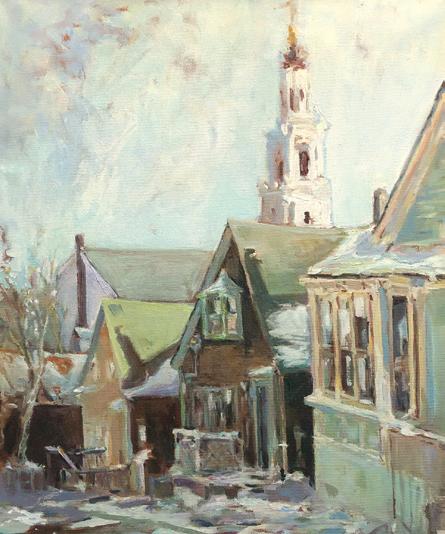
Featuring oil paintings by Hilda Neily. An accomplished student of Henry Hensche & master teacher at the Cape School of Art. Neily continues to contribute to Provincetown’s historic legacy of plein air Impressionism through painting the vibrant color & light in her local landscapes, seascapes & North light still lifes. Neily started showing professionally in 1969. Since then her collector base has grown extensively to include
daily 9:30-5:00, Friday evenings in season | larkingallery.com
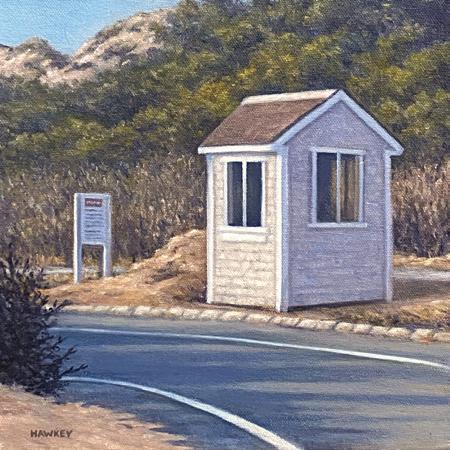
Larkin Gallery presents a fascinating schedule of exhibits with Friday evening opening receptions through the season. Featured Artists include contemporary artists Kenneth Hawkey, Robin Wessman, Adam Bruce Wentworth, Nancy McCarthy, Catherine Meeks, Tighe Hanson, Elizabeth Lazeren and a Welcome-Back-to-Provincetown exhibit with John Andert. Works by late artists Neva Hansen, Thomas Antonelli and Elisabeth Pearl round out the season. 22 HILDA NEILY GALLERY 364 Commercial Street | 508.487.6300 | 727.743.6393 open year round and by appointment | hildaneilygallery.com
364 Commercial Street | 508.487.6300 | 727.743.6393 open year round and by appointment | hildaneilygallery.com
Featuring oil paintings by Hilda Neily. An accomplished student of Henry Hensche & master teacher at the Cape School of Art. Neily continues to contribute to Provincetown’s historic legacy of plein air Impressionism through painting the vibrant color & light in her local landscapes, seascapes & North light still lifes. Neily started showing professionally in 1969. Since then her collector base has grown extensively to include works in prestigious collections nationally & in Europe.
398 Commercial Street | 508.487.4496 | open year-round info@kileycourtgallery.com | kileycourtgallery.com
Since 1990, Kiley Court Gallery has been exhibiting a variety of fine, representational paintings. Artists: Matteo Caloiaro, Julian Cardinal, Robert Cardinal, Michael Davis, Katherine Ann Hartley, Francine Huot, Steve Kennedy, Joan Cobb Marsh, John Mulcahy, Brooke Olivares.
405 Commercial Street | 508.487.6111 | open year round daily 9:30-5:00, Friday evenings in season | larkingallery.com
Larkin Gallery presents a fascinating schedule of exhibits with Friday evening opening receptions through the season. Featured Artists include contemporary artists Kenneth Hawkey, Robin Wessman, Adam Bruce Wentworth, Nancy McCarthy, Catherine Meeks, Tighe Hanson, Elizabeth Lazeren and a Welcome-Back-to-Provincetown exhibit with John Andert. Works by late artists Neva Hansen, Thomas Antonelli and Elisabeth Pearl round out the season.
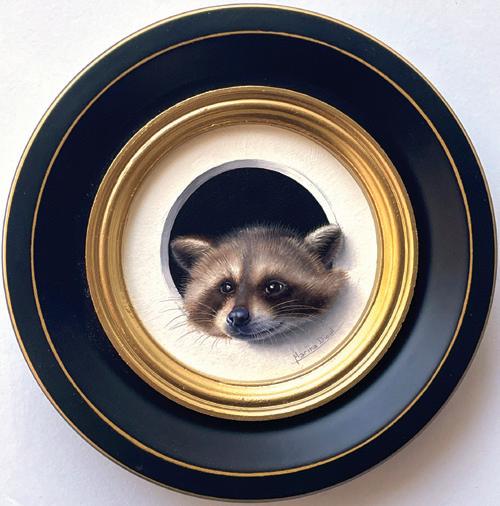
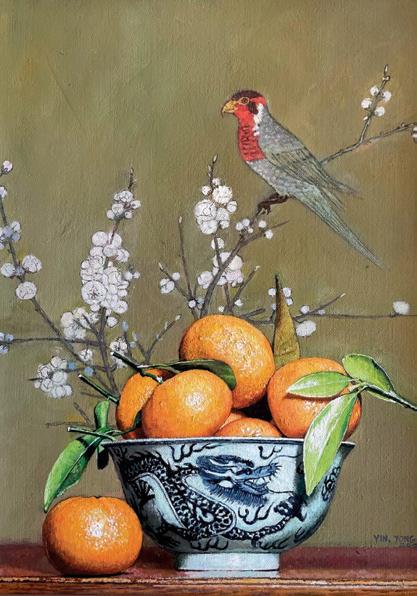
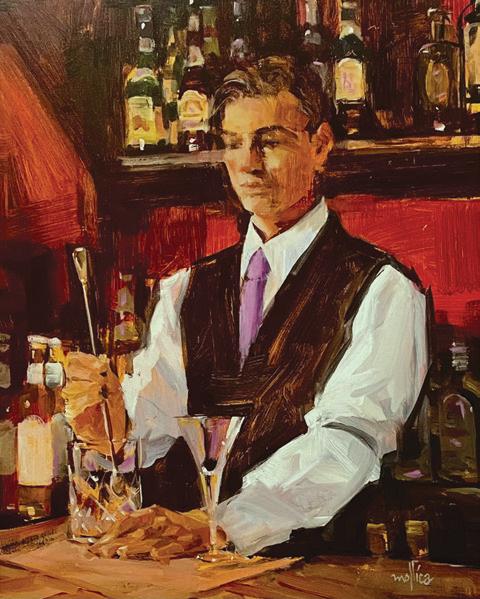
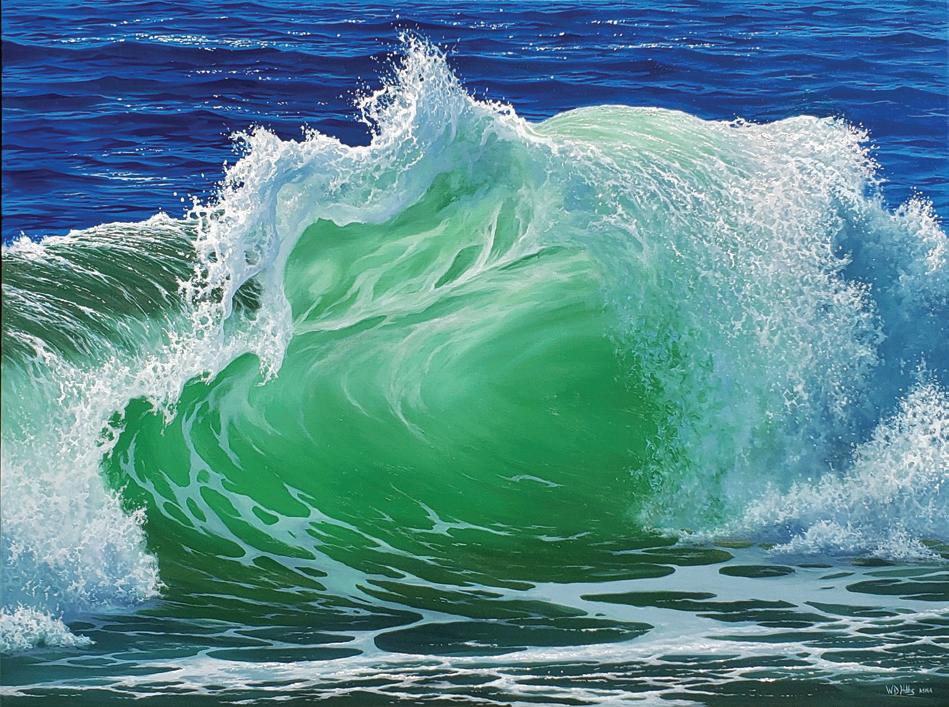
Rejuvenating
Motion oil on linen 36” x 48”
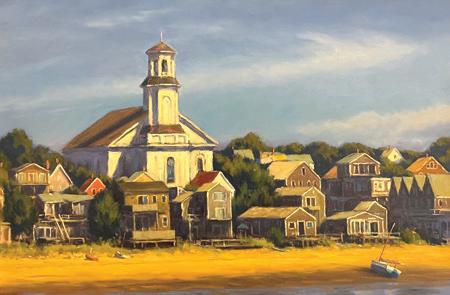
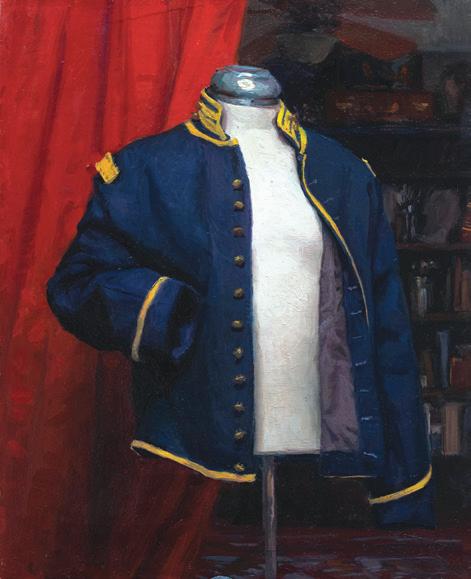
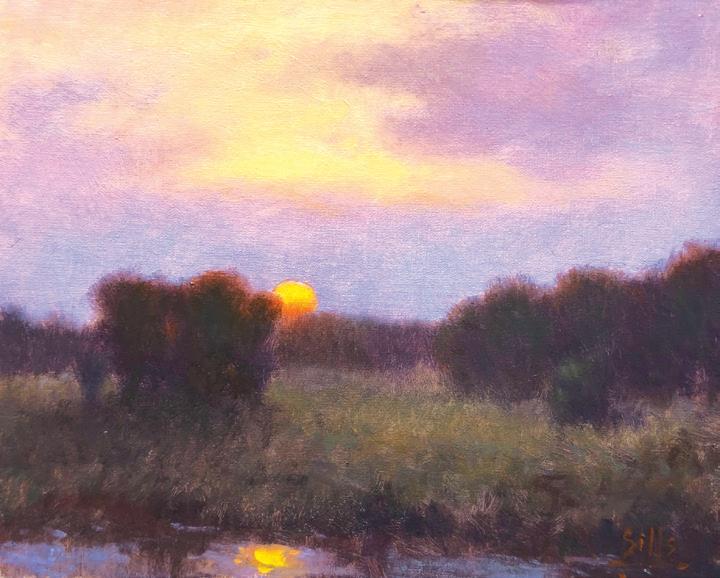
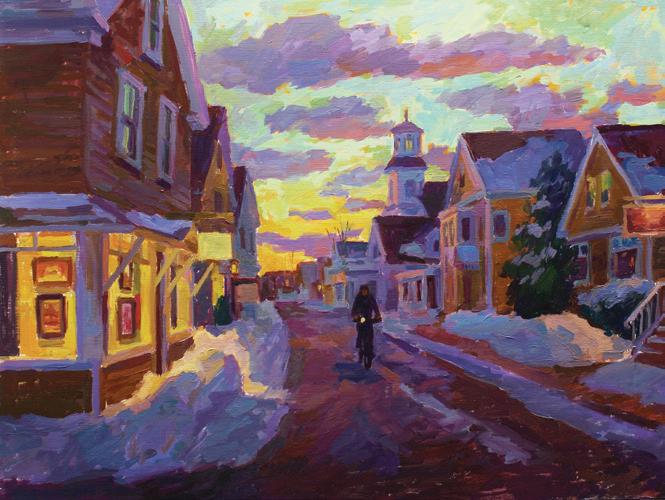
Right page, clockwise: Yin Yong Chun Orange and Bird, Song Dynasty oil on canvas 16” x 12”, Patti Mollica Muddle and Stirred acrylic on canvas 20” x 16”, William D. Hobbs
Left page, clockwise: Kathryn Engberg Sharp Dressed Man oil on panel 10” x 8”, John Brandon Sills Last Light oil on linen panel 8” x 10” Marina Dieul Mini Raton-Laveur oil on panel 4” diameter, Simie Maryles Wintertide oil on linen panel 18” x 24”
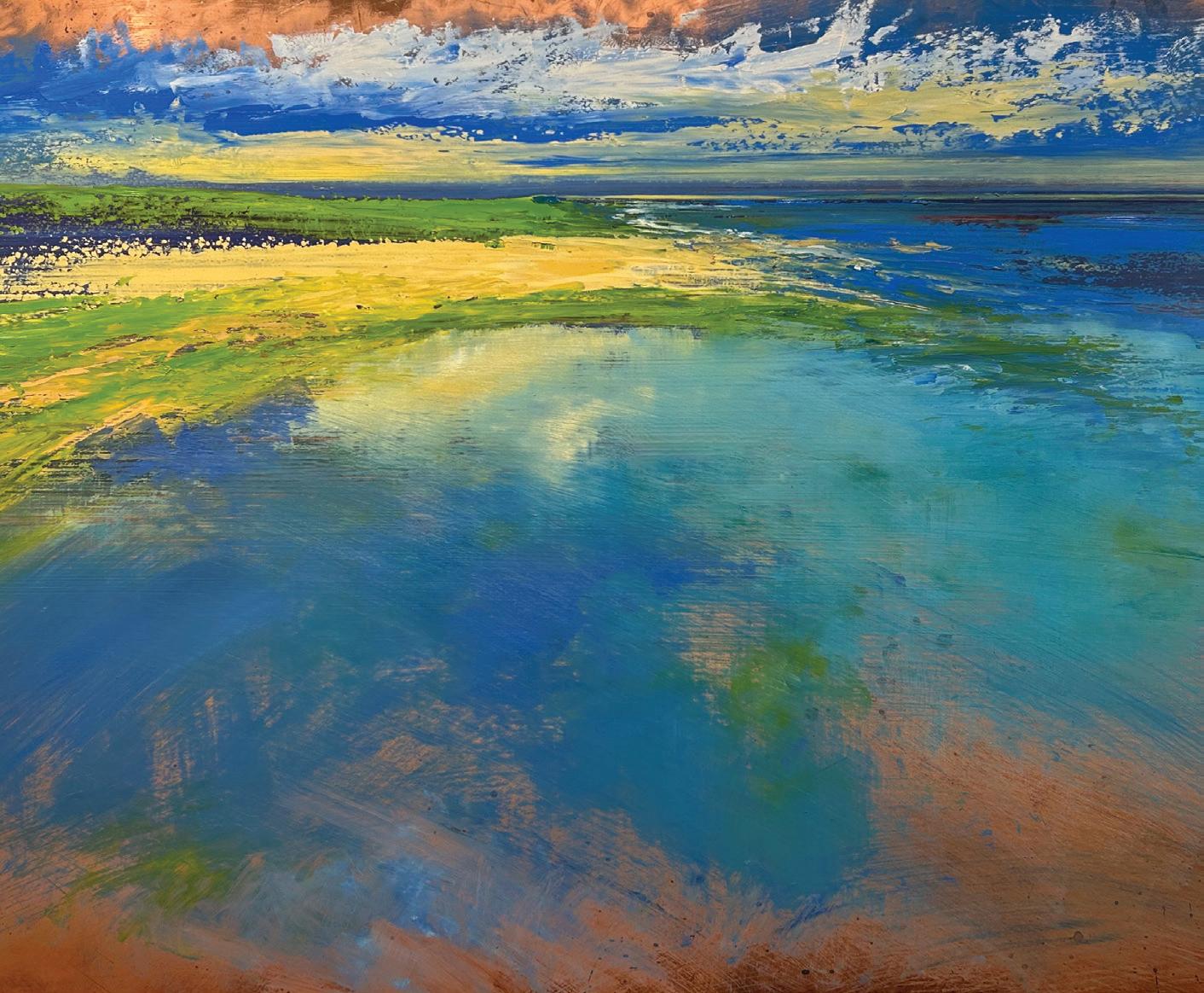
301 Commercial Street | 508.591.0650 | in-season, open daily; off-season, occasional weekends | madeitptown.com
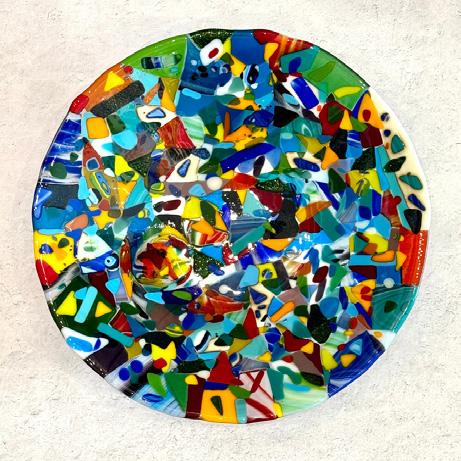
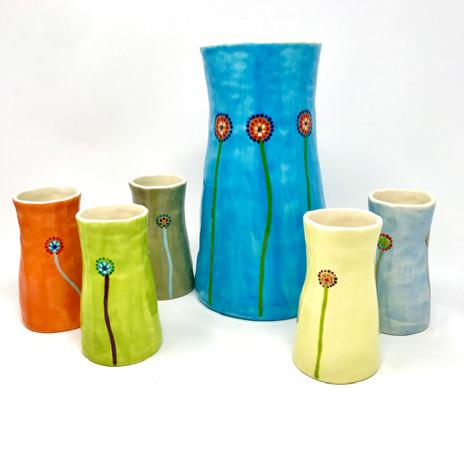
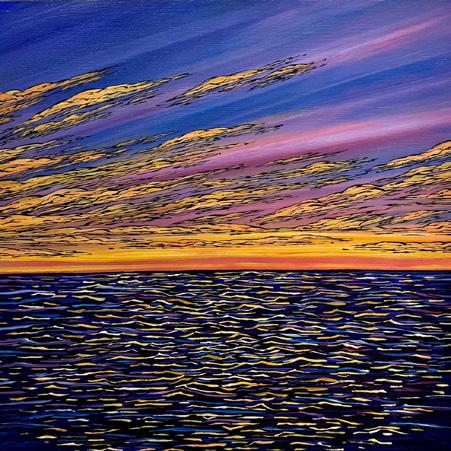
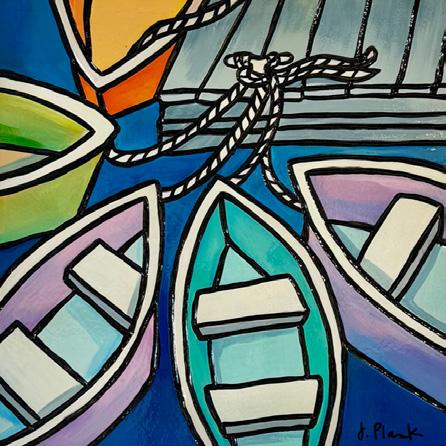
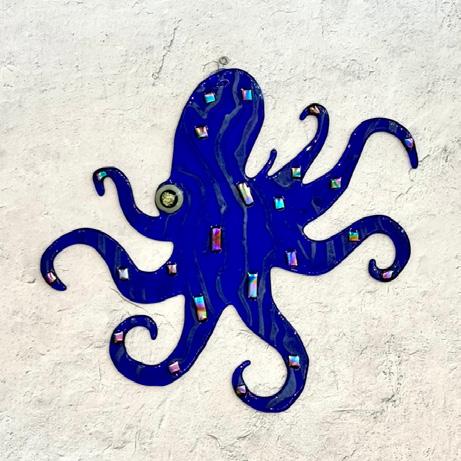
Made it! offers a large selection of gifts, cards and fine art, all handmade. Owned and operated by artists Sheryl Sousa and Joan Welch, who have curated a collection from over 100 artists, mostly local to New England and all US-based. Offerings include original fine artwork in a variety of mediums including paintings, pottery, fused and blown glass, metalwork, photography, jewelry, woodworking, mixed-media, and much more.
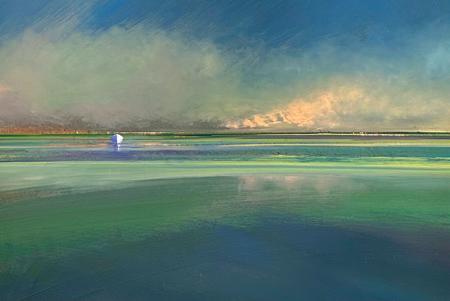
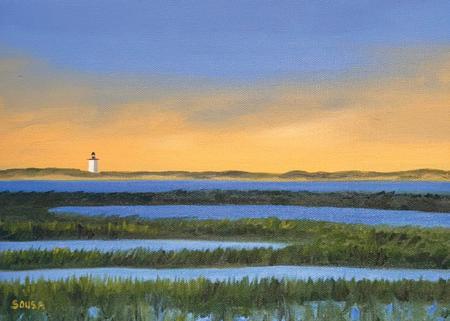
432 Commercial Street | 508 776 2804 | marrinangallery.com
London-born Michael Marrinan has lived on Cape Cod since 1999. His "oils on copper" is a unique process that uses aging copper, sulphur and organic tomatoes. Oils enhance the copper's inherent patina, creating "one-of-a-kind" pieces. His mixed-media work, made from recycled materials, is also available at the gallery. Marrinan's work has been collected nationally as well as internationally including London, Paris, Berlin, San Fransisco, New York and Amsterdam.
238B Commercial Street | open daily 11am-8pm or by appt | 215.915.2184 | miriamzulla@hotmail.com
Now in its fifth season, featuring work by Miriam Dretler, an awardwinning watercolor painter, from her timeless, eternal landscapes of the Outer Cape to her exciting abstract art & flower collections across all media. The gallery also features accomplished local and international painters, sculptors, & photographers. Presenting innovative and thoughtfully curated shows throughout the season. Wine receptions on Friday evenings beginning at 5 pm.
byMildredChamplin
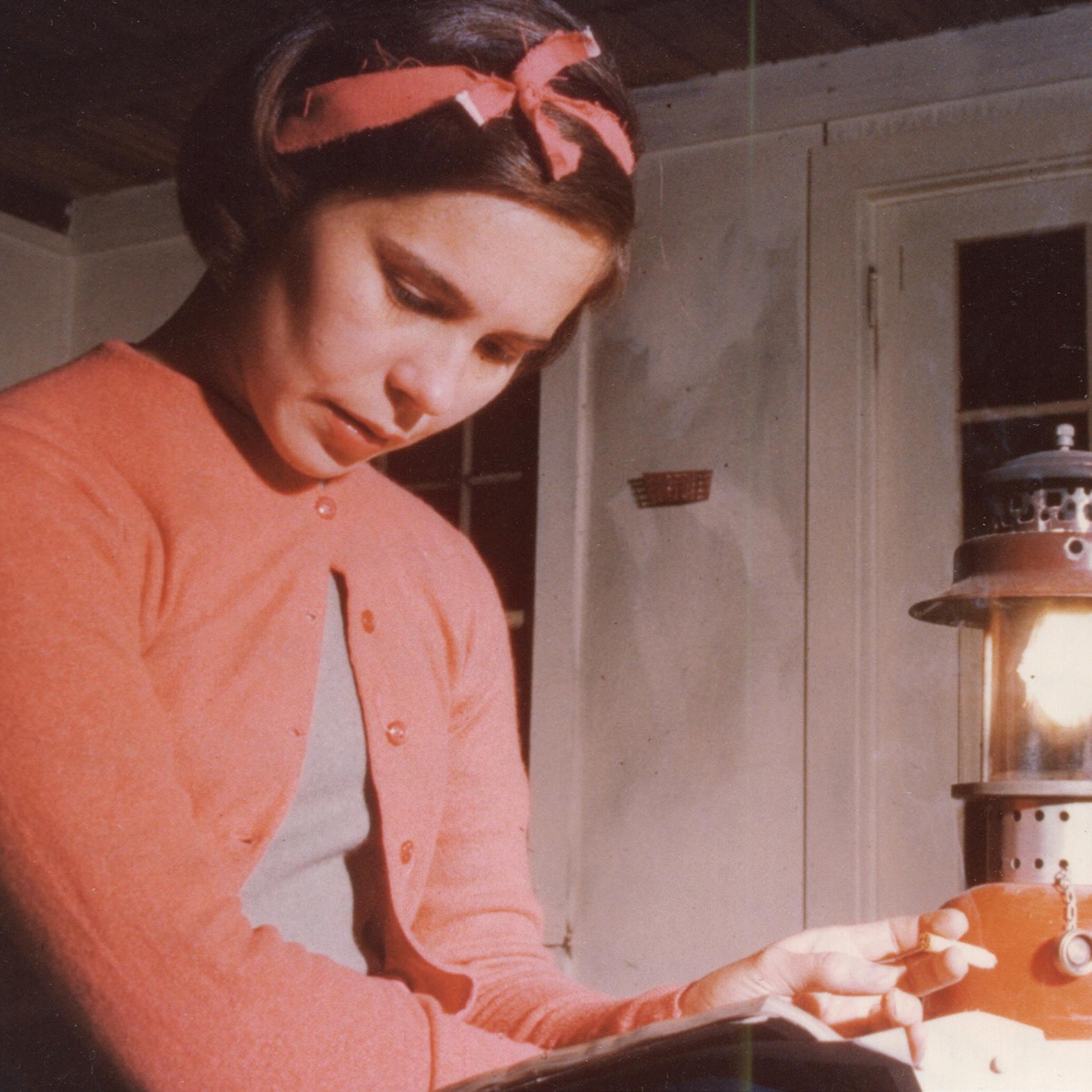
One day in 1963, my husband Nat came and said, "I’ve been at Wayne State University for seven years and how would you like to live for a year on half-salary with our (then) 3-year-old daughter in an unheated, uninsulated house with no electricity for most of the year while I do research for a project?" So I said, “Sure!” I pretty much always went along with his wild ideas. Like learning to scuba dive. That’s why my life has been so interesting...
It all began in 1953. In fact, it began before that—in1937—but really, 100 years before that, when a farmer built a sturdy barn in Truro. For some unknown reason, in 1936 or ‘37, Dominic Avila, a carpenter and builder in Provincetown, was asked to tear down that Truro barn. Being the Depression, money wasn’t always the medium of exchange, so maybe instead of being paid, Dom was allowed to keep the old first-growth lumber, which he could sell for the money he didn’t get. He decided to build a house.
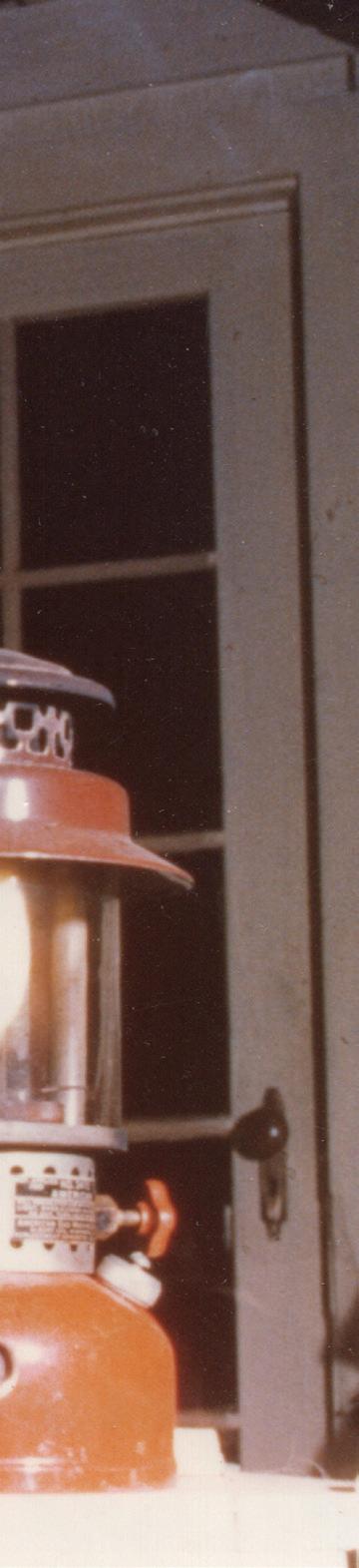
This was to be a special house—way out on the back beach on the shore north of Provincetown, overlooking the Gulf of Maine. The idea of building houses out there wasn’t new. The crews of the Life Saving Stations, particularly the one at Peaked Hill, had begun building small dwellings—some no more than shacks—for visiting family, girlfriends, etc., before the turn of the 20th century. Peaked Hill was farther east and Dom decided to build his to the west, closer to the Race Point Coast Guard Station.
This was long before the advent of four-wheel-drive cars and trucks, so the heavy lumber was taken out to the beach by two-wheel-drive cars with tires with inner tubes. I don’t know exactly how they were transported, but certainly the boards—which were two feet wide and at least ten feet long—had to be dragged. This was no little one-room dune shack, but ended up being a 1,200 sq. ft., two-story house with a 30’ X 35’ footprint. We became its inhabitants in 1953.
Continued...
One night, after going to bed, we heard the increasingly powerful wind and pounding surf as another northeaster brewed up, the giant fist of the wind slamming the house and roiling the ocean into huge waves that boomed all night on the shore. Not the best combination for a good night’s sleep. By daylight, the storm had subsided and we looked out of the dormer window to see what damage the storm had done on the beach. And there it was. An amazing sight. A whale! A full-size one, on preliminary sight. We jumped into the grey and white Jeep station wagon and drove down the long driveway that slanted 200 feet to the beach.
As our wagon drew up alongside the remains of the dark grey finback, we determined that it must be about sixty feet long. Our car seemed pretty small alongside it. We’d heard that a whale weighs about a ton a foot, so that was a lot of tonnage. It looked as if the poor animal must have been freshly demised, although some opportunistic shark had taken a munch out of the fin, and some of the innards were visible on the outside, spread on the beach. We walked around it, inspecting this amazing creature, whom we’d never have had a chance to learn about in life, photographing it, and using people and the car for scale.
We hoped it had died of old age.
One of the constants in the earlier days of Mission Bell summers was the putt-putt sound of Willie, the sight-seeing plane from PBA, a cheery yellow 1928 Stinson, piloted by darkly handsome, mustachioed Tony Pereira. One day John Van Arsdale, founder of Provincetown-Boston Airlines, approached us in the PBA parking lot to ask a favor. When the large passenger DC-3s were arriving from Boston, they’d find our house, head straight for it, and turn right, flying westward down the beach, counting houses until
they came to C-Scape, then take a left to the runway. Would we paint a white X on C-Scape’s roof so they could find it more easily?
“Sure—of course!”
“Great. Jump into Willie and I’ll show you exactly.”
Nat and John climbed into the two front seats of the venerable antique, and I clambered into the back. John banked the plane and headed for the beach, then cruised along at what seemed like 100 miles an hour looking for C-Scape.
Flying three feet above the sand (the same soft sand our four-wheel-drive Jeep struggled to steer on at 15 miles an hour), he pointed up at C-Scape. “That’s the one!”
And in a couple of seconds we were screaming by our house at warp speed, looking up at it rather than down.
Planes don’t fly below houses. My husband Nat and John talked casually in the front seats while I was perched on the back seat, the thought flashing that this might be my last glimpse of our treasured summer cottage. Willie continued east for a while before John turned him around, duplicating the trip in reverse, aiming the plane above C-Scape toward the sky, where it belonged.
Later that day, we grabbed a bucket of white paint and a ladder and climbed onto C-Scape’s roof, painting a big, beautiful X, secure in the knowledge that we had made life a little easier and safer for our friends at PBA.
In the powerful storm of December 27, 1778, the mighty British frigate, H.M.S. Somerset, broke apart and floated toward shore where it was buried under steadily rising beach and advancing sand dunes—its existence receding in memory with passing generations.
Over a century later, in 1886, the beach and dunes underwent major erosion, and the bones of the Somerset were exposed. Townspeople, recognizing it, came in throngs to cut pieces of it as souvenirs. Many a cane in
town owed its origin to the bones of the Somerset. The advancing dunes eventually claimed the Somerset, and she disappeared again from sight and memory.
In the early '70s, as I was reading Herman Jennings’ Provincetown, or, Odds and Ends from the Tip End, published in 1890, I realized that his description of the location of the wreckage of the Somerset could be verified. He wrote that it was located a mile west of Peaked Hill, near Dead Man’s Hollow, and included a picture of it from 1886. Seeing the picture, it dawned on me that it had to still be under the sand on the shore. Our beach was undergoing a tremendous erosion cycle with our banks eaten back to huge cliffs, and I wondered if that might be similar to the 1778 and 1886 landscapes. So verify we must.
We jumped into the little Jeep and drove as far as where Peaked Hill had been, turned around, and measured exactly a mile to the west—a location in front of a large dune with a valley behind that could be Dead Man’s Hollow. We stopped several hundred feet east of our house and said, “This is where the Somerset is.” We mentioned our theory to our friend, a ranger with the National Seashore. He was skeptical, but open-minded.
The next spring we opened the house and met our friend again. He said, “Guess what’s up on the beach? The Somerset, and it’s where you said it was.”
I often look over to the spot where the Somerset is buried and try to recreate the event in my mind. The immense ship looming over the beach, the huge waves of a major northeaster, the frantic efforts to right the ship, the lifeboats tossing in turbulent waves—only two of which made it to shore—the terror, all those people. My imagination is pretty good, but I can’t conceive of all of that on this small strand of sand. The bones looked so small and quiet. A big bit of history in that little space.
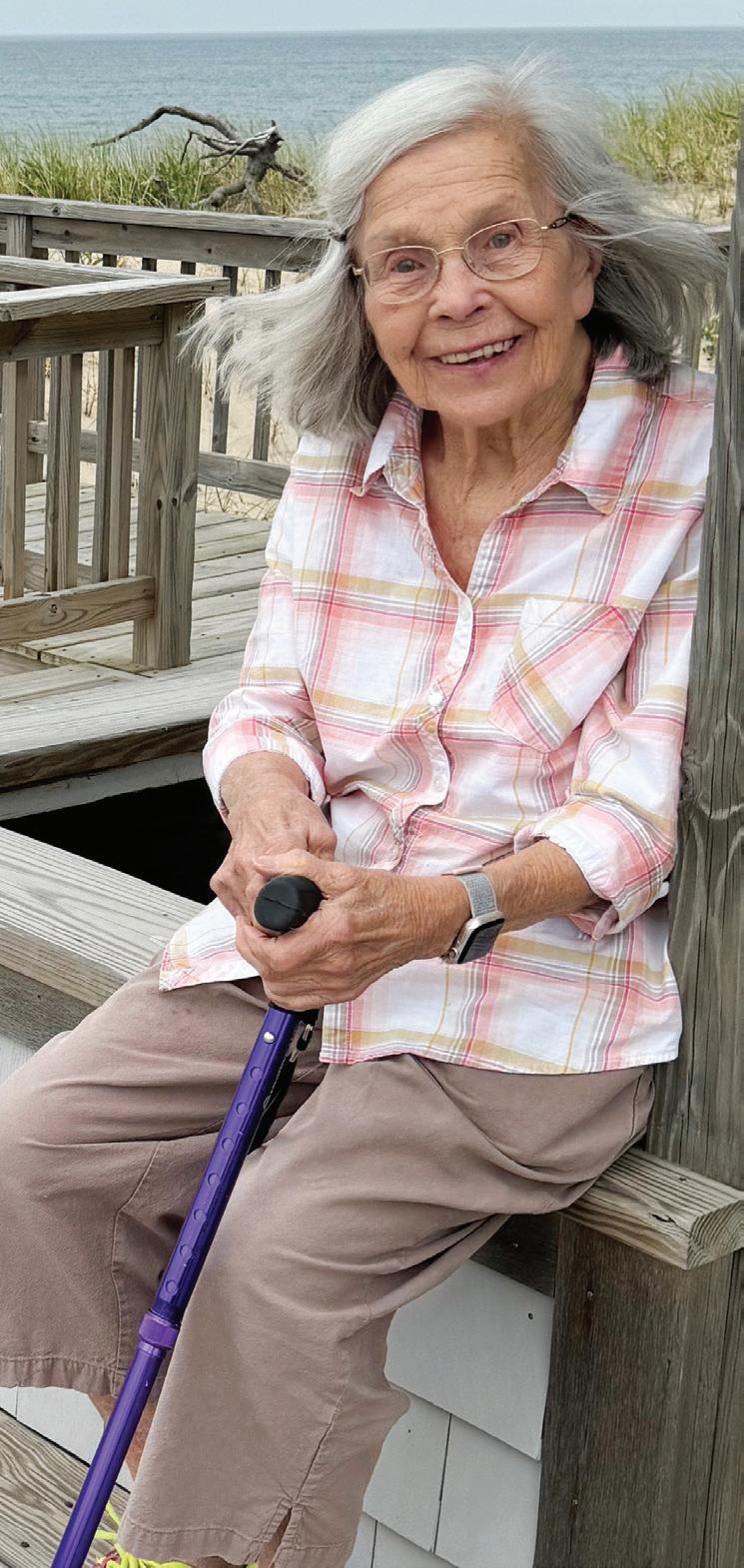
95-year-old Mildred Champlin has spent 70 summers at her dune shack, Mission Bell, in the Province Lands (including a full year during her husband Nat’s sabbatical in 1963). She and her family are at work on a book of stories from her life, including her years at Mission Bell.
Photos courtesy of the Champlin family.
352 Commercial Street | 508.665.1988 | open year-round, daily high season, weekends off-season, by appt. Jan-April info@oncentergallery.com | oncentergallery.com
On Center Gallery features a diverse collection of contemporary art including paintings, photography, mixed-media, and sculpture. Gallery partners Jill Rothenberg-Simmons and Scot Presley specialize in providing each client with a personalized experience, whether you are a seasoned collector or just starting to acquire. See new exhibitions on Friday evenings during the Provincetown Gallery Stroll.
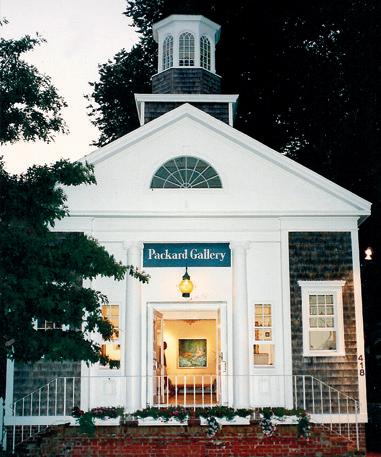
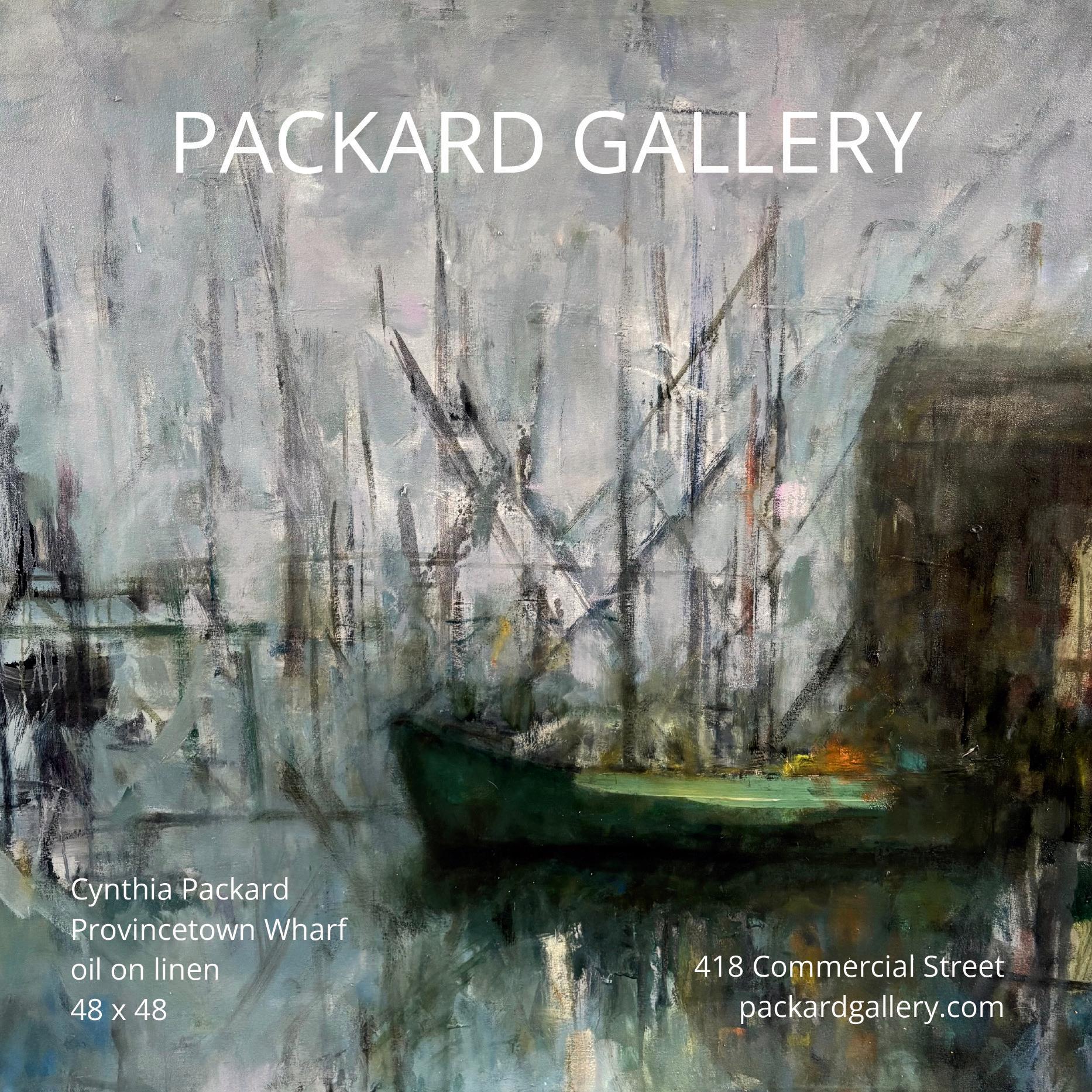
418 Commercial Street | 508.487.4690 | packardgallery.com
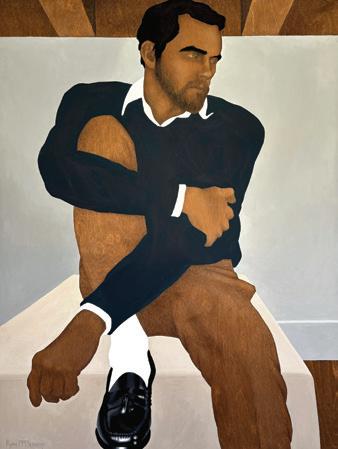
The Packard Gallery has been an institution in Provincetown for nearly 40 years. Anne Packard opened the doors in 1988. Both her grandmother, Zella, and grandfather, Max Bohm were artists. Max is credited for his leadership in the establishment of Provincetown as an artist's colony. The Gallery represents two generations. Anne is a renowned landscape artist and is a widely exhibited and collected painter known for her simple, sparsely-rendered scenes of the Outer Cape and Europe. Cynthia Packard is a contemporary American artist based in Provincetown, Massachusetts, known for her expressive figurative and abstract paintings.
427 Commercial Street | 617.686.9336 | Philipcelestegallery.com
Philip Celeste Gallery is a vibrant creative space dedicated to showcasing compelling, thought-provoking art from both emerging and established artists. Artist Philip Celeste brings a unique energy to the gallery, often painting within the space itself. Drawing inspiration from the beautiful ocean views surrounding the gallery, his work captures the movement and light of the coastal landscape, offering visitors a rare glimpse of the creative process. At Philip Celeste, we believe art has the power to transform spaces, challenge ideas, and bring people together—whether you are a seasoned collector or discovering art for the first time.
31 PILGRIM MONUMENT & PROVINCETOWN MUSEUM
High Pole Hill | 508.487.1310 | pilgrim-monument.org
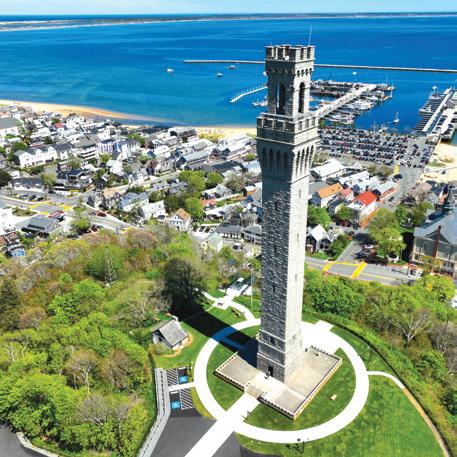
Completed in 1910, the Pilgrim Monument is the tallest all-granite structure in the U.S. at 252 feet, offering unparalleled panoramic views. The Museum explores Provincetown's rich history as a fish ing and whaling port, art colony, and cultural hub. The 2026 season features a three-part exhibition focused on the businesses that shaped Provincetown. Ride one of the few incline elevators in the U.S. to access the campus and enjoy the clear tent, The Shallop Bar, lawn games, picnic areas, and a gift shop featuring locally made goods and fine art. Visit the website for a full schedule of events.
32 PROVINCETOWN ART ASSOCIATION AND MUSEUM
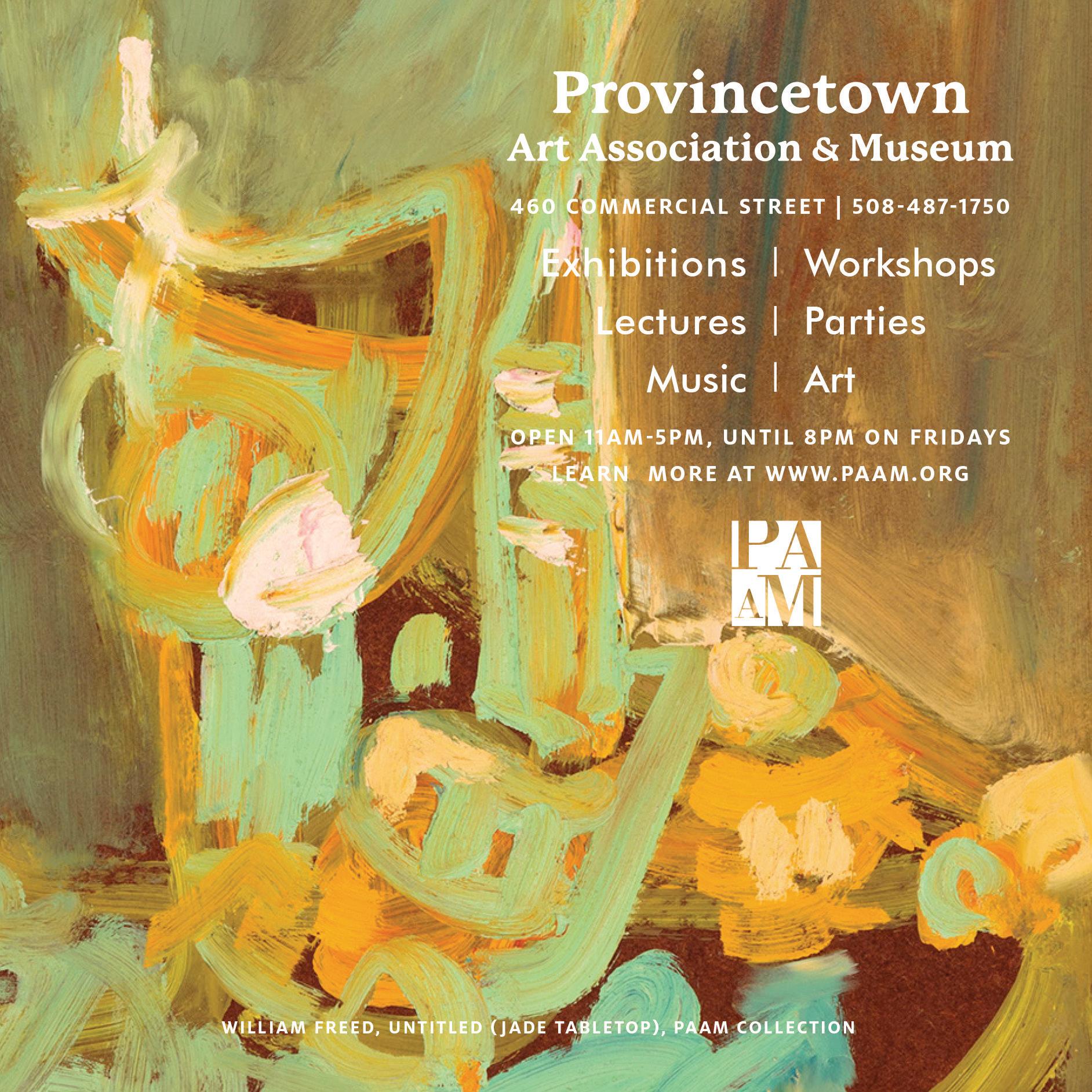
460 Commercial Street | 508.487.1750 | paam.org |
The Provincetown Art Association and Museum (PAAM) anchors the Provincetown Arts community and presents a diverse lineup of exhibitions and cultural programs. Welcoming visitors year-round, PAAM is open 11am - 5pm, with free admission Friday evenings after 5pm. 2026 exhibition lineup: Jackie Reeves, Avital Sagalyn, Edwin Rissland, Marcia Marcus, The 12x12, Midge Battelle, and Fred Garbers.
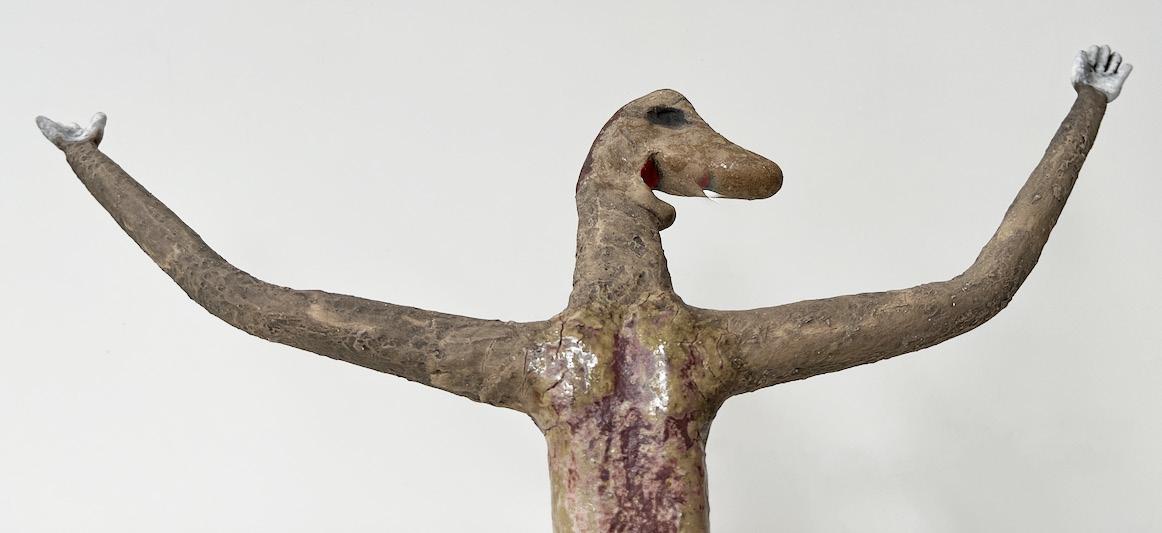
prints, illustrated poems etc. A black/queer-owned space sharing the vision of Myra Kooy and Kate Wallace Rogers.
432 COMMERCIAL G-3 IG: scottdouglas.works
High Pole Hill | 508.487.1310 | pilgrim-monument.org
Completed in 1910, the Pilgrim Monument is the tallest all-granite structure in the U.S. at 252 feet, offering unparalleled panoramic views. The Museum explores Provincetown's rich history as a fishing and whaling port, art colony, and cultural hub. The 2026 season features a three-part exhibition focused on the businesses that shaped Provincetown. Ride one of the few incline elevators in the U.S. to access the campus and enjoy the clear tent, The Shallop Bar, lawn games, picnic areas, and a gift shop featuring locally made goods and fine art. Visit the website for a full schedule of events.
460 Commercial Street | 508.487.1750 | paam.org | @PAAM1914
The Provincetown Art Association and Museum (PAAM) anchors the Provincetown Arts community and presents a diverse lineup of exhibitions and cultural programs. Welcoming visitors year-round, PAAM is open 11am - 5pm, with free admission Friday evenings after 5pm. 2026 exhibition lineup: Jackie Reeves, Avital Sagalyn, Edwin Rissland, Marcia Marcus, The 12x12, Midge Battelle, and Fred Garbers.
376 Commercial Street | 508.212.7770 | open year round
Wednesday-Sunday 12-6 | January-April by appointment myra2b@gmail.com | radianceartgallery
Radiance Art Gallery is a vibrant, inclusive environment that challenges the boundaries of artistic expression. We invite community to gather and share authentic creative experiences—sound baths, short films, art openings & poetry readings. Diverse and exciting offerings include L'Overalls, Roveralls (L'Overalls for dogs), sculpture, neon, paintings, prints, illustrated poems etc. A black/queer-owned space sharing the vision of Myra Kooy and Kate Wallace Rogers.
430 Commercial Street | 508.487.1052 | Director: Marla Rice ricepolakgallery@yahoo.com | ricepolakgallery.com
Provincetown's most comprehensive collection of contemporary art which includes paintings, drawings, photography, sculpture & installations. Exhibits by artists of international repute include: Ackerson, Antonova, Berry, Bielen, Calkins, Ciccariello, Gillespie, Goldfinger, Goldstein, Goldstrom, Kunstadt, LeBow, Legge, Levesque, Lilly, Little, Mather, Meyer, Mikula, Mills, Mirabelli, Mooney, Murphy, Patten, Pisano, Rolli, Saaf, Sanchez,Scheele, Schuler, Seifer, Skollar, Thomas, Tyler, Williams & Winfield.
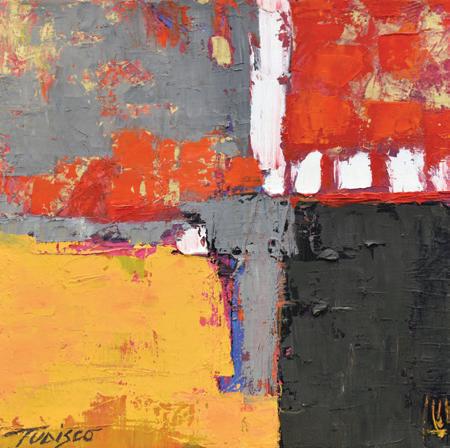
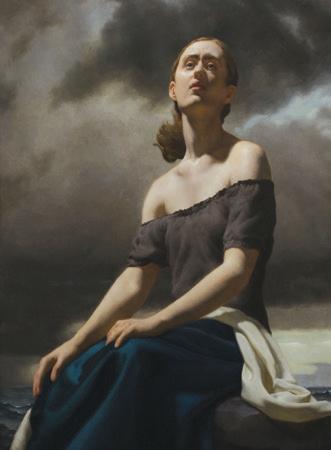
342 Commercial Street | 508.487.0884 | summer Sun-Thur 11-7, Fri-Sat 11-9, spring/fall 11-5, winter Sat-Sun 12-4 sarahjessicafinearts@gmail.com | sarahjessicafinearts.com
Sarah Jessica Fine Arts features a unique collection of emerging & Museum Painters, Original printmakers, Glass, Ceramic & Sculpture artists since 1999. Representing: Mary Jane Andreozzi, Lisa Sabo Brown, Adam Cooley, Vincent Crotty, Antoine de Villiers, Lois Fisher, Carlyn Janice, Patrick Lee, Neil McAuliffe, Candace Ronesi, Eleanor Rahim, Terry Rockwood, H M Saffer II, Anthony Tomaselli, Mel Tudisco, Judy Volkman, Laurence Young & many more.
494 Commercial Street l 508.487.4800 l open daily in season galleryschoolhouse.com
Provincetown's premier gallery for contemporary fine art and collaboration with a focus on painting, sculpture, photography, and printmaking. The gallery represents a roster of over 50 artists while maintaining a large inventory of related works. We produce a rigorous annual exhibition schedule, participate in a number of outside projects and fairs, and work closely with clients on placement and collections management.
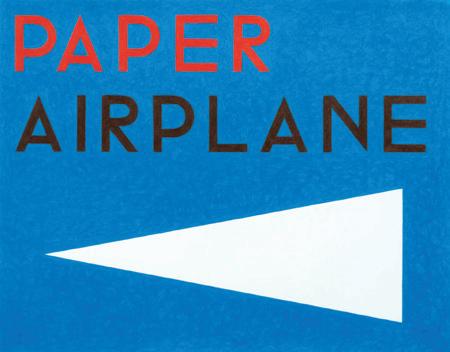
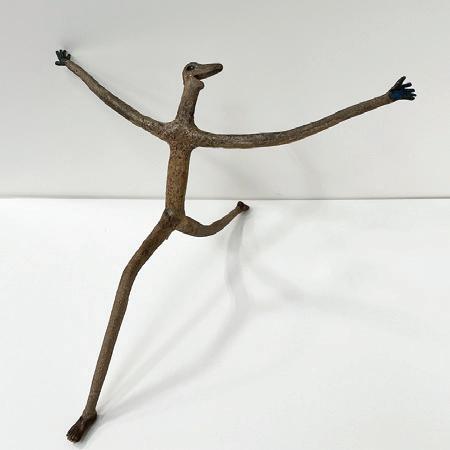
432 Commercial St. G-3 | open weekends in high season with variable weekdays | scottdouglas.works scottdouglas.works | scott@scottdouglas.works
A showcase of sculptural works by Douglas, with accompanying artists throughout the season. Catch a glimpse into Scott’s process as he works on clay sculpts in-house. “Process takes the leading role in what I will eventually create. As a child, my favorite toys were the ones you had to put together. So when I can sculpt in a similar way, it evokes those memories of fun, playful times when creating was done for no other reason than the act itself."
379 Commercial Street | 508.487.7878 | open daily in season 11 - 9, weekends all winter | simiemaryles.com
An artist owned gallery celebrating our 29th season! Exceptional representational painters from across the US and abroad. Patt Baldino, Patrick Byrnes, Ken Cadwallader, Todd M. Casey, Stephen Cerceillo, Tony Chimento, Marina Dieul, Kathryn Engberg, William D. Hobbs, Lorena Kloosterboer, Barney Levitt, Barry Levin, Simie Maryles, Patti Mollica, David Mueller, Roxie Munro, Lorenzo Narciso, Larry Preston, Jane Rosenberg, Richard Rosenblatt, John Brandon Sills, Jan Teunissen, Kurt Walters, Yin Yong Chun.
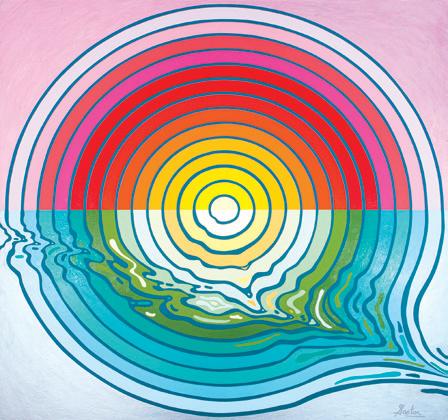
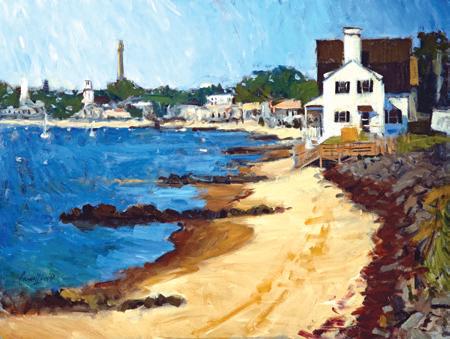
Studio Lacombe celebrates 9 years in Provincetown! This fine art gallery features one-of-a-kind art in various media as well as limited-edition prints by artist Gaston Lacombe, who is known for his original, intricate compositions as well as his explosive use of color. Studio Lacombe presents new exhibits and openings year round, and is often open late on summer evenings.
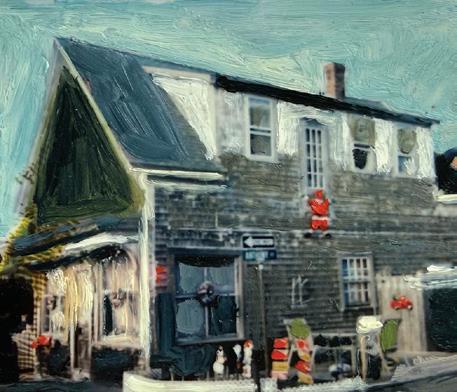
512 Commercial Street | 508.776.8941 | tillies512.com
@tillies512
Tillies Art and Provisions is a vibrant, welcoming space that brings together visual art and community programming in Provincetown's East End. We invite the public to gather and engage with creative work through exhibitions, small performances, readings, and shared cultural experiences. Housed in a restored 1850 storefront, Tillies Art and Provisions is a community-focused space founded by Thomas Biggert.
7 Johnson Street | 508.364.2549 | Mon-Sun 12-6 or by appt. Fridays, 6-9 info@whiteporchinn.com | whiteporchinn.com
At White Porch Gallery at White Porch Inn, Provincetown’s only art hotel, summer 2026 marks the beginning of something new. The season is defined by the work of Provincetown-based artist Tadhg Slater. Slater's paintings are physical, confrontational, and impossible to ignore. Fractured form and charged color hold real tension. This season presents Concrete Winter, a series of thirteen paintings made in an unheated studio during the winter of 2026, carrying the weight of cold, resistance, and material pushed to its edge.
439 Commercial Street | 508.487.4040
Director: Brian Galloway | williamscottgallery.com bgalloway@williamscottgallery.com
Representing local and national contemporary artists, including: John Dowd, Aaron Belka, Frederick Brosen, Sandra Jones Campbell, Daphne Confar, Michael Costello, Glenn Daidone, Glenn Doell, Linda Etcoff, Kris Haas, Casey Haugh, Jefferson Hayman, Derrick Hickman, Chuck Holtzman, Walter Horak, Ryan Landry, Jane O'Hara, Edie Nadelhaft, Rachael O'Shaugnessy, Armando Pedroso, Tim Saternow, Richard Whitten, and Paul Wirhun.
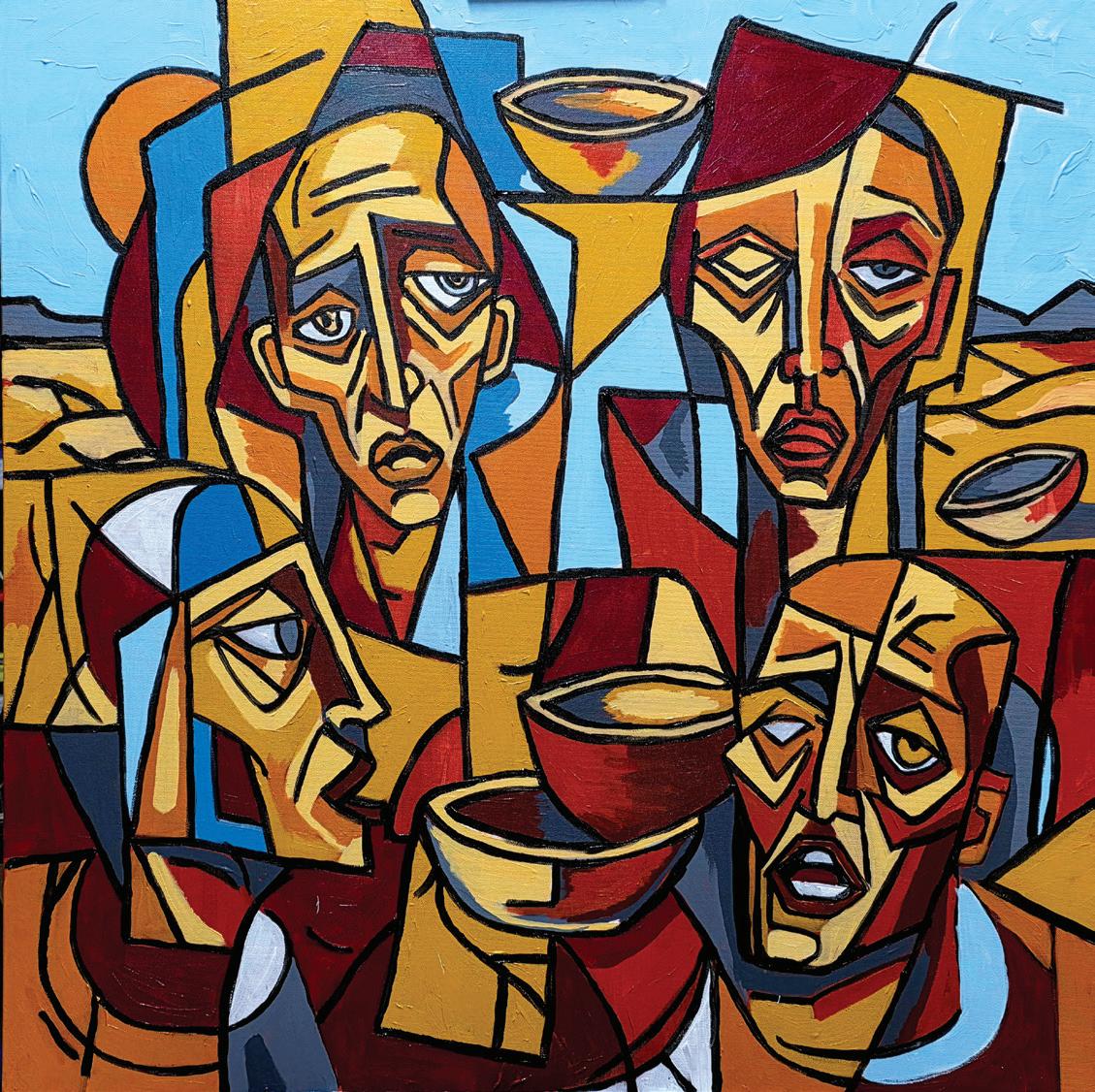
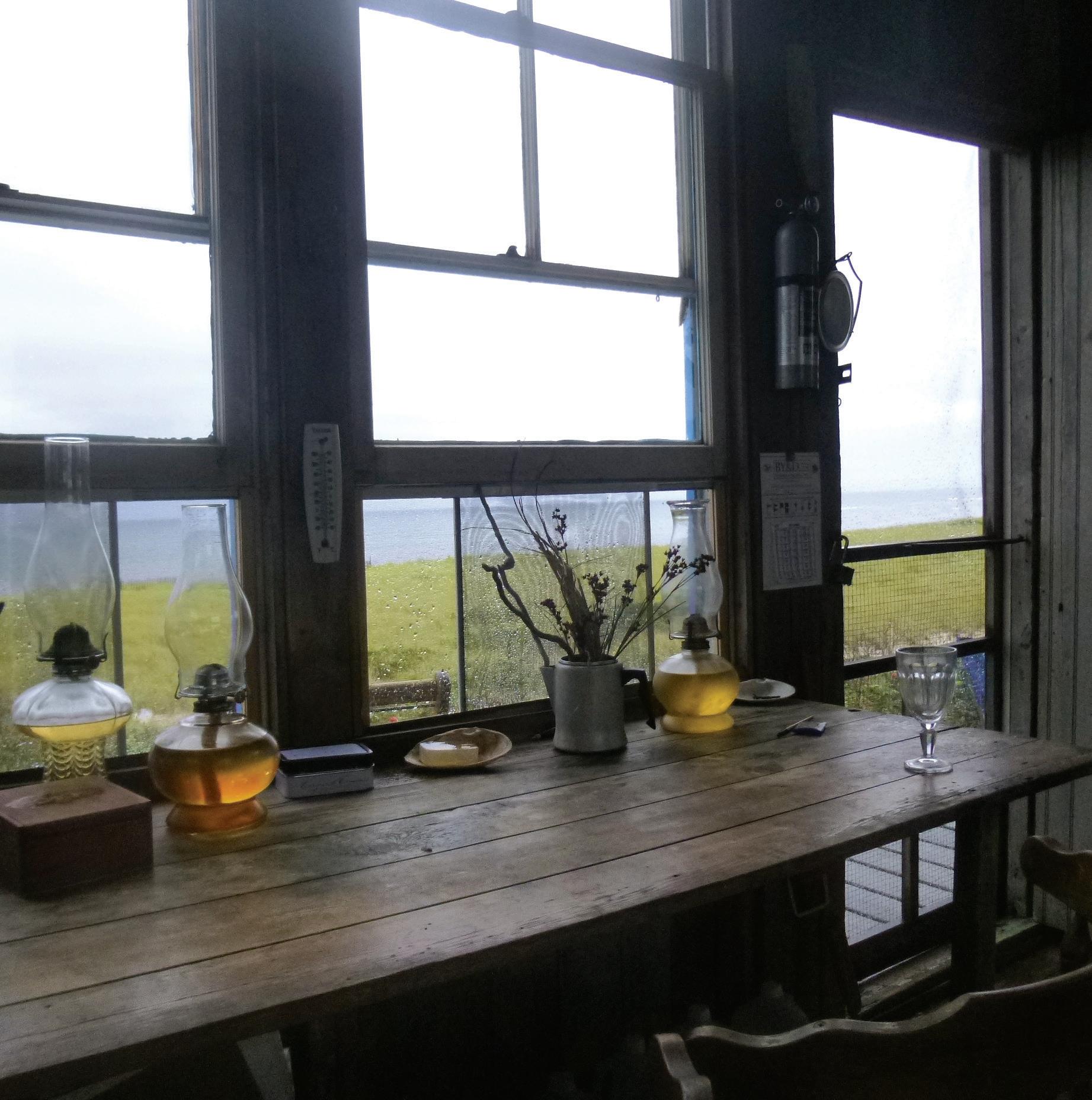
dune shack each day a mindful prayer of gratitude to nature each tiny task a ritual and sacrament the ordinary elevated to the sublime a gift of peace and presence to hold in heart forever — Patricia Zur, 2007

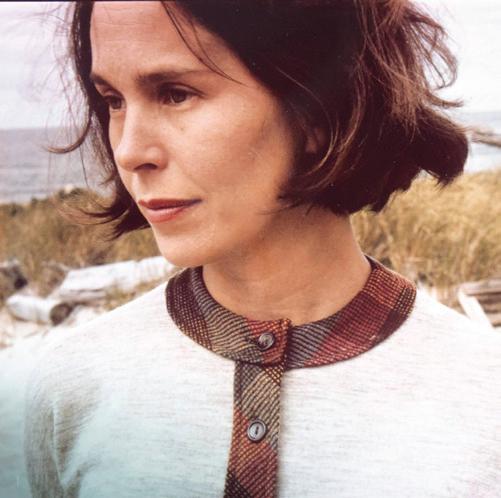
Patricia Zur, a writer, painter, printmaker, and award-winning television producer, is the publisher of the annual Provincetown
Four Eleven Gallery 411 Commercial Street 617.905.7432
Bolduc’s practice revolves around exploration of encaustic techniques to capture a landscape, still-life or emotion. Using texture and tone, her work evokes biomorphic movement through a lens of abstraction.
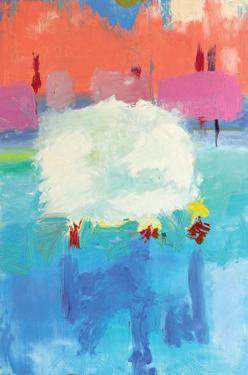
You
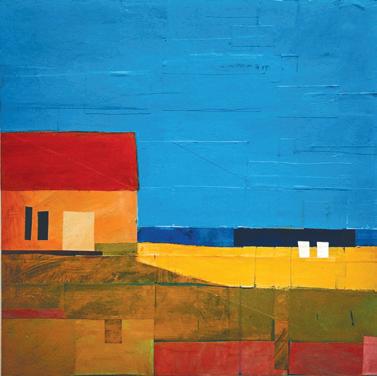
Four Eleven Gallery 411 Commercial Street fourelevengallery.com mattcarrano.com
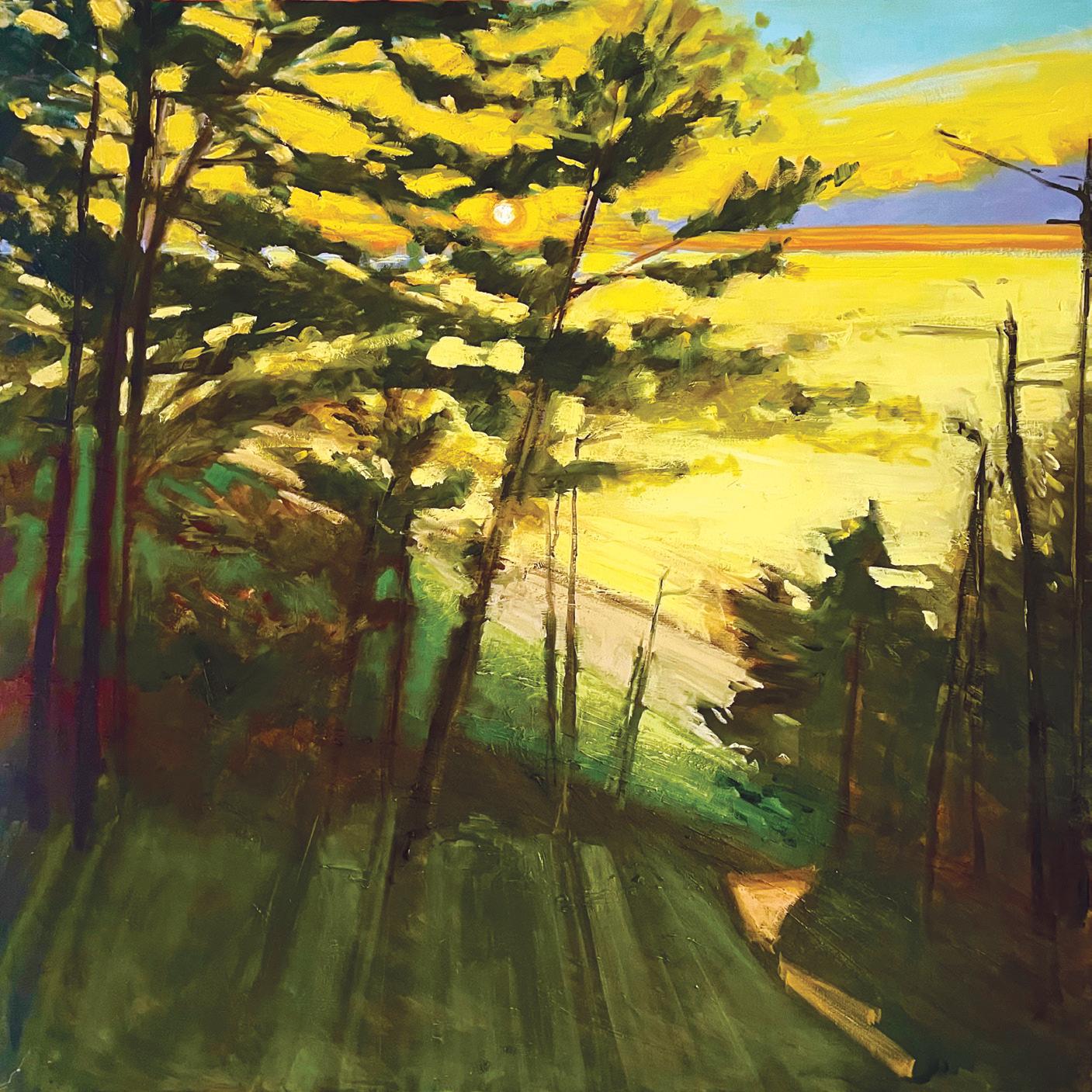
Inspired by the Outer Cape, my paintings and collages explore landscapes both real and imagined. Land, sea, and shifting light reflect our connection to nature and how time quietly unfolds through the changing seasons.
The Schoolhouse Gallery 494 Commercial Street Galleryschoolhouse.com jenbradleystudio@gmail.com
Exhibit: July 3-21
Opening: Fri, July 3 6pm
Jen is a painter and printmaker exhibited by The Schoolhouse Gallery since 2001.
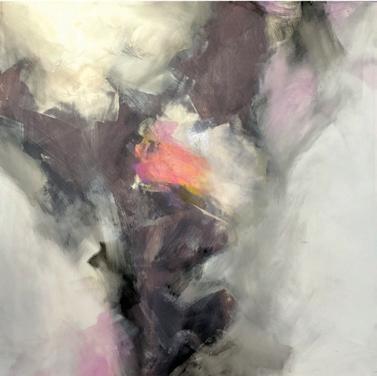
Farm Projects 355 Main Street Wellfleet
“Showing Up” June 13-29 opening June 13 6-8pm
Artist talk: André van der Wende, Thurs June 18th 6pm, Wellfleet
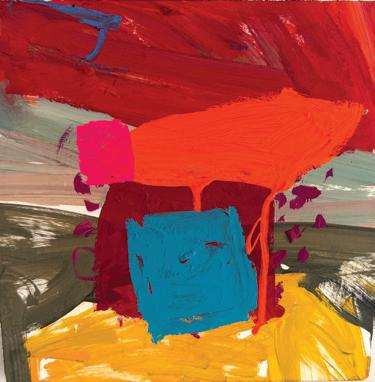
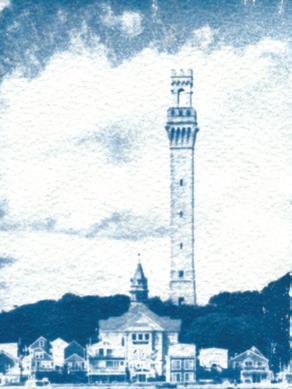
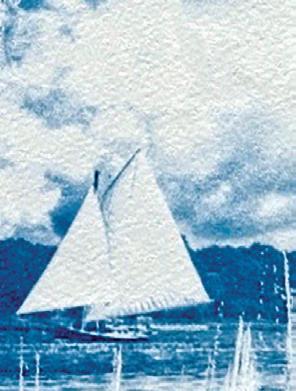
To see her cyanotypes and other works email rebecca@rebeccabruyn.com rebeccabruyn.com
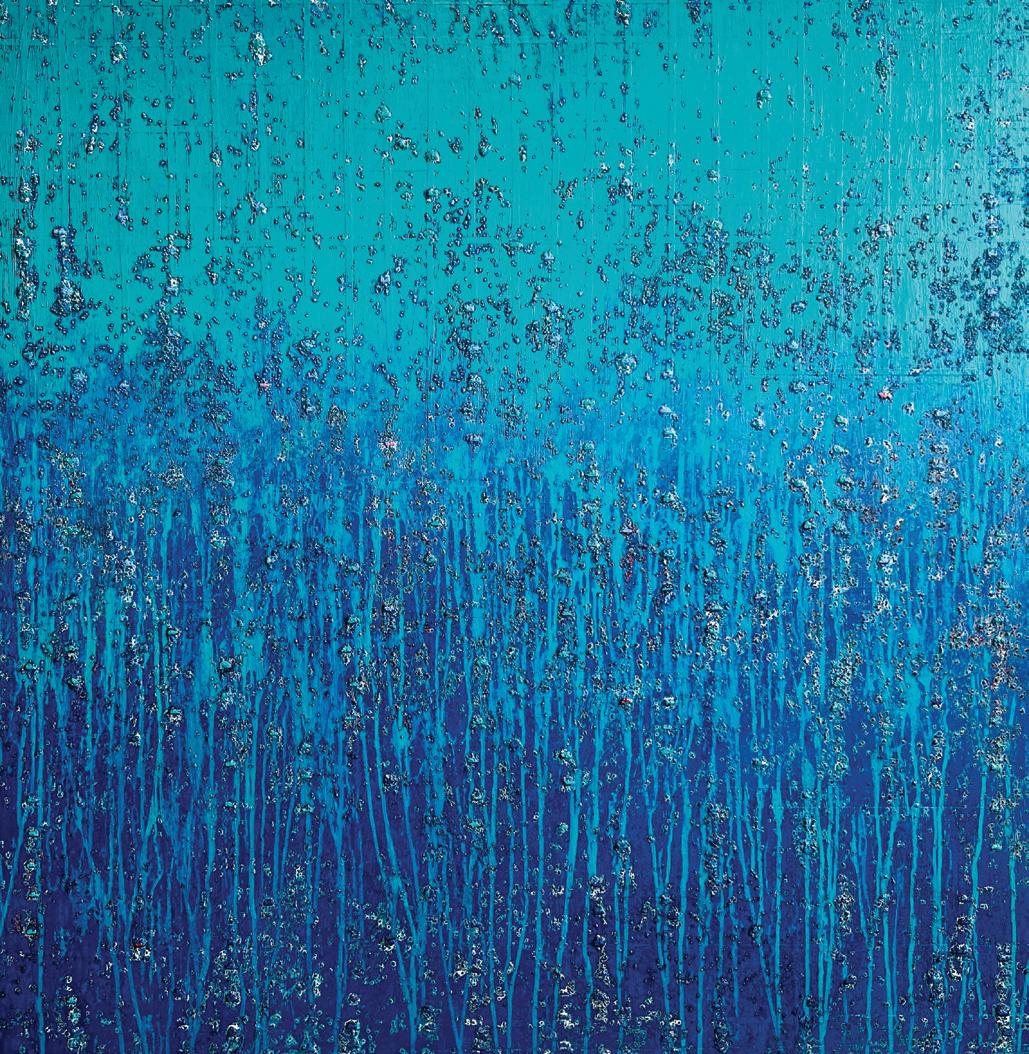
BETH FAHERTY
2nd floor, Whalers Wharf
508.901.1392
bethfahertyartist.com @nantucketedge
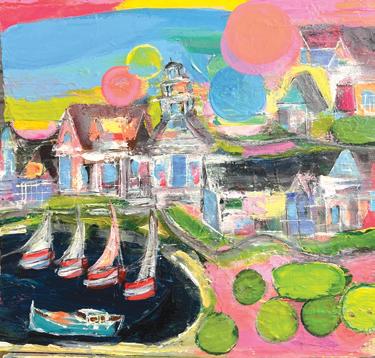
A painter who explores joy and connection, color and flight.
earthoceanheavens.com
Please feel free to globally share the above web address and Linda Ohlson Graham-Dreams of Peace @ YouTube to help actualize a planetary healing via moments of silence within the Collective Mind.
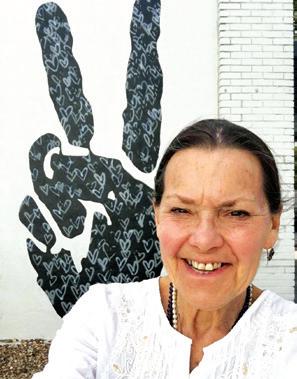
AMY HELLER
amyheller.com
A lens-based artist working in 2D & 3D Mixed-Media/ Fine Art Photography, using cyanotypes, analog and digital photographs, fabric and motion.
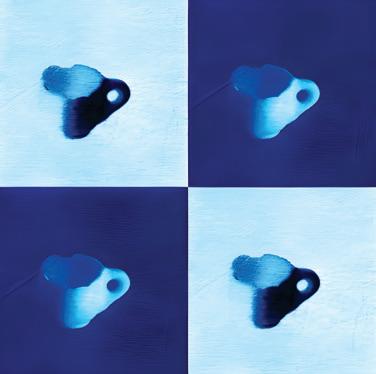
AMZehnder Gallery 25 Bank Street #3 Wellfleet MA
nancyjennerartwork.com amzehnder.com
Oil paintings – intimate details to grand vistas — inspired by the natural beauty of the Outer Cape. Nature is powerful, resilient and ever-changing... a reminder of what’s possible and what’s at stake.
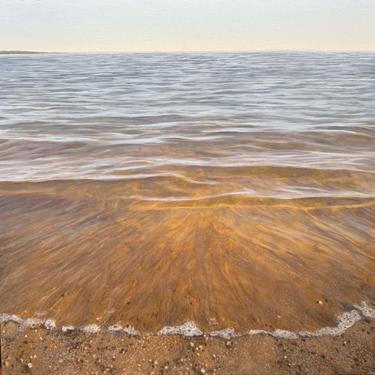
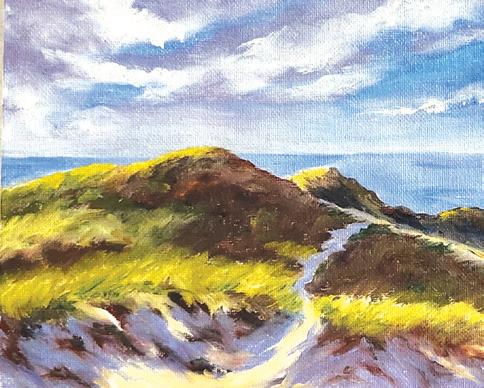
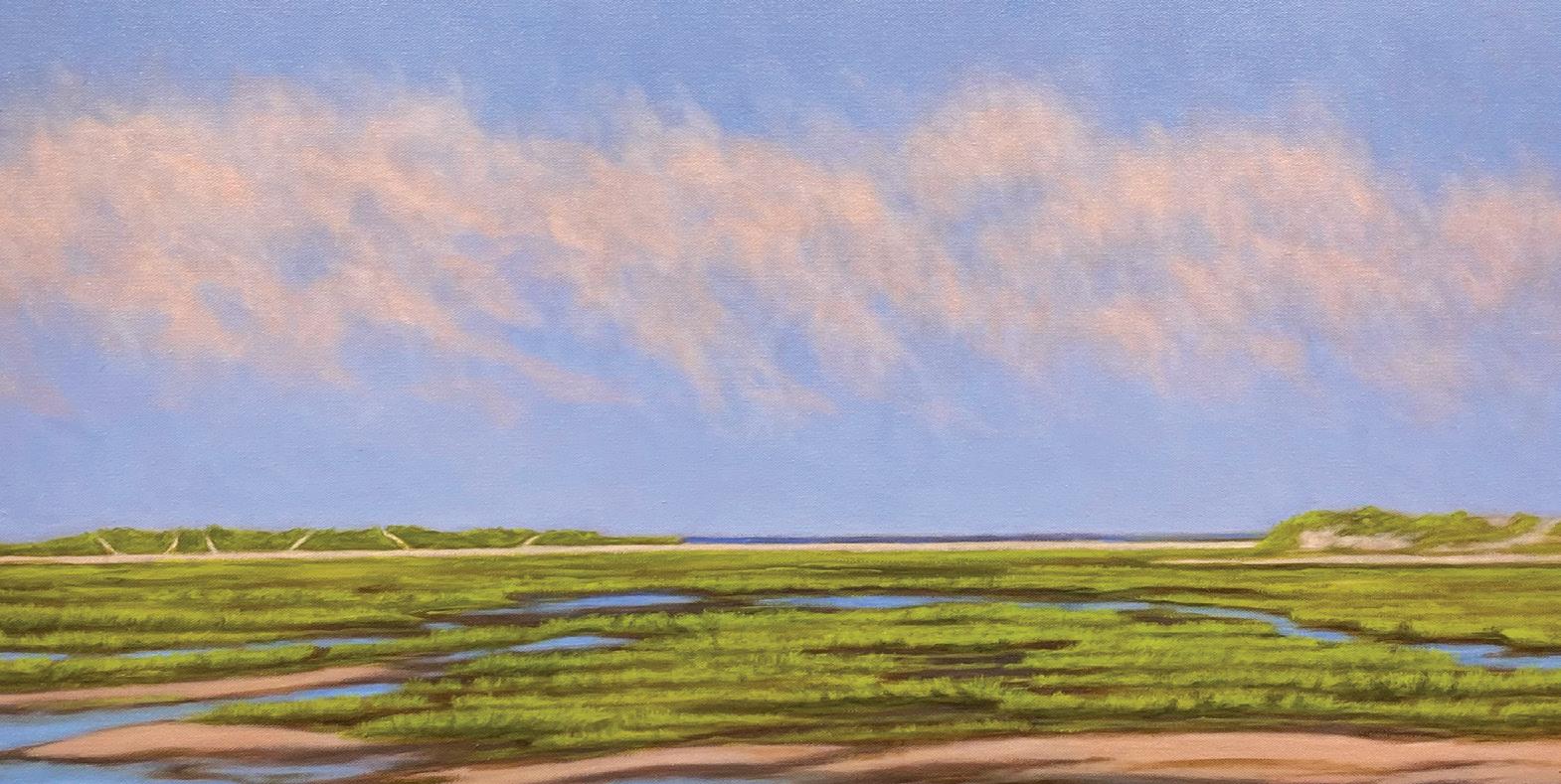
R.J. KATZ
Womencrafts
rjkatz.com
Bay Windows Magazine considers R.J Katz “One of P-towns Finest Artists of the Lens”. Her images capture the natural beauty and mood of the area in light, color, and shadow. They are unique, painterly and utterly striking.
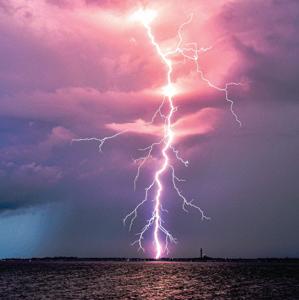
MATTHIAS LUPRI Gallery 444 444 Commercial Street 617.767.8557 LUPRI.com
June 17-July 7, Aug 5-25, Sept 16-22, Oct 14-20
Featuring large inner landscapes, seascapes, abstract portraits and archetypal paintings.
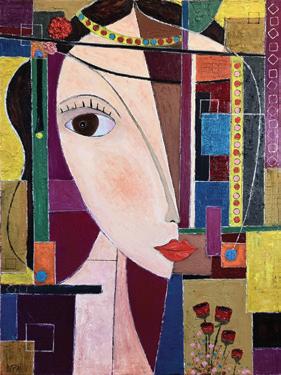
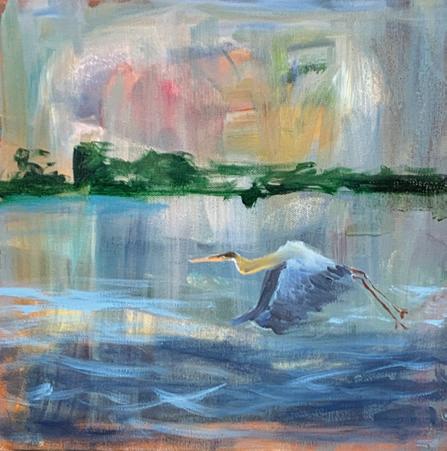
CHRIS KELLY
AMZehnder Gallery Wellfleet heyitschriskelly.com @heyitschriskelly
“Kelly composes his pieces using visual elements with universal recognition.”
- Abraham Storer
Independent
JAY McDERMOTT
Provincetown painter Four Eleven Gallery jaymcdermott.com
617.721.7172
Simplified abstract paintings using powerful color interactions. Landscapes, seascapes and figure paintings presented with unique interpretation and Fun.
AMZehnder Gallery, Wellfleet 25 Bank Street, #3 cheriemittenthal.com
A painter and mixed media artist, Cherie Mittenthal works predominantly in encaustic, pigment sticks and clay. Her subject matter revolves around the landscape and place, flowers, dogs, boats and moving water
Tillies Art & Provisions 512 Commercial Street donnampomponio@ gmail.com donnapomponio.com
Exhibition: July 17 - Aug 9
Opening: Fri, July 17 5pm
Contemporary oil painter exploring narratives through figurative and psychological portraiture.
Provincetown Studio 74 Shank Painter Road 617.416.6043
Franoneillartist.com
Franoneillartist@gmail.com
Aug 10 - Sept 6
Artist Trap Shed 1B MacMillan Pier
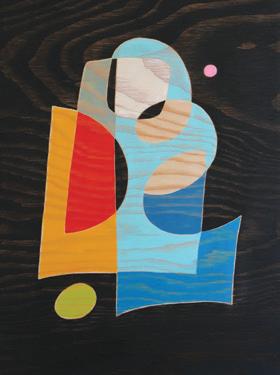
Abstract paintings on wood embodying a Midcentury Modern aesthetic.
Berta Walker Gallery 208 Bradford Street 508.487.6411
bertawalker.com skypowerart.com
In abstract art, we are finding and creating our own structures. As painters, we develop our forms with line, color, and empty spaces.
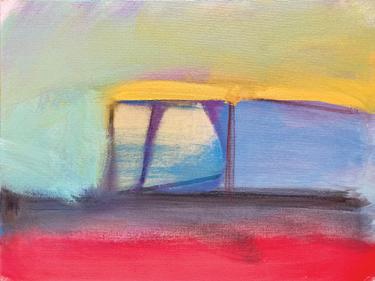
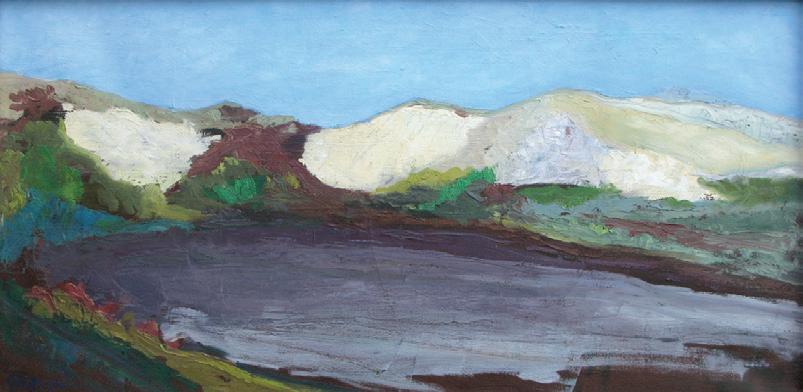
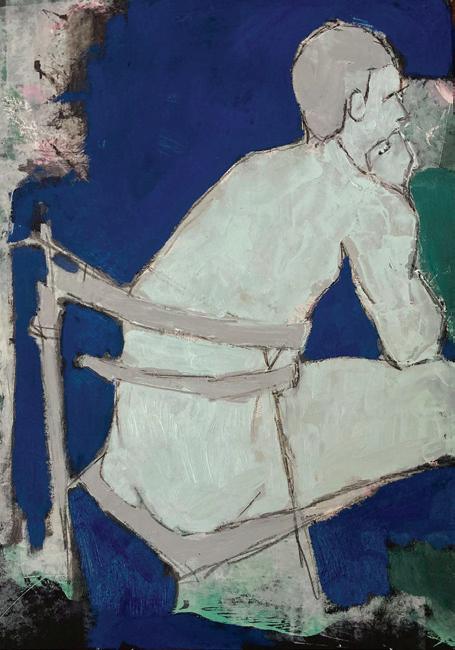

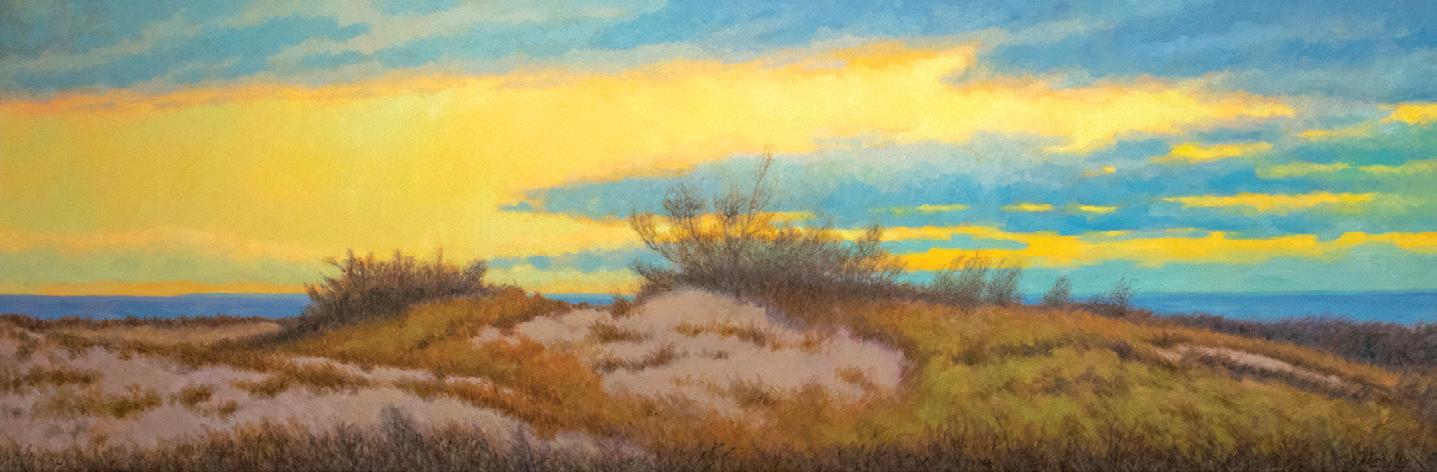
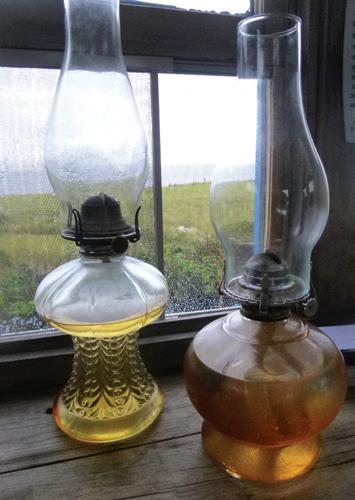
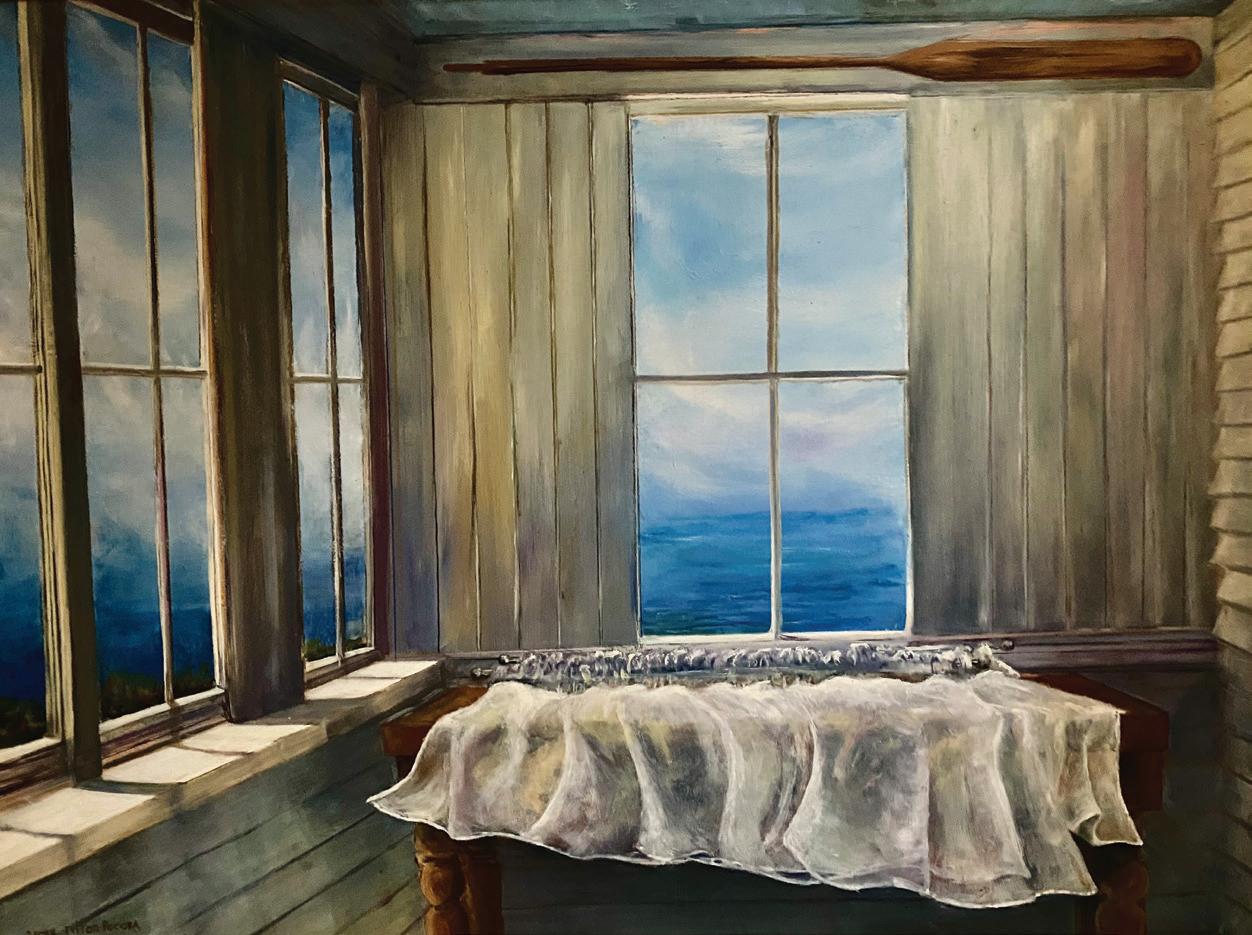
I packed my car with everything I thought I would need, which meant I packed too much—plastic bins of pink, purple, and blue velvet, silks, and cottons. There is no electricity in the dunes, no sewing machine, no wires that lead to plugs in the wall, only solar lamps and oil and the stability of stars.
When one arrives at the edge of the earth, you greet her with reverence. The seals know, too, that this is a sacred place. The black racerback was the first familiar one, and it told stories of its travels.
I spent the days with mouthfuls of salt and wet sand, sweetness of rose hip and beach plum—between the season of nesting plovers and the inundation of big trucks.
Landing in the dunes was like landing in that soft place in my chest. An opening up, making my edges like water. To be clear, I came in with an outline in the shape of my spirit, but didn’t know how to fill it.
Entering the dune shack was another portal, the shadows of joy and grief live within the walls of this place and its pages. I wrapped myself inside of them every night, the sound of the waves and the coyotes calling me to them or to sleep.
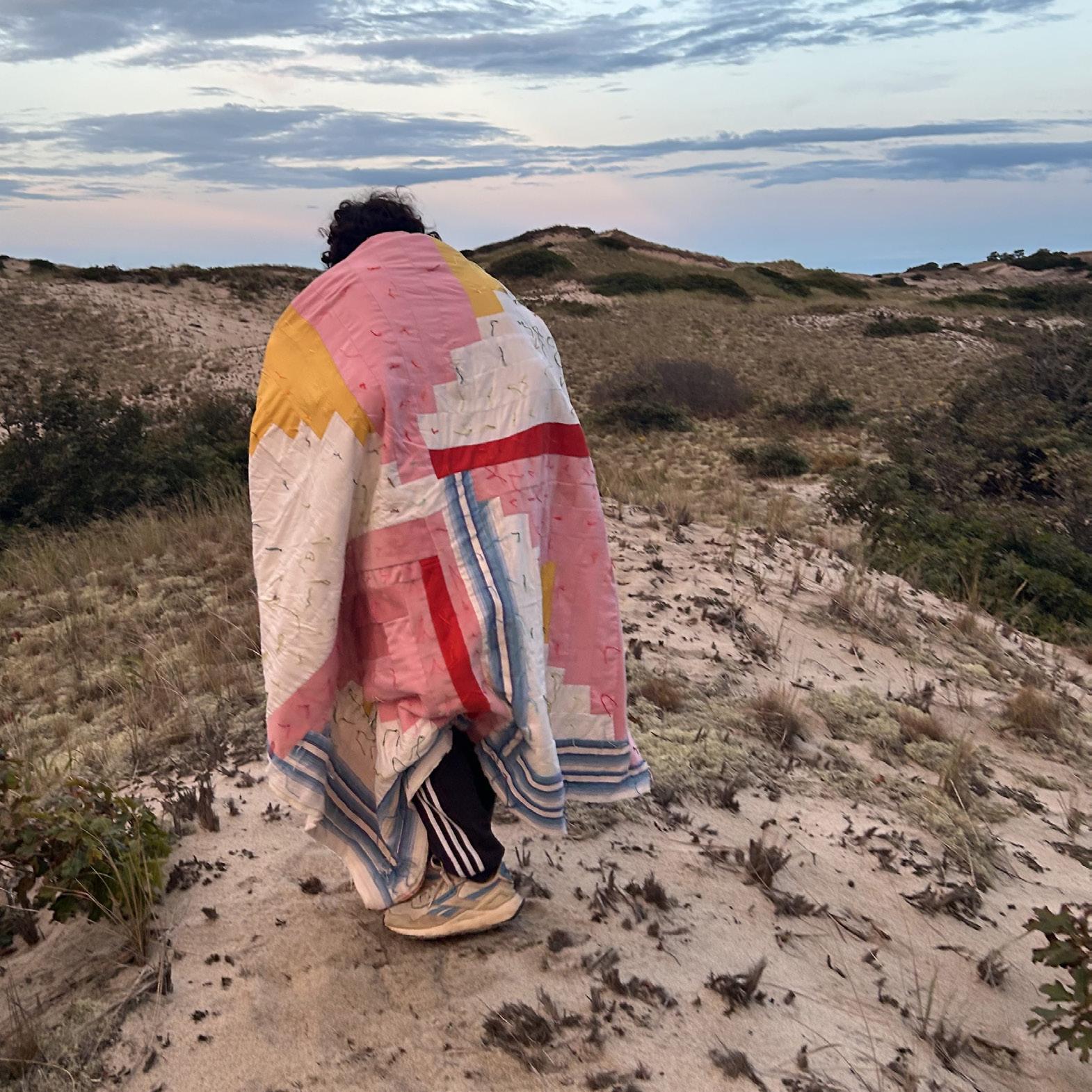
Tracing my experience through the rise and fall of the dunes, I harvested goldenrod, to make what would become the binding of a quilt. I follow in this lineage of ceremony as a way to honor, as a way to protect, a gift. I spent evenings stitching by headlamp, sewing a memory project, a portrait of the land, of this blessed thing. I placed items inside the quilt before finishing the binding to deliver the contents of dreaming—goldenrod, dune grass, sand, and rosehip.
The sharing, the giving—the friends who made the trek through scrub oaks toward the ocean to find me nestled between the dunes and the sky, my head up toward heaven, praying, and remembering how we survived.
I swam like a seal on my last full day there, joyous that I had been set free for this moment to be with the movement of water, the reaching toward the shore and the release.
When I left, Beth said, "This is the most anyone has ever packed." I smiled, knowing now that I needed even less to survive.
— River Aragon, 2026

PAUL RIZZO
Four Eleven Gallery
411 Commercial St. 617.905.7432 fourelevengallery.com
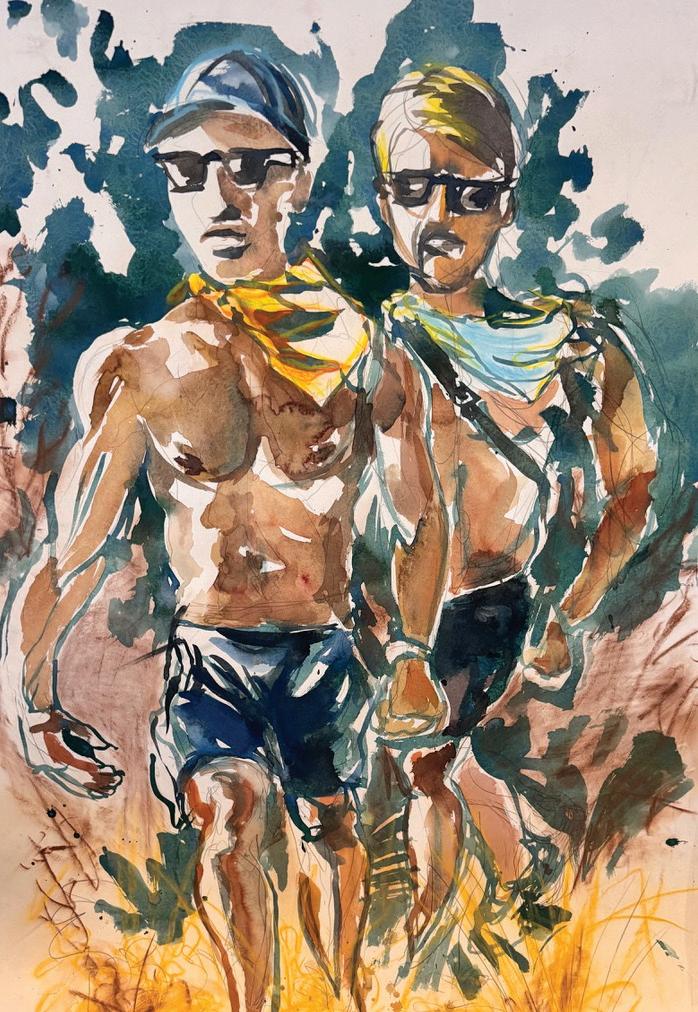
A painter and sketchbook filler who lives and works in Provincetown, Paul Rizzo works with and from 70s gay porn, portraiture, abstraction, houses and text. He is obsessed with the past specifically old Hollywood and the 1970s.
ALEX
Gallery 444 917.678.0350
444 Commercial Street alexthompsoncole.com
October 1-6
Opening: October 2, 5-7
Work exploring the entanglement of body, animal and landscape across media and scale.
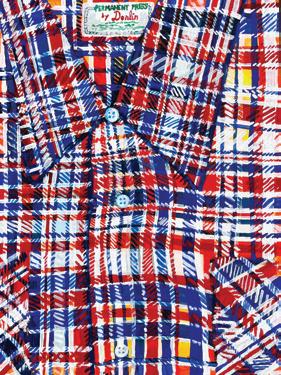
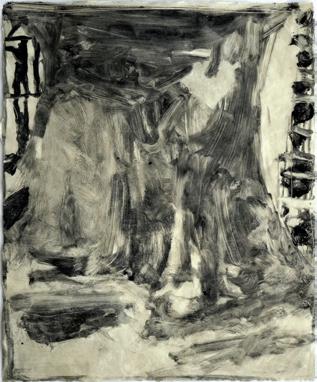
jo harrison
September 23-29
Gallery 444 444 commercial st. @harrisonjoellen | joellenharrison.com
Four Eleven Gallery
Studio visits & printmaking classes 617.678.4048 slayterart.com @slayterart
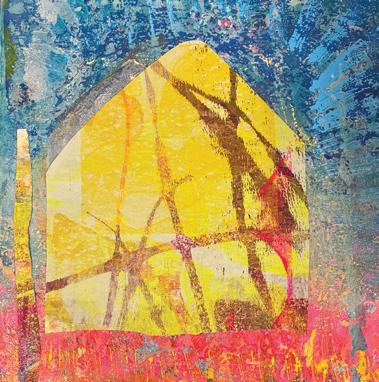
Duneland-infused prints and paintings.
617.223.1830
joetrep@verizon.net JoeTrepiccione.com
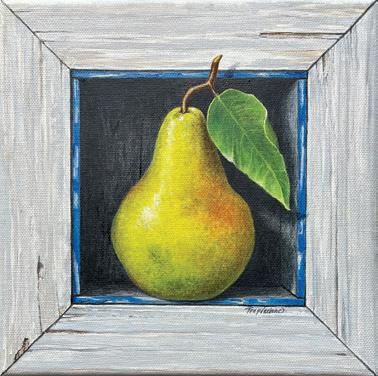
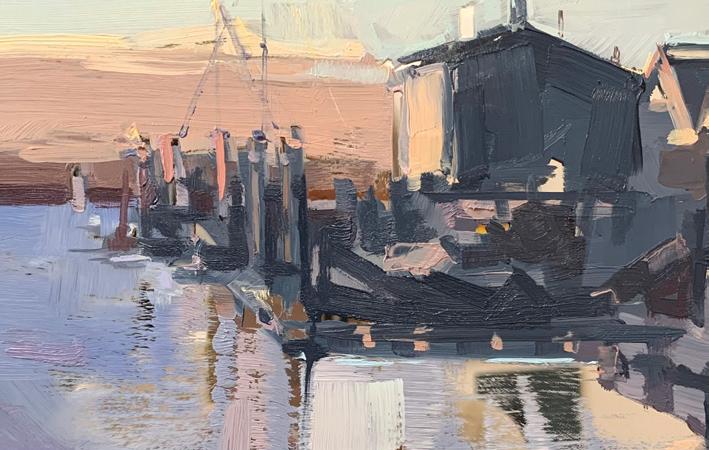
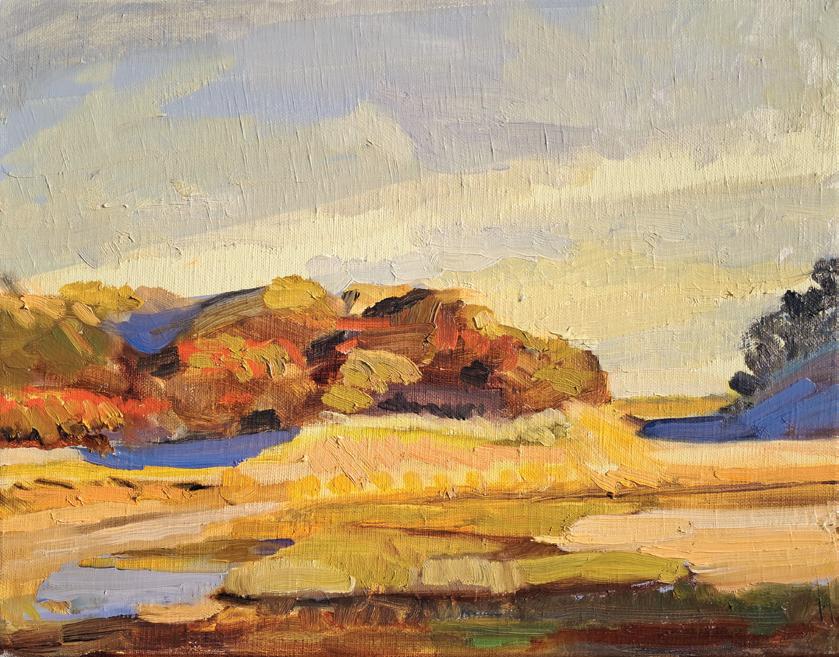
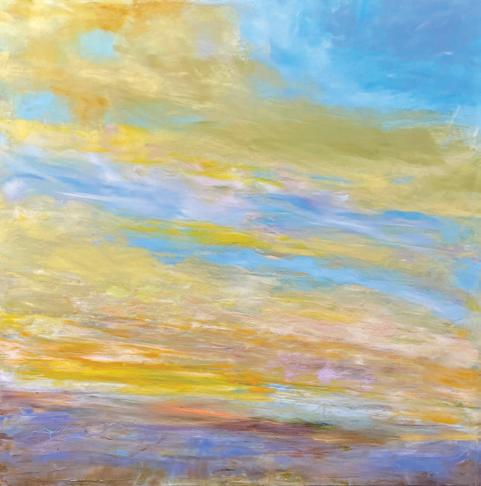
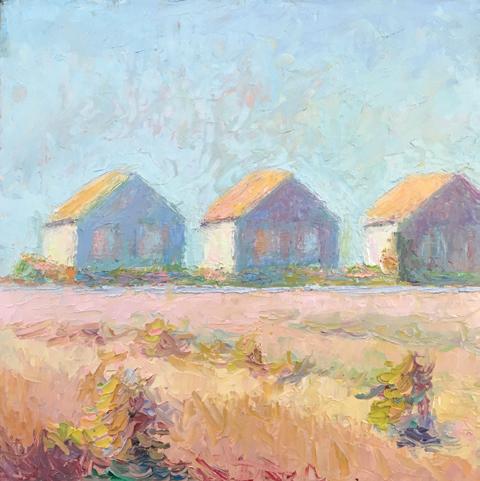
Vibrant oils of eye-popping trompe l’oeils, fiery golden landscapes and cool breezy seascapes of Cape Cod beckon the viewer. On exhibit this summer at the Provincetown Commons and Cad Red Gallery.

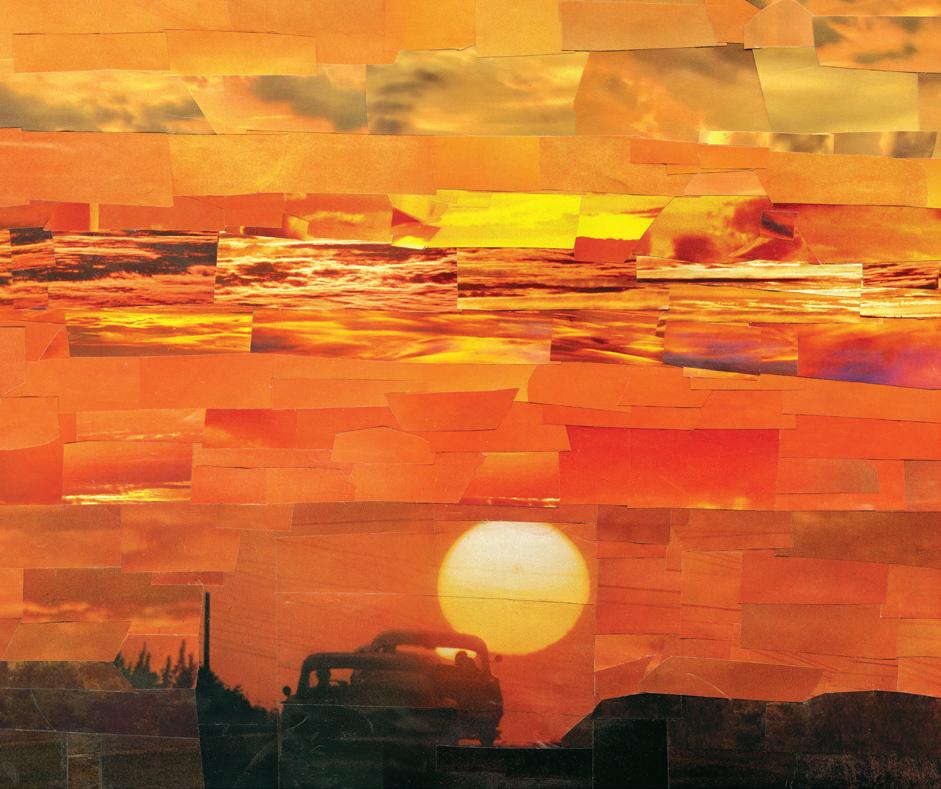
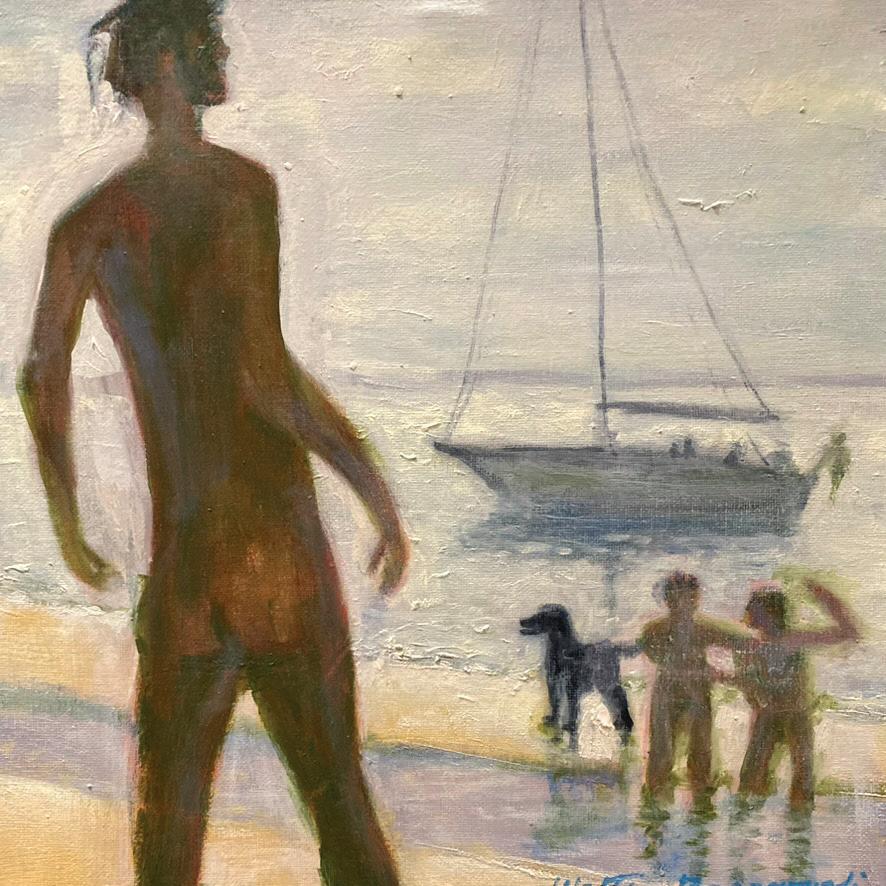
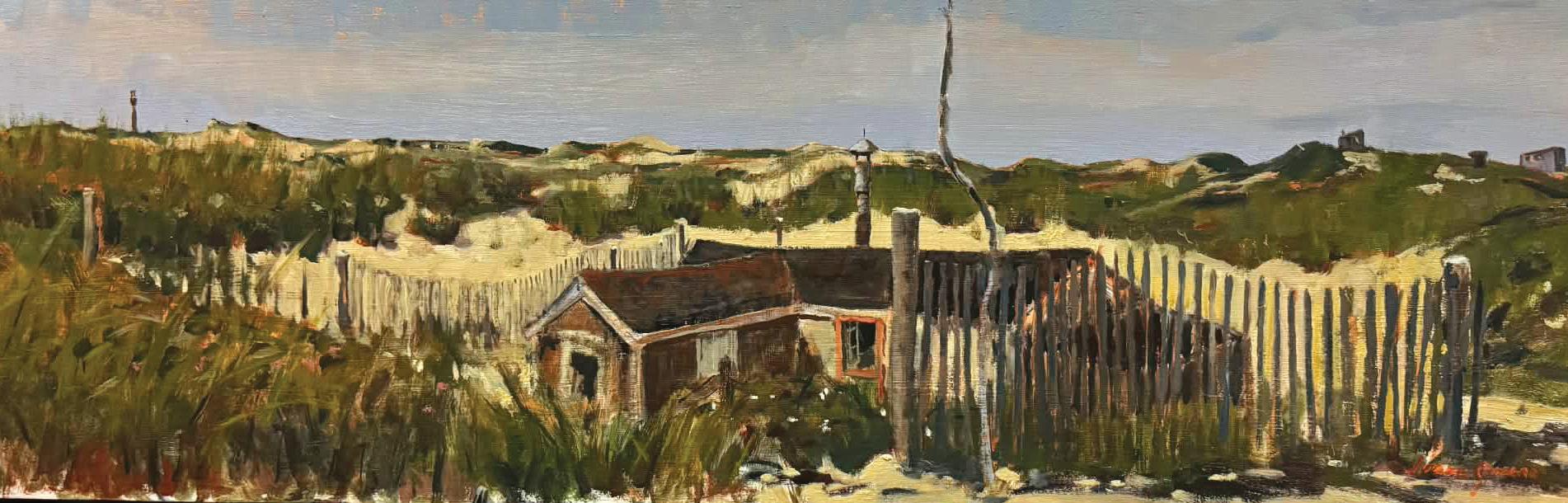
Gather driftwood for my funeral fire
Along the wild backshore. Salt-silvered wood
Pile it high as the sun goes down. But if you crave
A piece of complex curve or textured plane. Take it. Keep it. I shall not mind; I’d do the same
Light the fragrant sticks, the plank with barnacles
And Seaweed clinging to its thighs. Let them flare up
As sun dips into water’s hush. And if your gaze
Stray from the burning place to sunflames
On scalloped edge of beach, don’t feel contrite
Enjoy the brief bright glory: so would I.
Night will be long. Firewood. Is there wood enough?
Gather more as the dunes smolder, ash violet in the haze
Lay on more wood for my wish is that the fire
Burn through the night. But should you pause while gathering
To watch the tern’s curved flight, don’t be abashed
Those lovely arcs would stop me too, if I were you.
The tide will pulse. There’ll be no moon. My fire
Will keep you warm until the stars snuff out.
Then let the flame die down and as the sky grows soft
Toss off your clothes and swim my morning swim for me.
You’ll want to shout a day spring shout, defiant as you emerge
Don’t hold it back for me. Exult!
Run naked, glad, along the polished wet packed sand
And give the burning place no glance.
Or rather, do. You built it on the steep-sloped shore
Below high water mark, I hope. Then-look.
The waves have washed it clean. And now, forget.
— Jan Gelb, 1978
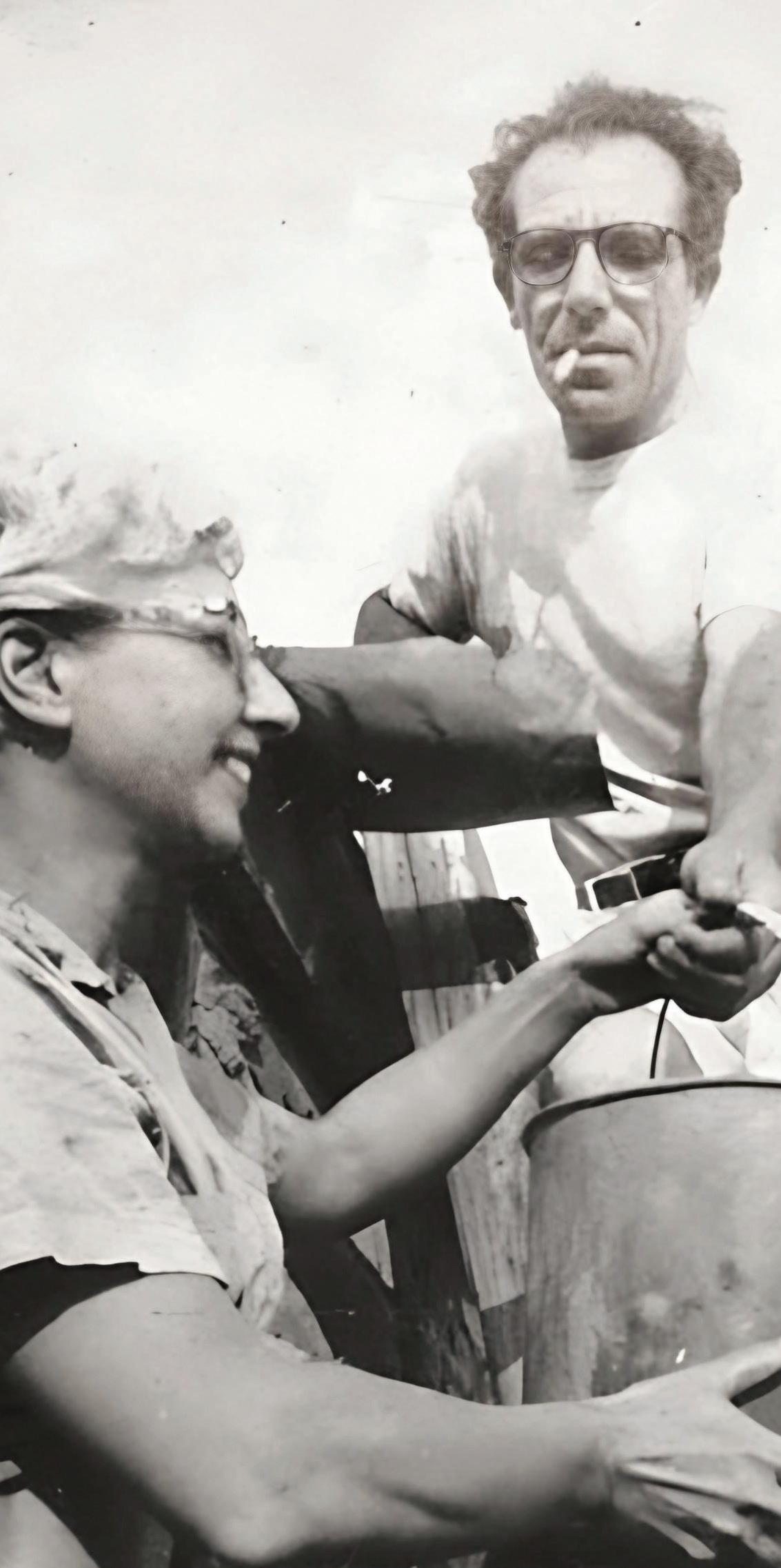
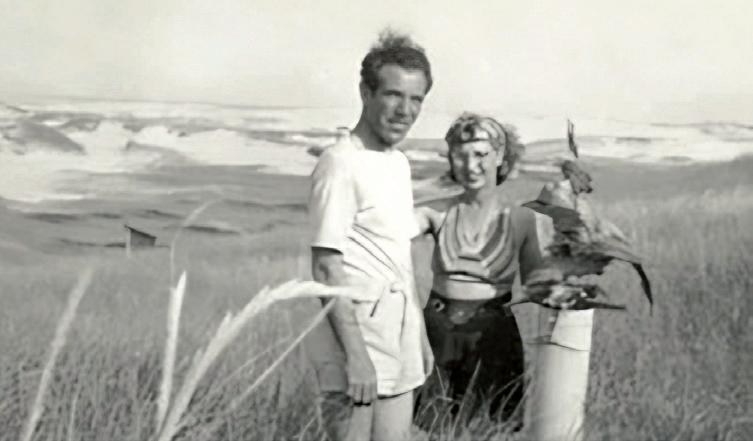
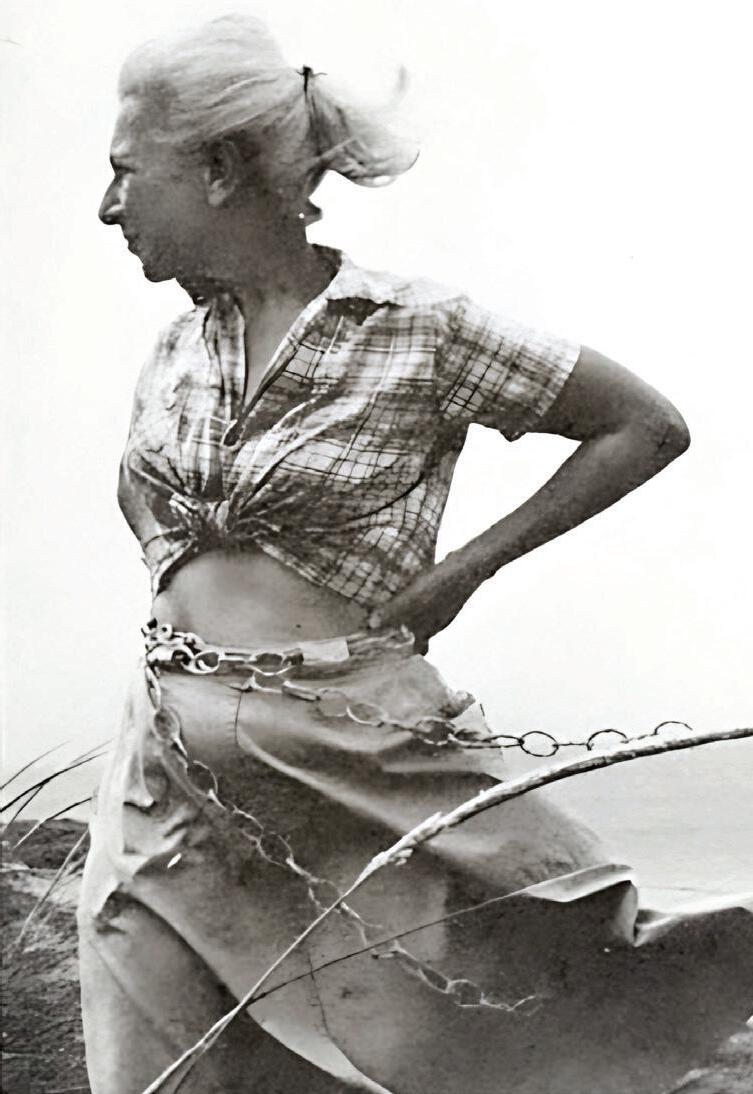
Jan Gelb (1906 –1978) spent many summers painting and delighting in the natural beauty of Provincetown’s backshore, working from a shack built by her artist husband,
Since 1899 teaching the principles of Light and Color as taught by Hawthorne and Hensche
Landscape • Portrait • Figure • Still Life Taught in Natural Light
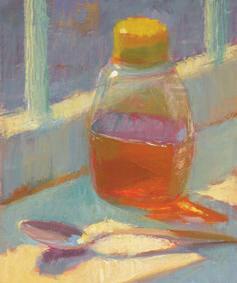
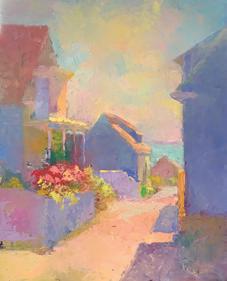
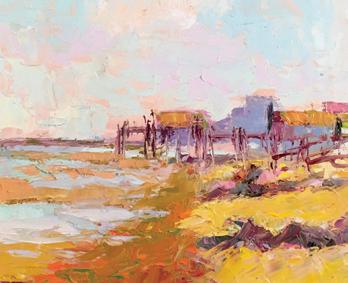
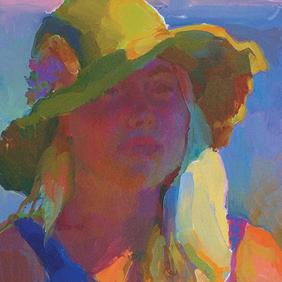
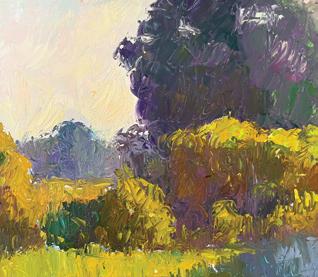
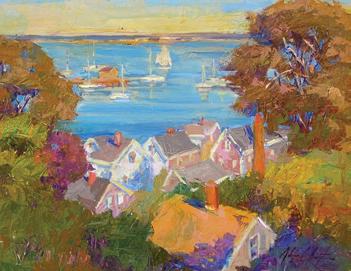
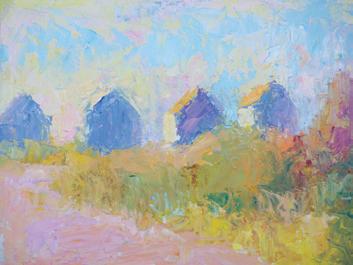
Classes May - October 2026 | email: Capeschoolprovincetown@gmail.com | Registrar: 617.717.9568
JOHN CLAYTON
Drawing for Painters
May 1-2 9am-4pm
MARY GIAMMARINO
No Fear Plein Air Painting
June 1-5 9am-12pm
GLENNA HARTWELL
Mudheads on the Beach
June 6-7 9am-12pm
HILDA NEILY
Landscape Basics
June 15-19 9am-12pm
SCOTT KENYON
Painting the Effects of Color and Light in the Landscape
June 15-19 2pm-5pm
MARGARET MCWETHY
Still Life in the Impressionist Tradition
June 22-24 9am-4pm
JOHN CLAYTON
Landscape Painting
June 29-July 3 9am-12pm
JUDITH FULMER
Landscape Painting with Watercolor
July 6-10 9am-12pm
JUDITH FULMER
Painting the Impressionist Pastel
July 13-17 9am-12pm
JOHN CLAYTON
Landscape Painting
July 27-31 9am-12pm
MARY GIAMMARINO
No Fear Plein Air Painting
August 10-14 9am-12pm
HILDA NEILY
Landscape Basics
August 24-28 9am-12pm
SCOTT KENYON
Painting the Effects of Color and Light in the Landscape
August 24-28 2pm-5pm
SYD HALE
Landscape in the Impressionist Tradition
September 7-11 9am-12pm
JOHN CLAYTON
Landscape Painting
September 14-18 9am-12pm
MARY GIAMMARINO
No Fear Plein Air Painting
September 21-25 9am-12pm
DENNIS LUCAS
Traditional Cape School Color
October 5-9 9am-12pm
MARY GIAMMARINO
No Fear Plein Air Painting October 10-11 9am-1pm
GLENNA HARTWELL
Painting Portraits in North Light October 12-16 9am-12pm
PROVINCETOWN ART ASSOCIATION AND MUSEUM
460 Commercial Street | 508.487.1750 | @PAAM1914
The Provincetown Art Association and Museum (PAAM) anchors the Provincetown Arts community, and presents a diverse lineup of programming for Summer 2026. Learn more about stunning exhibitions, browse workshops taught by local artists for adults and youth, or become a member at paam.org. Workshops in painting, drawing, printmaking, and more.
Exhibitions
5/8-7/19 Jackie Reeves reception 5/22 6pm
5/15-7/19 Center for Coastal Studies 50th Anniversary reception 5/22 6pm
6/5-8/2 Avital Sagalyn reception 6/26 6pm
6/26-8/23 Edwin Rissland reception 6/26 6pm
6/26-8/30 Marcia Marcus reception 6/26 6pm
7/31-9/13 The Members'12x12 reception 8/7 6pm
8/7-10/25 Midge Battelle reception 8/7 6pm
9/18-11/29 Fred Garbers reception 9/18 6pm
Special Events
7/12 Secret Garden Tour A self-guided tour through private gardens in Provincetown. Sunday, 10am 10/3 The PAAM Party: A Celebration of Art and Artists Honoring the artists and supporters that keep Provincetown’s artistic legacy so vital. Dinner, award ceremony, and dancing. Saturday, 5pm
The Fredi Schiff Levin Lecture Series, Thursdays at 6pm 5/28, 6/11, 6/25, 7/9, 7/23, 9/3, Sat. 9/19 (12pm)
Summer Jazz with Bart Weisman, Tuesdays at 6pm 7/14, 7/21, 7/28, 8/25
PILGRIM MONUMENT & PROVINCETOWN MUSEUM High Pole Hill | 508.487.1310 | pilgrim-monument.org
The 252 ft. monument offers great views. The museum features the town's rich whaling, arts and theatre history.
CAPE COD MUSEUM OF ART
60 Hope Lane, Dennis | 508.385.4477 | ccmoa.com
Founded in 1981, CCMoA features work by prominent and emerging artists with a Cape Cod connection.
THE CAPE SCHOOL OF ART 617.717.9568 | capeschoolofart.org
The principles of light & color taught by Charles Hawthorne & Henry Hensche, beginning in 1899, continue today at The Cape School of Art. Summer workshops taught by former Hensche master students: portrait & figure painting, landscape, color study, still life; all in natural light. Plein air painting demonstrations free to public. Drop in classes.


Since 1961
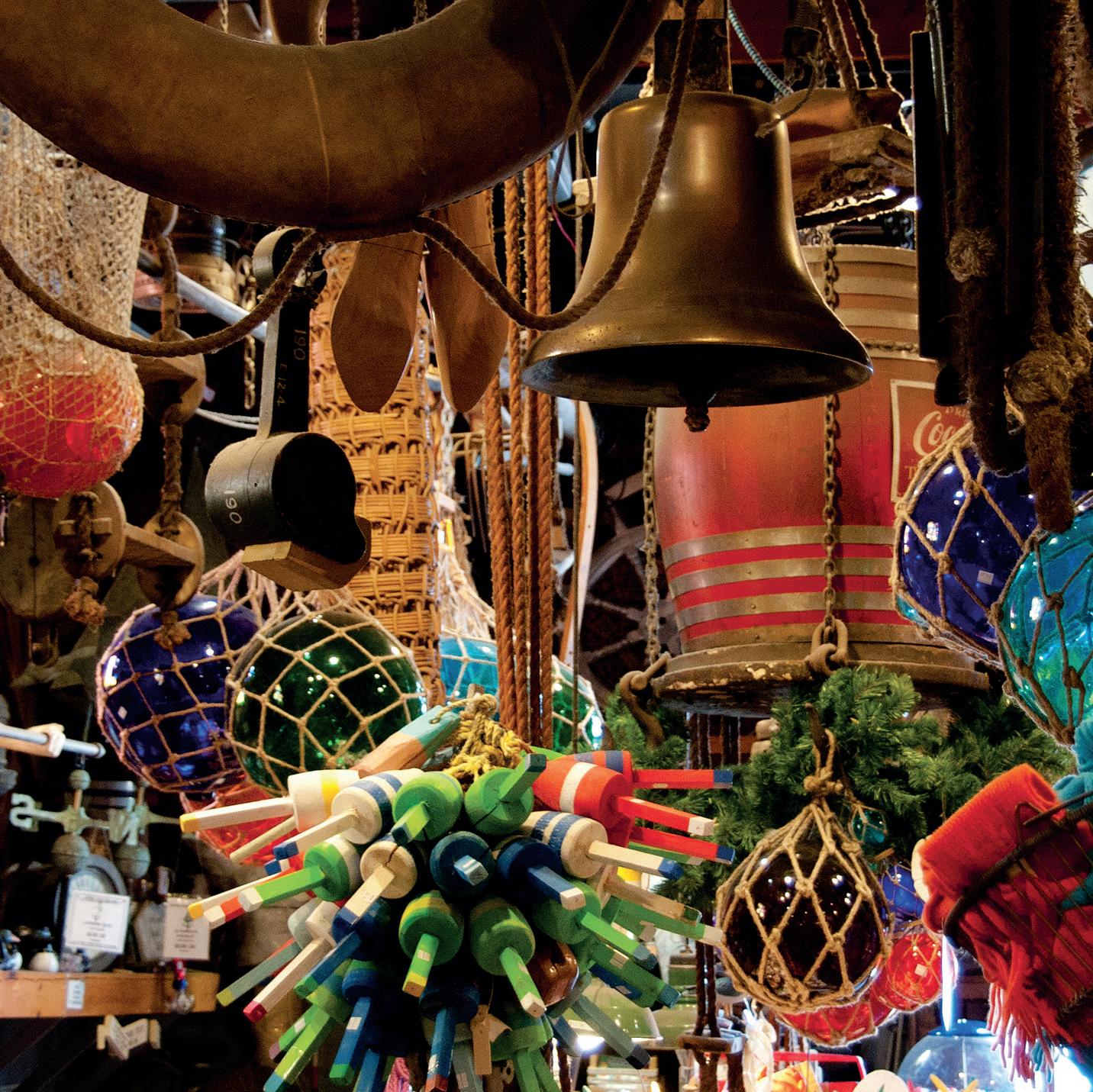
Cape Cod’s Most Unusual Shop open year round
HUDSON D. WALKER GALLERY
24 Pearl Street | 508.487.9960 | fawc.org
Nationally renowned fellowship program for emerging writers and visual artists. Year-round exhibitions. 100 open-enrollment week-long summer workshops in creative writing and visual arts with prominent faculty.
Provincetown Art Association and Museum 460 Commercial Street | 508.487.1750 | paam.org
Offering an exciting lineup of workshops in the visual arts, continuing the tradition of excellence in education that began here decades ago. Art History, Drawing, Painting, Mixed Media, Printmaking, Sculpture, and Plein Air Painting; workshops for kids; and more at paam.org/workshops.
10 Meetinghouse Road & 3 Edgewood Way, Truro 508.349.7511 | castlehill.org
Truro Center for the Arts at Castle Hill offers an incredible line up of workshops in visual arts and writing by some of the best teachers in the country. Come celebrate your summer with a great workshop.
6/26 Boston Dance Theater Community Performance at Edgewood Farm, 4pm
7/7 2026 Woody English Artist and Writer's Chair: The Art of Protest with Julie Peppito at Edgewood Farm, 6pm
7/16
7/18
8/8
8/11
Get Roasted & Smoked: Bittman Dinner at the Pamet Yacht Club, 6:30pm
The Pamet River Float! Meeting at Castle Hill, 1:30pm
Annual LIVE AND SILENT AUCTION at Castle Hill, 6-9pm
Oysters & Opera at the home of Terry Kahn and Lesley Silvester, 6pm
8/14 The William Tell Showcase at Edgewood Farm, 4-6pm
8/17-20
8/21-22
9/26
Night Sky Watch with Ed Ting (Exact date TBD pending weather!)
The 20th Annual Provincetown Dance Festival at Edgewood Farm, Sam's Stage, 7pm
Stella Blue’s Band at Edgewood Farm, Sam’s Stage, 6pm
Gallery Shows
6/9-19
Members Open, opening reception 6/11
6/23-7/3 Hanna Vogel, Hillary Waters Fayle, Jabu Nala, opening reception: 6/25
7/7-17
Susie Amato, Jill Goldman-Callahan, Justin Perlman, Jenny Peace, opening reception 7/9
7/21-7/31 Paul Bowen, Z Behl, Benjamin Edmiston, opening reception 7/23
8/4-8
8/11-28
AUCTION WEEK
Judy Pfaff, opening reception 8/13, closing reception 8/27
A Paul Mitchell Focus Salon
Redken and Goldwell products available
Roller set, blow styling or up styling, and conditioning treatments
With or without cut, cap hi & lo lite, foil, partial foil and color camo.
PERM/RELAXER
Permanent waves and relaxers.
Eyes, lips, chins, full face and backs
Manicures and pedicures.
CELEBRATING 38 years of serving the community!
8/14-25 Laura Plad
TRURO CENTER FOR THE ARTS AT CASTLE HILL CONT.
9/1-4 Castle Hill Staff Show, opening reception 9/3
9/8-9/20 Mitchell Johnson, opening reception with the artist: 9/10
9/22-10/2 Members’ Small Works Show, opening reception 9/24
10/6-10/23 Cole Cook, Sheryl Jaffe, Dave Holbrook, opening reception 10/8
ALI GRAY
Receptions 7-9pm on opening dates
6/5-18 Julie Gray Solo Exhibition
6/19-7/2 Christopher Roddick Solo Exhibition
7/3-16 Nick Peterson Davis Solo Exhibition
7/17-30 Mark Schianca Solo Exhibition
8/14-27 Ross Ozer Solo Exhibition
8/28-9/10 Kathy Cotter Solo Exhibition
ARTHUR EGELI GALLERY
7/25-31 John Clayton: Selected Works rec 7/25 7-9pm
DOZEN STUDIO GALLERY
Receptions 6-9 pm on opening dates
7/10-21 Keith MacLelland
2026-2027 Visitors Guide
9/4-15 Adam Peck
ELDRED'S AUCTIONS
6/25 Summer Living Auction
7/21-24 Americana Week
8/6-7 The Marine Sale
8/12 Cape Cod + Contemporary Art Auction
8/13 Jewelry + Timepieces
GALLERY 193 ARTSPACE
Receptions 6–9 pm on opening Fridays
5/29-6/11 Resident Artists Group Show Syd Hale, Rob Longley, Brenda Silva, Catherine Skowron, Ed Walsh
6/12-6/25 Jen Kelly, Guest Artist “A Touch of Whimsey!”
6/26-7/9 Syd Hale, Rob Longley “The Shape of Air: Color and Light”
7/10-7/23 Ed Walsh “The Language of Light”
7/24-8/6 Rebecca Bruyn, Guest Artist “Ordinary Light”
8/7-8/20 Brenda Silva, Catherine Skowron, Ed Walsh “Three Artists, Three Visions of Home”
8/23-9/3 Alyssa & Sara Ringler, Guest Artists “Natural Dialogue”
9/4-9/10 Catherine Hess, Guest Artist “Outermost”
9/11-9/17 Irene Matthews, Guest Artist “Past and Present”
9/18-10/1 Resident Artists Group Show Syd Hale, Rob Longley, Brenda Silva, Catherine Skowron, Ed Walsh
gary marotta fine art g-1
Receptions on Friday & Saturday 7pm-9pm
5/29-7/9 Manuel Pardo (1952-2012) Stardust Drawings
6/19-7/30 Alexis Trice Recent Works
7/10-8/13 Maggie Simonelli Into the Blue
7/31-9/3 Kimberly Witham Recent Works
8/14-9/17 Milton H. Greene Photographs of Marilyn Monroe
9/4-10/15 Gallery Artists Exhibition New Works
6/26-7/9 Jarrad Heaslip, New works
7/10-16 Ryan McMenamy, New works
7/17-23 Minji Kang-Watrous, Hanjo
7/24-30 Heather Gorham and Laurie Skantzos "A Portal into My Imagination"
7/31-8/6 Daniel Angeles "Belle and Her Missing Heart" 8/1 @ 11am Daniel Angles Children's book reading "Belle and Her Missing Heart"
8/7-13 Joey Brock, Mixed Media
8/14-27 Kevin Box and Tucker Eason, Origami inspired sculpture, and Mixed Media Paintings
9/4-10 Kate Ryan, New works
SIMIE MARYLES GALLERY
Receptions Fridays 7-10pm
6/5-12 Simie Maryles
6/12-19 William D. Hobbs
6/19-26 Richard Rosenblatt
6/26-7/33 Kathryn Engberg
7/10-17 Ken Cadwallader
7/17-24 Marina Dieul
7/24-31 Todd M. Casey
7/27 Family Week Mon 1-5pm Roxie Munro Book Signing
8/7-14 Patti Mollica
8/14-21 Lorenzo Narciso
8/21-28 John Brandon Sills
8/28-9/4 Stephen Cerceillo
Receptions 7-9pm on opening dates
6/26-7/8 John Dowd Night Paintings
6/26-7/8 Jefferson Hayman New Works
7/10-7/22 Derrick Hickman The Weight of Small Things
7/17-7/29 Daphne Confar Having Fun - wish you were here Tim Saternow New Watercolors
7/24-8/5 Armando Pedroso Beyond the Door
7/31-8/12 Edie Nadelhaft CBtO (Cake * By the Ocean Kris Haas The Breath of Memory
8/7-19 Frederick Brosen New Watercolors Paul Wirhun Water, Water Everywhere
8/14-26 Ryan Landry New Works
8/21-9/2 Michael Costello New Works
9/4-15 John Dowd Summer Work


support@kitandjerry.org in memory of Kit and Jerry Boucher Feb. 14, 2026

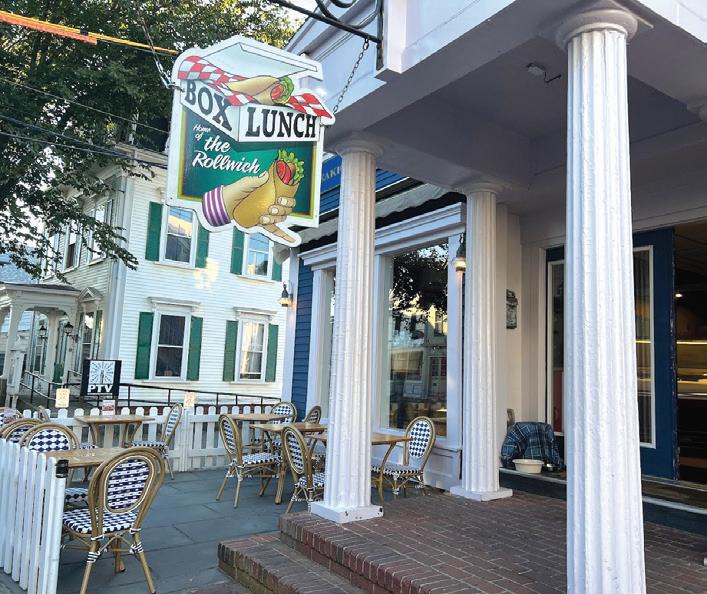
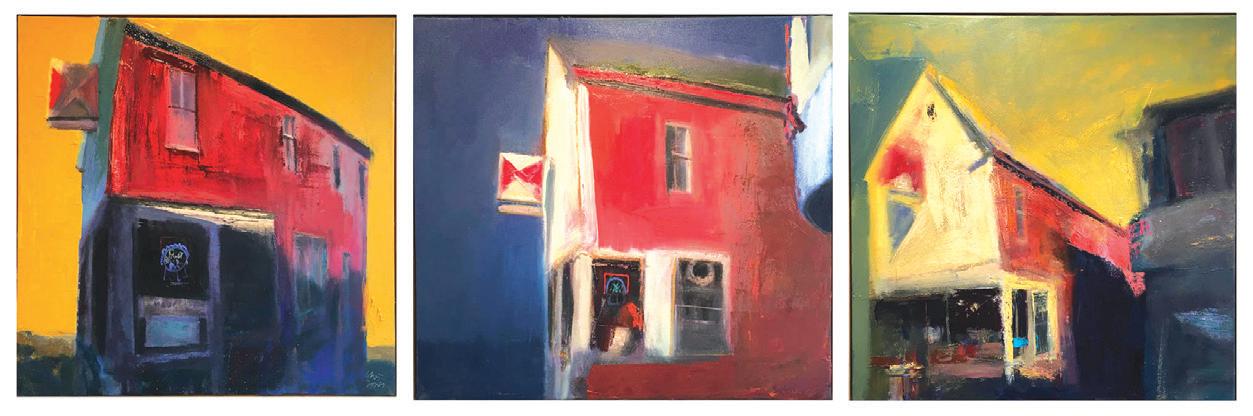
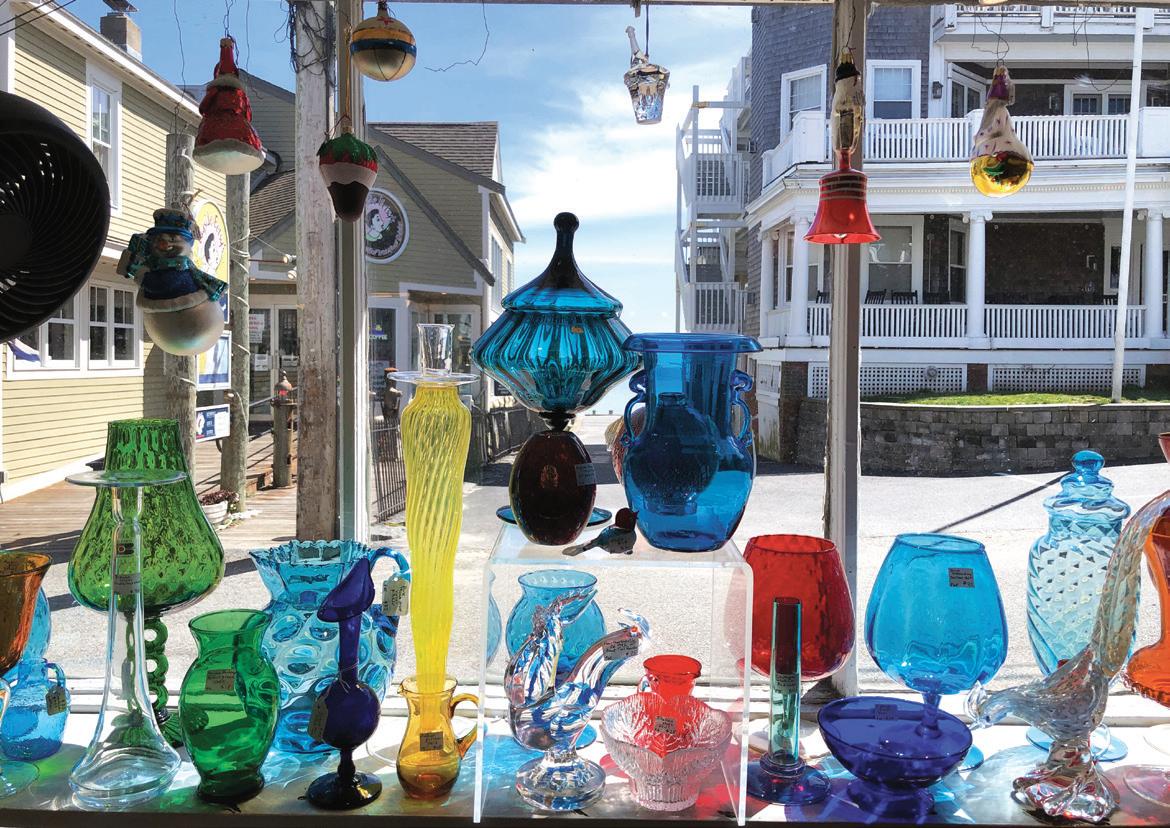
This Commercial Street shop in Provincetown’s West End is celebrating its 26th season in town! This eclectic shop offers specialty collectibles such as vintage 20th century art pottery and glass, Provincetown paintings and estate jewelry. Our mantra is fun and affordable!