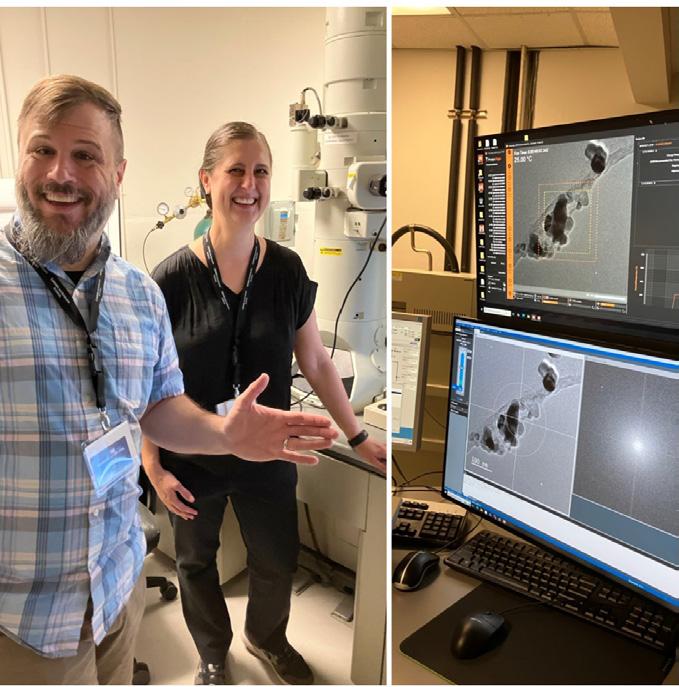
For decades, in situ Transmission Electron Microscopy (TEM) was primarily valued as a powerful qualitative tool, an imaging technique allowing scientists to visually capture the morphology of nanomaterials. However, as the scientific fields advance and the microscopes have more tools available, simply observing what happens at the atomic scale is no longer sufficient. The rapid advances highlights the critical need for rigorous quantification in in situ and operando techniques.
To couple localized nanoscale dynamics with real-world performance, an in situ experiment must successfully quantify three key domains:
1. Precise Stimuli Delivery: Whether delivering thermal energy, gas pressure, electrochemical bias, or photon illumination, researchers must understand the stimuli on the active region of the sample
2. Synchronized Metadata: Without (in situ) metadata synchronization, a structural change cannot be confidently linked to a specific functional property.
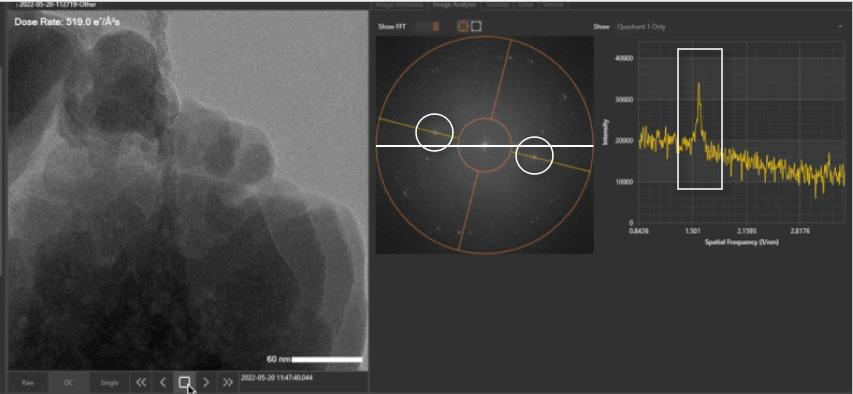
3. Mitigation of Artifacts: Quantifying parameters like live electron dose flux and stabilizing the samples are fundamental requirements to separate genuine material behavior from beam-induced artifacts.
Ultimately, adding quantification to your in situ TEM techniques transforms your experiment from an observational technique into a reproducible nano-testing laboratory.
TOOLS FOR IN SITU QUANTIFICATION
Quantitate Power Density in Sol for Atmosphere
AX
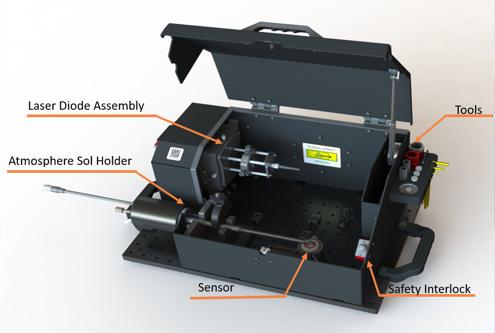
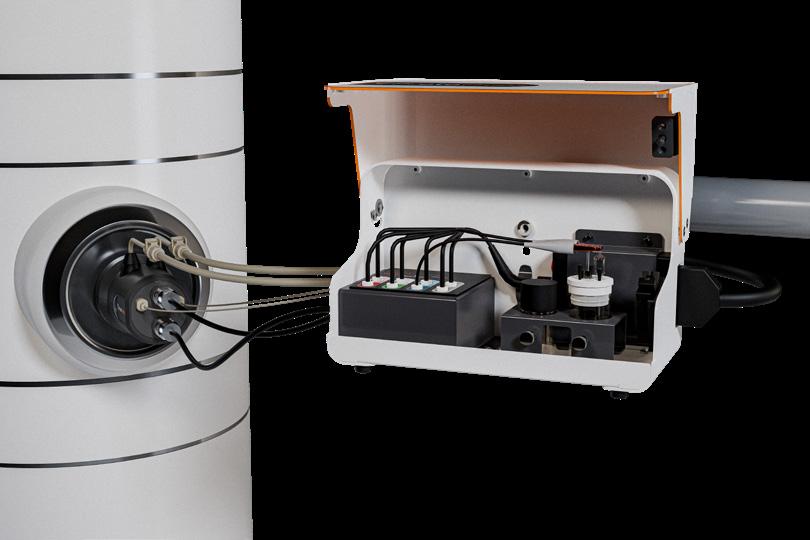
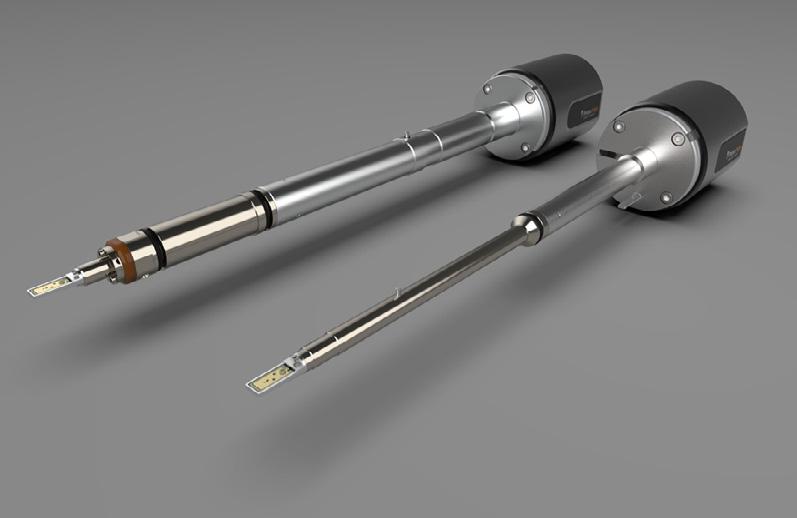
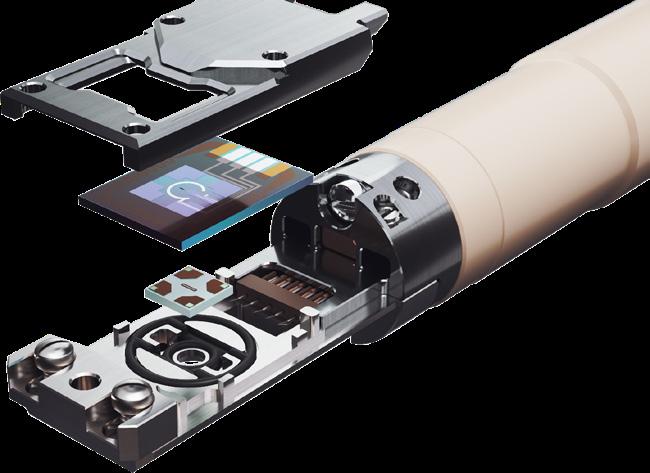
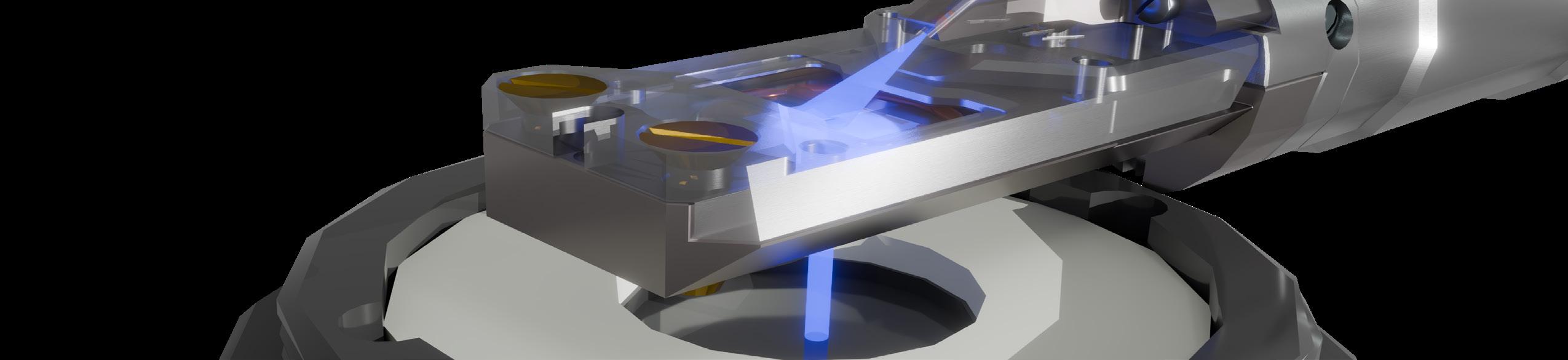
Sol for Atmosphere AX brings light-driven capabilities to in situ TEM, enabling studies under realistic, pressurized gas environments at the nanoscale.
The holder is designed with an ex situ calibration workflow optimized to quantify the power at the sample and maintain temperature accuracy, even during illumination. An integrated sensor measures the light through its optical path, including through the holder and SiN window, generating a calibration file that reflects the power density the sample experiences in situ.
By enabling proper measurements through the holder, researchers can apply accurately quantified light intensities across experiments, improving reproducibility, enabling direct comparison between datasets, and increasing confidence in photochemical and photocatalytic results.
Residual Gas Analyzer (RGA)
Simultaneously monitor gas composition and catalyst structure during in situ
TEM experiments in the Atmosphere AX system. The integrated, vibration-isolated RGA preserves imaging performance while providing response times as fast as 3 seconds, enabling direct correlation between gas chemistry and nanoscale material behavior.
Reference Electrode
Use a commercially available reference electrode (RE) with Poseidon AX or Triton AX for accurate, electrochemical measurements. The shielded external reference electrode isolates the RE from the TEM while minimizing electrical noise and interference. Compatible with a wide range of commercial reference electrodes for maximum experimental flexibility.
IN SITU ACADEMY UTRECHT
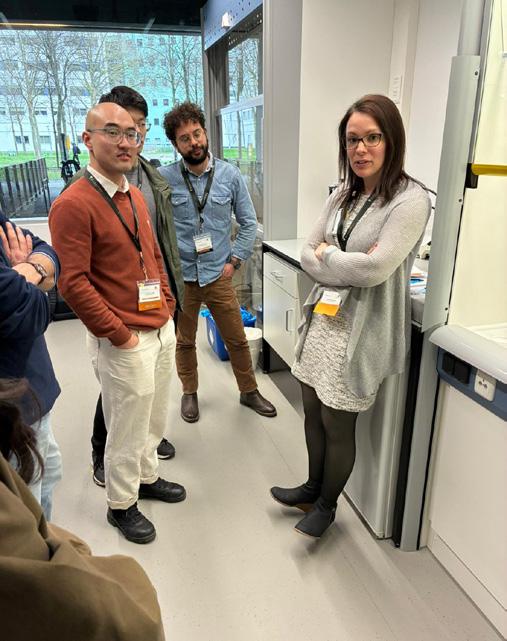
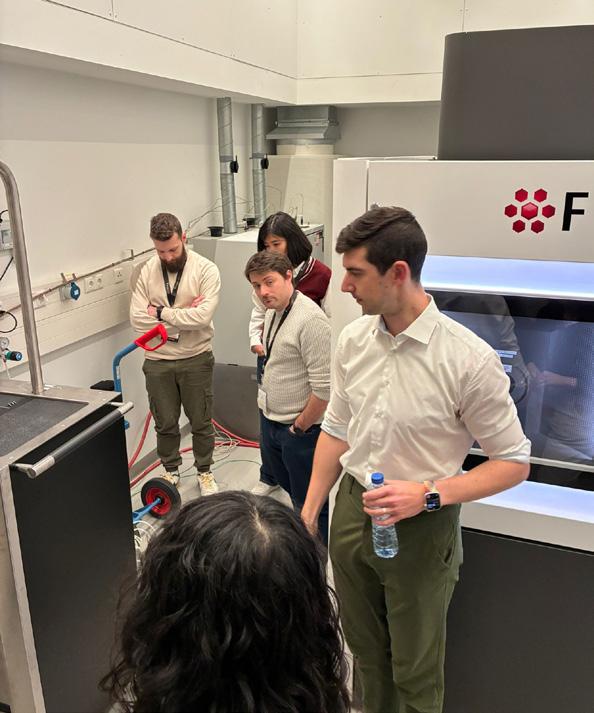
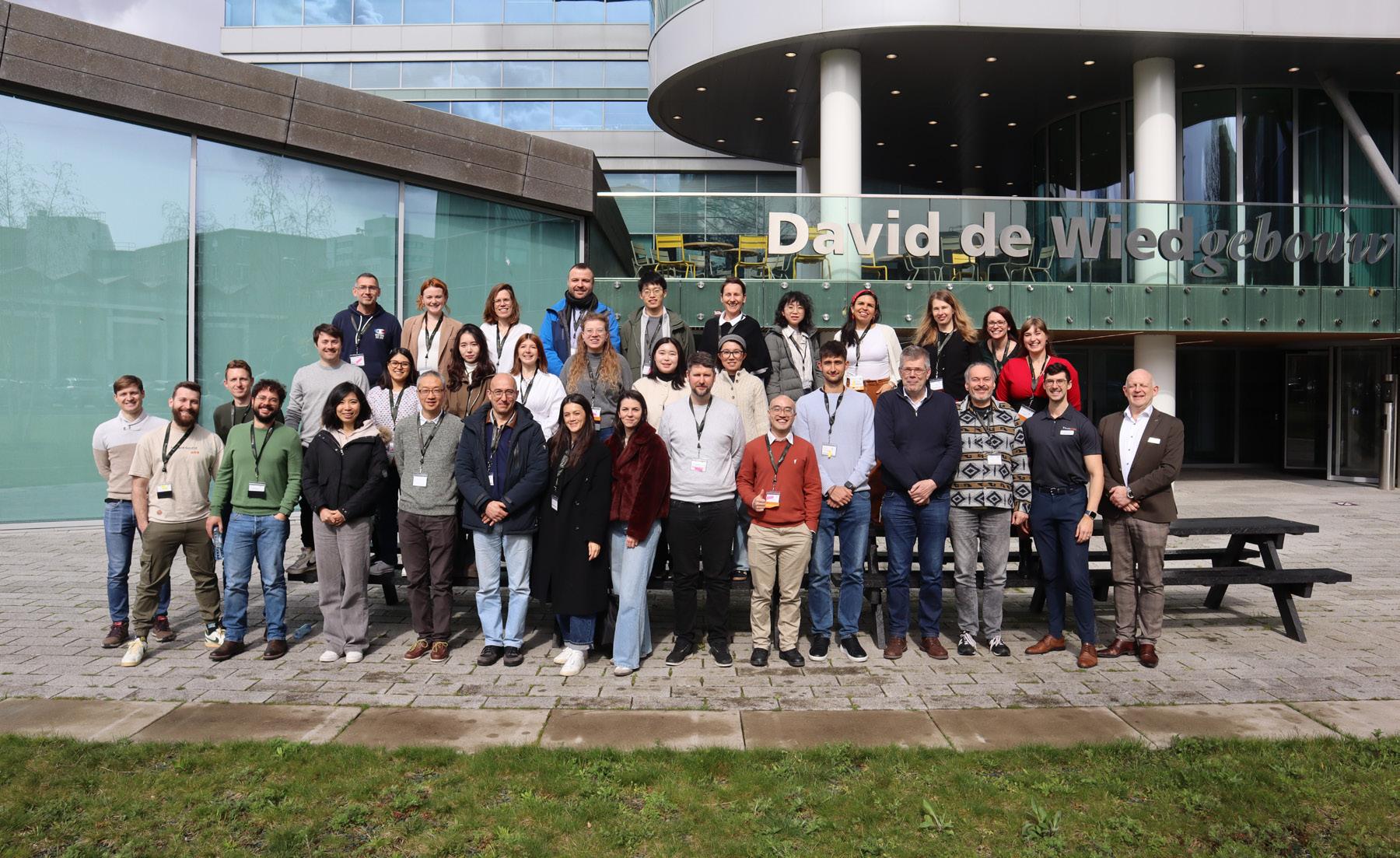
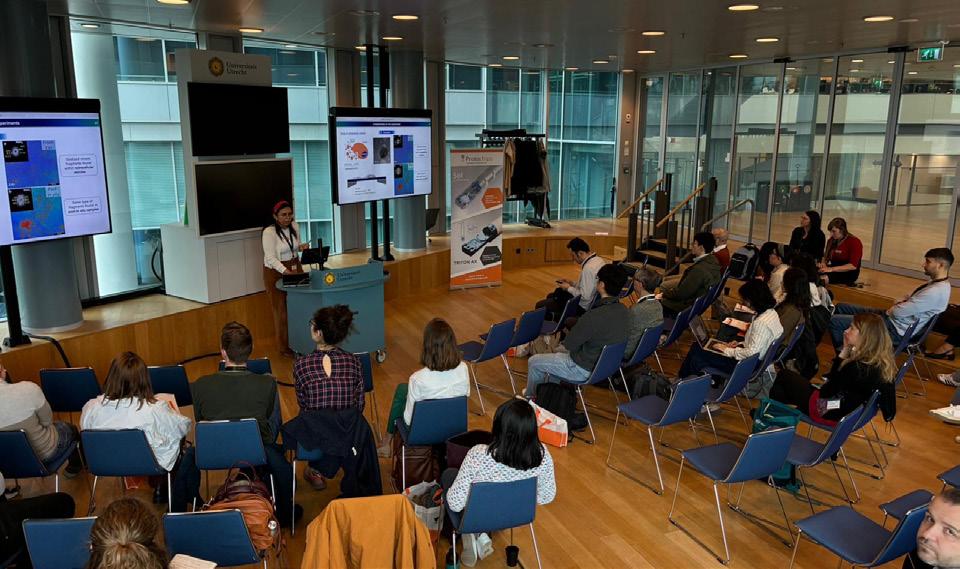
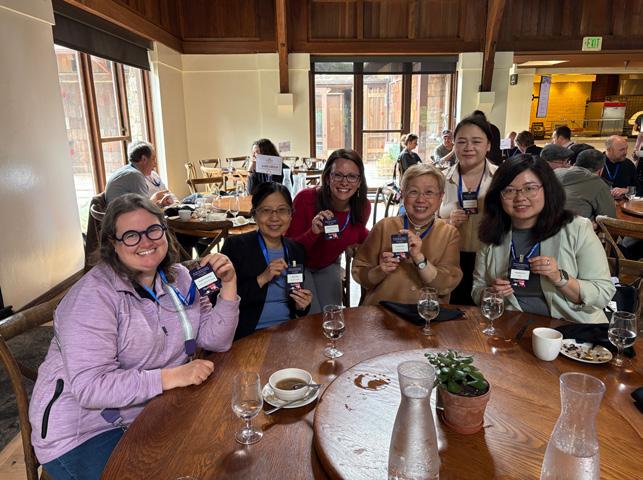
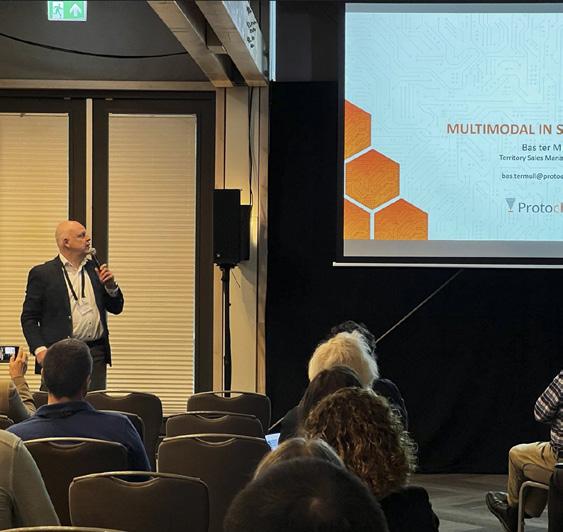
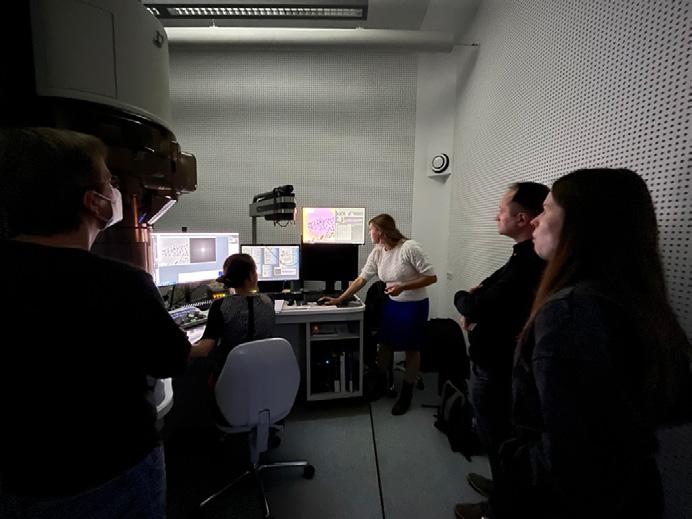
A big thank you to everyone who joined us at the Protochips User Meeting & In-Situ Academy 2026 at Universiteit Utrecht!
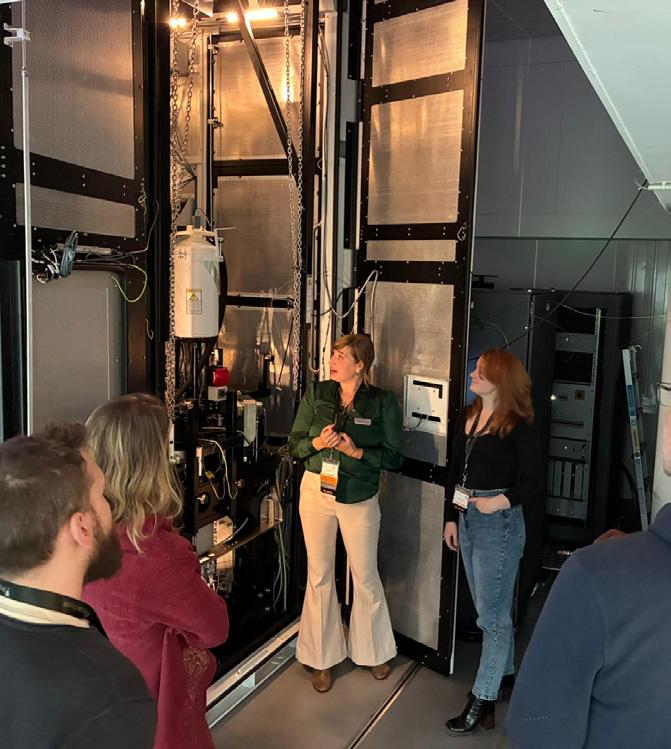
Over three inspiring days, it was fantastic to see such a strong community come together to share knowledge, exchange ideas, and explore the latest developments in in situ TEM. From engaging presentations and hands-on sessions to insightful discussions and new collaborations, the energy throughout the event was truly motivating.
We are especially grateful to all speakers, contributors, and attendees who made this event such a success. With the help of the great people at Utrecht University, we were able to host demonstrations and presentations for this wonderful event.
Looking forward to continuing the conversations and seeing how these connections and ideas evolve in the future! Look for a PhD Position? e-Chemin INM - Leibniz-Institut für Neue Materialien gGmbH in Saarbrucken (Germany) is hiring!!
Project 1: Characterization of solid-liquid and solid-solid electrochemical interfaces operando at the nanoscale
Project 2: Understanding ion adsorption and transfer in electrodes on the nanoscale
DISTRIBUTOR SPOTLIGHT
Contact Information
Clive Nottingham
Call: +44 (0)1354 669899
Email: info@cntech.co.uk
Location: Wisbech, UK
Click for the website
Protochips is pleased to welcome CN Tech as our newest distribution partner for the UK and Ireland. As a trusted supplier of industryleading scientific instrumentation, CN Tech will provide sales, support, and service for the full range of Protochips systems across the region.
With over 25 years of experience supporting the needs of research & development in both academic and industrial laboratories, CN Tech provide exceptional customer service covering everything from installation and training to service and maintenance.
CN Tech specialise in Metrology Instrumentation, Mechanical & Tribological Testing, Electron Microscopy, Surface Analysis, Environmental Isolation, Gloveboxes, Sample Preparation, and Laboratory Equipment and Consumables.
HIGHLIGHTED
FLASH TALK
Flash Talk Episode 34: Measuring Local Hydrogen Concentration in Pd Nanoparticles
Presented by Dr. Svetlana Korneychuck
This talk introduces a breakthrough method for detecting hydrogen concentration in metals at the nanoscale. Using Protochips Atmosphere and in situ-transmission electron microscopy (TEM) with STEM–EELS, researchers measured hydrogen levels in palladium nanoparticles with a resolution as fine as 4 nanometers.
The technique tracks changes in the Pd plasmon peak during hydrogen loading and release, revealing how hydrogen distribution, microstructure, and strain interact inside the material—paving the way for advances in hydrogen storage and embrittlement research.
Watch the Flash Talk Here!
PRODUCT SPOTLIGHT
AXON Dose: Mitigating Beam Artifacts for Quantifiable TEM Data
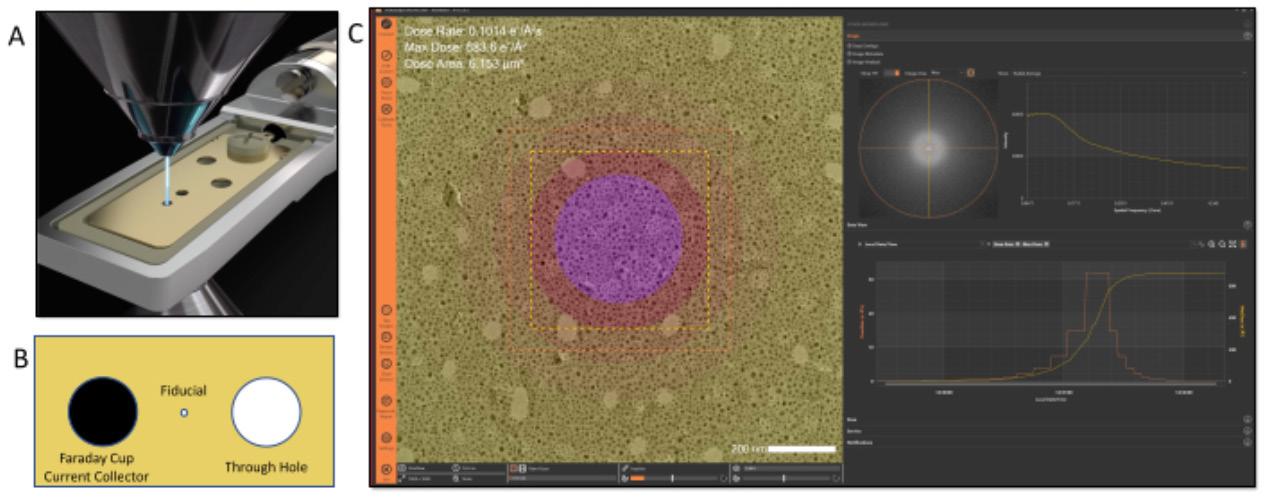
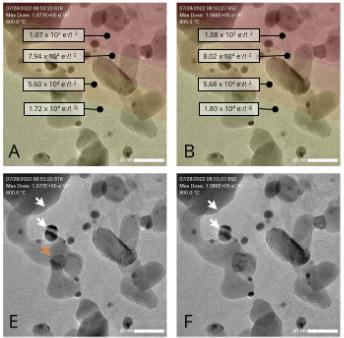
Accurate calibration and record keeping of both the cumulative electron dose and the dose rate, also known as flux (electrons per area per second) is fundamentally important for both interpreting and reproducing the results of any in situ TEM studies.
Protochips’ AXON Dose is a machine-vision software paired with a dedicated Faradaycup calibration holder designed to calibrate and index the electron dose conditions throughout the course of a TEM experiment, and index them on a pixel-by-pixel basis to each image. Once calibrated for a given set of conditions, the user can operate the microscope freely, without the need to keep track of changes to imaging conditions such as magnification, spot size, or intensity.
To aid live-imaging session, you can easily read cumulative and dose rate values, set dose threshold warnings, and apply color-mapped overlays to indicate when dose thresholds are approaching. Post experiment, you can plot and graphically represent dose conditions over the course an experiment, adjust overlays and create dose-information enriched images and movies, streamlining the path to publication.
AXON Dose:
A Front-to-Back Workflow Solution
Sample preparation
• Accurate faraday cup holder
• Calibrate your microscope and sample before measurements
Collect
• All dose data indexed during measurements
• All data findable, accessible, interoperable and reusable (FAIR)
• Automated drift and focus correction
Analyze
Publish
• Unique off-line processing software for visualizing data and creating powerful videos
• Accurately tracks, saves and calculated the accumulated dose and dose rate per pixel
• Full-resolution dose maps help to visualize the dose
• Set two thresholds to define limits for the total accumulated dose based on the sample
• For an overview of how AXON Dose is used, download our Using Protochips AXON Software for Tracking Electron Flux and Cumulative Dose
• If you’d like to see how AXON Dose can augment and enhance a dataset, you can register for the Protochips’ Success Community and download sample datasets to use with Protochips’ free analysis software AXON Studio, which is available on both the Microsoft and Apple App Stores.
EMPLOYEES SPOTLIGHT
The Manufacturing Engineering Team
Nelson Marthe
Sr. Manager, Engineering and Semiconductor Operations, HQ Protochips
Nelson started his career as a Manufacturing Engineer Co-Op at Lockheed Martin. He learned to establish manufacturing lines for complex electro-mechanical assemblies while attending the University of Central Florida for his BSc in Mechanical Engineering.
Nelson moved on to precision medical metal injection molded parts before pursuing his MSc at NC State University where he focused on integrated manufacturing systems and business. Over the 10 years at Protochips, he has established several manufacturing lines and contributed to the design of several new products.
Nelson enjoys traveling, watching and playing soccer, and hopes to see Colombia win the World Cup!
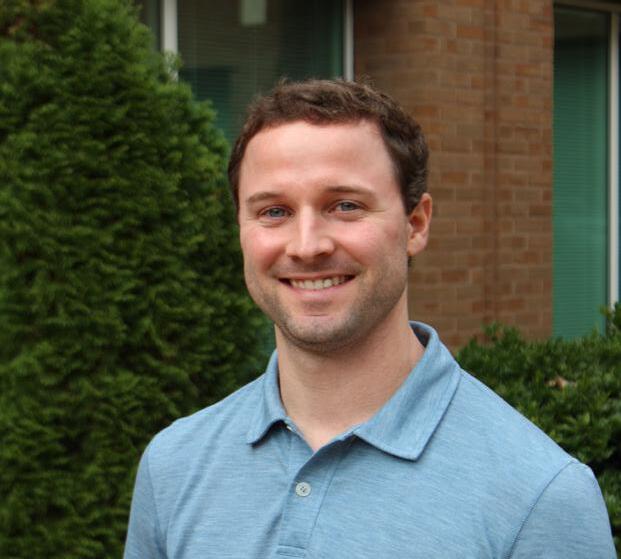
Michael Atkinson
Patrick Wellborn
Product Development Engineer, HQ Protochips
Patrick received his B.S. in Chemical Engineering from Washington and Lee University, and from there, pursued his PhD in Mechanical Engineering from Vanderbilt University. With a dissertation focus on surgical robotics, Patrick started his career working on designing and testing robot-driven surgical instruments. He then found Protochips and has worked as a Product Development Engineer for the past three years helping launch both Triton and Sol.
Patrick loves to snow ski in the Winter and wakesurf at the lake in the Summer – basically anything to get out and enjoy the outdoors!”
Manufacturing Manager, HQ Protochips
Mike is a manufacturing and engineering professional with experience in medical devices, industrial automation, and wildlife GPS/Doppler tracking technologies. At Protochips, he supports Manufacturing Engineering by developing production documentation and driving continuous process improvements. He previously served more than nine years in the U.S. Navy as an electronics technician, where he specialized in radar, communications, navigation, and electronic systems.
Outside of work, Mike enjoys camping, fishing, hiking, and exploring North Carolina’s coastline with his son.
WHERE HAVE WE BEEN?
From left to right
• Operando VIII Conference
• China Visits with Jennifer McConnell and Yaofeng Guo
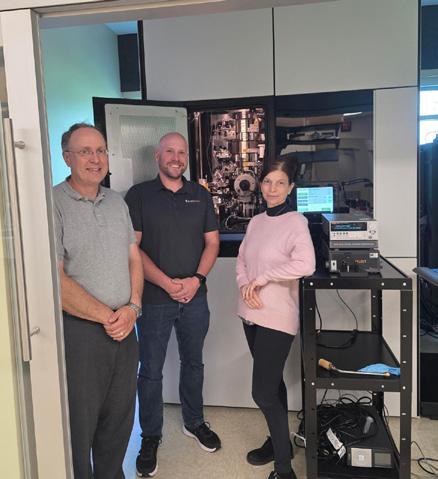
• Installation at Baylor University with Ben Addis
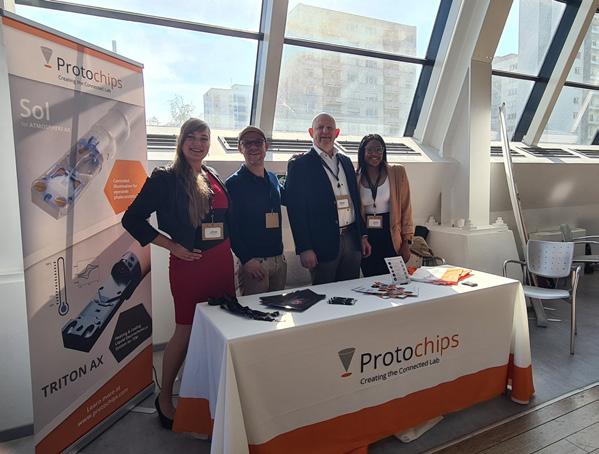
• eCatalytix in Strasbourg with Nynke Krans, Bas ter Mull, Zayna King and Stephane Aguy
• PICO with Bas ter Mull
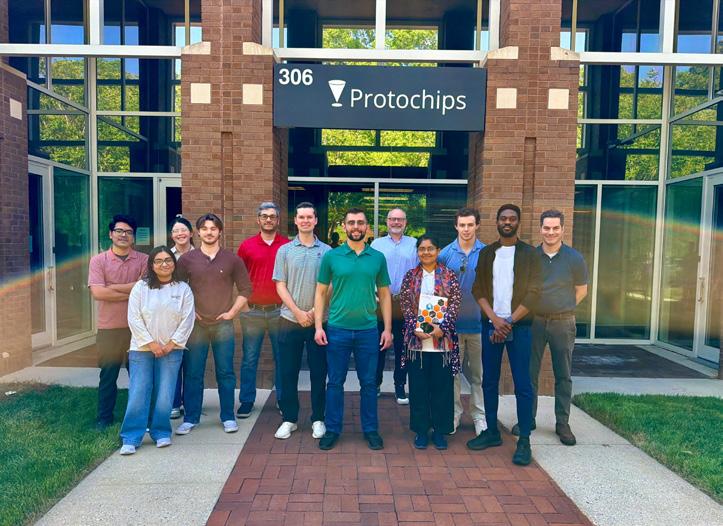
• NC State University, ECS Student Chapter at HQ
UPCOMING WORKSHOP
20 – 21 January 2027
• Lehigh University Microscopy School with Madeline Dukes 3800 Gateway Centre Blvd #306 Morrisville, NC 27560 United States
Next Generation Liquid Cell for TEM
Protochips and ER-C Jülich are pleased to invite you to the first public demonstration of the Triton AX system. This free of charge two-day workshop will provide an exclusive opportunity to experience Protochips’ newest in situ TEM system for advanced liquid heating, cooling, and electrochemistry.
More information coming soon...
Want to stay informed?
Click here to add your name to the waiting list!
PUBLICATION HIGHLIGHT
Atmosphere AX
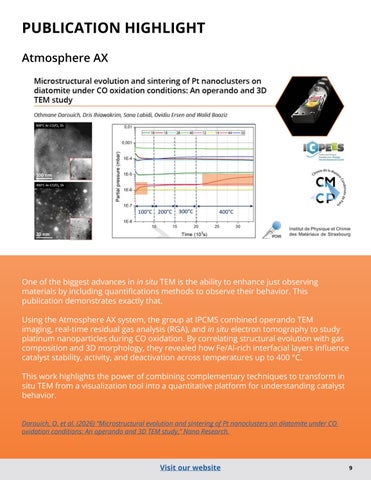
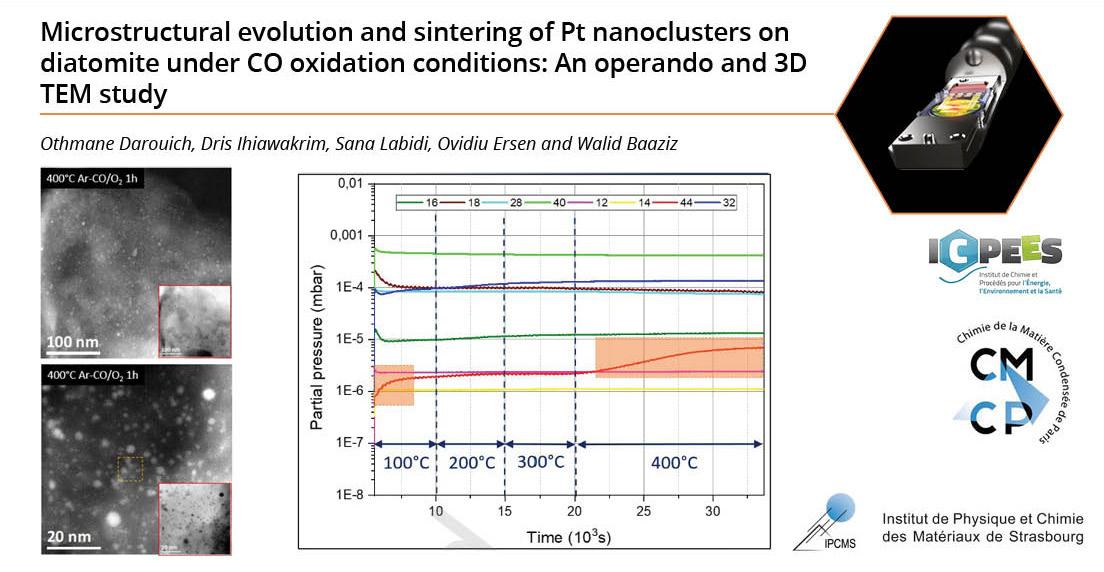
One of the biggest advances in in situ TEM is the ability to enhance just observing materials by including quantifications methods to observe their behavior. This publication demonstrates exactly that.
Using the Atmosphere AX system, the group at IPCMS combined operando TEM imaging, real-time residual gas analysis (RGA), and in situ electron tomography to study platinum nanoparticles during CO oxidation. By correlating structural evolution with gas composition and 3D morphology, they revealed how Fe/Al-rich interfacial layers influence catalyst stability, activity, and deactivation across temperatures up to 400 °C.
This work highlights the power of combining complementary techniques to transform in situ TEM from a visualization tool into a quantitative platform for understanding catalyst behavior.
Darouich, O. et al. (2026) “Microstructural evolution and sintering of Pt nanoclusters on diatomite under CO oxidation conditions: An operando and 3D TEM study,” Nano Research.
SUCCESS COMMUNITY UPDATES
The Protochips Online Customer Support Portal
Success Community Update: Summer 2026
The Protochips’ Success Community serves as a hub for product user guides, workflows, FAQs, specifications and educational in situ content. The Success Community is continually expanding, adding new articles and workflows and updating articles to improve the user experience.
Gas-Cell Highlights: Atmosphere and Sol Users1
As we begin to ship out our first commercial Sol for Atmosphere AX systems, new users will find everything they need to get started using the system in the Atmosphere AX Support Articles. Users can follow the Sol Quick Start Guide to setup, calibrate and start using the photoillumination features of the Sol for Atmosphere AX system. In addition to the Sol User Guides, we have updated and expanded many of the existing Atmosphere articles, including Atmosphere E-chip and Holder Setup, Software Introduction and E-chip Ordering Guide.
Do you struggle with contamination during gas-cell experiments? You can learn more about the common types of contamination encountered and the strategies to reduce them in How to Mitigate Contamination During Gas-Cell TEM Experiments. Then, follow our step-by-step Workflow to Optimize Cleanliness of the Atmosphere Manifold to help maximize system cleanliness prior to sensitive experiments.
In Situ TEM Studies2
Are you looking for in situ TEM resources or papers? Find papers on fundamental in situ concepts, as well as practical guides such as a sample preparation here:
Liquid Phase TEM
• LPTEM Resolution & Imaging Fundamentals
• Electron Dose Theory & Liquid-TEM Sample Preparation
• FIB Sample Preparation Workflows for MEMs E-Chips
• Precision Sample Deposition onto MEMs E-chips
Tell Us What You Think
What do you think about the Success Community and its content? As a Protochips’ user we want to from you about your experience and how you use the Protochips’ Success Community by sharing your thoughts in our Success Community Survey. Users who complete Success Community Survey will receive a 10% discount on up two boxes of E-chips.3
Upcoming Events
M&M 2026
Milwaukee, USA
August 18 - 23, 2026
ToCat
Tokyo, Japan
March 18 - 23, 2026
MSAM
Jeju, South Korea
November 10 - 13, 2026
MRS Fall Boston, USA
Nov. 29 - Dec. 4, 2026
Where are we based?
IMC21
Liverpool, UK
August 30 - September 4, 2026
FEMMS 2026
Newport Beach, USA
December 7 - 11, 2026
AMERICAS
RALEIGH, NORTH CAROLINA, USA
Protochips HQ, Service, Sales
SOUTH CAROLINA, USA Applications
EMEA
UTRECHT, NETHERLANDS Applications
BERLIN, GERMANY Service
LONDON, ENGLAND Sales
LOCHEM, NETHERLANDS Sales
ASIA
OSAKA, JAPAN Service
TOKYO, JAPAN Applications
DISTRIBUTORS
CLICK HERE TO FIND OUR DISTRIBUTORS ON THE WEBSITE