Surface mining
Critical minerals
Engineering capabilities
Volume 118/6 | JULY 2026
Surface mining
Critical minerals
Engineering capabilities
Volume 118/6 | JULY 2026
Maximising asset life through innovation
Cross-border backing is becoming a feature of large, rare earth developments, as customers and governments move earlier to secure exposure to future supply.

Arare earths project in the Northern Territory is not usually the sort of thing that attracts attention from governments and institutions around the world.
Yet that is exactly what has happened with Arafura Rare Earths’ Nolans endeavour.
Arafura was first listed on the ASX in 2003, at a time when rare earths attracted only a fraction of the attention they receive today – electric vehicles were still a novelty, large-scale renewable energy projects were relatively uncommon, and governments were not looking to boost critical mineral supply chains.
Nearly 20 years on, the circumstances surrounding Nolans look very different.
Especially rare is the project’s global fan-base, with support for the development now stretching across Australia, Germany, Canada, South Korea and the United States.
This scope of backing gives us a useful measure of how rapidly rare earths have moved up the international agenda, which, traditionally and for much of the mining industry’s history, focused instead on commodities such as iron ore, coal and copper.
These major metals dominated discussions around economic growth and industrial development, with rare earths occupying a far smaller corner of the sector.
Those days are long gone, and rare earths have been promoted to the corner office.
Rare earth elements are used in the permanent magnets found in electric vehicles, wind turbines and a growing range of advanced technologies.
As a result, manufacturers want reliable supply, governments want supply chains that can support domestic industries and strategic capabilities, and investors are paying close attention to projects capable of meeting that demand.
It’s no surprise then that all eyes are now on Nolans.
The project recently reached a final investment decision and received approval to move towards construction, marking a major milestone for a
development that has spent years progressing through studies, approvals, financing activities and customer negotiations.
Recent months have also brought additional offtake agreements, including arrangements with Traxys, alongside funding commitments from a range of domestic and international institutions.
Boosting things further, the Federal Government has played a major role through multiple funding mechanisms, while support from overseas partners reflects growing international interest in establishing additional sources of rare earth supply.
Few development projects attract that breadth of support. Governments, financiers and customers are often working towards different objectives, but Nolans has drawn those groups together around a shared interest in bringing new rare earth production to market.
The project is expected to create hundreds of construction jobs and ongoing operational roles in the Northern Territory.
It will also produce rare earth oxides destined for customers participating in some of the world’s fastest-growing industries.
Years of planning and partnership-building are giving way to activity on the ground, with work set to begin on a project that has clearly become important to both Australian and international stakeholders.
The mining industry frequently discusses the opportunities emerging across critical minerals. Nolans offers a practical example of what those opportunities look like when customer demand, investment and long-term commitment align behind a single project.
Paul Hayes Managing Editor
Front cover
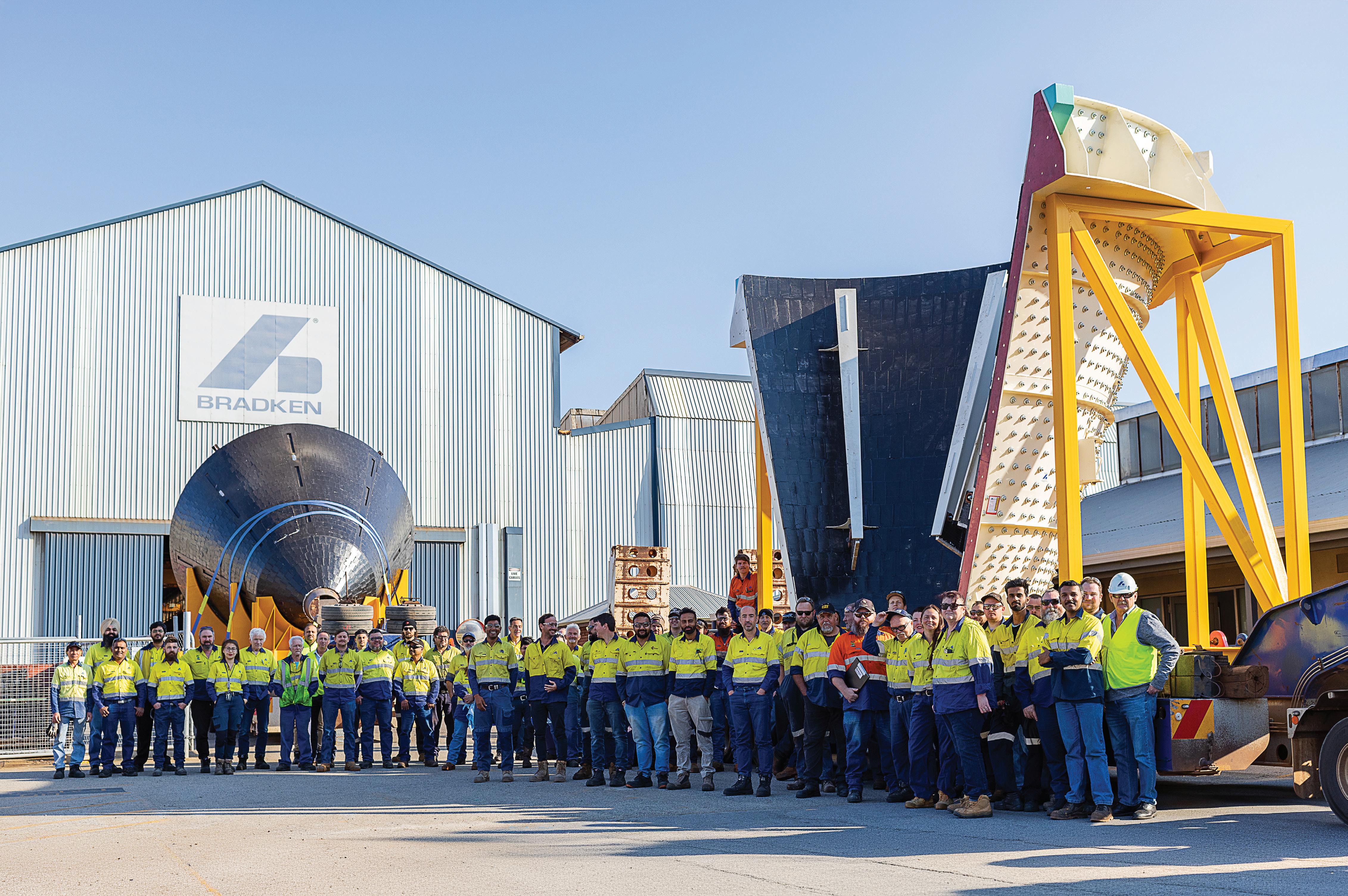
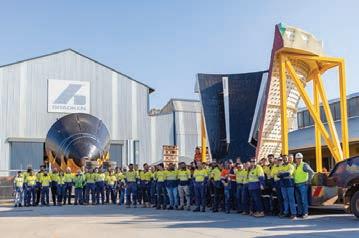
Bradken is an Australian engineering firm that designs and manufactures wear products and components for heavy industries, primarily serving the mining, rail and resources sectors.
Bradken offers products such as ground engaging tools, mill liners, crusher liners and cast metal components, along with rail freight components and related aftermarket parts. The company focuses on improving equipment durability and performance in harsh operating environments, supporting both original equipment manufacturers and operators with engineered, highwear solutions and maintenance-focused services.
Cover image:Bradken
Chairman John Murphy
Chief Executive Officer Christine Clancy
Managing Editor Paul Hayes paul.hayes@primecreative.com.au
Assistant Editor Engel Schmidl engelbert.schmidl@primecreative.com.au
Journalists Dylan Brown dylan.brown@primecreative.com.au
Ben Cartwright ben.cartwright@primecreative.com.au
Ethan Benedicto ethan.benedicto@primecreative.com.au
Client Success Manager Janine Clements 02 9439 7227 janine.clements@primecreative.com.au
Sales Manager Jonathan Duckett 0498 091 027 jonathan.duckett@primecreative.com.au
Business Development Managers James Phipps 0466 005 715 james.phipps@primecreative.com.au
Rob O’Bryan 0411 067 795 robert.obryan@primecreative.com.au
Art Director Michelle Weston michelle.weston@primecreative.com.au

Bradken® is a leading mill liner solutions provider, we specialize in delivering innovative products tailored to suit AG, SAG, Ball, and Rod Mills.
Our customers strive for safety, productivity, and efficiency in their mineral processing operations. That’s why we offer a diverse range of mill lining solutions, including steel and rubber-composite liners, each solution is designed to meet application requirements across various conditions.
Bradken® leverages over 100 years of expertise in parts design and manufacturing, combining advanced data analysis and expert simulations to help customers optimize productivity, throughput, availability, safety, efficiency, and energy consumption.
Our team is focused on delivering quality Mill Solutions targeted to improve mill operations through optimised liner designs, manufacturing expertise and advanced material innovation.





Critical minerals
Can Queensland fast-track its critical minerals future?
New state legislation aims to reduce approval delays and help projects quickly move from discovery to production.
10 Asset maintenance
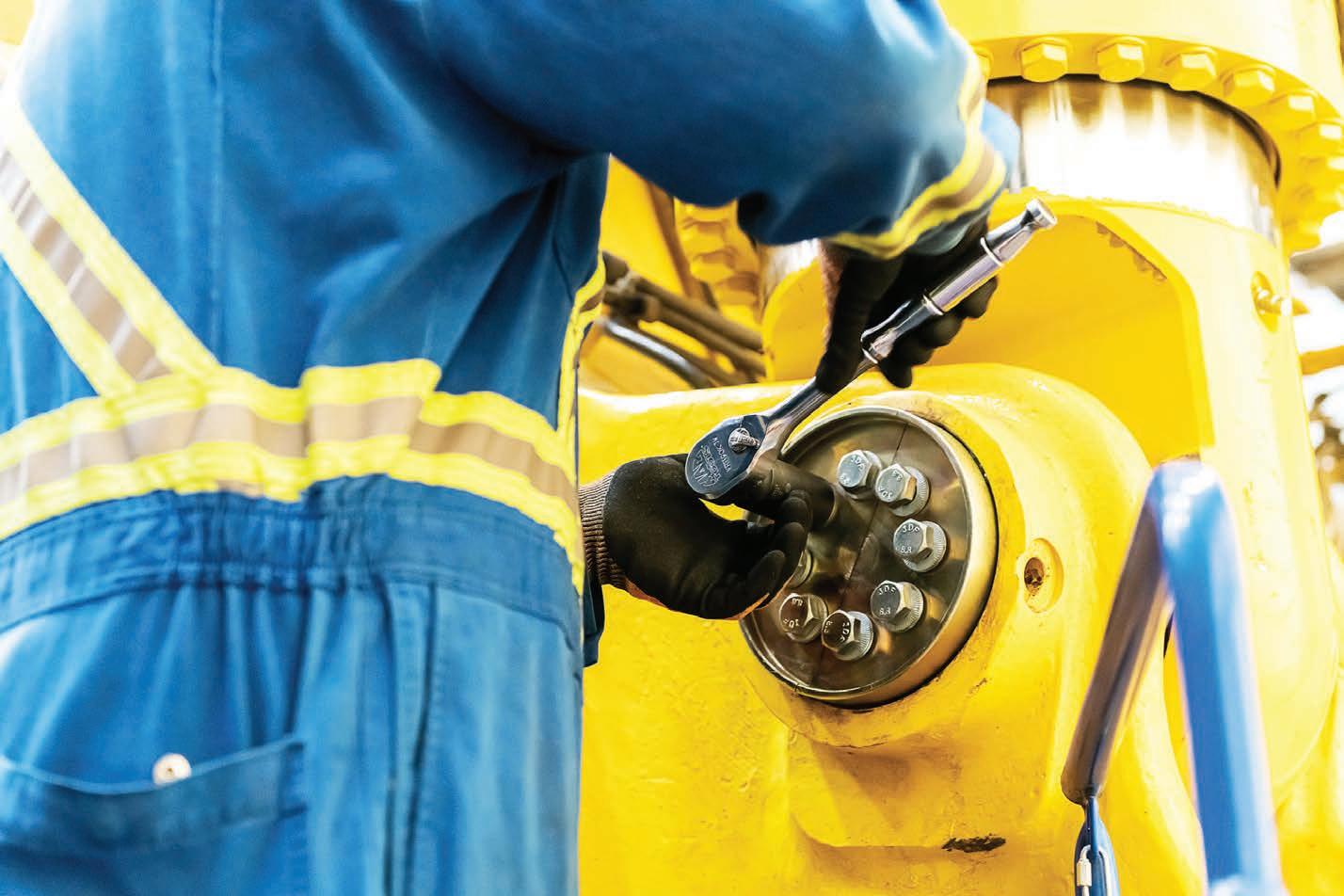
Complete asset solutions
Bradken’s expanded facility in Western Australia is reinforcing its capability to deliver high-end asset refurbishment and long-term maintenance solutions.
14 Surface mining
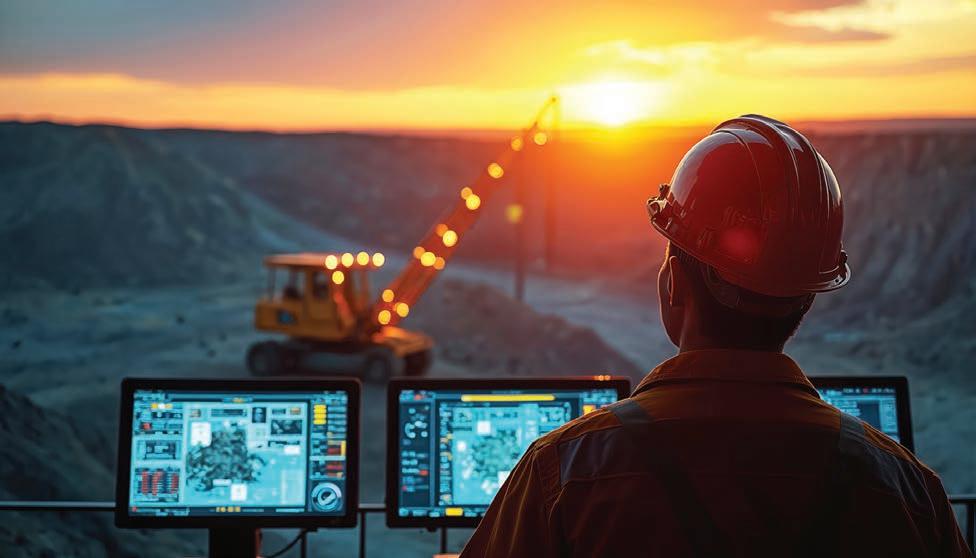
Surface mining enters a smarter era
Australia’s surface mining sector has a renewed focus on productivity, technology integration and long-term operational efficiency.
28 Surface mining
82 Industry events
Adelaide’s mining moment
One of Australia’s most productive mining regions is getting an event of its own, with HVME set to make its debut in the Hunter Valley in 2027. 14 84
22
88 Industry events
Built for the Hunter
The reliability blind spot
Reliability is reshaping how surface miners think about value, cost and performance

South Australia’s growing influence in critical minerals, technology and project development is set to form the perfect backdrop for AIMEX 2027.
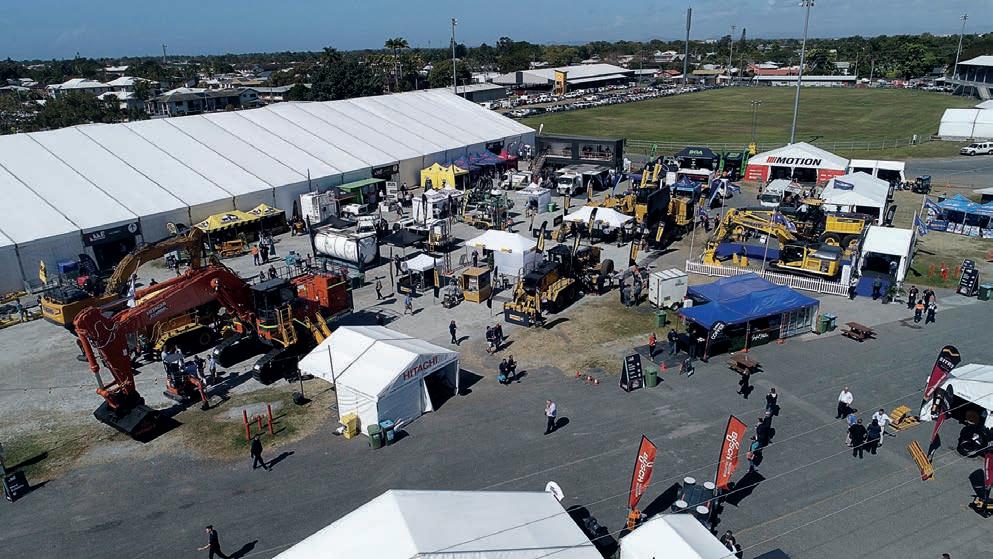
Industry groups believe improved planning will play a key role in advancing Queensland’s critical minerals ambitions.
New state legislation aims to reduce approval delays, improve infrastructure coordination and help projects quickly move from discovery to production.

ueensland’s push to become a major player in global critical minerals supply chains may depend as much on infrastructure and approvals as it does on geology.
While the state hosts significant deposits of minerals needed for batteries, renewable energy technologies and advanced manufacturing, moving projects from discovery into production can be a lengthy process. Industry groups have long said that delays associated with approvals, infrastructure planning and regulatory coordination can slow the development of otherwise viable projects.
New legislation recently introduced by the Queensland Government aims to address those challenges.
The State Development and Public Works Organisation (Critical Minerals) and Other Legislation Amendment Bill 2026 will establish a new pathway for strategically important developments while strengthening the coordination of the infrastructure needed to support major projects.
Under the reforms, projects considered of the highest significance can be recognised as State Strategic Projects, giving them access to streamlined regulatory pathways and improved coordination of enabling infrastructure.
The framework will apply to critical minerals developments as well as other projects deemed strategically important to Queensland’s economic future.
For the resources sector, the changes represent more than a straightforward adjustment to the approvals process.
Industry leaders believe they reflect a growing recognition that the success of critical minerals projects often depends
on a range of factors beyond the mine site itself.
“Critical minerals development doesn’t stop at the mine gate,” Association of Mining and Exploration Companies (AMEC) chief executive officer (CEO) Warren Pearce said. “Planning for long-term infrastructure such as ports, rail, water and energy supply must be coordinated and forward-looking.”
For many projects, particularly those located in regional and remote areas, access to transport corridors, power and water infrastructure can determine whether a development proceeds or remains stranded.
AMEC believes stronger coordination between government agencies,
proponents could help remove some of the bottlenecks that have historically slowed development timelines.
“For many critical minerals projects, particularly in regional and remote areas, access to well-coordinated infrastructure is often the difference between a project proceeding or stalling,” Pearce said.
“Better planning and alignment will give greater certainty and help projects move from discovery to production faster.”
The Queensland Resources Council (QRC) has also welcomed the reforms, describing them as an opportunity to create a more efficient approvals framework while maintaining existing environmental and regulatory standards.
QRC CEO Janette Hewson said the
The Queensland Government is aiming to address delays associated with approvals, infrastructure planning and regulatory coordination.
and provide greater certainty for investors and project developers.
“This bill is a major step toward a more streamlined, coordinated approvals system cutting duplication, improving certainty for proponents, and accelerating projects of state importance,” Hewson said.
“It will help unlock investment and fasttrack the transition from exploration to production for resource projects including critical minerals.”
The reforms arrive as competition intensifies globally to secure supplies of critical minerals. Governments around the world are seeking reliable sources of commodities essential to electrification, energy storage and advanced technologies, creating new opportunities for resourcerich jurisdictions such as Queensland.

Queensland Deputy Premier Jarrod Bleijie said the legislation will help position the state to capitalise on those opportunities.
“We’re sending a clear message to the resources, critical minerals, even tourism sectors, as well as communities: Queensland welcomes projects that create jobs, support regional communities and strengthen our economy,” Bleijie said.
For the industry, the potential benefits include better infrastructure planning, more coordinated approvals and greater certainty that could help bolster Queensland’s competitiveness as investment in critical minerals continues to accelerate globally.
“Strengthening coordination across government and prioritising enabling infrastructure will improve project timelines, reduce duplication, and enhance Queensland’s attractiveness as an investment destination,” Pearce said. AM
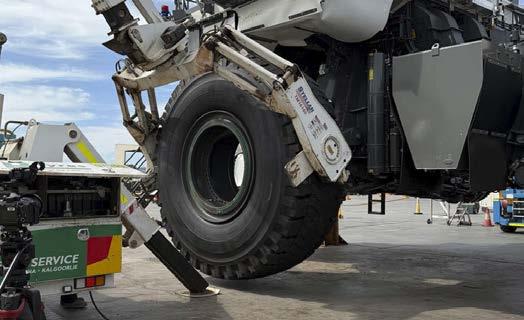

OTR is at the forefront of tyre, wheel and service innovation, proudly supporting Australia’s mining, construction, transport, agricultural and industrial sectors. We deliver unmatched capability, performance and reliability across every site and every haul road. Our commitment is simple, if your tyres or wheels stop, your production stops - so we’re here to keep you moving.
OTR is Australia’s leading independent partner for off‑highway tyres, wheels, consumables and service solutions. With nationwide manufacturing, service hubs, and on‑site support teams, we provide the most comprehensive ground‑contact offering in the country.
With deep expertise across mining and heavy industry, OTR is trusted by major operations to deliver safe, compliant, and cost‑effective solutions built for tough Australian conditions.
•Massive range & stocks of earthmover, truck & LV tyres.
•Full range from 6” through to 63” from leading global brands.
• Tyre fitting, rotation, change‑outs and on‑site support.
• Tyre pressure management and haul profile optimisation.
• Tyre valving, O‑rings & tooling
•Wheels, rims, assemblies & components.
• Australian manufactured with in‑house design.
• Test, repair & certification under Australian Standards AS4457.1.
•Latest MID and MRD compliance.
• Mobile fitting capability for large OTR assemblies.
• Dedicated tyre & wheel technicians for major mining operations.
• On‑site wheel, rim & tyre management programs.
•Tyre Handlers, mine site spec for sale or hire.
• Industry‑accredited Cert II tyre fitting and safety training.
• RTO provided on‑site or at OTR facilities.
WITH SERVICE HUBS AND MANUFACTURING FACILITIES
ACROSS AUSTRALIA, OTR PROVIDES RAPID RESPONSE AND CONSISTENT SUPPORT WHEREVER YOU OPERATE.

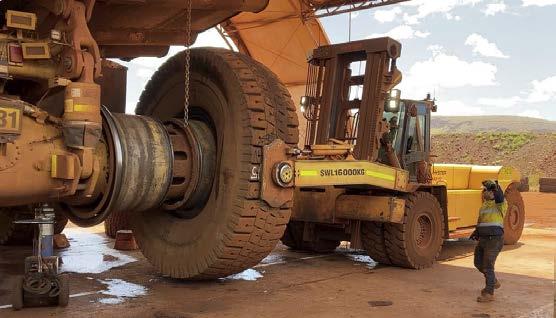
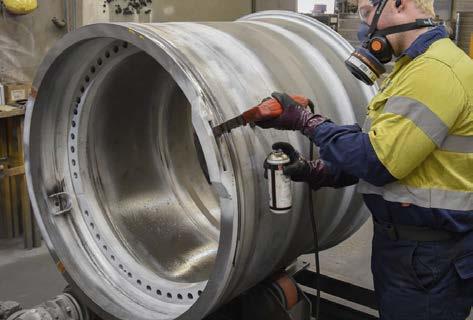

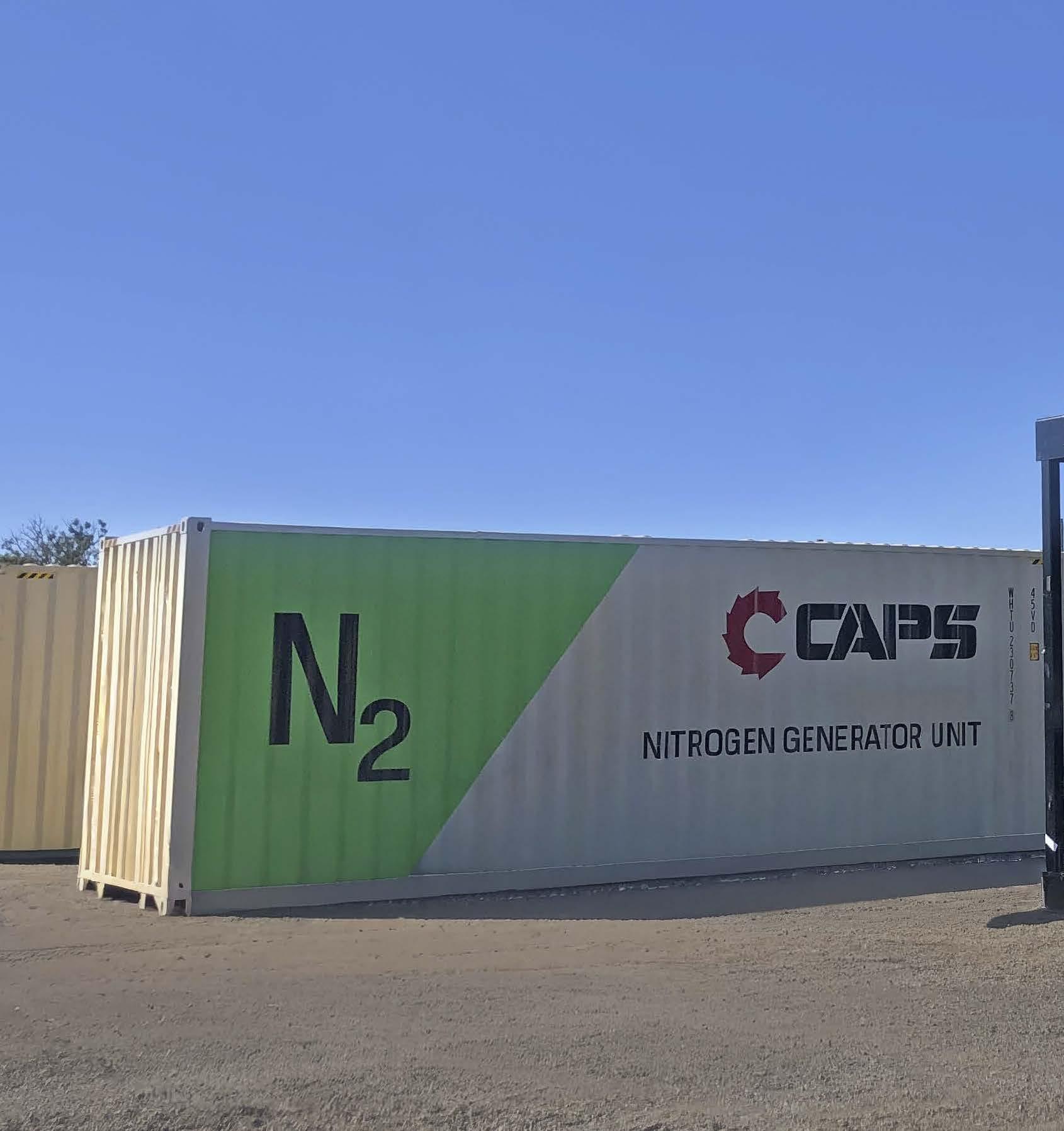
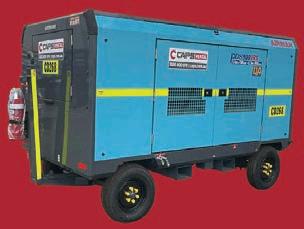
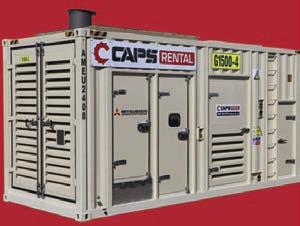
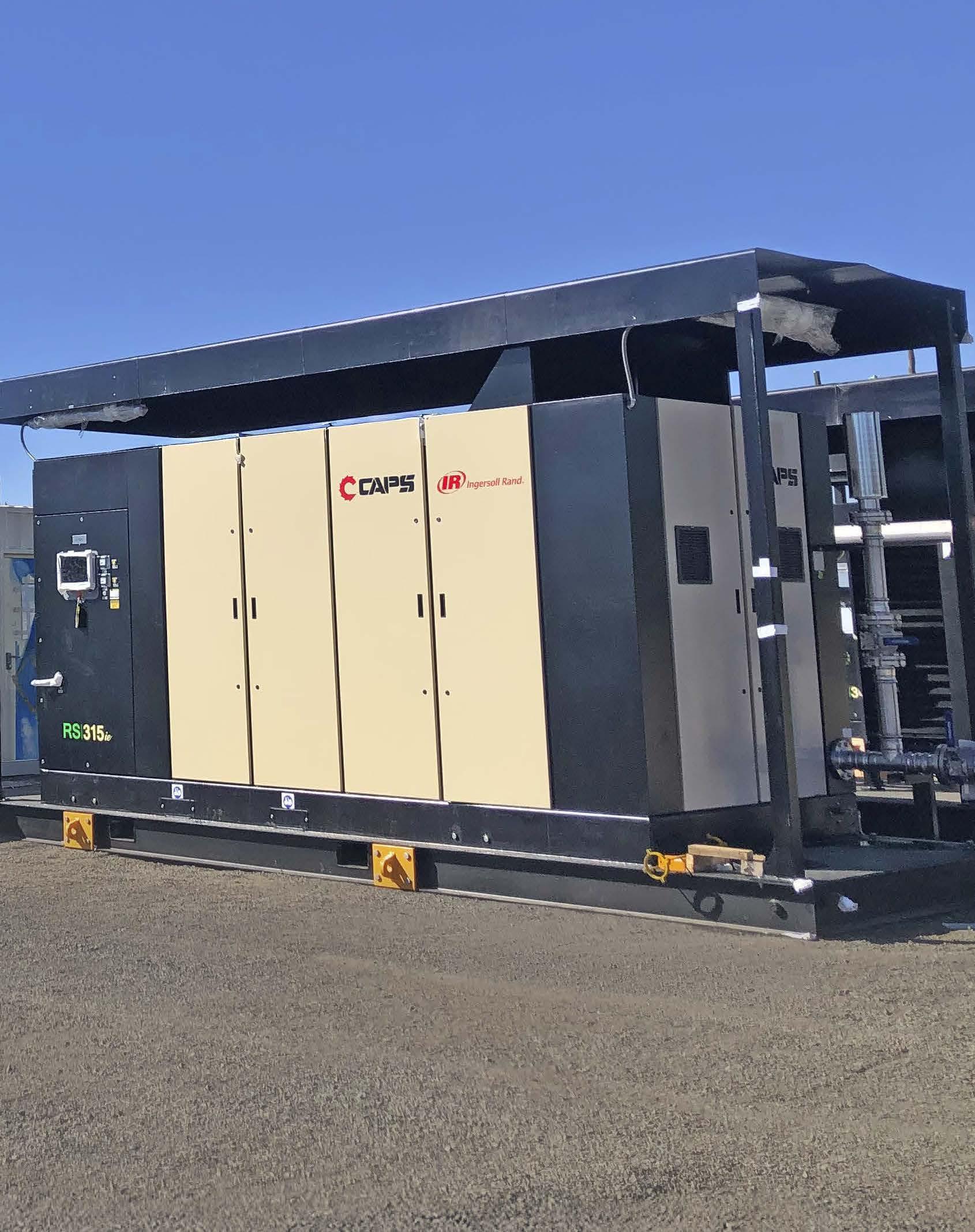
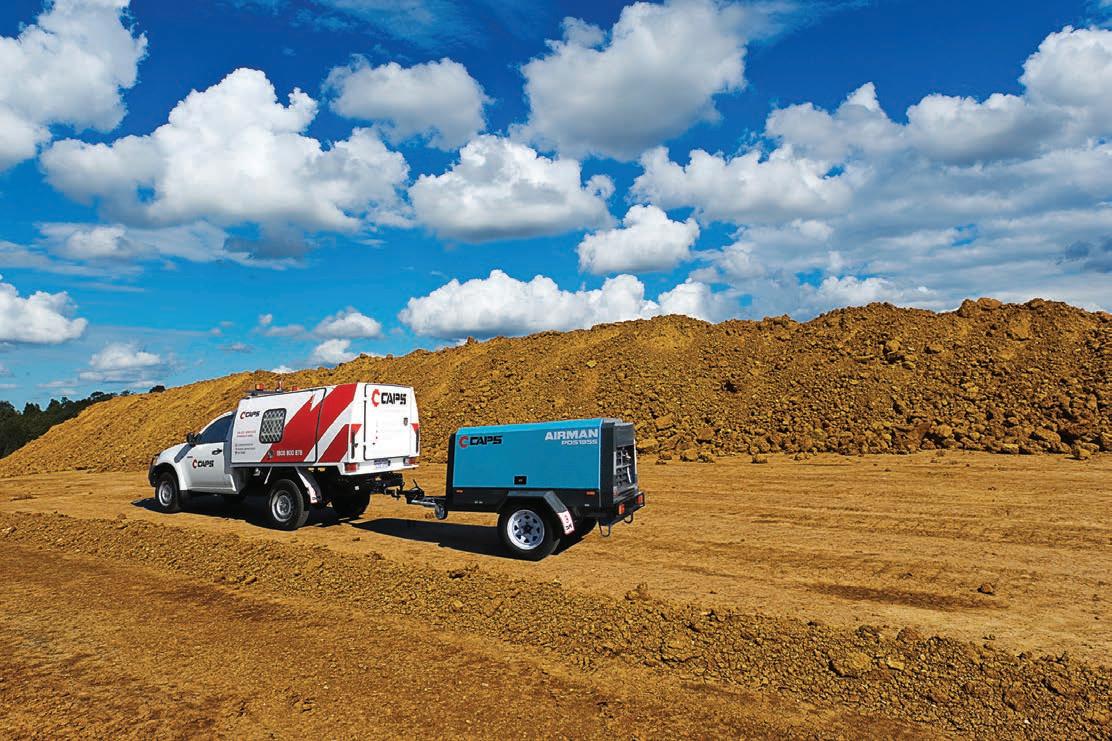
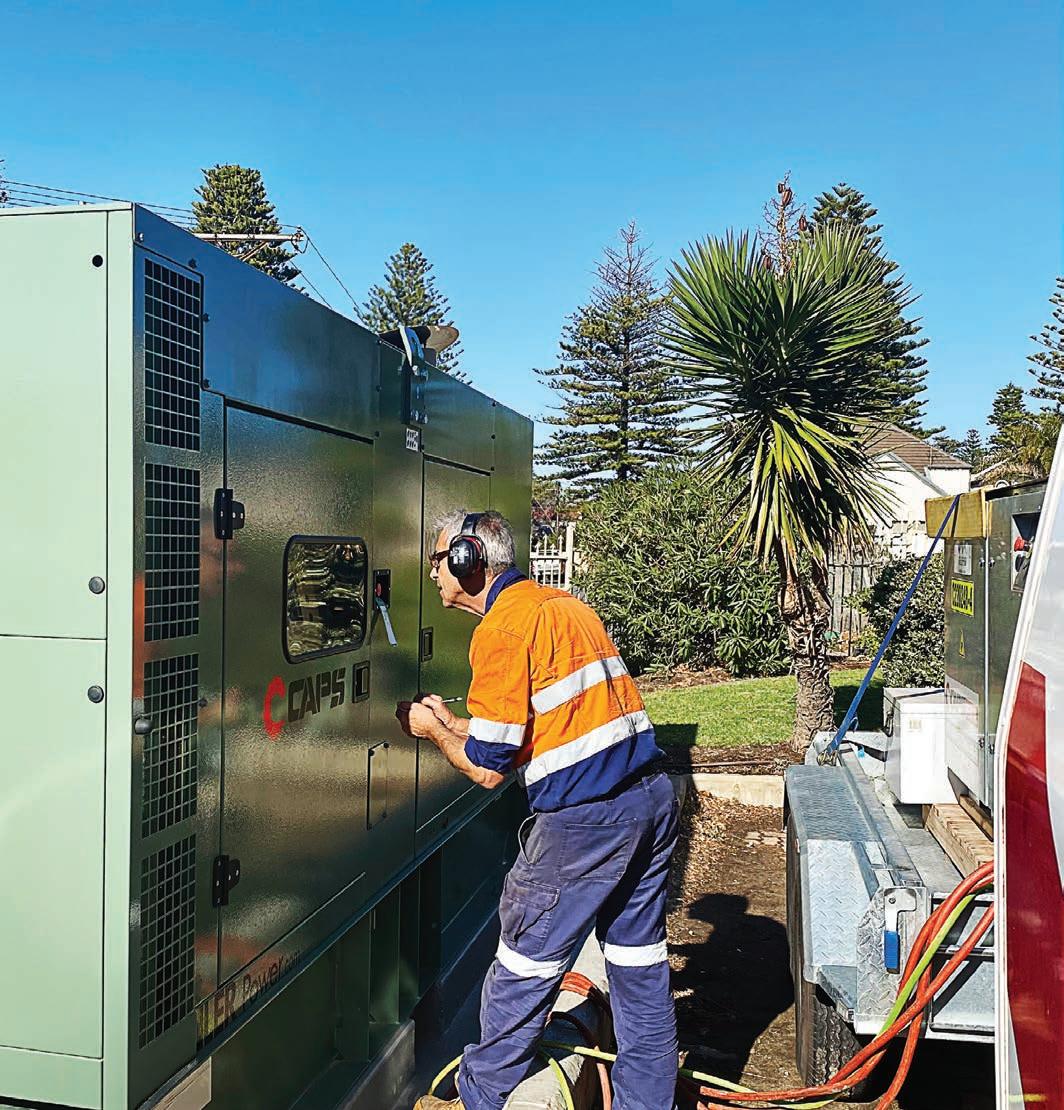
Backed with reliable service and technical support, CAPS helps minimise any operational downtime.



expanded facility in Western Australia is reinforcing its capability to deliver high-end asset refurbishment and long-term maintenance solutions.
With more than 100 years of experience in the global mining and resources sector, Bradken has built a reputation for delivering high-quality wear solutions. Today, the company continues to evolve its capability by integrating high-quality operational execution with advanced technology to solve the mining industry’s most complex asset challenges.
Achieving peak efficiency in mining operations has always been at the core of Bradken’s approach. Through technically driven, customer-focused engineering, Bradken designs, manufactures and supplies high-quality wear parts and delivers integrated solutions from its Western Australian foundry and fabrication facilities.
Complementing this capability is a suite of innovative “smart” technologies embedded across a broad range of mining products, enabling real-time data insights that drive true asset optimisation. Safety remains a fundamental principle, with all solutions designed to ensure safe execution, not only within Bradken’s operations, but also for customers in the
As part of a significant multi-million dollar investment, Bradken’s Bassendean fabrication facility has undergone a full refurbishment, introducing state-of-theart equipment and significantly enhancing production capability.
This uplift enables the delivery of complete asset solutions required for mining operations.
Combined with the company’s foundry in Wundowie, Bradken offers a fully integrated, end-to-end solution to deliver customised wear parts tailored to each customer’s operational requirements, quality expectations, and budget.
To further strengthen delivery, Bradken has undertaken a comprehensive operational redesign, utilising intelligent data systems, lean manufacturing principles and optimised delivery processes. This transformation enhances efficiency and responsiveness, reinforcing Bradken’s legacy of high-quality, customer-centric solutions.
Built on a foundation of innovation and excellence, the teams at Bradken’s Bassendean and Wundowie facilities are a testament to the organisation’s strong
“I look forward to continuing to innovate and unlocking the full potential of our Western Australian operation,” Bradken site manager WA operations Emma Murray said.
The refurbishment of fixed and mobile plant components at these facilities enables rapid change-out and return to service, minimising downtime and maximising production continuity. Through close collaboration with customers, Bradken identifies critical asset challenges and delivers engineered solutions.
One such example involved addressing performance limitations in a train load-out (TLO) system, where Bradken’s delivered a tailored solution to significantly improve operational reliability and performance.
“By focusing on delivering solutions that create real value for our customers. This plug-and-play TLO approach reduced downtime, improved reliability, and delivered a measurable reduction in total cost of ownership, exactly the outcomes our customers expect,” Bradken sales manager fixed plant products Steve Mackay said.
This solution was fully tested at the
installed during a scheduled shutdown, significantly reducing downtime and improving overall operational efficiency.
Alongside its TLO rotable capability, Bradken’s Bassendean facility continues to play a central role in the supply of fixed plant wear solutions across Australasia. This includes rotable and chute refurbishments, as well as mobile plant support.
A rotable is a high-value, serialised spare part or component that can be repeatedly repaired, overhauled and returned to service rather than being discarded after a single use.
The recent expansion has significantly increased production capacity across key product lines, including Bradken’s Duablock and ceramic wear systems, enabling improved responsiveness, greater scheduling flexibility and stronger alignment with customer demand.
The increased production scale supports consistent output across both rotable and fixed plant product streams, providing customers with a reliable and predictable supply for planned maintenance cycles and ongoing
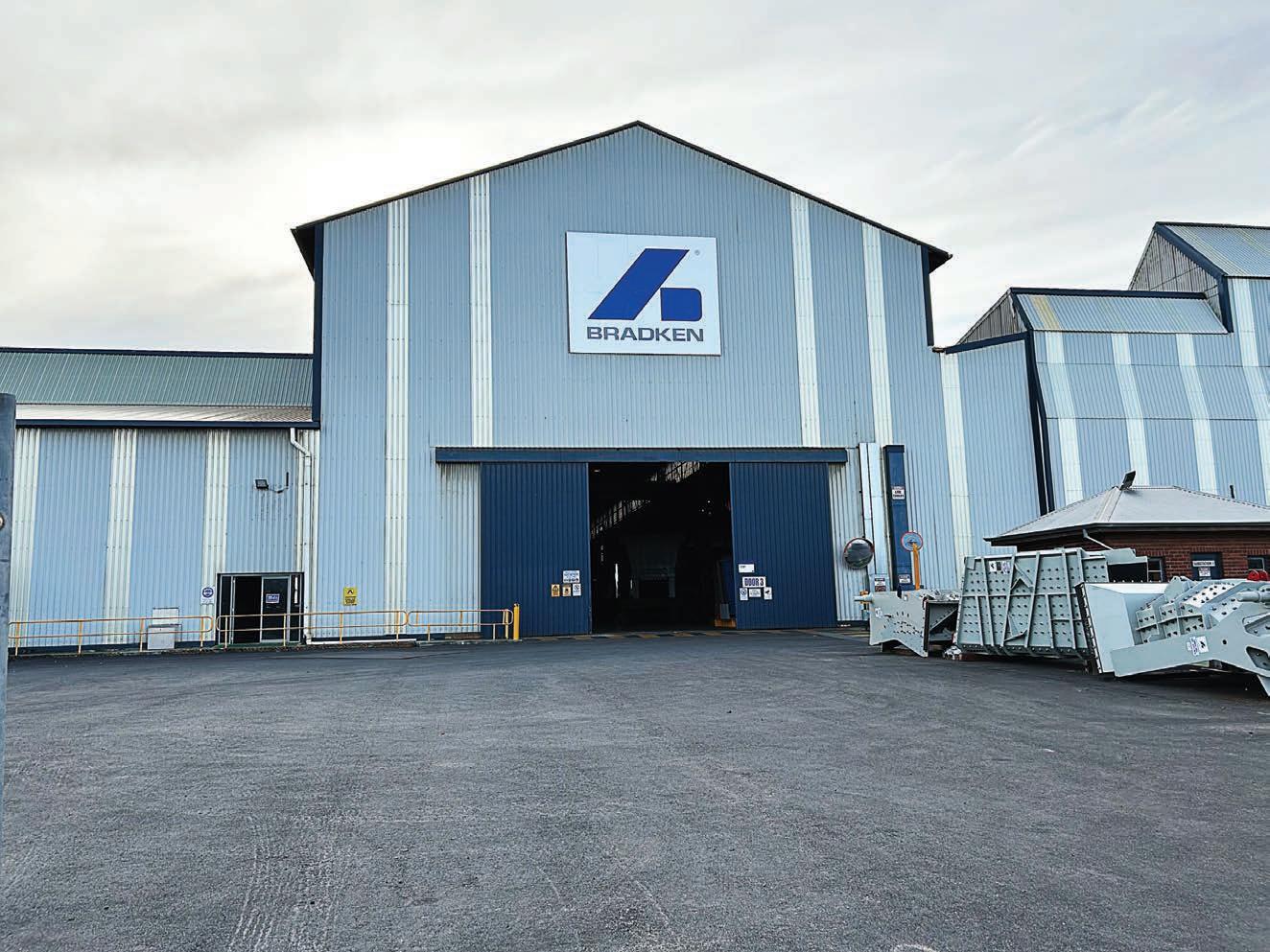
The Bassendean expansion incorporates significant infrastructure upgrades designed to increase throughput, improve efficiency, and support a broader range of complex manufacturing and refurbishment activities.
Key enhancements include upgraded site power infrastructure, expanded waterjet cutting capabilities, increased vacuum brazing furnace capacity and improved cranage and material handling systems, ultimately supporting an increased operational workload to better serve customers.
A key addition is the introduction of a dedicated TLO chute refurbishment and testing rig for guillotine gates and
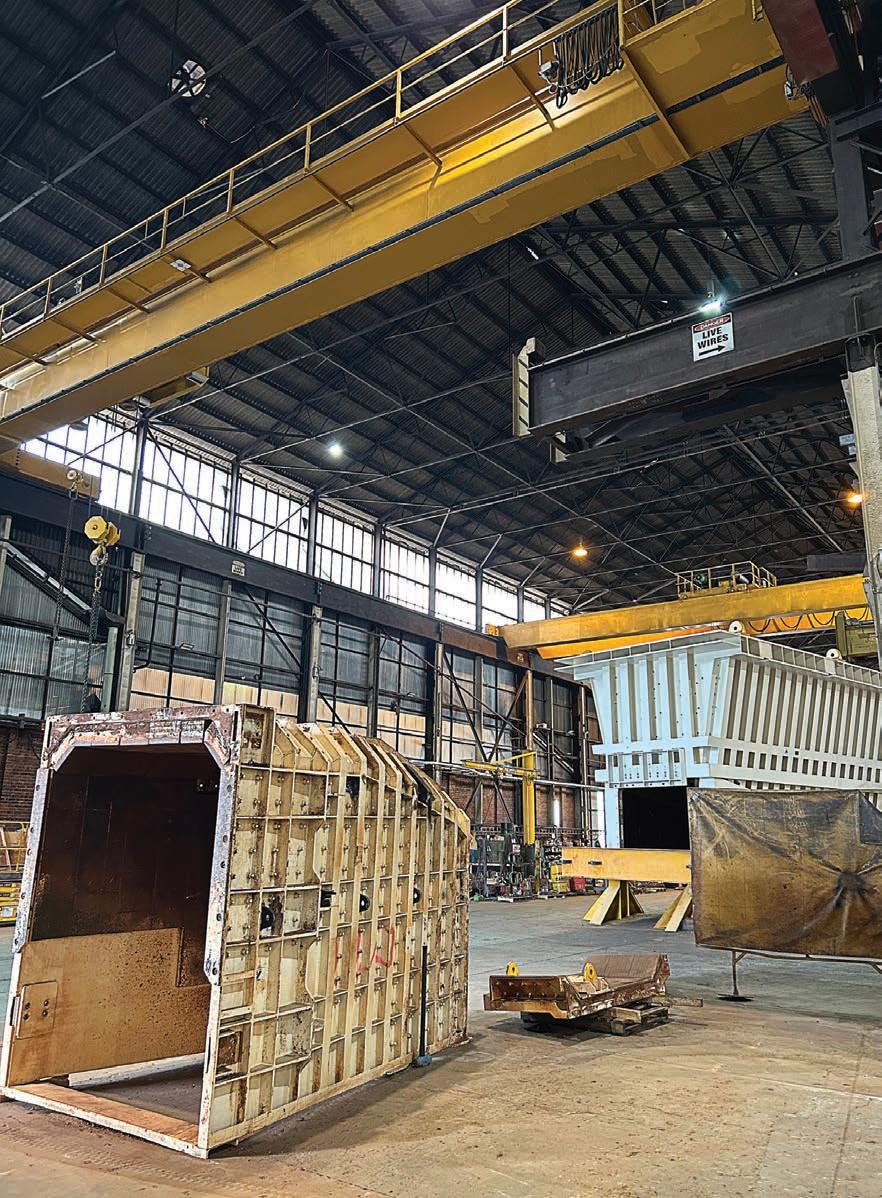
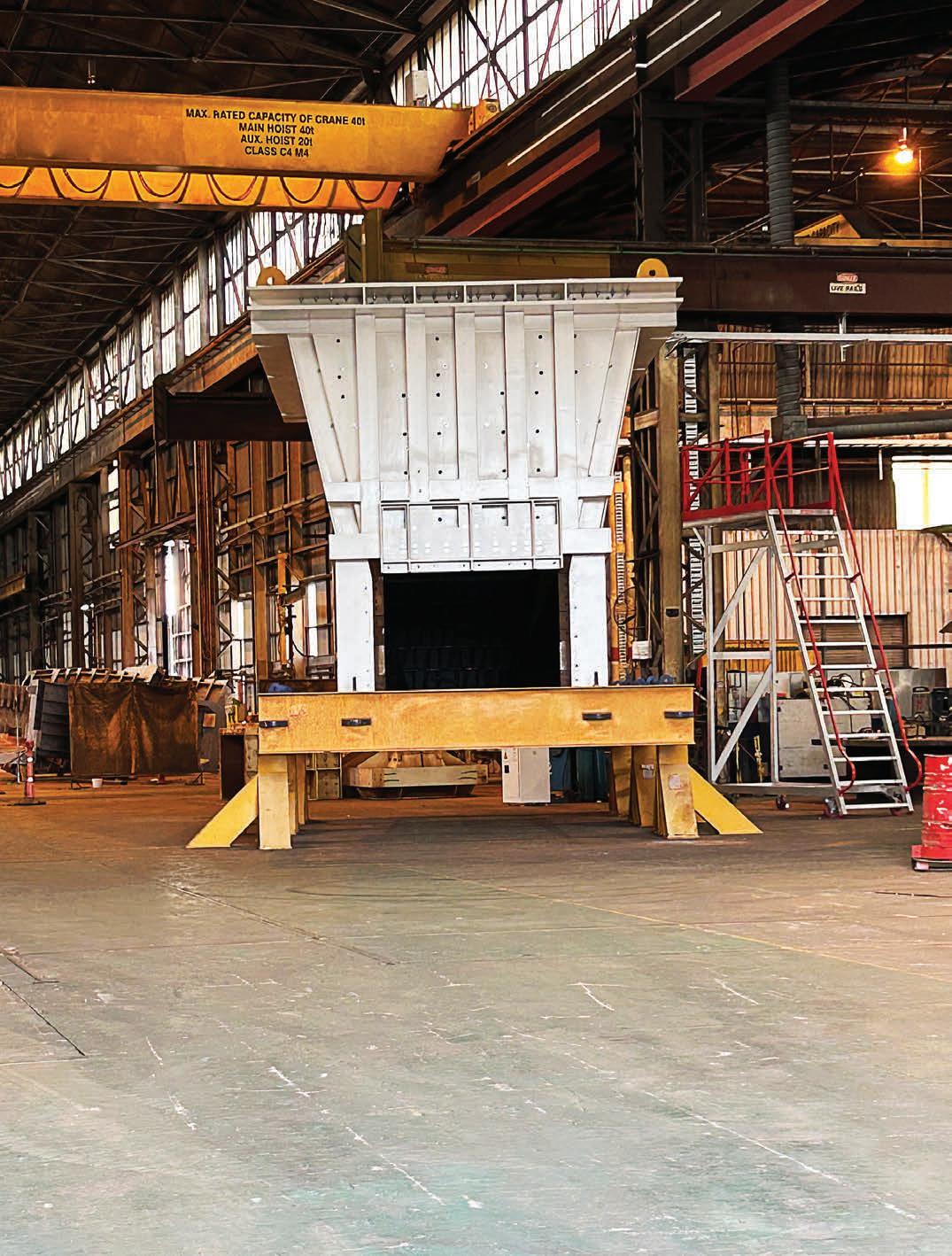
between changing customer requirements and production capacity and drive greater consistency and reliability in delivery.
The Bassendean facility has increased production capacity for fixed plant and rotable products across Western Australia while simultaneously reducing customer lead times.
Delivery performance now exceeds 90 per cent on-time delivery in full (DIFOT), with further gains expected as systems and processes are fully embedded.
As adoption of rotable strategies accelerates across the mining sector,
these capabilities are becoming critical to maintaining production efficiency and reducing life-cycle maintenance costs.
Bradken continues to strengthen its innovation pipeline through ongoing research and development initiatives.
In collaboration with leading Australian and international universities, the company is advancing new material technologies focused on improving wear resistance and extending asset life across fixed plant applications.
“Innovation at Bradken is driven by a clear focus on delivering measurable value to our customers. By combining advanced material science with realworld operational insight,” Bradken product manager – fixed plant Cathy Hewett said.
“We are developing solutions that not only extend asset life but fundamentally improve performance, safety, and total cost of ownership.”
These developments are expected to deliver the next-generation of wear solutions, with new innovations anticipated to enter the market within the next 12 months, further reinforcing Bradken’s commitment to continuous improvement and technical leadership. AM
Years of planning, partnerships and persistence have transformed Nolans from a Northern Territory deposit into one of Australia’s most strategically significant critical minerals projects.
When Arafura Rare Earths made a final investment decision (FID) on the Nolans project in May, it marked a major milestone for one of Australia’s most significant critical minerals developments.
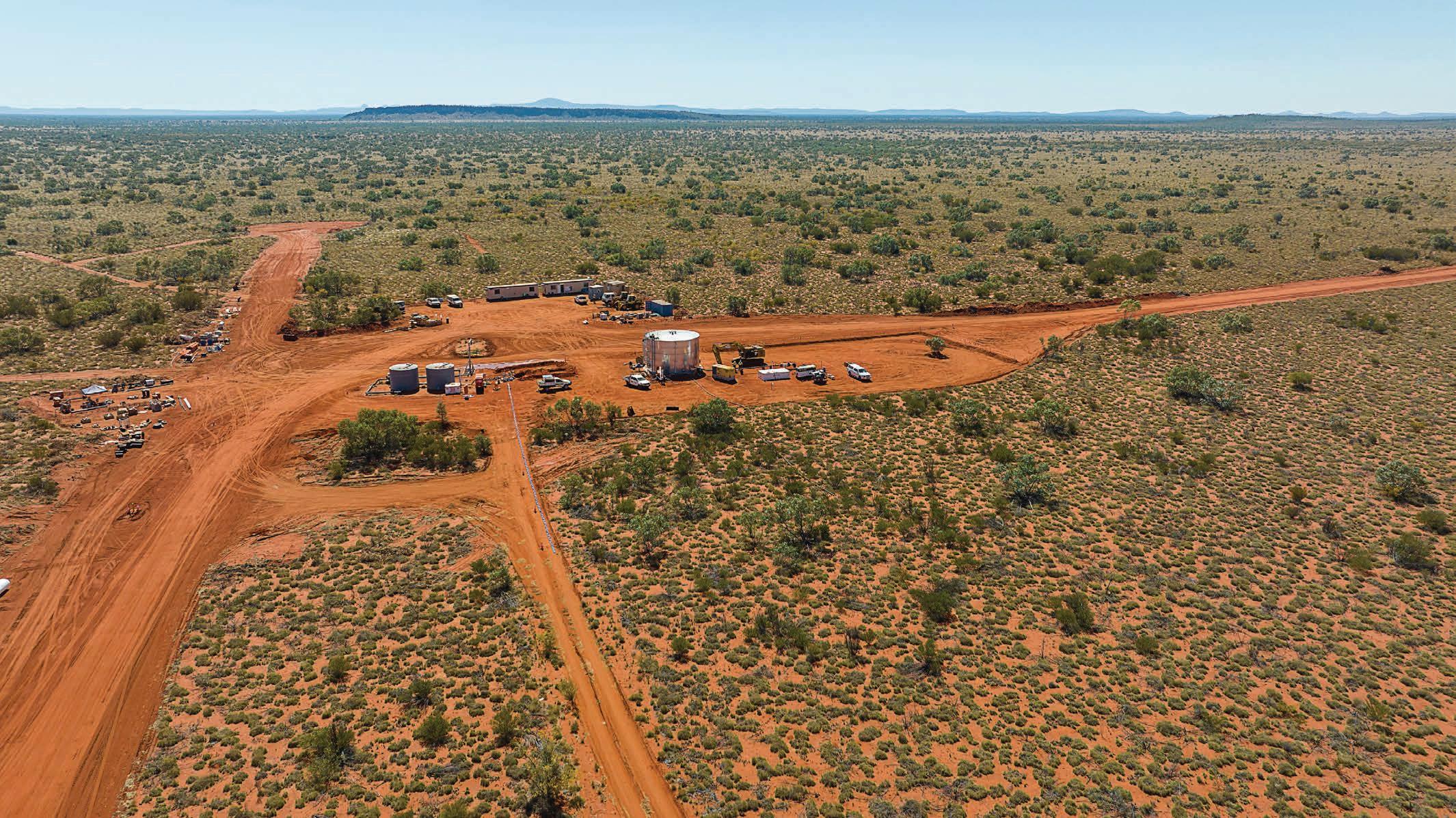
Located 135 kilometres north of Alice Springs in the Northern Territory, Nolans is expected to become Australia’s first fully integrated ore-to-oxide rare earths operation, supplying the materials needed for electric vehicles, wind turbines, advanced manufacturing and defence technologies.
But reaching this point required far more than a world-class resource.
Over the past 12 months, the project has attracted backing from governments, export credit agencies, strategic investors and international customers, transforming what was once a longrunning development project into one of the world’s most closely watched rare earths investments.
“Darryl and the Arafura team deserve enormous congratulations
for getting the nationally important Nolans Project achieved to this stage,” Hancock Prospecting executive chair Gina Rinehart told Australian Mining.
“Large-scale mining projects are complex, capital intensive and take years of persistence, technical work and resilience against large and overlapping bureaucracy and approval systems to progress from initial exploration, to construction, jobs and finally revenue.”
The achievement highlights a much larger challenge facing rare earth developers worldwide.
While demand for critical minerals continues to grow, relatively few projects progress beyond studies and approvals to secure the funding, customers and partnerships required for construction.
But, Nolans has done exactly that.
Arafura managing director and chief executive officer (CEO) Darryl Cuzzubbo told Australian Mining the reason behind that lies in the project’s strategy to become an alternative source of rare earths.
Rare earths have become one of mining’s most closely watched commodities.
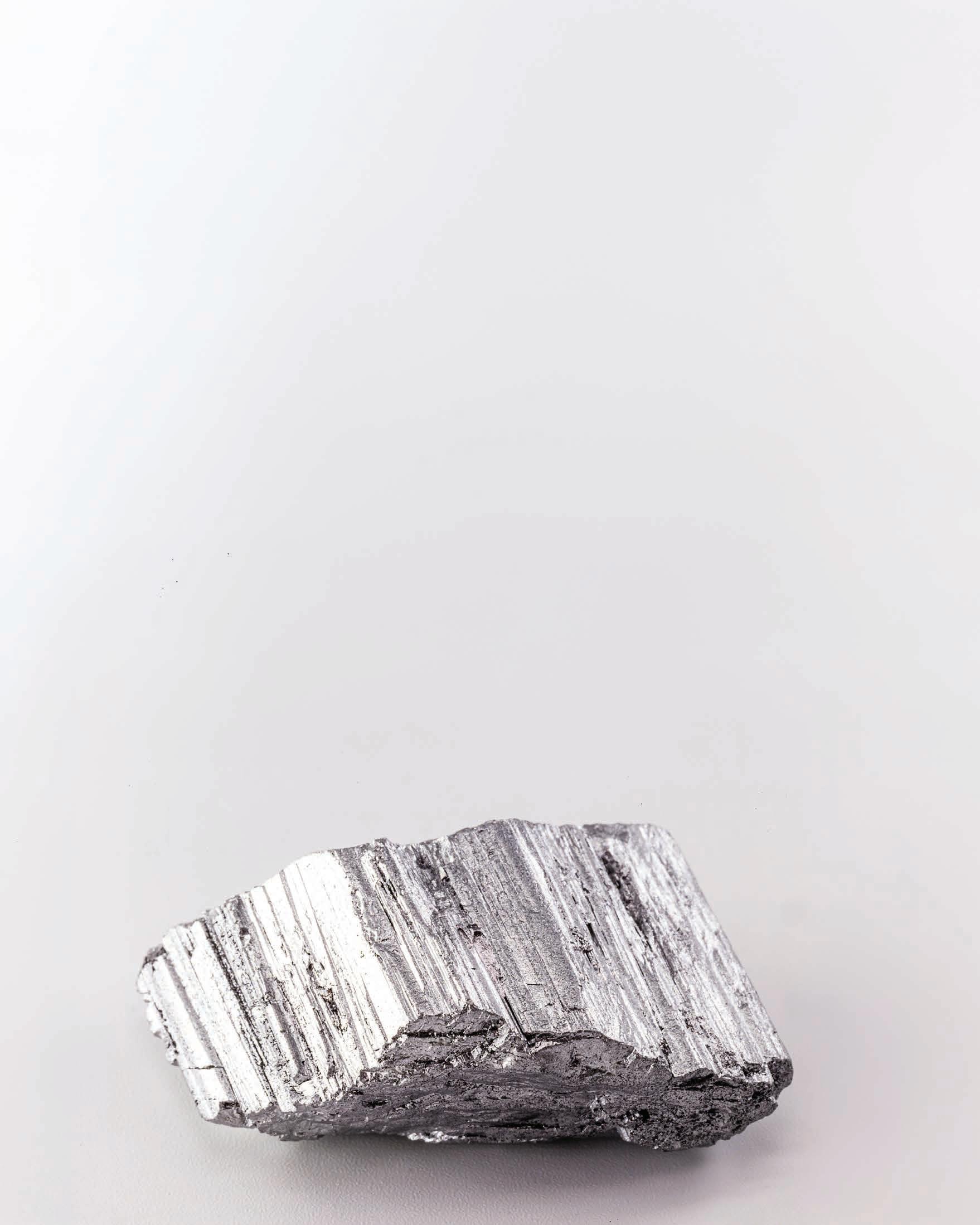
component in permanent magnets used in electric vehicles, wind turbines and defence applications. As governments work to secure reliable supplies of these materials, projects capable of supplying markets outside China’s supply chain have become increasingly valuable.
Among the earliest believers in Nolans was Hancock Prospecting. Cuzzubbo acknowledged the role Hancock played in helping the project reach FID, noting that the company backed Arafura before others were willing to do so.
Arafura has assembled one of the most significant funding packages seen in the Australian critical minerals sector. The company secured a $200 million convertible note commitment from the National Reconstruction Fund Corporation, alongside support from Export Finance Australia and international export credit agencies.
In April, Germany’s state-owned development bank KfW committed $84 million through the German Raw Materials Fund, while Export Finance Australia invested a further $146 million.

shipping concentrate to China for further processing, Arafura has been able to lock in customers across the United States, South Korea and Europe. This endto-end approach has underpinned the project’s commercial development and international partnerships.
“It all comes from the support from countries and companies that want to diversify rare earth supply away from China,” Cuzzubbo said.
As governments and industries seek greater control over critical mineral supply, rare earths have moved from a specialised mining market to the centre of global economic and strategic discussions.
Neodymium-praseodymium (NdPr), Nolans’ primary product, is a critical
“Hancock came in early taking a risk on Arafura before all other large investment institutions came in,” he said.
Hancock’s support, in the end, delivered more than funding.
“Hancock has absolutely been one of our enabling success factors,” Cuzzubbo said.
“They saw the investment case and the need to have a non-China source of rare earths before the rest of the world did.
“Some people saw that, but they didn’t want to act on it, whereas Hancock saw the need and they had the conviction to back that need with hard dollars.”
That early backing helped establish credibility for the project as Arafura worked to secure debt financing, strategic investors and government support.
“When Hancock invests, other institutional investors take notice,” Cuzzubbo said.
The support that followed after was extensive. Over the past 18 months,
The commitments lifted Arafura’s total equity funding and commitments to more than $900 million.
The project has also secured offtake agreements across key international markets, strengthening Nolans’ position as a future supplier of rare earth materials outside China’s supply chain.
Earlier this year, the Australian Government selected Nolans as one of the first projects to participate in its Critical Minerals Strategic Reserve initiative, highlighting the project’s growing strategic importance.
The challenge, however, was never about simply proving the value of rare earths. It was convincing investors that an alternative supply chain was worth building.
Rare earths projects that produce concentrate require significantly less capital than an integrated ore-tooxide operation. By choosing to build
downstream processing capability, Arafura took on a more complex and expensive development pathway.
“The reason other rare earths projects don’t go to oxide is because you don’t need anywhere near the same amount of capital,” Cuzzubbo said.
“By going to oxide, we needed a lot more capital. Therefore, it took us a lot more time to line up the offtakes, then the debt and then ultimately the investors.”
Once operational, the project will provide feedstock for metallisation, alloy production and magnet manufacturing facilities.
“Getting to oxide is the most important piece, so that you can provide feedstock to metallisation companies and magnet manufacturing companies as they build out their capacity outside of China,” Cuzzubbo said.
With FID secured, attention is now turning to construction and delivery. Success begins with safely bringing phase one into production and delivering approximately 4400 tonnes of NdPr annually.
Beyond that, the project is already looking at expansion opportunities.
Phase two could eventually lift production to around 10,000 tonnes per annum, while Arafura is also exploring opportunities to process feedstock from other Australian rare earth projects and increase its production of heavy rare earths.
“Phase two will be bigger than phase one,” Cuzzubbo said. AM
Surface mining continues to underpin the Australian economy and global supply chains.
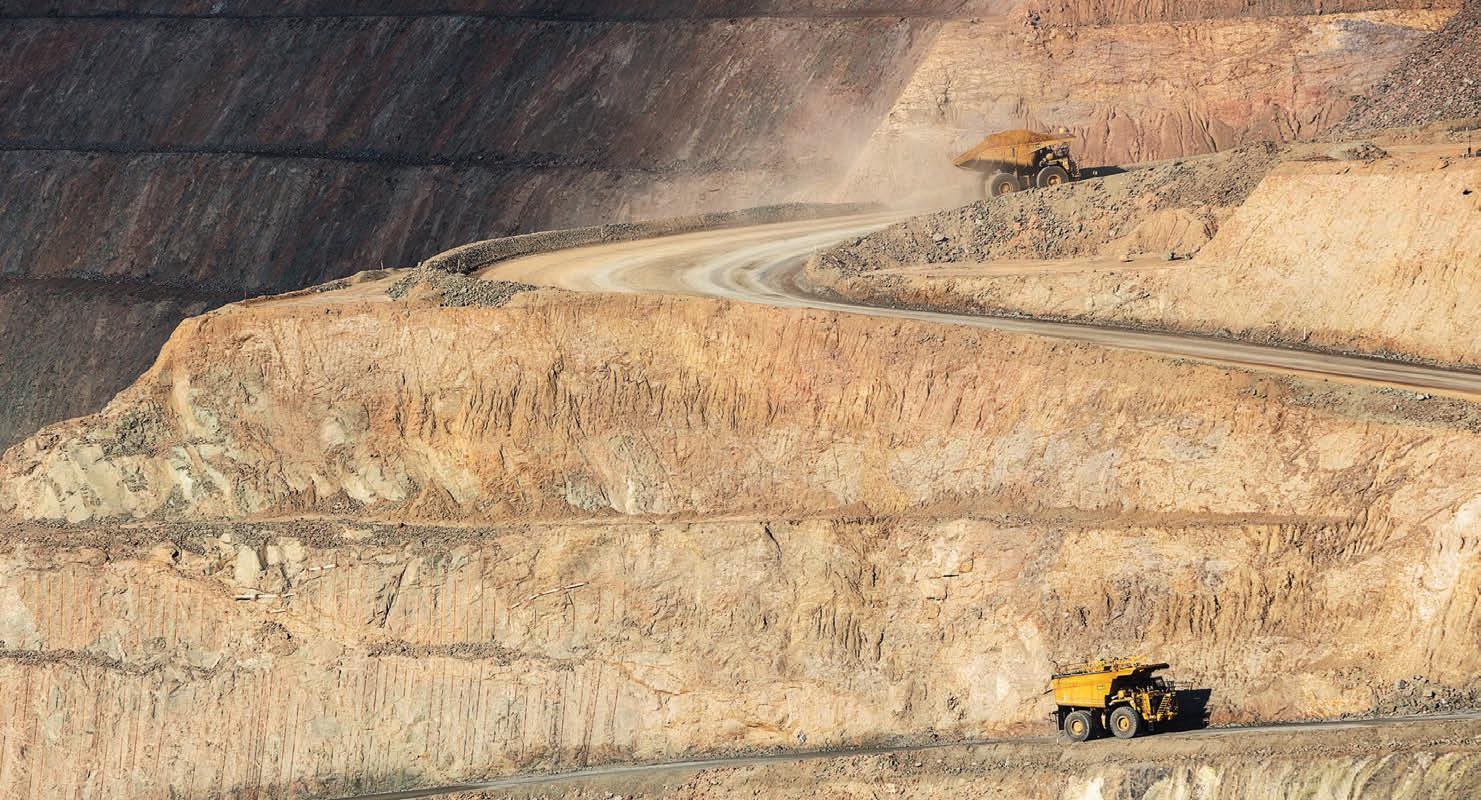
Australia’s surface mining sector has a renewed focus on productivity, technological integration and long-term operational efficiency.
While commodities, markets and project pipelines continue to evolve, one constant remains: surface mining sits at the heart of Australia’s resources industry.
From the iron ore operations of the Pilbara to coal mines in Queensland and emerging critical minerals developments across the country, open-cut mining continues to underpin production volumes that support the national economy and global supply chains.
The Australian resources sector remains one of the country’s most significant economic contributors. According to the Department of Industry, Science and Resources’ latest Resources and Energy Quarterly, resource and energy export earnings are forecast to remain around $383 billion in 2025–26, supported by strong iron ore, gold and critical minerals performance. Export volumes are also expected to remain near record levels over the coming years.
Mining companies are increasingly turning to equipment, automation systems, digital platforms and advanced data technologies to improve performance across large-scale surface operations.
Automation continues to expand Few developments have shaped modern surface mining more than automation.
Autonomous haulage systems are now a familiar part of operations across many large Australian iron ore mines, particularly in Western Australia. What began as a productivity initiative has evolved into a broader operational model.
Modern autonomous fleets allow mining companies to operate equipment continuously while reducing variability associated with manual operations.
The technology also enables more precise fleet coordination, helping operators optimise haul routes, reduce idle time and improve fuel efficiency.
Automation is increasingly extending beyond haul trucks into drilling systems, train operations and supporting mobile equipment. The result is a more connected mining environment where production data can be monitored and adjusted in near real time.
For an industry managing some of the world’s largest open-pit operations, the ability to improve efficiency by even small percentages can translate into significant productivity gains.
As equipment becomes more connected, the volume of operational data available to mining companies continues to grow.
Surface mining operations generate enormous volumes of information every day. Fleet movements, fuel consumption, equipment health, production rates, weather conditions, geological models and maintenance schedules all contribute to an expanding digital ecosystem.
The challenge for mining companies is no longer collecting data, but turning that data into operational decisions. Modern management platforms are increasingly integrating multiple datasets into centralised systems that provide operators with a clearer view of site performance.
Advanced analytics and artificial intelligence (AI) are playing a growing
role in identifying trends, predicting equipment failures and optimising production schedules.
Predictive maintenance has become one of the most valuable applications. Rather than relying solely on fixed servicing intervals, operators can use equipment condition data to identify potential issues before failures occur.
Reducing unplanned downtime remains one of the most effective ways to improve productivity in large-scale surface mining operations, particularly where equipment availability directly impacts production targets.
The growing importance of data is also influencing the next generation of mining equipment.
Mining equipment manufacturers continue to develop more efficient and intelligent machines.
Surface mining fleets now incorporate sophisticated onboard monitoring systems capable of tracking performance in real time.
Operators and maintenance teams can also access detailed information on engine performance, component health and operating conditions through integrated digital platforms.
Advances in electric drive technology, machine control systems and fuel management are further helping improve operational efficiency. Modern drilling rigs, for example, can achieve higher levels of accuracy through automated drilling systems and advanced positioning technology. Greater precision helps improve fragmentation outcomes, delivering
benefits throughout the mining value chain, from loading and hauling through to crushing and processing.
At the same time, machine guidance systems continue to improve operator accuracy across excavation, loading and earthmoving activities.
These technologies are becoming increasingly important as mines seek to maximise resource recovery while maintaining productivity targets.
Connectivity is becoming a critical component of modern surface mining operations.
Reliable communications networks now support everything from autonomous equipment and remote operations centres to environmental monitoring systems and worker safety technologies.
Private long-term evolution (LTE) networks, high-capacity wireless communications and expanding digital infrastructure are helping create more connected mining environments.
This connectivity allows information to move rapidly between equipment, operators and management teams, supporting faster decision-making and improved operational visibility.
Remote operations centres have become particularly important for large-scale mining companies managing multiple sites across vast geographic areas.
Centralising operational oversight means companies can improve coordination, streamline decision-making and access specialist expertise regardless of location.
The approach also supports workforce flexibility while helping address ongoing skills shortages in some areas of the industry.
Technology is also changing how mines are planned, monitored and measured. Surveying technology has undergone significant transformation in recent years.
Drones equipped with high-resolution cameras, LiDAR systems and advanced mapping software are increasingly being used across Australian mining operations.
Tasks that once required significant fieldwork can now be completed more quickly and with greater detail. Drones are supporting stockpile measurement,
pit mapping, infrastructure inspections, environmental monitoring and geotechnical assessments.
Combined with digital modelling software, the technology enables mining companies to generate accurate site data while reducing exposure to potentially hazardous areas.
The ability to rapidly capture and analyse site information is helping improve planning accuracy and operational responsiveness.
As surface mines become larger and more complex, access to high-quality spatial data is becoming an increasingly valuable operational advantage.
Sustainability objectives are also influencing the next generation of surface mining technologies.
Mining companies continue to explore pathways for reducing emissions while maintaining productivity and competitiveness. Equipment manufacturers are investing heavily in alternative power systems, electrification technologies and energy-efficient equipment designs.
While large-scale fleet electrification remains a long-term transition for many surface operations, progress is accelerating across supporting infrastructure and equipment categories.
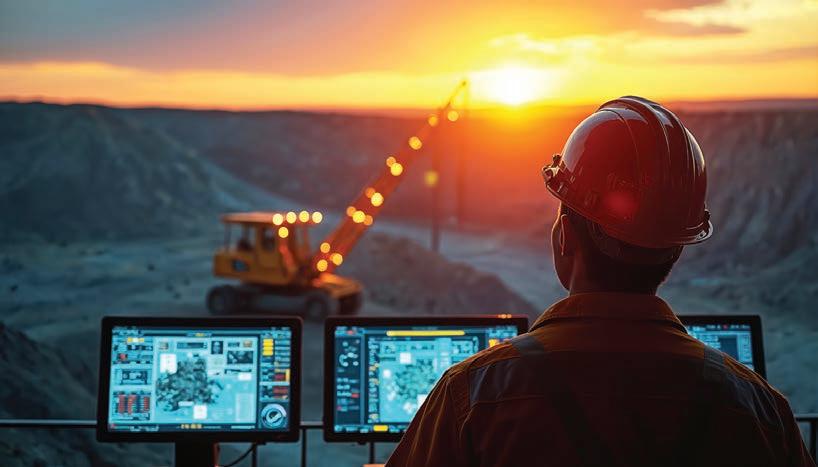
Energy management systems, fuel optimisation software and improved equipment efficiency are already delivering practical benefits across many operations. At the same time, growing demand for commodities linked to electrification and clean energy technologies is creating new opportunities for Australian miners.
The Department of Industry, Science and Resources forecasts critical minerals export earnings to increase from around $11 billion in 2024–25 to approximately $14 billion by 2026–27, supported by rising exports of lithium, rare earths and other strategic minerals.
Australia’s position as a major supplier of critical minerals has also been reinforced by the latest Australian
Identified Mineral Resources stock take, highlighting growing exploration and development activity across several strategically important commodities.
While each technology delivers its own benefits, the greatest gains are likely to come from how they work together.
The future of Australian surface mining will not be defined by a single technology.
Instead, it will be shaped by how companies integrate equipment, automation, software, communications networks and data systems into increasingly connected operations.
The industry’s next phase of growth is likely to depend on achieving higher levels of productivity while maintaining safety, environmental performance and global competitiveness.
Australia already possesses worldclass mineral resources, established mining expertise and a strong pipeline of major projects. The opportunity now lies in combining those advantages with advanced technologies capable of improving how mines are planned, operated and maintained.
As companies continue investing in automation, digital systems and smarter equipment, mining is becoming more precise, more connected and more efficient. That evolution is helping ensure surface mining remains well positioned to support the country’s resources future for decades to come. AM
H2Boost can help maximise the value of diesel vehicles and offset costly fleet replacement programs.
Mining companies sit at a key inflection point as they look to balance fuel security and decarbonisation goals with operating large diesel-powered fleets. In this context, technologies that reduce emissions while preserving existing assets are attracting growing attention.
For H2Boost, the answer to these concerns lies in hydrogen supplementation technology that can be retrofitted to existing diesel engines, helping operators reduce fuel consumption, lower emissions and extend asset life without the need for major capital investment.
H2Boost general manager Roger van der Lee said the company’s technology provides mining operators with an opportunity to maximise the value of existing equipment while delaying costly fleet replacement.
“The technology is applicable for existing assets, so it provides an opportunity for high-value assets to have a full life cycle, deferring large capital costs for new technology, which doesn’t at this stage deliver the same level of
mining, heavy transport, generators, marine applications and buses.
“What we offer to the mining industry is not dissimilar to what we’re offering to the truck market because they’re all diesel engines, just that the scale is bigger,” van der Lee said.
H2Boost’s offering utilises electrolysis through a proton exchange membrane to generate hydrogen from demineralised water. Powered by a low electrical input drawn from the host engine during operation, the system produces hydrogen that supplements diesel fuel to create a cleaner and more complete combustion process.
The amount of hydrogen generated is tailored to suit the capacity and operating requirements of each engine in an efficient, affordable and sophisticated way, scaled to apply to multiple applications.
While hydrogen fuel supplementation technology is already available in the market, van der Lee said H2Boost has refined the concept with additional features. These include the use of
“The unit is compact and robust, designed and built to withstand deployment in harsh environments,” van der Lee said.
“The unit does not store any hydrogen nor has any reliance on a pressure vessel. H2Boost is a retrofit unit which is not intrusive on the host engine and the engine is not dependent on H2Boost.”
For mining companies, the value proposition extends beyond emissions reduction. Customers are often motivated by a combination of economic and environmental outcomes.
“The lease model offered by H2Boost enables the cost savings derived from reduced fuel usage and potential longer service intervals for a cleaner engine to more than offset the cost of the fully maintained lease.”
The reduction in carbon emissions is two-fold, from saved fuel and from fuel consumed with a cleaner combustion while using hydrogen from H2Boost.
Combined with large reductions in particulate matter emissions the carbon footprint reduction for operations contributes to climate change mitigation initiatives and the client’s environmental social governance responsibility.
While hydrogen supplementation is widely viewed as a transitional technology, H2Boost believes it can play an important role as diesel remains a dominant power source for heavy equipment.
By enabling cleaner operation of dieselpowered machinery, the technology helps preserve asset value, extend equipment life and defer capital expenditure on alternative equipment.
H2Boost differentiates its product supply and service model with only minor upfront cost for installation, thereby avoiding capital expenditure allocation, and minimising barriers to adoption.
The system is supplied under a fullservice model and includes a digital platform that provides emissions reporting, equipment uptime monitoring, product traceability and operational data.
It also features an app so drivers can monitor and manage the system to make sure it’s working and delivering the benefits of hydrogen fuel supplementation.
H2Boost’s hydrogen-on-demand technology is aimed at delivering carbon emission reductions in a commercially sustainable manner while helping operators extract greater value from their diesel fleets.
























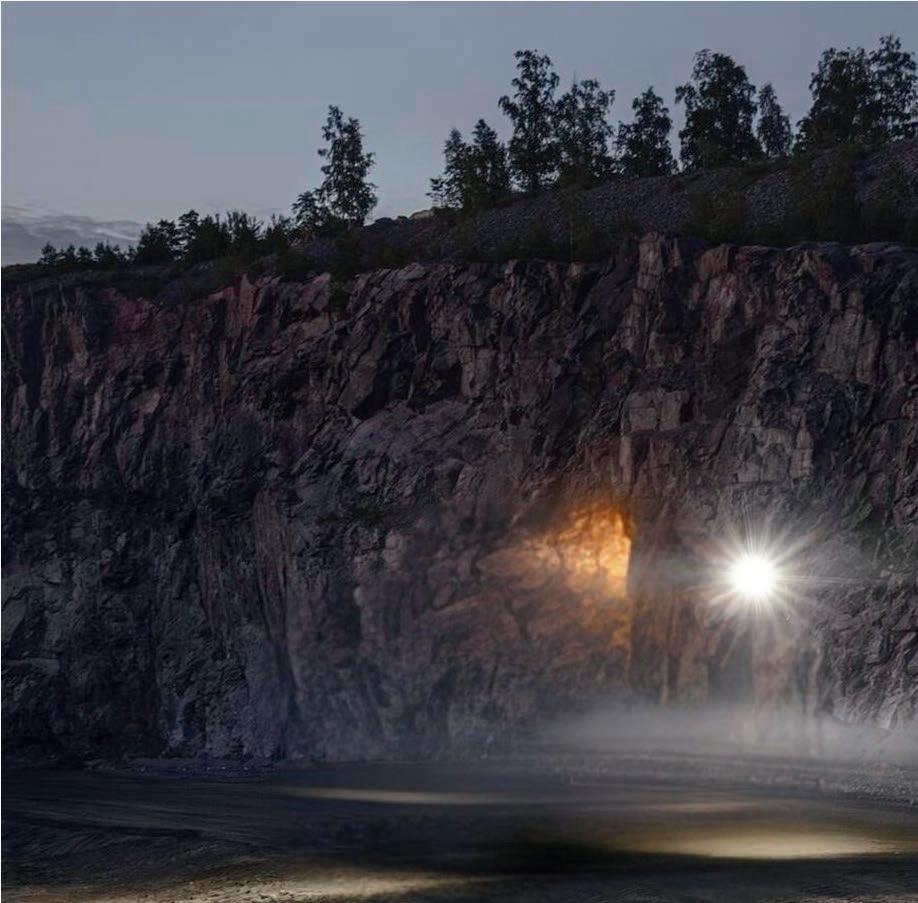

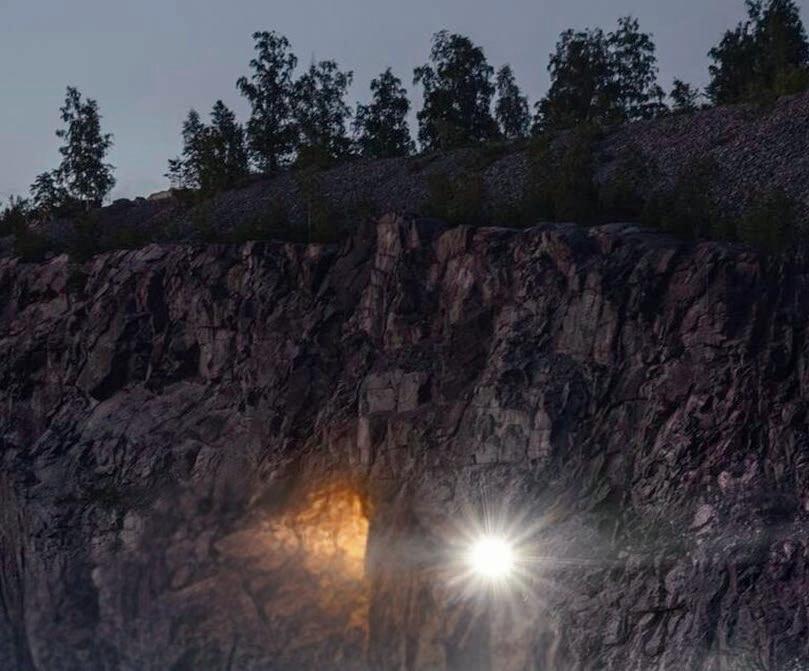
























Streamline Blast Solutions is helping miners protect blasthole integrity while reducing plastic waste, manual handling and costly delays on site.
Amining method practised for more than 400 years, there are little to no questions about the effectiveness of explosives in clearing land. But, as dynamite evolved into ammonium nitrate, so did the methods of maintaining blasthole integrity, a field of innovation that Streamline Blast Solutions is passionate about.
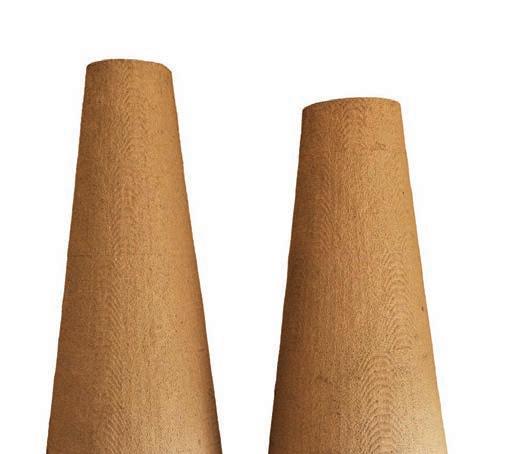
Blast hole protection cones are physically small and, to the untrained eye, unsophisticated pieces of plastic that could easily be mistaken for roadside traffic control devices.
These same devices play a crucial role in maintaining hole integrity during the drilling and blasting phase of mining; however, when the holes are most vulnerable with vehicle and personnel movement during the loading process, the plastic cones need to be removed, a phase Samantha Wright, founder of Streamline, wants to remove entirely.
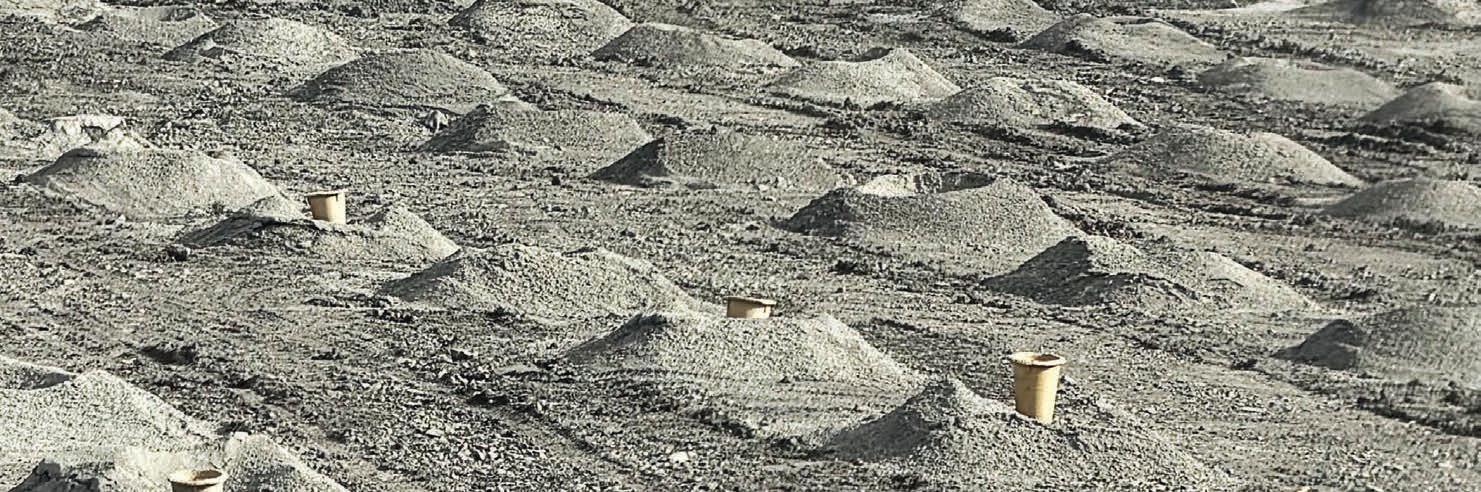
Streamline’s Envirocone is as simple as it is effective. Presented as a biodegradable alternative with no clean-up requirements, it is as good as a traditional blasthole cone – albeit better. Designed to lift productivity and cut costs, Wright said this product delivers real economic gains, but also safety and environmental benefits.
According to Wright, the Envirocone maintains the integrity of the hole all the way up to a blast without exposing operators to inclement weather, repetitive strain risks, and dust.
“Envirocone completely removes the step of taking the cones out and stacking them up. It’s an entire hazardous manual handling task that’s been removed from the procedure,” Wright told Australian Mining. “The cone just stays there, there’s no risk of exposing the ground to plastics either, making the whole process safer and more efficient.
“The Envirocone is designed as a singleuse product. It gets put in the hole, it’s left there, and that’s the end of the process.”
Wright said it also excels on unstable ground or rock prone to collapse, and is exceptional in pre-split holes, which she said are hard to re-drill.
“These (pre-splits) are really big assets, places that need to be protected and maintained until the very end,” she said.
As a biodegradable shift from the plastic tool, Wright said that it is a product that supports the circular economy push evident across the industry, especially in Australia.
“Envirocone presents a great opportunity for miners, and mining as
a whole, to show that they are willing to do things better, which I think is important for the industry with the uncertainty around approvals,” she said.
With the environmentally friendly cone remaining in the hole, Wright said there is a reduced chance of holes collapsing, creating misfires, or shallow blasts occurring due to infill, refining the overall blasting process.
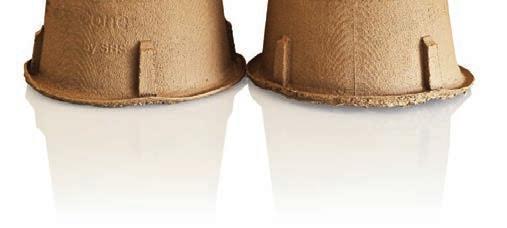
“If those holes collapse, they have to be redrilled, causing the entire process to be delayed and that in turn has a flow-on effect right through the rest of the site,” she said.
“A couple of collapsed holes or brokendown lines can have such a big impact, and if the dirt’s not there to dig, then there’s machinery parked up that’s being billed out at thousands of dollars an hour.
“It seems like such a small thing, but it’s an important part of the process that needs to be done right; there’s a certain amount of money that’s invested in every hole to get it to the stage where it’s being drilled.”
Wright said that the EnviroCone, at a time when operations and miners are
moving to bolster their environmental, social, and governance approaches, is an important piece of the puzzle, especially in promoting a circular economy.
Likewise, Wright reiterates that Streamline’s solution presents protection for the first step of the production process, the holes themselves improving first pass drilling success.
“Every hole is an asset you’ve invested in, and the longer they sit around, the more money one loses because nothing’s happening,” she said.
“So why not protect that crucial asset with EnviroCone?” AM





komatsu.com/mc51





Through a suite of machine parts and operational solutions, Bend-tech Group supports surface mining operations across Australia.
More that 40 years ago, Bend-tech Group started solving problems that no one else was.
This is still true today, with many surface mining teams still relying on the company for machines waiting on parts, workshops that cannot carry the load and site challenges that need to be designed and built from scratch.
This three-pronged offering is what sets Bend-tech apart.
The company provides customised design, engineering and fabrication services for mining operations that need safer, stronger and more reliable ways to work, with teams supporting onsite staff to understand the job, define the requirement and deliver a finished solution that is ready for operations.
Bend-tech Group is an approved vendor for major tier-one mining operations across Australia, with over 40 years of fabrication experience across mining, defence, marine, rail, oil and gas and heavy industry.
That experience gives customers confidence that the work is backed by proven systems, skilled people and the capability to deliver to site requirements.
This offering is supported by a process defined as CDEC: consultation, design, engineering and construction, ensuring site-specific problems are understood before the answer is built. Bend-tech representatives come to site, listen to what is needed, use innovative 3D scanning technology to start the design process and engineer a proven solution.
This can be custom-built fixed plant solutions, site maintenance support, fixed plant and mobile equipment maintenance access solutions, maintenance tooling or fabricated products built to meet specific site requirements.
Some projects are about improving safety around maintenance tasks.
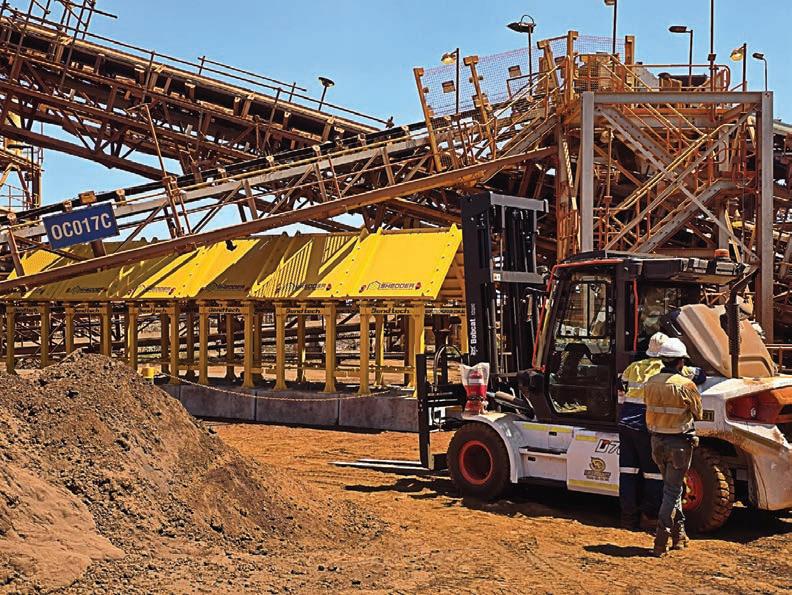
Others are about making access easier, supporting existing infrastructure or creating a better way to work around plant and machinery. Whatever the requirement, Bend-tech Group can think it through, build it properly and deliver a tailored solution that lasts.
Alongside custom design, engineering and fabrication, Bend-tech Group supports surface mining through two dedicated product divisions: ROX Australia and Grizzly.
ROX Australia manufactures and supplies original equipment manufacturer (OEM) replacement parts for open cut mining equipment, including fuel tanks, hydraulic tanks and a wide range of external metal parts. These are the parts that, if unfit for purpose, can cause machinery to stop working and risk replacements being difficult to procure.
“ROX keeps key parts in stock in Australia, because speed matters especially when a machine is down.
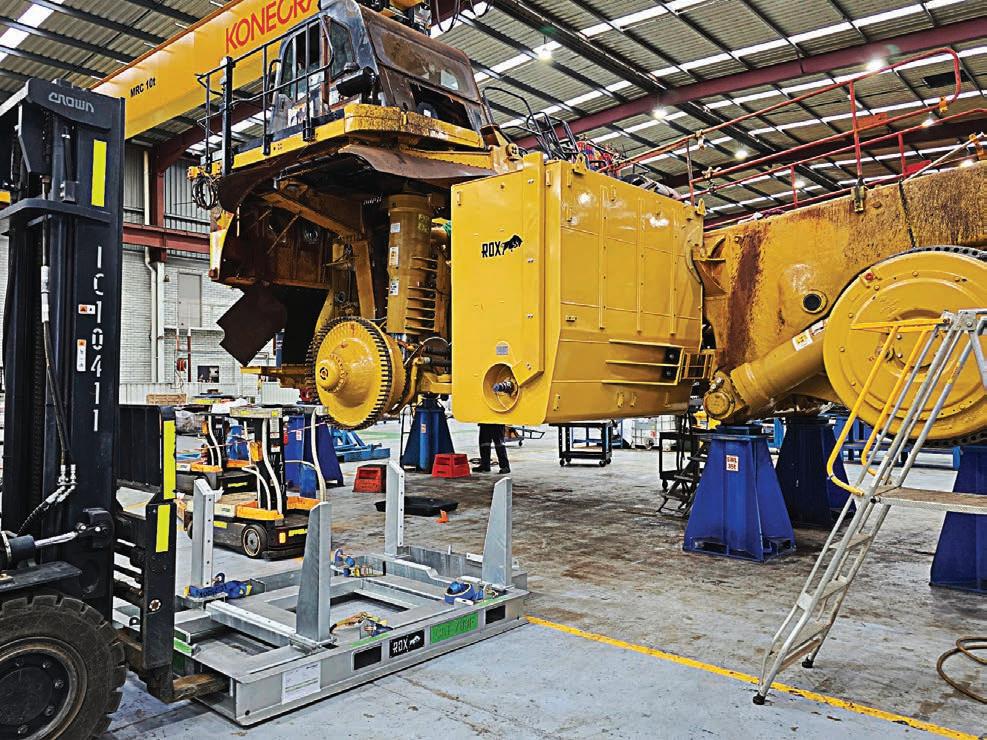
Stocked replacement parts give maintenance teams a faster option than waiting on long OEM lead times,” a Bend-tech Group spokesperson said.
Behind the range is a dedicated research and development team working to improve each design, with a focus on durability, ease of fitment and longer service life.
“When a fuel tank, hydraulic tank or external machine part is needed fast, ROX is the call to make,” the spokesperson said.
In addition to keeping machinery running, Grizzly supports the workshop side of surface mining operations. Mining workshops handle heavy work, large components, busy teams and constant pressure to keep equipment moving.
“The gear used in that space needs to handle weight, impact, dust, tools, parts and daily use without letting the team down,” the spokesperson said.
Grizzly supplies heavy-duty workshop equipment engineered for mining and industrial environments. The range includes workbenches, trestles, storage racks and cabinets, all designed, engineered, certified and constructed for heavy use. The products are stocked throughout Australia, carry a 10-year warranty and are built to last.
For surface mining operations, Bendtech is an obvious choice for strategic partnership, maintenance support and innovative solutions.
“Most surface mining sites need all three: a reliable source of replacement parts, workshop equipment built for the work, and the ability to fabricate something that does not exist yet,” the spokesperson said.
“ROX Australia, Grizzly and CDEC are how Bend-tech Group delivers on each one – and we look forward to showcasing capabilities at the Queensland Mining Expo.” AM
Expander is helping mining operations improve heavy equipment reliability with changes to one of the smallest but most critical components: pivot pins.
As mining operations grow in complexity, size and scope, so too must the equipment deployed on sites.
In modern mining operations, miners would be hard pressed to find a site without multiple hundred-tonne trucks transporting personnel, equipment or minerals from place to place.
As these giants continue to excavate and transport, the smallest of issues can create the biggest problems. In some cases, that problem is as small as a loose pivot pin.
This often under-appreciated component may seem insignificant, but it’s a key mechanism in heavy machinery, from haul trucks and dozers to rope shovels and excavators.
No matter how good greasing habits or maintenance intervals are, mounting lugs will wear and will need to be restored to their original diameter and tolerances. This can be a time-consuming process, especially if equipment needs to be shipped to workshops or maintenance bays while operating in remote locations.
Nord-Lock Group, a global leader in bolting and engineering solutions, has a solution – Expander System pivot pins.
Part of the Nord-Lock Group, Expander System has been described as a permanent answer to lug wear and has been installed more than two million times since its conception in 1985.
With an adaptable design for any obstacle, lubrication and application, the system can be used widely across many original equipment manufacturer (OEM) systems and equipment.
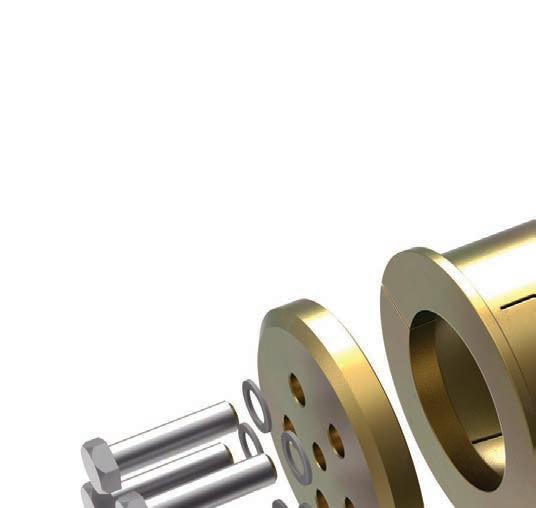
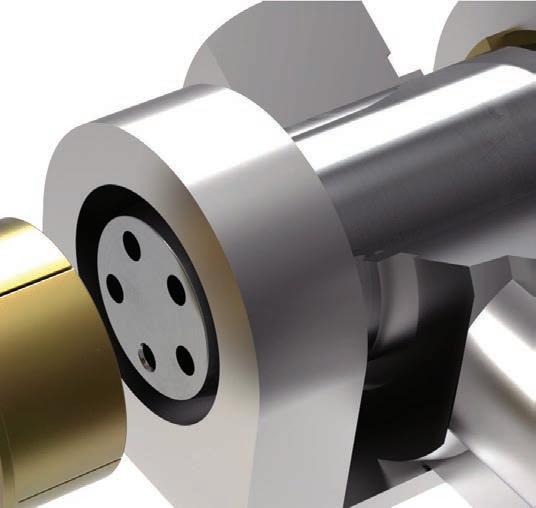
Expander System is appealing in its simplicity. The wear-resistant system’s pivot pin solution uses tapered ends and expanding sleeves to remove play, reduce friction and eliminate micro-movement.
With Expander System sleeves conforming to fit worn lug bores, they not only prevent further wear but remove the need for welding or line boring.
“The tapered sleeve expands across both ends of the tapered axel and locks securely, even if the holes are worn,” Expander sales manager APAC Paul Yoong said.
“As there is no need for welding or line boring, installation can be carried out directly on site. Just torque and retorque the Expander System until the sleeves are fully expanded and seated in the mounting lugs.”
For mine sites, the benefits are tangible: operations are safer and more predictable, while maintenance becomes faster and easier to manage.

Proven across mining fleets
Expander’s systems have been successfully implemented by some of the biggest OEMs serving the Asia-Pacific market, including Volvo Construction Equipment (CE) and Komatsu.
As the official supplier of Volvo CE, Expander has more opportunities to equip a globally trusted equipment manufacturer with the innovative pivot pin system.
Expander worked with SMS Equipment, one of the largest independent Komatsu dealers, to support the deployment and servicing of ultraclass haul trucks, such as the Komatsu 980E Canada. On a project in Alberta, Expander pins were used not only as a service replacement component
The innovative Expander System uses tapered ends and expanding sleeves to eliminate micro-movement.
build assembly, marking a shift away from traditional clearance-fit pin designs.
The results were faster assembly, improved technician safety, and reduced downtime over the equipment lifecycle.
In North American mining operations, the pivot pins have been a key application in Caterpillar 793B haul trucks as far back as 2008.
Teaming up with KEC Wyoming, a major distributor of off-road equipment, Expander worked to address maintenance issues facing a fleet of mining trucks.
The 50 Caterpillar 793B trucks were crucial to a coal mining operation in the Powder River Basin. Despite the area’s renowned coal mining prowess, operations were struggling with prolonged downtimes for the trucks used to haul coal.
Worn and damaged lug-ear bores had made replacing their trucks’ stabiliser and suspension pins so time-consuming that concerns were growing about the impact on the operation’s bottom line.
This minor yet important upgrade showcases Expander’s capabilities in both supporting operations improve efficiency whilst also tailoring it to the specific needs of those it serves.
“Whatever machine wear challenge you have, we have a pivot pin solution ready to be designed,” Yoong said.
“Our wide product range, together with the option to order bespoke specials, will give you the pin that perfectly matches your machine.
“The optimal design means you get a permanent solution to lug wear.” AM



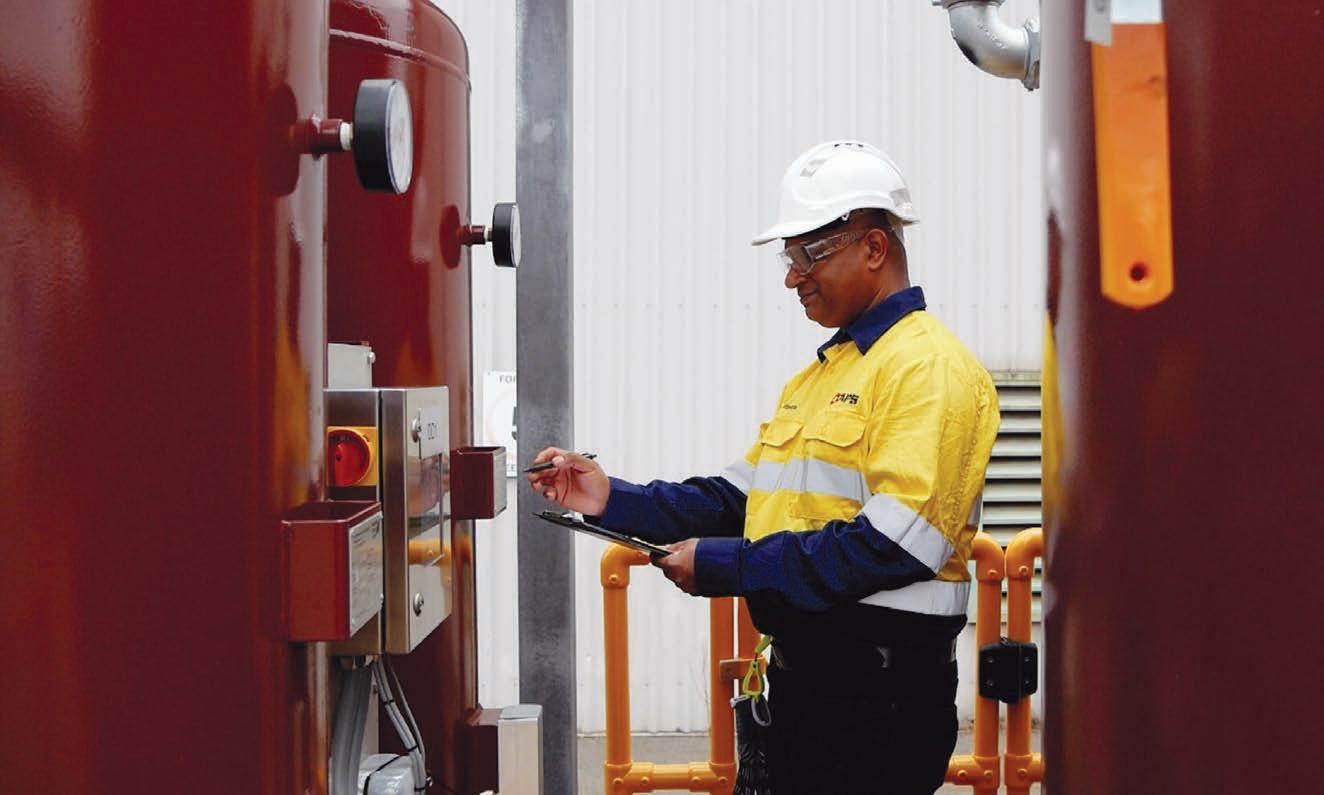
With maintenance support and rental solutions aplenty, CAPS Australia helps keep surface mining operations running and key infrastructure operating.
The old saying ‘If it ain’t broke, don’t fix it’ is commonly thrown around in everyday life, in professional environments and everywhere in between.
But what if the sentiment was applied to how mining machinery is maintained?
With instabilities affecting supply chains across the globe, impacting operating costs, parts and even brand-new machinery deliveries across the world, CAPS Australia is putting an emphasis on looking after what you have, to keep operations running.
In making surface mining operations safe for workers, CAPS Australia has been delivering solutions such as compressed air, gas generation and power solutions to the Australian mining industry for more than 45 years.
With good maintenance strategies often underpinning efficiency and productivity in the resource sector, making sure machinery can keep moving, crushing, screening and processing is imperative.
“A machine that hasn’t been maintained can suffer from a range of compounding issues; unnecessary wear, loss of output, higher operating temperatures, reduced quality and, ultimately, an increased risk of failure,” CAPS Australia
director of operations Paul Goodwin told Australian Mining
This, the company said, allows for a 24/7 maintenance and breakdown service that ensures clients’ operations run smoothly and minimise any downtime. In addition, a national footprint means teams are working in the same time zone as the operations that need its support.
This results in CAPS customers getting the best in global technology, suited to Australian conditions.
“Technology alone is not enough,” Goodwin said. “Our clients can also be confident that our trained technicians are available at any hour to keep plants operating.”
CAPS technicians’ knowledge and practical skills are continually updated. Whether a generator is broken or a complex air system with multiple pieces of equipment is down, they can advise on how to keep operations going.
Underpinning this offering is what CAPS Australia calls the ‘key strands’ of maintenance support: the CAPS Care program, including Air, Parts and Power packages.
CAPS Care enhances the value of compressed air assets by ensuring they are maintained proactively throughout their operational life.
The program includes ongoing warranty coverage, genuine parts supply and service plans that support consistent performance and long-term reliability. Scheduled maintenance, combined with predictive analytics, helps to identify potential issues before they escalate into failures.
The five CAPS Care program options – packaged care, planned care, parts care, performance care and power care – allow mining operations to choose the level of support that best suits internal capabilities and risk profile. From total extended warranty coverage and scheduled
maintenance to access to genuine original equipment manufacturer (OEM) parts or advanced performance diagnostics, CAPS Care helps to maximise output while knowing critical assets are protected.
“You wouldn’t skip on maintaining the family car that gets you to and from work – replacing tyres, doing oil changes and swapping wiper blades, brake pads and other items – so why skip on the equipment that keeps your business running?” Goodwin said.
Scheduled maintenance is also able to be packaged under the CAPS Care programs, enhancing the service and support offering with a range of diagnostic and maintenance programs to maximise operational performance.
Power Care is specialised for power generation equipment, helping to provide operations with certainty and reliability.
Incorporating the range of CAPSdelivered power generation equipment with existing power generation assets, Power CARE helps to reduce operating costs by ensuring equipment is maintained and performing at peak efficiency.
“Maintaining the infrastructure you have can extend its operational life and dramatically reduce the additional burden of purchasing capital equipment needed to replace gear that wears and fails,” Goodwin said.
“To some they might not seem like it, but air compressors are pieces of precision equipment. They are at the core
of countless commercial and industrial operations,” Goodwin said.
In addition to supporting operations with equipment maintenance, CAPS has a solution for when machinery cannot be fixed or if additional operational capacity is needed.
Equipment such as turnkey air and power solutions can be rented to help keep operations running smoothly, offering short and long-term rental of compressors and generators across Australia. This is an ideal solution for special projects, seasonal peak demand requirements and covering any operational breakdowns.
CAPS has an extensive fleet positioned across Australia, providing flexibility and availability to those it serves. With vast experience in contracting and renting equipment, CAPS has a large fleet of units available for dispatch from local hubs.
These site-ready solutions satisfy a wide range of applications and ensure quality equipment is available, backed with a high standard of customer service without the need to purchase new machinery or equipment.
Across surface mining operations, where safe environments and operational continuity often depend on reliable systems, structured asset care across compressed air, gas generation and power solutions help to ensure productivity and long-term performance. AM
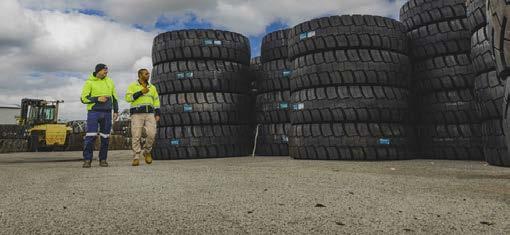
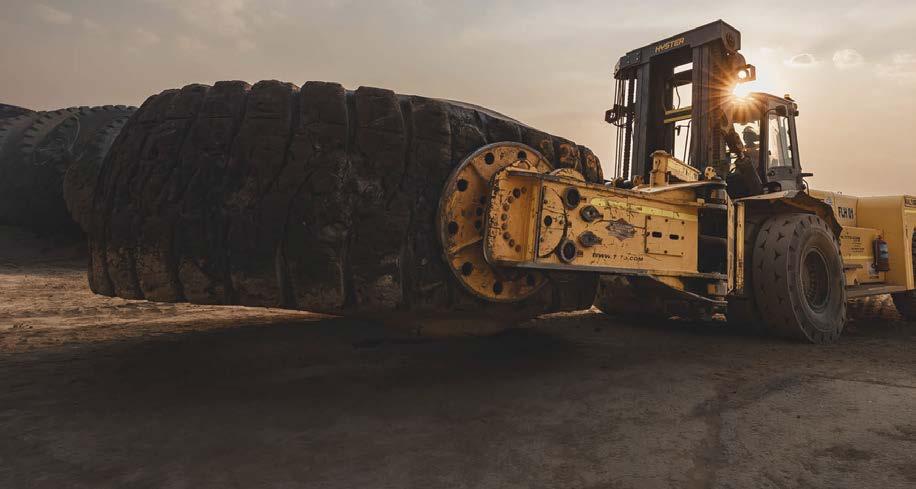
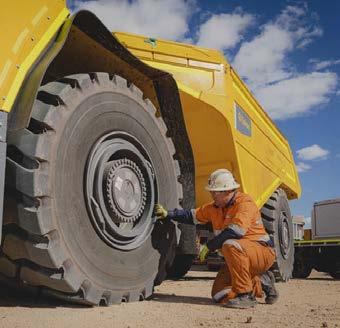
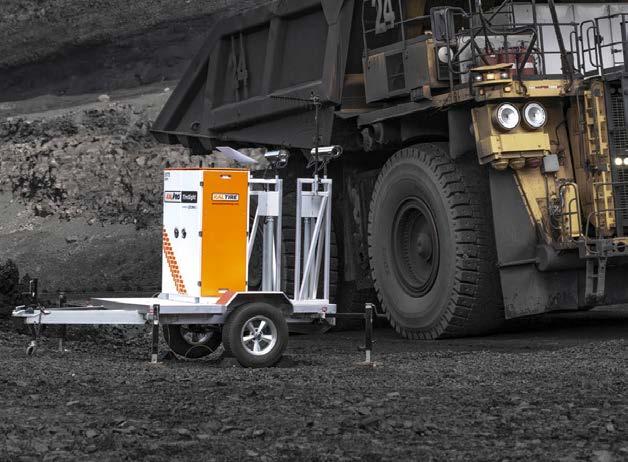
Mining companies across five continents rely on our mining tyre expertise, independent supply and our KalPROTM innovation tools and solutions.
We’re pushing the boundaries of what’s possible for tyre performance and fleet use—all while protecting technicians and promoting sustainability at every stage of tyre life.


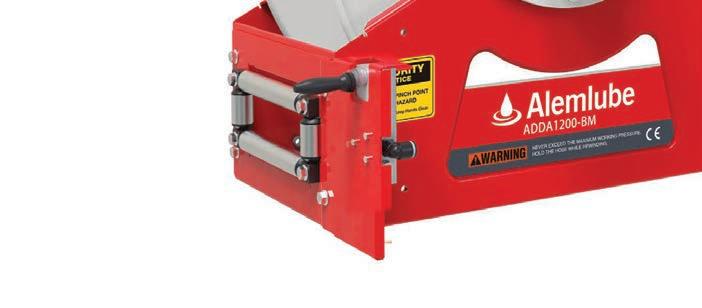
Introducing the Alemlube Direct Drive Air-rewind hose reels designed for reliable hose management for mining, construction, oil & gas and heavy industry where safety, reliability and efficiency are non-negotiable.


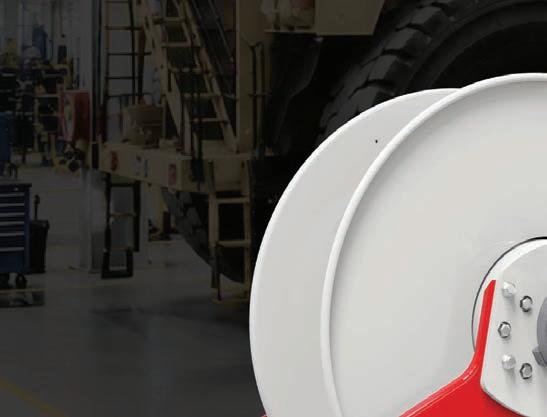


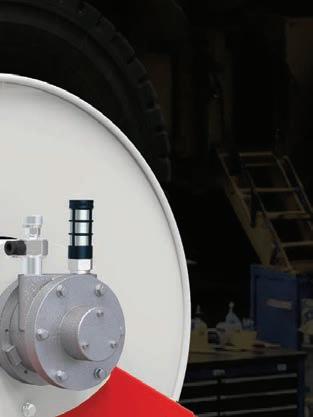
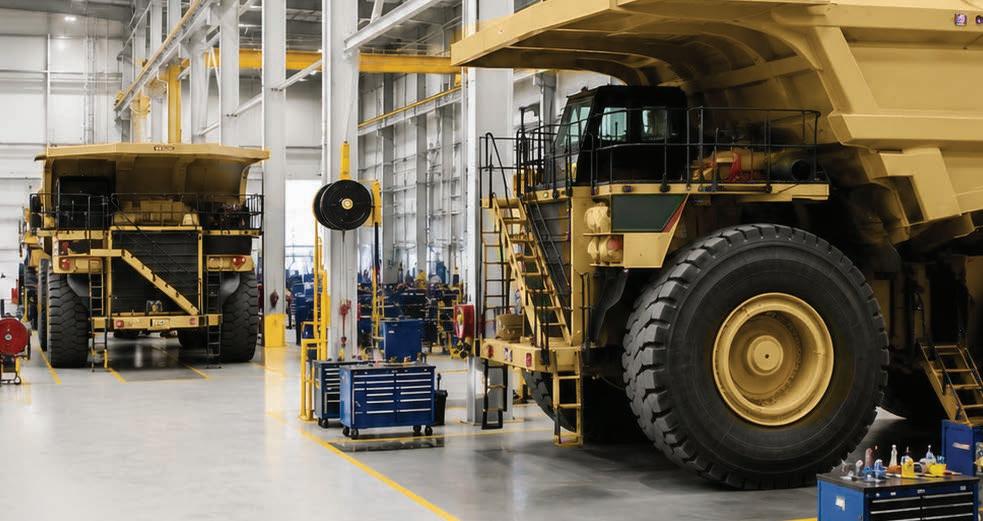



The ADDA Series delivers smooth, controlled pneumatic hose payout and rewind, whilst minimising workplace risks and keeping operations safer, more efficient and productive.

Features & Benefits
Maintenance-free sealed gearbox to fit various harsh environments
Flexible combination with reels & accessories to reduce inventory cost
Modular design for different applications
Different hoses can be selected according to different fluids
Quick lock mechanism improves work efficiency & safety
Applications

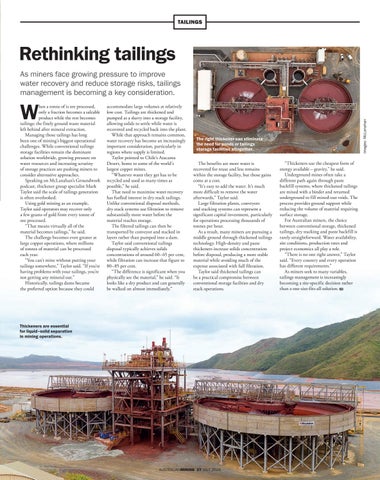
As miners face growing pressure to improve water recovery and reduce storage risks, tailings management is becoming a key consideration.
When a tonne of is ore processed, only a fraction becomes a saleable product while the rest becomes tailings: the finely ground waste material left behind after mineral extraction.
Managing those tailings has long been one of mining’s biggest operational challenges. While conventional tailings storage facilities remain the dominant solution worldwide, growing pressure on water resources and increasing scrutiny of storage practices are pushing miners to consider alternative approaches.
Speaking on McLanahan’s Groundwork podcast, thickener group specialist Mark Taylor said the scale of tailings generation is often overlooked.
Using gold mining as an example, Taylor said operators may recover only a few grams of gold from every tonne of ore processed.
“That means virtually all of the material becomes tailings,” he said.
The challenge becomes even greater at large copper operations, where millions of tonnes of material can be processed each year.
“You can’t mine without putting your tailings somewhere,” Taylor said. “If you’re having problems with your tailings, you’re not getting any mineral out.”
Historically, tailings dams became the preferred option because they could
accommodate large volumes at relatively low cost. Tailings are thickened and pumped as a slurry into a storage facility, allowing solids to settle while water is recovered and recycled back into the plant.
While that approach remains common, water recovery has become an increasingly important consideration, particularly in regions where supply is limited.
Taylor pointed to Chile’s Atacama Desert, home to some of the world’s largest copper mines.
“Whatever water they get has to be recycled and used as many times as possible,” he said.
That need to maximise water recovery has fuelled interest in dry stack tailings. Unlike conventional disposal methods, dry stack systems use filtration to remove substantially more water before the material reaches storage.
The filtered tailings can then be transported by conveyor and stacked in layers rather than pumped into a dam.
Taylor said conventional tailings disposal typically achieves solids concentrations of around 60–65 per cent, while filtration can increase that figure to 80–85 per cent.
“The difference is significant when you physically see the material,” he said. “It looks like a dry product and can generally be walked on almost immediately.”
The benefits are more water is recovered for reuse and less remains within the storage facility, but those gains come at a cost.
“It’s easy to add the water. It’s much more difficult to remove the water afterwards,” Taylor said.
Large filtration plants, conveyors and stacking systems can represent a significant capital investment, particularly for operations processing thousands of tonnes per hour.
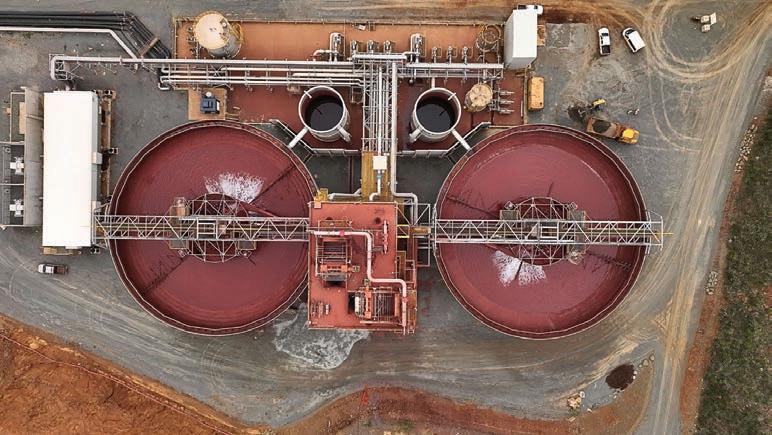
As a result, many miners are pursuing a middle ground through thickened tailings technology. High-density and paste thickeners increase solids concentration before disposal, producing a more stable material while avoiding much of the expense associated with full filtration.
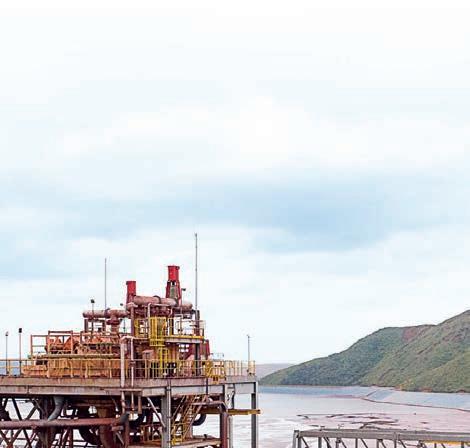
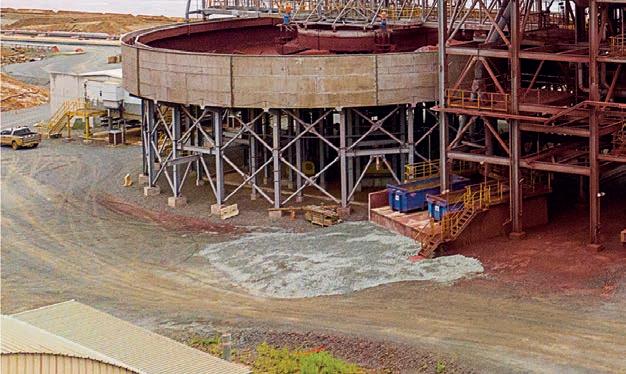
Taylor said thickened tailings can be a practical compromise between conventional storage facilities and dry stack operations.
“Thickeners use the cheapest form of energy available – gravity,” he said.
Underground mines often take a different path again through paste backfill systems, where thickened tailings are mixed with a binder and returned underground to fill mined-out voids. The process provides ground support while reducing the volume of material requiring surface storage.
For Australian miners, the choice between conventional storage, thickened tailings, dry stacking and paste backfill is rarely straightforward. Water availability, site conditions, production rates and project economics all play a role.
“There is no one right answer,” Taylor said. “Every country and every operation has different requirements.”
As miners seek to many variables, tailings management is increasingly becoming a site-specific decision rather than a one-size-fits-all solution. AM
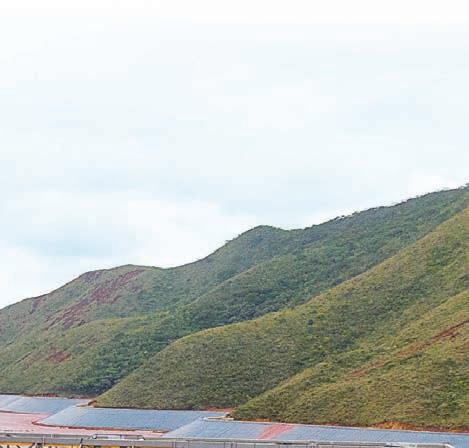
Reliability is reshaping how surface miners think about value, cost and performance across the entire operation.
Australia’s surface mining sector is evolving rapidly as companies focus on improving productivity, strengthening reliability and delivering greater long-term performance across increasingly complex operations.
But rather than focusing narrowly on up-front procurement costs or replacement intervals, the industry is beginning to recognise that true operational value is created through reliability, lifecycle performance and system-wide operational continuity.
MASPRO global surface mining reliability lead Matthew McCulloch said this shift reflects a more mature understanding of what truly drives performance in surface mining environments.
“A lot of component decision-making still centres on the most visible cost,
which is purchase price,” McCulloch told Australian Mining.
“But in surface mining, the real operational cost is downtime.
“The real value shows up in improved equipment availability, reduced maintenance intervention and more consistent productivity.”
Rather than treating components as isolated consumables, McCulloch said more operators are recognising that reliability is shaped by the interaction between engineering design, operating conditions and maintenance strategy.
“The physical operating environment changes everything,” he said.
“Different commodities, production pressures and site conditions all influence how equipment performs.
“Abrasion, contamination and ground conditions all feed into component life.”
That variability is evident across sites, even within the same commodity. McCulloch recently observed two lithium operations in the Pilbara with very different wear profiles despite operating under similar conditions on paper.
“One operation experienced significantly higher wear rates while the other remained relatively stable,” he said.
“On paper the sites looked similar, but differences in ground conditions, operating practices and equipment utilisation changed the reliability outcome.”
These kinds of differences are reinforcing the importance of close collaboration between miners and suppliers, particularly when it comes to understanding site-specific requirements.
“The biggest gains happen when procurement, maintenance and operations are aligned around reliability outcomes
rather than separate internal KPIs,” McCulloch said.
“When procurement understands the operational cost of failure and maintenance teams contribute real-world performance feedback, decision-making becomes much more effective.”
McCulloch said more miners are now prioritising quality and lifecycle performance alongside cost considerations, particularly where downtime has a direct impact on production.
“We recently discussed whether cost is the number-one priority,” he said.
“Yes, it matters, but it doesn’t come ahead of quality. Customers want products that last longer, avoid premature failures and deliver consistent performance.”
A key part of that shift is the growing use of long-term trials and real-world performance tracking to assess reliability before wider deployment.
MASPRO works closely with customers to gather operational feedback and translate it into measurable return-oninvestment outcomes. In many cases, miners are now running extended trials across multiple machines over 12 months or more to properly evaluate lifecycle performance under real site conditions. That longer-term approach is also strengthening supplier relationships, with greater emphasis on collaboration, responsiveness and accountability.
McCulloch said customers increasingly value suppliers who spend time on-site,
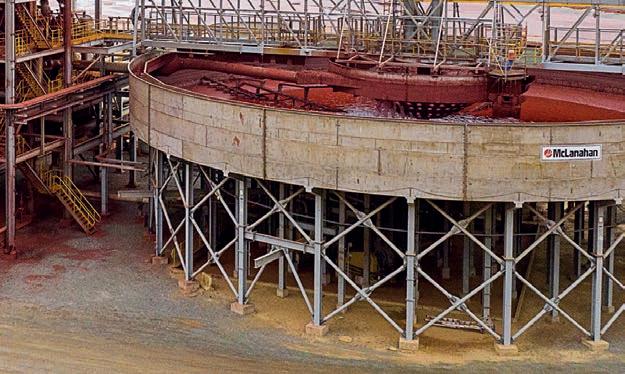
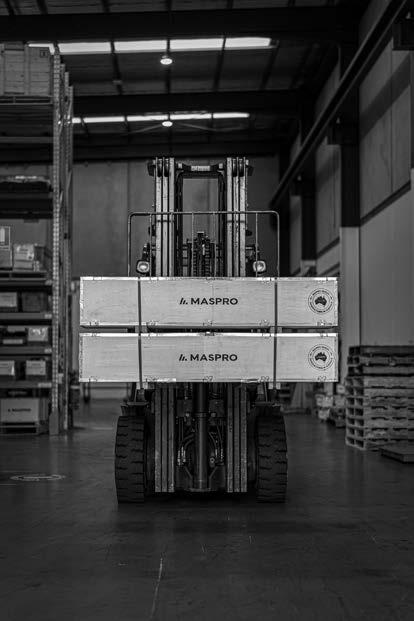
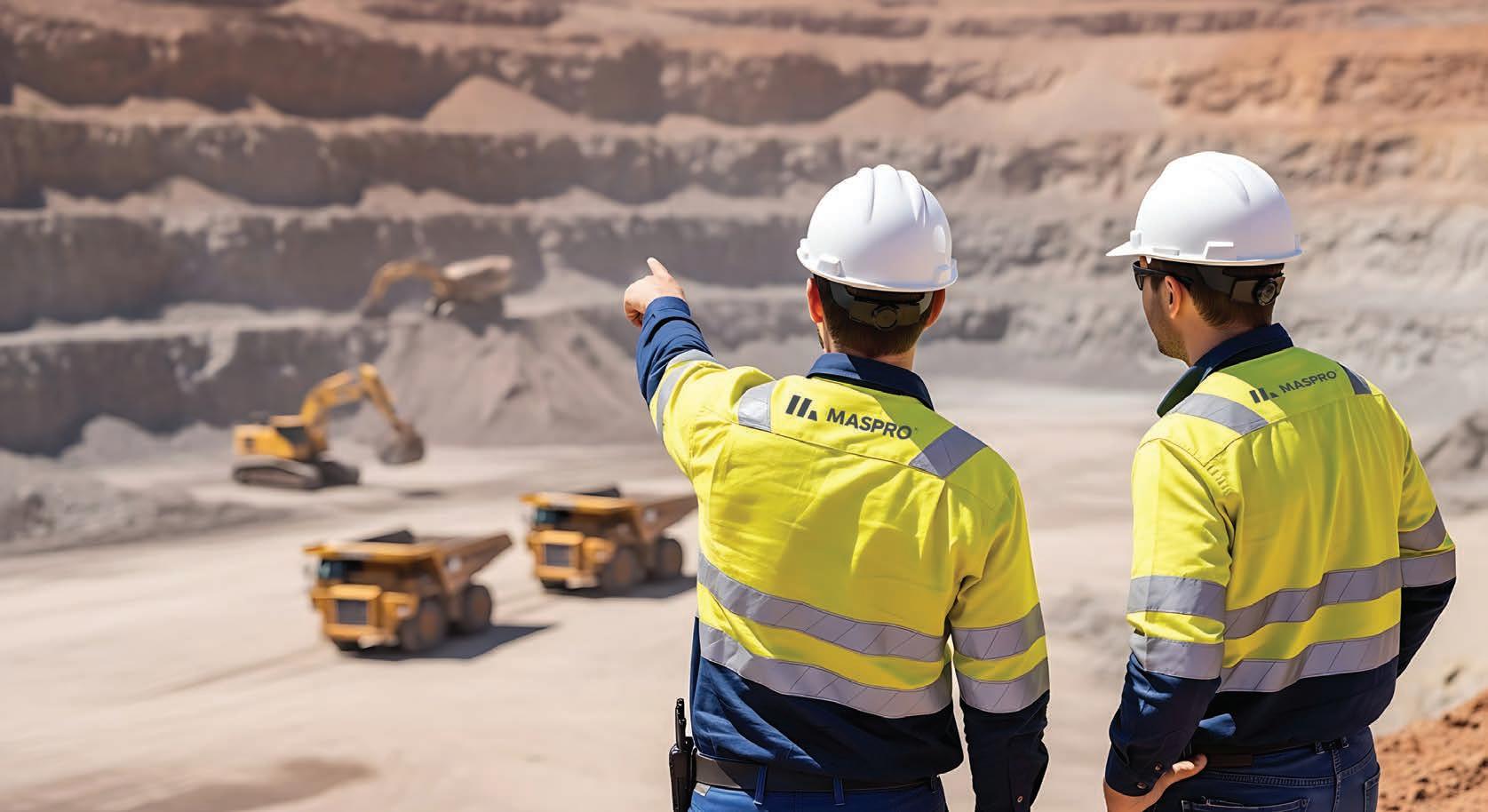
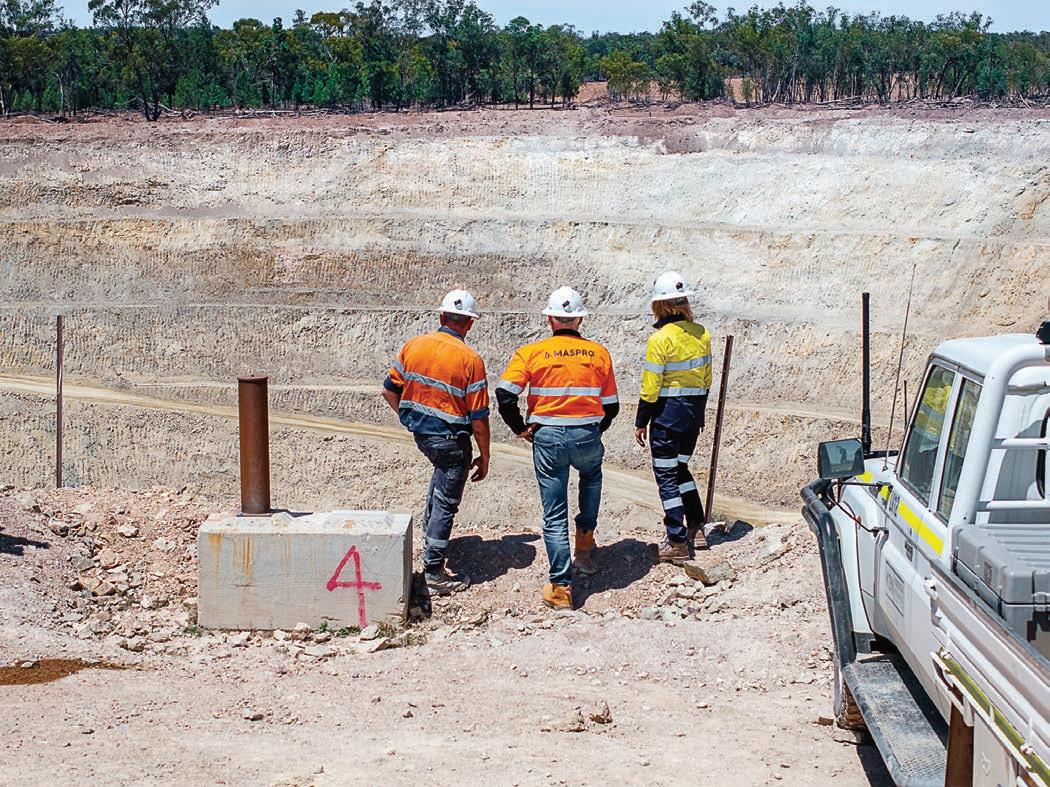
Large-scale surface mining operations highlight the growing focus on productivity and equipment availability across entire systems.
listen to operational challenges and work alongside maintenance teams to solve problems.
“One thing we focus on is going above and beyond for customers,” he said.
“If they’re experiencing ongoing issues, we work closely with them to resolve those challenges and improve performance.”

Exchange Bucket Mass for Payload Lower Cost per Tonne Easy Maintenance, Less Downtime Fuel Savings per Tonne Sustainable Load Out
Transparency is also an important part of that relationship.
“If we identify an issue with one of our products, we notify customers quickly so it can be addressed and resolved,” McCulloch said.
As surface mining operations become more complex and production

pressures continue to increase, McCulloch believes the industry will continue shifting toward lifecycle-based decision-making, where reliability is treated as a system outcome shaped by engineering, maintenance strategy and operational collaboration across the value chain. AM




























Atlas Copco is reshaping how mines use compressed air, connecting drilling, crushing and mineral processing through one integrated system.
Compressed air is no longer confined to one part of the mining process. It is increasingly being used as a connected system supporting drilling, crushing, screening and mineral recovery.
That shift is shaping how Atlas Copco Rental approaches mine air solutions, providing mobile high-pressure compressor rentals that can support multiple stages of mining operations.
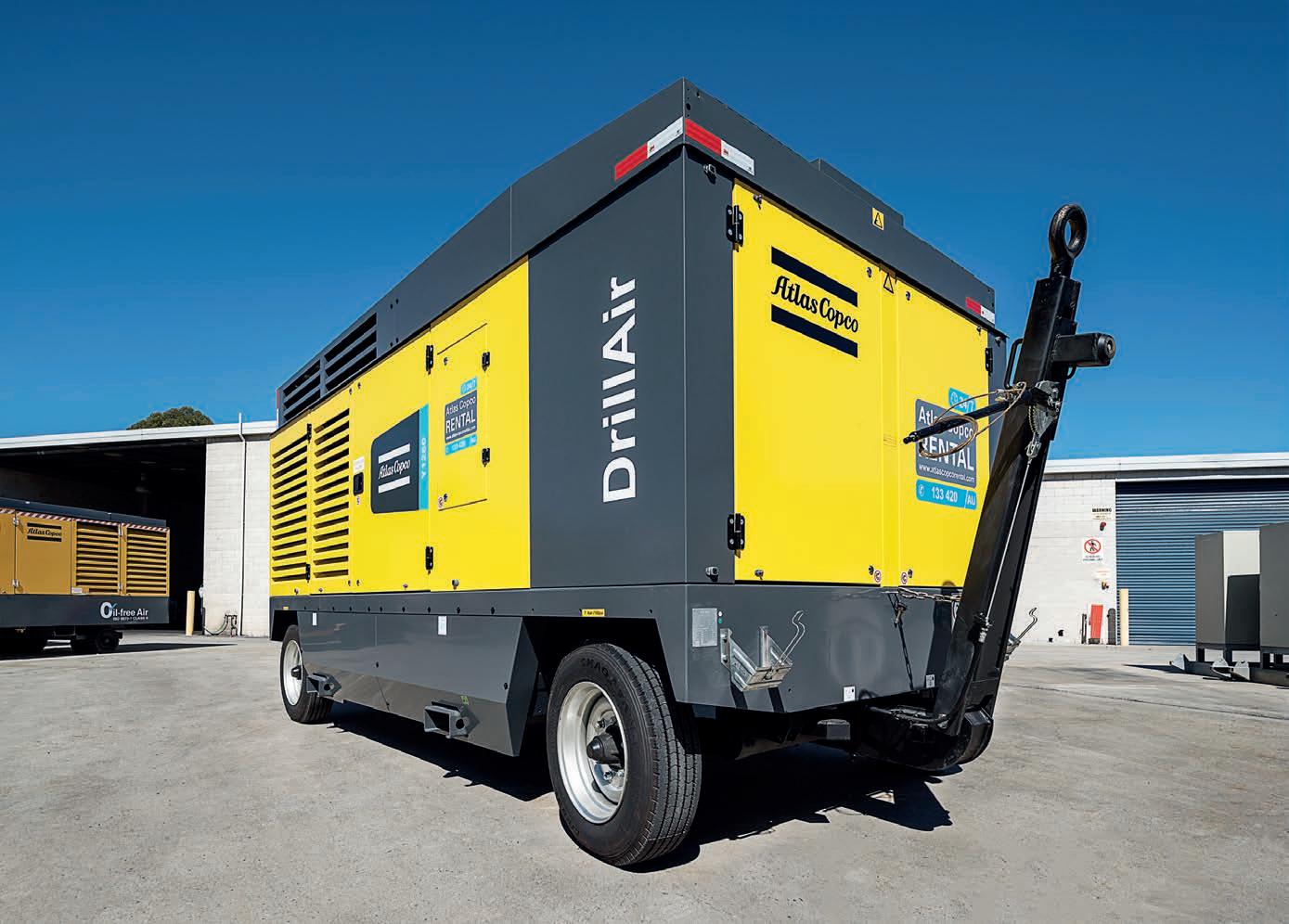
At the centre of the company’s rental offering is the DrillAir Y1260, a compressor designed to move with production demands.
“It’s a versatile rental solution, designed to provide mining operations with the exact power you need, when you need it, without the obligations that come with ownership,” Atlas Copco marketing manager David Irwin told Australian Mining
Built for demanding drilling applications, the Y1260 delivers a flow range of 1126–1431 cubic feet per minute (CFM) and pressures up to 35 bar, making it suited to deep-hole and hard rock operations where penetration rates and uptime are critical.
But while the compressor is designed for drilling, its role increasingly extends beyond the blast pattern.
Once material enters the crushing and screening circuit, compressed air becomes essential to keep ore moving efficiently through the plant.
Dust suppression systems around crushers rely on stable airflow to maintain safe working conditions, while pneumatic conveying systems use compressed air to transfer material between crushing and screening stages.
High-pressure air can also be used to clear blockages in screens and chutes before they escalate into major shutdowns.
“In this way, the Y1260 proves itself as more than just a tool for drilling, but as a compressor that supports the entire production process,” Irwin said.
Looking beyond its drilling capabilities, the option to rent the Y1260 allows operations to scale equipment in line with shifting production schedules, reduce long-term capital commitments and quickly redeploy assets between active work fronts.
The ability to move a single compressor across multiple production areas is becoming increasingly valuable.
Rather than investing a large amount of capital into dedicated equipment for fixed tasks, operations are looking for these kinds of flexible solutions that can adapt to short-term demand and evolving site requirements.
Other notable features of the Y1260 include its compact footprint and mobility, allowing it to be quickly repositioned between drill pads, crushers and maintenance areas, while its fuelefficient design helps lower operating costs in continuous-use environments.
Safety has also been a focus in the compressor’s design, with features including after-coolers, emergency stops and fire suppression systems built for harsh mining conditions.
The growing connection between drilling, crushing and screening activities is changing the way many operations think about air infrastructure.
Rather than isolated utilities serving individual tasks, compressed air systems are increasingly being viewed as part of a continuous production chain.
From drilling and blasting through to material handling support, rental compressors such as the Y1260 provide mines with the flexibility to respond
to changing operational requirements without investing in dedicated assets for every application.
By combining mobility, high-pressure performance and rental flexibility, the Y1260 helps mining operations maintain productivity while minimising downtime across multiple stages of production. AM
Part of the global Atlas Copco Group, Atlas Copco Rental supplies rental equipment designed to help manage shutdowns, maintenance programs, production fluctuations and emergency response requirements. Operating through a national network of rental centres, Atlas Copco Rental combines equipment supply with engineering, installation and on-site technical support. Its fleet includes air compressors, generators, nitrogen generators, steam boilers, boosters and air treatment systems available for both short- and long-term projects.
The company specialises in delivering flexible utility solutions where reliability and uptime are critical, with services tailored to planned projects and unexpected operational demands. Atlas Copco Rental has been operating in Australia since 1995 and supports customers across surface and underground mining environments.
Deswik is helping sites improve planning efficiency by bringing mining, blending and haulage into an integrated workflow.
Planning for mining, blending and haulage in open pit operations has never been more difficult. When those elements are managed separately, gaps in the plan can go undetected until it’s too late to address them.
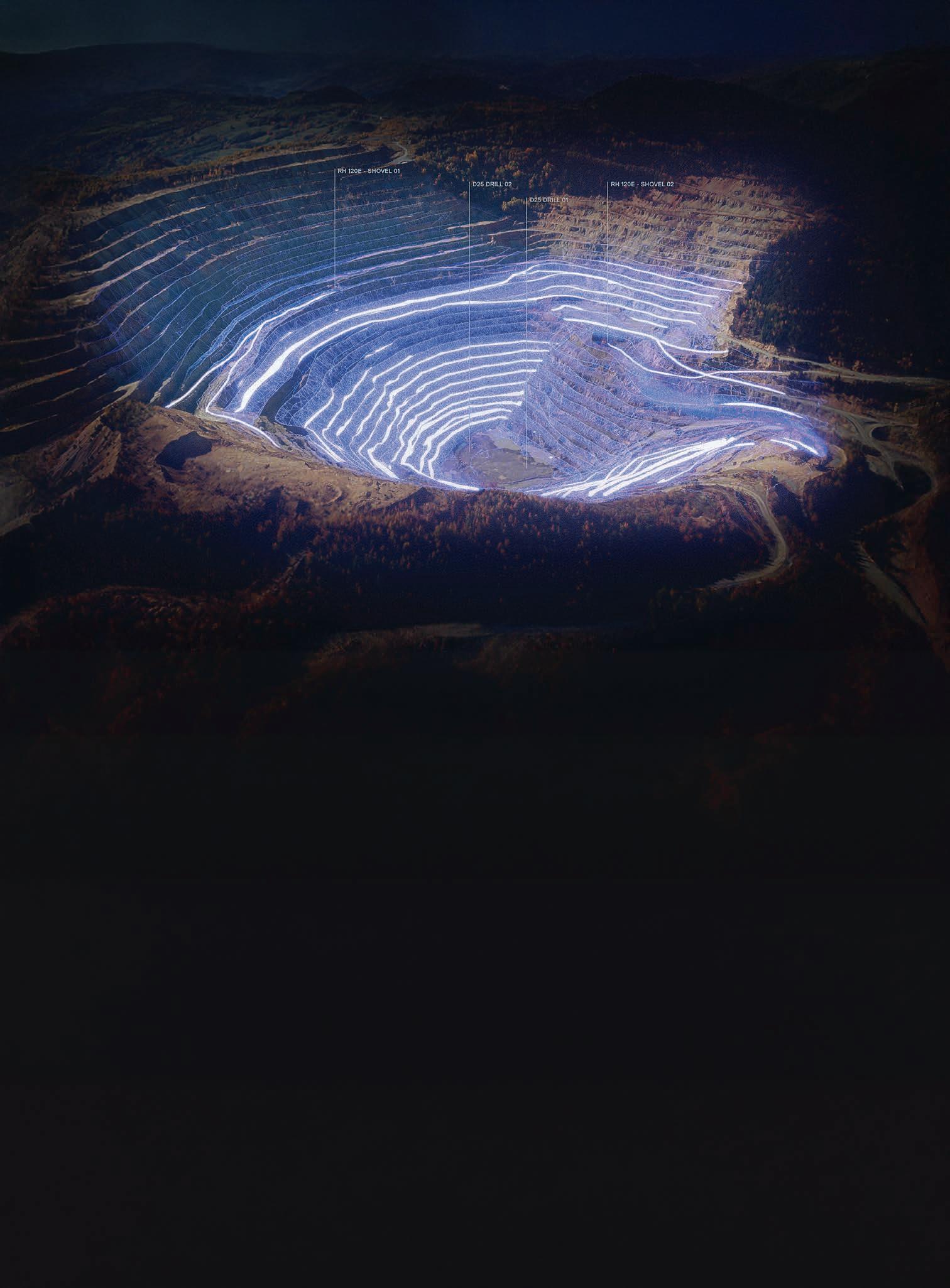
That is the challenge Deswik is targeting with NOVA, the latest software offering designed to bring mining, blending and haulage into a single integrated workflow for open pit operations.
According to Amanda Forbes, principal mining consultant at Deswik, the demands on mine planning teams are growing on multiple fronts.
“Deposits are getting more complex, margins are tightening, and we’re dealing with lower grades, more variability and more geo-technical and operational constraints than ever before,” she told Australian Mining
“Planning teams are expected to deliver more scenarios in less time, with fewer experienced people available to
ensure those plans are practical, robust and realistic.”
When a plan can’t be executed as written, operations are forced to make quick decisions on the day to maintain production, which can push the site away from its longer-term objectives. That often comes down to how the planning process itself is structured.
“When mining, blending and haulage are handled in separate systems, each piece of the plan can look valid on its own, but that doesn’t guarantee it works as a whole,” Forbes said.
“Teams can waste significant time moving data between systems and checking consistency, rather than spending that time improving the plan itself.”
Delays in receiving inputs can compress planning timelines.
Some constraints only become visible once everything is brought together, often leaving very little time to properly identify and analyse the bottlenecks.
“NOVA was designed to address a fundamental problem in how mine planning is typically done, where the process is split across multiple steps and tools, without a clear, consistent workflow for building a plan,” Forbes said.
With mining, blending and haulage visible together in a single environment, changes can be tested quickly with the impact seen across the full system.
“That changes how planning time is used,” Forbes said. “Less time is spent transferring data or reconciling outputs and more time is spent testing how the system behaves when inputs change.”
Scenario planning has shifted from being a nice-to-have to a core part of the planning process. With more volatility in geology, costs and operating conditions, a single plan is no longer enough to support decision-making.
This is where NOVA can have a significant impact. With scenario management built into the workflow
rather than treated as a separate task, planners can run and compare multiple scenarios more easily, leading to better visibility of risk and more informed decisions.
Deswik’s surface mining capability has been part of its offering from the very beginning.
These tools are now widely adopted across design, scheduling, optimisation, blending and reporting, developed through close collaboration with customers using them in real operations.
NOVA builds on that foundation, bringing those capabilities together in a way that better supports how planning decisions are made.
The focus hasn’t been on adding complexity, but on making it easier to produce plans that are consistent, realistic and practical to execute.
“The clearer the decisions behind the plan are, the more likely the operation is to stay aligned and deliver against its long-term objectives,” Forbes said. AM
We are now better equipped than ever to help you to optimise your comminution and material handling operations for maximum performance, safety and efficiency. Our industry leading expertise in crushing, screening, feeding, loading and wear protection allows us to bring you an unrivalled equipment line-up. We underpin this unique offering with our expert process knowledge, full range of digital tools, high quality OEM spare parts, consumables and life-cycle services.
Scan the QR code to discover why we are the industry’s partner in eco-efficient mineral processing.
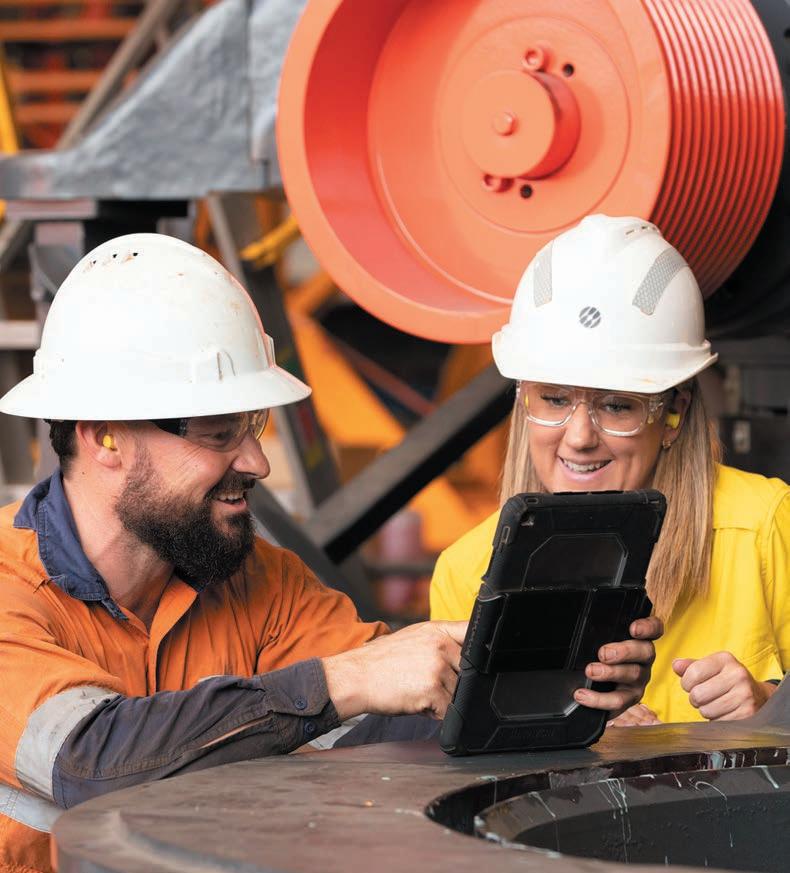
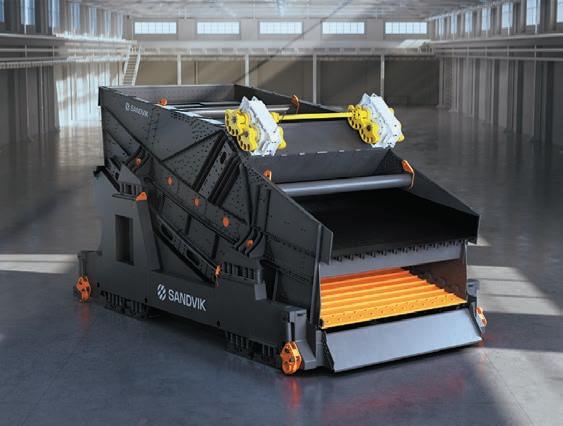
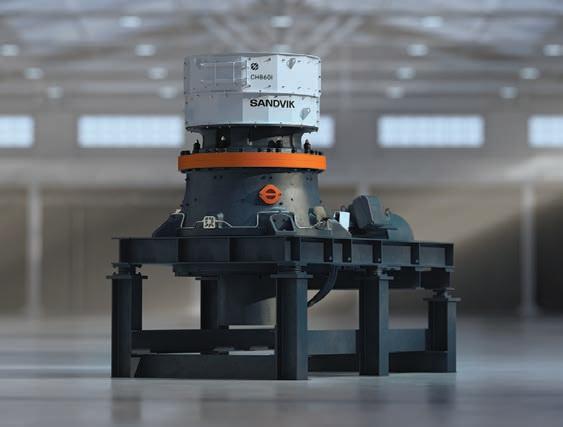
WE ENGINEER BEYOND THE COMPONENT TO IMPROVE OPERATIONAL RELIABILITY

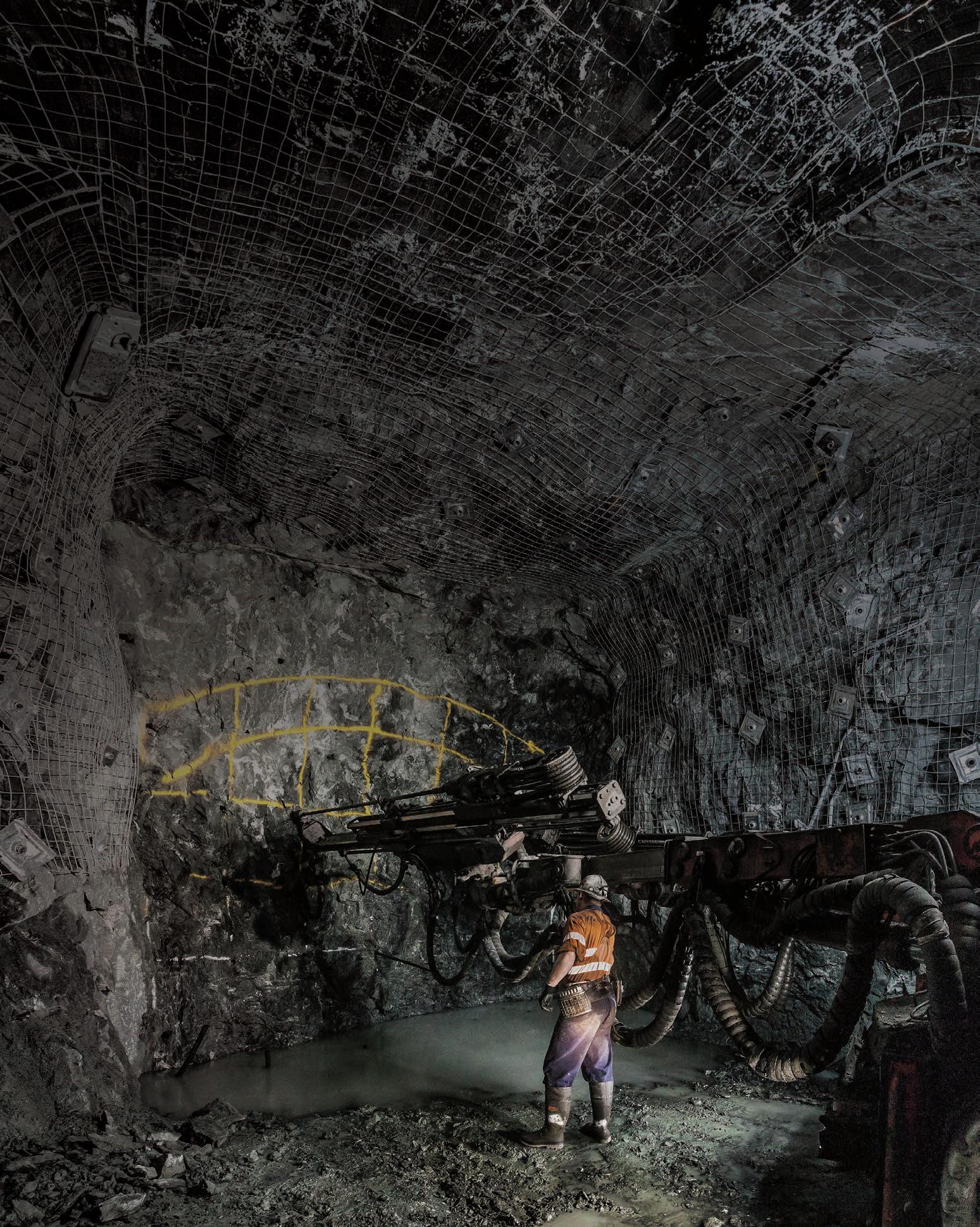

EXPLORE REDEFINING RELIABILITY




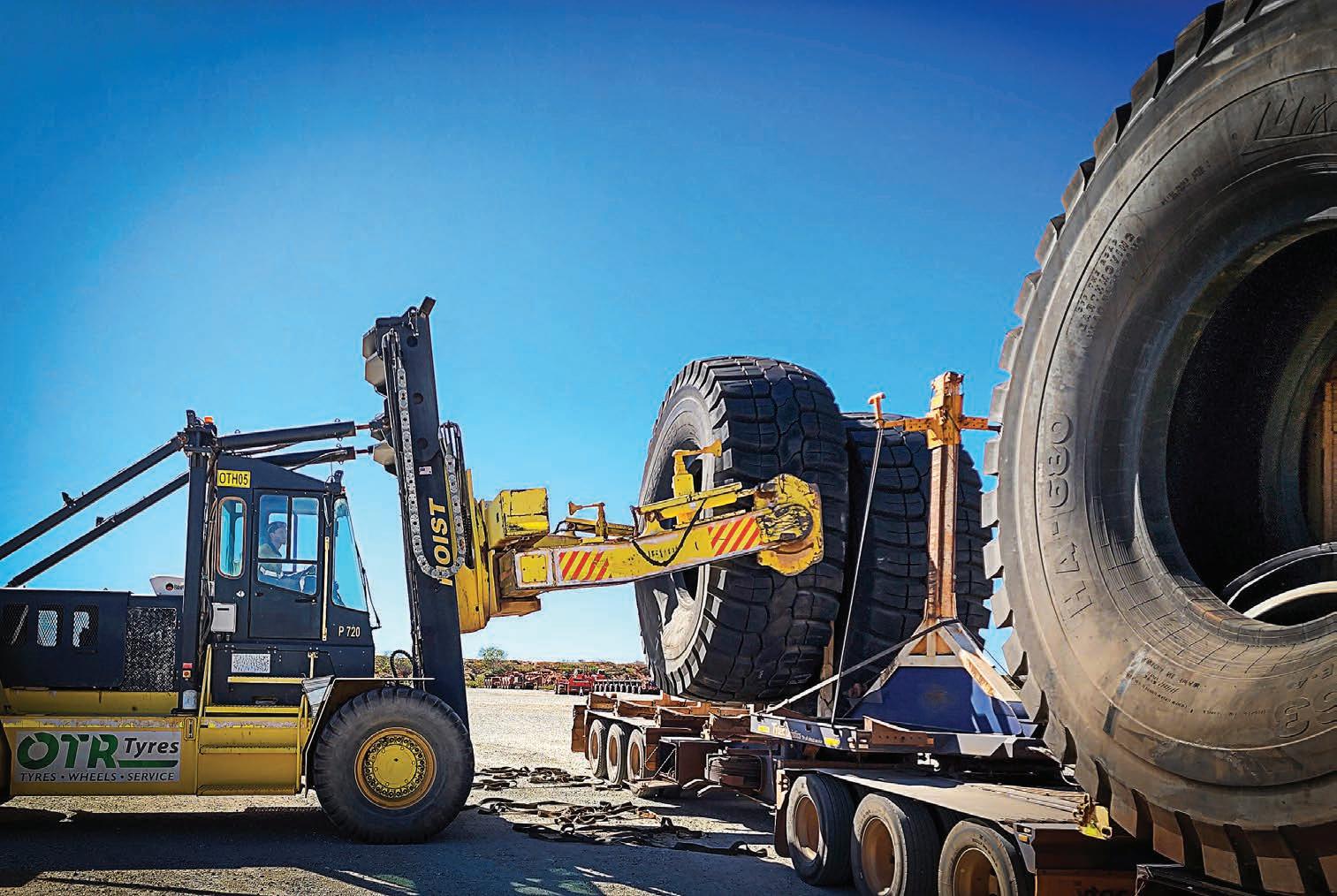
OTR Tyres is supporting surface mining operations by keeping the wheels turning on key equipment.
Tyre failure remains one of the most common causes of unplanned downtime in mining. When a haul truck, loader or grader is taken out of service, the production impact is immediate, and even short delays can translate into substantial operational losses.
OTR Tyres addresses this challenge through on-site tyre services designed to restore equipment quickly and safely at the point of failure.
By removing the need to transport large assets to a warehouse or factory, OTR Tyres helps operators reduce downtime and maintain production targets.
This model also supports improved tyre performance over time. Since servicing and maintenance is more structured, operators have greater visibility over the condition of equipment, leading to less unplanned downtime.
OTR Tyres operates a national network of 16 locations across Australia, enabling rapid deployment of on-site tyre services to metropolitan and remote operations. This footprint is central to the company’s ability
to respond quickly to breakdowns and scheduled maintenance requirements across multiple industries including mining, construction, agriculture and transport.
OTR Tyres services trucks, purposebuilt for heavy industry environments and carrying specialist equipment for largescale tyre work, support this presence. This includes hydraulic lifting systems, bead breakers, inflation cages, torque tools and safety-rated handling equipment.
These tools allow technicians to perform complex tyre changes, repairs and fitments on-site, including on ultra-class mining tyres used on haul fleets.
The capability to service a wide range of equipment types helps to ensure consistent support across entire operations and reduces reliance on external workshops, further streamlining maintenance scheduling.
OTR Tyres technicians are a key part of this offering, undergoing structured training pathways and operating under strict safety and procedural standards. This means that, when on-site, the correct fitting, inflation and torquing is applied
to each specific scenario to ensure tyres perform at their best.
Beyond reactive breakdown response, OTR Tyres places strong emphasis on preventive tyre maintenance programs. These include regular inspections, pressure monitoring, tread wear tracking and rotation scheduling designed to identify issues before they escalate into failures.
This proactive approach reduces unplanned downtime and improves fleet reliability while delivering operational benefits like improved fuel efficiency and reduced tyre wear. With procurement of equipment stretched due to global supply chain instability, keeping what you have in working order is key.
These maintenance programs are increasingly supported by data-led insights that allow operators to monitor tyre performance trends over time.
This helps fleet managers make more informed decisions about replacement cycles and maintenance planning, improving overall asset utilisation.
OTR Tyres also integrates its on-site service capability with a national supply
network that includes leading global tyre brands such as Michelin, Bridgestone, Goodyear, Continental, Toyo, Aeolus and TerraTyre. This means the correct tyre is available when required, reducing delays associated with procurement and logistics.
OTR Tyres also continues to invest in technology and service capability, including digital inspection tools, improved monitoring systems and predictive maintenance frameworks. These developments are increasingly important as mining operations expand further into remote regions and adopt more data-driven maintenance strategies.
At the same time, demand for rapidresponse on-site tyre support continues to grow as fleets become larger and more operationally complex. OTR Tyres’ national scale, technical expertise and integrated service model position it to meet these evolving requirements.
OTR Tyres ultimately provides support to mine site operations with structured service models designed to reduce downtime, improve safety and extend equipment life. AM
Australian Power Equipment is putting emphasis on refurbished electrical infrastructure to help support more sustainable surface mining operations.
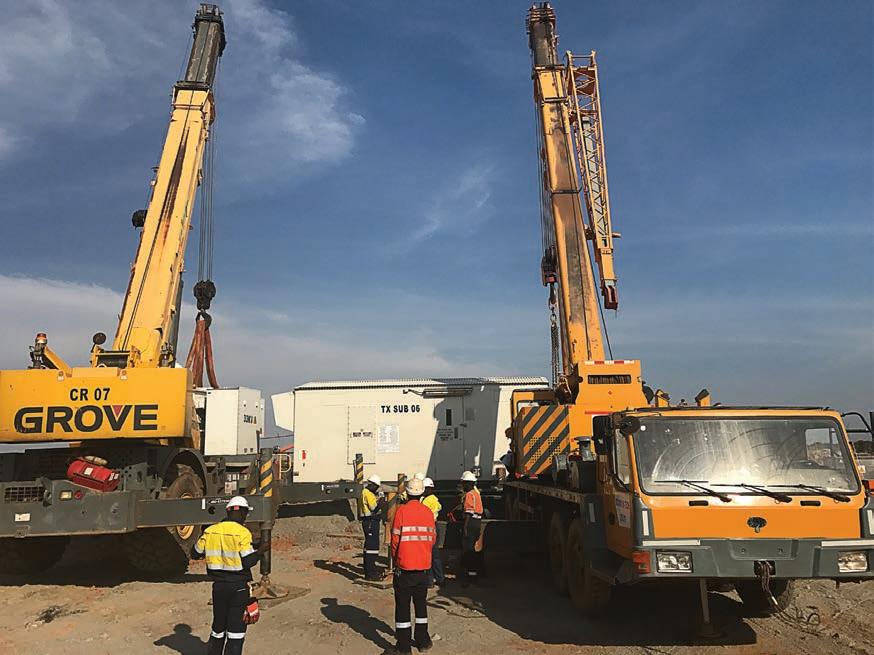
Surface mining operations are under constant pressure to deliver more tonnes, greater efficiency and improved sustainability outcomes whilst maintaining high standards of safety and reliability.
As mines expand, electrification increases and operational demands continue to grow, the role of electrical infrastructure is becoming more critical than ever.
From substations and transformers to switchgear, cables and earthing systems, electrical assets form the backbone of modern mining operations.
Yet, while significant attention is often given to mobile equipment, supporting electrical networks are often overlooked until failure occurs.
According to Australian Power Equipment (APE), the most successful operations view electrical infrastructure as more than just a static asset.
“Reliable power is fundamental to every aspect of a surface mine,” APE co-director Andrew Cockbain told Australian Mining
“Whether it’s powering processing facilities, pumping systems, workshops, conveyors, or site infrastructure, the electrical network underpins production. The challenge is ensuring that network remains reliable while adapting to changing operational requirements.”
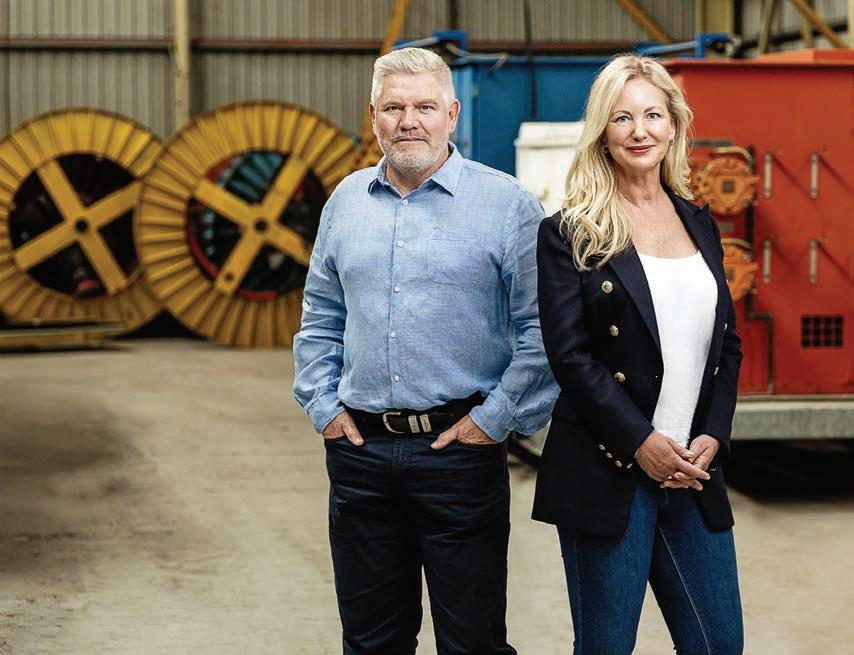
A key challenge facing mining operations today is balancing long-term infrastructure planning with the realities of equipment availability and project timelines. Global supply chain disruptions over recent years have highlighted the risks associated with relying solely on new equipment procurement.
As a result, many mining companies are taking a more flexible approach to asset management, incorporating refurbished and repurposed equipment into their broader infrastructure strategy.
The perception that refurbished equipment represents a compromise is rapidly changing. When professionally assessed, engineered, tested and certified, refurbished assets can deliver the same operational outcomes as new equipment while significantly reducing lead times and capital expenditure.
“Refurbishment should be viewed as an engineering solution rather than a secondchoice option,” Cockbain said.
“Many high-quality assets still have substantial operational life remaining. By repurposing equipment to suit a site’s specific requirements, mining companies can access reliable infrastructure far more quickly than waiting for new manufacture.”
This changing approach to refurbishment also aligns with wider
objectives surrounding sustainability.
Extending the life of existing electrical assets reduces the demand for new raw materials, lowers manufacturing emissions and diverts valuable equipment from disposal.
At APE, circular economy principles have become an increasingly important part of project delivery. Equipment that may no longer suit one operation can often be re-engineered, upgraded and redeployed somewhere else, creating both environmental and commercial benefits.
The value of this flexibility becomes particularly evident during unplanned outages or emergency situations.
In these circumstances, the ability to rapidly deploy replacement equipment can make the difference between maintaining production and experiencing extended downtime.
Hire equipment is also increasingly relied upon as part of new contingency planning strategies, providing operators with access to transformers, switchgear and associated infrastructure while permanent solutions are sourced.
“Mining operations are recognising that resilience is just as important as efficiency,” APE co-director Abby Crawford said.
“Having access to flexible equipment solutions allows sites to respond quickly
to changing circumstances without compromising essentials like safety or production targets.”
The increasing adoption of electrification across mining operations is further reinforcing the need for robust power infrastructure strategies.
As mines seek to reduce emissions through greater use of electrically powered equipment and renewable energy integration, demand on site electrical networks continues to grow.
This transition requires careful planning to ensure supporting infrastructure can accommodate both current and future load requirements, presenting key opportunities to review protocols around asset selection, efficiency improvements and long-term operational planning.
As mining operations continue to mature both above and below ground, the future will seemingly be defined by those that position flexibility, sustainability and reliability at front of mind.
As the industry continues to evolve, a balanced approach that combines new equipment, refurbished assets, strategic maintenance and contingency planning will be essential to maintaining productivity while meeting increasingly complex operational and environmental expectations. AM
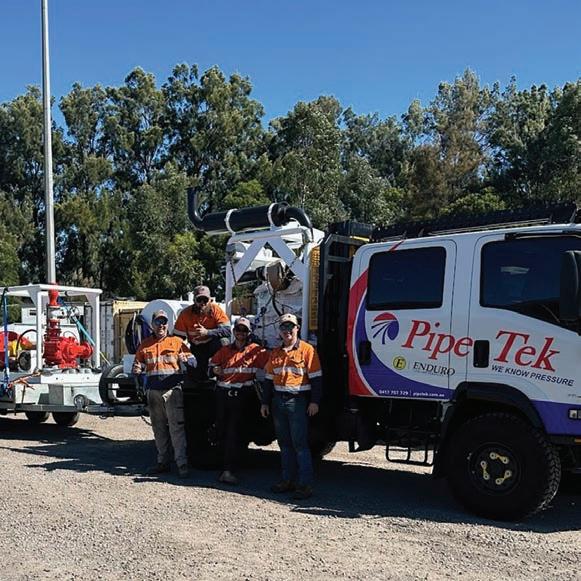
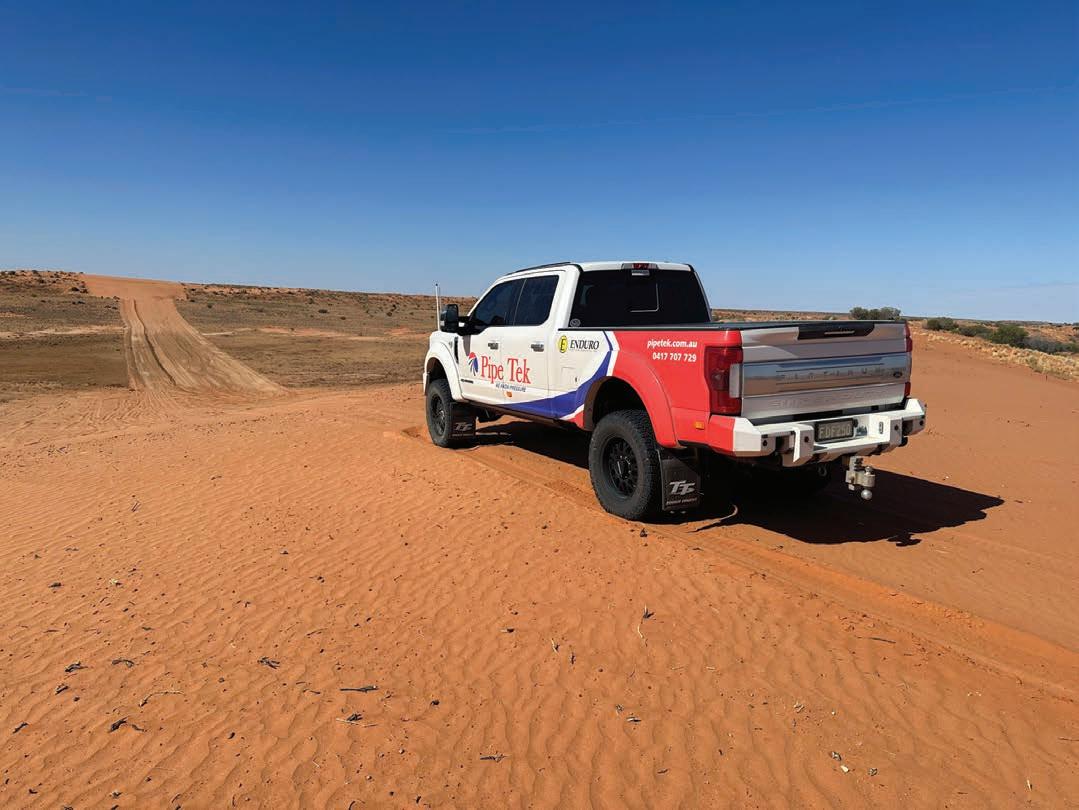
Events over the past year have highlighted the increasing role international agreements and deals are playing in shaping the future of Australian mining.
Recent developments have highlighted a growing reality for Australian mining: success in critical minerals is increasingly being shaped not just by geology, project economics and engineering, but also by international relations and diplomacy.
As Western nations seek to diversify critical minerals supply chains, Australian resource companies are finding themselves at the intersection of trade policy, national security and global industrial strategy.
Recent developments involving Arafura Rare Earths, Fortescue and the Quad partnership (Australia, India, Japan and the US) demonstrate how international cooperation is becoming a critical factor in determining which projects advance and which supply chains emerge.
The clearest example came with Arafura Rare Earths reaching a final investment decision (FID) for its Nolans rare earths project in the Northern Territory after
more than 20 years of planning and development. While the FID marks a significant milestone, the project also serves as a case study in how critical minerals developments are increasingly reliant on international partnerships.
In announcing the decision, Arafura described Nolans as being at the centre of international efforts to diversify critical minerals supply chains involving Australia, the US, Germany, Canada and South Korea.
The project has secured offtake agreements with European, Korean and North American customers, while also attracting support from export credit agencies in the US, Canada, Germany and South Korea.
That international coalition has become a fundamental part of the project’s development pathway.
Arafura managing director Darryl Cuzzubbo said the company’s customer base and government support reflect the strength of international demand
for alternative rare earth supply chains outside China.
“The offtake relationships we have established with Hyundai, Kia, Siemens Gamesa, Traxys and the various types of economic support provided by the Australian Government are not transactional arrangements,” Cuzzubbo said.
“They reflect a shared recognition that the diversification of global rare earth supply chains is an imperative, not merely an opportunity.”
The significance of Nolans extends beyond the project itself. It demonstrates how governments and industrial customers are increasingly willing to work together to support projects that can provide strategic alternatives in critical minerals supply chains.
Global expertise gains value Another pertinent example of the importance of international diplomacy emerged recently with Fortescue’s
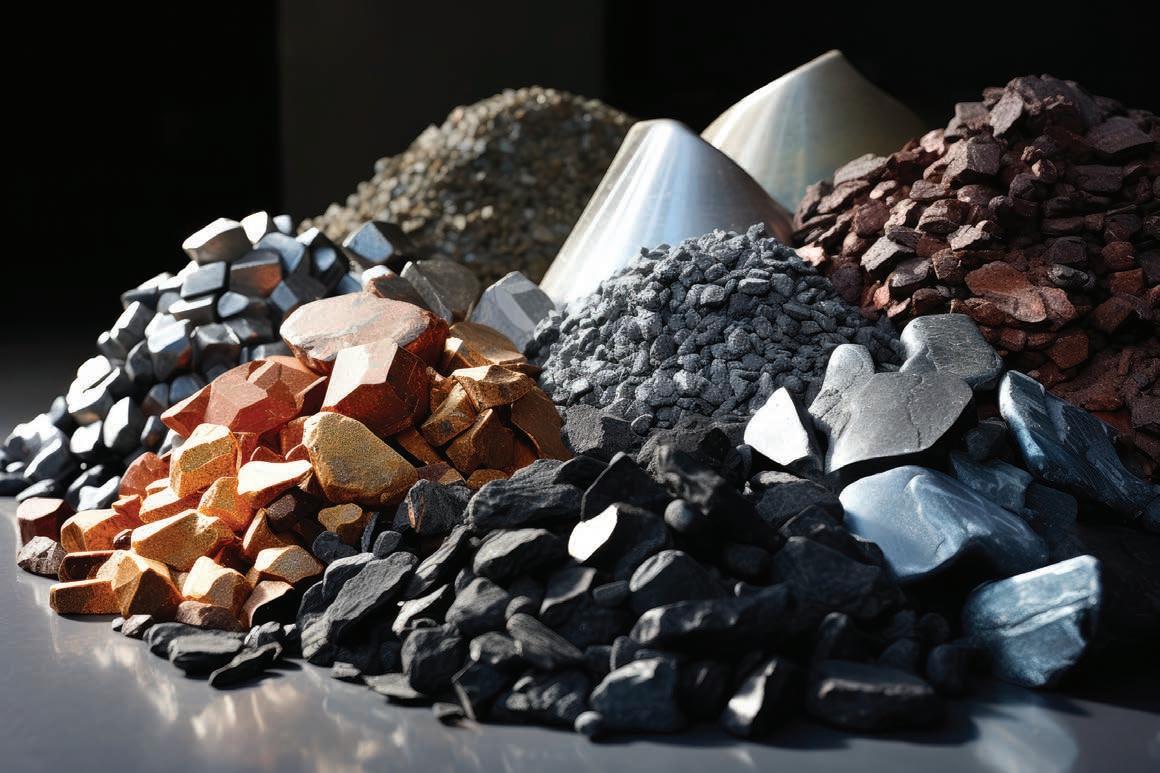

appointment of Sigrid Kaag as a nonexecutive director.
Kaag brings a 35-year career in international affairs, trade and finance, including serving as First Deputy Prime Minister and Minister of Finance of the Netherlands.
Her appointment comes shortly after the conclusion of the Australia–European Union Free Trade Agreement earlier this year and highlights the growing value resource companies are placing on international expertise.
Fortescue executive chairman Andrew Forrest said Kaag will bring valuable experience to the company’s future direction.
“Sigrid is an outstanding global leader with deep diplomatic expertise and a strong understanding of the Middle East, North Africa and European energy markets,” Forrest said.
“Her experience across governments, international institutions and multilateral finance will bring valuable perspective to Fortescue as we continue to grow, diversify and advance our leadership in delivering green solutions and eliminating fossil fuels from heavy industry.”
The appointment reflects the increasingly complex global environment in which mining companies operate.
Beyond commodity markets, miners must navigate varying regulatory frameworks, sustainability requirements, investment expectations and geopolitical considerations.
The announcement of the Quad Critical Minerals Initiative, involving Australia, India, Japan and the US, also reiterated the growing role of diplomacy in reshaping the global landscape for Australian mining.
The initiative aims to strengthen diversified supply chains across mining, processing and recycling and will seek to mobilise up to $20 billion in government and private sector support through new and existing efforts.
According to a joint ministerial statement, the Quad partners intend to use “economic policy tools and coordinated investment” to accelerate the development of diversified and fair critical minerals markets.
The framework focuses on three key areas: investment and project development, regulatory alignment and broader development settings, and recycling and recovery.
Earlier this year, Canadian Prime Minister Mark Carney visited Australia and made it a priority to meet with Rio Tinto chief executive officer Simon Trott, alongside a schedule of meetings with Australian political leaders including Prime Minister Anthony Albanese.
The Carney–Trott meeting came shortly after Rio Tinto announced it had taken a majority stake (53.9 per cent) in Nemaska Lithium, a fully integrated spodumene-to-lithium hydroxide
development project in Québec, while the Québec Government retains a 46.1 per cent share.
“Rio Tinto remains committed to Québec and Canada because we believe in the country’s potential to become a leader in the industries of the future, and we are determined to continue developing our assets here to supply the materials the world needs,” Rio Tinto aluminium and lithium chief executive Jérôme Pécresse said.
The Nemaska Lithium project underlines the way in which sovereign priorities are increasingly overlapping with mining.
Australia and Canada are two of the world’s largest mining nations, and Carney’s visit to Canberra has helped deepen ties between the countries while opening new opportunities for collaboration between their mining sectors.
“We signed a series of new agreements on critical minerals, including Australia joining the G7 minerals alliance, the largest grouping of trusted democratic mineral reserves in the world,” Carney said in a speech to Australia’s parliament.
These developments suggest critical minerals are increasingly being viewed through a strategic lens by governments and industry alike.
Former Australian Foreign Affairs Minister Julia Bishop captured that shift when she told a Perth mining event that minerals and metals are now at “the epicentre of great power competition”.
“Today it is inextricably tied to national security diplomacy,” Bishop said. “Industry needs a seat at the diplomatic table.”
Control of critical mineral extraction and processing, Bishop said, will carry increasing influence in coming decades.
“In trade talks we used to focus on market access and tariff schedules and the like, but it’s now supply chain resilience, strategic stockpiling and the importance of trusted, reliable, long-term partners,” she said.
“Mines and processing facilities and transport infrastructure are now viewed as assets in a strategic calculation that extends well beyond a company’s balance sheet.”
For Australian miners, particularly those operating in critical minerals, project success is no longer determined by resource quality and market demand. It is also shaped by the ability to align with the strategic priorities of governments and industrial partners seeking secure and diversified supply chains.
As Bishop said, governments are increasingly prepared to support private sector projects through diplomatic engagement, partnerships and financial backing.
“The opportunity … is that governments, including the Australian Government, are more willing to actively support and partner with private sector companies, essentially to secure resource supply chains,” she said.
“Critical mineral strategies in Australia, the US, Japan, India, the EU are all about diplomatic and financial capital. Partnerships, loan guarantees, diplomatic support for projects are much more likely now than they ever were before.”
For an industry traditionally focused on rocks, grades and production, diplomacy is rapidly becoming another critical resource. AM Companies



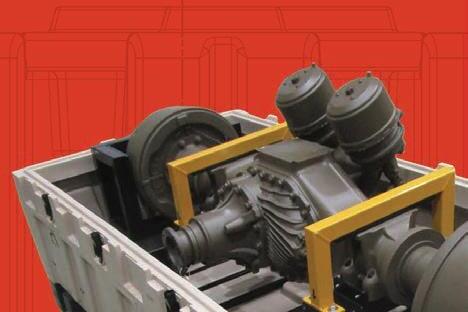

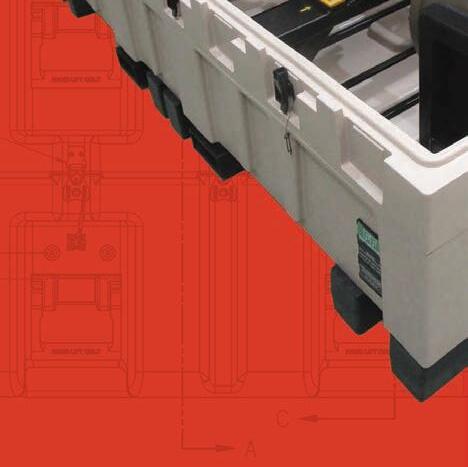

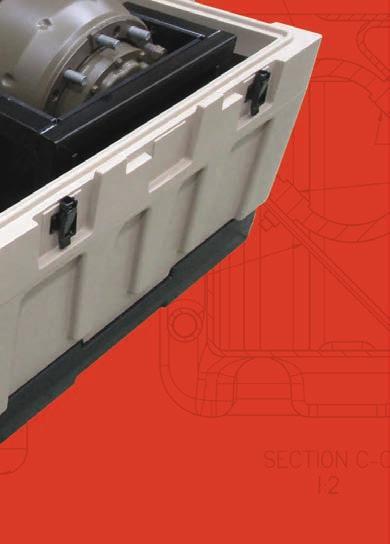
With over 50 years of expertise in engineered protective packaging, Pelican-Trimcast Technical Solutions delivers custom protective systems designed for demanding mining and industrial environments.
Engineered to withstand shock, vibration, dust, moisture, and extreme operating conditions, each solution is tailored to safely transport, store, and deploy critical equipment with confidence and reliability.

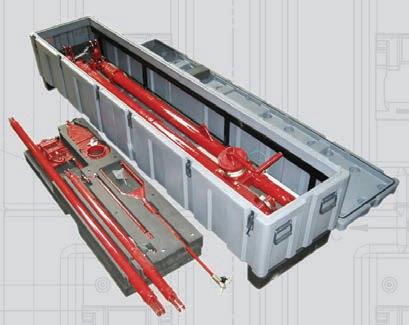



Largest ranges of case sizes and configurations for any application.

Purpose built solutions engineered for demanding operational environments.
Pelican-Trimcast certification - manufactured to the industry’s highest standards for performance and reliability.
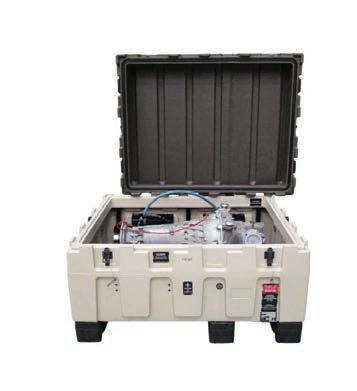
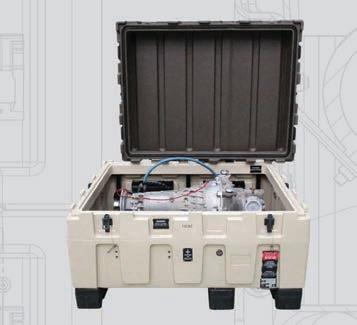

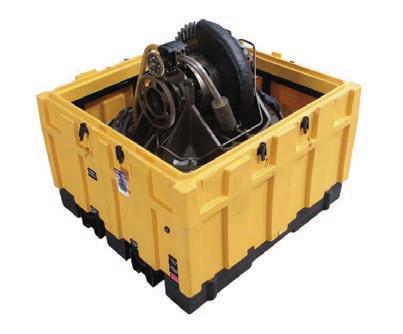
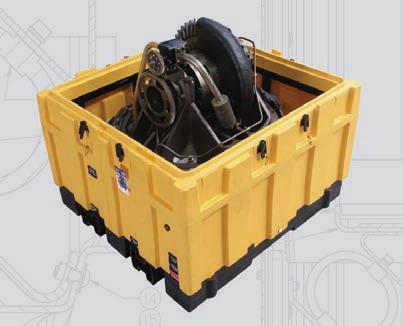

Pelican-Trimcast partners with you to engineer purpose-built protective systems for mining and resource environments — built to withstand harsh conditions, reduce downtime, and maximise operational reliability. Our factory-trained engineers and solution specialists design, validate, and deliver solutions tailored to your equipment, transport, storage, and field deployment needs.
Contact our team by Email info.australia@pelican.com, Call (03) 9765 1500 or Visit www.business.pelican.com/au/en for more information.
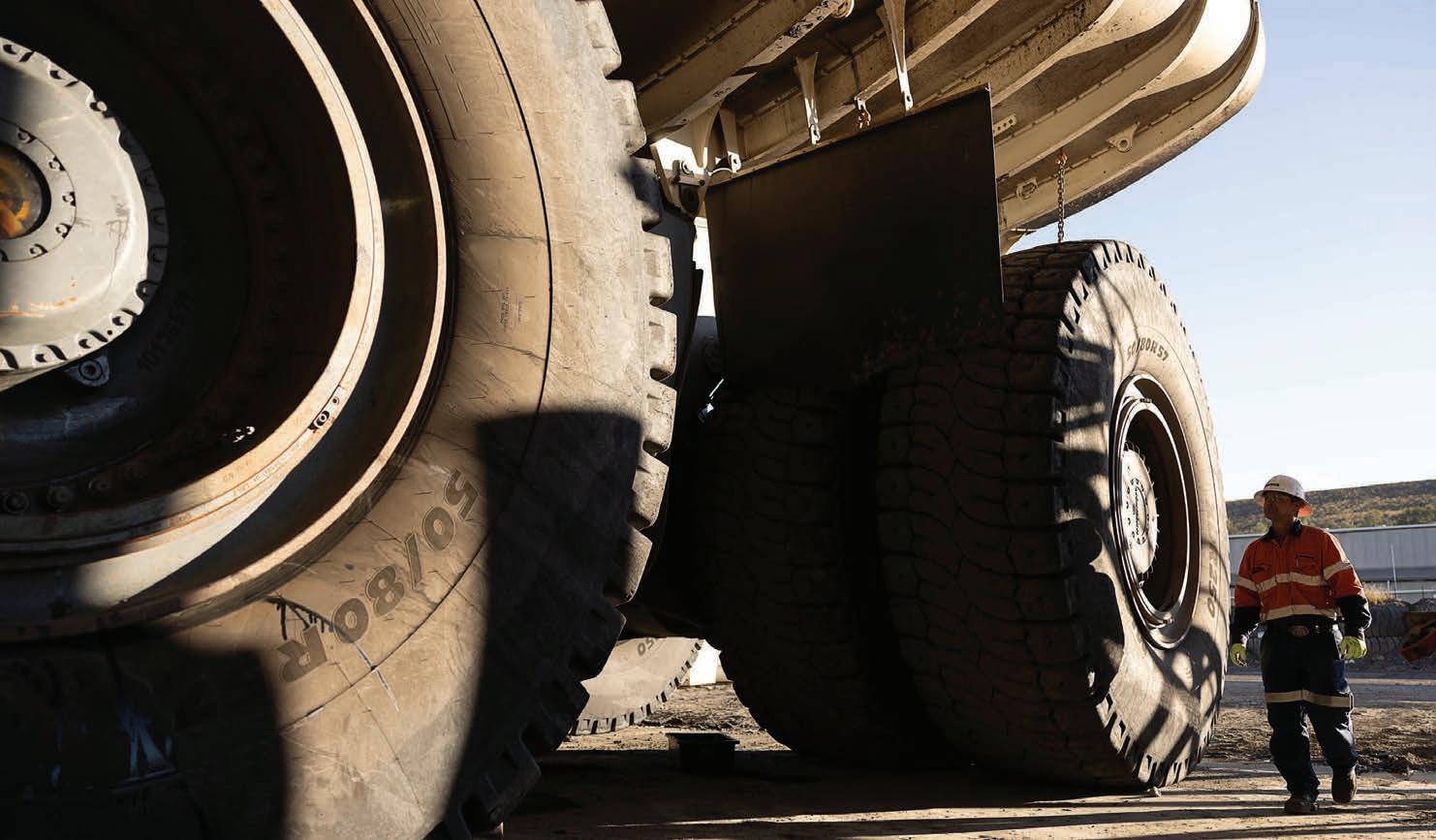
Liebherr’s application engineers are helping miners uncover hidden productivity gains through data, simulations and practical on-site machine assessments.
Investigative work has never been easy, but there is a reason why the role exists, even in the world of mining.
For Liebherr, its application engineers like Michael Anthony who understand that performance gaps are rarely simple, and the source of a problem can be buried in operational workflows, fleet configurations, or data.
This is the kind of challenge that Liebherr’s application engineering team is aiming to solve, with Anthony focused on unlocking the performance customers are yet to achieve from their equipment and operations.
Working with operators to ensure that their mining equipment and processes serve their mine’s unique needs, Anthony said his role can be as simple as ensuring Liebherr products – such as the T 264 offhighway trucks or the R 9800 excavators – function at their best.
Essentially, he regularly hunts for lapses in productivity and ensures a solution is on hand.
“We don’t just deliver equipment; we partner with customers to help optimise performance throughout the life of the machine,” Anthony said. “When we go in, we need to show our value, and that’s by offering an increase in efficiency in their operations and their machines.”
Anthony uses a range of tools to carry out his tasks.
Simulations aid his role by answering ‘what if’ questions, such as: ‘What if we replace our diesel trucks with batteryelectric ones?’ and ‘What if there was a way to reduce operational costs at the site?’.
“It’s about investigating why we’re achieving the performance that we expected,” Anthony said.
“Or whether there are opportunities to further optimise performance and achieve outcomes comparable with the highestperforming operation in the region.”
Likewise, Anthony understands the importance of maintaining good relationships with mine operators who use Liebherr’s machines, often upheld through detailed procedures such as benchmarking, where he and the team cross-reference their site’s data with other operations to provide a tested solution.
Work after this can involve broader site assessments, which include equipment efficiency studies. This also means that Liebherr’s application engineers accompany operators in the cab of a machine under investigation, and if necessary, record GPS data.
This allows Anthony and the others to experience the everyday shift, while the
data provides the technical foundation to compare actual and theoretical machine speeds for another level of evaluation.
When asked by Australian Mining if there is a unifying theme to productivity hurdles, Anthony said that it’s a combination of factors, from the ground not being blasted correctly to how a miner prioritises its trucks.
“For an excavator, it can live and die by how well you ‘truck’ the machine up,” Anthony said.
“If that excavator is not a priority machine for trucks, then of course its production is not going to be world-class.”
A recent case study conducted by Liebherr identified an opportunity to further improve the fuel efficiency of one of its customers’ T 264 trucks.
Through an application assessment, Liebherr’s engineers observed that the T 264s were regularly catching up to other trucks within the fleet on the haul roads.
Due to the T 264s’ rim-pull performance, the machines were accelerating faster than the other trucks, meaning they would catch up and then be forced to slow down.
To address the issue, Liebherr’s engineers recommended running the different truck models on independent circuits, allowing the T 264s to realise
their full production potential and competitive fuel efficiency.
Anthony said this is where application engineering can make a practical difference, since the source of the issue is not always mechanical.
Some sites have the resources to monitor machine performance daily, or even hour by hour, he said, but may not have the same back-end capability to process and interpret the information from modern mining equipment.
“That extra data means you need to have someone or some system in place to review it,” Anthony said.
“We can come in, assist with that and look through the data to see what some of the big-ticket items are from the information operators are collecting.”
Having spent 26 years in the mining industry, Anthony has seen the data environment change significantly, with modern equipment giving engineers access to more information than ever before.
To Anthony and Liebherr, that information lays the foundation of good investigative work.
“A crucial goal for all projects is for Liebherr to become a trusted advisor so our customers feel confident to come back when they have any application concerns,” he said. AM
Kal Tire is combining AI, sensors and real-time analytics to transform tyre and haul road management into a predictive and autonomous mining system.
With the acceleration in autonomous and data-driven systems within mining operations, tyre management is emerging as a key element in improving safety, productivity and cost efficiency across large-scale haul fleets.
Kal Tire is positioning itself at the centre of that shift with a suite of digital technologies designed to move tyre and haul road management from reactive inspection to continuous, predictive intelligence.
At the centre of this approach is KalPRO TireSight, an autonomous inspection system that uses advanced thermal imaging technology and artificial intelligence (AI)-driven analytics, powered by Pitcrew AI, to continuously monitor the condition of haul truck tyres.
The system is designed to detect early indicators of failure, including hot spots from tire separations, heat build-up and structural issues, before they escalate into costly downtime or safety incidents.
The goal, according to Kal Tire vice president Australia Caleb Pullella, is to give operators clearer visibility of tyre condition in real time so decisions can be made earlier and with greater confidence.
“TireSight is shifting the focus towards earlier detection using high frequency
inspections, which is increasingly important in operations where tyrerelated downtime can significantly impact production schedules and operating costs,” Pullella told Australian Mining
“The value is not just in detecting issues but in turning that information into timely, practical actions on site.”
TireSight integrates thermal imaging, AI and analytics with automatic work order integration to TOMS - Kal Tire’s Tire & Operations Management System, where condition-monitoring teams assess alerts and support maintenance planning.
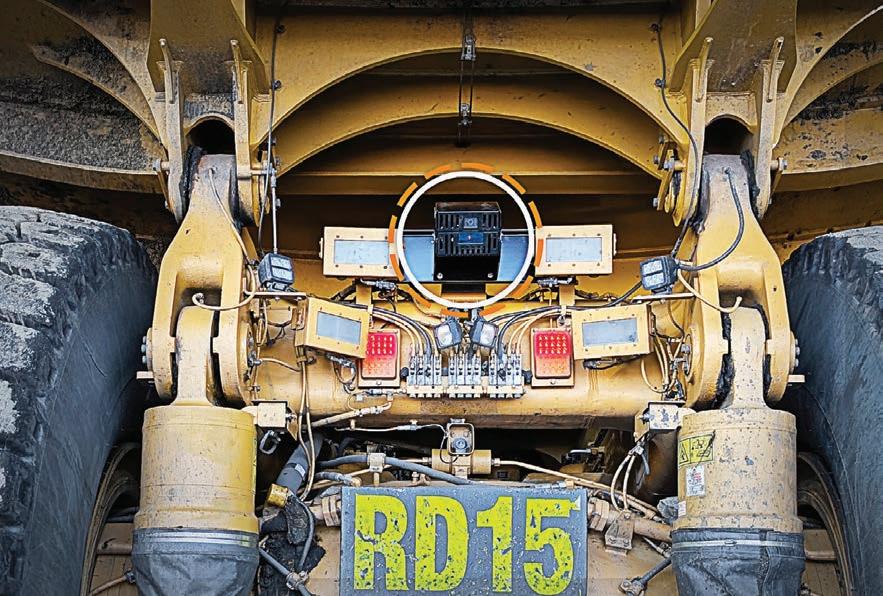
This combination of automation and human oversight helps to ensure that AI outputs are translated into actionable maintenance decisions.
“A key feature of the platform is its continuous improvement loop, where operational insights are fed back into the system to refine its detection capability over time,” Pullella said.
“Our condition-monitoring teams often identify patterns that help improve the system’s accuracy and that feedback is used to continuously strengthen the model.”
Building on TireSight, Kal Tire has expanded its digital capability into haul
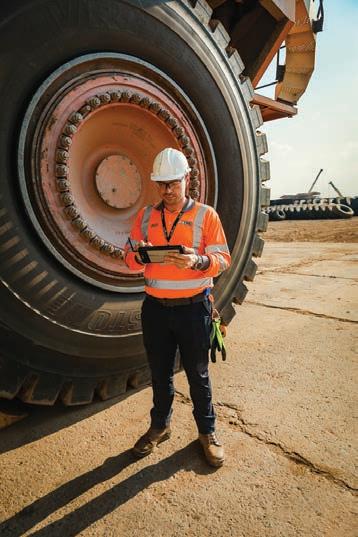
partnership with Australian mining technology company Decoda.
While TireSight focuses on tyre condition, HaulSight is designed to identify and manage the haul road conditions that contribute to tyre wear and equipment damage.
The system uses light detection and ranging (LiDAR), cameras and on-board edge computing mounted to haul trucks to detect hazards such as spillage, road undulations and high G-force zones in real time.
These conditions can significantly affect tyre life, fuel consumption and haul cycle efficiency if not addressed.
By integrating directly with TOMS, HaulSight provides instant alerts and enables automated maintenance responses,
helping operators address issues before they impact production.
Pullella said the combination of tyre intelligence and road condition monitoring represents a more complete approach to fleet performance.
“TireSight tells us what is happening to the tyres, while HaulSight helps us understand and manage the conditions that are driving that performance,” he said.
“Together, the systems provide a connected view of both equipment condition and operating environment, allowing mines to optimise decisions across the full haul cycle.
“That connection is where we see the biggest gains in productivity, safety and tyre life.” AM
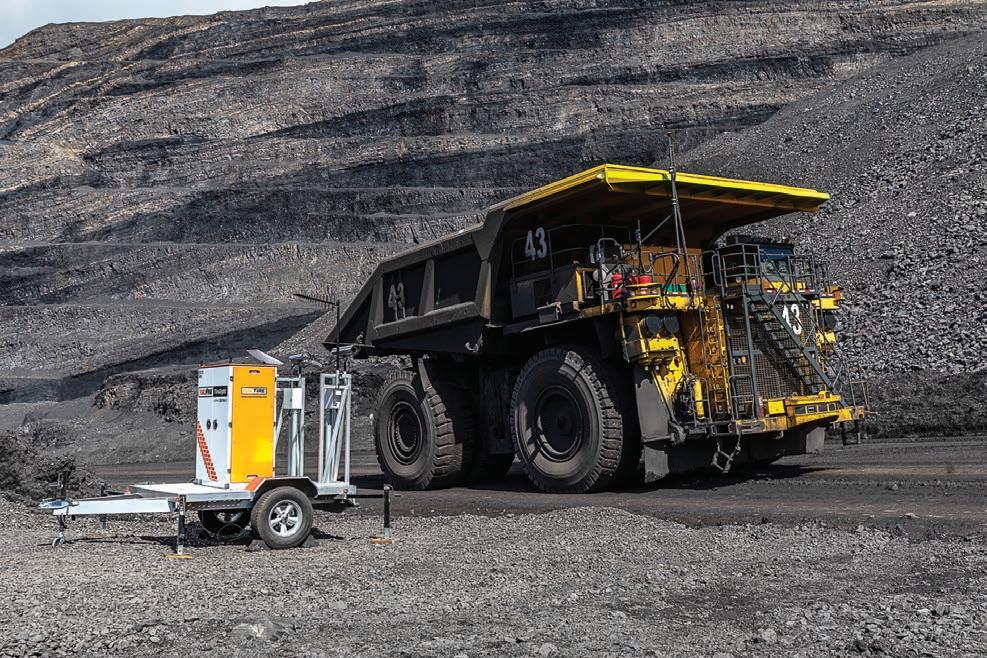





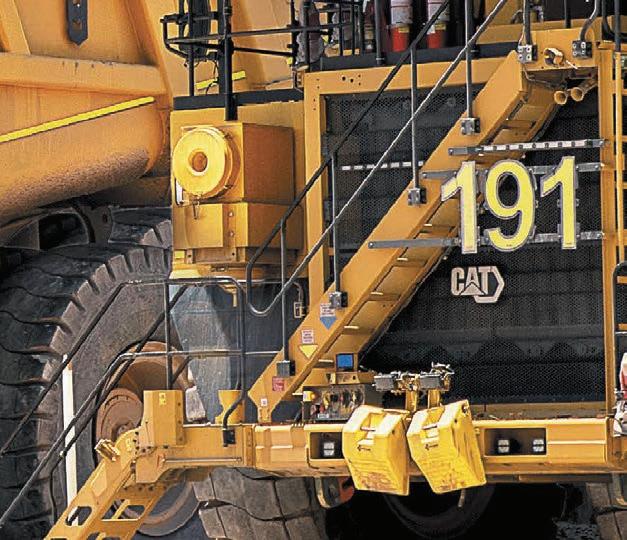



1 Reliable rebuild completion – on time commitment
2 Cost certainty you can trust – no hidden costs

3 Lower upfront spend – bigger return

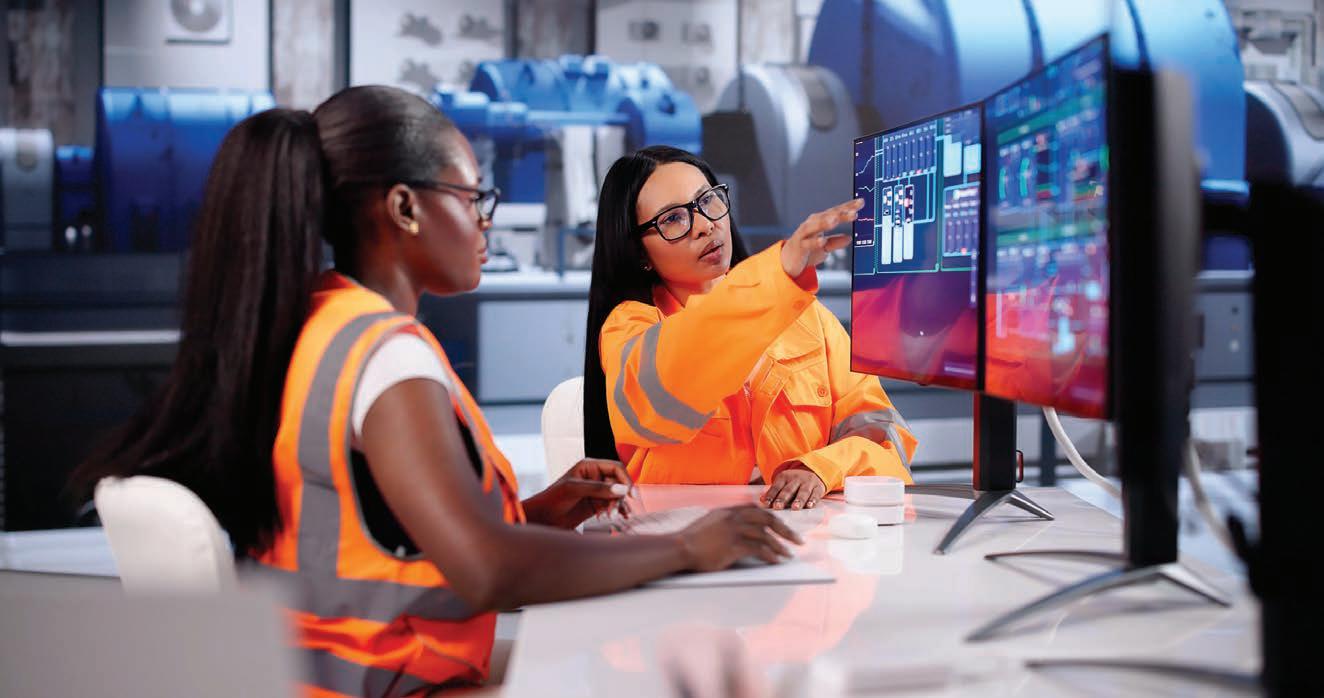
Australia’s mining sector is facing an evolving cyber–risk landscape, one where digital resilience has become inseparable from operational safety.
Cyber-physical hazards, regulatory evolution, and operational dependencies are now closely interlinked realities for the mining sector.
According to Anchoram Consulting, mining remains a destination for both state-sponsored and profit-aligned endeavours, placing operators in a position where they must transition from siloed security to a unified, risk-based posture.
The reliance on remote operating centres and a fly-in-fly-out/drive-in-drive-out workforce has created a “geographically dispersed attack surface”, according to Anchoram critical infrastructure security head James Kambourian.
“Security must account for both the technical challenge of securing remote access paths often managed by third-party vendors and the human risk factor,” he said.
Mining operators are also working through highly interconnected supply chains spanning original equipment manufacturers, automation vendors, maintenance providers, logistics partners, software integrators, and cloud or communications providers.
“The current threat hazard shows that adversaries routinely take advantage of supply chain weaknesses, valid credentials, and trusted access relationships to gain entry or evade detection,” Kambourian said.
“This risk is especially significant in mining because external parties
often need persistent or privileged access to specialised equipment and plant environments.
“If these relationships are not governed properly, vendor connectivity can become a hidden pathway into critical systems.”
Cybersecurity’s role has evolved beyond information technology, with Anchoram’s mining sector lead Mithran Manuel noting that it is a fundamental pillar of work, health and safety obligations, especially as modern mining relies on converged information and operational technology environments spanning haulage, underground ventilation, and remote processing.
“Operators must integrate cyber risk into their Safety and Health Management Systems to identify how digital failures could compromise critical safety interlocks or operational controls,” Manuel said.
“Compliance with the Work Health and Safety Act 2011 now necessitates active hazard identification targeting cyber-physical threats, ensuring worker safety remains uncompromised by operational disruption.”
To address workforce risk, Anchoram identified three components: stringent assurance through background vetting and role-based access control extending to all contractors; behavioural oversight by embedding human-centric security into safety management systems to detect insider risk and mitigate vectors
like spear-phishing; and supply chain rigour, citing the United States-Australia Framework for Securing Supply in 2025, which has elevated security and provenance tracking as strategic priorities for critical minerals.
“Effective workforce governance should combine personnel assurance, technical access control, and cultural reinforcement,” Kambourian said.
“Role-based access control should apply equally to employees, contractors, OEM support personnel, and service providers, with access approved by operational need, time-bounded where possible, and monitored for anomalous behaviour.”
Additional treatments, according to Kambourian, should also include stronger pre-engagement screening for personnel with privileged or unsupervised access to critical systems.
“There should be controlled remote access architecture using multi-factor authentication, jump hosts, session recording, approval workflows, and rapid disablement of dormant vendor accounts,” he said.
“Human-centric awareness programs should also be tailored to site leaders, engineers, maintenance teams, and control room personnel, rather than generic annual training.
“And clear contractor governance for offshore and onshore support arrangements, including ownership of
accounts, logging obligations, and incident notification clauses, is essential too.”
Insider risk processes should also connect human resources, security, safety, and operational management when behaviours, grievances, coercion indicators, or access anomalies emerge.
Manuel noted that a stronger thirdparty risk program should identify which suppliers support safety-critical, production-critical, or data-sensitive functions, incorporating contractual security requirements, control maturity evidence, and clear accountability for incident recovery.
“Mining operators should also map supply chain dependencies at a system level, not just a contract level,” he said.
“That means understanding which vendors can affect dispatch, comms, control systems, mobile plant, energy supply, ports, rail interfaces, and security monitoring, and then planning for how those dependencies would be managed if a supplier is unavailable or compromised.”
The central responsibility in 2026 is not simply preventing cyber incidents, but ensuring that cyber, safety, operational, and governance controls work together to preserve safe production and resilient operations according to Manuel.
“Organisations that address these risks well will be those that treat cyber resilience as part of operational discipline,” he said. AM





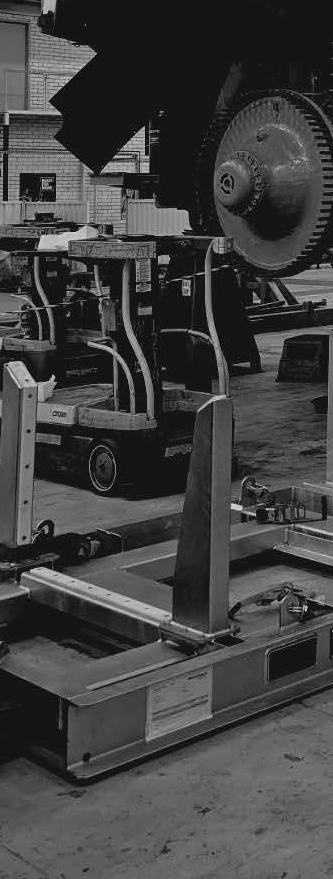



































Site challenges, engineered into answers. Replacement parts, ready when needed. Workshop gear that outlasts everything.











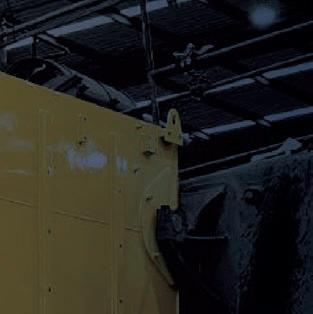













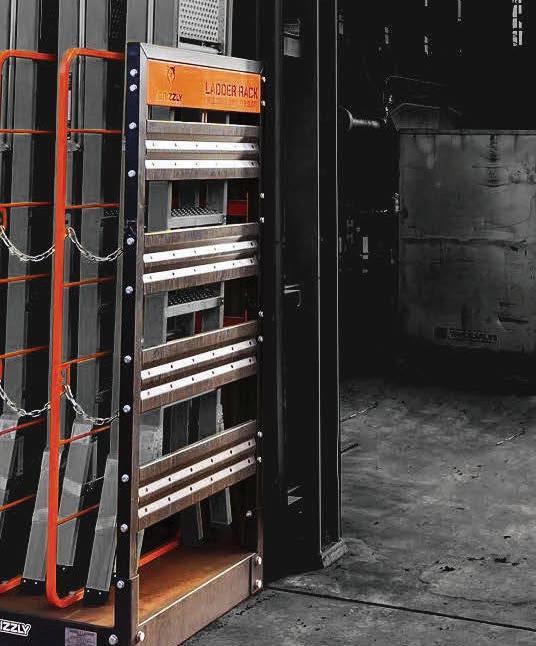
The mining industry is under increasing pressure to produce more with less. As operations process larger volumes of ore to meet global demand, improving efficiency across the mineral processing circuit has become a critical priority.
The mining industry is highly energyintensive. According to Sandvik, the industry’s direct consumption represents 6-7 per cent of the world’s total energy usage.
Almost half of this energy is consumed in the comminution process – crushing, screening, feeding and milling.
The combination of a growing demand for minerals and falling ore grades is driving the industry to process more rock, and given the energy consumed in comminution and the increasing energy per tonne of final product produced, the need for process efficiency has never been more important.
To bridge this gap, Sandvik’s rock processing business area president Richard Harris said that the company leverages digitalisation as a cornerstone of its innovation and cutting-edge technologies, which can significantly enhance the efficiency and sustainability of mineral processing operations.
“Not only is our latest equipment easy to operate, manage, maintain and service,
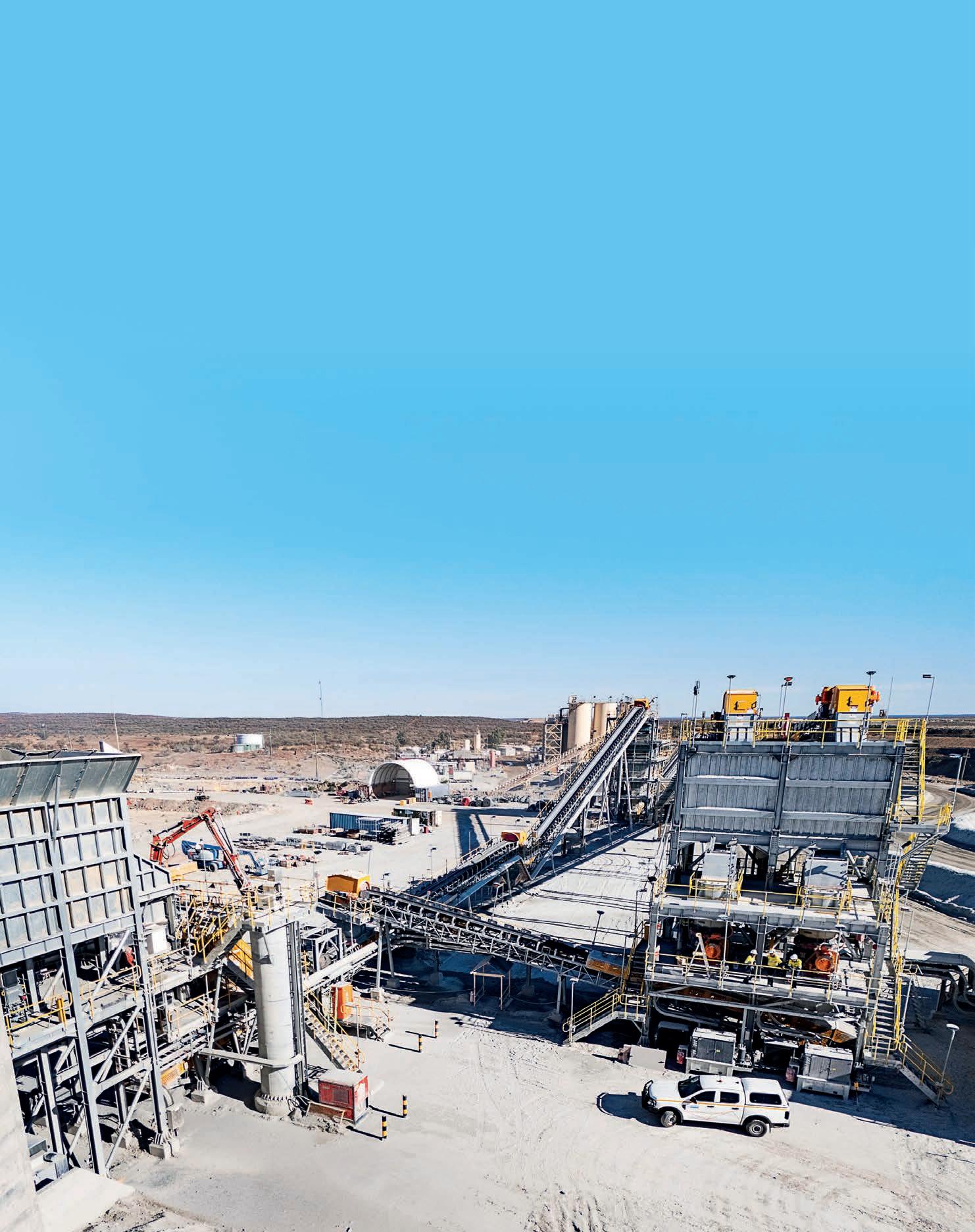
but it also contributes to our industry’s need to reduce its environmental impact,”
Harris said.
“Through our close partnerships with customers and our unwavering focus on innovation, we are shaping a future where rock processing is eco-efficient, safe, productive and sustainable.”
About 40 per cent of the mining industry’s total energy consumption is attributed to the grinding process, according to Sandvik.
In comparison, the company said, crushing is up to 10 times more energy efficient than conventional grinding.
By crushing more and providing a finer feed to the milling circuit, significant efficiency gains can be made in the overall comminution process.
The Sandvik 800i cone crusher series reflects the company’s commitment to the continuous evolution of design, materials and technology. The latest models, integrated with the new ACS-c 5 automation system, combine robust mechanical design with powerful,
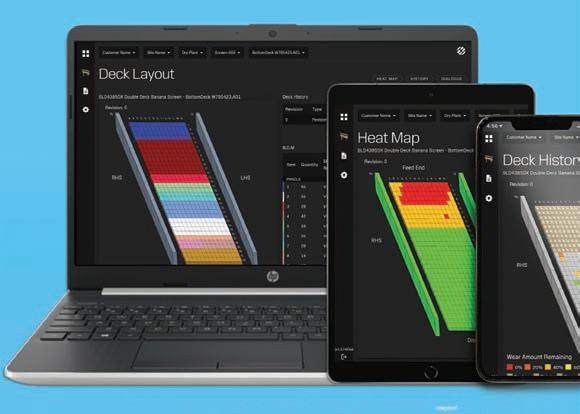
user-friendly automation, supporting diverse operational needs.
These machines can be tuned to output a very fine product which can significantly reduce the load on the downstream grinding process. Gold producer Gold Fields was able to take advantage of this in

its new crushing and screening plant at the Agnew gold mine in Western Australia. According to Gold Fields senior management, the finer feed from their new crushing and screening circuit has improved downstream mill performance, increasing the maximum throughput
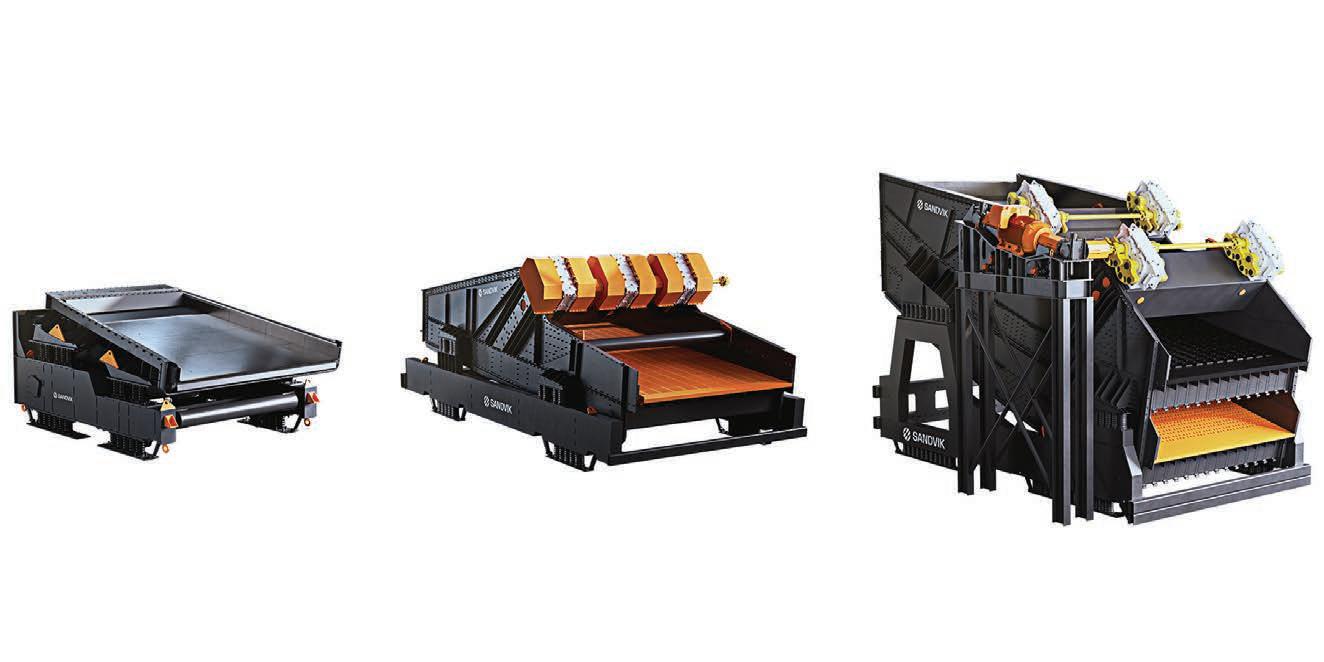
energy efficient than the previous one.
Like crushing, screening and feeding also play a critical role in mineral processing. Vibrating screens and feeders operate in extremely harsh environments, accelerating massive loads of highly abrasive materials with forces of up to 5G.
Perfectly adapted to the world’s toughest mineral processing applications, Sandvik’s extensive line-up of heavy-duty vibrating screens, feeders and screening media includes machines capable of throughputs of up to 8000 tonnes per hour.
Optimal screening efficiency is subject to the perfect combination of the right machine and the right screening media. Choosing the best time to replace screening media is also critical to process efficiency – replacing too early can be a waste of money, but waiting too long can lead to process inefficiencies. Screening media maintenance and replacing screening media at just the right time has always come down to the experience and judgement of plant maintenance personnel – something of a ‘dark art’.
DeckMapp is Sandvik’s groundbreaking new digital platform for screen deck maintenance. The company says that this highly innovative, cloud-based software solution is set to transform screen deck maintenance and drive substantial improvements in the efficiency and operational performance of mineral processing plants.
Accessible via laptop, tablet or mobile phone, DeckMapp captures, stores and shares real-time data to present a reliable, single source of truth for all activities within the screen media lifecycle.
According to Sandvik’s digital solutions product manager, Matt Cutbush, DeckMapp empowers teams engaged in screening operations with comprehensive tools to view deck history, share deck plans, visualise panel wear patterns and capture feedback, as well as access maintenance plans and activity reports.
“By guiding operators through maintenance updates and wear
operation,” Cutbush said. “DeckMapp enhances data quality and formalises maintenance processes, thereby eliminating information inconsistencies that can adversely affect production and profitability due to rework and extended task durations. DeckMapp delivers real-time updates to ensure all team members are aligned, further reducing the risk of miscommunication and operational inefficiencies.”
A key feature of DeckMapp is the optional add-on WearApp, an innovative wear assessment system powered by artificial intelligence (AI). With WearApp, users simply capture images of worn screening media panels with a smartphone or a tablet.
WearApp then applies AI to automatically assess each aperture calculating amount of wear, panel efficiency and remaining wear life.
Cutbush said this revolutionary application not only saves substantial time but also delivers far greater accuracy over traditional manual wear assessment methods.
With DeckMapp and WearApp, plant operators can leverage data-driven insights to make smarter, more efficient maintenance decisions and significantly reduce cost overruns associated with screen deck maintenance.
According to Cutbush, these enhanced capabilities will allow operators to make more informed decisions regarding their screening media maintenance strategies, such as determining optimal replacement times based on actual open area rather than individual aperture wear.
The Sandvik range of screens and feeders has been enhanced by ACS-s, a next-generation condition monitoring system that allows operators to keep an eye on the condition of their machines 24/7.
Early detection and diagnosis are vital in the prevention of significant machine failures and protracted plant downtime.
ACS-s is designed to alert plant personnel to small problems before they can become big ones, which is critical to maximising plant efficiency.
Both the ACS-c 5 and ACS-s can be seamlessly integrated with SAM by Sandvik, a cloud-based digital assistant designed to support operational excellence in crushing and screening plants. SAM captures data from all connected Sandvik equipment, offering a comprehensive overview of the entire operation. Plant operators can monitor equipment status, communicate across teams, receive alerts and notifications, as well as proactively order spare parts, all from one centralised platform.
According to Sandvik, its solutions are engineered to reduce energy consumption, minimise waste and optimise operational efficiency.
“These advancements can assist companies seeking to improve their environmental footprint while delivering outstanding performance,” the company said. AM
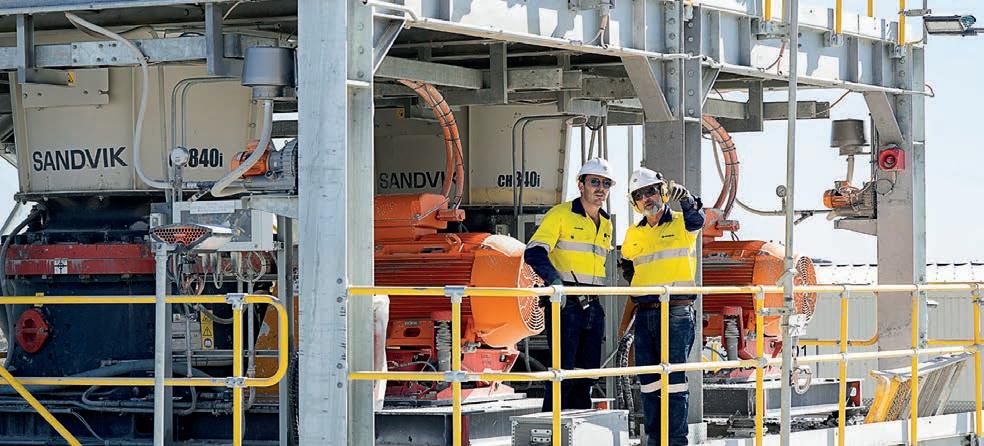


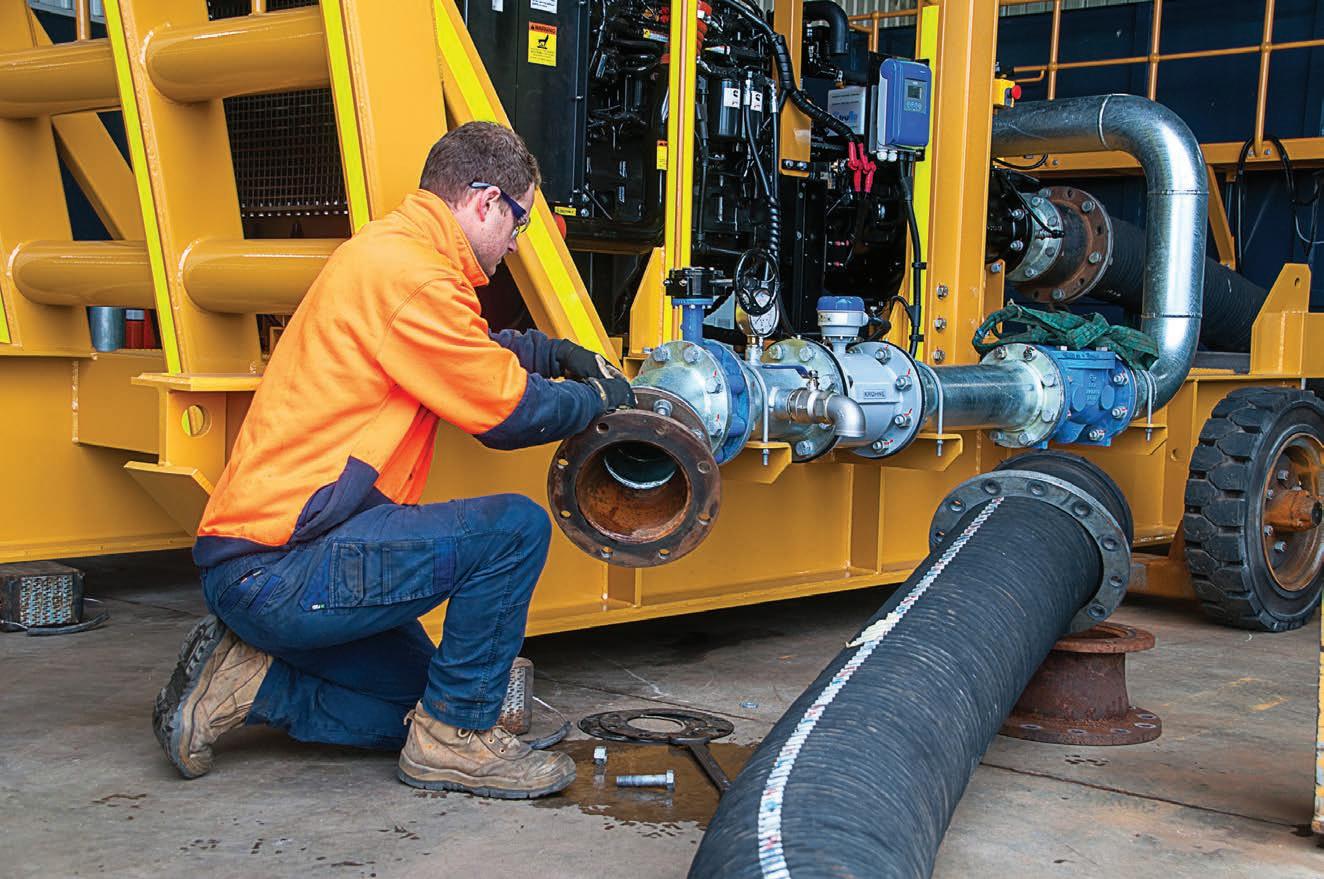
Pumps’ repair service and expertise helps keep critical dewatering systems operating.
Truflo Pumps has built a reputation as a manufacturer of high-performance dewatering solutions for the mining industry. Today, the company is placing just as much emphasis on what happens after a pump leaves the factory.
As mining companies seek to maximise the life of existing assets and minimise costly downtime, Truflo Pumps has expanded its service and repair capabilities across Australia, investing in workshops, testing facilities and warehousing to keep customer equipment operating in some of the industry’s toughest environments.
Rather than simply repairing pumps to their original specification, the company works with customers to adapt equipment to changing operating conditions.
“No two mines are the same,” Truflo Pumps national repairs manager Jason Lidgard said.
Groundwater chemistry, temperatures, abrasion levels and operating conditions can all change over the life of a mine, creating new challenges for pumping equipment.
Truflo Pumps’ service teams analyse operating conditions and can recommend changes to metallurgy, sealing technology and component selection to improve reliability and extend asset life.
One recent example involved a hire pump, which was operating in acidic water conditions.
Rather than supplying the unit unchanged, Truflo Pumps modified the pump by replacing cast-iron wet-end components with stainless steel alternatives better suited to the application.
“We’re not just going to say, ‘Here you go, it will do the job’,” Lidgard said.
“We will modify it according to the conditions.”
With pump failures capable of costing mining operations significant amounts of money, Truflo Pumps service systems also reduce turnaround times and provide customers with greater visibility throughout the repair process.
When a pump arrives at one of the company’s workshops, it is entered into a digital tracking system that automatically updates customers as the repair progresses through receiving, assessment, quoting, procurement, rebuilding, testing and dispatch.
“We do our best to keep in constant contact from day one,” Lidgard said.
The system provides regular electronic updates to nominated site personnel, allowing customers to track the status of repairs without needing to follow up directly with workshop staff.
For many customers, that process is supported by Truflo Pumps’ service exchange program. The company maintains a pool of replacement pumps and wet-end assemblies that can be dispatched while repairs are being completed, allowing operations to continue with minimal interruption.
In ideal circumstances, Lidgard said they aim to complete a repair turnaround within two weeks.
Another key part of Truflo Pumps’ service offering is quality assurance.
The company has invested heavily in large-scale testing facilities in Bathurst and Queensland, allowing repaired pumps to be validated under real world operating conditions before being returned to sites.
Designed to accommodate some of the largest pump sets used in mining, the test tanks enable Truflo Pumps to verify performance and identify any issues before equipment is sent back into service.
“Being able to test a pump to the size we can do is very rare,” Queensland production manager Daniel Beard said.
Unlike many testing facilities that rely on third-party systems, Truflo Pumps designs and builds its own testing infrastructure and instrumentation.
“We engineer it all in-house,” Beard said. “Even all the data gathering, so everything’s gathered electronically.”
This means the same teams repairing and rebuilding pumps are also closely involved with validating performance, creating a direct link between service, testing and long-term reliability.
Supporting that capability is an ongoing investment in infrastructure.
The company’s Bathurst headquarters incorporates more than 4000 square metres of undercover warehousing, with additional storage facilities recently acquired to expand inventory holdings.
Queensland has also become a major focus for growth, with Truflo Pumps moving into a purpose-built facility that significantly increases workshop capacity and spare parts storage. The expanded facilities allow the company to process a greater volume of repairs while maintaining the turnaround times that mining customers increasingly demand.
As mines continue to prioritise reliability, productivity and asset longevity, Lidgard said Truflo Pumps’ expanding service and repair operation is positioning the company favourably.
“It goes to show that Truflo is not just a pump supplier, but a premium full-service pumping systems specialist,” he said. AM



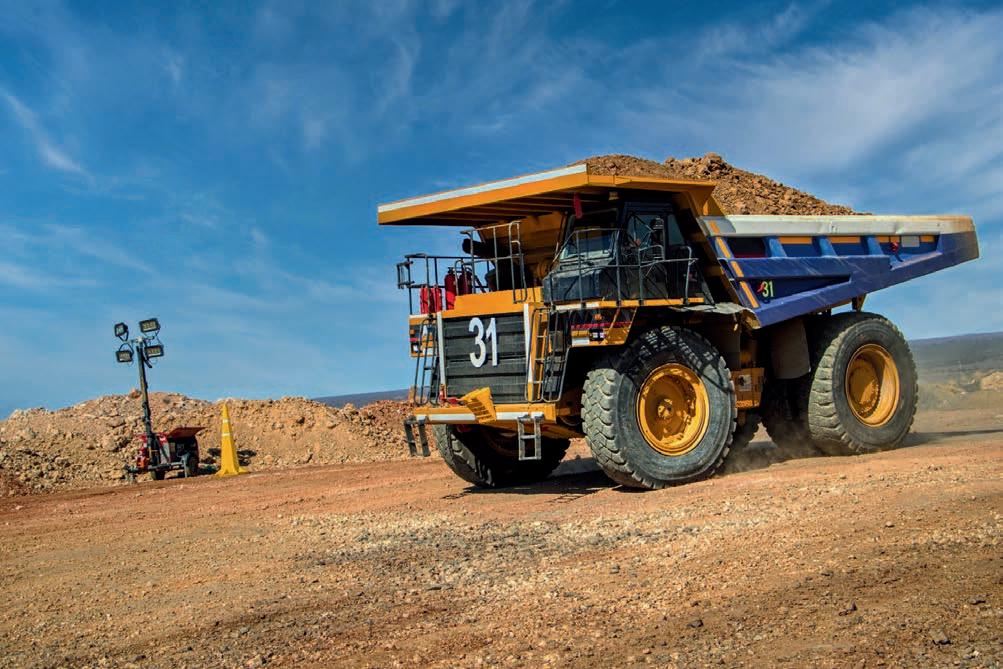
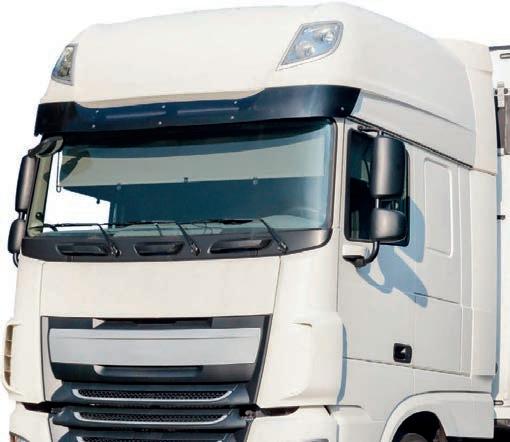

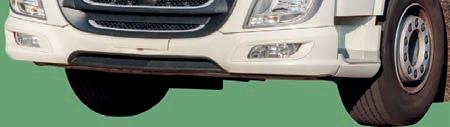
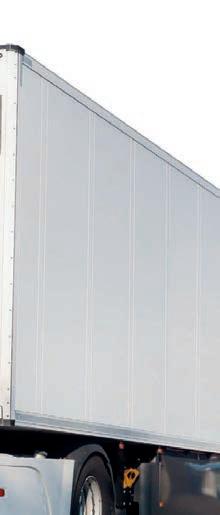

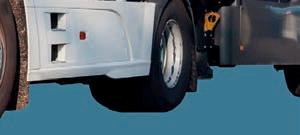
Deswik NOVA brings scheduling, blending, and haulage optimisation together in a single guided work ow.
▪ Faster setup, less complexity
▪ Validate as you plan
▪ Compare scenarios fast
▪ Optimize blending and haulage
▪ Uni ed reporting, one source of truth
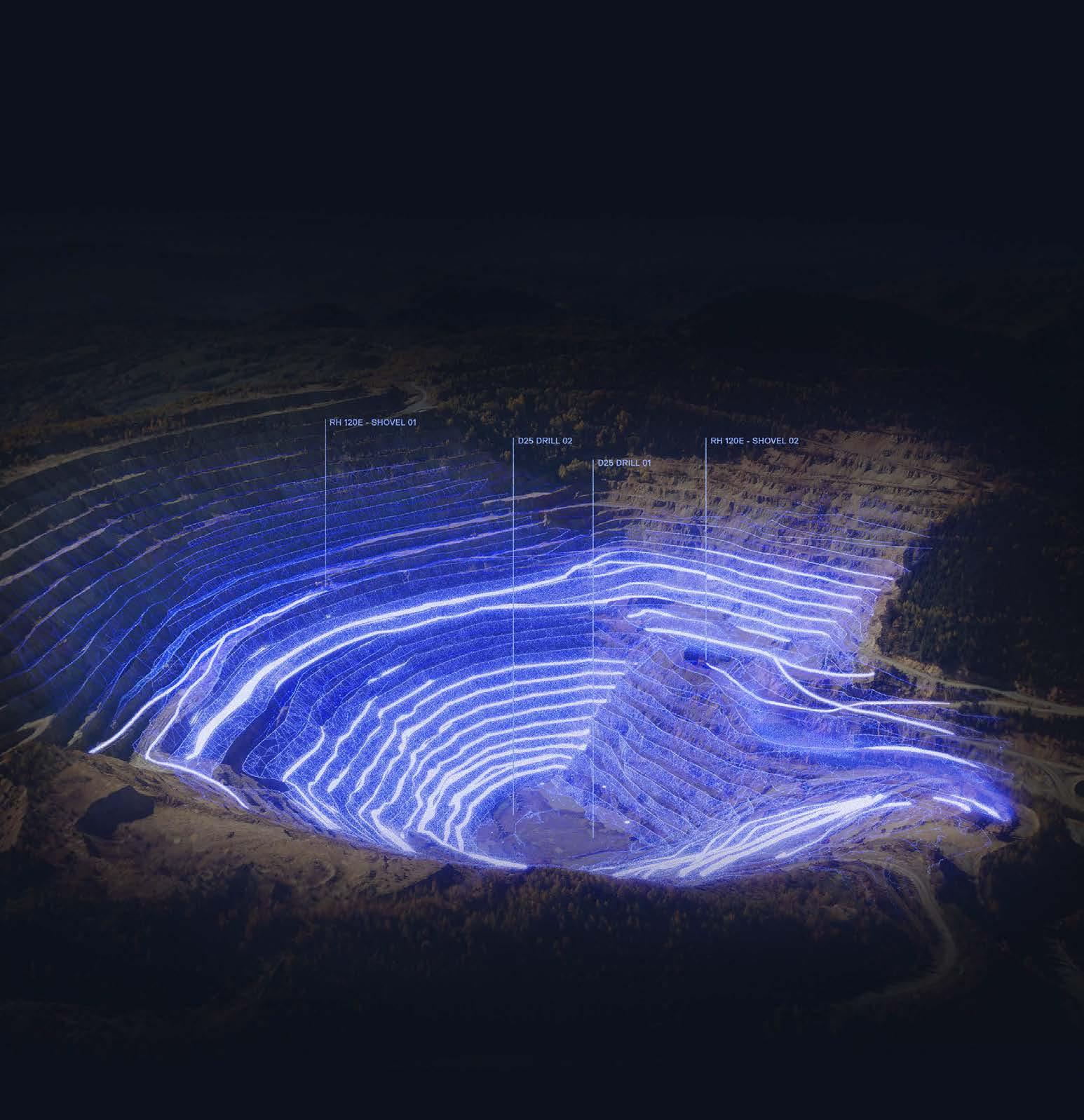
Namibia is emerging as a global copper exploration hub, with Australian juniors leading the way with major drilling programs and historical datasets.
C29 Metals and Midas Minerals are accelerating copper exploration in Namibia, as companies increasingly target underexplored belts in what could be the next hotspot for the indemand metal.
C29 Metals managing director Shannon Green told Australian Mining the company’s strategy in Namibia is centred on copper exposure, with gold included to balance project optionality.
“C29 has always had its foot in copper projects, so when we were looking for projects, copper and gold were the two top features,” Green said.
“We ended up with both, which gave us a really attractive balance.”
The company acquired a majority interest in a Namibian copper and gold portfolio on April 30, 2026.
The binding agreement includes the advanced Kopermyn copper project in the Otavi Copper Belt and two Damara Belt gold projects.
“When you look at the historical drilling results in the context of copper, they’re nothing short of spectacular,” he said. “Very high grade, very shallow and quite wide intersections, but they probably haven’t even touched the iceberg yet.”
He said the deeper sulphide system and basement geology remain largely unexplored, with previous programs focused on oxide mineralisation and shallow targets.
This creates a strong technical case for follow-up work, particularly across a 10–11 kilometre mineralised trend that has seen limited systematic testing.
The company’s acquisition comes amid growing investor appetite for copper exposure especially as electrification, renewable energy infrastructure and artificial intelligence (AI)-driven demand fuel expectations of supply deficits in the future.
“Our role as a junior is to be nimble, make discoveries and build resources in the right locations where majors eventually want to participate,” Green said.
“That is Namibia, which is emerging as a copper hotspot and has a strong mining pedigree, good infrastructure, a stable mining code that is welcoming of foreign investment and is attracting a lot more attention now.”
Another Australian explorer is making major moves in the country, with Midas Minerals acquiring the Otavi copper project in December, 2025.
“It’s fiscally stable, and it’s a country that understands mining,” Midas Minerals managing director Mark Calderwood told Australian Mining
He pointed to two major copper provinces where Midas is active – the Kalahari Copper Belt and the Italian Fold Belt – both of which host known mineralisation but remain underexplored relative to their geological potential.
Recent drilling has already seen a significant new copper and silver discovery at the Spaatzu prospect, located only 13km west of the company’s T-13 deposit.
Initial results returned results of 16m at 2.55 per cent copper and 72.6 grams per tonne (g/t) silver within a broader 44m mineralised zone.
Midas acquired its project following a detailed review of historical exploration data, including around $US20 million of prior work. That dataset provided immediate technical confidence before drilling began.
“We saw the results that they had, and we knew it was going to be a nice project,” Calderwood said.
“Since the acquisition, Midas has expanded drilling across multiple targets with six rigs now operating on site.”
According to Calderwood, the early drilling results are confirming both grade and continuity across key mineralised zones, strengthening confidence in a multi-deposit system.
“We’re seeing consistent high-grade copper and silver across significant widths,” Calderwood said. “It’s hanging together very well and reinforcing the scale potential across the project area.”
The company is now focused on defining multiple deposits within a broader system rather than relying on a single discovery centre, with stepout drilling targeting both known mineralisation and untested structural targets. Investor interest in Namibiafocused copper exploration has also strengthened C29’s ability to advance its strategy, with strong institutional participation in its recent capital raising.
“We had really strong support from institutional investors who saw the quality of the opportunity and the geology,” Green said.
As both companies continue to secure strategic ground and advance exploration programs, Namibia is increasingly emerging as one of the world’s most compelling copper frontiers. AM


BME Metallurgy’s smarter process chemistry is helping Australian miners unlock value from increasingly challenging orebodies.
At BME, responsible mining means balancing performance with environmental stewardship.


Australian miners are being challenged to do more with less.
As ore grades decline and deposits become increasingly complex, processing plants are under pressure to maintain recoveries while reducing costs, lowering water consumption and improving sustainability outcomes.
BME Metallurgy business development manager Daniel Verwey told Australian Mining the biggest challenge for miners is processing ore.
“Many Australian operations are now processing lower-grade and more complex ore than they were a decade ago,” Verwey said.
“That brings more waste material in the mix, minerals that are harder to separate, and processes that are less forgiving when conditions change.”
This is directly impacting performance and operating costs.
“In practice, this shows up as higher reagent consumption, lower selectivity in recovery, more variable plant performance
One area generating growing interest is reagent recovery. As mining companies pursue greater efficiency and sustainability, chemical circularity is emerging as a practical way to reduce both costs and environmental impacts.
BME Metallurgy is deploying nanofiltration-based technologies capable of recovering and recycling key reagents such as sulphuric acid, hydrochloric acid and caustic soda back into processing circuits.
Diallo said the benefits from this can be substantial.
“This can materially reduce fresh reagent demand, lower neutralisation requirements and cut the volume of waste requiring treatment or disposal,” he said.
“In suitable applications, the impact is significant. Mines can improve process efficiency while reducing water losses linked to waste handling, lowering logistics exposure and supporting a more sustainable operating model.
“It is a practical example of how better

metallurgical and environmental benefits at the same time.”
The importance of these innovations is increasing as demand grows for critical minerals needed in the global energy transition.
While Australia is well-positioned to supply these commodities, many deposits are challenging to process economically due to complex mineralogy and lower grades.
Verwey said future breakthroughs will focus on improving recoveries while reducing the cost, water intensity and environmental burden of processing.
“The key breakthroughs are those that raise recovery from difficult mineralogy while reducing the cost, water intensity and environmental burden,” he said.
“The opportunity lies in more selective reagents, improved impurity management, stronger by-product recovery, and closedloop or semi-closed-loop chemical systems that reduce consumption and waste.”
Alongside these breakthroughs, water
chemistry is playing an increasingly important role.
“The right chemistry can improve solidliquid separation, support more efficient settling and filtration, reduce moisture contents and help maintain water quality within acceptable process limits as recycle rates increase,” Diallo said.
With water security becoming a growing concern across many mining regions, operators are seeking higher recycling rates, lower make-up water demand and reduced losses to tailings.
Aligning reagent strategies with a site’s overall water balance can help achieve these outcomes while maintaining plant performance.
Advances in process chemistry are also reshaping project economics.
Verwey cites one example where innovative chemistry improved process throughput by 20 per cent, helping transform a loss-making operation into a profitable and sustainable business.

“BME Metallurgy’s view is that the commercial opportunity lies not only in selling more reagents, but in redesigning the chemical balance of a flowsheet so that more value is extracted from every tonne with less waste and lower long-term cost,” Diallo said.
As the mining industry moves toward a more integrated view of value creation where productivity, supply security and sustainability are no longer treated as separate priorities, companies are increasingly looking for partners that can deliver both.
“With over 45 years of operating experience and excellent technical capabilities, BME Metallurgy believes the future of metallurgical performance lies in combining strong technical capability with responsible chemistry, practical innovation and long-term partnership,” Verwey said. AM





They are forcing mines to shut, cutting jobs and hurting suppliers. Let's fight for a fair royalty that keeps our communities alive.








SIGN OUR PETITION FOR A FAIR GO FOR REGIONAL QUEENSLAND.








Dredge Robotics is transforming mining maintenance with AI-powered autonomous dredging systems.
As mining operations grow in scale and complexity, the maintenance of on-site water infrastructure, process ponds and tanks has become a critical operational consideration. Sediment buildup in these assets can reduce capacity, compromise liner integrity and, in some cases, lock up recoverable minerals.
Perth-based Dredge Robotics has carved out a global niche in this space, developing innovative, autonomous underwater dredging systems that safely remove sediment from lined ponds and tanks without requiring shutdowns.
The company’s robotic platforms use remote operation and automation to reduce the operational and safety risks associated with traditional dredging methods. With seven systems currently on the ground, the company is already building their eighth system, expected to be released in September 2026, followed closely by another in March 2027.
These latest generation systems focus on ‘whole of operation’ optimisation through additional sensor integration and stronger digital capabilities.
“Constantly improving the product to better meet the needs of our customers and deliver a constantly scaling value proposition is our primary business focus and required constant re-evaluation and
review” Dredge Robotics chief executive officer Antony Old told Australian Mining
“We’ve got a fantastic product suite that the market has been incredibly receptive to so it’s now about continuing to scale our fleet and embed even greater efficiencies into the systems.
“From software management to managing the physical robot itself or embedding pumps into a system, we’re looking at every possibility to constantly improve.”
A significant development in Dredge’s recent fleet upgrade has been the integration of artificial intelligence (AI).
With mining operations increasingly reliant on real-time data to inform maintenance decisions, AI learning chips have been embedded across the company’s robotic fleet.
“All of our robotic fleet now have systems that are utilising AI learning chips, so we are able to use sensors in the system to harvest a lot of data and analyse it in ways we were previously unable,” Old said.
“When you’ve got potentially thousands of data points per system, you need a framework to support that.”
This data infrastructure is being used to develop predictive maintenance models, and allows operations teams to identify
issues before they escalate, rather than responding reactively.
“Our newest systems are focused on strengthening capabilities to help assist in the development of preventive maintenance systems, training AI models and giving operations even better visibility,” Old said.
Understanding what the mining industry needs has been central to the company’s development roadmap.
Old pointed to industry events such as the WA Mining Conference and Exhibition (WA Mining Expo) as valuable opportunities to benchmark product development against real-world operational requirements.
“We’ve been incredibly fortunate to attend events like the WA Mining Expo, which we’re also attending this year,” Old said.
“It’s events like this that help us strengthen relationships with those we serve but also give us an even better understanding of what the industry needs.”
The unique approach that Dredge Robotics takes to technology development and service delivery has translated into a client base that includes BHP, Rio Tinto and Fortescue, all companies that share a common operational challenge: removing sediment from lined ponds, without taking
assets offline while simultaneously meeting rigorous site requirements and targets.
“Combining challenging traditional maintenance operations with resource recovery has been a major driver of demand from our tier one client base,” Old said.
A recent project enabled a large copper mine to continue recovering grade during a maintenance shutdown, providing a huge boost to the bottom line.
The campaign completely cleaned the pond, recovering grade that was lost to traditional dredging methods, in a matter of weeks.
The barge that had been deployed previously failed to make any significant progress in over two years of operation.
The company was recognised at the 2025 Australian Mining Prospect Awards for this innovation, and won the Innovative Mining Solution award.
“We can recover lost value, remove your people from hazards and service your assets, all without the need to shut down,” Old said
From supporting projects across Australia and around the world, Dredge’s success centres on providing a solution to common problems through the development of innovative technology to deliver safer operational outcomes. AM
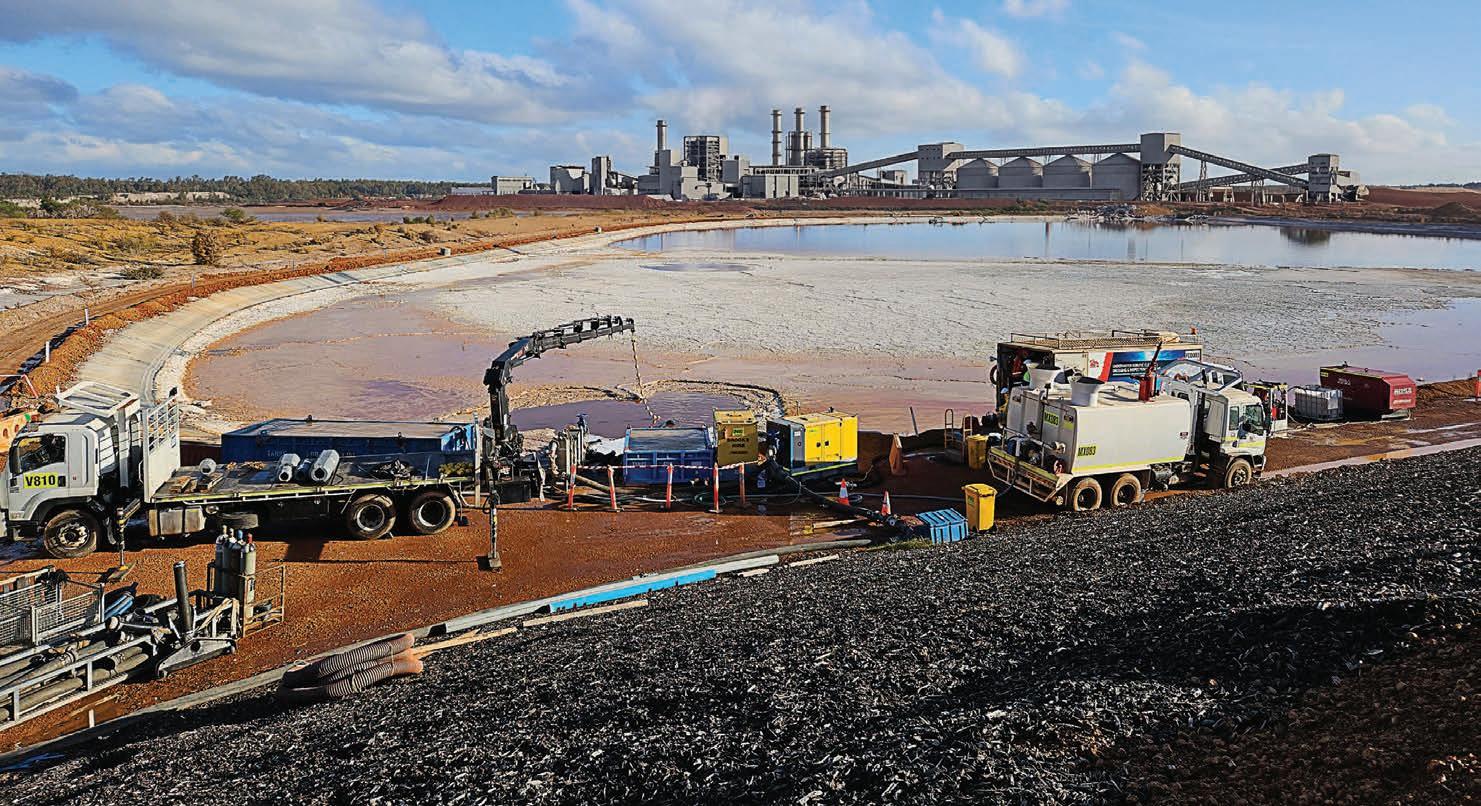
Mining Mars may still be many moons away but who really knows? However one thing you can be sure of is that wherever you are, XCMG has you covered with a dedicated dealer network and an expansive machine range engineered by a global leader.

Now’s the time to contact your XCMG dealer and discover just how much value XCMG can bring to your mine site.


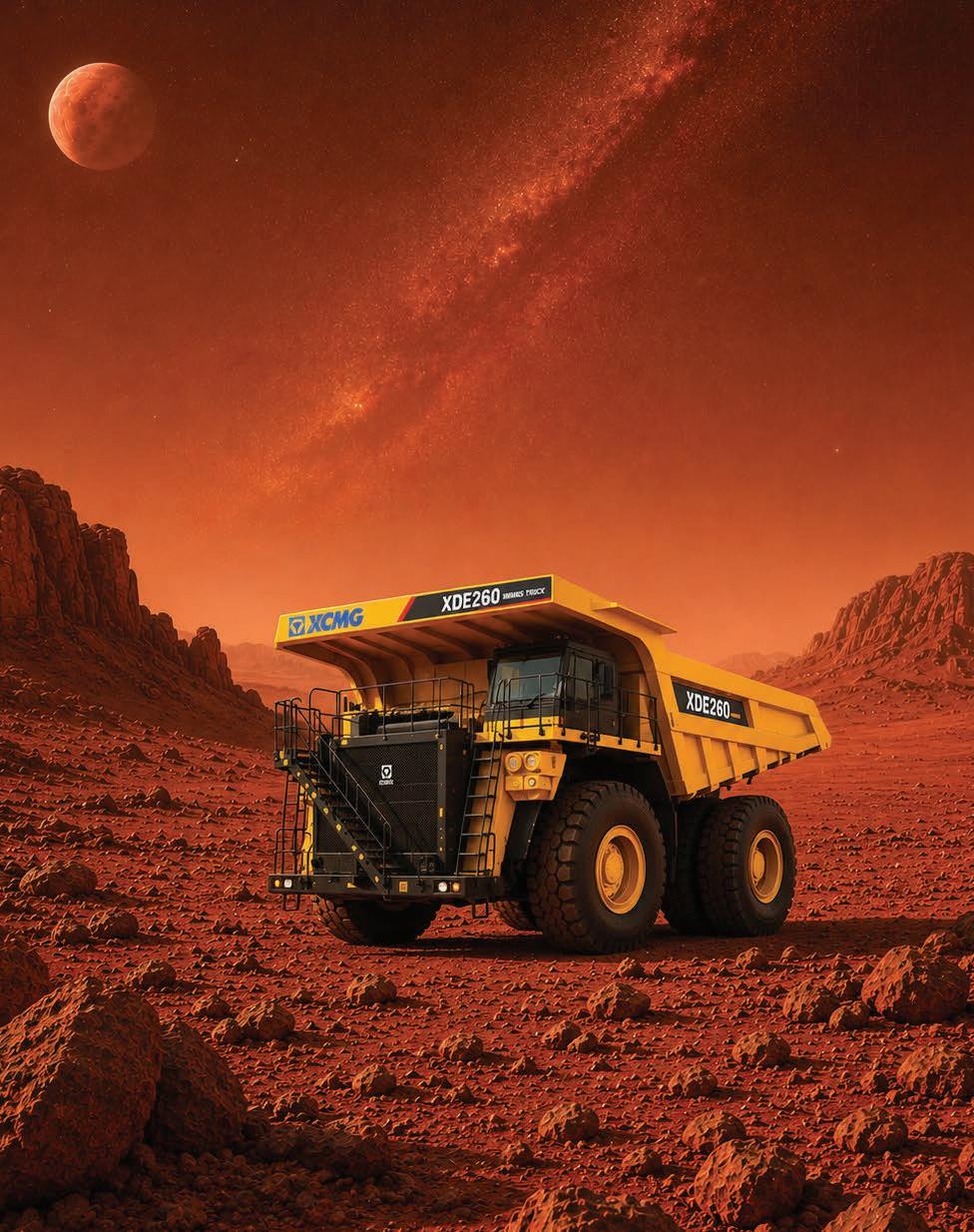
Komatsu has played a key role in progressing greener innovations in underground mining in Canada.
Komatsu is helping to progress a full-scale proof of concept of its MC51 hard-rock continuous miner at a major underground mining operation located in Quebec, Canada.
This major step forward in mining activity is being completed in partnership with Niobec (a Magris Performance Materials company) and is being supported by Cementation Americas, a local contractor with experience in delivering undergound mining solutions.
The project represents a significant milestone in the ongoing transition from traditional drill-and-blast methods to safer, more efficient mechanical cutting technologies.
Located in Saint-Honoré in the Saguenay region, Niobec is one of only a handful of Niobium producers globally and plays a critical role in supplying materials essential for high-strength steel and advanced industrial applications.
As a long-operating underground mine operator, Niobec is an ideal partner to test new development methods in medium-
The Komatsu MC51 system is designed to revolutionise underground excavation through its DynaCut mechanical cutting technology. Unlike conventional drilling and blasting, the MC51 enables continuous mining, producing consistent rock size and delivering precise tunnel profiles within a 5m by 5m heading.
The fully electric machine also reduces emissions and allows for remote operation, improving both environmental performance and operator safety. With no diesel and less requirement for underground ventilation, the MC51 system helps to create a more sustainable mining operation.
The system offers a low power requirement of 340 kilowatts and can fit into most mining operations without the need to make major changes to electrical connection infrastructure, making it an attractive proposition in accelerating greener underground mining practices.
Komatsu said this project is focused on demonstrating the MC51’s capability to operate continuously in a real-world underground setting.
The initial phase centres on an exploration drift of approximately 500m, with potential for expansion to several kilometres of underground development if the trial achieves its intended objectives.
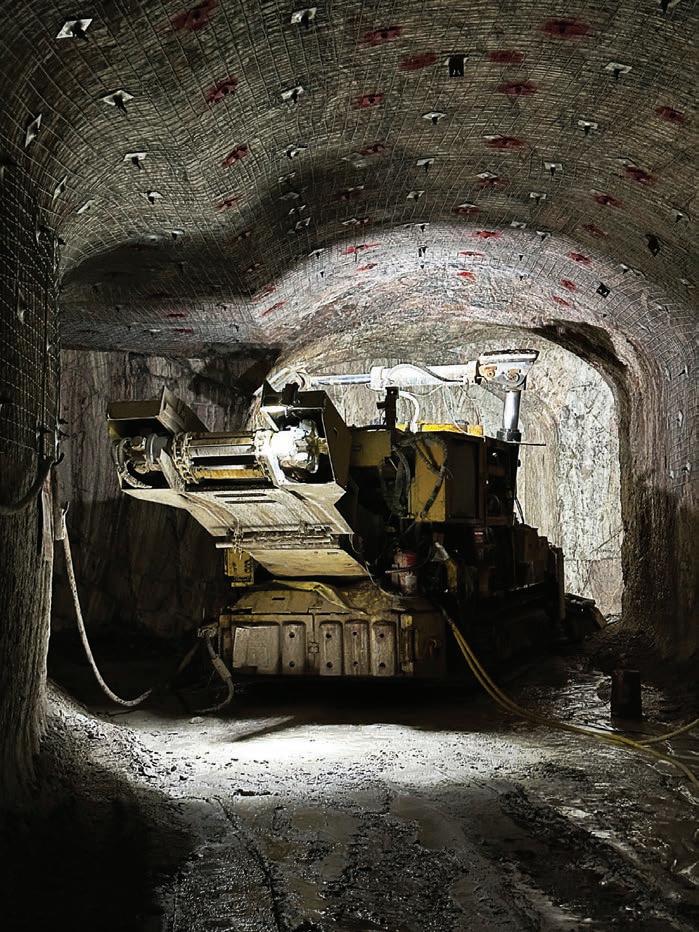
Measurable progress has continued despite challenges typical of early-stage deployment. In May, a total advance of 66m was achieved, contributing to an overall project advance of 357m to date. While performance has varied below planned targets due to technical interruptions, the project continues to provide valuable insights into machine
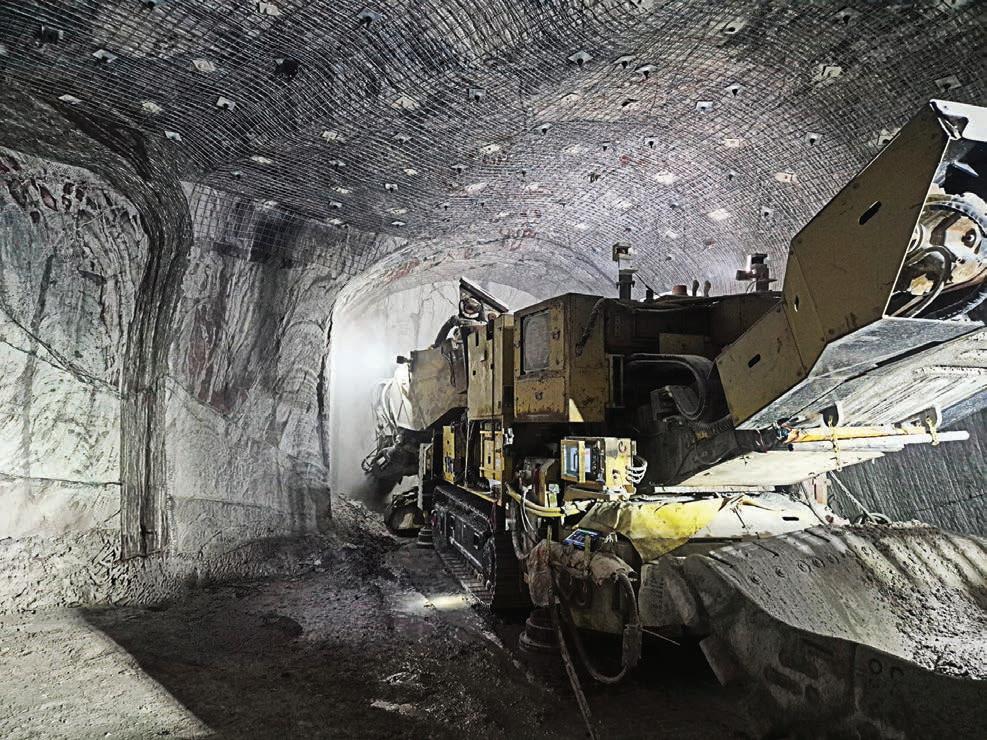
reliability, workforce readiness, and operational optimisation.
From a strategic perspective, project success is understood to be linked to achieving sustained advance rates and meeting cost efficiency objectives.
A target advancement rate of approximately five metres per day was established as an initial benchmark, with higher rates potentially improving the project’s commercial prospects.
The MC51 has recently demonstrated this capability by achieving just over this target in a day, helping to strengthen the case for broader adoption of the MC51 mechanical cutting capabilities for similar geological environments.
The Canadian project also underscores broader benefits of continuous mechanical mining beyond the uplift in productivity.
By reducing or eliminating explosives from the development cycle, the MC51 may offer the potential to significantly reduce safety risks, streamline operations, and minimise overbreak, which could contribute to improved ground conditions and reduced support requirements.
As the project progresses, ongoing coordination between Komatsu, Cementation and stakeholders of Niobec, Komatsu will continue to refine performance outcomes and address emerging challenges.
Through regular operational meetings with relevant partners, the collaboration reflects a shared commitment to advancing mining technology while maintaining strong safety and operational standards.
With global demand for critical minerals such as niobium continuing to grow, the outcomes of this project may be able to provide useful insights into the future of underground mine development. AM

High performance protective coatings solutions for mining
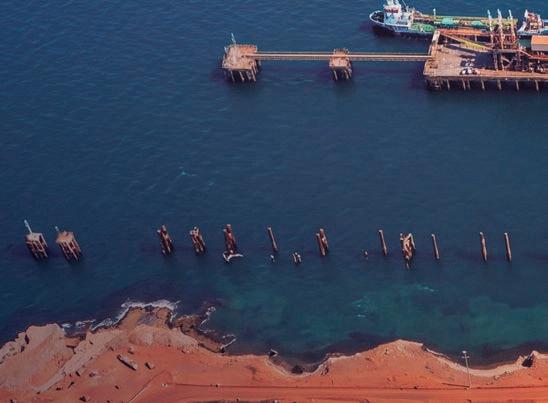
Ports, immersion and splash zone
Interzone
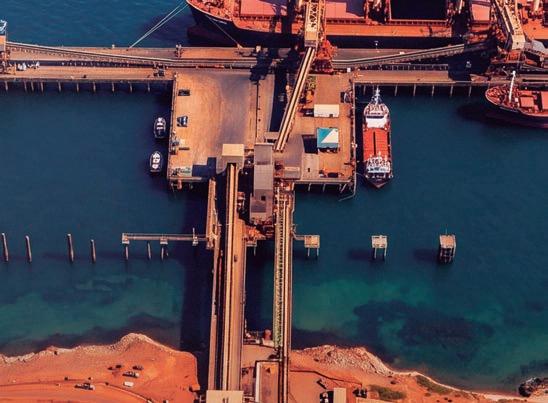
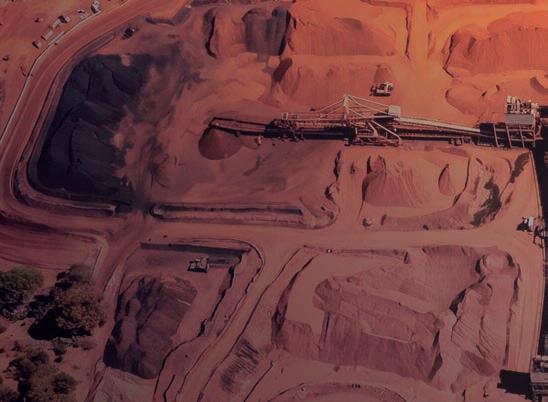
Abrasion resistance maintenance
Interzone
Intershield
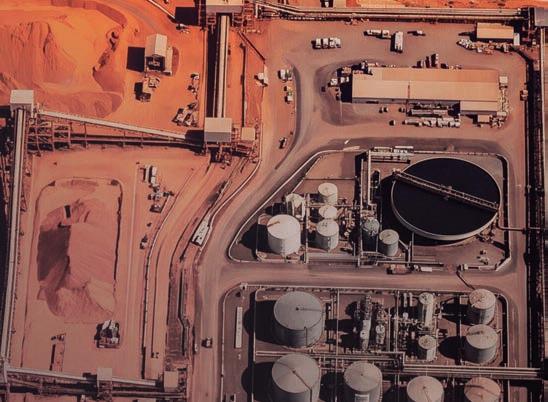
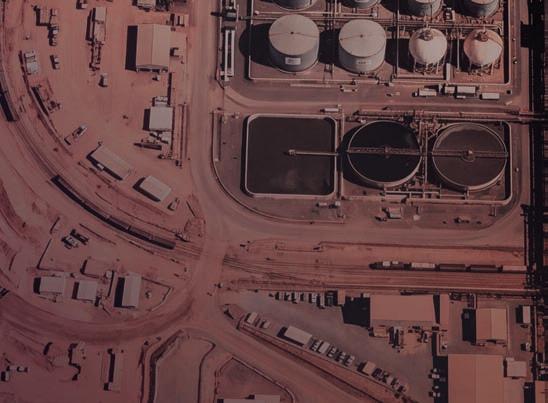
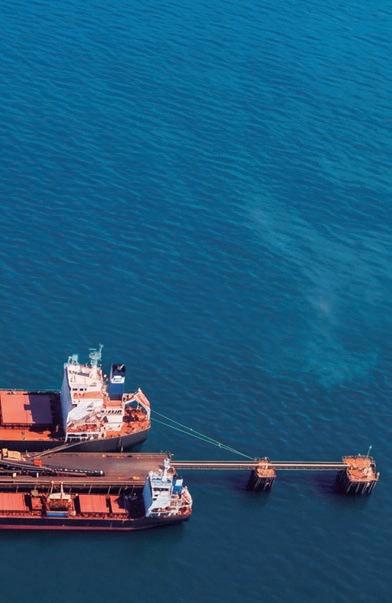
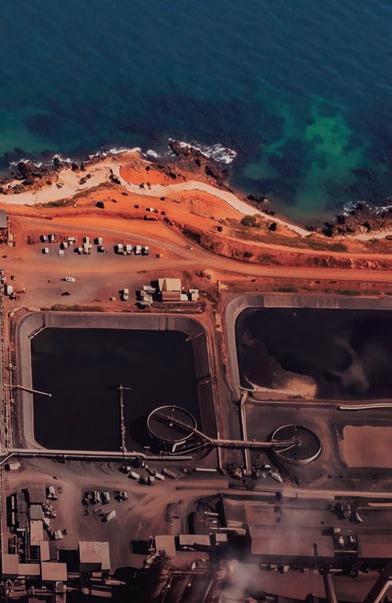
High temperature process
Intertherm
Interbond
Chemical storage, processing and secondary containment
Interline
Ceilcote
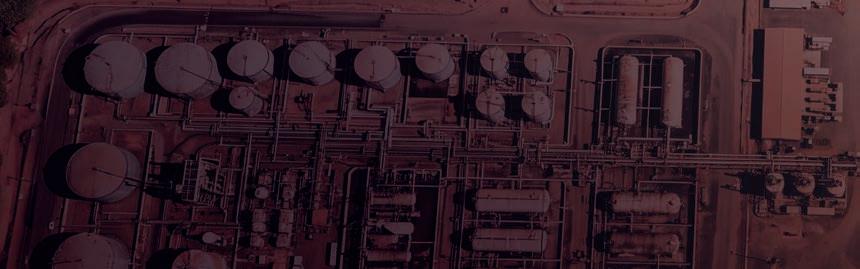
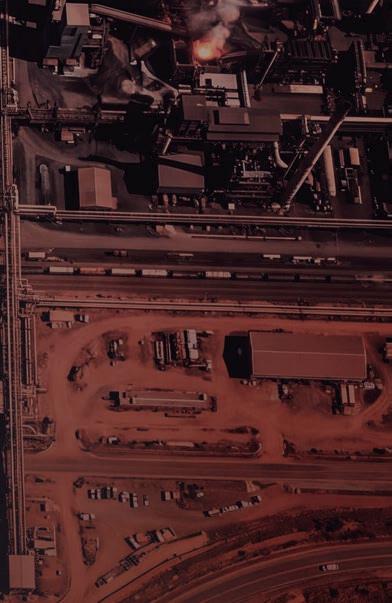

Victoria is hoping to fly high with its new critical minerals initiatives.
Victoria is advancing its position in Australia’s critical minerals sector through a combination of new geoscience programs, targeted government funding, project development and collaborative approaches to responsible mining.
A key part of that strategy is a new airborne electromagnetic survey that will help improve understanding of the state’s geology and support future critical minerals exploration.
The Geological Survey of Victoria and Geoscience Australia will collaborate on the survey across central Victoria, with a specially equipped aircraft set to fly between June and November over areas north and west of Melbourne.
The program is designed to support Victoria’s critical minerals vision by delivering new geological data associated with the state’s antimony occurrences. The survey will measure how easily electric current flows through the ground, allowing geologists to identify conductivity differences beneath the surface.
According to Resources Victoria, materials such as salty water, clay, graphite and metal-rich rocks conduct electricity well, while dry rocks such as granite and sandstone do not. By mapping these differences, the survey will help modernise the state’s geoscience data and support next-generation geological mapping.
The initiative comes as Victoria sharpens its focus on antimony, a critical mineral increasingly attracting attention for its strategic importance.
In late April, the Victorian Government launched its $1 million Advancing Antimony Grants program, aimed at accelerating early-stage work into downstream processing and establishing the state’s first antimony processing facility.
Research undertaken by the Geological Survey of Victoria has suggested there may be more antimony resources in central Victoria than previously identified, creating new opportunities for exploration, investment and processing.
The state’s Critical Minerals Roadmap identifies central Victoria as home to the largest antimony deposit in Australia, highlighting the importance of improved geological mapping, supportive regulatory frameworks, production and processing capabilities, and mineral sharing.
Victoria is already home to Australia’s only operating antimony mine, the Costerfield mine in central Victoria, owned by Alkane Resources following its merger with Mandalay Resources.
Resources Victoria said the survey would also support better planning outcomes by incorporating environmental, biodiversity, land-use and community considerations from the earliest stages of project development.

“In addition, early consideration of environmental features, biodiversity, land use, and community values will facilitate smoother project approvals and reduce environmental risk,” Resources Victoria said.
“This will help make Victoria an attractive destination for responsible and respected investors and operators.”
Once validated, the survey data will be made publicly available through Geoscience Australia’s data portals to help inform future land-use and resource management decisions.
Victoria’s critical minerals ambitions extend beyond antimony. The state continues to see development across a range of commodities, supported by growing exploration activity and new processing opportunities.
Projects including Latrobe Magnesium’s magnesium oxide production plant in the Latrobe Valley and VHM’s Goschen rare earths and mineral sands project are contributing to the state’s broader critical minerals pipeline.
At the same time, Victoria is seeking to ensure mining development proceeds alongside responsible environmental and agricultural outcomes.
The Victorian Government has established the Mineral Sands Agricultural Land Restoration Working Group to provide expert advice on rehabilitation and restoration associated with current
and future mineral sands operations in the Wimmera Mallee region.
Chaired by Monash University academic Professor Mohan Yellishetty, the group brings together representatives from farming, local government, research, industry and state agencies.
“This working group brings together expertise from research, industry, farming and government to help inform evidencebased approaches to agricultural land restoration following mineral sands mining,” Yellishetty said.
“Critical minerals will play an important role in future technologies and global supply chains.
“This work is focused on exploring how science-informed practices can help support both resource development and long-term agricultural productivity.”
Victorian Minister for Energy and Resources Lily D’Ambrosio said land restoration was a critical component of mineral sands development, while MCA Victoria executive director James Sorahan said the initiative demonstrated how mining and agriculture could work together.
As Victoria expands its critical minerals sector, the combination of new geological data, targeted investment and collaborative land management initiatives is helping position the state as an increasingly important contributor to Australia’s future critical minerals supply chain. AM

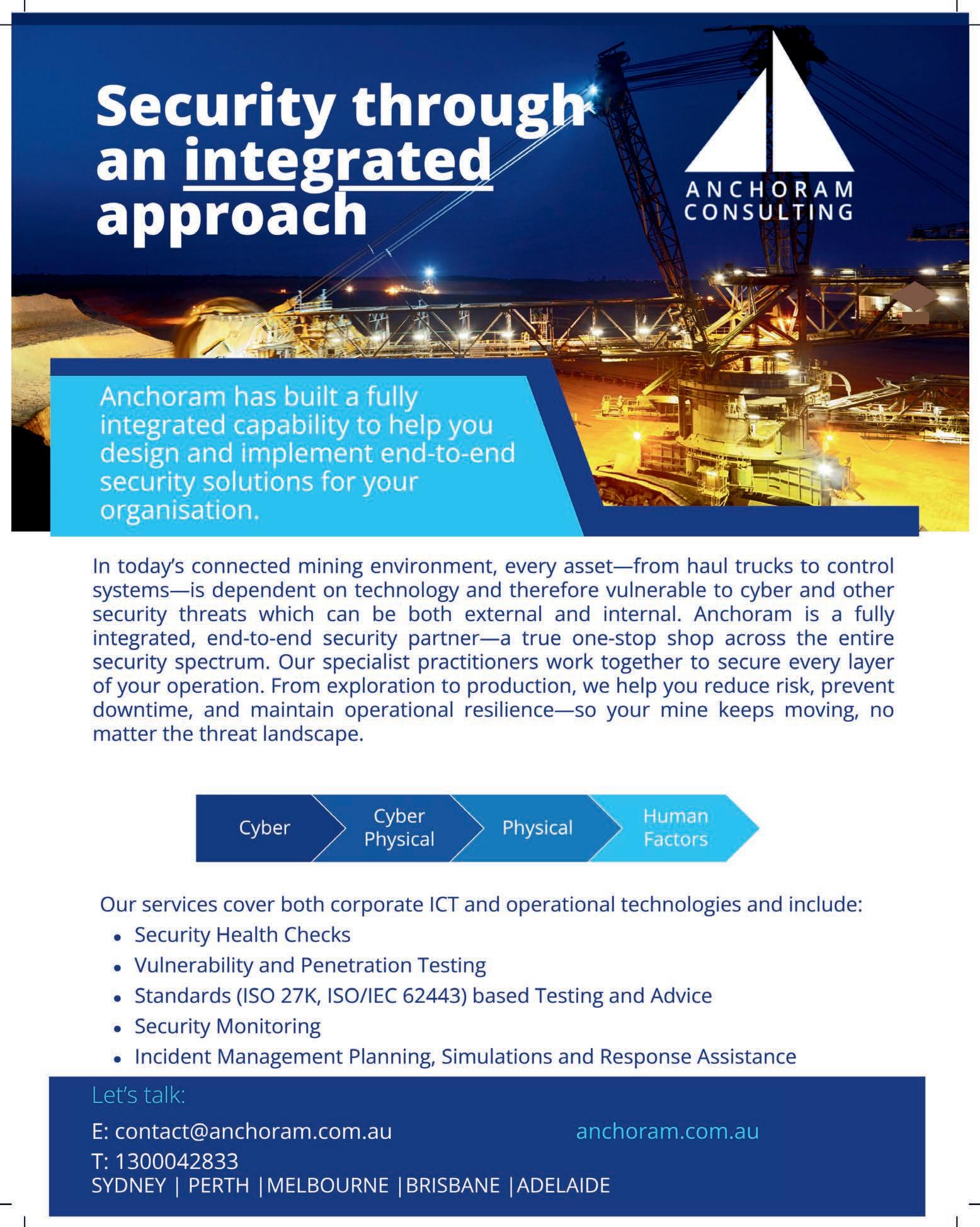
ways to manage sludge and water recovery.
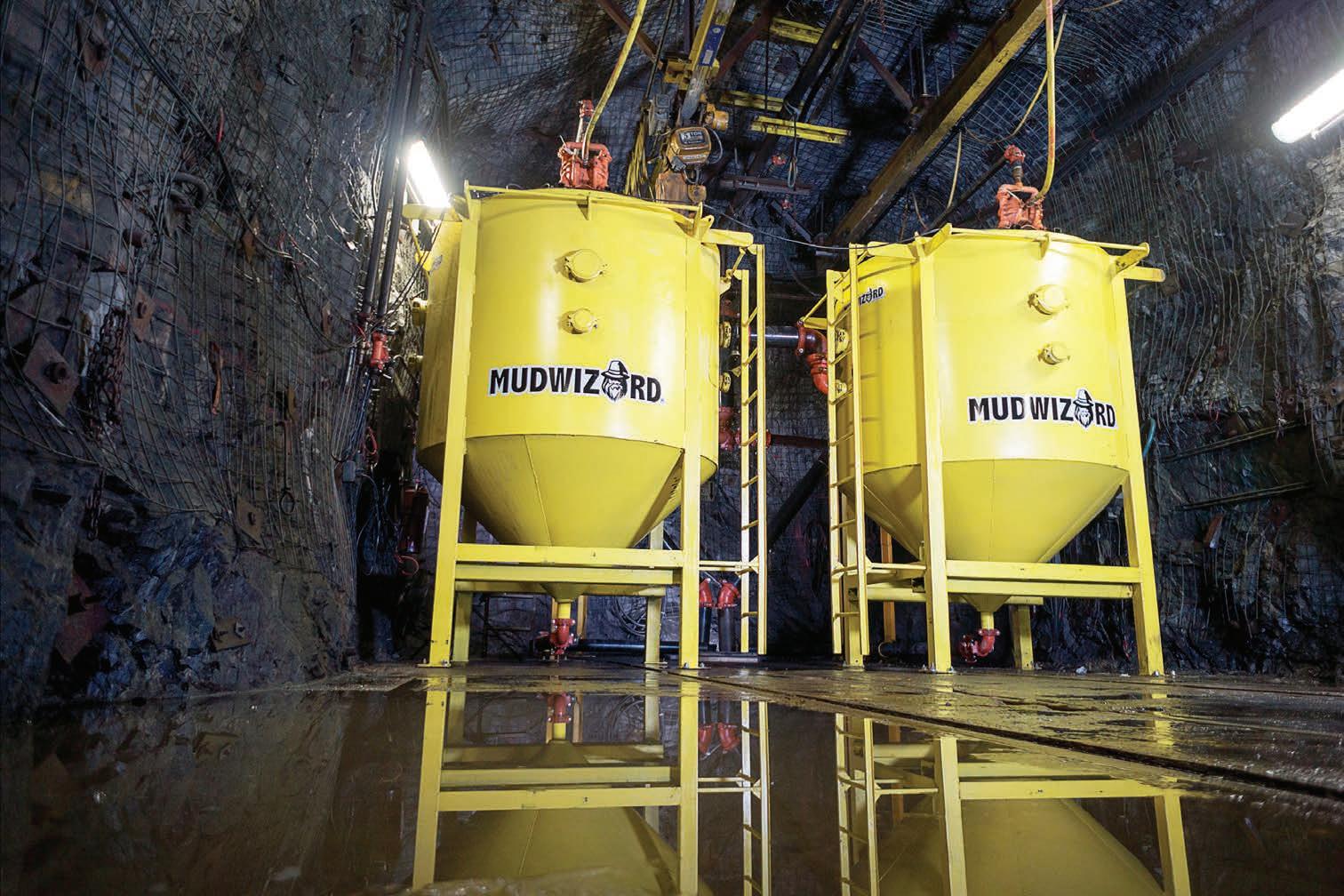
As mine sites look for smarter ways to manage water, waste and dewatering challenges, Dowdens Group is turning global technology partnerships into practical local solutions.
For more than 50 years, Dowdens Group has built its reputation by supporting the Queensland industry with practical, site-focused solutions across pumping, water treatment, industrial products, pneumatic equipment and field services.
Now, as Australian mine sites face increasing pressure to improve reliability, reduce downtime, manage water more effectively and operate more sustainably, the Queensland-based business is taking that same practical mind-set to the global stage.
Dowdens Group is not simply looking for new products to add to its range. It is actively searching for technologies that change what mining operations can do with their water, waste, dewatering and process challenges.
“What we have been trying to do over the last two to three years is bring technologies to Australia that have not been seen here before, particularly in the treatment and pumping space,” Dowdens Group mining sales manager Matthew Dalton said.
The approach reflects a broader shift in how Dowdens sees its role in the market.
Rather than acting as a traditional equipment distributor, the business is building direct relationships with specialist, field-proven manufacturers around the world and creating a pathway for those technologies to be applied in
Australian mining conditions. That means targeting OEMs that are progressive, technically capable and genuinely engaged in solving customer problems –not transactional suppliers with generic product ranges.
One of the clearest examples of that strategy is its partnership with Peruvian pump manufacturer HidroPump.
Well established in South America, HidroPump attracted Dowdens’ attention not only because of its product range, but because of the company’s internal capability and practical operating mindset.
“They really won us over,” Dalton said.
“They had a range that met what we needed, but it was more so that they are of a size and scale where they control a lot of their own manufacturing process.
“They build these pumps from the raw material. They have in-house foundries and in-house engineering.”
That level of vertical integration gives HidroPump the ability to control product development from concept through to production, allowing the company to push the performance limits of submersible dewatering pumps.
HidroPump’s capability is grounded in real field conditions, with direct exposure to demanding mining customers and dewatering challenges in Peru. Its field-led approach also extends to factory testing, where pumps are tested with sedimentladen water rather than clean water alone.
For Dowdens, that detail matters.
It reflects the type of OEM relationship the business is trying to build: progressive, field-proven technology developed around real operating conditions, then backed locally with Dowdens’ application knowledge, engineering support, service capability and understanding of Australian mining environments.
A clear outcome of the HidroPump partnership is the Lanzador HP225, which is being launched in Australia in July 2026 through Dowdens Group.
The Lanzador HP225 has been designed to address a challenge familiar to many mining operations: moving dirty or contaminated water at high pressure.
The pump delivers a maximum shut-off head of 334 metres and flows up to 65 litres per second from a single unit.
For mines dealing with deep dewatering applications, that combination of head, flow and contaminated-water capability offers the potential to reduce intermediate pumping infrastructure and simplify water management systems.
According to Dalton, the pump fills a long-standing gap in the market.
“High-pressure applications typically come with requirements that the water must be clean, and in mining environments, that is never the case,” he said.
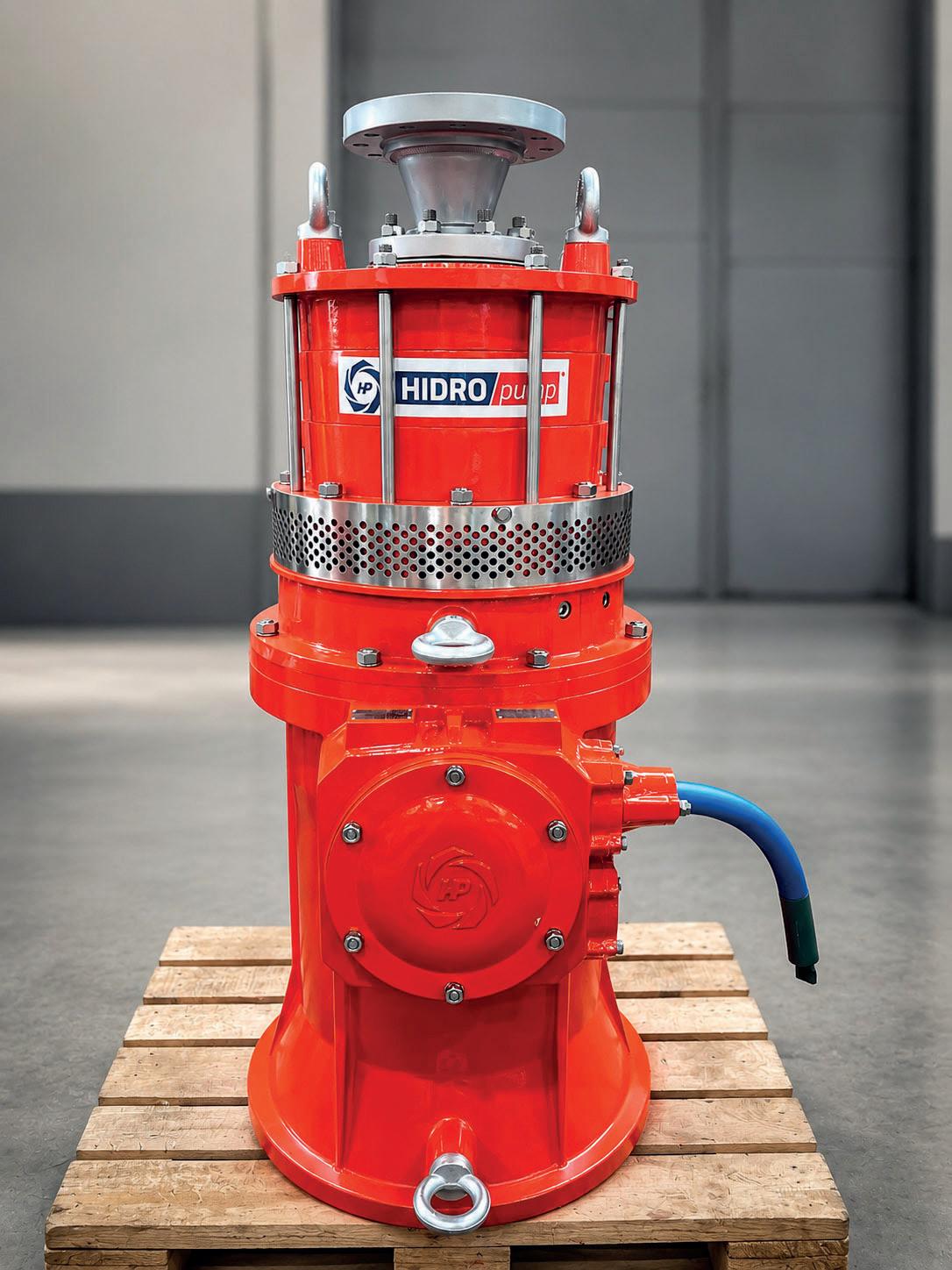
“A very common problem is that customers typically have to use a
clean-water pump that fails because the water is dirty, or they have to use multiple dirty-water pumps and run a complex system of series pumping.”
The HP225 offers an alternative by combining dirty-water handling capability with the pressure performance normally associated with clean-water pumping applications.
“This is a dirty-water pump that meets the pressures of a clean-water application,” Dalton said. “The deeper we go into mines, and the further we explore, the heights these pumps need to achieve are only going to get bigger.
This is manufacturing meeting the market and offering a solution that has not existed.”
The Lanzador is not the only example of Dowdens looking globally for technologies that can solve real site problems. Dowdens has also partnered with North American manufacturer GPM and its Eliminator range, which is designed for abrasive and demanding slurry pumping applications.
Founded in 1978 and still family owned, GPM is approaching 50 years in business with a reputation built on customer focus, rugged slurry pump design and practical operating experience.
Its Eliminator range is exactly the kind of specialist, application-proven technology Dowdens is looking to bring to Australia.
“As far as a submersible electric pump goes, we have never seen anything built like it,” Dalton said. “It is the toughest
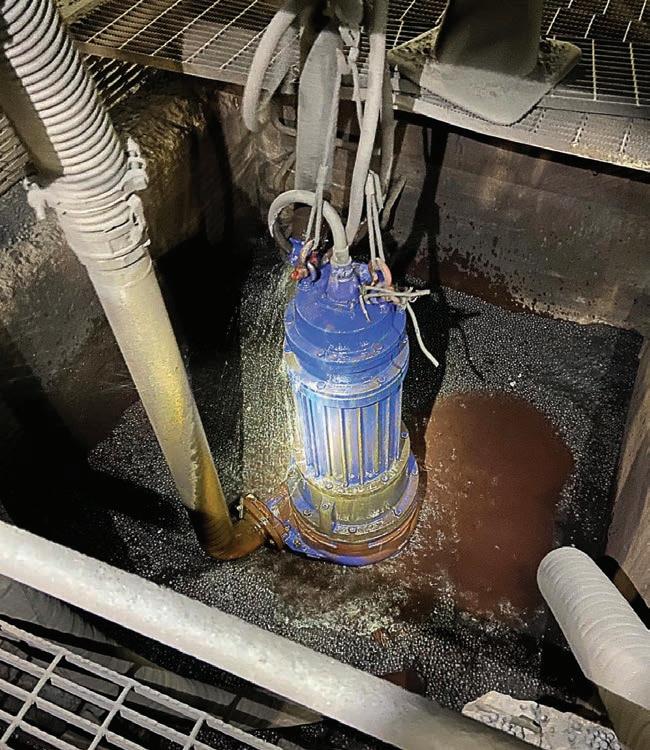
“We’re telling customers, show us the toughest pumping application on your site, and we’ll put one of these units to the test,”Dalton said.
“We’re confident it will exceed expectations.”
The same global search is extending into other specialist technologies. ATS 2000 pneumatic pumps and equipment from South Africa bring a rugged, practical solution for mine-site environments where reliability, safety and simplicity matter.
MudWizard sludge treatment technology from Canada adds another dimension, supporting sites looking for smarter ways to manage sludge, waste streams and water recovery.
Together, partnerships with companies such as HidroPump, GPM, ATS 2000 and MudWizard reflect the broader direction of Dowdens Group as it continues to evolve beyond traditional supply.
pump we have seen, to the point where it can run dry continuously, which for an electric submersible pump is unheard of.”
Dowdens is encouraging mining operations to test the technology in the harshest applications on site.
Dowdens Group is also now a member of the AxFlow Group, which is strengthening its access to global networks, technical resources and supplier relationships.
“Water management has always been critical to mining, but the expectations around reliability, recovery, reuse and dewatering performance are changing,” Dalton said.
“We are looking for technologies that help mine sites rethink what is possible with water, waste, dewatering and productivity challenges.” AM
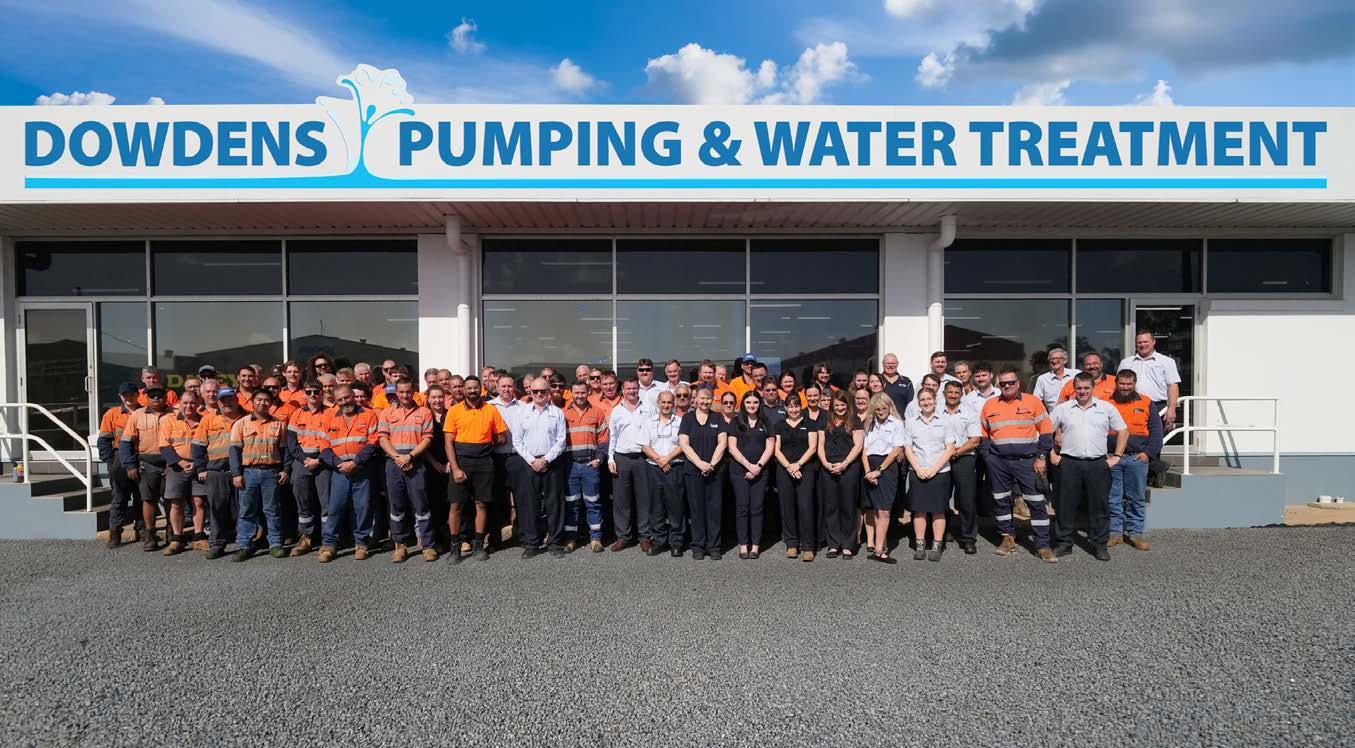
The Volvo K series wheel loaders are integrated with the operator, designed for consistent, repeatable performance.
Variations in operator performance, changing shift conditions and inconsistent fuel consumption can all have a measurable impact on mining productivity and equipment operating costs.
Volvo Construction Equipment’s (Volvo CE) new K Series wheel loaders have been developed with a focus on reducing this variability, helping mining companies achieve greater consistency across their loading operations.
Rather than concentrating solely on breakout force or engine output, Volvo CE has placed greater emphasis on machine responsiveness, operator comfort and datadriven fleet integration.
According to Volvo CE, the goal is to minimise unnecessary operator corrections and inefficient machine movements during loading cycles. In practice, this can contribute to smoother bucket filling, reduced rehandling and more controlled throttle input.
Fuel remains one of the largest operating expenses for mining fleets, particularly as global market shifts and supply chain disruptions continue to influence energy costs.

For mining operations running multiple shifts or large loader fleets, even small reductions in fuel consumption per tonne moved can deliver significant savings over the life of an asset.
According to Volvo CE, real-world fuel performance is influenced by more than engine specifications – cycle efficiency, hydraulic responsiveness, idle time and operator technique all play a role in overall fuel usage.
The K Series wheel loaders incorporate features designed to reduce overcorrection and improve machine balance, helping create more repeatable loading cycles and more consistent fuel consumption across operators and shifts.
Modern wheel loaders are also increasingly incorporating technologies such as 360-degree camera systems, expanded visibility zones and improved cab ergonomics to support operators working in busy mining environments.
Reducing operator fatigue can also help maintain concentration during long shifts, while stable machine balance during load-and-carry applications contributes to both safety and operational consistency.
Equipment suppliers increasingly recognise that machine capability alone does not guarantee productivity outcomes.
Improper machine setup, limited operator familiarity and poor application matching can all reduce operational performance. As a result, structured commissioning and training programs are becoming a more important part of equipment deployment.
For Volvo CE distributor CJD Equipment, this includes reviewing site applications before machine delivery, configuring equipment for specific material handling requirements and establishing baseline performance benchmarks during commissioning.
Operator training programs are also placing greater emphasis on efficient loading techniques, fuel-conscious operating habits and understanding machine response characteristics.
Connected fleet technology is continuing to reshape how mining companies monitor and maintain equipment performance.
Telematics systems allow fleet managers to track utilisation, fuel efficiency, service intervals and operator behaviour in real time. Volvo Connect, the company’s fleet
management platform, integrates machine data into broader fleet management systems, enabling maintenance schedules to be aligned more closely with actual operating conditions rather than relying solely on fixed service intervals.
The platform can also assist operators and managers in identifying developing mechanical issues before they result in significant downtime, while machine usage data can highlight further operator training and workflow improvements.
For mining companies, variability in fuel consumption, equipment wear and production rates can create significant cost pressures throughout an asset’s life cycle. Reducing these fluctuations is becoming an increasingly important component of fleet management strategies.
As a result, wheel loaders are increasingly being evaluated not only on power and capacity, but also on how effectively they integrate with site workflows, operators and digital management systems.
For many mining operations, future productivity gains may depend as much on operator integration and data visibility as on the machine itself. AM
Keep your drivers and fleets safe with AI-powered video telematics










Act on the most urgent risks in seconds.
Geotab’s all-in-one AI-powered video telematics solution provides the ultimate safety net for your team. Our smart AI detection identifies risks like tailgating or drowsiness in near real time, delivering instant in-cab alerts that help drivers stay sharp and get home safely.
For managers, the guesswork is over. Our connected workflow prioritises the highest risks first, turning hours of video into actionable coaching moments. Protect your drivers, exonerate your fleet, and elevate your safety standards with the power of AI.







Move from recording accidents after they’ve happened, to preventing them via near real-time AI alerts to mitigate distracted driving, tailgating and drowsiness

Access both video and vehicle data in one integrated platform through MyGeotab. Plus, hand-pick the best tools to reach your operational goals through the Geotab Marketplace.

Turn uncertainty into proof. Secure the visual evidence needed to shield your drivers from wrongful liability and reduce insurance premiums. Ready to transform your fleet? Visit geotab.com/au/ to learn how our video telematics solution can drive your business forward.
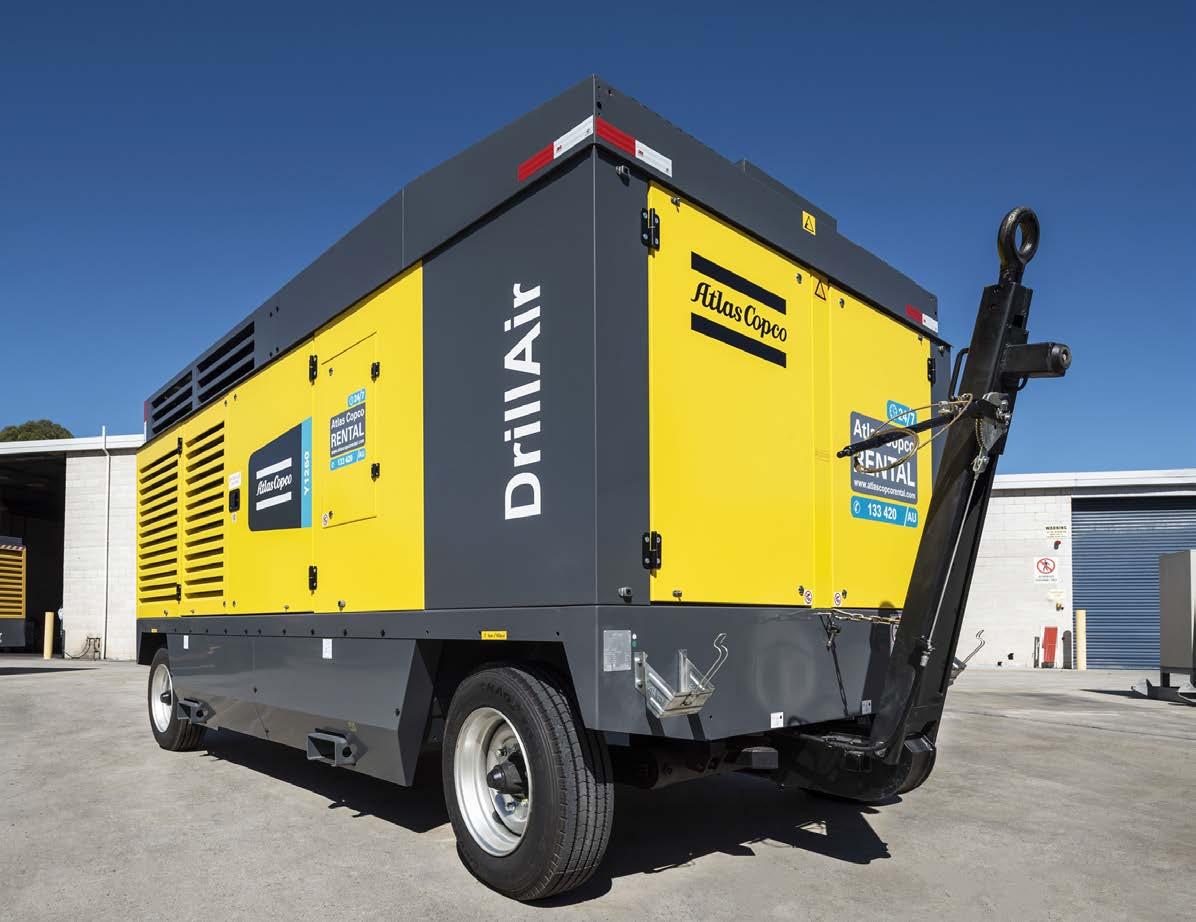
In an industry where downtime carries significant cost, having the right equipment on site makes all the di erence. The Y1260 is built to perform in harsh and remote conditions, o ering a reliable air solution that supports continuous operation when it matters most.
Don’t settle for a standard compressor on your next drilling project. Choose a high-performance solution that keeps your project on time and within budget.
The DrillAir Y1260 delivers a powerful solution for high demand applications, supporting drilling operations where performance and uptime are essential. Engineered with productivity in mind, it enables faster penetration rates and improved e iciency across a wide range of mining activities.
From remote sites to large-scale production operations, access to consistent, high-quality compressed air is critical to keeping projects moving and productivity on track.
Features Include:
• Portable and easy to transport
• DrillAirXpert
• Integrated a ercooler
Backed by Atlas Copco Rental’s expertise and support, mining operations can benefit from a solution that goes beyond equipment alone. The DrillAir Y1260 is here to help keep your mining projects on track, even in the toughest Australian conditions.
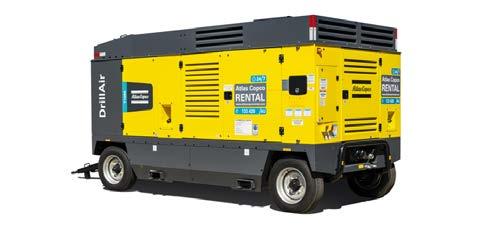
Pipe Tek has reached a new level with its on-site support and technical expertise for emergency pipe repair solutions.
Mining often operates in the most remote of locations across Australia which is great for mining key minerals, but less than ideal when emergency repairs are needed.
When a high-pressure pipeline recently ruptured in a remote part of the country, turnkey pipeline contractor Pipe Tek coordinated a response that has set a new benchmark for what emergency readiness looks like in practice.
Pipe Tek is a specialist provider to the mining sector, delivering engineered piping solutions for slurry, water and dewatering systems. The company maintains pipeline infrastructure, supporting efficient material transport and site operations. Its services aim to improve reliability, safety and uptime across demanding mining environments globally.
In the context of remote operations, where downtime could cost millions of dollars, emergency repairs are often perceived as a race against time, scrutiny and safety of the community, with Pipe Tek helping to deliver tangible benefits.
Working directly for a gas pipeline operator, the company was able to deliver a complete pipeline rupture rectification within six days .
Having worked with the owner of the asset directly in the past, Pipe Tek’s industry reputation for turnkey solutions made it an obvious choice to carry out repairs, further strengthening both relationships with the client and its position in the market.
“As is the case in any emergency situation, time and speed were the most important factors in the response,” Pipe Tek chief operating officer Taddam Farrant said.
“Not only were industrial customers and surrounding communities relying on gas supply, but safety of personnel and the public was obviously the priority.”
Within hours of taking the call from the operator of the gas pipeline, Pipe Tek had planned all elements of the mobilisation, including labour, vehicles and equipment, welders, as well as engaging subcontractors for some of the work on site.
The company eventually mobilised to site within 36 hours of the client’s initial callout.
Pipe Tek was responsible for coordinating every aspect of the repair.
This included supplying a mobile non-destructive testing (NDT) crew and a hydrotesting unit, alongside accredited welders, a welding supervisor, trade assistants and fully equipped welding rigs.
On site, the company worked closely with the client to establish excavation parameters that kept the pipeline free of stress during tie-in operations which is critical when working with high pressure infrastructure.
All replacement pipe sections were internally cleaned using pigging prior to welding and following weld completion and NDT clearance, tie-in operations were completed.
Pipe Tek then undertook abrasive blasting and recoating of the three-joint section, sequencing the work to enable progressive backfilling and keep the overall schedule on track. The repair was completed with the pipeline fully reinstated and gas flow restored within six days. Following the delivery of the project, the company’s response was recognised by the state regulator, which stated it ‘could not fault the response’.
“That feedback carries considerable weight, especially in a tightly regulated industry,” Farrant said.
The operator was equally glowing, crediting Pipe Tek with playing a significant role in both the immediate response and subsequent integrity works, noting the company’s support in prioritising safety and employee wellbeing while minimising community impact.
Farrant said the project showed pipeline operators how Pipe Tek is uniquely positioned to respond quickly to the emergency situations.
“Pipeline failures present a distinct set of risks. Remote locations, complex logistics, regulatory exposure and the potential for significant production downtime,” he said.
“The capacity to engage a contractor who can self-manage a full-scope emergency response, mobilise rapidly and operate to the standard required by technical regulators is not a nice-to-have, it’s an operational necessity.
“We believe our delivery of this sensitive project demonstrates what that looks like in practice.
“Integrated capabilities, decisive mobilisation and execution that holds up under regulatory scrutiny.” AM
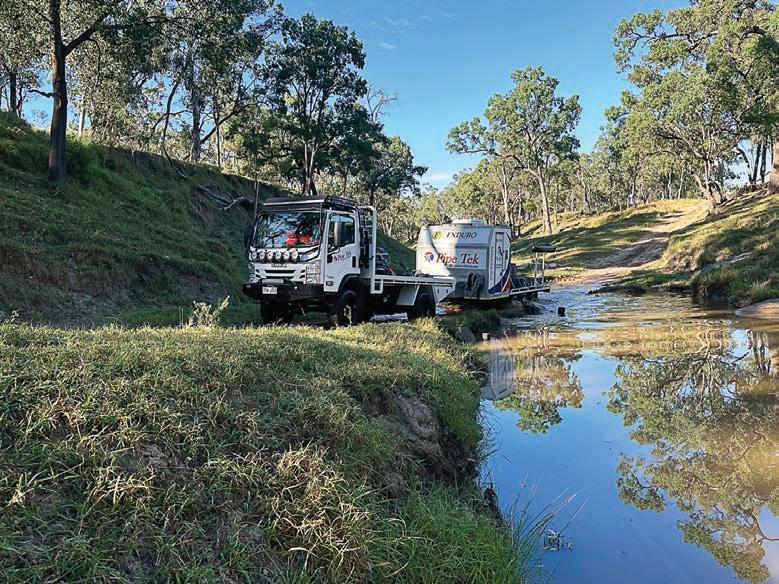
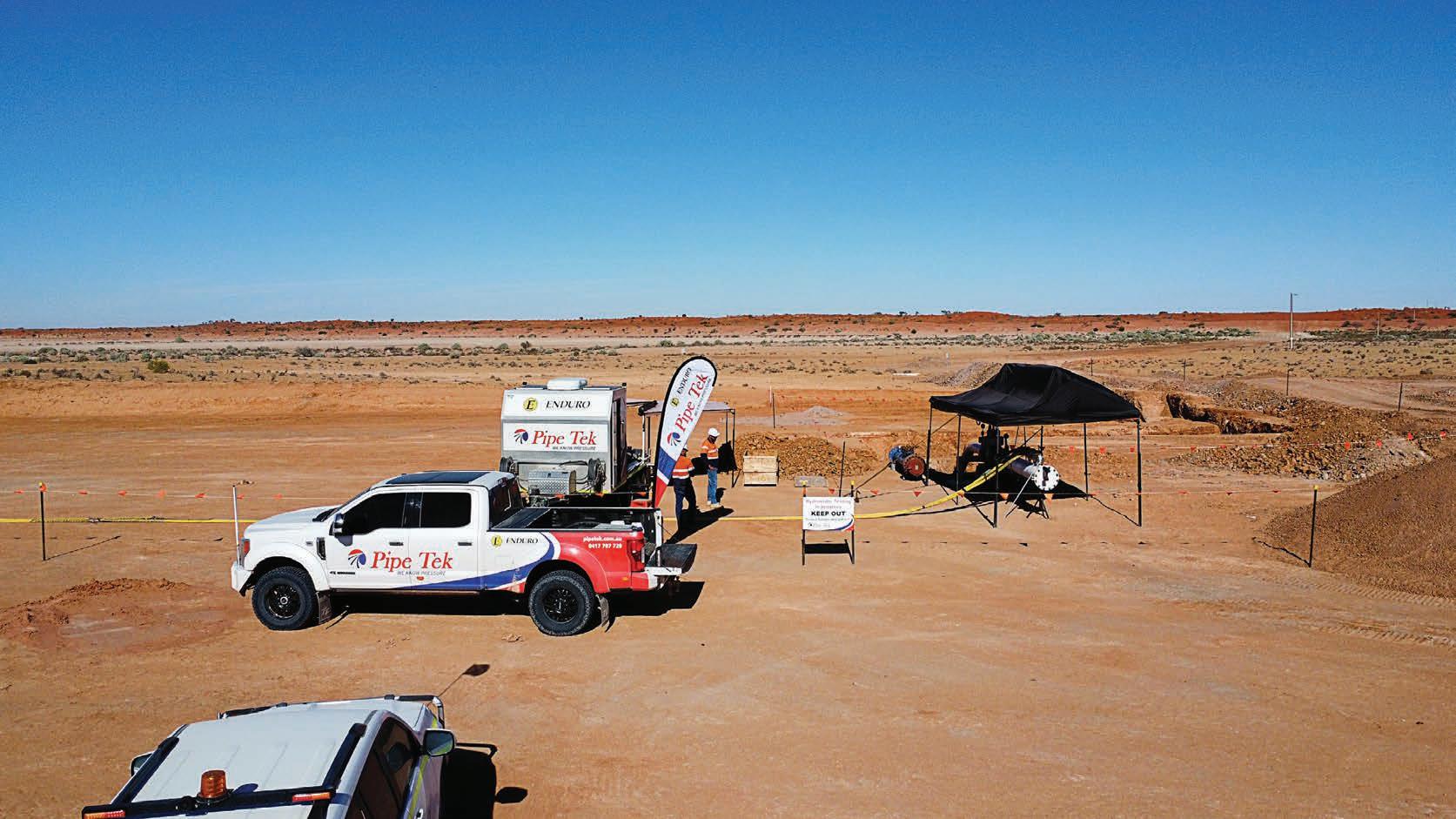
master rebuild centres, Cummins is helping set a new benchmark for global mine engine remanufacturing.
What began in Brisbane almost 20 years ago as a pioneering approach to high horsepower engine remanufacturing, has evolved into a widely adopted model across the globe, with a simple question of how engines can be rebuilt and returned now being the gold standard.
As Cummins marks its 100-year anniversary supporting the global mining industry, the company’s Australian-based master rebuild centres (MRCs) remain a focal point in providing service with the performance and reliability that often exceeds original factory expectations.
Today, Cummins operates a global network of 13 mining MRCs across multiple countries and regions worldwide, including key locations in Brisbane and Perth supporting mining operations in Australia, with remanufactured engines spanning the company’s QSK19 and QSK78 engine ranges.
The Australian facilities were the first Cummins MRCs established globally, and continue to deliver exceptional engine life performance, technical ability and process innovation.
The Brisbane MRC commenced operations in 2008, with Cummins MRC manager Alan Routledge helping develop the original facility template that has since been adopted throughout the world.
Perth followed one year later in 2009 and, in May, celebrated the build of its 3000th engine, matching the milestone
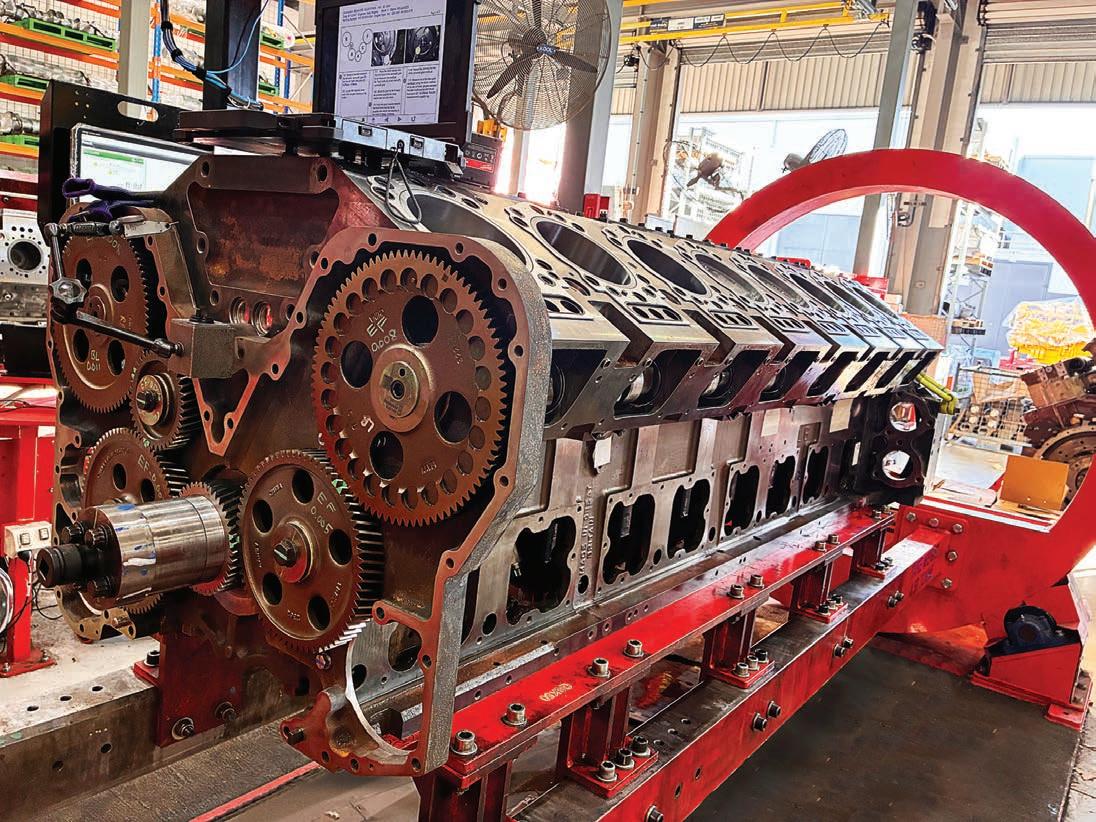
Unlike a conventional overhaul, every engine entering a Cummins MRC undergoes a meticulous 600-step remanufacturing procedure designed to return the engine to ‘zero-hour’ status. Each engine is completely stripped, inspected and machined, after which they are then rebuilt and dyno tested under the same manufacturing execution systems and testing procedures used in Cummins’ factory-new engine production facilities.
With an exchange program also offered by Cummins’ MRC network, mine operators receive engines that have been rebuilt to high standards using a defined bill of materials and strict reuse guidelines.
Any component that falls outside of these guidelines is replaced, while all cylinder blocks are machined through
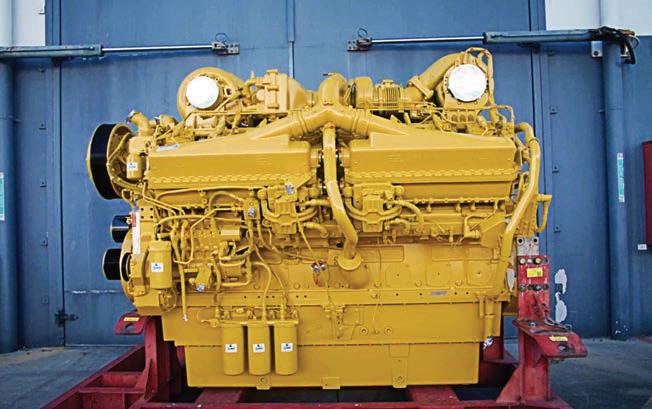
To further strengthen the company’s offering, every engine rebuilt in the Australian MRC network incorporates the latest product updates and engineering advancements, alongside locally developed enhancements that are tailored to the Australian mining industry. This ensures an optimised maintenance practice, increased operation uptime and extended engine life outcomes.
For customers operating in some of the harshest mining environments in the world, this level of quality control is critical.
“Our goal is for every remanufactured engine to meet or exceed factory new engine life,” Cummins Asia Pacific mining director Ben Clark said.
“These facilities are strategically located close to major mining hubs and customers, allowing us to work closely with global mining companies, local mines and contractors to meet their operational requirements and minimise downtime.”
Supporting customer uptime remains central to the MRC operation.
The rebuild centres work closely with Cummins mining business managers and branch networks, operating within a planning window of a few months to align supply schedules with customer maintenance programs to ensure on time delivery and minimise operational disruption.
This customer-centred approach has helped drive strong adoption of the support bank engine program across the Australian mining sector, with engines rebuilt in Brisbane and Perth delivering
some of the longest operating life figures globally within the mining sector.
Following a major refurbishment of the Brisbane MRC several years ago, Cummins is now progressing significant upgrades to the facility in Perth, with recent improvements including the installation of two new engine dynos, a fully enclosed paint booth and newly commissioned wastewater treatment plant. Additional upgrades, including improved Atlas Copco torque arm systems and facility layout enhancements, are scheduled to continue through to late 2026 and 2027, with all works carefully managed to ensure no disruption to customer supply.
The 3000-engine milestone in Perth highlights both the maturity of the operation and the trust the customers place in the rebuild program.
“Reaching our 3000th engine rebuild in Perth is a significant achievement for the team and reflects the consistency, quality and dedication that goes into every engine rebuilt at the facility,” Cummins MRC manager in Perth Michael Kane said.
“Our people understand the critical role these engines play in mining operations across Australia and the importance of delivering a product on time that customers can rely on from day one.
“The fact that the Australian MRCs continue to deliver some of the best engine life outcomes globally is something the entire team is incredibly proud of.” AM


BME’s AXXIS® range – Silver, Titanium, and CEBS – delivers world-class electronic initiation trusted by mines across five continents.
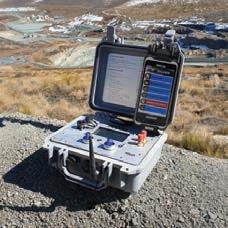
Built for precision, safety, and sustainability, AXXIS® empowers engineers and blasters to achieve consistent, high-performance blasts –even in the most demanding conditions.
• AXXIS® Silver – Proven reliability for quarries and mid-sized mines.
• AXXIS® Titanium – Advanced control with best-in-class safety and data capabilities.

• AXXIS® CEBS – Centralised blasting with unmatched scale and efficiency.
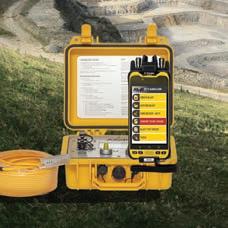

With AXXIS®, you don’t just initiate blasts – you initiate progress.
the full range at www.bme.co.za

XCMG’s battery-electric support equipment undergoes rigorous testing ahead of its deployment in demanding mining environments.
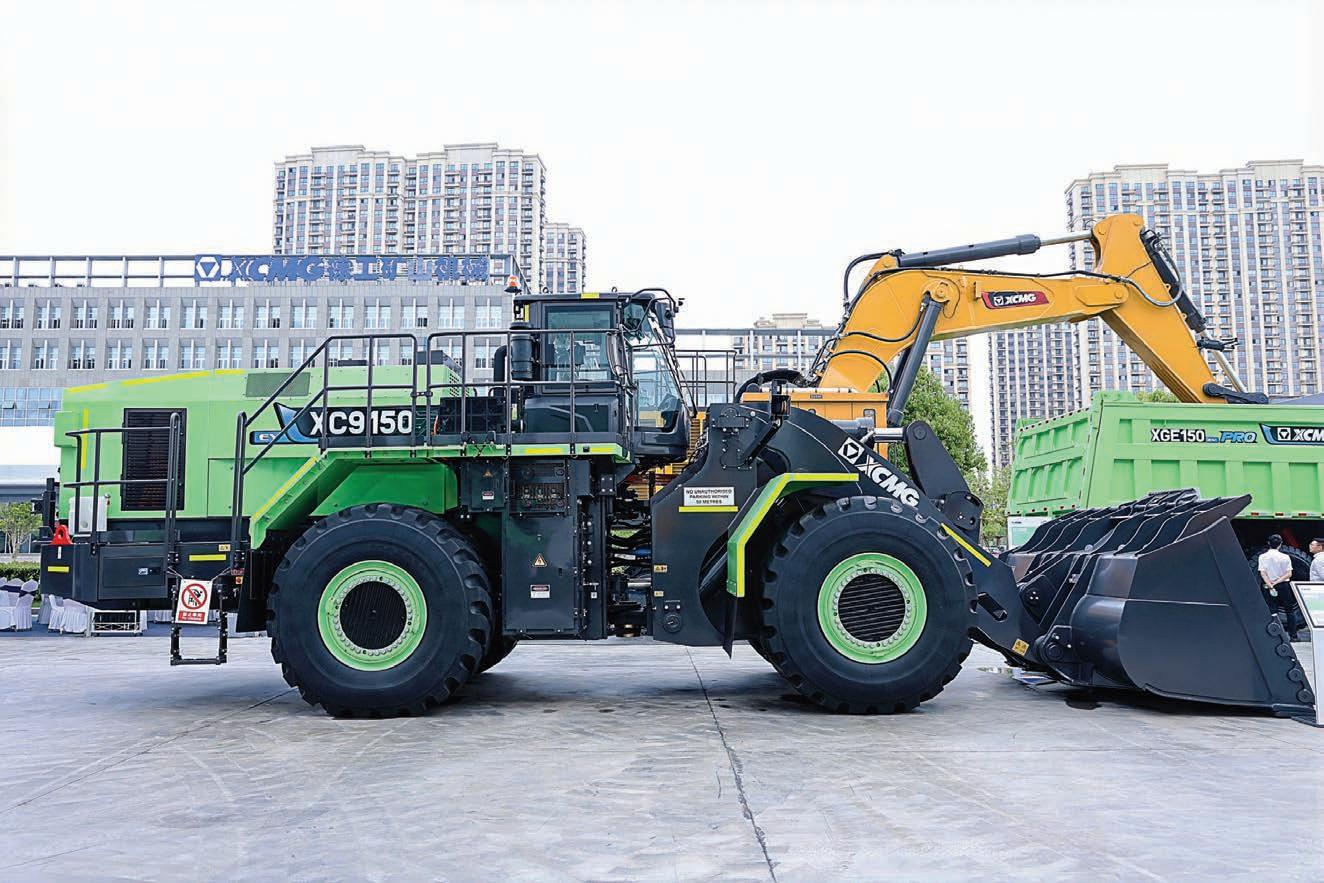
Battery-electric support equipment is emerging as one of the mining sector’s most practical pathways toward lower-emission operations.
As the Australian mining sector accelerates its decarbonisation agenda, the conversation has been dominated by primary production equipment. But the path to a loweremission mine site may run through its support fleet.
Walk onto any large-scale mine site in the Pilbara and the machines that draw the eye are the obvious ones, the haul trucks, the excavators, the production equipment that moves the tonnes and, ultimately, the revenue. It is little wonder that the sector’s electrification conversation has, until now, centred almost entirely on these primary assets.
Anyone who has spent time on site knows that productivity does not rest on production equipment alone. Haul roads must be graded and maintained. Dust must be suppressed. Access routes must be kept safe and serviceable.
The machines that perform this work – graders, water trucks and the broader support fleet – are rarely the subject of headlines, but without them, the mine simply does not function.
XCMG is putting a growing portfolio of battery-electric mining equipment through an extensive validation program in Xuzhou, China.
That program extends well beyond primary production machinery with four machines currently under comprehensive testing.
This includes the XC9260BEWL battery-electric wheel loader and XC9260BEWD battery-electric wheel dozer represent largescale electrified platforms aimed at production applications.
Alongside them, however, sit two machines that tell a more interesting story: the XDE150E battery-electric water truck and the GR350EP battery-electric grader.
The inclusion of support equipment within a serious electrification strategy reflects a maturing understanding of how mine operators are pursuing decarbonisation. Electrifying a haul fleet is capital-intensive, infrastructure-dependent and, for many operations, still years away at scale. Support equipment, by contrast, offers a more immediate and achievable pathway to emissions reduction.
These machines operate on more predictable duty cycles, return to fixed points, and can be electrified without the wholesale operational disruption that larger transitions demand.
For dust suppression, in particular, the case is compelling.
Effective dust management is a core environmental and safety obligation on every Australian mine site, directly affecting air quality, visibility and regulatory compliance.
A water truck such as the XDE150E, which pairs high-capacity water delivery with a battery-electric drivetrain, allows operators to meet that obligation while removing a source of diesel emissions from daily operations.
The GR350EP grader makes a similar argument for haul road maintenance; it is work that is continuous, essential and, until recently, exclusively diesel-powered.
The engineering challenge in this should not be understated. Electrifying a mining machine is not a matter of substituting a battery for a fuel tank.
Battery systems, charging infrastructure, thermal management and intelligent machine control must all function as an integrated whole, under load, in heat, across rough terrain and through long operating cycles.
The validation program in Xuzhou allows engineers to replicate conditions like steep gradients, variable loads and continuous duty. XCMG tests every aspect of machine performance before equipment reaches the field.
For Australian operators, this systemslevel approach is the part that matters most. The reliability test on a Pilbara mine site is unforgiving, and any new technology will be judged on whether it can perform, shift after shift, in some of the most demanding operating conditions in the world.
Charging compatibility is a particular consideration: an electric machine is only as useful as the infrastructure that supports it, and synchronising equipment with the right charging solution is fundamental to making these technologies work in practice.
None of this happens without close collaboration between manufacturers and operators. Site conditions, duty cycles and productivity expectations vary enormously, and feedback gathered through development and field experience is what turns a capable prototype into a fit-for-purpose machine.
The broader lesson for the Australian industry is one of perspective, as decarbonising mining will not be achieved in a single step. It will be achieved incrementally, machine by machine and application by application, and the support fleet is where much of that achievable, near-term progress lies. AM
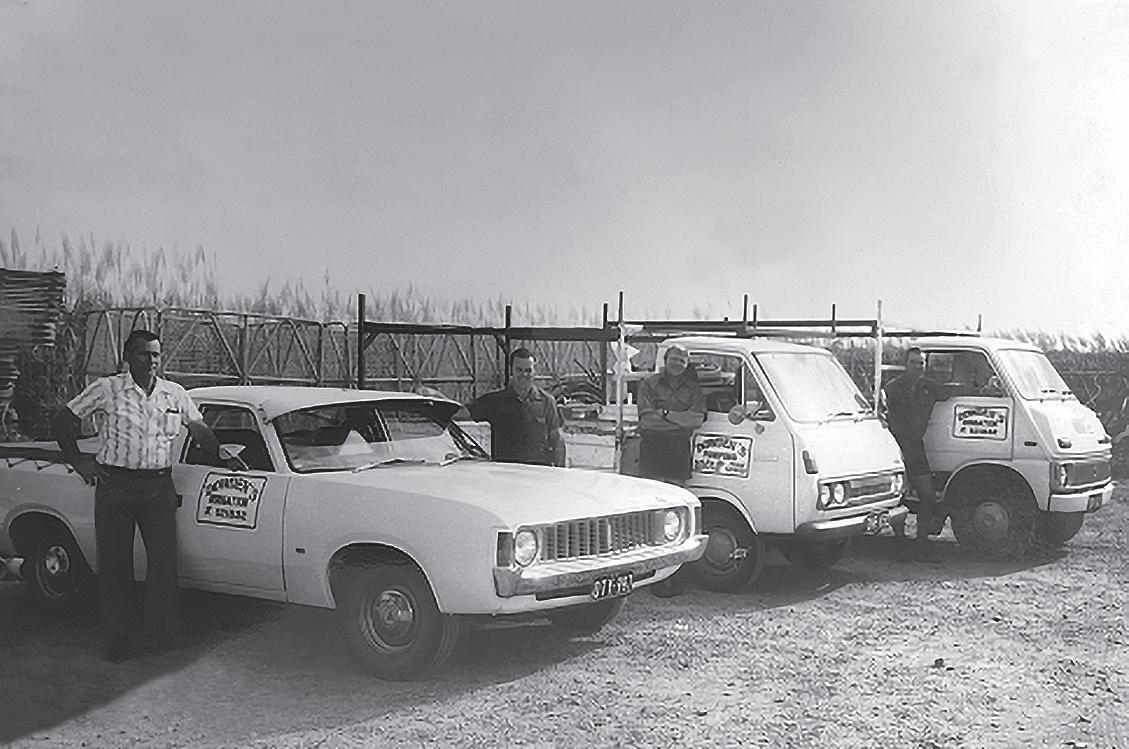
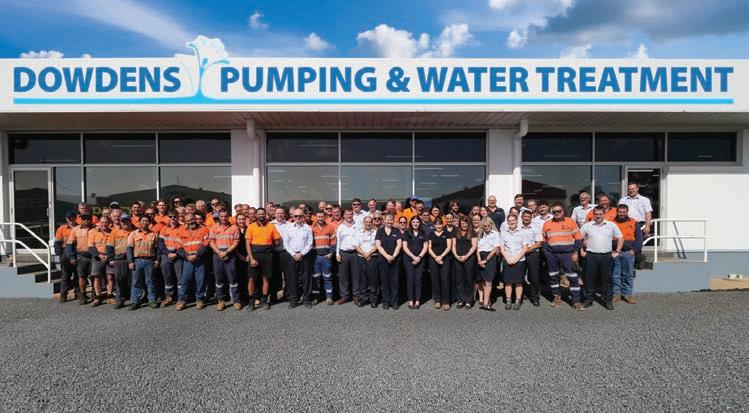



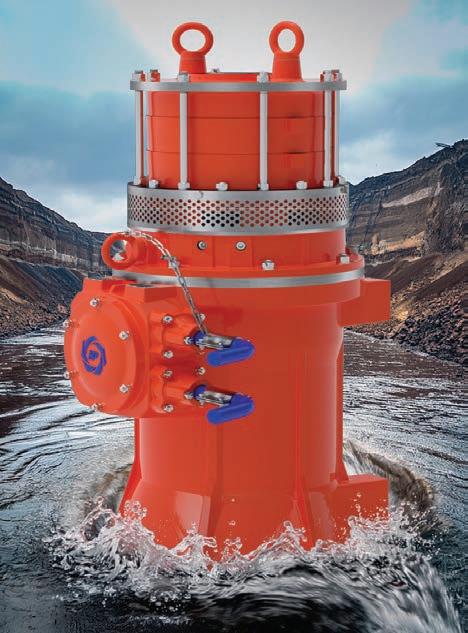
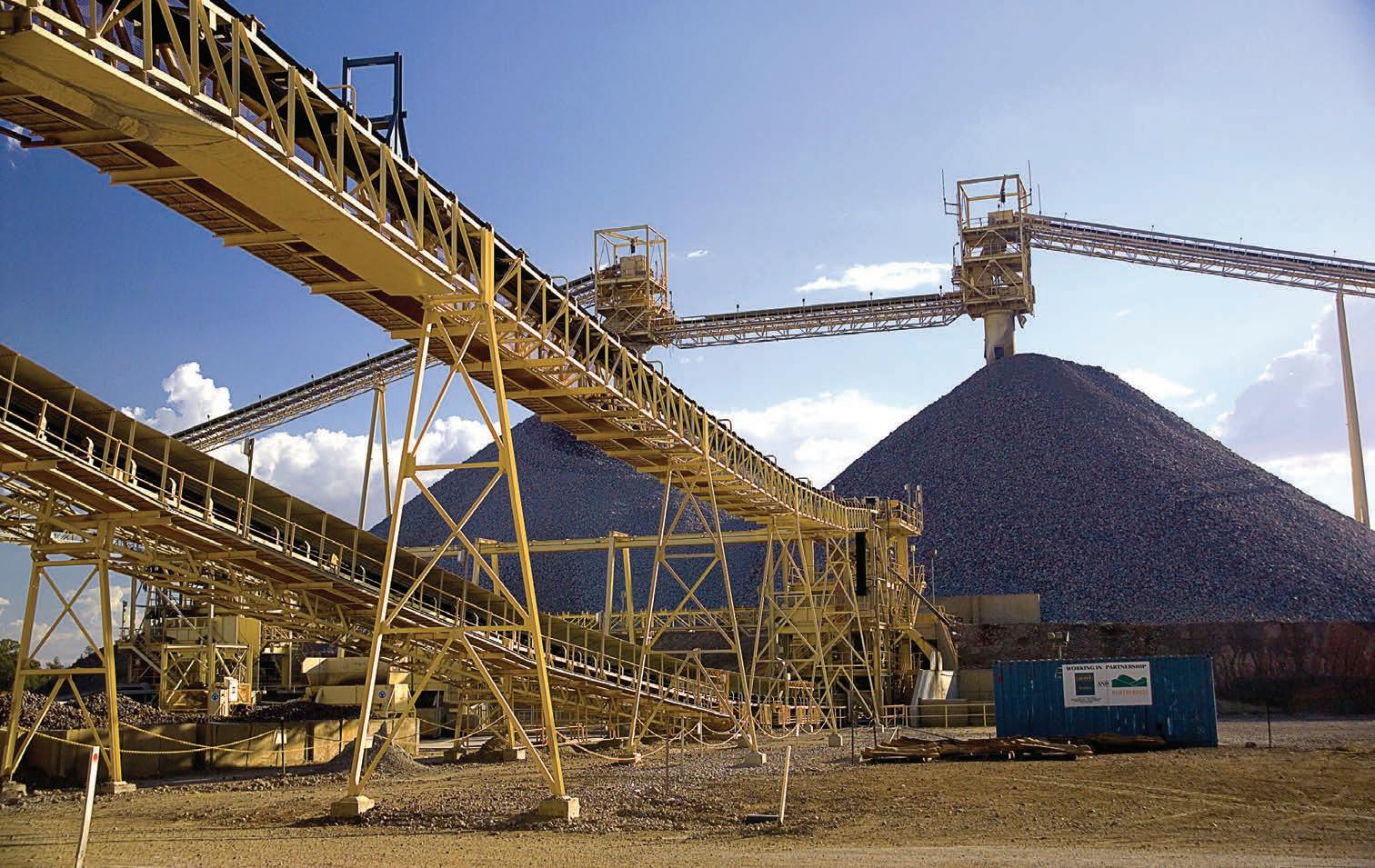
AkzoNobel’s Interzone and Interline ranges are helping operators protect critical assets and maximise long-term performance.
Acoating might be one of the least expensive components in a mining project, but it can have one of the biggest impacts on long-term asset performance.
Replacing critical infrastructure can be a costly, delay-causing process, prompting many mining operators to focus on extending the life of assets already in service.
Through its Interzone range with it’s anti-corrosive properties and Interline chemical-resistant linings, AkzoNobel is helping operators protect crucial assets from some of the industry’s most persistent hazards.
With shutdown windows often measured in days rather than weeks, factors like durability and ease of application can be just as important as long-term performance.
“We know how important production time is for our customers, not only for the asset owner but for the contractors who have been awarded the project,” AkzoNobel mining and goldfields key account manager – protective coatings Jason Colja told Australian Mining
“The window of opportunity is crucial for the successful installation of a durable protective coating system. Products and systems that are easy to apply, robust and reliable should be factored into the project from the beginning.”
Protecting against corrosion
Protecting against corrosion is important, with prolonged corrosion leading to health and safety risks while compromising asset reliability.
At the centre of AkzoNobel’s anticorrosion portfolio is Interzone 954, a high-build epoxy coating developed for tough conditions.
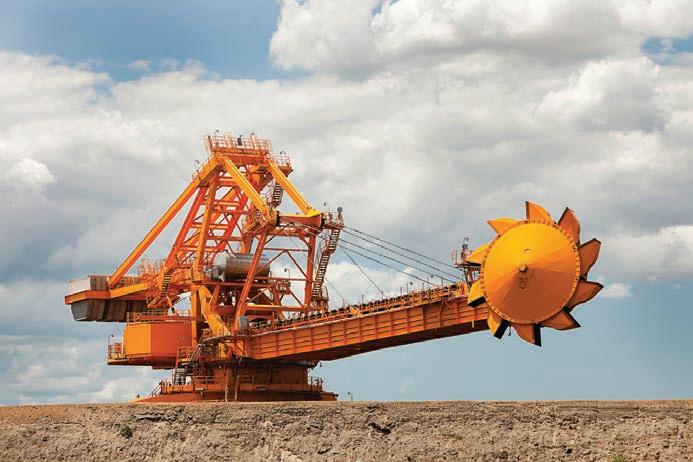
“Interzone 954 could be considered the all-round heavy-duty coating,” Colja said.
“Its combination of excellent anticorrosive properties, high build and surface tolerance means it is widely used as a durable performance coating for new steel and maintenance projects.”
Originally developed for offshore environments, Interzone 954 was designed to withstand immersion, chemical splash and spill exposure, impact damage and challenging service conditions. Many of those same demands are encountered throughout mining operations, particularly around ports, processing infrastructure and coastal assets.
The product’s ability to perform across a broad range of settings has led to its adoption on projects ranging from structural steel and maintenance programs through to major tank and port infrastructure works.
Building on that foundation, AkzoNobel expanded the range with Interzone 954GF, incorporating glass
barrier protection in demanding operating environments. The addition broadens the coating’s suitability for assets operating in particularly harsh service conditions.
“The addition of lamellar glass flake pigment, improves splash, spill and immersion properties via reduced water vapour permeability. Glass flake also improves impact and abrasion resistance.” Colja said.
The Interzone range is currently being supplied to mining projects including iron ore port refurbishments, carbon-inleach and thickener tanks, structural steel infrastructure and maintenance programs across Australia.
While corrosion can threaten the outside of an asset, mineral processing often presents a different challenge within.
Mining operations rely on a wide range of chemicals throughout extraction and processing circuits, placing significant demands on tanks, containment systems and associated infrastructure.
This is where AkzoNobel’s Interline range comes into its own.
“Our Interline and extended linings range has an extensive database of chemical resistance to withstand almost all chemical exposures required as part of the mining processes,” Colja said.
Designed specifically for chemicalresistant applications, the Interline portfolio supports a broad range of mining infrastructure, helping operators protect assets exposed to aggressive processing environments.
Applications range from acid tanks, ore processing equipment and secondary containment bunds through to fuel, potable water and process water storage systems.
AkzoNobel’s broader chemical-resistant portfolio also includes solutions for both steel and concrete infrastructure, which allows asset owners, consultants and contractors to identify systems suited to specific cargo, containment and chemical exposure requirements.
With mining operations continuing to process increasingly complex ore bodies, the need for durable chemicalresistant protection remains an important consideration across both new and existing assets. AM


Reliable, field-proven pivot pin systems built for the most demanding mining environments.

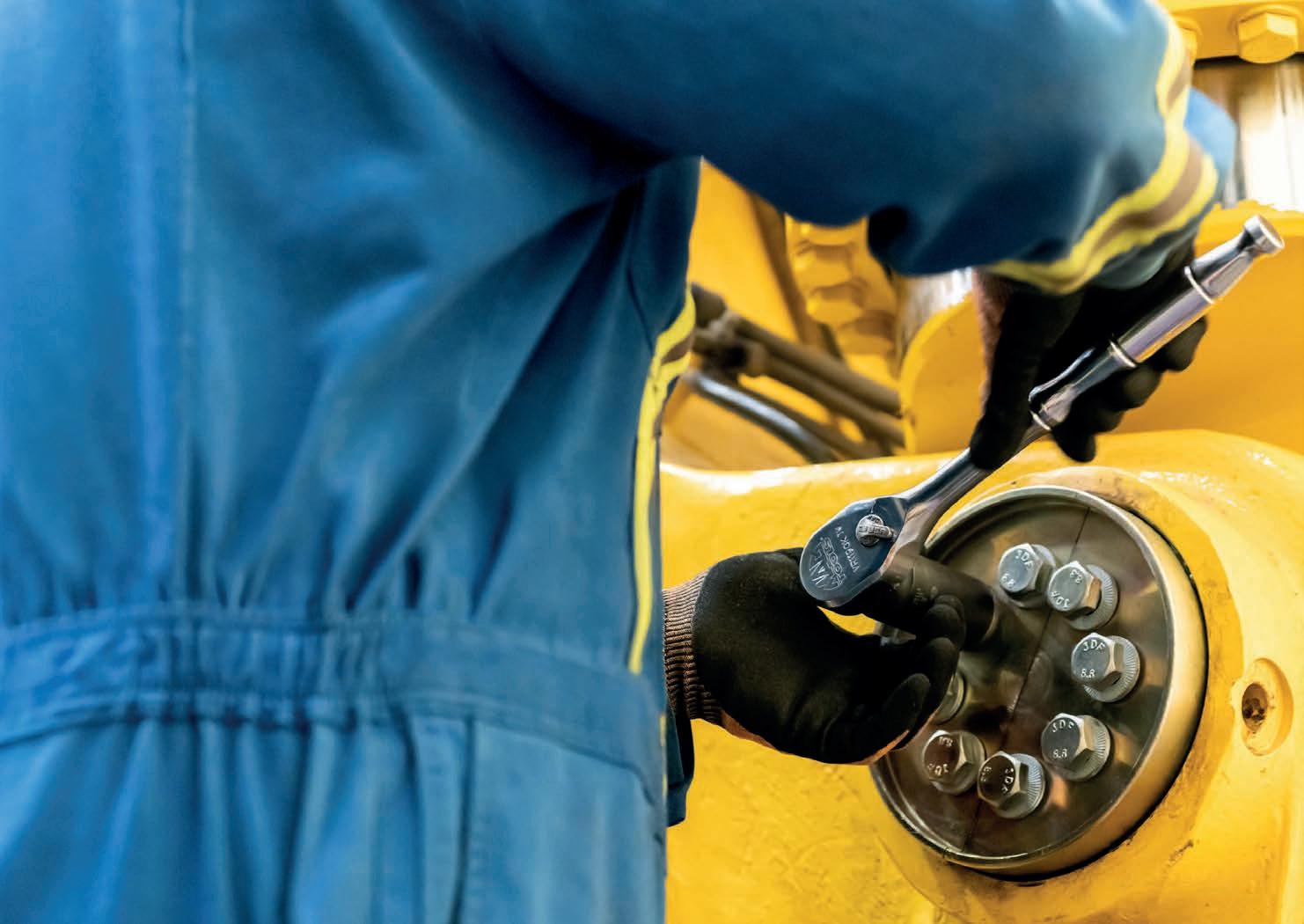

EXPLORE APPLICATIONS:
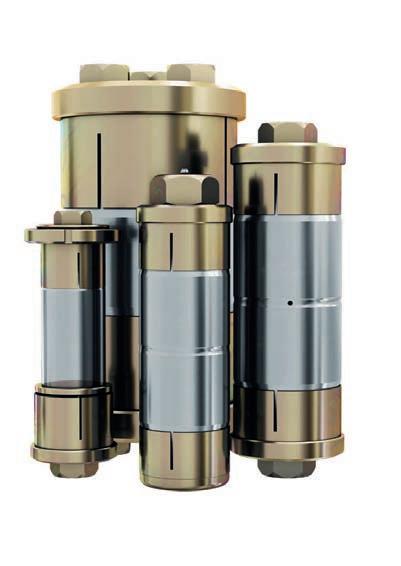




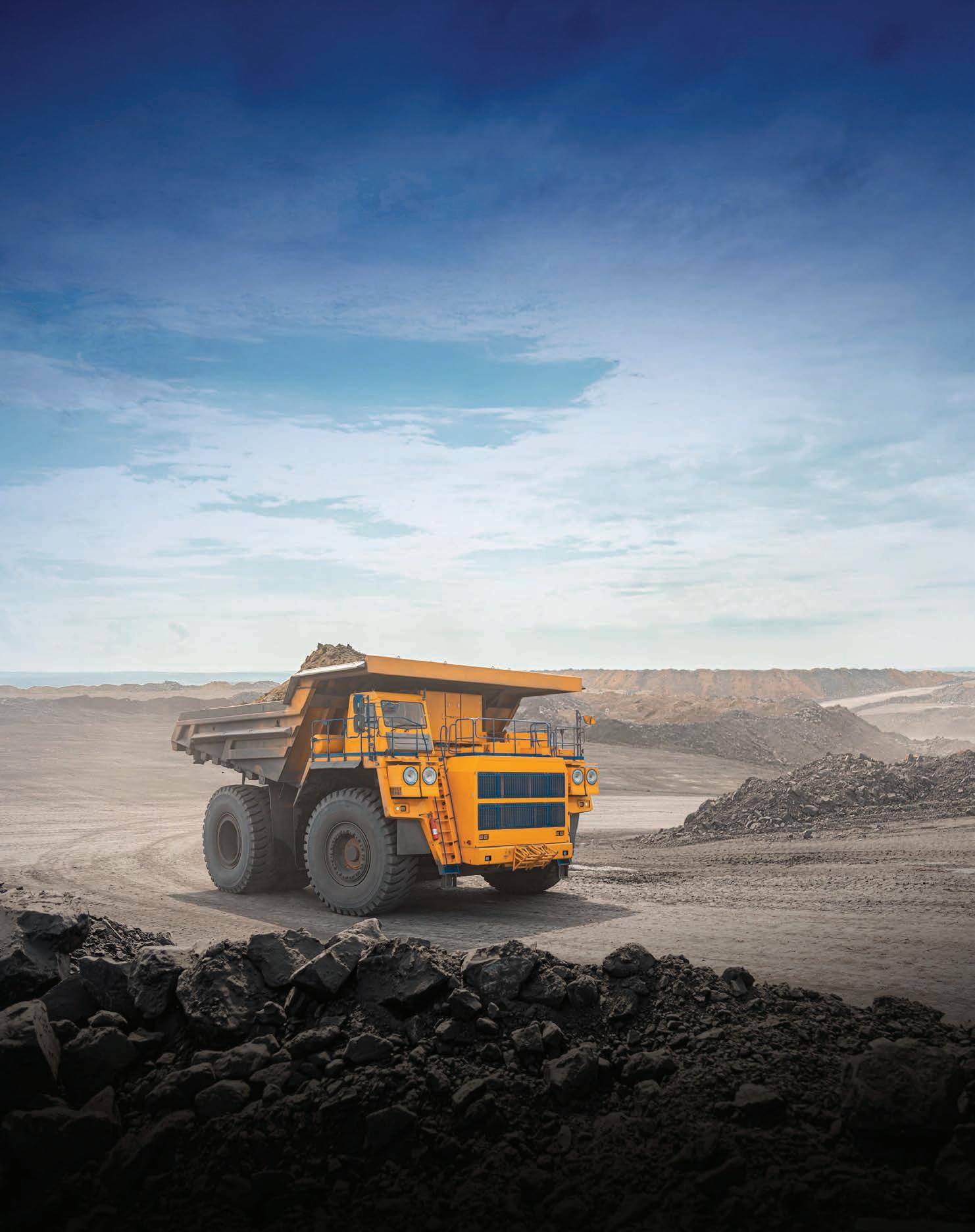







Australia’s largest regional mining event

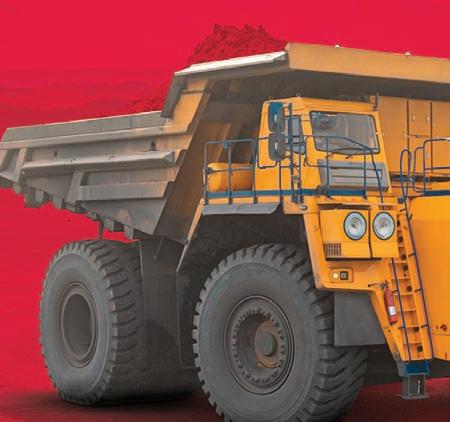




21-23 JULY 2026 MACKAY
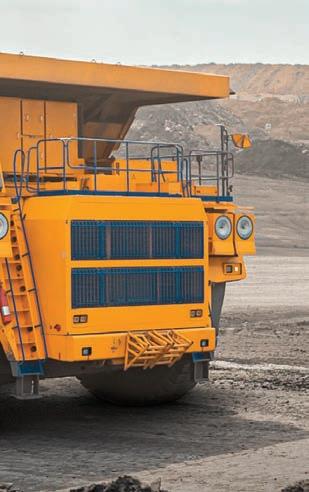




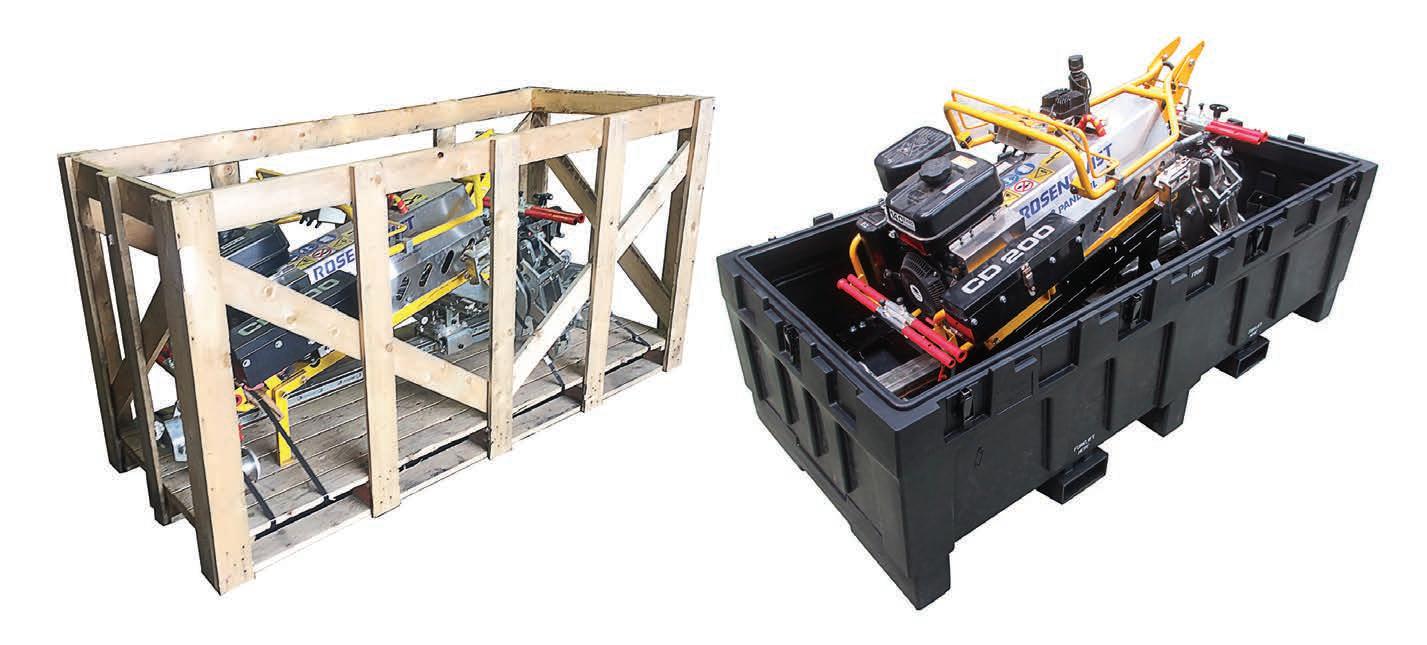
Pelican Australia is reducing equipment damage and downtime across remote mining operations with its engineered cases and lighting systems.
When equipment fails, its subsequent impact is measured in hours and lost productivity.
Remote worksites, long shift rotations, and an operating environment combining red dust, humidity, vibration, and temperature extremes mean the protective systems surrounding critical equipment carry significant operational weight.
Pelican Australia addresses this reality through engineered protective solutions designed around how equipment is deployed, handled, and put to work in Australian field conditions.
Pelican is renowned for protecting mission critical assets in defence and sees strong parallels in the mining sector. In both settings, equipment must be protected in harsh conditions, and failure can lead to high-consequence impacts on safety, productivity and cost.
“The same engineering approach we apply to defence is what mining operators need,” Pelican Products business manager AUS/NZ for engineered protective solutions Justin Evans told Australian Mining. “The operational pressures are comparable, and the cost of a failure in the field is just as consequential.
“With over 50 years of experience in rotational and injection moulding, Pelican designs and manufactures custom protective case solutions incorporating structural steel reinforcement and engineered foam systems to provide superior protection for missioncritical equipment.”
The shift Pelican encourages is one from basic packaging to custom engineered protection systems.
While a standard timber crate provides containment during transport, a Pelican-Trimcast Technical Solution is an engineered protection system that combines Pelican cases with custom shock mitigation, vibration attenuating, environmental protection, and operational features to safeguard missioncritical equipment.
Purpose-built for real-world conditions, these solutions ensure equipment arrives protected, organised, and ready for immediate use. Equipment failures often begin during transport, handling, storage, and deployment, where dust, vibration, and moisture work their way into tools, cables, and sensitive electronics.
Effective protection reduces the risk of damage, extends asset life, and helps ensure critical equipment is available when needed.
The true value of protective solutions lies in the downtime, delays, and equipment failures they prevent, rather than their initial purchase cost.
Pelican-Trimcast Technical Solutions are developed through a process that begins with the operational environment before specifying any product. Transport method, deployment workflow, handling risks, environmental exposure, and maintenance access requirements are all assessed before a solution is built.
The outcome is a purpose-built system using the appropriate case platform, internal protection, materials and integration features for the application.
Handling realities that standard solutions consistently overlook are central to that process. Field equipment on mining sites is moved via forklifts and cranes and operated by workers wearing heavy gloves under time pressure. Small latches and intricate foam profiles, reasonable in a controlled environment, become a liability in the field. Engineering for how people work on site is the foundation of Pelican’s design process.
At the Pelican-Trimcast Testing Centre in Knoxfield, Melbourne, custom protective systems undergo rigorous shock, vibration, environmental, and handling testing before deployment. This local validation process gives mining operators a defensible, evidence-based foundation for operational confidence.
Many mining sites also contain combustible gases, vapours, or dust.
Lighting used in those environments must be safety-certified and approved for hazardous locations. Using uncertified equipment is a performance risk and carries direct implications for worker safety and regulatory compliance.
Pelican’s safety-certified portable lighting range is engineered for these conditions. Products are designed to deliver reliable illumination across extended shifts in underground tunnels, confined spaces, and open-cut night operations.
Runtime durability, high output, and hands-free functionality are built into the design to address the practical reality of workers who need lighting that performs for the full working day.
Pelican operates in Australia with local engineering, manufacturing, and testing capability through its advanced facility in Melbourne. For mining customers, that local presence means solutions can be developed and validated for Australian conditions without the delays and logistical complexity of offshore sourcing.
“For operators running technologydependent field operations in remote locations, protecting critical equipment is no longer purely a transport consideration,” Evans said.
“It is an operational uptime strategy.” AM
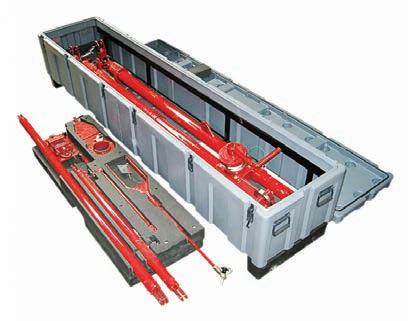

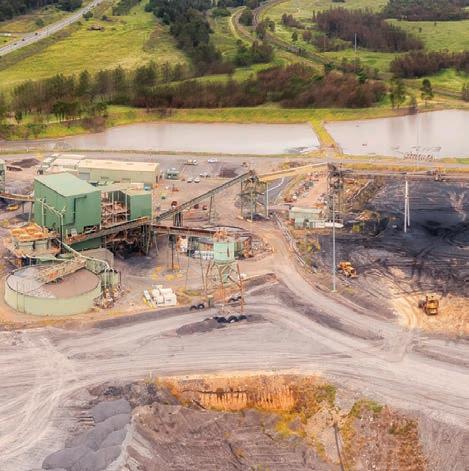

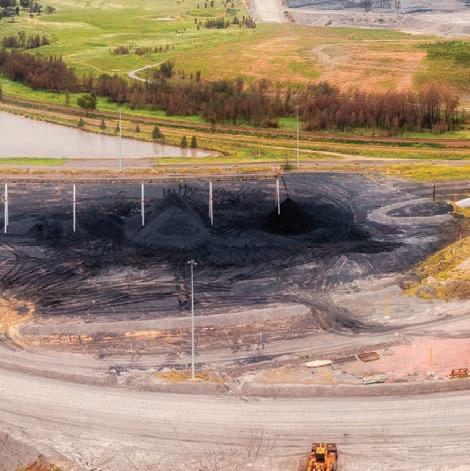

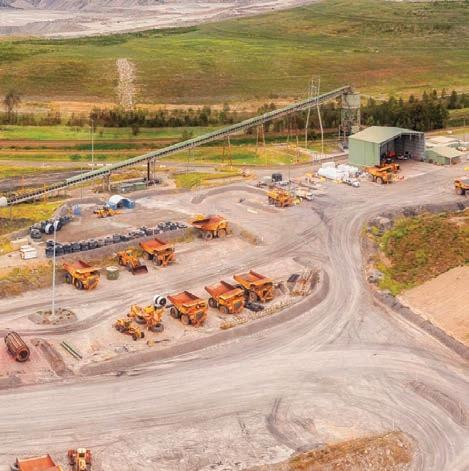



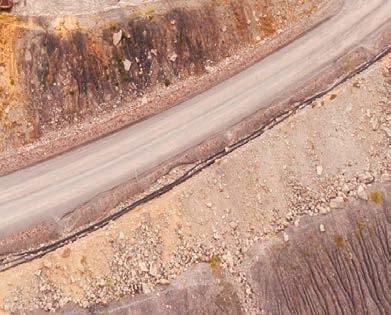
With changes to regulatory frameworks across Queensland’s coal industry, the Resource Industry Network is shining a light on the businesses keeping the state’s resources sector running.
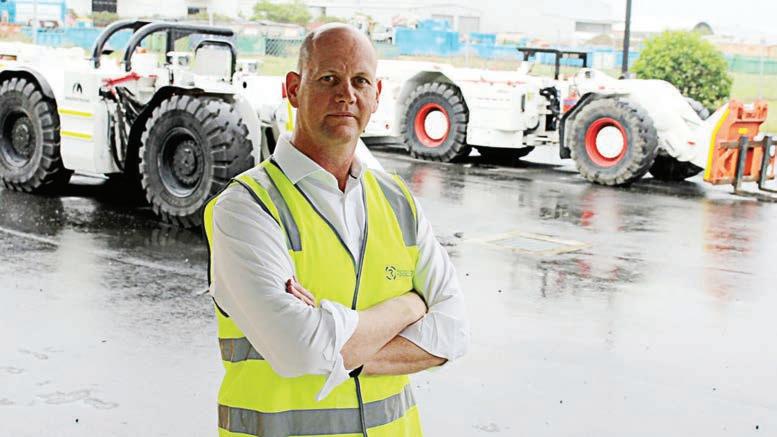
Regional Queensland has long been defined by its coal industry, shaping not only the local area but those who live within it.
Areas like the Bowen, Surat and Galilee Basins host some of Australia’s most significant metallurgical and thermal coal operations, supplying domestic power generation and international steelmaking markets, with long-established infrastructure linking mines to export terminals such as the Port of Hay Point and Gladstone.
Coal continues to account for a substantial share of Queensland’s exports, supporting regional employment and supply chains across mining, rail and port services.
In towns such as Mackay, Rockhampton and Emerald, the sector underpins a significant portion of local economic activity, with operations
spanning open-cut and underground mines owned by major producers.
While coal has long been the lifeblood of the region, changes to regulatory frameworks have fundamentally altered the way business is done. Regional communities have been spurred into action to strengthen their political participation and highlight the regions’ contribution to the state’s economy.
To help shine a light on the situation, the Resource Industry Network launched its ‘Regions before Royalties’ campaign, calling on the Queensland Government to review the state’s coal royalty structure and deliver a fairer system that supports jobs, small businesses and community growth across the region.
As a not-for-profit organisation, the Resource Industry Network represents and supports businesses involved in mining, energy and broader resources supply chain,
acting as the peak industry body for the resources sector and allied industry.
At its core, the group’s purpose is to connect, develop and promote its members as a business network and support organisation.
“We want to give a better picture of the industry to those making the decisions, providing them with a story of those that make the sector what it is,” Resource Industry Network general manager Dean Kirkwood told Australian Mining Representing more than 8000 local businesses across regional Queensland, Resource Industry Network’s campaign also aims to shed light on the businesses and community organisations across the region impacted by changes to state coal royalty structures.
Kirkwood believes that, as industry regulations change, the political focus remains stuck on the larger companies and businesses dominating the sector. By focusing on those not necessarily represented, the network shines a light on the small to medium-sized enterprises supporting the resources sector – whether that be mining equipment, technology and services, engineering or maintenance.
“This campaign provides a mechanism to showcase the amazing work that is happening across the supply chain. Petitions like this aren’t about just one thing, but about focusing on ways we can put money back into local economies,” Kirkwood said.
Often described as the “engine room” of central Queensland, ensuring the coal industry – and wider resources sector –remains globally competitive is key.
“Coal is more important now than ever before, especially when we’re looking
at transitioning to green equipment, technologies and industries,” Kirkwood said. “It may not be the most enticing thing to talk about, but the truth is that it is a crucial component of our economy.
“The amount of revenue the government receives from this is immense, supporting hospitals, roads, schools, every aspect of life, which is why it’s so critical we shine a light on those working tirelessly to continue driving the sector forward.”
Those opportunities, Kirkwood said, are real – not just for future industry, but for those who serve it. The risk, he said, is that investment is being driven away from regional communities.
“We’ve got to ensure that these businesses continue to be operational into the future, allowing them to diversify into other key industries emerging across Queensland’s resources sector,” he said.
“The fundamentals for long-term prosperity for the sector is already here. The need for coal around the world is still significant and it’s going to be for a long time. We need to ensure businesses can be there, support other areas and then pivot into other avenues of growth later.
“These are family businesses that have worked incredibly hard to build a business that they are proud of, they live in communities that they are proud of, and they support those communities. It’s important that people are made aware of the contribution that they make to the state of Queensland.”
Ultimately, behind Kirkwood’s point of view is a simple, but important notion.
“Regional Queensland has powered this state for generations,” he said. “Now it’s time for a fair share, to power our regions in return.” AM
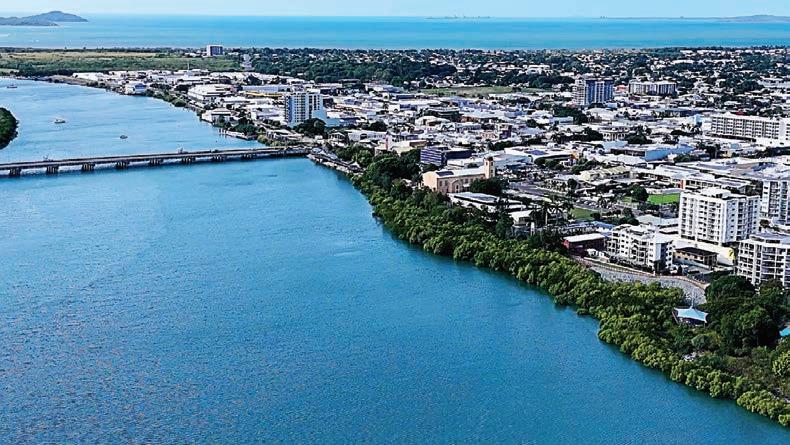
Fluid handling on mine sites has been made easier owing to Alemlube’s expanded hose reel capabilities.
Alemlube is supporting safe and efficient fluid handling across construction and mining applications with its latest range of direct drive air rewind hose reels, the ADDA series.
A collection of six models, the series is primarily used to deliver oil, diesel fuel and grease, as well as compressed air and water, allowing for convenient, quick access as it can extend the hose to the required length for operation and be retracted safely after use.
A significant expansion to Alemlube’s hose reel offering, the series can be used in different applications such as mining, civil construction and oil and gas, with the ADDA series enhancing work-spaces by preventing hose pile-up, improving safety, increasing efficiency and significantly reducing workplace health and safety concerns.
The ADDA series – which stands for Alemlube, direct drive, air operation –uses reels that are form, fit and function interchangeable with all major brands of fluid handling equipment, giving peace of mind that operations can continue to flow smoothly.
The reels have a multitude of application scenarios, making them the ideal attachment in already established workflows, with the series able to be mounted onto various types
of machinery, trucks, tunnelling vehicles and cranes.
In mining, the ADDA series facilitates operations requiring frequent delivery of engine, hydraulic and gear oils. As industries across Australia push to do more with less, while keeping operations running on all cylinders, this new series provides certainty and the necessary lubricant for mining equipment.
Able to assist with hose payout and with hose rewind, Alemlube’s ADDA series minimises the wear and tear on hose assemblies occurring through dragging on rugged surfaces. Instead, the series allows orderly storage and rapid deployment with its pneumatic rewind motor.
The main benefit of the ADDA series of reels, Alemlube said, is safety.
By using air-operated – pneumatic –motors to assist both hose payout and rewind, the system reduces the need for operators to manually pull heavy hose assemblies or wrestle them back onto the reel. This minimises physical strain and helps reduce the risk of musculoskeletal injuries, which are common in repetitive hose handling tasks.
“Direct drive air-operated hose reels eliminate exposed external moving parts like chains and gears,” an Alemlube spokesperson told Australian Mining
This direct gear design significantly reduces workplace hazards by removing
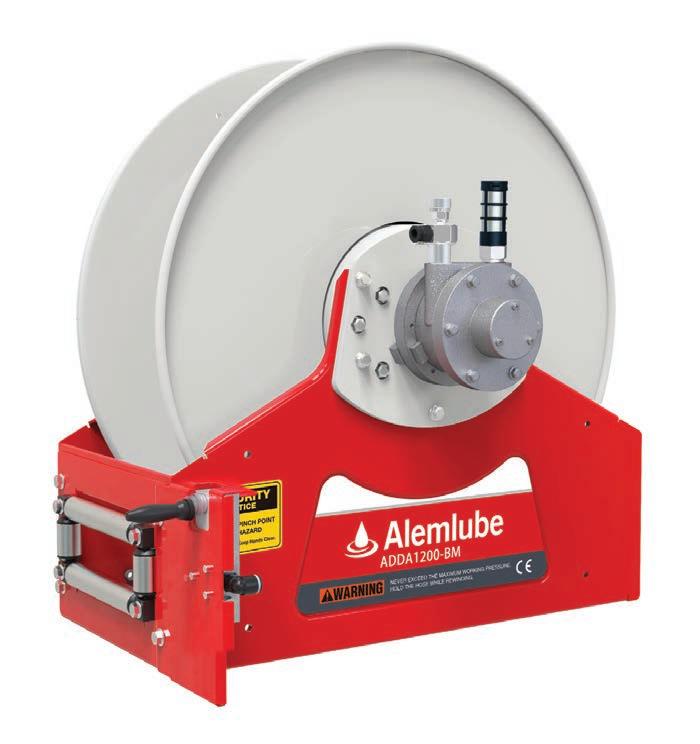
pinch points, preventing accidental entanglements and ensuring smoother, more controlled retraction compared to traditional chain and sprocket systems.
“Furthermore, the chains and sprockets on those types of reels tend to fail due to foreign particle contamination and water ingress,” the spokesperson said.
For Alemlube, the new ADDA series of reels creates a key opportunity.
“A large market that we have not been able to access until now, the air-operated motors as supplied with the reels, both assist when the hose assembly is paid out to, say, a vehicle that is being serviced, and when the hose goes back on to the reel,” the spokesperson said.
This is particularly important in improving asset life-span, as the use of
a motor results in a smooth payout and reduces sudden tensions or snags.
The ADDA series presents a multitude of opportunities for Alemlube beyond better servicing its customers. The development of new products helps meet the company’s purpose of being a consistent, reliable and valued partner to those it supports, whilst adhering to values of safety, evolving procedures, staff development and a commitment to honesty, integrity and hard work.
“With a wealth of experience and expertise, both from within Alemlube and from overseas manufacturing partners, our teams understand the important role that our equipment and services play over the lifetime of a fixed plant,” the spokesperson said. AM
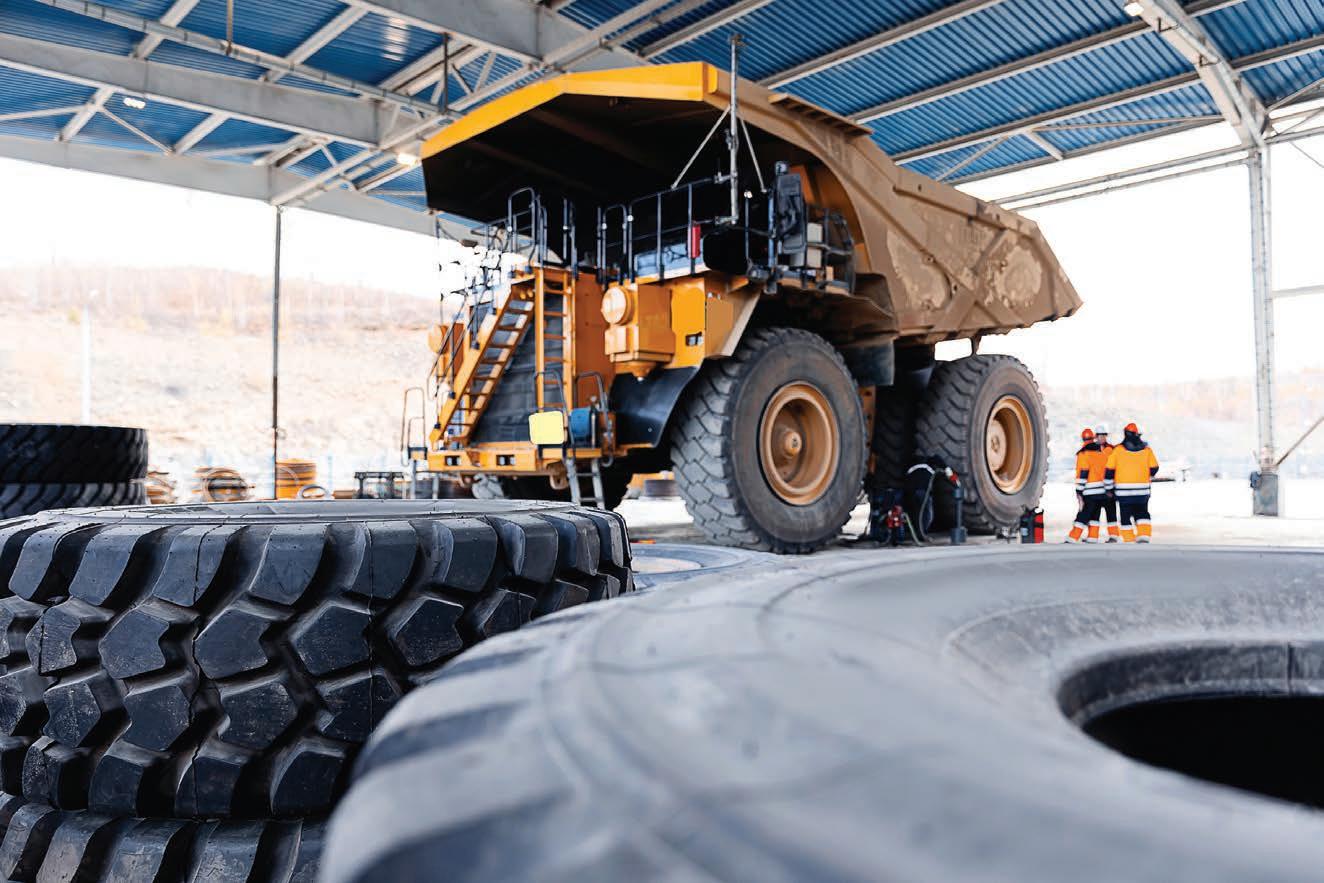





Let’s celebrate excellence in the Mining Industry







FRASER’S KING PARK, PERTH
WEDNESDAY, 16 SEPTEMBER
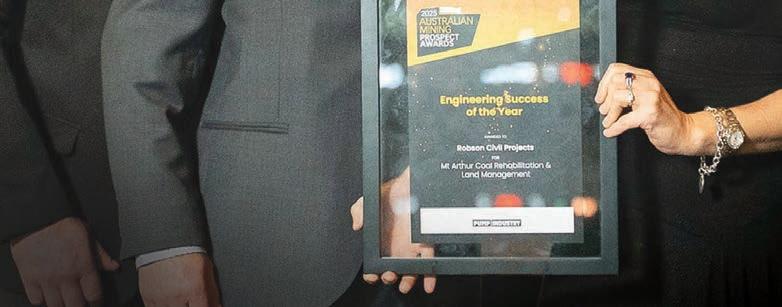


Nominate


16-17 September 2026 Perth
Data-driven risk management is helping mining companies identify opportunities to improve reliability and strengthen operations.
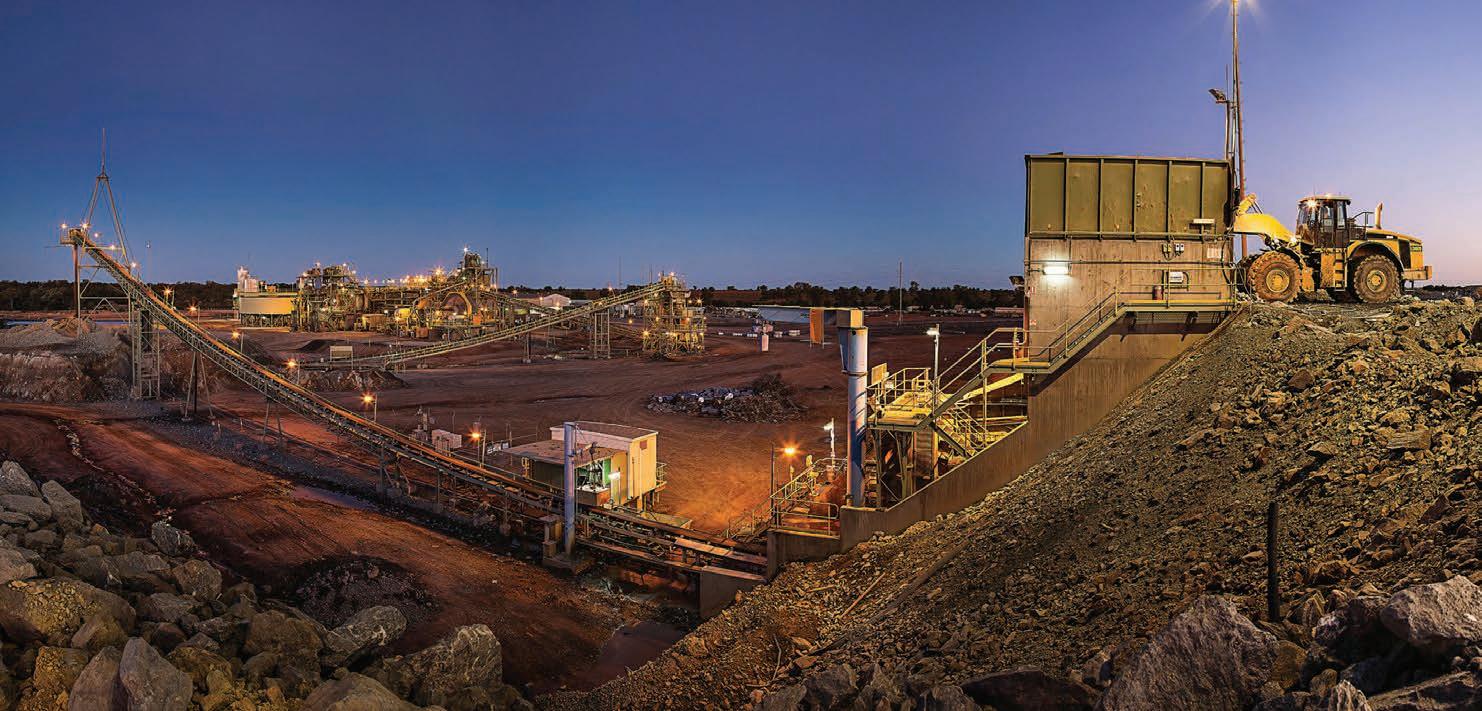
Production outages, not damaged equipment, could be where the mining industry earns the most savings, according to an industry analysis.
What if mining had a blueprint that could help the industry save millions? Data gathered by insurer FM could give companies exactly that.
Its analysis of mining losses over a decade found only 25 per cent of gross losses were linked to physical damage or equipment failure. The remaining 75 per cent came from business interruption, where production stopped while equipment was repaired or replaced.
“By far the majority of loss that we pay is the downtime associated with equipment being unavailable, as opposed to the actual physical cost of fixing things,” FM account engineering group manager Matt Pilgrim told
FM specialises in property insurance and engineering-based risk assessment. Its engineers visit insured sites to identify equipment, processes and hazards that could trigger major losses.
“Our field engineers collect around 700 data points when conducting a site evaluation,” Pilgrim said. “This incorporates almost every moving part on a site, including the buildings, equipment, processes, protection systems and natural hazard exposures.”
The information is combined with historical loss data to identify where failures are most likely to occur and what
“Clients tend to understand routine losses well, but it’s the rare events that might only occur once or twice in the life of an operation that are less understood,” Pilgrim said.
“It could involve the significant failure of a girth gear on a SAG or ball mill, or a fault in a main transformer.
“It’s something that’s going to have a big impact on production, and it’s going to take a long time to procure a replacement if you don’t have a spare.”
FM uses its assessments to recommend measures ranging from procedural changes to larger capital investments.
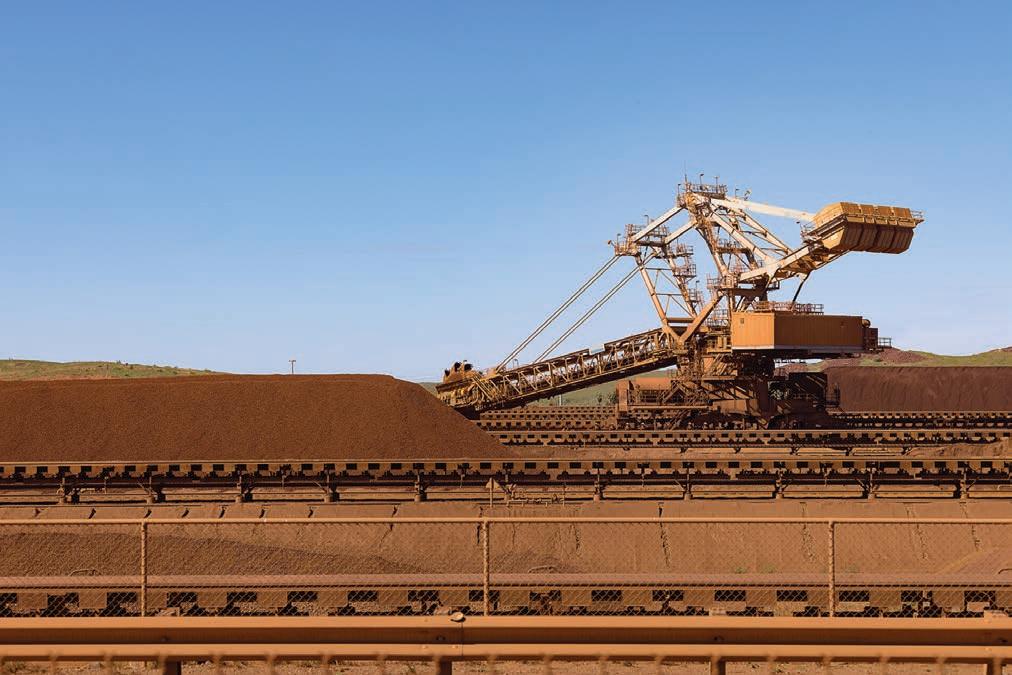
“Hot work fires can be a loss driver in the mining industry,” Pilgrim said.
“FM could suggest best practices, such as clearing combustibles when carrying out hot work or having extinguishers or hoses laid out to quickly respond in the event of a fire.”
Longer-term risk management priorities also often involve some capital outlay, such as purchasing critical spares or improving fire protection, which greatly reduces the consequence of a loss and can have an enormous impact on the overall risk profile of a site.
“We try to help our clients find the right balance when it comes to spending capital on risk improvement, as every client has a different risk appetite and capital is often constrained,” Pilgrim said.
“That’s where our data and analytics really come into their own in terms of prioritising risk improvement spend.”
The company also conducts testing at dedicated research facilities in the US, examining how fire, explosions, natural hazards and equipment failures develop under real-world conditions.
Current research includes battery energy storage systems, which are becoming more common at remote mining operations. FM is studying measures such as off-gas detection and equipment spacing to reduce the risk of thermal runaway events involving lithium-ion batteries.
For mine operators, the findings highlight a simple distinction that repairing equipment is often cheaper than waiting for production to restart. AM
Geopolitics, supply chains and the race to net zero will dominate discussions when AusIMM’s Critical Minerals Conference 2026 returns to Brisbane this September.
As the global race for critical minerals intensifies, industry conversations around supply chains, geopolitics and sustainability have never been more important.
AusIMM’s Critical Minerals Conference 2026, returning to the Brisbane Convention and Exhibition Centre from September 21-23, will bring these crucial discussions to the fore.
“It’s more important than ever to talk about this,” an AusIMM spokesperson told Australian Mining
“Critical minerals are key to emerging technologies and key to attaining net zero.”
Bringing together leaders from mining, government, finance and technology, the conference will examine the rapidly evolving opportunities shaping the critical minerals sector as Australia strengthens its role in global supply chains.
“People in very significant positions across multiple industries that make decisions in the critical minerals space
from the world over aim to secure the minerals needed for clean energy technologies, advanced manufacturing and defence applications.
“The interest and engagement with the conference has picked up, and this topic continues to be as relevant as ever,” the body said.
Australia has increasingly positioned itself as a key player in the global critical minerals market thanks to its vast resource base and established mining expertise.
As nations work towards net zero emissions targets and stronger supply chain security, demand for minerals such as lithium, rare earths, nickel and cobalt continues to surge.
AusIMM said the pace of change across the sector was one of the key reasons the conference remains its only annual technical conference.
“The changes happen so rapidly, and where we need to focus changes rapidly as well,” the spokesperson said.
“These conversations need to be
This year’s conference program will explore the major forces shaping the critical minerals sector, from geopolitics and investment to processing technologies, sustainability and resource development.
The broad scope reflects how deeply interconnected the sector has become, with mining increasingly tied to global manufacturing, energy transition policies and international trade.
AusIMM said industry engagement is also strengthening ahead of the September event, with the organisation receiving a record number of abstracts for this year’s conference.
More than 600 industry professionals are expected to attend the event, bringing together decision-makers from across the mining, government, finance and technology sectors.
For attendees, the conference will provide opportunities to hear from leaders shaping the future of critical minerals both in Australia and globally, while also exploring emerging technologies and practical solutions for the industry.
“Attendees will get really up-to-date insights into what’s happening at every level of the industry,” AusIMM said. AM
MORE FROM AUSIMM IN 2026
International Mine Health and Safety Conference
June 23-25
Perth Convention Centre
Mining safety leaders, operators and industry professionals will gather in Perth to discuss workplace health, risk reduction and safer mining operations across the sector.
Iron Ore | Open Pit Operators 2026
June 23-25
Perth Convention Centre
One of AusIMM’s long-running conferences, the event will bring together open pit mining professionals to explore operational performance, innovation and best practice across iron ore operations.
Strategic Mine Planning Conference 2026
November 17-19
Residence on Langley Park, Perth Returning for the first time in more than a decade, the conference will focus on mine planning, orebody modelling, emerging technologies and operational transformation, with strong international industry participation expected.
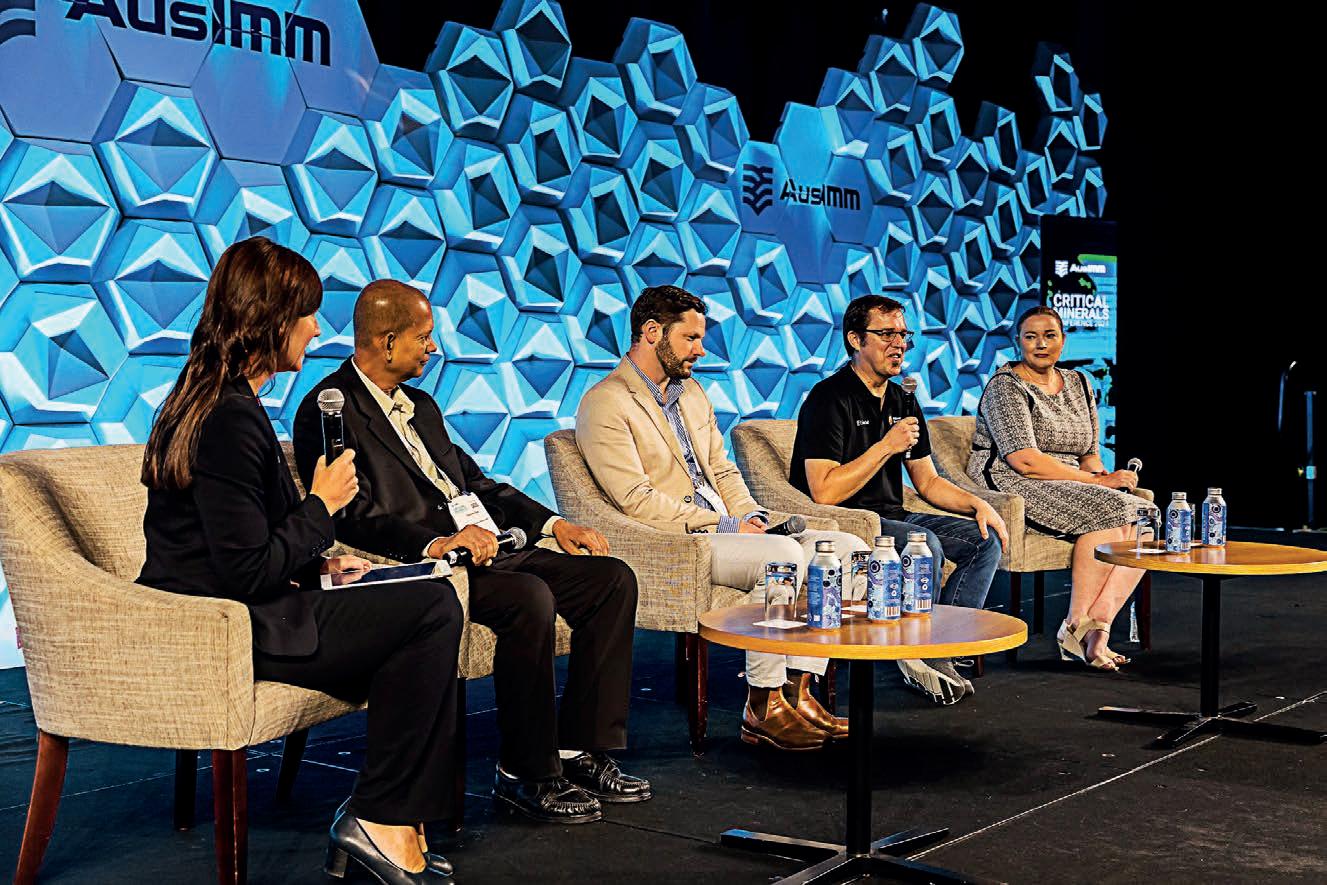


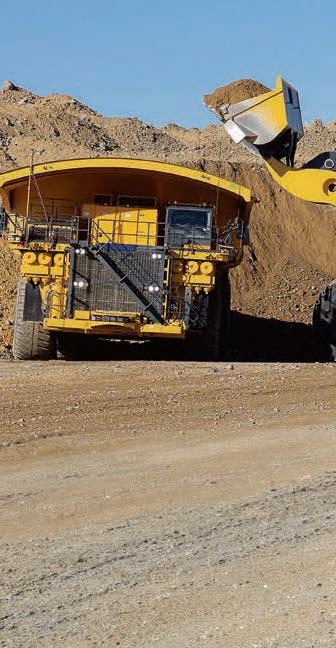








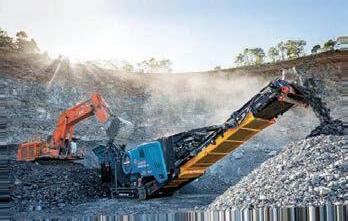


































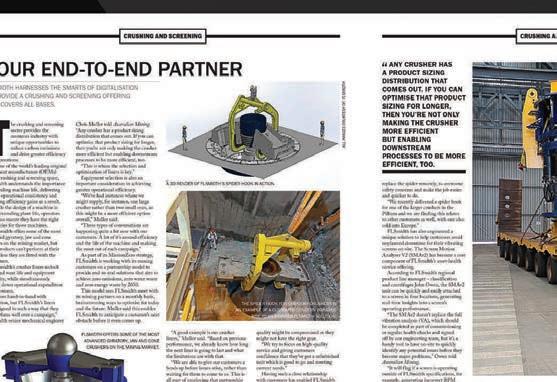
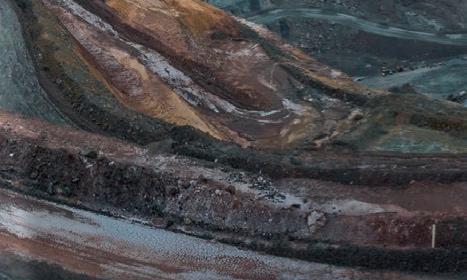
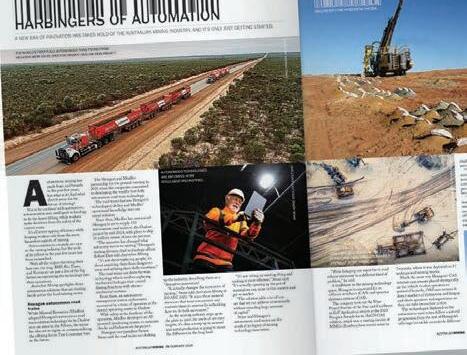
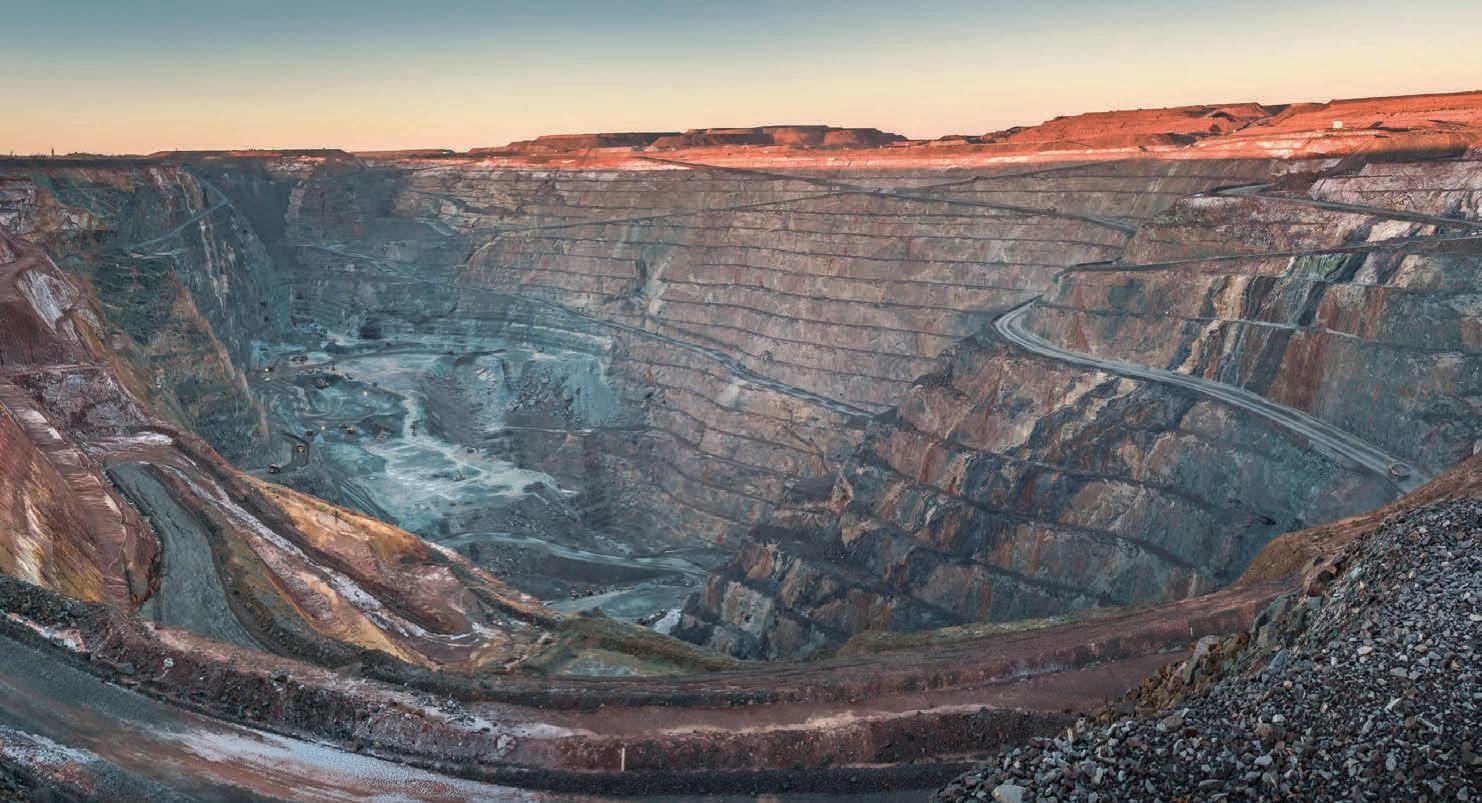


South Australia’s growing influence on critical minerals, technology and project development is set to form the perfect backdrop for AIMEX 2027.
As the mining industry enters a new era of critical minerals, automation and digital innovation, AsiaPacific’s International Mining Exhibition (AIMEX) 2027 is heading to Adelaide to bring the sector’s biggest conversations to one of the country’s fastest-growing mining jurisdictions.
AIMEX will take over the Adelaide Showground from September 28–30 next year, bringing together mining operators, suppliers, investors and technology providers from across Australia, the AsiaPacific and the world.
For AIMEX organisers, Adelaide was once again a natural choice for the event’s latest chapter.
“South Australia is emerging as a major force in Australian mining, particularly through its critical minerals sector, strong pipeline of resource projects and focus on innovation,” Prime Creative Media relationships manager Rebecca Todesco said.
The exhibition’s return comes as SA’s influence on the national mining industry continues to expand.
As demand for critical minerals accelerates and investment continues to flow into new mining projects and technologies, the state is becoming a focal point for many of the industry’s biggest opportunities. The shift is helping position Adelaide as a meeting hub for the companies, technologies and investment shaping the next phase of Australia’s mining sector.
The state is home to some of the nation’s largest copper and critical minerals developments, including BHP’s Olympic Dam operation, Hillgrove Resources’ Kanmantoo copper mine and Arafura Rare Earths’ Nolans project, with growing investment helping support the materials needed for renewable energy systems, electric vehicles (EVs) and advanced manufacturing. That combination of resource potential, innovation and industry expertise makes SA the ideal location for the event’s return.

With the global energy transition also gaining momentum, mining companies are increasingly looking for new ways to improve productivity, strengthen
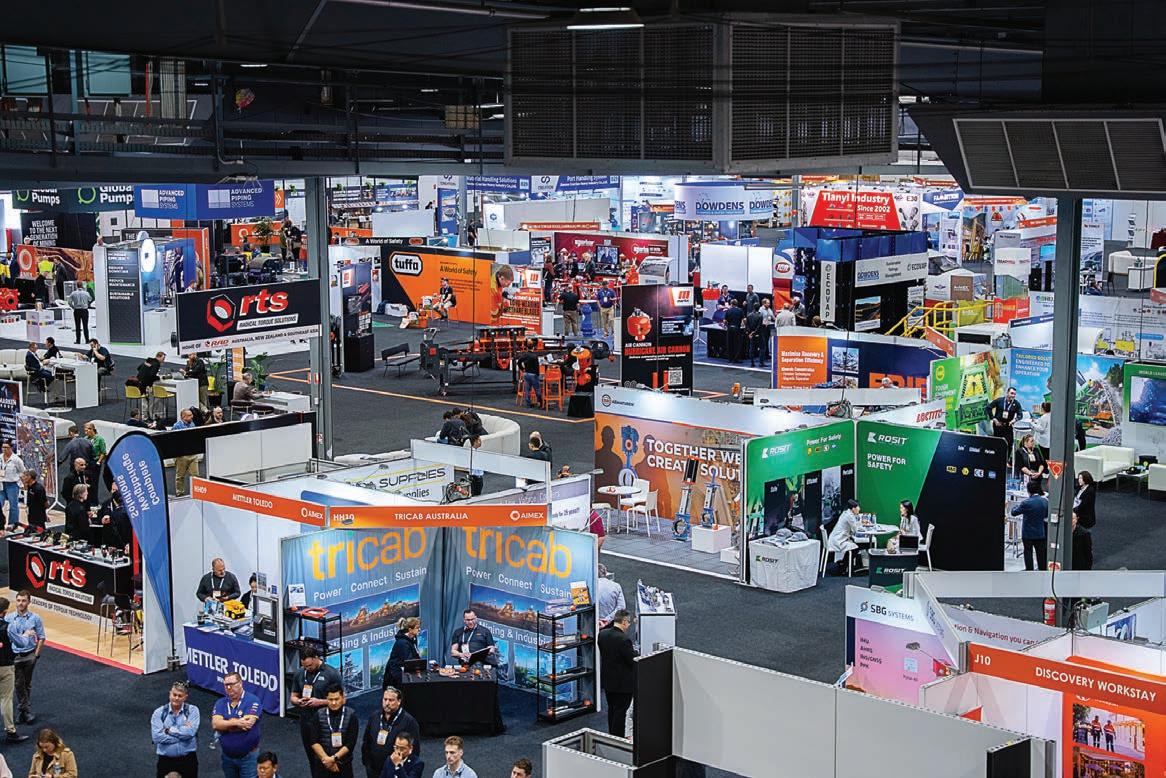
operational performance and unlock greater value from their operations.
“AIMEX is where the industry comes together to share ideas, challenge thinking and explore the technologies reshaping modern mining,” Todesco said.
The exhibition will shine a spotlight on artificial intelligence (AI), automation,
digital mine systems and advanced processing solutions.
The Renewable, EV and Tech Showcase will display software and emerging digital technologies, while the Mining Pavilion will bring together major mining companies and critical minerals projects.
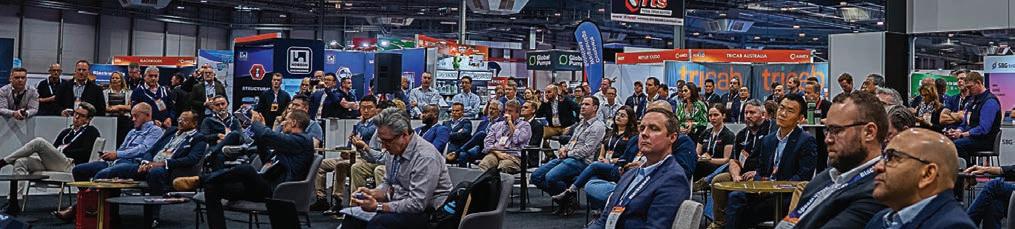
Meaningful industry conversations continue to drive progress across the mining sector.

“Innovation only matters if it can be applied in the real world,” Todesco said.
“AIMEX gives the industry a chance to see what’s working today and what’s coming next.”
The conversations taking place across the exhibition floor will continue throughout AIMEX’s conference program, including the Stewardship Summit and Renewable, EV and Tech Showcase, bringing together industry leaders to examine the opportunities and challenges shaping mining today.
The 2025 exhibition drew 5389 delegates, 236 exhibiting companies and 80 speakers to Adelaide, with attendees representing more than 30 countries.
The strong turnout highlights AIMEX’s importance for the people driving mining projects, supplying technology and making investment decisions.
“The industry is looking for practical solutions and meaningful connections,” Todesco said. “AIMEX creates an environment where those conversations can happen face-to-face.”
Adelaide secured AIMEX 2027 following a competitive bid process, reflecting the growing prominence of SA’s resources sector on both a national and international stage.
For attendees, the location also offers a unique opportunity to connect with the companies, projects and technologies helping shape the future of Australian mining.
That broader ecosystem aligns closely with the event’s deliberate focus on uniting producers with suppliers and key decisionmakers under the banner of collaboration, growth and opportunities – both here in Australia and internationally.
“Mining is changing rapidly and the conversations happening across the industry are becoming broader and more connected,” Todesco said.
“AIMEX brings together the people developing resources, the companies supplying technology, and the experts helping solve operational challenges.” AM
Exhibit at AIMEX:
www.aimex.com.au/exhibitor-enquiries/
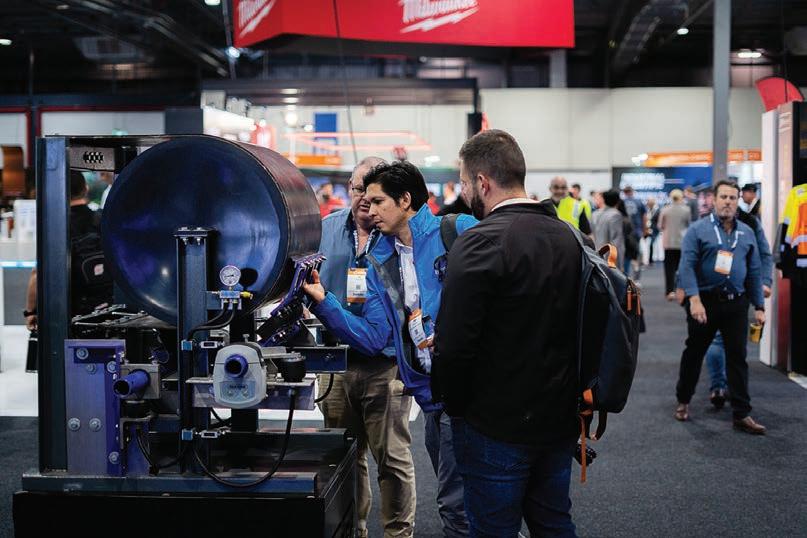
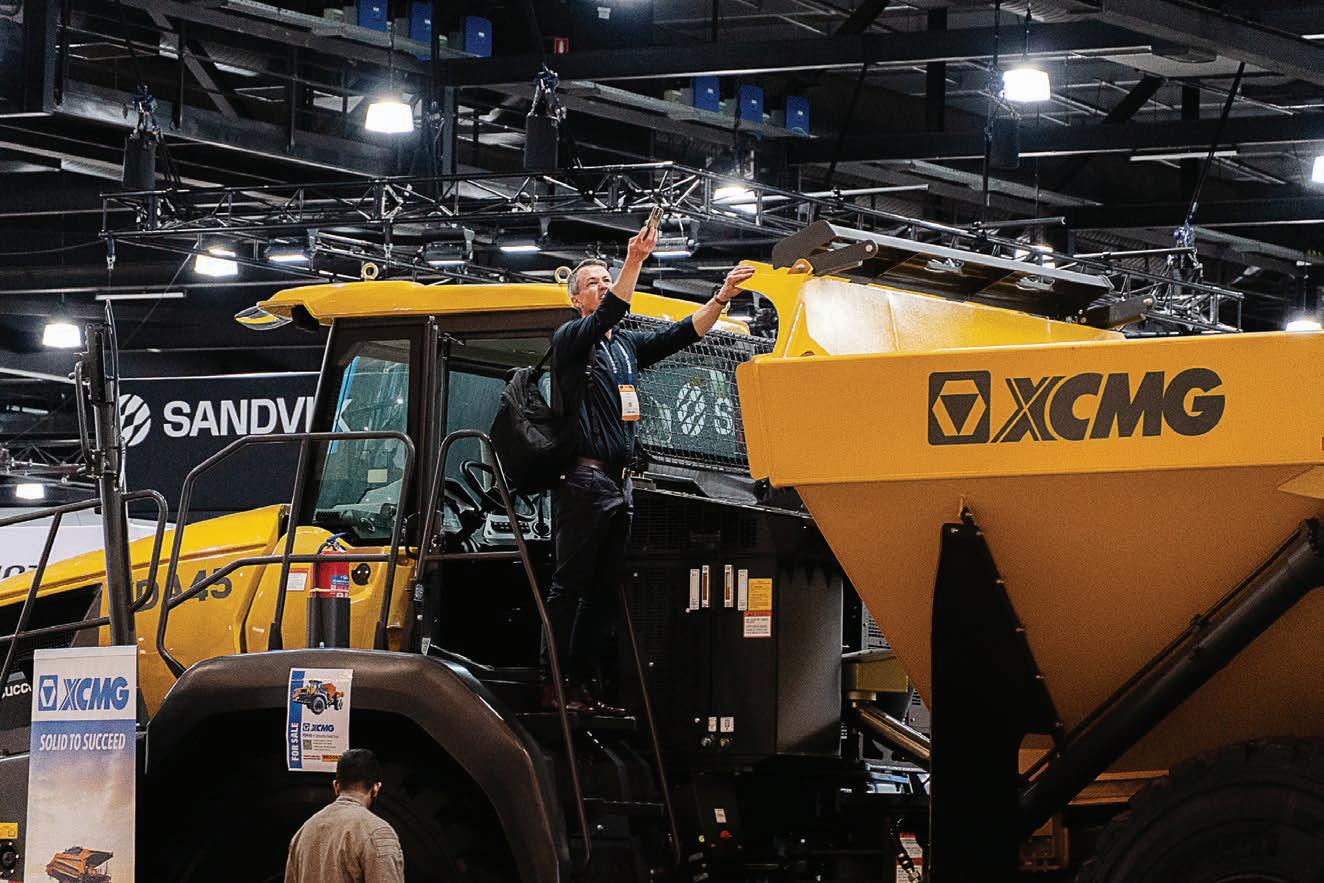
Queensland’s premier mining gathering is only weeks away, with exhibitors and attendees gearing up to converge on Mackay for three days of innovation, connection and industry insight.
With a fully sold-out show floor, the Queensland Mining and Engineering Exhibition (QME) 2026 has made its mark before the event even kicks off – signalling just how important the gathering has become to Queensland’s regional mining calendar.
Returning to the Mackay Showgrounds on July 21–23, the exhibition will bring together thousands of professionals and hundreds of suppliers, continuing the strong growth that saw more than 5000 attendees walk through the doors in 2024.
That sustained interest reflects what QME has built over time: a reputation as a grounded, industry-led space where real problems get real answers.
From major machinery and automation systems to safety solutions and digital innovation, QME provides one of the best opportunities to see the sector’s newest and most exciting developments up close and in action.
Surrounded by one of the world’s most productive mining regions, Mackay continues to play a central role in supporting Queensland’s resources sector, with the Bowen Basin driving demand for smarter operations, reliable equipment, and practical mining solutions, making QME the place that brings all of those under one roof.
One of the biggest drawcards at QME 2026 is the sheer scale of innovation on display across the showground.
This year’s floor features hundreds of exhibitors showcasing technology and equipment designed to improve productivity, support safer operations and help sites tackle the challenges of modern mining.
Visitors to QME can expect to see the latest developments across automation, electrification, communications, asset management, maintenance, processing, fleet optimisation and workplace safety.
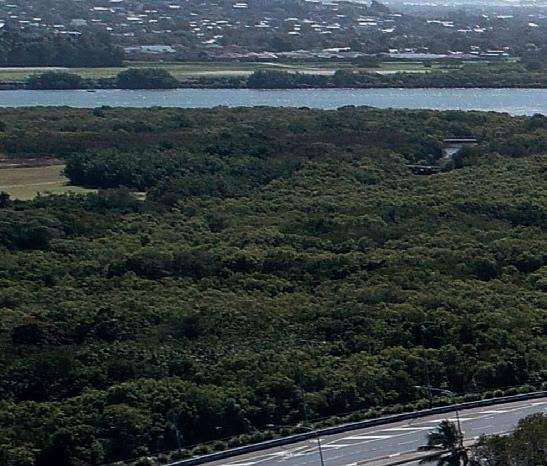
The outdoor exhibition space will feature large-scale machinery and live demonstrations, bringing mining equipment out of brochures and into the real world.
QME presents the chance to climb aboard – sometimes literally – ask questions and experience the technology firsthand.

The Mining Pavilion is also returning, serving as a focal point for visitors seeking direct engagement with operators. Major industry names, including Glencore, BHP Mitsubishi Alliance, Mackellar Group, Stanmore Resources and Whitehaven Coal, will be represented, providing a rare opportunity to connect with decisionmakers from across the sector.
“The Mining Pavilion has always been where the industry comes together,” Prime Creative Media relationships manager mining events Rebecca Todesco said.
“It gives visitors direct access to the people behind major operations, while
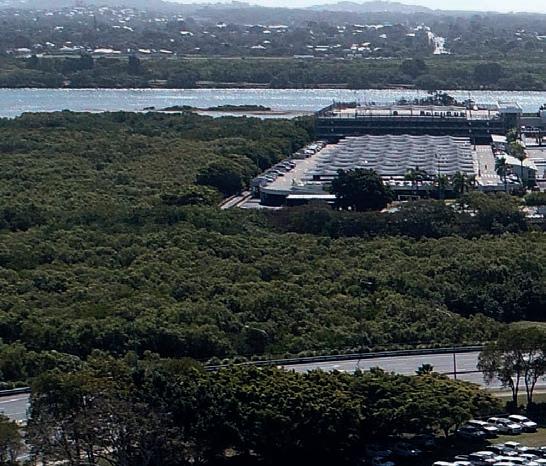
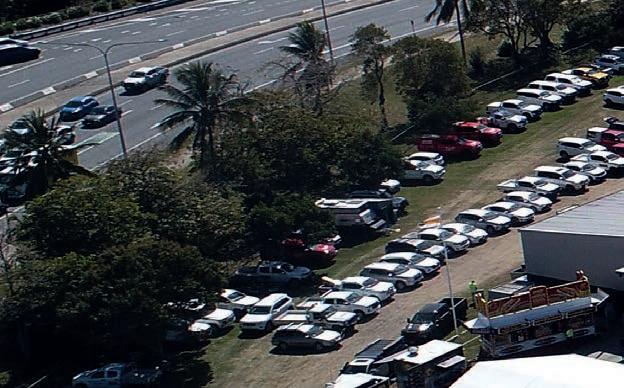
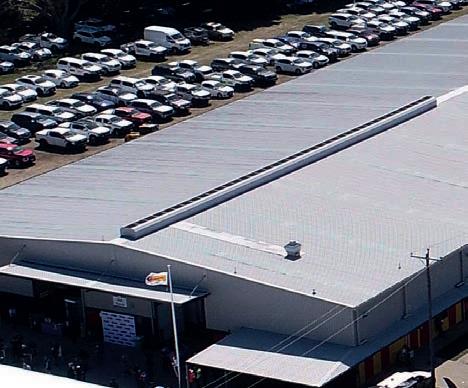
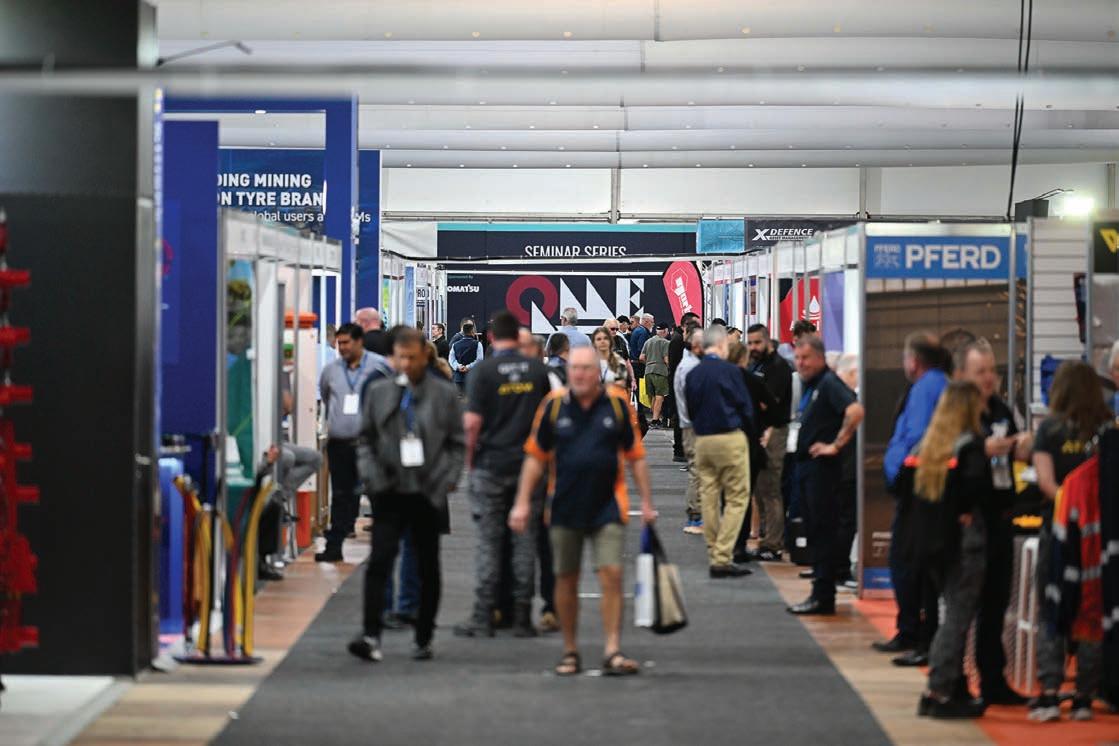
giving mining companies a powerful platform to engage, share insights and build lasting connections.”
Moving past the exhibition floor, the three-day conference program will deliver forward-looking insights into the trends shaping Queensland’s mining sector.
Industry leaders and policy-makers will take to the stage to explore key themes, including the transition from coal to critical minerals, sustainability, workforce
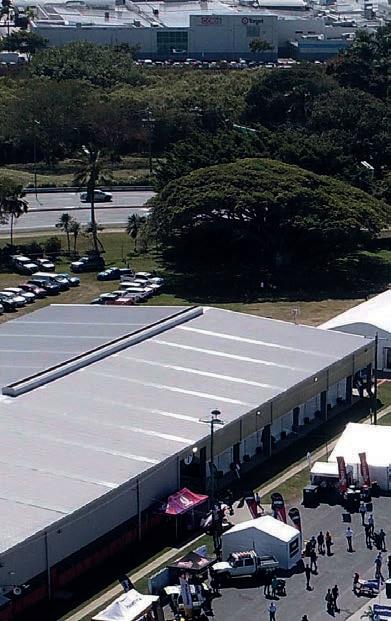

development and the integration of emerging technologies.
Speakers will include Queensland Resources Council chief executive officer (CEO) Janette Hewson, Minerals Council of Australia CEO Tania Constable, CSIRO senior research geophysicist Wayne Stasinowsky and Queensland Mine Rehabilitation Commissioner James Purtill, among other key industry figures.

The event has become a meeting point for the people who keep the industry moving, from operators and engineers to contractors, suppliers and decision-makers.
It’s where ideas are exchanged, partnerships begin, and the next big innovation often gets unveiled.
Safety also remains a major focus, with exhibitors showcasing a wide range of solutions designed to improve workplace
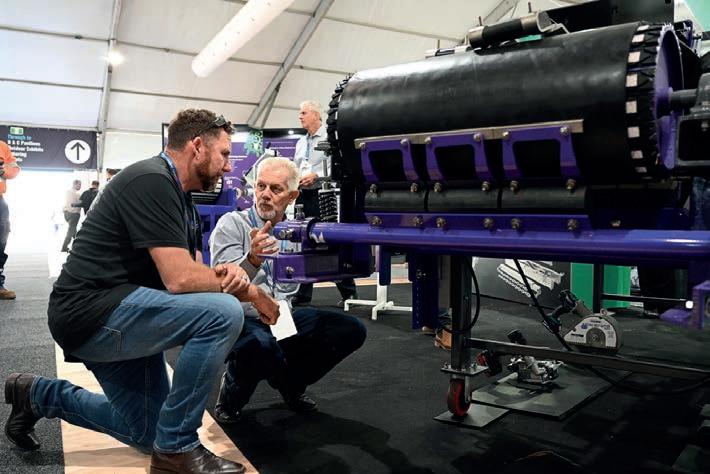
safety and support workers across mining environments.
From monitoring technology and fatigue management systems to communications platforms and maintenance solutions, safety innovation can be found across every corner of the event, with many of these technologies being shaped through direct collaboration with mining operations, ensuring solutions remain practical and effective.

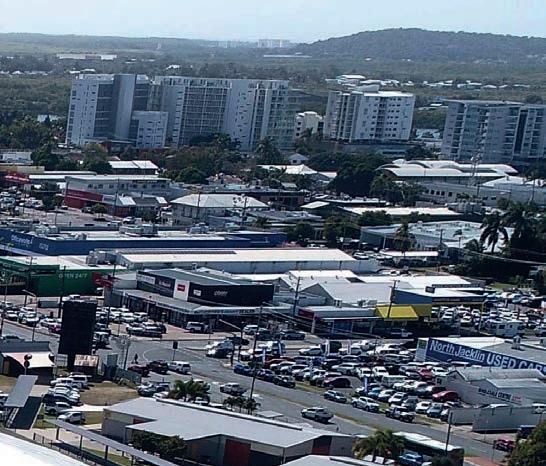
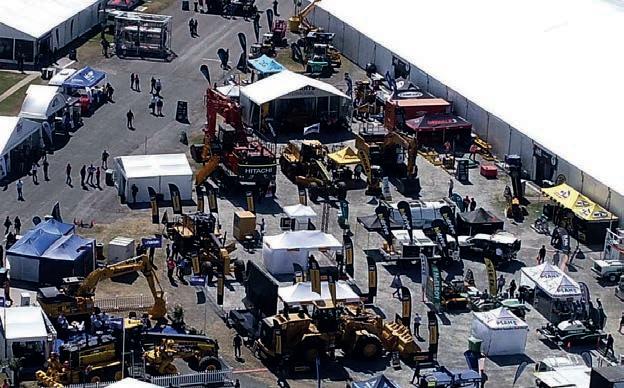
With strong demand already evident and the countdown underway, Mackay is once again set to host one of Queensland’s most significant mining gatherings, bringing the industry together in a single, dynamic setting. AM
Tickets for QME 2026 can be secured at the Queensland Mining and Engineering Exhibition website –queenslandminingexpo.com.au/

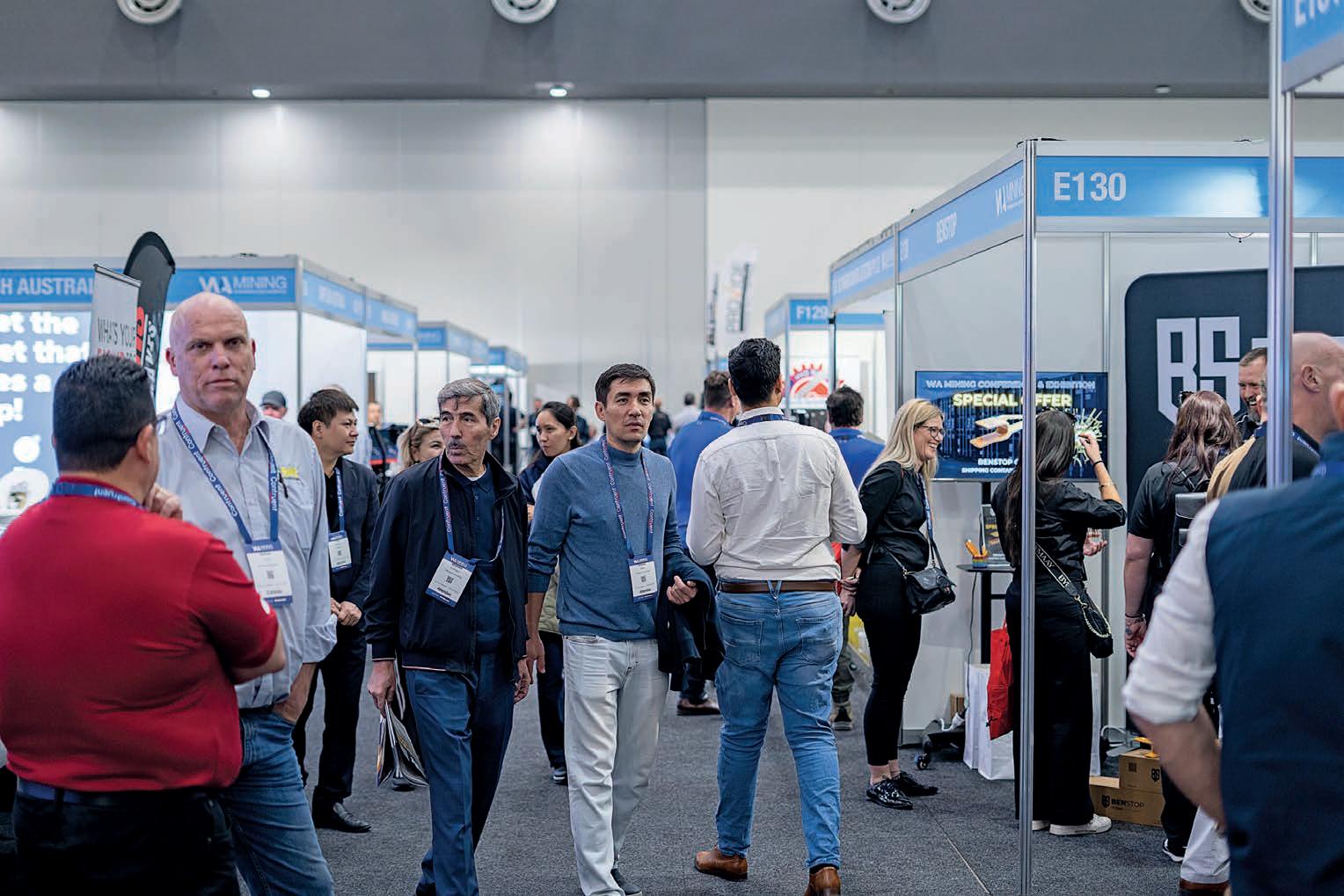
WA Mining will bring industry leaders to Perth to explore practical solutions for a changing resources sector.
Eager and ready with offerings best suited for the modern mining landscape, the biggest players in Australia’s western frontier will gather in Perth this September for the WA Mining Conference and Expo.
To be held at the Perth Convention and Exhibition Centre on the 16th and 17th, exhibitors and attendees will delve into products, services, and innovations across the mining value chain, with the expo also featuring a conference program with more than 60 industry speakers.
Among those returning this year is the Treadwell Group, whose representatives made meaningful connections and contacts at the sold-out 2024 event.
“[After that] we saw value in including WA Mining as part of our roster of events to exhibit in annually,” the company told Australian Mining.
For the upcoming event, Treadwell said it is eager to spotlight its Fibreglass Reinforced Plastic (FRP) products, solutions that directly address corrosion resistance, safety, and lifecycle costs.
“Visitors to our stand can expect to see and feel our FRP access and infrastructure solutions,” Treadwell said.
“We also have new products developed specifically for the mining industry, designed to improve installation times and asset longevity.”
The expo, according to Treadwell, serves as a platform to deliver exposure, with visitors able to see firsthand the company’s access and infrastructure solutions.
Beyond its existing portfolio, the company will also showcase new products developed specifically for mining.
“Some of the key concerns our FRP solutions address are increased demands on asset longevity,” the company said.
“Operators are under pressure to extend the life of existing infrastructure while deferring major capital replacements.
“FRP offers a compelling alternative to traditional materials, particularly in aggressive environments where corrosion is a constant issue.”
Treadwell’s FRP range comes with a 55-year design life, which reduces
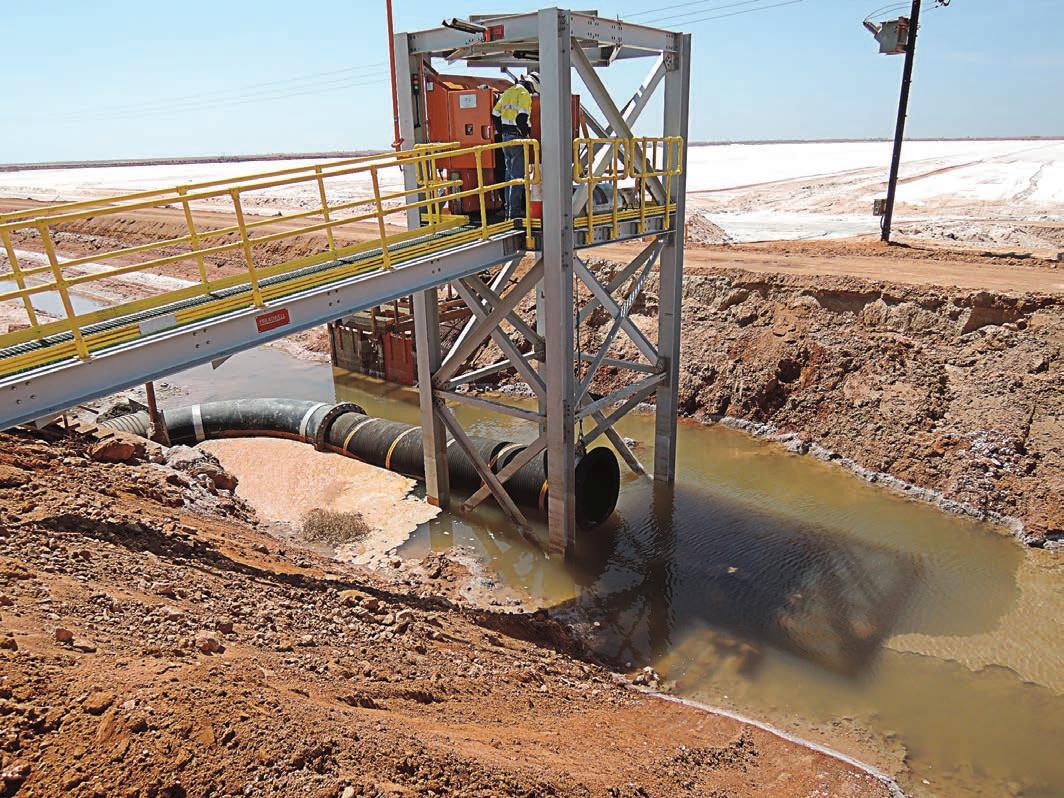
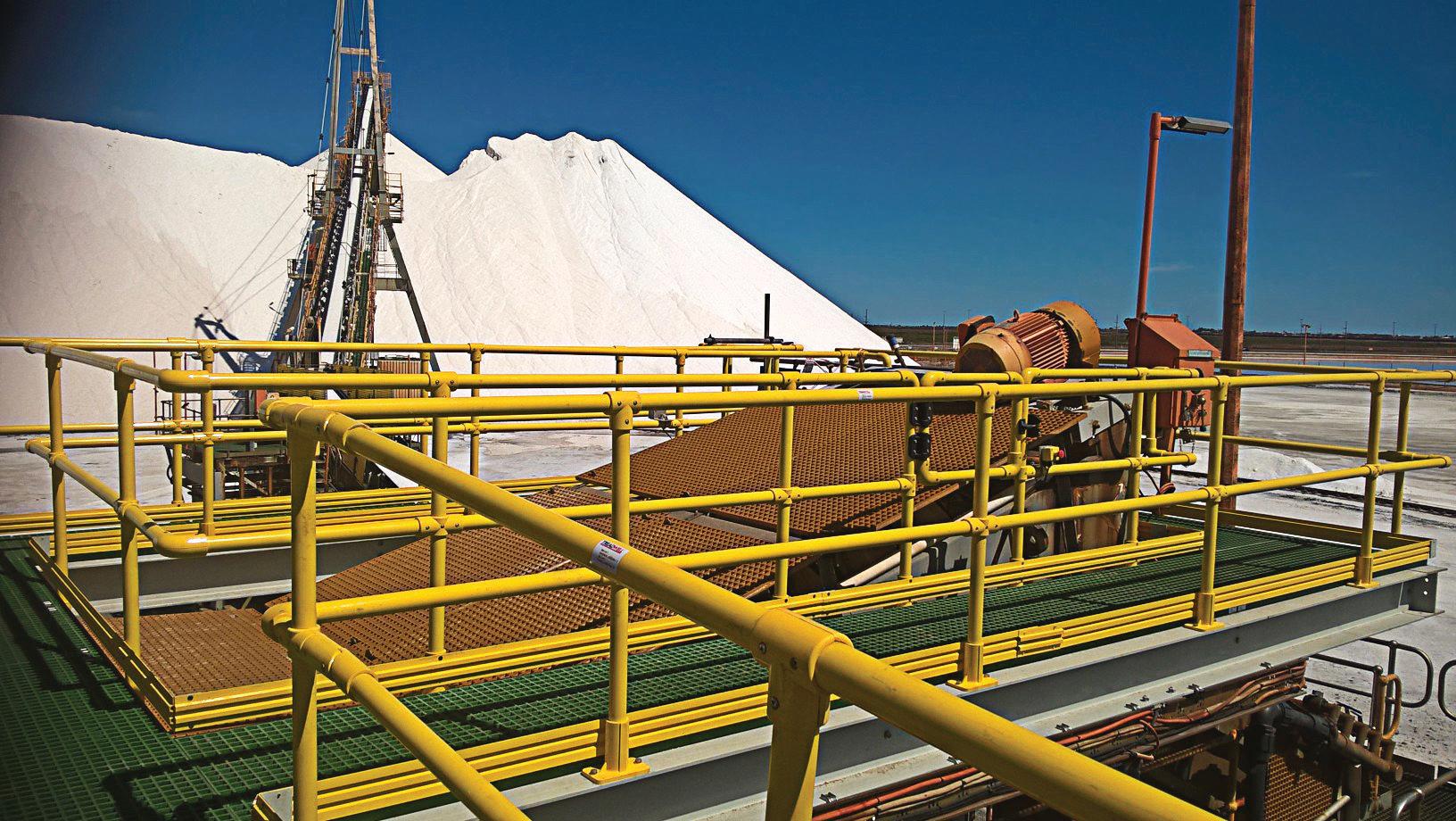
reliance on ongoing inspection and repairs, while accommodating the growing shift towards materials with lower lifecycle costs and reduced environmental impact.
The delivery of this experience by Treadwell is ultimately reinforced by WA Mining’s wide-spread reach, with
the company saying that at the end of the day, “nothing can beat face-toface conversations”.
“The level of concentrated industry access has been valuable; we get the opportunity to engage directly with the people who are shaping project decisions,” the company said.
“We’re also able to connect with people who are actively working through the same challenges we designed our products and solutions to solve.”
In the zone
WA Mining’s Decarbonisation and recently introduced Transformative Tech
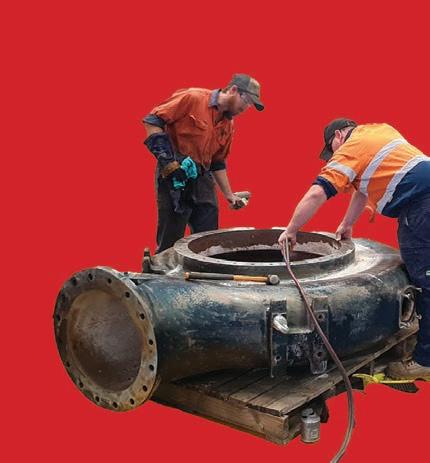
zones will further exemplify a strong focus on innovation, sustainability, and operational excellence.
Mining events relationships manager at Prime Creative Media, Rebecca Todesco said WA Mining is returning with the two new instalments amid an industry-led evolution.
“This is about practical solutions that companies can adopt,” Todesco said.
“The Decarbonisation Zone and the new Tech Zone represent where mining is headed; and that is towards smarter, more sustainable, and more efficient operations.”
These exciting additions follow a highly successful 2026 event, according to Todesco.
“What we heard during the last event was incredibly encouraging, and exhibitors saw real value in the conversations they were having,” she said.
Treadwell will be among many to experience that value for themselves, with the company excited to listen and provide visitors with “real-time insight” into the industry.
“WA Mining has allowed us to meet people across the full project value chain, in an informal setting where conversations go beyond a typical sales interaction,” the company said. AM
Exhibiting opportunities at WA Mining are now available. To get involved, visit the WA Mining website –www.waminingexpo.com.au/
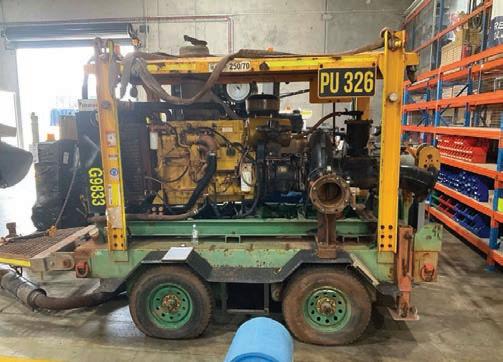

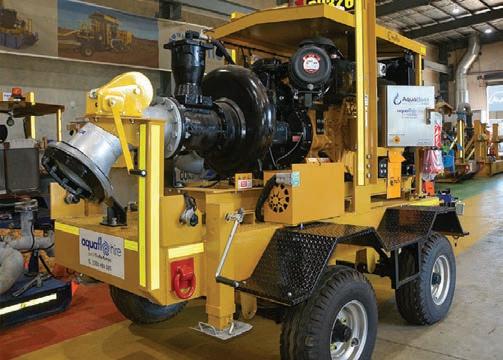

One of Australia’s most productive mining regions is getting an event of its own, with HVME set to make its debut in the Hunter Valley in 2027.
Beneath the rolling hills and farmland of New South Wales’ Hunter region lies one of Australia’s most productive mining provinces.
Best known for its coal industry, the region is also home to a vast network of contractors, suppliers, technology providers and service companies that keep operations moving every day.
For generations, mining has helped shape the region’s identity, supporting local communities, powering industries and creating thousands of jobs across the supply chain.
In May 2027, the industry will have a fresh opportunity to come together with the inaugural Hunter Valley Mining Expo (HVME) arriving in Newcastle.
Among the companies backing the first HVME is platinum sponsor Hitachi Construction Machinery Australia, which has had a long presence in the region’s mining sector.
Australia general manager mining sales Sean Ryan told Australian Mining.
The event will make its debut at the Newcastle Entertainment Centre on May 19–20, 2027, giving the region a dedicated forum to discuss the issues, opportunities and technologies shaping mining today.

“The HVME is uniquely positioned as the only dedicated mining exhibition held in the heart of the Hunter region itself,” Hitachi Construction Machinery

to secure their place on the exhibition floor. And that early momentum has been supported by a growing list of sponsors spanning equipment, technology, engineering and industrial services, highlighting the breadth of industries that support mining.

and performance across the scope of their operations.
For generations, the Hunter Valley has played a central role in supporting Australia’s resources industry.
HVME was developed in response to industry demand, with a focus on delivering practical solutions and industry connections for the broader New South Wales mining industry.
“We saw a clear need for a dedicated mining event for the Hunter Valley, a region that plays such a critical role in Australia’s resources sector,” Prime Creative Media mining events relationship manager Rebecca Todesco said.
“The scale, capability and future of this region deserve a platform that brings the industry together to connect, share knowledge and drive progress.”
The industry has wasted little time getting behind the event.
More than half of the exhibition space was booked within five weeks of launch, with major suppliers moving quickly

With premium positions already filling quickly, the strong early response highlights the appetite for a dedicated mining event in the Hunter Valley.
“To see 60 per cent of the expo sold out so early is a strong endorsement from the industry,” Todesco said.
“It tells us that exhibitors and sponsors see real value in this new expo in the Hunter Valley region.”
The two-day event will consist of an exhibition and conference program that will focus on the issues shaping mining operations today, including operational efficiency, workforce development, logistics, safety and the technologies transforming modern mining.
Automation and digital mining systems are expected to also feature prominently as miners look to improve productivity, safety
For emerging professionals and businesses, HVME will offer an opportunity to build connections, gain industry insights and engage directly with mining decision-makers.
“Events like HVME create valuable opportunities for face-to-face engagement that simply can’t be replicated elsewhere,” Ryan said. “They allow suppliers, service providers and customers to spend quality time together, gain a deeper understanding of current challenges and have more meaningful conversations about potential solutions.”
For a region that has supported Australia’s mining industry for generations, HVME represents more than another event on the calendar. It is an opportunity for the Hunter’s mining community to come together in its own backyard,strengthen industry connections and celebrate the role the region continues to play in Australian mining AM

Be the first to exhibit, visit: huntervalleyminingexpo.com.au

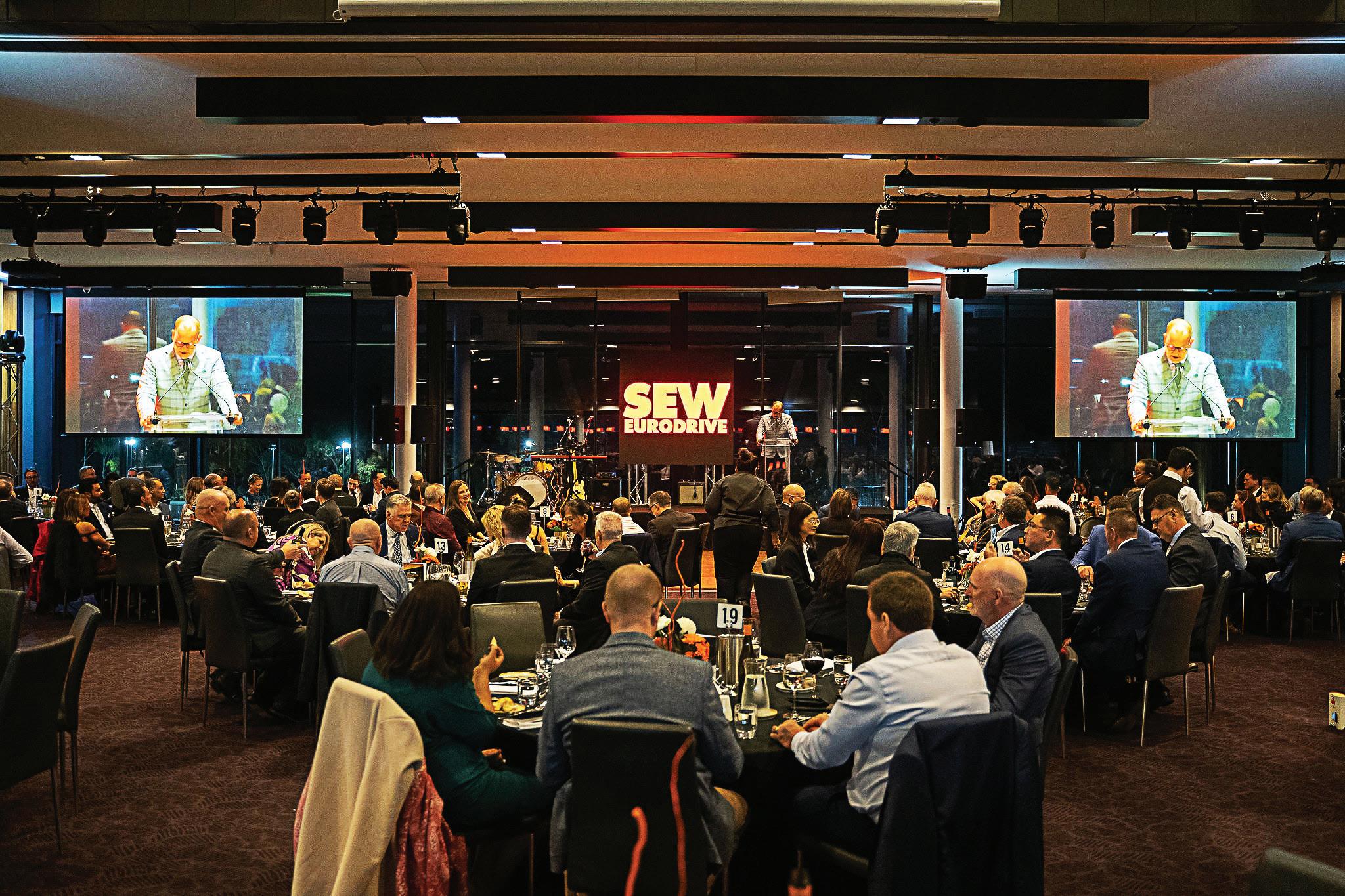
As the country’s mining industry continues to evolve, the 2026 Australian Mining Prospect Awards will spotlight the people, projects and ideas shaping its future.
From engineers and safety advocates to contractors, operators and emerging leaders, thousands of people work behind the scenes each day to deliver key projects that drive one of the nation’s most important industries forward.
The 2026 Australian Mining Prospect Awards was ultimately created to recognise those contributions.
For more than a decade, the Prospect Awards have celebrated the people, initiatives and companies shaping Australia’s mining and minerals processing sector, earning a reputation as one of the industry’s most prestigious nights.
Continuing that tradition, on September 16, mining’s biggest names will gather at Fraser’s Kings Park in Perth for the 2026 Prospect Awards gala dinner.
At a time when Australia’s mining industry is expanding critical minerals production, adopting new technologies, and continuing to push the boundaries of what is possible, the Prospect Awards provide an opportunity to recognise the achievements that are critical to the sector’s success.
This year’s program reflects the scope of modern mining, with categories recognising achievements in areas ranging from digital transformation and autonomous operations through to community engagement, sustainability, safety and workforce excellence.
The awards also shine a spotlight on individuals, from rising stars beginning their careers to leaders whose contributions have left a lasting impact on Australian mining.
As principal partner, SEWEURODRIVE sees the Prospect Awards as more than a celebration of achievement.
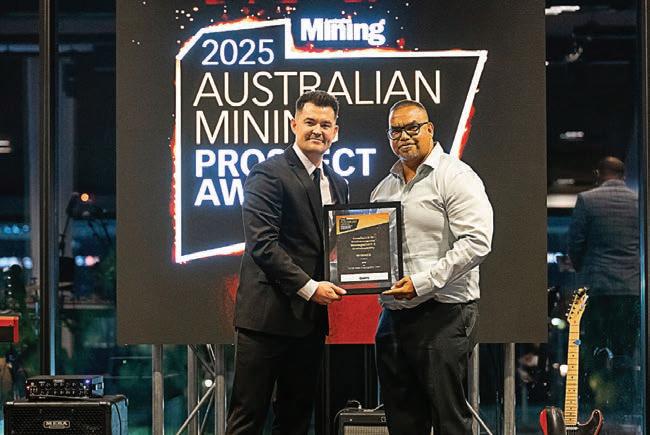

industry to come together and reflect on its progress.
“It is important for SEWEURODRIVE to support initiatives like the Prospect Awards as it reinforces our strong commitment to the mining industry’s transformation and
told Australian Mining
The awards, according to the industrial automation and drive technology manufacturer, are an opportunity to stand alongside organisations committed to innovation, collaboration and continued improvement across the sector, as it brings
together companies from across the mining value chain, where ideas, experiences and achievements can be shared and celebrated.
“As an industry leader in the drive and automation field, we want to align ourselves with other companies and brands who commit to best practice and forward thinking across the mining sector,” SEW-EURODRIVE said.
“What better place than the prestigious Prospect Awards.”
The awards are a reminder that mining’s biggest achievements rarely happen in isolation.
“Collaboration has always been important, but especially now it accelerates innovation,” SEWEURODRIVE said.
“Strong partnerships across sub-sectors of mining really are what drive scalable, practical solutions. Everyone works together to get the job done.”
With nominations now closed, finalists will be announced on July 27, and winners will be unveiled at the highly anticipated gala dinner.
For many, the evening is more than just coveted shiny silverware. It’s an opportunity to share a drink with industry peers, recognise colleagues, celebrate major achievements and hear first-hand from the people and organisations helping shape the future.
Whether you’re supporting a finalist, rewarding your team, hosting clients or simply want to be part of the industry’s most talked about nights, now is the time to secure your place.
Individual tickets and tables for the 2026 Prospect Awards gala dinner are now available through the Prospect Awards website. AM


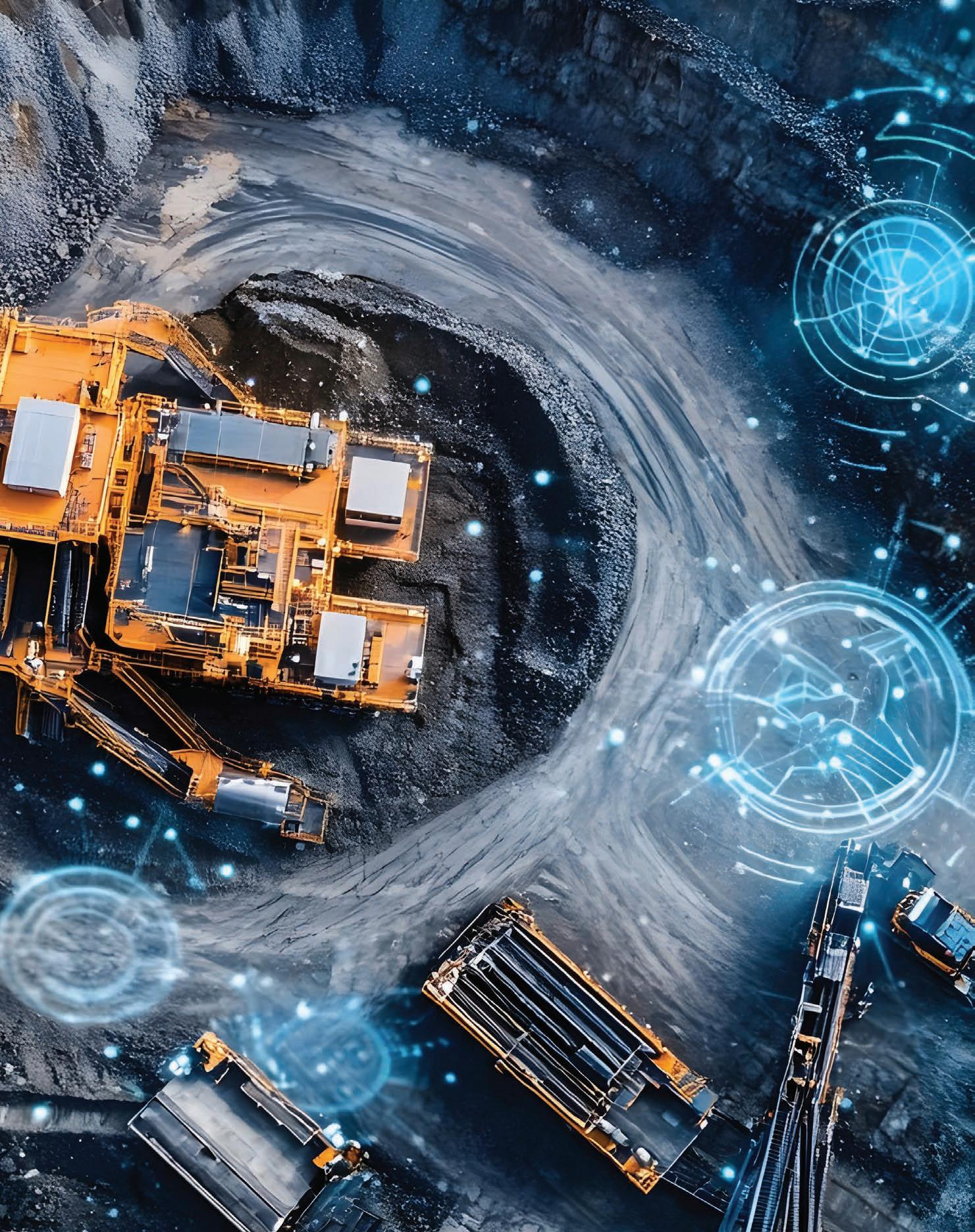

MINING A SMARTER FUTURE GET INVOLVED, EXHIBIT NOW

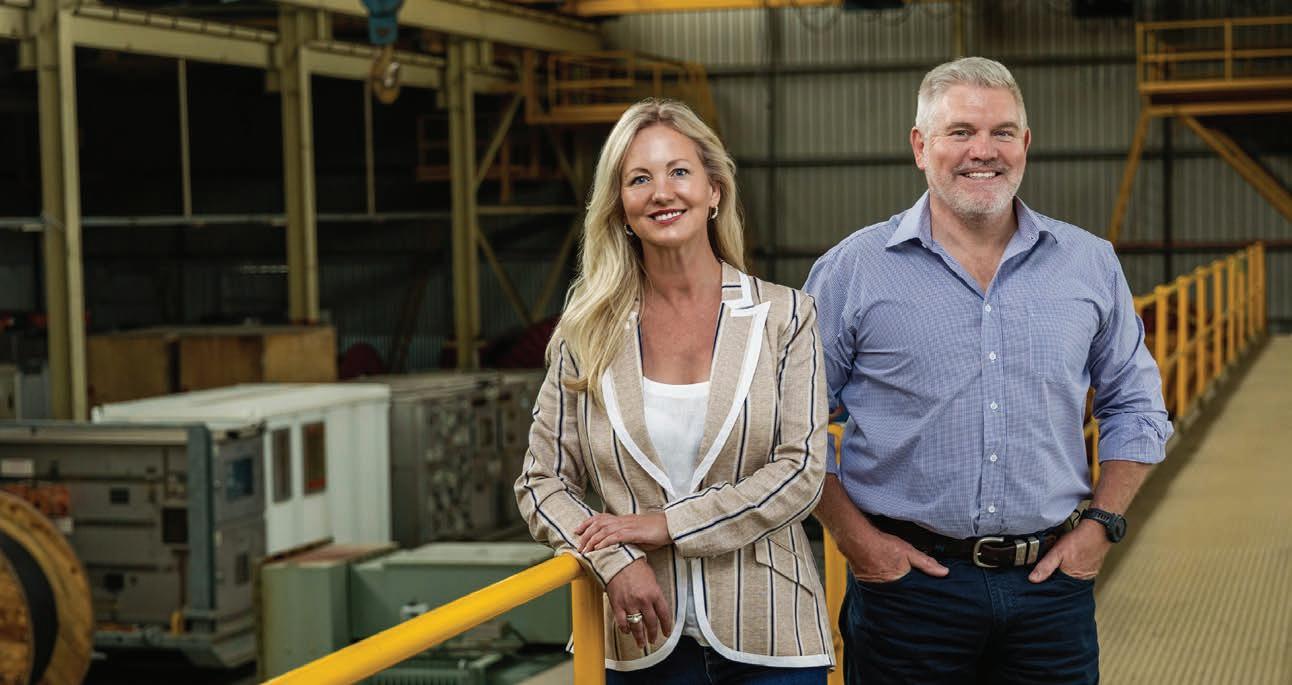
At Australian Power Equipment (APE), we deliver more than high-voltage power solutions – we deliver peace of mind. From brand-new transformers to expertly refurbished equipment, we help industries stay switched on with smarter, faster, and more sustainable options.
Our circular economy model means we don’t just supply power—we give old equipment new life. By refurbishing quality assets from decommissioned sites, we minimise waste, reduce lead times, and keep urgent projects moving. It’s better for business and better for the planet.
But our commitment doesn’t stop there. We actively support wildlife conservation and rewilding efforts across Australia –because powering progress should never come at the cost of our environment.
With a nationwide network and a lean, responsive team, APE sources and delivers critical equipment when and where it’s needed most. Whether it’s mining, infrastructure, or renewables, our clients trust us to keep operations running and downtime to a minimum.
Backed by decades of experience and a clear vision for the future, we’re proud to be shaping a more sustainable tomorrow.
AGENTS FOR