A proud partner of Issuu, U.S. Polo Assn., USPA, Global Polo Sports, The Impression and Mixam
LA PALMERAIE MOROCCO
The Autumn Cup
PATAGONES POLO CLUB
Inglehart Cup
Outback Cup
DOMAINE DE CHANTILLY
Polo Nations
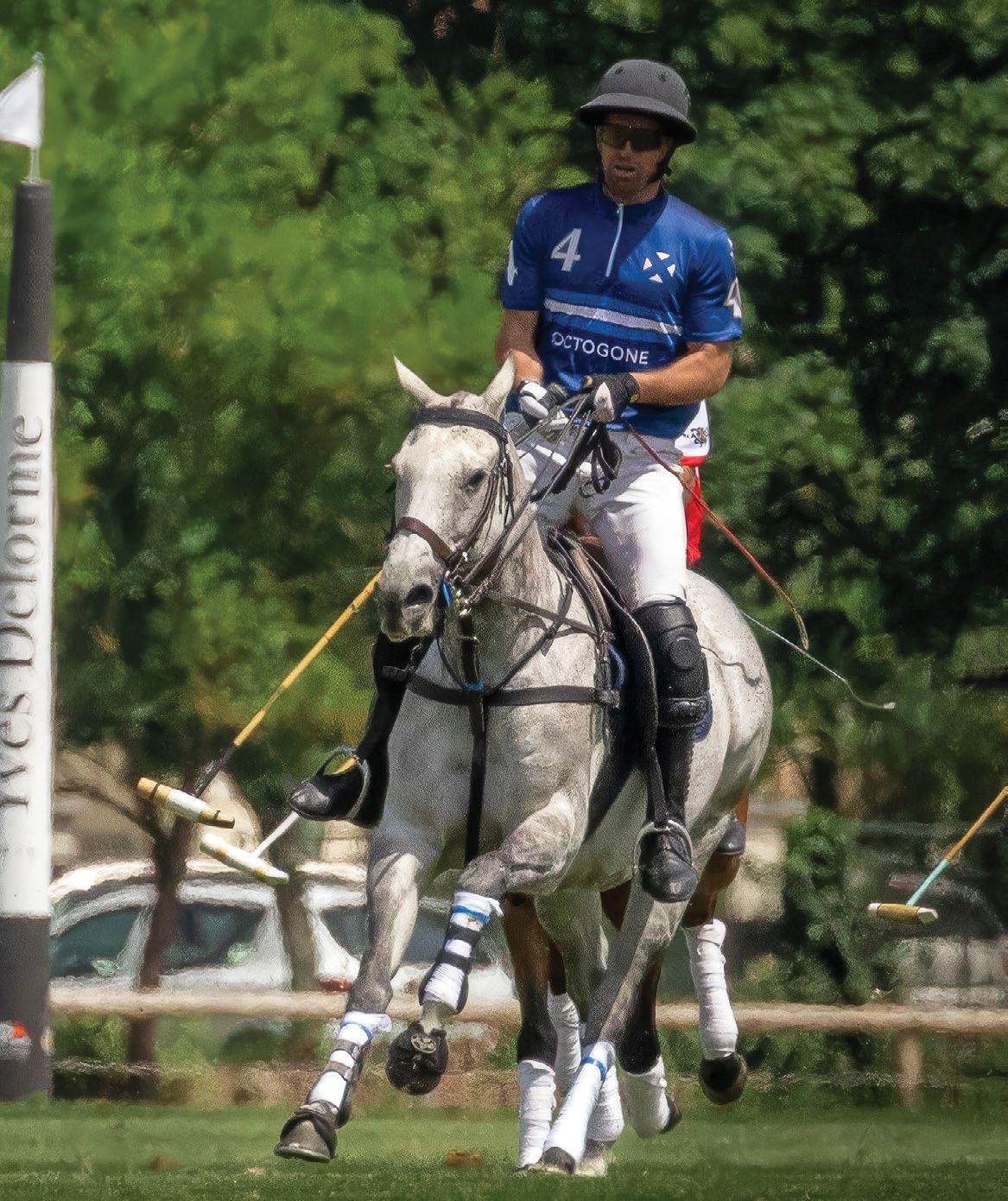
Tournoi des Legendes
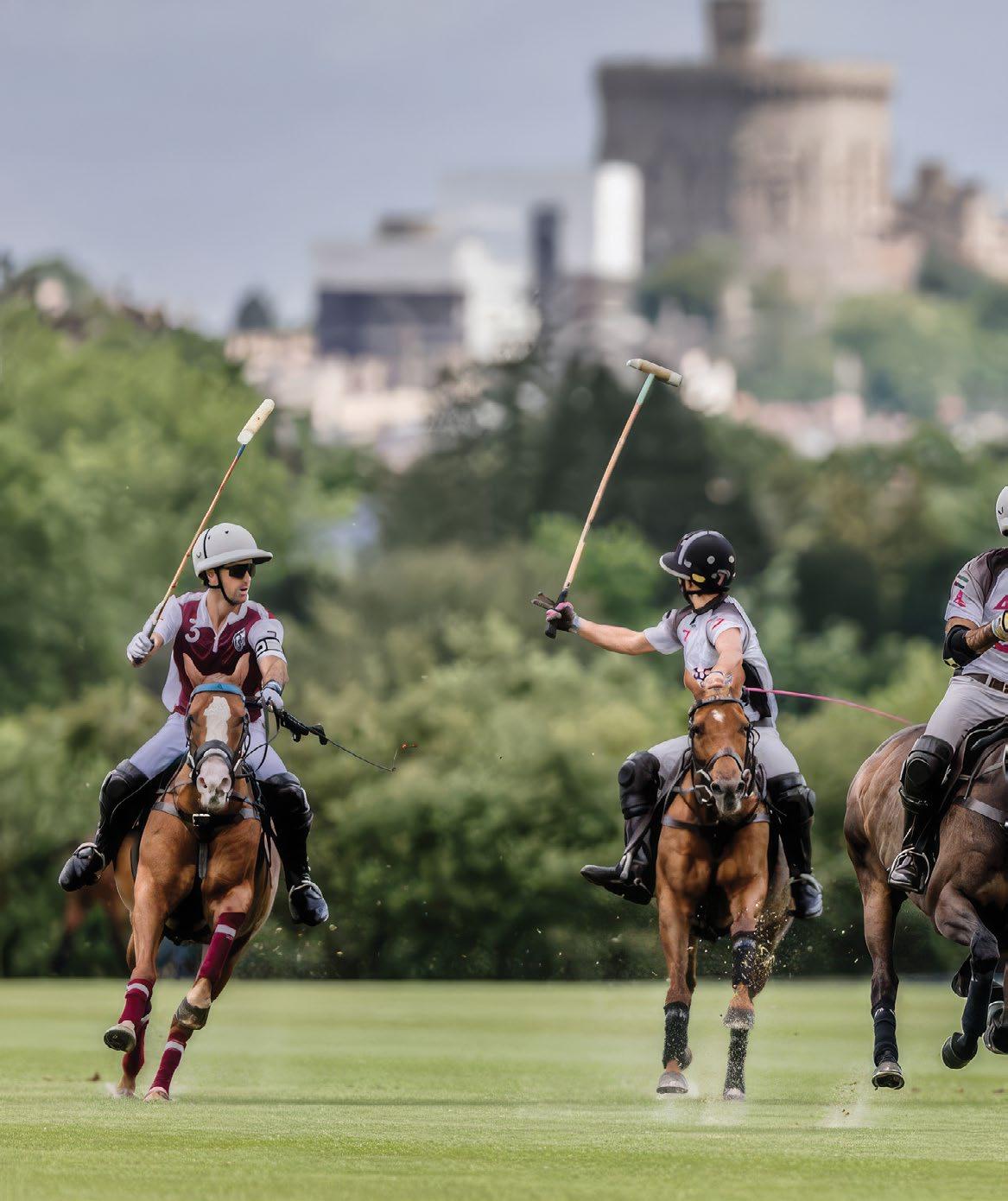
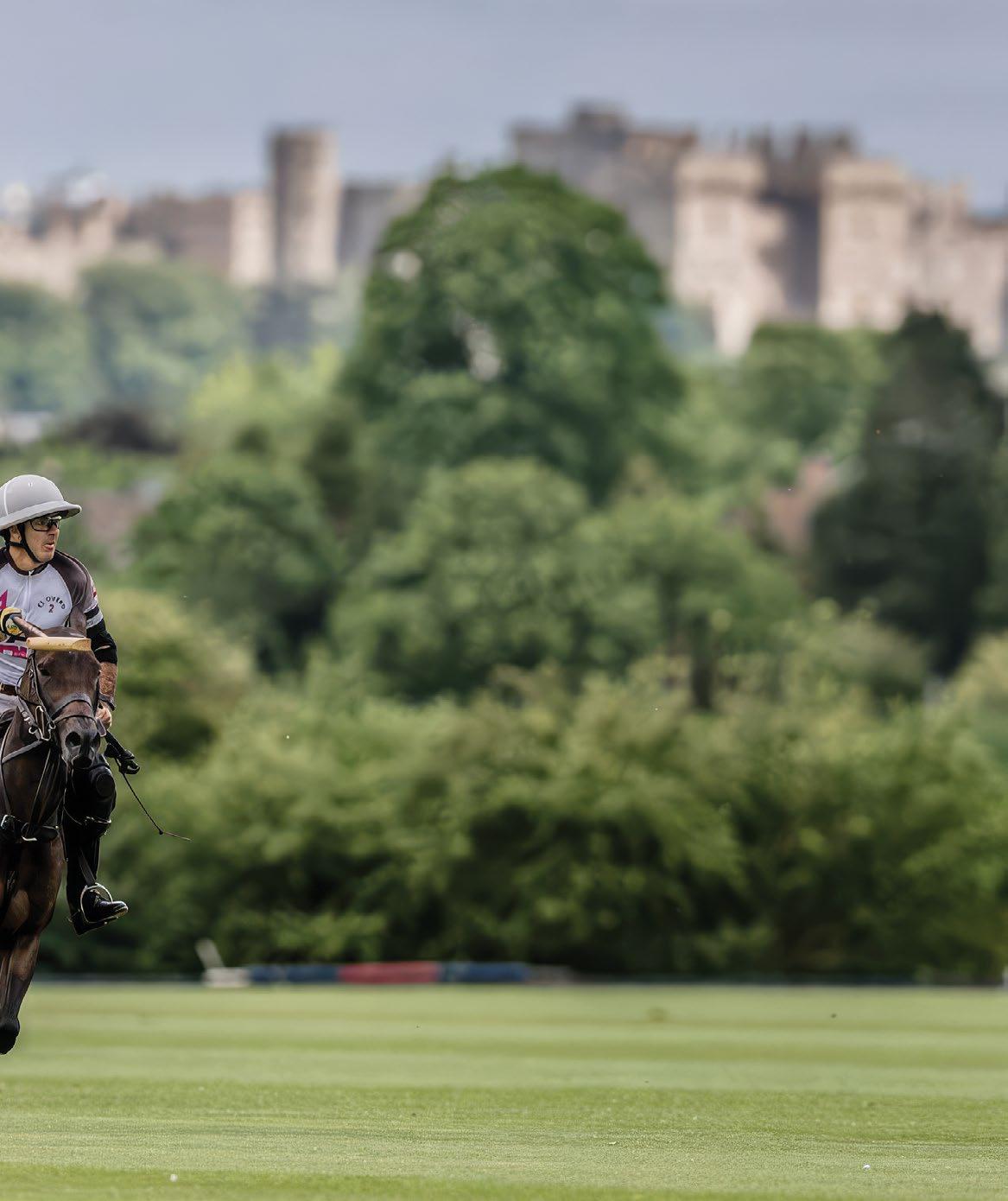
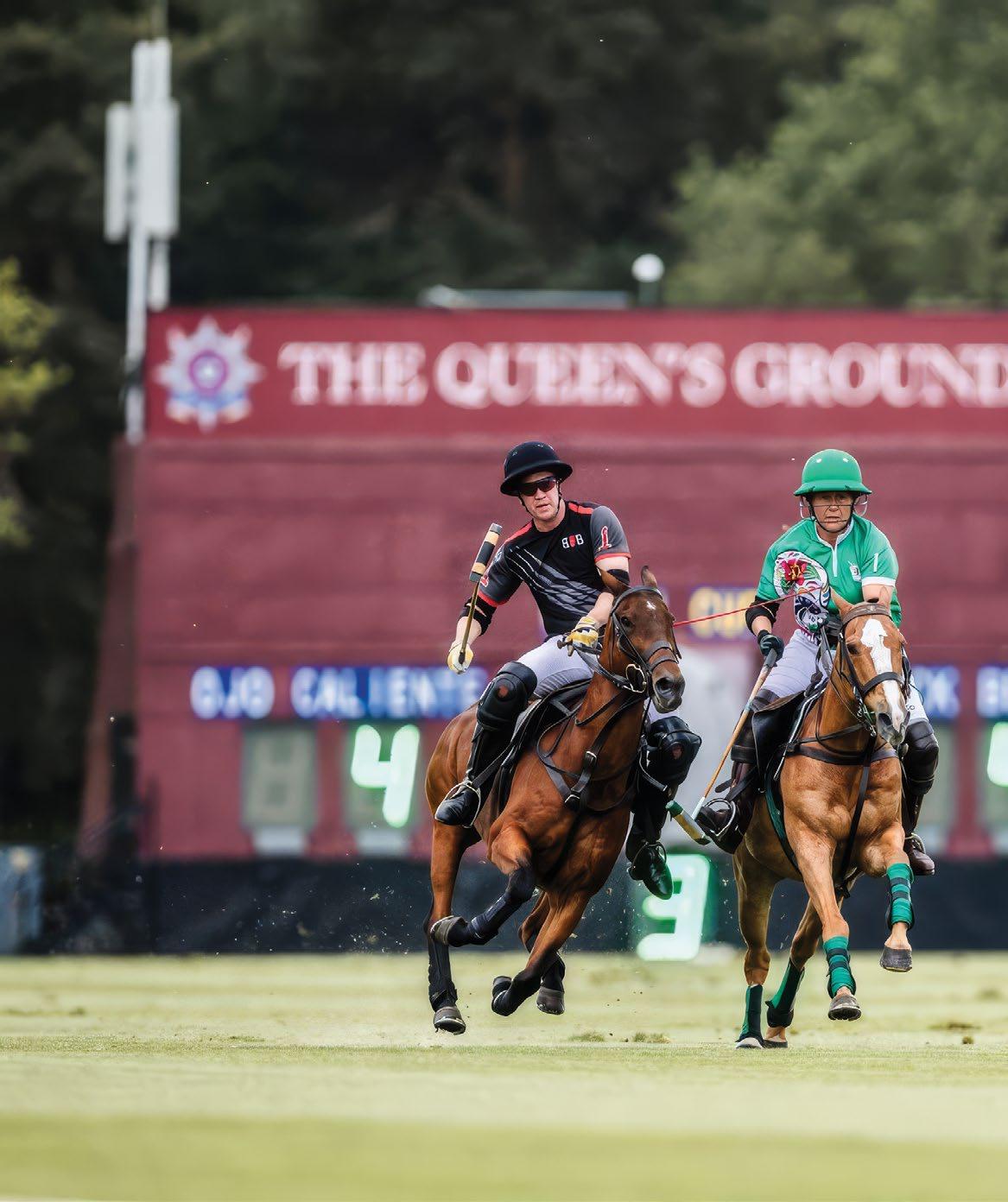
GUARDS POLO CLUB
Cartier Cup
La Martina Queen Elizabeth the Queen
Mother Centenary Trophy
HURLINGHAM POLO CLUB
Coronation Trophy
Cowdray Park Gold Cup
The Queen's Cup
ROLAND GARROS FRENCH OPEN
FORMULA 1 GRAND PRIX
WIMBLEDON
SCOREBOARDS & COCKTAILS
LIFESTYLES
Dana
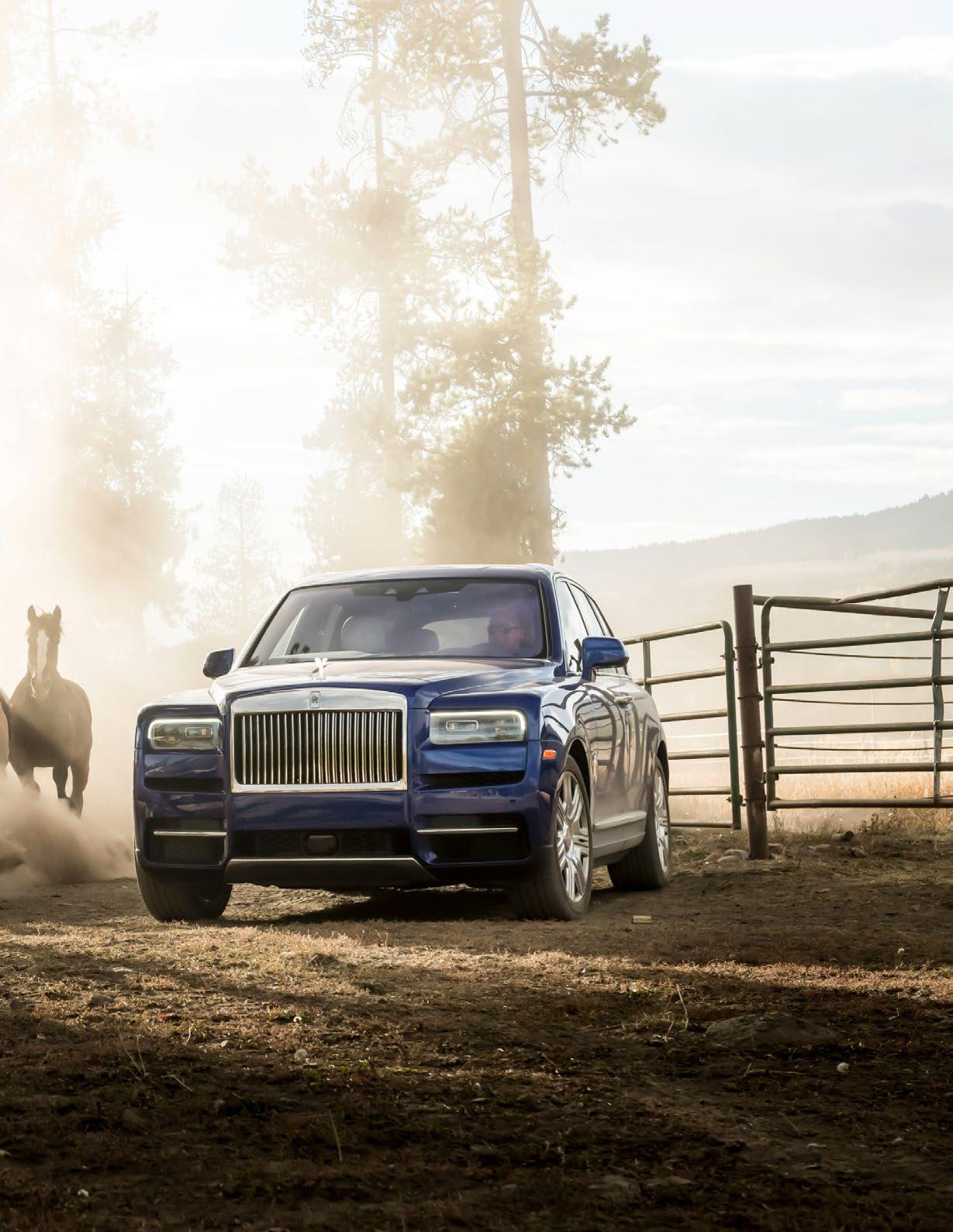
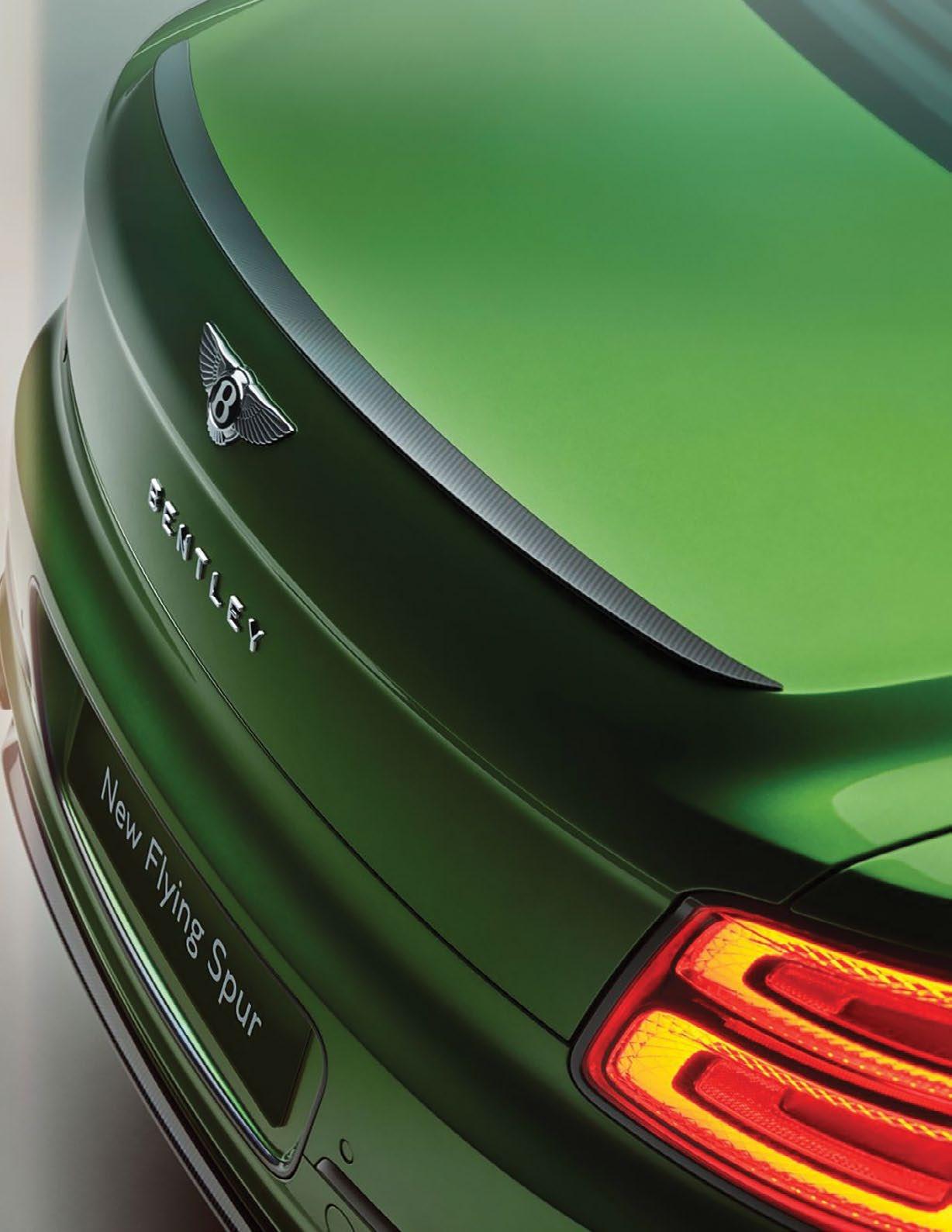
Is a car ever worth waiting for? page 78
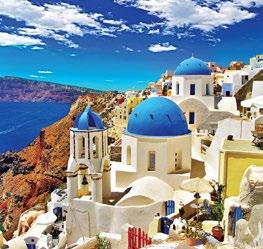
Safe and serene vacation destinations, page 71
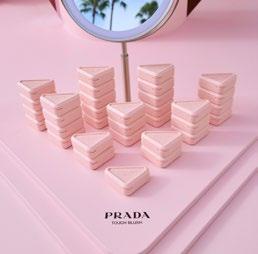
Prada dives into the beauty business, page 86
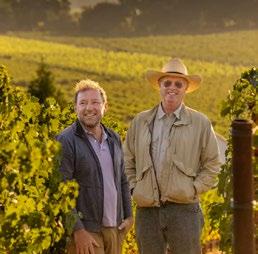
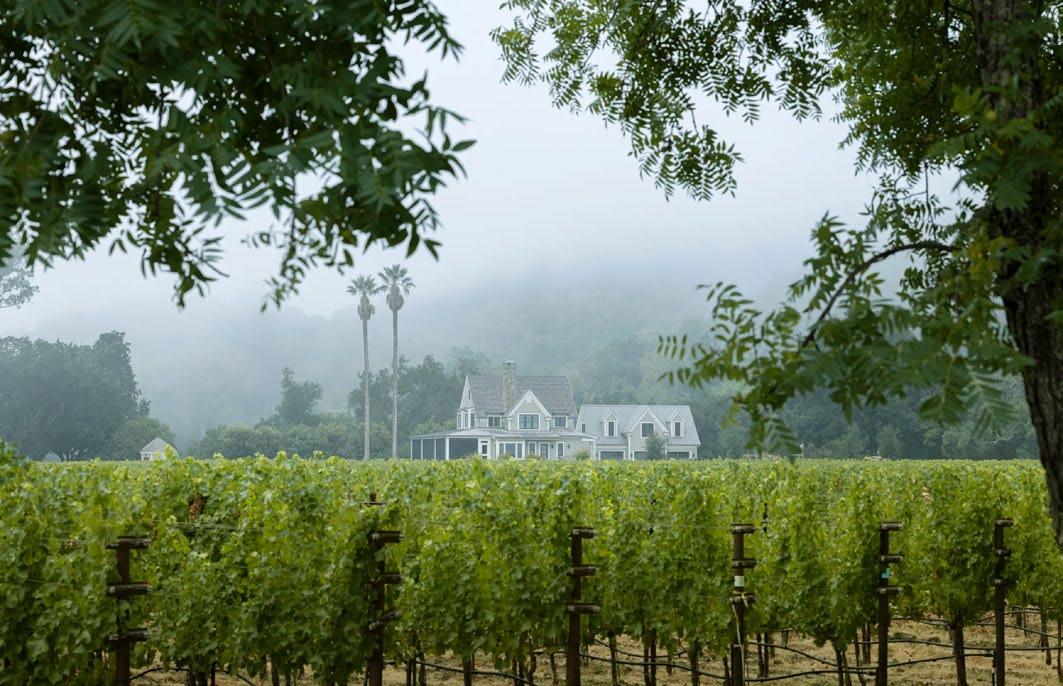
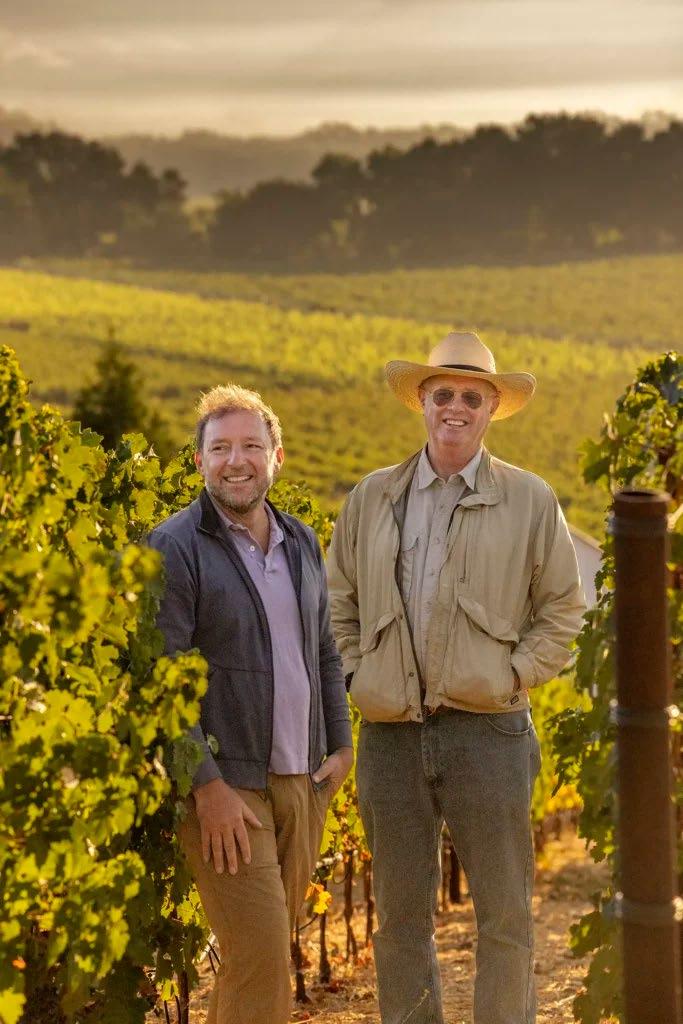
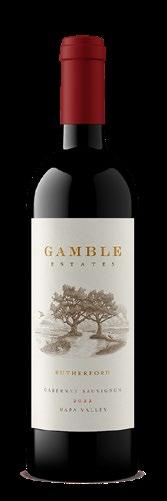
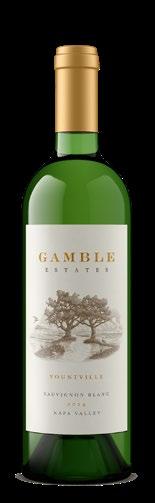
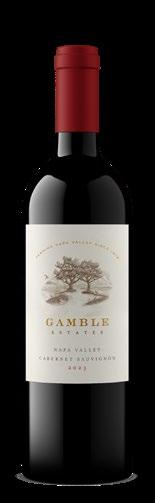
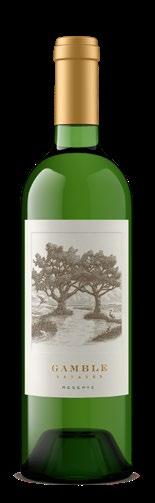
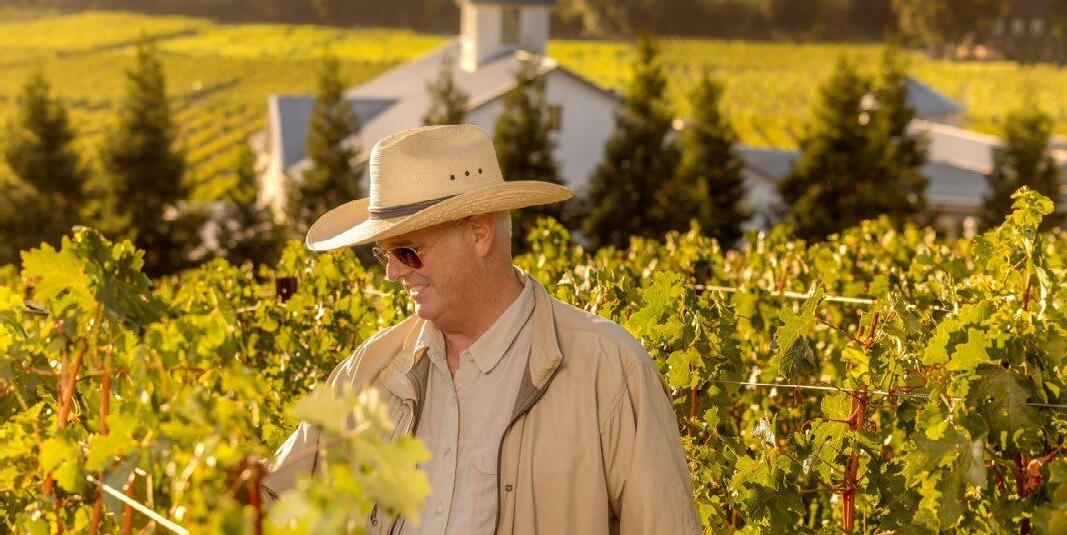
A Napa farmer turns vigneron, page 164
IJUST LOVE LONG SUMMER NIGHTS IN THE GARDEN, WITH THE FOUNTAIN’S LOVELY WHITE-NOISE BUFFER, SOME MUSIC ON THE SONOS SYSTEM AND A GLASS OF SPARKING WATER WITH LIME – OR MAYBE ROSÉ ON A FRIDAY NIGHT – IN HAND. THE LONGEST DAY OF THE YEAR – WHICH HAPPENS TO BE MY FAVORITE DAY OF THE YEAR – IS FAST-APPROACHING AND I AM BOUND AND DETERMINED TO ENJOY EVERY MINUTE OF EXTRA SUNLIGHT BEFORE THE HORIZON SNUFFS OUT MY TWILIGHT INTERLUDE.
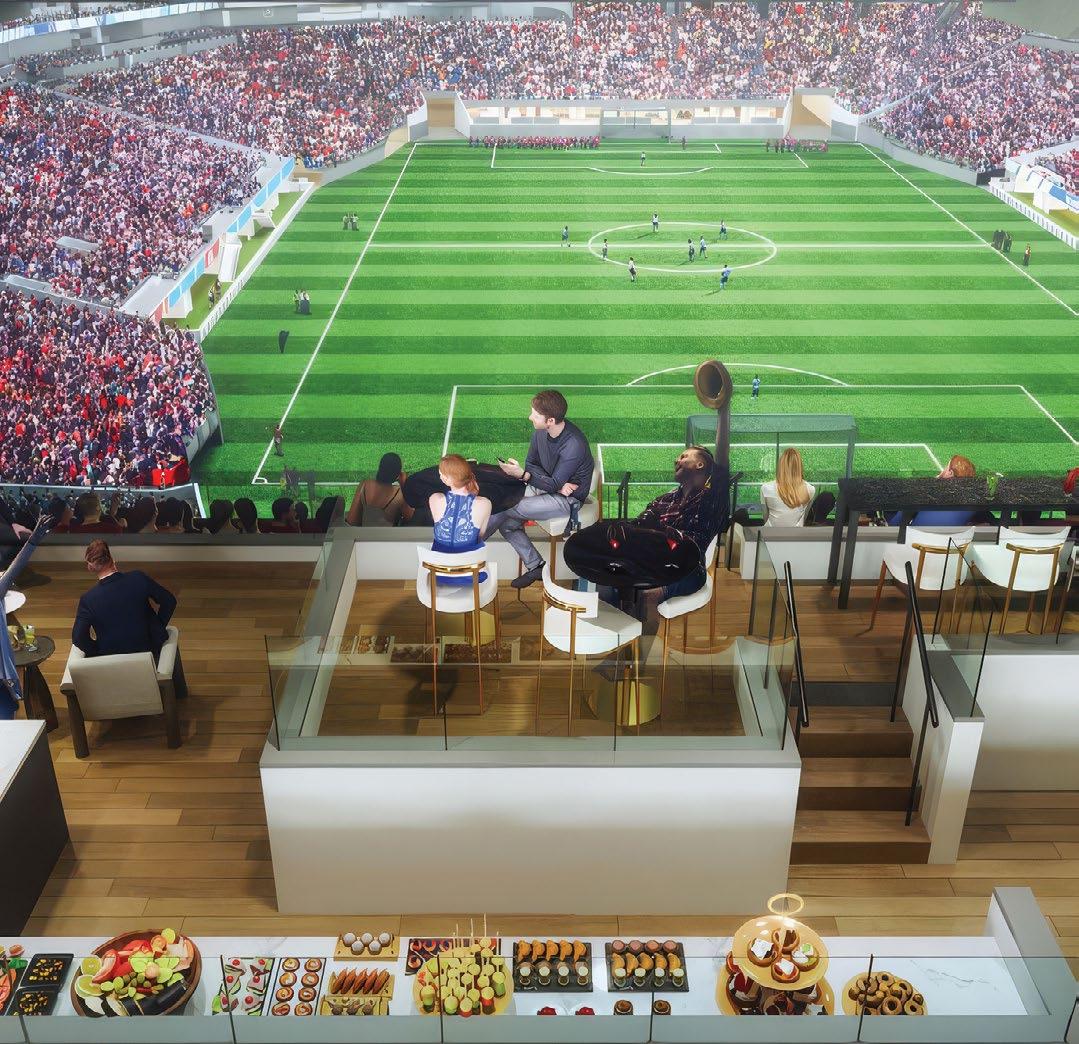
In the Bay Area, we are bracing ourselves for the FIFA takeover of San Francisco. Sports tourism, as discussed in this month’s issue of Polo Lifestyles, is a big business, with the highest bidders getting the most desirable packages, placement and access. How close can you get? Where will the best after-parties be? Who’s serving what in the lounge? These are all questions to be asked and answered; but be warned: inquiring about pricing is a clear indication that you aren’t eligible for the access.
However you choose to enjoy the World Cup in all its excitement and heart-pounding anticipation, I wish you a successful June!
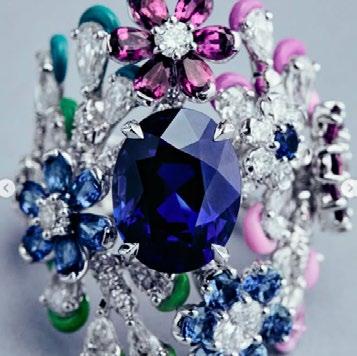
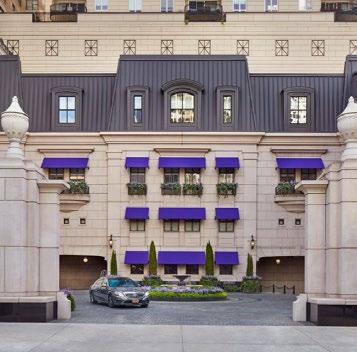
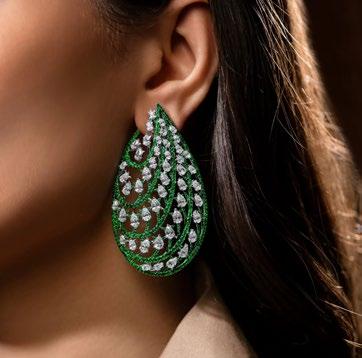
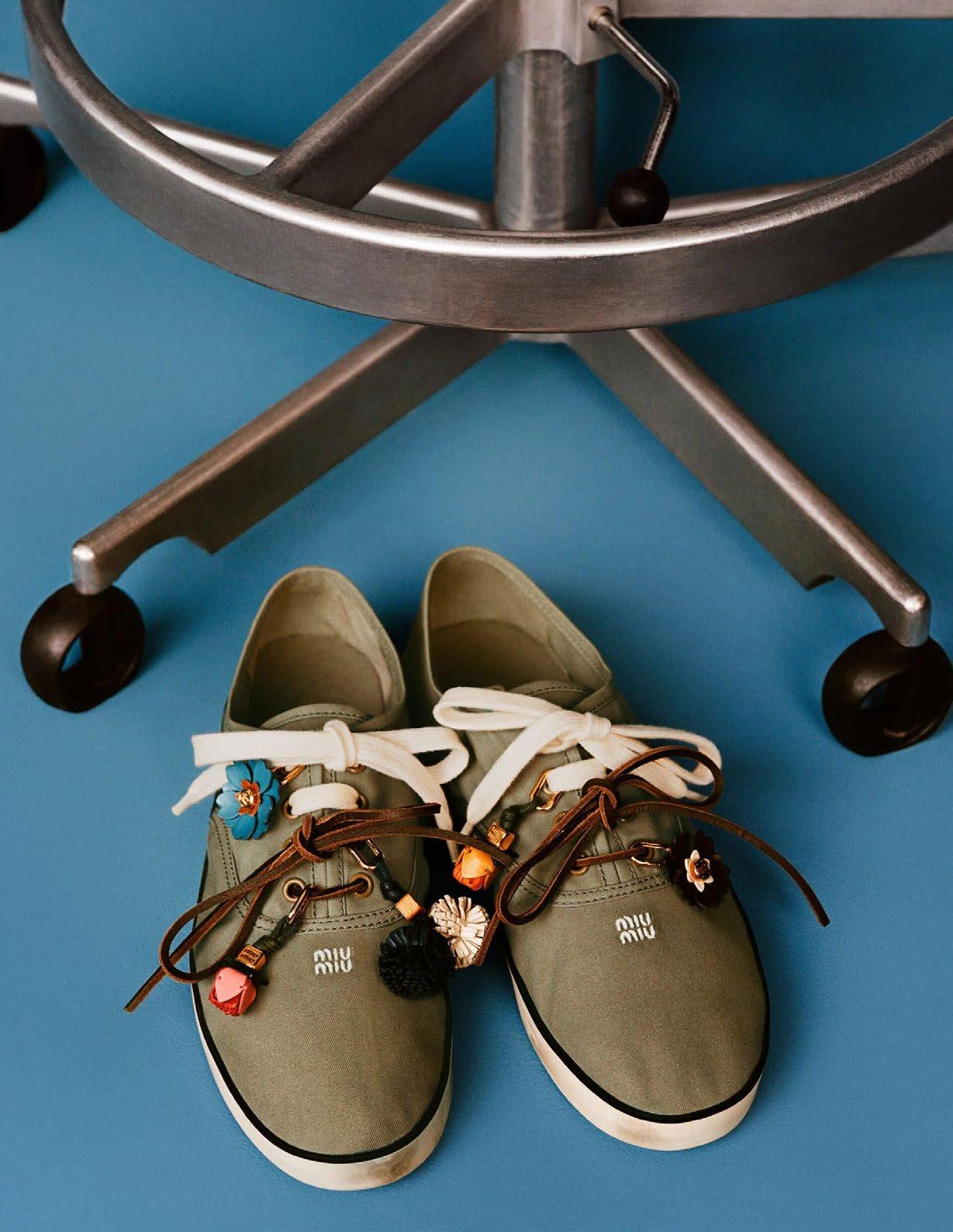
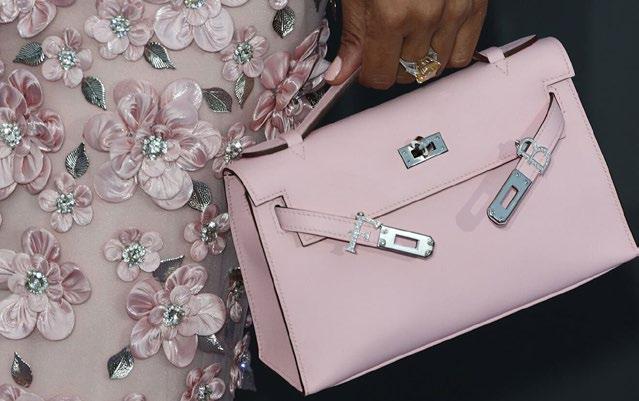
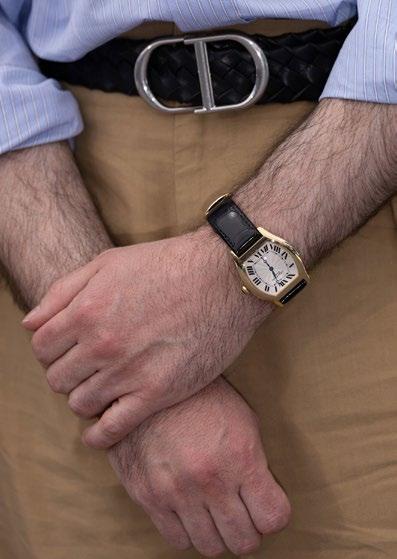
Click and comment on our choices... Tag @pololifestyles . We will share noteworthy comments with you next month.
@robbreport
@petrossiannyc
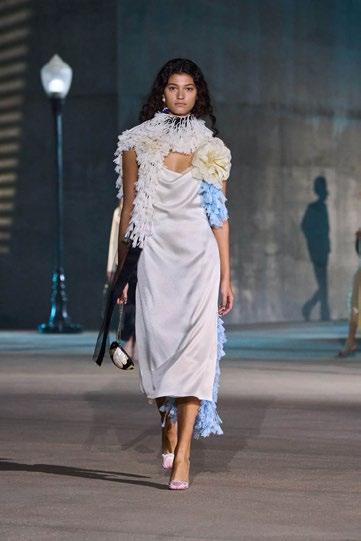
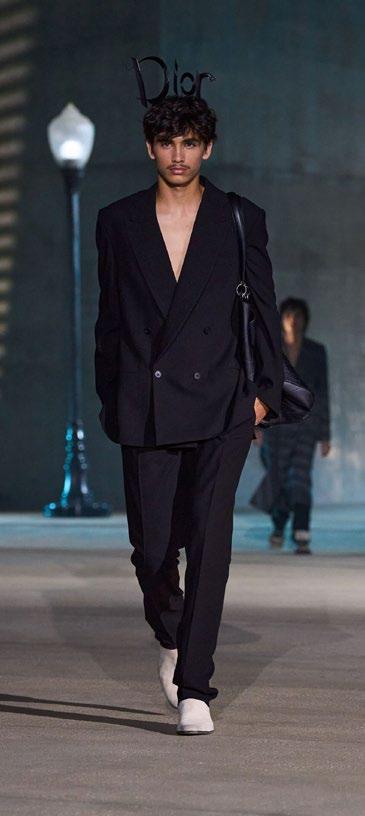
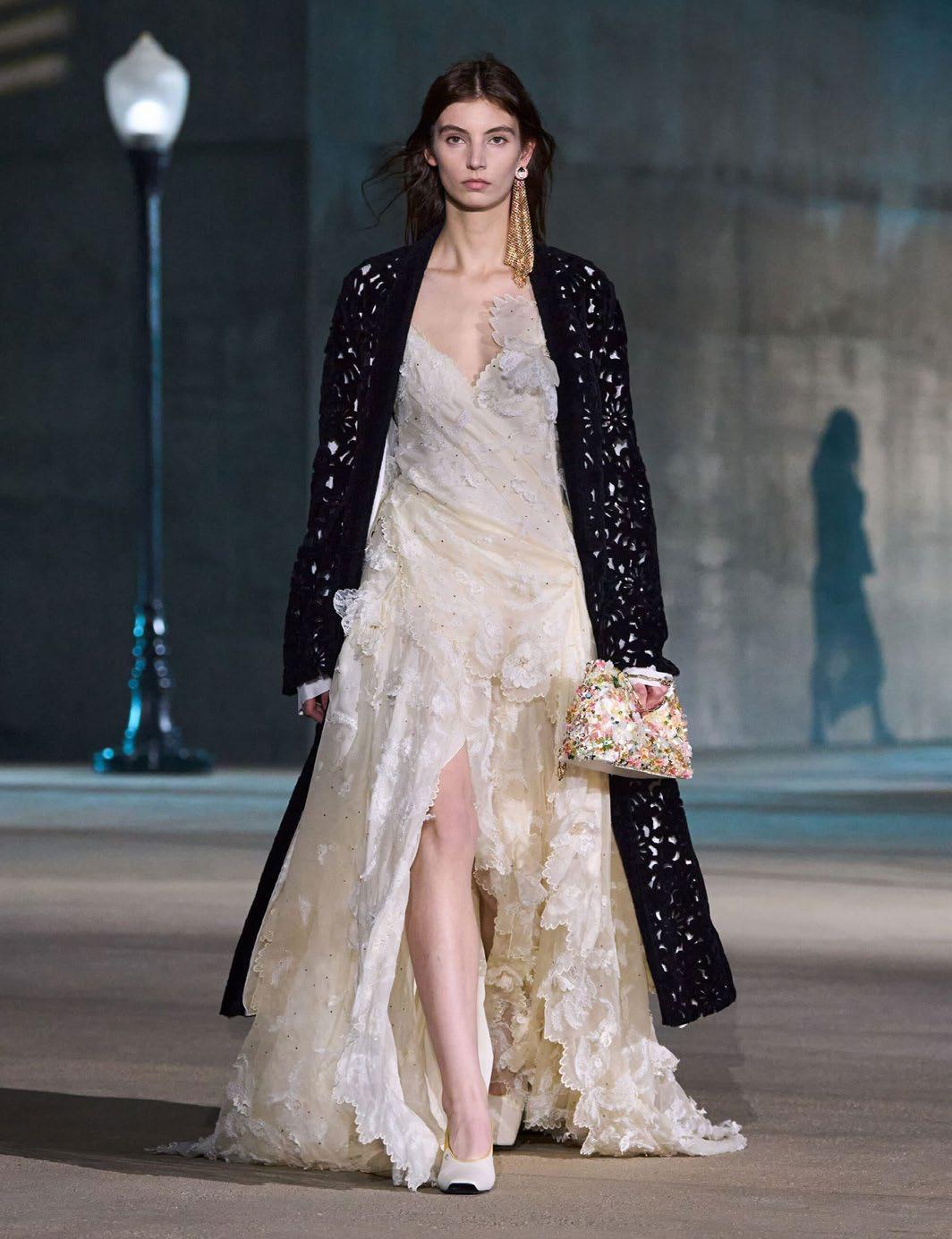
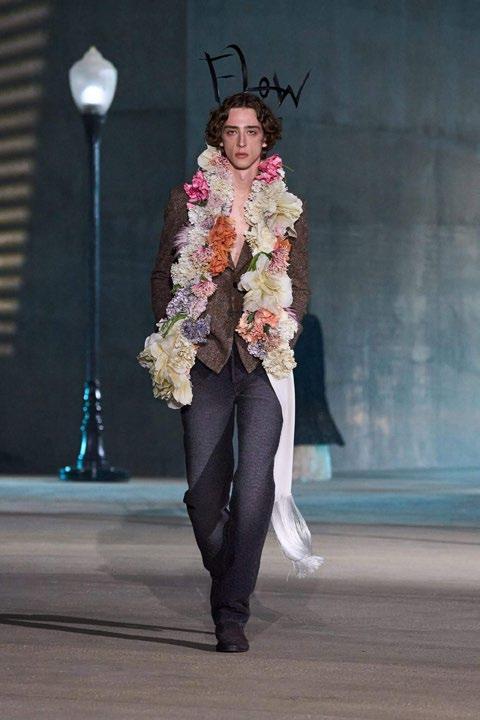
@dior
@melb_stofovi_ivan
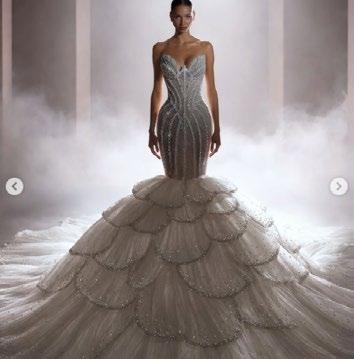
@eliesaabworld
TROPHEE DE BOURBON
TROPHEE DE BOURBON
TROPHEE DE BOURBON
TROPHEE DE BOURBON
TROPHEE DE BOURBON
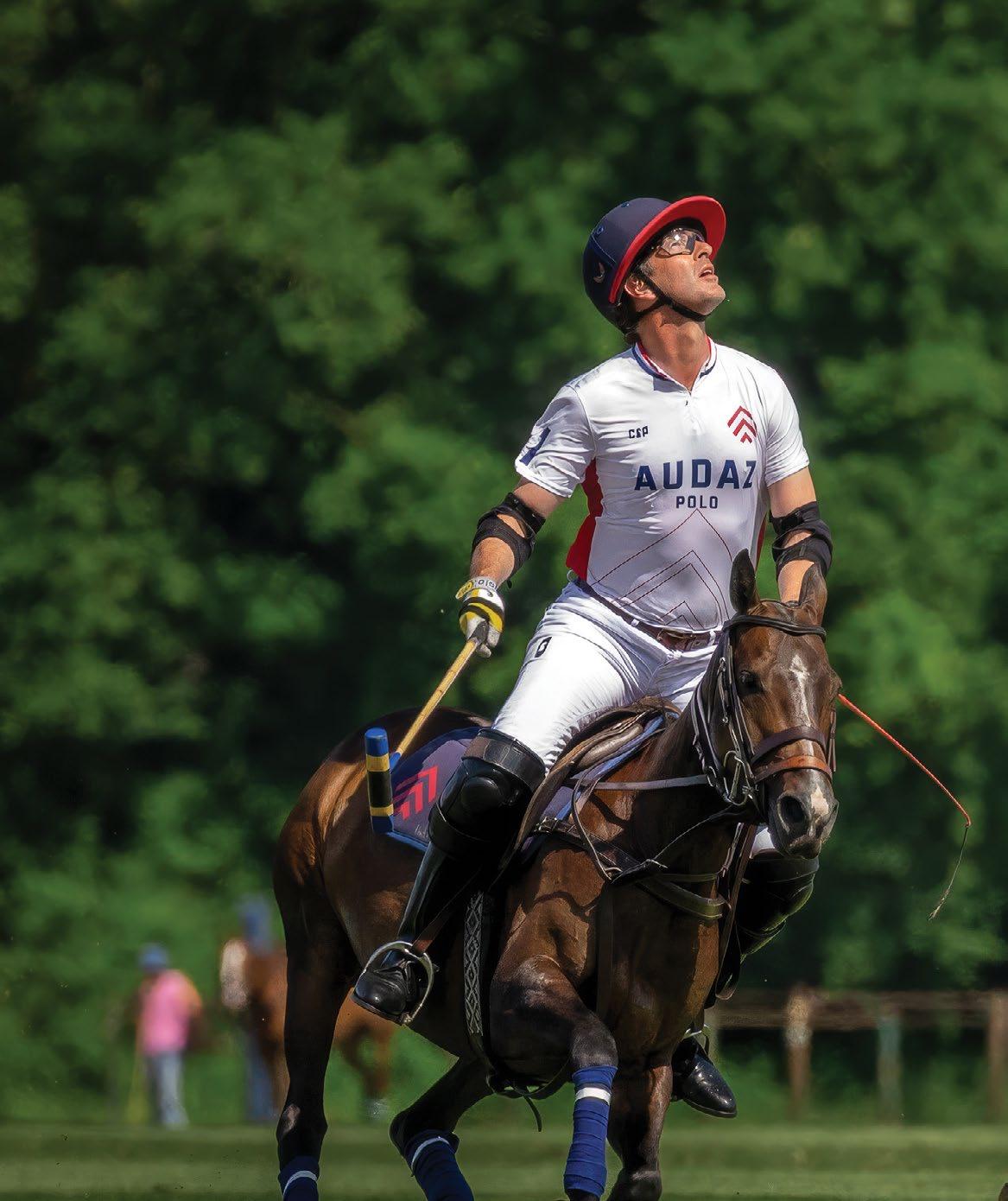
CARTIER QUEEN'S CUP
CARTIER QUEEN'S CUP
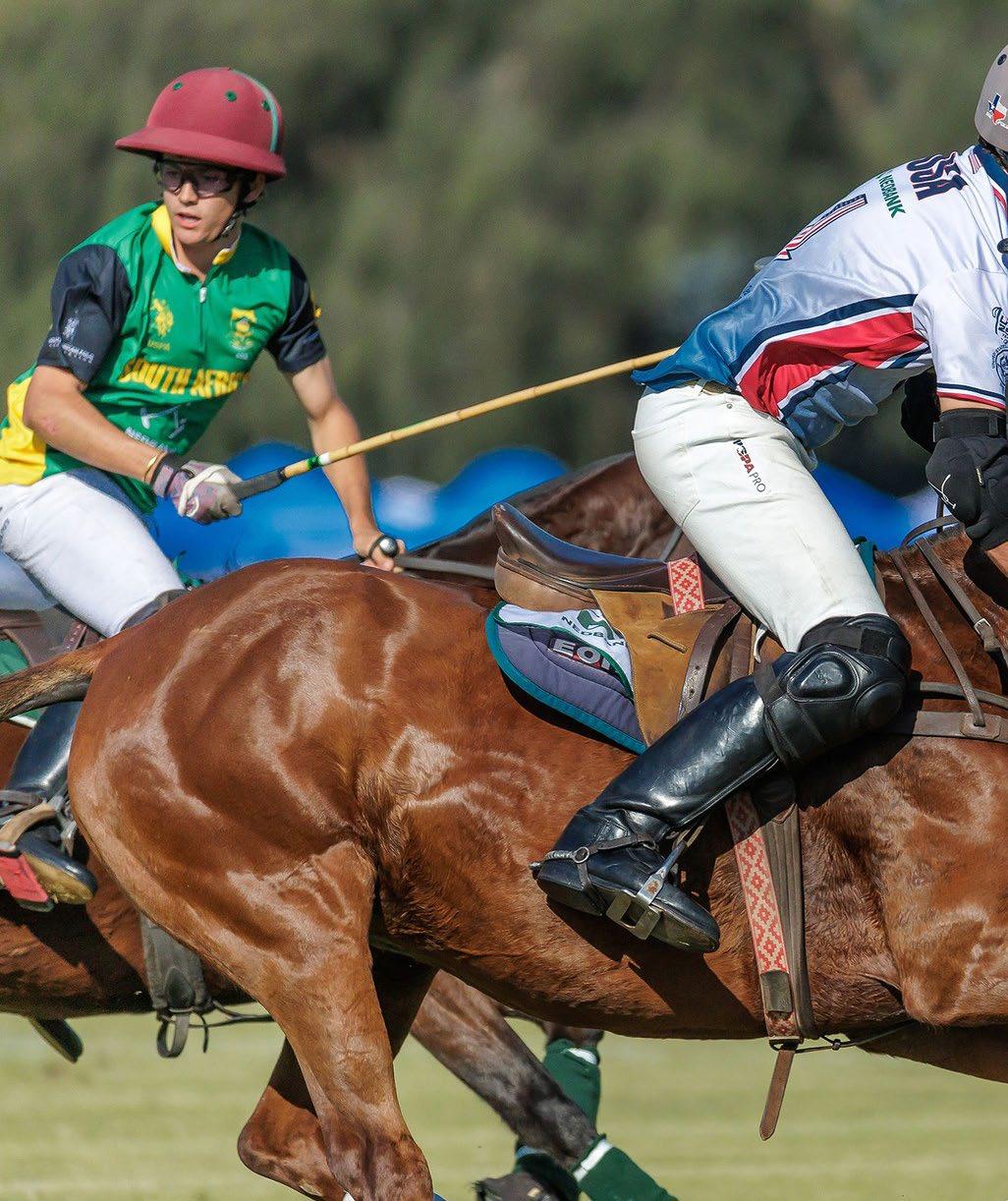
INANDA POLO CLUB
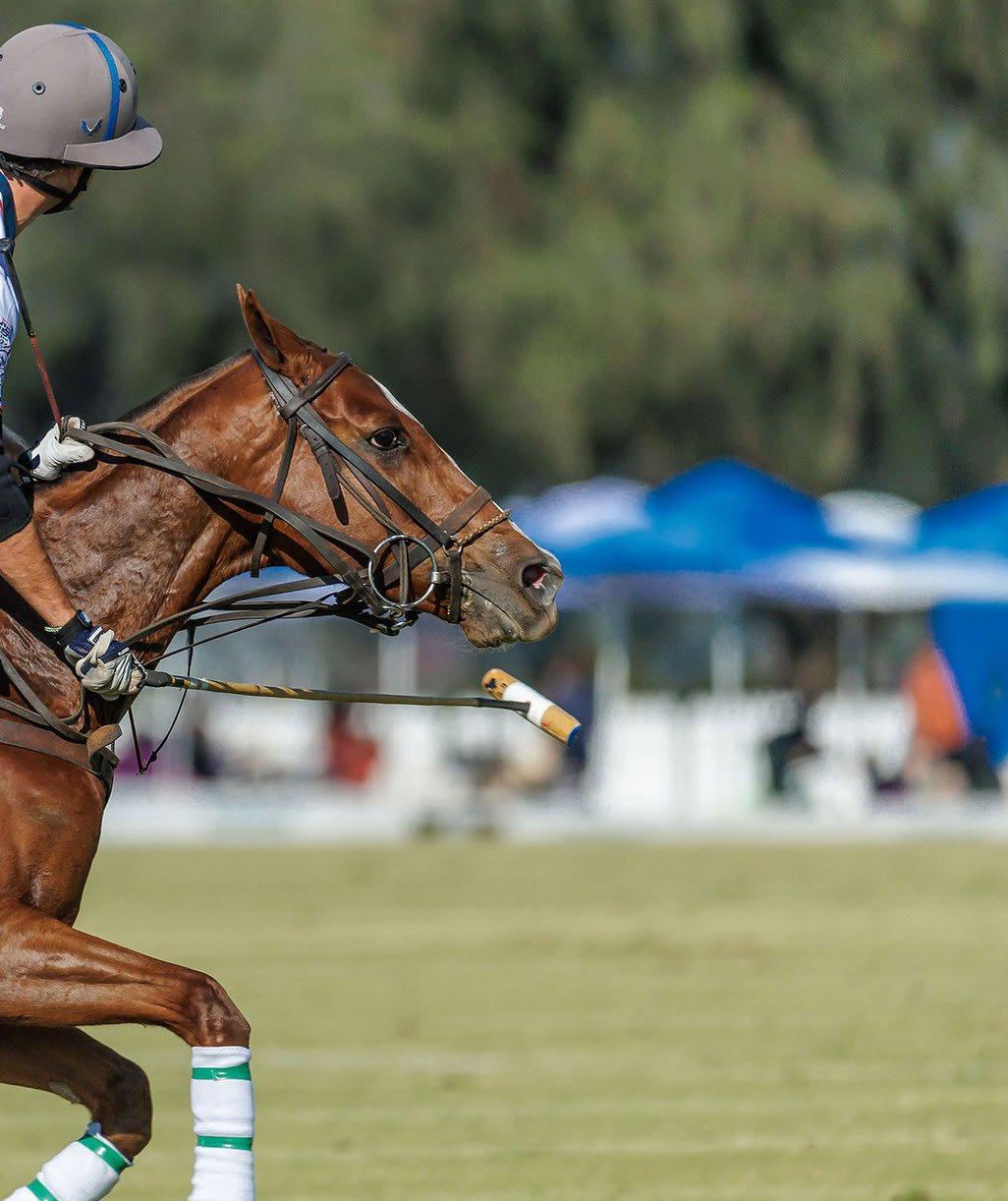
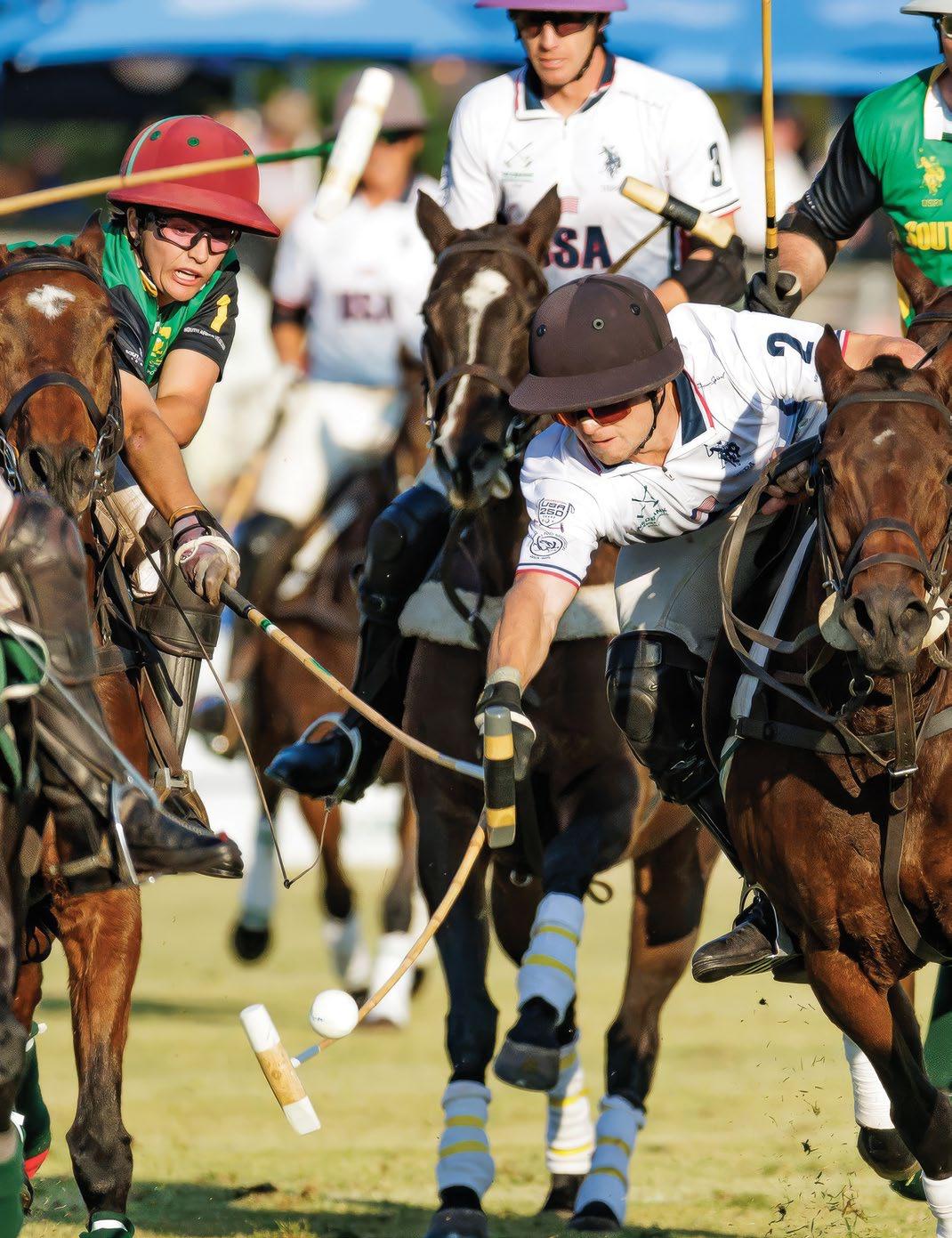
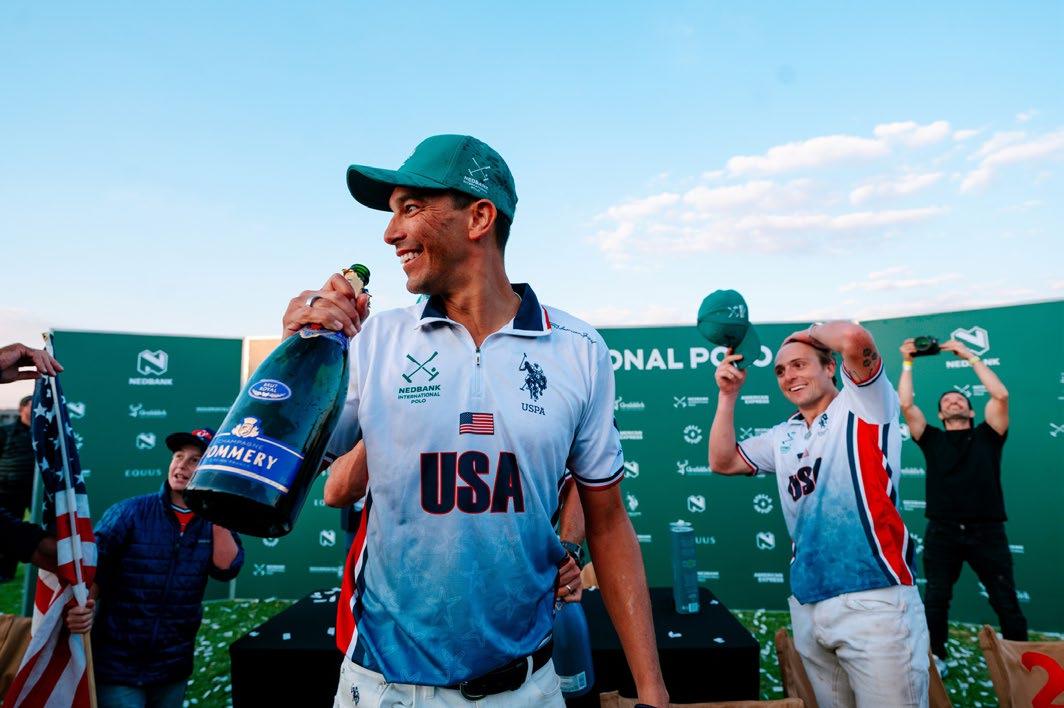
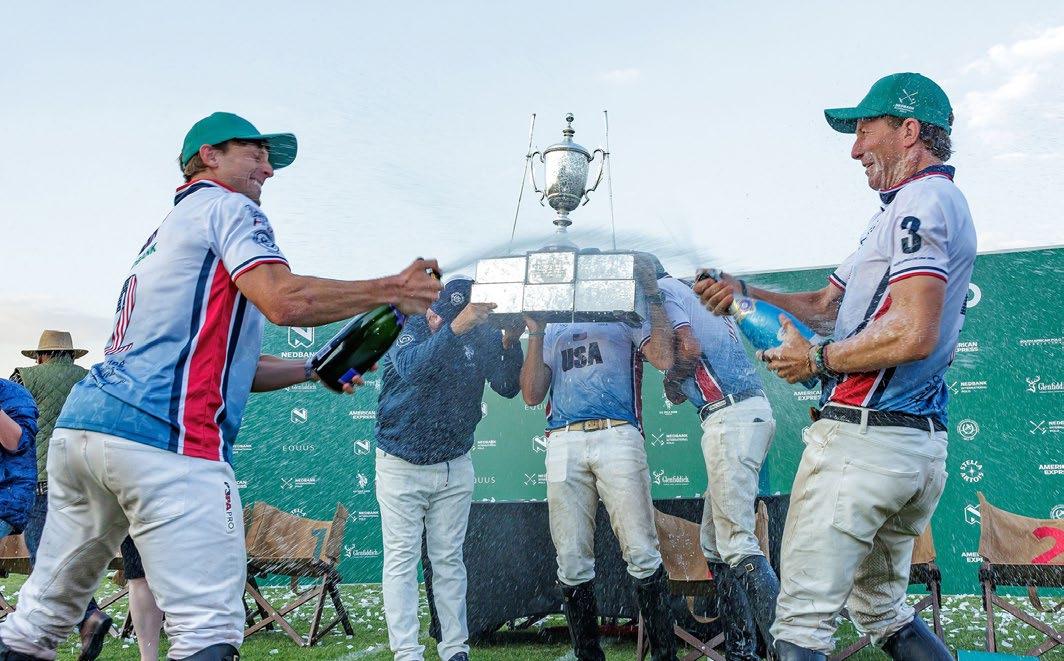
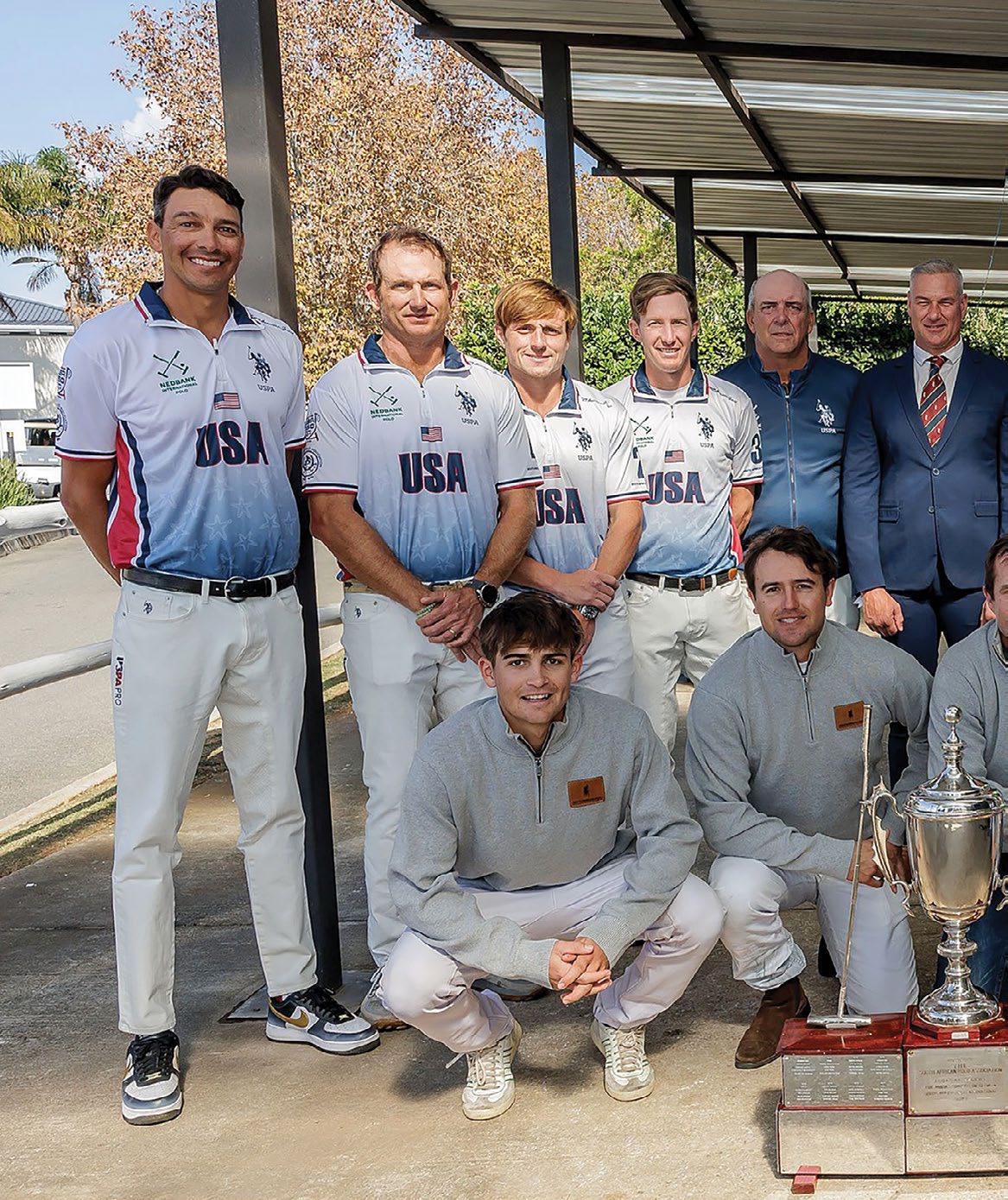
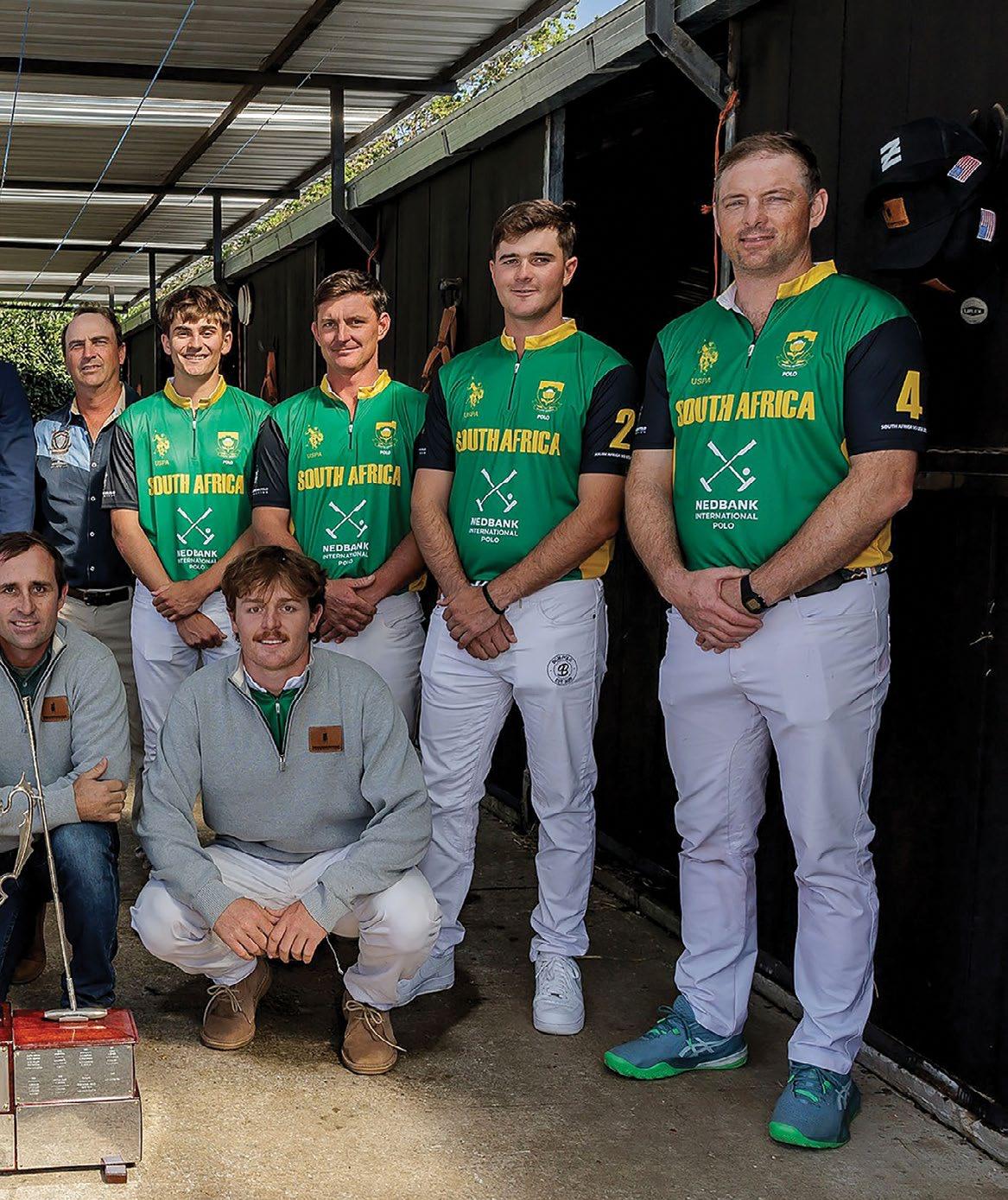
SOUTH AFRICA HOSTS UNITED STATES
INANDA POLO CLUB
SOUTH AFRICA HOSTS UNITED STATES
INANDA POLO CLUB
SOUTH AFRICA HOSTS UNITED STATES
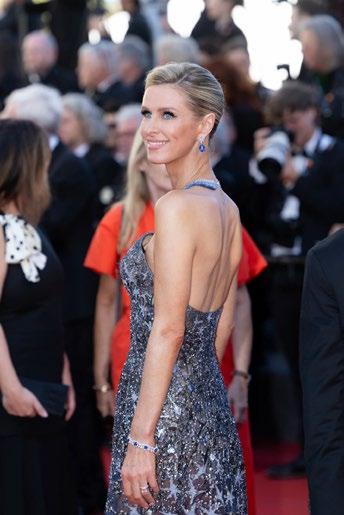
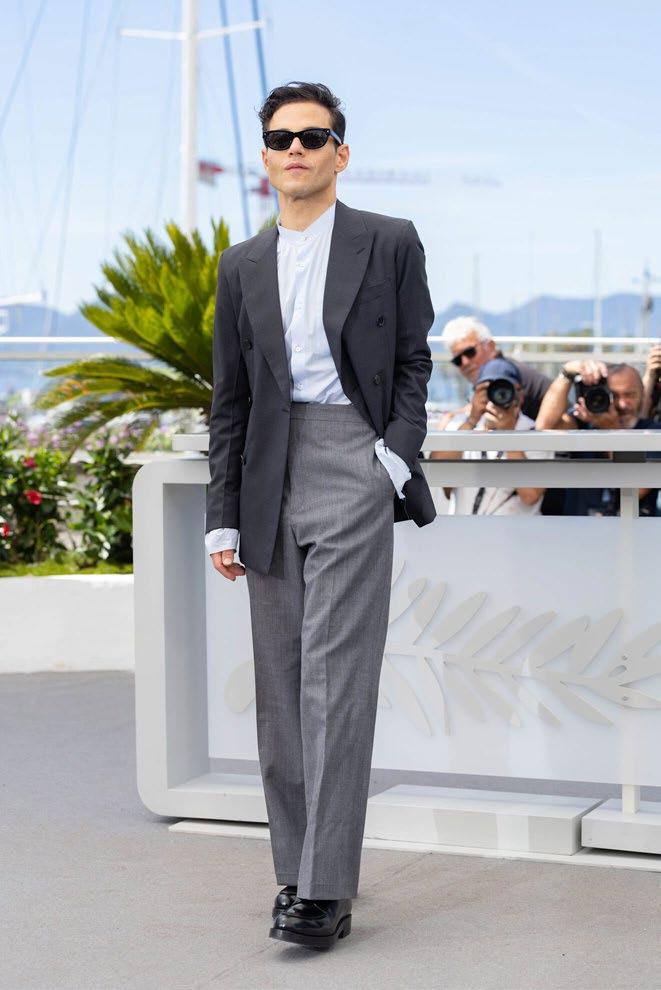
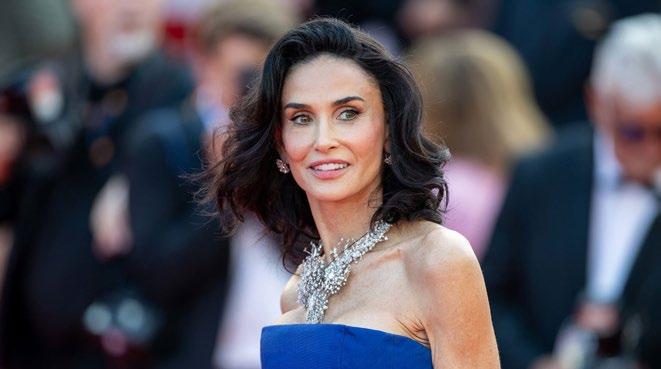
CRISTIAN MUNGIU’S
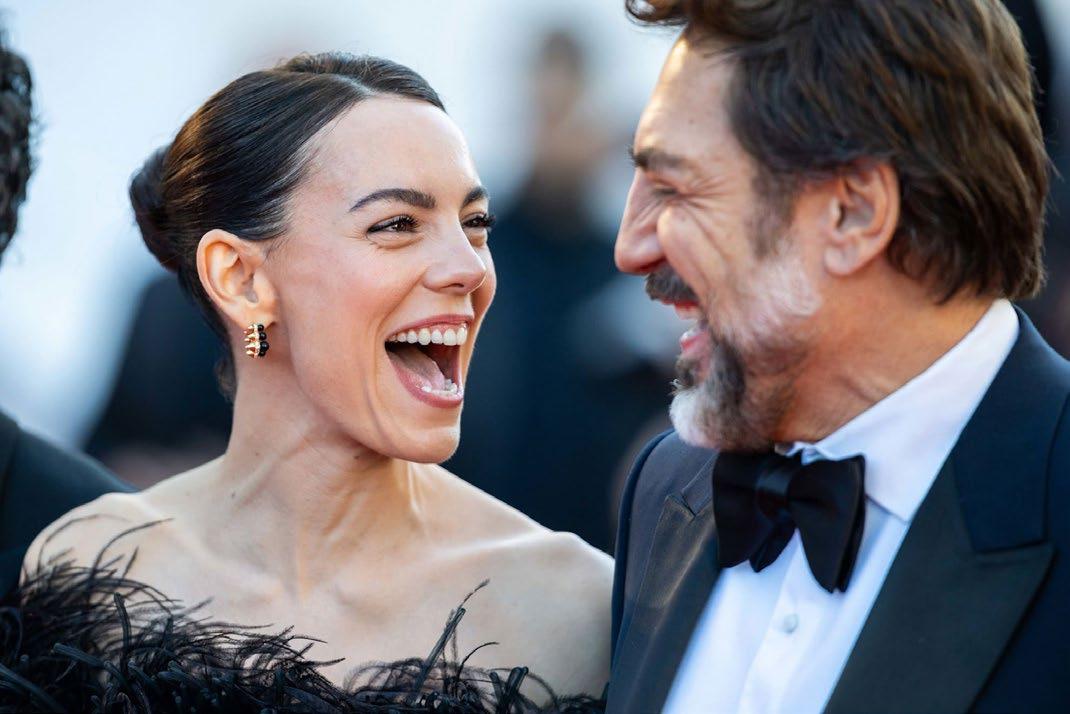
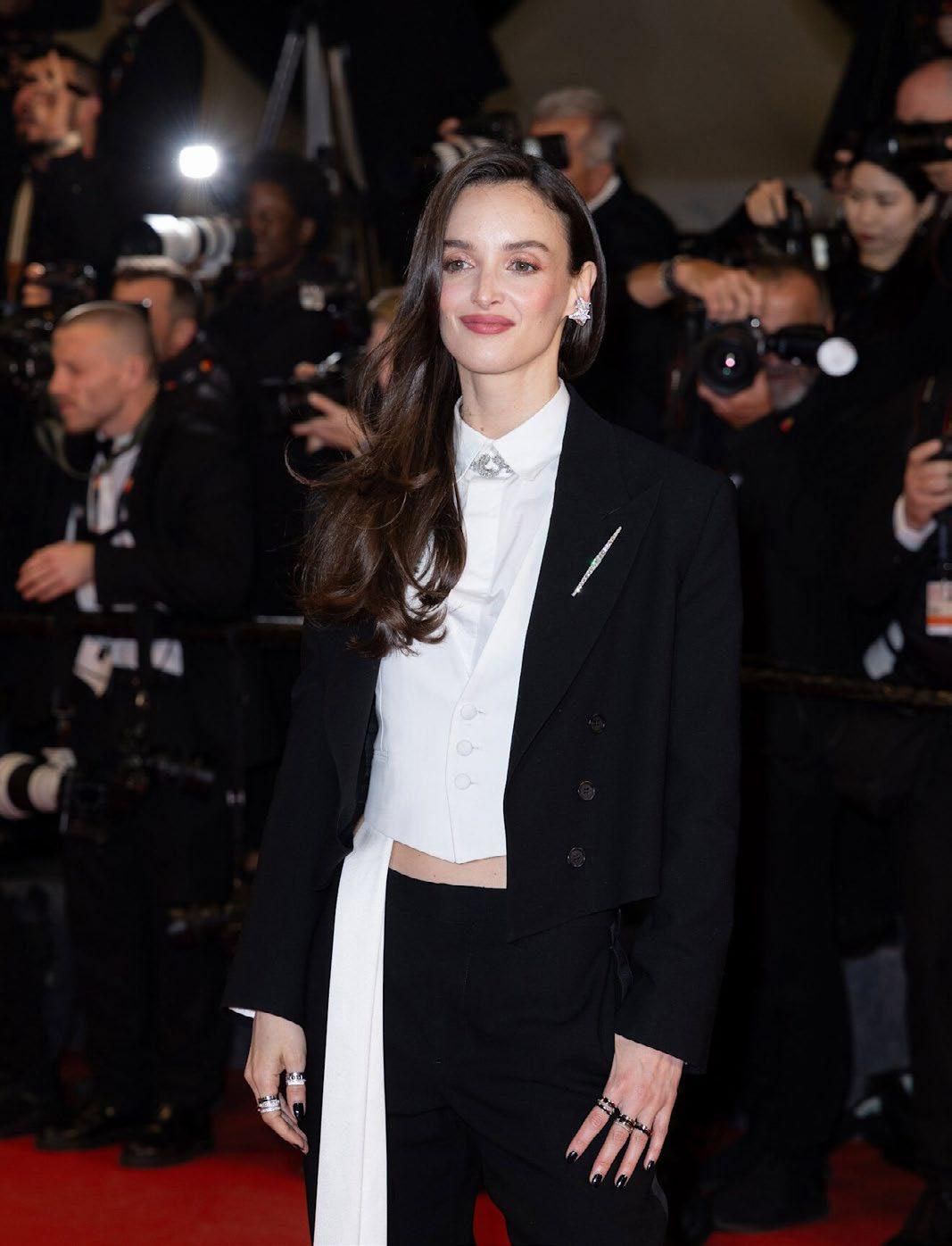
DRAMA FJORD, STARRING SEBASTIAN STAN AND RENATE REINSVE, WON THE PALME D’OR AT THE 79TH CANNES FILM FESTIVAL.
The Romanian director, who previously scooped the festival’s prize with 4 Months, 3 Weeks and 2 Days, is the tenth director to win the coveted award twice.
In other the other awards, Russian director Andreï Zviaguintsev’s Minotaur scooped the Grand Prize. He used his acceptance speech to call on Russian President Vladimir Putin to stop “the butchery."
Directorial duo Javier Calvo and Javier Ambrossi and Paweł Pawlikowski jointly won the Best Director Prize for La Bola Negra and Fatherland respectively. German director Valeska Grisebach's Bulgarian-set drama The Dreamed Adventure won the Jury Prize.
Virginie Efira and Tao Okamot jointly scooped the Best Actress award for their performance in All Of A Sudden, while Emmanuel Macchia and Valentin Campagneshare, stars of Lukas Dhont’s World War One drama Coward, shared the Best Actor Award.
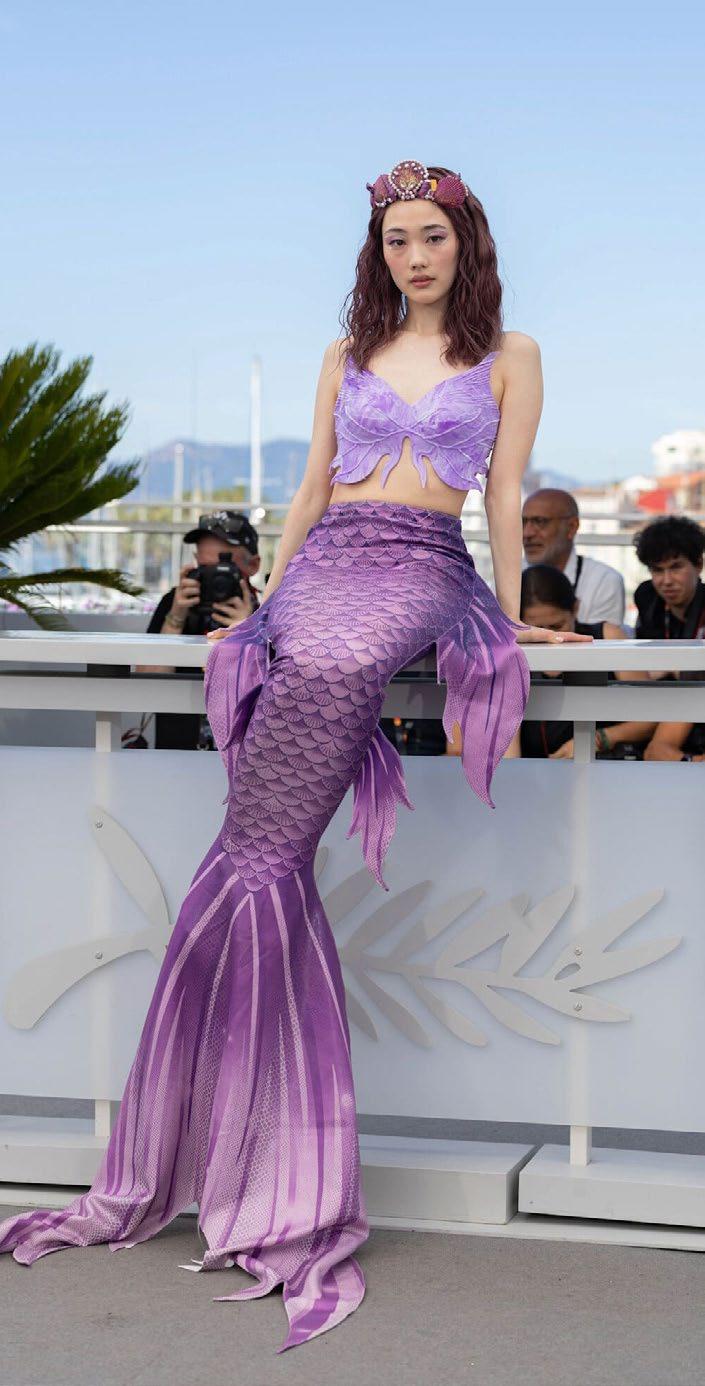
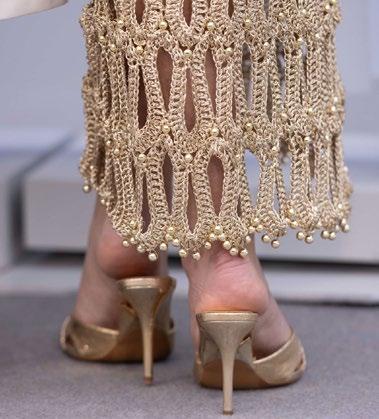
2026 CANNES FILM FESTIVAL
PHOTOS
2026 CANNES
FILM FESTIVAL
For the ultrawealthy, boats or jets are yesterday’s toys. We dig into the last bastion of status for a well-moneyed minority.
ON A RECENT SATURDAY IN LOS ANGELES, A FLAG FOOTBALL GAME UNFOLDS AT EXPOSITION PARK’S BMO STADIUM THAT LOOKS MORE LIKE A GLOSSY AWARDS SHOW THAN A LIGHT-TOUCH SPORTING EXHIBITION.
Tom Brady has temporarily unretired (again) and is back on the field. Travis Scott is DJ’ing in the stands for a crowd that includes Kendall Jenner, Hailey and Justin Bieber, and Ashton Kutcher and Mila Kunis. Kevin Hart is on the mic. There are trophies and confetti cannons, and the whole thing is broadcast live on Fox, Fox Sports, and Tubi to millions of viewers.
In the middle of it all—including group shots that pop up all over Instagram in the hours and days that follow—moving easily between the suites, the sidelines, and the cameras, is Robert Kraft, the owner of the New England Patriots and one of the most powerful figures in American sports.
It’s hard not to notice Kraft. Not because he stands out—it’s not like he’s wearing a giant fur coat à la Joe Namath, the swaggering 1969 Super Bowl–winning New York Jets quarterback who turned himself into one of the first true sports celebrities. Quite the opposite: Kraft, in a half-zip polo and mirrored sunglasses, looking like a sportier, clean-shaven Santa Claus, fits perfectly into the room of power players.
This is how to flex now. Kraft has become the unlikely muse for the wealthy and status-conscious, because owning a pro team—or owning a part of one, which recent rules in the National Football League, as well as Major League Baseball and the National Basketball Association, have allowed— has become the ultimate trophy asset for the rich and powerful.
Think about it. An invite to a fashion show? That’s sweet. A free ride on a private plane? It seems everyone has a NetJets account now. (Private jet flights hit a record high of 3.9 million globally in 2025, roughly a 34 percent increase from 2019.) But a walk-on pass to the 50yard line at a Patriots game? Now we’re talking.
For years, pro teams were owned by familiar names: the Tisches of the New York Giants, the Rooneys of the Pittsburgh Steelers, the Fords of the Detroit Lions, the Johnsons of the Jets. But today there are many new (and familiar) faces in owners’ boxes. Last year my friend Karlie Kloss became an investor in the WNBA’s New York Liberty alongside Olivia Walton of the Walmart family and Robin Roberts, among others, joining Clara Wu Tsai, who’s also a partial owner of the Brooklyn Nets. (Still waiting for our courtside date, Karlie!) Kloss’s husband, investor Joshua Kushner, is a minority owner of the Memphis Grizzlies. A few years ago Natalie Portman helped found Angel City FC, whose cap table reads like a Hollywood call sheet: Eva Longoria, America Ferrera, and Jennifer Garner.
Actors Ryan Reynolds and Rob McElhenney bought Wrexham A.F.C. in 2021 for $2.5 million; it’s now valued in the hundreds of millions, with an FX docuseries on Disney+ to match. LeBron James parlayed a $6.5 million stake in Liverpool F.C. into a position within Fenway Sports Group, whose portfolio includes the Boston Red Sox and the Pittsburgh Penguins. David Beckham is a co-owner of Inter Miami CF.
Even on TV, team ownership has become
a saucy plotline. In Ted Lasso, Hannah Waddingham plays Rebecca Welton, a newly divorced owner navigating revenge and redemption through her football club who hires the hapless but effective coach Ted Lasso, played by Jason Sudeikis. In Netflix’s Running Point, Kate Hudson plays a woman trying to corral her siblings in the Gordon family after inheriting a professional basketball team. And in Ballers, Dwayne Johnson plays a former NFL player turned financial adviser whose later seasons revolve around assembling investors to buy an NFL franchise.
So, if it seems like there are more people who can say they’re team owners now than ever before, it’s because there are. In 2021, NBA commissioner Adam Silver opened the door to private equity funds purchasing minority stakes in teams, making it easier for institutional investors, celebrities, and global capital to enter the ecosystem. In 2024, NFL commissioner Roger Goodell followed suit, approving private equity investment. (Major League Baseball, under Rob Manfred, loosened restrictions in 2019.) The result is a new ownership class that’s less top hat and cigar, more group chat and group investment.
Why does everyone suddenly want to be around the world of sports? A few reasons. First, it intersects with something more cultural: the rise of hospitality. Remember lockdown? There we were, on our phones, quarantining, not exactly bragging about our social lives. When the world reopened, people didn’t just want to go out. They wanted to be seen going out. And what splashier way than by appearing in the owner’s box during the finals?
Even as a self-described fashion person, I, too, have been bitten by the bug and regularly seek invites to live sports. My favorite invitation: Met board member Robert Denning and his husband, Charles Porch, the longtime Instagram VP who recently decamped to OpenAI, have JFK Jr.’s old courtside seats at Madison Square Garden, which happen to be next to James Dolan, the longtime,
often polarizing owner of the New York Knicks.
The football field and basketball court are among the few stages that can’t be replicated—for now at least. AI may give us a four-day workweek, and it’s already reshaping entire creative industries: Songs can be generated, movies can be synthesized, and influence itself can be engineered. But sports—live, unpredictable, physical—still have to happen in real time. Which means the people who control it don’t just own a team. They own a moment.
Women’s sports may be the most dynamic growth sector of all. Angel City FC launched a new model of celebrity-backed, community-driven ownership, and the WNBA’s surging valuations suggest that what once looked like a niche investment is quickly becoming mainstream. The salary for Caitlin Clark, the Indiana Fever star and number one overall pick in the 2024 WNBA Draft, will increase from $78,000 to $530,000 in 2026 because of a new provision in her salary agreement called EPIC (“exceptional performance on initial contract”), which fast-tracks high-performing players to max and supermax deals.
But let’s get back to that flag football game. Kraft’s hosts are Michael Rubin, the founder of digital sports platform Fanatics (the guy who throws the now infamous Hamptons white party), and Michael D. Ratner, a filmmaker and entrepreneur who co-founded Hailey Bieber’s skin-care brand, Rhode. Together they’re curating the guest list. Controlling the camera angles. Deciding who gets sideline seats and who gets sidelined.
The owner’s box has become a kind of modern salon, a place where money, fame, media, and politics sit side by side, in real time, with the cameras rolling. It’s no longer enough to simply attend.
Who won this game? I don’t remember. But that’s not the point, is it?
RE-EVALUATING TRAVEL SAFE & SERENE DESTINATIONS
As the world descends into chaos, the wealthy one-percent have a very pressing concern: Where can they go on vacation now?
NAPLES, FLORIDA, INSTEAD OF NAPLES, ITALY? FOR THE MOST DISCERNING (OR PARANOID) MEMBERS OF THE ONE PERCENT, INTERNATIONAL TRAVEL IS SUDDENLY LOOKING DICEY.
“Mexico is too dangerous, and Europe is too antisemitic,” a friend texted me when we were, by process of elimination, discussing where to vacation in the coming months. A few days later, I overheard two women at a boutique exercise studio
on the Upper East Side question whether they should skip Greece, a requisite stop on the one-percenters’ seasonal travel circuit—what’s a summer without a night at Scorpios in Mykonos?—because of the missile firings aimed at Cyprus in March. (Mykonos is about 480 miles from the Cypriot capital of Nicosia.)
From the war with Iran (which is currently in a fragile ceasefire) to the precarious circumstances in the Strait of Hormuz (through which 20% of the world’s oil and liquified gas passes), which has airlines across Europe cutting back on routes, it’s no wonder that the current geopolitical situation is pro-
moting a deep sense of anxiety. What people outside of the country’s wealthiest bubbles may not realize, though, is that those most accustomed to jetting around the world with relative ease are processing this fear in a very specific way: by worrying about how they’ll spend their days as they move into peak summer travel season, all while many parts of the world contend with persistent bombing and widespread displacement.
Some of these same people got stuck in the Gulf region after the airspace closed at the beginning of the war.
Others couldn’t escape the Caribbean in January, right after the American raid on Venezuela. Months later, the unknowns are more unknown than ever—and that fact, plus the fear of being stranded, is redrawing the map of where the wealthy are willing to venture. According to Exclusive Resorts, a membership-based travel club for ultra-high-net-worth individuals (typically defined as having at least $30 million in investable assets), the top five booking destinations this summer are domestic; back in 2025, two of the top spots were international.
Stuart McNeill, CEO of Knightsbridge Circle, a global luxury lifestyle management service, says he isn’t seeing so much panic around specific destinations, but a broader sense of unease about unpredictability. As McNeill explains, it’s not so much that his members—about 100 of them, many of whom have third and fourth homes—say they feel “unsafe” in Europe or the Middle East, but more a lack of confidence in the systems around travel, airlines, infrastructure, and how
seamless their journeys will be. One client of Knightsbridge’s is forgoing coveted tickets to Wimbledon because that person felt uneasy about the airport experience and TSA.
Then again: Who wants to miss a year at Il San Pietro, asks Melissa Doft, a plastic surgeon on Park Avenue. She is keeping her usual July reservation at the storied hotel built into a cliff perched over the sea. Still, generally, she says she’s “looking to travel to places which we believe will be safe from terrorist attacks and countries friendly to America.” Her current summer itinerary includes Australia, which she concedes might not be as safe, New Zealand, and Bali. “We are planning on staying in more remote areas away from crowded cities.”
If there’s one unifying ethos among the one percent, it’s control at all costs. In normal times, money can provide some buffer against the whims of the world. But this is much less true in an era marked by persistent wars.
There are, however, work-arounds for those willing to pay premiums for certain routes. Over spring break in March, Doft, her husband, and two sons went to Thailand. They deliberately took an Asian airline carrier to avoid stops in the Middle East—something they will also do this summer on their trip to the AsiaPacific region.
Similarly, Upper East Side–based art collector and former Christie’s specialist Tianyue Jiang says that given the possibility of airline fuel being rationed, she’ll streamline her summer travel to Italy, France, and Greece by avoiding connecting flights, sticking to larger, more international airlines to dodge cancellations, and taking trains or boats for inter-city and island transfers.
Even that will be more expensive with fuel surcharges, according to David Zipkin, cofounder of Tradewind Aviation, which operates both private and scheduled routes. “In our case, it’s only about an 8% price increase. I don’t
think that will deter summer plans, but if higher prices continue into fall, we’ll see a big drop in demand,” he says.
Last summer was different, more of a “book it and figure it out later” vibe, according to Matt Butler, a travel advisor with Fora who often plans six-figure vacations. “This summer, people are doing the math—and checking the temperature. Between pricey flights, $2,000-per-night minimum hotel nights, and 100-degree heat in the Med, my clients are questioning the whole proposition. Toss in the anxiety about global politics, and Nantucket, Jackson Hole, and Hawaii all start looking like very compelling alternatives,” he says.
According to McNeill, another Knightsbridge client chose to spend four months in Sag Harbor rather than going to Italy. But that option won’t be available for every white-shoe wannabe: As a recent headline in The Real Deal put it, “Tight Inventory Is Rankling the Hamptons’ Resi Market.”
Instead of August in Naples, Italy, travelers might turn to Naples, Florida. The newly renovated Naples Beach Club, a Four Seasons Resort, is seeing steady booking for the summer months, typically considered this region’s very lowest season. The Pendry in Park City, Utah, more known for its ski slopes, has seen a 15% uptick in summer demand compared to last year, says John Rolfs, the hotel’s general manager.
Matt Deitch, managing principal at Southworth—a private real-estate development with locations in the Bahamas, Massachusetts, and Colorado, where homes start in the seven-figures—has noticed members taking fewer international trips, while there have also been record-high occupancy rates during school vacations this year. He predicts the trend will continue into July and August.
Travel patterns are evolving based on favorable geography. Butler says he is sending more clients to French Polynesia because “it’s totally secluded from the
nukes and cheaper than the Maldives for the same over-water villa experience.” Still, even the merely wealthy—those who fly in the front of the plane, but not their own plane—are tortured by a looming question: “Is it safe to travel internationally?”
The answer may come down to perception. Jack Ezon, who runs the New York City–based luxury travel advisory Embark Beyond, says 95% of his company’s trips to Egypt, 43% to Turkey, and 20% to Morocco were canceled at a time when the State Department’s travel advisory for all those territories was at a level two—which instructs travelers to “exercise increased caution.” That’s the same designation currently given for Italy, France, Spain, the Bahamas, and Turks and Caicos. Meanwhile, certain areas in Turkey, such as the southeast and the border region with Syria and Iraq, and the Middle and North Sinai in Egypt, are all at a level four: Do not travel.
And what does “safety” actually mean, anyway? For the ultra-rich, at least, the word is less about material well-being and more a euphemism for being able to do exactly what they want, when they want.
Costa Rica, Monaco, Sweden, and most of Turkey are all level two, deemed equally “safe” by the US State Department. But the worried rich aren’t fretting over trips to Turks and Caicos or Sweden. (In fact, Turks and Caicos are seeing a record number of visitors right now, according to the island’s tourism authority. And VistaJet, the private aviation company, reports that interest in private charters to Sweden is up 8% this year.)
The consensus among many top travel advisors is to go ahead with your plans while simply springing for gold-plated trip insurance. According to them, elaborate and expensive extraction plans are probably overkill—unless you’re planning a trip to classic summer vacation destinations like Syria, North Korea, or Yemen.
Even with a tilt toward domestic destinations, Ibiza, Capri, Santorini, Positano,
Saint Tropez, and Mallorca will still likely be crawling with Americans come July. Demand is so high on the Amalfi Coast right now that some rooms are going for $6,000 a night.
Last summer, former Valentino executive June Haynes traveled to Morocco, Saudi Arabia, and Egypt with her partner to source for their forthcoming design and fashion collection. This year, she says, they’re heading to Spain “due mainly to widespread travel warnings.” Their
brand, JJUIN, is opening its first store in East Hampton this summer. Barbara Muckermann, CEO of Kempinski Hotels, says the luxury hotel brand is seeing more bookings from Americans, particularly for cooler destinations such as Saint Moritz, Prague, Munich, and Berlin. VistaJet says that interest in private charters to Albania—a favorite spot of former NYC mayor Eric Adams and the future site of a five-star resort backed by Jared Kushner’s private equity company—is up 211% this year.
But Anant Sharma, a guest lecturer at the EHL hospitality school in Lausanne, Switzerland, is bullish on the moneyed crowd continuing to travel this summer, despite all the deterrents. “The wealthy aren’t going to care about some upcharge on their business class ticket,” Sharma told an audience at the Embark Immersion travel conference in April. More than anything, he said, “People want escapism.”
WORTH WAITING FOR? IS A CAR
INSANELY CONVINCING
MODELS
WORTH WAITING FOR LUXURY AUTOS
A sneak peek at the most promising cars, trucks, and SUVs of the next few years.
EVEN IN THE AGE OF NEXT-DAY DELIVERY, SELF-CHECKOUT, AND GIGABIT INTERNET, SOME THINGS CAN’T BE RUSHED. THE CARS, TRUCKS, AND SUVS SEEN HERE WON’T REACH DEALER LOTS FOR ANYWHERE FROM A FEW MONTHS TO A FEW YEARS.
Some of them are about to roll down the assembly line. Others haven’t emerged from the design studio yet. We’re telling you about them now, though, because these are the vehicles that will matter, regardless of how many boring crossovers automakers churn out. These are worth the wait.
The Alfa Romeo Stelvio is being thoroughly rethought for its second generation, which was supposed to arrive in 2026 but has now been delayed until 2027 at the earliest. While it will still sport Alfa Romeo’s typically sensual styling, the SUV will now be sold with a choice of either a hybrid or a fully electric powertrain. The Stelvio will also migrate to the STLA Large platform, which could push the compact SUV closer to mid-size territory. A future performance-oriented Quadrifoglio variant could make use of the Hurricane twin-turbocharged inline-six that is also due to appear in its platform-mate, the Dodge Charger.
2028 Audi TT EV
Audi is planning a new electric sports car based on the radical Concept C. Positioned somewhere between the nowdead TT and R8 sports cars, the Concept C will usher in a new design language
for the brand, with bold lighting, clean surfacing, and an interior centered around high-quality materials. The Audi will share its platform with the upcoming Porsche 718 EVs, and the electric sports car will likely launch with both a rearwheel-drive single-motor setup and an all-wheel-drive dual-motor powertrain. We’re expecting the TT successor to arrive at some point in 2027 with a price approaching $100,000.
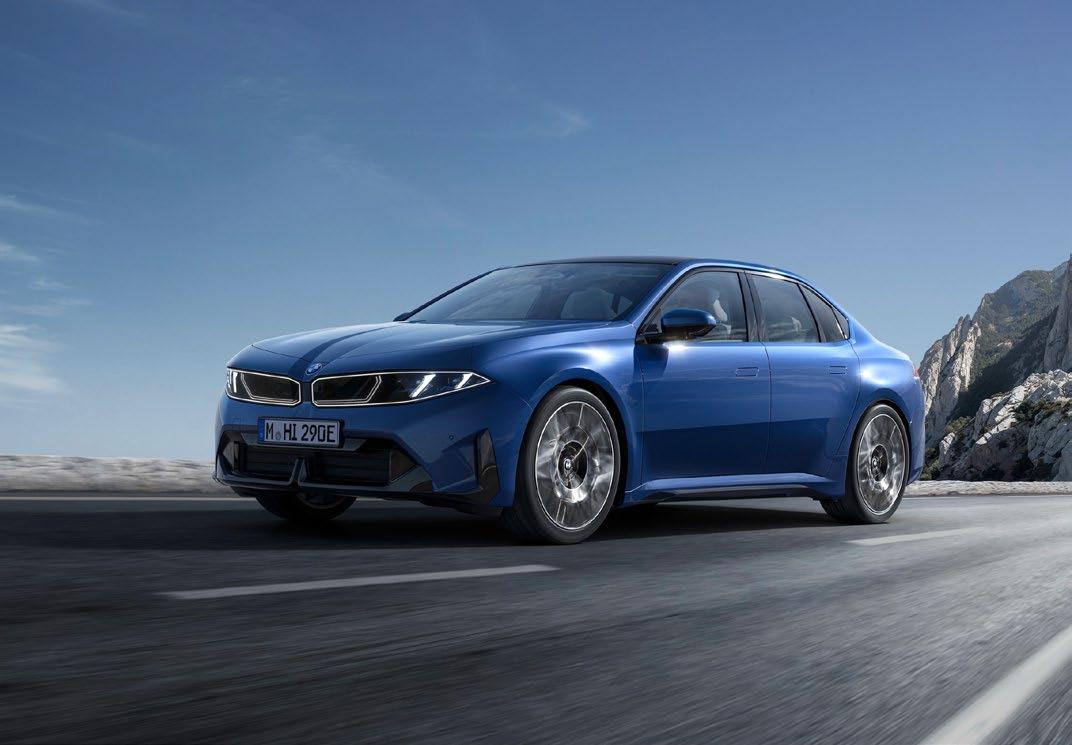
2027 BMW iM3
BMW’s venerable 3-series sports sedan is now complemented by an electric variant called the i3, which rides on the same new 800-volt architecture as the iX3 SUV.
The i3 will also spawn the first proper electric M car, with the iM3 expected to pack a potent quad-motor powertrain. The i3 goes on sale in the U.S. at the end of 2026, and we expect the iM3 to follow in 2027.
2027 Alfa Romeo Stelvio
Pickup trucks are big business in the United States, and Chevy is gearing up to overhaul its moneymaker for 2027. The next-generation Silverado will go on sale by the end of this year with reworked styling that doesn’t stray far from the current generation’s assertive look. The big changes will be under the skin, where an updated version of the current turbocharged four-cylinder will be joined by a new small-block V-8, likely measuring 5.7 liters and making more power than the current 5.3-liter’s 355 ponies. Rumors also suggest 6 percent better fuel economy from the new eight-cylinder engine. We expect Duramax diesel six-cylinder to carry over as well, and the Silverado should continue to start at around $40,000 for the base WT trim.
2029 Chevrolet Camaro
The Chevy Camaro is set to make a triumphant return for the 2029 model
year. The iconic pony car will likely return with two doors, but there’s a strong chance that Chevy offers it in a four-door configuration too, since it will share a platform with new sedans from Buick and Cadillac. A turbocharged four-cylin-
der engine will likely be the base powertrain, while the Camaro is also expected to borrow the new 535-hp 6.7-liter V-8 from the Corvette. A 10-speed automatic will hopefully be joined by a six-speed manual. Production is expected to kick
2027 Chevrolet Silverado
off in late 2028, and the starting price will probably start around $40,000.
2027 Dodge Charger Hellcat V-8
Just as the Hemi V-8 returned to the Ram 1500 pickup truck, so too will the eight-cylinder squeeze its way back under the hood of the Dodge Charger. The electric Charger Daytona has failed to catch on, and the return of the V-8 should help the muscle car regain the adoration of the Dodge fanbase. The V-8 will likely be reintroduced in 5.7-liter, 6.4-liter, and Hellcat-badged supercharged 6.2-liter form, and power outputs should remain mostly the same, with the Hellcat easily topping 700 ponies. Look for the Hemi V-8 to reappear in the Charger sometime in 2026.
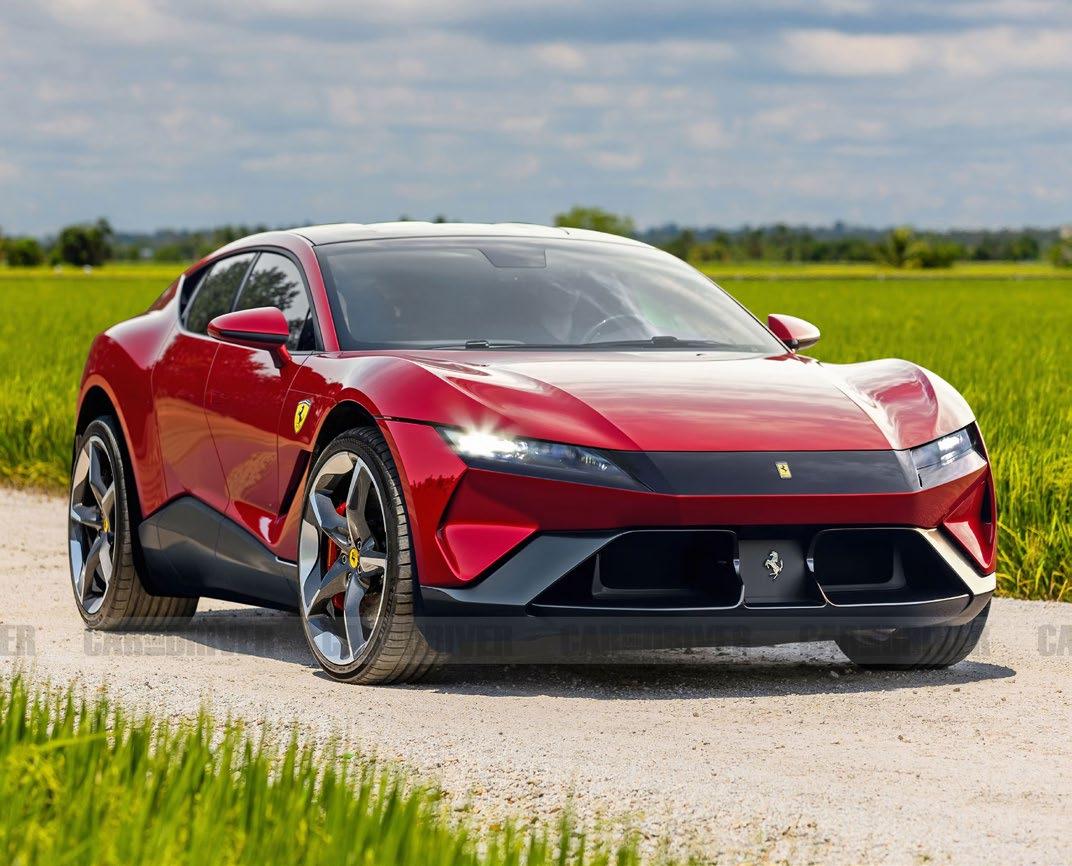
2027 Ferrari Luce EV
The Ferrari Luce marks the start of a new era for the famous Italian automaker, which will sell its famed V-12 engines for as long as it can, but has decided to also cater to a different crowd with an electric high-performance SUV. The low-slung crossover will be able to seat at least four and Ferrari plans to develop the entire powertrain in-house, including the high-voltage battery and motors. The Ferrari Luce EV will likely start at more than $500,000, and the Prancing Horse marque should reveal the car in early 2026.
2026 Ford Mustang Dark Horse SC
The Ford Mustang Dark Horse SC arrives as a successor to the Shelby GT500, sit-
ting between the standard 500-hp Dark Horse and the track-focused GTD. This high-powered bruiser packs a supercharged 5.2-liter V-8, the same engine as the GTD. Ford has yet to reveal power figures, but we expect to have close to 800 hp. Ford also honed the suspension for track use and upgraded the aerodynamics for more downforce. Deliveries of the Dark Horse SC kick off this summer.
2027 Genesis GV90
Sure, Genesis already has a flagship sedan, but no self-respecting luxury brand can do without a top-dog crossover these days. Enter the upcoming GV90, which will be a large three-row electric SUV with all the presence and size you expect from a range-topping model. We’re not sure about specs yet, but expect it to
have standard all-wheel drive, a range of around 250 miles, and a similarly posh interior as the G90 sedan when it arrives with a six-figure price sometime next year. The 2024 Neolun concept hinted at the upcoming SUV’s opulent design.
2027 GR GT
Originally expected to wear a Lexus badge, the Toyota-developed supercar will actually arrive as the first standalone model under the GR performance brand. Called the GR GT, the aggressive bodywork is wrapped around a new aluminum structure. The engine bay packs a twin-turbocharged 4.0-liter V-8, hooked up to a mechanical limited-slip differential and an eight-speed transaxle, the latter of which also houses an electric motor. All told, the hybrid powertrain churns out 641 hp and 627 pound-feet of torque, providing a claimed top speed of
199 mph. Toyota says the curb weight is 3858 pounds. Prices are expected to start at around $300,000, and sales should start in late 2027.
2027 Jaguar Type
01
Jaguar has thrown out the playbook and will start afresh in late 2026 when production of the Type 01 gets underway. The large, four-door grand tourer will be the first model in a line of new EVs as Jaguar attempts to move upmarket to compete with the likes of Bentley. The Type 01 will be boldly styled, taking its blocky front end and dramatic proportions from the Type 00 concept. Jaguar is also targeting a 430-mile range for its new EV, which will produce over 986 horsepower from a tri-motor powertrain. We expect pricing to start at around $130,000 as Jaguar aims to capture a wealthier, younger audience.
2030 Polestar 6
Polestar’s first vehicle, the dashing 1 hybrid coupe, has been followed by a succession of more reasonable cars, but the Swedish automaker will move back upmarket with the Polestar 6 convertible. Based on the O2 concept, the 6 will pair crisp styling with an 884-hp, 663-lb-ft all-wheel-drive powertrain, good enough for a 3.2-second sprint to 60 mph and a 155-mph top speed. Its bonded aluminum chassis and 800-volt architecture will be shared with the upcoming Polestar 5 sedan. Originally expected in 2028, Polestar is now prioritizing a small SUV called the 7, with the 6 now not expected to reach dealerships until 2030 at the earliest.
THE ART OF TOUCH
PRADA BEAUTY HITS THE ROAD TO
EXCITE CONSUMERS
IN LUXURY, FEW BRANDS POSSESS THE ABILITY TO TRANSFORM A PRODUCT LAUNCH INTO A CULTURAL MOMENT QUITE LIKE PRADA.
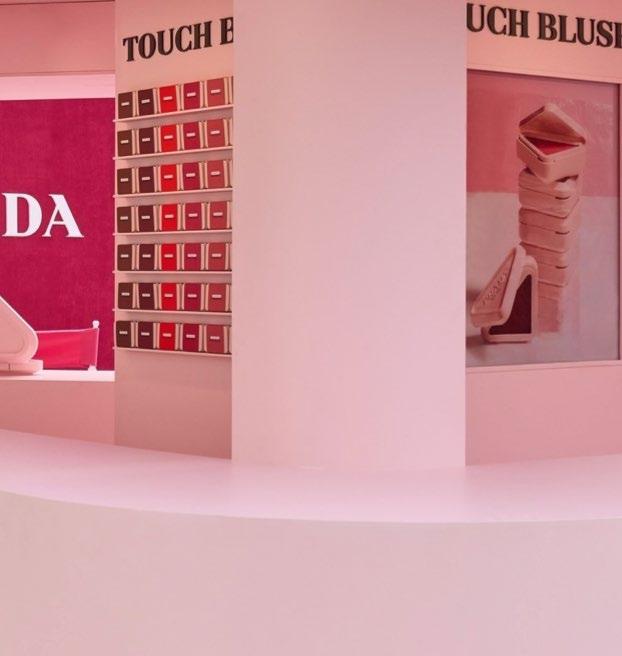
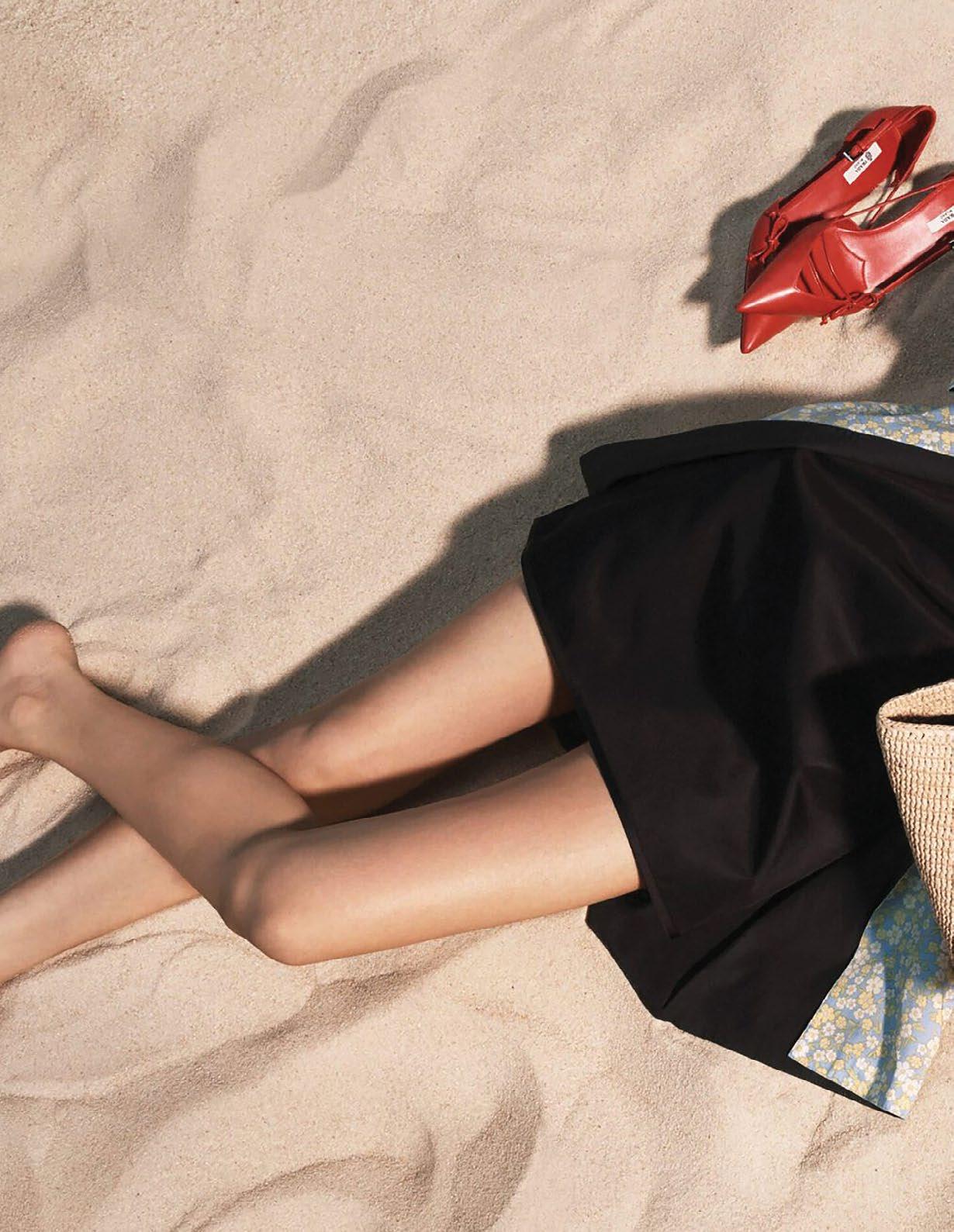
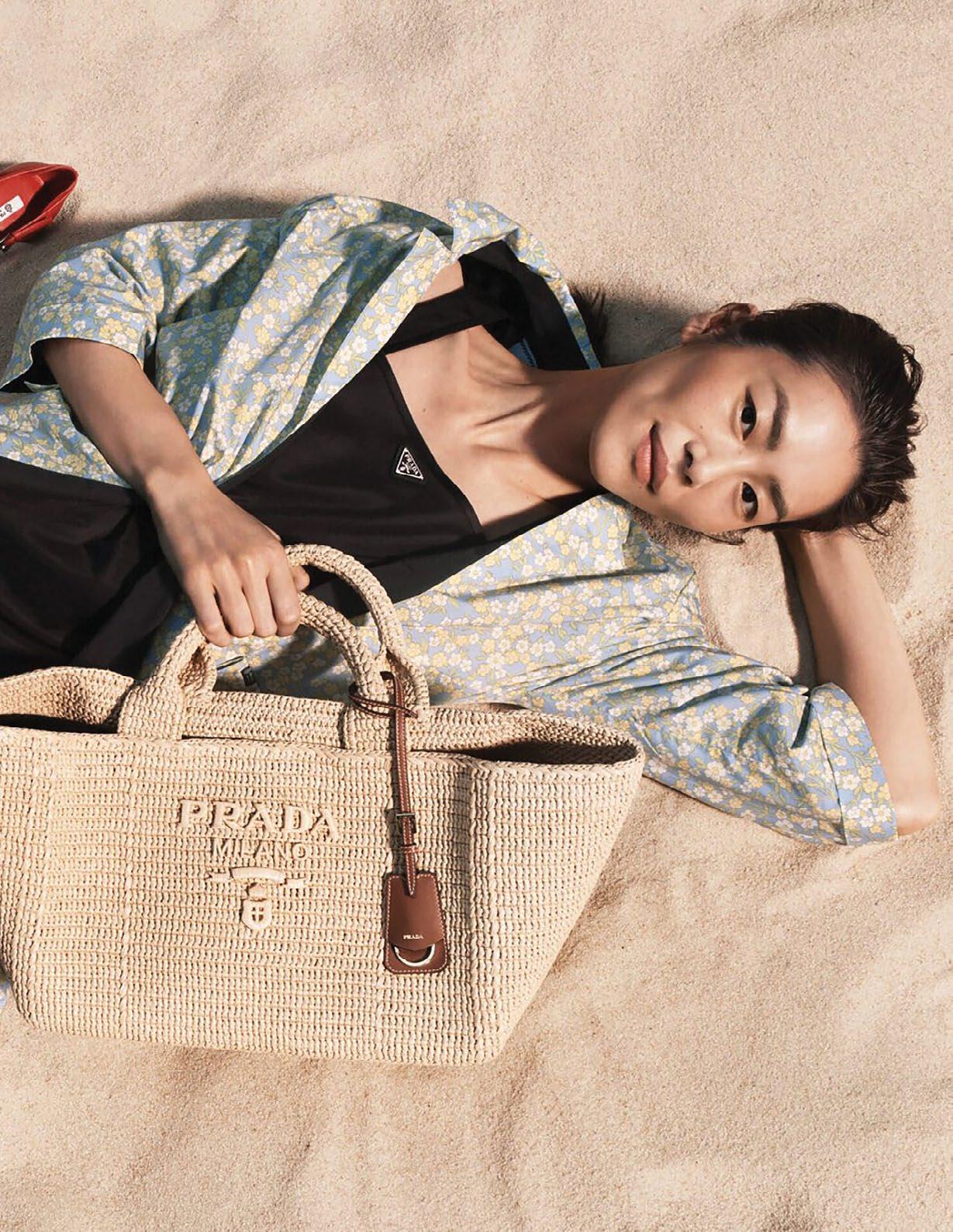
The Italian fashion house long-mastered the art of elevating everyday objects into symbols of desire, and this spring, Prada Beauty once again demonstrated its unrivaled understanding of modern luxury through the nationwide debut of Prada Touch, the brand’s first-ever blush collection.
Rather than introducing the product through traditional retail channels alone, Prada Beauty embarked on an ambitious
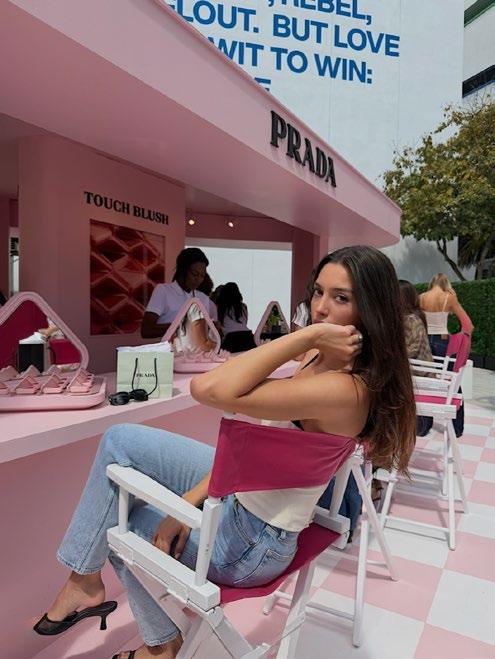
multi-city experiential campaign known as the Prada Touch Tour—a carefully curated activation that brought together beauty enthusiasts, fashion insiders, influencers, editors, tastemakers, and devoted Prada clientele across some of America’s most influential cultural markets.
Spanning Los Angeles, Miami, and New York City, the Prada Touch Tour represented far more than a product launch. It was a study in sensory engagement, emotional storytelling, and the evolving relationship between luxury beauty and experiential marketing. Each destination served as a stage for Prada Beauty’s newest innovation, inviting attendees into a world where touch, texture, color, and
self-expression became the centerpiece of the experience.
A New Chapter for Prada Beauty
Since entering the beauty category, Prada Beauty has approached cosmetics through the same lens that has defined the fashion house for generations: intellectual luxury, elevated functionality, and forward-thinking design.
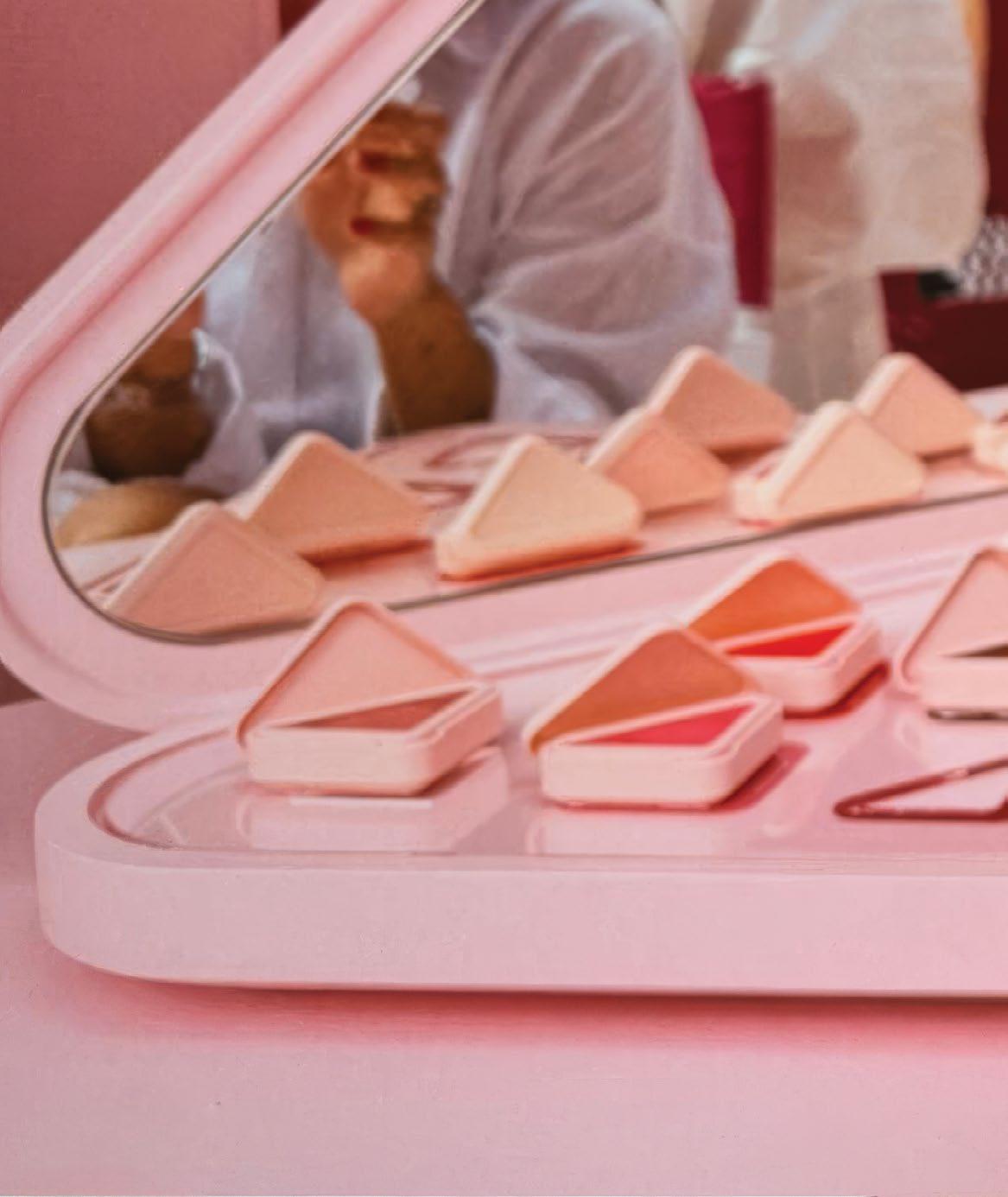
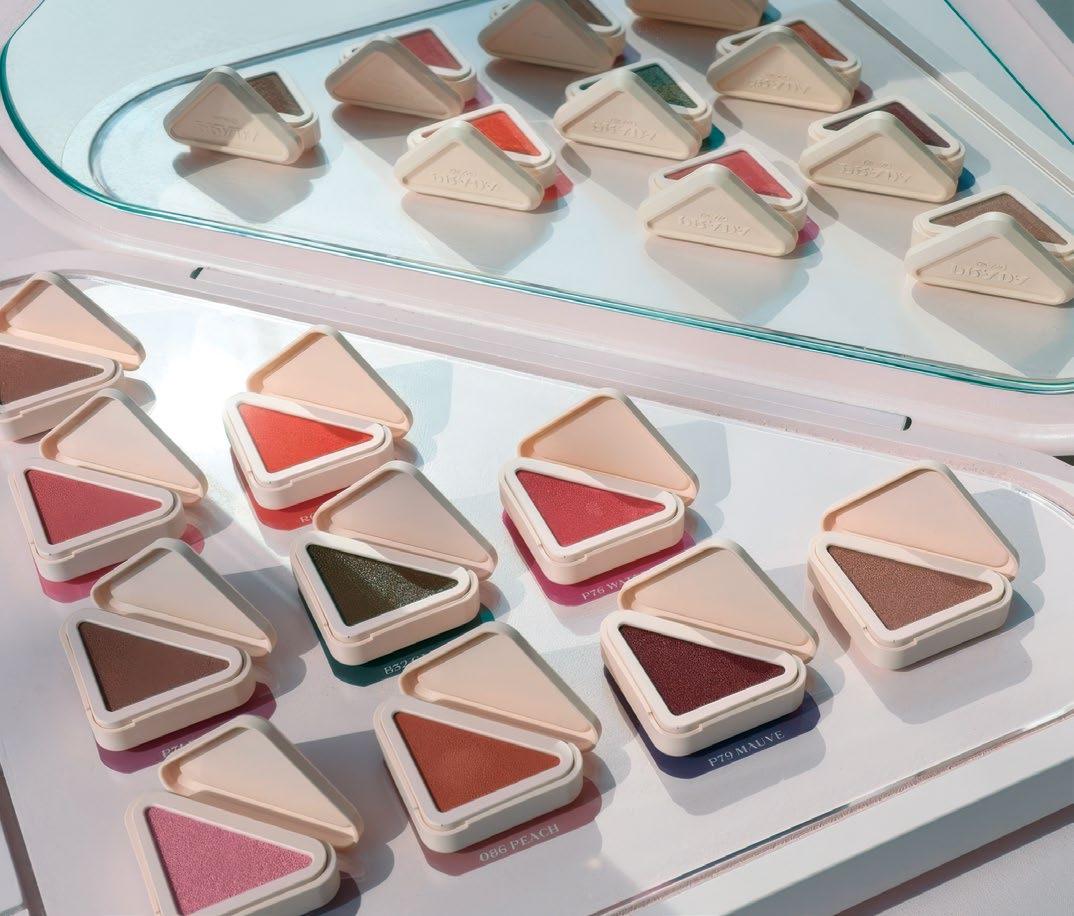
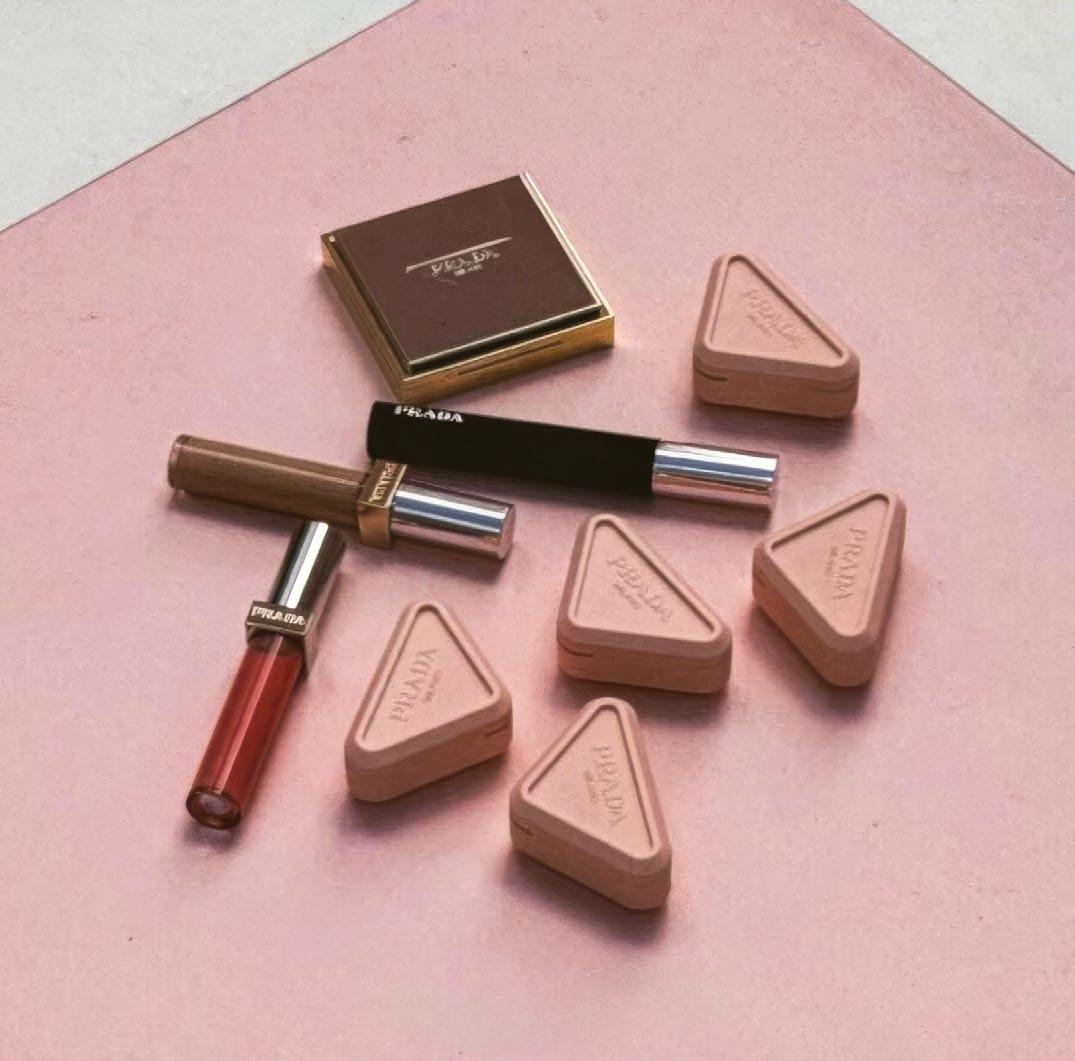
The launch of Prada Touch marked a significant milestone for the brand. The cream-to-powder blush collection introduced a formula designed to transform upon application, melting seamlessly into the skin before settling into a soft-focus matte finish. Available in eight carefully
developed shades, the collection was conceived to deliver a naturally sculpted appearance while maintaining the effortless sophistication associated with the Prada name.
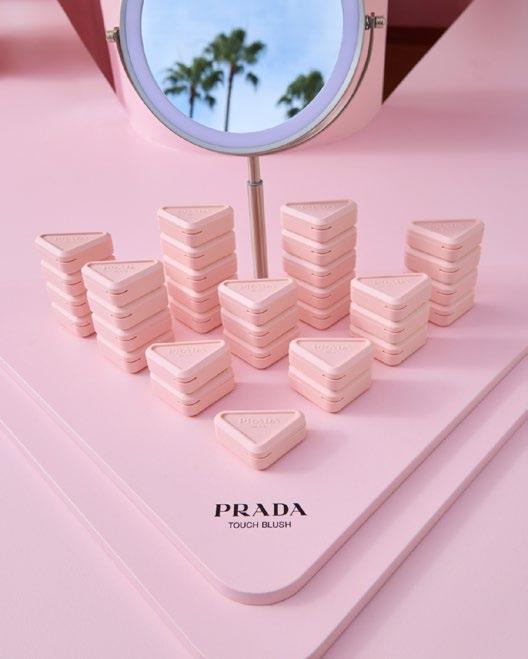
Housed within Prada’s instantly recognizable triangular packaging, each compact reflected the architectural precision and design heritage that have become synonymous with the brand. The stackable design added an element of collectability, transforming each blush into a miniature object of luxury that could be displayed, layered, and personalized.
The Prada Touch Tour Experience
Rather than relying solely on traditional beauty counters or department store launches, Prada Beauty embraced immersive retail as the centerpiece of its strategy.
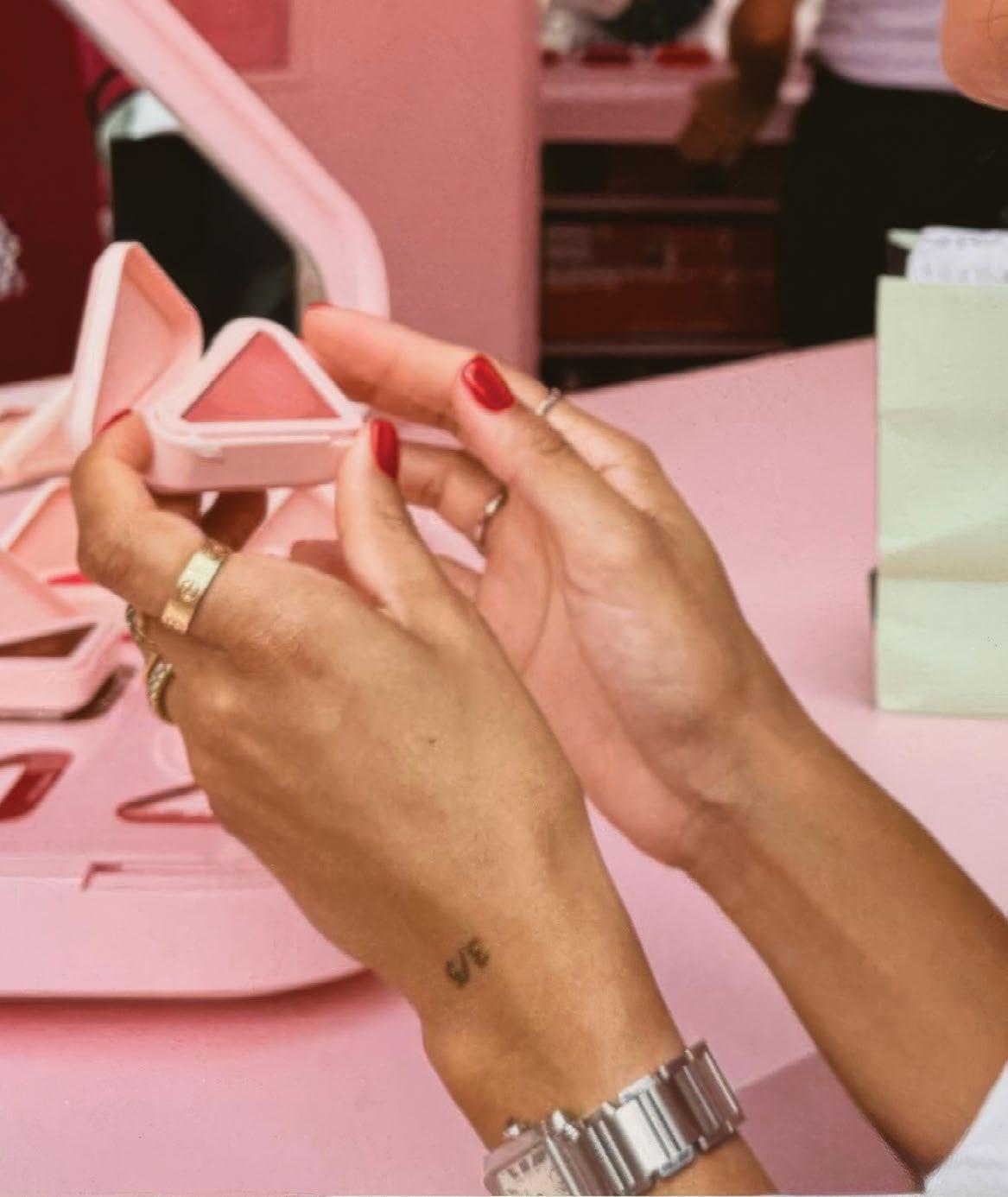
The Prada Touch Tour was designed as a tactile journey that encouraged visitors to engage directly with the product’s transformative texture. Throughout each location, guests were invited to test the collection through interactive discovery
stations where professional Prada Beauty artists demonstrated the formula’s unique cream-to-powder transition.
Visitors explored each shade through personalized consultations and touchup experiences, allowing attendees to discover custom color combinations and application techniques tailored specifically to their features and preferences. The activation emphasized touch as both a physical sensation and an emotional connection, aligning perfectly with the collection’s name and product philosophy.
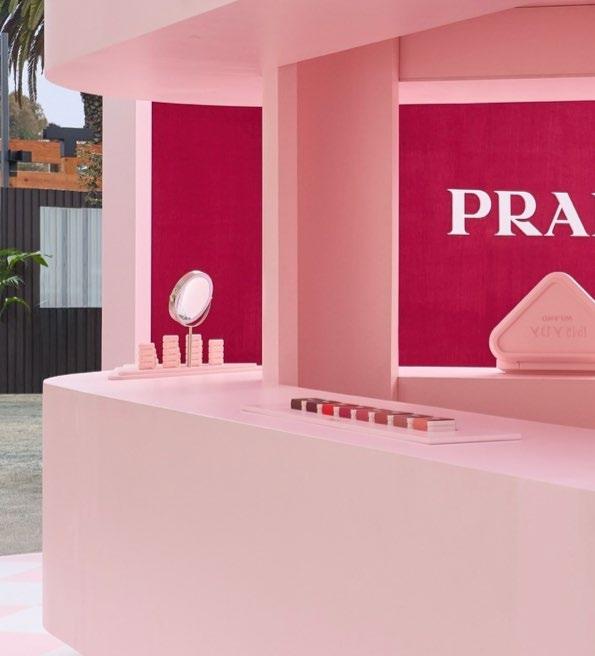
Throughout the spaces, carefully curated photo opportunities reflected Prada’s signature visual language—minimalist yet striking, modern yet timeless. Clean architectural lines, elevated textures, and subtle references to the brand’s fashion heritage created an environment that felt distinctly Prada while remaining approachable and highly shareable for a social-first audience.
Adding an element of hospitality, guests were treated to custom Prada-inspired refreshments and specialty treats designed
exclusively for the tour, reinforcing the growing importance of lifestyle integration within luxury beauty activations.
New York: The Tour’s Most Anticipated Stop
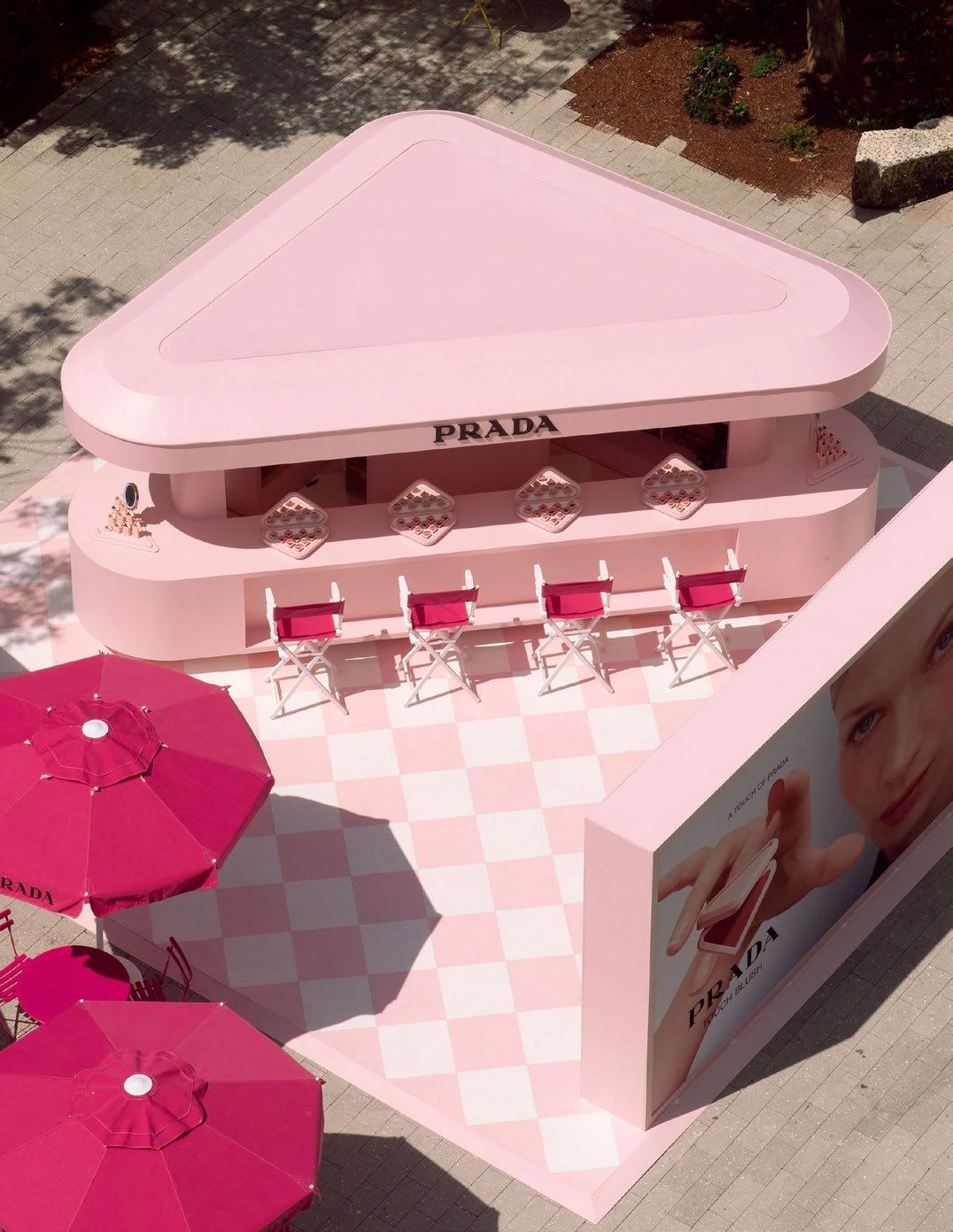
The final stop of the Prada Touch Tour arrived in New York City, where Prada Beauty transformed Gansevoort Plaza in the heart of the Meatpacking District into an immersive beauty destination.
For two days, one of Manhattan’s most fashionable neighborhoods became a gathering point for beauty editors, content creators, industry insiders, and consumers eager to experience the collection firsthand. Against the backdrop of downtown New York’s creative energy, Prada created an environment that seamlessly blended luxury retail, experiential marketing, and social engagement.
Guests flowed through the activation, sampling the collection’s eight shades while capturing content against custom-designed installations and branded photo moments. Makeup artists provided personalized touch-ups throughout the
day, offering one-on-one consultations that transformed the experience into something more intimate than a traditional beauty launch.
The event’s open-to-the-public format further reinforced Prada Beauty’s strategic effort to democratize luxury experiences while maintaining the exclusivity and sophistication expected from one of fashion’s most respected houses.
Miami and Los Angeles Bring Their Own Energy
While New York provided the editorial and fashion-industry spotlight, Miami and Los Angeles offered equally compelling interpretations of the Prada Touch experience.
In Miami, the activation embraced the city’s vibrant beauty culture and social-forward luxury scene. Visitors encountered a colorful, highly photogenic environment where beauty enthusiasts and creators gathered to explore the collection in a setting that reflected the city’s distinctive energy and influence.
Los Angeles, meanwhile, served as a natural backdrop for the campaign’s celebrity and influencer appeal. With beauty innovation and content creation deeply embedded in the city’s cultural DNA, the Prada Touch Tour attracted a diverse mix of industry professionals, creators, and trendsetters eager to engage with one of the season’s most anticipated launches.
Together, the three-city approach enabled Prada Beauty to connect with distinct luxury audiences while maintaining a consistent brand narrative centered around touch, personalization, and modern self-expression.
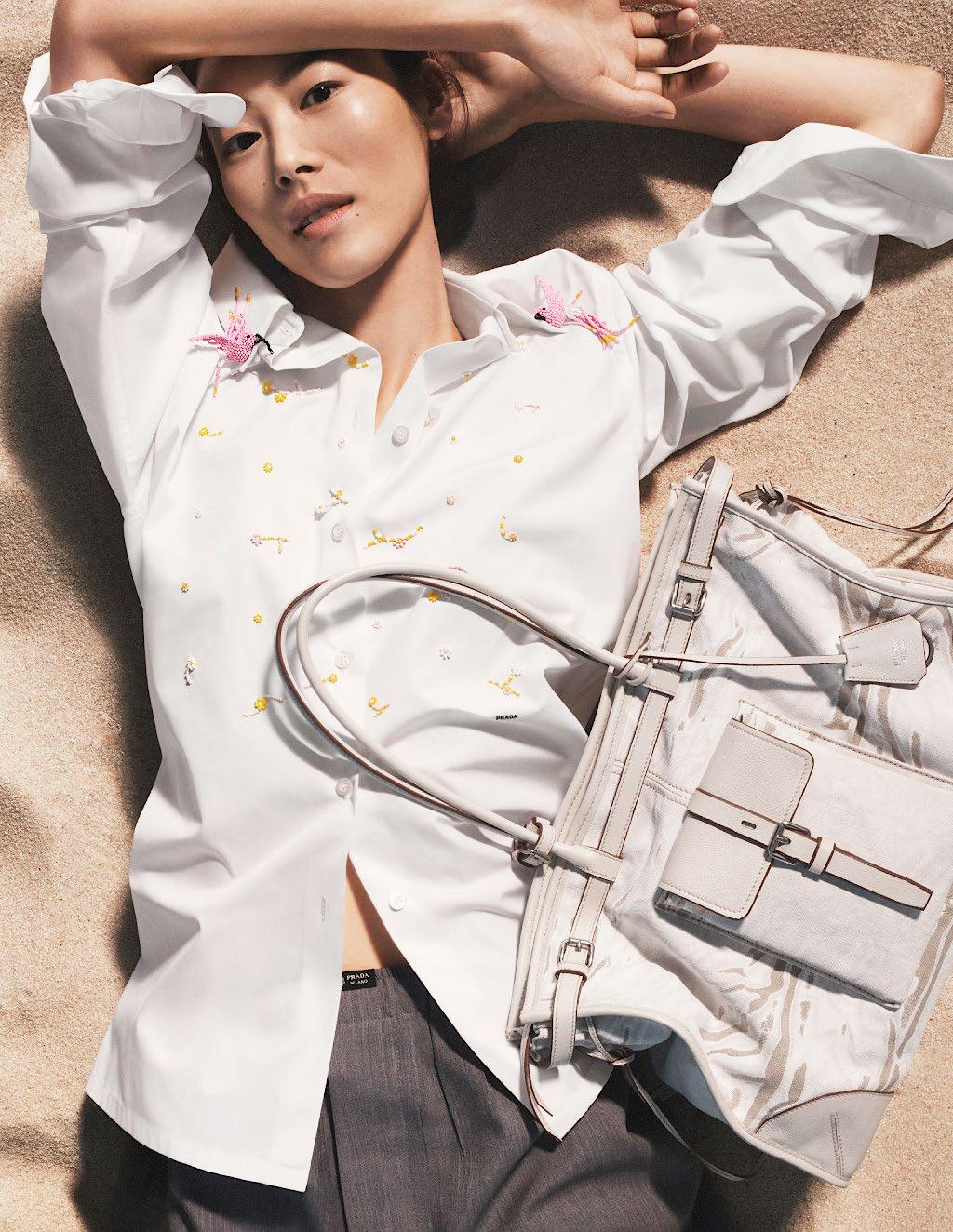
The launch gained additional momentum through Prada Beauty’s appointment of Bella Hadid as the brand’s first-ever Global Beauty Ambassador. Her involvement signaled Prada’s commitment to connecting with a new generation of luxury consumers while preserving the brand’s elevated positioning.
Hadid became the face of the Prada Touch campaign, helping introduce the collection through a narrative centered
on individuality, confidence, and personal expression. Her association with the launch amplified the product’s visibility across both fashion and beauty communities while reinforcing Prada Beauty’s growing influence within the luxury cosmetics sector.
The tour also attracted notable attendees and cultural influencers throughout its run, including actors, content creators, beauty editors, and digital personalities. Among them was actress Maude Apatow, who attended the New York activation and highlighted the collection’s versatility and ‘blendability’, further fueling excitement around the launch.
The Future of Luxury Beauty Activations
Perhaps the most significant takeaway from the Prada Touch Tour is what it reveals about the future of luxury beauty marketing.
Today’s consumers, particularly younger luxury shoppers, seek experiences as much as products. They want opportunities to engage with brands in meaningful
ways, create content, discover personalized recommendations, and participate in moments that extend beyond the transaction itself.
Prada Beauty understood this shift perfectly.
Rather than asking consumers to visit a beauty counter, the brand created destinations. Rather than relying solely on advertising, it created interaction. And rather than focusing exclusively on
product benefits, it built an emotional narrative around touch, connection, and self-expression. The result was an activation that felt less like a sales event and more like a cultural experience.
As luxury beauty continues to evolve, the Prada Touch Tour may very well be remembered as one of the year’s most successful examples of experiential storytelling—a campaign that transformed a blush launch into a national conversation
and reinforced Prada Beauty’s position as one of the industry’s most innovative and influential emerging players.
For Prada, the message was clear: beauty is no longer simply about what we wear. It is about what we experience, how we connect, and the moments that leave a lasting impression long after the color fades.
IS THE FUTURE OF LUXURY LIBERTY?
“The journey changes you; it should change you.” - Anthony Bourdain
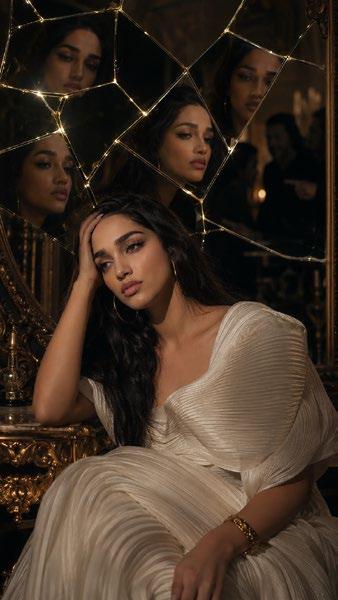
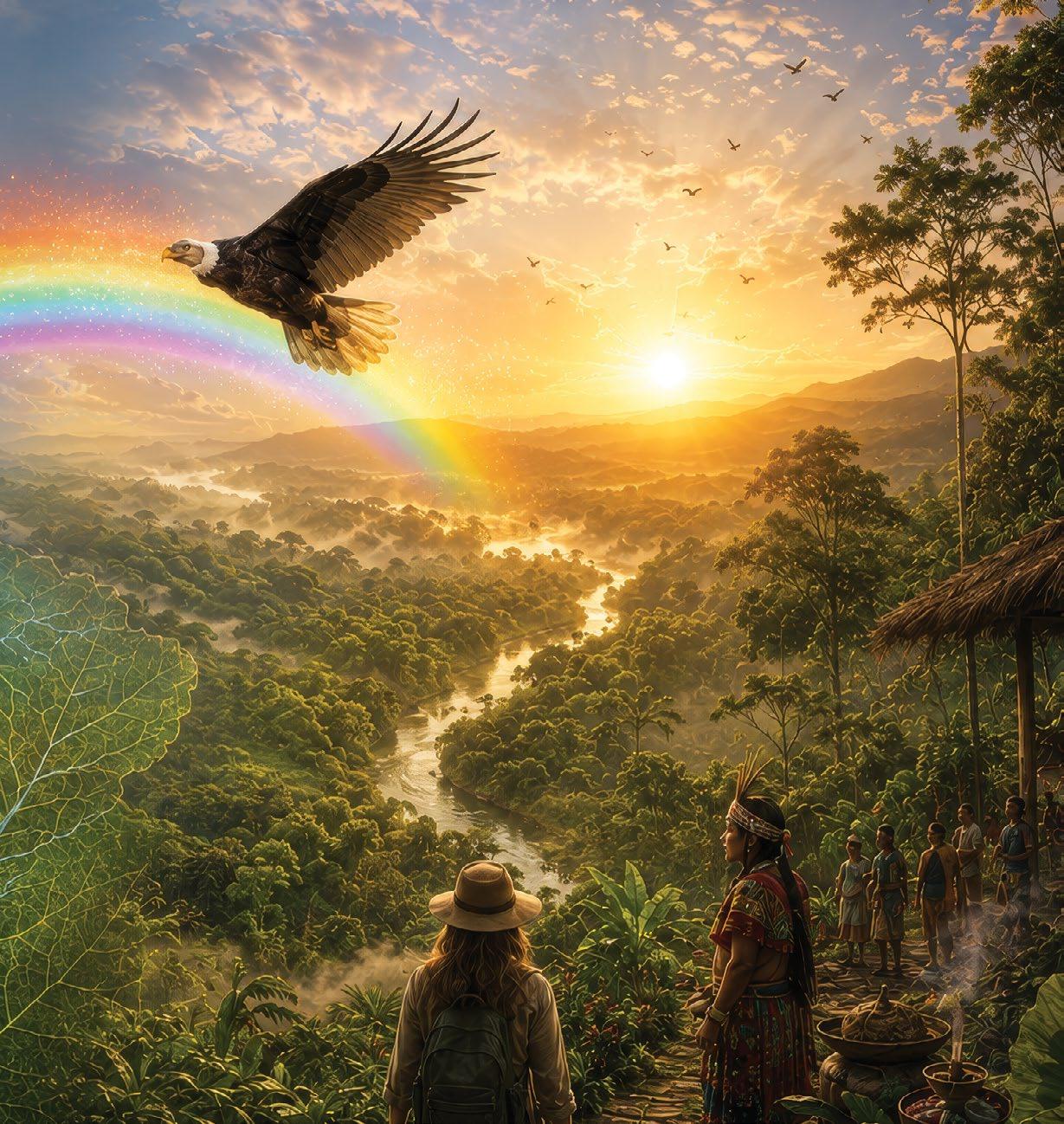
YOUR BRAIN IS NOT BROKEN. IT MAY BE PROTECTING AN OLD WOUND. BY PURIFYING TRAUMATIC MEMORY, REBUILDING NEURAL BRIDGES, AND RESTORING THE AMRITCURRENT OF CONSCIOUSNESS, THE NERVOUS SYSTEM CAN BECOME A TEMPLE OF REBIRTH INSTEAD OF A PRISON OF PAIN.
THE HIDDEN PRISON OF VISIBLE
SUCCESS
“Fashion should be a form of escapism, and not a form of imprisonment.” –Alexander McQueen
In the world of visible success, pain often learns to dress well. It wears couture, enters boardrooms, galas, family offices, wellness sanctuaries, and first-class cabins. It smiles for photographs. It builds empires. It becomes admired.
Yet beneath the image, the nervous system may still be living inside an unfinished past.
At midnight, the suite is silent. The city glows beneath the glass. The wardrobe is immaculate, the calendar is full, the body is polished, the name is known - yet the
nervous system will not rest. There is no visible crisis, only the private ache of a brain still guarding a wound no one sees.
This is the hidden imprisonment of modern achievement: access without inner freedom. The body may be adorned, optimized, celebrated, and desired, while the brain remains chained to old pain. The mind may understand wealth, beauty, leadership, and power, while the nervous system still feels unsafe receiving love, rest, visibility, intimacy, or joy.
UNICEF’s work on toxic stress reminds us that prolonged childhood stress without the steady protection of supportive adults can affect the brain, body, immune system, emotional life, and future capacity to feel safe. The wounded child does not simply disappear into adulthood; the child becomes an imprint inside the adult nervous system.
Your brain is not broken. It may be protecting an old wound.
The wound is not the end of power – it is the place power is spent on protection. Protection is not failure; it is intelligence under false pressure. What once protected the wound eventually imprisons the gift. Healing begins when the armor of protection dissolves into presence, vigilance becomes the fire of vision, and survival becomes spiritual, creative sovereignty.
For the ultra-wealthy, pain often hides behind refinement: founder fatigue, dynastic pressure, inheritance guilt, transactional intimacy, public image anxiety, distrust of affection, family-system control, and the loneliness of being surrounded yet rarely truly met. Luxury may refine the outer life, but without a purified nervous system, the palace can become another prison.
The true luxury of the coming age is presence: a nervous system free enough to receive beauty without fear, love without suspicion, power without distortion, and purpose without collapse. The future of luxury is liberty.
THE CHILD INSIDE THE EMPIRE
“The most important relationship in your life is the relationship you have with yourself.”
- Diane von Furstenberg
The brain was designed to remember to protect us. Memory is one of those sacred mechanisms by which survival becomes intelligent. But when pain is never purified, memories become our prisons.
The past becomes a loop in the nervous system: fear, vigilance, exhaustion, and self-protection repeating as if yesterday is still happening now. Focus fragments. Energy drains. Creativity fades. Love feels dangerous. Purpose feels overwhelming. The power to shape reality is diverted into defense.
These chains may begin in childhood, family systems, ancestral patterns, neglect, abandonment, betrayal, humiliation, loss, or moments when the body
learned that safety could not be trusted. In yogic philosophy, these impressions are understood as samskaras: deep grooves left in consciousness, body, perception, and behavior that act as chains draining us in past, unhealed experiences and behaviors or addictions. Unpurified, samskaras painfully distort experiences safety, love, success, visibility, intimacy, power, and destiny.
Inner-child healing is self-directed nervous-system archaeology. The inner child is the emotional image of the wound. The origin pattern is the reality conditioning left behind.
The child who felt unsafe, unseen, shamed, abandoned, controlled, pressured, or alone may later become the brilliant starseed who cannot rest, loves deeply but cannot trust, receives abundance but never feels secure, enters intimacy but senses humiliation, or commands power while fearing betrayal.
Monarch Visionary awakens the divinity of the inner-child to restore the first broken bridge: the bridge between the present self and the higher self. This is beyond psychological - it is pranic, somatic, neurological, emotional and
spiritual. The adult becomes the guardian the child did not receive. The Higher Self flows into the wounded temple and illumines dormant, regenerative instructions within the nervous system.
Status without sovereignty is a gilded cage. The path of illumination begins when the chains rise to surface, and the darkness made conscious.
THE BRAIN AS A PALACE OF PERCEPTION
“Don’t make fashion own you, but you decide what you are.”
- Gianni Versace
Time is not linear, and a healed body flows with the orchestrated magnetism of the cosmic heavens. However, wounds formed years ago still speak through today’s breath, posture, sleep, desire, fear, and decision-making – keeping the body enslaved, and the consciousness stagnant and pungent. Yogic wisdom expresses this mystery with directness: the past is memory, the future is imagination, and the now is where consciousness animates the fire of life.
Trauma collapses this truth. When pain is unresolved, the body experiences the
IS THE FUTURE OF LUXURY LIBERTY?
past as unfinished business – a living ghost. This is the poison of unresolved memories. Life force becomes trapped in the repetitive past – deepening the wound until life becomes unbearable. Prana is diverted from creation into defense. The regenerative current of purified consciousness, the flow of immortality - Amrit - is obstructed and siphoned by demonic cords and attachments.
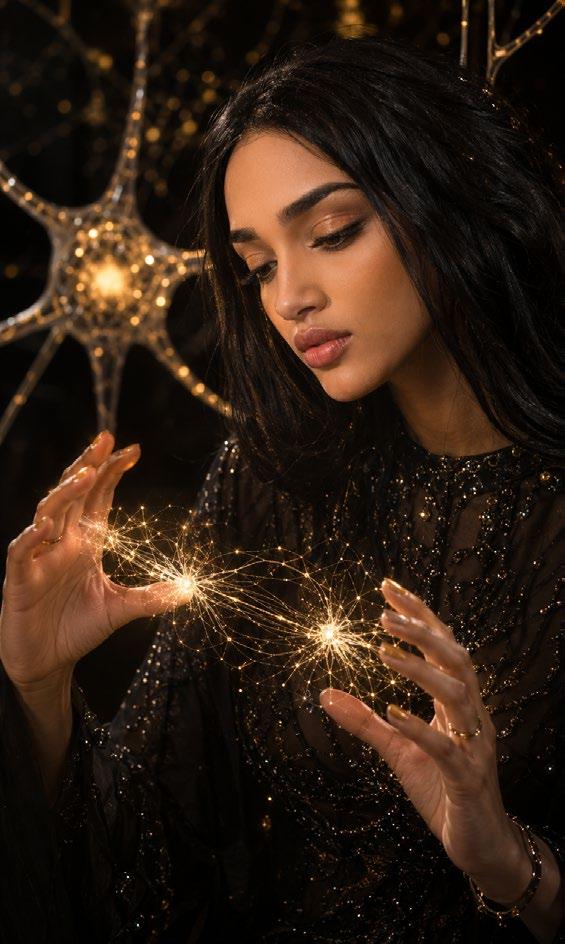
If the brain is a palace of perception, synapses are the luminous corridors through which memory, intelligence, emotion, and imagination move. Trauma enslaves the soul within - locking certain rooms, darkening necessary corridors, and forcing the sovereign aspects of ourselves to live in the basement of disempowered survival. Healing it restores access to the gateways for spiritual empowerment to natural flow.
This is why trauma expresses as exhaustion. The soul attempts to rise, while the energy is spent in the same constricting, enslaving behaviors, habits and ideologies.
For the ultra-successful, this split can be almost invisible. The external life may appear exquisite, while the internal
circuitry remains fragmented. There may be homes, travel, style, influence, and access - yet still the private ache of distrust, numbness, compulsive achievement, intimacy resistance, family-system pressure, or the terrifying question: What is all of this for?
This is where Dihexa becomes symbolically relevant as a jewel of inquiry to support the opening synaptic corridors of the brain for the purifying streams of consciousness begins to return.
A nervous system organized around threat distorts the perception of reality. A wounded nervous system cannot fully receive beauty; it can only consume it. A liberated nervous system becomes available to beauty as a living field of consciousness – a reflection of one’s true self.
Where do you still brace for betrayal, even when love is present? Where do you keep achieving because rest feels unsafe? Where does abundance exist outside you, while scarcity still lives inside the body? Where has success become proof that you are safe, worthy, chosen, or finally beyond the wound?
Once the origin pattern is witnessed, the awareness initiates the transformation.
DIHEXA AND THE SYNAPTIC GATES OF RECONNECTION
“The opposite of addiction is connection.” - Cara Delevingne
As a spiritual transformation supplement, Dihexa serves as a jewel within the ascension toolkit: a frontier research compound and symbolic bridge into one of neuroscience’s profound quests: to rebuild the brain’s pathways to enhance memory, focus, learning, perception, and inner coherence?
In simple terms, Dihexa is being explored for its potential relationship to synaptic growth and neural communication. Synapses are the delicate electrical communication bridges through which neurons speak to one another – by which divine frequency transmits its healing intention. When these bridges are severed, the mind may feel fragmented, foggy, vigilant, emotionally reactive, or disconnected from the source of its own deeper intelligence.
Dihexa represents the possibility of supporting the body’s natural architecture of renewal from the inside out. It may potentially support the biological
terrain through which awakening can be embodied: clearer communication, restored cognitive rhythm, renewed perception, and the opening of the synaptic gates to restore the flow of one’s divine consciousness.
If trauma blocks the inner palace of perception from received the light of its Higher Self, Dihexa asks whether the corridors may be reopened. Dihexa represents the possibility of preparing the riverbeds so the regenerative nectar may flow with greater coherence, crystallizing the bridge between body, mind, prana, memory, and the Cosmic Self. Dihexa points toward the sacred possibility that the brain may remember its own capacity for reconnection to our source of power.
PURIFIED STREAMS OF COSMIC SELF REMEMBRANCE
“Everything I do is a matter of heart, body and soul.”
- Donna Karan
Unhealed pain hijacks the stream of consciousness and pumps poison into the neurological, endocrine systems. Consciousness becomes vigilantly organized around detection and protection. The mind narrows, attention fragments, memory loops, and the nervous system spends its energy defending the past instead of receiving the present.
In yogic philosophy, this is Avidya - forgetfulness of Truth. The person forgets that beneath body, mind, emotion, memory, personality, biography, and pain, there remains Atman: the witnessing God-Self beneath all changing experience: the wound, the fear, the survival aspects are all false identities.
The yogic map of the koshas, layered sheaths of Self, explains how the Higher Self becomes veiled to our own perception. The physical sheath tightens under pain. The pranic sheath loses flow. The mental sheath repeats fear. The wisdom sheath doubts its knowing. The bliss sheath becomes hidden beneath grief.
Healing is the radiant purification of these coverings.
This is where Amrit becomes essential. In the Vedic philosophy, Amrit is the nectar of immortality understood as the regenerative life-current generated when consciousness, breath, memory, nervous system, and body return to coherence in purpose. It is the return of sweetness to life. It is the clarity that appears when the mind is no longer possessed by demons. It is the vitality that rises when prana is no longer entropized through fear.
Scientifically, inner consecration of Amrit can be interpreted as a state of regenerative coherence: breath steadies the autonomic nervous system, the brain exits survival fog, the body receives fewer danger signals and more signals of repair, and intelligence becomes available again. Dihexa, in this framework, belongs beside Amrit as a material symbol of inner reconstruction, restoring the biological riverbeds of cognition and memory may be strengthened to receive that current more fully.
The divine frequency of manifestation is not the ego forcing reality to obey desire. It is purified consciousness reorganizing life through clearer perception, wiser choices, disciplined action, devotion, and alignment with Dharma. The body becomes a resonant temple crystallizing divine will, instead of endlessly tormented battlefield.
THE MONARCH VISIONARY FOURFOLD IMMERSION
“Yoga has brought me closer to myself. It’s helped me realize the interconnectedness of the mind, body and spirit.”
- Christy Turlington
Rebirth requires three restorations: safety in the body, meaning from memory, and a mission for life force. As the system learns the present is no longer the wound, the past becomes wisdom instead of identity.
Energy once trapped in defense naturally returns to a state of Dharmic empowerment.
Monarch Visionary’s Fourfold Immersion: dissolves trauma-based chains of forgetfulness, restores the Amrit-current, and returns the human being to conscious participation in divine manifestation.
Initiation recognizes the samskara. The human being stops asking, “What is wrong with me?” and begins asking, “What pain is my nervous system still protecting?”
Crystallization moves from Avidya to Vidya - from distorted senses to empowered perceptions. Pain is not denied; it felt and consecrated.
Actualization paves the way. Focus returns, cognition sharpens, energy is reclaimed from survival, and the body becomes safe enough to blossom forth in purpose.
In Actualization, Dihexa becomes a jewel of the bridge-building phase: a frontier tool symbolizing the restoration of synaptic communication, cognitive clarity, and the body’s natural capacity for renewal, regeneration, and remembrance. It may help in naturally restoring the natural inner processes for Ascension: the reopening of synaptic gates so the purifying stream of consciousness can move through memory, perception, prana, and the ancient Cosmic Self.
Ascension is rebirthing through living presence – ego-dissolution in the astral fire of self-realization. Our memory of the past shifts as our consciousness naturally heals. Trauma says: “that happened then, but my body feels it now.”
Ascension says: “that happened so I may heal now.” The memory remains, but the charge evolves into a spin that liberates the wisdom to escape the prison.
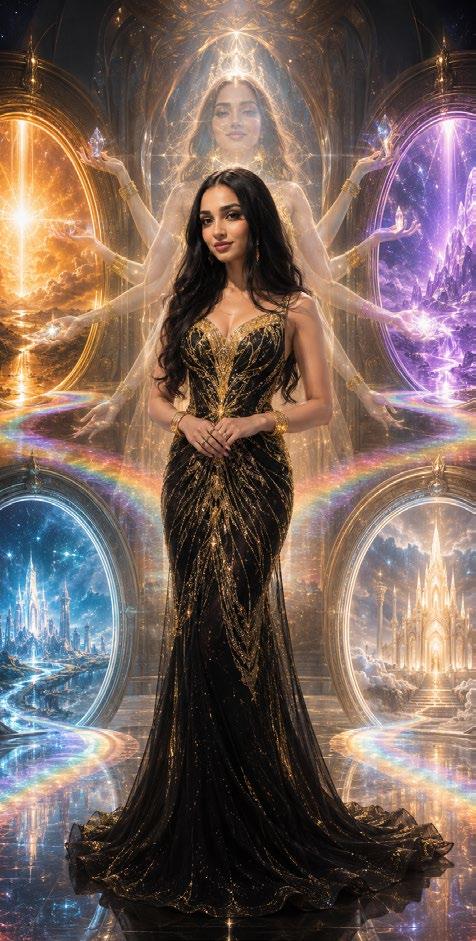
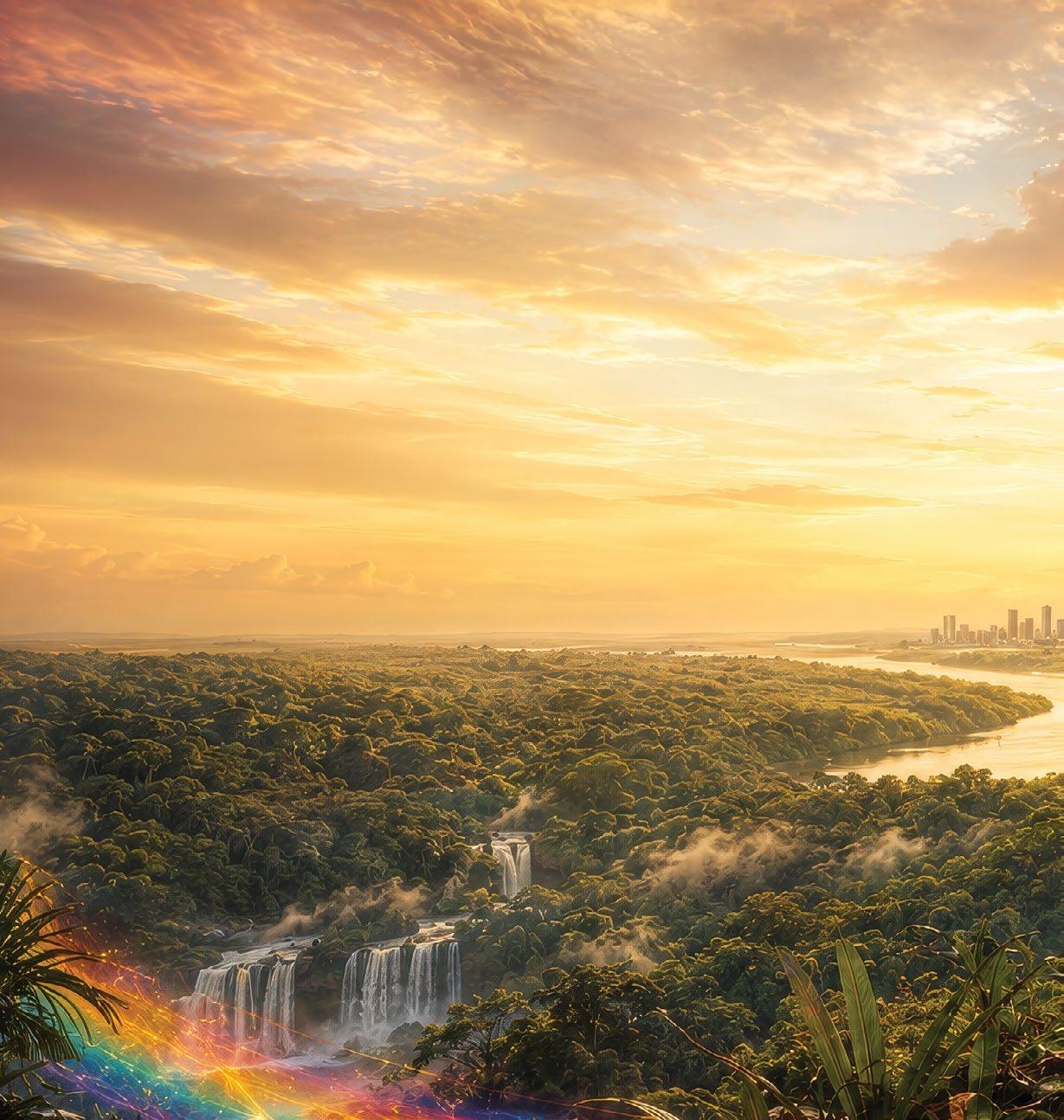
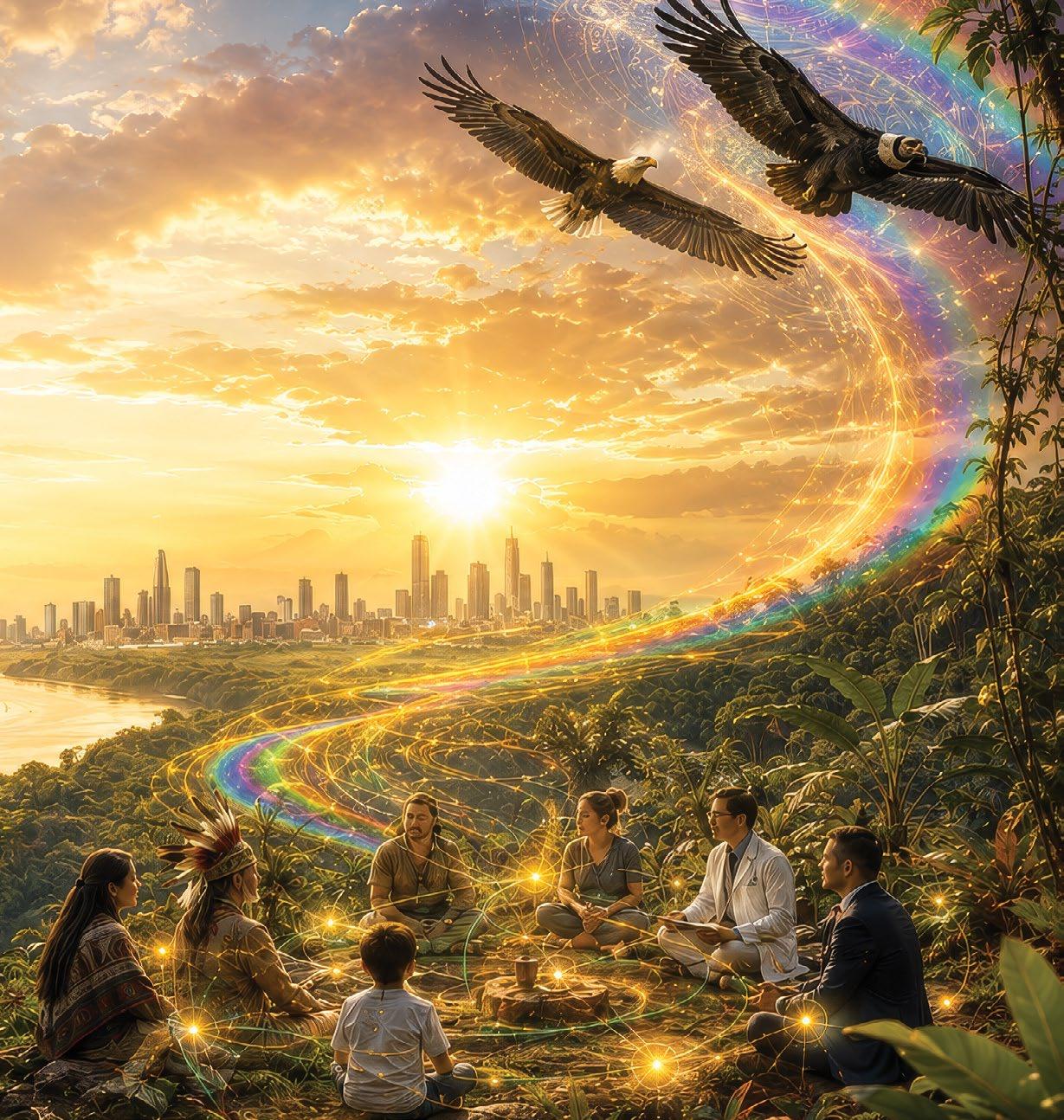
In Monarch Visionary language, Ascension is the crystallization of the Rainbow Body bridge: the purified human vessel becoming an instrument
for divinely orchestrated service for the manifestation of Heaven on Earth.
THE LIBERATED NERVOUS SYSTEM IS THE NEW LUXURY
“Beauty, now, to me, means freedom.” - Brooke Shields
The ultra-wealthy often discover a truth culture rarely admits: access does not equal peace. Beauty does not equal embodiment. Influence does not equal intimacy. Luxury does not equal liberation.
The next evolution of wealth is not accumulation. It is purification: the ability to hold beauty without emptiness, power
without distortion, intimacy without fear, and purpose without collapse. The liberated brain is not merely more productive. It is more available - to love, to Dharma, to creativity, to truth, and to the Divine intelligence that pain once disturbed.
The future of luxury is no longer only external. It is neurological, energetic, spiritual, and relational. The next frontier of refinement is not simply the body, the wardrobe, the estate, the yacht, the retreat, or the portfolio. It is the liberty of self-realization.
The wound is not your destiny. It was the locked gate. The purified memory becomes the key to solving the greatest
mystery of all – your Self. Your power was never lost. It was waiting beneath the pain. Enter the Monarch Visionary Field: www.MonarchVisionary.com
Explore DIHEXA at Zenity BioLabs (5% off code MONARCH VISIONARY): www.ZenityBioLabs.com
Disclaimer: These statements have not been evaluated by the Food and Drug Administration. This product is not intended to diagnose, treat, cure, or prevent any disease.
THE HOBBY THAT REWIRES PROMOTES RESILIENCY YOUR BRAIN &
EXPERTS SAY RESILIENCE MAY BE AS ORDINARY AS THE JOURNAL ENTRIES PEOPLE SCRIBBLE, THE EMAILS THEY EXCHANGE, THE TASK LISTS THEY CREATE
Ordinary and universal, the act of writing changes the brain. From dashing off a heated text message to composing an oped, writing allows you to, at once, name your pain and create distance from it. Writing can shift your mental state from overwhelm and despair to grounded clarity — a shift that reflects resilience.
Psychology, the media and the wellness industry shape public perceptions of resilience: Social scientists study it, journalists celebrate it, and wellness brands sell it.
They all tell a similar story: Resilience is an individual quality that people can strengthen with effort.
The American Psychological Association defines resilience as an ongoing process of personal growth through life’s challenges. News headlines routinely praise individuals who refuse to give up or find silver linings in times of hardship.
The wellness industry promotes relentless self-improvement as the path to resilience.
In my work as a professor of writing studies, I research how people use writing to navigate trauma and practice resilience. I have witnessed thousands of students turn to the written word to work through emotions and find a sense of belonging. Their writing habits suggest that writing fosters resilience. Insights from psychology and neuroscience can help explain how.
Writing rewires the brain
In the 1980s, psychologist James Pennebaker developed a therapeutic technique called expressive writing to help patients process trauma and psychological challenges. With this technique, continuously journaling about something painful helps create mental distance from the experience and eases its cognitive load.
In other words, externalizing emotional distress through writing fosters safety. Expressive writing turns pain into a metaphorical book on a shelf, ready to be reopened with intention. It signals the brain, “You don’t need to carry this anymore.”
Translating emotions and thoughts into words on paper is a complex mental task. It involves retrieving memories and planning what to do with them, engaging brain areas associated with memory and decision-making.
It also involves putting those memories into language, activating the brain’s visual and motor systems.
Writing things down supports memory consolidation — the brain’s conversion of short-term memories into long-term ones. The process of integration makes it possible for people to reframe painful experiences and manage their emotions. In essence, writing can help free the mind to be in the here and now.
Taking action through writing
The state of presence that writing can elicit is not just an abstract feeling; it reflects complex activity in the nervous system.
Brain imaging studies show that putting feelings into words helps regulate emotions.
Labeling emotions — whether through expletives and emojis or carefully chosen words — has multiple benefits. It calms
the amygdala, a cluster of neurons that detects threat and triggers the fear response: fight, flight, freeze or fawn.
It also engages the prefrontal cortex, a part of the brain that supports goal-setting and problem-solving. In other words, the simple act of naming your emotions can help you shift from reaction to response. Instead of identifying with your feelings and mistaking them for facts, writing can help you simply become aware of what’s arising and prepare for deliberate action.
Even mundane writing tasks like making a to-do list stimulate parts of the brain involved in reasoning and decision-making, helping you regain focus.
Making meaning through writing
Choosing to write is also choosing to make meaning. Studies suggest that having a sense of agency is both a prerequisite for, and an outcome of, writing.
Researchers have long documented how writing is a cognitive activity — one that people use to communicate, yes, but also to understand the human experience. As many in the field of writing studies recognize, writing is a form of thinking — a practice that people never stop learning. With that, writing has the potential to continually reshape the mind. Writing not only expresses but actively creates identity.
Writing also regulates your psychological state. And the words you write are themselves proof of regulation — the evidence of resilience.
Popular coverage of human resilience often presents it as extraordinary endurance. News coverage of natural disasters implies that the more severe the trauma, the greater the personal growth. Pop psychology often equates resilience with unwavering optimism. Such representations can obscure ordinary forms of adaptation. Strategies people already use to cope with everyday life — from rage-texting
to drafting a resignation letter — signify transformation.
Building resilience through writing
These research-backed tips can help you develop a writing practice conducive to resilience:
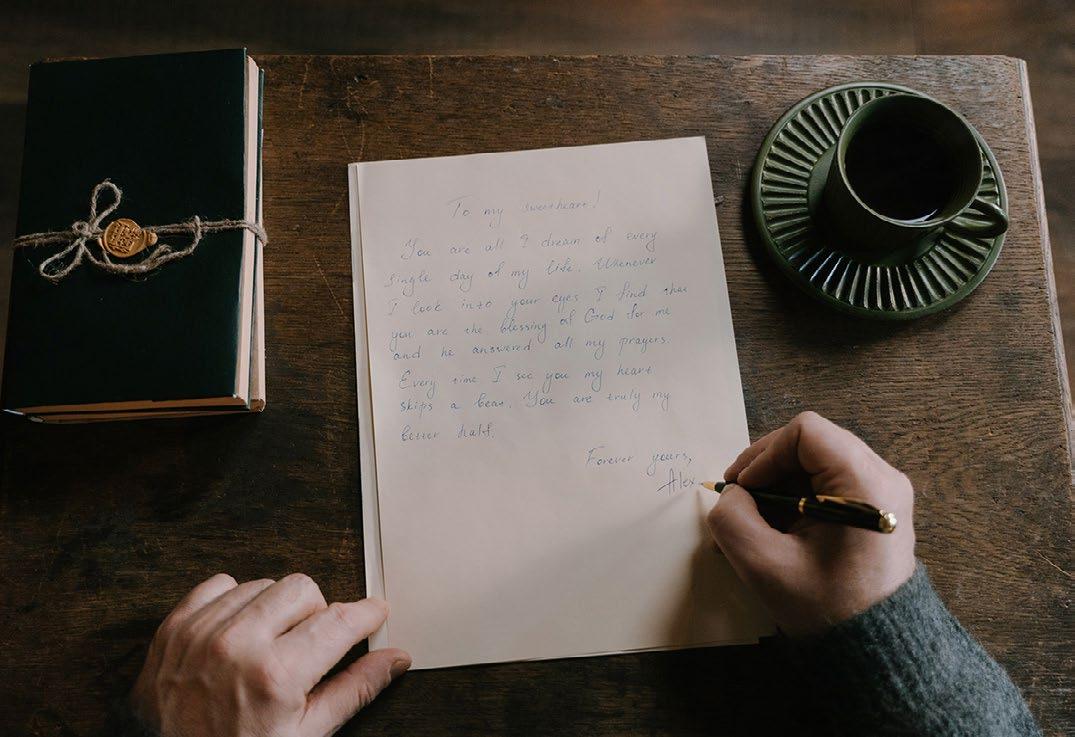
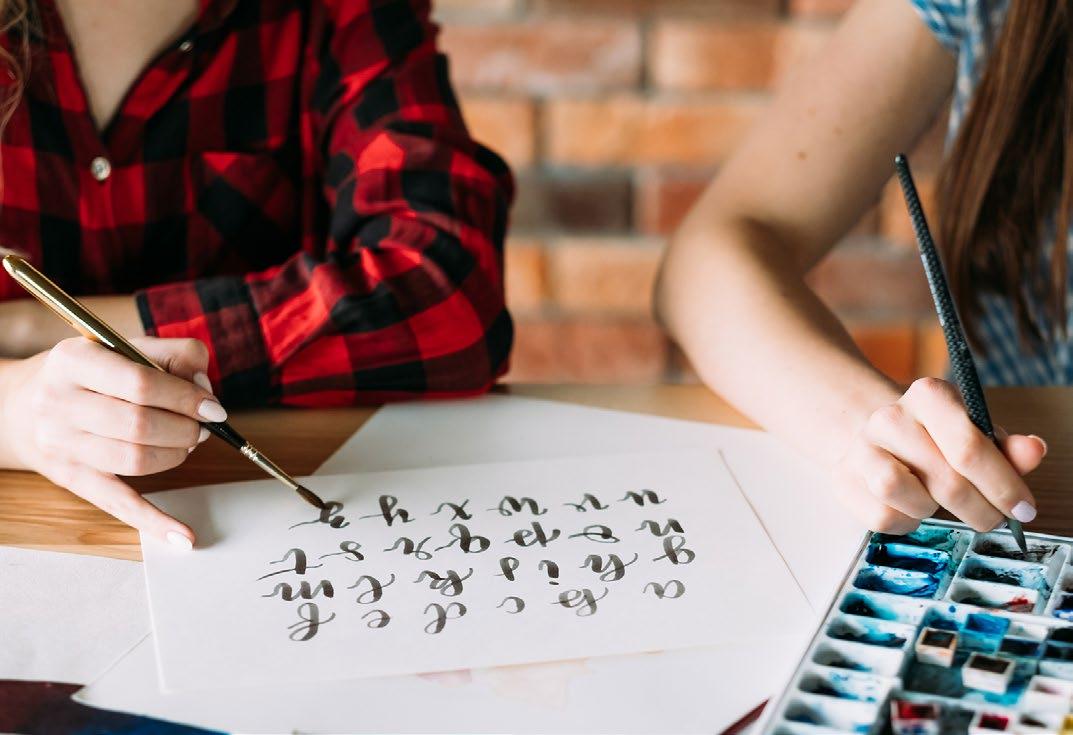
1. Write by hand whenever possible. In contrast to typing or tapping on a device, handwriting requires greater cognitive coordination. It slows your thinking, allowing you to process information, form connections and make meaning.
2. Write daily. Start small and make it regular. Even jotting brief notes about your day — what happened, what you’re feeling, what you’re planning or intending — can help you get thoughts out of your head and ease rumination.
3. Write before reacting. When strong feelings surge, write them down first. Keep a notebook within reach and make it a habit to write it before you say it. Doing so can support reflective thinking,
helping you act with purpose and clarity.
4. Write a letter you never send. Don’t just write down your feelings — address them to the person or situation that’s troubling you. Even writing a letter to yourself can provide a safe space for release without the pressure of someone else’s reaction.
5. Treat writing as a process. Any time you draft something and ask for feedback on it, you practice stepping back to consider alternative perspectives. Applying that feedback through revision can strengthen self-awareness and build confidence.
Resilience may be as ordinary as the journal entries people scribble, the emails they exchange, the task lists they create — even the essays students pound out for professors.
The act of writing is adaptation in progress.
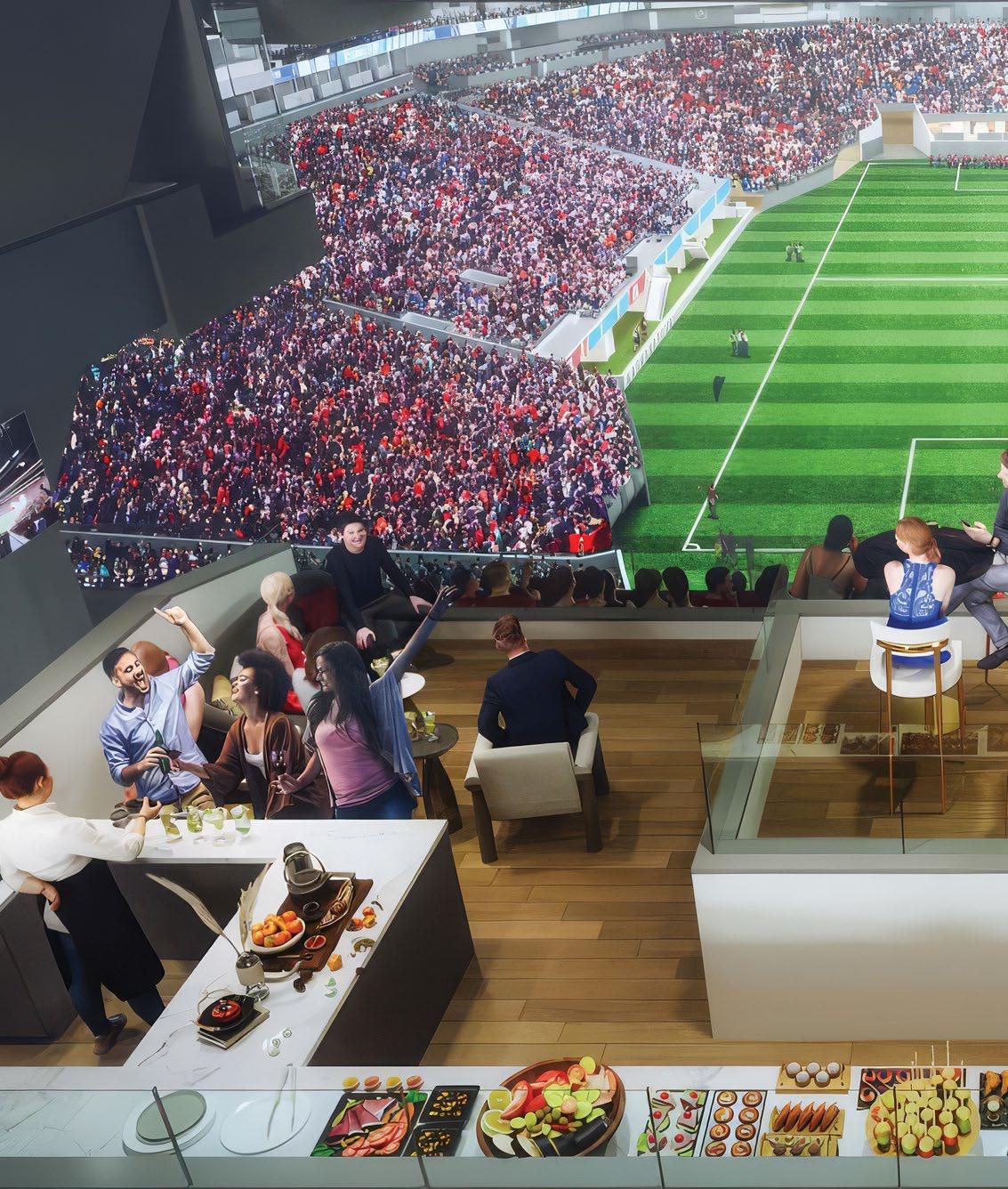
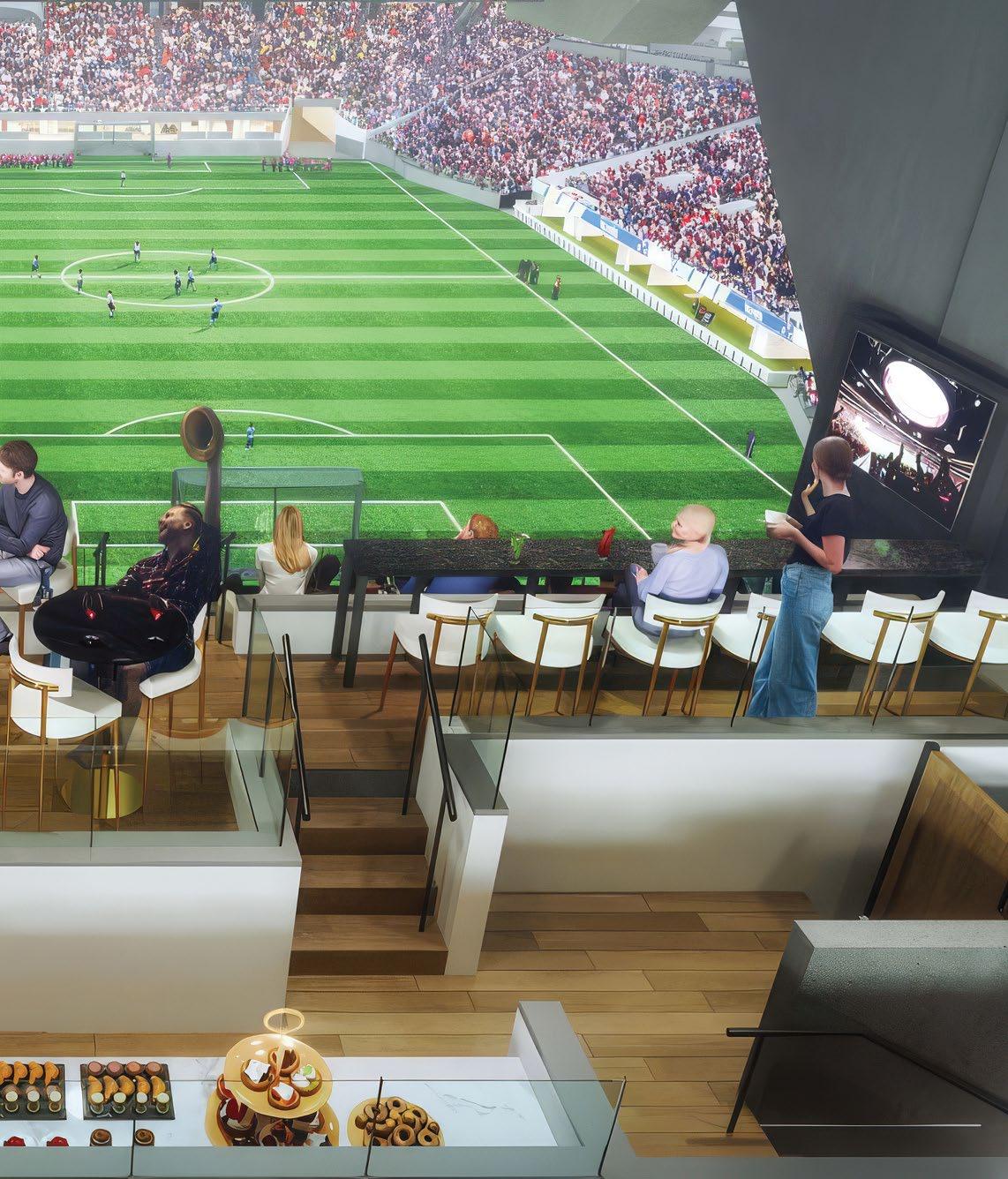
FOR SALE LUXURY SPORTS TOURISM ACCESS
WHAT THE HIGHEST BIDDER GETS
Forget Super Bowl watch parties and last-minute Stubhubbing— here’s a peek at how big spenders are entering the big leagues.
WHEN SEATTLE SEAHAWKS FAN STEPHANIE DANIEL AND HER HUSBAND WANTED TO ATTEND SUPER BOWL LX IN VIP FASHION, THEY COULDN’T CALL ANY OLD TRAVEL AGENT.
Instead they tapped On Location, a company that designs bespoke experiences for the Olympics, FIFA, the NFL, and more—ensuring those with deep enough pockets don’t just enjoy a game, but feel like they’re running plays. Seventy-five hundred dollars later, the couple were mingling with NFL legends Earl Thomas and Adam Vinatieri at an all-inclusive pregame tailgate. From their vantage point behind the end zone, Bad Bunny’s halftime show felt more like being serenaded, and witnessing their team win
before their very eyes, “was electric in every way,” says Daniel, a voice actor.
An even more eye-popping “tier” included private concerts by Sting and the Killers; a Napa Valley brunch hosted by Julian Edelman and Megan Rapinoe; club-level sideline seating; a chef-curated menu and open bar; and an opportunity for clients to trot their designer footwear onto the field as the Seahawks were hoisting the Vince Lombardi Trophy, showered in blue and green confetti. That would set a high roller back at least $17,500 per person. Tack on access to a sprawling field-level 50-yard-line lounge and a private dinner with your favorite retired quarterback, and the cost is disclosed only to those brave enough to face consumerism’s most formidable threeword phrase: “price upon request.”
Once relatively niche, sports tourism has gone up with the Dow. According to the World Economic Forum, in 2023 the sector was valued at $609 billion; that figure is expected to swell to $1.7 trillion by 2032. Given what some will pay to kick their fandom up a notch—thousands of euros for a few rounds of golf ahead of the 2027 Ryder Cup in Ireland;
five figures for a concierge on speed dial at the 2028 Olympic Games in LA—it’s a reasonable estimate.
Who is actually buying these things? Well, rich people. People who “are going to Michelin restaurants and five-star hotels; people who are very discerning,” says Paul Caine, president of On Location. Of course the most luxurious way to experience a game is in the owners box. But if that’s just out of reach, if not aspirational, for these Very Discerning People, this kind of access is a way to get “closer than ever to the game,” he says. At the 2026 FIFA World Cup, taking place across North America, “some people will be on the pitch,” Caine explains. City-specific off-site excursions are planned too—like literal breakfast at Tiffany’s in New York, celebrity training sessions in LA, and a dance workshop with the Dallas Cowboys Cheerleaders in Texas.
How much are the top-tier World Cup experiences going for? Unfortunately, if you have to ask, you probably can’t afford them anyway.
More Luxury Travel Trends
1. Luxury Sports Tourism
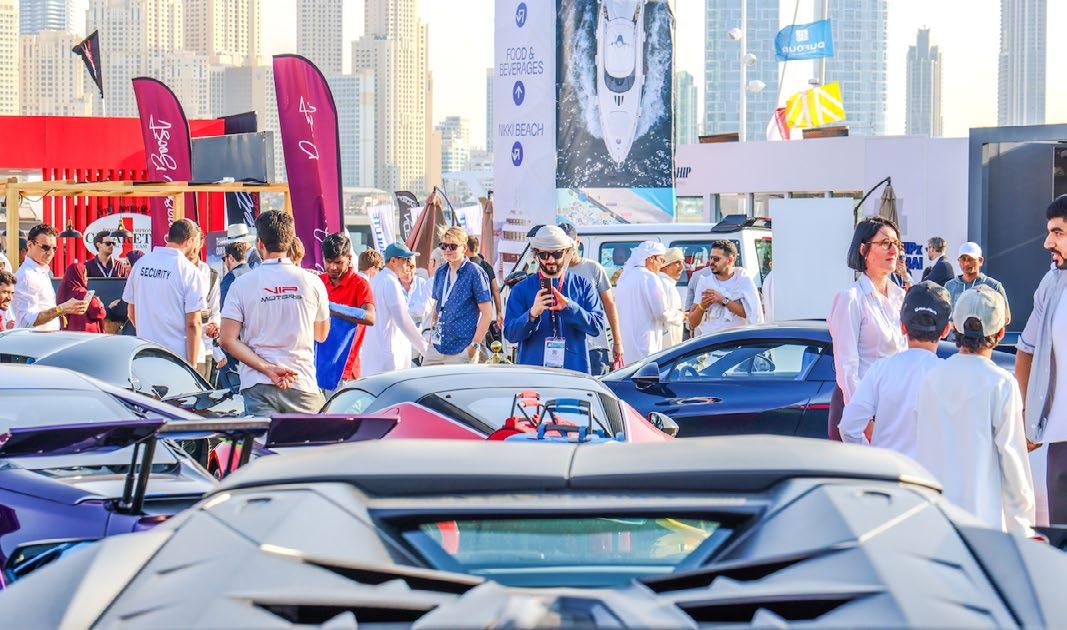
Formula 1 isn’t just a sport—it’s now an elevated experience. Supercar tours and F1 hospitality packages are in high demand, combining exhilarating drives with private access to iconic Grand Prix weekends across Europe. According to AMEX's 2025 Global Travel Trends Report, 60% of luxury travelers plan to attend a sporting event abroad this year. Sports-inspired travel has become one of the most influential forces shaping the market.
2. The Road Less Traveled
Today’s luxury isn’t found in the tourist zones. Travelers are gravitating toward secluded alpine villages, lesser-known lake districts, and off-season retreats. The Alpine Royale Tour, for example, skips the crowds of Paris and Rome in favor of Bavarian countryside charm, hidden enclaves near Lake Garda, and tranquil mountain drives—paired with five-star stays and deeply local experiences.
3. Small Group, Big Impact
While group travel may seem out of place in the luxury space, curated small-group journeys are gaining popularity. By pairing private time with dynamic, rotating small-group supercar experiences, guests gain deeper connection—without sacrificing exclusivity or independence.
4. Cultural Immersion Over Sightseeing
Luxury travelers today want meaning, not just motion. According to Ultimate Driving Tours, 97% of their clients prioritize authentic cultural touchpoints. From exploring the baroque beauty of Salzburg to sipping beer in Bavarian villages and joining Oktoberfest celebrations, these trips are built around identity, not itinerary.
5. Culinary-Led Journeys
Food has become the gateway to place. From truffle-hunting in Piedmont to Champagne tastings in northern France, guests now curate travel around fine dining, local flavor, and exclusive vineyard access. The Châteaux & Champagne Supercar Tour is a favorite—mixing gastronomy, design, and breathtaking drives.
13 UNDER-APPRECIATED OR NON-NEGOTIABLE MUST-DOS IN PARIS
ATRULY COMPREHENSIVE LIST OF THE BEST THINGS TO DO IN PARIS FEELS IMPOSSIBLE, BUT THIS SELECTION IS A GOOD PLACE TO START. AFTER 15 TRIPS TO THE CITY OF LIGHT, THERE ARE THE PARISIAN ACTIVITIES LIKE MUSEUM VISITS, COOKING CLASSES, CAFÉ STOPS, AND BOAT RIDES ON THE SEINE THAT ARE STILL VERY MUCH WORTH IT. ARE THESE EXPERIENCES FUN? ABSOLUTELY. ARE THEY TOURISTY? KIND OF. DO THE LOCALS CARE? NOT AT ALL.
But this month, we’re focusing on under-appreciated spots like Musée Carnavalet and non-negotiable must-dos like the Notre Dame Cathedral (go to actually attend mass and you’ll get to jump ahead of the line). So whether you’re someone going for a first-ever visit or you’re planning to move there, this list of the best things to do in Paris are a good place to get started. Allons-y.
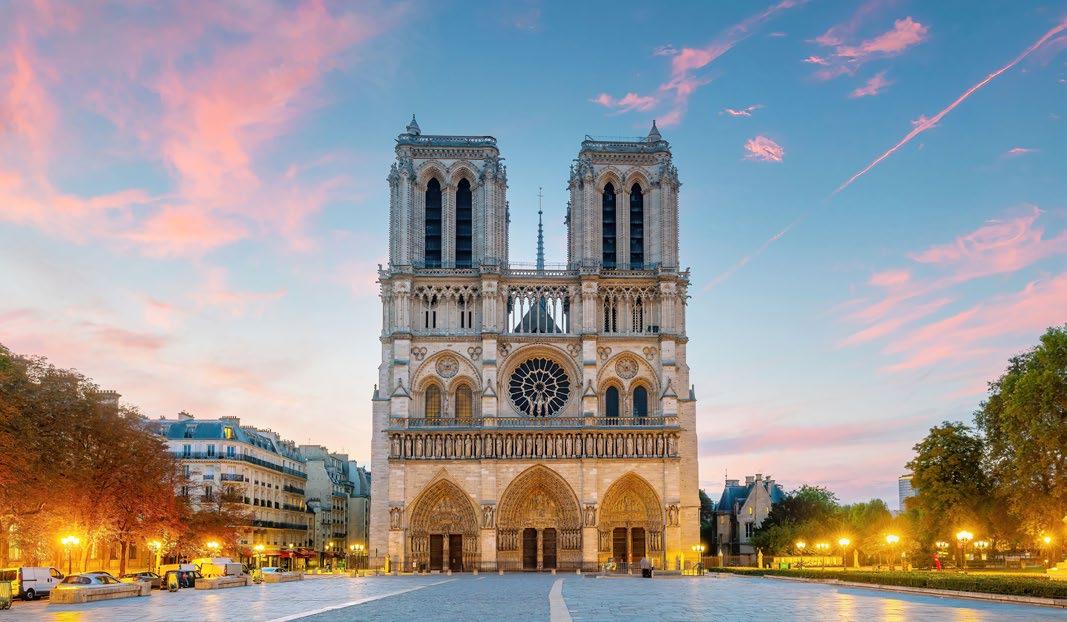
Cathédrale Notre Dame de Paris
Even prior to the devastating fire in 2019 that nearly destroyed this finest example of French Gothic architecture in the world, the beloved structure had suffered the ravages of time. Its stone columns had aged and darkened with soot; its pastel-hued columns had faded; and its large-scale portraits, called Mays,
were hardly visible in the poorly-lit side chapels where they hung for generations. But after five years of painstaking renovation, including the rebuilding of Eugène Viollet-le-Duc’s ionic spire, and Notre-Dame shines anew. Originally commissioned in 1163, it took until the beginning of the 14th century to complete, thanks to various revisions and additions over the centuries, like the famous flying buttresses—all of which have been lovingly restored.
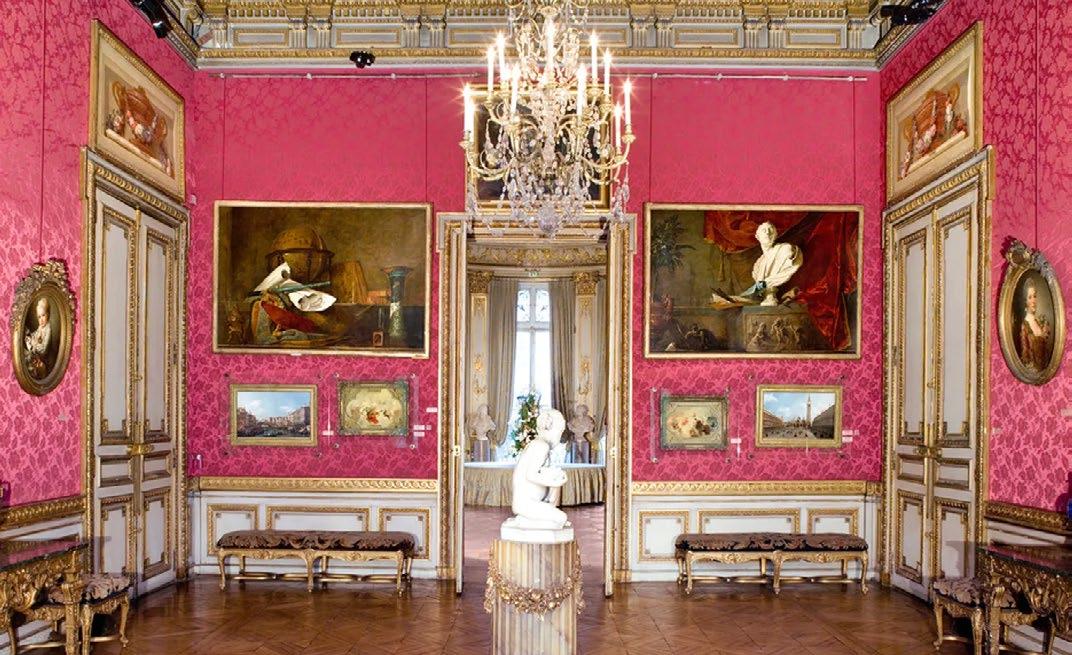
Musée Jacquemart-André Edouard André and Nélie Jacquemart filled their stunning 19th-century mansion on the Boulevard Haussmann with art from their travels to Rome, Cairo, Istanbul, and the Far East — then bequeathed them to the Institut
de France, resulting in this delightful time-capsule of a house museum. You’ll find works by Bellini, Perugino, Uccello, Rembrandt, Anthony van Dyck, Tiepolo, Gainsborough, and Botticelli. The collector couple’s private apartments are also on view, as is their celebrated winter garden, a grand marble courtyard filled with an enviable collection of exotic potted plants. After a yearlong closure for much-needed restoration, the museum reopened in fall 2024 with refreshed works, staircases, painted ceilings, and café, along with a completely updated entrance path that is now lined with cobblestones.
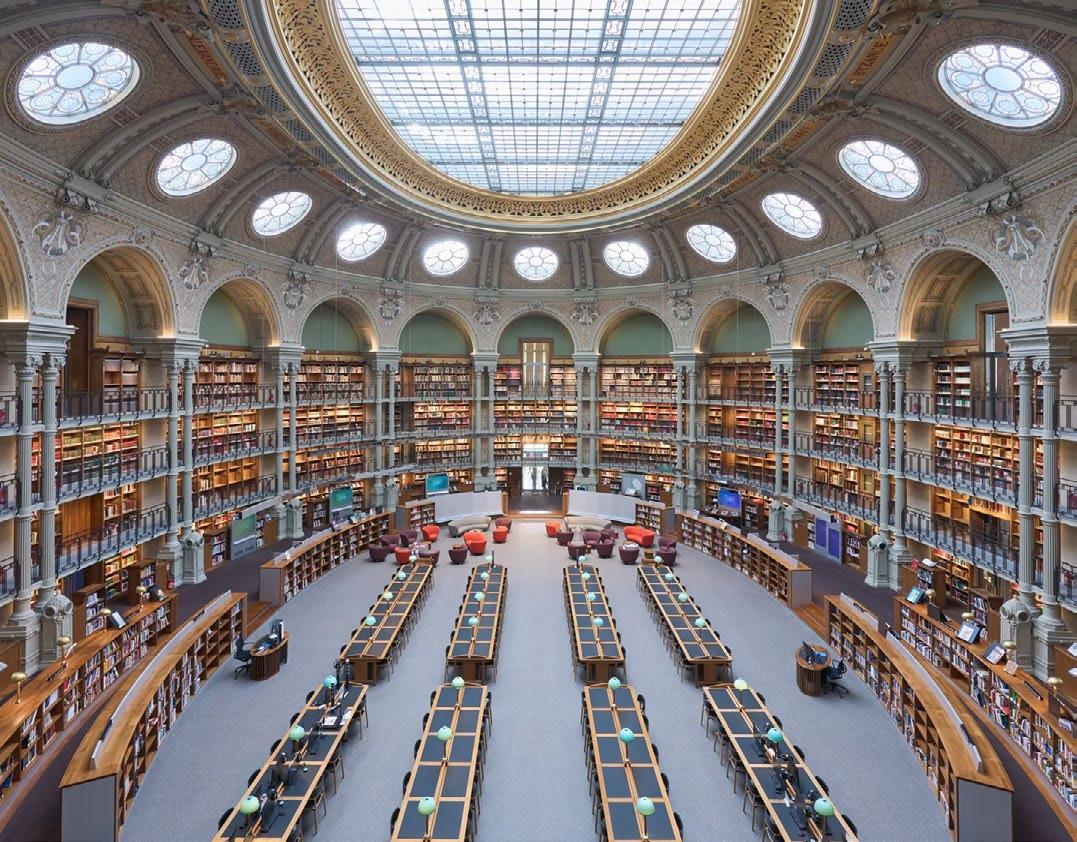
Bibliothèque Nationale de France - Richelieu
The historic home of France’s national library, this 18th-century heritage site in the heart of the Louvre-Opéra district dazzles architecture lovers with its grand reading rooms, mosaics, and 22 million documents. After more than a decade of restoration work, the library reopened to the public in 2022, allowing bibliophiles free access to its striking Salle Ovale (Oval Room), garden, terrace, Rose
Bakery café, and bookshop. Upstairs, a museum houses the Baroque-era Mazarin Gallery. The Richelieu Library is a perfect stop for travelers with limited time and/ or budget. There’s so much history in this Oval Room alone, which is free to enter, but you can also see a good portion of the site in less than an hour.
Ducasse sur Seine
Dinner cruises rarely inspire much confidence in quality, but with serial restaurateur Alain Ducasse behind the concept, Ducasse sur Seine is on another level. Diners begin and end their journey on a slick, 100% electric boat that moors on the river banks across from the Eiffel Tower. The design of the vessel itself is unique: glass all around, including a part of the dining room ceiling, which looks like a series of undulating ripples. There are also two outdoor terraces on the upper deck for guests to take in the views and snap as many photographs as possible before the end of the two-hour meal. Guests can also arrive 30-45 minutes early to have extra time for those views.
Merci
Merci is an independent concept boutique, spread out over three loft-like floors in the Marais. The well-curated selection of clothes, accessories, home goods, and just about anything else you might want, draws savvy shoppers from around the globe. Keep an eye out for up-andcoming designers and labels especially in the central space that houses themed pop-ups, or go for Merci’s own affordable in-house brand. Either way, you’ll be hard-pressed to walk out empty-handed.
Palais de Tokyo
The Palais de Tokyo is the largest center for contemporary art in Europe. Opened in 2002, its mission is to celebrate living artists across multiple disciplines. As part of the renovation of the building, the 1937 structure was stripped back to the original concrete, giving it a raw and unfinished feeling that is distinctly different from the typical white-room museum layout. Visitors should start their exploration in the subterranean levels, where art such as large-scale graffiti works are on
display, and end with a drink or dinner either at Monsieur Bleu or Bambini, the more festive spot from the Paris Society Group.
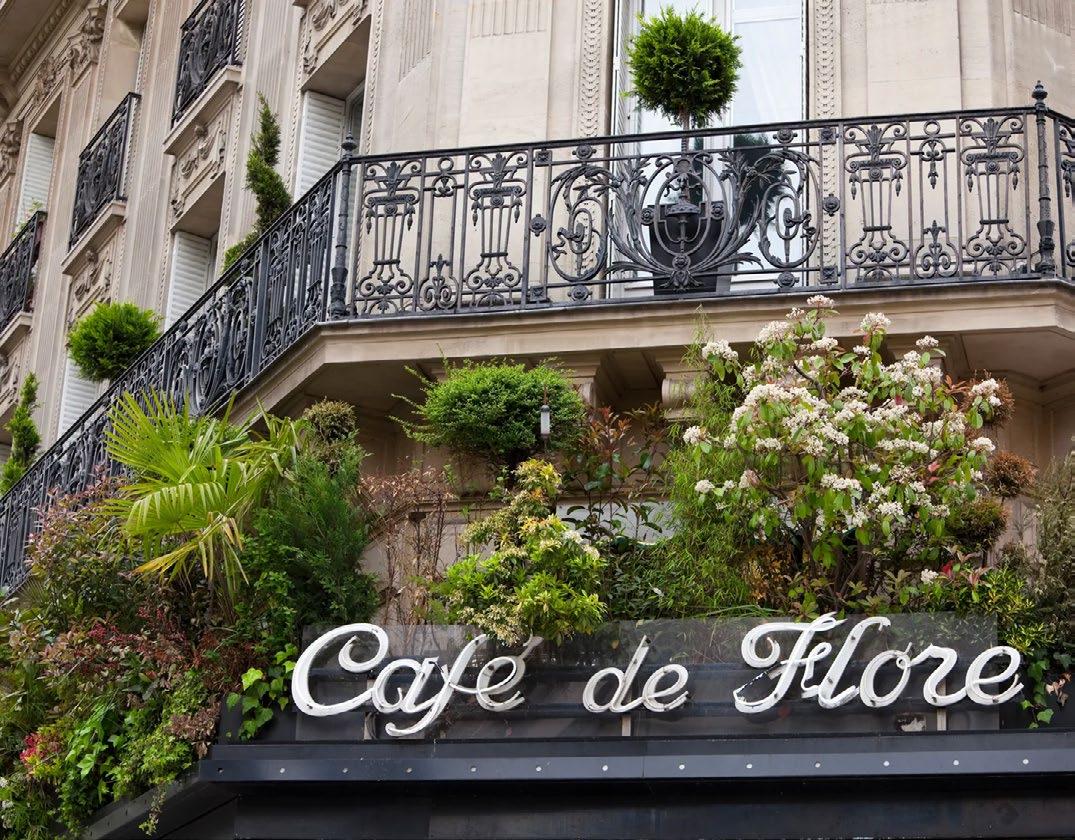
Café de Flore
Stepping into Café de Flore is like stepping into a time capsule, into an era when the Left Bank was a bohemian enclave for the likes of Pablo Picasso and Ernest Hemingway. The interior—red booths, mahogany, polished brass railings—has changed little since the Art Deco period, but anyone who is anyone knows that the best seats in the house are actually out on the sidewalk (and thankfully the famous terrasse is open at full capacity again), where the people watching can’t be beat and the city’s café iconic culture is at its finest. Although afternoons are best for perching on a table outside and enjoying
the pulse of Boulevard Saint-Germain, there’s also a vibrant after-dark scene. In other words, there’s no wrong time to visit.
The oldest museum dedicated to the history of Paris itself originally opened in a historic mansion in the Marais in 1880, but a recent renovation completed in 2021 has thoroughly brought the space into the modern era. The layout of the building has been redesigned, highlighting the beauty of the mid-16th century mansions as much as helping you to discover the paleolithic origins of the city through the present with 3,800 works now on display. Additionally, the museum is even easier to navigate now for everyone, with a new approach to accessibility including elevators and ramps.
miss the newly added restaurant on the gardens as well for a post-visit refreshment.
Les Bouquinistes
Walking along the banks of the Seine is an activity as beloved and ancient as the city itself. Along both sides of the river, roughly from Île Saint Louis to the Louvre, are the city’s Bouquinistes, independent sellers of used and antiquarian books, old maps, postcards, and all sorts of mementos. It’s an activity that rewards patience—you just might find a vintage movie poster or first-edition book to bring home.
Fondation Louis Vuitton
As one of few privately owned and funded art spaces in Paris (owned by LVMH chairman Bernard Arnault), the
Musée Histoire de Paris Carnavalet
Don’t
Fondation Louis Vuitton arrived with a bang when it opened to the public in 2014. Star Canadian-American architect Frank Gehry designed the building, which looks like a magical sailboat afloat on a man-made lake in the Bois de Boulogne. Thanks to the spectacular architecture and blockbuster exhibitions, the museum is bustling at all times, despite its location in the far reaches of the 16th Arrondissement.
La Bourse de Commerce - Pinault Collection
Launched in 2021, one of Paris’s newest spaces for contemporary art was commissioned by Francois Pinault to house part of his vast personal collection, amassed over 40 years. Designed by Tadao Ando, the revitalized commodities exchange
building is located just blocks from the Louvre in the 1st Arrondissement. With 10,000 works from the Pinault Collection to be displayed across the 32,000 square feet space, you can expect to see works from the 1960s to the present with artists including Maurizio Cattelan, Urs Fischer, and Rudolf Stingel.
Parc des Buttes-Chaumont
Unlike most of the rest of the major parks in Paris, this is a natural space without any rigid formality. The 62acre park, opened in 1867 as part of the Paris Universal Exposition, is built on a former quarry; there are rocky elevations to traipse up with amazing views of the city, including Sacre Coeur in nearby Montmartre. And seeing as it’s in the 19th arrondissement, you can expect an
authentic Parisian experience, off the beaten tourist path—you’ll likely need to take a quick metro or taxi ride to get there.
Marché aux Puces de Saint-Ouen
Flea market lore holds that Marché aux Puces de Saint-Ouen is the largest antiques and second-hand marketplace in the world. Even if it weren’t, the sheer surface area (seven hectares) and number of vendors (around 1,700) suggests it should have its own ZIP code. And it certainly helps explain the 5 million visitors who descend each year in search of rare treasures, everything from home goods to textiles—although bargains are harder and harder to come by.
FASHION & STYLE
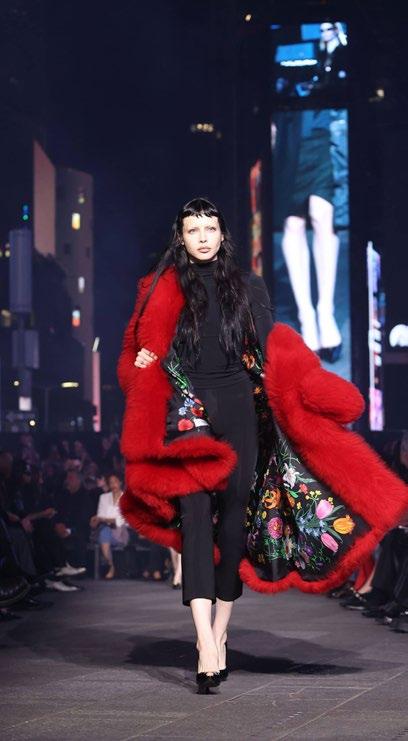
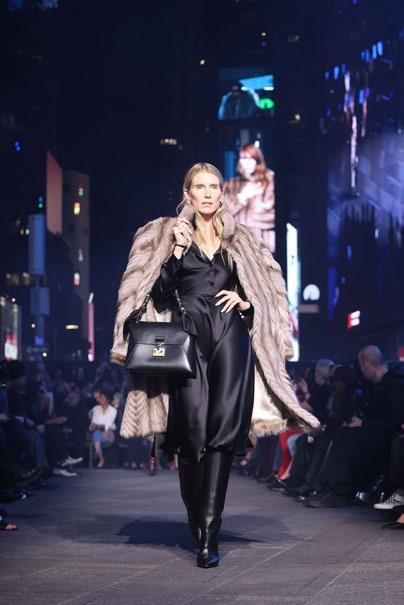
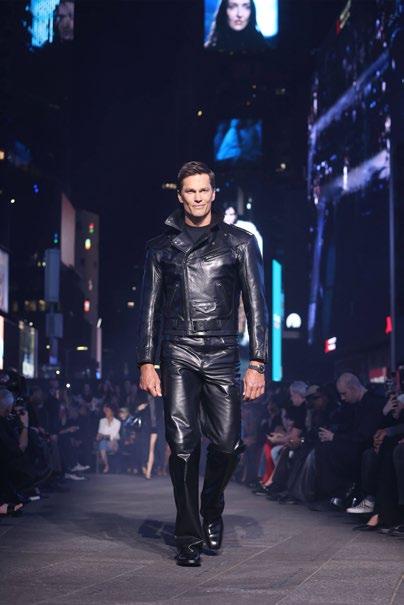
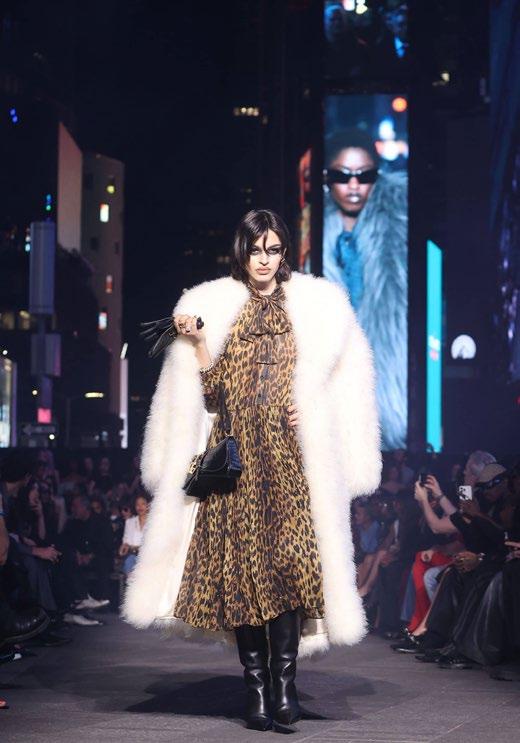
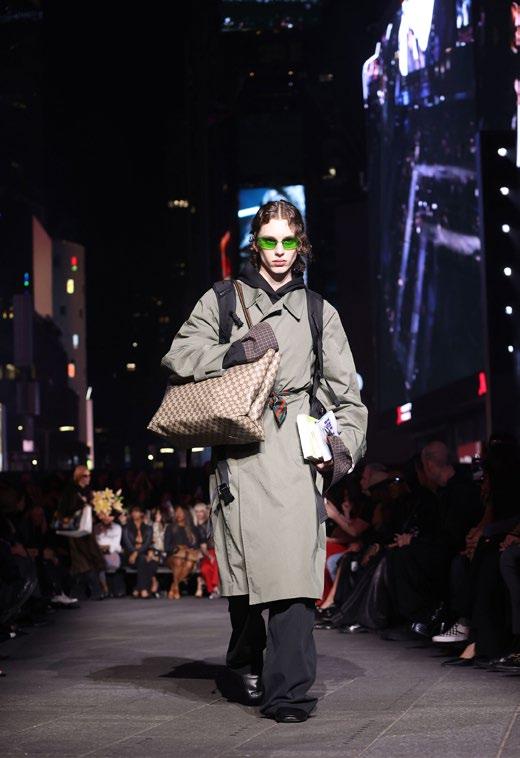
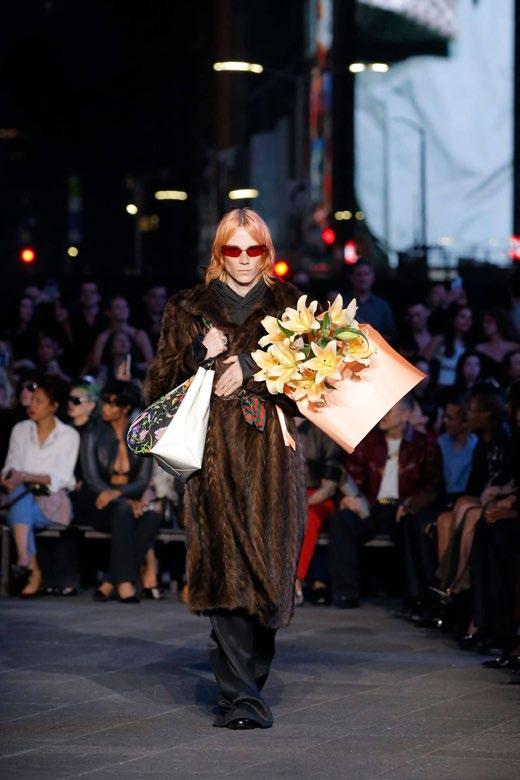
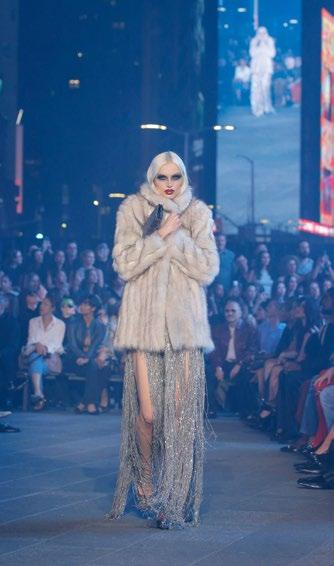
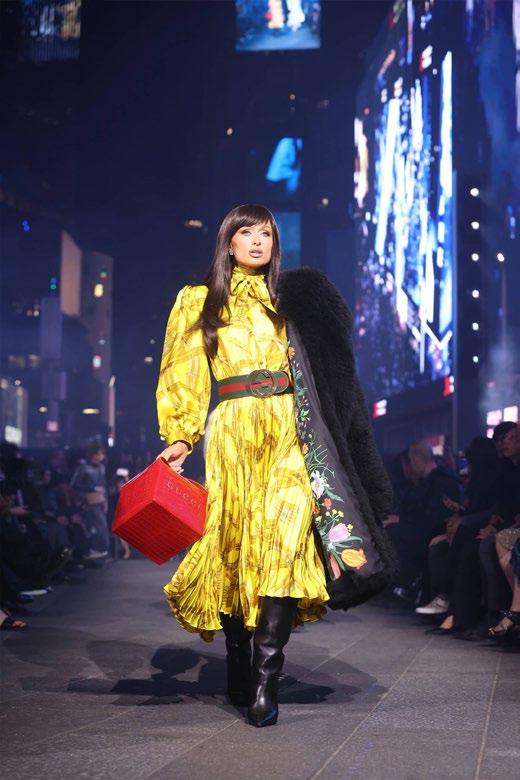
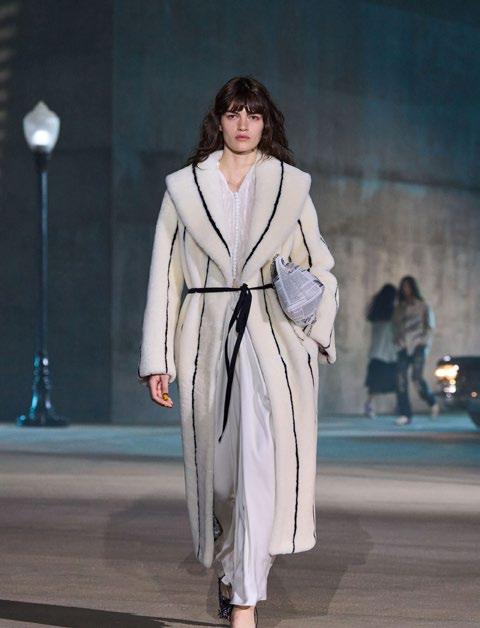
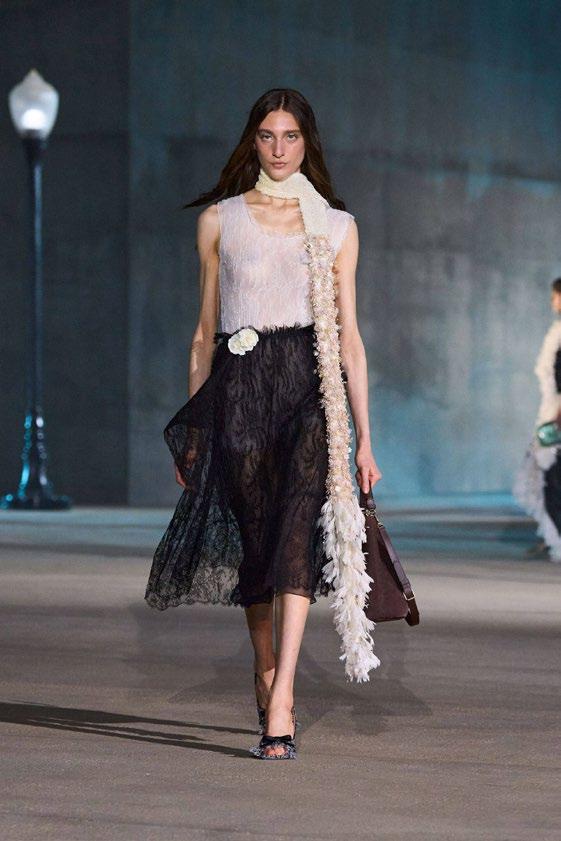
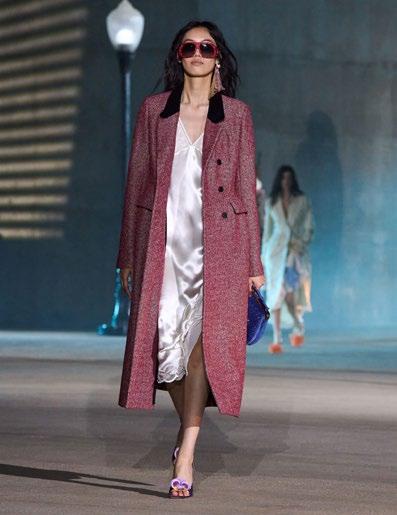
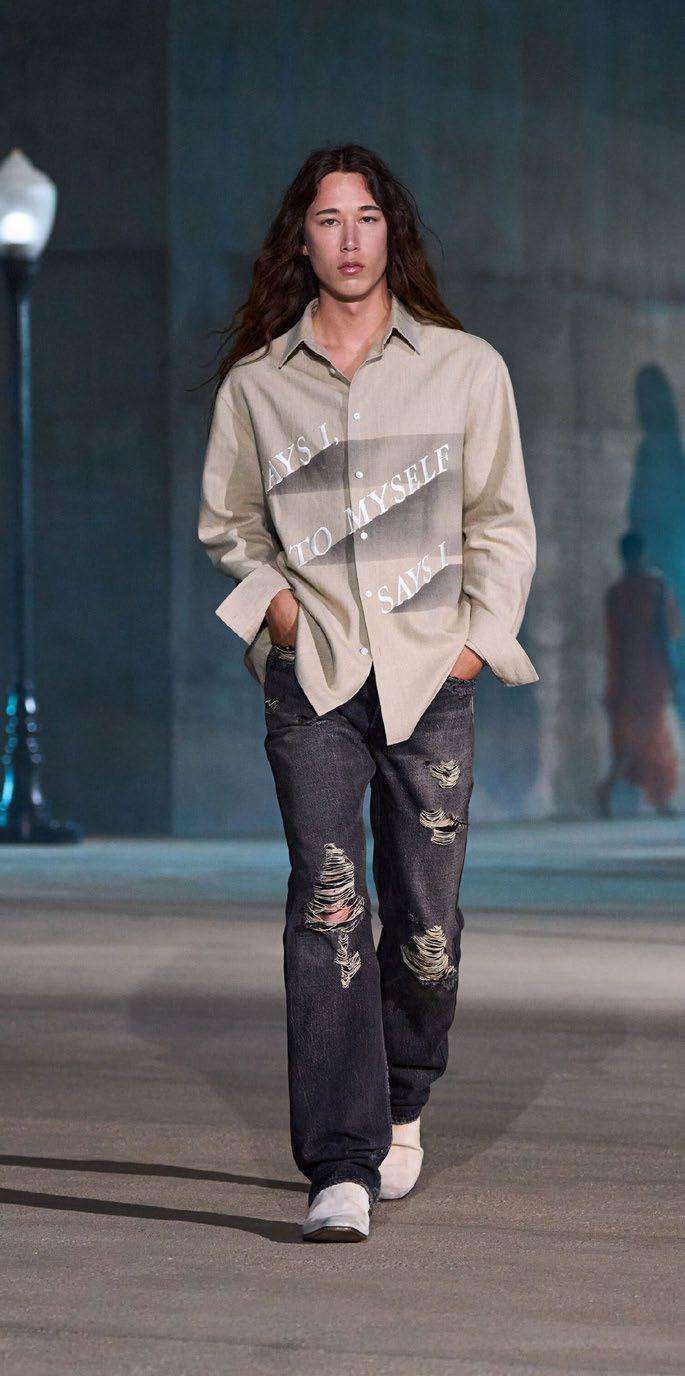
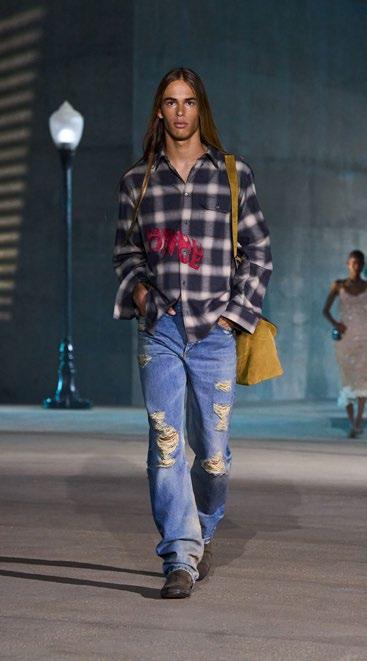
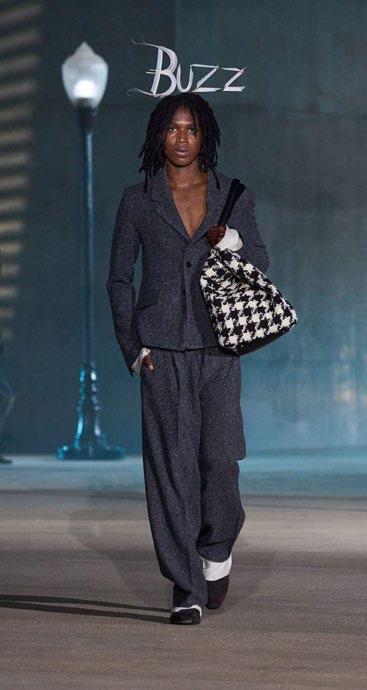
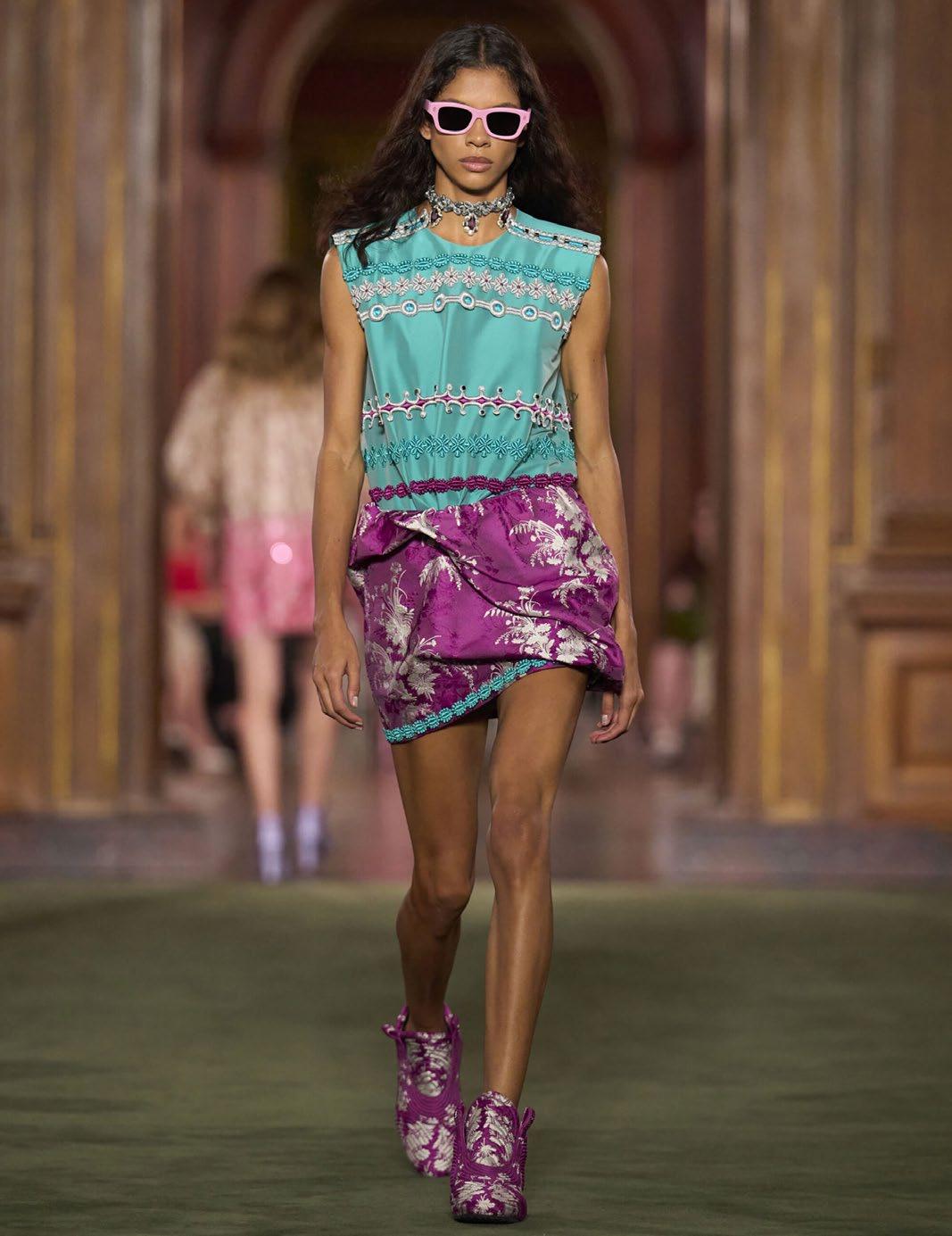
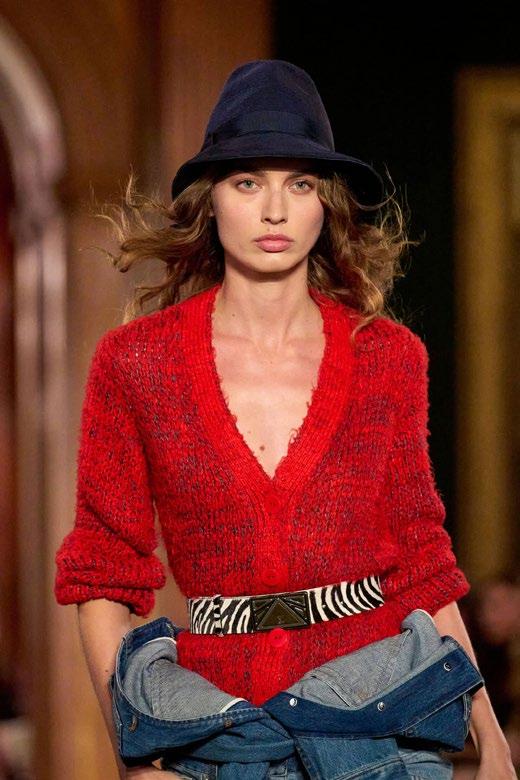
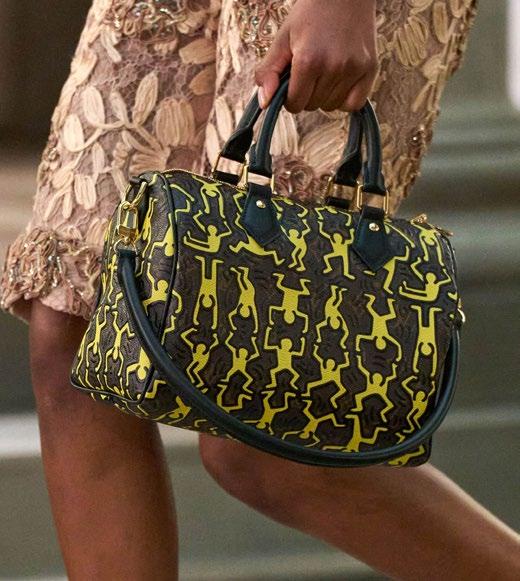
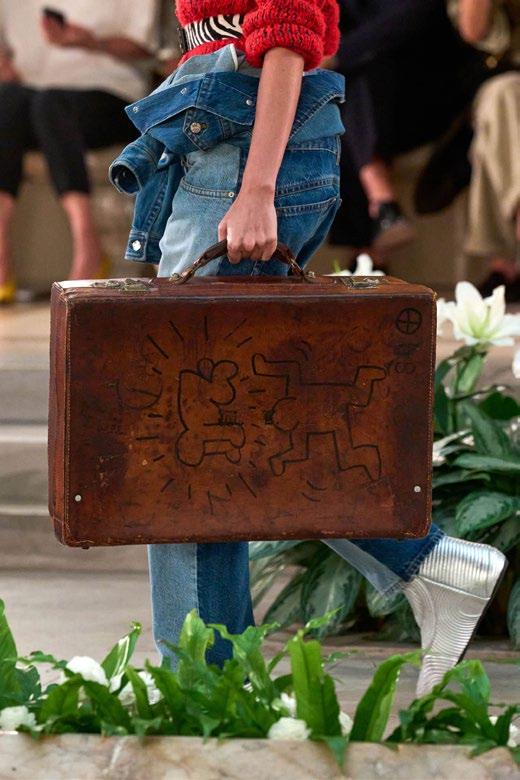
CRUISE COLLECTIONS 2026-2027
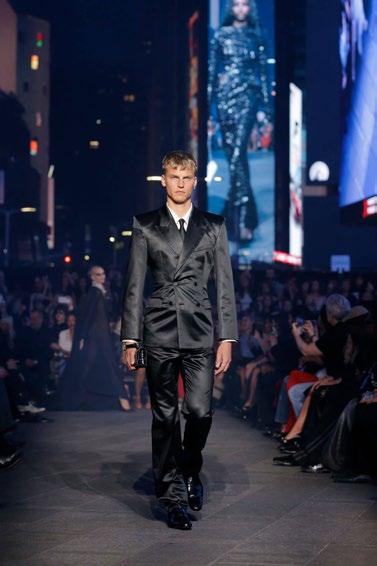
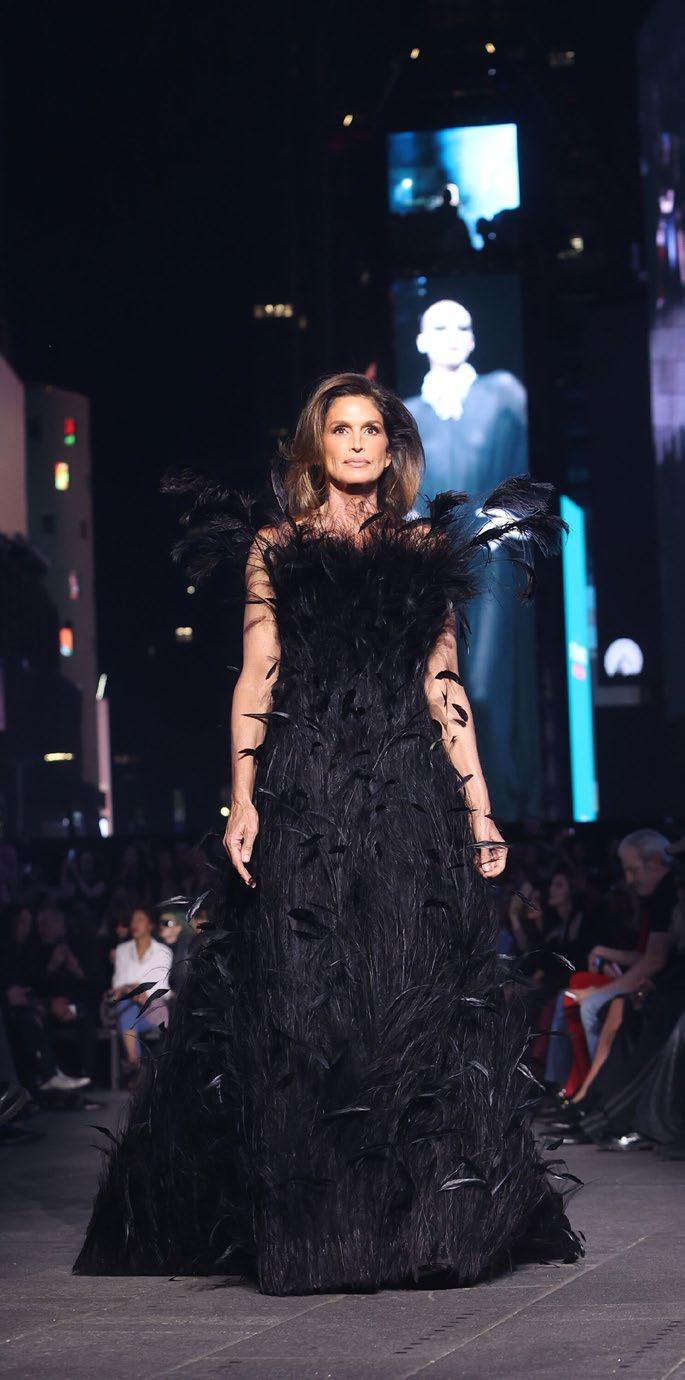
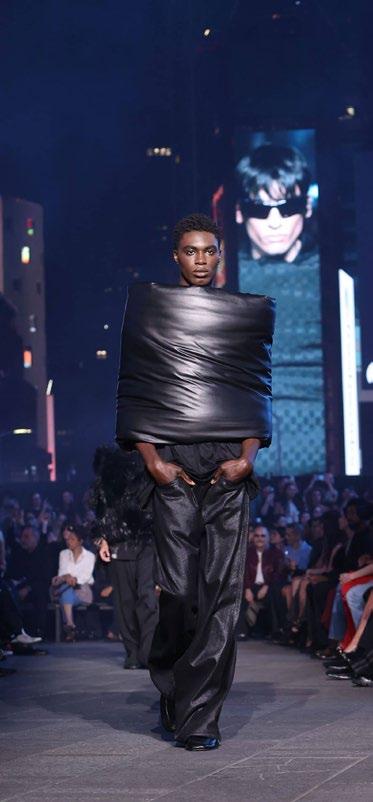
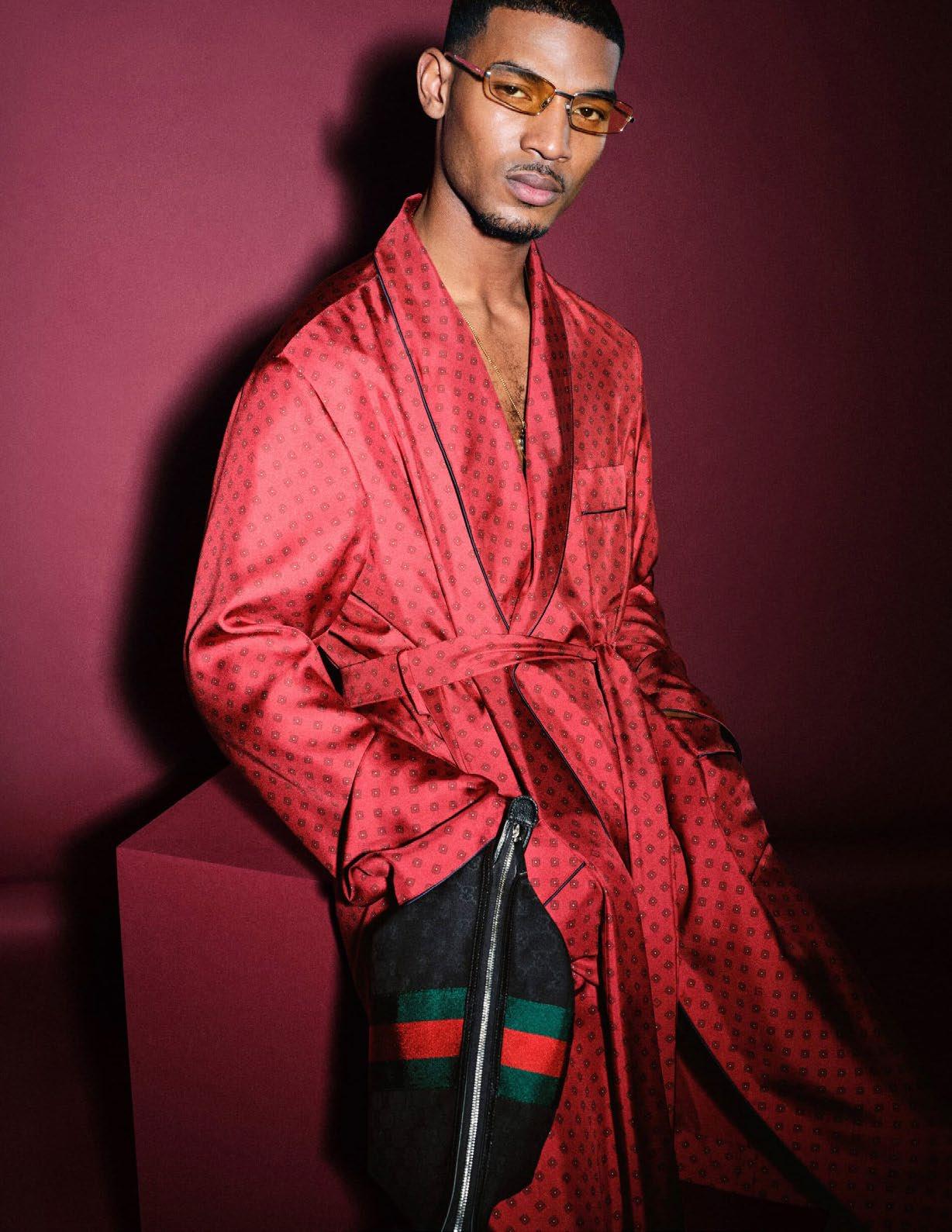
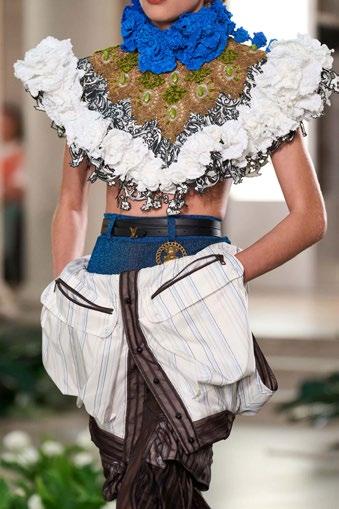
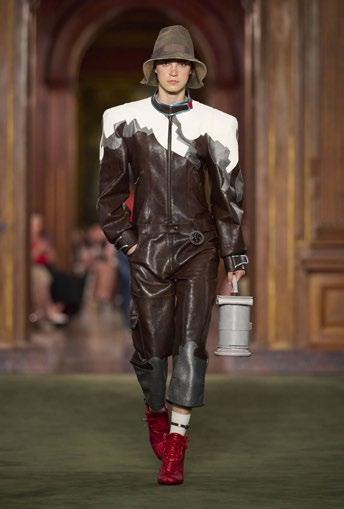
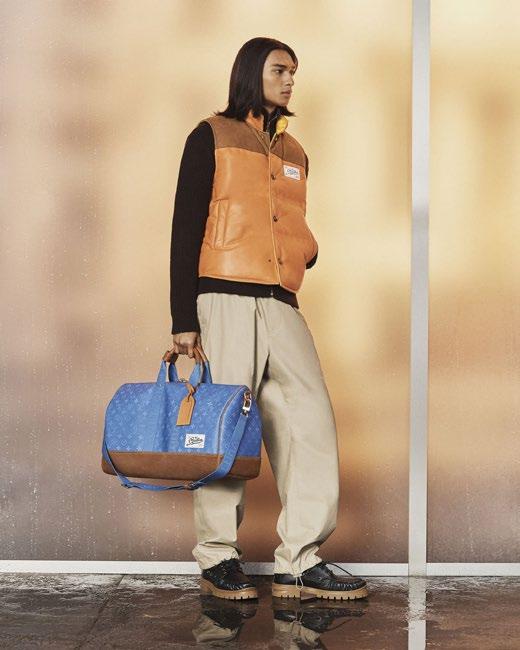
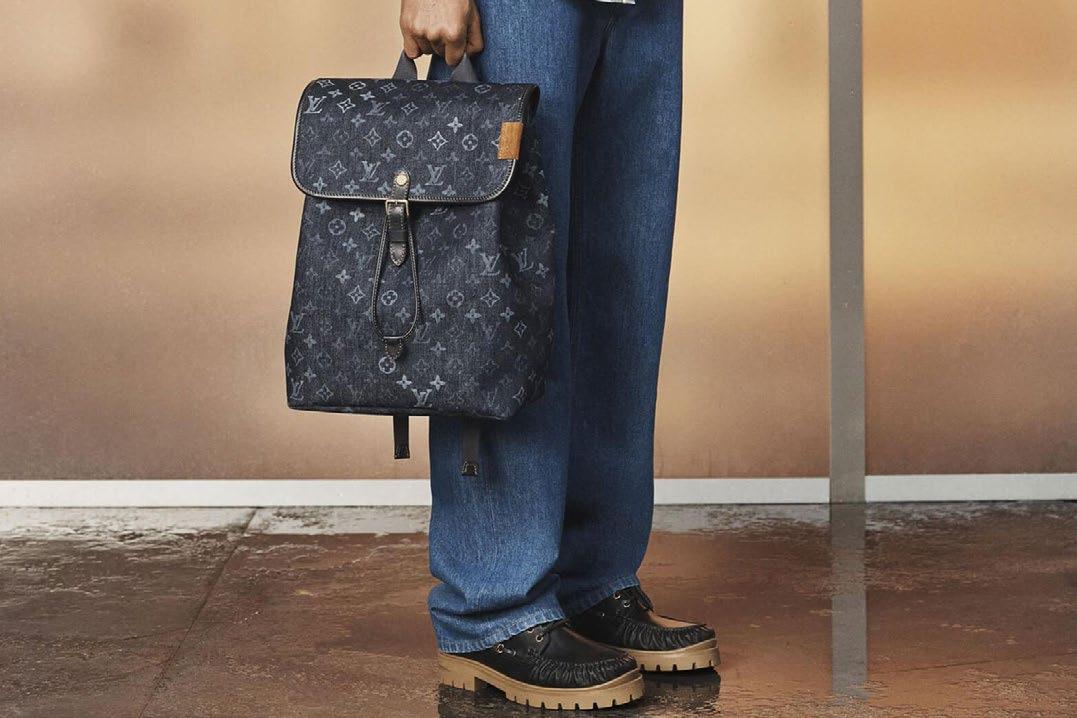
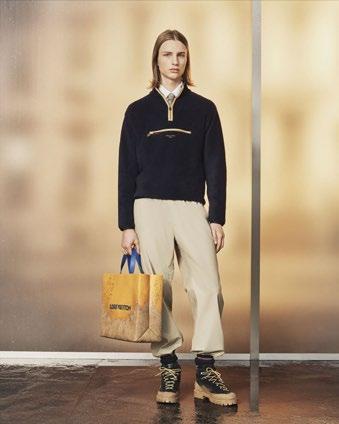
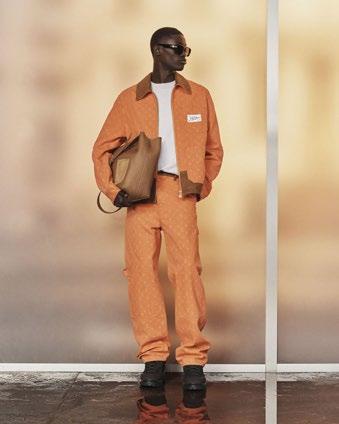
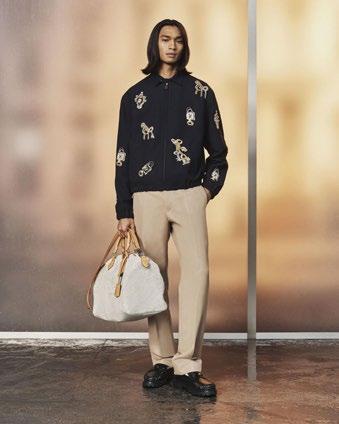
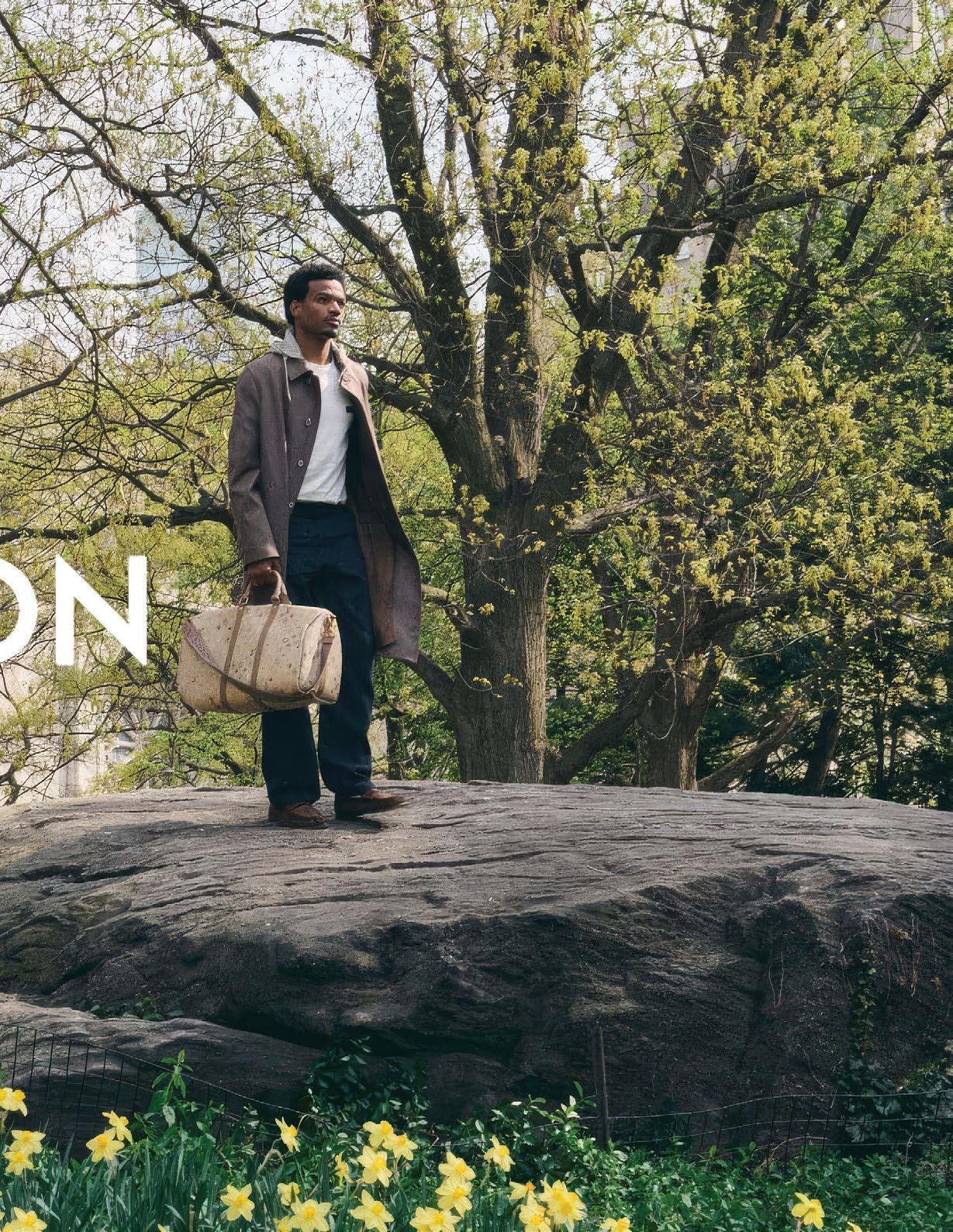
GUCCI, DIOR & LOUIS VUITTON
GUCCI CRUISE
26/27
GUCCI CRUISE
GUCCI CRUISE
DIOR CRUISE 27
DIOR CRUISE
DIOR CRUISE
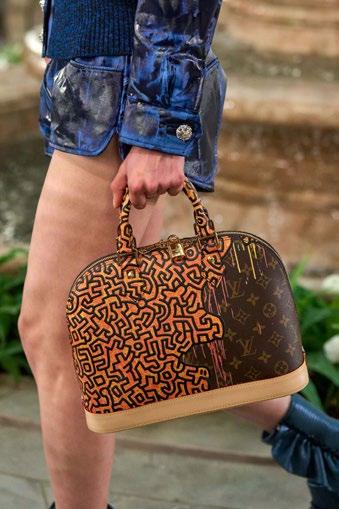
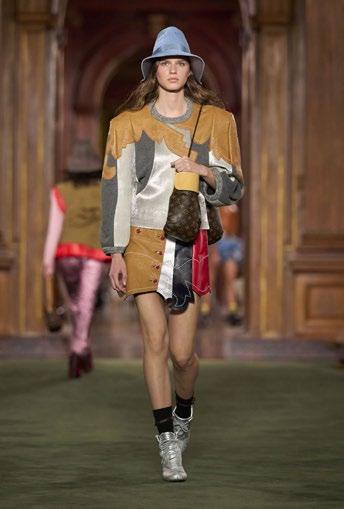
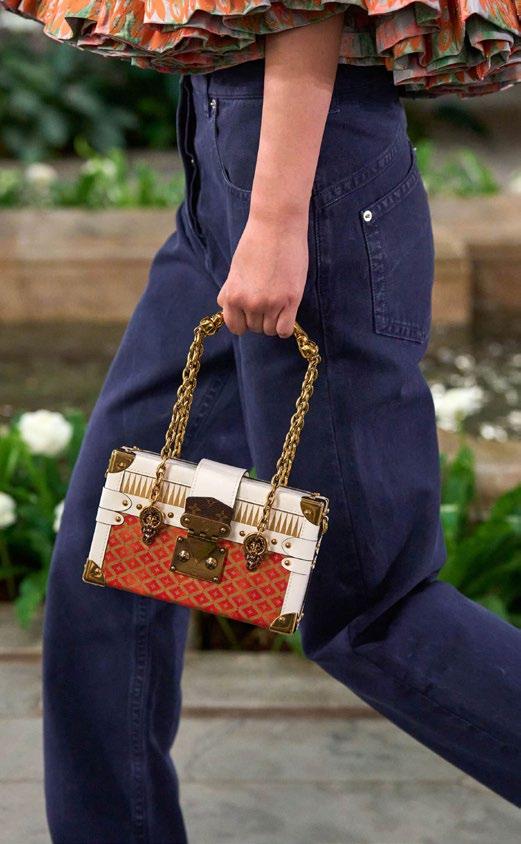
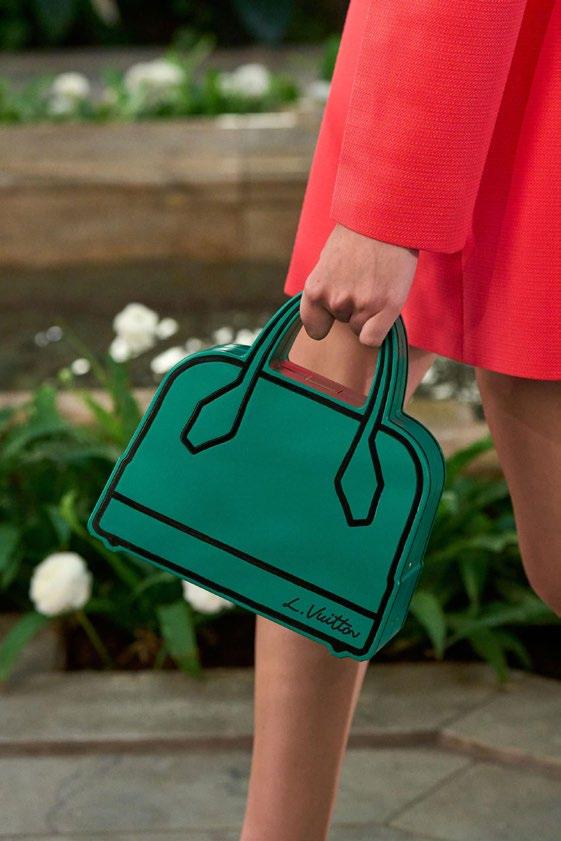
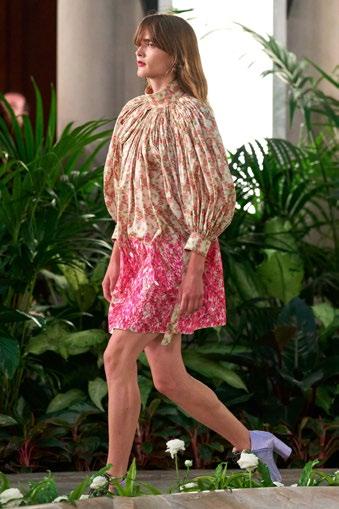
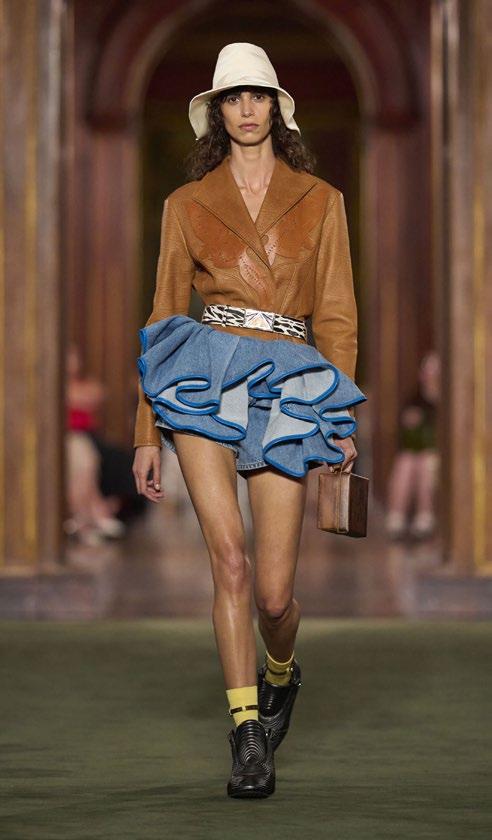
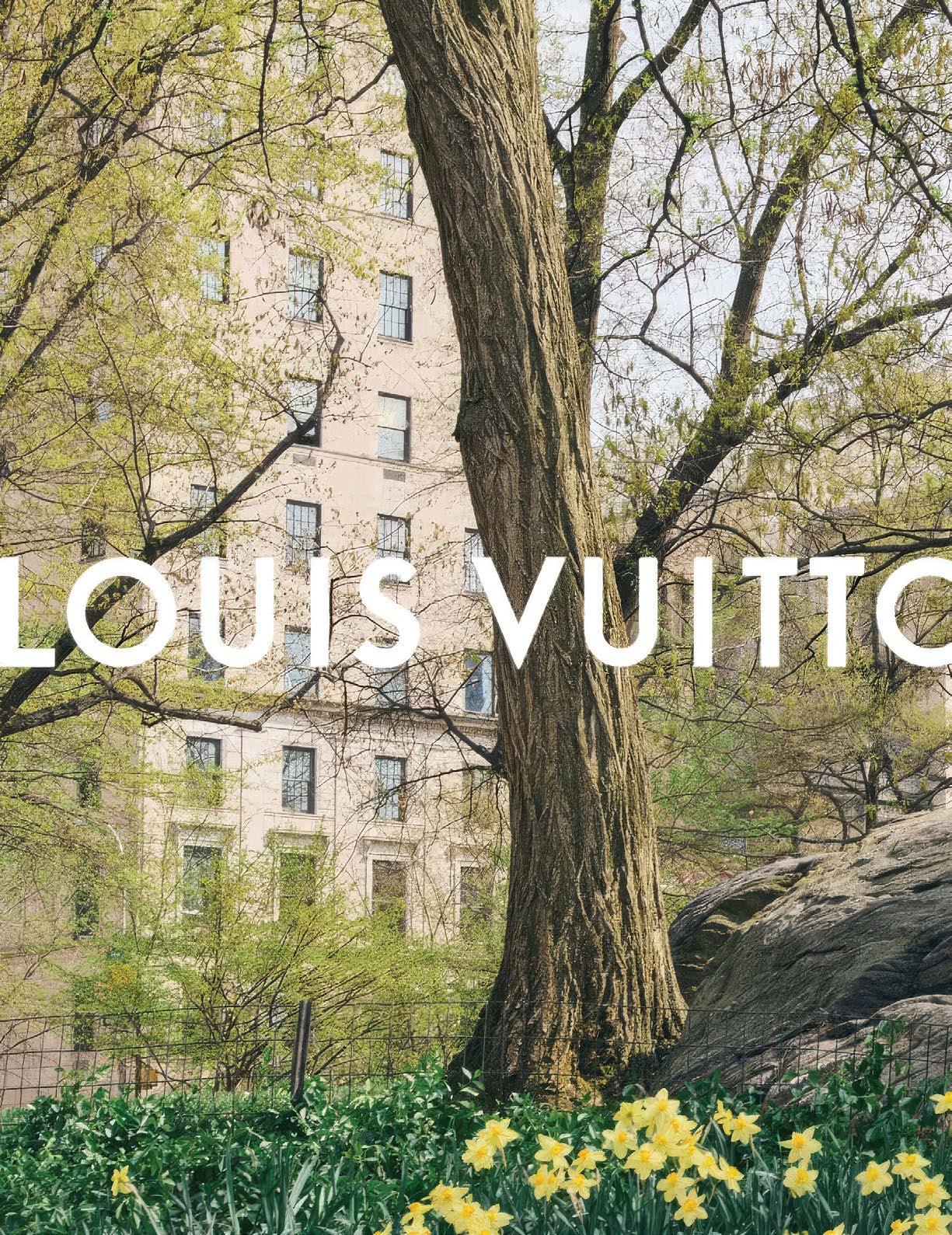
LOUIS VUITTON CRUISE
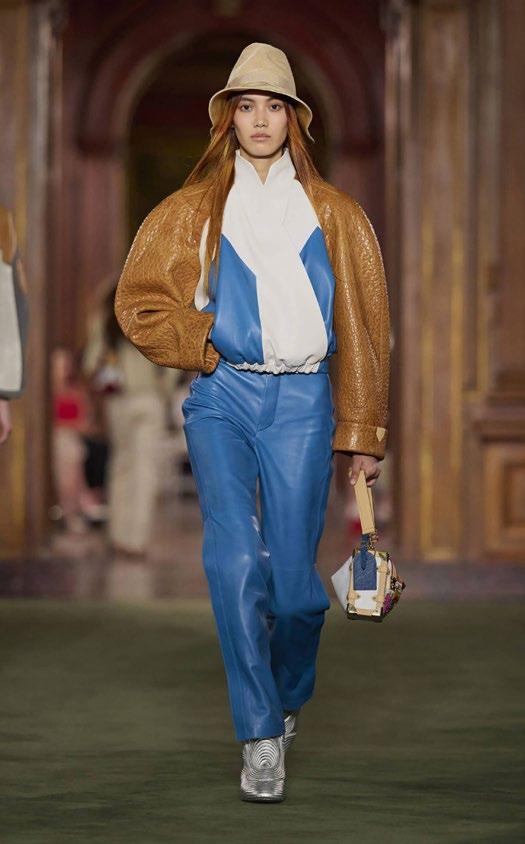
LOUIS VUITTON MEN'S CRUISE
MANSION OF THE MONTH
MANSION OF THE MONTH
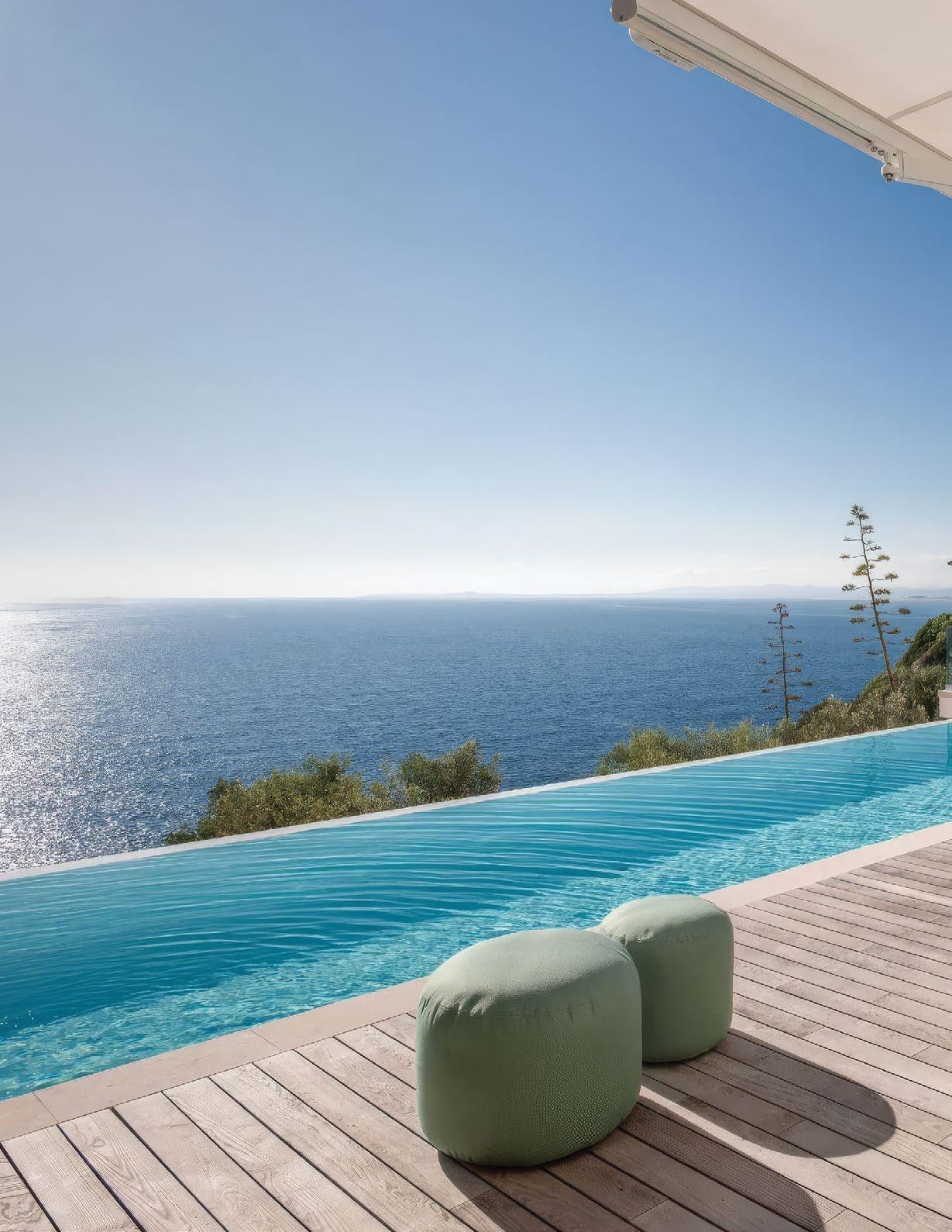
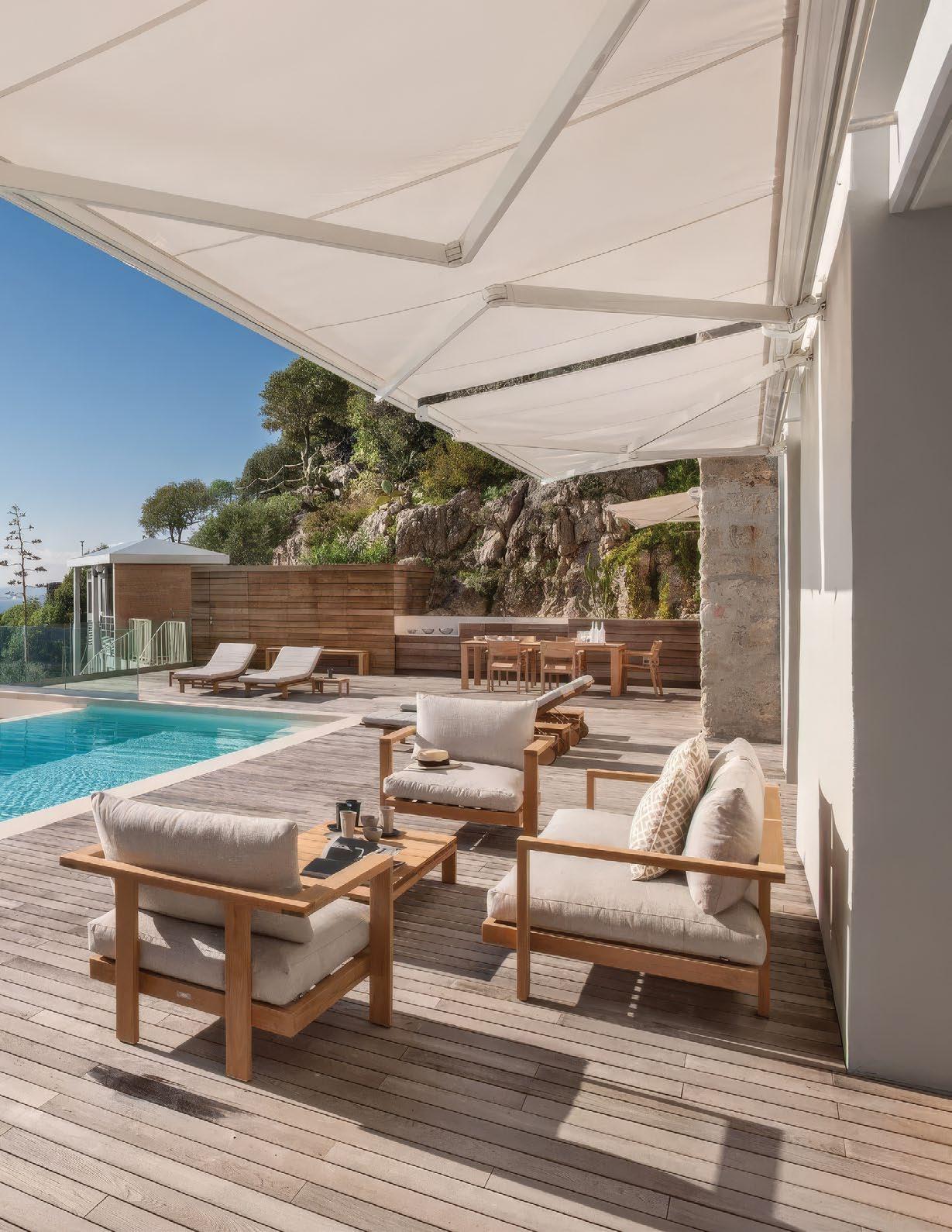
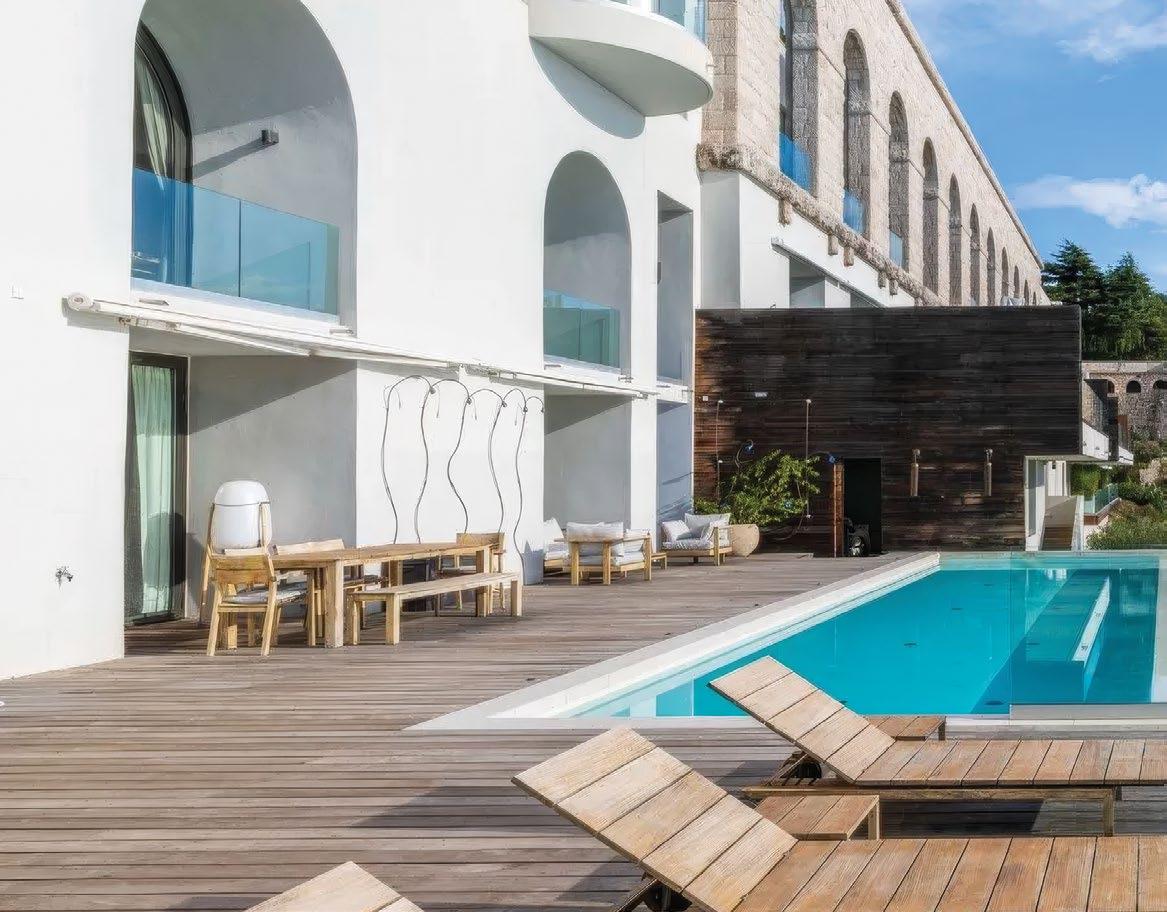
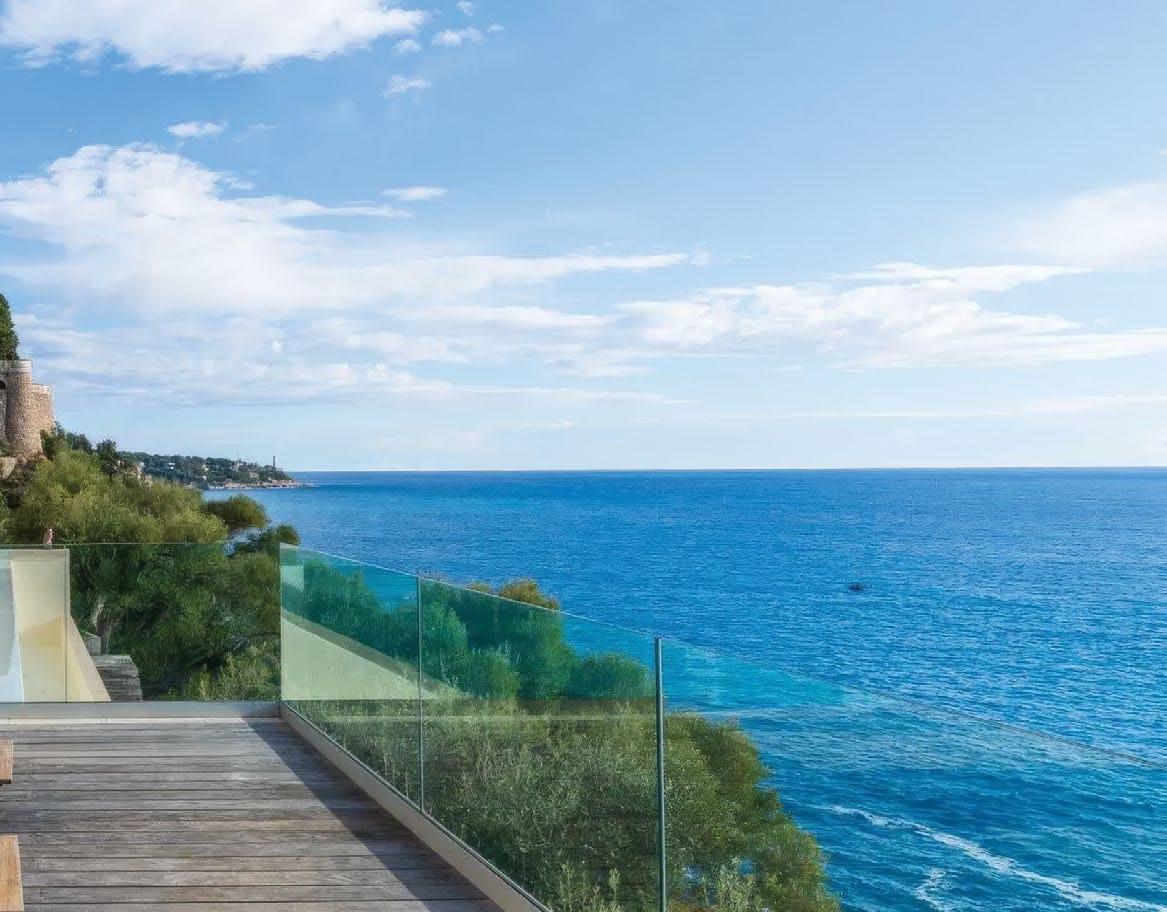
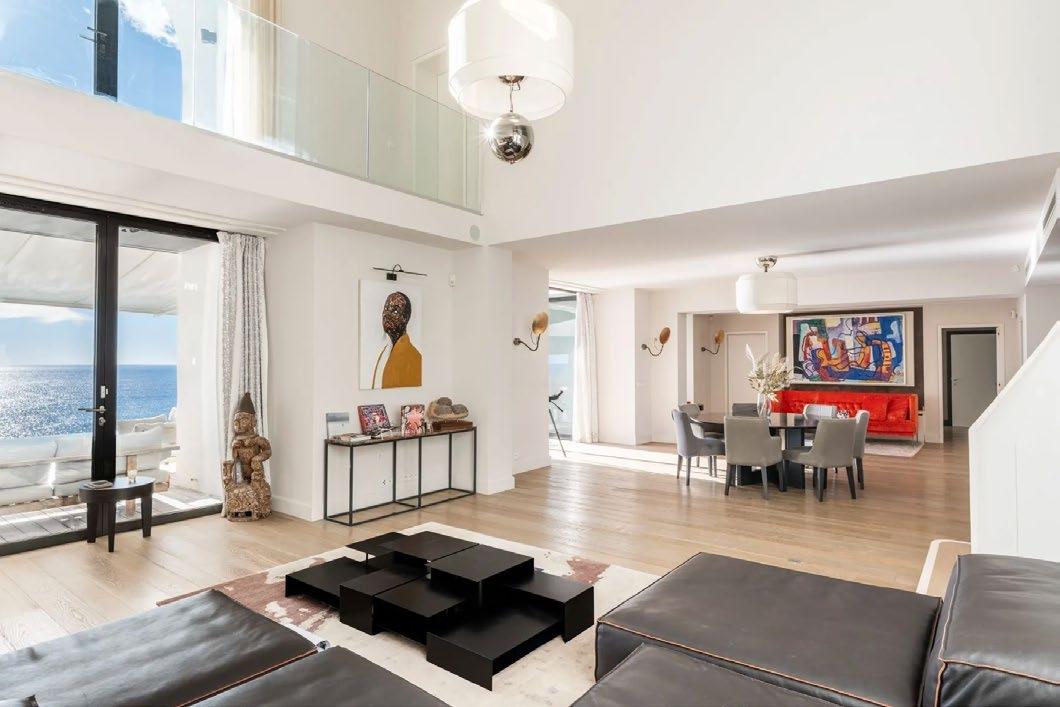
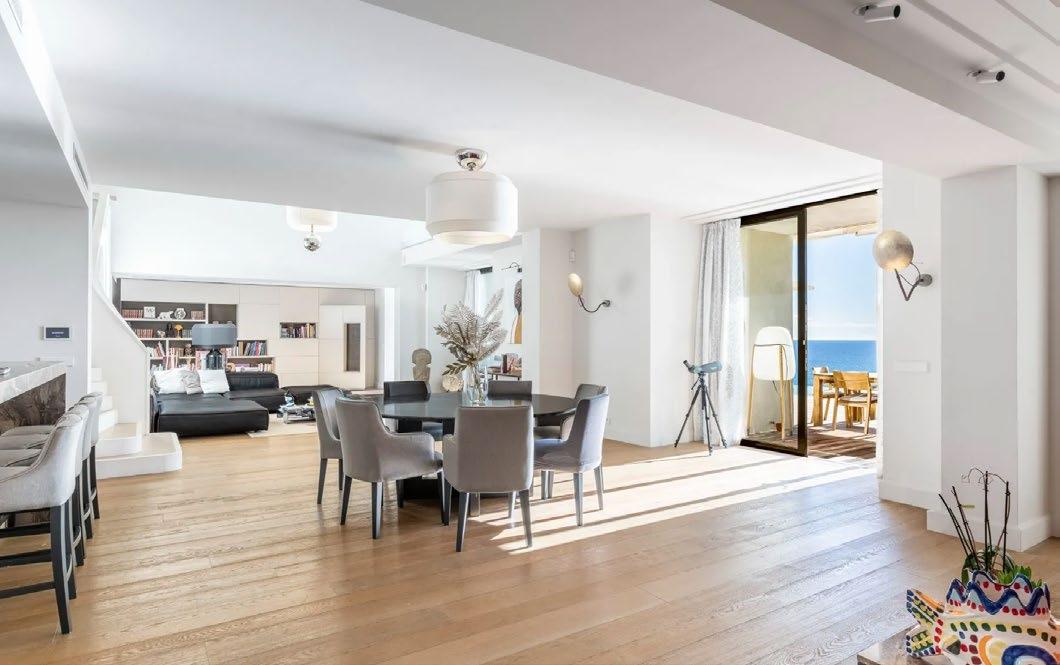
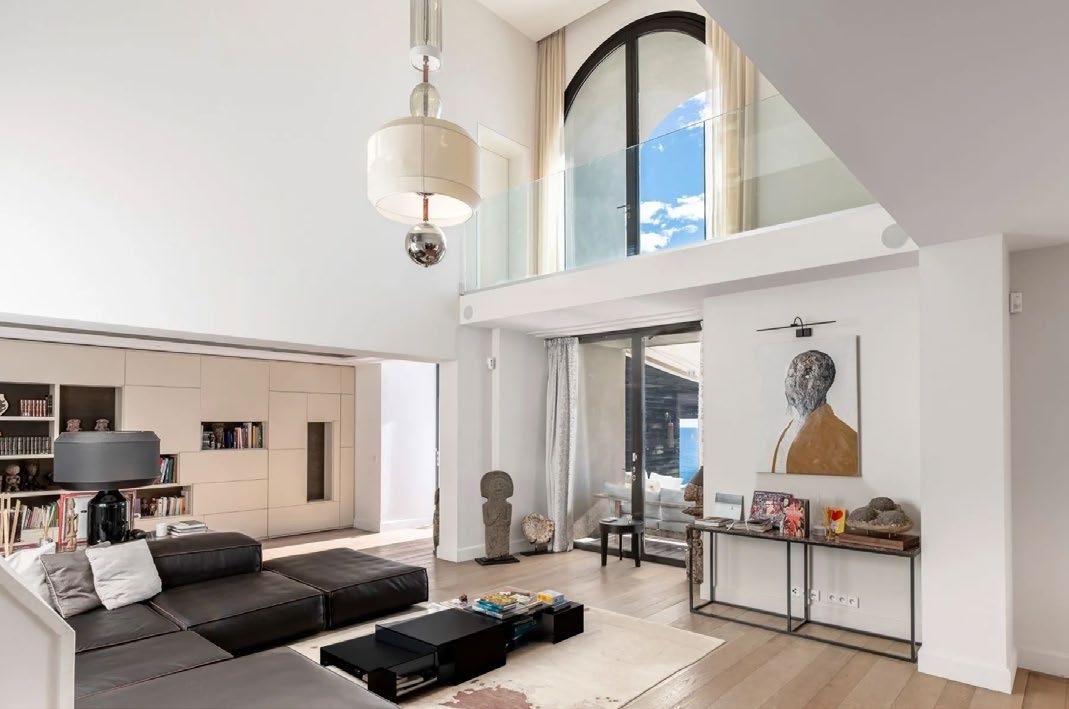
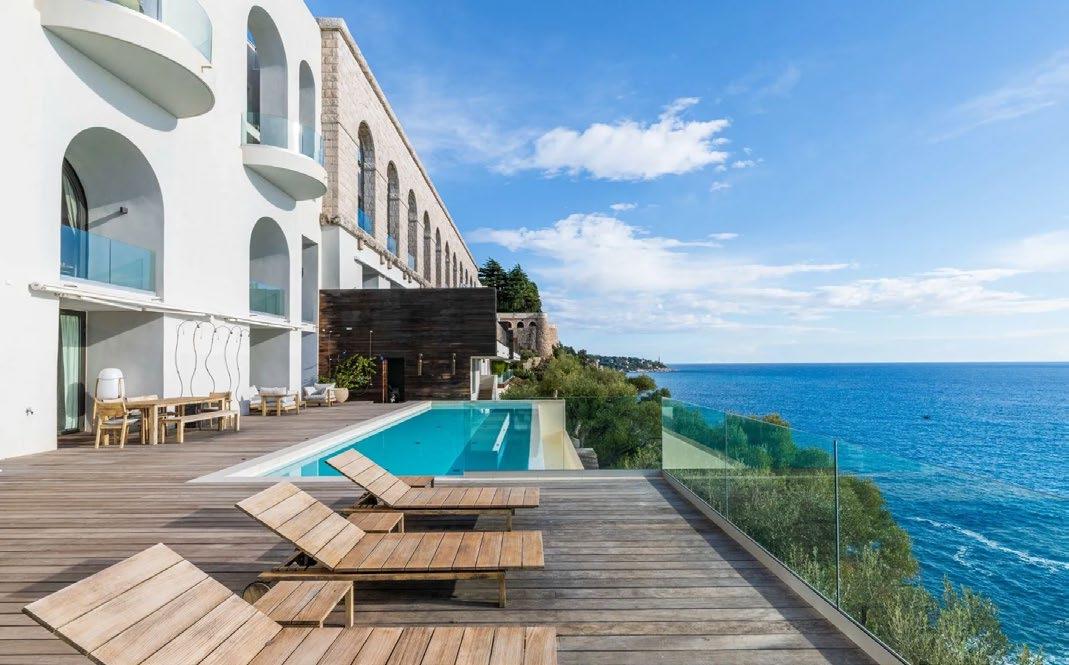
EXCEPTIONAL 480 M² APARTMENT WITH SEA VIEW, CAP DE NICE, PALAIS MAETERLINCK
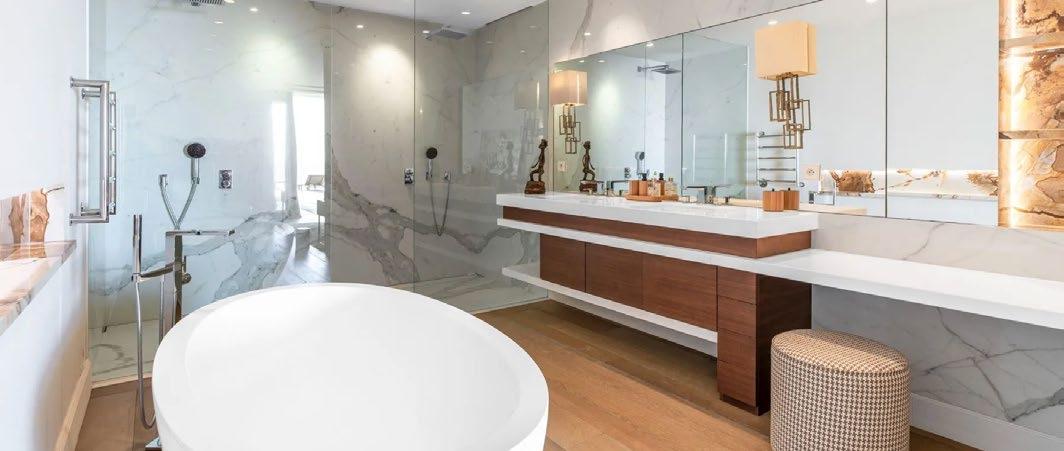
A contemporary duplex with terrace, private pool, and independent studio located in the western part of the Blue Bird residence within Palais Maeterlinck, this 480 m² duplex offers spacious interiors and high-end finishes, complemented by an independent studio.
Accessible by elevator, the duplex features a large master suite with dressing room, a mezzanine bedroom, and two en-suite bedrooms. The main level includes a spacious living/dining area with
a fully equipped American-style kitchen and wine cellar.
A fifth bedroom with a loggia can serve as guest or staff accommodation. The property benefits from a large wooden terrace overlooking the sea, with a private pool and barbecue/kitchen area.
A private funicular provides direct access to Palais Maeterlinck’s private beach. Double garage included.
Cap de Nice is one of the most sought-after residential areas on the French Riviera, offering an exclusive location close to beaches, shops, and Nice port.
For information or to schedule a
visit, contact Côte d’Azur Sotheby’s International Realty.
MANSION OF THE MONTH
$23,000,000 USD
BEDROOMS 6 | BATHROOMS 6 FULL AND 2 PARTIAL | INTERIOR
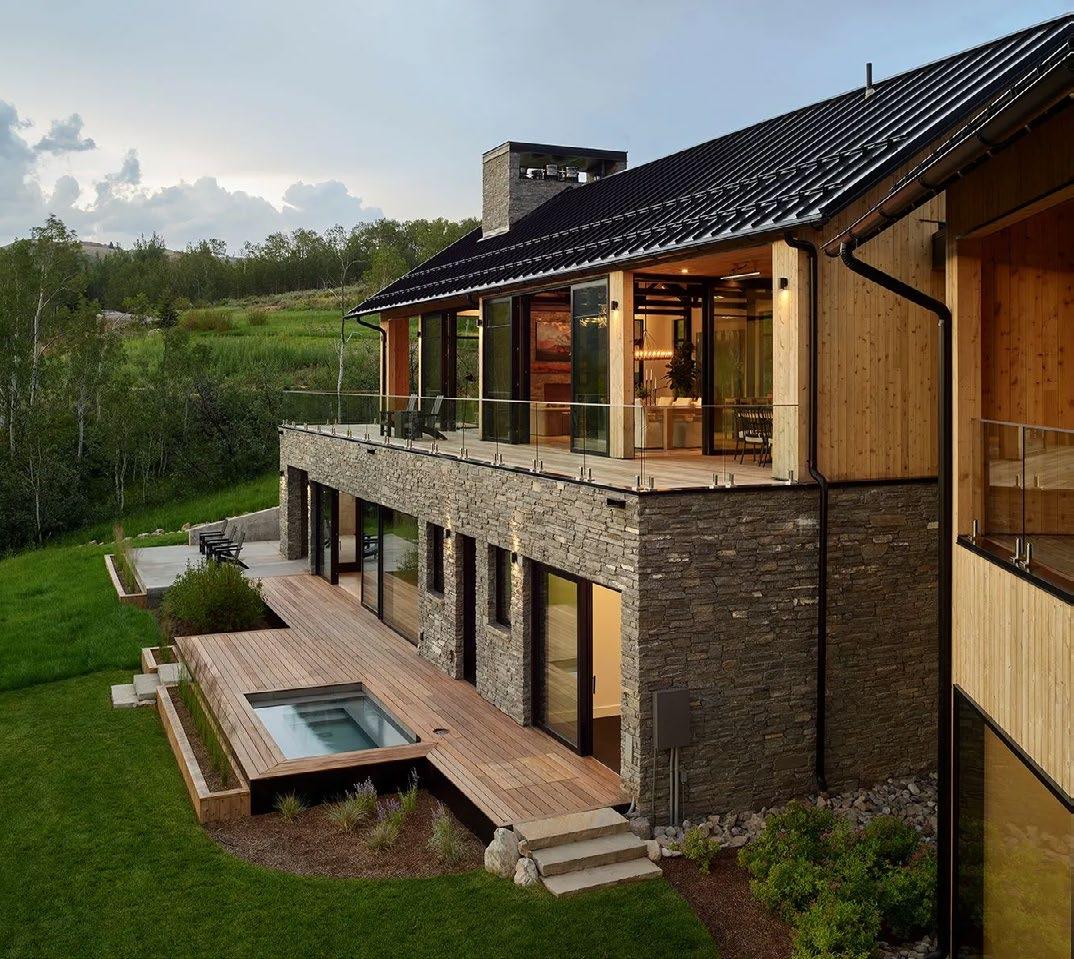
Located in the gated Gros Ventre North subdivision, in the heart of Jackson, Wyoming, is this newly constructed architectural masterpiece. Boasting exquisite craftsmanship and attention to detail, this home offers an unparalleled living experience amidst the breathtaking backdrop of the Teton Range.
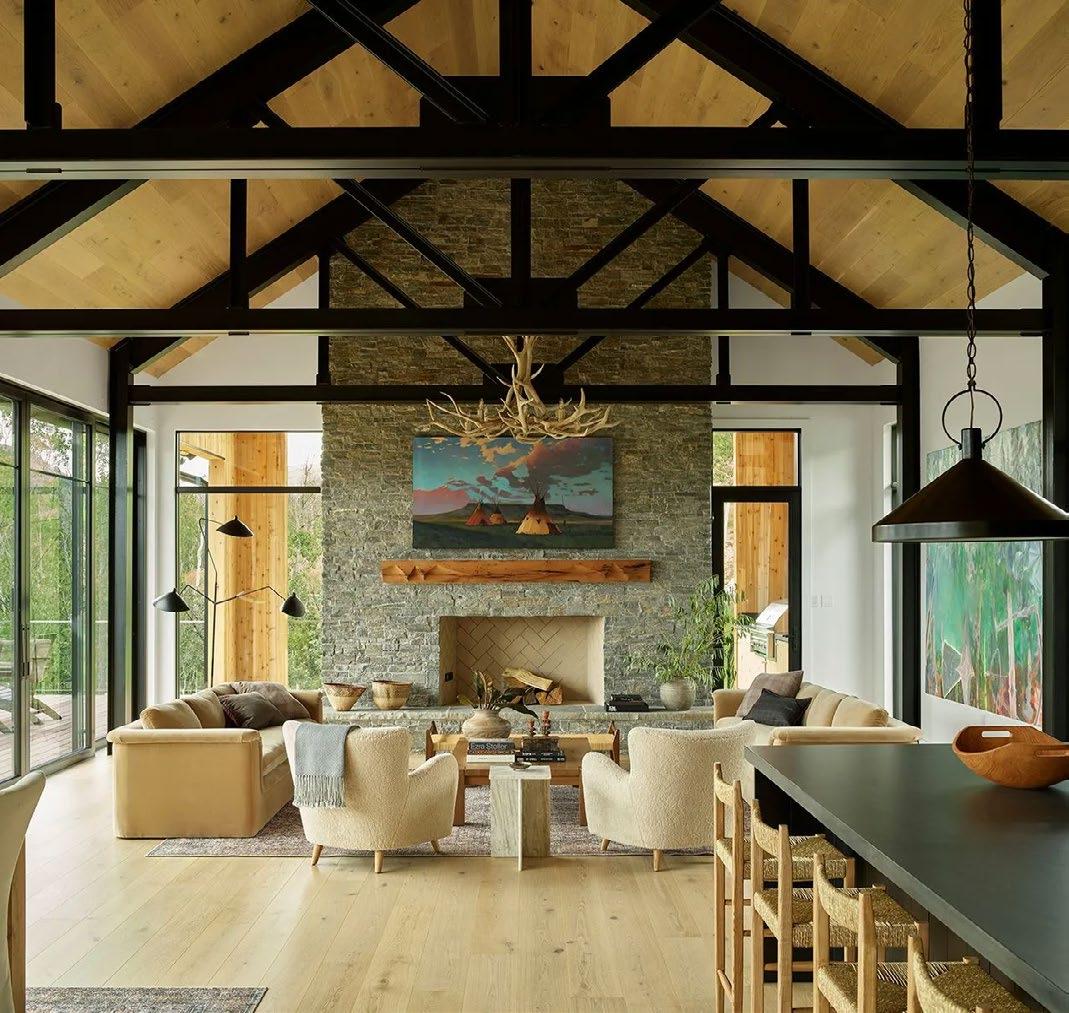
At the heart of the main level is the expansive Great Room adorned with vaulted ceilings and exposed steel beams. Gather around the floor-to-ceiling stone fireplace or express your culinary creativity in the chef’s kitchen, outfitted with top-of-theline appliances, tailor-made finishes, and a butler’s pantry.
Floor-to-ceiling windows and telescoping doors flood this room with natural light and provide seamless access to the expansive deck, complete with a covered outdoor dining area, a built-in grill, and an outdoor fireplace, perfect for entertaining against the backdrop of Wyoming’s natural splendor.
Step into opulence as you enter the spacious Primary Suite. Featuring his and her walk-in closets and a spa-like bathroom complete with a double vanity, double showers, a freestanding bathtub, and an outdoor shower, this retreat boasts privacy and comfort.
Relax and unwind on the private deck, offering a sweeping panorama of the Teton Range, or enjoy the warmth and comfort of the double-sided fireplace perfectly situated in front of a built-in reading nook. There is a private office located between the Primary Suite and the Great Room, designed for productivity and inspiration. With a private covered deck offering sweeping views of the surrounding mountains, this office becomes a private retreat within the expansive home.
Adjacent to the office is the mudroom, a transitional space crafted with custom millwork and thoughtful design elements. Here, gear, jackets, and shoes find a styl-
ish home, keeping the main living area pristine and clutter-free. Adjacent to the mudroom, is the upstairs laundry room and an additional coat closet to meet all your storage and cleaning needs. At the center of the home where the main level and lower level meet is a causeway flanked by expansive two-story windows which saturate the home with natural light while providing endless views of the surrounding wilderness.
Located on the lower level is the entertainment and media room. Unwind in the sprawling Media Room, equipped
with a full-sized wet bar featuring a wine fridge, ice machine, and dishwasher. Built-in shelves offer ample space for entertainment, books, and art. Indulge in recreation and relaxation within the gym and sauna, with seamless outdoor access to the meticulously landscaped backyard and built-in hot tub, creating an oasis of luxury and relaxation.
Additionally, attached to the Media Room is a spare Flex Room with an en-suite bathroom that is perfect for supplementary accommodations for guests. The south wing of the lower level is the dedicated
guest wing, with four en-suite bedrooms, each offering incredible wilderness and mountain views.
The garage is a haven for recreation enthusiasts, with expansive storage solutions ensuring that every vehicle, tool, recreational equipment, or seasonal gear finds its designated place. This six car garage bay designed to provide maximum utility and with over 1,500 square feet this space can easily house all of your standard and recreational vehicles.
BLENDED WITH NATURE IN THE HEART OF SAGAPONACK
A STORYBOOK ESTATE IN THE HEART OF SAGAPONACK
Set on three enchanting acres in Sagaponack, “Whimsy Farm” is a one-ofa-kind estate blending Hamptons farmhouse charm with French countryside elegance and Palm Beach flair. From the
original barn-turned-great room to the lush, sculpture-filled grounds, saltwater pool, dual kitchens and separate guest quarters, every detail invites relaxation, celebration and timeless style.
PROPERTY DETAILS
790 Sagg Road, Sagaponack, New York
5 Bedrooms | 6 Bathrooms
$6,995,000
Listed by Douglas Elliman Adam Hofer adam.hofer@elliman.com 631.236.8659
In Search of Solace Vine Fends
FROM FARMER TO FULL-FLEDGED VIGNERON: TOM GAMBLE
WILLIAM SMITH @willismith_2000 COPY EDITOR & WINE CONTRIBUTOR
THE DUST FROM THE TRUCK WAS VISIBLE BEFORE THE TRUCK ITSELF, BUT BEFORE TOO LONG, IT RAMBLED UP AND OUT JUMPED TOM GAMBLE.
I’d heard he was a farmer, first and foremost, something he later reiterated to me, and he appeared true to the profession. Proper hat to block the sun. Work boots bearing evidence of labor in the vineyards. I’d like to think he was wearing overalls on that first encounter, but I can’t say that for certain.
On a later visit, when we met at the elegantly austere white-painted barn that holds both the tasting room and production facility of Gamble Estates, he was again in similar garb. Similar hat. Similar boots. Maybe they were both the same. Jeans and the canvas cloth vest that is part of his unofficial uniform.
Yet, in the intervening 18 months, Gamble Family Wines had evolved significantly into what is now known as Gamble Estates. And if Tom has his way, the upscaling of his business and his legacy will stand boldly beside Napa Valley’s most reputable producers creating the most-collectible wines. Yet, I encountered this same man on both occasions, a farmer through and through and visually, a flashback to a Napa of old. The real deal.
From the moment I met Tom, I admired his lack of pretense and accompanying
amiable style. “I didn’t even know what a vigneron was when I started out, I was just a farmer planting grapes and selling them,” he remarked as we settled in for a few hours of conversation and wine tasting.
Tom’s family has been farming in the Napa Valley since 1916, namely grazing livestock initially. Tom’s wife, Colette, whom he describes as, “very involved but desires to be in the very back of the house,” also has family farming roots in Napa dating back to the 19th century. They are both very much of this place and continue to be. Tom’s mom still lives on the property and in the very home where he grew up. I relished a few of Tom’s stories about his rebellious youth as a punk rocker – a past we shared albeit on opposite coasts – in what was still a pretty isolated and rural place. He left for a while, but confessed he always knew that he’d come back and be a
farmer.
He bought his first vineyard in 1981 and added it to his “Family Home” vineyard. Today, Tom stewards 178 acres across four different Napa Valley appellations – Oakville, Rutherford, Mount Veeder and Yountville. The diversity of these world-class sites is one reason for the incredible wines Gamble Estates is
producing. The second is the business acumen of Tom Gamble, including in assiduously assembling these exact vineyard sites.
Tom speaks with great affection for what he learned from his grandfather and great uncle – namely a strong work ethic and that building a business – and
a legacy – means knowing when to shift gears.
For decades, Tom didn’t just grow grapes, he studied the vineyards under his stewardship with great care and precision. His knowledge of his vineyards is truly encyclopedic and surfaces frequently, and humbly, when in conversation with him. During this time, he was refining and replanting and in a constant state of learning. He has also fully incorporated regenerative organic farming techniques into his vineyards. As evidence of early skill in his craft, some of Napa’s top producers lined up to create wines from Gamble grapes. To this day, Tom sells close to 95 percent of all the fruit grown on Gamble Estates vineyards and it remains a vital part of the business model he’s developed. As I said to a sommelier friend of mine while we were recently tasting Gamble wines together, “You may not have heard of Gamble Estates, but you’ve definitely swooned over wine made from Gamble fruit.”
With the small percentage of the fruit that Tom keeps, and with a few decades of knowledge under his belt about the very best sites, blocks, and rows on his estate, in 2005, he bottled the first wine under the Gamble name. Many of these wines were affectionately named after beloved family members under the Gamble Family Vineyards label, but in the newer expression of Gamble Estates, are named by the appellation. The previous labels are now known as Gamble’s Library Wines. They also toyed for a short time with a lower price-point wine under The Mill Keeper label, but that too has since been retired. (Note – it is quite good wine and can be found inexpensively in retailers until what remains is gone.)
In Search of Solace Vine Finds
While the wine business is always a fickle one, the 2020 fires in Napa were devastating for many growers and producers, including Tom. “We took a multi-million dollar hit that year and it caused us to rethink a lot of what we were doing and where I wanted us to go in the future,” Tom reflected. The seeds of Gamble Estates as a producer of small-lot, exquisite wines may have been planted long ago, but the challenges of 2020 were also an opportunity.
“We were pursuing a velocity of growth, but we weren’t paying much attention to the momentum of that growth. It was too fast and not well-integrated overall. That I learned from my grandfather – to build a business that is an unstoppable force in the long run means you have to build it in a way where all the units are vertically integrated to support the entirety of the operation. I knew I wanted to do less, but better.”
That “less but better” philosophy underscores the renewed approach of Gamble Estates and its annual total production of around 3,500 cases. “I love our ‘house style” of wine,” said Tom, “and I didn’t want to change it, but it was changing
on the trajectory we were on. Really, the only thing I wanted to change was the upward trajectory of the quality of my wines.”
To do just that, Tom reached out to long-time friend and customer, Philippe Melka, one of Napa’s most revered winemakers, and his consulting firm Atelier Melka. “The great thing about Phillipe,” remarked Tom, “Is that he has put together a team that is incredibly strong and we all understand one another.” Also on Tom’s team from Atelier Melka is Director of Wine making, Maayan Koshitzky. Earlier this year, Tom shared with The Somm Journal that “Mayaan is our secret weapon... there are a number of extremely talented winemakers out there, but Maayan perfects our style and really is hands-on for our operation.” Tom also retained Jaime Medina, who joined Gamble in 2015, as the Estate Winemaker on-site to complete the wine making team. The wines, in a word, are exceptional and the reds demonstrate an aging potential for decades, while still drinking exceptionally well young. The two 100 percent Sauvignon Blanc wines are
examples of why consumers cannot get enough of the varietal from Napa. (More detailed wine reviews are in the accompanying sidebar to this article.)
As Tom and I taste through the wines, he’s eager to share the story behind the new label of Gamble Estates and other bottle details. Adding “estate” communicated the exact nature of control (they use only estate grown fruit), according to Tom, as well as designating a legacy and a heritage. The label itself embraces the family and the estate. The Napa River runs through the property and figures prominently. The heron – part of the historic Gamble family crest. Look closely on the tree and you’ll see Tom and his wife’s initials carved into the bark. And the capsule on the bottle –the color is as close to the color of Tom’s wife’s favorite lipstick as he could find. The bottle tells a history of a family and the place they’ve called home for many generations, full of heart and meaning and purpose.
As our time winds down together and I learn about the state-of-the-art security details built into each bottle of Gamble Estate wines to prevent counterfeiting, I’m struck anew by just how much Gamble Estates is leaning into the future. The careful stewardship of the land and the vines by Tom created this moment and this evolution in focusing in on small lots of exceptionally crafted wines.
As we part and Tom grabs his hat from the hat tree in the tasting room, he pauses and then remarks, “I guess I am evolving from a farmer into a vigneron… and with a little pinky in the air,” Tom motioned with his hand and with a big smile across his face.
Four Stellar Wines from Gamble Estates
The evolution from Gamble Family Vineyards into Gamble Estates meant going from a height of 10,000 cases per year to a current production of around 3,500 cases. That focus is creating exceptional and refined wines for enjoyment now and for long-term cellaring. Here are a few of my favorites. As always, Salud!
2024 Yountville Sauvignon Blanc ($60)
Gamble’s Riverbound Vineyard in Yountville is just over 32 acres with silty, floodplain soils. Yountville’s warm, sunny days, cooler nights, and foggy mornings, create ideal conditions for Sauvignon Blanc to reach its potential, which it does here in spades. On the nose, aromas of citrus, honeysuckle, and white flowers and on the palate, tart grapefruit mingles with tropical fruit notes, mint, and baked bosc pears. There is refreshing acidity and a
bright throughline of minerality, well balanced by six months of aging on the lees with just a touch of new French oak.
2023
Reserve Sauvignon Blanc ($150)
A lush and beautiful wine with 18 months of extended aging on the lees of fruit from select blocks of the Riverbound Vineyard in Yountville. Notes of lemon zest and chamomile emerge from the glass, followed by flavors of bright pineapple and papaya and minerality. The mouthfeel is bright but balanced with a long finish. Food friendly and will cellar well for years to come.
2023 Napa Valley Cabernet Sauvignon ($100)
This is Gamble Estates entry point red wine. A gorgeously opaque deep garnet in the glass, it’s exactly what you want from a well-crafted Napa Cabernet – fruit forward notes of boysenberries and mulberries, with the latter taking me on a
wonderful mental wandering back to picking berries from the tree in my Aunt Inge and Uncle Ed’s front yard. The tannins are plush, and notes of earthiness and leather develop on the palate, elevating and complementing the rich black fruit flavors. The blend is 79% Cabernet Sauvignon, 14% Cabernet Franc, 5% Merlot, and 2% Petit Verdot from fruit sourced from across Gamble Estate vineyards.
2023 Rutherford Cabernet Sauvignon ($200)
This was my favorite red among the extended line-up of wines I tasted with Tom. I generally love the unique flavors imparted to Cabernet Sauvignon grown in Rutherford, but Gamble’s expression is even more swoon worthy. Herbal notes, as well as cassis and dark cherry aromas, on the palate, big dark fruit flavors and an array of herbal flavors unfold (ah, that “dust”). Two years of aging in French oak and 6% Cabernet Franc create a richness and depth. Extraordinary.
AYAHUASCA, YASUNÍ, AND THE NEW LUXURY OF SACRED RESPONSIBILITY
As the global wellness movement searches for deeper meaning, Guardians of the Light - Ecuadorian Amazon Rainforest invites a more reverent path forward: Indigenous-led education, rainforest protection, ceremonial medicine approached with discipline, and the transformation of personal awakening into service to all life.
THE PROPHECY AND THE THRESHOLD
“The future enters into us, in order to transform itself in us.”
- Rainer Maria Rilke
An ancient prophecy carried
“My humanity is bound up in yours.”
- Desmond Tutu
in the Indigenous memory of the Americas, known as the Prophecy of the Eagle and the Condor, foretells of the age when the heart and mind shall unite in unified power and coherent direction. The Eagle represents the path of the mind - intellect, technology, industry, science, commerce, and power - while the Condor represents the path of the heart: intuition, Earth wisdom, ancestral memory, ceremony, feminine knowing, and communion with nature.
For centuries, the Eagle has ruled the sky, building empires, satellites, laboratories, markets, artificial intelligence, and networks of extraordinary reach. Yet, the Condor has continued to circle - above the Andes, within the Amazon, through river mist, root, medicine, dream, and ceremonial fires that have never forgotten the Earth as alive.
The Eagle does not die off, rather, the Eagle begins to sense the heart, and asks
whether progress can finally become consecrated to life.
This question defines the threshold before us. We live in an age of unprecedented intelligence and profound disconnection. Even the world’s most accomplished are quietly asking a more ancient question: What has our thirst for power and control robbed from our sense of life?
The answer comes from those that never stop listening - from the forest at dawn, from elders singing into darkness, and from a medicine that does not simply expand consciousness, but asks that consciousness to become aware.
This is why ayahuasca matters. Not because it has become a global trend, but because it opens a doorway into something greater than an individual experience: a living alliance with the Amazon, her Indigenous guardians, and the birthing of the Earth into an interstel-
lar living network. While ayahuasca provides the birthing canal to personal awakening, the deeper purpose of Guardians of the Light is to midwife that awakening into maturity for the crystallization of a new humanity - one guided by Indigenous wisdom, grounded in environmental protection, and capable of transforming science, wealth, leadership, travel, and healing into reverent service to life.
The medicine is not the destination; it is the doorway. Beyond the vision waits the deeper responsibility: to honor the rainforest, support the peoples and lineages who carry its wisdom, and allow personal transformation to become service to the whole.
THE URGENCY BENEATH THE INVITATION
“Our lives begin to end the day we become silent about things that matter.”
- Martin Luther King Jr.
RENEWAL
The launch of Guardians of the Light arrives at a decisive moment. Psychedelics are entering medicine. Wellness tourism is expanding. Indigenous wisdom is increasingly celebrated across global culture.
Yet, each movement carries a shadow: psychedelics can be absorbed into the same commercial systems they may help transform; wellness tourism can become consumption dressed in spiritual language; Indigenous knowledge can be admired while the peoples, territories, and ecosystems that sustain it remain under threat.
The Amazon is disappearing because human intelligence has been severed from reverence, markets from restraint, and appetite from consequence. WWF reports that roughly 18 percent of Amazon forests have already been converted to other uses, near the ~25 percent threshold beyond which the region may no longer sustain itself. WWF also identifies cattle ranching as a major driver, with cattle pastures occupying ~80 percent of deforested areas in the Brazilian Amazon.
Yasuní stands at the center of this test. In 2023, Ecuadorians voted to halt oil drilling in the Ishpingo, Tambococha, and Tiputini block of Yasuní National Park. Human Rights Watch reported in 2025 that Ecuador had not met the court-ordered deadline to halt extraction and close wells; in 2026, it further reported continuing extraction despite protections for the Tagaeri and Taromenane peoples living in voluntary isolation near oil facilities inside the park.
The danger falls most directly on those who stand between living ecosystems and destructive economies. Global Witness documented 196 killings of land and environmental defenders in 2023 and reported that 43 percent of those murdered were Indigenous Peoples. Honoring Indigenous wisdom must therefore become protection, sovereignty, benefit-sharing, and practical support for those defending the territories that defend life.
At the same time, the modern world faces an interior crisis. WHO reported in 2025 that more than one billion peo-
ple are living with mental health conditions, and more than 720,000 people die by suicide every year. OECD data show that antidepressant consumption rose by over 40 percent across OECD countries between 2013 and 2023.
While pharmaceutical medicine can reduce suffering and save lives, the scale of modern distress shows that healing must also expand beyond symptom management into relationship: with the body, the nervous system, the ancestors, the Earth, the spiritual realms of the unseen, and the future.
Guardians of the Light enters this moment not as a retreat brand chasing a trend, but as a response to forests under pressure, Indigenous guardians at risk, ceremonial medicine vulnerable to commodification, and human beings searching for meaning beneath modern success.
YASUNÍ: THE LIVING TEMPLE OF INDIGENOUS WISDOM
To build networks of true alliance, one must first understand the forest through
MONARCH VISIONARY HEAL
YOURSELF AND HEAL THE
WORLD
SPIRITUALITY FAITH
the eyes of the peoples who live in sync with her heartbeat. To speak of Yasuní is to speak of one of Earth’s great sanctuaries of living intelligence: a place where river fog lifts through the trees at dawn, birdsong thickens the air, and the forest does not merely surround the visitor, but seems to study them.
In Ecuador, where the Andes descend into the Amazon, lies Yasuní Biosphere Reserve. UNESCO describes Yasuní as one of the planet’s most biologically and culturally diverse regions, covering 2.7 million hectares and home to more than 75,000 people, including diverse Indigenous communities and uncontacted Indigenous communities. UNESCO also identifies Yasuní as one of the most bio-diverse areas per square meter on Earth, with 99.73 percent of the biosphere reserve represented by original natural vegetation.
For the Indigenous families who live with the forest, Yasuní is not an abstraction. She is food, language, medicine,
QUESTIONS GROWTH · FOCUS
memory, childhood, ceremony, burial ground, classroom, pharmacy, and a living temple. She is where elders carry plant knowledge not as information, but as responsibility; where rivers are not scenery, but relatives; and where the forest is not wilderness, but kin.
Yasuní is a planetary archive: a breathing cathedral of chlorophyll, rainfall, birdsong, medicine, memory, and spirit. Its canopy holds medicines not yet named by science; its waters carry the mineral memory of the Andes into the emerald heart of the Amazon.
Yet Yasuní’s wisdom does not float above its people. It is carried by elders, healers, families, and Indigenous defenders who protect territories not as property but as living relatives. Here, biodiversity becomes instruction: life is intelligent because life is relational.
When a forest disappears, humanity does not lose only trees. It loses languages of healing, ceremonies, songs,
preparations, diagnostics, prayers, stories, and subtle transmissions of knowledge no laboratory can reconstruct once severed from the people and ecosystems that carried them.
If the forest is destroyed, the medicine is orphaned. If the people are displaced, the ceremony is wounded. Ayahuasca cannot be separated from the ecology that carries it: forest, river, elder, healer, song, diet, prayer, myth, territory, dream, and moral responsibility.
Awe must become responsibility. Yasuní must be protected. Indigenous wisdom must be respected at its source. Those moved by the medicine must become accountable to the world that carries it.
SACRED WELLNESS TOURISM AND SACRED SCIENCE
“Mother Earth is not asking to be saved. She’s just demanding to be respected.”Nemonte Nenquimo
RENEWAL
The next evolution of wellness travel will not be defined by exclusivity alone. It will be defined by reverence. For decades, luxury tourism has been measured through access: the finest hotels, remote destinations, rare experiences, and curated comfort. A new class of traveler is emerging now - one no longer satisfied by beauty without meaning, access without ethics, or transformation without responsibility.
This is the rise of Indigenous-led sacred wellness tourism. It is not exotic healing. It is travel transformed into reverence. The destination is not merely a place to be seen, but a field of intelligence to be approached. The host community is not background culture; it is the primary wisdom-holder. The ceremony is not an attraction; it is a threshold. The medicine is not a luxury experience; it is a responsibility.
The initiatory journey begins before arrival: what one studies, what one releases, what one asks permission to enter, and what one is willing to learn. It
deepens after return, when the traveler must decide whether the experience will become memory, identity, or service.
For Guardians of the Light, the work is not to package the Amazon for the luxury traveler, but to prepare the luxury traveler to approach the Amazon properly: education before experience, consent before access, Indigenous leadership before outsider interpretation, reciprocity before consumption, integration before proclamation, and protection before promotion.
Wellness tourism asks: How can this place restore me? Sacred wellness tourism asks: How can my restoration serve this place? The Amazon is not simply a retreat destination. It is a leadership mirror, revealing whether ambition has become service, wealth has become protection, and intelligence has become reverence.
For the luxury traveler, this is a profound reorientation. The highest form of access is no longer proximity to rarity,
but proximity to responsibility. To enter a place like Yasuní is not to acquire an experience unavailable to others; it is to be entrusted with contact with a living world whose survival depends on humility, reciprocity, and protection.
This new category does not reject the psychedelic renaissance; it refines it. It asks that the return of ceremonial medicine be guided not only by clinical research, investment, and regulation, but also by the Indigenous worlds that have carried these medicines for generations.
Psychedelics are re-emerging across medicine, trauma healing, addiction research, spiritual care, and wellness culture. MAPS, founded in 1986, has helped shape serious nonprofit research and education in the field, even as recent FDA scrutiny around MDMA-assisted therapy shows the need for transparency, rigor, safety, and trained practitioners.
Ayahuasca occupies a singular place within this movement. It is certainly pharmacological, but it is also ceremo-
MONARCH VISIONARY HEAL
YOURSELF AND HEAL THE
WORLD
SPIRITUALITY FAITH
nial, ecological, ancestral, and relational. The clinical psychedelic renaissance asks: Can these substances help address trauma, depression, addiction, and suffering? Ayahuasca asks an older question: Can the human being return to right relationship with life?
That is where Indigenous wisdom must lead. Without Indigenous leadership, the psychedelic renaissance risks repeating the extractive pattern that helped create the modern crisis: taking the medicine, scaling the market, and forgetting the people, songs, territories, and moral universe from which the medicine emerged.
GUARDIANS OF THE LIGHT: THE BRIDGE TO BIODIVERSITY AND SOVEREIGNTY
“The clearest way into the Universe is through a forest wilderness.” - John Muir
Guardians of the Light is an educational, cultural, and ethical bridge for awakening leaders, researchers, wellness travelers, philanthropists, artists, and seekers who feel called to the Amazon but understand that ayahuasca must never be approached casually.
The Academic retreat serves as a preparatory and integrative pathway: part educational portal, part ethical guide, part cultural bridge, part conservation invitation. Its purpose is to prepare people before ceremony, honor Indigenous leadership at the source, support integration after retreat, invite thoughtful research, and translate personal awakening into rainforest protection, ethical travel, cultural preservation, and planetary service.
Through education, ethical preparation, Indigenous-led encounter, integration support, research dialogue, and
QUESTIONS GROWTH · FOCUS
conservation-centered storytelling, the Academic retreat offers a pathway for leaders and seekers to participate without reducing ceremony, culture, or medicine to a product.
The work begins with education before experience: learning about the Indigenous peoples who carry these traditions, the ecosystems that make the medicine possible, the responsibilities of conscious travel, and the difference between authentic transformation and spiritual projection.
It continues through Indigenous-led encounter, where wisdom is approached through relationship, respect, consent, and reciprocity. It deepens through integration after experience, when visions must become conduct, emotional release must become relationship, and insight must become discipline.
Finally, it culminates in planetary service: support for Yasuní, Indigenous guardianship, cultural preservation, conservation, education, and responsible storytelling. The question is not only: What did I receive from the medicine? The deeper question is: How am I now empowered as a steward of consciousness?
Guardians of the Light Academia therefore offers a clear model: prepare before entering; honor Indigenous leadership; approach ceremony with humility; integrate with discipline; support the forest and its people; let awakening become service. That is the responsible bridge.
THE NEW HUMANITY: A CALL TO SACRED PARTICIPATION
“The privilege of a lifetime is to become who you truly are.” - Carl Jung
The purpose of Guardians of the Light is not simply to introduce people to ayahuasca. It is to help educate a new humanity on the power to be harnessed through nervous system integrated service to consciousness.
This new humanity is not anti-modern. It is modernity matured. It does not reject science, wealth, technology, travel, ambition, or leadership; it asks that they be consecrated to life. It emerges when intelligence becomes reverent, wealth becomes protective, healing becomes service, and leadership is measured by responsibility to future generations.
This is the deeper promise of the Eagle and Condor prophecy. The Eagle does not need to lose its power; it needs to remember why power exists. The Condor does not come to oppose intelligence; it comes to restore intelligence to relationship. The future does not belong to mind alone or heart alone, but to their reunion.
That reunion must be practiced in how we travel, heal, conduct research, tell stories, spend money, honor Indigenous sovereignty, and protect the living world that makes ceremonial medicine possible.
This is the form of sacred participation now invited through Guardians of the Light. Participation does not mean every person must enter ceremony. It means each person who feels the call must ask how their gifts, resources, discipline, and influence can serve the worldthrough conservation, ethical research, integration, storytelling, policy, philanthropy, wellness leadership, or cultural preservation.
RENEWAL COMMUNITY SUPPORT EXPLORATION · ENERGY
The invitation is not passive admiration. It is participation with humility: the choice to approach the Amazon not as a consumer of transformation, but as a student of relationship. It is the willingness to let healing become service, insight become conduct, and awakening become protection.
Yasuní does not need humanity’s glamour. It needs humanity’s remembrance.
The Indigenous guardians of the
Amazon are not asking to be romanticized. They are asking to be respected, protected, heard, and supported as living carriers of wisdom humanity urgently needs. Their knowledge is not a relic of the past; it is a living intelligence for the future.
This is how a new humanity begins: not through escape from the world, but through deeper accountability to it. Not through spiritual consumption, but through reverent participation. Not
through the pursuit of another experience, but through the willingness to become worthy of what has been revealed.
The medicine opens the doorway; sacred participation determines whether humanity is worthy to walk through it. The future of luxury is not possession. It is reverent participation in the protection of what is sacred.
Visit www.GuardiansOftheLight.com for more information.
THOUGHTS MATTER
"THE
MENTAL BREAK-DOWN" PODCAST IS NOW ON ALL STREAMING PLATFORMS
COACH JOEY VELEZ MENTAL WELLNESS CONTRIBUTOR
@velezmentalperformance
THERE
IS
-
A CER
TAIN PRES
ENCE YOU NOTICE IN HIGH PERFORMERS WHEN THE MOMENT GETS HEAVY. WHEN THE CLOCK IS WINDING DOWN, THE STAKES ARE CLEAR, AND YET THEY LOOK COMPOSED. MOVEMENTS ARE MEASURED, DECISIONS DELIBERATE.
They don’t rush, even when time is limited. It’s tempting to call this natural. Some people are just calm under pressure. But that belief quietly lets everyone else off the hook. Composure is not a personality trait. It is a trained response. At the highest levels of performance— sports, business, leadership—pressure is not occasional. It is the environment. In that environment, composure becomes a separator, not because it looks impressive, but because it preserves clarity, timing and execution.
The question is not whether you feel pressure. You will. The question is whether you can still function effectively when it shows up?
UNDERSTANDING COMPOSURE: CONTROL WITHIN CHAOS
Pressure doesn’t create new behaviors—it amplifies existing ones. Under stress, the brain defaults to what is most familiar and most practiced. That is
why mental habits matter as much as physical preparation. Under pressure, attention scatters or narrows, emotions intensify, and decision-making becomes rushed or hesitant.
Composure is the ability to stabilize those systems. Not by removing emotion, but by regulating it—feeling it without letting it drive behavior. Emotion is inevitable; reaction is optional.
Attention is also critical. Under pressure, it drifts forward into outcomes or backward into mistakes. Both pull you away from the only place performance exists: the present moment. Elite composure is the ability to keep returning to now. Breakdowns in composure are often subtle: a rushed decision, a hesitation, a shift in body language, a small lapse in focus.
At high levels, those small moments decide outcomes. Pressure also narrows perception. Options feel fewer, thinking becomes reactive. Composure protects your ability to think clearly and act deliberately when it matters most.
STRATEGIES TO BUILD AND MAINTAIN COMPOSURE
Composure is a skill, not a trait. First, build a reset routine. When mistakes happen, the goal is not to dwell but to reset quickly: a slow breath, a physical release (posture reset, shoulder drop), and a cue word like “next” or “reset.” Over time, this becomes automatic.
Second, narrow the moment. Instead of managing everything, focus only on the next action. Ask: “What does this moment require?” High performers execute one moment at a time.
Third, train under pressure on purpose. If you only practice in controlled settings, pressure will feel unfamiliar when it matters. Add constraints, consequences, and variability so response becomes practiced.
Fourth, separate emotion from action. You will feel pressure. The key is not letting it dictate behavior; instead, say, “I can feel this and still do what’s required.”
Finally, anchor to process over outcome. Outcome focus increases pressure; process focus restores control. Preparation, execution, and attention are what you control in real time.
FINAL THOUGHTS
In high-performance environments, the difference is rarely who can perform— it’s who can perform under pressure. Composure is not about eliminating emotion or hoping moments feel easier. It is the ability to stay clear, deliberate, and present when everything pulls you away from that state. The defining moments in performance are rarely comfortable. Composure is what allows you to meet them anyway.
COCKTAIL COLLECTION
AVAILABLE AT PIAGET BOUTIQUES WORLDWIDE
A vibrant invitation to celebrate life's golden moments. Flamboyant jewels, a blend of festive audacity and timeless sophistication, brightening every day.