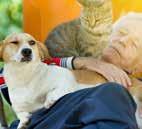
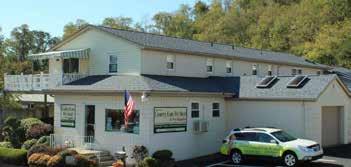
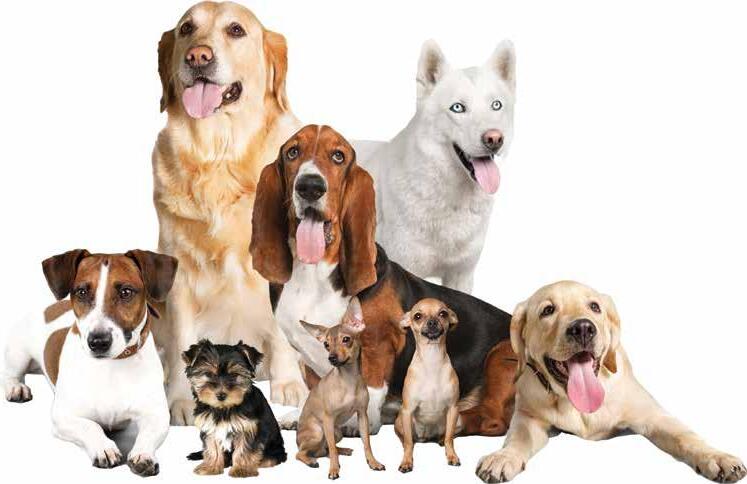
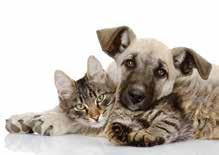
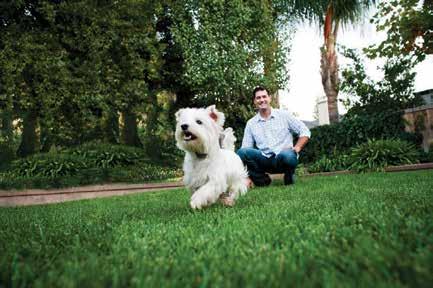
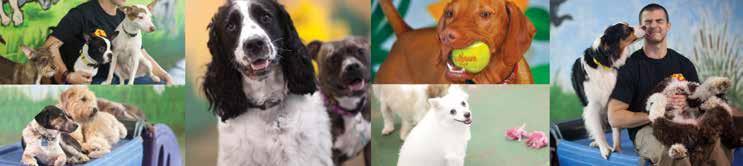
Is your dog unhappy or lonely while you are at work or school? Give your companion the personal attention he or she deserves throughout the day by enrolling them in Big Easy Dog Daze. Located in the trendy neighborhood of Lawrenceville, PA, your pet will have fun and stay active in a safe and caring environment, plus have the opportunity to play and socialize with other dogs. We offer full and half day pricing as well as five, ten and twenty day packages.
Dog Boarding
Dog Daze offers boarding for your dogs while you are away. Once checked in, your dog receives only the finest amenities, which include CLEAN & DRY indoor accomodations, spacious clean runs with continuous contact with staff throughout the day, 4 to 6 daily outdoor break (always supervised), supervised daily play-group or staff interaction (dogs not suited for playgroups enjoy
one-on-one play with staff), and individual meal preparation using food from home.
Cat Boarding
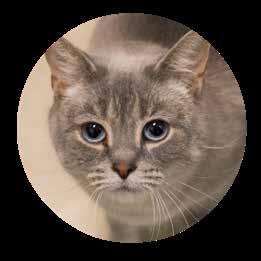
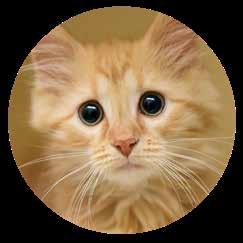
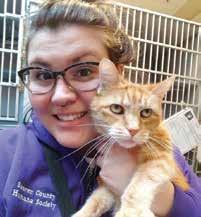
Need to have your kitty enjoy the comforts of home while you are away? We have a “Cats Only, No Dogs Allowed!” boarding room at the Big Easy Animal Hospital section of the facility. Or Kitty Condos have a sunny window ledge with a view of our future cafe. We have a large private play area, complete with climbing trees, tunnels and a lot of play toys!!!
Dog Daze & Cafe
Get your day started with a locally sourced and brewed coffee and a selectable pastry from our cafe. Free wifi makes it a perfect place to work away from the office. Veterinarian owned, Pet Bakery of Oakmont, will be selling their goodies on site. More details about our dog friendly cafe coming soon........
Now offering Grooming!
A VIP Membership for You and Your Loved Ones
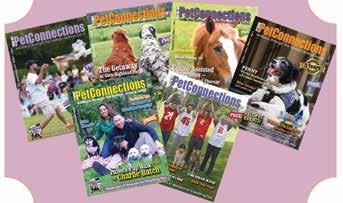
I started PetConnections because of my passion for the Human-Animal Bond. I also wanted to let others tell their stories and provide the best information possible on caring for your pets, as well as support local animal organizations. Now you can be a part of PetConnections family with added benefits!
What you get with a PetConnections VIP Membership:
• PetConnections magazine mailed to you, 6 copies per year.
• Digital issue Eblast with newsletter every issue, including early notice of upcoming contests and events.
• Discounts from local businesses.
• Listing on the VIP Membership Page of you, your family and your pets!
• Free admission to PetConnections events and free or special admission to other pet events.
• Other surprises, including invitations to exclusive dinners and events.
Many of our advertising sponsors have asked about additional partnership opportunities beyond advertising and, thanks to your suggestions, we have created Membership programs for businesses and organizations.
Basic Business Membership, $100/year
Includes magazines for your business. Your location will be featured online at the Pick up a Copy Distribution list and listed on our sponsor page in print and online.
VIP Business Membership, $100/month
Includes Basic Business Membership benefits PLUS the ability to include a special offer for VIP Members online and to insert a flyer in VIP Membership envelopes mailed with every issue, advertising on one eblast with link through to your site or page, free tickets to PetConnections Expositions, sponsored events and VIP Social Events. Social media mentions.
Non-profit Partner Membership for Tax Exempt Charity or Foundation, $100/year Includes one feature article, online and print directories and event listings.
Please join and pay securely online at www.PghPetConnections.com/subscribe
Membership payments may also be mailed to 154 Lutes Road, Finleyville, 15332 or call to process your credit card securely: 724-503-8695 You may email additional inquiries and questions to: info@pghpetconnections.com
The cost is up to you! Receive basic VIP recognition for $25. Esteemed VIP $50, Highly Esteemed VIP $75, Gold VIP $100 or more. We would love if you could include a personal note and photos as well! We will respond to everyone. Sign up today! http://www.pghpetconnections.com/Subscribe/ Memberships for Business and Non-Profit Organizations are also available for many benefits and may participate in special offers to our PetConnections Members!
what
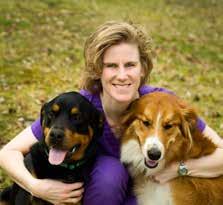
Carla Mader, Publisher
CORRESPONDENCE
info@pghpetconnections.com
724-503-8695
All Rights Reserved | Copyright 2016
PITTSBURGH PETCONNECTIONS BI-MONTHLY published by: Pittsburgh PetConnections, LLC. Pittsburgh PetConnections LLC. was formed in 2012. Our mission is to publish a high quality, informative publication focused on the Human-Animal Bond. We support local businesses and also assist local non-profit businesses for pets and people, to give back to our great Pittsburgh communities.
MAGAZINE PUBLICATION STAFF
Carla Mader, Managing Editor
Kara Jones Photography, Photography
Jaimee D. Greenawalt, Graphic Design
Carla Mader, Sales & Distribution Manager
ADVERTISING SALES
Robin Reinfeld, Sales Pittsburgh 412-780-2254 | rrcd@aol.com
Denise Iamurri Bartman, Marketing Director Pittsburgh & Central OH
Our team has been working very hard this year on our expanding PetConnections pawprint to further our mission of education and community and with that comes very exciting news! PetConnections is launching our Membership Drive this issue through October to thank our readers and sponsors and continue our mission. Partnerships with the Pittsburgh Post-Gazette, and now the City Paper and Steel City Media allows us to provide multi-media packages including tradeshow, print, digital and radio to better customize advertising campaigns. This makes us a leader in pet media offerings for our advertising sponsors, to gain maximum exposure to our unique reader demographic of pet loversfor both pet and non-pet related businesses and organizations!
PetConnections is also now producing our own major events, Pet Expositions and a new breed of tradeshow encompassing the theme of Education and Community, in alignment with of our award-winning magazine. We are offering a dynamic combination of education seminars with pet experts at our Pet Symposium, along with exhibits offering the latest and greatest in pet and home products and services, with local pet businesses and organizations, along with animals, entertainment and attractions, and also a Gala to benefit HAAWC – the Human-Animal Advocacy & Wellness Centers, Inc. Promoting wellness through the HumanAnimal Bond (haawc.org) and participating local animal organizations.
The Inaugural PetConnections Pet Expo, Symposium & Gala in Columbus, Ohio will be held at the Greater Columbus Conventions Center on October 15 & 16, 2016. We will be announcing our spring 2017 date for a Pittsburgh Symposium & Gala! More announcements and details of the show will be coming to our website www.petconnections.pet
This Issue
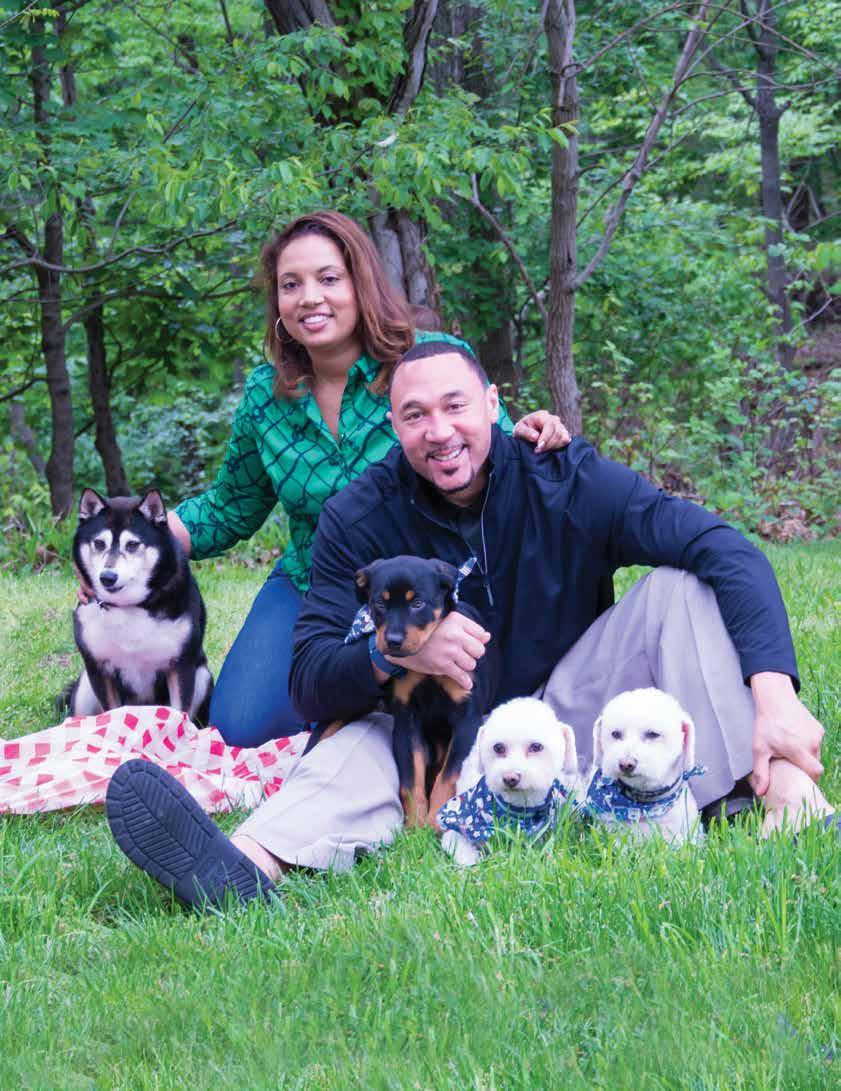
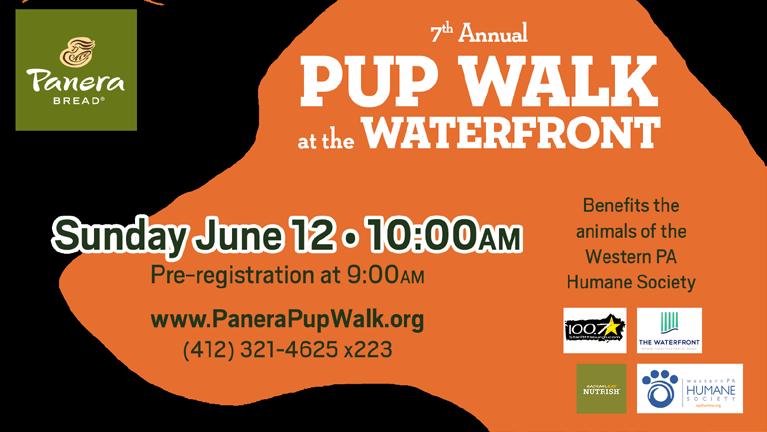
We thank Charlie and Latasha Batch with their furry family for providing our cover photo. They along with Panera, the Waterfront and PetConnections are sponsors of the 7th Annual Pet Walk at the Waterfront. See our events page for a list and dates of additional upcoming events like the Panera Pup Walk, Hearts & Paws Pet Fair and more!
Our new Artist and Photography Spotlight features April Minech from CARMAA and her digital artwork that benefits many local animal organizations. Our featured business is All About Pets Veterinary Hospital. They are announcing their new associate, Dr. Christopher Threadgill and opening of their second location in Washington, PA! We are also featuring Thousand Hill Pet Crematory in our Remembrance section.
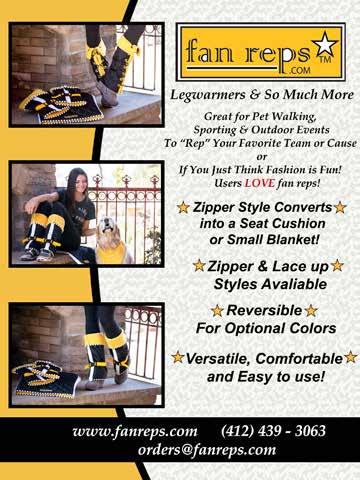
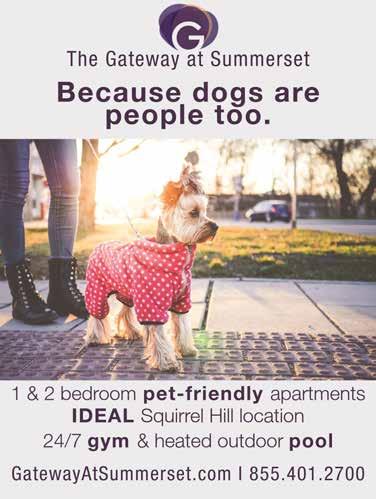
We welcome new non-profit partner, CARMAA, Inc. We also welcome our new advertising sponsors Lucky Paws Pet Resort, Thousand Hills Pet Crematory, The Gateway at Summerset pet-friendly apartments, Nissan East, Happy Pets Training and Fan Reps! Every ad supports the donated and discounted ads for local organizations that PetConnections sponsors. Please help support our advertising sponsors! See their locations and ad directory on the map page. Check out our PetConnections Resource Directories for categorized listings and our online directory pages www.petconnections.pet.
Read about Lyme disease, Probiotics in Pets, Stress in Cats, the Complete Rider, and in our Wellness for Guardians section, Healthy Eating by Kristen Lane, and so much more. Submit your photos and stories, as well as remembrances to be featured online and in future issues to: info@pghpetconnections.com.
Thank you for picking up this copy of PetConnections. Take care of yourself and your animals and be well this early spring season!
Warmly,
Carla Mader Publisher Pittsburgh |
Central Ohio PetConnections Magazine
Please submit any correspondence to: info@pghpetconnections.com Please check us out on the web & subscribe at: www.petconnections.pet. Follow PghPetMag on Twitter and “Like” us on Facebook! http://www.facebook.com/PghPetconnectionsMagazine Disclaimer: The views expressed in our content does not necessarily reflect that of PetConnections Magazine. PetConnections shall be indemnified against damages from content including ads and articles, false advertising libel, trademark infringement, etc.
Human-Animal Bond
Human & Animal Healing
By Susan Wagner, DVM, MS, ACVIM
There stood George Washington, looming larger than life, peering over Paul McCartney. With his outstretched arm, it looked as if George was singing Let it Be, or Hey Jude. It was quite a surreal moment. Isn’t that one of the great things about our country? We can watch Paul McCartney, Elvis Costello, Emmylou Harris, Herbie Hancock and a number of other artists perform in the White House, on a stage set underneath George Washington’s portrait.
McCartney received the Library of Congress Gershwin Prize for Popular Song. During President Obama’s presentation speech, he mentioned the power of music and the arts. He told us how they help us make it through difficult times in our lives, and inspire us to be better human beings. The magic of music and art, however, goes beyond inspiration and comfort. They allow us to transform our lives. Whether we are creating or experiencing, they help us express our challenges in a positive way, which is part of the healing process. In doing so, we bring forth a positive energy for all beings and the planet.
species of animals have been used to treat a variety of physical and emotional disorders, including dogs, cats, horses, rabbits, llamas, reptiles and even insects! We also know that nurturing animals can be as beneficial to the person as it is to the animal. As people assist animals in healing, they themselves can be healed.
Picture a rural setting where healing begins just by virtue of walking onto the property. We see people taking nature walks, painting or doing photography. Across the grounds we hear music, and watch the gardeners. Seniors are working together with children; both of them are interacting with animals.
In an outdoor arena, a disabled child rides his therapy horse, beaming with pride as he sits high above the people around him. When he is on this glorious animal, he becomes larger than life himself. The horse’s warmth relaxes the child’s cramped muscles, and the riding movement stimulates his musculoskeletal and nervous systems. The most phenomenal part of this process is the energy exchange between the child and horse.
This animal’s amazing energy entrains with the child’s, and healing moves to a higher level. The horse becomes the energy practitioner.
Animals do the same thing. They assist us in facing our difficulties, and open our hearts to healing. Whether it is with an assistance, search and rescue, therapy animal or beloved pet, humans and animals are instinctively wired to help each other. Animal assisted therapy programs have been utilized for physical disorders since the late 1800’s, and are currently gaining recognition within the medical and behavioral health communities. Several
Whether we are creating or experiencing, they help us express our challenges in a positive way, which is part of the healing process.
One of my goals is to have a human and animal healing facility. Because of the energetic nature of the human-animal bond, when more than one species heals together, it creates a synergistic effect.
Then comes the cherry on top, the have your cake and eat it too version of healing. The child looks out over the riding arena and sees horses and dogs doing their rehabilitation therapy. They have struggles, pain and frustration, too. I can imagine the child’s thoughts – if they can do it, so can I! We witnessed this phenomenon with Barbaro, the 2006 Triple Crown contender who suffered a devastating broken leg. People actually wrote to him, explaining that they were able to persevere through their suffering because he was such an inspiration to them. Barbaro ultimately lost his battle, but not before helping many others win theirs. Animal assisted healing may show up in unusual ways, but thank goodness it does. PC
JUNE / JULY 2016 UPCOMING EVENTS Events
June 12 Western PA Humane Society
PANERA PUP WALK wpahumane.org
June 16th Animal Rescue League
PUPS ‘N PINTS animalrescue.org
July 16th Animal Rescue League UNCORKED animalrescue.org
June 16 Animal Friends
WISH 99.7 6TH ANNUAL PURSE PARTY thinkingoutsidethecage.org
June 17th Animal Rescue League
WIGLE, WAGS & WHISKEY animalrescue.org
June 25th Hearts and Paws Ministry
PET CARE & ADOPTION FAIR 412-277-1096
July 17th OHPA Bird Fair www.ohpabirdfair.com
July 21 Animal Rescue League
PUPS-N-PINTS animalrescue.org
PUPS ‘N PINTS animalrescue.org
August 11th Animal Rescue League
Featured Business
We love to highlight the work of special area businesses who give back to the community and in this issue, All About Pets Veterinary Hospitals is topping our list!
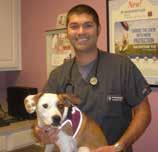
AAPVH is a full service, familyoriented practice and integral part of the Canonsburg and Washington County communities. It is run by Michele Sacksteder, DVM, along with
By Carla Mader
with the family and really enjoys scrapbooking the family events.
AAPVH is very dedicated to the variety of community work that they participate in. Dr. Sacksteder is the veterinarian for the Washington PetCo, where she cares for an array of animals, including their featured adoption pets.
Working with many area animal rescue organizations including Puppy Connections, she does a lot of work with The Western PA Great Dane Rescue and has
cated to Pittsburgh 4 years ago. He also lives locally with his family and owns multiple dogs, is an avid saltwater aquarium hobbyist and enjoys brewing his own craft beer.
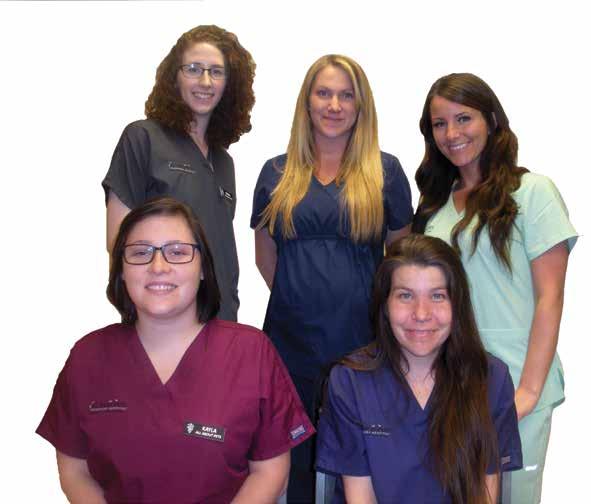
You will find outstanding service and patient care at both AAPVH locations. The client services and technical team offers personalized care and treats clients as family. In fulfilling their mission, AAPVH offers full service veterinary services with surgery, dentistry and state-of-the-art digital radiography. They place a huge emphasis on
In Canonsburg (and now Washington)
her husband and practice manager, Jon Witmer. They live in the area with their 6 children, 3 cats and a dog.
Dr. Sacksteder is a licensed, experienced veterinarian. She is a 2001 graduate of the Ohio State University College of Veterinary Medicine. She has been local to Washington County since then, having worked as an associate at Washington Animal Hospital, up until 2008 when she founded AAPVH in Canonsburg. How befitting and pleasing to hear of the recent announcement for the opening of their second hospital in Washington at 829 Jefferson Avenue, to take over the original WAH practice and continuing to serve those clients.
Dr. Sacksteder is “extremely devoted to her patients”, says husband Jon, and when she is not practicing veterinary medicine or doing community work, she spends time
been called in during the night to care for them and in many cases saves their lives. She has provided pro bono services for the Cecil Police Department’s canine officer, Minor, since 2008.
In addition to all of the pet-related community contributions, AAPVH Sponsors the Fraternal Order of Police #22 Oldies Concert. AAPVH donates and participates regularly to veteran causes and events. Their larger sponsorships include Cecil Friends if Montour Trail, the Officer Phil Program for Education at the Canonsburg Elementary School and also provides a scholarship for animal science/veterinary prospects for the Community Scholarship Foundation at Canon-MacMillan.
AAPVH welcomes new associate, Christopher Threadgill, DVM. He is a 2010 graduate of the University Of Tennessee College of Veterinary Medicine and relo-
client education and offer pet nutritional counseling. AAPVH goes above and beyond to provide the safest vaccines and protocols, laser surgery and laser therapy, pain management, preventative and routine care vaccinations, microchipping and much more including onsite pharmacy and veterinary diets. They also offer Petly, a friendly patient portal on their website www. aapvet.com where you can access your pet’s information, request appointments and pet medication refills and more.
Please contact AAPVH at 724-745-5503 for more information and to schedule an appointment at the location most convenient for you: Washington: 829 Jefferson Avenue 724-503-4887
Canonsburg: 155 East Pike Street 724-745-5503 PC
Directories
Animal Educational Exhibits
North:
The Pittsburgh Zoo & PPG Aquarium pittsburghzoo.org
The National Aviary nationalaviary.org
Animal Communication
Greater Pittsburgh Area: Renee Takacs, M.A. intuitguide.com
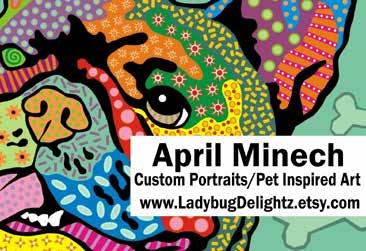
Animal-Related Art, Photography & Retail April Minech Custom Portraits | Pet Inspired Art www.ladybugdelightz.etsy.com
Greater Pittsburgh Area: Pittsburgh Career Institute 412-281-2600 | pci.edu
pghpetconnections.com/Dog-Cat-Directory
List your business today! info@pghpetconnections.com
Rescue & Shelter
Art & Photography Spotlight
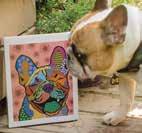
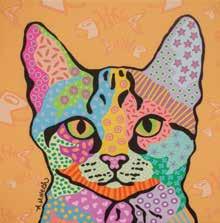
Animal welfare has always been a driving influence in April Minech’s life. With a starting role as a shelter dog walker 15 years ago, she began a journey that would merge her background, love of animals and artistic abilities into the distinct work she produces today. From the early days of volunteering, Ms. Minech knew she wanted to do more for the animals. She spent the next 10 years studying dog behavior around the country, and applying those ideas to shelter dogs through volunteering. Her job at the time also allowed her the opportunity to illustrate shelter animals for marketing purposes. The unique digital illustrations were popular and several rescue groups used them as fundraisers, in which April donated her time to do custom portraits for donations to the organizations.
there, and that became a metaphor for shelter animals”, she says.
For the past 3 years, she has worked out of her McKees Rocks studio painting and illustrating a large number of shelter and rescue animals, or pets that are owned by the people supporting those efforts. “Working with shelters and rescues, you get to see many sides of an animal. They usually come in reserved, scared or just unloved and blossom with the care they get from these organizations and the people who open up their hearts and homes,” says Minech.
Washington Area Humane Society
Don ate Online at: www washin gtonpashelte r org/ donate
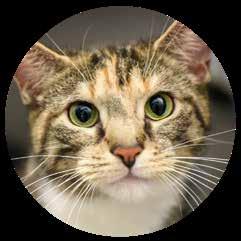
My name is Dottie and I’m a 6 year old short hair tabby cat. I’m a sweetie and I love to be held and cuddled! I was a little sad and scared when I got here because I missed my human, who had passed away. But after lots of TLC, I can’t wait to find a new home! I would be great with other cats and older kids.
My name is Ginger and I’m an 8 year old Carolina Dog. I’m very sweet and I love to cuddle! I’m missing multiple teeth and I also have a few fractured teeth from a ruff life as a stray. I would be great in a home with other dogs and older children. Let me be your spice of life!
Her style evolved from drawing using only a mouse, and a simple paint program. “There’s much fancier equipment for digital drawing now, but I’m older and set in my ways, and more than a little stubborn. As for the colors and patterns in my art, my mom is a quilter and I used to help her pick out material for projects. I just loved putting all the colors and pieces together to create an end result that was super colorful yet balanced and fun to look at. A piece of fabric would look green at first glance, but upon closer inspection it would be yellow with tons of tiny blue leaves and brown stripes. You’d have to take a closer look to see what was really
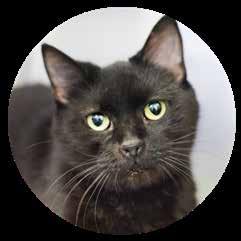
My name is Bossy and I’m a 5 year old Domestic Short Hair. I love when tiny humans come and play with me! I also like to run around and play with my fellow kitty roommates! My urgent need to always “tell” you all about my day earned my name, but I’m really a love bug!
All animals are spay or neutered, up to date on their shots and microchipped prior to adoption.
“My artwork uses color and patterns to represent everything inside an animal that’s reached its potential through a second chance. These animals are bursting with joy and gratitude, and I hope my art brightens someone’s day when they look at it, and brings awareness the possibilities of adopting homeless pets.”
Ms. Minech donates at least 50% of her work and proceeds to animal welfare groups. “It’s all about supporting the animals. If you can donate or volunteer, do it. Be the change you want to see in the world! That’s one of my favorite quotes” says Minech.
April Supports the following organizations: Animal Friends, Animal Rescue League, Beaver County Humane Society, Biggies Bullies, CARMAA, French Bulldog Rescue, Greene County Humane Society, Hello Bully, Hope Haven, Northeast Boston Terrier Rescue, Pitties.Love. Peace, South Hills Pet Rescue, Sad Tails of PA, The Proper Pit Bull, Washington County Humane Society, WearWoof, Western PA Humane Society. PC
Pet Health & Wellness
The Many Manifestations of Lyme Disease
By Emily Klosterman, DVM, MS, DACVIM
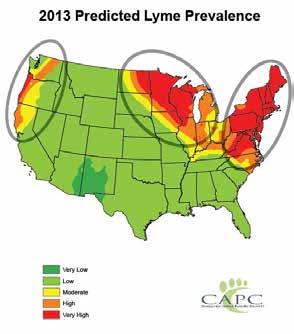
Pennsylvania and other states along the eastern seaboard are common places where dogs might contract Lyme disease. Recognizing the signs of Lyme disease can lead to quicker diagnosis and treatment. However, the disease can manifest in many different ways, thus making it difficult for even the most vigilant of dog owners to know that their pet has Lyme disease.
Lyme disease is a bacterial infection transmitted by tick bites. The bacteria (Borrelia burgorferi) lives in the digestive system of the tick and infects the dog through the tick’s saliva. The bacteria can move around the body and evades detection by the immune system much better than other bacterial infections which makes it a disease that can cause many types of clinical signs. Because the bacteria are so good at hiding in the body, even with antibiotic treatment many dogs are never cured of this infection.
Incidentally discovered infection
Many dogs are found to be Lyme disease positive when tested, but fortunately few have signs of disease and the positive test is found with routine screening. A Lyme dis-
ease test is incorporated into many general health labwork panels and is also included in many in-clinic tests for heartworm disease. In areas where Lyme disease is common, screening can identify dogs that might need more attention. Screening can also identify dogs that have had previous exposure to the infection but no longer have an active infection (which doesn’t require treatment).
When a dog tests positive, further testing to measure the significance of the body’s immune response is recommended with a test called the quantitative C6 antibody titer test. This test allows your veterinarian to better understand whether your pet has a newer or older infection. Dogs with a low titer probably had their infection in the past or their immune system fought off the infection and do not require treatment. If your pet has a high C6 antibody titer but no clinical signs then their body may be taking care of the infection on its own and treatment with antibiotic may be unnec-
essary. Sometimes, a veterinarian may recommend antibiotic treatment for dogs with no clinical signs and significant C6 antibody titers. Antibiotics might be recommended in pets with reduced immune system function or in an attempt to prevent some of the more serious manifestations of Lyme disease discussed below. Finally, if your pet has tested positive for Lyme disease your vet will likely recommend testing for excessive protein in the urine. Protein in the urine is a manifestation of Lyme disease that can damage the kidneys but can go unnoticed unless tested for regularly.
Lyme arthritis
One form of active Lyme disease is characterized by fever, swollen lymph nodes, muscle soreness and arthritis. Once the bacteria are transmitted to the dog, they move around the body triggering swelling and inflammation as they travel. The joints appear to be very sensitive to this inflammation and chronic arthritis can become a problem in these pets. In addition, as discussed previously, sometimes the bacterial infection is never completely cleared from the body and chronic infection in the joint is possible. Cases of disease with chronic joint inflammation are complex and so your family veterinarian may recommend that your dog visit a veterinary specialist.
Lyme nephritis
The most devastating way a pet can be affected by Lyme disease is severe kidney inflammation (Lyme nephritis). Dogs are often diagnosed with this type of Lyme disease when they have signs like poor appetite, vomiting or lethargy and then blood tests performed at the veterinarian’s office reveal
kidney failure. Immediate antibiotic treatment is recommended in these patients, but unfortunately the inflammation in the kidney triggered by the bacteria is often so severe that the kidneys continue to fail and never recover. Sadly, many dogs affected by Lyme nephritis will suffer the effects of kidney failure for the rest of their life and ultimately may die from severe kidney failure in a few weeks or months. Outcome in these dogs mostly depends on the severity of the kidney failure, but evaluation by a veterinary internal medicine specialist may help maximize quality of life for as long as possible.
Secondary autoimmune disease
Lyme disease can affect many different organs in the body and this can lead to autoimmune diseases (where the body inappropriately attacks its own tissues). Autoimmune disease is not directly caused by the bacteria and so even after anti-
biotic treatment pets can remain sick. Autoimmune blood or joint disorders are most commonly seen and require a specialized treatment course completely separate from the antibiotics for Lyme disease.
Prevention
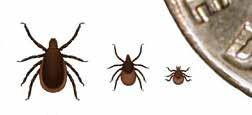
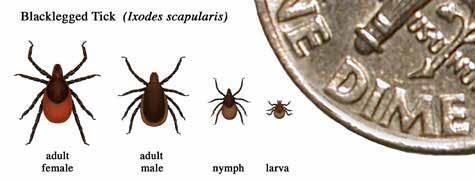
The longer a tick is attached to its host (esp. > 48 hours) the more likely it is that Lyme disease will be contracted so limiting the time a tick spends on your dog’s body is an important preventative measure. Looking for ticks on your pet’s body can be helpful, but ticks that are not yet fully grown can transmit Lyme disease and they can be too small for you to see or feel. Use of tick preventative medication is an
important way to limit the time a tick might spend on your dog’s body.
The Lyme disease vaccination is a unique vaccine in that it is not meant to fight the infection once it is in the body, but is designed to prevent transmission from the tick. The vaccine attempts to fill a vaccinated dog’s blood with antibodies that will kill the bacteria in the tick’s stomach before it even enters your dog’s body. Lyme disease vaccination is recommended in dogs that live in or travel to high risk areas.
Keep a close eye on your dogs during tick season this year and cat lovers take heart, cats are generally considered resistant to Lyme disease. People cannot get Lyme disease from their dog; however, you can contract the disease from a tick too. Be aware that if your dog is being bitten by ticks carrying Lyme disease then your family could be bitten too. PC
Advertiser Locator
Page 33 - Agway
Page 9 - A All About Pets Veterinary Hospitals
Page 19 - B Animal Elegance
Page 30 - American Destiny Real Estate
Page - C Animal Rescue League
Page 14 - April Minech
Page 21 - D Beaver Animal Clinic
Inside Front Cover -CARMAA
Page 22 - E Candelore’s Barking Beauties Pet Grooming
Page 35 - Carved Stone By Serena
Page 24 - Cat Around Town
Page 35 - F Chartiers Custom Pet Cremation
Page 5 - W Country Lane Pet Hotel
Page 32 - G Coventry Stables
Inside Back Cover - Dog Stop
Page 29 - Fan Reps
Page 19 - H Fuzzy Paws Pet Villa
Page 31 - The Gateway at Summerset
Page 36 - Gentle Journey Veterinary Hospice
Page 31 - Glen Highland Farm
Page 29 - HAAWC
Page 18 - Happy Pets Training
Page 5 - I Healthy Pet Products
Page 27 - Invisible Fence of Pittsburgh
Page 35 - J Jefferson Memorial
Page 28 - Judith Levy Coaching
Page 33 - KJones Photography
Page 18 - Kobi Collars
Page 5 -X Lucky Paws
Page 19 Manning Chiropractic and Wellness Center
Page 27 - L Monroeville Pet Hospital
Page 21 - K Murray Avenue Apothecary
Page 26 - Natural Inspirations
Page 30 - One Hour Heating & Air Conditioning
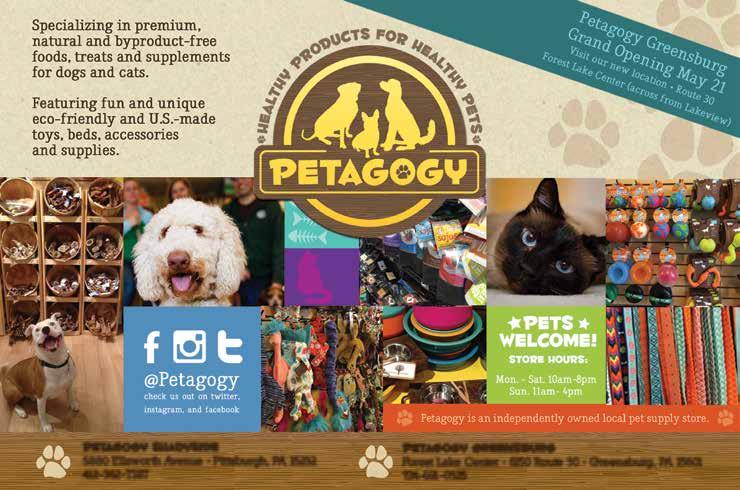
Page 23 - Petagogy
Page 19- Y
Pittsburgh East Nissan
Back Cover - N Pittsburgh Veterinary Specialty and Emergency Center
Page 36 - Precious Pets Memorial & Cremation
Page 27 - Paws Here Awhile
Page 33 - O Rockin Horse Stables
Page 17 - The Rogan Rexford Animal Blood Bank
Page 23 - Dr. Michael Savko
Page 19 - Q Sit Means Sit Dog Training
Page 1 - R The Big Easy Animal Hospital
Page 34 - Thousand Hills Pet Crematory
Page 27 - S VCA Castle Shannon
Page 14 - Washington Area Humane Society
Page 13 - U Western PA Humane Society
Page 19 - V Woody’s Dog Wash & Boutique
Holistic Pet Care
PROBIOTICS: THE MISSING NUTRIENT
By Doug Knueven, DVM, CVA, CVC, CVCH
According to Hippocrates, the father of Western medicine, “All disease begins in the gut.” This may be a bit of an overstatement, but actually, the health of the gastrointestinal (GI) tract has wide ranging affects on the bodies of people and pets. The most important factor in the health of the gut is the balance of bacteria contained within it (aka, its microbiome). The term, microbiome comes from the Greek words micro (meaning microscopic) and biome (referring to the community of living organisms within a particular environment).
Russian-born biologist and Nobel Laureate, Elie Metchnikoff (18451916), made the link between longevity and fermented foods (such as yogurt and sauerkraut that contain probiotic bacteria). Metchnikoff won the Nobel Prize in physiology and medicine for his work on immunity. He has been called, “the father of natural immunity.” According to him, “Death begins in the colon.” He realized that the “good” bacteria must outnumber the “bad” bacteria for the body to be healthy.
caused by leaky gut syndrome. The microbiome acts as a detoxification organ and imbalances of gut bacteria can stress the liver as it takes over more of that role.
Furthermore, the Gut Associated Lymphoid Tissue (GALT) makes up seventy to eighty percent of the immune system. This means that the largest organ of the immune system is the gut. Research shows that the balance of intestinal bacteria affects the systemic immune system. In fact, probiotic supplements have a profound effect on immune function.
There are 100 trillion microbes in our gut, enough to fill ½ gallon container. In fact, there are ten times more bacterial cells in the body than body cells themselves. From a cellular standpoint, we are more bacterial than we are human. We interact with the bacteria in our GI tracts as well as their genes. Any given microbiome is extremely unique, even between identical twins.
The gut microbiome may be considered an organ just as vital to health as the liver,
heart, or brain. Probiotics are supplements that provide the gut with the beneficial bacteria needed for intestinal, and indeed whole-body, health. Prebiotics are the nutrients the probiotics need to survive in the intestines. It is important to realize that dogs and cats did not evolve eating sterile diets (like the ones we current feed them. The freshly killed, and not-so-freshly killed, animals they consumed were teaming with bacteria. Is it any wonder that so much research demonstrates the benefits of probiotic supplementation for pets?
The beneficial bacteria in the intestine take over where digestion leaves off and help to further break down foods to liberate more nutrients. They also manufacture several vitamins. Probiotic bacteria competitively inhibit disease-causing bacteria. They nourish the cells of the intestine with shortchain fatty acids and help to maintain the integrity of the intestinal lining, protecting the entire body from the inflammation
In one study, puppies given a probiotic supplement responded better to their vaccines. Another study showed that puppies that were given a probiotic supplement before six months of age were less likely to develop immunes system changes associated with allergies. Still another study demonstrated that when cats took probiotics the function of their white blood cells improved. Probiotic supplementation has been shown to aid with urinary tract infections, vaginal infections, respiratory infections, gingivitis, and allergic dermatitis.
There is also a close link between the intestinal microbiome and the brain. Seventy to eighty percent of the body’s serotonin is made by the GI neurons. When you consider the popularity of Selective Serotonin Reuptake Inhibitors (SSRIs) such as Prozac, Paxil, Pexeva, Zoloft, Celexa, and Lexapro, you get an idea of the influence of gut health on mood and behavior. The intestinal nervous system is considered by
continued on page 22
some to be the body’s second brain. There is bidirectional communication between the intestinal microbiome and the brain. A recent study showed that chronic administration of probiotics to mice reduced levels of anxiety and depression-like behavior and induced changes in regions of the brain known to involve these behaviors.
Probiotics have other systemic effects. Research on mice found that skinny mice had different bacteria in their intestines than did their overweight relatives. When the scientists introduced the “skinny mouse bacteria” into the GI tracts of the fat mice, the chubby rodents lost weight. (Perhaps this concept will someday end the need for gastric bypass surgery). Probiotics have been shown to improve glucose tolerance, decrease high cholesterol, and benefit patients with liver disease, kidney disease, and pancreatitis.
So far I’ve been using the word “probiotic” as if there is only one kind and they’re all
In my experience, all pets can benefit from the addition of probiotics in their diets. This is especially true for animals that have taken antibiotics since these drugs kill the good bacteria along with the bad.
the same. Nothing could be further from the truth. There are many species of probiotic bacteria that we know of and many
strains within those species. There are sometimes hundreds of strains of any particular bacterial species and while certain strains are beneficial bugs, other strains of the same species can cause disease. Also, each strain of “good” bacteria can have vastly different beneficial effects. Each of the studies regarding the health benefits of probiotics referred to above involved different bacteria. It would be false to think that all probiotics have all of those health benefits. There is also a vast difference in the quality of probiotic supplements.
In my experience, all pets can benefit from the addition of probiotics in their diets. This is especially true for animals that have taken antibiotics since these drugs kill the good bacteria along with the bad. Many other medications like corticosteroids, can throw off the intestinal balance too, as can stress, diet change, vaccinations, and the drinking of contaminated water. Every pet can profit from getting a probiotic supplement every day. PC
VOM certified since 2006
“Thank you, thank you, thank you!”
13 year old Minx had already seen a basic chiropractor, did acupuncture, x rays, blood work, nothing helped OR found the root of the problem until they saw Dr. Savko. Read what mom has to say…
“Thank you, thank you, thank you! Dr. Savko was our last hope.
Over the last year, we had done blood work, x-rays, acupuncture and chiropractic in an effort to diagnose/ treat her condition. She would improve for a while and backslide again. The night before our first appointment with Dr. Savko, Minx crashed. She couldn’t hold herself up, her blood pressure/ heart rate, respiration, and body temperature were very low. I followed my gut and decided to wait out the night, forcing water and calorie supplement every half hour until our appointment time. I knew that had I taken her to the ER, we would’ve been faced with the inevitable... euthanasia.
I am SO happy that I did what I did and I am amazed every day at how wonderfully Minx is doing. She is eating more regularly now than she has in over a year and continues to be her old social and affectionate self. I cannot speak highly enough about Dr. Savko and how he has helped to find the root of the problem and heal our little girl. Every day is a blessing and one we would not have, if it weren’t for him!”
You haven’t tried everything until you have experienced
There is nothing else that compares.
Healing, not simply treating
Dr. Savko works with the following veterinary clinics:
Greenfield Veterinary Hospital, Pittsburgh, PA
Suburban Animal Clinic, Butler, PA
Delmont Veterinary Hospital, Delmont, PA
Fox Run Equine Center, Apollo, PA
Monroeville Pet Hospital, Monroeville, PA
Kitty Korner
Stress is something we deal with in our everyday lives...money, kids, our jobs, even what to eat for dinner can cause our minds to frazzle. Our animals are no different, and often they silently deal with their own stressors without the benefit of a spa day or beverage with friends. For shelter cats, that stress can mean life or death. Cats are especially sensitive to things that are part of everyday living in a shelter: smells, noises, change of environment, confinement and even boredom.
that staying in one shelter area, whether you are working or volunteering, can help reduce stress. “Sanitizing between each cat helps cut down on transferring germs, but also removes the smell of the cat you just worked with,” says O’Neill.
Cats in a shelter can be very susceptible to respiratory infections, or other health related issues that they would normally be able to fight
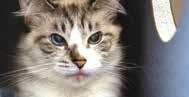
or made for them,” Shannon explains. “My favorite is working with grumpy cats.” What is a grumpy cat, you ask? “Grumpy cats are shy, nervous, hissing or growling, and need a little extra care,” she says with a smile. “They may need a few extra days of talking softly, or going slow, but after some time, they usually come around. For extra hard cases, we try to reach out to other organizations to help. But we are able to fix grumpiest here, and Beaver County has increased its adoptions of difficult cats because of the work we are doing.”
Stress in Cats
By April Minech
Shannon O’Neill, shelter manager at Beaver County Humane Society, says “You need to use a less-is-more approach, but still be smart about cleaning and interaction. Smells and noises are especially stressing, so you can use a soft voice and be careful about closing the cages quietly.” She also believes
off. Once a cat is sick, it needs to be isolated, which causes more stress. “Some cats take longer to recover, so we do our best to keep everyone from getting sick by trying to reduce the stress on the front end,” says Shannon.
Cat enrichment gives the animals a chance to use their brains, and cuddling cats can help soothe them. “Shy cats can be cuddled within their own cage, and you can limit eye contact or blink a lot to put them at ease. More adventurous cats can be taken to a private room for enrichment. Some love to play with cat nip toys or cardboard tubes, milk rings, or whatever people have donated
All of the toys at the Beaver County shelter come from generous supporters in the community, or are handmade by volunteers. What can they use most? “Feliway,” says Ms. O’Neill. Easily available on Amazon.com, Feliway is a synthetic pheromone that cats use to mark their territory as safe and secure. In simple terms, it helps shelter cages feel more like home.
Beaver County also has a wish list on their site: http://beavercountyhumanesociety. org/donate-gifts where you can see all the products they are in need of. If you are interested in helping the cats in person, you can find out more information about fostering on their web site www.beavercountyhumanesociety.org/foster-services or general volunteering by emailing volunteer@beavercountyhumanesociety.org PC
Cat Rescue Resource Guide
Low-Cost Spay & Neuter Organizations & Programs
This is an ever-changing list of resources for cat owners in Pittsburgh and beyond, though many of the listings, like the shelters, apply to dogs and other pets as well. It includes low-cost spay and neuter programs as well as TNR for community cats, pet-friendly rentals in Pittsburgh and across the US, and links to shelters for adoption and other services. In the future we will also list clinic dates with the organizations below when they are available.
TNR & Low-Cost Spay/Neuter for the Pittsburgh Area
Homeless Cat Management Team: www.homelesscat.org
City of Pittsburgh Free Spay & Neuter for City Residents
City of Pittsburgh free spay/neuter: www.pittsburghpa.gov/animalcontrol/spay_neuter.htm
City of Pittsburgh residents can apply for free spay or neuter vouchers for up to five pets, including stray/ feral cats.
Low-Cost Spay/Neuter & TNR Programs at Allegheny & Surrounding County Shelters
Animal Friends: www.thingkingoutsidethecage.org
Animal Rescue League: www.animalrescue.org
Beaver County Humane Society: www.beavercountyhumanesociety.org
Washington Area Humane Society: www.washingtonpashelter.org - Colony Cat Project: faith.b2@verizon.net
Western Pennsylvania Humane Society: www.wpahumane.org
Low-Cost Spay/Neuter Organizations in Allegheny & Surrounding Counties
Western Pennsylvania Humane Society (WPHS): www.wpahumane.org
Surrounding Counties:
Beaver County Humane Society: www.beavercountyhumanesociety.org
Butler County Humane Society: www.butlercountyhs.org
Humane Society of Westmoreland County: http://members.petfinder.com/~PA83/about.html
Washington Area Humane Society: www.washingtonpashelter.org
Non-Shelter Feline Adoption
FosterCat: www.fostercat.org
Kopy Kat Sanctuary | Westmoreland County (Delmont): www.kopykatsanctuary.org
Cat Rescue Resource Guide
Feathered Friends
Let’s talk size!
longest wingspan?
Iwas approached earlier this year by Karrie Noterman, the owner of Natural Inspirations Parrot Cages. She wanted to see if I would be interested in collecting data on the wingspan of as many of the commonly kept psittacine birds as possible. The intent was to publish this information, which would help bird owners choose an appropriate sized cage or enclosure for their pet bird.
I have the advantage that all of my examinations are preformed while the bird is sedated with isoflurane gas anesthesia. In addition, I see many, many birds. Over the course of 4 months, I measured the wingspan of 456 birds representing 94 species. Ten individuals were the maximum number of measurements for any one type of bird. In many instances this number is less because of the rarity of the species.
By Karrie Noterman
All measurements were taken on anesthetized birds. The wings of each bird were fully extended and the reading was taken from the tip of the longest primary flight feather on each wing. Only birds with intact primary flights were included in this study. Accuracy is within ½ inch total span.
*We often hear or read that the minimum size (horizontal length) of a cage should be 1 ½ - 2 times the wingspan of the parrot housed there. This is important because a bird should be able to totally extend its wings (in the cage) and flap them vigorously for exercise. Remember, however, that the more perches, toys, food stations, etc. placed in the cage, the less space is available for adequate wing exercise.
Larger cages and enclosures are better than small ones. For birds that are out of the cage most of the day, 1 ½ times the parrot’s full adult wingspan is the minimum enclosure size. For those birds that spend considerable time in their cages, 2 times the parrot’s full adult wingspan is recommended. Ideally pet birds should be encouraged to spend time out of their cage, not only for exercise but for social interaction with humans and other birds. However, spending significant amounts of time outside the cage does not justify smaller housing.
“For whatever length of time the bird is caged, the animal should be allowed a certain freedom of movement within its enclosure.” – Karrie Noterman
It is unfortunate, but most people house their birds in cages that are too small. Some people simply can’t afford a large cage or they don’t
have enough room. Others may rationalize that a small cage is a place of refuge and safety for their bird.
In the wild, parrots find security from threatening situations by flying away or moving to the top of nearby trees. In captivity, birds will also try to move up and away when scared. Unrestrained pets will try to get to one’s shoulder or head or fly up on curtain rods, ceiling beams, etc. Caged birds will move to the furthest part of the enclosure and/or fly panicky back and forth looking for a way of escape. Small cages do not provide security. Studies have shown that when presented with larger enclosures, even though the birds may be fearful at first, they eventually acclimate and prefer the addition of added space.
Regrettably, many birds live for years in the deprived environment of a small cage. They may become fearful and phobic; some may not even venture out of their cage, even if it’s left open. It can be a sad, depressing life for these birds and we wonder why they develop abnormal behaviors such as feather picking, screaming, and biting.
“In my opinion it is cruel and inhumane to keep birds, as highly intelligent and energetic as parrots, in cages that are so small that they cannot fully spread their wings”. – Scott McDonald, DVM
So what is the wingspan of parrots? They are listed below in the designated categories. Wingspan values listed are an average of all the birds sampled for each species. In general, the more a bird weighs, the longer the wingspan
The large macaws have the largest wingspan of all parrots. Interestingly, all the largest species have about the same wingspan (within 3 inches). A few hybrids are included.
***This article has been condensed from its original size. To see the entire list of wingspan calculations, further supporting institutions, and the full article visit www.naturalinspirationsparrotcages.com/p/ wingspan-info.com PC
24 HOUR EMERGENCY CARE
■
■
■
■
Wellness For Guardians
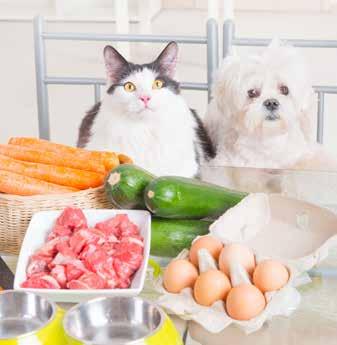
Five Ways to Sneak Healthy Eating into Your Life
You’re a responsible and loving pet owner, making sure that your fourlegged buddy gets the best of care, including high quality nutrition. But what about you?
If you’re like most Americans, you rely heavily on food that comes in a can, box, or bag. In other words, processed food. The more food is processed, the lower the nutritional value. And without good nutrition, you won’t be able to give your best self to those you love.
Think your busy lifestyle offers no other eating choices? These five simple steps may reverse that thinking.
1. Go slow. It’s all about changing the way you think. Gradually begin buying whole, or minimally processed “clean” food. Start cooking a few meals every week, and increase from
there. Crowd out the artificial additives with real foods, and you’ll begin to notice a positive change in the way you feel.
2. Eat in color. Real colors of nature, not chemical food colorings. Deep green crunchy broccoli, bright blue berries, ruby red pomegranates, sunshine yellow zucchini, brilliant oranges, and crisp purple grapes. See the trend? Fruits and veggies. Nature’s superfoods.
3. Become a recipe sleuth. That tofu, flaxseed and yam puree dish is super healthy. Problem is, no one will eat it. There are countless recipes for simple meals with whole and minimally processed ingredients. You know what your family likes. Search online recipe sources and build your own arsenal of good stuff that they will actually eat.
Transformational Life & Couples Coaching with Energy Modalities
By Kristen Lane, Certified Health Coach
4. Avoid fake foods. When buying packaged products, become a label wizard. The fewer ingredients, the better. Labels list content in order of highest to lowest, so make sure the first few ingredients aren’t additives or chemicals. Watch out for product names that include the words “food” or “drink” (such as cheese food and juice drink). This is a sneaky way to disguise the fact that the product has little nutritional value, and is mostly chemicals.
5. Make ahead. Plan a whole day to prepare and freeze a week or even a month’s worth of healthy meals. There are plenty of resources, both print and online, that guide you through the shopping, prep and freezing process.
Re-programming the way you eat is not easy. But it is do-able. You’ll be a better you, and the wagging tails and wet noses in your life will appreciate it. PC
HAAWC is a 501(c)(3) organization that honors the Human-Animal Bond as a source of wellness for Individuals, families and communities.
Guided by the belief that animals are a gateway to human healing, HAAWC intends to develop both urban programs and rural sanctuaries designed to impact community health, safety and wellness.
HAAWC is raising funds for our 4 objectives:
Assistance with veterinary care, pet medications, pet food programs
Animal-assisted activities
Educational seminars & workshops
Research on the Human -Animal Bond www haawc org
PetConnections Magazine
A VIP MEMBERSHIP
We started this venture, because of our passion for the human-animal bond. We also wanted to let others tell their stories and provide the best information possible on caring for your pets. Now we would like to extend our PetConnections network and an invitation to assist in continuing our mission.
What you get with a PetConnections
VIP Membership:
PetConnections magazine mailed to you, 6 copies per year.
Digital issue Eblast with newsletter every issue, including early
notice of upcoming contests and events. Discounts from local businesses. Listing on the VIP Membership Page of you, your family and your pets! Free admission to PetConnections events and free or special admission to other pet events. Other surprises, including invitations to exclusive dinners and events. The cost is up to you.
Please join and pay securely online at www.PghPetConnections.com/ subscribe
Business and Organization Memberships
Many of our advertising sponsors have asked about additional partnership opportunities beyond advertising and, thanks to your suggestions, we have created Membership programs for businesses and organizations.
Basic Business Membership, $100/year
Includes magazines for your business. Your location will be featured online at the Pick up a Copy Dis-
tribution list and listed on our sponsor page in print and online.
VIP Business Membership, $100/month
Includes Basis Business Membership benefits PLUS the ability to include a special offer for VIP Members online and to insert a flyer in VIP Membership envelopes mailed with every issue, advertising on one eblast with link through to your site or page, free tickets to PetConnections Expositions, sponsored events and VIP Social Events. Social media mentions.
Non-profit Partner Membership for Tax Exempt Charity or Foundation, $100/year Includes one feature article, online and print directories and event listings. www.PghPetConnections.com/ subscribe
Membership payments may also be mailed to 154 Lutes Road, Finleyville, 15332 or call to process your credit card securely: 724-503-8695 You may email additional inquiries and questions to: info@pghpetconnections.com
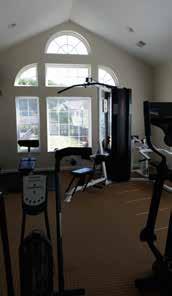
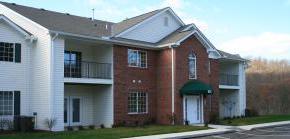
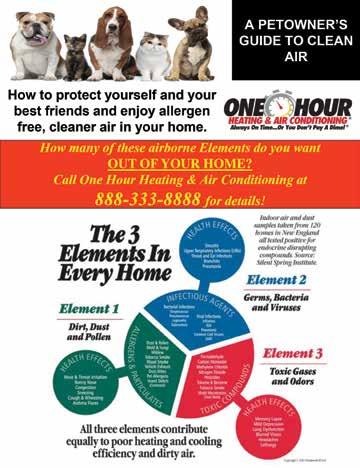
Heating and Air Conditioning. Hidden Ridge Condominiums - South Park, Pa. 15129 Condo Lifestyle living allows you to come home from work and walk your dog! Free yourself of daily exterior maintenance and enjoy the Clubhouse & Fitness Center & Pool
Close to South Park a 2,000 recreational park, with fenced in dog park, sports, & fun galore.
Two Bedroom for $134,900 with approx. 1200 SQ FT of living space, 2 Baths, Washer/Dryer hook up! FIRST FLOOR UNIT WITH AN OPTIONAL DETACHED GARAGE!
Move in Ready approx. 9 yrs of age just like new and a private balcony facing the rear of complex.
I understand you are the owner of One
The Getaway
at Glen Highland Farm
Escape to the NY countryside where you and your dog can let loose
175 acres of off-leash adventures await!
• explore miles of gorgeous trails through deep forest and open meadows • splash & swim in the spring-fed pond and winding creek • kick back & relax in the sun • jump into agility • share dog tales with other dog lovers who love their dog as much as you do • unwind by a toasty campfire under a blanket of shining stars
There is no other place on earth for dog lovers to Getaway like this!
Stay in one of our full-amenity RVs, get comfy in one of our cottages or cabins, or camp in the woods in our spacious tents.
All proceeds benefit our on-site Border Collie rescue –feel good knowing your vacation dollars help dogs in need!
Book your Getaway today! www.glenhighlandgetaway.com
Equine Affairs
The “Complete Rider” Being Able to Ride in a Balance Seat and Forward Seat
By Kristen Hermann
The last three articles for Pet Connections have been about the rider’s three natural aids and how they work to influence the horse: the seat, the legs, and the hands. The aids, whether riding English or Western work the same to influence the horse, some more intricate than others! The difference is the saddle. Equestrians, however, have two basic seats the forward seat and balance seat.
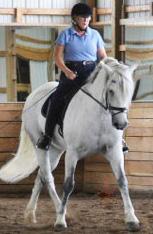
When I learned to ride, I was taught the balance seat, and now it is often referred to as a dressage seat. The forward seat is the basic seat hunt seat riders use because they are ready to go over a jump at any time. Thus, they ride in a forward seat. The balance seat is mostly used for training or what is also called flat work as opposed to jumping! In my riding world, a “complete rider” is a rider who can ride in both seats. However, typically riders choose a certain discipline of riding that dictates which style they will ride. A complete rider is a rider who can cross train between the two seats and both seats, forward and balanced, have their place when training a horse.
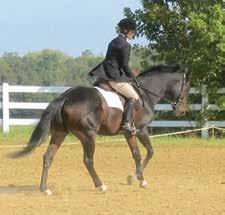
Learning to ride in a forward seat is great to bring along a green horse and for riding cross country and not just for going over fences. Getting off a horse’s back when hacking up and down hills helps the horse to maneuver its legs and body when going cross country. Riding in a forward seat enables the horse’s back more freedom which makes it better
to navigate the terrain. Training horses is all about training their top line and being able to ride in a forward or light seat to help the horse develop its natural gaits with a rider is valuable, especially at the canter. When we train young horses at Coventry, we always ride the canter in a light forward seat until the horse can maintain balance and accept being on the aids. Once this is established then, the rider slowly allows the seat to melt into the saddle without interfering with the horse’s gaits.
A rider learning how to canter and go with the horse at the canter learns best if riding in a forward seat because this teaches the rider how to use their leg joints to move with the horse and not grip. The three joints of the rider’s legs, hip, knee, and ankle have to
learn to work as shock absorbers when riding. Thus learning how to canter and of course, post the trot helps to teach the legs to go with the horse’s movement. If a rider grips with the legs, it certainly makes it harder to use the leg aids.
The balance seat too has its advantages. For example, learning to ride bareback is the best way to develop a balanced seat. The rider sits in balance and the legs hang out of the hips, preferably not gripping. Bareback riders that grip with the legs will often lose their balance. The seat is supposed to envelop the horse back like an upside down U on the horse’s back. Seats that pinch, push the seat off the horse’s back. (See Pet Connections article The Benefits of Riding Bareback and Using the Joints to Ride.)
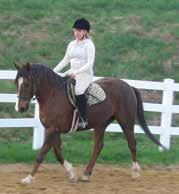
The balanced seat is primarily utilized when the horse walks, the sitting trot and eventually for cantering. However the “complete rider,” needs to be able to go between both seats. Perhaps you are sitting the canter in a balanced seat, and the horse’s canter gets stuck, well you can go up into a light seat to help free the gait. Or you are traveling cross country cantering in a light forward seat, and you know your horse may spook at the cow in the pasture, perhaps this is the time you may want to transition into a balanced seat for more security! The balanced seat certainly has its advantages!
Being able to ride in both a forward seat and a balanced seat has its advantages for both training a horse and training a rider. Both seats have a purpose and should be utilized for horse and rider. The more tools a rider has in the riding tool box, the better the equestrian and the happier the horse. Being a complete rider, instead of one just stuck in one style of riding, will enhance the riders ability to go best with the horse at all three gaits. PC
In Remembrance
Thousand Hills Pet Crematory
Thousand Hills Large Animal Crematorium & Memorial is a family owned and operated equine crematory located in Butler County, Pennsylvania serving Pennsylvania and the surrounding states. Chris Ackerman Sr., who is the owner, currently serves as a Captain in the Pennsylvania Army National Guard. His wife, Jessica, helps with the administrative duties for Thousand Hills while raising their five children. Their oldest son, Chris Jr, who works alongside of his father in the operation of the crematorium, has taken great pride and ownership in helping with the family business. He is also a soldier in the Pennsylvania Army National Guard.
The Ackermans started Thousand Hills to fill a tremendous need in the Western Pennsylvania area. Aside from equine cremation, the aftercare options for horse owners are typically burial, composting, rendering, or a disposal service. “There weren’t many options for owners when it came to the aftercare of their horses. We wanted to provide another option for those who wanted to preserve the memory of their animals in an affordable and dignified way,” said Chris Ackerman. “Many people don’t even know that cremation is an option for horses. We often hear from people who have previously lost an animal that they wished they had only known about our service. It is important for the equine community to know their options and, as unpleasant and difficult as it may be, to plan ahead for the loss of their animals. Having a plan in place can alleviate so much stress during such a heartbreaking time.” Thousand Hills offers an all-inclusive service which provides compassionate and dignified pickup of your horse (or other large animal) from your farm or equine hospital, wholehorse cremation, a beautiful, locally made oak urn with engraved nameplate, a cremation certificate, and delivery of the urn back to you. “Our goal is to make it as smooth and stress-
free for the owner as possible by taking care of the details through the entire process,” said Chris.
They are on call 24/7 and have a very quick response time. An owner can expect to receive their animal’s remains within 7 days after their loss. “The responses that we have received from our customers when we return their animals is overwhelming.” Chris said. A letter that they received from the Fankle Family stated, “Our family can never fully express enough gratitude to you both at this very difficult time… We believe our Bella crossed the “Rainbow Bridge” knowing how much we loved her. Your extreme generosity and kindness helped us bring peace to our horse and to us and having her preserved in such a special way is very comforting.” Another letter from Andrea Olechowicz said, “Your caring, consideration, respect, thoughtfulness, and the dignity to which you showed Bitta meant so much to us then and still does now. I will be forever grateful that you came into our lives when we needed you to help us get through such a difficult time.”
“We like when people call ahead to get information and ask questions! It is encouraging to know that people are planning ahead and have the information necessary to make an informed decision before they have to.” Jessica said. Those interested in getting more information about equine cremation are welcome to call Jessica at 724-355-8296 at any time or visit their website at: www.thousandhillspetcrematory.com.
I Found a Hurt Animal
By Jill Argall
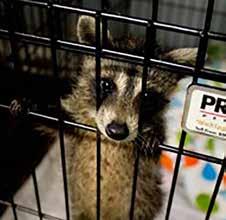
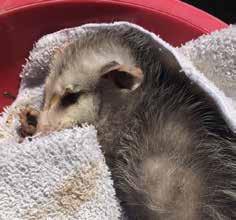
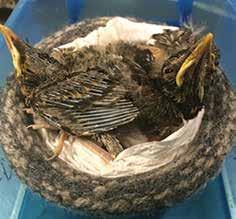
It’s common and sometimes scary to see baby wild animals outside during spring. Most people do not know what to do when they come across a baby. It’s very common to assume that baby wild animals might need help, but unless the animal is truly orphaned or injured, there is no need to act. Below are some tips that can help you decide whether or not to take action.
Signs that a wild animal needs your help:
• Found in the mouth of a cat or dog
• Dried blood or active bleeding
• An apparent or obvious broken limb – limbs in unnatural positions
• Birds found featherless or nearly
featherless on the ground
• Shivering
• Crying, vocalizing, and wandering all day long
If you see any of these signs, contact the Wildlife Center for further instructions.
ANESTHESIOLOGY
ANESTHESIOLOGY
Dianna Ovbey, DVM, MS, Practice Ltd. to Anesthesiology CARDIOLOGY
Eva Sikorska, DVM, DACVIM
Dianna Ovbey, DVM, MS, DACVAA CARDIOLOGY
Erin Trageser, VMD, MSc, DACVIM DENTISTRY
Eva Sikorska, DVM, DACVIM
Erin Anderson , VMD, MSc, DACVIM DENTISTRY
Krista Mendoza, DVM, DAVDC DERMATOLOGY
Krista Mendoza, DVM, DAVDC DERMATOLOGY
Sandra Sargent, DVM, DACVD EMERGENCY & CRITICAL CARE
Sandra Sargent, DVM, DACVD
Kenton D. Rexford, VMD
Christine Guenther, DVM, DACVECC
Bill Oldenhoff, DVM, DACVD EMERGENCY & CRITICAL CARE
Christine Rutter, DVM, DACVECC
Kenton D. Rexford, VMD
Sarah J. Deitschel, DVM, DACVECC
Christine Guenther, DVM, DACVECC
MRI & CT IMAGING
MRI
& CT IMAGING
PetsDx Veterinary Imaging www.petsdx.com
Gerald Frye, VMD NEUROLOGY
PetsDx Veterinary Imaging www.petsdx.com
Gerald Frye, VMD NEUROLOGY
Edward MacKillop, DVM, DACVO
Edward MacKillop, DVM, DACVIM
Kendra Mikoloski, DVM, DACVIM ONCOLOGY
Rebecca Newman, DVM, MS, DACVIM
Kendra Mikoloski, DVM, DACVIM ONCOLOGY
Todd M. Erfourth, DVM, DACVIM
Rebecca Newman, DVM, MS, DACVIM
Todd M. Erfourth, DVM, DACVIM
Bridget Urie, DVM, MS, DACVIM OPHTHALMOLOGY
Lawrence Bagley, DVM, DACVO
Bridget Urie, DVM, MS, DACVIM OPHTHALMOLOGY
Rachel Keller, DVM, DACVO
Lawrence Bagley, DVM, DACVO
Rachel Keller, DVM, DACVO
Sarah J. Deitschel, DVM, DACVECC
Amy Dickinson, DVM, DACVECC
Amy Dickinson, DVM, DACVECC
Kara Osterbur, DVM, DACVECC
Rebecca A. Miller, DVM
Rebecca A. Miller, DVM
Joey Kallem, DVM
Joey Kallem, DVM
Robin M. Dutra, DVM
Jennifer Wooderson, DVM
Lindsey Rademacher, DVM
Elissa Allen, VMD
Kristen Krisulevicz, DVM
Stephanie V. Nelson, DVM
Robin M. Dutra, DVM
Brendan Cloonan, DVM
Carol Park, BVSc
Lindsey Rademacher, DVM
Victoria Chu, DVM
Kristen Krisulevicz, DVM RADIOLOGY
Michael McGinley, DVM
Jennifer Daly, DVM, Resident in Emergency and Critical Care
Christopher Warrington, DVM, DACVR
Tricia Tovar, DVM, Resident in Emergency and Critical Care INTERNAL MEDICINE
Shaina Mooshian, DVM, Resident in Emergency and Critical Care
Sherwood Johnson, DVM, DACVIM
Kelsey Sutcliffe, DVM, Resident in Emergency and Critical Care INTERNAL MEDICINE