PENINSULA KIDS
4 PARENTING MYTHS THAT DESERVE TO GO
WHY DOES MY CHILD ALWAYS HAVE A SORE TUMMY?






4 PARENTING MYTHS THAT DESERVE TO GO
WHY DOES MY CHILD ALWAYS HAVE A SORE TUMMY?
At Cornish College, our award-winning Design Futures program encourages students to identify problems and seek out solutions, cultivating their creativity as well as their entrepreneurial spirit.

T: 9781 9008
E: admissions@cornishcollege.vic.edu.au
W: www.cornishcollege.vic.edu.au


Cover Photo Olivia daniellebphotography.com.au
Editor and Publisher
Melissa McCullough melissa@mpnews.com.au
Design Sam Loverso sam@mpnews.com.au
Advertising Belinda Timmerman 0419 135 900 belinda@mpnews.com.au
General Enquiries info@peninsulakids.com.au
All material is copyright, and may not be reproduced without the express permission of Mornington Peninsula News Group, or the original copyright holder in the case of contributions. Copyright of contributed material rests with the contributor.
Disclaimer: The authors and publisher do not assume any liability to any party for any loss, damage, or disruption caused by errors or omissions, whether such errors or omissions result from negligence, accident, or any other cause.
This publication is not intended as a substitute for the medical advice of physicians. The reader should regularly consult a physician in matters relating to health and particularly with respect to any symptoms that may require diagnosis or medical attention.
Peninsula Kids is produced quarterly. 15,000 copies distributed between Mordialloc and Portsea.
Registered address: 1/15 Wallis Drv, Hastings VIC. 3915


It has felt like a long time coming, but I am confident that Mother Nature is going to bring us a glorious springtime on the Mornington Peninsula. And with that, the opportunity to get outdoors, embrace new adventures, and reconnect with your family and community.
Think walking tracks, local farm gates and weekend markets, fish and chip on the beach, lazy arvos at the pub, or on a picnic blanket at The Briars; this season there’s something for everyone to enjoy in our own backyard.
In this edition, we explore communication strategies, finances, and other tips to help you make a fresh start this spring. We also explore a few hidden gems, (people, places, and organisations), that make our peninsula so special.




For all of the little ghouls and goblins out there Halloween falls on a Friday night this year! Yahoo! If you’re venturing out, please be safe crossing the roads. An awesome resource on Facebook is the group @ Mornington Peninsula Halloween Lovers. It’s our go-to for where to go to see the spookiest houses around. Also, we have a great printable on our website to display at your home to welcome ‘Trick-or-Treaters.’ It’s a great idea to print a few off for your neighbours so it is clear which houses are participating in the festivities and which re not. Head to our website and type ‘Halloween’ into the search bar for the printable and lots of other great Halloween content. I can smell the roasted pumpkin seeds already!
We hope this spring edition inspires you to try something different, explore your backyard, and make the most of those (hopefully) glorious sunny days ahead. (I’m looking at you, September!)
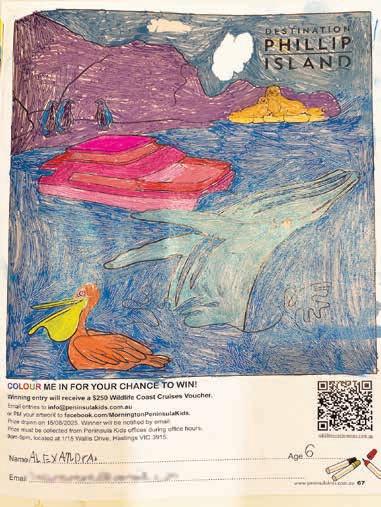
Congratulations to 6-year-old Alexandra, our colouring competition winner. Alexandra has won a Wildlife Coast Cruises voucher valued at $250 thanks to Destination Phillip Island. visitphillipisland.com.au
Check out our spring colouring comp on page 67 where you can texta your way into winning one of five Ashcombe Maze & Gardens vouchers valued at $75 each. ashcombemaze.com.au
Happy Halloween! ��








8 Forget the Naughty Corner – Four Parenting Myths That Deserve to Go
Parenting in 2025 comes with no shortage of pressure, and no shortage of opinions. Social media is full of conflicting advice, and many of us are still carrying stories from how we were raised. It’s no wonder parents feel confused, guilty, or like they’re somehow getting it wrong.
10 Say What Matters – 5 Ways to Communicate Better at Home
When it comes to the people we love most, are we good communicators? The emotions are higher, the stakes feel bigger, and we fall into patterns that we don’t even realise are running the show.
14 Spring Budget Reset – How to Stay on Track for the End of the Year
Spring is often the season where we feel the urge to reset and the perfect time to check in on your family budget. With the cost of living still climbing and the Christmas countdown creeping closer, a little financial spring clean now can help you avoid stress later.
16 The Challenges of Being Sandwiched Between Caring for a Loved One and Your Kids
All around the world people are trying to care for the people they love while working and parenting and trying to maintain friendships, doing some exercise, staying across current affairs, paying their bills and not drowning in their own lives. Once all the doing is done is there any time left for you?
20 How to Get Yourself Out of a Rut
The feeling of being stuck happens when we find ourselves in situations where we can’t see a clear path forward. Finding the way forward needs to fit our own uniqueness and not just be an exact copy of what worked for others.
22 Reframing Routines
Getting our kids to cooperate with us can be a daily challenge. Our toddlers might not want to go to sleep at night. Our school-age children might complain about having to eat their dinner. Our teens might refuse to do much at all. You might find yourself thinking: ‘Can’t they just cooperate with me a little?’










By Tanya Forster
PARENTING IN 2025 COMES WITH NO SHORTAGE OF PRESSURE, AND NO SHORTAGE OF OPINIONS. SOCIAL MEDIA IS FULL OF CONFLICTING ADVICE, AND MANY OF US ARE STILL CARRYING STORIES FROM HOW WE WERE RAISED. IT’S NO WONDER PARENTS FEEL CONFUSED, GUILTY, OR LIKE THEY’RE SOMEHOW GETTING IT WRONG.

As a psychologist and mum of two, I spend every day supporting families who are trying their best, often without enough resources or information. And what I see time and again is that parents aren’t failing; they’re just relying on outdated strategies that don’t reflect what we now know about child development and the brain.
Here are four of the biggest parenting myths I encounter in my work, and what to do instead.
Let’s start with this one, because it’s still one of the most common discipline tools around. Time-outs or, “the naughty corner”, are often used with the best intentions. The idea is to give a child space to calm down, reflect, and return to being regulated. But, in practice, that’s not what happens.
Time-outs tend to feel like rejection. When a child is emotionally overwhelmed, isolating them can make them feel ashamed or confused, and it doesn’t teach the skill they actually need: how to calm down.
That’s why in our Confident Parenting program, we encourage parents to “time-in” instead; to stay close, calm, and connected. Regulation is a learned skill, and children develop it throug co-regulation with a calm adult. They need us beside them in their big feelings, not sending them away.
We wouldn’t teach a child to swim by tossing them in the deep end alone. The same goes for emotions. Our presence is the lifeboat.
Many parents understandably worry that if they “give in” to a tantrum, they’re reinforcing it. But what if we saw tantrums not as bad behaviour to correct, but as communication to understand?
When a child melts down, they’re not being manipulative or disrespectful; they’re overwhelmed. Maybe they’re hungry, tired, overstimulated, or struggling with something they can’t express in words. Outbursts are signals. Our job is to decode them with curiosity, not criticism.
I encourage parents to shift the question from “How do I stop this behaviour?” to “What is this behaviour trying to tell me?” That mindset shift can change your entire approach.
Because, let’s be honest, adults have meltdowns too. We just don’t lie down on the supermarket floor to have them (usually).




I meet so many parents who feel they’re falling short because they don’t know exactly what to do in tricky moments. They feel guilty for raising their voice, or helpless when their child won’t listen.
But here’s the truth: you don’t need all the answers. You just need to stay connected.
In moments of stress or big emotion, what your child needs most is not a perfectly crafted sentence or a chart full of gold stars. They need you to be present and calm enough to show them the way back to safety.
Connection doesn’t mean letting your child walk all over you. You can hold boundaries and be empathetic. That’s the sweet spot. You might say, “I know you’re upset, and it’s okay to feel angry. But it’s not okay to hit. I’m here to help you find a better way.”
This kind of parenting isn’t permissive; it’s powerful.
I hear this one a lot: “He’s six, he should know how to behave by now! And in some cases, that’s true. But often, our expectations are out of sync with where a child’s brain development is actually at.
Here’s what we know: when a child is emotionally dysregulated, meaning they’re in fight, flight, or freeze mode, their thinking brain (the prefrontal cortex) goes offline. This means they literally can’t access logic, empathy, or problem-solving skills at that moment.
Trying to reason with a dysregulated child is like trying to explain fractions to someone underwater. They just can’t take it in.
That’s why your first job is to calm the storm. Only once they feel safe and connected again can learning or reflection take place.
And that doesn’t just apply to toddlers. It applies to kids (and teens!) whose brains are still developing those executive function skills like impulse control, emotional regulation, and empathy.
When we understand that kids aren’t being “bad”, their brain is just under construction, it transforms how we respond. We stop taking it personally and start guiding instead of punishing.
Remember, You don’t have to do it perfectly, you just have to do it with presence.
What I want every parent to hear is this: it’s not about perfection. It’s about intention. It’s about doing your best with the knowledge and tools you have and updating those tools when better ones become available.
That’s why I created the Confident Parenting program, to take the tools I use every day in the therapy room and put them in the hands of parents across Australia, especially in rural and regional areas where support can be hard to access.

When we move away from shame, punishment, and control, and toward connection, understanding, and clear boundaries, we raise emotionally intelligent kids who feel safe in themselves, and in their relationship with us.
And that’s what discipline really means. Not to punish, but to teach.


By Amanda Stokes
USED TO BELIEVE THAT I WAS A PRETTY GOOD COMMUNICATOR. AFTER ALL, I TEACH EMOTIONAL INTELLIGENCE, I RUN WORKSHOPS ON EFFECTIVE COMMUNICATION, AND I HELP PEOPLE TALK BETTER. BUT THE TRUTH IS, WHEN IT COMES TO THE PEOPLE I LOVE MOST, - MY HUSBAND, MY KIDS, - IT’S NOT ALWAYS EASY. THE EMOTIONS ARE HIGHER, THE STAKES FEEL BIGGER, AND WE FALL INTO PATTERNS THAT WE DON’T EVEN REALISE ARE RUNNING THE SHOW.

Do you have a child aged 0-8 years? Researchers at Monash University want to understand how families manage sleep and feeding routines
Survey participants can choose to enter a prize draw for a chance to win one of 20 x $50 gift vouchers!

Supporting Australian Families to Navigate Sleeping and Feeding Practices - Monash EducationProject ID: 46713
A couple of years ago, in my corporate work, I was introduced to

How important or
How safe and
Our sense of control
How connected or
Our sense of justice


That moment hit me hard. I realised I’d unknowingly trampled on his status. I was so focused on my point that I forgot to consider how it might land for him. I hadn’t paused to acknowledge the things he had done or invited him into the conversation as an equal. I was leading with frustration, not curiosity.
Since then, we’ve made small but powerful shifts in how we communicate. Here are five things that have helped us (and that might just help you too):
Before jumping into a conversation, ask yourself: What’s really going on here—for me and for them? Are you feeling unheard (status)? Out of control (autonomy)? Left out (relatedness)?
The SCARF model helps you pause and notice your emotional drivers so that you don’t make it about the dishwasher when it’s really about feeling disrespected. But it also invites you to get curious about what might be going on for the other person, especially when their reaction catches you off guard. Maybe they felt criticised, blindsided, or not considered. Sometimes our intention doesn’t match how it’s received, and that’s where things often go sideways. A quick pause to wonder what might be happening beneath their response can shift the whole tone.
In our house, we say, “Two things can be true.” You can be tired and still have snapped. They can mean well and still have hurt you. Holding space for multiple truths helps reduce defensiveness and invites connection, not correction. So often in families, we get caught in the trap of needing to be right - but that need to prove our version can fracture the relationship we’re trying to protect. Being right might win the moment but being relational wins the long game.
Opening with “I’m feeling…” instead of “You never…” changes the whole dynamic. It softens the ground. SCARF reminds us that when people feel safe (certainty) and respected (status), they’re more likely to stay open instead of shutting down or fighting back. When we lead with curiosity rather than accusation, we shift the goal from being right to understanding. And when someone feels genuinely understood, they’re far more likely to meet us in the middle.
When we want to talk about something tricky, I’ll often say, “Is now a good time?” It’s a tiny act of respect that honours autonomy. It signals; I care about how this lands for you too. And it usually means the other person is more willing to hear me out. Another small but powerful question is, “Do you want me to listen, or do you want me to respond?” So often we jump in with opinions or solutions when the other person just wanted to be heard, and that well-meaning interruption can create disconnection, particularly when it comes to our teens. Offering a choice invites clarity and stops us from fixing what was never ours to fix in the first place.
You’re going to get it wrong sometimes. I do. What matters is how you circle back. Saying something like, “I didn’t mean to make you feel small just then. I think I came in too heavy,” repairs status, relatedness, and fairness all at once. And if you can follow it up with, “Here’s what I want to do differently next time,” you’re not just patching things up; you’re showing accountability. It’s powerful role-modelling for our kids and partners alike, and it reminds everyone that mistakes aren’t the end; they’re part of how we grow closer.
Parenting. Marriage. Family. It’s messy, but it doesn’t have to be chaotic. When we understand what drives us (and our kids and partners), we can start to speak in ways that feel safer, clearer, and more connected.
We don’t need perfect scripts; we just need to say what matters, with care.
Amanda Stokes is an educator, facilitator, and the founder of The Knowing Selfa program that supports emotional awareness, psychological safety, and stronger relationships across school communities. Her work draws from both professional experience and personal lessons learned the hard way. To learn more, visit www.theknowingself.com.au

By Jo & Carl Violeta
SPRING IS OFTEN THE SEASON WHERE WE FEEL THE URGE TO RESET. THE SUN’S OUT FOR LONGER, THE HOUSE FEELS DUE FOR A REFRESH, AND THE CALENDAR STARTS FILLING UP FAST WITH SCHOOL EVENTS, SPORTS DAYS AND PLANNING FOR THE HOLIDAYS AHEAD.

It’s also the perfect time to check in on your family budget. With the cost of living still climbing and the Christmas countdown creeping closer, a little financial spring clean now can help you avoid stress later. It doesn’t have to be complicated. A few simple steps can go a long way towards helping you finish the year in control and with more peace of mind.
Here are six practical ways to reset your budget this spring and stay on track for the rest of 2025.
Before diving into the numbers, take a moment to think about what your financial priorities are for the months ahead. Are you hoping to build your savings? Pay off a debt? Start planning for a family holiday?
Once you’ve got your priorities clear, try setting a few simple money goals. The best goals are specific and achievable, like “We want to save $1,000 by December for Christmas” or “We want to cut our takeaway spend in half by next month.”

Now’s the time to take a close look at where your money is actually going. Download the last few months of bank statements and go through them line by line. You might spot subscriptions you forgot about, spending habits that have crept up, or opportunities to cut back.
Then use that information to create or update your household budget. Whether you prefer a notebook, a spreadsheet or a budgeting app, choose something that makes it easy to track income, regular expenses and savings goals. The aim is to spend less than you earn and put the difference towards things that matter.
Once you’ve got a clearer picture of your spending, take a few minutes to compare the deals you're getting from your phone, internet and energy providers. Then call them. Let them know you're shopping around and ask if they can offer you a better deal.
You don’t need to be pushy. Just having the conversation is often enough to trigger a discount. If they won’t budge, switching providers could save you hundreds across the year.
If you’re a homeowner, this is one of the most effective ways to make a real difference to your household budget. Many people don’t realise you can ask your lender to review, and potentially lower, your home loan interest rate. You don’t necessarily have to refinance to get a better deal.
We’ve created a free step-by-step guide that includes a checklist, a simple script, and advice on how to negotiate with your lender. You can download it at violetafinance.com.au/how-to-negotiate-a-lowerhome-loan-interest-rate
5. Plan early for Christmas
Getting organised early is one of the best ways to avoid overspending in December. Set a realistic Christmas budget now and write a list of the people you plan to buy for. This gives you time to look out for sales, spread out your spending, and avoid the December panic purchases that blow the budget.
Keep a list of what you’ve already bought to stay on track and avoid doubling up. If your kids are old enough, get them involved in brainstorming homemade or low-cost gift ideas too.

6. Go green to save more green
Spring is the ideal time to bring in a few eco-conscious habits that also help cut costs.
With longer daylight hours, it’s a great opportunity to let the sun do the work. Hang the washing outside, open the windows to cut down on heating, and cook more meals that use seasonal produce.
Growing your own herbs or veggies, even just in pots, can lower your grocery bill, and swapping produce with friends is a fun bonus. Reusable water bottles, turning off appliances at the wall, and borrowing rather than buying are all simple changes that add up over time. Better for the planet and better for the budget.
Spring is the season of fresh starts, and your finances are no exception. Whether you focus on one big change or a few smaller tweaks, checking in with your money now can help ease the pressure as we head into the busiest and often most expensive time of year.
Pick one tip to try this week and build from there. You don’t have to overhaul everything. Just take one step toward feeling more in control.
Jo and Carl Violeta are self-confessed numbers nerds, parents of an energetic toddler and a super switched-on teenager, and co-founders of the award-winning business, Violeta Finance. They are a husband and wife team who are passionate about empowering their community with financial education, love the odd glass of wine, and get a kick out of helping families achieve their homeownership and financial dreams. www.violetafinance.com.au




between caring for a loved one and your kids

By Casey Beros
WHEN TV PRESENTER AND HEALTH
COMMUNICATOR CASEY BEROS LEARNED THAT HER DAD WAS TERMINALLY ILL, SHE MOVED HER FAMILY ACROSS THE COUNTRY TO BECOME HIS CARER.
All around the world, every day of the week, people are trying to care for the people they love while working and parenting and trying to maintain friendships, doing some exercise, staying across current affairs, paying their bills and not drowning in their own lives. Their dreams, goals and basic needs are carefully placed on a shelf to gather dust because there simply is no room left for them once all the doing is done.
They end the day with more on their to-do list than when the day began, and no one knows this better than the sandwich generation.
Whoever coined that term has clearly never been in the position it was intended to describe – caring for young children and ageing parents at the same time. Two completely different sets of needs, with someone – usually a woman – at the centre, feeling like one of those Mr Stretch dolls from the 1980s, whose overly toned arms stretch way beyond their natural capacity. Working parenthood feels impossible as it is; adding in the additional layers of logistical and emotional complexity that come with caring for someone you love who is ill, injured or simply ageing is enough to tip anyone over the edge. And yet, day-in, day-out, we do it. We’re the first generation to do so, but as we continue to live longer and have babies later, this experience will become very much the norm.
I wish I had some magical advice here that would make this challenge easier. I don’t. The best I’ve got is to acknowledge that it’s unbelievably hard and you’re going to drop balls left, right and completely off the court.


I was lucky to live a 10-minute drive from Dad’s apartment. I was even luckier to have an incredible support network, the ability to survive on only my husband’s wage, and work which I could scale back and still be paid well for when I was able to dip my toe in without losing a job that I needed to survive.
It’s not lost on me that this isn’t the experience of the vast majority of carers, and I am in full support of the fact that we need to create policies to better support them. continued next page...
Until that day, here’s a few things that helped me:
you need their help
Don’t wait for them to offer, because when people don’t know what to do, they tend to do nothing.
Can they pick up your kids one day a week and keep them until you can get home? Make a meal for your freezer? Pick up your medications from the pharmacy?
Don’t be a martyr and try to do it all yourself. You’ve survived this far in the big, bad world; you can sit in the discomfort of saying four words: "I. Need. Your. Help."
Every industry and workplace is different, but I don’t subscribe to the notion of keeping work and home separate.
Let’s face it, even if we were still trying to, that pesky virus that shook the world by its tonsils completely obliterated any barrier that was left.
If your care responsibilities are likely to impact your work, which they probably will, find the most empathic boss in your workplace and tell them what’s going on.
You might not even be asking for anything yet, just their understanding if you’re not quite yourself. Their response might surprise you.
If you have school-aged children, tell their teachers what’s happening at home.
Kids take everything on and feed off your energy. If you’re (understandably) absent, stressed or upset, that lands on them, whether they show signs of it at home or not.
If their teachers know, they can provide an additional layer of support and help compensate in the schoolyard and classroom.
I must’ve been a saint in a previous lifetime, because I got to marry one in this one. The way he stepped up to care for me, our children and my dad in our time of need was nothing short of heroic.
He asked frequently what I needed, and anticipated those needs as much as he could. He didn’t once complain, even when he absolutely could’ve and probably really wanted to.
But partners are not mind readers, no matter how well they know you. Tell them what you need. Monthly, weekly, daily, hourly if you have to.
And remember – they have needs too. Their giving is not an endless tap, just as yours isn’t, so they’ll need to top up the coffers at some stage as well.
You’ll notice these all require you to communicate with people about what’s going on. I know some people hold their cards (very) close to their chest, and all I can say is that when you are Next of Kin, it’s not the time to be private – it’s time to be human.
If people don’t know, they can’t support you. And you need their support, even if you’ve traditionally not been very good at asking for it. If things get exponentially harder, you’ll be glad to already have some support and understanding in place.
Leaning on each other isn’t just vital to our survival; it’s what makes us thrive.


Casey Beros’ new book, Next of Kin: What to Expect When You're Expecting to Care for Someone You Love (Wiley $34.95, 27 August 2025), shares her personal story and provides a heartfelt and practical guide to navigating the complicated world of care. In this edited extract from the book, Casey explores the challenges of being sandwiched between caring for her father and her young children, all while navigating the usual hustle and bustle of everyday life.


By Gary Waldon
ATLEAST ONCE IN OUR LIVES EVERYONE WILL UNDOUBTEDLY FEEL STUCK. FOR ME, AS AN AUTHOR, I EXPERIENCE WRITER’S BLOCK WHICH CAN LEAD ME TO CHOOSE TO REROLL OUR TOILET PAPER RATHER THAN FACING THE HARSH REALITY THAT I DON’T KNOW WHAT TO WRITE NEXT.
Gary Waldon is the author of Mastering the Art of Reinvention ($32.95). He is a transformation specialist who works with people at all levels from CEOs, CIOs, business leaders and professional athletes through to teachers and anyone who needs to reinvent themselves when life changes. Find out more at www.garywaldon.com
The feeling of being stuck happens when we find ourselves in situations where we can’t see a clear path forward. This feeling quickly grows if we think we have no control over the next steps, leaving us helpless to influence the outcome. This indecisivenes quickly grows into a debilitating condition I call 'Stuckitis' if we don’t take action. Early symptoms of 'Stuckitis' include avoidance and procrastination but it can quickly escalate into real health issues such as anxiety, stress and depression.
'Stuckitis' is rarely caused by our everyday decisions such as choosing between Thai or pizza for dinner, but rather those decisions where the consequences of getting it wrong could be huge. These life-changing decisions could include deciding which career options you should chase, whether you should stay in the wrong relationship, or anything that means you will need to reinvent yourself.
Often our fear of making the wrong call means we end up not making any decision at all. People can end up stuck for all their lives, scared of screwing up and ultimately failing. However, when we face failure, we often learn we are stronger than we originally thought, helping us find a way forward by learning what works for us and equally important what doesn’t. This is where the art of reinvention is critical; finding the way forward means it needs to fit our own uniqueness and not just be an exact copy of what worked for others.
Here are six ways to move forward when you find yourself stuck in life:
1. Accept things have change.
The first step forward is accepting the need to change as this is not something that just happens. Think about a relationship break-up: we don’t usually go from being deliriously happy and in love to “it’s over” in one night, unless something huge has happened. Often, we will try to avoid our reality, then try to negotiate out of having to change. Then we will feel anger and sadness around the loss of identity and who we thought we were.
2. Do a reality check.
When change knocks, the world we knew and the habits we relied on may not still be relevant. To ensure we get through our tough times as we adapt, we should take stock and do a reality check of who we are, where we want to be, and what are the things in our control, avoiding wasting energy on the things we can’t influence.
3. Empower ourselves.

If we don’t empower ourselves to get through whatever is impacting us right now, we end up leaving our lives to fate. Avoidance may lead us to buy a lottery ticket, grab a pizza and stay stuck in our current lives waiting for our numbers to come up. A more productive use of our energy and brilliance is to identify what we’re passionate about and then start figuring out how to get there.
4. Take action.
Dreams and fairytales are great; they provide relief from the real world. However, our thoughts and actions are often the only things within our control, so taking a planned approach is critical to keep us moving forward and staying motivated to overcome the inevitable obstacles that will come our way.
5. Try, then try again.
OK, tough love time. We are likely to fail along the way and end up somewhere different from where we thought we would be. Just like an infant learning to walk, we are on a journey of reinvention, trying new things and learning from our mistakes. Toddlers fall down, take stock, maybe even cry, then get back up and try again. Be the grown up!
6. Enjoy the journey.
Enjoy the journey, not just the destination. The only reality we have is the right here and now; staying present helps us appreciate what we have and drives us forward rather than reliving our past, which we can’t change. Also, don’t forget there are great people to help guide us, whether we realise it or not. Staying social, rather than hiding away, helps us keep our growth mindset focused forward rather than continually grieving the loss of the past.
So, next time you are feeling stuck in life, take control and start reinventing your yourself. Choosing to stay stuck and avoiding those inevitable life changes is certainly an option available to you, but you will quickly start to feel outdated and stale. Once you have felt sorry for yourself long enough, pull up your big person pants and step confidently with purpose into your unknown future.
You got this!
RRRRRRRRRRRRRRRRRRRRRRRRRRRR
RRRRRRRRRRRRRRRRRRRRRRRRRRRR RRRRRRRRRRRRRRRRRRRRRRRRRRRR RRRRRRRRRRRRRRRRRRRRRRRRRRRR RRRRRRRRRRRRRRRRRRRRRRRRRRRR RRRRRRRRRRRRRRRRRRRRRRRRRRRR RRRRRRRRRRRRRRRRRRRRRRRRRRRR RRRRRRRRRRRRRRRRRRRRRRRRRRRR RRRRRRRRRRRRRRRRRRRRRRRRRRRR RRRRRRRRRRRRRRRRRRRRRRRRRRRR RRRRRRRRRRRRRRRRRRRRRRRRRRRR RRRRRRRRRRRRRRRRRRRRRRRRRRRR RRRRRRRRRRRRRRRRRRRRRRRRRRRR RRRRRRRRRRRRRRRRRRRRRRRRRRRR RRRRRRRRRRRRRRRRRRRRRRRRRRRR
Can’t they just cooperate with me a little?
ByTripleP–
Positive Parenting Program
GETTING OUR KIDS TO COOPERATE WITH US CAN BE A DAILY CHALLENGE. OUR TODDLERS MIGHT NOT WANT TO GO TO SLEEP AT NIGHT. OUR SCHOOL-AGE CHILDREN MIGHT COMPLAIN ABOUT HAVING TO EAT THEIR DINNER. OUR TEENS MIGHT REFUSE TO DO MUCH AT ALL. YOU MIGHT FIND YOURSELF THINKING: ‘CAN’T THEY JUST COOPERATE WITH ME A LITTLE?’
When it comes to encouraging your child to cooperate, there is a strategy that might seem simple, yet it can really work: using routines.
WHAT IS A ROUTINE?
A routine is how we organise and schedule events, activities, and tasks in a set way. In the home, they can be used for lining up things like what children can do before going to bed, how they can prepare for school, or setting regular mealtimes. Typically, parents or caregivers set up routines, and they often involve other family members too. They are helpful for bringing order and certainty, making everyday life easier through knowing what to expect. Routines can be used with children at any age or stage, including children with disability. The key to a routine working is to stick with it and repeat it. When we do this, it can help ease the stresses of life and support good behaviours.
RRRRRRRRRRRRRRRRRRRRRRRRRRRR RRRRRRRRRRRRRRRRRRRRRRRRRRRR RRRRRRRRRRRRRRRRRRRRRRRRRRRR RRRRRRRRRRRRRRRRRRRRRRRRRRRR RRRRRRRRRRRRRRRRRRRRRRRRRRRR RRRRRRRRRRRRRRRRRRRRRRRR RR
BENEFITS OF ROUTINES FOR CHILD DEVELOPMENT AND GOOD MENTAL HEALTH
When used in a calm and caring way to provide structure for children, routines have been shown to help them with cooperation. When cooperation improves, this usually leads to less conflict, and children can feel closer to their parents and carers.
BENEFITS OF USING ROUTINES INCLUDE:
• Routines can help make our kids’ lives more predictable. When children know what to expect, it can help prevent the power struggles that can happen around daily tasks like mornings and bedtimes. This can lead to the whole family feeling more connected and calmer, reducing stress for everyone.
• Routines can also be great for our children’s future development and wellbeing. When parents guide and teach children to use and develop routines well, they can become more independent, which is an important life skill.
• When routines are followed in our homes, day-to-day interactions and tasks can be less stressful. This can have a positive influence on children’s physical and mental health.

RRRRRRRRRRRRRRRRRRRRRRRRRRR RRRRRRRRRRRRRRRRRRRRRRRRRRR RRRRRRRRRRRRRRRRRRRRRRRRRRR RRRRRRRRRRRRRRRRRRRRRRRRRRR RRRRRRRRRRRRRRRRRRRRRRRRRRR RRRRRRRRRRRRRRRRRRRRRRRRRRR RRRRRRRRRRRRRRRRRRRRRRRRRRR RRRRRRRRRRRRRRRRRRRRRRRRRRR RRRRRRRRRRRRRRRRRRRRRRRRRRR RRRRRRRRRRRRRRRRRRRRRRRRRRR RRRRRRRRRRRRRRRRRRRRRRRRRRR RRRRRRRRRRRRRRRRRRRRRRRRRRR RRRRRRRRRRRRRRRRRRRRRRRRRRR RRRRRRRRRRRRRRRRRRRRRRRRRRR RRRRRRRRRRRRRRRRRRRRRRRRRRR RRRRRRRRRRRRRRRRRRRRRRRRRRR RRRRRRRRRRRRRRRRRRRRRRRRRRR RRRRRRRRRRRRRRRRRRRRRRRRRRR RRRRRRRRRRRRRRRRRRRRRRRRRRR RRRRRRRRRRRRRRRRRRRRRRRRRRR
PROBLEM-SOLVING
When do you struggle most to get your kids to cooperate with you?
Maybe morning routines are hardest for your family – getting everyone dressed, fed, teeth brushed, and out the door. Perhaps it’s nighttime and worrying about the kids getting enough sleep. Whatever it is, when we add routines to these challenging moments, it can help them go more smoothly.
Every family and child is different, so every routine should be different. With that in mind, here are some ideas for using routines in your home that you might like to try.
1. Repeat the routine and stick to it once you start.
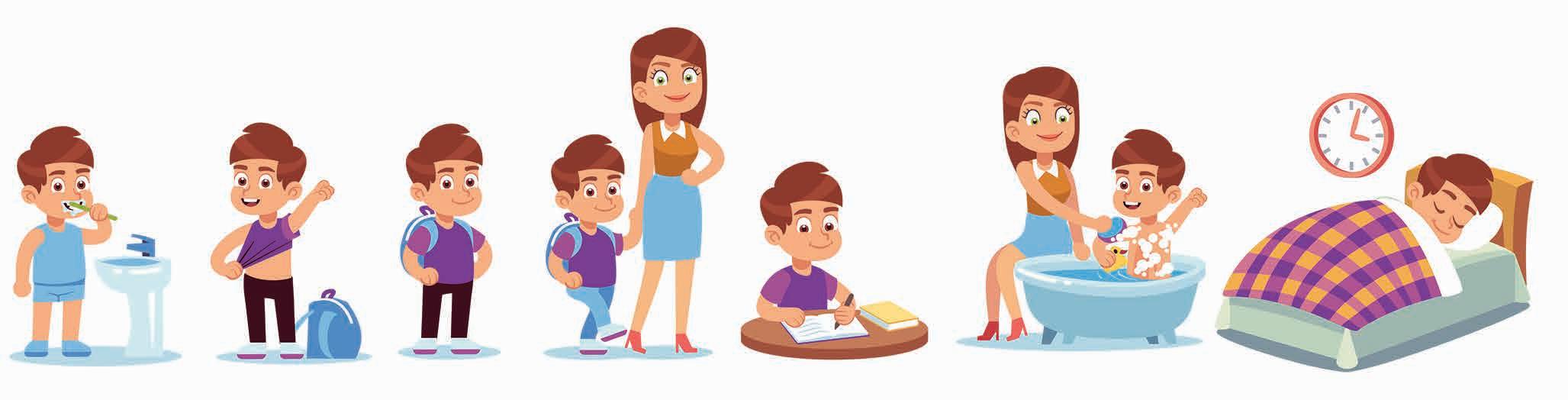
Doing the same things in the same order each day can help routines work as it helps children feel safe and secure by creating a predictable environment. For example, a morning routine for school-aged children might look like: wake up, eat breakfast, brush teeth, get dressed, get shoes on, and then pack the school bag. When children know this happens every day and their parents and carers calmly support them, there is a better chance that those steps will become a routine. It might take up to three weeks for children to learn a routine, but it is worth the effort.
2. Set limits in positive ways.
Routines usually involve limits and boundaries set by parents and carers that are appropriate for the child and family. These limits encourage good behaviours and cooperation. For example, setting the same bedtime each night, or the same wake-up time, or limiting when and for how long screen time goes for after school (such as when homework is finished).
3. Use clear instructions.
Instructions used for routines are important and should be adapted to each child. These instructions don’t always have to involve you telling them what to do, although some children may need that, such as asking what steps they need to take before they go to bed. For other children, a visual schedule with pictures of each part of the routine can help. For some, a written list they can tick-off might work.
4. Help your child complete the routine according to their abilities and developmental stage.
Young children may require more support to settle at night, while older children could need assistance with boundaries around phone use. Children with a disability may need additional support with their routines based on their individual needs, so it is important to provide guidance that suits them.
5. Praise and encourage children for following the routine. For example, if a toddler followed their new bedtime routine, you could thank them for doing that in the morning and encourage them by letting them have their favourite breakfast.
By thinking about using routines, even in small ways, we might be able to help overcome the daily challenge of our kids cooperating with us. For more ideas on using routines or helping children cooperate, you might like to check out one of our online parenting programs. If you have children aged 12 and under, Triple P Online can help. For new parents, Triple P Online for Baby has practical advice on navigating your baby’s first year. For teens, you could try Teen Triple P Online. For parents and carers of children with disability, you might be interested in Stepping Stones Triple P Online.
Triple P’s free online support helps families across Australia to raise resilient, happy children. Learn more at: triplep-parenting.net.au


F YOUR CHILD HAS EVER MADE A COIN “DISAPPEAR” BEHIND THEIR EAR OR TURNED THE LOUNGE ROOM INTO A STAGE, YOU MIGHT HAVE A BUDDING MAGICIAN AT HOME. THESE SCHOOL HOLIDAYS, FAMILIES HAVE THE PERFECT CHANCE TO FAN THAT SPARK INTO SOMETHING MAGICAL.
Mario the Maker Magician – fresh from sold-out shows at the Edinburgh Festival and heading to the Sydney Opera House – is bringing his inventive, laugh-out-loud performance to Frankston Arts Centre for four shows in September. This isn’t just magic. It’s a high-energy fusion of robots, vaudeville, slapstick, and storytelling, designed to inspire kids (and parents!) to dream big, problem-solve creatively, and never give up.
Mario has wowed audiences on Sesame Street, The Tonight Show with Jimmy Fallon, and Universal Kids, but what sets him apart isn’t just his sleight of hand – it’s his message.
“Do what you love, use what you have, and have fun,” Mario says.
“I want families to leave the show smiling and inspired to try something new, or pick up a dream they’d forgotten.”
Mario didn’t grow up planning to be a magician. In his early twenties, he stumbled into a Michigan magic shop, where a TV in the corner played his favourite movie scene – the food fight from Hook. “It felt like a nod from the universe,” he recalls. He bought a few tricks for his younger brother but ended up keeping them for himself.
Soon after, he discovered Make Magazine and fell in love with DIY electronics and a tiny microcontroller called an Arduino. “I started off making electronic contraptions that had nothing to do with magic, but eventually my two loves combined,” he says. “Nothing was ever the same after that – robot magic!”
Magic, making, and life skills
For Mario, the link between magic and problem-solving is huge.
“One of the hardest things to learn in life is how to keep going when things don’t work as planned. Magic takes practice. Making often takes more than one try. But if you work through it, the reward is great. These are life skills that we need to remind ourselves of at any age.”
That “never give up” attitude is woven through his show – and it’s a lesson parents can encourage at home.
If your child leaves Mario’s show wanting to perform, here are a list of his top tips:
Mario’s props aren’t store-bought; they’re made from cardboard, 3D printed parts, and inexpensive electronics. “I don’t want kids to feel like there are barriers to their creativity,” he says. “You can make something amazing from what’s around you.”
Magic doesn’t always go to plan – and that’s OK. “So what if I mess up a trick? We try again! So what if a prop falls apart? We laugh and move on!” says Mario.
If your child loves pulling things apart or asking how they work, nurture that. Try simple DIY tricks, experiment with science kits, or explore free 3D design software.
4. Share the stage
Mario’s wife produces the show, and his kids tour with him. Performing together, even at home, builds confidence and connection. “Our kids keep us grounded,” he says.
5. Keep it light and joyful
Magic is about creating wonder. Whether it’s a grand illusion or a silly gag, focus on fun, not perfection.
What makes Mario the Maker Magician unmissable isn’t just the robots, magic, and slapstick; it’s the heart. It’s how he turns a missed trick into a laugh, a piece of cardboard into a stage prop, and a spark of curiosity into a lifelong love of making.
“The best compliment I ever got,” Mario recalls, “was when I overheard a boy tell his mum after my show, ‘Mum! I want to go home, dig through the garbage, and make my own magic show!’ That’s exactly the kind of inspiration I want kids to feel.”
So, if you’re looking for a school holiday outing that will leave your kids buzzing with ideas – and maybe rummaging through the recycling bin when they get home – grab your tickets. You never know, you might be nurturing the next great magician, inventor, or dreamer.

Mario the Maker Magician tours to Frankston Arts Centre on September 23 & 24 for four shows only.
Get tickets at thefac.com.au or call 03 9784 1060 to book before they vanish!


Fusion

By Jane Fielden
FOR OVER 40 YEARS, FUSION MORNINGTON PENINSULA HAS BEEN QUIETLY BUT POWERFULLY SUPPORTING LOCAL YOUNG PEOPLE AND YOUNG FAMILIES AT RISK OF, OR EXPERIENCING, HOMELESSNESS. THE YOUNG PEOPLE WHO COME TO US ARE FLEEING FAMILY VIOLENCE AND ENVIRONMENT EFFECTED FACTORS INCLUDING POVERTY, HOUSING INSTABILITY, CHRONIC ILLNESS, DRUGS, AND ALCOHOL. OUR ROOTS RUN DEEP

Fusion isn’t a service - it’s a community. A place where young people are met with warmth, stability, and the kind of care that says, 'You matter'. We offer safe housing, wraparound support, life skills mentoring, and - just as importantly - a real sense of belonging. But, right now, the need is greater than ever. Last year alone we supported, advocated, and cared for over 148 young people and families, but this year we are currently having to turn young people and families away.
That’s why we’re building The Village: a bold, new vision for supported housing right here in Mount Martha. The Village will be made up of six purpose-built, trauma-informed homes designed to provide safety, stability, and healing for young people. Each home will be supported by trained mentors, surrounded by shared spaces to build connection, and embedded in a community of care that empowers residents to thrive and not just survive.
This isn’t a shelter. It’s a true village - built on love, trust, and the belief that everyone deserves a home.


We know that so many local families want their children to grow up in a safe and strong community. The Village is about making sure that every young person on the peninsula has that chance, even those who’ve had a tough start. And we can’t do it without you.
Want to be part of something meaningful?
Join us for our Fusion Gala Dinner at Cape Schanck Resort - a night of celebration, purpose, and generosity, bringing the community together to raise critical funds for The Village. It's the perfect opportunity to gather your team, your friends, or your business network and show your support for local young people in need.









Dr Peter Scott and Associates are specialist orthodontists offering orthodontic care for children, teens and adults alike in both the Mornington Peninsula and inner Melbourne.
Dr Peter Scott is also a consultant at the Royal Children’s Hospital.
Creating Beautiful Smiles on the Peninsula for Over 30 Years
Expertise in Child and Adult Orthodontics
Early Assessment Of Dental Development and Facial Growth
Ideal Age of Initial Assessment 7-9 Years
Early Intervention Where Appropriate for Best Outcome
No Referral Necessary
Interest Free Payment Plans Available









ASA CHILD GROWING UP IN THE LEAFY SUBURB .OF FRANKSTON SOUTH, SHARNA CARTER COULD ALWAYS BE FOUND READING OR LOST IN A WORLD OF IMAGINATION. WHETHER SHE WAS PUTTING ON BACKYARD PLAYS, INVENTING GAMES WITH HER SIBLINGS, OR DREAMING OF STARDOM ON NEIGHBOURS, SHARNA’S DAYS WERE STEEPED IN CREATIVITY AND STORYTELLING. ALTHOUGH THE CHILDHOOD DREAM OF BECOMING A TV STAR FADED, HER DEEP LOVE FOR BOOKS AND STORYTELLING ONLY GREW STRONGER WITH TIME AND LED HER TO BECOMING A CHILDREN’S AUTHOR.
With a passion for performance from a young age, Sharna naturally gravitated toward studying Drama at university. Her love for the stage evolved into a passion for teaching and, after graduating, she began a rewarding career in education. Though she’s currently on leave, Sharna still sees teaching as a fundamental part of who she is. “Teaching is a career that I’m really proud of,” she says. “I particularly loved working with teenagers, and it gave me the opportunity to inspire young creatives.’
It wasn’t until the birth of her first child in 2014 that Sharna’s path took a creative turn toward picture books. “I was always reading to my son. Any time of day, we’d curl up together and share a story,” she says with a smile. “I started having little rhymes pop into my head, along with characters and story ideas, so I began writing them down.” What began as a quiet creative outlet during nap times soon became a passion. By the time she had her second child in 2016, Sharna had completed writing courses, joined an online writing critique group, and was writing almost every day.
Several of Sharna’s short stories were selected for publication with the Anthology Angels, a charity initiative that donates profits from book sales to various causes. Her story, The Butcher’s Boy, was featured on 4RPH Reading Radio Halloween Special, and her story and performative reading of, Gruff Billy’s Goatee, was selected for the Life’s Little Treasures Read-A-Thon.
In 2020, amid the chaos of pandemic lock-downs, remote learning, and a house move to the Mornington Peninsula, Sharna received some exciting news - a contract for her debut picture book, Watermelon Pip. This story has a powerful message about sustainability and has become a favourite in schools and kindergartens, inspiring learning, craft activities and even book week costumes.
But there was more success to come. While raising her young family and welcoming her third baby, Sharna released her Rex Board Book Series with Five Mile Press. These playful lift-the-flap books support little readers with routines, language, and imaginative play. “It’s been wonderful to hear how much families are enjoying them,” Sharna says.
Then, one quiet evening, as Sharna rocked her baby to sleep, she found herself reflecting. “I was thinking about all the years I had dreamed of him and thinking about all the fun we were going to share together.” Sharna remembers. “Then a rhythm and words began forming.” That moment became the spark for, I Dreamed of You, a tender, lyrical picture book about longing, love, and the hopes and dreams we have for our children.
When Sharna received an offer of publication from Affirm Press she was ecstatic. “I literally dropped to the floor!”, she laughs. “Affirm publishes the most beautiful picture books, and to know that mine would be among them was a dream come true.”
I Dreamed of You, was released in April 2025 and officially launched at Antipodes Bookshop in Sorrento, a fitting location given the book’s setting. Illustrated by the talented Gabby Grant, the book captures the Mornington Peninsula’s coastal beauty and the loving bond between mother and child. “Gabby’s illustrations are just magical,” says Sharna. “She brought the story to life in a way I never could have imagined.”
The response to the book has been overwhelming. Parents have written to Sharna to share how the story touched their hearts. “I’ve been told that it has brought tears to the eyes for many mums,” she reflects. “I think it’s because it is a story written from the heart and that genuine love really shines through.” It’s no wonder then that, I Dreamed of You, has already had great success, with rave reviews and even making bookshop’s best-sellers lists.
Today, Sharna continues to write from her home on the Mornington Peninsula, balancing life as a mother with her blossoming career as a children’s author. With more picture books set for release next year, she reflects on her writing journey and the secret to her success: “Passion, persistence and a whole lot of coffee!”
If you would like to follow Sharna’s writing journey, you can visit her website www.sharnacarter.com or follow her on Instagram @sharnacarterauthor

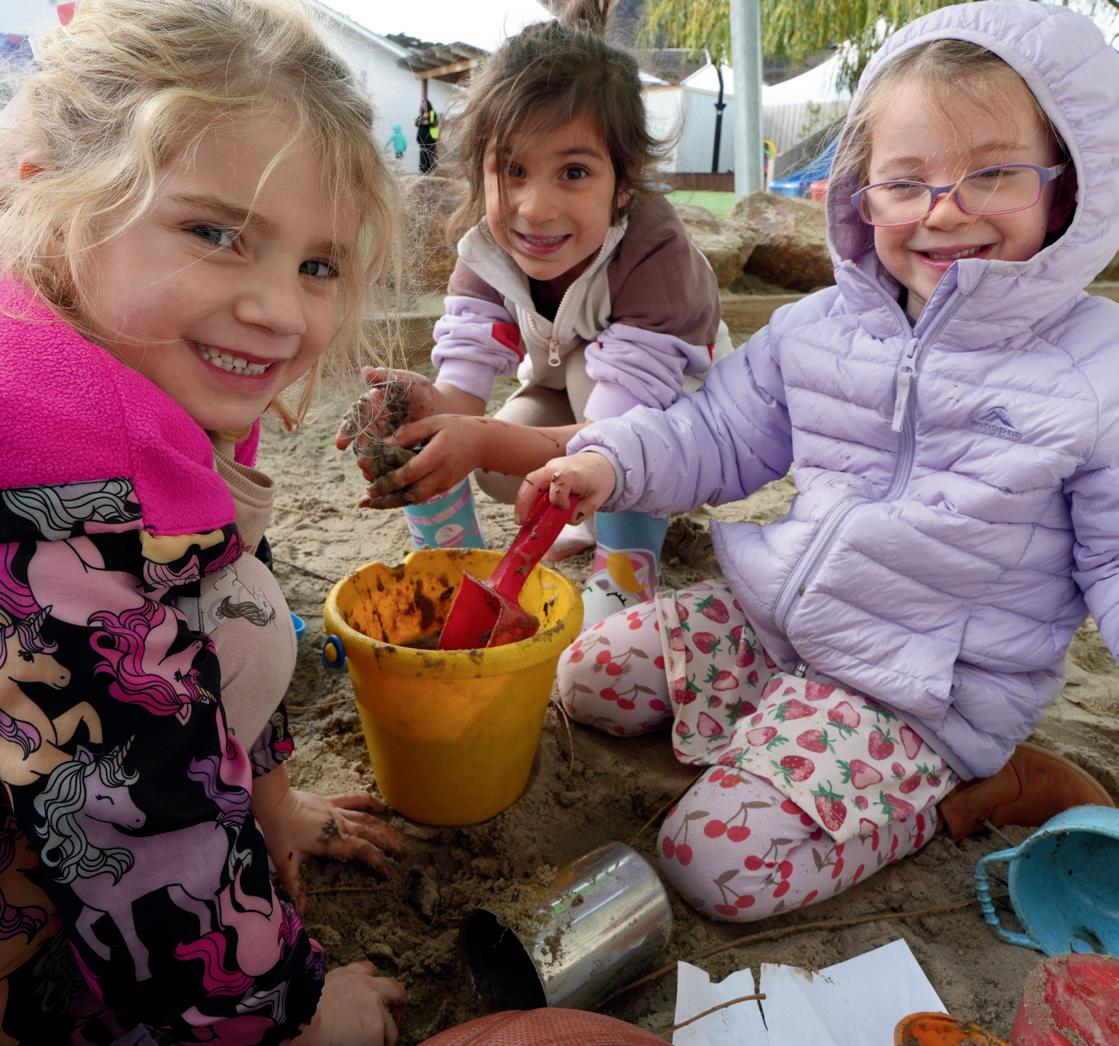
Hello Mornington Peninsula, Our NEW Mt Eliza Little Grasshoppers Early Learning Centre is Opening This Spring!
Located at 1408 Nepean Hwy, the brandnew, purpose-built centre offers a nurturing environment for children aged 6 weeks to school years.
We have limited placements to just over 100 children, so be sure to secure your placement today!
Established for over 30 years, locally owned and operated.
To register your interest, contact us:


















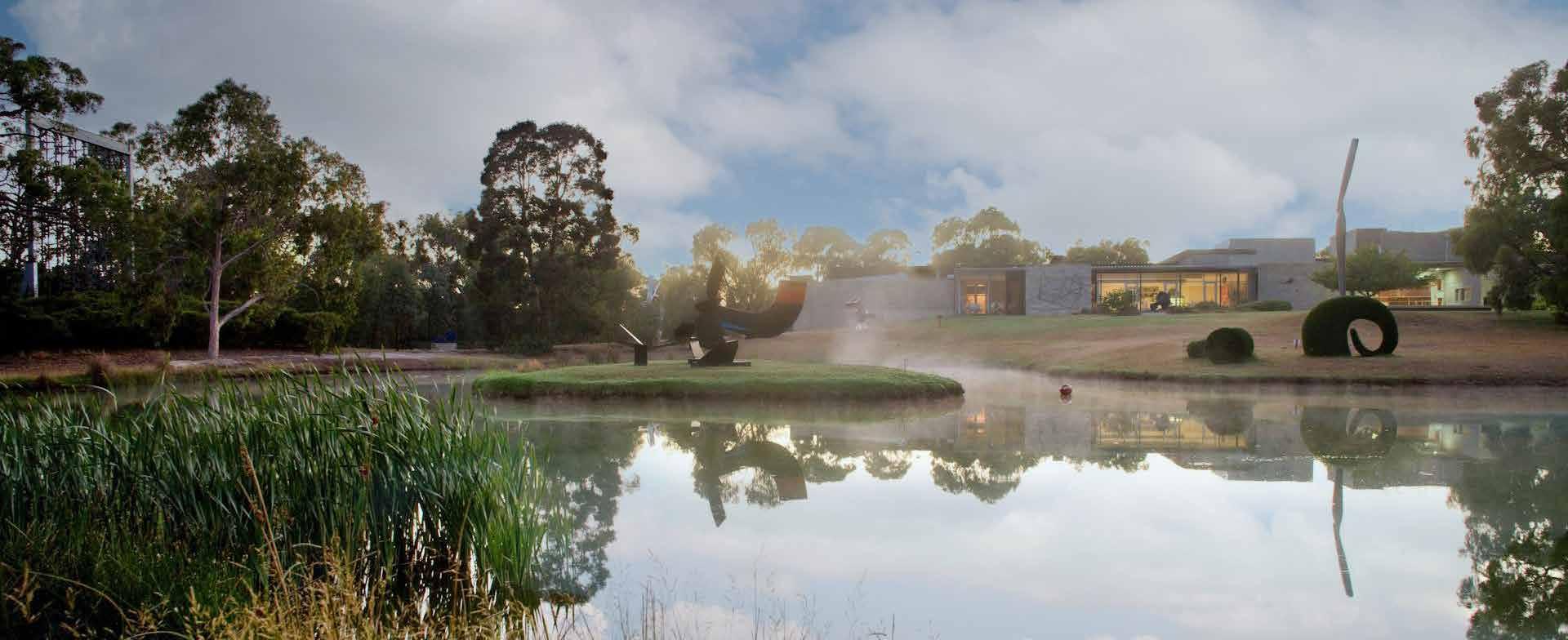
AS SPRING BREATHES NEW LIFE INTO THE LANDSCAPE, MCCLELLAND SCULPTURE PARK + GALLERY INVITES YOU TO IMMERSE YOURSELF IN A MONTH OF CREATIVITY, SOUND, AND WONDER.
For our youngest music lovers, the Melbourne Symphony Orchestra’s Jams for Juniors returns on Wednesday 3 September, offering joyful, interactive workshops for children aged 0–5. Led by the ever-energetic Karen Kyriakou, these 30-minute sessions are a perfect first step into the world of music.
On Sunday 7 September, spoil Dad for Father’s Day with a day out at McClelland. Book a delicious lunch at Harry’s, then get lost in the best kind of way, walking the beautiful natural grounds to discover one of the many sculptural works. Sunshine and serenity await, making it the perfect setting to celebrate Dad with art, nature, and great food.

The McClelland Maker's Market returns on Saturday 20 September, from 9am to 2pm. Featuring over 80 handpicked stallholders, this vibrant event celebrates creativity in all its forms - from artisan crafts and homewares to jewellery, art, and unique gifts. Visitors can meet the makers, enjoy delicious food, live local music, and family-friendly fun, all while exploring the natural beauty of the sculpture park. Entry is by gold coin donation, supporting McClelland’s ongoing projects. Dogs are welcome on leads, making it a perfect day out for the whole family.
Whether you're seeking inspiration, family fun, orartisan crafts, McClelland is the place to be this September. Come explore, connect and be inspired.
www.mcclelland.org.au



ByPregnancy,Birth&Baby


HAT DOES 'BEING READY' FOR SCHOOL MEAN? STARTING SCHOOL IS A BIG EVENT IN A CHILD'S LIFE, AND FOR THEIR FAMILY. TO GET OFF TO A GOOD START, CHILDREN NEED TO DEVELOP A RANGE OF SKILLS, SO THAT THEY WILL BE READY TO LEARN WELL AND BE HAPPY AT SCHOOL. ALL AUSTRALIAN CHILDREN MUST START SCHOOL BY THE TIME THEY TURN 6 YEARS OF AGE. MOST CHILDREN START BETWEEN THE AGES OF 4 AND 5 YEARS.
Your child will use many different skills, even in their first days and weeks at
-Physical health and development: running, jumping, climbing, and playing ball, holding a pencil and turning pages in a book.
-Practical skills: using the toilet independently and washing their hands, unpacking their lunch box and eating their lunch.
-Social skills and concentration: sharing, taking turns, getting along with others, following rules and instructions.
-Emotional maturity: talking with people they don't know, being able to play and share with others, and coping with being angry, sad or frustrated.
-Language and communication skills: listening to others speaking and expressing their thoughts clearly and understanding what the teacher says.
At school, your child will be expected to:
SEPARATE FROM YOU WITHOUT BEING UPSET WAIT PATIENTLY FOR ATTENTION IN A LARGE GROUP OF CHILDREN
TAKE TURNS, SHARE AND PLAY WELL WITH OTHER CHILDREN
EXPRESS THEIR FEELINGS AND NEEDS POLITELY
COPE WITH FRUSTRATION FOLLOW INSTRUCTIONS
STICK WITH A TASK
If your child is not able to do these tasks, they might still be able to start school in a supported environment. This might involve a special needs school, or a mainstream school with extra support. If your child has special educational needs, a physical or learning disability, ask the school about what support is available. In some schools, the support team may include your child's teacher, education assistant, principal, school psychologist, medical doctors, or other specialist service providers.
There are things you can do to help your child enjoy school and thrive in a challenging environment:

-Watch how your child copes in different situations and teach them skills to work out how to manage by themselves.
-Ask your child's teacher at day care or preschool how they cope in difficult social or learning situations, and what skills they need to work on.
-Talk to early childhood staff at your chosen school about how they plan to meet your child's needs.
-If your child has a physical or learning disability or other special needs, check how the school plans to include them in the learning program.
Making the decision to send your child to school is a big step. Whatever you decide, family, friends or even strangers might question your decision. If you've thought it through, and taken advice from experts, and thought about your own family situation, then that's the best you can do.
Trust yourself — you know your child best. You've thought about what is best for your child and acted on it. Once you've made your decision, work with your child to help them get ready for school, build their strengths and work on their weaknesses.
Developing your child's sense of independence is an important part of getting them ready to go to school.
You can build your child's skills, and help them get ready for school:
-Show them what going to school will be like; give your child practice preparing for a school day, and even travelling to and from the school.
-Establish routines for bed time and morning time, as well as healthy eating habits.
-Teach them to put on their own clothes, including how to do up buttons and velcro fasteners.
-Make sure they can go to the toilet independently, including hand washing.
-Involve them in packing their lunch box or bag for a family trip.
-Give them responsibility for household tasks, such as feeding a pet or setting the table.
-Take them to the new school to play on the equipment, and to show them the classroom and toilets.
How can I help my child prepare socially for school?
You can help your child develop social confidence:
-Take them to meet their new teacher and other children who will be with them at school.
-Have play dates with other children, so your child can learn social skills, such as sharing toys and attention.
-Encourage them to join a game with other children, so they practice waiting while others have their turn.
-Model how to deal with disagreements and stay friends.
-Gradually extend your child's ability to stick with and finish a task, giving specific, positive feedback. For example, you can say, 'You spent ages putting away your toys; you must feel pleased with your work'.
-Reassure your child that they can deal with challenges and that you and their new teacher are available to help, if needed.
Pregnancy, Birth & Baby is Australia's leading pregnancy and baby website supporting parents on the journey from pregnancy to preschool. Discover more about pregnancy, birth, being a parent and raising a child. pregnancybirthbaby.org.au


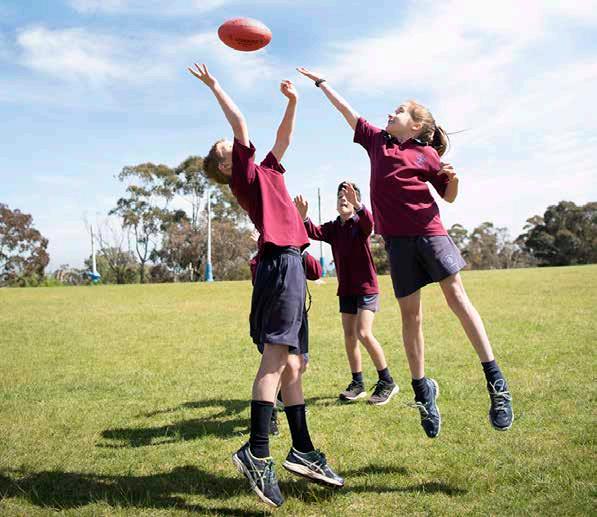
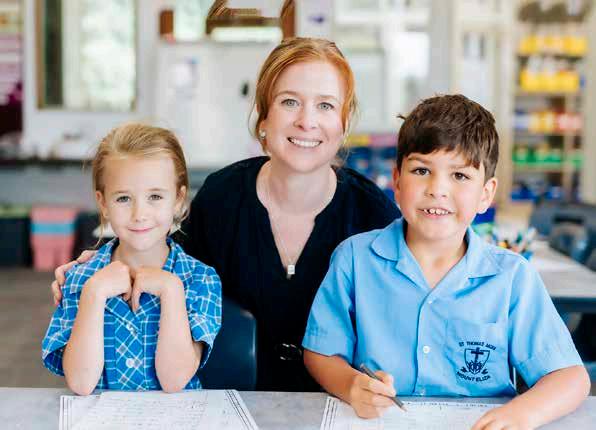
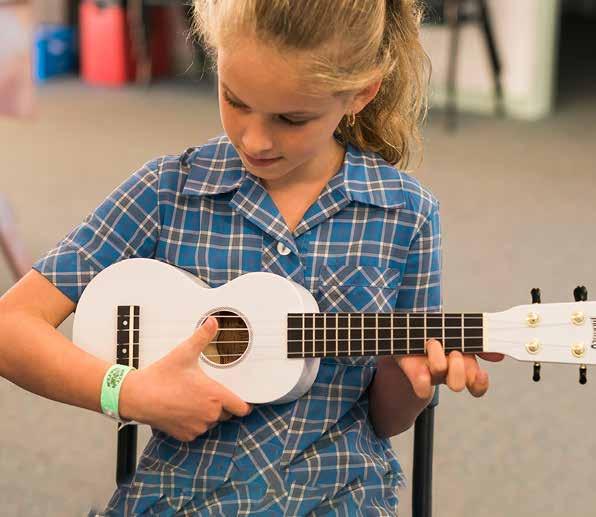
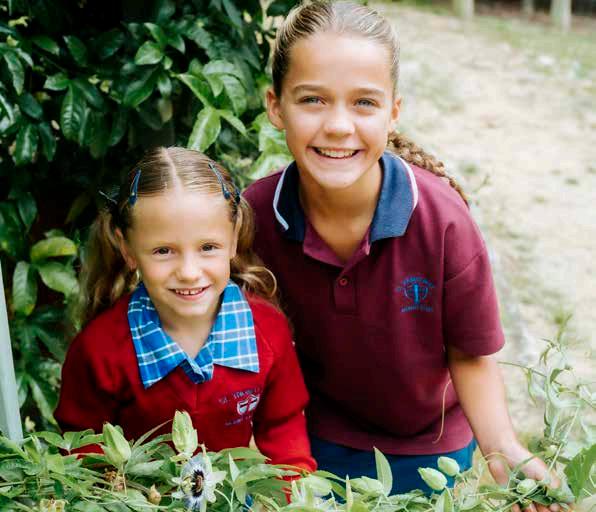
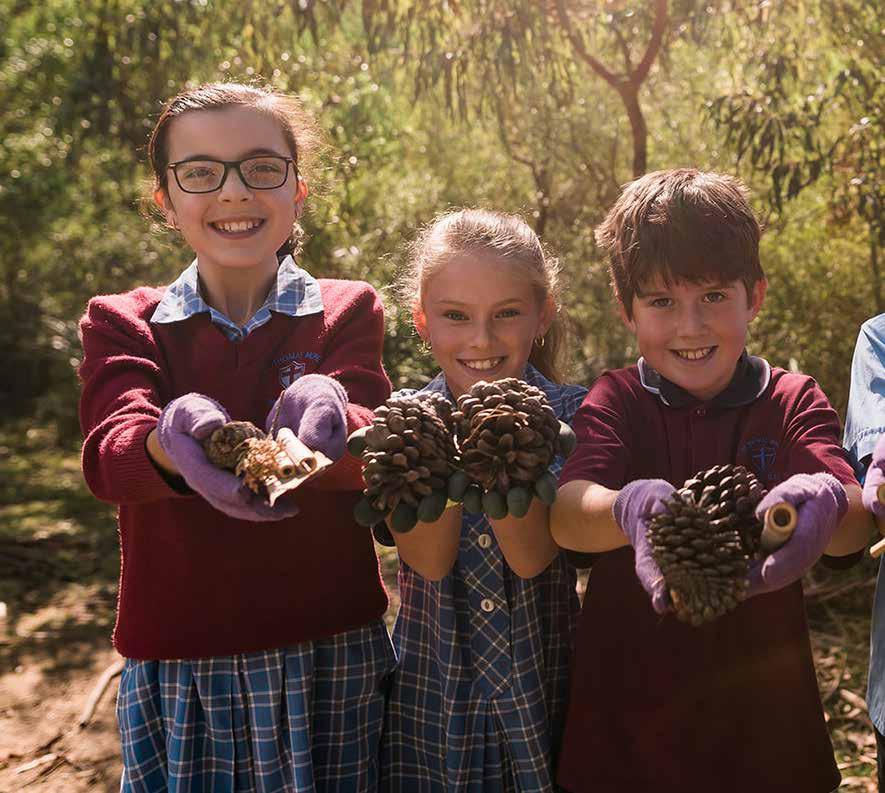
St Thomas More Primary School is a Catholic Parish Primary School located in Mt Eliza on the Mornington Peninsula.
The school is set on an expansive campus within a stunning bushland setting which provides a uniquely beautiful learning environment for our students. With approximately 290 students, we enjoy many of the advantages of being a smaller school community. We recognise and value the strength of our vibrant, tight-knit community and are enriched by the partnerships between staff, parents, students and parish. We firmly believe that Catholic school communities are most effective when teachers, staff and parents work together to educate the whole child emotionally, academically, physically, socially and spiritually.
We are a welcoming, inclusive community…
At St Thomas More we provide students with a nurturing and inclusive school environment, where Gospel values and student wellbeing are at the heart of all we do. Our dedicated staff are committed to providing an environment where every child feels recognised, respected and appreciated for who they are. Student wellbeing is actively promoted through a range of programs and initiatives, including regular wellbeing classes, class meetings, social skills groups and lunchtime clubs. Through these initiatives and others we
aim to foster resilience and confidence in our students and provide the best possible environment for learning to take place.
Growing in faith, love and knowledge… As a Catholic school, our beliefs and traditions are central to all that we do. Through explicit teaching of our school values, we emphasise the importance of respect, integrity, service, and empathy, and actively encourage our students to live out these values in their interactions with others. Social justice activities encourage students to extend compassion to those in need in the wider community.
At St Thomas More, our students and their families become part of a vibrant school and Parish community. We provide new families with a range of opportunities to connect with others in our community and warmly welcome parental involvement in the life of the school. By working closely with our parents, we aim to build a connected and engaged community that strengthens students' sense of belonging and enhances their learning experience.
Nurturing resilient, lifelong learners…
The dedicated staff at St Thomas More are committed to providing every student in our care with an exemplary education. Staff work collaboratively, using student data and the latest educational research, to plan high quality learning experiences that meet the needs of each individual student and ensure they reach
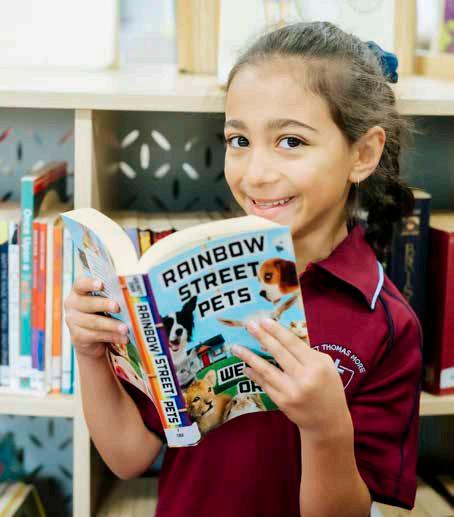
their full potential. Student learning is further enhanced by a wide range of dedicated specialist programs that focus on the areas of Physical Education, Performing Arts, Visual Arts and STEM. These programs include opportunities for students to shine on stage as well as in competitive sport. The learning of Japanese as an additional language is also embedded into the classroom as part of the learning that takes place every day. Empowered to make a difference… At St Thomas More, education is a holistic journey shaping not just minds but also character, resilience, and adaptability. Through our knowledge-rich learning and teaching programs, students gain a deeper understanding of the world around them, empowering them as lifelong learners, critical thinkers, and responsible global citizens.
At St Thomas More, students of all ages have access to a wide variety of leadership opportunities that empower them to make a meaningful impact both within our school and in the broader community.
If you are considering St Thomas More Primary School for your family, we invite you to book a school tour to see firsthand what makes St Thomas More’s such a wonderful place for children to learn, work, and play.


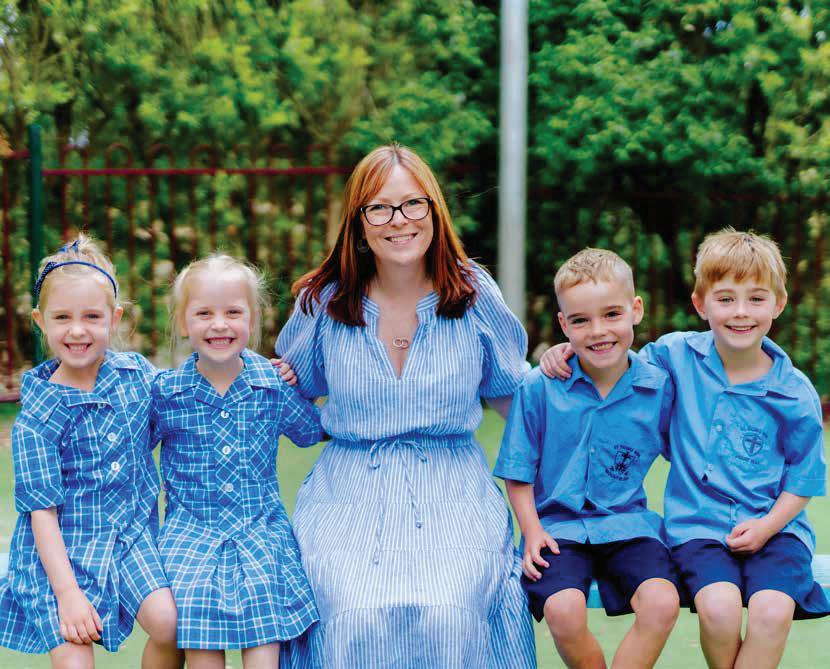




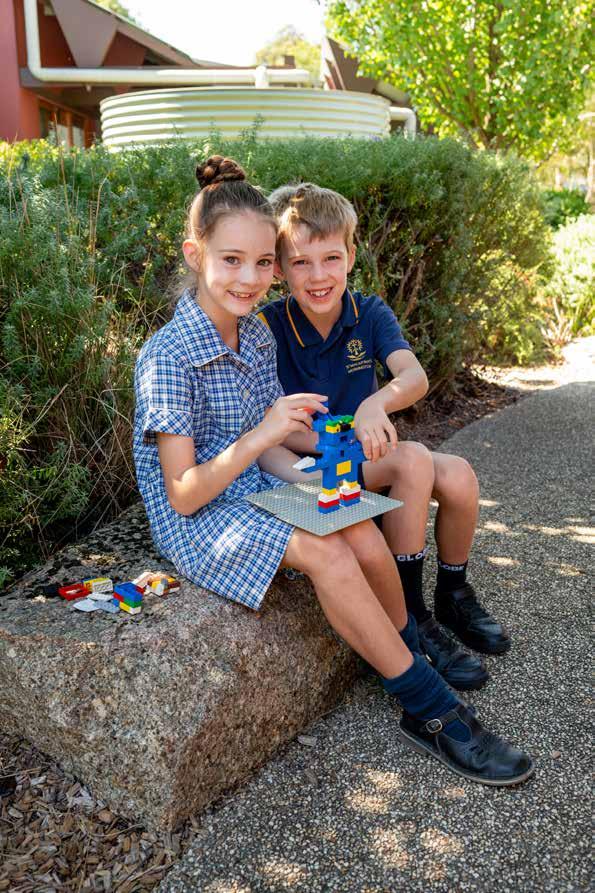
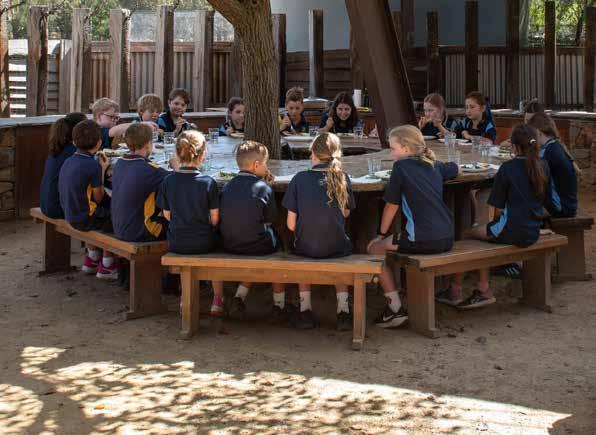
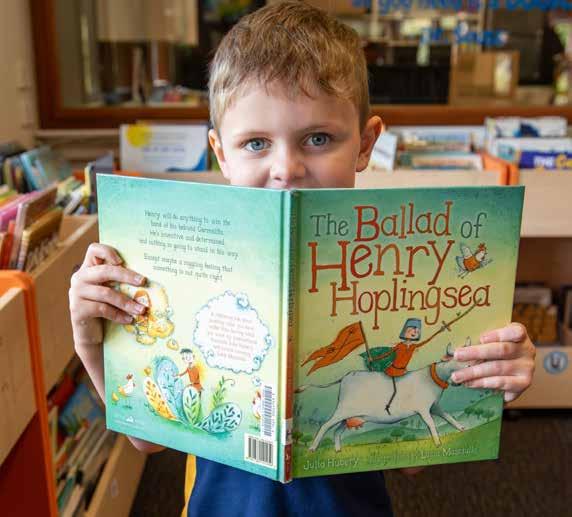
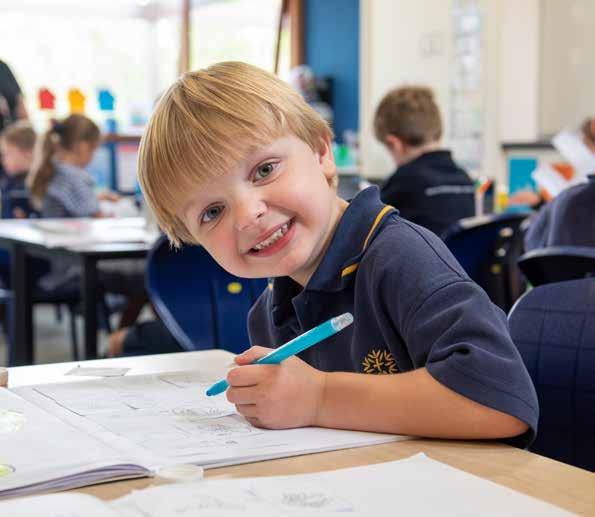
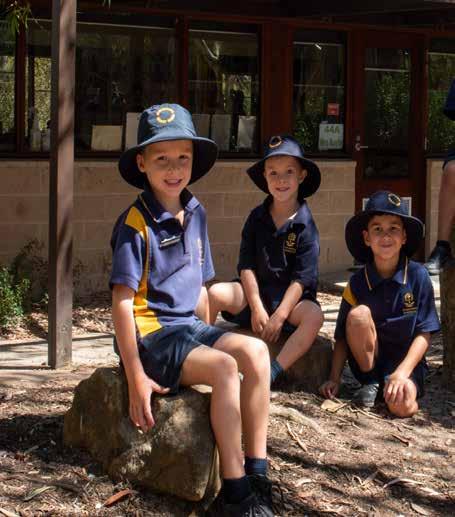
At St Macartan’s, Catholic education is about nurturing faith and character. Gospel values of compassion, respect, and kindness are woven into everything we do, guiding children to navigate life with purpose and grace. We also emphasise the importance of being stewards of God's creation, teaching our students to care for the world around them and to honor the environment as a precious gift entrusted to us
Guided by the science of learning, our explicit instruction and sequenced learning approach in Mathematics, along with the adoption of the InitiaLit program for English, provide a solid foundation in reading, writing, and numeracy. Through carefully structured teaching blocks, students develop essential skills with
clarity and confidence. This evidence-based approach has consistently led to improved literacy and numeracy outcomes, ensuring children are well-prepared for lifelong academic success.
Our Catholic school is open to all students as we welcome children from all backgrounds and faiths. Every child’s unique gifts are valued in our inclusive, supportive environment.
Learning
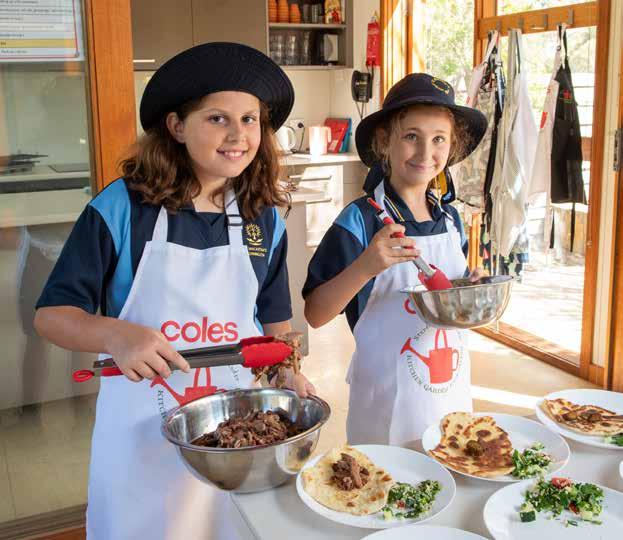
Our commitment to sustainability shines through our award-winning gardens and outdoor spaces. Students grow, harvest, and cook their own food through the Stephanie Alexander Kitchen Garden Program, building a love for nature, healthy eating, and hands-on learning.
Achievement From academic progress to artistic talents and
acts of kindness, we celebrate every success, building confidence, pride, and a passion for excellence.
Your child’s emotional and social wellbeing is our priority. Through supports and a nurturing environment, we ensure every student feels safe, valued, and empowered to build resilience, equipping them with the strength and confidence to navigate life’s challenges
Sport and physical activity are integral to our program, promoting fitness, teamwork, and a love for healthy competition.
Discover the St Macartan’s difference - a place where faith, learning, and community come together.
W: smmornington.catholic.edu.au
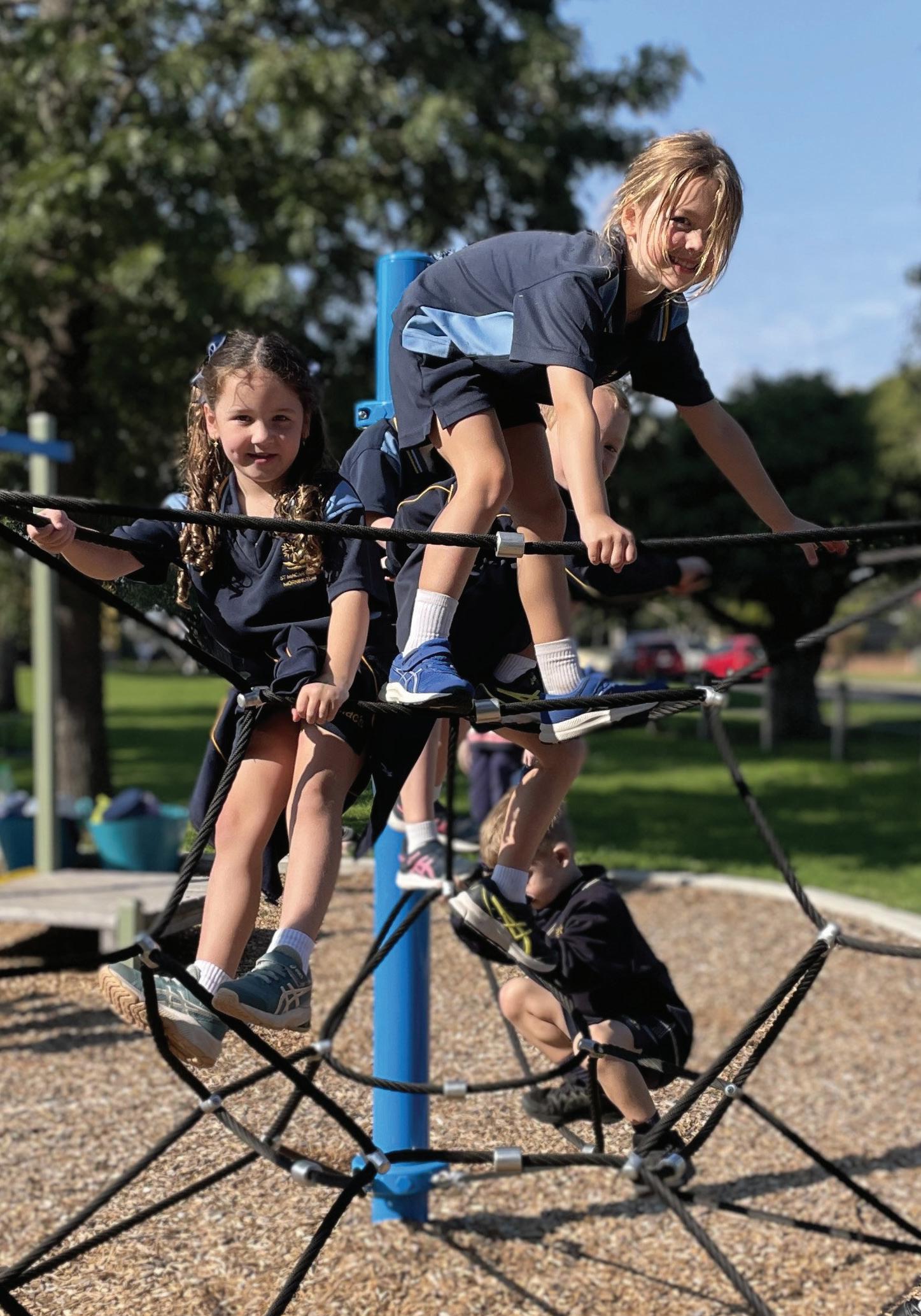
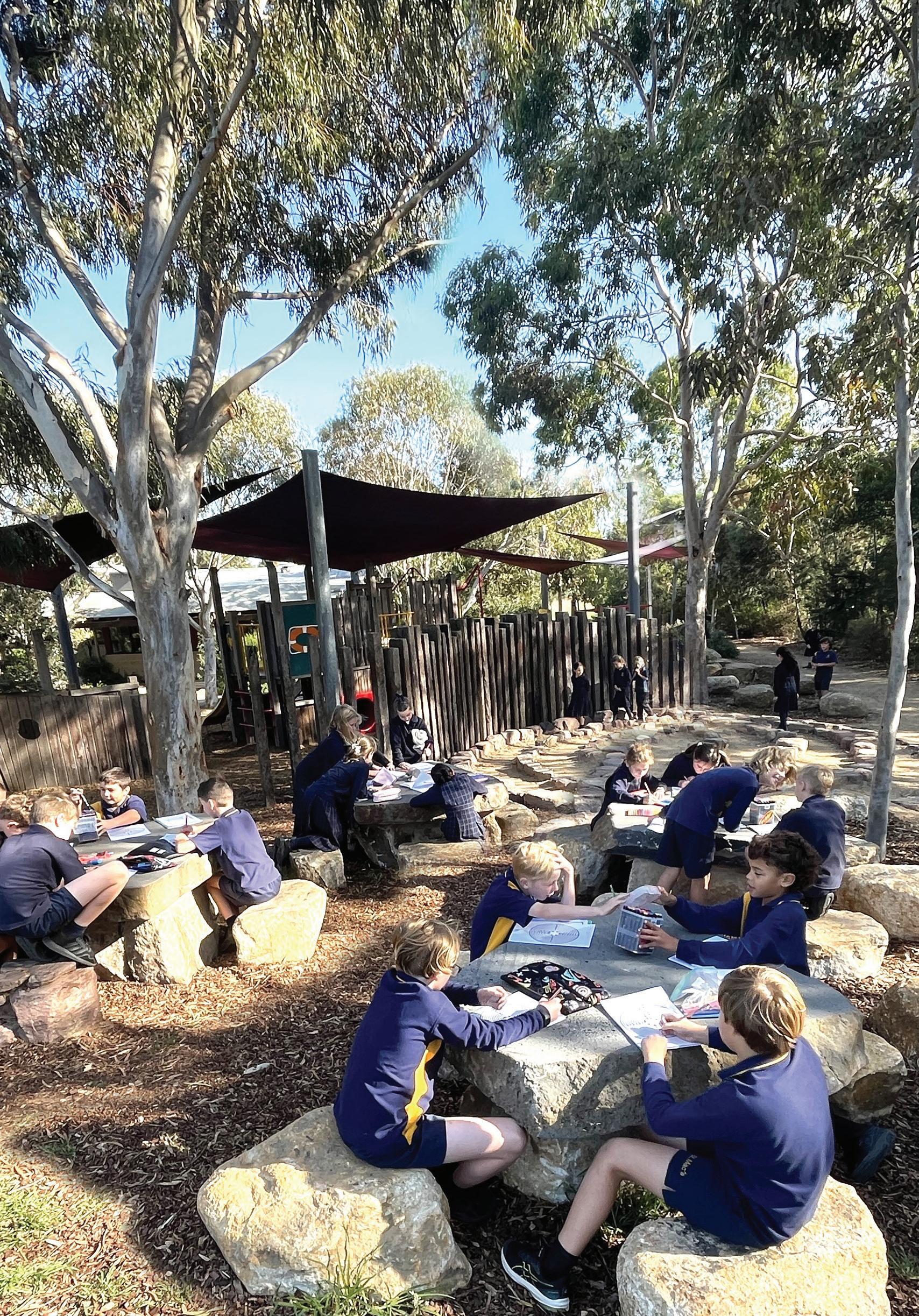

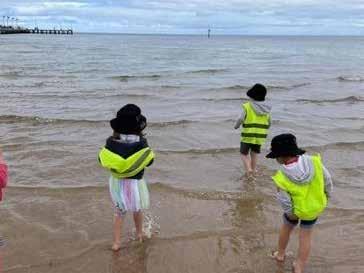


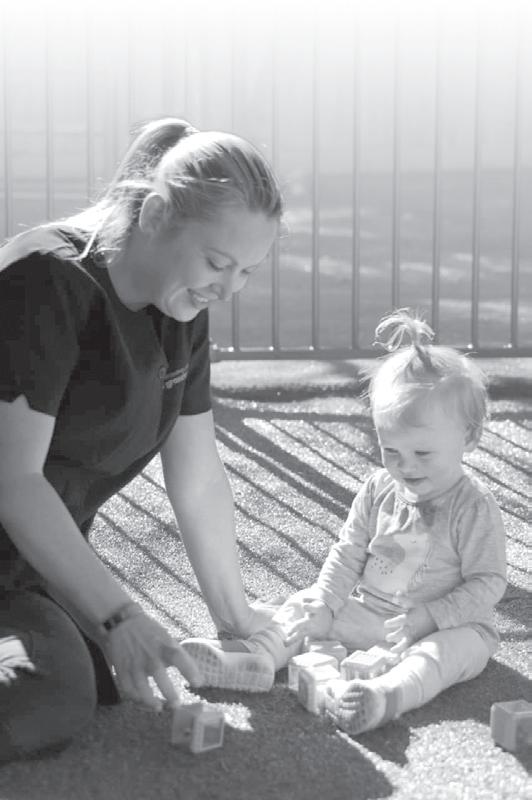
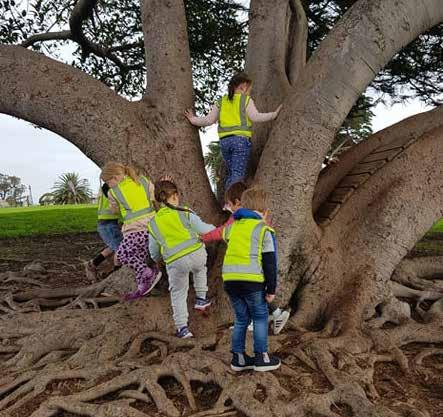
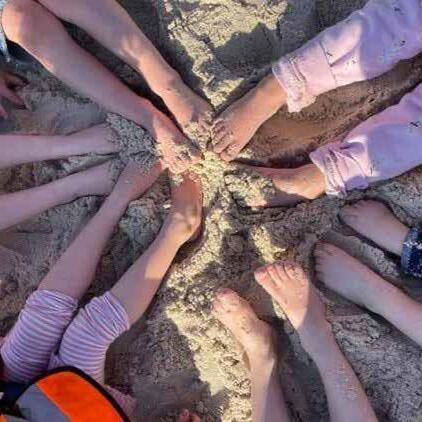

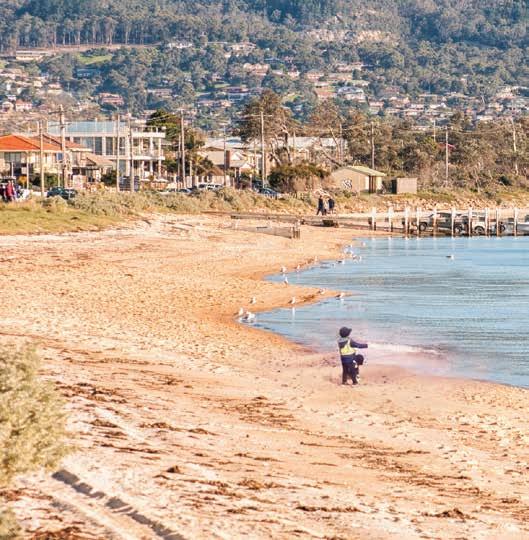
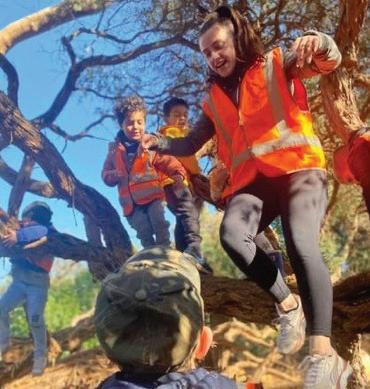
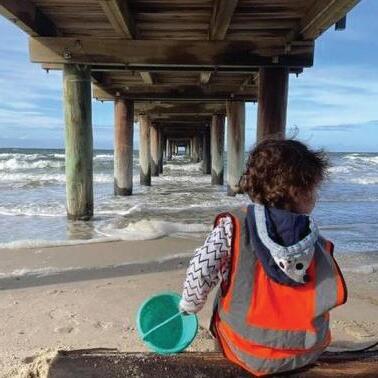
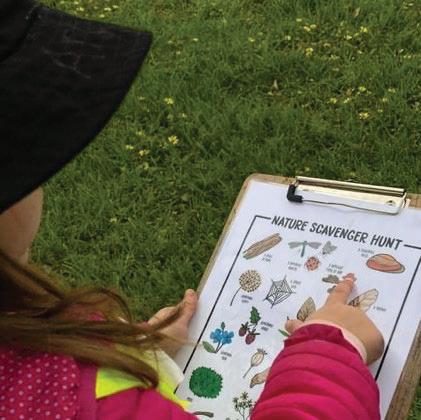
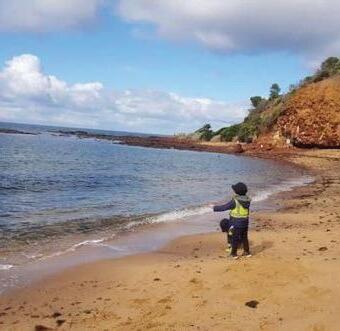
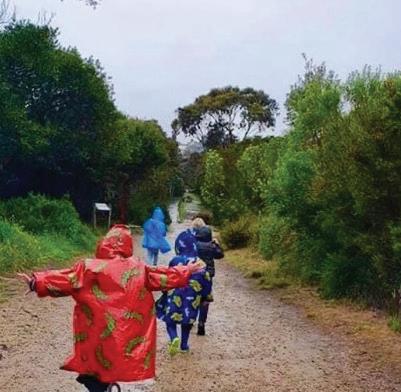
Dromana Beach Sanctuary of Early Learning is the newest in a set of established early learning services on the Peninsula. Situated directly across from the beach, this coastal-style centre portrays the same philosophy and values as its sister centres Mount Eliza House, Frankston Beach and Seaford House. This state-of-theart centre opened at the start of 2025 and has spaces available. Dromana Beach is committed to providing a vibrant and flexible environment that supports learning and responds to the interests and abilities of each child. The program includes sustainability principles and a health and wellbeing focus, with a strong belief that children are connected to the wider community and environment. A balance of indoor and outdoor experiences is provided within the service's natural landscape and through the Beach and Bush Kinder program, as well as the highly sought-after Nippers program delivered by Victorian Surf Lifesaving.
Buddy the golden retriever is a valued member of the team and visits all of the services regularly, bringing joy and laughter to all of the children.
The play-based program provides opportunities for children to grow, discover, create and imagine. Children are acknowledged as capable, competent and co-contributors who actively participate in their own learning. The inclusive program recognises the individual learning styles of all children, and it values families for their unique contributions to the centre community.
The intention is to support children to be kind, respectful and confident contributors to their community and the world.
The experienced and knowledgeable educators are committed to providing a warm, nurturing environment that recognises childhood as a very special and important time.
P: 59818299
E: info@dromanabeach.com.au
W: dromanabeach.com.au








‘DREAM,
Our Lady of Fatima is a local Catholic primary school that delivers evidence-informed programs in a warm and supportive community environment. The school is situated in Rosebud on the Mornington Peninsula, approximately 85km south of Melbourne, serving the Catholic communities of the peninsula.
Our school motto is ‘Dream, Believe, Achieve’ with a focus on meeting each child at their point of need. Engaging students in learning is our priority with staff supporting every child to make the very most of their academic potential.
With an explicit and rigorous teaching program, out staff hold a common vision of academic success for all students where teaching capabilities and relationships are nurtured to support students’ academic results, spiritual development and wellbeing.
21st-century teaching and learning practices, based on values of integrity, respect and kindness.



With an extensive campus, Our Lady of Fatima offers spacious and modern learning spaces, a dedicated specialist learning area, Hub (social, emotional learning/intervention and extension), school hall, substantial playgrounds and sporting fields, all located on a quiet street frontage that provides a sense of privacy and security for our students and families.
Working together in partnership is of utmost importance to our school, where together we build the highest possible level of care and trust between students, staff and families. We place learning at the centre of our everyday encounters, while ensuring that a strong sense of wellbeing and community is maintained.
Join us for a personal tour at Our Lady of Fatima, where everyday is an open day!
Book a personal tour, phone 5950 0400, E: office@fatimarosebud.catholic.edu.au or visit Our Lady of Fatima Primary School at 16 Hinton Street Rosebud, Victoria.

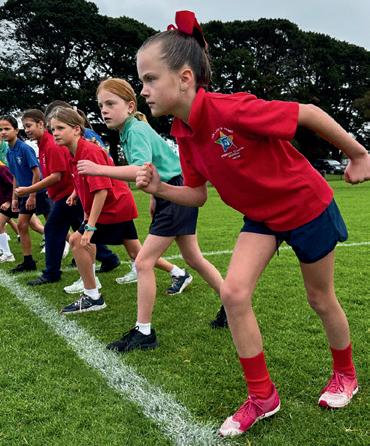
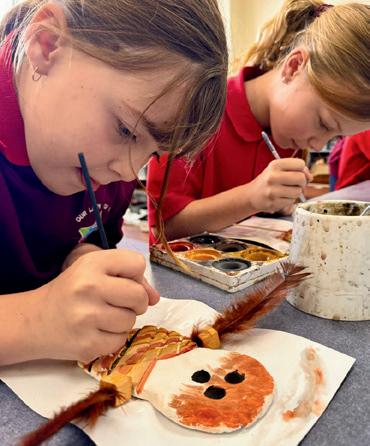
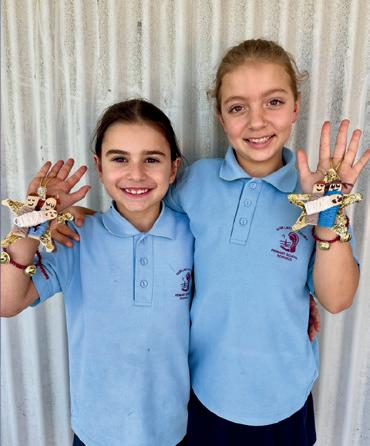
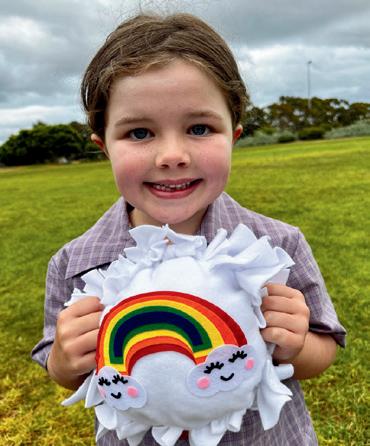
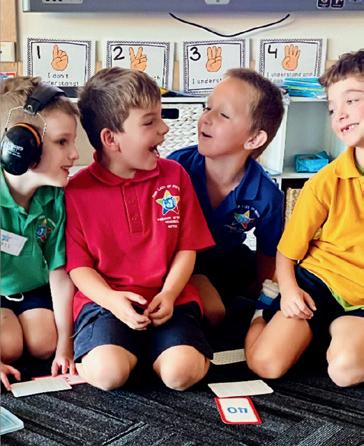

Frankston East Primary School was established in 1952 and is in Ashleigh Avenue, Frankston. Our school promotes an atmosphere where excellence is valued and where our students are building their capacity to be curious, creative, communicative, collaborative, compassionate, have composure, and be good citizens. This is through a focus on the core values of integrity, respect, and kindness.
Our school is set in spacious grounds surrounded by mature trees, with several playing areas, two basketball courts, cricket nets, quiet areas, and an oval. A broad curriculum is offered with well-developed programs in the eight Key Learning Areas, we also offer specialist classes in Art, LOTE, Music, Physical Education and Science.
We invite you to visit our school, meet our warm and engaging staff, and experience the vibrant learning environment firsthand. We look forward to meeting you!
Warren Bull - Principal
By Lotta Johansson
IF YOUR CHILD OFTEN COMPLAINS OF STOMACH PAIN, BUT MEDICAL TESTS AND GP VISITS FIND NOTHING WRONG, YOU’RE NOT ALONE, AND YOU’RE NOT IMAGINING IT. OTHERWISE KNOWN AS 'FUNCTIONAL ABDOMINAL PAIN' (FAP), RECURRING TUMMY PAIN WITH NO CLEAR MEDICAL CAUSE AFFECTS UP TO 1 IN 5 CHILDREN, DISRUPTING SCHOOL ATTENDANCE, SLEEP, SOCIAL ACTIVITIES, AND GENERAL WELLBEING.
Functional Abdominal Pain is characterised by when a child has ongoing or recurrent abdominal pain, but tests fail to reveal an underlying cause.
Unlike conditions such as coeliac disease, lactose intolerance, or inflammatory bowel disease, FAP can’t be detected by a scan or blood test because it isn’t triggered by a visible issue in the gut.
FAP is linked to dysfunction in how the gut and brain communicate rather than a physical issue in the gut. Contributing factors can include gut sensitivity, family history, gastrointestinal movements that are too fast or too slow, anxiety and depression, immune system functioning, and central nervous system processing.
This type of recurring stomach pain in children is fuelled by complex signalling in the network between the digestive system and nervous system which amplifies painful sensations in response to stress, anxiety, or food.
According to the ROME IV, the standardised diagnostic used to classify functional gastrointestinal disorders, FAP is considered to be abdominal pain that is “distinct from any underlying organic pathology”. The disorder is characterised by four main criteria:
1. Episodic or continuous abdominal pain that lasts for at least four days a month for at least two months.
2. Pain that does NOT occur solely during eating or menstruation.

3. Insufficient criteria for other functional gastrointestinal disorders.
4. Abdominal pain that CAN NOT be fully explained by another medical condition.
Children with FAP often experience pain that is very real, even if doctors can’t “see” a reason for it. The pain may flare up in the morning before school or during times of stress, and can range from mild discomfort to intense cramps.
OTHER SYMPTOMS MAY INCLUDE:
• Nausea or headaches
• Fatigue or trouble sleeping
• Sensitivity to noise or certain foods
• Anxiety or low mood
• Disruption to daily routines like school, sport, or family time
Because there is no obvious medical explanation, parents may fret about overlooking a potentially serious medical condition while kids struggle with feeling misunderstood and anxious about their pain not being taken seriously.
This in turn creates a cycle where pain can lead to anxiety, which then worsens the pain and perpetuates ongoing symptoms. While FAP does not have a visible underlying cause, it does have an impact on health from heightened sensitivity to light, sound, or diet to fatigue or sleep disorders, anxiety, depression, headaches, nausea, and joint pain.
While there’s no quick fix for FAP, taking a holistic approach is the best way to soothe little tummies.
TOP TIPS FOR PARENTS:
• Stick to a routine particularly around meals, sleep, and school to help children and teenagers regulate their body and reduce anxietydriven symptoms.

• Provide healthy meals. While there is no specific FAP diet, some children may benefit from tracking food triggers or reducing highFODMAP foods under the supervision of a qualified medical professional.
• There is strong evidence that psychological support in the form of cognitive behavioral therapy (CBT) and relaxation techniques help kids cope better with FAP.
• Simply validating your child’s experience can alleviate anxiety and reduce symptoms. Explain that their pain is real, even if there is no disease causing it, is a way to show support.
In contrast to growing evidence on probiotics as a promising treatment option for FAP, 40% of children have been found to be symptomatic despite pharmacological interventions.
The expert consensus is that probiotics should be considered along with primary measures, such as dietary modifications and physical activity to treat FAP. It’s specifically recommended that probiotics should be used to treat FAP ideally for at least six to eight weeks.
When dealing with FAP it is important for your child to see their GP or paediatrician to rule out more serious causes of tummy pain, like infections, allergies, or gastrointestinal conditions.
IF FAP IS DIAGNOSED, ASK YOUR DOCTOR:
• Should we see a psychologist, dietitian or paediatric GI specialist?
• What strategies should we try first?
• Are probiotics a good option for my child?
• How can we track symptoms and measure improvement?
FAP has long been ignored as an invisible condition, but parents today have more information and treatment options to get their child back on track. With the right tools, FAP can be managed to get kids healthy, happy, and pain-free.
By Dr Tim Moss
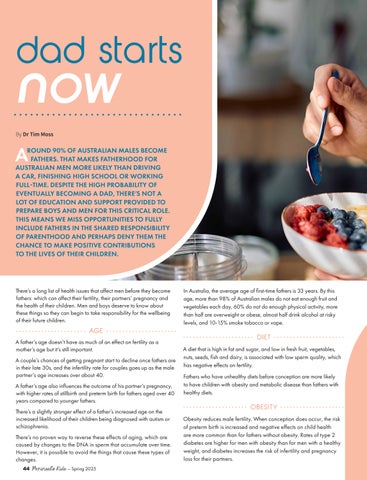
90% OF AUSTRALIAN MALES BECOME FATHERS. THAT MAKES FATHERHOOD FOR AUSTRALIAN MEN MORE LIKELY THAN DRIVING A CAR, FINISHING HIGH SCHOOL OR WORKING FULL-TIME. DESPITE THE HIGH PROBABILITY OF EVENTUALLY BECOMING A DAD, THERE’S NOT A LOT OF EDUCATION AND SUPPORT PROVIDED TO PREPARE BOYS AND MEN FOR THIS CRITICAL ROLE. THIS MEANS WE MISS OPPORTUNITIES TO FULLY INCLUDE FATHERS IN THE SHARED RESPONSIBILITY OF PARENTHOOD AND PERHAPS DENY THEM THE CHANCE TO MAKE POSITIVE CONTRIBUTIONS TO THE LIVES OF THEIR CHILDREN.

There’s a long list of health issues that affect men before they become fathers: which can affect their fertility, their partners’ pregnancy and the health of their children. Men and boys deserve to know about these things so they can begin to take responsibility for the wellbeing of their future children.
A father’s age doesn’t have as much of an effect on fertility as a mother’s age but it’s still important.
A couple’s chances of getting pregnant start to decline once fathers are in their late 30s, and the infertility rate for couples goes up as the male partner’s age increases over about 40.
A father’s age also influences the outcome of his partner’s pregnancy, with higher rates of stillbirth and preterm birth for fathers aged over 40 years compared to younger fathers.
There’s a slightly stronger effect of a father’s increased age on the increased likelihood of their children being diagnosed with autism or schizophrenia.
There’s no proven way to reverse these effects of aging, which are caused by changes to the DNA in sperm that accumulate over time. However, it is possible to avoid the things that cause these types of changes.
In Australia, the average age of first-time fathers is 33 years. By this age, more than 98% of Australian males do not eat enough fruit and vegetables each day, 60% do not do enough physical activity, more than half are overweight or obese, almost half drink alcohol at risky levels, and 10-15% smoke tobacco or vape.
A diet that is high in fat and sugar, and low in fresh fruit, vegetables, nuts, seeds, fish and dairy, is associated with low sperm quality, which has negative effects on fertility.
Fathers who have unhealthy diets before conception are more likely to have children with obesity and metabolic disease than fathers with healthy diets.
Obesity reduces male fertility. When conception does occur, the risk of preterm birth is increased and negative effects on child health are more common than for fathers without obesity. Rates of type 2 diabetes are higher for men with obesity than for men with a healthy weight, and diabetes increases the risk of infertility and pregnancy loss for their partners.

Men who are not sufficiently physically active have reduced fertility and are at risk of being overweight or obese, and developing type 2 diabetes. Very high levels of physical activity (e.g. training for marathon or triathlon) are also associated with lower fertility, but most men do not achieve these levels of physical activity. Getting 30 minutes of moderate intensity exercise (enough to get your heart rate up and feel a bit puffed) each day and doing strengthening exercises twice a week is what’s recommended to maintain good health.
Children’s health can be negatively affected by the consumption of alcohol and tobacco use. Smoking by fathers before conception is also associated with reduced fertility, and higher rates of birth defects and low birth weight in their children.
The children of men who have depression before their partner’s pregnancy have rates of mental illness and developmental delay (communication, reading, social behaviour) that are higher than expected. Depression before conception also affects engagement with children after they’re born.
Everybody’s ability to make changes to their lives to improve their health is different. There might be limits due to finances or time constraints. Many men’s priorities shift as they begin to think about having kids. It may seem more important to put in extra hours at work to secure their job than to take time each day to exercise. It might not even occur to some men that the things they are doing are having a negative effect on their health, let alone the health of their future children.
If you think you might be a dad one day, you should know that it’s never too early to start taking responsibility for the health of your children, by taking responsibility for your own health.
A good first step is to check in with your doctor. Ask to be given a checkup if it’s been a while since you had one. Ask what you can do to be as healthy as possible, so that you can be the best dad possible when the time comes.
6 SEPT
Great Egg Toss Day celebrates the sport of egg tossing. There are many types of egg toss games, but in the most common, a contestant throws an egg to a partner, and they back up further apart from each other and throw again.
Celebrate by having a throw with a friend – and don’t hard boil the egg first, where’s the fun in that?
Did you know.. there is debate over the longest egg throw between Risto Antikainen throwing a fresh egg 317 feet, 10 inches, to Jyrki Korhonen in 1981 and evidence that a Guinness World Record was set in 1978 with a throw of 323 feet, 2 inches, in a toss from Johnny Dell Foley to Keith Thomas.


9 OCT
National Sneakers Day celebrates sneakers, which are shoes that are designed for use in sports or for other types of physical exercise, but are often also used as an informal shoe for everyday use. Other terms such as tennis shoes, kicks, or runners are also used.

Celebrate by wearing sneakers! This may also be a good day to buy a new pair of sneakers.
Did you know.. in 1917 Henry Nelson McKinney, an advertising agent, used the term "sneaker" because the rubber sole made the shoe stealthy and quiet, and much easier to sneak up on someone without them noticing.
Star Trek Day celebrates the premiere of Star Trek: The Original Series, but more broadly speaking, it celebrates everything in the Star Trek universe. Set in the twenty-third century, it followed the Starship USS Enterprise, captained by James T. Kirk, who was played by William Shatner. Star Trek gained a cult following and Trekkies were born.
Celebrate by greeting everyone you meet today with a Vulcan salute and say, “live long and prosper”.
Did you know... the original series, created by Gene Roddenberry in 1966 only ran for three seasons.


Term 4 starts Friday October 17th
5.30 - 6.30pm, then every Friday for 8 weeks
Program includes kit bag, t-shirt, bat and ball.
For all youth ages and all skill levels, especially beginners!
• Welcome to anyone under 18
• Some coaching provided
• Fun & social environment
• No experience necessary $8 per session
Every Friday 6pm - 7.30pm during school terms.
No need to book for Junior Night, just come along and join in!
Cookie Monster Day celebrates the popular Sesame Street character, Cookie Monster, and takes place on his birthday. Created by Muppet creator Jim Henson, he is known for his blue fur, googly eyes, simple language ("Me want cookie!"), and appetite to eat everything— not just cookies.
Celebrate the day by watching Sesame Street! Since it is Cookie Monster's birthday, you could celebrate his birthday by making a Cookie Monster cake, or by eating cookies. You could even bake some cookies just like he'd have them.
Did you know.. when Cookie Monster first appeared on Sesame




Pack Your Mum’s Lunch Day is a day dedicated to recognizing the love, care, and hard work that moms put into providing for their families, including packing lunches with thoughtfulness and care. Pack Your Mom’s Lunch Day is an opportunity to recognize and celebrate the selflessness, dedication, and love that mothers demonstrate every day.
Celebrate by waking up early to prepare a special lunch for your mum, including her favourite foods and treats.
Did you know.. that your mum will pack around 2,600 lunches for you over your lifetime. That’s 5,200 slices of bread or almost 237 loaves!
Source: www.timeanddate.com

The most common types of allergy tests are skin prick tests and blood tests.
Skin prick testing is the easiest method of allergy testing. It involves a tiny amount of the allergen being put on your skin and pricked with a small needle. This exposes your body to the allergen. If you react, your skin will develop a small itchy lump surrounded by a red flare.
Blood tests can also be used to test for allergies. They may be used when skin prick testing is not suitable. This might be if you have severe eczema or are taking medicines that may interfere with skin prick testing.
Other allergy tests include:
• Intradermal skin testing — for allergies to antibiotics, vaccines and insect venoms
• Patch testing — for allergic contact dermatitis
• Oral allergen testing — used to find the trigger of a severe allergic reaction
Your doctor can advise you on which allergy tests are most suitable in your situation.
A ganglion is a lump under your skin that contains fluid. Ganglions usually form near joints. Three in four ganglions form near the wrist. They are also found on your ankle and foot. The fluid in the ganglion comes from a joint or tendon through a narrow channel.
Surgery gives the best chance of preventing the ganglion from coming back. However, a ganglion will often disappear or become less painful after a year or two. If your ganglion is not causing much trouble it is best to leave it alone.
Heterochromia, the condition of having eyes of different colours, is rare in humans but more common in certain dog breeds and cats. While most cases are hereditary, it can also be caused by injury or certain diseases. If a sudden change in eye colour occurs, it's crucial to consult an eye health professional to rule out any underlying medical conditions.


According to the Optometrists Organisation heterochromia affects less than 1% of the population, making it a very rare condition.

Fruits and your smile: Managing natural sugars during orthodontic treatment.
It’s spring time and you're craving fruit! While most people know to avoid lollies and soft drink during orthodontic treatment, they do not know to avoid or manage the consumption of the natural sugars in fruit. Braces do a great job of straightening teeth but they also make cleaning harder, raising the risk of tooth decay and white spot lesions (early signs of enamel damage).
Fruits contain natural sugars like fructose, which, when left on teeth (especially around the brackets) can contribute to plaque and acid production. Acidic fruits like oranges and pineapple can also soften enamel, making it more vulnerable to erosion and tooth decay. Sticky fruits like dried figs, apricots or mangos are especially risky as they stick to the braces and the wires. Tips and tricks for fruit lovers with braces;
• You do not need to give up fruit, it’s all about management.
• Stick to less sugary fruits like berries and melons.
• Limit consumption of dried fruits.
• Limit consumption of fruit juices.
• Rinse after eating by swishing with water, which helps to wash away sugars and acids.
• Ensure you have regular dental check up’s and cleans.
• Use fluoride tooth paste and drink tap water containing fluoride over bottled water.
• Eat fruit with meals instead of as frequent snacks.
• Use tooth mousse daily to help prevent enamel demineralisation.
Fruits are a healthy choice, however when you’re going through orthodontic treatment, pairing fruit consumption with water and great oral hygiene is key to keeping your smile bright and white spot lesion free.

Our experienced team will provide you with an individual treatment plan to deliver only exceptional results.
that perfect smile
will always treasure.


By Linda Martinucci
often do we really need to eat?
We’ve all heard the advice - “Eat six small meals a day to keep your metabolism going” or “Don’t skip meals or your body will go into starvation mode!” For years, I believed that frequent eating was the key to good health and I’d carry snacks in my handbag “just in case”, planning my day around food.
But something unexpected happened when I switched to a real food, lowcarb lifestyle - I stopped being hungry all the time. In fact, I started eating just two or three meals a day, naturally, without even trying. And I felt better than I had in years.
When your meals are built around protein, healthy fats, and vegetablesnot ultra-processed carbs or sugary snacks - you stay fuller for longer. You also find that your energy stays stable, your mood improves and the constant need to nibble disappears.
It’s not about willpower - it’s about nourishment. Real, nutrient-dense food supports your body in a way that quick-fix sugary snack bars never could. Many of our customers are amazed when they realise they can go from breakfast to dinner without that mid-afternoon crash or sugar craving.
While I never set out to follow any particular eating pattern, I naturally found myself eating within a smaller window of time each day. This is often referred to as “intermittent fasting” and it’s something I’ve found incredibly beneficial especially as I get older.
Fasting isn’t about deprivation - it’s simply about giving your body a break from constant digestion so it can focus on healing, repairing, and burning fat for fuel. If you’re interested in learning more, a great starting point is Dr Mindy Pelz’s book Fast Like a Girl which explains how fasting can support hormone balance, energy, and long-term health especially for women.
There’s a growing number of health professionals who are combining medical insight with real food and lifestyle principles to help their patients lose weight, reverse chronic conditions and feel fantastic again. These are
*Dairy-free
*Sugar-free
*Gluten-free
*Low-carb/Keto
*No seed oils or starches
*Created on Mornington Peninsula
*Really easy to prepare
*Nothing artificial
*Taste amazing
GPs and practitioners who understand that lifestyle - not just medicationis often the key to true healing.
I’ve been fortunate to learn from some of the best in the business, and if you’re looking for support on your journey, I encourage you to explore the websites below for trustworthy, evidence-based information:
Real Life Medicine – Dr Lucy Burns & Dr Mary Barson www.rlmedicine.com.au
Melbourne Low Carb Clinic – Dr Avi Charlton. www.mlcclinic.com.au
Whether you eat two or three meals a day, whether you fast or not one of the most powerful things you can do for your health is to base your meals on real nutritious food. Remove the processed snacks and embrace simple, nourishing ingredients and your body will thank you for it. Sometimes, less really is more.
*As always seek the advice of a qualified health professional before making significant changes to your diet (see our website for resources

With a background as a food writer and cookbook author, Linda Martinucci overhauled her eating style in 2017 when her husband David was diagnosed pre-diabetic. By making a few simple changes to their eating style - reducing carbs and increasing healthy fats – they both felt better and had more energy than they had in decades. David reversed his diagnosis within a few short months and all inflammatory joint aches and pains disappeared. Unable to find easy alternatives to their favourite foods which were free from inflammatory and artificial ingredients, they created a range themselves. Their mission is to help others experience the joys of good health by providing convenient easy alternatives which are full of good nutrition and health benefits.









Enjoy this as an accompaniment for other breakfast staples like eggs and bacon or just on its own with avocado and salad. Great to enjoy any time of day!
Ingredients
2 cups cauliflower
1 egg
1 tsp onion flakes
1/8 tsp garlic powder
¼ tsp salt
1 cup tasty cheese, grated
Shortening of preference for frying –butter, coconut oil, extra virgin olive oil, ghee, lard

1. Finely dice cauliflower by hand or in a food processor.
2. Place cauliflower with all ingredients in a medium bowl and stir to combine well.
3. Heat frypan with preferred shortening and spoon 7cm rounds into pan.
4. Cook until brown and firm on one side then flip and continue to cook other side until golden brown.
5. Remove from heat and serve.


Such a simple recipe - just set and forget then come home to a tender delicious meal. Leftovers freeze beautifully with gravy for an easy future meal too.
1.5-2kg boneless pork shoulder
¼ cup extra virgin olive oil
1 tblsp salt
2 tsp sweet smoky paprika 2 tsp cumin
6 cloves garlic, crushed 3 bay leaves
1 small red onion, finely chopped
Gravy – pan juices, 2 tblsp cream, 1 chicken stock cube, 1 tblsp psyllium husk, salt and pepper to taste

1. Place all marinade ingredients except onion in a small bowl and whisk together.
2. Add chopped onion to marinade and stir through.
3. Place pork on trivet or upturned heat proof saucer in slow cooker and spread marinade all over pork.
4. Cook on low heat for 6 - 8 hours.
5. Remove pork and place on a cutting board to rest covered for 15 minutes.
6. Make gravy by pouring all juices from slow cooker into a small saucepan through a sieve to remove lumps. Add all other gravy ingredients and whisk constantly while heating to a simmer. Taste for seasoning and remove from heat.
7. Remove layer of fat from pork (if needed) then use two forks to pull the meat apart into shreds.
8. Pour half the gravy over pulled pork and mix through well prior to serving.
9. Place mounds of pork on serving plates and accompany with extra gravy in a jug on the side.





These deliciously dense cakes are perfect for morning or afternoon tea or as a decadent dessert. Top with your favourite toppings for extra indulgence.
1 pack Simply Swap Foods Low Carb Chocolate Mug Cake Mix
2 extra large room temp eggs, beaten
2 tblsp butter/coconut oil (40g), melted

1. Take two medium sized mugs and place 1 tblsp melted butter in each mug.
2. Add half the cake mix to each mug (40g or ¼ cup dry mix) along with 1 beaten egg in each mug.
3. Stir really well until fully combined.
4. Cook using preferred method – microwave or oven:
• Microwave, cook on high 60-90 seconds (add extra 30 seconds if not firm)
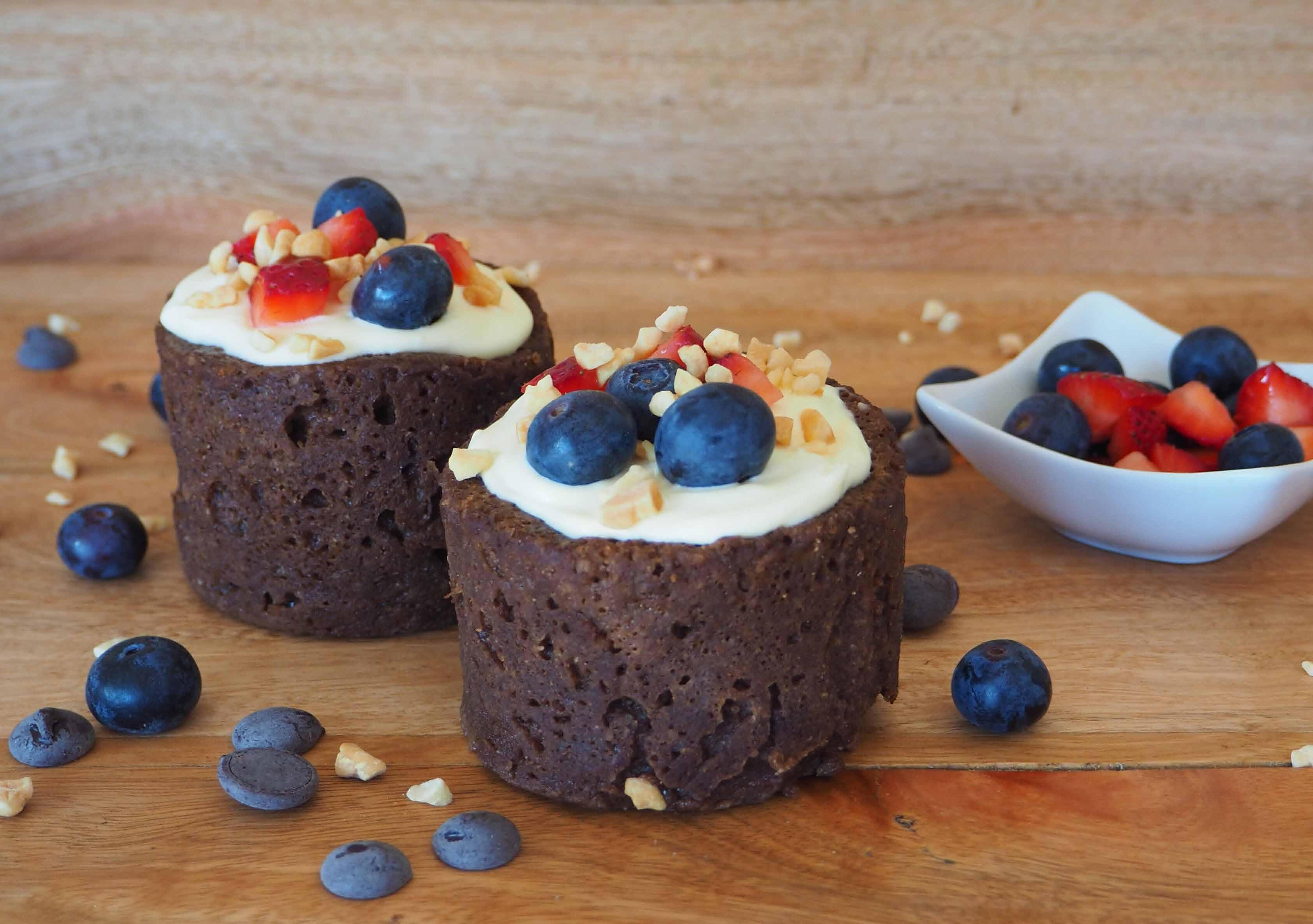
• Oven, bake in preheated oven 180 degrees for 15 mins until cake springs back when pressed in centre.
5. Rest for a few minutes, they are very hot.
6. Serve topped with favourite toppings – cream, ice cream, berries, coconut cream, melted dark chocolate or chopped nuts.

The LEGO® Group and Asmodee, a leading entertainment company specialising in tabletop games, have announced their second jointlycrafted board game. LEGO® Brick Like This! is a fun family party game where teams race to finish their LEGO® models. One teammate describes a LEGO® model while the other teammate builds it. Communication and collaboration are key in this fun and fast-talking LEGO® building party game!
Work together in pairs to build your LEGO® model first! Can you build with your eyes closed? With one hand? How about talking without being able to say numbers or colors? No two games will be the same.
Designed for ages 8+ (and perfect for creative adults too) and available from EB Games
RRP: $40.00

This one-of-a-kind gaming system combines education and entertainment with movement like never before, blending learning with motion via full-body gameplay!


Children don’t just play – they become the main character! With real-time body tracking, they can see themselves on screen as the main character or can transform into one of three cool creatures – a cat, dragon, or armadillo – for an epic adventure that puts them
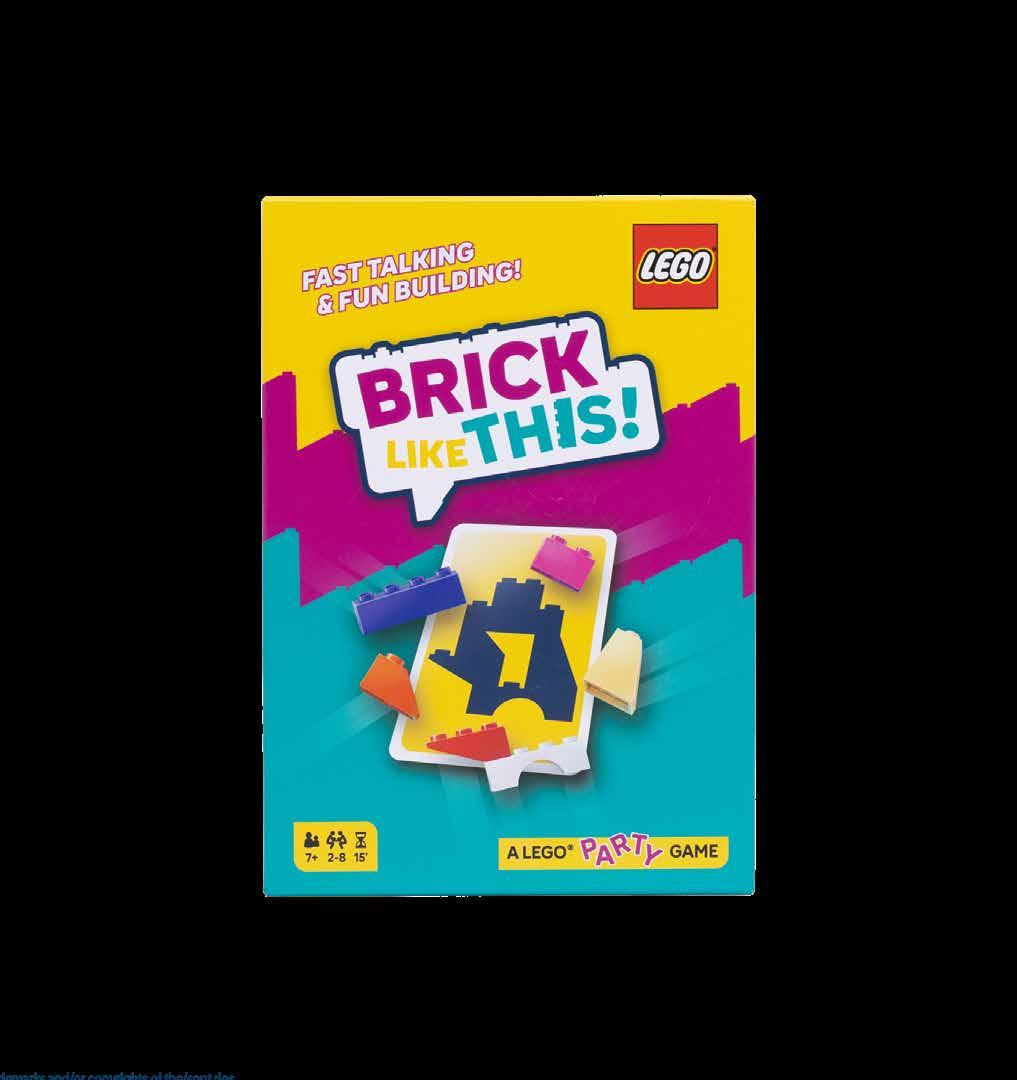
Jellies is the new Australian swimwear label on a mission to make water play safer and more joyful for little ones and a little less stressful for parents. The brand is redefining safety-focused swimwear for safe, active
Little Jellies caters to children aged 6 months to 6 years. The collection includes baby swimwear, rashies, sun tops, surf suits, mix-and-match separates, and bucket hats—each made with a snug-but-stretchy fit, UPF50+ sun protection, and quick-dry technology. littlejellies.com.au
Forget controllers – children can use their entire body to jump, dodge, catch, fly, and so much more in 10 fantastical games with three learning levels that turn movement into an exciting and essential part of every learning adventure, while keeping them active.
For ages 4+, LeapMove will be available from August at Big W, Target, Myer, and good toy stores and online retailers.

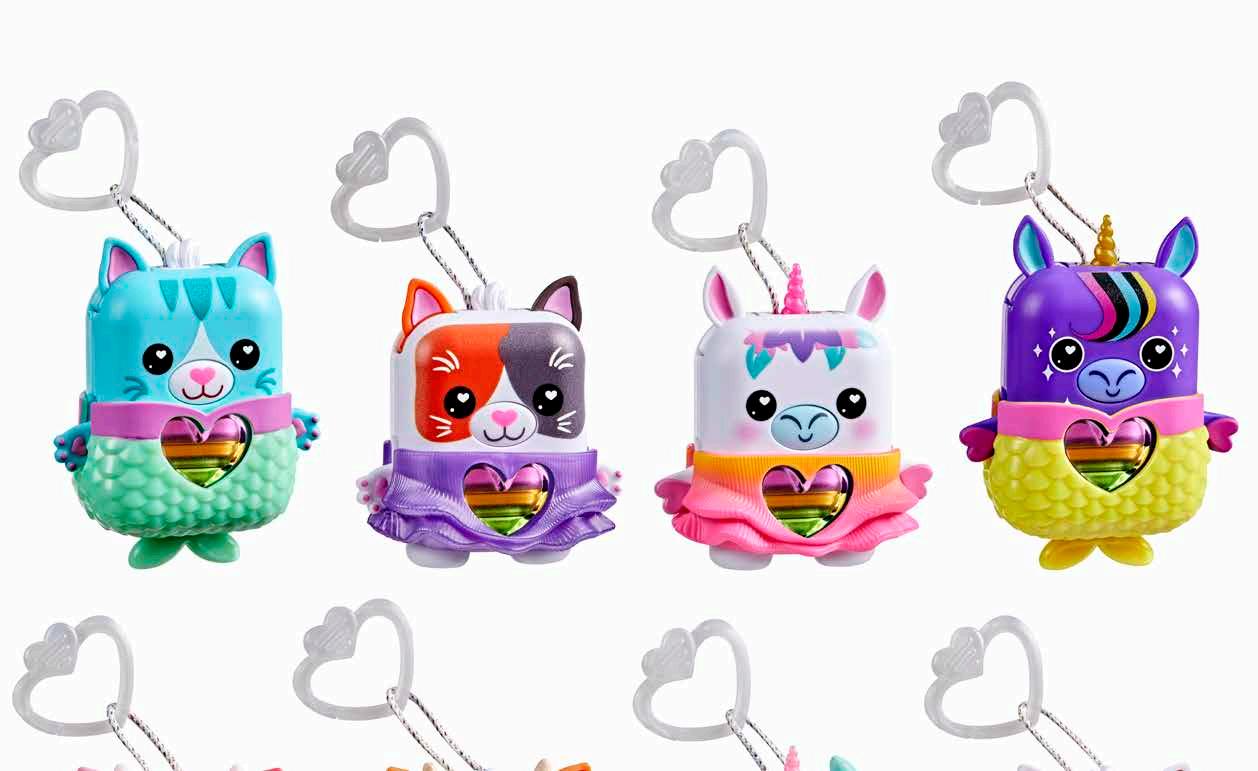






Say hello to hydra helpa; the debut product from kidhy, a new Australian brand on a mission to help solve the common challenge of getting kids to drink enough water.
Scientifically formulated just for children, hydra helpa is an alternative to sugary drinks and adult electrolyte drinks. The delicious water infusions are packed with electrolytes for hydration, plus prebiotics and probiotics to support gut health.
hydra helpa is available now in a three kid-approved flavours: Apple & Raspberry, Pineapple & Coconut and Orange & Passionfruit. RRP: $49.95 for packs of 30 sachets. kidhy silicone drink bottles are also available for $29.95. hydra helpa + drink bottle bundles are available for $69.95. kidhy.com
*Images may not accurately represent prizes.
The Plonkit solves an age-old Aussie problem - where to safely and conveniently “plonk” down your belongings when you’re outside. Made from recyclable plexiglass materials, it easily and securely connects to a glass fence, providing a sturdy place to plonk down all the essentials - drinks, sunnies, phones, snacks, speaker, sunscreen - with no worries.
Functional and stylish, Plonkit helps you make the most of your balcony. Plonkit Balcony Table for framed glass fence. Free shipping Australia-wide.
RRP: $199.00 plonkit.com.au
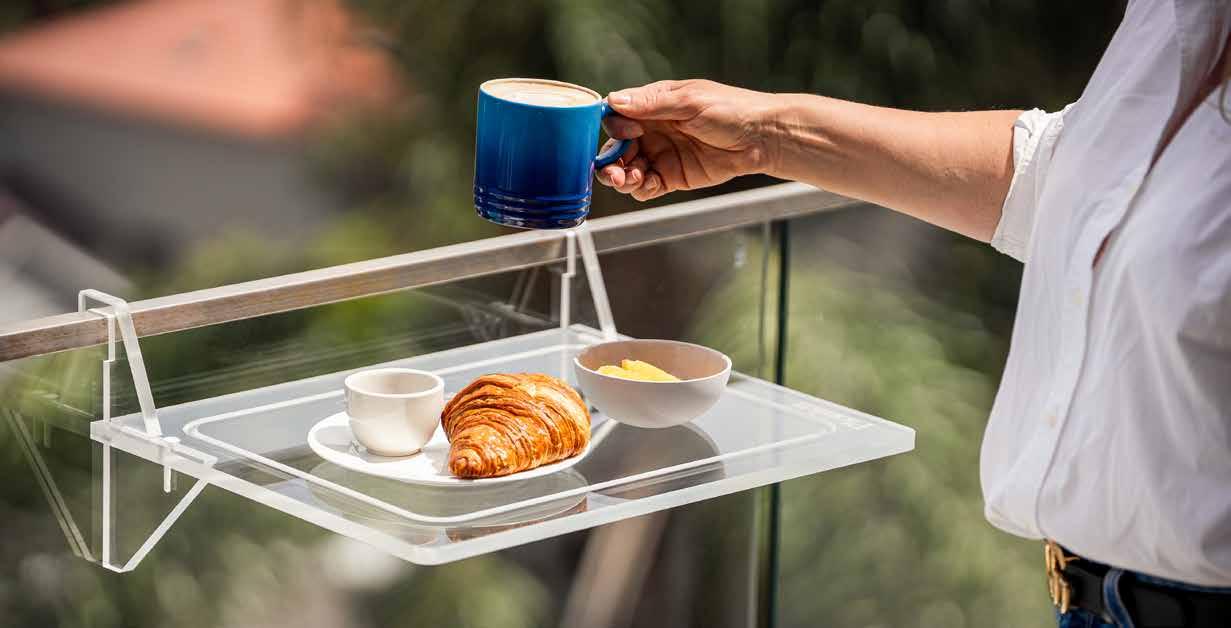

to win hearts… literally! The handheld Nano-Mals team the appeal of digital pets with the fun play of fidget toys, creating a sensory experience specifically designed for today’s kids.
Nano-Mals are the ultimate gift for kids who love fidget toys, animals, and interactive digital fun. With unlimited ways to care, style, and connect, this new range is set to be the musthave mini pet of the year.
These collectibles are available now in major retailers including Big W, Target, and independent toy stores.
RRP: $25.00 each


Suitable for 10+ - Create a playful display featuring a lovable astromech droid Chopper (C1-10P) with this LEGO® Star Wars™ buildable model kit with a buildable figure of Chopper, as seen in Star Wars: Ahsoka™.
Move the lever on his back to remotely activate his iconic head movements, pose his arms and legs, fold out a tool from his chest, and more. Choppers arms and his center wheel are detachable so he can be displayed as if his arms and wheel have been retracted into his body. Suitable for 10+
RRP: $179.99 lego.com/en-au
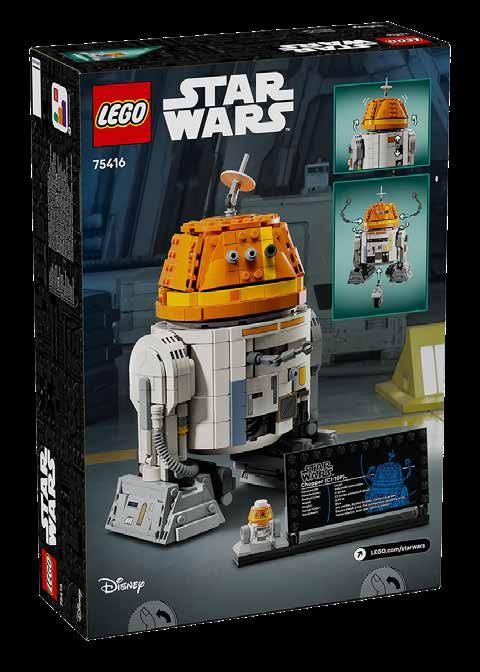

The Ultimate Family Spring Giveaway with Mambo! From bold-printed suitcases and insulated lunch boxes to roomy backpacks, comfy sandals and playful sunnies, this capsule has everything the family needs for their next holiday. Designed for boys and girls, with the apparel ranging in sizes 7-16 and footwear available in sizes 13-6, perfect for packing light and dressing right from head to toe.
The prize pack will include the following for the winning family: 2 x each - backpacks (kids), water bottles (kids), lunch boxes (kids), pencil cases (kids), overnight bags (adult), hats (adult), beanies (adult), stubby holders (adult) valued at over $300. Selected products available from Big W. instagram.com/mamboaustralia








By Yvette O'Dowd
EXPECTANT
PARENTS THINK THEY KNOW WHAT’S COMING: DISRUPTED SLEEP, A BABY TO FEED EVERY FEW HOURS, ENDLESS NAPPY CHANGES. YOU KNOW… BABY STUFF. THE REALITY? CARING FOR AN INFANT IS ALL-CONSUMING. FEEDING, SETTLING, SLEEPING AND ALL THAT “STUFF” TAKES UP MOST OF YOUR WAKING HOURS – AND THAT’S WHEN EVERYTHING IS GOING SMOOTHLY. WE NEED TO BE MORE HONEST ABOUT THIS AND GET REAL ABOUT WHAT NORMAL LOOKS LIKE. IT ISN’T FOREVER, BUT IT CAN FEEL NEVER-ENDING.

Babies feed a lot; at least 8 to 12 times in 24 hours in the early months. That works out to about two to three hours between the start of one feed and the start of the next. It’s not, as some people expect, a twoto-three-hour break in between. Here’s how it often plays out. Baby wakes and shows feeding cues. Ideally, they’re already on or near your body so you can bring them to the breast right away. They might fuss and come on and off as they latch and trigger the let-down reflex – a minute or two – then settle into steady sucking and swallowing. As hunger eases, milk flow slows and becomes richer in fat. Sucking slows too, with longer pauses. The baby may slip into light sleep with occasional flutter-sucking, deeply relaxed.
Some babies come off the first breast, have a nappy change, then signal for more and switch sides. Others take one side only. Some mix it up from feed to feed. By now, breastfeeding may have taken 30–40 minutes, plus breaks for a nappy change or a short rest. If you’re contact napping, your baby may remain on your chest until they wake for the next feed. If you need to move them to a separate sleep space, waiting 15–20 minutes until they’re in deep sleep makes a smooth transfer more likely.
Decades ago, new mothers were given some spectacularly unhelpful advice about timing feeds: one minute each side on day one, three minutes each side on day two, five minutes on day three, ten minutes from day four onwards. The idea was to protect nipples from soreness. It didn’t work. By the late 1980s, “foremilk” and “hindmilk” had entered the conversation – with the message to “finish the first breast first” so baby got the richer hindmilk. But this often turned into rigid instructions that kept baby on one side for a set time, sometimes creating block feeding, a technique usually used to reduce oversupply. Many mothers ended up with babies who weren’t getting enough milk overall, only to be told to offer both breasts.
In reality, babies can self-regulate beautifully. In the early days, some may be satisfied with one breast per feed, but by around 12 weeks, most will need both for most feeds. The milk in the second breast will also have a higher fat content once the let-down reflex is triggered. The composition of breastmilk varies from feed to feed; the foremilk at one feed can be higher in fat than the hindmilk at another, especially if feeds are close together. Sometimes, a strategy called switch feeding can help when a baby needs extra stimulation or intake: moving baby to the second breast when swallowing slows, then back to the first, and so on. This boosts supply and offers several “top-ups” of fat-rich milk. If a baby is feeding well and removing milk effectively, there’s no need to count minutes or restrict access. Sometimes one side will be enough. Sometimes two or three are needed.
Parents are tired. They crave rest, but they also feel overwhelmed by responsibilities. If they’re not doing, they’re thinking about what they could, should, or would be doing. Those who choose a child-led approach to parenting often spend long stretches holding a sleeping child, mentally counting down until they can “get something done,” because productivity is everything in our modern world. But sitting, lying, or walking around with a sleeping child against your body is an opportunity. It’s a time to rest, nap, or move your body. With a shift in mindset, it can become something you look forward to each day.
Resenting contact naps because you feel they “waste” time does you no good at all. You might have chosen this path or stumbled into it, but here you are – practising the gentle, attachment-based parenting style you believe in – and wishing your child would just sleep alone like “all the other babies.” This season of contact parenting is demanding, but you can choose to surrender and accept or resent and despair. Consider building your own self-care into your child’s nap rhythm: rest midmorning while catching up on a show, nap alongside your contact napping baby, or take an afternoon walk with your baby in the carrier. Let your productivity be measured by how well you balance your needs and theirs – not by ticking boxes.

In the early evening, you may hit the “boob o’clock” stretch: latch, feed, switch sides, feed, nappy change, feed again. Feed while prepping dinner. Feed while eating dinner. Feed in front of the TV. Feed in bed until baby finally drifts off… only to stir for more. It can feel like one never-ending feed, and that’s normal. Before electric lighting, those cosy early-evening hours were often spent feeding and dozing together, followed by a longer sleep stretch before a few overnight feeds.
Cluster feeding isn’t a problem with your milk supply; it’s biology. Breastfeeding hormones peak in the early hours of the morning and dip in late afternoon and early evening. More frequent feeding then helps maintain supply and meet your baby’s comfort needs. The challenge is that our modern lives aren’t built for it. Evening cluster feeds can be frustrating if you’re juggling housework, work prep, or other children, especially without support. But your baby is behaving typically. Society needs to adapt to support breastfeeding mothers, not the other way around.
We often avoid telling expectant parents the full reality of breastfeeding for fear of discouraging them. Even among friends and family, conversations can be met with unhelpful advice: “Just stop,” “You wanted to breastfeed,” or “You’re spoiling the baby.” The truth? Many babies spend more time on the breast than off in those early months. That’s not only normal – it’s optimal. Yes, sometimes frequent feeding
continued next page...
can signal an issue with milk transfer, but for babies who are growing well, it’s typical and healthy. And yes, it can be exhausting, frustrating, even overwhelming at times. You won’t always love breastfeeding. That doesn’t make you a bad mother; it makes you a real one.
It’s also not just the newborn stage. Feeding frequency often spikes again at 4–6 months, 8–10 months, 15 months, and beyond, especially during developmental leaps. If you’re apart during the day, expect to make up for lost time with more feeding when you’re reunited. Unfortunately, many parents are told they’re “not making enough milk” when their baby is simply feeding more often than expected. Long breaks are not a sign of good supply, and short intervals are not a sign of poor supply. This “more is bad” thinking is a legacy of formula-feeding norms taught to health professionals for much of the 20th century.

When we interfere with clocks, charts, and rigid expectations, we disrupt this natural rhythm. A well-latched baby who removes milk effectively is in full control of their own intake. Our job is to watch for cues and go with the flow.
So how long is a breastfeed? Which one are we talking about: the quick five-minute top-up after a nappy change, the drawn-out hour of cluster feeding, or the efficient night feed when you both fall back to sleep? No two feeds – or babies – are exactly the same. Responding to your baby’s cues, rather than the clock, is the key to successful breastfeeding. Your baby knows what they need and when. Trusting them – and trusting your body – keeps you both in harmony. Breastfeeding is intense. It asks for your time, your energy, and your presence. But it also gives back: nourishment, comfort, connection, and the quiet knowledge that, in this moment, you are meeting your baby’s needs exactly as nature intended.

Don’t be misled by bottle measurements or formula tin guidelines; they don’t apply to breastfed babies. When researchers finally measured milk intake over 24 hours in exclusively breastfed babies, the findings were surprising: daily volumes didn’t steadily increase over the first six months; babies didn’t all take the same amount; and feeds varied widely in size and length. Nature already had it worked out. When a baby feeds on demand and for as long as they want, they regulate both supply and intake perfectly. They feed more when they need more – during growth spurts, developmental leaps, hot weather, illness – and less when needs drop.
Yvette O’Dowd is not your typical grandmother! This mother of three and 'Granny' of three has been a breastfeeding counsellor since 1992. In 2014, Yvette established the Southern Natural Parenting Network, incorporating South Eastern Babywearing Group. With 11,000 members world-wide, the group supports parents interested in breastfeeding, babywearing, co-sleeping, baby-led weaning and modern cloth nappies and other aspects of gentle, natural parenting. www.facebook.com/SouthernNaturalParentingNetwork


Come and join us for our amazing Term 4….think Jelly Party, Baby’s First Christmas, Old MacDonald’s Farm, an adventure to space and so much more!
It is now widely recognised that babies learn more during the first year than at any other time in their life.
Baby Sensory is a learning and development class specifically designed for babies from birth to 13 months. Everything we do is based on 35+ years of research into how your baby develops in this precious first year.
Each week our parent-baby classes are packed with an incredible variety of activities, all designed to aid your baby’s brain development as well as to enhance social and emotional skills.
Our warm, relaxed environment also makes our classes a fabulous place to connect with other new parents in our community.
Come and join in the fun!
@babysensorymorningtonpeninsula
@babysensorymorningtonpeninsula babysensory.com.au/morning-vic


Glide into a glowing celebration at the Arthurs Seat Eagle’s Spring Lantern Festival – back by popular demand after our sensational 2023 debut! We’ve once again partnered with The Lanternist to create a breathtaking display of Australian native animal light sculptures, set along the ground beneath the Eagle line. As you soar above in your gondola, you’ll see snakes, echidnas, bin chickens and more brought to life in vibrant light!
This year’s festival is bigger and brighter, with even more lanterns to enjoy. Alongside the stunning views, experience free Aussie wildlife shows, live music on Saturdays, kids craft, face painting, and special evening flight deals.
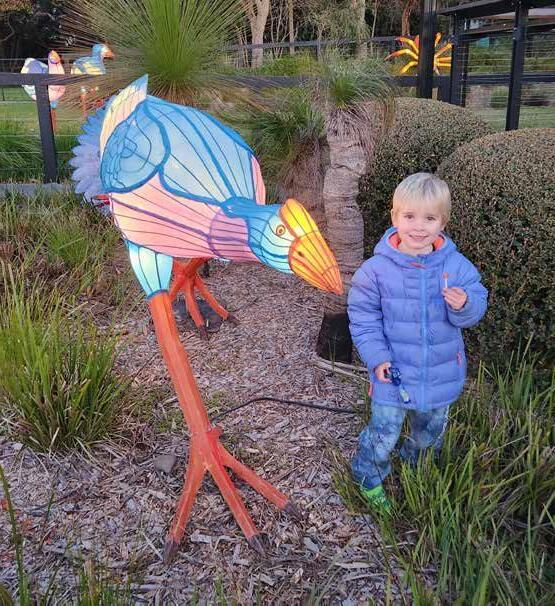
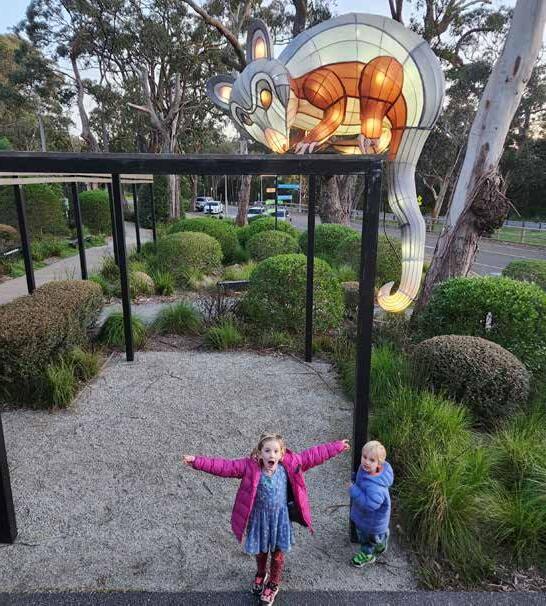
Perfect for families, friends, or a romantic night out, the Spring Lantern Festival combines nature, culture, and artistry in one unforgettable experience. Book your flights now and see the Eagle in a whole new light!
1085 Arthurs Seat Road, Arthurs Seat 5987 0600 aseagle.com.au
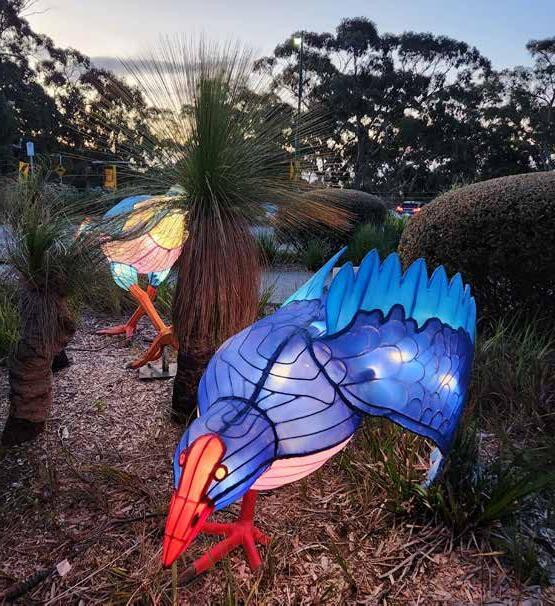
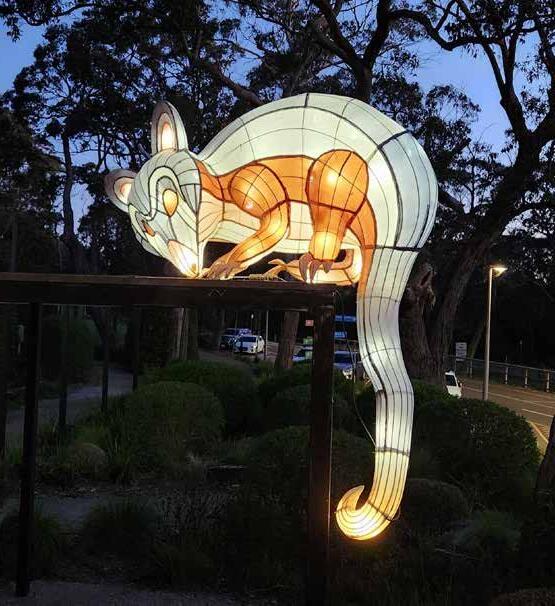
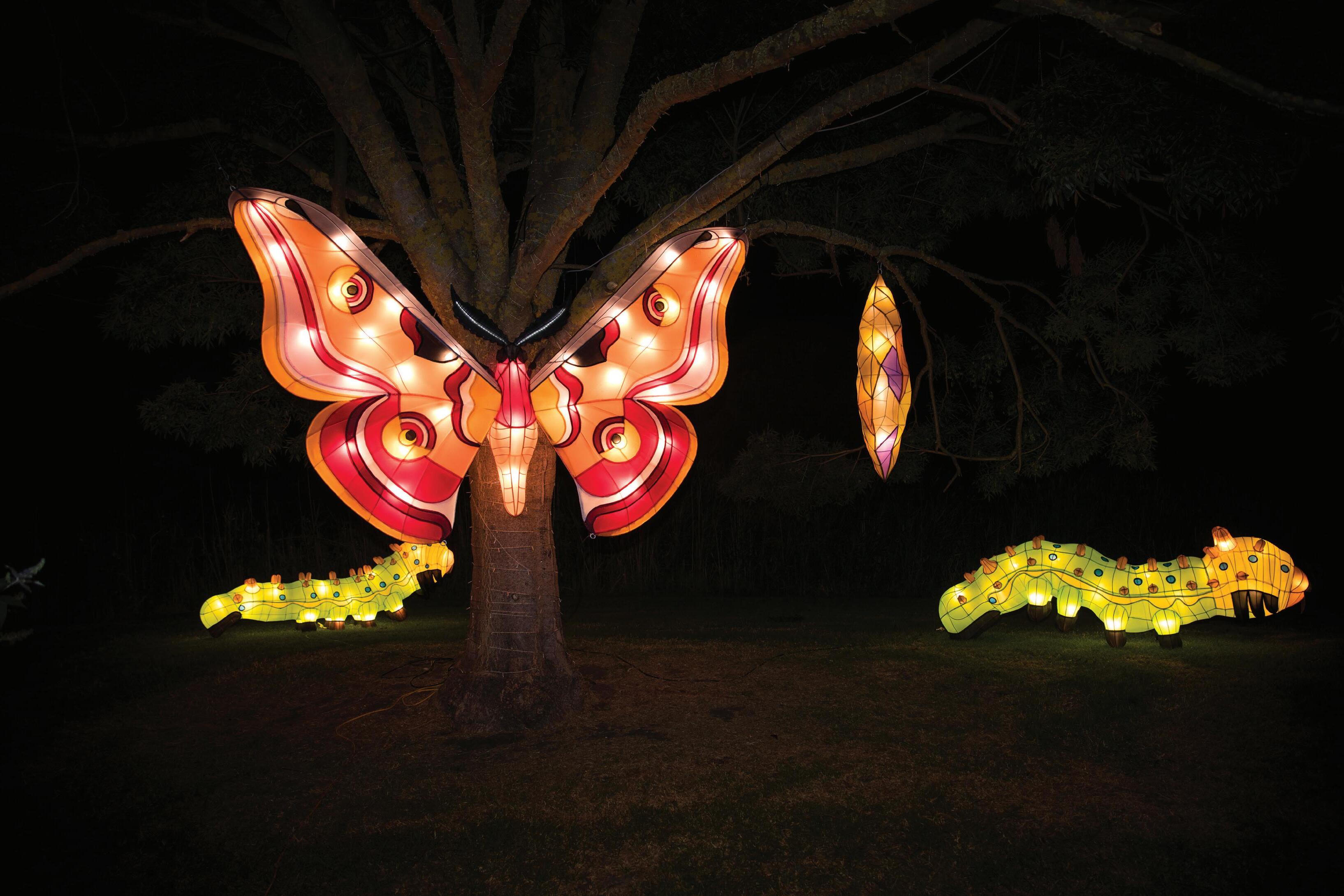



Every swim lesson is more than just a splash - it's a life skill that could one day make all the difference. At Paul Sadler Swimland Carrum Downs, we believe water safety isn't optional. It’s essential. The Royal Life Saving Society (RLSS) reports that children who pause swimming lessons for six months or more can lose up to 50% of their hardearned skills. That’s why continuing lessons year-round matters so much. Even through the cooler months, we keep our pool at a warm 32 degrees and the deck at a cosy 27, making every swim comfortable, safe, and fun. Regular swimming not only builds strength and confidence, it prepares children for a Safer Summer - when skills matter most. As we like to say: “Swimming Lessons: A life saved. Worth every dollar!”
Let’s keep our kids strong, confident, and protected - one lesson, one swim, one life-saving skill at a time.
See details below to make a booking for your child's lessons.
Paul Sadler Swimland Carrum Downs
149 Hall Rd, Carrum Downs
carrumdowns@paulsadlerswimland.com 9782 9444
paulsadlerswimland.com










































































Looking for something amazing, fun and educational for preschoolers? Come and explore our custom-built circus training venue here in Mornington.
Kinder circus classes are specifically tailored to enhance balance, coordination, and strength. Preschoolers will swing, spin, climb, jump and tumble while being guided through exercises that build strong physical foundations.
Kinder circus sessions are not just about physical growth. They also enhance social skills, encouraging children to interact, share, and build friendships in a supportive environment. While on the tumbling mats children participate independently, taking a big step towards gaining confidence and autonomy in a safe and nurturing space. This helps them develop self-reliance while having loads of fun.
When on the trapeze and aerial silks parents gently assist under instructions of trainers, making sure students learn beautiful safe techniques while having a great time. Come, give us a go! Classes are a combination of dance, creativity and acrobatics all rolled up into one. soulcircus.info
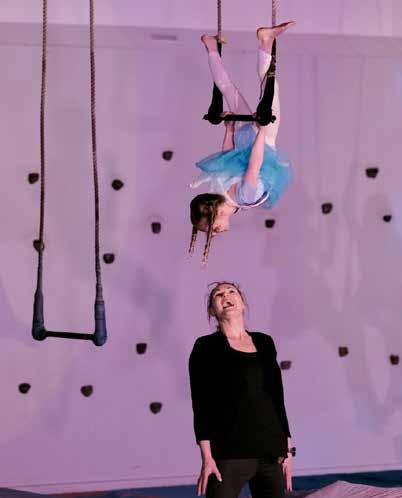



Raising baby chicks is a great experience for kids, parents and grandparents alike. As the chicks grow they transition through a number of different cute and fluffy stages before becoming fully mature, laying hens.
At Talking Hens, we have always been interested in growing our hens from day-old chicks and finally, we now have the opportunity to actually do it! My father, Agostino was a poultry farmer who would always raise his own baby chicks which I used to love watching as a child. It was amazing to see all those little, fluffy chicks grow into laying hens and the weekly changes in feather growth, body size and confidence as they quickly grew.
There are some important things to understand with growing chicks. These include a heat lamp to provide them with constant 30-degree warmth for the first few weeks of their life as they can’t regulate their own body temperature when young. They also need a sturdy, draft-free enclosure or container to live in with a dry layer of wood shavings or hemp for insulation.

Food and water is also vitally important so good access to the correct water drinker and feeder is needed. They don’t need much food but it must be tailor-made for them to provide all of the nutrients needed. We also have all the other equipment and feed needed to keep them happy and healthy and can answer any questions that you might have as they grow.
Talking Hens will be getting a flock of Hy-Line Brown day-old chicks in spring and will have them available for families. We also have hens available at just before they begin to lay. Make an appointment or visit us.
3590 Frankston-Flinders Road, Merricks Open 7-days, 10am to 4pm 0406 691 231 talkinghens.com.au
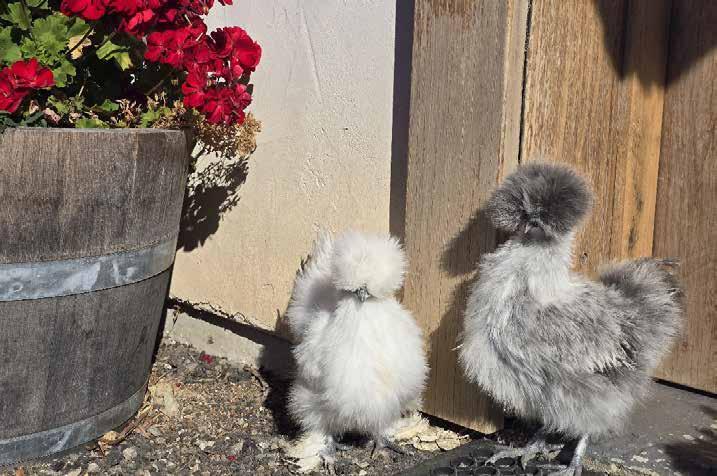
Talking Hens is a business that enjoys backyard hens. We specialise in friendly, egg laying hens with quality products to keep them happy and healthy.
There’s nothing like the friendship and entertainment that you receive from our laying hens - a pleasure to be shared!


We Rock The Spectrum Somerville aims to provide a safe and inclusive environment where children of all abilities can play and grow together. Our facility is equipped with specialised sensory equipment designed to support the needs of children with autism, as well as other developmental challenges, while also providing a fun and engaging space for neurotypical children.
We run a range of social groups, from our after school and Sunday programs to monthly excursions and fun school holiday activities. Plus, as an NDIS registered provider, many families can access NDIS for these activities.
Families can also enjoy 'open play' throughout the week with favourites like the zip slider, swings, home corner, baby and toddler zones, and air hockey table. Open to children of all abilities and suited for ages crawling to 16!
• Air-conditioned & heated for comfort year round
• Adults to wear socks on the floor while bare feet or grippy socks are recommended for children
• No food or drink on gym floor (our foyer has tables & chairs)
• We offer tea/coffee & some small snack but BYO is also welcome
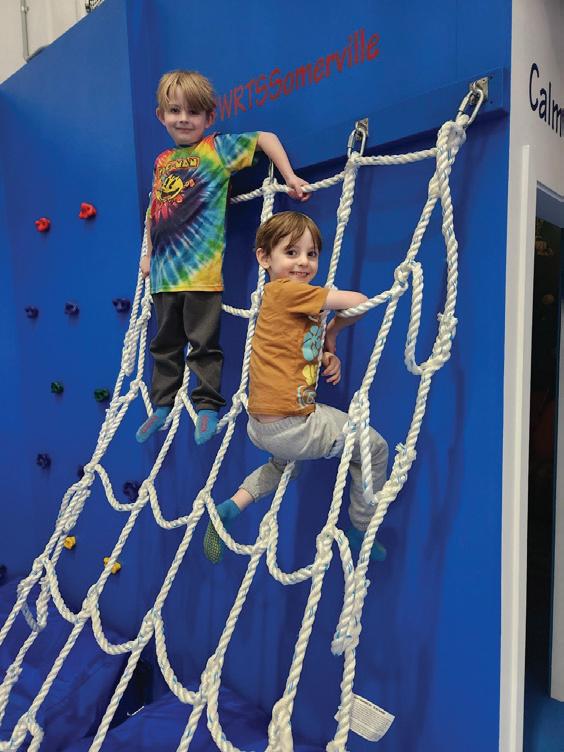
Check our website schedule for open play availability as this varies to accommodate our social groups, private bookings, birthday parties and school holidays.
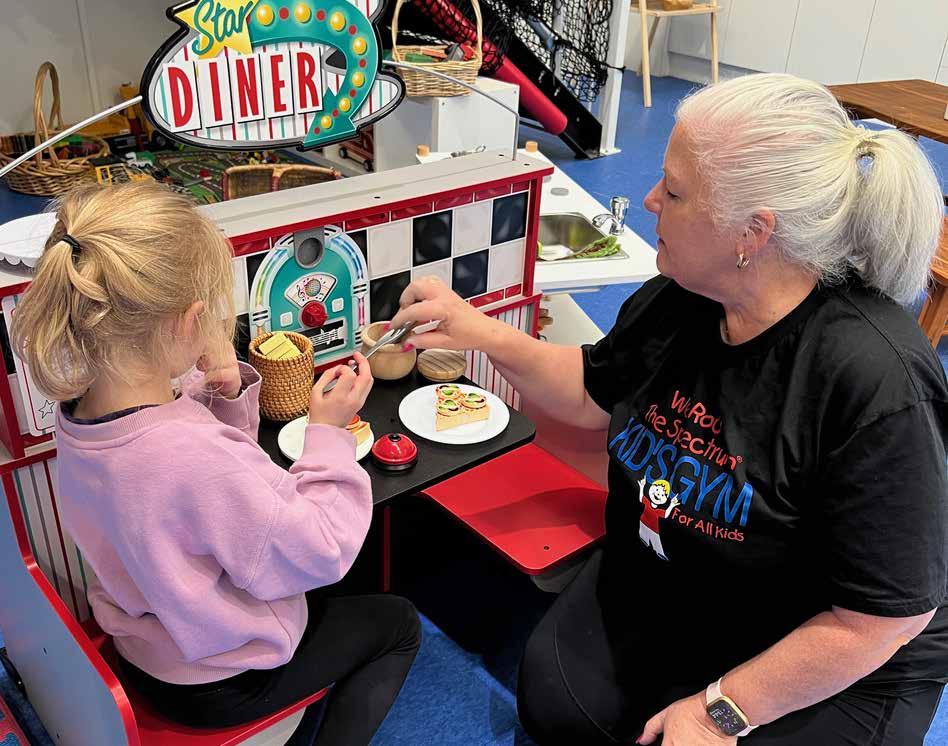
werockthespectrumsomerville.com.au

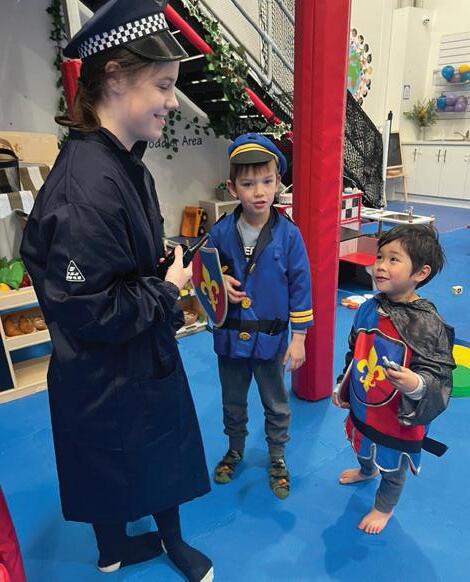
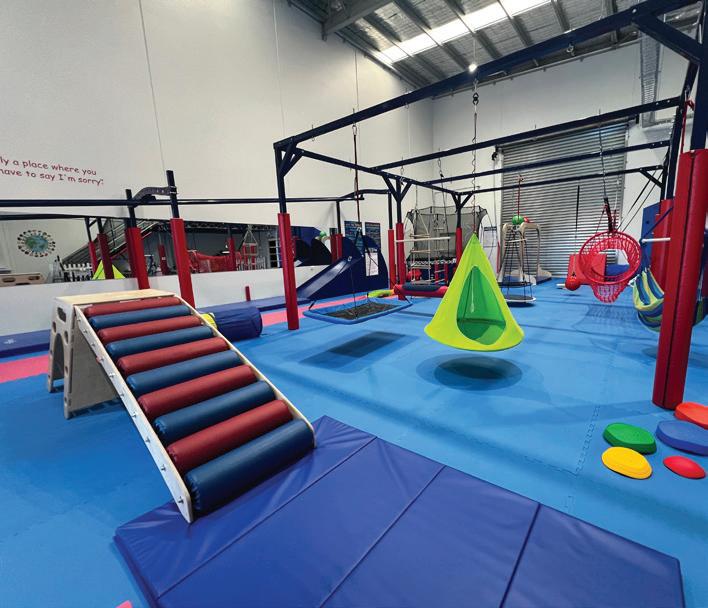
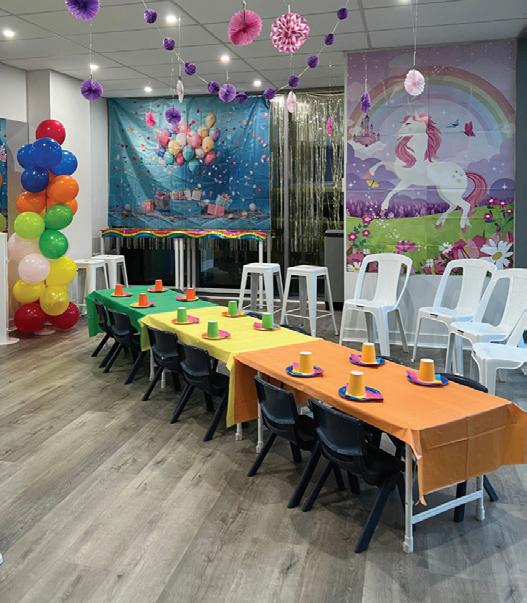


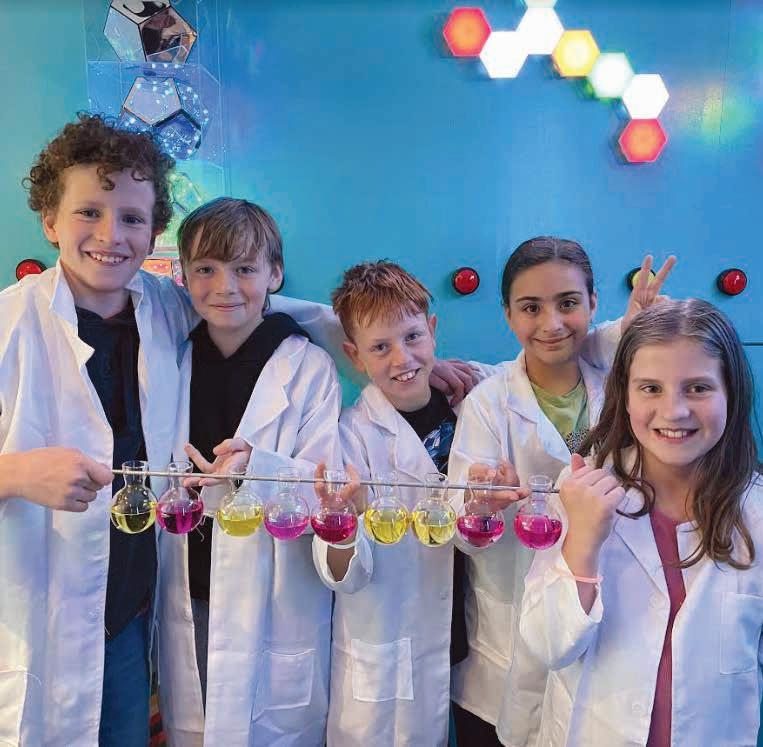
Mad Scientist Escape Room
An escape room experience for kids. Can you help Alex the laboratory assistant stop the evil Professor Prism from destroying the world? Perfect for birthdays.
A: 2/2a Carbine Way, Mornington
W: lockedinescaperooms.com.au
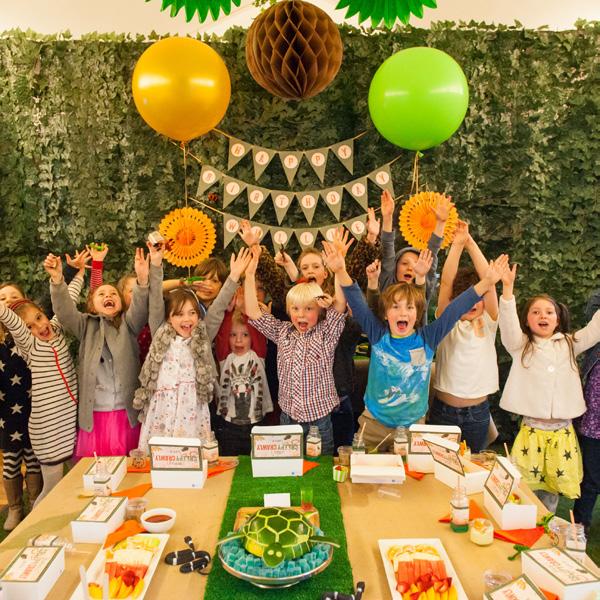
Book an unforgettable party with Melbourne’s wildest guests! From snakes to lizards and everything in between. Educational, interactive, and wildly fun - perfect for curious kids and animal lovers of all ages!
P: 1300 4 CROCS
FB & IG: @reptileencounters
W: reptileencounters.com.au

Charlie SillyPants Parties
The ultimate kids’ show! Come on an adventure full of magic and laughter with Charlie SillyPants and friends. Parties, preschool and childcare.
M: 0411 957 185
W: charliesillypants.com.au
Have a “Very Silly Christmas” by having the silliest magician in Magicland Charlie SillyPants at the kids’ next party!
You receive $50 off a 1 hour party/show or it’s
Soul Circus
Soul Circus
Parties are available on Saturdays from 9.30am-12pm & 12.30pm - 2pm.
Parties on Saturdays. Here you’ll combine traditional party games with circus skills. Swing on the trapeze, climb the silks, jump on the mini tramps and hula the hula hoops
Here you’ll combine traditional party games with circus skills. Swing on the trapeze, climb the silks, jump on the mini tramp’s and hula the hula hoops
A: 15 Virginia Street, Mornington
Planning your child’s party doesn’t have to be stressful - let us take care of the details so you can relax and enjoy the celebration too. From setup to clean-up we’ve got you covered.
FB: @kidztownpartyvenues

M: 0405 500 117
A: 15 Virginia Street Mornington
M: 0405 500 117
W: soulcircus.info
W: soulcircus.info


P: 8759 1431
M: 0403 795 562
W: kidztown.com.au



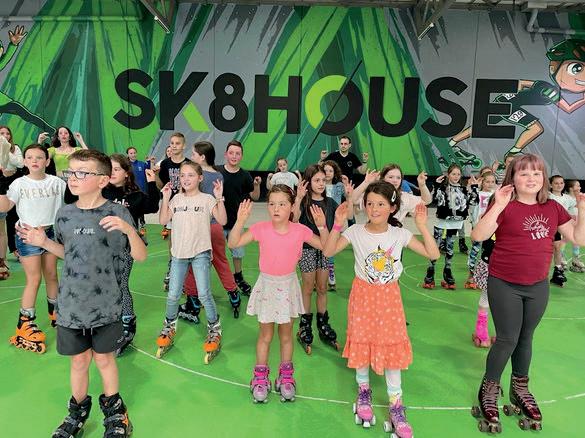



By Annabelle Hale
$22.99
Our street is perfect! Well, it would be perfect if we didn't have a BIN MONSTER!
The Bin Monster flaps and clacks and squawks all night, and throws our rubbish everywhere! I've had enough! I've got a plan to get rid of this Bin Monster once and for all. I just have to find it first ...
A story about curiosity, determination and the elusive 'bin monsters' that exist all over Australia.
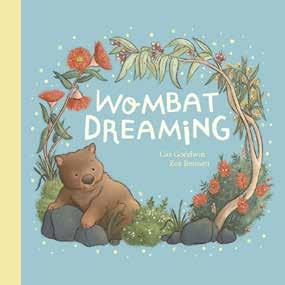
By Caz Goodwin
Illus. by Zoe Bennet
$19.99
Lil loves doing yoga with her friends, but some poses aren't easy when you're a roly-poly wombat with short legs. Take a deep breath, salute the sun and watch as Lil finds her own way to lead the bush yoga class.
An affirming story to remind us of our individual and unique talents.
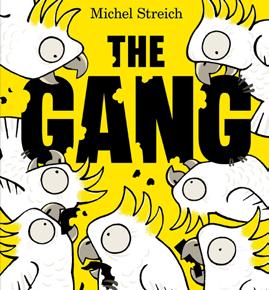
By Michael Streich
$19.99
Watch out for the Gang! They’re everywhere. They’re destroying everything. There is no escape! What will the family do when a flock of chaos-causing cockatoos lands in their backyard? A story about finding harmony with nature ...
By Kimberly Brown
$24.99
Some things can be counted. Other things aren't so easy to measure. Like the warmth of laughter, or love that's as limitless as the sky. How do you measure the immeasurable things?
This ambitious picture book encourages us to consider life's big questions and embrace our immeasurably wondrous world.
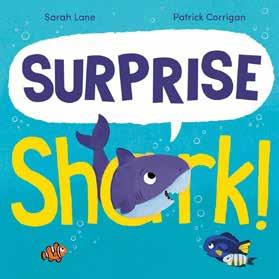
By Sarah Lane
Illus. by Patrick Gorrigan
$22.99
It's hard to make friends when you're a shark. But this shark has a foolproof plan for winning people over ... if only they'd stop running away!
A surprising story about finding friendship in the most unlikely places.
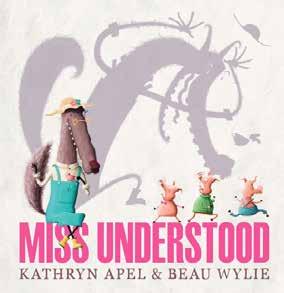
MISS UNDERSTOOD
By Kathryn Apel
Illus. by Beau Wyllie $18.99
I’m the wolf, Miss Understood. You think I’m bad, but I am good. Those Little Pigs told you a porker–made it sound like I’m a stalker! Is the wolf really as big and bad as she seems? Or is she just ... misunderstood?
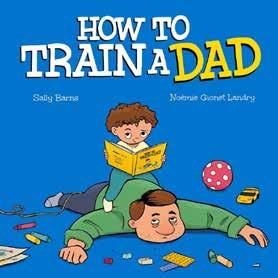
By Sally Barns
Illus. by Noémie Gionet Landry
$19.99
If you are reading this manual then you have decided to take on one of life's most difficult challenges ... Training a dad.
We'll start with the basics, like tea parties and bear hugs. Soon you'll unlock trickier features, like dad jokes.(But be careful - some of these features are hard to switch off!) You'll also learn tips and tricks for dealing with the most common glitches known to dads.
By the end of this manual, you'll be equipped with a fully trained dad.....Good luck!
By Sean E Avery

By Amelia Tonta
Illus. by Peter Baldwin $22.99
On her birthday, Frankie blows out her candles and finally gets her wish - a puppy!
But the puppy sets off a chaotic chain of events involving a hungry python, the fire brigade and one surprised stray cat. It sure is lucky that Frankie always looks on the bright side!
$19.99
Tony is a moany groany pony. When the farmyard animals have a fabulous and fantastical parade, Tony is not impressed. Will he keep his opinions to himself ... or tell us how he really feels?

By Matt Cosgrove
$19.99
Join the countdown as intrepid astronauts, Macca the Alpaca and his best pal, Al, blast off into outer space. It's an epic, cosmic adventure where anything is possible because ... they're using their imaginations!
DRAGON DAVE THE NOT SO BRAVE By Alex Latimer
Illus. by Phillip Cullen $19.99
Have you ever wanted to change how a story ends? Dragon Dave has been stuck in this book forever. He really wants to get out. And he really doesn’t like the ending ... Then Prince George shows Dave that words can be re-written (even in a picture book), but will Dave be brave enough to change his story? And what exactly would he change? Read how these two friends find a better ending in this funny, innovative picture book that celebrates empowerment, friendship, and daring to be different!
THE STYLE SECRETS OF GARETH MCGREEN
By Kelly Brodie-Brown
Illus. by Natasha Carty $26.99
Gareth McGreen was a stylish toad, no toad in the town appeared finer. Gareth McGreen is a toad who sews, designing the very best clothes for creatures from all over the world! Until one day when he just can't find the right design for a shy young possum. Can Gareth unlock the style secrets he needs to create the perfect fit?
By Kane Lynch $19.99
When Galen's parents reveal that they're splitting up, his life is thrown into chaos. He knows he shouldn't like his dad's home-wrecker girlfriend, Jasmine, but she isn't as nasty as he expected. Then his mum brings home a new boyfriend - and his teenage daughter! To top it off, Galen's friend Kyle has inexplicably become really mean. To process these confusing emotions, Galen and his best friend, Luna, decide to make a documentary movie all about his parents' divorce. But will the reel life of filmmaking help Galen face his real life?

By Lauren Magaziner
$19.99
Fiora Barrowling lives in a world where sorcerers rule over humans. After surviving an encounter with The Radiance-the very worst of the sorcerers-she's whisked away to the incredible Incorruptibles ('Inc') Academy, a school for resistance fighters in training. But most of the other students think Fiora hasn't earned her place there, and when things start to go wrong and it seems the sorcerers have a spy in the academy, all eyes are on Fiora. With all odds stacked against her, can Fiora prove that she belongs?
OCEANFORGED: THE WICKED SHIP
By Amelia Mellor
The realm of Aquinta has fallen into a dark age. And no one knows that better than thirteen-year-old Cori, who is fighting for her life in a pirate crew more beastly than Aquinta's sea monsters.
But Cori's life changes when she finds the Oceanforged Gauntlet. Cori must begin a treacherous journey to find the rest of the armour. But first, she'll have to escape from her captain, who craves the gauntlet's magic for himself ...
By Lynn Painter $19.99
Emma knows it will take bonafide magic to make middle school everything she wants it to be. Luckily, before Emma’s beloved Nana died, she left detailed instructions on how to access an ancient, secret, magical wishing well. Emma follows each step and plans out every moment … except for the one where the obnoxious new kid, Jackson, tosses in wishes of his own that literally knock her wishes off course. When seventh grade starts, Emma discovers that her wishes are starting to come true, alright. But not for her … for Jackson. Which, the two quickly discover, could have disastrous consequences for both of their families, and cost Emma her best friends.
By Lauren Tarshis
Illus. by Chris Chalik $17.99
Visiting his dad's hometown in Japan four months after his father's death would be hard enough for Ben. But one morning, the pain turns to fear: first, a massive earthquake rocks the quiet coastal village, nearly toppling his uncle's house. Then the ocean waters rise, and Ben and his family are swept away-and pulled apart-by a devastating tsunami. Can he fight hard enough to survive one of the most destructive disasters of all time?

FORBIDDEN JOURNAL OF RUFUS RUMBLE #2
By Nick Long
Illus. by Robin Tatlow-Lord $17.99
Three reasons things are TOTALLY NOT GREAT, by Rufus Rumble
1. We've crashed on a planet that has NO waffles.
2. The aliens who live here want to lock us up.
3. My only chance of survival is to hike up a fang-shaped mountain that's rumoured to SWALLOW people.
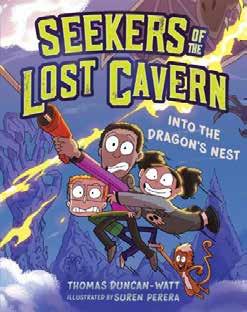
By Thomas Duncan-Wayy
Illus. by Suren Perera
$16.99
It's not easy being Davern Cavern. Having only narrowly escaped a zombie tomb and his evil rival, Davern is still following the mystery trail left by his dad, the super-famous explorer who went missing months ago. Next stop: a cursed, ancient dragon's nest! But first, Davern and his friends have to learn to fly a hovership, dodge a dumpling food-fight and deal with a real live dragon!
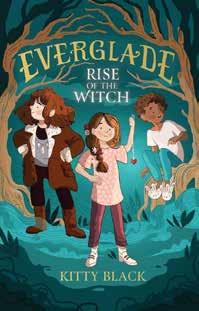
By Kitty Black $17.99
Everglade loves to hate witches. And as the daughter of the last witch, Wren Westerly is the most hated person in town.
Leaving Everglade with nothing but an enchanted necklace, two accidental travel companions, and directions from a goat, Wren finds herself in a new and infinitely more magical world. And she's the only one who can save it from the Eater. That is, if she can figure out magic.
Welcome to the world of Everglade, where the truth about witches is tangled with lies and being yourself is the biggest risk of all.

KEN AND TREV #2: SNOT SCARY JUNGLE STORIES
Join Kev and Trev's epic jungle adventure - full of roarsome new friends and frightfully fun times! Outswing a scary jaguar, steer clear of hairy spiders, poison frogs and cheeky monkeys, and dance like your life depends on it, all the while searching for mysterious pugorillas ... and Kev's missing shorts!
Jump on board Kev and Trev's popcorn powered houseboat and sail to the jungle for their most tree-mendous journey yet.
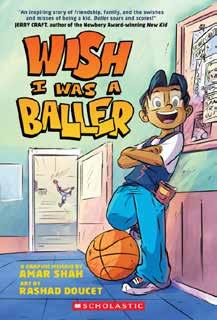
WISH I WAS A BALLER
By Amar Shah
Illus. by Rashad Doucet
$22.99
Amar Shah wants to be in the game. Wish I Was a Baller is a graphic memoir chronicling Amar Shah's real-life experiences as a fourteen-year-old sports journalist covering the golden era of the NBA, when he befriended Shaquille O'Neal and hung out with Michael Jordan and the Bulls all while surviving the high school caste system, dealing with crushes, and friendships being tainted by jealousy.
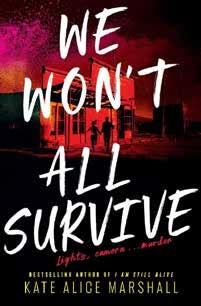
WE WON’T ALL SURVIVE
By Kate Alice Marshall
$22.99
Two years ago, Mercy Gray was hailed as a hero for saving lives during a shooting. She still carries souvenirs from that day, including the fragment of a bullet lodged in her back, and a mountain of medical debt.
So when billionaire turned TV host Damien Dare recruits Mercy to compete on his new survivalist reality show, she can't turn down a chance at the whopping cash prize. But when Mercy and the other contestants arrive at the off-grid location, something isn't right. And then one of them turns up dead.
Soon, surviving the show takes on a new meaning. Mercy must figure out who to trust ... before she's the next to die.
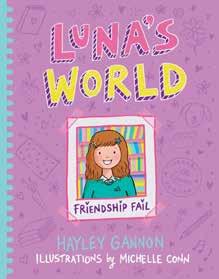
LUNA’S
Luna Merrian has BIG news! Not only is she loving her role as a Little Librarian, but she is also getting along with her school rival, Jade Jones.
Luna and Jade are becoming friends, and Luna couldn't be happier! But then Luna sees a birthday party invite that changes everything ...Can Luna overcome this friendship fail?
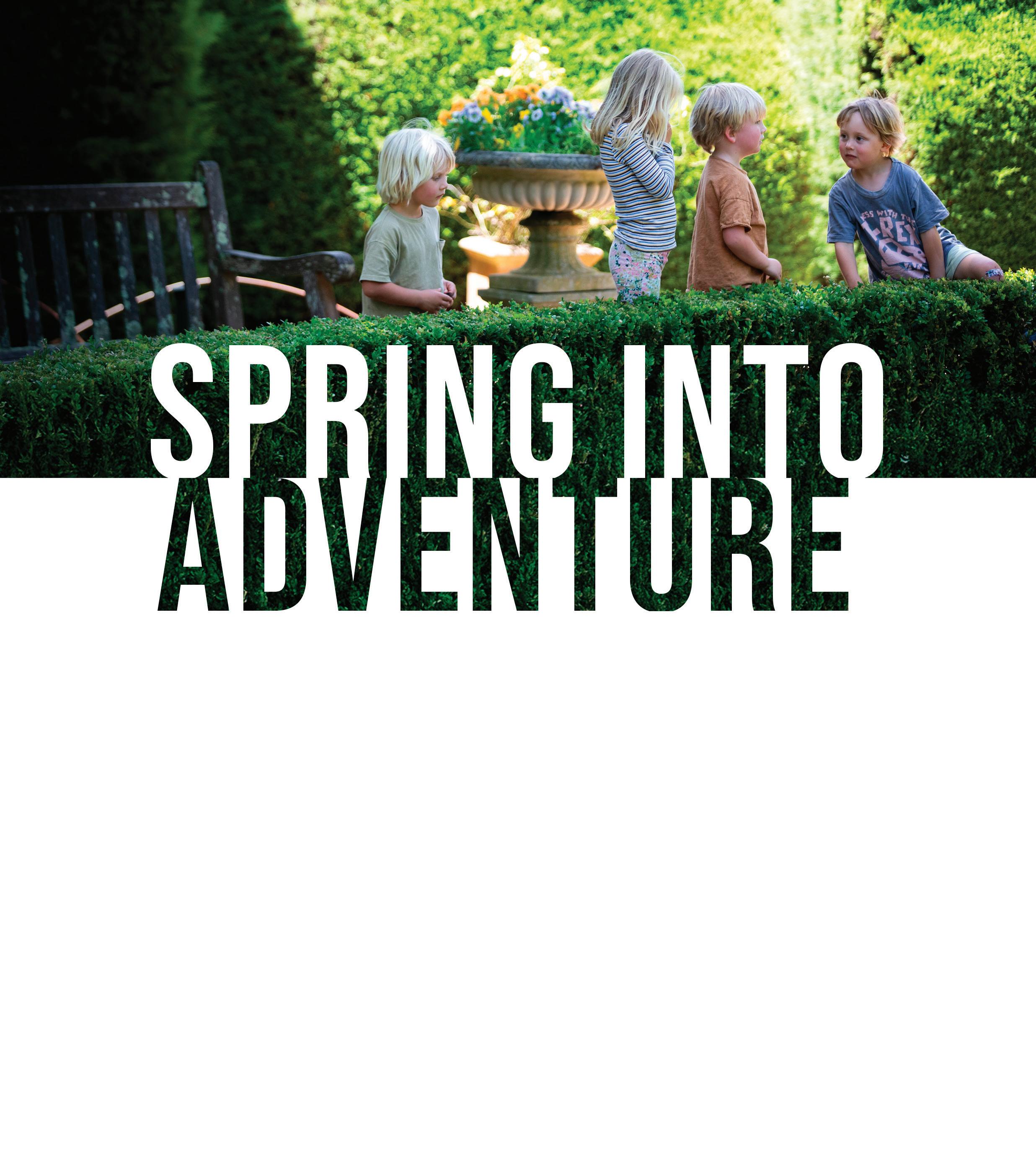
Step into a world of enchantment with a whimsical gnome and fairy scavenger hunt winding through vibrant spring gardens, where every bloom and leaf seems touched by magic. As the season fills the air with warmth and wonder, families are invited to slow down, breathe deeply, and enjoy moments of laughter and connection. It’s where nature meets play—an unforgettable experience for all ages. Celebrate the school holidays with a burst of joy, featuring giveaways, face painting, scavenger hunts, and delightful kids’ entertainment.
Be sure to check our socials to see what magical surprises await!

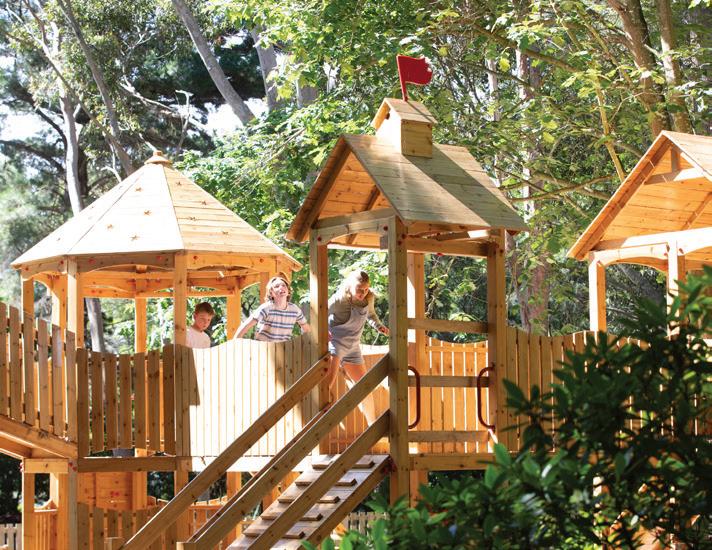
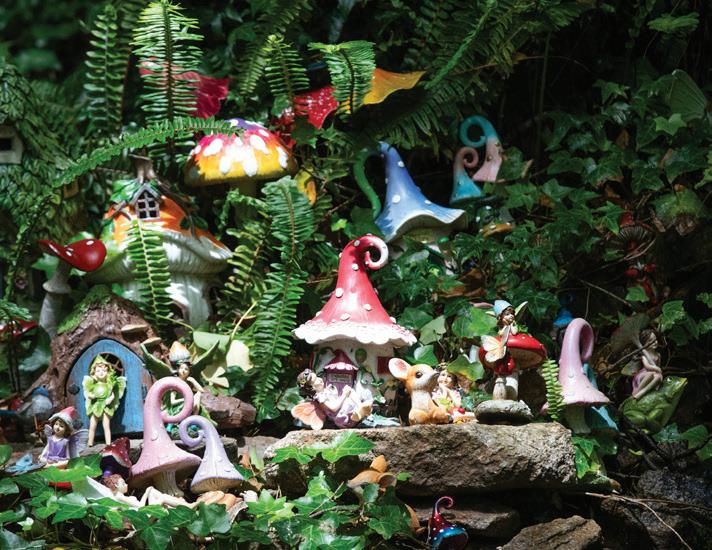
Winning entries will receive one of five $75 vouchers (family of 5 admission ticket).
Email entries to info@peninsulakids.com.au or PM your artwork to facebook.com/MorningtonPeninsulaKids.
Prize drawn on 14/11/2025. Winner will be notified by email.
Prize must be collected from Peninsula Kids offices during office hours, 9am-5pm, located at 1/15 Wallis Drive, Hastings VIC 3915.
ashcombemaze.com.au