PENINSULA KIDS
Benefits of

for busy parents

FREE
LOVING FAMILY LIFE ON THE PENINSULA SPRING 2022
of a toothache.
We’re open weekends and extended hours. All major health funds are welcome and so are you.

Book now at Karingal Hub pacificsmilesdental.com.au Pacific Smiles Dental Australia’s Local Dentist A dental emergency is enough
Discover your inner explorer
Experience the Cornish College difference

At Cornish College we believe education goes hand in hand with exploration. Beginning with our 3 Year Old Early Learning program and continuing through to Year 12, our students are encouraged to identify problems and seek out solutions, cultivating their creativity as well as their entrepreneurial spirit.
Book a school tour cornishcollege.vic.edu.au/school-tours
For more information
T: 9781 9000 E: admissions@cornishcollege.vic.edu.au
www.peninsulakids.com.au 3
YEARS
2012–2022 CELEBRATING 10
Cover Photo


Cover Model: Charlise
Location: Red Hill Lavender Farm, Main Ridge daniellebphotography.com.au

Editor and Publisher Melissa McCullough melissa@mpnews.com.au
Design Sam Loverso sam@mpnews.com.au
Digital Anne-Marie Tunks annemarie@mpnews.com.au
Advertising Miriam Doe miriam@mpnews.com.au
General Enquiries info@peninsulakids.com.au
All material is copyright, and may not be reproduced without the express permission of Mornington Peninsula News Group, or the original copyright holder in the case of contributions. Copyright of contributed material rests with the contributor.


Disclaimer: The authors and publisher do not assume any liability to any party for any loss, damage, or disruption caused by errors or omissions, whether such errors or omissions result from negligence, accident, or any other cause.
This publication is not intended as a substitute for the medical advice of physicians. The reader should regularly consult a physician in matters relating to health and particularly with respect to any symptoms that may require diagnosis or medical attention.
Peninsula Kids is produced quarterly.15,000 copies distributed between Mordialloc and Portsea.


Registered address: 63 Watt Road, Mornington 3931
Three cheers for spring!
Be gone winter stomach bugs, coughs and the flu! Welcome later sunsets, sandals and windows wound down. It felt like another foot-dragging slog to get here, but we made it. Here’s wishing you and yours a season filled with sunny dispositions and smiles.
A milestone for our family is coming this September - we will have a teenager living in the house. I’d like to take this opportunity, (and space in my ed’s letter), to wish my first born a very happy 13th birthday. Keep being you, daughter. You are amazing, you can do anything, and daddy, TJ and I will always be right behind you. Or a little farther if you need space. And with a snack if you need one. Sometimes it’s hard to tell.


Bravo to our latest round of colouring in competition winners: Alisha, Jenson, Kyla, Poorvi, and Charlotte; and thanks to Woolworths for the amazing prizes!


Check out the next colouring comp on page 67, choo choo!

Don’t forget to turn the clocks forward one hour on Sunday, Oct 2, 2022, at 2am!




Advertising Miriam Doe
Happy Halloween if you celebrate! (October 31st) We can’t wait!

www.facebook.com/MorningtonPeninsulaKids www.instagram.com/mornpenkids
 Design Sam Loverso
by
Kyla - age 10 Alisha- age 5 Jenson - age 6 Poorvi - age 9 Charlotte - age 10
Proudly published
Digital Anne-Marie Tunks
Maternity care your way


Pregnancy and birth are exciting and challenging events for a family. At Peninsula Private Hospital, we understand this and deliver the ultimate boutique private maternity experience. Combining kindness, care, and expertise, we support you from pregnancy, birth and beyond. Want

www.peninsulakids.com.au 5
peninsulaph.com.au
the
Find us on Instagram @peninsulaprivatematernity
to learn more about having your baby at Peninsula Private Hospital? Scan
QR code to download a free Maternity Information Pack.
2022

AUSTRALIAN EDUCATION AWARDS
2022 EXCELLENCE AWARD
AUSTRALIAN EDUCATION AWARDS


EXCELLENCE AWARD

Contents

22 14


Spotlight
10 Benefits Of Yoga For Busy Parents

A healthy, happy parent will lead to healthy, happy kids and carving out some quality me-time every now and then is highly encouraged.
14 Don’t Sweat The Cost Of Living
Jo & Carl share practical tips to cope with the cost-of-living pressures and make your money go further.
18 Top Tips To Take Control Of Your Life
EveryPlate has partnered with Toni-Maree Hannan, to share advice for Aussie families on how to take back control of their life, starting with dinner.

20 The Incredible Importance Of Teaching Conservation To Kids
Teaching children about the world around them by explaining basic concepts like conservation and how different habitats work is essential.
22 Calming Crystals For Kids


Children are naturally in tune to the energies of crystals, no matter how subtle that crystal energy is because they “believe”.
24 Choosing The Right Reptile For Your Family
PETstock LIVE Manager Kylie Gilbert has offered the following tips and considerations to guide their choice.
28 Enlist Your Kids To Help Turn Your Household Plastic Free
With just a little creativity your little plastic toy tornadoes can become your household’s very own sustainability wardens.
www.peninsulakids.com.au 7 12 10
20


In every issue Issue 36 Party Planning 38 Lil Bites 39 Things We Love 58 Book Reviews 62 Days to Celebrate 67 Colouring Competition Contents JO & CARL VIOLETA www.violetafinance.com.au Pg14 REGULAR CONTRIBUTORS Special thanks go to the gorgeous and talented group of contributors who breathe life into every issue by sharing their best with us. LINDA MARTINUCCI www.simplyswapfoods.com.au Pg46 Cover DANIELLE BUSUTTIL www.daniellebphotography.com.au YVETTE O’DOWD www.facebook.com/groups/ SouthernNaturalParentingNetwork Pg64 KIM NORTON www.rainbowlighttherapies.com.au Pg22 46 32 MELISSA McCULLOUGH melissa@mpnews.com.au Pgs 32&66 64 52 60 Local 32 Our Morning at McClelland Sculpture Park + Gallery Education 41 Focus on Education 44 Hooked on Books Recipes 46 ‘Simply Swap’ Recipes with Linda Martinucci Health 50 Talking to Young People About Vaping 52 Understanding Coeliac Disease in Children 56 The Magic of Inclusion Pregnancy & Baby 60 It’s Time to Reclaim Your Mum Mojo 64 Babies and Music Creative 66 Heat Press Success 67 34 morningtonrailway.org.au

 By Kate Kendall Soulara Ambassador and Co-Founder of Flow Athletic
For parents constantly rushing around after a little one, finding time to zone in on your own health is a challenge, and can often be pushed to the bottom of the priority list. But what I say next will likely not surprise you…a healthy, happy parent will lead to healthy, happy kids. This doesn’t mean skipping playtime to put yourself before your bub, but carving out some quality me-time every now and then is highly encouraged. When time is of the essence, the ability to care for your physical, mental and spiritual health all at once is ideal - enter, yoga. There is nothing quite like this calming practice to tackle every facet of your health, and can take as little as 10 minutes. Instead of taking hours out of your day to hit the gym or write in a journal (while these are great, who has the time?), yoga has a bounty of benefits for both your insides and out, so roll out the mat!
For the busy parents who are low on time, but need to pay themselves a little extra TLC, here is why you should consider adopting yoga as the newest addition to your daily routine:

It supports digestion and boosts metabolism
One of yoga’s secret superpowers is its ability to heal the insides of our bodies as well as the out. Integrating movements and poses that massage our inner organs during our flow help to aid with digestion and boost metabolism, improving our overall gut health.
By partnering one of these focused flows with a healthy diet, filled with fresh, nutritious foods, it will ensure your insides are working at their best. I know it can sometimes be hard to get a delicious meal on the table after a long day of, well, being a parent, so that’s why I recommend a meal delivery service like Soulara to take some pressure off your hands. I love that I can trust these tasty plant-based meals to provide my body with the nutrients I need during practice, and time usually spent prepping or cleaning up is saved and can be spent otherwise - my favourite parental life hack!

10 Peninsula Kids – Spring 2022
Helps to improve your mood & increase your patience
It makes sense that this holistic practice helps to regulate our mood. The art of slowing down and connecting with your body that is necessary during yoga is great for relieving stress and tension, both mentally and physically. By taking a few minutes out of each day to completely switch off and tune into your own breath, you can learn to slow it down. When we slow down the breath, we slow down the beat of the heart to become more present and less caught up in the small stuff. Many of the yogic practices are also shown to release feel-good hormones in the body. This daily check-in will help to improve your mental health as you tackle the stress and pressures plus help to make you a more patient parent.
Own your practice & make it medicinal
I think one of my favourite benefits of yoga for mums and dads, is that you really can switch it up to suit you. Through this practice, we become better listeners, first with our own bodies and then with others. So by moving slowly around the mat, we listen to the body's language (sensation) and can better tend to it on any given day depending on the aches and tension points. As parents, we all cope with these pressures differently. Maybe you only have a few minutes to spare and want to opt for some slow, thoughtful movements paired with some intricate breathwork, or maybe your stress presents itself in the form of energy and you’re after more dynamic movements. Whatever your preference, yoga is a great way to ensure your body is moving, but with the ability to tailor it to your own needs, so you never have to be uncomfortable during practice.


Time to tune-in
This one may be a given, but the focus used to connect the mind to the body during yoga is an excellent use of me-time for busy parents. I like to roll out the mat early in the morning before the rest of the family is awake, or after the kids go to bed, and really use this time to connect with myself. Knowing exactly what feels good for your body ensures you’re feeling at your best, and will pay off when taking care of the


www.peninsulakids.com.au 11 continued next page...
kids. Plus, you could ask yourself, “What kind of a nervous system am I modelling for my children?” They rarely listen to us but their little bodies are always picking up on how we feel. They’re sensitive beings and what better thing to model for them than presence and a grounded way of being. So whether it be 10 minutes a day or an hour a week, switch off from the outside world so you can tune in. This is one of the greatest acts of service to your loved ones.
As a Mumma, I understand well that there’s always an excuse. “We don’t have time, we should do this for the kids first, I have to cook dinner, I have to get this ready…” You name it, I’ve used it. But I’ve also done it the opposite way and made uninterrupted space for myself to practice. And it’s always the single most productive thing I do all day. So be it five minutes of slow breathing, ten minutes of combining that breath with some sun salutes or simply lying in savasana, dive into it as deep reverence for yourself.
About Soulara
Soulara is a plant-based, ready-made meal delivery company. Our in-house chefs take inspiration from all over the globe to bring you new and exciting meals every week, while our in-house dieticians ensure each meal is nutritionally balanced. This allows you to get plenty of the nutrients you need to thrive while on a plant-based diet, even protein.
Passionate about teaching the ‘art of slowing down’, Kate Kendall is the Co-Founder & Director of Yoga at Flow Athletic, in Sydney’s Paddington. With over 2000 hours of yoga teacher training, Kate covers everything from calming flows, to dynamic and upbeat movements. Kate co-created the unique and first of its kind, ‘Flow After Dark, Yoga Silent Disco’ events around Australia, bringing her own sense of flair and fun to the practice of yoga. She moved on to lead her own Inspired Leaders Yoga Teacher Training and mentoring, and created her own 4 week e-course, The Space Between, with a focus on mindfulness and slowing down - saying her goal for her students is to ‘make their default mode ‘calm’. Also a proud author, Kate released her own book ‘Life in Flow’ in 2019, that spreads the word of the importance of balance through yoga, meditation and breathwork.
Insta: @activeyogi

FB: @kate.kendall.92
W: flowathletic.com.au


12 Peninsula Kids – Spring 2022
Insta: @livesoulara FB: @livesoulara W: soulara.com.au

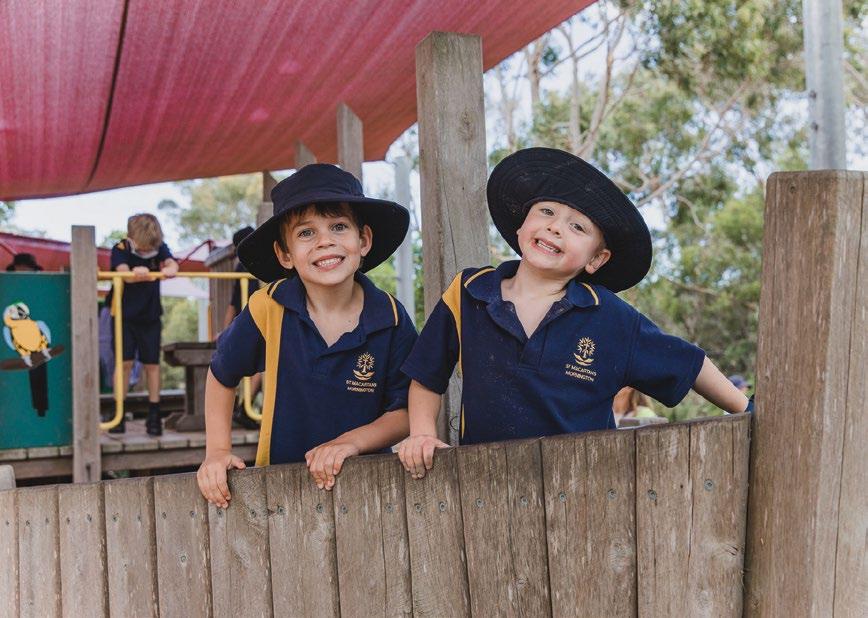
www.peninsulakids.com.au 13 ST MACARTAN’S PARISH PRIMARY SCHOOL ENROLMENTS 2023 NOW OPEN Please call 5979 9200 or email office@smmornington.catholic.edu.au to receive an enrolment pack and discuss available tour times. www.smmornington.catholic.edu.au
DON’T SWEAT THE COST OF LIVING:
By Jo & Carl Violeta
The cost of living is rising. Inflation is higher than your child’s fairy-floss-induced sugar rush. So we’ve pulled together 21 practical tips to cope with the cost-of-living pressures and make your money go further.
1. CHECK YOUR BANK STATEMENT REGULARLY

Set aside 20 minutes each month to go through your bank statements line-by-line and see if there are any subscriptions you can cancel or unusual activity you need to follow up on.
2. REVIEW YOUR HOME LOAN
If you’re worried about interest rate rises, see if you can negotiate a discount with your bank. If they won’t help, a mortgage broker can research the market to see if there’s a better deal out there for you.
3. CHECK WHAT’S IN YOUR CUPBOARD AND FRIDGE BEFORE GROCERY SHOPPING
Use what you’ve already got as a base for your meals during the week to reduce grocery spending.
4. SWITCH TO AN ANNUAL PLAN ON MUST-HAVE SUBSCRIPTIONS

We saved almost $200 per year doing this with our Headspace and Canva subscriptions.
5. MAKE YOUR COFFEE BEFORE YOU LEAVE HOME
Then take it with you in a travel mug. It can save you money on buying coffee.
14 Peninsula Kids – Spring 2022
continued
16...
page
TAKING STEPS TODAY FOR A BETTER TOMORROW
PSW is taking action to shape a more sustainable future for our kids and schools.
F orward-thinking executive, Andrew Suffell has taken on the role of General Manager, Sales & Marketing Australia, and China at PSW School Uniforms, and less than six weeks into this role, he finds himself spearheading one of the most exciting projects in the company’s 31-year history.
Since opening their doors in 1990, PSW has been committed to supplying high quality school uniforms that make Aussie kids and their schools look great. As leaders in sustainability and ethical practices, PSW already engage in ethical sourcing practices, environmentally friendly production houses, everincreasing transparency through their supply chain and the use of sustainable recycled fabrics but also recognise that more can and should be done.

The apparel industry is one of the largest contributors to climate change globally, producing more carbon emissions than the shipping and aviation industry combined. If we continue at this pace, the industry’s emissions are predicted to increase by more than 50% by the year 2030. When we think of our personal impact on the climate, and how we might lighten it, we often turn to the energy we use and the way we travel. However, you can make smarter decisions just by the clothes purchases you make. PSW are helping you to make a smarter decision by making one themselves.
“PSW is applying the idea of Rethink, Reuse, Recycle, Repeat to actively improve our carbon impact of our products. We take the social responsibility of our supply chain very seriously and are committed to transitioning to being a more sustainable business. By 2023 all the polyester yarns we use will come from certified recycled sources; we aren’t stopping their either, using other types of recycled fibres wherever possible. Our packaging is also 100% recyclable. We have already come a long way on this journey and look forward to the arrival of our sustainable bags and shirting ranges which are due later this year.” says Andrew.
He is obviously excited to be driving this amazing initiative on behalf of PSW and invites all schools to ‘Join us as we seek to protect the future of our customers and kids across Australia.’
Look out for more to come over the following months. To follow PSW on this journey, please register your interest by contacting jpapas@psw.com.au
www.peninsulakids.com.au 15
WHAT IS YOUR SCHOOL DOING ABOUT CHANGING TO SUSTAINABLE UNIFORMS? BY 2023 ALL OF OUR POLYESTER WILL COME FROM RECYCLED SOURCES OR RECYCLED FIBRES WHEREVER POSSIBLE. RETHINK, REUSE, RECYCLE, REPEAT PSW.COM.AU JOHN PAPAS Head of New Business 0401 781 123 jpapas@psw.com.au JAMES WALL Business Manager Education 0421 529 567 jwall@psw.com.au PSW HEAD OFFICE (03) 9768 0333 46-54 Letcon Drive Bangholme VIC 3175
6. NEGOTIATE WITH YOUR SERVICE PROVIDERS
(including internet, phone, and energy) for a better deal. Use a comparison website to compare deals. Then call your providers to let them know you’re shopping around and leaving is under consideration.
7. CREATE A REALISTIC BUDGET THAT YOU’LL BE ABLE TO STICK TO
We use a simple excel spreadsheet. Knowing exactly what is coming in and where it’s being spent can help your family build savings and reduce money-related stress.
8. ORGANISE AUTOMATIC TRANSFERS INTO YOUR SAVINGS ACCOUNT EVERY PAYDAY

You could also do this for big-ticket expenses such as car registration. If the process is happening (mostly) automatically, you’re more inclined to stick with it.
9. BUY IN BULK
We all have non-perishable items that we use regularly. When these items go on sale, buy in bulk to save money in the long run.
10. BUY AND SELL SECOND-HAND SCHOOL ITEMS
That includes textbooks, uniforms, calculators, musical instruments, and sports gear, which you can buy and sell on the Sustainable school shop.
11. SUBSCRIBE TO ITEMS YOU REGULARLY BUY


Subscriptions to these kinds of products (think toilet paper or dog food) may work out cheaper than buying from the supermarket but be sure to crunch your numbers first.
12. CONSIDER INSTALLING SOLAR PANELS TO REDUCE YOUR ENERGY BILL
The Victorian Government is currently offering solar rebates for homes and businesses. Some lenders like Bank Australia even offer home loan discounts to eligible customers with energyefficient homes.
13. CLAIM ALL ELIGIBLE TAX DEDUCTIONS
Speak to your accountant to make sure you claim all possible tax deductions when lodging your tax return. Don’t forget home office deductions if you worked from home during the last financial year.
14. CLAIM YOUR $250 POWER SAVING BONUS FROM THE VICTORIAN GOVERNMENT


Visit the Victorian Government’s Victorian Energy Compare website for eligibility details and instructions.
15. CHECK YOUR SUPER STATEMENT
Make sure your employer is paying the correct superannuation rate since super payments have recently increased to 10.5%.
16 Peninsula Kids – Spring 2022 Rustic Farm Setting Pony Rides Many Animals for “Hands on” Experiences Playground, Picnic Areas (BYO Food) Free Cuppas & Gas BBQs Special School Holiday Activities 490 Stumpy Gully Rd Balnarring www.rhsfarm.com.au Ph 5983 1691 • Open daily 10am - 4pm* *Closed on Thursdays and Fridays outside of school holidays SCHOOL HOLIDAYS 17th Sept 2022 – 2nd Oct 2022 Open daily 10am – 4pm* Daily at 2pm PIG Racing! Showbags for sale! (See Website for details) SHOWTIME GRAND PARADE Daily at 12noon. 5906 5900 KIDZSHED.COM.AU 222 MARINE PDE HASTINGS OUTDOOR SEATING & PLAY AREA MONDAY - CLOSED (Except during school holidays) TUESDAY - FRIDAY 9AM - 3.30PM (Later for parties by arrangement) SATURDAY - SUNDAY 9AM - 4PM SPECIALISING IN KIDS BIRTHDAY PARTIES INDOOR PLAY CENTRE & CAFE
16. BUY AND SELL SECONDHAND FURNITURE WITH IKEA

Consider selling your used IKEA furniture back to IKEA. You can also buy second-hand furniture from IKEA for a discounted price.
17. COMPARE PETROL PRICES BEFORE TOPPING UP
Apps like Petrol Spy can help you compare petrol prices at different stations near you.
18. CHECK OUT YOUR LOCAL TOY LIBRARY


As well as lending toys, many toy libraries also hire out larger equipment for parties such as jumping castles, which often end up being much cheaper than a commercial hire company.


19. DITCH PLASTIC BOTTLED WATER
Bottled water often costs up to $4 per bottle, so at 3 plastic bottles of water a week, you’re looking at a whopping $660 per year.
20. USE RECHARGEABLE BATTERIES

You’ll quickly recover the initial outlay and never be caught without batteries again. You won’t have to pay to replace dead batteries and you’ll keep them out of landfill, along with all the packaging.
21. MAKE THE MOST OF THE MORNINGTON PENINSULA SHIRE REBATES


Our Shire is helping offset the costs of switching to nappie cloths and reusable menstrual products with one-off rebates (up to $100 for cloth nappies and $50 for menstrual products). Visit mornpen.vic.gov.au/period or mornpen.vic.gov.au/ nappyrebate to find out more.


These ideas got you thinking? Get more tips to beat the price hikes in our Instagram series 'Don’t Sweat the Cost of Living'. www.instagram.com/violetafinance
Jo and Carl Violeta are self-confessed numbers nerds, parents of an energetic toddler and a super switched-on teenager, and co-founders of the award-winning business, Violeta Finance. They are a husband and wife team who are passionate about empowering their community with financial education, love the odd glass of wine, and get a kick out of helping families achieve their homeownership and financial dreams.
www.peninsulakids.com.au 17 Come and join the fun! Our multi-award winning classes will introduce you and your baby (or babies) to a world of sensory delights, where you can learn about your baby's development, spend quality time with each other and enjoy meeting other new parents Sensory and learning development classes from birth to 13 months: Babies of the Peninsula... Mornington Thursday Somerville Friday
Top Tips to Take Control of Your
By Toni-Maree Hannan
Organising dinner has been revealed as one of the most stressful tasks for Aussies. In fact, new research from EveryPlate shows more than half of Australians (58%) find organising dinner to be one of the most stressful daily activities, while over a third (36%) experience a ‘lack of control’ when organising mid-week meals.

To help Aussies regain control in the kitchen, budget-friendly mealkit service EveryPlate has partnered with life coach and anxiety counsellor, Toni-Maree Hannan, to share advice for Aussie families on how to take back control of their life, starting with dinner.

1Keep it simple
Getting on top of dinner time stress starts with keeping it simple. We have the best intentions when planning a weeknight dinner but, among the mid-week chaos, an easy meal plan is the way to go. Start with a simple meal plan and recipes you can follow, to avoid any sense of being overwhelmed.

Get the family involved
It’s no secret that the age old question of “is dinner ready?” is a cause of stress for most Aussie parents. By getting the kids involved in dinner - whether it’s helping decide what you’ll cook for the week, or setting the tableyou’ll not only keep them occupied, but you’ll also give them a sense of achievement and a chance for family bonding and quality time together. This creates a positive environment and will ultimately reduce a sense of anxiety around dinner.
Create a routine

Kids (and adults!) thrive off routine, so by setting and sticking to daily and weekly habits, you’ll be able to take control of dinner. Find a regular time that works for you to plan and shop for your meals each week, and set a regular time for dinner each night to give you the reassurance that dinner is sorted.


Take back time
One of the biggest triggers for anxiety is feeling as if you don’t have enough time. Finding ways to save or create time throughout the week is key, especially when it comes to meal planning, buying groceries, and cooking meals during the week. Using a meal-kit delivery service like EveryPlate saves planning and shopping time, with pre-portioned ingredients delivered to your door, and easy four-step recipes that have minimal prep and less to wash up. This helps you to minimise the time spent organising dinner, and maximise the amount of time you have to do things you enjoy.
Stick to your budget
Overspending at the supermarket is one of the biggest stresses for Aussie families. Meal-kits are an effective option for budgetconscious families, as they provide a clear cost per week. EveryPlate works out cheaper than the supermarket, starting at $3.99 per plate. It’s perfect for Aussies looking for a budget-friendly meal kit with good quality ingredients without any fancy extras.
EveryPlate.com.au 2
4
3
5
By Josh Cox
The world is changing, and the environment is in jeopardy. Conservationists are saying that time is running out on our natural resources; plants and animals everywhere are at risk of extinction, species continue to become extinct every day, and most of us have forgotten how to live like we once did. Teaching conservation to kids is essential, but many people don't know what this entails and what conservation means. To teach children about the world around them, you need to explain basic concepts like conservation and how different habitats work
Responsibility
Children are very impressionable, don't have much life experience to draw from, and their brains are like sponges. They can absorb information very quickly, but will it stick? We need to give them the knowledge and resources that will aid them in making more intelligent decisions. By showing kids how nature works and how we can all do our part in preserving it for future generations, we teach them that their actions affect more than just themselves.
Real-Life Problems
Kids learn best through hands-on activities, which also applies to conservation education. By teaching them about plants by growing them in a school garden, they will have more practical and realworld applications than just learning the names of plants. They will learn how nature works and start to see the world as it is, not as something that can be reduced to a single tree or animal species.
Growing the Future
We must learn how to live sustainably to ensure that the next generations will have the resources to survive. How will our children know where to turn if they cannot relate to their environment? By teaching them how nature works and how we can all do our part in preserving it for future generations, we teach them that their actions affect more than just themselves.
Reaching Beyond Their Grade
Most kids try to fit in with their peer group, and by bringing out the conservationist in them, we are helping them thrive and reach greater heights than they may have expected. We need more kids interested
20 Peninsula Kids – Spring 2022
in reading about the environment, and conservation education would be a great way to start making this happen. Kids can learn a lot through books, but by taking it to the next level and relating it to real-life problems, our kids will be able to make smarter sustainable decisions.


Their Personal Goals
Kids learn best through hands-on activities and don't want to sit in a classroom and be lectured. Through conservation education, kids get to choose what activities they would like to take part in, and by getting them involved in learning about conservation, we are allowing their true passions for nature to shine through. This will enable them to use these passions as a stepping stone for their personal growth and development, with the bonus of reducing species extinction in our environment.
Our Generation's Legacy
As a species, we need to ensure that our children will have the resources they need, and this can only be done by having a healthy ecosystem that we can all survive within. By teaching kids how nature works and how we can all do our part in preserving it for future generations, we teach them that their actions affect more than just themselves. If they learn how to maintain it now by understanding the difference between right and wrong, they will also be able to pass these values on to their children.
Sustainability
We are not trying to change how children view the world, and we want them to see the world they live in. We want to make sure that they look at it with a more open mind and understanding of how our actions affect more than just ourselves. Kids learn best through hands-on activities, so by teaching them about plants which are grown in a school garden, they will have better practical and real-world applications than just learning the names of plants.
We need to use this time wisely and ensure that we leave a legacy for our children's generation. We need to instil in them the value of sustainability early, so they can apply what they learn when they become adults. By teaching kids how nature works and how we can all do our part in preserving it for future generations, we teach them that their actions affect more than just themselves.
Josh Cox started Reptile Encounters because he wanted to give kids and adults the chance to connect with nature. He believes that people need to have that ‘inspire’ moment to be able to make the connection for themselves. By meeting animals in the flesh, we engender a respect for our environment and equip students to make a difference. At Reptile Encounters, their mission is to be the voice for those that don’t have one. Their up-close wildlife experiences create lasting memories and inspire students to take an interest in the natural world. Whether it is a primary or secondary school visit, birthday party or a corporate day, Reptile Encounters caters for all ages. Their goal is to create a generation of better humans. To find out more visit; www.reptileencounters.com.au

www.peninsulakids.com.au 21 Story Box Library is an amazing online 'reading room’ where kids can connect, engage and be inspired by a range of quality Australian stories read on film by some wonderfully engaging storytellers. Access it FREE with your library card!
ourlibrary.mornpen.vic.gov.au
for kids
By Kim Norton
All kids love crystals. Seriously, what child does not love them? They are colourful, fun, and tactile and they can fit in your pocket! They are easy to use as a fidget tool, a healing aid, a comforter, a sleep aid, an item to swap with friends and a stress relief/slayer of monsters/confidence building magical rock that can defy all logic and science.
Children are naturally in tune to the energies of crystals, no matter how subtle that crystal energy is because they “believe”. If they believe that their magical crystal monster spray will slay the monsters under their bed or that their pretty crystal rainbow bracelet will help keep them calm at school then trust me, it will.
Listed here are some crystals that will help our little cherubs (and us) to manage their stress and anxiety, bolstering their self-confidence and independence and helping them to regulate all of their emotions. I have also listed some magical fun ways you can put these crystals to use so, experiment and have fun.
Some ideas on how to use these crystals include: Sleep Spray
To slay the monsters under the bed and to promote a calm and restful sleep. Some crystals cannot and should not be put in water so make sure you do some research first, but the following recipe is a tried and true one and a good place to start.
You will need:
1. Small spray bottle up to 100ml
2. Total of 10-12 drops of superior quality essential oils (you can omit this if your child is sensitive to smell). Suggested oils include Lavender and/or Orange for calming, Frankincense for protection and grounding and Sandalwood or Patchouli for extra calming and grounding.
3. Crystal chips (or small crystals) Suggested crystals include Amethyst, Black Tourmaline, and Quartz.
4. Bottled or distilled water.
5. Sea Salt (a couple of pinches to help cleanse and purify the air).
Mix all ingredients together in the spray bottle and have your child hold the bottle in their hands declaring their intent for its use. Eg. Please help me have good dreams tonight.
Fidget tool/toy
polished palm stones make an excellent fidget toy/tool. Carry the crystal with you in your pocket or bag. Wear it as a pendant, necklace, or bracelet.
Restful sleep
Put it under your pillow. Write your wish on paper and wrap it around your crystal. Meditate with your crystal. You can find some children’s meditations on my YouTube channel.
Make a crystal grid Gem elixir
Some crystals can be added to your drinking water, for example rose quartz, but not all are safe to ingest so make sure you check with a reputable source before using this method. (Suitable only for our older kids and teens as the crystals can be seen as a choking hazard).
Make a gem pouch
Pop a couple of your child’s favourite crystals into an organza pouch that they can tie to their bed head or onto the inside of their school bag. Cleansing and programming your crystals:
Crystals are lovely to look at and to touch but they are not the little magnificent energetic rocks of magic they can be if we do not tell them what to do. They need to know our intent or what it is we want from them. So how do we do that?

Cleansing and charging: Most crystals can be placed under the full moon or in direct sunlight for 24 hours. Some crystals can be cleansed by placing them under running water or in sea water and some cannot, so until you learn more about which crystals can tolerate which types of cleansing, I would suggest using moonlight or sunlight for now. There is also something quite magical about placing your crystals out under a full moon glow.
Programming: Crystals are activated by your intent, so you need to tell your crystal what you want it to do. A simple and quick method is to hold the crystal in your hand and gently blow on it stating something like “Please help me to be brave and face my math test tomorrow.”
Whatever crystal your child chooses, trust the process. Believe in them and trust that they “know” exactly which crystal it is that they need because, they do.
Crystals for stress and anxiety relief include:
Amethyst (purple)
Calming to the mind it relieves stress and anxiety. It is a protective stone and one that has a subtle calming and peaceful energy that kids love. It is also purple, and kids love the colour purple.

Charoite (also purple)


It releases deep fears and reduces stress and worry. It can be used to overcome compulsions and obsessions and as such is particularly useful for our Autistic children This stone also helps to overcome insomnia and to give children a calm sleep.
Howlite (white/grey)
An extremely calming stone that calms an anxious mind and relieves insomnia. Place under the pillow for a good night’s sleep or keep it in your pocket to absorb negativity.
Rose Quartz (pink)

A stone of unconditional love working on the heart and the heart chakra. It brings about a sense of calm, drawing off negative energy and replacing it with loving vibes.
Tourmaline (black)
Kim is the founder of Rainbow Light Therapies and is a Holistic Counsellor specialising in stress and anxiety management for kids, teens, and adults. Kim provides a unique, intuitive, and individualised therapy approach through individual, small group, and family counselling sessions both online and at her studio in Langwarrin. Also working with special needs kids, Kim runs sessions and workshops for people of all abilities on assorted topics throughout the year. Please see www.rainbowlighttherapies.com.au for more information.
A protective stone that clears negative energy and thoughts, it cleanses and grounds the individual and purifies the air around you. It literally slays those monsters under the bed. Seriously! It is also helpful against nightmares.

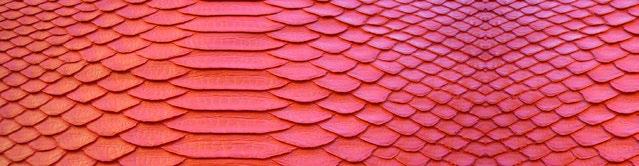
PETstock’s Pet Parent Survey 2022 revealed that reptiles are increasing in popularity among Australian families, with 14 percent of respondents stating that they own reptiles and small pets. For families who are deciding on a scaly reptile to their brood, PETstock LIVE Manager, Kylie Gilbert has offered the following tips and considerations to guide their choice.
Key tips for choosing a reptile as a pet
It’s important to do your research as a first time reptile owner prior to choosing one as a pet, especially if they’re going to be around children. Here are some key considerations for the most commercially available reptiles:
TURTLES – While turtles make an adorable pet, keep in mind that they have a long life expectancy, are large in size and require exposure to ultraviolet light.
SNAKES – For those new to reptiles, there are many species of snakes that make good pets. Great beginner species include Children’s Pythons and Stimson’s species, as they are generally fairly easy to care for, as they are smaller as adults, so easier to handle while you gain your confidence.
LIZARDS – Species such as geckos, bearded dragons and blue tongues are a great choice for first time reptile owners. They’re very entertaining to watch and have large personalities.

Key considerations before buying a reptile
A reptile is a long term commitment – Pythons can live for more than 15 years, turtles for more than 30 years and lizards such as geckos and blue tongues for 20 years. Although reptiles are low maintenance pets, you need to commit to the regular cleaning and maintenance of their housing to ensure they are kept healthy.
A reptile’s individual requirements

Different species have different temperature and environmental requirements. Before you purchase your reptile, talk to a person experienced in the care of reptiles for advice.
Reptiles are relatively inexpensive to keep although the initial purchase costs can be high (between $500 and $700) they require proper housing, heating and lighting in order to be cared for properly.

Reptile permits - In many cases, reptile licences are mandatory. It’s essential to first check with your local wildlife agency for further information on the licencing requirements for owning a reptile.


Where to purchase your reptile – You can purchase reptiles from pet stores, reptile speciality stores and occasionally from rescue groups. Do your research prior to purchase, as some reptiles are illegally captured from their environment and sold as pets.
continued next page...
www.peninsulakids.com.au 25
Top advice for taking the best care of a reptile pet


Reptile enclosures should be draft free and escape proof, moisture and heat resistant and well lit. Enclosures can be tall and narrow to accommodate tree dwelling reptiles or low and wide, suitable for most lizards and ground dwelling snakes. Get the largest enclosure you have space for and can afford. The reduced space requirements make them ideal for apartment living.
Snakes and lizards are very susceptible to microorganisms and parasites when kept in captivity. Daily cleaning of water and bowls is important. The enclosure itself should be cleaned once a week. F10 is the preferred disinfectant to be used after all physical cleaning has been done with water and bedding changed.
Diets vary depending on your type of reptile. However, each animal is primarily one of three types: Herbivore (a plant eater), Carnivore (a meat or protein eater), or Omnivores (eats both plant and meat or protein). You should consult specific care sheets for advice.
Access to plenty of natural sunlight is the best type of full spectrum lighting. Otherwise look for lamps that produce ultraviolet (UV) light, in particular UV-B (not just UV-A) which is essential for Vitamin D synthesis in reptiles so as to prevent metabolic diseases. UV lights should be changed regularly.
www.petstock.com.au


26 Peninsula Kids – Spring 2022


www.peninsulakids.com.au 27 Visit platypusjunction.com.au or call 1300 261 685
with
NEW CENTRE – 200 Warrandyte Road, Langwarrin South
+ Brand new
natural and engaging environments flowing indoor to outdoor + Child-focused learning spaces from nursery to kindergarten + Experienced, private early learning centre offering nurturing and child-focused routines
By Jessica Page
We get it. You’ve got kids, and excessive amounts of plastic is kind of part of the package. Throw in the school holidays, and you’d be forgiven for being sceptical when I tell you that you can wrap kids entertainment and sustainability efforts all into one potent, eco-friendly cocktail. But hear me out: with just a little creativity, and a few strategically placed bribes, your little plastic toy tornadoes can become your household’s very own sustainability wardens.
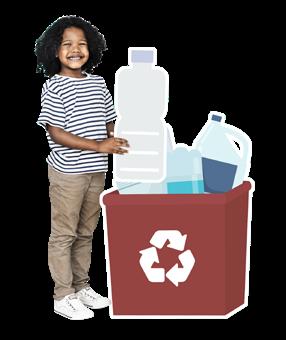
1 Make a game of sorting into coloured bins




One of the things I love about my almost three-year-old is that, between bouts of the terrible tantrums, she is endearingly eager to please and copy whatever I am doing. If you have a little one who is similarly keen to mimic, profit from this. I have been known to let her ‘play’ with our recycling – with a bit of modelling (plastic here, paper there), and plenty of encouragement, you can have your own little recycling sorter! Bonus points for parents of two or more: make it a race or competition, and reward the winner.



continued page 30...

28 Peninsula Kids – Spring 2022
MONTESSOR I
The world renowned teaching methods of Maria Montessori – Montessori Cycle 1

Piccolos
Music to inspire
Dedicated hall for music, dance and indoor sports, all weather outdoor sports area and large natural playgrounds

Focus on Holistic Education
Social, emotional, ethical, and academic education.
Valuing ‘Respect’
Embracing kindness and caring for others, animals and our environment.
Developing ‘the love of learning’
Self-directed ‘hands on’ activities and collaborative experiences.
Creating confidence
118 Overport Road, Frankston South Phone 03 9787 6730 to visit our school

Email: admin@piccoloschildren.com.au www.piccoloschildren.com.au
Open from 7:30am – 6:30pm, Ages 2.5 - 6 yrs
Montessori
Long day care
Developing concentration
Healthy meals
Incursions & excursions
Piccolos
beautiful natural learning environment

Developing life skills
Lasting friendships
Learning to read while learning to write
Expression through song and dance
Family rebates and benefits apply Integrated 3 & 4 year old Kindergarten Promoting

inhabitants
Understanding numeracy

www.peninsulakids.com.au
e pl
nature and care for its
Enrol now for 2023
2 Involve them in more sustainable purchasing decisions

There’s nothing like involving your kids to make them invested in the outcome. Make a special adventure out of going to the shops and letting them choose their own reusable bottle, sustainable lunchbox, re-usable tote bag and re-usable straw/cutlery set. Make older children accountable for remembering them when you go out. Imbuing these items with a special sense of ownership will help these eco habits stick!
3 Return and earn for pocket money
Incentives, when deployed wisely, can certainly be a force for good!
My sister-in-law has a genius way for her 8-year-old to earn his pocket money and it’s called Return & Earn. Her son is responsible for collecting all the plastic containers from his family’s waste (and a fair few from the neighbours’ too!) and taking them to the local collection point, earning himself 10c per bottle. He’s made it quite the little side hustle, and now the state government pays his pocket money. Win-win!
4 Potty training
This may be one for the parents of younger bubs, and certainly requires their co-operation, but we promise it’s one of the most impactful things you can do for our planet! A staggering 3.75 million disposable nappies are used each day in Australia and New Zealand, and each one takes approximately 150 years to break down! With potty-training programmes that start as young as 18 months, starting your little one in the transition to the ‘big kid toilet’ might be one of the best ways of reducing your plastic impact.
5 Organise a toy swap
With a stretch of school holidays ahead, it can be tempting to head to the toy aisle to look for ways to entertain the kids. However, now is a perfect time to introduce the idea of give one – get one. If your children can donate one un-used toy to someone more needy, they can trade it in for something “new”, all via the local second-hand store. Alternatively, organise a toy swap amongst their friends and make a play-date out of it. That’s a win for the environment, and your back pocket!
Recycle and play arts and crafts

One man’s trash is a three-year-old’s treasure!
If your kids are old enough for basic arts and crafts, there are plenty of ways to turn your household’s plastic waste into awesome play-things. The ‘Recycle & Play’ movement has so many ideas (just search ‘recycle and play’ on Pinterest) or check out our ocean-themed e-book for plenty of ideas that use items you likely already have in the bin or store cupboard.
7 Bake and cook ahead with your little chefs
Snack wrappers are an absolute menace when it comes to environmental impact and are abundant in most of the households with kids I know. Involving your children in pre-making snacks and meals to take on the go is an excellent way of reducing the amount of plastic packaging you are sending to landfill, and a fun activity to boot. We love little egg frittata muffins as an amazing way of using up leftovers, but loads of other ideas are just a quick google away!
8 Join a beach clean-up
Whether you take the kids on a pre-organised clean up, or set one up yourself, this is an amazing way to get kids out in the great outdoors and start important conversations about conservation. A little competition never hurt anyone here. See which of your little beach scavengers can fill a bucket first, or who can collect the most bits of plastic, and reward the winner with an ice cream or hot treat.
9 Plant a veggie patch together
Despite the fact most fruits and vegetables come in nature’s own packaging, unfortunately our supermarkets do like to add a little extra plastic before they hit the shelves. Growing your own herbs, or even some basic veggies, is a great way of cutting down on unnecessary plastic, and a really fun way to involve the kids. Finding hardy crops that are quick and easy to grow is crucial when involving the kids. Something like a rosemary or basil plant, or some tomatoes if you have plenty of sunshine, is ideal. Plant as you come into Spring; reap the rewards next July!
Sothereyouhaveit,entertainingthekidscanbefunandeco-friendlytoo. Recruityourkids,andyou’llbeamazedhowmanyeco-habitswillstick

Jessica Page is a mum-of-one and founder of Little Fishy Swim - an innovative kids’ swimwear & toys company, based in Bondi Beach. With the aim of removing 1 million plastic bottles from the ocean by 2025, their adorable ocean-inspired swimwear and toys are made from recycled plastic bottles, with $1 per purchase returned to Australian ocean clean-up charities. www.littlefishyswim.com.au

30 Peninsula Kids – Spring 2022


www.peninsulakids.com.au 31
By Melissa McCullough

Mc Clelland

Our morning at Sculpture Park + Gallery


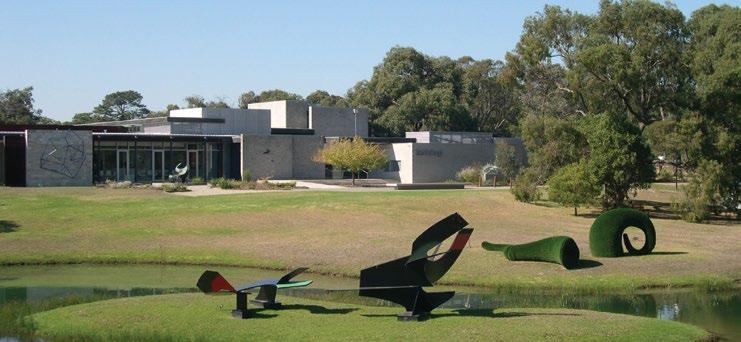
The sun is shining, and the family desperately needs some outside, leg-stretching time. Just nearby exists a popular spot for nature lovers, families, art enthusiasts and even their canine friends McClelland Sculpture Park and Gallery is set amongst 16 hectares of natural bushland with over 90 significant sculptures, an art gallery and Harry’s Bistro with a menu which has been crafted to celebrate the wonderful produce of this region and showcase some of the clever producers of the Mornington Peninsula.
We grabbed a couple of takeaway coffees and hot chocolates and headed straight outdoors. Everyone is welcome at McClelland and they love seeing families and children exploring the gallery and park. There are plenty of shady spots to set-up a picnic, watch the ducks on the lake and enjoy art with nature. Be mindful though, the gorgeous sculptures, as tempting as it may be, are not for climbing.
Our walk began first with gazing up at Phil Price’s large-scale sculpture, The Tree of Life, which was originally located near the Peninsula Link Cranbourne Road exit and now resides in all its wind-activated, kinetic glory at the park. The kids had only ever seen this work as we whizzed by in the car on the side of the highway.
Awe and amazement ensued while standing under this 14-metre tall, manmade, seemingly living tree swaying its branches overhead. From there we started our adventures through the bushy paths, eagerly anticipating which sculpture would be waiting for us around the next bend. Being the only gallery in Australia dedicated to sculpture and spatial practice, McClelland prides itself on showcasing the value of Australian culture through a focus on sculpture and its connection to the environment. What does that mean to our kids? It means there is plenty of space to walk, run, skip and let the sillies out. For the adults, it means strolling through the pathways talking about the artworks, our interpretations of them and how they made us all feel. One, specifically, made us feel like popcorn.
After spending a couple of hours wandering around the property we found ourselves back at the start.
A wonderful way to spend some tech-free time together, (don’t come at me, someone had to be official photographer! ), we left feeling very fortunate to have access to what McClelland describes as, ‘ A unique, discovery-based experience of iconic Australian art and sculpture in an open air environment within a safe and welcoming setting’ on the edge of the Mornington Peninsula.
32 Peninsula Kids – Spring 2022 Local
As a not-for-profit organisation, McClelland relies largely on the support of visitors to help conserve and build the collection, curate inspiring exhibitions and public programs, and care for the beautiful sculpture park and bushland setting for all to enjoy. Adults aged 18+ are charged a $6 entrance fee. They also offer a range of fun activities and workshops for children during school holiday periods. A truly family-friendly setting, baby changing facilities are available inside the gallery building and the kids breakfast menu at Harry's is sure to get their motors running.

Gallery Opening Hours
Wed to Sun: 10am–4pm


Closed on Mon, Tues, Good Friday and 25–26 of Dec.


Harry's Cafe Opening Hours
Wednesday: 9am-4pm
Thursday - Saturday 10am-4pm Sunday: 9am-4pm
390 McClelland Drive, Langwarrin www.mcclelland.org.au
Horse


Accommodation
Mountainboarding


Animal
Events
Kids
www.peninsulakids.com.au 33
YOUR ADVENTURE AWAITS! ADVENTURE PARK ON THE M PENINSULA OFFERING FUN FOR THE WHOLE FAMILY!
riding
activities
Adventure
& camps
nursery
bookings
Group
parties Gift vouchers WWW.THERANCHMP.COM.AU | (03) 5988 6 6 | 8 0 O O RD, BONEO Support local, support handmade, support innovation, support love, support small business... support your local market! LITTLE BEAUTY MARKET : SEPT 24 + OCT 22 | 9am - 2pm NOV 26 | 5pm - 10pm (Frankston’s Festival Of Lights) BEAUTY PARK, FRANKSTON www.littlebeautymarket.com.au EMU PLAINS : OCT 15 + NOV 19 | 9-2 EMU PLAINS RESERVE, BALNARRING www.emuplainsmarket.com.au ALBERT & DAPHNE Love supporting small businesses? Why not check out our interest store of curious goods! 103 MAIN STREET, MORNINGTON | WWW.ALBERTANDDAPHNE.COM.AU PROUDLY BROUGHT TO YOU BY THE UNTOLD EVENTS CO. new MARKET SEASON OPENS 24.09.22
All your Christmases will come at once with a present from Sk8house under the tree! Whether it's a voucher for the shop, entry or skate lesson passes OR a new pair of skates or accessories you're sure to find the perfect pressie at Sk8house with FREE POSTAGE within Australia for orders $100+ sk8house.com.au

Creative Makes Studio is for the child that doesn’t like to colour in the lines, who want to create their way. Who enjoys the PROCESS of creating even more than the end result. Let’s inspire the next generation of artists to discover their creativity and let their imaginations run wild!


6 High Street, Hastings creativemakes.com.au
A VERY MERRY CHRISTMAS WITH GARDEN BABIES
Dress festive and come wander through a maze of whimsical Christmas scenes. Capture your perfect Christmas card photo on your own phone or camera. Family/group of up to 5 for $55 for a half hour merry magical, whimsical wonder. (A double session recommended for a more relaxed timeframe.) For booking details go to:

FB@gardenbabiesfairyart gardenbabiesfairyart.com

Make treasured memories and inspire imaginations with a trip to the theatre in 2023. Discover unforgettable tales, amazing puppetry and see your favourite book characters on stage at Frankston Arts Centre!

Gift cards available in any amount & valid for three years. Buy online at or call P: 9784 1060 thefac.com.au

Let’s Make S oY CandleS
THIS UNIQUE SOY CANDLE MAKING KIT IS THE PERFECT GIFT FOR KIDS & ADULTS WHO LOVE ARTS AND CRAFTS!

Give the gift of adventure this Christmas!
Surprise & delight with an Enchanted Adventure voucher for a guaranteed fun-filled day out to remember. From an array of exciting activities to unique Peninsula packages, there’s gift options for everyone in the family!

Visit our website enchantedadventure.com.au to purchase today or call our adventure experts on 5981 8449!
$39.90 EX GST
INCLUDES EVERYTHING YOU NEED TO MAKE YOUR FIRST HAND-POURED CANDLES INCLUDING INSTRUCTION BOOK, 100% SOY WAX, YOUR CHOICE OF PHTHALATE FREE FRAGRANCE AND LIQUID DYE.
WWW.BLAZEANDFOAM.COM.AU


34 Peninsula Kids – Spring 2022 34 Peninsula Kids – Spring 2022
Reversible quilted bedspreads designed with love by a mum of three here on the Mornington Peninsula. Ethically made using 100% GOTS organic cotton, as well as recycled filling, they feature simple, playful designs, come in a big double size and are perfect for snuggling up. littledozerco.com.au

Looking for the perfect gift to give this Christmas? Smallprint captures special moments in time and preserves your memories in Sterling Silver. Choose from a range of fingerprints, hand/footprints, drawings, writings in either a necklace, bracelet, keyring, earrings or cufflinks all handmade.

Don’t give another perfume or aftershave, give a gift that they will treasure forever.
M: 0420 971 324
E: fabiola.curavic@smallprint.com smallprint.com
Give the gift of music this Christmas
We are here to inspire hearts, share the joy of fairy gardening and make life more magical. Find the perfect fairy gift with our designer fairy garden kits, houses and miniature accessories for your own magical fairy village. Shipping Australia-wide and internationally. gardensparkle.com.au


Chocolate Grove is ready for Christmas with a huge range of festive gifts & treats. Beautifully foiled 250g chocolate Santa’s, decorated Christmas Trees, & solid chocolate Gold Bars Christmas wrapped and ready to go! Spectacular gift bags & “choco-bloc” hampers are the perfect present to share with the family. chocolategrove.com


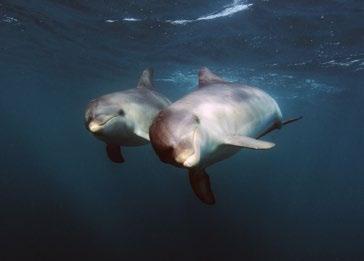
‘Open your eyes to another world’ Create life’s most special moments, swimming with beautiful, wild Bottlenose dolphins and playful fur seals
Fun and Educational Music and Movement Lessons

For Babies 5 months to 5 years
Classes in Mt Eliza, Frankston and Langwarrin

Polperro Dolphin Swims
Indulge yourself, invite family and friends. Polperro’s wildlife swims will provide wonderful and lasting memories for all.
Small, personalised tours. Beautiful gift vouchers available. Make this your season’s highlight

www.peninsulakids.com.au 35
Here are some gift ideas we're sure you will love giving...and receiving! For more inspiration head to peninsulakids.com.au
Simply, the best!
Sorrento Pier, Esplanade, Sorrento 5988 8437 | crew@polperro.com.au www.polperro.com.au Bookings are advised!
www.minimaestros.com.au
www.peninsulakids.com.au 35
partyPLANNING
Aardy’s Jumping Castles

Cutting edge jumping castles and amusement rides for private parties, corporate events, fetes and festivals. We have industry leading safety procedures, fully compliant equipment and top notch staff.
E: info@aardysjumpingcastles
M: 0402 131 609
Insta:@aardysjumpingcastles
Fairy Jasmine Entertainment


Specialising in fairy and princess themed birthday party entertainment packages. Packages may include singing and dancing, party games, magic tricks, face painting, and balloon twisting. Various characters available including Elsa and Anna.


M: 0400 510 813
W: fairyjasminesentertainment.com
The Science Shed
The Science Shed comes to your home for your next birthday party! Children can dress up in real lab coats and safety glasses and experience their own hands on experiments. Science, slime and much more.
E: info@thescienceshed.com.au

M: 0419 882 765
W: thescienceshed.com.au
Top Fun Shack
The Shack is back! All your kids (& big kids) entertainment at the one location. Party packages available, bookings essential.
A: 1223 Pt Nepean Rd, Rosebud
E: info@topfunshack.com.au

P: 5912 2444
W: topfunshack.com.au
Kidztown
The biggest and most exciting themed kids party venue to hit the Mornington Peninsula. www.facebook.com/kidztownpartyvenues
P: 8759 1431
M: 0403 795 562
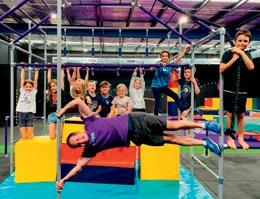
Acro, ninja and parkour parties for ages 1 years and up.
Acro, ninja and parkour parties for ages 1 years and up.

Exclusive use of our venue with qualified gymnastics coaches running the show. Heaps of fun for kids and easy for parents!
Exclusive use of our venue with qualified gymnastics coaches running the show. Heaps of fun for kids and easy for parents!

Inflatable Birthday Fun @ Frankston Indoor Sports

Jump, Climb & Slide your way through the Inflatables & Obstacles or take aim and conquer with our Nerf parties.
Bookings: t.ly/BIRTHDAYBOOKING
109b Frankston Gardens Dr, Carrum Downs
W: frankstonindoorsports.com.au
36 Peninsula Kids – Spring 2022 Pa Experiments 01 R Explosions 02 Ty Explore 03 Fu Slime 04 N! Surprise 05
KIDZTOWN PARTY VENUES Mornington & Seaford w acrokids.com.au e parties@acrokids.com.au m 0477 079 970 Celebrate with u
acrokids.com.au e parties@acrokids.com.au m 0477 079 970
w
Celebrate with us
ARCADE ROOM BOWLING MINI GOLF
partyPLANNING
OUTDOOR SEATING & PLAY AREA! GLUTEN FREE FOOD OPTIONS!
BOOK YOUR NEXT PARTY WITH US! GIFT VOUCHERS AVAILABLE! kidzshed.com.au


Kidzshed
Kidzshed
Charlie SillyPants Parties
Stardust Fairies
Book your next kids themed party with us!
Book your next kids themed party with us!
Amazing packages including use of the party room, hot & cold food, host, invites & more. Venue also available for private hire.
Amazing packages including use of the party room, hot & cold food, host, invites & more. Venue also available for private hire.
A: 222 Marine pde Hastings P: 5906 5900
A: 222 Marine Pde Hastings
M: 0409 875 944 E: kidzshed@gmail.com
E: kidzshed@gmail.com
P: 5906 5900
M: 0409 875 944
Fairy Freckles and Friends
We are professional fun makers that come to you! Specialising in face painting, balloon twisting, magic shows, games and roving characters, fully equipped to add some sparkle to your next kid's party or special event.

M: 0407 326 726
W: fairyfrecklesandfriends.com.au
Have a “Very Silly Christmas” by having the silliest magician in Magicland
The ultimate kids’ show! Come on an adventure full of magic and laughter with Charlie SillyPants and friends. Parties, preschool and childcare.

M. 0411 957 185

W: melbournemadness.net
Charlie SillyPants at the kids’ next party!
You receive $50 off a 1 hour party/show or it’s only $100 for a 30 minute

Captivating & igniting the magical seed of imagination & sparkalicousness.
Specialising in themed birthday parties, kindergarten, school holiday workshop incursions, corporate, craft parties, face painting, markets & events. Call now or visit our magical website.


M: 0414 470 522
W: stardustfairies.com.au


Mad Scientist Escape Room
An escape room experience for kids. Can you help Alex the laboratory assistant stop the evil Professor Prism from destroying the world?

Perfect for birthdays.
W: lockedinescaperooms.com.au

Robyn’s Room
Seeking something different?
A quality art and craft pARTy takes birthday fun to a whole new level.
It's just not a pARTy without ART! Book today!
M: 0404 848 226
W: robynsroom.com.au/creative-parties
www.peninsulakids.com.au 37
@sk8houseau H o t & c o l d f o o d D r i n k s A d m i s s i o n & S k 8 h i r e I n v i t a t i o n s T a b l e c l o t h & D e c o r a t i o n s D e d i c a t e d p a r t y t a b l e AMAZING VALUE!!CATERED PARTIES$20p/person from just * * P a r t y p r i c i n g d e p e n d s o n p a r t y t y p e a n d d a y o f b o o k i n g . S e e w e b s i t e f o r f u l l d e t a i l s .
FUN FOR EVERYONE O R B O O K N O W ! F I N D O U T M O R E 3/2 Amayla Cres Carrum Downs Vic 3201 P: 03 9773 6799 E: info@sk8house.com.au bi rthdaypaRties ALL SK8HOUSE FULLY CATERED PARTIES INCLUDE: K I D S T O T S T E E N S & A D U L T S T O O ! !
GREAT
HARRY’S CAFE
FREE BREAKFAST FOR KIDS U12
T & C’S APPLY
P: 9789 1671 (ext 1) E: cafe@mcclelland.org.au

3PM - 4.30PM MON-FRI SCHOOL UNIFORMS MUST BE WORN TO BE ELIGIBLE
195 Main St, Mornington W: burgerheaven.com.au
195 Main St, Mornington W: burgerheaven.com.au
INDOOR PLAY CENTRE and CAFE

SPECIALISING IN CHILDREN’S BIRTHDAY PARTIES

GREAT FOOD FOR BOTH ADULTS & CHILDREN!!

YUMMY HOME MADE FOOD LOTS OF GLUTEN FREE OPTIONS
Peninsula Kids is showcasing the wonderful places available on the peninsula and bayside region to take the family out for bite to eat!

Let our map guide you and your hungry tribe. Here you'll find some of the best affordable cafes and venues....ENJOY!

222 Marine Parade, Hastings
OPEN FOR DINNER FRIDAY NIGHTS TILL 7pm 222 Marine Parade, Hastings
P: 5906 5900 W: kidzshed.com.au
P: 5906 5900 www.kidzshed.com.au


• Kids Menu

• Cubby House

• Coffee Hotspot

• Healthy Lunches
• Delicious Breakfast
Best Bites Inno

1008 Mornington-Flinders Rd, Red Hill (opposite Red Hill Primary school)


P: 5989 2171 W: nordie.com.au


5 3 4 7 6 2 •Mornington Hastings• •Frankston •Mordialloc •Red Hill I
•Flinders
5 4 6 2 I 3
227 Cranbourne Road Frankston Open 7 Days 11am - 10pm fratellifrankston.com.au P: 9776 5277 7
•Langwarrin
Ugly Swan
The Sensory Hair Brush Set includes 1 x Maxi Brush, 1 x Palm Flexi Brush and 2 x Unicorn Microfibre hair towels.


The maxi and palm brushes are ideal for sensory brushing for long, curly, fine or thick hair. With dual bristle technology featuring boar bristles and nylon pins, this means no pulling or tugging when brushing your children’s hair. This softens, smooths and shines hair whilst preventing split ends, breakage and even dandruff!

The hair towel is not like any of its kind, with a one size fits all fit, this towel uses microfibres for rapid drying and features a curved back which moulds to your head. The microfibres allows hair to dry 5 times faster than cotton, and with no need to towel dry first, this means no friction damage for your hair.
The set is available online and at selected hair salons around Australia.
RRP: $129.00
UglySwan.com.au
Backbone at the FAC
Tingswe
peninsulakids.com.au/ giveaways for your chance to WIN!
Mayver’s Wholefood Bars


Mayver’s expands its much-loved peanut butter offering with a range of new Wholefood Bars, catering for when your family needs a dose of goodness on the go. Available in three delicious flavours: Peanut Butter, Peanut Butter & Berry and Peanut Butter & Super Cacao. Mayver’s new Wholefood Bars are combined using Mayver’s most popular Peanut Butters, Crunchy and Smunchy.
Available exclusively in Coles nationwide.
RRP: $7.00 mayvers.com.au
Recyclings Trashtastic Truck Playset
Backbone examines the various perceptions of what strength is, where it comes from, and how it is measured. This frenetic celebration of human interconnectedness will test the limits of strength: physical, emotional, individual, and collective. It is set in the here and now. We won’t be transporting the audience to Verona. We are on a stage. In a theatre. In front of them!
An unmissable circus and physical theatre performance examining the perceptions of what strength is, where it comes from, and how it is measured.

Saturday, 12 November 2022
07:00 PM to 08:10 PM
RRP: Premium $60, A Res $54, B Res $48 thefac.com.au
Jack N Jill Kids
Introducing the Trashtastic Truck! Made from 70% recycled plastic bottle caps, this fantastic playset stops 241 bottle caps from going into landill! Captained by the Trash to Treasure Queen Rainbow Recyclie, who drives the truck around in search of rubbish to repurpose… and Recyclings to play with!

Lift the dumpster and tip your Recyclings into the tray! Pick up trash with side arm! Tip the tray to dump out your Recyclings…. Or let them tumble down the slide, weeeeee!
Available NOW in Big W, Kmart, Target, Woolworths, Toyworld, Mr Toys and more.

RRP: $59.00
headstartint.com
Care Bears 40th Anniversary!
After teaching generations of kids the power of love and friendship, Care Bears invite fans of all ages to join their 40th anniversary celebrations! Now even the littlest family members can join in with the launch of Care Bears Baby, featuring an adorable new redesign of the iconic Care Bears across toys, bedding and decor for infants and toddlers. Bub and mum alike can fill their dreams with the magical kingdom of Care-a-Lot, with pyjama sets available from infant to ladies sizing.
Find Care Bears Baby and more exciting new releases only at Big W stores and online while stocks last.


Care Bears Unlock the Magic Nights A Glow plushCare Bears Resoftable Bundle Pack (Ring rattle, comforter, plush)Find Care Bears Baby and more exciting new releases only at Big W stores and online while stocks last.
bigw.com.au/brands/care-bears
Want to score the ultimate children’s dental hygiene kit? Australian-owned and made company Jack N’ Jill Kids offers a range of products that help kids keep their teeth and mouth clean. With its unique and fun range of products featuring newborn teething gel, tooth wipes, manual and electronic toothbrushes, and its brand new tooth cleaning calcium chews, Tooth Sparkles, your kid's teeth will be in tip top condition in between brushing! All Jack N’ Jill products are formulated with safe, natural ingredients. Available via the Wellbeing Island website and in stores at Selective Chemist Warehouse and Woolworths across Australia.
RRP: $67.30 wellbeingisland.com.au


CMC dummies
CMC Gold’s range of Australian-manufactured dummies come in a rainbow of pastels, bolds - and some with an extra glow - to match every mood, and every outfit! Two different teat designs - vented or air-filled - enables parents and carers to choose the right dummy for their baby’s needs. A vented teat is a teat allows air to flow in and out and flatten in their mouths as baby sucks - for more settled soothing.
Each of the CMC dummy designs also come with safety caps for hygienic protection when not in use. CMC Gold dummies are 100% BPA, PVC & Phthalates free and havea 100% natural rubber teat, & have passed testing in accordance with AS 2432:2015 Australian standards.
3pack of size one dummies
RRP: $28.40 cmcgold.com.au
When we are known, we can be ourselves – take risks with our learning, try new things and make new connections. The adventure of learning is more engaging, more challenging and more rewarding when we are known.

To learn more about Years 5 and 6 at Woodleigh and our smaller, caring campuses, scan the QR code below, or email our Enrolments Team – enrol@woodleigh.vic.edu.au We’d love to get to know you.

BOOK YOUR PLACE AT ONE OF OUR REGULAR INFORMATION SESSIONS OR CAMPUS TOURS
www.woodleigh.school/enrol
40 Peninsula Kids – Spring 2022


www.peninsulakids.com.au 41 SPECIAL FEATURE FEATURED IN THIS ISSUE: Your child’s future comes FiRST at ... FUTURE BUILDERS FUTURE DOCTORS FUTURE ENVIRONMENTALISTS FUTURE CHEFS FUTURE MUSICIANS FUTURE Your child’s future comes FiRST at ... FUTURE BUILDERS FUTURE DOCTORS FUTURE ENVIRONMENTALISTS FUTURE CHEFS FUTURE FUTURE MUSICIANS FUTURE Your child’s future comes FiRST at... 12484814-AV13-21 PAKENHAM 5922 2040 ENDEAVOUR HILLS 9700 1922 HASTINGS 5979 2831 FRANKSTON SOUTH 9783 3390 info@firstearlylearning.vic.edu.au Your child’s future comes FiRST at ... FUTURE BUILDERS FUTURE DOCTORS FUTURE ENVIRONMENTALISTS FUTURE CHEFS FUTURE SCIENTISTS FUTURE MUSICIANS FUTURE OLYMPIC SWIMMERS SCAN ME • Music and Movement • Yoga sessions • Cooking • Swimming lessons • Bush and beach kinder • Incursions and excursions Learning through Play at FiRST FUTURE MARINE BIOLOGISTS PAKENHAM ENDEAVOUR HILLS HASTINGS FRANKSTON STH NARRE WARREN NTH 5922 2040 9700 1922 5979 2831 9783 3390 9123 4452 info@fel.vic.edu.au
New 'Marketplace' learning space

In the coming months Balcombe Grammar will launch a new learning space for our students that is currently referred to as the ‘Marketplace’, a learning space that will not only support our Year 9 STRIVE Program but will also be utilised throughout the school for learning opportunities at other year levels as well as featuring as a community gathering place for key school events.
This Marketplace was designed to ensure that the ever popular and relevant ‘Pop Up’ market within the Year 9 STRIVE Program continued to grow from strength to strength. In a time where the importance of developing transferable skills in our students such as creativity, problem solving, communication, critical thinking and collaboration is regularly highlighted, learning opportunities such as our ‘Pop Up’ experience are more important than ever. The ‘Pop Up’ experience challenges students to step out of their comfort zone as they are required to design a product, build that product and brand & market their product all while developing a sound business model which ensures at the very least, they


break even. It is a challenging undertaking for our students as the Showcase Evening sees their hard work on display not only to their teachers and peers, but to the wider community, which brings with it a vulnerability that does not normally exist.

Pleasingly, at Balcombe Grammar our students continue to rise to the challenge, and it is experiences such as this which help shape our students for life beyond our school gates. Not only do our students have a strong foundation in literacy and numeracy they have the confidence to interact with the wider community and the skills

to tackle new and unexpected challenges.

As we begin looking ahead to 2023, our Teaching & Learning teams are already exploring new and exciting opportunities for our students that will not only ensure that they cover key content but that they have the skills to solve challenging ‘real world’ problems in our rapidly changing world.

balcombegrammar.vic.edu.au

BALCOMBE GRAMMAR balcombegrammar.vic.edu.au 389 Nepean Hwy, Mount Martha VIC 3934 5970 1100
42 Peninsula Kids
AUSTRALIAN EDUCATION AWARDS 2022 AUSTRALIAN EDUCATION AWARDS 2022
Toorak College offers comprehensive ELC learning programs for Kindergarten and Pre-Prep children located in and around the Mornington Peninsula.


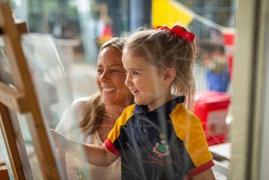
We provide a nurturing and engaging co-educational environment. Our range of learning experiences promote social, emotional and academic growth and allow children to actively engage with each other and their teachers in purposeful and meaningful ways.
“To enlighten is to give someone greater knowledge or understanding. When a young person enters our Early Learning Centre, they develop their sense of self, understanding of others and find their connection to the world around them”, says Miss Melissa Schoorman, Head of Wardle House and Deputy Principal of Toorak College.
Our tailored Early Learning program, Project Enlighten, focuses on this significant period of growth for a young learner by expanding the experiences of 3 and 4 year old children through a breadth of
learning opportunities that will form their foundation of understanding. Project Enlighten is influenced by the principles and practices of Reggio Emilia, in which children are recognised as capable and resourceful. Every day, children in our Early Learning program are filled with excitement as they explore environments that are varied and engaging, with an emphasis on creativity and playbased learning.
Integrated into Project Enlighten is the explicit teaching of literacy and numeracy. Skills and talents come from many different areas so we complement our program with a diverse range of specialist classes that assist in developing each child’s academic and personal growth. These classes are taught by specialist teachers and include:
• STEM-X programs: Science, Robotics, Construction and Technology
• Creative Arts: Visual Art, Movement and Out and About
• Performing Arts: Music, Drama and Dance
• Language and Cultural Appreciation: Mandarin and Library
• Health and Wellbeing: Physical Education, PMP, Mindfulness and Nutrition

Highly regarded across the Mornington Peninsula, Toorak College offers a range of programs to suit every child and every family. Offering inclusive and in-depth Kindergarten and Pre-Prep programs for young children, Toorak College is passionate about developing a community of creative, curious and compassionate learners.
Register by phone or website, to join our Director of Early Learning, Ms Pat Barbieri, for a tour of our Early Learning Centre.
P: 9788 7200
W: toorakcollege.vic.edu.au
TOORAK COLLEGE toorakcollege.vic.edu.au 73-93 Old Mornington Rd, Mount Eliza VIC 3930 9788 7200 www.peninsulakids.com.au 43
Curious, compassionate and connected
Hooked on Books
By Melissa Schoorman
DEVELOPING SKILLS FROM AS YOUNG AS TWO
At what age should parents introduce a child to the process of learning to read? This is a perennial question asked by many families. Whilst some people believe that waiting until Prep is the right time to expose children to literature, it is my strong belief that immersion, a love of literature and exposure to the correct techniques and phonemic awareness, is crucial in ensuring a child is ready to develop the skills for reading from as young as two years of age.

SHORT AND SHARP LITERACY ACTIVITIES

This immersion can take many forms and at its core should remain play-based for our pre-school children. Understanding that a letter has a name and makes one or more sounds similarly to an animal, is a fundamental concept that, if grasped early, can assist a child’s success when reading. These and other related concepts such as rhyming, syllabification, phoneme identification, blending and segmenting are all short, sharp activities that our children can participate in and master with the correct scaffolding and intentional teaching.
EACH SKILL IS A PUZZLE PIECE
Reading in its simplest form, is a puzzle that requires a child to be given all the pieces in order to decode the English language. One skill is not more important than another, and, in fact, it is in the culmination and co-mastery of these skills that a child gains success.
The overall aim should not be to have a child reading books by the age of three; it should be to learn how to blend decodable words alongside those high frequency words (often referred to as sight words). Alongside this, children can then create an appreciation of how visuals (pictures) enhance the meaning that the author is attempting to convey. It is my firm belief that children should never be taught a reading skill in isolation nor should hierarchical importance be placed on each skill; this then allows children to experience constant success.
PROVIDING RESOURCES TO FAMILIES
We can all attest to viewing our children as curious beings so why then when it comes to learning (even more specifically reading), do we feel like we cannot give them the tools that they need to be successful and force them to wait until Primary School?
My only answer to this question is that parents choose to wait until their child is in Prep so that they are taught using correct methods. I would encourage families who are interested in learning some of these techniques to enquire at your local service, to ensure that those children who are ready, are reading well before they commence formal schooling at five years old.
44 Peninsula Kids – Spring 2022
Education
Melissa is the head of Wardle House and Deputy Principal at Torak College.
Sanctuary of Early Learning

Your most precious people are our priority
With over 20 years experience, we are committed to continuous quality care and to ensure a full balanced development for each child in our expansive natural learning environment.


P 9783 1117
Curiosity and wonder lead to a natural desire to learn


Frankston House Sanctuary of Early Learning
1-3 Vera Street Frankston E info@frankstonhouse.com.au
W frankstonhouse.com.au
Mt Eliza House Sanctuary of Early Learning 41 Baden Powell Place Mt Eliza E info@mtelizahouse.com.au
P 9787 0788 W mtelizahouse.com.au
Seaford House Sanctuary of Early Learning
6-10 Govan Street, Seaford E info@seafordhouse.com.au
P 8796 3000 W seafordhouse.com.au
* Low carb
* Keto friendly
* Diabetic friendly
* Great taste
Key features of Simply Swap Foods:
* Nothing artificial
* No GM ingredients
* Plant based sweeteners used
* Pet friendly (no xylitol used)
Want to reduce sugar but don’t know where to start?
There are now hundreds of research studies and clinical trials proving that a diet lower in sugar and carbohydrates is beneficial for our health. While out at markets, we commonly hear stories from our customers that their aches and pains have disappeared since following a lower carb diet plus they have more energy than they’ve experienced for decades.
When we started our journey down this path, we kept it simple and changed things gradually week after week, something like this:
Step 1 – removed bread and baked goods – replaced with lowcarb bread (recipes on my website), chaffles, lettuce wraps, lowcarb crackers etc

Step 2 – removed all processed foods – found healthy alternatives and cooked at home
Step 3 – removed pasta/rice – used zucchini noodles or konjac noodles from supermarket, cauliflower rice.
We have lots more easy recipes on our website plus below are some great websites which are full of information to start your journey to a “real food” eating style:
www.simplyswapfoods.com.au

www.rlmedicine.com
www.lowcarbdownunder.com.au
www.lowcarblifestylehub.com
(As always seek the advice of a qualified health professional before drastically changing your diet)
You can find our premix products online, in retail outlets and at selected Farmers Markets. (Check our social media pages for details of “tasting events” that we often hold at retailers).
New stockists this month are:
Hawkes Farm, Boneo • Sciclunas, Sorrento
IGA X-press, Blairgowrie • Oasis, Mornington
Apples & Sage Organic Wholefoods, Balwyn
* Super easy to prepare at home
* Premium ingredients to support our health
* Made with love on the Mornington Peninsula
Current retail stockists include:
Mt Eliza Village Fruits, Mt Eliza Gluten Free Foods, Mornington• Hamper Yourself, Dromana Peninsula Gourmet Emporium, Dromana 100 Mile Foodie Café, Somerville • Nourish, Balnarring
Current online stockists include:
www.ketodirect.com.au
www.yoketo.com.au
www.lovelowcarb.com.au
www.kravingketo.com.au
Come along and say hi to Linda and David at these local markets: 3rd Sunday – Beaumaris Farmers Market 4th Sunday – Mt Eliza Farmers Market
Linda Martinucci started Simply Swap Foods to help others change to a real food low sugar/low carb eating style to improve overall health and quality of life. With a background as a food writer and cookbook author, she has spent the last 15 years following nutrition studies and medical research based on the best way to fuel our bodies for optimal health.
In 2017, Linda made the decision to overhaul her eating style and was amazed at how much better she felt simply by reducing carbohydrates and increasing healthy fats. Her husband David also adopted similar habits and along with weight loss, he had energy he never thought possible and all inflammatory aches and pains disappeared. One of the keys to successfully transitioning to this new lifestyle was being able to indulge in favourite cakes and desserts from time to time, particularly at family celebrations.
Linda hopes that her products and recipes will help others experience the enormous benefit of changing to a real food low sugar diet. Every ingredient in every product has been carefully selected for good nutrition and health benefits, Linda doesn't compromise when it comes to your health. With these products and recipes, you really can indulge yourself and feel great too!
Recipes .COM.AU
and feel great too!
indulge yourself
One of my favourite variations using our Vanilla “hug in a mug” mix, this healthy gluten-free/sugar-free/low-carb carrot cake can be ready in less than 10 minutes. Recipe below is for making two cakes from one of our mug cake packs but you can also make one at a time and reseal pack for later use. Check out our website and social media pages for a full video showing how easy this is to prepare.

Ingredients

1 pack Vanilla “Hug in a Mug” Mix
2 tblsp melted butter (or coconut oil/ghee)
2 large eggs, beaten (room temp)
4 tblsp grated carrot
1 tsp cinnamon
ZESTY CREAM CHEESE ICING
200g cream cheese
¼ cup natvia or similar granulated


sweetener (ground in nutribullet if possible)
1 tblsp lemon zest, finely grated (or more to taste)
(chopped walnuts and lemon zest for decoration on top)
1 tsp vanilla essence
2 tsp cream
Method
1. Place 1 tblsp melted butter in each standard size mug (butter can be melted in microwave 30-60 seconds).
2. Pour half pack of mug cake mix into each mug (approx. ¼ cup).
3. Grate carrot and place 2 tblsp into each mug.
4. Place 1 tsp cinnamon and 1 egg in each mug.
5. Stir really well to combine.
6. Microwave one mug at a time for 90 seconds. Turn cake out of mug onto plate (cake will be hot) then invert so top is back on top (Can also bake in an oven if preferred on moderate temperature for 15-20 minutes in ovenproof mug or ramekin).
7. Let cool for a few mins then slice each mug cake in half and spread icing in middle and on top.
8. Chop walnuts to sprinkle on top along with lemon zest.
Zesty cream cheese icing
Place all ingredients except lemon zest in medium bowl and use hand beater to beat until combined and smooth. Stir through lemon zest.

PREP COOK TOTAL SERVES PREP COOK TOTAL SERVES 10 2
These bites are a delicious after-dinner treat, especially when topped with lots of grated dark chocolate. Really easy to make and they store well in the fridge for up to a week, not that ours ever last that long!

Ingredients
400ml water
100g natvia sweetener (or similar granulated sweetener)


60g gelatin powder (grass-fed and organic if possible)
2 tsp vanilla essence
Optional: 1-2 tlbsp collagen powder, protein powder or MCT powder
¼ cup sugar-free berry jam (available in supermarkets or recipe on my website)
Dark chocolate (min. 70% cocoa), grated
Method
Line a baking dish or slice tray (approx. 26 x 16cm) with plastic wrap.
1. Place 200ml of water and sweetener in a small saucepan and stir over medium heat until dissolved.
2. Place remaining 200ml water in a cup and stir through gelatin to bloom (ie. gelatin will become firm).
3. Add bloomed gelatin to saucepan and keep stirring with a spatula or whisk until dissolved (should be just before boiling point).
4. Pour hot mixture into a mixmaster and blend on high speed until mixture becomes white, thickened and glossy. Use whisk attachment if possible for a fast result otherwise normal beaters will work, just takes a few minutes longer to thicken.
5. Fold through vanilla essence and optional extras eg. collagen powder, MCT powder.
6. Pour mixture into lined baking tray and place in fridge for 10 minutes until firm. Remove and slice into squares.
7. Place a small dollop of sugar-free jam on top of each piece and grate dark chocolate over the top.
8. Store in airtight container in fridge.
PREP COOK TOTAL SERVES PREP COOK TOTAL SERVES
serve)
15 20 (40 pieces approx, 2 per
This meat based pizza style dish is super quick and easy for family meals. Very versatile, add whichever toppings you enjoy on pizza and serve with a green salad and mayo (easy mayo recipe on my website). This is a deliciously healthy and filling meal the whole family will love.
Ingredients
1kg beef mince
1 egg
2 tblsp dried Italian herb mix (plus extra for top)
½ cup pizza sauce (or more to taste)
Pizza toppings of choice finely chopped onions, mushrooms, salami, ham, olives, anchovies etc.
350g shredded mozzarella cheese (or more to taste)
Method
Preheat oven to 180ºC and grease and line a baking tray or dish (approx 32 x 22cm) with baking paper.


1. Put mince in a large bowl with egg and Italian herbs.
2. Mix together well using large spoon or hands (I have a box of food-grade gloves which are great to wear while mixing any mince meat recipes).
3. Once mixture is combined well, take chunks of mixture and press evenly into baking dish. Use the back of a large spoon to smooth out top and ensure thickness is fairly even.
4. Spread top of mince with pizza sauce.

5. Add your selected pizza toppings then sprinkle top with mozzarella cheese and some more Italian herbs.
6. Bake for 35-40 mins or until meat is cooked through and top is golden brown and bubbly. The mince will shrink a little from the sides of the baking dish.
PREP COOK TOTAL SERVES PREP COOK TOTAL SERVES 10 6
Australian surveys show vaping by young people has increased. Young people who vape nicotine are exposed to a toxic chemical that can harm adolescent brain development (the brain continues to develop until the age of 25) and lead to dependance. There is also some evidence that vaping nicotine is associated with later tobacco use among teenagers.
WHAT IS VAPING?
Vaping refers to the use of an electronic device (e-cigarette) to heat liquids and produce a vapour, which is then inhaled –mimicking the act of smoking.

WHY ARE YOUNG PEOPLE ATTRACTED TO VAPING?


The advertising and promotion of vaping products is illegal in Australia; however, companies can use other strategies to target youth. Social media has been found to play a role as both an information source and as a means of exposure to e-cigarette advertising. Companies are also glamourising their products to seem cool or fun and creating flavours that appeal to young people.
There have been a number of studies which have found that e-cigarette flavours which give off the perception of sweetness (such as candy or fruit flavoured) may make buying and trying e-cigarettes more appealing among young people.
"In recent years we have also seen the proliferation of shops selling enticing non-nicotine e-cigarettes and liquids with thousands of attractive flavours like green apple ice, cinnamon roll and alpha mint. These are purely recreational products that have no place in our market for either kids or adults.” -

Cancer Council Australia
There is no set formula for parents talking to their children about drugs, but the Alcohol and Drug Foundation’s top tips include: Start with information: Get the key facts, learn the basics about vaping products, and think through what you want to say. Consider some questions you might be asked, and how you want to respond.
Approach it calmly: Parents might want to start the conversation when they’re doing an activity together with their children, such as driving or preparing a meal. Keep things casual and relaxed. Parents may want to use something they saw in a TV show or on the news (like the new vaping report) as a chance to bring up the issue.
Don’t make assumptions: If a parent thinks their child may have tried vaping, they should avoid making accusations. Going through someone’s space looking for evidence isn’t recommended because it can undermine trust.
Health
Avoid judging or lecturing: Parents should listen to their child’s point of view and keep it a two-way conversation. Parents should be mindful of body language and tone. If their child has tried vaping, parents can try asking questions like: ‘What made you want to try?’ and ‘How did it make you feel?’

Don’t exaggerate: Parents should make sure they are honest with their children about potential harms and avoid exaggerated statements.
Focus on health and explain your concerns: Parents should focus on how they care about their children and want them to be healthy. For example, if their child is vaping nicotine, parents can say that they are concerned about the evidence that this can affect adolescent brain development.
THE FOLLOWING SUBSTANCES CAN BE VAPED:
• nicotine (which is the main psychoactive drug in tobacco)
• nicotine-free ‘e-liquids’ made from a mixture of solvents, sweeteners, other chemicals and flavourings
• other drugs, e.g. THC (cannabis) e-liquids.


VAPING DEVICES COME IN A VARIETY OF SHAPES, SIZES, AND STYLES.
The first generation of devices released in 2003 resembled cigarettes and were mostly disposable; second-generation devices looked like pens, were rechargeable, and used cartridges or tanks for the liquid; the third generation (‘mods’) are larger devices with bigger batteries and refillable tanks; and the current generation of devices (‘pods’) are significantly smaller, often resembling USB sticks.
Research suggests that contemporary vaping devices may be more harmful to health than earlier-generation devices. They can be modified to deliver a higher, more harmful concentration of nicotine, and have larger batteries that can heat e-liquids to higher temperatures, producing more toxic chemical particles in the inhaled vape cloud.


Some people use e-cigarettes to reduce or quit smoking. However, there is not enough evidence to support their use for this purpose. In fact, the Therapeutic Goods Administration (TGA) has not approved any e-cigarettes to help people quit smoking.

Dr Peter Scott and Associates are specialist orthodontists offering orthodontic care for children, teens and adults alike in both the Mornington Peninsula and inner Melbourne.


Dr Peter Scott is also a consultant at the Royal Children’s Hospital.

www.peninsulakids.com.au 51
Specialist Orthodontists
Source: www.adf.org.au
Creating Beautiful Smiles on the Peninsula for over 30 years Expertise In Child And Adult Orthodontics Early Assessment Of Dental Development And Facial Growth Ideal Age Of Initial Assessment 7-9 Years Early Intervention Where Appropriate For Best Outcome No Referral Necessary Interest free payment plans available 13 Beach St Frankston Ph: 9783 4511 www.drpeterscottorthodontist.com.au www.facebook.com/drpeterscottorthodontist
in children
ne in 70 Australians are estimated to have coeliac disease, yet roughly 4 out of 5 remain undiagnosed. Early diagnosis of coeliac disease reduces the risk of long-term health complications and can have a profound impact on your child’s quality of life.
We sat down with Coeliac Australia Health Advocacy Officer Penny Dellsperger, who shares her top five tips for understanding coeliac disease in children.
1. Check for symptoms
Coeliac disease presents with a large variety of signs and symptoms. This can make it hard to recognise. The below symptoms and signs are the ones I would recommend being aware of when it comes to coeliac disease. If your child has any of the following, I would recommend organising a time to have your child screened.
• Persistent and unexplained gastrointestinal symptoms
• Faltering growth or failure to thrive
• Chronic fatigue (tiredness)
• Unexplained iron, folate or B12 deficiency
• Generally unwell or ‘out of sorts’

• Another autoimmune disease e.g. type 1 diabetes
• Dental enamel defects
• A close family member with coeliac disease
2. Don’t remove gluten from their diet!
If you suspect your child may have coeliac disease, do not, I repeat, DO NOT, remove gluten from the diet prior to testing. Doing so may prevent an accurate diagnosis or delay the diagnosis of another condition. This will not help your child in the long run.
3. Do not delay gluten introduction in infants
The introduction of gluten to an infant’s diet should not be delayed, even when there is a family history of coeliac disease. In terms of how to introduce gluten, it can and should be introduced as per standard feeding practices followed in any other child.
4. See a Paediatric Gastroenterologist

A paediatric gastroenterologist is the only health professional able to diagnose coeliac disease in children. This may involve a biopsy however, in select cases, children can also be diagnosed without the need for a biopsy if specific criteria are met. Your GP or paediatrician can arrange a referral to a paediatric gastroenterologist.
5. Family History
Do you have a history of coeliac disease in the family?
If your child is symptom free and growing normally but has other risk factor/s for coeliac disease e.g. they have an immediate family member with coeliac disease, screening is recommended around 4 years of age (even if they are otherwise well).
We hope the above helps and if you would like any further information about coeliac disease in children, you can visit Coeliac Australia’s website or visit one of the upcoming Gluten Free Expo in Melbourne on 15 & 16 October where there will be stalls and plenty of great informational and educational advice on offer as well as tastings of delicious gluten free foods for the kids. www.coeliac.org.au


Ask The Experts!
My son has just completed orthodontic treatment and has a beautiful smile. His orthodontist has now suggested to wear retainers. What are they and why does he need to wear them?
After any orthodontic treatment, whether it be braces or clear aligners, your son will need to wear retainers to hold the teeth in their new position and keep them straight.
As there is a very high likelihood of teeth moving straight afterwards, particularly within the first few months. This is because the gums and bone around the teeth need to readjust and firm up.
Also, as we age, our face matures and our jaws continues to change shape, which may result in tooth movement or crowding of the lower front teeth. Some people even believe the wisdom teeth can cause teeth to be “pushed” forward. However, there isn’t enough clinical evidence/research to substantiate this theory, as tooth movement can still occur whether wisdom teeth have been removed or not.
Therefore initially, removable retainers need to be worn full-time for a certain period, after which the retainers can then be worn at night only. Over time your son can reduce wearing the retainers to a few nights a week, indefinitely. If, however your son has a fixed wire bonded to the back of his front teeth, then it is recommended to keep it in place indefinitely.
If your son follows the retention advice from your orthodontist/dentist, he will then give himself the best chance of maintaining his beautiful smile.
Dr Andrea Phatouros

BDSc (WA), FRACDS, MDSc (Ortho)
Specialist Orthodontist
Peninsula Orthodontics
134 Tanti Avenue Mornington
www.peninsulaortho.com.au
I am pregnant. Can I donate blood?
Not right now, no. This is to protect your health and avoid causing stress to you and your baby’s circulation. After you give birth, you’ll need to wait another nine months from delivery date to allow your body enough time to replenish its iron. There are also donation restrictions related to breastfeeding. But, even if you can’t donate blood temporarily, you may be able to donate breast milk instead.
If you’re a blood donor currently trying to become pregnant, we recommend you take a break from donation to help build and maintain healthy iron levels to support the increased iron requirements of a pregnancy.
www.lifeblood.com.au

When will my child start to walk?
Most children begin walking between 8 and 18 months of age. Some are physically and emotionally ready for that first step well before others, but don’t rush it — legs and feet develop best when babies learn to walk at their own pace. Walking aids are not necessary and can actually make it harder for a baby to learn to walk as well as being a danger of causing injury by tipping. When your child first starts to walk, they may have a tendency to walk up on their toes, or with their toes pointing inwards or outwards. This is quite common.
www.pregnancybirthbaby.org.au
54 Peninsula Kids – Spring 2022
The joy of raising baby chicks. A fun family activity!
Raising baby chicks is a great experience for kids, parents and grandparents alike. As the chicks grow they transition through a number of different cute and fluffy stages before arriving as a fully mature, laying hens.


At Talking Hens, we have always been interested in growing our hens from day-old chicks and finally, we now have the opportunity to actually do it! My father, Agostino was a poultry farmer who would always raise his own baby chicks which I used to love watching as a child. It was amazing to see all those little, fluffy chicks grow into laying hens and the weekly changes in feather growth, body size and confidence as they quickly grew.
There are some important things to understand with growing chicks. These include a heat lamp to provide them with constant 30-degree warmth for the first few weeks of their life as they can’t regulate their own body temperature when young. They also need a sturdy, draftfree box or container to live in with a dry layer of wood shavings for insulation.
Food and water is also vitally important so good access to the correct water drinker and feeder is needed. They don’t need much food but it must be tailor-made for them to provide all of the nutrients needed.
Talking Hens will have a new flock of day-old chicks from Friday 19th August 2022 available for families for purchase. The breed of chick is a Hy-line Brown, which are very friendly and placid and great for young families. We also have all the accessories, equipment and specific feed for the chicks available to keep them happy and healthy. We can answer any questions you may have from day-old chicks right through to when the hens begin to lay.
Make an appointment or visit Talking Hens at 3590 Frankston Flinders Rd Merricks. Open Thursday to Monday from 10am to 4pm ( Closed Tue & Wed).

Phone: 0406 691 231
www.TalkingHens.com.au

www.peninsulakids.com.au 55 Talking Hens is a family business that enjoys backyard hens. We specialise in friendly, egg laying hens with quality products to keep them happy and healthy.
nothing
friendship and entertainment that you receive from our laying hens - a pleasure to be shared!
Talking Hens 3590 Frankston-Flinders Rd Merricks, Vic 3916 Opening Hours: Thursday to Monday 10am to 4pm Closed: Tuesday and Wednesday For enquiries call Jason 0406 691 231 Email: talk@talkinghens.com.au Visit: TalkingHens.com.au
There’s
like the
Looking for backyard hens but unsure where to start?
THE MAGIC OF Inclusion
By Julie Fisher
Give people a change and watch them shine
After publishing my first book The Unexpected Journey, I saw a need for more awareness to be raised and saw a real need for more of our story to be shared to give our experiences and the strategies we have used for our son Darcy, both for us and for him.
I saw a great need for inclusion and acceptance to be talked about and late in 2021 The Magic of Inclusion was released. This is a very broad subject and by sharing my experiences, I hope people will understand a little more about how important it is. Inclusion isn’t something that anyone should have to fight for, but for many, this is an everyday battle that feels like it will never end. Everyone has their own stories about what is important to them, but the main thing is for people to be seen and heard. For some, it is just being able to have some space to take themselves after a busy environment like the classroom; to be able to gather their thoughts and regulate themselves to be ready for the next class. For others, it is feeling comfortable wherever they go and with whatever they are doing or feeling comfortable advocating for their child or loved one.
Sometimes people staring can make someone feel as though they shouldn’t be there, and if you find yourself doing this, then a simple smile can change everything. It makes the stare change to a look and the smile lets them know you are not judging them for how they look or how they may be behaving.
My son makes a noise when he is feeling a little tired and he also stims with a toy or headphones, and this causes people to look quite often. He has Down syndrome which is a visible disability and sometimes the looks we get are because of his disability.
Another side of it is speaking to him rather than me. He understands everything that is being said to him and it’s important for his social skills and feeling included for people to talk to him. Sometimes I may have to help him with communication, but that’s okay. It’s still very important to acknowledge him.
Have you ever thought what it would be like if your child, or someone you care for, was made to feel like they shouldn’t be somewhere or shouldn’t do something that others take for granted? If you took your child to a play centre, park or the movies and they were excluded by
others, just because they looked or behaved differently? And that is what I am talking about by giving a smile.
Unfortunately, being made to feel excluded happens every day, to so many children and their families. It happens far too often to children with a disability, but it also happens to many children without disabilities.
There are also instances where people will point or make unkind comments that are really not necessary. I often wonder why this happens and why people think it is okay to do this?
As a mum of a young boy with Down syndrome, I know first hand the heartbreak of seeing your child be made to feel like they don’t belong. I have also experienced the flipside, where acceptance and inclusion made magic happen, and I have made it my passion to educate others on the profound impact even the smallest acts of inclusion can have on the lives of others.
In my book I share real-life stories that demonstrate why we must promote inclusion not just in groups, clubs, and organisations, but also in our everyday interactions with others.
The Magic of Inclusion shows us how the simple act of including others can be life changing. It’s so important to be part of the solution and accept everyone for who they are. See them and hear their voice. Give them a chance to experience life as we all do.
Just be kind and remember that we are all different, but we are also all the same. We all have dreams and aspirations, wants and needs and should be allowed to achieve those without worrying about judgement from others or having to advocate heavily just to make it happen.
- If you find yourself staring at someone, just give a smile or a wave. This changes everything from a negative to a positive situation. It allows everyone to go about their day happily.
- Say hello and if you are interested, start a conversation and ask questions. I would always prefer people to come and talk to me and my son and ask questions rather that make assumptions.
- Imagine yourself if you felt as though your child were being judged because of the way they look or behave. Imagine feeling as though you shouldn’t be somewhere with them. If you find yourself staring at someone, imagine if it were the other way around and how you would feel.
56 Peninsula Kids – Spring 2022
- We all look at people when we are out in the community, but rather than just look and have it perceived as a stare and being judgemental, give that smile or wave. It really does make a huge difference. Everyone has the right to enjoy life without feeling as though they are being excluded and everyone has something to give.

Open your heart and see the person, not the disability. Someone’s disability is a big part of who they are, but it is not everything they are. We are all people.
Contact Julie at juliedixie@hotmail.com to enquire about her speaking at your event to share their journey and the strategies her family have put in place for their son Darcy in everyday life and schooling.

www.juliefisher.com.au
FaceBook: @ theunexpectedjourneybook
FaceBook: @discoverdarcy
Instagram: @juliefisher183_author
www.peninsulakids.com.au 57
5975 5166 134 Tanti Ave Mornington smile@peninsulaortho.com.au www.peninsulaortho.com.au Specialist Orthodontists Dr Doug Lee Dr Andrea Phatouros Dr David Zhang
Orthodontics loves working with families. Our experienced team will provide you with an individual treatment plan to deliver only exceptional results Capture that perfect smile you will always treasure. No referral required
Peninsula
DINOSAUR BASH! THE ANKYLOSAURUS
 By Peter Curtis and Jeanne Willis Preschool, $14.99
Dinosaur Bash loves to play, but the club on his tail is scaring his friends away. Just when all hope seems lost, Dinosaur Roar arrives with some helpful advice. Will Dinosaur Bash learn how to keep an eye on his tail and win his friends back? With fantastic rhyming text written by series creator, Peter Curtis, Dinosaur Bash!
OUR STORIES: 29 THINGS YOU DIDN'T KNOW YOU ABOUT ME
 By Solli Raphael Children/teen, $12.99

OUR STORIES is a funny, relatable and engaging new early chapter book series that celebrates Australia's multicultural society with authors and illustrators from a diverse range of backgrounds. New friends Franco and Lucas are about to have their first sleepover, and they want to know everything about each other. Does Lucas like to rhyme? - Is Franco afraid of spiders too? - But most importantly: do they both like tacos?
THE HAPPIEST BOY ON EARTH THE INCREDIBLE STORY OF THE HAPPIEST MAN ON EARTH
 By Eddie Jaku
6+yrs, $26.99
Life can be beautiful if you make it beautiful. It is up to you. Eddie lived with his family and adorable dachshund, Lulu, in the beautiful city of Leipzig in Germany. But one day, into the sunshine of his childhood crept a dark, heavy cloud. Not a rain cloud. Much worse than that. Adolf Hitler came to power. When Eddie was 18, he was sent to a concentration camp. A picture book adaptation for older readers (6+ years) based on the extraordinary, the bestselling adult title THE HAPPIEST MAN ON EARTH.
The story is framed as a conversation between 101-year-old Eddie and his great grandchildren - who are bursting with questions about the life of their Pépé. The story of Eddie's life unfolds beautifully, sensitively, heartbreakingly through his words, and exquisite illustrations by Nathaniel Eckstrom.
WHODUNNIT, EDDIE WOO?: TEAM TROUBLE!
 By Eddie Woo
Children/teen, $14.99
Eddie Woo Super Sleuth is ready for action and mystery. With a mind for maths and a nose for adventure, he is about to skateboard into ... danger. When Eddie receives a cryptic message from Mr Appleby, a Woo family friend and resident of Sunny Side Aged Care, he is soon on a mission to thwart the evil plans of smugglers. It's up to Eddie to crack the clues and improve his skateboarding so that he can enter the annual school Triple Threat Quest with his best friends Rusty and DT.
THE BREAKFAST CLUB ADVENTURES
By Marcus Rashford
8-12yrs, $16.99
There's something fishy going on at school . . . When twelve-year-old Marcus kicks his favourite football over the school fence, he knows he's never getting it back. Nothing that goes over that wall ever comes back. But when Marcus gets a mysterious note inviting him to join the Breakfast Club Investigators, he is soon pulled into an exciting adventure with his new mates to solve the mystery and get his football back!

YOU CAN DO IT
By Marcus Rashford Children/teen, $19.99


Marcus uses the power of his voice to shine a light on the injustices that he cares passionately about, and now he wants to help YOU find the power in yours! From surrounding yourself with the right team, to showing kindness to those around you, to celebrating and championing difference, You Can Do It shows you that your voice really does matter and that you can do anything you put your mind to. You don't have to be an International footballer to make a difference - even the smallest changes can have the biggest impact.
THE 156-STOREY TREEHOUSE
 By Andy Griffiths and Terry Denton
Children/teen, $14.99
Andy and Terry are celebrating Christmas in their 156-storey treehouse which now has 13 new storeys, including an aquarium wonderland, a wishing well, a world record breaking level, a TV quiz show hosted by Quizzy the quizzical quizbot, a lost property office, a lost sausage office, a super-stinky stuff level and the amazing mind-reading sandwich-making machine, which makes the perfect amazing sandwich for you - every single time! Well, what are you waiting for?
Come on up!
EYES ON FLIES
 By Dr Bryan Lessard
Children/teen, $26.99


Bry the Fly Guy is Dr Bryan Lessard, an award-winning Australian entomologist and science communicator. He has named 50 species of flies, most famously the eye-catching Beyoncé and RuPaul flies. His new book is buzzing with hilarious facts and eye-popping photos, EYES ON FLIES reveals the hidden lives of flies and all the astonishing things they can do! You won't believe what you read! Appealing and engrossing non-fiction for kids aged 4+ years.
AN IMPORTANT MESSAGE FROM MR BEAKY
 By Cassie Leatham & Sue Lawson $24.99
Meet Mr Beaky! He has an important message about what it means to be an Aboriginal person in Australia.
WHAT’S THE BIG IDEA
 By Sue Lawson & Karen Taylor $24.99
Australians are an inventive lot. From the innovative tools and equipment of our First Nations people to the pioneering solutions of colonial times and hi-tech minds of today, Australians have risen to the challenge of problem solving. Also, Vegemite. We can’t explain that, but we love it anyway.
THE WRONG BOY
 By Suzy Zail
Young adult/13+, $19.99
PEREGRINES IN THE CITY
 By Andrew Kelly & Sue Lawson $24.99
Look up. There is wildness right in the heart of the city. High on the ledges of the tallest buildings, the peregrine and ticerel come to lay their eggs. The compelling story of these fierce, beautiful birds.
Hanna Mendel liked to know what was going to happen next. She was going to be a famous concert pianist. She was going to wear her yellow dress to the dance on Saturday night. But she didn’t plan on her street being turned into a ghetto. She didn’t plan on being rounded up and thrown in a cattle truck. She didn’t plan on spending her sixteenth birthday in Auschwitz, in a wooden barrack with 200 other prisoners. Most of all, Hanna didn’t plan on falling in love with the wrong boy.
58 Peninsula Kids – Spring 2022 Book Reviews
$14.99 $12.99 $14.99 $16.99 $26.99 $26.99 $19.99 $24.99 $24.99 $24.99
$19.99
$14.99
MY TOOTH IS LOOTH
 By David Campbell
3+yrs, $17.99
Billy and Betty Bunny both have a wobbly tooth. But Billy doesn't want his tooth to fall out! How will he eat? How will he brush his teeth?!
$17.99
ALPACA PICNIC PANIC
 By Matt Cosgrove
3+yrs, $17.99
Macca the Alpaca and his best-pal, Al, have been waiting for the perfect day to go on a picnic. But when the sun finally comes out, will their picnic go as planned or turn into an al fresco fiasco?
PIG THE REBEL
 By Aaron Blabey
3+yrs, $14.99
Pig was a pug and I'm sorry to say, after years of his antics it was now time to pay. Pig's bad behavior has finally caught up with him - it's time for OBEDIENCE SCHOOL! Can this terrible pug ever be tamed? Not if he can help it...
LUCAS DENTAL CARE

DENTISTS
$14.99
VILLAIN KID FULLY BUSTED
 By Jack Heath
9+yrs, $17.99
Maya is a supervillain, but, unfortunately, no-one has noticed. She's tried everything: wearing a nametag that says 'Villain Kid', heisting the hospital, stealing her whole classroom—nothing has worked. When Maya is expelled and sent to St Flowerpot's School for Ladies, she meets a real criminal mastermind. One with a plan so diabolical it makes Maya's adventures look as harmless as butterfly farts. Can Villain Kid outwit an evil genius, or will she be fully busted?
$17.99
MONSTER ESCAPE (DIARY OF A ROBLOX PRO: BOOK 1)
By Ari Avatar
8+yrs, $9.99
Ari is just a regular avatar from Blockville who loves hanging out with his two best friendsâ"Zeke, an obby and parkour pro, and Jez, the ultimate hacker and Queen of Tech. When Blockville Schoolâs most annoying avatar dares Ari to enter the abandoned warehouse at the edge of town, it might be Ariâs only chance to prove his bravery. But when a monster lurking in the shadows of the warehouse is disturbed, it traps Ari and his friends inside!
Will they ever make it out alive? Or will they all be turned to stone? An Unofficial Roblox Book.

$17.99
SPIDER MAN’S SOCIAL DILEMA
 By Preeti Chhibber
8+yrs, $33.75
Peter Parker has been swinging and thwipping his way through New York City as Spider-Man for just a few months, and balancing his double life is complicated. He goes to school and tries not to embarrass himself in front of his crush, MJ; he takes photos for the Daily Bugle and tries not to embarrass himself in front of his boss, J. Jonah Jameson; and he fights crime in the evenings and . . . well, he's kind of always trying to not embarrass himself. Easier said than done when you're a teen with spider powers you're still getting used to.
134 TANTI AVENUE, MORNINGTON 3931
597 5 9334
Dr James Lucas
Dr Sara Shayegan
lucas dental care proudly sponsors polyglot theatre


$9.99
$33.75

www.peninsulakids.com.au 59
S PECIALISTPAEDIATRIC
By Jono Castano
Looking after a new baby is amazingly rewarding, but it's also challenging. It can be difficult to grab even five minutes for yourself, and sometimes date night seems out of the question. The pampering rituals and quick-fire exercises don't need to become a premotherhood thing; here are several things new mothers can do to help themselves stay on track with their health, motivated, confident, and most importantly, happy.

1. LET’S INCREASE YOUR STEP COUNT

Once you get the clearance from your doctors to start exercising again, start by just walking. Don't think you have to exercise for hours at a time; walking will get your body moving and burning a lot more calories than you might think. Once you've got a good rhythm, try increasing your steps weekly. You can make this a fun activity by bringing your baby with you or starting a community walk club for mums. Take it as it comes for the both of you.
2. CREATE A SCHEDULE

It's time to invest in a wall calendar, day planner or app to keep yourself in check. We are only human and need all the help we can get to stay on top of a busy parent's schedule. Day-to-day structure is vital and can be fixed by blocking out 30 minutes in the morning to do some yoga, exercise, or even plan the days ahead. Go at your own pace and listen to your body; everyone's body is different and will bounce back at different times. Make sure you are not comparing your journey to others and truly take it at a comfortable pace.


continued next page...
For bookings go to: www.artscentre.frankston.vic.gov.au/Whats-On/Events-directory/Lets-Make-Soy-Candles


www.peninsulakids.com.au 61
3. INVEST IN YOUR SELF
Bodies change, wardrobes change, and some mums feel their confidence comes back when they look in the mirror and see some aspects of who they were before. However, there are more ways of gaining back your confidence; balanced eating habits, self-care and working on those small things you've always wanted will boost your confidence and bring a huge smile back to you!

Spring days to celebrate!

Research from SmileDirectClub found that almost half (45%) of Aussie adults would change something about their smile and immediately gain confidence by doing so. What's more, the research also revealed one third (34%) of Aussie adults believe that if they were to have their teeth straightened it would inspire them to make more lifestyle changes. These can be inspired to have photos taken of themselves (20%), and they would go to more events and spend more time socially (12%). So be sure to take the time to find something and prioritise it so you can feel best about yourself. 11 SEPT

Make your bed day
Studies show that inculcating the habit of making beds every morning can increase productivity during the day and can make people happier. The idea is that the organization that goes into making beds can spill over to the tasks a person does during the rest of the day.

Did You Know…
...that French king Louis the XIV is thought to have owned 413 beds?
Origami Day
Origami, comes from the Japanese words, ori meaning folding, and kami meaning paper. Traditionally origami only involves folding paper and cannot include the use of any scissors or knives. If you have never tried origami, maybe today is the day to learn? Start with the craneone of the most recognized origami models around the world.
Did You Know…
…that Origami Day also coincides with the day in 1918 when World War One ended?

International Coffee Day
Have coffee or coffee flavoured food and beverages the whole day long. What about starting your day with coffee, have a coffee flavored yogurt for lunch, and end the day with coffee crusted steak and a coffee flavored cake for dessert?

Did You Know…
...that studies have shown that drinking a moderate amount of coffee can help you live a healthier and longer life?

Cake Day
Cake has been everyone's favorite dessert since ancient times, though the earliest cakes were more like bread and were usually sweetened with honey. These cakes were mostly used for religious purposes and usually round in shape since they were made and molded by hands. Purchase or Make your favourite cake and share it (or not) with friends and family.
Did You Know…
…chocolate is the top flavour for most people for a birthday cake.

62 Peninsula Kids – Spring 2022
1 OCT Source: www.timeanddate.com
11 NOV
4. TRY SOMETHING NEW
Strength and HIIT training are excellent for achieving one's health goals. These workouts are time-efficient ways to burn a lot more calories in a shorter time, realeasing endorphins in the process, which are great mood boosters to keep you confident and going. Try finding a gym that offers babysitting rooms to enjoy these classes!
5. MAKE TIME FOR REST


Remember to rest where you can. Having the motivation to exercise is directly linked to your energy levels, so make sure you're resting as much as possible, so that your body refuels. A balanced diet with nutrient-dense foods is essential! Try listening to relaxation audio, yoga or even meditation; this is your journey, and you should make it an enjoyable, happy experience. Don't forget to keep smiling throughout the process!
Be inspired to discover your creativity

Our studio is a fun and friendly space for people who would like to explore their creativity, no matter their age or skill level! We will guide you to discover your unique creative self. Pre-Primary and Primary Kids classes
A comprehensive timetable of School Holiday Classes


Adult Art and Creative classes

Family Workshops
Group classes and Private lessons (NDIS compliant) Online and in-store Art and craft supplies


www.peninsulakids.com.au 63
BOOK NOW WE’VE BEEN TEACHING KIDS TO SWIM SINCE ’72
you
Paul Sadler Swimland Carrum Downs 149 Hall Rd Carrum Downs (03) 9782 9444 carrumdowns@paulsadlerswimland.com paulsadlerswimland.com.au LEARN FROM THE SURVIVAL SPECIALISTS location: 6 High Street
website:
email: melscreativemakes@gmail.com | phone: 0425 867 919 facebook/melscreativemakes
instagram/
Jono Castano is a Celebrity Personal Trainer and a member of the SmileDirectClub Confidence Council.
When
live
on
the worlds largest island, swimming lessons shouldn’t be a consideration. They’re a necessity!
Hastings VIC 3915
www.creativemakes.com.au
|
_creativemakes_
Custom workshops
Granny’s Guide
 By Yvette O'Dowd
Fun fact: ABC’s Playschool has amassed more than 2000 songs in their playlist after more than 50 years on air. I have pretty good recall of the lyrics for all of them, having listened endlessly as a child, a mother and grandmother!

Playschool has a song for just about any moment in daily life and the songs come to mind as I go about my day – with or without children around!

Repetition is an important part of how children learn, and the combination of simple lyrics put to music is how we have taught babies and young children since prehistoric times. Every culture has a catalogue of songs passed from the old to the young, passing on oral history and teaching the life skills a child needs in everyday life. However, modern parents are often unsure how to incorporate music into their infant’s life. Conscious of their own singing voice, many are embarrassed about singing a lullaby or struggle to remember the lyrics to familiar tunes. And when it comes to instruments for young children, how do you know what to buy amongst the noisy shelves of toy retailers? Having grown up in a home where my father regularly played the organ – magically, without reading sheet music – I took for granted what was a rich musical environment. I exposed my own children to as wide a variety of music as possible and supported them learning an instrument in secondary school. When my first grandchild was a baby, I looked at ways to introduce her to music. The answer was found in a local children’s music session for babies.
Julie Murray runs 'Sounds Like This' for kids and encourages babies to participate right from the start. Some people wonder how babies would benefit from music at such a young age.
Julie explains, “Human brains love information. From before we’re even born our brains are growing and learning. And guess what? Our brains process speech as music. This is important because once we understand that musical comprehension is fundamentally integrated into the ways our brain functions, we begin to realise its true value.
Music is not just for the talented. Music is not just something fun and frivolous; it’s part of what makes our brains intrinsically human. Valuable musical experiences and education transform the ways brains grow, for the better. The simple act of singing stimulates a diverse range of networks associated with movement, listening, planning, memory, and language. Beyond this, music has the power to increase social bonding and empathy for others as it engages the emotional networks of the brain.”
Babies don’t know or care about all this though! To them, music is fun! You can incorporate musical play into your everyday life, and you don’t need special equipment to do so. And if you are worried about your precious baby hearing your singing voice you might be surprised to learn they have been listening to it for months before they were even born! Every-time you sing in the shower, turn up the volume and sing along to your favourite tracks in the car or gym or sing happy birthday at a party, the baby in your womb was listening in!
“Bounces, rhymes, tickles and lullabies are you and your baby’s best ticket to highly engaging and valuable musical experiences.” Julie explains. Her classes for babies incorporate all these experiences and it is amazing how even pre-walkers soon learn the pattern and rhythm of their favourites. You can introduce songs and rhymes into your daily routine at home – not just lullabies at bedtime but songs about driving in the car, eating food, and having a bath. Your baby will soon make an association between the song and the activity and even begin to mimic your sounds and movements. Pre-verbal babies hearing a familiar tune will often become still and look intently in the direction of the sound.
Babies and toddlers don’t need expensive musical instruments. Simple household items – like the classic wooden spoon and saucepan – will produce sound and your baby will naturally want to repeat the process. The important thing is that it is your child’s action which makes the music. Passively watching an electronic toy repeating It’s a Small World is not the same.
“Actively making music has a profound effect on children's brains. From developing their personalities, increasing their body’s ability to move and spatially navigate, increasing their intellect and enhancing emotional intelligence. Music activates multiple areas of the brain both individually and simultaneously, like nothing else,” said Julie.

64 Peninsula Kids – Spring 2022
Our family has gathered a collection of miss-matched, pre-loved musical toys and instruments over the years, from second hand markets and op shops. Online marketplaces are another place to look. I asked Julie what to look for when investing in instruments for young children:
“If you fancy purchasing musical equipment for your children, I urge you to think about what will last and sound beautiful, not what’s cheap. Plastic drums are going to sound terrible, break if your child plays vigorously, and to be honest you’d be much better off just letting them go to town with the pots and pans in the kitchen cupboard. Instead, select fewer quality instruments that are designed for children. Things they can touch, handle and experiment without breaking, that make a beautiful sound. Remo has a fabulous range of children’s percussion instruments.”
When you introduce something new to your baby, don’t feel you need to teach them how to use it. Instead, set it in front of them and let them show you what they can make it do! Its amazing to see them explore how to make different sounds. And if you have family or friends who are musical, ask them to introduce your little one to their instrument – under watchful eyes. Seeing a child hear a wind or stringed instrument for the first time can be a magical experience. Percussion instruments are especially attractive!

Look for musical experiences when you are out and about. From public pianos inviting you to play to drumming circles at community events, opportunities to share music are everywhere! And if you can share live music performances with your child, you will enrich their experience even more.


“Seek out quality musical experiences. Real bands with great musicians. See real orchestras, real street performers. Listen to many, MANY musical genres. The more the children can understand and experience the way music is made, the better,” added Julie.

Community festivals, like Ventana Fiesta held annually in Frankston, are a wonderful way to share musical cultures from around the globe. By engaging with your baby in these activities, you can bring the world to them. Whatever way you introduce music into your baby or young child’s life – at home, in a class or out in the community – enjoy the experience with your child.
“Children bonding with their special grown-ups set the scene for the very best educational experiences, because humans are social and our brains are at their peak learning potential when we feel safe, nurtured and connected to our tribe.” www.soundslikethis.com.au
Yvette O’Dowd is not your typical grandmother! This mother of three and 'Granny' of three has been a breastfeeding counsellor since 1992. In 2014, Yvette established the Southern Natural Parenting Network, incorporating South Eastern Babywearing Group. With 11,000 members world-wide, the group supports parents interested in breastfeeding, babywearing, co-sleeping, baby-led weaning and modern cloth nappies and other aspects of gentle, natural parenting. www. facebook.com/SouthernNaturalParentingNetwork
Creative
 By Melissa McCullough
Teach a kid to buy the same t-shirt that everyone else is wearing because it’s nice drip* and they blend in with everyone else. Teach them to heat press their own, original ideas and they stand out from the crowd.
HTVRONT, who produce a range of high-quality heat transfer and adhesive vinyl products for design printing, will elevate any designer's experience, from cosplayers to budding fashion designers and craft loving families. And with their Easy Heat Press, you can print full t-shirt designs easily and professionally in minutes.
And we did just that.
I received the Easy Heat Press and some pre-cut vinyl designs to try out, but we were keen to try our hand at making our own designs/ sayings. After a visit to K-mart I was armed with several inexpensive, plain t-shirts and a package of heat transfer paper. Using vinyl and maybe a Cricut** are next on our list to try, and these techniques have a slightly different set of instructions to the ones for simple heat transfer paper.

We used a word processing program on my laptop to plan our designs out including font and sizing. My daughter chose a Harry Potter design, my axolotl-loving son wanted a statement which made him laugh ferociously every time he said it and his friend asked for the hashtag #nicedrip. I told them both what great ideas they had and how awesome, etc, etc, etc – and then I snuck off to my phone to google what the heck #nicedrip meant.
#parentsjustdontunderstand
After printing the design from our own inkjet printer onto the A4 transfer paper(inverted), snipping out the lettering and placing the cut-out in the kiddos desired position onto the t-shirt I did the pressing because, you know,

VERY hot. I do think the kids could use the press on their own with parental supervision. For our first try, though, we all felt best I do the pressing. In between presses I sat it back on the pad away from little hands. It will automatically shut off after 15 minutes inactivity.
Portable, lightweight, and SO easy to operate, the HTVRONT Easy Heat Press is suitable for various textile materials and objects, such as cotton, silk, fibre, plush, polyester. It is ideal for handicraft lovers of small projects and perfect for making gorgeous custom gifts for anyone; I’m thinking bride-to-be tees, team shirts or sweet milestone onesies for a new babe which would be super simple to produce and very much appreciated by the recipients. Homemade gifts that come from the heart!
The Easy Heat Press new 25cm X 25cm heat press boasts a large pressing area and more accurate digitalized pressure display which makes it friendly to craft lovers and beginner pressers. With the pressure display, you can finish full t-shirt, pillow, bag, etc designs easily and professionally, pinkie swear! The options are endless.

Bonus: it can be used as a normal iron as well!
We learned a lot as we went along with the process. For instance, special heat transfer paper should be used for darker colour tees. We didn’t realise this when we made my daughter’s t-shirt, but she and I still think her Harry Potter tee is #nicedrip.


I even made one for myself! ��
*From urban dictionary: When you're dripping it means you wear some "drip" = nice clothes, jewellery etc. So, when somebody tells you "nice drip", it means that you're wearing nice clothes.
**ACricutisaprecisionelectroniccuttingmachinethatcancutallsortsof designsfrommaterialslikepaper,vinyl,cardstock,andiron-ontransfers. Available from www.amazon.com.au

www.htvront.com

www.peninsulakids.com.au
Age..................... Email
ME
entries
a Mornington Railway family pass (2 adults & 2 children)
$65 each! Email entries to info@peninsulakids.com.au or PM your artwork to Facebook @MorningtonPeninsulaKids Winners chosen 18/11/2022. Prizes must be collected from Peninsula Kids offices, 63 Watt Road Mornington (during office hours, 9am-5pm) 163 K
Name
COLOUR
IN FOR YOUR CHANCE TO WIN! The two best judged
will each receive
worth
morningtonrailway.org.au
In the Junior School we have a relentless focus on explicit teaching and high expectations for each student. Our centre piece is the essential interaction between teacher, student, and curriculum that creates the basis of authentic learning. We foster a strong sense of community and inspire our students to be collaborators, researchers, communicators and thinkers.

peninsulagrammar.vic.edu.au


When I grow up, I want to be a baby doctor. Or a pastry chef. Or an illustrator. – Lexi, Year 3.
