PENINSULA
The Fisher Queen
Mornington local, Karen Brooks, is a champion fly fisher with a list of achievements that would be the envy of any elite sportsperson in Australia.

FREE OCTOBER 2023
Living & Visiting on the Mornington Peninsula
God's Half Acre • History In Bronze • Still Shining • Art With BAM! Rolling Along • Kinfauns - A Cavalcade Of Characters


ALL-On-5 DENTAL IMPLANT for the SAME PRICE as All-On-4 LOOK AND FEEL YOUNGER WITH A BRAND NEW SMILE! Scan below to book your COMPLIMENTARY ALL-On-5 consult with one of our dentists. A new smile may be much CHEAPER THAN YOU THINK! 5983 5348 balnarringdentist.com.au 19 Balnarring Rd, Balnarring
46 42
ON THE MORNINGTON PENINSULA & SURROUNDS
PENI NSULA SE N I O R S 56
Writers:
Andrea Louise Thomas, Joe Novella, Muriel Cooper
Photography:
Yanni, Gary Sissons
Creative: Sam Loverso, Dannielle Espagne

Publisher: Melissa McCullough
Advertising: Andy Jukes, 0431 950 685, andy@mpnews.com.au
Phone: (03) 5974 9000
Registered address: 63 Watt Road, Mornington Vic. 3931
W: peninsulaessence.com.au

FB: @peninsulaessence
Insta: @peninsulaessence
All material is copyright, and may not be reproduced without the express permission of Mornington Peninsula News Group, or the original copyright holder in the case of contributions. Copyright of contributed material rests with the contributor.
Disclaimer: The authors and publisher do not assume any liability to any party for any loss, damage or disruption caused by errors or omissions, whether such errors or omissions result from negligence, accident or any other cause. This publication is not intended as a substitute for the medical advice of physicians. The reader should regularly consult a physician in matters relating to health and particularly with respect to any symptoms that may require diagnosis or medical attention.
Peninsula Essence is produced monthly. 30,000 copies (mix of home delivery and bulk dropped at an extensive network of outlets across the peninsula).
Tony Barber OAM, reflects on his time in show business and his incarnations on the Mornington Peninsula.
14. The Fisher Queen
Mornington local, Karen Brooks, is a champion fly fisher with a list of achievements that would be the envy of any elite sportsperson in Australia.

18. History in Bronze
Bayside periodontist Dr Ross Bastiaan uses his dental tools in his Merricks North workshop to finely sculpt and craft landscapes, figures and text describing Australia’s military history for plaques around the world.
Leading Arts
22. Still Shining
From Boston to Sydney to Frankston, Marcia Hines musical career is far from finished as she brings her 50th Anniversary Concert Tour to the Frankston Arts Centre this November.
28. Art With BAM!
Lisa Murphy formed BAM as a response to her son’s desire to perform, and over the last 12 years has grown into a hive for social connection through the arts for people with disability.
Eat and Drink
36. Rolling Along
Mount Martha couple Tom and Shannon Wicks found themselves a sweet spot in the local gourmet coffee culture with their hugely popular specialty coffee and food truck, Bussy McBussface.
74. Focus on Rye
Historical facts, café recommendations and what to do in this popular area of the peninsula.

79. Kinfauns – A Cavalcade of Characters
Kinfauns is a luxury housing estate which dominates the landscape between Hastings and Bittern. For well over a century the land passed through the hands of a succession of interesting characters.
4 | PENINSULAE ssence October 2023
Proudly published by This product is from sustainably managed forests and controlled sources. www.pefc.org PEFC Certified Cover image by Yanni
6. Peninsula Styles 8. What's On 39. Recipe 46. The Lowdown 76. Crossword ISSUE 90
Every Month
History contents
Focus On THE
10. God’s Half Acre
The Highview Marquee has it all.
It’s the ultimate place to enjoy a fun day at the races, with live music, all-inclusive food from some of the best local food trucks, beverage package and a prime trackside location... everything you need to soak up the party atmosphere from your trackside location.
Lock in your spot now at mrc.racing.com

SUNDAY 5 NOVEMBER - MORNINGTON RACECOURSE SUNDAY 5 NOVEMBER - MORNINGTON RACECOURSE
AVEDIS JEWELLERY
This stunning Tahitian Pearl & Diamond Curve Ring is made from 18ct palladium rich white gold and features an 11-11.50mm Tahitian Pearl and .44ct total diamond weight. It is also available in 18ct yellow, white or rose gold, and Platinum 950. All Avedis pieces are individually hand made using only exceptional materials to ensure the highest possible quality.

S105, 330 Cranbourne Road
Karingal Hub, Frankston 9789 2388
avedisjewellery.com
LUDUCO LIVING
Introducing the Nautilus Chair from himolla Germany. As part of the “S” Lounger collection - the Nautilus represents a new generation of recliner technology. Available in 3 sizes with Heart Balance, Massage, Lift and Rise and 1, 2 or 3 motor options. Superb comfort and support and an enormous range of leather and fabric coverings, makes the Nautilus the ultimate recliner chair.

Shop 10 1128/1132 Nepean Hwy, Mornington 5973 4899
PENINSULA Styles
The Hergom cast iron firepit is the perfect addition to any garden or patio space, especially if you love entertaining, and enjoy that taste that only cooking over a wood fire can bring. The outer ring is made of four optional, customisable cast iron segments. You can combine two griddles, and two grills, or four off one option. It is also available in a high or low base. After all the cooking is done, sit back, close your eyes and listen to the crackling of real fire wood, as you experience a pleasant radiant warmth.

Unit 3/100 Hallam S Rd, Hallam 9796 5088
hpfire.com.au
BAYSIDE SHOES

The Alfie & Evie Disco features a strapped buckled upper with tortoise shell trims, a linen/EVA sole combination and a padded latex sock. Available in pastel blush leather.
103 Railway Parade, Seaford 9785 1887
baysideshoewarehouse.com.au
6 | PENINSULAE ssence October 2023
HP FIRE
PRODUCTS FROM THE PENINSULA WE'RE SURE YOU WILL LOVE


• Sun Lounges • Market Umbrellas • Massive range of Rattan • Cushions • Lamps • Jewellery • Artworks, and much more! • Indoor/Outdoor Furniture • Homewares • Giftware • Tables • Chairs • Lounges • Bar Tables and Stools NEW CONTAINERS ARRIVING REGULARLY 2/1 Colchester Road, Rosebud | kibuimports@gmail.com | 5986 6778 Come in and visit us today to view some of our new stock or find us on NEWINGTON AVE BONEO RD COLCHESTER ROAD
DISCOVER THE PENINSULA’S BEST KEPT
Kibu has the Peninsula covered with umbrellas -from small beach umbrellas to our giant cafe 5x5M umbrellas.
What's on?
OCTOBER 5 ANAM CONCERT FIVE

The Australian National Academy of Music (ANAM) presents a series of five concerts at Beleura House. Featuring ANAM faculty and musicians the opening program will celebrate 150 years of virtuosic Rachmaninov. Concert followed by Afternoon Tea


Aldult $50, Concession $45 beleura.org.au

OCTOBER 11
GARDENING CHAT CLUB
Join the new gardening chat group that meets monthly to talk about plants, gardens and gardening resources. hastings.library@mornpen.vic. gov.au

OCTOBER 6
THE DIVINE MISS BETTE AT THE FAC
Multiple award-winning entertainer Catherine Alcorn performs her most iconic role as The Divine Miss Bette, backed by an all-star four-piece live band and two backing dancers, don’t miss your chance to catch the magnificent Divine Miss Bette in this thrilling concert experience. thefac.com.au

OCTOBER 17
BINGO, BEERS + BEVVIES
Join Escape Brewing for their monthly "Bingo, Beers + Bevvies" event which incorporates a round of trivia. No experience needed, all welcome. Doors open and drinks serving from 4pm. escape.beer

OCTOBER 7 RED HILL COMMUNITY MARKET

A proven feast for the mind, body and soul, there is something for everyone from old world to modern contemporary on the first Saturday of the month between 9am and 2pm. craftmarkets.com.au
OCTOBER 27
MORNINGTON RACE DAY
Mid-week racing at Mornington is always a sure winner. Enjoy spring racing at its finest on the Peninsula. Elevate your race day experience and come dine with us. Bar meals are available in the members areas. Entry is FREE for all racegoers. mrc.racing.com

8 | PENINSULAE ssence October 2023
OCTOBER 2023
Book at thefac.com.au or 03 9784 1060

Premium European Oak Timber Flooring 1/4 Torca Tce, Mornington 439 Chapel St, South Yarra 10/350 Pakington St, Newtown www.kustomtimber.com.au | (03) 5910 3008
GOD'S HALF acre

10 October 2023
By Muriel Cooper Photos Yanni
Tony Barber OAM, describes his house in Flinders as "God’s Half Acre." During the change of seasons and especially in autumn the foliage contrasts with the pine forest behind, and a mist creates a mystical atmosphere. Even Tony’s dog, Maestro, a Lagotto Romagnolo, adds an otherworldly element with his piercing pale amber eyes.

Flinders is the third incarnation of Tony’s love affair with the Mornington Peninsula. The first was at the Royal Australian Naval College when it was at Crib Point on Western Port Bay.
"Our cross country runs were murder. We’d run out the back door of the base, through the piggery and into the bush and then stagger back. That’s about as far as we got. When we went on leave, we’d get on the Crib Point Flyer (the now defunct train service) in our uniforms, and we were so excited. Someone had discovered that even at the age of thirteen or fourteen, 'No man in uniform can be denied a drink at any bar or hotel in his travels.' It became a catch-cry in our group, 'Three beers, please.' The barman would say, 'Piss off, you little buggers.' It took six trains and three days to get to Perth."
Tony’s second incarnation on the peninsula came in the early seventies. He and his first wife, Helen, were ready to buy a home of their own, and Tony says, "We decided to buy a place with some land. Coincidentally, someone wanted to sell their small farm in Red Hill, a place described by a friend as 'up and coming,' And it was. We looked at the property, a nice house, acreage, stables with horses already there, chook pens – I love chooks – and in the big shed was a little two-seater cart for the Shetland pony. We had two little girls… talk about fate. We said, 'We’ll take it.' And there we were. I was the number one Red Hill Football Club member – the Mountain Men!"
Tony’s wife Helen passed in 2009. "When Helen got sick, everything stopped," Tony says. "I was her full-time carer – a dreadful time. God, she was so brave!" A friend who helped them through was Tony’s now wife, Kristine, whom Tony and Helen had helped with the death of her husband, Russ.

Tony was invited to a huge function, and he says, "It was the first invitation I’d had that said, 'Tony Barber and partner.' I was sad at the thought that I no longer had a partner anymore, but I didn’t want to be in this crowd of people on my own, so I thought I’d ask Kristine."
Sometime later, the two were married.
Tony’s third peninsula incarnation came when he and Kristine were living on Main Ridge and decided to downsize. A friend at Kristine’s Pilates Class told them about their current residence in Flinders. Tony said, "We walked in, took one look at the place, and said, 'We’ll have it'."
Early in his career, before Sale of the Century, Tony was an advertising agency executive with the Cambridge cigarettes account. The actor who was to do the ad didn’t turn up, so Tony stepped in and became ‘The Cambridge Whistler.’ The client liked his performance so much that they kept him, and the commercial was a sensation. It made him a national star, with people asking him to whistle everywhere he went. "The awful thing was, I can’t whistle. I was miming in the ad, so I offered to sing instead, and that seemed to go over well."
Tony’s education at Crib Point was instrumental in getting him the gig on Sale of the Century. As Tony recollects, Bruce Gyngell (head of the 7 Network at the time) said, “That bloke who did the cigarette commercial, he was at the naval college, he’s got a brain,
continued next page...
PENINSULAE ssence | 11 October 2023
No man in uniform can be denied a drink at any bar or hotel in his travels
he’s quite bright. Why don’t you use him?” "It was an absolute smash. Money… fame… I’m off! I was having a great time. I’ve always felt so lucky."

Tony’s positive attitude and infectious energy earned him millions of fans. Tony always played himself, and the camera showed it.

"Television. That camera will peel you back layer by layer. You can’t get away with sham or pretence. Even football commentators, the really good ones, are always absolutely themselves."

Asked to comment about on-screen entertainment today, Tony says, "I love Netflix, Foxtel, the privilege of pressing a button and the whole world is there. At the moment, I’m following the Trump saga live!" Tony scoffs at those who say things ain’t what they used to be. "They’re better," he says emphatically.
Of all his talents, singing, acting, dancing, and quiz show hosting, when asked which one he’d prefer to do again, Tony chooses Jeopardy. "It’s a more cerebral format," he says.


What does Tony love about Flinders? "I’ve always been a seaside person," he says. "I think it’s the climate, especially at this end of the peninsula. I quite like four seasons, and that’s exemplified at this end of the peninsula. I like to be cold. Summer’s good, too; it doesn’t burn your back off. It’s like the Riviera. I also like the ‘villagey’ aspect. Sure, we get the tourists, but that’s good for local business, and we don’t get touristy in a ‘flashy’ way."
Tony also loves local quiz nights and what he calls 'The communality.' "I’ll go for the papers, and I’ll have a conversation with three or four people. Everybody’s the same with everybody. It’s country life – as it used to be."


12 | PENINSULAE ssence October 2023
Things ain’t what they used to be. They’re better
Left: Tony as 'The Cambridge Whistler'. Middle: On the cover of TV Week magazine after winning the 1973 Golden Logie.
o ! at
when exempli ed o . ‘ ashy’ ' e
Right: On set with the cast of the hugely popular channel nine quiz show 'Sale of the Century'
Net ix, sco s " ey’re


AUSTRALIAN MADE ENERGY EFFICIENT HIGH PERFORMANCE QUALITY GERMAN DESIGN LOCALLY MADE AND OWNED CONTROL YOUR COMFORT Factory 1/ 7 Lyall Street, Hastings Phone: 5909 8040 or 0412 221 767 Email: contact@livingdesigndoubleglazing.com.au www.livingdesigndoubleglazing.com.au YOUR PERFECT CHOICE with energy efficient uPVC windows and doors featuring aluplast-technology Locally made aluplast windows and doors as featured on THE BLOCK 2023
THE FISHER queen
By Joe Novella Photos Yanni
Mornington local, Karen Brooks, is a champion fly fisher with a list of achievements that would be the envy of any elite sportsperson in Australia. Karen has competed in many Fly Fish Australia State Championships in Victoria, NSW, and Tasmania and has represented Australia in the World Masters Fly Fishing Championships in South Africa in 2019, the Commonwealth Fly Fishing Championships in New Zealand in 2020, and the inaugural Ladies World Fly Fishing Championships in Norway in 2022.
In June 2023 Karen won gold as the top finishing lady at the Commonwealth Fly Fishing Championships in Islay, Scotland and 6th place overall in the open field of 55 men and women competitors from various Commonwealth countries. She is currently preparing to represent Australia, an honour she is extremely proud of, at the second Ladies World Fly Fishing Championships in Kamloops, Canada in late September 2023.
"I was introduced to fly fishing more than 25 years ago by my husband Peter who has been an avid fly fisher since the age of 15. Many of our weekends in those early days were spent walking up rivers exploring and enjoying our environment and catching beautiful trout. In 2015 I was invited to consider competition fly fishing by a member of the Australian Fly Fishing Team; he had recently competed in a Commonwealth Championship where other female representative teams had competed. Australia did not have a female representative team at the time and he hoped to develop one in the future."

Karen says her love of fly fishing stems from her love of the outdoors. She was always an outdoorsy type even from her childhood days in Mornington, a place she has deep links to and fond memories of. "I was born at Mornington Bush Nursing Hospital. Mum and Dad, Jack and May Rippingale, owned Rip's Milk Bar on Wilsons Road. We then moved to Beleura Hill into continued page 16...

a house that Dad had built. This is where my sister and I got our first pony, a Shetland named Cindy.
"Our next move was into the old homestead at Tanti Park which we leased with 170 acres from the Housing Commission. We leased the stables on the property out to a racehorse trainer who I used to help with exercising his racehorses before school.
"I used to walk across the paddocks to a dam where I would catch eels for Dad and carry them home in a hessian bag over the top of my shoulder. He used to smoke them."


"So many wonderful memories," Karen continued. "I remember seeing my grandfather, Pa Bean, who was the local electrician, installing the Christmas lights in Main Street. Walking home from Mornington Primary School through Tanti Creek and trying to get muddy so I didn’t have to wear my uniform the next day. Summers on the beach – especially with my new surfboard that Dad made. Playing Pony Express on our ponies around the dirt roads of Beleura Hill near the golf course. Taking a picnic lunch and riding our horses along the railway line to Mount Eliza, and exercising our horses and swimming them at Fishies Beach."
After raising her three kids on the peninsula, all of whom now have their own families that call the peninsula home, Karen relocated to Tasmania for 10 years to follow a dream and open
and run a guided fly fishing business - Driftwater - with Peter, where they hosted and guided fly fishers from all around Australia and the world. Karen and Peter are now back in Mornington and Driftwater has moved back with them, with the couple guiding fly fishers on trips to Victoria's rivers in the north east. And in between trips, Karen's focus is squarely on the upcoming Ladies World Fly Fishing Championships in Canada.
What makes Karen such a good fly fisher? "I believe that my dedication and attention to detail help make me the fisher I am. Also, my 25 years of experience fishing rivers and streams throughout eastern Australia and around the world, being a fly fishing guide and Certified Fly Fishing International Casting Instructor.
Her passion for the sport also lifts her to the elite level. "Yes, I am passionate about the sport of fly fishing because it is challenging, technical, and a great learning experience. Every day you head out with anticipation, but it leads you through a range of emotions. I love the different facets of fly fishing - fly tying, entomology, reading, and understanding the river or lake and the brown or rainbow trout.


"It is a sport but it's also an art form. One that can transport you around the world to the most beautiful areas, and you can share your passion with like-minded anglers from every corner of the globe."

16 | PENINSULAE ssence October 2023
Team and Individual Medal Presentation - Islay, Scotland
Competing in Norway 2022 - 1st Ladies World Fly Fishing Championships
y
y
I believe that my dedication and attention to detail help make me the fisher I am
is rst y
shing y shers
y shers y sher? to sher shing
shing Certi ed
shing di erent y shing y
I believe that my dedication and attention to detail help make me the fisher I am
And for those of us who watch the television shows of people fly fishing in stunning locations but think it's all too hard, Karen has a different view. "Absolutely anyone can fly fish. Anytime from around 14 years of age is a good time to learn to cast and the basics of fly fishing. It is also a pastime that people can enjoy into their '70s and '80s."
In Victoria, fishers require an Angler's Licence that can be purchased through the Victorian Fisheries Authority for $40 per year. A basic kit includes a fly rod, reel, fly line and flies, waders, boots, sunglasses, and a cap. And that's it; you're good to go.
"For anyone keen to start," says Karen, "I would recommend having a casting lesson to start with, followed by attending a
Social Table Tennis

Our Keenagers group is for over 40’s.
• Great opportunity to develop skills
• Fantastic for hand-eye coordination

• Fun and social environment

• Excellent for fitness

'Learn to Fly Fish' workshop where you can practise your casting in situ on the river. Here you would also learn about and get an understanding of the gear we use, different flies and techniques, and when to use them. In other words, you learn basic river craft."


Karen is looking forward to the challenge of adding to her legacy with a good showing in the upcoming World Ladies Championships but more than that she hopes to be an inspiration for future fishers, especially girls and women.
"I do see myself as a role model," says Karen. "As one of the first female fly fishing guides in Australia and a Certified Casting Instructor with Fly Fishers International along with my successes in fly fishing competitions, I do hope to inspire more people, particularly women, to become passionate about fly fishing. I hope my achievements will help grow the number of female participants in the sport – either recreationally or competitively."
Good luck in Canada, Karen. And for anyone interested in having a go at fly fishing, you can find out more information at Karen's website.
• Beginner through to advanced
Mornington: Monday to Thursday 9:30am - 11:30am Frankston: Thursday 1pm - 3pm
driftwater.com.au


PENINSULAE ssence | 17 October 2023
Absolutely anyone can fly fish. Anytime from around 14 years of age is a good time to learn to cast and the basics of fly fishing
0498 003 788 MFTTA@OUTLOOK.COM MFTTA.ORG.AU MORNINGTON PENINSULA AND FRANKSTON CITY TABLE TENNIS ASSOCIATION Frankston South Community and Recreation Centre 55 Towerhill Road, Frankston South Civic Reserve Recreation Centre 350 Dunns Road, Mornington *Applies to our FITT program only. Visit our website for more information. Pricing $8 per session Includes bats and balls. First 3 lessons FREE! Encouraging females of all ages and abilities in a non judgmental and friendly environment.
Please note that the 3rd session requires a Social Membership at $55 per calendar year.
HISTORY IN br�nze


18
By Muriel Cooper Photos Yanni
Ina Dandenong foundry, a fiery crucible pours 85 kilos of molten bronze into an impression in special sand to form a historical plaque that will hopefully stand for centuries.
Bayside periodontist Dr Ross Bastiaan uses his dental tools in his Merricks North workshop to finely sculpt and craft landscapes, figures and text describing Australia’s military history.

Ross was mentored by the famous Frankston sculptor Ray Ewers who was willing to take an inexperienced periodontist on board. "I’m no Michelangelo, but I can make an image look like a person," he laughs.
"I do it because young people today don’t read as much as they used to but they react to an image. I finished one just last month for Messines in Belgium, where Robert Grieve won his Victoria Cross."
"It was almost a disaster. I finished it just in time and got it on the plane – it got to Brussels, and no one came to collect it! It sat in the storeroom because the stonemason didn’t have a permit, so they sent it all the way back to Australia and the ceremony was in a week’s time. So the foundry did a second casting, sent it, and it arrived within one day of the ceremony."

Ross smiles ruefully. "For the one-hundredth anniversary of Gallipoli, about ten weeks before the ceremony, nine of my ten bronzes were stolen by Romanian Gypsies, crowbarred out to melt down for the bronze. The Australian Government generously gave me the funds to recast them."
In South Africa, Ross’s plaques have handles on them so they can be removed and are only replaced for Anzac Day.
Eminent people, from Bob Hawke to John Howard to Clifton Pugh, to the great Weary Dunlop, have followed Ross on his missions to install the plaques.
Ross first became interested when he was doing his masters degree in periodontology at London University in 1977. The clinical photographer there presented him with a cache of old negatives that he had rescued from a skip in Fleet Street that he thought were from WW1. Ross was excited since he’d been raised in a military family and partly raised by a Victoria Cross winner, and his father was in the Dutch Navy.
When he held the negatives up to the light, Ross recognised Gallipoli and Achi Baba (a Gallipoli landmark). Along with writer Peter Pederson, he released a book about the photographs titled ‘Images of Gallipoli’. While in Gallipoli researching the book, Ross realised there was no historical record in English of Australia’s part in the war.
He applied to the Turkish Government for permission to erect ten bronze plaques and number them around the battlefield. "Everywhere you stand, you can read, 'To the left were the Turks. To the right were the Australians,' so you know what you’re looking at," he explains. continued next page...
PENINSULAE ssence | 19 October 2023
I do it because young people today don’t read as much as they used to but they react to an image
In 1990, accompanied by fifty-three Gallipoli veterans, Ross returned to install them.
"It was a moving moment," he recalls. "These old men would never see this area again. Many of them had never been there again since they landed in 1915. We found cemetery markers of their mates."
"The big one for me was the Kokoda Trail. When the defence chief at the time, General Peter Gration, asked me if I’d do it (I was forty), the closest thing I’d come to fitness was walking from the back door of the surgery to the car. I went to a bulk store and bought a pair of boots three days before I left. I had a team of forty carriers, and we went through the jungle over nine days and erected the bronzes, and I’m proud to say they’re still there."
Ross works at no charge as his commitment to Australia, strongly believing everyone should give back. Over the years, he has raised over one and a half million dollars, praising the generous people who’ve made it possible.
Negotiating with governments hasn’t been plain sailing. In Libya, Ross had to negotiate with Gaddafi, and after one hundred and fifty battlefields, he still hasn’t done Syria and
Vietnam. In Singapore, Ross had to change the text to tone down the cruelty of the Japanese of the time. "You do have political sensitivities because the world’s moved on," he says.
Ross went on to record Australian history and began installing plaques along the Great Ocean Road, which took him thirteen years to complete. "Some of the most difficult bureaucrats I’ve encountered anywhere have to be the Australians – local councils," he says wryly.

Ross’s imagination was also captured by the Burke and Wills expedition. He erected six bronze works along the actual route. The other was The Kokoda Track in the Dandenong Ranges which has proven to be unbelievably popular.
"When I started, about 3,000 people walked the One Tree Hill track each year, and there are something like 80,000 people walking it now. I replicated it in Brisbane, Canberra and Perth."

One close to Ross’s heart is at Wilson’s Promontory, where the Australian Commandoes trained, including his uncle. Of his 293 plaques in over twenty countries, he says the one that moved him the most was one erected on the battlements of Menin Gate at Ypres in Belgium.
"It symbolises the futility of the Great War. By the time I got to Ypres, I was so furious at the loss of life and the destruction of nations I couldn’t help but reflect it in the wording. It looks out over the road that our men walked to go into battle, and 60,000 of them didn’t come back I thought this was a really sad indictment of the Great War, and I felt quite emotional at erecting it. It was the most important plaque to me."
"The Great Ocean Road is probably my favourite. The great emotional pleasure is knowing you've left something there for another generation."
20 | PENINSULAE ssence October 2023
It was a moving moment; these old men would never see this area again
Australian historical plaque installed along the Great Ocean Road


 Trevor Timmers created an incredible six metre ‘plesiosaur’ for Blow Up Australia, showcasing his skills, imagination and creativity
An Art Gallery of New South Wales touring exhibition
Trevor Timmers created an incredible six metre ‘plesiosaur’ for Blow Up Australia, showcasing his skills, imagination and creativity
An Art Gallery of New South Wales touring exhibition

22 October 2023
STILL shining
By Andrea Louise Thomas Photos Robert Catto & Supplied
Marcia Hines OAM, was born to shine. She started singing when she was only four years old. Sitting by the radio with the family on Sundays listening to the top 40 songs, she just had the urge to sing. “In my humble opinion, you learn from the doing,” she says.

“Most black kids in America go to church where there’s always a choir. Our church was the Church of England, but my Godmother was a Baptist. Children weren’t allowed in the choir box, but I was allowed to sit with her because she was blind. I used to just sit and listen to the ladies sing,” she says.
Marcia would, as she calls it, ‘church hop’ visiting other churches from the Catholic and Baptist Church to the Synagogue just to hear the music and acoustics. She already knew the importance of listening. “Musicians make a living from listening. We are storytellers, so we need to listen. I like listening to conversations. I once made an album from eavesdropping,” she says. She first performed at a church mother-daughter banquet at ten. Her mother brought home a 45rpm record and asked Marcia if she’d sing that song. She happily agreed.
continued next page...
PENINSULAE ssence | 23 Arts
October 2023
Musicians make a living from listening. We are storytellers, so we need to listen...
Marcia didn’t have singing lessons until she was 14 when she won a scholarship to the prestigious New England Conservatory of Music. She didn’t like singing opera and left after three months, but it taught valuable lessons: singing posture and how to warm up her vocal chords.

At 16, Marcia desperately wanted to go to Woodstock. Her mother said no. Then, a neighbour asked if Marcia could babysit her daughter at the concert. The mother and daughter left early, but Marcia stayed. She met some friends from summer camp. They had a ball. “The music was outstanding! It was like a summer concert on steroids! It was also fascinating from a social point of view. People fed us and looked out for us. No one got hurt. I’m an old hippy. It embodied how hippies used to treat people. Everyone was nicer than nice,” she says.
After Woodstock, Marcia was discovered by producers who were looking for cast members for a new production of stage musical Hair in Sydney. Marcia left Boston in April, 1970 to join the cast. At 16, she was the youngest person in the world to ever perform in this play. Marcia didn’t realise she was pregnant. Her daughter, Deni, was born five months later. It didn’t slow Marcia down. “I always had really good people around me, good support. I’ve had the same manager (Peter Rix) for my whole career,” she says.
The 1970s established Marcia as a superstar with numerous hit singles and three top ten albums. She was so successful that she was
voted TV Week’s ‘Queen of Pop’ by readers for three consecutive years from 1976-1979. “That award meant a lot to me because I wasn’t an Australian citizen yet. It made me feel like Australia had adopted me,” she says.
Marcia took a hiatus from recording from 1984 to 1994, focusing instead on theatre projects. She came back in 1994 with Right Here, Right Now. She proudly became an Australian Citizen that same year. In 2001, a documentary of her life was made called Diva: The Life of Marcia Hines. Marcia doesn’t view herself as a diva. To her, the only Australian diva was Dame Joan Sutherland.

From 2003 to 2009 Marcia was a judge on Australian Idol. “When I’m judging, I’m looking for honesty. Is the song heartfelt? Is the singer telling the song’s story? It’s all about the heart,” she says. She would know. Marcia reprised her role as a guest judge this year and will again be a main judge in 2024. Judging on Australian Idol renewed interest in her as a performer. Her 2006 album, Discotheque topped the ARIA charts at Number 6.
In 2007, Marcia was inducted into the ARIA Hall of Fame. Over the course of her career, Marcia has released 22 albums, selling 2.6 million copies. In 2009, she was awarded the Order of Australia for her services to the Australian Entertainment Industry as a performer, mentor and judge, and to the community for her support of numerous charities.
24 | PENINSULAE ssence October 2023
I’m a bit of a goody twoshoes. I don’t drink. I’m a vegetarian...
Offstage Marcia says, “I’m as normal as I can be. I like hanging out with my friends. I love kids, animals and art. I like rollerblading and sports. I like to make mosaics in my spare time. I’m a bit of a goody two-shoes. I don’t drink. I’m a vegetarian. If I want privacy, I stay home. When I’m out, I’m public property. I don’t know anything else. It’s ok. I’m grateful.”
Her most recent show, Still Shining, celebrates her 50th Anniversary Concert Tour. “I’m still having a really nice career. I’m far from finished. I’ll do this as long as I enjoy it. I still love the adrenaline rush from going on stage. Every show is different. We work hard on shaping our show,” she says.

Marcia comes to Frankston Arts Centre on November 6. “I like Frankston. I remember it vividly; so close to the water. I enjoy regional touring. I started my career touring regionally. People appreciate you. They deserve to see what people in the big cities see,” she says. Come see what makes her shine.
Dr Peter Scott and Associates are specialist orthodontists offering orthodontic care for children, teens and adults alike in both the Mornington Peninsula and inner Melbourne.


Dr Peter Scott is also a consultant at the Royal Children’s Hospital.
Specialist Orthodontists




PENINSULAE ssence | 25 October 2023
Creating Beautiful Smiles on the Peninsula for over 30 years Expertise In Child And Adult Orthodontics Early Assessment Of Dental Development And Facial Growth Ideal Age Of Initial Assessment 7-9 Years Early Intervention Where Appropriate For Best Outcome No Referral Necessary Interest free payment plans available 13 Beach St Frankston Ph: 9783 4511 www.drpeterscottorthodontist.com.au www.facebook.com/drpeterscottorthodontist
Revitalise Your Smile for Spring: The Mental Boost of Tooth Whitening
As winter fades away and the vibrant colours of spring begin to bloom, it's the perfect time for a fresh start.
Just as we declutter our homes and refresh our wardrobes, we should also consider rejuvenating our smiles. At Smile N Co, Mornington, we believe that a brighter, whiter smile can have a profound impact on your mental well-being as you transition into the season of renewal. There's a natural connection between our physical appearance and our mental state. When you feel good about how you look, it can boost your confidence and self-esteem. This is where tooth whitening comes into play. It's not just about achieving a Hollywoodperfect smile; it's about feeling better about yourself, inside and out.

One common misconception about tooth whitening is that it damages teeth. This couldn't be further from the truth. Professional tooth whitening, when performed by experienced dental professionals like those at Smile N Co, is a safe and non-invasive procedure. It works by removing surface stains and enhancing the natural colour of your teeth. It doesn't weaken your enamel or harm your oral health; instead, it helps maintain healthy teeth by promoting good oral hygiene habits.
Tooth whitening is not just about aesthetics; it's about embracing a fresh start and a brighter outlook on life. When you greet spring with a sparkling smile, you'll feel more confident and ready to take on new adventures and challenges. Whether it's a job interview, a social gathering, or simply a day out in the sunshine, your smile can be your greatest asset.
At Smile N Co, we understand the transformative power of a radiant smile. Our team of skilled professionals is dedicated to providing safe and effective tooth whitening treatments that enhance your appearance and boost your mental well-being. We believe that everyone deserves to smile with confidence, and we're here to help you achieve that.


This spring, don't let the opportunity to revitalize your smile pass you by. Discover the mental boost that comes with a brighter, whiter smile. Visit Smile N Co today and experience the positive impact of tooth whitening for yourself. Embrace spring with a smile that radiates confidence and optimism. Your journey to a better, brighter you begins at Smile N Co.

26 | PENINSULAE ssence October 2023 MOUTH BODY MIND CONNECTION 1/10 Main Street Mornington, (03) 5975 9994
ART WITH bam!
By Muriel Cooper Photos Yanni
BAM Arts Inc. is rehearsing one of their performances, 'Bad Ballet', for the Melbourne Fringe Festival. It's fun, colourful and funny. Students are not just performing, they’re doing costumes, props, and even running the café. The students, teachers and volunteers discuss the show, give instructions, and use terms and instructions that would be familiar to any arts organisation. There’s no special method because the participants are disabled.

Founder Lisa Murphy says, "That’s very much at the core of what we do. We don’t think disability first; we think performance or activity first and whatever disability the person has is very much secondary. You treat people as people, and you get to know them, and as you form relationships with them, you understand what their learning strategies might be or how best to connect with people. It’s not about the disability. It’s about the person."
continued page 30...
28 October 2023

29 October 2023
Lisa formed BAM as a response to her son Buster’s desire to perform, and it was originally a dance class. Now it covers the whole spectrum of performing and visual arts. BAM originally stood for Bust A Move, but that was taken, so BAM Arts it was. ‘I think we have to develop our own opportunities because it is so far from the city, where there are lots of fabulous things, but it’s just too far to go, so these things spring up out of a need,’ says Lisa.
Buster, who is twenty-four now and has Down syndrome, has a love for performance. Lisa says, "When he was in primary school, it was really obvious that he wanted to dance and be up on stage, so I was looking for something for him, and there wasn’t anything at that stage that would suit him. So I had the idea to get something going. I thought if I could find a dance teacher and a few other interested people, we could start a little dance class. So that’s how it started – and over the last twelve years, it’s grown!"
Buster is still very much involved and does music, dance, filmmaking and radio, which BAM also teaches. BAM does a show every Friday at Radio Carrum, and there’s podcasting along with that.

BAM affects students in a very concrete way. As Lisa says, "It gives them somewhere to go – something to do – a reason to get up. We all need that reason to get out of bed in the morning and something to look forward to, but it also provides a really strong social community. They are mixing with people who have a disability and who have a shared interest in performance or art or whatever it is they come to BAM for.
So I think we’re providing that social connection, which is not something that I’d ever thought of when we started. I didn’t have a grand plan or a big vision – it’s just unfolded. We can’t believe how far it’s come from that initial little dance class."
BAM does an annual performance at Frankston Arts Centre, their biggest performance of the year, and includes all of the students – dance, drama, costume making, filmmaking groups and the choir. Each year the Music Theatre Group puts on a pantomime, and Wild Theatre participates in the Melbourne Fringe Festival. The arts group participates in various art shows and has an exhibition in Cube 37. They also put on shows in their own studio, which BAM would love to share with other performing groups on the Peninsula.
30 October 2023
Recently BAM hosted a forum with local member Peta Murphy, inviting local theatre groups to look at their studio. Lisa says "You’re welcome to use this space. Let’s see how we can work together. There aren’t a lot of smaller theatre spaces on the Peninsula that have the capacity to run music and audio and so on, and we’d love to embrace the community and for the community to embrace us."
BAM loves to perform with other arts groups. Other community organisations are encouraged to book performers from BAM for their events. "We have a great big troupe of people who love nothing more than being on stage, so we always welcome those opportunities to perform," Lisa says.
The organisation is growing, and Lisa sees Hampton as the next hub with its own studio. They are keen to train students and employ them – for the café, as ushers, set designers and prop makers.
BAM loves volunteers. If you have a skill, whether it’s performance, costumes, filmmaking, photography, or any of those creative skills, BAM would love you to help. If you could run a workshop to

teach the students something new, that would be welcome. Lisa says, "We work on role-modelling; it’s really about getting up and having fun, so people who can role-model the dances are really great, and we always look for people who are interested in people. It doesn’t matter how technically good you are, we want you to connect with our people because a lot of it is about friendship and communication."
Donations of film equipment, costumes and funds are also welcome. In their newer studio, BAM desperately needs a bathroom renovation to put in a disability-accessible bathroom.
BAM is now a full-time job for Lisa. "It’s just fun, and whatever you do in life, it needs to be fun, and it’s also purposeful. You can see that it’s making a difference."

Asked what she does in her downtime, Lisa laughs and wryly says "I have no idea. I do love walking along the beach."



To join, volunteer or donate, go to BAM Arts Inc. website.
bamarts.org.au


PENINSULAE ssence | 31 October 2023
It’s just fun, and whatever you do in life, it needs to be fun...
ere e
ey lmmaking,
lm di erence."
‘DREAMWEAVERS’ THE EVENT ROSEBUD CINEMA OCTOBER 24TH

Dreamweavers is a short documentary film series recently made on the Mornington Peninsula by award winning local film makers Heather Forbes-McKeon and Yanni Dellaportas.


The films are about three Mornington Peninsula-based inspirational women who have all suffered adversity and yet continue to inspire others in the local community. The films focus on their objectives, what challenges they face in relation to their goals, what motivates them and what advice they have for others.
Gidja Walker is an ecologist and ethnobotanist who has worked for years protecting Earthscapes. Gidja overcame discrimination in a male dominated profession. She is a mentor to young women entering the world of nature-based learning and an advocate for traditional owner custodianship. Over many decades Gidja has contributed professionally and informally as a consultant and advisor to many government bodies and community-based organisations. In 2006 she was a recipient of the prestigious Prime Minister’s Banksia award for the "Back from the Brink" endangered orchid species recovery project.
Jacquie Beddows suffered a stroke and aneurysm in 2011 when she was 50 years old. Whilst no longer being able to work as an early childhood support worker, she established Singing for Wellness in 2015 and Art for Wellness in 2019 at Seawinds Community Hub,
Rosebud. Although still challenged in many ways, Jacquie’s focus is not on herself, but on helping and inspiring others who have had life changing events. Jacquie Beddows won the My Local Hero category at the 2022 Peninsula Film Festival and was a finalist in the 2022 National Focus on Ability Film Festival.
Liz Hicklin is a 92-year-old author, poet, and raconteur. She’s an inspiration to many local writers and women. Many years ago her two adult daughters suffered from mental illness and committed suicide when aged in their early forties.
Liz challenges people’s views on ageing, particularly as a performer. Liz was recently the winner of a poetry slam at the Clunes Booktown Festival and was featured on Melbourne’s ABC radio.

The series is co-directed by Heather and Yanni and will be shown at Rosebud Cinema on the evening of Tuesday, 24 October. Following the screening will be a Q & A session with the subjects of the films hosted by former Australian of the Year, Rosie Batty AO. The discussion will focus on what it takes to be a ‘Dreamweaver’ – a person who inspires others. Net proceeds of the evening’s event will be donated to the Good Shepherd Refuge.
For the session time please check with Rosebud Cinema closer to the event.
32 | PENINSULAE ssence October 2023
From left to right: Gidja Walker, Liz Hicklin and Jacquie Beddows
At Essential Home Services , we understand that spring cleaning is more than just a chore; it’s an opportunity to refresh and revitalize your living space. That’s why we’re here to take the burden off your shoulders, allowing you to enjoy a spotless home without the hassle. Our teams are trained and equipped to efficiently handle the task, allowing you to reclaim your free time.
Our Experience, Your Peace of Mind:


With over 13 years of experience in the cleaning industry, Essential Home Services has earned a reputation for excellence. When you choose us, you’re not just hiring a ‘regular’ cleaner; you’re enlisting the expertise of a trusted service company.


This spring, let Essential Home Services handle the dirty work, so you can focus on what matters most to you. With our experience, dedication, and commitment to excellence, we’re ready to make your home sparkle and shine.
Discover the difference —choose Essential Home Services for your spring cleaning needs.


Routine Cleaning System Customer Touch-Up Guarantee Qualified service team members Company Cars, GPS tracking and Dashcam Monitoring Tools and materials are provided and regulated by us We are insured and also have public liability and work cover Here’s What You Get from Our Services: Contact us to learn more 1300 910 971 BOOK A CLEAN www.essentialhomeservices.com.au ∙ contact@essentialhomeservices.com.au Regular Cleaning ∙ Vacate/Move In Clean ∙ Environmental Purification ∙ Deep Clean ∙ Carpet Clean ∙ Window Cleaning
ESSENTIAL HOME SERVICES:
CLEANING SPECIALIST
SPRING
LOCAL ARTIST CELEBRATED AT MPRG’S ARCHIBALD PRIZE 2023
Carrum Downs artist Jaq Grantford has always had a passion for art. She recalls from the age of five drawing portraits of her mum and loving the challenge of making it just like her. Jac says, “Not only how she looked physically, but the essence of who she was.”
Channelling her focus and detail has paid off with Jaq being named as the Archibald Prize 2023 ‘People’s Choice’ winner for her winning portrait of former Playschool presenter and beloved Australian personality Noni Hazlehurst. Of her subject, Jaq said, "She's a brilliant actor, and a brilliant presenter, of course, we all loved her in Play School.” Jaq hoped to capture Noni’s warmth in the awardwinning piece, and the votes cast by the 15,542 visitors to the Art Gallery of NSW certainly proved that she’s done so.
Showing exclusively at the Mornington Peninsula Regional Gallery, the Archibald Prize 2023 is Australia’s oldest and most prestigious art award. Thousands of art lovers and curious cultural adventurers will head to Mornington to see the 57 portraits hanging side-by-side, including Jaq’s now famous portrait and this year’s winning work of Montaigne by Julia Gutman.
Portraits have always intrigued the viewer: the eyeline, the position of the model, the story behind the sitter. For many, it’s the first time a visitor can be up close and personal with a public figure or cultural identity from this generation. A portrait reflects the people of our time for future generations to experience and discuss. “I think that’s the real challenge as a portrait artist. And not only for portraits, but for anything else that you are creating. To paint or sculpt something that tells a story about that subject, and conveys to people something of its essence, is just such a joy for me,” says Jaq.
For more than a century, art lovers have flocked to the annual Archibald Prize event to experience people and faces of our time and culture, and Jaq’s portrait of Noni Hazlehurst is no exception to the array of works by Australian artists in the 2023 touring exhibition.
This is not Jaq’s first award-winning portrait. In 2022, she took the top spot at the Darling Portrait Prize at the National Portrait Gallery of Australia and in 2019 the Melbourne artist won the 2019 Kennedy Art Prize and Best in Show at the American Art Awards.

34 October 2023
Jaq’s winning portraiture work can be seen in collections around the world including the European Museum of Modern Art in Barcelona, as well as locally in the National Portrait Gallery and the NGV Collection. Her work is often the chosen favourite of gallerygoers and has won various ‘people’s choice’ awards including the Lester Prize and the Shirley Hannon Portrait Prize.
Jaq says, “I am fascinated with faces and people and often find myself staring at interesting faces and people as they pass by. I can’t help myself. I also love the extensions of people – our creations that make a statement about who we are as a society. It can be a building, a floating piece of plastic, or a hole in the ground.”
Archibald Prize fans can experience Jaq’s winning portrait up close and reserve a spot to hear the artist speak about her work, process and style in an intimate lunch event in conversation with MPRG curator Dunja Rmandić at the picturesque Montalto Winery in Red Hill on 27 October.

For a more informal event, gallery-goers can join Jaq on a tour of the Archibald Prize 2023 exhibition and enjoy local wine, cheese and conversation in the Gallery’s late night series, FRIDAY UNWINDS on 13 October.
The Gallery will be open late every Friday night until 9pm throughout the Archibald Prize 2023 exhibition. FRIDAY UNWINDS is an art lover’s exclusive Friday night pass to admire the exhibition after dark with local beers, wine, cheeses and live music.
Tickets are selling fast for Australia’s most prestigious art event, the Archibald Prize 2023 which will be on display at the Mornington Peninsula Regional Gallery until 5 November.
Timed entry, flexible entry and open late tickets are available now. To book your spot and to view the array of curated programs visit the MPRG website. W:
Nominate a local hero

2024 Australia Day Local Awards

PENINSULAE ssence | 35 October 2023
community minded people.
recognition?
for the
Australia Day Local Awards. Nominate for: • Citizen of the Year • Young Citizen of the Year • Community Event of the Year (virtual or in person) Nominations are open and close Friday 17 November 2023.
The search is on to find Mornington Peninsula’s most dedicated, generous and
Who comes to mind when you think of someone who deserves
Put their name forward
2024
Nominate them now! mornpen.vic.gov.au/ausdayawards or via QR code 5950 1137 Nominate them via QR code
mprg.mornpen.vic.gov.au
jaqgrantford.com
W:
By Andrea Louise Thomas Photos Yanni
MountMartha couple Tom and Shannon Wicks found themselves a sweet spot in the local gourmet coffee culture with their hugely popular specialty coffee and food truck, Bussy McBussface. Located at the North Car Park at Mount Martha Beach for the past three years, Bussy is being temporarily retired, but the business is not. The couple are rolling on to a new location opening a pop-up café in Main Street, Mornington.
What makes their coffee business different is the quality of what they serve. “We’ve been producing café quality coffee out of a bus that was fitted out with the best equipment on the market. No other mobile coffee van has the machine we use. We use Commonfolk Coffee which we think is the best. We are just taking all that to a new spot,” Tom says.
One of the many things their Mount Martha customers loved was the fact that Tom and Shannon knew all their regulars. As soon as they saw a customer’s car pulling in, they’d start making that order. The coffee was ready and waiting. Neighbours from across the street would often preorder and cross the road, cup at the ready. Tom and Shannon hope to establish that same rapport in their new location. The couple know the value of great customer service as they come from generations in hospitality. Shannon is from Mount Martha and started working in hospitality at a local bakery. She then moved over to Commonfolk Café in Mornington. “There I fell in love with hospitality,” she says. In less than a year she moved into management. She worked at Commonfolk until she and Tom purchased Bussy.
Tom is from Port Fairy. His greatgrandfather opened the iconic Chitticks Café in Warnambool in the 1930s. Tom’s father also ran a café for a while. That’s where Tom first learned about the café business. Tom had planned to become a physiotherapist, but changed his mind. Instead, he started a Business and Arts degree at Swinburne which he’s still working on.

Shannon met Tom in 2015. They became friends and a slow burn romance blossomed. Tom was at university fulltime in Hawthorn and Shannon was working full-time at Commonfolk in Mornington. That was a bit tricky. Tom switched to part-time study and he and Shannon started their business together in March 2020.


Having worked in hospitality for so long, starting their own business was a natural choice, but the timing was problematic. Little did they know; the pandemic was on their heels. That said, they were grateful to be a take-away venue. During lockdowns, Bussy became a community hub. For many, it was the only chance they had to interact with other people. “During a dark time, it was something nice to do,” Tom says.


Tom and Shannon tied the knot in 2022 on a beautiful family property in Shoreham. They shared their story on Instagram. Their customers were very excited to be a part of the journey, if only virtually. Bussy customers have become part of Tom and Shannon lives. They have made many good friends through the business.
Over the years, the couple have found themselves in some interesting places with Bussy. The most unusual experience was having to drive the bus into the Royal Exhibition Building to take part in the 2022 Finders/ Keepers Market. That took some skilful manoeuvring!
continued next page ...

PENINSULAE ssence | 37 October 2023
During a dark time, it was something nice to do
While Tom and Shannon loved their beautiful Mount Martha location and their close community of coffee aficionados, they are equally excited about moving to their new locale at 150 Main Street in bustling Mornington offering their usual delicious barista coffee and tasty take-away breakfast or lunch options. All are made by the same great Bussy staff.


Their new pop-up café will later morph into an entirely new venture - a European Art Deco inspired upscale cocktail bar called the Bon Vivant’s Companion. They’ll be shaking up experimental cocktails showcasing Australian spirits. It will be a cosmopolitan sit-down experience with a speakeasy out the back. Meanwhile, their new Bussy café is operating right through the Bon Vivant’s hoarding. Come on down for a cuppa and friendly chat.
Insta: @bussymcbusfacecoffee

38 | PENINSULAE ssence October 2023 Spring into a new hobby! mtmarthapublicgc.com.au Come and try from $26 Open 363 days a year Golf programs open for all skill levels
BBQ VEGETABLE SALAD WITH SALSA VERDE

INGREDIENTS
2 x sweet potatoes cut into round circles
3 x corn
1 x capsicum
1 x zucchini
1 cup halloumi sliced (alternative: tofu)
1½ - 2 cloves garlic
2 big handfuls of fresh flat-leaf parsley
1 bunch of fresh basil
1 handful of fresh mint
1 small handful of capers
1 small handful of gherkins, in sweet vinegar
1 tablespoon mustard
3 tablespoons red wine vinegar
8 tablespoons really good extra virgin olive oil
PREP 15 COOKING 30 SERVES 4 traeger.com
METHOD
Peel the sweet potato and cut into thick slices. Prepare and slice the rest of the vegetables to your liking.
Peel the garlic and pick the herb leaves, then finely chop on a large board with the capers and gherkins.
Place in a bowl, add the mustard and vinegar, then slowly stir in the oil until you achieve the right consistency.
Balance the flavours with black pepper, a bit of sea salt and maybe a little more vinegar.
Heat your Traeger Grill or grill of your choice to 180C, toss all of the vegetables in the extra virgin olive oil and BBQ the vegetables for 30mins or till golden soft and ready.
Whilst the veg is cooking, pop your haloumi or tofu onto the grill and cook until golden brown.
Layer the ingredients onto a share plate and drizzle with the salsa verde.
PENINSULAE ssence | 39 October 2023
recipe
Recipe from Sarah Glover, Traeger Grills Australia Ambassador and Author of WILD: Adventure Cookbook
Our
WHOLESALE WINES DIRECT TO PUBLIC AT WHOLESALE PRICING




HASTINGS RETAIL STORE
WINE TASTINGS, BOTTLE AND CASE SALES

LOCATION: 2080 Frankston - Flinders Rd, Hastings
HOURS: Tuesday to Saturday 10am to 6pm
PHONE: 9596 4278
DROMANA WAREHOUSE STORE
BOTTLE AND CASE SALES ONLY
LOCATION: Unit 5, 3 Trewhitt Court, Dromana Industrial Estate
HOURS: Thursday, Friday & Saturday 10am until 5pm
PHONE: 9596 4878
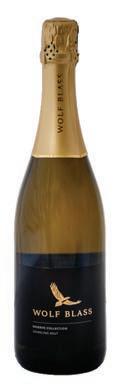
Wolf Blass Reserve Collection Sparkling Brut
Our Price $10 RRP $22
John Luke 2021 Heathcote Shiraz
Claymore Wines 2022 Clare Valley Rose
Price $10 RRP $22
Viscosi 2019 Red Hill Pinot Noir
Our Price $12 RRP
$37
Our Price $10 RRP $25
DIRECT TO PUBLIC MEANS YOU SAVE!
Wine Lovers Warehouse is the direct to public arm of our wholesale business specialising in restaurant, hotel, and function wines for over 17 years.


COVID-19 put a big handbrake on our wholesale business and so we made a decision to transform and stay alive, supported by our friends and the local community, which we will be forever grateful.
We opened the warehouse every week to the public, selling our wines and suppliers at trade prices and no retail mark ups. It is our commitment to remain open servicing the needs of our Wine Lover community into 2023 and beyond. Come along and say hello, grab a bottle or a case. Try before you buy at the Hastings store guarantees you will be satisfied with your choices.

WINELOVER.COM.AU
Chardonnay Our Price $12 RRP $25 Hidden Ridge King Valley Prosecco Our Price $10 RRP $25
Great Entertainer Sparkling White Our Price $10 RRP $16
Price $10 RRP $49 Try Before You Buy At The Hastings Store
Wolf Blass Altitude 2019 Adelaide Hills
Seppelt The
Opal Bay 2022 Margaret River Chardonnay Our
14 MORNINGTON-TYABB RD, TYABB
OPEN THURS, FRI, SAT & SUN 10AM TO 5PM
The Tyabb Packing House Antiques is home to more than 20 dealers, all specialists in their fields. Come along on the grand journey of the Tyabb Packing House, whose walls along with its tenants have many stories to tell.


If you love movies you’ll love SilverScreen!

Specialising in original old and modern movie posters, movie memorabilia, lobby cards and comics, along with difficult to find DVDs, Disney and Beatrix Potter, limited edition figurines and statues.


• Unique Home Decor • Manchester You’ll love this store! • Christmas Decorations • Tablewear TYABB PACKING HOUSE 14 Mornington Tyabb Rd, Tyabb P: 0417 596 781 I E: hello@whiteoutofthebox.com.au W: whiteoutofthebox.com.au Located at the • Gifts ...and more! tyabbpackinghouseantiques.com.au @ tyabbpackinghouseantiques.com.au ANTIQUES, JEWELLERY, FURNITURE,
COLLECTABLES & SO MUCH MORE AT THE TYABB PACKING SHED
&Antique. Garry Pakenham offers an eclectic
of
toys, and an extensive range of collectables. 0415
14
Tyabb
Unique
blend
coins,
322 464
Mornington-Tyabb Rd,
Thursday, Friday, Saturday, and Sunday 10am until 5pm al the Tyabb Packing House ANTIQUES, JEWELLERY, FURNITURE, COLLECTABLES & MORE AT THE TYABB PACKING SHED 14 MORNINGTON-TYABB RD, TYABB - THURS, FRI, SAT & SUN 10AM TO 5PM
Open


J. EDWARDS JEWELLERY TYABB PACKING HOUSE Ph 0458 991 212 • FB: jedwardsjewellery


JEWELLERY SERVICES • Wedding and engagement rings made to order • Remodeling using recycled gold • Repairs • Restoration • Personal designs My hours are Sunday 10 am to 5 pm By appointment during the week www.monicaszwaja.com.au | 0419 564 363 monicaszwa ja JEWELLERY DESIGNER AND MAKER BASED ON THE MORNINGTON PENINSULA Fellow member of The Gold and Silversmiths Guild of Australia I am under the umbrella of Deco Heaven. Visit us at shop 18 at the Tyabb Packing House Opening hours - Thursday to Sunday from 10 am to 5 pm Deco Heaven is having a 40% Sale www.decoheavan.com.au | 0418 513 971 14 Mornington-Tyabb Rd, Tyabb VIC 3913 ORDER NOW FOR CHRISTMAS


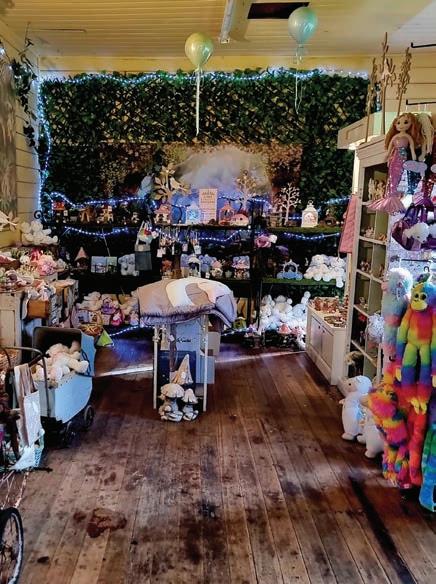


PENINSULAE ssence | 45 October 2023 visit TRUDI’S TYABB PACKING HOUSE - 14 MORNINGTON-TYABB RD, TYABB INSTAGRAM @trudi_s_place JIM BOLAND METAL ART Browse our range of vintage home-wares, antiques, metal art, metal sculpture, Christmas decorations and more!





The Science of Selling Awesome Men’s Stuff Visit the Best Men’s Gift Store in the Entire Universe! Now at the Packing House Village cookies beer cakes 1st Mornington Peninsula’s fully curated & dog approved menu including locally made dog safe beers, icecream, parties & lots of fun for doggie play time OPEN WEEKENDS www.missdrewsbakery.com.au DOG ONLY Café NEW! meaty muffins, treats and more! ANTIQUES, JEWELLERY, FURNITURE, COLLECTABLES & MORE AT THE TYABB PACKING SHED 14 MORNINGTON-TYABB RD, TYABB - THURS, FRI, SAT & SUN 10AM TO 5PM Peninsula Photos Archibald Prize opening at MPRG THE ON THE MORNINGTON PENINSULA & SURROUNDS
Yanni
Photos





‘For everything weird & wonderful Shop 14 in the village Insta @thecottageofcuriosity thecottageofcuriosity@gmail.com 14 Mornington-Tyabb Rd 0418 392 009 For all your Classic, ChristmasUnique Decorations ANTIQUES, JEWELLERY, FURNITURE, COLLECTABLES & MORE AT THE TYABB PACKING SHED 14 MORNINGTON-TYABB RD, TYABB - THURS, FRI, SAT & SUN 10AM TO 5PM Homes from $735k* NO stamp duty NO council rates NO hidden costs You’d be jumping for joy too. 1300 50 55 60 *Price correct as at September 2023. lifestyle communities
A TOUCH OF NATURE
Creating a biophilic home haven

The modern home design should be the expression of the way people imagine living their life and the way they envisage their homes will embrace a healthier life and a healthier state of mind for themselves and their families.

Charles Eames once said…“Design is an expression of the purpose”, but I also believe it should be an expression of thought and imagination. And as a modern home designer, it should be about how each individual project, invokes a spark of creativity and how we can best deliver the greatest of ideas to better the lives of our clients.
With current modern home design, increasingly people are seeking that tranquil space that allows them to channel that inner peace, and as a designer, the challenge of creating spaces that help our clients get closer to that Zen-like state is not something new to architecture.
This trend continues to blossom in the architectural and interior design world, trying to better connect people with the outdoors. Known today as biophilic design – the concept is not however new, as the modernist movement also encouraged to design spaces connecting inhabitants to fresh air and natural light.
Since early modernist architecture such as Frank Lloyd Wright’s ‘Falling Water’ and Mies van de Rohe’s ‘Barcelona Pavilion’, architects have been trying to connect their designs to their sites and creating the transparency of the built form to the natural world around them.
Integrating biophilic design philosophy in places where we live and work can enhance our well-being, especially as we spend more time inside and plugged into the virtual world rather than the natural world around us. Simply by incorporating some key biophilic design principles can dramatically improve your dream home design.
Light:
Orientation and the capture of natural daylight inside the home, infinitely contributes to the overall health and well-being of its occupants. Maximizing natural light through sensible and thoughtful design not only benefits people but also reduces energy consumption and our carbon footprint. Daylight changes throughout the day enhancing the visual comfort of its dweller and watching the light change and bounce through the home can cause natural patterns and forms, movements and shadows which can be an added feature to the design.
Air:
Natural ventilation is essential to human comfort and productivity. By incorporating cross ventilation, verandas, window shrouds, balconies, and larger openings, designers strive to bring encourage air flow, thus improving comfort. Also consider the orientation of your site and how the elements (wind) interact with your proposed design, thus selecting the appropriate location of outdoor areas by protecting them from the elements and making them more alluring.
Water:
Whether it is the sound of cascading water or the view of light shimmering off its surface, water is essential to life and embracing these features in our concrete jungles and can enhance overall wellbeing and health. A view of any water body or the incorporation of a fountain or even the smallest fishbowl can elevate our mood instantly and enhance the user experience within. The water element in any building has a soothing effect and the sound created by even a small fountain can reduce blood pressure and heart rate.
Plants and Animals:
If your site is lucky enough to have even the smallest amount of natural vegetation and flowering plants, this can be one of the most important elements of bringing the experience of nature into our built environment and by experiencing bird and wildlife from inside the home, we can create a sense of serenity through design which is often absent in the everyday urban environment.
As such, embrace this aspect with your house design and along with your landscape design, biophilic design principles can play an important role and help tranquilize our minds.
Considering all these factors, our team at Graham Jones Design take great care when presented with a new project, and ensure when visiting each and every site, we consider not only how our clients want to live in their dream home, but what opportunities their site may offer and how we can best harness and connect to them to create the best design solution.
Call us on 0477 394 864 and organise a time to come into our new office at 137 Shoreham Rd Red Hill.
At Graham Jones Design, we would love to chat about your next project and how we can bring your dream home to reality. We Design For Life!
W: grahamjonesdesign.com.au
48 | PENINSULAE ssence October 2023 ON THE MORNINGTON PENINSULA & SURROUNDS THE

LEARNING IN A SAFE ENVIRONMENT
At Woodleigh’s Penbank Campus, we know young learners need a safe environment – one where they can make mistakes, struggle and grow. This is especially true of our littlest students as they transition from home to new and unfamiliar school spaces.
What we also know about children is that they are knowledgeable, caring, and principled learners. We recognise their force as co-contributors to their learning, evidenced by growing interpersonal skills, critical and creative thinking skills, self-management skills – and sheer joy - as they move through our Early Childhood Centre as three and four-year-olds.
Our rigorous Early Childhood programming is inquiry-based, designed to engage and intrigue the curious mind, developing communication, social and problem-solving skills along the way. Woodleigh’s ECC is pedagogically diverse – it is academic, immersive, and, being set in a small-school environment, enables students to develop and test theories in real-life scenarios.
On Thursday mornings – rain, hail, or shine – our four-year-old children wrestle little feet into gumboots and wet-weather gear in front of the woodfire heater. A gumboot lost, another stuck, laughing, sharing, and frustrations abound, and everybody eventually wanders down to Bush Kinder.


Carrying the day’s essentials between themselves to a spot tucked into Penbank’s beautiful 35 acres, students spend a day tree climbing, cubby making, a picnic lunch and games aplenty. Tired and happy, they wander back to the warmth of the indoors to rest, read and play.

Penbank is a special and beautiful place for your child to begin their significant journey through school education. In an evolving world, and attuned to their own natural environment, your child’s voice, confidence and preparedness to grow are fostered here at Woodleigh Penbank Early Childhood.

W: woodleigh.vic.edu.au

50 | PENINSULAE ssence October 2023 ON THE MORNINGTON PENINSULA & SURROUNDS THE


PENINSULAE ssence | 51 October 2023 Book your place at one of our regular Information Sessions or Campus Tours www.woodleigh.school/enrol At Woodleigh’s Penbank Campus, every student is known and valued. Led by expert teachers, our focus on individual attention and personalised learning provides the guidance every child needs to thrive at school. ENROL NOW FOR 3 YEAR-OLD EARLY CHILDHOOD IN 2024 – enrol@woodleigh.vic.edu.au
HAVE YOUR POOL READY FOR SUMMER

With EL Nino on its way to Australia, now is the time to get your swimming pool and spa ready for your family’s enjoyment.
Don’t leave it till the last minute to turn on your solar system only to discover you have a sprinkler system on your roof rather than a solar collector. Take advantage of our warm weather and extend your swimming season by investing in an Aspire pool solar heating system. Solar collector is the most cost effective and sustainable way to heat any pool or spa.
Whether it be a commercial or domestic pool, the Aspire award winning rigid pool solar panel can be custom installed to maximise the roof space available. Located at our modern manufacturing facility on the Mornington Peninsula the Aspire pool solar panel is the only 100% Australian made single piece injection over moulded rigid solar panel on the market. Build from high impact, high UV polypropylene resin, these panels are tough enough to resist cockatoo attack and hail damage.
HOW IT WORKS.
A rigid pool solar panel works in conjunction with a low energy water pump and a solar controller. The controller monitors the panel temperature on the roof and the pool water temperature. When the panels heat up from the free rays of the sun the controller activates the pump and circulates the hot water from the roof and back into the pool. It’s that simple.
SUSTAINABLE PRODUCT.
With soaring electricity prices and the phasing out of gas supply to new homes there has never been a better time to invest into a more affordable and sustainable way to heating your swimming pool.
HEAT YOUR SWIMMING POOL USING THE FREE RAYS FROM THE SUN.
• Saves money by using the free natural rays of the sun.
• Most cost-effective and sustainable way to heat any pool or spa.
• Resistant to cockatoo attack and hail damage.
• 100% Australian made for Australia’s harsh climate.

• Custom build sizes to maximise roof space.
• Patented one piece injection over moulded polypropylene construction.
• Pool industry recognised and certified.


• After 20 plus years of useful life the solar panels can be 100% recycled.


Factory 6/1879
Frankston-Flinders Rd, Hastings
aspirepoolsolar.com
info@aspirepoolsolar.com

52 | PENINSULAE ssence October 2023 ON THE MORNINGTON PENINSULA & SURROUNDS THE
DON’T LEAVE IT TOO LATE, CONTACT ASPIRE TODAY FOR YOUR FREE MEASURE AND QUOTE. CALL NOW: (03) 5979 1043
ASPIRE POOL SOLAR PANELS.


ASPIRE POOL SOLAR PANELS


Voted by SPASA , National GOLD winner for the most Sustainable Product of the Year 2023.

Voted by SPASA, national GOLD winner for most sustainable product of the year 2023


BUILDING HOMES THAT MATCH YOUR LIFESTYLE, YOUR BUDGET AND YOUR VISION

Masterline Homes services the Mornington Peninsula and around Western Port Bay up to Phillip Island. Whether building your first, or fourth home, Masterline Homes has the blueprint to suit you.


Because our focus is to provide you with the home you want, we can change colour schemes to suit your personal taste. You can even design your own home for us to build. In contrast to many large builders, we will alter house plans and change the design to suit your block of land and your budget. Alternatively, you can provide us with your own plan if you prefer.
Our home design philosophies are born from our combined experience of 55 years in the housing industry, inspiration from our client’s input, paying attention to our client’s desires, and our adaptable approach to all important issues. We do our best to make the whole process a happy and exciting one.
Specialising in:


• New homes
• Knockdown and Rebuild
• Dual occupancy
•Duplex
From a dual-occupancy to a multi-unit development , Masterline Homes can handle all size projects as both the builder or developer.
All our projects can include our full homemaker pack (Turnkey), ready to move in, thus taking all the stress out for you.
Masterline Homes has built many developments ranging from a single unit in a backyard, to duplex dwellings and multiunit projects, specialising in residential property design and development, o ering an exclusive, yet a ordable collection of homes and town-houses to suit all buyers.
Using Locally based suppliers where possible, we can maintain a quality product while ensuring employment opportunities for the future. Building with Masterline Homes is a co-operative e ort between our company, our suppliers and you, our valued client.
Masterline Homes is a long-time member of the Housing Industry Association, the Master Builders Association and is registered with the Victorian Building Authority Reg # CDB-U 48889.

Benefits of choosing Masterline Homes for your next development:


• Flexibility in approach and design

• Dealing direct with the builder
• Getting the home you want
• Enormous range of colour choices
• Quality fixtures and fittings
• Designing your own home
A: 6 Milgate Drive, Mornington P: 5973 5611 E: sales@masterlinehomes.com.au W: masterlinehomes.com.au ON THE MORNINGTON PENINSULA & SURROUNDS THE
At FiRST Early Learning we believe that all children are unique and valuable members of our society. Every child is a capable learner, active in their own early learning journey.
FiRST educators are nurturing, dedicated and experienced. We create environments for every child that promote and encourage a love of learning, sense of security, wellbeing and diversity.
Our specialist programs enhance and build creativity, positive learning dispositions, mindful growth, confidence, social and emotional well-being, and physical and


cognitive development to fulfil growing minds and bodies.


We offer a government-approved Kindergarten based on the Victorian Early Years Learning and Development Framework led by experienced, Bachelor Qualified teachers. Our amazing program includes bush kinder, intergenerational programs and swimming lessons at no extra cost to families.


PENINSULAE ssence October 2023 PAKENHAM 5922 2040 ENDEAVOUR HILLS 9700 1922 HASTINGS 5979 2831 FRANKSTON SOUTH 9783 3390 NARRE WARREN NTH 9123 4452 info@fel.vic.edu.au
BEAU CENTRE DIRECTOR HASTINGS
AMY ASSISTANT DIRECTOR HASTINGS
KAYLA EDUCATIONAL LEADER HASTINGS
Due to our Hastings centre growth, we need more Diploma Cert lll educators to join our team. Call Emma 0414 062 891 or email your resume info@fel.vic.edu.au
OCTOBER’S BUSTLING WITH 70+ LOCAL SENIORS FESTIVAL EVENTS
This October, get out and join in the activities Mornington Peninsula Seniors Festival has to offer.


We’ve put extra care into curating a wonderful program of events. We’ve contributed more than $10,000 to support local organisations to deliver their own unique events under the Seniors Festival umbrella. We’re also providing free transport to three major events:
• Pre-festival Get Active Expo at Camp Manyung, 28 September
• Melbourne LGBTIQ+ Elders Dance Club at Collingwood Town Hall, 8 October
• Get in the swing of it (comedy and dance show) at George Jenkins Theatre, 28 October.

Our local Seniors Festival Event Guide includes all events and activities put on by local clubs, groups and organisations as well as Shire services. You will also find pre-festival and post-festival events that inspire and bring community together. Pick up a copy of your guide at our customer support centres, any community centres, libraries or view it online.
Bookings for all events can be made through the Mornington Peninsula Shire website.

 W: Mornpen.vic.gov.au/seniorsfestival
“In partnerships with many local clubs and groups, we have created a rich and diverse selection of events for seniors to enjoy this spring.”
Mayor Councillor Steve Holland
“With a range of free or low cost activities, the festival will cater to different tastes and interests, and bring people together.”

56 | PENINSULAE ssence October 2023
PENI NSULA SE N I O R S
Councillor Lisa Dixon, Peninsula Advisory Committee for Elders
Mornington Peninsula Seniors Festival 2023
Learn, Love, Live
Seniors Festival will be in full swing on the Mornington Peninsula over the month of October.
With more than 70 events on offer from nature walks to comedy shows, exercise classes and social games, open days, movie nights, singing workshops and more. The Seniors Festival event guide features a diverse range of free or low-cost events.

The Shire is providing free transport to three flagship events including:
• Get Active Expo, 28 September Camp Manyung, Mount Eliza
• Melbourne LGBTIQ+ Elders Dance Club, 8 October Collingwood Town Hall
• Get in the swing of it, 28 October (comedy and dance show)
George Jenkins Theatre, Frankston
Pick up the event guide at your local Mornington Peninsula Shire Office, community centre or view it online.
Get the guide at mornpen.vic.gov.au/seniorsfestival
GREENWAYS: A NEW LIFESTYLE
How do you choose a retirement village? For some it’s location. Or facilities. Services. For others its low maintenance. Or new home features. But for most, it’s the promise of a thriving, social, welcoming and supportive lifestyle that is so important.

Greenways Retirement Village offers a lifestyle few can match. It boasts an active, fun and happy community in bayside Seaford, the gateway to the Mornington Peninsula. Being one of the few privately owned villages in Victoria, it puts people first, and has done so for over 45 years. This means that the opportunities to socialise, meet new friends and get involved at the village are encouraged and supported at all levels.

At the heart of the village, the Greenways Community Centre is always busy. Residents come together regularly for a cuppa, an activity or to share a meal in the village restaurant. Residents embrace the many activities on offer as well as events, fundraisers, market days and cocktail parties (to name a few!).
So, whether it be dining events or themed functions such as Scones & Songs, Australia Day BBQs, Anzac Day Ceremonies, Spring Carnival celebrations, or Village Fashion Shows. Or regular activities such as a trivia competitions, birthday celebrations,
bingo, movie afternoons or games groups. Or, for the sports lovers, there’s a private village bowling green and club house, regular indoor bowls sessions, pool/billiards and the village fitness centre. Whatever your interest. Greenways could be just the right fit for you.
Choose from newly refurbished one, two and three bedroom villa units or the convenience and ease of one bedroom apartments within close to the village club centre. Apartments start from $304,000 and villa units from $378,000.
A: Frankston-Dandenong Road, Seaford
P: (03) 9786 8679
W: greenwaysvillage.com.au
58 | PENINSULAE ssence October 2023 PENI NSULA SE N I O R S


Safe,secureandfullofthemostwonderful people.Staffandresidentsalike,the peopleof Seeitforyourself.Comevisit,talktothe peoplewholivehere.We’recertainyou’llbe Lifefeelsgood Safe,secureandfullofthemostwonderful people.Staffandresidentsalike,the peopleof GreenwaysVillagearecaring,supportiveand lifelongfriendshipsarereadyforthemaking Seeitforyourself.Comevisit,talktothe peoplewholivehere.We’recertainyou’llbe makingnewfriendsinnotime. 330FRANKSTON–DANDENONGROAD,SEAFORD3198 (MELWAYSREFERENCE99K6)WWW.GREENWAYSVILLAGE.COM.AU CALLUSTODAYON0397868679 “Thereisjustnothing likebeingsurrounded bygoodpeople”
A TOUCH OF LUXURY AND EXCEPTIONAL CARE IN THE HEART OF MOUNT ELIZA
John Matthies and his family have been designing awardwinning, luxury boutique residential accommodation for people requiring aged care for more than 60 years and are among Victoria's longest-serving providers.
John is no stranger to providing care for people. His mother was a registered nurse, and back in the ‘60s they often had people who needed care but wished to stay in their family home. Her passion was ensuring that each resident received exceptional care, and she passed that commitment on to her children.
The values John inherited from his mother remain around the residents’ care. Treat people how you like to be treated, and he carries this principle with him today in every aspect of being a leading aged care service provider.


John and the Australian Aged Care Group Pty Ltd’s vision is to give the community a premium, hotel-style aged care residence, together with superior care. AACG’s facilities give people highquality, state-of-the-art accommodation they would love to reside in at the heart of the community they currently live in, making it easier for family and friends to visit regularly.
These premium facilities are designed for people who are more accustomed to high-end comfort and can spend their golden years enjoying these comforts without sacrificing their lifestyle. These are all things John looks forward to enjoying himself one day.
Considering the Matthies’ impressive family history, the company's motto

‘Exceptional Care Built on Solid Foundations’ is evidenced by its continued success, with Mt Eliza Gardens Aged Care opening soon.
Call for more information.
Mt Eliza Gardens Aged Care is a brand new luxurious, 141 suite state-of-the-art aged care facility, located on the Mornington Peninsula and scheduled to open in November 2023.

The prestigious facility is part of the family-owned Australian Aged Care Group Pty Ltd (AACG), which prides itself on innovation in caring for the aged with a mission to excel in providing quality care services and accommodation.
Mt Eliza Gardens is architecturally designed with premium hotel-style accommodation that embraces older Australians in a place where they feel most comfortable, while still living in their local community.
Features include:
n Single, spacious rooms/suits with ensuite bathrooms and comfortable living area
n Ageing in place programs
n Larger suites with fully equipped kitchenettes and lounge area for premium style of living

n Spacious lounge, sitting and dining areas
n Individually controlled heating and air conditioning in every room/suite
n Telephone, Foxtel and Netflix connection points in every room/suite
n Ample undercover car parking
n Courtyard and outdoor garden sitting areas
n Covered pedestrian walkways
n Hairdressing & Beauty Salon
The facility has been purposefully designed with careful attention to detail in the quality of the living environment and services provided. It will be staffed to meet the increasingly discerning standards demanded by our ageing population. The multi level facility will provide care to residents with ageing in place programs offering all levels of care, as well as consulting suites for medical practitioners and allied health professionals. We also offer a dedicated Memory Support Unit. The spacious and elegant facility consists of several separate wings, adjoining central lounges, café, bar, reception centre and provides an extensive range of services to assist residents in remaining active and engaged.
n Chapel (non-denominational)
n Gold Class Cinema
n Café and Bar
n Physiotherapy room and large Gym
n LED TV screens in every room/suite
n Dedicated bus for resident outings
n Wi-Fi
n Private Dining Room for special occasions
To discuss your individual requirements and experience the Mt Eliza Gardens Aged Care lifestyle firsthand, please phone (03) 8001 8000 or visit our website mtelizagardensagedcare.com.au
60 | PENINSULAE ssence October 2023 PENI NSULA SE N I O R S
Mt Eliza Gardens Aged Care 235 Canadian Bay Road, Mt Eliza Victoria (03) 8001 8000 mtelizagardensagedcare.com.au AUSTRALIAN AGED CAR E GROUP Exceptional Care Built on Solid Foundations PTY LTD
09288_AACG Mount Eliza Gardens 192x126mm Advert_PFO.indd 1 18/9/2023 4:12 pm
John Matthies, Managing Director of Australian Aged Care Group
P: 9600 0828


2 bedroom units from $375,000 Contact Us www.centennialliving.com.au 1300 098 000 TOP RATED VILLAGE SCAN ME A Retirement Village with a HolidayLifestyle AFFORDABLE, HIGH QUALITY UNITS A friendly village with a beautiful seaside location!


62 | PENINSULAE ssence October 2023


PENINSULAE ssence | 63 October 2023
HOW MUCH IS ENOUGH FOR MY RETIREMENT?
After 15 years as an adviser, I can tell you that planning for retirement is different for everyone. We all have a different set of objectives and resources available for both financial and life investments, and varied tolerance for risk when investing.
As retirement gets closer it becomes overwhelming. You need to look at all the options on hand and develop a plan of attack that works for you. Being realistic and thinking about outliving a nest egg and going into aged care must be part of the plan. We move from pre-retirement where we want to maximize our balance, to retirement where we want to maintain our capital for income and legacy.
Mike Tyson once said, “Everyone has a plan until they get punched in the mouth.” Being flexible is mandatory in this day and age.
If I had a dollar for every time a client had asked me how much money I need in retirement, I would be retired!!! It all depends on the level of comfort (aka expenses) you are used to. I am fortunate to work from all four of our offices and I can tell you there is a definite difference in level of comfort. It costs me more to buy my lunch in the Mornington office than it does in the East Brunswick office.
First, we need to look at what our expenses are likely to be. By this time all debt and capital (renos, cars etc) have been taken care of so, it is now about living and enjoying life.
What do the researchers say?

Cashflow
According to the Association of Superannuation Funds of Australia’s Retirement Standard, to have a ‘comfortable’ retirement, single people will need $45,962 pa and couples 64,771 a year based on you being a home owner.
If we look at the age pension a single person receives $25,678 and a couple 38,708.80pa plus supplements.
Lump Sum
The Association of Superannuation Funds of Australia’s Retirement Standard says to have a ‘comfortable’ retirement, single people will need $545,000 in retirement savings, and couples will need $640,000 based on you being a homeowner.
The Retirement Budget & Cashflow
This is your current budget, which considers all your present-day income and expenses. While you should have some idea as to what you will need to save per month based on your retirement goals, you also need to make sure that you have that money to save. It is a good idea to put retirement savings as a line item in your budget, just like food and shelter costs, so that you can set aside those funds every month.
A: Level 2/326 Main St, Mornington W: apartnerinplanning.com.au
HAVE YOU BEEN PUTTING OFF RETIREMENT PLANNING? WE DON'T BITE
64 | PENINSULAE ssence October 2023
PENI NSULA SE N I O R S


Encara is pleased to announce a new Dementia Rehabilitation program for people over the age of 65 living with Dementia in the communities of the Mornington Peninsula Shire and the City of Casey.


The program is free of charge to eligible participants and is fully funded by the South Eastern Melbourne Primary Health Network (SEMPHN).
The in-home Dementia Rehabilitation program aims to improve access to allied health-led rehabilitation activities to support independence and well-being. Led by a team of allied health professionals, the program combines therapeutic interventions, education, and personalised care, integrating allied health with holistic modalities, including art therapy and music therapy.
The program includes:
• Expert team of caring professionals specialised in dementia care

• Personalised interventions to promote independence and quality of life
• Home visits by Occupational Therapists to assess and support daily living activities
• Podiatry assessment and ongoing therapy for comfortable footwear and overall foot care
• Physiotherapy sessions to improve balance, strength, and mobility;
• Access to additional allied health services, including Dietetics and Speech Therapy
• Ongoing care plans post-program
• Aromatherapy, Art Therapy and Music Therapy
• Ongoing education and support for participants and their families
Enquire or make a referral at contacts below.
P: 1300 761 965
E: dementia@encara.com.au
W: encara.com.au

PENI NSULA SE N I O R S MOBILE ALLIED HEALTH - HELPING PEOPLE LIVING WITH INJURY, ILLNESS, PAIN AND DISABILITY 1300 761 965 dementia@encara.com.au www.encara.com.au Personalised Intervention Weekly Allied Health Therapy Dementia Education We Come To You Non-Clinical Therapy Practical Advice for Families & Carers Unlock potential and enhance well-being.
In-Home
Rehabilitation
Scan here for more information online *Free to eligible residents living in the City of Casey & Mornington Peninsula catchments. This program is funded by South Eastern Melbourne Primary Health Network.
Free* 12 Week
Dementia
Program
RETAIN YOUR INDEPENDENCE
With a tailor-made Acorn Stairlift you can stay right where you are. Keep your home and your freedom.


At Acorn we want to make sure that you get the perfect stairlift solution for your needs. Your home is a cherished part of your life: a place to welcome your family and friends, to entertain, enjoy and simply relax. So, why let getting up and down your stairs stop you from having a fully independent lifestyle?
Our unique rail system means that we can fit an Acorn Stairlift to all types of staircase, and what’s more, we can do so within a matter of days rather than weeks. A visit from one of our friendly surveyors will allow you to see what sets Acorn Stairlifts apart from other stairlift companies. After assessing your needs, our surveyor will instantly be able to give you the peace of mind of knowing exactly how affordable an Acorn Stairlift can be and an Acorn Stairlift can be fully fitted for you from as little as $5500!


Acorn has always been at the forefront of the stairlift industry. We have led the way with our design and innovation and are the first to be awarded the Arthritis Foundation’s Ease-of-Use Commendation. W: acornstairlifts.com.au


PENINSULAE ssence | 67 October 2023
A LIFE OF LOVE AND LAUGHTER
Peter and Kathleen O’Connor have been married for 63 years and are looking forward to getting a card from King Charles for their 65th anniversary.
“I surely deserve a medal for putting up with him all these years,” laughs Kathleen.
The couple (pictured), both 85, receive a Government-funded home care package through Uniting AgeWell and get help with the housework and assisted shopping. Peter has mobility issues while Kathleen has arthritis and an irregular heartbeat.

“It’s my fault,” jokes Peter. “I still make her heart beat faster!”
Kathleen has written her autobiography and loves reading and playing Wordle, while Peter enjoys playing on the computer and growing veggies in their little garden.
Uniting AgeWell Andrew Kerr Care Home Care Program Manager, Ruth Crawshaw, understands the incredible pull the Mornington Peninsula has on those lucky enough to live here. “The beaches, the gum trees, the beauty of the area – of course people want to live at home for as long as they can,” says Ruth.

The home care team supports people to maintain their independence and live safely at home through a range of home and community-based services.
“Our Care Advisors work with clients to tailor services suited to their individual needs, ensuring they get the most out of their package. This may include home modifications, such as the installation of ramps, the purchase of mobility aids, or help to get out and about,” explains Ruth.
To find out more about Uniting AgeWell’s services, or a career on Mornington Peninsula with the not-for-profit organisation, phone 0499 594 889 or our friendly staff on the office number below .
Local care and support tailored just for you with Uniting AgeWell
Help at home
Get assistance with personal and clinical care, household chores, assistive technology and transport
Community support and wellbeing
Remain connected with social groups, outings and carer services.
Independent living
Maintain an independent lifestyle in one of our vibrant retirement living communities
Residential care
Specialist 24/7 care and support and respite stays are welcome. Andrew Kerr Care Community in Mornington offers generous, stylish spaces, well appointed bedrooms and a vibrant lifestyle program.
Call the Uniting AgeWell team today to find out how we can support you to live well with choice, independence and peace of mind as you age.
1300 783 435
unitingagewell.org
68 | PENINSULAE ssence October 2023 PENI NSULA SE N I O R S
Living well with choice and peace of mind
P: 5975 6334
WHEN CHOOSING A LIFT FOR YOUR HOME, CONSIDER THESE FACTORS FIRST


In addition to size, travel distance and price, the following factors should also influence the final decision.
Location – Finding a location for a lift in an existing floor plan can be challenging. A lift with a hinged door needs space for the door to open and circulation space around it on both levels. This significantly increases the total floor area required. By not having a door, a RESiLIFT fits into almost any home and allows easy access for people with walkers and wheelchairs.
Minimising the distance to the lift from frequently used rooms will increase user convenience.
Operation - Some lifts are fully automated which means that the user must be fully enclosed during operation. This begs the question of how to evacuate in the event of a power outage. Alternatively, non-automatic lifts, such as a RESiLIFT, require the operator to control movement with continuous pressure on the button to travel. This style of lift also requires a key to be inserted allowing the owner to isolate the lift when they are unable to supervise it.
Servicing – Most lift companies require a maintenance contract consisting of services every three or six months. Because of the
simple design, RESiLIFT only requires annual service as per the Australian Standard. Unlike most other consumer products, once you install a lift, you will be dealing with the same company for years to come. So, make sure you choose a reputable company that provides good customer service.

PENINSULAE ssence | 69 October 2023 resilift.com.au ENJOY YOUR HOME FOR LONGER Install Australia’s most affordable residential lift Add convenience, safety and value to your home Easily installed into existing and new homes Single/Dual entry options Different sizes and colours available Call 1300 303 522
P: 1300 303 522 W: resilift.com.au
HELPING YOU WITH ALL YOUR HEARING HEALTH NEEDS
Peninsula Hearing Aid Centre was established in 1952, founded by Alan Vines, father of the now owner and director of the business, Fiona Vines.
Alan built and ran a successful business before youngest daughter Fiona joined the practice after completing her Certificate 4 Diploma of Audiometry at R.M.I.T. (Royal Melbourne Institute of Technology) in 1987.
As a team, Alan and Fiona continued to build and work this successful practice together, desiring to deliver quality independent hearing services to families of the Bayside and Mornington Peninsula regions before Alan’s retirement transitioning the business to Fiona after 15 years working together. Sadly, Alan passed away in 2021.
Moving ahead to 2018, Taylah has continued the family tradition by being the third generation to join Peninsula Hearing after completing her Bachelor of Health Sciences and Masters of Audiology at La Trobe University, Melbourne in 2015.
Since, Taylah has strived further in the hearing industry becoming a state sales manager for Victoria and Tasmania, and while this role is busy and demanding she still on occasion works as a clinician at Peninsula Hearing.
As the practice continues to be busy, the decision has been made to bring on board another audiologist to help Fiona and Taylah.
After much consideration, Peninsula Hearing is pleased to welcome Nick Petersen. Nick holds the same values as Fiona and Taylah in offering personal hearing care.
Nick has worked locally on the Mornington Peninsula for 15 years, helping people with their hearing needs. Nick was so excited to join Peninsula Hearing as he is all about offering the most personalised service to clients, the fact that Peninsula Hearing is an independent family-owned business is the perfect environment for him.
We welcome all our existing clients and all new clients to come into our clinic and allow Nick, Fiona and Taylah to help you with all your hearing health needs.

A: 18 Davey Street, Frankston
P: 9783 7677
W: penhear.com.au
Positive Ageing on the Peninsula – Community Conversations
Want to shape the community you live and age in? Want to connect with like-minded people and find out what programs and supports are available?
If you’re 55+, a family member or caregiver, support worker, service provider, community group or involved with seniors in any way, we invite you to join us in conversation.
Each event will include:
• presentations from local groups
• a Positive Ageing Strategy update
• a community conversation around ageing well on the Mornington Peninsula

• a free lunch
Wed 8 Nov, 10am – 1pm
Hastings Community Hub
1973 Frankston-Flinders Road
Mon 13 Nov, 10am – 1pm
Rye Civic Hall, 12 Napier Street
Wed 15 Nov, 10am – 1pm
Peninsula Community Theatre
91 Wilsons Road, Mornington
Book your free tickets over the phone or online: 5950 1765
8 Nov mornpen.vic.gov.au/communityconversationshastings
13 Nov mornpen.vic.gov.au/communityconversationsrye
15 Nov mornpen.vic.gov.au/communityconversationsmornington
For more information: mornpen.vic.gov.au/positiveageingconversations
70 | PENINSULAE ssence October 2023
PENI NSULA SE N I O R S


Having Problems Hearing? Peninsula Hearing Aid Centre can help you • No Referral Needed • Pensioners and Veterans Fully Subsidised Services • Diagnostic Hearing Assessment • Free Hearing Screens • Wax removal • Tinnitus Management • Hearing Aid Fitting & Rehabilitation • Assistive Listening Devices & Accessories • Hearing Aid Adjustments • Custom Ear Plugs • Hearing Aid Repairs & Services Contact us to arrange your FREE hearing assessment and hearing aid sound demonstration. WE CAN HELP WITH ALL YOUR HEARING HEALTH NEEDS 18 Davey Street, Frankston • Ph: 9783 7677 • www.penhear.com.au FREE EASILY ACCESSIBLE ONSITE PARKING with DISABLED ACCESS We offer home visits for those unable to travel to the clinic. SPECIAL OFFER Ear wax removal reduced to $90 (normally $120)
SUPERBLY CRAFTED RETIREMENT LIVING
Inspired by some of Australia’s most celebrated, heritage-listed retirement properties, Peninsula Lifestyle Retirement Village is designed to be both beautiful and practical.
With gardens and walking paths arranged around the beautifully appointed clubhouse, its pedestrian-friendly village layout connects residents to friends and neighbours, and to the village’s social hub.
You’ll revel in the benefits of smartly designed one- and twobedroom villas in a keyless swipe-to-enter gated community set among stunningly landscaped gardens.
The Peninsula Lifestyle Retirement Village delivers retirement living at its best.


Discover a boutique, familyfriendly, comfort-plus lifestyle village – with just 46 Villas that’s what Peninsula Lifestyle Retirement Village in Baxter offers. Each Villa offers retirement luxury living with Caesarstone benchtops, air conditioning, built -in-robes, double glazed windows, high ceilings and European appliances. Share stories with other residents over a cuppa in the community centre or get creative with those who share similar interests.
Whether it be a craft morning, a game of indoor bowls, darts, billiards or simply enjoying a movie or sports event on our big screen. Tone up in the gym, while away hours in the potting shed and raised vegetable gardens or simply relax with a book from the library. Discover Independent Living with a sense of community complete with security for peace of mind. There’s something for everyone.
72 | PENINSULAE ssence October 2023 PENI NSULA SE N I O R S
W: peninsulalifestyleretirementvillage.com.au
Lamble Tours is a family - owned travel business, for over 27 years we have provided extensive touring experiences and happy memories for individuals and groups.
Our itineraries aim to please and are informative and pleasurable holidays for all levels of ability. There are no hidden extra costs.

LAMBLE TOURS emphasises the importance of taking out travel insurance and also please ensure you check your policy for COVID19 coverage.

With a Lambles Tour you will make new friends, and will travel with like minded - people.
Included in a Lamble Tours holiday is a home pick up and return service (metropolitan area)

For piece of mind and convenience, your holiday commences from the time we pick you up at your front door.
W: lambletours.com.au
THE FOOTWEAR SPECIALIST
Whether we are called Seniors, Elders or mature aged we face the same issues of gradual reductions in our stamina, bone density, muscle strength and energy levels.
The newly launched Brooks Ghost Max shoes offer maximal cushioning and protection through a bio-mechanics- driven approach to provide a protected, effortless run and walk experience that will give you great foot comfort, balance stability and energise your feet.


The Brooks Ghost Max footwear is specifically designed to reduce plantar fascia strain and reduce forefoot pressure when you walk. The Glide Roll Technology and optimised bending stiffness with its low heel to toe, 6mm offset drop and soft mid-sole lowers pressure underfoot and reduces how hard the calf has to push off the ground while reducing the potential of heel pad and heel spur pain.
Bayside Shoes offers an extensive range of orthotic friendly and supportive footwear as part of their “foot solutions” model supported by their friendly, professional staff to assist in making a difference to your health.
A: 103 Railway Parade, Seaford (disability, free parking, wheel chair ramp)
H: 10am to 5pm Mon to Fri & 10am to 3.30pm Sat
P: 03 9785 1887
W: baysideshoes.com.au
Relax, Enjoy & Discover!
NEW TOUR
COST: $1,260
Per person twin share/double Single supp $260.00

Cherry Season. Over the next few days we visit the historic Iandra Castle, Rustic Maze & Country Garden, Poppa’s Fudge and Jam Factory, Hawkesbury Kelpie Farm, Harden Art Silo, Allambie Cherry Orchard to purchase cherries directly from the orchard and enjoy afternoon tea with Cherry Pie Lamble Tours 2024 Holiday Program
Currrently in the pipeline with many new destinations that will be listed in next edition and soon to be updated on our website
COST: $2,790
P/P Twin share/double Single supp $566 $200 Deposit by 27/2/24
PENINSULAE ssence | 73 October 2023 WELCOME TO LAMBLE TOURS BAYSIDESHOES.COM.AU I 9785 1887 I 103 RAILWAY PARADE, SEAFORD RECOMMENDED B Y PODI ATRISTS. NEW BROOKS GHOST MAX SHOES BAYSIDE THE ‘LARGEST’ SHOE STORE ON THE PENINSULA $20OFF ANY BROOKS SHOES ON PRESENTATION OF THIS AD OFFER ENDS 30/11/23 www.lambletours.com.au INCLUDES HOME PICK UP & RETURN (Metro area) Ph: 0418 853810 for detailed itinerary Email: lambletours@bigpond.com 8 DAY AUTUMN ADELAIDE ON THE OVERLAND & SA TOUR 4 DAYS YOUNG NSW CHERRY TIME Sunday 14Sunday 21 April 2024 There is nothing quite like travelling by rail, and The Overland operates a day(Red Premium Class) Melbourne to Adelaide &return journey. We tour in a luxury coach for our 6 Night stay at the Adelaide Rockford Hotel.Touring Adelaide, the coastal town Victor Harbor, a journey to Port Elliot on the Cockle Train and vist Port Adelaide. Includes : Accommodation - breakfasts evening meals, lunches as per itinerary, guided tours & entrance fees. Tuesday 5 – Friday 8 December 2023 Welcome to our short holiday to Young during its annual
Focus On
Rye
on Rye is a seaside resort town, approximately 83 km south of Melbourne, on the Mornington Peninsula. Its bay beach is popular with swimmers, fishermen, yachtsmen and kite surfers. Rye has an area of 14.7 km².
Rye median house price is $1,100,000. Rental median price is $550pw.
The coastal town of Rye is situated on the popular holiday destination of the Mornington Peninsula, nestled between Rosebud and Blairgowrie.
Point Nepean Road is Rye's main thoroughfare, running parallel to the town's bay beach. The main concentration of shops is located east of Dundas Street and includes a hotel, eateries, a major supermarket and other retailers.
Rye's main beach, fronting Port Phillip, offers safe sandy beaches, ideal for swimming and boating. There is a jetty, several boat ramps, and attractive foreshore facilities with picnic areas, shelters, playgrounds and walking tracks.
Around a kilometre west of the Rye Jetty is an outcrop of land called White Cliffs. At the base of the cliffs is a reconstructed old Lime Burners Kiln - a reminder of the mid-1800s when the extraction of lime was the area's primary industry. Scenic views along the coast can be enjoyed from a lookout above the kiln.
Rye extends southwards across the narrow width of the Mornington Peninsula in this area, right down to the coastline fronting the open waters of Bass Strait. The Mornington Peninsula National Park spans the foreshore here, consisting of scenic walking tracks, rocky coastal features, dunes and pockets of sandy beach. A pathway and steps extend from Tasman Drive down to the sandy bay at Number 16 Beach
Coffee Safari


Population of Rye is 9,438 (2021 Census).
If you enjoy snorkeling, you can hire gear locally and then head for the Octopus’s Garden at Rye Pier. This is a 200 metre underwater trail with signage introducing you to the underwater wildlife.
Rye also has an impressive ocean beach, where you can experience an exhilarating horse ride. There are magnificent walks along the clifftops that form part of the 25 kilometre Coastal Walk.
Rye was proclaimed a town on February 26, 1861 and is partly in the parish of Wannaeue but mainly in the parish of Nepean, which is west of Government Road and Weeroona Street. The township extends south to the southern boundary of the cemetery, with its east and west boundaries being Weir Street and Dundas Street.
In the early years of settlement, Rye was known for lime burning, wood cutting and fishing industries. The building of Melbourne was under way, and the lime burnt from stone kilns at Rye was transported by dray, then barge, onto small sailing vessels. The lime industry gave employment to wood cutters, quarry men and lime burners and a settlement soon developed.
Rye had the natural bounty provided by the bay and ocean beaches. Fish were in great abundance and provided a living for some families. As well as putting food on the table for many others, the rocky edges at the ocean beaches were a rich source of crayfish, and the bay held a multitude of species.
Freshly brewed coffee is a must-have for weekends. Here are a few places to check out when you're in this beautiful part of the world.
Freaky Tiki, Rye
SHOP 14/2185 POINT
NEPEAN ROAD
Tucked away in a side street with a very unassuming shop front, you'll think you've traveled back to the 60's! Outstanding breakfast menu and great coffee. Gluten free options.
Seastore Café & Bar
2353 POINT NEPEAN ROAD
Specialty Coffee in a special location, quickly becomimg the go-to place for coffee breakfast, brunch & lunch. Now offering crafted cocktails, Jetty Road Brewing on tap, and a vibrant coastal menu.
Aqua Blu Café
2115 POINT NEPEAN ROAD
Contemporary & stylish family owned and operated, serving Little Rebel coffee. Children and fur baby friendly. Delicious fresh food made daily. Indoor & outdoor dining.
Captains of Rye
2285 POINT NEPEAN ROAD
A wide selection of culinary delights, to meet all manner of dietary needs and desires. The perfect location for all day breakfast, wifi and CommonFolk coffee.
*Check with each business for individual trading information.

74 | PENINSULAE ssence October 2023
What to do


The coastal town of Rye is a popular holiday destination with everything you could want within walking distance. Brimming with great cafes specialising in breakfast and lunches, fantastic restaurants, its wonderful foreshore with sandy beaches ideal for swimming, boating, and finishing, and Rye’s Up! Community made, fully fenced playground runs parallel on either side of the town’s main thoroughfare, Point Nepean Road. Many visitors and locals enjoy picnics along the beautiful foreshore reserve. During summer, the Rye Carnival arrives guaranteeing loads of fun for the whole family. World class golf courses are within a few minutes’ drive of the main township and two hot spring venues are also nearby.


PENINSULAE ssence | 75 October 2023
Photos Yanni
1. Salute
5. Rack up
9. Under water
12. Show of courage
16. Visual, ... or tactile
17. Wake-up bell
18. Vanish gradually (4,3)
20. Beholden
22. Chimneys
23. Small pod vegetables (5,4)
24. Bishop's chair
26. Twins zodiac sign
27. Futuristic fiction (3-2)
28. Distribution
31. Run after
32. Long-winded speaker
34. Stand-in monarch
36. US anti-crime agency (1,1,1)
37. Thumbing ride
40. Nursery rhyme, Polly Put ... Kettle On
42. Reclines
43. Fable writer
45. Sycophant (6-2)
47. Hayseed
49. Maintains
50. Tropic Thunder's Robert ... (6,2)
52. Leading lady, prima ...
54. Couturier, Yves ... Laurent
55. Chilean mountains
56. Lengthy movie
58. Just right
59. Gangsters, Bonnie & ...
60. Hyphen
61. Rich soil
62. Of kidneys
63. Egyptian cobras
64. Funeral vehicle
Scalp
94. Suspect's defence
95. Raised rows of knitting 96. Furnace 97. Tourist
100. Jealousy 102. Horse fodder 103. Tiny birds 104. Nightclub
106. Gloat
108. Belonging to us
109. Tavern
110. Abdominal muscles
112. Travelled
116. Global navigation system (1,1,1)
118. Actually
120. ... & papa
121. Former Australian PM, Kevin ...
123. Remained
125. Welsh emblem
126. Leftover bit
127. Depend
128. Started golf match, ... off
129. Military store
130. Twelve-monthly, per ...
131. Swindle
132. Unzipped
134. Summonses
136. Inflammable liquid
139. Fabric fold (3,5)
141. Appreciates
142. Alaskan politician, ... Palin
144. Circuit board item 146. Frenzied 147. Played again 148. Yearning 149. Directs (operation) 151. Coach
152. Scrape together (leaves) (4,2)
155. Tantalises
158. Dried coconut kernels 159. Echo
162. Pinch (nose)
164. Expression of rebuke (3-3)
165. Local person 166. Plateau
170. Artist, ... Picasso
171. Escapologist, Harry ...
172. Paler
173. Sudden overwhelming anxiety
174. Deadly sin
175. Persecutes (5,2)
176. Affirmative replies
177. Elected 178. Mice
1. Ramblers' well trodden routes
2. Furthermore (2,8)
3. Absolute (disaster)
4. Endeavours
5. Document attachments
6. Keenly excited
7. Overfill
8. Wield (sword)
9. Plant, ... vera
10. Suffers
11. Health inspector's concern
12. Nightly ritual, ... story
13. Distressing problems
14. Plentifully
15. Available at premises (2-4)
19. Hot drink dispensers
21. Fibreglass insulation strip
25. Roman LXXX
26. Stuffs oneself
29. Comperes
30. Lower leg bracelet
33. Every second year
35. Decency
36. Temperature scale
38. Enforces solitude on
39. French emperor, ... Bonaparte
41. Minor quakes (5,7)
42. Director, ... Howard
44. Dolphin group
46. Big dipper, ... coaster
48. Deplore
49. Massages
51. Stoat-like animal
53. Unrevealed suitor, secret ...
55. Electric socket converter
57. Automobile
60. ... & don'ts
65. Magician's chant
66. Fume-filled
70. Take in (orphan)
71. Stubbornly
73. Wide Mexican hats
75. Commotion (2-2)
76. Blackmail
77. Singing voice
78. Getting
83. Asian fruit, star ...
84. Drawbacks
85. Increased
86. Russian rulers
89. California fracture line, ... Andreas Fault
91. British award (1,1,1)
92. Unkindly
96. Edible organs
98. Dispute, call ... question
99. Republic of Ireland
101. Beer-fermenting organism
103. Caused (havoc)
105. Lubricant container (3,4)
107. Logos
111. Article authorship (2-4)
112. Flowering quince
113. Sprinters
114. Adulates
115. Sot
117. Persuades mentally, ... up
119. Bottle top
120. Ponder
122. Brown sugar type
124. Product promos
132. Festering sores
133. Beaver-built barrier
134. More rainy
135. Spittle
137. Decimal number
138. Dodged
140. Disliking foreigners
141. Rock-clinging mollusc
143. Celebrity chef, ...
Blumenthal
145. Mats & napkins (5,5)
150. Reappear (2-6)
153. Food preparing room
154. S American republic
156. Performed (role)
157. Teaspoon
158. Occur (4,2)
160. Actor, ... McGregor
161. Canned fish
163. Raps
166. Nervous twitches
167. Prejudice
168. Tightly-curled hairstyle
169. Loose earth
76 | PENINSULAE ssence October 2023
67.
parasites 68. Oh no! 69. Good Friday period 72. Mr & ... 74. Senator 78. Archaic 79. Poem 80. Sphere 81. Remote, off the beaten ... 82. Follows text 85. Say 87. Baby grand 88. Offensive youths 90. Insane, ... mentis (3,6) 91. Yacht pole 92. American air force (1,1,1,1) 93. Jewish pastor
DOWN ACROSS Corner Puzzle
See page 89 for solution
PENINSULAE ssence | 77 October 2023
• No more mud in your gutters
• No more vermin or birds in your roof


• Protect your most valued investment


-your home, your building
• Gutters stay clean - no more cleaning


• Save money and cleaning time
• 28 year guarantee
*Valid Until 31/10/23
Conditions apply
78 | PENINSULAE ssence October 2023
Kinfauns – A Cavalcade Of Characters
By Lance Hodgins
Kinfauns is a luxury housing estate which dominates the landscape between Hastings and Bittern. For well over a century the land passed through the hands of a succession of interesting characters.
David John Ham
Captain Ham turned to his men. “That’s it. We’ve won today. Grab a couple of hours sleep.”
Their faces were black and grimy, their skin was scorched, and their throats burned red-raw. They slumped to the ground where they stood. All day long they had prepared for the enemy, which had rushed past the town of Hastings and swept up the hill to the homestead.
They had stood with their backs to the house, and fought like demons with their water-soaked hessian bags. The fire then turned inland and joined with another to level the properties around the Balnarring Racecourse before settling south of Bittern.
Darkness had fallen and so had the wind. The temperature, however, did not. That Wednesday in mid-January 1898 it had been 110°F in the shade and everyone knew there was more to come.
Daybreak brought a southerly wind change and Warrenda was again under attack. The men moved the valuable contents of the house into the garden, burned a new break, and once more steered the flames around them.
When news reached the township of Hastings that “Ham’s place was safe” there was great satisfaction. D J Ham was a popular and influential member of the community. Still in his thirties, he was a councillor and Shire President and a strong supporter of the local cricket and football teams. He held the rank of Captain in the local military corps and was responsible for the master-stroke of using bullocks to haul the huge 40-pounder guns – leading to its nickname the “Ham and Beef Battery”.
Ham was the well-educated son of a Ballarat politician. He was a superb sportsman and he spent his early years on horseback on cattle stations in Queensland and New South Wales. Soon after the fire at Warrenda he went to the Boer War where, as Major Ham, he commanded his troops with notable success. After the war he conducted a successful business in South Africa for several years.

People believe that Ham named his property “War-ender” to commemorate the end of this war, yet the Boer War ended in 1902 and D J Ham’s address was Warrenda when he married in 1894. It is more likely that he named it after the prominent “Warrenda” cattle station in Queensland which he would have encountered whilst working in the outback as a young man.
continued next page...
PENINSULAE ssence | 79 October 2023 History
Above: D J Ham
Hugh
Aloysius Hunt
Ham was not the first to own this property. The honour goes to Hugh Aloysius Hunt, an Irish immigrant who owned a hotel in the countryside at Moorabbin.
The 18 year-old Hunt had first come out to Australia with his family in the early 1850s. Tragically, his father died on the voyage and the family returned to their native Tipperary. It was not until ten years later that Hunt, now a married man, would emigrate again.
He was obviously well financed as he bought the Plough and Harrow hotel on the main road at South Brighton and the surrounding acres of land. He bought several other properties, but pride of place belonged to the sprawling 600+ acres overlooking Western Port Bay that he selected from the Crown.
Hunt built a cottage there in 1866/7 and advertised for fence splitters and agistees. He obviously had an attachment to the property as he soon joined notable settlers Tuck and Downward on the Flinders Road Board – the forerunner of the Flinders Shire Council. A road was named after him.
Hunt passed away just before his 50th birthday, and the land was sold to Caleb Kennett in 1883.
Caleb Amos Kennett
Kennett bought the land from Hunt’s widow for £2049 – or about $2 million in today’s money. It was clear that he could well afford it. During Melbourne’s gold rush years the teenager had applied his skills as a butcher and twenty years later his Sandridge (Port Melbourne) slaughterhouse was one of the city’s largest.
As well as Hunt’s property he also bought the adjacent land where the town of Bittern would later develop. This had originally been selected from the Crown by Mark Young, owner of Frankston’s Pier Hotel, and William Heelan, the local coach driver. Kennett now had a parcel of almost 1,000 acres.
Kennett also owned many grazing properties on the edge of Melbourne and when he died in 1888 he left an estate of £25,000 (nearly $25 million today). His trustees managed the Bittern land for some time afterwards and it not was not until six years later that Ham moved in – on January 1 1894 – and established his Warrenda.

80 | PENINSULAE ssence October 2023
Above: Map showing Hunt’s property
Friedrich Wilhelm Sudholz

When D J Ham left for South Africa in 1902, the 1373 acres of Warrenda was on the market. By year’s end, the property had been bought by a newcomer to the district - one F W Sudholz.
Sudholz was a German immigrant who had established a successful cropping farm, Amby Park, near Horsham in the Wimmera. He was a popular resident of that district and served on several committees, including a term as Shire President.
Sudholz was a very clever man and his ideas frequently turned up in the patents office. He developed a combined winnower powered by a horse on a treadmill, and set about manufacturing them in Horsham. High transport costs, however, forced him to move his factory to Footscray in 1899.

The business flourished and Sudholz continued to sell his machinery throughout Victoria. His son had been left to manage the Wimmera farm but his death in a horse accident brought on a new phase in his business activities. In 1902 Sudholz sold Amby Park and embarked on a speculative spending spree at Western Port.
As well as the sizable Warrenda estate, Sudholz bought up everything in the district he could lay his hands on. He amassed a sprawling portfolio of almost 3,000 acres stretching from Bittern to Hodgins Road and inland to Coolart Road.
Sudholz settled on Warrenda and, despite his 60 years, involved himself in community affairs as president of the Hastings Mutual Improvement Society. But five years later, his intentions became clear - the large Sudholz holdings were being broken up and auctioned. There were town lots near Hastings and Bittern and farms ranging from 25 to 500 acres.
The sales brochure was appealing. Prosperous farms were already dotted in all directions on “splendid flats with rich dark soil and gentle undulations of fertile, easily worked loam”. The climate was “the most equable and pleasant in Australia” and water was “sweet, pure and abundant”. There was also a homestead - “a superior 11-roomed weatherboard villa in full command of seascape scenery.”
It was clear that Sudholz was leaving the district as a clearance sale included several draught and buggy horses, numerous ploughs, harvesting machinery and 2,000 sheep.
The grand sale took place on December 10 1908. There was a large attendance but very few buyers and only one of the farm lots was sold. A year later, the homestead, its contents and the bulk of the farmland were offered again for auction as the owner was “leaving the state”. In fact, Sudholz was living in Brighton and running the local Bowling Club. He died there a couple of years later.
continued next page...
PENINSULAE ssence | 81 October 2023
Above: F W Sudholz
Below: Advertisement for Sudholz machinery
John
Lawry Parkes
Warrenda next became the home of J L Parkes, his wife Emmaline and their seven children.
Parkes was a Londoner by birth and a son of the superintendent of the Bank of Australasia, one of the largest and oldest banks in Australia, a forerunner of the ANZ.
On his 21st birthday in 1887, Parkes learned that his father had been killed in a massive train collision in Melbourne. His share of the financial settlement helped establish him in Warragul as a stock and estate agent, and the young auctioneer shared in the land boom of the district.
He expanded into Melbourne and joined the firm of Morton and Coghill which conducted many auctions on the Mornington Peninsula, including parts of the Sudholz estate. This firm had underwritten a large woollen mill planned for the banks of the Warrengine Creek, but when that venture folded, Parkes moved his family into Warrenda.
His impact on the Hastings community was immediate. In 1908 he founded the Westernport Progress Association which sought to attract industry to Western Port by hosting bay trips for parliamentarians and even the Governor of Victoria. When the Great War broke out, however, it was clear that the government had different priorities and Parkes’ great project was put on hold. It would be another 50 years before his dream was realised.
In 1916, Parkes hosted his daughter’s wedding breakfast at the homestead and then made an announcement: he was selling the farm to a Melbourne syndicate and moving to Mentone. The property sale was messy and complex, and before it was completed he passed away.
His widow Emmaline continued to subdivide Warrenda, keeping 50 acres next to the Creek where she built a house for herself and her five children who were still at home. In 1929, a small cottage was built on the main road where two of her daughters, Alice and Marjorie, conducted tea rooms for five years until they were married.

82 | PENINSULAE ssence October 2023
Below: J L Parkes and family at Warrenda 1913
Harry Stacey was a senior accountant for Kynock’s, the large ammunitions and armaments manufacturer in his home town of Birmingham. His work frequently took him overseas, particularly to Australia where he developed relationships with many politicians and military top brass.
After a visit in 1908, he became a strong supporter of a naval base at Crib Point and he bought up land in the area, including the farm Triton which surrounded Hann’s Inlet. He knew that the inlet was an ideal place for the planned submarine and destroyer base.
Stacey subsequently sold this land to the navy and, with the profits, proceeded to buy up land in the district, keenly promoting it as the future “Portsmouth of the South”. He subdivided the triangle where today’s Bittern Primary school is, forming the basis of Bittern township with a general store and post office.


He also bought several lots of the old “Sudholz estate”, the main one being the 773 acres of Warrenda. Stacey had travelled back and forth between England and Australia five times before finally settling there with his wife and family and re-named the property New Triton.

Farming life was not for the Staceys, however, and they eventually left the property.
continued next page...
PENINSULAE ssence | 83 October 2023
George Henry (Harry) Stacey
Above: Stacey’s New Triton 1920.
SPREAD YOUR ADVERTISING ACROSS THE PENINSULA Book into the next issue Call Andy 0431 950 685 andy@mpnews.com.au
Kenneth Arthur McLean


The next owner of Warrenda was a war hero.


Dr Ken McLean was a young medical graduate when he went to WW1 in 1917. He earned a Military Cross at Villers-Bretonneux for evacuating wounded soldiers whilst under military fire and, two months later, won a second MC for treating critically wounded soldiers under heavy enemy shelling.

After the Great War, Ken returned to civilian life as a specialist in sexually transmitted diseases. He became interested in racehorses and in his first foray into ownership he had amazing success. He was a half owner of Textile which won the Caulfield Cup in 1927.
Ken married Ann Hay Carstairs in 1929 and continued to own several horses. He named one of them Kinfauns, after the Scottish village in which his wife was born.
In the mid-30s the McLeans bought Warrenda. It was re-named Kinfauns and run as a grazing property by Ann’s sister and her husband.
Ken was president of the Athenaeum Club and a member of the VATC committee for 25 years. Locally he was captain and vice president of the Peninsula Country Golf Club.
When WW2 broke out, Dr McLean was a Squadron Leader in the Royal Australian Air Force. By then, however, the McLeans had sold Kinfauns to the Home family.





AWNINGS CANOPIES TRACK BLINDS ROOFING SYSTEMS CUSTOMISED EXTERIOR SHADING Shop 8A, 1-13 Mornington, Tyabb Rd Mornington. PH: (03) 5975 9366 info@shadesofaustralia.net.au www.shadesofaustralia.net.au GIFTS with individuality HOMEWARE, GIFTS, KITCHENWARE & SOUVENIRS 79 Main Street, Mornington www.ideasbythebay.com.au 5977 0708 SHOP ONLINE WITH CLICK & COLLECT
William John Home
W J Home was one of the longest practising solicitors in the State of Victoria. He had founded the legal firm of Home and Lowry in the early 1900s and was well known in court proceedings as a formidable industrial advocate.

A keen pennant golfer, Home was life member of Riversdale Golf Club and, in his younger days, was prominent in the State amateur championships. When he bought Kinfauns in 1939 he dreamed of having his own golf course one day and, in later years, this almost became a reality.

WJ Home and his wife Melina May moved into “the big house on the hill” and the youngest of their three adult children, John, was made property manager.
John (“Jack”) Home was newly married and he and his new bride, Beverley, took up residence in the house near the Warrengine Creek where Emmaline Parkes had once lived. In 1943 they had a daughter, Diana, who became a prominent sportswoman in the district. The Kinfauns Pastoral Company was set up and Jack ran the property as a first class grazing concern.
W J Home passed away in 1951 and “Nanna” Home lived on in the old homestead for several years. But the 1950s and 60s were years of change and there was widespread talk of major industrial growth in the Western Port region.
In 1969, after thirty years of ownership, the Home family sold Kinfauns to BHP for $1.5 million.


PENINSULAE ssence | 85 October 2023
Above: W J Home on the golf course
Wrapped Deliciousness! Whittakers have been making the very best chocolate since 1894. Kiwi House stocks over 20 different flavours. There’s something to suit everyone.
• Carrying out servicing and repairs to all makes and models (specialising in BMW) • Courtesy cars available • BMW specific knowledge base of well over 20 years • Dealer level servicing at independent prices 201 Mornington Tyabb Road, Mornington E BMservice01@outlook.com T (03) 5976 3633
page...
7/90 Main Street Mornington (Walk through Mall)
continued next




86 | PENINSULAE ssence October 2023 Above: Kinfauns in 1957 To subscribe phone Mornington Peninsula News Group on 03 5974 9000 or complete the details below. $60 twelve month subscription (12 issues) or $40 six month subscription (6 issues) Name ....................................................................................................Ph.............................................................................. Address ..............................................................................................................................Post code.................................. Visa Mastercard Card number .......................................................................Exp......./..........CVC............. Post to Peninsula Essence Subscriptions PO Box 588, Hastings Vic 3915 6 AND 12 MONTH SUBSCRIPTIONS ARE NOW AVAILABLE Select the subscription period then each month, Peninsula Essence magazine will be mailed to you in a sealed plastic bag. Handingpeninsulathe to you each month! FREE MAY2023 PENINSULA Living&VisitingontheMorningtonPeninsula STARLIGHT,STARBRIGHT TheMountMarthaObservatory;oneofa networkofregisteredglobalmonitoring stationsofnight-skylightpollution. SeedsOfChange•PearlsOfWisdom•ArtOnTrend•IslandPilot MyHeartLivesInMyGarden•TheUniversityOfArthursSeat FREE JUNE2023 PENINSULA Living&VisitingontheMorningtonPeninsula AtherresearchanddesignlabinHastings scienceAylaShepherdusesherpharmaceutical mindtohelpentrepreneurKagan Williamsformulateauniquetoothpaste. ComeOnEileen•APierTooFar SeaGlassInspiration•CloseKnit•TheMayorOfSomers Bedshed Mornington registered NDIS provider #4050046901 * savings off recommended retail price FREE MARCH 2020 PENINSULA Living & visiting on the Mornington Peninsula Strictly Mercurio Fixer Uppers Spirit Of Adventure Sustainable Fashion The Tale Of An Ancient Mariner • Making An Impact Celebrating Culture Healing Harmonies Colours Of White Seafood Dream Team From Bo le To Board • Dalywaters Mr Planck, Sir PENINSULA ESSENCEMARCH 2020 LIVING VISITING ON THE MORNINGTON PENINSULA Front Cover_MAR 2020.indd All Pages


PENINSULAE ssence | 87 October 2023
AWARDS OF EXELLENCE 2023 Best Mobile Service Business Mornington Peninsula Home D3/1128-1132 Nepean Hwy, Mornington VIC 3931 | (03) 5976 4334 www.swimart.com.au 976 Nepean Highway, Mornington, 03 5975 4433 morningtonmg.com.au / morningtonhyundai.com.au Gerry 0419 833 733 / gerrym@peninsuladg.com.au Gerry Marciny is back in Mornington where it all began in 1980 at Peninsula Holden. Visit Gerry and find your next new or used car at Mornington Hyundai / MG.
Above: The industrial land of Western Port 1972
Richardson and Johnson
Finally, in 1988, Kinfauns was bought for $2.7 million by the Heritage Cove Consortium, a group of Frankston based companies headed by Ian Richardson and Roger Johnson.
Although the land could be sold in 17 industrial lots, the new owners had other ideas: an international golf course resort with condominiums, a retirement village, and 127 rural residential allotments - something that Japanese investors might be interested in.
This would, however, require a major zoning change and in May 1989 the Ministry for Planning and Environment held a two-day independent hearing. It agreed that a golf course would provide a satisfactory buffer between the townships of Hastings and Bittern.

When Hastings Council backed the plan, conservation groups became alarmed. They wanted to see all of Kinfauns become a largescale public park. Local environmentalist Brian Cumming accused Council of being deceitful and being “in a close twinkle toes embrace with the developers.” Council prepared a libel suit against him and he promptly apologised.
Cumming continued to be outspoken, however, predicting there would be “screams of anguish from residents when the bulldozers destroy this area of woodland.” Some councillors tried to fiddle with density zonings and public land requirements which merely served to prolong the process and was seen as delaying tactics by the developers.
1989 was almost over when the Minister approved Heritage Cove. It had taken just over a year and the developers were way behind schedule. Japanese interest had failed to materialise and the sale of a few neighbouring blocks was not enough to stem the tide, which was rapidly going out. The accrued debt blew out to a reported $7 million and ESANDA slammed shut the door and resumed title.
Donald Charles Hodgins

There followed a long delay and ESANDA held an unsuccessful auction. Finally, in May 1994, Don and Hilde Hodgins bought the land for just under $2 million.
Don was already a successful orchardist, contractor and land developer in the district and a significant contributor to the community. He was a fourth generation resident of Hastings which, at that time, had a high percentage of public housing and was held in low esteem by many outsiders. When Don purchased the site, he made a commitment to "balance the social scales" and he aimed at a higher socioeconomic market.
Geoff Nicol, a former Shire planning officer, was employed as project manager and negotiations were begun with a Council liaison committee and various community groups. A very thoughtful and imaginative design evolved.


The Kinfauns Estate comprised 172 allotments over an area of around 200 hectares. There were some ten-acre blocks but most were about two, irregular in shape, and set around a meandering road pattern with Sandstone Island Circle as the main roadway access.
continued next page...
Ceramics Exhibition & Sale


Friday 3rd November 5-7pm
Saturday 4th November 9-4pm


88 | PENINSULAE ssence October 2023
Dromana Community Hall 2A Verdon St, Dromana
• PRAMS • NURSERY • CAR SEATS • AT HOME/ PLAY BATHING & CHANGING • CLOTHING & FOOTWEAR • FEEDING HEALTH & SAFETY • MANCHESTER SHOP 107 MORNINGTON VILLAGE 241 MAIN ST MORNINGTON babygoodswarehouse.com.au Ph 5977 0966 SEE INSTORE FOR SOME GREAT SPECIALS
Bayside Bolts & Steel stock a wide range of products for all your needs. We can also source fasteners in various sizes, metals, coatings and head drives for your application.


•
•
•
•
•
•
•
•
•
PENINSULAE ssence | 89 October 2023 1/6 KENJI STREET MORNINGTON PH: 0407 126 548 OPENING HOURS: MON - FRI 7AM TO 5PM FREE LOCAL DELIVERY
RHS / SHS
ANGLE
ROUND
SOLID
FLAT
SHEET
BOLTS
NUTS
WASHERS
•
•
•
•
•
•
•
•
•
SCREWS
FIXINGS
NAILS
CUTTING
FOLDING
PUNCHING
FABRICATION
WELDING
DELIVERY
NEW
HOURS MON-FRI 7AM-5PM
STEEL • ALUMINIUM • STAINLESS STEEL
TRADING
MILD
Above: Aerial view of the Kinfauns Estate 2003
Very little remained of the old homestead which, over the years, had been unoccupied and progressively looted. An old oak and conifer still stood, the latter being used as a promotional Christmas tree for a while. Both have since gone, replaced by 150,000 indigenous plants. The old tea rooms on the main road served as the headquarters of the development and later became the information centre for the Park. It has since been demolished.
Although the Kinfauns Estate met all environmental constraints and had considerable green space, it continued to face public opposition – as had the earlier proposals. There were still people who felt it should remain farmland, or a public park.


The normal public open space contribution of five percent was far exceeded. The developers gave over 100 acres between the railway line and the Bay, and another 132 acres inside Kinfauns – all of which contained significant vegetation. To ensure that those areas were maintained and properly managed, they volunteered a percentage of the sale price received from each lot. Five years later at the close of sales, this totalled almost $1 million which funded a committee of management, later to be called “Friends of the Park”.
In Kinfauns, Don Hodgins sought to create an estate which had character and at the same time respected the environment surrounding it. His success in achieving that vision is not only a credit to one man’s determination but also a fitting final chapter in the story of those who had gone before.


Eyewear As Individual As You Are


90 | PENINSULAE ssence October 2023
Left: (l to r) Hilde Hodgins, Charlotte Stacey, friend and Don Hodgins at Kinfauns
128 Ocean Beach Rd, Sorrento m: 0438 537 757
e: marlenemiller3@bigpond.com
Specialising in antique jewellery, as well as newly-made jewellery by Melbourne’s top jewellers
Now stocking Paul Taylor Eyewear 7/68 Barkly Street, Mornington


Don’t miss out on a 5-star retirement at Village Glen Retirement Community. As soon as you move in at Village Glen, you’ll feel right at home in this warm and welcoming retirement community on the magnificent Mornington Peninsula. Enjoy a rich and fulfilling lifestyle in our resort-style village, with world-class amenities including a 9-hole golf course, bowling green, temperature-controlled indoor pool, newly completed lounge, cinema and library, and much more! WWW.VILLAGEGLEN.COM.AU 335–351 Eastbourne Road, Capel Sound VIC 3940 FOR MORE INFORMATION CALL US ON 03 5986 4455 “Why didn’t I move in sooner?”

