PENINSULA

FREENOVEMBER 2022
Living & visiting on the Mornington Peninsula Fifty Not Out • Paddock To Posy • Master Of The Arts • Peninsula Darklands Good As Gold • A Century Of Change - The Merricks General Store



PENINSULAE ssence | 3November 2022 NOW’S THE TIME FOR A BRAND NEW 5983 5348 balnarringdentist.com.au Call now to book your COMPLIMENTARY ALL-IN-5 consult with one of our dentists SPECIAL OFFER ALL-IN-5 for the same price as All-in-4
contents
HRISTMAS 2022


Gift IdeasGift Ideas


Writers: Andrea Louise Thomas, Joe Novella, Andrea Rowe
Photography: Yanni, Gary Sissons
Creative: Sam Loverso, Dannielle Espagne
Publisher: Melissa McCullough Advertising: Ricky Thompson, 0425 867 578, ricky@mpnews.com.au
Anton Hoffman, 0411 119 379, anton@mpnews.com.au
Phone: (03) 5974 9000
Registered address: 63 Watt Road, Mornington 3931 W: peninsulaessence.com.au
FB: @peninsulaessence
Insta: @peninsulaessence
All material is copyright, and may not be reproduced without the express permission of Mornington Peninsula News Group, or the original copyright holder in the case of contributions. Copyright of contributed material rests with the contributor.
Disclaimer: The authors and publisher do not assume any liability to any party for any loss, damage or disruption caused by errors or omissions, whether such errors or omissions result from negligence, accident or any other cause. This publication is not intended as a substitute for the medical advice of physicians.
The reader should regularly consult a physician in matters relating to health and particularly with respect to any symptoms that may require diagnosis or medical attention.
Peninsula Essence is produced monthly. 30,000 copies (mix of home delivery and bulk dropped at an extensive network of outlets across the peninsula).

Cover photos may be purchased via yannicreative.com.au/peninsula-essence-covers
This product is from sustainably managed forests and controlled sources. www.pefc.org

The Rainbow Lorikeet is a common species of Australian parrot found all along the eastern seaboard. It is prevalent on the Mornington Peninsula all year round with numbers increasing during breeding season, between August and January.

10. Fifty Not Out
Cricket, like the vast majority of sporting endeavours, has traditionally been seen as a young person's sport. All that has changed now and people over 50 are seeking more active lifestyles with sport playing a major part. Veterans’ cricket is one of the fastest growing activities in Victoria with over 1400 regular players.
16. Paddock to Posy Nature inspires creativity and nurtures beautiful blooms in a scenic pocket of farmland at Boneo, where fresh picked creations evolve from paddock to posy. Dawn and Martin Allen run Peninsula Wildflower, where they’ve bloomed a business into a respected Mornington Peninsula creative institution that locals love.
Leading Arts
22. Master of the Arts
Mount Martha artist David Glyn Davies draws, paints, sculpts, is a stone mason and makes and restores leadlight and stained glass. Born in Essex, England, to parents who loved orchestral music and the arts, he says ‘interesting family holidays’ likely influenced his becoming an artist.
28. Peninsula Darklands Darklands, a feature film written and produced by Mount Eliza couple, Christopher Gist and Sarah Mayberry, is shot entirely on the Mornington Peninsula, yet it’s not the peninsula we know and love; it’s somewhere much darker.
Eat & Drink
38. Good as Gold Executive chef at Deoro by the Bay, Rob Stenson, loves making seafood sing. His first job was at his local fish and chip shop and now he’s back at the water’s edge. It’s not just his seafood that’s superb, all of his dishes are delicious. Owners Steve and Elisha Danielsen say, “Rob’s big bold flavours will blow diners away!”
Focus On
54. Focus on Mount Martha Historical facts, café recommendations and what to do in one of Victoria's most popular peninsula holiday destinations.

History
58. A Century of Change - The Merricks General Store
Today’s Merricks General Wine Store is a well-known, well-patronized restaurant on the corner of Frankston- Flinders Road and Thompsons Lane. Its present appearance makes a marked contrast to the plain, weatherboardfronted building that was erected a century ago as a general store for the surrounding farming community.
Every Month
6. Peninsula Styles 43. Recipe 56. Crossword

4 | PENINSULAE ssence November 2022
Proudly published by
PEFC Certified
Cover image by Yanni
54 ISSUE 80
51 43


OZ DESIGN FURNITURE
The Mowen dining table is our new season showstopper, with its beautiful on-trend design fit for any home. Constructed from durable concrete to form a curved flower shaped base, this round dining table can seat up to six guests and be styled both indoors and outdoors. Showroom D4, Peninsula Home 1128 – 1132 Nepean Hwy, Mornington 03 8560 1137 ozdesignfurniture.com.au
PROVINCIAL HOME LIVING
Celebrate Christmas in style – the Provincial way. A fabulous wreath for the front door, beautiful baubles for the tree, elegant table decorations, twinkling lights and our famous bonbons…you’ll find everything to make this Christmas your best one yet. Shop in store or online.

147 Ocean Beach Road, Sorrento 03 5908 4299 provincialhomeliving.com.au
PENINSULA Styles
PRODUCTS FROM THE PENINSULA WE'RE SURE YOU WILL LOVE
J EDWARDS JEWELLERY
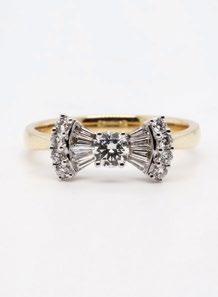
Add some sparkle to your life with this GIA Certified emerald ring weighing 3.33 carats, surrounded with 1.58 points of diamonds.
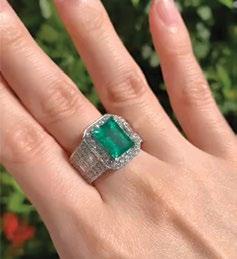
Tyabb Packing House 14 Mornington-Tyabb Road, Tyabb 0458 991 212
FB: jedwardsjewellery
KUSTOM TIMBER
Kustom Timber’s Peninsula range of engineered European Oak flooring is inspired by the unique coastal beauty of Victoria’s Mornington Peninsula. The four colours are full of character, featuring natural knots and grains that bring warmth and texture to a home.

1/4 Torca Terrace, Mornington. kustomtimber.com.au Insta: @kustomtimber

6 November 2022

What's on?Upcoming Peninsula Events

NOV 4-27
FRONT BEACH BACK BEACH
Through film, sculpture, sound, performance and installation this multi-sited event will commission leading Australian artists/collectives to respond to fifteen sites and stories that have shaped the Peninsula. fbbb.com.au
NOV 19
EMU PLAINS MARKET
One of the region’s coolest and most popular outdoor attractions, the Emu Plains Market in Balnarring is a celebration of the Mornington Peninsula’s unique culture, creative artisans and diverse producers.

emuplainsmarket.com.au
NOV 6
MATTHEW EVANS: SOILS- THE UNTOLD STORY
Join us as chef, Gourmet Farmer and author of SOIL, Matthew Evans, takes us on a journey into the wonder of the underland. diggers.com.au

NOV 24
BINGO, BEERS + BEVVIES
This monthly event incorporates a round of trivia (the trivia topic being chosen by the winners from the previous month. No experience needed, all welcome. Doors open and drinks serving from 4pm. escape.beer
That’s why we’ve been nurturing trusted connections with our employees, clients, residents and their families for nearly 30 years.
Through our range of tailored aged care services, we are committed to helping people realise their wellbeing goals and lead meaningful lives.

We focus on every person as an individual so we can provide the best possible care and help them find the smile in every day.
Talk to us today and discover the Regis difference.
* Check with venue for any restrictions.
NOV 12
BACKBONE
Backbone examines the various perceptions of what strength is, where it comes from, and how it is measured. This frenetic celebration of human interconnectedness will test the limits of strength: physical, emotional, individual, and collective.

thefac.com.au
NOV 26
FRANKSTON’S CHRISTMAS FESTIVAL OF LIGHTS

Filled to the brim with all the magic, wonder and joy the season brings, this free event will have live entertainment, Christmas performers and carols, activities for the kids, and of course the chance to meet Santa.
discoverfrankston.com

8 | PENINSULAE ssence November 2022
*NOVEMBER '22
regis.com.au | 1300 998 100
Regis Rosebud 1 Wyuna Street, Capel Sound VIC 3940 SCAN TO DISCOVER REGIS ROSEBUD At Re gis, we believe a good life is built on great relationships.


AWARD WINNING HOMES BUILT FOR LIFE beachstonehomes.com.au © 2022, Beachstone Homes. All rights reserved. Beachstone Homes logo, and images are subject to copyright laws. All other trademarks are the property of their respective owners. K44-Oct22 WINNER 2021 HIA Eastern Victoria Custom Built Home $1.5 $2 million Beachstone Homes, a boutique design and builder of custom homes, is honoured to be nominated for the upcoming HIA 2022 Awards Victoria for Custom Built Home ($750,001 to $1 million). This contemporary home provides the perfect environment for a growing family. The sleek exterior was achieved by combining acrylic render, metal standing seam and hardwood timber shiplap wall claddings wrapped around large raked and butt-joined windows - allowing natural light to flow through the entire home. The interior exemplifies the modern vibe offering a refined style with subtle hints of luxury including large voids, raked ceilings, feature timber staircase, brick surround fireplace, polished concrete floors, reeded glass, shower skylight and large floorto-ceiling windows opening the living out to the deck and pool. Contact Beachstone Homes today to see how they can assist you with your dream home. © CDB-U 61486 CCB-L 61268 FINALIST 2022 HIA Victoria Custom Built Home $750,001 - $1 million info@beachstone.com.au
FIFTY not out
By Joe Novella Photos Gary Sissons
For most of us over-50's, it has been a long time since we rolled the arm over, or hit one over the boundary for six. Cricket, like the vast majority of sporting endeavours, has traditionally been seen as a young person's sport. But times have changed, and nowadays cricket is finding a new and eager participation base amongst our more senior citizens, keen to don the whites and reap the benefits of a more physically active lifestyle.


A generation ago, turning 50 meant thinking about retirement and maybe slowing down a little. People in their 60's and 70's were spending their retirement days crossing off bucket list items like travelling around Australia or the world. Physical activity a generation ago wasn't an important part of getting older, and for those who did want to keep active, the choices were limited to long walks or sports that were easy on the joints and not too taxing on the lungs.

continued page 12
At Woodleigh, we challenge young people to be adventurous with their learning – to take risks, to go beyond their comfort zone and break new ground. When young people have choice to pick their own path, their school journey is more challenging and more rewarding. This is how they learn to thrive.

To learn more about Woodleigh School, scan the QR code below, or email our Enrolments Team –enrol@woodleigh.vic.edu.au
www.woodleigh.school/enrol

PENINSULAE ssence | 11November 2022
BOOK YOUR PLACE AT ONE OF OUR REGULAR INFORMATION SESSIONS OR CAMPUS TOURS
All that has changed now and people over 50 are seeking more active lifestyles with sport playing a major part. Sports like football, soccer, netball, swimming and cricket have experienced major growth in their Master's categories with both male and female participants. Veterans’ cricket is one of the fastest growing activities in Victoria with over 1400 regular players in three age groups: over 50's, 60's and over 70's. All play in competitions conducted by Veterans Cricket Victoria. And the Mornington Peninsula is a hot spot for this growth with many ex-players who had well and truly called stumps on their careers now finding a new lease on their sporting life with the Mornington Peninsula Veterans' Cricket Club.
The Mornington Peninsula Veterans' Cricket Club (MPVCC) was founded in 2009 by a dedicated group of individuals, keen to get out and about and enjoy the game they loved in their younger days, albeit at a slower pace and with a stronger emphasis on the social aspects of cricket. The Peninsula seemed an ideal place to start the MPVCC with its ageing population, many of whom were looking for ways to maintain fitness and be part of a community of like-minded people.


From small beginnings, the MPVCC has grown to a membership of 60 with two over 50s teams, an over 60s and an over 70s team. Whilst the main aim is to have a bit of fun and enjoy some camaraderie and time with friends, there are some competitive representative levels that the more serious players can aspire to play, including playing for your state and country. The MPVCC has within its ranks a number of very handy cricketers who have represented Victoria in various National Championships for veteran cricketers, while six have represented Australia in international fixtures against England, New Zealand, South Africa, and the West Indies. Former AFL legend Dermott Brereton is a regular in the over 50s team.
Despite the lure of representative honours, you don't have to be a superstar to play. The MPVCC welcomes players of all abilities, because playing veterans sport is a social experience as well as being a competition. Players enjoy regular weekends away and social events that players and their partners can enjoy. Lifelong friendships have been re-established with old cricketing mates through playing the sport and new friendships made. And of course there's the added incentive of being able to have a yarn


12 | PENINSULAE ssence November 2022
Becoming part of a club provides a sense of belonging, connection and community that is often lost as we age and lead more sedentary lifestyles
THE MORNINGTON PENINSULA’S MOST ICONIC DESTINATION FOR
STAY
AND PLAY46 London Bridge Road, Portsea Victoria Golf: (03) 5981 6155 | Hotel: (03) 5981 6100 portseagolf.com.au continued page 14
DESIGN FURNITURE MORNINGTON


OZ
with mates over a cold beer after a day's play in one of the best parts of Victoria.

In fact, there are a lot of positives to playing sport in our senior years despite the aching bones and cramps. From a mental health point of view, becoming part of a club provides a sense of belonging, connection and community that is often lost as we age and lead more sedentary lifestyles. There are also many physical benefits to playing sport: "Improvement or maintenance of balance and coordination, fitness through running and, very importantly, focus and concentration, which in turn helps to slow down cognitive decline," said Michael Boulton, Secretary of the MPVCC.
And it's not just ex-players that join up to play veterans' cricket. The MPVCC draws its members from a range of communities across the broader Frankston and Mornington Peninsula area and from all backgrounds including some members who have never picked up a bat before. Everyone is welcome and the whole objective is to have fun. Joining won't break the bank either with the club charging a modest fee of $50 to become a member.
The growing interest in Women’s Cricket has resulted in Veterans Cricket Victoria starting a competition for women over the age of 40. Hopefully, one day soon, the MPVCC will have enough interested women to start a women's team on the Peninsula.


If you're keen but a bit unsure of the merits of getting out of that recliner and onto the field, take a drive by the nets at Alexandra Park, Mornington on any Friday from October onwards and you'll see a bunch of old blokes doing what they loosely describe as 'practice'; but in reality they are living life to the full through the sport they love.
If you are keen on joining in, or would like to know more, please email Michael Boulton.
mbou2030@bigpond.net.au

14 | PENINSULAE ssence November 2022
SPREAD YOUR ADVERTISING ACROSS THE PENINSULA Book into the next issue Call Ricky on 0425 867 578 ricky@mpnews.com.au



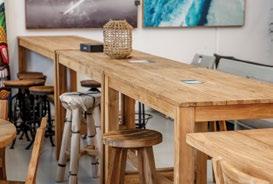


PENINSULAE ssence | 15November 2022 • Sun Lounges • Market Umbrellas • Massive range of Rattan • Cushions • Lamps • Jewellery • Artworks, and much more! • Indoor/Outdoor Furniture • Homewares • Giftware • Tables • Chairs • Lounges • Bar Tables and Stools NEW CONTAINERS ARRIVING REGULARLY contact 2/1 Colchester Road, Rosebud | kibuimports@gmail.com | 5986 6778 Come in and visit us today to view some of our new stock or find us on NEWINGTON AVE BONEO RDCOLCHESTER ROAD DISCOVER THE PENINSULA’S BEST KEPT
PADDOCK TO posy

16 November 2022
By Andrea Rowe Photos Yanni
Nature inspires creativity and nurtures beautiful blooms in a scenic pocket of farmland at Boneo. It’s the home of Peninsula Wildflower, where fresh picked creations evolve from paddock to posy.
The talented team behind caring for a legacy native flower garden, and harvesting and assembling stunning floristry creations, are Dawn and Martin Allen. They’ve bloomed a business into a respected Mornington Peninsula creative institution that locals love.
From their first meeting at New Covent Garden Market in London, Dawn and Martin explored how floristry and special moments are intertwined. After the birth of their son Stan, UK born Dawn and Langarrwin born Martin returned to Australia to establish a sustainable floristry business.
For 12 years, Florist and Head Forager Dawn, and Martin who is Chief Grower, Propagator and Logistician, have been caring for the 50 acres of coastal farmland. Together with their talented staff, they’ve nurtured a sustainable flower farm vision, showcasing the beauty of native flowers through bespoke arrangements.
‘Finding the farm was meant to be,” says Dawn. “It was a baptism of fire when I first arrived in Australia. I was initially putting noxious weeds in bouquets but I fast tracked my knowledge at a flower farm in Merricks until we stumbled across the opportunity to take on Bob's garden,” says Dawn Bob Zacharin was a surgeon who, along with wife Trish had researched the planting and propagation of varieties of Banksia and Proteas over 30 years ago. “His foresight and knowledge ensure year-round blooms that thrive today.”
Dawn and Martin now maintain the heritage flower garden, picking and arranging blooms from the farm for local markets, farm gate shops, supermarkets and produce stores across the Mornington Peninsula and beyond.
Their lusciously rustic and artfully classic blooms adorn tables and market stalls and feature as
presentation bouquets and vibrant floral installations for special moments. Assembled by creative hearts, it’s as if Peninsula Wildflower speaks of our coastal and hinterland nature, with wild whimsy and reverence.
“It's all about texture and imperfect plants celebrated in their stages of growth. Each plant is farm grown – not flown – we can reach out and select what we need. It’s a slow flower movement straight from the paddocks around us. We don't just do bush bunches here - we showcase individual blooms.”
The ability to gather armfuls of flowers and foliage and make them look as if they naturally belong together is truly a fine art. A qualified florist, Dawn focuses on the making heroes out of individual flowers, and features foliage that’s often overlooked in the picking, foraging, and creating process.
Their workspace is a rustic shed brimming with happy chatter, tubs of fresh pickings, tea brewed on an outdoor stove and the braying of nearby farm animals. It’s a place of communal creativity where the outdoors inspires each arrangement through a busy
“We harvest in the mornings and deliver by days end, making up to 200 posies a week to supply fresh flowers to weekend markets, clients like RACV Cape Schanck, Scicilunas, MP Experience and Hawkes farmgate, as well as wedding orders and our online

There’s also commissions for arbour clusters, floral aerial and wall art displays, and one-off arrangements bursting with stylish simplicity and textured detail. And the ancient craft of floristry is shared through foraging and arranging workshops, creating flower crowns, wreath making and weaving at the farm, and Peninsula locations.
“Many of our 10 staff are artists who enjoy the interaction with nature as they produce arrangements. We’re incredibly lucky to work alongside them.”
The couple bring event and continued next page ...
PENINSULAE ssence | 17November 2022
installation pedigree to the Peninsula. Martin provided logistics and floral arrangements for Posh and Becks wedding, Ringo Starr’s events and the Indian Royal Wedding in Madrid, while Dawn excelled in floristry, styling incorporating mosses and gums, and re-defining the beauty of imperfect or unexpected blooms at signature events.
She adores the farm as a creator space; “I'm always finding something different in the garden, when you pick something it leads you to other stem, so ideas and designs evolve. It’s so satisfying - your artwork is really appreciated. Each creation is so intrinsically you.”


The couple are a local market feature with their trusty steed, a 1976 Dodge Canter called Dorothy. Her tray is laden with fresh picked blooms and assembled arrangements
“I’m assembling bouquets on the spot and giving them a piece of me to take home from the market. They’re experiencing flower arranging in pure form - it shouldn’t be a hidden art. I love hosting flower arranging workshops here in the garden too
- people wander the farm with their secateurs, and forage, enjoy a flower arranging demonstration and divine afternoon tea while they make their own bouquet to take home. It's fun, social and they feel connected with the land – it is so good for everyone's wellbeing.”

Martin is the man behind the tractor, and the pruner, propagator, and delivery driver. “I love all aspects of growing. This garden fills you up and it's a joy to give myself to it every day. Flowers and farms like this are good for the soul.”
It’s also good for award-winning creativity. Peninsula Wildflower has featured arrangements at the NGV Gallery and 20 metre installation at the Melbourne Flower Show, winning the 2019 Wedding Plate table-setting arrangement award.


Dawn delights in seeing new growth on the farm, exclaiming over misshapen and unusual stems. “I love giving myself to each arrangement Locals have always supported us with our business; how can we not do our best for someone who wants buy a bouquet and feel a moment of happiness?”


18 | PENINSULAE ssence November 2022
This garden fills you up and it's a joy to give myself to it every day
Strikingly simple posies featuring freshly harvested earthy banksias and proteas have become much needed pick-me-ups. They’re committed to giving back to the community with regular giveaways. Their ‘Lonely Bouquet’ gesture leaves flowers in mystery places with a handwritten note to brighten someone’s day.
Dawn’s love of her new homeland is evident. “It's so rugged and earthy, the land is dramatic and you can feel the force of nature. I still get excited when I see roo’s and snakes. Nature speaks loudly to you here.”
The couple have also transformed the nearby legacy farmhouse into an ultimate rural relaxation destination, sitting alongside wandering wagons and tiny homes for rent. “As a florist you need to keep evolving and developing. Our growing and creative space really has fed that professional and personal interest. It’s so satisfyingly sustainable and peaceful here.”

 Prudent

PENINSULAE ssence | 19November 2022 WWW.LARDNERS.COM.AU Level 1, 65 Mount Eliza Way, Mount Eliza, VIC 3930 Tel: 9787 4511 Email: reception@lardners.com.au Talk to us about your needs in: • A D VICE • G U I D A NCE • S U P P O R T • Family Law • Commercial Law • Wills & Estate Planning • Seniors Law • Powers of Attorney • Criminal Law • Property • Conveyancing • A DV IC E • G U I DA NC E • SUPP O R T not just lawyers (Incorporating
Legal)
FB: @facebook.com/PeninsulaWildFlower Insta: @peninsulawildflower_ W: peninsulawildflower.com.au
BEST BITES FOOD AWARD WINNERS ANNOUNCED
Foxey’s Hangout in Red Hill have won gold in the Best Bites Restaurant category at the Shire’s 2022 Best Bites Food Awards! Closely followed by The Kitchen in Tootgarook winning silver and Unica Cucina E Caffe in Capel Sound and Stumpy Gully in Moorooduc both being awarded bronze.
Commonfolk Coffee Company in Mornington won gold in the Best Bites Café category, with Blue Mini in Rosebud winning silver and Two to Tango in Somerville winning bronze.

The other business category award winners are: Retail
• Be Fit Food, Mornington (gold)
• Ritchies Mt Eliza, Mount Eliza (silver)
• La Casa Nostra Deli, Rosebud (bronze)
Health and Education
• Crib Point Early Learning Centre, Crib Point (gold)
• Hastings Childcare and Community Kinder, Hastings (joint silver)
• Tyabb Village Children’s Centre, Tyabb (joint silver)
Takeaway Outlets
• Spudalicious, Hastings (gold)
• The Hive Loukoumades, Rye (silver)
Farmgate

• Mock Red Hill, Red Hill (gold)
Best Bites Food Guide has been served
Scan this QR code to visit our directory!

Other worthy businesses were also recognised for their work across the following areas of excellence:
Waste and Recycling
• Via Battisti, Mount Martha Energy and Water Efficiency
• Paradigm Hill, Merricks Access and Inclusion
• It’s A Burger, Rosebud
Nutrition and Healthy Eating
• Blue Mini, Rosebud Smoke Free and Alcohol
• The Hidden Kitchen, Tootgarook
Best Bites recognises outstanding local food businesses in the areas of food safety, sustainability and inclusion.
The 2022 Best Bites Food Guide listing dozens of local food businesses serving safe, healthy and sustainable food is now available!
The guide lists local food businesses scoring more than 95 per cent in their food safety assessment and delivering across one or more of the Best Bites areas of excellence.

Pick up your Best Bites Food Guide by visiting the Shire’s Customer Service
Centres and Libraries, Visitor Information Centres and local food businesses, and discover the most outstanding food businesses on the Mornington Peninsula.
Discover our Best Bites food businesses in our online directory: mpbusiness.com.au/ bestbites
20 | PENINSULAE ssence November 2022
Your
To find out more visit mpbusiness.com.au/bestbites.

PENINSULAE ssence | 21November 2022 New Lakeside Apartments New Jake’s Bar, Palms dining room and CJ’s lounge New cinema and library Health and Wellness Centre Golf Cafe Caravan Storage 9-Hole Golf Course Croquet Lawn and Bowling Green The Hub is the heart of Village Glen, already home to the village shop and hair salon, to be a place where residents and their guests can gather to relax , converse and rest in a beautifully appointed and furnished communal precinct WW W . V I L L A G E G LEN . C O M . A U 335–351 Eastbourne Road, Capel Sound VIC 3940 F OR MORE IN F OR M A T ION C A LL US ON 03 5986 445 5
Arts
MASTER OF THE arts
By Andrea Louise Thomas Photos Yanni
Mount Martha artist David Glyn Davies draws, paints, sculpts, is a stone mason and makes and restores leadlight and stained glass. Born in Essex, England, to parents who loved orchestral music and the arts, he says ‘interesting family holidays’ likely influenced his becoming an artist.
When David was 16, on one family holiday, they visited The Louvre. He was so struck by Theodore Gericault’s The Raft of the Medusa, he turned to his parents and said, “I’m going to be an artist.” They laughed, but art has been the mainstay of his life ever since.

continued page 24

PENINSULAE ssence | 23November 2022 1/4 Torca Terrace, Mornington 439 Chapel St, South Yarra www.kustomtimber.com.au | (03) 9645 3857 Premium European Oak Timber Flooring Professional Installation Guaranteed Quality.
David drew all through his childhood. “Mark making came easily to me. It was an easy way to express myself,” he says. His drawing skill was recognised in high school and one of his teachers really pushed David, strongly encouraging him to pursue a career in art.

He went to Newcastle/Sunderland University to get a Bachelor of Fine Arts, to Manchester University for a Master of Arts in Sculpture/3D Design/History of Romanesque Architecture and completed a Master of Arts Extension at University of London in Stained Glass.


Poetry and music are both passions that have had a strong influence on David’s work. As a young artist, he was very moved by the poems of American poet, Marianne Moore and British poet, Basil Bunting as well as the art and poetry of William Blake. David is also a huge Frank Zappa fan. He writes his own poetry that sometimes centres on his artwork.
Even before finishing his first university degree, David was putting his skills and knowledge to work as a stonemason at Lincoln Cathedral. At the same time, he completed several sculpture commissions. He spent his summers doing restoration stone carving on several Romanesque churches in France. Meanwhile, his drawings, paintings and sculptures were featured in exhibitions in England, Japan, Macedonia, Greece and Switzerland.
When David left university, he opened his own studio in London’s Wapping on the Thames where he worked predominantly in painting, but also took on sculpture commissions. The mid1980's was a very exciting time in the London gallery scene, but after the 1987 stock market crash, times were hard for artists. It was almost impossible to get an exhibition.
David packed up his studio and decided to travel the world. He went to the United States, Finland, Norway, Sweden, Greece, Spain and Turkey. His last stop was Australia where he travelled extensively including crossing the continent on the Indian Pacific railway. His last stop was Melbourne. He fell in love with Catherine, proposed over the phone and moved permanently to Australia.
In the early 1990's, David was working as a stonemason. On a commission at Melbourne’s St. Patrick’s Cathedral, he met some English glassworkers.
David got to chatting with the project leader who hired him as a designer and later taught him stained glass and leadlight work. David was happy to do it because it was a lot easier than stonework! He still works for antique dealers restoring stained glass two days a week.
24 | PENINSULAE ssence November 2022
June 2022
I’m happy in myself and happy to champion art that I love – art that is new and wonderful
continued page 26
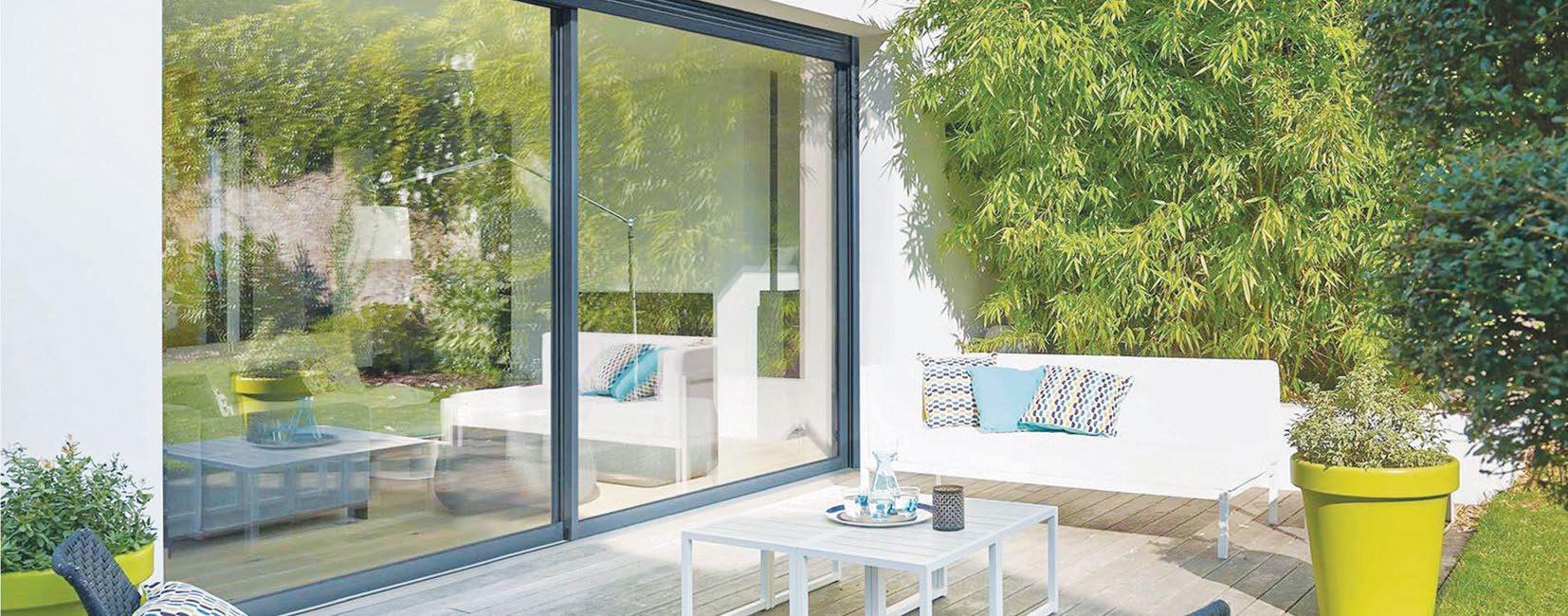

PENINSULAE ssence | 25November 2022 AUSTRALIAN MADE ENERGY EFFICIENT HIGH PERFORMANCE QUALITY GERMAN DESIGN LOCALLY MADE AND OWNED CONTROL YOUR COMFORT Factory 1/ 7 Lyall Street, Hastings Phone: 5909 8040 or 0412 221 767 Email: contact@livingdesigndoubleglazing.com.au www.livingdesigndoubleglazing.com.au YOUR PERFECT CHOICE with energy efficient uPVC windows and doors featuring aluplast-technology Locally made aluplast windows and doors as featured on THE BLOCK 2022
David lived and worked in Glen Iris from 1991-2019. He had a studio in North Melbourne. When his children grew up and left home, he and his wife moved to Mount Martha, a place his wife had visited as a child and loved. When they looked at the fiftieth house (literally), they decided it was the one!

While he works across multiple mediums and is pretty comfortable in all of them, David really enjoys painting. He likes to experiment with methods. He’s currently combining pigment paint and oil paint and he really likes its effect. David layers the paint to get depth and the illusion of three dimensions.
David likes to put architectural elements in his paintings to celebrate the marriage of function and decoration.

The Mornington Peninsula’s commercial property report card makes good reading


of the South East
26 | PENINSULAE ssence November 2022 Leaders
The FY22 Nichols Crowder Market Report gives you insights and more about the local commercial and industrial property market. Get your copy today. Visit us online at nicholscrowder.com.au or phone: Carrum Downs 9775 1535 Mornington 5925 6005
also appreciates literature so characters from myth and story


inside some of his
now, he’s working on

series of huge paintings on 1.8m square canvases collectively titled, Set in Stone.

At this point in his career, David defines himself artistically as “someone who loves to work in figuration, an artist who wants to be objective and work with subject matter, form and content. I’m happy in myself and happy to champion art that I love – art that is new and wonderful,” he says. Sounds like a good place to be.
Dr Peter Scott and Associates are specialist orthodontists offering orthodontic care for children, teens and adults alike in both the Mornington Peninsula and inner Melbourne.


Dr Peter Scott is also a consultant at the Royal Children’s Hospital.
Specialist Orthodontists


PENINSULAE ssence | 27November 2022 He
hide
paintings. Right
a
davidglyndaviesartist.com 128 Ocean Beach Rd, Sorrento t: 03 5984 1762 m: 0438 537 757 e: marlenemiller3@bigpond.com Specialising in antique jewellery, as well as newly-made jewellery by Melbourne’s top jewellers
Creating Beautiful Smiles on the Peninsula for over 30 years Expertise In Child And Adult Orthodontics Early Assessment Of Dental Development And Facial Growth Ideal Age Of Initial Assessment 7-9 Years Early Intervention Where Appropriate For Best Outcome No Referral Necessary Interest free payment plans available 13 Beach St Frankston Ph: 9783 4511 www.drpeterscottorthodontist.com.au www.facebook.com/drpeterscottorthodontist
PENINSULA darklands
Acrane camera descends through gum leaves to reveal a Tyabb cemetery sunrise, setting the scene for what is to follow: a taut, pacy, deadly psychological thriller. Darklands, a feature film written and produced by Mount Eliza couple, Christopher Gist and Sarah Mayberry, is shot entirely on the Mornington Peninsula, yet it’s not the peninsula we know and love; it’s somewhere much darker.

28 | PENINSULAE ssence November 2022
By Andrea Louise Thomas Photos Yanni & Alistair Johns
continued next page ...


PENINSULAE ssence | 29November 2022 Expect to pay around half the price SUITE 6 UPPER LEVEL 38A MAIN STREET, MORNINGTON www.diamondcoco.com.au FOR AN APPOINTMENT CALL 1300 230 430
Photo: Alistair Johns.
Gun shots echo at a high school campus. A police officer, who has just dropped off her son, is present, but fails to act setting off a chain of events both shocking and deeply moving. Chris’ screenplay examines identity, moral choices and the chilling consequences of being an armchair critic. The dialogue crackles, the story hooks viewers and keeps them guessing from start to finish.
Sarah, as producer, brought in the funding, found the locations, hired the crew, ran meetings, wrangled data, sorted insurance and saw that the cast and crew were fed. One observer said he had never seen a producer do more on a set. This was particularly impressive given that production began in February/March 2021 just as another lockdown was being called.
Much of the film is shot in the Mount Eliza Woodlands; in fact,some of the film is shot in Chris and Sarah’s home. Their next-door neighbours allowed scenes to be shot in their house as well. The whole neighbourhood really got behind the project. Other locations are in and around the industrial parts of Tyabb and Hastings, on properties in Mornington as well as at McClelland High School in Frankston.

Chris and Sarah grew up in neighbouring suburbs: he in Blackburn and she in Wantirna. They met at Victoria College (now Deakin University). They were both in the same program,Professional Writing and Literature - though neither started their careers in that field. Chris started out as a physiotherapist working for a clinic that serviced Hawthorn Football Club. Sarah worked in hardware for Bunnings parent company, but it was far from her dream.
Sarah had always wanted to be a writer. She was making books and writing stories from childhood. In high school she wrote stories featuring kids she knew. Sarah considered a career in journalism, but decided against it. Her first published articles were written for The Australian Hardware Journal about nuts and bolts and power tools. She then wrote a consumer aimed renovation magazine for Mitre 10.
Moving away from physiotherapy, Chris started to write plays and theatre reviews. He worked on the television soap opera, Neighbours, for a couple of years in the story room: storylining (which involves piecing together the scenes of the show), story editing and freelance script writing.


30 | PENINSULAE ssence November 2022
I wanted the audience to look at one context and try to think about life for other people.
Photo: Alistair Johns.
After that, Chris and Sarah moved to New Zealand where Chris was Head of Drama at Television New Zealand and worked as Head of Development for South Pacific Pictures. Moving back to Australia, Chris worked for the ABC for six years commissioning and executive producing shows: Jack Irish, Old School, Miss Fisher’s Murder Mysteries and The Doctor Blake Mysteries.
Sarah is a bestselling author having written 45 romance novels, twice winning The RuBY (Romance Book of the Year Award.) She also worked as a storyliner and scriptwriter for Neighbours from 1998-2022 penning 230 episodes.
Over the years, Chris and Sarah bounced back and forth between Australia, New Zealand, Europe, Sydney and Melbourne working on various projects. They moved location 18 times in 20 years! When they decided to buy a house, Melbourne was too expensive so they looked farther afield. They discovered the Mount Eliza Woodlands and knew they were home.
Sarah and Chris had only collaborated on a couple of screenplays together before working as a team on Darklands. Some couples would be challenged by this, but they loved it. It also brought them closer to their neighbours and local community. In fact, Sarah found filming locations through a shout out on Facebook page, WTF Mt. Eliza.
They chose to shoot a thriller because, as Chris says, “You can keep it very contained. It’s very plot driven. You can do it without a massive budget.” As for the story, he says, “I wanted to explore the idea of how easy it is to be an armchair critic. I wanted the audience to look at one context and try to think about life for other people.”
While Sarah is now working on a thriller for UK Channel 5 as well as television work in the United States and Chris is continuing his University of South Australia PhD in Communication, tutoring film studies students at the Victorian College of the Arts and working on a feature film, Darklands is near and dear to their hearts. They’d love to shoot another film on the Peninsula, but right now, they are just a bit busy.
Darklands is available to view on Stan.

PENINSULAE ssence | 31November 2022
stan.com.au/watch/darklands
Darklands crew. Photo: Alistair Johns.
A ROAD TRIP FOR ART LOVERS
The Mornington Peninsula has a long, colourful and storyfilled history. Front Beach, Back Beach (FBBB) aims to celebrate this with its ambitious site-responsive public art works.
This November, Mornington Peninsula Regional Gallery together with Deakin University’s Public Art Commission will present FBBB at fifteen different locations across the Peninsula.

Designed as a road-trip for art lovers, FBBB will feature the work of eighteen local and national artists and collectives who have been invited to respond to key sites, stories and communities which have shaped this unique region of Victoria.
The artworks will take many forms from sculptural works viewable throughout the program to performance, film and activations viewable at set session times.
The stories the artists are responding to begin thousands of years ago with the landscape and with the Bunurong/ Boon Wurrung Traditional Owners at Monmar ,a sacred women’s place used for birthing, ceremony and initiation.
Thousands of years later the first shots fired in both World Wars occurred in the same place at Point Nepean (Monmar).
National myths, conspiracy and modern political history were further shaped at Monmar, Cheviot Beach, the site of Harold Holt’s disappearance in 1969.
Whilst there’s hundreds of stories to be shared, the Front Beach, Back Beach curatorium, spear headed by co-Artistic Directors Danny Lacy (Mornington Peninsula Regional Gallery), Cameron Bishop and David Cross (both from Deakin University’s Public Art Commission) – Mornington Peninsula current (or returning) locals themselves – have identified fifteen locations across 723sqkm that create a unique set of conditions for artistic response.
As FBBB Artistic Director, Associate Professor Cameron Bishop explains “Front Beach, Back Beach is a chance to upend the familiar territory of our own backyard. Having left the Peninsula in my teens, I never really expected to return to work here.
Since coming back and researching the fifteen sites and working with the team at MPRG, I have discovered some remarkable things about the place, as well as some uncanny things about my own and others’ place in it. It’s an opportunity to animate the arts sector and at the same time use contemporary art and performance as a vehicle to open people’s eyes to the deep layers of history here and consider how it has shaped us, the landscape and the world at large.”
The artists commissioned for FBBB represent a diverse cross section of leading and emerging artists from across the country. Including local, Flinders based artist Vera Möller and Victorian artists Amanda Shone, Geoff Robinson, Gold Satino, James Geurts, Kait James, Jarra Karalinar Steel, LAST Collective, Lisa Waup, Maree Clarke, Rebecca Jensen & Aviva Endean, Shane McGrath and Taree Mackenzie. Interstate artists include Anna Breckon & Nat Randall (NSW), Hiromi Tango ( QLD) and Lucy Bleach (TAS).
The fifteen projects have been arranged into three geographical hubs – Western Port, Foreshore and Point Nepean –each of which contain five commissions. Locations include, Coolart Homestead and Wetlands (Somers), Jacks Beach (Crib Point), The Pines ( Shoreham), Flinders Pier, Beleura House and Garden ( Mornington), Martha Cove, Arthurs Seat State Park, Dromana Drive In, Rosebud Foreshore, Sullivan Bay (Sorrento) and Point Nepean National Park (Portsea). Each hub will be activated for ten days, with associated programming scheduled within this period.
The project is supported by the Restart Investment to Sustain and Expand (RISE) Fund–an Australian Government initiative–and is presented by Mornington Peninsula Regional Gallery and Deakin University’s Public Art Commission.
For the full program visit www.fbbb.com.au

32 November 2022



Mornington Peninsula’s
Premium Properties
The premium property market has seen exponential growth over the last few years, particularly in sought-after areas on the Mornington Peninsula


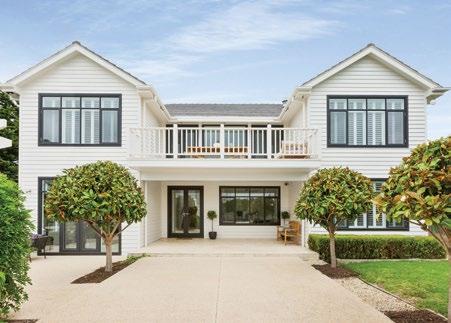
Leading the way is Mt Martha, a residential beachside enclave that offers a premium lifestyle. The prime coastal location, iconic beach boxes and village atmosphere give Mt Martha its unique and much-loved rural seaside character.

At the forefront of this elite market, Danckert Real Estate is the area’s premium property specialist. Showcasing Mt Martha’s luxury, prestige, and high-end homes, Danckert Real Estate has set the record sale price for both Mt Martha and Mornington, has the highest median price in the area, and has achieved three of the top five sale prices in Martha Cove.
“These ground-breaking milestones are the result of our superior marketing approach which attracts the most qualified and financially-able buyers,” explains Founder and Director, Sam Danckert. “Most importantly, we serve our customers more effectively than any other agent, having been awarded the greatest number fivestar customer reviews in our service area on realestate.com.au.”
• Received 207 x 5-star reviews (the nearest competitor has 196)
• Achieved a median price is $2.05m (the highest in the area)
Adds Sam, “To us, premium is not just about luxury or a hefty price tag, it’s about a quality residence that offers a unique or sought-after element, be it the location, the view, the interior design, or the architectural features.”
There has been a distinctive evolution of vendor attitudes since the agency launched in what has developed from a more regional mindset to one focused on quality presentation. Their fresh and innovative attitude combined with a commitment to premium branding has seen a welcome increase in the presentation of properties. This widespread change has been driven by them guiding, educating, and informing their vendors so that every touchpoint of the sale process is of the highest quality. From the photography and videography to the property brochures to the standard of our home inspection process, every aspect of the campaign is carefully considered.
“Being first to market with individual property videos, individual property domains and retargeting strategies has helped develop our vendors’ understanding and acumen, and our industry partnerships are stringently

34 | PENINSULAE ssence November 2022
DANCKERT REAL ESTATE
The team at Danckert Real Estate
curated with collaborations forged on consistency and quality,” says Sam.
“Our market specialisation has forged a deep knowledge and understanding of high-end buyer behaviour and the motivations that drive buyer engagement. We understand that exceptional customer service requires a strong focus on customer needs, derived by questioning, listening, and acting in accordance with our vendor’s best interests, and by applying unilateral levels of communication and service to buyers. The response from the market has refined and defined Danckert Real Estate as the premium property specialists.”
Danckert Real Estate Director, Alex Corradi, explains, “It is the aesthetic of the home and the quality of the interior that sets a home apart in terms of a premium offering. Whilst acreage and views can considerably add to the value, it is the design that has the most significant impact. We have many years of experience in the local area, plus knowledge and expertise, and we combine this with the feedback we receive from our vendors and the expectations of our buyers to formulate our innovative and targeted marketing strategies.
“Our buyers require the highest standard of professionalism, communication and transparency, and that’s what we deliver.
And for our vendors it’s the manner in which we encourage them to present their homes to the market that distinguishes us from our competition. Creating a wow factor for buyers who are searching online or physically visiting the home is key, and we achieve this with the talents of our professional stylist, as well as our outstanding photographers, videographers and graphic designers. Every element adds to the successful outcome. The vendors who seek out our services come to us for our advice, and are open to our guidance. As a result, the properties are 100% presentation ready before going to market. Our success rate with record prices and five-star reviews is proof of this winning formula.”
Looking to sell your Mt Martha, Martha Cove or Mornington property?

Contact the premium property specialists at Danckert Real Estate for a confidential appraisal.
Looking to sell your Mt Martha, Martha Cove or Mornington property?


Contact the premium property specialists at Danckert Real Estate for a confidential appraisal.
Phone: 5904 6446
Message: 0482 088 222
Email: hello@danckert.com.au
PENINSULAE ssence | 35November 2022
03 5904 6446 | HELLO@DANCKERT.COM.AU 9 HOWEY ROAD, MOUNT MARTHA VIC 3934 DANCKERT.COM.AU
Our buyers require the highest standard of professionalism, communication and transparency, and that’s what we deliver
“ “
DOMINIC WHITE - SHELL EDGE
CONNECTION WITH PLACE, CULTURE, HISTORY, AND THE NATURE OF FRAGILITY
Based on Boon Wurrung /Bunurong Country (Mornington Peninsula), Dominic White is a Palawa man, descendant of the Trawoolaway of Lutruwita (Tasmania), through his birth mother’s family.
Adopted as a child by the Peninsula’s legendary pioneering winemakers Nat and Rosalie White, Dominic's art has been following a process of reclamation of his heritage for 20 + years. A multi-disciplinary artist who trained as a printmaker at Monash and ANU, White’s work now spans contemporary printmaking, sculpture, photography, and contemporary jewellery.
In this, his first Peninsula gallery exhibition, White explores connection, observation, responsibility, and obligation in different mediums. He examines cultural, historical human activities and interaction with place and materials to metaphorically explore how his story intersects with many lines of connection.
Printed works are made from the patterns of the artist’s fingerprints combined with foam patterns from Gunnamatta beach - thus referencing the sea country of Bass Strait which connects Boon Wurrung/Bunurong land with that of the Trawoolaway.
Patterns of colonial philosophy are branded onto to wooden and clay surfaces of coolamons and overlie prints depicting the old growth plants of Red Hill's Endeavor Fern Gully,
A long-time sailor, boats figure large in both White's personal and artistic life where they reference the means of crossing from and to his birth and adopted countries. Wall works display delicate natural objects juxtaposed with forged steel natural forms and bronze cast objects, while kelp contemporary jewellery contrasts with overlapped chains, feathered wire, and metal forged shapes. Throughout he questions "How does the ‘pastpresent’ resolve for an individual?
Dominic White: Shell Edge runs to November 22


EVERYWHEN ARTSPACE
A: 39 Cook St, Flinders
P: 03 5989 0496
E: gallery@everywhenart.com.au
W: everywhenart.com.au
Open: Friday-Tuesday 11am-4pm.
36 | PENINSULAE ssence November 2022
Dominic White in his Mornington Peninsula studio




mainstreetmarketmornington www.mainstreetmornington.com.au Home Grown Home Baked | Handmade | Home Grown Handmade Hand Baked for supporting our community market. STREET MARKET Victoria's running EVERY WEDNESDAY 9 - 3 MAIN STREET | MORNINGTON Home Baked | Handmade | Home Grown THANKS LONGEST
Eat & Drink
GOOD AS gold
By Andrea Louise Thomas Photos Yanni
Executive chef at Deoro by the Bay, Rob Stenson, loves making seafood sing. His first job was at his local fish and chip shop and now he’s back at the water’s edge. It’s not just his seafood that’s superb, all of his dishes are delicious.

Owners Steve and Elisha Danielsen say, “Rob’s big bold flavours will blow diners away!”
Rob has always been interested in the creative side of cooking, discovering flavours, dissecting recipes and building new dishes from scratch. “I love how one small idea can end up being one of the most popular items on the menu,” Rob says. He enjoys the trial and error process and bouncing ideas off the other chefs on his team.
continued page 40 Eat & Drink
THE luxury
OF LEATHER at fabric prices
Stressless Rome Low Cross Paloma in Dark Henna


ON SALE OCTOBER 24 - NOVEMBER 27 42 Watt Rd, Mornington I 5975 0344 I sorrentofurniture.com.au
Rob started his chef’s apprenticeship through Rosebud Chisolm at The Baths in Sorrento capitalizing on local fresh seafood. It was trial by fire as they often served 700 plates per day. He moved away from the sea onto the links, Peppers Moonah Links that is. There he learned a la carte fine dining and catering for large conferences and events.
Traditional French fare was next at Bistro Maison in Mount Eliza. Then, when his eldest daughter was born, it was a real juggling act as he worked at one of the busiest RSLs in Victoria - Frankston RSL in a large rapid-fire team serving up 850 meals a day!

Luckily, Rob says, “I enjoy the fast pace of hospitality and commercial kitchens, the ‘organised chaos’, the dance of everyone working together to create the best possible customer experience –a night when memories are made.”
Rob moved on to Beach 182 in Frankston starting as sous chef then advancing to head chef dishing up delicious Mediterranean food and tasty wood fired pizzas. Rob was instrumental in growing the menu and the business. It was a roaring success capped off

each week with Sunday live music in the beer garden which was hugely popular with locals.

Continuing his professional growth, he moved to Barclays Café in Heathmont as head chef in charge of the all-day breakfast and lunch menu. He loved that style of cooking so he applied to Deoro in Clyde where Steve and Elisha had mastered this menu style to much acclaim. In fact, they won Best Café in Casey in 2021.
In just over three years, Rob, Steve and Elisha had built such a success, they decided to open another restaurant, Deoro by the Bay, in Hastings where Rob is a busy, happy executive chef in an open kitchen where cooking is also an entertainment. Rob sources largely local ingredients and crafts them into something special like his popular crispy pork belly with an Asian twist. His menu is seafood heavy, but diverse with something for everyone.
Rob takes pride and pleasure in mentoring new chefs. As executive chef at both Deoro restaurants, he has ample opportunity to share his skills, experience and passion and he loves it. Deoro is all about love – love of people, love of food, love of place.
40 | PENINSULAE ssence November 2022
Deoro is all about love –love of people, love of food, love of place
continued page 42


PENINSULAE ssence | 41November 2022 The Marina View Room and Deoro Lounge are available for private events: weddings, business lunches, dinners, cocktail receptions, and more. • BREAKFAST • LUNCH • DINNER • EVENTS • FUNCTIONS Call us on (03) 5979 3699 or visit deorobythebay.com.au Location: 21 Skinner Street, Hastings
If it weren’t for a great love story, Deoro wouldn’t exist. Steve and Elisha, met in Sydney at an actors’ meet and greet. On their first date at Sydney’s Opera Bar romance blossomed. Five years later, on stage, in the Cinderella Ballroom at Shanghai Disneyland, when for the first time both were singing in the same show, Steve sprung his surprise proposal in true fairytale fashion.


So, when it comes to planning romance, this couple knows a thing or two. Events and weddings are Elisha’s specialty. The Marina View Room is perfect for a dream wedding on any budget. Imagine golden sunlight streaming through as the couple takes their vows set against the glistening bay with yachts swaying gently in the breeze. Magic. Elisha can manage your entire event or work in with your plans.


Deoro, nestled inside the picturesque Hastings marina, brings passionate Modern Australian cuisine to the table in style. Whether dining in the restaurant, hanging out in the lounge bar, having a cold one in the beer garden, listening to live music while sipping cocktails or throwing a big event, you’ll feel welcomed and personally catered to. Good as gold deorobythebay.com.au

42 | PENINSULAE ssence November 2022
FABULOUS RANGE OF NEW, USED & EX-DISPLAY HOME FURNITURE & HOMEWARES FRANKSTON AUCTION MART BUY DIRECT OFF THE FLOOR 46-52 New Street, Frankston Mon to Fri 9.30am-4.00pm Sat 10.00am- 3.00pm Phone 9783 9613 OVER 50 YEARS IN BUSINESS IN FRANKSTON CITY Support local, support handmade, support innovation, support love, support small business... support your local market! EMU PLAINS MARKET : NOV 19 | 9-2 EMU PLAINS RESERVE, BALNARRING www.emuplainsmarket.com.au LITTLE BEAUTY MARKET : NOV 26 | 5-10PM FRANKSTON’S FESTIVAL OF LIGHTS BEAUTY PARK, FRANKSTON www.littlebeautymarket.com.au ALBERT & DAPHNELove supporting small businesses? Why not check out our interest store of curious goods! 103 MAIN STREET, MORNINGTON | WWW.ALBERTANDDAPHNE.COM.AU PROUDLY BROUGHT TO YOU
BY
THE UNTOLD EVENTS CO.
recipe
HUMPTY DOO BARRAMUNDI (GF) COOKING TIME: 10-15 MINS
SERVING: 1
INGREDIENTS:
200g Barramundi fillet skin on

14.5g Cauliflower puree (see recipe below)
120g Smashed basil chats (see recipe below)
4 pcs Asparagus
6g Butter
20g Almond flakes
1 tsp Basil oil
For garnish: Green ash
1 pc Lemon cheek
PROCEDURE:
1. Add vegetable oil and sea salt to the skin. Cook the fish, skin side down in the fry pan on medium heat until the skin starts to crisp or the flesh closest to the skin turns white.
2. Transfer the pan in to the oven 180 degrees for 8 min to finish cooking the fish.
3. Bring a small pan to the boil and blanch the asparagus until al dente.
4. Add asparagus, butter and almond flakes to a fry pan cooking until the almonds are toasted.
CAULIFLOWER PUREE (5 SERVES)

1 qtr Cauliflower
½ cup Milk
½ cup Brown onion, minced
¼ tsp Cumin powder
Salt and white pepper to taste
• Sweat the onion on low heat (no colour), add milk and cauliflower cooking until cauliflower is tender.
• Separate the cauliflower from the milk. Place the cooked cauliflower into a food processor and slowly add the hot milk while mixing until combined.
• Add the cumin, salt and white pepper.
SMASHED BASIL CHAT (5 SERVES)
600g Chat potato
1 cup Basil pesto
2 Tbsp Seeded mustard
½ cup Baby capers
¼ bunch Spring onion
¼ bunch Parsley
Salt and pepper to taste
• Boil the potatoes until soft
• Meanwhile chiffonade the spring onion and parsley
• Put all the ingredients into a large bowl and slightly smash together. Make sure the potatoes are still chunky.
• Season to taste
BASIL OIL
¼ bunch Fresh basil
1/8 cup Olive oil
Ice bath
• First wash the basil and tear the leaves from the stem.
• Bring a small pot of water to boil.
• Add the basil to the boiling water for 15 sec to set the colour.
• Remove immediately and cool the basil in Ice bath
• Combine the basil and olive oil in the food processor blend it until smooth.
• Strain oil through a Muslin cloth or Chux.
GREEN ASH (PREPARE AHEAD)
Broccoli stem or any hard green vegetables
• Cut the vegetable in thinly, place in the dehydrator overnight.
• Once the vegetables are dried out, put them in a coffee grinder or food processor to make a fine dust.
PLATING
• On the plate spread a spoonful of cauliflower then place your basil chat in the middle. On the side are the asparagus with almond flakes. Place your Barra on the top of the chat. Drizzle with the basil oil and make a straight line of your green ash. Ready to serve.
Deoro by the Bay I 21 Skinner St, Hastings I 5979 3699 I deorobythebay.com.au
PENINSULAE ssence | 43November 2022


44 | PENINSULAE ssence November 2022 1387 POINT NEPEAN ROAD ROSEBUD VIC 3939 PHONE: (03) 5986 8898 FAX: (03) 5986 5055 150 METRES MELBOURNE SIDE OF BONEO ROAD • FREE LOCAL DELIVERY • LOCALLY OWNED ROSEBUD HOMEMAKERS COMFORT SLEEP Verve Accord Queen Mattresses COMFORT SLEEP Verve Serene Ultima Queen Mattresses SLEEPTECH Zoned Pillowtop Queen Mattresses SOFA BEDS Inner Spring Mattress Range of Colours $1199 $479 from $1199$1499 Visit ROSEBUDHOMEMAKERS for your furniture and bedding needs
BACKYARD HENS KEY TO INCREASING SELF-SUSTAINABILITY

Many people either own backyard hens or know of someone who does. The growing popularity has largely been due to families wanting to become more self-sustainable. So why is keeping backyard hens so good for your family?
Well, hens make for fantastic pets! Our breed of hens are Hyline Browns which are extremely friendly and placid. They love company and like nothing more than to spend time interacting with their owners. We hear lots of entertaining stories from our customers such as their hens going on school runs, on swings with the kids and happily jumping up onto their laps.
Good egg-laying breeds like our Hy-Line’s also quickly pay for themselves by providing your family with highly nutritious and delicious eggs throughout the year. Their eggs are high in protein and minerals but low in calories. You also have peace of mind knowing exactly how your hens are treated and what food they have eaten.
Of course, you can’t get more “local” food than what you get from your own backyard! When combined with a vegetable garden, your family becomes far more self-sufficient and able to live more sustainably. Your hens and vegetables could keep your whole household well fed over the long-term.
Hen ownership also teaches children some important, practical lessons about life. Not only do they need to be responsible for feeding and providing water for their hens but they must collect eggs daily and keep the coop clean and safe. Excess eggs can also be sold or given away to friends and neighbours which is a great way of benefiting others in your local community.
Looking for backyard hens but unsure where to start?
Talking Hens is a family business that enjoys backyard hens. We specialise in friendly, egg laying hens with quality products to keep them happy and healthy.


There’s nothing like the friendship and entertainment that you receive from our laying hens - a pleasure to be shared!
daily: 10am to 4pm
Wednesday's
For
PENINSULAE ssence | 45November 2022
Talking Hens 3590 Frankston-Flinders Rd Merricks, Vic 3916 Opening
Closed:
enquiries call Jason 0406 691 231 Email: talk@talkinghens.com.au Visit: TalkingHens.com.au
A: 3590 Frankston Flinders Rd Merricks P: 0406 691 231 W: TalkingHens.com.au
WHOLESALE WINES DIRECT TO PUBLIC AT WHOLESALE PRICING


NEW HASTINGS RETAIL STORE (Opening late November) LOCATION: 2080 Frankston - Flinders Rd, Hastings HOURS: 7 days a week 10am to 7pm PHONE: 9596 4278 DROMANA WAREHOUSE STORE LOCATION: Unit 5, 3 Trewhitt Court, Dromana Industrial Estate HOURS: Thursday, Friday & Saturday 10am until 5pm PHONE: 9596 4878 John Luke Victorian 2021 Pinot Noir Our Price $10 RRP $19 John Luke Heathcote Shiraz 2019 Our Price $10 RRP $29 Momentum 2018 Shiraz Clare Valley Our Price $5 RRP $19 Yalumba The Y Series 2018 Pinot Grigio Our Price $7 RRP $14
DIRECT
Wine Lovers Warehouse is the direct to public arm of our wholesale business specialising in restaurant, hotel, and function wines for over 17 years.


COVID-19 put a big handbrake on our wholesale business and so we made a decision to transform and stay alive, supported by our friends and the local community, which we will be forever grateful.
opened up the warehouse three days every week to the public, selling our wines and suppliers at trade prices and no retail mark ups. It is our commitment to remain open servicing the needs of our Wine Lover community into 2023 and beyond. Come along and say hello, grab a bottle or a case, and bring in this publication for a free bottle of bubbles with any purchase.
We
TO PUBLIC MEANS YOU SAVE! See our full range on our website WINELOVER.COM.AU BRING ALONG THIS AD FOR A BOTTLE OF BUBBLY One per customer until end of November 2022 FREE T Gallant Encore Sparkling Rosè Our Price $8 RRP $11 Yalumba 2018 Viognier Eden Valley Our Price $10 RRP $27 Yellowglen 2019 Vintage Prosecco Our Price $7 RRP $19 Wolf Blass High Altitude Chardonnay Adelaide Hills Our Price $12 RRP $25



48 | PENINSULAE ssence November 2022 Shop local this Christmas at Artisan's Alley is an amazing collaboration with a shared desire for bringing unique hand made products to 17 Main Street Mornington Open Tuesday to Sunday 10am 5pm www.artisansalley.com.au @artisans alley mornington CHRISTMAS 2022 • • • • •


50 | PENINSULAE ssence November 2022 At Peninsula Leisure, our mission is to improve lives by inspiring activity and connection. This Christmas, spoil your loved one with a gift from the Peninsula's award-winning facility PARC and support them in building happy, healthy habits. Give the gift of health this Christmas We have loads of different gift ideas from bathers, goggles, sporting apparel, personal training, membership, swimming lessons, gift vouchers and more! Visit PARC to see our retail range, or let our friendly team help you purchase a voucher for your special someone. info@parcfrankston.com.au9781 8444 www.parcfrankston.com.au Indulge yourself, invite family and friends. Polperro’s wildlife swims will provide wonderful and lasting memories for all. Small, personalised tours. Beautiful gift vouchers available. Make this your season’s highlight Polperro Dolphin Swims Simply, the best! ‘Open your eyes to another world’ Create life’s most special moments, swimming with beautiful, wild Bottlenose dolphins and playful fur seals 5988 8437 | crew@polperro.com.au www.polperro.com.au Bookings are advised! Indulge yourself, invite family and friends. Polperro’s wildlife swims will provide wonderful and lasting memories for all. Small, personalised tours. Beautiful gift vouchers available. Make this your season’s highlight Polperro Dolphin Swims Simply, the best! ‘Open your eyes to another world’ Create life’s most special moments, swimming with beautiful, wild Bottlenose dolphins and playful fur seals Sorrento Pier, Esplanade, Sorrento 5988 8437 | crew@polperro.com.au www.polperro.com.au Bookings are advised! Indulge yourself, invite family and friends. Polperro’s wildlife swims will provide wonderful and lasting memories for all. Small, personalised tours. Beautiful gift vouchers available. Make this your season’s highlight Polperro Dolphin Swims Simply, the best! ‘Open your eyes to another world’ Create life’s most special moments, swimming with beautiful, wild Bottlenose dolphins and playful fur seals Sorrento Pier, Esplanade, Sorrento 5988 8437 | crew@polperro.com.au www.polperro.com.au Bookings are advised! Need Christmas gift ideas for backyard chicken lovers? 3590 Frankston-Flinders Rd Merricks Call: 0406 691 231 Email: talk@talkinghens.com.au Open Daily: 10am to 4pm Closed: Wednesdays CHRISTMAS 2022
ORIGINAL SPIRIT CO
Original Spirit Co's Ginfusion gift pack trio is presented in a quality gift box with personalised Christmas decoration. A perfect gift for Gin lovers and cocktail lovers alike. originalspiritco.com
TALKING HENS
The perfect gift idea for those who love their friendly, feathered friends. Buy online or visit the farm. talkinghens.com.au
Gift IdeasGift Ideas
ARTHURS SEAT EAGLE
Take your gift giving to new heights this Christmas! An Arthurs Seat Eagle gift card will send you soaring over the sights of Port Phillip Bay. aseagle.com.au/gift-cards
POLPERRO DOLPHIN SWIMS
Give a voucher for a dolphin swim tour. It is a unique and exciting experience as you meet the dolphins and seals in their natural surrounding. polperro.com.au
FRANKSTON ARTS CENTRE
A gift voucher to the Frankston Arts Centre is valid for three years and the lucky person in your life will enjoy experiencing the thrill of live entertainment that awaits them in 2023. theFAC.com.au


PENINSULAE ssence | 51November 2022


White Out of the Box DISCOVER... Beautifully designed quilts, cushions and throws, cotton nightdresses, a range of perfumes, body and bath products, and more. Contact Ph: 0417 596 781 E: hello@whiteoutofthebox W: whiteoutofthebox.com.au discover ANTIQUES, JEWELLERY, COLLECTABLES & MORE DISCOVER... Quality furniture, paintings, porcelain and objects of beauty. From Georgian pieces through to Mid Century design. Contact Ph: 0460 87 5041 Antique by Design




Silver Screen DISCOVER... Original movie posters and collectables, including Sideshow figurines, a huge selection of Pop vinyls, Disney, Beatrix Potter and much more. A large range of DVDs. Original movie stills and comics. Contact Ph: 0427 133 497 FB: SilverScreenAtThe TyabbPackingHouse J Edwards Jewellery DISCOVER... Fine bespoke jewellery, vintage and antique jewels. custom design, valuations, repairs and remodeling. Contact Ph: 0458 991 212 FB: jedwardsjewellery J. EDWARDS JEWELLERY Open: THURSDAY-SUNDAY 10AM-5PM PLUS MOST PUBLIC HOLIDAYS Location: 14 MORNINGTON-TYABB ROAD, TYABB Tyabb Packing House
Focus On
Mt Martha
on Mount Martha is a seaside town on the Mornington Peninsula 60 kilometres south-east of Melbourne's central business district. It has an area of 17.2 square kilometres. Population according to the 2021 census, was 19,846.
While Mount Martha offers only a small commercial centre in Lochiel Avenue, it is an ideal destination for those visitors seeking a scenic and less commercial holiday location where the surrounding bushland meets the coast.
Safe swimming beaches with wide sandy stretches exist just north and south of the commercial centre, lined with rows of colourful bathing boxes. However, much of the coast around Mount Martha typically consists of rocky cliffs with bushland above which offer a number of walking tracks and scenic viewing spots. A worthwhile drive is along the Esplanade - a coastal road linking Mount Martha with Mornington in the north and Safety Beach in the south. This hilly and winding road hugs the steep coastline, with views down to the bay on one side, while exclusive homes perched high above the coast feature on the other side.
Other attractions in Mount Martha include Balcombe Creek, which swells into a wide body of water near the coast and is surrounded by a boardwalk and is home to a rich selection bird life. Of interest to nature lovers is Mount Martha Park which consists of 53 hectares of native bushland and walking trails surrounding the 160 metre peak of Mount Martha, offering panoramic views of the bay and towards Arthurs Seat.
Celebrity sightings in Mt Martha include Megan Gale and partner Shaun Hampson.
The median house price to buy is $1,625,500 and to rent is $750 per week.
The Briars Park is a historic property in Mount Martha that includes the graceful Briars Homestead which was built in stages commencing in 1848 and is open for public tours. The park also includes a visitor’s centre, vineyard, nursery, restaurant, and a large wildlife reserve featuring wetlands and bird observation hides. There are number of walking trails through the wetlands, woodlands and pastures.
Mount Martha’s highest point bears the area's name and reaches 160 metres (520 ft). The peak was named after Martha Lonsdale, the wife of the colonist William Lonsdale. It marks the start of the Selwyn Fault, a geological formation which runs to the eastern Dandenong Ranges.
From the 1990's to the present the Mount Martha area has experienced significant population growth in the south with the Martha Cove marina development as well as to the east towards the Moorooduc Highway.
Mount Martha Surf Lifesaving Club holds the popular annual Mount Martha Australia Day Swim, the "MMAD Swim". Golfers play at the course of the Mount Martha Golf Club on Forest Drive. Mount Martha is also home to public tennis courts, four football ovals and numerous grass reserves.
Peninsula Link and the Mornington Peninsula Freeway are both major arterial routes to both Mount Martha and the Mornington Peninsula, from Melbourne via the EastLink tollway
Coffee Safari
Freshly brewed coffee is a must-have for weekends. Here are a few places to check out when you're in this beautiful part of the world.*
Mr Curtis UPSTAIRS 4, 42 LOCHIEL AVENUE
Located upstairs this groovy relaxed café/restaurant serves great coffee (and tapas) with views out over the bay.
Via Battisti
26 LOCHIEL AVENUE
A small bright café on the main shopping strip with inside and alfresco dining. The baristas make coffee in front of the bifold windows.
Milk Bar & Co.
1/42 LOCHIEL AVENUE
Good coffee and great food to match. Casual and cool vibe, and outdoor seating.
Higher Ground5/5 HOWEY ROAD
Tucked in behind the shops, this cafe is known for its amazing coffee, sweet treats, and friendly service.


*Please note: It is advised to check with businesses for trading information.

54 | PENINSULAE ssence November 2022
What to do
Swim or walk the white, sandy stretches of beach. Browse the many wonderful boutique shops along the strip and enjoy a coffee or a cocktail at one of the many cafes and eateries.
Stroll through the Balcombe Estuary along the boardwalk or one of the many cliff top walking tracks with scenic viewing spots.
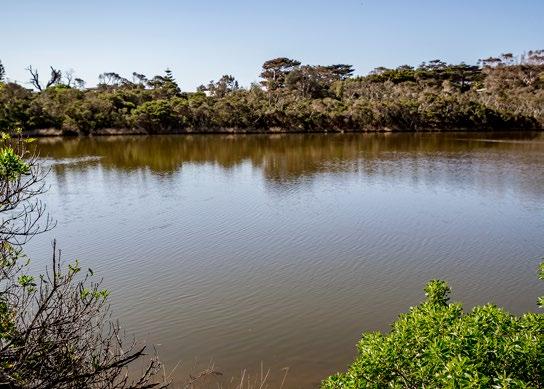
You will always find something to do in Mt Martha.


 Photos Yanni
PENINSULA
Photos Yanni
PENINSULA
E ssence | 55November 2022
CornerPuzzle
ACROSS
Spot
Licit
Annoyed
Wuss
Earth's environment, Mother ...
Forms liking for (5,2)
Introduction (4-2)
Pitcher
Cowboy show
Stone overhang
Self-images
Shadowed (prey)
Contract killer's fee, ... money
Hoax (3-4)
Quieten 131. Peep
In proportion, pro ...
Dutch sea wall 134. Tranquilliser
Grey-faced
W Indian isle
Medical practitioner 143. City's chief mail centre (1,1,1)
Foregone conclusion, fait ...
1/16 of pound
Envisages 151. Size 152. Consecrate as priest
Roamers
S African ruling party (1,1,1)
Elvis Presley museum
Grind (teeth) together
Cambodia's ... Rouge
Japanese warrior
Smallest
Initiated
Encroachments
Valuable possession
Titillating
Against
Swerve
Mentioning
Latvia & Estonia's region
Card game
Fur animal hunter
Relishing
Repudiations
Appalling
Actor, ... Willis
In the neighbourhood
Fire (exit)
Unhealthy
DOWN
Orange grove
More rational
Idolise
Horror writer,
King
Grounds (electrical circuit)
Calmed 107. Actor, Richard ... 108. Lurks
Onto terra firma
Merriment
Barked shrilly 113. Exerts 114. Classiest 120. Peculiarities 121. Facilitating 123. Explained further 124. Exulting 127. Hilltop blaze 128. Pitfall 135. Summon up 136. Fruit pastry (5,3) 139. From the menu (1,2,5) 140. Of sheep 141. Peruse 144. Large 147. US Mormon state 148. Rooster 150. Wise birds 153. Reword 155. Misgiving 158. Laymen 160. Spoofed, ... up 162. Cow skin 164. House cooler, ... conditioner 165. Alphabet (1,1,1) 166. Cancel (4,3) 167. Piece of connecting land 169. Belonging to that 170. Father's boy 172. Ancient Peruvian 173. Hardship 174. Disinclined 175. Viewed 177. Praise lavishly 178. French heroine, Joan ... (2,3) 179. Propel 180. Supermarket lane 182. Ball sport 184. Attach 185. Rockies state 186. Breathes sharply 187. Donkey cry 189. Unspoilt paradise
56 | PENINSULAE ssence November 2022 1. Noughts 2. In front 3. Singing voices 4. 24-hour periods 5. Antelope 6. Bulky 7. Ridiculous 8. The A of AGM 9. Flu symptom, ... congestion 10. Revel 11. Shade plant 12. Corrupt offer 13. Permeate 14. Used needle & thread 19. Throat-clearing noise 20. Sleigh 25. So! 26. Coldly 27. Director, ... Brooks 29. ... Lang Syne 31. Old VCR format 32. Insecticide (1,1,1) 33. Worries 34. Zilch 36. Vacuum-sealed 39. Continental 40. Mature 41. Swimming, cycling & running champion 42. Ill-judged (3-7) 44. Snow monster 46. Waist ribbon 47. Sleeveless garment 49. Touch at one end 50. Great artery 51. Wrecks 53. More compassionate 54. Fuses (of bones) 55. Unseat from power 57. Weaves, ... & turns 59. Antenna 63. Intoxicated (slang) (3-4) 66. Letter 67. Quickly kissed 68. Moves furtively 70. Facet 71. Tinting 73. Lapse 74. Marinated 76. Seriousness 80. Excruciatingly 82. Mongrel dog 85. Pop artist, ... Warhol 88. Snuggled 89. Flavoured rice dish 90. Spray can 91.
94.
97.
104.
...
105.
106.
109.
111.
112.
1. South Pacific nation, New ... 6. From Mount Everest area 11. Materials 15. Astound 16. Degrade 17. Spacecraft's return (2-5) 18. Insincerity 21. Colourful fish, ... trout 22. Scabbard 23. Coastal lake 24. Cruelty 28. 12 months 30. Cain's brother 32. Guard 35. Before expected 37. Bewildered 38. Inquired 40. Filled pasta 43. Entirely 45. Pokes 47. Family tomb 48. Made believe (4-5) 52. We ... not amused 53. Eliminates (rival) (6,3) 56. Adulates 58. Open range zoo, ... park 60. Affronts to society 61. Harmless fib, ... lie 62. Poorest of the poor 64. The common herd, ... polloi 65. Clergyman's title 67. Rustic 69. Native of Mecca 72. Sloth 75. Heavy fencing sword 77. Wolfs down 78. Root vegetables 79. Rowing aids 81. Training school 83. Hard sell 84. Aural protection item 86. The Y of NYPD 87. Theatre attendant 90. Beautify 92. Couch 93. Most recent 95. Infuriate 96. Cloud over ominously 98. Achievement 99. Replete 100. Gangsters, Bonnie & ... 101. Scuba descent 102. Fall suddenly 103. Food 104.
106.
110.
113.
115.
116.
117.
118.
119.
122.
125.
126.
127.
129.
130.
132.
133.
137.
138.
142.
145.
146.
149.
154.
156.
157.
159.
161.
163.
168.
171.
172.
176.
177.
180.
181.
183.
187.
188.
190.
191.
192.
193.
194.
195.
196.
197.
PENINSULAE ssence | 57November 2022 See page 66 for solution
A CENTURY OF CHANGETHE MERRICKS GENERAL STORE
By Ilma Hackett, Balnarring and District Historical Society (BDHS)
It has an old-world charm with its verandah posts covered by vines, the wooden façade and walls of corrugated tin.
Today’s Merricks General Wine Store is a well-known, well-patronized restaurant on the corner of FrankstonFlinders Road and Thompsons Lane. Its present appearance makes a marked contrast to the plain, weatherboard-fronted building that was erected a century ago as a general store for the surrounding farming community. In fact, the store was the fulfilment of a dream for a young engaged couple.
A dream takes shape
The store was built by Jack Joyner and his sons for Jack’s only daughter Tilly and her fiancé, Alf Weston. Tilly, a dark-haired, lively lass had grown up on the family farm at Merricks. After he gave up farming her father, a shipwright by trade, supplemented his income by working on the boat ramps at Crib Point while her mother, the district’s postmistress from 1919, ran the local post office from the front veranda of their home, ‘Marlowe’, in Merricks.Tilly and
her friends attended the dances held at the naval base and it was here that she met Petty Officer Albert Edward Weston, known to everyone as Alf. A Queenslander, Alf joined the navy when he was sixteen and served throughout World War I on various ships. After the war he was stationed at the Flinders Naval Depot as a plumbing instructor. Romance blossomed, the two became engaged and planned their future. Alf bought land in the township of Merricks with the idea of setting up a store which the couple would run after he quit the navy. With this in mind he handed his pay into Tilly’s keeping so a building could be erected on the easternmost lot.
Merricks in the 1920s was predominantly a farming and grazing community. It had the post office, two small churches and, from 1921, a railway station on the Red Hill to Bittern line that linked with the Frankston line to Melbourne. The station was conveniently close to the store which at first sold farm produce. Then, in 1923 the post office was re-located to the newly opened general store with Mrs Joyner continuing as Post Mistress.
next page...

58 | PENINSULAE ssence November 2022
continued
Above: The Merricks General Store, circa 1930, with "Westgate" to the left
Alf was discharged in 1926 and he and Tilly married in St Mark’s Anglican Church, Balnarring on 5 June; ‘a very pretty wedding’ as the newspaper reported. A reception followed in the Balnarring Hall where family members and friends dined then danced to the music of the Jazz Band from the Naval Base. The new Mr and Mrs Weston left the following day for Queensland. As distance prevented Alf’s family from attending the wedding, he was taking his bride to meet them. During their absence Tilly’s brothers completed building the weatherboard, Californian-style bungalow on the land next to the store; “Westgate’ was ready when Tilly and Alf returned. In the corner of the garden nearest the store Tilly planted a kurrajong sapling she had carried back from Queensland. The little tree flourished to become the majestic tree that stands there today.


A thriving business and community hub
The Merricks Post Office Store did well. The building expanded as trade grew. The Westons endeavored to provide everything the community might need: horse shoes, chaff, boots, saddles, farm machinery, toys, groceries, kerosene lamps. As a small girl Elma Cole from ‘Seagrove’, opposite the store, remembers the packets of cigarettes displayed in the windows. "Each packet came with a giveaway ring to wear on your finger. My father would buy cigarettes so I could have whichever ring I wanted".
Some goods were provided from local sources, like the bread from Flinders, but most goods came from Melbourne sources. Alf drove his truck up to Melbourne and brought them back with him. He also ran a delivery round dropping orders off to farms around Shoreham, Merricks North and as far as Flinders. The store quickly became a hub where people met daily when they went to collect their mail and newspapers and to hear the latest local news.

PENINSULAE ssence | 59November 2022
Above: Alf and Tilly Weston, 1921
SPECIALS CAMBERWELL | CARRUM DOWNS | GLEN WAVERLEY | ROSEBUD | HAMPTON CONTACT US for a FREE Measure & Quote Connect with us #Carrum Downs Store OnlyLuxury Bremworth # Wool Carpets and a huge range of Timbers and Oaks available in storePLUS! • CARPETS • TIMBERS • LAMINATES • VINYL • TILES • BLINDS • ENGINEERED FLOORS • HYBRIDS • PLANTATION SHUTTER S • FLOOR SANDING & POLISHING • WALLPA PER OPEN 7 DAYS Shop 9/991 Point Nepean Rd, Rosebud Shop 2/544-546 FrankstonDandenong Rd, Carrum Downs 1300 069 340 www.mikescarpets.com.au 3 ROOMS HYBRID 3 ROOMS WOOL CARPET FULLY INSTALLED $1900* FULLY INSTALLED $1990* *conditions apply*conditions apply PRESENT THIS AD TO REDEEM THIS OFFER PRESENT THIS AD TO REDEEM THIS OFFER continued next page...
A petrol pump with a wind-up handle was installed with petrol selling at 1/6 (one shilling and sixpence) per gallon. Henry Crowe recalls how he passed the store every day on his way to the Merricks school (which opened in 1926). "The ground was always greasy near the petrol pump which was at the Point Leo end of the building. The telephone box was at the other end". The telephone switchboard handled local calls while outside calls went through the Flinders exchange. The mail came and went by car to the railway station. Tilly officially took over the Post Office in 1927 and in 1933 Alf was appointed assistant. The first of the couple’s sons, George, was born in 1927 and his brother, John in 1933. Both boys attended the nearby Merricks School, then later Padua and Brighton Grammar. The Westons employed young local people to help in the store and post office. Iris Ward, an orchardist’s daughter, worked there for a number of years and Sarah Crow worked the switchboard. School girl Jean Oswin worked in the store on a Saturday and became a full time assistant when she left school. To her embarrassment Alf teased her by singing romantic ditties.

Alf and Tilly ran the business together for over twenty years. It was hard and heavy work and eventually took its toll on Alf who had a heart attack while at the switchboard. He died in the Hastings Hospital in 1944.
Tilly steps aside
Tilly continued to run the store for a time but in the 1950s her mother’s health declined. Tilly stepped aside to nurse her and leased the business. Over the following eight years a number of different people had charge of the post office/store. In 1957 it was run by Anne Braun and her husband, a navy man. They were succeeded the following year by Gordon and Pearl Baker. Pearl ran the post office while Gordon was in charge of the store’s deliveries. Unfortunately,
Ray Jones who occasionally worked at the store recalls that Miss Cole brought in eggs to be sold. Her hens used to scratch around all over the farm and she went out and collected what eggs she could findfrom the barn, the haystack, under the trees. Trouble is, you never knew how old the eggs were and they all had to be float-tested before they could be sold. Once she dropped off what she said were two dozen eggs. She would be back later to pick up her container and collect payment. When she returned I told her there were only twenty-three eggs, one short of the two dozen . Quick as a flash came the retort, “Ah, but one is a double-yolker!”
Gordon’s ill health forced them to step back three years later and the post office passed to Stanley Gordon. He was in the store for about a year before it was taken over by Stan and Ann Wright, then passed back to Stanley Gordon. The frequent changeovers lead to a number of customers shopping elsewhere, especially those from the Flinders area.
In 1964 the McWhinney family became the new store keepers. Son Peter recalls, "the store included. . . a post office and Commonwealth Bank Agency. The post office catered to residents in the area who collected their mail from pigeon holes within the post office section of the building. Mail was delivered [to the store] by the postman at 5.00 p.m". Ken McWhinney delivered the groceries in the family’s EH Holden station wagon. His round began with the three customers in Point Leo - the ranger and an elderly couple - then on to households in Merricks North as far as Foxey’s Hangout.
60 | PENINSULAE ssence November 2022
Above: Alf Weston, his son John, and uncle in front of the Merricks Store, 1939
The store at Merricks Beach
There was also the smaller store at Merricks Beach three kilometres away. Prior to World War II that store opened as a small store/cafe at the beach run by Jack and Ella Wallace. Then George Weston, Alf and Tilly’s son, ran it when he was 16 as an extension of his parents’ store. It sold newspapers, groceries and handled mail. George was too young to have a driver’s licence but the Cole family, who owned the land between the beach and the Merricks Store, allowed him to drive through their paddocks. A new building was erected at the beach by the Westons in the late 1940s. It carried a limited range of items and was open mostly at certain hours during the summer holidays. It was on the same lease as the Merricks store and the same leaseholder was responsible for both.

After thirteen months during which there were three robberies – two at the Merricks Store and one at the beach store - the McWhinney family decided to leave. The leasehold was sold back to Mrs Weston in 1965.
Back in Weston hands
Tilly suggested to her younger son John that the Westons might again take over running the general store. John was now married with a young family. He had worked for the lighthouse service and the family had recently returned from Wilsons Promontory. His wife, Marlene "jumped at the opportunity" on the condition that they could stay until their children finished school. Neither the store nor the house had been well maintained and John did considerable work upgrading the premises before the family moved into ‘Westgate’. He put in new petrol bowsers and rebuilt the small garage at the side of the shop. John restocked a number of supplies that had dropped off whilst the store was leased. Once again it became a fully functional store selling a wide range of goods and
produce. John drove to the market to get supplies and produce; once a week for groceries and twice a week for fruit and vegetables. These trips involved an early morning start. Back at the store, bulkbought goods were weighed and placed into brown paper bags. Biscuits came in big square, tins. Eggs were sold individually by weight. Marlene worked in the store all day after the children left for school, taking over from John who had opened earlier for the newspapers. Margaret Stone worked a few hours to relieve Marlene. The store’s hours were extended until eventually it opened at 6.00 a.m. and closed at 6.p.m. seven days a week. Point Leo was growing in popularity as a surfing destination. With the increase in traffic on the road there was a growing demand for take-away food. The store sold sandwiches and hot dogs.
Tilly again ran the post office. Her grand-daughter Sherrill recalls that "she loved her work as postmistress and took her role seriously. She was always punctual and well-dressed in tailored suits and pearls. In the summer she wore spotted dresses". Marlene later took over from her mother-in-law who still came in occasionally until her death in 1975.
During their time there were no burglaries but perhaps an attempted one. They owned a large dog called Ben and each night John locked Ben inside the shop for security. One morning blood was found on the floor among shards of glass from a broken skylight. Had Ben foiled an attempt?
The Westons finally sold the business in 1976 when their youngest daughter (Donna) turned 17.
The Morgan family takes over
The new owners were Leigh and June Morgan who ran the store for two years. Leigh had known Merricks from the time he was five
next
PENINSULAE ssence | 61November 2022
Above: The Store in 1964
continued
page...
and the couple had been frequent visitors to the area. Leigh had held an engineering position but was recovering from cancer when he and his wife took over. They continued to run it as a general store. The Westons stayed on for a time to help ease the transition with John continuing to drive to the Victoria Market to collect the supplies. June Morgan attended to the bank and post office. It still remained the hub for the local community but, especially in summer, visitors outnumbered the nucleus of local people. Situated on the highway, a steady stream of people stopped to buy drinks, refreshments and incidentals. At weekends ice-cream and canned drinks disappeared rapidly.
The store’s buildings were spacious enough to allow different businesses to set up shop. Surfboards were sold and a craft shop, ‘Country Matters’, opened. An antique shop occupied an area for a time as did Coora Cottage Herbs.

June had three small children to look after and when Leigh returned to engineering, running the store became too much. They leased the business to a relative, Lloyd Gillies. Lloyd saw the potential for fast food and began to sell mainly hamburgers to the surfing crowd who frequented the store at weekends and during the holidays.
The Surfers’ Haven

Nola Coulthurst took over the lease in 1979. Her first morning was unforgettable. The first person through the door was the Heath Inspector who had come to close down the store. The main problem was the floor. In Nola’s words, "there were bare boards everywhere with a strip of grotty, ancient lino behind the counter". Nola was given a second chance and when the inspector returned a week later, he was satisfied with the changes she had made; bare boards scrubbed clean and the old lino replaced. The store still offered a wide range of items but the postal department reduced its services during her tenancy, leaving just basic services such as postal orders. It remained an agency for the Commonwealth Bank. Nola remembers Phyllis Cole, a regular customer and treasurer of St Mark’s church arriving with her "very old, voluminous and musty handbag" which she emptied onto the counter. The collection money, mostly coins, took Nola hours to count. Nola extended the range of ready-made foods, introducing pork pies, quiches, sausage rolls, scotch eggs. The food was incredibly popular. As the store had no cooking facilities she brought a plug-in stove from home. She also inherited a jaffle iron and a grill plate.

62 | PENINSULAE ssence November 2022
Discounted for pensioners and low income health care card holders. Also claimable with some private health funds IT’S TIME TO BOOK A MOLE MAP MONITORS SKIN FOR ANY NEW OR CHANGING MOLES Rosebud Skin Cancer Centre 1079 Point Nepean Rd, Rosebud Ph 5986 1600 Mornington Skin Cancer Centre 93 Tanti Ave, Mornington Ph 5975 9544 Cranbourne Skin Cancer Centre 74 - 76 High St, Cranbourne Ph 5995 1036 For early detection and treatment of melanoma continued page 64...

PENINSULAE ssence | 63November 2022 42 WATT RD, MORNINGTON | (03) 5975 0344 | INFO@SORRENTOFURNITURE.COM.AU CUSTOM LOUNGE FURNITURE MADE IN MORNINGTON
Friday nights at home were spent baking in preparation for the weekend. Merricks Store sausage rolls were legendary. One of the store’s main problems was rodents and they could often be seen moving behind the hessian-covered walls. Liz Dart, who ran ‘Country Matters’, set up a window display that included sheaves of wheat and the rats had a picnic. Baits were laid and eventually rats were eliminated. The store at the time had a pot-bellied stove which was very popular with the surfers when they came in from Point Leo, "frozen cold, with numb hands and numb feet". They would get as close as they could to the fire and Nola could sometimes detect what smelt like burnt flesh as she prepared their jaffles. The uneven floor presented a problem. When people walked across it the shelves moved as the stumps were not sound. Nola worried that the weekend tourists who found the store “so-o-o quaint might be in peril of the floor collapsing beneath them". Nola held the lease until 1981,
Changing fortunes
Throughout the next decade she was followed by a succession of people, Marjorie and Brian Parker, Robyn Cornish and Lyn Walker, Denis and Sonya Hanlon, Mr Maher then an artist named Bill Millerick. In 1997 Richard and Eunice Herr took over the store and revitalized it as a restaurant and meeting place. Richard was a caterer in the city but their interest waned and they moved on. Hayley and Melanie Morgan, daughters of the owners, took charge for the next few years. But the buildings were old and ramshackle and business had fallen off. In 1979-80 a new shopping complex, including a supermarket, had opened in nearby Balnarring. It was a death knell for the small, local, general stores. Custom became mostly mail and newspapers and catering.
Transformation
Finally in 2002 the old store was auctioned. It was bought by Dr Damien Ireland and his wife Sue, Michael and Mary Calaban

and Ian McCrae who promptly closed it down and planned extensive renovations. For almost three years the building remained shrouded while planning and construction went ahead. During this time there was a degree of unease in the Merricks community, as to what would emerge. A newssheet “Local Talk” was distributed periodically to keep people informed. The Irelands wanted to restore rather than demolish. They engaged architect Charles Steinic and local builder Garry Keirnan to undertake the alterations. The floors walls and stumps of the old building were rotten and the interior had to be gutted but the façade and the end wall of corrugated tin were retained. The new design kept within the old footprint and material was re-cycled where possible Tables for the new restaurant were made from the original floor boards. The result was a building that gained the award of Architectural Excellence in the South East for the Best Building Conservation (Commercial). The store reopened in December 2004 as a café for fine dining, an outlet for Rigel wines from the Calman’s vineyard at Shoreham and a small store selling local products. It quickly became a popular venue all year round with its outdoor deck in the summer and large two-way open fireplace in the winter.
The property changed hands in 2008 when it was sold to the Myer and Baillieu families of the nearby Elgee Park and Baillieu vineyards. The store became a centre for wine tasting and sales instead of cellar door trading. Kathleen Queally of Balnarring Vineyard was also a part owner of the business side of the venture although she sold out in 2014. Laurence Tedesco had been appointed manager. The store gained an excellent reputation as a venue for wine tasting and fine meals served throughout the day. With its several separate eating areas it could accommodate special functions or a quick cup of coffee and a snack. Before his death early this year owners, Bails Myer and his wife Sarah, were rated by the staff as their best customers. The adjoining house ‘Westgate’, originally the Weston

64 | PENINSULAE ssence November 2022
Above left: Merricks General Store in 2002, shortly before renovation
Above right: The restaurant section of the interior
continued page 66...



*Valid Until 30/11/2022 Conditions apply • No more mud in your gutters • No more vermin or birds in your roof • Protect your most valued investment -your home, your building • Gutters stay clean - no more cleaning • Save money and cleaning time • 30 year guarantee WeHaveYouCovered!
family’s home, was converted into a gallery in 2012 where works of art were displayed. The conversion again was acclaimed, winning a Mornington Peninsula Heritage Award.
Today’s complex of buildings shaded by the magnificent kurrajong tree has a quaint, old-world appeal. Merricks General Wine Store remains a popular hub albeit of a different nature from the general store that opened its doors a century ago. This milestone was celebrated by various events held during October.

Eyewear As Individual As You Are

References:

Interviews and written recollections of Marlene Weston, Peter McWhinney, Nola Coulthurst, Leigh Morgan (BDHS archives)
Newspaper articles (BDHS archives)
Bruce Bennett: The Old General Store also Merricks General Store, a History
Ilma Hackett: Merricks Store Scrapbook
66 | PENINSULAE ssence November 2022
Above: The store today
Now
stocking Paul Taylor Eyewear
7/68 Barkly
Street, Mornington
with a


Lifestyle


PENINSULAE ssence | 67November 2022 Visit www.centennialliving.com.au or call 1300 098 000 for a brochure AFFORDABLE, SAFE & SECURE with a Seaside Location 2 bedroom units from $365,000 TOP RATED VILLAGE SCAN ME A Retirement Village
Holiday

