CONTRACT NEWS
Santos takes FID on Agogo Production facility tie-in project in Papua New Guinea
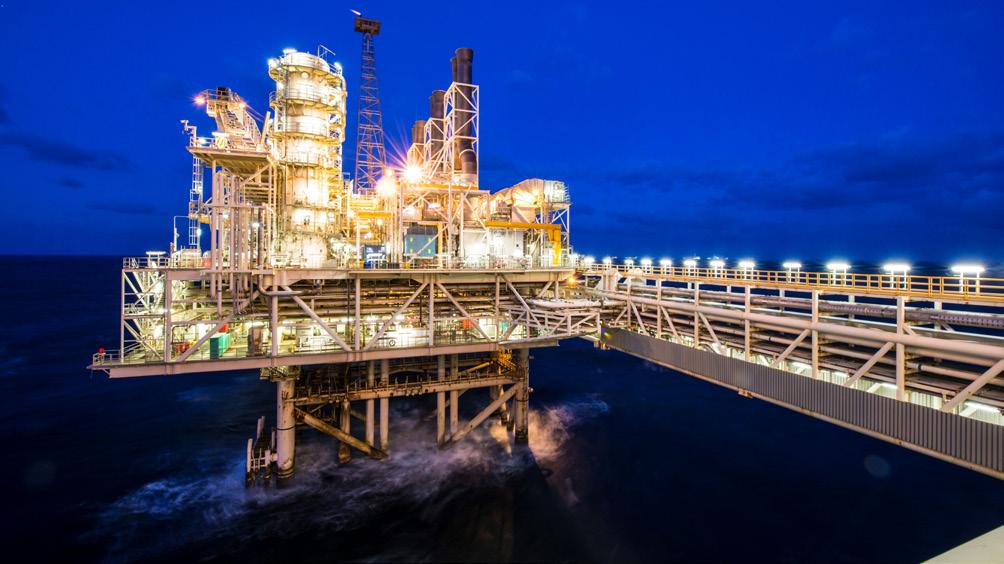
Santos has announced a final investment decision to proceed with the Agogo Production Facility (APF) Tie-In Project in Papua New Guinea, following approval by the PNG LNG joint venture.
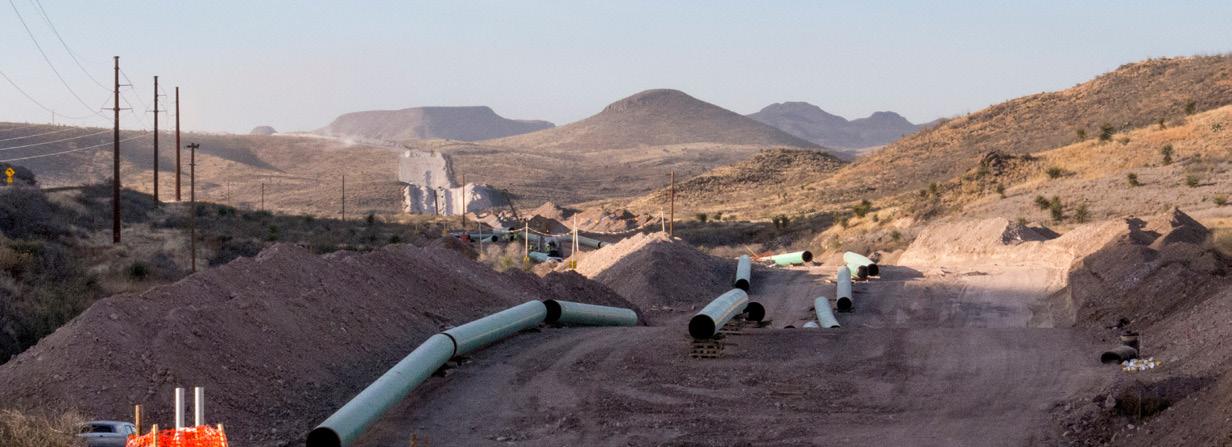
The APF Tie-In Project will deliver gas from the Santos-operated Agogo Production Facility to the PNG LNG gas pipeline via a new 19 km pipeline, together with two new wells and associated production facility modifications. Santos’ share of capital expenditure is approximately US$160 million (gross CAPEX approximately US$400 million over three years). First gas is targeted for 2Q28.
Santos’ Chief Executive Officer and Managing Director Kevin Gallagher said the APF Tie-In Project is a highly value-accretive investment that meets Santos’ disciplined capital allocation criteria and will support Santos’ long-term production profile with an approximately 12 year production plateau, and the potential to continue production beyond 2050.
“The APF Tie-In Project is a high-quality development with strong economics and a clear role in our strategy to build and grow portfolio production.
“The execution of this project will convert Santos’ 66 million boe 2P undeveloped reserves into developed reserves, delivering incremental net production of approximately 54 million ft3/d with significant upside potential depending on reservoir performance.
“With an expected IRR of greater than 50% and a payback period less than four years from FID, and approximately two years from first gas, the project is expected to be strongly value accretive, support our long-term production profile and sustain feed gas supply to PNG LNG,” Mr Gallagher said.
Santos’ Australia and PNG Chief Operating Officer Brett Darley said “key regulatory approvals are in place, required land access has been secured and all material joint venture approvals have been obtained.
“Through the Santos Foundation and our broader community partnerships, we continue to invest in stronger, more resilient communities in the Highlands and long-term, cooperative relationships with landholders and local stakeholders.
“Our focus is now on progressing detailed design for the facility modification, awarding the two main construction contracts and progressing the temporary construction camp to drive towards first gas in the second quarter of 2028,” Mr Darley said.
The project CAPEX is included within capital expenditure guidance.
Santos holds a 39.9% interest in the PNG LNG joint venture. Joint venture partners are ExxonMobil PNG Ltd, ENEOS Xplora, Kumul Petroleum and the Mineral Resources Development Company.
Sonardyne and AMOG sign subsea asset monitoring MoU
Underwater technology specialist Sonardyne has signed a Memorandum of Understanding (MoU) with international advanced engineering company AMOG to provide a complete subsea asset monitoring service to offshore energy infrastructure operators.
The partnership will combine Sonardyne’s trusted underwater monitoring, positioning and communication technologies and AMOG’s industry-leading engineering assessment expertise to unlock asset insight, reduce downtime and enable life extension, for floating offshore wind and oil and gas moorings, as well as pipelines and risers.
This includes using Sonardyne’s new Observer wireless intelligent subsea asset integrity monitoring solution, with high and lowfrequency motion monitoring capability alongside third-party sensor integration and internal edge analytics.
The partners are already working on a near real time mooring monitoring system for a European floating offshore wind project.
Dr. Hayden Marcollo, Director at AMOG, is a global specialist in moorings and vortex induced vibration engineering and analysis.
He says: “Combining high quality subsea data, processes at source on Observer, with advanced engineering assessments, will provide asset owners with more actionable, near-real-time insight into the
condition and behaviour of critical subsea infrastructure through a single solution.
“For operators, this could support earlier detection of anomalies, improved understanding of loads and motions, and more informed decisions around inspection, maintenance and integrity management, as well as asset longevity, in one end-to-end solution.”
The system is also applicable in floating offshore wind and the partners are already working on a near real time mooring monitoring system for a European floating offshore wind project.
“By integrating on-demand and long term monitoring data from subsea environments with engineering models and analytics, there’s an opportunity to provide a more complete picture of asset performance – whether supporting day to day operations, integrity assurance or life extension strategies,” adds Frank Rose, Business Development Manager, Sonardyne.
“By working alongside AMOG, we’re exploring how data and engineering assessments can come together to give operators greater confidence in the way their subsea assets are performing, today and over the long term,” adds Rose.”
STATS Group expands North American manufacturing with major Texas investment
STATS Group has announced a major expansion of its North American operations with the opening of a new manufacturing facility in Rosenberg, Texas.
The 80 000 ft3 facility will manufacture a range of pipeline fittings, including hot tap and line stop components, enabling STATS to deliver a fully integrated service offering to customers across North America.
Its existing office in Houston, Texas, will support the new facility, which marks STATS’ first dedicated manufacturing capability in the United States.
The expansion is a direct response to increasing demand from operators for shorter lead times, and products manufactured locally in the US.
In the aftermath of the Iran war, South America explores new opportunities. In this article Gordon Cope, Contributing Editor, discusses the ever-changing landscape of South America’s oil and gas industry.
The oil and gas (O&G) sector in South America is booming as exploration and development race ahead in Brazil, Argentina, and Guyana. Other developments, including the ousting of President Maduro in Venezuela, bodes well. And the recent closure of the Strait of Hormuz, while bad news for consuming nations, presents a once-in-a-lifetime opportunity to the continent. We take a closer look at how the midstream sector in each jurisdiction might fare over the coming decade.
Guyana
Guyana is the Cinderella of South America. A decade ago, it was mired in poverty; now, thanks to offshore discoveries by ExxonMobil in the Stabroek Block, it has the potential to become one of wealthiest nations on Earth. As of late 2025, it was producing 900 000 bpd from four floating production, storage, and offloading ships (FPSOs), with plans to deploy three more by the end of the decade, boosting production to over 1.5 million bpd.

The Guyanese government is keen to leverage this boon to build infrastructure and industry within the country, particularly through the use of associated natural gas. While the produced gas has so far been re-injected to maintain reservoir pressure, ExxonMobil has built a 10 in., 225 km pipeline to deliver ashore up to 130 million ft3/d from the Liza project. The gas will power a 300 MW electricity facility near the capital of Georgetown that is slated to come online in late 2026. In addition, ExxonMobil and partners are finalising plans to produce the Longtail Gas Field, which would create up to 1 billion ft3/d of gas and 250 000 bpd of condensate. The government is eager to approve a second pipeline that would deliver feedstock for proposed LNG and fertilizer plants.
Brazil
Brazil is in the midst of a major overhaul of its midstream sector as it struggles to leverage the tremendous growth in O&G production, specifically gas. Primarily associated with offshore crude production in the pre-salt play southeast of
Rio de Janeiro, production has grown to 6.9 billion ft3/d by late 2025. TAG (which was sold by Petrobras to French-based Engie and Canada’s CDPQ in 2020), is the primary onshore gas pipeline operator, charged with managing the system that transports gas from the onshore collection point in Cambiunas, near Rio, to its termination point at Pecem, over 2500 km northeast along the Atlantic coast. Plans to displace expensive LNG imports include installing more compressor stations to increase capacity by 100 million ft3/d, to a total of 400 million ft3/d. TAG is also installing shorter regional lines to connect industrial and residential consumers.
As gas imports from Bolivia decrease, Petrobras is looking to increase capacity on its majority-owned TBG network that runs from the Paulinia compressor station (located 500 km west of Rio), south to markets in Sao Paulo. Twinned lines and new compressors could boost capacity on the 1000 km system to 1.3 billion ft3/d.
Venezuela
The surprise overthrow of the Maduro regime in January 2026 has changed the prospects of Venezuela’s O&G sector dramatically. Working with the new regime, President Trump has set out ambitious plans to turn around the moribund sector and dramatically increase exports.
Energy giants are being invited to participate in the revitalisation. After initial reservations, ExxonMobil, Shell, Eni, and Repsol are investigating potential investments. Chevron, which has remained active in Venezuela throughout the sanction period, has already submitted expansion plans to Venezuelan authorities. It currently produces approximately 240 000 bpd of heavy oil, but notes that figure could be expanded by 50%, to 360 000 bpd, within two years. If crude prices remain elevated, Rystad Energy estimates that overall production, which is already approaching 1 million bpd, could almost double by 2035.1
Environmental liability remains a significant barrier to international investment. PDVSA, the state-owned monopoly, has allowed infrastructure to decay through corruption and the lack of maintenance. In the Orinoco belt, pipelines, wellheads, and storage facilities have created a widespread onshore mess. In Lake Maracaibo, spills from over 25 000 km of pipelines have devastated shorelines and the thriving fishing industry. Tens of billions of dollars’ worth of remediation will be needed, and companies are reluctant to assume responsibility for neglected assets until their liabilities are clear.
Colombia
Since the election of President Petro in 2022, Colombia’s O&G sector has faced an increasingly hostile regulatory and fiscal environment, including the ban on new exploration leases, higher taxes and the prohibition of fracking. The results have been predictable; over the last five years, domestic crude production has fallen from 790 000 bpd to under 740 000 bpd, and gas production has decreased from 950 million ft3/d to 750 million ft3/d, as associated gas from ageing fields depletes.
The country has been granted a temporary reprieve with the discovery of Sirius, a giant offshore gas field. Ecopetrol and partner Petrobras estimate the field holds 6 trillion ft3
of reserves. The partners plan to build a pipeline that will deliver up to 500 million ft3/d to the Ballena LNG terminal in La Guajira, starting in 2031.
In the meantime, LNG import terminals are being expanded. Ecopetrol’s Cartagena regasification terminal has been running at near-full capacity of 360 million ft3/d since 2023. Ecopetrol says its Covenas terminal will enter service in 2027 with capacity rising to 360 million ft3/d in 2030; plans are underway to repurpose sections of the Oleoducto de Colombia (ODC) and Caño Limón-Coveñas oil pipelines into gas lines to deliver gas from both LNG tankers and the Sirius project to the interior.
Argentina
Argentina is on a roll thanks to the Vaca Muerta unconventional shale play in Neuquén province. Since being tapped a decade ago, production from the shale has risen to over 600 000 bpd and 4.6 billion ft3/d as of early 2026. Along with conventional output, Argentina is now ranked as South America’s fourth largest producer, and is forecast to be pumping over 1 million bpd by 2030.
Operators of O&G infrastructure, including pipelines, storage and export facilities, have been scrambling to keep up with the hectic expansion. The 800 million ft3/d Nestor Kirchner gas line (renamed the Perito Francisco Pascual Moreno Gas Pipeline), was completed in 2023; it has now undergone several phases of compressor expansion to add 400 million ft3/d of capacity. Construction on the Vaca Muerta Sur crude pipeline is expected to be finished by late 2026. The first phase of the 600 km line is designed to move 180 000 bpd of unconventional crude from Neuquén province to a marine terminal in Punta Colorada in the Rio Negro province. Further phases will boost capacity to up to 700 000 bpd by late 2027.
The massive expansion of natural gas output is expected to exceed domestic consumption. A new, 700 km international pipeline running from Uruguaiana, Argentina (a town located at the southern-most point of the border between Argentina and Brazil), to TBG’s southern gas pipeline terminal in Triunfo, has been proposed. The US$1.7 billion project would transport up to 500 million ft3/d; the project would require additional pipeline capacity from Neuquén and long-term contracts with Brazilian customers.
LNG also offers lucrative returns. Argentina LNG is a proposed project to transport gas in a 500 km pipeline from Neuquén province to the coastal province of Rio Negro. The first phase of the US$50 billion project would see 10 million tpy produced with floating LNG vessels, while future phases envision the construction of onshore LNG facilities. A final investment decision (FID) is expected by late 2026.
Mexico
Thanks to the availability of cheap natural gas from the US, Mexico has expanded its network of pipelines throughout the country to the point where state-owned and private networks transport 8.6 billion ft3/d in over 18 000 km of lines. The latest addition was TC Energy’s Southeast Gateway Pipeline, which was completed ahead of schedule in early 2025. The US$3.9 billion project travels offshore for 715 km in
the Gulf of Mexico from the US to the state of Veracruz. It is now delivering up to 1.3 billion ft3/d to CFE, the major Mexican electricity utility.
More pipelines are in the construction phase. Engie and Macquarie are expanding the Mayakan Pipeline from Campeche to the Yucatan. The Cuxtal II project will double capacity in the 250 million ft3/d Mayakan gas pipeline network to over 500 million ft3/d when it enters service in late 2026.
Other pipelines are being planned. Mexico Pacific Ltd (MPL) is proposing to build the Sierra Madre Pipeline. The project would run 800 km from the US border to the state of Sonora, delivering up to 2.8 billion ft3/d to MPL’s 14 million tpy Saquaro Energia LNG export project. Pemex is proposing the construction of the 247 km Interoceanic Corridor Gas Pipeline across the narrow Isthmus of Tehuantepec, connecting the Atlantic port of Chinameca in the state of Veracruz to the Pacific port of Santa Cruz in Oaxaca. The pipeline would transport up to 500 million ft3/d to a proposed LNG plant and several industrial parks.
In May, 2026, President Sheinbaum announced a major investment in Mexico’s gas pipeline network. The plan calls for US$8.1 billion to be spent over the next four years on new pipelines and upgrading the existing network. Funds will be provided by CFE and the National Centre for Natural Gas Control (Cenagas). New pipelines will be developed in the states of Veracruz, Sonora, and Tamaulipas, and the 40 year old Naco-Hermossilo-Guaymas pipeline near the US border will be significantly expanded. The initiative will supply electricity plants, LNG facilities and industrial development.
Challenges
In general, jurisdictions in South America are plagued by inadequate port facilities, ageing pipeline networks and insufficient storage infrastructure that place limits on the pace that they can accommodate the growing requirements of their respective O&G sectors. As populations become more prosperous, and industry expands, the domestic needs for fuel compete with export opportunities. Corrupt regimes, internal guerrilla strife, a history of expropriations, and conflict between neighbouring countries impede growth.
In Guyana, the major impediment to ExxonMobil approving its Longtail gas field and the new, second pipeline to the mainland is finding firm customer commitments. The company has publicly stated that a transformational level of new electrical utilities, fertilizer plants, and data centres are all necessary to supply a strong, diverse customer base.
Local content rules are having a negative impact on development. Brazil’s National Petroleum Agency (ANP), for instance, requires minimum domestic content for pipeline infrastructure in order to bolster domestic supply chains and employment. Companies involved in pipeline construction have complained about high costs, a dearth of competitiveness, and supply chain limitations. The latter, especially for complex engineered equipment, is dire;
the time lag for new gas compressors has increased from six months to almost two years; buyers are scrambling to find used modules, and are training local manufacturing and assembly engineering firms to retrofit existing units.
On a positive note, President Maduro’s extradition to the US has significantly eased tensions between Venezuela and Guyana. For the last several years, the former leader had been mobilising its army against its eastern neighbour, claiming that the region of Esequibo, where the majority of Guyanese production occurs, belongs to Venezuela. That threat now appears to have evaporated.
The future
In its review of post Strait-of-Hormuz ramifications for South America, Rystad Energy notes the following: “The pace of growth across South America will depend less on resource availability or economics and more on execution capacity, supply-chain constraints and the broader investment environment. Countries that provide clear fiscal and regulatory frameworks are better positioned to accelerate project sanctions and capture the upside from higher prices. Those that hesitate or are slow to move will simply watch the capital flow elsewhere.”1
This is certainly true when comparing Colombia’s fortunes with Argentina’s. Although both have tremendous hydrocarbon potential, the punitive fiscal and regulatory policies of the Petro regime in Colombia have resulted in a significant decrease in foreign direct investment (FDI). In 2022, international investment in the O&G sector exceeded US$13 billion; by 2025, it had fallen to under US$5 billion, primarily directed toward maintenance. In Argentina, where the conservative administration of President Javier Milei has made numerous changes to fiscal and regulatory policies to encourage the exploration of O&G, FDI exceeded US$15 billion in 2025, and the country expects up to US$26 billion in 2026.
Guyana is also seeing an acceleration of development. In light of increased demand from regions pursuing suppliers with lower geopolitical risk, ExxonMobil is seeking regulatory approval to boost production at the Yellowtail field from 263 000 bpd to 290 000 bpd. Whiptail, ExxonMobil’s sixth project, is on schedule to enter service by the end of 2027, and the seventh project, Hammerhead, is being moved a year ahead, to 2028.
In conclusion, South America holds vast resources and opportunities to tap into the need for consuming nations to diversify their sources of energy away from the Middle East. Asian countries especially are seeking out ways to invest and ensure reliable supplies from countries that are expanding their capacities. Brazil, Guyana, Argentina (and now Venezuela), stand to enhance the prosperity of their nations through the exploration and development of their natural resources. All parts of the continent’s O&G industry, including the midstream sector, stand to benefit tremendously over the next decade.
Reference
1. https://www.rystadenergy.com/news/dollar100-oil-could-unlock-21-millionbpd-of-additional-south-american-crude-supp
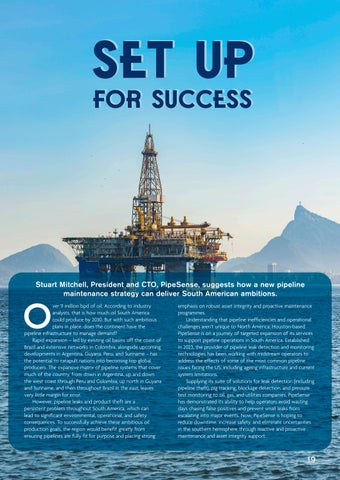
Stuart Mitchell, President and CTO, PipeSense, suggests how a new pipeline maintenance strategy can deliver South American ambitions.
Over 9 million bpd of oil. According to industry analysts, that is how much oil South America could produce by 2030. But with such ambitious plans in place, does the continent have the pipeline infrastructure to manage demand?
Rapid expansion – led by existing oil basins off the coast of Brazil and extensive networks in Colombia, alongside upcoming developments in Argentina, Guyana, Peru, and Suriname – has the potential to catapult nations into becoming top global producers. The expansive matrix of pipeline systems that cover much of the country, from down in Argentina, up and down the west coast through Peru and Colombia, up north in Guyana and Suriname, and then throughout Brazil in the east, leaves very little margin for error.
However, pipeline leaks and product theft are a persistent problem throughout South America, which can lead to significant environmental, operational, and safety consequences. To successfully achieve these ambitious oil production goals, the region would benefit greatly from ensuring pipelines are fully fit for purpose and placing strong
emphasis on robust asset integrity and proactive maintenance programmes.
Understanding that pipeline inefficiencies and operational challenges aren’t unique to North America, Houston-based PipeSense is on a journey of targeted expansion of its services to support pipeline operations in South America. Established in 2023, the provider of pipeline leak detection and monitoring technologies has been working with midstream operators to address the effects of some of the most common pipeline issues facing the US, including ageing infrastructure and current system limitations.
Supplying its suite of solutions for leak detection (including pipeline theft), pig tracking, blockage detection, and pressure test monitoring to oil, gas, and utilities companies, PipeSense has demonstrated its ability to help operators avoid wasting days chasing false positives and prevent small leaks from escalating into major events. Now, PipeSense is hoping to reduce downtime, increase safety, and eliminate uncertainties in the southern hemisphere through reactive and proactive maintenance and asset integrity support.
Pipeline challenges in South America
As the environment surrounding pipeline networks changes or deteriorates, surface erosion and landslides are common, creating a harsh reality for pipeline networks to survive in and for their operators to combat. With pipelines already taking a hit from their surroundings, when you mix in an ever-aging pipeline population, plus accidental damage and, in some cases, product theft, it’s no surprise that leaks are occurring more frequently.
Within the Amazon’s most biodiverse regions, such as Ecuador, Peru, and Venezuela, these contributing factors have
long been the catalyst for significant damage due to oil and gas leaks from existing pipeline infrastructure. Often unmonitored, pipeline leaks build up, leading to ongoing environmental and economic damage.
In many areas, pipeline leaks and incidents have increased in recent years:
) In Argentina’s Vaca Muerta region, reported environmental and operational incidents associated with oil and gas activity increased significantly between 2017 and 2021 as production accelerated.
) High-profile leak, spill, and fuel theft incidents in Brazil have intensified attention on pipeline security, operational monitoring, and environmental risk management across the sector.
) Historical records and investigative reports have documented hundreds of oil spills and pipeline-related environmental incidents in Colombia over multiple decades, highlighting ongoing challenges tied to infrastructure integrity, sabotage, and illegal tapping activity.
) Rapid offshore production growth in Guyana between 2019 and 2023 increased regional focus on flaring, emissions management, and operational reliability as new infrastructure was brought online.
) Ageing infrastructure, corrosion, difficult terrain, and limited maintenance investment in Peru have contributed to recurring pipeline leak incidents and operational disruptions in recent years.
) In Suriname and other emerging production regions, operators continue evaluating infrastructure reliability and well integrity risks as onshore and offshore development activity expands.
As South America continues expanding oil and gas production into new basins and export corridors, operators face a dual challenge: developing new infrastructure while maintaining safe, reliable throughput across existing pipeline networks. Ensuring continuity of production during this transition requires technologies that improve operational visibility, reduce response times, and minimise unplanned downtime.
Service providers such as PipeSense play a critical role in supporting this balance through advanced, real-time pipeline monitoring solutions that enhance the integrity and performance of existing infrastructure. By delivering continuous monitoring and intelligent event detection capabilities, operators are provided with immediate visibility into potential leak conditions, unauthorised activity, and suspected product theft events across pipeline systems. Through rapid, actionable alerts and situational awareness, PipeSense enables operators to respond faster, isolate issues earlier, and reduce the operational and environmental impact of pipeline incidents. This proactive approach helps minimise costly shutdowns, maintain throughput reliability, and extend the operational effectiveness of existing assets while new fields, gathering systems, and transmission networks are brought online.
In rapidly evolving production regions, technologies that strengthen infrastructure resilience and reduce operational
Figure 1. Increased regional production, including off the coast of Brazil, will place existing and developing infrastructure under increased stress.
Figure 2. Modern pipeline solutions provide proactive and roundthe-clock visibility support.
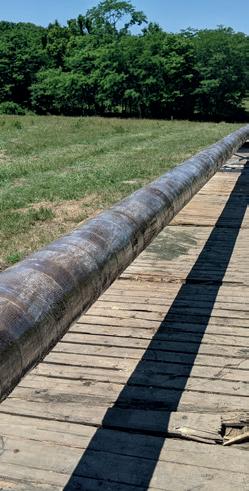
Figure 3. PipeSense and Fastpack collaborated on an 8.72 km, 30 in. mining tailings pipeline.
disruptions will be essential to sustaining growth, protecting assets, and supporting long-term energy development goals.
No time to waste
To support ongoing production and minimise downtime, advanced reactive solutions are available to integrate into asset management.
While blockages and obstructions are a standard part of pipeline life, days wasted digging for answers don’t have to be. No matter where they are based, pipeline crews all around the world will know the pain of spending hour after hour (even day after day) digging in the wrong place, following instructions from operators who are forced to rely on their gut instincts and inaccurate data to pinpoint obstructions.
Designed by experts with decades of experience in data collection and software development, reactive support systems (PipeSense’s PipeScan) can pinpoint blockages, stuck pigs, and obstructions, allowing operators to act fast and restore flow. Utilising high-speed pressure pulses and data sampling, capturing signals at 1 kHz resolution, and a portable setup via easily deployed Field Processing Units (FPUs), operators have access to technology that can be set up in even the most demanding and remote regions commonly found in South America. Set up on either side of suspected blockages, these FPUs measure the time delay and reflection of the signal, providing location data to the client within hours, minimising costs tied to search and excavation.
As production continues in existing regional networks and new systems accelerate through development, there is no way to feasibly avoid obstructions and blockages. But that’s not the name of the game. Instead, it’s about how we respond to them – so do it with speed and accuracy.
Getting on the front foot
When issues arise, it’s how you react that can set you apart from competitors. And while more reactive solutions have their place, it’s critical to be proactive. This is especially true for South America, with significant plans and expansions on the horizon.
Leaks will eventually occur even in the best-maintained systems. The key is to acknowledge this reality and focus on proactive measures – minimising their impact through early detection and rapid resolution of potential issues before they escalate. Learning from past incidents in countries like Peru, Brazil, and Ecuador highlights how important it is to prioritise strong asset integrity and swift response capabilities.
With the right permanent leak detection solution (PipeSense’s PipeGuard), pipeline monitoring can be a simplified process that turns confusion into clarity and drives a strong commitment to immediate action.
Rapid technological advancements powered by machine learning have proven to be a gamechanger for permanent leak detection. Through a harmonious combination of ultrahigh frequency pressure sampling, cutting-edge pressure
and frequency analysis, and edge computing, leaks can be validated and pinpointed in real-time with the utmost certainty.
By installing sensor connections at key intervals, you can instantly pick up dynamic pressure pulses to ensure that no leak goes unnoticed. With multiple FPUs working independently 24/7, ensuring fail-safe reliability, and analysing insights for real-time verification, leaks are quickly detected within 5 - 15 m and 99% accuracy through granular geolocation data. Delivering AI-driven alerts to clientfacing dashboards, systems like these help operators to act immediately to ensure uninterrupted productivity.
A definitive leak detection system is ideal for the future of South American oil and gas production. Built for longterm support from day one, when a custom deployment plan is tailored to the pipeline, and rapid installation leaves the system running in no time, enabling a long-term outlook via continuous health monitoring, remote diagnostics, and AI-driven updates to ensure the system continues to improve along with the demands of your network.
Built for the future: supporting South American pipeline demand
Across South America, ambitious goals have been set for continued growth in oil, gas, and petrochemical production. Meeting these expectations will require a thoughtful and sustained approach, with a strong focus on how the pipelines that will transport the product are properly maintained, supported, and protected over the long term.
Whether onshore or offshore, from a production and structural point of view, these systems are already complicated. And that is without considering the external factors outside of an operator’s control, such as the surrounding environment, accidental damage, and product theft.
Establishing and implementing the right solution now, operators can save themselves the headache later once new plans are underway. In today’s operating environment, operators can no longer afford to treat leak detection and theft mitigation as reactive functions. Instead, the industry demands a proactive, layered strategy that combines continuous monitoring, infrastructure assessment, and a clearly defined implementation roadmap.
Providers like PipeSense encourage clients to begin by evaluating their highest-risk assets, identifying vulnerable corridors, and establishing a phased deployment plan for solutions, such as PipeGuard, that align operational priorities and budget realities. By leveraging existing access points and infrastructure, operators can deploy non-invasive monitoring technology with no disruption to product flow or daily operations, accelerating implementation while reducing installation costs and operational downtime.
A successful leak detection strategy, however, begins long before permanent monitoring systems are installed. That is why PipeSense recommends incorporating additional solutions (PipeServ) early in the process to assess pipeline integrity, validate conditions in the field, and address operational challenges that could impact long-term system performance. From verifying access conditions and identifying maintenance
concerns to evaluating environmental and operational variables, these services help operators build a stronger foundation for permanent monitoring deployment. Taking this proactive approach not only improves leak and theft response capabilities but also strengthens regulatory readiness, enhances public and environmental safety, and protects critical infrastructure investments for the long term.
Case study
Fast approaching its third anniversary, since late 2023, PipeSense has been supporting midstream operators of oil, refined products, natural gas, and produced water pipelines within North America. On a mission to take three years of results, lessons, and growth further afield, the company is looking at how it can now support wider markets. For South America, that meant partnering with Chile-based Fastpack, an established provider of transportation, fluid handling, and asset integrity solutions to heavy industries.
Announcing the joint agreement in January 2026, PipeSense now has a direct link to the Chile and Peru regions, supporting oil, gas, utilities, and mining markets. While they now have direct access and knowledge of a new market, the partnership means that Fastpack has access to PipeSense’s catalogue of leak detection, pig tracking, and hydrotesting technologies that have supported asset integrity and maintenance strategies within the oil, gas, and utilities industries since their 2023 launch.
Commencing the partnership and demonstrating its potential within the market and relevance to suitable clientele, PipeSense has provided its PipeGuard leak detection system to one of the region’s largest producers of metals and precious minerals. Just like the oil and gas industry, mining is a critical foundation of the regional economy. Through this project, the company has sought to show how its solutions – whether reactive or proactive – can help mitigate the economic, environmental, and operational impact of pipeline leaks, including water source contamination, soil degradation, and lost production time, common within mining operations.
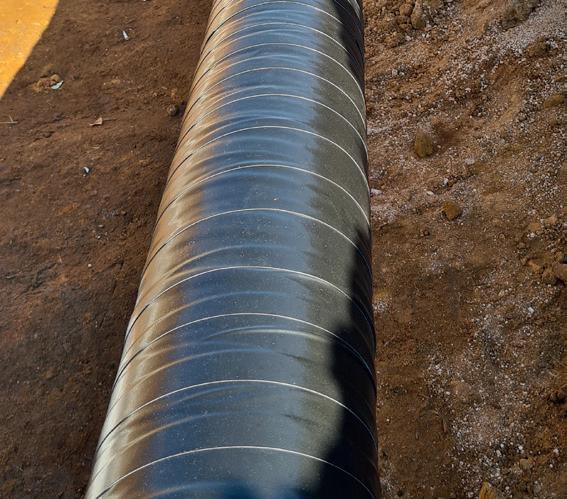
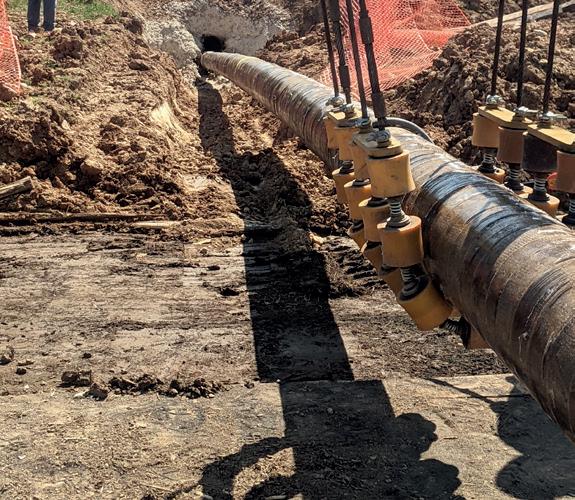
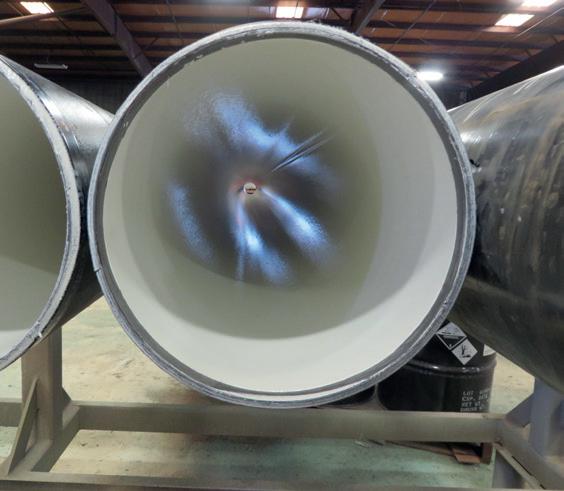
The recently completed deployment of five field processing units along an 8.72 km, 30 in. mining tailings pipeline constructed with HDPE-lined steel, demonstrating the flexibility and speed of our non-invasive monitoring approach in demanding industrial environments. Designed to support rapid installation with minimal operational interruption, the deployment enacted by Fastpack enabled strategic placement of monitoring points across the pipeline to enhance leak detection sensitivity and system coverage. Mining tailings operations present unique challenges due to abrasive materials, fluctuating pressures, and complex terrain, making proactive monitoring essential for both environmental protection and operational continuity. By utilising PipeSense’s scalable technology platform, operators gain real-time visibility into pipeline conditions while establishing a strong foundation for long-term integrity management and risk reduction.
While nuances exist between the operational requirements for leak detection within mining operations, the company is looking to replicate the success of this initial project for other markets, with a focus on oil and gas pipeline networks.
Julien Losseau, CEO, Sourse, Belgium, considers the growing threats to pipeline integrity, and ways in which near real-time aerial intelligence could be the answer.
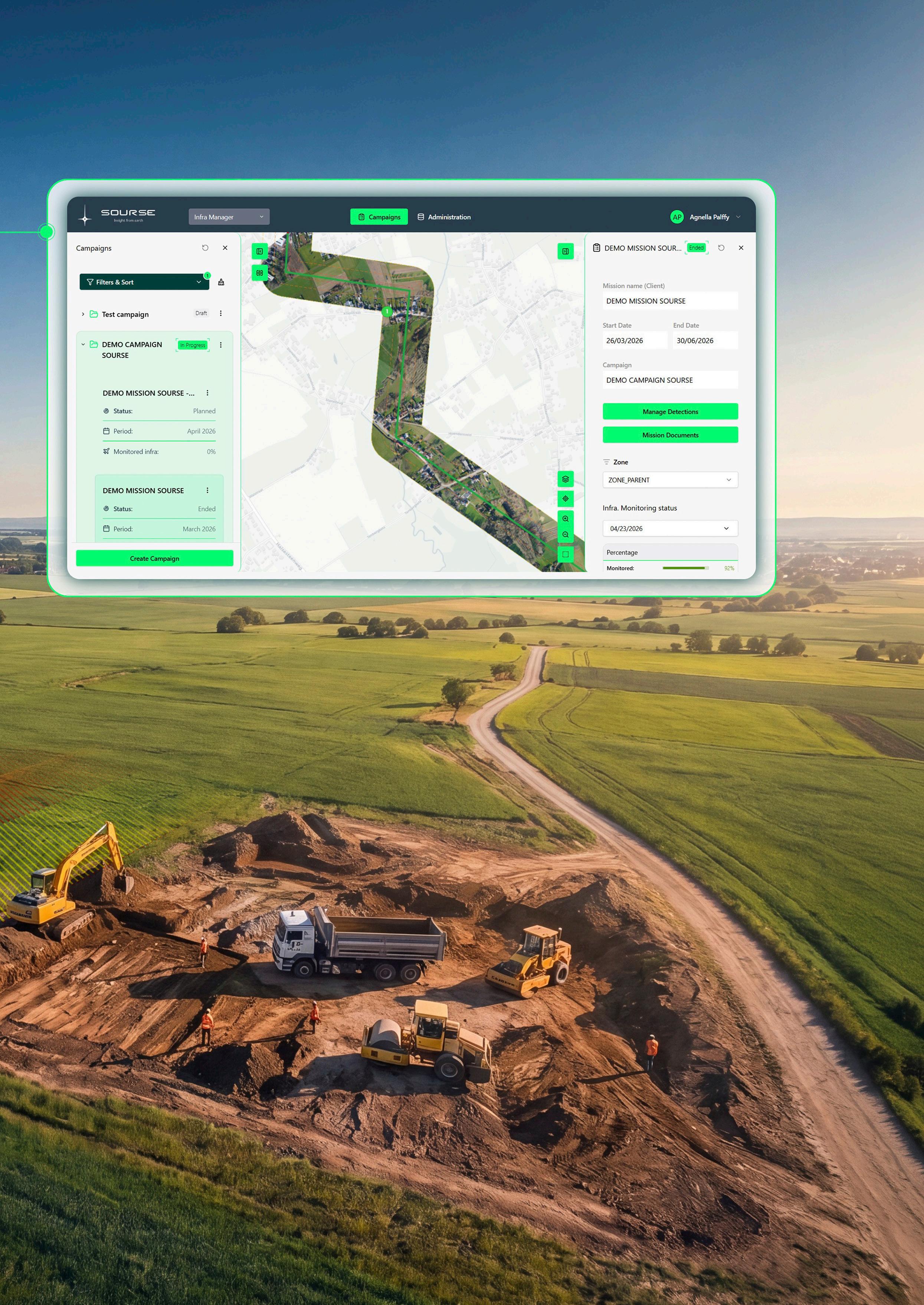
European pipelines have never been more closely monitored. Integrity standards have been tightened, inspections multiplied, risk models refined. And yet, one major risk persists: third-party interference on the right-of-way. These threats are growing, they affect networks stretching over thousands of kilometres, and current monitoring methods cannot address them with the responsiveness and coverage that managing a large-scale network demands. When faced with this reality, leaving a TPI threat without an immediate response is simply not an option. This is where digitalised aerial monitoring in near realtime (NRT) comes in. Solutions like Horizon, developed by Belgian company Sourse, specialised in Earth Intelligence, are now delivering an answer equal to the challenge.
The safety gap: monitoring is no longer enough
Data from EGIG, which compiles over 50 years of incidents across approximately 150 000 km of network, show a steady decline in the overall frequency of incidents in recent years.
The combined efforts on design, corrosion management, inspections and prevention have paid off.
But behind this overall improvement, the origin of incidents remains telling. Over the past decade, external threats have consistently accounted for a significant share of recorded incidents – and EGIG highlights that they remain associated with potentially severe consequences. These threats are on the rise, occurring everywhere, simultaneously, across networks that span thousands of kilometres.
Most operators have nonetheless strengthened the surveillance of their networks. Ground patrols, aerial surveys, satellite data, field reports: the challenge is no longer simply about ‘seeing’ – it is about being able to act in time, in the right place, with enough confidence to trigger an intervention. Because even when information does come in from the field, it often remains incomplete, difficult to contextualise and impossible to audit. An excavator may have moved closer to the pipeline. A temporary worksite may have become permanent.
This is the safety gap – the distance between the moment a TPI risk appears on the right-of-way and the moment an integrity team can actually act on it, knowing where to go, why, and with what evidence to present to the regulator. As long as information is not automated, standardised and traceable, the industry remains structurally behind the most dynamic threats: those created by humans, and visible before they cause damage.
NRT: acting while there is still time
Closing this gap is not about adding more flights or multiplying reports – not even digitalising them. It requires a fundamental
shift in timescale: digital aerial monitoring that does not deliver in real time is just another report – useful, but never sufficient to act before a threat becomes an incident.
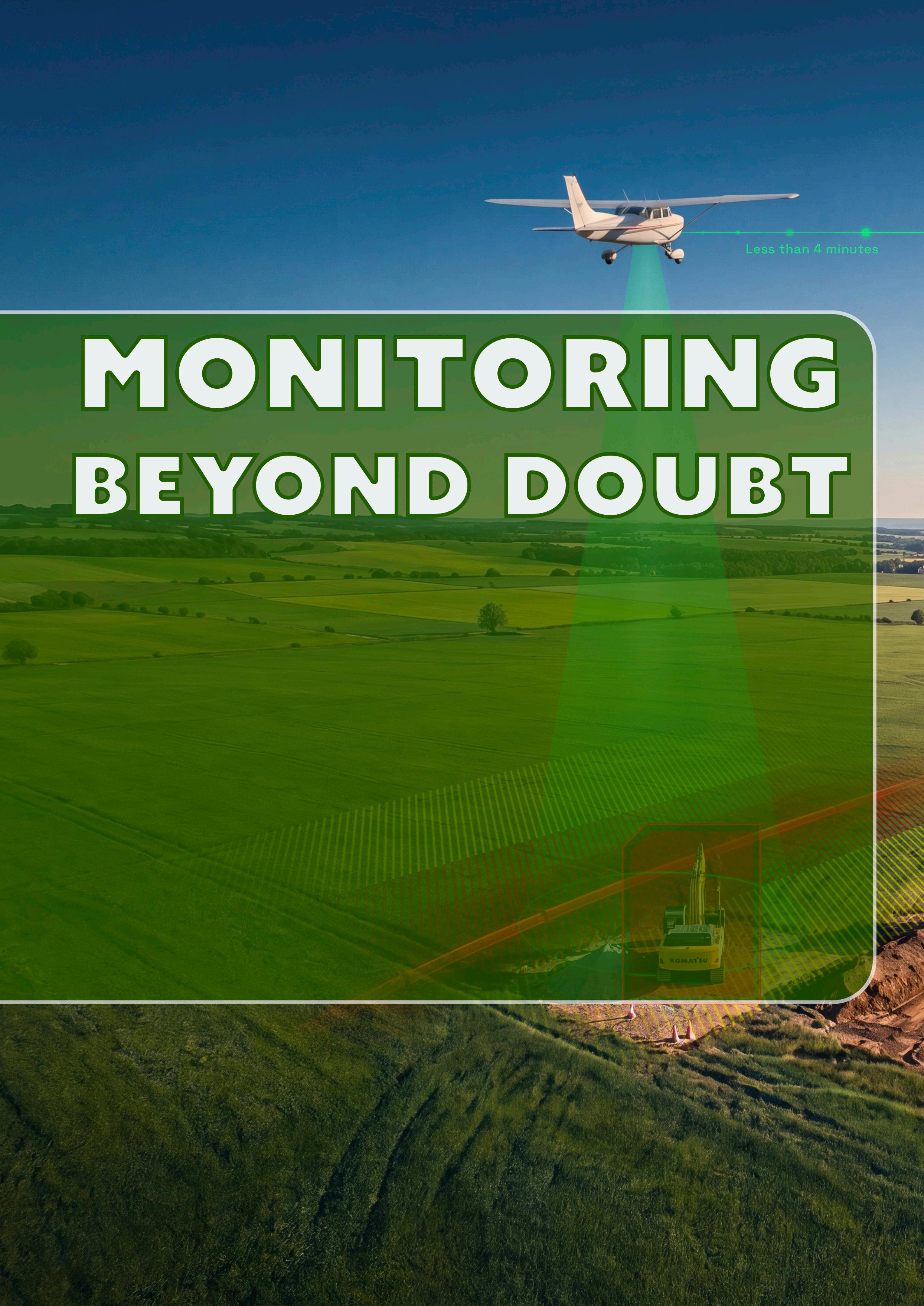
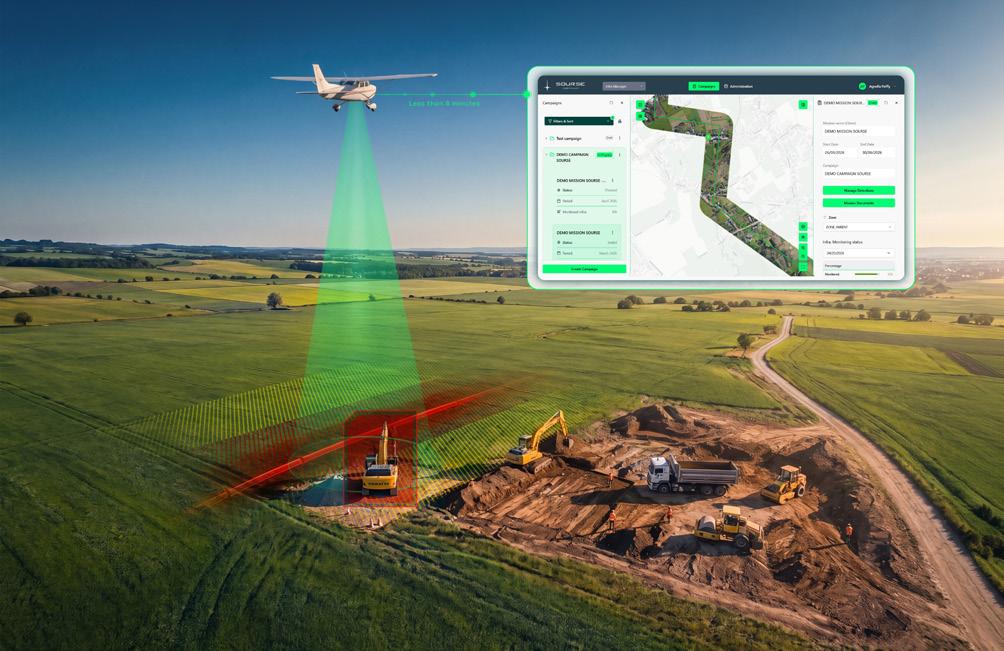
This is precisely the promise of digitalised aerial monitoring in NRT: turning every flight into a stream of geolocated, automated and standardised TPI/ROW alerts, delivered in under four minutes, while the situation is still manageable. Horizon, Sourse’s solution, transforms Earth observation data into instantaneous situational awareness for critical infrastructure operators.
In practice, the system relies on two complementary pillars. On one side, Vaynor, Sourse’s embedded sensor, can be installed in minutes on light aircraft or helicopters and operates entirely autonomously: once airborne, it captures highresolution imagery (10 cm/pixel) without any input from the pilot. On the other, Horizon, the software platform, receives this data, orchestrates automated risk detection and pushes alerts to the right teams. Vaynor handles the capture; Horizon, the decision.
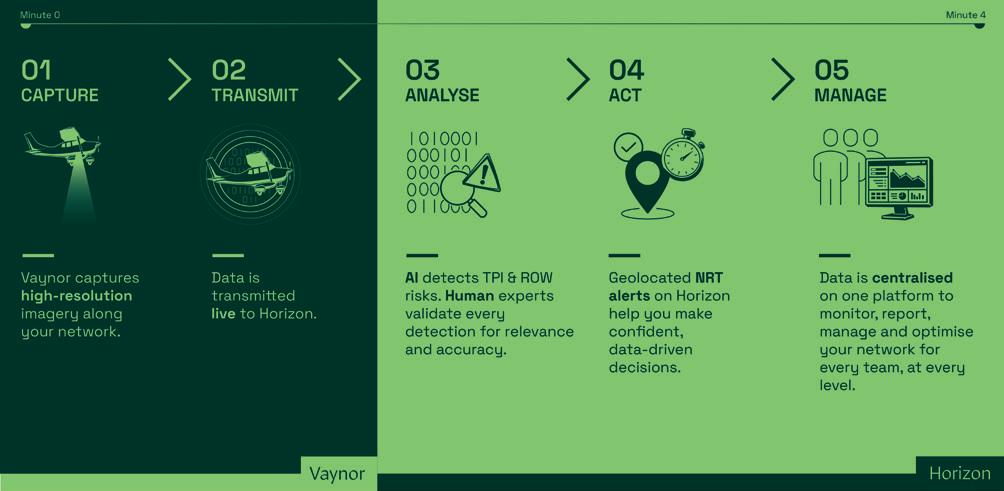
The objective is clear: from raw image to actionable alert in less than four minutes – putting an end to operational uncertainty. Where operators once waited too long to receive inconsistent reports, they now have access to standardised, auditable and actionable notifications within minutes of the overflight – built on technology proven across more than 120 000 km of pipelines in six European countries.
On the ground, this translates into very concrete decisions. A team is dispatched to a worksite while the excavator is still on the edge of the danger zone. Suspicious activity is verified while it is still ongoing – not after the fact. A ROW encroachment is documented with photographic evidence before it becomes irreversible. NRT does not replace ground patrols – it gives them rhythm, structure and a more immediate, more effective capacity to act.
The combination that makes NRT work
Speeding up the detection loop is not enough on its own. If every flight generates dozens of false alerts or information too vague to justify an intervention, field teams will quickly lose confidence in the system. NRT only delivers value when every alert is precise enough, contextualised enough and reliable enough to act on.
This is where the technical combination deployed by Sourse becomes decisive:
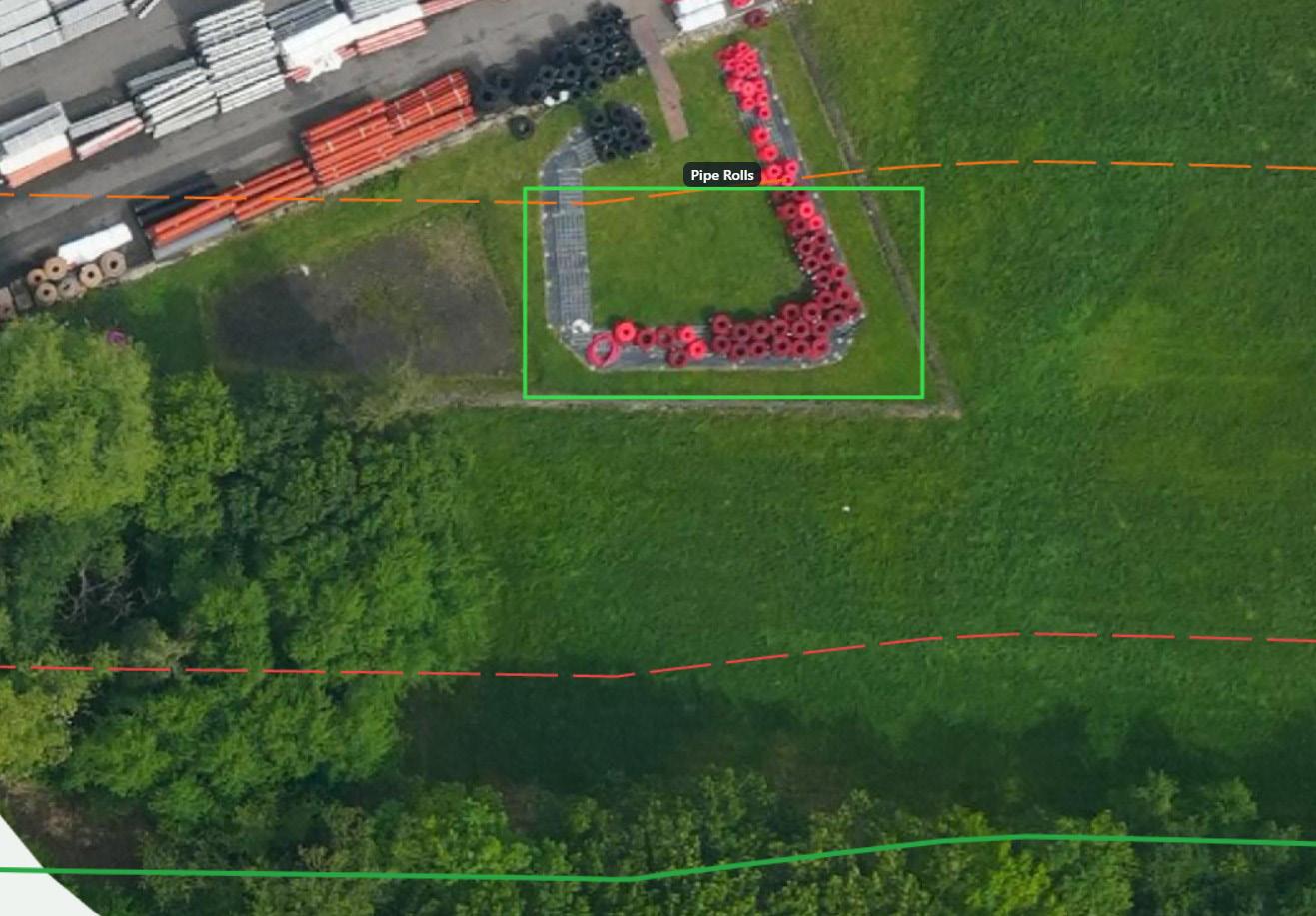
) 10 cm/pixel imagery: enables clear identification of objects and activities critical to TPI detection – excavators, bulldozers, tractors, worksites, stored materials, parked vehicles or corridor encroachments. At this resolution, it is possible to identify not only large machinery, but also smaller equipment such as pipe rolls, as well as details like tyre tracks, or even distinguish a stationary excavator from one in active use – two situations with very different risk implications.
) Artificial Intelligence (AI)-based detection: AI models trained on thousands of kilometres of pipeline corridor automatically identify objects and activities relevant to TPI/ROW threats. The algorithm does not read a landscape – it looks for risk patterns.
Figure 1. Airborne TPI detection streamed to Horizon’s monitoring platform in NRT.
Figure 2. From capture to decision: Horizon turns aerial data into actionable alerts in less than four minutes.
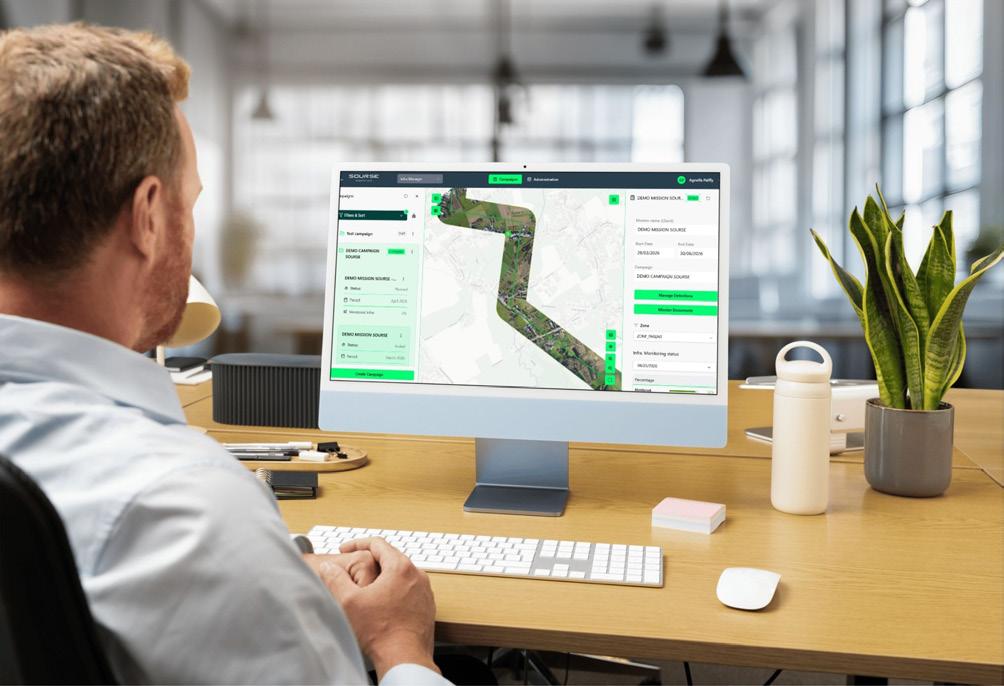
Figure 3. Horizon gives pipeline operators a live, map-based view of their right-of-way.
) Systematic human enrichment: in parallel with automated detection, each signal is reviewed by an analyst who confirms or rejects the detection, adjusts the object classification where necessary, and assigns a threat level based on the nature of the activity and its distance from the pipeline. It is this combination – the detection power of AI and the judgement of a human expert, delivered within four minutes – that enables detection accuracy of 98% and above.
Beyond the simple presence of an object, the platform takes into account the operational context defined by the operator. Horizon allows threat zones to be configured – for example, a critical zone at 15 m and a danger zone at 50 m – as well as treatment categories, comments, flagged detections or ‘known sites’: recurring, well-documented situations that, once identified, no longer need to mobilise team attention at every overflight. The goal is not to flag everything, but to flag what matters, when it matters.
From detection to operational integrity intelligence
Where Horizon truly stands apart is in the way it transforms individual detections into a genuine integrity asset, usable by every stakeholder – from field teams to senior management.
The platform is built as a rolebased solution:
) The infrastructure manager defines campaigns – monitoring programmes for a given period, covering specific sections, threat distances and classification rules.
) The aviation operator plans and executes missions, ensuring the quality of capture and transmission.
) Analysts enrich AI-generated detections and assign threat levels.
) The field operator receives and processes detections, decides on ground actions and documents the steps taken.
Every TPI/ROW detection becomes a fully-fledged work object: an ‘identity card’ for the situation, including object type, threat level,
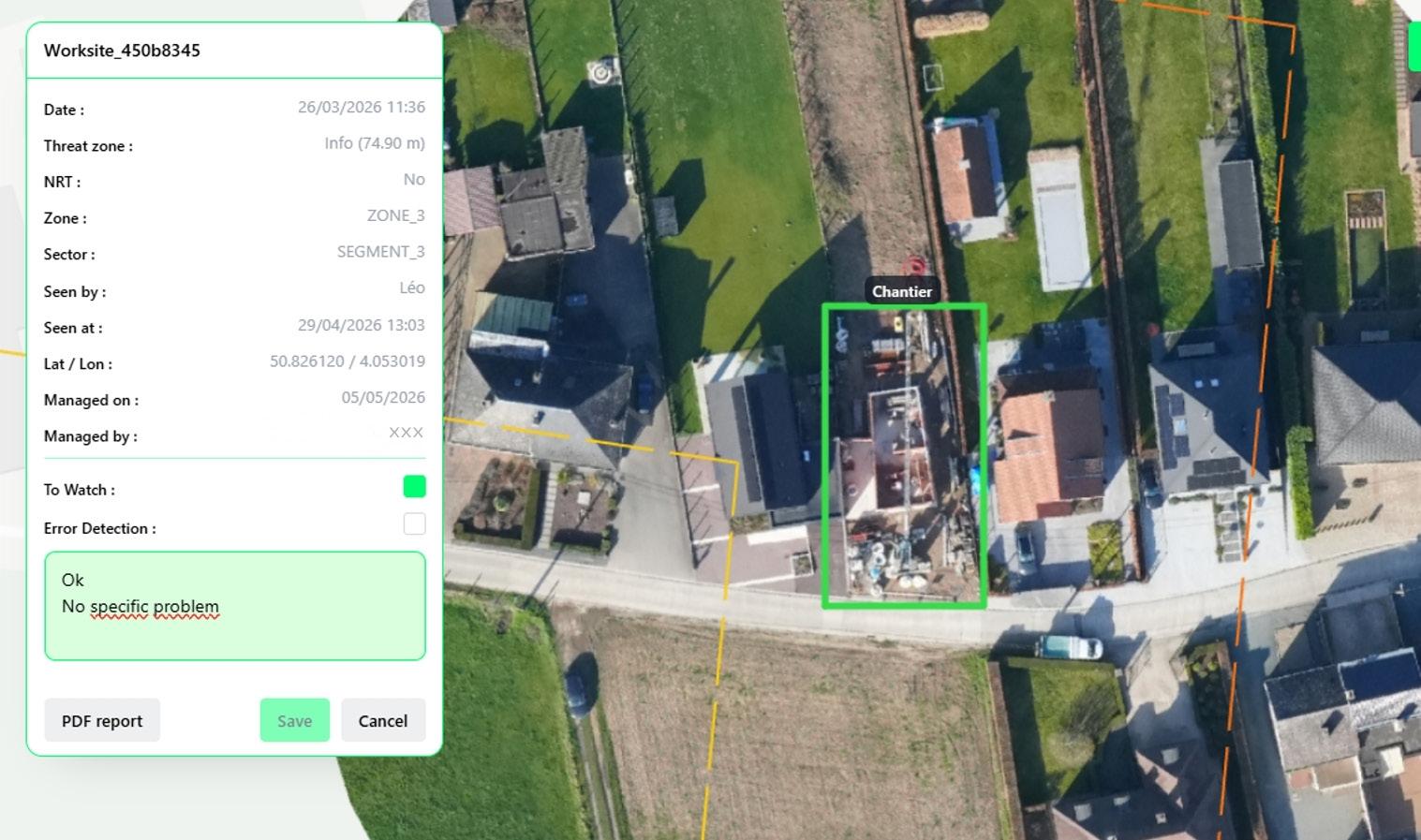
distance to the pipeline, GPS coordinates, zone and sector, capture date and time, NRT status, associated image, and fields for ‘seen by’, ‘managed by’ and ‘comments’. Users can generate PDF reports, export lists, filter by activity type, zone, threat level or time period, and track the status of each detection (seen, managed, flagged, known site, etc.).
At network level, Horizon provides a dashboard showing, for any given campaign or period, which sections have been monitored, which are planned, and which remain uncovered or cannot be monitored due to regulatory or operational constraints. For the operator, this consolidated view is invaluable: it allows blind spots to be identified at a glance,
flight plans to be adjusted, and additional surveillance to be justified on specific sections.
Over time, the platform builds a rich historical record: worksite developments, recurring activity patterns in certain areas, effectiveness of corrective actions, contractor compliance. The data accumulates, making it possible to compare situations over time, track what has changed from one overflight to the next, and deepen network knowledge. For the operator, this translates into a dual benefit:
) Operational: better prioritisation of field interventions, fewer ‘check it out’ deployments, teams focused where the risk is real and documented.
) Regulatory: the ability to demonstrate, within a PIMS framework, that every detected external threat has been tracked, assessed and addressed through a documented process – with image, coordinates, date, decision and responsible party on record.
This is precisely the spirit of international guidelines such as the UNECE Safety Guidelines and Good Practices for Pipelines, which emphasise the need for pipeline management systems integrating organisation, procedures, performance indicators, inspection, monitoring and emergency plans, with regular
data monitoring and particular attention to the prevention of third-party interference. The NRT digitalised aerial monitoring provided by Horizon fills what has so often been missing from these systems: a near real-time, traceable and standardised view of external threats, at the scale of the network.
Looking ahead: towards even more proactive integrity
Digitalised aerial monitoring in NRT represents a genuine breakthrough in the way pipeline networks are operated and secured against TPI threats and ROW encroachments. It is a new capability: detect, act, and prove – at network scale, in near real-time.
Today, light aircraft and helicopters equipped with sensors like Vaynor represent the most effective vector for delivering TPI/ROW alerts in near real-time across large linear assets, combining high coverage speed, operational flexibility and deployment compatibility with current regulatory frameworks. Tomorrow, long-endurance drones will further enhance this capability, moving surveillance closer to a continuous model. But the essential building blocks are already in place: a software architecture capable of turning every overflight into actionable network intelligence, and an Earth Intelligence approach that bridges aerial observation and ground-level decision-making. For a pipeline operator, the question is no longer really whether the ROW should be monitored. It is no longer even whether that monitoring should be digitalised: regulatory frameworks and expectations around traceability, due diligence and proactive risk management are all pushing in that direction. But digitalisation alone is not enough –it is the availability of information in near real-time that fundamentally changes the way operators manage their networks. It is the only way to give field teams the ability to act concretely, at the right moment – and to intervene before a threat becomes an incident. This is where solutions like Horizon from Sourse provide a concrete answer: turning every flight into exploitable operational intelligence, and giving teams the capacity to act at the right time, in the right place.
The goal is not to replace teams, but to make better use of them. Horizon already enables more effective management of both human and operational resources. The next chapter of pipeline safety and integrity will be written by operators who make digitalised aerial monitoring in near real-time a standard practice in their integrity management –closing the safety gap on the right-of-way, better addressing TPI/ROW threats, and durably protecting the networks and communities that depend on them.
Bibliography
API - Guidelines for Right-of-Way Activities, Publication 2018 - api.org/pubs
Concawe - Performance of European Cross-Country Oil Pipelines, Report Rpt_25-8 - concawe.eu
EGIG - Gas Pipeline Incidents, 12th Report (1970 - 2022) - egig.eu
ISO 19345-1:2019 - Pipeline integrity management, Part 1 - iso.org
PHMSA - Integration of Innovative Remote Sensing Technologies into Integrity Management, 2025 - phmsa.dot.gov
PRCI - Pipeline Corrosion Research Roadmap 2026, PHMSA R&D Forum, March 2026
- prci.org
UNECE - Safety Guidelines and Good Practices for Pipelines, 2014 - unece.org
Figure 4. Detection ID card in Horizon: every alert is logged, qualified and traceable.
Figure 5. 10 cm/pixel resolution: ground-level details such as pipe rolls within the ROW threat zone can be clearly identified.
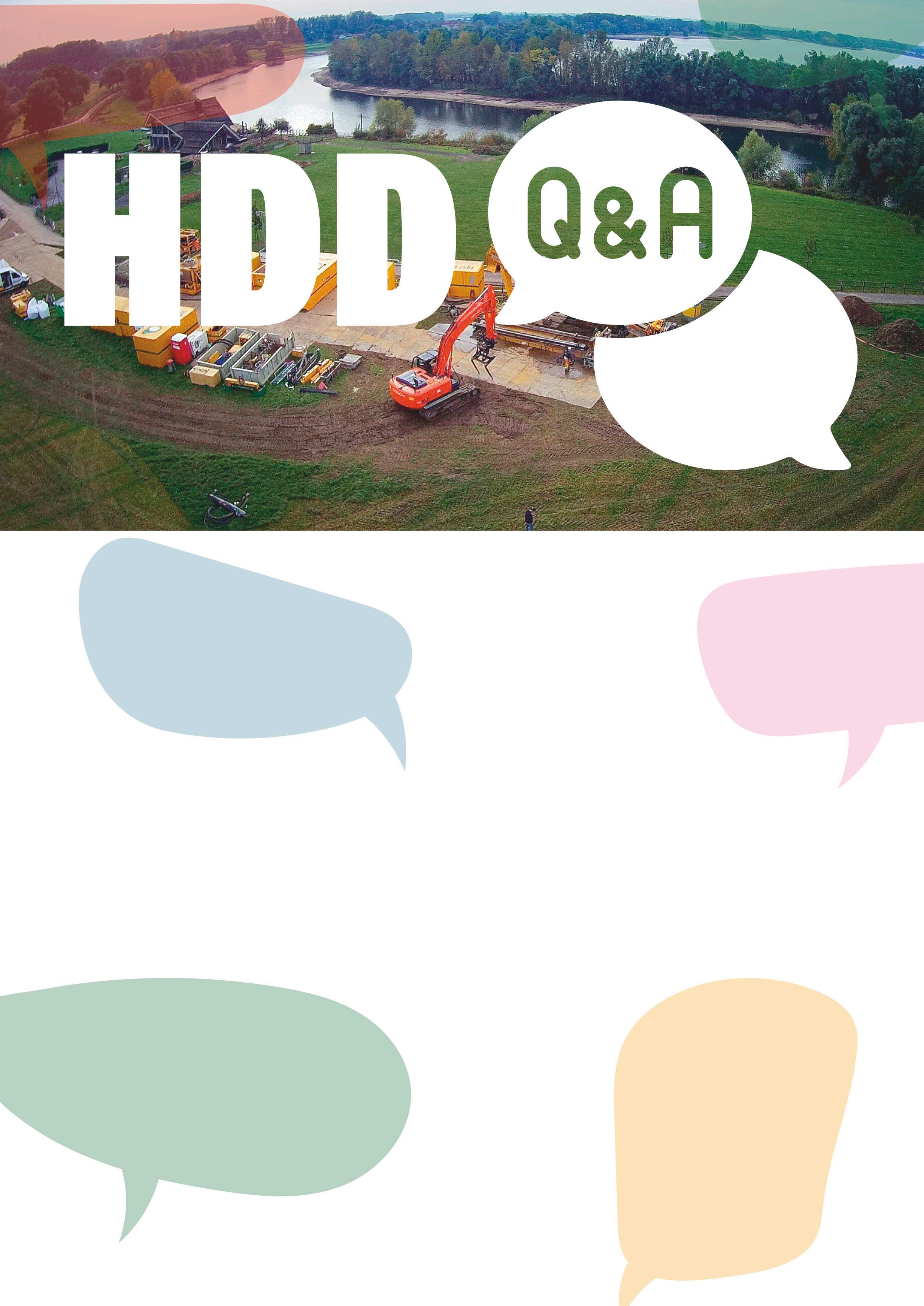
World Pipelines reached out to three experts in the pipeline installation sector to discuss the latest developments in horizontal directional drilling (HDD).
With contributions from:
Simon Herrenknecht, Head of Business Division Pipeline, Business Unit Utility Tunnelling, Herrenknecht; Jason LaValley, Founder and Chief Executive Officer, LaValley Industries;
Boris Böhm, MAX STREICHER GmbH & Co. KG aA, BD Project Division/Business Development and Equipment.
Where do HDD projects carry the highest risk today, and what has changed in how those risks are managed?
Simon Herrenknecht, Herrenknecht
The highest risks in HDD projects today remain closely linked to subsurface uncertainty. Despite modern ground investigation, complex ground conditions continue to represent the most significant challenge and potential risk factor for borehole instability, tool damage or loss of returns. Fluid losses or inadvertent returns can cause immediate work stoppages and are considered as increasingly critical for environmental and regulatory aspects. From a manufacturer’s perspective, downhole tools such as the downhole jet pump or weeper subs were developed to technologically mitigate these risks, but their use in the market unfortunately still remains cautious and selective. In parallel, HDD is increasingly executed in dense urban and congested surroundings, where tolerance for deviation is extremely low and the consequences of even minor alignment errors can be severe. Therefore, the industry has largely moved away from a reactive, trial - and - error mindset toward predictive risk control supported by detailed FEED studies, more integrated geotechnical investigations, and the use of digital tools like 3D mapping and real-time data analysis.
Jason LaValley, LaValley Industries
The exit side remains in the highest-risk area in many HDD operations. This is where pipe, tooling, and stored energy must be managed simultaneously under variable field conditions – alignment, make-up/break-out, and load behaviour all need to stay predictable.
Traditionally, crews relied on manual handling, hand signals, radio contact, and operator feel – often described as a ‘ropeand-hope’ approach. Today, the shift is from assumption to verified control. Mechanised exit-side systems provide positive
grip, torque control, alignment, and real-time feedback. This removes personnel from high-energy zones and turns critical transitions into repeatable, predictable operations.
Boris Böhm, MAX STREICHER GmbH & Co. KG aA
HDD projects currently carry the highest risk on construction sites themselves, where real-time conditions directly impact execution quality and safety. Additional risk arises from the increasing consolidation of construction sites, which leads to higher complexity, tighter schedules, and overlapping activities. Significant risks also occur when positioning or control tolerances are neglected, as even minor deviations can have major technical and financial consequences.
HDD projects and their regulatory, environmental, precision, and documentation requirements have become significantly more complex and stringent. However, these risks can be effectively managed through thorough professional preparation, proactive site management, and
the use of advanced, fully electric drilling rigs equipped with integrated drilling assistance and anti-collision systems.
How far can HDD realistically be pushed in terms of length, diameter, and geology; and what has improved most in recent years?
Boris Böhm, MAX STREICHER GmbH & Co. KG aA
In terms of length, HDD installations can realistically exceed 3000 m depending on soil conditions, and this distance can be effectively doubled using intersect (meet-in-the-middle) methods. Regarding diameter, typical achievable ranges are between 30 in. and 32 in., with a technical maximum of approximately 36 in. under optimal conditions.
One of the most significant improvements is the use of double-column drilling rigs for surveying, combined with telescopic pipes and magnetic guidance systems, which have greatly enhanced precision and control over long distances.
Simon Herrenknecht, Herrenknecht
Our focus is on the rig itself – ensuring that it operates reliably and is properly designed for its intended application, as far as we are involved in the planning process. Over recent years, the key improvements have been driven by higher torque, enhanced operational safety and increased efficiency. Furthermore, steering with gyro systems is common nowadays. This provides higher accuracy, which is particularly relevant in surroundings with existing subsurface infrastructure.
Fluid control and quality finally receives the long-overdue attention in HDD operations, since correct mud handling often the key factor for a successful project.
Limits in length and diameter are not strictly defined by the technology, but rather depend on risk management, project conditions and above all – the experience of the drilling teams. Speaking of Europe, we are observing a clear trend toward drilling contractors becoming more internationally oriented, operating across national borders and deliberately contributing their specific expertise where it adds the most value. This is particularly evident in Germany, where a substantial volume of work has to be done and foreign companies are strongly involved.
Which digital or monitoring tools have changed onsite reporting and decisionmaking?
Simon Herrenknecht, Herrenknecht
As a technology supplier, we are driving the development of digitalisation and automation at full speed for improved occupational safety and efficiency in HDD operations. In times of skilled labour shortages, new tools can assist drillers
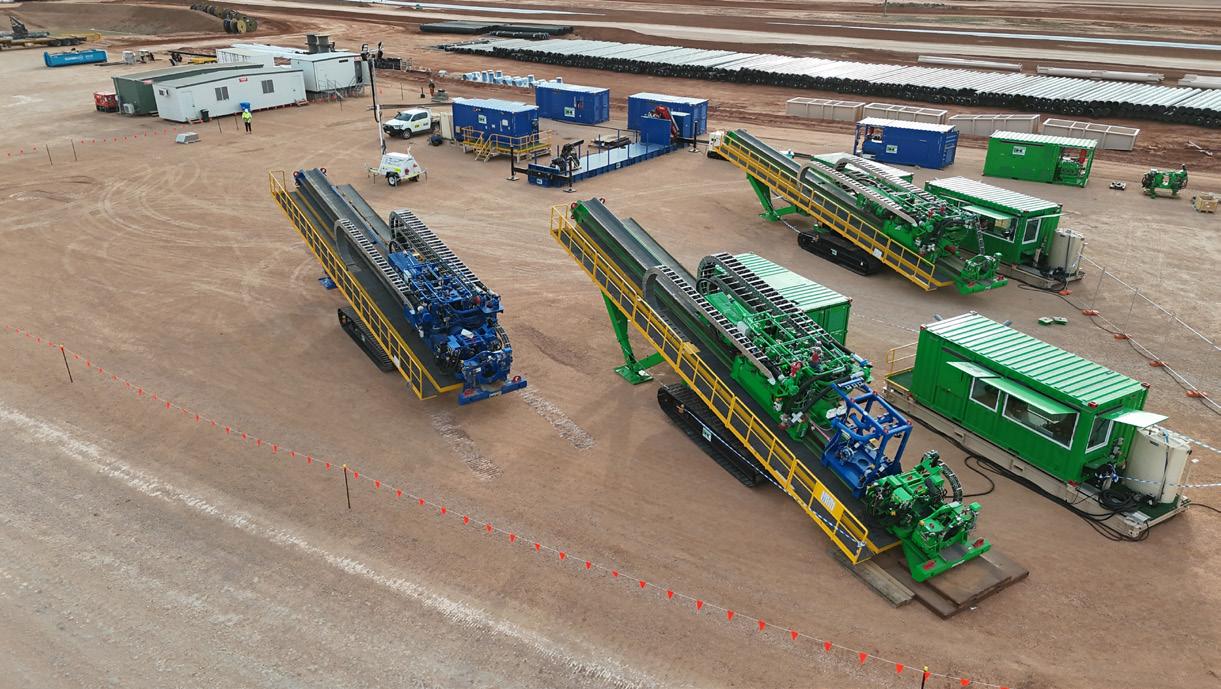
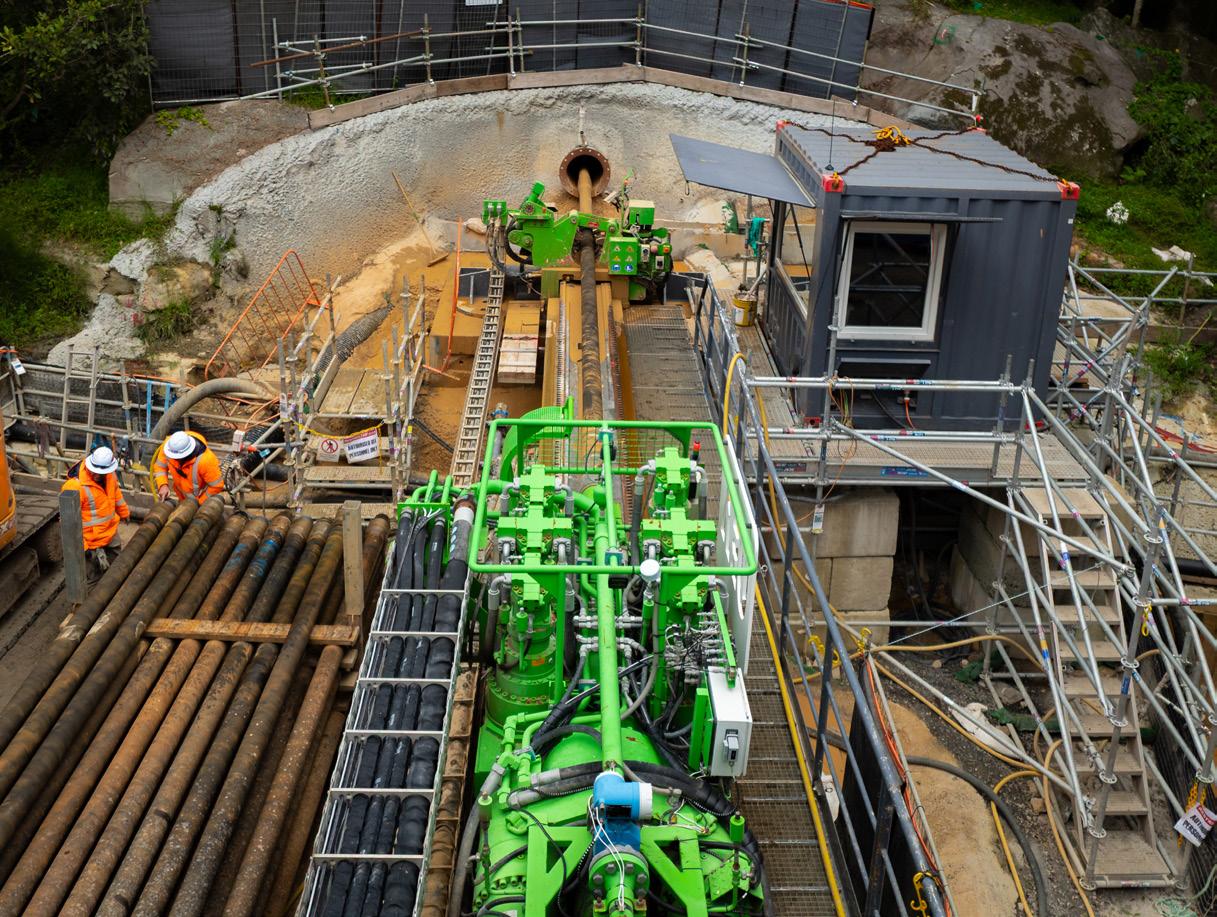
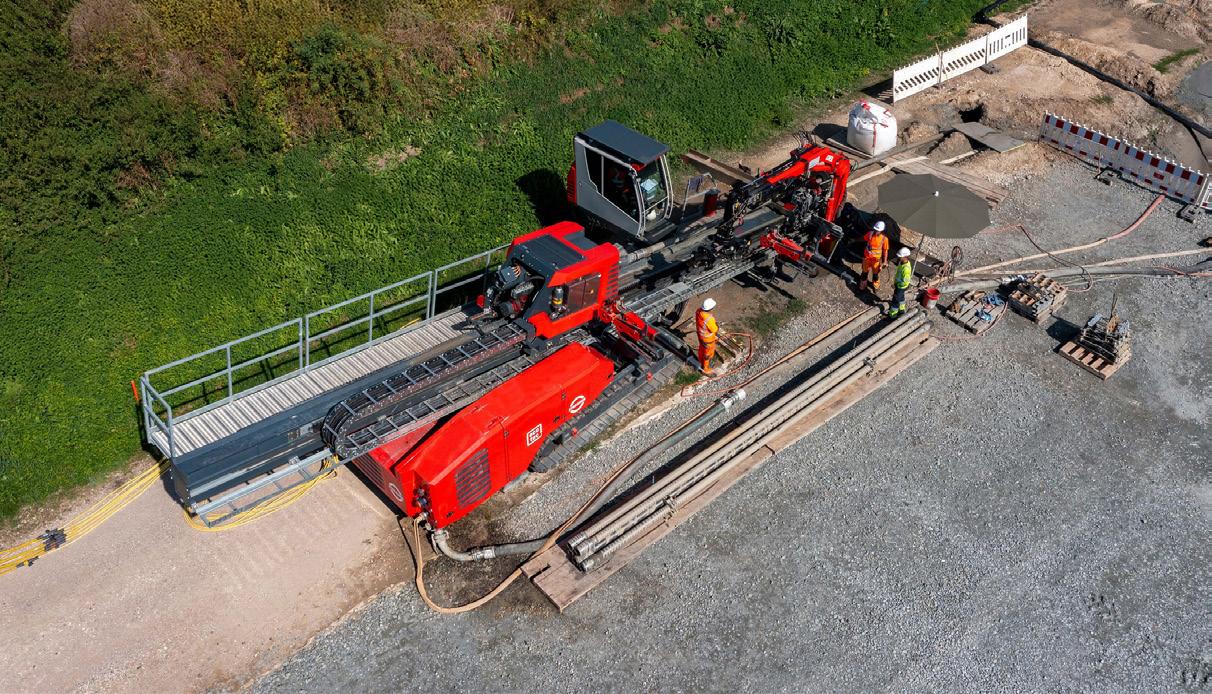
Herrenknecht: HDD Rigs HK500CM, Balranald mineral sands mine project for Iluka Resources, New South Wales, Australia.
Herrenknecht: HDD Rig HK250C, on-grade pressure sewer pipeline for Refresh Vaucluse and Diamond Bay project for UEA Pty Ltd, Australia.
and provide ongoing training. This includes the integration of smart surveying and the continuous advancement of digital tools that support planning, execution, monitoring, and documentation throughout the entire drilling process.
Cloud-based tools enable jobsite and project managers to monitor all relevant data anytime and from anywhere. This includes a wide range of automated analysis features, comprehensive dashboards, and detailed evaluations of sensor data. For example, real-time 3D mapping on site allows to continuously track how the surface is affected. Predictive maintenance helps to stay ahead of maintenance schedules by identifying worn out tools early, ensuring that necessary parts are available, and minimising downtime. In addition, data on power consumption and CO 2 output, as well as online inventory and spare parts management, are all accessible through the cloud at any time. Together, these capabilities enhance efficiency, improve reliability, and provide the level of transparency required on modern jobsites.
Jason LaValley, LaValley Industries
A large portion of exit-side reporting still happens after the fact via radio, with contractors relying on three-way communication protocols to reduce misunderstandings. While these techniques help manage risk, they do not remove the underlying hazard.
Real-time monitoring tools now deliver verified feedback on load behaviour, grip, torque, alignment, and response during key operations. This replaces radio relays and inference with direct data, enabling faster decisions and moving from communication to verified control across the jobsite.
Boris Böhm, MAX STREICHER GmbH & Co. KG aA
Digital monitoring tools such as Pressure While Drilling (PWD) during both pilot drilling and reaming, as well as continuous monitoring of mud flow rates (Mud In vs Mud Out), have significantly improved onsite reporting accuracy and enabled faster, data-driven decision-making.
How is environmental and regulatory scrutiny reshaping HDD design, execution, and accountability?
Boris Böhm, MAX STREICHER GmbH & Co. KG aA
Increasing environmental and regulatory requirements have led to the adoption of multiple piping systems, more frequent use of lost circulation materials (LCM), and the cementing of casings to ensure greater operational safety.
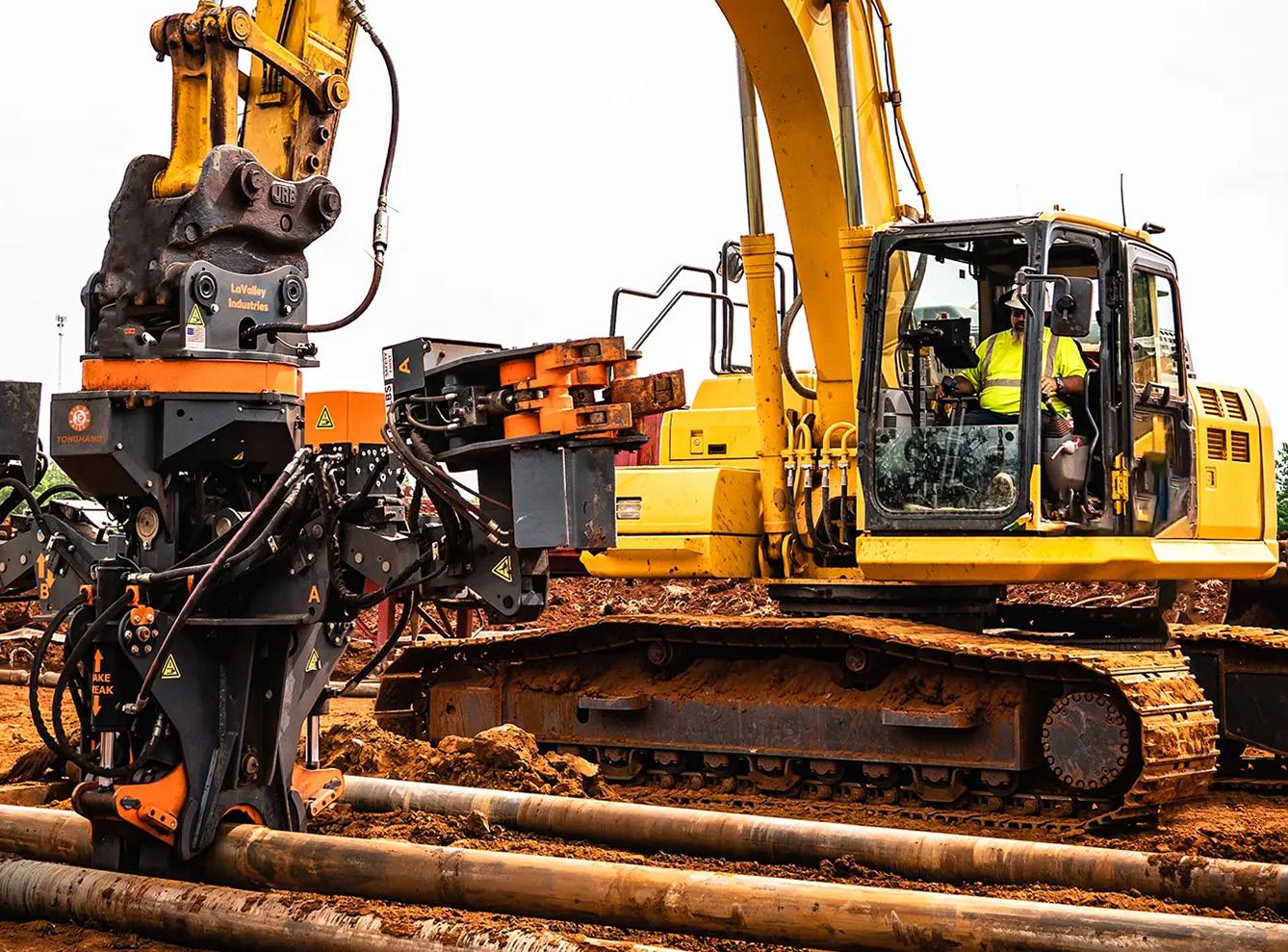
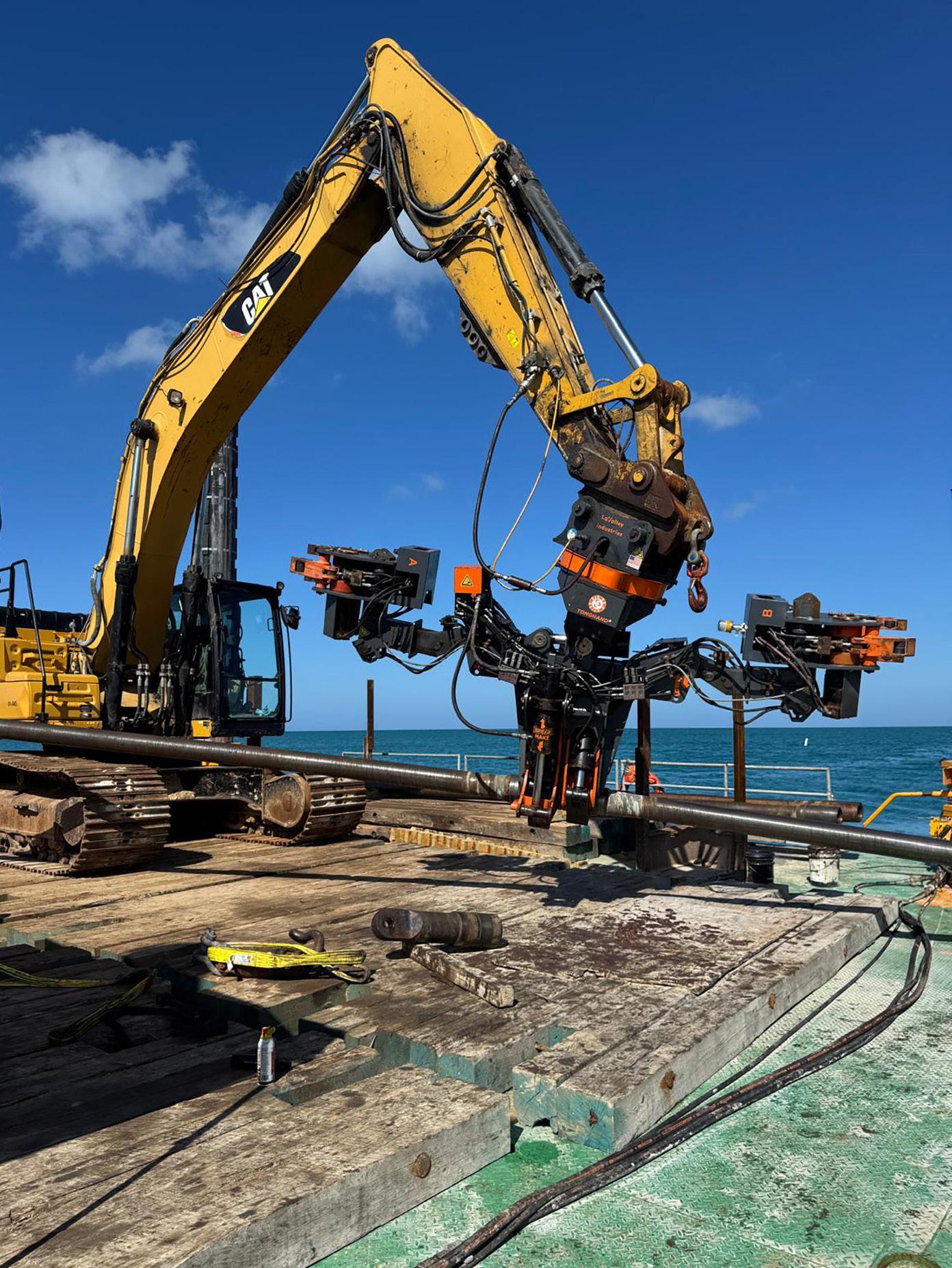
LaValley Industries: LaValley Industries’ TONGHAND ® mechanised torque management system controlling torque, alignment, and load position during HDD exit-side operations, with the operator positioned in the cab and separated from the immediate risk zone during high-energy transitions.
LaValley Industries: Mechanised system maintaining positive grip, alignment, and controlled torque to support predictable and repeatable handling of pipe and tooling during HDD exit-side operations.
At the same time, fully electric and intelligent drilling rigs help reduce environmental risks and enable HDD operations even in highly sensitive or protected areas.
Jason LaValley, LaValley Industries
Increased scrutiny requires demonstrable control at high-risk steps rather than reactive crew management. Mechanised systems convert variable tasks into repeatable, verifiable processes with controlled parameters and real-time feedback. This strengthens execution, reduces variability, and supports engineering risk out of operations.
Mechanised systems support this by converting critical tasks into repeatable, verifiable processes with controlled torque, alignment, and real-time feedback. This doesn’t replace planning or engineering judgment – it strengthens execution where variability is greatest and accountability is most visible. The result is a broader industry shift: engineering risk out of the operation instead of managing it on the fly.
Simon Herrenknecht, Herrenknecht
Particularly in Europe, environmental and regulatory requirements increasingly shape HDD design, execution and accountability. There is close to zero tolerance for
fluid losses, groundwater contamination, or surface disturbances, which has led to more detailed design phases that often include formal environmental impact assessments. Contingency planning is frequently mandatory, supported by measures such as real - time frac - out monitoring systems. In addition, full traceability of drilling parameters, along with digital reporting and documentation, is now often required by the clients – in and outside Europe. From a technology perspective, environmental regulation is not slowing HDD down; on the contrary, it is accelerating its adoption, as HDD is increasingly recognised as a method that significantly reduces surface disruption compared to open - cut construction.
5. Discuss a recent HDD project that highlights your strengths and expertise.
Simon Herrenknecht, Herrenknecht
In addition to the core business in pipeline construction, our rigs are increasingly being deployed across other construction sectors. In particular, the cable installation market shows strong overlap with pipeline projects regarding route requirements and environmental constraints.
A key highlight for us is the growing use of hybrid and all-electric rigs in Europe, where sustainability targets and regulatory demands are accelerating their adoption.
Beyond infrastructure, we have also technologically adapted our rigs for the mining sector. In Australia, Iluka Resources is pioneering a more sustainable approach at the West Balranald mineral sands mine in New South Wales, where four customised HK500CM drilling rigs are used to extract minerals. This method avoids open - pit mining and significantly reduces surface disturbance and environmental impact.
Our contribution focused on comprehensive engineering and intensive training of the jobsite crews to ensure safe, efficient, and reliable operations.
Boris Böhm, MAX STREICHER GmbH & Co. KG aA
A recent project’s key challenges included the presence of highly fractured ground conditions, combined with significant elevation differences between entry point, drilling depth, and exit point. A complex scope of work involved an intersect (meet-in-themiddle) execution, the secure backfilling of the annulus after pipe installation, and real-time pressure monitoring during the curing phase of the annulus cement, including the option to install a permanent pressure sensor within the annulus.
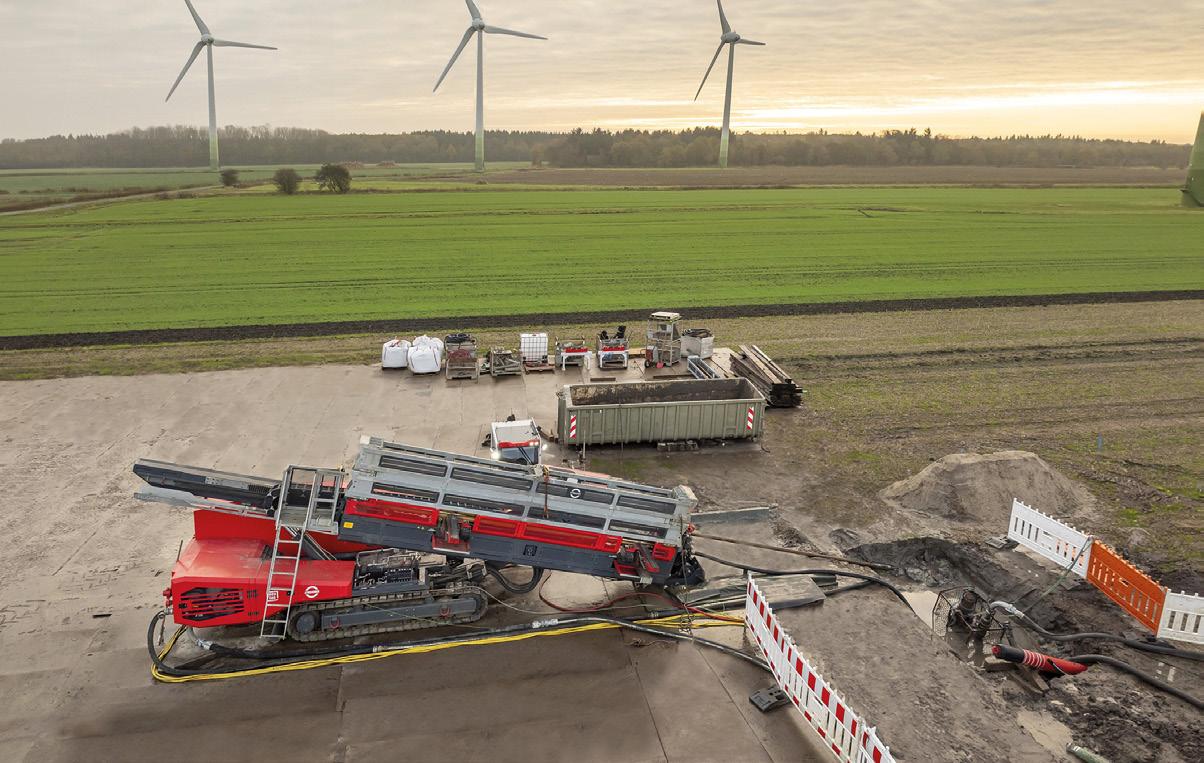
MAX STREICHER: HDD45-E on site.
MAX STREICHER: HDD80-E on site.
Jeff Lehr, Vice President of Product Innovation and Execution, WeldFit, on why prevention is now irreplaceable when it comes to pipeline operations.
For decades, pipeline operators were guided by a reactive mindset, relying on a ‘detect-and-repair’ model rather than ‘predict and prevent’. This approach meant companies generally responded to leaks, corrosion, or failures after they occurred, rather than anticipating and preventing them.
Then there were three deadly and destructive pipeline incidents in the US, in less than 20 years. Those catastrophes increased public and regulatory scrutiny into pipeline safety –and reshaped how the industry feels about intervention. The old mentality, where intervention was mostly a reaction to problems, has increasingly been replaced by comprehensive, prevention-centred risk management.
“Pipeline maintenance has evolved beyond routine integrity work,” says Dave Albertson, Vice President of Engineering at WeldFit. “It is a mission-critical risk control function, driven by increasingly stringent structural integrity mandates, methane reduction expectations, and the rising financial consequences of failure.”
The shift is grounded in hard lessons. In 2018, crews replacing low pressure pipelines in a natural gas distribution
network near Boston, Massachusetts, US, removed pressure sensors without transferring them to the new lines. The result was catastrophic. Explosions and fires tore through three Merrimack Valley communities. Within hours, one person had sadly died and 25 others were injured. The incident also destroyed five homes, damaged 131 structures, and forced the immediate evacuation of 30 000 residents across the region. In some cases, it took months to restore service.
Merrimack Valley was preceded by two incidents involving high pressure transmission lines. In 2000, gas leaking from a 30 in. pipeline compromised by corrosion and metal loss ignited a fireball that killed 12 people – three generations of one family – camping on a riverbank 35 miles from Carlsbad, New Mexico. A decade later, the San Bruno explosion – a textbook case of the risks of aging infrastructure and insufficient or missing records – killed eight, injured 60, levelled as many as 37 homes, and left behind a 40 ft deep crater roughly half a football field long and as wide as a two-lane road.
Each incident had a different underlying cause: lack of engineering design and control at Merrimack Valley, reduced inspection and maintenance at Carlsbad, and incomplete records and lack of integrity decision making about the circa-1956 San Bruno system.
But they revealed an undeniable truth. Waiting to inspect and intervene is a risk to public safety, property, and the environment, and the consequences can be enormous.
The safest incident is the one you prevent
Obviously, the injuries and loss of life from pipeline failures are incalculable. But the total incident impact can run into hundreds of millions, or even billions of dollars – upwards of US$2 billion at Merrimack Valley and more than US$1.6 billion in penalties alone at San Bruno. Not only are those figures staggering, but, according to Albertson, they’re also exponentially more than the cost of preventing incidents through proactive integrity programmes. Industry cost-offailure models prove his point. On average, costs rise from one times during planning to 10 times after detection, and to between 50 - 100 times after failure. In other words, prevention is cheapest, detection costs more, and failure is vastly more expensive than either.
That rule-of-thumb is part of the essential logic of the gas ‘Mega Rule’, which reinforces the principle that the safest and least costly incident is one that is prevented or addressed early.
Published by the Pipeline Hazardous Materials Safety Administration (PHMSA) in 2022 after a decade-long rulemaking process, the Mega Rule is aimed at increasing safety and reducing methane emissions of the US’s 400 000 plus miles of previously unregulated gas gathering and transmission lines. Key elements focus on faster repair of integrity threats, material verification and traceability, and Maximum Allowable Operating Pressure (MAOP) reconfirmation.
Like the Mega Rule, America’s federal PIPES Act, which was first enacted in 2006 and reauthorised most recently in 2020, also pushes the industry toward fewer failures and lower emissions. It emphasises better integrity management and modernising leak detection and repair programmes (including
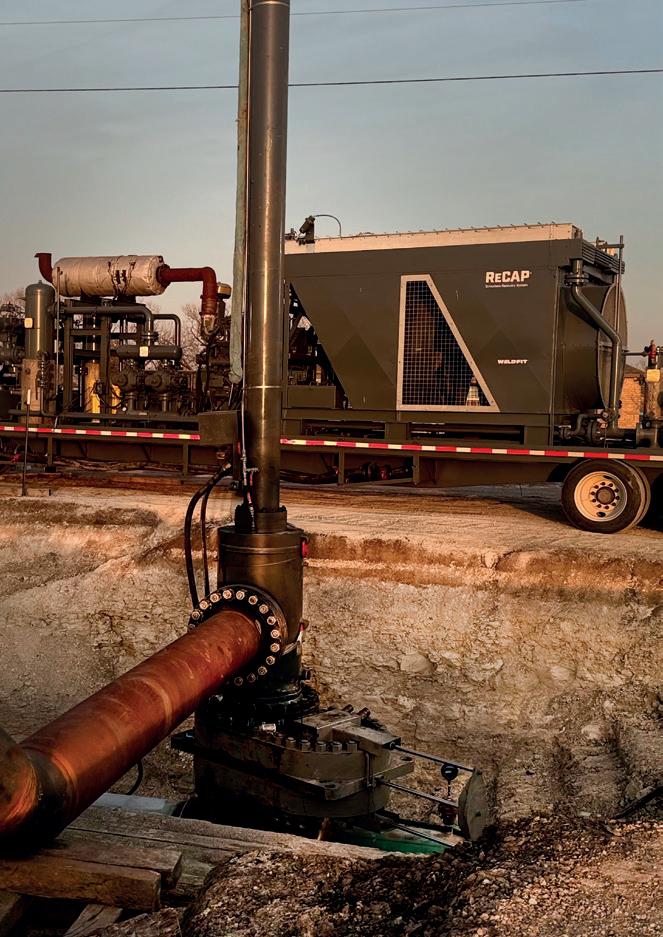
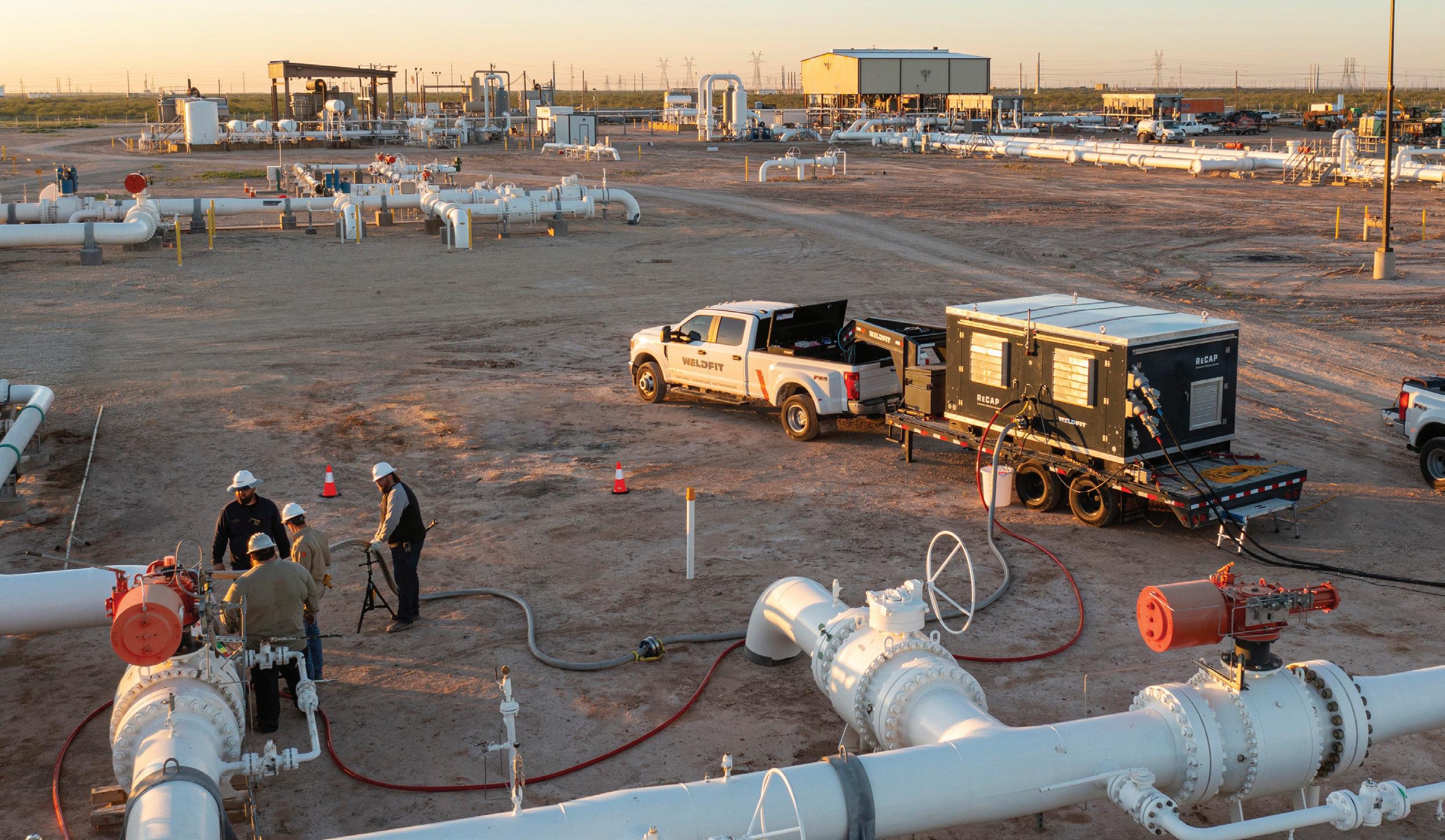
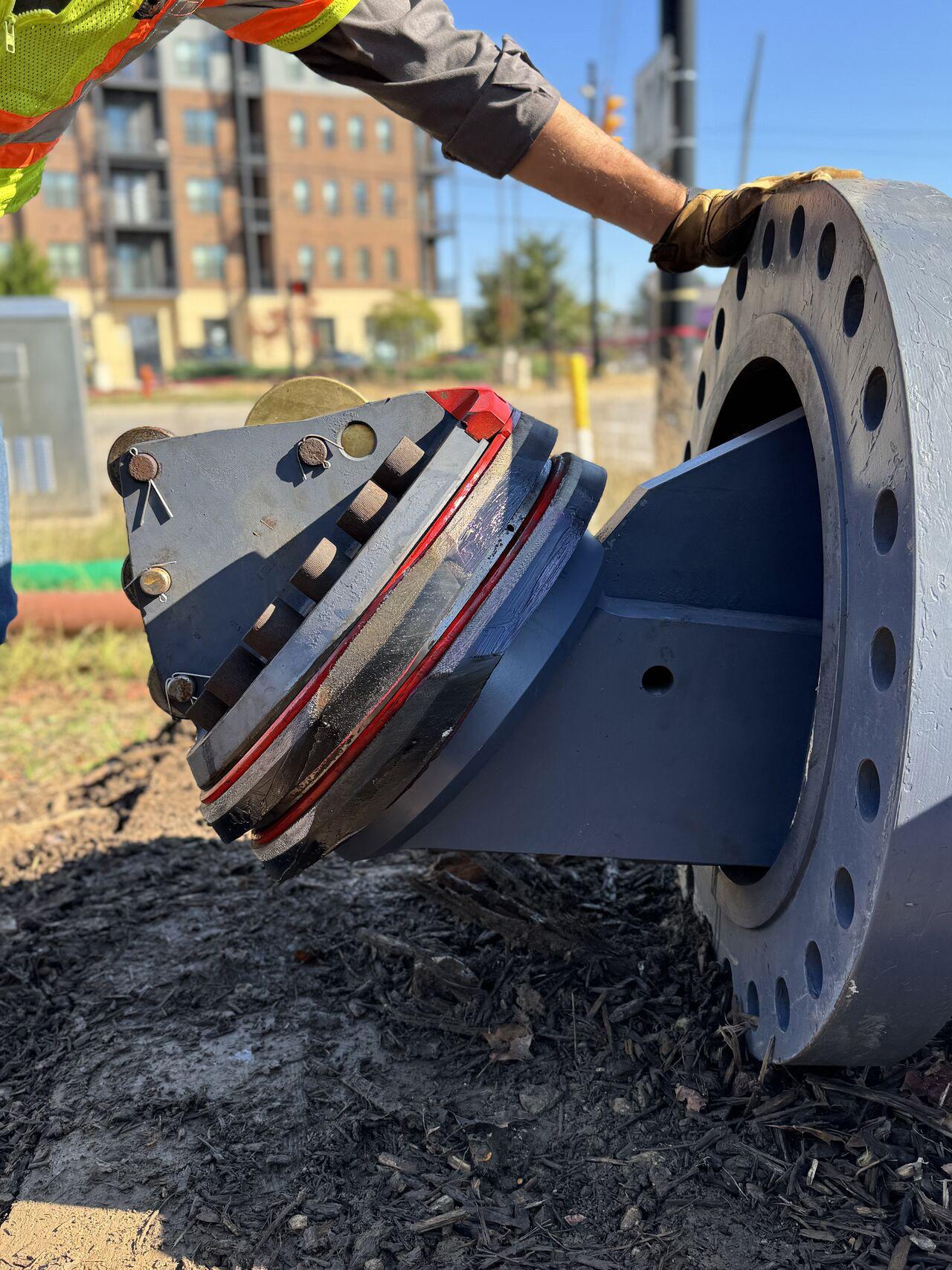
Figure 1. Operators increasingly seek service providers and technology that can detect, control, document, and minimise natural gas during pipeline intervention.
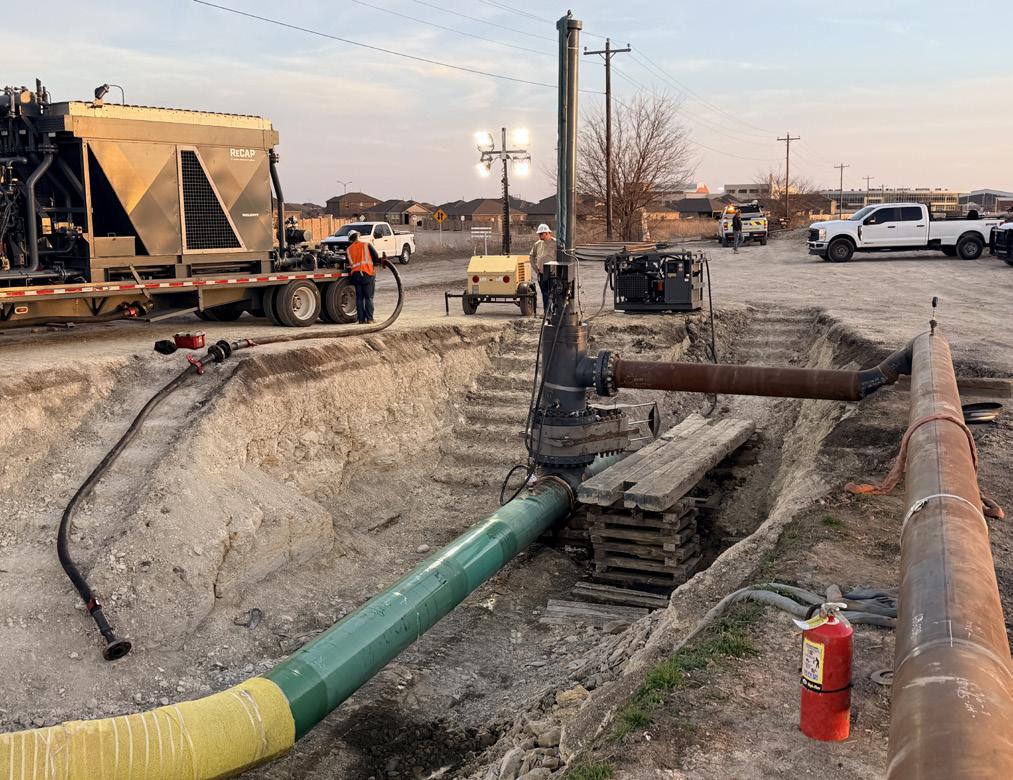
Figure 2. Dually® Double Block and Bleed Line Stop System achieves a dual seal with one compact pivoting head.
Clive Zanker, Chair of UKOPA.
Elizabeth Corner
30 years of UKOPA: Safety, stewardship and the energy transition
A conversation about the origins of UKOPA and how the sector has changed over the last three decades: from the development of robust safety frameworks and industry standards, to today’s conversations around energy transition, decarbonisation, and public perception. Featuring Clive Zanker, Chair of UKOPA.
LISTEN NOW
CATCH UP ON RECENT EPISODES
CCS Forum 2026: CCUS panel discussion [part 2 of 2]
CCS Forum 2026: CCUS panel discussion [part 1 of 2]
Future makers: Meet the 2026 Young Achievers
Listen and subscribe here
the mandatory use of advanced technology). Similarly, PHMSA’s Leak Detection and Repair (LDR) Final Rule requires operators to detect and repair leaks faster.
As Albertson notes, none of the regulations stop at inspection. They trigger remediation of corrosion, cracks, sleeves, valves and leaks before the integrity threat escalates.
Repair is not enough
Beyond that, though, it’s no longer enough for operators to just fix the pipe. As leak detection and repair expectations tighten across the US, Europe, and other mature natural gas markets, “operators are increasingly being judged not only on whether pipeline maintenance is completed safely, but on how the gas involved in that work is detected, controlled, minimised, and documented,” Albertson explains. The reason, of course, is that even small amounts of uncontrolled gas can create real risk in populated environments.
That idea is driving greater interest in integrated intervention and gas-handling approaches that keep product under control throughout pipeline maintenance.
“If the gas never leaves your control, it never becomes public risk,” Albertson says.
However, not every provider is qualified to control gas end-to-end, which is vitally important in reducing operational risk and the likelihood of catastrophic failure. And not every provider has a proven safety and performance record for this mission-critical work.
To help operators control gas, protect the public, avoid costly outcomes, and continue delivering natural gas safely,
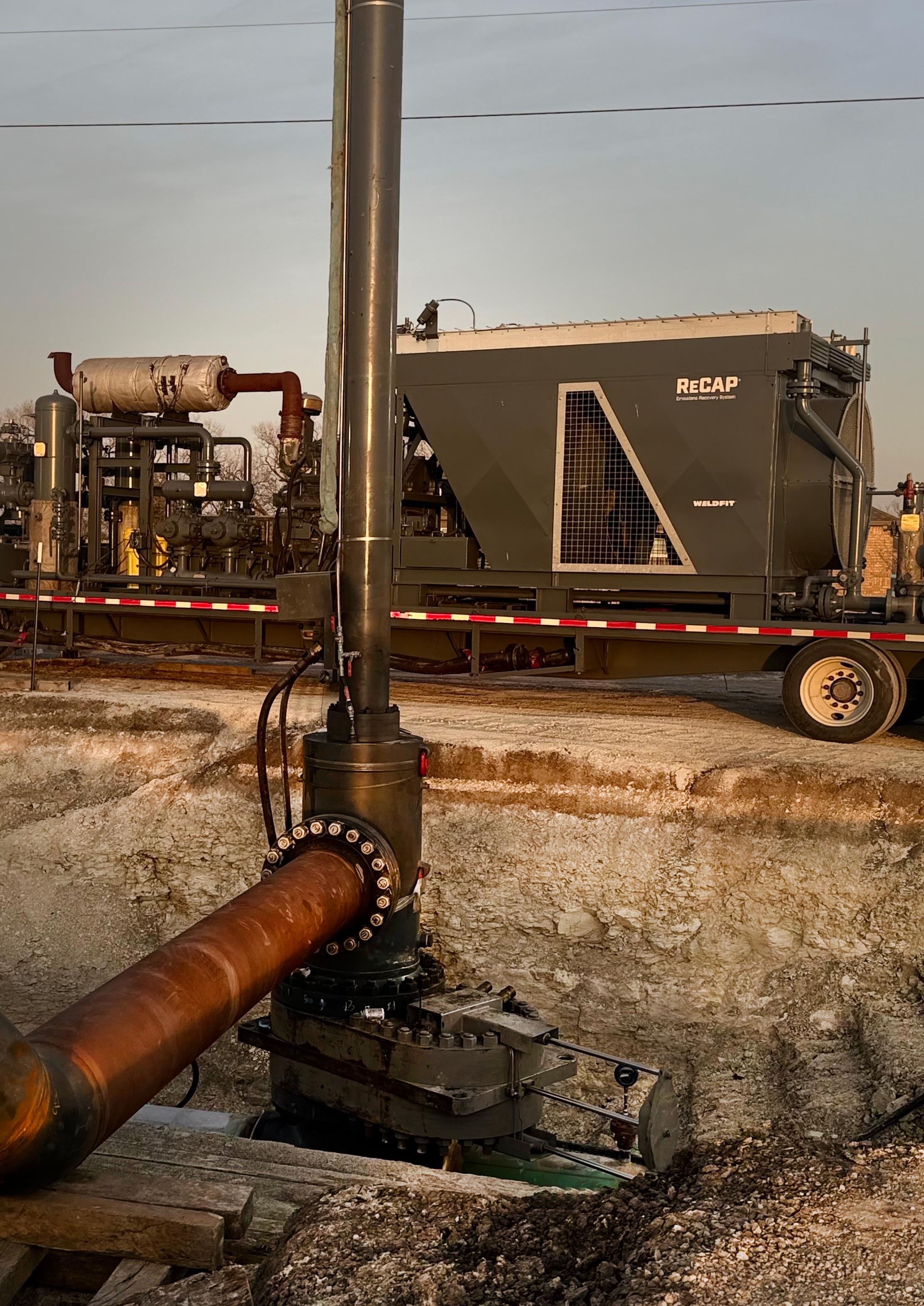
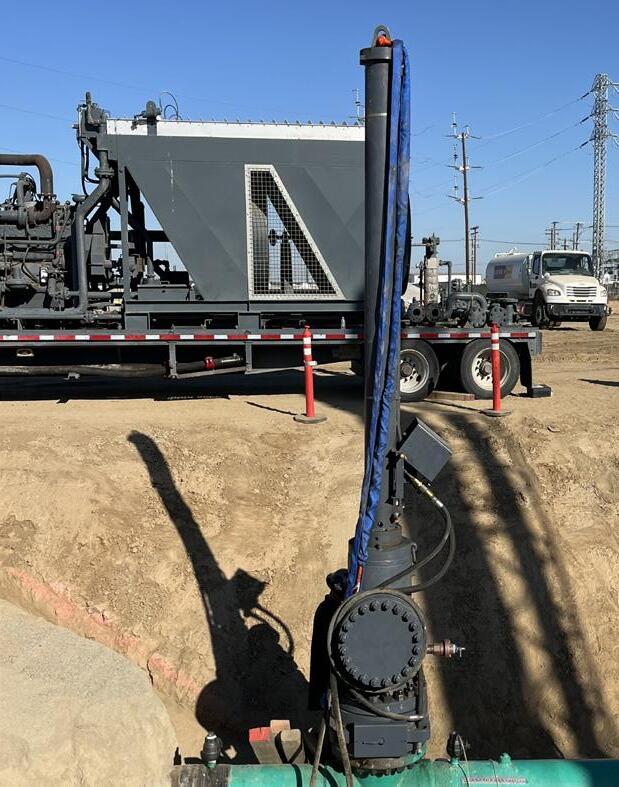
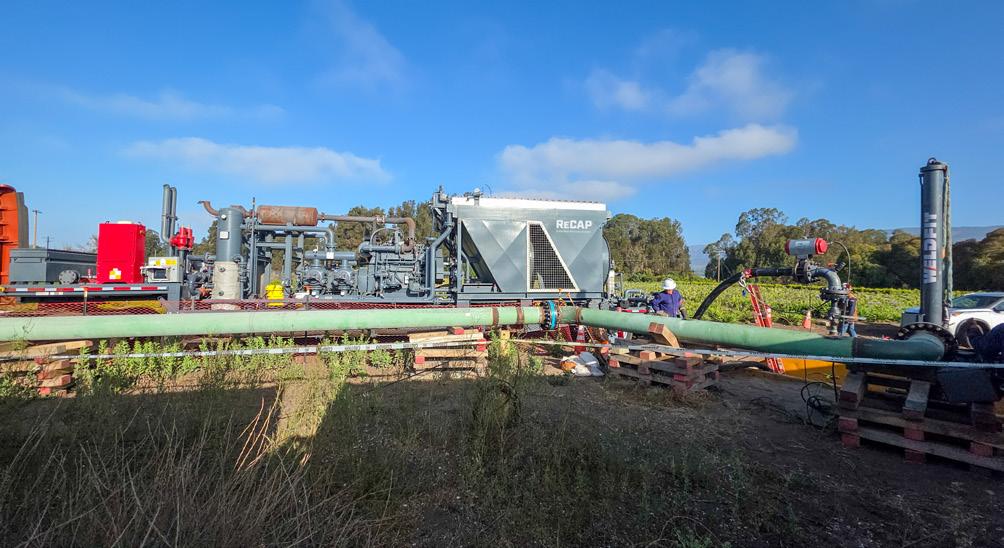
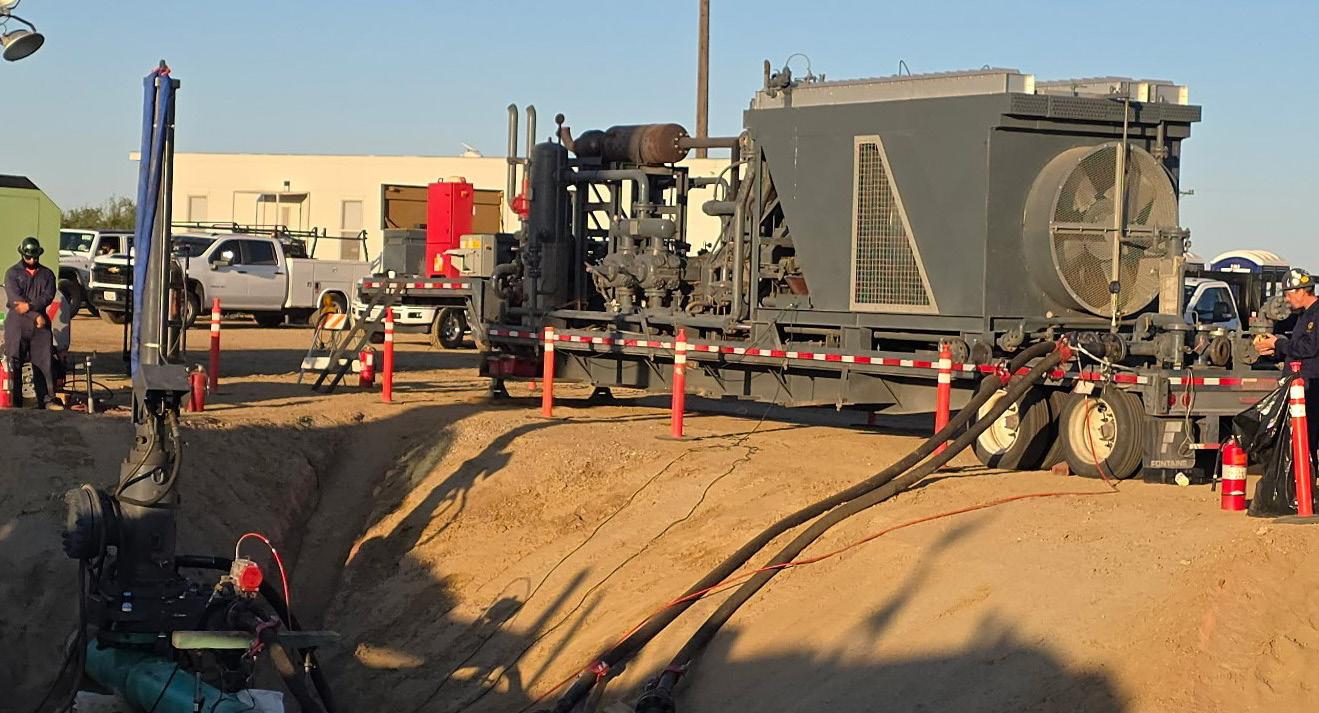
WeldFit – a trusted name in pipeline services for nearly 60 years – combined two established products to provide a broad emissions containment strategy during infrastructure maintenance. Together, the Dually® Double Block & Bleed Line Stop System and the ReCAP® cross compression system represent an integrated isolation and residual gas workflow.
A combined approach to controlling gas
The Dually system enables safe, controlled intervention on in-service natural gas systems, creating a verifiable zeropressure work zone and avoiding both shutdowns and pressure reductions. Award-winning ReCAP emissions recovery technology produces a near constant and predictable cross compression rate from start to finish in both high- and lowpressure environments.
Deploying the systems sequentially allowed the operator of a 16 in. natural gas pipeline to move quickly from integrity insight to physical intervention while minimising disruptions and emissions.
First, the Dually system established a secure, verifiable isolation point where the in-line inspection tool could easily enter the live pipeline and be removed afterward.
When inspection data identified three integrity threats requiring immediate repair, speed, risk mitigation, technical feasibility, and gas containment strategy all became priorities. To allow work to proceed in a controlled environment, the line needed to be derated, but without flaring or venting.
WeldFit used its ReCAP recompression technology to redirect the gas back into the active pipeline system. Not only did this avoid the cost, time and inconvenience of a full system shutdown, but it also reduced pressure from 578 psi to 5 psi in less than 2 h, while preventing the release of approximately 220 000 ft3 of natural gas.
Keeping small threats from escalating
This project is a clear example of the evolution of pipeline maintenance and intervention.
“As operators face corrosion, cracks, valve degradation, fittings issues, and leaks, they need technologies that allow them to intervene safely on live systems before small threats become catastrophic events,” Albertson says. “Regulations, incidents, and emissions expectations all point to the same conclusion: operators need proven intervention partners who can help them safely maintain live infrastructure before small integrity threats become high-consequence failures.”
By combining early detection through WeldFit isolation with controlled, low-emission intervention, the operator avoided product loss, minimised environmental impact, preserved public safety, and maintained uninterrupted service. At the same time, addressing the integrity threats immediately reduced the likelihood of future leaks or failures. Not only did this limit regulatory exposure, but it also reduced the possibility of emergency response and far greater cost.
While the result was a successful repair, it was also so much more than that. It proved that integrated gas management solutions have become operationally irreplaceable. Controlling gas during maintenance is no longer optional – it’s part of doing the job right.
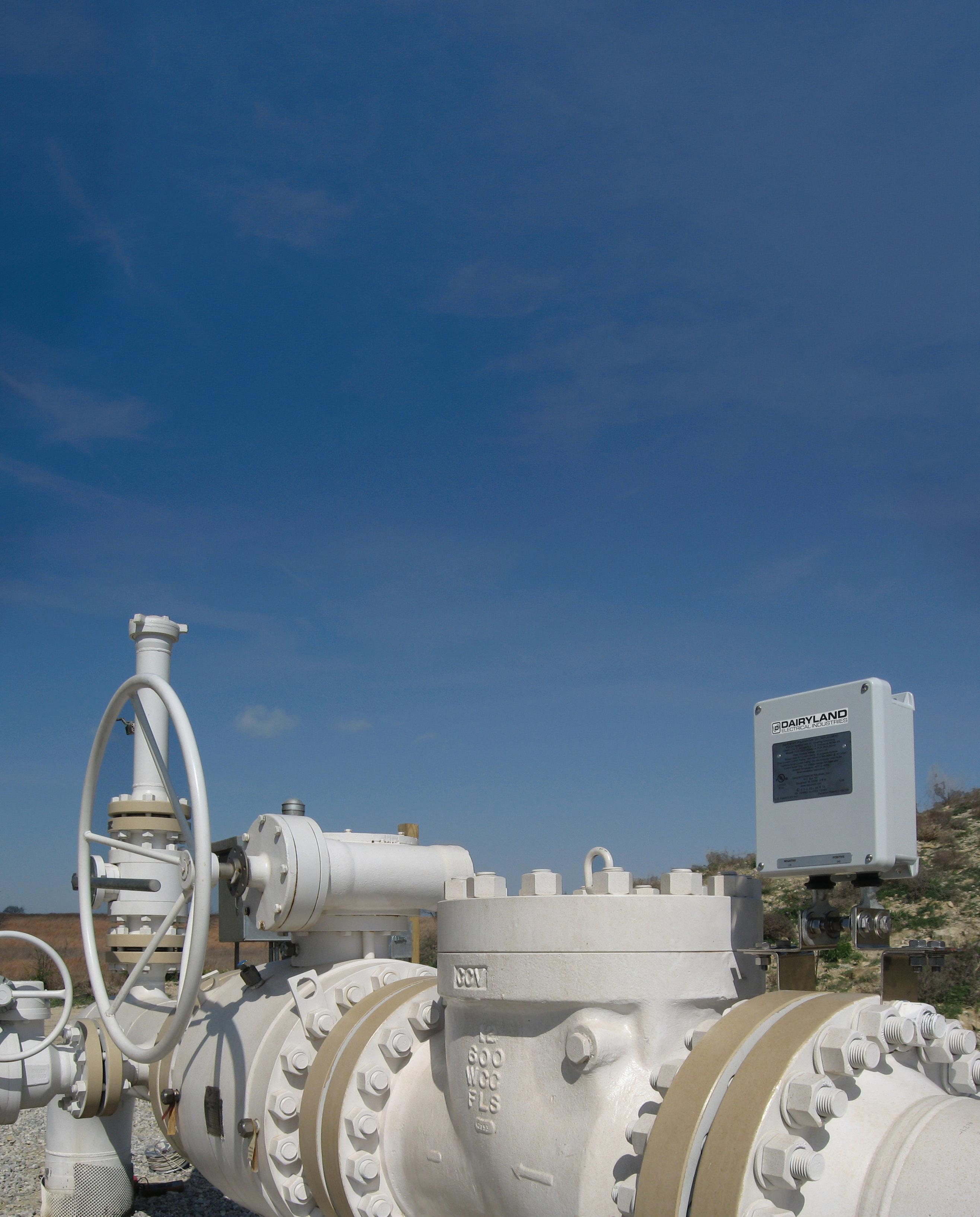
Figure 3. For natural gas operators worldwide, keeping skies clear is an operational and reputational goal.
Figure 4. Together, the WeldFit Dually and ReCAP® systems proved that integrated gas management is operationally irreplaceable.
Emily Bridge, Reliability Manager, KBR, explores why RAM analysis is becoming a strategic tool for operators.
cross much of the upstream industry, availability has traditionally been treated as a fixed number early in the design process. A concept development might assume 95% uptime and then carry that figure through the rest of the project, from the production forecasts to the financial models, before calculating at FID.
This approach has rarely been questioned, as facilities were conventional and projects tended to operate independently from each other. If the calculated availability ended up being slightly higher or lower than the assumption, it didn’t usually impact the economic viability of the development. However, today’s processing requirements are becoming more complex and many of the projects now being developed are more closely interconnected with existing infrastructure, with economics coming under far greater scrutiny.
New wells are often tied into existing hubs, and different installations often share utilities or export routes, back filling available ullage due to declining production over time. That means a disruption in one part of the system can quickly affect other parts of the network.
In these environments, considering availability only in the final planning stages risks days or weeks of lost production, every year, for the operational life of the asset.
This is where Reliability, Availability, and Maintainability (RAM) analysis is playing an increasingly important role. Rather than relying on assumed availability figures, a rigorous RAM study allows project teams to test how a facility is likely to behave once it is operating. This process, and the results, can test, challenge and develop the assumptions made, as well as help develop operational strategies and quantify the risks of unknowns.
One offshore development that KBR worked on provides a good example. Pigging activities between the platform and the onshore processing facility had been treated as routine maintenance. This activity involves sending cleaning tools through the pipeline to remove scale, sand and wax build-up. The expectation was that the pipeline would be pigged every couple of weeks and that each operation would take 1 - 2 days, requiring a reduction in production flowrate for the duration.
RAM analysis showed that pigging activities alone translated to more than 10% production loss over the course of a year, or around a month of output annually, forcing the project team to
revisit the development concept. Thankfully, this was discovered early in the pre-FEED, minimising the rework required.
Even small changes in availability can make a noticeable difference. A 1% shift would mean three to four days of production over the course of a year, while a 2% difference is the equivalent of around a week of lost production. Over the life of a facility, those days quickly start to add up.
In another project, we supported an FPSO with onboard compression, where the team needed to decide how the export compressors should be configured. One option used a single large gas turbine driven compressor, while others relied on several smaller machines operating in parallel.
Although all configurations were technically viable, RAM modelling showed that the difference between those options could be approximately 2 - 5% in availability, or roughly one to two weeks of production each year, for the anticipated production life.
It’s also worth noting that the option with the highest availability isn’t always the best one. Squeezing out small gains in uptime can come with a significant increase in cost, particularly if it means adding more equipment or redundancy.
For that reason, RAM results should be considered alongside CAPEX, OPEX, and other practical factors such as weight, footprint, and safety. By showing what each option means in terms of production, the analysis helps teams decide whether the extra availability is worth the additional investment.
Testing design decisions earlier
Testing decisions might mean comparing alternate driver technologies, looking at how much redundancy to build into key systems, or understanding how maintenance strategies will affect overall production uptime. Because the RAM model looks at how the facility operates as a whole, engineers can see how individual design decisions influence overall performance.
Building these models starts with a clear picture of how the facility is expected to operate. That includes things like process flow diagrams, equipment lists and reliability data, as well as how the asset will be maintained and supported once it is up and running.
Practical factors such as crew availability, spare parts and response times after equipment failures can all make a difference to overall availability. Bringing those inputs together allows the model to show how the facility is likely to perform under different operating conditions.
A good example comes from a concept study KBR completed for an existing onshore upstream facility where a new Gas-Oil Separation Plant (GOSP) was being added. Rather than looking only at the new plant in isolation, the RAM study examined the entire power generation system across the different sites connected to the facility. The aim was to understand how different ways of expanding the power network would affect overall production, once the new plant was brought online.
Around 10 possible configurations were assessed. These combined different gas and steam turbine options, including both open and closed cycle arrangements. When the full power generation system was modelled, the analysis showed that the difference between those options added up to approximately 2% in power availability, or about a week of output each year.
Figure 1. Azeri-Chirag-Deepwater Gunashli (DWG) platform Caspian Sea, Azerbaijan.
Figure 2. Azeri-Chirag-Deepwater Gunashli (DWG) platform Caspian Sea, Azerbaijan.
Figure 3. Sangachal Terminal - coast of Caspian Sea, Azerbaijan.
Looking at the system as a whole also highlighted issues that would not necessarily have been obvious from reviewing individual pieces of equipment, such as issues with planned maintenance. In several of the configurations we assessed, the combined maintenance requirements across the turbines added up to more than 400 days of planned work each year, creating situations where two gas turbine generators would need to be maintained at the same time.
Because the RAM model captured how the facility would operate as an integrated system, it was possible to adjust maintenance scheduling to reduce the impact on production, i.e. by ensuring the largest-capacity machines were not taken offline at the same time.
The role of operational strategy
RAM modelling can also show how operational strategy affects availability, not just equipment design.
KBR has applied this approach on several offshore platforms designed to operate without a permanent crew. In those environments, response time affects overall availability. The modelling looked at how site visit frequency and maintenance strategy affect production. Scenarios included daylight-only working, different mobilisation trigger points, and whether intervention took place after the first equipment fault, once production was affected, or only after a full outage.
The results showed that the choice of strategy could change availability by approximately 2 - 3%, and sometimes more when daylight-only working was considered. With that information, operations teams were able to adjust maintenance priorities and planned response strategies with a clearer view of the production impact.
Supporting asset life extension
RAM analysis is also proving useful when operators look to extend the life of existing assets.
Many offshore and onshore facilities continue operating long after their original design life. As those assets age, equipment is often pushed beyond the conditions it was originally designed for, and operating practices may have changed over time.
Updating RAM models for facilities that are already in operation can help identify bottlenecks and recurring issues that reduce availability. Once those losses are identified and quantified in terms of production impact, operators have a much clearer view of whether changes to operating strategy or targeted equipment upgrades are worth pursuing.
From engineering check to strategic tool
At its heart, RAM analysis is about using statistics to understand how much a facility is likely to produce once operational, rather than relying on availability figures assumed early in a project.
This matters more than ever as operators deal with ageing infrastructure, increasingly complex developments and tighter economics. The gap between design assumptions and actual operating performance can translate directly into lost production.
Bringing RAM modelling into projects earlier, and using it alongside other engineering disciplines, gives teams a clearer view of the impact before key decisions are locked in. What was once seen mainly as a technical check late in the design process is increasingly being used as a strategic tool to shape how facilities are designed, operated, and extended over time.
Three Decades of Supporting Safe and Reliable Pipeline Operations.
In 2026, the United Kingdom Onshore Pipeline Operators’ Association (UKOPA) celebrates 30 years as the authoritative voice of the UK’s onshore high-pressure pipeline industry.
Founded in 1996, UKOPA was established to provide a unified industry response to the development of the UK Pipelines Safety Regulations. It quickly became a trusted forum where operators could share good practice, exchange lessons learned, and work collaboratively to enhance safety, integrity, and operational performance.
Today, UKOPA represents operators responsible for more than 95% of the UK’s onshore pipeline network, covering over 27,000 km of critical infrastructure.
Over the past three decades, UKOPA has earned a reputation as the UK’s leading authority on pipeline safety, operations, and integrity management. Working closely with the UK Health and Safety Executive, government departments, and other stakeholders, UKOPA helps shape industry guidance, supports regulatory engagement, and promotes consistent practice
across the sector. Bringing together operators, contractors, consultants, suppliers, and regulators to foster collaboration and drive continuous improvement
A core part of UKOPA’s mission is knowledge sharing and competence development. The association delivers specialist training including the Pipeline Emergency Response Officer (PERO) course and Hazard Awareness training, helping build capability across operators, emergency responders, and the wider pipeline community.
As UKOPA marks its 30th anniversary, it celebrates not only three decades of achievement, but an ongoing commitment to ensuring the UK’s pipeline infrastructure continues to operate safely, reliably, and efficiently for years to come.
Looking ahead, UKOPA will continue to play a critical role in developing and sharing good practice whilst supporting the energy transition. As the UK’s energy system evolves, pipeline infrastructure will remain essential to delivering secure, reliable and lower-carbon energy solutions.
Jon Mattos, Engineering Construction Industry Training Board (ECITB), considers how the organisation has used collaboration to help develop safe, competent LNG workers in Mozambique.
Hundreds of energy workers in Mozambique are benefitting thanks to a collaboration between the Engineering Construction Industry Training Board (ECITB) and training organisation Ascending.
The company works with ECITB Global, the international arm of the industry-led skills body in Great Britain, to deliver safety and competency schemes that help to develop competent industry
professionals working on liquified natural gas (LNG) projects in the East African country.
Ascending, an ECITB Global Licensed Training Provider, has delivered the International Health and Safety Passport (IHSP) and International Competence: Engineering Construction (ICE) scheme to more than 900 workers in Mozambique’s energy industries in the last five years.
Ascending, which also has bases in Portugal, Angola, and Guyana, delivers these internationally recognised qualifications from three certified training facilities in Mozambique with the mission of “improving lives and organisations”.
Ricardo Martins, who is Head of Ascending Academy Global, said: “Our aim is to help raise safety standards and develop competent professionals in Mozambique ready to operate in highrisk environments.
“We don’t just deliver training – we build capability, develop careers and create real opportunities on a global scale. Every certification achieved is more than a milestone; it’s proof that investment in skills transforms lives and strengthens industries.
“Through our collaboration with leading organisations, such as ECITB Global, we ensure that our trainees gain internationally recognised qualifications that open doors across the energy and engineering sectors.”
Building a strong safety culture
The International Health and Safety Passport (IHSP) is a globally recognised health and safety scheme developed from the CCNSG Safety Passport, which is the UK’s engineering construction industry (ECI) safety card.
Ascending delivers the one-day IHSP Foundation course, which is suitable for all site staff and is used by contractors as a minimum health and safety requirement on numerous large-scale projects.
This course ensures that individuals have a recognised level of health and safety knowledge and awareness to work on engineering and construction sites worldwide, with the qualification transferable across countries, sectors and sites.
The company is also licensed to deliver the one-day Leading a Team Safely (LaTS) course, which is aimed at team leaders, supervisors and managers of site workers.
Ascending recently partnered with MozUp, an organisation that works under the umbrella of ExxonMobil, to put workers on the Rovuma liquified natural gas (LNG) project through the Foundation course in Mozambique.
Executive Director Filipe Francisco is Ascending’s country manager for Mozambique and has worked closely with ECITB Global since forging the link in 2018.
He said: “The IHSP is an international certification recognised over the world, so it is great to have a partner like ECITB that give us that credibility when it comes to health and safety.”
Ricardo added: “The course is more than just a certification, it is the first step towards building a strong safety culture, empowering individuals to identify risks, prevent incidents and contribute to safer workplaces every day.”
ECITB competency scheme
Delivering the IHSP has opened up opportunities for learners at Ascending to achieve competency qualifications in different trades through ECITB Global’s ICE scheme.
ICE is a global engineering construction industry card that assures the competence of workers, allowing employers in the energy industry to check and validate the skills and job knowledge of their workforce.
Holding an ICE card helps employees demonstrate their ability to carry out work to the required level of competence.
The cards are issued after an individual demonstrates they have the knowledge, skills and proficiency to perform their role through a quality-assured assessment process.
The ICE scheme can be used as a training and assessment or assessment-only route to demonstrate competency, but to be eligible individuals must hold a valid IHSP.
Tristan Kemp, ECITB Head of Commercial, said: “ICE vocational programmes and qualifications are a good way to gain the vocational skills and knowledge needed for careers in the engineering construction industry.
“They offer practical learning programmes in vocational subjects developed with employers to international industry standards. Importantly, they are internationally recognised and accredited by the ECITB’s Awards and Qualifications Committee.
“Candidates prove their competence by demonstrating the skills, knowledge and behaviours required for a particular role.
“By working with industry, ECITB ICE vocational qualifications (VQs) are valued by multinational employers because they offer development opportunities to staff across a wide range of engineering construction roles.
“ECITB ICE approved centres like Ascending are quality assured to ensure quality and standards of delivery are maintained.”
Figure 1. ECITB Global’s IHSP being delivered by Ascending in Mozambique.
Figure 2. ECITB Global’s IHSP being delivered by Ascending in Mozambique.
www.globalhydrogenreview.com
Welding Olympics
Ascending, for example, certifies welders through the ICE scheme, such as two competitors that excelled at the inaugural Welding Olympics event created and organised by Talento in the capital Maputo in September 2025.
The event was attended by 153 people, including students, trainers and professionals from the welding sector in Mozambique, and had the objective of promoting technical and vocational education.
The Matola Industrial and Commercial Institute (IICM) had the highest number of participants in the event, totalling 52 representatives, followed by Institute for Professional Training and Labour Studies Alberto Cassimo (IFPELAC) and Absa Bank Mozambique.
“It is imperative to demystify technical and vocational education, elevating it to the level it deserves and demonstrating to young people that this path can and should be their first option,” said Frederico Silva, CEO of Talento, in opening the event.
The event included a panel discussion on the future of welding in the gas and industrial era, featuring representatives from ExxonMobil Mozambique, Future-Proof Building and IICM.
In total, 20 participants took part in the welding competition across the categories of trainers and trainees. They were assessed through practical tests of different levels of complexity using TIG, MIG/MAG and Shielded Metal Arc welding technologies.
Ascending was one of the event sponsors, alongside main platinum sponsor ExxonMobil, and awarded the top two participants the chance to complete the ECITB ICE Level 2 Welding qualification, while 10 other competitors were funded to attend the IHSP safety scheme.
Welding star ‘fulfils dream’
António Agostinho Manjate, 27, who has eight years of experience in welding, came out first in the trainer/professional category after representing mechanical and industrial engineering firm Duys Mozambique.
“Participating in the Welding Olympics was a great opportunity,” said António, who received a cheque for 25 000 MZN (£300) for coming first.
“There was a great exchange of experience and knowledge, as the main objective of the event was to promote, create opportunities, and give visibility to professionals in the welding industry.
“Through passion, hard work, and dedication, I managed to stand out among many highly skilled professionals.
“The event led to me fulfilling one of my greatest professional dreams of obtaining internationally recognised qualifications, through Ascending and ECITB, getting welding ICE Level 2 and International Health and Safety Passport certifications.”
The awards also included five internships, sponsored by KH, lasting three months at engineering company Belutécnica and at Limak Cements. Meanwhile, a Women Inspiration Award went to Flora Chau in recognition for her inspiring journey in the welding sector.
Following the success of the event, Ascending is hoping to certify more welders from the Welding Olympics in 2026 after taking a more hands-on role and delivering training to competitors from one of its facilities in Pemba in north Mozambique.
Filipe said: “We want this event to become even bigger and more impactful. Having the ECITB supporting us with certifications and with insight of what more we can do for these candidates is invaluable.”
Figure 3. IHSP scheme female participants (above) and the foundation course being delivered by Ascending (below).
Figure 4. Welding Olympics presentation in 2025 in Mozambique.
Figure 5. ECITB Global ICE welding certification carried out by Ascending in Mozambique (left) and Welding Olympics presentation in 2025 in Mozambique to winner Antonio Manjate (right).
Subscribe online at: www.lngindustry.com/subscribe
Neil
Wilds, Global Product Director - CUI/Testing, Sherwin-Williams, comments on
how
offshore wind is redefining protective coating performance for oil and gas infrastructure.
Offshore oil and gas operators the world over face similar challenges. Maintaining ageing infrastructure is dangerous, time-consuming, and expensive, and the pressure to reduce environmental impact is growing.
Fortunately, solutions are at hand, thanks to technologies built to meet the demands of offshore wind facilities. Solvent-free glass flake and cartridge-based polyaspartic coating systems, designed to protect largely unmanned wind turbine monopiles from the elements, have been extending maintenance intervals, improving safety, and reducing solvent emissions.
So why wouldn’t the oil and gas sector apply the same highperformance, highly resilient corrosion protection solutions, and reap the benefits?
Why offshore wind innovation matters to oil and gas
Wind and oil and gas have historically been treated as fundamentally different industries. Yet both consist of offshore, steel structures that stand in the sea, and are expected to survive in one of the harshest operating environments on Earth.
Saltwater immersion, oxygenated splash zones, high winds, shifting sea-beds, salt spray, and biological growth present the same corrosion risk to offshore wind transition pieces as they do to oil and gas jackets, platforms, and subsea infrastructure.
The only difference is operational philosophy. While oil platforms are regularly staffed, maintained, and built with redundancy in mind, offshore wind installations are largely unmanned, widely dispersed, and expected to run with minimal maintenance for more than 30 years.
To meet these demands, offshore wind operators needed coatings that could tolerate long-term exposure with minimal degradation, particularly in critical splash zone areas where corrosion rates are highest. And this led to the development of ultra-durable systems, capable of extending lifetime to first maintenance.
They also needed more environmentally conscious products. Traditional offshore protective coatings, however, typically contain significant levels of solvents, which are released into the atmosphere as volatile organic compounds (VOCs). The industry needed a more sustainable solution, driving manufacturers to design solvent-free solutions that are safer for the environment and applicators alike.
Yet the same pressures are present in the oil and gas industry. With many assets ageing, maintenance costs are on the increase, and operators are under growing pressure to improve both their safety performance and their environmental impact. In this context, ultra-durable, solvent-free systems present an opportunity to expand the period between maintenance schedules, minimise the time their workers spend in dangerous conditions, and fulfil their sustainability obligations.
The question, then, is no longer whether the two sectors are comparable in terms of corrosion protection, but why oil and gas assets should not benefit from the highly resilient, solvent-free solutions already being deployed in offshore wind.
High resilience, high performance
Glass flake is a key performance enhancer in modern offshore protective coatings, particularly epoxy-based systems designed for severe marine environments.
At a fundamental level, corrosion protection relies on preventing water, oxygen, and salts from reaching the steel substrate. In conventional coatings, these corrosive elements can gradually migrate through microscopic pathways in the film, eventually reaching the surface and initiating corrosion.
Glass flake technology disrupts this process by creating a highly tortuous pathway through the coating. Instead of travelling in a relatively direct line through the film, moisture, and corrosive agents are forced to navigate around overlapping layers of glass reinforcement, slowing permeation. It also improves the mechanical properties of the coating by increasing resistance to abrasion, making the system more resilient to physical damage from floating debris, installation activity, and operational wear and tear.
The minimal maintenance demands of offshore wind have moved the industry towards higher glass flake loadings, with many modern systems now featuring increased glass flake content of ≥ 20%.
In the world of oil and gas, operators have just as much to gain from these high-performance coatings, particularly for offshore jackets and piles that are subject to constant environmental loading. They can extend maintenance intervals and prolong service life, all of which adds up to reduced overall costs and increased safety.
Faster, safer maintenance
While long-life glass flake epoxy systems are helping extend the lifespan of offshore structures, maintenance and repair are unavoidable realities of offshore operations. Damage can happen at every stage of an asset’s life, from fabrication and transportation to installation or routine operation.
For oil and gas operators, the challenge is not simply carrying out repairs, but doing so safely, quickly and with minimal disruption to operations.
Unlike conventional multi-stage repair systems, a new cartridgebased polyaspartic coating can be applied in a single high-build coat and cure within a few hours, meaning damaged areas can be repaired during a single session. Speed matters, of course, because offshore maintenance work is expensive, weather dependent, and inherently high risk, especially when crews use ropes to access splash-zone areas.
What’s more, the coatings are typically hand-applied, rather than spray-applied, meaning there is no need for large spray systems or complex offshore application equipment. This makes them particularly suited to targeted maintenance work on offshore structures, where access and application conditions can be extremely challenging.
Beyond speed, glass flake polyaspartic coatings also offer strong long-term durability. The technology combines anti-corrosive performance with excellent weathering resistance, helping repaired
areas maintain their protective performance and their appearance. Unlike many systems, they also resist chalking and yellowing when exposed to UV radiation, meaning they are well suited to topside and exposed offshore areas.
Environmental impact
In recent years, there has been an increasing focus on the environmental footprint of offshore construction and maintenance activities, including the coatings used to protect critical infrastructure.
One area ripe for innovation is the eradication of solvents. In large-scale offshore construction projects, managing the emissions associated with traditional coatings needs extensive abatement systems and additional regulatory oversight. All this adds further cost and complexity to already demanding operations.
Originally developed and refined for offshore wind applications, solvent-free glass flake coatings eradicate this challenge, while still delivering heavy-duty protection. For oil and gas operators looking to reduce VOC emissions without compromising long-term performance, that represents a significant advantage.
Importantly, newer offshore repair systems have also addressed health and safety concerns surrounding isocyanate use. In some modern cartridge-based polyaspartic applications, for example, the curing chemistry is encapsulated within sealed delivery systems,
preventing airborne exposure during application and making offshore use considerably safer than traditional spray approaches.
Meeting the demands of offshore oil and gas standards
Of course, performance in offshore wind alone is not enough for a coating technology to succeed in oil and gas. Systems must also demonstrate compliance with oil and gas specifications, such as NORSOK M-501, which tend to be more stringent than their wind counterparts.
Offshore oil and gas systems typically require much heavier coating builds, for example, than those traditionally used on offshore wind structures, and they also distinguish between different service environments on the same structure.
Some leading coatings manufacturers have now tested their solvent-free glass flake and polyaspartic coatings against the more demanding NORSOK M-501 requirements, and have the performance data to demonstrate compliance.
It means the technology is no longer simply being positioned as a coating developed for offshore wind that may also work in oil and gas. Rather, it is increasingly being qualified specifically for offshore oil and gas environments.
Offshore durability and efficiency convergence
The offshore oil and gas industry is entering a period where environmental responsibility, operational efficiency and asset longevity are becoming inseparable priorities.
At the same time, operators are managing ageing infrastructure in some of the most corrosive and difficult-to-access environments in the world. These combined pressures are reshaping how protective coating systems are specified, applied and maintained.
It is becoming increasingly clear that many of the solutions required to address these challenges have already been proven in offshore wind. The sector’s demand for long-life, low-maintenance performance has driven significant innovation in coating technology, particularly in solvent-free glass flake epoxy systems designed to withstand decades of exposure in unmanned offshore environments.
These systems now offer oil and gas operators a route to significantly extend service life, reduce maintenance frequency and improve overall corrosion protection in critical splash-zone and submerged areas. Importantly, they also contribute to reduced solvent emissions, supporting wider environmental objectives across the offshore supply chain.
Alongside these long-life protection systems, fast-curing polyaspartic repair coatings are changing the nature of offshore maintenance. By enabling rapid, single-intervention repairs with minimal equipment and reduced offshore exposure, they improve safety for applicators and boost operational efficiency.
Together, these technologies support a shift away from repeated, high-risk maintenance cycles toward more resilient, lowerintervention, more cost-effective asset management.
To this backdrop, wind and oil and gas are increasingly converging around the shared technical requirements of durability, safety, and reduced environmental impact. And coating systems originally developed for offshore wind are fast becoming essential tools in the long-term preservation and performance of offshore oil and gas infrastructure.
Figure 1. A rope access technician carries out coatings maintenance on an offshore oil and gas platform.
Figure 2. The vulnerable tidal and splash zone areas of an offshore oil and gas structure.
Matthew Snape, Senior Technical Commercial Manager, Oil and Gas, and Jennifer Knopf, Head of R&D Oil and Gas Product Line, Vink Chemicals, consider why sessile microbial surveillance is critical for pipeline asset integrity management.
In oil and gas pipeline integrity management, microbiological surveillance has traditionally focused on planktonic microorganisms, the free-floating microbial populations detected in produced water, injection water, and process fluids. While planktonic monitoring remains a valuable component of any microbiologically influenced corrosion (MIC) control programme, industry understanding has evolved significantly over time.
Today, leading operators and service providers increasingly recognise that the most serious microbial threats to pipeline integrity are often not planktonic, but sessile. Sessile microorganisms, those embedded within deposits, biofilms, pig debris, wax accumulations and corrosion products, represent the microbial communities directly attached to pipeline surfaces, where corrosion processes initiate and propagate. These communities can drive localised corrosion, underdeposit attack, persistent biofilm formation and biogenic souring in ways that conventional water sampling alone frequently fails to detect.
At Vink Chemicals, innovation in best-in-class oil and gas biocides has always been paired with an equally strong emphasis on microbiological surveillance. Effective microbial
control is not simply about chemical application; it depends on understanding the microbial threat in the correct sample type, using the right analytical tools, and applying those insights to optimise treatment strategies. Increasingly, that understanding begins beyond the water sample.
Why sessile samples matter
For many years, routine microbial surveillance programmes relied almost exclusively on planktonic water samples. While these measurements provide useful operational trending, they inherently represent only a short “snapshot” of microbial conditions, seconds or minutes of system history captured at the moment of sampling. Sessile samples are fundamentally different.
Pig waxes, pig debris, filter solids, corrosion products and even swabs recovered from gauging or foam pigs may represent weeks or months of accumulated microbial history. These materials have been exposed to varying flow regimes, chemical treatments, nutrient availability and microbial competition events over extended periods. As a result, they often contain the true signatures of chronic microbial activity that poses the greatest risk to pipeline integrity.
This distinction is critical. MIC rarely originates in the bulk fluid. It develops at surfaces – beneath deposits, within biofilms and across localised micro-environments where corrosive metabolites such as organic acids or hydrogen sulphide (H2S) can become concentrated.
Sessile surveillance therefore shifts the focus from asking: “What microbes are in the water today?”, to asking the more relevant integrity question: “What microbial communities are colonising our asset, and what damage potential do they represent over time?”
That is a fundamentally different, and more meaningful level of understanding.
The hidden threat: the microbial basis of MIC
Microbiologically influenced corrosion is rarely associated with a single organism. Instead, it is typically driven by complex microbial consortia that form structured biofilms capable of sustaining corrosive processes.
These consortia may include:
) Sulfate-reducing microorganisms (SRM) associated with sulphide production.
) Acid-producing bacteria (APB) contributing to localised metal dissolution.
) Methanogenic archaea, increasingly linked to severe corrosion mechanisms.
) Slime-forming organisms that promote under-deposit environments.
) Souring consortia capable of generating and retaining H2S within deposits.
Crucially, these populations are often enriched in sessile deposits while remaining under-represented, or entirely absent, in planktonic water samples. This disparity explains why systems with apparently acceptable water microbiology results can still experience active corrosion damage.
Pigging campaigns frequently recover solids with microbial density and diversity far exceeding that indicated by water sampling alone. These materials provide direct evidence of biofilm establishment, corrosive metabolism and treatment effectiveness.
When evaluated correctly, pigging is not just a cleaning activity. It is a surveillance opportunity.
Pig debris as an integrity diagnostic tool
Across the industry, operators are increasingly treating pig returns as diagnostic material rather than waste. This shift represents an important advancement in integrity management practice.
Pig waxes and debris can reveal:
) Biofilm burden and persistence.
) Corrosion-associated microbial populations.
) Indicators of biogenic souring risk.
) Deposit composition influencing under-deposit corrosion.
) Evidence of treatment penetration or failure.
) Long-term changes in microbial ecology.
These insights play a critical role in optimising mitigation strategies. Elevated sessile sulfidogenic populations, for example, may suggest that batch biocide frequency or placement requires adjustment. Persistent biofilm signals despite treatment may indicate insufficient contact time or sub-optimal chemistry. Changes in community structure can point to microbial adaptation or emerging treatment gaps. Without sessile surveillance, these early warning signals may remain invisible until integrity loss becomes measurable.
The molecular microbiology revolution
The shift toward sessile surveillance has been enabled by major advances in molecular microbiology methods (MMM).
Traditional culture-based techniques are limited in their ability to characterise sessile microbial communities, many of which are slowgrowing or non-cultivable. Modern analytical tools now include:
) Quantitative PCR (qPCR).
) Next-generation sequencing (NGS).
) Functional gene analysis.
) ATP and metabolic activity measurements.
These methods allow operators to move beyond simple detection and begin answering more meaningful questions:
) Who is present?
) What metabolic functions are active?
Table 1. cATP results by pipeline and sampling point
) How are communities evolving over time?
) Is the treatment strategy targeting the right organisms?
When applied repeatedly to sessile samples collected during pigging, molecular methods reveal trends in biofilm suppression, recovery kinetics and treatment response that conventional monitoring cannot capture. This transforms microbiological surveillance into actionable decision support.
From monitoring to optimisation
Surveillance has limited value if it does not guide intervention.
At Vink Chemicals, the purpose of advanced sessile surveillance is not data generation, but improved control.
Biocide programmes must be dynamic. Data derived from sessile monitoring can support optimisation of:
) Batch dosing frequency.
) Dosage rates.
) Contact time.
) Product selection.
) Injection location.
) Integration with pigging schedules.
The objective of biocide treatment is not sterilisation. That is neither practical nor required. Instead, the goal is to suppress harmful microbial populations, limit their capacity for recovery, and slow regrowth kinetics sufficiently to protect pipeline assets. Sessile surveillance provides insight not only into microbial kill, but into resilience.
Sample type matters
A widely overlooked principle in MIC assessment is simple, the sample defines the relevance of the result. Water samples may represent seconds of system history. Sessile deposits may represent months. That difference matters. Because the threat does not live in the water. It lives in the deposit. As integrity programmes mature, operators increasingly recognise the importance of sample history, exposure time and location. The wrong sample can create false assurance; the right one can reveal hidden risk. This recognition is driving a broader industry shift toward deposit-focused monitoring and risk-based sessile surveillance.
The example presented in Table 1 illustrates a field sample evaluation that highlights the critical importance of sessile sample surveillance. The table provides an overview of cellular ATP (cATP) measurements and the corresponding microbial equivalence. All sessile pig debris samples indicated a need for immediate corrective action, whereas the corresponding planktonic samples suggested good microbial control. Reliance on planktonic data alone could therefore lead to a misinterpretation of the true microbiological
condition and, consequently, inadequate pipeline integrity management.
Supporting biocide performance assessment
Sessile molecular surveillance also enables more direct evaluation of biocide performance. Historically, treatment effectiveness was inferred indirectly through planktonic reductions or corrosion rate trends.
Today, operators can assess performance by tracking changes in:
) Sessile microbial abundance.
) Biofilm structure and composition.
) Functional corrosion-relevant populations.
) Recovery dynamics following treatment.
This approach is particularly valuable for long-term preservation and intermittent operation scenarios. At Vink Chemicals, this philosophy aligns closely with the application of grotan® OX, an oxazolidine-based biocide technology that has demonstrated strong performance in long-term biofilm control relevant to MIC and souring risk management. In these applications, chemistry and surveillance operate as a unified system.
The graph in Figure 1 illustrates the biocidal efficacy of grotan OX, evaluated against both planktonic and sessile sulfate-reducing bacteria (SRB).
To assess performance, two experimental systems were prepared:
) System A: bottles containing a clean metal coupon, used to evaluate efficacy against planktonic SRB and the ability to inhibit biofilm formation.
) System B: bottles containing a metal coupon with a pre-formed SRB biofilm, used to assess efficacy against planktonic SRB as well as biofilm disruption, detachment and kill of established sessile populations.
Following exposure, recovered SRB populations were quantified using serial dilution techniques based on the Most Probable Number (MPN) method in accordance with NACE TM0194 (2014).
Figure 1. Biocidal efficacy of grotan® OX against planktonic and sessile SRB.