NEWS
f Expanding truck loading lanes from 6 to 11, increasing loading capacity by more than 80%.
f Implementing self-service truck loading technology.
f Reducing average truck turnaround times to approximately 5 mins.
f Rehabilitating existing silos to unlock additional usable capacity.
f The Midlothian facility employs approximately 150 team members and currently delivers more than 2 million tpy of cement, supporting hundreds of builders across Dallas-Fort Worth and throughout Texas.
Its ‘Made-in-America’ cement has been used in thousands of commercial, infrastructure and residential projects in Texas, including AT&T Stadium, the Perot Museum, the Margaret Hunt Hill Bridge, Melissa High School, Passport Park West, and major transportation corridors such as Interstate 635 East.
“Texas is one of the most dynamic construction markets in America,” said Patrick Cleary, Senior Vice President of US Cement and Supply Chain. “This investment strengthens our ability to partner with customers advancing critical infrastructure and commercial projects across the state. By expanding capacity and significantly improving efficiency, we are enhancing reliability, safety, and service for the customers and communities we serve.”
This investment is intended to strengthen the American-made supply of building materials in one of the strongest construction markets in North America, driven by infrastructure modernisation, data centre development, manufacturing expansion, commercial investment, and efforts to address housing demand.
Tata Steel IJmuiden and
Ecocem sign MoU
The MoU builds on an existing joint research programme and sets out a shared intention to explore new technical, commercial, and regulatory pathways for the valorisation of steelmaking slags produced at Tata Steel IJmuiden. Alongside the existing commercial relationship between TSIJ and Ecocem for the valorisation of granulated blast furnace slag (GBS) in cement & concrete,
this new collaboration focuses on basic oxygen furnace (BOF) slag as an alternative cementitious material, alongside the continued development of electric arc furnace (EAF) slag as a supplementary cementitious material.
By replacing clinker – the most carbon-intensive ingredient in cement – with alternative materials such as slag, the cement industry can significantly cut CO2 emissions while giving industrial by-products a more valuable and circular use.
The aim of the BOF and EAF slags project is to transform these steel industry by-products into cementitious binders or constituents that can support the decarbonisation of cement and concrete production, while advancing circular economy principles. By developing new pathways for the beneficial use of these materials, the collaboration also aims to increase the availability of low-carbon concrete solutions in the market, providing designers, concrete producers, and contractors with a broader range of sustainable material options.
“This MoU reflects a shared ambition to support the transition to more sustainable construction materials,” said Pieter Roelofsen, Director Strategy, M&A, and Partnerships at Tata Steel Nederland. “By exploring innovative applications of steel slag, a condition for the successful delivery of our Green Steel Project, we aim to contribute to circular value chains while supporting the decarbonisation of both the steel and cement industries.”
Olivier Guise, Executive Director of Strategy, Technology and Business Development at Ecocem, added: “This type of collaboration has the potential to be transformative for the global cement industry. Together, we are investigating how two underutilised by-products from steel manufacturing could become next-generation alternative cementitious materials, helping reduce emissions while creating value from materials that would otherwise go unused. This is exactly the kind of cross-industry innovation needed to accelerate the transition to a circular, low carbon economy and reshape the future of sustainable construction.”
The signing of this MoU underscores Tata Steel IJmuiden’s and Ecocem’s shared commitment to innovation, circularity, and the development of low-carbon solutions for the building industry.
World Cement sat down with Martin Casey, Mineral Products Association (MPA), to discuss the challenges facing the UK cement sector and the policies needed to support its future.
The UK cement sector has had a difficult few years. Despite the optimism shown with projects like HyNet and the Peak Cluster, it was recently announced that UK cement production had fallen to its lowest levels for decades. What are the primary challenges facing the UK sector at present?
UK cement is an essential, foundational industry, but it’s being squeezed on competitiveness. High energy, regulatory, and labour costs are making it harder to invest and compete with overseas producers. The latest production data underlines the point – domestic output has fallen to its lowest level since 1950. A growing reliance on imports puts the UK at risk of losing its materials security and offshoring its emissions. If we’re serious about delivering homes and infrastructure at pace, we need to be serious about our materials supply chain, too.
What kind of support are you looking for from policymakers? Where would government assistance be most impactful?
We need a fair and competitive environment to do business. In practical terms, that means tackling industrial electricity prices, which are among the highest in the world, getting carbon policy right so UK producers aren’t at a disadvantage, and creating the economic certainty and stability that unlocks investment. We need policymakers to focus on creating a level playing field.
The UK Carbon Border Adjustment Mechanism (CBAM), set to come into effect in January 2027, could help ensure imports face a carbon cost comparable to domestic production by accounting for both the costs of carbon and the indirect costs embedded in electricity prices. The draft legislation doesn’t do this at present. As the sector identified as most at risk of carbon leakage, cement should qualify for Energy Intensive Industry (EII) compensation to help offset these costs, but it is currently excluded. The result is that British cement producers are left facing sky high electricity costs without compensation. We’re also asking for earlier testing and clarity on the rates that will be applied as part of the CBAM, so when the policy kicks in, there’s confidence that it will work effectively.
Public procurement policy would also play a powerful role. Prioritising British-made cement would help support domestic production, reduce carbon leakage, and back good jobs and growth across the domestic supply chain.
Without these measures in place, there is an increasing risk of deindustrialisation in a sector that underpins critical infrastructure, housing, and many of the government’s plans for growth.
Moving to the topic of CCS: How central is this technology to the UK cement industry’s net zero ambitions, compared to other levers like fuel switching or clinker substitution?
All the levers matter. The cement and concrete sectors have already made progress, decarbonising faster than the UK economy, having reduced their emissions by 63% since 1990 through methods like fuel switching.
But cement is slightly set apart from other heavy industry because its emissions aren’t just tied
Martin Casey is Senior Director, Cement and Lime at the Mineral Products Association (MPA), the UK trade association for the aggregates, asphalt, cement, concrete, dimension stone, lime, mortar, and industrial sand industries.
to fuel use – they’re inherent to the chemistry of making clinker, which is needed to make portland cement. Over 200 years, this type of cement has been rigorously tested and proven to be reliable and can be produced at scale domestically. So, while low-carbon, alternative cement chemistries could play a role in decarbonising cement, they’re not the complete answer. They still need to go through the same stringent safety and durability testing as portland cement. We can’t let our industry be lost while we wait. Therefore, carbon capture is still essential to deal with the process emissions that simply can’t be eliminated any other way.
The UK’s CCS strategy is built around industrial clusters like the Peak Cluster and HyNet – how well does this model work for cement producers, and what are the options for plants outside of these clusters?
A cluster approach can work well because shared transport and storage infrastructure lowers cost and risk. Clear timelines, open access, and investable business models are a must for this to work in reality. However, we need a government-led CO2 transport and storage plan that accounts for both clusters and dispersed sites, so businesses can plan and so the whole sector can decarbonise. Accounting for dispersed sites is more challenging, but not impossible. What’s really important is giving industry visibility and options, rather than leaving sites guessing.
With the backdrop of recent protests and petitions opposing the Peak Cluster’s proposed CO2 pipeline, how important is public perception and political continuity to the success of CCUS in cement? And how can the cement industry win over the public? We need CCS to decarbonise the cement industry – the Climate Change Committee has said it’s a ‘necessity, not an option’. We’ve already seen commitment from government that underscores the importance of the technology in the form of a funding allocation of £21.7 billion for the first two CCS clusters in the country, to be invested over a 25 year period.
But the benefits don’t start and end with carbon. Supporting CCS helps secure existing good jobs and also creates new jobs – around 60 to add to the roughly 200 already on site at a cement plant. And it’s not just quantity, it's quality too. It employs engineers, technicians, environmental specialists, including in carbon and net zero, plant operators, logistics professionals, and more. Those careers are rooted in local communities but have national benefits, building a pool of skilled professionals who can apply what they’ve learned to other projects that could shape the nation’s future.
A better understanding of the need for carbon capture and the socioeconomic benefits it could
bring to communities across Britain would help to drum up more vocal support from national and local politicians and other stakeholders.
Is the UK cement sector currently on track to reach its net zero deadlines? Or do we need to make adjustments to the timeline?
The sector has made really strong progress, but to keep on track, it needs the right policy support and investment conditions in place.
Process emissions from clinker production, which can’t be eliminated through fuel switching or efficiency alone, make CCUS essential to creating a credible route to net zero for cement. There are positive signs, with projects like Padeswood, part of the HyNet cluster, now in the construction phase and the Peak Cluster undertaking consultations on its proposed pipeline.
But we need commitment from the UK Government to support FEED studies, a vital step in the design process, as well as faster progress on infrastructure, planning and permitting, and greater clarity on transport and storage.
Wider pressures, particularly high electricity costs and uneven carbon policies, are also holding back investment. With the right action, the sector can lessen the risk of offshoring production and emissions and deliver genuine decarbonisation in the UK.
Looking ahead to the future then, what does a fully decarbonised UK cement sector actually look like, and what part of the overall picture will CCS be playing?
It looks like a sector that supports growth and national resilience and delivers the materials the UK needs without exporting jobs and emissions overseas. We’ll see more efficient plants, lower clinker products where appropriate, smarter use of materials, increased circularity, and innovation in tandem with CCS.
The UK has a chance to show what a modern, green, thriving, and decarbonised cement industry can look like, using our supply of natural geological resources and massive CO2 storage capacity. We’re keen to take hold of that opportunity.
Biography
Martin Casey is the Senior Director for Cement and Lime at the Mineral Products Association (MPA). Before taking up the role in April 2026, Martin worked with the MPA as a consultant to support the association’s engagement with government as it calls for urgent action to tackle British cement’s competitiveness challenges. Previously, he worked at CEMEX for 19 years, latterly as Director for Communications, Public Affairs, and Social Impact in EMEA.
SHIP LOADER
CONCRETE BATCHING PLANTS FOR RMX AND PRECAST STABILIZATION PLANTS
RECYCLING PLANTS
TURNKEY INSTALLATION
Estelle Raynaud and Caroline Autier, Chryso (Saint-Gobain), explain how a polymer-based cement additive can stabilise rheology in SCM-rich binders, helping maintain workability and strength.
he global cement industry is undergoing a structural transformation as it accelerates the shift toward low carbon binders to meet international climate commitments. All major multinational producers have endorsed the WBCSD net zero 2050 objective, acknowledging the well-established contribution of atmospheric CO2 to global warming. Yet, the true strategic breakpoint is 2030, not 2050. Over the next few years, cement manufacturers must deliver steep CO2 intensity reductions ahead of the large-scale deployment of carbon capture technologies, which will only mature in the longer term.
Most leading producers have therefore formalised their 2030 CO2 emissions targets, many of them validated through the Science
Based Targets Initiative (SBTi). Published figures illustrate the scale of ambition for most of the key players, targeting 400 to 500 kg CO2e/t. These targets signal a decisive industry wide transition and underscore the necessity of rapidly reducing clinker content in cement formulations.
This context is driving unprecedented adoption of secondary cementitious materials (SCMs) – particularly calcined clays (LC3 systems), natural pozzolans, recycled fines, and various limestone-rich components – which are increasingly indispensable to meeting 2030 and 2050 decarbonisation pathways. However, the widespread use of SCMs introduces significant technical challenges stemming from their physicochemical characteristics. Their high fineness, elevated surface area, and variable mineralogy and
microstructure dramatically increase water demand, adversely affecting concrete workability and early-age strength development.
These effects remain among the primary barriers limiting the industrial deployment of high SCM binder systems.
A new additive platform
EnviroAdd® HWR is an engineered platform combining chemical accelerators, high-performance polymer structures, and synergistic packages targeting multiple mechanisms simultaneously. This enables coordinated control of water demand, enhanced hydration kinetics, microstructure refinement, and superior mechanical performance in SCM-rich binders. This allows cement producers to adopt higher SCM substitution rates without compromising mechanical performance or workability properties on the job site.
Moreover, next-generation cements challenge additive robustness as polymers can degrade under hot-grinding conditions. Additives not designed for these stresses suffer severe efficiency loss.
Therefore, SCM-rich systems require a new class of cement additive, fully compatible with hot grinding conditions and able to compensate for microstructural, hydration, and rheological disruptions.
Hydration
acceleration and phase-specific activation
Research from Gartner, Myers, Riding, and others highlights the impact of pure chemical activation on silicate and aluminate phases. EnviroAdd builds upon these principles and new chemicals, used alone or in combination, by accelerating C3A consumption, AFm formation, and changes in morphology of the portlandite cement, especially in pozzolanic materials.1,2
This new EnviroAdd HWR range can selectively target different clinker phases or SCM reactivity, generating enhanced effects in combination with a chemical activator.
Advanced polymer deflocculation
The deflocculation mechanisms of polymers can be broken down as follows:
f Adsorbing onto both clinker and SCM surfaces.
f Creating strong steric and electrostatic repulsive layers.
f Breaking down agglomerates and releasing trapped water.
f Maintaining dispersion even as hydration progresses.
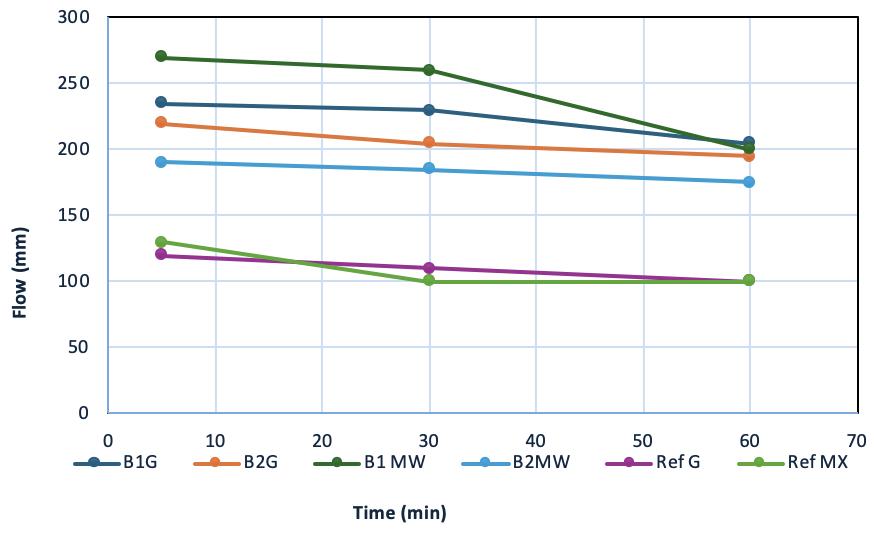
Figure 1. Robustness of polymers in milling conditions evaluated at Chryso Research Lab.
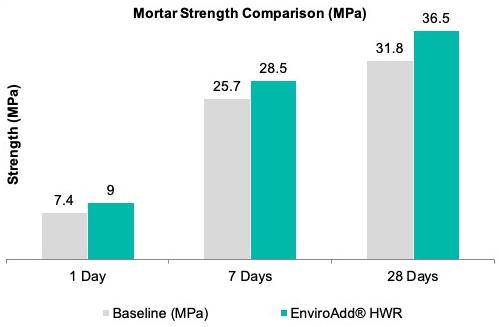
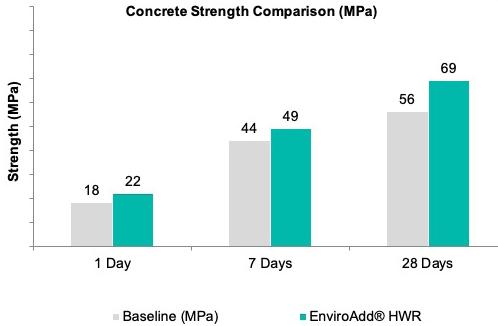
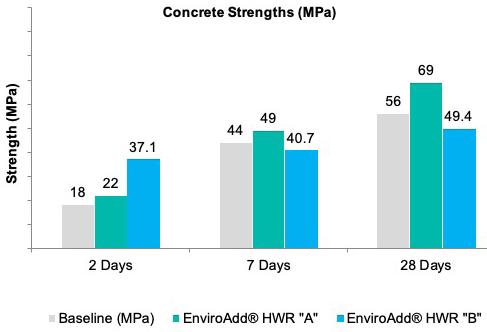
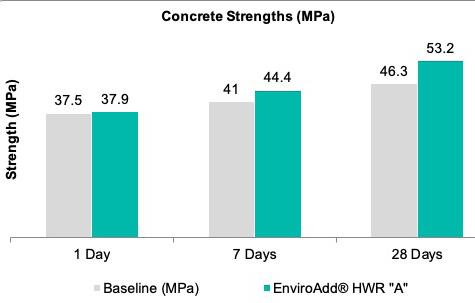
Figure 2. US case study mortars and concrete strengths on calcined clay cement.
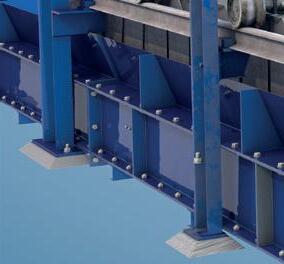
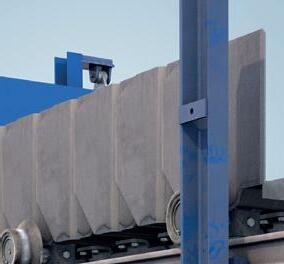
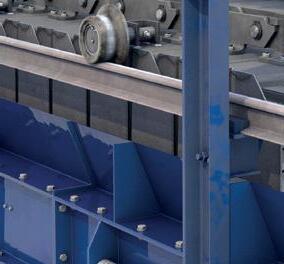
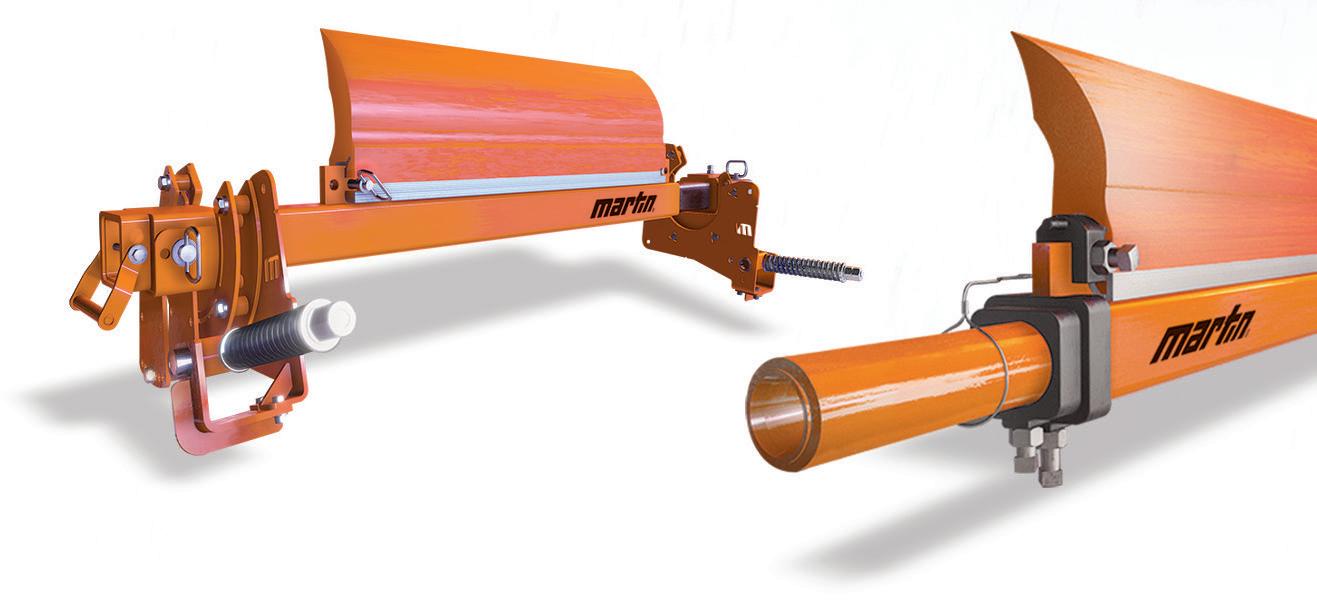
primary belt cleaners from Martin Engineering deliver industry-leading capabilities for the most demanding cement production operations worldwide. These cleaners efficiently discharge material from the belt — minimizing the carryback that can lead to belt damage, component failure, higher costs for cleanup, and diminished production.
Featuring Martin's patented Continuous Angle Radial Pressure blade-to-belt technology, our application-specific urethane blade formulations, rugged mainframe construction, and easy blade replacement design, the innovative QC1+ maximizes cleaning effectiveness for all belt sizes and speeds.
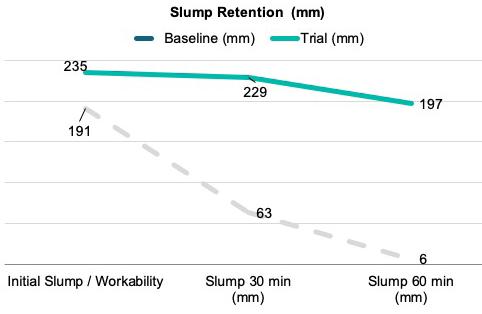
This polymer architecture effectively restores workability, enhances flow, and ensures stable slump retention for 60 minutes or more.
Microstructure refinement and better strength
EnviroAdd HWR technologies refine the microstructure by promoting smaller, more densely packed hydrates. SCMs such as calcined clays and pozzolans benefit particularly from this effect. Mercury intrusion porosimetry shows reduced pore sizes, improved connectivity, and enhanced strength development.1,2
Main benefits
Across laboratory and industrial evaluations, EnviroAdd HWR consistently reduces cement water demand by approximately 7 – 10% and enables 12 – 18% reductions in water-to-cement ratio in mortars and concretes, with mortar flow gains up to ~90% at constant water to cement ratio and specifically with natural pozzolan and calcined clay-based cement. Concrete trials show marked improvements in initial slump and retention, for example slump loss below 10%, while compressive strengths improve by ~+80% at early age and ~+30% at later age;
full performance recovery is demonstrated when replacing clinker with natural pozzolans and calcined clays (e.g. in CEM II/C and LC3).
The polymer architecture maintains dispersive efficacy at typical milling temperatures during grinding, supporting robust plant-scale implementation.
Robustness and efficiency during grinding conditions
To ensure that the new product range incorporates polymers capable of withstanding grinding conditions representative of field realities, Chryso Research focused on studying the grinding and temperature robustness properties of these polymers based on their specific molecular characteristics. This assessment was carried out using a proprietary protocol that reproduces the combined effects of time, temperature, and added water during grinding. Several polymers engineered by Chryso (including B1 and B2), compared with the reference noted as ‘Ref’ were evaluated.
The water reduction efficiency based on initial flow increase compared to the reference without additive (noted as ‘Ref’) and the potential losses of efficiency after grinding, noted as ‘G’, compared with the inclusion of additive added to the gauge water (noted as ‘MW’) were evaluated.
The results highlight differing resistance to grinding. Polymer B1 shows high water-reduction efficiency when added to mixing water compared to the Blank at initial time.
Even if part of its performance is lost during grinding this polymer maintains high performance, especially at 5 mins. Conversely, polymer B2 exhibits improved properties after grinding and excellent performance retention, attributed to its polymer structure (Figure 1).
Figure 3. US case study workability on concrete on calcined clay cement.
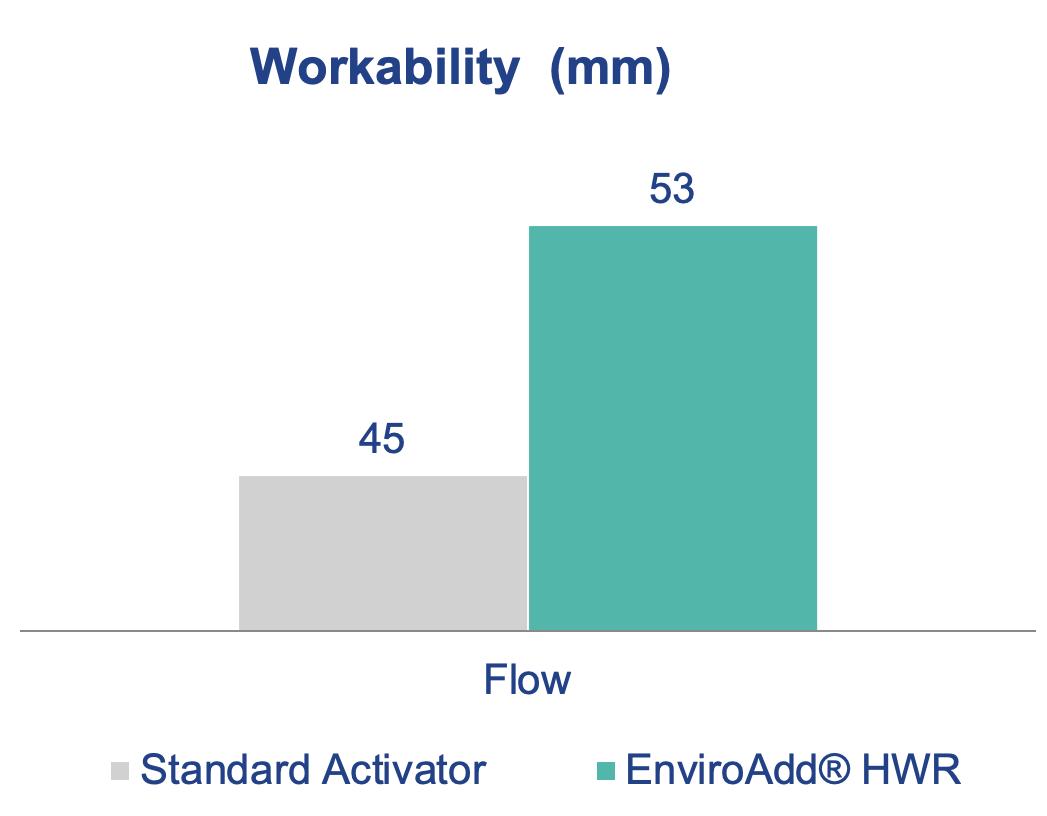
Figure 3. Turkey case study: workability and concrete performance at fixed water to cement ratio.
Grind away while saving energy
If you use high-pressure grinding rolls (HPGR) for their high efficiency, rely on Hägglunds to take it even higher. With shaft-mounted motors and a low moment of inertia, Hägglunds direct drives limit torque peaks instead of opening the roll gap – so that you grind the first time and waste less energy reprocessing. Count on flexible power and cost-saving reliability, supplied by a truly dedicated team. We drive what drives you.
Hägglunds is a brand of Rexroth. www.hagglunds.com
Industrial performance: quantified results
These results highlight the consistency and robustness of the technology across various SCM types and geographies. The enhanced performance of EnviroAdd HWR was demonstrated in a number of case studies.
Case study: US
A Chryso customer required a new cement additive solution with the aim of converting fly ash cement (21% fly ash) produced at 400 000 tpy into Type IP cement (35% calcined clay) while keeping the performance on concrete stable or even improving it. Based on the customer-supplied materials, the laboratory identified the optimal combination of active and efficient components to meet the targeted concrete performance.
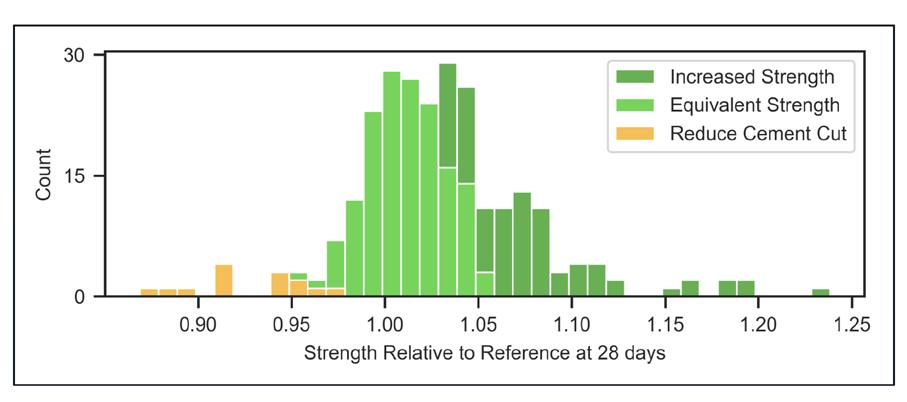
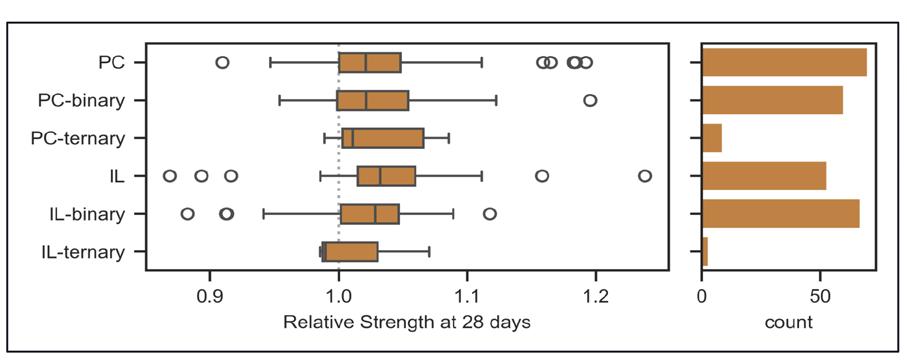
The new designed cement containing calcined clay was manufactured with the use of the new additive EnviroAdd HWR05 at 3400 ppm compared with the standard Tavero GA03 at 450 ppm. The cement produced during the field trial stood out for its better workability and compressive strength on ASTM mortars and concrete, thanks to the special synergy taking place within the new range of EnviroAdd HWR. The good performance observed on ASTM mortars (+12% strength at 28 days) made it possible to anticipate very strong concrete performance in terms of strength with very good initial workability and slump retention at 60 minutes, while keeping the same plasticiser dosage and water-to-cement ratio:
f +23% initial slump and a rheology loss of less than 15%. These results were obtained on ‘equivalent’ micro-concrete with water-to-cement ratio equal to 0.38%.
f +18% at 1 day (+4 MPa) and +22% at 28 days (+13 MPa).
Case study: Turkey
A plant producing CEM II/AM (PLL) 42.5R cement, incorporating 10% natural pozzolana and 5%
limestone, reported a high cement water demand and unsatisfactory concrete workability.
More importantly, the customer was keen to move from CEM II/ALL to CEM II/BLL, by incorporating an additional 8% of limestone, provided that equivalent concrete performance could be demonstrated.
This transition was possible through effective water reduction at concrete level and strength enhancement, ensuring comparable or improved mechanical performance
Following laboratory trials conducted by Chryso R&D laboratory, two EnviroAdd HWR products for cement were selected and offered for industrial testing compared to a pure accelerator baseline.
At a fixed water-to-cement ratio (0.5), the initial flow was increased by 30% and the strengths by 7% at 28 days (Figure 3).
In a second step, the water-to-cement ratio required to achieve the same flow was decreased by 8%. Under these conditions, the hydration kinetics were enhanced, leading to a gradual increase in mechanical strength between 7 and 28 days, ultimately achieving a performance gain of up to 15%, meaning + 7 MPa on top of the standard activator (Figure 4).
Achieving improved concrete performance is the most effective way to demonstrate to end users that current cements can be substituted with new low carbon cements. In this specific case, the customer was able to reduce the clinker factor by 8 percentage points. This offers higher performance and enhanced workability, which are key to improving the market acceptance of lower clinker cements.
Conclusion
EnviroAdd HWR provides cement plants with a robust, field-proven, and scalable pathway to accelerate decarbonisation while maintaining the highest levels of cement and concrete performance. By addressing hydration, rheology, microstructure, grinding robustness, and SCM compatibility, this technology can act as an impactful lever for decarbonisation over the coming decade.
References
1. SIBBICK, R. G., & CHEUNG, J., ‘Cement Clinker Microscopy as an Aid to Determine Performance Differences in the Presence of Chemical Additives’. Proceedings of 14th International Conference on the Cement Chemistry (ICCC) conference in Beijing, PRC, (2015).
2. SIBBICK, R. G., THOMAS, J. J., & CHEUNG, J., ‘Determination of clinker performance with Chemical additives by use of XRF, XRD and microscopy analysis’, Proceedings of The 16th International Congress on the Chemistry of Cement 2023 (ICCC2023).
Figure 5. Turkey case study: concrete performance at fixed flow.
Roger Murrow, QMS, explains how the adoption of new cone crusher design features is generating cost-efficiency savings through enhanced reduction.
one crushers are essentially a type of compression crusher used extensively in the mining, aggregate, and recycling industries for secondary, tertiary, and quaternary crushing. They operate by squeezing the material between an eccentrically rotating cone and a concave hopper, both of which are reinforced with a wear-resistant surface. This type
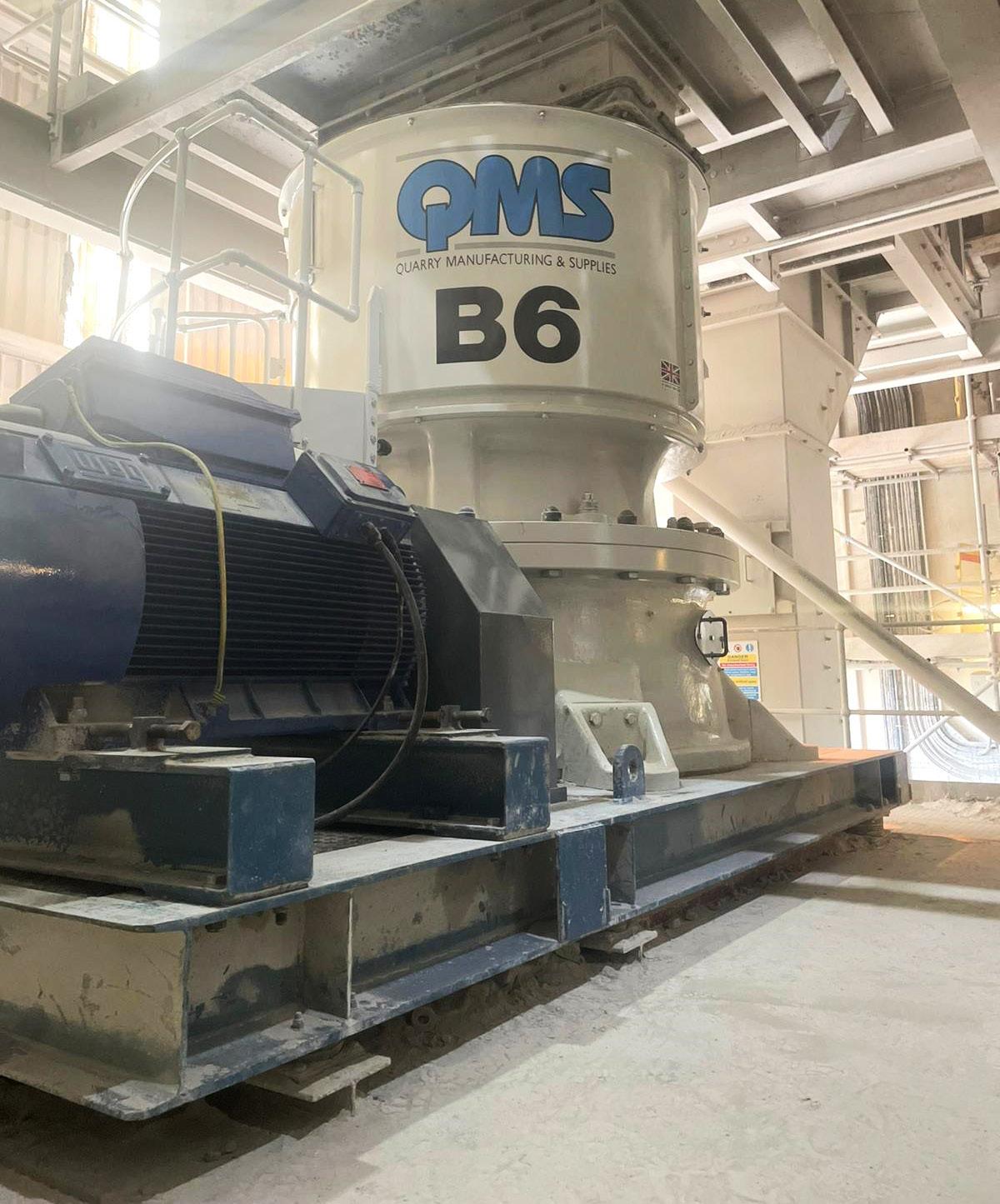
QMS’ B-Series cone crushers generate incredible amounts of force, which crushes the material as it settles between the mantle and bowl.
The B-Series also comes integrated with QMS’ Complete Crusher Control (C3) which is designed to control all aspects of the crusher operation.
of crusher is known for high material capacity and throughput, with the design enabling fine tuning and precision of the final product size, which is crucial for the creation of aggregates for cement manufacturing. Cone crushers benefit operators as they provide a high quality end product whilst reducing production costs by efficiently reducing the size of the material to the required dimensions.
In recent years, many types of cone crushers have been designed with advanced automation capabilities which include hydraulic adjustment, hydraulic clearing of the crushing chamber, and automatic tramp release systems. This automation enables consistent performance and protection of the crusher from potential damage caused by uncrushable materials. Furthermore, cone crushers such as those produced by QMS are engineered to deliver consistent product quality and maximum uptime while requiring minimal maintenance, making them a cost-effective choice for continuous and heavy duty operations. Their versatility is further enhanced by the ability to adjust to various crushing applications and material types, from hard and abrasive rock to softer minerals.
How they work
In essence, a cone crusher starts with the feed material which is fed into the crushing chamber where, inside the crusher, a moving part known as the mantle gyrates inside the machine, moving eccentrically. The mantle can swing slightly while it rotates, which continuously alters the gap between the mantle and the concave, which is a fixed ring that is outside of the mantle. As the mantle swings, it crushes the material against the concave. Stones are crushed against each other, which breaks the feed material down further.
The crusher also has two sides: an open side and a closed side. As the material is crushed, the particles that are small enough to fit through the open side fall through the space between the mantle and the concave. As the mantle gyrates, it creates a narrow point and a wide point. The distance on the wide side is known as the OSS or open side setting, while the narrowest point is called the CSS, or closed side setting. Depending on how the OSS is set, it will determine the size of the particles as they exit the crusher, whilst the CSS represents the shortest distance between the concave and the mantle and is thus the area where final crushing occurs.
Despite being highly versatile, cone crushers are often limited by the size of the feed opening. This is usually overcome by a multi-stage crushing process where a jaw crusher is used, for example,
to reduce the feed material prior to feeding into the cone. This further allows the production of other products depending on size etc., with cone crushers being effectively used as a secondary or tertiary stage.
The nitty gritty
QMS’ B-Series cone crushers generate incredible amounts of force, which crushes the material as it settles between the mantle and bowl. As the material is crushed, finer particles travel downward inside the machine, where they are further refined until they reach their final size. The closed side setting determines what the final size of the particles will be and that setting can be adjusted to achieve the desired material size. Usually, this is set to deliver a 4:1, 5:1, or 6:1 reduction ratio. However, as the closed side setting is reduced to produce smaller material, the output of the cone crusher is also reduced. The high crushing ratio results in the rapid processing of raw materials to a uniformly fine size. As the mantle rotates at high speed, it quickly transforms raw material into smaller particles, which also helps to reduce operational costs.
Although the initial cost of a cone crusher can often be high, the long lifespan of the QMS B-Series, for example, allows the absorption of that cost over time, which helps make for cost-efficient operation. In addition, as there are so few parts required to keep a cone crusher running, there are fewer parts that can break down or wear out over time. This, combined with a quality-driven manufacturing process, has led to the B-Series providing many years of productive use.
Practical features
The QMS B-Series is available in standard and XC versions with the B-Series XC crusher being specifically designed for use in secondary crushing applications. It has very large intake capability and high capacity in relation to its size. This is achieved with a very long crushing chamber. To give optimal operation economy, the long chamber is divided into three sections – upper concave, lower concave, and mantle – which can be exchanged at different intervals.
The B-Series also comes integrated with QMS’ Complete Crusher Control (C3); this PLC system controls all aspects of the crusher operation. This means that the operation of the crusher is simplified as the automatic start up routine incorporates cavity calibration to compensate for liner wear. Automatic adjustments are made to the crusher setting to give consistent and reliable product shape. Pressure and power in relation to load are automatically adjusted to suit rock properties, moisture etc., with all influencing conditions being taken into consideration.
Case study: Heidelberg Materials
Many leading cement manufacturers have in recent times invested in B-Series cone crushers.
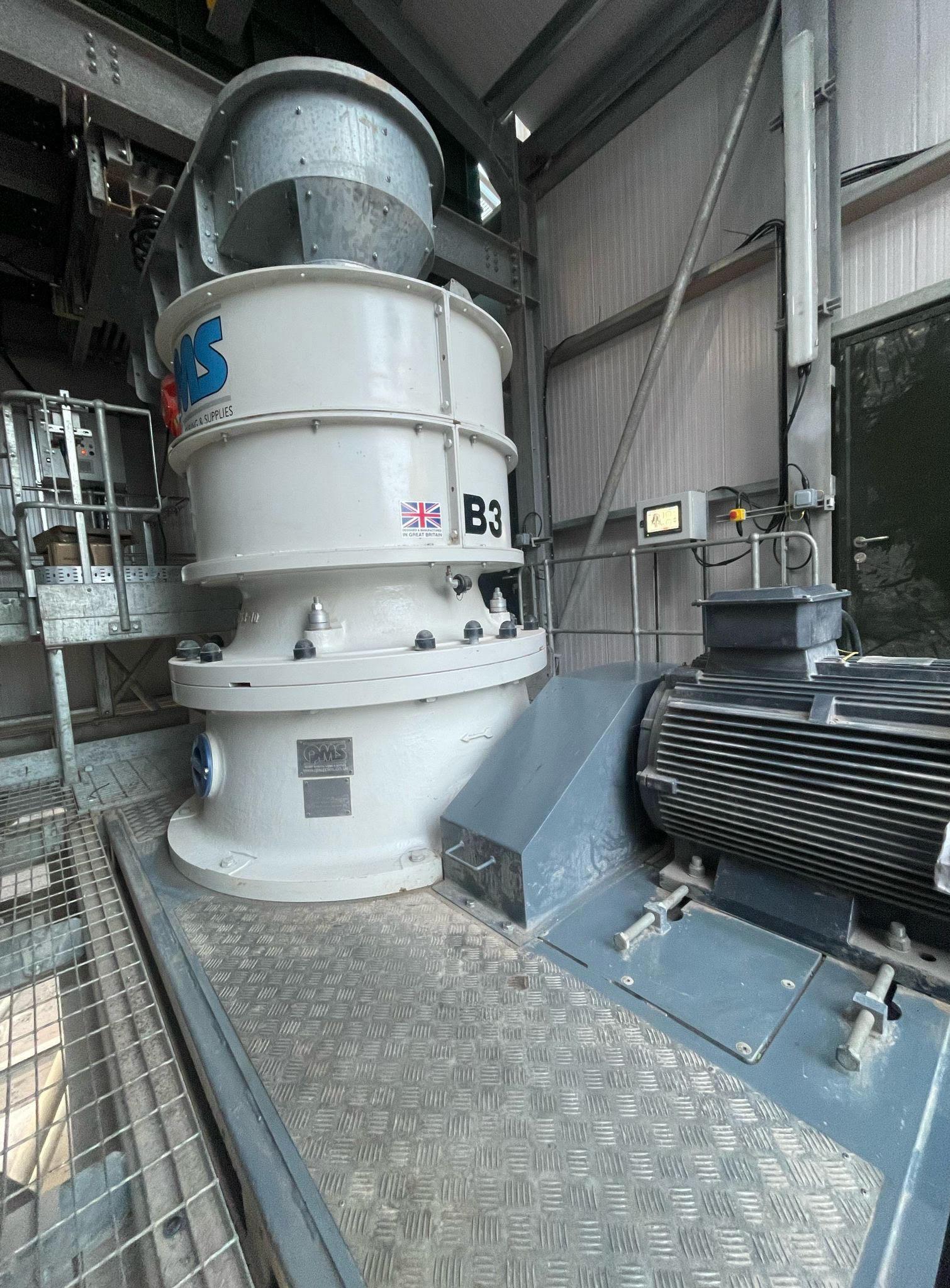
Heidelberg Materials’ Whatley Quarry invested in a B3 in order to produce limestone aggregates at high tonnage rates. It was chosen as it is designed to work with a CSS of between 6 mm and 38 mm, and is capable of delivering throughput of over 200 tph.
Miguel Valdés Menéndez, Heidelberg Materials’ performance improvement manager, explains in more detail the situation at Whatley Quarry: “The plant has undergone a full rebuild, with significant upgrades, including the incorporation of the B3 cone crusher and improvements to other critical components. These enhancements have optimised our operations. Before the installation of the crusher, our plant operated for 12 to 15 hpd, frequently encountering challenges related to material quality and excessive accumulation of undesirable product stock. The production rates of the plant have boosted up from 150 tph up to 200 – 210 tph.”
There has also been a significant improvement with cubicity and product quality. As Miguel explains: “Previously, we were limited to producing 0/4 mm sand, 4/10 mm, or 4/20 mm aggregates with rejects (+20 mm material). With the upgraded (QMS) crusher, we now have the flexibility to produce 0/2 mm and/or 0/4 mm sand, 4/10 mm, or 4/20 mm aggregates. This increased product range allows us to meet a wider variety of market demands. Overall, the installation of the B3 cone crusher has significantly improved our operation by increasing production efficiency, enhancing product quality, and ensuring a safer, more sustainable working environment.”
Case study: Breedon Cement
QMS had for some time proactively maintained Breedon Cement’s Hope Works cone crushers. Due to the excellent relationship that developed, when it came to look at upgrading the plant and replacing the old cone crushers with new, Breedon Cement had little hesitation in asking QMS if it could offer a suitable replacement. This led initially to QMS supplying one, then another B-Series cone crusher. As well as being QMS designed, manufactured, and installed, QMS also provides parts, consumables, and aftermarket care for both the crushers and most of the quarry operation.
A key feature which led to Breedon choosing the QMS cone crusher was the unique hydraulic system of the B-Series, which provides automatic overload protection by allowing the head assembly to drop, permitting the passage of tramp iron and other non-crushable material. The system then automatically returns the head assembly to its original position. The unique design of the hydraulic system means the crusher operates at a definite setting with less setting drift and greater stability throughout the circuit. The crusher setting is instantaneously maintained even after passing a piece of uncrushable material.
Serge Raymond, MAJOR, explores how selecting the right screen media can maximise throughput and help aggregates operations consistently meet spec.
he type of screen media used on the screen deck directly impacts material throughput, equipment wear life, and whether operations meet spec. Most screen media operations still rely on woven wire for their traditional screening needs. But, with technology advancing quickly, is woven wire still the right choice for mining or aggregates operations?
From cost-effective woven wire to high-efficiency tensioned screen media, each type serves a specific purpose. This article explores the benefits of selecting each screen media option to show how each fits today’s demanding mining and aggregates screening applications.
When to choose traditional woven wire
Operations generally understand the benefits of woven wire screen media. Most of the time, it is a cheaper option due to its set sizing options. This style often wears out quickly, but that is offset by the low cost and its ability to get the job done – though not as precisely as more customised options. When operations are only
looking to produce a set amount of a product that does not require perfect spec, woven wire makes sense.
Woven wire screen media is ideal for testing a new opening size before committing to higher-quality screen media. When selecting a manufacturer, operations should prioritise consistent quality. For sticky materials, it is also important to choose a supplier that offers stainless steel options.
Product options to look for:
f Square for general applications.
f Double weave for heavier applications.
f Slotted for removing more fines and providing more open area.
f Hyperslot to reduce blinding in sand.
The main benefit of high-vibration screen media is that the opening sizes are customised, which means operations can get the exact opening size needed to meet spec.
Accessories to prevent oversized materials from falling onto the next screen deck:
f Side seals for end-tensioned screen media.
f Overlaps for side-tensioned screen media.
However, if an operation has invested in custom woven wire screen media to meet spec, it is likely paying prices much higher than makes sense. If the cost of a custom woven wire screen panel does not meet the output, it is time to look into tensioned or modular high vibration screen media.
When to choose high-vibration tensioned screen media
Tensioned screen media enhances vibration on the screen deck surface. The high-vibration action – whether it is side tensioned or end tensioned – reduces blinding and pegging, improving efficiency.
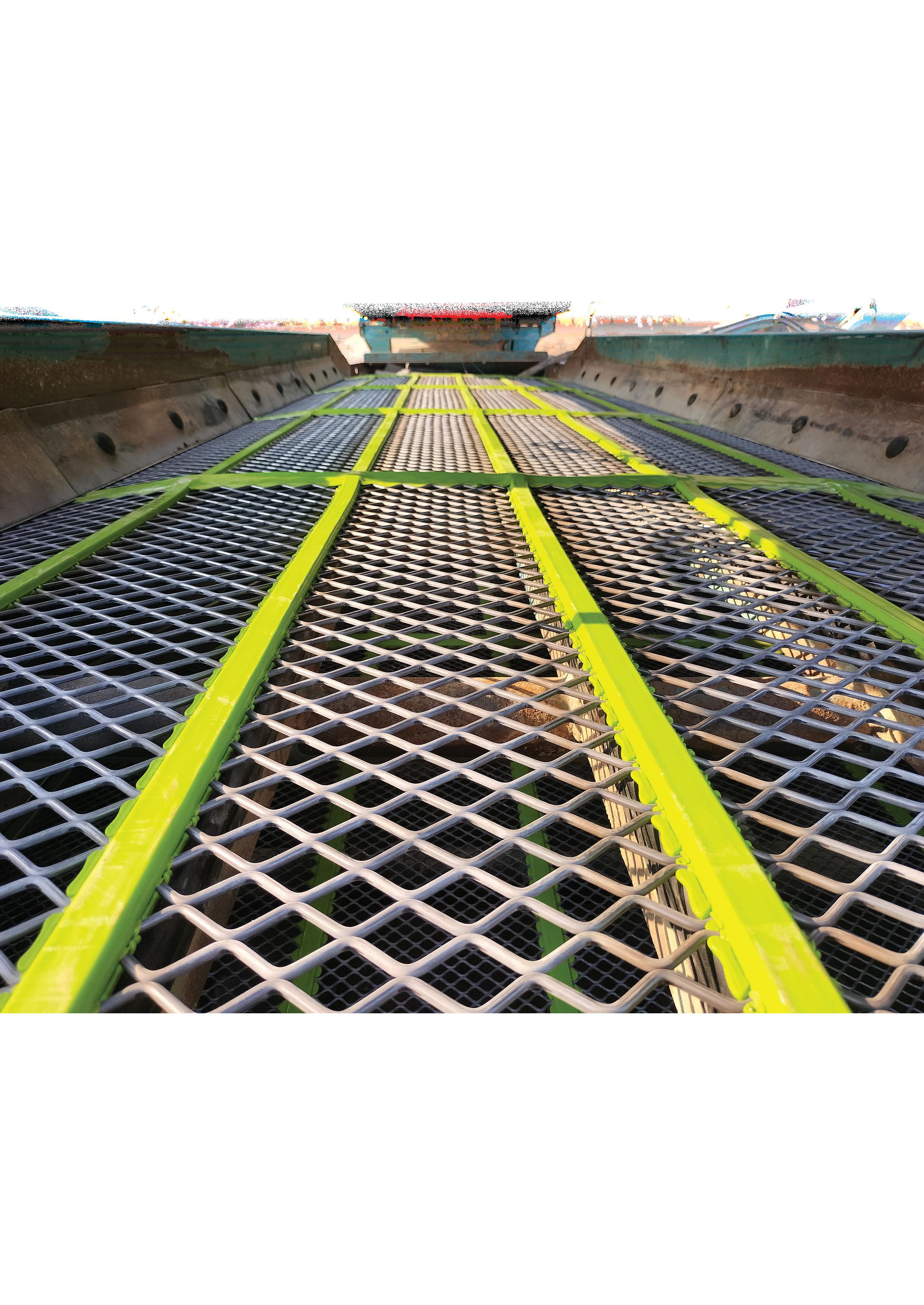
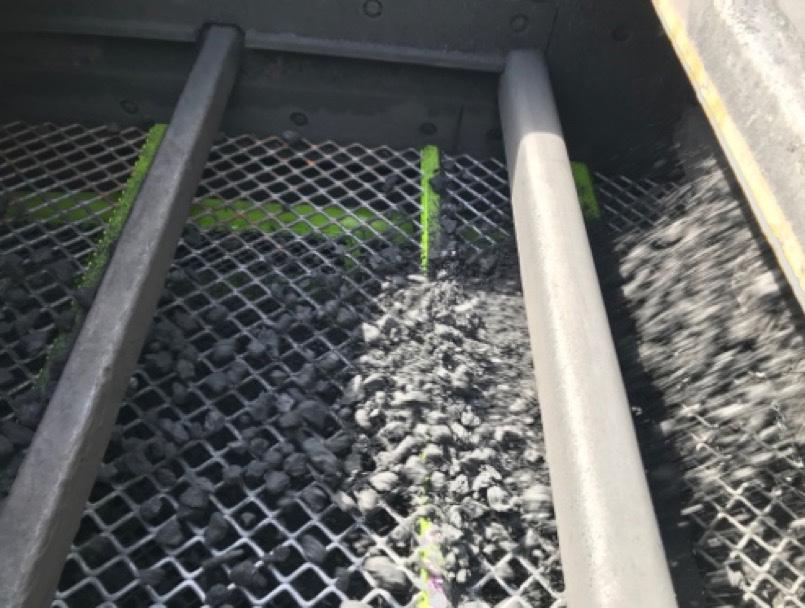
Tensioned screen media can be used across industries – from coal mining to rock quarrying to asphalt recycling and beyond – with specialised adjustments based on the material being screened. The main benefit of high-vibration screen media is that the opening sizes are customised, which means operations can get the exact opening size needed to meet spec. Look for a screen media manufacturer that uses independent wires bonded between polyurethane strips to significantly increase screening action and lead to better stratification overall.
The benefits of modular screen media really shine when considering screen media panel change-out.
Advanced polyurethane strips can be added to a screen media panel to extend the overall lifespan of the screen with a more chemically stable compound.
Accessories can be added to optimise performance and protect equipment, including side seals for end-tensioned screen media and overlaps for side-tensioned screen media to prevent oversized materials from falling onto the screen deck below; hook seals to stop the shroud on end-tensioned screen media from lifting; and dams and impact zone protectors to slow down material action on an inclined screen deck.
Tensioned screen media benefits from the crown curve as well, which can increase screening stratification when done correctly. To get the most out of tensioned screen media, the crown curve should be a high point between the rails. Material should hit this point first before dispersing evenly across the deck.
When to choose modular screen media
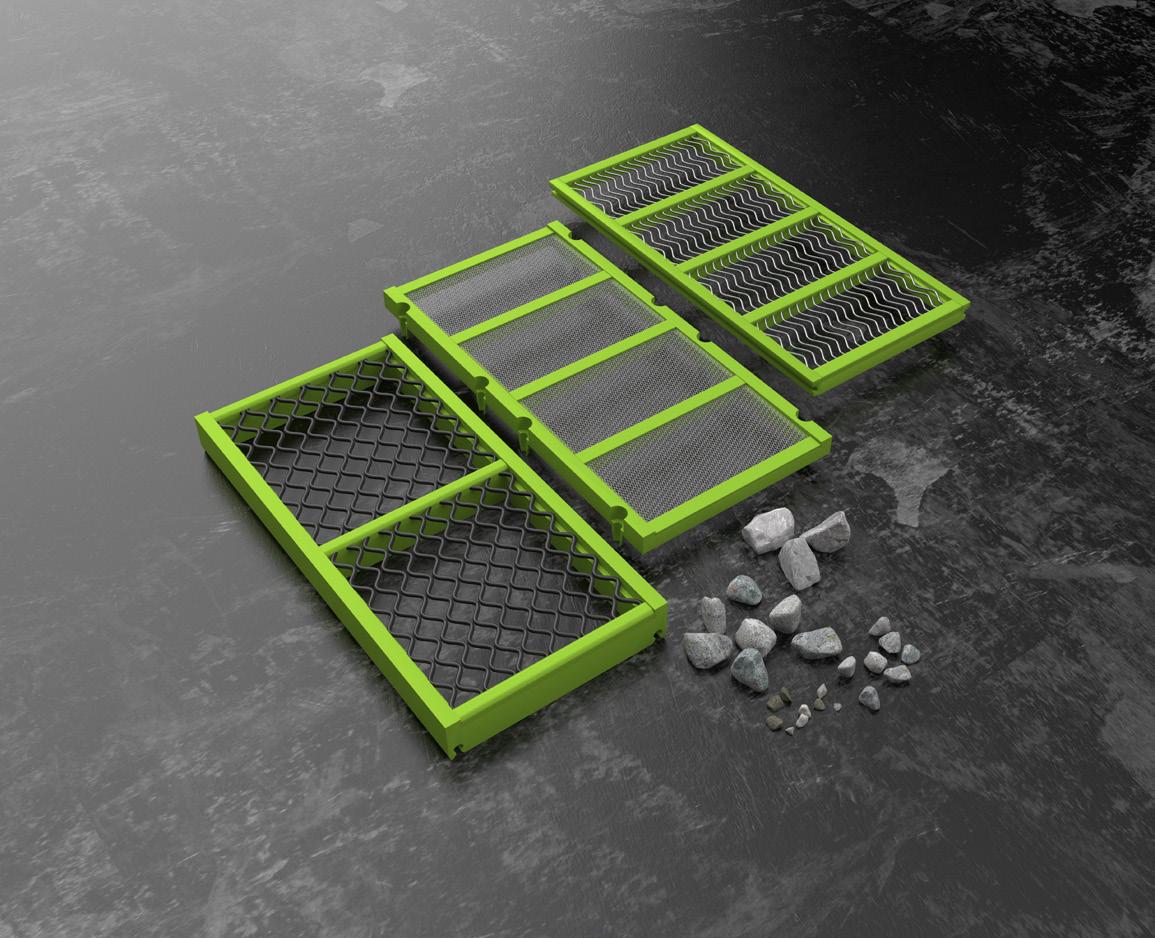
The benefits of modular screen media really shine when considering screen media panel change-out. Maintenance costs can be cut down significantly if an operation is seeing uneven, concentrated wear in one spot on the screen deck. Instead of changing out the entire screen deck when wear happens in one spot, modular
screen media allows operations to change out a specific spot, cutting back on downtime and increasing efficiencies.
Attachment style options include snap-type systems, such as grooved and step designs, as well as pin-type systems, including pin and sleeve and pin and leg configurations.
Some modular screen media can also come with a heavy-duty, reinforced frame with an increased steel core to hold up against harsher applications. Like the tensioned screen media, advanced polyurethane strips can extend the lifespan of modular screen media as well.
Operations should also keep in mind what type of screen media their vibrating screen is designed for. If an operation is already optimally set up for modular screen media, it can be expensive and lead to extended downtime to switch to tensioned screen media, or vice versa.
Making the right choice
Technological updates have made choosing the right screen media a challenge that quarry and mine management teams do not have to take on alone. While woven wire might be an older technology, that does not mean it does not have a place in the modern mine. It is a good starting point, but tensioned and modular screen media help improve throughput and ensure an operation consistently meets spec.
Primoz Nelec, Continental, examines case studies from Scandinavia highlighting the environmental and operational performance of a conveying system designed for complex applications.
here space is narrow, the ground is uneven or sloped, and problems like spillage and emissions – such as dust or loose materials falling off the conveyor – must be contained, conventional conveyor systems usually cannot provide the required performance.
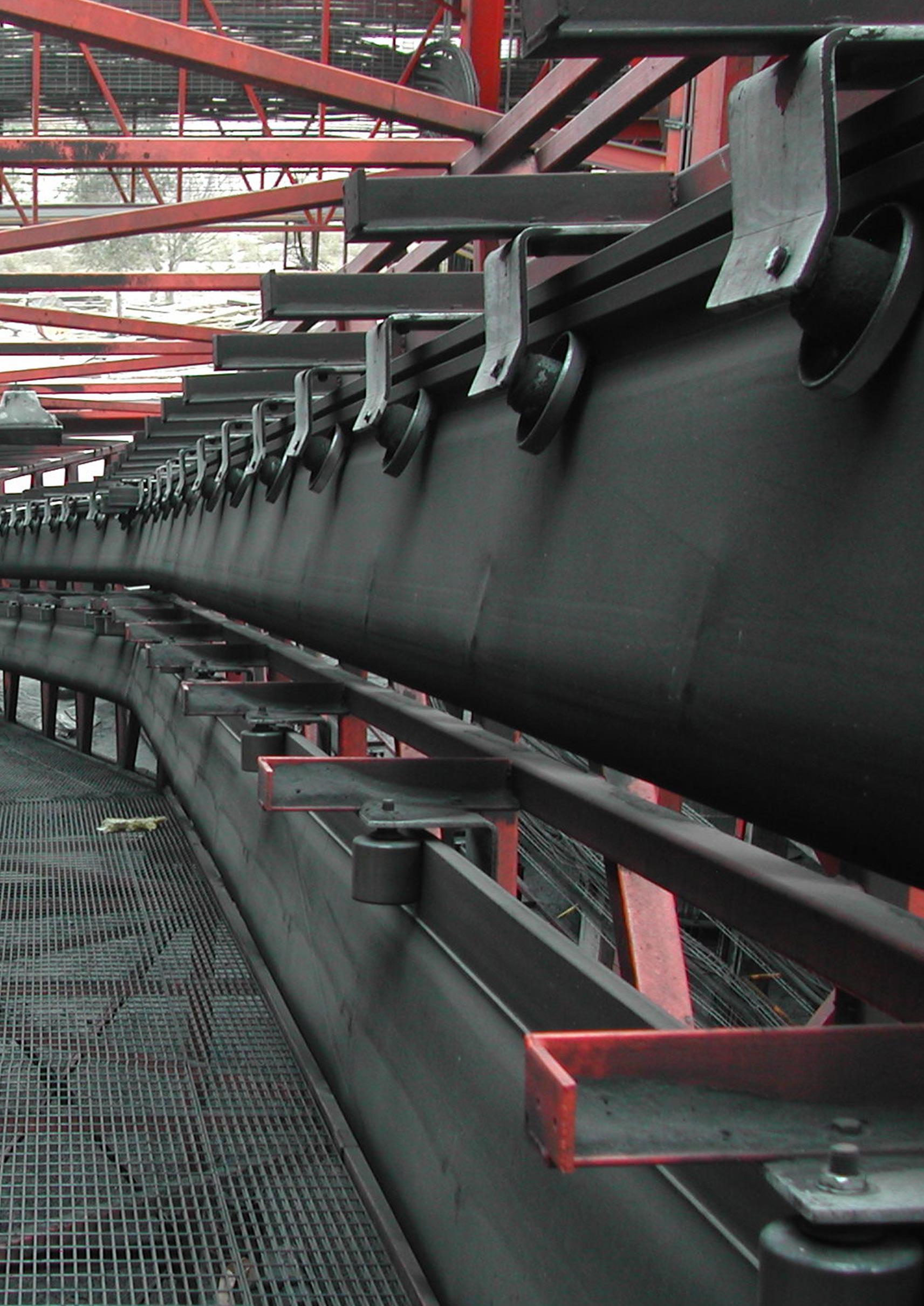
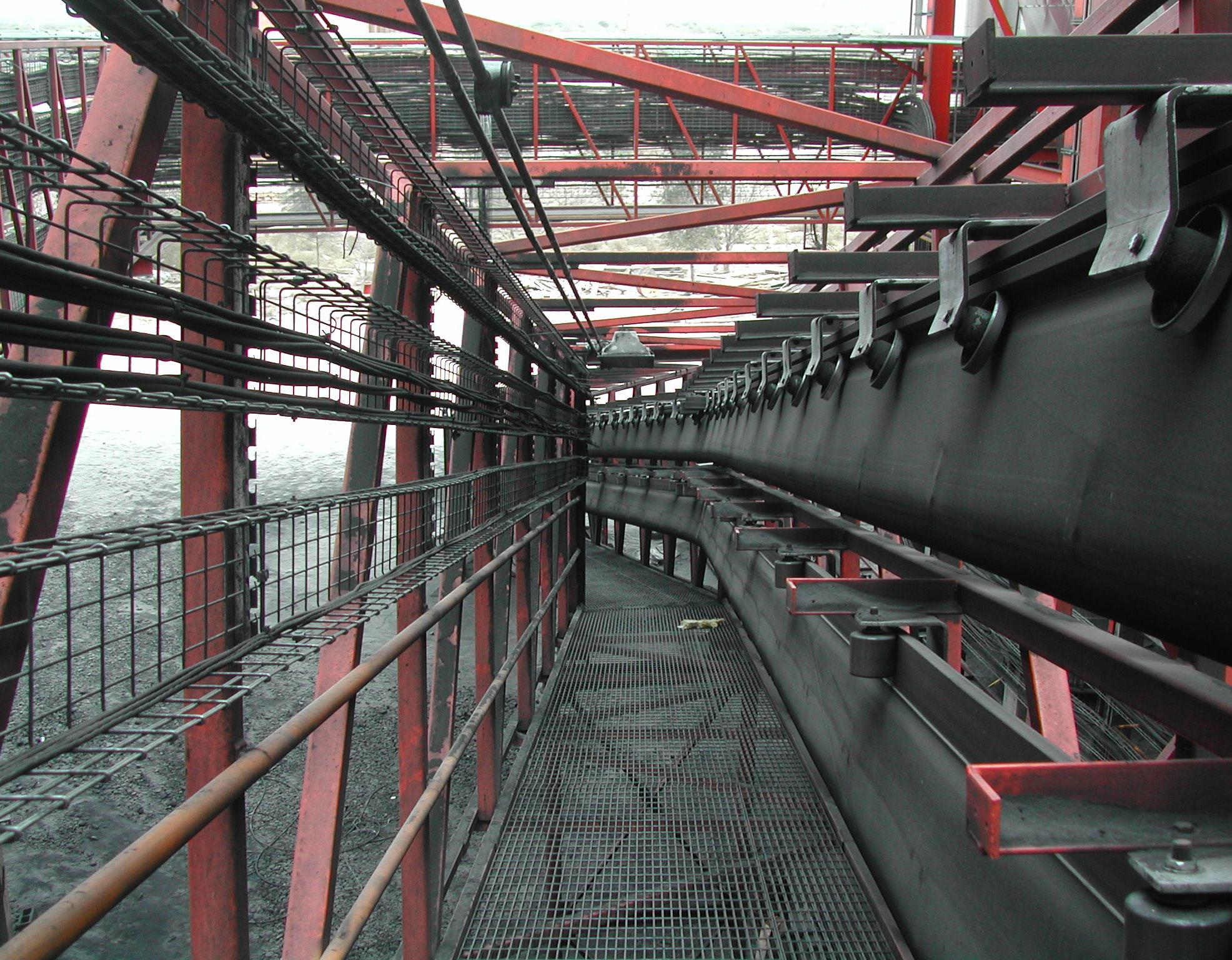
Continental’s SICON conveyor belt system is designed to offer a solution. The system’s enclosed design prevents material loss and environmental contamination, while its flexible structure allows installation in tight or hilly spaces.
Designed for industries where space is limited and routing is complex, SICON can operate in environments that conventional conveyors cannot navigate.
Technical advantages
The SICON system offers enhanced routing flexibility, including the capability to execute sharp 180˚ turns without transfer points. This allows for seamless integration into retrofit projects and urban or underground installations where traditional conveyors are often impractical. By eliminating transfer points, SICON reduces the system’s footprint, minimises spillage, controls dust emissions, and lowers maintenance requirements.
Available in two main configurations – the S100 and S1000 – this system can accommodate a wide range of operational needs. The S100 model supports capacities from 10 – 100 m3/hr, while the S1000 is designed for higher throughput, up to 500 m3/hr. Both systems operate at belt speeds between 0.5 and 4 m/sec., with the ability to exceed these speeds depending on specific site requirements.
Robust engineering supports inclinations up to 35˚ and allows for material transport on both the delivery and return paths. Multiple loading and discharge stations further enhance logistical flexibility.
During material conveying, when the belt is folded, the steel ropes are positioned one above the other, ensuring that both follow the same radius in curves. This structural symmetry allows the belt to
maintain stability and alignment even in the sharpest turns, enabling the system to manoeuvre through confined spaces, around obstacles, and along highly customised paths. This is how the construction of the belt supports the features that can solve so many issues for site operators.
Case study 1: overcoming operational and environmental challenges
A leading cement manufacturer in Scandinavia faced significant operational challenges when modernising its waste handling and alternative fuel (AF) systems. The facility required a conveyor solution that could navigate a congested plant layout, minimise environmental impact, and handle a variety of waste-derived fuels, including shredded plastics and hazardous materials.
After evaluating conventional belt conveyors and pneumatic systems, the manufacturing company selected the SICON system for its superior routing agility and containment capabilities. The installation included multiple 180˚ curves, sharp elevation changes, and complex loading points. SICON’s enclosed design proved instrumental in controlling dust, odours, and spillage – critical factors in meeting both regulatory and community standards.
Operational data from the plant demonstrates substantial improvements: spillage was reduced by over 90%, maintenance intervals were extended, and the system maintained stable performance in harsh winter conditions. The ability to transport various materials – including abrasive and chemically aggressive substances – on the same line provided unparalleled flexibility and cost savings. Regular audits confirmed compliance with stringent environmental requirements, and feedback from operators highlighted the ease of maintenance and system reliability.
sharp turns.
Case study 2: efficiency and long-term reliability
The largest cement producer of another Scandinavian country implemented SICON conveyor technology to address space limitations and enhance material handling efficiency within its main production facility. The company sought a solution that could integrate seamlessly into existing infrastructure while enabling the safe transport of AFs, raw materials, and clinker without cross-contamination.
The selection criteria focused on routing flexibility, environmental containment,
and long-term reliability. SICON’s modular design allowed the cement producer to install conveyors in tight spaces, negotiate multiple curves, and avoid the need for costly transfer stations. The system’s ability to handle belt widths up to 1400 mm and capacities up to 500 m3/hr ensured high throughput for critical production lines.
Performance data collected over five years revealed a marked reduction in dust emissions, with airborne particulates in conveyor areas falling below regulatory thresholds. The enclosed belt design also eliminated odour complaints from neighbouring communities.
Also, a 30% decrease in routine maintenance hours and a significant reduction in downtime attributed to spillage and belt misalignment were reported. The plant now handles a diverse range of materials – including oil-containing waste and chemically neutral substances – without the need for separate transport systems.
A more sustainable handling of waste and hazardous material
SICON’s enclosed conveyor system offers environmental benefits. By fully containing transported materials, the system prevents dust, odour, and hazardous emissions from escaping into the workplace or surrounding environment. This is especially critical in industries handling
waste-derived fuels, hazardous chemicals, or sensitive food products. Operators report that the system has enabled compliance with strict European environmental standards and improved overall workplace safety.
The elimination of transfer points not only reduces the risk of spillage but also streamlines cleaning and maintenance processes. SICON’s ability to transport materials on both the delivery and return paths further enhances operational efficiency while minimising the conveyor’s footprint.
Compared to pneumatic systems, SICON is also energy efficient and capable of handling brittle and abrasive products.
These advantages have proven vital for operators that want to improve their ecological footprint while running sites with limited space and complex routing requirements.
Conclusion
The case studies from Scandinavia illustrate the transformative impact of SICON conveyor systems on modern material handling.
With a combination of compact footprint, routing agility, and low operational costs, the cleanliness of pneumatic systems, the flexibility of pipe conveyors, and the efficiency of traditional belt conveyors are integrated into one solution.
Robust engineering supports inclinations up to 35˚.
Dr. Violeta Uricanu, Dr. Matteo Pernechele, and Dr. Murielle Goubard, Malvern Panalytical, explain how XRF and XRD are empowering the cement industry’s green transition.
he cement industry is facing one of its greatest transformations. Rising environmental expectations, tightening CO2 regulations, and the growing use of alternative fuels (AFs) and supplementary cementitious materials (SCMs) are reshaping how producers operate. To remain competitive, cement plants must balance performance, cost, 33
and sustainability – making process insight and control more critical than ever.
In this context, X-ray fluorescence (XRF) and X-ray diffraction (XRD) are indispensable tools for plants determined to optimise quality and efficiency across the entire production chain. These complementary analytical techniques deliver the detailed chemical and mineralogical information needed to make confident, data-driven decisions – from raw mix preparation to clinker production and final cement blending.
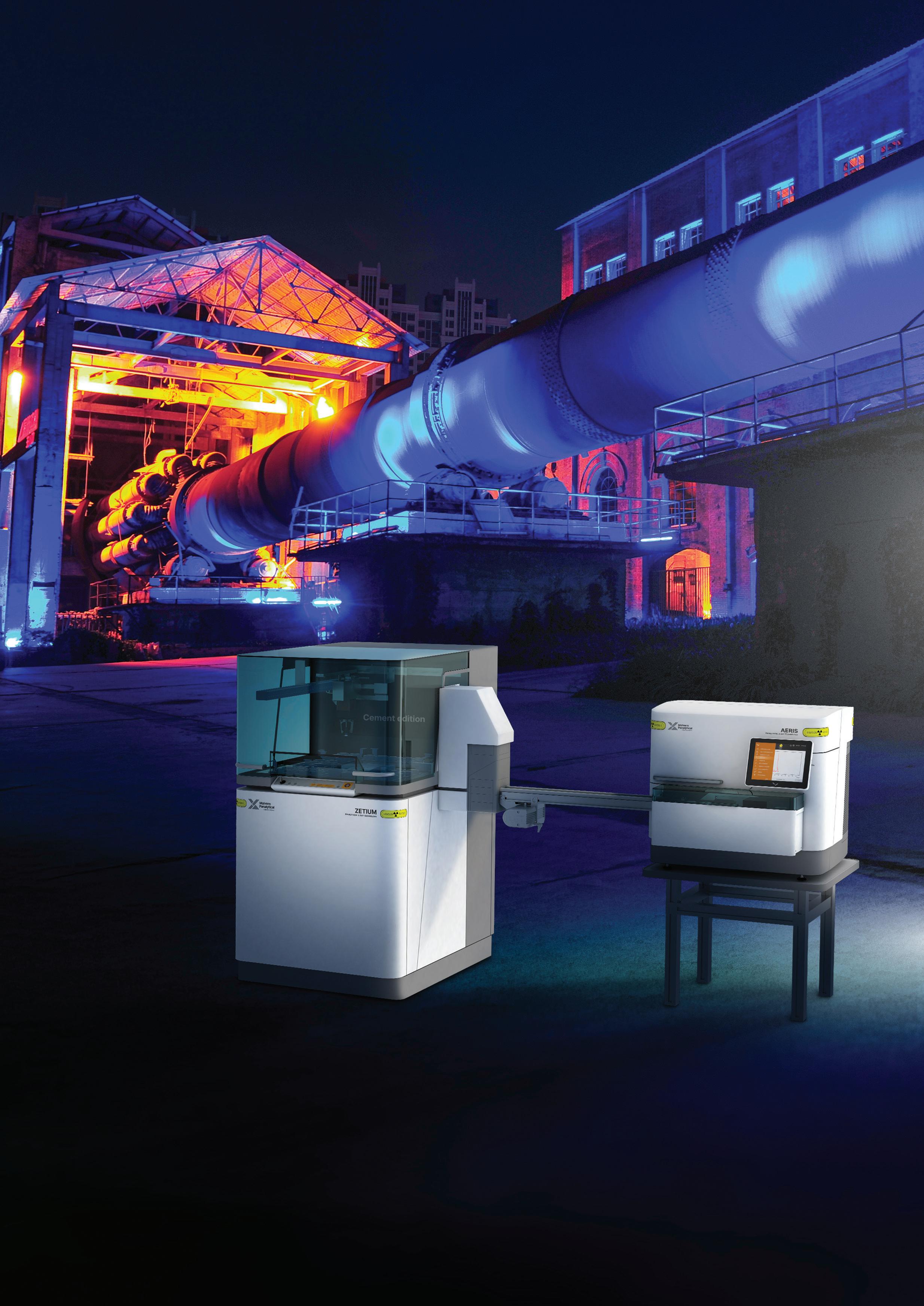
Malvern Panalytical’s Zetium XRF spectrometer and Aeris XRD system are designed to work seamlessly (independent or as a TWIN combination) within the demanding environment of modern cement plants. Zetium ensures stable, precise elemental analysis for feed, fuel, and product control, while Aeris provides fast, accurate mineralogical quantification to monitor phase development and ensure process stability. Together, they empower quality and production teams to reduce variability, lower energy consumption, and maximise the use of alternative raw materials (ARMs) – all without compromising product performance.
This article explores how the combined use of XRF and XRD strengthens process control and enables successful diversification of production changes from, raw materials down to the next-generation green cements. Real-world XRF and XRD analytical data demonstrate how these technologies help cement producers turn quality and sustainability into tangible business advantages.
Analytical approach and experimental design
Zetium XRF is a wavelength-dispersive, high-power spectrometer, capable of analysing a wide variety of chemical compositions, from the traditional raw materials, clinkers and cements to all new additive types. XRF specimens are prepared either as pressed pellets or fused beads.
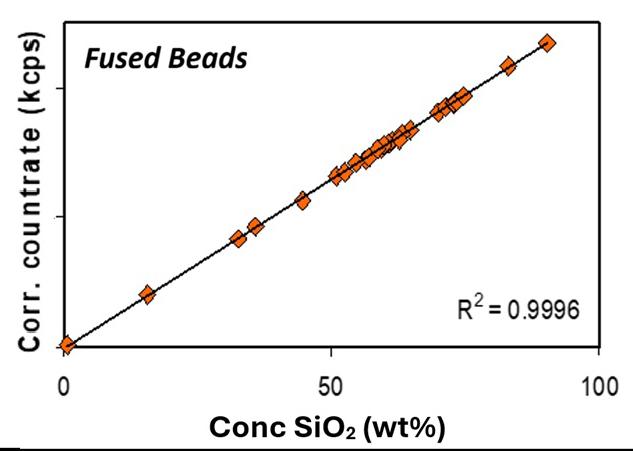
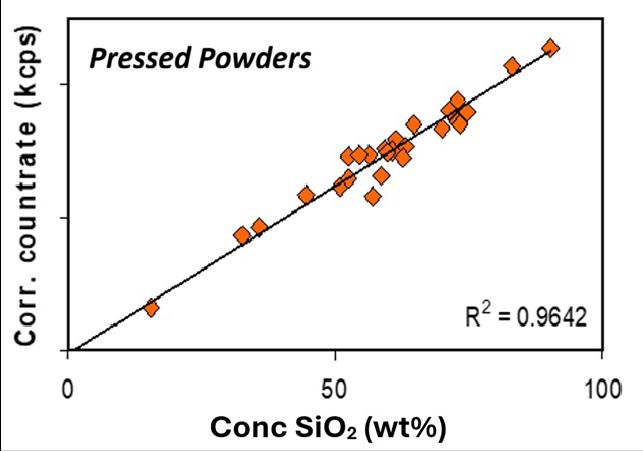
Pressed pellets allow quick screening of major oxides (CaO, SiO2, Al2O3, Fe2O3), minor oxides (Na2O and MgO), quantification of chlorine and fluorine down to concentrations below 100 ppm, and evaluation of sulfur content in two separate chemistries: sulfide S 2- and sulfate SO 2-. Mineralogy has a strong effect on XRF calibrations and running pressed pellet analysis requires a good collection of plant-specific standards for each material type. When subjected to fusion, the ensemble of various minerals (alite, belite, clay minerals, etc.) is reduced to a mix of simple oxides diluted into a Li-borate based matrix. While fused bead preparation requires skilled personnel and precision work, the XRF results provide the best accuracy (Figure 1).
Typically, on a Zetium – 2.4 kW spectrometer, full XRF evaluation requires between 2 min. (pressed pellets) and up to maximum 4 min. for fused beads.
Aeris XRD is a system operating in Bragg-Brentano geometry, widely used for mineral phase analysis in cement environments. With its robust and compact design (at only 600 W), Aeris features high-end components, an external sample changer, and automatic Rietveld analysis routines. With Aeris,
Figure 1. Best quality of XRF calibrations is obtained on fused beads.
Table 1. Compositions of raw materials as determined via XRF on fused beads.
clinker producers screen the free lime content consistently and much faster than traditional wet chemistry, enabling tighter control of kiln operation and avoiding over- or under-burning. Full mineralogical analysis includes evaluation of:
f Alite polymorphs M1 and M3 – responsible for the early strength development of cement.
f Cubic and orthorhombic aluminates –influencing the setting behaviour.
f Belite phases – connected with the long-term strength development.
Besides surveying clinker quality, cement producers use Aeris to confirm and adjust dosing of different SCMs in blended cements. Aeris can also be used for screening raw and calcined clays from different suppliers.
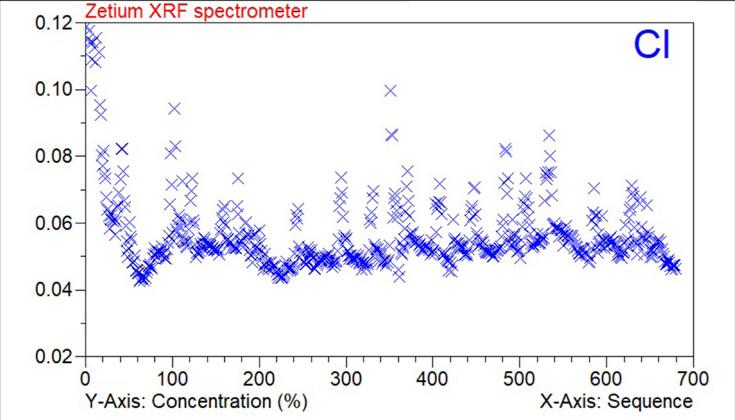
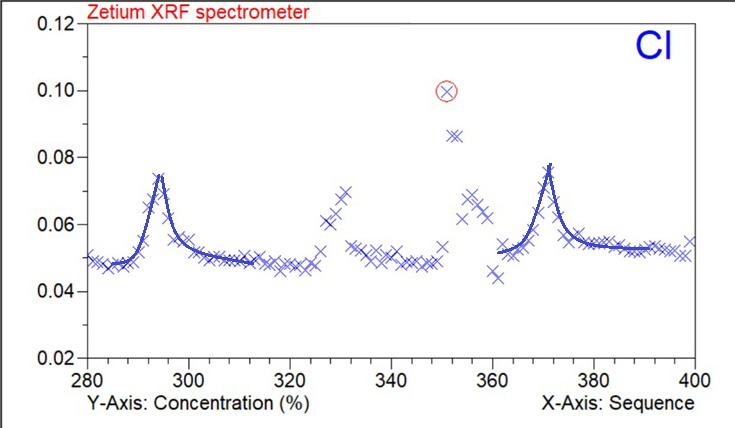
Figure 3. Chlorine evolution in raw meal, when salts are added into formulation. Measurements are done every 2 hours on pressed pellets. (lower image) zoom-in for 10 days time interval.
The most economical way to run X-ray analysis makes use of pressed pellets, preferably made with automated grinding/pressing equipment, so each pellet can go to both XRF and XRD. Fine tuning of grinding (times/speed) and pressing parameters is the first compulsory step to qualify the full method: from initial material to XRF/XRD results. Further, running in compliance with international test methods (like EN 196-2:2025 / ISO 29581-2:2010, for XRF) and according to an iterative cycle of testing, the lab would do daily checks on spectrometer/diffractometer stability and pressed pellet preparation line.
Weekly checks (XRF analysis) are conducted on the fused bead preparation line and control of the pressed pellet results by fused beads.
Quality surveys in cement plants
From the multitude of data available in cement plants using Malvern Panalytical X-Rays equipment, a few examples are selected. Separate or combined, XRF and XRD contribute to process stability, quality consistency and sustainability outcomes under real operating conditions.
XRF results highlight the capability of the Zetium spectrometer to deliver exceptional precision and repeatability in elemental composition, ensuring tight control of major oxides and trace components. In parallel, the Aeris XRD system provided rapid, accurate phase quantification, enabling continuous monitoring of clinker
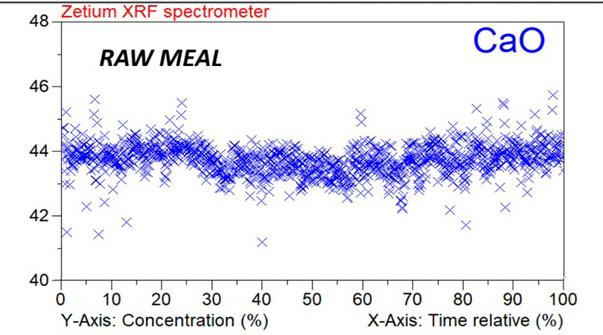
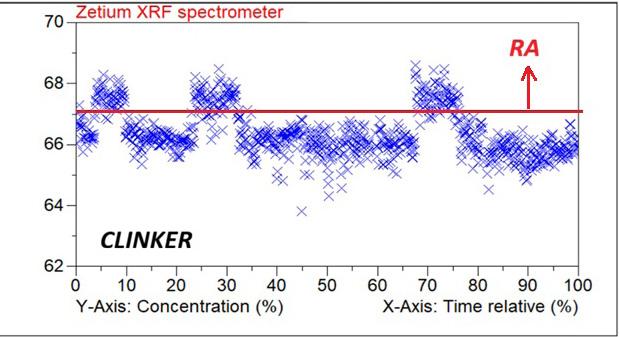
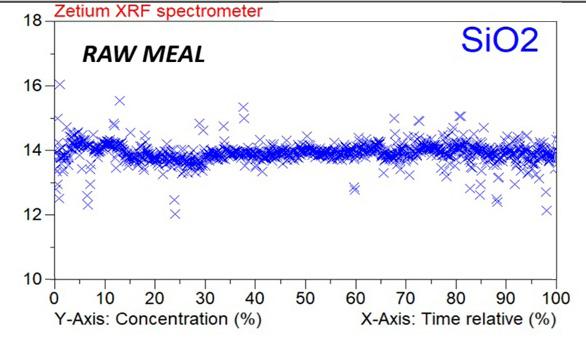
Figure 2. Evolution of raw meal and clinker concentrations (via XRF, on PP).
mineralogy and SCM reactivity. Together, these insights reveal how a fully integrated analytical approach can improve process efficiency, reduce corrective actions and support the production of high-performance green cements.
Improving raw mix, kiln feed, and clinker consistency
Maintaining consistent raw mix chemistry is fundamental to stable kiln operation and clinker quality. With its high precision and long-term stability, the Zetium XRF spectrometer enables rapid adjustment of feed composition, ensuring that key quality modules remain within target limits and process variability is kept to a minimum.
By keeping chemical fluctuations under control, producers can operate closer to optimum setpoints – reducing fuel consumption, improving throughput, and laying a stable foundation for every downstream process.
Surveys of raw meal composition go in parallel with the screening of the clinker and the high sensitivity of the Zetium captures subtle changes in processing parameters.
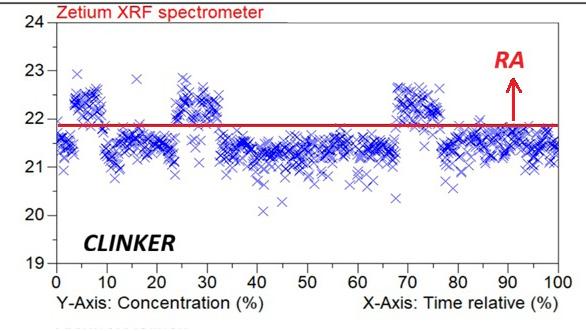
For example, at cement plant A, during a 3-month period of operation (Figure 2), adjustments of raw meal composition does not show drastic variations of the major oxides but clearly shows the clinker changes between the regular and reduced-alkali (RA) formulations.
Since Na and K salts are more volatile in the chloride form, running the kiln for production of low-alkali clinker at lower burning temperatures is done using additions of CaCl2. These salt additions in the raw meal are traceable via the chlorine – evolution chart (Figure 3). Spikes in Cl values are gradually damping to the target value (~ 0.05 % Cl).
It takes between 24 to 36 hours from the maximum charge until Cl-values return to the setpoint.
Subtle changes in additive type – impact on clinker properties
While cement mixtures with additives are not a novelty, production plants increasingly diversify the raw meal compositions by incorporating between 5 to 15% of ARMs (like slags, fly ash, mill scales, etc.). Composition controls via XRF on pressed pellets may reveal precisely the transfer from one mixture to another.
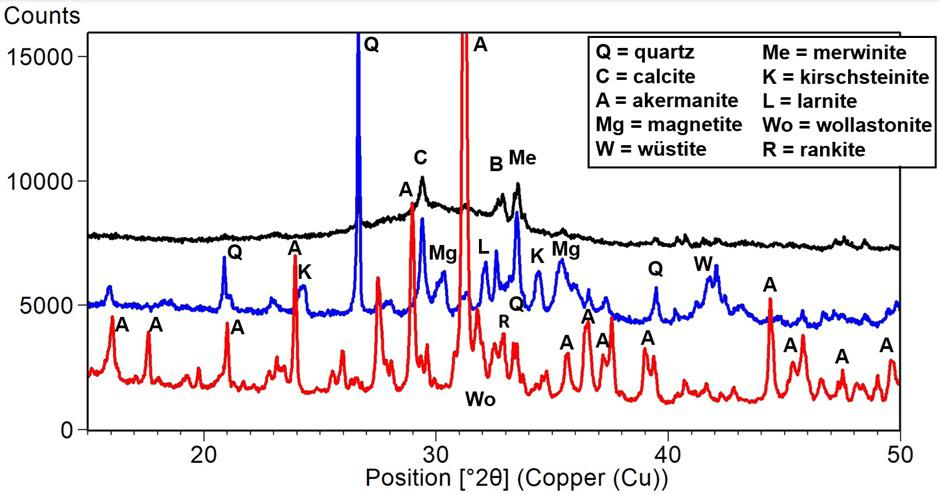
Figure 4. Diffractograms for three slags: GBSF (black), DOT (blue), and ACS (red).
Figure 5. Increased levels of Cr in raw meals at plant B, when DOT slag is used. Vertical lines indicate the time when raw meals #6 and #8 have been taken for XRD analysis.(black), DOT (blue), and ACS (red).
Figure 6. Details in XRD patterns of raw meal #6 (red curve) and #8 (blue curve).(black), DOT (blue), and ACS (red).
As an example, over a 2-year period cement plant B has experienced frequent changes in mixtures while keeping an average of 10% in total ARMs additions to the raw meal. Typical concentrations for their additives are
given in Table 1, showing diverse mineralogy (Table 2) with more than 20 distinct phases. Iron ore and mill scale are rich in iron bearing minerals: hematite, wüstite, and magnetite. Meanwhile, from a mineralogical point of view, the three slags used at this plant are extremely different (Figure 4). GBFS- and ACS-slags have a rather similar chemical composition, but GBFS is mostly amorphous, while ACS is rich in akermanite: Ca2MgSi2O7 and other high temperature crystalline silicates. DOT (a demetallised steelmaking slag) is rich in iron, present as oxide (magnetite: Fe3O4 and wüstite: Fe1-xO) but also combined with other elements (srebrodolskite: Ca2Fe3+O5 and kirschsteinite: CaFe2+SiO4). The combination of XRD and XRF analysis gives a more comprehensive understanding of these additives.
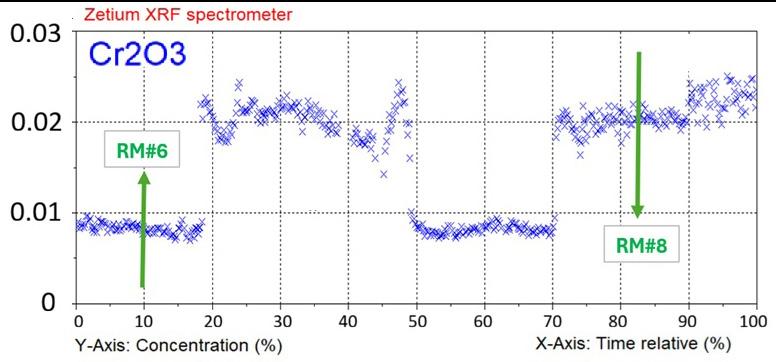
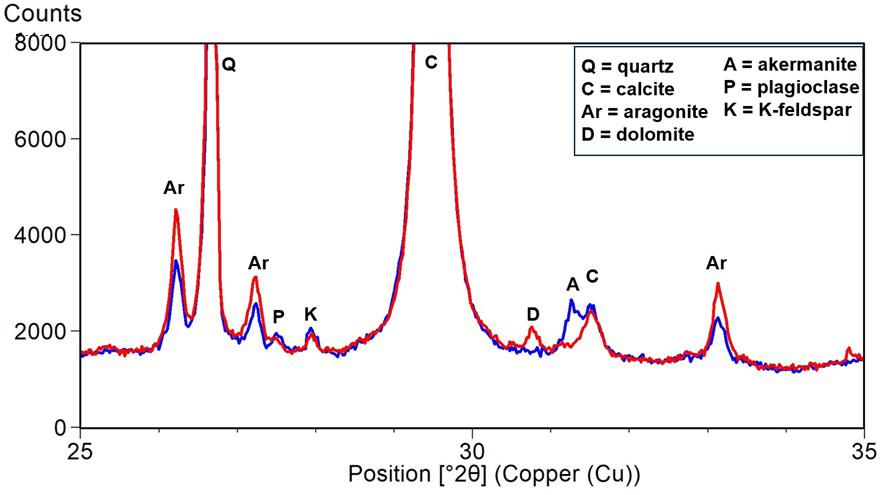
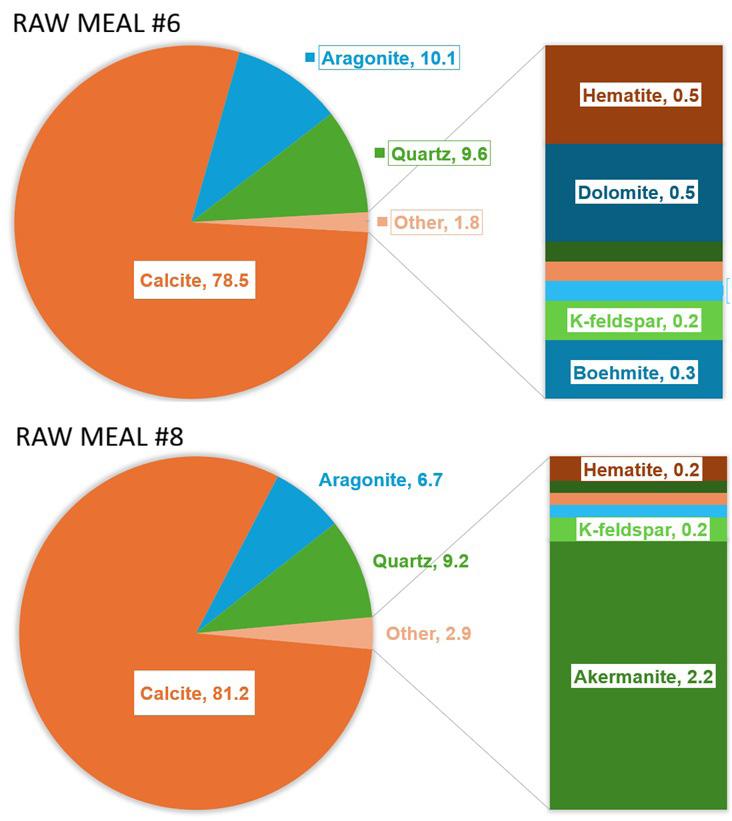
Screening over five different raw meal formulations may not show significant changes for the major oxides, but trace analysis reveals a clear change in the levels of Mn and Cr (Figure 5) when DOT slag is used. Mineralogical profiling via XRD highlights differences between raw meals in terms of phase types and relative percentages. Calcite (from limestone) remains the dominating mineral, but direct comparison of minor crystalline phases (Figures 6 – 7) would indicate the change to a new formulation. Akermanite is characteristic of the ACS added to formulation #6, while boehmite comes from bauxite added to recipe #8. The content of DOT in raw meal #8 is too small to allow a clear distinction in the XRD pattern of the high-temperature phases seen on the pure DOT. When additive types are changing, clinker hardness may be affected. As the next section explains, modifications in clinker grindability would also impact XRF/XRD analysis.
Monitoring clinker quality and free lime stability
Accurate phase quantification with the Aeris diffractometer provides essential insight into clinker mineralogy and free lime content. This allows producers to
Figure 7. Mineralogical evaluation for two raw meals: #6 and #8 (black), DOT (blue), and ACS (red).
Table 2. Mineralogical composition of raw materials via XRD on pressed pellets.
fine-tune burning conditions, avoid over- or under-burning, and maintain the optimal balance between alite, belite, and aluminate phases for consistent cement performance.
The result is a more predictable and energy-efficient kiln process that ensures every tonne of clinker meets specification – setting the stage for precise control of subsequent blending and SCM optimisation.
With increased variability in raw meal mixtures, if XRD/XRF analysis is combined on the same pellet, grinding optimisation for clinker must be checked on a regular basis.
Changes in clinker hardness may result in sub-optimal analysis data and large artificial fluctuations in compositional results. Rigorously keeping track of changes in the XRF data is recommended and should be done via cross checks between fused beads and pressed pellets results (Table 3).
When biases (PP-FB) for raw meal remain within acceptable limits but those for clinker start to show deviations outside the reliable working regime, that would be the moment to redo the optimisation test.
Keeping the grinding speed constant and varying the grinding time, performing XRF/XRD analysis on multiple pellets will help establish the best option. Examples of variation in XRF and XRD results for such a test are shown in Figure 8.
Optimum pellet preparation for XRF and XRD is different. To reduce grain sizes and minimise mineralogical effects, higher grinding energy is required for materials that will undergo XRF analysis. Such energy can often destroy the crystalline structures and produce amorphous material. For XRD analysis, as the mineralogical composition needs to be preserved, low grinding energy is better.
Analysing the same pellet with XRD and XRF means a compromise
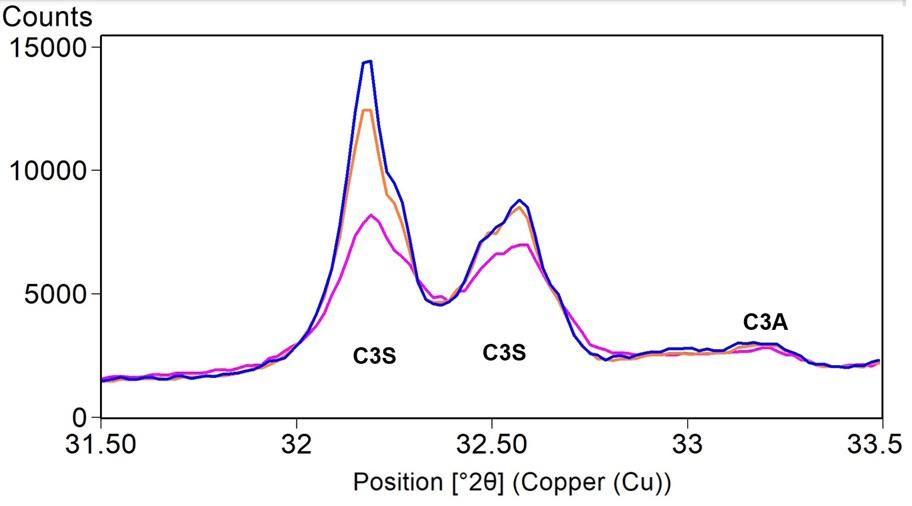
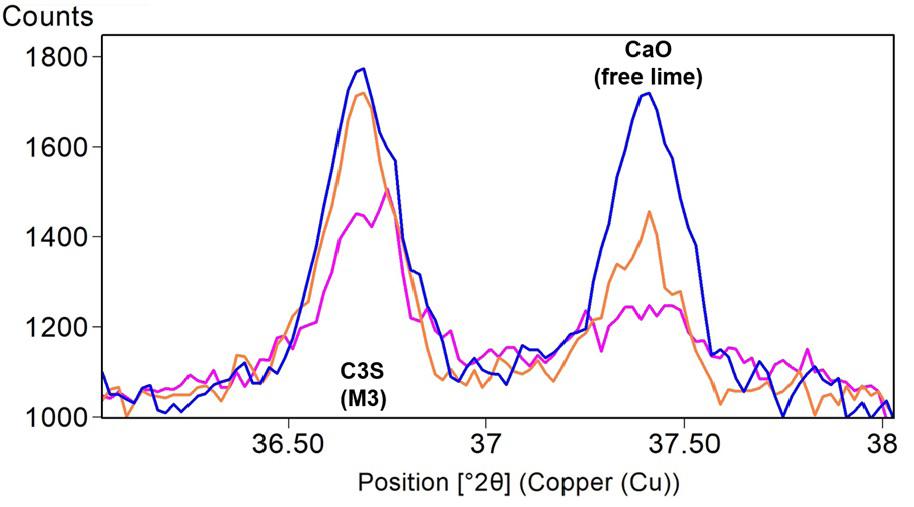
on analysis performance. For XRD it is important to avoid over-grinding as the crystalline phases may be destroyed. With increasing grinding energy (see XRD patterns of clinker in Figure 9), intensities of the alite C3S peaks decrease, while the ferrite C4AF remains unaffected, resulting in wrong relative percentages of phases. Over-grinding destroys soft minerals, for example: the free-lime CaO when ground at 1500 rpm (Figure 10). This must be avoided as it makes the XRD analysis unsuitable for quality and process control. The milling speed has more effect than increasing the milling time. For XRD it is preferable to use low milling speeds (700 – 900 rpm) and increase the milling time if needed. High milling speeds (1100 – 1500 rpm) can partially destroy the mineralogy even at a short milling time. When grinding for 90 sec. (Figure 10), the free-lime CaO structure is preserved at 750 rpm, while it is completely destroyed when grinding at 1500 rpm.
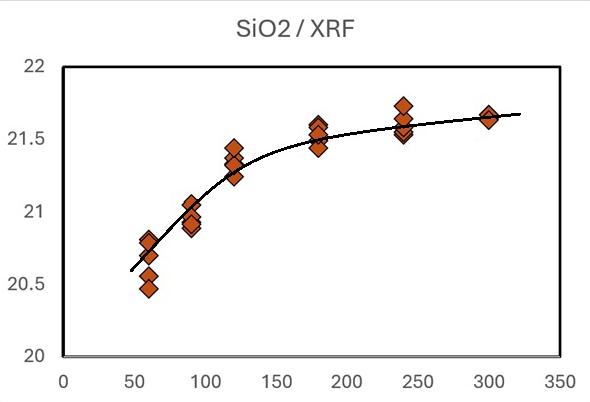
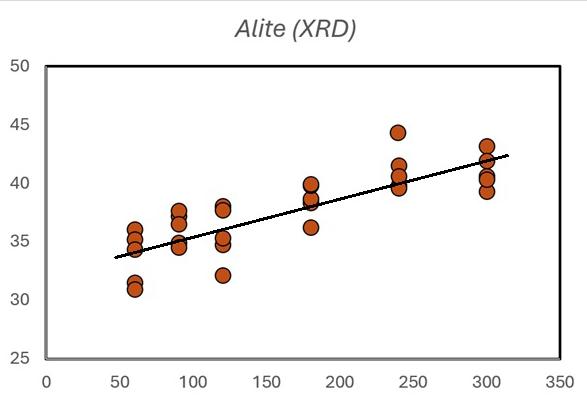
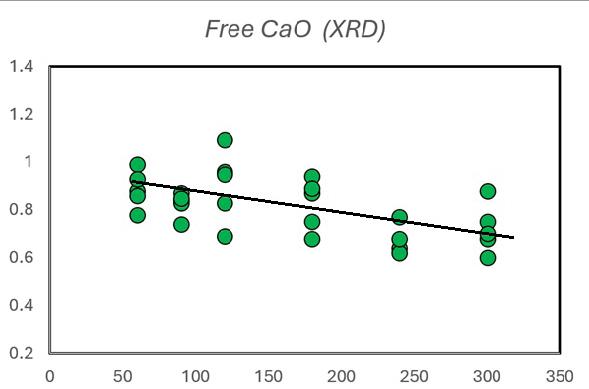
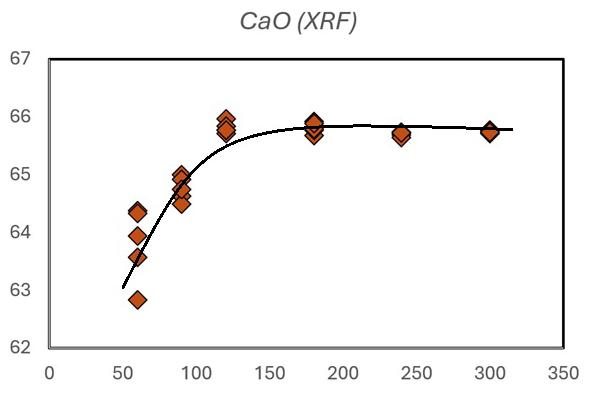
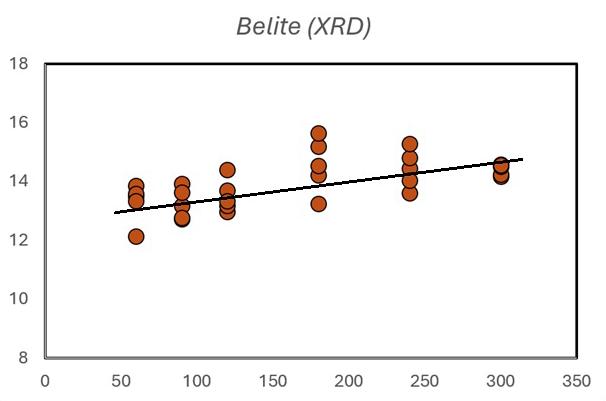
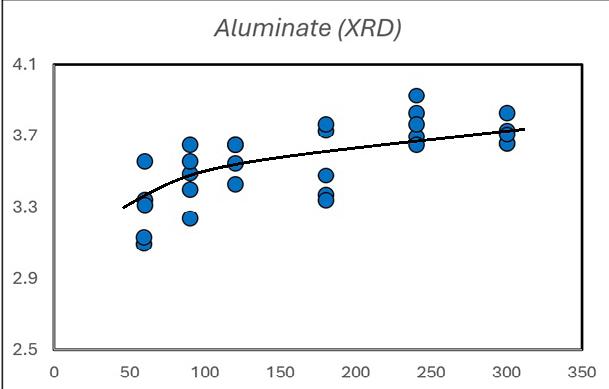
Table 3. Typical acceptable bias for the XRF measurements on PP-FB.
Figure 8: Variability in XRF/XRD results with increased grinding times for clinker, at constant grinding speed.
Return on investment: efficiency gains and quality assurance
As the cement industry continues its transition towards low-carbon production, reliable and actionable data remain the foundation of every successful strategy. The combined use of XRF and XRD gives producers the confidence to innovate – optimising raw materials, reducing energy consumption, and increasing the use of alternative materials without compromising quality or compliance. By transforming complex chemistry and mineralogy into clear, real-time insight, these analytical tools help cement manufacturers unlock measurable efficiency gains and strengthen their sustainability performance.
About the authors
Dr. Violeta Uricanu is a physicist by education and started her working career in 1991. After 15 years doing research in chemistry related environments, she joined Malvern Panalytical
in 2006. Presently, she works as an Application Specialist and Expertise Consultant for X-ray fluorescence, in the Application Competence Center, Almelo, The Netherlands. She provides global technical support for customers using Malvern Panalytical spectrometers in several industrial sectors. Besides trainings, customer demonstrations and feasibility studies, Violeta is involved in development projects aiming to extend the capabilities of XRF beyond existing solutions.
Dr. Matteo Pernechele holds a PhD in Materials Engineering from the University of British Columbia, Canada and a Master’s degree in Materials Science from the University of Padua, Italy.
His work spans from scientific research in the general field of solid-state chemistry to industrial projects, especially in the construction and mining sectors. Matteo has 18 years of experience in X-ray diffraction and Rietveld refinement. He has been with Malvern Panalytical since 2018 as an XRD application specialist at the Application Competence Centre in Almelo, The Netherlands.
Figure 9. Zoom in XRD patterns of clinker ground with different milling speeds: 750 rpm (pattern with blue), 900 rpm (orange), and 1500 (magenta). The grinding time was constant: 90 sec.
Figure 10. Visible degradation of intensity on the free lime peak as evidenced in XRD patterns of pellets; milling conditions as in Figure 9.
Dr. Murielle Goubard is Market Development Manager – Building Materials for Malvern Panalytical. She has extensive experience in materials chemistry and worked for 15 years at Solvay Research Centre. She has a deep interest in the cement making process and has been involved in developing applications and solutions for French plants and key European cement companies, while looking to improve efficiency and product quality. With 19 years at Malvern Panalytical, she is now an expert in building materials and is very involved in solutions for green cement plants, circularity and net zero.
Dr. Tanja Butt and Benjamin Kemminer, Retsch GmbH, explore how optimised sample preparation underpins accurate XRF analysis and consistent quality control in cement production.
espite highly precise XRF systems, the reproducibility of analytical results remains a key challenge in quality control for cement production. While modern spectrometers now achieve very high instrumental precision, significant variations in measurement results continue to occur in practice. This discrepancy has become significantly more pronounced in recent years due to the increasing use of supplementary
cementitious materials (SCMs) such as fly ash, granulated blast furnace slag, and calcined clays. As the variety of materials increases, the heterogeneity of samples grows significantly. Differences in mineralogical composition, hardness, moisture content, particle shape, and surface texture mean that traditional sample preparation processes are increasingly reaching their limits. In practice, it is becoming increasingly clear that the primary cause of
analytical variations lies not in the spectrometer, but in the sample preparation. Since XRF analyses form the basis for process control, quality control, and recipe optimisation, deviations can have significant effects on the overall process. Even minor deviations in the range of ±0.2% for major oxides can necessitate adjustments in kiln operation or in the raw meal composition. This makes sample preparation a key
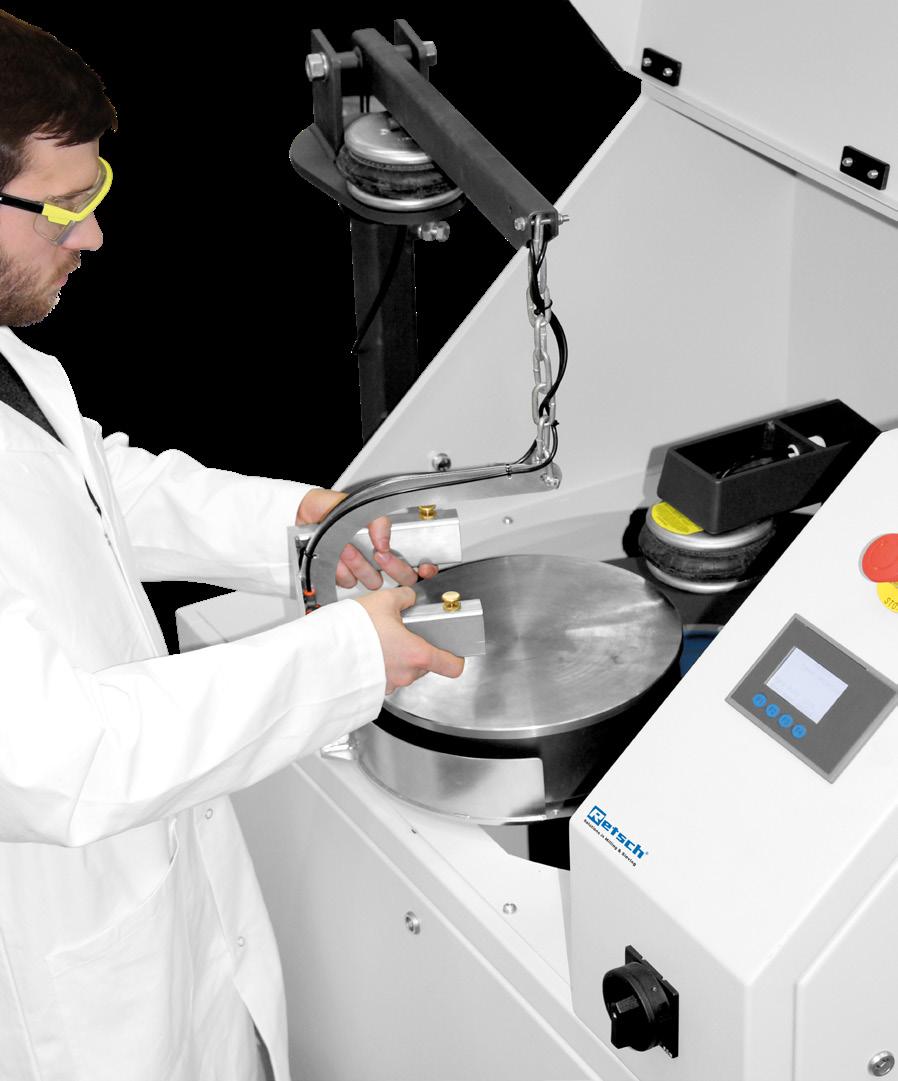
disc mill RS 300 in use.
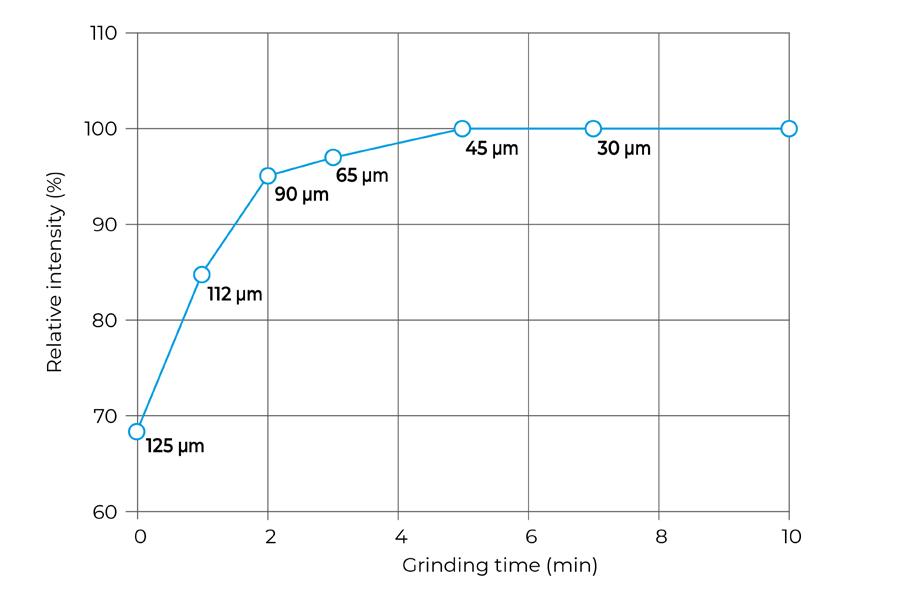
The Si Kα intensity depends on the particle size and, consequently, on the grinding time.
factor in process stability and, ultimately, in the economic efficiency of production.
Why sample preparation determines the quality of XRF analysis
Two factors are particularly crucial for reliable X-ray fluorescence analysis (XRF): a defined particle size and high sample homogeneity. In cement analysis, a target particle size of less than 75 µm is typically aimed for, and often less than 40 µm, to ensure stable and reproducible measurement results. The prepared samples are then typically compacted into pellets to ensure a defined geometry and consistent measurement conditions.
The influence of particle size on analytical quality is described in detail in the technical literature.1, 2 Coarser particles lead to increased matrix effects, local density differences, and inhomogeneous phase distributions within the compact. These effects influence both the intensity of characteristic fluorescence lines and the reproducibility of the measurement results.
Studies based on the literature and industrial practice consistently show that an increased proportion of coarse residual grains leads to a significant increase in measurement scatter. At the same time, the intensity of element-specific lines, such as the Si Kα line, can decrease measurably. The causes of this include absorption and amplification effects within the sample, as well as uneven energy distribution.
In addition to particle size, homogeneity plays an equally critical role. Even with sufficiently fine samples, local variations in concentration can occur if the sample is not mixed thoroughly enough. Reproducible sample preparation is therefore essential for obtaining reliable analytical data and making sound process decisions.
Reproducible fine grinding can be achieved with the Retsch RS 200 or RS 300 within a few minutes. These vibratory disc mills combine high energy input with short processing times while also enabling effective homogenisation. For smaller sample sizes or the targeted homogenisation of heterogeneous materials, mixer mills such as the MM 400 have proven effective.
In practice, grinding times of at least a few minutes have proven to be optimal, while grinding times exceeding five minutes do not provide any additional analytical benefit.
From raw material to pellet – a repeatable workflow
A robust analytical workflow follows a clearly structured process chain.
1. Coarse grinding
The first step involves coarse crushing of the feed material. Clinker, for example, often has particle sizes of up to 50 mm. RETSCH jaw crushers
Vibratory
• International cement news
• Regional reports
• Market analysis
• Event previews and reviews
• In-depth technical articles
• In-depth regional analysis by key players in the industry
• Comprehensive technical reviews on all aspects of cement production, from the quarry face to despatch
reduce this material to less than 2 mm in just a few seconds, thereby creating a reproducible starting point.
2.
Reduction of residual moisture
One factor that is often underestimated is the moisture content of the materials. Even residual moisture levels of 2 – 3 % can lead to agglomeration and unstable grinding conditions. This manifests itself in varying particle size distributions and, consequently, increased measurement variability. By using rapid dryers such as the TG 200, this residual moisture can be significantly reduced within 10 – 20 min.
3. Fine grinding
The subsequent fine grinding is the most critical step in sample preparation. While grinding times of 30 sec. often still result in inhomogeneous samples containing coarse particles, a grinding time of approximately 90 sec. already yields reproducible particle sizes below 75 µm. For further grinding of hard materials, rotor mills such as the SK 300 are suitable; these can reduce pre-ground clinker samples (e.g., 1 kg at 5 mm) to approximately 200 µm within about one min. For finer final particle sizes, ball mills such as the PM 400 are used, which can achieve particle sizes around 80 µm in about 15 min.
In practice, however, vibratory disc mills such as the RS 200 and RS 300 have proven to be particularly efficient. In combination with upstream coarse grinding, samples can be ground to below 100 µm within a few minutes. While the RS 200 is designed for smaller sample quantities and enables very short grinding times, the RS 300 is suitable for higher throughputs.
4. Pellet pressing
The final step in sample preparation is the compaction of the sample, which is a key prerequisite for reproducible XRF analyses. Prior to measurement, the material is compacted into a solid tablet to ensure a defined geometry and
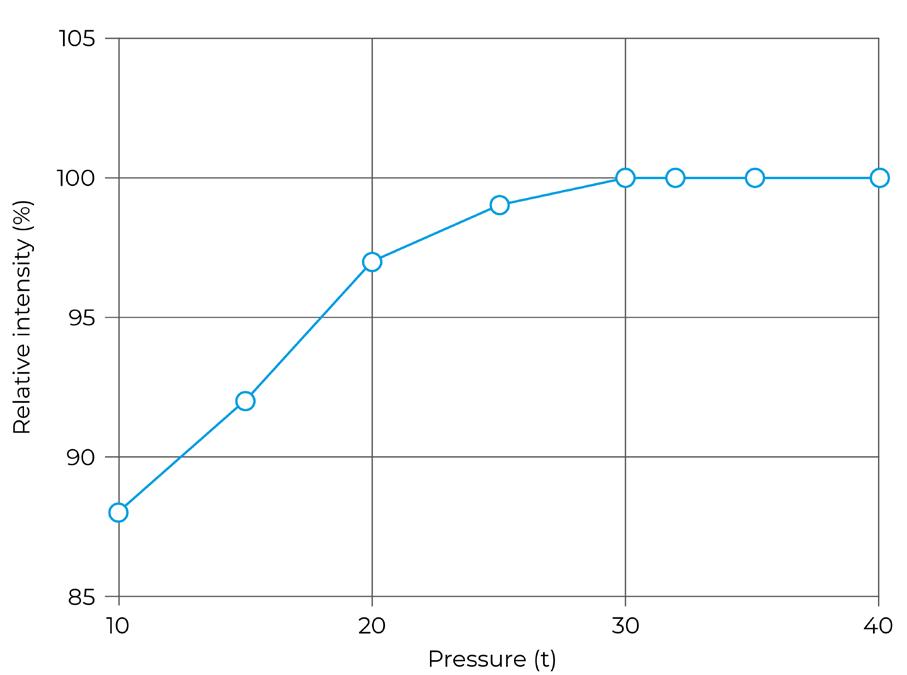
Relationship between pressure and signal intensity.
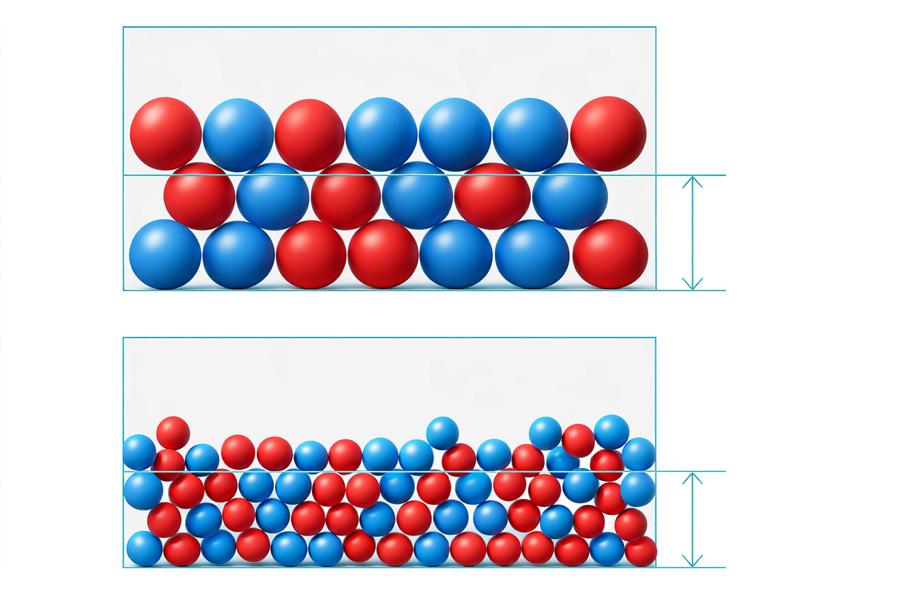
uniform measurement conditions. The resulting dense, homogeneous tablet with a smooth surface significantly reduces scattering and absorption effects of X-rays. Insufficiently compacted or loose samples, on the other hand, often contain air pockets and uneven particle distributions, leading to local density variations and unstable measurement signals. Controlled compression is therefore crucial for comparable analytical data. High-performance tablet presses such as the RETSCH PP 40 ensure consistent process conditions. The signal intensity increases with increasing compression force but reaches a plateau at around 30 t. Above this range, there is no additional analytical benefit. Typical compression parameters range from 20 to 40 t with holding times of 10 to 30 sec.
SCMs: a new challenge for sample preparation
With the increasing integration of SCMs, the requirements for sample preparation are changing fundamentally. These materials differ significantly in terms of their physical properties and require alternative, material-specific strategies.
Fly ash is often already in the fine range below 50 µm, but its composition is frequently inhomogeneous. Homogenisation is the primary concern here. Grinding for 90 – 120 sec., for example, in an MM 400, results in a significantly improved distribution of the components.
Slag is significantly harder and more abrasive. Without sufficient energy input, coarse particles remain in the sample, which distort the analysis. Vibratory disc mills such as the RS 200 or RS 300 enable the necessary fine grinding in this case.
Calcined clays are highly sensitive to moisture and tend to agglomerate. A combination of drying followed by grinding is crucial for reproducible results.
Expansion of the process chain: mechanical clay activation and particle analysis
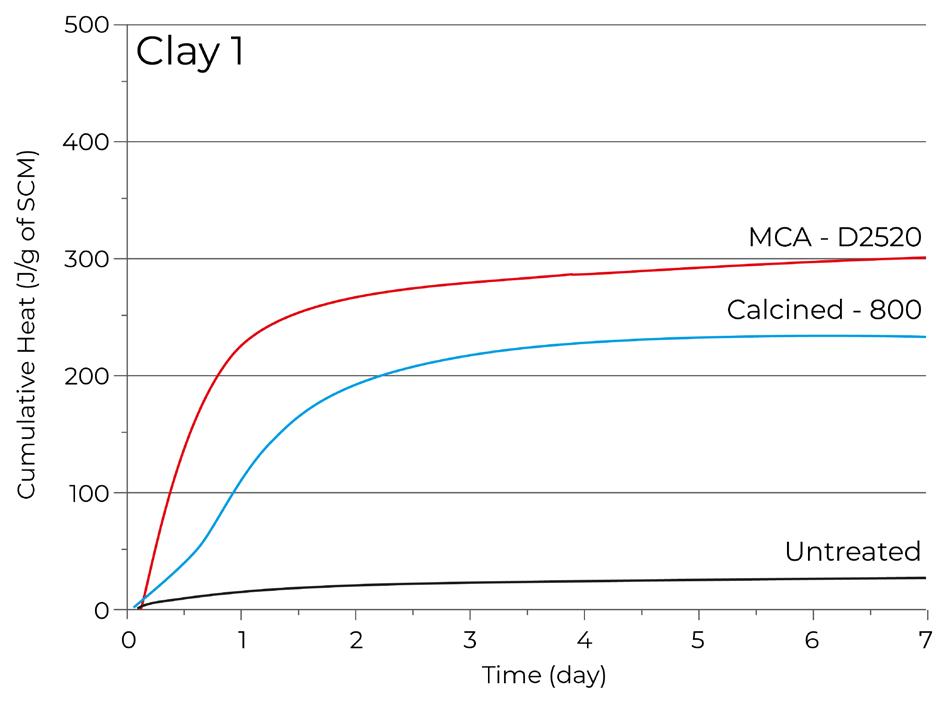
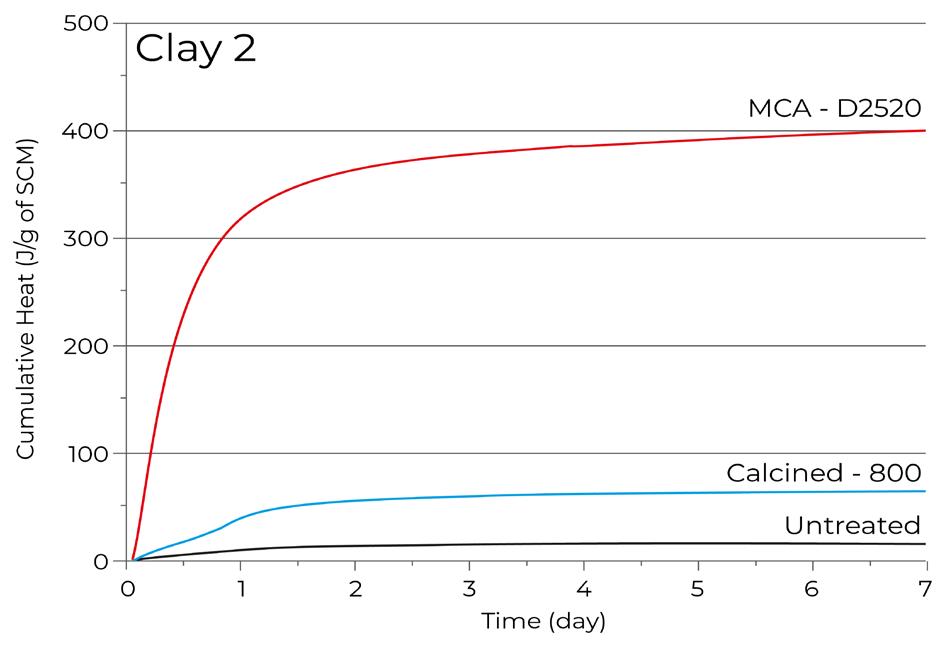
Activated clays are promising SCMs due to their wide availability and potential for clinker reduction. While calcination is the conventional method, mechanochemical activation is emerging as an alternative approach. Using planetary ball mills such as the PM 100 or PM 300, mechanical energy alters the crystal structure, induces amorphisation, and increases reactivity, enabling the use of a broader range of local clays. Studies show that mechanically activated clays can be finer and more reactive than calcined materials, particularly for mica-rich clays. Process control plays a key role in activation. The GrindControl system by Retsch measures temperature and pressure inside the grinding jar, helping to prevent overheating and providing insight into mechanochemical reactions.
Rising values indicate gas release and mineral transformation, supporting consistent SCM quality and offering clues about material composition.
At the same time, energy input is a decisive factor. Planetary ball mills allow precise adjustment of parameters such as speed, ball-to-powder ratio, and milling time. High-speed operation, such as 800 rpm in the PM 300, enables efficient activation and reproducible results.
A practical case study
With the increasing use of SCMs, such as fly ash, greater variation in XRF results is frequently observed in practice. In many cases, this is because existing sample preparation processes have not been sufficiently adapted to the changed material properties.
A typical application case from the cement industry shows that when switching to fly ash-containing systems, the fluctuations in SiO2 values can increase significantly. In the scenario under consideration, the standard deviation initially ranged around ±0.30%, which was attributable to inadequately adapted sample preparation.
Through targeted optimisation of sample preparation – in particular by extending the grinding time to approximately 90 sec., integrating a drying step, and standardising the pressing parameters – the variation was significantly reduced (in this specific case to approximately ±0.12%). At the same time, the stability of process control improved significantly. The results presented here are intended as examples and are based on typical observations from application and practical studies. They illustrate the direct influence of optimised sample preparation on the quality and reproducibility of XRF analyses.
Context within sustainable cement technologies
The increasing use of SCMs is closely linked to the reduction of CO2 emissions. Since a significant portion of emissions results from the calcination of limestone, reducing the clinker content enables a direct and sustainable reduction in emissions. At the same time, the complexity of materials is increasing, and with it the demands on analytical methods. Without a material-specific, clearly defined sample preparation process, these opportunities cannot be reliably exploited.
Conclusion
The key findings of this paper can be summarised as follows:
f The quality of XRF analysis does not begin in the spectrometer, but long before that – during sample preparation.
f Differences in particle size, homogeneity, moisture content, and compaction conditions are directly measurable and significantly influence the results.
f Stable analytical data can only be achieved through standardised, material-specific, and consistently reproducible sample preparation processes. These form the basis for reliable process decisions, consistent product quality, and the successful implementation of sustainable cement technologies.
References
1. JENKINS, R., 'X-RayFluorescenceSpectrometry. 2nd Edition', Wiley, New York, 6, (1999) – https://doi. org/10.1002/9781118521014
2. VAN GRIEKEN, R., & MARKOWICZ, A. (Eds.), 'HandbookofX-RaySpectrometry(2nd ed.)'. CRC Press, (2001) – https://doi.org/10.1201/9780203908709
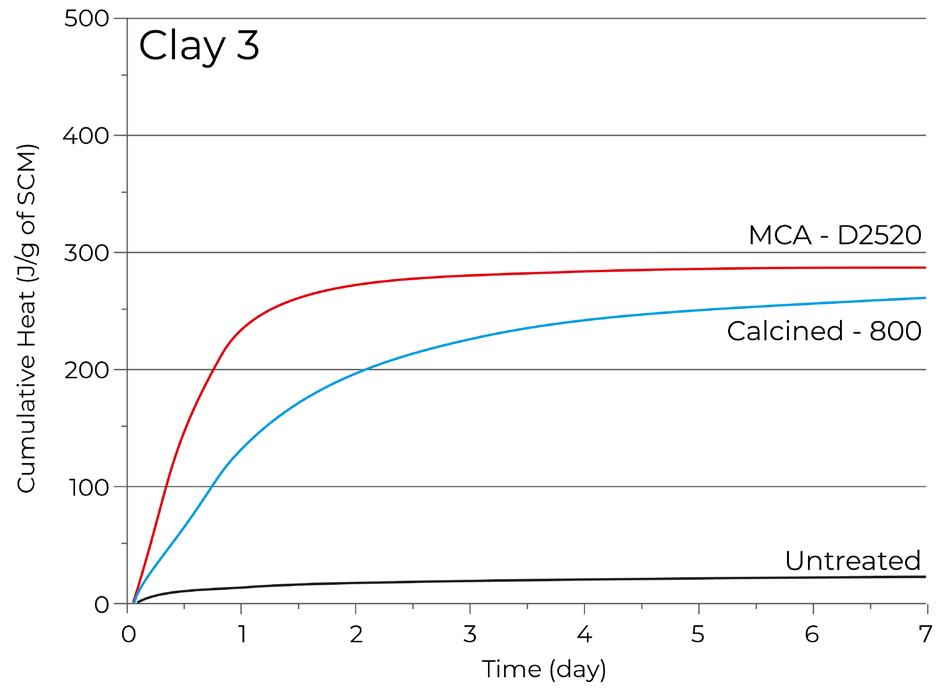
After ball mill activation of different clays (PM 100, 20 min.), the clays showed better reactivity than the calcinated clays (800˚C).
Zou Junhui and Yang Zhihao, Sinoma EC, discuss how combining waste heat recovery with geothermal systems can improve cooling performance and reduce energy use in cement kiln projects.
he cement industry is a key regulated sector with high energy consumption and high emissions. The traditional production mode of cement plants has two prominent shortcomings: first, the waste heat power generation system relies on open cooling towers, resulting in high water consumption and heat dissipation efficiency, which can be significantly
affected by the environment; second, the plant's heating, cooling, and domestic hot water supply mainly depend on coal/gas-fired boilers and split air conditioners, featuring low energy efficiency, high emissions, and high vulnerability to energy price fluctuations.
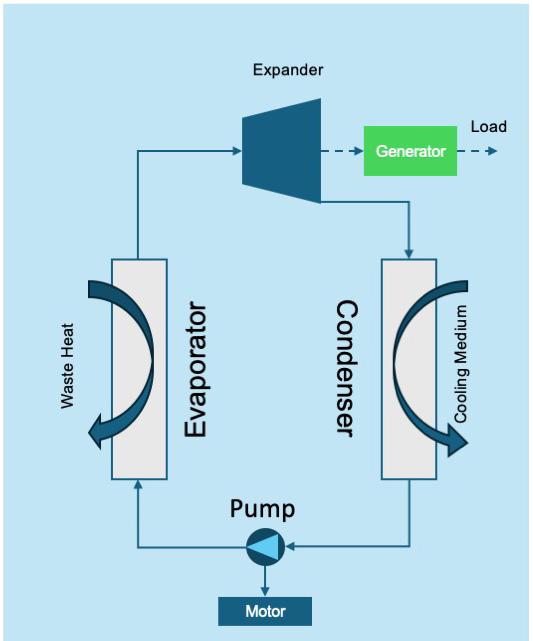
To address the above pain points, this article constructs a comprehensive utilisation scheme of ‘waste heat recovery + geothermal energy’ with the core principles of ‘energy conservation, consumption reduction, clean efficiency, stability, and reliability’. Focusing on three core energy demand scenarios in cement kiln plants, namely space cooling and heating, turbine oil cooler cooling, and generator air cooler cooling, the scheme achieves dual goals of improving the quality and efficiency of the waste heat power generation system and providing clean energy supply for the plant through cascade and cyclic energy utilisation technologies. The scheme does not affect the normal production process of the waste heat power station and adds no fossil energy consumption, providing a green, economical, and sustainable energy solution for cement enterprises.
Construction of the waste heat + geothermal energy supply: comprehensive utilisation scheme
Based on the existing site conditions and the energy demand of the cement kiln plant, this scheme adopts a shallow ground-source heat pump system as the core component to enable the integration of cooling optimisation in the waste heat power generation system and the provision of clean energy for the plant. It establishes a new integrated energy system featuring ‘high-efficiency power generation cooling and clean plant heating (cooling).’ The scheme consists of two core subsystems, achieving efficient cyclic energy utilisation through intelligent integration.
1. Ground-source heat pump cooling system replacing cooling towers
Ground-source heat pump buried pipes are vertically arranged as high-density double-U heat exchange tubes by utilising idle open spaces, road green belts, and other non-production land in the plant. Ground-source heat pump units are equipped as the cold source for turbine oil coolers and generator air cooling systems, reducing the construction scale of traditional open cooling towers. The circulating cooling water of the heat pump units exchanges heat with shallow constant-temperature soil through underground heat exchangers, continuously supplying low-temperature cooling water for cooling
equipment to achieve high-efficiency and stable operation.
2. Shallow geothermal energy tri-generation system
Relying on the same set of buried pipes as the heat exchange system and on the basis of meeting the cooling demand of waste heat power generation units, the groundsource heat pump units are linked to realise the tri-generation function of winter heating, summer cooling, and year-round domestic hot water supply for the plant, maximising the utilisation of geothermal energy resources and replacing traditional coal/gas-fired hot water boilers and split air conditioning systems. By utilising the underground constant-temperature layer as a stable source of heating and cooling, the system achieves high-efficiency cooling, heating, and hot water supply with minimal electricity consumption through the energy conversion of heat pump units. Its energy utilisation efficiency is significantly higher than that of traditional cooling and heating equipment.
The two subsystems realise linkage optimisation and precise regulation through an intelligent energy management and control platform. The low-cost clean electricity generated by the waste heat power generation system can directly supply power to ground-source heat pump units, circulating pumps and other equipment, reducing the demand for purchased electricity. The ground-source heat pump system replaces traditional energy-intensive cooling and heating equipment, as well as part of the cooling towers, thereby further reducing the plant’s energy consumption and pollutant emissions. This forms a closed loop energy cycle of ‘energy supply by waste heat power generation, efficient utilisation of geothermal energy, and on-site reinjection of waste heat’, maximising cascade energy utilisation.
Key advantages of the scheme
Improved cooling efficiency and extended equipment service life
Traditional open cooling towers are greatly affected by ambient temperature and humidity. High cooling water temperature in high-temperature summer periods leads to degraded cooling performance of turbine oil coolers and generator air coolers, restricted operating load of equipment, and even reduced waste heat power generation efficiency. In low-temperature winter periods, cooling towers are prone to icing, requiring additional ice-melting equipment and increasing
operating costs. In contrast, the cooling water supplied by the ground-source heat pump system maintains a stable temperature with minimal fluctuations, significantly improving the cooling performance of turbine oil coolers and generator air coolers, and enhancing overall equipment operational stability. In addition, the system operates in a closed cycle, free from dust and scaling, which greatly reduces pipeline and equipment corrosion and extends the service life of oil coolers and air coolers.
Remarkable water saving effect and alleviated industrial water pressure
The cement industry is a water-intensive sector. Open cooling towers in traditional waste heat power generation systems are one of the main water-consuming links in plants, with substantial evaporation and drift losses during operation. A large amount of cooling water makeup is required to maintain continuous operation of cooling equipment, increasing the plant’s water burden. The circulating cooling water of the ground-source heat pump adopts a fully closed cycle with no evaporation or drift loss, only requiring a small amount of makeup water for occasional leakage losses on a regular basis. The water-saving effect is remarkable, which not only greatly reduces water and water treatment costs but also effectively eases industrial water pressure in plants and helps enterprises achieve efficient water resource utilisation.
Energy saving and high efficiency with significantly reduced operating costs
Compared with traditional air conditioning systems, which typically have an energy efficiency ratio (EER) of around 3.2, the ground-source heat pump (GSHP) system utilises the stable thermal properties of the underground constant-temperature layer to achieve ultra-high operating efficiency, with an EER exceeding 5.5. This represents an improvement in energy efficiency of over 70% and delivers significant energy-saving benefits. Furthermore, the GSHP system offers the key advantage of ‘one system serving three purposes,’ whereby a single system can simultaneously meet the cooling, heating, and domestic hot water demands of plant buildings, eliminating the need for separate cooling and heating source equipment. This not only greatly simplifies the layout of the plant’s HVAC piping network and reduces both pipeline installation requirements and equipment footprint, but also enables centralised control and intelligent scheduling of the entire HVAC system, significantly improving operation and maintenance efficiency.
The ATD Cardox® Pressure Gas System delivers powerful performance using inert high-pressure CO2 to eliminate the toughest blockages in the cement industry.
Designed for maximum efficiency and safety, our system effectively removes build-ups, incrustations, and other unwanted deposits – without the need for explosives or mechanical impact.
For high-energy-consuming industrial scenarios such as cement plants, this coupled system can achieve a power saving of 3 271 590 kWh/yr, corresponding to direct cost savings of up to US$600 000/yr. In addition, the GSHP system operates entirely on renewable geothermal energy without consuming fossil fuels such as coal and natural gas. This fundamentally eliminates the risk of cost increases caused by fluctuations in fossil energy prices, providing enterprises with long-term stable and predictable cost-saving benefits.
Temperature control and noise reduction for improved outdoor environmental quality
In traditional cement kiln plants, the operation of split air conditioner outdoor units, air-cooling fans, and cooling towers discharges a large amount of heat into the air, raising the local ambient temperature and creating a ‘heat island effect’. Meanwhile, the operating noise of traditional air conditioner outdoor units and air cooling fans can reach 80 – 90 decibels, causing significant noise pollution. By contrast, the ground-source heat pump system transfers heat to the underground constant-temperature layer during operation, avoiding heat discharge into the air, effectively lowering the plant ambient temperature and improving air quality. At the
heat pump units is much lower than that of traditional cooling and heating equipment, significantly improving the working environment for employees and helping enterprises build a green and comfortable production environment.
Conclusion
In summary, the comprehensive utilisation scheme of waste heat power generation and geothermal energy targets the pain points in the traditional energy utilisation of cement kiln projects. It partially replaces conventional cooling towers with ground-source heat pumps, improving the cooling performance and efficiency of the waste heat power generation system. At the same time, the shallow geothermal tri-generation system meets full-scenario cooling and heating demands for office, production, and domestic applications within the plant, ultimately delivering multiple benefits, including high-efficiency cooling, water and electricity savings, and clean energy supply. Compared with traditional cooling and combined cooling/heating energy supply systems, this scheme demonstrates comprehensive advantages across six core dimensions: energy efficiency, water-saving performance, operating costs, environmental impact, operational stability, and equipment service life, delivering significant
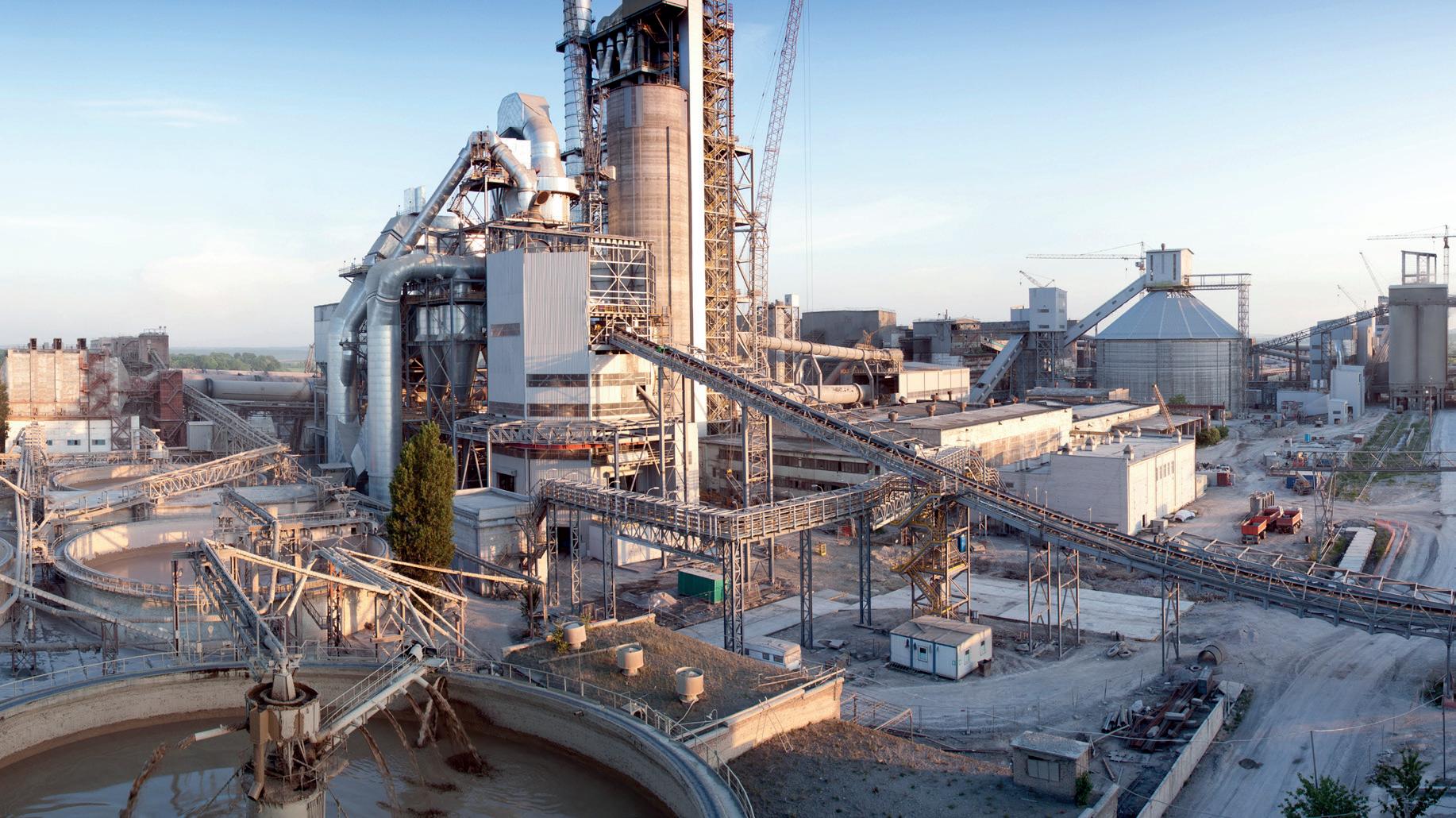
Dr. Dean Forgeron, CarbonCure Technologies, provides insight into what deployment-ready CCUS looks like.
arbon capture, utilisation, and storage (CCUS) has moved from theoretical potential to active deployment in the cement and concrete industry. Tightening climate regulations, net-zero commitments, and growing commercial evidence have pushed CCUS from the margins of industry conversation to the middle of it.
Economics are also accelerating this shift, particularly when it comes to carbon utilisation. Rising costs and supply chain uncertainty have made producers more receptive to technologies that reliably deliver measurable cement reductions, stable
production performance, and access to new revenue streams. Cement efficiency, or the ability to achieve equivalent or improved performance with a lower cementitious content, has consequently become a central metric in how producers evaluate their operations.
The industry is no longer asking, ‘Can carbon utilisation work in concrete production?’ The more relevant question is whether it performs consistently in real manufacturing environments, across material variability, batch-to-batch fluctuations, and plant-to-plant differences. For commercial success, these technologies must demonstrate consistent
performance within existing operations and across diverse binder systems, not just under controlled laboratory conditions.
In the case of CarbonCure Technologies, its network of concrete industry partners across two dozen countries has produced more than 11 million loads to date. The deployment enabled carbon mineralisation at scale, reducing cement use across 70.9 million m3 of concrete and saving more than 764 000 t of CO2. The result of CarbonCure’s solution is a nanoscale reaction translating into measurable cost savings and emissions reduction at a global industrial scale.
CO2 as a functional ingredient
When CO2 is introduced at the point of mixing, it reacts immediately within the hydrating cement system, reacting with the dissolved calcium ions to form finely distributed calcium carbonate (CaCO3). This in-situ formation acts as a distributed nucleation mechanism, providing additional sites for hydration
products to form while simultaneously consuming calcium from solution. Together, these effects modify early-stage hydration kinetics – accelerating initial reactions and shaping the development of the cement paste microstructure.
Because the CaCO3 forms during mixing, it becomes uniformly embedded within the evolving matrix and remains permanently bound in the hardened concrete, enabling CO2 storage in a stable mineral form while maintaining equivalent performance. These effects are validated through targeted testing, including isothermal calorimetry (changes in hydration kinetics), FTIR spectroscopy (carbonate formation), SEM-EDS (distribution of CaCO3), among other techniques used in ongoing mechanism-focused research.
This mechanism differs from approaches such as limestone filler addition or supplementary cementitious material (SCM) substitution, which modify the composition and reactivity of the binder system. Instead, CO2 mineralisation operates within the existing system – altering hydration through nucleation and localised calcium consumption rather than replacing components. These approaches are complementary: CO2 mineralisation can be combined with SCMs and blended cements, including portland limestone cement, to optimise performance in complex binder systems. The primary outcome is improved cement efficiency, with CO2 functioning as an active component of the hydration process that requires the same level of optimisation and validation as any other mix component.
Addressing common quality control concerns
Quality control in concrete production manages variability, ensuring performance targets are consistently achieved under real plant conditions. CarbonCure is approved as an ASTM C494 Type S admixture, reinforcing its alignment with established industry frameworks and QC practices. The objective is to demonstrate that CO2 mineralisation enables equivalent performance with reduced cement content and lower embodied carbon. This is achieved by evaluating CO2 in its final state as part of an optimised mix design, rather than as an addition to a fixed baseline. Mixes are adjusted to target cement reduction, with CO2 treated as an integrated component. Performance is assessed against the baseline concrete it is intended to replace, ensuring direct applicability to production.
Addressing QC concerns begins with performance evaluation, with compressive strength as the primary focus. Validation follows established QC methods, using replicate batch testing and ACI 214 statistical methods to assess equivalence relative to expected plant and lab variability. Testing is conducted on representative production mix designs to reflect real production conditions, with results evaluated against defined strength targets within normal
Micro-image of calcium carbonate (CaCO3) nanomineral at 400 nm.
A CarbonCure valve box and CO2 tank operating at a ready mix plant.
production variability. This ensures conclusions align with standard QC decision-making and that equivalence is demonstrated under conditions representative of actual plant operations. Other mechanical and durability properties can be subsequently evaluated on the adjusted mix design once strength equivalence is confirmed.
Fresh concrete behaviour is evaluated alongside strength. Slump, air content, and setting characteristics are monitored during testing to confirm compatibility with existing materials and admixture systems. Any required adjustments remain within standard QC practice, enabling integration without operational disruption.
Ultimately, QC teams assess technologies based on production performance. By structuring evaluation around final-state performance, standard QC methods, and mix optimisation toward defined targets, CO2 mineralisation is assessed not as an external addition but as a validated component of a lower-carbon concrete system.
Mechanism validation
CO2 mineralisation has been validated through complementary analytical techniques, including nanoscale characterisation of the concrete microstructure. These methods directly confirm the reaction mechanisms, rather than relying solely on performance outcomes.
Validation begins with cement screening testing. Isothermal calorimetry assesses the impact of CO2 injection on hydration kinetics, while FTIR confirms calcium carbonate formation. This is followed by controlled batch experiments, where control and cement-reduced CO2 mixes are compared across multiple dosages using representative customer materials. Fresh and hardened properties are measured to confirm that the observed chemical effects translate into concrete performance consistent with industry standards.
Across a large dataset of mixes, most demonstrate statistically equivalent performance. Mixes incorporating CO2 at ~4% cement reduction consistently achieve equivalence with baseline mixes. This has been demonstrated across a wide range of cement and SCM systems spanning North America, Latin America, Asia-Pacific, and EMEA, including ASTM Types I/II and portland limestone cement. The consistency across diverse materials indicates that the mechanism is rooted in fundamental cement chemistry, rather than dependent on a specific binder system.
CarbonCure's collaboration with the MIT Masic Lab further extends this understanding, using in-situ and operando Raman spectroscopy and microscopy techniques to observe carbon mineralisation in real time. This insight enables continued refinement of the technology as it is applied in new markets and to new material systems, supporting adaptation rather than reliance on fixed formulations.
From lab to plant
A technology that performs in the lab must ultimately prove itself in production, where operating conditions, production pressures, and variability differ significantly. Demonstrating consistent performance in this environment is critical for adoption.
CarbonCure’s Customer Lab protocol is designed to bridge the gap between lab and production. Prior to hardware installation, CO2 mineralisation performance is evaluated using plant-specific materials, including local cements, SCMs, aggregates, and admixtures. Since 2023, over 250 cement systems have been assessed using this approach. In 2025, the protocol was expanded to customer and trusted third-party labs across LATAM, EMEA, and APAC, enabling faster, localised validation while maintaining a consistent methodology.
Field deployment confirms that lab-validated performance translates to production environments.
1072 West Peachtree in Atlanta, Georgia – the tallest structure to date built with carbon-mineralised concrete – demonstrates performance in a 60 storey high-rise environment, with concrete supplied by CarbonCure producer partner Thomas Concrete. Across projects, field data show consistent alignment with lab results, with variability managed through standard mix design adjustments and CO2 dosage optimisation.
Consistency across projects matters more than a single landmark. 300 North Michigan Avenue, a 47 storey high-rise in downtown Chicago, demonstrates this consistency in one of North America's most demanding urban construction environments. Supplied by CarbonCure producer partner Ozinga, the project combined SCMs with CarbonCure Ready Mix technology to reduce embodied CO2 by hundreds of metric t, equivalent to the carbon sequestered by over 33 000 tree seedlings grown for 10 years.
Over the past decade, CarbonCure has expanded across global regions with diverse climates and operating conditions, from cold climates such as Calgary to the extreme heat of the United Arab Emirates. Supporting this global deployment is a continued focus on consistent in-market testing workflows as validation protocols expand across regional labs and production environments.
This consistency is critical not only for technical validation but for enabling producers around the world to ramp up production with confidence. Stable performance under plant conditions allows producers to achieve target volumes and sustained cement reduction – key drivers of plant-level economics and carbon credit generation.
For producers evaluating carbon utilisation, this combination of validated workflows, field performance, and consistency across operating environments is a critical proof point of a technology ready for scaled implementation.
Looking forward – backed by data
The bar for introducing any innovation into concrete production is high. New technologies, materials, or processes must meet or exceed established performance and quality standards under real-world conditions. CO2 mineralisation has been developed and validated to meet these standards.
Over the past decade, a growing body of research, performance data, and commercial deployment has demonstrated its reliability – from controlled laboratory studies to large-scale projects across multiple continents. Concrete executives, QC leaders, specifiers, and end users evaluating the technology – whether against conventional practices or alternative cement efficiency approaches – will find a solution supported by consistent technical and commercial validation.
The scientific foundation continues to evolve, while performance data now spans hundreds of binder systems across global regions. What began as a laboratory concept is now delivering measurable cement efficiency in demanding production environments and complex construction projects.
As the broader CCUS landscape evolves, the question is no longer whether CO2 mineralisation works, but how it can be effectively implemented at scale.
Images of 1072 West Peachtree in Atlanta.
Images of 300 North Michigan Avenue in Chicago.
Graphs showing CarbonCure’s lab results across hundreds of binder systems.
Syed Amjad Hussain Zaidy, Capsol, examines the use of reverse Brayton cycle systems in enabling efficient and effective carbon capture.
mong the materials that define modern construction, concrete stands out for both its scale of use and its impact. Second only to water, concrete is the most widely used material in the world and forms the backbone of present-day society. The key ingredient in concrete is cement, which acts as the
binder, fusing sand, gravel, and water into a robust, long-lasting substance. Despite its essential role in society, concrete carries a significant environmental burden, cement production alone accounts for approximately 7 – 8% of global CO2 emissions, and about 4% within the EU.1
Cement-based materials are not inherently high in carbon emissions, but their widespread use and high demand drive a significant climate impact.2
There are many carbon capture technologies available in the market, but all require energy in the
form of heat and/or electricity to capture CO2 and reduce carbon emissions. These technologies are at different TRL levels and differ from each other in terms of thermodynamic cycle and methodology to capture CO2. Some of the major methods are systems that are solvent, membrane, cryogenic, and oxy-fuel combustion.
CapsolEoP® is a fully electric, potassium carbonate-based CO2 capture process that offers flexible heat integration options to reduce its electricity consumption. This article explores how the internal reverse Brayton cycle (RBC) in CapsolEoP compares with organic Rankine cycle (ORC) systems commonly used in cement plants, in terms of improving overall energy efficiency.
Table 1. Differences between RBC and ORC.
Parameter
Cycle type
Purpose
Working fluid
Working fluids
Performance metric
RBC (part of CapsolEoP) ORC
Refrigeration/heat pump (reversed power cycle)
Consumes power to transfer heat from cold side to hot side
Gas phase throughout (no phase change)
Air, nitrogen (N2), helium (He), neon (Ne), or flue gas in case of carbon capture
COP – coefficient of performance
Key advantages
Environmental concerns
No phase change, mechanically simple, air (flue gas) as working fluid and non-flammable
Minimal, air, or inert gases have zero GWP (global warming potential)/ODP (ozone depletion potential)
Power generation cycle
Converts heat into shaft power (electricity)
Liquid-vapour phase change (evaporation and condensation)
n-pentane, isopentane, toluene, siloxanes, and other fluids
Thermal efficiency
Efficient recovery of low-grade heat, mature commercial technology, wide fluid selection enables optimisation, low pump work
Very much fluid dependent, some refrigerants have significant GWP effect
Cement plant and available waste heat
In the cement process, heat is used to convert calcium carbonate to calcium oxide and during this process CO2 is released. A significant part of the CO2 in the cement flue gas comes from the chemical conversion of carbonate (a stable molecule) to oxide and the rest from the combustion of fuel to generate the amount of heat required. The typical CO2 concentration in the flue gas from cement plants ranges from 10 – 30 vol. % in most cases and is dependent on the amount of false air introduced to the flue gas. False air is not considered a problem as this will not affect the product quality. In cement plants, heat is sometimes used in drying after the preheater tower in a coal mill or raw mill. If not used, this stream is cooled down in a gas conditioning tower. This is a high-grade
Figure 1. Schematic diagram of CapsolEoP.
heat above 400˚C that has high potential in terms of using it in other forms of energy such as electrical or thermal for use in other processes.
In addition, heat can also be extracted from the clinker gas cooler. Ambient air is used to cool down the clinker before it is transported to the downstream process after the rotary kiln. The heat from clinker gas cooler is typically lower in both value and temperature but still often considered for the production of energy. The heat from the clinker gas cooler can be used in an ORC or often not used at all.
However, if a capture plant is envisaged there is a possibility to use this heat in the carbon capture unit. In an amine CO2 capture plant, this heat can be used in the reboiler to regenerate the CO2 rich solvent. But sending high-temperature heat straight to a reboiler is inefficient as it carries significant exergy and therefore has the potential to produce useful work. A better approach is to first extract that work through a thermodynamic cycle, such as using the heat for re-heating in a RBC (as in Capsol's CO2 capture design) or an ORC.
A full-scale solution
Capsol Technologies post-combustion CO2 capture design, also known as CapsolEoP, is designed for point source emissions such as cement, biomass, and waste-to-energy (WtE). The schematic diagram is shown in Figure 1.
CapsolEoP utilises hot potassium carbonate (HPC) as a solvent, similar to the Benfield process, and can be considered an extension of that process, improving its efficiency in post-combustion applications. Results from studies and pilot plants indicate that an HPC-based carbon capture plant can achieve lower total lifecycle costs (CAPEX and OPEX) while maintaining high energy efficiency.
In gas processing or pre-combustion applications, where the Benfield process is normally used, gas is already under pressure giving very high partial pressure of CO2. At close to atmospheric pressure in post-combustion applications, such as for a cement plant, the partial pressure of CO2 is low and the reaction between potassium carbonate and CO2 is slow compared to typical post-combustion amine processes. For the HPC capture process to achieve the required capture rates in such applications, compression of the flue gas is needed. The compression increases the partial pressure of CO2 which enhances the reaction rate between
CO2 and potassium carbonate. However, this comes with a cost as compression uses a significant amount of power.
To overcome this challenge, Capsol developed a process with a thermodynamic cycle by incorporating both a compressor and an expander. As shown in Figure 1, this configuration recovers approximately 60% of the compressor's energy demand through the gas expander (turbine), effectively converting the compression process into a RBC heat pump. The RBC compresses the flue gas to the required absorber pressure, but in addition it also provides necessary heat to efficiently drive the HPC capture process.
By the second law of thermodynamics, heat naturally flows from hot to cold and never the other
Figure 2. Simple organic cycle schematic diagram.4
Table 2. RBC (CapsolEoP with high grade heat integration).
CapsolEoP total energy consumption with heat integration.
Case 1
Cement Case 2
Numbers in brackets show heat in megawatt and
way around, at least not on its own. To reverse that direction, work must be put into the system. That is precisely how heat pumps and refrigerators function. An electric motor provides the work needed to pump heat from a cold region to a warmer one.
The RBC works on the same principles as the standard Brayton cycle but runs in the opposite direction and requires a network input instead of producing one. For this reason, it is also known as the gas refrigeration cycle, or the Bell-Coleman cycle.
The air conditioning system in jet aircraft frequently uses this cycle and draws its air from the engine compressor.3
Since this type of thermodynamic cycle includes an expander, there is potential to recover more energy by reheating the gas going to the expander (turbine). Such reheat will increase the expander power output and thus reduce the power needed for the compressor, making the whole thermodynamic cycle more efficient. Heat from the preheater tower, at temperatures above 300˚C, is considered ideal for use in the RBC within CapsolEoP.
Organic Rankine cycle
The principal components of the ORC are the evaporator (boiler), expander (turbine), condenser, and pumping unit. The heat is absorbed by the evaporator from a heat source such as waste energy from industry, industrial side products, geothermal energy, solar power, or any other available source. The main objectives of such a machine are to recover waste energy and produce useful power (electricity). The working fluid vapour leaves the boiler and enters the turbine (expander), where an expansion takes place allowing the fluid to produce mechanical energy converted to electricity. The exhaust fluid from the turbine is condensed and pressurised by a pump to the evaporator pressure to construct a closed circuit for the fluid flow path. Many investigators have conducted several modifications since the ORC development to improve thermal performance and efficient operation. Many investigations have also been undertaken on solar-powered ORC and working fluid selection. The geothermal heat source for the ORC was the focus of many experimental and theoretical studies. The waste energy recovery process is one of the most practical methods for optimising energy consumption and improving plants’ thermal efficiency in the industrial field.4 In general, ORC is a closed loop architecture. A schematic diagram of ORC is shown in Figure 2. ORC efficiency depends on multiple parameters such as:
f Type of working fluid used.
f Arrangement or use of heat between compressor and expander as there are many types of arrangements.
Differences between RBC and ORC
Some of the major differences between the two processes are listed in Table 1.
Capsol has also conducted an evaluation on the use of high temperature heat to the CapsolEoP solution, and the overall efficiency is listed in Table 2. The typical cycle efficiency of an ORC is around 25% or lower.
Key takeaways and considerations
This article offers a high-level comparison between the two technologies, and a detailed techno-economic analysis would be needed to fully quantify the trade-offs between both ORC and RBC. That said, the analysis indicates that using high-grade heat in an RBC delivers better efficiency, which gives decision makers a clear case for routing the heat into the thermodynamic cycle already in the CapsolEoP solution.
This is directly relevant to cement plants planning to recover waste heat alongside a CO2 capture installation. For a new plant, CapsolEoP offers several advantages. The waste heat is used to raise the expander inlet temperature, which lowers the OPEX of the capture plant itself.
Because this technology already includes an expander, no separate turbomachinery is needed, reducing moving parts, system complexity, footprint, and likely CAPEX. It also avoids the safety and environmental concerns associated with an ORC working fluid loop. A cement plant with heat integrated directly into CapsolEoP therefore benefits from having energy recovery and carbon capture in a single unit.
References
1. International Energy Agency. Technology Roadmap –Low Carbon Transition in the Cement Industry. 2018
2. ‘A Snapshot of Cement and Concrete Decarbonization Technologies’ – https://decarbonization. unido.org/resources/cement-concrete-decarbonizationtechnologies/
3. BASHYAL, J., ‘Brayton Cycle – Types and Working Principle’ – https://scienceinfo.com/brayton-cycle/
4. TARRAD, A. H., ‘What Every Engineer Should Know about the Organic Rankine Cycle and Waste Energy Recovery’, Cambridge Scholars Publishing, 2022.
About the author
Syed Amjad Hussain Zaidy is Head of Industrial Applications at Capsol Technologies ASA HQ, where he leads carbon capture deployment across cement, biomass, and waste-to-energy projects. Chemical engineer with an MSc in CO2 capture from the University of NTNU in Norway, Amjad brings over a decade of experience spanning process design, dynamic simulation, and flow assurance, with prior roles at Turbulent Flux, TechnipFMC, Schlumberger (now SLB), and Lloyd's Register Consulting.