Sinoma EC's
Reconstructing tHe "Micro-circulation" of Cement EnergM Efficienc1

Using ducts to re-circulate the~ 100 °C purified gas discharged from the cooler exhaust into the cooling fan of the cooler. This replaces the cold air that the cooling fans take from the environment, thereby improving the efficiency of waste heat utilization.
Utilizing the Cooler Exhaust Gas Closed Loop System in clinker production system and WHR system can increase the inlet gas temperature and total heat of AQC boiler, so as to produce main steam with higher flow and temperature to drive the turbine Rankine cycle efficiency can be improved and power generation increased.




Clinker temperature out the cooler remains the same (ambient temperature +65 'C)
No extra heat consumption of the production line
Increased generated power capacity ~6kWh/t.cl
Increased power consumption 1 kWh/t.cl
working conditions, ensure that the exhaust gas temperature is stable
The unique return air position ensures the strength and cooling effect of the clinker, and does not affect the heat of the secondary and tertiary air
Increase the cooling fan capacity of the grate cooler
Replace or modify the grate cooler to increase the grate bed area

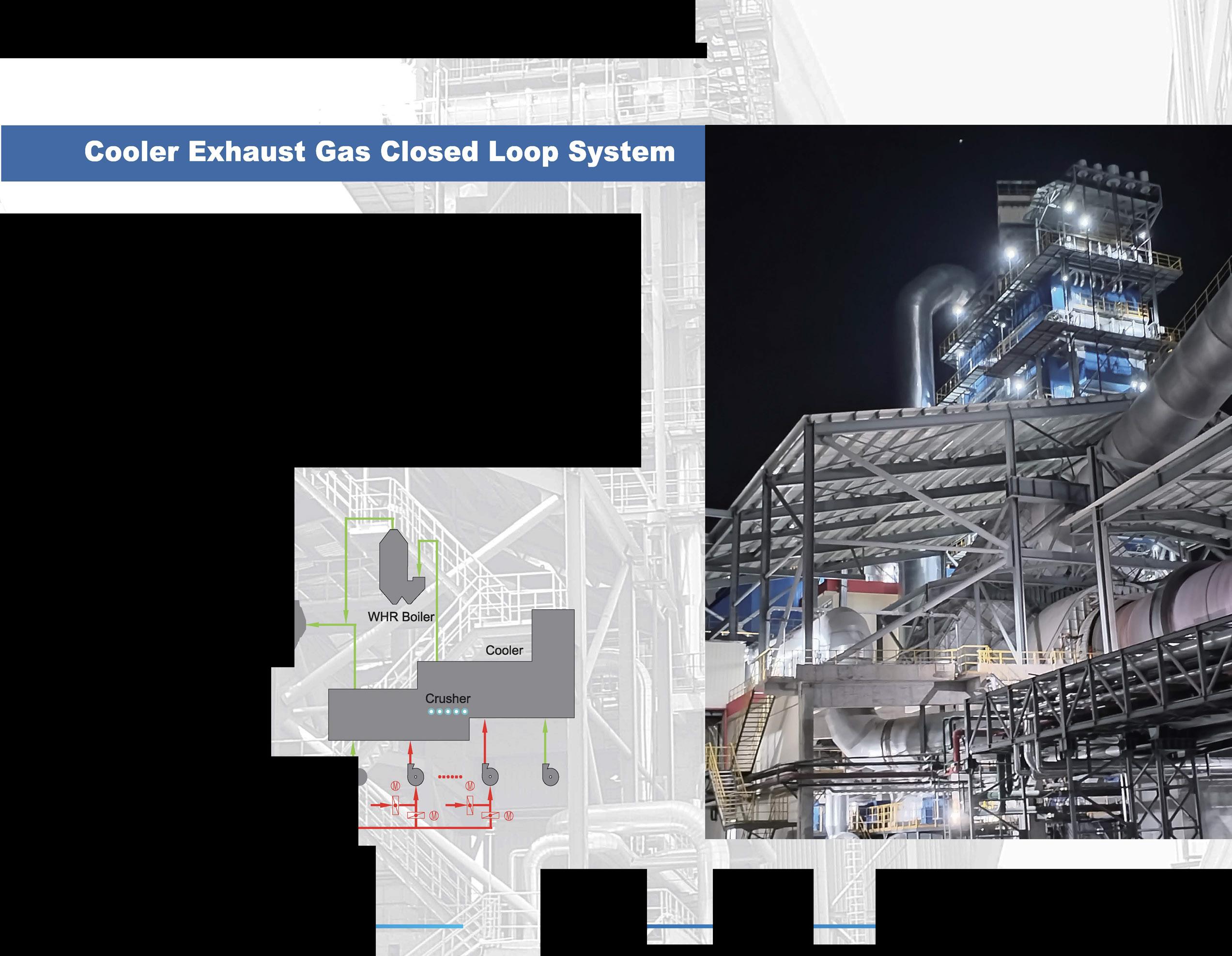

The refined operating system makes the AQC boiler perfectly integrated into the kiln head exhaust gas treatment system

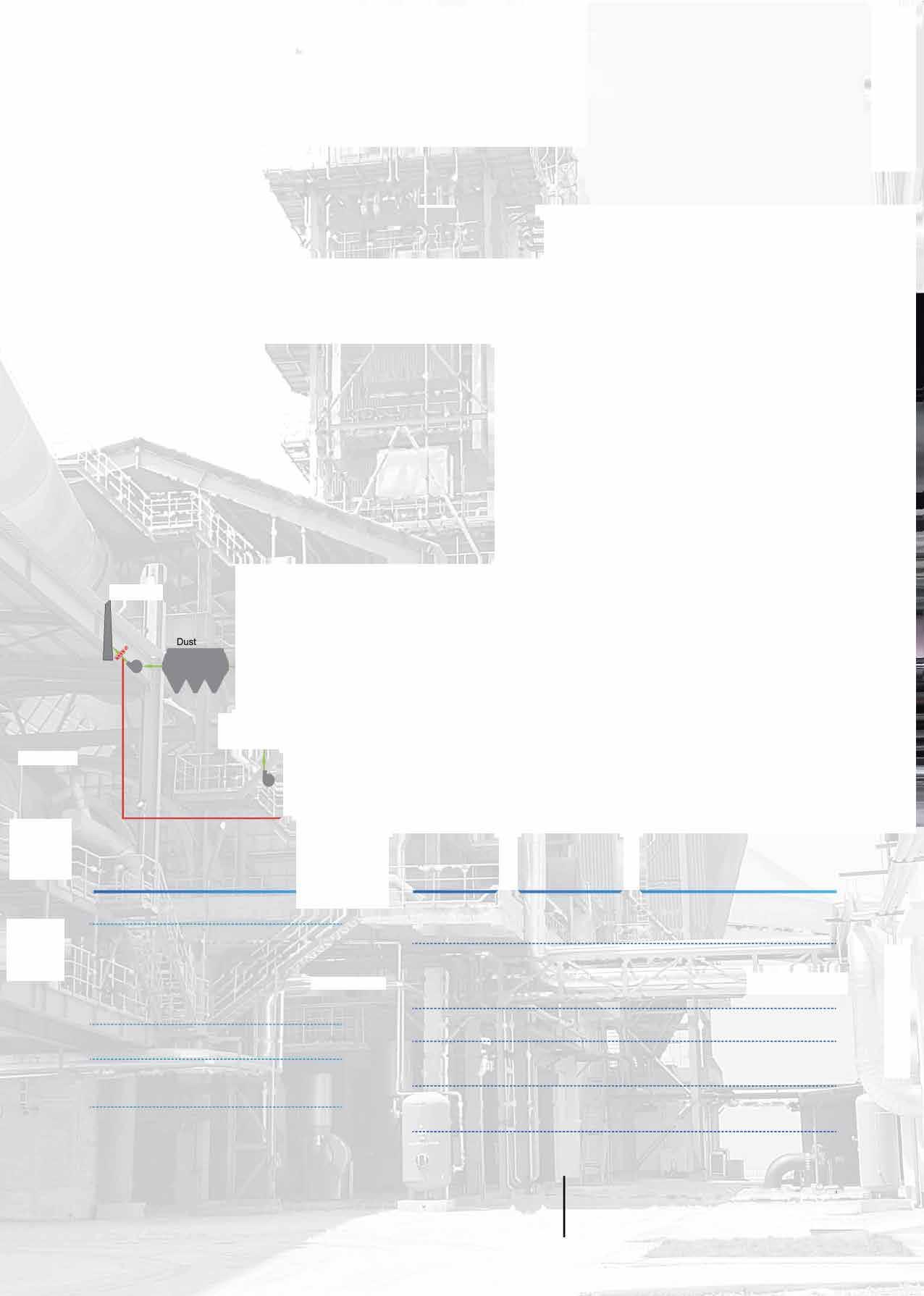

Chimney Filter
CONTENTS
Comment
05 News
REGIONAL REPORT: LATIN AMERICA
10 Looking Ahead In Latin America
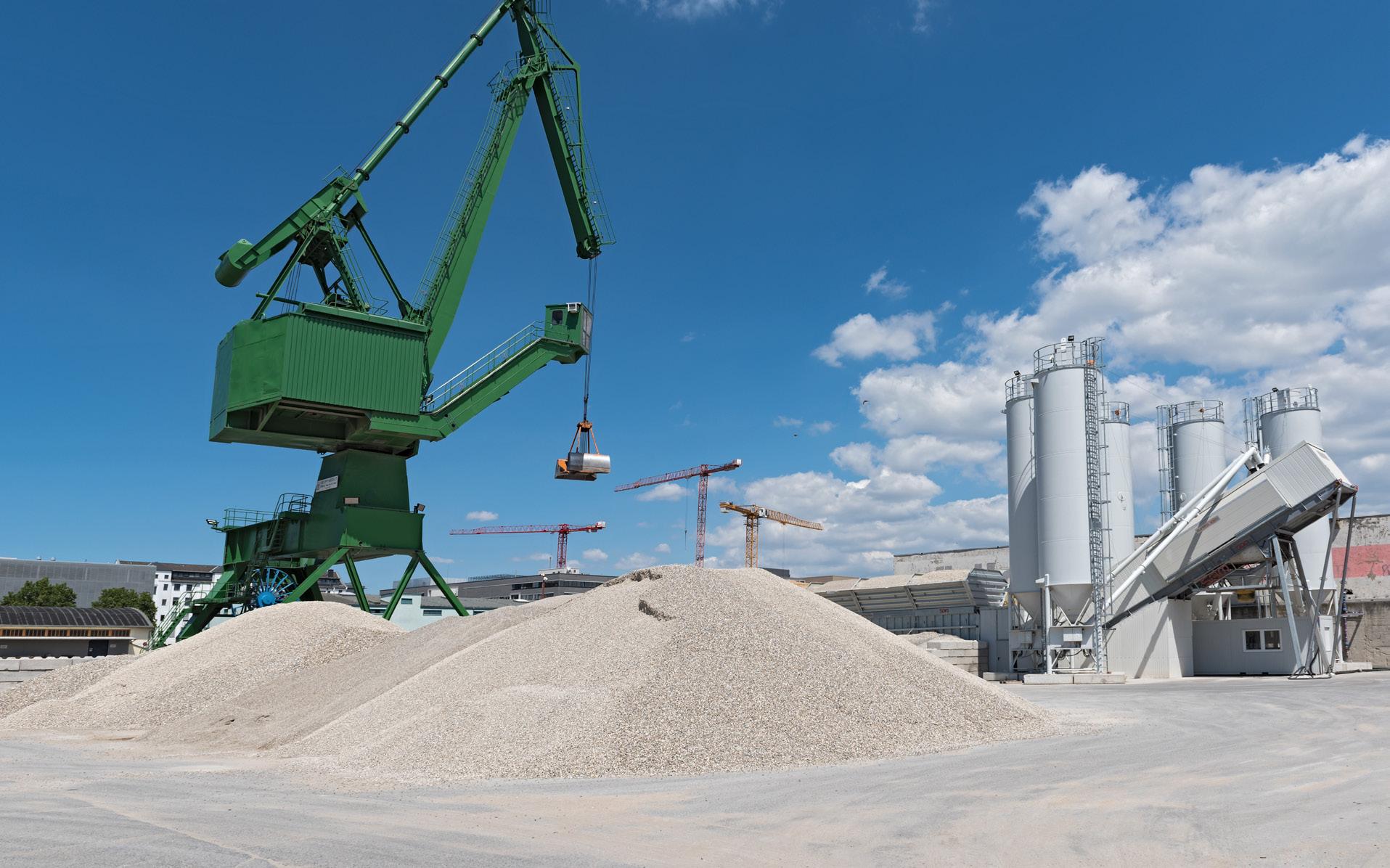
David Bizley, Senior Editor of World Cement, provides a brief overview of the economic and political outlook for Peru, Argentina, and Brazil with updates from key cement players in the region.
GREEN CEMENT
14 Progress Built On Partnership
Roberta Alfani, Ecocem, explores how innovation, investment, and cross-sector collaboration can enable the cement industry to meet the demands of sustainable urban growth.
CEMENT ADDITIVES
19 Low Clinker, High Impact
Matteo Magistri, Mapei S.p.A, examines the role of low clinker cements and chemical additives in enhancing concrete performance and supporting decarbonisation.
23 Cutting Emissions By Cutting Clinker
Manish Koomar, Fosroc Chemical India Pvt Ltd, explores the role of innovative cement additives in reducing clinker content and greenhouse gas emissions, providing a pathway to sustainable cement production.
LUBRICATION
27 Lessons For Longer Life
Preston Rubottom, Lubrication Engineers, shows how high quality lubrication practices can boost equipment reliability and plant sustainability in the cement industry.
KILN REPAIR
33 Keeping Kilns Kicking
Jeff Losch, NAK Kiln Services, outlines best practices for implementing effective rotary kiln inspection and maintenance schedules to maximise uptime and equipment life.
ON THE COVER
DUST CONTROL & FILTRATION
37 From Sparks To Bags
Pietro Aresta, Simatek A/S, explores how flexible electrostatic precipitator-to-fabric filter retrofits can help cement producers achieve best-in-class filtration.
BAGGING & PACKING
41 From Coffee To Concrete
Jake Wehrly, Arodo, highlights how vacuum packaging technology is reshaping the handling and protection of premium powders across the cement industry.
AI & DIGITALISATION
44 Smart Quarrying
Jürgen Kolp and Christian Novak, Alpacem, explore how digital tools and integrated systems are transforming raw material processes at the Peggau Site in Austria.
48 The Answer Lies In AI
Daniel Summerbell, Carbon Re, explores how AI-driven process control is transforming cement production in the face of new industry challenges.
52 OptimAIsing The Cement Industry In Real Time OPTIMITIVE and TITAN Group share their joint experience in deploying real-time optimisation powered by artificial intelligence in the cement industry.
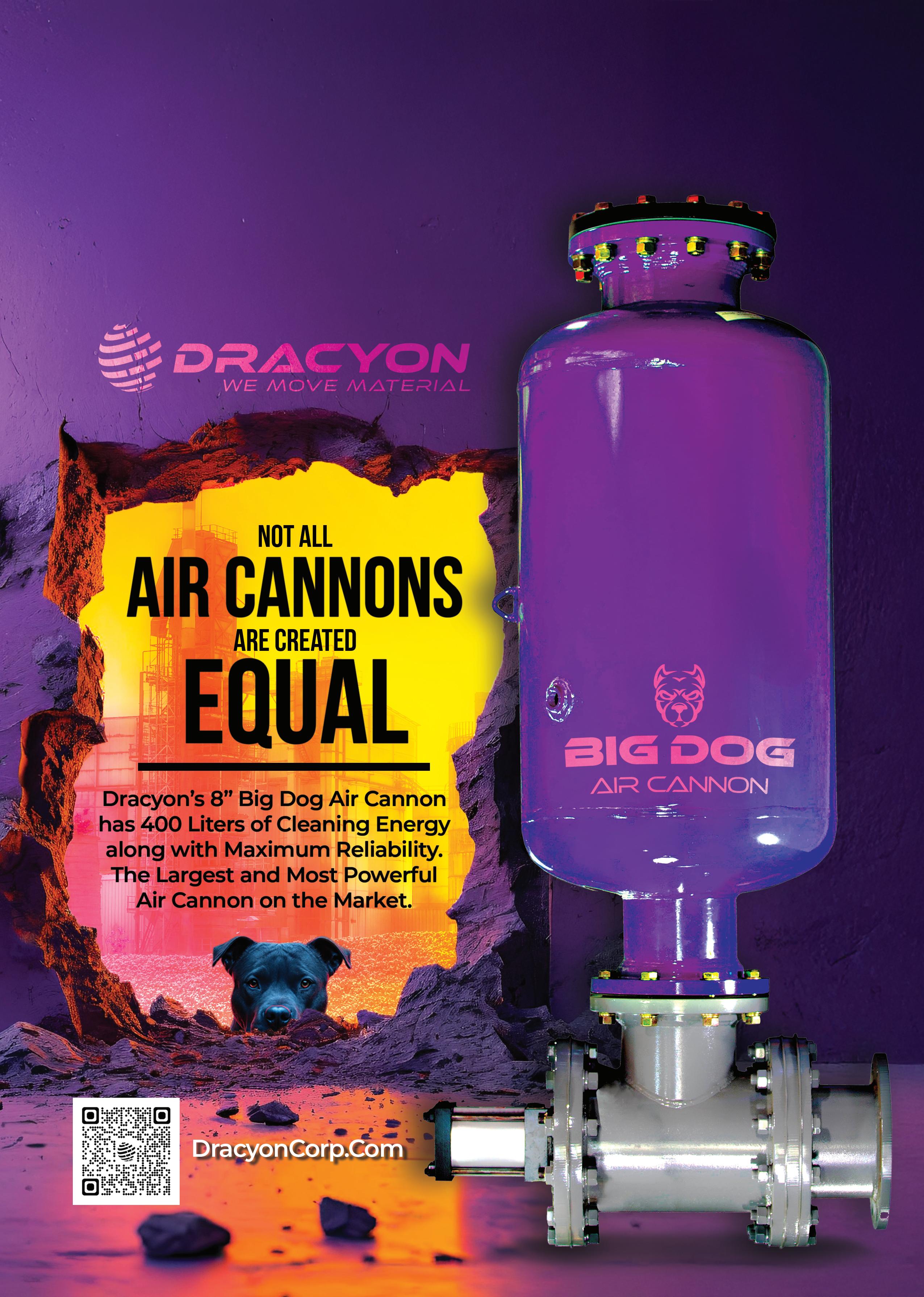
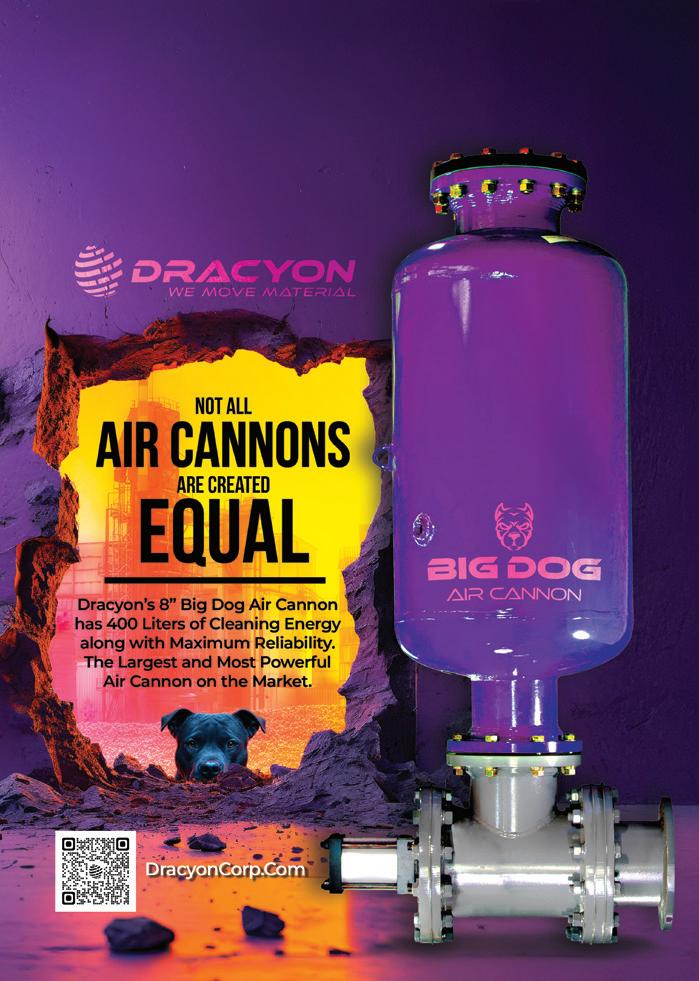
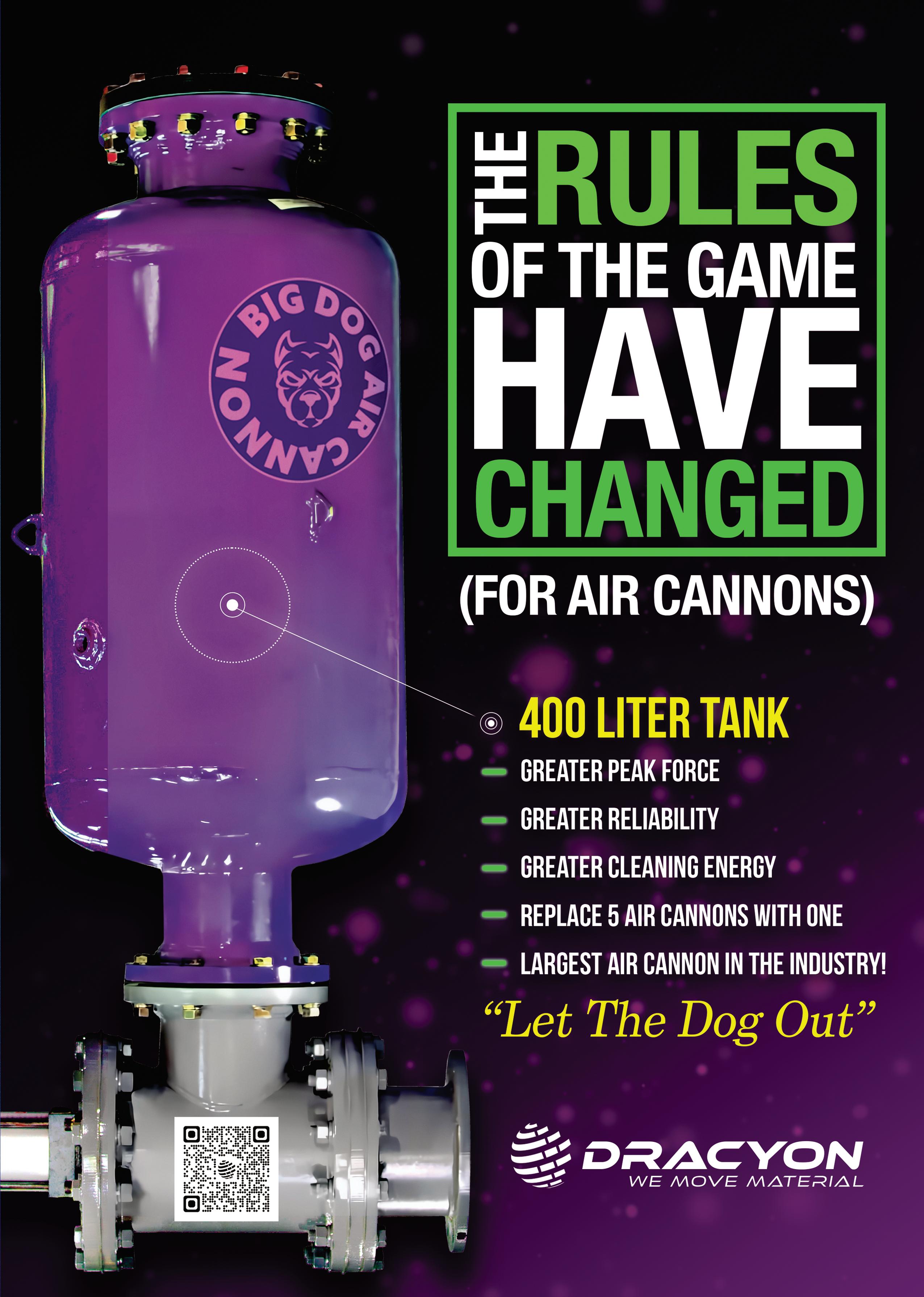
Dracyon’s Big Dog Air Cannon is the largest and most powerful air cannon on the market – engineered to handle the toughest material flow challenges in the cement industry. Built for maximum impact and reliability with minimal downtime, Dracyon’s 400 l Big Dog Air Cannon is setting a new industry standard in heavy-duty flow optimisation.
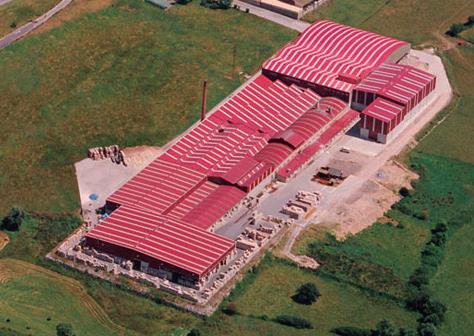
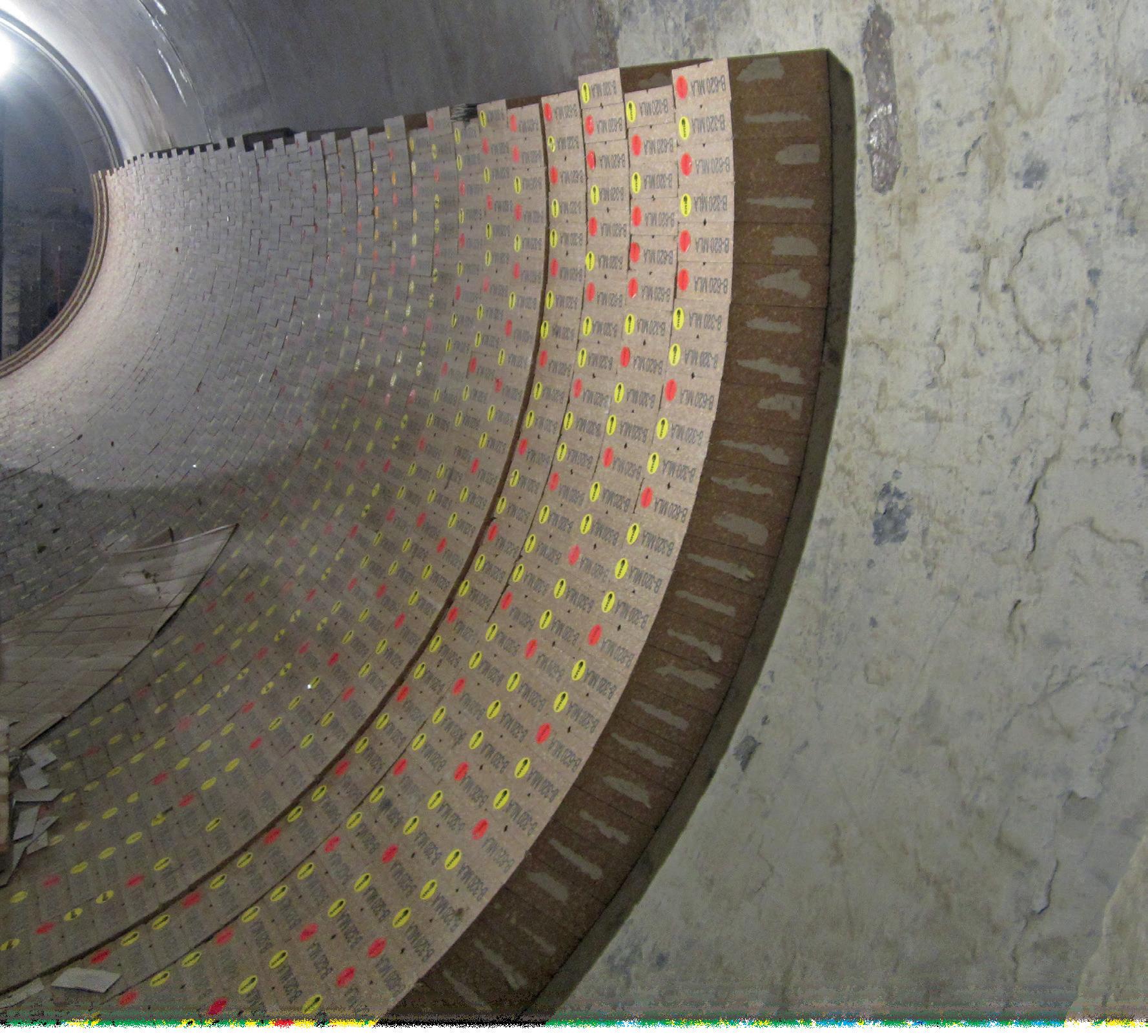
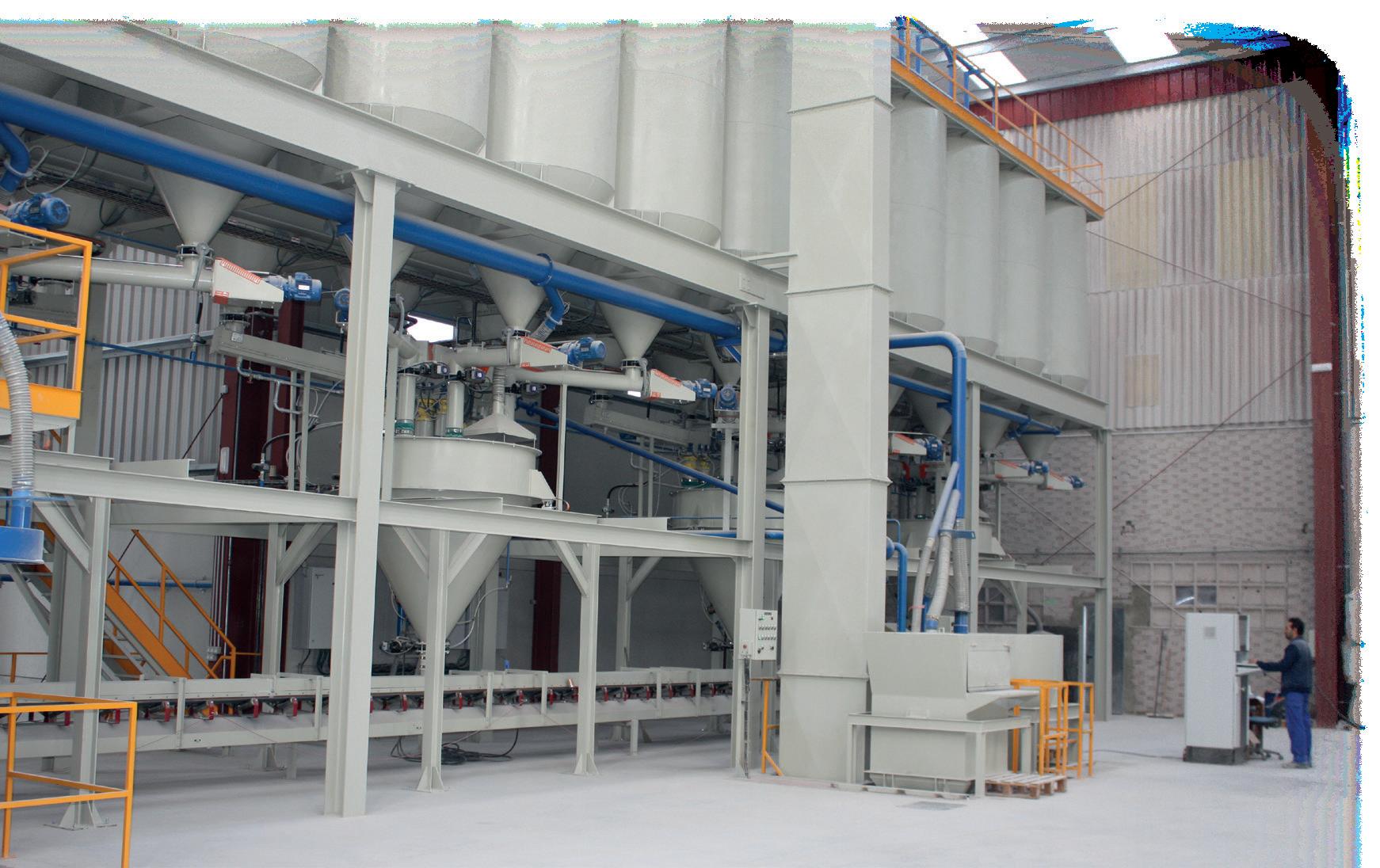
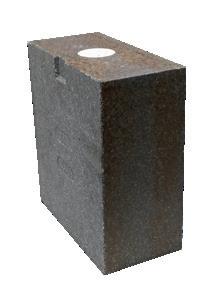
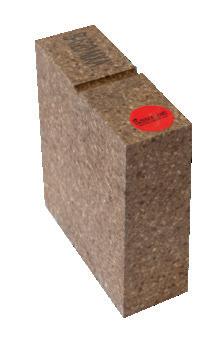
The KROSAKI Group, through the Krosaki AMR Refractarios and Refractaria factories in Spain, supplies the most complete range of high quality refractory materials for the cement industry.
www.krosaki.amr.com www.refractaria.com
COMMENT
DAVID BIZLEY, SENIOR EDITOR
Nrod.hardy@palladianpublications.com
Sales Manager: Ian Lewis ian.lewis@palladianpublications.com
Sales Executive: Sophie Birss sophie.birss@palladianpublications.com
Head of Events: Louise Cameron louise.cameron@palladianpublications.com
Event Coordinator: Chloe Lelliott chloe.lelliott@palladianpublications.com
Digital Events Coordinator: Merili Jurivete merili.jurivete@palladianpublications.com
Digital Content Coordinator: Kristian Ilasko kristian.ilasko@palladianpublications.com
Junior Video Assistant: Amélie Meury-Cashman amelie.meury-cashman@palladianpublications.com
Digital Administrator: Nicole Harman-Smith nicole.harman-smith@palladianpublications.com
Administration Manager: Laura White laura.white@palladianpublications.com
Reprints reprints@worldcement.com
CBP019982
SUBSCRIPTIONS
Annual subscription (published monthly): £160 UK including postage/£175 (€245) overseas (postage airmail)/US$280 USA/Canada (postage airmail). Two year subscription (published monthly): £256 UK including postage/£280 (€392) overseas (postage airmail)/US$448 USA/Canada (postage airmail). Claims for non receipt of issues must be made within 4 months of publication of the issue or they will not be honoured without charge.
Applicable only to USA and Canada: WORLD CEMENT (ISSN No: 0263-6050, USPS No: 020-996) is published monthly by Palladian Publications, GBR and is distributed in the USA by Asendia USA, 17B S Middlesex Ave, Monroe NJ 08831.
Periodicals postage paid at Philadelphia, PA and additional mailing offices. POSTMASTER: send address changes to World Cement, 701C Ashland Ave, Folcroft PA 19032
Copyright © Palladian Publications Ltd 2025. All rights reserved. No part of this publication may be reproduced, stored in a retrieval system, or transmitted in any form or by any means, electronic, mechanical, photocopying, recording or otherwise, without the prior permission of the copyright owner. All views expressed in this journal are those of the respective contributors and are not necessarily the opinions of the publisher, neither do the publishers endorse any of the claims made in the articles or the advertisements. Uncaptioned images courtesy of Adobe Stock. Printed in the UK.
Palladian Publications Ltd
15 South Street, Farnham, Surrey GU9 7QU, UK Tel +44 (0)1252 718999
Email: mail@worldcement.com Website: www.worldcement.com

ormally, I use this space to address recent exciting news, updates, or trends from across the cement industry, but this month I wanted to provide a couple of announcements direct from the offices of World Cement.
Firstly, whilst it’s technically not brand new (and you may have already seen the adverts for it in previous issues), I wanted to make the official announcement here that World Cement now has a podcast!
Joe Rogan and his contemporaries need not worry, however. The creatively entitled, ‘World Cement Podcast’, focuses purely on key issues facing the cement industry and I have yet to find a link between the challenges of cement production in the 21st Century and UFOs, recreational hallucinogen usage, or Brazilian jiu-jitsu. My contact details are to the left if you have any leads…
For now, though, each episode features an insightful discussion with a stakeholder in the cement industry – we’ve featured guests from FLSmdith Cement, the GCCA, the MPA, CEMBUREAU, Ecocem, and Votorantim Cimentos, to name just a few. So far, we’ve covered topics like: decarbonisation, sustainability, innovation, collaboration, venture capital, and policy & legislation.
And we’ve got even more exciting episodes lined up for the rest of the year with more guests from industry associations, leading cement producers, and academia. So, please do make sure to take a look and have a listen – we’re available on all major podcast platforms, and you can find a catalogue of past episodes here: www.worldcement.com/podcasts
The other exciting news is that our industry-leading decarbonisation-focused conference, EnviroTech, will return in March next year.
As for our venue: EnviroTech 2026 will be heading to London, UK, and will take place on 15 – 18 March at the Park Plaza London Riverbank. After all, where better to host a conference focused on tackling climate change than in a country famous for its obsession with the weather? Not to mention the UK’s world-leading cement decarbonisation projects underway at HyNet, the Peak Cluster, and elsewhere.
We’ll once again be featuring a high-quality 3-day agenda, filled with presentations from leading industry players, insightful Q&A sessions, and expansive panel discussions on key topics in the field of decarbonisation. But that’s not all – you can also expect a host of networking opportunities, a full exhibition, and a first-class venue with views overlooking some of the most famous sites in one of the world’s great cities.
Our full website with registration details will be up-and-running soon, but for now you can register your interest to ensure you don’t miss out on more details as they become available. Simply follow this link and click on ‘register your interest’ to keep informed: www.worldcement.com/events/envirotech-2026
I hope to see you there.

by providing a new process optimization solution: CemAI Process Optimizer . Combining the power of AI/ML with cement-specific expertise, CemAI Process Optimizer enables a step-change in production volumes, energy efficiency and consistent quality output.
Predictive Maintenance & Real-Time Optimization are now in your hands.






Please contact us for a presentation and demonstration of what CemAI can do for your company.
info@cemai.com | +1 (502) 322 0433
NEWS
Tarmac and CRH launch ultra-low carbon cement pilot with Material Evolution
Material Evolution is launching a pilot project of its ultra-low carbon cement, MevoCem, in partnership with leading building materials solutions company CRH and its UK operating company Tarmac.
The pilot will demonstrate MevoCem’s performance under the new BSI Code of Practice Flex 350 which allows for the specification of a wider range of lower carbon concretes to help decarbonise construction projects. It may help provide the data necessary for Flex350 to be incorporated into the broader BS8500 concrete standard – which is equivalent to the EU’s EN206 – making it simpler to deliver projects using the latest low carbon innovations. By using proprietary alkali fusion technology to produce MevoCem, Material Evolution has eliminated the need for heat as part of the cement production process, providing an up to 85% reduction in CO2 emissions compared to traditional cement.
The project follows the selection of Material Evolution as a winner in the recent ‘Sustainable Materials Accelerator Program’, led by CRH Ventures – the venture capital unit of CRH – which identified innovative materials and applications to lower emissions, reduce waste, and improve energy use across the construction sector.
Liz Gilligan, CEO and co-founder of Material Evolution, said: “This partnership is a major milestone for our team, and we’re excited to deepen our relationship with CRH and Tarmac as we scale MevoCem at a commercial level. CRH’s commitment as an early adopter of our next-generation ultra-low carbon cement products is especially significant – it supports not just our growth, but the continued research required to deliver a true net zero cement alternative.
Decarbonising the construction industry is one of the most urgent environmental challenges we face. It’s only through partnerships, collaboration, and innovation with industry leaders that we can accelerate the adoption of ultra-low carbon cement across the sector.”
As the biggest producer of low-carbon cement in the UK, Material Evolution’s Mevo A1 Production Facility in Wrexham has the capacity to produce 120 000 tpy of MevoCem.
Heidelberg Materials launches first industrial scale facility for enforced carbonation in Poland
Heidelberg Materials has started operations at its new industrial pilot facility for enforced carbonation in Górazdze, Poland. This marks the next step in the large-scale implementation of Heidelberg Materials’ patented ReConcrete process, which leverages new potential in the production of sustainable building materials by combining circularity and decarbonisation.
The new facility in Górazdze processes recycled concrete paste (RCP) recovered at the company’s first-of-its-kind recycling plant in Katowice, Poland. RCP naturally absorbs and permanently binds CO2, thereby acting as a carbon sink. To harness this potential and accelerate the natural process, the RCP undergoes a treatment known as enforced carbonation. This process involves exposing the RCP to exhaust gases from the kiln in Górazdze, allowing CO2 to chemically bind within the material. Once carbonated, the RCP can be used as a supplementary cementitious material (SCM), partially replacing energy-intensive clinker in composite cements.
“Scaling ReConcrete is an important step for us in unlocking new ways to reduce the carbon footprint of our products,” explained Dr Katharina Beumelburg, Chief Sustainability and New Technologies Officer at Heidelberg Materials. “At the same time, it is an excellent showcase of our integrated approach to sustainability – we can now combine circularity and resource efficiency with decarbonisation, leveraging RCP’s natural ability to bind CO2.”
The process has the potential to reduce CO2 emissions by a total of approximately 900 to 1000 kg/t of RCP used. This total includes 100 to 150 kg of CO2 that is permanently bound during the carbonation of RCP, and an additional 750 to 850 kg of CO2 emissions that are avoided by replacing clinker with carbonated RCP in composite cements.
In July 2024, Heidelberg Materials launched the first phase of large-scale implementation of ReConcrete by opening an innovative recycling plant for selective separation in Katowice, Poland. This pioneering facility features a crushing mechanism that enables advanced separation and sorting, allowing for the complete recycling of old
FICEM TECHNICAL CONGRESS
15 – 17 September, 2025 Lima, Peru
https://ficem.org/eventos-ficem
POWTECH
23 – 25 September, 2025 Nürnberg, Germany www.powtech-technopharm.com
Carbon Capture Technology
World Expo
21 – 23 October, 2025 Hamburg, Germany www.carboncapture-expo.com

23 October, 2025
Virtual Conference worldcement.com/events/ optimisation-2025/
AUCBM AICCE 28
11 – 13 November, 2025 Dubai, UAE www.aucbm.net
ENVIROTECH
15 – 18 March, 2026 London, UK www.worldcement.com
concrete into its original constituents. The fractions obtained include sand and gravel of the highest quality, equivalent to the one of virgin raw materials, with RCP as the finest of the fractions.
Heidelberg Materials will now focus on conducting operational trials and evaluating the technology under industrial conditions. Heidelberg Materials’ pilot facility is part of the international ‘Carbon4Minerals’ research and development project, carried out by a consortium of leading scientific, technological, and industrial partners across Europe. The project is co-funded by the European Union and by the Swiss State Secretariat for Education, Research, and Innovation (SERI).
Refratechnik celebrates its 75th anniversary
With the founding of Steinwerke Feuerfest Karl Albert in Vogelbeck near Göttingen in 1950, the success story of the now globally active Refratechnik Group, now headquartered in Munich, began.
In 2025, Refratechnik Group employs more than 2100 people worldwide in the refractory and raw materials industry and is celebrating its 75th anniversary. To mark this special occasion, Refratechnik Cement GmbH is organising an open day at the Göttingen plant on June 21, 2025 – where it all began.
The Refratechnik Group, headquartered in Munich, Germany, offers a comprehensive portfolio of advanced refractory products, expert services, and in-depth process know-how. These solutions are applied worldwide across a wide range of industrial high-temperature processes, including those in the cement, lime, ceramics, steel, aluminium, non-ferrous metals, and glass industries. Moreover, Refratechnik is a leading manufacturer of high-grade magnesia products. With a strong focus on sustainability, globally unique deposits of cryptocrystalline magnesite in Australia, and macrocrystalline magnesite in Canada are mined, processed, and supplied to customers worldwide.
As the biggest family-owned company in the refractory business worldwide, Refratechnik pursues a value-oriented corporate culture, in which team spirit, expertise and competence, consistency, and close customer contact in particular, are of great importance.
Refratechnik celebrates its 75th anniversary with sincere thanks to all business partners and employees.
Rohrdorfer launches pilot plant for low-CO2 cement production
The new pilot plant for tempered clays at the Rohrdorf cement plant successfully began operations at the beginning of July. Raw clay is activated (‘tempered’) through thermal treatment in the plant. The aim of the plant is to research tempered clays, as they can be used as a lower-CO2 alternative to clinker, the main component of cement. They are thus a central component of Rohrdorf’s decarbonisation roadmap. The pilot plant was created as part of a pilot project funded by the German Federal Ministry for Economic Affairs and Energy and the EU
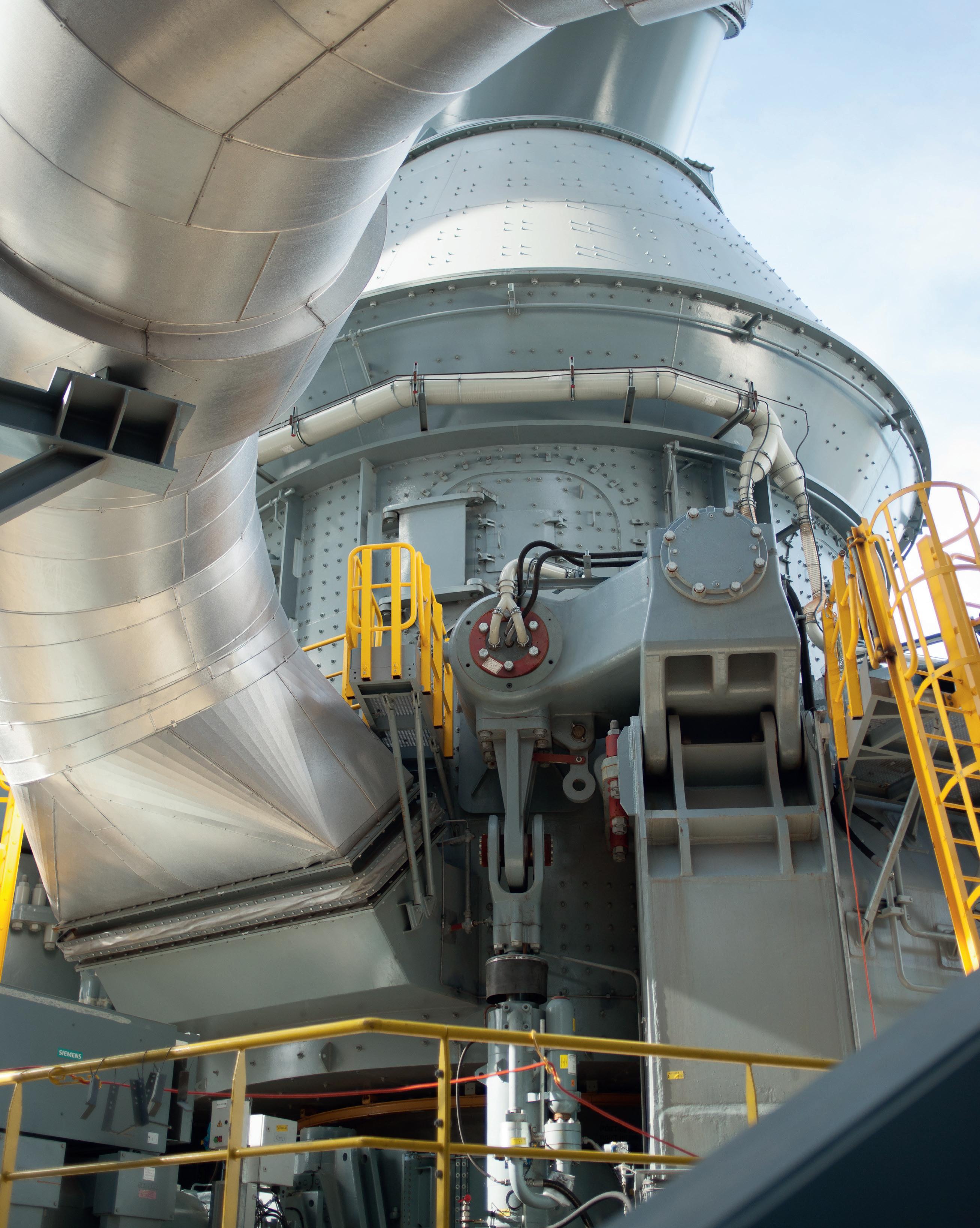
ECONOMICAL GRINDING REDEFINED
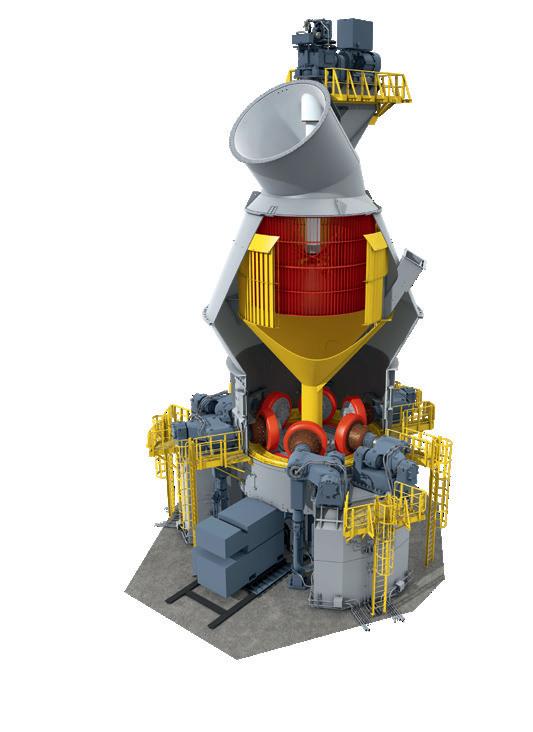
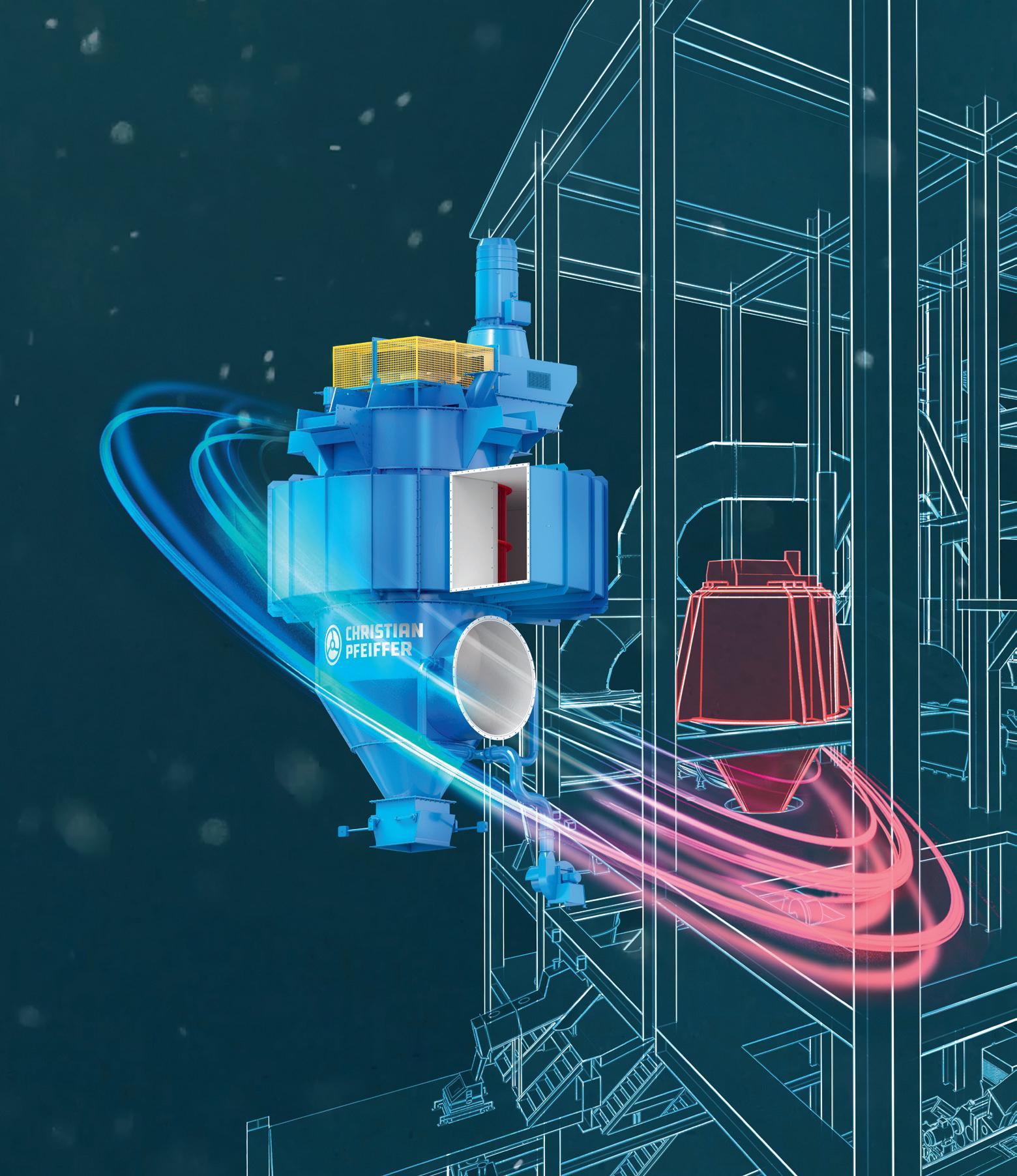
Pfeiffer vertical mills deliver! High power density and excellent energy efficiency keep your operating costs low and save you space – while low pressure loss, ultra smooth running and support for digital tools maximize the productivity and sustainability of your milling processes. Come talk to us!
Constantly improving sustainability – Getting it done!
NEWS
and will receive funding of up to €8.65 million due to its innovative potential. The project started in October 2023 and will end in December 2026.
The pilot plant utilises the existing waste heat from the clinker production line and was therefore built directly next to the rotary kiln. The utilisation of kiln waste heat and the use of the specially designed flash calciner make it possible to temper the clays using very little primary energy. The exhaust gases generated during operation are fed into the existing exhaust gas treatment system of the clinker production line after leaving the plant. This means no additional emissions are generated.
The plant was planned and built by the French plant manufacturer Fives FCB, in collaboration with Rohrdorf’s Net Zero Emission team. The construction phase lasted approximately six months. The maximum production volume is 50 tpd of tempered clay.
By the end of 2026, the Net Zero Emission team will investigate the ideal composition of the raw clays and optimise the thermal treatment processes. In addition, different grinding finenesses and the use of different aggregates will be tested. The result is that the tempered clay will serve as a CO2-saving replacement for clinker while meeting all standards for cement production.
Trials with various raw clays and process parameters are currently planned until mid-2026. Building on these trials, a large-scale plant will be built in the future that will enable significant CO2 savings. “The potential for CO2 savings amounts to a total of 60%. Almost half of this can be avoided thanks to tempered clays. The new pilot plant is therefore an important step on our path to CO2-neutral cement production, which we are targeting for 2038,” explains Dr. Christopher Ehrenberg, Technical Director of the Rohrdorf Cement Division.
Holcim Mexico becomes a strategic pillar in the company’s Latin American growth
Holcim has redefined its growth strategy through NextGen Growth 2030, announced last week. The new strategy aims to drive profitable expansion in Europe, Australia, North Africa, and Latin America following the spin-off of its North American business.
Mexico now plays a strategic role in scaling sustainable and high-value construction solutions across the region. This repositioning will allow Holcim to maximise its positive impact in the industry and respond to key global trends such as urbanisation, housing shortages, resilient infrastructure, and environmental sustainability.
“This decision marks a turning point for Holcim in the region,” said Christian Dedeu, CEO of Holcim Mexico. “Mexico is now a strategic market where we will scale innovative solutions for circular and low-carbon construction. Our goal is to triple the recycling of demolition materials, double the Disensa store network, and expand our sustainable offering through ECOPact and ECOPlanet.”
Holcim Mexico is already a regional leader in low-carbon solutions, such as ECOPact, its concrete line that reduces CO2 emissions by at least 30%, and ECOPlanet, a range of sustainable cements with up to 50% fewer emissions compared to traditional ones. Globally, Holcim aims to recycle more than 20 million t of construction and demolition waste into new applications by 2030 through its ECOCycle® technology.
Latin America is Holcim’s most profitable global market, with an EBIT margin of 34%. The region also offers significant business opportunities driven by:
f A housing deficit of over 26 million homes.
f Over US$200 billion in projected infrastructure investment.
f Over US$160 billion in annual remittances, largely directed toward home construction and improvement.
In addition to sustainable growth, Holcim is also leading an operational transformation focused on energy efficiency, digitalisation, and decarbonisation. The Disensa network, currently with 2000 stores across Latin America, aims to reach 5000 stores by 2030, expanding direct access to reliable, sustainable construction solutions.
With sustainability at its core and a culture based on performance, talent, and innovation, Holcim Mexico leads the NextGen Growth strategy in Latin America, advancing scalable solutions for smarter, more resilient, and low-carbon construction. This new chapter consolidates Mexico as a strategic and indispensable player in Holcim’s global vision, uniquely positioned to address the region’s urban, social, and climate challenges.
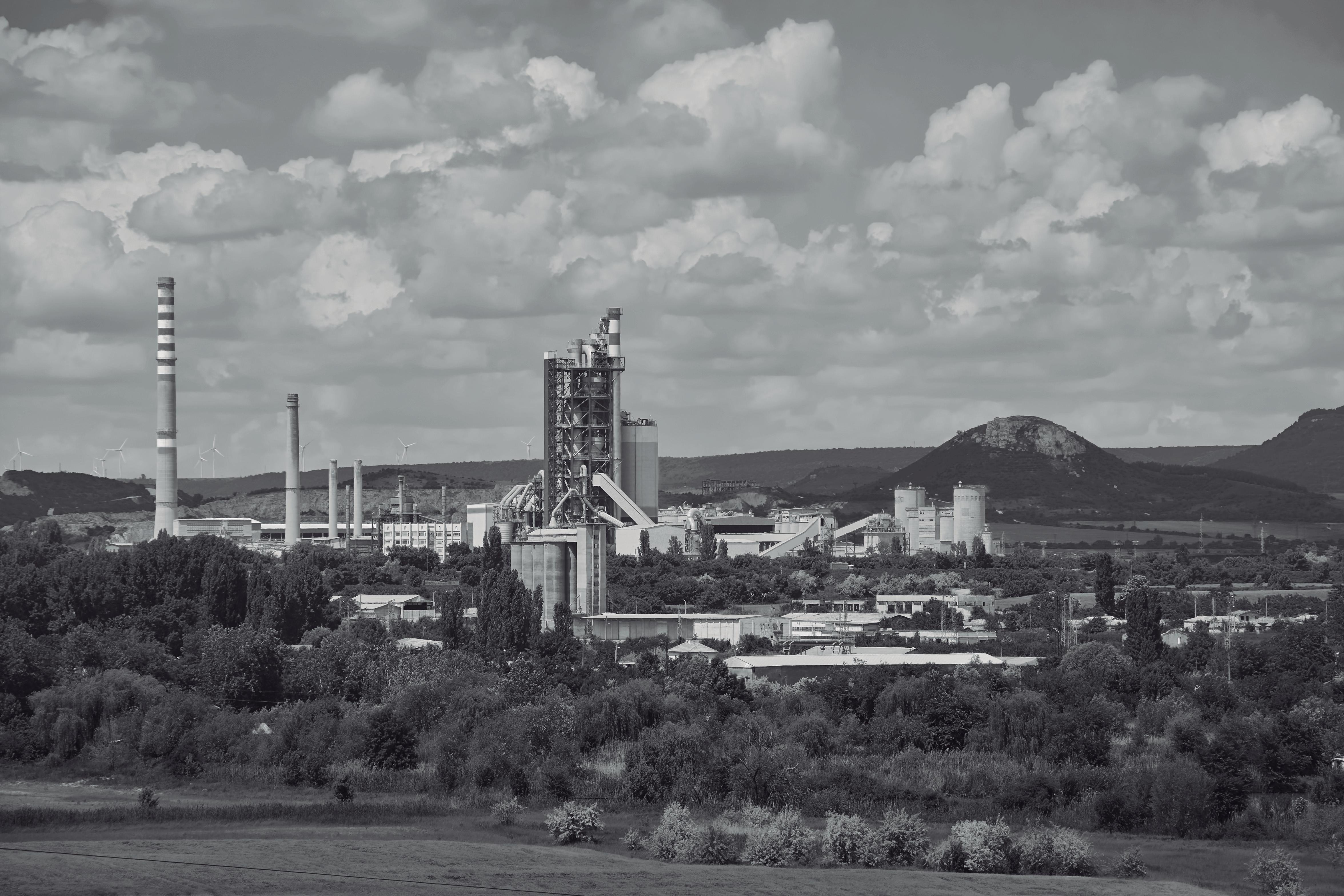

David Bizley, Senior Editor of World Cement, provides a brief overview of the economic and political outlook for Peru, Argentina, and Brazil with updates on key cement players in the region.
The economies of Latin America are expected to grow just 2% this year, down from 2.4% in 2024 as a variety of factors weigh on productivity. Rodrigo Valdes, head of the IMF's Western Hemisphere Department, was quoted by Reuters as saying: “Today’s economic landscape is shaped by a complex interplay of global factors ranging from tariffs and value chain disruptions to commodity price and financial market volatility, and policy uncertainty […] The impact of these factors on growth is largely negative.” Yet, despite the downgrade in expected growth, Latin America remains a dynamic, diverse region, rich in opportunities and natural resources.
This article aims to provide a brief overview of some of the political and economic factors impacting three Latin American nations – Peru, Argentina, and Brazil – along with recent updates from their cement industries.
Peru
Politically speaking, Peru has had something of a tumultuous time over the last few years. The country has seen six Presidents since 2016 with one, Manuel Merino, in office for just 5 days in November 2020. In April this year, former President, Ollanta Humala (in office from 2011 to 2016) was sentenced to 15 years in prison for money laundering. The incumbent, Dina Boluarte, has been beset by challenges on all sides – rocked by historically low approval ratings (reaching as low as 2% in July this year after issuing a decree to double her salary), charges of corruption and bribery relating to alleged gifts of luxury watches, mass protests, and the surprise resignation of Prime Minister Gustavo Adrianzén just hours before he was due to face a no-confidence vote after the kidnapping of 13 mine workers in May. Despite all of this turbulence, Boluarte has vowed to stay in post until the next elections due in April 2026.
Economically, at least, things are a little less dramatic. The economy saw growth of 3.3% in 2024 as it recovered from a post-pandemic recession and public investment and business confidence grew once more. The World Bank expects growth of 2.9% in 2025, followed by 2.5% in 2026, close to the country’s estimated potential. Inflation is expected to remain within the target range of 1 – 3% and poverty rates (despite being higher than pre-pandemic levels) should continue to decline. Peru has ambitions of becoming a high income country within two decades, supported by a range of proposed reforms. However, under current conditions and despite what the World Bank calls a ‘stable’ macroeconomic environment – the process is likely to take more than 60 years.
Cement update
In its Q2 2025 results, the management at Pacasmayo also noted that “Despite three decades of sustained economic growth, Peru still faces a significant infrastructure and housing gap” and that one of the most effective methods of contributing to national development was the country’s “Obras por Impuestos” or “Works for Taxes” programme. This mechanism is designed to allow private companies to fund public infrastructure projects in advance of making income tax payments, in exchange for certificates that offset those obligations.
Cementos Pacasmayo reported generally positive results in Q2 of this year. The company noted a 7.1% increase in sales of cement for Q2 2025, mainly as a consequence of increased demand for bagged cement and higher sales for infrastructure-related projects. It also saw revenues increase by 5.9% as a result. The company’s total cement production volume increased by 5.5% and clinker output rose by 12% compared to Q2 2024.

Looking ahead in Latin America
In May this year, Cemento Yura announced that operations had begun at its new photovoltaic plant, capable of generating 30MW at peak supply. Covering 45 ha and comprised of over 51 000 solar panels, the plant is expected to generate over 80 GW annually and provide approximately 30% of the energy requirements of the Arequipa plant.
Argentina
Another Latin American nation going through interesting political and economic times is Argentina. The election of political and economic firebrand, Javier Milei, at the close of 2023 ushered in a stark change of policy, promising the equivalent of monetary shock therapy in one of his first speeches in order to solve the country’s economic woes.
In the years since, Milei has embarked on a radical campaign of austerity and cost-cutting measures. The World Bank reports that, despite controversy over the approach, the initial results have been positive with the country reporting its first fiscal surplus for the first time in many years. As of May 2025, inflation – a long-time bugbear of the Argentinian economy – had fallen to its lowest level in five years at 43.5%, down from an eye-watering peak of 300% in May 2024.
After two years of negative growth in 2023 and 2024, the country is expected to see an expansion of 5.5% this year, driven by a combination of improved stability, investment in the energy sector, and positive performance from the agricultural sector.
Cement update
Given the volatile economic environment that was present until fairly recently, it should come as little surprise to see that cement output saw a decline in 2024, with dispatches down 23.9% compared to 2023 figures, according the AFCP. Figures for 2025 so far show a modest increase for each month over 2024 levels, with an estimated 12% increase in the period up to June, marking a trend in line with increasing stability in the wider economy.
Loma Negra, one of the nation’s largest cement producers reported an 8.9% decline in net revenue for Q1 2025 compared to the same period in 2024, with blame being apportioned to poor weather conditions at the start of the year. Despite the challenges, Sergio Faifman, the company’s CEO reported that “We begin the year with renewed optimism, supported by recent forecasts that project approximately 5% GDP growth for the Argentine economy in 2025.” Loma Negra expects results to continue to improve over the course of the year, with figures for April already 28% higher year-on-year than in 2024.
Brazil
Brazil is the largest country in Latin America in terms of population (>212 million), land mass (~8.5 million km2), and GDP (US$2.13 trillion). The political climate remains highly polarised with ongoing legal cases against former
President Jair Bolsonaro for his alleged involvement in an attempted coup. In a move that some have speculated is tied to the charges against Bolsonaro (a Trump ally), Washington has threatened to impose a 50% tariff on Brazilian exports. President Luiz Inácio Lula da Silva (aka 'Lula'), had been trailing in the polls in the lead up to elections in October next year, but – much like in the recent Canadian elections – the intervention from the Trump administration was widely criticised in Brazil and has seen support surge for Lula’s previously unpopular government.
The Brazilian economy saw robust growth through 2024, recording real GDP expansion of approximately 3.4%, led by strong domestic demand. Consumer spending and capital formation increased through much of the year, making up for a decline in government spending and exports.
2025, however, looks set to be a more difficult year. Both the IMF and the World Bank anticipate a moderation in growth, with projected real GDP falling to somewhere in the region of 2 – 2.3% for 2025 as a range of negative factors begin to pile up. These include: rising interest rates, rising household debt and consequently reduced household consumption, lower transfers, diminishing labour market gains, and a struggling agricultural sector. According to a Reuters poll of 48 economists, 2026 is expected to see growth further slow to 1.6%.
Cement update
Votorantim Cimentos reported a 1% rise in its Q1 revenue compared to the same period from 2024, with a figure of R$5.6 billion. The growth has been attributed primarily to increased sales volume and geographic diversification. Votorantim Cimentos' total global cement sales also saw a 2% rise compared to Q1 2024, with a figure of 7.7 million t. CAPEX also rose by 35% year-on-year as part of Votorantim’s global campaign of modernisation – stand-out projects include kiln upgrades at the company’s Alconera and Málaga plants in Spain with the aim of increasing thermal substitution rates.
In Brazil, other highlights included capacity expansion projects at the Salto de Pirapora and Edealine plants, with operations expected to begin in H2 2025 and Q1 2026 respectively. In May this year, the Salto de Pirapora plant took receipt of a new 210 t mill. Announced in January 2024, the expansion of the plant is planned as part of Votorantim’s R$5 billion strategy to promote growth and structural competitiveness across Brazil. The new mill will enable the addition of 1 million tpy in terms of production capacity.
In other cement news, Mover, the parent company of InterCement – Brazil’s third-largest producer by volume – which filed for bankruptcy at the end of 2024, has entered a preliminary agreement for it to be sold to creditors. The producer, along with its parent, had accumulated R$14.2 billion in debt to a number of banks.


Roberta Alfani, Ecocem, explores how innovation, investment, and cross-sector collaboration can enable the cement industry to meet the demands of sustainable urban growth.
s urban populations are projected to grow by 68% by 2050, the demand for housing and infrastructure will also continue to rise. This growth naturally means greater cement and concrete consumption. Essential to modern construction, demand for concrete is expected to rise by 50% by 2050. However, cement production carries a significant environmental cost. At the core of its carbon footprint is clinker, the key reactive component in cement, responsible for more than 90% of its emissions.
With the EU proposing a 90% reduction in greenhouse gas emissions by 2040, the cement and concrete industries must fundamentally transform their operations. This will be a big shift as production methods have remained largely unchanged for over two centuries.
The most direct and cost-effective way to decarbonise is by avoiding CO2 emissions during cement production, rather than seeking to capture the emissions at the end of the manufacturing process. This is where supplementary cementitious materials (SCMs) come into play.

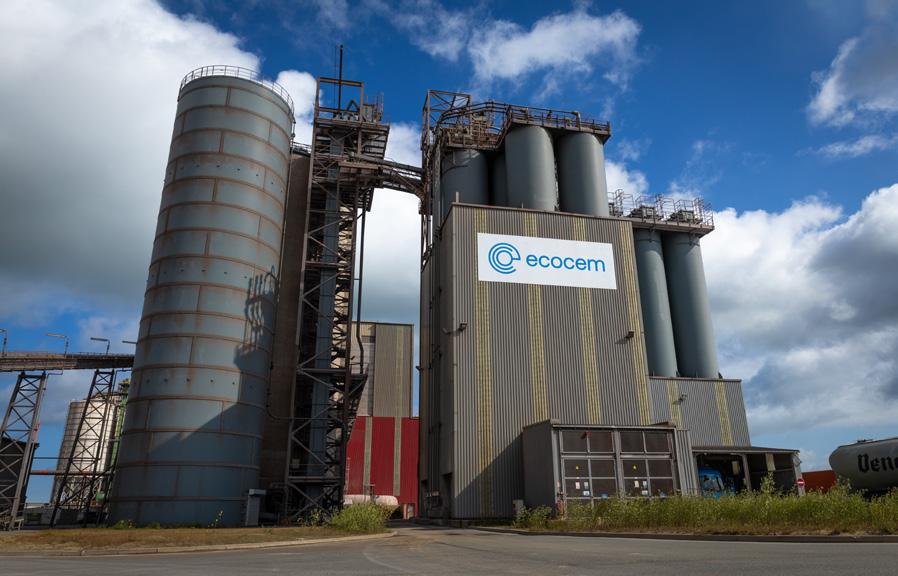
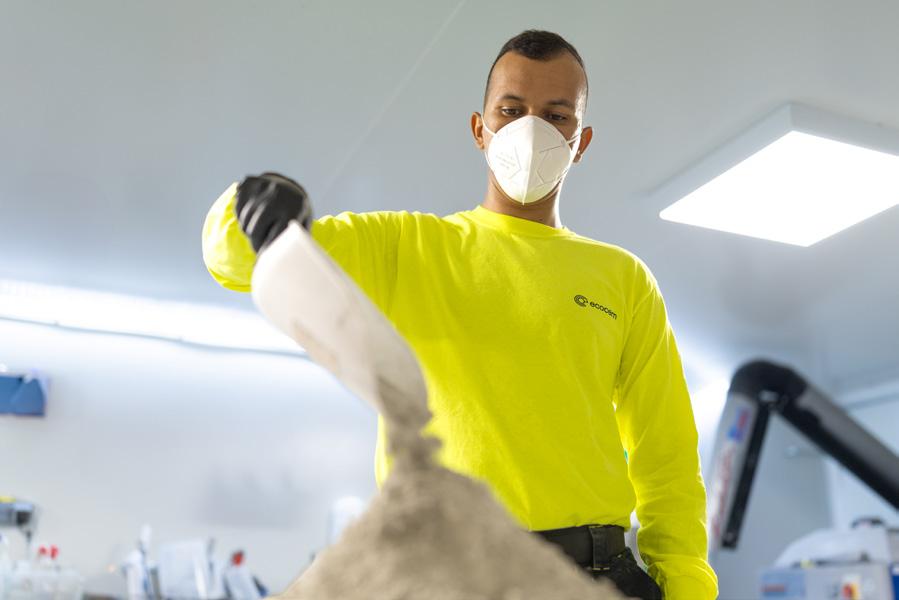
Ecocem has been a leader in low-carbon cement and construction solutions for over 20 years, focusing on research and innovation to significantly reduce CO2 emissions in the industry.
Supplementary cementitious materials: primary solutions
SCMs are often industrial by-products, or naturally occurring materials, that partially replace clinker in cement. They contribute to concrete’s strength and durability through hydraulic or pozzolanic reactions. Common SCMs include natural pozzolans, calcined clays, ground granulated blast furnace slag (GGFBS), fly ash, and silica fume, as well as emerging industrial residues. By incorporating a wider range of SCMs and using current ones more effectively, cement manufacturers can significantly reduce the clinker content in cement and concrete and drastically cut CO2 emissions, all while maintaining performance.
Several converging factors make the increased adoption of SCMs not just beneficial, but essential.
Environmentally, there are huge upsides. Cement which incorporates SCMs can reduce the carbon content of cement substantially, generating 70% less CO2 than traditional clinker-based cement.
For example, GGBFS, a tried and tested SCM, has helped avoid an estimated 408 million t of CO2 over the past two decades. GGBFS, a by-product of steel manufacturing, when incorporated into cement production, diverts a significant industrial by-product from landfill and simultaneously provides a more sustainable and often higher-performing alternative to traditional cement in concrete.
Moreover, the use of some SCMs supports circularity in construction. For example, recycled demolition waste was successfully used in the reconstruction of FC Barcelona’s stadium, demonstrating that sustainable cement solutions can scale to high-profile projects.
There are also financial considerations. Carbon pricing and emissions trading schemes are making clinker production increasingly expensive, while alternative net-zero strategies, such as carbon capture and storage (CCS), remain costly and complex.
In contrast, the use of SCMs requires minimal changes to cement manufacturing processes or construction practices and come without a sizeable green premium.
From a regulatory perspective, policies like the EU’s Circular Economy Action Plan and national net-zero commitments are pushing the industry toward greener materials. In parallel, the Global Cement and Concrete Association (GCCA) has outlined a clear roadmap to 2050 that includes the widespread adoption of SCMs.
However, widespread adoption is not without its challenges. Existing regulations and standards across the EU have not fully evolved to permit higher SCM usage or the inclusion of new materials. This regulatory lag slows innovation and market availability and over time exposes countries to large fines for non-compliance with climate targets
Innovation in action
A major breakthrough in industrial decarbonisation comes in the form of Ecocem’s ACT technology, which can cut clinker use by up to 70%, replacing it
Ecocem production facility at its Dunkirk site.
Low-carbon concrete SISK demonstrator project, Wembley Park.
with abundant, engineered low-carbon materials. Replacing clinker with locally available materials could deliver a reduction of 1.6 billion tpy of CO2 if widely adopted.
ACT has already been successfully trialled and tested by some of the biggest organisations in the construction industry, such as SISK, Bouygues Construction, and Cemex France to name a few. The results showed a carbon reduction of over 70% while maintaining the required strength, durability, and workability required in any concrete ACT is used to make.
Ross Cullen, Chief Engineer at SISK, commented on the trial results at the time: “This innovation (ACT) not only reduces our carbon footprint but also sets a new standard for environmentally responsible construction practices.
The concrete behaves like concrete, it looks like concrete and feels like concrete. So, when our contractors have worked with it, it's the same product essentially. The only thing different is there's less carbon in it.”
As part of ACT’s commercial rollout, Ecocem is investing in innovation to achieve the most efficient use of existing SCMs, while also researching new ones. Ecocem has recently committed €170 million to expand its ACT cement production capabilities.
Promisingly, new opportunities are also arising from the steel industry’s shift to electric arc furnaces (EAFs), which produce a different type
of slag with potential to be used as an SCM. Ecocem is spearheading research into optimising EAF slag for cement use, supported by a €4 million grant from the EIC Pathfinder Fund. The project exemplifies how academia, industry, and innovation funding can collaborate to fast-track practical low-carbon solutions.
Summary
To secure a more sustainable future, the entire sector must work in partnership with regulators, governments, and the broader construction value chain. This includes embracing new material streams, such as pozzolans and green steel slag, validating emerging technologies, such as ACT, maximising material efficiency, and updating policy frameworks to support innovation through revised building codes, expanded carbon pricing, and public-private R&D partnerships.
As urban growth accelerates, significantly greater resource efficiency is required. The environmental and economic costs of maintaining business-as-usual cement production are too high to ignore. A transition to greener cement is essential.
Fortunately, the tools, materials, and intelligence required to change course are already within reach. Immediate action is essential to enable the construction of a greener, more sustainable world.

Matteo Magistri, Mapei S.p.A, examines the role of low clinker cements and chemical additives in enhancing concrete performance and supporting decarbonisation.
The strategies behind the various roadmaps for decarbonisation in the cement industry involve a wide range of actions, from improving the efficiency of the construction sector to implementing carbon capture and storage (CCS) technologies, and, of course, reducing the clinker factor. This means that the use of new hydraulic or pozzolanic materials and highly reactive clinkers will be combined to produce low clinker cements.
This article describes some examples of low clinker cements, discussing in detail their performance in mortar and concrete, the methods used to investigate them, and the potential for improving their practical behaviour. Particular attention is given to the use of chemical additives able to improve the quality of these new hydraulic binders.
In fact, without the correct combination of strength enhancers, grinding aids, and superplasticisers added during cement production, the likelihood of using these new low clinker cements being used successfully is greatly reduced.
Facing new challenges
Concrete made with portland cement has played a key role in building the modern world, and it will continue to be the most common construction
material even in the future. By 2050, global production of portland cement is forecast to be between 4.7 and 5.1 billion tpy,1 corresponding to 20 billion m3 of concrete. The building industry is a significant contributor to global carbon emissions. As the world
Table 1.
cements,
Table 2. Limestone cements, concrete tests.
Gravel 10/20 %
Gravel 20/30 %
CEM II/B-L with basic GA (200 g/t) kg/m3
CEM II/B-L with MA.P.E./C-C 3003 (2000 g/t) kg/m3
Concrete adm. dosage %
transitions towards net-zero carbon economies, decarbonisation of the cement sector is both a challenge and an imperative. A complete overview of the possible technologies that could allow this ambitious goal to be reached is can be found in the 'GCCA 2050 Cement and Concrete Industry Roadmap for Net Zero Concrete'2 and combines all the levers available in the building sector. These range from increased efficiency in design and construction, to carbon capture, utilisation, and storage (CCUS).
Moving backwards along the supply chain of the construction sector and specifically considering the manufacturing of cement, a wide range of possibilities – from mature to highly innovative technologies – are normally used or under examination: upgrading kilns and optimising heat recovery systems; replacing fossil fuels with alternative energy sources; capturing CO2 from exhaust gases (maybe after combustion with pure oxygen to create CO2-rich flue gases, simplifying capture); converting captured CO2 into value-added products (such as carbonates for construction materials).
Low clinker blended cements
In the GCCA roadmap, special emphasis is placed on the reduction of clinker content in cements, with the industry required to achieve a reduction of at least 11%. The good news is that this target can be reasonably reached with currently available and well-known technologies that are related to the production of blended cements. Undoubtedly, this presents several advantages, ranging from extensive experience in the addition of secondary cementitious materials to the existence of a regulatory framework (recently updated, thanks in part to the new European standards EN 197-5 and EN 197-6),3 as well as the lower cost of some alternative materials. The possibility of producing 'low clinker' cements should be exploited as much as possible, with an extensive replacement of clinker with other materials: pozzolana, calcined clay, recycled concrete, and limestone.
The bad news is that ‘low clinker’ cements often require a boost in quality, as their use in concrete production can be challenging due to the rates high water absorption of the supplementary materials and lower early strength development. For low clinker cements, the use of new types of chemical additives is mandatory, with the purpose of:
f Improving the workability to prepare the cements for concrete applications.
f Improving the strength particularly at short curing times.
Limestone
composition, and mortar tests.
f Improving the grindability and mill efficiency, like traditional grinding aids.
A typical example of chemical additives suitable for low clinker cements is represented by MA.P.E./C-C (cement to concrete),4 which is a well-balanced mix of:
f Superplasticisers (polyacrylate-based).
f Performance enhancers. f Grinding aids.
These products are used during cement milling in the same way as traditional grinding aids/performance enhancers, enabling the production of low clinker binders with performance similar to higher clinker cements. The main benefits of cement produced with MA.P.E./C-C include the improved workability (with consequent reduction of water to cement ratio needed to produce a good slump concrete) and increased strength, due to the combination of better homogeneity of concrete and accelerated cement hydration, which leads to a more compact microstructure.
Producing lower-clinker cements is a common requirement currently, but the concrete market still demands high performance. In this context, a typical challenge for cement producers is transitioning from CEM I 52.5 R to CEM II/A 52.5 R, or from CEM II/A 42.5 R to CEM II/B 42.5 R (representing a 10 – 15% clinker reduction) while maintaining strength levels similar to those of higher-clinker-factor cements. Lower clinker content should not compromise quality and performance, and new cements must be easily usable in concrete production. This article highlights several examples of new cements produced with MA.P.E./C-C with the purpose of showing how the use of this new generation of highly performing cement additives is mandatory to reach this ambitious target.
Example 1 – highly substituted limestone cement
Limestone offers a widely available and low-cost mineral addition. In many countries, limestone represents the main substitution in terms of production volume of cements, although its increase in cement composition turns out to be detrimental for strength development. Highly substituted
CEM II/B-L type (35% limestone content) normally reaches 32.5 R strength class. The production of a CEM II/B-L with performance similar to a CEM II/A-L (20% limestone content, normally 42.5 R strength class) would represent a big advancement on the clinker reduction pathway.
Table 1 describes the preparation of a CEM II/B-L type cement (35% substitution), with a traditional grinding aid and with a new MA.P.E./C-C additive type. Strength increase (obtained through an accelerated hydration combined with a more compact microstructure, following the improvement in mortar flow and reduction in water demand) allows to classify this cement in the 42.5 R strength class.
Table 2 shows that this performance is maintained also in a concrete mix design, which requires a lower content of concrete admixture to obtain the same slump and better strength.
Example 2 – low clinker pozzolan substituted cements
Natural pozzolans have been used in cement manufacturing (and in building materials in general) for a long time – thousands of years if ancient constructions with combinations between lime and pozzolan are considered. The use of pozzolan presents clear advantages over slag and fly ash, especially when cost, availability, and hydraulic properties are considered.
The main challenge with pozzolanic cements is typically their high water demand, which necessitates the use of chemical additives to achieve an acceptable slump. Table 3 shows the increased gain in flow retention and strength when a new MA.P.E./C-C additive type is used during CEM IV/B-P grinding (35% pozzolan), in comparison to a traditional quality improver with a retarding effect (normally used to control the water demand).
Table 3. Pozzolanic cement, mortar tests.
Table 4. Pozzolanic cement, concrete tests.
CEM IV (w/QI retarding effect) kg/m3
CEM IV (w/MA.P.E./C-C 3003 - 1500 g/t) kg/m3
(mm)
Slump (mm) 60' 65
Table 4 summarises the effect on concrete: three different mix designs were prepared using the three pozzolanic cements described in Table 3. Despite a slightly reduced admixture addition, both acceptable slump and improved strength were achieved.
Example 3 – Low clinker, calcined clay cements
In addition to traditional secondary cementitious materials, new types of additions are now used in cement production. Calcined clays represent a very interesting material with pozzolanic properties; however, they are often characterised by very high water demand, which makes them less suitable for concrete preparation.
Table 5 summarises the advantages of using a typical C-C additive type during cement manufacturing. Highly substituted calcined clay cement ground with this new chemical admixture has a lower water demand, enabling a remarkable reduction of water to cement ratio in a typical concrete mix design. The advantages in terms of strength gain are evident.
Conclusions
More than three years after the introduction of EN 197-5, low clinker cements are now regularly considered by many global producers. The goal is to achieve an 11% average clinker reduction globally by increasing the use of secondary cementitious materials. It goes without saying that lower clinker content should not go against quality and performance, and new cements must be easily used in all concrete mix designs. The use of a new generation of highly performing chemical additives used directly during cement manufacturing is essential to achieve this ambitious target.
References
1. 'IEA/CSI Technology Roadmap – Low-Carbon transition in the cement industry' – https://www. iea.org/reports/technology-roadmap-low-carbontransition-in-the-cement-industry
2. ' The GCCA 2050 Cement and Concrete Industry Roadmap for Net Zero Concrete' – https://globalabc. org/index.php/resources/publications/gcca-2050cement-and-concrete-industry-roadmap-net-zeroconcrete#:~:text=The%20GCCA%202050%20Net%20 Zero,zero%20concrete%20for%20the%20world
3. For more details: https://store.uni.com/en/ uni-en-197-5-2021, and https://store.uni.com/unien-197-6-2023
4. ARAUJO, T., DA SILVA, L., D'ARCANGELO, P., & FENGJUAN, L., 'Cutting cost & emissions', World Cement, September 2024 issue.
Table 5. Calcined clay cements, concrete tests.

Manish Koomar, Fosroc Chemical India Pvt Ltd, explores the role of innovative cement additives in reducing clinker content and greenhouse gas emissions, providing a pathway to sustainable cement production.
In recent years, cement additives have played a crucial role in lowering GHG emissions by enabling significant clinker reduction in cement. These additives, evolved from traditional grinding aids, are chemical agents introduced during the grinding process to enhance mill efficiency and improve the performance of the final product. Among their various benefits, cement additives notably enhance strength development at all ages, facilitating clinker reduction in cement production.
This case study explores the practical application of cement additives, demonstrating their effectiveness in reducing clinker content and fostering sustainable cement manufacturing.
Cement production and strategies for reducing GHG emissions
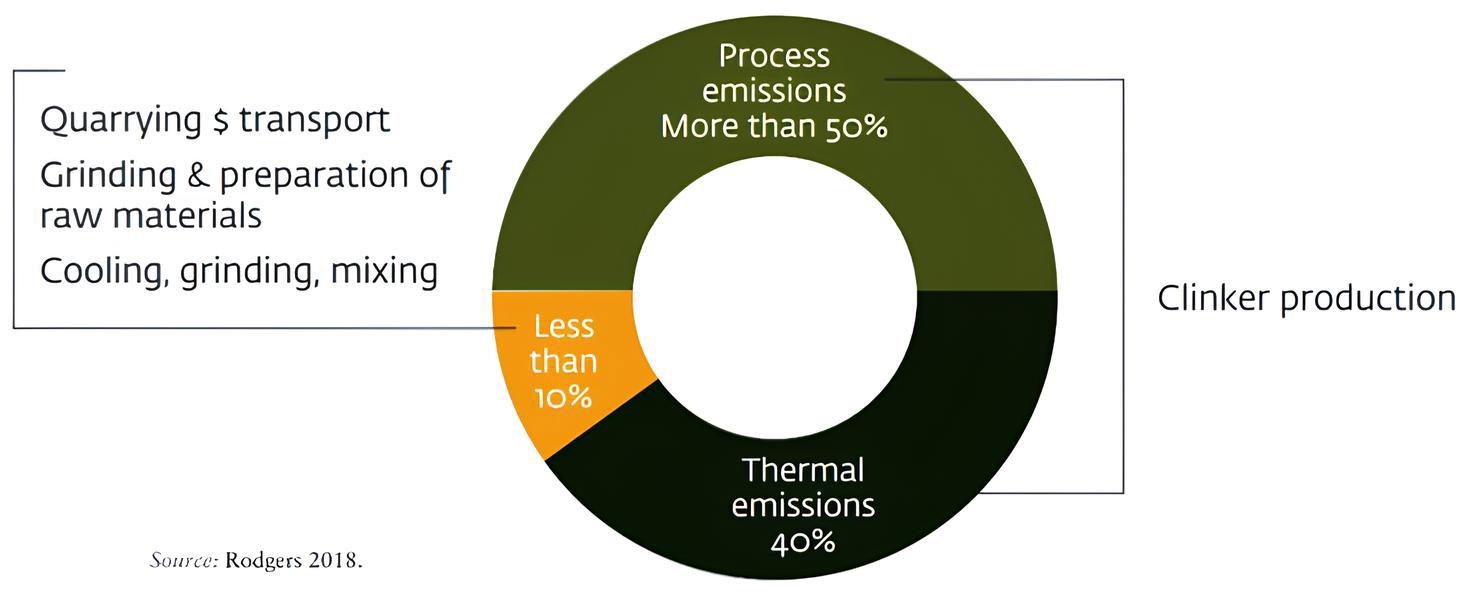
Cement production is broadly categorised into two key stages: clinker production and cement grinding. During the clinkerisation stage, proportioned raw materials, primarily limestone, are finely ground and calcined in an in-line calciner before entering the kiln. At temperatures of approximately 1450˚C, the raw material undergoes chemical transformation into hydraulic active clinker. This stage is responsible for the highest carbon dioxide (CO2) emissions, due to the decomposition of calcium carbonate (CaCO2) into calcium oxide (CaO) releasing CO2 into the atmosphere. Additionally, fuel combustion required to sustain these high temperatures further contributes to emissions, including CO2, sulfur oxides (SOx), and nitrogen oxides (NOx). Figure 1 represents the CO2 emission from various stages of cement production.1
Following clinkerisation, the clinker is ground with gypsum to produce ordinary portland cement (OPC), a process that primarily relies on electrical energy.
Over the years, the cement industry has made significant progress in reducing GHG emissions by optimising production processes and adopting advanced high-efficiency technologies, like improved quality control systems, high efficiency grinding, automating process control, high efficiency separators, and efficient clinker cooling. However, clinker reduction remains the most effective approach to achieving substantial emission reductions.
Recognising this, organisations such as the National Council for Cement and Building Materials (NCB) in India, along with regulatory bodies like the Bureau of Indian Standards (BIS), have introduced and promoted specifications for blended and composite cements with lower clinker content than OPC.
Blended cements in India account for approximately 73% of total cement production,2 including various types such as:
f Portland pozzolana cement (PPC): as per IS 1489 (Part 1): 2015, PPC allows for 15 – 35% fly ash addition.
f Portland slag cement (PSC): according to IS 455: 2015, PSC permits 25 – 70% slag addition.
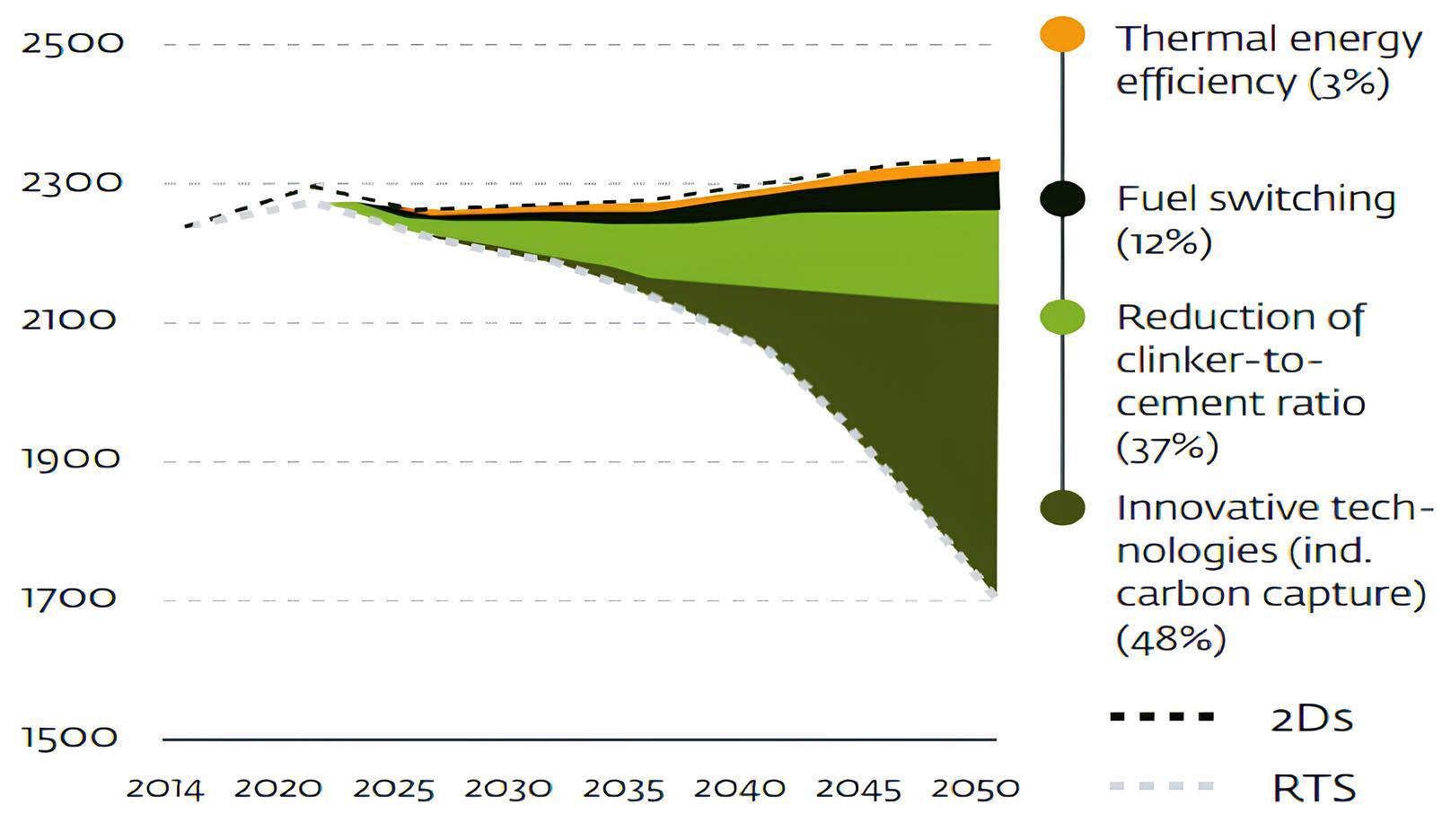
Figure 2. Impact of various CO2 reduction measures by 2050.
Table 1. Material compositions for commercial scale evaluation.
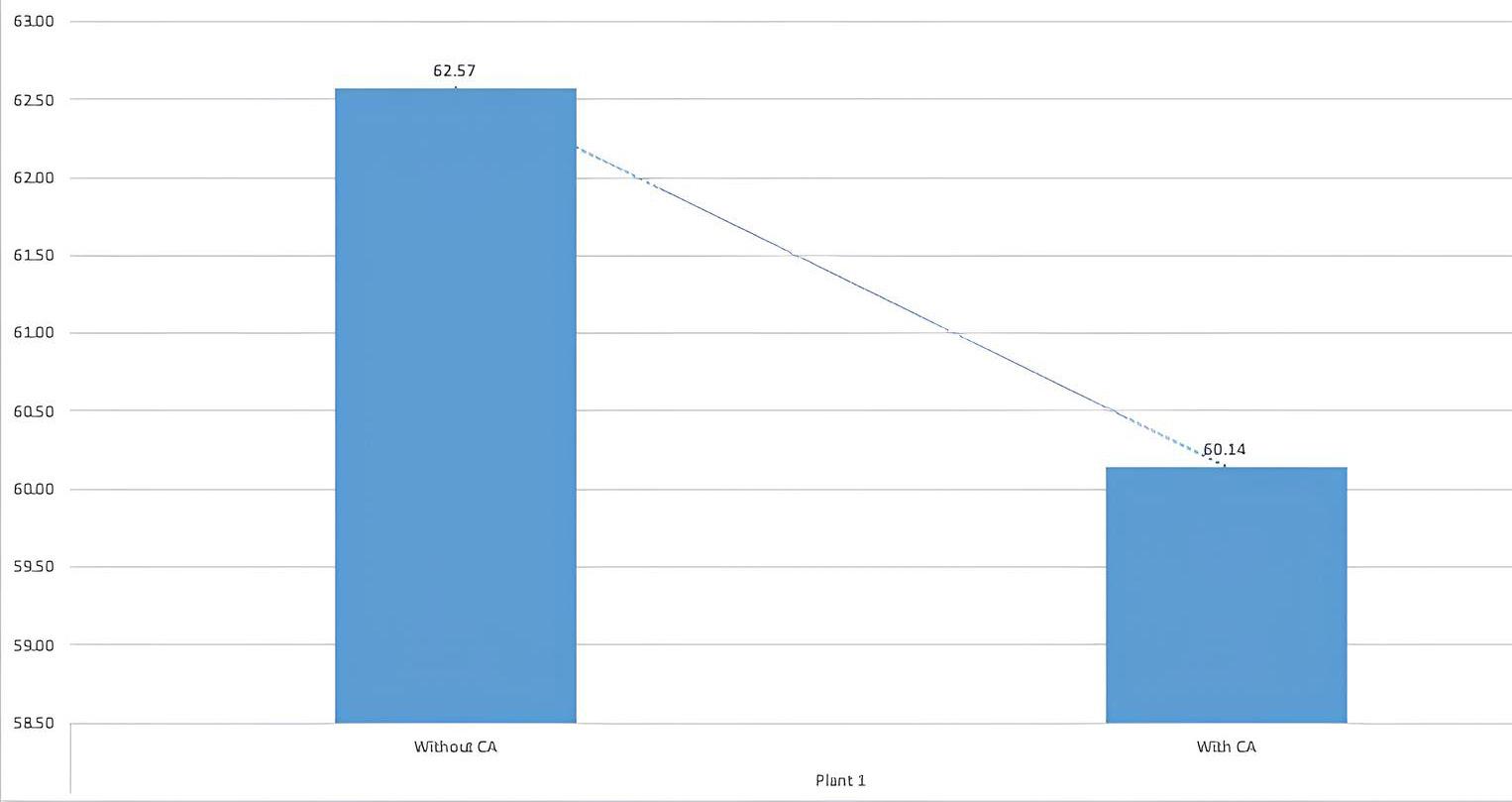
Figure 3. Clinker reduction in Plant 1.
Figure 1. CO2 emission from different stages of cement production.
f Portland composite cement (PCC/CC): this type contains 35 – 65% clinker.
f Limestone calcined clay cement (LC3): the latest blended cement type introduced by BIS under IS 18189-2023, LC3 has a clinker content of 50 – 80%.
These blended cements offer substantial environmental benefits. Indian cement industries have been producing these types for a long time. However, achieving maximum clinker reduction remains challenging. This is due to the clinker's ability to integrate supplementary cementitious materials (SCMs), such as fly ash, ground granulated blast furnace slag (GGBS), and limestone, and vice-versa, while still maintaining the required strength and performance parameters of the cement.
To bridge this gap, cement additives play a crucial role in enabling clinker reduction without compromising cement quality. These chemical accelerators contain organic components such as triethanolamine, triisopropanolamine, and crude glycols, along with other hydration-modifying agents which enhance the hydration of clinker phases and reactivity of SCMs. Some advanced additives incorporate polycarboxylate ethers (PCEs), though further research is needed to fully qualify them as cement additives.3 – 8 By leveraging cement additives, manufacturers can achieve lower clinker content, contributing to sustainable cement production and supporting the industry's commitment to GHG reduction goals.
Experimental procedure
This case study presents results from trials conducted at two plants
located in the Southern Indian Region, each with different raw material compositions, summarised in Table 1. The parameters evaluated in these trials include:
f Chemical composition: silica (SiO2), alumina (Al2O3), iron oxide (Fe2O3), and other oxides.
f Physical properties: Blaine fineness, residue at 45 μm, compressive strengths, and setting times.
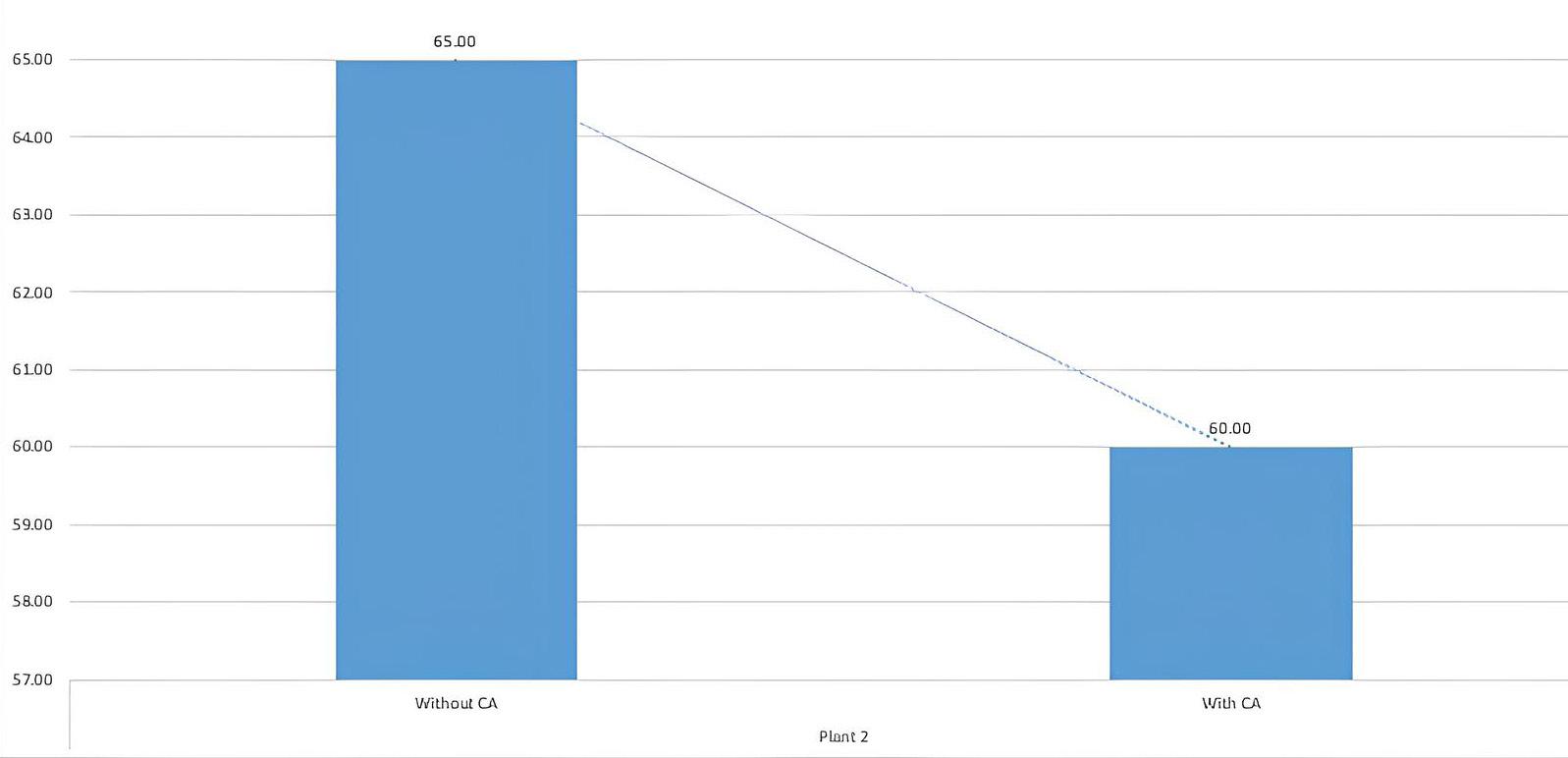
Figure 4. Clinker reduction in Plant 2.
Table 2. Chemical composition of cement (with and without) cement additives.
Table 3. Setting time, Blaine, and water demand of cement.
Table 4. Compressive strength of cement.
Results and discussion
Clinker reduction
In both plants, clinker content was successfully reduced by 2.43% in Plant 1 and 5% in Plant 2 with the introduction of cement additives. The clinker reduction was offset by increased fly ash content without compromising cement properties (Figures 3 & 4).
Chemical composition
The chemical composition data in Table 2 indicates an increase in SiO2 and a reduction in CaO content, demonstrating the effective incorporation of fly ash and a contribution to clinker reduction.
Setting time, Blaine, and water demand
In presence of cement additives, the fineness of the cement (Blaine & residue at 45 μm) improved, and reduction in setting time was also observed. This reduction in setting time is desirable, and there was no adverse effect on other cement properties (Table 3).
Compressive strength
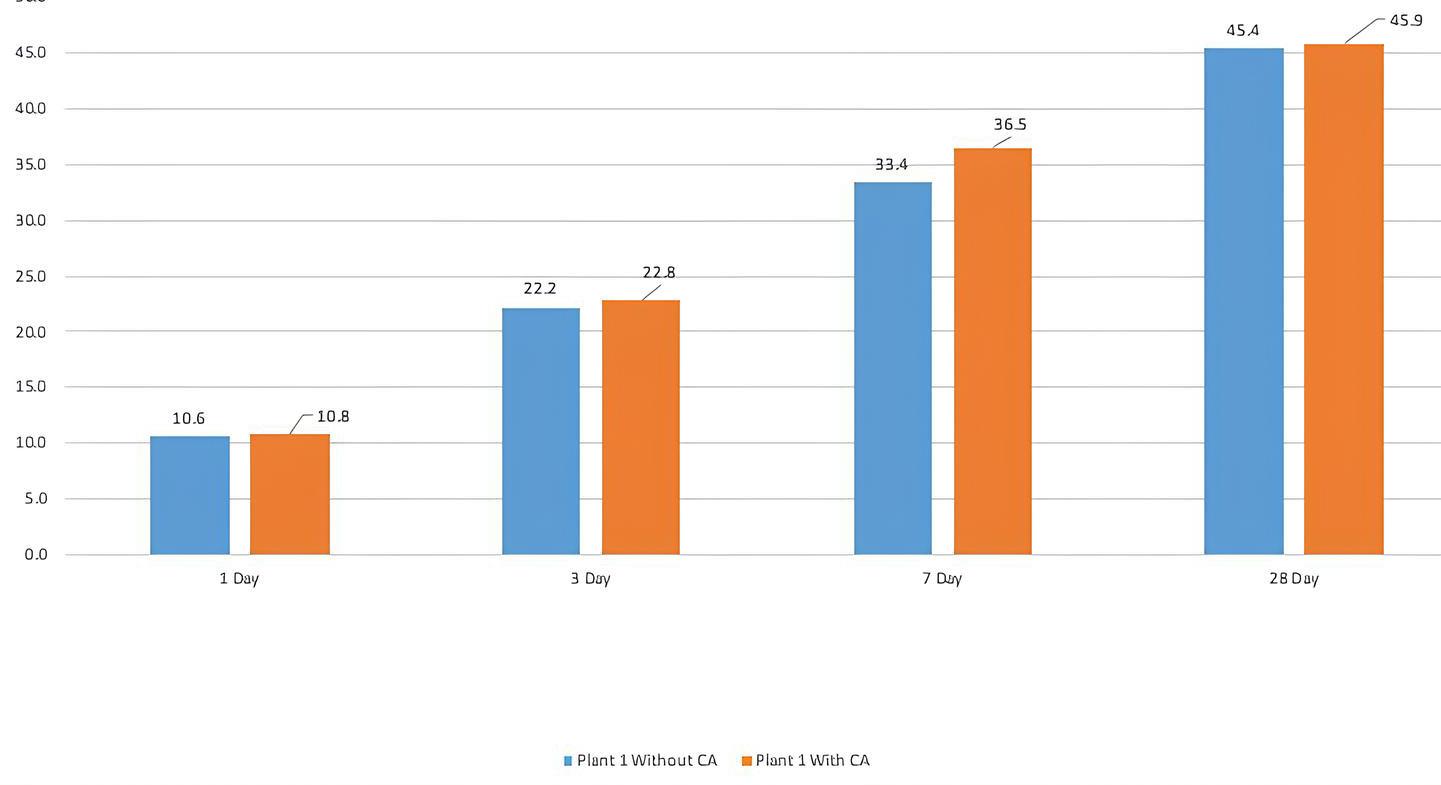
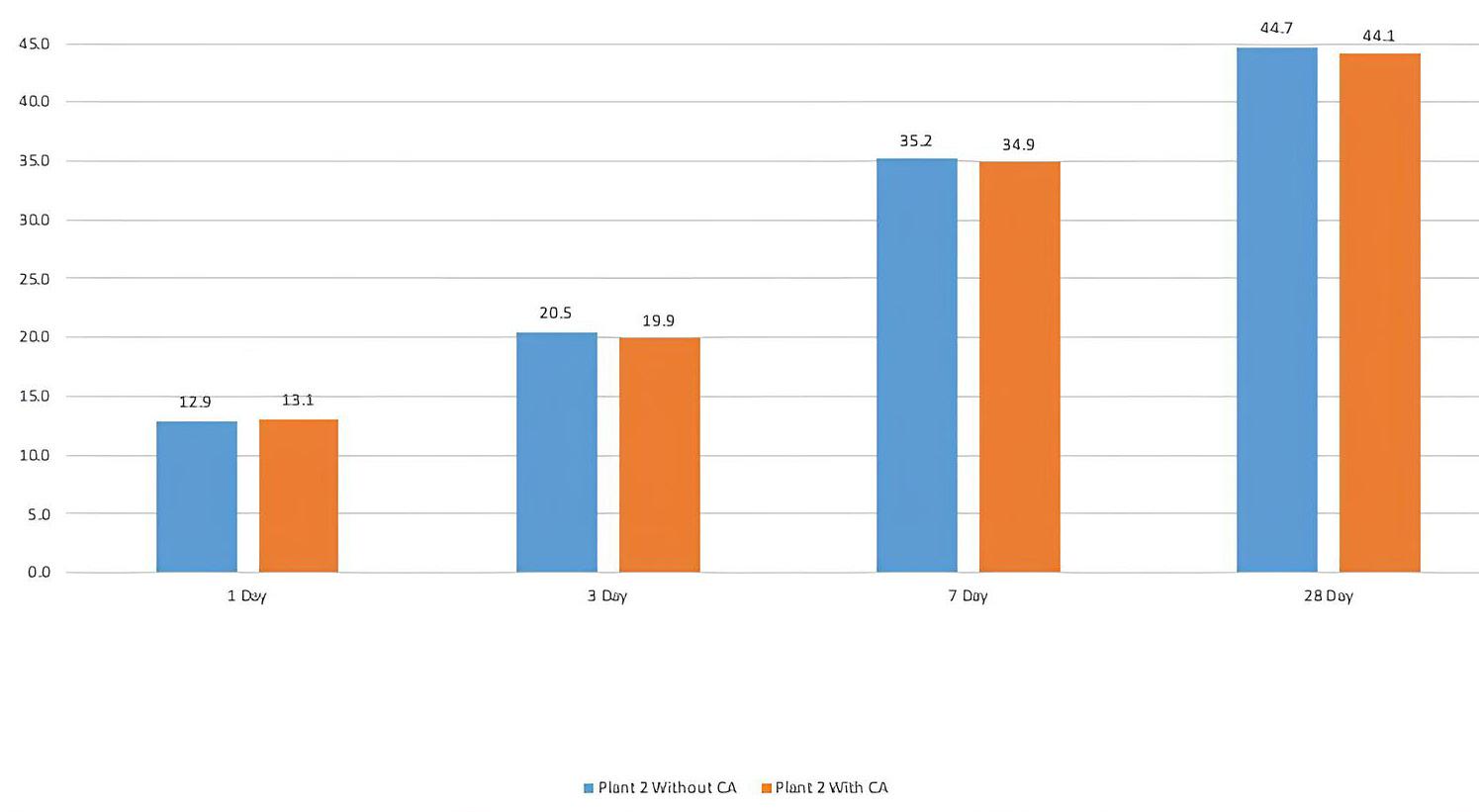
Despite clinker reduction, the compressive strength remained consistent with introduction of cement additives (Table 4, Figures 5 & 6).
Conclusion
The trial results underscore the promising role of cement additives in reducing clinker content,
providing a sustainable pathway for cement manufacturing without compromising product quality. This advancement not only supports the industry's commitment to reducing carbon emissions, but also sets a precedent for future innovations in sustainable construction materials. The reduction in clinker content by 2.43% in Plant 1 and 5% in Plant 2 demonstrates the additives' efficiency in optimising raw material usage.
The successful maintenance of strength parameters and setting times, despite the lower clinker content, indicates the effective performance of the cement additives in enhancing particle distribution and hydration kinetics. This development is significant as the cement industry faces growing pressure to reduce carbon emissions and resource dependency.
Overall, the results validate the introduction of chemical additives as a transformative approach to achieving clinker reduction targets. Beyond the economic and environmental advantages, this innovation positions cement manufacturers as active contributors to sustainability goals. Further research into dosage optimisation and long-term durability is recommended to maximise the benefits and ensure the widespread adoption of this promising solution.
References
1. RODGERS, L., 'Climate change: The massive CO2 emitter you may not know about.' BBC News Science, 2018 – https://www.bbc.com/news/scienceenvironment-46455844
2. India champions blended cements, May 6, 2022 – https://www.cemnet.com/News/ story/172657/india-champions-blendedcements.html
3. SOMASUNDARAN, P., SHROTRI, S., 'Grinding aids: A review of their use, effect and mechanisms' – Selected topics in mineral processing. London: Wiley Eastern Limited, 1995: 47 – 70.
4. MARDULIER, F. J., 'The mechanism of grinding aids' – Proceedings of the American Society for Testing Materials. Philadelphia, 1961: 61.
5. TAYLOR, H. F. W., 'Cement chemistry', London: Thomas Telford, 1997: 323 – 338.
6. Cement and Concrete Chemistry, Wieslaw Kurdowski, Kraków, September 2013, 489 – 515
7. GARTNER, E., & MYERS, D., 'Influence of tertiary alkanolamines on Portland cement hydration', Journal of American Ceramic Society, 1993, 76: 1521 – 1530.
8. ICHIKAWA, M., KANAYA, M., & SANO, S., 'Effect of triisopropanolamine on hydration and strength development of cements with different character', Proceedings of the 10th international congress on the chemistry of cement. Gothenburg, Sweden; 1997 [Paper 3iii005].
Figure 5. Compressive strength: with and without CA (Plant 1).
Figure 6. Compressive strength: with and without CA (Plant 2).
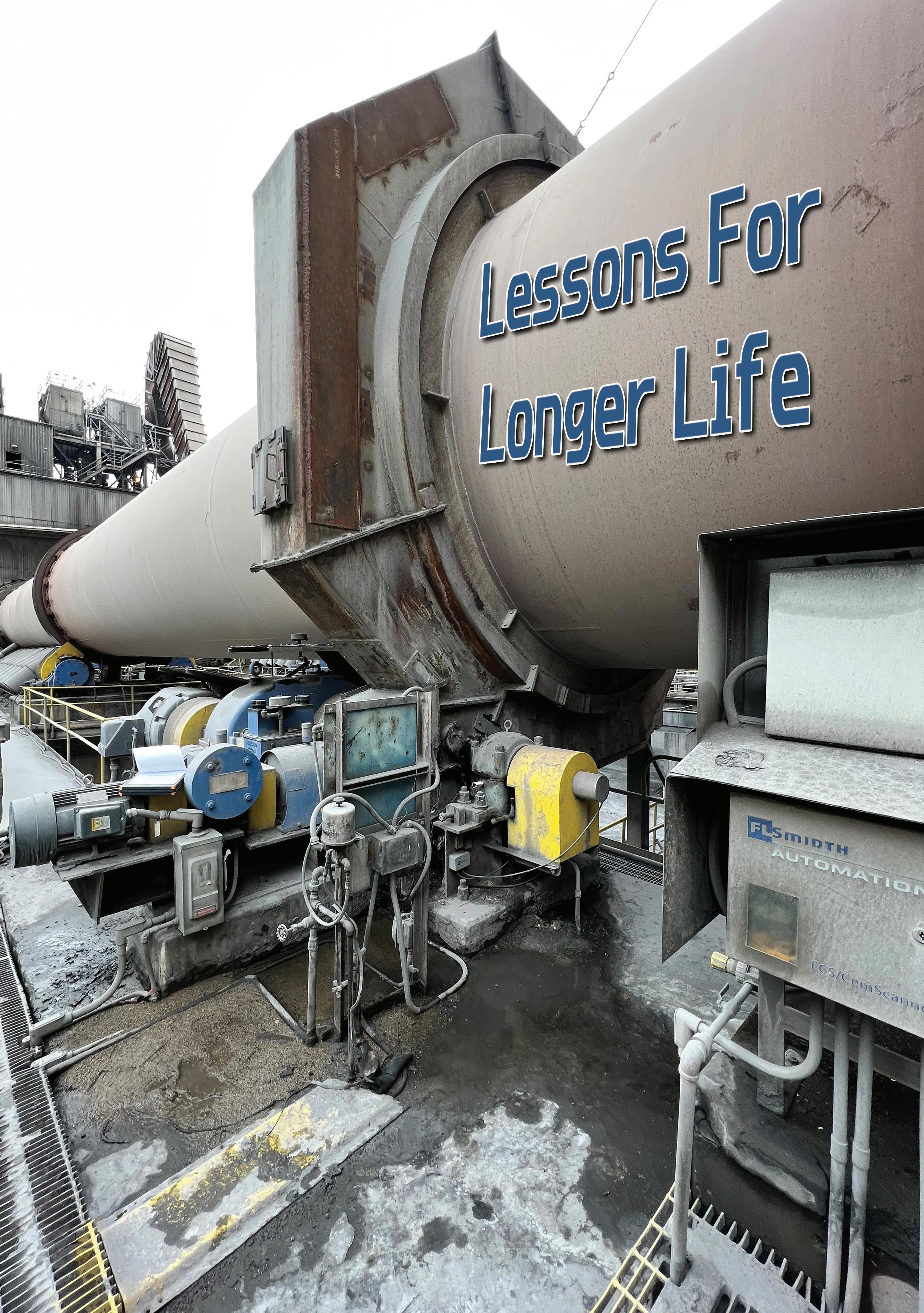
Preston Rubottom, Lubrication Engineers, shows how high quality lubrication practices can boost equipment reliability and plant sustainability in the cement industry.
The cement industry is one of the most energy-intensive and mechanically demanding sectors in the world. With heavy-duty equipment, such as kilns, crushers, mills, and conveyors operating under extreme conditions, machinery reliability is paramount to operational efficiency and plant sustainability. One of the most critical yet often overlooked aspects of equipment maintenance is lubrication. Implementing world class lubrication practices can dramatically improve machinery reliability, reduce downtime, and extend the lifecycle of production assets, thereby contributing to sustainability by conserving resources. This article
explores how adopting advanced lubrication strategies based on best practices can transform maintenance culture in the cement industry, leading to improved operational efficiency, reduced costs, and enhanced sustainability.
Role of lubrication in cement manufacturing
The study of tribology would say that lubricants are formulated to create a film between moving surfaces, minimising direct contact and, consequently, reducing friction. This reduction in friction lowers energy consumption and wear, extending the lifespan of machine components. While most lubricants will offer some level of protection, it is important to keep in mind that not all lubricants are made the same. In high-impact, heavily contaminated applications such as those found in cement plants, a high-performance specialised lubricant can have a significant impact on reducing operating and maintenance costs. An added benefit of lower energy use, longer lasting lubricants, and longer lasting equipment is a reduction in overall environmental impact.
Current challenges in lubrication practices
Although lubrication is a critical component of maintaining production equipment, it is frequently overlooked or treated as a secondary priority within many facilities. Proper lubrication is essential for reducing friction, preventing wear and tear, flushing contamination ingression, and ensuring reliable performance of machinery. However, several persistent challenges undermine a lubricant’s effectiveness, including over-lubrication and under-lubrication, both of which can lead to heat buildup, excessive wear, and insufficient lubrication resulting in increased metal-to-metal contact. The use of incorrect or poorly formulated commodity grade lubricants further compromises machinery by failing to provide adequate protection against friction and corrosion.
Given the harsh environments of the cement industry, the ongoing battle of contamination from dust and moisture makes its way into lubrication systems, leading to rust, corrosion, and accelerated component degradation. Additionally, with a significant shortage of skilled trades maintenance technicians, the mandatory lubrication routes simply do not get completed. Even when lube routes are completed, it is often the case that proper training has not been given to maintenance personnel, leading to inconsistent or incorrect procedures and improper application techniques.
Inadequate lubrication schedules, whether due to outdated planning or poor implementation, can cause either under-lubrication or over-lubrication, both of which stress equipment and reduce its lifespan. These issues across the cement industry contribute to premature equipment failure, increased maintenance costs, and unplanned downtime, ultimately hindering operational efficiency and profitability.
To mitigate these risks, it is imperative that cement plants prioritise comprehensive lubrication management strategies, emphasising proper training, precise scheduling, and the use of better formulated
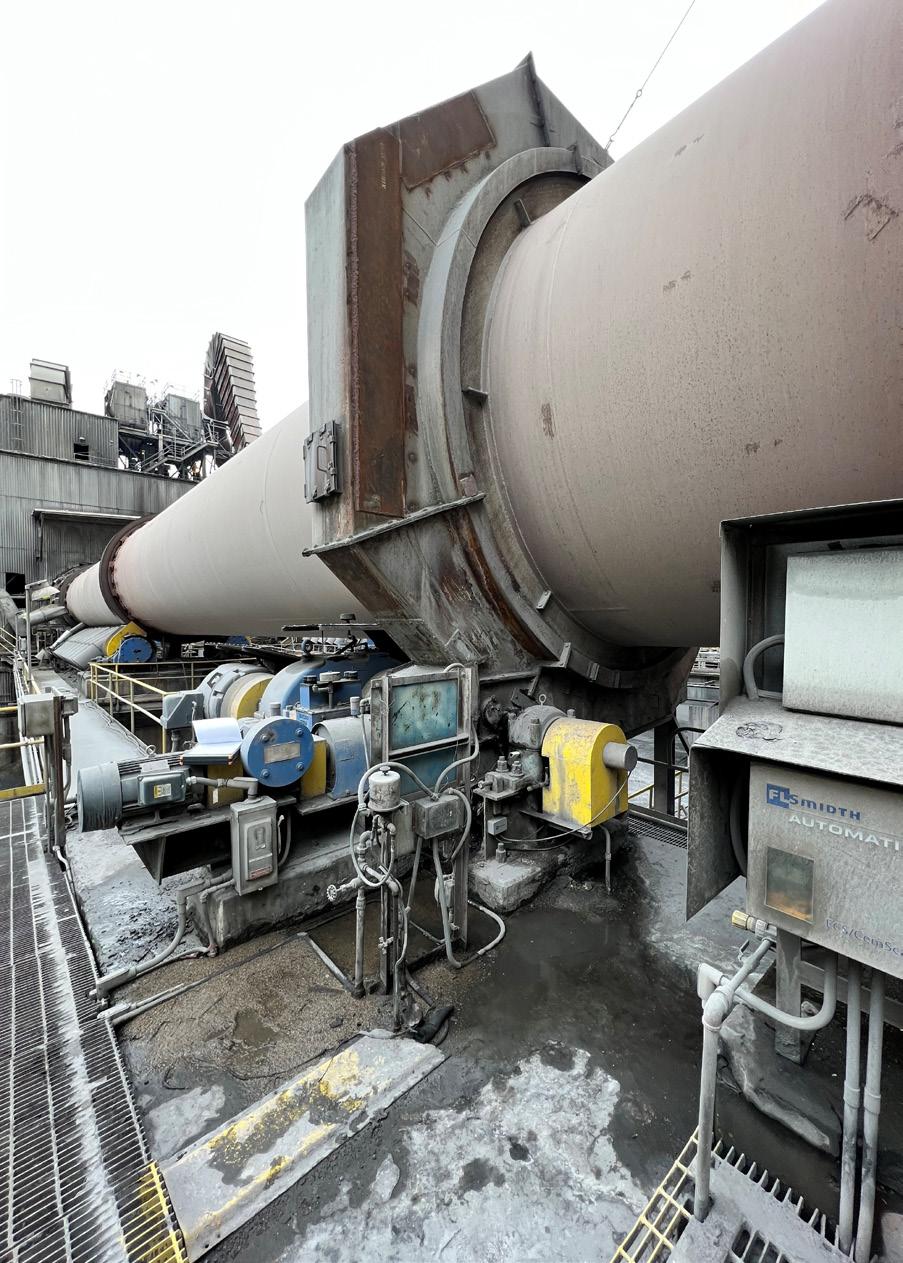
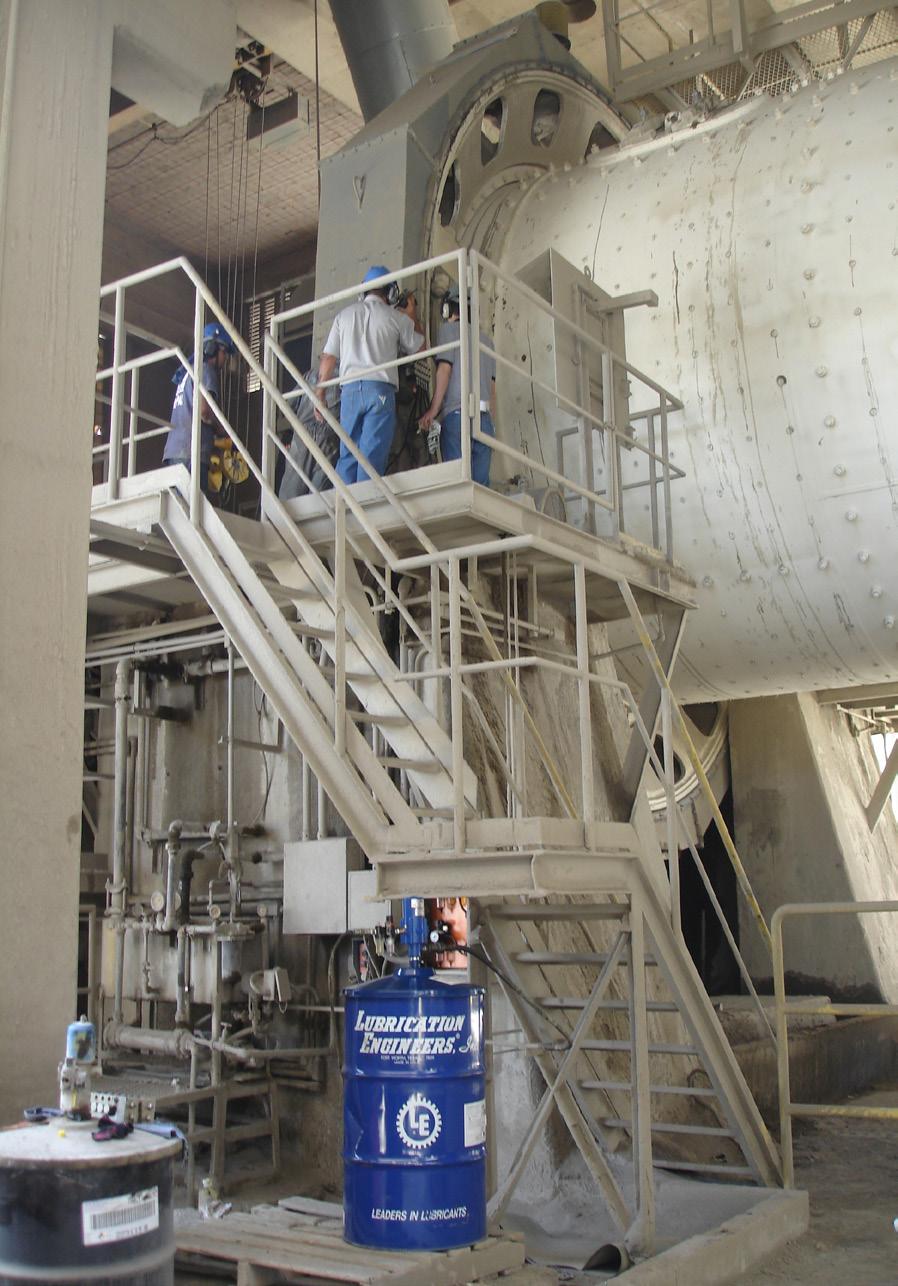
Cement kiln.
Cement mill.
www.refra.com
Welcome to our booth #21-22 from September 15 to 17, 2025
lubricants to extend equipment life, as well as enhance overall plant reliability, safety, and sustainability.
World-class lubrication programme
The primary goals of an effective lubrication programme include:
f Improving environmental health and safety (EHS) standards through the application of proper lubrication practices.
f Aiming for lubrication reliability excellence to ensure equipment performance.
f Increasing overall productivity by minimising equipment downtime and maximising efficiency.
f Maximising manpower efficiency through improving maintenance processes and reducing manual tasks.
A world-class lubrication programme encompasses several critical areas, and it is generally agreed upon that what gets measured gets improved; therefore, an audit is the recommended first step on the journey to lubrication excellence. A machinery lubrication audit involves a systematic review and evaluation of the lubrication practices within a facility to ensure optimal machinery performance, reliability, and lifespan.
The audit process typically includes the following seven key components.
Data collection and inspection
f Gathering information on all lubricated equipment.
f Inspecting lubrication points for cleanliness, condition, and accessibility.
f Recording current lubricant types, quantities, and lubrication intervals.
Lubricant selection and consolidation
Selecting the right lubricants for specific applications and reducing the number of different lubricants to minimise the risk of errors and simplify inventory management.
Colour-coded identification programme
Implementing visual indicators such as machine tags and wall posters to ensure correct lubricant selections are made for an application and to enable quick identification of any potential issues to prevent cross-contamination and ensure the correct lubricant is used for each component.
Contamination control
Conducting offline or kidney loop filtration, which involves the implementation of effective filtration systems to remove particulates and other contaminants from lubricants, and the use of high-quality breathers on machines’ intake ports to prevent moisture and contaminants from entering the equipment.
Proper storage and handling
Maintaining a clean and organised lubricant storage room to prevent contamination and ensure lubricants are correctly stored, along with using appropriate containers and transfer methods to avoid contamination during lubricant handling.
Oil analysis
Condition-based lubrication approaches use oil analysis to accurately determine lubrication needs, moving away from the historical fixed schedules
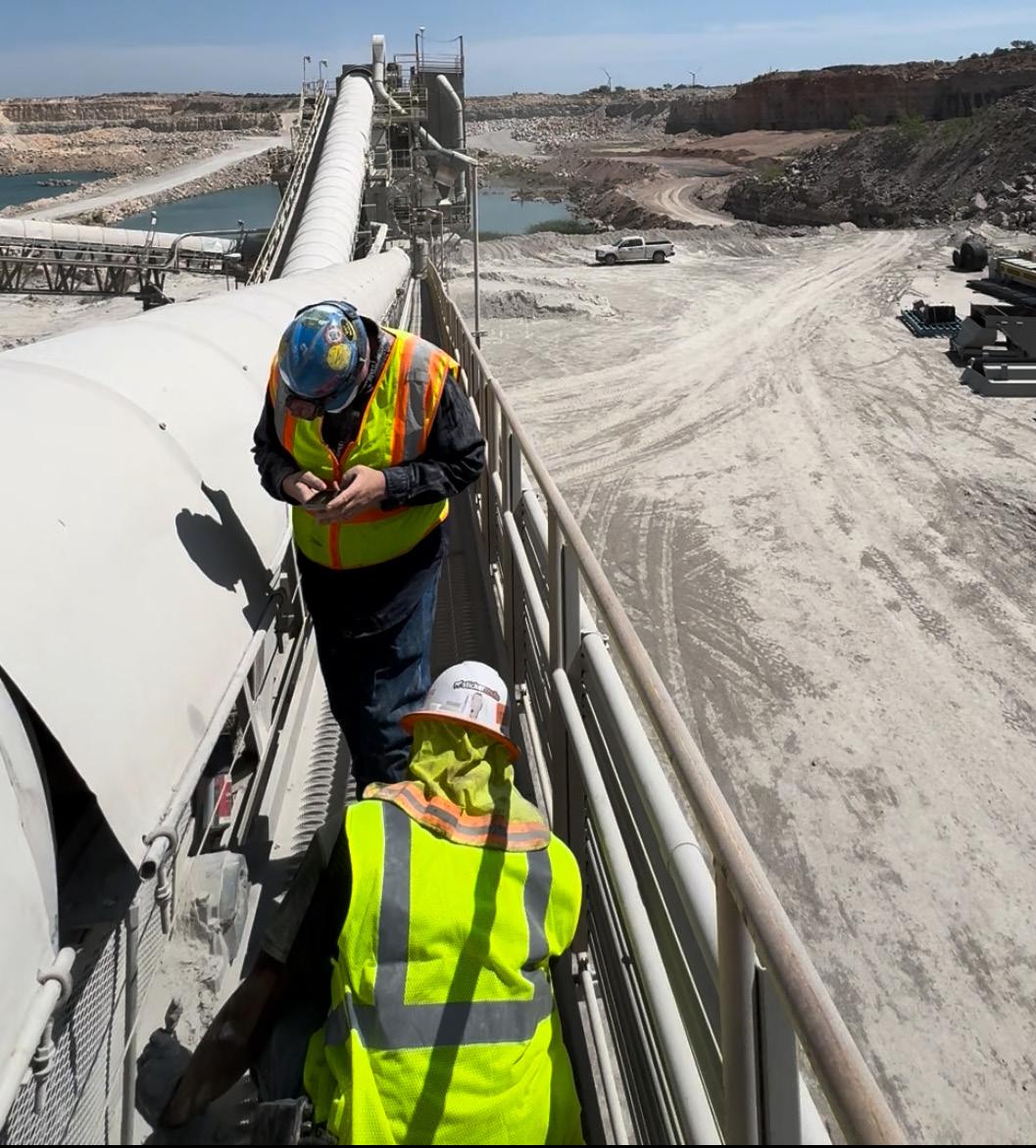
Cement plant audit.
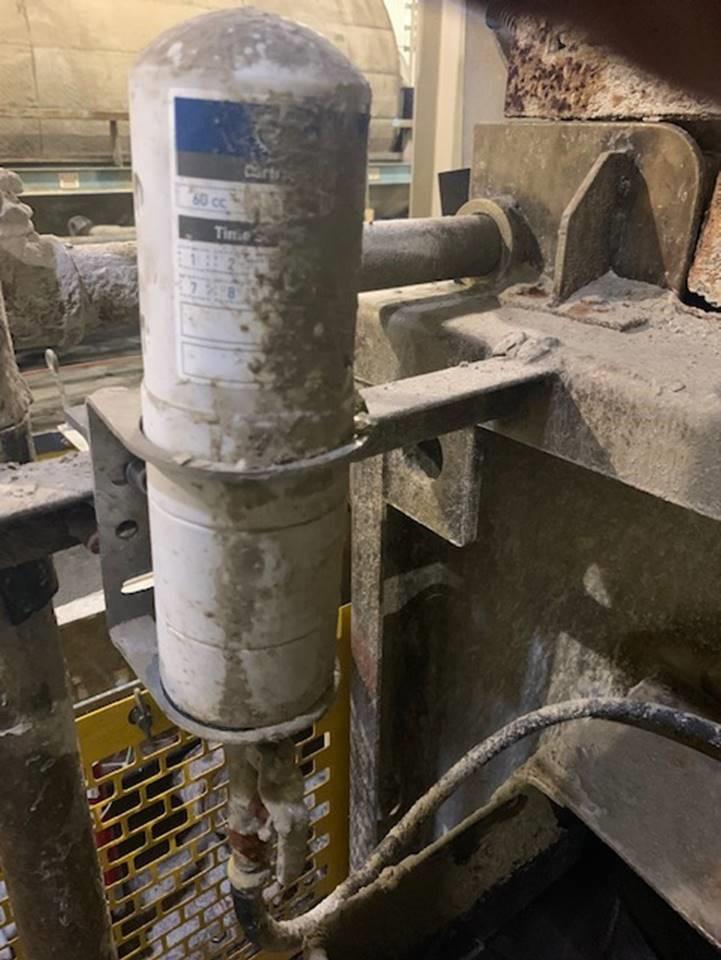
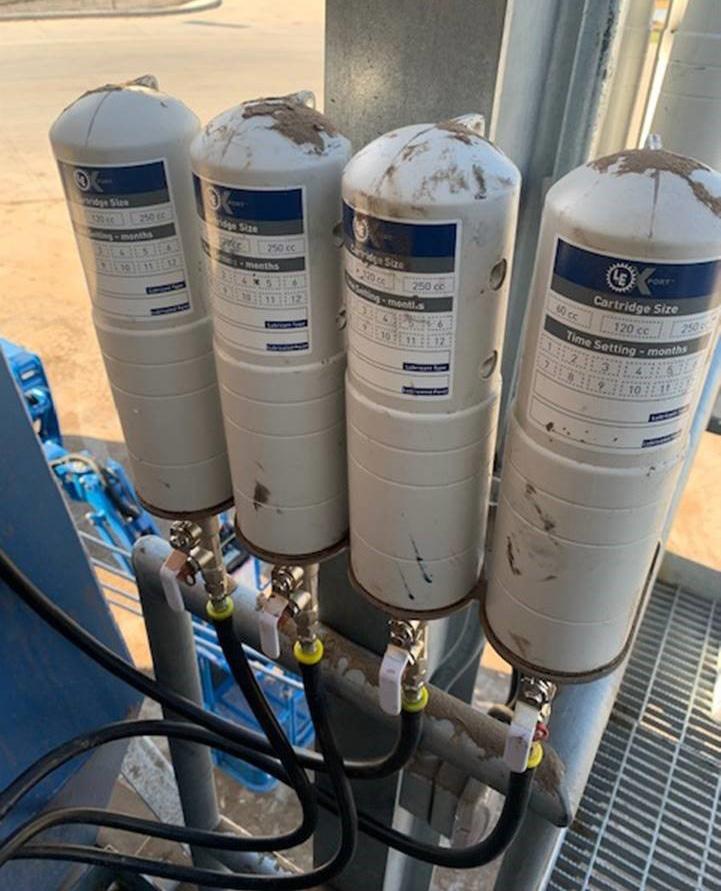
Single point lubricator (SPL) in use in a dirty environment.
that can lead to over- or under-lubrication. Regularly analysing oil samples to monitor lubricant condition enables early identification of any potential problems of machine wear or lubricant degradation and allows the optimisation of maintenance schedules.
Automatic lubrication systems (single- or multi-point)
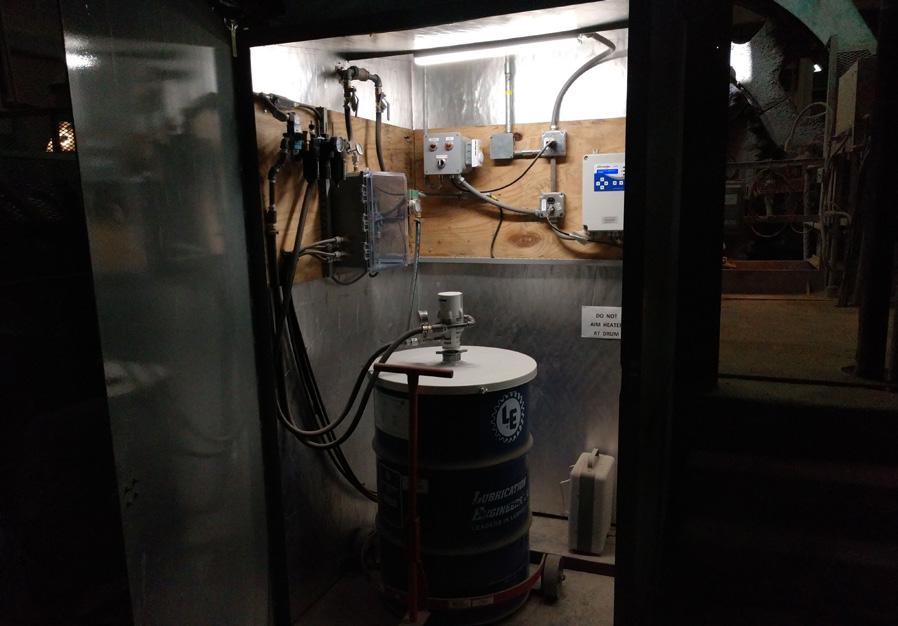
Where applicable, it is ideal to automate lubrication tasks to ensure consistent and precise lubricant delivery to all critical components. Simple cost-effective options are available to lubricate a single grease point, or large-scale, high-pressure systems can be designed to effectively lubricate dozens of points at one time. When looking to reduce the number of manual tasks from a plant’s maintenance log, grease automation is a great way to reduce that demand.
Benefits of improved lubrication practices
Proper lubrication plays a vital role in enhancing equipment performance and operational efficiency. It reduces wear and tear, minimises friction, and prevents overheating, leading to fewer breakdowns, an increase in meantime between failures (MTBF), and improved overall equipment effectiveness (OEE). Additionally, effective lubrication extends the lifecycle of critical components, such as bearings, gears, shafts, and seals, by reducing mechanical stress and preventing contamination, which helps defer capital expenditures and enhances return on investment while overall lowering a facility’s entire maintenance and repair budget. It also lowers maintenance costs by enabling predictive and condition-based lubrication strategies, thereby decreasing the need for emergency repairs and reducing spare parts inventory, which allows plants to shift from reactive to proactive maintenance. Furthermore, proper lubrication reduces energy consumption – potentially by up to 10% – contributing to sustainability objectives. Finally, implementing world-class lubrication practices ensures proper handling, storage, and disposal of lubricants, thus reducing safety hazards and environmental risks, and ensuring compliance with environmental regulations.
Case study: lubrication optimisation in a cement plant
A mid-sized cement plant in North America had a high changeout rate of a commodity grade hydraulic oil:
Application
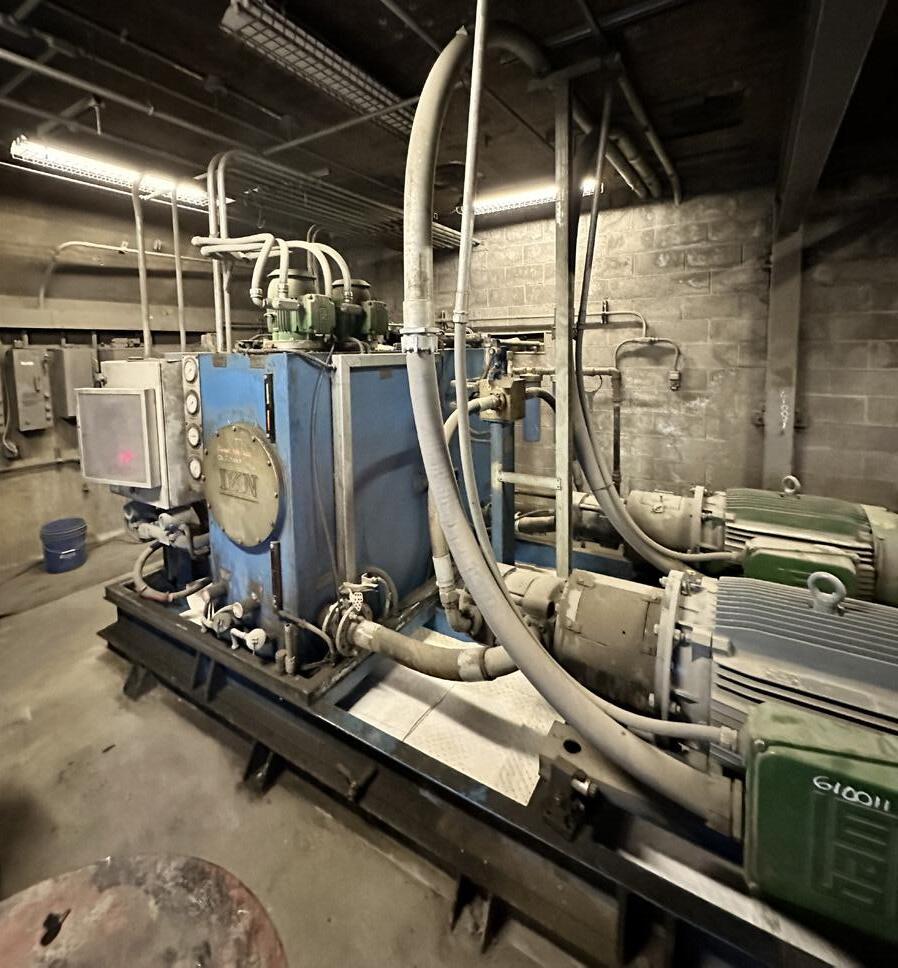
f IKN Schrage Rohrketten 400 gal. 75 HP clinker cooler hydraulic system.
Challenge
f Frequent hydraulic oil changes (every six months) due to oil degradation.
f High lubricant consumption and associated costs.
f Desire to reduce maintenance time.
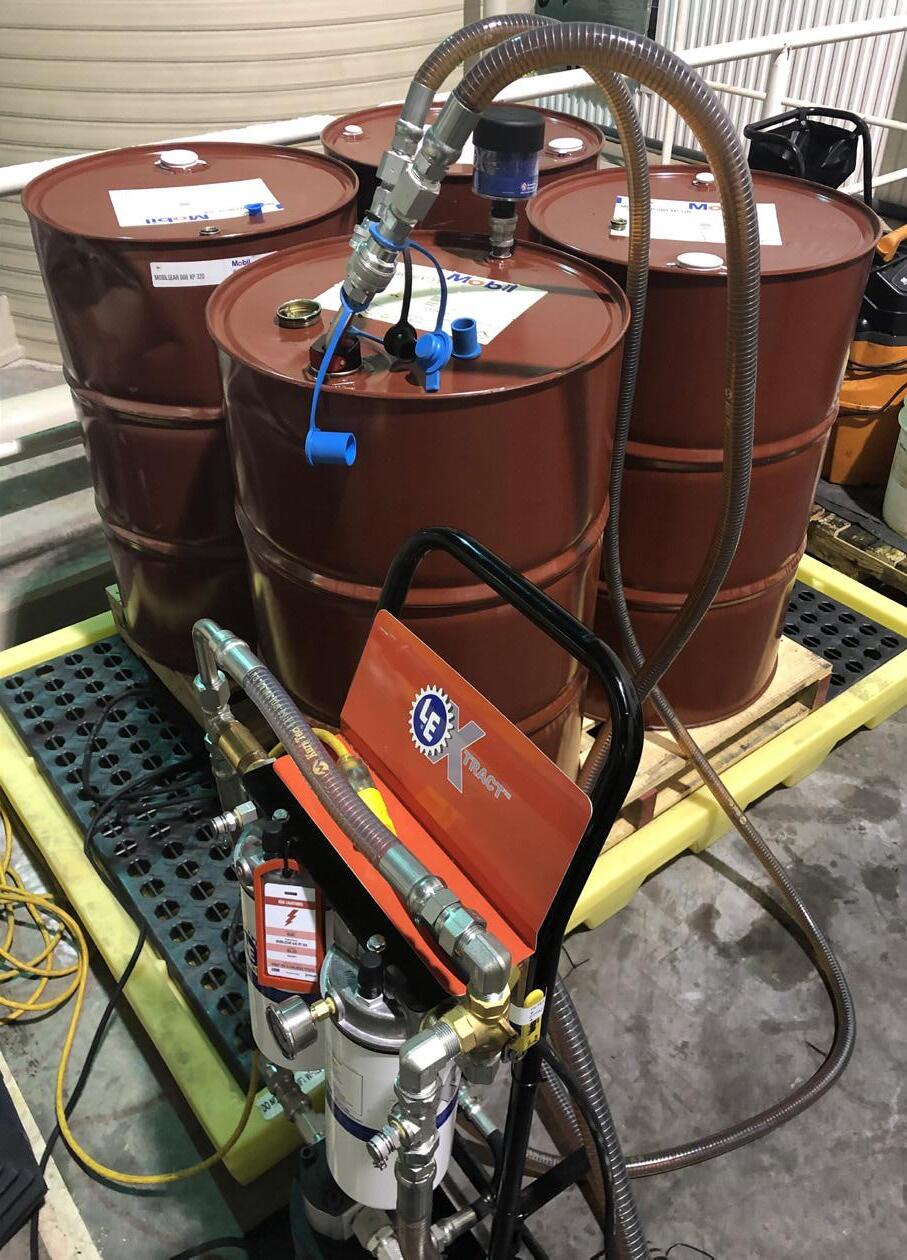
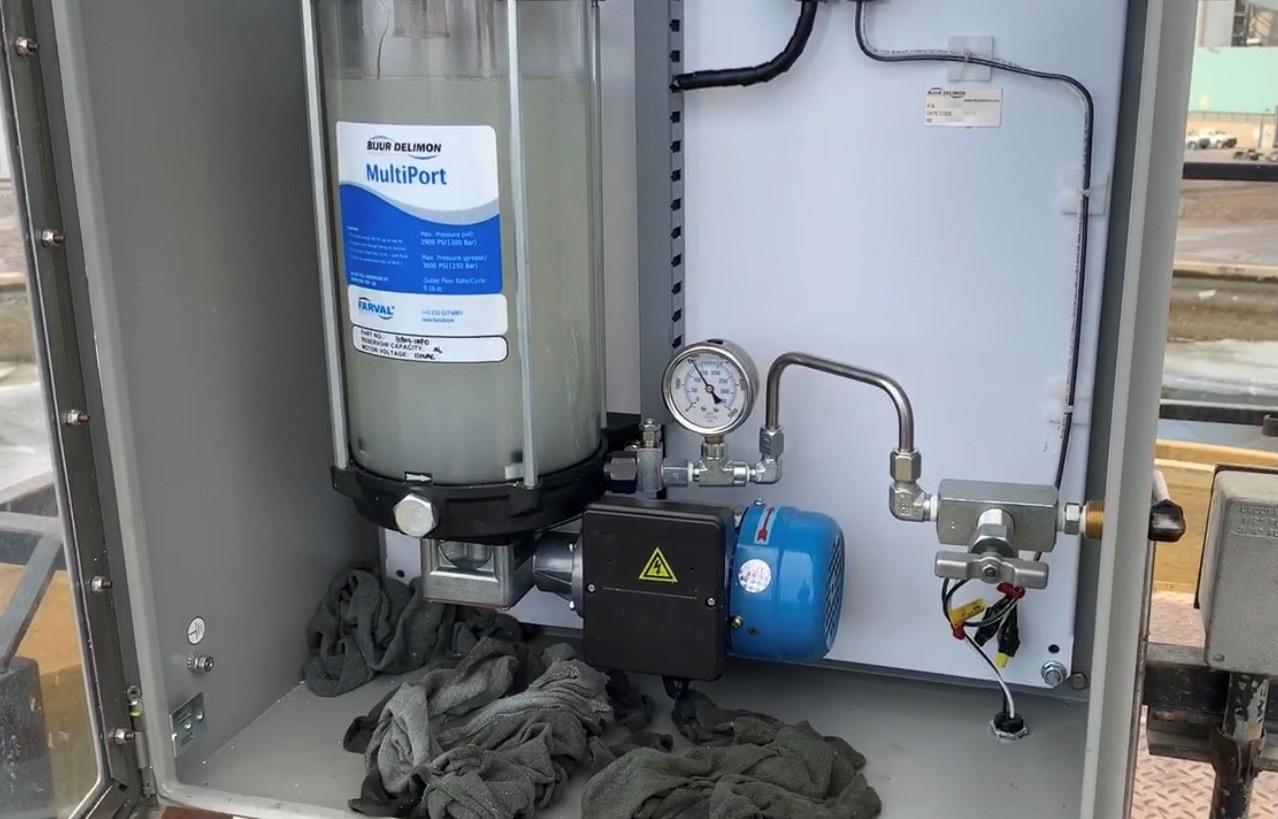
f Need for faster lubricant delivery. Bijur
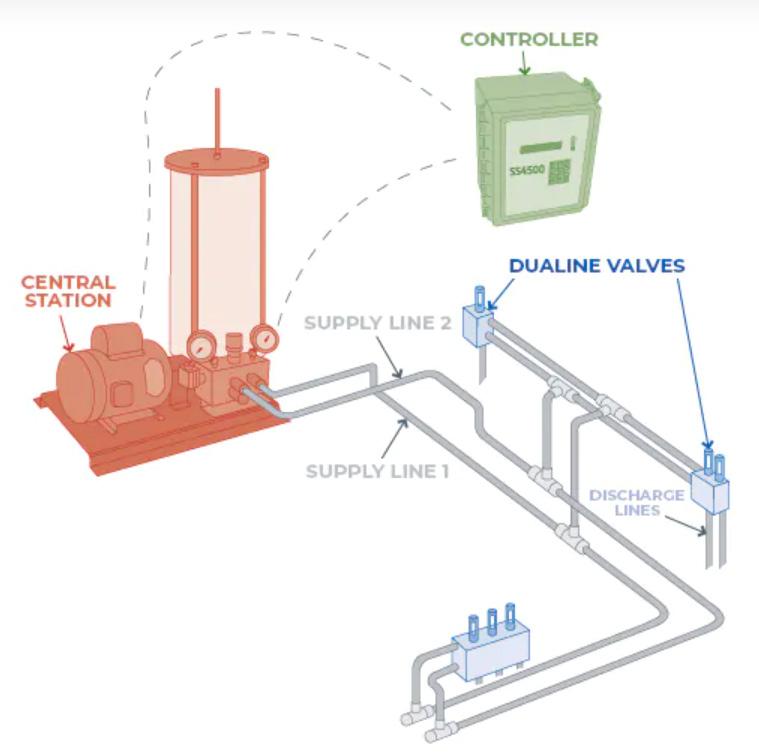
Delimon Dualine lubrication system.
Filter cart with lubricant ID tag.
Multipoint auto lube system.
Solution
f Lubrication Engineers Equipower™ Hydraulic Oil (4934), an ISO VG 68 anti-wear hydraulic oil.
f Equipower oil is designed for extended life with select base oils, oxidation resistance, and an additive package offering rust protection, anti-wear properties, and thermal stability.
f Use of high-quality offline filtration to clean the oil based on routine oil analysis.
Results
f Extended oil drain intervals: increased from six months to five-plus years (900% increase).
f Cost savings: estimated savings of US$65 000+ in lubricant costs.
f Reduced maintenance: less maintenance time due to fewer oil changes.
f Environmental impact: avoided more than 12 000 gal. of waste oil disposal.
f Improved equipment protection: ensured proper protection of pumps, hoses, and cylinders.
f Faster delivery: Lubrication Engineers provided faster lubricant delivery compared to the previous supplier.
Key takeaways
f Strategic lubricant selection can drastically improve equipment performance and reduce costs.
f Oil analysis and filtration can further extend oil lifespan and optimise performance.
f Partnering with a reliable lubricant supplier ensures timely delivery and expert consultation.
By focusing on strategic lubrication practices, this one application allowed this plant to realise significant savings and achieve more production. The impact of this strategy implemented across an entire plant is substantially larger at scale.
Conclusion
In the cement industry, where equipment reliability directly impacts production, profitability, and sustainability, lubrication should be a strategic priority. By adopting world-class lubrication practices, cement plants can achieve:
f Greater reliability.
f Longer equipment life.
f Lower maintenance costs.
f Improved energy efficiency.
f Enhanced safety and compliance.
f Reduced environmental impact.
The path to lubrication excellence requires commitment, training, and investment – but the returns are substantial. As the industry continues to evolve, those who prioritise proactive maintenance and world-class lubrication practices will lead the way.
Single point lubricators.
Clinker cooler hydraulic system.
Cement lube room with centralised lubrication system.

Jeff Losch, NAK Kiln Services, outlines best practices for implementing effective rotary kiln inspection and maintenance schedules to maximise uptime and equipment life.
Routine inspection and maintenance is essential to the overall health, life, and optimisation of rotary kilns. Establishing a preventative maintenance programme will help reduce the risk of unexpected downtime and loss of production due to mechanical failures of the critical components. A robust maintenance programme will include daily, weekly, semi-annual, and annual inspections, during production and scheduled outages, with documentation that is easily interpreted by the maintenance and production teams at any facility. The plan should include visual inspections, hot kiln centre line alignments, kiln shell runout and deformation analysis, as well as lubrication of the tire bores, thrust adjustment of the support roller bearings, and reconditioning (grinding) of the tire and roller contact surfaces. During annual outages, more comprehensive analysis of the critical components should be taken into account to keep the kiln operating at peak efficiency. Inspections and analysis performed during planned outages should include carrying roller bearing inspections, ultrasonic testing of the carrying roller shafts, pinion shaft, gear rim, gear teeth, and tires, measuring of the ring
gear axial and radial alignment, gear set backlash, and root clearances; this is also the best time to replace worn components, such as oil seals, thrust plates, and leaf seals. The following outline will provide guidance on the types and frequencies of inspections to include for any rotary kiln maintenance programme. All maintenance plans should consider past operating and maintenance history as some components may require more or less frequent inspection, service, and maintenance intervals.
Daily inspections
f Carrying roller shaft temperatures.
f Carrying and thrust bearing housing cooling water lines (flow and temperature).
f Carrying roller, tire, and thrust roller surface conditions.
f Gear set & drive equipment sound & vibration.
f Lubrication of the gear set, carrying roller support bearings, thrust roller bearings.
Weekly inspections
f Pinion teeth temperature profiles.
f Carrying roller thrust positions.
f Carrying roller lubrication block condition.
f Tire creep measurements recorded at each support.
f Tire and shell temperatures analysed at each support.
f Carrying roller oil seals, inspect for leaks.
f Carrying and thrust bearing housing oil levels.
f Gear and pinion tooth condition and offset position (check for centering over pinion).
f Gear guard lubrication level (for oiling pinion lubrication).
f Gear guard lubrication pattern and flow (for spray lubrication).
f Monitoring the emergency drive, engine fuel level, system operation, and battery condition (if applicable).
f Visual inspection of the kiln shell and kiln shell welds.
f Kiln axial position and overall kiln float between thrust rollers.
f Inlet & outlet seal condition.
Semi-annual inspections
f Tire and carrying roller surface condition, contact, and tire offset (axial) position.
f Tire side face undercut.
f Tire bore lubrication.
f Carrying roller and kiln thrust positions.
f Thrust roller surface condition, contact, pressure (if applicable), wear, and vertical offset.
f Filler bar and tire retainer condition and weld integrity.
f Gear and pinion pitch line separation.
f Gear flange welds, bolt condition, joint separation.
f Spring plate welds, pin conditions, pin keepers still present.
f Drive component seals, condition, vibration.
f Inlet & outlet seal conditions.
Annual inspections and services
f Measure kiln alignment, shell runout, and ovality (during full production) and make necessary centre line adjustments if necessary.
f Float and thrust adjust all carrying rollers, balance kiln thrust (during full production).
f Carrying and thrust bearing housing lubrication replacement.
f Remove end caps to inspect bearing/shaft contact, document condition of thrust plate, oil pan, and oiling buckets (replace if needed), replace oil seals, measure shaft diameters (if possible), replace bearing bushings (if needed), NDE testing (UT) roller shafts.
f Remove buildup in gear guard, drain and replace lubricant, measure axial/radial runout of gear, measure tip-to-root clearance, backlash, and pitch line separation of gear set.
f Inspect spring plate welds, pin condition, keepers present, measure wear of pins.
f Gear flange condition, check torque and re-tighten mounting hardware if necessary, replace any missing bolts.
f Gear split/joints bolts, check torque and re-tighten if necessary, replace any missing or damaged bolts.
f Inspect gear & pinion teeth condition, check contact, remove rollover and/or ridges if present.
f Measure and adjust (if necessary) overall kiln float to OEM specification.
f Check drive component condition, inspect and service components.
f Inspect all base frames for condition, soft feet, measure slope, clean and remove all product/oil buildup, check torque of hold down bolts and re-tighten if necessary, clean and protect adjusting mechanisms, replace any broken adjusting mechanism preventing proper thrust adjustment of rollers.
f Inspect inlet & outlet seals, replace damaged seal plates, damaged/non-functioning hydraulic rams, or damaged graphite blocks; for leaf seals consider replacing all seal plates annually.
Biennial (2 years) & quinquennial (5 years) inspections
f If time will not permit for annual NDE inspection of carrying roller shafts, shafts should be inspected no later than every other year.
» Alternatively, consider NDE inspection of the odd numbered piers in year one and the even number piers in year two.
f NDE inspection of tires, pinion shaft, gear rim, and gear and pinion teeth every 5 years unless conditions warrant more frequent testing.
f Measure shell thickness of entire kiln length every 5 years unless condition warrants more frequent testing.
While all rotary kilns are similar in their function, each OEM has unique design features that may require additional analysis not covered in the recommended schedules above. For the best preventative maintenance plans, the OEM should be consulted to provide additional information and considerations to ensure optimisation of the rotary kiln. Unexpected or unplanned outages are costly to the end user and many of the larger components like carrying rollers, tires, ring gears, and gear boxes have long lead times for their supply. An overlooked item in many preventative maintenance plans is the need for an adequate spare parts inventory of the critical components. A spare carrying roller assembly can mean the difference between a 2 – 3 day unplanned outage and one lasting several days to weeks while a suitable spare assembly is located. If the rotary kiln is no longer supported by the OEM, a reputable service company should be contacted for assistance with inspection, servicing, and spare parts requirements.
Recommended spare parts to inventory
f Carrying roller assembly (with outfitted housings) for each roller size supporting the kiln.
f Carrying bearing bushings, thrust plates, and oil seals for each bearing size supporting the kiln.
f Thrust roller assembly (with outfitted housing).
f Thrust roller bearing bushing and thrust plate.
f Gear parting hardware.
f Pinion.
f Low speed coupling (if applicable).
f Leaf seal plates for inlet and outlet seals (if applicable).
f Nose ring castings.
Conclusion
Establishing a strong preventative maintenance programme and maintaining an adequate spare parts inventory are two of the most effective ways to prevent long term unexpected outages of rotary kilns. In today's environment, production demands are immense, and to meet these demands, a rotary kiln must be operating at peak performance.
To achieve that performance, rotary kiln parts need to be replaced once worn past their serviceable life, and regular maintenance of critical components must be accomplished throughout the year. Building effective maintenance plans should be accomplished by consulting the rotary kiln OEM or a reputable service company specialising in rotary kiln maintenance, service, and repairs.
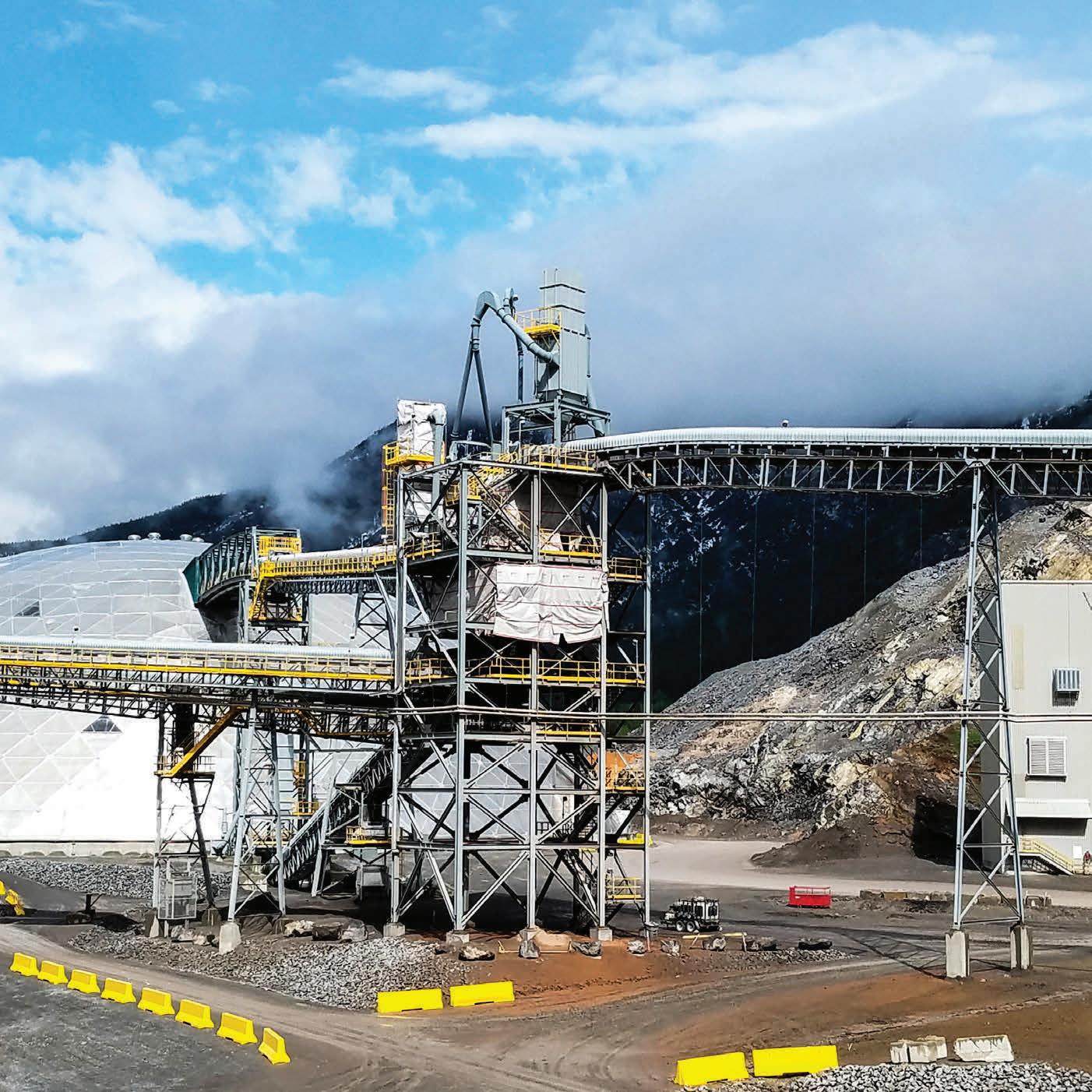
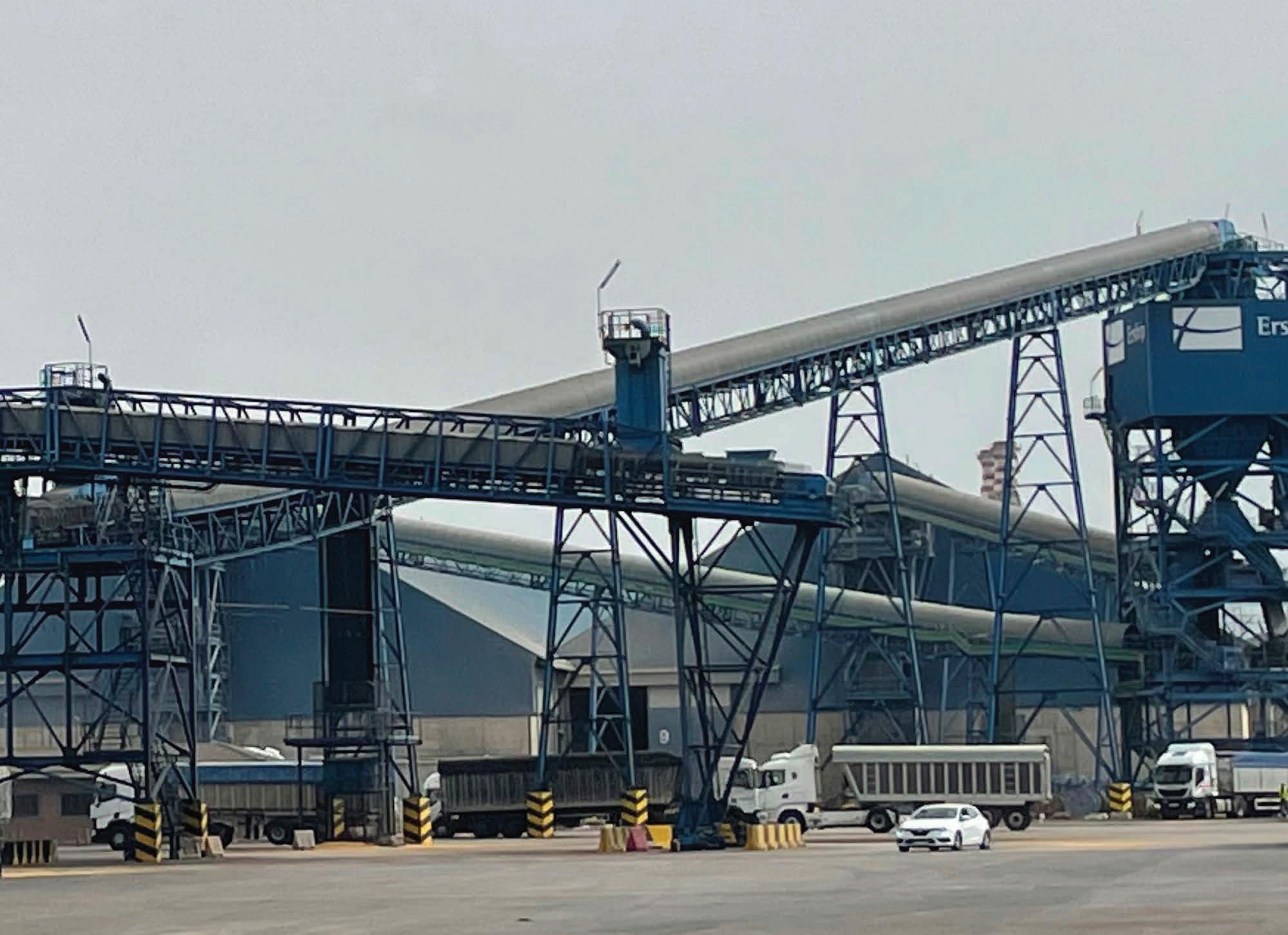

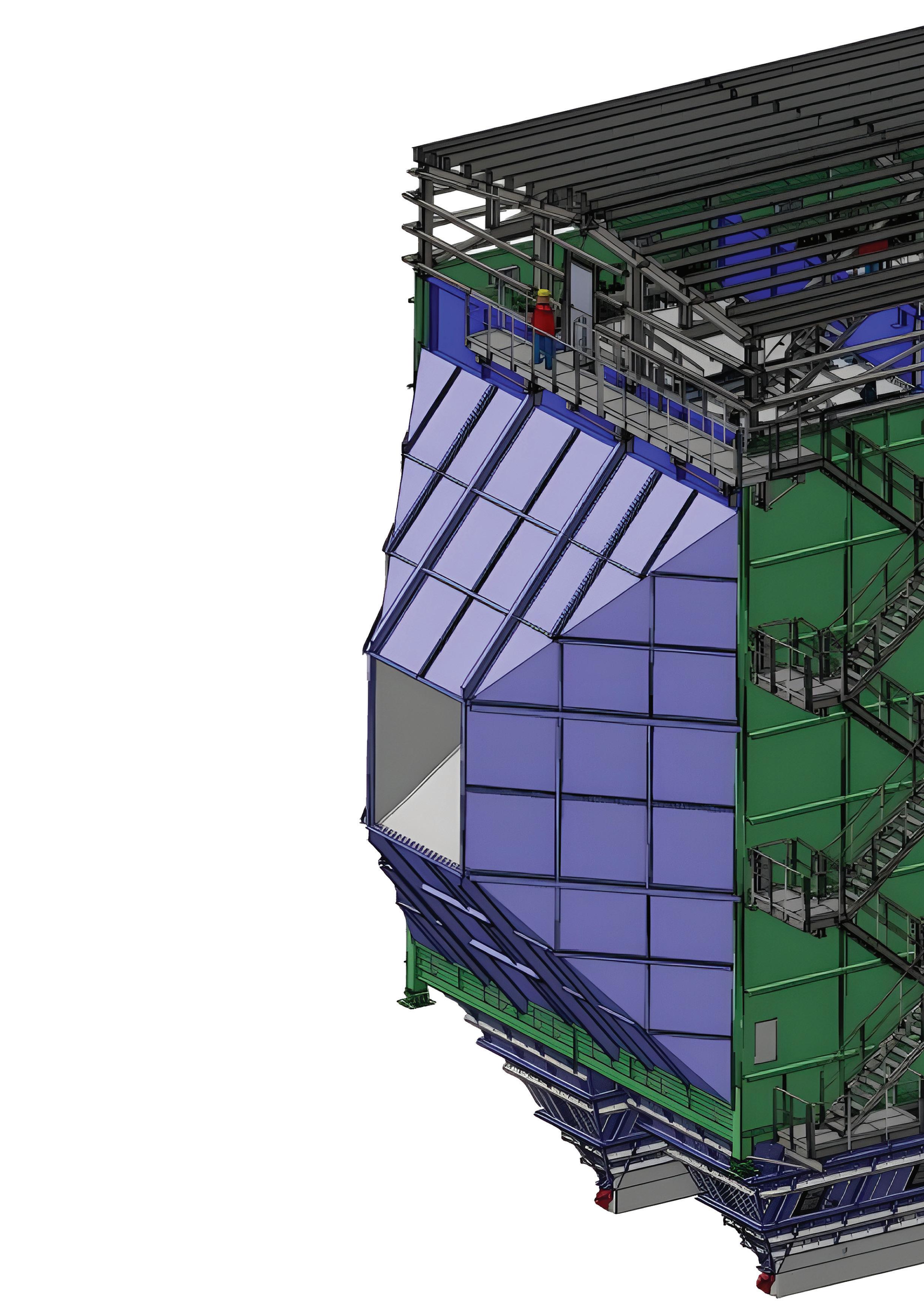
Pietro Aresta, Simatek A/S, explores how flexible electrostatic precipitator-to-fabric filter retrofits can help cement producers achieve best-in-class filtration.
In an industry where sustainability goals are becoming more demanding and equipment reliability remains essential, many cement producers are facing a similar challenge: how to upgrade existing dust collection systems without major disruptions or excessive costs. With cement production responsible for nearly 8% of global CO2 emissions, the pressure to reduce environmental impact is intensifying. Producers must not only meet current regulatory limits but also prepare for increasingly stringent emissions targets driven by evolving environmental legislation. Achieving best-in-class emissions performance is no longer optional – it is becoming a competitive and regulatory necessity.
One solution gaining traction is the conversion of ageing electrostatic precipitators (ESPs) into modern fabric filters (FFs). This approach is not new – but how it is executed can vary widely. Among the different methods available, some stand out for their ability to integrate advanced filtration technology within the constraints of existing infrastructure. This allows plants to achieve cleaner air and more consistent performance, with minimal structural intervention.
Why consider the transition?
Older ESPs, while once effective, often struggle to meet today’s environmental standards and operational expectations. Over time, their
efficiency tends to drop, maintenance needs increase, and emissions may rise beyond permitted levels. In addition, shifts in fuel or raw material mix – common in modern cement production – can make ESPs even more unpredictable.
Fabric filters offer a more stable and lower-emission alternative. However, replacing an entire system is rarely a practical option due to cost and complexity. This has led to growing interest in retrofit conversions, particularly those designed to work within existing ESP housings.
A different approach to retrofit
Rather than applying a one-size-fits-all solution, Simatek approaches each conversion with flexibility, tailoring the design to the operational context and priorities of the plant.
In cases where continuous operation during maintenance is not required, the conversion can be carried out in a more streamlined manner: by replacing ESP electrodes and collectors with a tube sheet to
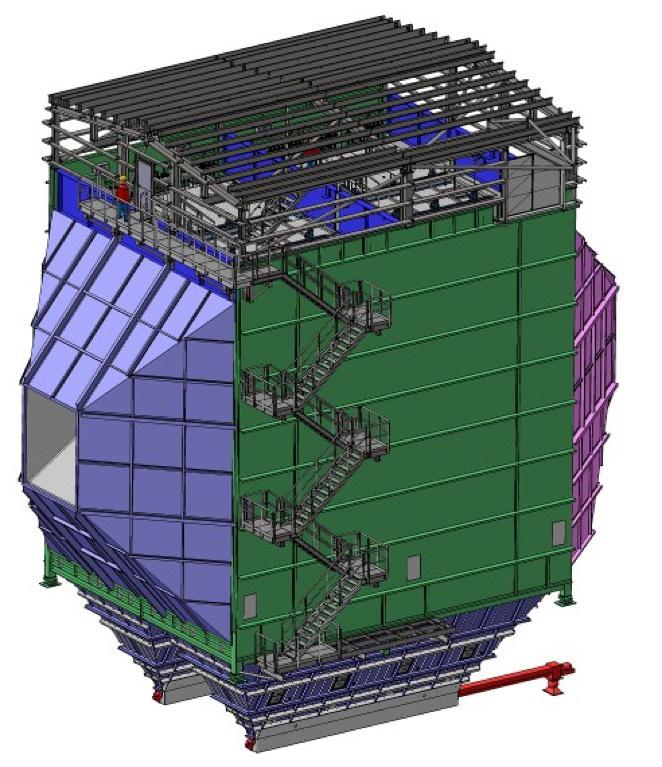
Project in Asia: internal ducting with gas distribution screen, inlet and outlet dampers. Complete solution enabling online maintenance. Estimated retrofit time: approximately 30 days.
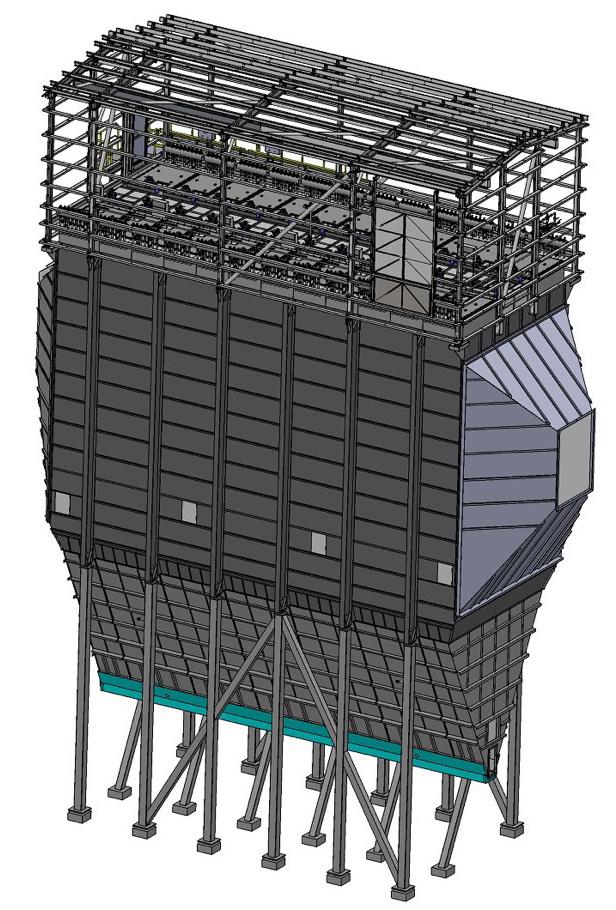
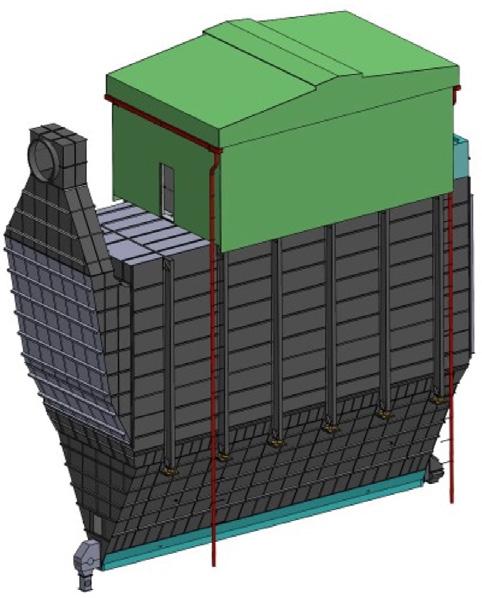
Left: Conversion project in Central America: internal ducting with gas distribution screen and outlet dampers. Retrofit completed in approximately 30 days.
Right: Conversion project in South America: simple internal flow distribution without dampers. Retrofit completed in approximately 20 days.
support the filter bags. Even in these simpler setups, ensuring correct gas distribution is critical. Flow uniformity must be carefully assessed and, if needed, corrected, often with the aid of computational fluid dynamics (CFD), to ensure even loading across all filter bags.
For plants targeting higher levels of performance and operational flexibility, the system design can be further developed. This may include the addition of separate compartments, internal gas distribution screens, and individual outlet dampers. The higher investment is repaid by having a fabric filter system designed for the highest standards of reliability and efficiency. Beyond technical advantages, this approach offers substantial material and environmental benefits. By converting an ESP rather than building a new filter from scratch, it is often possible to save around 50% of the steel required – or even more, depending on site conditions and design choices. This does not just translate into lower costs, it also significantly reduces CO2 emissions associated with producing, transporting, assembling, and disposing of structural steel. It is a clear example of how commercial and sustainability goals can align to produce a mutually beneficial outcome.
Online maintenance without external ducts
A common challenge in ESP conversions is enabling online maintenance – keeping the system running while filter sections are serviced. This is often addressed with large external ducts, which can complicate installation and add to the footprint.
Some retrofit solutions now incorporate internal gas ducts and flow-distribution elements that allow for section-by-section maintenance while the filter remains in operation. Careful flow control, often validated through CFD, helps ensure stable performance even during maintenance phases. Routing gas flow inside the original ESP casing, rather than through new external ducts, can simplify installation and reduce pressure losses. This design choice also helps keep the system compact and easier to maintain, while improving energy efficiency by avoiding unnecessary flow resistance.
Long bag technology in compact spaces
Long bag technology has become a key enabler in modern fabric filter systems, particularly where space is constrained. By using longer filter bags, a larger filtration area can be achieved without expanding the overall footprint.
In ESP conversions, this makes it possible to integrate longer bags, internal flow screens, and maintenance features within the original housing – without compromising filter efficiency or lifetime.
Smart control for smarter filtration
Filter performance depends not only on design, but also on how well the system adapts to changing
process conditions. The SimControl Advance® control system, equipped with the EVO-II module, is designed to continuously monitor and adjust filter operation in real time.
Key functions include automatic regulation of cleaning parameters, differential and static pressure control, and dynamic adjustment of pulse-off timing for efficient energy use. The system also incorporates advanced burst bag detection (BBD), which helps identify filter damage early and avoid system inefficiencies or unplanned downtime.
By automating these controls, the filter system can maintain more stable performance, reduce wear, and operate more predictably – even in high-load environments.
Looking ahead
ESP-to-FF conversions offer a practical route toward improved environmental compliance and process stability, without the cost or footprint of full system replacement.
By combining targeted reuse of infrastructure with advances in filtration and control, these systems can support both operational goals and long-term sustainability efforts. For cement producers working toward cleaner, more efficient production, this type of conversion offers a balanced solution – modern performance, delivered through thoughtful engineering allowing both financial and operational flexibility.
About the author
Pietro Aresta is Director of Technology at Simatek A/S, based in Denmark, where he is responsible for driving the company’s product portfolio and innovation roadmap, with a strong focus on sustainability. He began his career in cement production and brings over 20 years of professional experience in industrial filtration across R&D, product management and technical leadership roles.
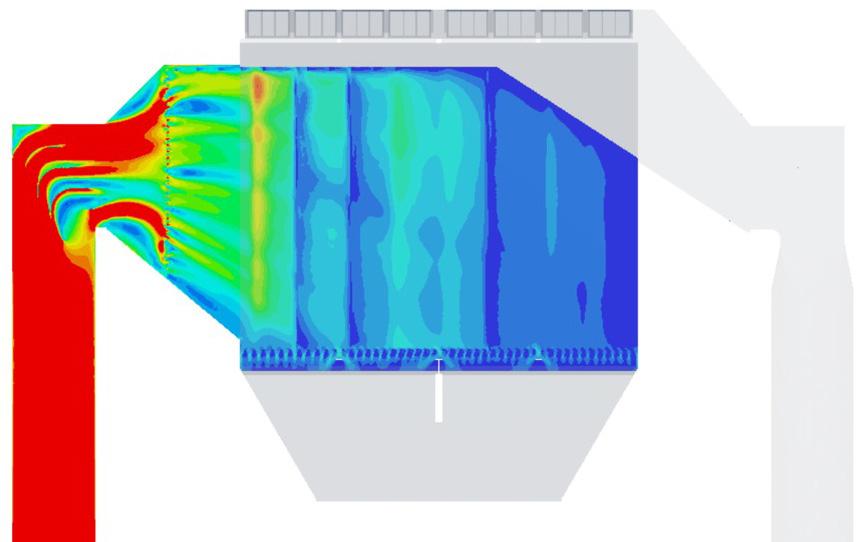
Simatek places strong emphasis on gas flow distribution – an essential factor when working within existing casings. CFD analysis is used to optimise flow paths, reduce velocity peaks, and ensure optimal filter performance and bag life.
Jake Wehrly, Arodo, highlights how vacuum packaging technology is reshaping the handling and protection of premium powders across the cement industry.
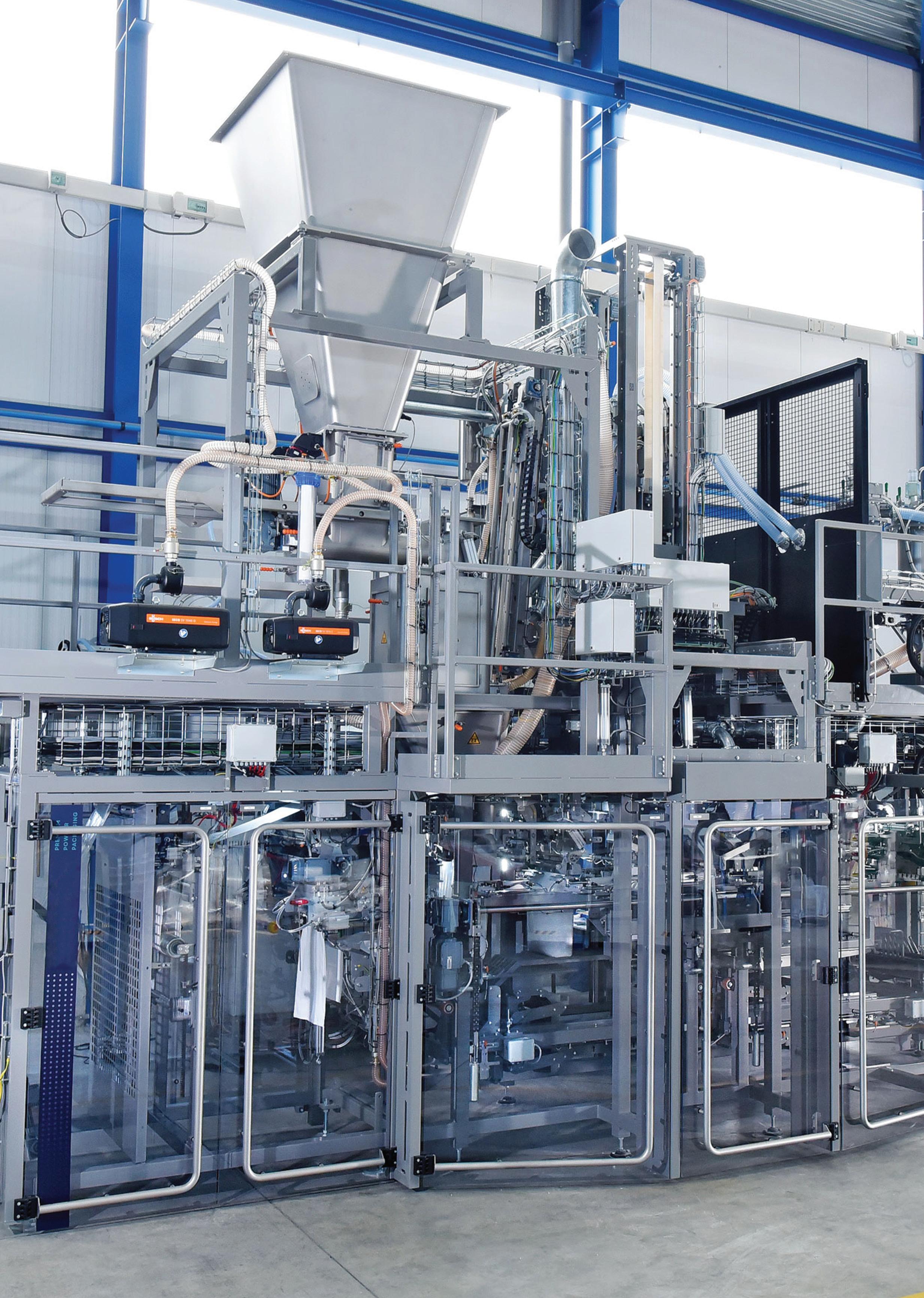
Opening a vacuum-packed bag of coffee releases a delicious aroma that fills the air.
But beyond the morning ritual, vacuum packaging holds surprising potential in other sectors – such as construction materials.
While coffee and cement may seem worlds apart, they share a common packaging challenge: the need to protect high-value powders from moisture and air,
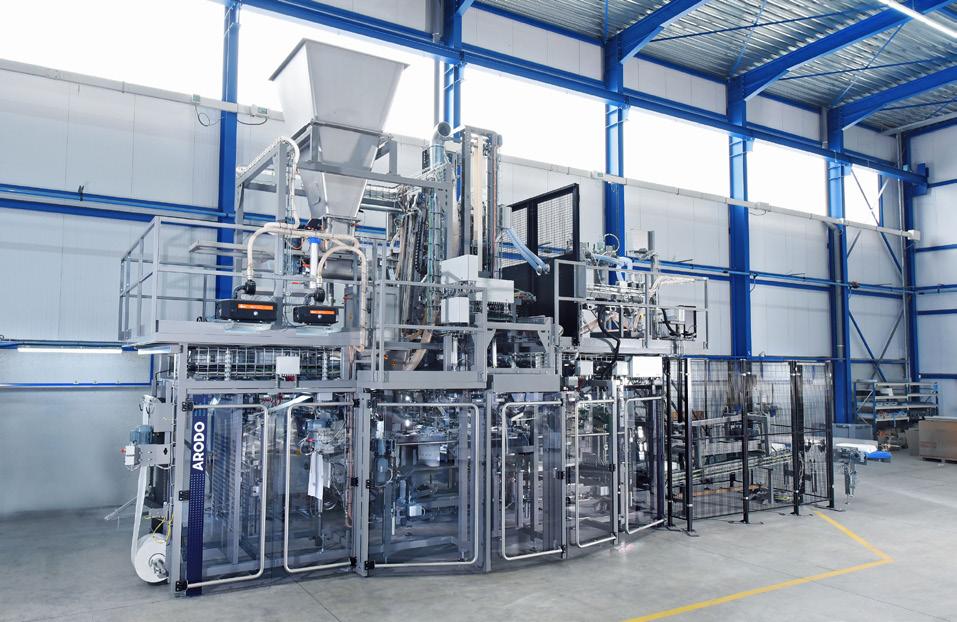
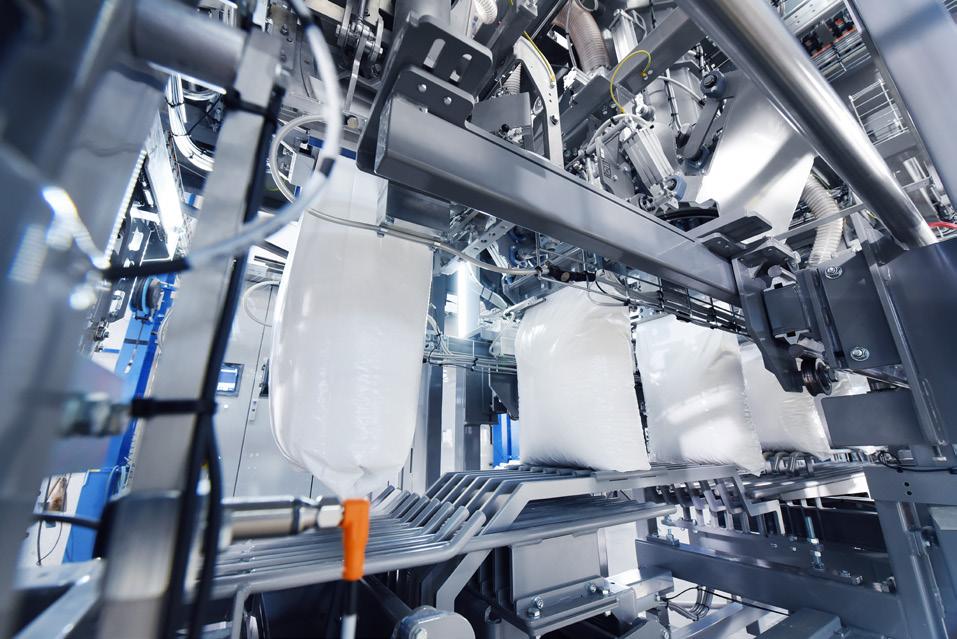
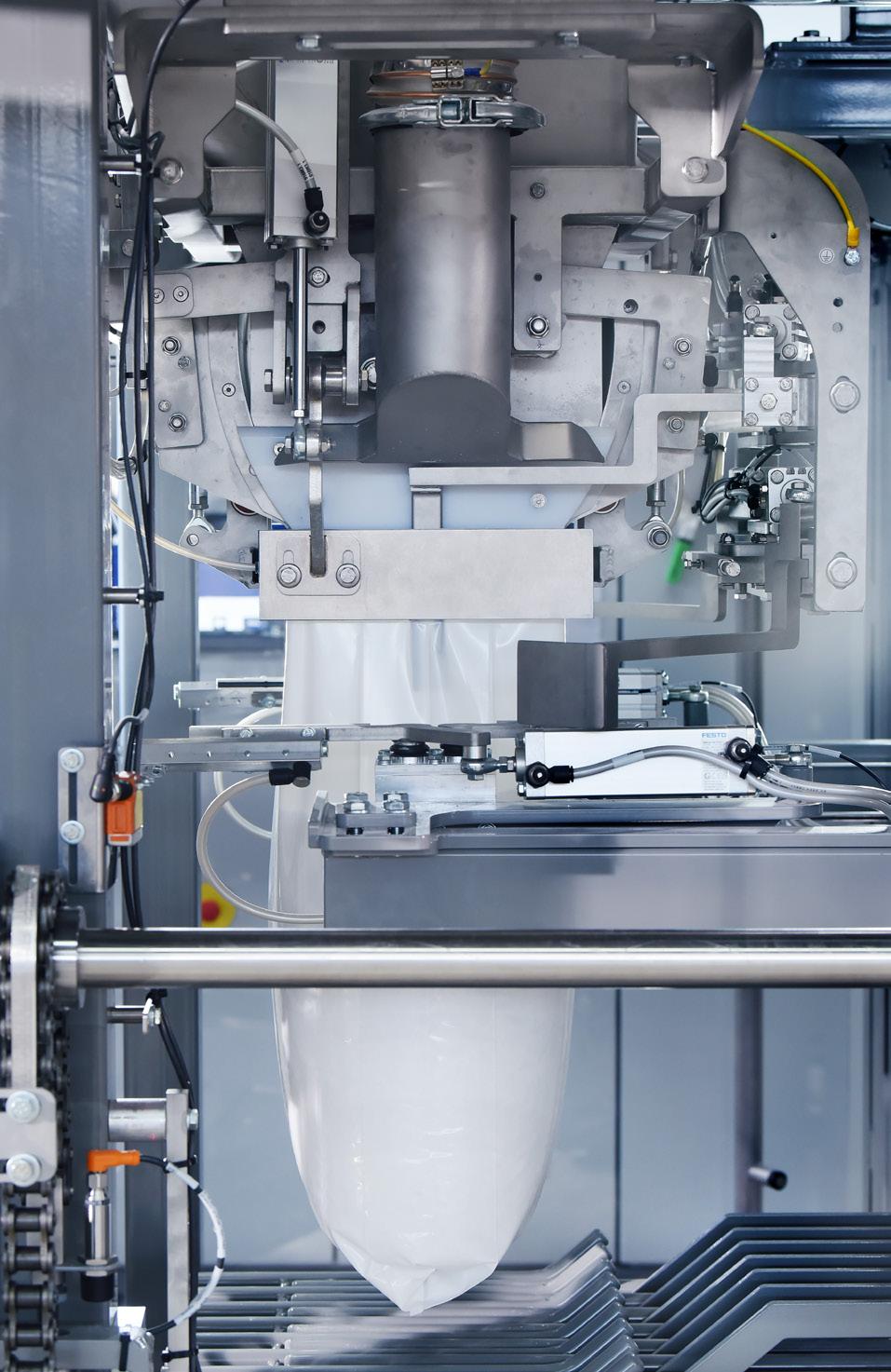
and to do so efficiently. That is where Arodo’s AROVAC® vacuum technology comes in.
Arodo manufactures filling systems that are designed to vacuum pack cement or mixtures and, with the technology installed, extend shelf life and enable perfectly stackable bags.
Rethinking powder packaging
While coffee and cement may have little in common, their packaging needs do overlap. Coffee is vacuum-packed for freshness, protection, and compactness. Arodo used this concept and applied it to powdered construction materials – cement and cement mixes, granular products, and beyond.
In the 1990s, Arodo were already vacuum-packing milk powder. Years later, when a client asked for a waterproof cement bag, the R&D department put their expertise to the test. After evaluating various systems, they found that vacuum packaging was well suited to the task. Thus, the AROVAC vacuum packaging system was invented by Arodo. This marked the beginning of a unique vacuum technology tailored to premium powder packaging.
Currently, AROVAC vacuum technology not only extends the shelf life of products around the world but also enables well compact, stackable bags using the thinnest films available. Less air in the bag means less plastic, more stability, and significant cost savings in transport and storage.
One technology, many industries
What makes AROVAC filling lines particularly effective is their versatility. Originally developed for powdered construction materials, it is now widely used in the food, pharmaceutical, and mineral sectors – anywhere product integrity and protection are business-critical.
This flexibility allows customers to run different product types on a single machine, optimising their equipment investment and streamlining production.
Why vacuum packaging pays off
During vacuuming, the air is extracted, and the bag seals tightly around the product. The result? A rigid, wrinkle-free, compact block that can be stacked effectively. Even pallet-on-pallet stacking becomes safe and easy – reducing warehouse space needs and improving logistics flow.
Maximum product protection
Hermetically sealed packaging shields contents from air and moisture – essential for
AROVAC vacuum technology.
AROVAC vacuum technology bags.
AROVAC filling line.
quality retention, especially in hygroscopic powders.
Superior stackability
Vacuum-sealed bags retain their shape, enabling stable, safe pallet stacking, reducing damage risk in warehouses and during transport.
Less material, lower costs
AROVAC uses up to 20% thinner film compared to PE venting/labyrinth bags. Less plastic equals reduced packaging costs and more sustainable operations.
Improved transport efficiency
Compact packaging means more product per pallet, translating into fewer trucks on the road and lower CO
Cross-industry applications
From cement to milk powder, from pharma to pet food – AROVAC vacuum technology ensures every product is packed effectively.
The alternative for venting bags
While AROVAC leads in vacuum technology, Arodo also offers the AROLAB system for products better suited to venting bags.
With venting bags, achieving pallet stability depends on one crucial factor: the ratio between bag size and compacted product volume. If the balance is not right, pallets become unstable. Arodo has developed specialised techniques to optimise this balance, resulting in compact bags and secure pallet loads – even without vacuum sealing.
This highlights a key strength: offering customised packaging solutions based on specific products and market requirements.
Built on innovation and expertise
Arodo has more than 35 years of experience in building open-mouth packaging machines for industrial use. From food and pharma to minerals and construction materials, Arodo’s systems stand out for precision, durability, and smart engineering.
The development of AROVAC technology represents a step forward – not only in performance, but also in sustainability and cost-efficiency. And thanks to continued R&D efforts, Arodo works to continue to evolve its portfolio to meet changing demands.
Perhaps, the next time the scent of coffee fills the room, it may prompt a thought: wouldn’t cement – or a cement mix – benefit just as much from vacuum-packed protection?
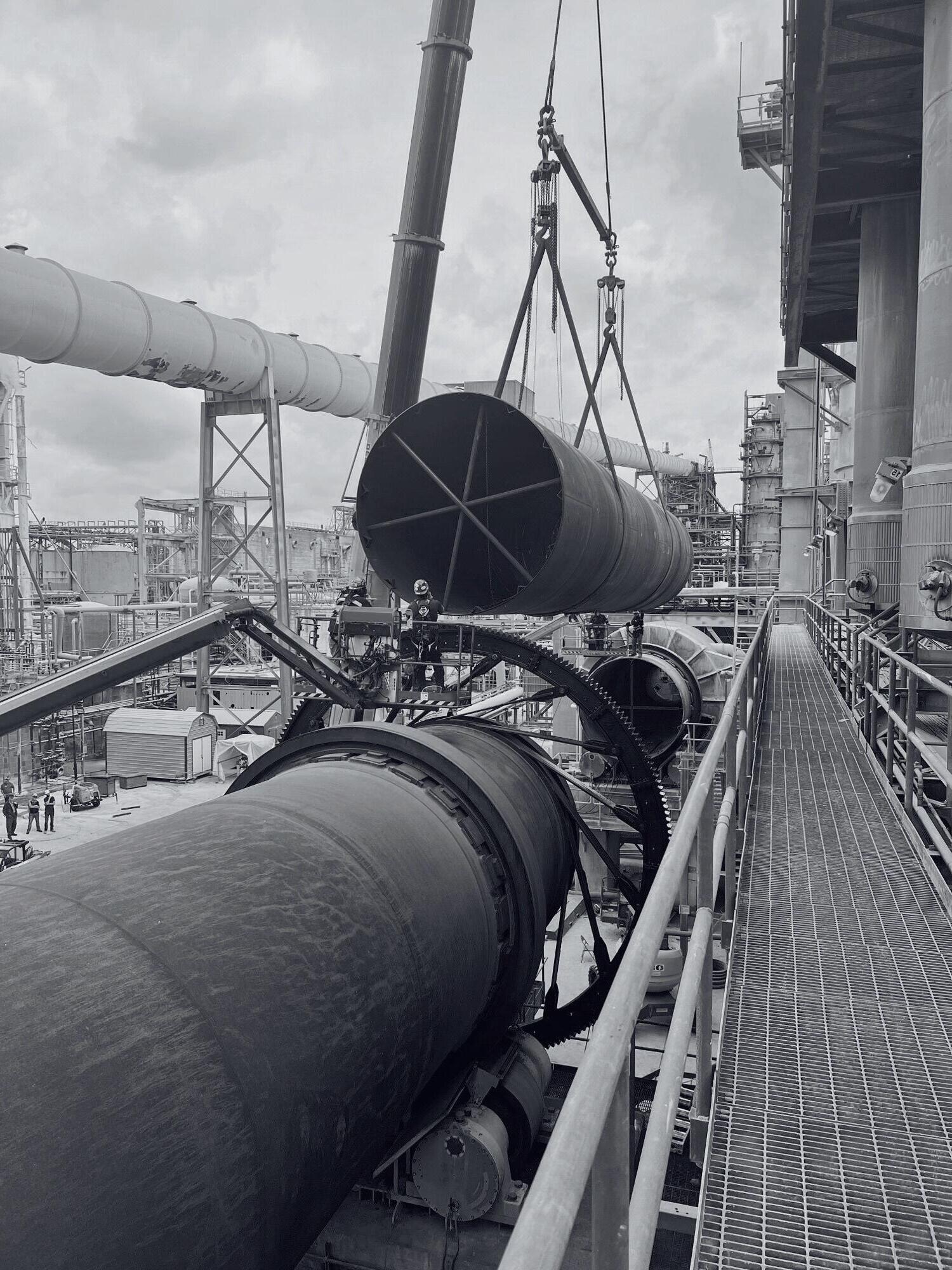
COMPREHENSIVE KILN SERVICES
From turnkey solutions to annual inspections and repairs, we provide the industrial equipment maintenance and millwright services you need to meet your production demands.
SHUTDOWNS, OUTAGES & TURNOVERS
MAINTENANCE TEAM SUPPORT EQUIPMENT INSTALLATIONS ADJUSTMENTS / ALIGNMENTS REPLACEMENT PARTS
PREVENTIVE MAINTENANCE FIELD AND SHOP FABRICATION & WELDING
MILLWRIGHT SERVICES EMERGENCY CALLOUTS
We tailor solutions to meet your maintenance needs.


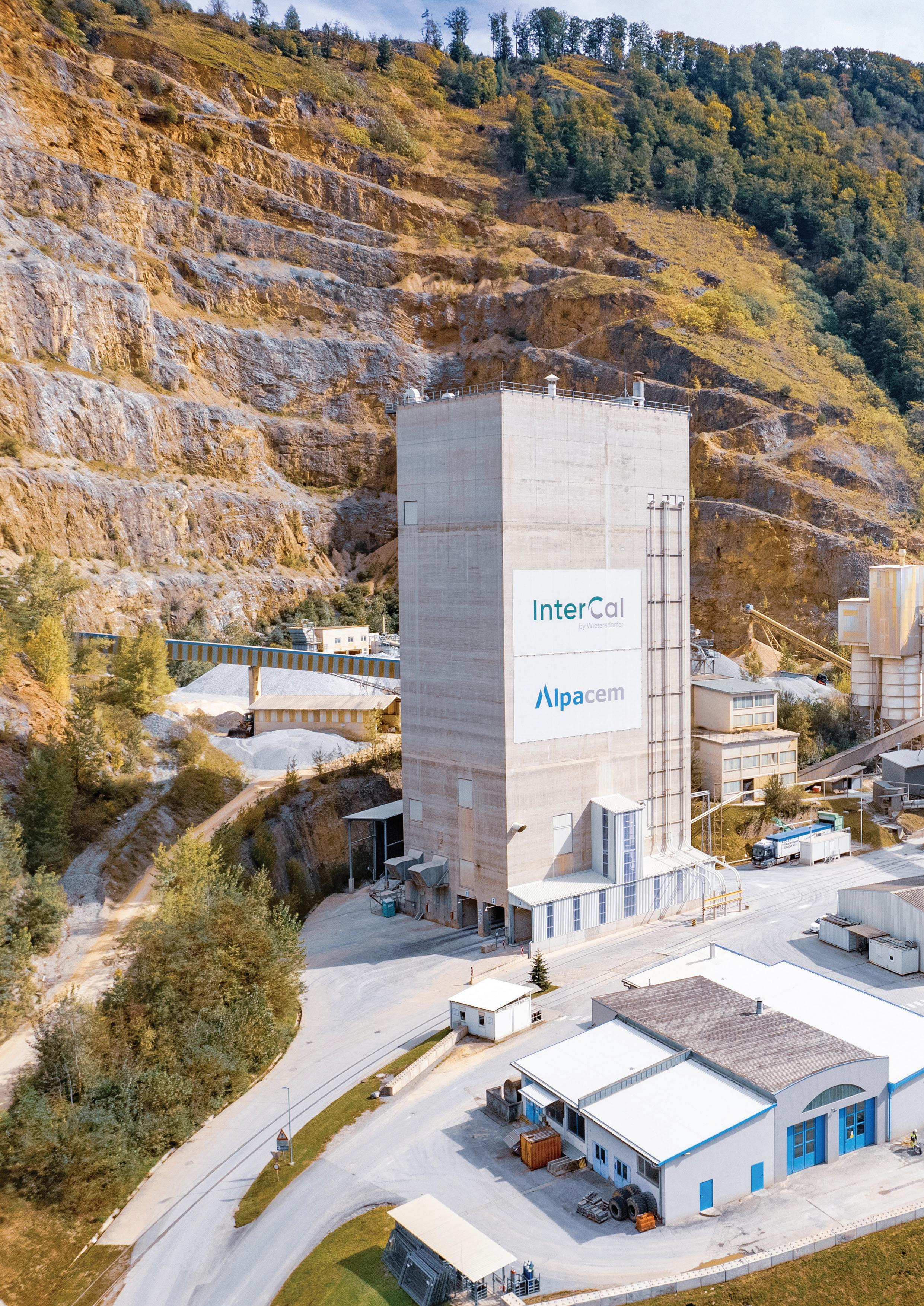
Jürgen Kolp and Christian Novak, Alpacem, explore how digital tools and integrated systems are transforming raw material processes at the Peggau Site in Austria.
ocated in Peggau, Austria, Alpacem’s quarry site is advancing its operations through a series of targeted digital initiatives – positioning the site as a technological frontrunner within Austria’s cement industry and underscoring Alpacem’s strength as a mid-sized industrial player.
Spanning approximately 30 hectares across three main quarries, the site serves four distinct customer segments: cement, concrete, construction materials, and lime. Although Peggau does not produce cement clinker, very high quality and consistency standards for the raw material must still be met. This is partly due to the use of a vertical fall shaft, which requires uniform material flow, and particularly because of the customer's lime that requires exceptionally pure material.
Operating under challenging conditions like high moisture, varying
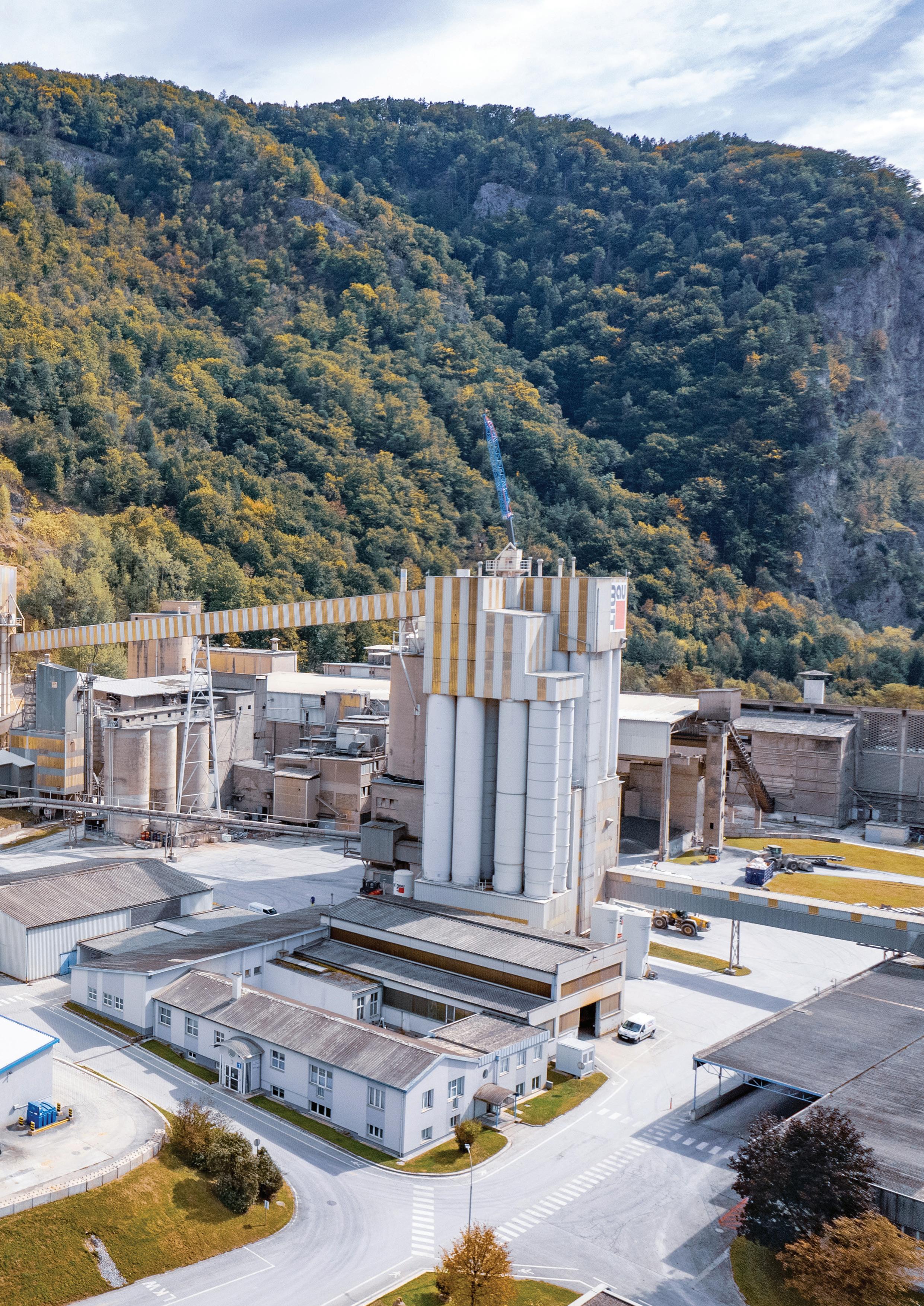
rock quality, and a nearby protected cave, Alpacem needed a smarter way to work. This is where digital technology comes in – not as a collection of gadgets, but as a connected system that makes the entire operation more efficient, sustainable, and precise. But Alpacem has not yet reached the end of the process – the goal is integration into a coherent and intelligent system.
A vision for smart quarrying
Alpacem’s journey began in 2019 with a simple but powerful idea: using digital tools to better understand and manage the quarry. Especially as the site in Peggau has two types of limestone: a very pure
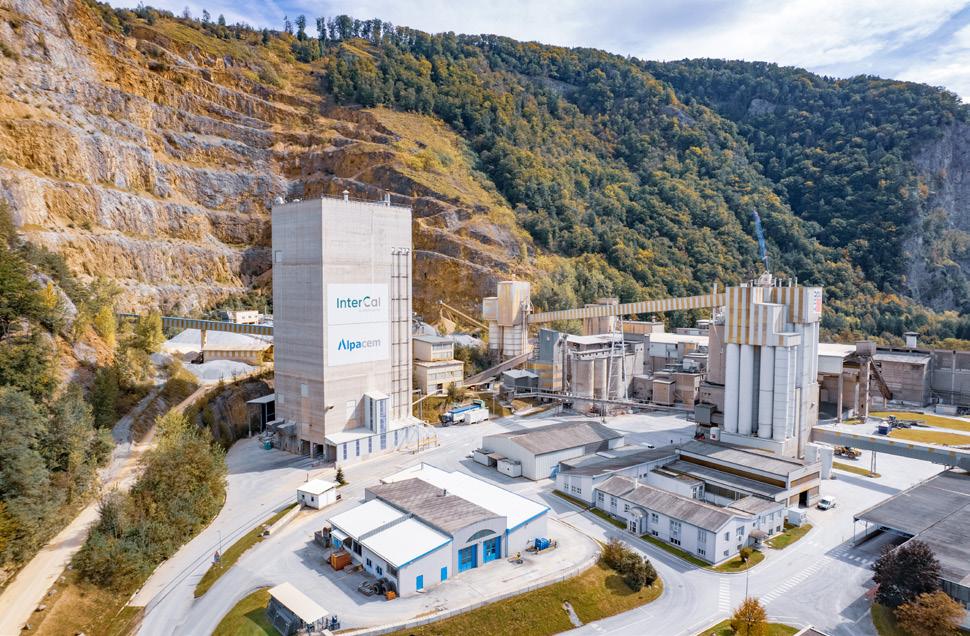
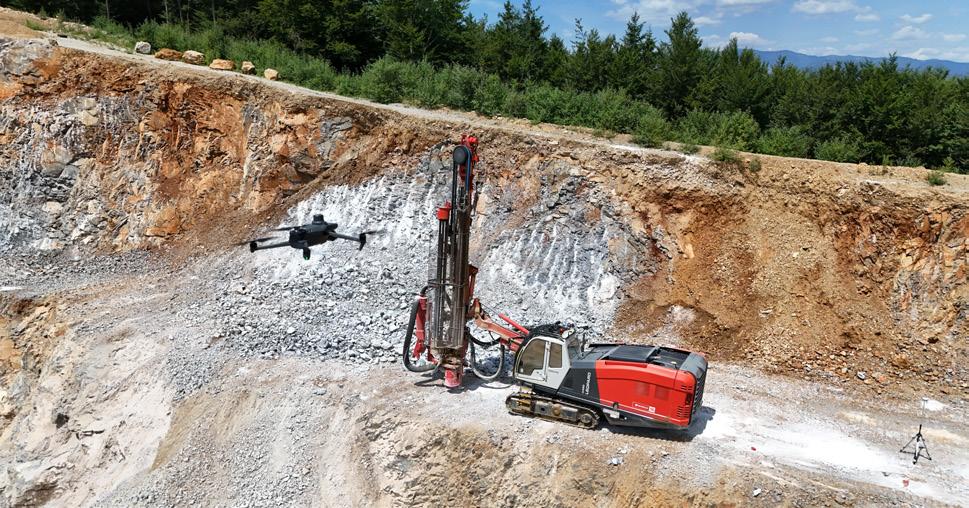
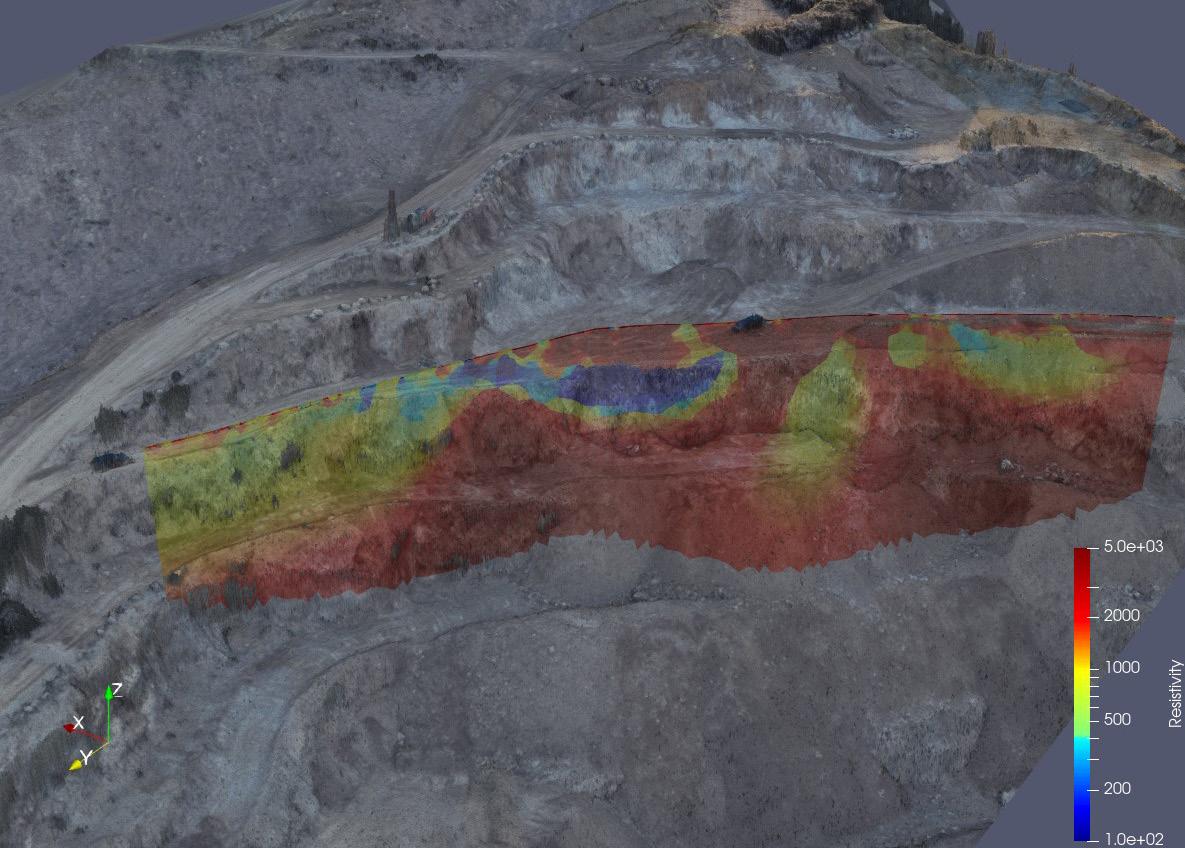
and nearly clay-free limestone and a more clay-rich variant that requires extra cleaning. Knowing (with the help of external scanning technologies and internal expert analysis) where each type is located is crucial to maintain consistent product quality while optimising yield, two factors that are often in tension. In addition, in 2022, a new cleaning system was added, increasing usable material from 70 – 90%. That means less waste and better use of natural resources.
Seeing below the surface
The first step in this transformation is to understand what lies beneath the surface. Alpacem uses special scanning methods to measure and understand the composition of the rock and create a digital map of the quarry. Before any rock is then blasted, drones fly over the quarry to take high-resolution images. These are turned into 3D models that guide where to drill. This map allows for predictive planning and precise scheduling of extraction: what, when, and where; aligning operations with quality goals and approved capacity for the year ahead. With this knowledge, Alpacem can minimise waste, reduce the environmental impact, and meet the quality standards of the processing plant.
After blasting, drones fly again to check the size of the broken rock, using colour-coded visualisations to classify grain sizes. Even the weather is considered, clay-rich rock is avoided on rainy days to prevent processing issues. It is a careful balance of timing, planning, and technology.
Smart machines and real-time feedback
Extraction at Peggau is a blend of experience and innovation. Machines equipped with GPS follow precise plans, and excavators have AI-powered cameras that check rock sizes in real time – a standout innovation. If the mix is not right, operators get instant feedback and can adjust on the spot. This real-time loop strengthens subjective judgement and boosts consistency in material quality and size – key factors for efficient downstream operations.
Why it matters?
Digital tools at Peggau do more than process control. They deliver real, measurable improvements. Thanks to improved planning and real-time data, the quarry can now operate more reliably, even during challenging weather like heavy rain or snow. Production targets are met with fewer overtime hours, especially around the holidays, and tasks like drilling require less manual effort.
Eventually, better planning means more of the quarry can be used efficiently. And, because quality checks now start right at the source, Alpacem can respond earlier to changes in the material and deliver more consistent results to its customers.
Alpacem Zement Austria GmbH – view of the Peggau site.
A digital map of the quarry is created to understand the composition of the deposit.
Drone flying over the Peggau mining site, with a GPS-guided drilling rig and an RTK ground station for precise positioning in the background.
Integrated systems for seamless operations
The real breakthrough eventually happens when digital tools stop working in silos and start collaborating. Instead of separate systems, everything is connected. The commitment to integration makes Peggau different. Rather than deploying isolated digital tools, Alpacem ensures that each system communicates with the others. From mapping and blasting to extraction and processing, data flows seamlessly across the operation.
Connected systems and the power of big data are beginning to provide a holistic view of the quarrying process. For example, insights from the AI camera will inform future blasting strategies, while mapping will guide extraction to match processing capabilities. The result is intended to be a tightly coordinated operation where each step supports the next.
Empowering people through technology
While technology plays a central role, Alpacem recognises that people are the key to successful digital transformation. The Peggau team combines extensive mining expertise knowledge with a willingness to embrace new tools. Young, tech-savvy professionals work alongside experienced operators, creating a culture of mutual respect and continuous learning.



The use of tablets and digital tools strengthens the sharing of knowledge and making better decisions. This reinforces teamwork and has a direct effect on maximising impact on efficiency.
Looking ahead
The journey is far from over. Alpacem continues to invest in digital tools and infrastructure, including new mining equipment and processing systems scheduled for implementation through 2025. Alpacem is also exploring advanced data analytics to further enhance decision-making and risk management.
The next frontier: a unified digital process chain from geology to processing that can adapt, learn, and grow. The goal is not just to be smart, but to be resilient, adaptive, and ready for the future. By combining smart technology with human expertise, Alpacem is setting a new standard for modern quarrying – one that balances economic performance with environmental responsibility.
Conclusion
At Peggau, Alpacem is showing that digital transformation in quarrying is already happening. By combining smart tools with innovation and years of experience, a modern, efficient, and responsible operation is created. It is a powerful example of how traditional industries can evolve and succeed in the digital age.
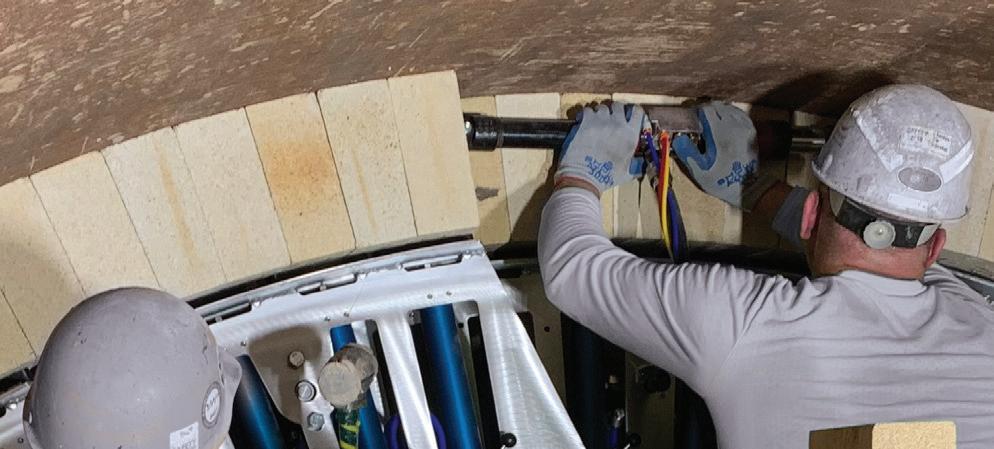


SPEED or SAFETY?
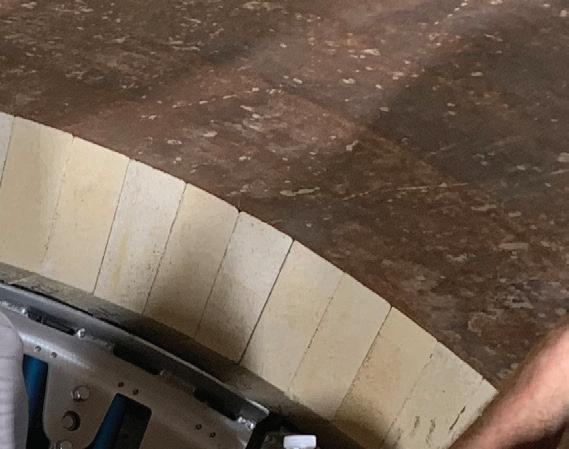


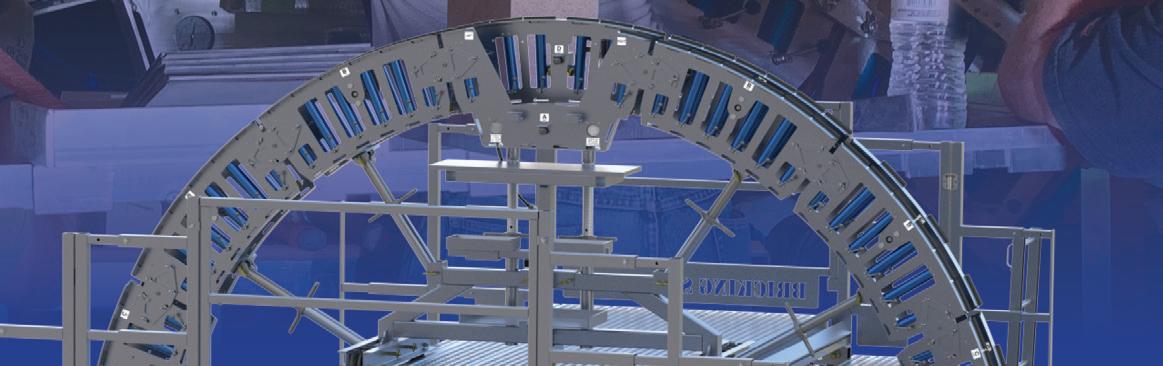
You don’t have to choose.

> Brick up to 1 meter per hour
> Cut-out section improves ergonomics saving 37.5 hours per job
> Load tested at 3x its capacity
> Clearance for forklift access
Bricking


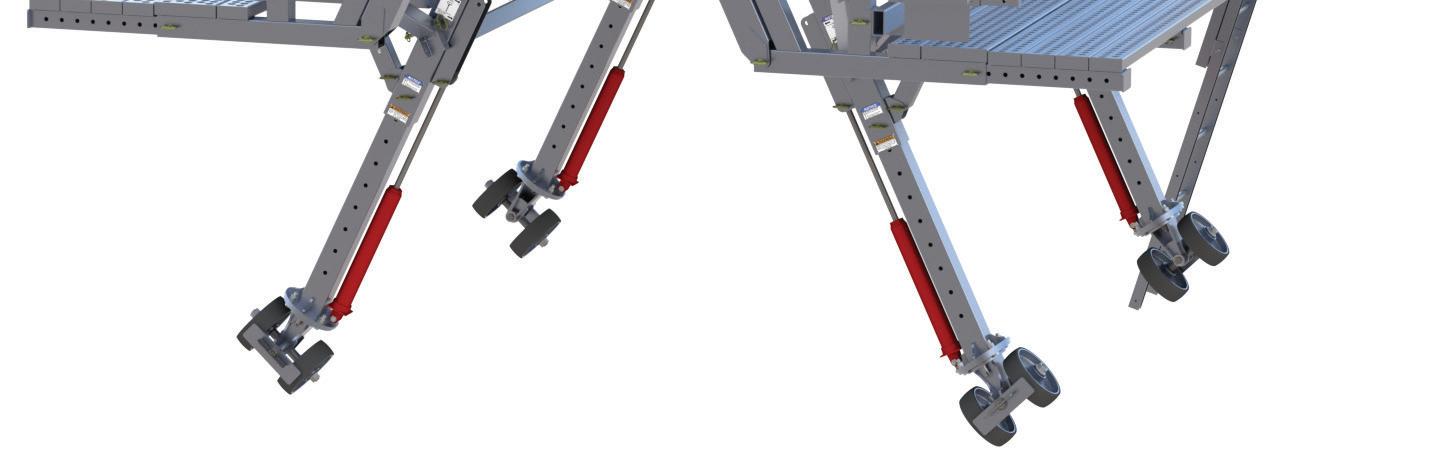


The Answer Lies In AI
Daniel Summerbell, Carbon Re, explores how AI-driven process control is transforming cement production in the face of new industry challenges.
Operating a cement kiln has always involved balancing numerous and often conflicting priorities, from optimising production levels and maintaining consistent product quality to controlling costs, ensuring reliability, and meeting strict environmental regulations. But now, the need to decarbonise is pushing the industry to find innovative ways to produce cement, meaningfully changing the production environment. With the introduction of new fuels, new raw materials, and hardware like CCUS units becoming standard, cement production will continue to evolve, bringing evermore complexity and variation into an already complex system.
Meanwhile, the advanced process control (APC) systems that have traditionally provided the automation layer of cement manufacturing have not kept pace with this innovation. The cement industry needs a powerful solution to tackle these new challenges, and AI-powered process control is leading the way.
How is AI process control different from APC?
The fundamental difference between AI process control and APC is in the type of models that form the basis of the

respective technologies. APCs are hard-coded with simpler models like model predictive control and fuzzy logic that are constrained by computational capability, whereas AI process control uses more advanced machine learning based models that are effective for complex chemical processes. AI models are also developed using a wider range of process data and a longer timeframe of historical data, meaning that the overall capabilities of AI models are greater than those that underpin APCs.
The fixed approach of APCs also means that they suffer from performance deterioration over time due to model drift. AI solutions
overcome this with cloud-based self-learning and self-tuning encoded in the software, maintaining peak operational performance over the long term.
This difference in modelling complexity ultimately changes the strategy the AI or APC uses to control the process. Think of these two strategies as stabilisation and optimisation. APC systems are masters of stabilisation. They react to incoming plant data and make control changes to maintain consistency at specific process targets e.g. temperature or oxygen levels. AI, on the other hand, excels at optimisation. By generating new information that cannot be measured, or is not typically measured, based on real time conditions, AI optimises plant operations to achieve higher-order objectives, such as reducing specific heat consumption or minimising fuel costs.
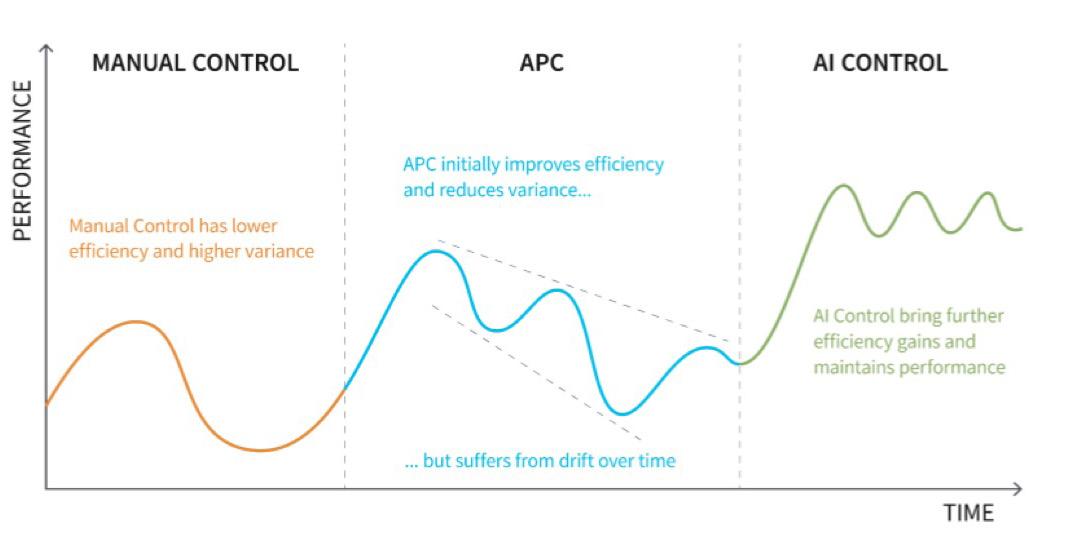
AI process control enables consistent, optimal performance. The fixed approach of APC systems means that they suffer from performance deterioration over time due to model drift. With Carbon Re’s cloud-based software, models are self-tuning, maintaining peak operational performance over the long term.
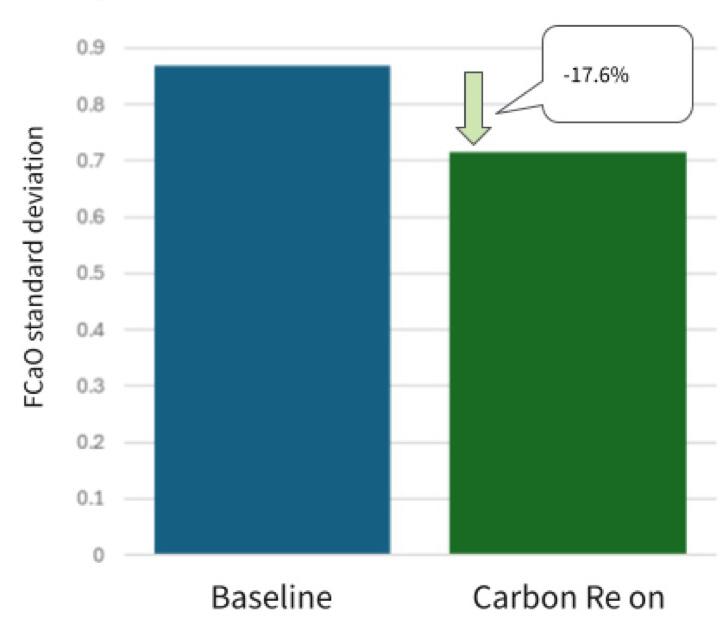
Carbon Re’s clinker quality soft sensors deliver a real-time, consistent, and accurate quality signal for proactive kiln control. At Çimsa’s Eskişehir plant, Carbon Re reduced free lime variability by 17.6% compared to the baseline period.
The beauty of these two strategies is that they are complementary. AI can provide a dynamic layer of intelligence on top of an APC to adjust and optimise operations in response to changing conditions while maintaining peak operational performance over the long term.
That is why both ABB and FLSmidth Cement have partnered with Carbon Re. AI and APC deliver significantly better performance – faster, smarter, and more adaptive cement production.
Together, these solutions significantly enhance cement production efficiency and reduce emissions, setting industry benchmarks for AI adoption and sustainability practices.
AI process control in practice at Çimsa
The Turkish cement and building materials company, Çimsa, deployed Carbon Re‘s AI platform to improve operational efficiency.
The first installation at the Eskişehir plant in Turkey saw Carbon Re’s clinker quality soft sensor, a virtual sensor which continuously predicts free lime (FcaO) content, integrated seamlessly into the plant’s advanced process control in closed-loop control. The preliminary results, comparing 9 days of baseline operations with 7 days of Carbon Re ‘on’,
demonstrated a 17.6% reduction in free lime variability.
Additional improvements were observed in thermal substitution rates (TSR) and overall fuel consumption, with further on/off testing to quantify these benefits wrapping up shortly. These early results indicate the significant potential AI holds in improving operational efficiency and environmental sustainability.
The plant team has noted increased confidence and reliance on the AI system, improved kiln performance, enhanced clinker quality, and superior operational stability. Operators have also acknowledged the importance of ongoing support, training, and collaboration with Carbon Re, reinforcing the idea that successful AI implementation depends significantly on effective partnerships.
Carbon Re has also been deployed at a second Çimsa plant in Ballyconnell, Ireland, showing Çimsa’s commitment to sustainability, innovation, and operational excellence.
The positive outcomes at Çimsa’s Eskişehir plant align closely with the experiences at other plants, such as Heidelberg Materials’ Mokra plant in Czechia, where Carbon Re's AI systems have been similarly integrated into the plant’s APC. At the Mokra plant, significant performance improvements were clearly
clinker C3S variability and a resulting increase of 3.2% in its thermal substitution rate.
These achievements highlight the transformative impact of AI integration, setting new performance benchmarks within the cement industry.
Conclusion
The deployment of Carbon Re at Çimsa’s Eskişehir plant, and at other sites globally, underscores the potential for AI to revolutionise cement production processes, cut costs, and reduce carbon emissions.
Looking ahead, for the implementation of CCUS to be effective, plants will have to ensure unprecedented operational stability and consistent flue gas composition. AI-driven process control systems will be essential to achieve these operational demands. Consequently, AI technologies are becoming strategically indispensable for cement producers aiming to successfully integrate CCUS into their operations.
As the industry confronts increasing regulatory pressures and the complexities associated with the introduction of CCUS technologies, AI-enabled process control will emerge as a critical strategic resource for maintaining competitive advantage and fostering environmental sustainability.
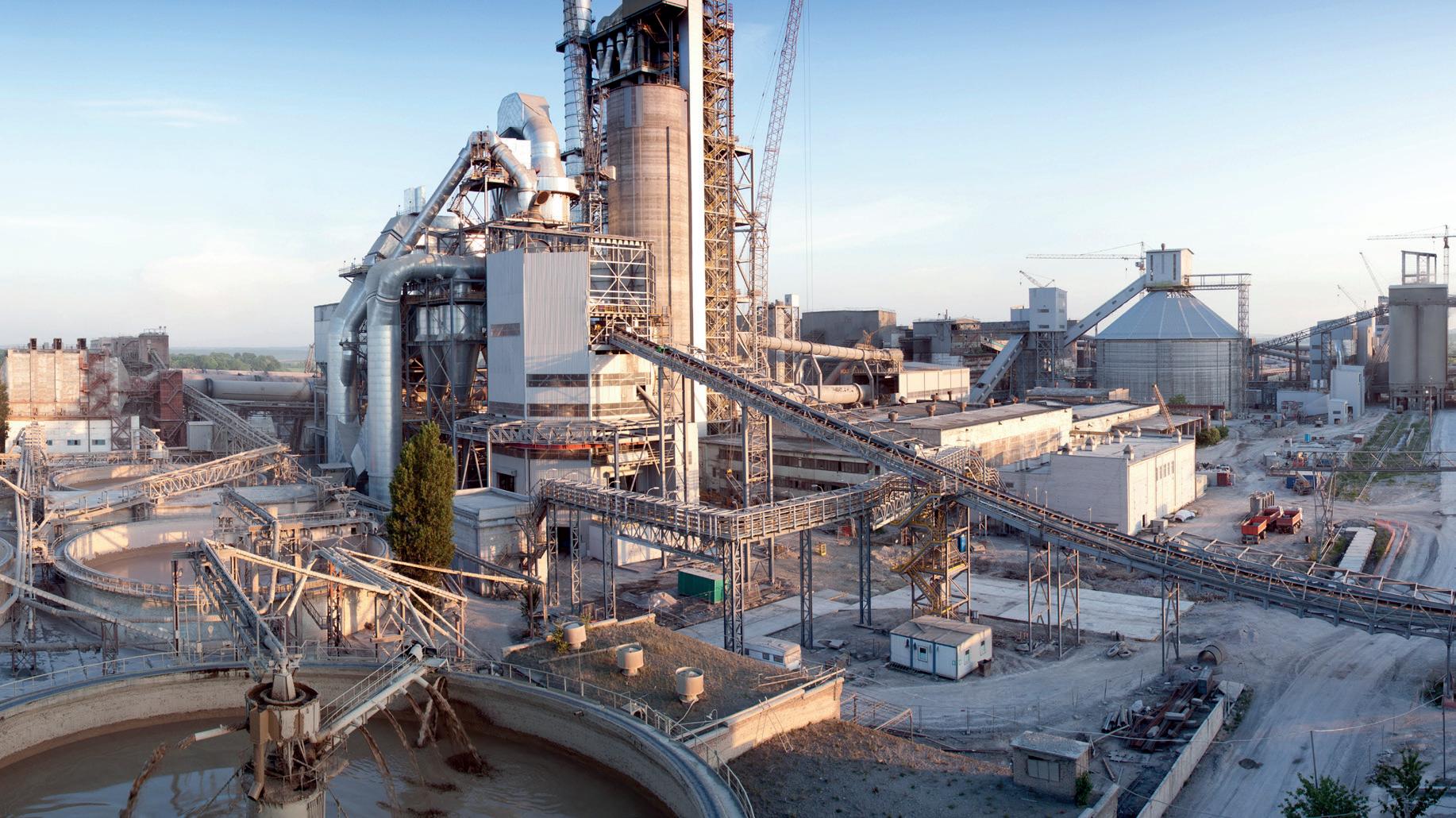
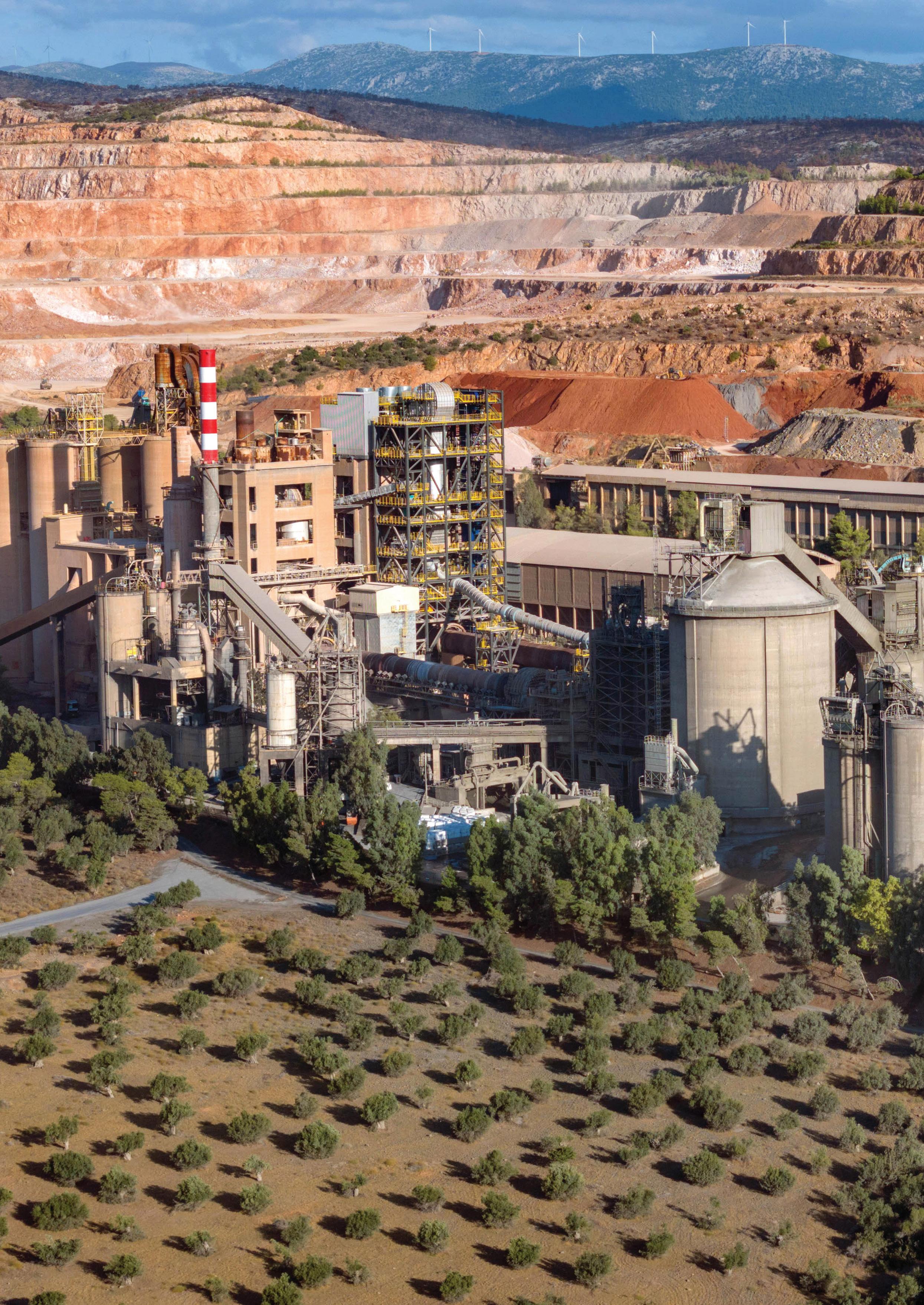
OPTIMITIVE and TITAN Group share their joint experience in deploying real-time optimisation powered by artificial intelligence in the cement industry.
This article focuses on the relationship between TITAN Group and OPTIMITIVE, highlighting their collaborative efforts and achievements in the field of digital transformation.
In its early years, OPTIMITIVE engaged in numerous R&D projects and proof-of-concept trials with strategic partners. The aim was twofold: to develop a cutting-edge software platform and to build a highly skilled team capable of navigating the digital transformation and Industry 4.0 challenges, while also demonstrating the tangible benefits of AI to a traditionally cautious market.
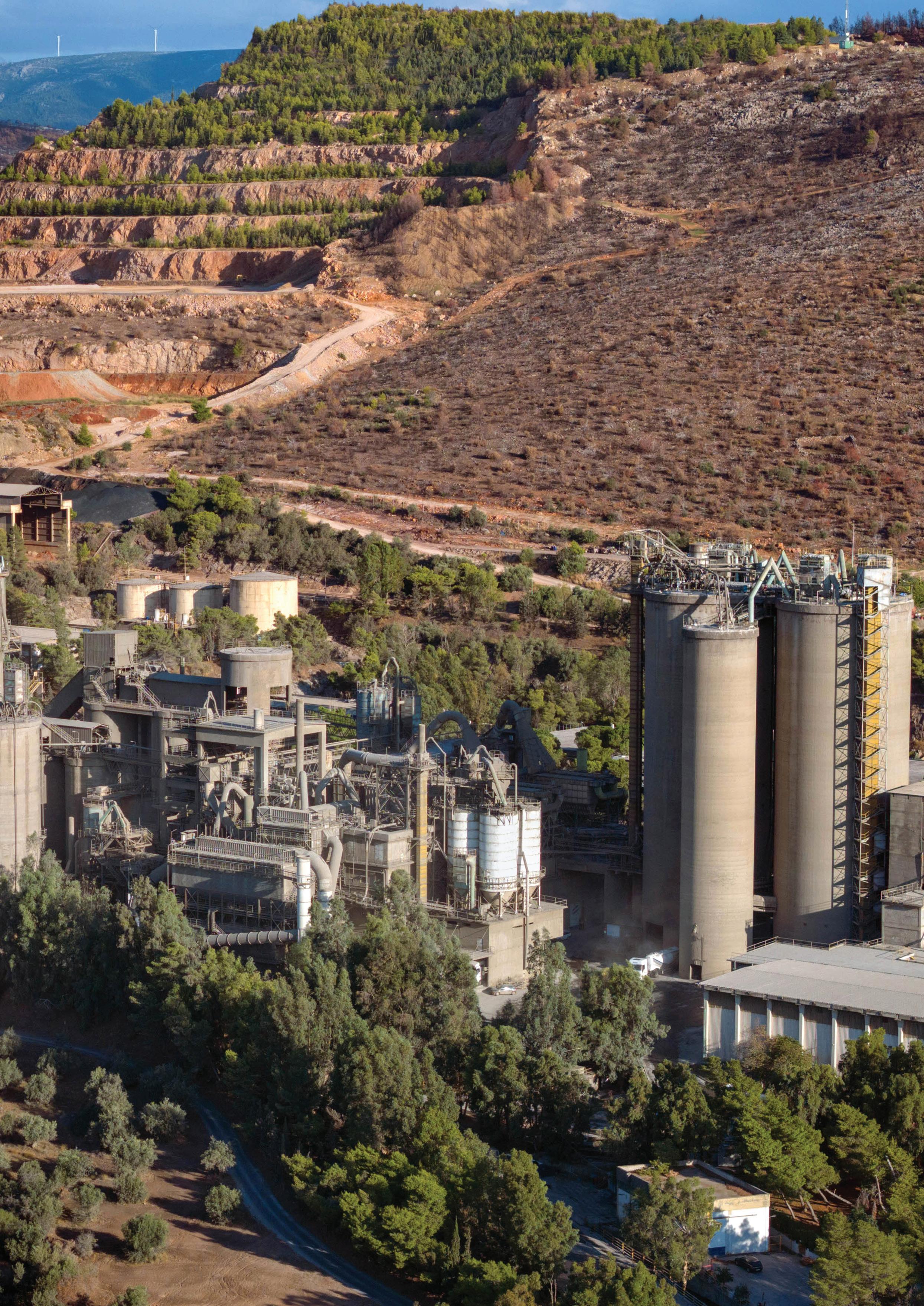
AI real-time optimisation in closed-loop: the auto-pilot mode for increased performance
OPTIMITIVE’s proprietary software, OPTIBAT®, is designed to enable autonomous AI optimisation in a closed-loop. This technology enhances efficiency, optimises processes, minimises energy consumption, and improves production and overall profitability. Additionally, it enables emissions reduction, making it a useful tool for industries aiming to achieve both operational excellence and environmental sustainability. AI optimisation in closed-loop refers to the use of AI algorithms that continuously monitor industrial processes in real time, make autonomous decisions, and automatically adjust operational parameters to maximise performance, efficiency, or quality – all without requiring constant human intervention. And this is exactly what OPTIBAT does.
The software operates by integrating with the plant's existing control system. It incorporates AI systems that continuously read data from the process, learning from this information to make
real-time adjustments. By autonomously adjusting setpoints in auto-pilot mode, OPTIBAT enables real-time optimisation, consistently achieving optimal performance.
AI-driven real-time optimisation in the cement industry
The cement industry, known for its high energy demands and productivity optimisation focus, was among the earliest adopters of OPTIMITIVE’s AI-based RTO technology. In 2015, thanks to collaborations with key partners, the solution began to be integrated both domestically and internationally, leading to valuable refinements and proven results.
As client expectations evolved, the demand shifted toward more significant energy savings, while maintaining or improving productivity and product quality. For example, at a Spanish plant in 2017, OPTIBAT enabled:
f A 14.6 tph increase in productivity in a vertical raw mill.
f A 1.11 kWh/t reduction in specific energy consumption.
From this year onwards, several customers started using software across multiple plants and assets. This includes TITAN Group, which started its relationship with OPTIMITIVE in this period.
Over the past decade, the software has consistently delivered (overall numbers):
f 4 – 10% typical improvement of production rate.
f 3 – 8% energy consumption typical reduction.
f 2410 t of CO2 emissions avoided in a typical asset optimised.
Key advantages of real-time optimisation for the cement sector
OPTIBAT includes industry-specific adaptations to address the unique challenges of cement production. For example, its modelling capabilities can predict key variables such as clinkerisation temperature, energy usage,
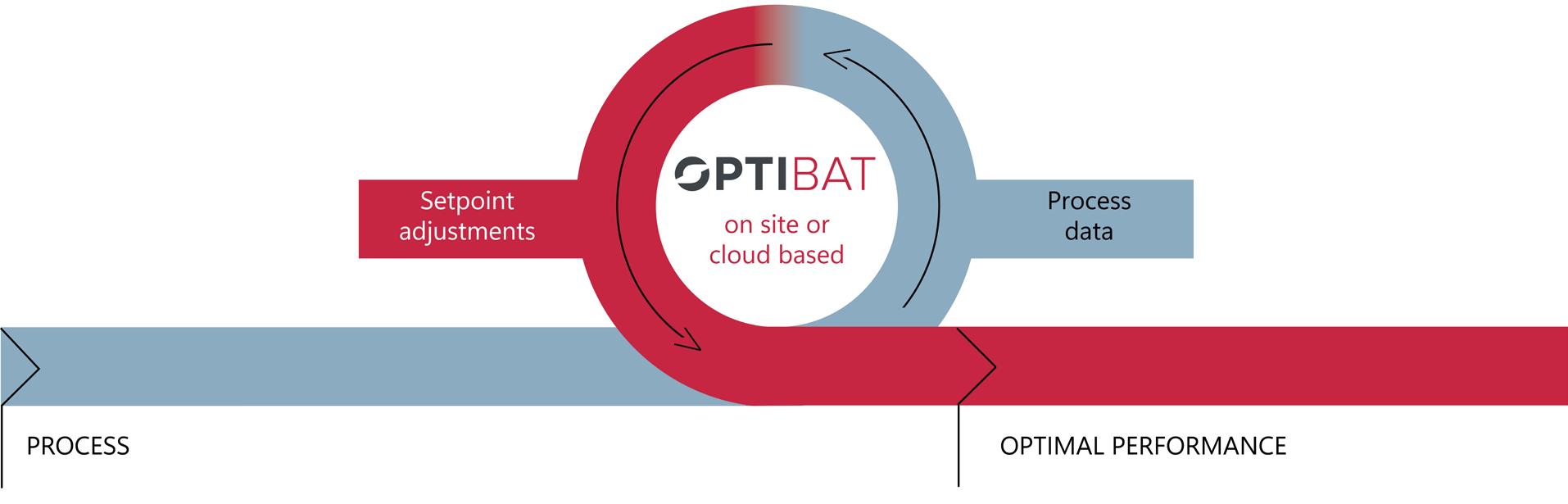
OPTIBAT AI closed loop.
OPTIBAT overview.
or emissions. The domain expertise of plant engineering teams is integral to the setup and calibration of the software, ensuring that the unique characteristics and requirements of each installation are meticulously accounted for.
By implementing AI-driven closed-loop optimisation, cement players can operate their assets at their full potential, thus increasing their productivity.
Besides this, OPTIBAT dynamically adjusts parameters such as fuel flow, primary, and secondary air rates to achieve better energy efficiency. It also assists in emission control by reducing CO2 and other pollutants by reducing fuel consumption, supporting emissions reduction targets.
Unlike conventional control systems, it provides multi-objective, adaptive learning optimisation that continuously improves over time. Its fast deployment and flexibility make it well suited for complex environments like cement plants, where variable interactions and disturbances often challenge manual optimisation. A defining feature of OPTIBAT is its ability to integrate RTO with advanced process control (APC) systems and operate directly on the distributed control system (DCS) – delivering enhanced results and unlocking new value opportunities enabled by the latest AI advances.
This universal compatibility allowed TITAN Group to adopt the tool progressively, without disrupting its operations.
The secret to scalable implementation in cement plants: no-code deployment
A key enabler of rapid AI-driven RTO implementation in the cement industry is OPTIMITIVE’s no-code architecture.
OPTIBAT allows users to configure AI components graphically, without writing a single line of code. This simple idea facilitates its setup enormously and enables process experts and digital implementors to become technology installers.
As a result, this solution can be deployed more rapidly than traditional solutions – enabling, for the first time, large-scale AI adoption in industrial operations.
Pioneering digital transformation in the cement industry
TITAN Group embarked on its digital transformation journey in 2017, establishing itself as a pioneer in the
building materials and solutions industry. From the outset, manufacturing digitalisation was a strategic pillar. A major goal in this area was developing the next generation of process automation. This initiative aimed to create an autonomous system capable of not only operating the plant but also learning from new conditions.
In the early stages, TITAN adopted a ‘test and learn’ approach through pilot projects to assess the impact and implementation requirements of digital initiatives.
This marked the beginning of a fruitful collaboration with OPTIMITIVE. The initial project involved developing an AI-driven real-time optimiser for a vertical roller mill during a pilot phase. The success of this endeavour led to the continuation of the project and creation of the first-ever AI real-time optimiser in closed loop for a cement kiln, and subsequently, the extension of this solution to ball mills. As a result, TITAN became the first cement producer globally to achieve end-to-end AI optimisation of a cement plant.
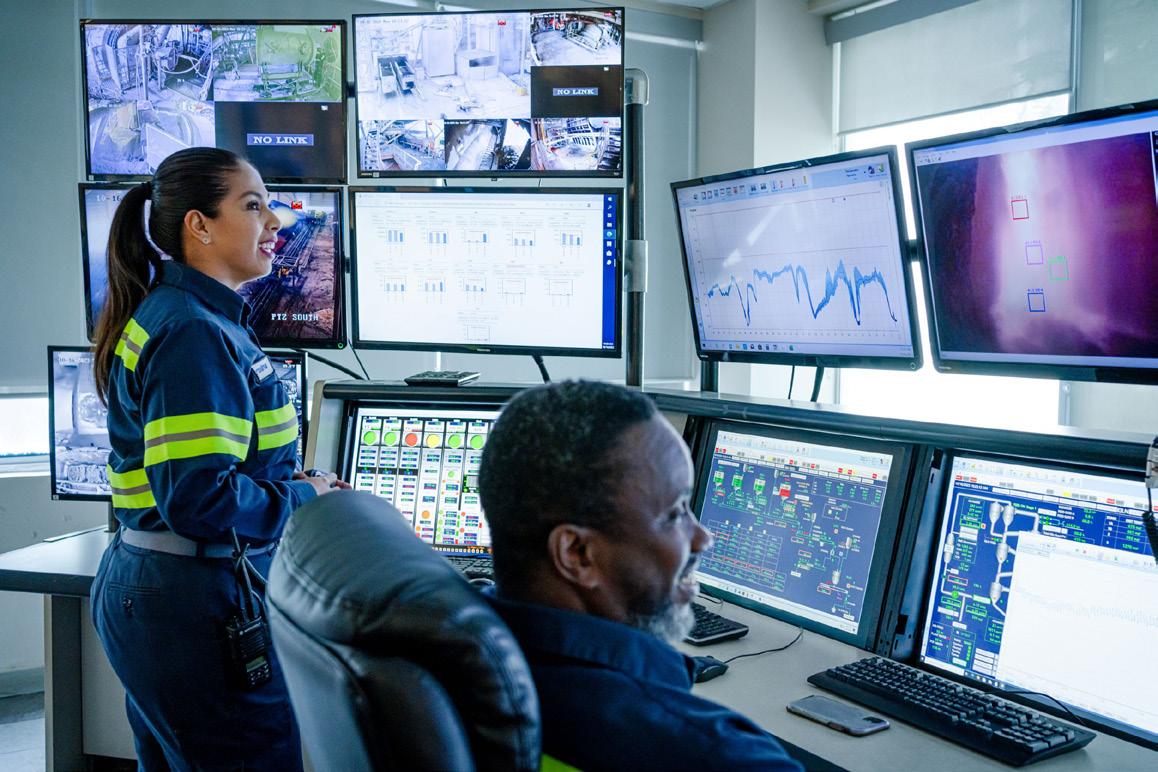
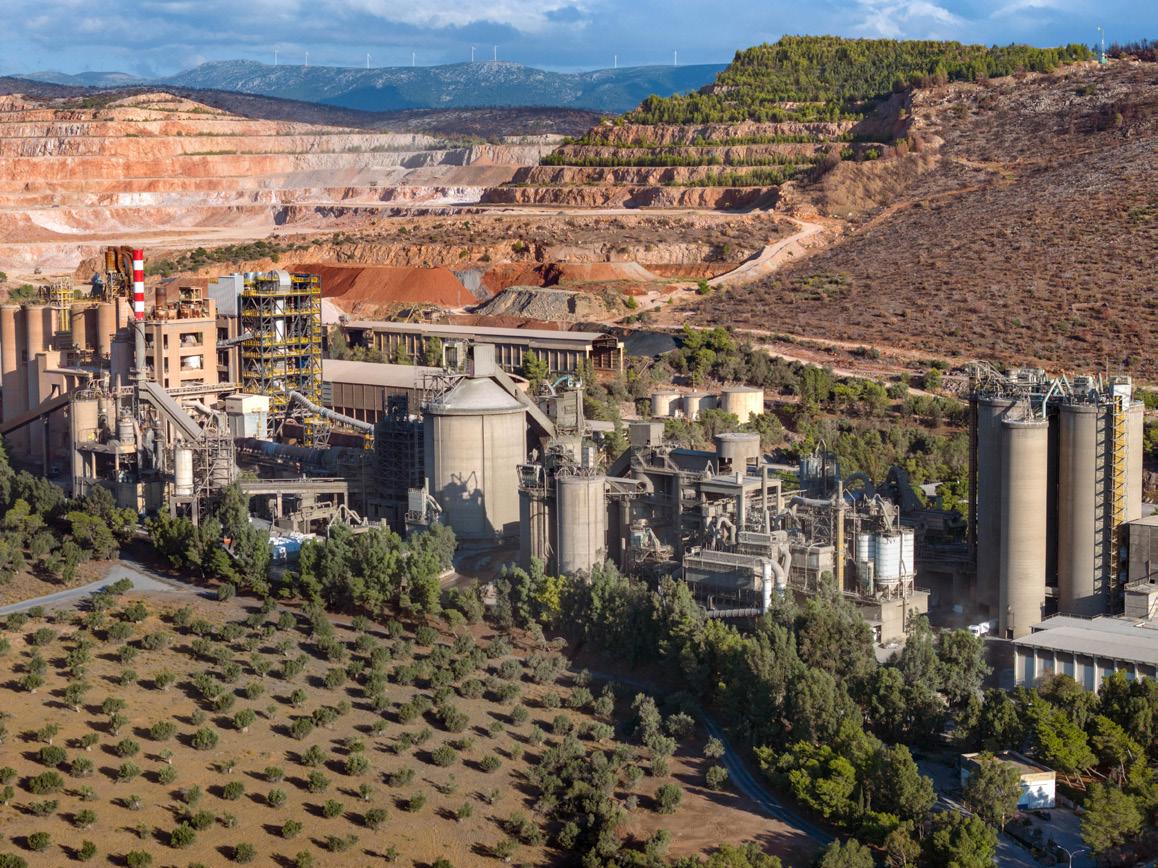
TITAN control room.
TITAN Group cement plant in Kamari, Greece.
Over the years, TITAN has achieved sustainable results, including:
f 5 – 10% increase in throughput.
f Up to 10% reduction in electrical energy consumption.
f 3% reduction in thermal energy consumption.
The implementation of the initial RTO introduced a new way of working within TITAN’s cement operations, prompting the cement producer to roll out the solution at a second plant with similar success. These projects provided valuable learning experiences for both TITAN and OPTIMITIVE, that worked together to co-develop the use cases for the cement industry. TITAN has since endorsed the solution on multiple occasions, significantly aiding OPTIMITIVE's growth and consolidation in the sector.
non-code solution that is easy for users to understand and set up. This has enabled TITAN to evolve in RTO implementation, transitioning from leveraging cement knowledge to becoming an expert integrator of the RTO. To support this, TITAN has trained an internal team at its Digital Centre of Competence to develop and deploy the solution.
In 2024, the strategic partnership between TITAN and OPTIMITIVE was further strengthened. As part of TITAN’s innovation strategy to support disruptive technologies with the potential to transform the building materials industry, TITAN expanded its venture capital portfolio by investing in OPTIMITIVE, thereby enhancing its pioneering position in AI-driven RTO, including in the cement-focused digital services company CemAI.
AD INDEX
ABC www.abc.org.uk
Bricking Solutions www.brickingsolutions.com
CemAI www.cemai.com
Christian Pfeiffer www.christianpfeiffer.com
Cintasa www.cintasa.com
Dracyon Corp. dracyoncorp.com
FICEM Technical Congress 2025 congressotecnico.ficem.org
Gebr.
www.gebr-pfeiffer.com
Krosaki AMR Refractarios S.A.U. www.krosaki-amr.com
NAK Kiln Services nak-kiln.com
Optimitive optimitive.com
Refratechnik www.refra.com
SIKA www.sika.com
Simatek simatek.com
Podcast

Never miss an episode - subscribe to the World Cement Podcast at the link above or on your favourite podcast app.
www.worldcement.com/podcasts