COURT TECHNOLOGY
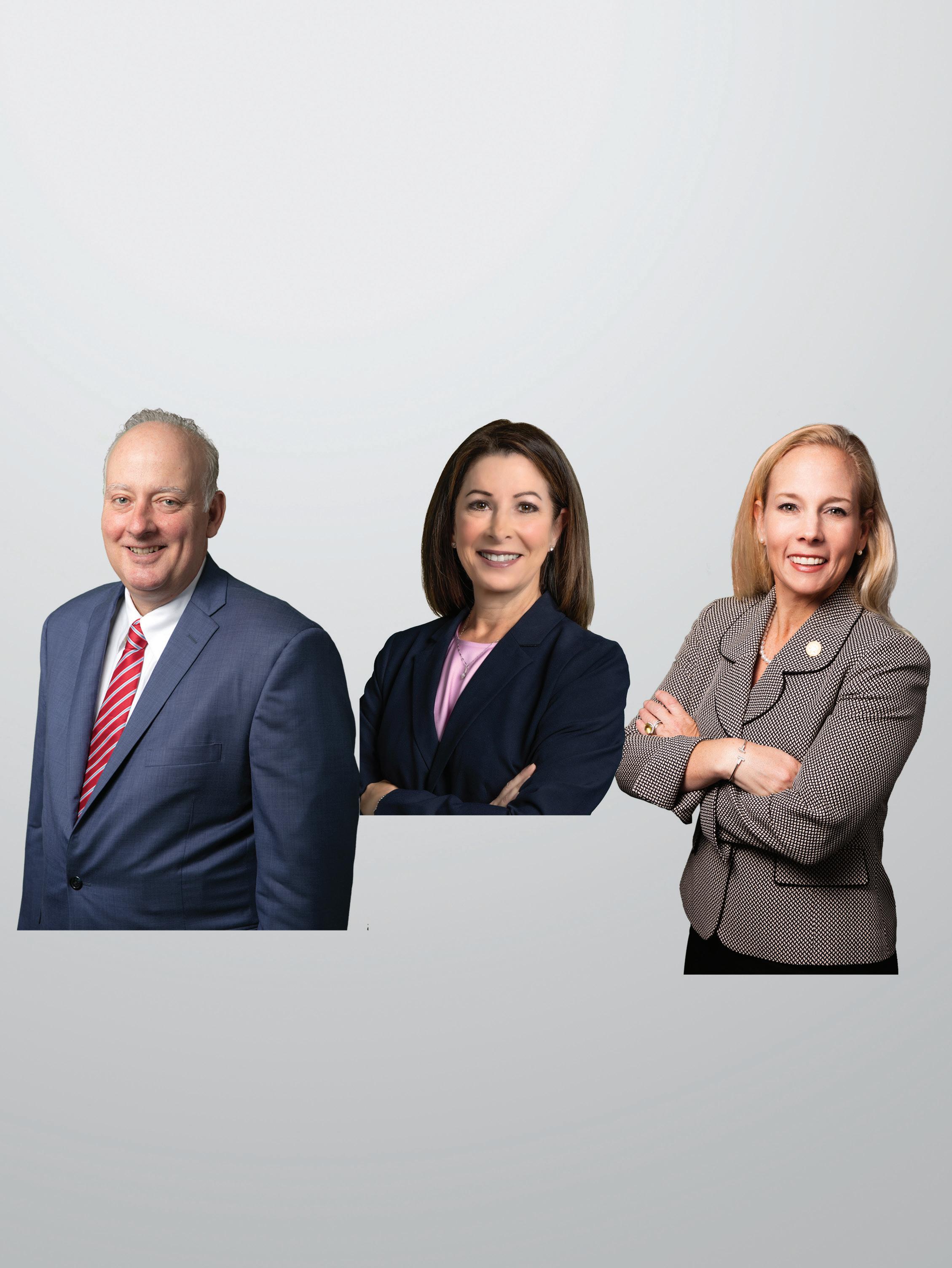
Hon. Michael Murphy on the latest advancements in the judicial system.

ADR OR EDR?
Jessica K. Hew shares methodology for Early Dispute Resolution.
THE THIRD OPTION
Coravious Coward explores GAL case plans for permanent guardianship.


Hon. Michael Murphy on the latest advancements in the judicial system.
Jessica K. Hew shares methodology for Early Dispute Resolution.
Coravious Coward explores GAL case plans for permanent guardianship.
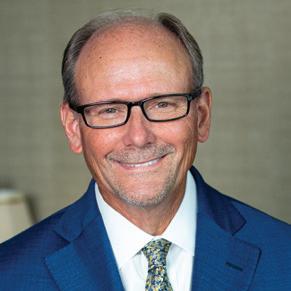
MEDIATOR • ARBITRATOR • SPECIAL MAGISTRATE
Jeff won’t let resolution elude your grasp. He appreciates how ADR can reduce the strain of a dispute and always strives to give parties the altitude they need to see all the possibilities.
Let one of our mediators hold the ladder for you while you work toward settlement. Learn more about Jeff and the entire dispute resolution team by visiting our website at UWW-ADR.com or calling 800.863.1462.


Alena
Arti
The
Sean
Jessica
Magazine:
eEdition: 20th of month prior to distribution
Copy: Six weeks prior to publication
Audra
The
Desire
880 N. Orange Ave., Orlando, FL 32801
Phone (407) 422-4551 Fax (321) 430-1558 orangecountybar.org
Legal Aid Society (407) 841-8310
Citizen Dispute (407) 423-5732
Family Law Mediation (407) 423-5732
Lawyer Referral Service (407) 422-4537
Foreclosure Mediation (407) 515-4330
Young Lawyers Section (407) 422-4551
JULY 2024 VOL.92 NO.6
Editor Kate T. Hollis
Associate Editors
Christine Wasula Tina Leger
Columnists
Alena V. Baker
Sean Mendez-Caitlin
Officers
Arti Ajit Hirani, President
Keshara Cowans, President-Elect
Lisa Gong Guerrero, Treasurer
Michael Barber, Secretary
Jacob Schumer, YLS President
Executive Council
Stephanie Alcalde
Catherine T. “Kate” Hollis
John M. Hunt
Bruce Mount
Jessica P. McGinnis
Alisia Adamson Profit
Rafael O. Rodriguez
C. Andrew Roy
Brandon M. Sapp
C. Todd Smith
Jennifer Smith Thomas
Jessica A. Travis
Executive Director
Candice Disorbo
Advertising & Sponsorship Manager Ursla Gallagher
Marketing & Communications Manager Reatha Cruz-Johnson
Design Em Agency, emagency.com



Thursday, July 18 at the Citrus Club 255 S Orange Ave STE 1800, Orlando, FL 32801
Join us on July 18 for our Luncheon featuring the Orange County Candidate Debate, where you can hear directly from the candidates running in the upcoming election.
Ashley Velez ashleyv@ocbanet.org | orangecountybar.org/page/store RSVPs and cancellations will not be accepted after July 15, 2024.


I took a Leadership and Executive Development class with Linda Ginzel, MS, Ph.D. as part of my Executive MBA program at The University of Chicago Booth. She was inspired by the Chilean poet-diplomat and politician, Pablo Neruda, who would write in green ink, because it was his personal color of hope. She would give out green pens to everyone while chanting the mantra, “wiser, younger” while she explained that that the wisdom we desired could be attained without needing to go through years of experience. It was to teach us that maybe the trajectory of our growth could be accelerated and done more efficiently by expanding our knowledge and leaning into our networks. I remember this lesson when considering the concept of growth personally and professionally.
Growing our practices and businesses can be challenging. As a new business owner, growth is something I crave. This past year, I started my company, Will Depository, an online depository, to store estate planning documents. I developed the concept, had a website created, and laid the foundation for what I envision as a necessary service for estate planning. I instantly wanted 10�000 subscribers, 5 new employees, and possibly for the company to be listed and rated as one of the top companies by Forbes, etc. I have not made it to that level, and I realize that growth does not come instantaneously but instead incrementally. Therefore, I’m now setting realistic goals for the company’s growth and attempting to temper my expectations.
As President of the OCBA, I am considering the growth of our organization and of our members. Concerning individual members, growth can be achieved in different manners depending on their area of law, the type of practice they are part of, and their level of experience. It may include activities such as expanding their client list, learning new case laws, learning about a
new case management system, or even training new associates. That would require further education and/or training and learning what other members in the same area are doing and learning. Interestingly, members’ growth brings us back to the growth of our organization. Membership is one of my main focuses this year. I am happy to have selected Brandon Sapp as our OCBA Membership Committee Chair and John Hunt as our OCBA Membership Committee Co-chair. They are working to ensure our continued success in membership growth. I urge each of you to renew your membership and to encourage your colleagues to do the same to help us build a larger community. We want members who are excited by and who understand the value of our organization. In this vein, we will all have a larger network to lean into as we all work to grow in our legal practices.
This leads us to how the OCBA is helping our members with their growth. Our board was sworn in May 16, 2024 and we officially took office on June 1, 2024. The executive council went on our Annual Retreat where we discussed and planned how to make our board stronger as a team and more effective at making decisions for our membership at large. Our Professionalism, Judicial Relations, and Solo and Small Firm Committees have begun meeting, and we will be holding a committee fair at the OCBA Center for the chairs and co-chairs, so they learn about the requirements and guidelines to make the most of their year. We have an amazing new executive director, Candice Disorbo, who has been with our organization for over a decade. A special thank you must also be given to Past Presidents and Ninth Circuit Board of Governor Representatives, Tad Yates and Woody Rodriguez for the hours they gave to the search committee to select the executive director to ensure our organization has the help it needs to carry on.
We will be rolling out our new website that was created last year. We hope the committee chairs and members will utilize more of its functions and chat features to disseminate information and ideas more effectively. Our first monthly luncheon, July 18, 2024, is a candidate forum for all the contested judicial elections, state attorney, and public defender’s office to state their positions on issues that affect voters and our organization. A special thanks must be given to our past president, Nick Shannin, for his invaluable help this year as well as for moderating the upcoming luncheon. We are dedicated to ensuring that new members feel connected within our large organization of several thousand members. To achieve this, we have introduced a buddy system. At our larger functions, such as the luncheon, newer members are assigned to more seasoned attorneys to help navigate the event. We are revamping the Professionalism Awards and are trying to make
sure that the activities that our social committee plans keep the long- standing members engaged. We are bringing back OCBA Has Talent, keeping our favorite Trivia Nights, and adding a pickleball tournament to the mix.
I have a special request to everyone reading this article. Please go to your social media outlets and post one way you have grown over the last year in either your personal or professional life and tag the Orange County Bar Association and the hashtag #wedidittogether. We want to know about and celebrate the great achievements of our members within our legal community. Let’s amplify each other’s wins. Together, we can grow, our practices, our selves, and our bar and do it “wiser, younger.”

Arti Hirani
Growth can be achieved in different manners depending on their area of law, the type of practice they are part of, and their level of experience.


Every July my office publishes our unclaimed checks list to get unclaimed money back into the hands of the rightful owners.
The checks listed are those that were mailed, but never cashed; perhaps because the intended recipient moved away and did not leave a forwarding address or put the check away and forgot about it.
The list of checks each year includes uncashed vendor payments, refunds, restitution, and cash bonds usually from as low as a couple cents up to tens of thousands of dollars. Even attorneys and their clients will want to make sure to view the unclaimed checks list.
I also like to remind customers who have restitution owed to them on a case in Orange County to make sure they keep our office updated on any address changes to ensure they receive any payments due to them.
Please keep in mind, if you do not collect your money by Sept. 1st, Section 116�21 of Florida Statutes says it will be forfeited and deposited into the Clerk’s Fine and Forfeiture Fund.
To search the unclaimed checks list, go to www.myorangeclerk.com. If you have searched the list and believe the Clerk’s Office is holding a check for which you have a claim, follow the instructions on our website to submit your claim.
Our customers deserve to receive the money that is rightly theirs. That is why every year my office goes above and beyond to spread the word about our unclaimed checks list.
Until next time,

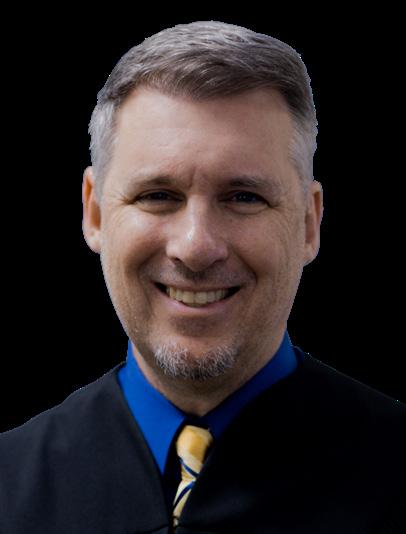
What we do now and what we can expect to occur in the future.
From the Court’s perspective, court technology refers to the various tools, systems, and applications used within the legal system to enhance the administration of justice, improve efficiency, and facilitate communication and presentation during court proceedings. As we move further into the digital age, the integration of technology within the court system continues to evolve, promising greater efficiencies and accessibility.
1. DISCLAIMER: Please attend training well in advance of your courtroom presentation, and I personally believe in backup plans, including bringing your own personal hotspot to avoid Wi-Fi issues.
2. Some judges still use Microsoft Teams or Zoom; however, neither of these programs are designed for hybrid hearings and are not connected to the courtroom microphones.
Using technology allows attorneys to create visually engaging presentations that emphasize key points and make complex issues easier to understand. In our circuit we are fortunate to have one of the most technologically advanced courtroom setups in the state. Simply visit https://av.ninthcircuit.org/ to access the Ninth Circuit’s Audio/Visual Support and Training Center. Here, you can learn about services that are already in each of our courtrooms, such as wireless (and hard wired) screen mirroring to HD courtroom projectors; teleconferencing support for remote testimony via phone or video; assistive listening devices (ADA compliant); document cameras; and video playback ability.1 In the future, as costs decrease, we expect to see evidence presented in the courtroom through advanced means including virtual reality, 3D scans, and holograms. And I am happy to tell you, we are already starting to prepare for this new and exciting type of evidence presentation.
The main videoconferencing platform used by judges in the Ninth Circuit is WebEx, which allows for entirely virtual as well as hybrid court proceedings. Additionally, WebEx accesses courtroom microphones and the court’s digital court reporting system to record proceedings re-
quired to be reported by law, court rule, or administrative order.2 WebEx and Microsoft Teams are also installed on each judge’s laptop so they can conduct hearings, regardless of the judge’s location – be it their hearing room, their courtroom, or elsewhere. Between February 1, 2024 and April 30, 2024, WebEx was used in the Ninth Circuit for 3�622 proceedings and involved 25�519 participants. The total WebEx usage time for that time period totaled 293�664 minutes.
The Ninth Circuit also leverages court technology to provide more efficient access to interpreting services for proceedings, as required by Rule 2�560 of the Florida Rules of Judicial Administration. Our interpreters can appear virtually to provide consecutive or simultaneous interpretation, through a headset and video link, to limited English proficient individuals (LEPs) for all court proceedings except lengthy trials. Remote interpreting eliminates downtime, from waiting for a case to be called in the courtroom to the time involved for the interpreter to physically appear in the courtroom. To put this advancement into perspective, during March of 2024, interpreters participated in over 1�600 virtual court events providing a total of over 140 hours of virtual interpretation.
As with interpreting, the Court is also responsible for accurately preserving the record and producing transcripts, as required by Rule 2�535 of the Florida Rules of Judicial Administration. To this end, we use digital court reporting for all proceedings covered by Rule 2�535, with the exception of felony trials and any proceedings in death penalty cases. Courtroom proceedings in the aforementioned areas are recorded and monitored in a remote office and annotations are made in real-time. We are currently investigating
upgrading our system to have more digital channels in the courtroom to allow real-time reporting with speaker identification. This upgrade will allow the Court to produce faster and less expensive transcripts.
To increase efficiency, each judge and magistrate in the circuit has been issued a laptop that can be moved from office to courtroom to hearing room to home. The laptop replaces the need to have a separate computer in each office and courtroom. In the courtroom, the laptop is connected to a docking station that typically has two monitors and a printer. In addition to Microsoft Office, each laptop allows access to a program called Smartbench, an electronic bench software program that judges utilize to review case information. Within Smartbench, all judges can process and e-file orders regardless of the judge’s location. Judges routinely upload the electronic hearing notebooks provided by attorneys into Smartbench for access during hearings and trials. Smartbench is also integrated into the new aiCalendaring system that eventually will serve as the circuit’s scheduling software. We know Smartbench and aiCalendar need to be faster, and we are currently working on ways to speed up both. Finally, no court technology article can be complete without addressing AI and cybersecurity from the Court’s perspective, but we’ll save that for a future article. Just know that the Ninth Circuit is committed to leveraging technology in ways that promise greater efficiencies and broader access for all court users.
These vendors are supporters of the OCBA. Many o er special discounts to members. We encourage you to use their services to grow your practice.
The Residence Inn by Mariott / Located at 680 N Orange Ave., just two blocks from the OCBA building. Discounted rates include complimentary self-parking, complimentary breakfast buffet, and wireless HSIA.
Helps members reduce costs with exclusive pricing through a variety of brands nationwide. bit.ly/ocbasavingsclub
Clio / Cloud-based practice management system. Members save 10% on monthly subscription clio.com/OCBA
LawPay / Quickly and securely accept online payments anytime, anywhere. No debits are allowed from your IOLTA, at any time for any reason, guaranteed. Sign up by January 31 and pay no monthly fees for 3 months + a �100 Visa gift card.
DISCO (NYSE: LAW) / AI-powered legal solution that simplifies ediscovery, legal document review and case management. cdisco.com/raise-the-bar
LEAP / Legal practice productivity solution combining practice management, accounting, document management, and legal publishing into one cloud-based system. leap.us/florida / sales@leap.us / 844-702-LEAP
FirmPro / Helps protect law firms with 1-9 attorneys and offers a discounted rate to attorneys averaging less than 26 billable hours/week. insuringlawyers.com/get-insurance-quote
Professional liability insurance to help protect Florida lawyers and their clients. 800-633-6458
PEACHTREE VA / Highly vetted, US based Virtual Assistants that perform common administrative tasks for as little as 25 hours a month. Call Darleen Priday for a consultation. 678-622-4283 / darleen.priday@peachtreeva.com
Find a complete list of vendors at orangecountybar.org/ for-attorneys/member-benefits/featured-benefits/
To become a Preferred Vendor, contact our Advertising & Sponsorship Department The businesses listed herein (the“Vendors”) are not affiliated with the Orange County Bar Association (OCBA) and shall not under any circumstances be deemed to have any authority to act on behalf of the OCBA. The OCBA does not make, and expressly disclaims, any warranty, representation, responsibility, or guarantee as to (a) the quality or suitability of the Vendors, their products, or services, and (b) the duration or validity of any discount or other promotion offered by any of the Vendors.
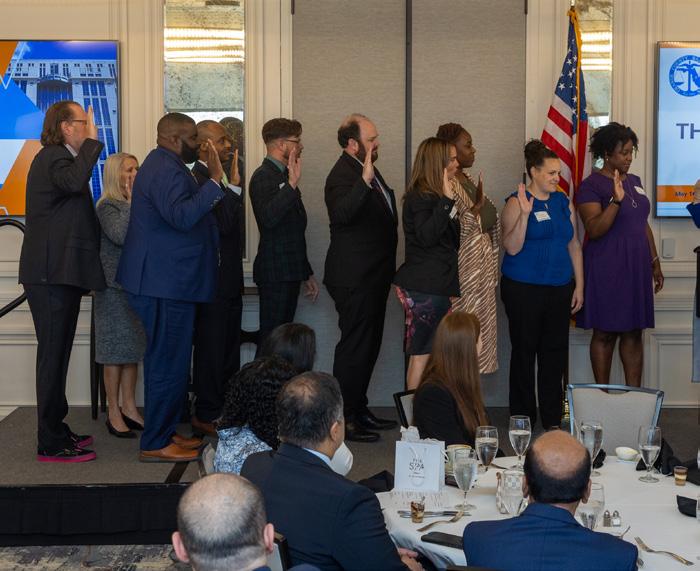
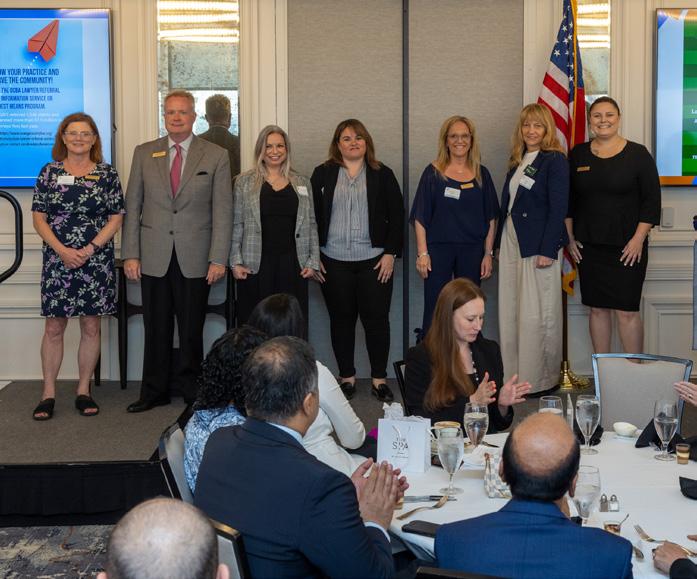
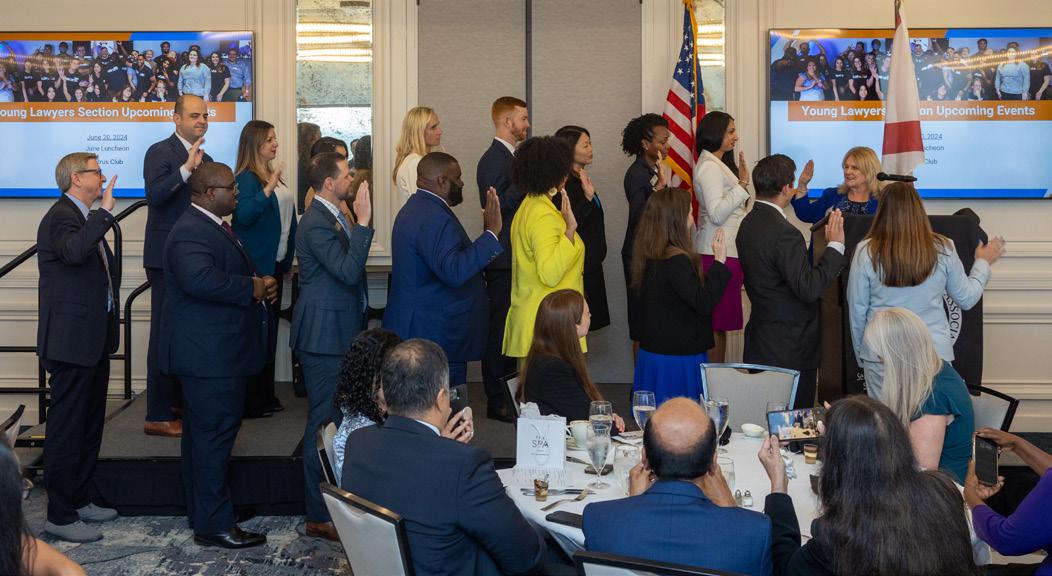
MAY 16, 2024
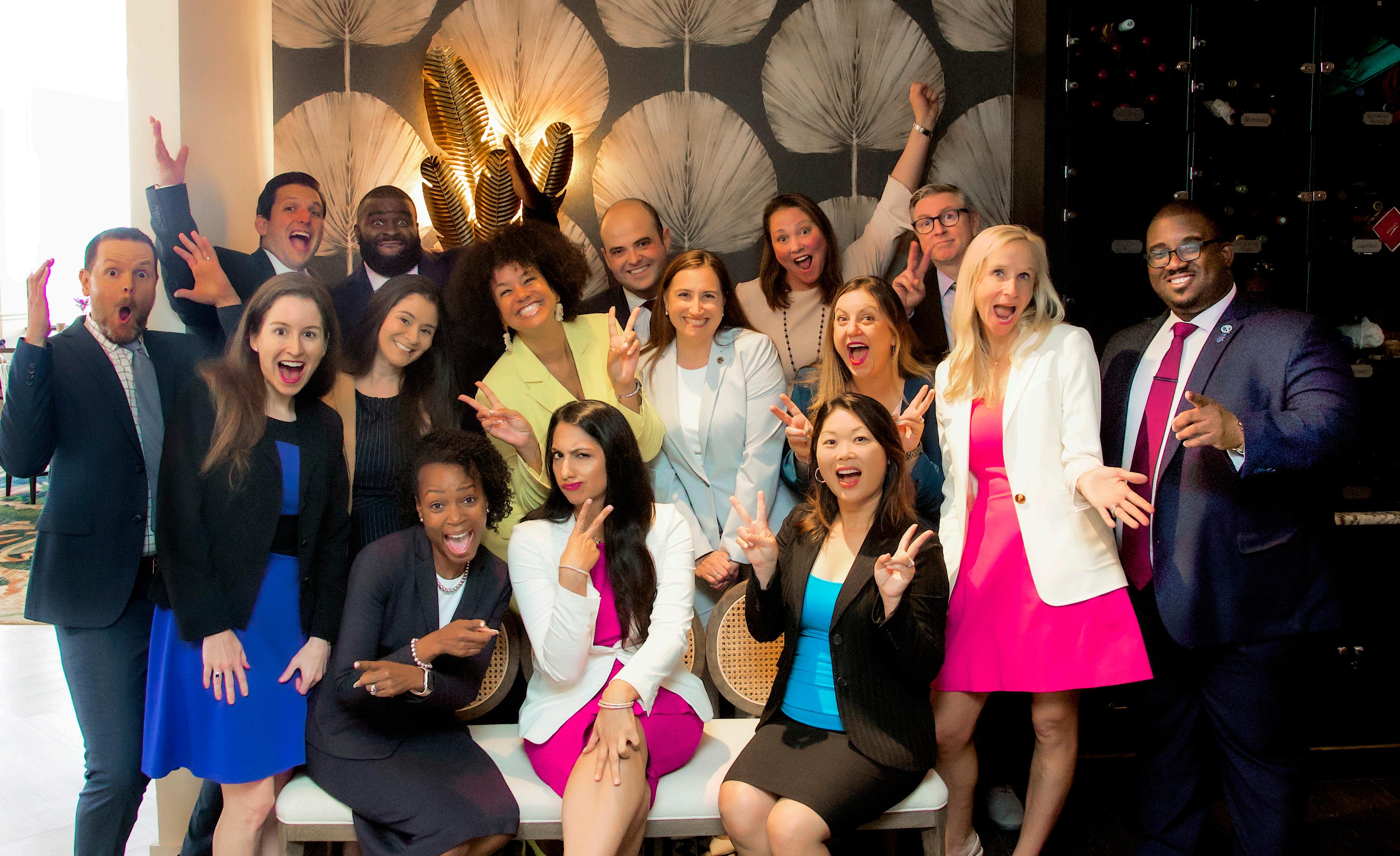
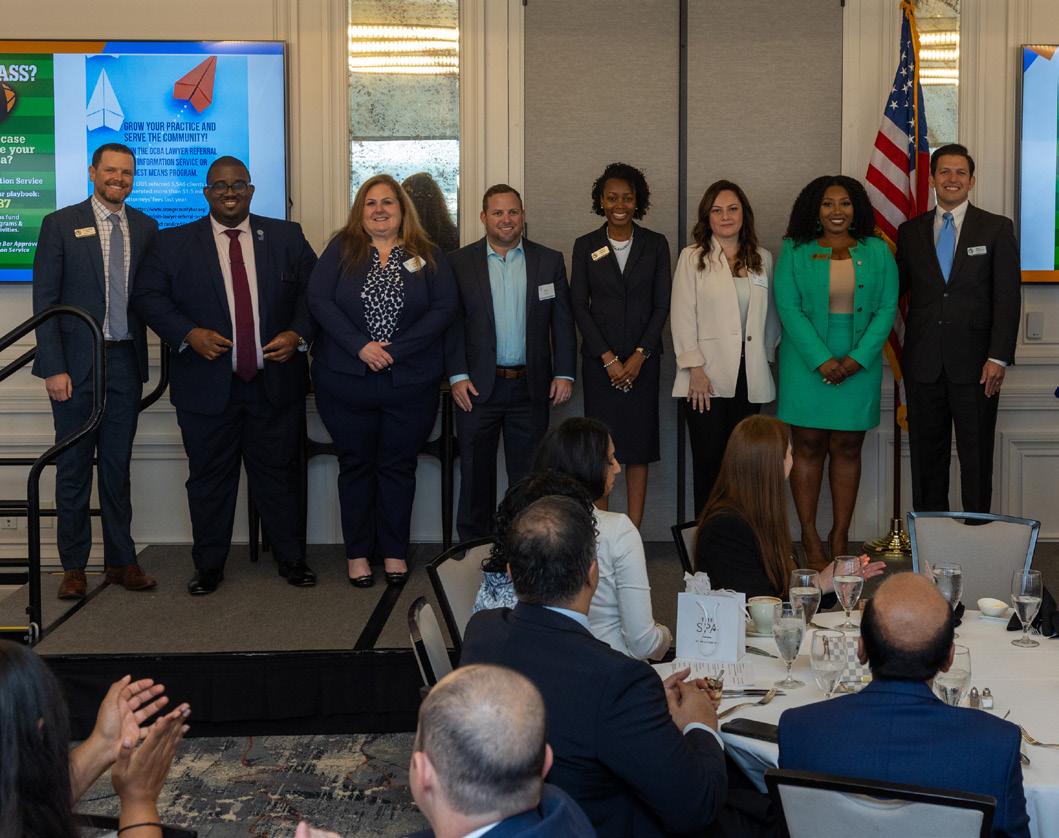
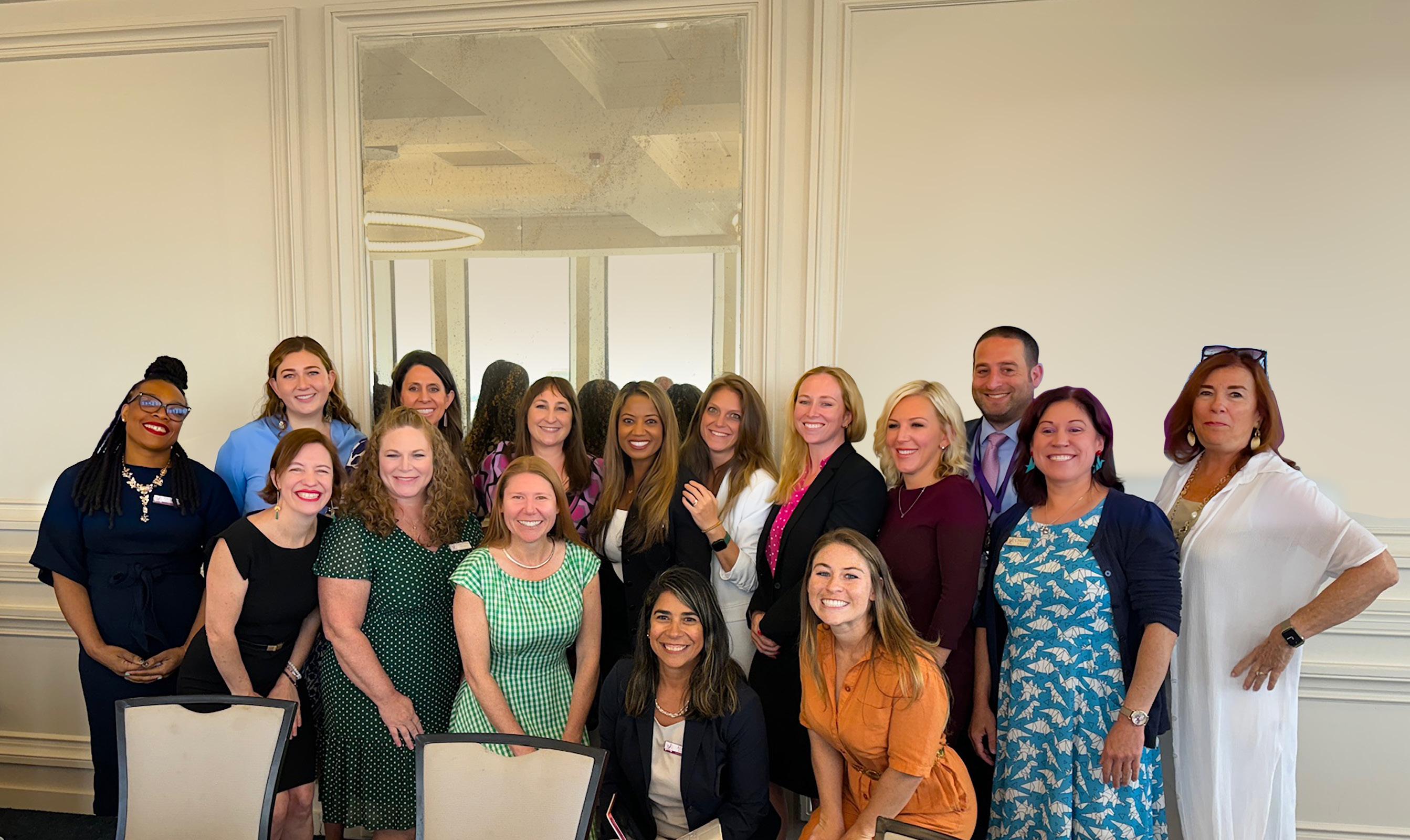
We are excited to welcome the 2024-2025 OCBA leadership
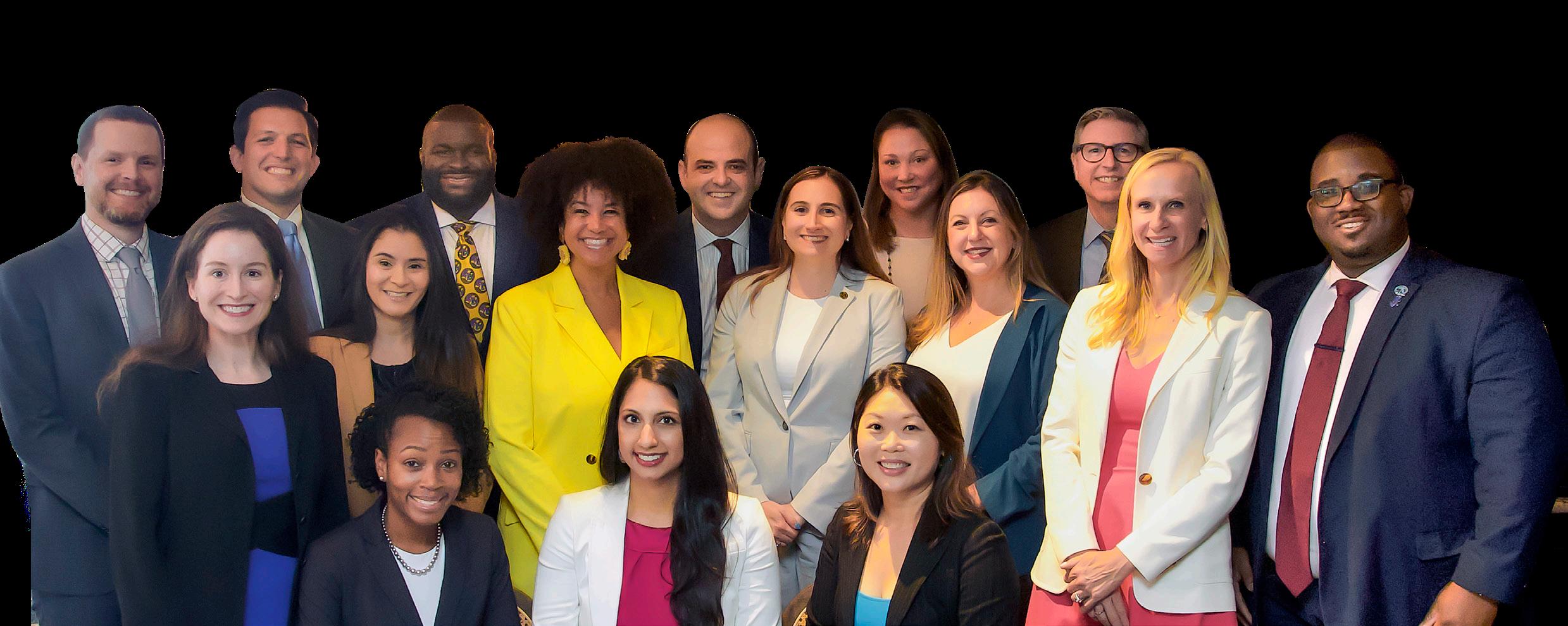
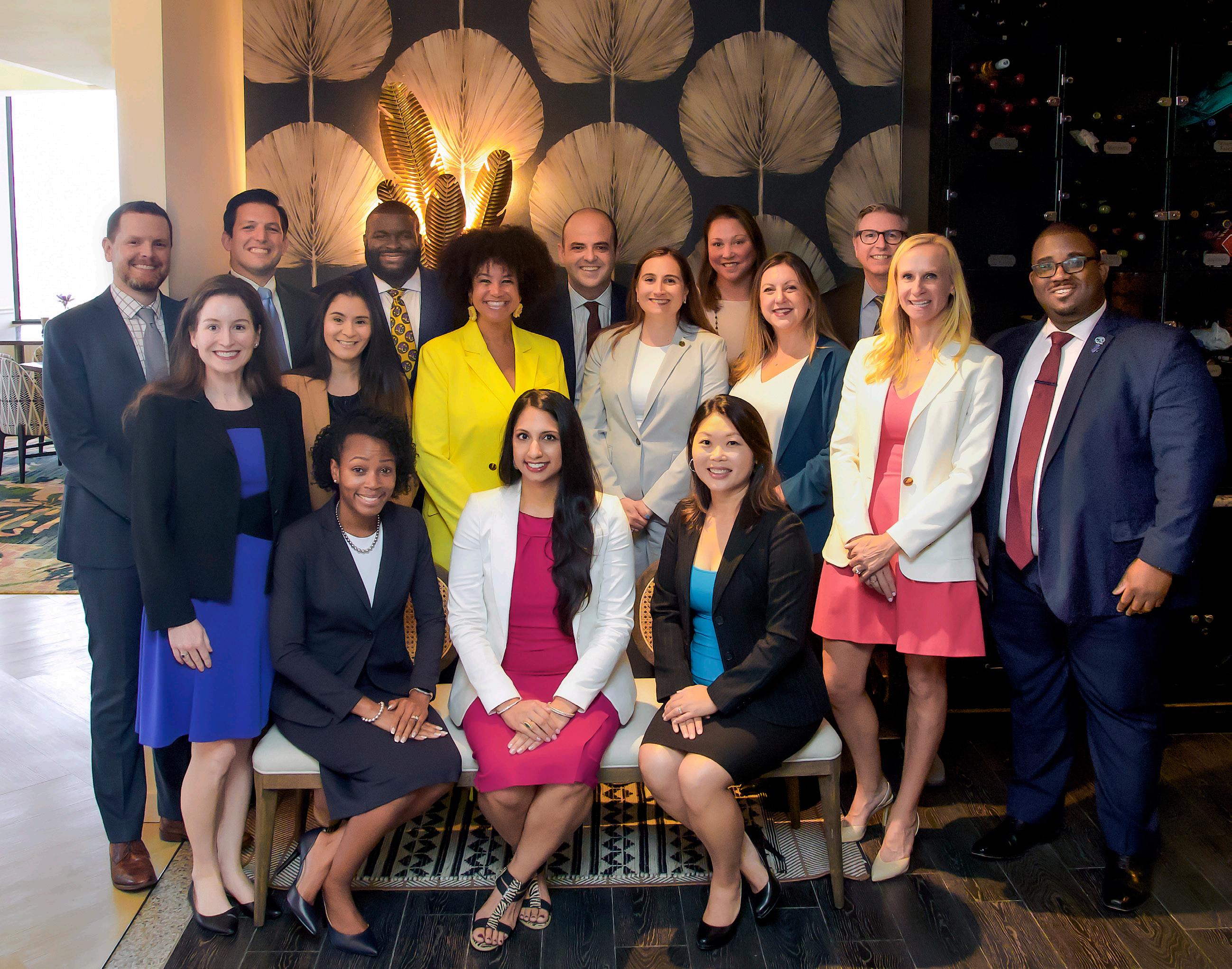
YOUR 2024-2025 EXECUTIVE COUNCIL
Officers
Arti Hirani, President (front center)
Keshara Cowans, President-Elect (front left)
Lisa Gong Guerrero, Treasurer (front right)
Michael Barber, Secretary (Not Pictured)
Middle Row (from left)
Jessica P. McGinnis
Stephanie Alcalde
Alisia Adamson Profit
Jessica A. Travis
Kate T. Hollis
Amber Davis, Immediate Past President
Back Row (from left)
C. Andrew Roy
Rafael O. Rodriguez
Bruce Mount
Jacob Schumer
Jennifer Smith Thomas
Todd C. Smith
Brandon Sapp

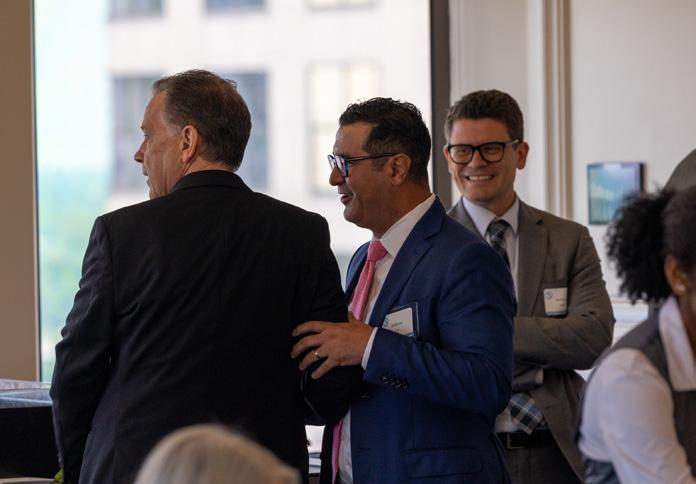


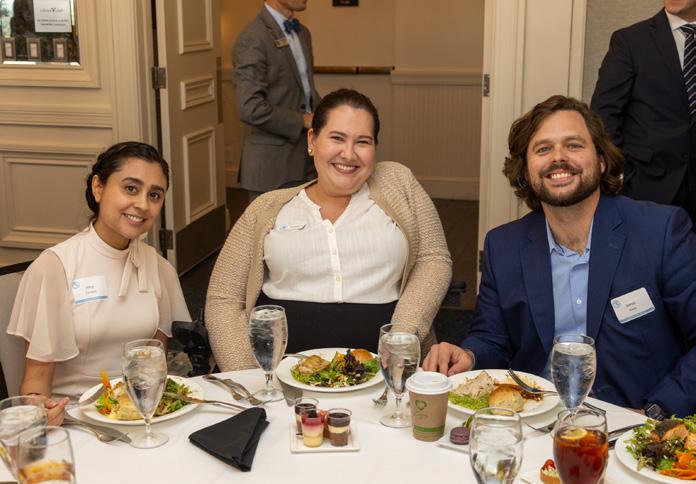
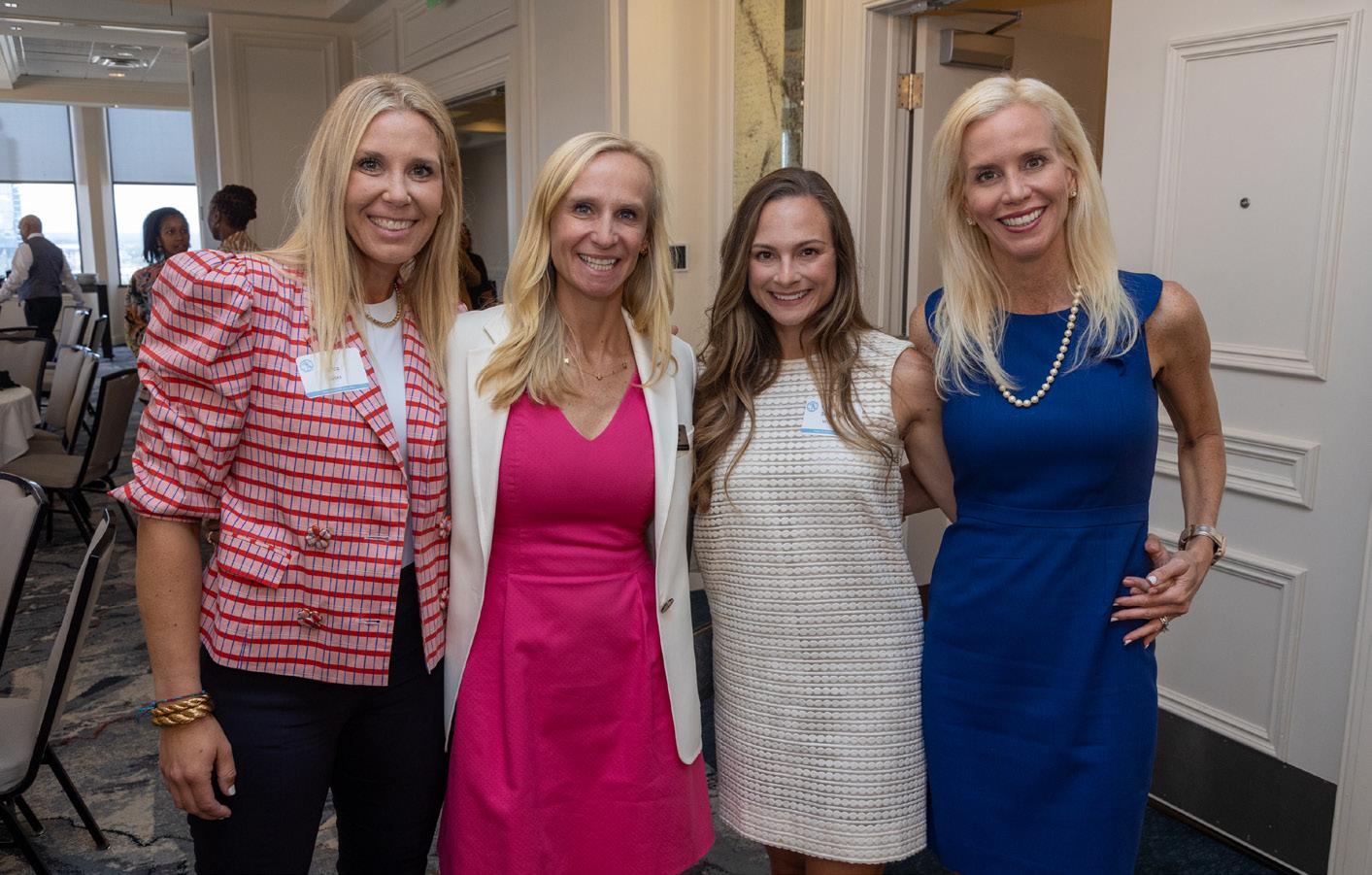
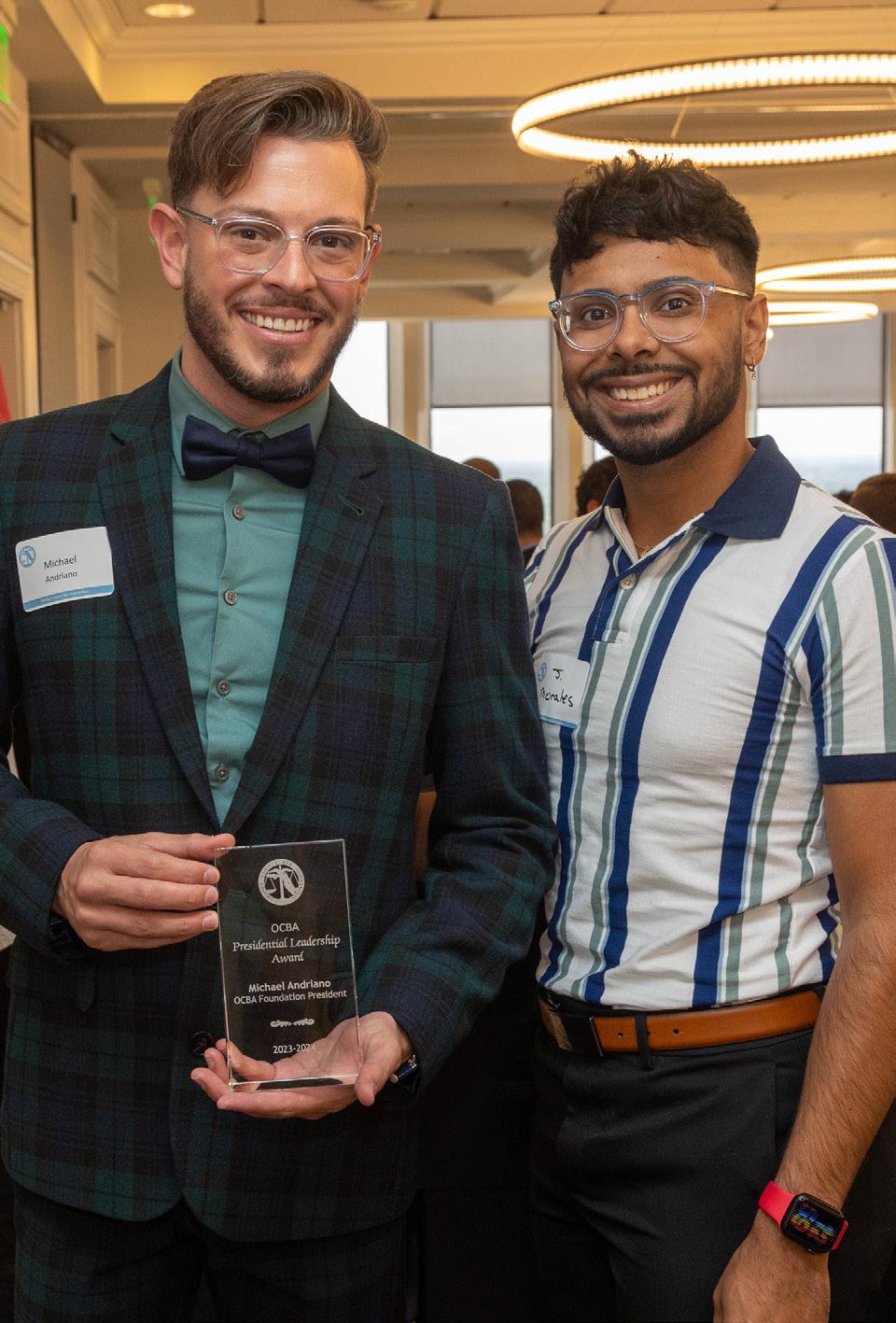
1 Darleen Priday, Peachtree VA, Annie Kwong
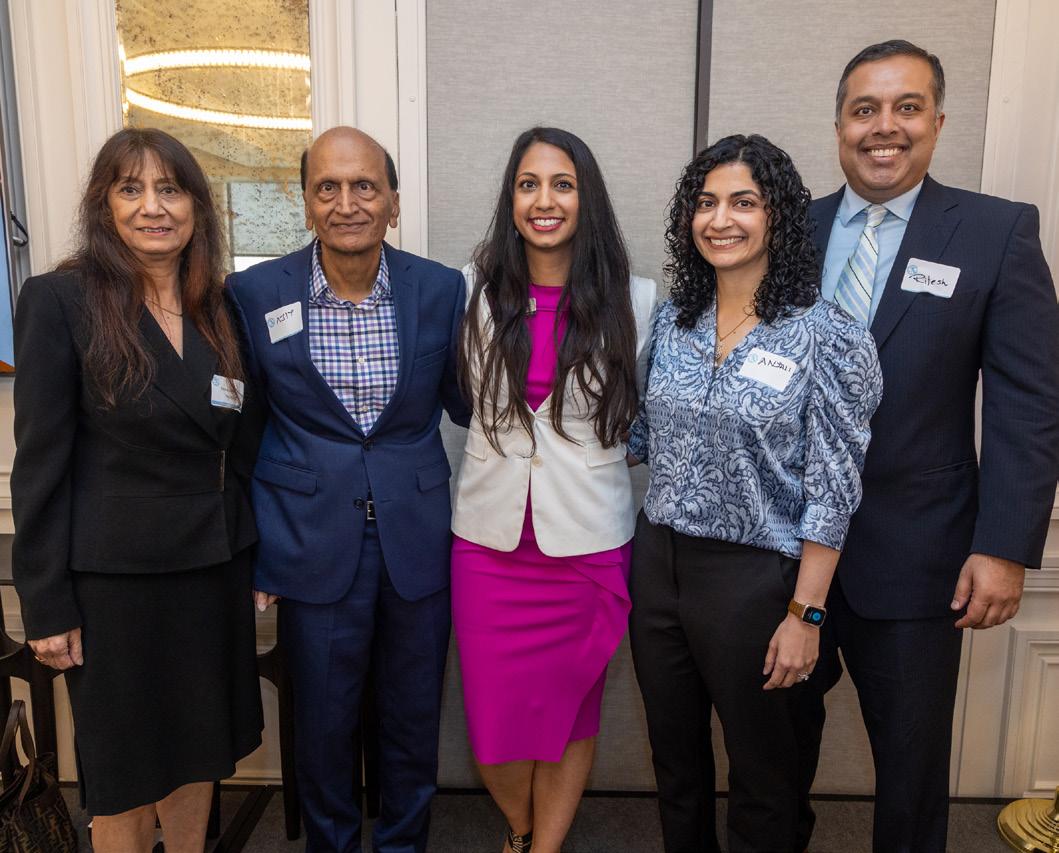
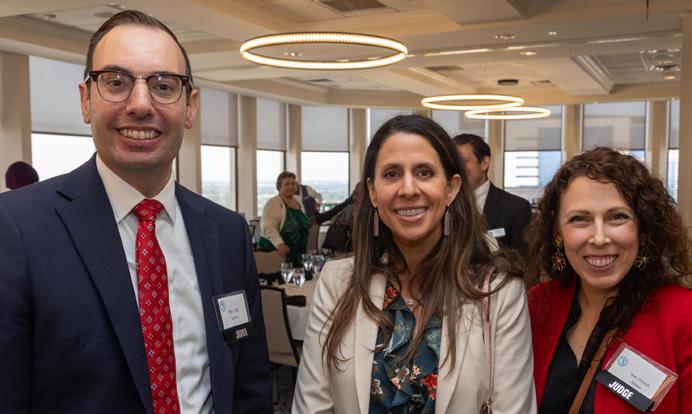
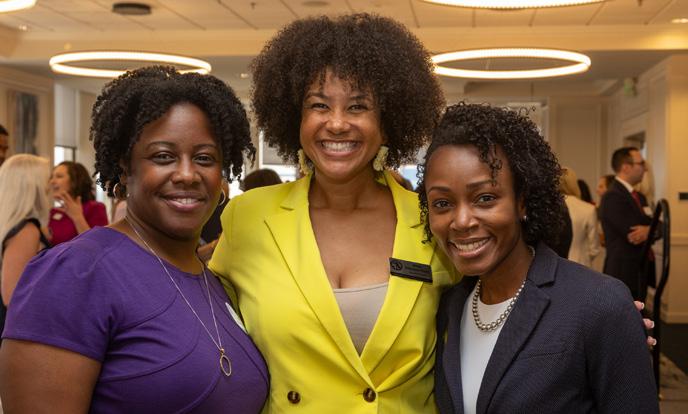
7 Michael Andriano, Jeremiah Morales 1 2 3 4 5 6 7
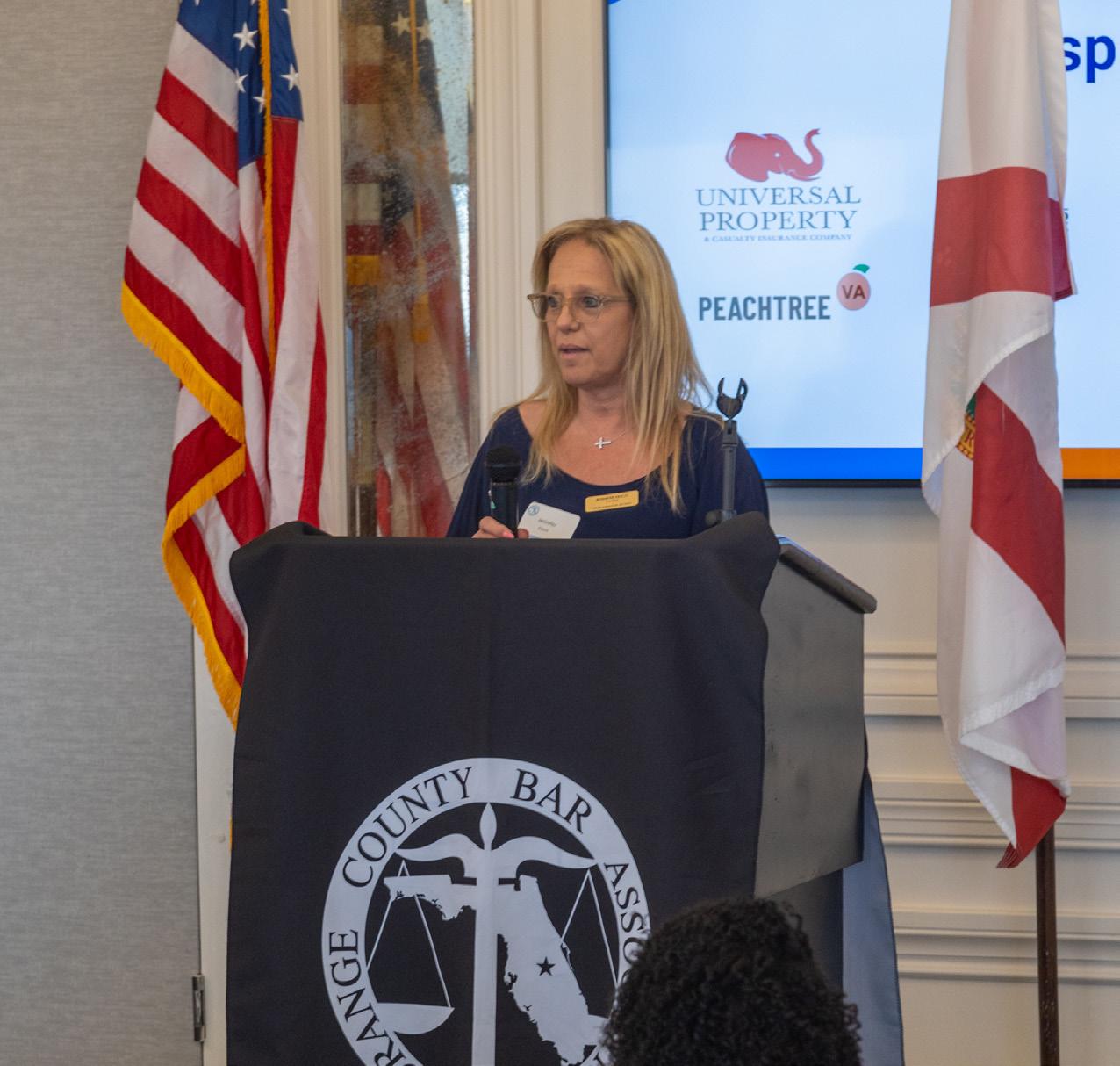
2 Members saying the Pledge of Allegiance
3 Kafi Kennedy-Swanson
4 Tony Sos, Andrew Irvin
5 Luncheon attendees enjoying networking opportunities.
6 Immediate Past President Amber Davis with Personal Guests.
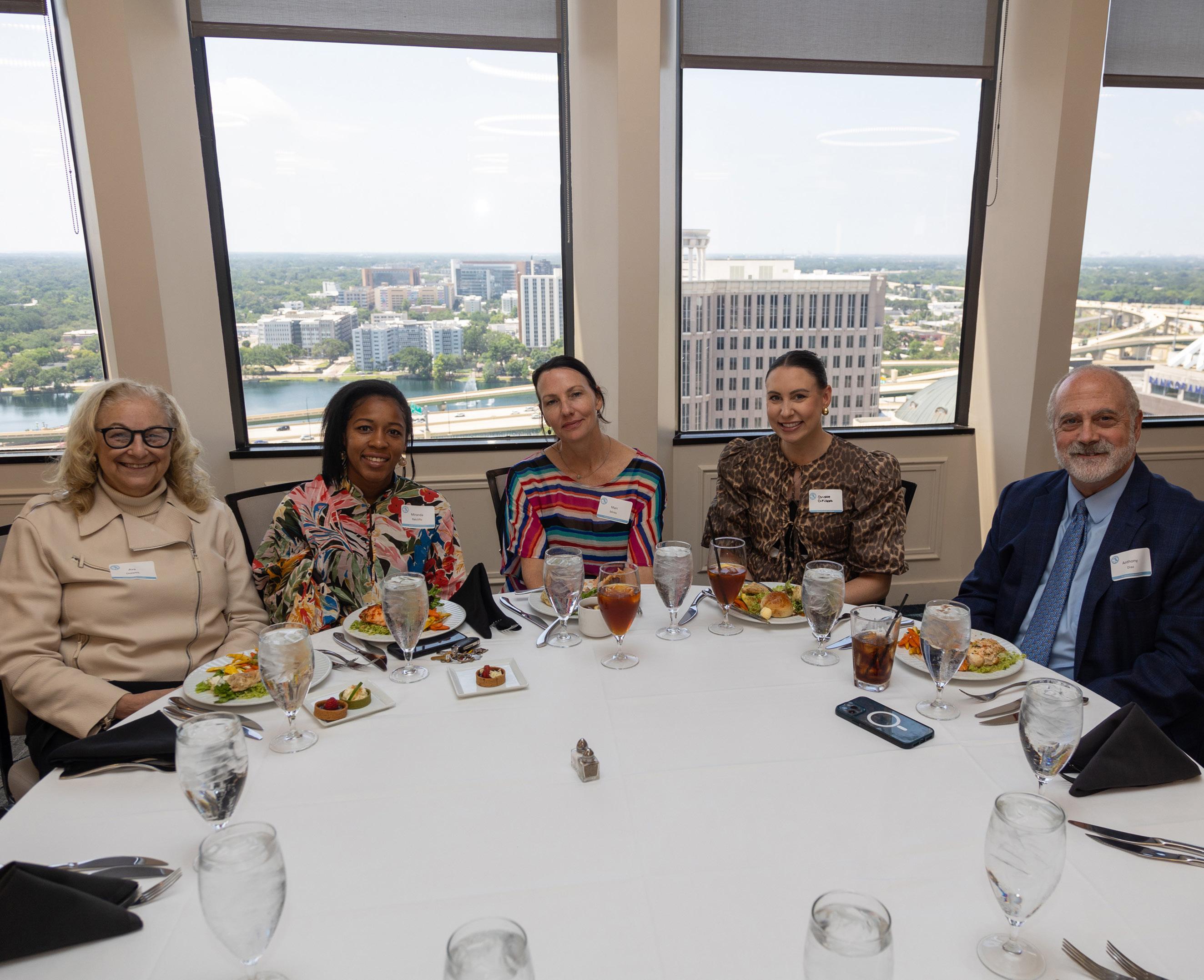
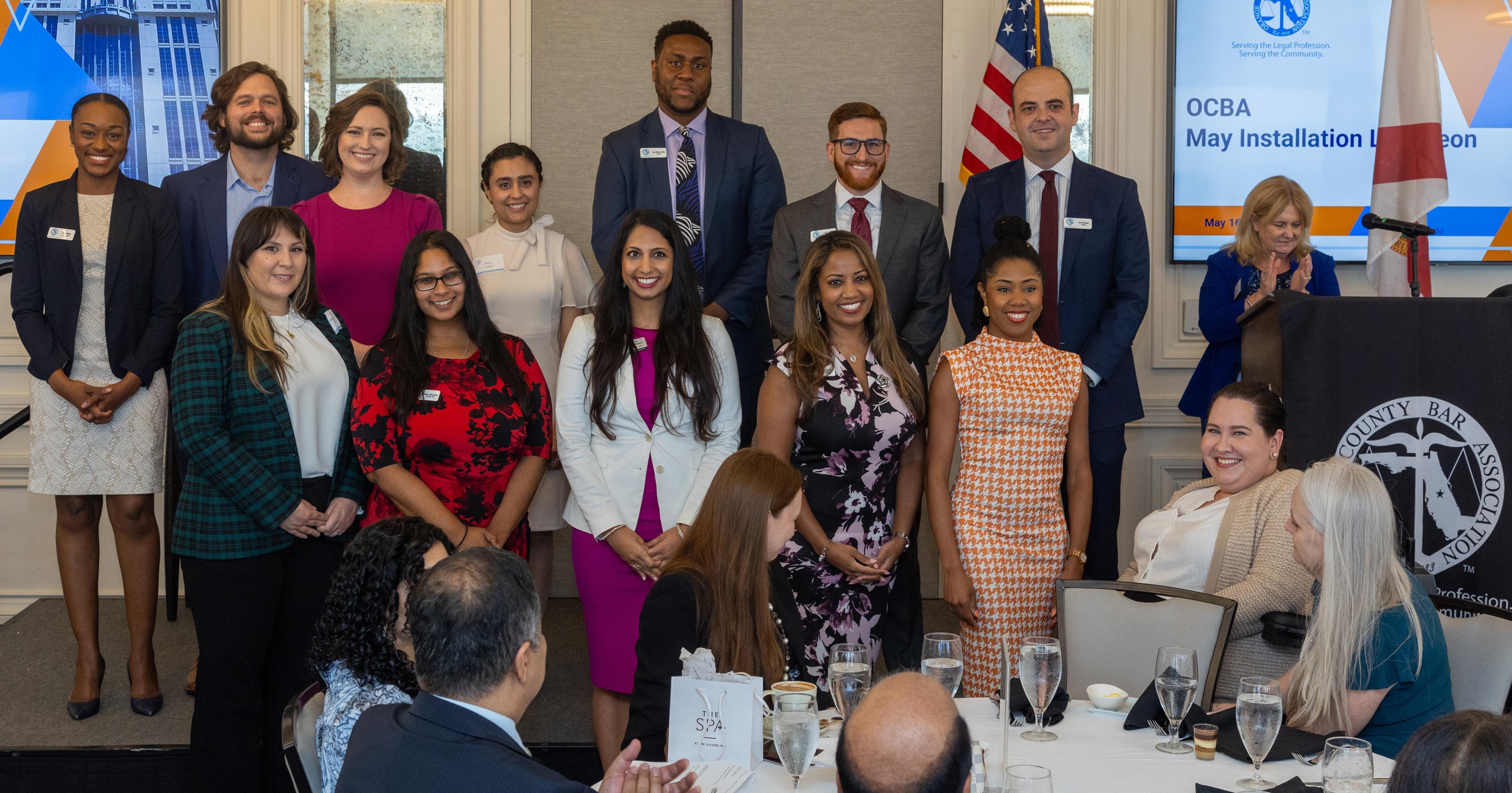
Group photo of Luncheon Attendees
Audra Albright, Senior Litigation Paralegal, In-House
With over 25 years as a paralegal, Audra Albright specializes in litigation, e-discovery, trial preparation, corporate law, bankruptcy, construction, real estate, employment, medical malpractice, personal injury, franchise, and intellectual property. Her current job expands her knowledge of construction litigation.
Imagine standing in front of your mirror and realizing the most important conversation you will have today is the one you are having with yourself, in that moment, as you gaze into your own eyes and tell yourself you can do this. Small changes you make will have a lasting, positive impact. Prioritizing growth will help focus on opportunities to utilize your natural talents and receive the benefits of living an elevated, positive life.
Helping others may seem obvious for personal growth, but this concept is often pushed aside because of stress and challenging schedules. We often consider altruism as a measure of a “good person”, but altruism has been proven to be beneficial for emotional well-being. Studies have shown that transplant patients who became support volunteers improved in several areas of health, including improved confidence, self-awareness, self-esteem, reduced depression, increased daily functioning, and enhanced peace of mind. In addition, the benefits extend to the generous person by increasing happiness and compassion. This path for growth is available to all of us every day.
Legal cases have a standard pattern of progression. However, if opposing counsel is overly aggressive or unexpected events occur, it is common to have the strength and skills to redirect focus and respond to new demands. When you lose track of time while working on an engaging, time-sensitive project, psychologists refer to this state of mind as “flow”. It happens when you are deeply involved with a new subject, task, or skill. If we are too challenged, we are stressed. If it is too easy, boredom ensues. It’s the goal to find that sweet spot – find your flow! To do this, you need to leverage your strengths to do more. If you focus on skills where you excel,

your self-confidence will skyrocket. It will also improve your overall satisfaction with life. For example, if your strength is drafting and writing, utilize these skills to find your flow. The more you do this, finding your flow will become easier and will lead to better overall results.
New business owners are regularly advised to develop a business plan to define success. Many have a one-year, five-year, and 10-year plan. Developing
your own personal growth plan allows you to identify problems early, prepare for change, take direct action, and reaffirm a commitment to oneself. So many factors in life are presented where you do not have control, but with planning, you can use the resources you have in your life to grow and thrive rather than merely survive. It provides a framework for becoming a better mentor, advisor, partner, friend, family member, good listener, and to achieve other personal development goals. Make the goals realistic
cult to focus on goals and personal growth. However, if you can embrace the power of perseverance and have an unwavering dedication mindset, you will move the mightiest mountains with the flow of persistence. Don’t ignore the mundane, unglamorous daily tasks that stack up. Utilizing daily discipline and the power of habit is truly what builds empires. Those mundane tasks will make you grow exponentially as small changes lead to growth over time. The tortoise was always right to pursue slow triumph. Use patience as a strategy for incremental growth.
and achievable. Begin by making a list of your broad personal goals, both immediate and future. What are your likes and dislikes? Consider your aspirations concerning your career, family, leisure time, and education and determine how these aspirations fit with your vividly imagined ideal life. Eventually, it is extremely satisfying to mark the personal growth goals as completed.
Bone-deep exhaustion and running imposed mental marathons with fleeting moments of glory can make it diffi-
tion and results. A legal career in this environment requires more than having an arsenal for success and being strategically savvy. It’s a harsh reality. There must be a commitment to your own physical, mental, and emotional well-being. It is not a luxury. Personal growth is necessary for decision-making, resilience, and strategic thinking. A well-rested, mentally sharp, and emotionally balanced person can tackle the storm.
Staring at yourself in the mirror again, realize optimistic internal dialogue is a game-changer for personal growth. It fosters self-compassion, stifles self-doubt, and assists with tackling new challenges. Face your fears. If you are afraid something will be embarrassing, do it anyway. The benefits of being a little anxious or making a few mistakes can lead to unexpected victories. Even small progress is still progress! New technology, frustration with progress, curveballs, an uncertain economy, and new clients all demand immediate atten-
Clients expect legal professionals to be superheroes, but it is perfectly human to stumble under the weight of expectations. Acknowledge self-critical thoughts because recognizing them helps disempower and dispel them. As you embark on a journey of professional and personal growth, know you are not alone in feeling overwhelmed by the current tapestry of world events we all share. Your journey is unique, but as a part of this vast tapestry, it is woven together by shared experiences, empathy, and darkness before the light. Remember your worth isn’t defined by your toughest days. Do not forget to dance to an unwritten anthem of hope, courage, and the promise of new beginnings. Remember the effort is worth it.
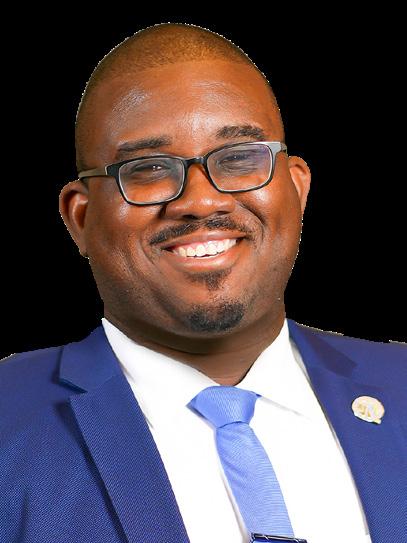
Brandon Sapp, Esq Founding Partner at Brandon Sapp Law PLLC in Central Florida, focusing on Plaintiff ’s Personal Injury and Criminal Law. Past President of the Paul C. Perkins Bar Association and the Young Lawyers Section of the Orange County Bar Association, and a Past Ninth Circuit Board of Governors member of The Florida Bar Young Lawyers Division. Currently serves on the Orange County Bar Association Executive Council, as Vice Chair of the Florida Bar Wm. Reece Smith Jr. Leadership Academy, on the Ninth Judicial Circuit Professionalism Panel, and was recently awarded the Orange County Bar Association Lawrence G. Mathews Jr. Young Lawyer Professionalism Award.
Ihave always believed that “professional is not a label you give yourself, it’s a description you hope others will apply to you.”1 Over the years, I have been chosen to speak on professionalism many times and have had the privilege of doing so for our local PD’s Office, FAMU Law’s Orientation, and the Florida Bar YLD Practicing with Professionalism Program. Professionalism is something I have always felt strongly about and is an idea that has always been key in my practice of law. So strongly, when I opened my own law firm in February of this year, I chose to include in my logo three words that describe the cornerstones of my firm, “Passion, Trust, and Integrity” which I did not realize at the time are also three words that directly relate back to Professionalism. In that same right, some of the tips I will discuss are the same things I have spoken about in past panels and have held true since the day I started practicing law.
1. David Maister, True Professionalism: The Courage to Care About Your People, Your Clients, And Your Career.
First, always treat people with respect. My mom taught me, and my grandma reaffirmed that, I should treat the janitor or receptionist the same way as I would treat the managing partner or business executive. Everyone deserves respect and professionalism. I have lived my life by that mantra. No matter where you go, you must make sure that the people you talk to feel respected.
Let me give you a quick example. I began my ca-
reer at the Public Defender’s Office, and I remember my interview like it was yesterday. I spoke to the front desk receptionist, Ms. Olivia. Ms. Olivia is a talker and will have you laughing and entertained for a long time, but most importantly, she is an awesome person that will always have your back. I took the time in our first interaction to really connect with her. By the time our conversation had ended, we had shared many laughs, she
had given me the lay of the land for the office, and I made sure I thanked her for all her help. After I was hired, she told me that she had gone to management and told them how respectful and down-toearth I was and how well I had treated her. You see, my interview started with her, and even though I did not know it at the time, her endorsement contributed to me getting hired and having my first legal job that shaped my legal career and made me the lawyer I am today. Everyone has worth and deserves respect. You never know who truly has power over you and your situation. Secondly, reputation can take a lifetime to build, but it can be ruined in a second. In a second… Truer words have never been said. We all know individuals that this describes, and we have witnessed the downfall of some great attorneys because of this. I urge you to please reread that email, think twice about what you say over the phone, and please think about what you say in court or in a hearing. Doing so can prevent you from getting in trouble. I currently serve on the Orange County Professionalism Panel, and you would not believe some of the stuff that comes in front of us, and I have been at Flor-
ida Bar Board of Governors meetings and have seen people disciplined for this. It is not worth it. Believe me, I am not perfect either. I often call my friends and say how does this sound, or I send forward an email and say how does this look. Please, please, please, review before you send out anything. We often hear the saying that you want to make sure whatever you send out, you would have no problem with it being posted in Times Square for the world to see. Even though it sounds extreme, it is true.
I had a situation when I was a Public Defender where a State Attorney was not forthright and truthful and told the Judge something when we were having an argument in Court. It was something as simple as conveying an offer to my client. That person said out loud on the record in open court, “Judge, I gave Mr. Sapp this offer way in advance, so I don’t know where this is coming from today.” The sad reality is that they had not. I looked at the other attorney baffled, and I told the Judge out loud that the statement was not accurate. In which the other attorney doubled down and stated that what they said was very accurate. The Judge was upset that day, and that other attorney tried to throw me
underneath the bus to save themselves. I spoke to the State Attorney immediately afterwards in court because I was shocked and upset by their conduct, and the attorney immediately told me that they had just reviewed their records and that I was right that they had never sent the offer. The person refused to tell the Court that they had made a mistake. I told the Court myself. The Court and our whole Courtroom looked at that attorney differently because of it.
Lastly, we took an oath and swore to be professional. I reread that oath this morning. We pledged to maintain respect due to courts of justice and judicial officers. We pledged to be fair, have integrity, and act with civility not only in court, but in written and oral communication. We pledged to abstain from offensive personality.
I remember starting out as a new civil attorney. You see, back then, I did not know civil law had some of the most uncivil lawyers you can practice with. One of my first cases was against an attorney who had been practicing for over 20 years, which he reminded me of repeatedly. In my first conversation about an upcoming hearing, he encouraged me to think

William Zei has joined our distinguished panel of neutrals


William Zei has been a Florida Supreme Court Certified Circuit Civil Mediator since 2007 and is a member of the National Academy of Distinguished Neutrals. Bill is well known throughout the legal profession as a preeminent choice for the mediation of complex, high-exposure cases.

To learn more about William and to schedule a mediation please visit: adrsource.com 888.741.2224
Solving the world’s problems…one case at a time is proud to announce
twice about the hearing and said, “you know I have shoes older than you.” I just laughed it off and said we will see how the court rules. I was in a small town with a Judge that I did not know, that seemed to be the other attorney’s hunting buddy, but I won that hearing. His over 20 years of experience was no competition to the tireless preparation and the amount of case law that I had in my favor. He had to respect me after that. We all know the saying, when they go low, we go high. When you do that,
the other person has no choice but to eventually rise to the level you are at and meet you there.
I will leave you with this quote: “There will be people who disrespect you because of your age, gender, or just because of who you are. Out work them. There will be people who try to dismiss you or put you down even when you are not in the same room as them, outshine them. You can’t worry about people. You control you. YOU have the power to make sure that you always come out on top.”
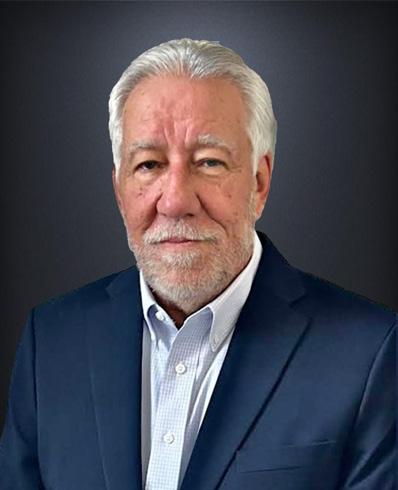
Jessica K. Hew, Esq. is a graduate of Loyola University of the South, magna cum laude, and Tulane University Law School, where she was article editor for the Tulane Environmental Law Journal. A member of OCBA since 1995, her practice focuses on commercial and business litigation, and real estate law. Jessica is a partner at Brennan, Manna & Diamond, and serves as a County, Circuit, and Appellate mediator and arbitrator in Florida State Courts and a mediator in the Orlando Division of the United States District Court.
Resolution of Legal Disputes. Most lawyers are familiar with mediation and arbitration as alternative forms of dispute resolution. Contracts often require the parties to engage in non-binding mediation as a condition precedent to filing a Complaint or Demand for Arbitration. Local Rules of Court and Case Management Orders often include provisions for court-ordered mediation as a method of reducing the number of civil actions that proceed to trial. Lawyers have various tools available to help clients resolve their disputes. Strategic selection of the preferred dispute resolution method must be made by attorneys and their clients on a case-by-case basis.
important to align the interests of both the parties and legal counsel, so they have a shared goal: resolution.
While litigation is necessary and appropriate in certain circumstances, it certainly has disadvantages as pointed out by Abraham Lincoln:
Discourage litigation. Persuade your neighbors to compromise whenever you can. Point out to them how the nominal winner is often a real loser - in fees, expenses, and waste of time. As a peacemaker the lawyer has a superior opportunity of being a good [person]. There will still be business enough. With these words of wisdom in mind, lawyers should be creative when deciding how to bring value to and best serve their clients.
Even though it is non-binding, parties are often required to participate in mediation. They are required to act in good faith and have settlement authority. Often, Mediation Position Papers are exchanged between the parties, and confidential side letters are sent to the mediator, rather than individual confidential mediator-only communications. Opening statements have become disfavored because they can be polarizing and divisive. Lawyers and clients often have flexibility when setting the ground rules for mediation, including the weighty decision of selecting the mediator. It is
Mediators may be facilitators, evaluators, or both. Facilitators will communicate between the parties and use shuttle diplomacy to exchange demands and offers. They may avoid evaluation of the merits of the case to maintain neutrality and not appear biased. Evaluative mediators will often challenge the parties and their counsel to identify the weaknesses in their positions and the strengths of their opponent’s case. Such mediators may even provide the parties with a mediator’s recommendation regarding the terms of settlement. There are pros and cons to both styles.
Current trends in dispute resolution embrace an early, active, and ongoing role of the mediator. However, mediation clauses in standard form contracts often require mediation without providing direction as to specific techniques that should be considered or used. If early mediator engagement

is desired, contracts may be drafted or amended to allow the parties to employ early engagement techniques or protocols. For example, Attorneys Dean Thomson and Julia Douglass propose that for construction contracts using the American Institute of Architect templates, the following clause amending the AIA General Conditions could be considered toward that end:
§ 15�3�5: The parties hereby amend Section 15�3 of the AIA A201 General Conditions of the Contract for Construction (2017 ed.) regarding mediation of Claims, disputes, or other matters in controversy (“Disputes”) as follows:
§ 15�3�5�1: A mediator shall be engaged by the parties as soon as one party thinks that resolution of the Dispute would benefit from the active involvement of a mediator. The mediator shall consider and utilize Guiding Mediator principles and tech-
niques to the extent appropriate and helpful to resolve the Dispute.
§ 15�3�5�2: Guiding Mediator principles and techniques considered by the mediator can include, but are not limited to, the following:
§ 15�3�5�2�1: Contacting each party and its representative on a confidential basis to familiarize the mediator with the parties, identify decision-makers, and learn each party’s perspective on the Dispute before either scheduling or conducting a mediation session with all parties;
§15�3�5�2�2: Contacting each party and its representative on a confidential basis to determine its perspective of impediments to resolution of the Dispute;
§ 15�3�5�2�3: Exploring, discussing, and designing various approaches to and structures for the eventual mediation session with all the parties;
§ 15�3�5�2�4: Determining whether any discrete and
§ 15�3�5�2�5: Identifying and attempting to secure the participation of all parties necessary for resolution of the Dispute such as, without limitation, insurers, sureties, subcontractors, design professionals, subconsultants, or other entities or individuals not currently participating in the mediation.
limited information needs should be met that would materially increase the chance of resolution of the Dispute and how the parties might cooperatively meet those needs; and
Dean Thomson and Julia Douglass, Comparing Theory and Practice: Survey Results of What Attorneys and Arbitrators Want in Construction Mediation and Arbitration, 42 A.B.A. THE CONSTRUCTION LAWYER, no. 3, 2023 at 27.

These same protocols could be adopted and modified for any dispute where mediation is being considered. Counsel may want to suggest these protocols during initial discussions with the proposed mediator. Each dispute is unique and requires advance preparation to improve the likelihood of resolution. The mediator may function as guide and explore critical issues before negotiations begin. These issues may include consideration of the existing business relationship, innovative business ideas, the mind-set of the decision makers, obstacles to resolution, disputed vs. undisputed material facts, insurance coverage and limits, and other topics. The mediator may also serve as a counselor, allowing the parties to be heard and understood.
Time spent before the mediation proceedings working through these often sensitive and complex issues may result in a successful resolution, rather than failure.
The Early Dispute Resolution Process (“EDR Process”) has four steps: (i) initial dispute assessment, (ii) information and document exchange, (iii) risk analysis, and (iv) principled resolution. The Early Dispute Resolution Institute (“Institute”) developed and published detailed Protocols in 2019 to provide guidance for each step and establish ethical standards to ensure the integrity of the process and increase the likelihood that the dispute will be resolved. These Protocols were last revised in November 2023.
The mission of the Institute is to collaborate with counsel, neutrals, courts, bar associations, dispute resolution administrators, businesses, and the public to:
• promote the Institute’s [EDR Process]
• resolve civil disputes early, economically, and on a principled basis;
• train neutrals, counsel, and parties in the EDR Process;
• educate neutrals, counsel, parties, judges, judicial administrators, and the public on the advantages of the EDR Process; and
• facilitate the use of the EDR Process by maintaining and updating the Early Dispute Resolution Practice Protocols (“Protocols”) to reflect best practices. The Institute’s “Protocols represent guidelines for the [EDR Process]. They should not be construed as legal advice or as creating an [attorney]-client relationship.” EDR Protocols, The Early Dispute Resolution Institute, https://edrinstitute. org/latest-protocols/ (last visited May 13, 2024). Review the Institute’s Protocols and determine whether these techniques may help you serve as an advocate or third-party neutral. (Institute Training may be found at: https:// edrinstitute.org/training/.
The EDR Process also should not end when the mediation session ends. The selection of an active mediator is crucial. Often, as the situation progresses and develops, resolution is indeed possible.
We owe it to our clients and the parties we serve to create a mediation process which is effective and worth their investment of time and money. Early communication and collaboration are extremely important to set the stage for a successful mediation. We must be innovative and creative as we strive to help the parties achieve a resolution to their dispute. The days of randomly selecting a Mediator and just showing up should be gone. The likelihood of a successful mediation will be enhanced if you select a qualified and engaged individual to sit in the Mediator’s seat and empower that person to get involved early and competently guide the process toward the parties aligned goal of resolution.

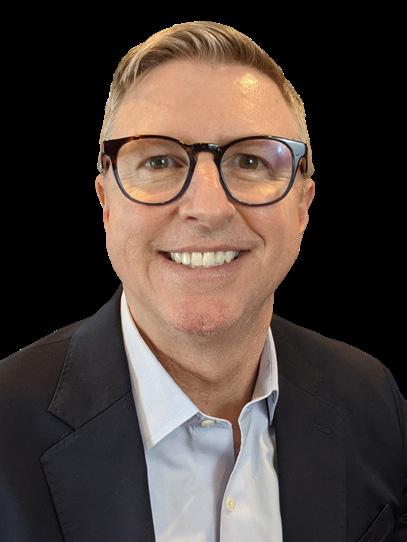
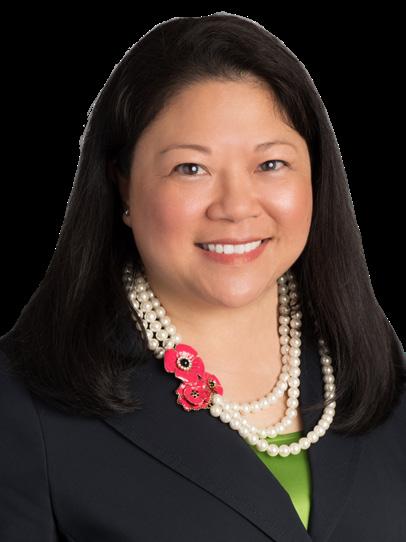
C. Todd Smith is a plaintiff ’s personal injury lawyer at C. Todd Smith Law. He currently serves as Chair of the Solo & Small Firm Committee and serves on the OCBA Executive Council. He has been a member of the OCBA since 2002.
This article was adapted from an article written by the author that previously appeared on the Law Practice Today website on March 12, 2021.
Zig Ziglar famously said, “You can have everything in life you want if you will just help enough other people get what they want.” In today’s world, this statement holds true more than ever. It’s also an excellent approach to marketing and achieving growth, both personally and professionally.
need to get back to meeting in person.
Consumers today encounter thousands of brands daily. Through television, radio, and social media, the average person is bombarded with advertisements. If you want to stand out, build your brand, and resonate with your target audience, you have to do more than just sell to them. What if, instead, you could impact the lives of people in your community while growing your business? What if you could get ahead by giving back?
Organizations without a clear mission often lose their way, especially during challenging times. Does your firm know its mission and how it helps the community? Regardless of your practice area, the work you do likely makes your community a better place. Do your employees and clients know and understand how you
make the community better? Start by identifying your firm’s “why” and understand how your firm improves the lives of your clients and your community. Then, zealously focus on your mission and share it with others. This focus will drive growth by aligning your actions with your values.
Post-pandemic, many people are less willing to leave their offices or homes to attend in-person events. With attorneys using Zoom for client meetings, court hearings, depositions, and mediations, the interest in attending in-person events seems to have declined. However, this trend means missing out on the rewards of developing meaningful connections with those around you. To truly grow and strengthen professional relationships, we
While virtual meetings are convenient, they often lack the personal touch and spontaneous interactions that occur at live events. Being in the same physical space with someone leads to deeper and more genuine connections. By making the effort to attend in person, you can stand out, build trust, and foster more meaningful relationships within your community.
When participating in these events, remember the goal is not to sell your services but to genuinely connect and offer help. Don’t view networking as merely a transaction. Recognize the people you meet as human beings with their own wants and needs. By prioritizing their goals and genuinely helping them, you’ll build a deeper connection and, in turn, find your own needs met as well. Create a plan to regularly attend in-person events and follow up with the connections you make. Consistent engagement and more meaningful interactions with others will accelerate both your personal and professional growth.
These principles are outlined perfectly in “The Go-Giver” by Bob Burg and John David Mann, which emphasizes the transformative power of
giving more in value than you expect in return. Central to this philosophy is the “Law of Value,” which suggests that true worth is not measured by what one receives, but by what one contributes. For legal professionals, applying this law can mean offering insights, advice, or mentorship that greatly exceeds the expectations of clients and colleagues, thereby establishing a foundation of trust and respect.
A lot of attorneys use the theme “we care about our clients” as a marketing slogan, but what does that really mean? Is it just a marketing slogan or does your firm, including every person that works there and interacts with clients, really care about them as human beings? Caring about your clients means taking the time to listen to their concerns, keeping them informed throughout their case, and advocating for their best interests with dedication and integrity. It’s about building trust and relationships that last beyond the conclusion of a legal matter. By putting clients first and demonstrating genuine concern for their well-being, attorneys can foster loyalty and create a positive impact that extends into the community.
If you’re not already a member of a community service organization or nonprofit board, now is the time to join. Organizations like Kiwanis and Rotary are a great way to meet people in your community and expand your network. Trust is the foundation of any referral and a cornerstone of professional growth. By serving sideby-side with like-minded individuals, you build that trust and enhance your reputation as a leader. You’ll also meet other community leaders and be exposed to many opportunities for networking while serving a higher cause. If you’re -unsure where to start volunteering, consider the opportunities close to home: your church, your kids’ schools, or non-profits you already donate to or are familiar with. Serving in these familiar settings fosters personal growth by enhancing empathy, leadership skills, and community connections.




“Outward
Building on the theme of generosity, “The Outward Mindset: Seeing Beyond Ourselves” by the Arbinger Institute explores how shifting our focus from internal goals to the needs and objectives of oth-
ers can dramatically enhance our interactions and effectiveness. This outward perspective encourages legal practitioners to see clients and colleagues not just as means to an end but as partners in a collaborative journey. By adopting an outward mindset, lawyers can enhance their ability to resolve conflicts, foster teamwork, and drive innovative solutions that benefit all stakeholders. Together, these approaches not only foster personal and professional growth but also cultivate a culture of generosity and co-
operation that can lead to a more substantive and rewarding legal practice.
Conclusion
By helping others and giving back to the community, you can build a strong, reputable brand and establish meaningful connections that benefit both your business and the community. This approach not only drives professional growth but also enriches your personal life, and, ultimately, leads to your own fulfillment and success. Giving is a gift that goes both ways.
For more information about pro bono options or opportunities with the Legal Aid Society of the Orange County Bar Association, Inc., please contact Judy Fults at JFults@legalaidocba. org or Larri Thatcher at LThatcher@legalaidocba.org
In a society where legal representation can often seem like a luxury, the importance of pro bono work cannot be overstated. It is a beacon of hope for those who find themselves in need but lack the means to secure legal assistance. Legal Aid Pro Bono Attorney Thomas C. Allison, the founder of Thomas C. Allison, PA, is an example of an attorney who embodies the spirit of pro bono service.
Thomas C. Allison’s path to pro bono work was shaped by his upbringing and his deep-rooted desire to serve others. As a graduate of the University of Florida with a major in History, Thomas initially contemplated a career in academia or another profession. He was drawn to the legal profession for its inherent ability to serve people. Inspired
by his parents, who were missionaries, Thomas saw pro bono work as a way to continue their legacy of service while utilizing his legal expertise to benefit his community.
Thomas’s introduction to pro bono work came whilst working at a large law firm in South Florida. Here, he saw the firm support initiatives, such as Reading is Fundamental and other
HOW TO DO PRO BONO WORK: As a reminder, Legal Aid Society was created by the OCBA. Members have a duty to do pro bono through our office. As such, you have three diverse choices to fulfill this obligation.
1. TAKE A CASE.
This is the greatest need and we provide training and support.
2. DONATE. You can make a donation of �350 in lieu of pro bono service.
3. PARTICIPATE IN A PROJECT that doesn’t require litigation Preference is given to government and in-house counsel but is open to everyone)
endeavors, aimed at uplifting the community. When he began his personal pro bono journey, his initial pro bono cases focused on addressing property issues for a non-profit and an estate. It laid the foundation for his continued commitment to providing legal assistance to the underserved.
As a trained lawyer with a privileged position, Thomas feels a responsibility to give back to those less fortunate. Drawing inspiration from his parents’ humanitarian efforts, he views pro bono work to extend a helping hand to those in need, regardless of their financial circumstances.
Balancing pro bono work with other professional responsibilities can be challenging, but Mr. Allison approaches it with careful consideration and dedication. By being selective about the cases he takes on, he ensures that he remains responsive and committed to each client. Thomas’s motivation to continue his pro bono work is his unwavering belief in the inherent dignity and worth of every individual. He sees

his community as a collection of human beings in need of help, and he is determined to use his legal skills to make a positive impact on their lives.
To those considering providing pro bono services, Thomas offers simple yet profound advice: “Just start. Don’t wait for the perfect time or the perfect case.” He states, “There is no perfect time, but there is always a helpful time. Take the next case if you are feeling motivated to do it.” He further advises to be responsive and com-
mitted, and treat each pro bono case with the same level of diligence and professionalism as any other.
Pro bono work is not only a noble endeavor but also a powerful force for positive change in our society. It is a reminder that regardless of our professional obligations or personal circumstances, we all have the ability to make a difference in the lives of others.
For more information on becoming a financial donor or helping our fundraising efforts, please contact Donna Haynes, Development Director, at dhaynes@legalaidocba.org or 407-515-1850
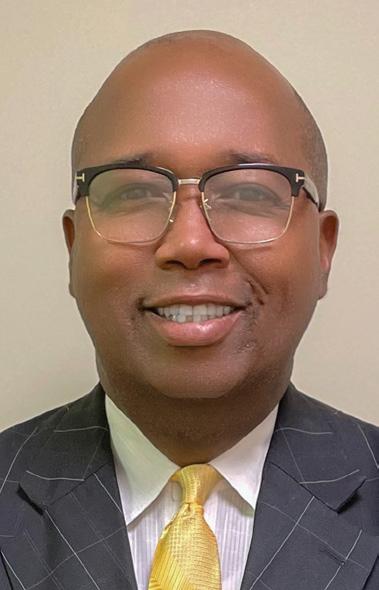
Reggie Hicks rhicks@uww-adr.com
» Experienced civil mediator and arbitrator
» Previously advocating for both individual and corporate clients throughout Florida as an attorney and counselor-at-law since 1987, primarily litigating civil cases before juries and judges.
» Admitted to practice before the U.S. Court of Appeals for the 11th Circuit and the U.S. Middle and Southern Districts of Florida.


linkedin.com/company/upchurch-watson-white-&-max





For more information on Permanent Guardianship or to take a GAL case, please contact Coravious L. Cowart, at ccowart@legalaidocba.org
The Florida Legislature has made it clear that “time is of the essence for permanency of children in the dependency system.” F.S. 39�621(1) As a result, concurrent permanency planning occurs early on, in case children cannot be safely reunified with their parents or legal guardians. When a child is removed from the home, in most instances, a parent is offered a case plan with certain tasks that need to be completed for the child to be returned.
Case plans expire one year after the date of removal of the child, so if a parent has not made significant progress in completing their case plans at that
point, alternate goals are explored. F.S. 39�621(3) lists the five permanency goals in order of preference. They are Reunification, Adoption,

Permanent Placement with a fit and willing relative, and Another Planned Permanent Living Arrangement or APPLA which is reserved for older youth expected to reach the age of majority while in foster care. When it is determined that reunification or adoption is not in the best interests of the child, the court often turns to the third goal of Permanent Guardianship. We see this goal utilized in several situations. When there are not appropriate grounds to seek termination of a parent’s rights, when a child is of an age where they have to consent to being adopted and choose not to, or when a child is placed with a relative who believes the parents need more time and are willing to keep the child in a per-

If you have a case that is on the path to permanent guardianship, you want to first ensure that it is the most appropriate permanency option for the child.
ATTORNEY
Megan Ambrose
Clem Alexander
Sean Caulfield
manent environment until the parents are able to complete their case plan tasks are a few of the areas where this comes in to play.
Per F.S. 39�6221(1), before the court can place a child in a permanent guardianship, the following conditions must be met:
a. The child has been in the placement for no less than the preceding six months;
b. The guardian is suitable and able to provide a safe and permanent home for the child;
c. The court determines that the child and guardian are not likely to need supervision of services of the department;
d. The guardian is committed to caring for the child until they reach the age of majority;
e. The guardian agrees to give notice of any change in residential address or the residence of the child; and
f. The child demonstrates a strong attachment to the guardian and the guardian has a strong commitment to permanently caring for the child.
Permanent guardianship allows children to reach permanency without severing the rights of their parents. It also allows parents to continue working towards the completion of their case plans, and if done, creates a path for having the case reopened to seek reunification at a later date. Guardians have the option to participate in the Guardianship Assistance Program, which entitles them to receive monthly payments to assist with caring for the child in the amount of $333�00.
As a GAL, if you have a case that is on the path to permanent guardianship, you want to first ensure that it is the most appropriate permanency option for the child. Ask the following questions: Are there grounds to seek termination of parental rights? Is the caregiver willing to adopt the child? Is the child aged 13 or older and does not want to be adopted? If the answer to these questions is no, then the case is likely on the right path. You should meet reg-
David A. Gilbert
Erin Gray Burke
Keating K. Gribbon
Andrew T. Hughes
Hannah Klonowski
Zaneta L. Matthews
Samantha Medina
Elizabeth A. Moore
Tahirah R. Payne
Tracie Phillips
Paula E. Pratt
Miguel A. Ramos
Ahmad Sadiq
Kristin Sanchez
Quinton J. Sheer
Rebekah Taylor
Enyinnaya Uche
Tasha L. Vazquez
Santiago
Joseph Zogaib
AFFILIATE
Audra Albright
Adriana Estremera
Maria Mason
Celeste Murray
Andrew R. Crispin
Annette
Schadow-Root
Juanita D. Williams
LAW STUDENT
Ashley Desmond
Gabriel Palau
PARALEGAL STUDENT
Danielle Daulton
Aljosa A. Knez
PATRON
Jorge McCormack
ularly with the child and caregiver, either in person or virtually, and discuss the options with the caregiver. You should also attend court hearings and any out-of-court meetings, so you have a full picture of what is happening in the case. If it is determined that permanent guardianship is
the most appropriate goal, you want to ensure that the proposed guardian is receiving the monthly assistance payments prior to case closure.
For more information on becoming a financial donor or helping our fundraising efforts, please contact Donna Haynes, Development Director, at dhaynes@legalaidocba.org or 407-515-1850

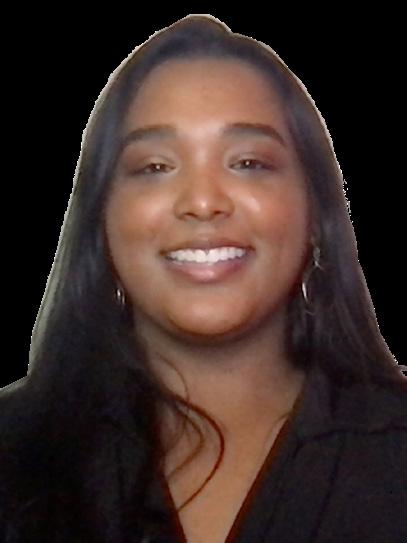
Alena V. Baker, Esq., of Alena Baker Criminal Defense, P.A., is a solo practitioner who practices primarily in the area of criminal law throughout Central Florida. She has been a member of the OCBA since 2011 and is a board member of the Criminal Law Committee of the OCBA.
Central Florida Association for Female Lawyers (CFAWL)
JUNE 7, 2024 / Central Florida Association for Women Lawyers held their annual Passing the Gavel ceremony where they swore in their 2024-2025 Board of Directors and Leadership Team and introduced their new president, Nicolette A. Kramer. The ceremony also featured a celebration for outgoing president Nequosha Anderson as well as the 2023-2024 Board of Directors and Leadership Team. CFAWL wishes to congratulate the incoming board and thank the outgoing board for all of their hard work.
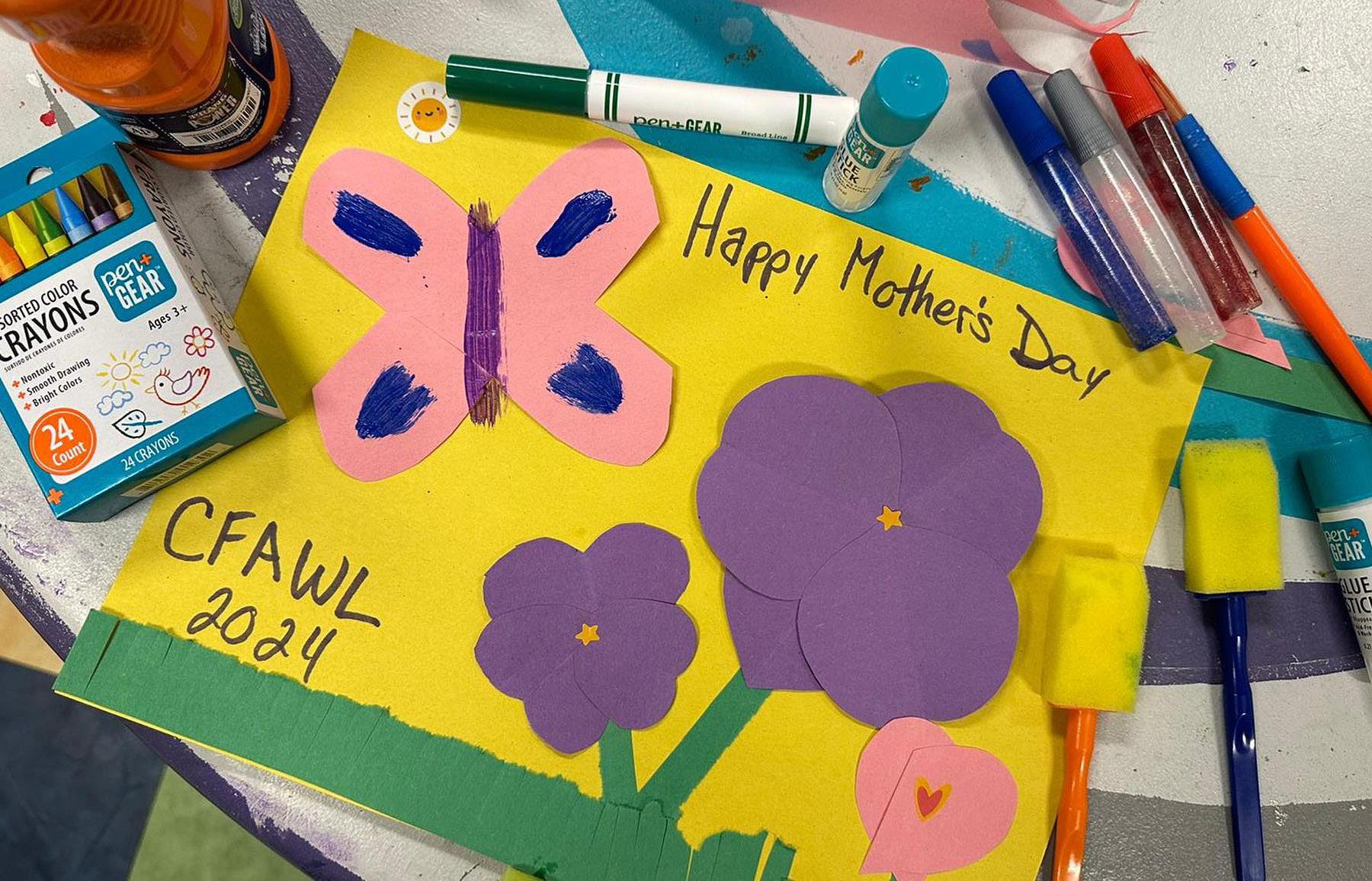
Central Florida Association for Female Lawyers (CFAWL)
MAY 6, 2024 / CFAWL volunteered for “Help Now” and participated in a Mother’s Day Craft Making event. Attendees gathered together to create beautiful handmade crafts, cards and gifts for mothers.
1 CFAWL held their annual Passing the Gavel ceremony
2 CFAWL Mother’s Day Craft Making
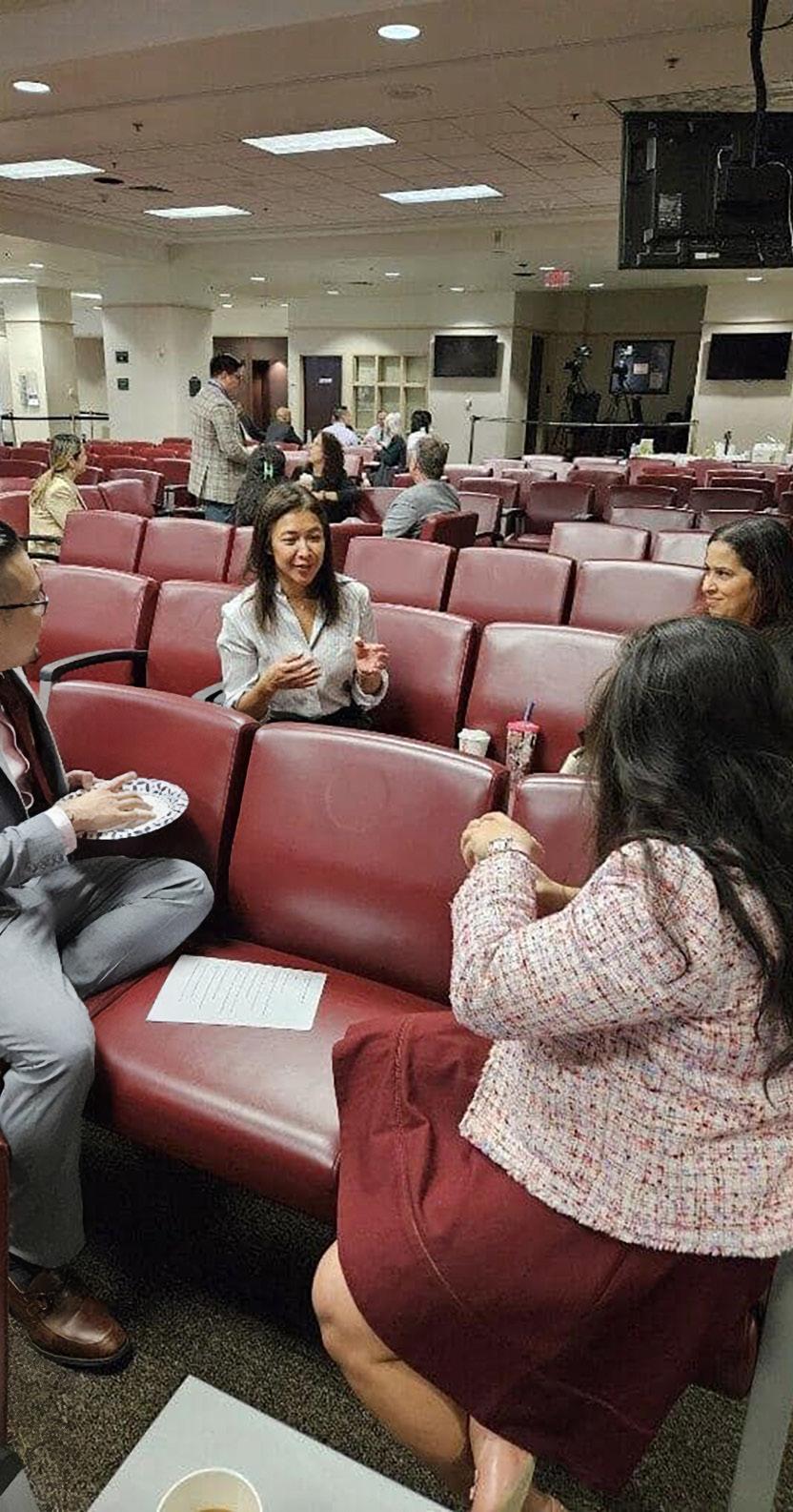
3 GOAABA Coffee with the Court
4 PCPBA Soirée and Installation Ceremony
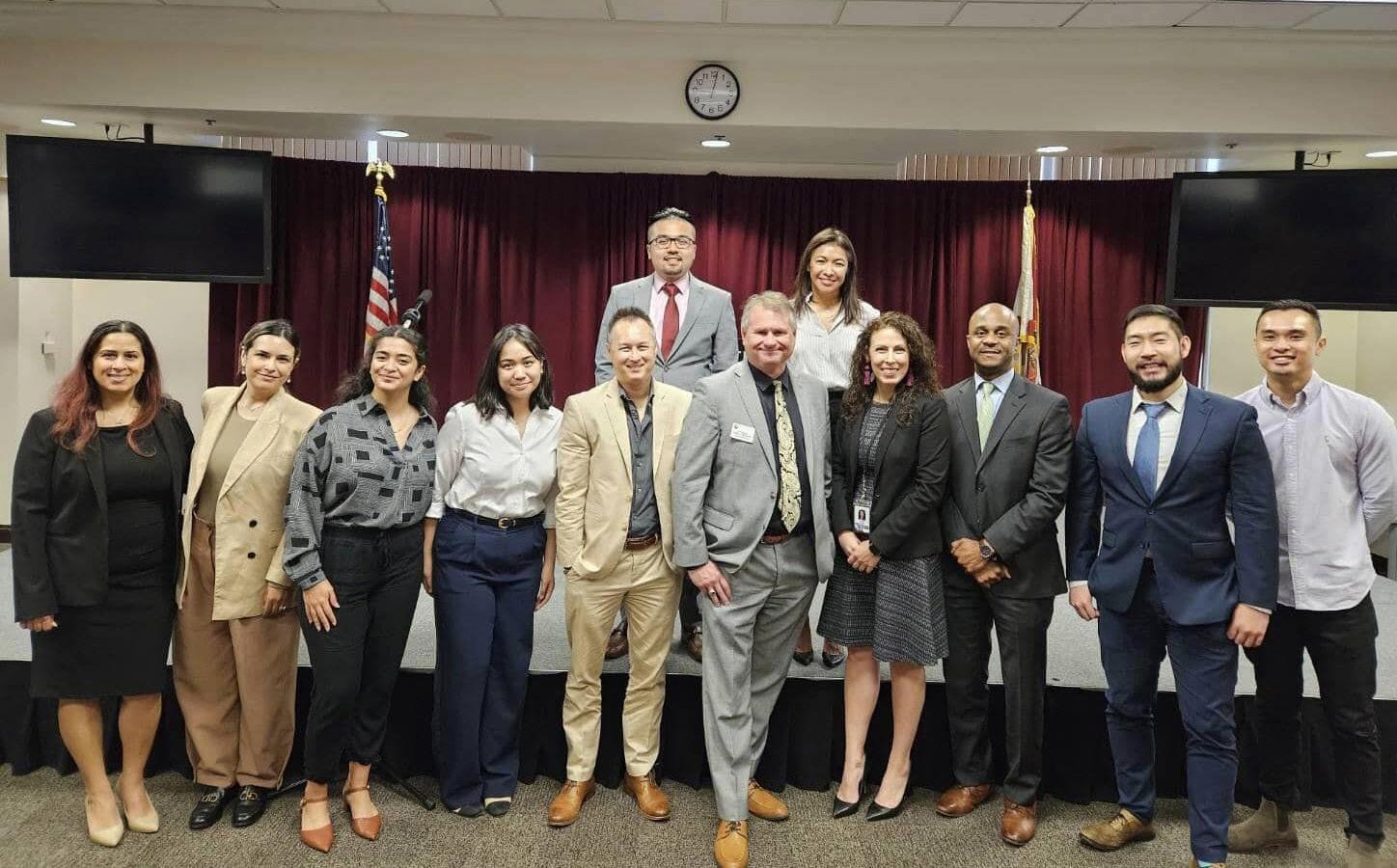
The Greater Orlando Asian American Bar Association (GOAABA)
MAY 10, 2014 / GOAABA kicked off the Asian American and Pacific Islander Heritage Month with “Coffee with the Court”. Participants networked with fellow legal professionals and engaged in meaningful conversations with members of the Judiciary.


Paul C. Perkins Bar Association (PCPBA)
JUNE 7, 2024 / PCPBA hosted their end of the year Soirée and Installation Ceremony. The event featured celebration, camaraderie and inspiration as PCPBA honored their achievements this past year and welcomed their new leadership.
MAY 3, 2024 / CFAWL hosted their monthly luncheon featuring CFAWL member Kimberly Lorenz who spoke on how attorneys can “Maximize their Mediations”. At this luncheon, CFAWL also announced the winners of their 13th Annual Bar Study Scholarship with one student winning �1,000.00 in cash and two other students earning a Bar Prep class.
MAY 22, 2924 / CFAWL members were able to let it all out in the “Rage Room” experience. Shortly thereafter on May 29, 2024, CFAWL hosted a “Spring Exchange” hosted by CFAWL member Conti
Moore of Conti Moore Law. The event featured networking and giving back to the community as attendees donated professional business attire to support CFAWL’s Scholarship Fund.
MAY 7, 2024 / the Hispanic Bar Association of Central Florida (HBACF), Community Legal Services of Mid Central Florida and the Florida Bar Young Lawyers Division teamed up for a “Conozca sus Derechos” (Know your Rights) session on housing. The seminar aimed at providing valuable insights into tenant rights, landlord responsibilities and legal protections in the
housing sector.
MAY 1, 2024 / PCPBA hosted their general body meeting titled “Knights of the Legal Table”. This event featured panelists Yulric Abercrombie, Anthony Hall, Bruce Mount, Paul Perkins Jr., and Skinner Louis.
MAY 2024 / in celebration of teacher appreciation week, PCPBA donated lunch to the teachers of Ivey Lane Elementary School.
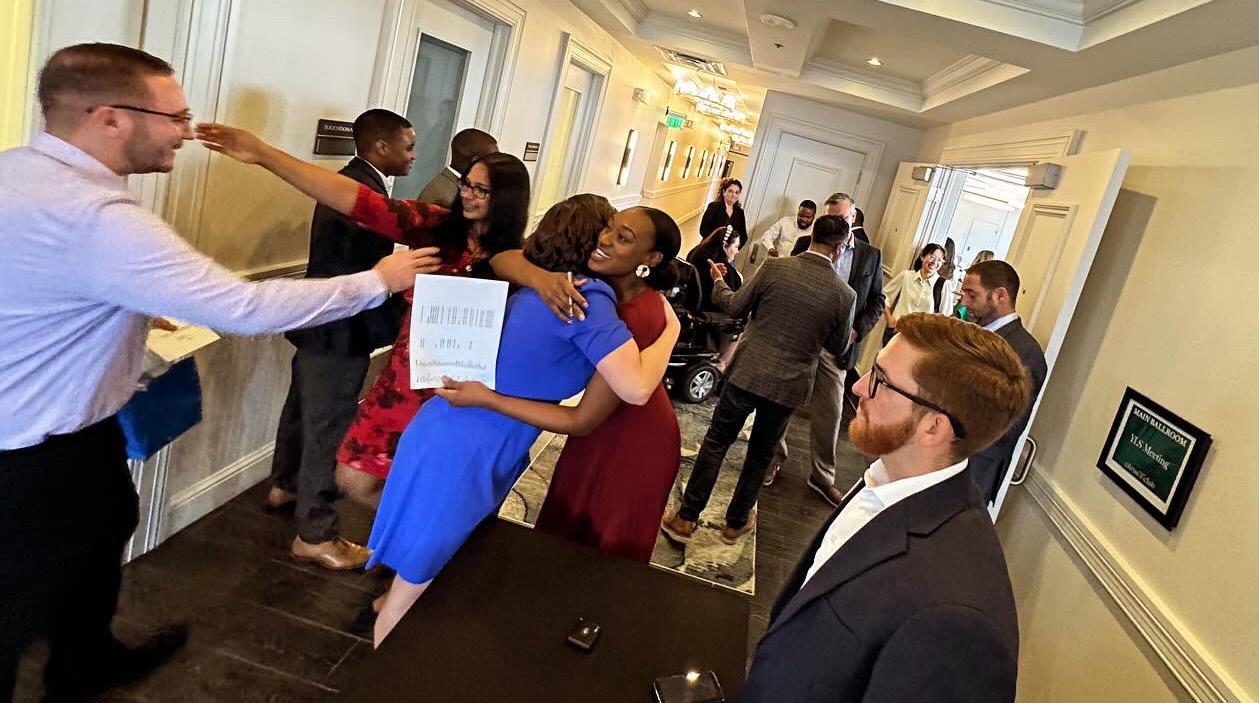
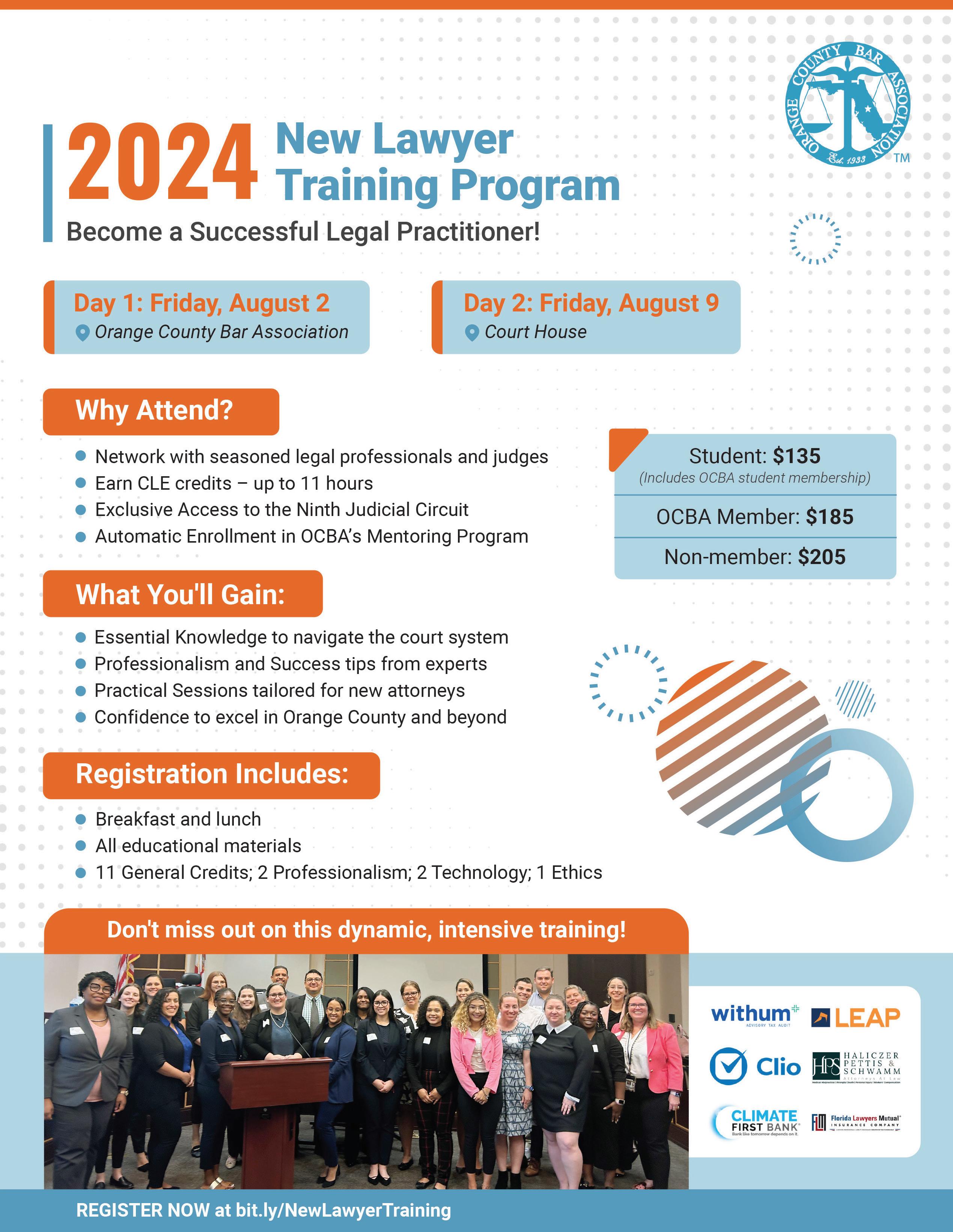
JUNE 21, 2024 / This year’s annual event at the State Courthouse in downtown Orlando was a great success. The morning began with a greeting from the Honorable Chief Judge Munyon, followed by judicial assistants discussing best practices for working in the courtroom. We also had a technology demonstration on utilizing courtroom tech in practice, and a panel of Ninth Circuit Judges provided invaluable insights into legal practice and professional growth. It was a great event for our Young Lawyers to get a taste of the courtroom…. without all those lawsuit pressures.
JUNE 20, 2024 / YLS Luncheon: Talking to Reporters: Our luncheon at the Citrus Club featured Christopher Heath of WFTV and Danielle Prieur of WMFE. Attendees gained valuable insights into effectively communicating with the media and learning best practices and tips from these experienced reporters.
SAVE THE DATE: JULY 11, 2024 / Young Lawyers and Law Clerks Reception: Join us for an evening of networking and camaraderie with fellow Young Lawyers and Law Clerks Reception. This event is a fantastic opportunity to build connections and share experiences.
SAVE THE DATE: JULY 12, 2024 / YLS Luncheon: Judicial Candidate Meet and Greet: Don’t miss the chance to meet and engage with judicial candidates at our luncheon. This is your opportunity to hear directly from the candidates and ask questions about their vision and plans for the future.
1 YLS members embrace each other at the Pass the Gavel Luncheon

Sean MendezCatlin, Esq., is a founding partner of MC & J Law, PLLC, where he practices business and intellectual property law. He has been a member of OCBA since 2016.
FOLLOW US!
@OCBAYLS #TogetherWeGoFar
STAY INFORMED:
To ensure you’re always up-to-date with YLS activities, please sign up for our weekly email blasts. Visit our website here and click “Sign Up for YLS Emails.”
Firms with two or more attorneys who are all members can belong! If your firm is eligible, call the Membership Department (407-422-4551 x225)
20+ MEMBERS
Rumberger, Kirk & Caldwell
Shutts & Bowen
Wicker, Smith, O’Hara, et al.
Winderweedle, Haines, et al.
10-19 MEMBERS
Colling Gilbert Wright
Fisher Rushmer
Marshall, Dennehey, Warner, Coleman & Goggin
McDonald Toole Wiggins
Stovash, Case & Tingley
2-9 MEMBERS
The Aikin Family Law Group
Anderson & Ferrin
The Arnold Law Group
Artemis Family Law
Aust Law Firm
Barrister Law Firm
Barry Miller Law
The Brennan Law Firm
Carr Law Firm
Compass Law
Culbertson Law Group
Davey Law Group
Debra Wilkinson Botwin
DeCiccio & Johnson
Dellecker Wilson King
McKenna Ruffier & Sos
Divine & Estes
The Draves Law Firm
The Elder Law Center of Kirson & Fuller
Fassett, Anthony & Taylor
Flammia Elder Law Firm
The Fighter Law Firm
Forward Law Firm
Gasdick Stanton Early
GoodBlatt – Leo
Green Family Law
Haliczer Pettis & Schwamm
Harris Harris
Bauerle Lopez
Hilyard, Bogan & Palmer
Hornsby Law
Infocus Family Law Firm
Jill S. Schwartz & Assocs.
Keating & Schlitt
King, Blackwell, Zehnder & Wermuth
Korshak & Assoc.
Kosto & Rotella
Law Offices of Brent C. Miller
Law Offices of Horwitz & Citro
Law Office of Michael L. Dear
Lebron Law
The Llabona Law Group
Marcus & Myers
The Marks Law Firm
McMichen, Cinami & Demps
McShane & McShane
Men’s Divorce Law Firm
Morgan, White-Davis & Martinez
Murphy & Berglund
N. Diane Holmes
O’Mara Law Group
Page & Eichenblatt
Perez LaSure
Rebecca L. Palmer
Law Group
Sawyer & Sawyer
Schwam-Wilcox & Assoc.
SeifertMiller
Shannin Law Firm
The Skambis Law Firm
Stovash, Case & Tingley
Tangel-Rodriguez & Assoc.
Warner & Warner
West Family Law Group
Wieland & DeLattre
Wilson McCoy
Wooten Kimbrough
Yergey & Yergey