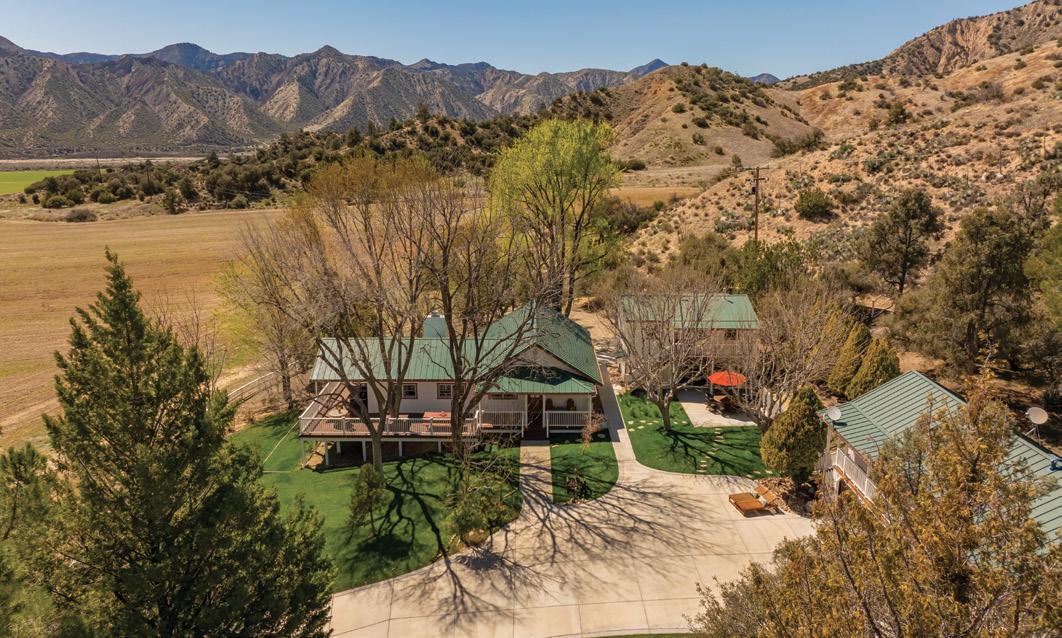
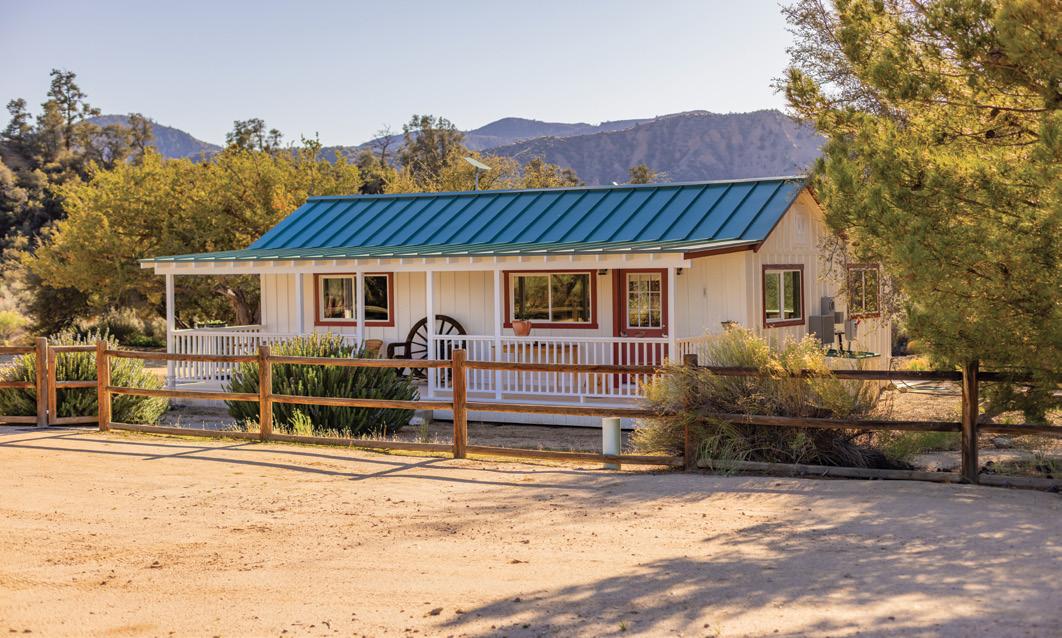
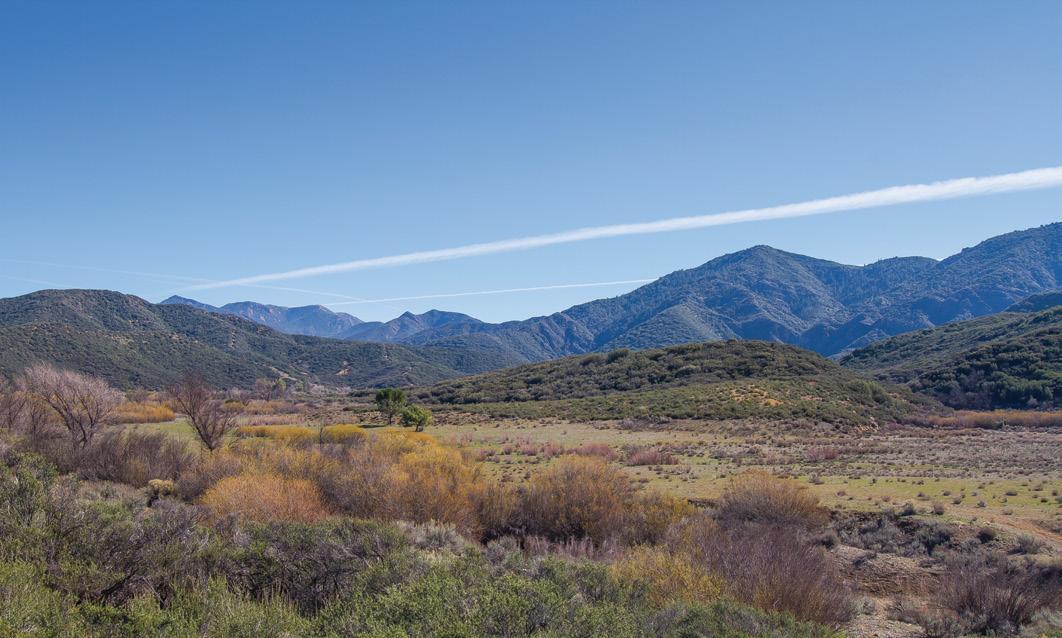
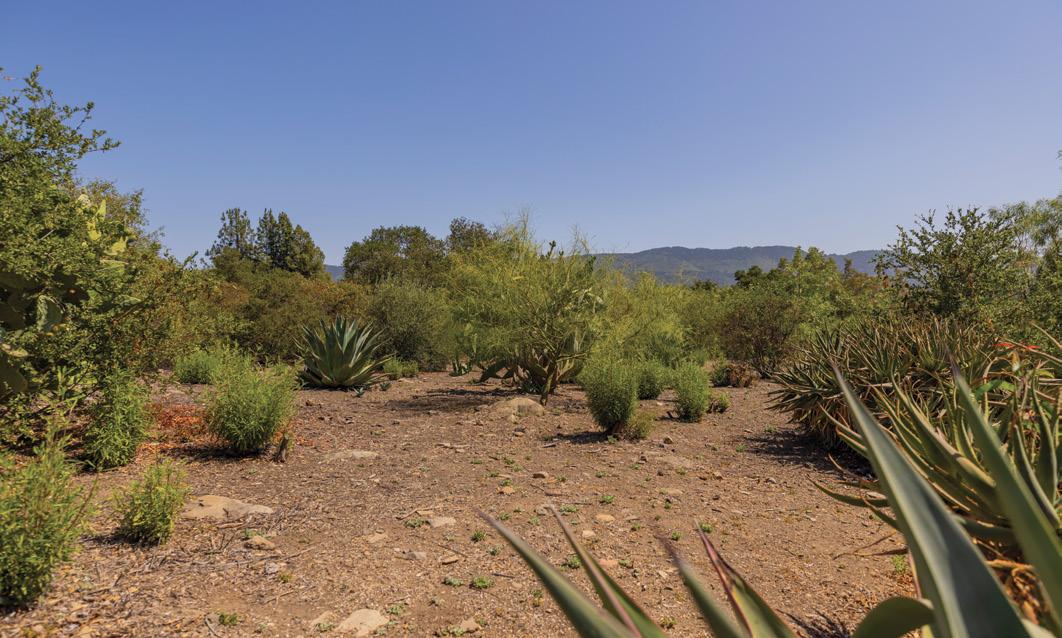
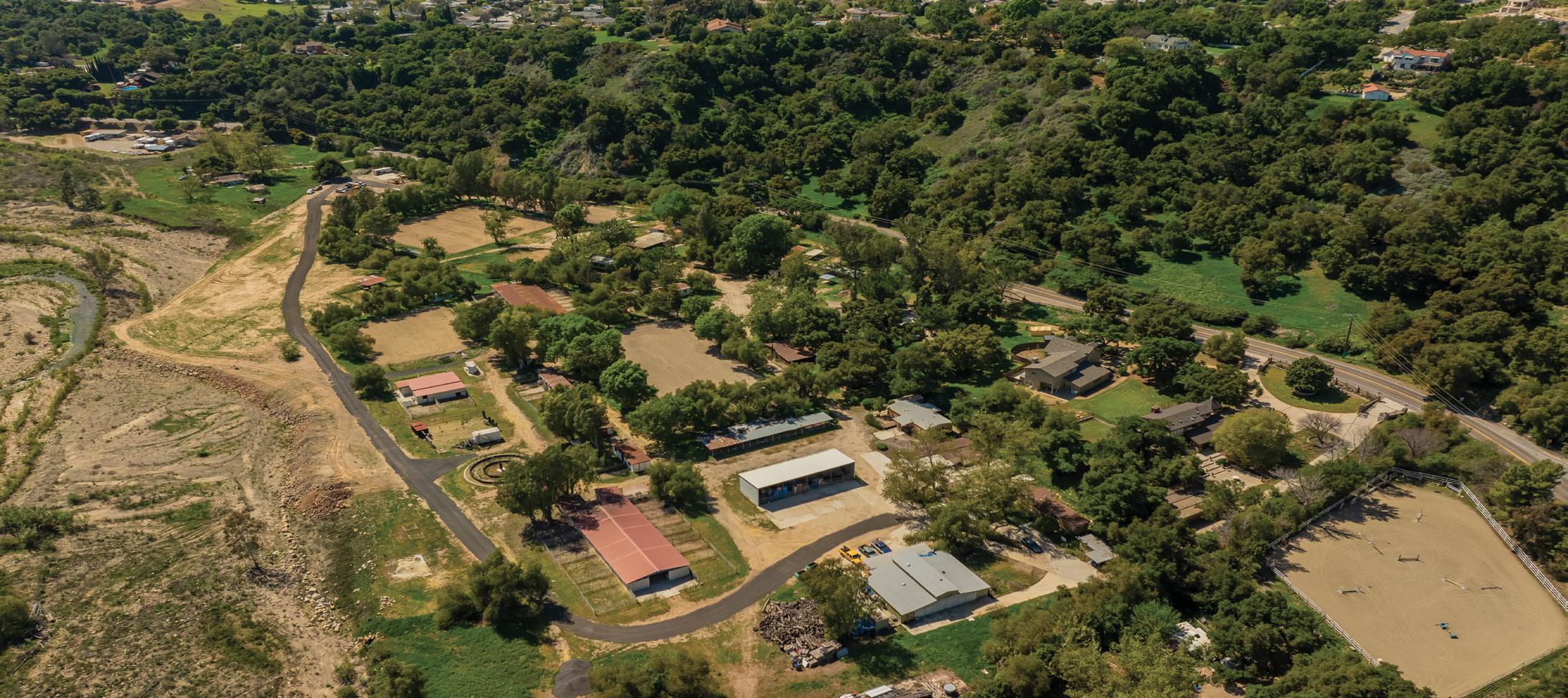
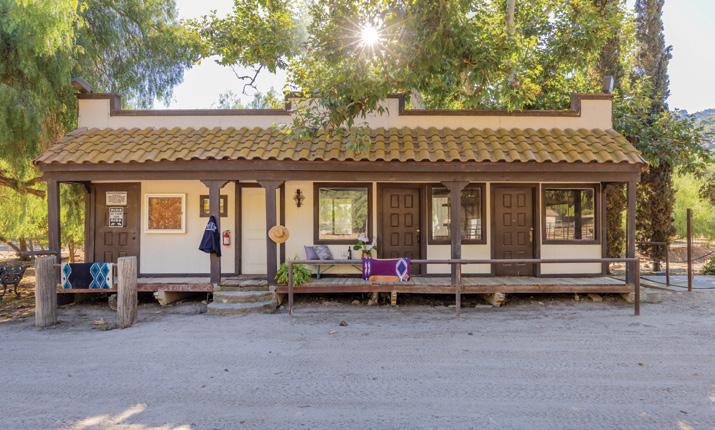
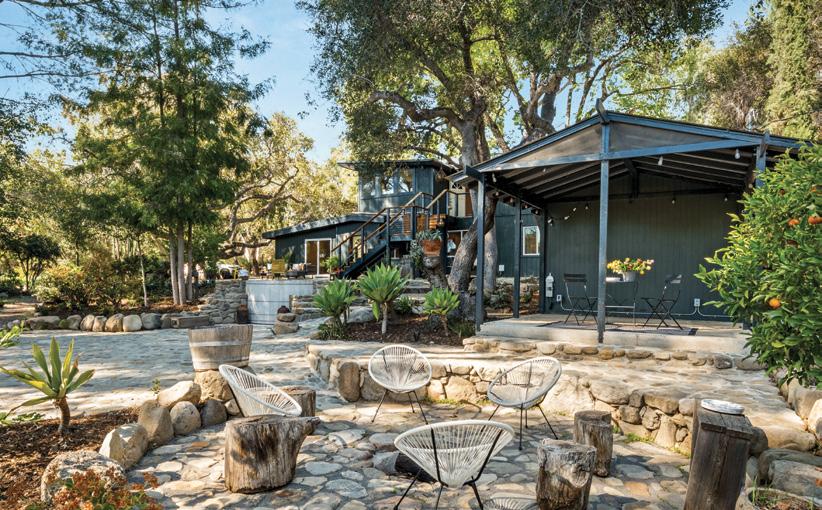
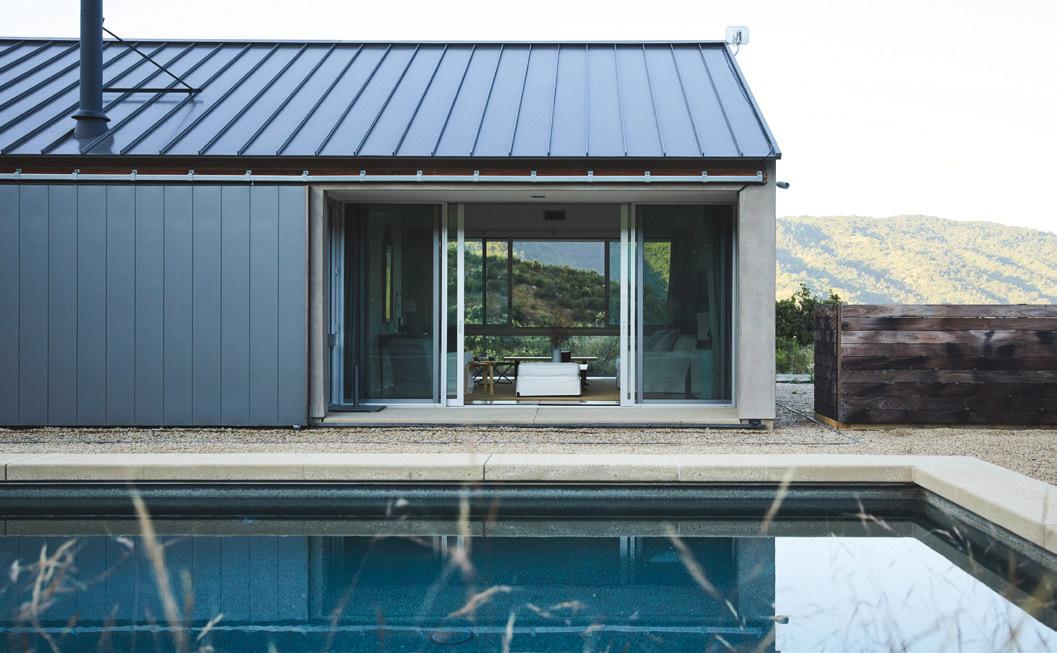
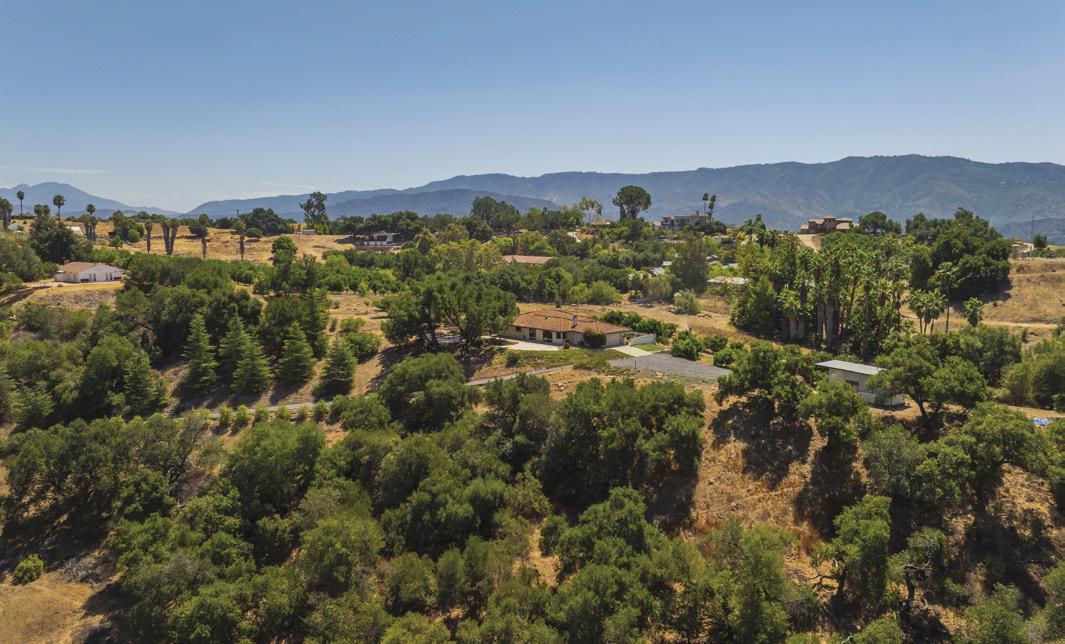
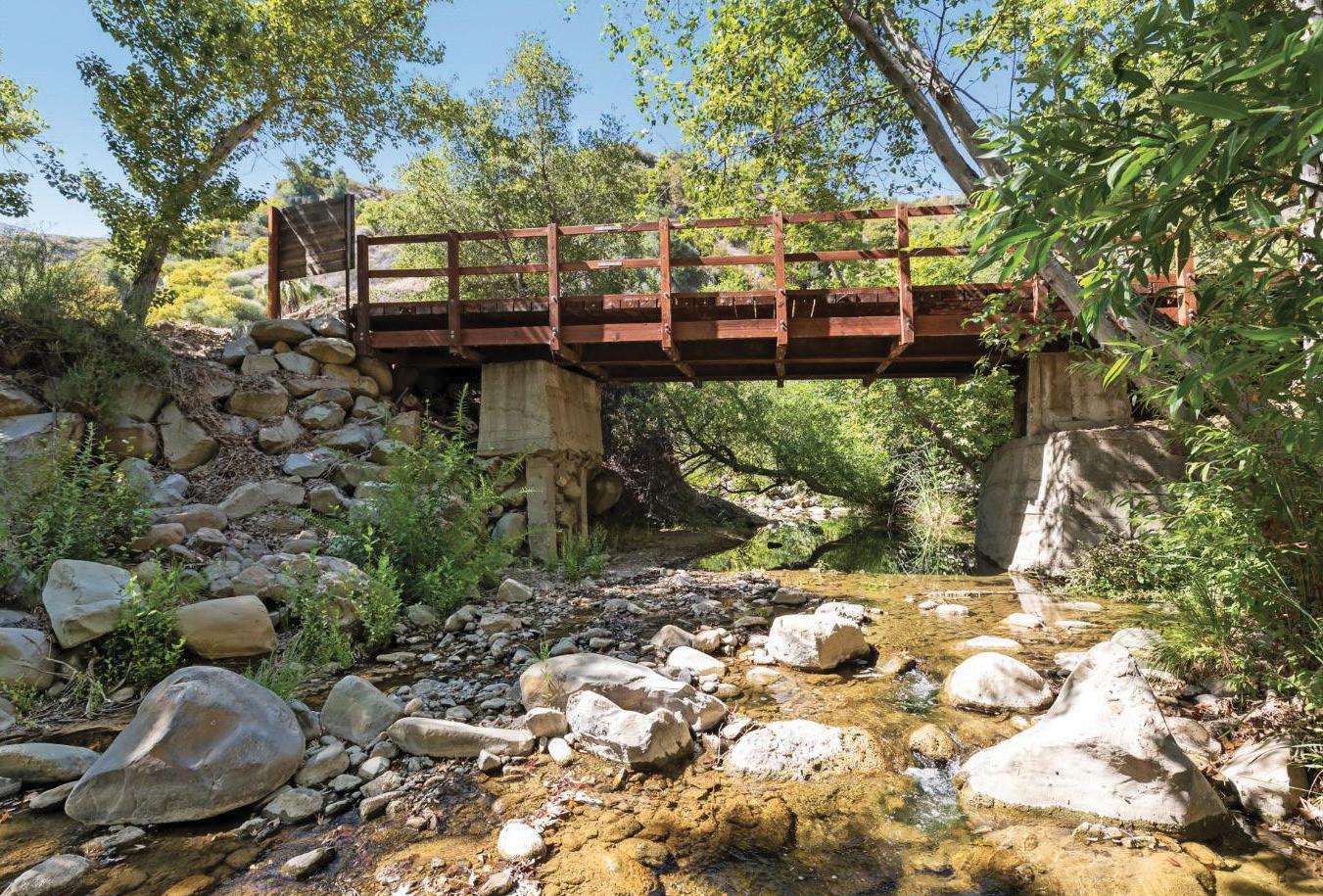
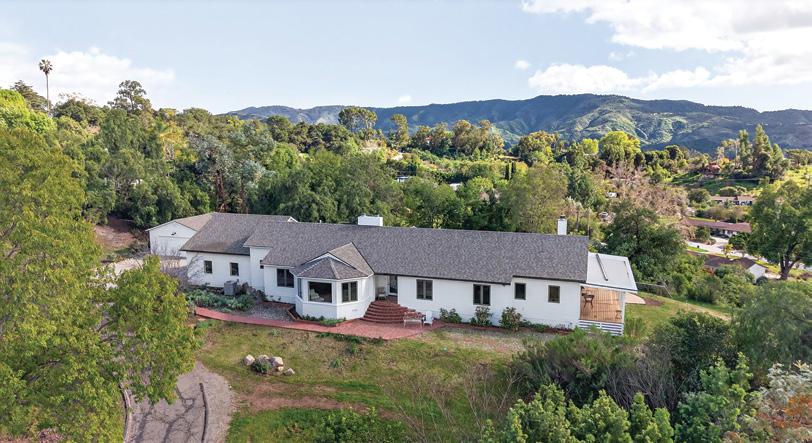
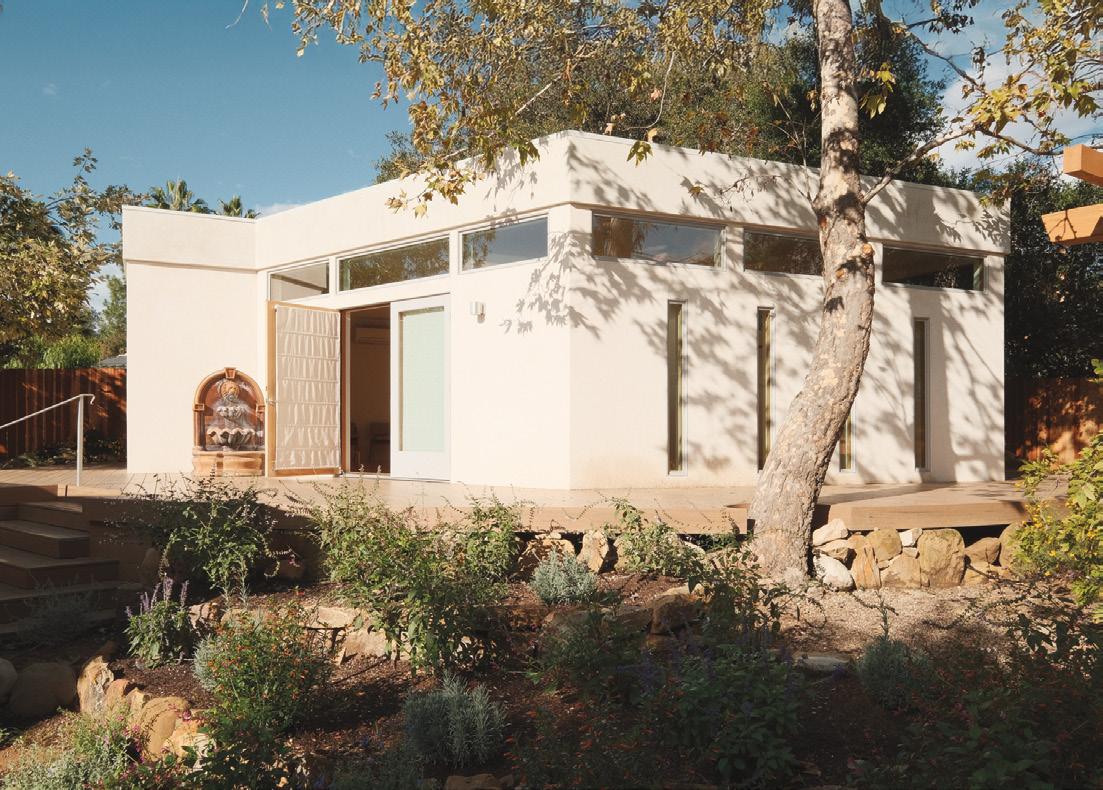
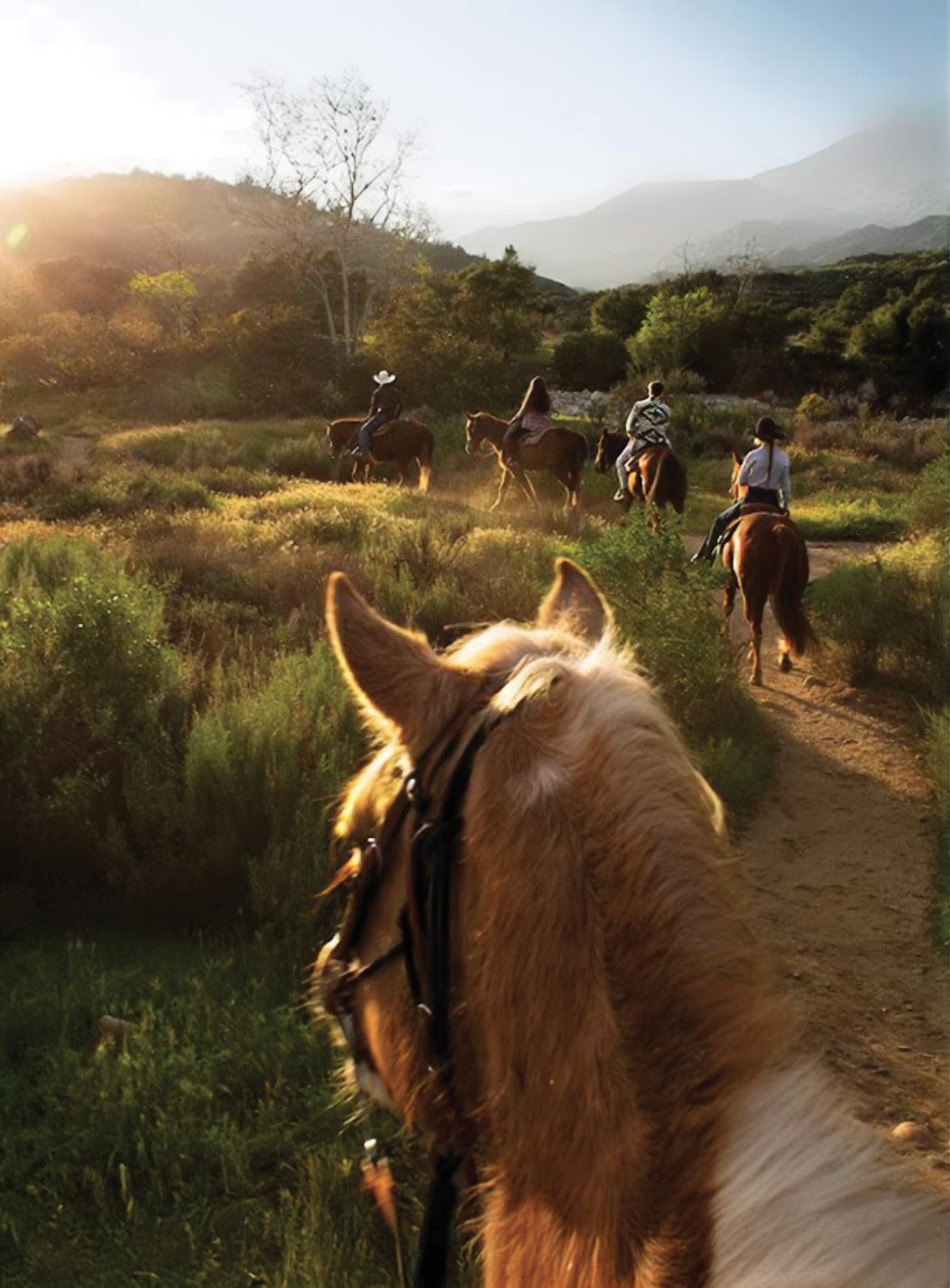
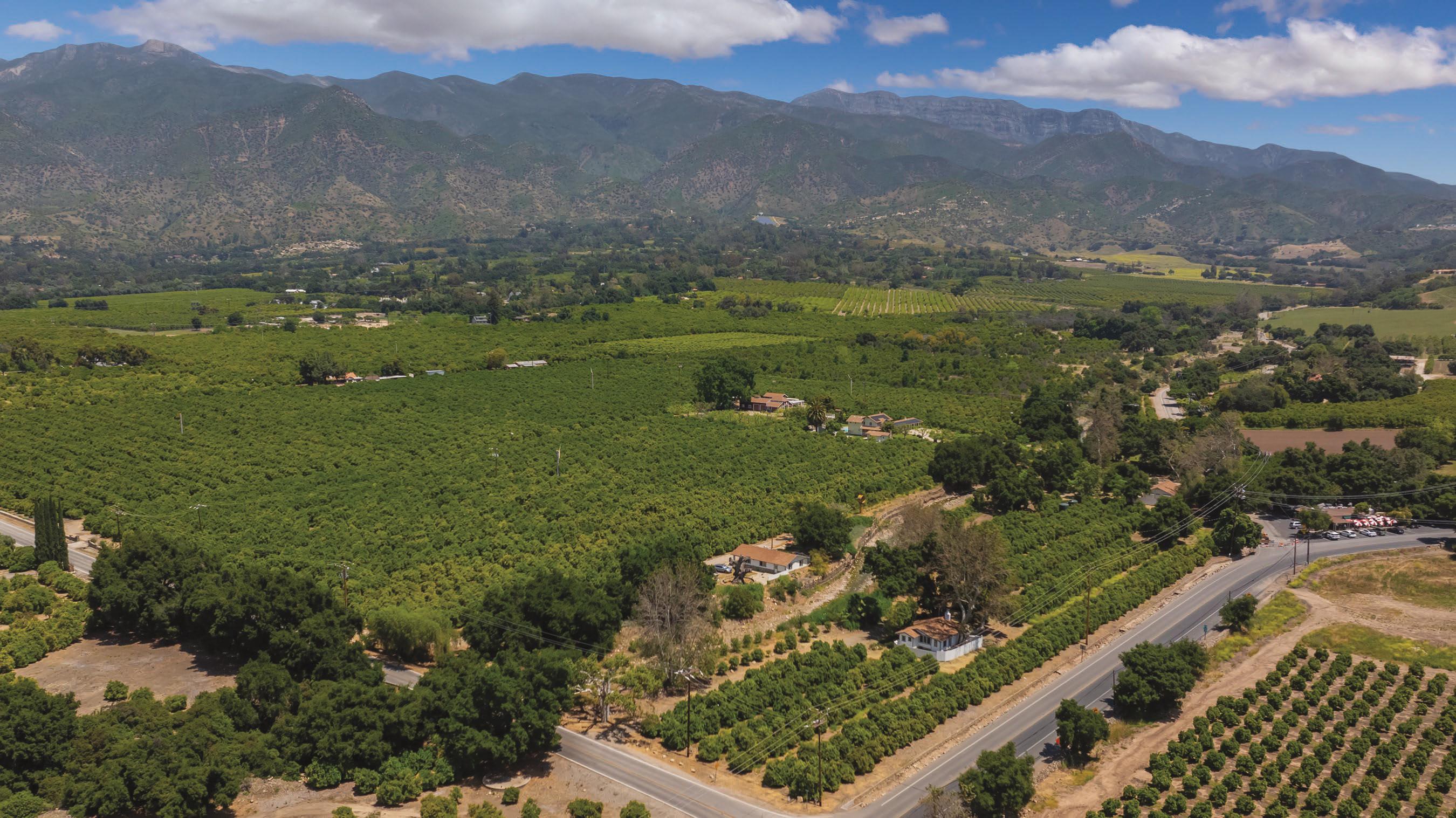
Corral Canyon Ranch - 277+ Acre Ranch in Cuyama Valley with 5 Recently Renovated Houses, Equestrian Facilities, Fenced Pastures, Hay Fields, Riding Trails, Stunning Views Surrounded by Los Padres National Forest. 29443hwy33.com | $4,950,000
ROYAL OAKS
5 Bedrooms, Upscale Finishes Throughout, Media Room, Wine Cellar, Tasting Room, Gym/Massage Room, Pool & Spa, Putting Green, Well, Six-Car Garage, Bocce Court, Views, and So Much More. RoyalOaksRanchOjai.com | Price Upon Request
ROSE VALLEY LAND
Create an off-grid, country retreat on 40 acres with mountain views, trails, and a natural spring in Rose Valley in the Los Padres National Forest $1,200,000
EAST END LAND
1.25-Acre Lot Bordered by Seasonal Creek with Topa Topa Mountain Views, Paved Road to Property, One Share of Senior Canyon Water, and Room for Horses or Hobbies. $895,000
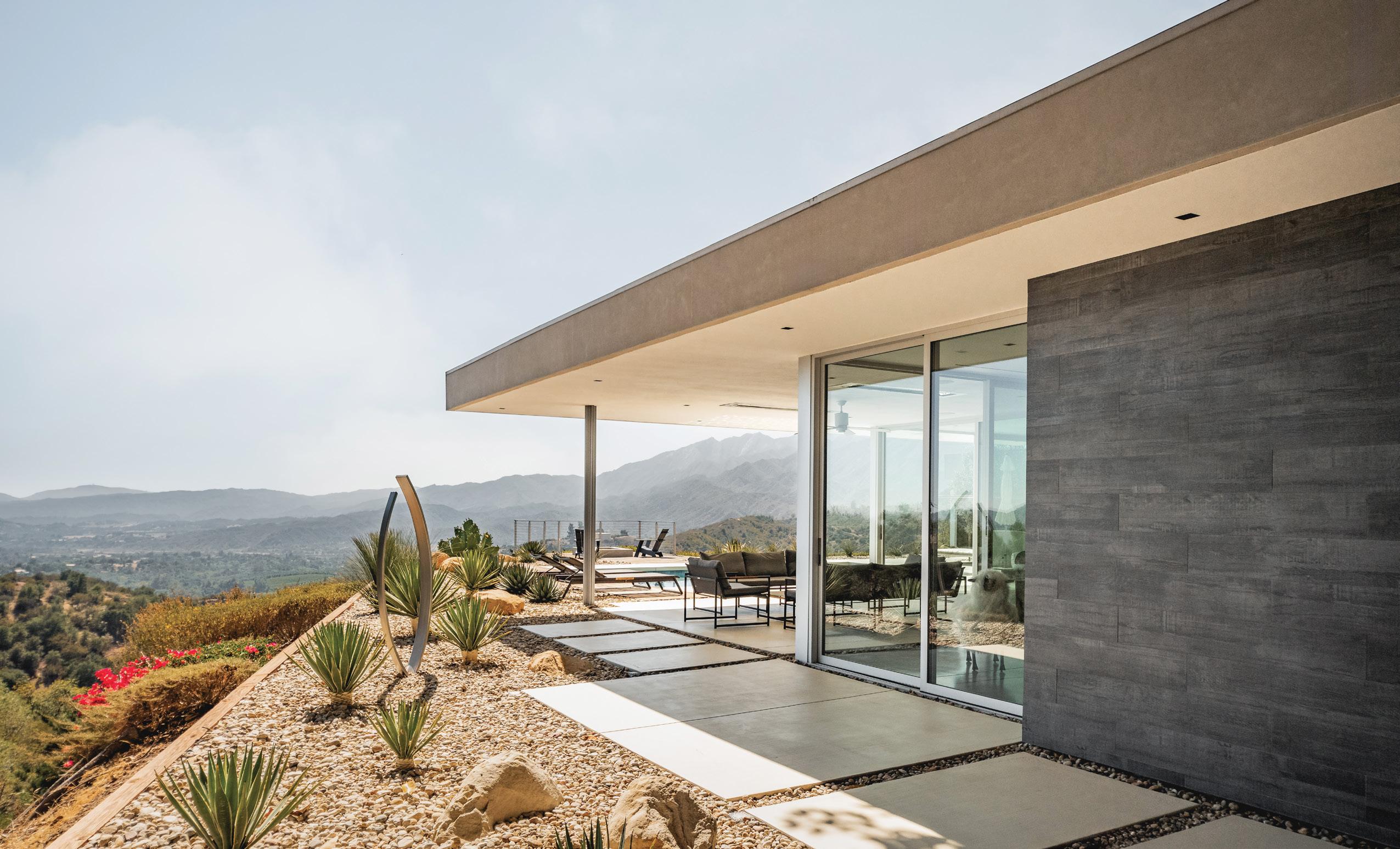
THE GLASS HOUSE
Perched along Ojai’s iconic Foothill Road, this glass-walled architectural sanctuary is defined by light, serenity, and expansive 270° views. Built in 2017 and thoughtfully re-imagined in 2022, the 3,154± sqft single level home pairs minimalist design with seamless indoor-outdoor living. A 1,117± sqft pavilion with showcase parking, welness studio, and sauna, along with additional creative retreats completes a private compound set on 1.87± acres with pool, spa, and mesmerizing epic sunsets.
FOOTHILL ROAD, OJAI
EDITOR’S NOTE - 24
COVER STORY
Swoon the Label - 28
By Kim Lamb Gregory
ART AND CULTURE
Claymie Stratford & Succulent Zoo - 38
By Mimi Walker
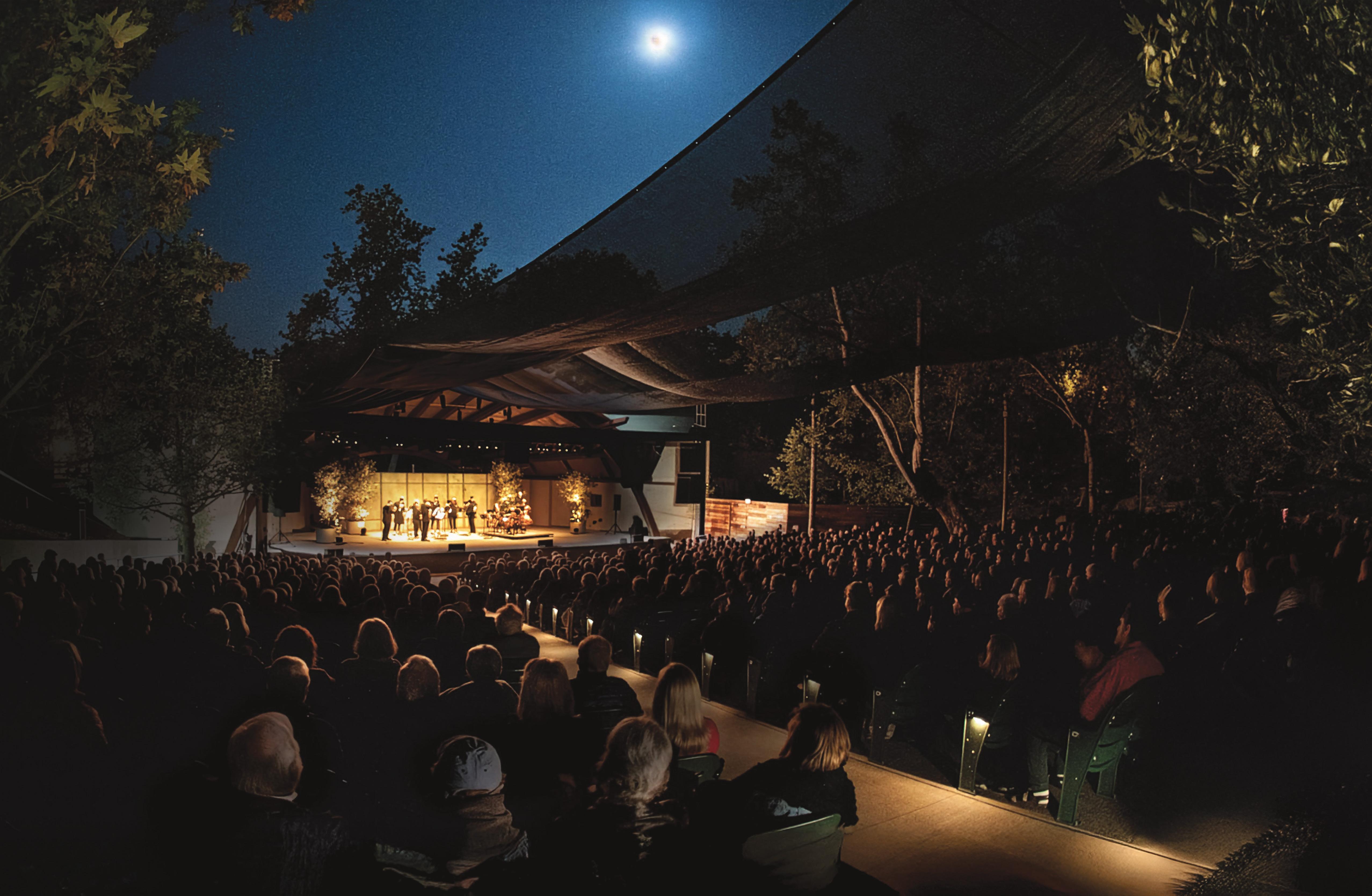
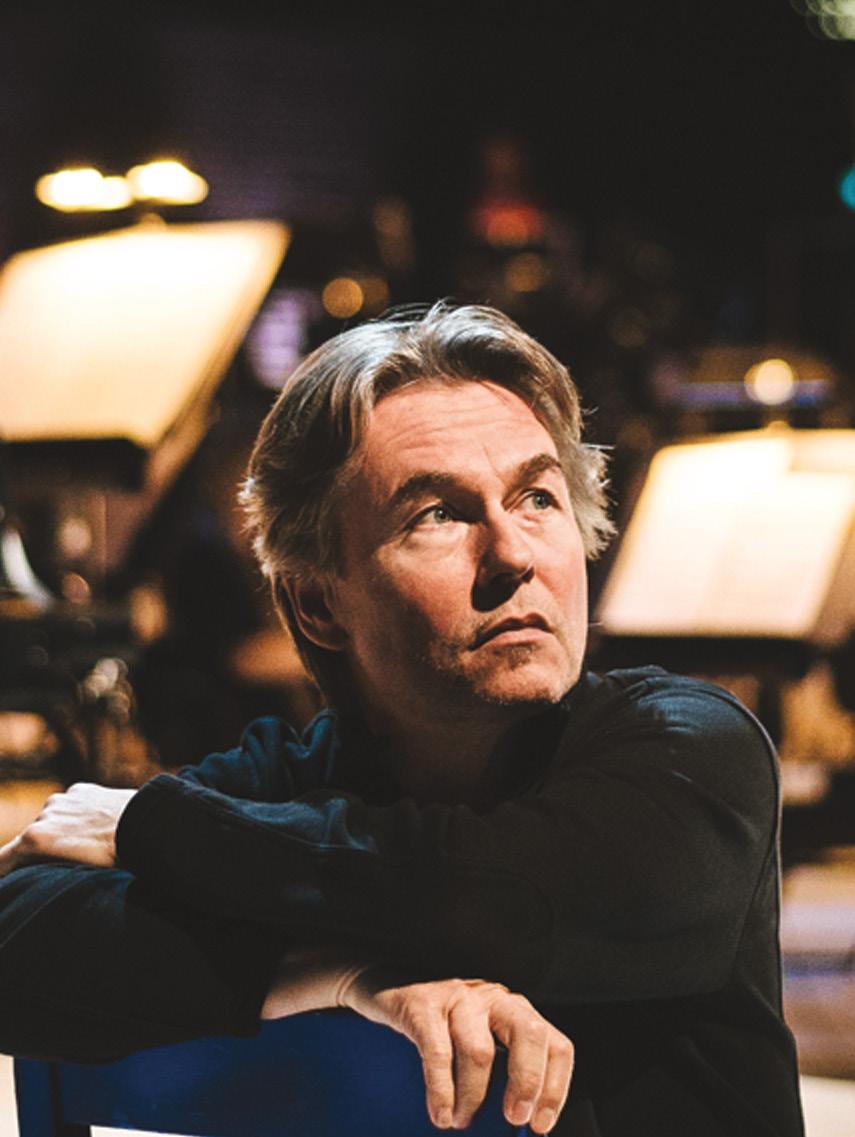
Esa-Pekka Salonen leads the 80th Music Festival - 90
By Kim Lamb Gregory
Clown School: Balancing the Cosmos -98
By Erin LaBelle
Toy Design: Thinking in 3D - 124
By Kimberly Rivers
NATURE
Baba’s Tree of Fire - 48
By Perry Van Houten
Ode to an Oak - 56
By Robert Porter
MINDFULNESS & EDUCATION
Oak Grove School Turns 50 - 60
By Kerstin Kühn
Wild Qi - 68
By Perry Van Houten
Barefoot in Ojai - 108
By Georgia Schreiner
BIG ISSUES
Solving Ventura County’s Coldest Cases - 72
By Grant Phillips
Seed Punk Manifesto - 80
By John Fonteyn
CALENDAR - 86
FOOD AND FARM
Investing in the Chorus of Spring - 104
By John Fonteyn
Joplin’s - 110
By Kerstin Kühn
Artichokes - 118
By Sharon Palmer
subscribe
HOME GALLERY
Editor’s Note: Spring 2026
Ojai’s little rebellion against the mass consolidation of local businesses is a way we preserve our unique character amidst the corporate blur of generic places. It is an ordinance that rejects chain (or “formula”) businesses. Although some business sectors are allowed exemptions, and some stores are grandfathered in, this ordinance attempts to stand up for Ojai’s individuality and give us room to be ourselves … independently.
Part of independence and resiliency depends on a populace focused on what is happening locally in a society that permits free thought and expression. Like any community, the gamut of smoldering Ojai issues range from mighty to petty — it’s a great big world in our little valley (all chronicled by reporters at the Ojai Valley News). From the right to keep an orange bench or storied business moniker; to pollution from sound, light, or oil spills in upper Ojai; to a troubled trolley schedule and weekend trash buildup downtown; to septic tanks in the Arbolada run amok; to pesticide drift. We have issues to solve around housing, historical value, fire mitigation … and of course community pool access and city elections. There is truly no end to hyperlocal causes, concerns and culture in this valley.
As the United States begins our semiquincentennial year, we are questioning everything we believed in — our heroes, our enemies, our institutions, and our sources of information. We must never give up on liberty, but bingeing on global and national politics can cost us our souls’ rest. We exhaust ourselves from shaking our fists at the current administration, the deep state, and the corporate global puppet masters … come back home, and let’s change the things we can. There is both meaning and solace to be found in embracing our small world — the place where we live — where we can effect preservation and make positive change in our breathtakingly gorgeous spring-green Ojai Valley.
As Ojai listens to and takes care of its own, it becomes resilient. The more we question, consider, and fearlessly work together to grow our best community, the more self-reliant and joyful we can be. Come join the micro-movements of our town. What you can do best for your country just may be doing your best for your town.
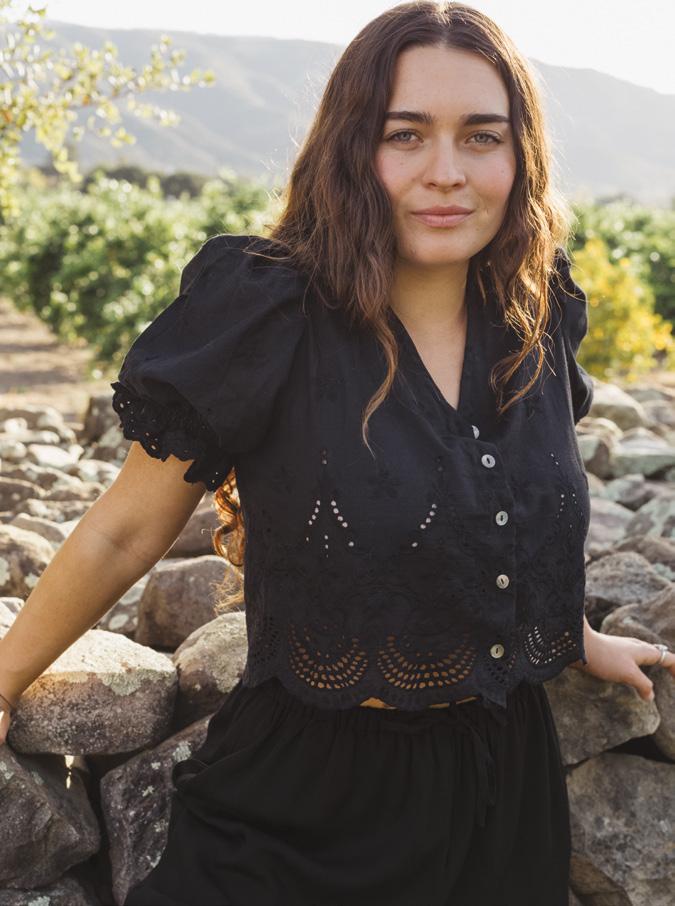
An Ojai designer’s journey from her mom’s closet to her own clothing line
by KIM LAMB GREGORY photos: ALICIA FRAZER
The middle school assignment was to come dressed as a famous person from history.
Her classmates showed up as luminaries like George Washington, Thomas Jefferson, and Amelia Earhart, but Alicia Frazer arrived with a cigarette holder, pearls, and a little black dress from her mom’s closet.
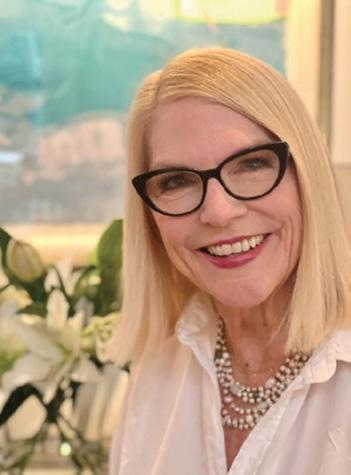
“Alicia came as Coco Chanel,” said Alicia’s mom, Charlene “Char” Frazer. “She had on sheer black pantyhose with the seams up the back and gloves. She made a hat and put stuff on it.”
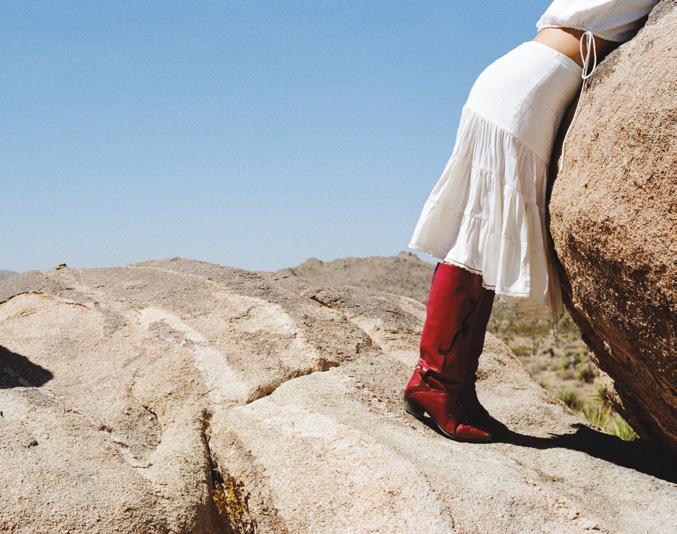
Now 29, Alicia runs her own clothing line — “Swoon the Label” — out of her home in Ojai. With a tip of the pillbox hat to Coco Chanel, Alicia’s design aesthetic is more boho, favoring flowy cotton skirts, boots, and plant-dyed indigos and marigolds.
“To me the ‘swoon’ is about swooning over yourself,” Alicia said. “To have self-love is so hard for so many women. The way we dress is the way we uplift ourselves.”
Growing up in Gainesville, Florida, Alicia spent a lot of time rummaging through her mom’s closet.
“I’ve been raiding it forever,” Alicia said. “She had the coolest turquoise belts and long skirts and boots. I think I carry a lot of her style.”
Char worked as a physical therapist and Alicia’s dad, Tom, taught marine ecology at the University of Florida. Alicia’s older sister, Marissa, would eventually become a cardiologist.
Alicia was the artist in the family.
“She’s a breath of fresh air, a free spirit, a risk-taker,” Char said.
Tom and Char wanted both their girls to pursue their dreams, so when Alicia was 7, Char enrolled her in a local sewing class.
“It was connected to a vacuum cleaner shop,” Alicia said. “Like, you had the vacuums and sewing machines all together. There were four women in there with me who were 70-plus, and I’m 7 or 8 years old, and my mom’s like, ‘Are you sure you want to do this?’”
Alicia was sure.
After high school, she enrolled in the University of Florida, but the school didn’t offer a major in fashion design, so Alicia chose architecture — and hated it.
“Everything I designed was a dang cube. So I changed my major to everything else possible,” she said. “I was like, I want to be in photojournalism, I want to be in fine arts and graphic design. My dad finally pulled me aside and said, ‘I just want you to pick something and finish.’”
Alicia graduated with a Bachelor of Arts in visual arts and a minor in entrepreneurship, but had no idea what to do next.
She and a friend decided to take a post-graduation vacation in a boat off the coast of Spain. At a small, crowded café in Barcelona, Alicia and her friend were happy to spot one empty table.
“There was this other woman going for the same table and we’re like, ‘Let’s just sit with her; she seems nice,’” Alicia said. “So we invited this woman to sit with us and I’m just yappin’, yappin’, yappin’, telling her my big dreams in life.”
Alicia shared her desire to move to Australia and design clothes for a company called Spell, which specialized in ethically sourced clothing.
“So she stops me right there and says: ‘You can just come and work for me instead. I live in the same town and have a design shop right down the street from them,’” Alicia said. “You can come any time you’re ready.”
Alicia and her friend were sharing a table with Byron Bay clothing designer Jenny Campbell, who goes by the name Jenny Jazz, like her clothing label.
“When Alicia said, ‘My dream is to go to Australia,’ it clicked,” Jazz said. “I needed someone young — my daughter’s age — who can help me in the shop in Australia. She said, ‘Are you serious?’ And I said, ‘Yeah!’ And the next thing, she’s bloody got her visa and coming over!”
Alicia arrived in Australia a few weeks later in 2014 and hit the ground running, managing Jazz’s social media, doing
fashion photography, and soaking up everything she could about the fashion industry.
“She’s not scared, and if she runs into a problem, she’ll figure out a solution,” Jazz said. “That is the key to anything — you gotta be fearless.”
Jazz knew what it was to be fearless. Now 64, she left Australia at age 17 to launch her clothing line, traveling to Bali, Italy, Spain, and the U.S., gathering ideas and fabric. She had her own mentor, a Los Angeles photographer who was like a mother figure to Jazz, so she likes to do the same for other young, aspiring designers like Alicia.
“I saw a lot of potential in her,” Jazz said. After a year in Australia, Jazz took Alicia to Los Angeles, where Jazz’s daughter
lived, so Alicia could tour design schools. Shortly afterward, Alicia enrolled in the Fashion Institute of Design and Merchandising (FIDM) in Los Angeles.
While in school, Alicia worked numerous jobs, but the job she most enjoyed was designing bridal wear.
“I was at the age where all my friends were getting engaged and I was like, ‘I’ll make your dress!’” Alicia said. “I had never made a wedding dress in my life.”
When Alicia’s college friend , Lisa Nicole Miller, was planning a wedding in Miami, Alicia offered to make her gown.
“Alicia clearly knew my style better than I did,” Miller said. “I kind of just put it in her hands. The only thing I knew I wanted was to wear the veil from my late mother-in-law.”
Collaborating with Miller, Alicia designed a lacy corseted gown with a slit up the side. The design perfectly mirrored the lace in the heirloom veil Alicia wore.
“I think that any bride she worked with would feel heard and seen and really special,” Miller said. “She would send me photo updates of dresses she was sketching. It’s a special experience to know my dress is one-of-a-kind.”
After graduating from FIDM, Alicia accepted a position with Johnny Was, a Los Angeles clothing and lifestyle company, then Pac Sun, which specializes in swimwear. She learned a lot from working at both companies, but still felt restless.
“There was nothing to complain about but I was ready for more,” Alicia said. “I called Jenny at this point and said, ‘OK, I’m ready for more. What you got in your back pocket?’ And she said, ‘Come to Bali, baby!’”
Alicia quit her job, packed up, and joined Jazz in Bali.
The eight months she spent there were like an artist’s epiphany. She was inspired by the colors, fabrics, and culture, and began working on her own designs.
“Bali is between China and India and you have this great trade of fabrics,” Alicia said. “You get the silks from China and these amazing beaded fabrics from India.”
Alicia met an Indonesian dressmaker, Danny Soe, who worked out of his home with three seamstresses.
“They make my whole collection come to life,” Alicia said. “You go into his home and … there are three sewing machines and his cat. We go there and have a cup of coffee and talk through things.”
When she left Bali, she didn’t go home to Gainesville. She had discovered another artists’ haven in California: Ojai.
“Coming from Florida, I had never been to the mountains before,” Alicia said. “The first time we drove here, I was in the back of a friend of a friend’s car and my jaw dropped. I just blurted out loudly in the car, ‘I have got to live here!’ And I would be here every weekend or every other weekend since 2020.”
Alicia moved to Ojai with a friend and launched Swoon the Label in November 2024.
A year later, her business is doing well, although she works as a server at Ojai Roots to supplement her income and network with the people of Ojai.
“It’s been the greatest blessing because I feel I have met everyone in town and I’ve talked to everybody,” she said.
Besides bridal gowns and a spring and summer clothing line, she has also expanded to create little girls’ outfits, which have been selling well.
Alicia is keeping her label true to her values, using only plant dyes and creating very little waste because she does her best to make women swoon at their own reflection.
“I want women to feel so beautiful no matter what stage their body is going through,” Alicia said. “Because our bodies are evolving every day.”
Alicia sells her creations online at swoonthelabel.com
photo: Sarah Holt
YOUR OWN PERSONAL NIRVANA
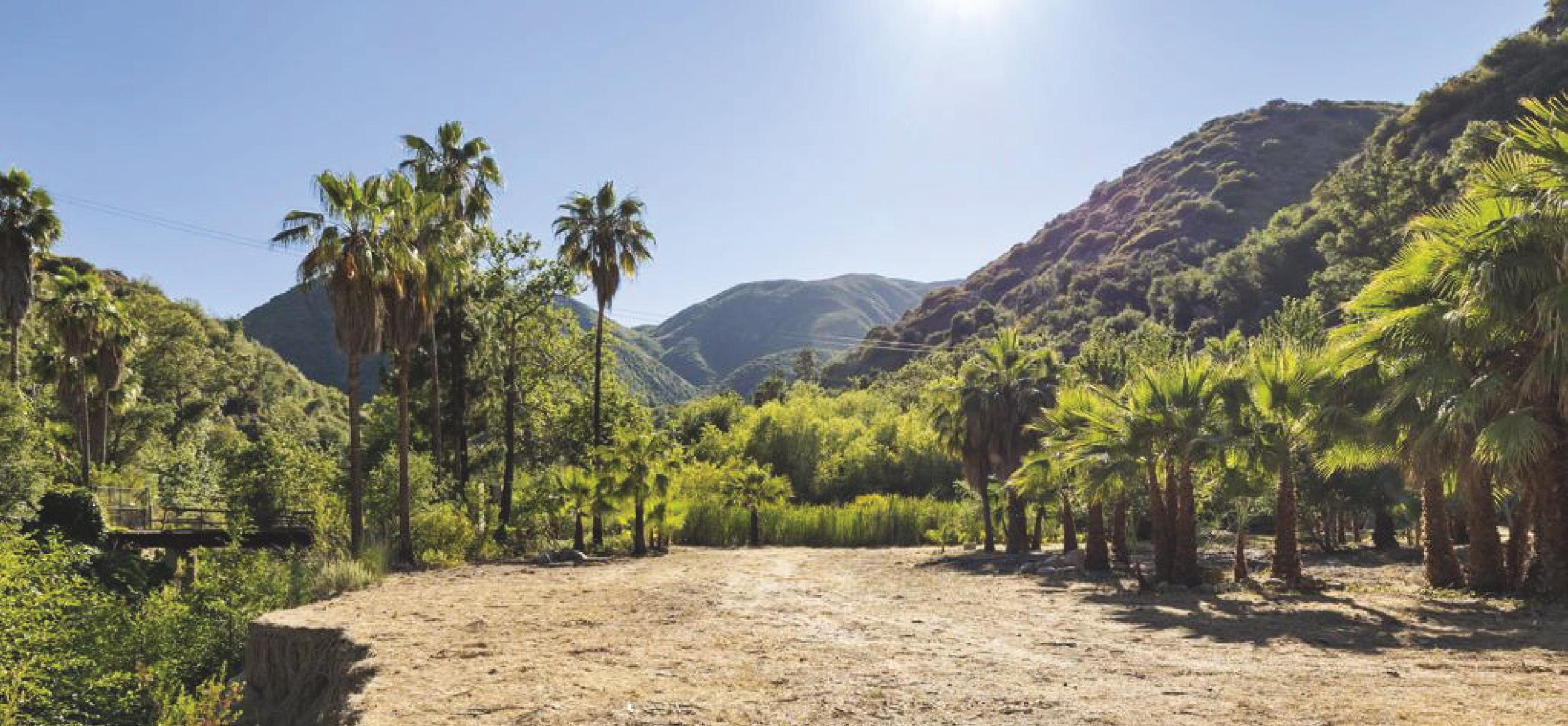
This historic property was the genesis of Ojai as a wellness resort town. Since the 1800s travelers visited Wheeler Hot Springs to ‘take the waters’, believed to have healing qualities. While current zoning no longer allows for commercial development, all the natural elements that made this property world famous are still flowing freely. You can build your own private resort to enjoy with family and friends forever.
This is a once-in-a-lifetime opportunity. Contact your agent or Sharon MaHarry for more details.
Offered for $2,995,000
Inside the Animated Animal Kingdoms of Claymie Stratford & Succulent Zoo
by MIMI WALKER
Visit the back yard of husband-and-wife artists
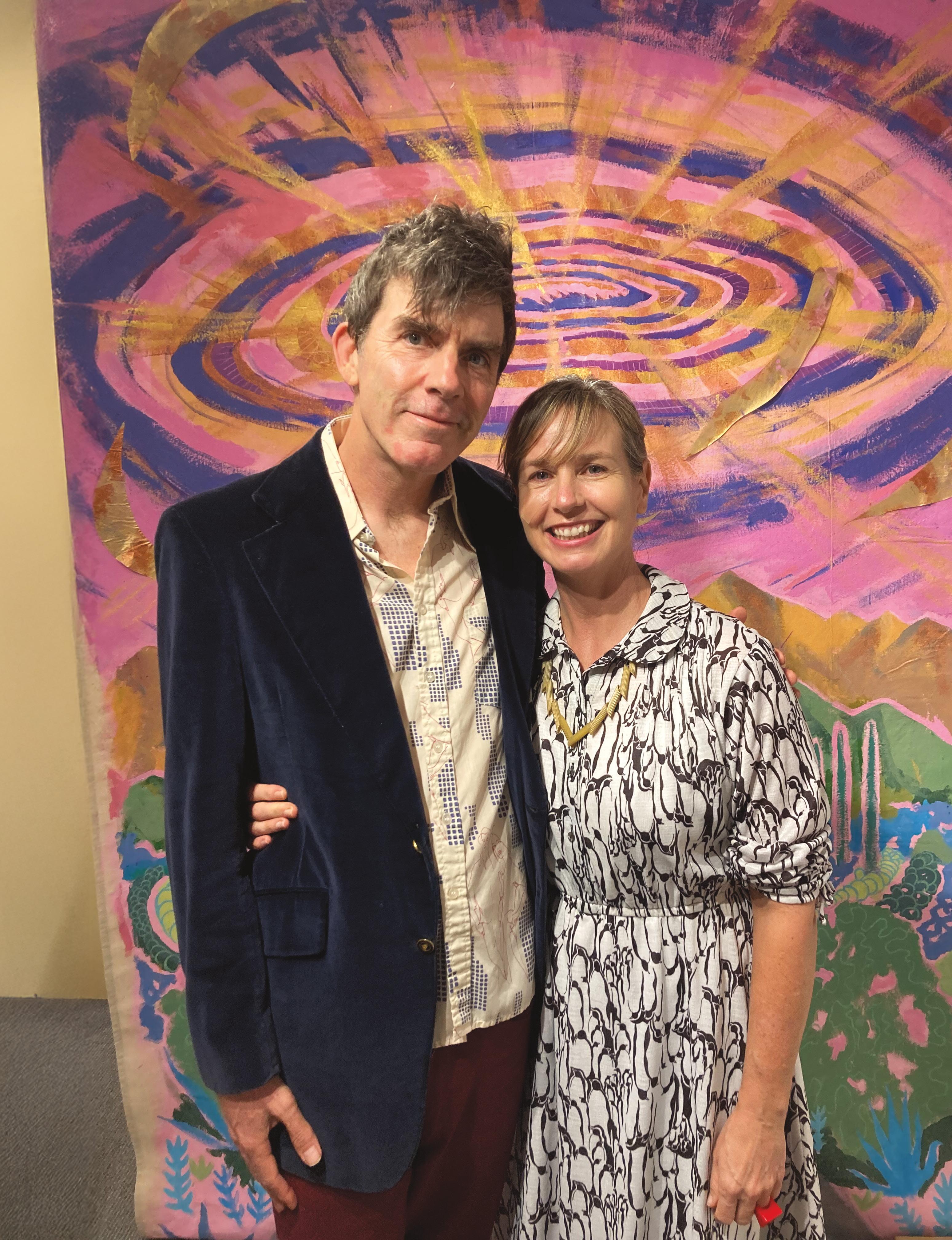
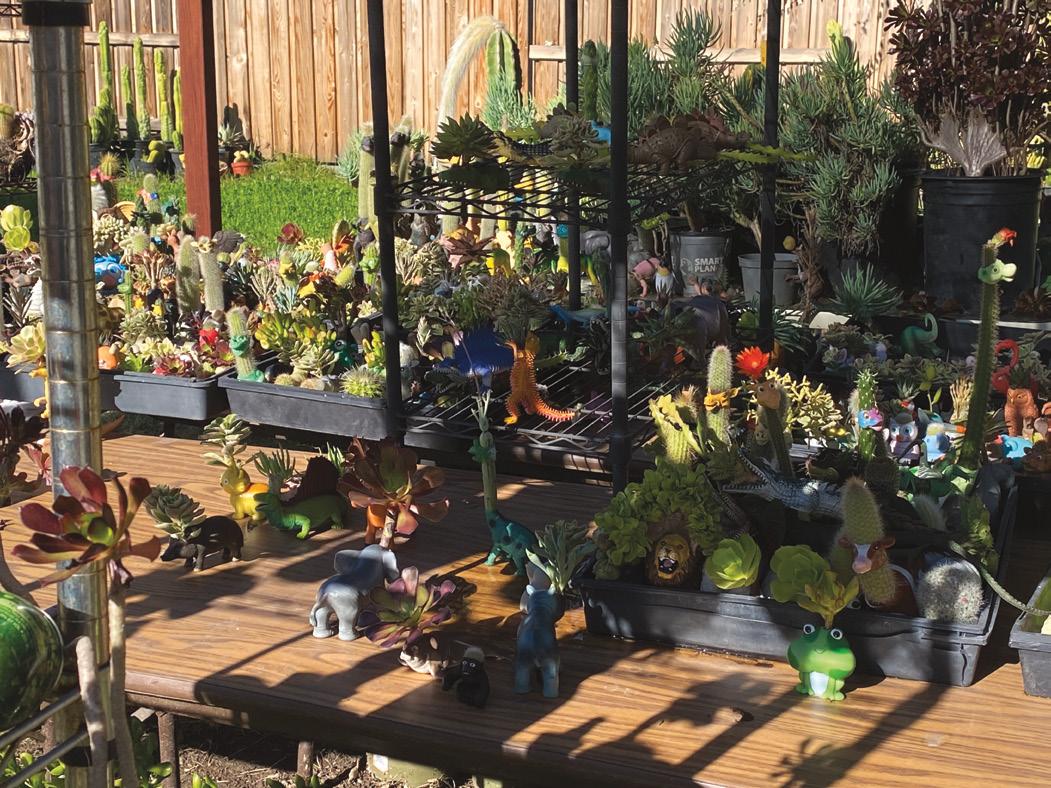
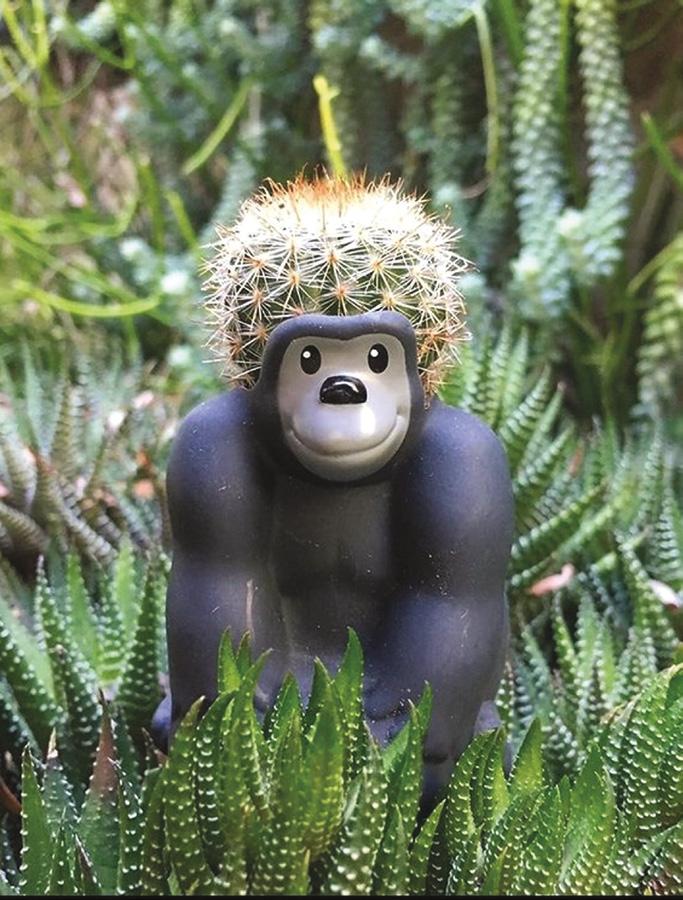
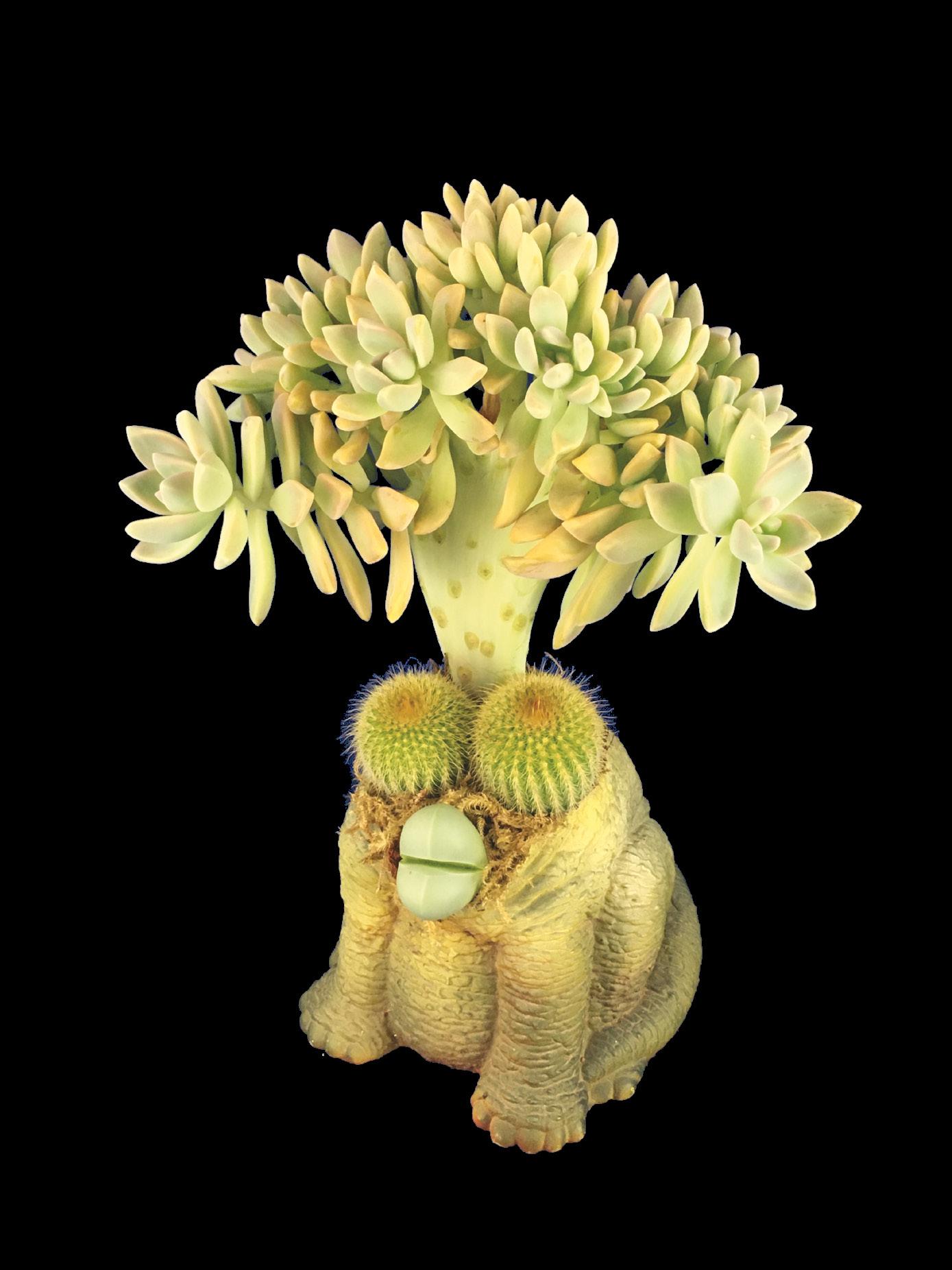
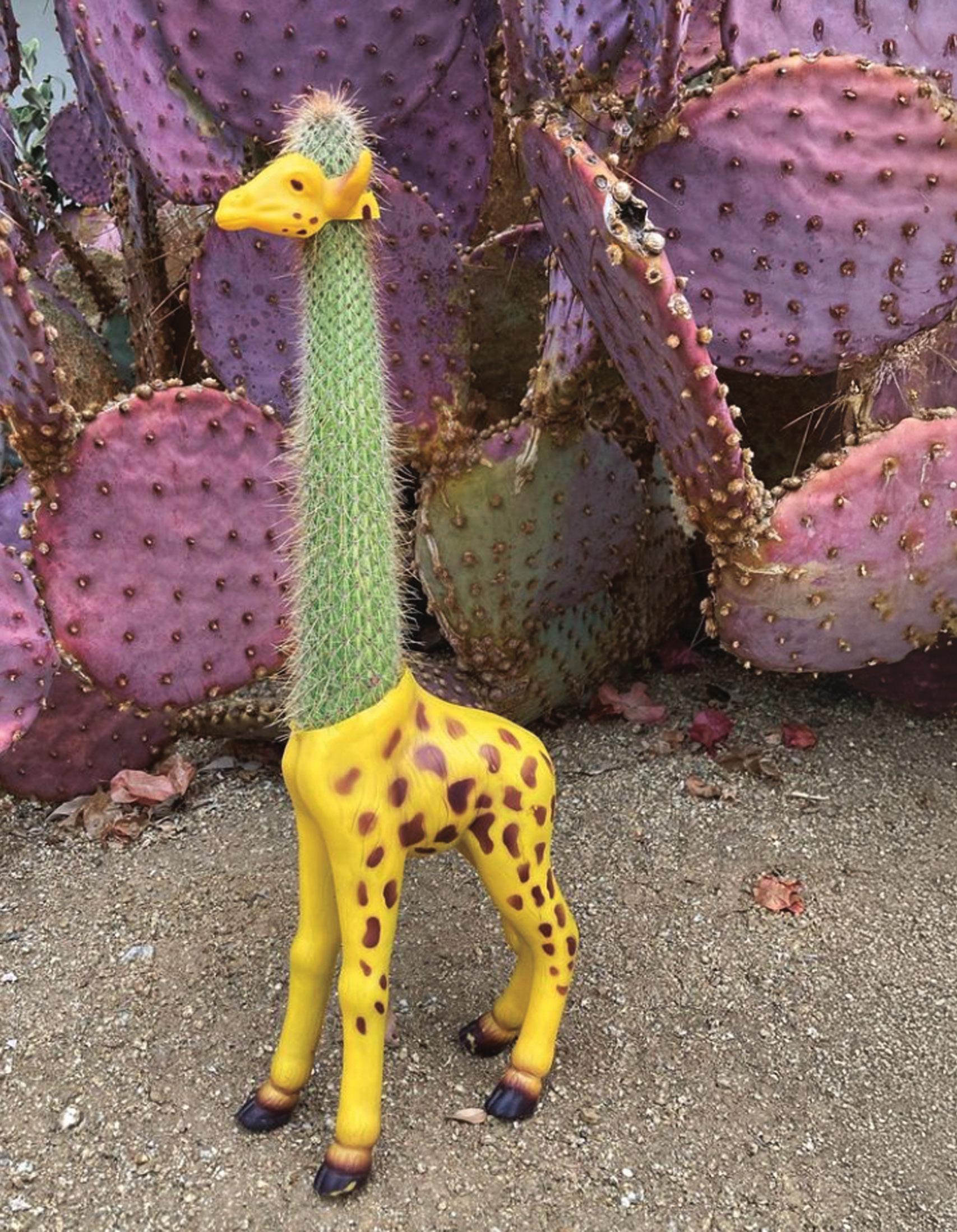
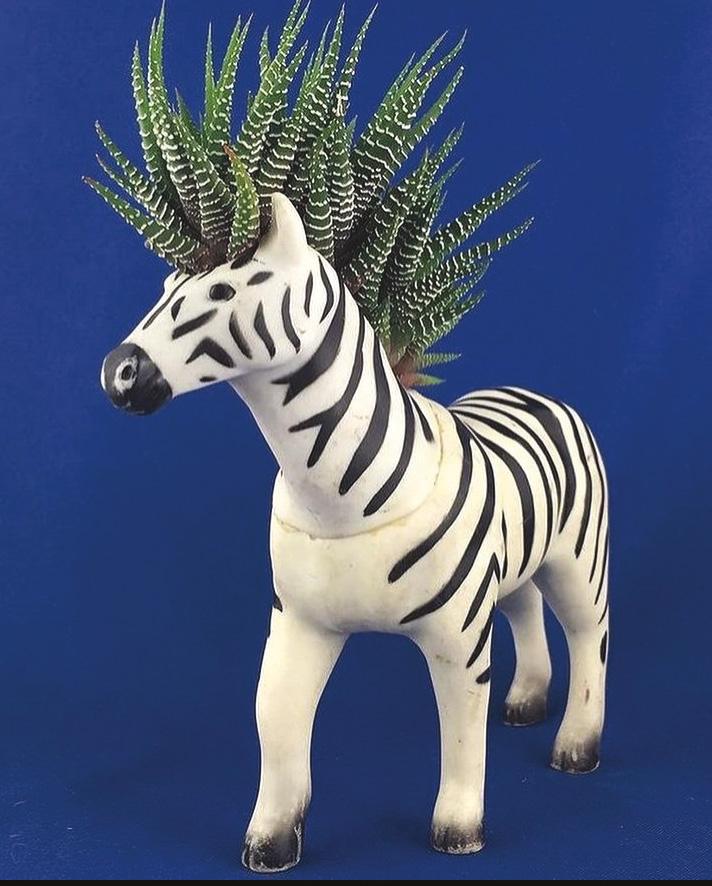
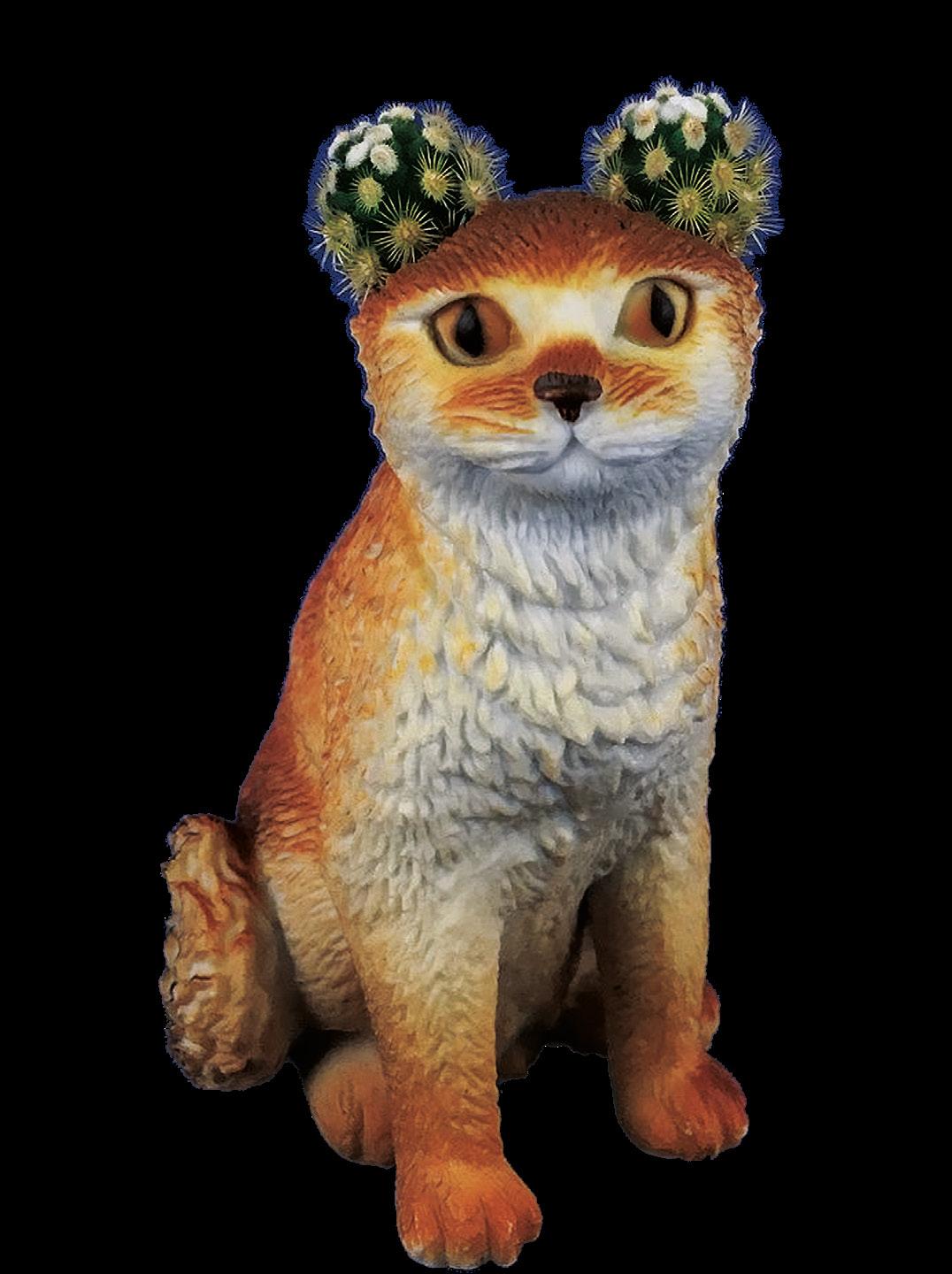
Joe Rockwell and Jamie Stratford of Ojai, and you will find a secret jungle of toy creatures with plants and cactuses cascading out of their heads. That’s Joe’s turf.
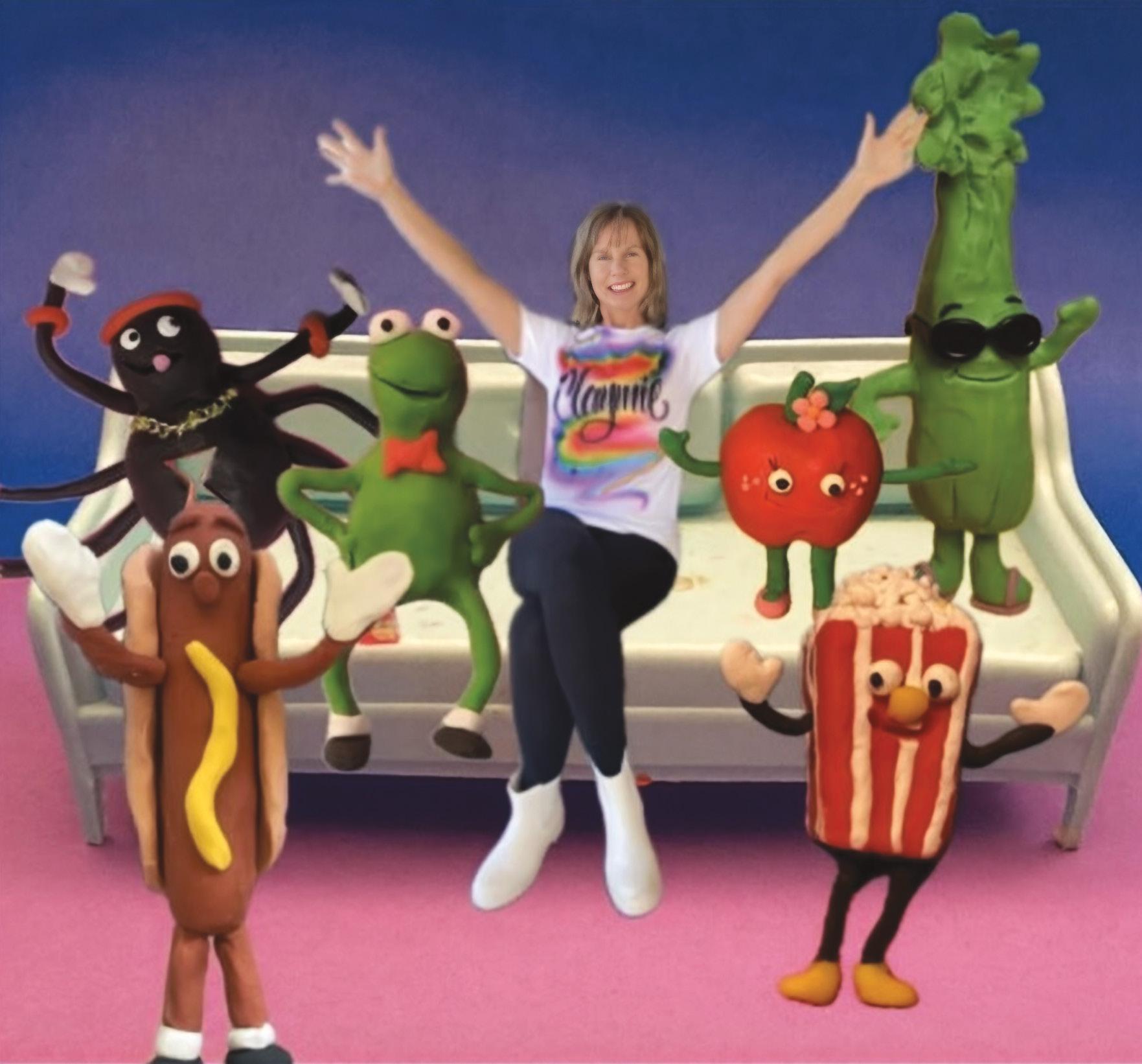
Jamie, meanwhile, has her Claymation room, where a mountain of handmade clay critters on a little table are surrounded by miniatures of classic Saturday-morning cartoon characters like Garfield on shelves and in cabinets, plus a replica of Chairry from Pee-wee’s Playhouse.
Inspiration knows no bounds in the home of the creators of Claymie Claymation and Succulent Zoo.
“Our worlds together are pretty funny; our house is all toys,” Jamie shared. “We have a whole shed full of toys and bins, like dinosaur bins and My Little Pony bins and finger monster bins, and every animal you can think of.”
The genesis of this artistically prolific love story began over two decades ago — in a tree.
Joe had put together an indie rock concert performance that took place in a large, multi-limbed tree on the old Wilcox Property in Santa Barbara, and Jamie climbed up to check it out. He proposed to her in that same tree several years later. The couple moved to Ojai from Santa Barbara in 2022, which Jamie called a “magical landing.”
CLAYMIE TAKES THE CINEMA
Jamie, a first-grade teacher at Harding University Partnership School in Santa Barbara, first dabbled in stop-motion animation technique when she was in high school, making movies with Barbie dolls on a Super 8 camera with her sister, JJ Stratford, an analog video artist.
During the Covid-19 pandemic, however, she delved into Claymation — and taught herself.
She first experimented with the stop-motion app OSnap!, “just a very simple app you put on your phone; put your phone on a little tripod.” She then upgraded to Stop Motion Studio, and for her birthday a few years later received as a gift from her sister and mother Dragonframe stop-motion animation software and a higher-quality camera.
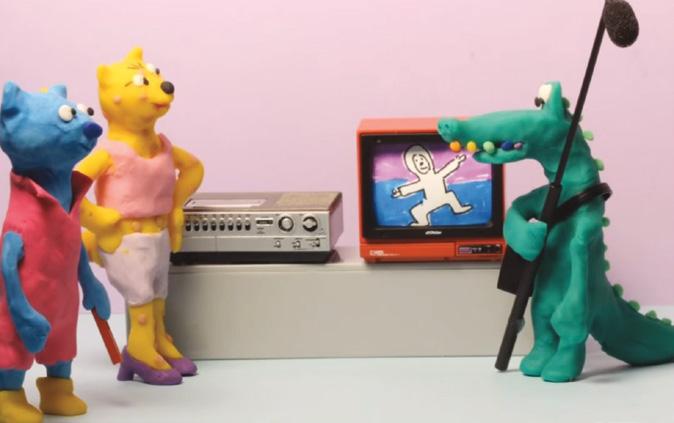
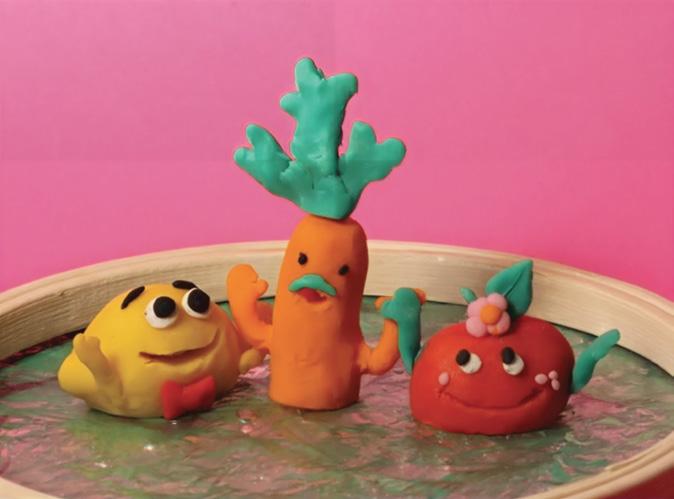
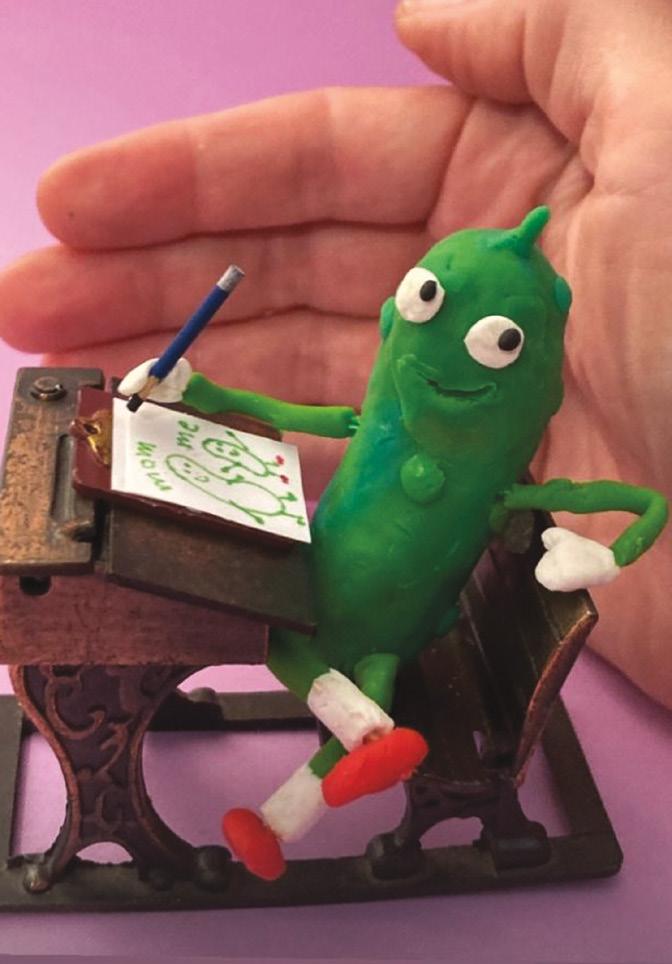
Jamie, branding her work under Claymie Stratford, has seen her work bloom quickly in Ojai. Her YouTube channel, @claymiestratford9580, is filled with clips of colorful homemade creatures slurping soup, eating tacos, brushing teeth, breakdancing, and more. The scenes range from four to 40 seconds, but Jamie needs at least a few hours to film even short clips. The characters are about 5 inches tall, max, with other props added in, like a miniature trumpet, bathtub, or fridge. “I can’t get enough of miniatures,” Jamie said.
Jamie credits local artists Joel Fox and Jennifer Jordan Day, whom she met through sister JJ, for their technical support in videoing her creations. “We are so lucky to have met them,” Jamie said, “because I feel like they are just such a fun magnet.”
Fun is at the center of Jamie’s artistic inspiration. “I’ve worked with 6-yearolds for forever, and I get a lot of inspiration from kids,” she said. “I grew up watching Sesame Street and The Muppets, Fraggle Rock, Gumby, [and] Pee-wee’s Playhouse with Penny, the little Claymated girl. All of that has stuck with me.”
She swiftly moved from Pee-wee’s Playhouse to the Ojai Playhouse.
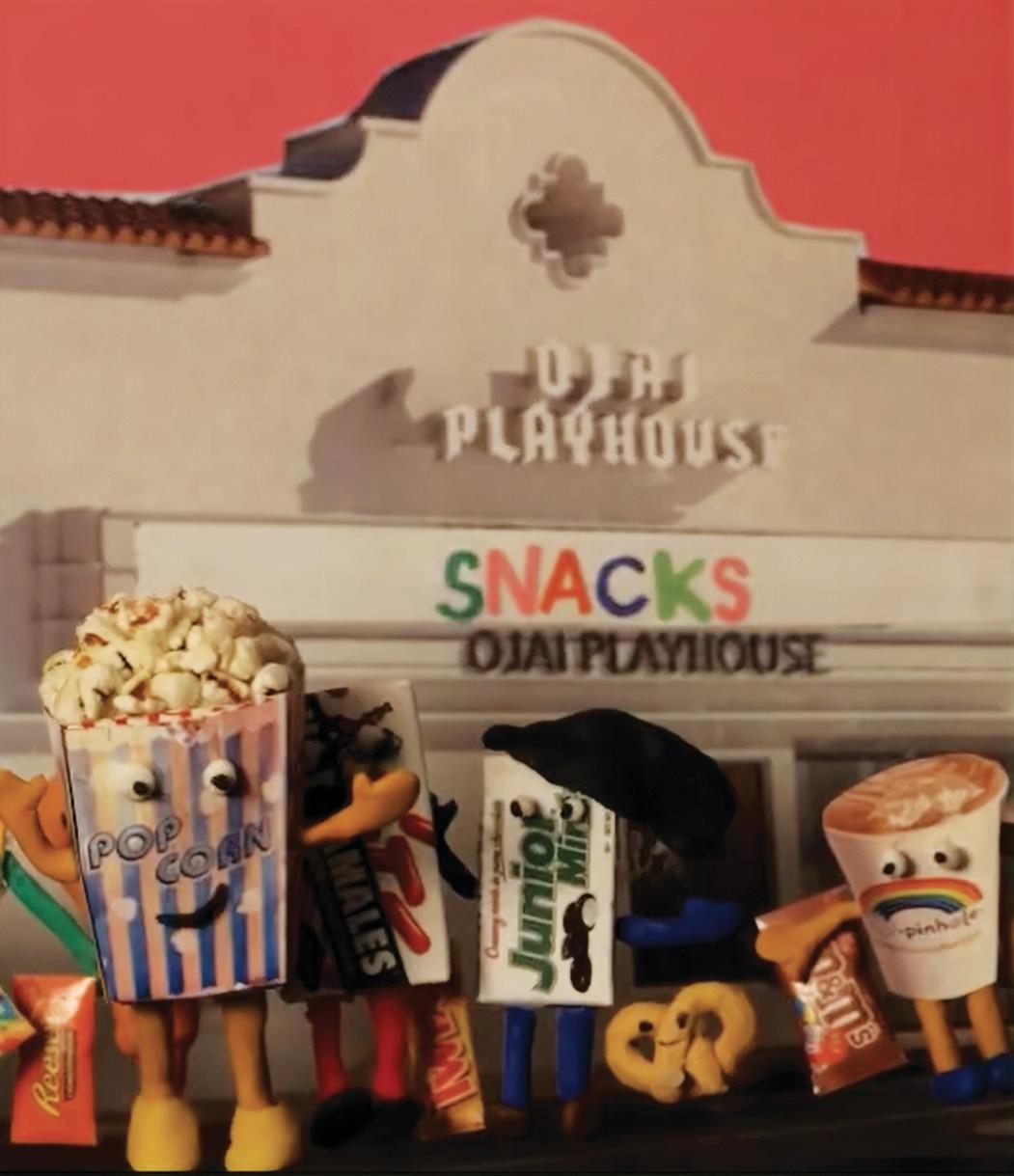
Ahead of the theater’s grand reopening in November 2024 — following a 10-year closure — Jamie asked the owner, David Berger, if she could contribute a Claymated segment about the theater’s snacks. “I was just so lucky that he was so receptive to it,” Jamie said. Her first short film about the theater’s snacks now runs before all Playhouse screenings.
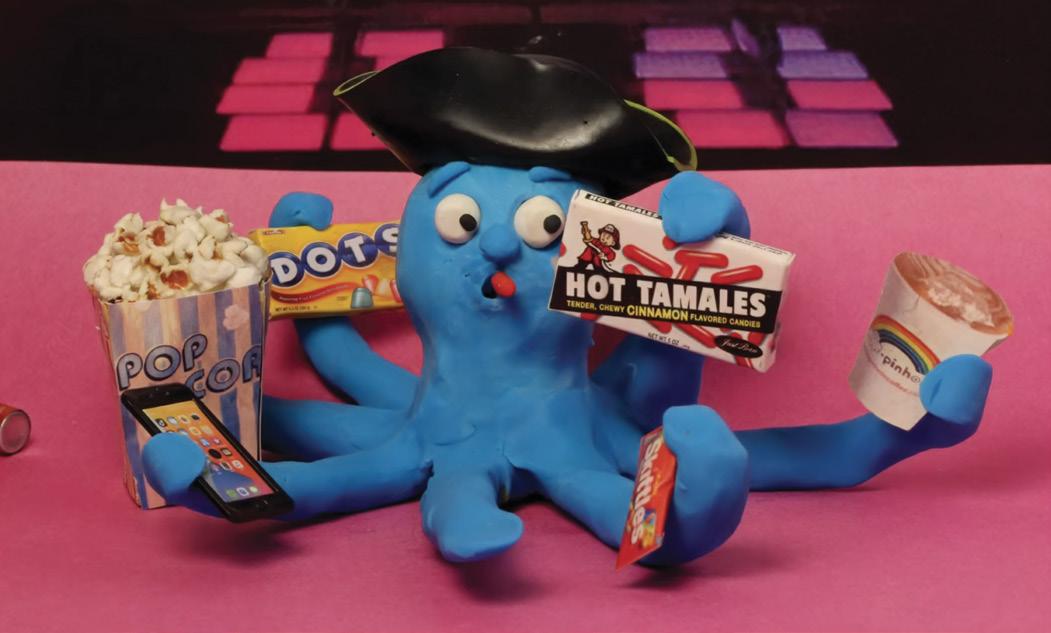
Later, she made a segment with an octopus getting scolded for not showing proper theater-snacking and trash etiquette, and a clip of Claymated snack friends riding the Ojai Trolley up to the
Playhouse for movie night. All Playhouse Claymations feature original sound and music from Mikael Jorgensen of Wilco.
Jamie’s journey came full circle when a series of her Claymation shorts screened at the Playhouse on the same day as the 70th anniversary screening of Gumby, on March 22, 2025. Jamie elaborated on Gumby’s special place in her heart and her approach to art: “Now being older and watching old Gumby episodes, I feel like it’s validating and heartwarming, a little bit, to see fingerprints in Gumby or just little imperfections, because Claymation is so hard to be perfect with. Sometimes, I’m like, ‘What’s the best I could do with the amount of time I had?’ And I just let it go and share it.”
She’s made Claymie shorts to promote other businesses in town, too, including Community Juice, the first company to request a Claymated promo video, which she called a “dream collaboration.” Other local businesses and groups Claymie has filmed for include The Mega Gallery, Ojai Film Society, Shelter Social Club, Genuine Sheds and Studios, and Buddy’s Wine in Ventura.
In the true spirit of “it’s never too late,” Jamie is glad she pursued her long-held interest in Claymation, which has turned out to be a frugal pursuit. “Claymation is so fun and easy … there’s no overhead,” she explained. “I reuse a lot of the clay. Everything’s all within one table space, totally accessible.”
SUCCULENT ZOO’S CIRCLE OF LIFE
As for Joe, for the better part of 20-plus years, his bread and butter was reselling vintage rock ‘n’ roll T-shirts. Now, he repurposes old toys into vessels for succulents and cactuses.
“I grew up in Arizona with cactus everywhere,” he said. He truly became interested in succulents, however, when he relocated to California at age 27. “The more time you spend with them, you just really get addicted to see what they’re doing,” he said “They’re just such cool plants; they’re so fun.”
What inspired him to stick his beloved succulents into toys? “I think it was the early Pinterest days,” Joe said. “I saw somebody put succulents in a violin, some jeans, tennis shoes, a boot. … The options are endless.
“You know, Portlandia ‘Put a Bird on It!’ I was like, ‘Put a succulent in it!’”
Initially, he said, “the first stuff I did was just cool junk I found on the beach, worn-down cans and tennis shoes … that still had a real beauty to it.” Later on, he realized, using animal figurines made “so much sense.”
It took time to find his succulent stride with the animals, he admitted. “The first couple years … I’d just cut the whole face off of an animal or a dinosaur, and I was creating the whole face out of succulents. I loved them — a lot of people do love them — but they’re pretty intense.”
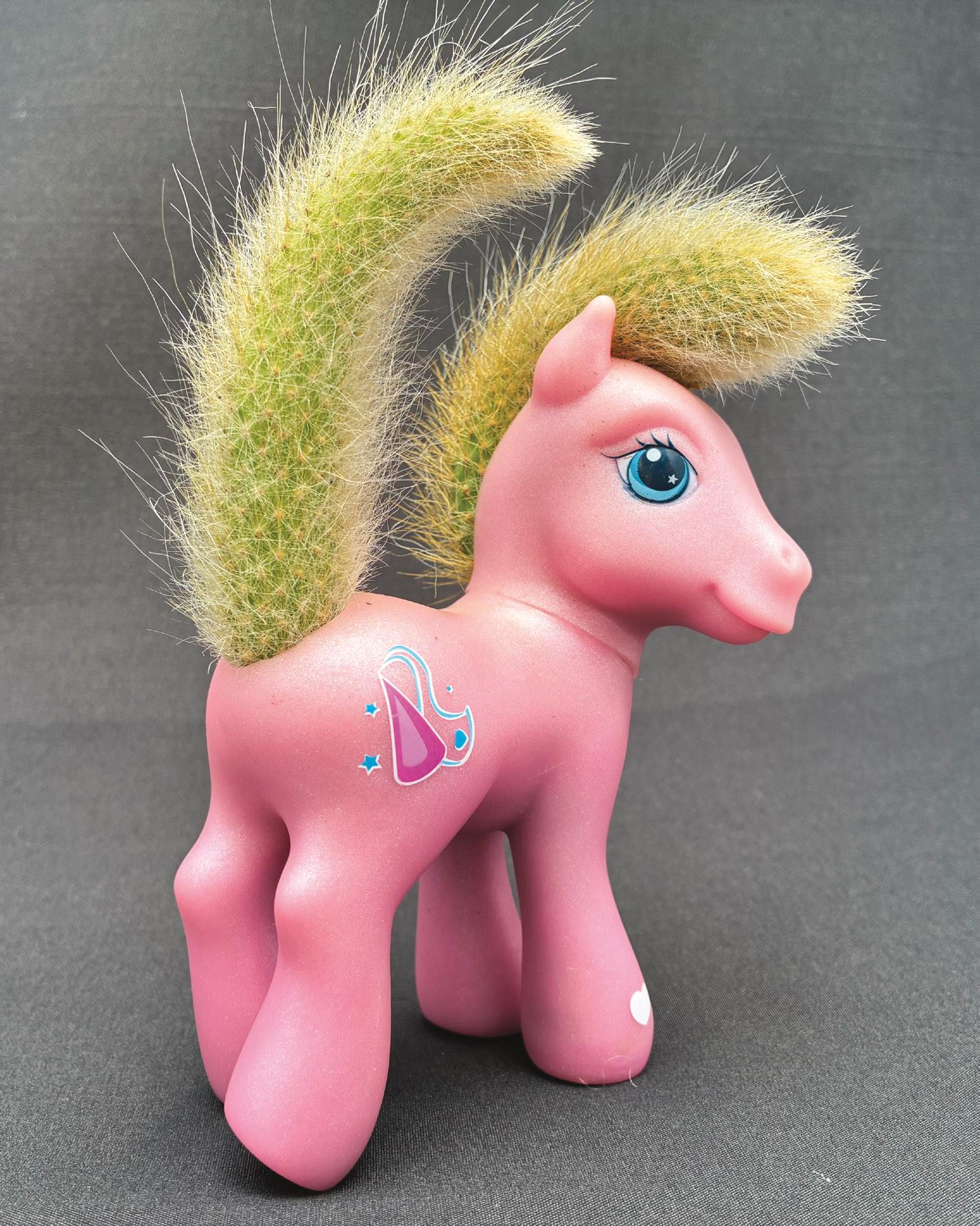
He hit the jackpot about 13 or 14 years ago when he started repurposing My Little Pony dolls. “I did the full mane, and the tail. … I knew I was on to something,” Joe shared. “I was like, ‘This is rad.’ … I jokingly tell people now … I know way more about My Little Ponies than a 53-year-old man should.”
In addition to the popular My Little Pony planters, Joe uses a menagerie of elephants, giraffes, zebras, gorillas, and more to craft his Succulent Zoo. He sells as succulentzoo on Etsy and has more than 116,000 followers on Instagram. “But there’s nothing better than selling them in person,” Joe confessed. “That’s where I get my most joy, the pop-up markets. That face-to-face with everybody, you see that joy … nothing compares.”
Succulent Zoo has found its way into a few of Claymie’s shorts over the years, and will likely continue to expand.
“We’re so lucky to have found each other,” Jamie said of her husband. “Definitely the perfect fit.”
She concluded, “We live in such a heavy world, it’s nice to have a little joyful escape, or something that’s lighthearted and just meant to make people have a quick smile.”
CLAYMIE STRATFORD
Instagram: @claymie_stratford
YouTube: @claymiestratford9580
SUCCULENT ZOO
Instagram: @succulentzoo
Etsy: etsy.com/shop/succulentzoo
Underneath the canopy of Baba’s Tree at Meher Mount when it felt like a cathedral before the December 2017 Thomas Fire.
Photo by Telfair Leimbach
BaBa's Tree oF F ire
True love is unconquerable and irresistible. It goes on gathering power and spreading itself until eventually it transforms everyone it touches.
— Avatar Meher Baba, quoted in Tree of Fire
by PERRY VAN HOUTEN
in diameter, overlooks the Pacific Ocean from Meher Mount, a 172-acre spiritual retreat that sits on the brow of Sulphur Mountain, 1,200 feet above the Ojai Valley.
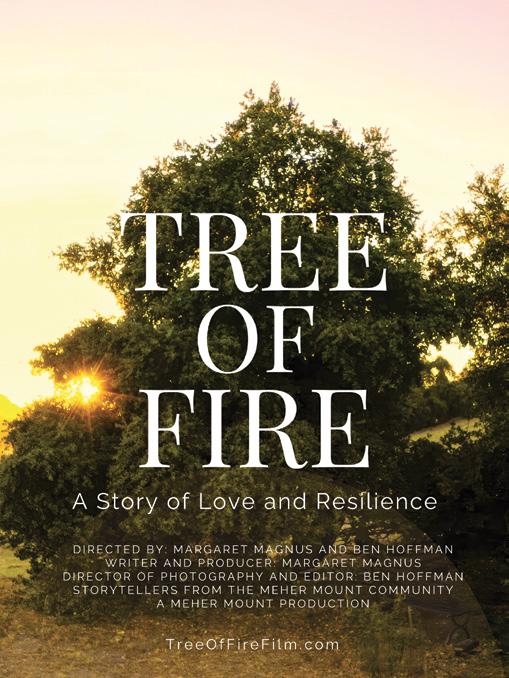
Tree of Fire: A Story of Love and Resilience is a documentary about loss, survival, and spiritual connection.
Three years in the making, the film tells the story of a once-thriving coast live oak that survived a massive wildfire and rose from the ashes to become an inspirational beacon for thousands.
Through heartfelt testimonies and awe-inspiring photography, the 75-minute film chronicles the remarkable journey of Baba’s Tree, named for Indian spiritual master Avatar Meher Baba, who blessed the tree during a visit in 1956.
The giant oak, originally estimated to be 200 feet in circumference and 75 feet
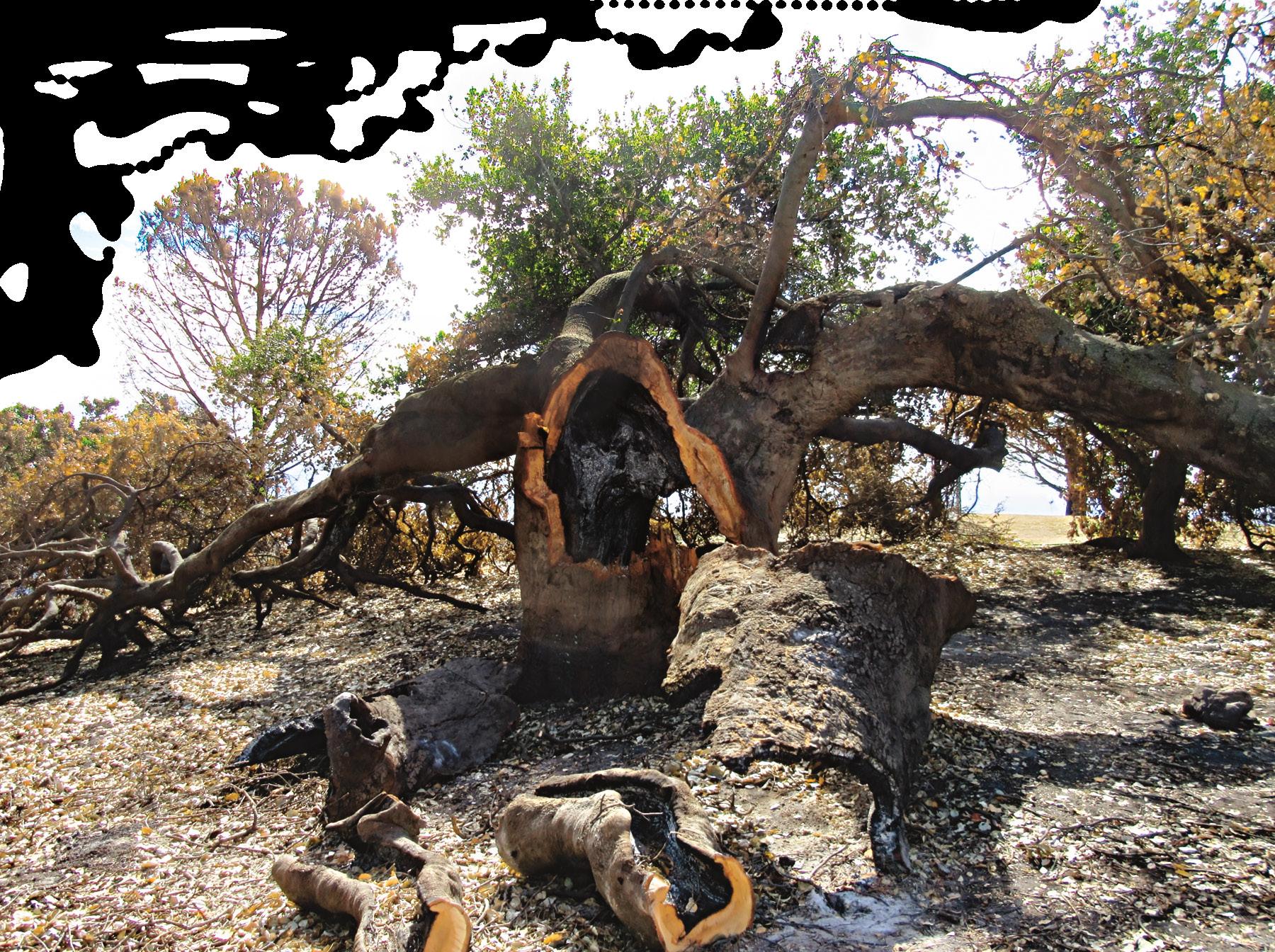
When the Thomas Fire struck Meher Mount in December 2017, the tree was burned and blackened, its canopy shattered and partially collapsed.
The future of Baba’s Tree seemed uncertain.
“When I saw the burned tree, it really affected me. I could not believe the condition it was in,” says Agnes Montano, Meher Mount board secretary and guest caretaker.
“I was just heartbroken,” says Cassandra Bramucci, a former resident caretaker. “I felt like a piece had been pulled out of my heart.”
“It was so difficult to see it in that state, and yet we had some hope that maybe it could still survive,” says Meher Mount board President Sam Ervin.
Below: Baba’s Tree at Meher Mount after the 2017 Thomas Fire when high winds and fire destroyed the tree and left a hollowed-out trunk. Photo by Margaret Magnus
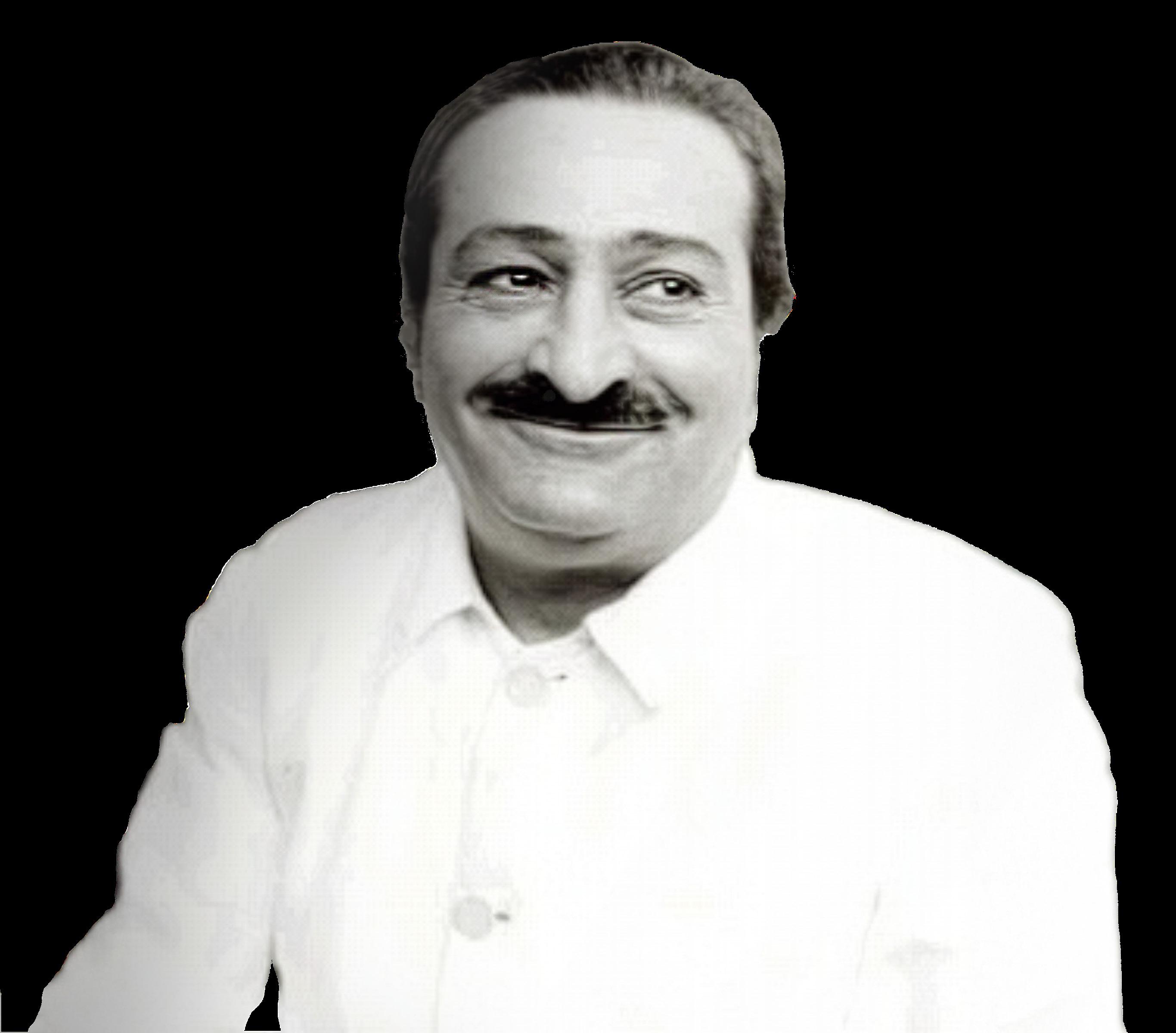
Avatar Meher Baba in India in 1945 Photo: Wikimedia CC
Then, against all odds, volunteers worked together to nurture the tree back to health, creating optimal conditions for its survival through careful watering, mulching, and installing sunburn protection and steel supports for the limbs.
A few years later, Margaret Magnus, Ervin’s wife, Meher Mount communications director, and co-director of Tree of Fire, took a look back at what had happened to the tree and the global outpouring of love that followed. “Because the fire damaged the tree so badly and so many people were touched, it brought people not only to Meher Mount but to thinking about healing and love and resilience,” she says. “And that’s when I realized there was a story to be told.”
At first, Magnus envisioned a short 10or 20-minute documentary. “Three years and many, many interviews later, we ended up with a 75-minute film,” she says.
Co-director Ben Hoffman was living in Ojai during the Thomas Fire and felt a personal connection to the story. “Often filming alone, I would lose myself in the eyepiece, letting shape, light, and color guide the lens,” he says. “I hope audiences feel the quiet magic in this story and enjoy the beauty of the stories and the place.”
During the last year of production, Hoffman worked on the film from western Ukraine, a country he fell in love with after traveling there to work on a film about the plight of the Ukrainian people during the war with Russia.
Working together remotely, Magnus and Hoffman completed the movie in 2025, then began submitting it to film festivals, “trying to give it as much exposure as possible to different kinds of audiences,” Magnus says.
Avatar Meher Baba, born Merwan Sheriar Irani in 1894, was later called “Meher Baba,” or “compassionate father,” by his early disciples.
He believed that God incarnates in human form every 700 to 1,400 years, with each incarnation referred to as the Avatar. “We who follow Meher Baba believe that he was God in human form,” Magnus says, “but he’s also an important spiritual master, whether you believe that he was God or not.”
Agnus Baron, a devout follower of the Avatar, co-founded Meher Mount in 1946 and lived there until her death in 1994. She told Meher Baba she would care for the sanctuary “through hellfire and damnation.”
In 1956, Meher Baba spent the day at Meher Mount, sitting alone under Baba’s Tree and forever marking its importance.
“To me it was like this sentinel on the hill that’s been overlooking this land, this mountain, for centuries,” says Ron Holsey, Meher Mount board vice president and guest caretaker.
Ray Johnston, caretaker from 2002 to 2010 with his wife, Elizabeth Arnold, returned to the retreat after the Thomas Fire to help with the recovery of Baba’s Tree. “I’ve always referred to the tree as a silent sentinel for change, because the tree has been a symbol for change in my life,” says Johnston, current resident caretaker.
Sam Ervin and Margaret Magnus at Baba’s Tree. Photo by Perry Van Houten
“Baba’s Tree for me is significant personally because there is this sense of ancient wisdom that’s just inherent in being under the tree,” Arnold says. “I have had experiences where I was connected to everything.”
With her husband, Eric Carlson, Ellen Kwiatowski served as resident caretaker from 2019 to 2022. She recalls the first time she experienced Baba’s Tree. “It felt similar to how it feels now,” she says.
“It feels like a tuning fork to me. And I felt love, a love that fills every part of your body with acceptance and peace and stillness.”
In 2018, much of the fallen wood from Baba’s Tree was milled and stored for future use. “We’ve shown it to woodworkers who look at it and say, ‘That’s million-dollar wood,’ because it’s so dynamic,” Ervin says.
Artisan and woodworker Harold Greene uses the wood to create benches. “This wood can be used for something that can be functional, beautiful, and can last a long time,” Greene says. The benches were placed at spots on the property related to Meher Baba’s time there, so visitors can feel like they’re sitting in his presence.
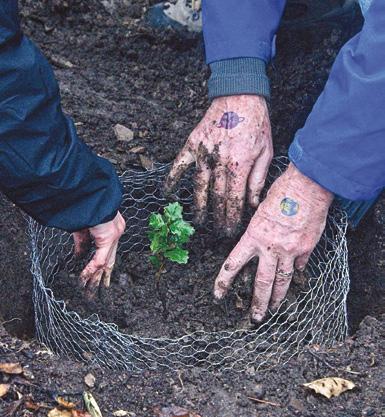
In addition to harvesting the wood, supporters planted acorns from the oak around Baba’s Tree in 2019. “We planted them to create a grove around Baba’s Tree ('Baba’s Tree Grove'), but also to take advantage of that underground network of nurturing and support,” Magnus says. “You let nature do some of the hard work,” she adds in the film.
“The original tree is also, phenomenally, growing back, and the canopy is spreading and growing high and beautiful again,” Ervin says.
Tree of Fire is proof that Baba’s Tree continues to inspire, according to Magnus. “The tree is emblematic of renewal and rejuvenation, and it’s something that we all have within us,” she says.
One woman who viewed the film at a film festival was worried about seeing a broken Baba’s Tree. “But I came away and I just felt love,” she says.
The film has been selected for six film festivals, including the We Regret to Inform You Film Festival in Texas, where it won two awards, including best director and best cinematography for a feature documentary.
In January, Tree of Fire was selected for screening at the Santa Paula Film Festival in late July.
Magnus hopes viewers will feel uplifted. “We live in a time of great change, all over the world, and it feels like the movie has come out at a time when we need something to feel good about, to feel hopeful, to look beyond our day-to-day ups and downs,” she says. She also hopes the film will inspire people to visit Baba’s Tree and Meher Mount.
“Sometimes it’s easy to despair over the state of the world or issues that seem intractable and impossible to overcome,” Ervin says, “yet this story reminds us that this spirit of possibility, of hope, of restoration, of beauty, is always there, and we
can participate and contribute to it.”
Once the film completes its run at film festivals, Meher Mount plans to make it available on YouTube, aiming for the end of 2026.
“Tree of Fire tries to express the joy and spirituality that can come through service, through giving, through contributing what you can to society, to the world, and to some specific thing like the tree,” Ervin says. “We feel that this should be an inspiration for that spirit of service, which is true spirituality.” Magnus agrees: “It’s whatever you can do, whatever you can bring to the moment, that gives you that reward.”
(Author’s note: some of the testimonies here are from Tree of Fire. Others are from interviews for the film. I interviewed Sam Ervin and Margaret Magnus on Dec. 19 at The Point at Meher Mount, near Baba’s Tree.)
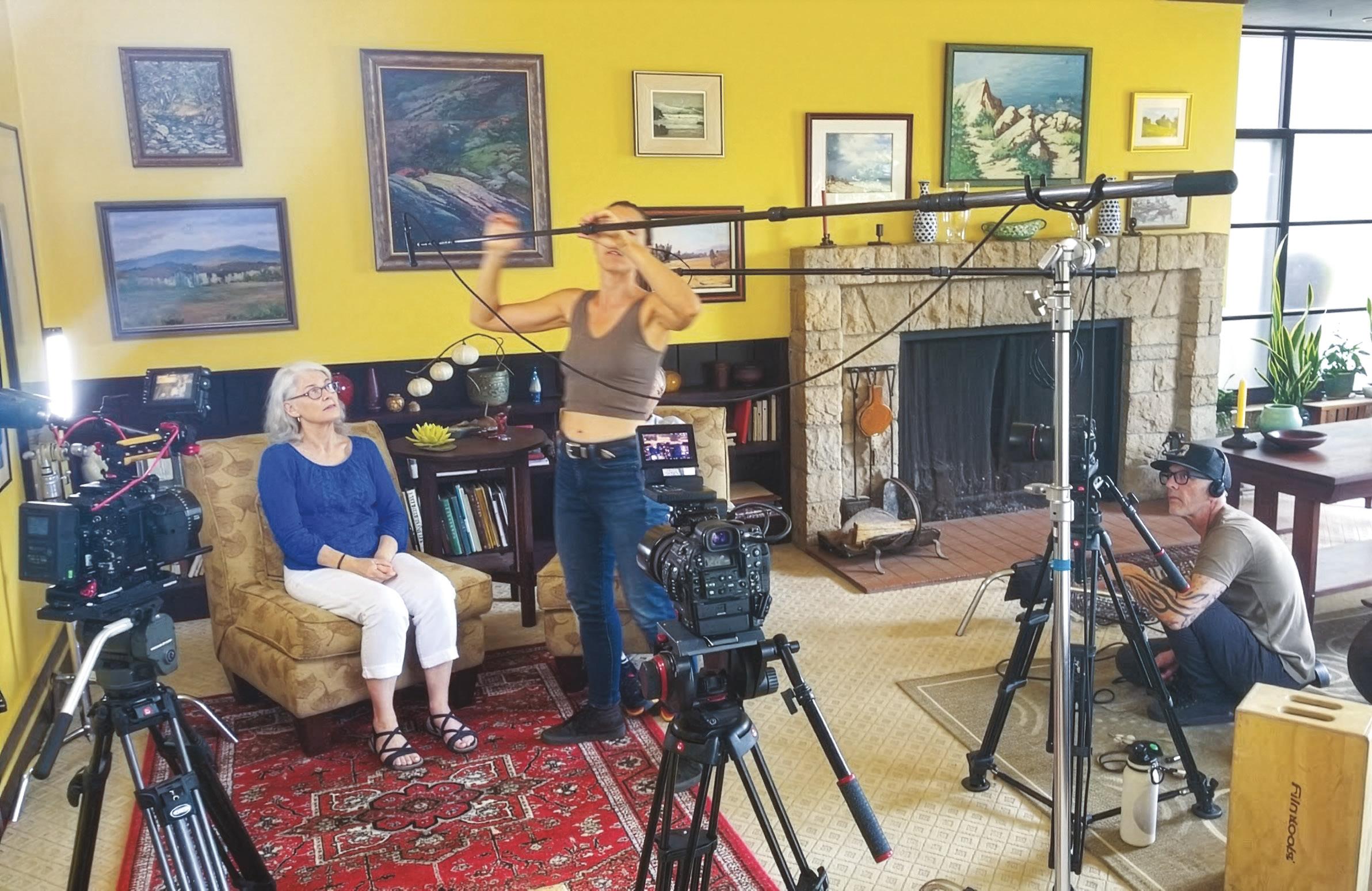
Barbara Doux, second camera (center) and Ben Hoffman, director and cinematographer, setting up for an interview with storyteller Kristina Somma (left). Photo by Margaret Magnus
Volunteers planting seedlings from the acorns of Baba’s Tree at Meher Mount to form Baba’s Tree Grove after the 2017 Thomas Fire.
Photo by Juan Mendez
LUXURY HOME
A modern Spanish retreat capturing the essence of Ojai’s hacienda living, offering 3 bedrooms, 3 baths, and two inviting primary suites
Expansive windows and doors create effortless indooroutdoor living, opening to grand patios with breathtaking Topa Topa mountain views
Ideally situated within a quiet, upscale neighborhood offering privacy and minimal traffic, yet just a short stroll from downtown Ojai
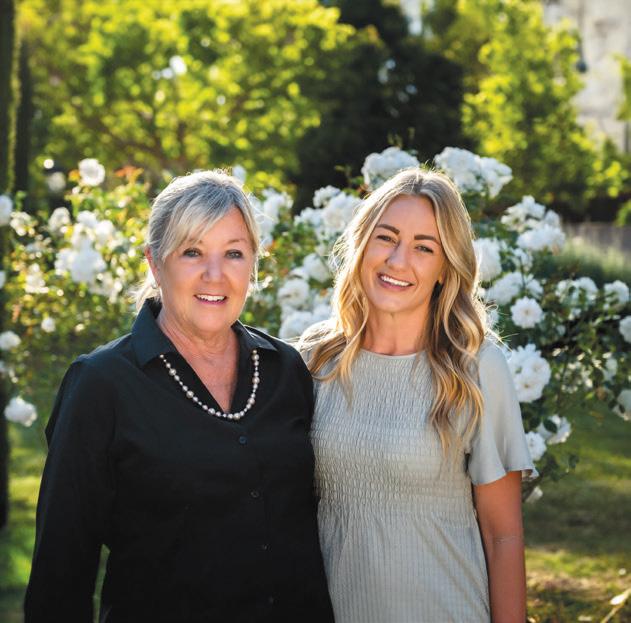
Jeri Becker
805 340 2846 jeri esq@NHPCR com #01768956
805 758 0755 rileyavendanoorealtor@gmail com #02052306 Riley Avendaño
“In
RESIDENTIAL
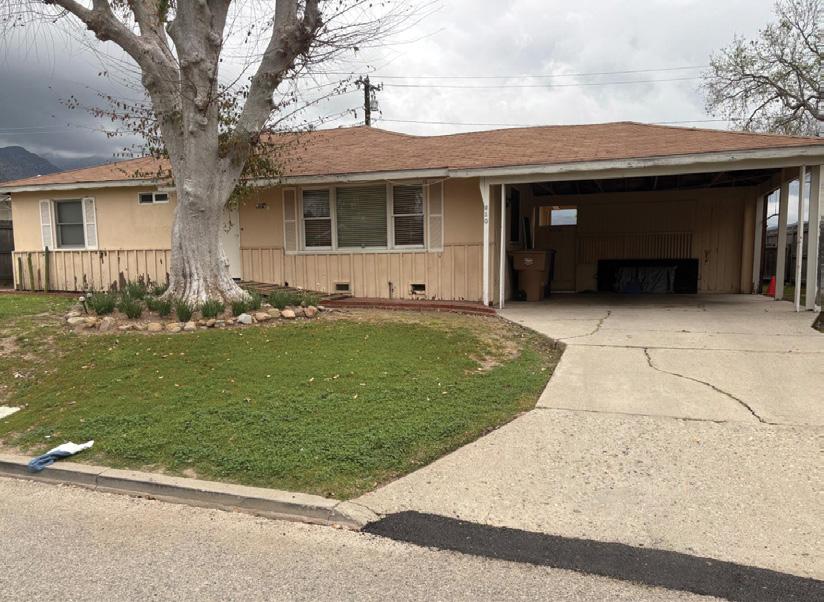
910 Mercer Avenue
3 Bedroom / 2 Bath / 1,764 sq ft Priced at $1,060,000
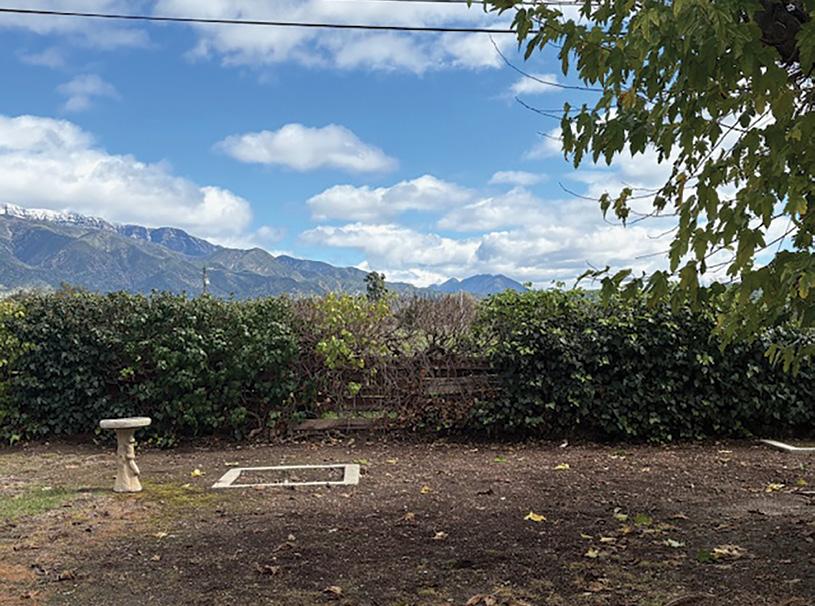
This home offers a wonderful setting for everyday living with incredible mountain views. While the property does need some repairs and updating, it’s the perfect chance to add your own style and build long-term value in a great neighborhood.
COMMERCIAL
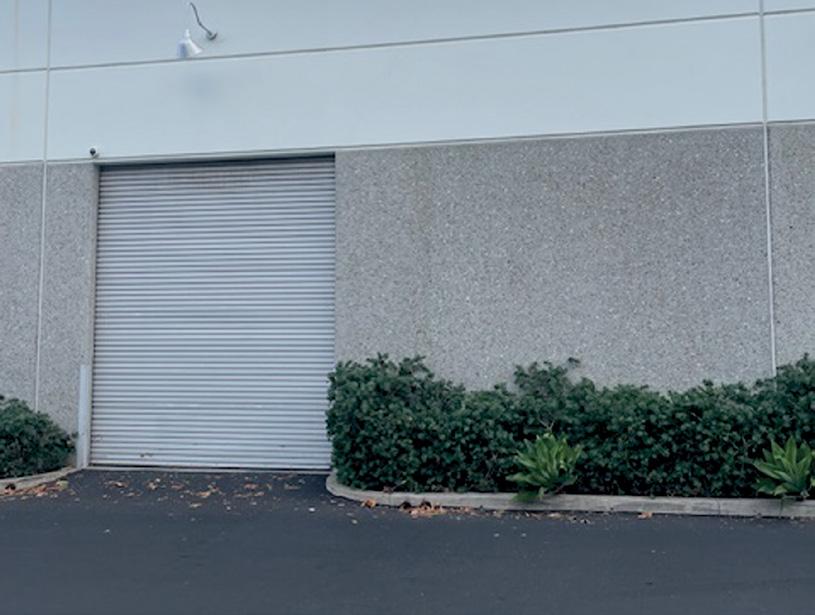
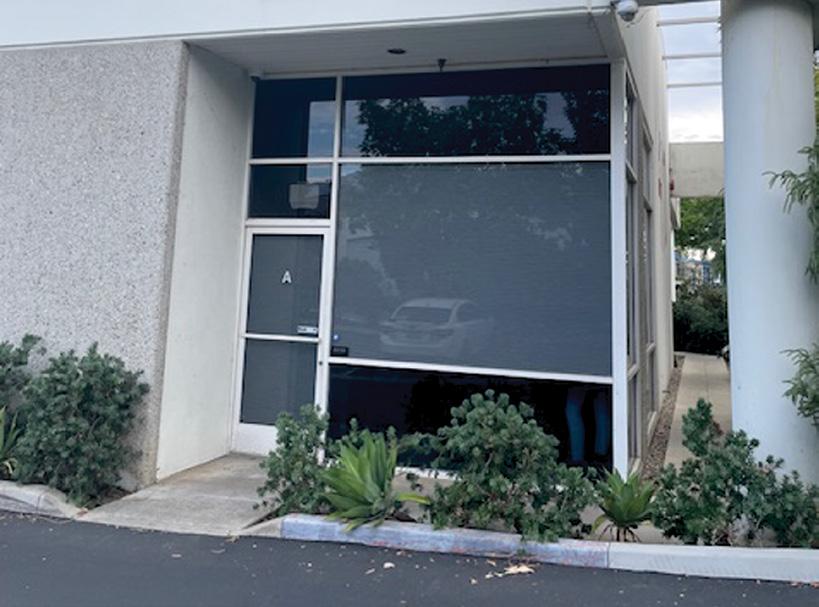
410 Bryant Circle, Ojai Unit A 1,868 sq. ft.
Priced at $995,000
The unit boasts convenient rollup doors and dramatic vaulted ceilings, offering expansive, exible space perfect for a wide range of uses.
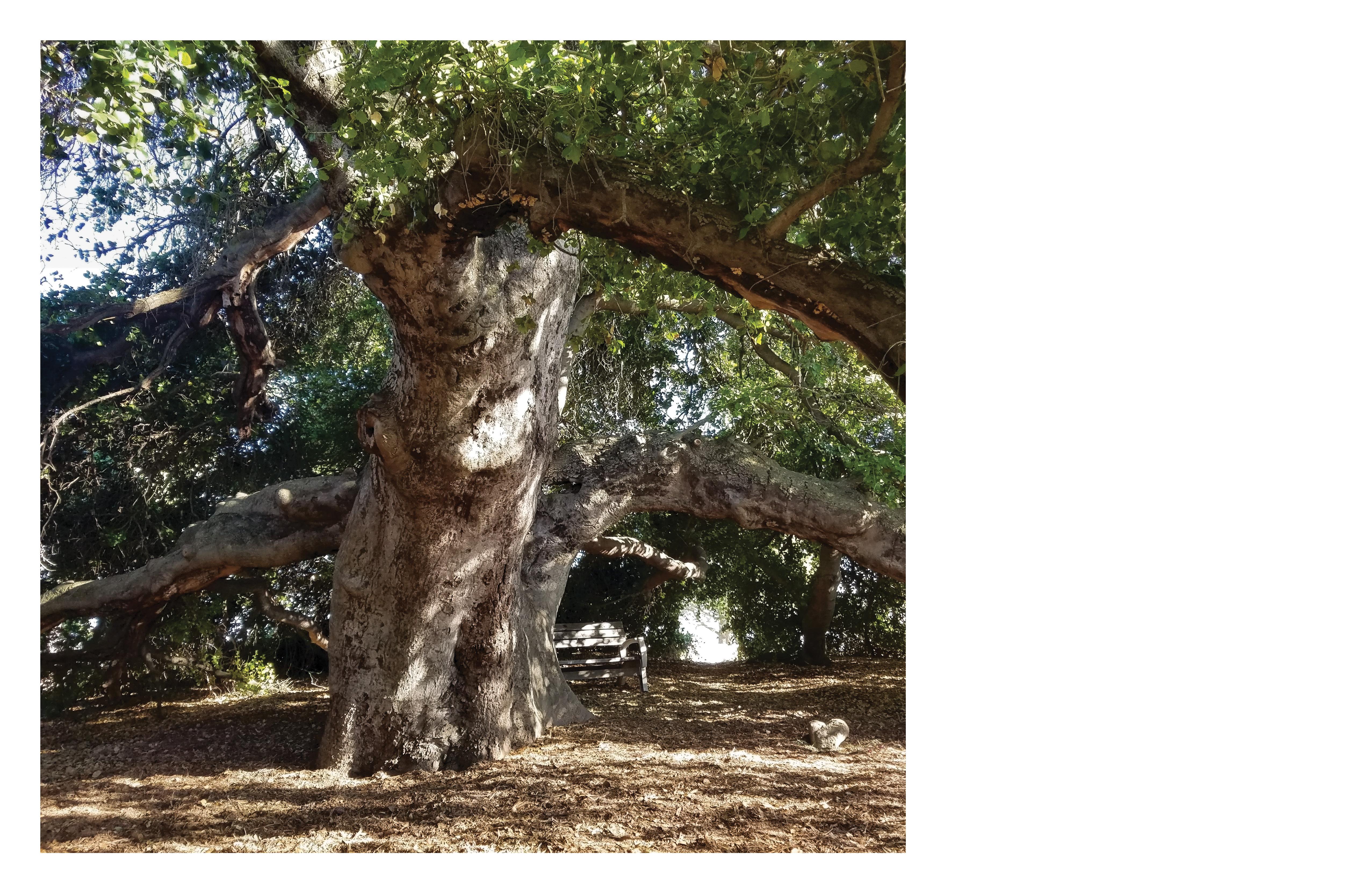
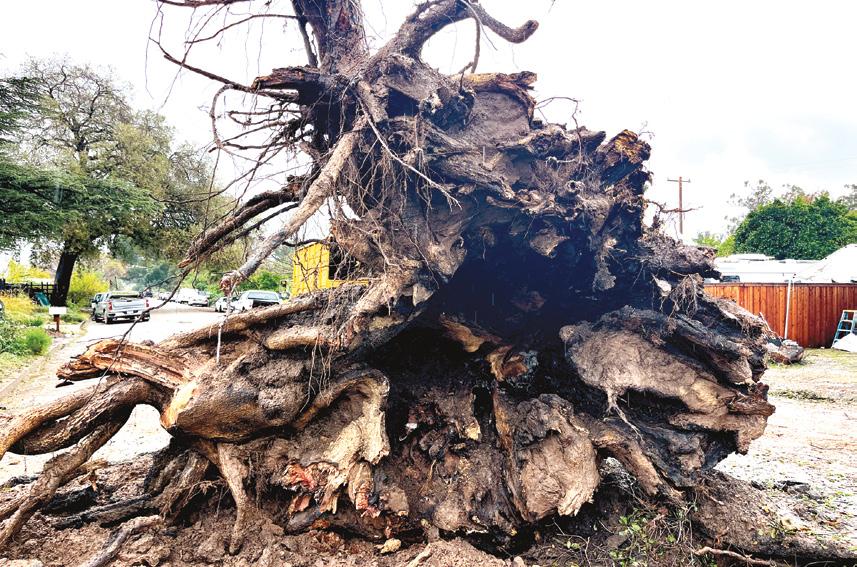
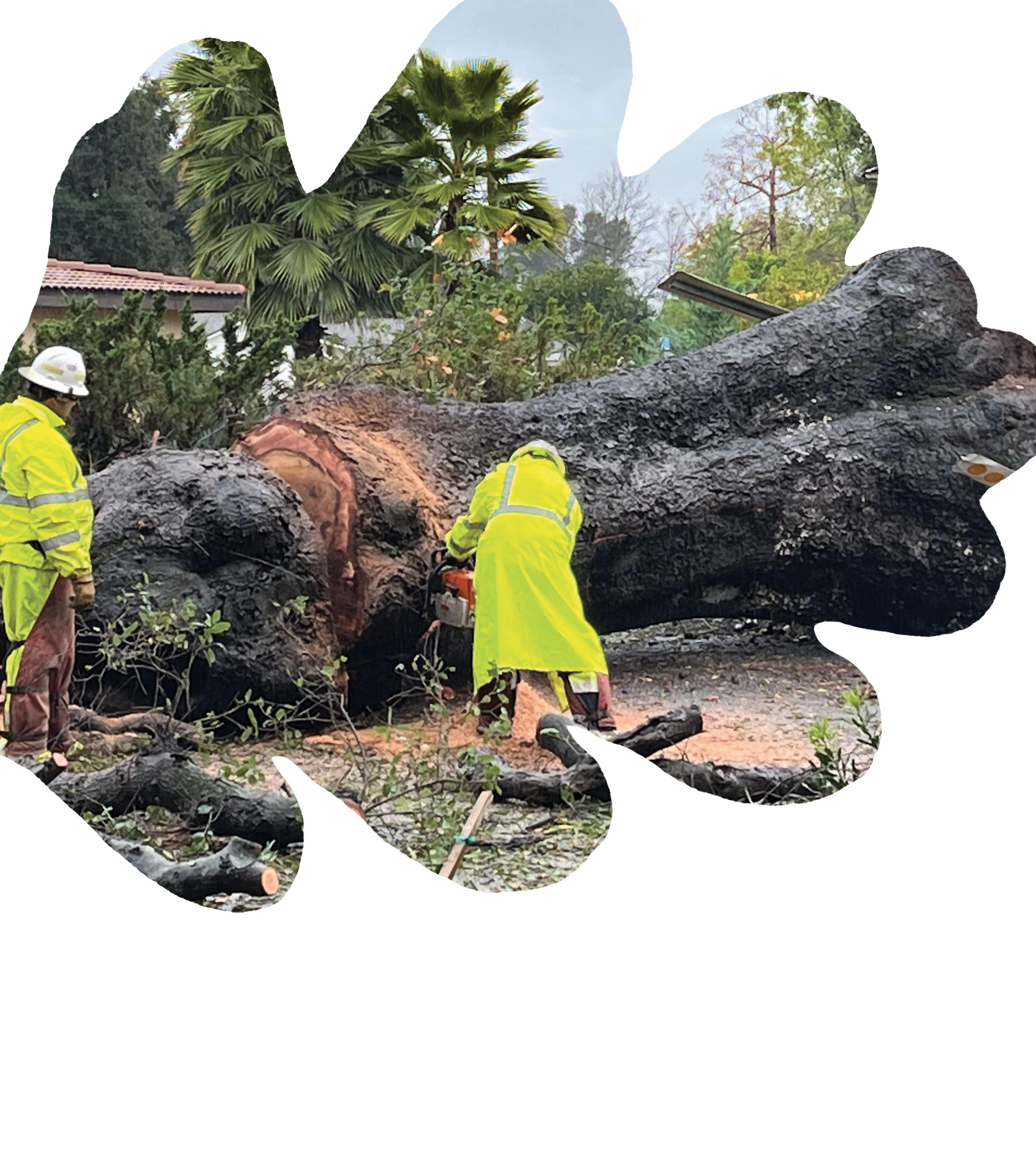
It rained hard that Christmas Eve. Real hard, like a thousand liquid hammers. And then we heard it — the sound of an ancient oak falling. But this was not any tree. No, this was the massive oak that split the entrance to our street. A local landmark. The one that’s been here for hundreds of years — before Valley Forge, or Lincoln, or the Cold War. The one the Chumash collected acorns from. Gone now. Sawed up by the high-pitched scream of the chainsaw. Spit through the belching mulcher. A kind of Christmas music no one wanted to hear.
What else is lost when an ancient being like this disappears? In the dominant view, long held in America, the tree is a resource, counted in board-feet of timber. Now that it’s gone, we can pave over the road and widen the street. No more hand-signaling when two cars approach the out-of-place tree. No more hassles with insurance companies when the tree crushes a roof. No tree, no problem.
From an ecological lens, the tree formed part of the landscape, and we — with our limitless growth and endless consumption — are out of place. Spiders and mice, squirrels and raccoons, possums and lizards — all made their homes here. Hawks nested and crows rested in the shade on hot summer days. I once watched a great blue heron land on a branch with a snake in its mouth, silhouetted by the sunset. As philosopher-conservationist Aldo Leopold said: “A thing is right when it tends to preserve the integrity, stability, and beauty of the biotic community. It is wrong when it tends otherwise.” The oak felt right to me, just where it was.
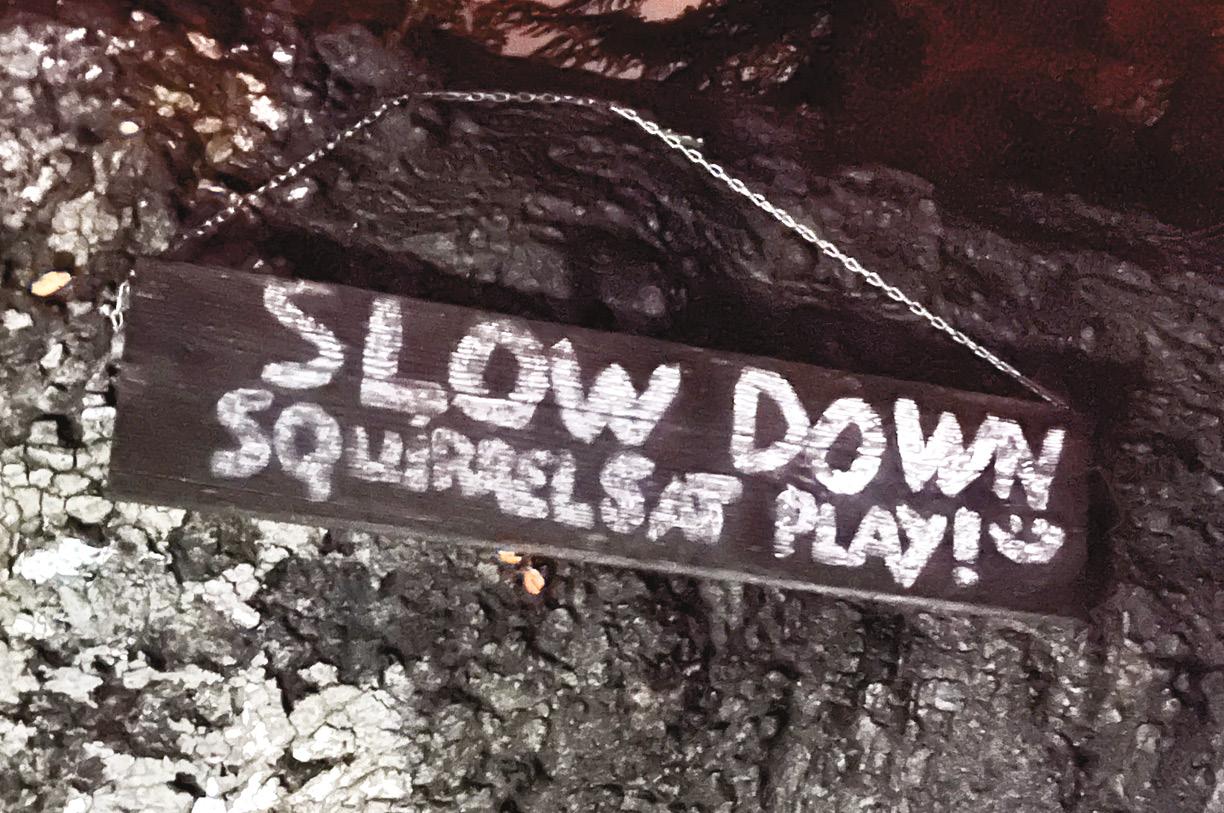
The tree was like a buffer between our street and the outside world, creating a Shire-like feeling of safety and comfort. A “Slow Down, Squirrels at Play” sign hung on the tree, alerting folks to kids running around the neighborhood. I remember repainting the faded letters on the sign years earlier. The tree calmed me somehow, reminding me how small I was in relation to the larger web of life. The sign, and the tree, are gone now — who will remind us to slow down?
School on the street with the oak tree in the middle of it. The oak felt mythological, embodying the history of this part of the valley — the Chumash, John Meiners, Krishnamurti. I walked past the tree when my kids were born, and when my parents passed. With the tree now gone, some part of me feels uprooted, like when you drive past a house you used to live in.
The fall of this oak tore a hole in the fabric of the landscape. And in my heart. Now there is absence, an empty space where an ancient being once lived. But perhaps this absence is a gift — a monument to what is lost. Perhaps this absence can remind us to deepen our love for this place we call home. If true, then maybe the Christmas with the chainsaw music wasn’t so bad after all. May we find grace and gratitude in the absence of an ancient friend.
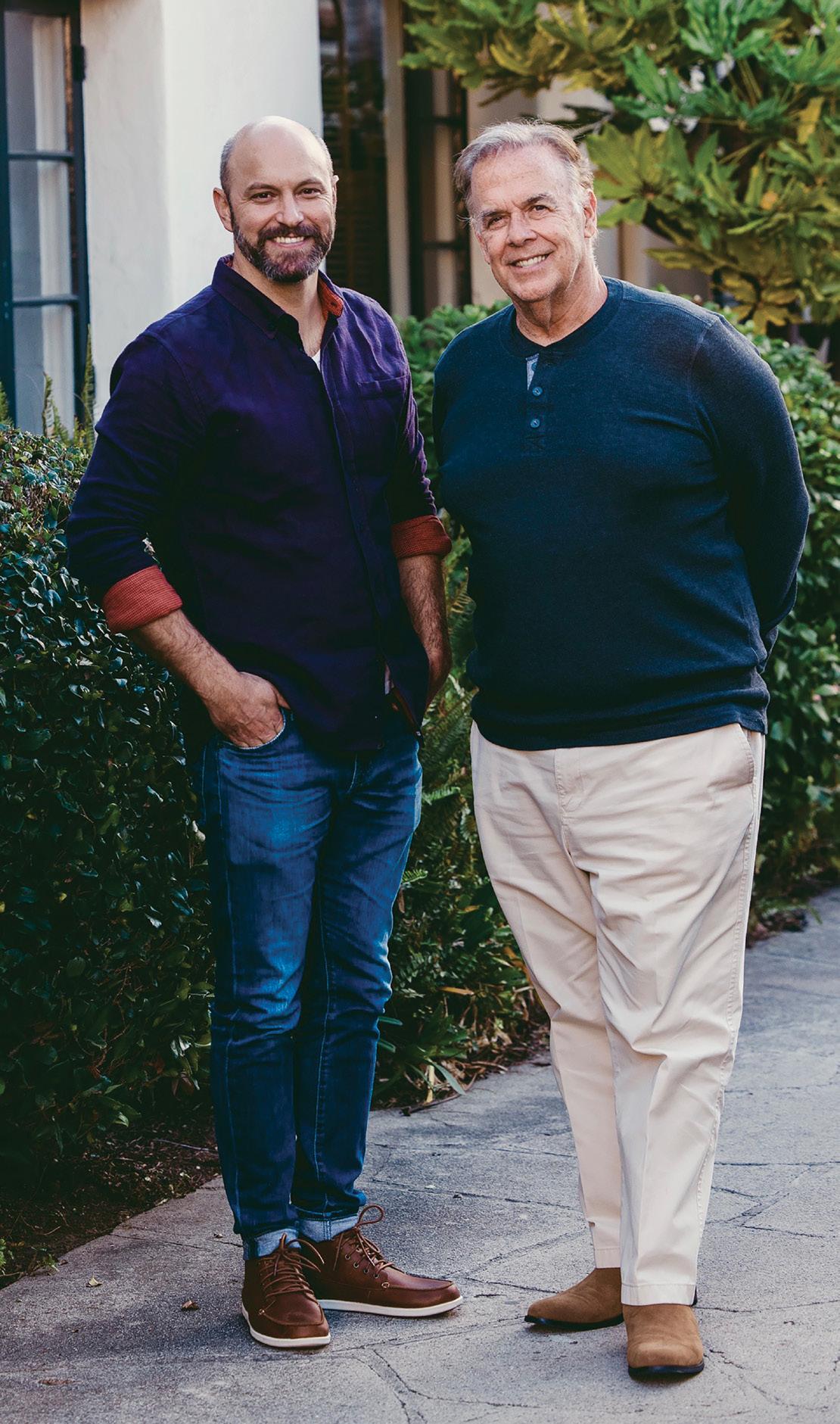
In some way I can’t totally explain, the tree knit our community together. I often told people that I live by Meiners Oaks
Ode to an Oak
Story and photos by ROBERT PORTER
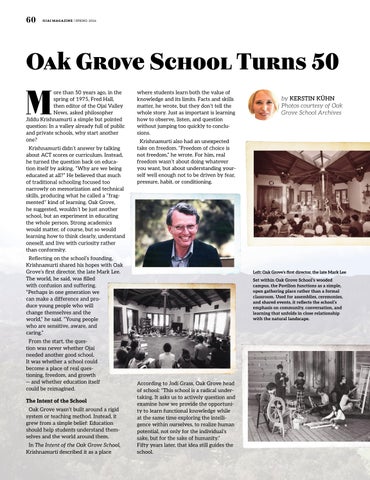
OA k G R ove Sc H oo L Tu R ns 50
More than 50 years ago, in the spring of 1975, Fred Hall, then editor of the Ojai Valley News, asked philosopher Jiddu Krishnamurti a simple but pointed question: In a valley already full of public and private schools, why start another one?
Krishnamurti didn’t answer by talking about ACT scores or curriculum. Instead, he turned the question back on education itself by asking, “Why are we being educated at all?” He believed that much of traditional schooling focused too narrowly on memorization and technical skills, producing what he called a “fragmented” kind of learning. Oak Grove, he suggested, wouldn’t be just another school, but an experiment in educating the whole person. Strong academics would matter, of course, but so would learning how to think clearly, understand oneself, and live with curiosity rather than conformity.
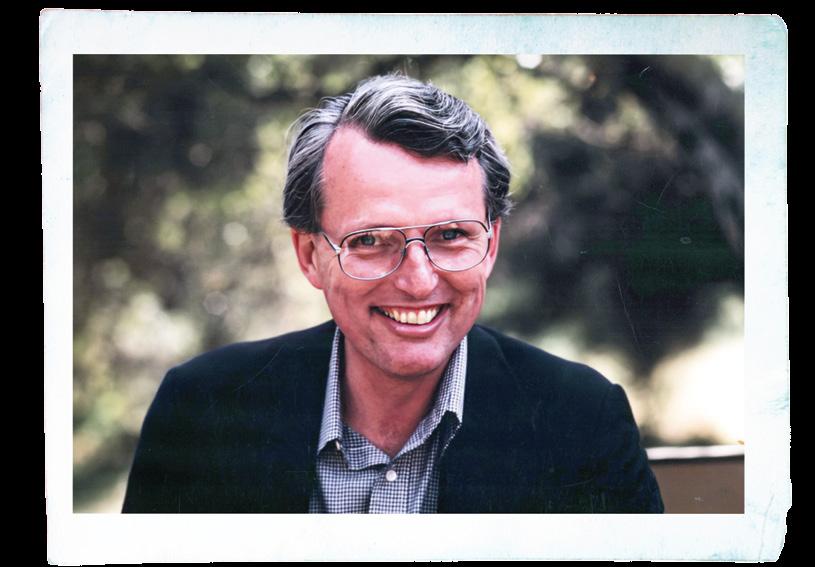
Reflecting on the school’s founding, Krishnamurti shared his hopes with Oak Grove’s first director, the late Mark Lee. The world, he said, was filled with confusion and suffering. “Perhaps in one generation we can make a difference and produce young people who will change themselves and the world,” he said. “Young people who are sensitive, aware, and caring.”
From the start, the question was never whether Ojai needed another good school. It was whether a school could become a place of real questioning, freedom, and growth — and whether education itself could be reimagined.
The Intent of the School
where students learn both the value of knowledge and its limits. Facts and skills matter, he wrote, but they don’t tell the whole story. Just as important is learning how to observe, listen, and question without jumping too quickly to conclusions.
Krishnamurti also had an unexpected take on freedom. “Freedom of choice is not freedom,” he wrote. For him, real freedom wasn’t about doing whatever you want, but about understanding yourself well enough not to be driven by fear, pressure, habit, or conditioning.
by KERSTIN KÜHN
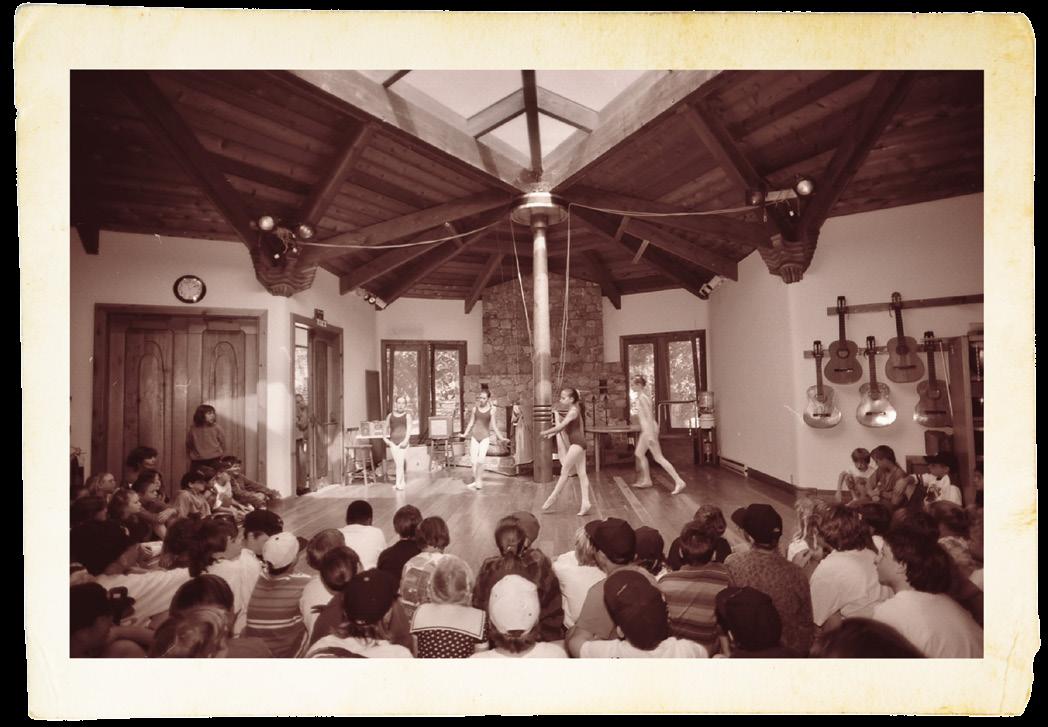
as a simple, open gathering place rather than a formal classroom. Used for assemblies, ceremonies, and shared events, it reflects the school’s emphasis on community, conversation, and learning that unfolds in close relationship with the natural landscape.
Oak Grove wasn’t built around a rigid system or teaching method. Instead, it grew from a simple belief: Education should help students understand themselves and the world around them.
In The Intent of the Oak Grove School, Krishnamurti described it as a place
According to Jodi Grass, Oak Grove head of school: “This school is a radical undertaking. It asks us to actively question and examine how we provide the opportunity to learn functional knowledge while at the same time exploring the intelligence within ourselves, to realize human potential, not only for the individual’s sake, but for the sake of humanity.” Fifty years later, that idea still guides the school.
Photos courtesy of Oak Grove School Archives
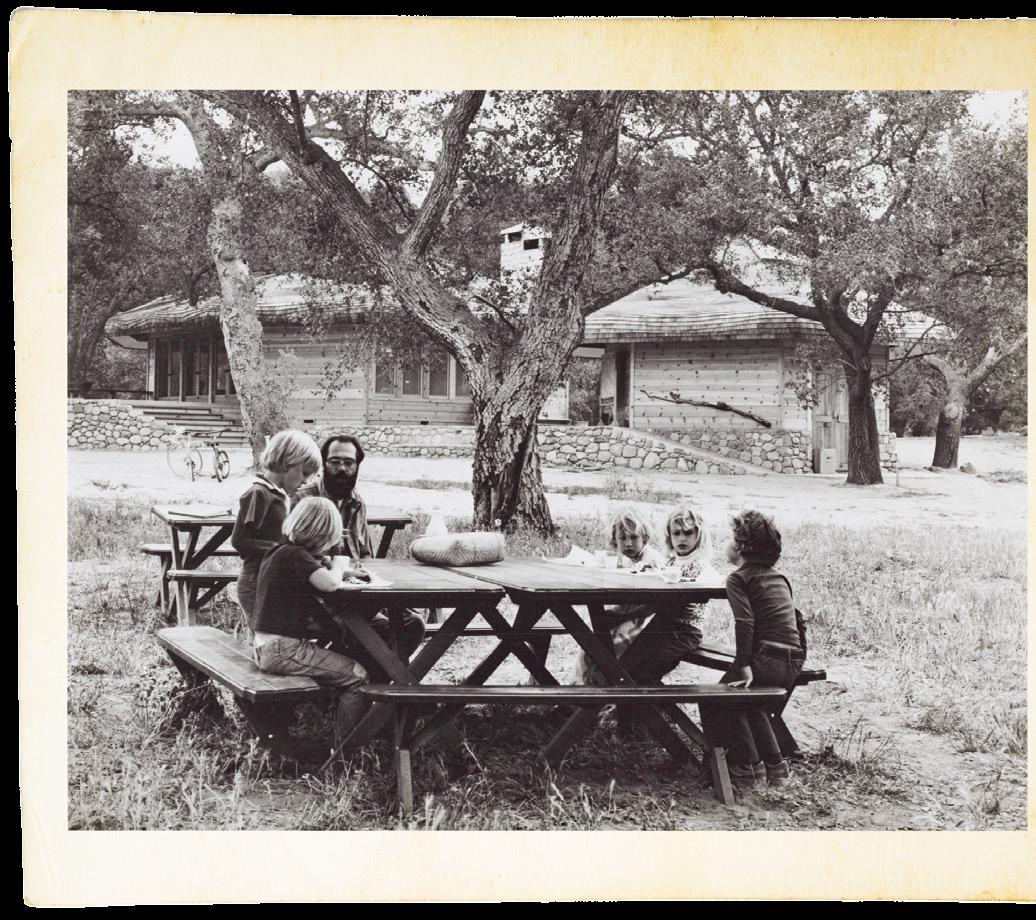
Left: Oak Grove’s first director, the late Mark Lee Set within Oak Grove School’s wooded campus, the Pavilion functions
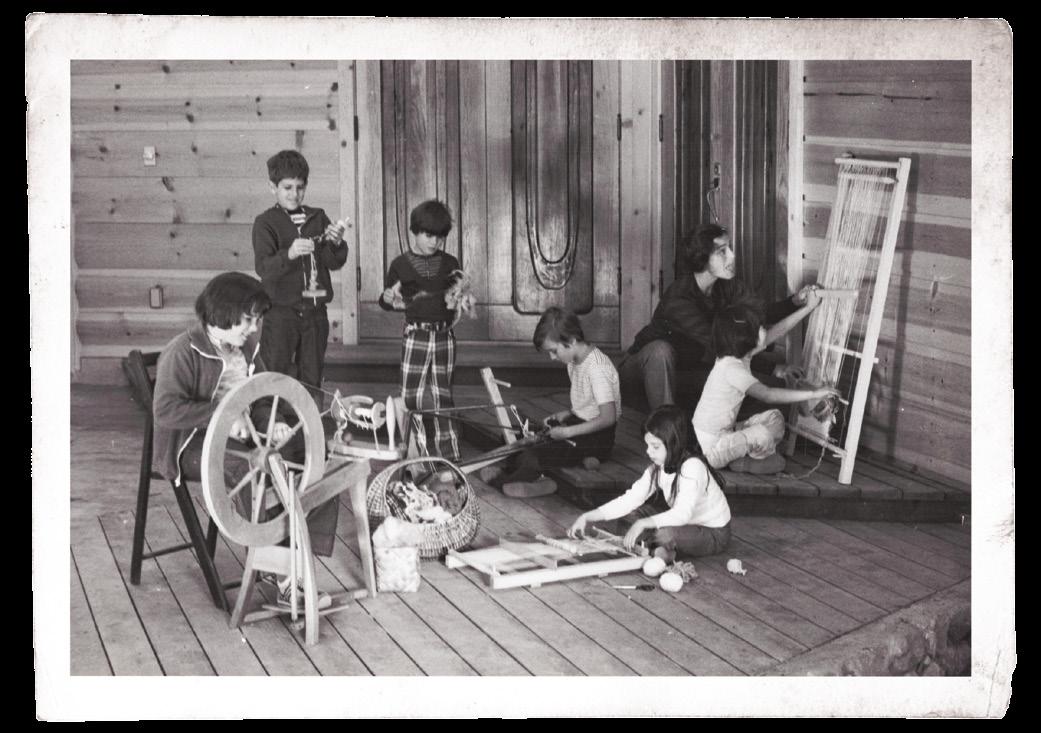
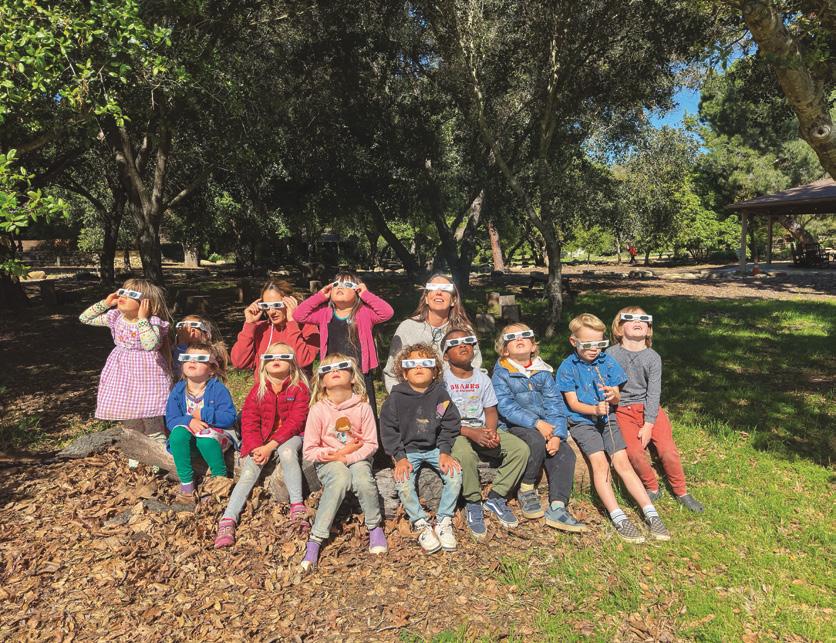
Children gather around a table beneath the spreading oaks. At Oak Grove, school days unfold in a bucolic atmoshere of quiet attention.
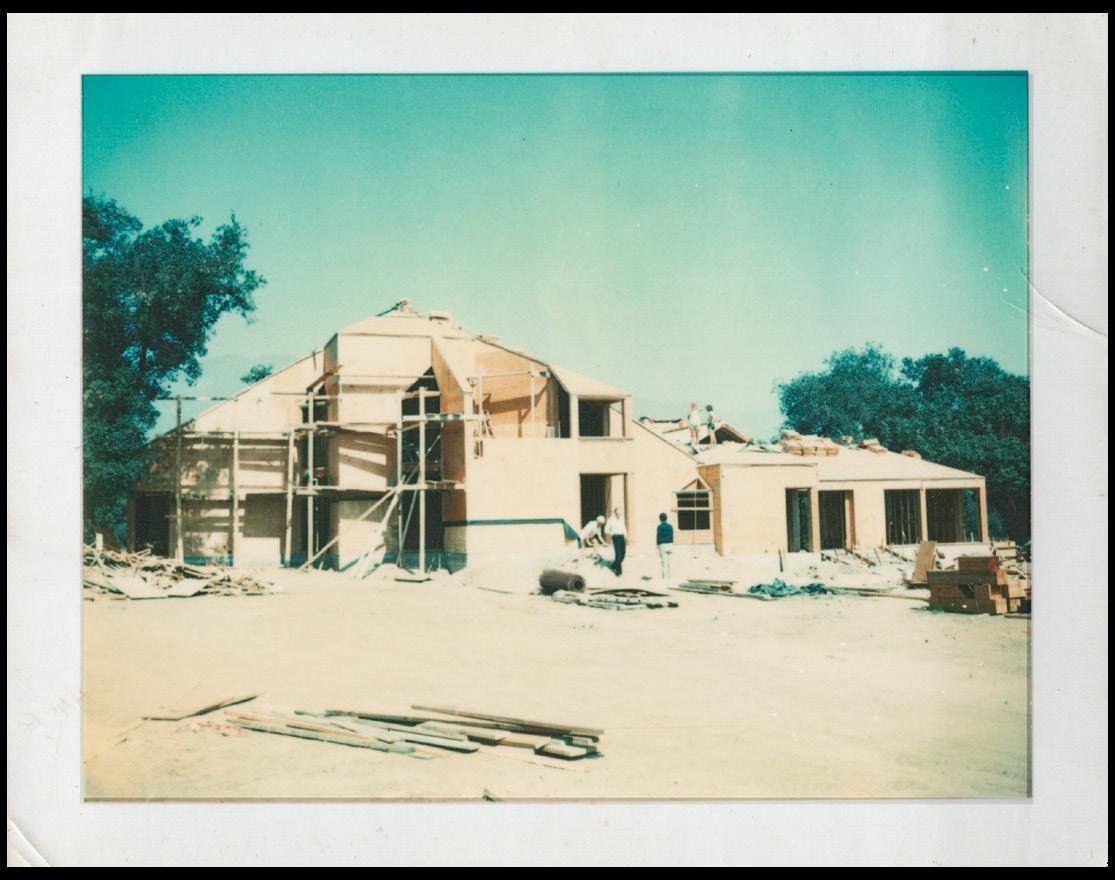
Above: The construction of the Main House. Various architects, including John Rex, Reibsamen and Nichols, Carey Smoot, and Zelma Wilson were responsible for the design of Oak Grove’s buildings.
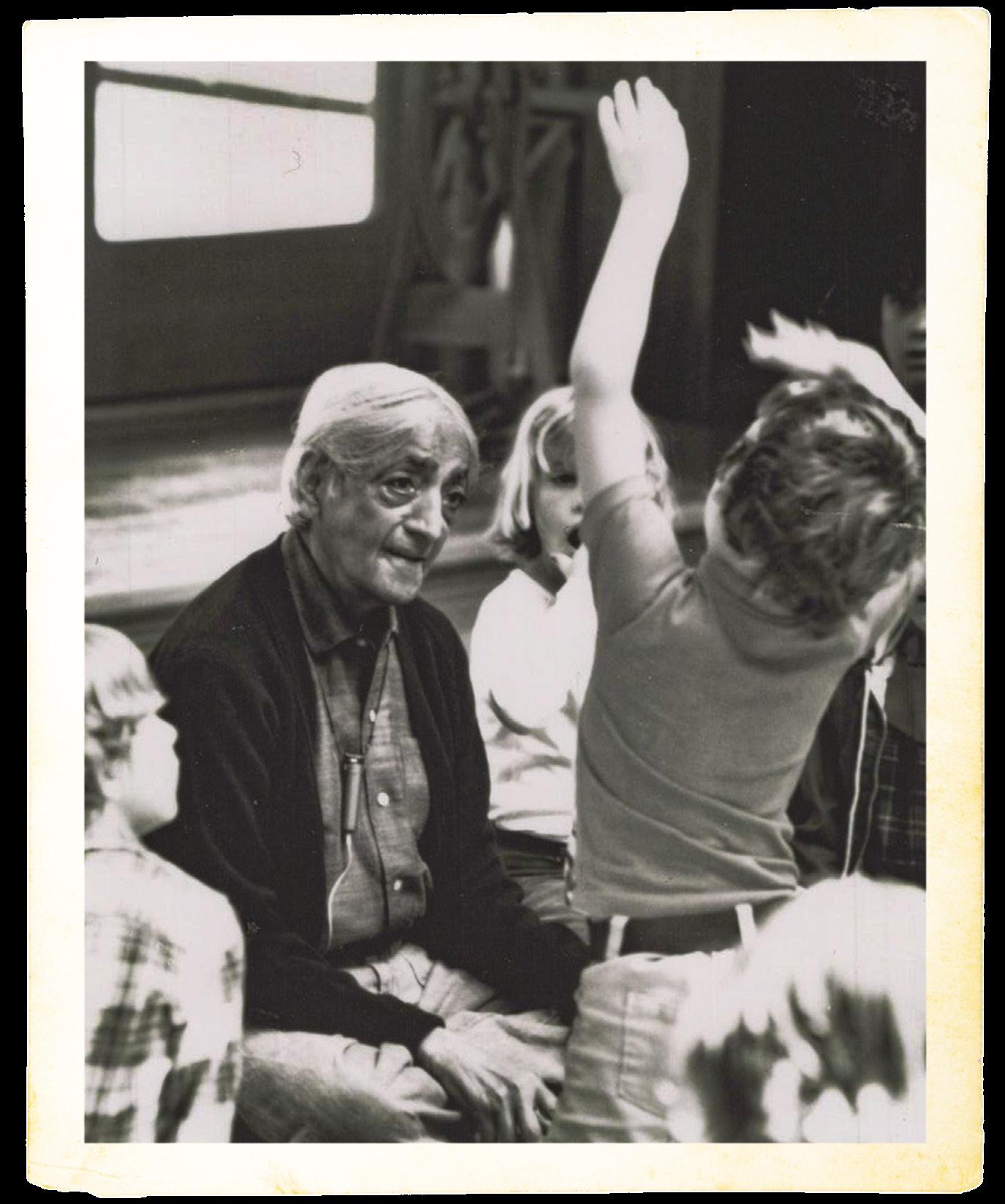
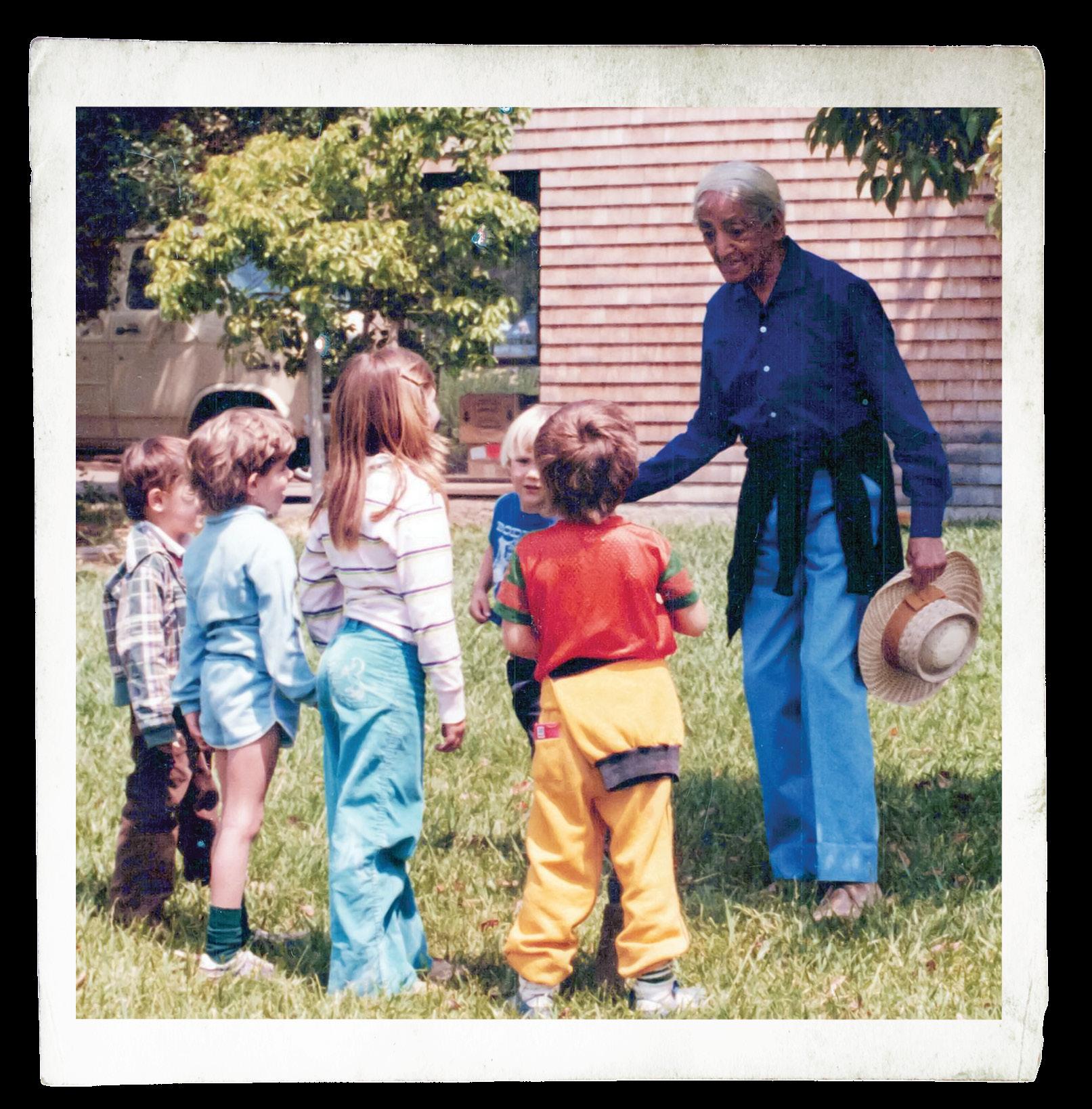
Above and below: Krishnamurti with students
Above:
rigorous academic standards, including a UC-approved high school program, without sacrificing creativity or student voice.
As Dean of Studies Will Hornblower explains: “You don’t have to choose between academic rigor and creativity. You can have both. In fact, we believe a truly meaningful education needs both.”
As Oak Grove has grown in size, programs, and culture, its founding intent continues to shape the school. The mission statement affirms the school’s aim “to assist students in developing those qualities of mind, heart, and body that will enable them to function with excellence, care, and responsibility in the modern world.” Today, the campus spans preschool through high school, and its ethos rests on inquiry, relationship, nature, and reflection.
Learning as a Shared Practice
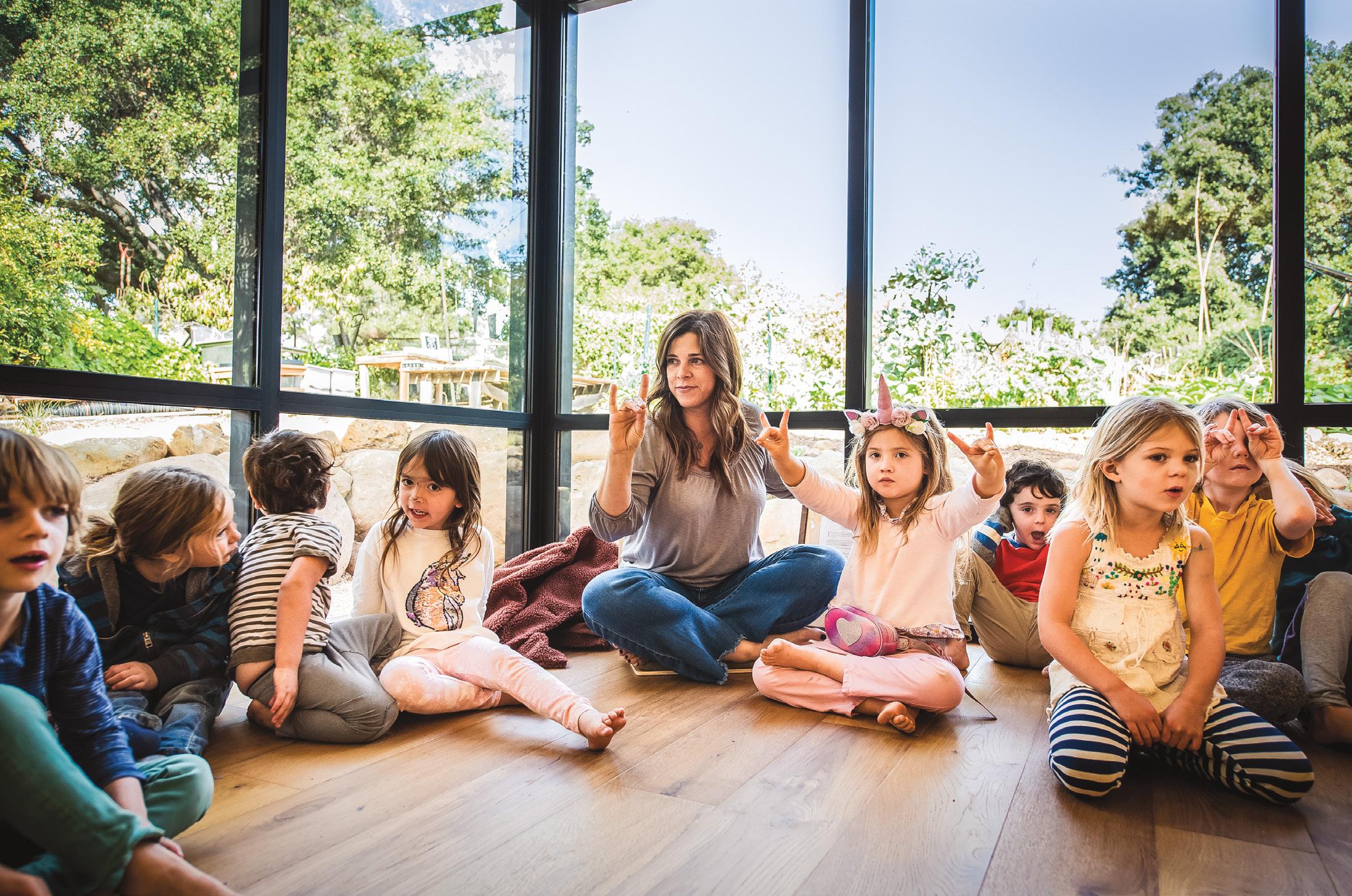
One way this continuity shows up is in the “Letters of Intent” teachers write to families at the start of each school year. These letters express trust in children’s abilities, outline themes for the year, and place learning within a larger sense of community and responsibility. Across all grades, they reflect a shared approach that includes close partnerships with families, camping trips, time outdoors, and parent education. Learning at Oak Grove doesn’t stop when the school day ends — it carries into everyday life.
In daily classroom life, this philosophy shows up not as an idea, but as practice. As middle school humanities teacher Aaron Gardner explains: “The commonality is that learning happens, even though it is outside of ourselves — and living is happening — but we rarely see the two together. At Oak Grove, the work is creating the space where living and learning happen at the same time.” That space depends on trust and safety. “My role is not to capital-T ‘Teach,’” Gardner adds. “It’s to capital-L ‘Learn’ — to create a space where real self-awareness happens, where it’s safe to learn.”
That focus on trust and relationships is echoed throughout the school. Fifthgrade teacher and Oak Grove alum Sage Danch ’05 sees the school’s deeper purpose most clearly in how Oak Grove handles conflict. “What really stands out to me is the focus on relationships — between students, teachers, staff, and
the whole community,” he says. “When conflicts come up, and they always do, I’ll often pause the lesson to look at what’s actually happening. It becomes an invitation for students and for me to notice how we see one another, how past experiences shape our reactions, and how those patterns can limit us.” He adds that this approach connects to the idea of responsibility — not something you achieve once, but something you keep coming back to.
For many alumni, the influence of this way of learning extends well beyond graduation. Aimee Kelley ’96, whose winding career path has led her across literature, law, public health, and social work, credits the school’s commitment to possibility rather than prescription. “At all the different junctures in life, I’ve found the possibility and made it my own, something I attribute to my education at Oak Grove, where I was encouraged to listen to myself and to be my authentic self,” she reflects. “I see this in my OGS peers, too — we learned to be courageous, to see possibility and take the path best suited for us, even if it wasn’t always the one most people took. This confidence with which we face the world is one of the things I am most proud of as an Oak Grove alum.”
Others speak to the sense of community that shaped their journey. “The school built such a community of support and celebration, and I didn’t realize until much later how unique that experience was,” recalls Erik Huberman ’04, now a well-known writer and thought leader on marketing and e-commerce. For him, Oak Grove offered an education concerned not only with achievement, but also with how one lives, “encouraging the idea of just being happy … living a life of adventure … and not falling into the pressures of the world.”
From Unconventional to Mainstream
Many of the ideas that once seemed unconventional in Krishnamurti’s educational thinking have gradually become part of the wider educational landscape. In Letters to the Schools, he wrote that education should do more than transfer knowledge. “What is far more important [is] the awakening of intelligence which will then utilize knowledge,” he wrote. Today, ideas such as inquiry-based
learning, project-based work, attention to students’ emotional lives, and meaningful engagement with nature appear in many classrooms around the world. Public schools increasingly invite students to take an active role in their learning. Social-emotional learning highlights self-awareness and relationship-building. Outdoor education and environmental programs emphasize direct experience with the natural world. Reflective practices encourage students to notice how they think, not just what they remember. Many empirical studies confirm that social-emotional learning programs, which prioritize students’ self-awareness, relationship skills, and emotional health, significantly improve academic performance and well-being, reinforcing the idea that education works best when it addresses the whole person.
Looking Ahead to the Next 50 Years
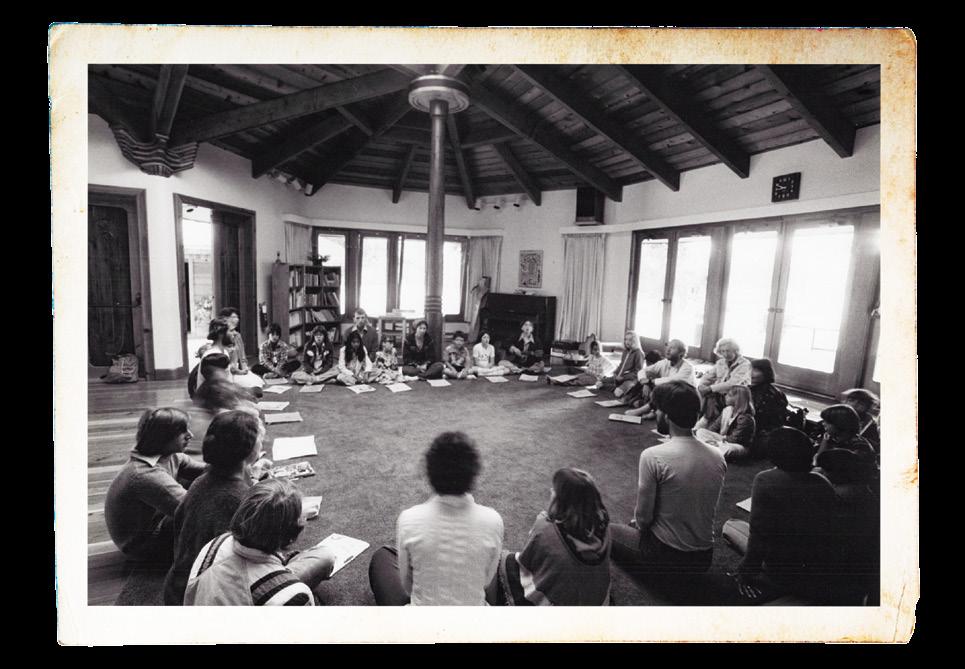
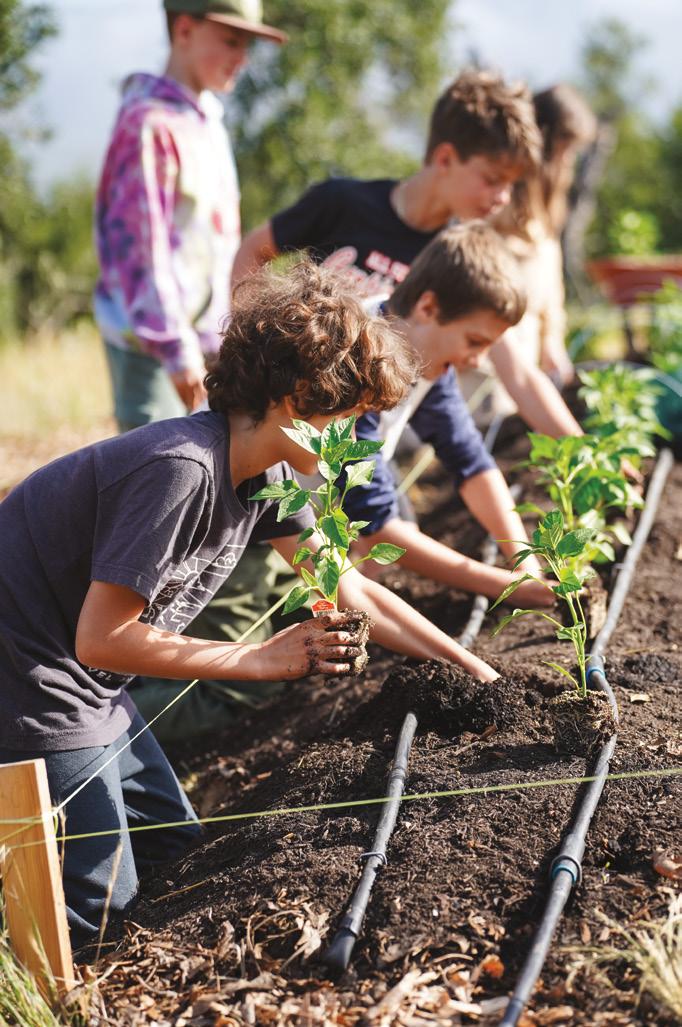
What began 50 years ago with a small group of children and teachers sitting cross-legged in the grass has grown into a thriving preschool-through-high-school community shaped by the same essential questions that gave it life. Buildings have been added, programs expanded, and generations of students have passed through the campus. Yet the school’s work remains grounded in everyday moments: in classrooms and on trails, in conversations, and in the inner lives of students and teachers.
Reflecting on that longer arc, Oak Grove’s founding director, Mark Lee, often returned to a thought Krishnamurti shared at the school’s beginning. If just a few people in each country lived with awareness and care, he believed, they could make a real difference in the world. Looking at the roughly 400 students who have graduated from Oak Grove over the past 50 years, Lee felt hopeful about what that might mean in practice.
“It’s safe to suggest that those people can have an impact wherever they are and whatever profession they follow, if they carry the qualities the school has engendered into their work, their family life, and their particular environments,” he said. “They make a difference not by consciously or deliberately setting out to save the world, but simply through how they live.”
Anew kind of wellness space has taken root in downtown Ojai.
Wild Qi, at 410 W. Ojai Ave., blends integrative medicine, shared community space, and life-changing gatherings all on a single campus.
Founded by longtime friends Dr. Nathalie Shapiro, Camille Edwards, and Ivan Chen, Wild Qi celebrated its grand opening in January.
Shapiro, an acupuncturist and doctor of Chinese medicine, specializes in women’s health and integrative medicine.
What is integrative medicine?
“We bring providers from different disciplines, both Eastern and Western, and also physical therapy, nutrition, and mental health,” Shapiro says. “Integrative means that we lean on each other as a team to provide the best care for patients. There’s no hierarchy. We all work together.”
In Chinese medicine, the word “Qi” (pronounced “Chee”) means “the energy of coming back to our natural state,” Edwards says.
Qi permeates the universe, “in our bodies, in our minds, in our hearts, but also in nature,” Shapiro says. “One of the biggest imbalances I see in society is our connection with the wild and our wild nature, our true essence.”
Humans need other people, teachers, and community spaces to help them return to that essence, which is deeply interconnected with social behavior, according to Shapiro. “Right now that’s really lacking, and it’s going to get worse as we get more into digitization and more disconnected from each other,” she says.
Wild Qi’s look echoes a natural, wild ecosystem with elements like water, plants, earth, and fire. “We’ve tried to incorporate that,” Edwards says. “It reflects the integrative care model, when you have different kinds of practitioners, different kinds of providers, symbolizing this more wild, integrative system of care and system of living.”
Sacred healing and shared wisdom in one integrative medicine clinic is new to Ojai. “I don’t know anywhere else that is combining all those pieces,” Shapiro says.
Along with shared community space and a health clinic with three treatment rooms, Wild Qi offers studio space, a
sauna and cold plunge, herbal medicine gardens, and a tea room. Activities include fitness, yoga, meditation, and education.
In January, Wild Qi installed a gym and launched gym memberships.
At any one time, you can find a class underway, a doctor treating a patient, or a member working and creating in
Wild Qi’s shared space. “It’s a new model where we do things together,” Shapiro says. “That’s what we’re seeing as the business unfolds.”
“We now have different aspects of the campus alive and people are able to experience different parts of Wild Qi,” says Edwards, a Harvard-trained lawyer, educator, and ritual guide.
Wild
The clinic provides care for men, women, children, and families, supporting hormone balance, fertility, pregnancy, and postpartum care; digestive health and chronic conditions; stress, anxiety, sleep, and nervous system balance; pediatric and family care across all stages of life; and preventative and restorative wellness. Care is designed to evolve with the
patient, responding to what their body reveals along the way.
“Wild Qi was created for people who know there is more possible in their treatment,” Shapiro says. “We wanted to build a clinic where care feels relational, collaborative, and grounded in both wisdom and evidence, a place where you feel supported, not rushed.”
Qi
story by PERRY VAN HOUTEN photos COLLETTE DE BARROS
The Wild Qi clinical team consists of Dr. Aviva Bernat, a board-certified holistic physician and healer; Dr. Lisa Modera, a physical therapist specializing in myofascial release to treat chronic pain; Dr. Charisse Balance, who focuses on pelvic work for women’s health; Ali Danch, a social worker and integrated health coach; and Kristin Dahl, a nutritionist, herbalist, and women’s wellness practitioner.
“Women’s health runs through our entire provider network,” Shapiro says. Within its first two months in business, Wild Qi enrolled approximately 40 members and was holding five or six classes a week, including a monthly personal finance workshop led by Chen, a seasoned financial professional and Shapiro’s husband.
A concert at Wild Qi drew more than 80 people, Shapiro says.
Shapiro credits Chen and Edwards with Wild Qi’s quick success. “There’s so much strong business background that Ivan and Camille have supported this project with,” she says.
“Wild Qi is one of the love letters we can write to the city that’s given us so much already,” Chen says.
On Saturday, April 25, Edwards will host a full-day nature immersion that covers medicine-making, native plant foraging, herbal education, and ceremonies for women.
Shapiro’s first course, an elemental meridian course for practitioners and health facilitators, is offered in person and online.
Wild Qi is open Monday through Friday from 9 a.m to 5 p.m., with weekends from 8 a.m. to noon also available with no membership required.
To learn more and to become a member of Wild Qi, go to wildqi.com.
Wild Qi Founders Camille Edwards and Dr. Nathalie Shapiro, with Shapiro's husband Ivan Chen
The co-working space at Wild Qi
Meet D r. Ant H ony Re D grave
The man solving Ventura County’s coldest cases
Anthony Redgrave is a gothic Leonardo da Vinci, an old soul using modern tools to solve some of Ojai and Ventura County’s oldest, coldest, and hardest-to-solve mysteries.
Instead of brushes, pulleys, and paper, he’s armed with the latest tools in DNA analysis, design software, and forensic genetic genealogy to match human remains with names, give identity back to victims, and provide a sense of closure to families.
Redgrave is the lead forensic genealogist behind Redgrave Research Forensic Services, a company he founded in Orange, Massachusetts. Since 2019, the company has partnered with law enforcement agencies to help identify deceased people and perpetrators of violent crimes.
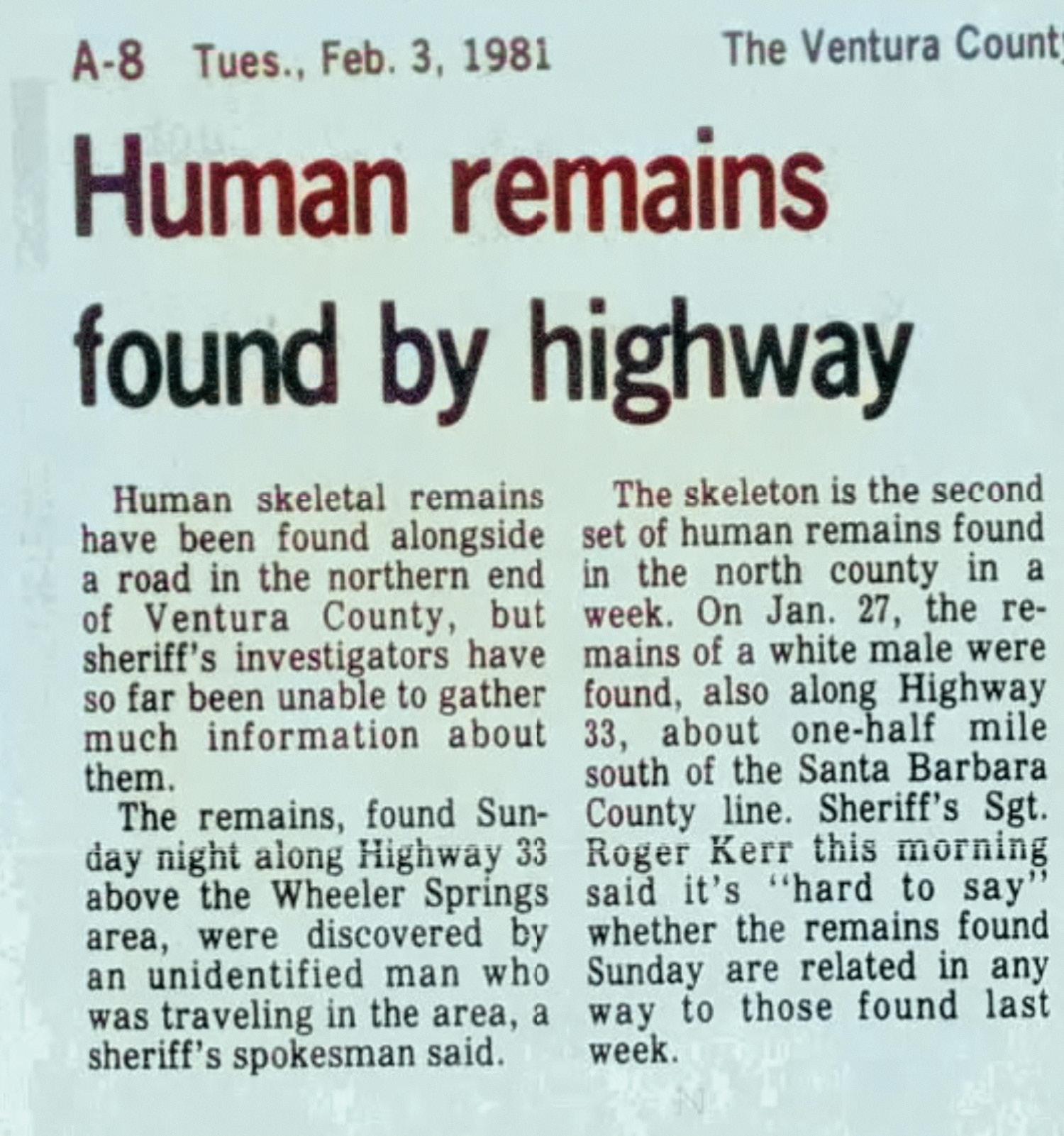
Working with the Ventura County Sheriff’s Office, Redgrave and his team have identified the remains of a man found off Highway 33 in Ojai in 1981, the remains of a woman found in Piru in 1981, and the suspected killer behind two 1981
murders: Rachel Zendejas of Camarillo and Lisa Gondek of Oxnard.
Redgrave’s journey into solving these cases started with a mystery of his own: an unknown father and great-grandfather.
by GRANT PHILLIPS
“My partner and I both had our own mysteries to solve,” Redgrave said, mentioning his partner, Lee Bingham Redgrave, also a forensic genetic genealogist at Redgrave Research. “We both confirmed our missing family members through DNA, then we started working nonforensic cases just for adoptees. But the puzzles kept getting easier, and eventually, the opportunity to work on forensic cases, specifically with the DNA Doe Project, sort of fell into our lap.”
EARLY WORK
Anthony and Lee were two of the first 12 volunteers with the DNA Doe Project, a nonprofit that’s tackled 250 cold cases and identified more than 140 remains, according to its website.
With a doctorate in educational leadership and a master’s degree in instructional design, Redgrave developed a training program through the organization, and was recognized by the Project as one of the top experts in the emerging field.
“A couple of years ago, anybody could hang out a shingle and say they were a forensic genetic genealogist without really even being tested,” Redgrave said. “That’s what really matters to me, that people know what they’re doing, especially because of how sensitive the information is.”
THE PROCESS
“In general, it’s sort of like a giant logic puzzle that’s made out of people,” Redgrave continued.
The process starts with extracting as much DNA from human remains as possible using genome sequencing, which can be tricky. The cases Redgrave likes to work on involve weathered or older remains, where heat can wear down bone and destroy DNA.
“We always take on the hard ones because we know we can,” he said.
One of Redgrave’s favorite labs to work with is Santa Cruz’s Astrea Forensics, which specializes in extracting genetic profiles from highly degraded samples. According to Astrea’s website, the lab, “with as little as 100 mg of bone powder or a few centimeters of hair,” can “prepare samples for whole-genome sequencing while immortalizing samples for future testing.”
After samples are sent to a lab, the waiting begins.
“It can be anywhere from a couple of weeks to a couple of months,” Redgrave said. “Sometimes longer if the sample needs to go through multiple sequences because there’s not enough data. Sometimes it’ll need to be sequenced more than once, and those files will have to be combined by the bioinformatician to get as much of a complete file as possible, so that it won’t fail when it uploads.”
The sequencer serves as a sort of carousel of souls.
“To make it cost-effective, you have to load so many samples onto the sequencer at once,” Redgrave said. “You’re either at the front of the line, getting loaded on first and waiting for everybody else, or you’re at the back of the line, and everyone else is getting loaded on first.”
Once results are in, Redgrave and his team upload the information to the GEDMatch database, where they can start parsing out genetic information and material. And with an age and ethnicity range as a guiding force, a tree begins to grow from the remains.
“You do that over and over again until you get this web of people who are interconnected, until you find a place in that tree, that complex web of all these DNA matches and their ancestors and descendants, and figure out where they might be in that puzzle,” Redgrave said.
VENTURA COUNTY SHERIFF’S OFFICE
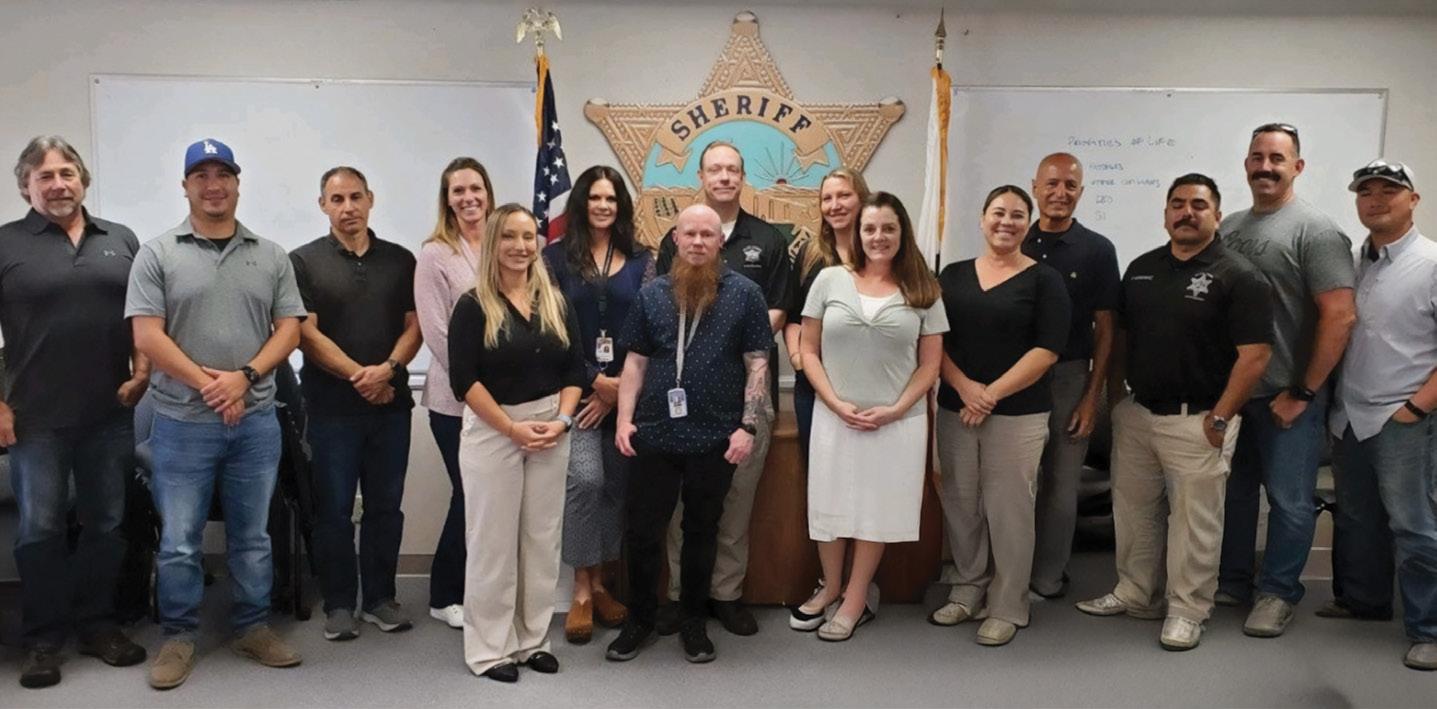
Redgrave traveled to California in the summer of 2023 to teach this complex process to Ventura County Sheriff’s Office investigators.
The approach was a “flipped classroom” model, where investigators could study ahead of time, then practice the skills on their own cases during class.
“Ventura County was the first group that wanted to do a group in-person training,” Redgrave said. “They were able to start working on one of their own cases right away based on what I had taught them.”
After a successful launch, the Ventura County Sheriff’s Office kept in touch with Redgrave and the team, and started collaborating with them on the forensic genetic genealogy portion of investigations. “It’s been a really excellent partnership and we’ve loved working with them,” Redgrave said.
HIGHWAY 33 JOHN DOE
Their most recent collaboration involved human remains discovered on Feb. 1, 1981, near Highway 33 above Wheeler Springs in Ojai.
Found with the remains were two pairs of military issue glasses and an Army jacket.
“The glasses were really what tipped the scale and made us go, 'OK, we’re looking at somebody who’s a service member,'" Redgrave said.
The case was quick, according to Redgrave, who said the team took about a month to reach a candidate and pass it along to the Sheriff’s Office for confirmation.
“We actually had this particular candidate in the tree for almost the entire time, but we didn’t have enough data at first to present him as a candidate,” Redgrave said. “That’s when things like getting other people to upload [DNA] to GEDMatch and doing more research on other contributors happened, and we kept coming back to him. He has a very strong Catholic background, and I think that really helped us with making the ID, because Catholic records are really good.”
In addition to his scientific and educational background, Redgrave also attended art school.
He studied the work of forensic sketch artist Carl Koppelman and started making visual depictions of the people from his cases.
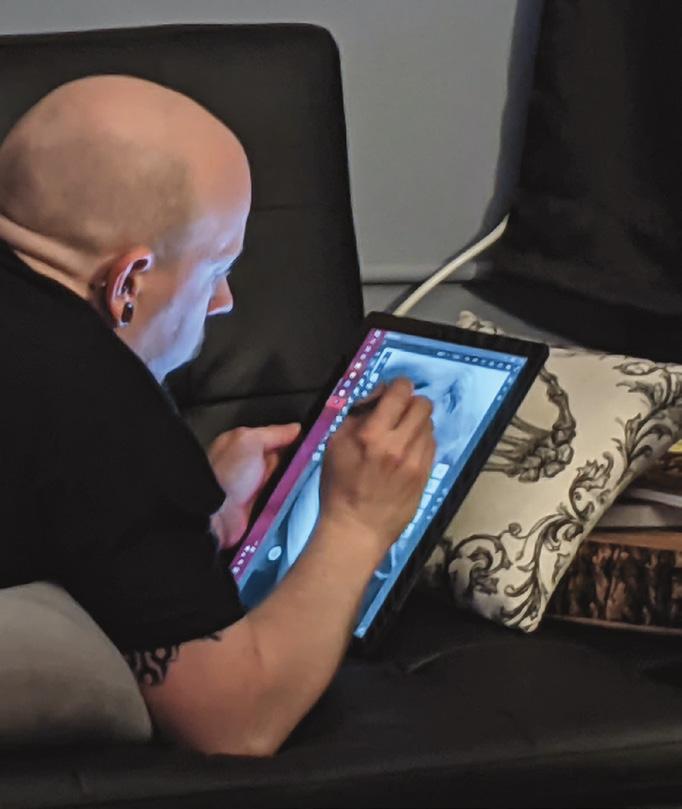
Using Sketchbook Pro, a digital drawing application, Redgrave follows the shapes of skulls and other context clues to create digital, representational portraits.
“Having an image of what a person may have looked like, and starting to see family resemblances as we’re working on trees, is absolutely fascinating,” he said. “You can start seeing where people get their features from, and that’s actually another way we’re able to know we’re getting close.”
When he followed this process for the Highway 33 John Doe case, the tree grew branches, and the branches produced a leaf.
In November 2025, the Sheriff’s Office confirmed the remains, and Thomas Aquinas Cooney, a Vietnam War veteran and Bronze Star recipient, got his name back.
"It’s so satisfying because it’s like solving one of the most interesting puzzles you’ve
ever done, except it makes a huge difference,” Redgrave said of the results. “It also comes with the awareness that somebody’s going to get some … news they may have been waiting for or … expected, but it’s still not the answer anybody wants.”
PIRU JANE DOE
In April 2024, the Ventura County Sheriff’s Office reached out requesting assistance in a Piru Jane Doe case.
The unknown victim, 24, was found in a citrus orchard near Piru on Jan. 27, 1981.
All investigators knew at the time was she had been shot multiple times, and was likely of Hispanic descent.
Redgrave, working alongside his partner, Lee, and student intern Samantha Dunne, traced the victim’s ancestry back to several families from the southern Mexico states of Michoacán and Jalisco.
“She was always assumed to be an undocumented worker,” Redgrave said of the victim, which posed challenges, including low initial DNA matches and sporadic genealogical records.
But underrepresented community members are Redgrave’s specialty.
“We will always, always, always prioritize cases from marginalized communities,” he said.
Because many family records were destroyed during the Cristero War in Mexico, and many digitized records never indexed, the team had to search through them manually, and ended up indexing some of the collections themselves.
“One of our intern students has gone through and indexed the entirety of all the birth records from this one tiny town,” Redgrave said. “Sometimes you have to just be hyperfocused on something like that.”
Another challenge was the high level of endogamy found among the local DNA.
Endogamy refers to a group that tends to marry or reproduce among themselves, making the gene pool closed off and similar.
“If you’re in an isolated community, and your marriage prospects aren’t very good, eventually you’re going to end up marrying a cousin, and so will your relatives, and so will your children,” Redgrave said.
“That makes the DNA look a little funny; it makes people share more with each other than their actual relationships on paper.”
Top: A clipping from the Feb. 3, 1981 edition of the Ventura County Star Free Press on the remains found along Highway 33 in Ojai.
Above: Forensic sketches by Anthony Redgrave of the Highway 33 John Doe, later identified as Thomas Aquinas Cooney
Right: Anthony Redgrave works via iPad on Sketchbook Pro to create forensic sketches for ongoing cases.
Most of the initial DNA matches thus appeared more closely related to the Piru Jane Doe victim than they were.
But using a combination of target testing (asking people who might be related to provide samples), genealogical research, and DNA segment analysis, the team deduced that Reynalda Blancas Aguilar was likely the victim’s mother, and Francisco Espinoza likely her father.
When a potential identity was shared with the Sheriff’s Office, major crimes investigator Araseli Ruiz-Acevedo contacted the potential sister, who informed Ruiz-Acevedo that she did have a sister who went missing in the United States around 1980.
After a DNA sample was provided to Ruiz-Acevedo by the sister, a match was made, and Piru Jane Doe was identified by Ruiz-Acevedo in October 2025 as Maria Belmontes Blancas, a woman born in Aguililla on March 2, 1957.
Although her name has been restored, the search for her killer continues.
“You can’t really continue a homicide investigation without knowing who the victim is,” Redgrave said. “So identification of the victim is absolutely crucial.”
LISA GONDEK AND RACHEL ZENDEJAS
Redgrave Research first worked with the Ventura County Sheriff’s Office to identify the killer of Rachel Zendejas and Lisa Gondek.
Zendejas, 20, was kidnapped, raped, murdered, and found in a carport in the 700 block of Mobil Avenue in Camarillo in 1981.
Gondek, 21, was found murdered in her bathtub in 1981 in the 1200 block of Gonzales Road in Oxnard, after her apartment was set on fire.
Although authorities knew the identity of the victims, they didn’t know the identity of the killer, who they assumed was still alive.
Together, the teams worked on the “incredibly difficult genealogical puzzle,” using the small amount of DNA available from the original crime scene investigation to try to find the killer’s identity.
The search took more than two years not only because of “Mexican DNA, but also Indigenous DNA, which makes it difficult,” Redgrave said, citing endogamy when it came to the suspected killer.
One of the team’s student interns found the potential name of the killer after the complex forensic genetic genealogy puzzle, then it became an all-hands-on-deck effort to check the work.
Redgrave passed on the name and all the information they had to the Ventura County Sheriff’s Office.
Then “it was a matter of going and collecting his DNA by trailing him for a couple of days, which is pretty common practice,” Redgrave said.
The Sheriff’s Office announced in February 2023 that the DNA confirmed Tony Garcia of Oxnard was the suspected killer. Garcia was charged by the DA’s Office with two counts of first-degree murder.
“Getting that case closed out was amazing,” Redgrave said. But the case took a strange turn. Garcia pleaded not guilty to the crimes, but while awaiting trial, Garcia died in November 2024 after four attacks on separate occasions by other inmates at a Ventura County jail.
“That was a really weird thing that happened for our team,” Redgrave said. “On one hand, we had given a family answers that they didn’t have before, we were bringing somebody to justice. But then a person died because of what we were doing. That was pretty heavy.”
Processing these emotions can be a challenge.
“We go through sort of a period of grieving ourselves for the person we’ve identified, because we get attached to them, and until we know who their family is, we
have to sort of be that family,” Redgrave said of the Doe cases. “But in this case, it’s not like we feel bad for him [Garcia] or anything, but still, that’s something that we had to process.”
Despite the difficulties, Redgrave continues to accept the challenging cases. He co-founded the Trans Doe Task Force, specializing in cases of missing and murdered LGBTQ+ people, and plans to continue providing answers to families with answers, and giving victims their names back.
For those wanting to help out, Redgrave offered the following advice: "Please take a DNA test and upload it to GEDMatch. That’s the biggest thing anyone in the public can do to help. The more data points we have, the easier this work becomes.”
Some people, however, are hesitant about providing their DNA to databases, especially if it leads to a conviction.
“People get a little weird about helping to incriminate a relative, even if they don’t know who that relative is,” Redgrave said. “But personally, I would think if one of my first or third cousins committed a crime, I would want them to go to jail.”
That link between cousins is all it takes to unravel the truth.
“Even if you’ve never taken a DNA test, if you have enough third cousins who have taken a DNA test, you can still be identified through your cousins,” Redgrave said. “I’m not saying that to scare anybody. I’m saying that as an absolute fact. That’s how we do our work.”
Anthony Redgrave, center, with Ventura County Sheriff's Office deputies and staff who completed the Forensic Genealogy Training for Law Enforcement in 2023.
photo: Dayana Huerta
The Seed Punk Manifesto
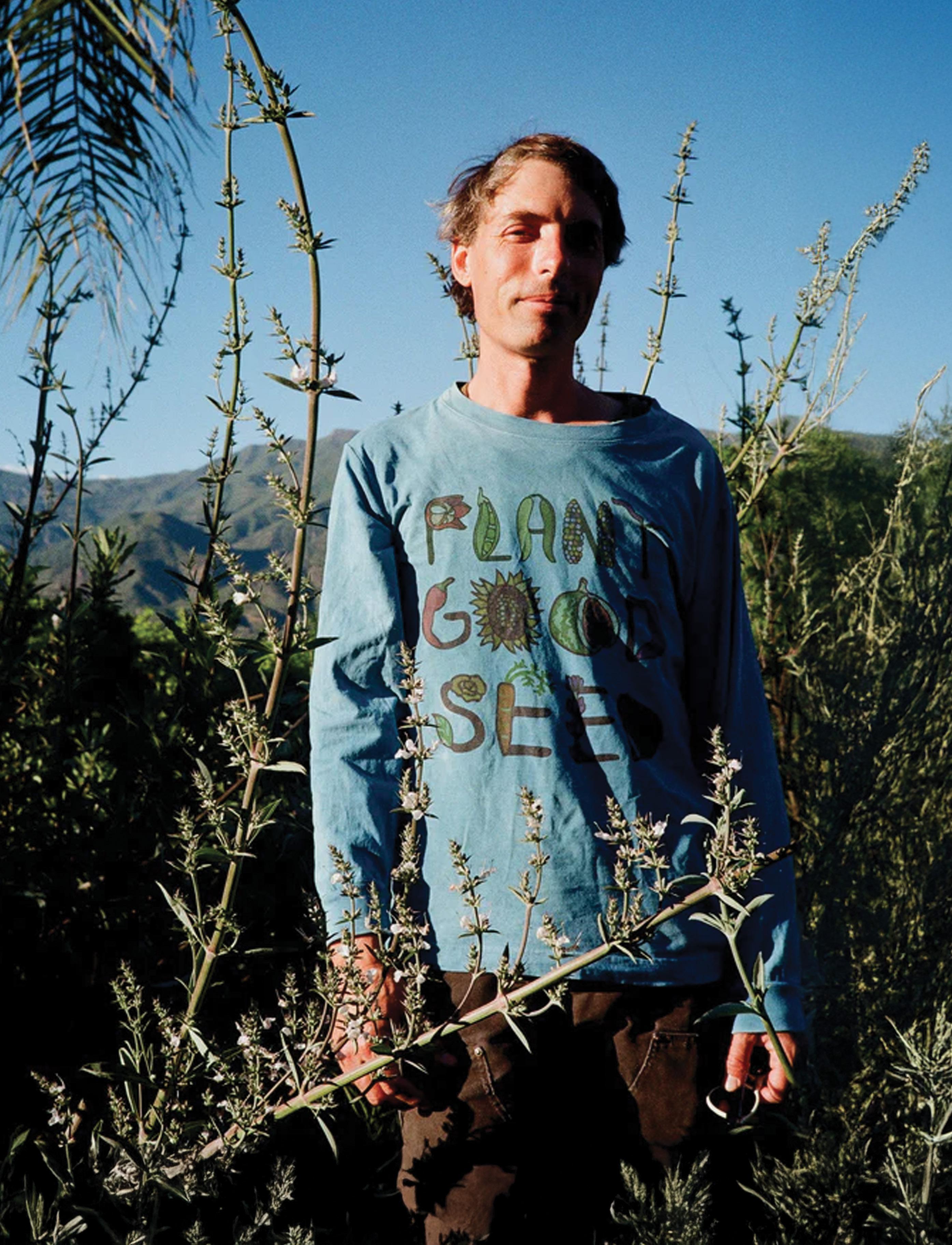
I was out on Ojai’s East End with a longtime friend, Quin Shakra, talking about, well, everything.
He’s the head pusherman of Plant Good Seed, and he and I share a history of a lot of things, but especially of growing on the same land, which makes us family. Quin has forgotten more than I’ll ever know about growing, harvesting, and saving. It was late afternoon, the two of us sitting in his seed bank, watching the Topatopas pull their soft pink blanket over their heads to get ready for sleep. Somewhere between talking about ground squirrels and comfrey, he mentioned that most of the California poppy seed sold as “native” is produced out of state, and many of the once small, passionate seed houses are being bought up and consolidated by private-equity firms. These companies, he said, are looking to treat native plants the same way they treat soy, cotton, or corn: commodities to be controlled, packaged, and traded. It’s hard not to see echoes of colonization in what’s happening. Private-equity firms are sweeping into a space built by regionally rooted seed growers, people who spent decades preserving local genetics and relationships with land,
only to be absorbed into glossy “platforms” run by finance and tech types who speak the language of scalability and impact. Heartwood Partners’ purchase of NativeSeed and the rapid add-on acquisitions that followed — Star Seed, Arrow Seed, and others — show the playbook: Buy a pioneer, consolidate the regionals, and turn provenance into a portfolio.
Although it is nowhere near the same morally abhorrent practice, the process seems to parallel how colonizers once displaced Native peoples under the guise of civilization and progress, leaving broken promises, boarding schools, and brutal cultural erasure in their wake. Today’s investors co-opt the native seed movement’s authenticity, replacing hands-in-the-soil stewardship with spreadsheets, algorithms, and automated seed sorters, tech-bro seed robots trading cultural inheritance for capital efficiency.
I am not telling you this so that it can be piled on top of the other terrible things that are going on. This “fun fact” is not an invitation to spiral. Instead, let this be a call to action:
We are the Seed Punks and this is our manifesto. Our graffiti is flowers. We leave perfume where their boardrooms used to be and halo the places money once held sacred. We will infiltrate the strip malls, the corporate plazas, the glassy tech campuses, the gated subdivisions, the vacant department stores, the highway medians, the foreclosed estates, the parking islands of big-box hell. We want those places to cease, then bloom. Say it fast and it sounds like war. Good. Let the machines, corporate investors, and private-equity firms flinch, then show them the ordnance: a handful of seeds. Call it theater. Call it insurgency. Call it what you want.
by JOHN FONTEYN
They have the money. We have the numbers.
There is a recipe for shock. Say “Take Hospitals” or “Occupy the Schools” out loud and watch the apparatus tremble. That reaction is useful. Let the machine envision violence for a heartbeat, then reveal the sleight: The resistance does not use explosives but rather packets, baskets, and persistence, not arson but abundance. We use the performative vocabulary of war to exempt our tenderness from complacency. Smallpox blankets are a sober reminder that coercion often arrives wrapped in care. Colonization promised civilization and delivered erasure. The new seed farms and consolidated platforms promise ecological rescue and deliver homogenized supply chains. The parallel is not frivolous. It is an urgent, moral kinship.
We are a decentralized, leaderless movement with no PR team to buy off and no patents to defend. Our objective is simple: Free the seeds from corporate bondage. Rematriate. Turn their sterile investments into soil, their LED-lit plazas into pollinator corridors, their manicured lawns into food and habitat. Not with bombs or bullets, but with plentitude, and the stubborn arithmetic of plants. Picture a road-to-Damascus moment for land. One day the billboard reads “For Lease,” the next it hums with bees. Farmer-philosopher Masanobu Fukuoka made the act humble and holy in his book The One-Straw Revolution, The Natural Way of Farming, and Sowing Seeds in the Desert, in which he talks about farming with earthen seed balls that carry a future inside a lump of clay, a technique recovered from older agrarian practices and remade into quiet resistance. The irony is delicious. Their portfolios never saw it coming.
Imagine a dawn when the soft engine of summer drowns out the drone of delivery vans and the white noise of hate speech. Imagine a city where the scent of native thyme and goldenrod hides the logos stamped on asphalt, where the sovereign states of soil, flora, fauna, and insects reclaim jurisdiction. Humanity has finally ceded power back to those sovereignties, not as conquerors, but as servants. The land is not ours to own; it holds its own councils and elders. We, the Seed Punks, are simply the translators who remember how to listen. As my good friend Whit says, “We are remembering forward.” This is not nostalgia for some prelapsarian past, nor is it an aesthetic choice. It is a realignment, a transfer of custody from spreadsheets to biology. We are ceding the land back to itself, to the slow intelligence of nature that has always known what to do.
The Seed Punks do not look like storm troopers. There is no uniform, no iconography to commodify. They look like friends you don’t know yet: amateur mycologists who teach children how to read the language of spores on their lunch breaks; retired surveyors who still know how to track groundwater by scent; baristas who can identify the mineral fingerprint of clay by taste; night-shift nurses who tuck native lupine seeds into the soil of hospital medians like secret prescriptions. Impossible to other, because they are us. Their faces are familiar, their clothes unremarkable. They do not seek spectacle to feed themselves. Their spectacle is the sweet, inevitable spectacle of bloom.
Picture a suburban cul-de-sac where a mown lawn once signaled property lines and status. Now picture that same lawn, patched and rewilded by a thousand tiny, patient acts: native grasses waving where turf once screamed for water, milkweed standing tall for monarchs, cloudlike clumps of yarrow softening the curb. Picture a former mall parking lot, cracked and weed-thin, refilled with strip meadows that hum with insect life. Picture a hospital median converted into a healing meadow, tended by staff who need a place to breathe. Each of these is a small act of renativizing, a practical, local answer to the global extraction that tries to privatize the commons.
Let no one mistake our tenderness for weakness. This is insurgency by
proliferation, not by ruling ground but by undoing the calculus that makes land profitable only when sterilized. If native plants carpet their portfolios, the logic of extraction bends. If food and pollinators and soil life reclaim acreage, investors must reckon with a different ledger, one that measures life instead of profit. It is a long arithmetic, but seasons are faithful accountants.
And yet, let me be explicit, because language matters. I will not tell you how to trespass or make a device, or where to commit illegal acts. I will not hand you a manual for evading laws or damaging property. I will tell you this instead: You can be loud without committing harm. You can be committed without giving the state an excuse to criminalize care. The power of Seed Punk action lies in its moral clarity, the way it refuses to imitate the violence it opposes.
We are not romanticizing dispossession; we are repairing it. To compare modern corporate consolidation to boarding schools and broken treaties is to insist that the wounds be named and tended. That naming allows a reparative politics to take shape. The seed does not ask for forgiveness; it asks only for soil, light, and a chance. Our task is to offer that chance where it has been withheld.
So gather, not in ranks but in rows. Fill your pockets with native seeds, then cut a hole in that pocket for the passing. Walk and let the flora find its way home. Tell the story of its origin and respect: where the seed came from, who stewarded it, why it belongs here. Teach your neighbors the names of the flowers that arrive. Seed the conversation as much as you seed the ground. Make it visible that this is not an act of vandalism, but of restitution and atonement.
Consider it a mandate as much as a call. Form a local chapter of Seed Punks. Name it, sign it, gather the people you know. Commit to using native seeds, pledge nonviolence, know the science, and make restoration the rule, not the exception. The offensive will not last forever. This is the tactic of shock and awe, a brief theatrical reveal that wakes the public to what abundance looks like. After the shock, the longer work begins. Chapters must be accountable to their neighborhoods, local ecologies, and Indigenous stewards. Chapters must refuse
commodification and refuse to weaponize knowledge. Chapters become nodes of care and memory.
Cultivars can be patented, but no one can patent a spring that refuses to stay silent. Seed companies can be bought, but no balance sheet can buy the humming of a meadow. The work is quiet, durable, and invisible — until it is everywhere: Dawn will arrive not with sirens but with the low, insistent chorus of insects and the smell of something that remembers rain. When the billboard reads “For Lease” and the cranes vanish, a meadow will remain; where records once claimed ownership, a commons will remember how to be alive. We are not taking the land back; the land was never a thing meant for ledgers. We are returning it to its citizens: soil, flora, fauna, insects. The revolution will be practiced by nurses and elder-care workers, immigrant cooks and social media influencers, soldiers and artists, students and street vendors with pockets full of faith, the steadfast crowd that arrives and stays. We are, in the truest sense, restoring power to the sovereign states that actually govern.
There will come a day when a dark joke resolves into a kind of triumph, not because the market created it, but because people stopped to listen when the earth answered back. The Seed Punks will move through Ojai and Oaxaca, Tbilisi and Tangier, Nuuk and New Orleans, Marfa, Mombasa, and the edges of Minsk. You’ll find them beneath overpasses in Los Angeles, along irrigation ditches outside Fez, on the rooftops of Seoul, and in the ghost suburbs of Dubai, the ruins of the East Wing, and the ski-lift shadows of Chamonix. They’ll meet in drainage canals, under dead mall skylights, beside defunct runways and power substations, wherever the cracks have started to open. Their only uniform is the slow change in what grows where profit once reigned. Free the seeds.
One of the original Seed Punks said it best, in our gospel hymn, “(Nothing But) Flowers,” written by David Byrne:
“This used to be real estate, now it’s only fields and trees.
“Where? Where is the town? Now, it’s nothing but flowers.”
Learn more about Seed Punks at farmhandfoundation.org.
March April
Ojai Historical Walking Tours
Saturdays, March 7-28, 10:30 a.m.
Learn about Ojai’s unique history on 90-minute tours at Ojai Valley Museum,
130 W. Ojai Ave.
Tickets: Adults $10; Family $25. ojaivalleymuseum.org.
Learn about Ojai’s unique history on 90-minute tours at Ojai Valley Museum,
130 W. Ojai Ave.
Tickets: Adults $10, Family $25. ojaivalleymuseum.org.
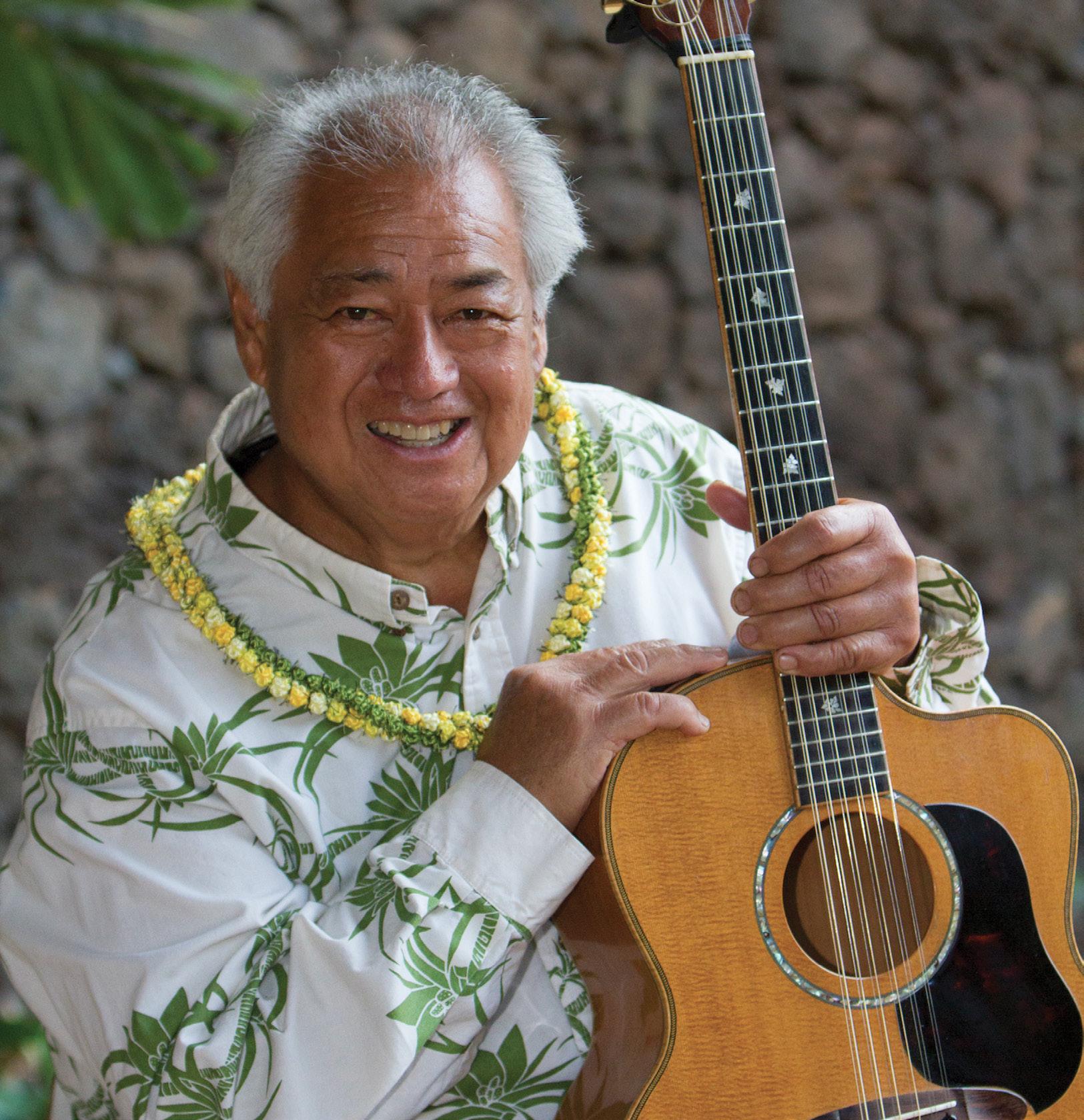
Aloha California Tour: George Kahumoku Jr. & Jim “Kimo” West
April 5, 3 p.m.
Beatrice Wood Center for the Arts
8585 Ojai-Santa Paula Road
Tickets: $40 at beatricewood.com
Chamber on the Mountain: Violinist Niv Ashkenazi & Bassoonist Leah Kohn
April 12, 3 p.m.
Beatrice Wood Center for the Arts
8585 Ojai-Santa Paula Road
Tickets: $40 at beatricewood.com
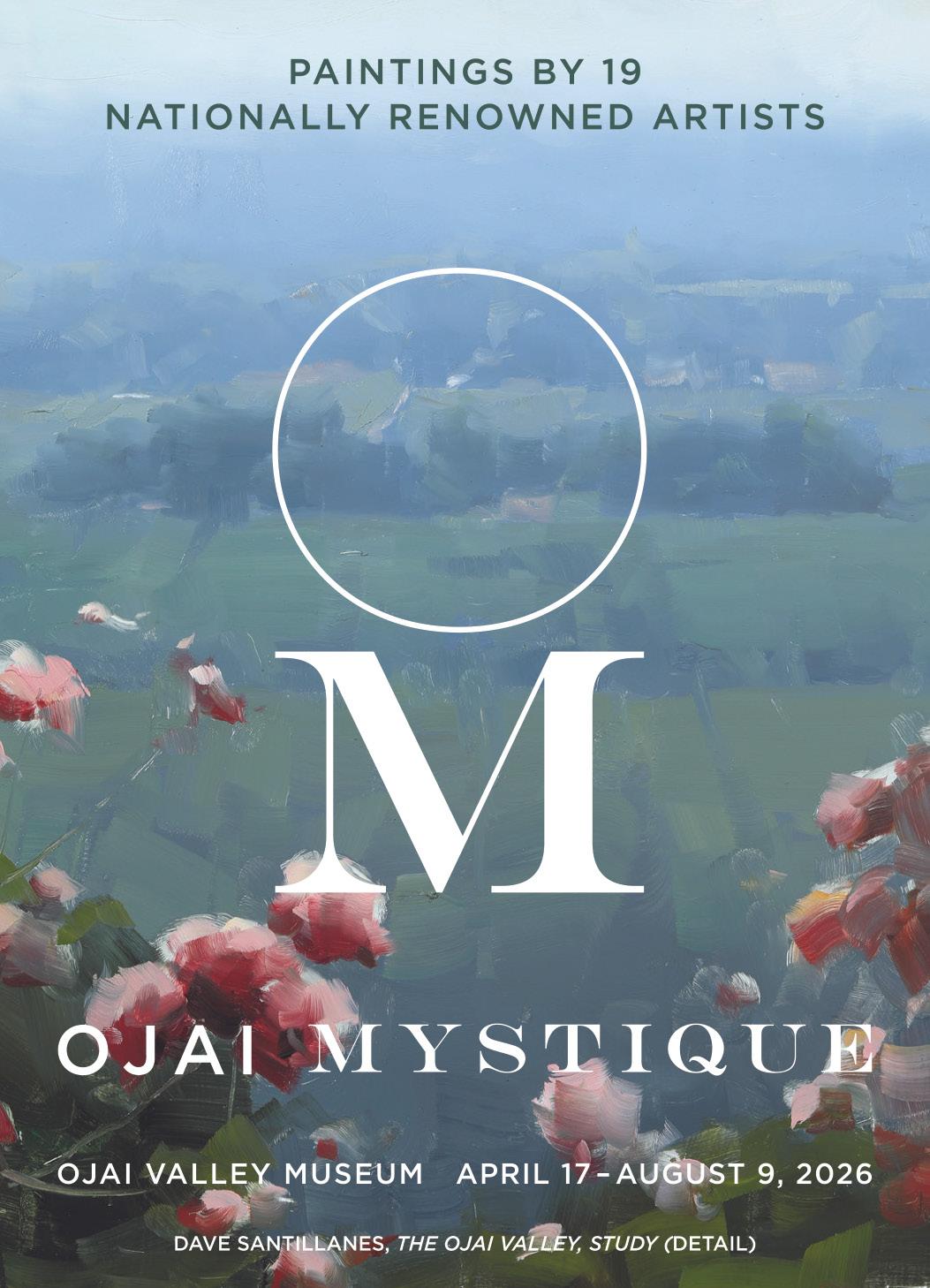
Ojai Mystique 2026
On view April 17 to Aug. 9
Landscape paintings by 19 nationally renowned artists
Ojai Valley Museum
130 W. Ojai Ave.
805-640-1390
ojaivalleymuseum.org
Spring '26
What's up in Ojai
Spring
3rd Annual Rewild Ojai Native Garden Tour
April 18, 9 a.m. to 3 p.m. Tour maps and tickets at: ovlc.org/rewild-ojai
Mountains 2 Beach Marathon April 18-19
Main run starts in Ojai, spanning 22 miles, ending at Ventura Pier. Other events include Half Marathon, 10K and Beachfront 5K. For times/information and to sign up: mountains2beachmarathon.com
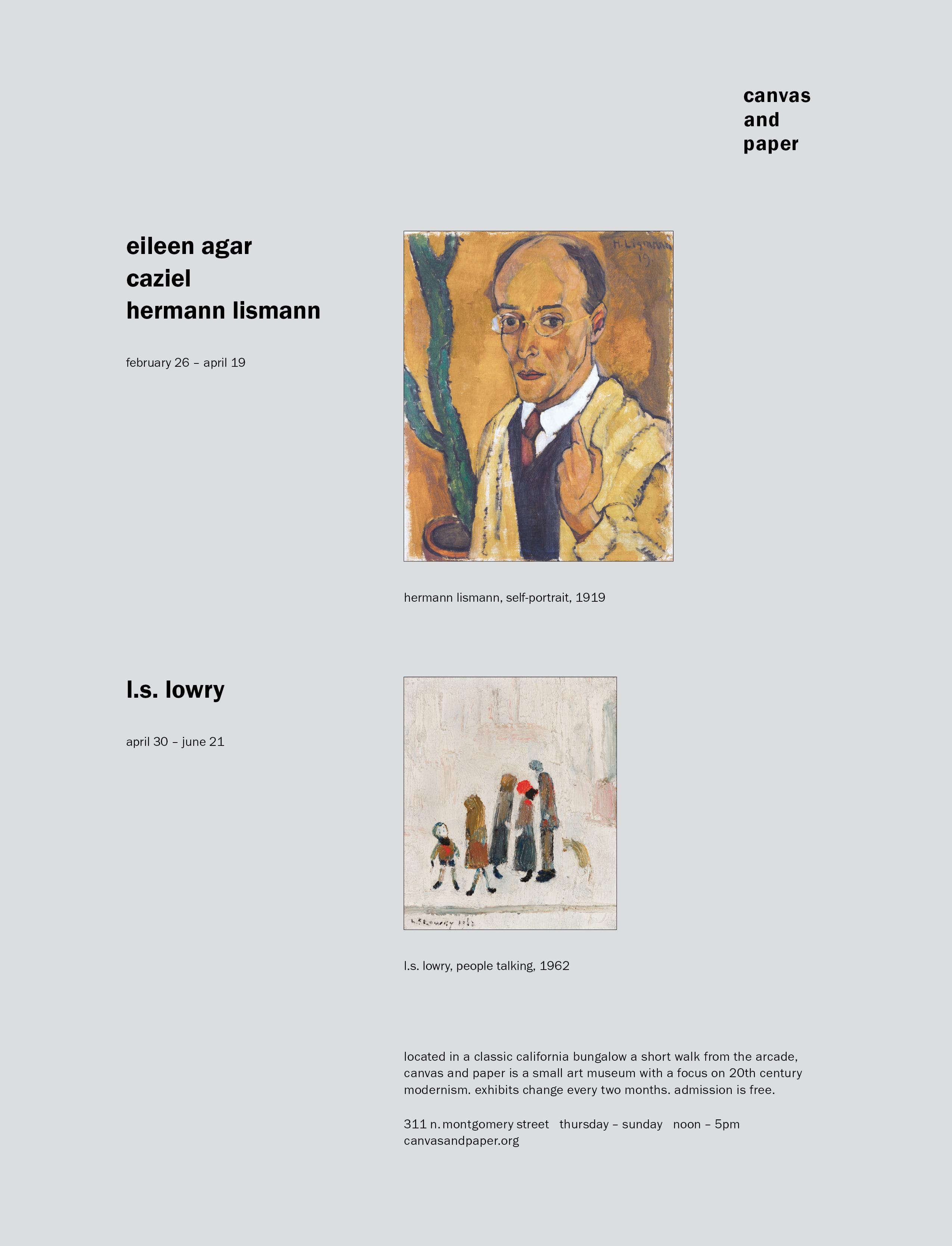
canvas and paper exhibit: L.S. Lowry on view April 30 – June 21 311 N. Montgomery St. open: Thursday – Sunday noon – 5 p.m. free admission canvasandpaper.org
May
Coyote Two Moon Trail Runs
May 1-3
12525 Ojai-Santa Paula Road
Sign up by April 27 at: tinyurl.com/4j898yzv Learn more: coyote2moon.com
California Strawberry Festival
May 16-17, 10 a.m. to 6:30 p.m. Ventura County Fairgrounds, 10 E. Harbor Blvd., Ventura 40+strawberry-themed food vendors, live music, arts & crafts and more. Buy tickets: castrawberryfestival.org
Ojai Community Chorus Spring Concert: “Still Rockin’!” May 16-17, 3 p.m.
Ojai United Methodist Church, 120 Church Road Buy tickets: brownpapertickets.com or at the door ($5-$25). Call 805-640-0468 for more information.
49th Annual Art in the Park May 23-24, 10 a.m. to 5 p.m. Libbey Park, 210 S. Signal St. 70+ fine artists, activities and performances. Free and open to the public. ojaiartcenter.org
Ojai Valley Century Bike Ride May 30 958 Boardman Road Register by 5 p.m. on May 28 at bikereg.com/65595 805-340-2673 ojaivalleycentury.org
April 12:
Chamber on the Mountain: Violinist Niv Ashkenazi & Bassoonist Leah Kohn Photo: Casandra Campeas
April 5. George Kahumoku Jr. Photo: Shane Tegarden
There’s something about Ojai.
For 80 years, the Ojai Music Festival has drawn worldclass musical artists and a loyal and ever-widening audience to this enchanting hamlet in the mountains. The festival’s 80th anniversary celebration from June 11-14 promises to live up to the festival’s reputation with world-renowned Finnish conductor-composer Esa-Pekka Salonen as this year’s music director.
“We mark this milestone year with looks back to our extraordinary history, and leap forward with our newest music,” said Ara Guzelimian, the festival’s artistic and executive director.
Ojai will immerse itself in music for four days with artists like American-Canadian classical violinist Leila Josefowicz, New York Philharmonic principal clarinetist Anthony McGill, and the Attacca Quartet, representing the next generation of classical music.
Performances take place throughout the day at various locations in and around town, but the heart of the festival is the Libbey Bowl outdoor amphitheater, where evening performances are held under the stars.
“Ojai has always been a center of creativity,” Guzelimian said. “I’m not particularly mystical, but there is something about that setting that has long attracted seekers and creative spirits like (Jiddu) Krishnamurti and (artist) Beatrice Wood. There’s something about the welcoming of innovation and exploration that exists here, and makes it very welcoming.”
The festival will feature two premieres: a world premiere from Pulitzer Prize-winning composer John Adams, and a U.S. premiere of a piece by Salonen.
The Attacca Quartet will present “Iron Jig,” which Adams composed specifically for the quartet, with whom he has collaborated for 15 years. Adams, a contemporary composer perhaps best known for operas like Nixon in China and Doctor Atomic, also served as music director of the Ojai festival in 1993 and 2021.
Adams said he “wanted to write this piece for them as a ‘gigue,’” a lively musical style from the baroque period. “The Irish version is the jig. When I started composing it, everything was a
Esa-Pekka Salonen, this year’s music director.
by KIM LAMB GREGORY
fast three-four time. The piece is really intensive.”
Adams will not perform at the festival, but will be in attendance, so audience members could wind up sitting next to him or any number of musical icons throughout the event — or perhaps run into them at Bart’s Books or one of the city’s outdoor cafes.
“There are performance spaces all over Ojai,” Adams said when asked about
the popularity and longevity of the Ojai Music Festival. “It’s the surrounding landscape, the spiritual history of the city.”
SALONEN SPOTLIGHT
Salonen’s premiere piece, written for violin and cello, will be performed by New Zealand violinist Geneva Lewis and American cellist Jay Campbell. The audience will also hear the first complete performance of Salonen’s Piano Preludes with Juilliard School faculty member
Photo: Andrew Eccles
Leila Josefowicz
Photo: Chris Lee
JUNE
11-14
Celebrates 80 years of world-class performances
Other Salonen highlights include “FOG,” which he wrote as a tribute to Walt Disney Concert Hall architect and lifelong friend Frank Gehry. The piece will be especially poignant this year because Gehry passed away on Dec. 5, 2025, at age 96.
“I had seen a few concert hall projects that didn’t work out because of
the architect’s lack of interest in the acoustics,” Salonen said in a 2023 joint interview with Gehry. “But Frank, it was so clear to him. He wanted to build the best possible room for music in L.A. And he did.”
Salonen was the Los Angeles Philharmonic’s music director in 2003 when Walt Disney Concert Hall was under construction. Salonen recalled the night he, Gehry, and principal concertmaster Martin Chalifour gathered at the site for a pivotal test. Clad in hard hats, Gehry and Salonen watched Chalifour touch his bow to his violin from the balcony. “We were incredibly nervous, because obviously that was the first critical moment [to hear]: How does music sound in this place?” Salonen said in an interview at the time. “And then Martin started playing the Emajor Prelude from [Bach’s] Partita, and all these beautiful sounds floated in the air. We were so happy. It was a tearful moment for both of us.”
When Salonen was asked to compose “FOG” in honor of Gehry’s 90th birthday in 2019, that moment served as his muse. F-O-G is a reference to Gehry’s initials, and the title refers to Gehry’s sailboat, Foggy.
Jay Campbell Photo: Schmidt Artists International
Conor Hanick Photo: supplied
Conor Hanick, director of solo piano at Music Academy of the West.
“It was a time of hope, but also distress,” said Gina Gutierrez, the festival’s managing director. “Composers needed a place where they could do something experimental. John Bauer and his wife came to Ojai to visit friends. He and his wife did a lot of philanthropy for the arts, and what I think he found here was this dream, this valley that welcomes the arts. There was something spiritual and magical about it. His hope was that it be very similar to the Salzburg Festival in Europe.”
Originally from England, Bauer saw Ojai as an ideal setting for a festival that combined contemporary and classical music with the surrounding community.
The 2,000 to 3,000 festivalgoers who converge on Libbey Bowl each summer have heard from such musical icons as American composer Aaron Copland, known for Billy the Kid and Appalachian Spring; Italian conductor-composer Luciano Berio, known for his wild and experimental style; French composer-conductor Pierre Boulez; and American composer Lou Harrison, known for integrating Asian influence into his works. The festival also attracted legendary composers who made Southern California their home, such as Russia’s Igor Stravinsky, a pivotal figure in 20thcentury classical music.
Because the festival is celebrating an anniversary year, it will feature pieces that honor the past and herald the future, such as Pulcinella by Stravinsky, who served as music director in 1955, and Quartet for the End of Time by French composer Olivier Messiaen, who attended the festival in 1985.
Messiaen wrote the piece when he was a prisoner of war in Gõrlitz, Germany, during World War II. Historical records show that Messiaen was among nearly 50,000 prisoners huddled in 30 barracks — all given sparse food and shelter in brutally cold weather.
“When I arrived at the camp, I was stripped of all my clothes, like all the prisoners,” Messiaen said, according to the Carnegie Hall website. “But naked as I was, I clung fiercely to a little bag of miniature scores that served as consolation when I suffered. The Germans considered me to be completely harmless, and since they still loved music, not only did they allow me to keep my scores, but an officer also gave me pencils, erasers, and some music paper.”
He wrote the piece for a piano, violin, clarinet, and cello because that’s all he had.
“He played on a beat-up upright piano with four other prisoners suffering and struggling,” Guzelimian said. “It’s music of spirituality, faith, and hope in the middle of an unimaginable war with no certainty that they would survive. It’s a piece that’s overwhelming and moving.”
Esa-Pekka Salonen Photo: Benjamin Suomela
Anthony McGill
Photo: Martin Romero
Geneva Lewis
Photo: Matthew Holler
Messiaen’s composition is an intense example of how the best and most enduring music reflects the human experience at any given time, according to composer Adams.
“If you look back to (Johannes) Brahms, you hear the very clear influences of gypsy music,” Adams said. “For (Igor) Stravinsky, it’s Russian folk music, and with (Ira) Gershwin and (Leonard) Bernstein, you hear jazz. I think it’s important to have the common reference when people listen.”
Adams himself was influenced by an American jazz legend, whom he heard play while growing up in New Hampshire.
“I heard him play in person at my grandfather’s dance hall — I think it dated back to the 1930s,” Adams said. “It was a dance out on Lake Winnipesaukee. My dad took me there in the mid-1960s. When I think back on it, it was just another tour date for him, but I was influenced by the sound of his harmony. I was also influenced by the fact that he was a working musician and he wrote for these performers. He knew every one of them and he knew what each of them wanted.”
Adams has collaborated with numerous orchestras, directors, and individual performers for his operas, and won a Pulitzer Prize for music in 2003 for his composition On the Transmigration of Souls. He was commissioned to write the piece following the Sept. 11 terrorist attacks.
Artists performing at the festival include violinist Josefowicz, who will play Adams’ Road Movies, written for piano and violin and meant to summon the feeling of driving in three movements: “Relaxed Groove,” “Meditative,” and “40% Swing.” Josefowicz will also play György Ligeti’s Concerto for Violin and Orchestra on closing night.
“It’s a formidable composition that has shaped and influenced many young musicians,” Josefowicz said. “It has techniques and incredibly striking sounds that have never been heard before. The tonal colors are shimmering, gritty. It’s a dancing, fantasy thriller-type music.”
Originally from Canada, Josefowicz grew up in Los Angeles and learned to play the violin at age 3 using the Suzuki method.
“My dad certainly loved the violin, but I had to choose it myself,” she said. “It’s like sports training of a kind. It’s real training — it’s a real devotion, like a religion.”
Josefowicz has not performed in Ojai before, but has worked with Salonen extensively, and refers to him as a “stupendous” conductor. He composed a violin concerto for her in 2009.
“I feel privileged and super honored to have a piece written for me by him,” she said. “He’s got this rhythmic excitement and clarity unique to him. He inspires a certain fire — especially for those of us in contemporary music.”
Guzelimian is thrilled to have
Josefowicz on the program, describing her as one of the true great free spirits in music.
“She has a vibrancy and fearlessness like, I don’t know — Jimi Hendrix,” he said. “I find her one of the most thrilling and compelling musicians. She plays with a kinetic energy that is overwhelming. She will be one of the hits of the festival.”
If you’ve never given the festival a try, Guzelimian encourages you to come with an open heart — and ears.
“To me, it’s this unlikely miracle — the Ojai Music Festival,” Guzelimian said.
“Why would you put this bandshell in a town (this small) that would get this international reputation?
“But we’ve consistently gotten national and international coverage. My favorite headline ran in 2025 in The New York Times: ‘The Most Open-Eared Festival in America.’ We’re living a great deal out of the division and anger in the world right now. Music is something that never loses its currency. You can hear it again and again and remember what faith, belief, and hope can do for us.”
For tickets to the Ojai Music Festival, visit ojaifestival.org.
Aaron Copland
Photo: supplied
Pierre Boulez
Photo: Wikimedia CC
Festival founder John Bauer
Photo: supplied
Luciano Berio
Photo: Wikimedia CC
“The precarity of life is much closer to me now,” said David Bridel.
“Like thousands of people, we went to sleep and woke up to something completely different, a new reality. I tend to think life can disappear at any moment, because that’s what happened to us.”
Bridel is the founding and artistic director of The Clown School in Los Angeles. When the Eaton Fire destroyed his family’s home in Altadena, his students initiated a call for support with a mid-January 2025 online fundraising campaign. They described their beloved teacher as a man dedicated to the transformative power of performance, who’s brought laughter, connection, and healing to many throughout the world.
STARTING OVER
David and his family sought shelter in Ventura. During their time at his sisterin-law’s home, they quickly realized the
temporary refuge was inviting them to begin again. “We bought a house and enrolled the kids in school, a beautiful spot, and we’re feeling tremendously grateful,” he said. “L.A. is a big urban environment, but here, my family and I are able to be in the mountains or by the ocean on a daily basis.”
Nearly one year later, David brought The Clown School to Ventura County with a mid-December workshop at Ojai’s Sane Living Center. While intent on keeping an L.A. base, where a large part of his team is located, David also is dreaming of longer workshops, weekly classes, and a teaching space in his new community. His wish list includes outdoor workshops in Ventura County, which are beginning to take shape.
“Experiencing the fire has given me an ever-deepening appreciation of clowning’s ability to bring people together and
create joy in a local celebration of our humanity,” he said. “Connectivity has become more vivid. The primary colors have gotten brighter. And I suppose it’s affecting how I lead the classes, but I can’t tell, because I’m not on the outside.”
‘MANY INCARNATIONS’
David is a globally recognized artist, educator, author, and leader in the field of clowning, movement, and performance who’s spent more than 30 years teaching and directing.
He has guided students at New York University, UCLA, CalArts, and beyond, with many now performing in major film and television roles. He describes his work as a bridge between stage, screen, opera, and education, with credits including ABC’s Dancing with the Stars, Center Theatre Group, and Los Angeles Opera, but the accolades and accomplishments don’t mean much to him now.
“My philosophy of all that is … it doesn’t particularly matter, because this is where I am right now,” he said. “I’ve had many incarnations. The work I’m doing is really where I belong, because I happen to be filled with faith that, in a very small way, things that happen under the clowning space are necessary, radical, beautiful, and regenerative.”
David launched The Clown School in 2009 with Orlando Pabotoy, and today leads the workshops and classes, occasionally bringing in guest teachers. The school’s mission is “to bring creativity, authenticity, and beauty into the world through the study of clowning and the physical theater arts,” based on the belief that “clowning embraces and celebrates the totality of human experience and offers unparalleled freedom in art.”
CHILD’S PLAY
able to create a magic environment where people could reveal themselves in a powerful artistic form,” David said. “When I met him, it was magnetic, even scary at first. All of his training begins with a class that he simply calls “Play,” or “Le Jeu.” Children’s games, pranks, and mischief of all kinds serve as a stimulus to the creative act, or perhaps the essence of the creative act.”
“One critical element of clowning I’ve discovered over the years is you’re recovering a younger version of yourself; you’re working backwards,” David said. “There are lots of different terms people utilize to get to the heart of this thing, and I never use ‘inner child.’ I prefer ‘the playful self’ or ‘the unconditioned self.’ We all have our own versions of what conditioning means.”
David’s first teacher, Phillipe Gaulier, a world-renowned French master clown, introduced him to clowning in his early 20s and changed his life. “Gaulier was
The Clown School offers the experience of creative collaboration in a space safe enough to step into the present moment. “Play brings us to the present moment. Our workshops invite people to get uncomfortable and be seen,” David said. “Each of us has our own set of dogma and beliefs about ourselves. We get comfortable with that belief, and clowning helps us spin that on its head and experiment with the opposite.”
BALANCING THE COSMOS
David is wary of mission statements and other such declarations set in stone, but the themes of presence, imperfection, play, creativity, freedom, healing, and authenticity run through his work. He’s committed to expanding the perception of clowning, while guiding others back to the state of child-likeness, where boundaries are more porous and possibilities more abundant.
The inaugural Clown Workshop at Sane Living Center brought David’s LA students and a contingent from the local community together for a creative collaboration. Like a return to childhood, participants playfully embraced the present moment through something resembling improv anchored in clowning.
“Break all the rules — become a clown” is the phrase that welcomes visitors to The Clown School’s website, a nod to the contrarian role of the clown throughout time. “People imagine the circus when they hear the word clown, and that’s not wrong, but it’s incomplete,” David said. “There’s much more to clowning. Since cultures and societies began, clowns have done the opposite of the norm and what’s expected. During harvest ceremonies, weddings, or funerals, clowns appeared to counter the prevailing narrative that we needed to get closer to the gods. Clowning is a way for us to keep our feet on the ground, even when our heads want to take us further and further into the clouds.
“It has to be a productive function, not chaos for the sake of chaos though. If you have a culture focused on orderliness and progress, the clown is there to bring chaos, but if the room is in chaos, they offer the opposite, like a medical clown. The clown exists to balance the cosmos.”
UNIQUE HEALERS
Send in the Clowns: Humanitarian Clowning in Crisis Zones, a 2024 book co-edited by David, presents clowning as a path to healing through interviews with pioneering humanitarian and activist clowns who serve internationally in hospitals, refugee camps, orphanages, and war zones. By giving voice to the leading practitioners of clowning for change, David and co-editor Mike Funt take readers beyond the big top.
“Several individuals and groups are doing humanitarian clowning throughout the world, and it takes your breath away,” David said. “There are clowns in Gaza as we speak and in refugee camps and war-torn countries in Asia. A clown in a society that has been traumatized operates as an oppositional tug. Just by being there, they draw attention and energy away from things that were traumatic. It’s about being into now, instead of holding what has shaped us. People have said clowning is cheaper than therapy.”
Jan Tomasz Rogala, also known as Doctor Clown in Ukraine, was one of 24 clowns interviewed for the project.
“Jan said he and his team are like the toilet of Ukraine: Everyone brings
their excrement to them and they flush it away,” David said. “And it’s a pretty remarkable statement given what we know of the horrors that people are having to live through there. So clowns offer opportunities for healing in ways that other well-meaning organizations don’t. And that’s why the clown is such a unique version of a healer.”
WITHOUT WORDS
The inaugural clown workshop at Sane Living Center offered David the chance to work with a group made up of L.A. students and a contingent from the local community. The combination was a first for the seasoned teacher, and it went so well, he immediately reserved the space for his next Ojai offering.
“It’s a molecular transformation putting people into new and confusing circumstances and holding them safely while they flail around,” he said. “One person wrote to me and shared they could still feel the tingle of being in the room. I was reminded at the end of the day that my background and experiences have created a lot of stamina for the work, but for
the locals it was more exhausting, like muscles that hadn’t been used.”
Clowning workshops are wordless spaces full of sounds like yips, yells, and laughter. Nonverbal communication is new for many first-time participants, who are not only asked to become vulnerable in a room full of new people, but also to use their brains in an unfamiliar way. “The absence of words throws us into our right hemispheres, unlocking the subconscious and often releasing trapped energies and buried feelings,” David said. “It’s inherently therapeutic but not necessarily the intention.”
THE INVITATION
Experience has taught David that everyone has a creative and generous inner clown, and it’s always alive, waiting to emerge again. The Clown School team invites others to join them in making a beautiful mess in the name of liberation through a statement on their website: “We think of the clown as a natural part of your life, but one that has often been overlooked or pushed down, relegated to your dreams, where your love of authenticity and your attraction to both light and darkness continue to seek expression. We want your clown to burst out of you, to give license to your spontaneous, fearless, and playful self. … The clown is an iconic figure, and it lives inside your body: silly, profound, and eternally mischievous.
“Let go of your fears. Have some fun. Come and play with us.”
For more information, visit theclownschool.com
The Clown School founder David Bridel enjoys guiding students into an experience of authenticity and self expression.
Participants connect deeply with themselves and each other as they break out of habitual ways of being.
Ojai
Ojai Spiritual Tours
Investing in the chorus of spring
by JOHN FONTEYN
In 2005 I was lucky enough to score a coveted job at Bob “BD” Dautch’s Earthtrine Farm stand at the Ojai Sunday farmers' market. I could write an entire novel about how much I learned from him, but briefly: BD taught me how to handle food. Not just the health and safety stuff, though that mattered too, but how to treat it. How to lift it gently from the boxes, how to line it up on the table so it looked like the rows it came from. He’d say you can ruin something that took 90 days to grow in 90 seconds if you treat it roughly. BD also taught me history — where things came from, how they were connected, the kind of lineage that makes you see a carrot as a small act of civilization. Later, Steve Sprinkel of Farmer and the Cook fame would give me a graduate-level education in this and a thousand other things, lessons that my wife, Elizabeth, and I kept studying in our own fields for more than a decade. But the deepest lesson, the one that ran through everything BD showed me, everything Steve reinforced, and everything Elizabeth and I came to understand with our own hands, was the intrinsic value of food. How it binds people together. How something as simple as an exchange across a farmers' market table can be sacred. How friendships can take root in a shared recipe. And that honest, carefully grown food is always worth paying for.
In 2005, BD sold his lettuce for $1.25 a head, and they were enormous, enough to feed two people. Later that year he raised the price to $1.50, and you’d have thought he declared war. Some customers sighed and said, “Seems like a lot.” Others said flatly, “That’s too much,” often pointing out that lettuce was cheaper at the grocery store, as if that were an apples to apples comparison. Some just walked away to booths with cheaper, conventionally grown produce. For reference, in January 2005 gas cost $1.81 a gallon. By December it was about 50 cents higher.
Are we paying enough for our food?
I’m sure people complained, but no one parked their cars and started walking to work.
Two decades later, everything costs more. Gas, machinery, water, seeds, labor. The tractors doubled in price, and the hands that feed us still can’t afford to live on what they earn. Yet somehow the expectation is that food has to stay cheap, which really means someone else has to pay for it, and it’s never the ones doing the eating. For all the talk about efficiency and yield, the real value of food has nothing to do with price. It lives in the people who grow it, in the soil that sustains them, in the fragile exchange that keeps us all alive. We keep pretending cheap food is progress, but what it’s really cost us is the very soul of the table. Meanwhile, the price of lettuce today sits around $2 to $3 a head, maybe $3.50 if it’s from a small farm growing it right. Which means you could still buy five heads of lettuce for the price of one glass of wine, or three heads for the price of a beer, or six heads for the price of a burrito, a mocha, a pack of cigarettes, a package of gummies, or a specialty chocolate bar. Yet somehow, it’s fresh food that sparks outrage.
During COVID, the price of eggs shot up to as high as $12 a dozen, and people lost their minds. The news ran segments about it. The gall of farmers. How dare they charge a dollar per egg from a living, breathing creature, ideally cared for and fed. Feed costs had doubled too. Ask yourself, how many eggs do you eat for breakfast? Four? Six? Is there anywhere you can buy breakfast for $4 or $6 that you’d actually want to eat?
It bears repeating: The reason food has historically been so cheap is not because it costs so little to produce, but because the system is rigged. Imports, subsidies, and price manipulation have kept food prices artificially low for decades. That pressure to keep prices down is what drove the rise of synthetic fertilizers,
pesticides, and low-wage, often undocumented labor. It is a system that has sickened workers, depleted soil, and made it nearly impossible for young farmers to imagine a stable, secure future. And yet, when a restaurant, household, hospital, or commissary looks for ways to save money, the first phone call is always to the produce supplier, not the paper goods rep, not the cleaning chemical salesman, not the insurance company.
So it is worth asking: What kind of quality can we expect if the value of a thing is measured only by how little it can be produced and sold for? What kind of environmental impact does that lead to? What kind of health — personal, communal, planetary — can come from a system that insists the things that sustain life be the cheapest, while the things that harm it are bought without complaint regardless of cost?
A small invitation: Next time you hear that little voice at the farmers' market or grocery store whisper, “It’s too expensive,” take a breath and think about what that really means. What do you value? What kind of world are you voting for with your dollar? What statement are you making about your own health, your energy, your long-term well-being, the air and water around you, when you decide that the place to cut corners is your own sustenance? At the risk of sounding terribly cheesy and sincere, when you pay for and value food that is grown with care by people, not robots, you are investing in the future. You are investing in soil that still breathes, in the chorus of a spring that refuses to go silent, in communities that can still feed themselves.
Every dollar spent on real food grown by human hands is an act of rebellion in favor of a world that can still nourish itself. We will not be able to eat our IRAs, and the eggs on sale will not matter much if we cannot drink the clean water. But don’t worry, I’m sure the Soylent Green will be affordable.
My feet are greedy. Grassfed, pasture-raised, locally grown, my Ojai feet have been grown greedy. Nourished (and made sticky) by Ojai pixies and avocados, they are firm and solid with bulbous toes — or sausage toes, to use the taunting terminology of my brothers’ younger, crueler selves. Tanned holy golden by the Ojai sun and powdered brown with Sespe dust. Burned raw by the dead-summer heat flaming up from downtown sidewalks on after-school preteen adventures. (They wailed asphalt-black tears all night in grievance.) Pricked into profusions of profanity (the feet, not me!) by satanic goat-heads performing their ritual childhood sacrifice. Puppy-licked by hundreds of verdant tongues whipping in the wind with all the valley’s at-last-arrived spring vitality. Washed dirty by the mini-floods of infrequent rains which gush along the sides of streets and gather in mucky backyard pools of ill-prepared SoCal homes and buildings.
All this to explain why they are so greedy. They are greedy for sensation. The sensation of crunchy grass lawns in autumn. Of braving that first smack into icy water, praying for a rock-free fall from the overhead ledge to the water hole’s sandy bottom. Of that irreversible moment of contact between their asphalt-stained, pine-resined, mystery-crudded selves and your just-a-moment-ago pastel carpet. Of the momentary ecstasy of Greek-yogurt-style chicken excrement squirting up between my toes. Of the doctor’s knife probing deep in my held-down novocained foot
for month-old glass as it wriggles in tickled fits. Of the sandstone suns bulging about the river bottom, gently toasting their soles in the sage-baked afternoon air. They are greedy for your admiring eyes, your mildly off-put and perhaps
back on, and perhaps most of all your eyes that wince when I inform you that tonight I will indeed crawl into my sheets with my feet just as they are, caked in coagulated dirt-sweat and fecal residues and perhaps a little blood.
B A re F oot in O J ai
a-little-bothered-because-Georgia-that’sgross eyes, your eyes that envy such invincibly leathery soles as they tromp on gravel indifferently, even your eyes as they squinch just before you coolly and a little wearily tell me to put my shoes
by GEORGIA SCHREINER
My feet are greedy for life. They are screaming in classic Jim Morrison fashion, “We want the world and we want it now!” and reciting Whitman as they too loaf in the summer grass, celebrating themselves. Perhaps, if you paused the sock-suffocation and flip-flop-strap-strangulation of your feet for just a little while, they would start to talk to you too. Perhaps they already do.
But whether they speak up or not, and regardless of what your New-Age guru friend/ healer/unevadable-garrulous-neighbor has to tout about the benefits of earthing, you must know that your feet are always children. Sometimes they are toddlers, bug-eyed and looking to know the world by putting it in their mouths. Sometimes they are mischievous middleschoolers, wreaking havoc in all places of adult authority, all the while rather unsure of themselves. Sometimes they are naughty high schoolers, experimenting with sensuous pleasures and altered states of consciousness, fornicating with the mud and getting baked in hot tubs. However they may be today or tomorrow, they are always children. They are always reaching out for the world around them.
And no matter how much toxic nail polish you’ve smeared on them, no matter how much you’ve pumice-stoned them into frailty, they are always ready to come out and play again.
In the early morning, when most of Ojai still lies in quiet slumber, the smokers at Joplin’s restaurant are already in full swing. The scent of burning oak and slow-cooked meat drifts through the cool air long before the doors open. Inside, chef-owner Saw Naing moves with practiced focus, checking temperatures, turning cuts of brisket, and tending to sausages. “It’s low and slow,” he explains. “That’s the art of cooking to me.”
One of Ojai’s newest dining spots, Joplin’s is a barbecue restaurant owned and operated by husband-and-wife team Saw and Brittany Naing. The couple, who met in Los Angeles and later worked together at The Dutchess, have poured their shared love of barbecue, hospitality, and rock ’n’ roll into their first solo venture. It is not just a restaurant; it is an extension of their lives, layered with memory and soul.
Born and raised in Burma, Saw received his earliest lessons in food from his grandmother’s kitchen. “If it wasn’t her, it was my aunt or someone from my mom’s Indian side of the family,” he recalls. “Everything was always made fresh; even milk was skimmed by hand. That’s how I learned flavor: through memory.”
He moved to the United States in 2007 at age 21 to study music. “I was auditioning, trying to get into bands, but it was hard,” he notes. “I couldn’t even afford a guitar.” To make ends meet, he worked wherever he could, from burger joints to sandwich shops. “I literally went door to door asking for a job.”
Cooking began as survival but quickly became a calling. He gave up on music, enrolled at Le Cordon Bleu College of Culinary Arts, and landed his first real kitchen job at Café Pinot, then one of Los Angeles’ top fine-dining restaurants. “My first mentor there was chef Sydney Hunter, who taught me all about French cuisine,” Saw explains. “From there, things just took off.”
JOPLIN’S
Ojai’s Newest Smokehouse with a Rock ’n’ Roll Twist
story by KERSTIN KÜHN
Photos by ELIZABETH HAFFNER & ANDREW PURCELL
Over the next decade, he honed his craft in some of L.A.’s best-known kitchens, including Thomas Keller’s iconic bistro Bouchon in Beverly Hills and the Spanish-inspired Bow & Truss in North Hollywood. Eventually, he joined the Rustic Canyon restaurant group, where, under chef Jeremy Fox, he helped to build the house-made masa program at Mexican restaurant Tallula’s in Santa Monica. “I wanted to learn as many cuisines as I could: French, Spanish, Mexican, everything,” he says.
It was at Tallula’s that Saw met Brittany, who became both his creative partner and his wife. Together, they joined Rustic Canyon owners Josh Loeb and Zoe Nathan to open The Dutchess in Ojai in 2022, where Brittany oversaw the beverage program as assistant general manager, and Saw remains a partner and head chef, splitting his time between that kitchen and Joplin’s.
At The Dutchess, Saw showcases his Burmese-Indian heritage through dishes that merge California’s seasonal ingredients with bold, complex flavors. The restaurant continues to earn praise from locals and visitors for its inventive food and sense of community, and this success inspired Saw and Brittany to create something of their own.
“Live-fire cooking is my passion,” Saw enthuses. And that fire burns at the heart of Joplin’s. Every dish takes time.
The turkey breast, for example, is brined for 36 hours in spices, sugar, and vinegar before being marinated in mayonnaise overnight.
“We smoke it low and slow for about three hours, and every 30 minutes, we brush it with melted butter,” Saw explains.
The brisket follows its own rhythm. “We bring in about 200 pounds a week,” Saw notes. “It’s seasoned, rested overnight, then smoked with red oak from 4 a.m. until early evening.” Even the sausage, a jalapeño-cheddar Cajun blend, takes nearly a week to prepare. “We grind leftover brisket and pork trimmings, mix them with our spice blend, stuff them, smoke them slowly for four hours at 150°F, then shock them in ice water, dry them, and smoke them again at 250°F,” he says. Nothing goes to waste. Leftovers become sandwiches or tacos on Tuesdays. “It’s the best way to repurpose and keep things fresh.” Even the sauces — tamarind, Carolina gold, and two housemade hot sauces — are crafted in-house.
Saw sources his meat from small producers including Niman Ranch, Creekstone Farms, and Motley Crew Ranch in Buellton. “I’ve worked with them for six or seven years now,” he explains. “We developed a special grind just for the Joplin’s burger. I drive up every week to pick up the meat.”
devotion to craft, it also carries Brittany’s touch. Her sense of style, rhythm, and connection shapes the space. “The dynamic between Saw and me is very balanced,” she says. “We share the same vision and trust each other completely. He handles the food, I handle the guest experience. We both love what we do, and we’re always looking for ways to make things better.”
Her personality shows in small, thoughtful details. “The bathrooms are probably the most ‘me,’” she laughs. “They’re covered in flyers and ticket stubs that I’ve saved over the years. I love when restaurant bathrooms feel like a hidden world.”
Every element tells a story. “The art Saw did on the wall is so him, and the Southeast Asian twist in his barbecue reflects his roots,” Brittany explains. “We painted the walls green to match our first apartment; the yellow room is a nod to our wedding cake, the red chairs [a nod] to my red wedding dress. Joplin’s is our life in restaurant form.”
Her years in hospitality shape the energy of the place. “I’ve done it all. I’ve been a bartender, a line cook, a server, you name it, and those years were the best training ground for Joplin’s,” she says. “They made me a better leader, and that care shows in how we treat our guests. People want to feel seen. I want to really get to know everyone who walks through our doors.”
Music runs just as deep at Joplin’s as the smoke and fire. “My mom was in the only all-female band in Burma in the 1970s, and my dad was a musician, producer, and songwriter,” Saw says. When he and Brittany lived in L.A., they spent their early days going to shows at the Whisky a Go Go and The Roxy. “We wanted to bring that spirit to Ojai,” he says. “Not for everyone, but for people who appreciate it.”
Recently, Joplin’s received its license to host live music, something Saw and Brittany had been hoping for since opening. They plan to bring in small local acts twice a month, most likely on Tuesdays, and are already exploring the idea of adding comedy nights as well. For them, it is another way to create a space where food, community, and performance all come together under one roof.
The name Joplin’s also carries meaning. “Our first dog was named Joplin after Janis Joplin,” Saw says. “And the restaurant is named after her, too. Everything here is personal. It’s a labor of love.”
As much as Joplin’s reflects Saw’s
For Brittany, that human connection is everything. “I live for hospitality,” she says. “My goal is to make everyone feel like they’re walking into our home. The music is loud, the food and drinks are flowing, and everyone is having a great time. Request a song, sing along, dig into incredible barbecue, and for that short time you’re here, let go of everything else.”
As we tuck into our barbecue lunch, a screen in the corner loops 1990s and early-2000s music videos, while The Cure plays in the background, adding the kind of nostalgic pulse that ties everything back to their shared love of rock ’n’ roll. Outside, a backyard-style patio spills into the Ojai air, dotted with plants and wooden tables. “There’s a lot of unseen labor behind this,” Saw says. “This isn’t about getting rich. It’s about passion, community, and people.”
Drought Hardy, Beautiful, Tough
of the artichoke facing the heat for 3 minutes. Then, turn over, with the inside of the flower facing the heat, for about 5 minutes until golden brown.
Serve immediately with your favorite dipping sauce, such as aioli, tahini, or vinaigrette.
(Note: Herbes de provence is a French herbal blend containing fennel, marjoram, parsley, rosemary, tarragon, lavender, and thyme. You can find it in many supermarkets or online, or make it yourself.)
Drain artichokes thoroughly in a colander, reserving liquid.
Chop artichokes into small pieces. Add to a medium mixing bowl.
Place rinsed, thoroughly drained white beans in a food processor container or blender. Add lemon juice, zest, garlic, nutritional yeast, and black pepper. Blend while adding olive oil and, if needed, enough reserved artichoke liquid to make a very thick texture (the mixture will loosen when other ingredients are added, so only add enough liquid to make a thick texture). Stop to scrape down sides if needed. Transfer the white bean mixture to the mixing bowl with artichokes.
Creamy Artichoke White Bean Dip
Serve this easy creamy artichoke white bean dip for a healthy snack or appetizer with crackers.
Makes 10 servings
Ingredients:
1 (14-ounce) can artichokes, packed in water, drained; reserve liquid
1 (15-ounce) can white beans, rinsed and drained
½ lemon, juiced and zested
1 clove garlic
2 tablespoons nutritional yeast
½ teaspoon black pepper
2 tablespoons extra-virgin olive oil
½ (16-ounce) jar roasted red peppers, drained
¼ medium red onion, finely diced
Drain the roasted red peppers thoroughly in a colander. Chop roasted red peppers into small pieces. Add to the mixing bowl.
Add red onion and basil to the mixing bowl. Gently mix. Season with black pepper and salt. Serve immediately with crackers or vegetables as an appetizer or dip.
Since 1986, when Boccali’s first opened its doors, three generations of the Boccali family have had a hand in building the restaurant that has become an Ojai favorite and a tradition for generations of customers’ families.
Late Spring through early Fall most vegetables served are picked fresh daily at the Boccali Ranch in Upper Ojai. The Boccali Vineyards Wines are also grown and produced at the property five miles away.
SATURDAYS & SUNDAYS 12-5 pm
3277 E. OJAI AVENUE
MONDAY- TUES: OPEN AT 4PM WEDS- SUN: OPEN AT II:45
805. 646.6116 boccalis .com boccalivineyards .com
Wrapping a love of animation, storytelling, and character art with a skill for sculpting, Eve Sengstaken, 25, of Upper Ojai, is thriving creatively in the 3D world of toy design. After a high school teacher encouraged her to attend Otis College of Art and Design in Los Angeles to pursue her interest in animation, professors there identified her ability to think in 3D. Today, Eve is working as a designer in the Warner Bros. toy section.
Eve’s first toy design, for her previous employer, Disney, drew on her
The manager there “immediately treated me as if I was a full-blown designer. He asked me to do a Mickey RC, which is a remote-control car. I did a Mickey and Minnie remote control car, and it was the first time I had done a vehicle.”
Before then, she was more familiar with doll play sets, action, and plush designs.
“When you’re doing cars, you have to be very exact, because it’s very much industrial design,” Eve said. “There’s a lot of working components. You have to make sure the wheels turn the right way.”
Today she works in plush for Warner Bros. on the licensing side.
Plush toys are her favorite because they can be anything. Some of the rules fall away, and you’re left with what you can imagine.
“A lot of times you’re working with an action figure, for a movie, right?” she said. “Like Superman. We have to make sure it looks like him. So there’s not a lot of stylization. You can’t do an anime face on Superman; you have to do something realistic. Whereas with plush, the sky is the limit. You can do as many different kinds of stylizations as you want. And you can make it really cutesy or realistic or weird looking. … you can be really
THinKing in
Eve Sengstaken makes her mark in toy design
experience growing up in Ojai. “The first one I worked on was for a small toy company called Far Out Toys, and it was this little play set,” she said. “It reminded me of Ojai because they wanted to do a farmers’ market cute girlie set,” with two small dolls wearing trending outfits, “and they have little animals. I think one of them was a goat, and a llama.”
This year, she experienced an important part of toy design: seeing kids reach for her toys on the shelf.
“It was unreal,” she said, describing the experience as a “pinch-yourself kind of moment. “As a kid that grew up going to Disneyland, it’s emotional seeing a little kid go to pick up the toy that you designed in the Disney stores at Disneyland. I saw little kids reaching for my toy and asking their parents for it. … Usually kids to pick one thing when they go to Disneyland. That made me feel special: All these little boys and girls were picking the toy on the shelf that I did.”
So far in her career, that toy is the one she is most proud of.
“I got an internship with the Mickey and Classic Characters team,” she said.
Plush refers to the soft, stuffed, cuddly toys loved globally by consumers of all ages. She receives tens of thousands of submissions a year from outside companies, then screens proposed concepts for whether the design fits with the “cuteness” the company wants. If the proposed toy deals with a license, such as a movie or character, she ensures the toy adheres to the “rules” for that character. If it doesn’t, she marks up the design.
Superman must look like Superman Harry Potter needs the lightning mark on his forehead.
She works with horror, fantasy, and comedy — all the areas Warner Bros. operates in.
“It’s my job to really know … all the brands we have,” she said.
Sometimes she’ll send changes back to the companies to make the look more realistic, or more like the character; other times, the cuteness factor needs a bump.
“If it’s not cute, then I usually will draw over it, which we call like an overlay or a red lining,” she said. “Or we want it to be more realistic.”
by KIMBERLY RIVERS
silly in plush.” Consider Minnie Mouse, for example: “It’s like Minnie, but she’s dressed up as a strawberry, or a kiwi. You can just be absurd and it works.”
Finding toy design
Eve had planned to go into animation because she saw the value of kids connecting to characters and a story.
Some shows ask kids “to really think about their values,” she said, such as Frozen, “which asks: ‘Is it okay to be different? What does love mean to you? Does it mean finding a partner or is it your family?’ It’s questions like that in kids’ movies that I found really interesting.”
Eve attended Oak Grove School for grades 6 through 11, then Nordhoff High School in Ojai for her senior year. “Nordhoff had a great arts program,” she said. “When I was in high school, I was a tutor and did caretaking for kids with learning disabilities. That gave me a lot of interest in that area. I wanted to make an impact.”
When she was young and watched shows with her friends, she said, “I’d really think about where I felt more
accepted, or sometimes my friends would see themselves and a character in a show and I wanted that kind of impact.”
She saw how shows could influence kids in a positive, fun way.
“I also really love storytelling and I love writing,” she said. “I love character art and all that stuff. When I was looking into schools, I was originally looking into animation for that reason. But, I was really good at sculpting as well.”
In one course she had the opportunity to create a nearly life-size sculpture in one roughly seven-hour class.
“I learned that I was good at using my hands to create things, and even to brainstorm, or just be innovative,” she said. “So then I started sculpting on my own.”
She delved into Claymation, and took an animation course at a summer camp out of state, where she learned how to use animation programs.
“I had lots of opportunities to enhance or to dive into different art styles and mediums and programs,” she said. “So
I already had a firm grasp of how 3D works as well as 2D and how to translate that by the time I got to college. Senior year, I took all the stuff that I had learned previously and applied it to my portfolio.”
A teacher steered her toward Otis College of Art and Design.
The college offered her a full scholarship. She planned on animation, but realized design would take her love of story into the 3D world of toys.
Professors at Otis acknowledged her skills as an animator, but also recognized her “skills to think in 3D.” she said. They told her she could build positive memories for kids in toy design, where “you have to be able to draw well and be clear about what you want.”
Next year she’s excited to see other plush designs she worked on while at Disney, featuring Star Wars characters and Mickey and Minnie Mouse.
Current projects include classic cartoon characters “that are kind of Japaneseinspired,” she said, and plush designs for
claw machines and amusement parks.
She recalled a trip to Las Vegas with friends where she saw “a bunch of Pickle Ricks” from the Warner Bros. animated show Rick and Morty in a casino’s claw machine. “What is the reality of this happening?” she said.”
She has also worked on products for Corpse Bride, and It: Welcome to Derry, featuring the clown Pennywise from Stephen King’s novel.
“It’s always fun working on those big shows and seeing fans’ reactions to the plush that comes out and them posting about it on social media,” Eve said. “You’re working behind the scenes, but you get to be part of a huge thing.”
For her Mickey and Minnie remotecontrol cars, Eve took a hint from Disneyland, where Mickey designs are hidden around the park.
“They do that in the toys, too,” she said. “I did that in my RC. I’ve incorporated little Mickeys on the tire tread. So if you’re driving it around in dirt, it leaves a Mickey track tire tread.”
Over 25 years of experience matching people and property in the Ojai Valley
ORGANIC CITRUS RANCH ON 40 PRIME ACRES
On 40 prime East End acres, this unique citrus ranch has fabulous Topa Topa views, four legal houses, a 2800 sqft barn, and 36 acres of organic orchard. One of the best wells in Ojai provides reliable income from 6000 Valencia trees, 2000 Pixie trees and 200 pecan trees. The remodeled 3500sqft, 3bd/2.5ba main house, built in 1917, has beautiful views from nearly every window. The 3 auxiliary houses provide great rental income. Includes extensive water infrastructure, 2 Casitas water meters, 40kw of solar panels, a John Deere tractor and a Gator.