
2026 CHANGE AGENTS


2026 CHANGE AGENTS
Each year, we publish the World Positive Report to share the positive impact our companies are driving at the frontier of innovation. This year, one idea kept coming up across conversations, companies, and capital markets: change agents.
At Obvious, we define change agents as people, technologies, and movements that challenge the status quo and deliver transformative progress. They are individuals who imagine better futures and then build breakthrough technologies to bring those futures to life. They’re companies that tackle trillion-dollar problems in health, energy, and economic inclusion with solutions no one saw coming. And, increasingly, they include intelligent systems that extend human capacity and accelerate discovery. In every sense of the term, change agents are who and what we invest in and the role we strive to play ourselves.
The term “change agent” has deep roots in business and social science, dating back to the 1960s when it referred to catalysts of organizational transformation. Today, it takes on renewed urgency. The global landscape is shifting faster and more dynamically than ever. We see rising demand for solutions that are resilient, regenerative, and inclusive. Founders are meeting that call with technologies that rewrite entire industries, from geothermal grids, to AI-powered diagnostics, to platforms rebalancing access to capital.
Our theme also nods to a profound shift in technology itself. This past year saw the rapid rise of agentic AI—tools capable not only of computation and prediction but of planning, deciding, and acting across tasks. At Obvious, this is a natural extension of our decade-long work in generative science: the pairing of deep AI with disciplines like chemistry and biology to unlock new materials, medicines, and models for human health and planetary repair. Rapid progress in agentic AI only accelerates the pace of scientific breakthroughs we are seeing from generative science.
This report captures the stories of some amazing agents of change: our founders, their missions, and the measurable impact they’re creating across our three pillars—Planetary Health, Human Health, and Economic Health. We’ve also profiled our impressive set of Obvious Champions, who are working behind the scenes to scale, strengthen, and steer the companies in our portfolio. Their leadership reinforces a central belief of ours: that durable progress comes from collaboration and mentorship.
The stories inside reflect the ambition of the founders we’re proud to back and the vision we share with our investors and partners. We hope they offer not just insight but inspiration and a glimpse at the better future we’re all working to build.
JAMES JOAQUIN, ANDREW BEEBE, VISHAL VASISHTH MANAGING DIRECTORS, OBVIOUS VENTURES
INDUSTRY, INNOVATION, AND INFRASTRUCTURE
RESPONSIBLE CONSUMPTION AND PRODUCTION GOOD HEALTH AND WELL-BEING
SUSTAINABLE CITIES AND COMMUNITIES CLIMATE ACTION
AFFORDABLE AND CLEAN ENERGY DECENT WORK AND ECONOMIC GROWTH
REDUCED INEQUALITIES
QUALITY EDUCATION
LIFE ON LAND
GENDER EQUALITY
LIFE BELOW WATER
ZERO HUNGER
IMPACT REPORTING FRAMEWORK
Each year, this report captures how our companies are turning bold ideas into meaningful, world positive action. We go beyond only looking at financial performance to show the broader impact of our work on people, systems, and the future.
We continue to align our work with the United Nations Sustainable Development Goals (SDGs), a global framework for building a more inclusive, resilient, and sustainable world.
Now more than a decade old, the SDGs have become a shared language for long-term impact and transformative change that raises up people and societies.
PHYSICAL AI: PHYSICAL AI: PHYSICAL AI: PHYSICAL AI: PHYSICAL AI: PHYSICAL AI: PHYSICAL AI: PHYSICAL AI:
OUR OPTIMISTIC OUTLOOK ON THE NEXT WAVE OF CHANGE AGENTS

BY KAHINI SHAH
THE EMBODIED SYSTEMS WE’RE BUILDING TODAY WILL DEFINE THE FUTURE OF HUMANITY.
Every decade or so, a breakthrough changes the arc of human ambition. In the 1980s, it was the personal computer. In the 1990s, the internet. Then came the smartphone and cloud computing in the early 2000s, and, in the 2010s and 2020s, large foundation models and AI. Now, this transformative wave that started in the digital world is coming to the physical world.
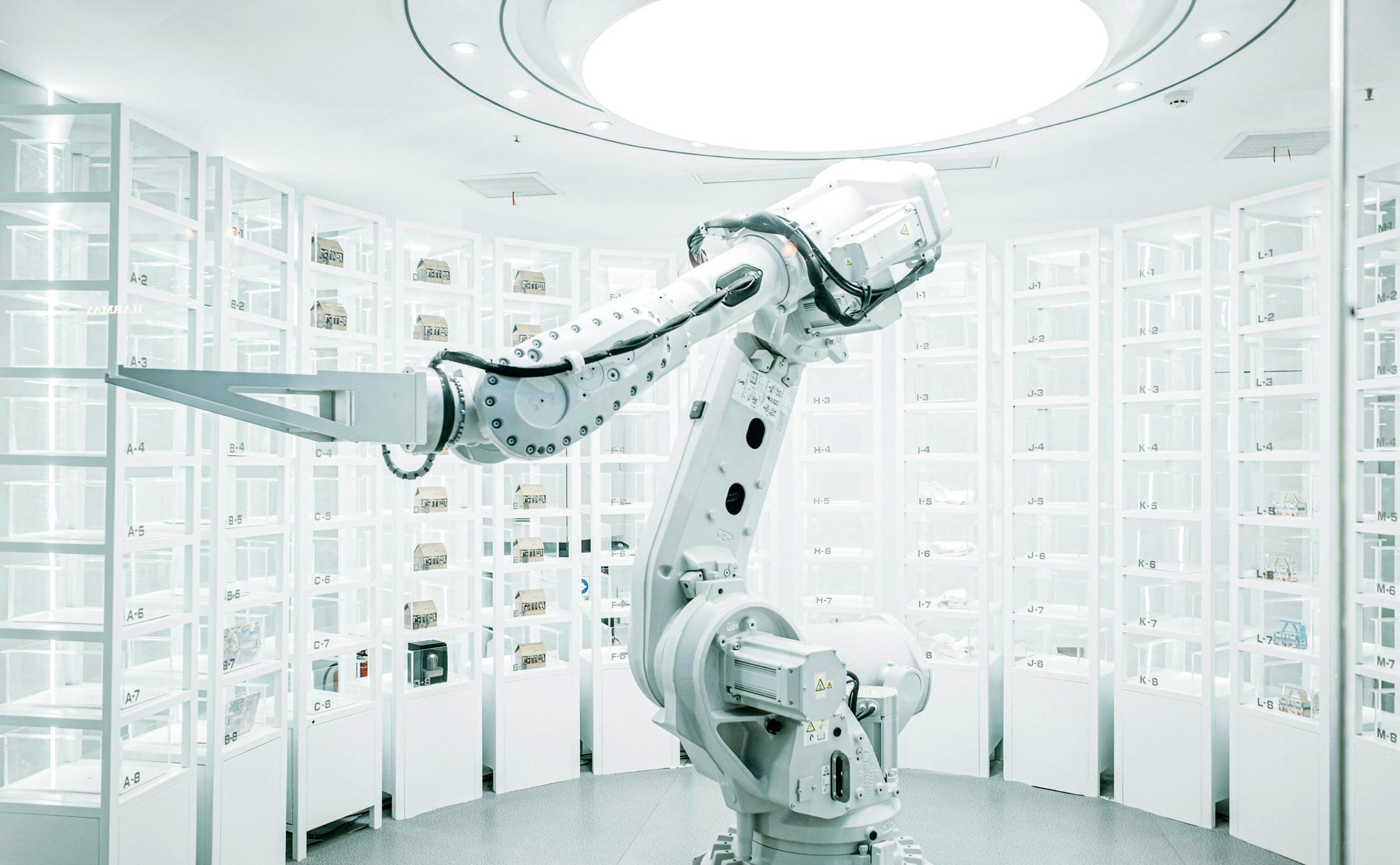
We are entering the age of physical agents. They’re robots in almost every imaginable form, from cars to delivery drones to humanoids, that act with judgment, learn from experience, and make decisions in real time. These aren’t the manufacturing robots or home vacuum bots of the past. We’re talking about general-purpose physical systems that navigate, adapt, and assist.
What becomes possible with this technology is staggering. Imagine solar construction crews made entirely of robots, building clean energy infrastructure on a scale we’ve never seen. In hospitals, bots will restock supplies, guide patients, and assist in or even perform surgeries. In cities, autonomous maintenance teams will easily repair roads, paint crosswalks, and manage traffic flow in real time. These machines won’t just improve individual tasks—they will help us reimagine how work is done in the physical world.
This shift will be bigger than most people expect. And faster. Not because the hardware suddenly got better—though it has—but because the software has crossed a critical threshold. And as software continues to advance, it will drive faster innovation cycles in hardware.
For the first time, we can give physical machines the kind of decision-making and planning capacity once reserved for humans. The bottleneck was machine intelligence, and now, as we can see from millions of Waymo rides, the technology is within reach.
At Obvious, we’re excited about the world positive applications of these physical agents. We’re not just chasing futuristic gadgets. We’re working on the nervous system for tomorrow’s change agents that will coexist with us, help us grow sustainably, and take on tasks that were previously off-limits to automation. If we get it right, it won’t just be new tech. It’ll be a new kind of infrastructure that transforms every industry and unlocks entirely new ones.
WHEELED ROBOTS
Used in transportation and construction to perform tasks like driving and bulldozing
QUADRUPED ROBOTS
Designed to navigate challenging terrains; suitable for tasks such as inspection or search and rescue
HUMANOID ROBOTS
Can complete many tasks that were previously achievable only by humans and require dexterous manipulation
AN ERA OF BREAKTHROUGHS
In a 2023 TED Talk, MIT Professor Pulkit Agrawal highlighted the core challenge in robotics with a simple question: What requires more intelligence, playing chess or opening a door? For machines, chess is easy, but opening a door is hard. This is an example of what’s known as Moravec’s paradox, a contradiction coined by the futurist and robotics professor Hans Moravec in the 1980s. Tasks that are easy for humans, like perception and sensorimotor maneuvering, are difficult for AI because they require enormous computational resources. Yet tasks humans find hard, like chess strategy
or a game of Go, require relatively little computation and are therefore much easier for AI.
Agrawal points to evolution to highlight the challenge of physical intelligence. Humans developed language in roughly 300,000 years and writing in just 6,000, but it took 6 million years to walk on two legs. Training language models is the easy part. Physical intelligence is far more complex. For robots, it’s not enough to simply see in 3D. They need to understand how objects behave, how touch and force work, and how to adapt on the fly in a world where every situation is slightly different.
Sensorimotor skills like walking are deeply difficult to develop, both for past humans and today’s machines.
This is why this moment is so groundbreaking. After millions of years of natural evolution and decades of AI development, we are finally witnessing the foundational breakthroughs that could enable robots to master the physical world and interact with our environments as seamlessly as we do.
ROBOTICS REBOOTED
Existing robotic systems have typically operated in highly structured environments, achieving success in tasks like vacuuming or automated storage and retrieval. Kiva Systems, now known as Amazon Robotics, demonstrated this in warehouses, where the settings are tightly controlled and the tasks narrowly defined. But those warehouse robots lacked the kind of physical intelligence that humans use without thinking, like knowing how to step over a puddle, choose a ripe peach, or fold a towel. These tasks depend on real-time sensory input and contextual understanding.
Today’s breakthroughs in robotics are driven by the same core technologies behind large language models. But while LLMs are trained on vast text datasets to predict the next word, robotic foundation models learn to predict the next physical action using video, simulation, and human demonstrations. These models represent a form of generative science—an emerging frontier we explored in last year’s World Positive Report—in which models are trained on real-world data.
The promise is similar: Just as an LLM can perform new tasks zero shot or few shot—that is, with little to no examples—robotic foundation models are beginning to show early signs of the same adaptability. Recent advances suggest they may soon be able to learn versatile, general-purpose skills and apply them to new tasks with almost no additional training.
To train these systems, roboticists are using three main strategies: simulation, imitation learning, and first-person video. In simulation, robots practice in
virtual environments, often gaining what would amount to years of experience in just a few hours. Imitation learning is where robots learn by observing human behavior. A common method is teleoperation, in which a human controls the robot directly while it learns by mimicking those actions. The third strategy uses first-person— or egocentric—video to show robots how humans move through the world and accomplish everyday tasks. Tesla is using this technique to train its household robots.
These new approaches are getting us closer to real physical reasoning. Researchers at Carnegie Mellon, MIT, and ETH Zurich have shown that quadruped robots can be trained in simulation to walk, navigate obstacles, and even trot through snow. Carnegie Mellon researchers took it further, training a robot to expertly run a parkour course by fusing perception and control systems. These same techniques are now being extended to humanoid robots, enabling them to perform complex tasks like dancing, loading dishwashers, or preparing food.
Some teams are focused on industrial applications, training robots to operate in warehouses and factories. Others are working to build systems that can rid us of mundane chores like folding laundry. Making these machines easy for humans to interact with is key. By combining LLMs with robotics systems, they can take natural language instructions and turn them into physical actions.
Dextrous manipulation and touch sensing will be the next frontier. Today, most end effectors—the tools robots use to grip or move things—are simple
grippers or suction devices, the rough equivalent of humans having chopsticks or vacuum hoses instead of hands. These tools can’t sense or interact with the world in a meaningful way. By comparison, the human hand has 27 degrees of freedom, around 17,000 touch receptors in the palm, and 3,000 in each fingertip. That’s what allows us to gently pick a strawberry or knit a pair of mittens, tasks robots are still far from performing. But that may soon change. At MIT, Professor Agrawal’s lab is developing robotic hands with built-in tactile sensing and training them in simulation to handle tasks once thought out of reach.
The investment community has noticed. Since late 2023, billions of dollars have flowed into embodied AI startups, despite the fact that very few of these new systems are yet in commercial deployment. Some observers see this as a bubble. But at Obvious, we see early signs of a historic inflection point. Amazon now has more robots than humans in its warehouses, a milestone that signals just how quickly automation is scaling. If robots can generalize across tasks, the upside is enormous. Morgan Stanley estimates that the humanoid robotics market alone could be worth $5 trillion by 2050, about half the total U.S. wage base and more than the combined earnings of all workers in manual and industrial jobs today. The economic effect of these agents will be transformative.
DANGEROUS, INFLATIONARY, AND SCARCE
The jobs most ready for automation are unsafe or hard to fill. They’re the kinds of work humans can’t, shouldn’t, or don’t want to do but the world urgently needs. Robotics offers a solution not just to efficiency but to deeper challenges in labor, safety, and cost.
In logistics, for example, robots are already reshaping warehouse operations. Obvious portfolio company Dexterity designs systems that handle high-risk, high-fatigue tasks like truck loading, box sorting, and palletizing. It’s not just about speed. Box movers experience some of the highest injury rates of any job sector.
In agriculture, autonomous systems are flying, planting, and picking with greater precision and at a lower cost. Obvious company Pyka builds pilotless planes that fly low to efficiently spray crops,
one of the most dangerous jobs in farming, with both high fatalities from crashes and high incidence of cancer among pilots from exposure to pesticides.
These are pragmatic answers to real-world constraints. As demand outpaces labor in critical industries, robotics isn’t about replacing people— it’s about making sure essential work gets done. These systems can scale care in aging societies. They can accelerate the clean energy transition. They can feed a growing population. It’s not hard to imagine a future where robotic intelligence is no longer a novelty but a necessity.
It’s exciting to consider the entirely new kinds of human work this innovation could unlock in robotic design, manufacturing, operation,
LABOR CATEGORIES WITH HIGH DEATH RATES
and maintenance. Some traditional jobs will fade, and not everyone will make the leap easily. That’s been true for every major technological shift, from the printing press to the steam engine to the internet. Goldman Sachs estimates that only 40% of today’s jobs existed in 1940. We believe a similar wave of new roles will emerge as AI reshapes industries.
If we manage this transition with foresight, the outcome can be a net positive: a more resilient economy where fewer people do dangerous or exhausting work and more find purpose in fulfilling, high-leverage careers.
NUMBER OF FATAL WORK INJURIES, U.S. BUREAU OF LABOR STATISTICS, 2020
HOW WE GET IT RIGHT
Giving machines the ability to act in the physical world is more than a technical achievement. It comes with a moral responsibility. When they’re deployed responsibly, these systems will move through our cities, our hospitals, even our homes. If something goes wrong, they can risk lives and property.
We’ve seen what happens when powerful technologies move faster than our ability to shape them. Social media redrew the map of human communication but also boosted misinformation and social divides. Crypto promised financial freedom but often delivered volatility, scams, and regulatory confusion. In both cases, we didn’t ask the right questions early enough.With robotics, we still have time to act with foresight. That means
setting ethical benchmarks before the technology scales beyond reach. At Obvious, we’ve written previously about the E-T-H-I-C-S checklist for responsible AI—systems that are explainable, transparent, human-centered, inclusive, civil, and sustainable. This framework applies to both the digital and the physical world.
We should expect robots to be safe not just in ideal conditions but in messy, unpredictable ones. That means building systems with redundancy, with the ability to pause or hand back control, and with thoughtful testing that anticipates how things can go wrong— not just how they’re supposed to go right. That’s hard to do in a world as chaotic as ours. But it’s also what this moment calls for. We still have a window to
build these systems with care, invest in them thoughtfully, and regulate them responsibly before momentum outpaces caution.
Change often begins quietly—gradually at first, then suddenly exponential. Robotics feels like one of those shifts. The rate of change is accelerating as new capabilities emerge every day. The choices we make now will shape how we work, care for one another, and live alongside intelligent machines. What we build today will define the next era of human possibility.
MEET THE OBVIOUS CHAMPIONS MEET THE OBVIOUS MEET THE OBVIOUS MEET THE OBVIOUS MEET THE OBVIOUS MEET THE OBVIOUS MEET THE OBVIOUS MEET THE OBVIOUS MEET THE OBVIOUS MEET THE OBVIOUS

THE CHANGE AGENTS AND LEADERS HELPING US BUILD A WORLD POSITIVE FUTURE
MANY COMPANIES DREAM OF HAVING A TRUSTED ADVISER IN THEIR CORNER, SOMEONE WHO BRINGS CLARITY, EXPERIENCE, AND A FRESH PERSPECTIVE TO OPPORTUNITIES AND CHALLENGES IN THEIR FIELD. AT OBVIOUS, WE DON’T
HAVE JUST ONE. WE HAVE 17, AND WE CALL THEM CHAMPIONS.
Launched in 2022, our Champions initiative continues to thrive, connecting inspiring individuals committed to real impact with the next generation of founders and builders pursuing big ideas. Across our three core pillars—Planetary Health, Human Health, and Economic Health—our Champions act as mentors, motivators, and trusted sounding boards. Together, they help Obvious shape the next generation of world positive companies.
CHAMPION / CHAM·PI·ON
AS A NOUN, A CHAMPION IS SOMEONE WHO SHOWS MARKED SUPERIORITY.
AS A VERB, IT’S TO PROTECT OR FIGHT FOR A CAUSE. OBVIOUS CHAMPIONS COACH FOUNDERS, CONNECT COMPANIES TO INFLUENTIAL INDUSTRY NETWORKS, AND HELP SHARPEN OUR PORTFOLIO’S LONG-TERM THESIS AND VALUES.
WHAT EXCITES YOU ABOUT OBVIOUS’ WORLD POSITIVE MISSION?
CHAMPION Q&A: JULIE BLUNDEN , FORMER COO OF PLUS POWER AND VETERAN EXECUTIVE IN ENERGY STORAGE AND RENEWABLE MARKETS
Everyone I talk to, no matter their age, wants to contribute to building a better world. When you grow a startup, you need great, motivated people. Obvious represents the supply side of VCbacked businesses and demonstrates how to invest in bringing world positive ideas to fruition.
CHAMPION Q&A:
WHAT EXCITES YOU ABOUT OBVIOUS’ WORLD POSITIVE MISSION?
The belief that leaving a positive impact is good business. I’ve worked across sectors—from health to financial services—and Obvious consistently backs founders who are solving real problems at scale, not exploiting gaps in the system. That commitment to building with integrity is what makes the mission enduring.
JOANNE BRADFORD , FORMER EXECUTIVE AT DOMAIN MONEY, HONEY, SOFI, AND MICROSOFT
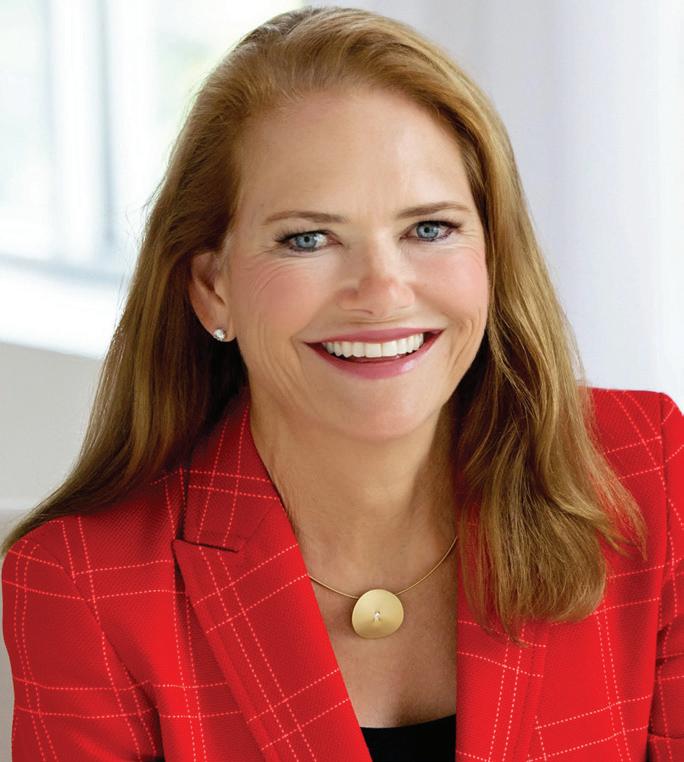
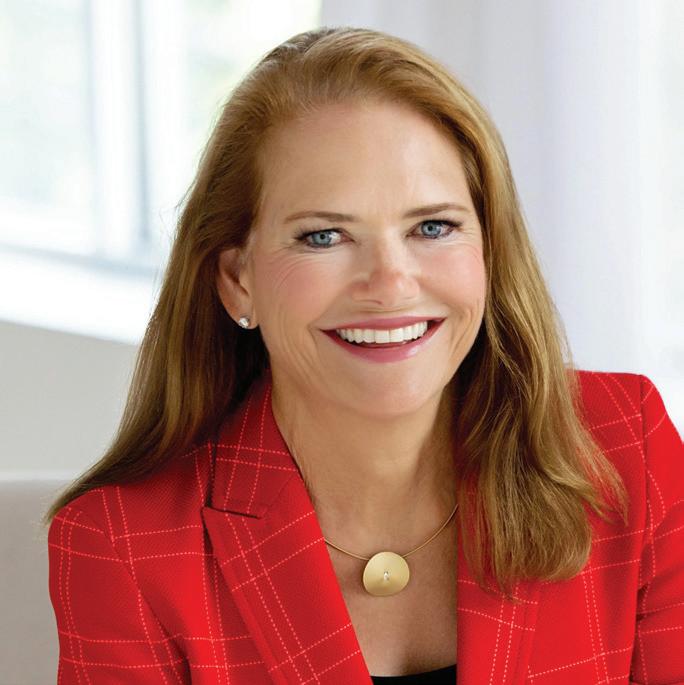
AMY ABERNETHY, MD
ADVISES OBVIOUS ON CLINICAL TRIAL INNOVATION, PATIENT-CENTERED TECHNOLOGIES, AND HOW TO RESPONSIBLY SCALE HEALTH PLATFORMS
Co-founder of Highlander Health and formerly served as president of Verily Life Sciences and as principal deputy commissioner of the U.S. Food and Drug Administration. An oncologist, she has been a national leader in modernizing health data systems across both government and industry.
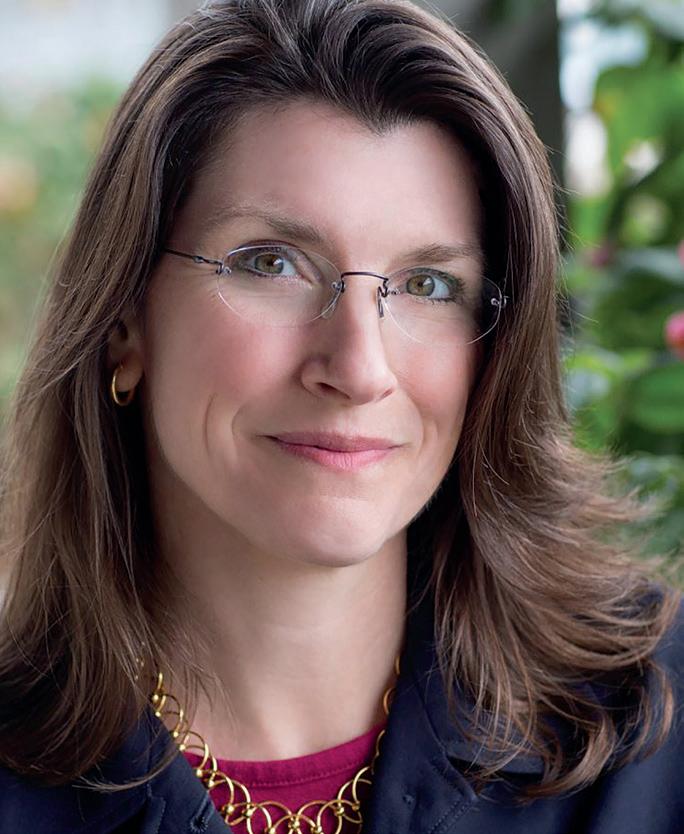
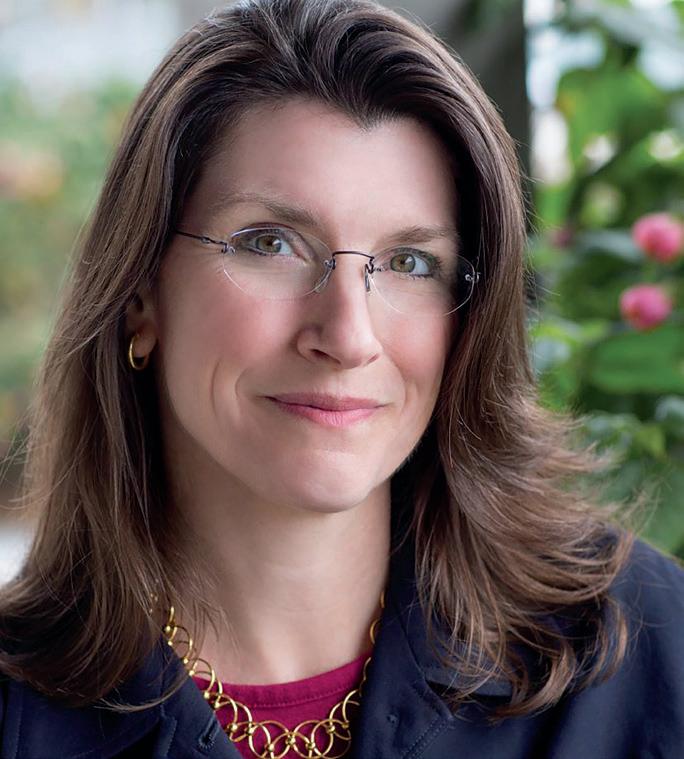
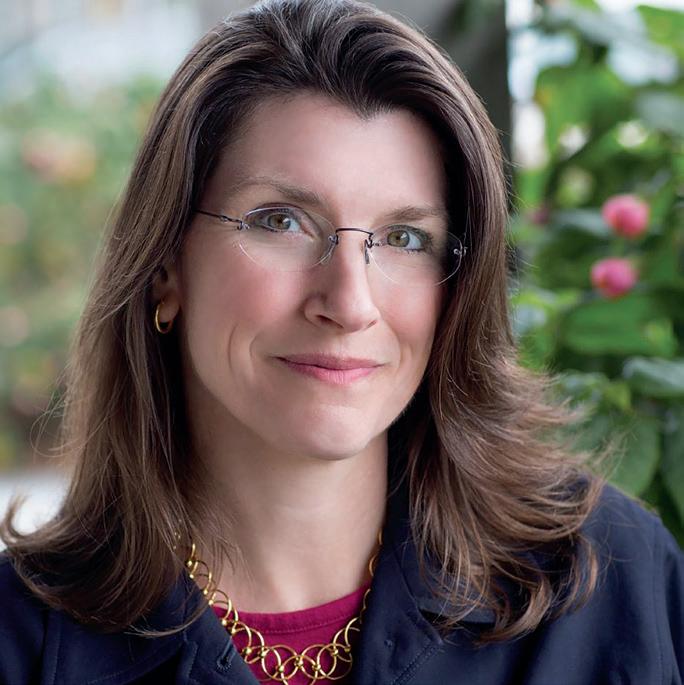
JULIE BLUNDEN
GUIDES OUR THINKING ON GRID MODERNIZATION, UTILITY-SCALE BATTERY DEPLOYMENT, AND THE INFRASTRUCTURE NEEDED FOR A CARBON-FREE ECONOMY
Former COO of Plus Power with senior leadership roles at SunPower, EVgo, and the ClimateWorks Foundation. With decades of experience in battery storage and renewable energy, she’s helped shape some of the U.S.’s most ambitious clean energy projects.
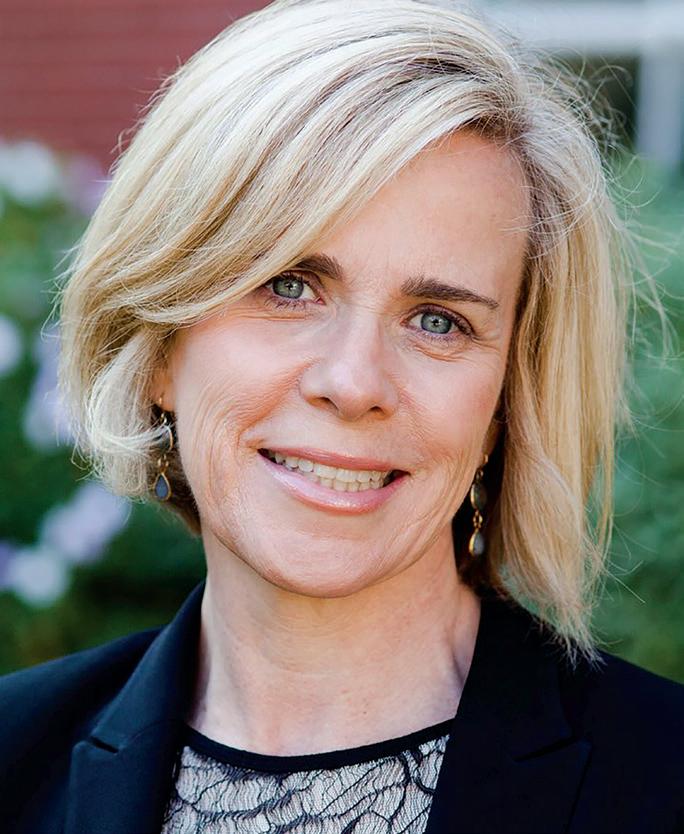
JOANNE BRADFORD
SUPPORTS OBVIOUS WITH DEEP KNOWLEDGE OF CONSUMER TRUST, FINANCIAL WELLNESS PLATFORMS, AND HOW TO SCALE MISSION-ALIGNED PRODUCTS
Former senior executive at Domain Money, Honey, SoFi, and Microsoft. With a career that spans media, fintech, and brand strategy, she brings deep experience building consumer trust and scaling mission-driven companies.
CHAMPION Q&A:
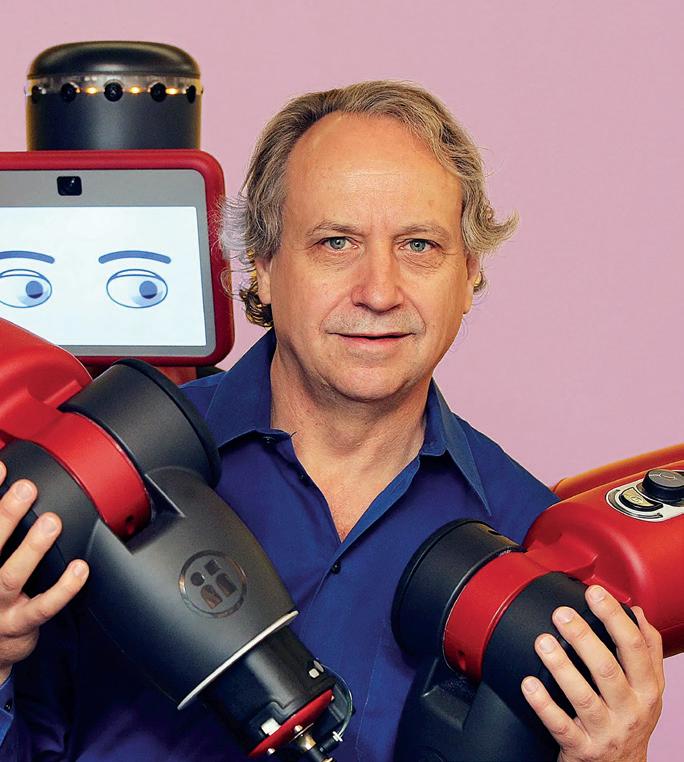
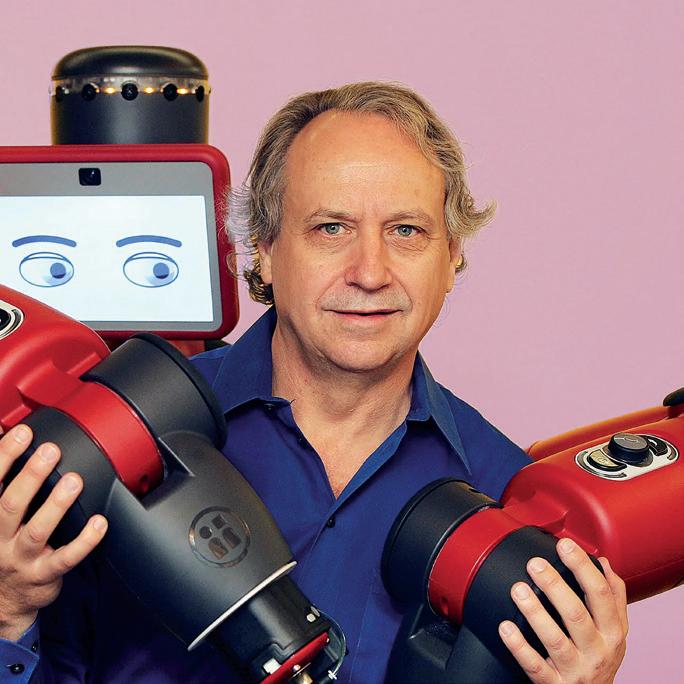
RODNEY BROOKS
GUIDES OUR WORK ON EMBODIED AI, HELPING EVALUATE THE REAL-WORLD SAFETY, AUTONOMY, AND USABILITY OF INTELLIGENT MACHINES
Co-founder and CTO of Robust.AI and previously founded both iRobot and Rethink Robotics. A pioneer in robotics and AI, he has spent decades exploring how intelligent machines can safely and effectively integrate into the human world.
HOW HAVE YOU ADVISED OBVIOUS COMPANIES?
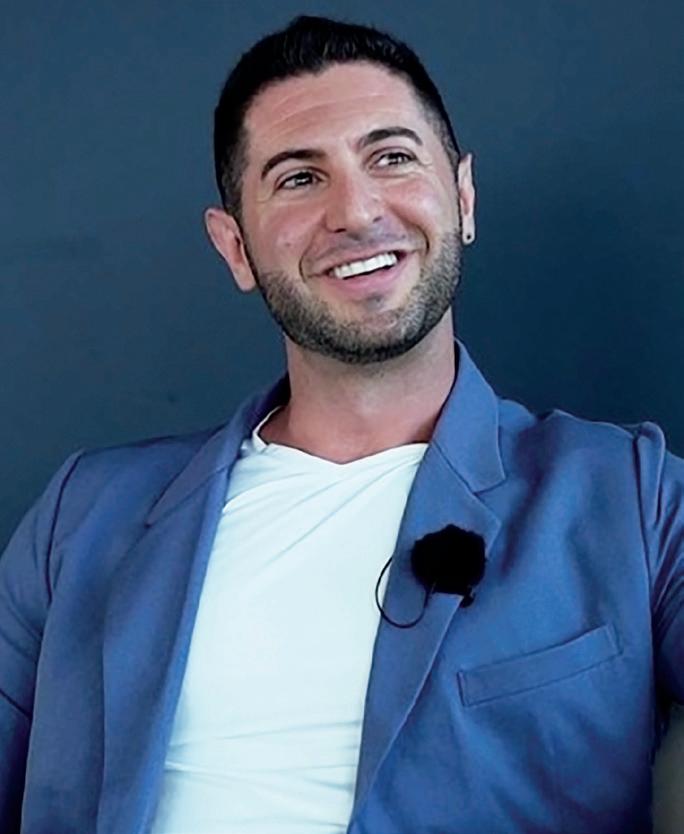
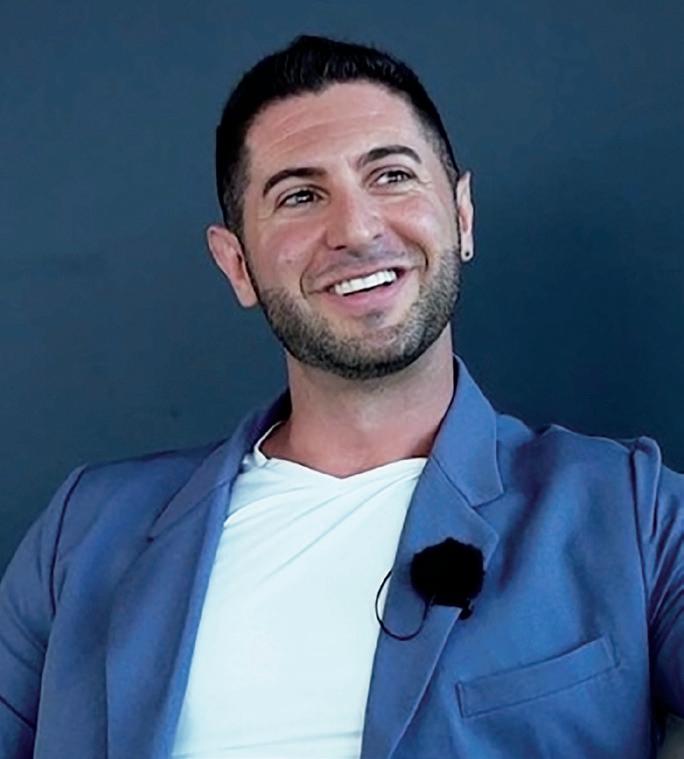
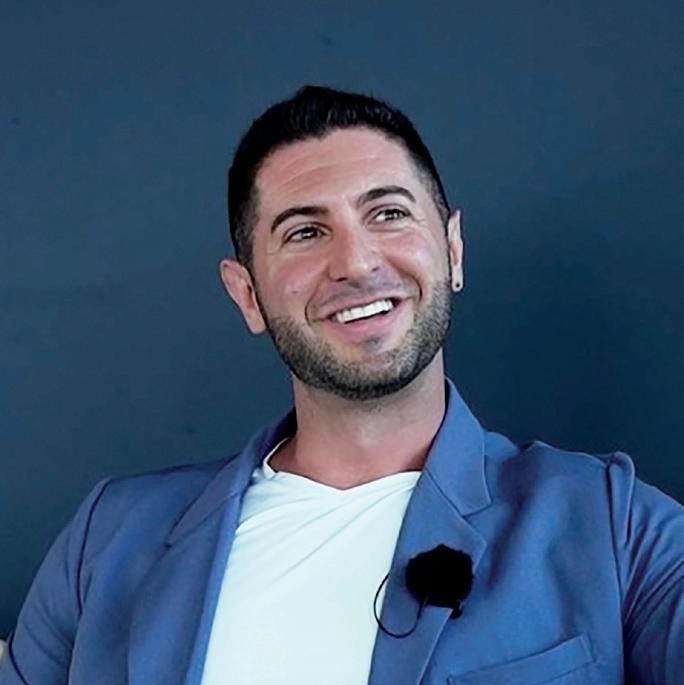
MICHELE CATASTA, PHD
ADVISES OBVIOUS ON FRONTIER AI CAPABILITIES, RESEARCH STRATEGY, AND HOW NEW TECHNOLOGIES CAN ACCELERATE LEARNING, CREATIVITY, AND EQUITABLE ACCESS TO OPPORTUNITY
CTO of Replit and previously led applied research at Google X. A specialist in knowledge engineering and machine learning, he focuses on building AI systems that expand creativity, access, and developer empowerment.
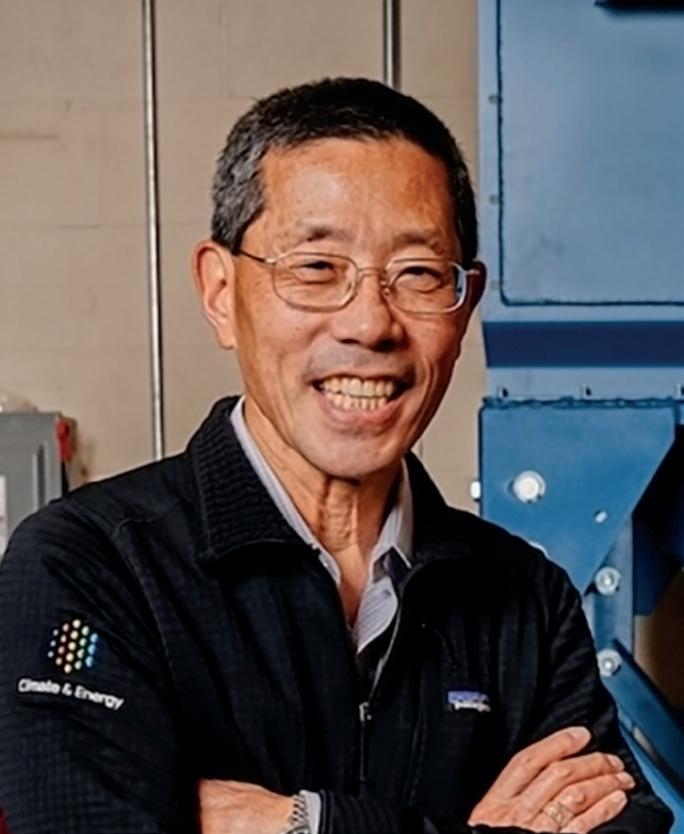
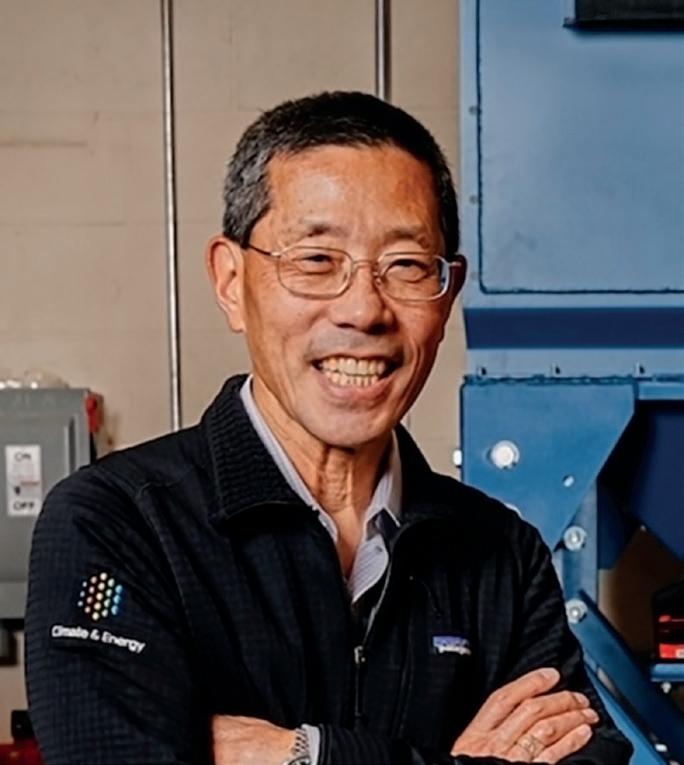
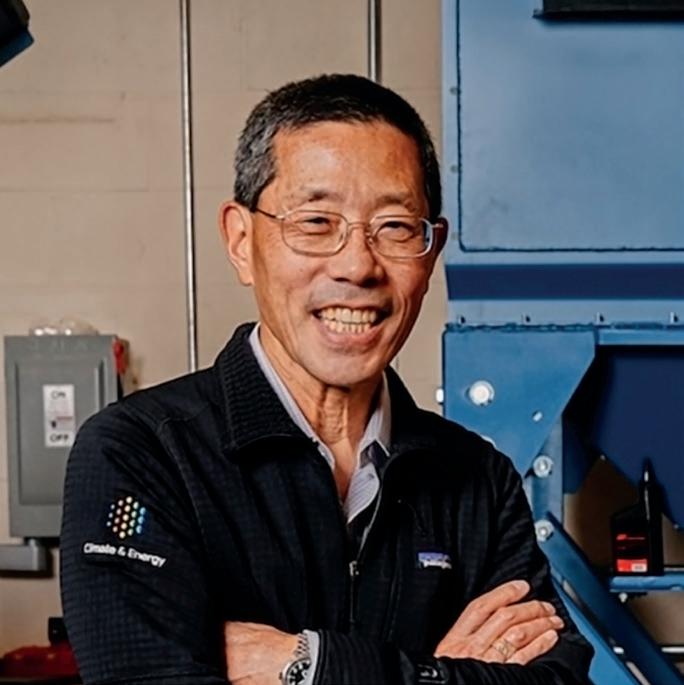
YET-MING CHIANG, PHD
ADVISES ON SCALING FRONTIER TECHNOLOGIES, ESPECIALLY AROUND ENERGY STORAGE, BATTERY CHEMISTRY, AND HARD TECH COMMERCIALIZATION
Professor of materials science at MIT and co-founder of multiple energy and manufacturing startups including Desktop Metal, A123 Systems, and Form Energy. His work bridges breakthrough science and scalable climate solutions.
I’ve helped Obvious companies on brand, go-to-market strategy, and executive hiring. I focus on helping founders grow without losing the soul of the business. It’s a privilege to help shape companies that are scaling with purpose, not just speed.
JOANNE BRADFORD , FORMER EXECUTIVE AT DOMAIN MONEY, HONEY, SOFI, AND MICROSOFT
CHAMPION Q&A:
WHAT EXCITES YOU ABOUT OBVIOUS’ WORLD POSITIVE MISSION?
What sets Obvious apart is that it doesn’t lead with financial returns— it leads with impact. That’s rare and incredibly refreshing. Around the table at Obvious, whether it’s in conversations with partners, portfolio founders, or my fellow Champions, are people I admire, people I enjoy, and people who ask the right kinds of questions. The energy is intellectual but also deeply values-driven.
SACHIN H. JAIN , PRESIDENT AND CEO OF SCAN GROUP AND FORMER CEO OF CAREMORE HEALTH
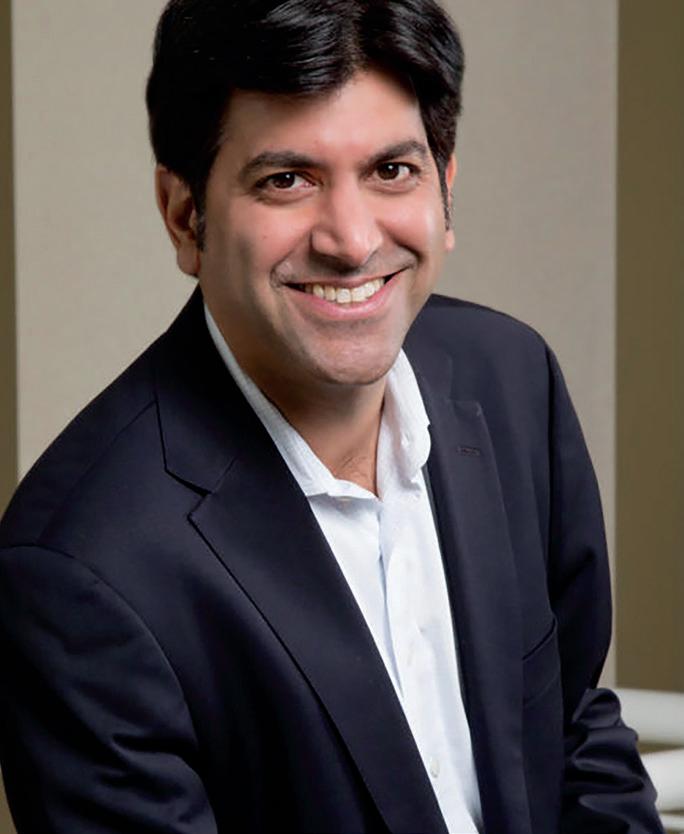
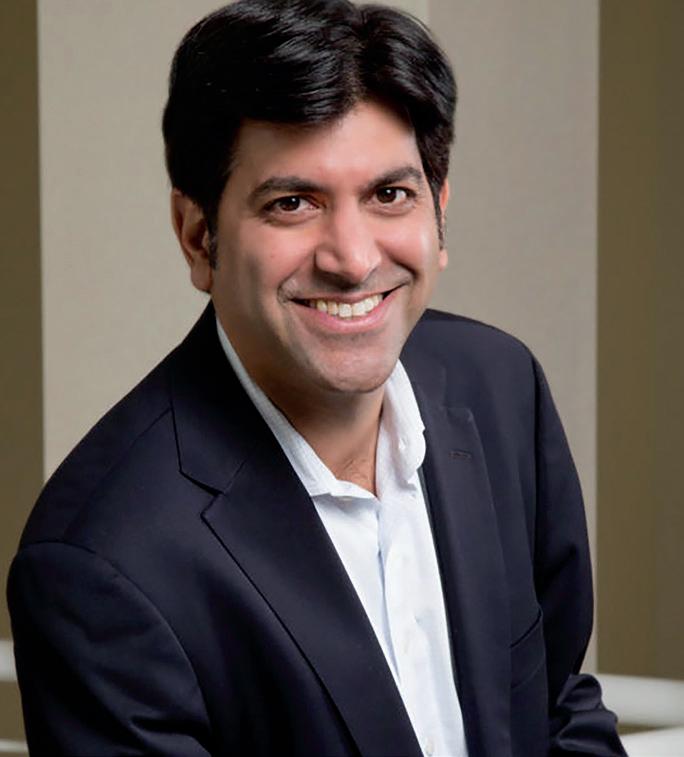
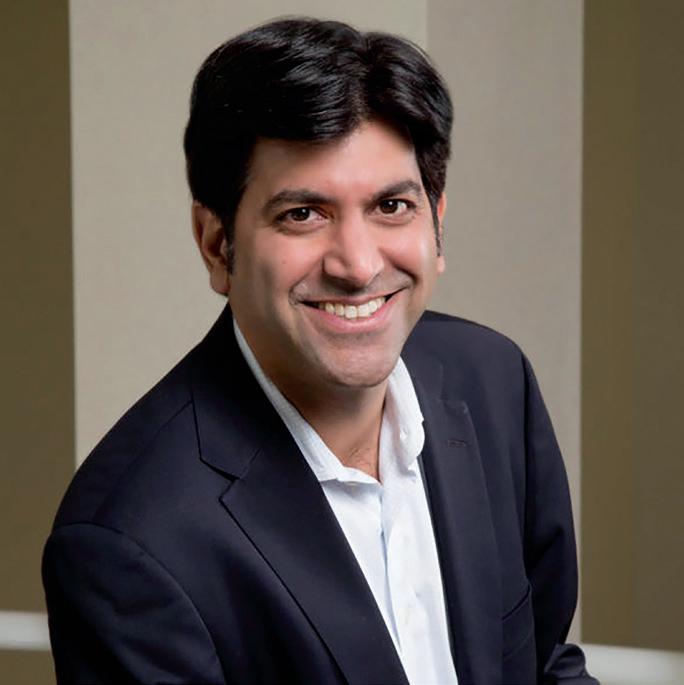
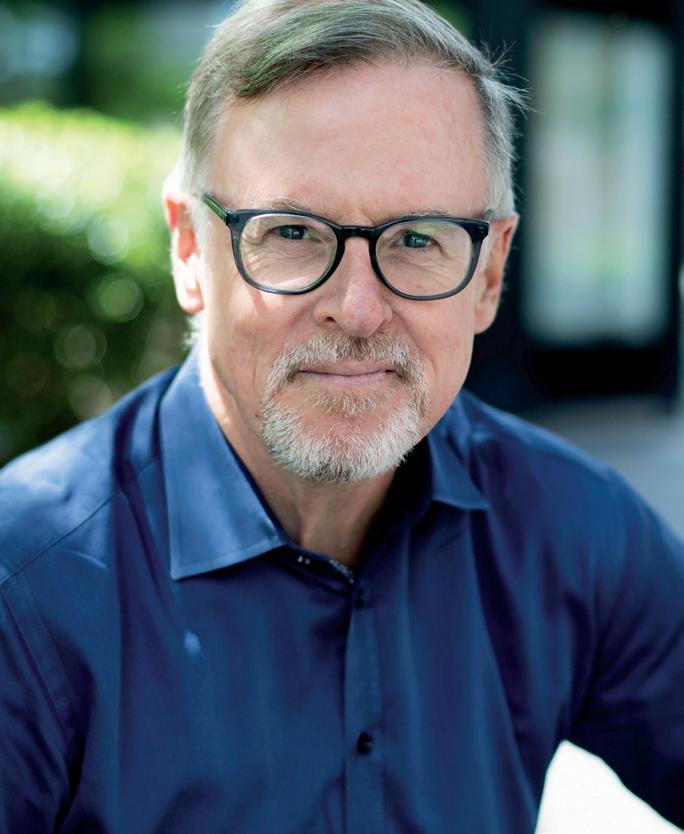
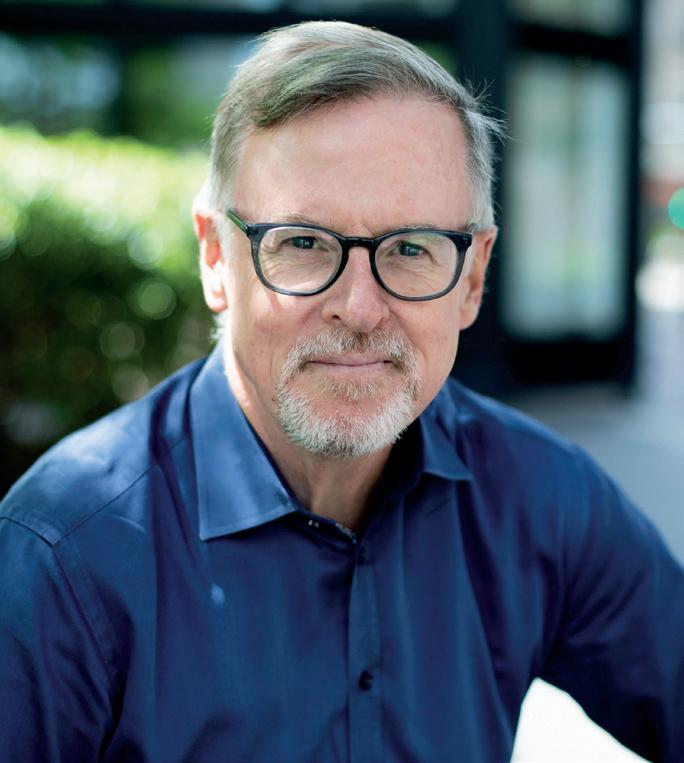
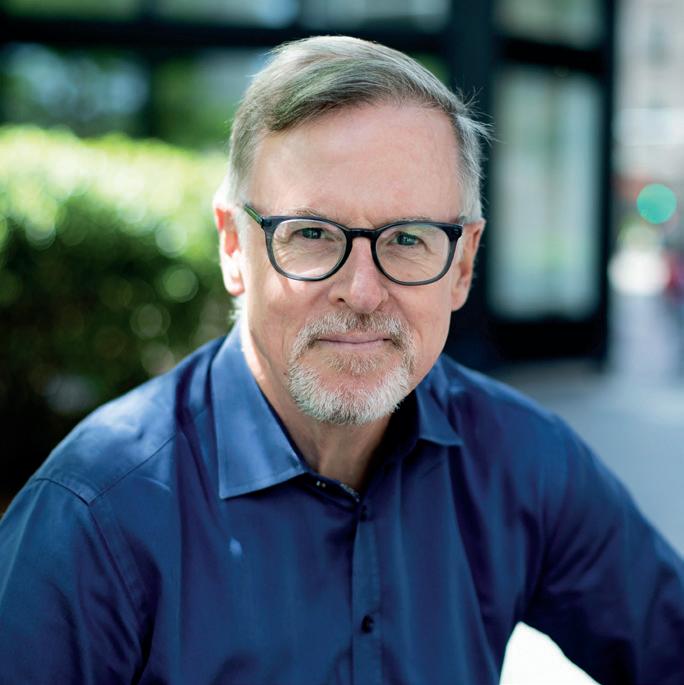
ANEESH CHOPRA
SUPPORTS STRATEGY ON HEALTH DATA, OPEN STANDARDS, AND HOW DATA TRANSPARENCY CAN DRIVE EQUITY IN HEALTH AND FINANCE
America’s first U.S. chief technology officer, appointed by President Obama. Now chief strategy officer at Arcadia, he has long championed open data, equitable tech infrastructure, and the power of innovation in public service.
PHIL EDMUNDSON
SUPPORTS OUR WORK IN RISK, RESILIENCE, AND REGULATORY STRATEGY, ESPECIALLY WHERE INNOVATION MEETS COMPLEX GOVERNANCE FRAMEWORKS
Longtime leader in commercial insurance and a pioneer in InsurTech. He founded Corvus Insurance, now a major player in cyber risk, and currently serves as managing partner at Edmus Ventures, where he invests at the intersection of technology and risk.
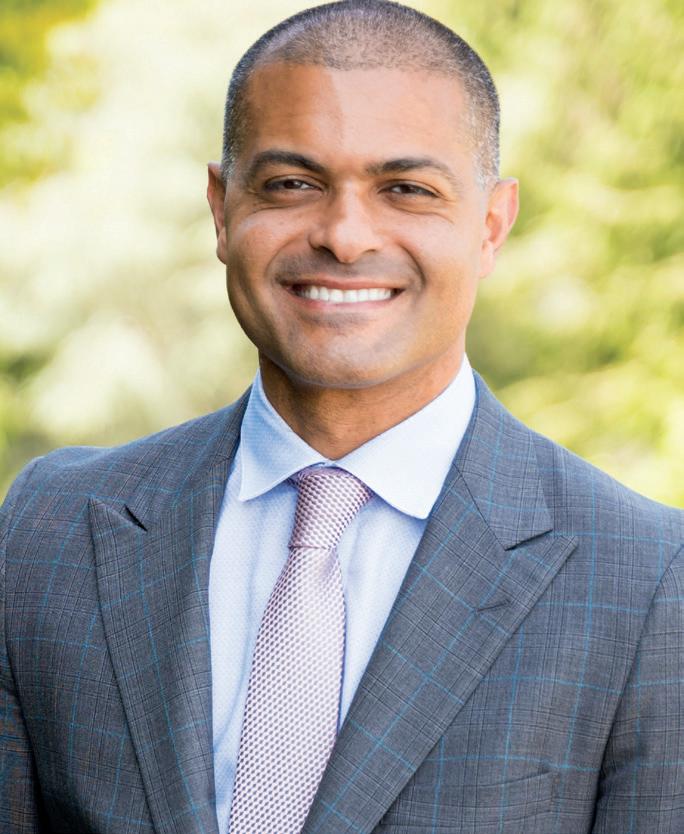
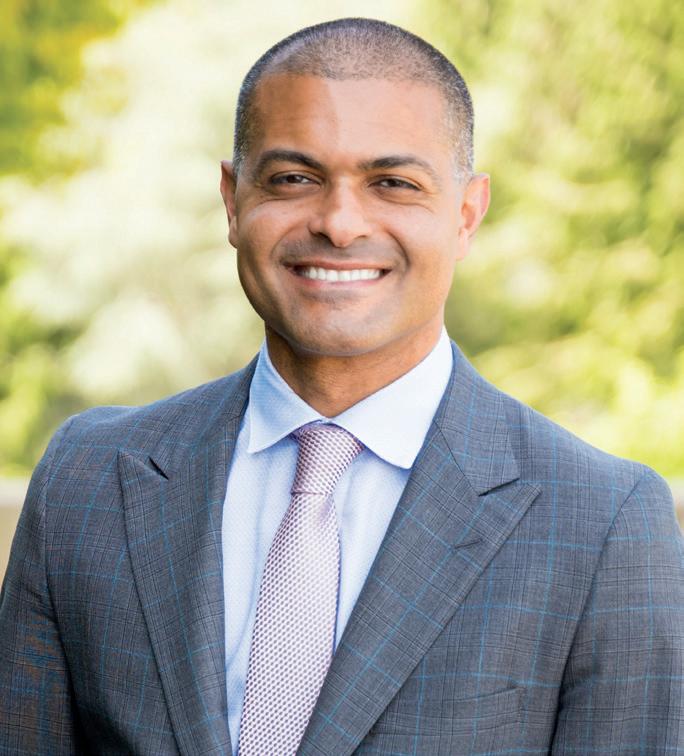
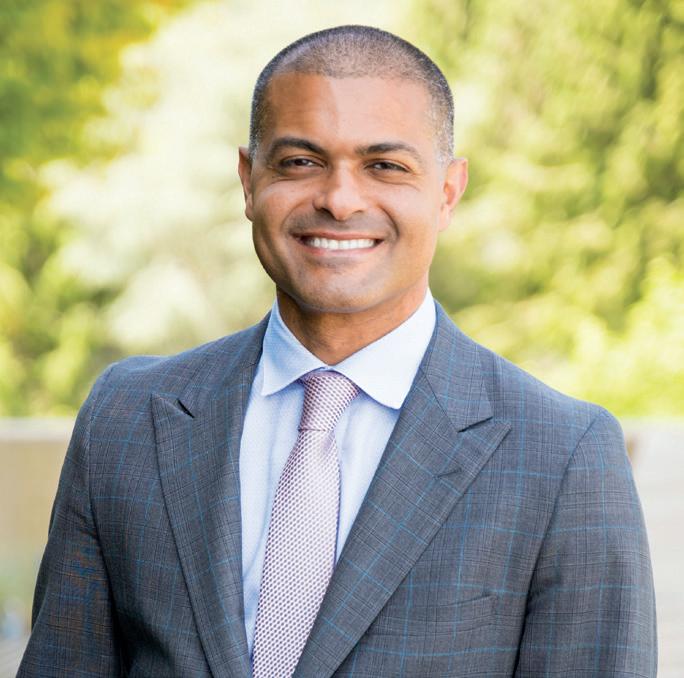
SHEREEF ELNAHAL, MD
ADVISES ON THE TRANSFORMATION OF LARGE-SCALE CARE SYSTEMS, PUBLIC HEALTH READINESS, AND OPERATIONAL SCALING OF MISSION-DRIVEN HEALTHCARE
A physician-executive with experience leading both federal and clinical healthcare systems. He served as the U.S. under secretary of veterans affairs for health and was previously CEO of University Hospital in Newark, NJ.
CHAMPION Q&A:
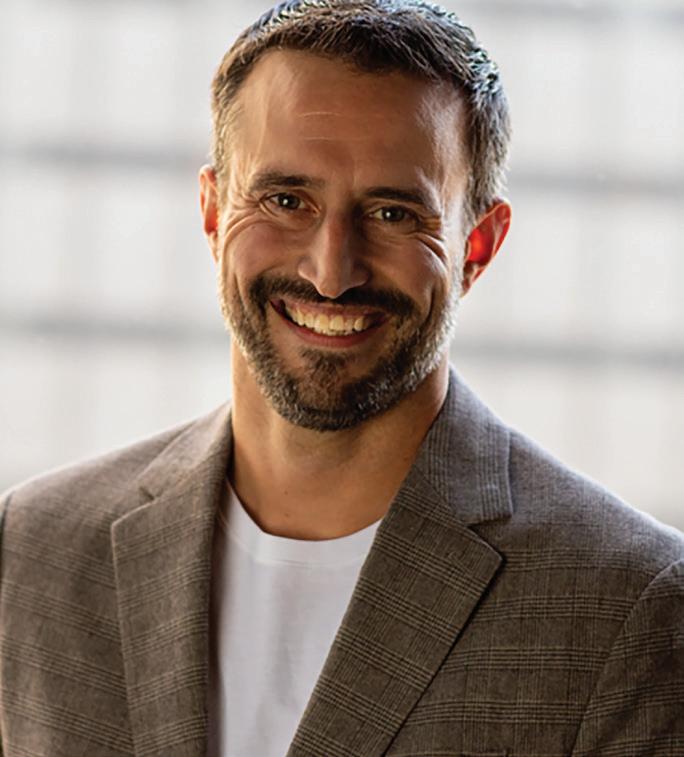
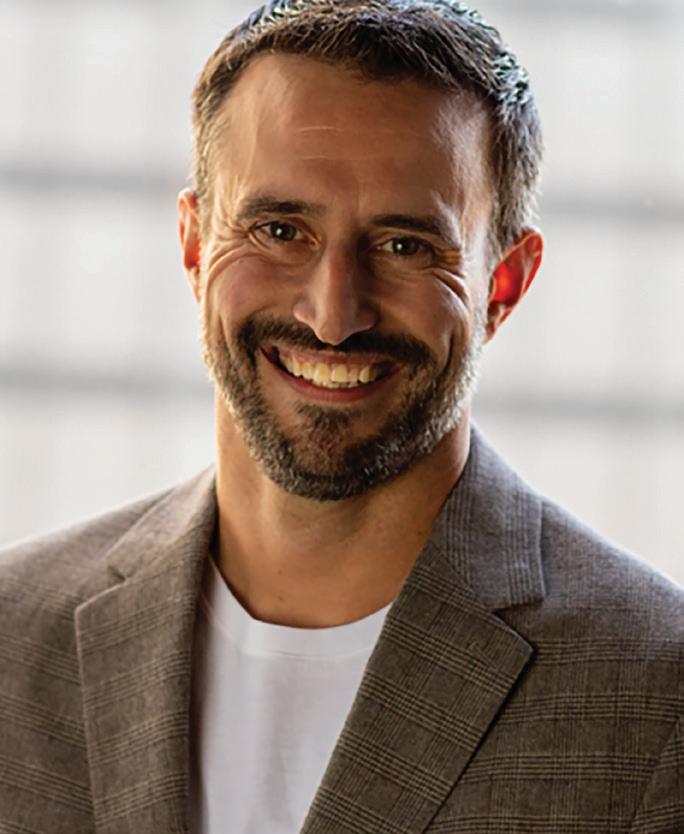
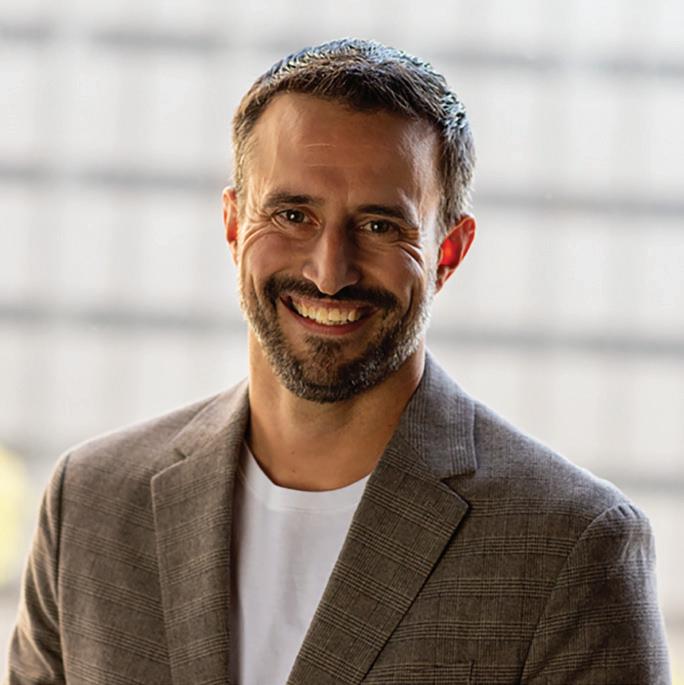
BRIAN HAMILTON
HELPS US EXPLORE THE FUTURE OF INCLUSIVE BANKING, FINTECH FOR UNDERSERVED COMMUNITIES, AND HOW TO BUILD TRUST IN EVOLVING FINANCIAL SYSTEMS
President of Coastal Community Bank and co-founder of the digital finance platform OnePay. With a career that spans both traditional banking and fintech, he focuses on expanding access to financial tools and building systems that serve underserved communities.
HOW HAVE YOU ADVISED OBVIOUS COMPANIES?
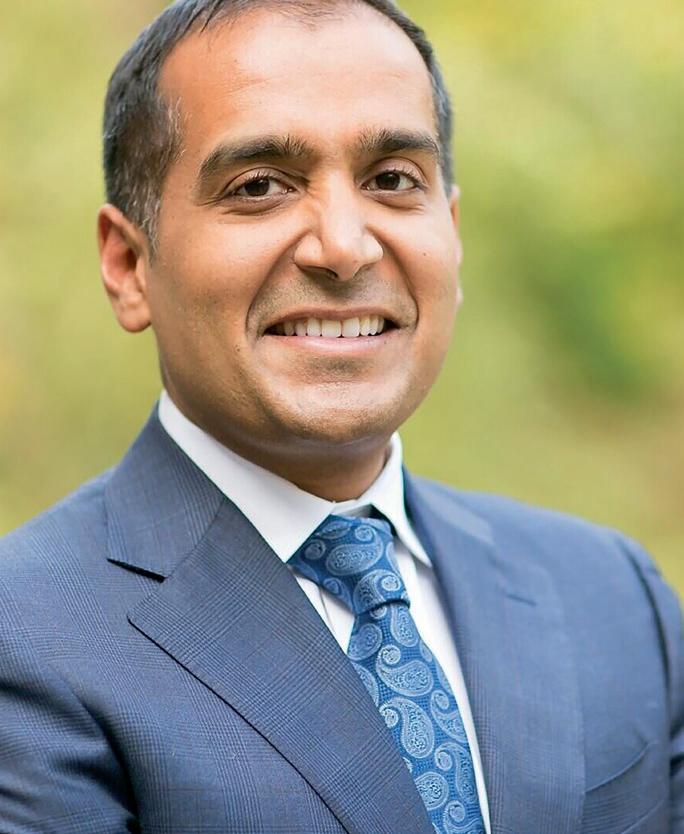
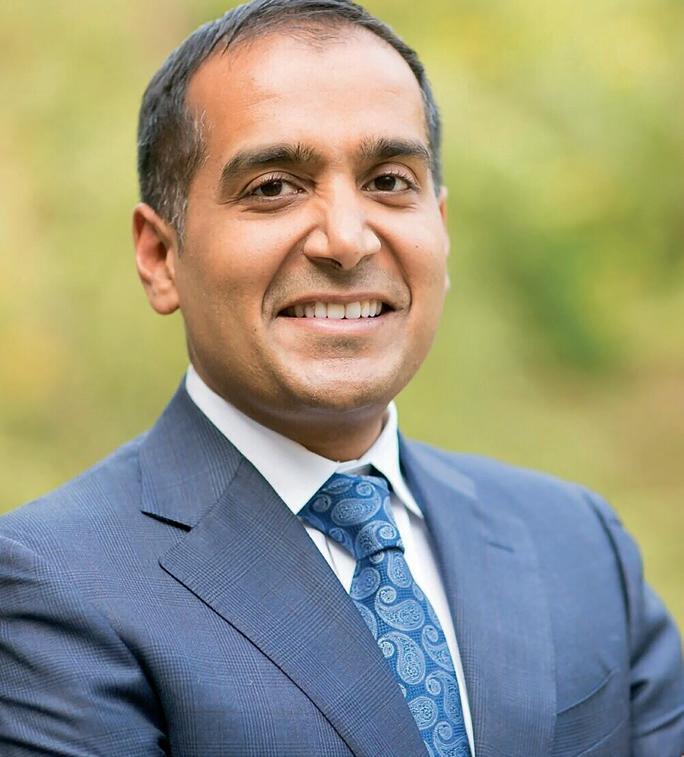
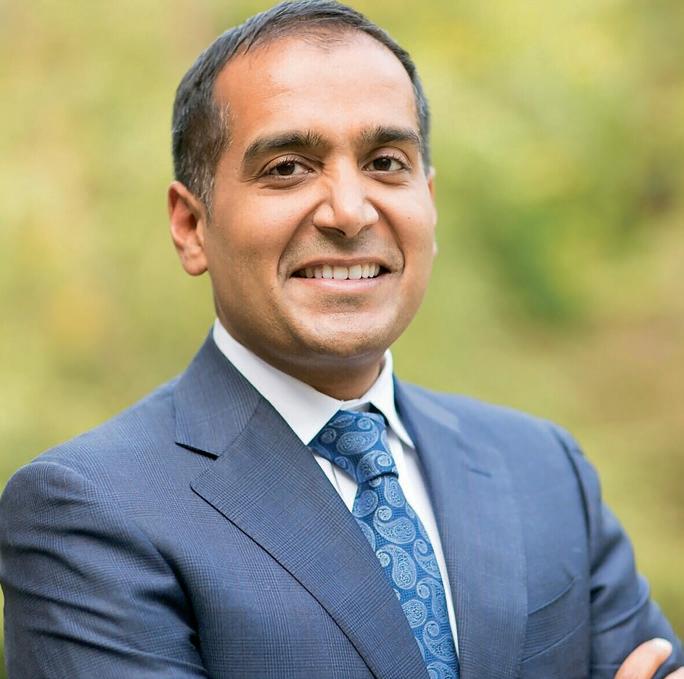
SACHIN H. JAIN, MD
HELPS SHAPE OUR STRATEGY AROUND SENIOR CARE, VALUE-BASED MEDICINE, AND MISSIONALIGNED HEALTHCARE BUSINESS MODELS
President and CEO of SCAN Group and former CEO of CareMore Health. A physician and seasoned healthcare leader, he is known for building scalable, compassionate care models that serve aging populations with dignity, efficiency, and empathy.
GLENN KELMAN
ADVISES ON TRANSFORMING LEGACY INDUSTRIES, CONSUMER EMPOWERMENT, AND THE LONG ARC OF EQUITY IN ACCESS TO HOMES AND WEALTH
CEO of Redfin and a leader in real estate innovation for more than two decades. He’s known for using technology to make housing more transparent, efficient, and equitable and for challenging entrenched norms in the real estate industry.
Most recently, I spent time with the teams at Womaness and MIXT helping shape brand strategy, product positioning, and customer experience. My sweet spot tends to be at the intersection of design and storytelling, so I’m usually brought in when a company is defining or refining its voice. I love those early moments when the right brand decision can unlock real momentum.
ERIC RYAN , CO-FOUNDER OF METHOD, OLLY, AND WELLY
CHAMPION Q&A:
HOW HAS MENTORSHIP SHAPED YOUR LIFE AND CAREER?
Mentorship is crucial. For a long time I had sponsors but not mentors. Sponsors were people promoting my name in rooms when I wasn’t there, but I didn’t have anyone to talk to and strategize my challenges. Now I have mentors. I formed my personal board of directors when I was an SVP and have gotten critical career guidance from them. Being an Obvious Champion lets me pay that mentorship forward for the next generation of leaders and big ideas.
RICHELLE PARHAM , PRESIDENT OF GLOBAL E-COMMERCE AT UNIVERSAL MUSIC GROUP AND FORMER CMO AT EBAY
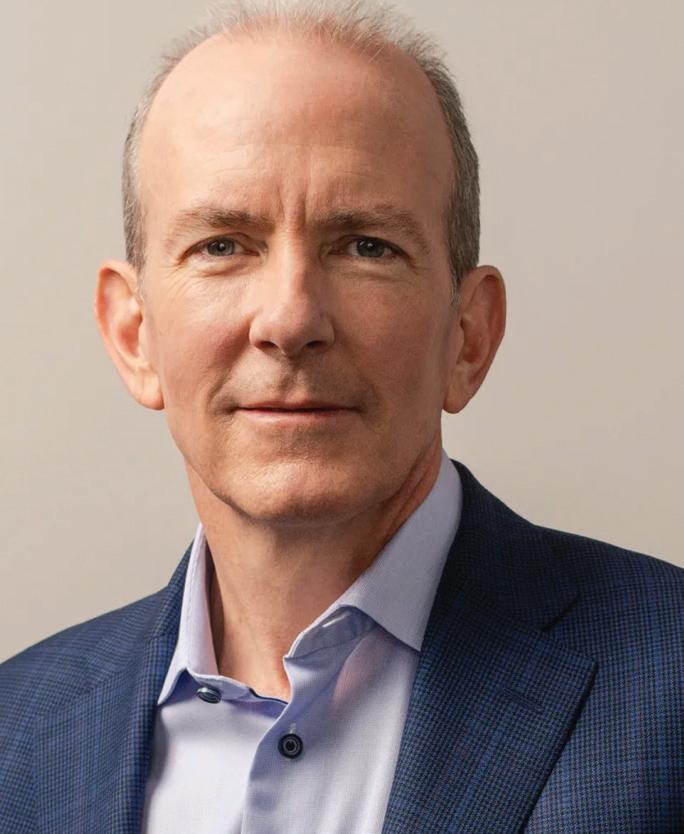
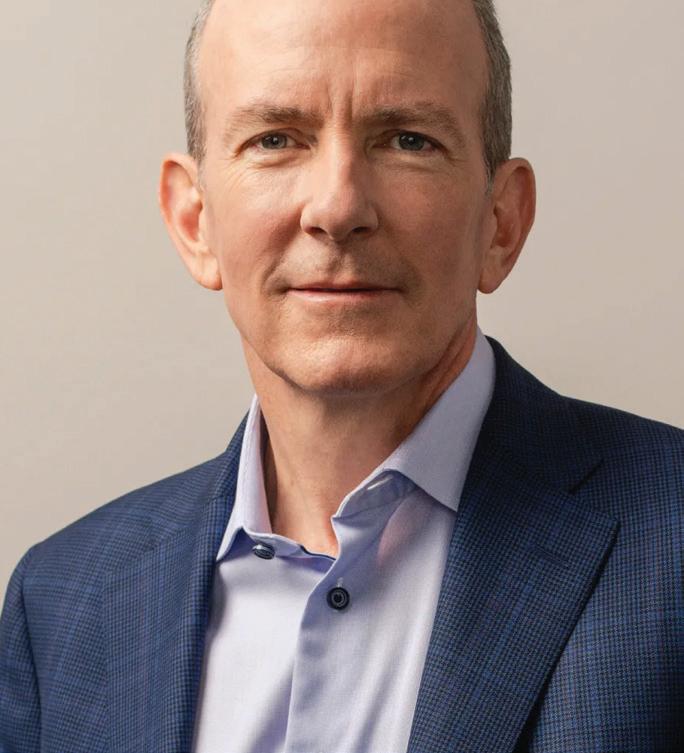

RENÉ LACERTE
SHARES INSIGHT ON PAYMENTS INFRASTRUCTURE, SMALL BUSINESS ENABLEMENT, AND HOW TO BUILD DURABLE PLATFORMS THAT SUPPORT ENTREPRENEURSHIP AT SCALE
Founder and CEO of BILL, a leading payments platform for small and midsized businesses. A veteran fintech entrepreneur, he’s known for building durable systems that simplify business operations and help companies grow from the ground up.
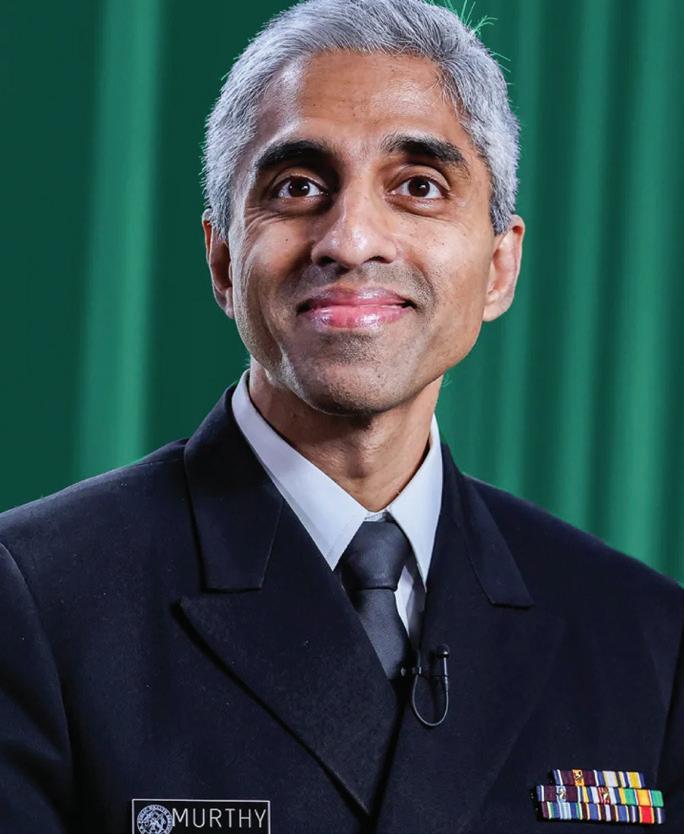
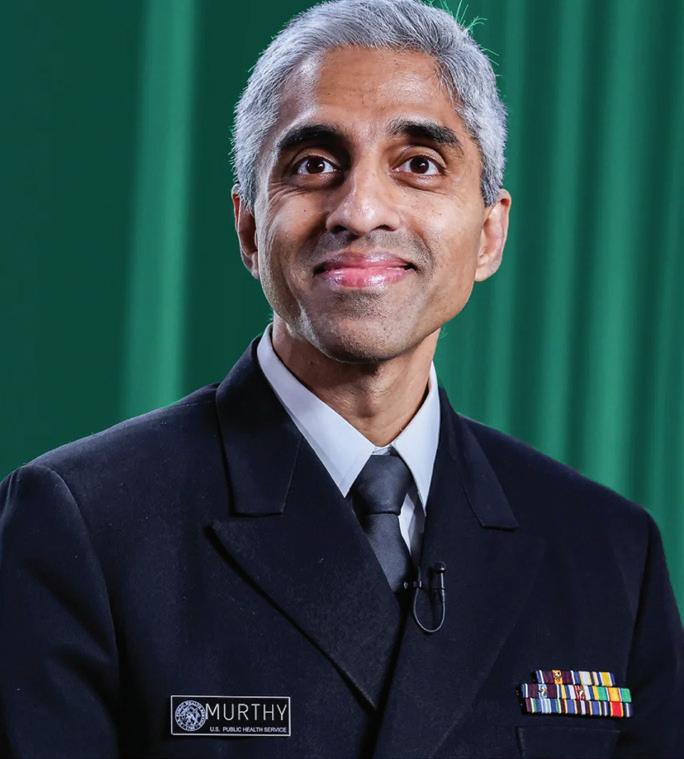
VIVEK MURTHY, MD
PROVIDES STRATEGIC GUIDANCE ON PUBLIC HEALTH, MENTAL HEALTH INNOVATION, AND EMBEDDING EQUITY AND COMPASSION INTO HEALTHCARE SYSTEMS
Two-time U.S. surgeon general under Presidents Obama and Biden and former co-chair of the president’s COVID-19 Advisory Board. He is a national voice for public health, with a focus on mental well-being, connection, and equity in healthcare systems.
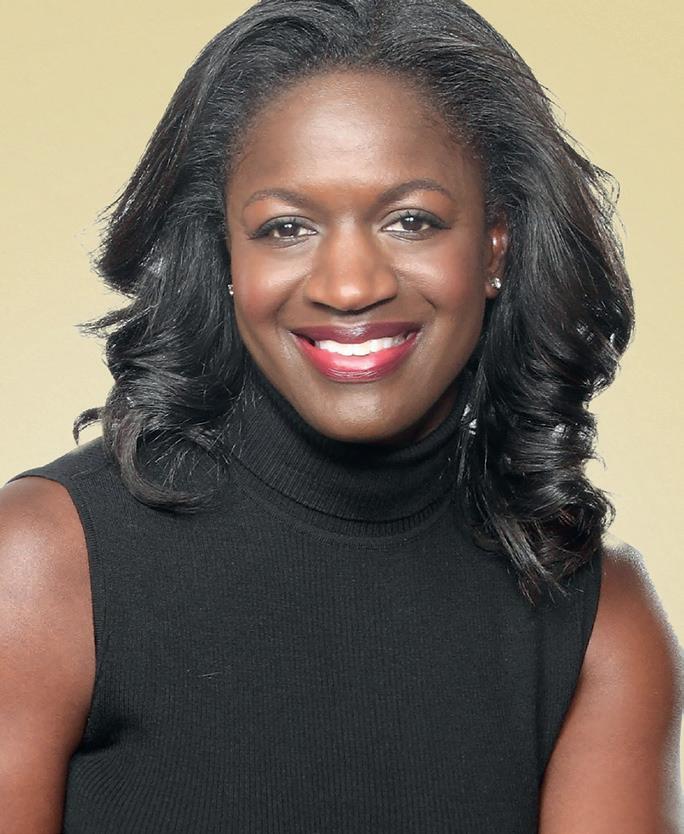
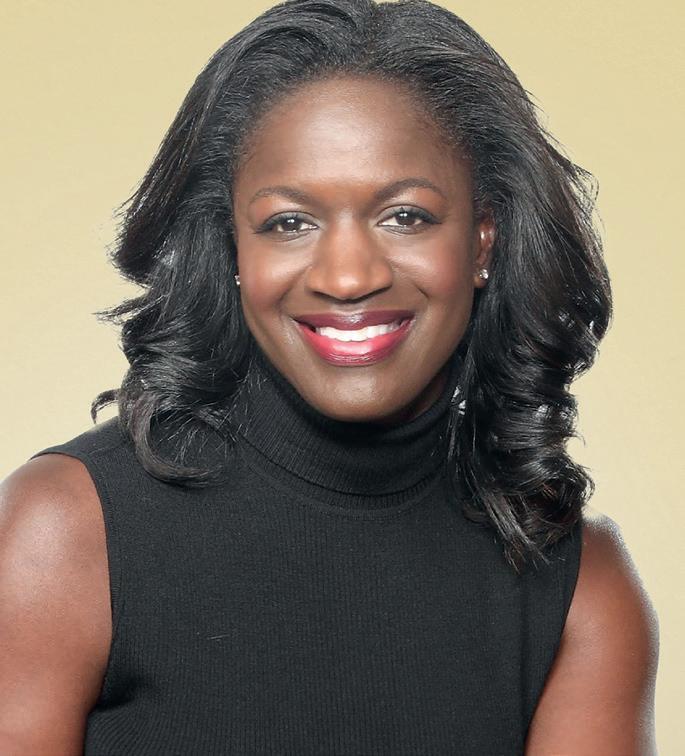
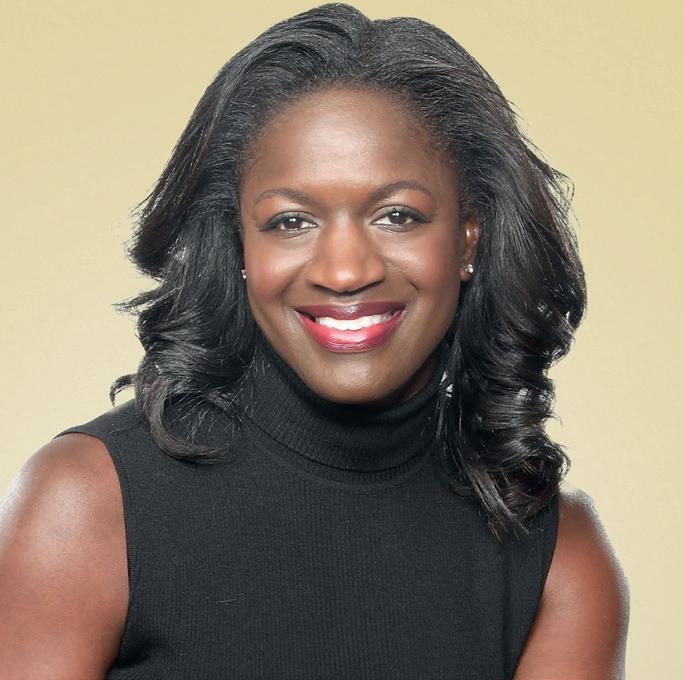
ADVISES ON BRAND BUILDING, AUDIENCE TRUST, AND INCLUSIVE ACCESS TO CONSUMER TECHNOLOGIES AND MARKETPLACES RICHELLE PARHAM
President of global e-commerce and business development at Universal Music Group and the former chief marketing officer at eBay. She’s widely recognized for reshaping how brands connect with diverse audiences through digital platforms and consumer insights.
CHAMPION Q&A:



ERIC RYAN
SHARES INSIGHTS ON CREATING BELOVED VALUES-CENTRIC CONSUMER PRODUCTS AND HOW TRUST AND DELIGHT DRIVE LONG-TERM VALUE
Co-founder of Method, OLLY, and Welly— three consumer brands known for their design, ethics, and broad appeal. He specializes in building joyful, purpose-driven products that win consumer trust.
HOW HAVE YOU ADVISED OBVIOUS COMPANIES?



SUE SIEGEL
ADVISES ON THE SCALING OF SCIENCEBACKED COMPANIES, BOARD GOVERNANCE, AND HOW TO BUILD CULTURE WITHIN MISSION-DRIVEN TEAMS
Former CEO of GE Ventures and a longtime board member at Illumina, Align Technology, and Nevro. She’s a strategic adviser at the intersection of biotech, diagnostics, and venture-backed growth.
The belief that good business should also be good for the world. Obvious backs companies that don’t separate purpose from product, and that mindset has consistently attracted founders building for long-term cultural and environmental impact. That’s the kind of flywheel I want to be part of.
ERIC RYAN , CO-FOUNDER OF METHOD, OLLY, AND WELLY

01 01 01 01 01 01 01
HEALTH PLANETARY

Decarbonization is still the most powerful lever for planetary health, but the focus is shifting. In 2026, it won’t be about just cutting emissions. It’ll be about building a new system that’s cleaner, cheaper, and more resilient. We back companies reinventing core industries with breakthrough technologies, like electrification, abundant energy, and adaptive infrastructure. The goal is broad scale transformation.
PREDICTIONS
THE NEXT DECADE WILL BE THE MOST CONSEQUENTIAL YET
BY ANDREW BEEBE
What once felt like slow, modest change in climate and energy is now happening in real time. Policy priorities and capital markets are shifting, and even amid global economic uncertainty, we’re seeing compounding effects take hold.
01
At Obvious, we believe in a future where clean energy is abundant and affordable, where emissions fall, even if we overshoot climate targets, and where climate isn’t just a crisis—it’s an opportunity for leadership. Here’s what we see coming:
CLEAN POWER WILL BECOME TOO CHEAP TO METER.
As power generation shifts to renewables and the cost curves of solar, wind, and geothermal continue to fall, we’ll cross a remarkable threshold: electricity that’s not just cheaper than fossil fuels but so cheap we stop pricing it per unit. This won’t happen everywhere overnight—but in places with high renewable penetration, energy will become an ambient resource, like bandwidth or oxygen. This shift will spark massive second-order effects in manufacturing, computing, and transportation. The economics of abundance will finally reach the power grid.
02
WE WILL STOP SELLING GASPOWERED CARS WITHIN 10 YEARS.
We’re nearing the tipping point. In the next decade, internal combustion engines will disappear from new passenger vehicle sales. Advances in battery range, charging infrastructure, and electric vehicle affordability are converging fast—and the policy winds are already shifting. We won’t need bans to end the gas era. Market forces, consumer demand, and fleet economics will do it for us.
03 04 05
WE WILL PASS 2 DEGREES CELSIUS, THEN BEGIN TO BEND THE CURVE.
This is the hardest prediction to write. Despite all progress, we’re on track to exceed 2 degrees Celsius of warming within the next seven years. The consequences will be severe: intensified storms, crop failures, and a loss of climate stability. But if mitigation and removal technologies continue to advance—and if we double down on decarbonization—warming can begin to decline within the same decade. The overshoot will be painful, but it won’t be permanent.
GLOBAL ELECTRICITY DEMAND WILL DOUBLE.
Everything is electrifying: homes, factories, vehicles, even steel plants. And with every new electric input comes increased demand on the grid. We expect total electricity demand to double within the next 10 years—not just from electrification but from AI workloads, water desalination, and new forms of digitally managed production. The challenge will be scaling capacity while keeping grids resilient, decentralized, and clean.
MORE “DECACORNS” WILL HAVE CLIMATE
AT THEIR CORE.
A decade ago, climate tech sat on the fringe of venture portfolios. Today it’s moving to center stage. Battery makers, heat-pump builders, and circular-materials producers are growing into global suppliers. They’re fueled by cheaper renewables, policy tailwinds, and customers who now check the carbon label as closely as the price tag. The momentum feels familiar. It’s the same flywheel that once spun tiny software startups into household names. Give it a decade, and at least 10 of these climate companies will push past the $10 billion mark as pillars of the global economy.
THE SKY IS NO LONGER THE LIMIT
PYKA’S FULLY AUTONOMOUS ELECTRIC AIRPLANES ARE TRANSFORMING AN INDUSTRY, REDUCING TOTAL CHEMICAL USE BY 10%.
Crop-dusting has long been one of the world’s most perilous professions.
Pilots fly low, with heavy loads and the risk of aerial hazards, while traditional methods lead to wasted fuel, inefficient spraying, and high operational costs, sometimes up to $1,000 an hour.
This hazardous and costly reality is precisely what Pyka is working to transform.
Pyka builds fully autonomous electric fixed-wing airplanes that are redefining agricultural aviation. The company’s powerful aircraft, with a 38-foot wingspan and capable of carrying payloads up to 700 pounds, delivers remarkable efficiency, cutting chemical use by 10%. Its ability to operate from small local runways reduces ferry time and environmental impact, while precision spraying minimizes drift.

“We learned how many crop-spraying operations are using million-dollar piloted aircraft to manage their workload,” says Michael Norcia, Pyka co-founder and CEO. “We couldn’t believe it and knew we could do better.”
Pyka’s solution has sent a jolt through the agriculture industry. The Pelican 2, its next-generation aerial-spray aircraft, has unlocked immense potential and enhanced safety for some of the globe’s largest food producers. With the Pelican 2, commercial farmers can safely spray hundreds of acres, controlling it remotely from the ground, at night when workers are off the field.
Pyka’s electric aircraft also offer a sustainable and efficient alternative to traditional fossil-fuel-powered crop-dusting. By eliminating wasted fuel from long ferry flights and operating with zero emissions, electric-powered planes not only are better for the environment but also allow for more precise spraying.
Norcia
sees crop protection as just the beginning for Pyka.
While the company’s immediate mission is to make aviation for agriculture cleaner, safer, and more cost-effective, the next phase is already underway: cargo. With the launch of a fully autonomous cargo aircraft, Pyka is applying its technology to critical logistics applications in remote and hard-to-reach regions. Long term, the vision extends even further, toward passenger travel and the broader transformation of regional air mobility.
“We want to be the company that premieres electric, autonomous, passenger-carrying airplanes to the world,” says Norcia. It was once unthinkable to imagine a 1,400-pound autonomous electric aircraft with a 40-foot wingspan flying over a farm. But the company’s success has proved that transformational progress is possible—and with enough hard work, perhaps inevitable.
PYKA’S PELICAN 2 AIRCRAFT IN ACTION
REDEFINING THE ELECTRIC ROAD TRIP

The open road has always called to the adventurous spir it.
Yet this quintessential American pastime, particularly RV travel, has long been tethered to a big environmental footprint. Traditional tow vehicles consume vast amounts of fossil fuels, and onboard living often relies on noisy, polluting generators. For electric vehicle owners, the prospect of towing has been daunting, severely limiting range and practicality.

LIGHTSHIP RV’S AE.1 COSMOS
THAT
WAS THE CHALLENGE LIGHTSHIP
RV WAS FOUNDED TO CONQUER: MAKING SUSTAINABLE ADVENTURE NOT JUST POSSIBLE BUT EFFORTLESSLY ENJOYABLE.
Co-founded by Ben Parker and Toby Kraus, Lightship is working to electrify the RV industry, a journey rooted in their shared vision for sustainable mobility. Parker, a former Tesla battery engineer, initially observed the inefficiencies of gas generators on food trucks, sparking his interest in clean power. This insight quickly expanded to the vast, untapped potential of the RV market. Kraus, bringing deep experience in electric mobility from Tesla and Proterra, quickly recognized this immense opportunity.
Their resolve to create a real solution was further solidified during a “founding road trip,” as they called it, with a borrowed trailer and an EV, which quickly illustrated the pervasive problem of towing range anxiety. The experience underscored for Parker the size, scale, and importance of solving this puzzle.
LIGHTSHIP’S TREKDRIVE PROPULSION ASSIST SYSTEM HELPS TOWING VEHICLES MAINTAIN NEARLY THEIR FULL RANGE, UP TO
300 MILES. 300 MILES. 300 MILES. 300 MILES. 300 MILES.
“I think we realized this is something we want to figure out, and to make the pastime of camping and adventuring better for everyone.”
Their flagship product, the AE.1 travel trailer, is designed to eliminate the compromises of traditional RVing. It’s an all-electric, aerodynamic marvel that redefines off-grid travel. With a substantial 77-kilowatt-hour battery and integrated 1.8-kilowatt solar panels, the AE.1 provides ample clean power, eliminating the need for noisy generators and propane tanks. Even more of a game changer is its revolutionary TrekDrive propulsion assist system, which helps towing vehicles maintain nearly their full range—up to 300 miles.
Lightship is empowering travelers to go farther, stay out longer, and connect with the natural world more cleanly and responsibly than ever before. They are making the electric age of outdoor adventure a vibrant reality.
Put another way, Lightship is delivering on the holy grail of adventure travel: leaving no trace.
OF CLEAN COMMERCE TAKING CHARGE FORUM MOBILITY

Ports are the heart of global trade.
Yet their ceaseless activity, fueled by diesel trucks, blankets surrounding communities with thick smog and disproportionate health burdens. Truckers, the backbone of this critical supply chain, face immense pressure, operating on thin margins and navigating the complexities of shifting regulations and fuel costs.
The transition to electric vehicles offers a cleaner future, but the up-front cost of electric trucks and, critically, the lack of reliable, accessible charging infrastructure have presented seemingly insurmountable barriers for independent owner-operators and small fleets. These are bottlenecks slowing the inevitable shift to sustainable freight.
Forum Mobility is electrifying the future of port drayage. The company, founded in 2021, offers a comprehensive solution that makes the transition to zero-emission trucking not just possible but profitable and practical. The company designs, builds, and operates heavy-duty electric truck charging depots, strategically located at or near major ports, beginning with the largest port-based charging depot in the nation, in Long Beach, CA. The company’s depots provide reliable high-power charging for electric trucks, addressing the critical infrastructure gap.


“When we talk to a truck owner, our goal is to show them that they can actually save money by going electric,” says Matt LeDucq, CEO of Forum Mobility. “We want to make it cheaper for them than running a diesel truck.”
Forum Mobility’s impact reverberates widely. For owner-operators and small businesses, the company levels the playing field, making cutting-edge EV technology accessible and enabling them to comply with emissions regulations without financial strain. The shift to electric trucks drastically reduces emissions, contributing to cleaner air and healthier communities around ports.
Forum Mobility is rapidly expanding its footprint, with 16 depots currently under construction or in development across California, and is aiming for 200 charging stalls by the end of 2025 and 500 by 2026. The expansion is helping California meet its target of zero emissions for drayage trucks by 2035.
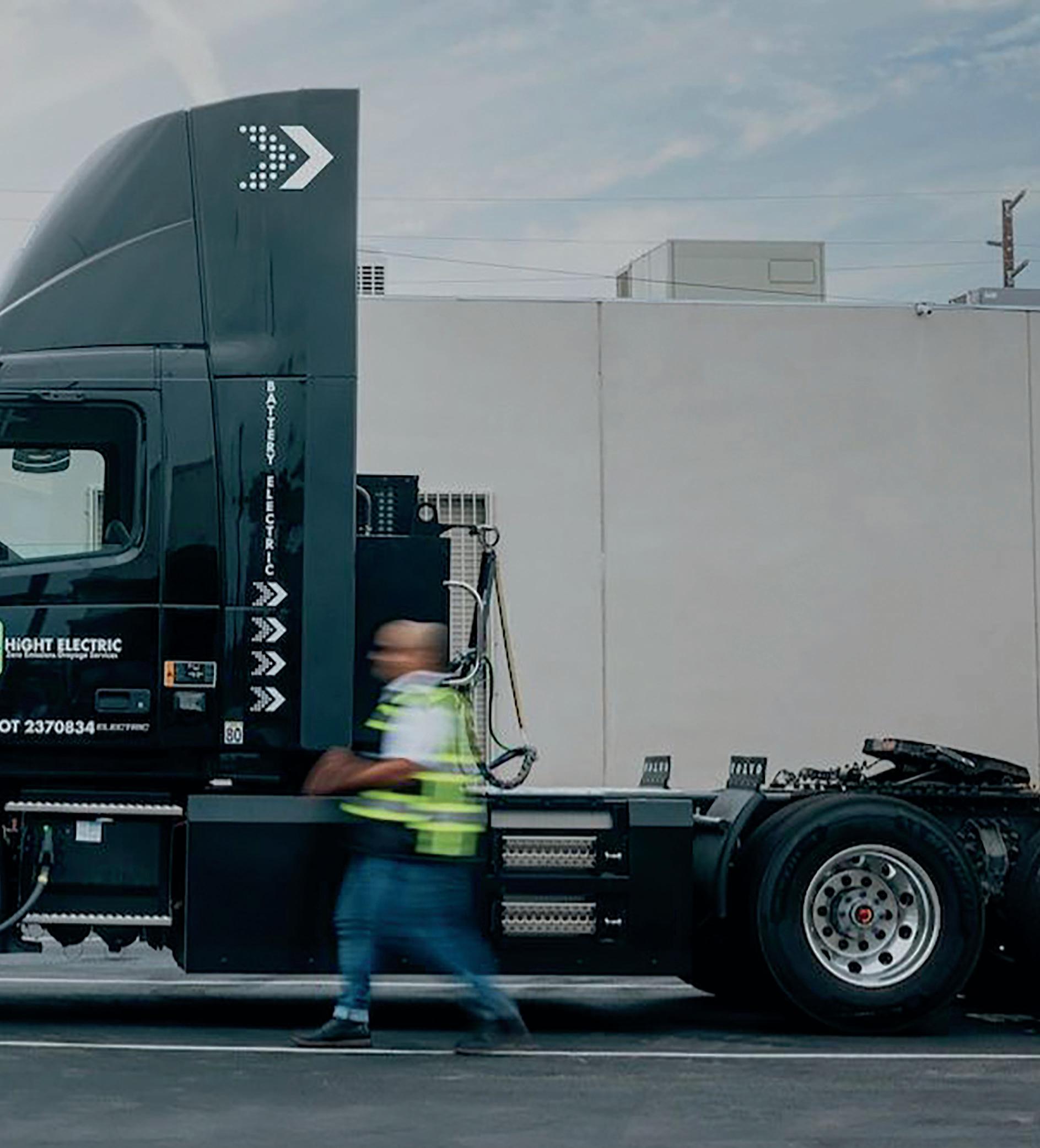
“The big problem is the charging infrastructure,” LeDucq explains. “The average fleet size for a drayage fleet is seven trucks. Most of these guys don’t have the capital to build out charging infrastructure.” By providing a full-service ecosystem of charging and truck leasing, the team at Forum Mobility is not just building infrastructure—they’re building the future of sustainable, equitable, and efficient port logistics anywhere in the world.
FORUM MOBILITY IS AIMING FOR 500 500 500 500 500 500 500
CHARGING STALLS BY THE END OF 2026.
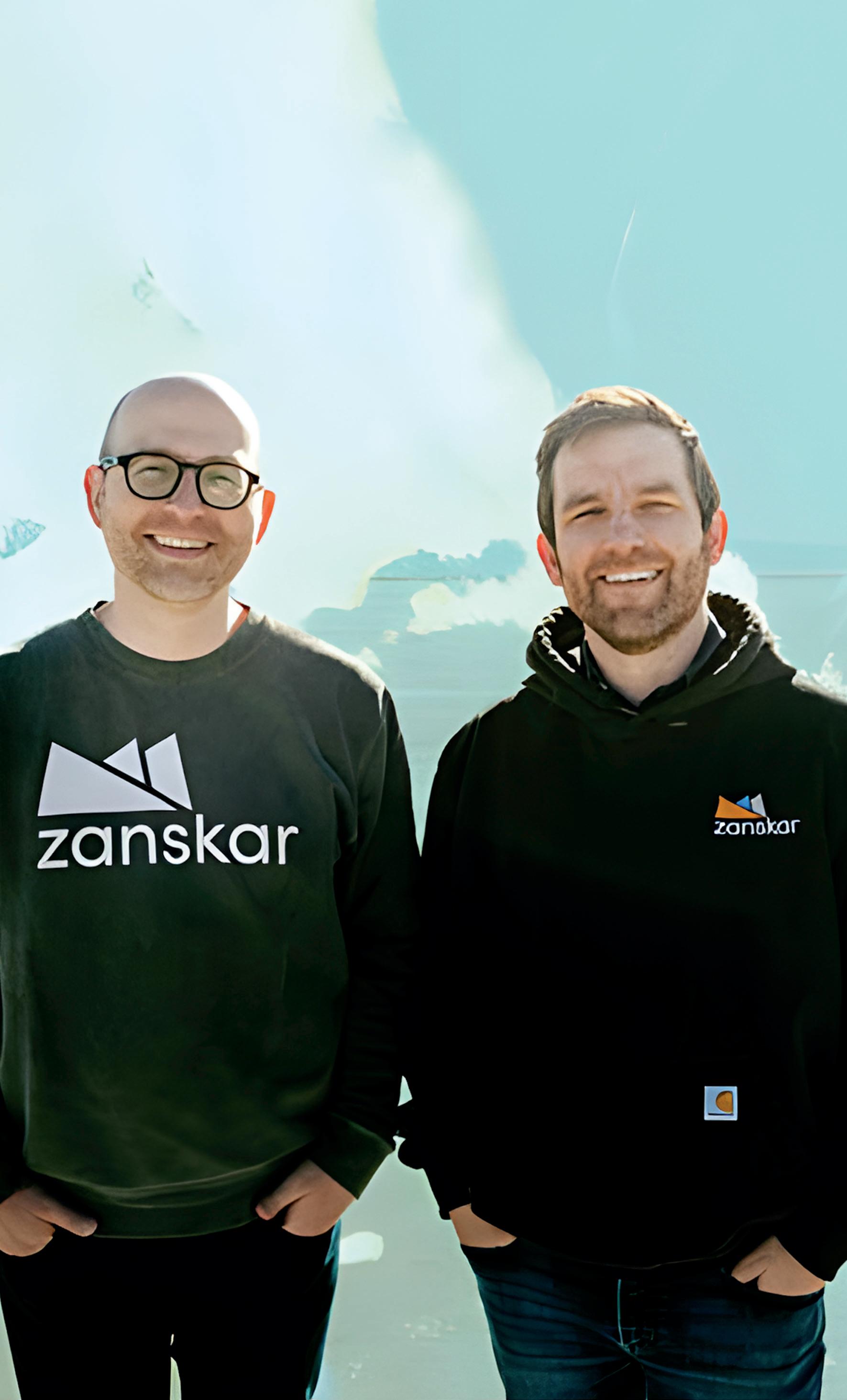
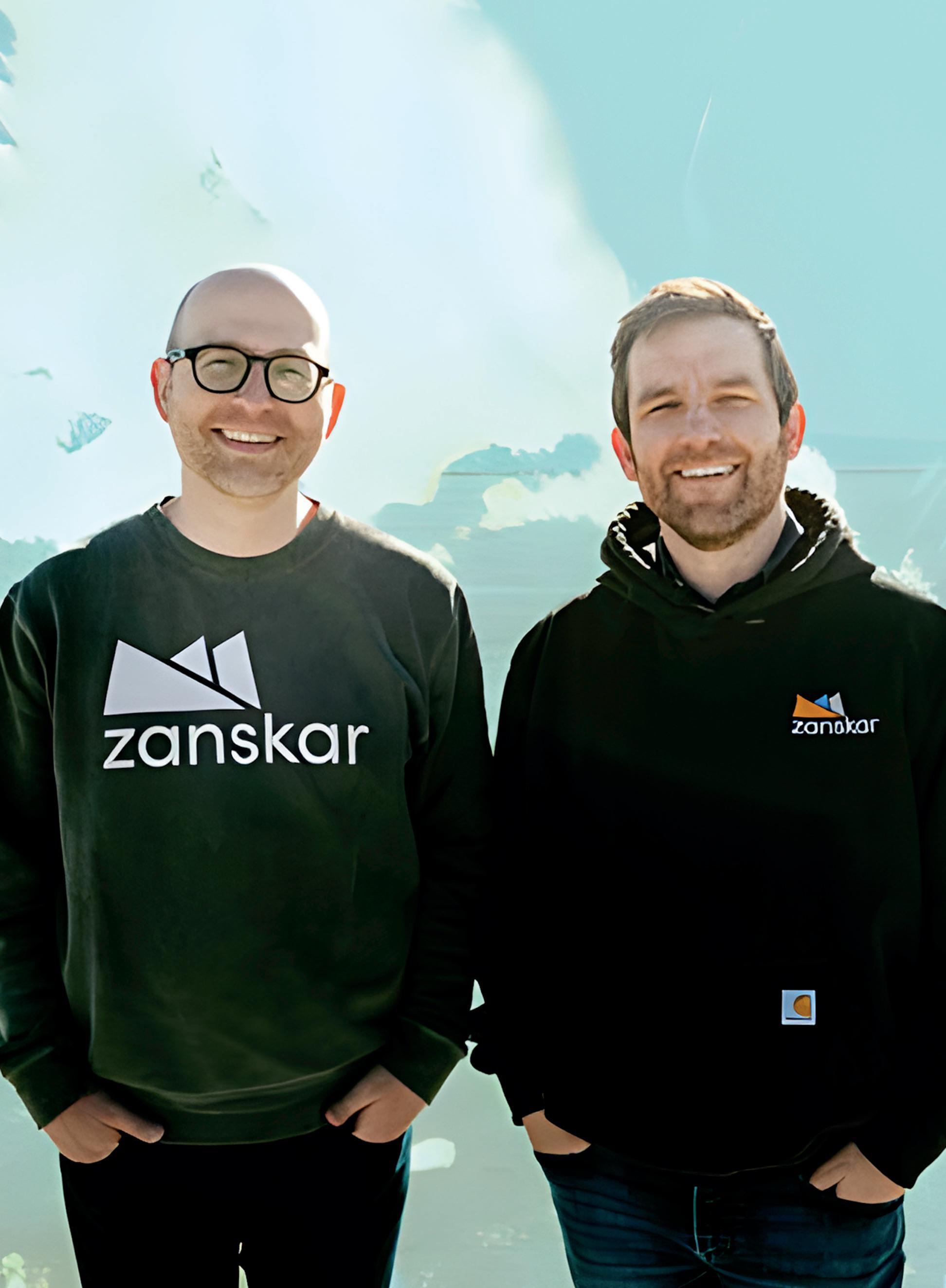
CARL HOILAND AND JOEL EDWARDS, CO-FOUNDERS AND CEO AND CTO, RESPECTIVELY, OF ZANSKAR
IGNITING A LONG-NEGLECTED ENERGY SOURCE
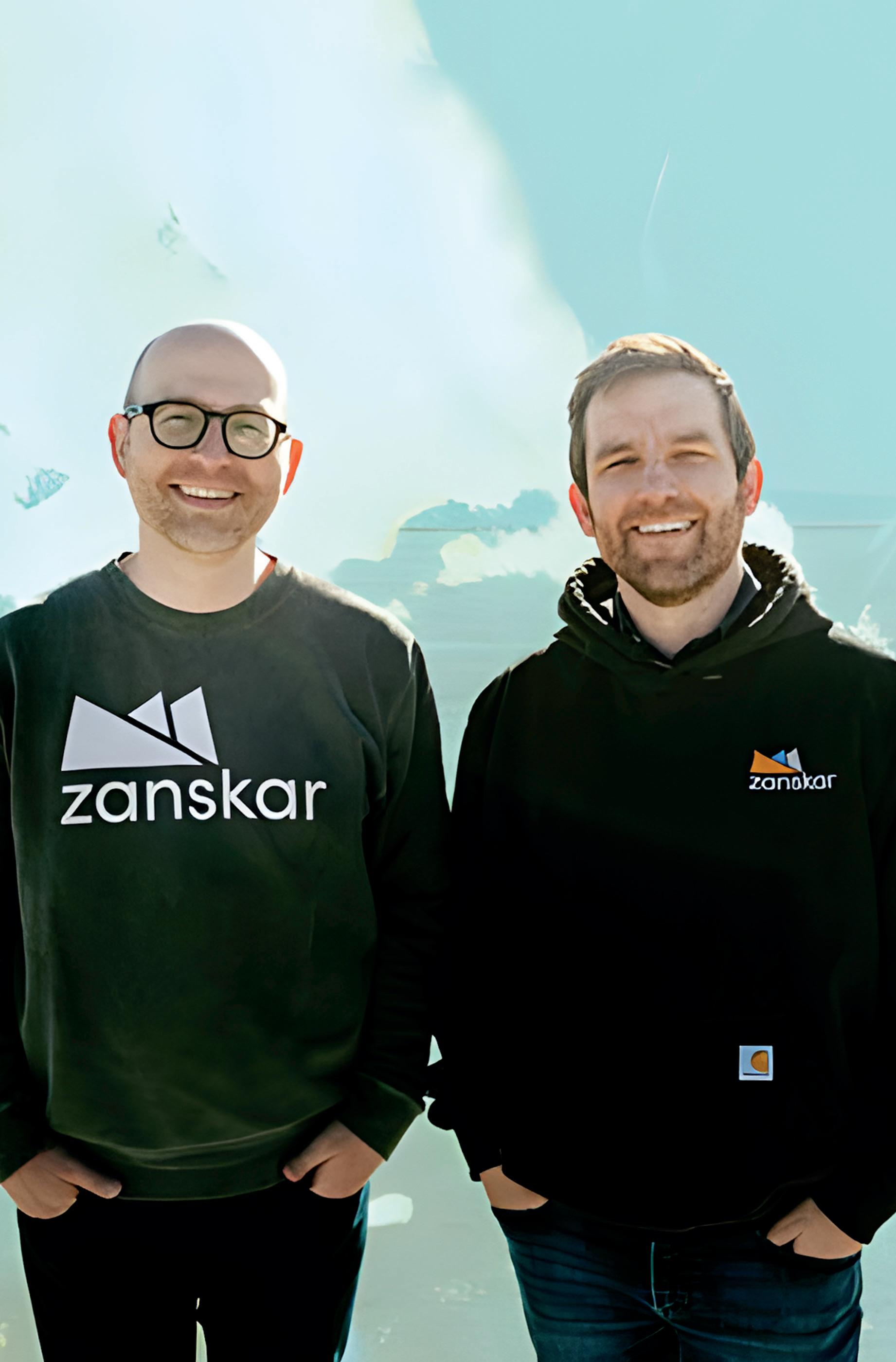
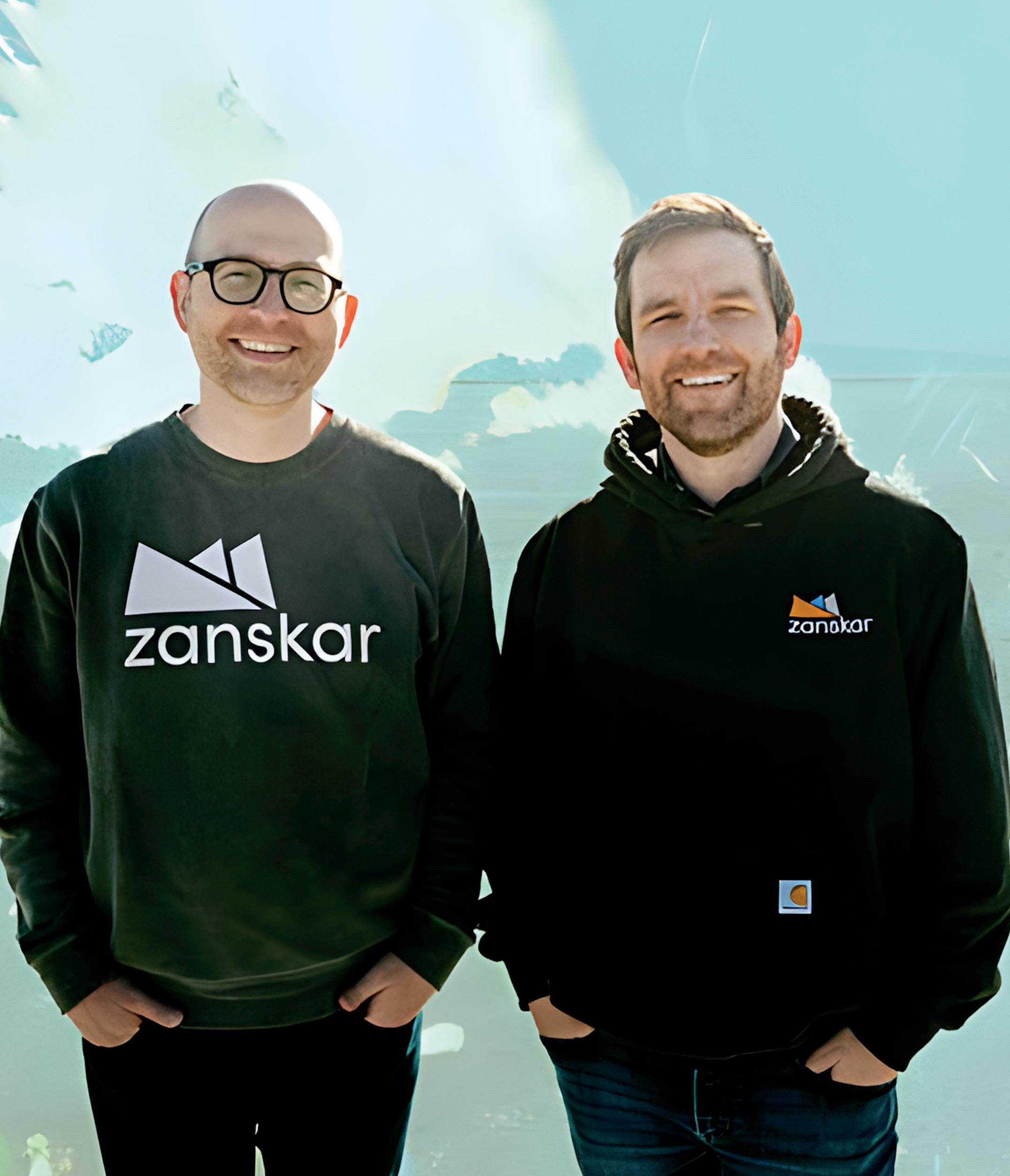
Edwards came from Iowa and Hoiland from a family of prospectors. What they had in common was an instinct for overlooked potential. Years before they became co-founders, they were chasing rock formations and studying seismic patterns—not because it was trendy, but because they saw a possibility.
For years, they had watched geothermal energy get overlooked while attention and capital chased faster-moving energy sectors. But they knew from their experience in geology that geothermal could be a source of dependable, renewable, and almost limitless energy. It was just waiting for the right tools and the right people to unlock it.
Edwards got an early start in geothermal, joining a startup that was building plants in Utah and Mexico. Hoiland arrived just as the sector was drying up. Yet despite policy changes and an industry contraction, the fundamentals of geothermal never changed. The earth still radiated vast untapped heat. The problem wasn’t resource scarcity. It was risk, uncertainty, and cost. Exploration for geothermal remained slow and expensive. Wells came up dry. Projects failed before they began. The science to improve those odds existed. But no one had put the pieces together.
So, in 2020, Hoiland and Edwards did. They founded Zanskar on a straightforward premise: to combine modern geoscience, AI targeting, and advanced field methods in an industry that hadn’t evolved fast enough.
Carl Hoiland and Joel Edwards didn’t meet in a boardroom. They met in the field, two geologists drawn to the West by a shared fascination with the land itself.
“We weren’t trying to be visionary,” says Edwards. “We just saw something no one else was acting on.”
Building that future is never a clean arc. In the early days, Hoiland and Edwards collected data themselves. They met with landowners and drilled exploratory holes with their own hands. There were no layers of management, no polished pitch decks, just a belief that the work needed to start somewhere. “Strategy gets refined in the field, not the boardroom,” says Hoiland. The experience helped them see how to build the teams they’d need, from exploration to software to commercial development.
Their hands-on strategy also shaped their leadership. “Are we the most polished managers or executives on the planet?” asks Edwards. “Certainly not. But I do think we’ve been able to see and articulate something that is inspiring to us and others around us.”
That clarity has helped them recruit an unusually mission-driven team, earn the confidence of investors like Obvious, and begin to shift the trajectory of an industry that’s long been stuck in low gear.
Their bold thinking is already paying off. In February 2025, Zanskar completed a step-out production well at an underperforming geothermal plant in New Mexico. The new well exceeded the industry’s most optimistic expectations and now ranks among the most productive pumped geothermal
wells in the U.S. It also validated their core thesis: that data-driven precision and persistent fieldwork can deliver conventional geothermal resources at unprecedented levels.
Their vision for geothermal in the next decade is to scale and transform. They see heat-based energy as not just a niche complement to solar and wind but as a foundation of the modern grid—always on, zero emissions, and durable enough to last for centuries.
“If we do this right, these geothermal discoveries will be investments that are going to benefit humanity for generations in the same way that I think of Roman baths that still exist 2,000 years later,” says Hoiland.
They have no illusions of certainty or pretense about having it all figured out. But they have a growing sense—from the fieldwork, from the team, from the traction they’ve gained—that their hunch was right. And that the most exciting breakthroughs may still be to come.
SUSTAINABLE GOALS DEVELOPMENT

AFFORDABLE AND CLEAN ENERGY
DECENT WORK AND ECONOMIC GROWTH
INDUSTRY, INNOVATION, AND INFRASTRUCTURE
SUSTAINABLE CITIES AND COMMUNITIES
RESPONSIBLE CONSUMPTION AND PRODUCTION
CLIMATE ACTION
PLANETARY HEALTH AND THE SUSTAINABLE DEVELOPMENT GOALS
From clean energy to sustainable infrastructure, our Planetary Health portfolio directly supports global progress on climate, innovation, and resilience. In alignment with the UN Sustainable Development Goals, Obvious companies are building the backbone of a regenerative, low-carbon, and world positive planet.

02 02 02 02 02 02 02
HEALTH HUMAN

Healthcare isn’t just improving—it’s being rebuilt. The old system was designed for a different era, one where care was reactive, episodic, and hard to scale. In 2026, we see breakthroughs in how care actually works— how it’s delivered, coordinated, and made personal. AI is playing a central role, from building smarter infrastructure to enabling faster drug development. We’re moving toward a future of human health that’s less reactive and more continuous.
BY VISHAL VASISHTH AND ROHAN GANESH
THE GREAT HEALTHCARE LEAP HAS ALREADY BEGUN PREDICTIONS
Healthcare is on the edge of a major reset. The systems we rely on for diagnosis, prevention, and discovery are being rapidly restructured by AI. The shift isn’t subtle. Clinical work is becoming more scalable. Care is becoming more continuous. And the walls between consumers, providers, and data are starting to dissolve.
01
We believe AI’s role in healthcare isn’t to replace people—it’s to amplify what humans do best and let intelligent systems transform how we deliver care and measure health. At Obvious, we see the challenge as how to shape this shift thoughtfully and build systems that are intelligent, humane, and broadly accessible. Here’s what we see ahead:
AI WILL BOOST THE ECONOMICS OF HEALTHCARE SERVICE BUSINESSES.
Over the past few years, investors have grown concerned about small margins in healthcare services companies. There are too many people doing too much analog work, for too little return. That’s beginning to change. AI-native platforms are reducing administrative burden, helping clinicians manage larger patient panels with less burnout and better outcomes. These improvements are showing up in the margins. As automation takes hold, we expect healthcare services to shift from operational slog to scalable opportunity—and create attractive opportunities for investors.
02
A NEW ENGAGEMENT LAYER WILL CHANGE EVERY STAGE OF HEALTHCARE.
Soon, most interactions with the healthcare system won’t start with a person. They’ll start with an agent. Thanks to advances in voice, video, and text interfaces and new networks that connect them across health systems, we’ll start to see the rise of what we envision to be an intelligent engagement layer. These agents will handle routine tasks like scheduling, triage, symptom checks, and benefits verification before a human ever steps in. Empathy will still matter—human touch will always be part of medical care—but it will be focused on sensitive and critical moments where humans truly excel. In a decade, we expect 90% of first touches in the healthcare system to be handled by highly capable AI agents.
03 04 05 AI APPLICATIONS WILL OVERHAUL THE HEALTH RECORDS SYSTEM.
Today’s clinicians work inside clunky, frustrating record systems. More advanced doctors and nurses are starting to use AI overlays to help with documentation, monitoring, and decision support. But over time, this workaround will become the system. By the early 2030s, the main workspace for care delivery will no longer be the electronic medical records (EMR) layer but the AI layer built on top of it, which will spot anomalies and health indicators in real time.
HEALTHCARE WILL GET A LOT MORE PERSONAL—IN A GREAT WAY.
Direct-to-consumer health services are evolving rapidly, from niche wellness offerings to a core part of how people access and manage their care. Add in AI-guided coaching and persistent personal health records, and consumers will begin to benefit from continuous insight into their risks and needs. We see the annual physical giving way to daily monitoring and health optimization. This won’t feel like medical surveillance. It will feel like control. Prevention will become the new default, with its effects flowing downstream.
GENERATIVE SCIENCE WILL RESHAPE THE DRUG PIPELINE.
Generative AI is already doing what decades of biotech couldn’t: making drug discovery fast, iterative, and intelligent. We’re seeing companies— including ones in our portfolio—not just identify molecules but design them. When paired with AI-native trial partners and flexible manufacturing, the entire development cycle will start to compress. That means fewer failures, faster approvals, and smarter pipelines that will change the economics of pharma. By the early 2030s, we envision a majority of new drug candidates being born from models, not microscopes.
ACCELERATING TOMORROW’S MEDICINES

For decades, the journey to discover new drugs has been slow, costly, and often frustrating.
Imagine searching for a tiny needle in a colossal haystack, where each needle—a promising new drug molecule—must possess a complex blend of properties to be effective and safe. This intricate balance, known as ADMET (absorption, distribution, metabolism, excretion, and toxicity), is notoriously difficult to predict. Biotech companies, often with limited data and resources compared to pharmaceutical giants, face a challenging game of whack-a-mole, where improving one quality often negatively impacts another.
This challenge inspired Josh Haimson and Ben Birnbaum, co-founders of Inductive Bio. After witnessing the grim realities of cancer patient data while leading machine learning and data teams at Flatiron Health, they were driven to move further upstream to drug development.
“It becomes clear that we just don’t have good enough treatments for most patients,” says Haimson, Inductive’s CEO. He and Birnbaum sought to build better therapies from scratch, venturing into AI in drug discovery to discern genuine potential from mere marketing.
Inductive is now revolutionizing small molecule drug discovery by making advanced AI accessible to all. The company has built a collaborative AI platform that dramatically accelerates compound optimization. Its core innovation is its democratization of state-of-the-art AI models trained on a unique, precompetitive dataset of
ADMET properties. This means that instead of relying solely on a company’s often limited internal data, Inductive leverages a broad consortium dataset, giving smaller biotechs the kind of predictive power previously reserved for large pharma.
Inductive’s chemist-in-the-loop AI service and Compass design software allow chemists to predict which molecular designs have the best odds of success before synthesizing them. This approach transforms drug discovery from a laborious trial-and-error process into a guided exploration of millions of diverse molecular ideas, leading to better compounds in fewer design-make-test-analyze cycles.
The impact has been profound. Inductive is working to enable drug developers to optimize initial compounds into lead and development candidates faster and with a better balance of ADMET properties.

“The
pharmaceutical industry is on the cusp of being completely remade by AI and machine learning,” Haimson says. By addressing the critical bottleneck of compound optimization, Inductive is driving a future where life-saving therapies are delivered to patients everywhere more efficiently, equitably, and, above all, successfully.
MEDICINAL CHEMISTS HAVE USED INDUCTIVE’S COMPASS SOFTWARE TO SIMULATE OVER
1 MILLION 1 MILLION 1 MILLION 1 MILLION 1 MILLION 1 MILLION 1 MILLION
SMALL-MOLECULE DESIGNS ACROSS ACTIVE DRUG DISCOVERY PROGRAMS.
THE ART OF REAL CONNECTION
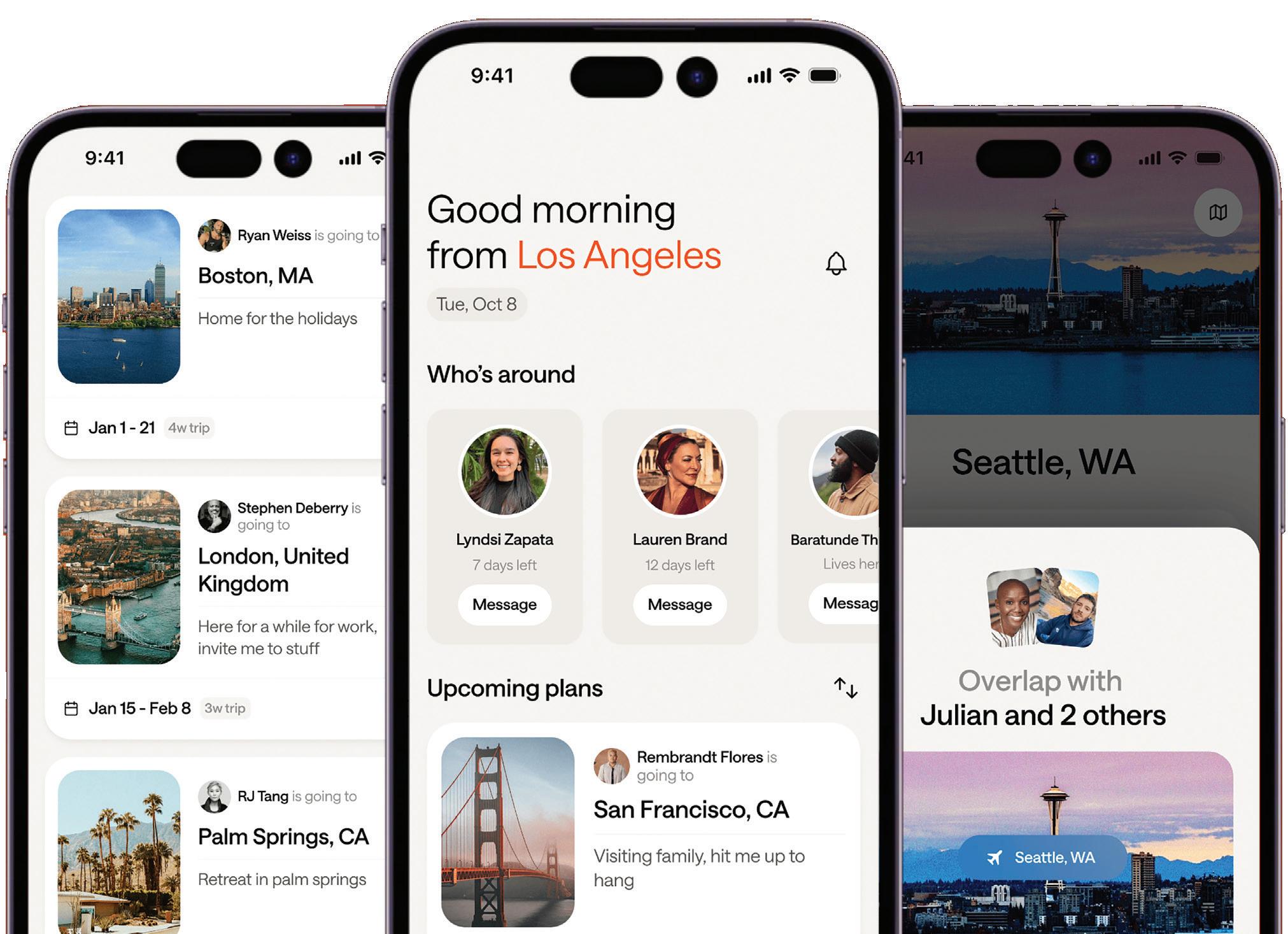
In an age of hyperconnectivity, genuine human connection is eroding. Despite countless apps designed to link us together, we’re adrift in a sea of digital interactions, increasingly disconnected from the rich in-person relationships that truly nourish the human spirit.
The U.S. surgeon general has even declared loneliness an epidemic, highlighting its profound impact on physical, mental, and emotional health. Many existing social platforms, despite their initial aims to foster connection, have evolved to promote performance and influencing, inadvertently exacerbating this isolation.
This stark reality struck Molly DeWolf Swenson, the visionary CEO and founder of Mozi, and her co-founder, Twitter co-founder Ev Williams. Both keenly felt the void left by current digital tools. For Williams (who is also an Obvious co-founder), emerging from pandemic isolation and personal life changes solidified a profound truth: “Relationships determine almost everything.”
Mozi is a groundbreaking private social network designed to bring people back together, in real life. Unlike traditional platforms focused on accumulating followers or broadcasting every moment, Mozi is built on the simple yet profound principle of facilitating genuine, spontaneous meetups with the people who matter most. It functions as a forward-looking Find My Friends, allowing users to privately share their plans and location, enabling friends to see when they’re nearby or when their paths might cross.
“The real win for me is to open my phone and for Mozi to know what my plans are, what my friends’ plans are, and then to tell me that I’m going to organically see someone that I love,” says DeWolf Swenson. This innovative approach cuts through the noise, simplifying the act of connecting and removing the friction often associated with planning get-togethers.
The impact of Mozi extends far beyond convenience and friendly fun—it’s a direct antidote to the loneliness epidemic. By deliberately encouraging more in-person interactions, Mozi actively strengthens the social fabric that is vital for human well-being. Strong relationships are a cornerstone of physical health, mental resilience, and emotional stability. Mozi is not just an app. It’s a tool for fostering healthier lives and more vibrant communities.
“WE ALL HAVE APPS THAT HELP US WITH OUR PHYSICAL HEALTH AND OUR FINANCIAL HEALTH AND OUR MENTAL HEALTH, BUT WE DON’T HAVE MUCH FOR OUR SOCIAL HEALTH,” SAYS DEWOLF SWENSON. “THAT’S MOZI.”
A CLEARER COURSE FOR CANCER TREATMENT

When a person is diagnosed with cancer, there are two primary questions: How aggressive is the tumor, and what treatment path offers the best chance of success?
The grim reality is that predicting a tumor’s true nature and risk of recurrence is incredibly difficult. This uncertainty can lead to painful choices: Patients may endure grueling, toxic chemotherapy they don’t truly need, or they may miss out on vital, aggressive interventions that could save
their life. Current diagnostic methods simply don’t provide a road map for personalized care.
Ataraxis AI, co-founded in 2023 by Jan Witowski and Krzysztof Geras, is on a mission to change that. Both originally from Poland, Witowski and Geras previously worked on applying AI to healthcare at New York University, and their shared experience ignited a drive to bring unprecedented precision to oncology. “It became clear that in most cases we just don’t know how patients are going to respond to even the most common types of treatment,” says Witowski.
The company’s groundbreaking answer is Ataraxis Breast, an AI-powered diagnostic platform that provides a highly accurate assessment of a person’s breast cancer recurrence risk and treatment benefit. The company’s platform employs cutting-edge multimodal AI and foundational models. These sophisticated tools analyze vast amounts of pathology data from over 10,000 historical breast cancer patients from more than 20 hospitals. Deep learning enables the system to uncover subtle patterns imperceptible to the human eye, predicting with remarkable accuracy whether a cancer is high or low risk and which treatment will be the most effective.
ATARAXIS’ CANCER TREATMENT TOOL HAS DEMONSTRATED NEARLY
GREATER ACCURACY THAN TRADITIONAL TESTS. 50% 50% 50% 50%
The implications for patients and clinicians are profound. By knowing a tumor’s true recurrence risk, oncologists can precisely tailor treatment plans, allowing patients to avoid unneeded, harsh therapies. Or, as Witowski puts it, “If you don’t benefit from chemotherapy, you want to avoid it.”
The company’s capability is a critical improvement over traditional methods and has demonstrated up to 50% greater accuracy than existing standard-of-care tests. When deployed at scale, the novel approach could spare tens of thousands of breast cancer patients from unnecessary chemotherapy each year.
Ataraxis envisions a future where AI-driven precision diagnostics extend beyond breast cancer to other challenging forms of cancer and even rare conditions. Its work is fundamentally transforming how medical decisions are made, delivering more effective, tailored treatments and elevating outcomes for more patients who need it.
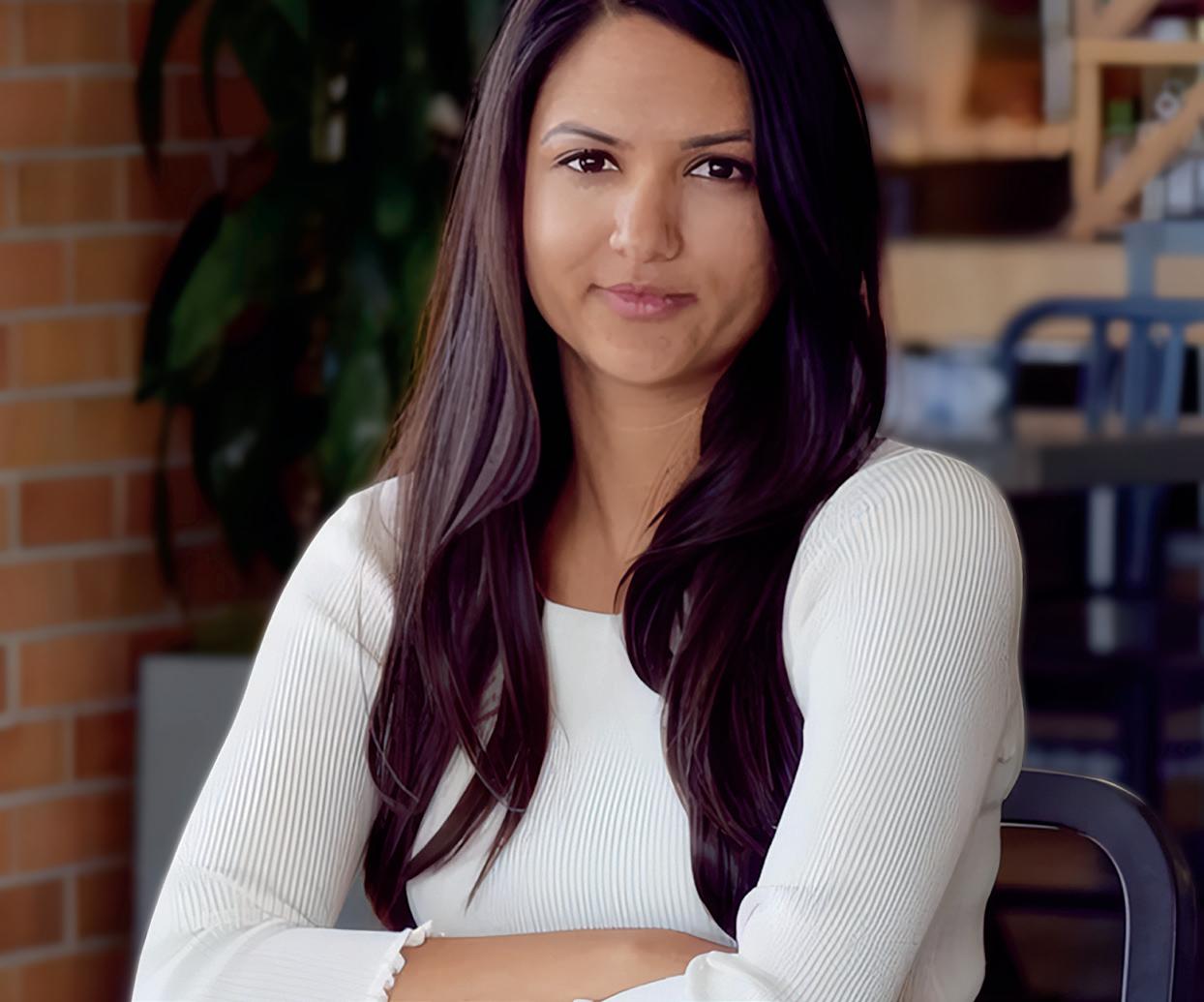
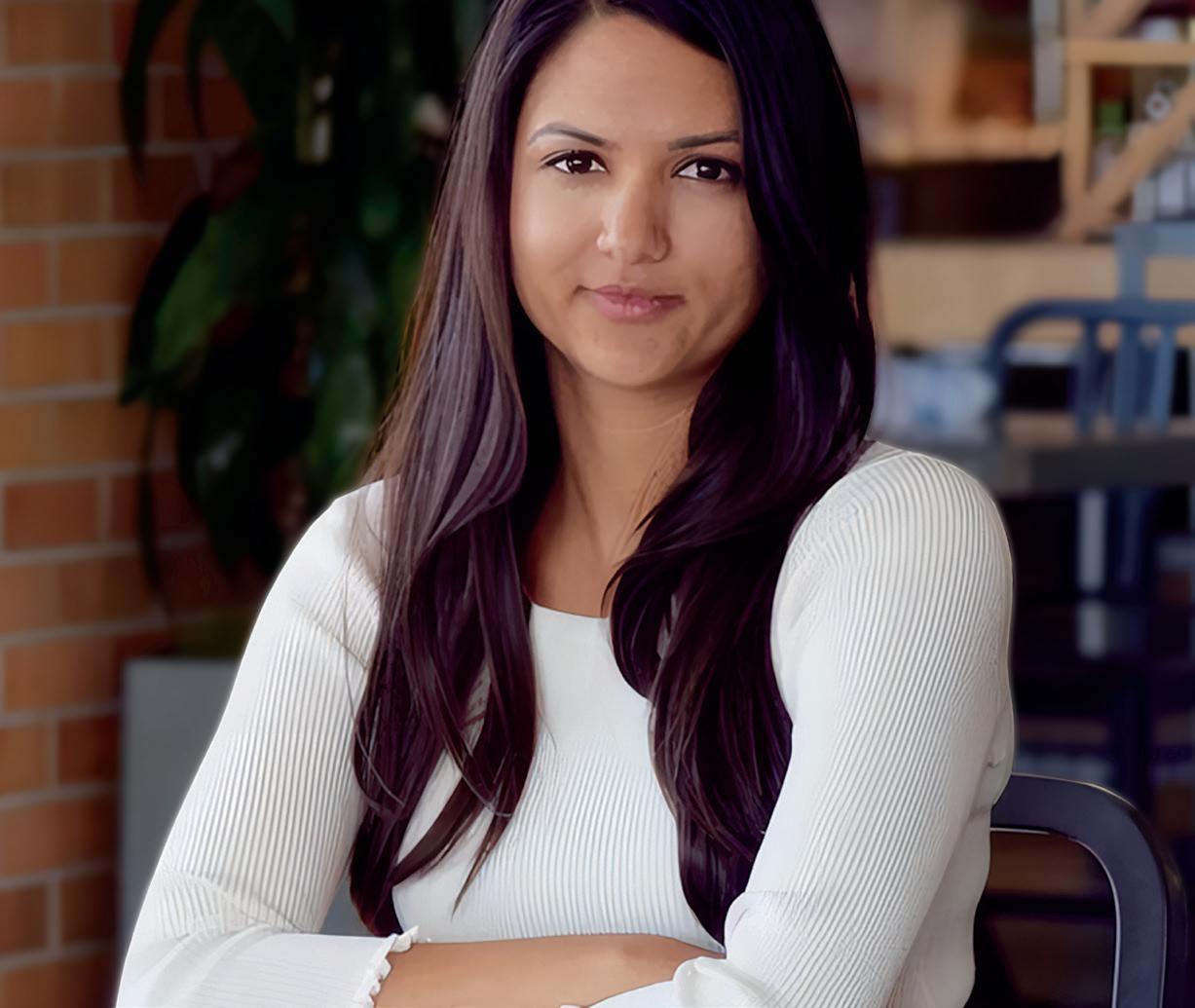
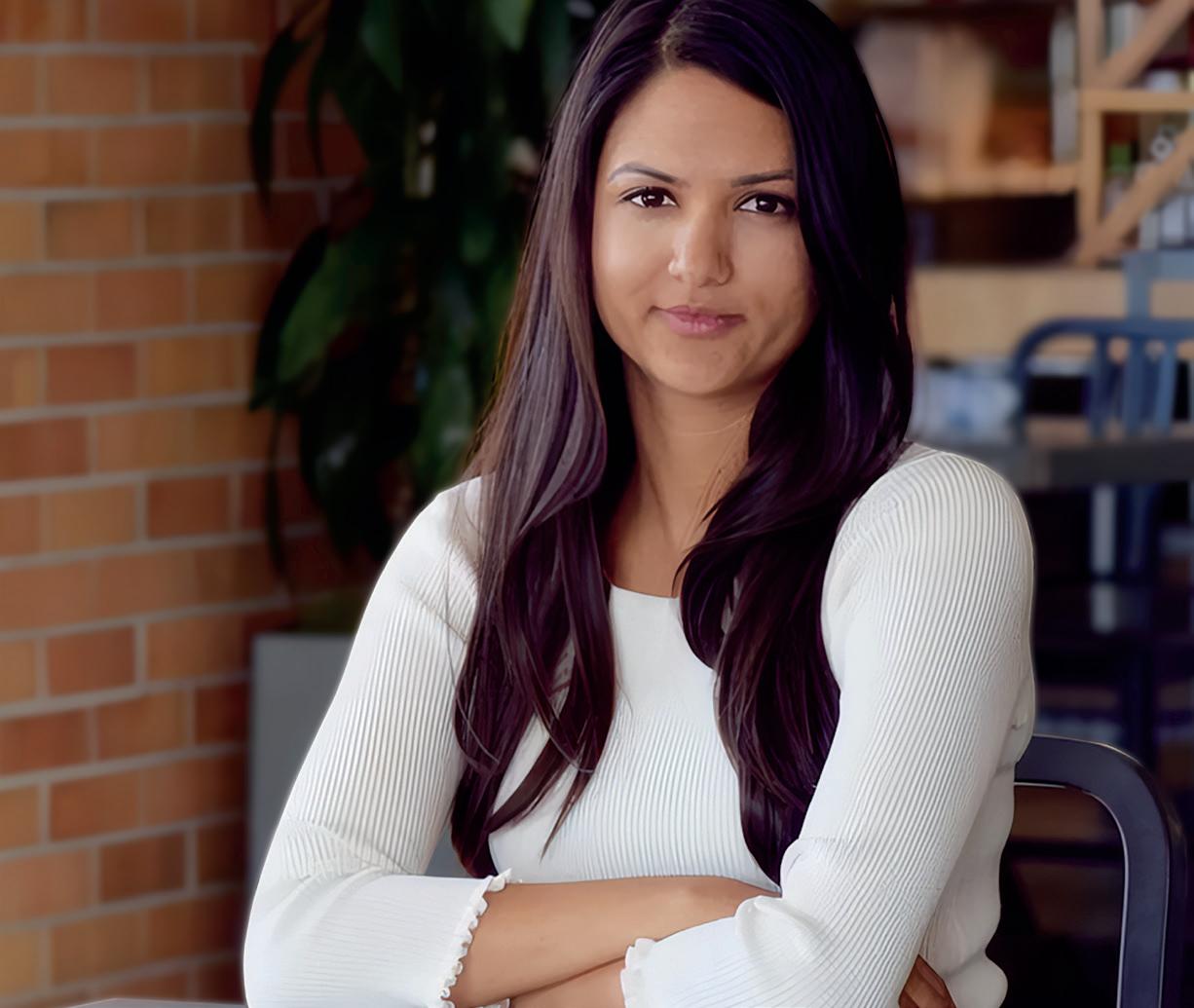
DR. SUCHI SARIA, FOUNDER AND CEO OF BAYESIAN HEALTH
UNLOCKING HIDDEN DATA TO SAVE LIVES




As founder and CEO of Bayesian Health, Saria is leading the charge to deliver meaningful and trustworthy AI to healthcare at the patient’s bedside. It’s a solution she’s been building for nearly a decade. And for her, delivering timely AI-enabled insights is not an abstract question of data and numbers. It’s about people—frontline care teams, patients, and their families. “I’ve seen too many cases where people I love could’ve had better outcomes if the right information had been surfaced just a little earlier,” she says.
Saria grew up in Darjeeling, India, where she saw firsthand how gaps in care access and infrastructure could create delays in clinical identification that could turn treatable conditions into life-threatening events. Later, as a PhD student at Stanford and then as a professor at Johns Hopkins, she began to understand just how much information flows through a modern hospital and how little of it is harnessed to meaningfully improve care. “You’d be shocked,” she says.
“Hospitals generate terabytes of data, but most of it ends up in a black box. They’re data rich but insight poor.”
She believed there had to be a better way to utilize data to help patients and providers. Saria fixated on the image of a nurse on the night shift scanning notes at 2 a.m., trying to make sense of a patient’s unexpected decline. In that moment, a timely signal or
For Suchi Saria, the promise of AI isn’t about disruption or novelty. It’s about impact, making sure a powerful insight reaches the right person at the right time.
subtle warning could make a life-saving difference. That kind of real-world application became the North Star vision for Bayesian, which she founded in 2016.
What makes her leadership distinctive isn’t just her technical depth but her fluency across disciplines. Saria moves seamlessly from machine learning architecture to clinical workflow to Food and Drug Administration regulation. She doesn’t romanticize AI, and she doesn’t overstate its capabilities. Instead, she pragmatically focuses on trust, context, and integration.
“We’ve built a platform that clinicians actually want to use,” she says. “That sounds simple, but it’s incredibly rare.”
Bayesian’s flagship platform continuously monitors patient data to identify subtle warning signs and help streamline workflows so care teams can intervene before situations become emergencies. In multiple hospital systems, Bayesian has helped detect life-threatening and very costly conditions like sepsis, clinical deterioration, and pressure injuries hours earlier than clinicians could on their own, giving caregivers precious time to act.
The road hasn’t always been smooth. Early on, Saria faced skepticism from nearly every side: academic purists who questioned commercializing
science, clinical partners wary of AI in high-stakes settings, and investors hesitant to back tools that didn’t fit into existing reimbursement models. But she stayed focused.
“In hard fields, it’s easy to get distracted chasing what’s shiny or marketable,” she says. “If you really want to change something fundamental, you have to do the unglamorous work. The integrations. The validations. The conversations with clinicians.”
In 2024, WebMD named Saria one of its Health Heroes for her contributions to real-world clinical AI. And last year, Bayesian was recognized by Time and Forbes for its work and awarded a major grant from the National Science Foundation to expand its platform modules. For Saria, however, the triumphs that matter most are in the faces of clinicians who say the system helped them catch clinical decline early and actively helped a patient’s care.
Lasting change takes time. But with Bayesian’s success, Saria is already showing that the most important transformations don’t come from disrupting the system. They come from understanding it deeply, building what it actually needs, and constantly—and relentlessly—finding ways to improve.
SUSTAINABLE GOALS DEVELOPMENT

ZERO HUNGER
GOOD HEALTH AND WELL-BEING
QUALITY EDUCATION
GENDER EQUALITY
DECENT WORK AND ECONOMIC GROWTH
INDUSTRY, INNOVATION, AND INFRASTRUCTURE
REDUCED INEQUALITIES
SUSTAINABLE CITIES AND COMMUNITIES
RESPONSIBLE CONSUMPTION AND PRODUCTION
CLIMATE ACTION
LIFE ON LAND
HUMAN HEALTH AND THE SUSTAINABLE
DEVELOPMENT GOALS
Our Human Health portfolio supports a more equitable, responsive, and proactive healthcare system. From offering value-based care to personalized diagnostics, Obvious companies are rebuilding care delivery for scale and access. Our world positive goal is to help people live longer, healthier, and more connected lives.

03 03 03 03 03 03 03
HEALTH ECONOMIC

AI is disrupting the economy, with the promise of huge gains in efficiency, productivity, and GDP growth. But the path to that promised land is not a straight line, and in 2026 we see the beginnings of a tectonic shift in our definitions of human work. Certain types of employment are already shrinking, while entirely new job categories are emerging for humans skilled at orchestrating and conducting AI tools and agents. At the same time, our economic foundations of credit, insurance, and retirement benefits are being reimagined with AI. As we move into the messy middle of this economic AI transformation, Obvious will continue to focus on scaling the world positive innovations that make our economy more inclusive, adaptive, and equitable.
PREDICTIONS
WELCOME TO A NEW ECONOMIC ERA
BY JAMES JOAQUIN
AI is reshaping our economy in real time. From robotic automation to agentic superpowers, the meaning of human work is shifting rapidly. As some old definitions of work sunset, and entirely new categories of jobs emerge, our financial
01
and benefits systems are evolving at the same time. At Obvious, we’re investing in new applications of AI that help individuals and small businesses flourish and adapt to these changes ahead. Here’s what we see coming in the next decade:
AI PLUS ROBOTICS WILL ELIMINATE DANGEROUS AND INFLATIONARY JOBS.
Some jobs are simply too unsafe, too costly, or too inefficient to sustain. AI and robotics will phase them out. From warehouse loading, to low-altitude crop-dusting, to hazardous field inspections, advances in AI and robotics will automate roles that put people at risk and drive up costs. This will not only save lives but will boost economic output. By automating bottlenecks, we’ll reduce labor shortages, ease wage pressure in critical sectors, and create safer, more resilient supply chains. The result will be a healthier workforce and a stable economy that can grow with less risk.
02
AI AGENTS WILL NEED HUMAN “SUPERCONDUCTORS.”
Agentic AI is quickly moving from the research lab to the production line, and fields like software engineering are already showing success, with agents completing time-consuming coding tasks alongside their human counterparts. While these agents give humans superpowers, they also require superconductors—humans with a new set of skills to orchestrate and validate the work of these agents on teams.
03
INSURANCE WILL USE AI TO OFFER CUSTOMIZED PERSONAL POLICIES.
The old model of one-size-fits-all insurance isn’t holding up in a world of rising climate risk and constant change. Property and casualty insurers are struggling to price volatility, and customers are feeling it. We see a smarter and more flexible model coming. Think hyper-specific coverage, AI-driven claims, and policies that adjust based on how and when something is used. Insurance in the next few years will look a lot less like a single product and a lot more like a portfolio of tools tailored to individual risk in real time. 04 05
SMALL BUSINESSES WILL GET A LARGE AI BOOST.
Most small-business owners aren’t limited by a lack of ideas— they struggle with administrative headaches and costs to execute those ideas. Around half the work of running a small business goes to forms, filings, and tasks that don’t generate revenue. Fortunately, AI assistance is on the way. AI agents are getting smart enough to handle bookkeeping, compliance, and HR. Within a few years, the default for any small business will be to automate 80% of its admin. That will mean businesses that work faster, grow faster, and serve more happy customers.
STEALTH COINS WILL BRING STABILITY TO GLOBAL PAYMENTS.
While cryptographic assets never found a mainstream use case for the average American, a new type of crypto asset, called a stablecoin, has emerged as the new behind-the-scenes plumbing for moving money across countries and currencies. Because these stealth coins convert from and to fiat currency, consumers will be using them without even knowing it for basic tasks like sending money abroad or transferring money across international accounts.
THE “SILVER TSUNAMI” IS COMING
BATON HAS A LIFEBOAT
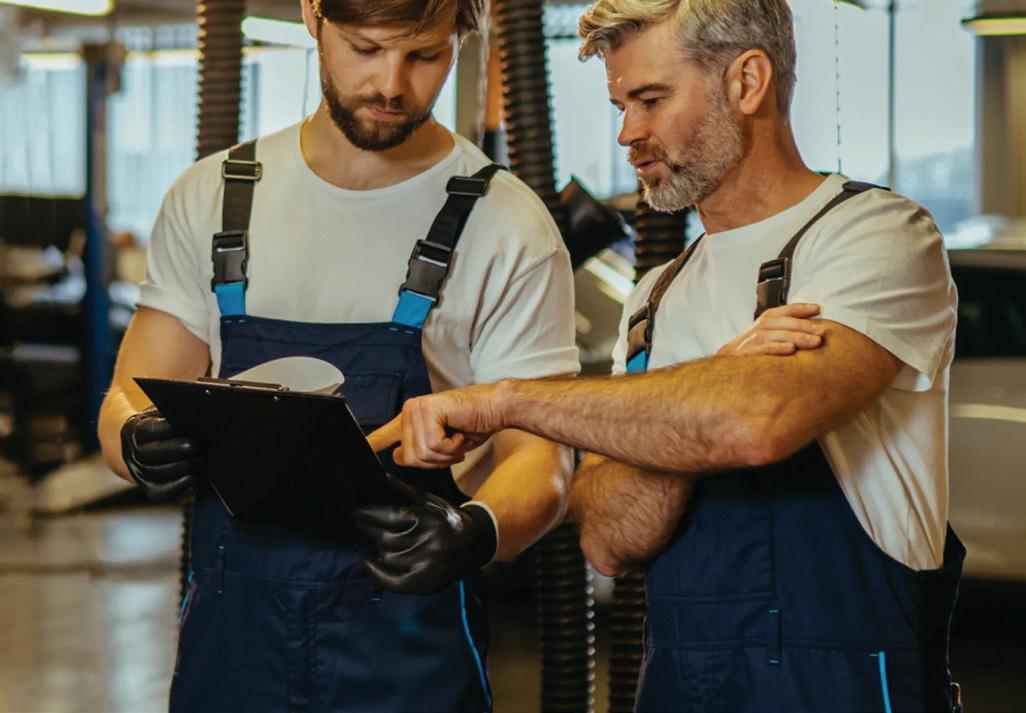

Several years ago, when Dylan Gans’ grandfather was ready to retire, he faced a significant challenge: There were no viable options for selling the practice he had built as a general surgeon.
As a result, he had little choice but to shut it down, losing valuable customer relationships, severing a connection to the community, and surrendering a valuable asset.
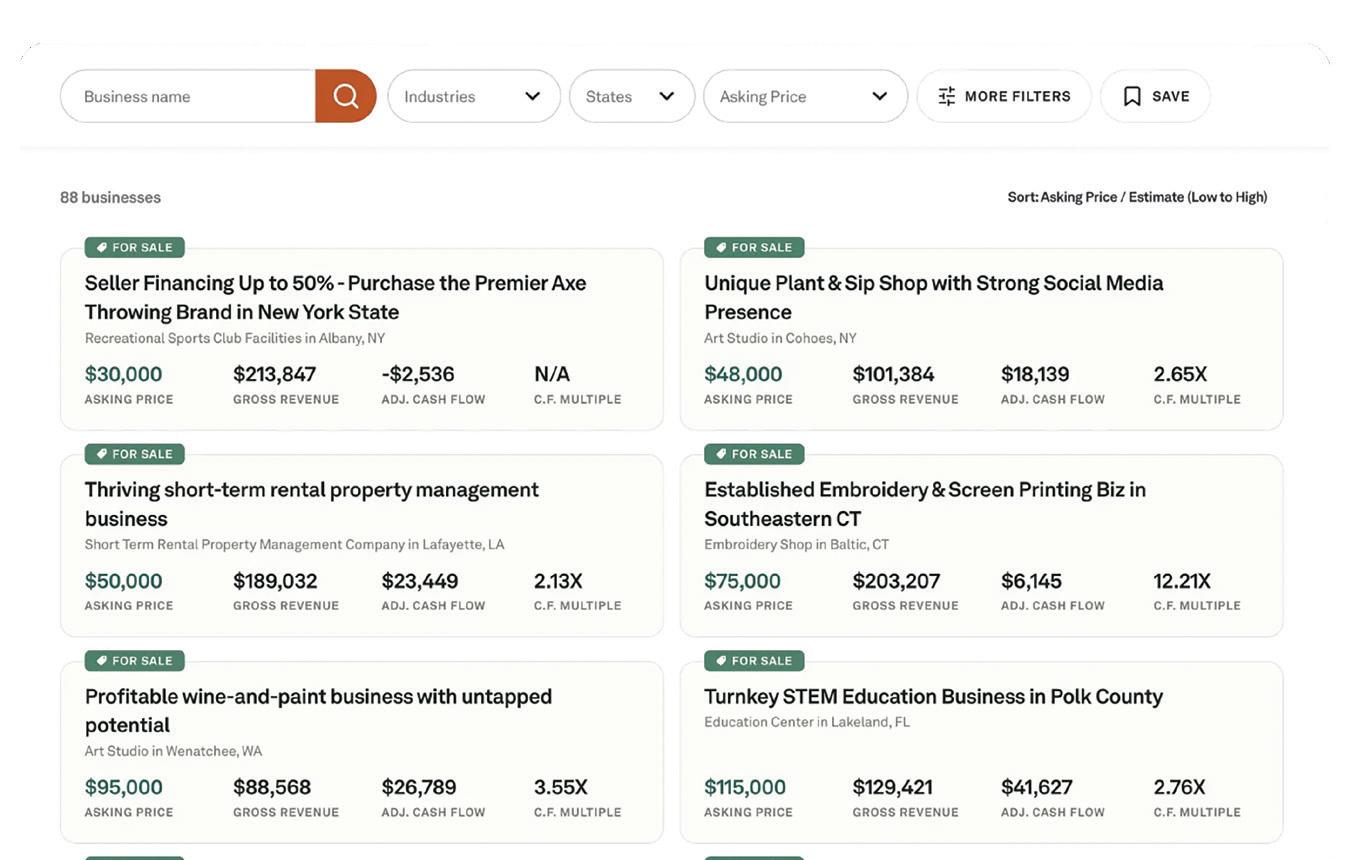
This experience deeply influenced Gans and Chat Joglekar, leading them to co-found Baton. The company is redefining how small businesses are sold through an online marketplace that connects sellers and buyers nationwide.
Today, years after Gans’ grandfather’s experience, a “silver tsunami” is underway. With tens of millions of baby boomers and Gen Xers retiring, over 70% of small-to-medium U.S. businesses are projected to change hands within the next decade, together accounting for a staggering $10 trillion in value. “Most owners have no idea what their
business is worth, which means they have no idea how to even begin thinking about selling it,” says Joglekar. “We unlock opportunities for owners, their employees, their communities, and their legacies that they may not have seen as possible.”
Backed by a $10 million Series A fundraise led by Obvious, Baton specializes in the sale of small and medium-sized businesses valued from $50 thousand to $50 million. They help companies navigate the sale process for a monthly retainer, which gets applied toward a standard commission upon a successful sale. This structure offers businesses a dramatically lower-cost sales route compared to traditional methods, alongside a hassle-free and fast process.
Baton is proving its effectiveness with an impressive 70% close rate, an improvement of 10 times over traditional
BATON HAS AN IMPRESSIVE 70% CLOSE RATE, A
10x 10x 10x 10x
IMPROVEMENT OVER TRADITIONAL BUSINESS SELLING METHODS.
business selling methods. The company has found grateful customers, who save time, money, and energy in a process that would otherwise be difficult and opaque.
Even though Baton is powered by robust metrics and data, it sees people at its core.
“We’re not just building a better marketplace,” says Joglekar. “We’re creating intergenerational wealth. We’re preserving the legacy of small businesses for families. We
believe Baton is crucial to stabilize the backbone of communities across America for the future.”
BUILDING AN OPEN RELATIONSHIP WITH AI OUMI
The rapid advancement of AI has sparked a mix of excitement and apprehension among the general public.
Manos Koukoumidis, CEO and co-founder of Oumi, shares these concerns. “Industry and the sciences across virtually any sector and discipline all need access to frontier AI to innovate,” Koukoumidis says. “But this frontier AI sits in a black box, limiting control to only a few and limiting the ways to access.” This centralized control and limited access, he argues, not only restricts innovation but also raises profound ethical questions.
Oumi, which stands for open universal machine intelligence, has a solution. The company has unveiled what it proudly touts as the world’s first unconditionally open-source AI platform. Oumi’s overarching goal is not merely to advance AI but to ensure that its progress is achieved collectively, transparently, and, most importantly, responsibly.
At the company’s heart is the belief that the greatest technology innovations are developed in the
open. AI that is made to be accessible to everyone enables enterprises to specialize tech to their own tasks while also supporting the open community to continue advancing AI faster and safer. This philosophy underpins Oumi’s radical approach, aiming to dismantle the black box and foster an environment where innovation thrives through shared knowledge and collective vigilance.
Oumi’s first-of-its-kind platform gives developers control and flexibility. Users can seamlessly synthesize and curate training data, train and fine-tune models, and deploy and evaluate their creations from virtually anywhere. What’s more, the platform integrates smoothly with both existing open models and commercial APIs, offering a versatile ecosystem for AI development.
Beyond its technical innovation, Oumi is structured as a public benefit corporation, underscoring its commitment to a mission that extends beyond profit. In early 2025, the company announced a significant milestone: $10 million in seed funding, co-led by Obvious. The company has already partnered with researchers from 13 universities, including Stanford and MIT.
“We’re here to democratize AI experimentation for enterprises, the academic community, and everyone,”
Koukoumidis says. The world’s best developers and researchers in AI are working in silos. When they’re united by a truly open-source platform, the company anticipates a collective genius effect, accelerating responsible AI development and ensuring a future where AI’s power benefits all—and not just some—of humanity.
13131313 13
THE COMPANY HAS ALREADY PARTNERED WITH RESEARCHERS FROM 13 UNIVERSITIES, INCLUDING STANFORD, MIT, OXFORD, AND CAMBRIDGE.
LYNX
MAKING HEALTH AND FINANCE
MAKE SENSE
For years, Matt Renfro worked inside the machinery of large healthcare companies, managing financial systems and watching the same problems play out over and over.



{ “CommerceOrder”: [{ “TotalAmount”: 31.02, “RetailPrice”: 47.98, “Description”: “Total “ShipmentType”: [“CarrierCode”: “UPS”, “ClassCode”: “UPS_CG”] }]
“Taxes”: [{“TaxAmount”: 3.20 }]


“CommerceOrderLine”: [ {“ItemIdentifier”: {“SupplierSKU”: “RandomProductSKU”, “Partr”:”Lorem” “ProductName”: “Advil Pain Reliever”, “OrderNumber”: “Random Order #”},”IsDropShip”: false, “Quanti Fragile”, “Identifier”: “OrderNumber”: “YS46HFIB”, “VendorNumber”: “6543”, “CustomerNu I {“Discount Code”: “0801883”, “DiscountPercent”: 1.0, “Discount 71.


“ShipToAddress”: { “FirstName”,”John”,”LastName”,L****”,”Address1”, “123-Nai
“Country”: “USA”, “Zip”: “92127”, “Phone”: “111-222-3333”, “Email”: “johndoe@ }]
“BillToAddress”: “FirstName”: “John”, “LastName”: “Smith”, “Address1”: *123 Mai “Country”: “USA”, “Zip”: “02127”, “Phone”: *111-222-3333”, “Ema
Healthcare companies were disconnected internally and couldn’t share info with each other. Customers were deeply engaged with their health plans yet left in the dark about how they could actually use their benefits. And across the industry, money and health were stubbornly linked: The more money a person made, the better health options and outcomes they had.
It felt like a system built to confuse people, Renfro says. “We kept asking, Why does this whole space need to be so mysterious?”
That question is the foundation of Lynx, which Renfro and his co-founder, Ken Abel, started in 2021. The company’s mission is to bring transparency, flexibility, and functionality to the sensitive intersection of healthcare and finance. Their goal is bold but clear: Give every American—not just the well
connected or well informed—a better way to access, understand, and use their healthcare benefits.
Lynx builds API-connected infrastructure for payments, banking, e-commerce, and investments. For customers, that means a seamless platform where they can manage their health funds, make smart purchases, and track their wellness spending in real time. For partners, like government insurance officials and corporate HSA (health savings accounts) administrators, it means new ways to embed in their platforms highly personalized health and financial tools for customers to use.
One example: A user’s HSA account can be linked directly to curated shopping for over-the-counter medications or healthy groceries, delivered through partners like CVS, Kroger, or Walmart.
Such everyday transactions provide more than just convenience—they generate rich data that helps employers, health plans, and providers understand behavior and build smarter, more targeted incentives.
“We’re working to make healthcare simpler for our partners and more valuable for their members,”
says Renfro. “But more importantly, we’ll help people feel like their healthcare is working for them, not against them.”
Lynx’s ultimate vision is a future where managing your health is straightforward, intuitive, and within reach for everyone.
JOSH REEVES, FOUNDER AND CEO OF GUSTO
OF SMALL BUSINESSES REWRITING THE RULES
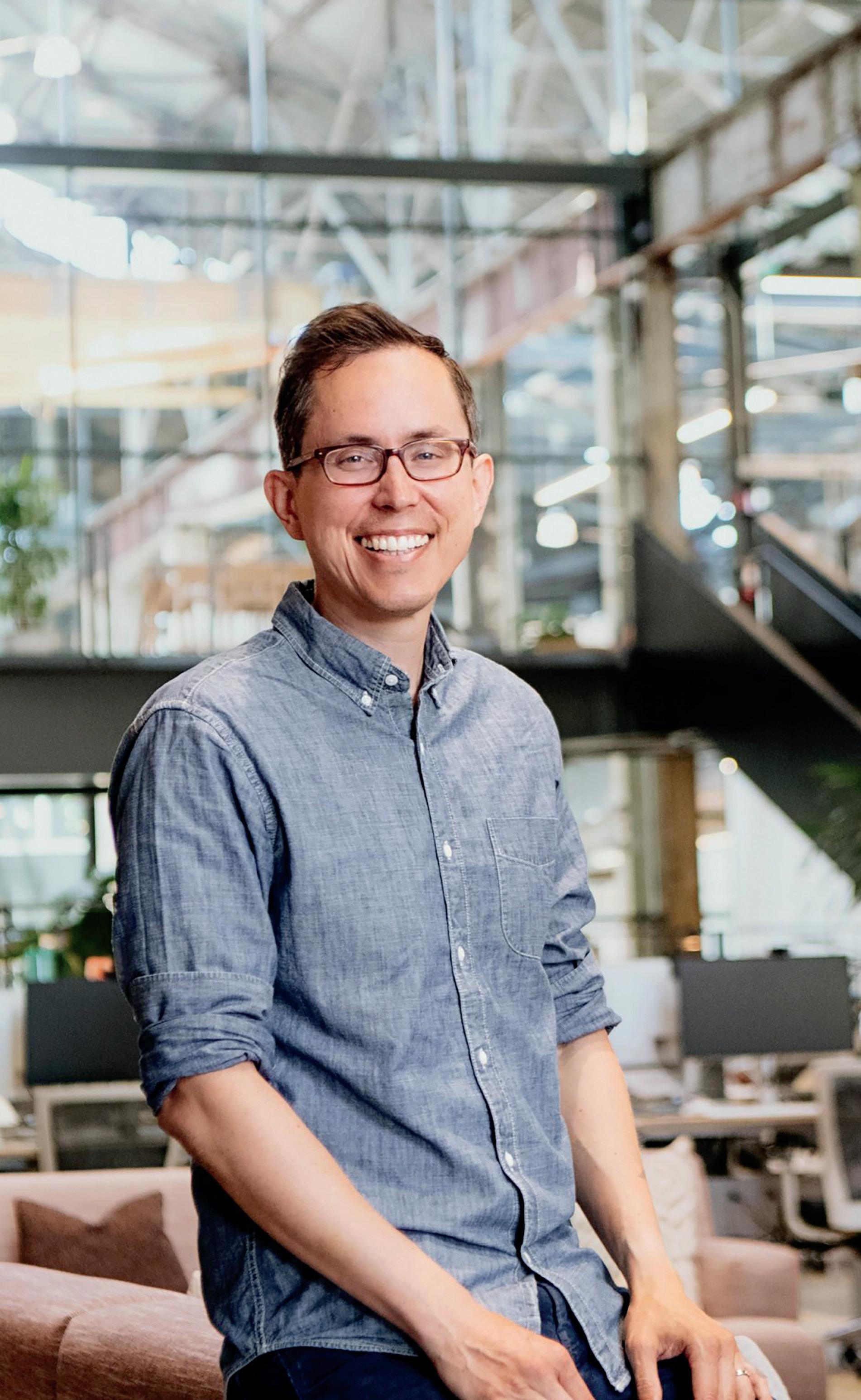
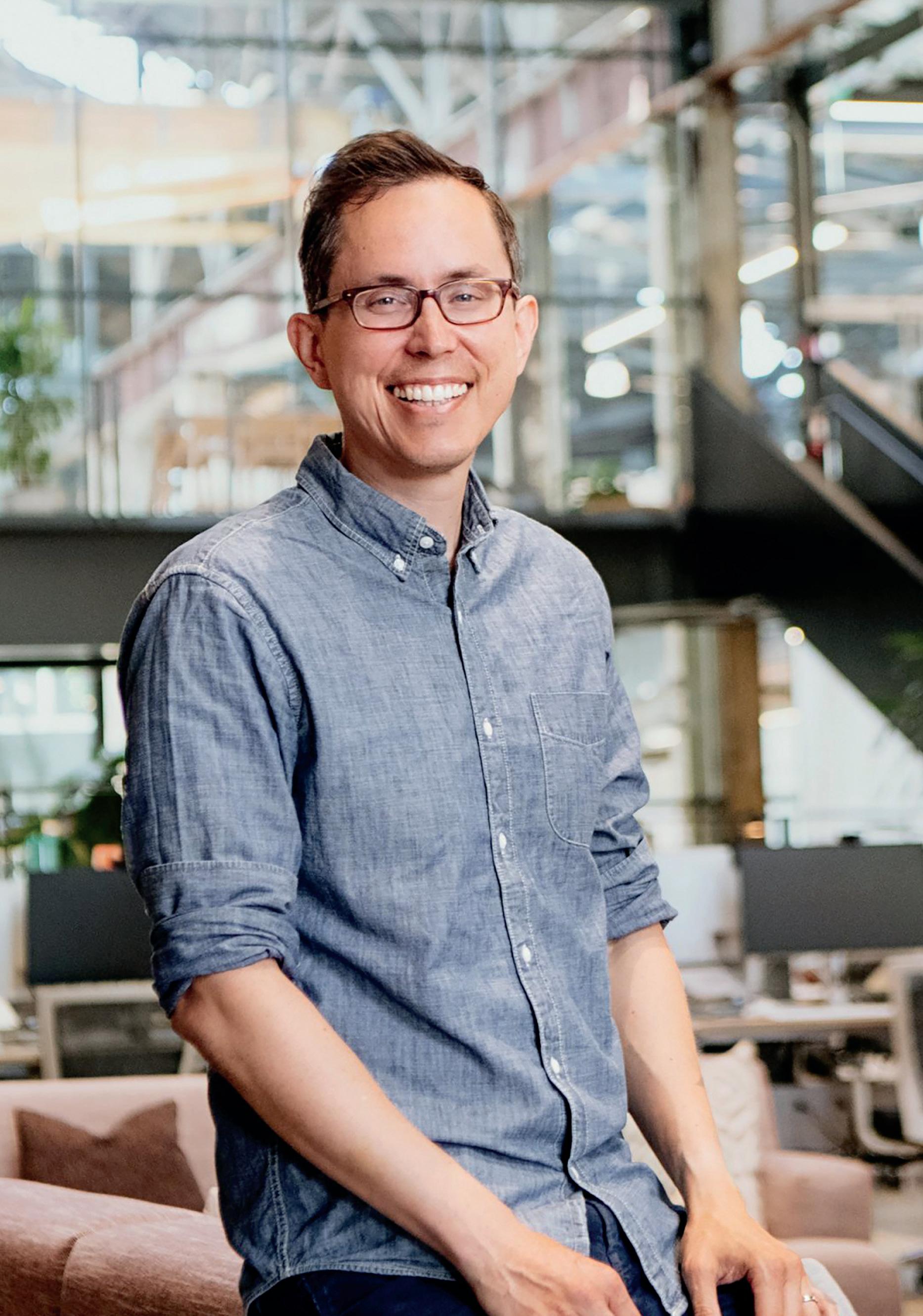
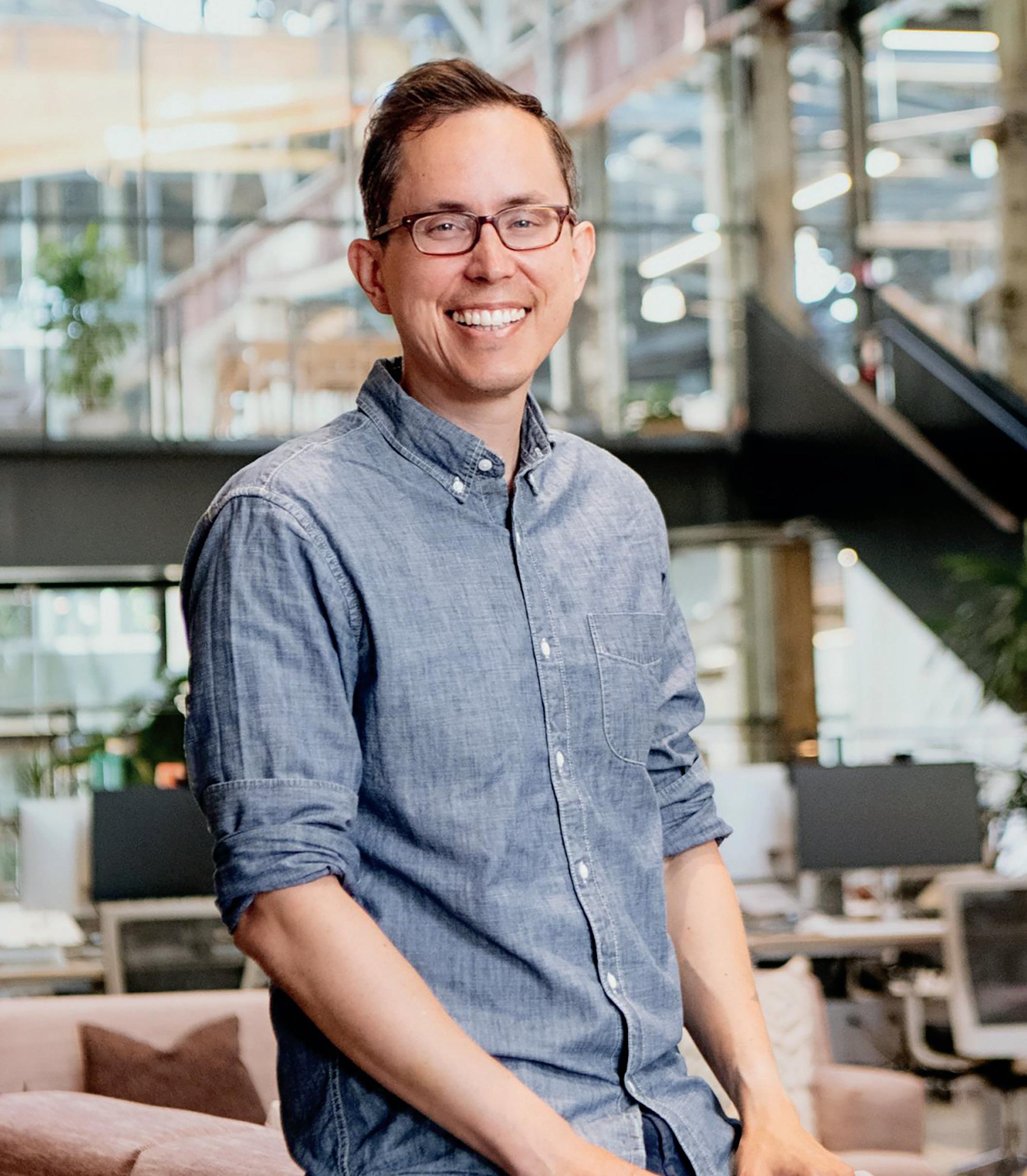
Raised in the Bay Area, Reeves grew up with a front-row view of both the promise of Silicon Valley and the quiet realities of working families. His mother, an immigrant from Bolivia, and his father, a high school teacher from Pittsburgh, PA, shared a deep respect for education, discipline, and the value of meaningful work. Their backgrounds, in factory towns and public schools, left an imprint. “I’ve always been interested in how things work and how they could work better,” Reeves says.
At Stanford, where he studied electrical engineering, Reeves became fascinated by the architecture of innovation and the culture and values that shaped Silicon Valley. He admired companies that weren’t just product- driven but principle-driven: founders who paid attention not only to what they were building but to how they were building it.
That framework would shape Gusto, the company Reeves co-founded in 2011. Gusto didn’t begin with a grand pitch or media splash. Instead, it focused on a set of unglamorous but essential functions: payroll, benefits, insurance, compliance. These were the tasks most entrepreneurs saw as necessary but draining. Reeves and his co-founders, drawing on their own startup experience, saw how much time and energy these obligations pulled away from the work that founders actually cared about, like building a team, serving customers, and growing something that lasts.
For Josh Reeves, the path to entrepreneurship didn’t begin with a business plan. It began with a problem and the sense that no one else was solving it.
“Our early question was simple,” Reeves says. “A business owner wears 20 hats. Can we take two or three of them off?”
Over time, the vision grew. As technology matured, so did their ambition. Today, Gusto serves more than 400,000 small businesses across the U.S., offering the kind of back-office infrastructure traditionally accessible only to large corporations.
Businesses can create change, but Reeves believes that Gusto’s success is a result of its focus on people solving problems for other people. “Work is one of the most meaningful parts of a person’s life,” he says. The tools Gusto builds, many of them now powered by AI, are in service of that idea—not to replace the human experience of work but to enhance it.
That clarity of purpose is one reason Reeves has emerged as a distinctive kind of leader. He doesn’t fit the tech stereotype of the fast-talking disruptor. He’s methodical, exacting, and focused on execution. He talks about “making it real”—the long, unglamorous process of turning an idea into something useful. And he brings that mindset to the way he leads, emphasizing communication, culture, and the decisions that shape how teams work together over time.
His success has proven a powerful example to younger entrepreneurs who sometimes ask him for advice. Reeves
doesn’t offer a formula, but he does offer a mindset: Begin with a problem, not a product. “Talk to the people you hope to serve,” he says. “Figure out what actually matters to them. Build something they’ll say they need, not just something they think is nice.” One test he often uses is deceptively simple:
Do you still feel as energized the thousandth time you explain what your company does as you did the first? “You can’t fake that,” he says. “You either believe in the mission, or you don’t.”
After 15 years at Gusto, Reeves still does. And he’s convinced the conditions for entrepreneurship are improving. As AI levels the playing field, and as more people seek autonomy and meaning in their careers, the potential for small businesses to thrive is growing. Reeves wants Gusto to be a quiet enabler of that shift, removing friction, reducing complexity, and helping more people take the leap.
“It’s still too hard to run a business in America,” he says. “If we can make it just a little easier, that has a compounding effect. It changes who gets to start companies and who gets to succeed. That’s the future I want to keep building.”
ECONOMIC HEALTH
SUSTAINABLE GOALS DEVELOPMENT

GOOD HEALTH AND WELL-BEING
QUALITY EDUCATION
DECENT WORK AND ECONOMIC GROWTH
INDUSTRY, INNOVATION, AND INFRASTRUCTURE
REDUCED INEQUALITIES
SUSTAINABLE CITIES AND COMMUNITIES
RESPONSIBLE CONSUMPTION AND PRODUCTION
LIFE BELOW WATER
ECONOMIC HEALTH AND THE SUSTAINABLE DEVELOPMENT GOALS
Our Economic Health investments advance a more inclusive and opportunity-rich economy. From AI-powered tools for small businesses to platforms that expand access to finance, education, and employment, our portfolio companies are helping to distribute the gains of progress more broadly. Our North Star is a future of economic growth that works for more people.
WORLD

BY VISHAL VASISHTH
It has fueled prosperity, opened doors for countless people, and pushed the limits of human potential. Across decades, it has lifted billions out of poverty and driven the kind of innovation that reshapes everyday life.
But it’s also easy to see the cracks. The same system that fuels progress has also produced deep imbalances. It has widened inequality, strained natural systems, and often prioritized short-term gain over long-term resilience. In today’s world, shaped by climate disruption, economic volatility, and public health crises, it’s clear that the old model is no longer sufficient. Capitalism needs an overhaul.
The good news is that something better is emerging. At Obvious, we call it World Positive Capitalism. It’s a new approach that embraces possibility over constraint, one that leverages innovation to substantially improve lives and generates large profits as a result of that impact. Journalists like Ezra Klein
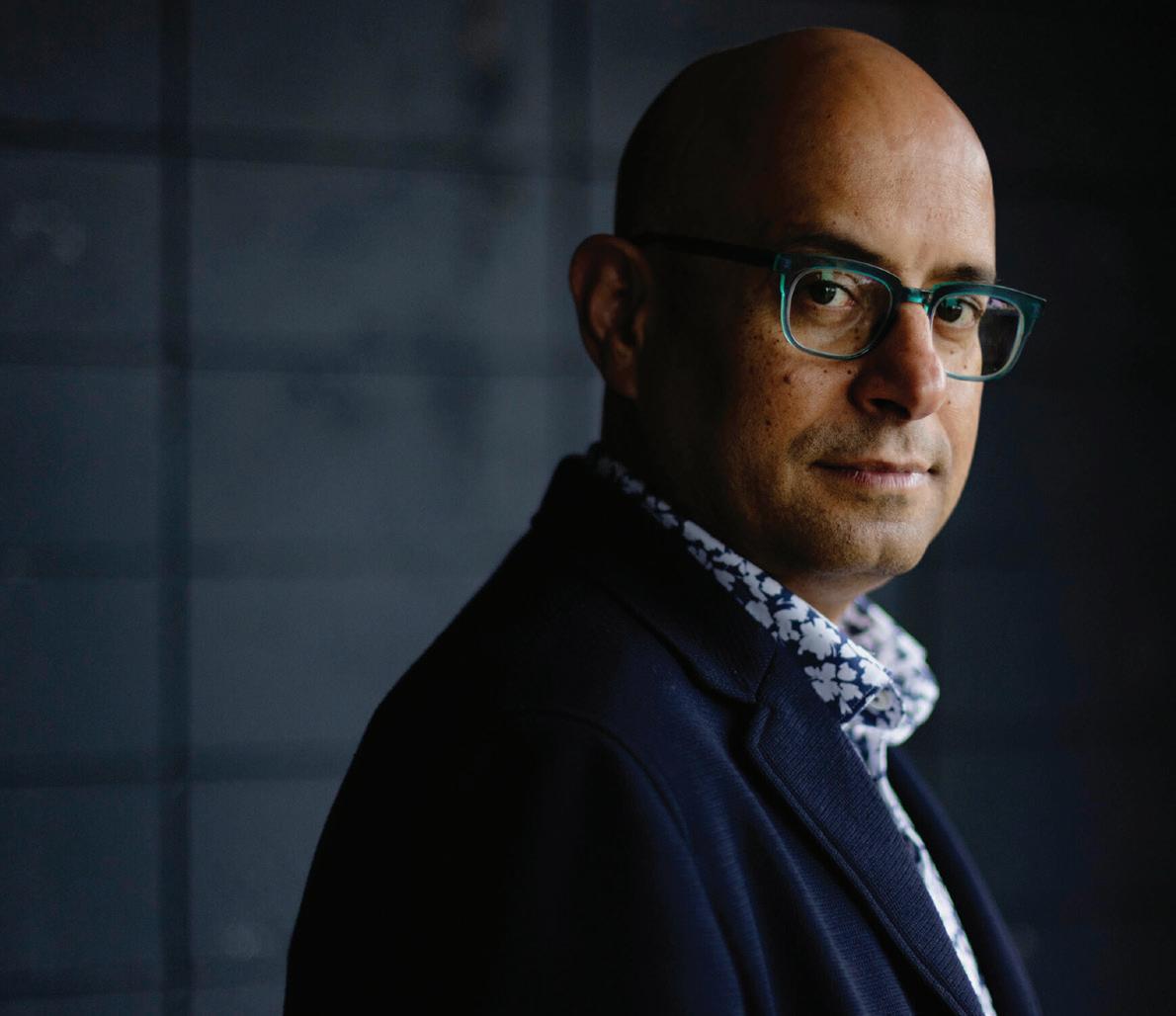
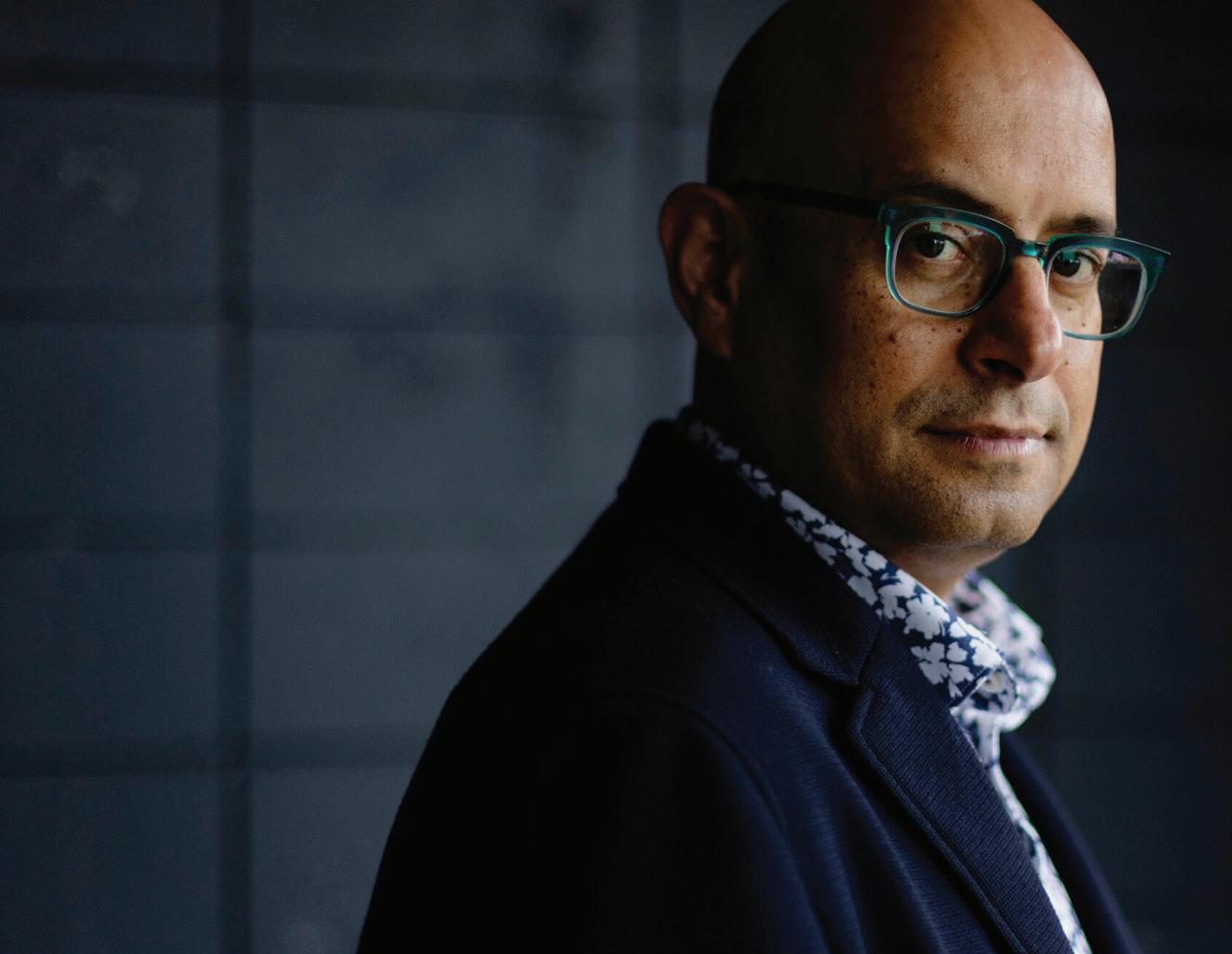

CAPITALISM HAS BEEN THE ENGINE OF MODERN PROGRESS.
and Derek Thompson describe this as a future of abundance, where progress fuels not only growth but long-term well-being for people and the planet.
I’ve seen this model at work throughout my career. At Patagonia, my colleagues and I helped prove that effective capitalism begins with high-quality products and an inspiring and authentic business model. In 2006, I worked with friends to help start B Corp, a nonprofit guided by principles to recognize companies that were beneficial to our society. I’ve spent my life surrounded by evidence that innovative, missiondriven companies can solve big and complex problems.
The idea behind World Positive Capitalism is not partisan. We’re living in a time of deep political division and economic uncertainty, where trust in institutions is low and bold action often meets resistance. There’s also growing tension between global imperatives, like climate action, trade imbalances,
and supply chain resilience, and the need to deliver tangible local benefits like good jobs, stable communities, and shared prosperity.
In this context, a new capitalism offers a unifying path forward, the kind all voters can get behind. For those focused on building strong economies and creating jobs, it provides a practical, innovationdriven road map. For those prioritizing equity, climate, and public health, it delivers real solutions. At its core, it’s about moving forward with boldness, optimism, and purpose, even when the path is contested.
World Positive Capitalism isn’t some far-off ideal. I see it already taking shape in budding companies across our economy. It’s real, it’s working, and it’s growing. To realize its full potential, we need to invest in it boldly and at scale, and now.
SHIFTING FROM EXTRACTION TO ABUNDANCE
Traditional capitalism has largely operated on an extractive model, taking from natural resources, vulnerable labor, and communities without properly aligning incentives or considering long-term consequences. Even well-intentioned corporate efforts, like corporate social responsibility initiatives or environmental, social, and governance goals, often focus more on minimizing harm than on maximizing potential.
World Positive Capitalism is different. It’s not about reducing risk—it’s about creating regenerative, compounding benefits. The shift requires rethinking how we define and measure success. Frameworks like Bhutan’s Gross National Happiness index and Kate Raworth’s doughnut economics point to more sustainable and inclusive measures of progress. Instead of optimizing for short-term goals, like quarterly GDP growth, we need a shared long-term goal, something as unifying and ambitious as going to the moon.
We could think of this measure as a new kind of scorecard, something like a global flourishing index. Not just a measure of economic output but a way to track how well people and communities are actually doing. It could mix in things like health, education, environmental sustainability, and social resilience.
The equation may be complex, but the underlying principle is simple: Instead of exploiting the planet and its people, we invest in their renewal. Instead of cutting down, we cultivate and replant. Instead of extracting value and walking away, we build systems that replenish what they use. This isn’t the work of charities or nonprofits. It’s the future of capitalism. With the right incentives in place, the visionaries building this way won’t just change the world—they’ll be financially rewarded, too.
THE 3 PILLARS OF WORLD POSITIVE CAPITALISM
To make World Positive Capitalism a reality, we need a framework that prioritizes sustainable growth. At Obvious, we divide this broad goal into our three pillars—Planetary Health, Human Health, and Economic Health—which overlap and intersect to drive exponential progress.
Promoting planetary health means moving away from systems that deplete and constrain, like fossil fuels, industrial agriculture, and throwaway materials, and toward ones that restore and regenerate. Clean energy, circular economies, and sustainable materials aren’t just better alternatives— they’re the foundation of long-term abundance.
Big challenges like climate change and environmental durability are perfect problems for World Positive Capitalism to solve. A world positive approach considers sustainability a growth driver. It incentivizes building the next generation of clean energy infrastructure, enabling energy independence through distributed power, and backing innovations in water, food, and materials.
At Obvious, we’ve made investments that prove this concept. We supported Diamond Foundry, which is pioneering innovative methods to make diamonds and reduce the need for destructive mining, and Beyond Meat, which has revolutionized plant-based proteins to reduce reliance on industrial animal agriculture. A company in our energy portfolio, Zanskar , has used AI to dramatically advance the process of finding and harnessing clean geothermal energy.
Finding planetary solutions will have widespread benefit. But we also need to improve life at the level of the individual. That means transforming human health from a reactive, fee-for-service-based system—what many call “sick care”— to one centered on prevention, curative therapies, and true well-being.
Traditional healthcare is often expensive, inefficient, and misaligned with actual patient outcomes. A world positive approach flips that model by focusing on results first, prioritizing care that measurably improves lives. It also incentivizes making cutting-edge tools, data, and research more accessible and equitable. I see this approach in companies like Virta Health, which is rethinking care to reverse Type 2 diabetes, and Recursion, which is using AI to accelerate drug discovery. Devoted Health is redesigning healthcare for seniors with a more personal, proactive, and coordinated approach.
This same mindset—proactive, with clear intentions—can transform economic health as well. Building a stronger, fairer economy means shifting from concentrated wealth and exclusionary systems to models that expand participation and opportunity.
You can see these advances in a company like Gusto, which helps small and medium businesses scale by simplifying payroll and HR. Or in one like Corvus , which is building cybersecurity infrastructure and insurance to safeguard businesses in our interconnected world. Dexterity Robotics is building economic resilience
by taking over dull, dirty, and dangerous tasks and enabling workers to get safer and better-paying jobs.
We’ve all seen ways a thriving economy doesn’t just grow but brings people along with it. It empowers small businesses and inspires creators to build something. It also expands financial access so more people can participate. The goal of World Positive Capitalism can’t be to replace people with machines. Instead it must strive to leverage innovation to unlock human potential and create prosperity that’s broadly shared.
A powerful thing happens when planetary, health, and economic progress combine: They unlock a self-reinforcing engine of progress. Clean energy reduces pollution, which improves public health. Healthier people contribute more meaningfully to the economy. A more inclusive economy invests more in education, innovation, and sustainability. This results in more people equipped with tools and capabilities to work on bigger problems, which creates a virtuous cycle.
RECURSION’S AI
ACCELERATES DRUG DISCOVERY
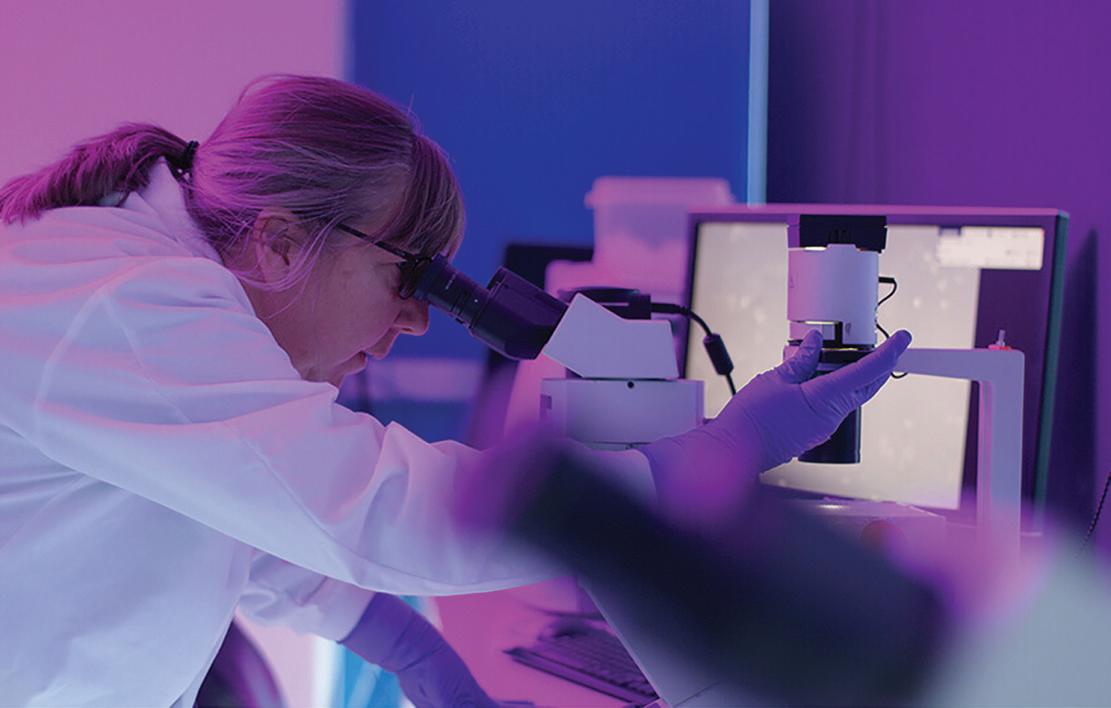
DIAMOND FOUNDRY
REVOLUTIONIZES HOW DIAMONDS ARE MADE

PLANNING FOR WHAT CAN GO RIGHT
One of the most powerful shifts in World Positive Capitalism is moving away from a risk-based mindset to one that prioritizes opportunity. Traditional business strategy often focuses on mitigating what can go wrong, analyzing threats, hedging against downturns, and minimizing liabilities. But the people and companies that truly change the world succeed by maximizing what can go right, setting bold visions that attract investment, talent, and public support.
History’s most famous inventions are the ones that did exactly this. The printing press, the telephone, and the automobile were all world positive in how they improved life and changed what was possible. Of course, they came with downsides, too, such as a dependence on fossil fuels, materials with heavy environmental costs, and inequitable distribution. But those challenges don’t negate their value—they present the next set of opportunities for World Positive Capitalism to solve.
Some companies have been operating this way for years. Tesla didn’t just build electric cars—it redefined what a clean-energy-powered car company could be and forced competitors to follow suit. YouTube took a decentralized approach to media and unlocked new income streams for millions of people. Whole Foods made organic and natural foods mainstream. During the pandemic, Moderna delivered vaccine development and delivery at unprecedented speed. Genentech’s first-in-kind medicines dramatically improved outcomes for serious diseases like diabetes and colorectal cancer. And Shopify built a platform for e-commerce companies of all sizes to deepen engagement with their customers.
We’ve now entered the next leap of intelligence democratization. With generative AI, we have tools that can help us solve problems once thought out of reach across healthcare, education, material science, manufacturing, climate, and beyond.
To make it happen, we need everyone pulling in the same direction. We need entrepreneurs, investors, philanthropists, and policymakers supporting world positive thinkers. We need business and engineering schools to teach students to aim high and pursue big goals. And we need catalytic grants and a systemic investing approach that illuminates the path to big ideas.
More than anything, we need to nurture a new generation of change agents, the people who will run toward the hardest challenges and biggest opportunities facing humanity.
A BLUEPRINT FOR THE FUTURE
The seeds of this new economic system have already been planted. Or, in the words of science fiction author William Gibson, “The future is already here— it’s just not evenly distributed.”
What does an abundance mindset, a mindset of possibilities, actually look like in practice? The New York Times’ Thomas Friedman has described himself as a “Waymo Democrat,” not to endorse any single company but to illustrate that it’s possible to build transformative technology in a regulated, safety-conscious environment without getting bogged down in endless red tape or ideological gridlock. World Positive Capitalism shares that spirit, underscoring that we can build bold solutions that
serve the public good and do it with both speed and integrity.
You can already start to see the shift around the venture world. When we started Obvious, few investors were thinking about building world positive companies. Since then, VCs like a16z, Union Square Ventures, Generation Investment Management, and General Catalyst are backing companies focused on climate, health, and economic vibrancy. We’re seeing real breakthroughs. Rivian and Samsara are reimagining transportation. Pivot Bio is helping improve soil quality. And Solugen is helping build next-generation chemicals using sustainable feedstock.
CITIES POWERED BY CLEAN ENERGY
PREFABRICATED HOUSING
GENERATIVE SCIENCE
AI-POWERED HEALTHCARE
SUSTAINABLE FOOD SYSTEMS
SYNTHETIC BIOLOGY
ACCESSIBLE EDUCATION
ELECTRIFIED TRANSPORTATION
AI-ENHANCED ROBOTICS
EARLY DIAGNOSTICS
USER-FRIENDLY FINANCE CLOSED-LOOP MANUFACTURING
PRECISION MEDICINE
The momentum is almost contagious. As world positive companies succeed, more companies see their value. The list is long: Chime is making banking more accessible for everyday consumers. Sweetgreen is rethinking food systems through sustainability and health. Oak Street Health and One Medical are reshaping how care is delivered. Meanwhile, companies like Tempus and GRAIL are working toward precision medicine and early diagnostics. Platforms like Airbnb and Substack are creating new avenues for their customers to generate revenue for themselves. Toast and Mindbody are helping small businesses thrive with tools once reserved for the enterprise level. Duolingo, Coursera, and Guild are innovating in education, while companies like Flock Safety and Verkada are developing new ways to reduce crime and keep us safe.
All of these are early proof points that World Positive Capitalism is already working. And if we commit to it fully, it’s easy to imagine just how different the world could look in 50 years.
Picture cities powered by clean, abundant energy and transportation networks that are fully electrified, autonomous, and efficient. Closed-loop manufacturing systems will replenish resources, not deplete them. Synthetic biology will drive a sustainable material economy, and prefabricated housing supported by smart policy will make homeownership more attainable. And intelligent, networked fleets of drones and robots will help mitigate wildfires and enhance safety while preserving core values like privacy.
We can have a healthcare system that’s proactive rather than reactive, with
AI-powered diagnostics and generative science finding cures for diseases like cancer and heart disease. Personalized care will be the norm, and healthcare knowledge will be democratized and easily shared.
Imagine a world with an education system that’s lifelong and accessible, with AI tools that will empower creators and entrepreneurs to scale with unprecedented speed, making opportunity no longer a privilege for the elite.
Critics of capitalism argue that it’s fundamentally flawed. Defenders insist it just needs refining. The reality is that capitalism is neither good nor bad—it’s merely a tool, shaped by how we use it. History belongs to those who build the future. So let’s get to work.
OBVIOUS IMPACT
NO POVERTY
ZERO HUNGER
GOOD HEALTH AND WELL-BEING
QUALITY EDUCATION
GENDER EQUALITY
CLEAN WATER AND SANITATION
AFFORDABLE AND CLEAN ENERGY
DECENT WORK AND ECONOMIC GROWTH
INDUSTRY, INNOVATION, AND INFRASTRUCTURE
REDUCED INEQUALITIES
SUSTAINABLE CITIES AND COMMUNITIES
RESPONSIBLE CONSUMPTION AND PRODUCTION
CLIMATE ACTION
LIFE BELOW WATER
LIFE ON LAND
PEACE, JUSTICE, AND STRONG INSTITUTIONS
PARTNERSHIP FOR THE GOALS
A PORTFOLIO ALIGNED WITH GLOBAL PROGRESS
Across this report, we’ve highlighted how our companies are advancing health, equity, and sustainability, not just through strong business performance but through measurable contributions to planetary, human, and economic progress. Aligning our investments with the UN Sustainable Development Goals gives us a clear view of how our portfolio is helping build the foundational systems of the future. These are the kinds of businesses the world needs and the kind we will continue to support.
PLANETARY HEALTH
CLARUS POWER
DIAMOND FOUNDRY
ENBALA POWER NETWORKS
ENERVEE
HELIX RE MOSAIC
PLANET
PLANT PREFAB
SERIFORGE
SIGHTEN
SNAPSHIP
ZYMERGEN
AMPLY ENERGY
CANVAS
DEXTERITY
INSPIRE CLEAN ENERGY
KEYO
LILIUM
LYRIC
PROTERRA
AIFLEET
FORUM MOBILITY
LIGHTSHIP
SINAI
TOUCAN
ARBOR
HALCYON
PYKA
SENKEN
STEALTH INDUSTRIAL COMPANY
SYNOP
ZANSKAR
HUMAN HEALTH
BEYOND MEAT
CAREZONE
HAPPIEST BABY
JOY HOME
LUCID PERFORMANCE
MIYOKO’S CREAMERY
URBAN REMEDY
VIRTA HEALTH
BOON SUPPLY
CANOPY CLUB
DEVOTED HEALTH
GOOD EGGS
LABGENIUS THERAPEUTICS
DYNO THERAPEUTICS GALILEO GANDEEVA THERAPEUTICS
ITERATIVE HEALTH
NUE LIFE HEALTH
POSITIVE DEVELOPMENT
SWIFTSCALE BIOLOGICS
TOMORROW HEALTH
WOMANESS ALL IN FOOD
ATARAXIS AI
BAYESIAN HEALTH
GENHEALTH.AI
INCEPTIVE INDUCTIVE BIO
PARALLEL LEARNING
PI HEALTH
STEALTH AI COMPANY
STEALTH BIO COMPANY
STEALTH CONSUMER COMPANY
STEALTH HEALTHCARE COMPANY
STEALTH HEALTHCARE COMPANY
SYNTENY WILL PERFORM
ECONOMIC HEALTH
BREEZEWORKS
FAIR
GUSTO
KNIT
LEARNERS GUILD
MAGIC LEAP
MAKER MEDIA
NEWCO PLATFORM
WORKPOP
BAKPAX
BLOCK RENOVATION
DARWINAI
GRID
HEDVIG
INCREDIBLE HEALTH
KAMPI
KINDRED
LONG-TERM STOCK EXCHANGE
CAL.COM
CORVUS
LITERAL
LYNX
NEARBY
OK COMPANY
ONE FINANCE
OPENLY
RENORUN
TORCH
WONDER
BATON
BRIGHTSIDE HEALTH
HOWDY
OUMI
PRISM DATA
STEALTH AI COMPANY
TANDYM
OBVIOUS BECAME ONE OF THE FIRST VENTURE CAPITAL FIRMS IN THE WORLD TO BECOME A CERTIFIED B CORPORATION IN 2017.
B Corps are businesses that meet the highest standards of verified social and environmental performance, public transparency, and legal accountability to balance profit and purpose.
Obvious was last recertified in 2023 and is currently renewing its certification for 2025 and 2026. We perform regular internal reviews to ensure we’re putting its values into practice with our employees, our partners, our portfolio, and our broader world.


2026 Edition
Writers and Editors:
Daniel Stone, Tighe Flatley, Jessica Nett
Contributors:
James Joaquin, Andrew Beebe, Vishal Vasishth, Kahini Shah, Rohan Ganesh
Copy Editor: Victoria Gannon
Designed by Pineapple, San Francisco www.pineapplesf.com
© 2026, Obvious Management Services, LLC
Published by Obvious Management Services, LLC
190 Pacific Ave. San Francisco, CA 94111 www.obvious.com/wpr2026
All rights reserved.
Obvious World Positive Report 2026 by Obvious Management Services, LLC is licensed under CC BY-ND 4.0. To view a copy of this license, visit https://creativecommons.org/licenses/by-nd/4.0
Printed on 10% post-consumer recycled paper with organic-based toners.
FSC® Certified
All Cougar® papers meet the mark of responsible forestry.
Processed Chlorine Free
Our 100% post-consumer recycled papers are manufactured from sustainable raw materials and are free of chlorine chemistry.