

THE MAIL HANDLER
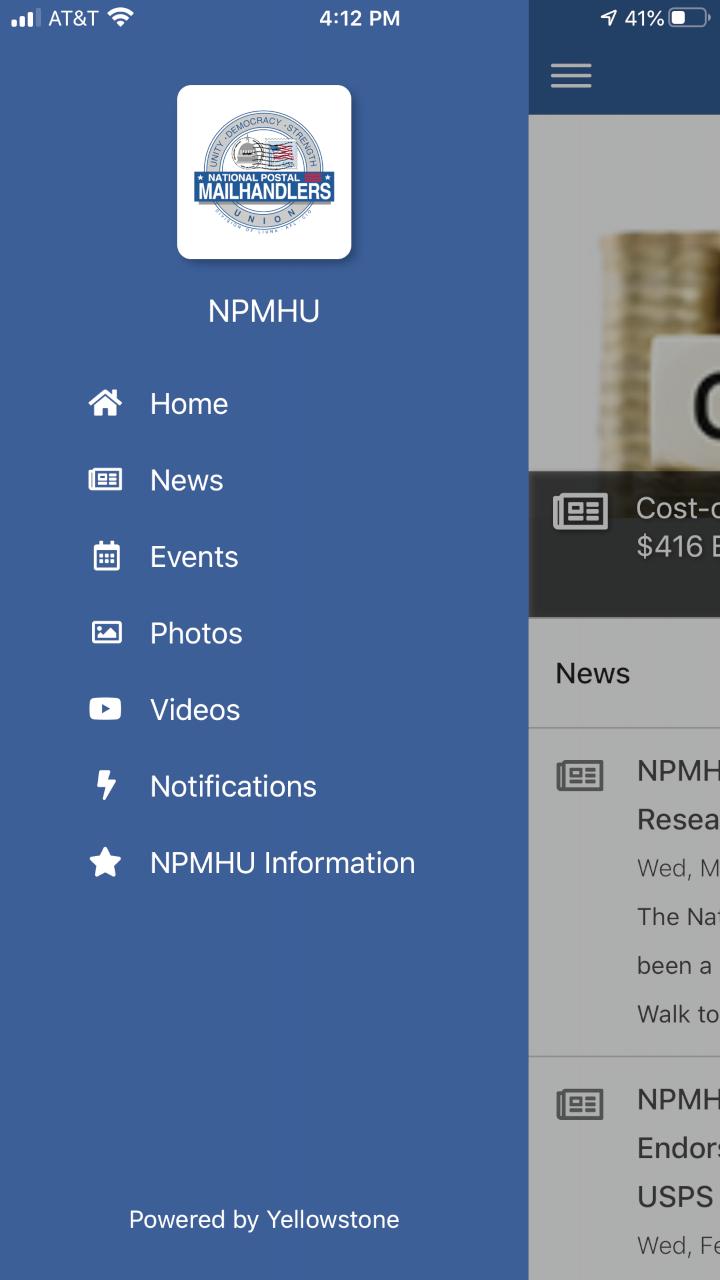
Go to the App Store or Google Play and search “NPMHU” to install and use at no charge

INSTALL THE FREE NPMHU MOBILE APP
FOR YOUR IPHONE OR ANDROID SMARTPHONE

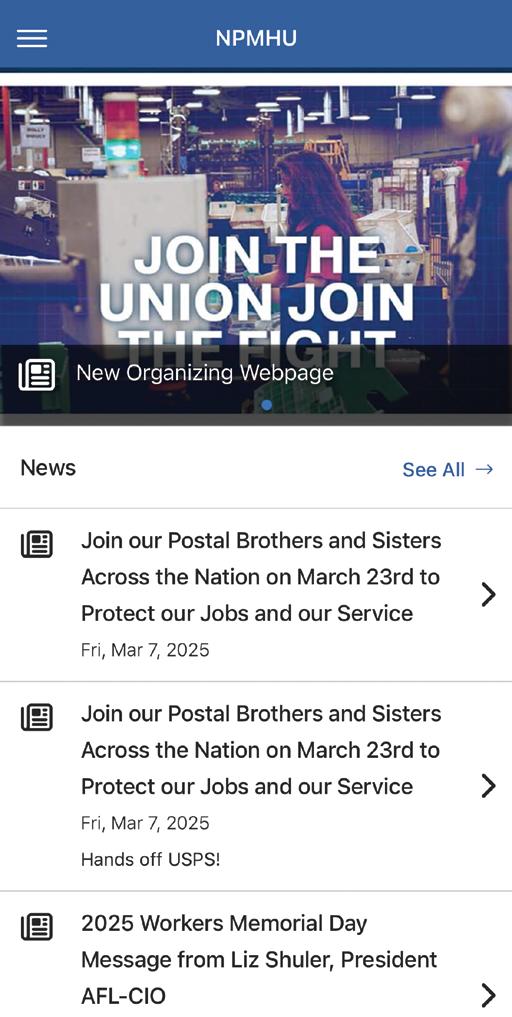
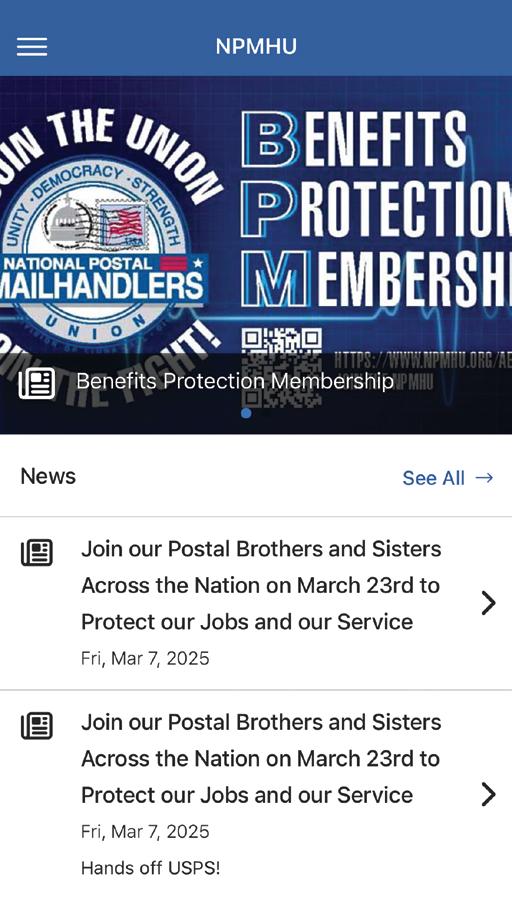
We are pleased to provide this communication tool to all Mail Handlers. You can access the latest news, updates, events, and information of organizational importance. THE APP’S FEATURES INCLUDE:
+ Current NPMHU news with periodic push notifications of importance
+ Legislative and Political NPMHU Action Center
+ Quadrennial Convention Information
+ NPMHU Women’s Committee
+ Current Wage Charts

CONTRACT TALKS REACH IMPASSE
Paul V. Hogrogian, National President
As was reported in our last Contract Update, bargaining between the NPMHU and the Postal Service has entered a new stage. After months of negotiations, the NPMHU has declared impasse. While we made progress and reached tentative agreements on important non-economic issues, the Postal Service’s economic proposals fall far short of meeting the primary goal that we set out at the beginning of these negotiations — an agreement that fairly compensates Mail Handlers for the important and critical work that we do.
While many issues facing Mail Handlers are unique, our negotiations do not occur in a vacuum. In addition to the issues facing our craft, other important issues that are affecting negotiations are the economic condition of the Postal Service as well as the terms of the National Agreement between the Postal Service and the other Postal unions — namely, the agreement between the Postal Service and the APWU which runs from 20242027 and the terms of the agreement between the Postal Service and the NALC which runs from 2023–2026. The APWU agreement was a negotiated agreement, while the terms of the NALC agreement were set through arbitration. Regardless of the way in which those agreements were finalized, both the Postal Service and the NPMHU have been debating the extent to which those agreements serve as a pattern for our negotiations. Also impacting the Postal Service’s negotiation position is that the NALC is in negotiations again.
Those negotiations, like ours, have moved from negotiation into the PRA’s dispute resolution process.
Declaring impasse is not the end of the negotiation process. Instead, it allows the NPMHU and the Postal Service to turn to the dispute resolu tion procedures set out in the Postal Reorganization Act (PRA).
One step in the PRA process is medi ation. The mediation process allows the parties to turn to the assistance of a third-party neutral as we continue the frank discussions about our dif ferences and to identify possible ideas for narrowing or eliminating those dif ferences. A mediator would not have the power to issue binding settlements or resolutions and cannot therefore compel the parties to reach an agree ment. Rather, the mediator serves as a facilitator of discussions, making suggestions to the parties to keep the dialogue and process of negotiations moving forward. The PRA instructs the parties that they are to “cooper ate with the mediator in an effort to reach an agreement and shall meet and negotiate in good faith at such times and places that the mediator, in consultation with the parties, shall direct.” The mediation is to continue for at least sixty days, unless the parties agree otherwise, either because they have reached a tentative agreement or because they and the mediator believe that an extension of the mediation pro cess would be appropriate.
If mediation proves unsuccess ful, and we are otherwise unable to resolve their continuing dispute, the
NATIONAL OFFICERS ACROSS THE COUNTRY
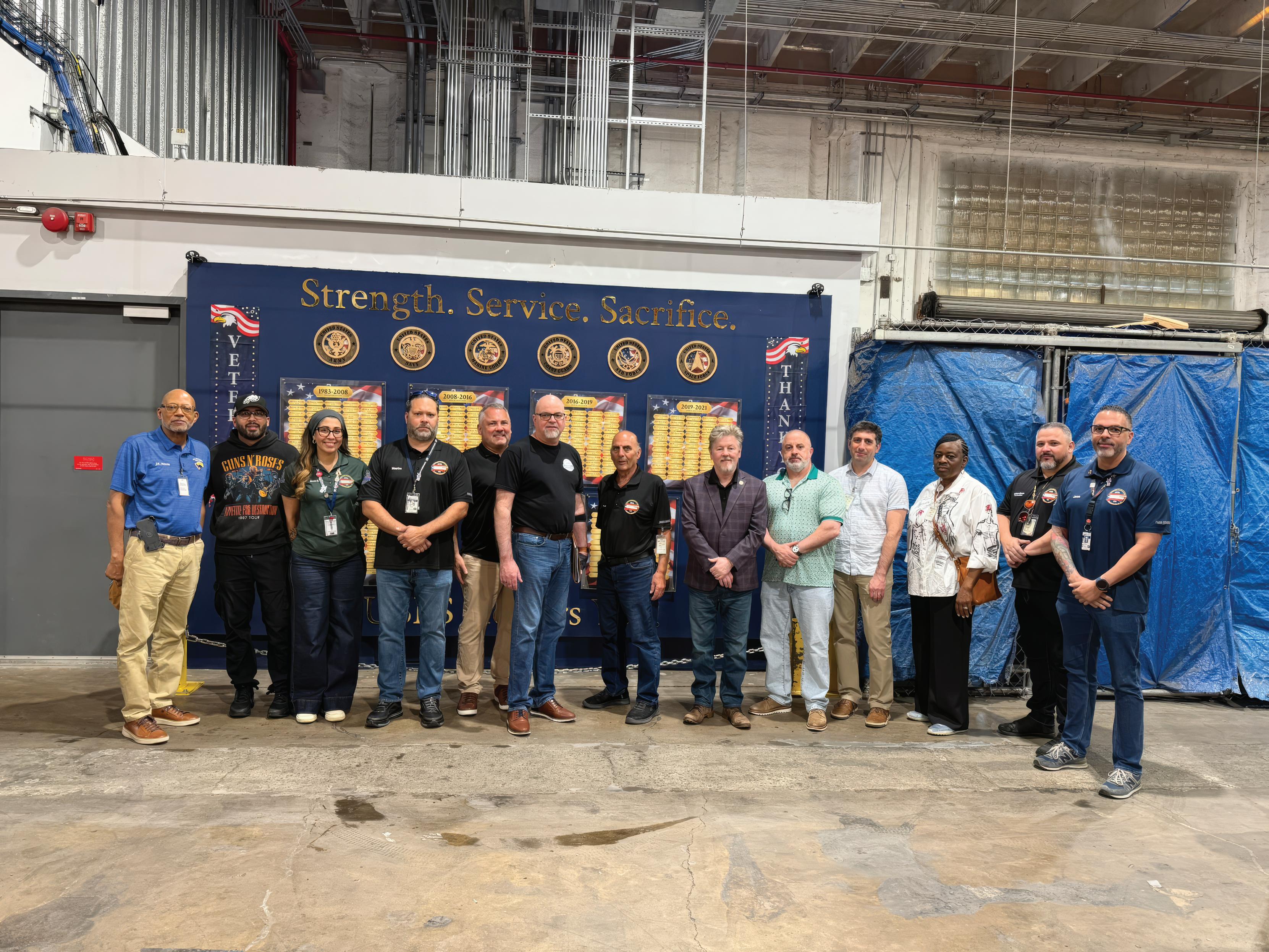
NEB FACILITY VISIT
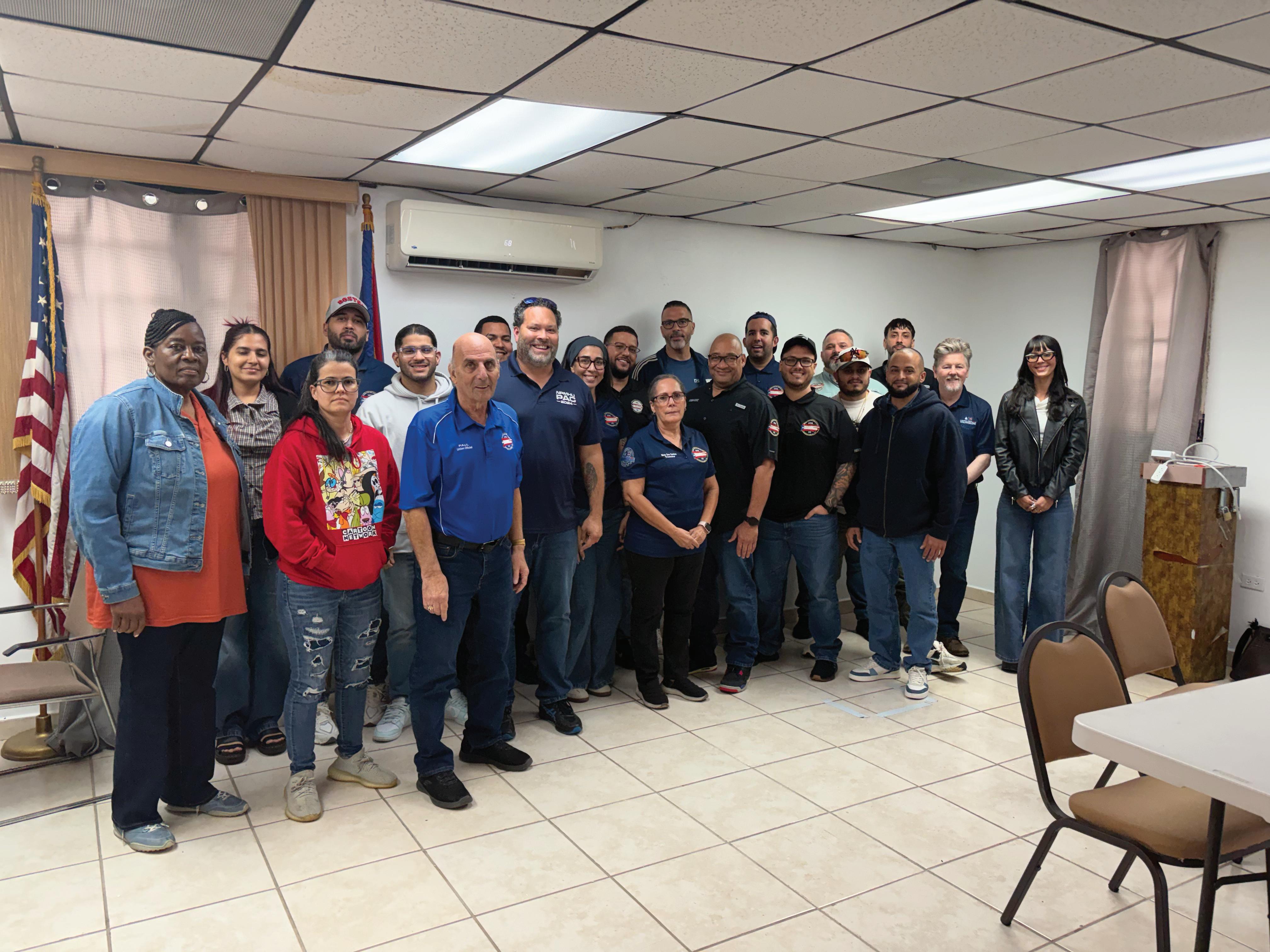
The NPMHU National Executive Board visited the MPA 3 in Carolina, Puerto Rico. Pictured (l-r) Vice President Southern Region John (JR) Macon, Local 313 SEBM Angel Ortiz, Local 313 Recording Secretary Sheila Ruiz, Local 313 President Maurice Torres, Vice President Western Region Don Sneesby, National Secretary-Treasurer Kevin Tabarus, National President Paul Hogrogian, Vice President Northeastern Region Dan St. Marie, NPMHU General Counsel Matt Clash-Drexler, Vice President Central Region June Harris, Local 313 Vice President Ildefonso Rivera and Local 313 Branch President Jese Carrion.
NPMHU REMAINS VIGILANT
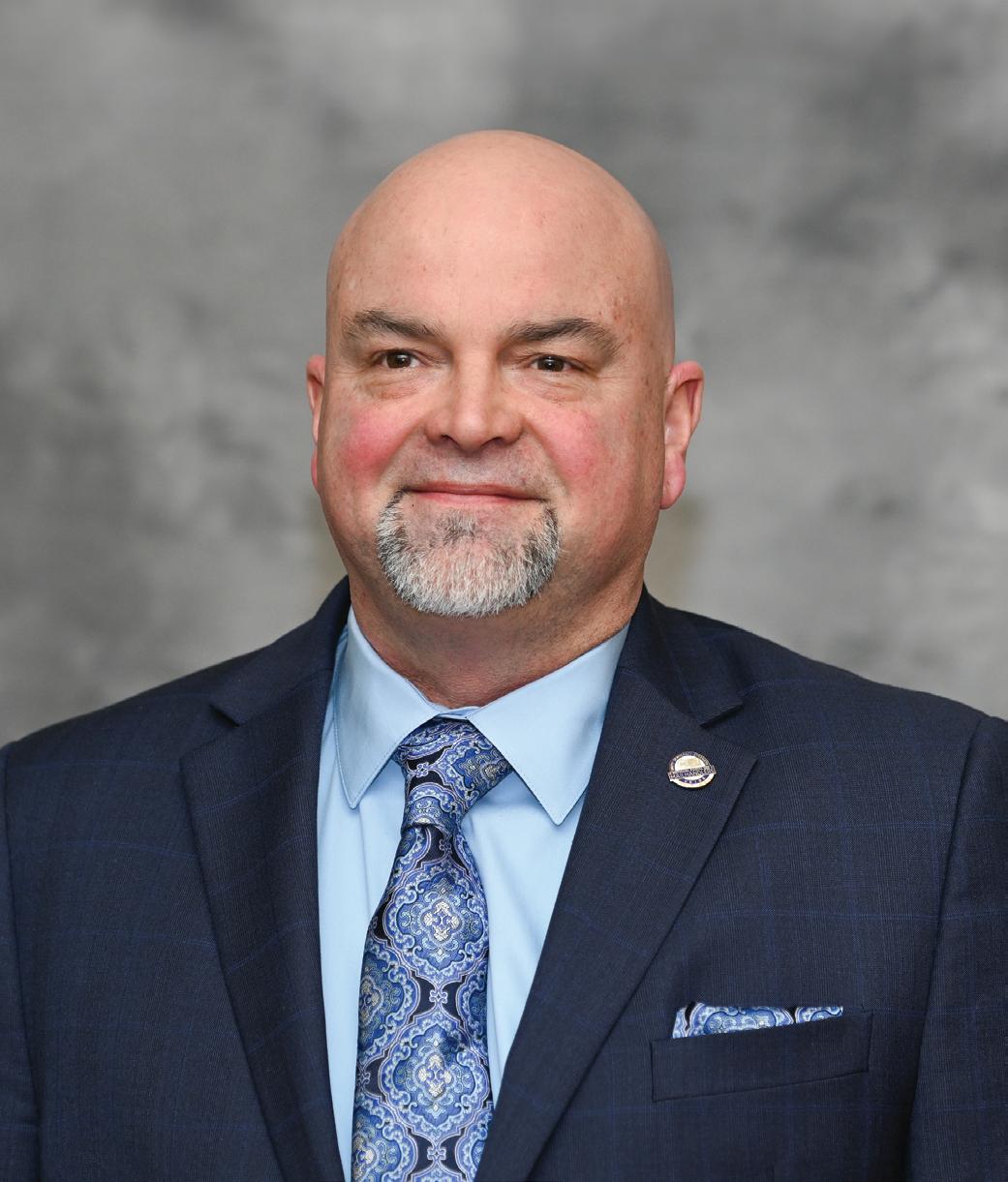
Kevin P. Tabarus, National Secretary-Treasurer
The National Postal Mail Handlers Union is always prepared. Our organization does not sit back and wait for things to happen. We always remain steps ahead and prepared for our future. This commitment applies to all aspects of what could affect the Mail Handler craft, good or bad.
No matter the issue, whether it is a legislative or political issue imposed by the administration in Washington, DC or an operational issue implemented by postal management, we remain committed to ensuring protections for the Mail Handler craft and our customers that use our US Mail. We have direct contact with many union labor friendly members of Congress who ask for our input on many pending and future issues.
The number of Mail Handlers has been increasing. This is even with declining mail volumes. Since the COVID-19 Pandemic, the number of Mail Handlers has increased by 13,000. That is an increase of over 31%. (For comparison, the APWU lost over 9,000 over the same period.) One of the main reasons for the increased amount of Mail Handlers is that we have gained Mail Handler positions in Regional Processing Distribution Centers (RPDCs), Sorting & Delivery Centers (SDCs), Regional Transfer Hubs (RTHs), etc. We are gaining more and more Mail Handler jobs! We have been successful in our efforts to have craft jurisdictional assignments awarded to the Mail Handler craft over the APWU on new Mail Processing Equipment.
Our excellent Contract Administration Department does much more than just process grievances. They prepare to fight hard for Mail Handler jobs on new machinery. They attend every one of the US Postal Services’ Mechanical and Technology meetings. They are also out in the field, making site visits for all new machinery. They, too, are prepared for our future.
The National Executive Board (NEB) is also prepared. The NEB consists of the National President, National Secretary-Treasurer, and the five (5) Regional Vice Presidents. The National Executive Board is responsible for governing this Union, upholding its laws and policies and advancing its interests. Every aspect of this Union is discussed by the NEB. They meet on a quarterly basis. Some of the topics for the NEB meetings are:
• reviewing finances (expenses and income),
• membership trends for Local Unions on regular (Mail Handlers) members and associate members,
• addressing Local Union appeals,
• meeting and training program planning,
• litigation,
• national grievances,
• USPS Network Redesign
- both the status and proposed future changes,
• NPMHU National Women’s Committee,
• Mail Handlers Benefit Plan,
• legislative and political issues,
• and much more
The Committee On The Future (COTF) meets each year and is also prepared. It is comprised of the National Executive Board, General Counsel (our union attorney), the Manager of Contract Administration (Teresa Harmon), Legislative & Political Director (Katie Maddocks), Executive Director of MHBP (Nina Gallauresi), and several Local Presidents. The Local Presidents are from all regions of the country and represent large, medium and small sized local unions. Reports are provided by the National President, National-Secretary-Treasurer, General Counsel, Legislative & Political Director, Executive Director of MHBP and NPMHU Women’s Committee Chairperson (June Harris). The COTF is an important resource for addressing, debating, and developing solutions to the future issues that are on the horizon that will impact our members.
There are two Semi-Annual Meetings of Local Unions (SAMLUs) a year. All Local Unions are invited to attend. At these meetings, the National Officers meet with representatives of the Local Unions. The number of representatives to represent the Local Union(s) at these meetings, and the selection of such individuals, are determined by the respective Local Union President(s). The agenda for the SAMLUs include the following, in addition to the agenda items submitted by the Local Unions: (1) The National Executive Board provides the attendees with its full financial report,
outlining the current financial status of the National organization. (2) A report from the Contract Administration Department. (3) Discussions pertaining to any issue of legislation; safety, legal or educational activities; or any other issues or activities affecting the membership of this organization.
The information provided by the local unions is invaluable in the Union’s efforts to develop and meet its contractual and other organizational goals at the SAMLUs.
This Union convenes a Mail Handler National Convention every four years, between the first day of August and the last day of September during each leap year. This National Convention is the highest decision-making body of this Union. The exact date of such Mail Handler National Convention is determined by the National Executive Board. The location of the next Mail Handler National Convention is determined by the delegates at each National Convention.
The next Mail Handler National Convention is scheduled to be held in Detroit, Michigan, starting on August 7, 2028. Even though it is over two years away, we are getting prepared to welcome delegates from each Local Union to the “Motor City” in Detroit. Delegates will be “Driving The Future” for all Mail Handlers for the next four years.
Each Local Union shall be entitled to send as many delegates to the Mail Handler National Convention as it is entitled to votes. However, a Local Union may send fewer delegates to a National Convention than it is entitled to votes, and those such delegates shall be authorized to cast the entire number of votes to which their Local Union is entitled (weighted voting). All Local Union Presidents shall be delegates of their Local Union to any National Convention which may take place during their term of office.
The Local Union Council (consisting of the Local Executive Board and
Branch Presidents) shall consider and vote upon the number of delegates to be elected to represent their local union at the National Postal Mail Handlers Union National Convention, pursuant to the National Postal Mail Handlers Union Constitution.
The National President leads the National Convention arrangements, and on behalf of the National Executive Board, prepares a report to the delegates on the activities and accomplishments of this Union between National Conventions. The National President has the authority to establish such committees in advance of a National Convention.
for National Union office shall be nominated at the National Convention. Elections are conducted among all regular members in good standing through a secret ballot election. Ballots are printed and mailed to members’ last-known home addresses.
We are prepared for Contract Negotiations. As of this writing, the National Postal Mail Handlers Union has declared an Impasse with the USPS over the Negotiation of the 2025 National Agreement. We are prepared to obtain the best possible National Agreement for our membership. We were prepared for negotiations even
We are prepared for Contract Negotiations. As of this writing, the National Postal Mail Handlers Union has declared an Impasse with the USPS over the Negotiation of the 2025 National Agreement. We are prepared to obtain the best possible National Agreement for our membership.
Committees include, but are not limited to, an Arrangements Committee, a Credentials Committee, a Committee to Elect the Election Committee, a Rules Committee, a Constitution Committee, a Legislative/Political Committee, and a Resolutions Committee.
The National Convention has the authority to act upon the business of this Union, including the enactment of amendments to the National and Local Constitution.
The National Secretary-Treasurer submits a financial report to the Mail Handler National Convention, detailing receipts and disbursements of the national union and its assets and liabilities.
National Officer Primary elections are held at the convention. Candidates
before negotiations officially began in June 2025. Now, negotiations have reached an impasse, but we are prepared. The NPMHU and USPS shall follow the dispute resolution process. The next step in this process is mediation. Should an agreement not be reached, then onto national arbitration. We were prepared from the beginning to arbitrate the 2025 National Agreement if needed. We still remain prepared.
Fraternally,
Kevin P. Tabarus National Secretary-Treasurer
TIME IS NOT ON OUR SIDE
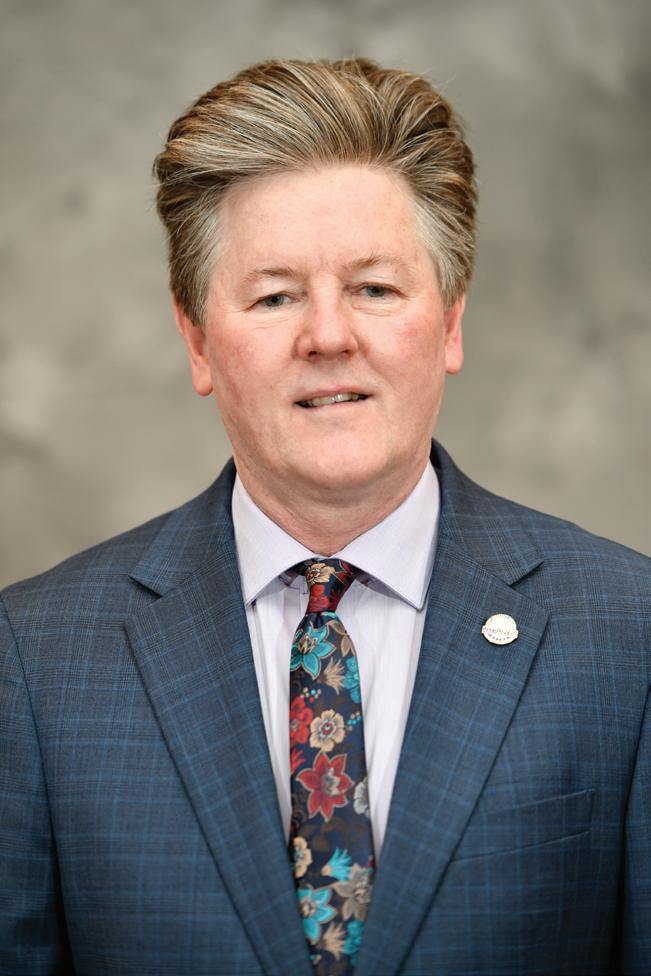
JOHN GIBSON, EASTERN REGION VICE PRESIDENT, LOCAL 308 PRESIDENT

that the greatest impediment to getting the day-in-court we deserve when our rights are violated is the employer’s efforts to slow the grievance-arbitration process and to deny us justice. For those who are not familiar, the contract provides that
“Any employee who feels aggrieved must discuss the grievance with the employee’s immediate supervisor within fourteen (14) days of the date on which the employee or the Union first learned or may reasonably have been expected to have learned of its cause unless the parties agree in writing to extend the fourteen (14) day period.”
The penalty for missing this time limit is a waiver of the right to challenge the violation. In other words, we are “shit outta luck”. Oh yes, the employer has time limits too, but when they fail to meet those time limits within the grievance procedure we don’t win by default. Our reward is that we get to move it to the next step in the grievance process. The time limits for management are that they must answer a step one grievance as soon as practicable but not later than five days
provision can be beneficial for either side. This is true for a variety of reasons. However, for me, the employer has much more to gain when we agree to delay, as we are the moving party and they have no real interest in seeing that justice is served. At this point they can only lose. For those who file and argue grievances and for those who are the subject of the grievance and potential benefactor of a winning case, unilateral delays by the employer, like not meeting or rendering a decision on a grievance, should not be tolerated. When granting extensions, Representatives of the Union are urged to ensure that we have a written and signed agreement to extend grievance processing time limits to fully protect our rights under the National Agreement. With no written extension, a waiver of the grievance and our right to remedy may be in jeopardy.
In Solidarity, John Gibson


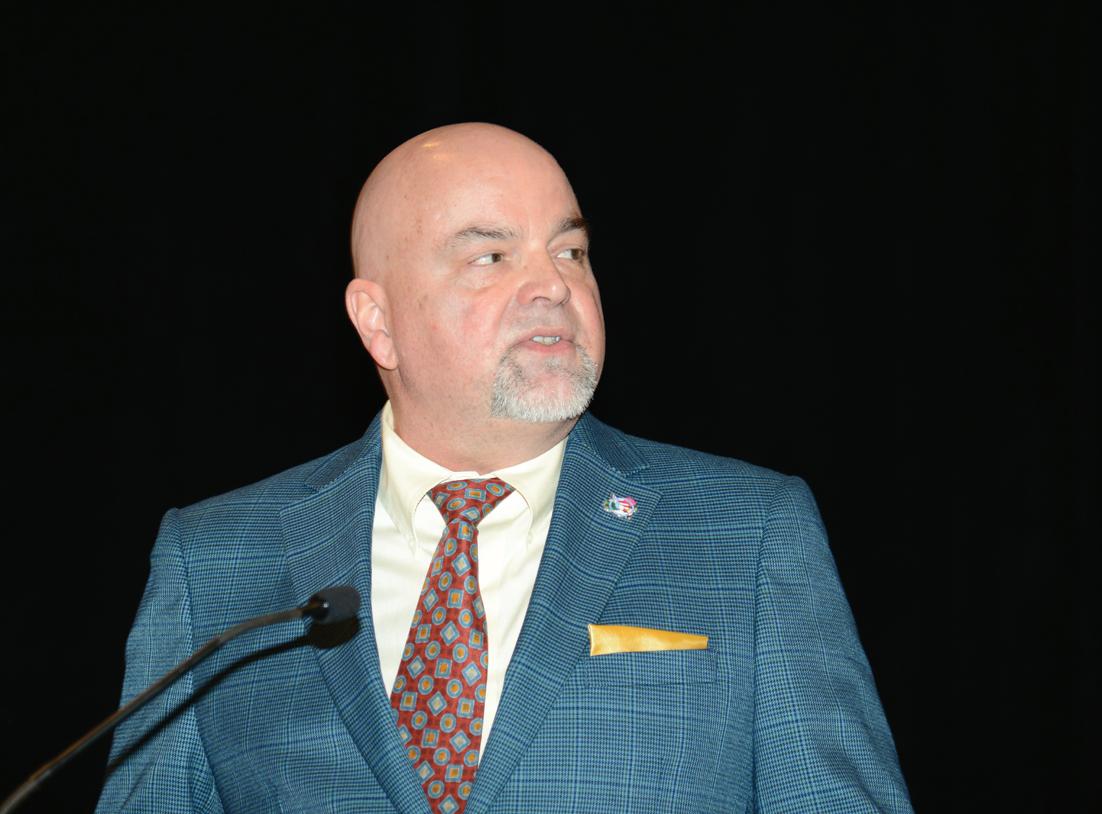
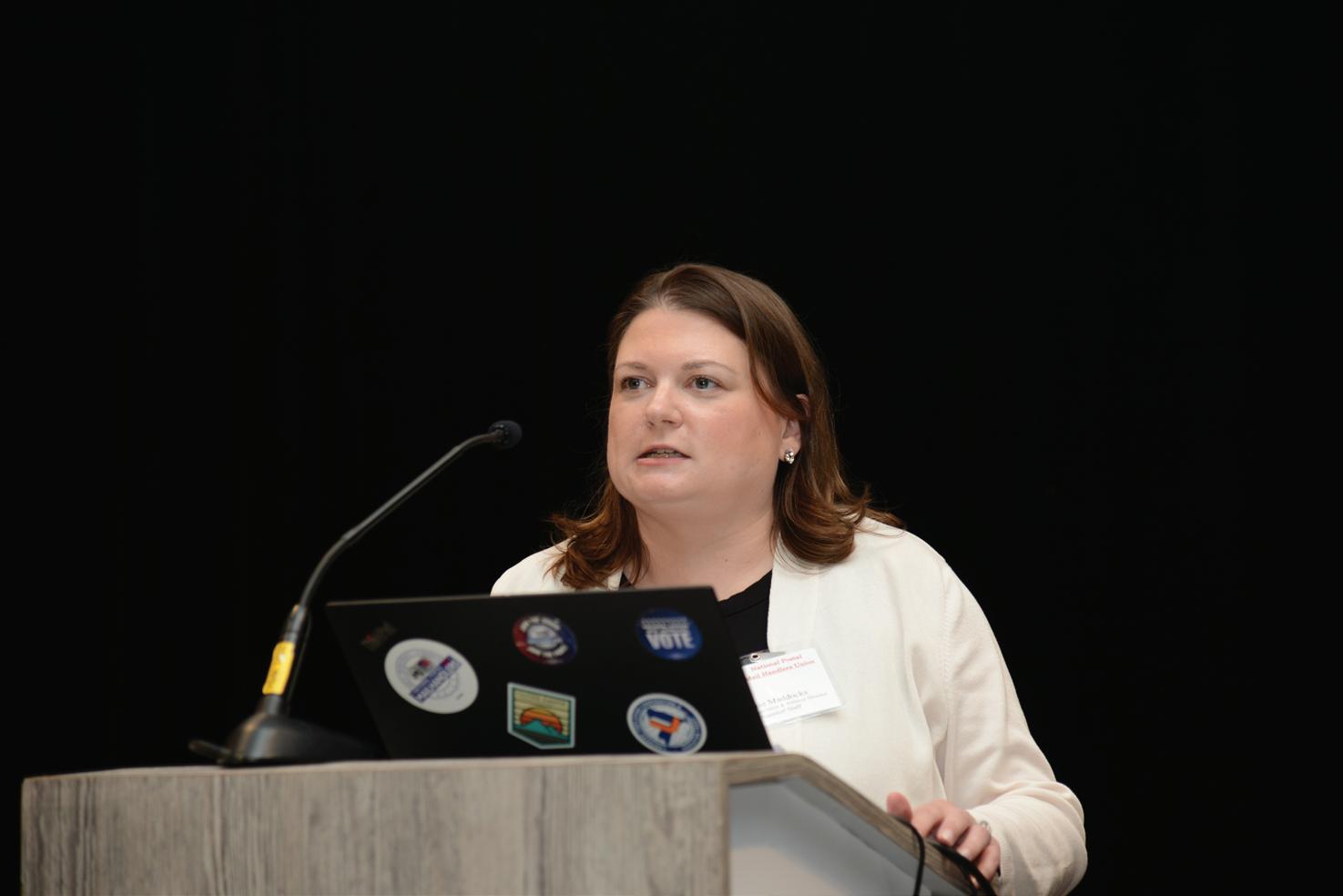
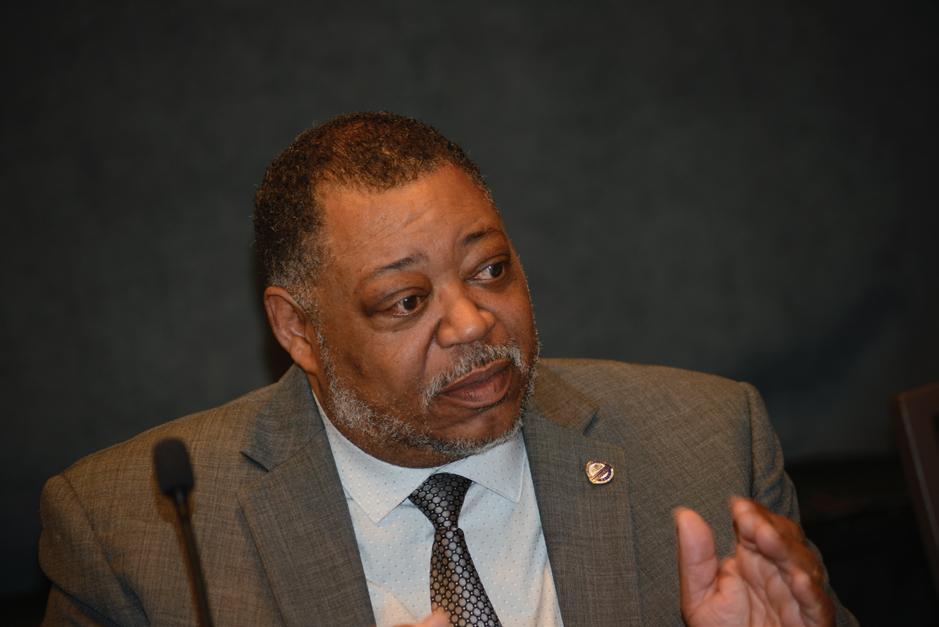
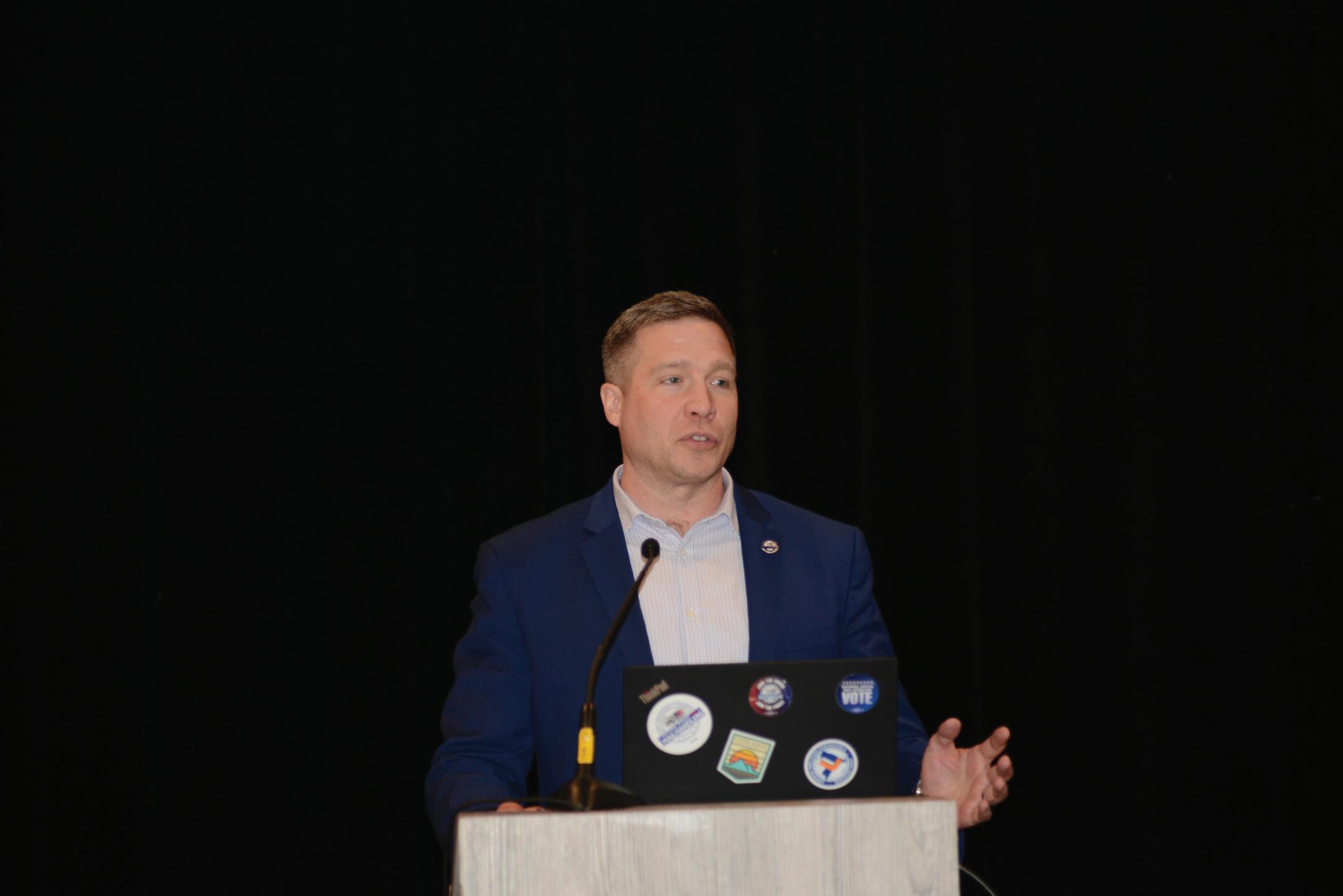

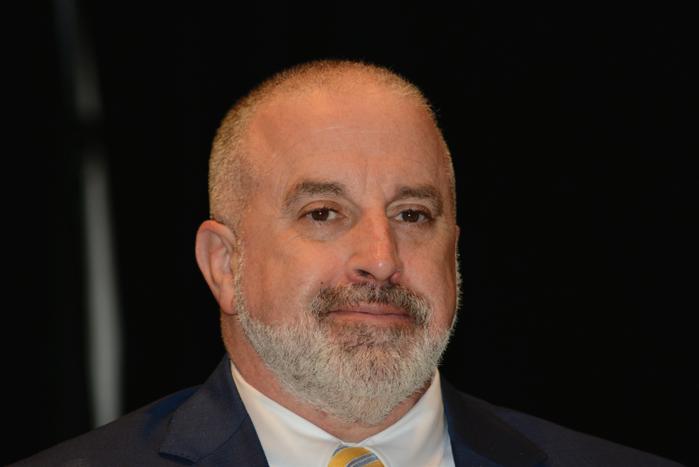
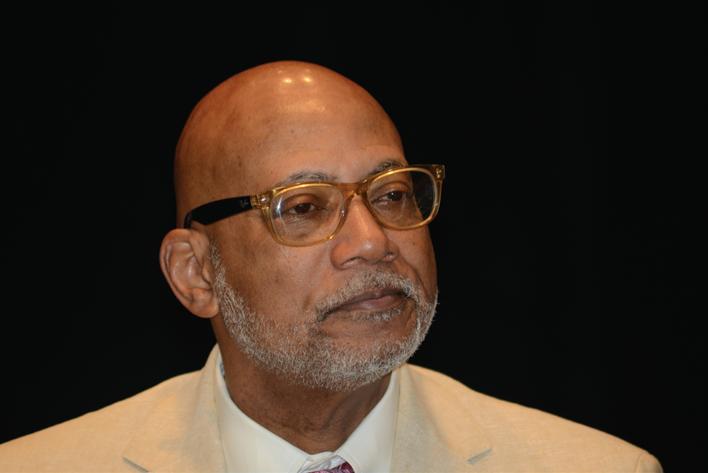
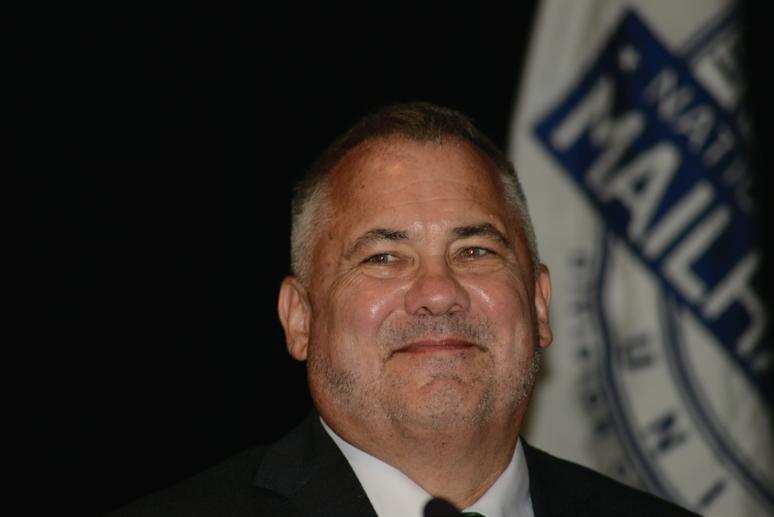
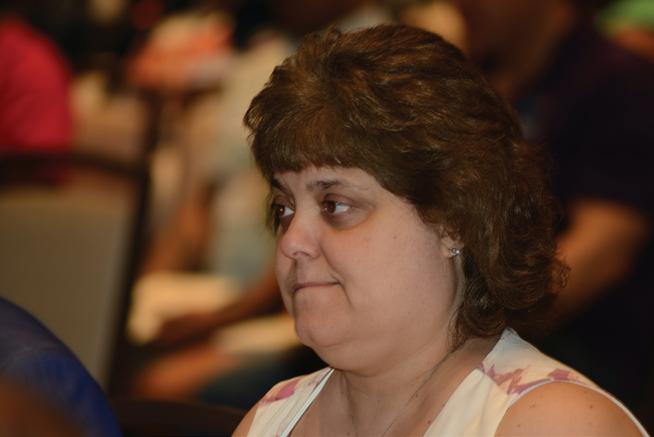
ASSISTANT
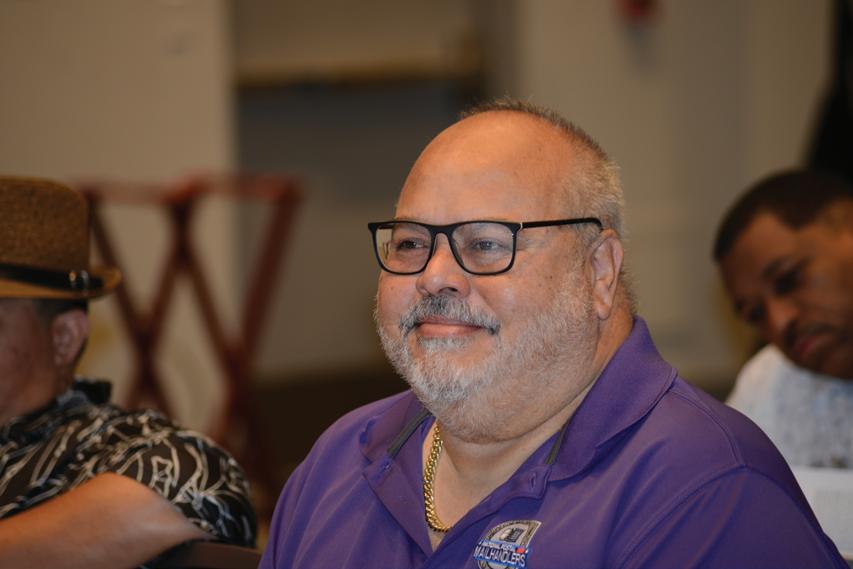
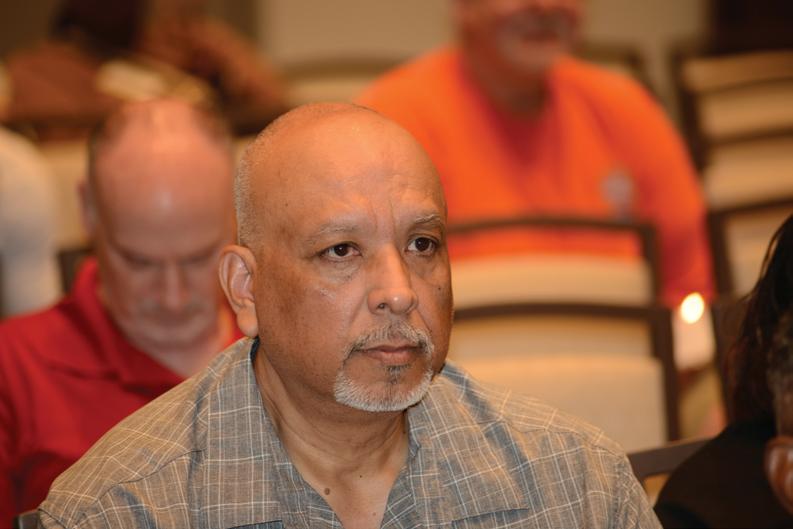
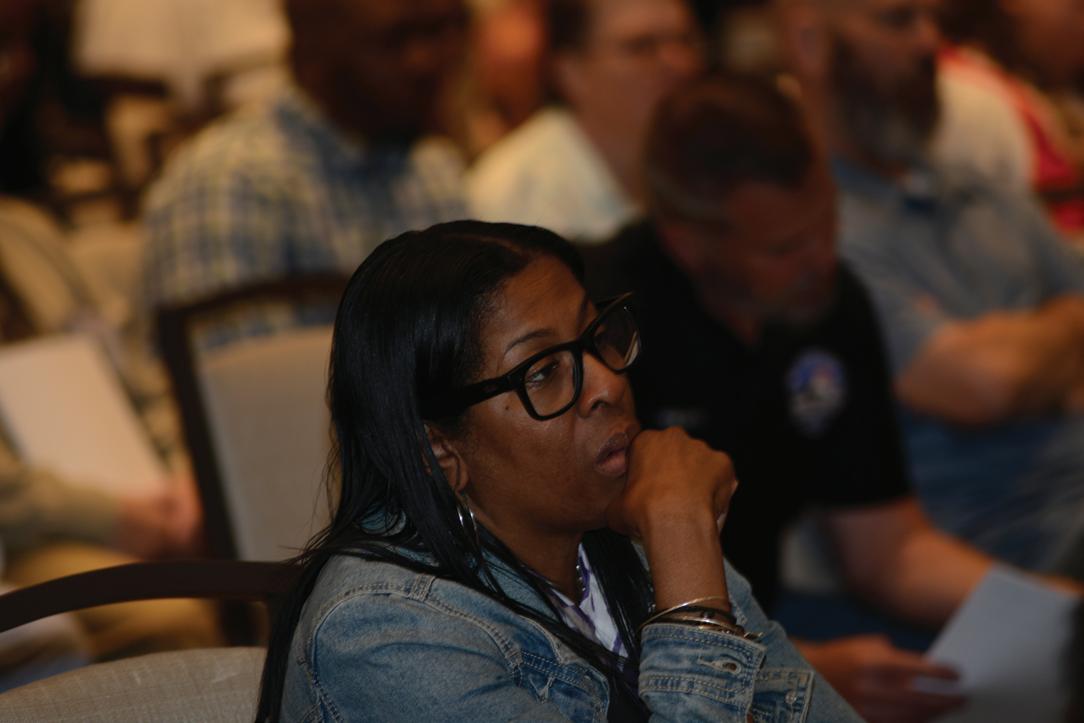
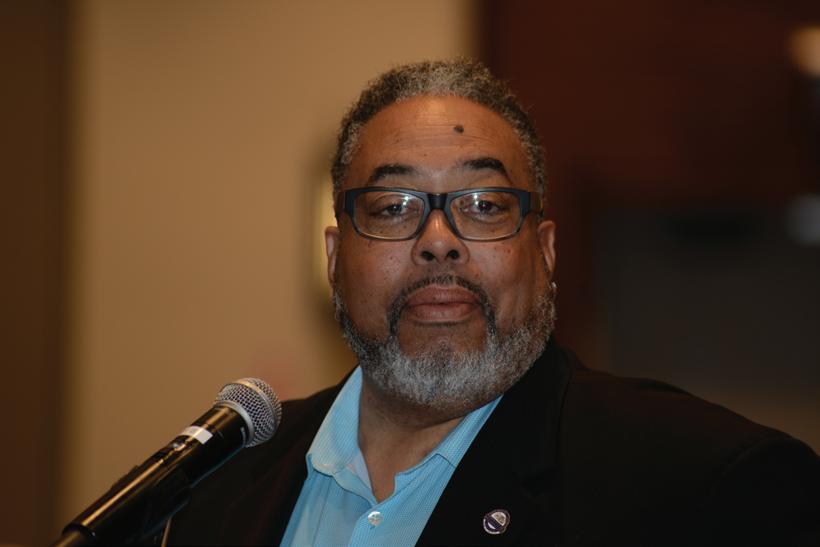

JUSTIN KREIKEMEIER LOCAL
YVETTE JOHNSON
JUAN TORRES
URSULA PATTERSON
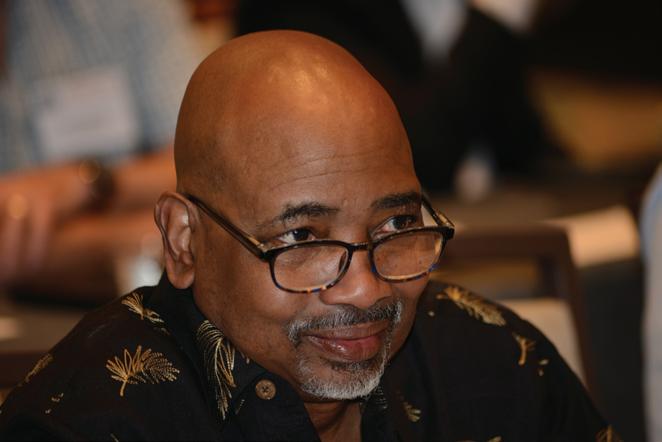
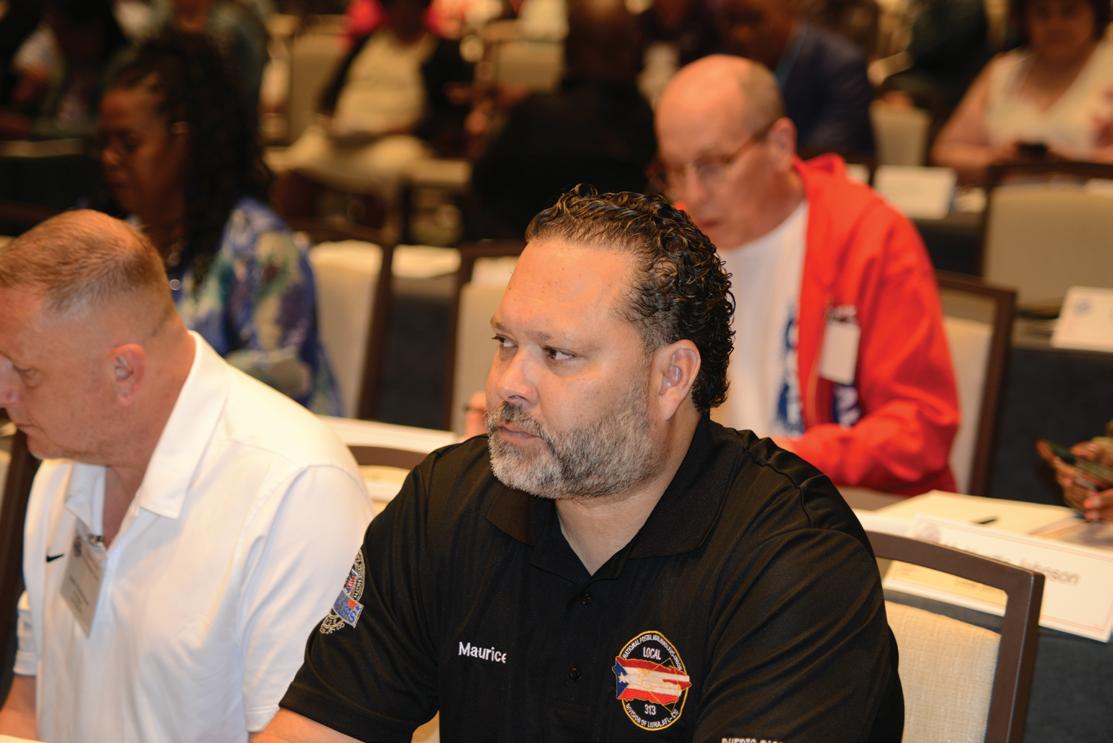
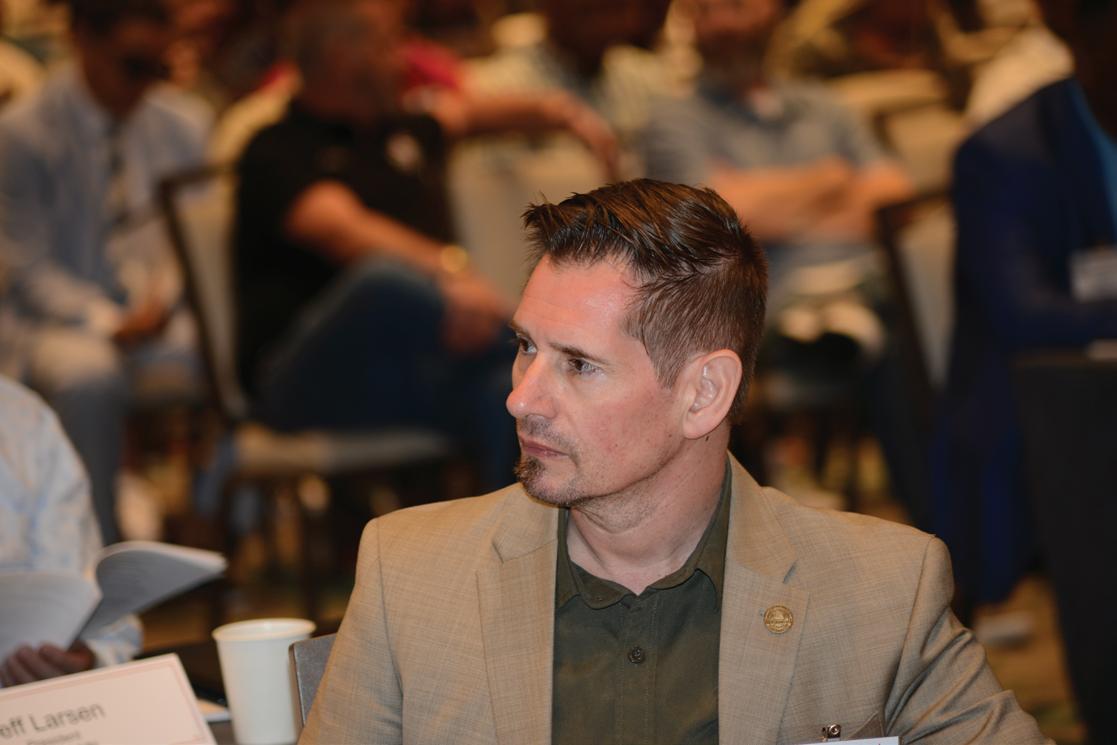
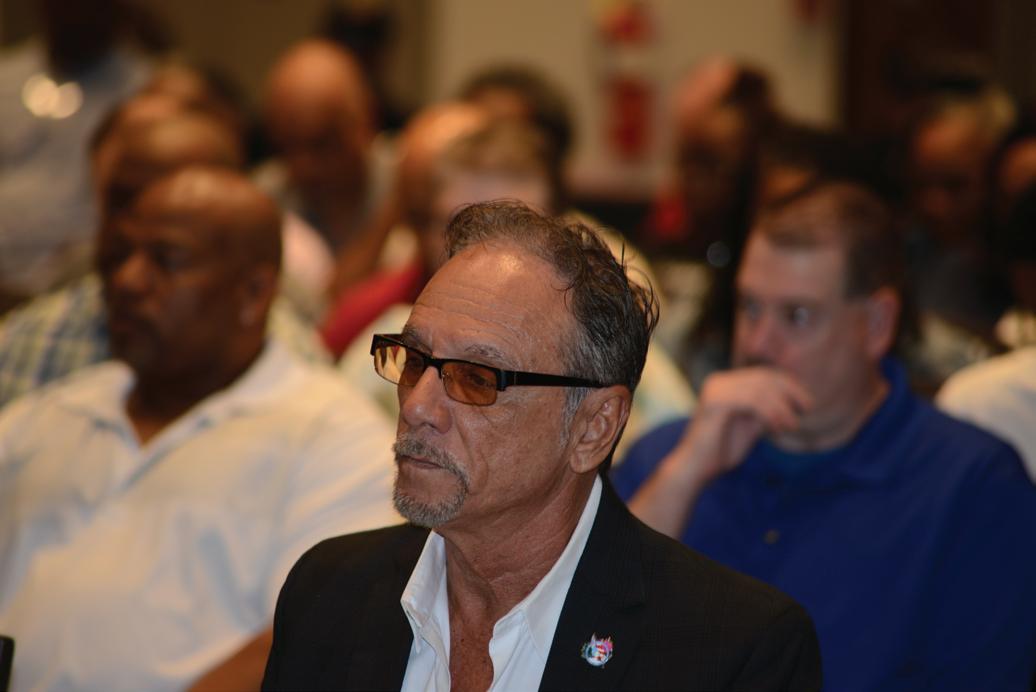
last National Agreement decided by an arbitrator was in 2013. The “Fishgold Award” resulted in the creation of MHAs and a proportional COLA in Table 2.
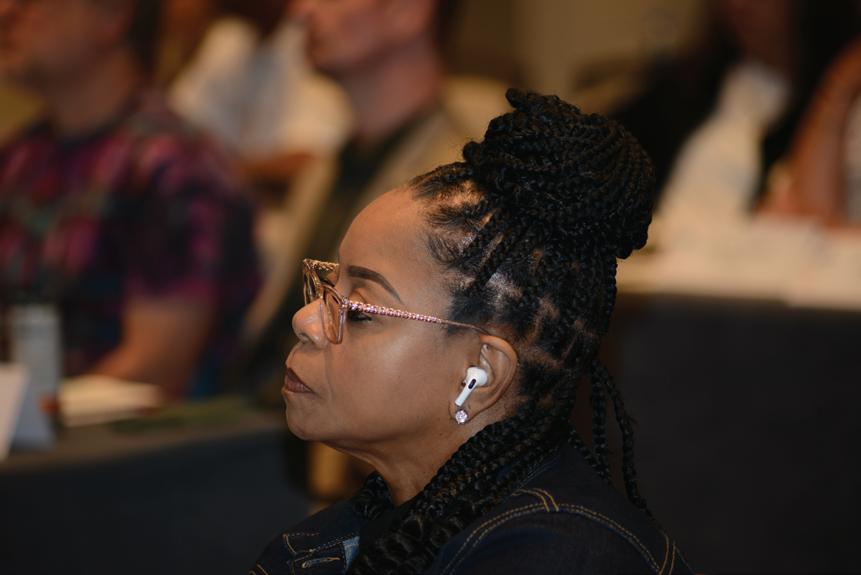
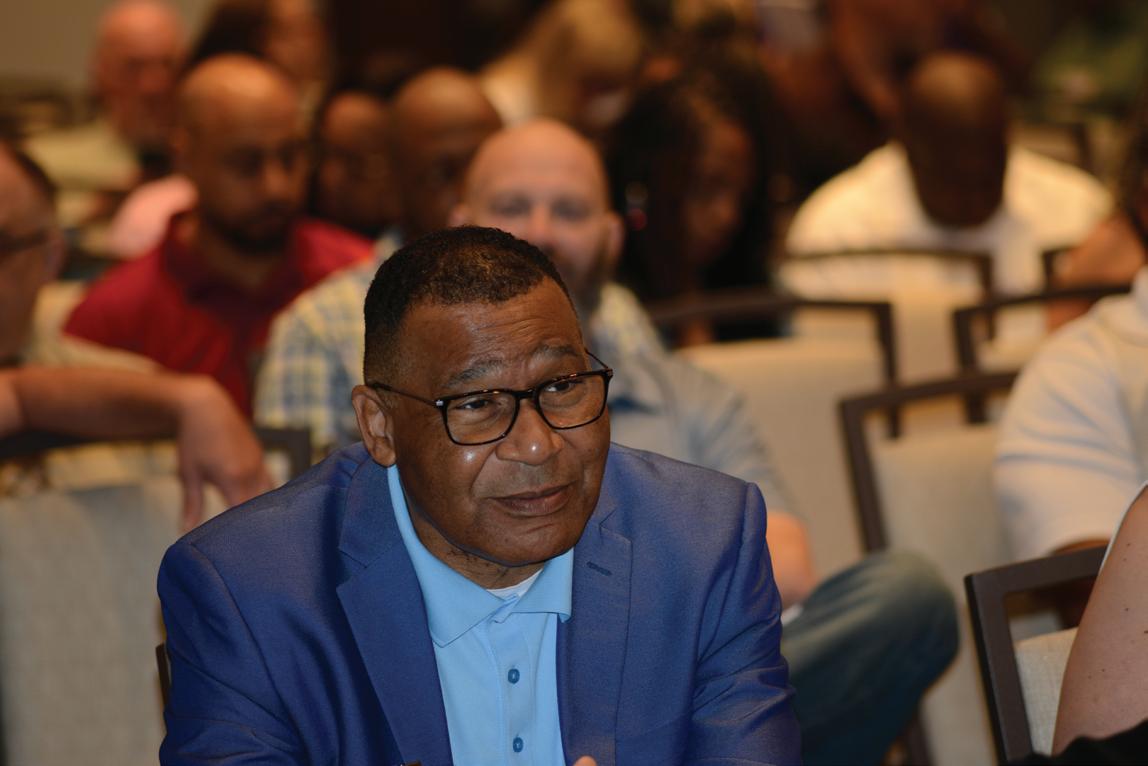
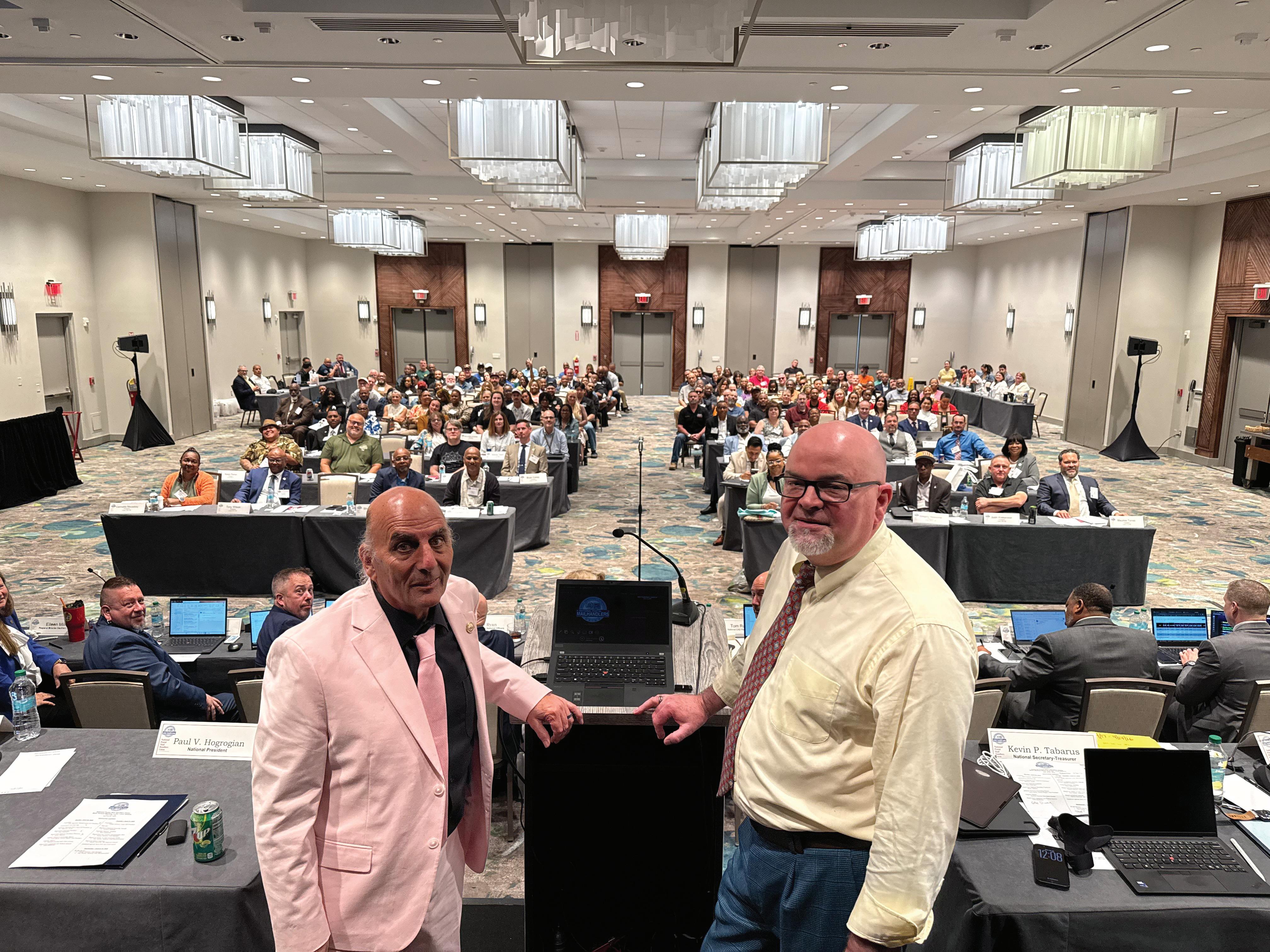
National Secretary-Treasurer Tabarus was the next speaker. He provided a comprehensive report on a host of topics that included Mail Handler complement; regular and associate membership trends and per capita analysis; revenue projections and allocation among our Union’s affil iated organizations; NPMHU Revenue Sharing Program; and the NPMHU Mobile App. Associate member dues and Uniform National Billing Program were discussed in detail. The National Office has been charging Local Unions the same rate of $1.63, per associate dues payment, since 1995. Expenses related to the Uniform National Billing Program have substantially increased in the past 30 years. National SecretaryTreasurer Tabarus informed the SAMLU delegates that the National Executive Board would be discussing the appropriate increase to the Billing Expense.
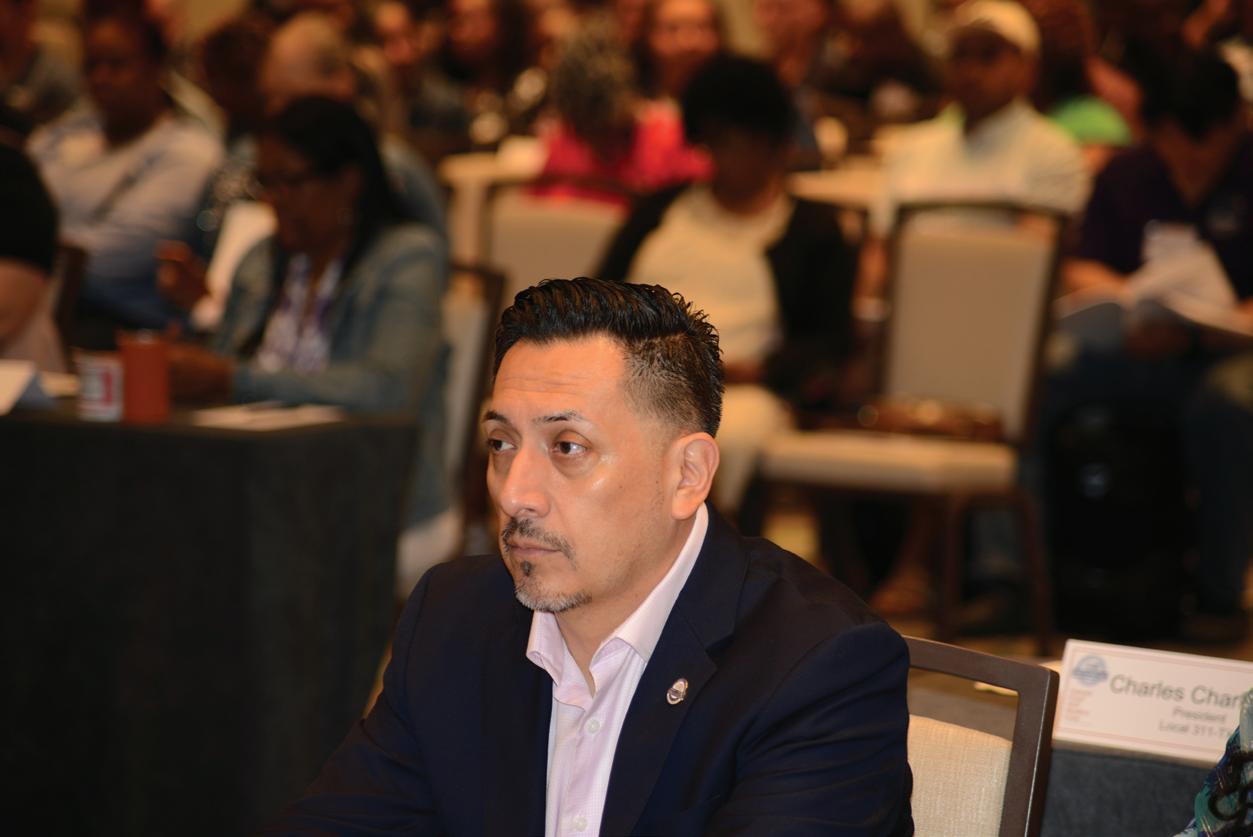
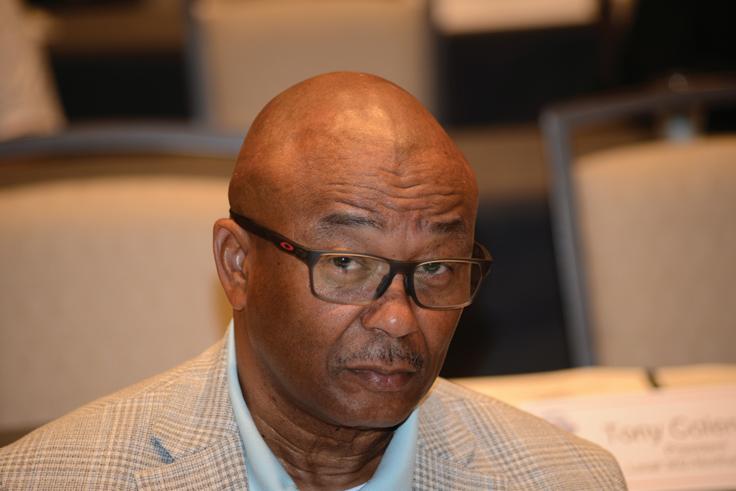
As part of the ongoing membership recruitment program, National Secretary-Treasurer Tabarus discussed membership trends and reviewed the “Join The Union, Join The Fight” recruitment tools available to Local Unions and the mailing of postcards to newer non-members. The Form 1187 submission process was discussed in detail, including how to submit Form 1187 to HRSSC, common errors on the Form 1187, and how to file grievances when HRSSC fails to process Form 1187 within the required timeframe in accordance with ELM 924.5 Implementation of Dues Withholdings.
Local Unions with most improved regular membership were recognized. The top three (3) Local Unions with the highest regular membership percentage will be awarded trophies for their outstanding commitment at the SAMLU in August of 2026.
National Secretary-Treasurer Tabarus reviewed the NPMHU (unaudited) financial statements for the fourth quarter ending December 31, 2025 and year end 2025; Net Asset; deficit control measures; quarterly and annual expense and revenue analysis. National Secretary-Treasurer Tabarus also noted that all the Local Unions had filed their LM2s or LM3s on time. An LM workshop might be held in the future.
LOCAL
LOCAL
LOCAL
TROY LEE DAVIS
LOCAL
LATONIA BRYANT
LOCAL
CHARLES HARRIS LOCAL
LOCAL
LOCAL
ALEXANDRIA GOLUBSKI
LOCAL
BOB GRIFFITH
LOCAL
EDVINA TESCH
LOCAL
SHELDON ADAMS
LOCAL
CARMALITA MECASKEY LOCAL
JENNIFER LILLY
DAVE WISNESKI LOCAL
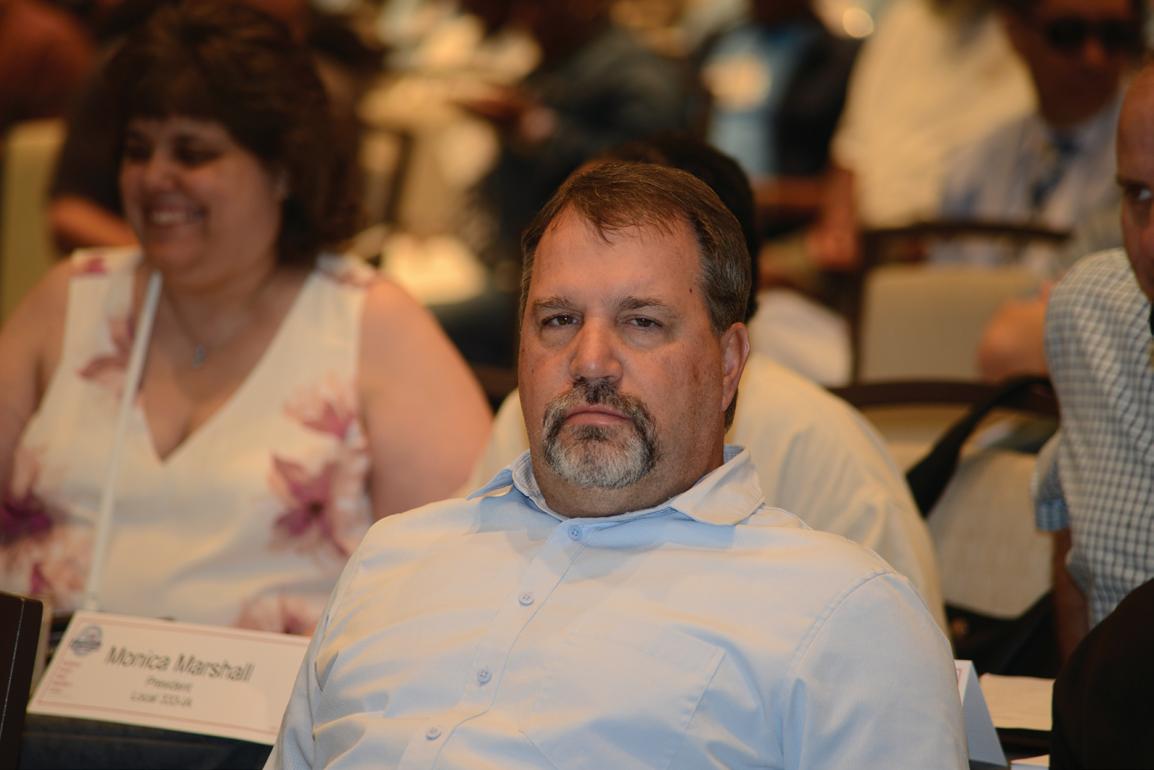
MONICA MARSHALL
DWAYNE WILLIAMS
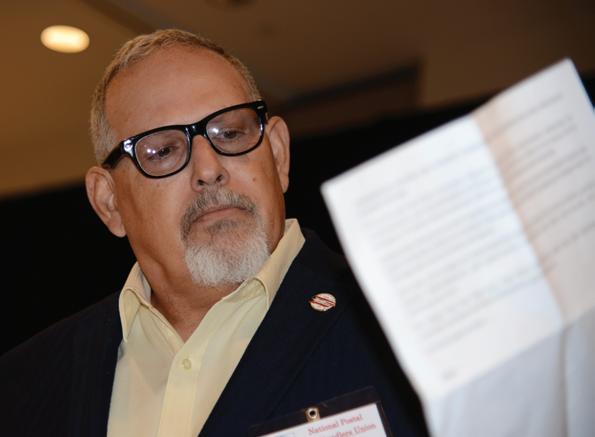
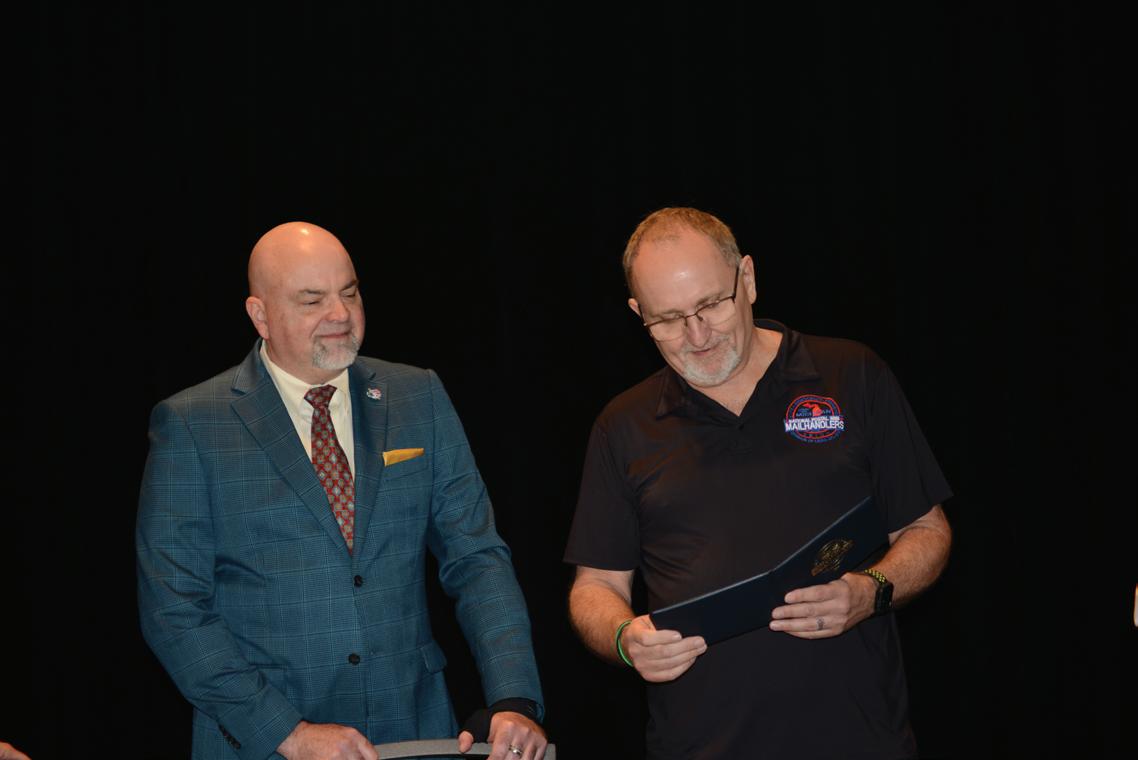
RETIRED LOCAL PRESIDENT JIM HAGGARTY RECEIVES A NPMHU GOLD CARD
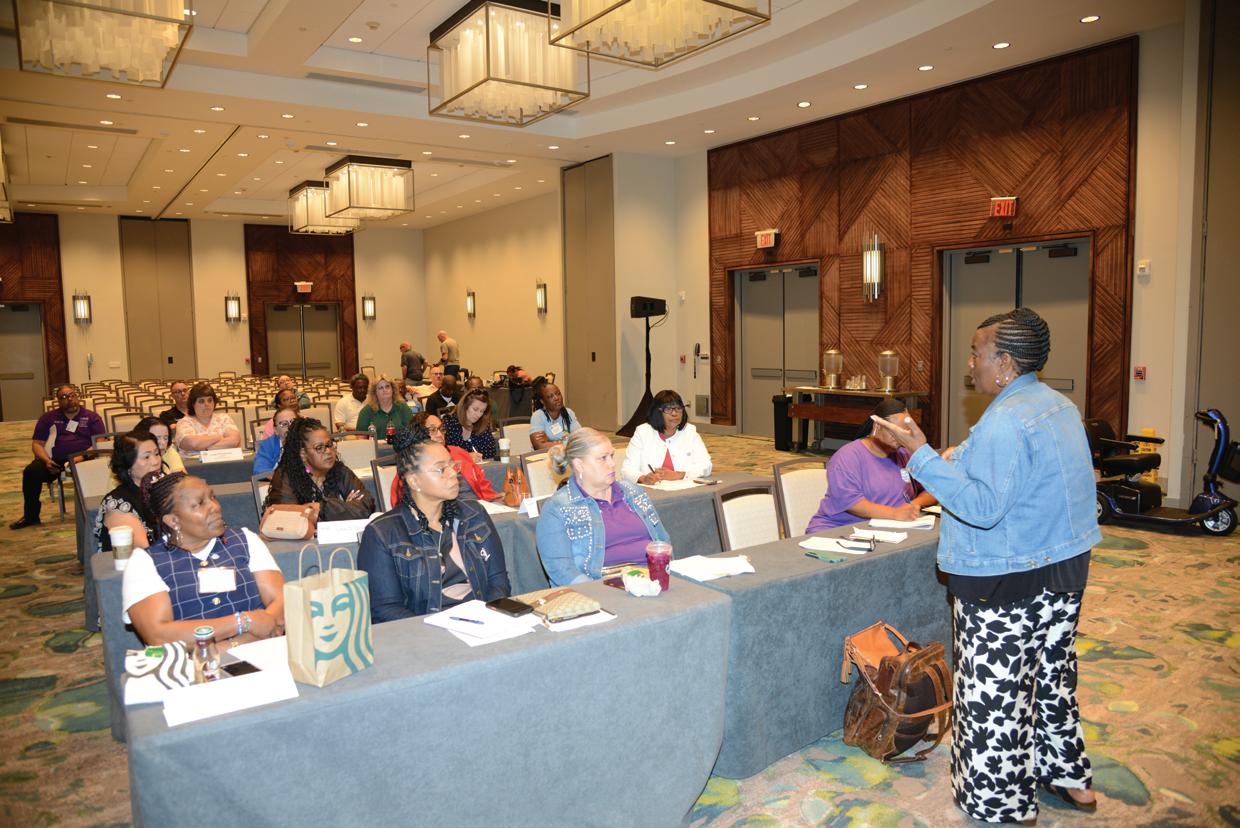
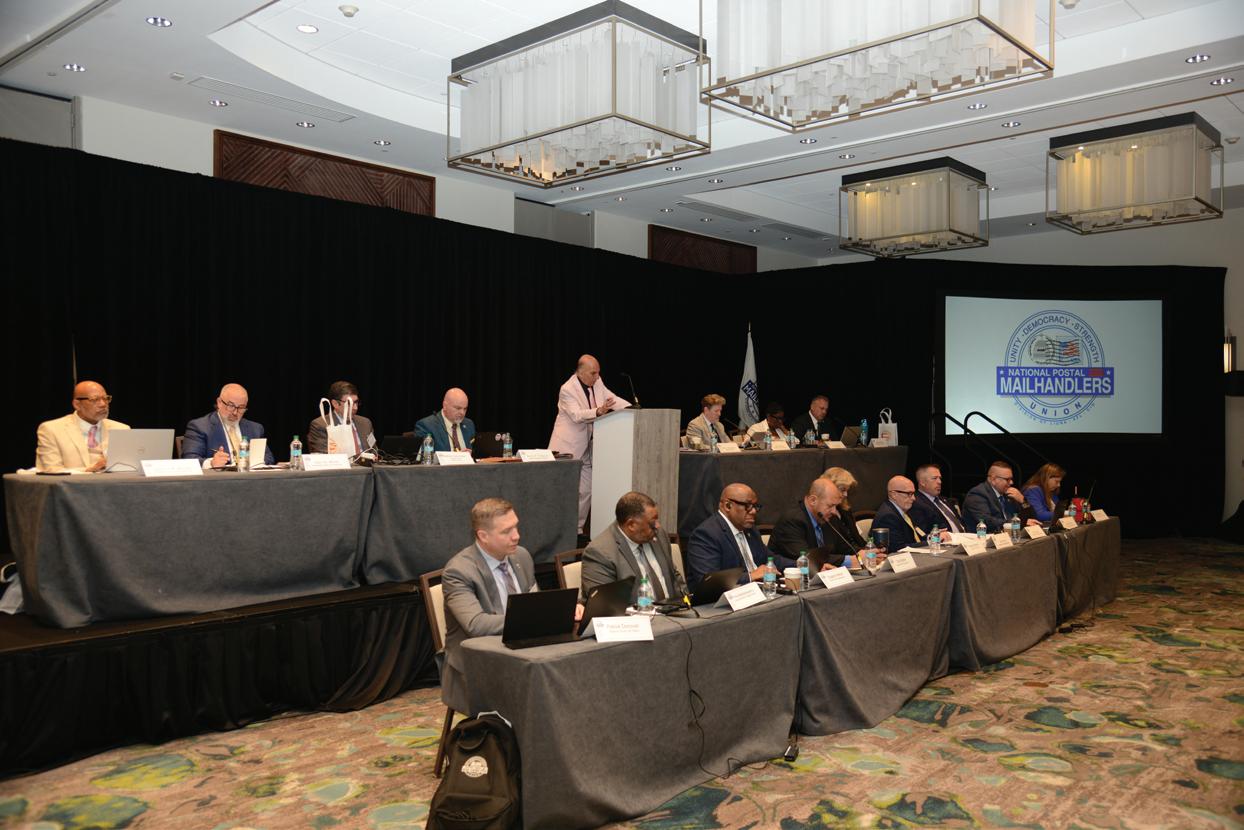
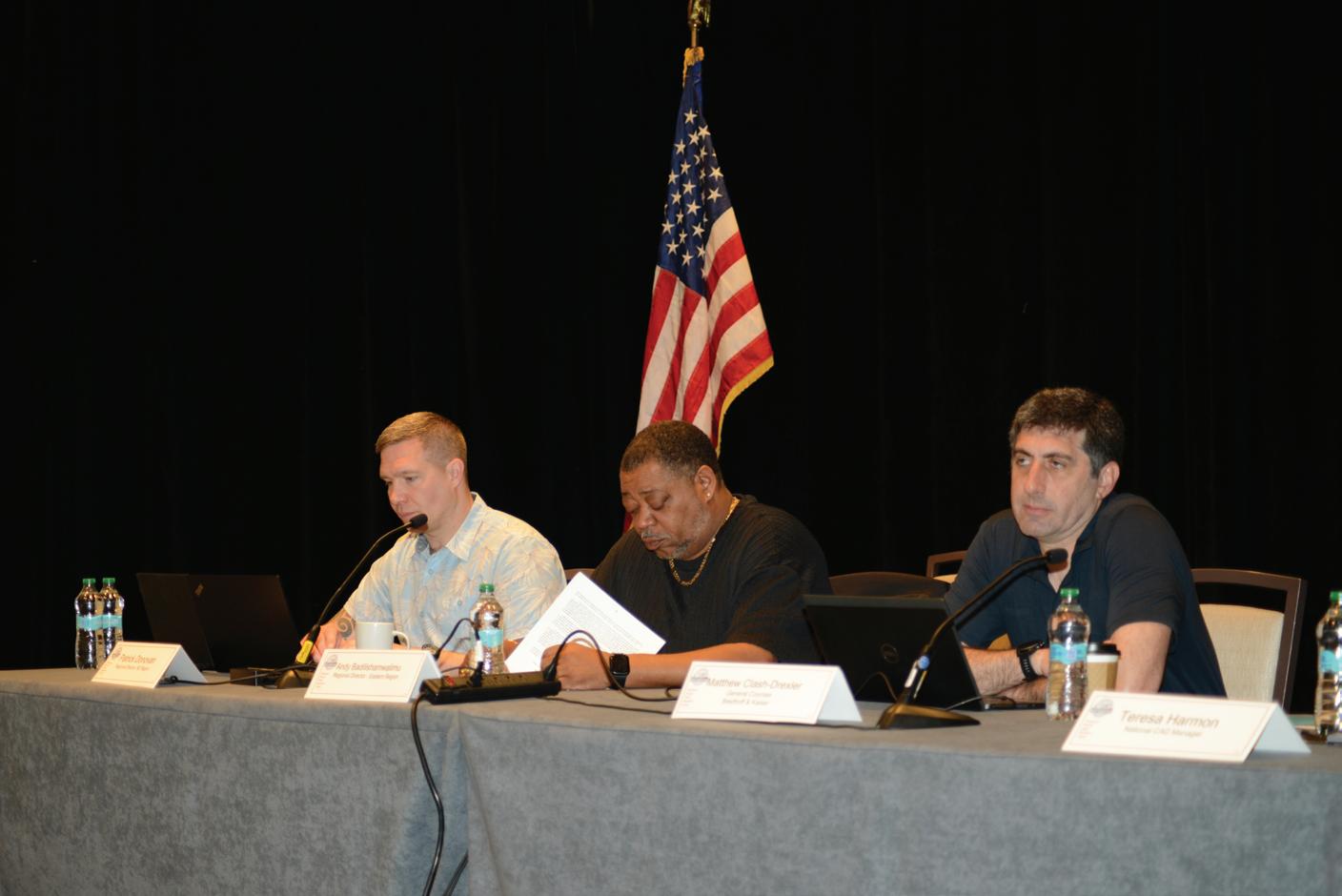
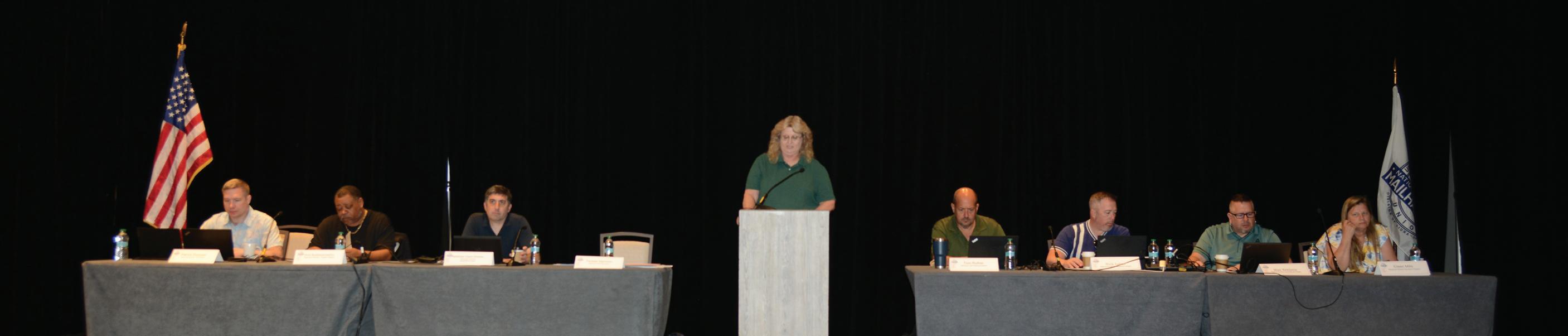
NATIONAL EXECUTIVE BOARD AND CONTRACT ADMINISTRATION DEPARTMENT REPRESENTATIVES
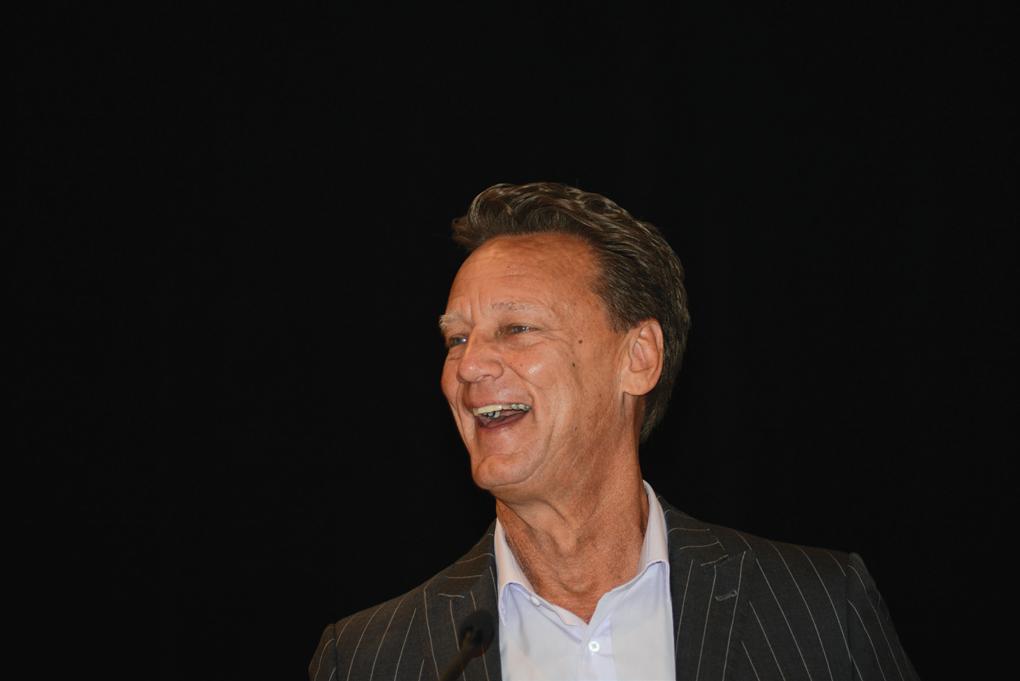
NPMHU WOMEN’S COMMITTEE
SCHANN HOLLADAY
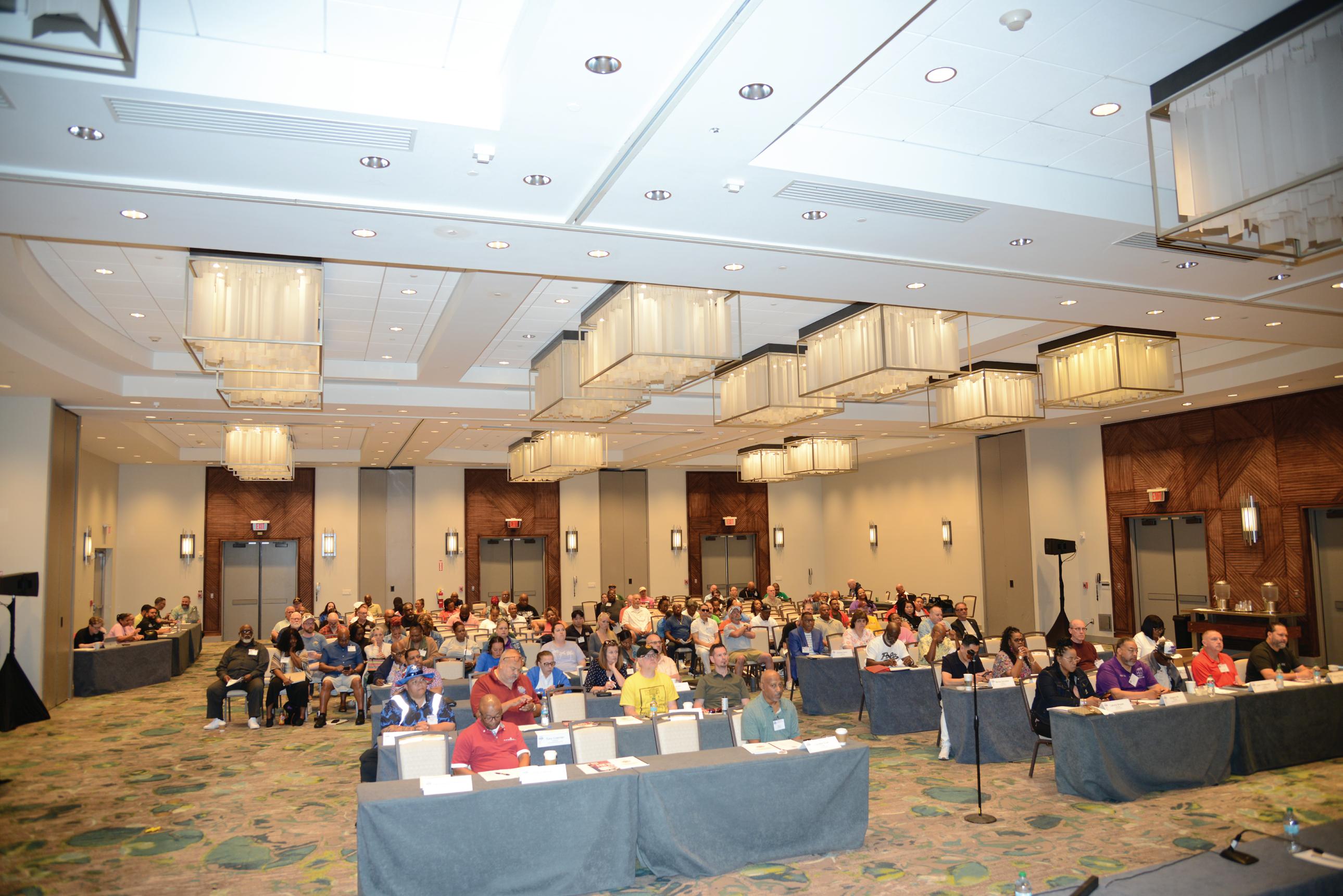
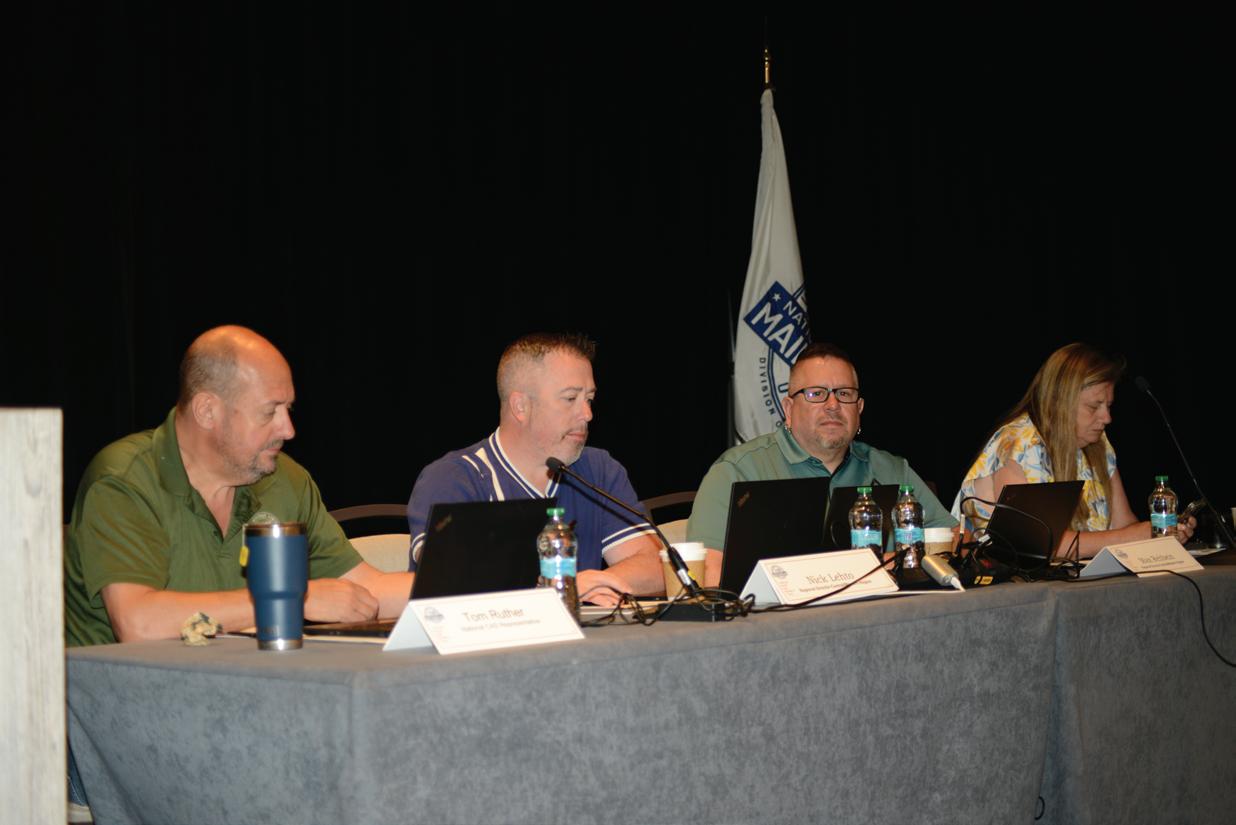
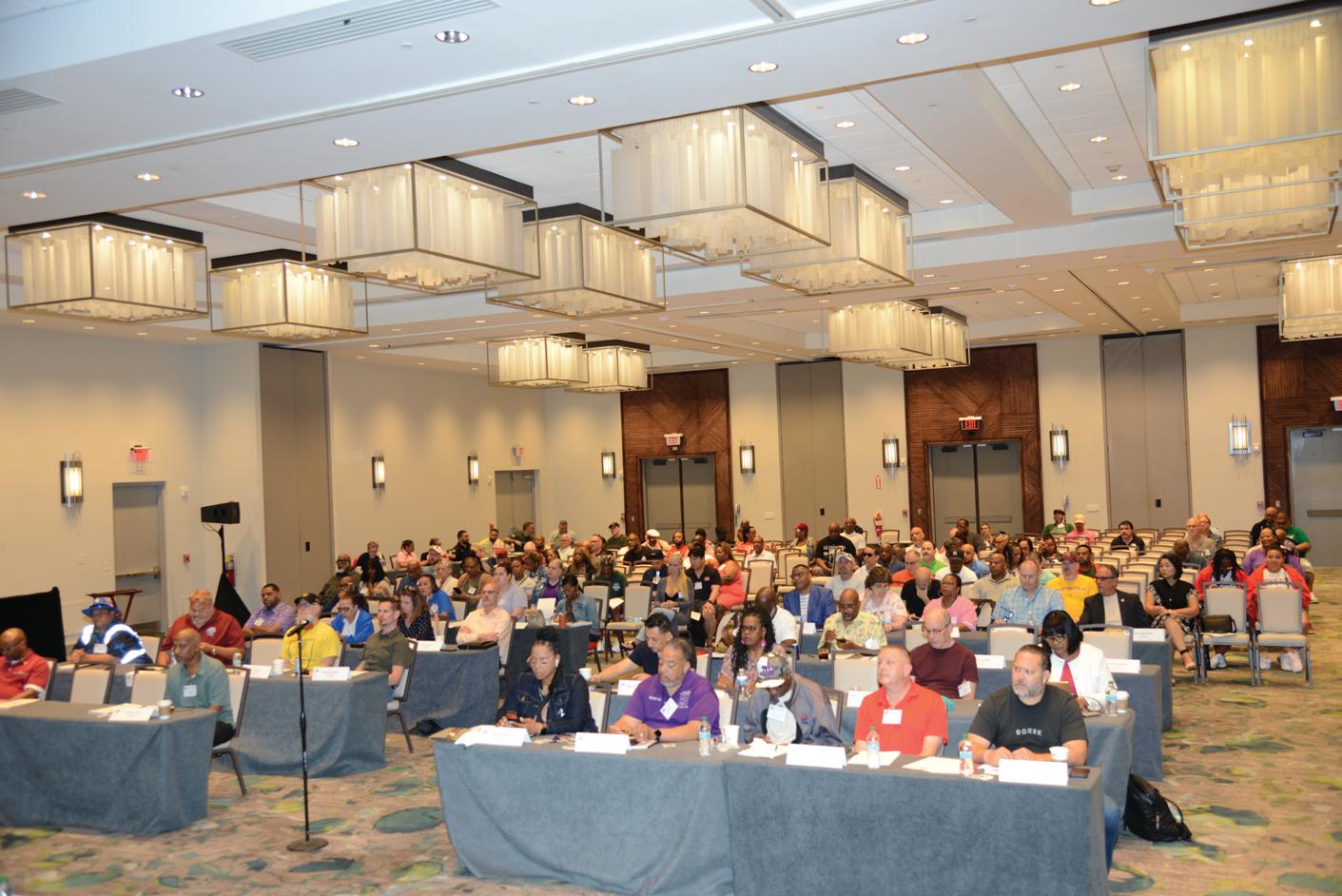
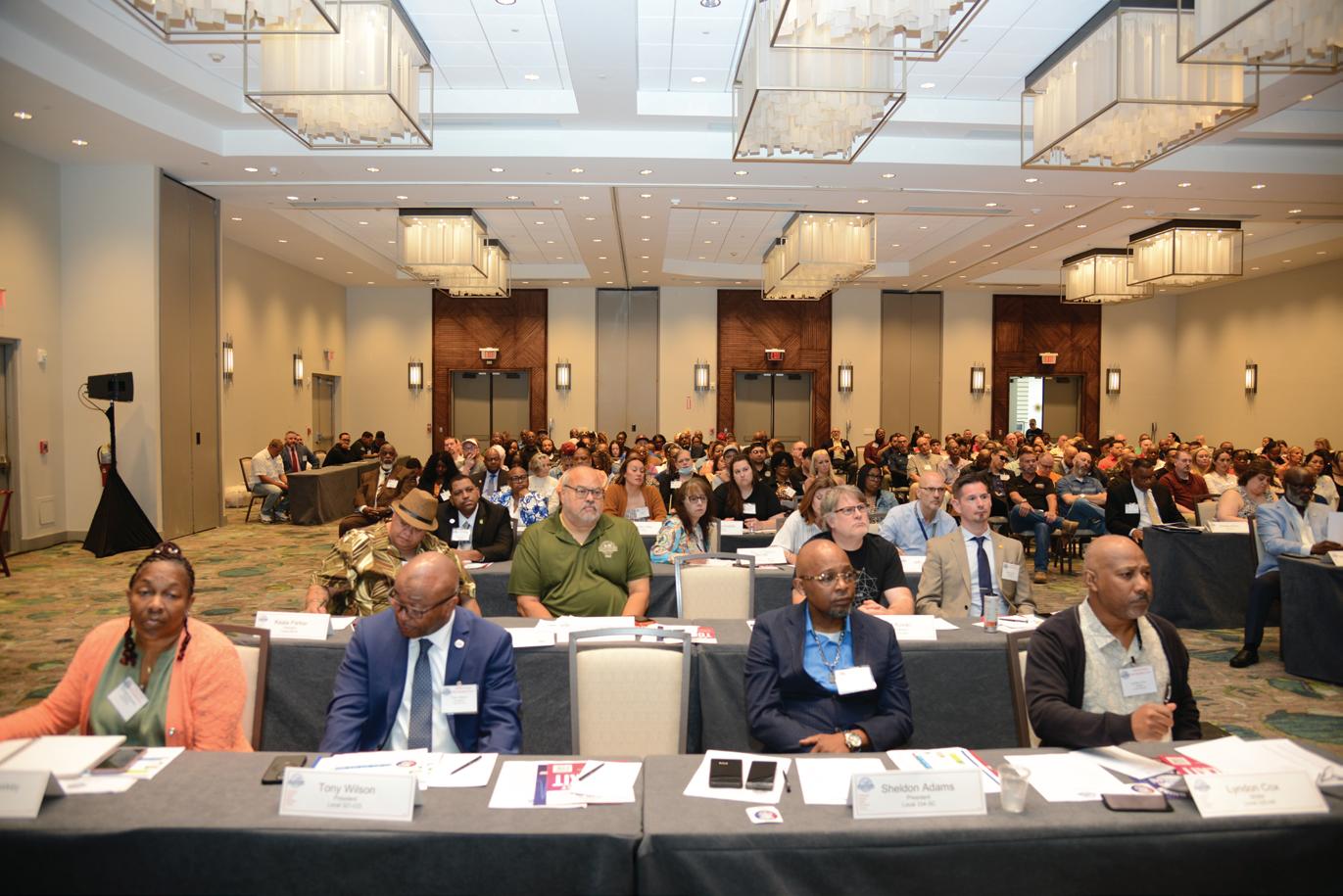
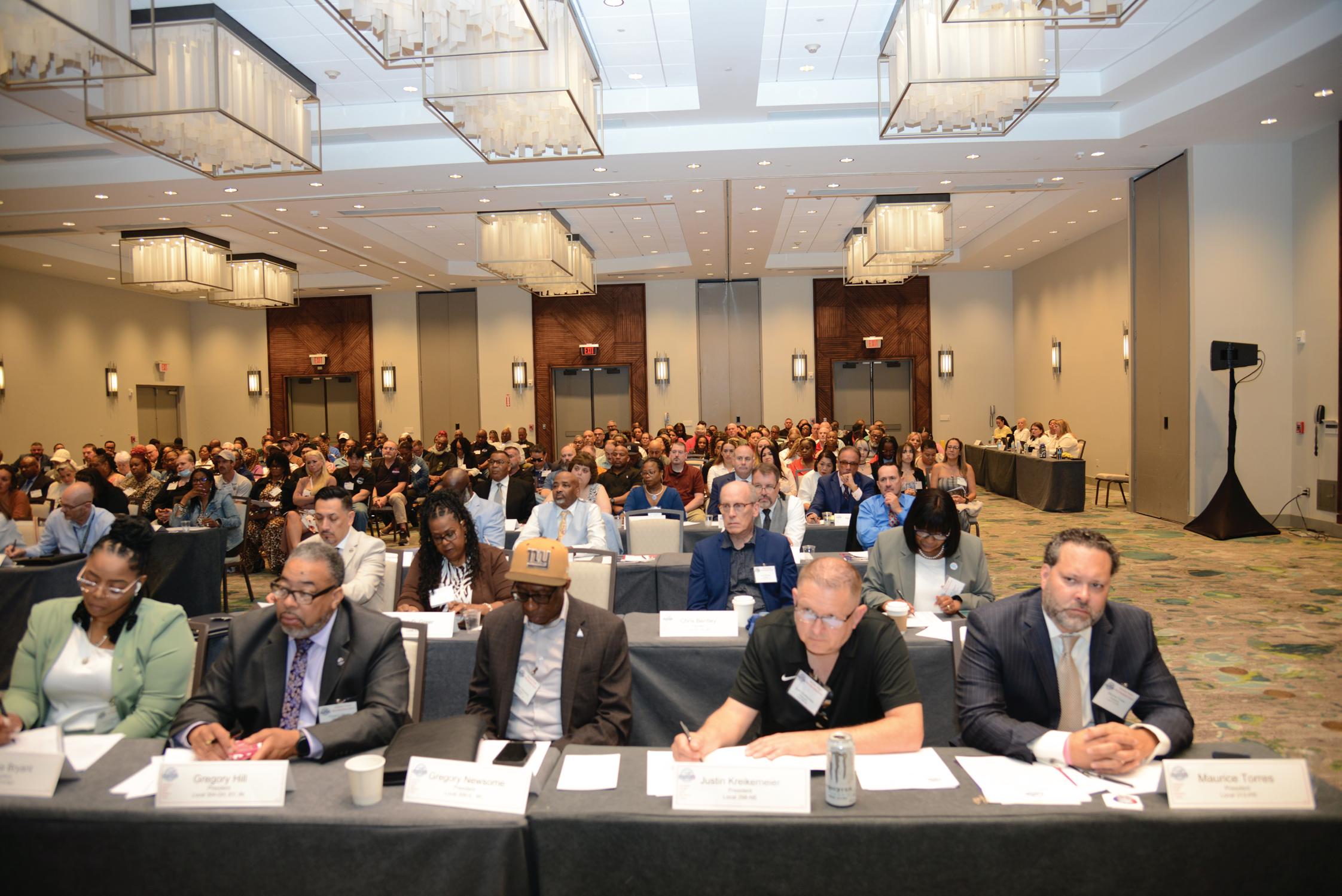
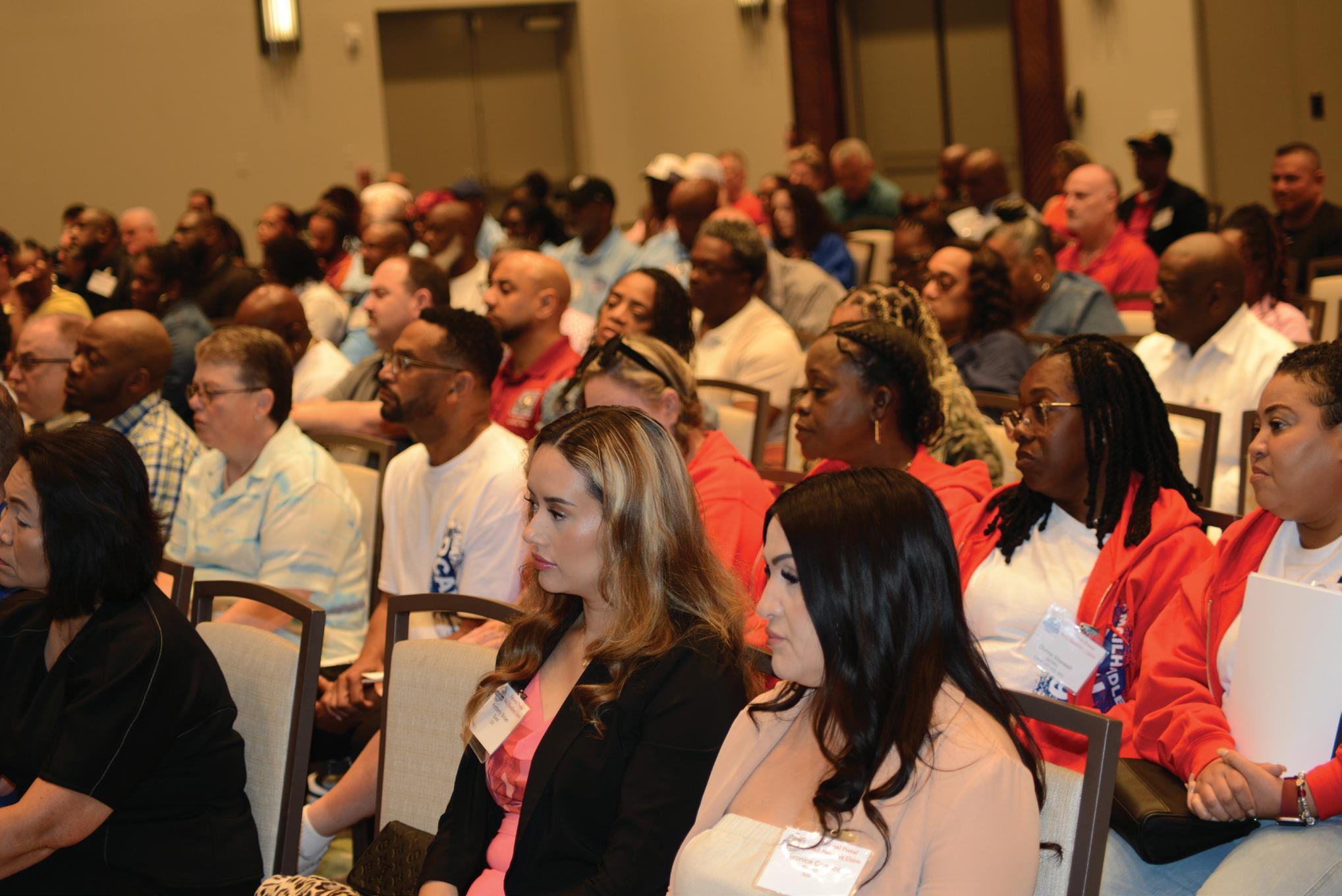
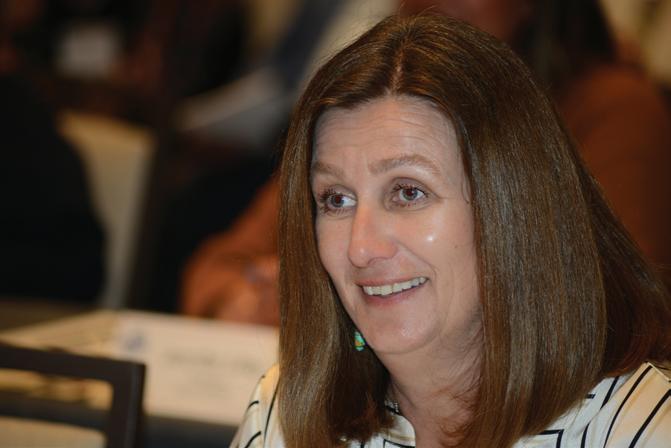
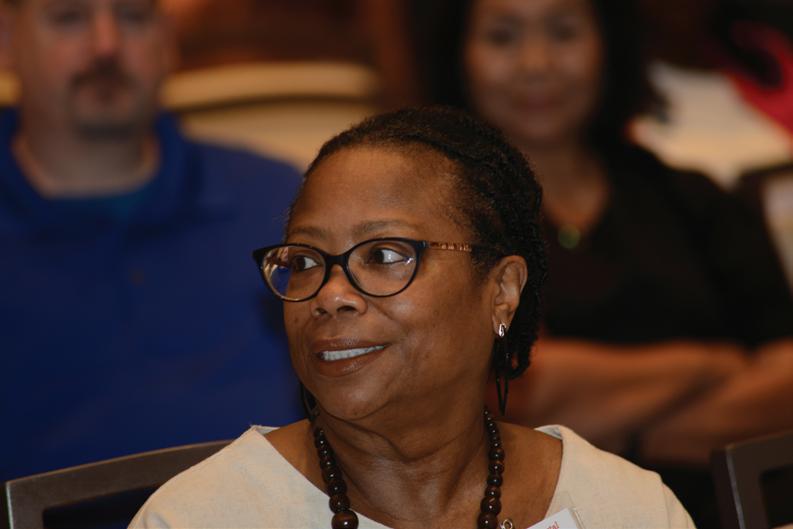
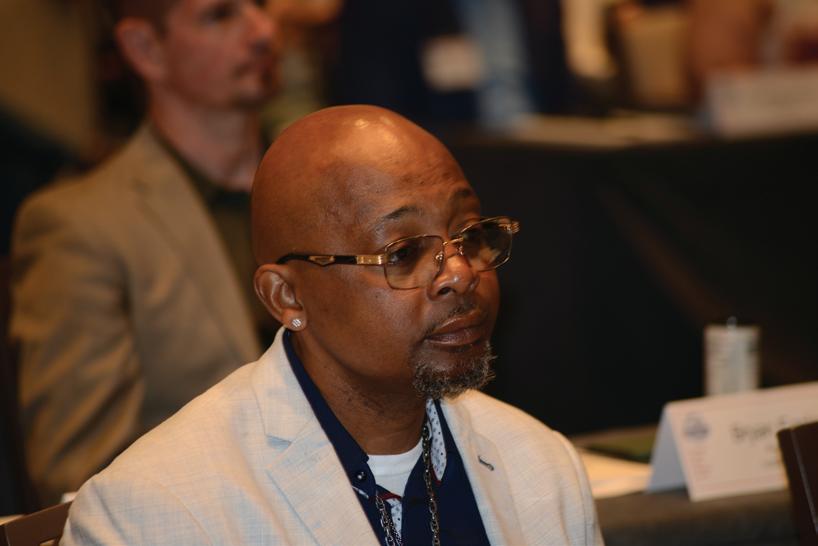
SAMLU ATTENDEES
RI 399 REVIEW WORKSHOP
SAMLU ATTENDEES
RI 399 REVIEW WORKSHOP
SAMLU ATTENDEES
UPDATE ON RI 399 NATIONAL JURISDICTIONAL ARBITRATIONS
Teresa Harmon, Manager, CAD
In this issue, I want to give a brief overview of the National RI-399 cases that have either been recently arbitrated or are scheduled for arbitration. These cases include:
UPDATE MOU — WHETHER THE POSTAL SERVICE CAN CHANGE STAFFING
A National Level RI-399 arbitration was heard on April 2nd and April 3rd, 2025, with Arbitrator Margaret Brogan. This case was appealed to arbitration by the APWU. Pursuant to the Update MOU, jurisdiction was to be based on the status quo as of September 1, 2017 unless the status quo was contrary to, among other things, a National-level craft determination. One area that fell into this exception was the staffing of AI/ ATHS associated with the FSM 100. In certain locations, local management staffed these two functions with Clerks. This action was in direct violation of the national determination on those operations. The USPS agreed that, as a result of the RI-399 Update MOU, the APWU dispute of that determination was withdrawn and that the proper staffing on the AI/ ATHS is with the MH craft. The Service recognized that such staffing was contrary to the National level determination, moved the Clerks off those operations and properly replaced them with Mail Handlers.
The APWU filed a national dispute on this action. In that dispute, the AWPU argued that the Postal Service violated RI-399 when it replaced the clerks with Mail Handlers, because such a change cannot occur until all local and regional disputes are adjudicated. The USPS countered that by failing to correct their errors immediately it could cause a major financial award to the Mail Handler craft. The NPMHU position is that this was not a national issue and should have been handled at the Regional level. On November 3rd 2025, Arbitrator Brogan rendered a decision that rejected all of the APWU’s contentions. The Arbitrator wrote in her decision “there is nothing in the language of the Update MOU which states that the Postal Service cannot change jurisdiction based upon its good faith determination that a correction was necessary and the work in issue is covered by a National Level Craft Determination.” This language should be used in any installation where management violated the exceptions clause when creating or adding language to an inventory.
SIPS/SDUS
On November 14, 2022, the National CAD received the USPS jurisdictional determination on the SIPS and SDUS, determining the work similar to the ADUS. The letter stated:
The SDUS and SIPS are essentially the same equipment as the Automated Delivery Unit Sorter (ADUS). The SDUS are located in Function 4 facilities and are intended to provide processing support at delivery units. The SIPS are located in Function 1 facilities and are intended to provide processing support for mail processing operations. The SDUS and SIPS are both designed to support the automated package processing of machinable parcels/bundles to output zones based on size, weight, and destination of the parcel. The
Postal Service currently has ninety-four operational SOUS machines and seventy-four operational SIPS machines and is planning to deploy fifty-one additional SDUS through February 2023. There are no additional planned SIPS deployments at this time.
The standard configuration of the SDUS and SIPS includes a manual two-feed position sorter with discharge chutes to mail transport equipment (MTE), such as wire containers or pallet boxes. The number of chutes will vary by sorter based on space availability,
machine configuration, and operational need. The SDUS and SIPS can be designed for between 24 to 200 chutes. Parcels are staged near the induction stations for easy access by the stagers. The stagers remove parcels from the staging area and position the container in place for the facer. The Loader/Facer will then singulate, face, and place the parcels onto the induction belt with the label facing up so the barcode is visible. There is no keying operation associated with the SDUS or SIPS. Both sorters collect weight and dimensions of packages and
includes a Postal Furnished Equipment (PFE) Top-read camera to scan barcodes. The SOUS has the capacity for an optical character recognition (OCR) enhancement. The SIPS is equipped with the OCR. The belt carries packages to the appropriate discharge chute and pushes the package into the associated MTE. Sweepers ensure that MTEs are accurately identified with placards and removed for transfer to the appropriate dispatch area.
The duties performed on the SDUS and SIPS are similar to those performed on the ADUS, Small Parcel Sorting System (SPSS) and Automated Parcel Bundle Sorter (APBS). As with these systems, the SDUS and SIPS has loader stations which are manned by employees. These employees pull, scan, and sort large non-machinable packages, singulate/ separate packages, and face/feed packages before they go through the cameras that scan and affect the distribution of the packages not previously pulled, scanned, and sorted as large, non-machinable packages. Taken together, these
functions are integral to the distribution function of the machine. For those facilities where Mail Handers are present, the primary craft designation for the performance of duties for operation of the SDUS or SIPS is as follows:
1. *Retrieval and staging of packages in swim/staging lanes for access by stagers/facers: Mail Handler Craft
2. *Removing empty equipment containers from staging area: Mail Handler Craft
3. Retrieval of full containers from staging/swim lanes and pull, scan, and sort the large non-machinable packages from each container: Clerk Craft
4. Singulating/separating packages and facing/feeding packages onto induction belt: Clerk Craft
5. *In Function 1 (F1) operations operating a SIPS, sweeping packages (removing full containers and replacing with empty containers), includes sort plan switch out: Mail Handler
6. **In Function 4 (F4) operations operating a SDUS, monitor discharge bins and pull, scan and sort medium
On December 5th, 2022, The NPMHU disputed both determinations. Those disputes proceeded to National-level arbitration where they were heard in front of Arbitrator Brogan on April 14, and 15, 2026. A decision will be forthcoming.
HOPS
In January of 2023, the NDRC performed a site visit to the Memphis Mail Processing Annex to view the High Output Parcel Sorter (HOPS). The site visit was to determine if a National Craft Jurisdiction of the HOPS was necessary. Following that site visit, the NPMHU presented the NDRC with our reasons that a National Craft Jurisdiction would
and large no read/no barcode packages into the proper discharge bin, including sort plan switch out: Clerk Craft
7. .*Transporting full containers to dispatch area: Mail Handler Craft
*Denotes that in offices where the associated task(s) is an integral part of the distribution function, the entire operation is a function of the primary craft performing the distribution.
**The containers utilized on the SOUS have a higher capacity and do not need to be changed out as frequently in F4, as a F1 plant sortation requires for the operation of the SIPS. The employees monitoring the bins during the run can also take any of the larger no read/ no barcode packages from the No Read bin and scan/sort them into the corresponding sort bin. This is integral to the efficient operation of the machine in a delivery unit environment.
In facilities that do not include employees from the Mail Hander Craft, the primary craft designation for the performance of duties for operation of the SDUS is the Clerk Craft.
benefit the Service, noting that the HOPS is going to be deployed throughout the country into many of the RPDCs and will be an integral part of processing parcels. On August 18th, 2023, the USPS awarded the majority of the work on the HOPS to the MH craft. The lone exception was the “Reject Station,” which the Postal Service argued should go to the Clerk craft because it includes facing and keying. Both the NPMHU and the APWU filed disputes on the award, with ours on the Reject Station as the data showed that the keying was de minimis, and there is no need to face as the HOPS using a six-sided scanner. The case will be heard by Arbitrator Brogan in June of 2026.
Following that site visit, the NPMHU presented the NDRC with our reasons that a National Craft Jurisdiction would benefit the Service, noting that the HOPS is going to be deployed throughout the country into many of the RPDCs and will be an integral part of processing parcels.
AUTISM ALWAYS UNIQUE TOTALLY INTERESTING SOMETIMES
MYSTERIOUS
June Harris, Central Region Vice President, Local 306 President, Women’s Committee Chairperson
At our April Women Committee Meeting, one of the topics that was discussed was adults in the workplace with autism. The misconceptions on behalf of co-workers and management caused unnecessary discomfort for everyone. Being a grandmother to a child with autism, I understand the impor tance of people knowing the uniqueness and specialness of people with this condition. My grandchild is smart beyond words. Though very quiet, his presence can not be ignored. He is loving, watchful, and very picky. Routine and few changes are great. Noise is an irritant, but expressing his thoughts with very few words is common.
Society seems to have more empathy for a child with autism. Educators have a specific regimen for reaching and teach ing their minds. They know that these angels need patience, attention, and much love. But what about the adults with autism? Remember, the kids with autism become adults with autism. Adults who enter the workplace are sometimes totally misunderstood. People think they are acting funny or weird because they don’t act the way we think they should. They are labeled with derogatory names and placed in categories that don’t define the real them. These adults are not walking around with a sign telling their co-workers that they
have autism. This is virgin territory to many of them, and we have to work to unscramble this newness.
Autism, also called autism spectrum disorder, is a condi tion related to brain development that affects how people see others and socialize with them. This causes problems in communication and getting along with others socially. The condition also includes limited and repeated patterns of behavior. The term “spectrum” in autism spectrum disorder refers to the wide range of symptoms and the severity of these symptoms. Believe it or not, there are employees that you work with that have this condition. Autism does not minimize their abilities to work and perform the tasks of their job, but misconception or ignorance of the condition causes unnecessary stress.

We are not medical professionals, but we need to be aware that a co-worker may have autism. There’s no need for a personal examination or interrogation of your co-worker, but try to create an environment where we accept the differences without negativity. Some people aren’t diagnosed until they enter adulthood. They are just becoming acquainted with their condition. Again, empathy and kindness are needed. The month of April is
designated as “Autism Awareness Month”, but yearly awareness is needed.
An adult with autism may exhibit some of these characteristics:
SOCIAL INTERACTIONS:
• Feel awkward in social situations
• Having difficulty understanding what others are thinking or feeling
• Prefer to be alone
• Difficulty making friends
• Having difficulty understanding social rules
• Verbal and nonverbal communication:
• Difficulty making eye contact
• Responding to conversations in a blunt way
• Taking things literally
REPETITIVE AND/OR RESTRICTIVE BEHAVIORS:
• Having the same routine every day
• Noticing small details or patterns that peers wouldn’t
• Having very intense and specific interests
Adults with autism are not weird. They are beautiful people who operate differently. People with autism are “Always Unique Totally Interesting Sometimes Mysterious”!!!

We are not medical professionals, but we need to be aware that a co-worker may have autism. There’s no need for a personal examination or interrogation

NPMHU CALLS FOR STRONGER POSTAL FINANCES
Katie Maddocks, Legislative and Political Director
As Mail Handlers are now aware, Postmaster General David Steiner announced earlier this year that if the United States Postal Service continues operations as usual, it is set to run out of money by the end of the year. In order to meet performance standards for customers without impacting employment, the Postal Service enacted cost saving measures to help lessen financial stress in the short run while long term solutions are created. The National Postal Mail Handlers Union has received questions from members regarding the Postal Service’s decision to defer its payments to the Federal Employee Retirement System (FERS) for the remainder of the fiscal year. The Postal Service estimates this deferment will make about $2.5 billion available. Rest assured, current and retired Mail Handlers and all postal employees will not be immediately impacted by this temporary suspension. The Office of Personnel Management (OPM) is still obligated to meet USPS retirement payments and there will not be a lapse in annuities for NPMHU retirees, or anyone retired from the Postal Service.
While this action is temporary, there are fiscal changes that can be made that would be beneficial in the long run.
CSRS payments which, according to the Postal Service, could provide $14 billion in savings over ten years.
The Postal Service is also handcuffed by how it can invest its retirement funds, as they are managed by the Office of Personnel Management and the Treasury Department. Currently, these funds are required to be invested in Treasury securities, which generate low rates of return. The OIG has repeatedly reported that if USPS were already allowed diversified investments of 60 percent stocks and 40 percent bonds would have generated billions in previous fiscal years. Appropriately investing retirement funds would lower the Postal Service’s retirement costs.
The Postal Service is also handcuffed by how it can invest its retirement funds, as they are managed by the Office of Personnel Management and the Treasury Department. Currently, these funds are required to be invested in Treasury securities, which generate low rates of return.
The Civil Service Retirement System (CSRS) is the older of the retirement programs and only applies to postal and federal employees hired before 1984, and only covers a minority of postal employees. USPS pays for a disproportionate amount for CSRS employees who worked for both the Department of the Post Office, as it existed before 1971, and the current USPS. The methodology for calculating USPS CSRS expenses misconstrues employees’ salary and USPS is required to cover the full cost of CSRS benefits — which does not apply to other federal agencies.
The USPS Office of Inspector General, USPS, NPMHU and other stakeholders have all called for action from the Executive Office to update allocation methodologies for
Finally, the Postal Service has borrowing authority from the Treasury Department to maintain liquidity and fund operational expenses. The borrowing limit is currently set to $15 billion, however, that limit was set back in 1992, and does not meet the growth of inflation. In a hearing before the House Subcommittee on Government Operations, PMG Steiner testified, “This limit is one reason we were forced to defer capital improvements for many years, leading to a deterioration in our network that we are still trying to recover from…. no private company is as limited in its credit access as the Postal Service, and certainly not one with our scope, operational complexity, and importance to the American public.”
On June 4, the House Oversight Subcommittee on Government Operations held a hearing with the Postal
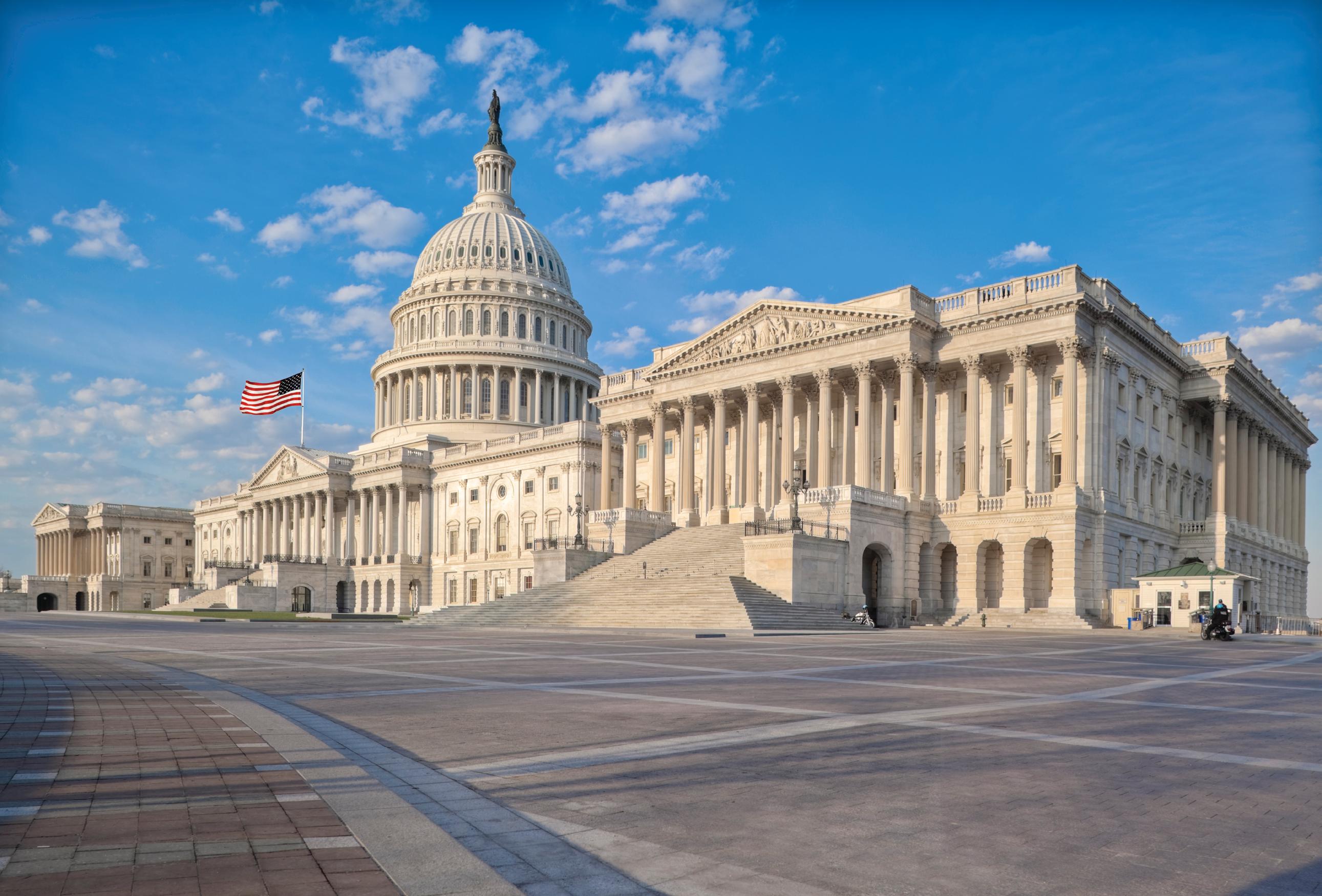
Regulatory Commission to learn of the Commission’s insight’s on the Postal Service’s financial standing. In a written statement from NPMHU National President Paul Hogrogian, he reiterated the need to increase the borrowing authority of the Postal Service and applying common sense accounting practices, and the NPMHU will continue to work with our fellow postal unions, USPS, and other stakeholders to promote these solutions. The Postal Service has delivered for every American household and business for over 250 years and is invaluable to the country’s national economy. We must work to ensure that it can continue this work while also protecting Mail Handlers’ jobs and benefits.
NPMHU WORKS TO GROW OUR POLITICAL INFLUENCE
Were you aware of the political arm of the Mail Handlers Union — the NPMHU Political Action Committee (PAC)? The NPMHU PAC allows us to help congressional candidates get elected and incumbents stay in Washington, where they can advocate on our behalf.
As you’ve seen, there have been numerous attacks against the value of the Postal Service and its dedicated employees.
Members of Congress have threatened your health and retirement benefits, your right to organize, and the financial stability of the Postal Service. Because of this, it is necessary to ensure those on Capitol Hill understand the value of the work of Mail Handlers. We need friends and champions elected to Congress to ensure that our Union won’t see attacks against our livelihood, our earned benefits, and the middle class become a reality.
All it takes is $1 a pay period to make an investment in our Union’s PAC. The easiest way to do so is through payroll deductions set up through Mail Handlers’ PostalEase account, but the form for one-time contributions via check or credit card can be found in the following pages of the Mail Handler magazine.
In the last edition of the Mail Handler, contributors to the PAC throughout 2025 were acknowledged. However, some PAC members were unfortunately overlooked and need to be recognized for their efforts: Ryan Pigmon of Local 322, Robin Djakovic of Local 304, and Jorge Ortiz of Local 318. If you have any questions about your contribution level or giving to the NPMHU PAC, please contact the National Office at 202-8339095. We thank all who give!
NPMHU PAC kie Awards
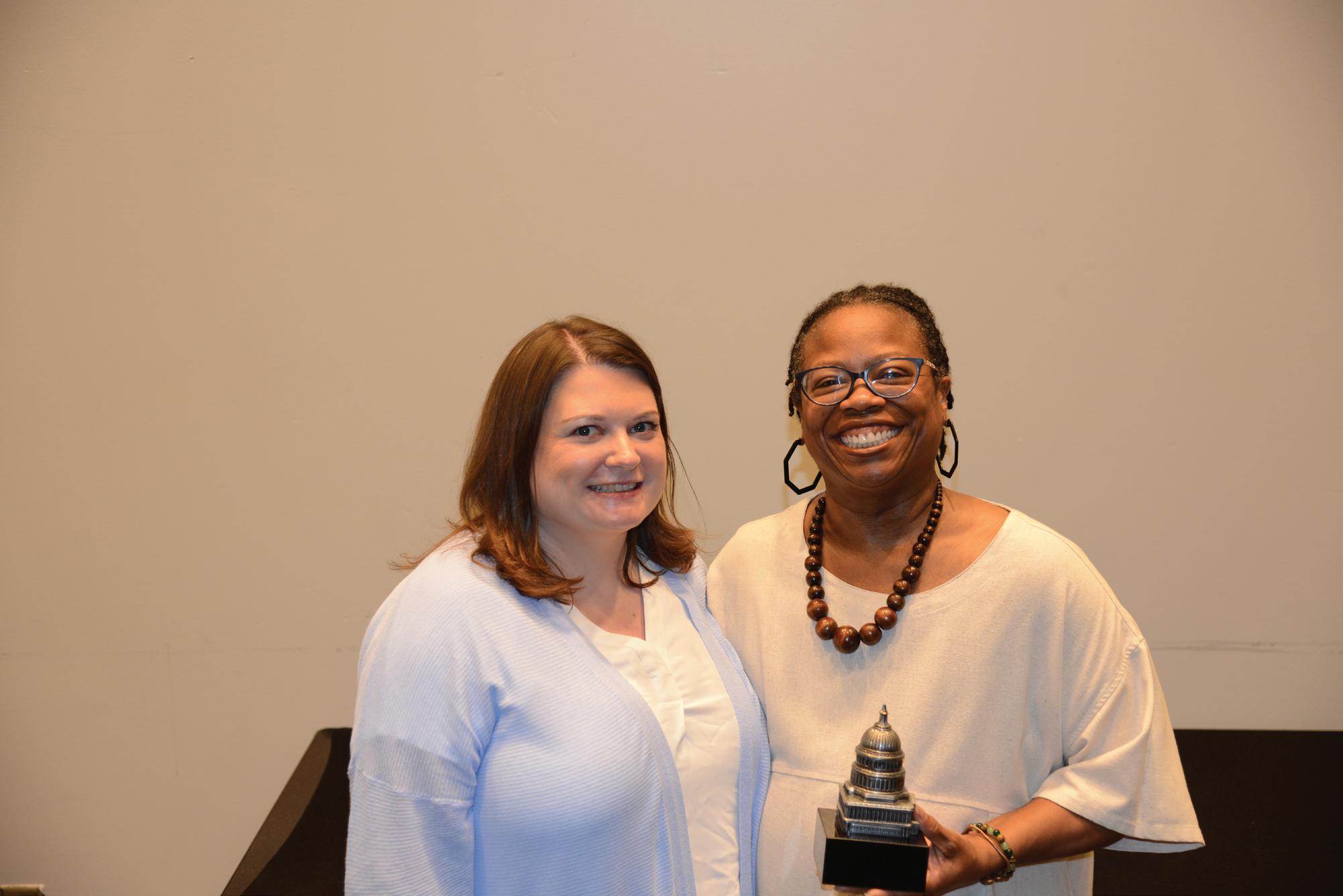
LOCALS WITH 1–499 MEMBERS
(l-r) Legislative and Political Director Katie Maddocks and Local 333 President Monica Marshall

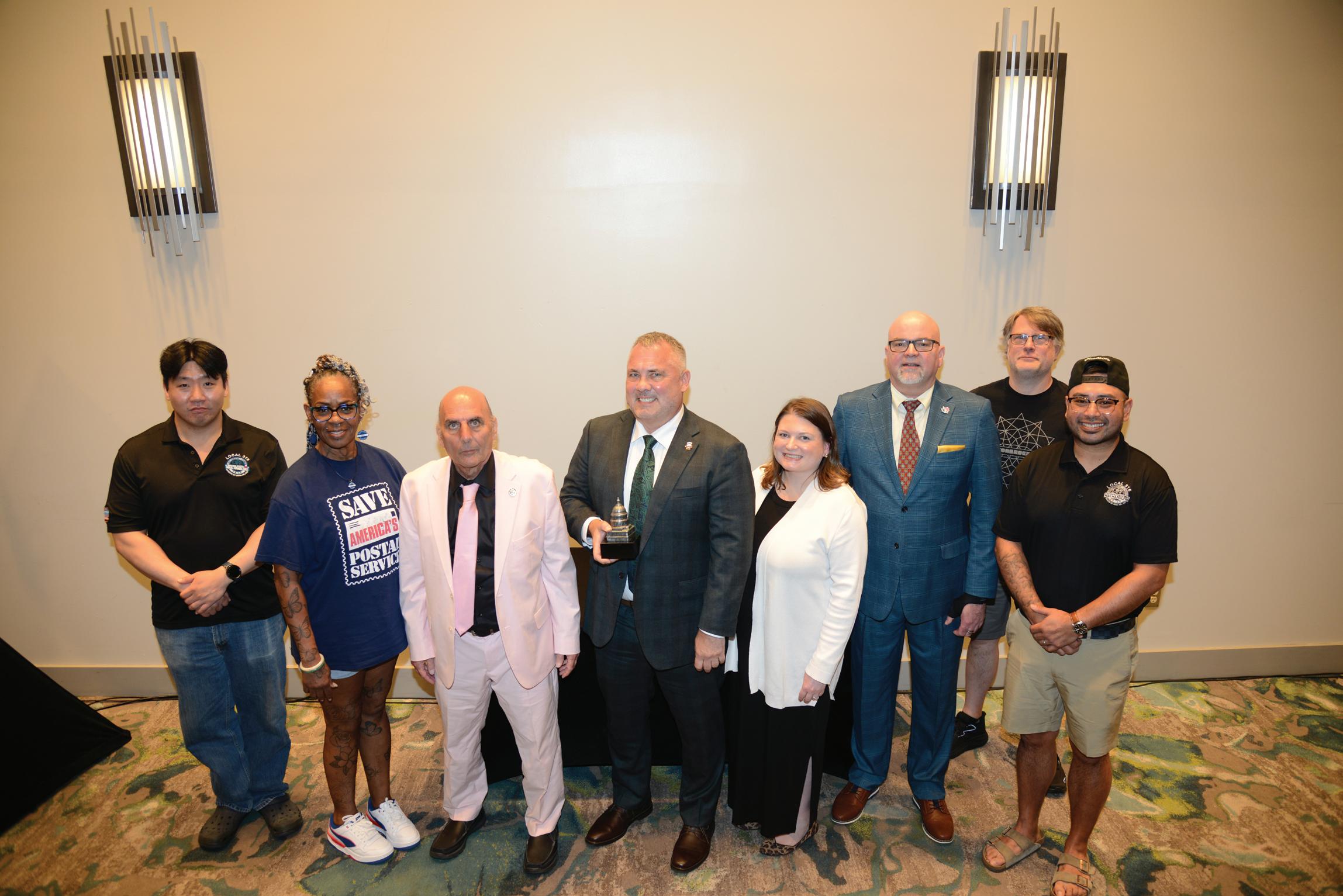
LOCALS WITH 500–1499
(l-r) Local 316 SEBM Steven Kim, Local 316 Branch President Valerie Brown, National President Paul Hogrogian, Vice President Western Region and Local 316 President Don Sneesby, Legislative and Political Director Katie Maddocks, National Secretary-Treasurer Kevin Tabarus, Local 316 Vice President Tim Kovac and Local 316 Treasurer Michael Fregon
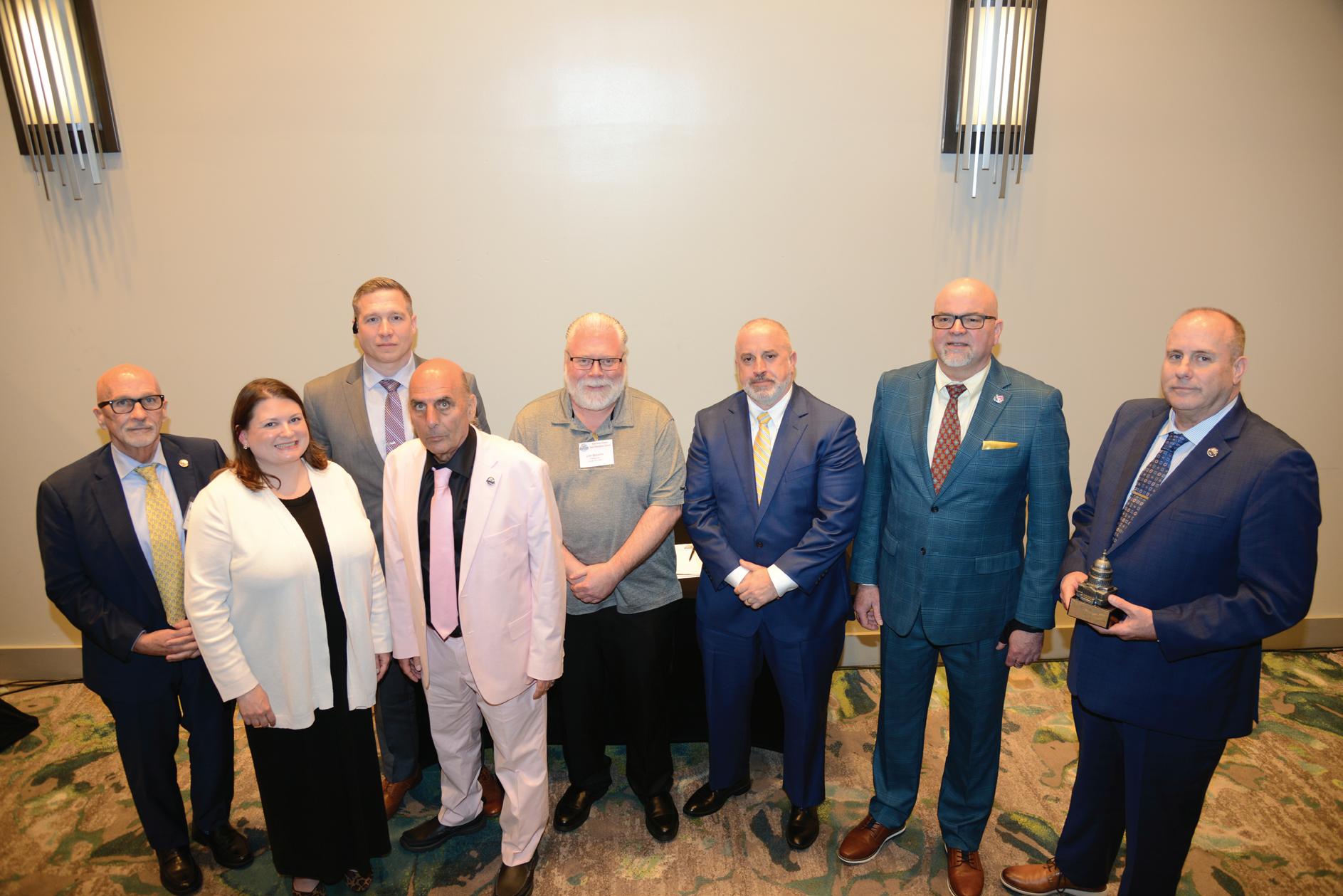
LOCALS WITH 1500 & UP MEMBERS
(l-r) Assistant to the National Officers Neil Ryan, Legislative and Political Director Katie Maddocks, CAD Director Patrick Donovan, National President Paul Hogrogian, Local 301 Treasurer John Bessette, Vice President Northeastern Region and Local 301 President Dan St. Marie, National Secretary-Treasurer Kevin Tabarus, and Local 301 Vice President Sean Swenney.
PACkie awards are accolades of recognition highlighting a Local’s commitment to the success of the NPMHU Political Action Committee. The winners exemplify excellence amongst our NPMHU Locals.
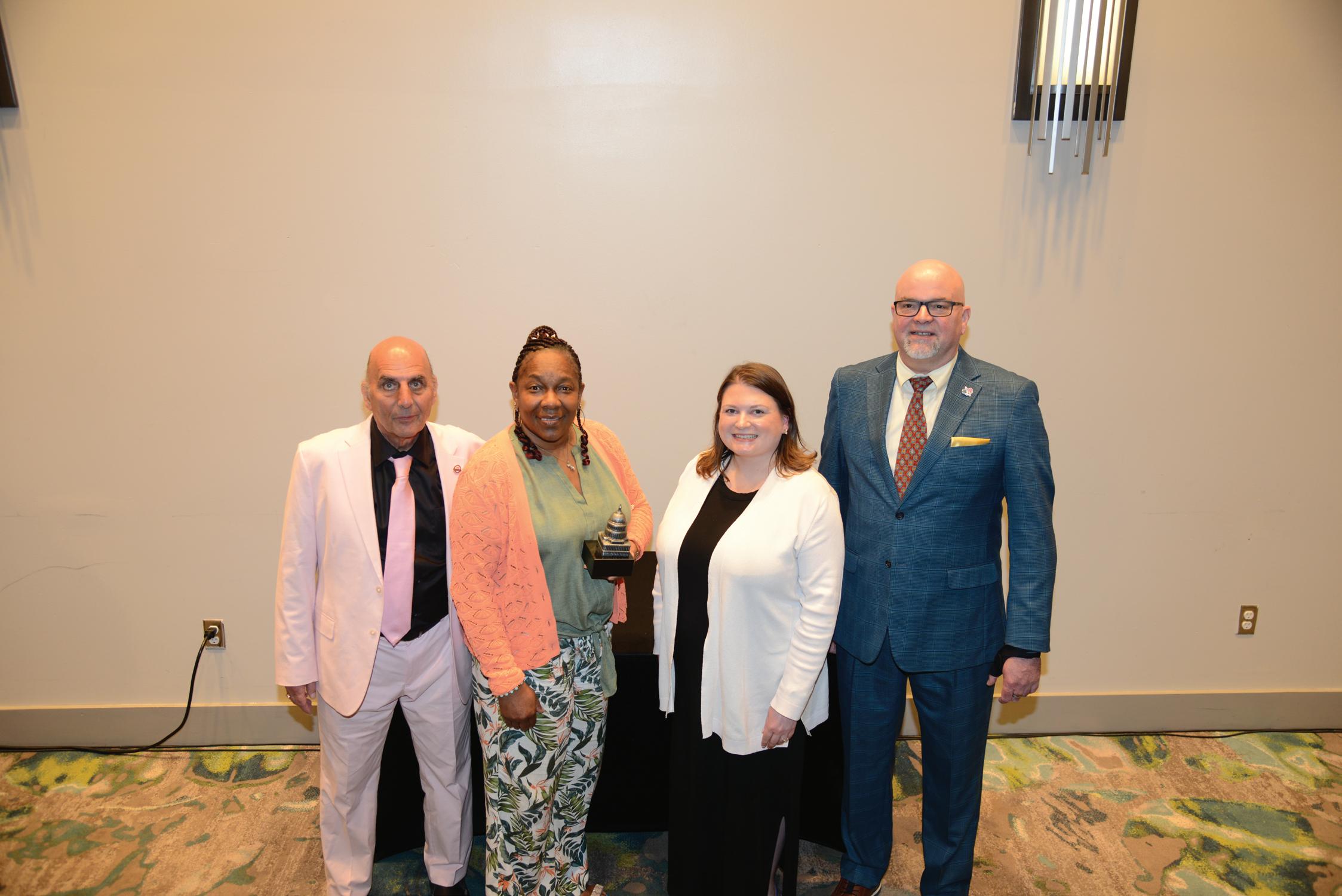
LOCAL 324
MOST CONTRIBUTIONS PER CAPITA
(l-r) National President Paul Hogrogian, Local 324 President Carmalita Mecaskey, Legislative and Political Director Katie Maddocks, and National Secretary-Treasurer
AMBASSADOR AWARD
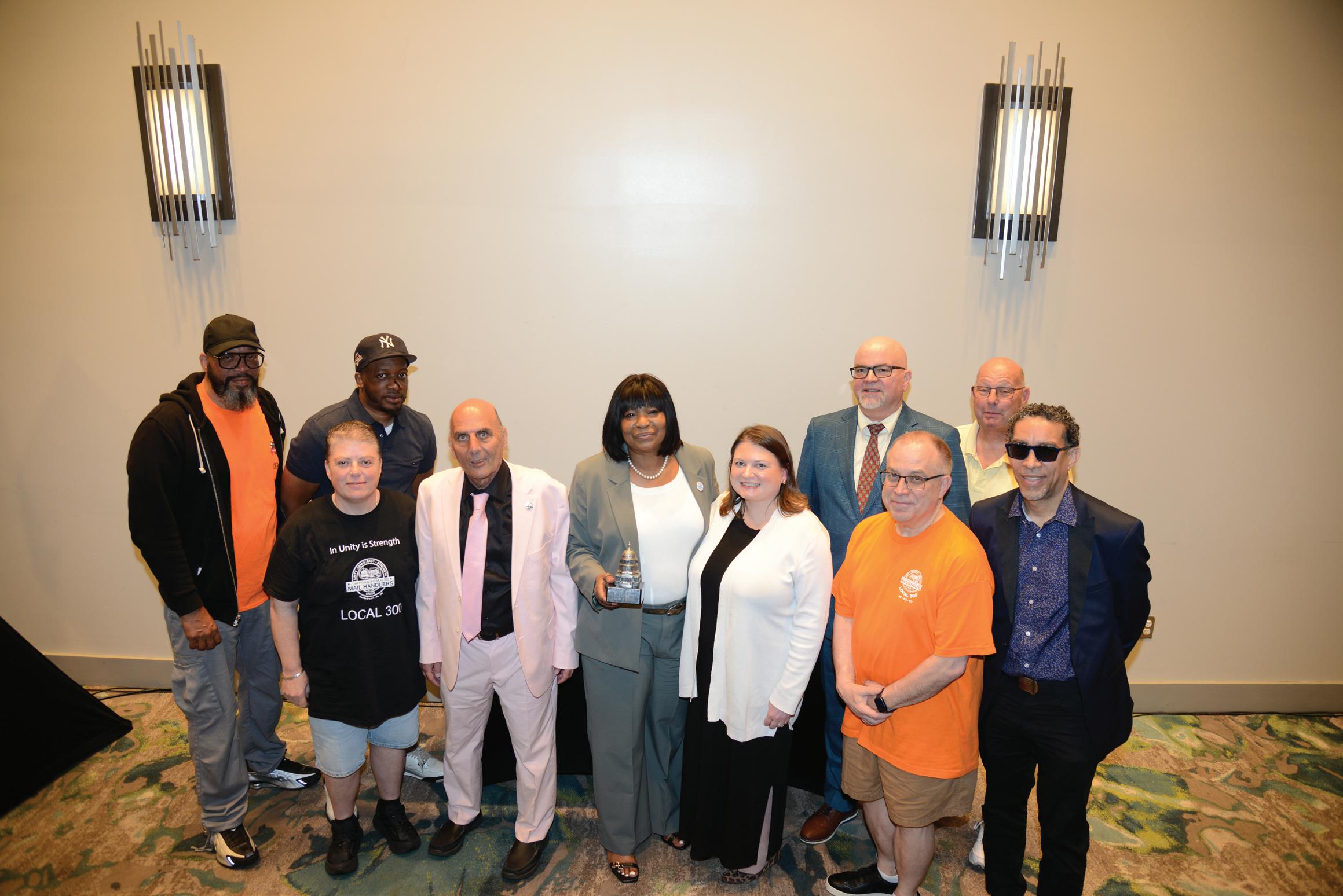
(l-r) James Smith CTSEBM, Malik Sheppard NYSEBM, Lucy Lombardo Local 300 Recording Secretary & JFK-ISC BP, National President Paul Hogrogian, Local 300 President Yvette Johnson, Legislative and Political Director Katie Maddocks, National Secretary-Treasurer Kevin Tabarus, Antonio Sanchez Local 300 Treasurer, and Tommy Russo NJSEBM.
MOST IMPROVED
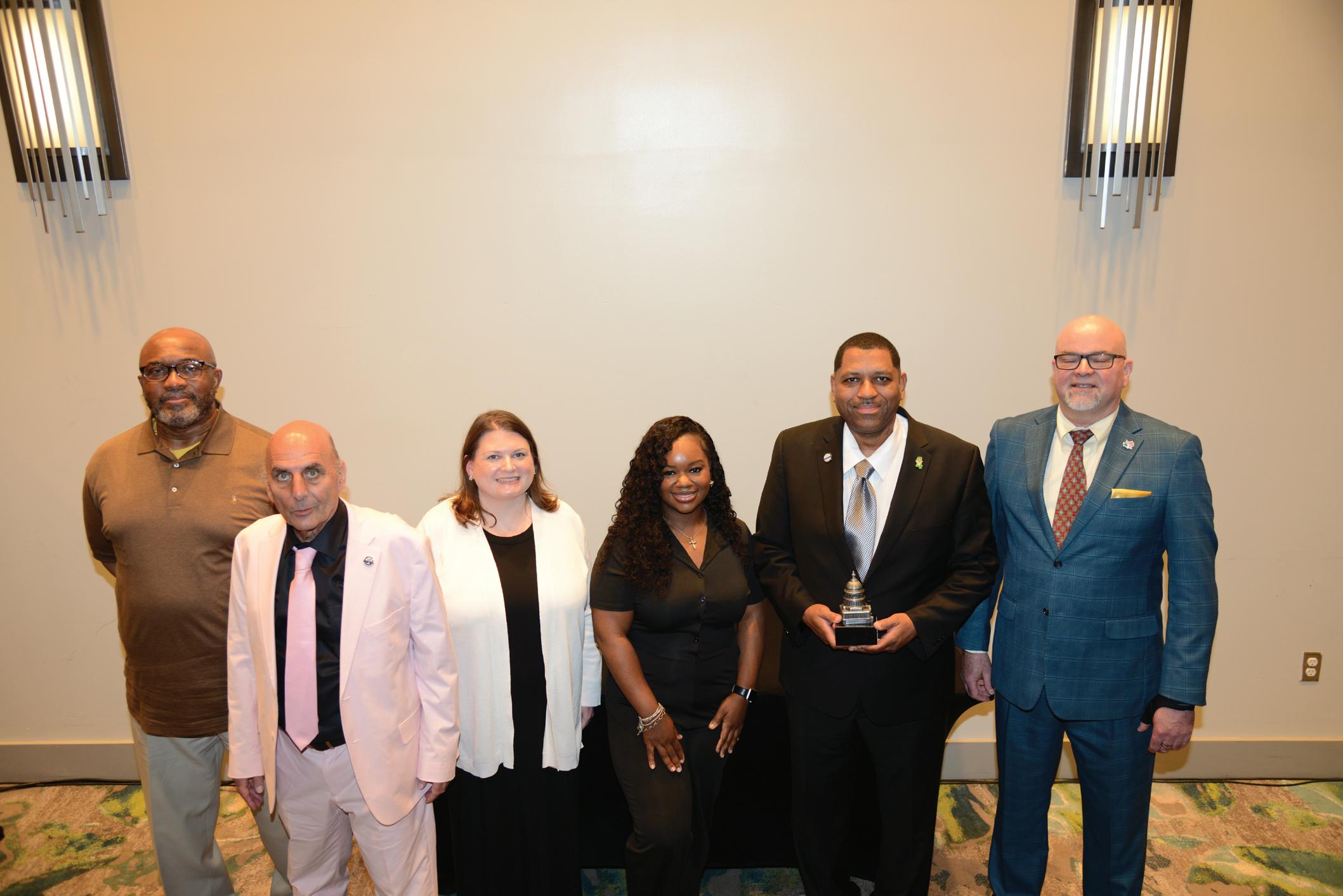
(l-r) Local 325 Vice President Calvin Hoskins, National President Paul Hogrogian, Local 325 Treasurer Genesis Thomas, Local 325 President Dwayne Williams, and National Secretary-Treasurer Kevin Tabarus.
2026 PAC INCENTIVE AWARDS
2026 PAC INCENTIVE AWARDS
Member
Sponsor


$26 ($1 per pay period) PAC Pin
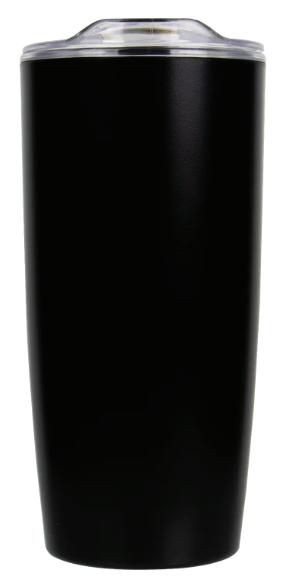
$52 ($2 per pay period) PAC Tumblers
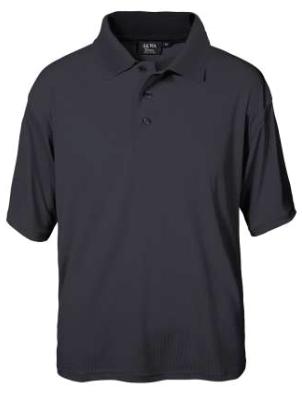
Activist $100 PAC Polo
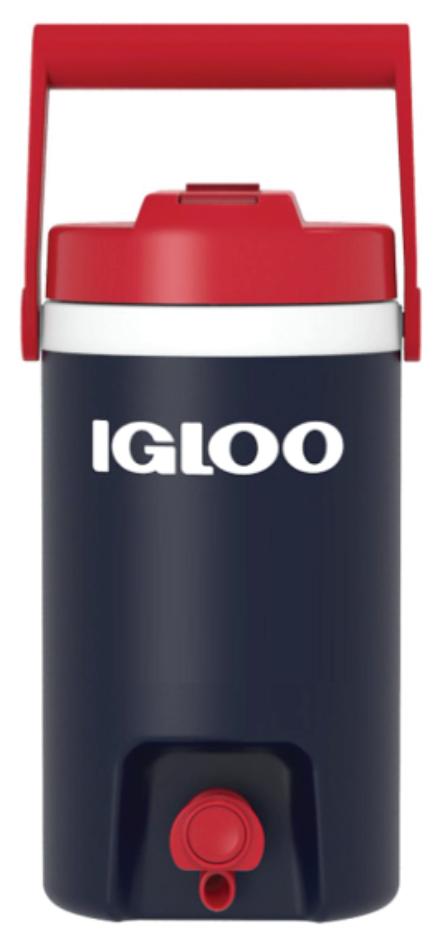
Leader $250 PAC Party Jug
Ambassador $500 PAC Tote Bag and Beach Towel
Super Ambassador $1o00 All Incentive Gifts
YOU TOO CAN BECOME AN NPMHU POLITICAL ACTIVIST
There is a quick way for Mail Handlers to contribute to the NPMHU PAC. Simply call in to the PostalEASE system, or visit the PostalEASE option on the web at www.liteblue.usps.gov Follow the instructions printed on pages 27 and 28 of this magazine. Your PAC contribution will be made directly from your bi-weekly postal payroll. You also have the option of sending in a personal check or authorizing a credit card contribution. Your contributions will also be entered in to the incentive award program that entitles you to an award based on your contribution level. There are six distinct PAC membership levels and awards. Awards are distributed based on membership level and will be mailed after the end of the year; awards will vary year to year.
NOTICE CONCERNING CONTRIBUTIONS:
Contributions to the Mail Handlers PAC are not deductible as charitable contributions for purposes of federal income taxes. In addition, federal law requires that the Mail Handlers PAC report to the Federal Election Commission the name, mailing address, occupation, and name of employer for each individual whose contributions in any calendar year total in excess of $200. Please also note that the Mail Handlers PAC has political purposes, and that all members have the right to refuse to contribute, and the right to revoke their authorization for any continuing contributions, without any reprisal.
PAC CONTRIBUTION BY PERSONAL CHECK, MONEY ORDER, OR CREDIT CARD:
You can contribute directly to the Mail Handlers PAC by filling out the following information and mailing it to:
Mail Handler PAC
P.O. Box 65171
Washington DC 20035
Please enclose your check or money order, or provide authorization to charge your credit card.
(Cut here and return to NPMHU PAC)
YOUR CONTRIBUTION HELPS PRESERVE POSTAL JOBS
This is to certify that I, _________________________________________________________, have voluntarily contributed the amount listed below, to the NPMHU PAC. I understand that this voluntary contribution is not a condition of membership in the union; I have the right to refuse to contribute without any reprisal; if specific contribution amounts are mentioned they are merely suggestions and I am free to contribute more or less; the Union will not favor or disadvantage me because of the amount of my contribution or my decision not to contribute; NPMHU PAC will use the money it receives to make Political expenditures and contributions in connection with federal elections; and only U.S. Citizens and lawful permanent U.S. residents are eligible to contribute.
Employer (if other than USPS)
Contribution Amount: (Please check one):
$26 (Member) $52 (Sponsor) $100 (Activist) $250 (Leader) $500 (Ambassador)
$1000 (Super Ambassador) Other
Please enclose your check or money order, or authorization to charge your credit card.
Contributions to the NPMHU PAC are not deductible as charitable contributions for federal income purposes.
You also can make your PAC contribution by bi-weekly salary allotment through PostalEASE (access by phone or on the web):
PostalEASE by TELEPHONE:
1. Dial 1-877-4PS-EASE—(877-477-3273) and follow the prompt for the Employee Services Main Menu.
2. When prompted, press #1 for PostalEASE
3. When prompted, enter your eight-digit USPS employee identification number.
4. When prompted again, enter your USPS PIN number. (This is the same as the PIN number you use for telephone bidding and/or other payroll allotments.)
5. When prompted, choose option #2 (to select payroll allotments)
6. Then choose option #1 (to select allotments)
7. When prompted, press #2 to continue
8. When prompted, press #3 to add the allotment
9. When prompted for the routing number, enter 054001220
10. When prompted for the account number, enter the following: 11260001 __ __ __—__ __—__ __ __ __ (the last nine digits of your account number is your social security number—this information will allow us to identify you as the PAC contributor).
11. Press #1 if correct
12. When prompted, press #1 for “checking”
13. When prompted, input the bi-weekly dollar amount of your PAC allotment.
14. Press #1 if correct
15. When prompted, press #1 to process
16. You will be provided a confirmation number as well as the start date for the salary allotment.
17. For your records: · Record the confirmation number
· Record the start date of the salary allotment
18. Press #1 to repeat, or press #9 to end call
PostalEASE on the WEB:
To initiate your bi-weekly PAC contribution on the web, simply go to www.liteblue.usps.gov
1. Enter your eight-digit USPS Employee ID Number and your USPS PIN
2. Follow the link to PostalEASE— you will again be asked to enter your Employee ID Number and USPS PIN
3. Follow the link for PAYROLL – Allotments/NTB
4. Continue to the ALLOTMENTS section
5. Your ROUTING TRANSIT NUMBER is: 054001220
6. Your ACCOUNT # will be: 11260001 __ __ __—__ __ —__ __ __ __ (the last nine digits of your account number is your social security number—this information will allow us to identify you as the PAC contributor).
7. For ACCOUNT TYPE— please select “CHECKING”
8. When prompted, please input the AMOUNT that you would like to contribute to the PAC each pay period.
9. To process your PAC allotment, you will need to select the VALIDATE button, and to finalize the transaction, please select SUBMIT. Be sure to print out a copy of the confirmation page for your records.

THREE PLANS, ONE MISSION. A HEALTHIER YOU.

AN OUNCE OF PREVENTION — THE PROS AND CONS OF DISEASE SCREENING
Nina Gallauresi, Executive Director, MHBP
SCREENING FOR DISEASES
Lots of diseases start silently. Conditions like high blood pressure, high cholesterol, and even cancer may have no symptoms at the start. Screening refers to looking for signs of disease in seemingly healthy people. Finding problems early can help you start treatment and make helpful lifestyle changes as soon as possible. Some screening tests have been shown to improve health and are widely recommended.
“We have great screening tests that have really lowered our rates of death and disease,” says Bob McNellis, a public health expert at NIH. Teams of experts develop guidelines for who should be screened with these tests, and how often.
A new study looked at how screening contributed to help lower cancer deaths in the U.S. over the last five decades. “We found that 8 out of 10 cancer deaths averted over the last 45 years were due to prevention and screening efforts,” says Dr. Katrina Goddard, a cancer control expert at NIH. Screening was the main cause of the drop in deaths from cervical cancer and colorectal cancer.
But screenings don’t always make sense for everyone. Some tests may have potential downsides, or harms. “These could be physical harms. They can also be things like stigma or psychological stress,” McNellis explains. For example, a test may suggest that you have a disease when you actually don’t. This is called a false positive result and can lead to stress and unnecessary
follow-up testing that may come with a risk of side effects. Other times, tests may miss cases of a disease. These are called false negative results.
Sometimes, a screening test finds a real disease that never would have caused issues over the person’s lifetime. But that person may receive treatment because of the test results. This is called overdiagnosis and overtreatment. “Basically, there are no perfect tests,” McNellis notes.

Experts continue to track the impact of screening tests over time and adjust recommendations. For example, screening tests for prostate cancer used to be common for older men. But studies found high levels of overdiagnosis. This led to many men having major surgery they didn’t need. So prostate
cancer screening is not commonly recommended for men 70 and older.
“Screening guidelines do change over time,” Goddard explains. This happens because new research is always being done. For example, guidelines now suggest that many people start screening for colorectal cancer at age 45 instead of 50. Cancer rates have been rising in younger people, “and we have new evidence that they may benefit from colorectal cancer screening,” McNellis says.
Your doctor will take many factors into account when recommending screening tests. These include your age, overall health, and personal preferences. Talk with your doctor before having a screening test.
Questions to ask can include: What are the potential harms of the test? How often do they occur? What’s the chance of finding a disease that wouldn’t have caused a problem? How effective are the treatment options if you find something? Am I healthy enough to have treatment if you discover a disease?
Many screening tests need to be repeated regularly to get the most accurate results, McNellis says. So even if you’ve been given a clean bill of health, let your doctor know if you experience any worrisome symptoms in between tests.
HEALTH SCREENINGS
Talk to your doctor about the benefits and harms of screening tests. Common tests look for:
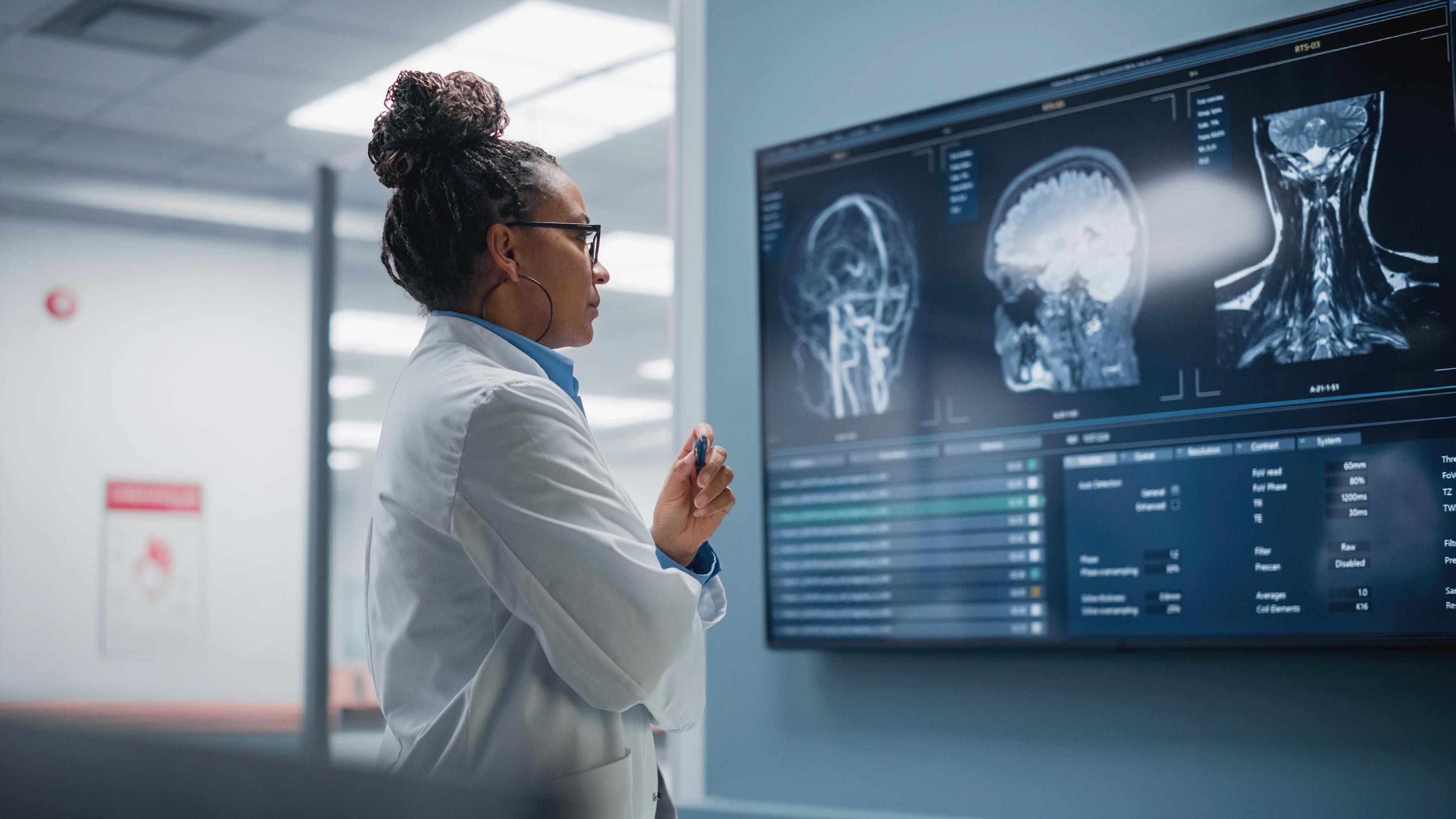
• Diabetes and prediabetes, including during pregnancy.
• Depression and anxiety.
• Sexually transmitted infections and blood-borne diseases, including HIV, syphilis, hepatitis B and C, gonorrhea, and chlamydia.
• Cancer, including colorectal, cervical, breast cancer, and lung cancer in some current and former smokers.
• Substance use disorders.
• Reduced bone density (osteoporosis)
US PREVENTIVE SERVICES TASK FORCE
The U.S. Preventive Services Task Force (USPSTF) works to improve the health of people nationwide by making evidence-based recommendations on effective ways to prevent disease and prolong life. Through this work, the Task Force helps healthcare providers and
ditions and diseases across the lifespan. Task Force recommendations:
• Apply to people without signs or symptoms of a specific disease or condition
• Are only for preventive services offered in a primary care setting or referable from a primary care provider
• Address three types of preventive services: screenings, behavioral counseling, and preventive medications
The Task Force follows a rigorous, multistep process to develop its recommendations, starting with a research plan that guides the review of existing evidence, resulting in a recommendation based on that evidence. Throughout the process, the Task Force solicits— and considers—public and expert input to improve its work. The Task Force routinely updates its existing recommendations to reflect new evidence and adds new topics to its portfolio.
SOURCES:
Affordable Care Act (ACA) requirement’s to cover USPTF A and B recommendations, MHBP provides an extensive range of preventive benefits to help members stay well. We include 100% coverage for a variety of network preventive tests and screenings, routine physical exams, and tobacco cessation. To keep children well, we provide 100% coverage for recommended well child visits, immunizations, and physical exams. We also cover women’s wellness at 100% for a full range of network preventive services, preventive tests and screenings, counseling services. We also cover certain medications and supplements to prevent certain health conditions for adults, women and children as recommended by the ACA.
MHBP can help connect you to a provider for covered screening services. If you know the type of provider you would like to see, search for a provider using mhbppostal.com or call MHBP at 833-497-2416 for assistance.

NPMHU Arthur S. Vallone SCHOLARSHIP
NPMHU REINVESTING IN TODAY’S YOUNG LEADERS
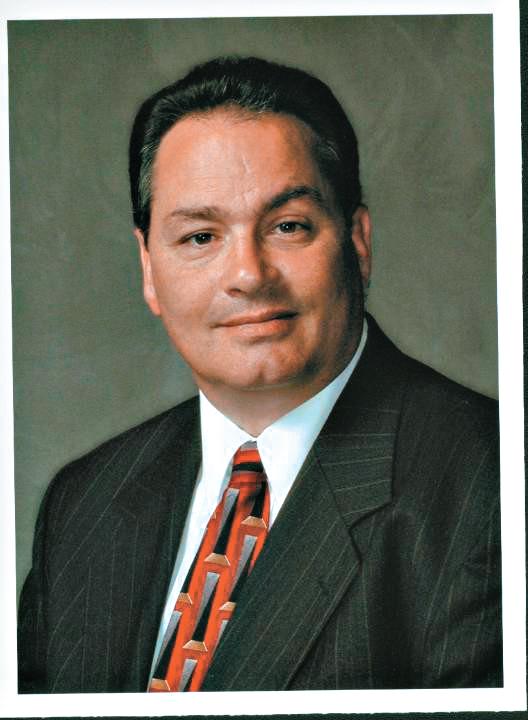
The NPMHU Scholarship Committee completed its task of evaluating many applications from well qualified NPMHU members and members of their immediate families. After careful review and consideration, a new group of Vallone Scholars have been awarded a scholarship for the next 4 years. Fifteen applications were selected out of a total of forty-one received by the March 15th, 2026, deadline.
The NPMHU National Scholarship was dedicated and renamed after Arthur S. Vallone after his untimely passing in 2005. Arthur S. Vallone served as the elected President of Local 309 headquartered in Buffalo, New York and represented approximately 1,500 Mail Handlers throughout upstate New York. Arthur S. Vallone also served 3 terms on the National Executive Board as the Northeastern Region Vice President. Vallone’s deep understanding of education and learning are just a handful of reasons why the National Postal Mail Handlers Union dedicated this legacy to Brother Arthur Vallone.
The Arthur S. Vallone Scholarship is now in its 26th year of existence. This award was designed to offer deserving Mail Handlers and members of their immediate families some relief from the financial burden of paying for higher education. With fewer resources becoming available, it can be quite the challenge for families to absorb the cost of higher education. While some individuals and families develop savings plans for higher education, there are many that do not nor
have the ability to do so, and that is why the NPMHU has dedicated such an award.
The National Executive Board (NEB) recently made an important change to the Vallone Scholarship. The NEB voted to raise the scholarship award amount from $1,000 to $2,000. The NEB’s decision to reinvest in the Vallone Scholarship was to respond to the weakening numbers of applications but also to raise our competitiveness amongst other scholarship offers. As a result, each NPMHU Region has been granted up to three scholarship awards in the amount of $2,000 each, renewable by the recipient for up to four years or until the completion of the students’ undergraduate or trade school degree, whichever occurs first for a maximum of $8,000 per recipient over four years. While reading over the applications of this year’s winners there was a common theme that seemed to guide many of the new Vallone Scholars. These new scholarship recipients wanted to become leaders. What makes a good leader means something different to all of us, but let us agree that there are traits that set a leader above the non-leaders. A few ways to distinguish and set these students apart from the others are traits such as an open mind, the ability to communicate clearly, they lead by example and they never stop learning. Several applications included some very profound personal essays. One that recently caught my eye was Marquita Yancey from Richmond, VA. Marquita wrote that “My goal is to build generational wealth and to bring financial literacy to my
ARTHUR S. VALLONE
NOAH GIEBEL
community to break cycles of financial instability and generate prosperity”.
Another application from Manafshay Shahzad from Manchester, NH stood out showing signs of a budding future leader. Shahzad wrote “I plan to study political science in college and become an education lawyer to try and mend the issues in the education system from a policy standpoint. My goal is to advocate for fairness and opportunity, principals that unions fight for every day”.
Lastly here’s also an example of a young leader in Janay Jones of Miramar, FL. Janay wrote “As a member of a
family connected to the National Postal Mail Handlers Union, I have learned the value of solidarity, education and advocacy. This scholarship would support my education and reflect the values of service, perseverance and responsibility that have shaped my life. I hope to use my education to make a meaningful difference in the lives of others.”
The number of scholarship applications we received this year was slightly greater than last year, but the superior level of excellent applicants remained the same. All our applicants shined in very different ways. It’s a tough job to

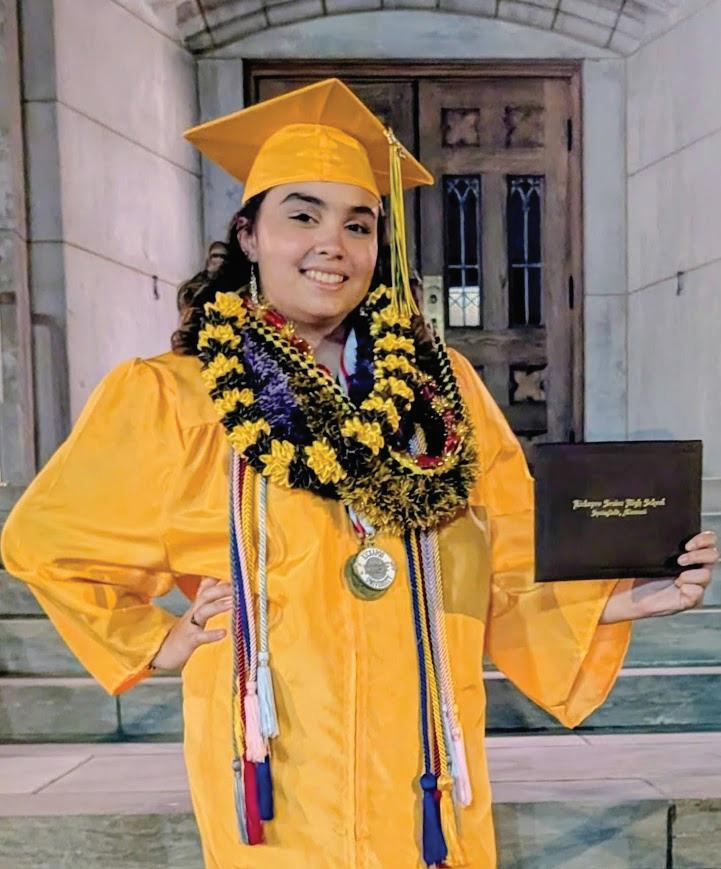




sift through each application and pick out the 3 applications per region that outshine the others. Nonetheless we’ve reached the completion of another year, and we present to you the newest Vallone Scholars.
Prior to going to print, National President Paul Hogrogian was notified by Union Plus President Mitch Stevens that The National Postal Mail Handlers Union were among 42 unions with an








WONGSOMADI
MAIL HANDLERS ACROSS THE COUNTRY
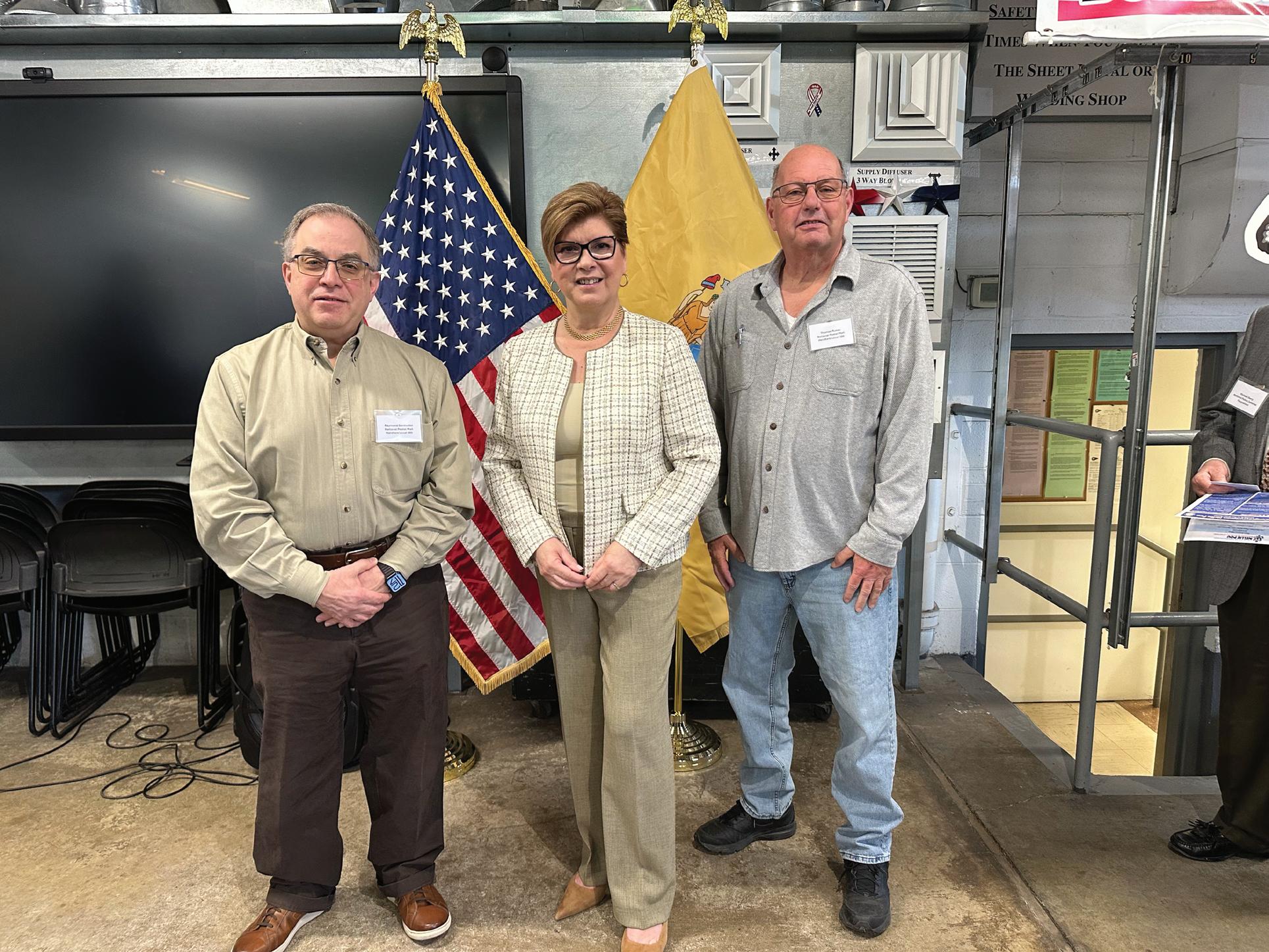
Local 300 Vice President Ray Bermudez and Local 300 SEBM Thomas Russo meet with Congresswoman Nellie Pou
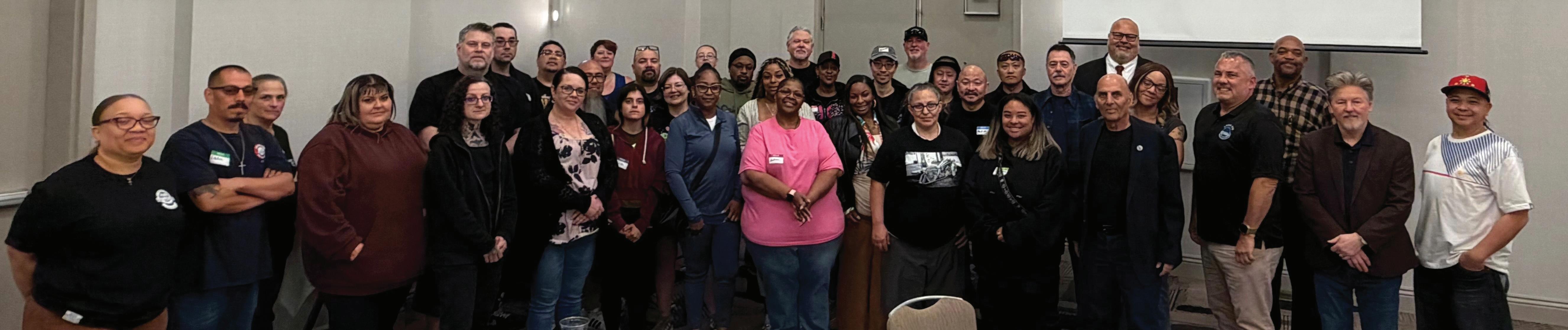
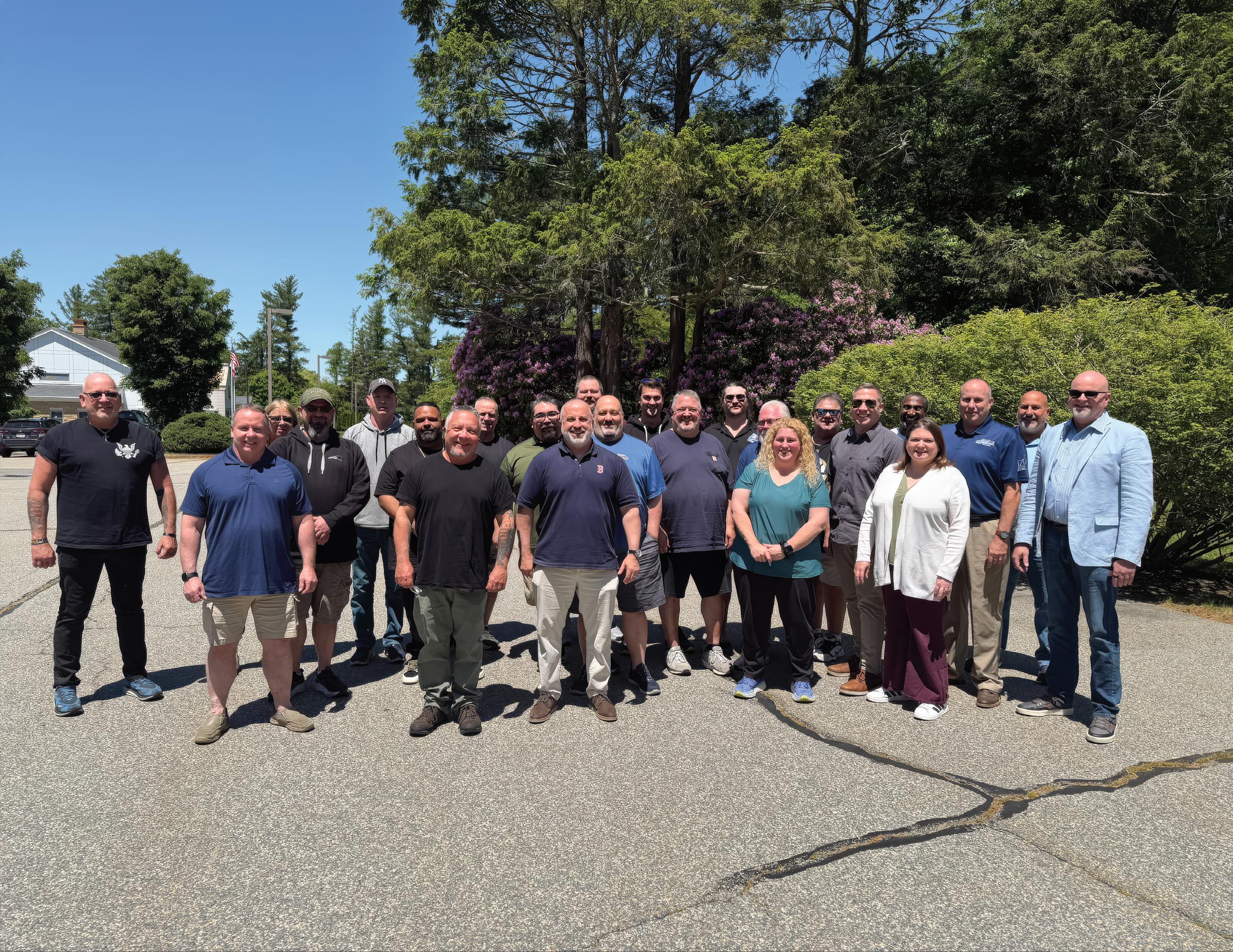
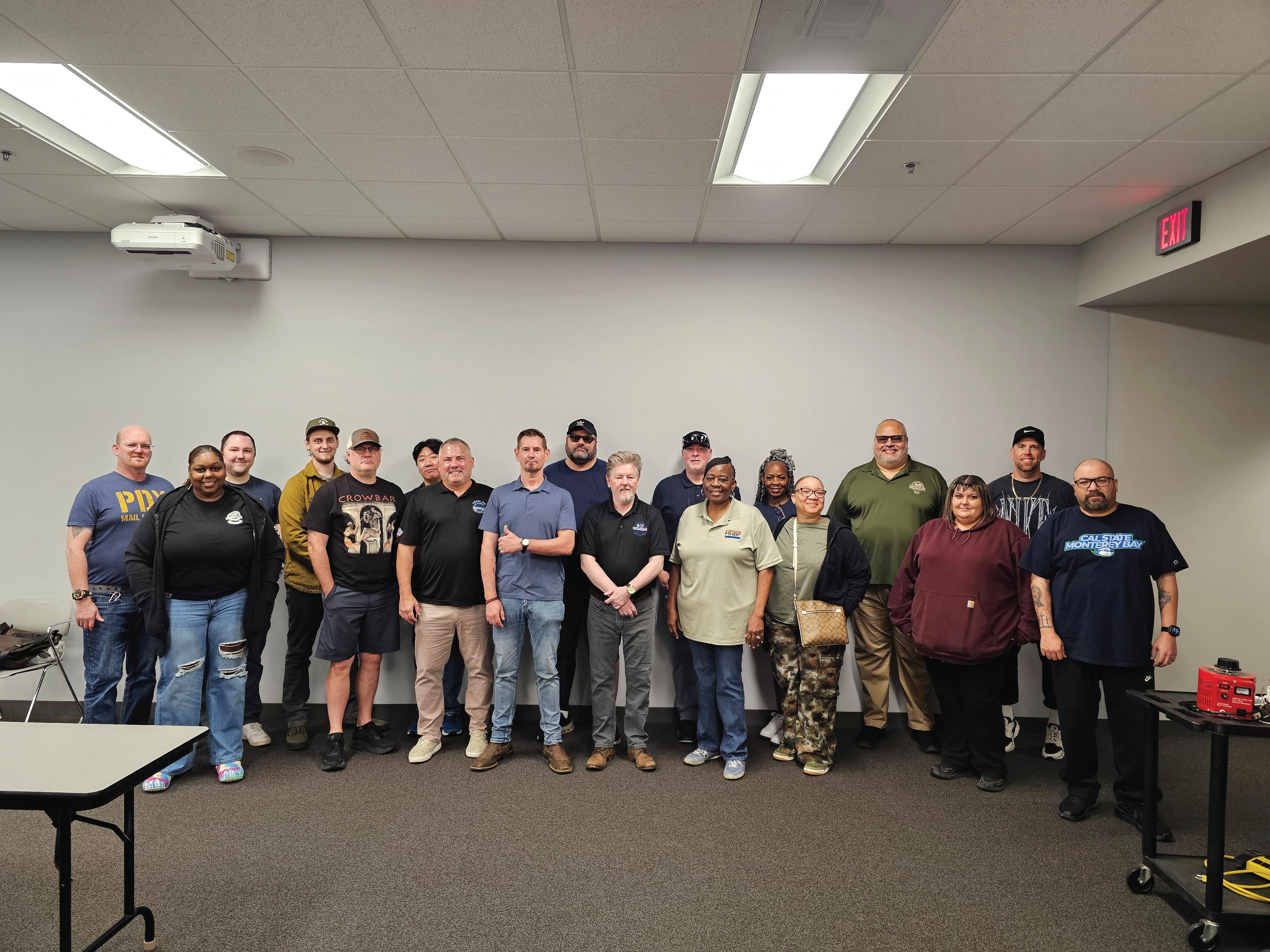
Local 302 President Anthony Coleman and members of Local 302 held a shop Stewards Training. Assisting with the training were National President Paul Hogrogian, Vice President Eastern Region John Gibson and Vice President Western Region Don Sneesby.
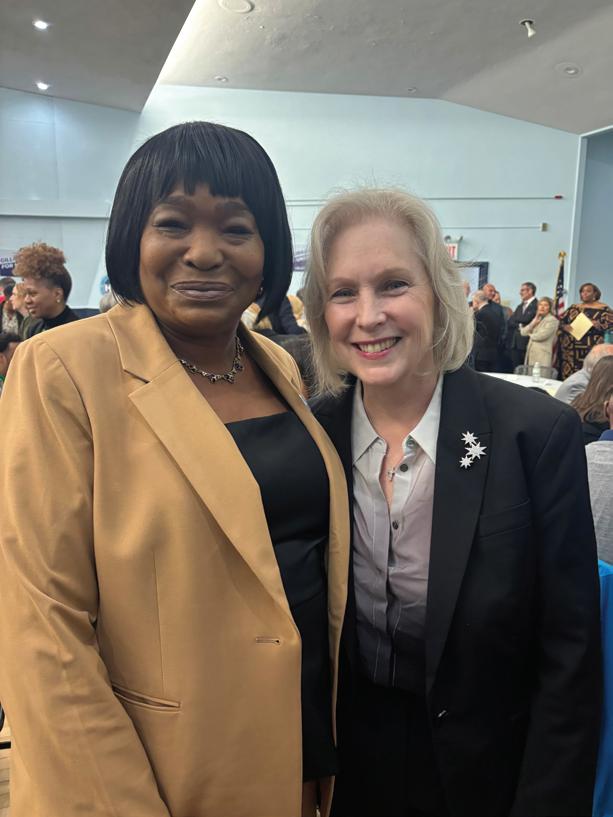
President Local 300 Yvette M. Johnson meets with Senator Kirsten Gillibrand (D-NY)
LOCAL 310
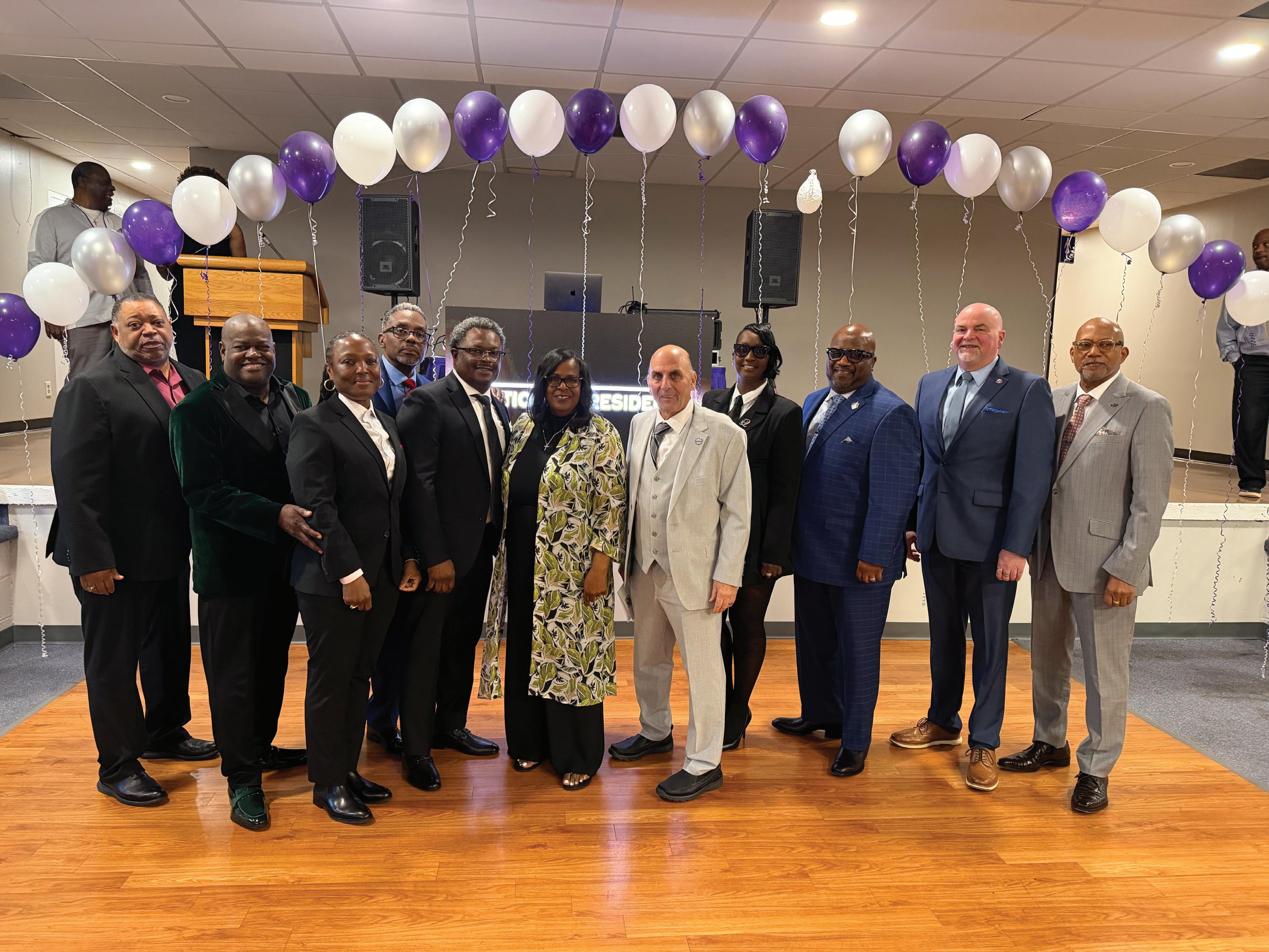
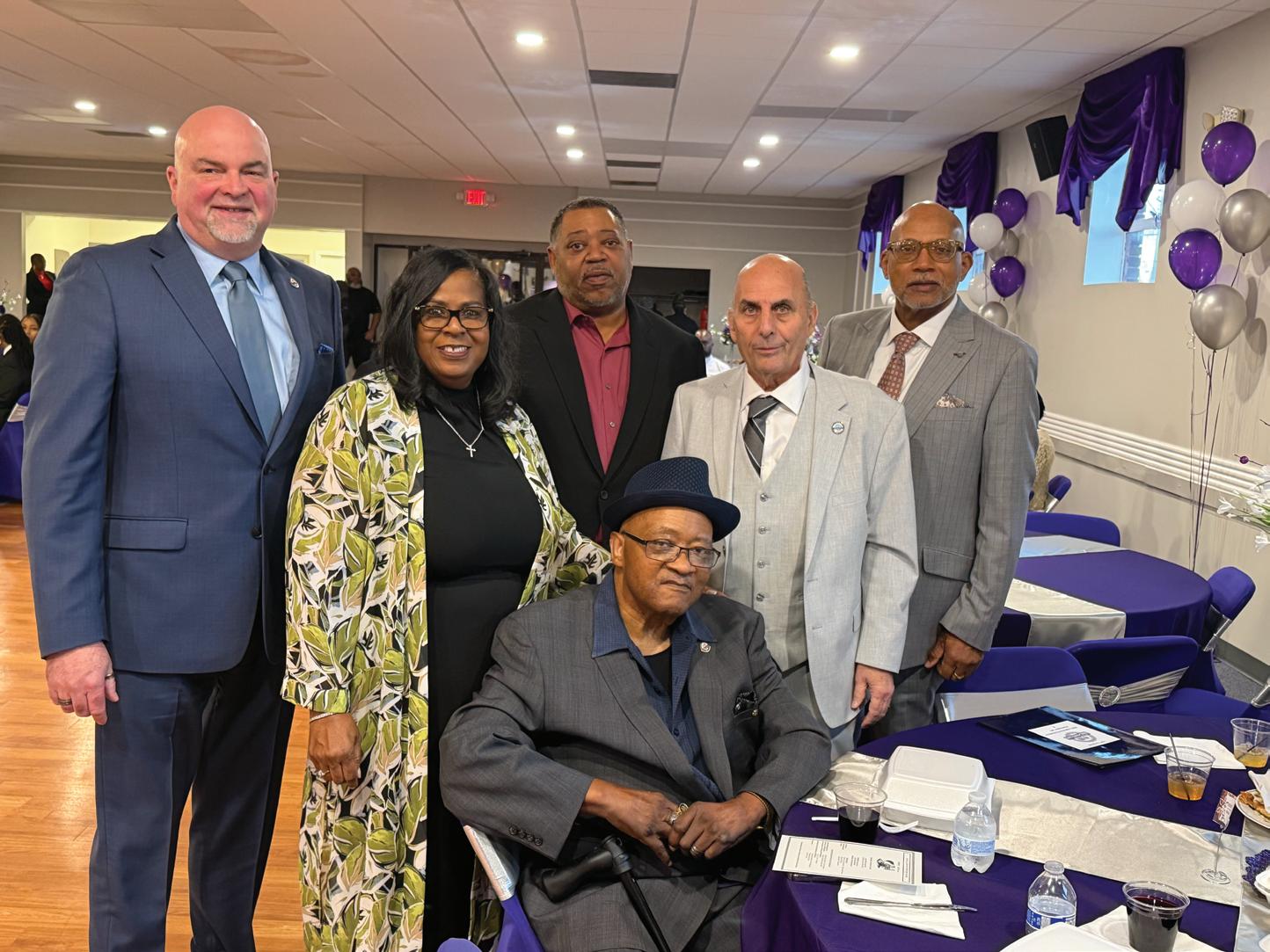
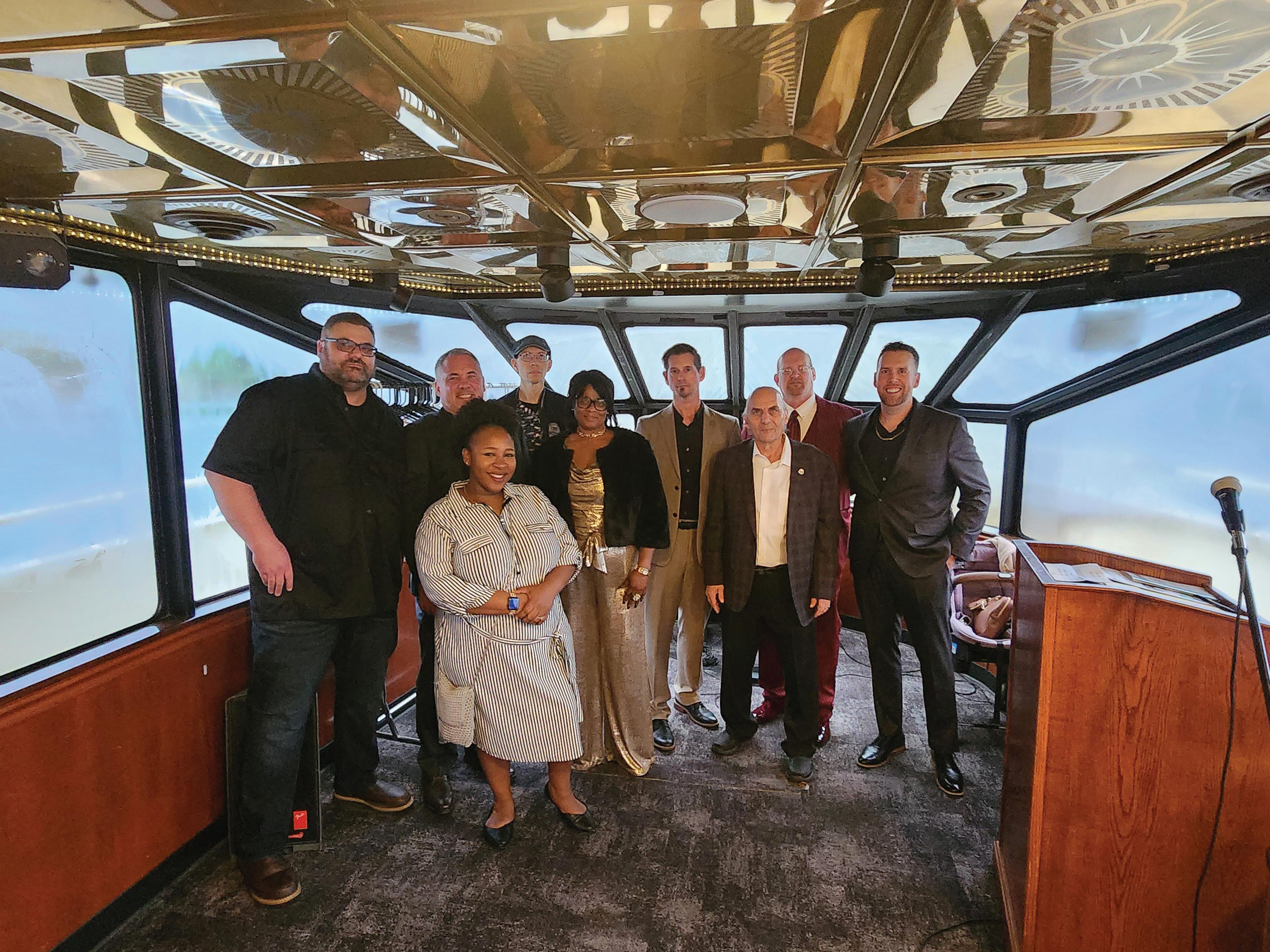
Local 310 held their Installation of Officers. Pictured (l-r) 1) CAD Director Andy Badilishamwalimu, Carlus Biggers Branch President Atlanta RPDC, Keima Thomas Branch President Duluth LPC, Marvin Parker Recording Secretary/Branch President Atlanta LPC/ SDC, Reginald Chambers Vice President, Lisa D. Greer
Local President, Paul Hogrogian National President, Quinntella Smith State Board Member, Charles Franklin Jr. Treasurer, National Secretary-Treasurer Kevin Tabarus, Vice President Southern Region John J.R. Macon. 2) Local 310 reunited with retired NEB member Bruce Z. Miller. Pictured (l-r) National SecretaryTreasurer Kevin Tabarus, Local 310 President Lisa Greer, CAD Director Andy Badilishamwalimu, Retired NEB Bruce Z. Miller, National President Paul Hogrogian and Vice President Southern Region John J.R. Macon.
LOCAL 307
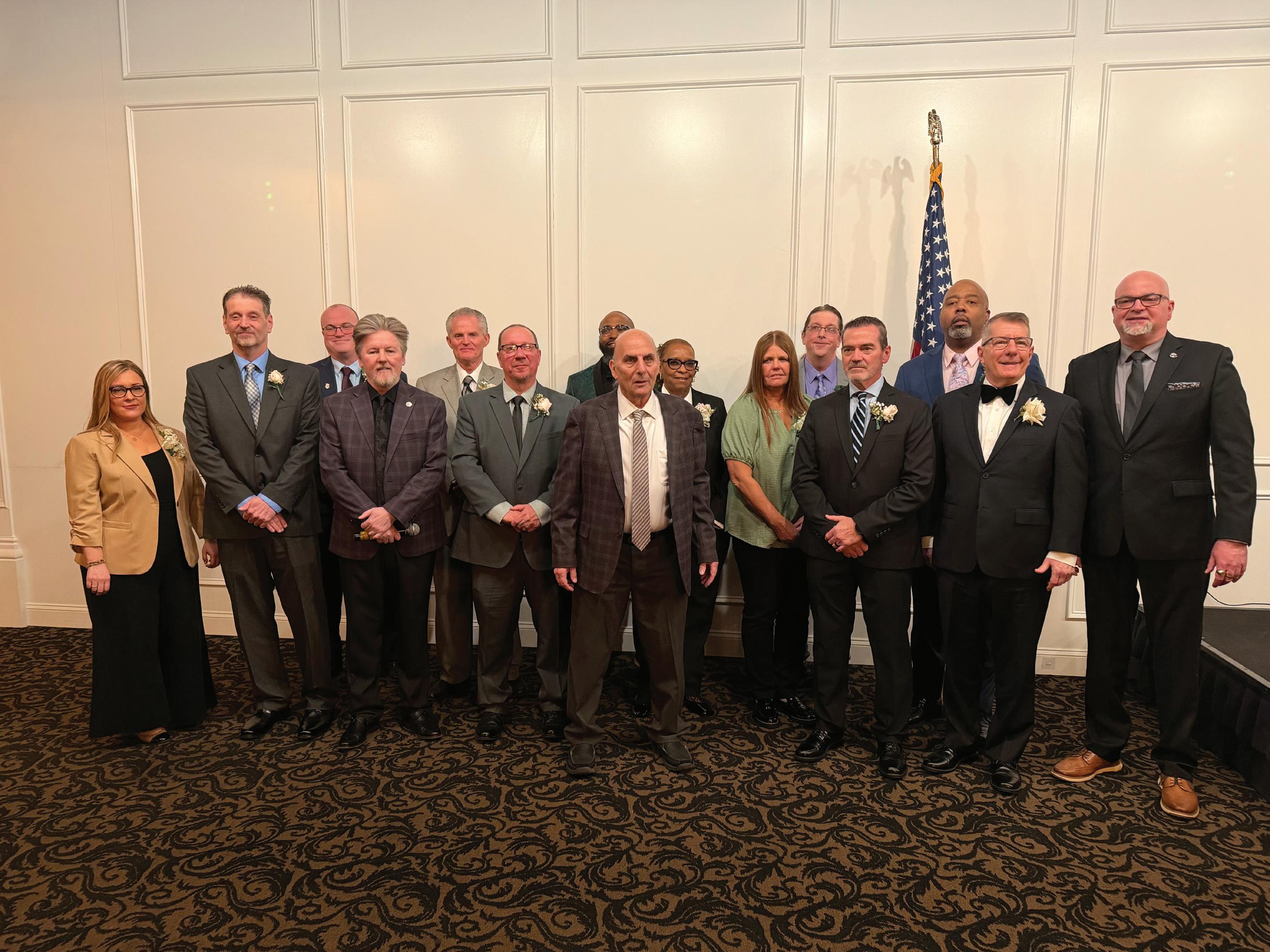
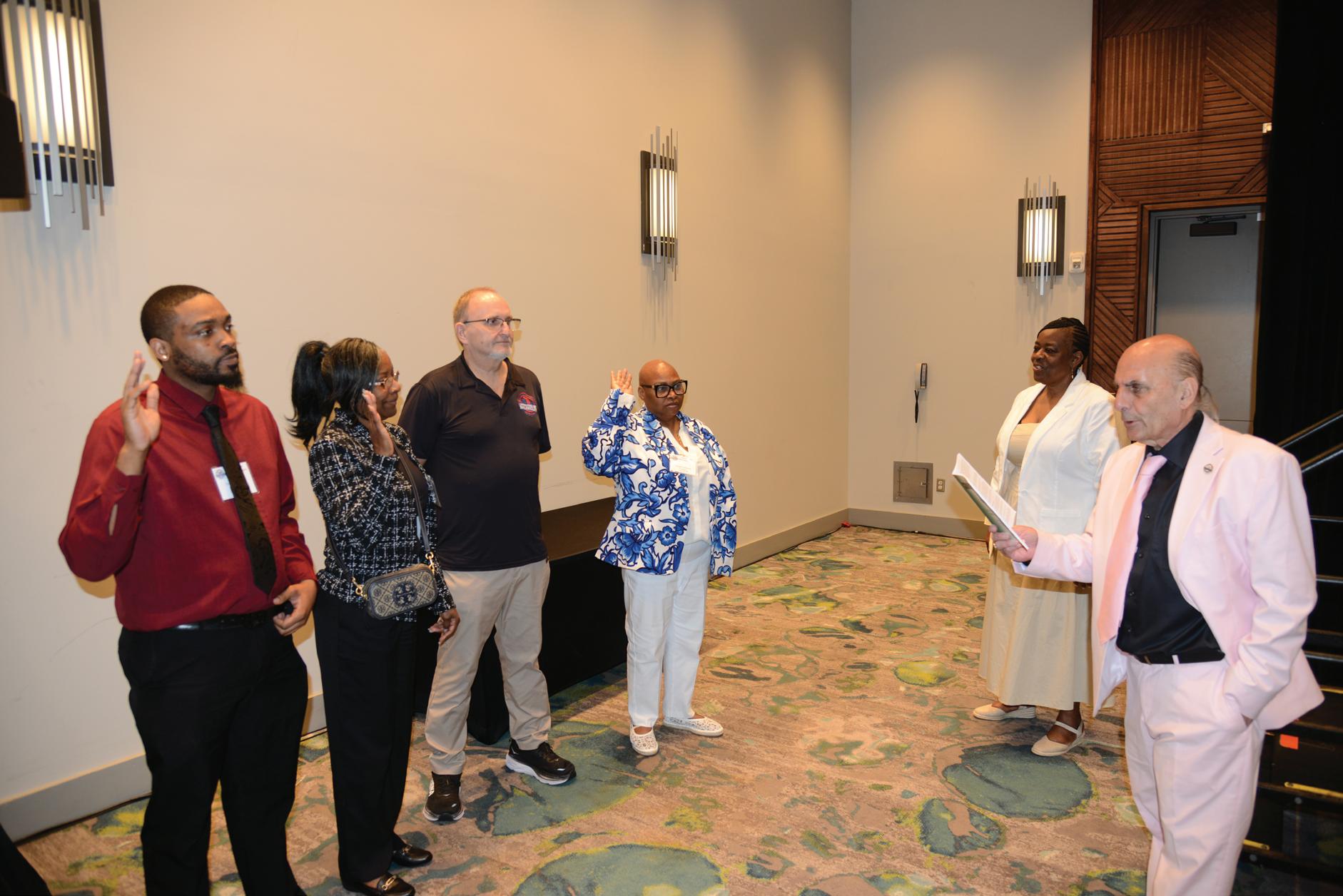
Local 307 held their Installation of Officers at the SAMLU
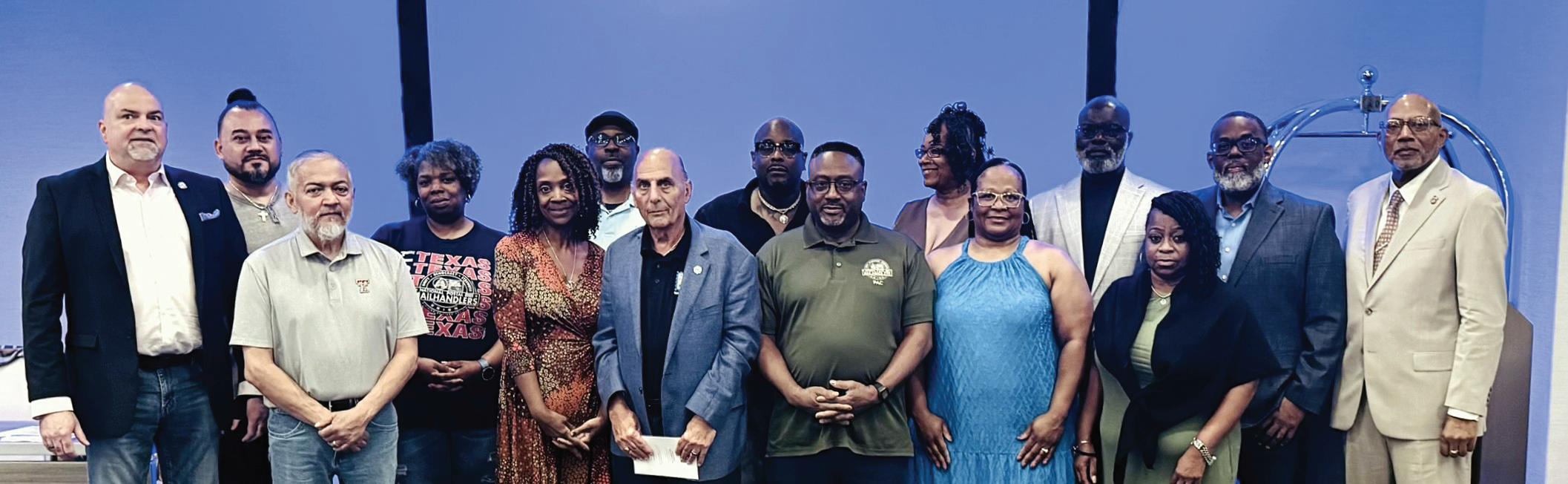
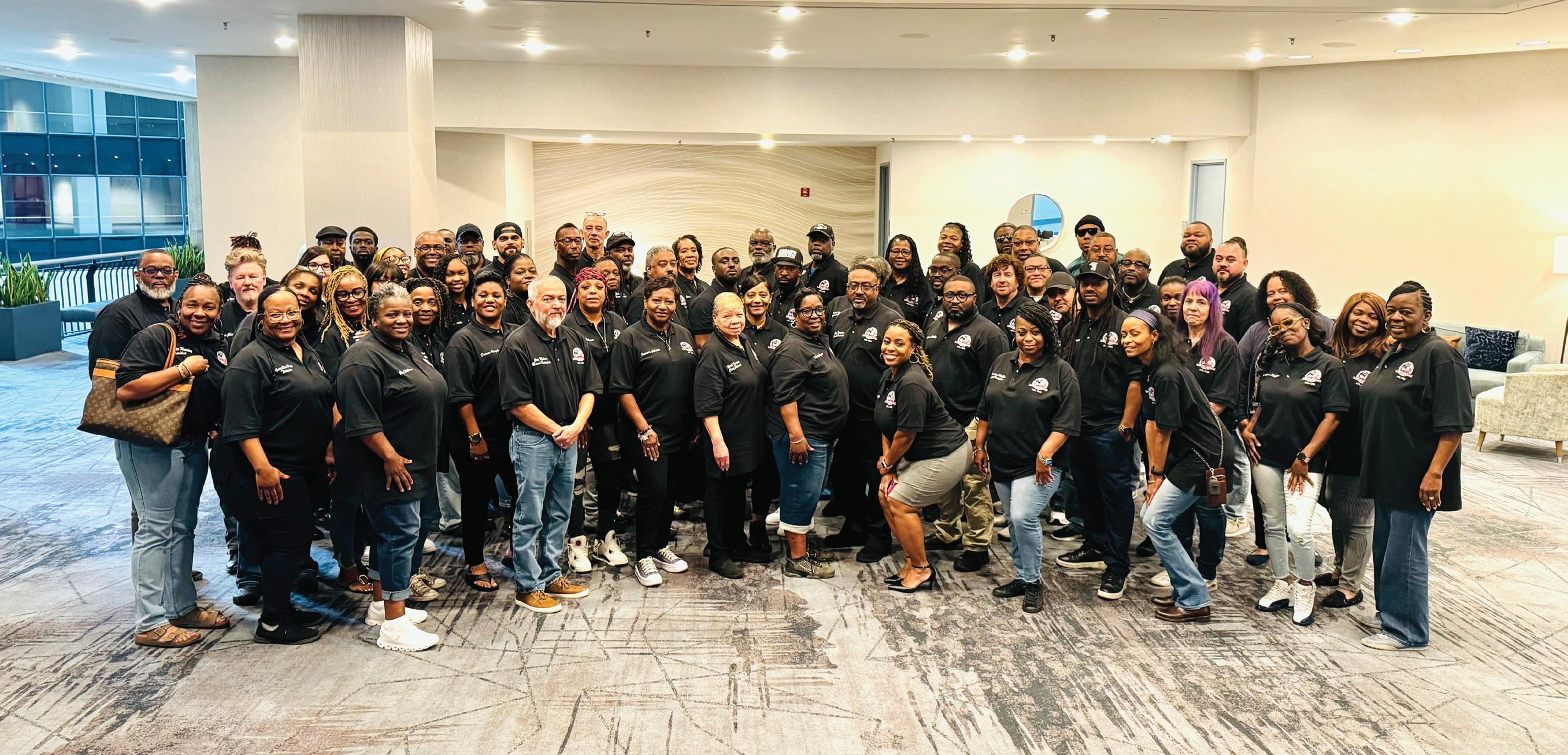
1) Local 311 held their Installation of Officers. Pictured (l-r) National Secretary-Treasurer Kevin Tabarus, Juan Ramos — BP San Antonio, Jose Molina — BP Lubbock, Dawn Richard — BP Dallas RTH, Dana Davenport — Recording Secretary, Rodney Davis — BP Dallas Main,
National President Paul Hogrogian, Robert Morgan — BP North Texas, Guy Thompson — BP El Paso, Shirley Mackey — State Board, Roxie Pride — Treasurer, Local 311 President Charles Charleston , Johnniece McGee — BP North Houston, Byron Bennett — Vice President
and Vice President Southern Region John J.R. Macon. 2) Local 311 Held a Shop Steward Training anchored by National Trainers Vice President Central Region June Harris and Vice President Eastern Region John Gibson.
LOCAL 318
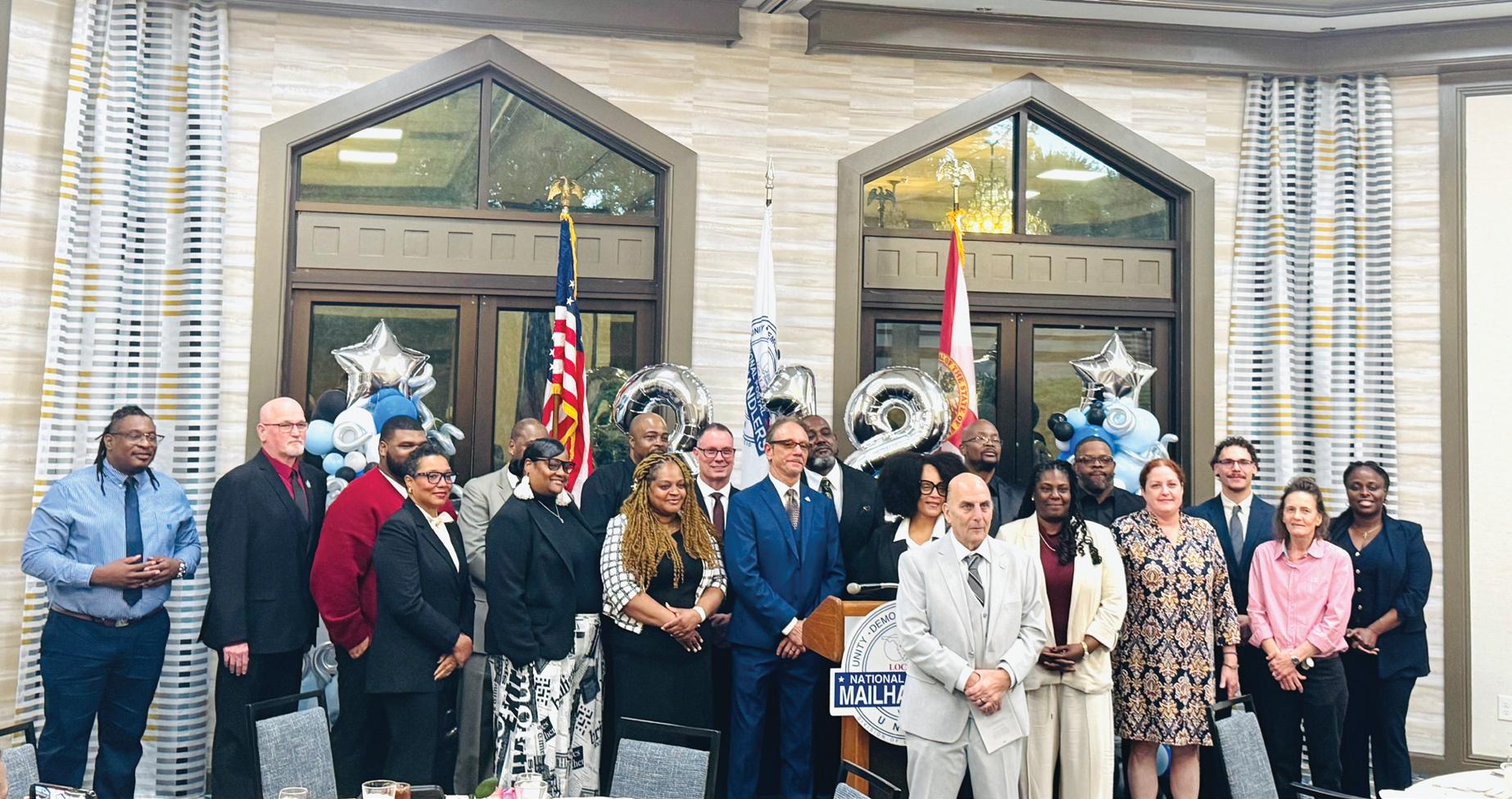
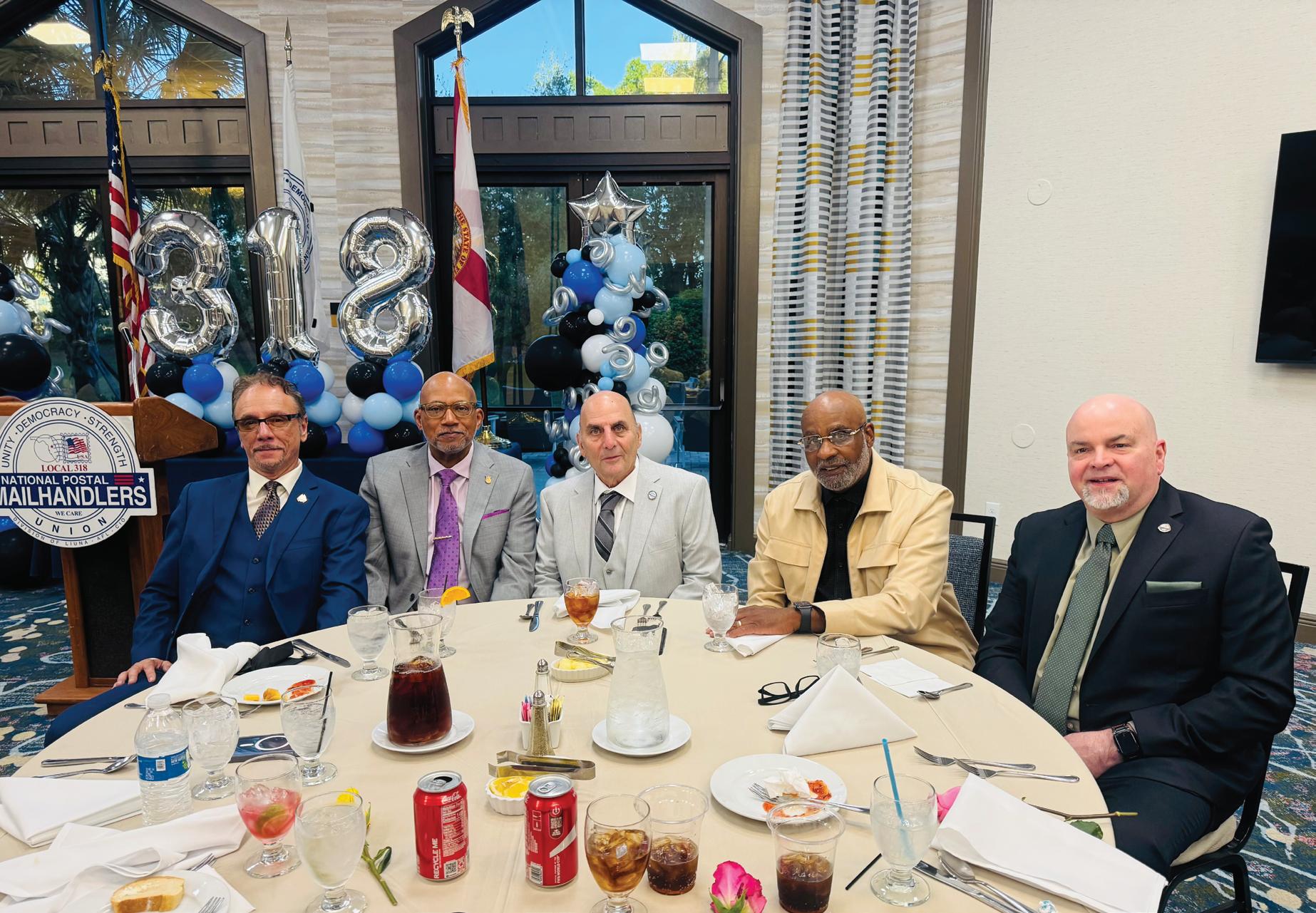
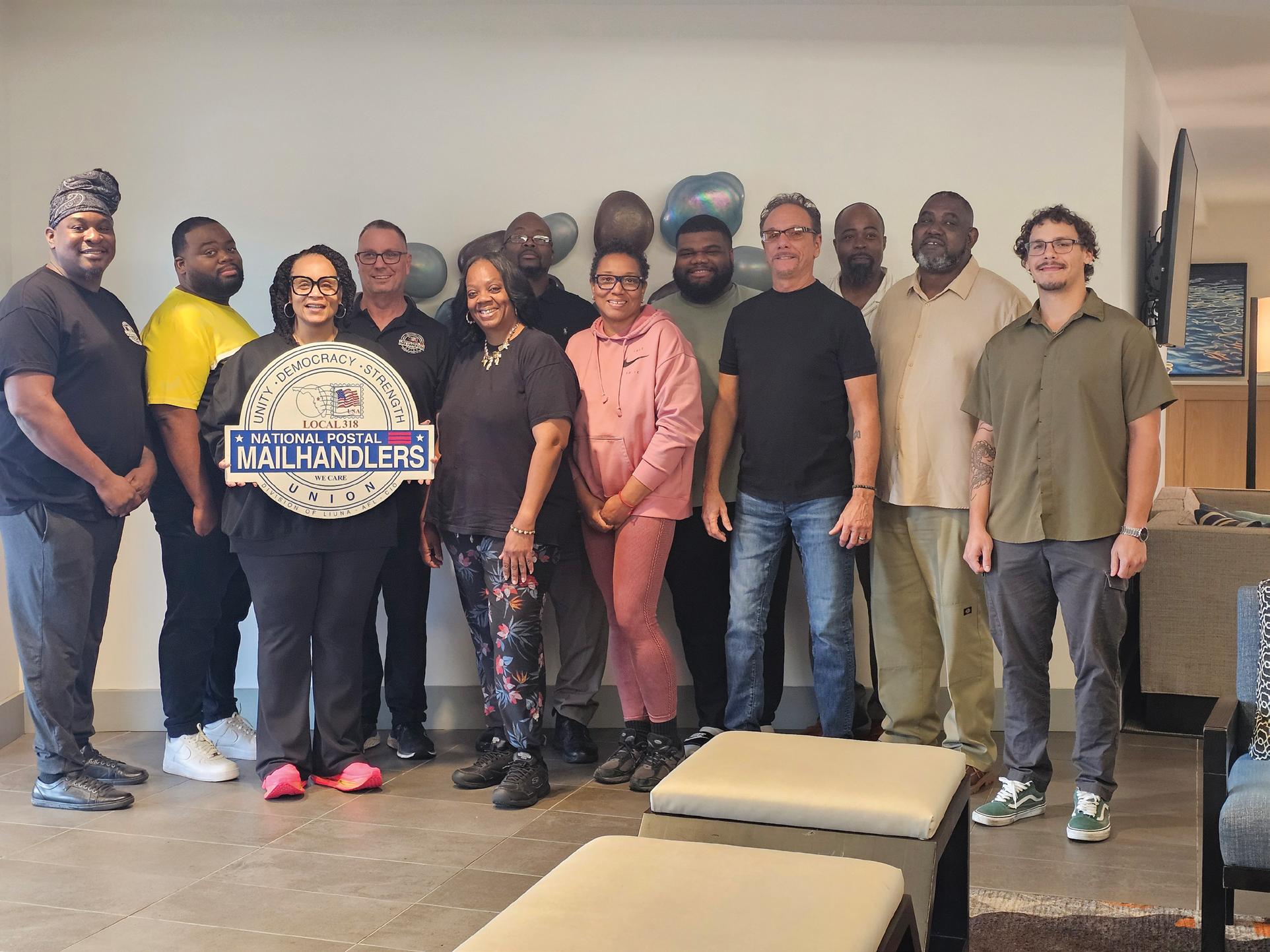
1) Local 318 conducted their Branch Presidents Orientation, and their Installation of Officers ceremony. Pictured, back row (l-r) Alfred Simmons Tallahassee LPC, Tom Sheldon Ft. Myers LPC, Shaun Frazier Orlando P&DC, Cleveland Dunbar Pensacola, Eric Davis Jacksonville RPDC, Ron Nordyke Local 318 Recording Secretary, Wayne Campbell Local 318 Executive Board Member, Lynden Clarke Local 318 Vice President, Marshea Dugans Tampa/ Ybor City P&DCs, Alex Martinez, Mid Florida P&DC, Toccarra Williams Royal Palm P&DC. Front row (l-r) Brandi Milam Miami P&DC/ ISC, Joye Johnson Jacksonville LPC/ S&DC, Vonetta Hereford-Meachum Gainesville LPC/ S&DC, Nick Mosezar, Local 318 President, Shauna Jones Local 318 Treasurer, ShanDeLisa Cordova-Rosa Seminole P&DC, Gali Kissel West Palm Beach P&DC, Cheryl Moore and National President Paul Hogrogian. Also in attendance, (not pictured) Southern Region Director Eileen Mills. 2) Joining Local 318 at their Swearing in Ceremony was retired Southern Region Vice President Lawrence Sapp. Pictured (l-r) President Local 318 Nick Mosezar, Vice President Southern Region John J.R. Macon, National President Paul Hogrogian, Retired Vice President Southern Region Lawrence Sapp and National Secretary-Treasurer Kevin Tabarus. 3) Local 318 also conducted its comprehensive New Stewards Training Seminar in Orlando, Florida. A combination of new stewards and newly elected Branch Presidents. The training was led by Local 318 President Nick Mosezar, Vice President Lynden Clarke, Treasurer Shauna Jones, Recording Secretary Ron Nordkye and Executive Board Member Wayne Campbell.

•
•
•
•