President’s Update
Update: The New ORR Process -

Warranted Change
Summit Recap

IN THIS ISSUE
Legal
A
Housing

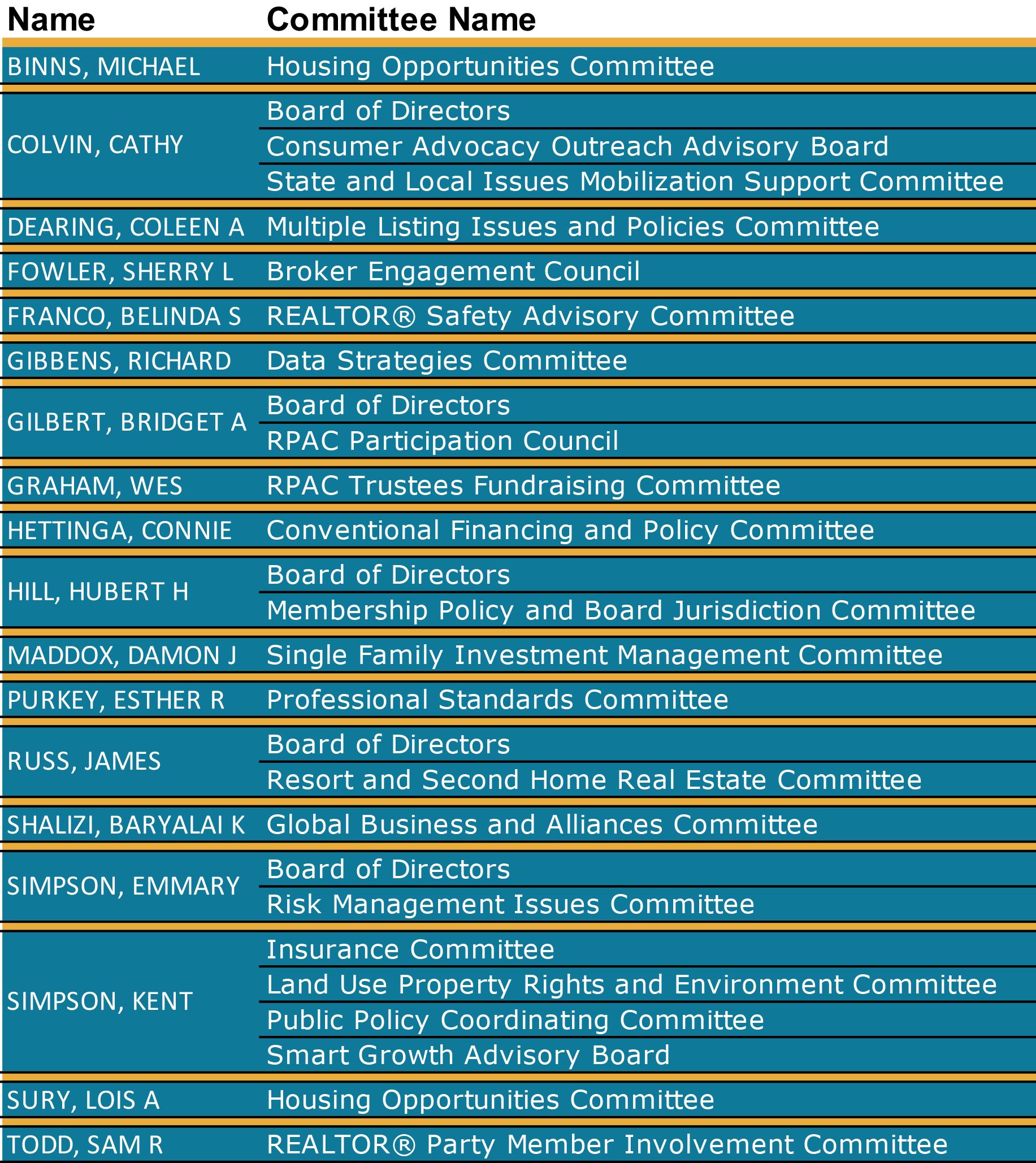
Damon Maddox, GRI, AHWD, GREEN MRPPresident
The REALTOR® Voice is published four times a year by the New Mexico Association of REALTORS®
549 S Guadalupe St, Santa Fe, NM 87501
Phone: 800-224-2282 (982-2442 in Santa Fe) fax: 505-983-8809. www.nmrealtor.com
Hubert H. Hill II, CRS, GRI , AHWD, C2EXPresident Elect
Coleen Dearing, CRS, GRI, ePRO, SRSFirst Vice President
Wes Graham, CRS, GRI, CRB, GRI, C2EXTreasurer

Tim MacEachen - Central, CARNM
Sam Todd - Northwest, San Juan County

Lois Sury - Northeast, Santa Fe

Esther Purkey - Southeast, Roswell
Sonya Roberts - Southwest, Otero County
Diane Moehlenbrink, RCE - Interim Chief Executive Officer
Ashley Strauss-Martin - General Counsel
David Saavedra - Government Affairs Director F. Tasha Martinez - Communications Director
Nicole Hammes - Director of Member Programs
Ambyrly Maestas - Membership Administrator
Kim Garcia - Office Manager
James Russ, C2EXImmediate Past President

Volume 27, Edition 5, Third Quarter 2022
Published by the New Mexico Association of REALTORS®
Copyright 2022 New Mexico Association of REALTORS® - all Rights Reserved.
For permission to reprint any article or portion thereof contained in this edition, call 800-224-2282

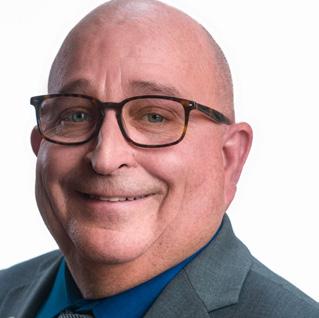
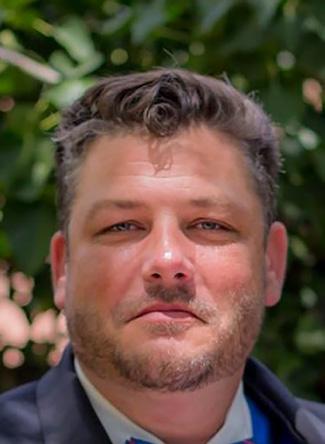
Damon Maddox, NMAR President
New Mexico Association of REALTORS®
Everyone has been working hard and it shows. In July, NMAR hosted a QB Power Hour in and followed up with sponsoring a Live! Code of Ethics Training free to members.
The wait is over! We have a new team member, David Saavedra is the new Government Affairs Director. Let’s welcome David to the team!
The Housing Summit was a success, every other year NMAR partners with the Mortgage Finance Authority and other entities to co-sponsor a conference that brings together all aspects of housing issues across the state.
At the annual membership meeting, proposed Bylaws Amendments were approved; adding a statewide CARNM District Vice President to:
Article V Officers
• Article X; Section 4 Credentials/Leadership Com mittee and
• Article XV Districts and CARNM
Key takeaways from the Board of Directors meeting: The Governence Task Force and the Committee Resturcturing Task Force were assigned with identifying opportunities for efficiency within the organization and those approved recommendations to the Policies and Attachments are as follows:
Attachment 11 REALTORS® Growth and Involvement Program
Policy II.7 Committee Descriptions and Specific Policies and Procedures
Attachment 15 Requirements for Applications for Elected Offices
Attachment 10 Guidelines for Diversity Programs
Attachment 14 The New Mexico Association of REALTORS® District Boundaries Map
All governing documents can be found on the nmrealtor.com website or by clicking here.
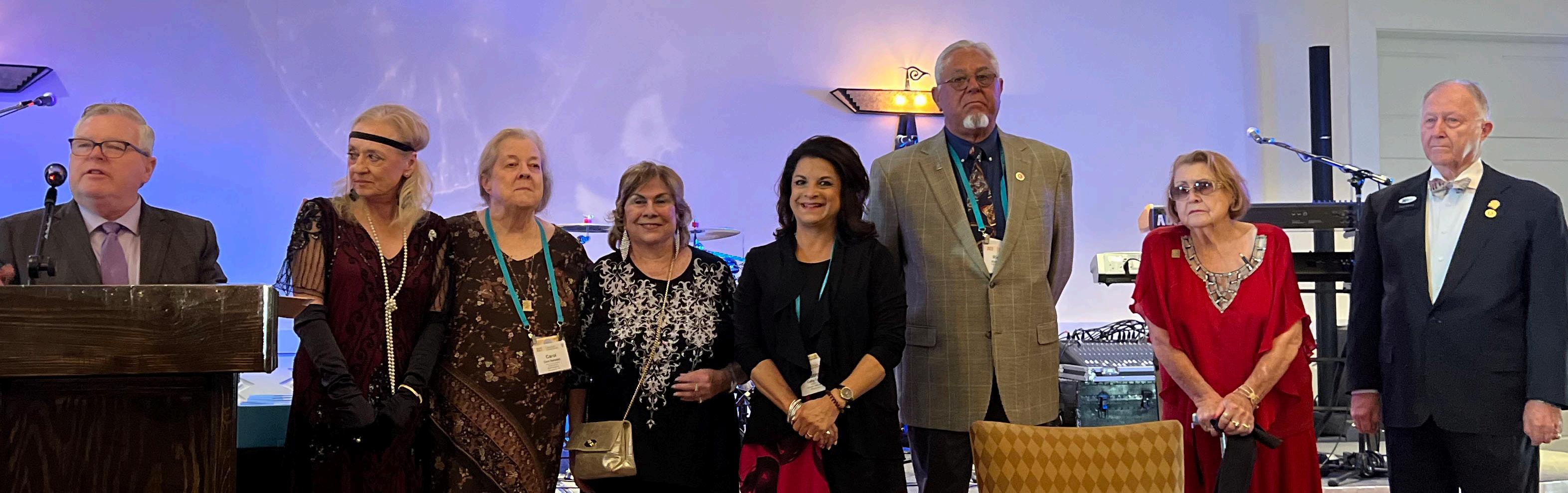
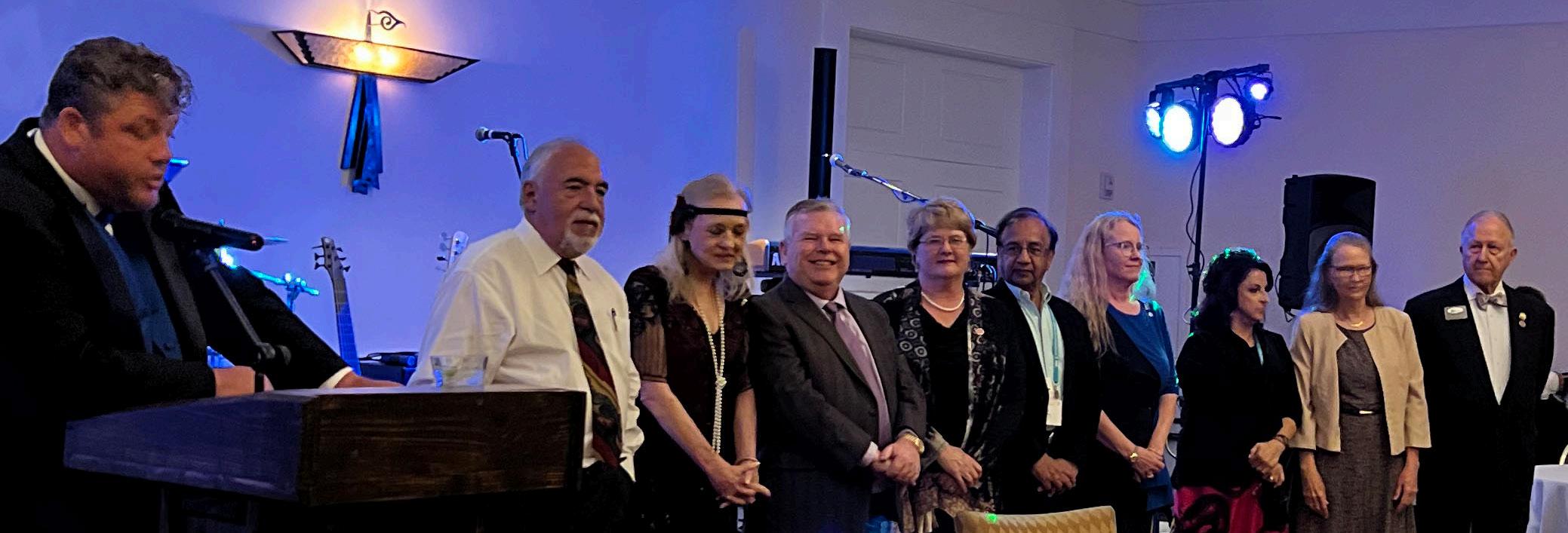
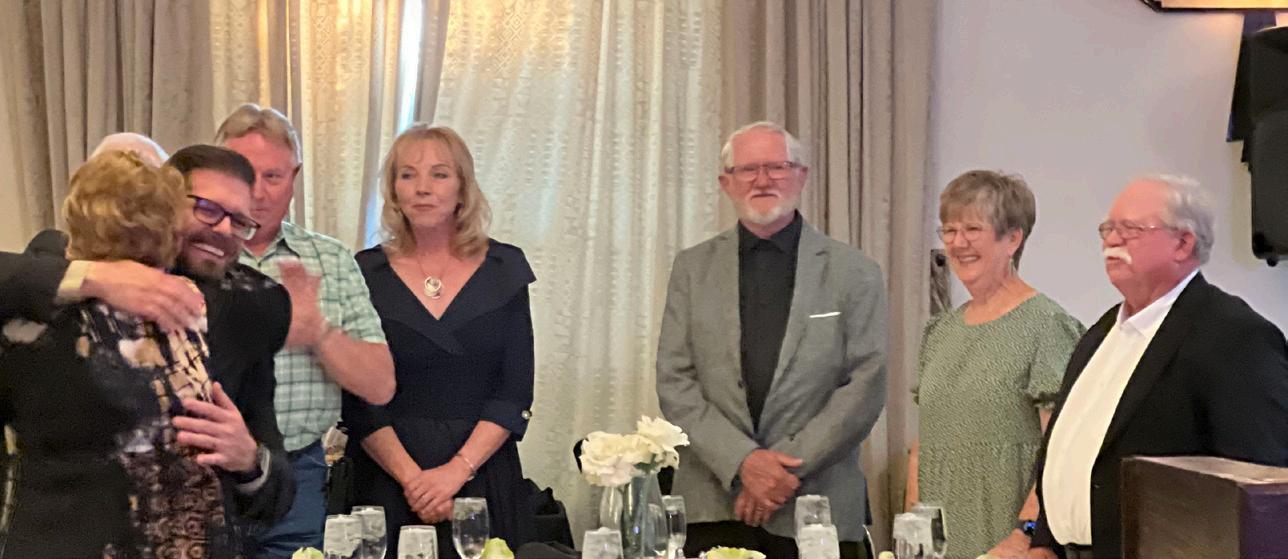
Elections were held and I’m pleased to announce NMAR’s 2023 Leadership
Hubert Hill, GAAR President Coleen Dearing, SFAR, President-Elect
Dan Coleman, Roswell, First Vice-President Wes Graham, Clovis/Portales, Treasurer
Andrea Dobyns, SFAR, NE District Vice President
Sonya Roberts, Otero Co., SW District Vice-President
Cathy Colvin, GAAR Central District Vice-President
NAR Director
Small Board James Russ II, Ruidoso
Medium Board Emmary Simpson, LCAR
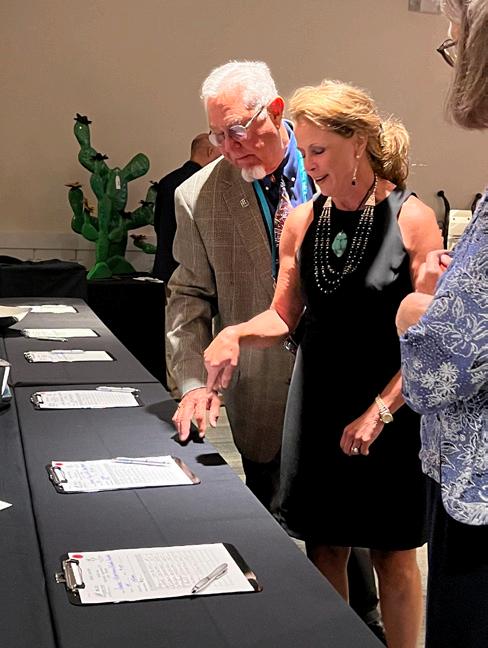
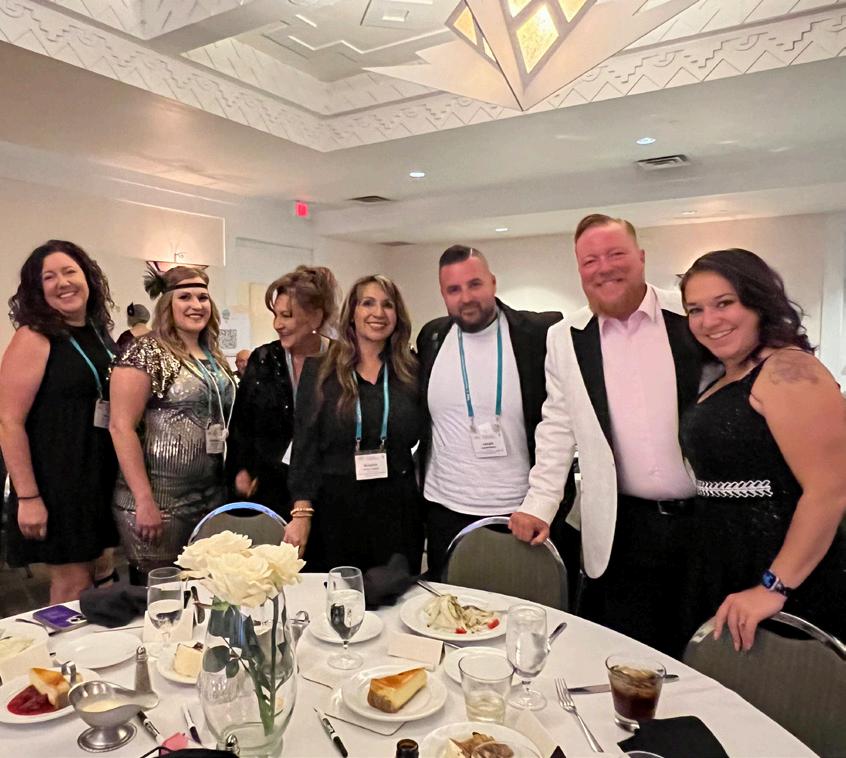
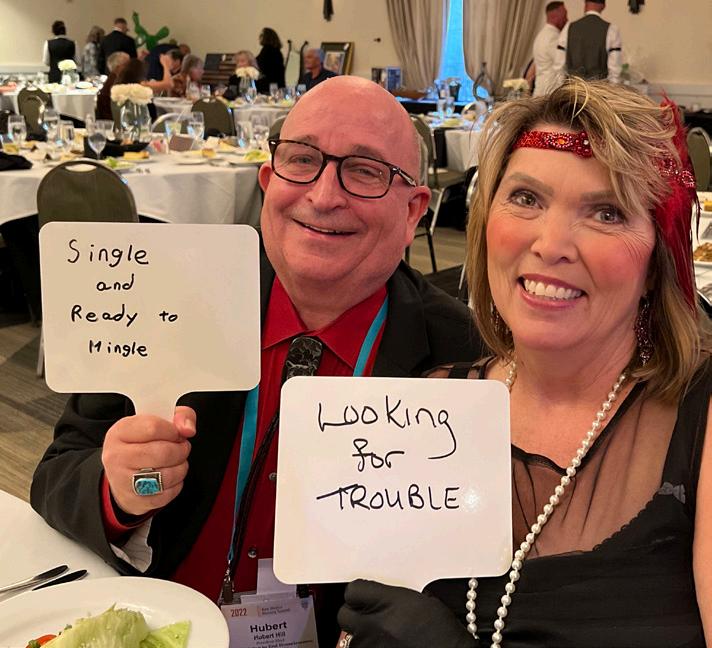
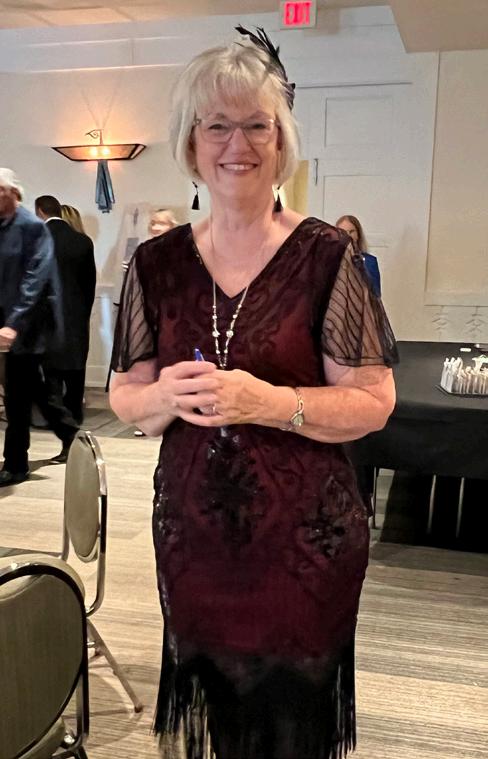
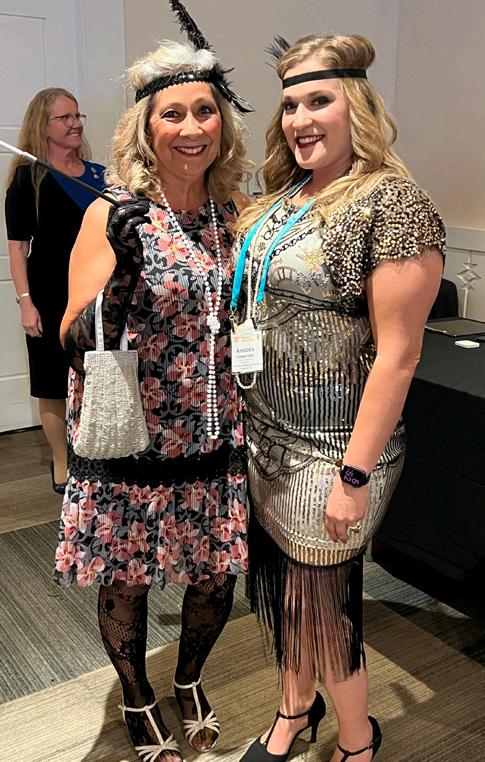
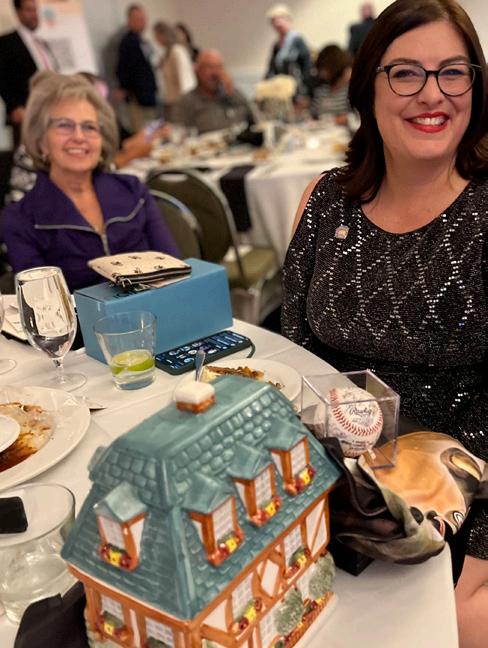
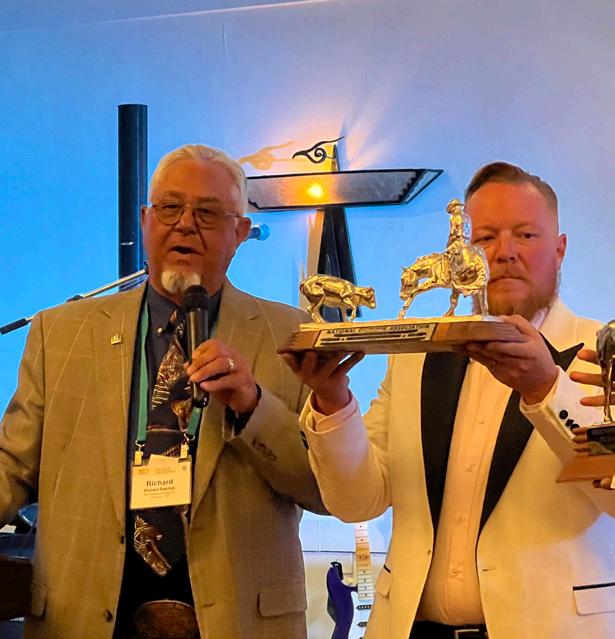
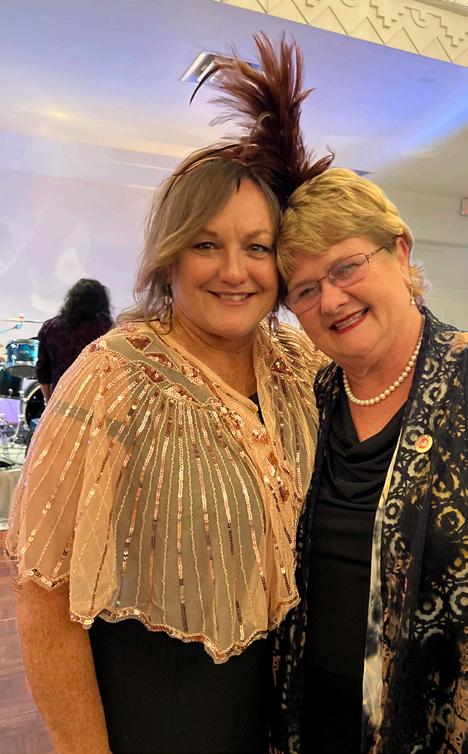
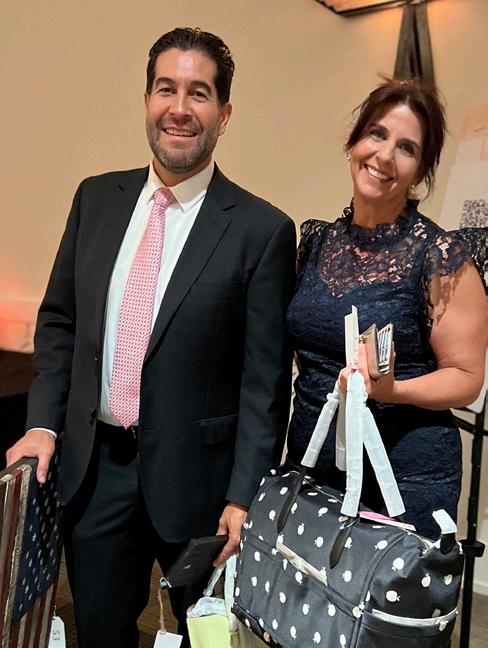
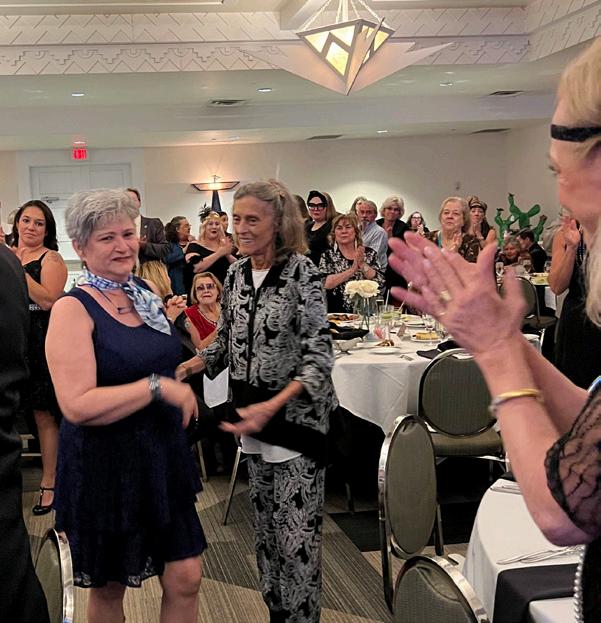
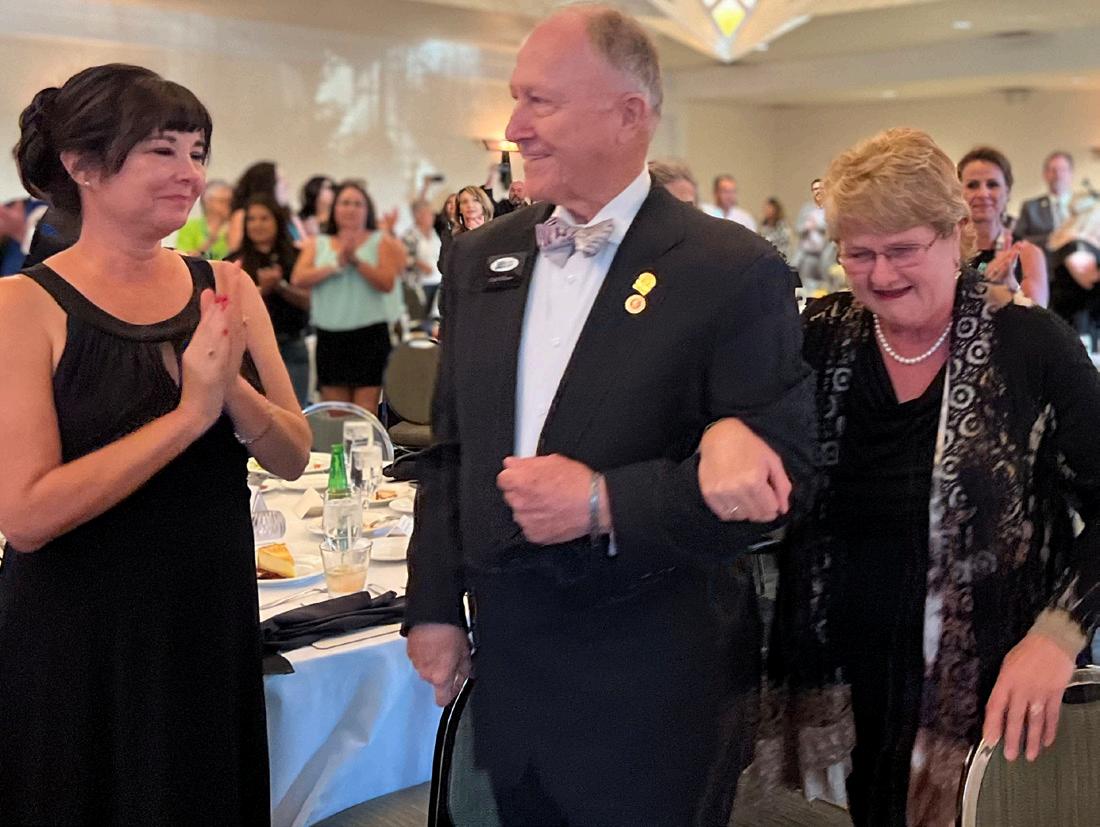
The REALTORS® Gala was the highlight of the confer ence. To kick off the event was the Silent Auction. This year’s committee worked hard and it was evident, especially with the live auction. Dan Coleman was
our auctioneer and Sandylee offerred his services as ring man; a position he was born for. All proceeds will benefit the Stanley H. Mathis Founda tion and the Benevolent Fund.
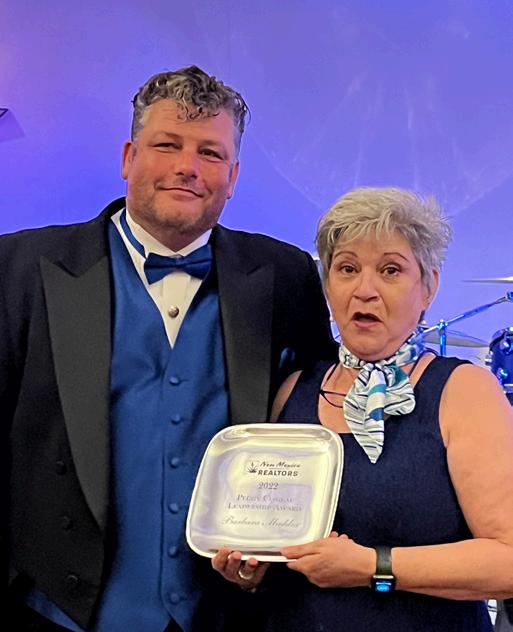
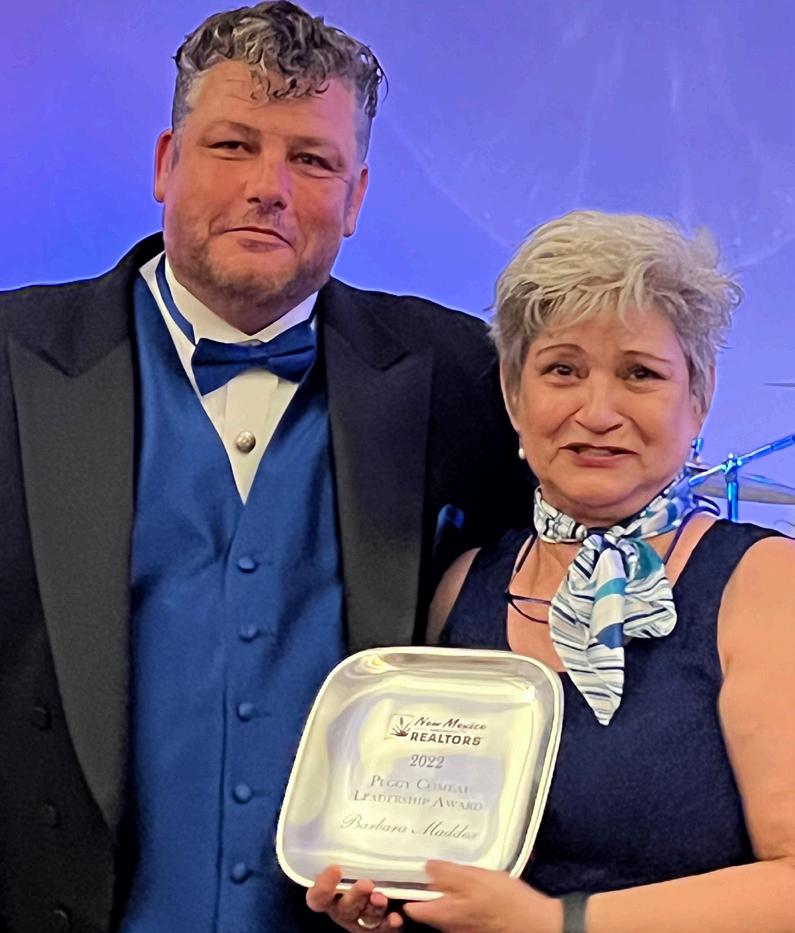
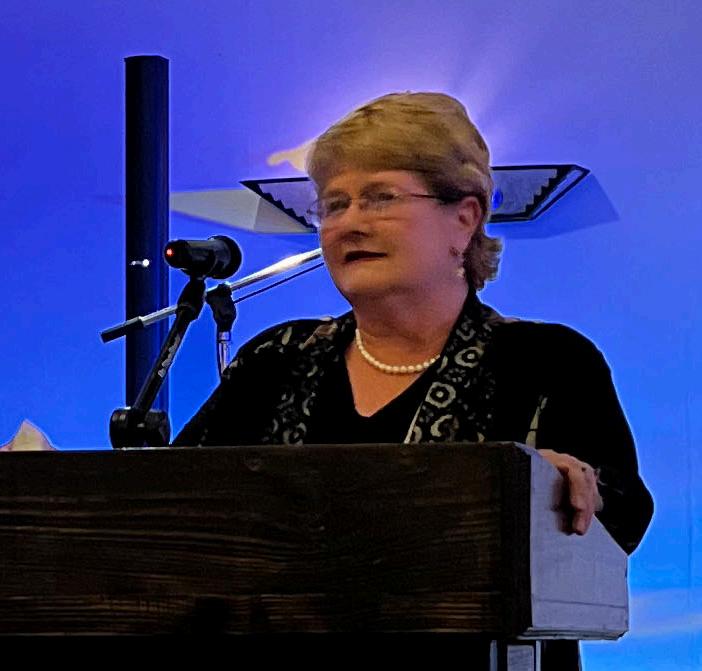
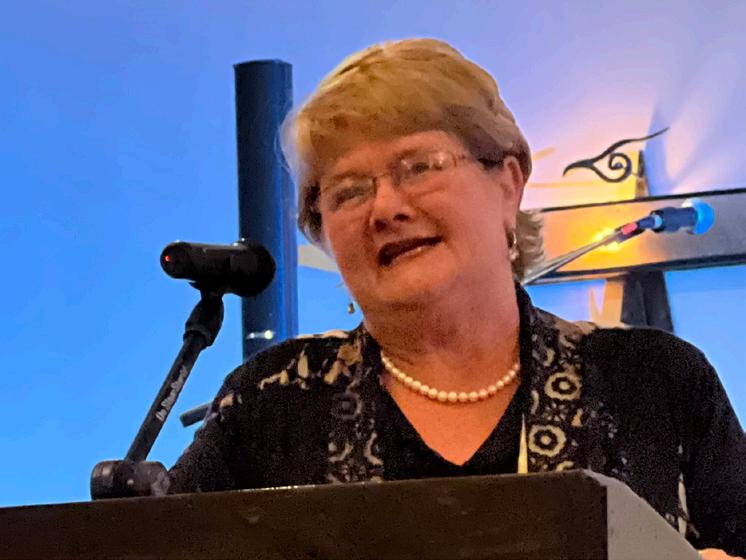
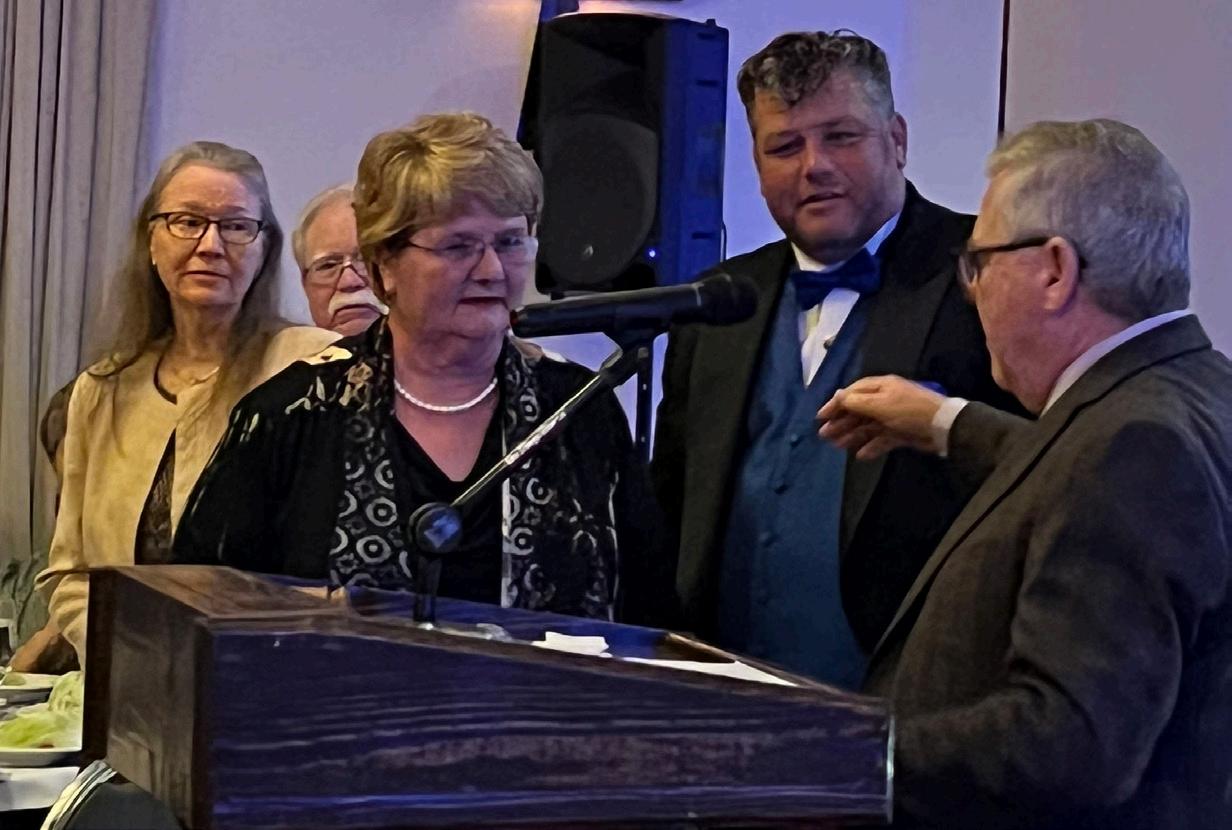
The 2022 Peggy Comeau winner is Barbara Maddox! A Broker for more over 45 years, practicing real estate in the greater Albuquerque Metro area (page 9).
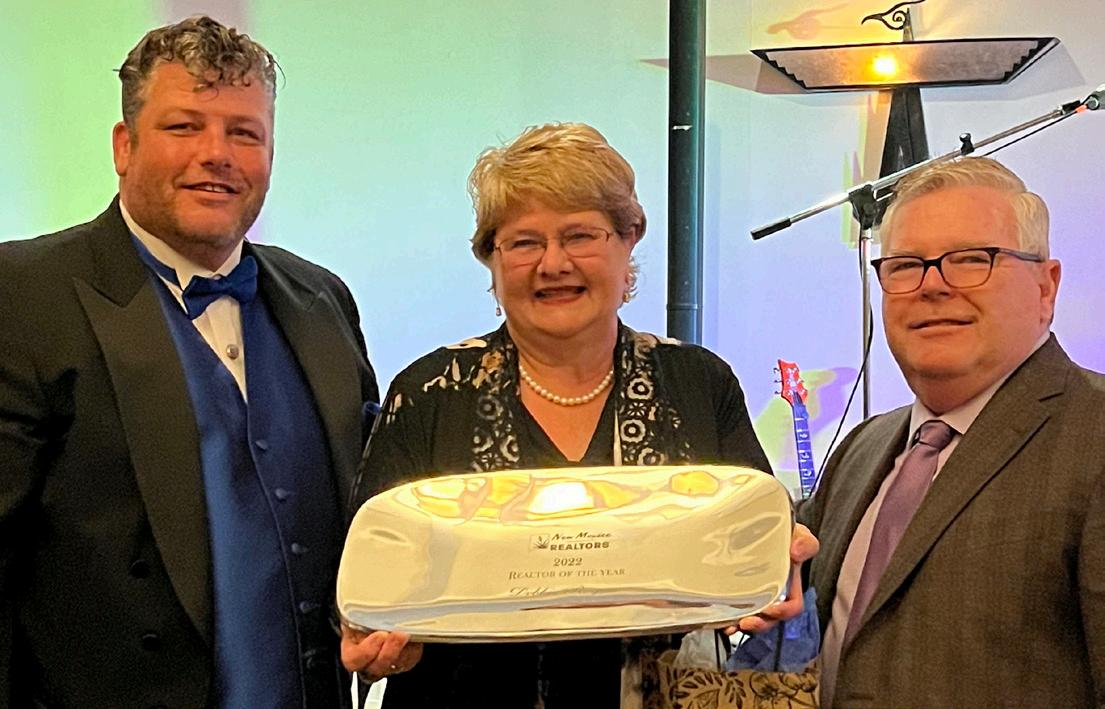
Also announced was Debbie Rogers as the 2022 REAL TOR® of the Year. A broker in Silver City since 1991, she has served in a variety of REALTOR® leadership capaci ties serving on numerous boards and committees at the local, state and national level. She served as the Southwest District Vice-President from 2003 to 2006 and as State President in 2012.
In addition, the Forms Committee debuted the revised Purchase Agreement Residential (#2104) and new ORR forms. This new process was presented at the Fall Legal Update in September and October. Ashley Strauss-Mar tin, NMAR General Counsel’s article this quarter also discusses the importance of these changes (page 6). The new forms, disclaimer and accompanying video can be found on the NMAR website under Legal Resources Lastly, Diane Moehlenbrink has returned to the associ ation as interim CEO as the search committee works on
finding a new CEO.
We are nothing without our volunteers and the NMAR staff. I thank all of you for your work and dedication.
Even though we are all busy, continue to remem ber that we are “Many Voices, One State: Share the Vision”.
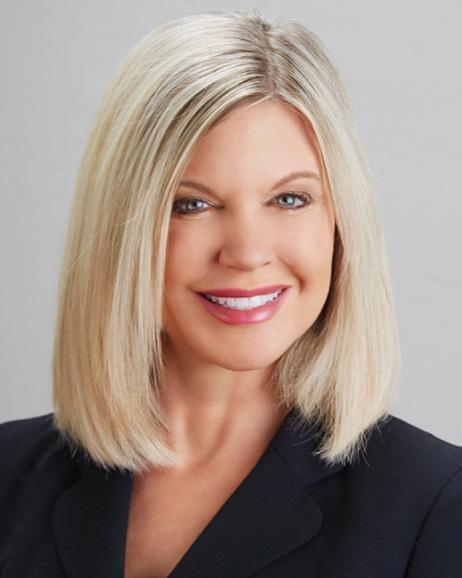
I have the most wonderful and challenging job. For more than 15 years I have served as General Counsel (“GC”) to the New Mexico Association of Realtors® (“NMAR”). In my capacity as GC, I have worked tirelessly to educate NMAR members, through the forms, through Legal Presentations, through videos and articles and by answering questioning on the NMAR Legal Hotline. I feel that I have been successful in this endeavor. Many of you have learned a new thing (or two) and many of you have taken what you’ve learned, and educated and mentored other NMAR members. In my role as GC, and more specifically as advisor to the NMAR Forms Committee (an awesome group of individuals who have given countless hours of their volunteer time over the years for nothing more than a free lunch), I have had to deliver some difficult news: the benefits of adding yet another sentence or paragraph to the Residential Purchase Agreement to address a new law, a new issue, a new problematic practice; the need for a new information sheet on a topic causing problems for buyers and sellers; and the utility for a new form that tackles a complicated concept (yes, I’m talking about you Buyer Sales Contingency Form, the Escalation Clause Form and the Appraisal Contin gency Waiver Form). I have appreciated and consid ered critical comments as a result, but the proposed approaches remained prudent in my opinion and that of the Forms Committee. Whether my suggestions are well received, accepted begrudgingly or rejected by the Forms Committee or NMAR leadership, I will continue
to make them, because as NMAR’s GC, it is my job to do what I can reasonably do to help you better under stand the legal environment in which you conduct your business.
The latest in this long line of perhaps unpopular, yet appropriate changes, is the revision to the “ORW”. As you all may recall, the word “Amendment” used to appear on this form and for good reason it IS and ALWAYS WAS an amendment to the purchase agree ment. Recall, the seller is not obligated to reduce the price, give a seller concession or DO REPAIRS to the property in order for the buyer to be obligated to buy. So, if any of the above is required, then that IS a change to the purchase agreement. A change to the purchase agreement is an amendment or an addendum (it matters not what you call it). If the buyer is getting a loan, said amendment or addendum MUST go the buyer’s lender, but, alas, that is reportedly not happening as it should. What is the problem with the ORW not going to the lender? It’s pretty simple: failure to provide an amend ment to the purchase agreement to the lender in some cases may constitute “mortgage fraud.” What is mortgage fraud? As defined by the Department of Justice, mort gage fraud refers to the deliberate act of misrepresent ing or omitting information that is used by a mortgage underwriter or lender to fund, purchase or insure a mortgage loan. A misrepresentation or omission may be in regards to a borrower’s income, job status, intent to occupy the property or other loan application infor mation, but it also may be in regards to the sale of the property or the property itself, such as the purchase
price or characteristics of the property, including, but not limited to needed repairs to the property. As an example, how many times has a buyer in a transaction who was getting an FHA loan been told that repairs identified by an appraiser must be done before closing? The lender requires the repairs be done before closing because the lender will only make the loan if the property is in a certain condition at the time the loan is made. In other words, the condition of the home is of importance to the lender.
Mortgage fraud can be committed by borrowers, real estate brokers and yes, even “lenders”. But wait! Isn’t the “lender” the person making the decision to make the loan? Sometimes it is, but in most cases, it is not. In most cases, behind the lender sits an “underwriter”. Remember that a mortgage is a security interest in the property that the lender acquires to mitigate the risk and cost of borrower’s defaulting on the loan. The mortgage underwriter reviews the borrower’s finances, the property and the sale and assesses the risk the lender assumes in loaning money to that borrower on that property. The underwriter wants ALL information that will assist them in making this difficult decision.
If you are ever told by a borrower or even a lender “don’t send that addendum to the lender/underwrtier”, ask why. If the answer is “the underwriter won’t care about that”, then there is no harm in sending it. And if the underwriter does care about the addendum and it’s not provided to the underwriter, well, now we are back to the issue of “mortgage fraud.”
Which brings us to the reason we have changed the “ORW” forms and process. The new process consists of three new forms: the Buyer’s Objection Form; the Response Form (that can be executed by either the seller or the buyer); and the Resolution Addendum. As you learned from the video released on these forms, the Objection Form and Response Forms are ONLY signed by the buyer OR the seller, never both. They don’t amend
the purchase agreement because they are never signed by both buyer and seller. These forms are used in the negotiation process. When the buyer and seller have finished negotiating and come to an agreement, they memorialize that agreement on a Resolution Adden dum and all parties sign. The Resolution Addendum modifies the purchase agreement, whether it reduces the purchase price, provides for a seller concession or requires the seller to do certain repairs. Therefore, if the buyer is getting a loan, this addendum MUST go to the buyer’s lender.
Will this disrupt deals and impact the lender’s decision to lend? It could. This is why we warn at the top of every one of these forms in the process the Objection Form, the Response Form and the Resolution Adden dum that the buyer should speak to their lender before entering into the Resolution Addendum.
In short, the new forms and process were ABSOLUTELY warranted. They educate NMAR members. They assist buyers, sellers and NMAR members in complying with the law, and they help REALTORS® perform at the top of their game. Embrace the change and rise to the occa sion, as REALTORS® always do.
Legal Update provides a limited and general discussion of some, but not all, aspects of issues that is intended but not guaran teed to be accurate as of the date published. This information may become outdated and it is the responsibility of the user to determine if it is current. No summary of the law is a substitute for legal advice with respect to a particular matter. No attor ney-client relationship is intended or implied. If legal advice is required, the services of a competent attorney should be obtained. NMAR members are cautioned against engaging in the unautho rized practice of law by advising a consumer of legal rights and obligations or by applying the law to particular facts and circum stances. (c) 2022 New Mexico Association of REALTORS®
As the new Government Affairs Director for the New Mexico Asso ciation of REALTORS® I plan to take our victories and update the processes in which we get to those victories. By doing so, my hope is to help the association operate more efficiently and, most impor tantly, add victories to that list. As the State Association we have so much opportunity to capitalize on the resources available from the National Association and bring those back to local associations and ALL of our members. I look forward to working with members across the state to ensure that all voices have a say in the advocacy efforts that may affect the membership.
The First Session of the 56th Legislature is right around the corner and the Legislative Commit tee has identified five priority areas for the upcoming session. Like all years, NMAR legislative priorities are robust, well thought out, and properly vetted by stakeholders within the real estate industry.
Once the Legislative Session begins, members will receive weekly Legis lative Bulletins, apprising members on bills we are watching and an overview of the week. Make sure to
add nmar@nmrealtor.com to your contacts so you don’t miss out on any important information
Session Dates:
Prefiling January 3-13
Opening January 17
Introduction Deadline February 16
Session Ends March 18,
Executive (Governor) Action Date April 7
Legislation Effective Date June 16
Upcoming Advocacy Meetings:
Legislative Committee Friday, November 18
Task Forces Housing Opportunities Wednesday, October 26 Regulatory Friday, November 4 Taxes TBD
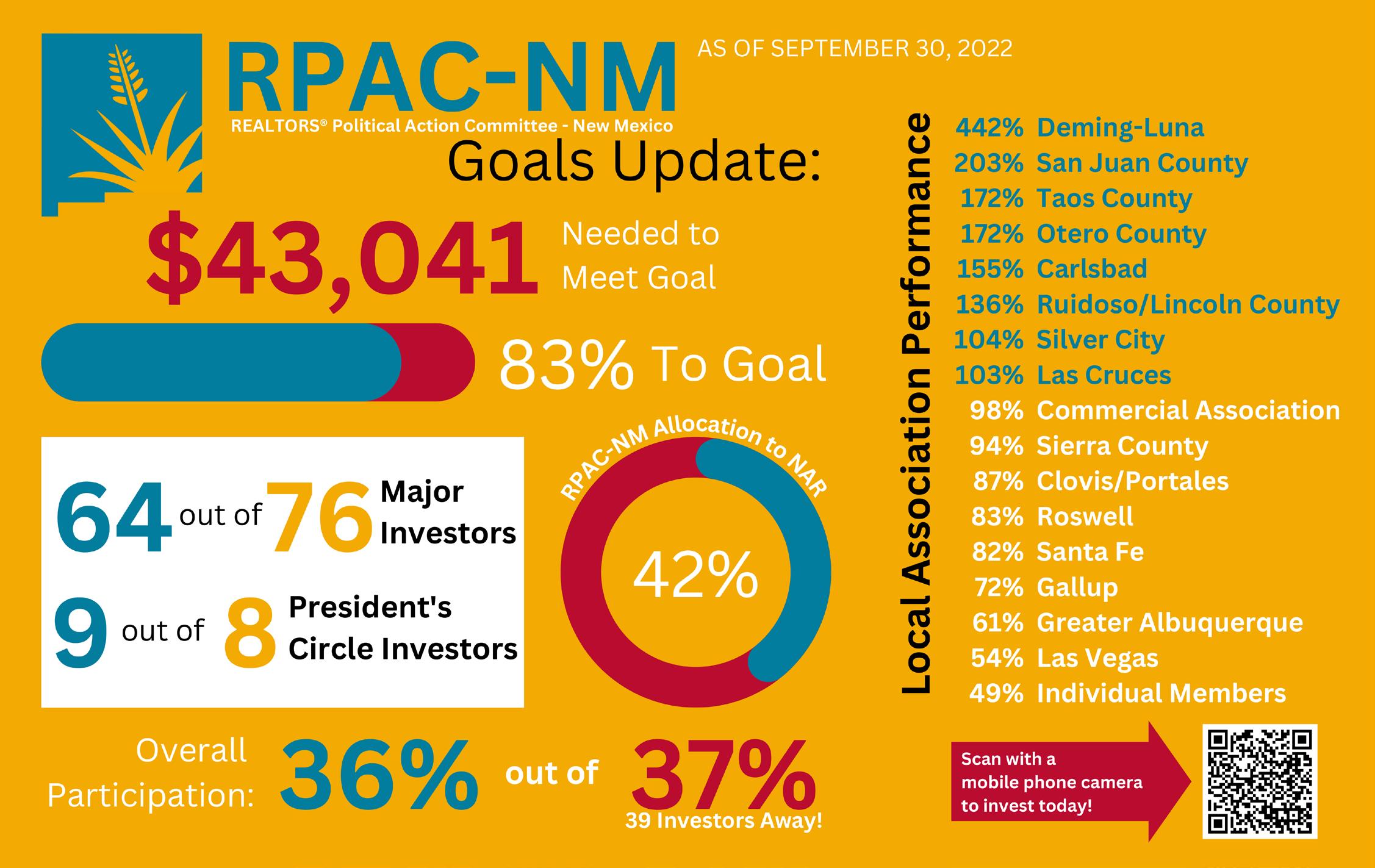
• REALTOR® Political Action Committee-New Mexico (RPAC-NM) Board of Trustees Friday, November 18
*All meetings will take place via Zoom.
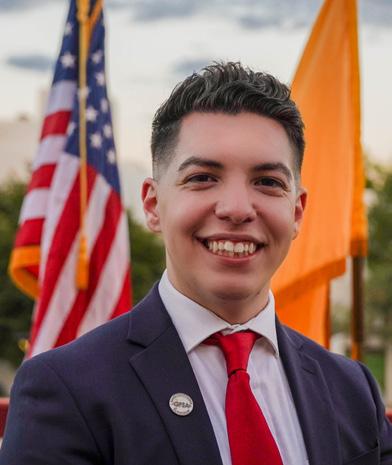
David was born and raised in Grants, New Mexico. He is a two-time University of New Mexico (UNM) graduate, with a bachelor’s degree in Public Relations & Communications and a professional Master of Public Administration degree. While at UNM, David served as the President of the Graduate and Professional Student Association, the state of New Mexico’s only graduate and professional student government. As president, he was an advocate for the interests of graduate and professional students across the state. Together, David and his team lobbied the New Mexico State Legis lature for funding opportunities for graduate and professional level educa tion, increased funding for research opportunities that benefit the state and its people, and support for medical/ health professional students’ clinical rotations in rural New Mexico.
David currently serves as the state of New Mexico’s inaugural delegate to the Western Governors’ Leadership Insti tute, a program designed to promote and encourage the effective exercise of leadership by young professionals across the West. He previously served the New Mexico Legislature as a Fiscal Analyst to the Legislative Finance Committee.
In his free time, David enjoys playing tennis, traveling, keeping up with politics, being at the family ranch in Grants, and spending time with friends, family, and partner Nathan iel. David is thrilled to join the New Mexico Association of REALTORS® as Government Affairs Director and take the helm of the association’s advocacy efforts.
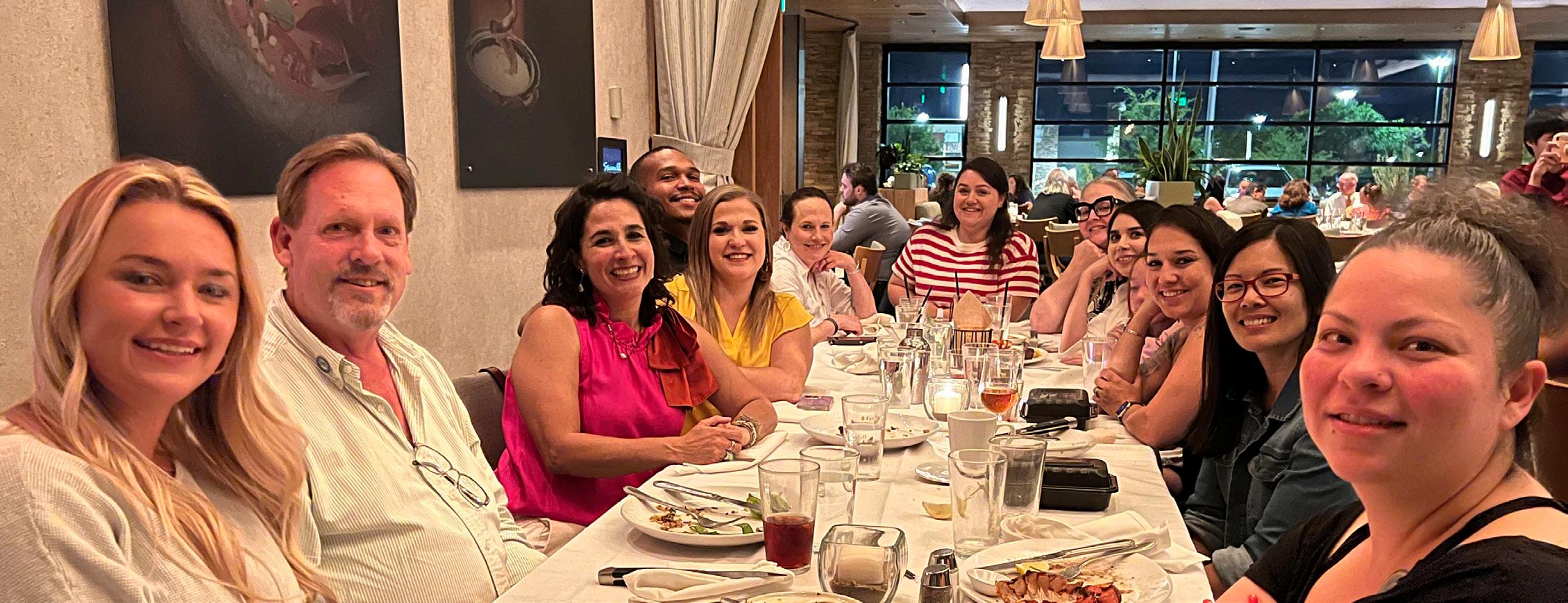
2022 Growth & Involvement Program II participants; from left, Cali Lay, Las Cruces, Kent Simpson, Las Cruces, Tasha Martinez, NMAR staff, Anatasia and husband Curtis Hobby, Alamogordo, Carrie Pegg-Montoya, Albuquerque, Penelope Rivera, Albuquerque, Sarah Malufau, Las Cruces, Blanca Marti nez, Albuquerque, Heather Price, Albuquerque, Helen Chan, Albuquerque, Beverly Crespin, Santa Fe (not pictured, Daniel Kennedy, Albuquerque)





Be sure to check the NAR REALTOR Benefits® homepage often for the most current information, including special offers and new partners. Make sure you’re the first to know about the latest NAR REALTOR Benefits® news. Sign-up for and custom ize NAR’s Member’s Edge and have news delivered to your inbox, like us on Facebook , or follow us on Twitter
Click the image to download the NAR REALTORS®Benefit At-A-Glance Brochure
Click on the image to complete the FAIRHAVEN: A Fair Housing Simulation