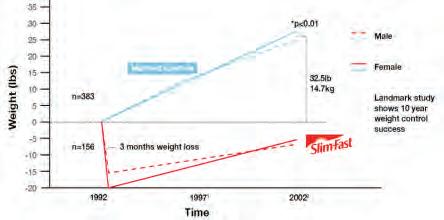
With current figures showing that half of all adults are now being officially classed as overweight or obese1, an effective
control are as good, or in some cases, slightly better than traditional dietary treatments
Studies have also found that the use of one
initial weight loss was greater in those receiving
user desires
References: on obesity, it is seen as a very effective dietary evaluations of randomised controlled diets using
welcome to issue 50
Neil Donnelly - Dietetic Services Manager NHD editor
What makes a practising dietitian happy? Recent events have provoked this searching question in my mind.
Essentially it all began with an email from the Communications Department within the Trust, informing me that I had been nominated for the Patients’ Award. The full title is The Gazette’s Patients’ Award and patients, their carers and/or relatives are able to nominate individuals who have been involved in their care.
A few weeks later I was informed that I had been shortlisted and was invited to attend the Celebration Ball at the Tower Ballroom, Blackpool, the winner to be announced in an Oscar style ceremony on Friday 20th November. This has to count as a memorable and very happy dietetic moment and it leads me to the discussion which my colleagues within the region are about to embark on, that of dietetic outcome measures. I can remember when this was last discussed within the profession and the outcomes then were difficult to measure and at best were perceived by many to be tenuous and tortuous! Some years earlier dietetic outcomes on obese patients generally showed that the outcome of the treatment package, even with the presence of a dietitian, was becoming predictably poor.
The answer? Change the desired dietetic outcome by reducing the perceived expectations. This is why, in general terms, your own ‘personal performance related dietetic patient outcomes’ are so rewarding.
The intense delight of a young mum who brings in her new baby to show you, is hard to surpass. This follows an earlier diagnosis of Anorexia Nervosa and subsequent loss of her menstrual cycle. A pretty good outcome really and not one that you will necessarily find in NICE Guidelines! Then there is the confident stride and contented expression of the smartly dressed, somewhat different person who returns for a regular weight check having maintained her considerable weight loss.
Most of us came into this profession with a desire to learn how best to provide appropriate nutritional advice and support to our patients. You don’t necessarily know whether you have been as effective as you would hope, so it certainly helps to have it confirmed on occasions.
Hope your Xmas and New Year is happy and has lots of favourable outcomes…and enjoy this double issue of NHD Magazine. Our Cover Story is on Early Years Nutrition by Nigel Denby looking at how to establish healthy eating habits in the very young. And don’t miss our Clinical feature on the importance of Nutrition Support in neuro-critical illness. Once again a full and informative issue.
Neil is a Fellow of the BDA and Dietetic Services Manager in Blackpool. His main areas of interest are weight management and eating disorders
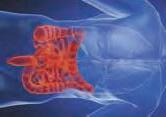
There is no doubt that probiotics (supplements of live microorganisms) have a beneficial impact on health. However research on the mechanisms explaining how probiotics work has been slower to emerge.
Now, a new paper has been published which brings together evidence showing how probiotics may exert their actions. This includes modulating immune function, impacting on how other microorganisms function and acting on microbial products/food components within the gut. Different probiotics could have different functions depending on their own metabolic properties.
It has been suggested that regular use of probiotics could help to reduce the requirement for antibiotics or some anti-inflammatory drugs. However, more needs to be known about how different combinations of probiotics work together.
For more information see: Oelschlaeger TA et al (2009) Int J Med Microbiol [Epub ahead of print].
First opinions on new European health claims
The European Food Standards Agency (EFSA) has released a list of opinions on new ‘evidence-based’ health claims. This was the first of a number of planned announcements over the next year. The opinions follow several months of consideration of dossiers put forward by the food industry in response to the 2007 Nutrition and Health Claims regulation.
EFSA’s opinions, which need to be approved by the European Commission before becoming law, include favourable decisions on several nutrients and ingredients. These include health maintenance claims on calcium, magnesium and bone health, vitamin A and vision, selenium and spermatogenesis, and zinc and immune function. Several substances were found to have cholesterol-lowering properties including plant stanol esters, linoleic acid, alpha-linolenic acid and beta glucan fibres (found in oats). The omega-3 fatty acids, DHA and EPA, were found to reduce blood pressure and triglycerides. However, most of the proposed health claims were rejected due to a lack of appropriate evidence or insuffi
cient characterisation of active ingredients. Surprisingly, claims on probiotics and soy isoflavones were rejected due to a lack of specific evidence on cause and effect. To see the full list of approved and rejected health claims visit: http://www.efsa.europa.eu/cs/ Satellite
Polyphenols lower blood pressure and cholesterol
It is relatively well known that flavonoids, beneficial plant substances from the polyphenol family, may reduce the risk of cardiovascular disease. However, the effects of individual flavonoids such as quercetin are not clear.
In a new study, around 100 overweight and obese Germans (25-65 years) were given 150mg/day quercetin (a flavonoid found in apples and onions) or a placebo for six weeks (with a fiveweek washout period between treatments).
Quercetin supplementation was associated with a reduction in systolic
blood pressure (by 2.6mmHg), serum high-density lipoprotein and LDL ‘bad’ cholesterol. Although some markers of CVD in this study remained unchanged, quercetin may provide some protection against CVD development.
For more information see: Egert S et al (2009) British Journal of Nutrition Vol 102: pg 1065-74.
Omega-3s and obesity
It is now clear that long-chain omega-3 polyunsaturated (LCn3 PUFA) fats such as docosahexaenoic acid (DHA) and eicosapentaenoic acid (EPA) play a key role in the maintenance of good health.
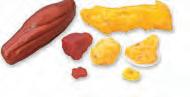
Higher levels of adipose tissue can increase the risk of metabolic syndrome (a combination of medical conditions that may be detrimental to health). It is thought that higher intakes of LC-n3 PUFA cause a ‘metabolic switch’, promoting lipid breakdown rather than synthesis. LC-n3 PUFA may also improve insulin sensitivity (how the body handles glucose) in patients with type 2 diabetes (Kopecky et al., 2009). Another theory is that LC n-3 PUFA help to mobilise and redistribute body fat, mainly by blocking enzymes involved in fat synthesis (Li et al., 2008).
A recently published animal study found that when Wistar rats were fed a diet containing marine n-3 PUFA (rather than lard) this resulted in both a reduction and redistribution of body fat. Visceral fat (fat around internal organs) was reduced at the end of the sevenweek study. In addition, the expression of genes encoding cytokine and chemokine function (proteins released in times of inflammation/ infection) was improved (RoklingAndersen et al, 2009).
More detailed studies are now needed to further understand how these fatty acids generate their health effects.
For more information see: Rokling-Andersen MH et al (2009) British Journal of Nutrition Vol 102: pg 995-1006; Kopecky J et al (2009) Proceedings of the Nutrition Society [Epub ahead of print]; Li JJ et al (2008) Molecular Nutrition & Food Research Vol 52: pg 631-45 and Krebs JD et al (2006) International Journal of Obesity (London) Vol 30: pg 1535-44.
with Dr Carrie Ruxton nutrition-communications.com
Latest on fruit benefits
The importance of incorporating fruit regularly into our daily diet is well known. Now a new study has investigated whether supplying free fruit and vegetables in canteens can improve diet quality.
Free fruit (two portions) and vegetables (one portion) were given to customers buying food from a University canteen. Customers (n=209) were divided into a fruit and vegetable group and a control group, both completing three-day diet record sheets.
Researchers found that fruit intake was 80g higher, while vegetable intake was 108g higher in those receiving the free produce compared with the control group. It was concluded that both the nutritional value of lunch and the overall quality of the diet improved.
Another large (n=3932) follow-up study (over 24 years) investigated whether higher intakes of plants foods such as fruits, vegetables and berries helped to protect against the development of cerebrovascular diseases such as stroke. It was identified that higher intakes of fruits (particularly citrus), and cruciferous vegetables may help to reduce the risk of cerebrovascular disease.
For more information see: Lachat CK et al (2009) British Journal of Nutrition Vol 107: pg 1030-37 and Mizrahi A et al (2009) British Journal of Nutrition Vol 102: pg 1075-83.
Breakfast cereal linked to lower cholesterol
A new study has investigated whether long-term consumption of ready-to-eat (RTE) breakfast cereals improves the nutrient intakes and health of children.
American scientists recruited over six hundred children, aged eight to 10 years and randomly allocated them to either consume RTE cereals, or continue their normal eating habits.
When followed up seven and a half years later, researchers found that RTE cereals increased the nutrient intakes of both boys and girls (although boys generally ate more). For boys, low-density lipoprotein cholesterol levels and BMI were both lower amongst those eating higher intakes of RTE cereal.
Findings from this study emphasise the importance of children including RTE cereals within their daily diet.
For more information see: Albertson et al (2009) Journal of the American Dietetic Association Vol. 109: pg 1557-65
Advertisement text
Inner health with Bio-Kult
Bio-Kult is a naturally powerful daily probiotic supplement which bolsters and replenishes the levels of healthy bacteria in the gut, ensuring the body’s digestive and immune systems are working at optimal levels to prevent illness. Bio-Kult’s highly concentrated formula contains 14 different strains of probiotic, unlike other probiotic supplements and yogurts that can only have one or two strains. Visit www.bio-kult.com for more information.
Goats milk products from Delamere Dairy
Delamere Dairy has been producing fresh pasteurised and UHT goats’ milk for over 20 years. Goats' milk has a refreshing taste and is a good source of calcium. Our range of products including milks, yogurts and cheeses are available in most major supermarkets. Goats’ milk can be used in the same way as cows' milk, in drinks, on cereals and in cooking. www.delameredairy.co.uk. E-mail:info@delameredairy.co.uk.
Dietitians & Nutritionists - have your own low cost website within a month
We are offering dietitians use of our interactive, sophisticated health and fitness website facility, complete with your own branding, photographs, contact details and content. Your independent business: with our technical support. Create and manage your own professional dietetic consultancy website with our IT support. For more information visit: www.fitnessmanagementclub.com Email: information@fitnessmanagementclub.com
Wholegrain goodness for gluten free diets
Hale & Hearty Foods has a range of 13 deliciously wholesome gluten free products. Pastas, cereals, baking mixes and store cupboard essentials are all made with nutritious wholegrain flours. Unlike conventional gluten free brands that rely on refined rice, corn and potato starches, Hale & Hearty uses brown rice flour, buckwheat and quinoa. www.halenhearty.co.uk
Innocent website for HCPs
Innocent are inviting healthcare professionals to input into the development of a website created especially for them. The microsite is now live at www.innocentdrinksforhcps.com. This is an easy to use, two-way communication channel, where healthcare professionals can ask questions, submit their suggestions for content and also gain information on the science behind innocent’s health claims.
Feed yourself full and lose weight
By 2050, it is estimated that over a half of UK adults and about a quarter of all children under 16 could be obese.
Evidence, presented by leading scientists at the British Nutrition Foundation’s (BNF) ‘Satiation, satiety and their effects on eating behaviour’ conference in London recently, shows that both the physical qualities of food and the environment in which people eat a meal, affect their feelings of fullness after eating. Research also shows that energy density – the energy (or calories) per gram of food, may provide a key to tackling the alarming rise in obesity.
Energy density
“People can trick themselves into feeling full by manipulating the diet,” says Bridget Benelam, Nutrition Scientist at the BNF. “By changing the energy density of a meal they can achieve the same feeling of satisfaction, while eating less energy than they would normally.”
Dr Barbara Rolls, from Pennsylvania State University, has conducted extensive research into the effects of energy density on feeling full. Speaking at the conference she said, “Focusing on the energy density of the diet is an effective way of controlling hunger and reducing energy intake. A study of obese women found that a low fat and low energy density diet was more effective for weight loss over one year, than a low fat, higher energy density diet (1). These women lowered the energy density of their diets by eating more water-rich foods such as fruits and vegetables. They ate more food by weight, felt less hungry and more satisfied, and lost more weight.” Research has also shown that a low energy density diet aids weight maintenance (2).
To calculate energy density of a food, simply divide the amount of energy (calories) by the weight of food in grams. BNF advises people to eat mostly foods that are either very low (less than 0.6 kcal/g), low (0.6 to 1.5 kcal/g) or medium (1.5-4.0 kcal/g) in energy density, and consume higher energy density foods (4-9 kcal/g) in small amounts.
“To help people put our advice into practice we’ve developed a chart, showing the energy density of a range of foods and dishes,” says Benelam. BNF’s ‘Feed Yourself Fuller’ chart is available at www.nutrition.org.uk/satiety.
References
1 Ello-Martin, Roe LM, Ledikwe JH et al. (2007) Dietary energy density in the treatment of obesity: a year-long trail comparing 2 weight loss diets. American Journal of Clinical Nutrition 85(6): 1465-77
2 Greene LF, Malpede CZ, Henson CS et al. (2006) Weight maintenance 3 years after participation in a weight loss program promoting low-density foods. Obesity 14: 1795-801
New report looks at NHS staff health
A scheme to improve the health of Birmingham NHS employees was among the evidence submitted for a ground-breaking report published recently.
The Boorman Review interim report will be sharing its findings and initial recommendations on the health and well-being of NHS staff across the country. The independent review, led by Dr Steve Boorman, a highly respected expert in occupational health, will later this year produce a series of practical recommendations to improve health and well-being across the NHS.
Evidence sent to the reviewers included details of how NHS Birmingham East and North is leading the way in looking after the health and well-being of its staff by offering a health improvement scheme called BENeFIT.
BENeFIT has already helped more than 725 employees become fitter, lose weight and have healthier lifestyles, with health risk assessments and cardiovascular screenings taking place, hundreds of pedometers handed out and individually tailored programmes given to members. Health coaches have helped staff increase their exercise and motivated them into making healthier lifestyle choices.
Nicola Benge, Director of Health Improvement at NHS Birmingham East and North, said, “We will be interested to see what the report finds about the health of staff across the NHS, and what impact schemes like BENeFIT can have."
For more information, go to www.nhshealthandwellbeing.org.
Intake of soya reduces risk of breast cancer
Women with the highest intakes of soya in their diet both during adolescence and in adult life have a 59 percent reduced risk of developing breast cancer, according to the Shanghai Women’s Health Study.
The study included more than 73,000 women from Shanghai, aged between 40 and 70 years. Consumption of soya products such as soya drinks, tofu, dried soya beans and others during adolescence and in adult life was determined through completion of a validated food frequency questionnaire.
Women with higher intakes of soya during adolescence had a 43 percent lower risk of developing breast cancer. Where these women continued to use soya products in their daily diet in adult life, risk of breast cancer fell still further: by 59 percent.
With a wide range of great tasting soya drinks, soya desserts and soya alternatives to yoghurt, including more soya into the Western diet has never been easier.
Source: Lee, Sang Ah, et al. Adolescent and adult soy food intake and breast cancer risk: results from the Shanghai Women's Health Study. American Journal of Clinical Nutrition 2009;89:1920-26
Expectant mothers may be deficient in vitamin D
Many pregnant women are not getting enough vitamin D even when they take supplements. This is the finding from research carried out by the Northern Ireland Centre for Food and Health (NICHE), involving researchers from Queen’s University Belfast.
The main source of Vitamin D is synthesis following exposure to sunlight, but it is also found in oily fish, eggs and in fortified foods including margarine and breakfast cereals and can also be taken as a food supplement. Deficiencies have been linked to rickets and lower bone density in children. The Food Standards Agency recommends that all pregnant women take a daily dose of 10 micrograms of the vitamin.
However, this study, the first of its kind to measure the vitamin D status of pregnant women in Northern Ireland, reports low levels of the vitamin in the 99 expectant mothers studied. Dr Valerie Holmes from Queen’s School of Nursing and Midwifery co-authored the study which was published in the latest edition of The British Journal of Nutrition. The expectant mothers all living in Northern Ireland were tested three separate times during their pregnancy.
Testing at 12 and 20 weeks of pregnancy revealed that as many as 96 percent of the women had insufficient levels of vitamin D in their blood. Examination also revealed that at these test points, 35 percent could be classified as vitamin D deficient at 12 weeks and 44 percent at 20 weeks.
During the third trimester, at 35 weeks, 75 percent had insufficient levels of the vitamin and 16 percent of women were deficient.
Dr Holmes, from the Nursing and Midwifery Research Unit, said, “While studies in other countries have reported low levels of vitamin D in pregnancy, the high percentage of women in this study who had insufficient levels is remarkable.
“Northern Ireland’s northern latitude means that we are ‘in the dark’ in terms of sunshine, and makes the issue of adequate vitamin D dietary intake even more important.
“While vitamin D status was improved in women who reported taking multivitamin supplements, many still had insufficient levels, suggesting that the amount present in multivitamins formulated for pregnancy may be too low to maintain adequate levels.
“Stores of vitamin D in the newborn baby depend on the mother’s levels during pregnancy and where deficiency is severe, there is an increased risk of rickets. Previous studies have reported a link between low levels of vitamin D in pregnancy and lower bone density in children.”
Dr Holmes said further research was needed to determine exactly how much vitamin D women need to take to maintain adequate levels during pregnancy. She added that if pregnant women have any concerns about their nutrition they should consult their midwife or GP.
The research was carried out in collaboration with the University of Ulster and Belfast City Hospital.
Does
Christmas turn your stomach?
For half a million people in the UK it might. We all like to indulge at Christmas, eating in restaurants and cooking up a feast at home for family and friends, but for one percent of people in the UK who have coeliac disease, what should be a celebration, can be damaging to their health.
Coeliac disease affects one in 100 people in the UK, but only one in eight has been diagnosed with the condition. Gluten found in wheat, barely and rye causes the body’s immune system to attack itself, creating symptoms ranging from diarrhoea and bloating to infertility and cancer.
This Christmas over half a million people will be eating a gluten rich diet which is damaging their health without them realising it. Recent research has shown that it takes an average of 13 years from the first onset of symptoms of coeliac disease, to being diagnosed with the condition. Often people explain away their symptoms as a stomach upset or over indulgence, but Coeliac UK, the national charity for people with coeliac disease and dermatitis herpetiformis (DH), is urging people to think again. Are the symptoms a one off? Do they get worse when you eat more foods containing gluten?
Gluten is found in many Christmas favourites such as mince pies, Christmas cake, beer and stuffing, common Christmas fare, so it would be easy for people to mistake their symptoms for the excesses of the party season.
Sarah Sleet, Chief Executive at Coeliac UK says, “There are thousands of people in the UK with undiagnosed coeliac disease and the gluten-laden foods of the Christmas party season can make mild symptoms worse. Very often, people with coeliac disease have been misdiagnosed with irritable bowel syndrome (IBS), so if they continue to experience symptoms such as vomiting, diarrhoea, bloating and excessive wind, or they are putting ongoing symptoms down to their IBS. If this is the case, we would advise that they visit their GP.”
The National Institute for Health and Clinical Excellence (NICE) published guidelines this summer which advise GPs to test for coeliac disease before a diagnosis of IBS is given. This will go some way to improving diagnosis of coeliac disease, but people must be aware of their symptoms and go to their doctor.
There is no medication and no cure for the condition and the only treatment is a strict life-long gluten-free diet
For further information, please contact Kate Newman at kate.newman@coeliac.org.uk tel: 07952 071014/0208 399 7478 or Jo Archer jo.archer@coeliac. org.uk tel: 01494 796131. For more information on how to cater gluten-free, please go to coeliac.org.uk/cateringtoolkit or call the Helpline on 0845 305 2060.
cover story Early years' nutrition
by Nigel Denby Dietitian and Author
It is well documented that during a child’s early years, good nutrition is vital, not just for growth and development, but also to help children establish healthy eating habits as an investment for a lifetime of good health. So what are the best resources out there to help all parents get early years’ nutrition right?
Nutrient requirements are comparatively higher in the early years than at any other life stage and the general healthy eating principles targeted at adults and older children are not appropriate for the under 5s. Nutrients of particular importance in the early years include: Iron, Calcium, Zinc and Vitamins C, D and A. Family menus, recipes, snacks and breakfast foods all need to be nutrient dense as well as providing sufficient energy for appropriate growth and development. This can be a daunting task for parents, especially for those on limited budgets, or with poor cooking skills, or who struggle with reading English recipes and nutrition education resources.
Looking at nutrition statistics for the under 5s makes grim reading and suggests we need to find more simple but effective ways of supporting parents at this critical time.
• There is a re-emergence of rickets in UK infants and children, especially amongst Asian populations (1)
• A recent population study demonstrated that 20-34% of Asian children were vitamin deficient with vitamin D levels <25nmol/l (2)
• One in eight children aged 18-28 months had a low haemoglobin (3)
• 25%-35% per cent of ethnic minority and white young children from impoverished inner city areas of the UK have Iron Deficiency Anaemia (4)
• 13% of toddlers aged 2-3 years are obese (defined as BMI at or above the 95th centile) (5)
A key element in achieving better nutrition in the early years is evidence-based nutrition education resources that can be used by health professionals to help new mums get nutrition right from the
start. To be more effective at getting our messages across to the widest audience possible, it would seem logical, therefore, to share good nutrition education resources in order to avoid reinventing the wheel - especially in this increasingly timeand financially-pressured working environment.
In a recent pole of dietitians working in the early years sector who are members of the online community www.grub4life.org.uk, there was a consensus that resources in languages other than English, weaning recipes that reflect cultural diversity and visual toddler portion size guides were all educational tools frequently requested by health professionals to make communicating the fundamental issues around early years nutrition easier to parents.
The professionals at the frontline in this area of public health are of
Kathy works as a community paediatric dietitian for Buckinghamshire PC and as a freelance dietitian. She works with infants and children with a range of nutritional needs ranging from allergies, obesity, early feeding problems, behavioural related feeding problems, neuro-disabilities and other special needs.
and Kathy Klein Paediatric Dietitian
Delivering a clinical service to Hammersmith and Queen Charlotte's Hospital Women's Halth Clinic and acting as Nutrition Consultant for the Childbase Children's Nursery Group, Nigel also runs his own private practice specialising in Weight Management and PMS / IBS
course health visitors, practice nurses, school nurses and district nurses. As dietitians, it is our view that our colleagues in these posts are often expected to be experts in all fields and seem to have to mop up the work and provide the detailed expertise of other health professionals. The availability of Community paediatric dietitians around the country is somewhat of a lottery and where posts exist, their case load is often consumed with children with special clinical dietetic needs, so they are unable to offer early, preventative advice and support for parents. Additionally, some Children Centres have dietitians in post but many don’t and again, the dietitian’s remit in these Centres is usually to provide clinical support to children with special dietetic needs.
A recent survey has shown that, whilst most non dietetic Health Professionals feel confident in providing early year’s nutritional advice, the biggest stumbling block seems to be the lack of good cost-effective resources. These resources need to be both evidence based and userfriendly, with practical ideas and tips and made available in the language that suits the target audience. Could something as simple as a pool of the best resources, made available to all health professionals, make a difference?
What resources are available?
Here is a summary of the various types of resources available:
• The Infant and Toddler Forum (www.infantandtoddlerforum.org) offers various study days, and provides useful fact sheets ‘useful information for parents’ (suitable for photocopying for healthcare professionals to give to parents). Registration and all information is free to download to all health professionals. Resources can also be purchased from the website. The Infant and Toddler Forum has also devised the Little People’s Plates initiative to communicate directly with parents and help them make the best food choices for their children right from the start. The website www.littlepeoplesplates.co.uk has useful tools and tips available for parents.
• www.grub4life.org.uk is an online community supporting dietitians, childcare professionals, health visitors, school nurses, community nurses, practice nurses, district
nurses and anyone else, including parents, with an interest in early years' nutrition. Grub4life is a fiveweek rotational menu in three stages from first-stage weaning through to family foods for use in Children’s Centres, nurseries and by childminders. All menus and recipes comply with the Caroline Walker Trust nutritional guidelines for the Under 5s in child care and can be adapted from vegetarian, milk free, egg free and wheat free diets.
• HENRY is a new initiative that has been designed to tackle early childhood obesity by training community and health practitioners with the aim of working more effectively with parents and young families. Courses and training opportunities are available for organisations and individuals. Henry is hosted by the Royal College of Paediatrics and Child Health and is funded by the Department of Health and the Department for Children, Schools and Families. www.henry.org.uk
• The British Dietetic Association Paediatric Group has a variety of leaflets available which can be ordered from the BDA website, but do come at a cost. www.bda.uk.com
• The Dairy Council – leaflets – Tiny Tums, Tiny Teeth, Baby Nosh ( also available in other languages) www.milk.co.uk
• Change4life. In autumn 2009, Change4life launches the early years' arm of its campaign, Start4life which will include a breastfeeding and weaning toolkit and will be available in hard and electronic versions. www.nhs.uk/Change4Life
• Unicef Baby Friendly Initiative www.babyfriendly.org.uk has a variety of leaflets available – e.g. Breastfeeding your baby; Feeding your new baby; Off to the best start; Preparing a bottle feed using baby milk powder; Weaning-starting solid food. These leaflets have also been translated into a host of languages including Albanian, Arabic, Bengali, Chinese, Gujarati, Japanese, Russian, Somali and Tamil.
• Weaning your child on to healthy Asian foods – Huddersfield NHS Trust (2000) – Languages: English, Urdu, and Punjabi. www.cht.nhs.uk
References:
1 SACN. Update on vitamin D. Position statement by the Scientific Advisory Committee on Nutrition. London: The Stationary Office, 2007
2 Lawson M, Thomas M. Vitamin D concentration in Asian children aged 2 years living in England: population survey. British Medical Journal 1999; 318 (7175):28
3 Gregory JR et al. National Diet and Nutrition Survey: Children aged 1.5-4.5 years. London:UK:HMSO:1995
4 Moy RJD. Prevalence, consequences and prevention of childhood nutritional iron deficiency: a child public health perspective. Clinical and Laboratory Haematology 2006:28:291-8
5 The Information Centre. Statistics on Obesity, Physical Activity and Diet: England, January 2008. Government Statistical Centre. 2008
Grub4life – supporting early years' nutrition
www.grub4life.org.uk
The vision of Grub4life is to make good nutrition in the early years the norm rather than the exception. We see the community nursing professions as being critical in achieving this vision and are very keen to build stronger links in order to understand what we can do to support you and also to showcase the work you are already doing in the field. Together we believe we really can make a difference.
Through dialogue with the website’s health professional membership, it has become clear that there is an opportunity to collaborate and collate the ‘best’ early years nutrition education resources available in one place to be shared and disseminated by colleagues around the UK.
We know that there are terrific resources produced around the country by health professionals and these could easily be shared with other colleagues. If you have developed nutrition education resources in your area and would be willing to share them with colleagues please contact us at nigel@grub4life.org.uk. Any resources Grub4life recommend will be made available in pdf format or via a weblink and will be fully credited to the authors and agency they work for. Similarly, if there are resources we haven’t mentioned that you like using and are affective at getting the messages across to parents, please tell us about them - we will approach the original authors and ask permission to promote them on www.grub4life.org.uk based on your recommendations.
probiotics: beneficial bacteria for health?
by Dr Elisabeth Weichselbaum Nutrition Scientist British Nutrition Foundation
Dr Elisabeth Weichselbaum has worked on a review on probiotics summarising the current evidence on the effects of probiotic microorganisms on human health, focusing on gut-related health and the immune system.
In the past months and years, probiotics have been a popular topic in the media; some articles describing them as ‘miraculous bugs’, others condemning them as not being effective and even potentially harmful. It is no wonder then, that consumers are getting increasingly confused as to whether probiotics are beneficial for their health or not.
Probiotics are defined as live microorganisms – mostly bacteria – which, when taken in adequate amounts, confer a health benefit. They comprise of a large number of bacteria and other microorganisms such as yeasts.
Microorganisms have been added to foods for centuries to kick off the fermentation process, but most of these do not survive the gut passage well. Probiotics, in contrast, must be able to survive the harsh conditions during their passage through the intestinal tract to be able to influence the human gut microflora. However, they do not become established members of the normal intestinal flora, but generally persist only for the period of consumption and for a relatively short period thereafter.
There are a relatively large number of in vitro animal and human studies on the health effects of probiotic strains. But ‘probiotics’ is an extremely complex topic, which may be one of the reasons for conflicting messages in the media. Speaking about ‘probiotics’ in general may be as misleading as speaking about ‘pills’ and their effects on health – there are many different pills on the market, each targeting a certain aspect of our health; in a similar way, probiotics seem to work in a very strain specific manner. If a certain strain has been found to affect a certain health outcome, such as irritable bowel syndrome (IBS) symptoms, it would be misleading to state that ‘probiotics’ are effective in relieving IBS symptoms. It is important to remember, that each single strain has to be tested for each single health outcome it is referring to.
Increased effectiveness
There is emerging evidence that as well as needing to test specific probiotic strains for their effectiveness, it is also important to investigate whether they are able to deliver health benefits in the vehicle through which they are delivered (e.g. capsules, dairy products etc). A study by Prof Whorwell from the University of Manchester and his team found that the form in which the probiotic is given can considerably impact on its effectiveness (2). They showed that although a dose of 1x10⁸ colony forming units (CFU) per ml given in encapsulated form was
significantly superior to placebo in reducing several IBS symptoms, no effect could be observed with a higher dose (1010 CFU). However, in a previous study, they had shown the same dose to be effective if given in a milk product. Further investigation showed that the high dose in a capsule form was resistant to stomach acid and did not dissolve properly, forming a glue-like mass. This probably explained why the higher dose was effective in milk but not in capsule form. Therefore, each single probiotic product should be studied as a whole before being available for purchase.
Another reason for conflicting reports about probiotics is the result of reports that focus on single studies without putting findings into the context of the totality of scientific evidence available. In order to disentangle some of the confusion, the British Nutrition Foundation has recently carried out an in-depth review of the evidence on probiotics and their effects on health (1). Data from human studies showed that for some probiotic strains, such as Lactobacillus rhamnosus GG or Saccharomyces boulardii, good evidence for their effects in certain health outcomes exists. Both strains seem to be effective in preventing antibioticassociated diarrhoea and in alleviating acute diarrhoea in children – although their effect seems to be more pronounced in Western countries.
Reducing symptoms
There is also some evidence that probiotic strains may be able to reduce the occurrence of Clostridium difficile associated disease in hospitalised patients; however, more studies will be needed to confirm these findings. For other strains the evidence available is rather limited, which does not mean that they are not effective, but rather that more studies are needed to determine whether they exert an effect on certain health aspects. There also seems to be big potential of certain probiotic strains in reducing the occurrence of active disease in patients suffering from ulcerative colitis (Escherichia coli Nissle) and pouchitis (VSL#3, a mix of eight different probiotic strains), although studies have failed to show any effects in patients with Crohn’s disease.
IBS sufferers have shown a reduction in symptoms when being treated with selected probiotic strains; however, high placebo effects have been reported as well. The evidence of the efficacy of probiotics in patients suffering from constipation is limited. Although results are conflicting, evidence seems promising for some strains to bring relief to patients suffering from constipation.
Studies investigating the preventive effect of probiotics in the context of common cold and flu infections show that the studied strains failed to lower the incidence of episodes, but that they have a potential to decrease the duration of episodes. This suggests that the immune system may be more efficient in fighting off common cold and flu infections with regular probiotic consumption, but more studies are needed to confirm those early findings. The evidence so far does not suggest that probiotics are effective in preventing or treating allergies or in treating eczema. However, some probiotic strains seem to lower the risk of developing eczema if taken by pregnant women and their infants in early life.
Altogether, it is very difficult and misleading to make statements about the general effects of ‘probiotics’ on health. Each probiotic strain and each single product has to be specifically tested for its effectiveness on a certain health outcome. As research around probiotics has – in scientific measures – only begun relatively recently, it is not surprising that the number of large human intervention studies is at the moment rather limited. It will be exciting to see how this field of research will evolve and in a few years we should have a clearer picture of the possible health benefits of different probiotic strains and products.
More detailed information on the health benefits of probiotics can be found in the December 2009 issue of the Nutrition Bulletin (Probiotics and health –a review of the evidence).
References
1 Weichselbaum E (2009) Probiotics and health: a review of the evidence. Nutrition Bulletin 34:340–373.
2 Whorwell PJ, Altringer L, Morel J et al (2006) Efficacy of an encapsulated probiotic Bifidobacterium infantis 35624 in women with irritable bowel syndrome. Am J Gastroenterol 101(7):1581-1590.
NHD celebrates 50 issues
byDrAnitaMacdonald
by Heather Caswell Nutrition Scientist British Nutrition Foundation
Heather Caswell works as a Nutrition Scientist at the British Nutrition Foundation, following promotion from Research Assistant. She gained a BSc in Human Biology at the University of Birmingham, before completing an MSc in Nutrition, Physical Activity and Public Health from the University of Bristol.
Wholegrain components and the health benefits
There is a common understanding that wholegrains are good for us, but questions still exist as to why this is and what benefits we can expect from consuming them. This article provides an update on the science behind the wholegrain message and explains which components in wholegrains may be responsible for their healthpromoting properties.
The term wholegrain refers to the edible entire grain, after removal of inedible parts. It must include the germ, endosperm and bran. However, wholegrains can also include grains that have been subjected to processing, if after processing the amount of the germ, endosperm and bran are present in approximately the same proportions as in the original grain.
Regular consumption of wholegrains, including oats, barley, wholewheat flour and wholegrain bread, is thought to be associated with an extensive range of health benefits, including a reduced risk of total mortality, cancer mortality at certain sites, a reduced risk of coronary heart disease, ischaemic stroke and Type 2 diabetes (6). These effects have been observed in large prospective population-based studies, mainly within the USA, but similar results have also been seen in smaller-scale case-control studies.
The health advantages of consuming wholegrains are often attributed to the presence of a variety of nutrients within the ‘whole’ of the grain, including a selection of vitamins, minerals, essential fatty acids, as well as so-called ‘bioactives’. Bioactive compounds are ‘extranutritional’ constituents which occur naturally in small quantities in plant products. Many bioactive compounds have been discovered, most of which are found in the germ and bran of the wholegrain. Examples include resistant starch, oligosaccharides, lignans, phenolic compounds and various antioxidant components. Much research has focused upon the beneficial effects that these bioactive compounds have on health, most notably heart health. For example, a high intake of flavonoid compounds has been found to be associated with a reduced risk of CHD mortality (RR=0.62) in a large prospective study of 34,492
postmenopausal women (7); whilst consuming 2-3g of plant phytosterols per day has been shown to produce a reduction in LDL cholesterol levels ranging from 6-15 percent (1).
The many different plant bioactive components in wholegrains appear to exert a range of different mechanisms of action in the reduction of CVD risk. Plant phytosterols, which include stanols and sterols, have a structure very similar to that of cholesterol and therefore inhibit the absorption of cholesterol from the small intestine to lower LDL cholesterol levels (1). It has been suggested that flavonoids may exert their actions by being stored in blood vessels, from where they can exert antiatherogenic effects (5); whilst phenolic compounds may have antithrombotic effects, due to their action in reducing platelet aggregation and synthesis of prothrombotic and proinflammatory mediators (2).
Whilst there is an increasing amount of evidence supporting the beneficial roles of each of these components individually in reducing the risk of a variety of diseases it appears that the protection offered by consuming these as part of the wholegrain is greater than the sum of each of these individual protective effects; this suggests a possible synergy amongst the different compounds. This effect was demonstrated in a study involving 75,521 subjects from the Nurse’s Health Study.
In this study, women classed as high wholegrain consumers (eating nearly three servings/day) had approximately half the risk [age-adjusted RR of 0.51 (95 percent CI: 0.41, 0.64; P < 0.0001 for trend)] of CHD compared to those women with the lowest intake (described as consuming ‘virtually no wholegrain’). The reduction in risk associated with wholegrain intake was not fully explained by the contribution of wholegrain to intakes of dietary fibre, folate, vitamin B-6, and vitamin E, providing support for the enhanced health benefits provided by the synergy of the wholegrain parts (4).
Whilst evidence supporting the benefits of consuming a diet rich in wholegrains, as part of a healthy balanced diet, is good in terms of its beneficial effects on heart health, the majority of adults in the UK fail to consume
sufficient amounts. Whilst the UK lacks any specific recommendations in terms of wholegrain consumption, if we look to the US recommendation, which suggest that adults should eat three servings (16g each) of wholegrain each day, it can be seen that 90 percent of UK adults fail to eat enough (3). Further, one person in three is not even consuming one portion per day.
Given this poor intake and the ever-increasing evidence base supporting the health benefits of consuming wholegrains, it is no surprise that many food manufacturers wish to alert the presence of wholegrains in their food products to consumers. Unfortunately in the UK, no specific guidelines exist as to how this should be done. Currently, the European Food Safety Authority (EFSA) is reviewing a list of potential nutrition and health claims that manufacturers may wish to use on food products, as part of the Annex to Regulation (EC) No 1924/2006 of the European Parliament on nutrition and health claims made on foods. However, as yet, no specific guidance has been given for a ‘contains wholegrain’ claim. There is therefore a need for guidance on how manufacturers can best alert consumers to the presence of wholegrain foods, to help increase uptake in the majority of UK adults.
2 Kris-Etherton PM, Hecker KD, Bonanome A et al. (2002) Bioactive compounds in foods: their role in the prevention of cardiovascular disease and cancer. The American Journal of Medicine 113(9, supplement 2); 71-88
3 Lang R & Jebb S (2003) Who consumes whole grains, and how much? Proceedings of the Nutrition Society 62:123-7
4 Liu S, Stampfer MJ, Hu FB et al. (1999) Wholegrain consumption and risk of coronary heart disease: results from the Nurses’ Health Study. American Journal of Clinical Nutrition 70:412-419
5 Middleton E, Kandaswami C & Theoharides TC (2000) The Effects of Plant Flavonoids on Mammalian Cells: Implications for Inflammation, Heart Disease, and Cancer. Pharmacological Reviews 52(4): 673-751
6 Slavin J, Jacobs D, Marquart L & Wiemer K (2001) The Role of Whole Grains in Disease Prevention. Journal of the American Dietetic Association 101(7): 780-785
7 Yochum L, Kushi LH, Meyer K & Folsom AR (1999) Dietary flavonoid intake and risk of cardiovascular disease in postmenopausal women. American Journal of Epidemiology 149(10): 943-949
How to support your senior patients this winter*
Age-related decline in immune response
As we get older, the immune system’s ability to react & adapt can decline due to an age-related phenomenon in the body’s defences known as immunoscenescence. This decline can help account for why people over the age of 60 may have an increased susceptibility to infectious and non-infectious disease. In addition, many older people can have a reduced response to vaccination.
How can Actimel help?
Actimel contains at least 10 billion live probiotic DN-114 001 in each bottle. Studies on severity and incidence of certain diarrhoeas. 1,2,3,4 More recent research has suggested that probiotics can also exert
NEW NEWS
Two placebo controlled studies showed that Actimel (2x100ml) improved the immune response to 5
H1N1**, H3N2 and B in the Actimel group compared to the control, remaining higher even at 9 weeks after vaccination.
Effect maintained on seroconversion for B strain over time under Actimel consumption at 3, 6 and 9 weeks post vaccination.
These results are further evidence that Actimel can have a measurable impact on the immune system. Further research is needed response to vaccination.
For more information on probiotics and Actimel, please visit www.probioticsinpractice.co.uk
Nutrition Support on the Neuro Critical Care Unit
Chris Rudd NHD Clinical Editor
ernment, the National Health Service and health research charities (such as British Heart Foundation, Cancer Research UK and the Arthritis Research Campaign).
As I reflect back over 2009, my first year as Clinical Editor has just flown by and NHD Clinical has developed and grown with quality articles. We finish this year with an excellent selection of articles and case studies
UK Biobank aims to study how the health of 500,000 people currently aged 40-69, from all around the UK is affected by their lifestyle, environment and genes. The people were identified from NHS records.
Our lead article is by Rowan Sutherill who shares her important role in the multidisciplinary team on a Neuro Critical Care Unit and the management of those with either primary or secondary brain injuries.
My assessment took just over two hours to complete, and by giving my consent I have agreed to be electronically tracked until I die. The assessment involved answering questions on my health, lifestyle and diet, memory (that was tricky!), work and family history. The non invasive measurements of
The importance of early nutritional support and continuous monitoring are highlighted in this article. It is regretful to see that the number of cyclists killed or seriously injured on the UK roads this spring has soared. Between April and June, cycle deaths and serious injuries totalled 820, a 19 percent increase compared with the same period in 2008. Could more people be cycling, but not always wearing protective helmets or highly
Chris took early retirement last year after 33 years in continuous dietetic service. She has recently returned to part-time working with Sheffield PCT Medicines Management Team as a Dietetic Advisor.
visible clothing? Those with serious injury may end up on a neuro critical care unit.
blood pressure, pulse rate, height, weight, body fat, vision, fitness, grip strength, bone density and lung function. I also gave small samples of blood, saliva and urine for long term storage and analysis. At the end whilst drinking my ‘gift’ of a cup of coffee I completed a 24-hour dietary recall. I am sure we have all encountered patients who say ‘yesterday’s intake was not what I usually eat’, well there was I thinking the same. I have sausage and mash once every blue moon and it was cooked for me the night before my assessment! My only keepsake was a print off of some of the key results of my measurements.
The Department of Health recognises the importance of managing lifestyle factors in preventing a number of diseases. £372 million is already being invested to address obesity and prevent people becoming obese. In October, the DOH launched a ‘Dance Champions’ Group’ aiming to get 100,000 more active through dance. Strictly Come Dancing may also motivate many to take to the dance floor! Within the last few weeks, DOH announced its commitment to tackle liver disease and intends to recruit a new National Clinical Director to lead the development of a National Strategy for liver disease (the fifth most common cause of death in England), and it is anticipated that it may overtake stroke and coronary heart disease as a cause of death within the next
Moving on, this month we have a great
10 -20 years. Liver disease currently costs the NHS £460 million a year, is largely preventable and can be treated if diagnosed early enough. Lifestyle factors such as drinking alcohol and obesity are the biggest causes, and non alcoholic fatty liver disease is a growing concern.
One of our case studies this month is from Alison French and takes us through the dietetic management of a morbidly obese lady. How refreshing it is to see a dietitian’s interpersonal skills, motivational interviewing and a client centred approach being demonstrated; and showing that the dietitian can guide but the client takes the lead to achieve good results.
NHD Clinical. Ruth Aylen’s Nutrition in Critical Care shows that dietitians have an important role in ICU to promote and monitor adequate and timely nutritional support to the critically ill patient. Carla Gianfrancesco’s article ‘Confused about carbs?’ concludes that training for dietitians on carbohydrate awareness is needed. Do many of you remember red and black lines or 10g carbohydrate exchanges? I always remember one gent who could never grasp the exchange system but he knew that two Rich Tea biscuits gave 10g CHO – this was back in the late 1970s and he was on 120g CHO diet so he had 24 Rich Tea biscuits throughout the day!
Finally may I wish you all a very happy Christmas and hope that one of your New Year resolutions is that you make a contribution to NHD Clinical. The more the merrier!
NHD clinical- nutrition in critical care
by Rowan Sutherill Specialist Dietitian for Neurosciences
Rowan Sutherill trained and worked in Sheffield for ten years. She has spent the past six years working at the Royal Hallamshire Hospital, specialising in neuromedicine (in-patients and out patient MND clinic) and neurosurgery (in-patients).
Nutrition Support on the Neuro Critical Care Unit
Adequate provision of nutrition is associated with improved outcomes in neuro-critical illness. Complications and management of the trauma or illness in addition to significantly increased nutritional requirements, all contribute towards making this a difficult aim to achieve.
Working as part of a multidisciplinary team on a neuro-critical care unit, there many obstacles to overcome in order to successfully meet our patients’ nutritional needs as early as possible.
Road traffic accidents, falls, assaults and accidents occurring at home or work cause most incidents of brain injury seen on neurocritical care units. The primary brain injury is sustained at the time of the incident and, dependent on the type of incident, can induce prolonged coma or severe focal damage.
A second brain injury may follow at any time due to several reversible or potentially preventable causes such as intracranial haemorrhage, impaired respiration, hypercapnia, decreased cerebral perfusion pressure due to hypotension and hypoxia (1).
The essence of brain injury management is to continuously monitor patients in order to recognise signs of deterioration and prevent secondary insults by aiming to maintain optimal pressures in the brain. The Glasgow Coma Scale is a universally recognised tool to assess patient levels of consciousness and can help to predict prognosis. With the minimum possible score at three and the maximum at 15, patients scoring 3-8 will tend to necessitate management on an intensive care unit (ITU) (2).
This article focuses on patients with severe brain injury, due to the extremity of metabolic and nutritional consequences.
Metabolic and nutritional consequences of severe brain injury
Within 72 hours of suffering a brain injury, patients become hypermetabolic and hypercatabolic, resulting in energy and protein requirements which are unachievable in practice (3,4).
The cause of the hypermetabolic response is thought to be associated with high levels of counter regulatory hormones such as cortisol, glucagon, norepinephrine and epinephrine, which are found specifically in patients with brain injury. Other proteins and hormones are implicated in this process such as cytokines and corticosteroids, but their exact role in increasing metabolism is not fully understood (7-9).
Energy requirements have been measured at 130-135 percent above BMR (3). In practice these requirements are calculated using the Schofield equation with stress and activity factors added on at around 20-30 percent (10). They are then reviewed and adjusted accordingly, in direct relation to the patient’s clinical state.
Hypercatabolism (also considered to be caused by counter regulatory hormones) is characterised by a significant increase in protein turnover. Irrespective of protein intakes, brain injured patients often remain in negative nitrogen balance for several weeks post injury (11). Nitrogen requirements calculated as a response to urinary nitrogen excretion in these patients can be as high as 0.35g/ kg/day (28), which is generally considered unachievable in practice. Although still to be definitively proven, there appears to be little benefit from feeding nitrogen levels in excess of 0.2g/kg/d in critically ill patients (12).
Consequently, whilst these patients remain catabolic it is realistic to aim to minimise rather than prevent nitrogen losses. Classically, patients display signs of muscle wasting which can be distressing for relatives to witness, but should be viewed as reversible once patients become less hypercatabolic and hypermetabolic and enter the rehabilitation phase of their recovery. In reality, this is estimated to take from two weeks to one year, depending on the type and severity of the injury and any complications experienced (3,13).
Providing nutrition support
As with most clinical conditions, early feeding of brain-injured patients is associated with improved outcomes (14-16). Although there is no agreed time limit in which to initiate feeding, evidence suggests nutritional support should be commenced within 72 hours post brain injury (17). Further evidence suggested that patients not fed within 5 to 7 days after brain injury have been found to have a two and four fold increased likelihood of death respectively (18).
Enteral feeding is considered to be the preferred method of providing nutritional support, assuming the gut is accessible and functioning (19). Naso-gastric (NG) feeding
is most commonly used, however, depending on the type of injury sustained, it may be necessary to pass an oral gastric (OG) tube. OG feeding can be problematic as less sedated patients may bite through the feeding tube, risking aspiration.
Factors affecting administration of feeds
It has been well documented from several studies that only 55-75 percent of feeds are delivered to patients on neuro ITU settings (20-23). A deficit in energy provided compared to that prescribed within the first five days has been shown to be associated with increased mortality rates (18). There are many factors, however, that can affect or stop the delivery of feed in neuro-critically ill patients.
Delayed gastric emptying and increased susceptibility to gastric reflux, appear to be more problematic and prolonged in brain injured patients, although the exact cause is not known. Delayed gastric emptying is defined as aspirates of 200-250ml (depending on individual ITU protocols). First line management generally involves slowing the rate of the enteral feed and prescribing prokinetic agents (Erythromycin and/or Metoclopramide) (24). Should this approach fail to improve absorption within 24 to 48 hours, the options are to pass a jejunal tube to allow for post pyloric feeding or consider parenteral nutrition (19).
Once considered to increase intracranial pressure and cerebral oedema in head injury patients, parenteral nutrition is now considered safe. Despite this, enteral feeding remains the preferred choice of feeding route (19). See table 1 for comparisons of enteral and parenteral feeding.
Feeding is regularly interrupted within any 24-hour period due to treatment plans which demand radiological scanning, surgery, intubation, extubation, tracheostomy insertion and chest physiotherapy. For these to be safely carried out, feeds are stopped for varying lengths of time.
Patients who are awake and cognitively impaired may remove NG feeding tubes several times a day. This interrupts feeding, increases risk of aspiration if continu-
NHD clinical- nutrition in critical care
Parenteral feeding vs Enteral Feeding
Able to achieve full feed volumes more quickly Prevents intestinal mucosal atrophy
Easier to manipulate micronutrient intakes
Shown not to increase ICP and cerebral oedema
Jejunal feeding can overcome gastroparesis
Less risk of infection
Overcomes problems associated with gastroparesis Cheaper
Easier to progress to oral diet
Table 1: Comparisons of enteral and parenteral feeding
ous feed is running and can be distressing for the patient during the re-passing of tubes. Consequently, bolus feeding regimens are frequently used under these circumstances.
In addition, many neurological critically ill patients are prescribed Phenytoin to prevent seizures, and if administered enterally, this requires two-hour pre- and post-administration feed breaks. Drugs and infection can also induce constipation, abdominal distension and diarrhoea, often preventing patients from receiving or absorbing their prescribed full volume of feed. Routine evaluation of drugs is essential to ensure they are appropriate and effective (14).
There is little documented evidence to contraindicate 24-hour feeding in any ITU setting. However, it does not allow for any feed interruptions, without compromising delivery of full feed prescribed. Consequently, feeding over a maximum of 20 hours on our unit, has proved more successful in ensuring patients achieve their full volume of feed prescribed.
Fluid restrictions imposed for the control of hyponatraemia or cerebral oedema can leave as little as 500ml-1000ml to feed a patient with. Under these circumstances, nutritional requirements are rarely met and daily reviews are essential to increase feed volumes as fluid restrictions are relaxed.
As with any nutritional support treatment plan, monitoring is paramount. Fluid balance and bowel charts, clinical parameters such as temperature, biochemistry and food charts if oral diet is indicated should be reviewed regularly. Where able, patients should also be weighed, ideally on a weekly basis.
Oral diet and rehabilitation
As most brain injury is sustained by accidental means, patients are generally well nourished before admission to hospital. Despite this, six out of ten patients have been quoted as being malnourished on admission to rehabilitation (27). Length of stay in rehabilitation has been shown to increase in brain injured patients when complicated by malnutrition (25).
Within six months post admission to a neuro-critical care unit, the majority of patients regain nutritional independence, whilst
a minority remain dependent, to varying degrees, on gastrostomy feeding (26).
Long-term dysphagic patients requiring gastrostomy feeding may use this as their sole source of nutrition or to support a minimal oral dietary intake. Overnight enteral tube feeding can maximise a patient’s potential to take oral diet during the day without compromising their overall nutritional intake. It also allows for physiotherapy, occupational therapy and speech therapy to carry out their rehabilitation work with patients without having to interrupt feeding. Speech therapy input is essential to routinely review patients’ swallow function and advise on diet and fluid textures, avoiding complications associated with aspiration (14,26).
Oral diet can present many challenges in itself. Modified texture diets and fluids are tolerated to varying degrees. Despite nutritional fortification, nutritional content of a modified textured diet can be compromised by fluid added to achieve the correct texture. Thickened fluids are often poorly tolerated and patients can remain dependent on IV fluids to avoid dehydration. Greater use of fluid dense foods such as pureed fruit, soups or yoghurts, in addition to education of ward staff on the preparation of thickened fluids, can help to improve fluid intakes.
At rehabilitation, patients’ levels of cognitive state significantly influence their oral dietary intake. Food preferences pre brain injury may no longer apply and poor memory or reduced levels of concentration can hinder the ability to complete a meal. Sense of taste and smell can be impaired reducing enjoyment of food and eating. Many patients require assistance with feeding at some point during their recovery and this has been shown to have both positive and negative effects on oral intake, depending on the individual and their ability or willingness to accept such help. Occupational therapists can assist in helping patients to regain previous skills and improve their level of independence.
The use of high-energy supplements can significantly improve a patient’s nutritional intake. We successfully use supplements like Fortisip Extra, Fortijuce, Calogen and those made up with fresh milk like Build Up. Patients are often discharged home or onto lo-
cal rehabilitation units on these supplements until normal dietary intake and weight are resumed. Again, this can vary from weeks to months, depending on individual variation.
Summary
Despite being well nourished on admission to hospital, the challenges presented by both clinical conditions and treatment plans result in many brain-injured patients experiencing a degree of malnutrition as they enter rehabilitation. This group of patients often spend many weeks or months in hospital and therefore multidisciplinary team working to overcome these challenges is essential, to support and improve recovery. Developing local protocols can ensure early initiation of feeding and the dietitian has a role to play as a key member of the multidisciplinary team.
References
1 Currie D. The Management of Head Injuries: A Practical Guide for the Emergency Room, (2nd ed), Oxford: Oxford University Press (2000)
2 Rimel RW, Giordani B, Barton JT, Jane JA. Disability caused by minor head injury. Neurosurgery(1981) 9:218-221
3 Weekes E and Elia M. Observations of the pattern of 24 hour energy expenditure changes on body composition and gastric emptying in head injured patients receiving nasogastric feeding. JPEN. 1996. 20:31-37
4 Militsa B. Nutrition in neurological and neurosurgical care. Neurology India (2001) 49. Supp1
5 Cholero R. Hormonal and metabolic changes following severe head injury or non-cranial injury. JPEN (1989) 13:5-12
6 Clifton GL, Ziegler MG, Grossman RG. Circulating catecholamines and sympathetic activity after head injury. Neurosurgery. 1991. 8:10-14
7 Ford EG, Jennings SLM, Andrassy RJ. Steroid treatment of head injury in children – the nutritional consequences. Curr Surg. 1987. 44:311-313
8 Robertson CS, Clifton GL, Goodman JC. Steroid administration and nitrogen excretion in the head injured patient. J.Neurosurgery. 1985. 63:714-718
9 Robertson CS. Inflammatory cells and the hypermetabolism of head injury. J. Lab Clin Med 1991. 118:205
10 Bruder N, Dumont JC, Francis G. Evolution pf energy expenditure and nitrogen excretion in severely head injured patients. Crit. Care Med. 1991 19:43-48
11 Wilson RF, Dente C, Tyburksi. The nutritional management of patients with head injuries. Neurol Res. 2001. 23:121-128
12 Cerra F, Hirsch J, Mullen K et al. The effect of stress level, amino acid formula and nitrogen dose on nitrogen retention in traumatic and septic stress. Annals of Surgery. 1987. 205:282-287
13 Deutschmann CS et al. Physiological and metabolic response to isolated closed head injury. J. Neurosurgery. 1987. 66:388-395
14 Cook AM, Peppard A, Magnuson B. Nutrition considerations in traumatic brain injury. Nutr Clin Pract. 2008. 23 (6):608-620
15 Perel P, Yangawa T, Bunn I, Roberts R et al. Nutrition support for head injury patients. Cochrane Database Systematic Review (4) 2006
16 Yanagawa T, Bunn I, Roberts R et al. Nutrition support for head injured patients. Cochrane Database Systematic Review (3) 2002
17 Twyman D. Nutritional management of the critically ill neurologic patient. Crit. Care Clin. (1997) 13:39
18 Hartl R, Gerber LM, Ni Q, Ghajar J. Effect of early nutrition on deaths due to severe traumatic brain injury. J. Neurosurgery. 2008. 109 (1):50-56
19 Kattleman K, Hise M, Russel M, Charney P et al. Preliminary evidence for a medical nutrition therapy: Enteral feeding for critically ill patients. J. Am. Diet. Assoc. 2006. 106 (8):1226-41
20 McClave S et al. Enteral tube feeding in the intensive care unit. Critical Care Medicine. 1999. 27 (7):1252-1256
21 De Jonghe B. A prospective survey of nutrition support practices in intensive care unit patients: what is prescribed? What is delivered? Critical Care Medicine. 2001. 29 (1):8-12
22 Adam S and Baston SA. Study of problems associated with the delivery of enteral feed in critically ill patients in 5 ICU’s in the UK. Int. Care. Med. 1997. 23:261-266
23 Zarbock SD, Steinke J, Kagnuson B et al. Successful enteral nutrition support in the neurocritical care unit. Neuro Critical Care. 2008. 9(2):210-6
24 Maclaren et al. Sequential single dose of cisapride, erythromycin and metoclopramide in critically ill patients intolerant to enteral nutrition. Critical Care Medicine. 2000. 28:438-444
25 Denes Z. The influence of severe malnutrition in rehabilitation in patients with severe head injury. Disability Rehabilitation. 2004. 26(19):1163-5
26 Krakau K, Hansson T, Karlsson C, de Boussard N et al. Nutritional treatment of patients with severe traumatic brain injury during the first six months after injury. Nutrition. 2007. 23(4):308-317
27 Brooke MM, Barbour PG et al. Nutritional status during rehabilitation after head injury. Journal of Neurol. Rehabilitation.1989. 3:27-33
28 Twyman ND, Young B, Ott L et al. High protein enteral feeding: a means of achieving positive nitrogen balance in head injured patients. JPEN. 1985. 9:6;679-684
Wiltshire Farm Foods is the UK’s leading frozen meals delivery service, offering an extensive menu of over 220 delicious and nutritious dishes, including a range of special diet and allergen-free options. The meals are hand delivered FREE direct to the door by friendly and reliable drivers who are all CRB police checked for added peace of mind.
NHD clinical - malnutrition
Dorset makes BAPEN’s ‘MUST’ a ‘must screen’
Dorset County Council have confirmed that all care homes across Dorset will now use BAPEN’s step-by-step screening tool 'MUST’ to identify those at risk of malnutrition.
Up to 20 senior staff in each of Dorset’s care homes will be trained in the use of BAPEN’s ‘MUST’ (Malnutrition Universal Screening Tool). The training is being delivered in waves, the largest homes first, and will be completed early in the New Year.
Once trained, staff report that they find ‘MUST’ easy to use and a process that both staff and residents enjoy. Accompanied by Dorset’s clear guidelines on when and how to use ‘MUST’, managers and staff alike recognise the contribution that screening for malnutrition to raising standards in nutritional care across the board whilst also supporting the delivery of person-centred care.
Sue Hawkins, Care Catering Services Manager at Dorset County Council said: “Once screening has identified a resident at risk, we have implemented clear pathways for appropriate referral. We have also agreed a common language with colleagues in GP practices and hospitals so that our communication on nutritional status at transition times for residents – admission and discharge form hospital for example - is unequivocal.”
As part of Dorset’s commitment to raising awareness of malnutrition and standards in delivering person-centred nutritional care, their care homes are taking part in BAPEN’s 2010 Nutrition Screening Week (NSW10 12-14 January 2009) to collect date of malnutrition risk on admission to care settings.
“For Dorset, the big advantage in taking part in BAPEN’s NSW10 is that we will receive the data back for each of our
Nutritional Greetings
We wish all our customers a very happy Christmas!
We’ve donated all our Christmas card budget to charity again this year.
With thanks to Birmingham Children’s Hospital.
Christmas card competition winner: Mahalia Davis, age 6.
participating care homes. This is powerful information that will allow us to benchmark prevalence and practice and provide a platform for discussions with our staff on areas for improvement.”
Care homes are asked to provide data on residents who have been admitted up to six months prior to the January Screening Week dates as their ‘turnover’ is likely to be low. Participating Hospitals and Mental Health Units are asked to supply data on admissions on the three identified days (12-14 January 2010)
Care homes, and hospitals and mental health units, can register to take part in BAPEN’s NSW10 by emailing bapen@ sovereignconference.co.uk with ‘Register for NSW10’ in the subject line and providing their full contact details. A code will then be provided for each participating care home to be added to the data collection forms. All forms, guidance and FAQ documents are available online at www.bapen.org.uk/nsw10.html
‘MUST’ and Dorset care homes ‘in the movies’! Log on here http://www.scie.org.uk/socialcaretv/default.asp to access the film on screening for malnutrition using BAPEN’s ‘MUST’ with Sue Hawkins and staff at one of Dorset’s care homes for older people, one of eight films designed to focus on high impact areas for improvement for all working in care. These films and the Social Care TV channel was launched recently by SCIE.
- case study
by Alison French Dietitian Centre for Obesity Research Luton and Dunstable Hospital
Alison French has been a dietitian for many years and has worked in obesity and eating disorders for more than 10 years. She believes a behaviour change approach is vital to success within this group.
Dietetic management of a morbidly obese woman
Rachel A (dob 27/7/1965) was referred in October 2008 by her GP. She has Type 2 diabetes and osteo arthritis (OA) in both knees that restricts walking. She weighs 145kg. She is 5’2” tall and her Body Mass Index (BMI) is 55.9 kg/m2.
Rachel first attended in January 2009. She saw the medical doctor, who confirmed her medical history and current medication (see Box 1). He discussed the importance of increasing her physical activity. Together they agreed she would walk for five minutes a day and would increase this as it became easier. She then came to see me and I used an assessment sheet to discuss her weight history, previous attempts at losing weight and goals of weight loss. My style is ‘client centred’ (1), incorporating ‘motivational interviewing’ (2) tools, so the discussion was guided by me, but led by Rachel.
Rachel had been overweight from childhood. She had lost weight with a commercial club before her wedding in 1993. She then gained more weight with each pregnancy. Rachel wanted to lose weight for several reasons (see Box 2). These we recorded for future reference. Rachel’s typical day was busy, looking after her children, her husband and her sick mother who lived nearby. She often did not eat a ‘proper meal’ until the evening and she grabbed snacks such as crisps, chocolate and biscuits to keep her going. We agreed that this was not great and she asked for help.
Rachel and I looked at the DOM UK leaflet Time to Lose Weight? (3). This outlines some basic principles of weight management.
Rachel was not keen on keeping a food diary and I agreed with her. I did wonder if a notebook, bought specifically, could be useful so that she could write her goals into it.
Rachel agreed that she needed to eat regular meals and together we used a problem-solving approach to find a way of including breakfast. We came up with a few ideas and she decided a breakfast bar, for quickness and ease was the best. We also thought about lunch and Rachel was surprised when I suggested a commercial sandwich, as she thought that they were all ‘fattening’. We discussed this and she agreed to try.
February 2009
Rachel weighed 142kg, a loss of 3kg. She was disappointed. I took time to discuss realistic expectations with her. She was amazed to hear that this is considered excellent weight loss in just four weeks.
Rachel reported that she was walking more and while initially difficult, her knees now felt better and she walked for 15 minutes a day. She enjoyed her daily walk.
I asked about her meals, and she was delighted with both the breakfast bar and the lunchtime sandwich. She had also read ahead in the leaflet and was eating a lot more fruit. Like many people, she knew this made sense, but had just found it hard to actually do.
I congratulated Rachel on her progress and for the changes made. We set goals for next month, related to planning ahead. Rachel went away clutching her ‘me notebook’, as she called it and smiling broadly.
March 2009
Rachel was confident that she had lost weight. She now weighed 136kg and was wearing a skirt she had not worn for three years. She reported that she had more energy and was sleeping better. She was walking 20 minutes most days and she liked the fact that she didn’t have to really watch what she was eating – just be sensible. Her blood sugars were now 7 or 8 when they had previously been over 10 mmol/l. We discussed how these changes needed to be permanent and she said that maybe for the first time ever she was realising this. We agreed that this was a hard thing to understand.
We set goals to continue to walk every day, to plan ahead and also to ensure that Rachel drank enough fluid. She complained of headaches and on questioning, she was only drinking two to three cups a day. I explained about the importance of drinking enough and she agreed to increase her intake.
May 2009
Rachel was despondent, her mum was worse and this caused a lot of worry and extra work. Her eating became erratic again and her weight had only dropped 2kg to 134kg. We talked about how to prioritise and to sometimes rely on ‘fast foods’ or precooked meals stored in the freezer. This emphasised the need to plan, which Rachel agreed she had let slip. We reviewed overall progress and she felt that the weight loss so far was worth it.
July 2009
Mum was better and Rachel was back on track. She was planning meals, walking every day, drinking enough and was delighted. She was disappointed with only 3kg loss to 131kg in the eight weeks since we had last met. We talked about these lifestyle changes being good for her overall general health and that the weight loss was a bonus. Rachel liked this definition and wrote it in her book.
She wanted more help with a healthy diet, so I gave another DOM UK leaflet, Eating Healthily and Being More Active(4) and we discussed the Eatwell plate.
September 2009
132kg – but Rachel remembered our previous discussion and was philosophical. She told me that she felt so much better than she did last year, that she did not mind the gain. She knew she was healthier. She said it really helped to talk about her eating and weight without being judged.
She set her own goals – more care with portion sizes and fewer between-meal snacks.
November 2009
130kg and back on track. Rachel knows the changes she has made are permanent.
Medical History and Medication
• Three pregnancies – 1995, 1997 and 1999
• Osteo arthritis in knees - diagnosed 2004 Ibuprofen prn
• To improve health, especially now the diabetes has set in
References
1 Motivational Interviewing Preparing People to Change Addictive Behaviour
WM Miller & Stephen Rollnick Pub: The Guildford Press ISBN: 0-89862-469-X
2 Patient-Centered Medicine Transforming the Clinical Method Stewart, Brown, Weston, McWhinney, McWilliams, Freeman. Pub: Sage ISBN: 0-8039-5689-4
3 Time to Lose Weight’ DOM UK available from SnDRI
4 Eating Healthily and Being More Active’ Dom UK available from SnDRI
NHD clinical - case study
by Dr Fred Pender Dietitian and Author
Obesity, renal calculi
Dr Fred Pender is a dietitian with over thirty years experience both as an academic and a practitioner. An enthusiatic exponent of the case-based approach as a method of teaching dietetics, he believes that it is an important vehicle for bringing practice into the classroom.
Study concepts: lifestyle issues associated with management of renal calculi
Study context: kidney stones, obesity
Mr Tony Marshall has a history of kidney stones and recently failed a medical routinely performed by the occupational health department. He has raised levels of uric acid and may have a small renal stone currently. He has recently celebrated his 50th birthday with family and friends. He is a long-haul airline pilot.
Tony has been a heavy drinker in the past and LFTs have revealed a somewhat damaged liver. He has been trying to self-limit his calcium intake with respect to his kidney stones as a result of going on a website he found on the internet. He is currently 103kg (5ft 11in). He likes his food, confesses to eating very large portions, especially of salty/high fat foods and snacks and reports that his favourite foods include cheddar cheese, milk (full fat) and pizzas. He is referred to the dietitian.
Questions to consider
1. Explain what the therapeutic plan might be for Mr Marshall in managing his weight.
2. Comment fully on how his occupation and love of food might complicate dietary adherence.
3. Explain the extent to which it may be useful to consider managing his history of kidney stones by diet and/or lifestyle.
4. Assuming intervention takes the form of general dietary advice, what particular aspects of the information may be important and why?
5. Assume he comes back to clinic for review, say in eight weeks, and has lost 5kg. Consider the key points that may be useful to consider at the review appointment interview.
Study questions
1. Review the evidence implicating diet and lifestyle in the risk associated with development of renal calculi. Comment on the weight of evidence and how this may affect diet and lifestyle priorities in this case.
2. Comment fully on the extent to which faulty snacking behaviour may be associated with the onset of overweight and obesity.
3. Consider the role of both intake of fluid and NSPs in the therapeutic management of this case. What might be their role in the long-term management?
Commentary
The case presents the picture of an obese client with a history of raised uric acid levels. The client has been motivated to seek help via the internet to reduce his risk of stones, but he needs to lose weight and adopt a more scientific approach to manage his risk of developing more stones. He is likely to have a high intake of protein and salt (two factors which assist calcium excretion and therefore enhance stone-forming risk) together with a high intake of. purines (meat). Whilst 80 per cent of stones contain calcium, there is no real evidence that dietary restriction reduces risk of stone development. The effects of dietary intervention on the reduction of the risk of developing are likely to be small, but perhaps worthwhile to consider. The client is likely to be maintained using appropriate drug intervention (allopurinol).
Whilst the client may be at cardiovascular risk, initial assessment should concentrate on dietary (diet history or diet diary) and lifestyle (exercise, intake of alcohol and salt) assessment. Weight parameters may be noted with a view to monitoring from baseline and calculation of energy requirements.
Short-term goals include implementing dietary changes to reduce the risk of formation of stones and for general health improvement (healthy eating and to encourage weight loss and improve cardiovascular health). Implementation of an energy-deficit intake, based on healthy eating (high in starchy carbohydrate and lower in fat) with particular focus on reducing protein and salt intake will assist in achieving weight loss and re-
An extract from Clinical Cases in Dietetics
duction in the risk of formation of stones. The dietary intake may be centred on an energy prescription based on: BMR: (103 x 11.6) + 879 = 2074kcal; in addition to a PAL factor (light activity) = 2074 x 1.55 = 3214kcal together with an energy deficit of 5-700kcal = 2500-2700kcal/d. The intake should be planned to include salt restriction (probably to the level of NAS, or 80-100mmol/d), alcohol restriction to recommended levels and protein modification to about 1g/kg/d (to reduce exposure to both protein and purines). An emphasis on greater intake of NSPs will be useful (stone formation is less likely with cereal/vegetable-based protein intakes). The client must not be encouraged to have oily fish (high in purine content) and should switch to lower fat dairy products. Approaches must focus on reducing portion sizes, especially of protein containing foods. Fluid intake should be increased to about two litres to three litres per day to promote production of dilute urine.
In the longer term, issues include general health improvement via diet and lifestyle improvement, including engagement in light sustained physical exercise. Monitoring should include weight parameters and dietary compliance, especially with regard to protein and salt intake. The client may be monitored frequently in the first instance (every eight to 10 weeks) and thereafter revert to the care of either a practice nurse or occupational health nurse. Cardiovascular parameters may be worth exploring in the context of general health, with dietary and lifestyle reinforcement as necessary.
NHD clinical - HEF watch
compiled by Jennie Winnard HEF Dietitian
A
Michelle and Nigel Gould are the parents of two daughters; Bethany who is completely normal and Robyn who has cerebral palsy which leads her to be gastrostomy fed. Robyn, now three, is nil by mouth and has been since birth. She has just started nursery and Michelle writes the following about her journey with artificial feeding.
Immediately after her birth, Robyn displayed symptoms of cerebral palsy and an inability to feed normally because she couldn't suck or swallow. She was fed through an orogastric tube from the beginning.
Due to the fact that Robyn was quite ill from birth, we didn't have the chance to feed her. Over a short period of time, the orogastric tube was changed to a nasogastric (NG) tube and while this was happening, Robyn was in an incubator on HDU. With no formal diagnosis, we had no reason to think that the situation would be anything other than temporary. Normally mothers and babies bond naturally through feeding and it was heartbreaking that Robyn could not feed naturally. This, along with her condition, meant that there was absolutely no normal mother and baby bonding between us.
After three and a half months of watching Robyn struggle, fail to put on weight or develop in any way, the doctors suggested that Robyn have a fundoplication and a gastrostomy.
Nigel and I had mixed feelings, firstly this was a big operation, secondly we were worried about what it would look like and thirdly we had to come to the realisation that our daughter may never be normal and eat like a normal child. We were shown what it looked like on another child and chatted to the parent to ask how the operation went. It all looked so
neat and tidy and the parent reassured us that it wasn't a bad operation, so we decided that it was in Robyn's best interest to go ahead.
After the long and complicated operation, Robyn was fitted with her gastrostomy. We had to learn how to feed her before being able to bring her home. Everything was so unnatural. There was still no bonding, it was just: attach a tube, pour milk into a syringe, flush with water and then detach the tube.
“I didn't feel like a mother; I felt like a nurse.”
Just like any normal child, Robyn would fall asleep after her feed which meant no cuddling either. By the time she woke up it was time for another feed, so there was little physical contact. I didn't feel like a mother; I felt like a nurse.
Then we eventually got Robyn home which was amazing. After a little while we got into a routine and feeding became easier. I will never forget the first time that I had to feed Robyn in public, I was so nervous. Was everyone watching me? What were they thinking? Did they think it was my fault? It was terrifying, but
when I started to feed her, I realised that if we didn't feed her like this (i.e. gastrostomy feeding), then she wouldn't be her. This made me pull myself together and realise that if other people had a problem with gastrostomy feeding then it was their problem, not ours.
“…she won't ever have the special things such as birthday cakes, treats or Christmas lunch…”
When Robyn is ill we have to go through a process of finding a way to get milk into her as she often doesn't tolerate it. This is quite normal, as when children are ill, the first thing they go off is their food! Also we don't have any moaning about how yucky medicine tastes - just down the tube it goes (this is a real plus!).
A downside to Robyn being PEG fed is that she won't ever have the special things such as birthday cakes, treats or Christmas lunch, but this is due to Robyn's condition. We try to encourage her to know all about food, for example she loves to go shopping for bread with her dad and she loves to have a setting at the table with us when we have a meal. Robyn enjoys doing these things, but there is deep sorrow that she will never be able to enjoy them for real. We also know that without the gastrostomy, she wouldn't look as healthy or be as developed mentally and physically.
Thankfully someone invented a way to feed other than naturally and because of this Robyn is doing all of the things she wasn't supposed to be able to do. If Robyn wasn't fed as she is she wouldn't be with us today.
It helps us that the people involved (the dietitians, doctors and nurses) listen to us as parents and that we all work together to help Robyn develop further.
PKU watch
by Lyndsey Regan Dietetic Technician
Seventeen children with PKU aged from eight to 11 travelled from various centres to attend the NSPKU Edale outdoor weekend in July. Lindsey Regan, along with dietitian Cerys Gingell, accompanied three children from Nottingham PKU along with her colleague.
Not only is the Edale weekend a fantastic opportunity to spend time with the PKU children doing lots of exciting activities, but it is a good learning opportunity for both the children and the dietitians. As a dietitian and dietetic technician, Cerys and I were able to spend valuable time with the children in our group, building better relationships in a less formal setting. The children responded well to this environment and felt they could be more open about their PKU diet.
It was a pleasure to see the children from Nottingham having their meals and supplements with other PKU children and having the confidence to eat suitable meals outside of their own houses. For some children it was an opportunity to try new foods and amino acid supplements and all were able to learn positively from each other.
We would certainly recommend this weekend for any children of this age group and for their dietitians. We returned the exhausted children on the Sunday afternoon to their parents, all delighted with a very enjoyable weekend.
Edale Diary
Friday 10 July 09
1.30pm Arrived on time at Edale YHA. It’s in a beautiful setting. All the children are waiting anxiously with their parents - they all seem very quiet at this stage!
Before long, they shout a ‘Goodbye’ to their parents… after all they are too busy meeting new friends.
The activities begin with the icebreakers - lots of fun games that help everyone remember each others names.
5.00pm Teatime - What a fantastic menu! Low protein (LP) lasagne or vegetable curry all served with salad, free vegetables and the LP breads tasted amazing. For dessert the children choose between LP apple crumble, LP custard and tinned fruit and can choose which foods they want to make their exchanges up with: chips, peas, ice cream, yoghurts or single cream. They then carefully work out with a helper how much they need to weigh out on the scales. This is how it worked at every mealtime.
The protein substitutes are distributed and the children race each other to drink these and enjoy chatting about which one they take and the number of exchanges they are allowed.
6.45pm The evening activities begin…a treasure hunt in teams and word puzzles to unscramble - and of course the tuckshop opens.
8.30pm The children enjoy some time in their rooms to make new friends and eventually get ready for bed.
Saturday 11 July 09
7.30am Rise & shine! Breakfast is served: a selection of LP cereals with LP milks, LP toast with Jam and marmalade, fruits. Or hot breakfast: LP sausages, mushrooms, tomatoes and LP toast/ fried bread. Exchanges are a choice of baked beans and yoghurts
Protein substitutes are distributed.
9.00am After breakfast the Activity Coordinators divide the children and helpers into two groups. My group go to Monsal Head viaduct - it looks very high! Climbing over the bridge is scary, particularly when faced with children singing ‘I believe I can fly!’
1.00am I'm so hungry… Lunch is served: LP sandwiches, LP sausage rolls, LP biscuits, fruit, jelly and LP cakes. Exchanges: crisps, Cheezley, single cream, yoghurts, ice cream.
2.00pm The afternoon activity is canoe/ rafting. Teams are split between the rafts and the competitions begin. Much splashing and fun with the water!
5.00pm Well deserved food: LP tomato and mushroom pasta, LP vegetable crumble, free vegetables, gravy, LP Scotch pancakes and fresh fruit. Exchanges: jacket potatoes, sweetcorn, yoghurt and ice cream.
6.00pm Archery in teams followed by an assault course. The evening ends with LP chocolate cake, a chocolate fountain with Vitabite and fresh fruit.
Sunday 12 July 09
7.30am A hearty breakfast, then straight off for the morning activities. Half the group head off to Stannage Edge for rock climbing and abseiling whilst the others go to Higa tor for weaselling.
12.30 Lunch time: a yummy pack-up which we are all in need of! Goodbyes are said and the children hope to see their new friends again next year.
This trip currently runs yearly and is available for all children with PKU aged from eight to 11. It is subsidised by the NSPKU which can help out if financing it is a problem. The next Edale Activity Weekend is booked for July 16-18 July 2010. For further information and to provisionally book places, please contact Eleanor Weetch via email at dietitian@nspku.org
The Nottingham group
Delicious LP cake
Climbing Monsal Head Viaduct
All tired out!
ADVERTISEMENT
KUVAN® CASE STUDY
Adults and children with hyperphenylalaninaemia (HPA) due to BH4 deficiency, and adults and children over the age of four years with HPA caused by phenylketonuria (PKU), can now be offered the oral treatment sapropterin dihydrochloride (Kuvan®).
Responsiveness to Kuvan® must be established before long-term treatment can be commenced.1 A four-week trial with Kuvan® is recommended, starting with 10 mg/kg/day. This can be increased to 20 mg/kg if a satisfactory response ( 30% decrease in blood phenylalanine; Phe) is not achieved after one week.1
Trials have shown that patients with mild HPA are most likely to respond to Kuvan®, but responsiveness has been observed across the HPA/PKU population.2 In responders, the number of patients achieving a Phe target of <360 µmol/L was significantly increased in those taking Kuvan® compared to placebo.3 In a separate trial, children compliant with a Phe-restricted diet who responded to Kuvan® were able to increase their daily Phe supplement by 21 mg/kg/day compared to baseline.4
This is the second of three case studies that describes a patient who has been treated with Kuvan®. His name has been changed to protect his identity. He was treated by the inherited metabolic disease team at the Charles Dent Metabolic Unit, National Hospital for Neurology and Neurosurgery, London.
CASE HISTORY
Kevin is 35 years old, works full time and lives with his wife and their two young children. He was diagnosed with PKU during routine post-natal screening and began a Phe-restricted diet within the first few weeks of life. Other than occasional migraines he has no medical history of note.
Neuropsychological testing has always shown that Kevin has an above average intelligence quotient (IQ). He progressed well through school achieving good grades at GCSE and A-level and he went on to study engineering at university before completing a masters degree.
DIET
Throughout childhood Kevin maintained a strict low-Phe diet and took eight exchanges, which relaxed in his teens to 10–14 per day. His blood Phe level was around 650 µmol/L at this time, which is within the target range for adults and children over the age of 10 years (120–480 µmol/L, although levels up to 700 µmol/L can be accepted5).
As an adult, Kevin further relaxed his diet and relied on guesswork to measure his supplements and weigh exchanges. He began to struggle to get enough highenergy, low-protein food to suppress his hunger and was slightly underweight as a result. In early 2005 his blood Phe levels ranged between 608 and 1180 µmol/L (mean: 878 µmol/L).
Prescribing Information
Please refer to the Summary of Product Characteristics for further information Kuvan® 100 mg soluble tablets. Sapropterin dihydrochloride. Presentation Off-white to light yellow soluble tablet with “177” imprinted on one face. Each tablet contains 100 mg of sapropterin dihydrochloride (equivalent to 77 mg of sapropterin). Indications Treatment of hyperphenylalaninaemia (HPA) in adult and paediatric patients of 4 years of age and over with phenylketonuria (PKU) who have been shown to be responsive to such treatment. Treatment of hyperphenylalaninaemia (HPA) in adult and paediatric patients with tetrahydrobiopterin (BH4) deficiency who have been shown to be responsive to such treatment. Dosage and administration Treatment must be initiated and supervised by a physician experienced in PKU and BH4 deficiency. The tablets should be administered as a single daily dose with a meal, and at the same time each day, preferably in the morning. Patients should be advised not to swallow the desiccant capsule found in the bottle. PKU The starting dose is 10 mg/ kg body weight once daily. The dose is adjusted, usually between 5 and 20 mg/kg/day, to achieve and maintain adequate blood phenylalanine levels as defined by the physician. BH4 deficiency The starting dose is 2 to 5 mg/kg body weight once daily. Doses may be adjusted up to 20 mg/kg/day. It may be necessary to divide the total daily dose into 2 or 3 administrations, distributed over the day, to optimise the therapeutic effect. Adults The prescribed number of tablets should be placed in a glass or cup with 120 to 240 ml of water and stirred until dissolved. Paediatric patients The prescribed number of tablets should be placed in a glass or cup with up to 120 ml of water and stirred until dissolved. Kuvan has not been specifically studied in paediatric patients under 4 years of age. Safety and efficacy of Kuvan in patients above 65 years of age or with renal or hepatic insufficiency have not been established. Caution must be exercised when prescribing to such patients. Contraindications Hypersensitivity to the active substance or to any of the excipients. Precautions Patients must continue a restricted phenylalanine diet and undergo regular clinical assessment (such as monitoring of blood phenylalanine and tyrosine levels, nutrient intake, and psycho-motor development). Active management of dietary phenylalanine and
EXPERIENCE WITH KUVAN®
In May 2005, Kevin consented to participate in the Kuvan® clinical trial programme. At this stage he was taking 24 exchanges and four PKU supplements per day.
Screening study This trial tested for responsiveness. Kevin took Kuvan® 10 mg/kg for eight days without altering his normal dietary intake. His Phe level fell by 44% (from 882 µmol/L to 493 µmol/L), which meant that he qualified as a ‘responder’ and was able to continue into the placebo-controlled trial.
Extension study This trial experimented with different doses of Kuvan®. After two weeks of taking 5 mg/kg per day, Kevin’s blood Phe level was 605 µmol/L. His dose was then increased to 20 mg/kg per day for two weeks, and his blood Phe level fell to 439 µmol/L.
Long-term study In this long-term study, Kevin took 10 mg/kg and had an average blood Phe of 796 µmol/L (range: 326–987 µmol/L).
KEVIN TODAY
Kevin has continued on a dose of 10 mg/kg (this equates to eight tablets dissolved in water) and has been able to relax his Phe-restricted diet and stop taking daily amino-acid and vitamin supplements. He has introduced occasional red meat, chicken, fish, cheese and other dairy products into his mainly vegetarian diet. Kevin still has regular monitoring, particularly for his B12 levels, since these are at risk of falling now that he no longer takes supplements. Kevin reports an improved quality of life and he no longer feels hungry all the time. He enjoys the increased food choice he now has due to relaxing his low-Phe diet. He is also pleased he does not have to carry large amounts of supplements when travelling abroad, and he no longer has to remember to take them throughout the day.
CONCLUSION
This patient has been able to relax his Phe-restricted diet and stop taking amino-acid and vitamin supplements since taking Kuvan®. He hopes to continue Kuvan® in the future.
IN BRIEF
® taking Kuvan® levels and nutritional balance1
® must be initiated and supervised by a specialist physician1
REFERENCES
1. Kuvan (sapropterin dihydrochloride) Summary of Product Characteristics. Merck Serono, December 2008. 2. Burton BK et al. J Inherit Metab Dis 2007; 30: 700–707. 3. Levy HL et al. Lancet 2007; 370: 504–510. 4. Trefz FK et al. J Paediatr 2009; 154: 700–707.
5. NSPKU. Management of PKU. February 2004. Available at http:// www.nspku.org/Documents/Management%20of%20PKU.pdf
overall protein intake while taking Kuvan is required to ensure adequate control of blood phenylalanine and tyrosine levels and nutritional balance. Consultation with a physician is recommended during illness as blood phenylalanine levels may increase. There are limited data regarding the long-term use of Kuvan. Caution is advised when sapropterin is used in patients with predisposition to convulsions. Sapropterin should be used with caution in patients who are receiving concomitant levodopa, inhibitors of dihydrofolate reductase or agents causing vasodilation by affecting nitric oxide metabolism or action. Pregnancy and lactation Kuvan should be considered only if strict dietary management does not adequately reduce blood phenylalanine levels. Caution must be exercised when prescribing to pregnant women. Kuvan should not be used during breast-feeding. Side effects Side effects include: Headache, Rhinorrhoea, Pharyngolaryngeal pain, Nasal congestion, Cough, Diarrhoea, Vomiting, Abdominal pain, Hypophenylalaninemia. Rebound, as defined by an increase in blood phenylalanine levels above pretreatment levels, may occur upon cessation of treatment. Prescribers should consult the Summary of Product Characteristics for further information on side effects. Legal category POM Basic NHS price Kuvan 100mg tablets (30) £597.22 Kuvan 100mg tablets (120) £2,388.88 Marketing Authorisation Holder and Numbers: Merck KGaA, Frankfurter Str. 250 64293 Darmstadt, Germany EU/1/08/481/001 (30 tablets) EU/1/08/481/002 (120 tablets) For further information, including price queries, contact: UK: Merck Serono Ltd, Bedfont Cross, Stanwell Road, Feltham, Middlesex, TW14 8NX. Tel: 020 8818 7373 Republic of Ireland: Merck Serono, 3013 Lake Drive, Citywest Business Campus, Dublin 24. Tel: 01 4661910 Date of Preparation: August 2009 Job Number: KUV09-0093
Adverse events should be reported. Reporting forms and information can be found at www.yellowcard.gov.uk. In the Republic of Ireland information can be found at www.imb.ie. Adverse events should also be reported to Merck Serono Limited - Tel: +44(0)20 8818 7373 or email: medinfo.uk@merckserono.net.
Date of Preparation: October 2009
Job Number: KUV09-0108
coeliac watch
by Nicola Johnson Dietitian, Coeliac UK
Coeliac disease and weight
Coeliac disease is an autoimmune disease triggered by the ingestion of gluten. Historically, the ‘classic’ picture of coeliac disease has been characterised by malabsorption and the associated symptoms of weight loss, steatorrhoea and chronic diarrhoea. In children, failure to thrive is common. However, it is now well established that coeliac disease can manifest itself as a complex multi-system disorder with a wide range of symptoms with many people having very mild symptoms (1).
Symptoms of coeliac disease
Symptoms of coeliac disease vary greatly between individuals and may appear to be non-specific, like fatigue, headaches, mouth ulcers, depression and joint or bone pain. Symptoms can also include bloating, constipation, wind, diarrhoea, nausea and anaemia. There does not appear to be a clear association between gut damage and symptoms. Studies indicate that patients presenting for diagnosis with coeliac disease do not have the ‘classic’ symptom profile of an underweight, malnourished person with severe diarrhoea (1). Increasingly, people may be overweight or obese at presentation and the possibility of a diagnosis of coeliac disease should not be discounted on the basis of a person being overweight (1).
A published study by Dickey and Kearney (2006) (2) found that in 371 newly diagnosed patients, the mean body mass index (BMI) was 24.6 kg/m2 (range 16.3 - 43.5). A total of 17 patients (5%) were underweight (BMI <18.5), 211 (57%) were in the normal range, and 143 (39%) were overweight (BMI greater or equal to 25). Out of this group of overweight patients, 48 (13% of all patients) were classified in the obese range (BMI greater or equal to 30).
Weight gain
After being diagnosed with coeliac disease and starting a gluten-free diet, many people may find that they put on weight more easily. This is because the lining of the small bowel begins to heal resulting in improved absorption of the nutrients protein, carbohydrate and fat. In addition, some people may find that once established on the gluten-free diet, they see dramatic improvements in their general health and wellbeing and find that their appetite increases and they start to eat more compared to when they were undiag nosed.
The study by Dickey and Kearney (2) found that of those patients who strictly complied with a gluten-free diet, 81 per cent had gained weight after two years of following the diet, including 82 percent of initially overweight patients.
Weight gain in established overweight patients can be a potential cause of morbidity and this highlights the need for a fresh approach to interventions regarding gluten-free diet therapy. Dietitians’ have a key role in educating patients with coeliac disease and there is a need to modify practice in order to accommodate current trends.
Nicola works for Coeliac UK, the leading charity for people with coeliac disease and dermatitis herpetiformis (DH). Her role involves providing information and support on coeliac disease to members of the public and healthcare professionals.
Weight management
The main priority has always been to encourage people to maintain a strict, life-long, gluten-free diet. Advising on substitute foods to replace favourite items in the diet is also a key area. However, there is the need to consider weight management and long-term health. Weight management is important as a long term goal, to prevent complications associated with being overweight such as heart disease, stroke and Type 2 diabetes.
Healthy eating recommendations for weight management on a gluten-free diet are no different compared to those for people without coeliac disease. People should be advised to be sensible about losing weight aiming to lose approximately 1–2 pounds (1kg) of weight per week to ensure more sustainable long term weight loss.
A balanced gluten-free diet
• Naturally gluten-free cereals including rice, corn (maize), gluten-free substitute foods like bread and pasta as well as meat, fish, tofu, soya, pulses, eggs, fruit and vegetables can be combined to make up a balanced gluten-free diet.
Mrs Crimble’s fresh white and seeded loaves have all the characteristics and taste of normal bread, you can toast it, make sandwiches, use it in recipes, indeed try it out with the whole family.
Gluten free Wheat free
coeliac watch
• Gluten-free wholegrain cereals such as amaranth, buckwheat, corn and millet can help to increase fibre intake and people should be encouraged to opt for brown, multigrain or fibre versions of gluten-free breads, pasta, pizza bases, savoury biscuits and crackers.
• Fruit, vegetables and pulses provide low calorie options to balance meals and provide healthy snacks throughout the day. Use of gluten-free substitute foods should be restricted to bread and pastas, while avoiding regular intakes of cakes, biscuits and puddings.
• Coeliac UK produces a Keeping Healthy booklet which provides useful tips on maintaining a healthy weight when following a gluten-free diet. This can be downloaded from the members’ log-in area of our website.
Nutritional composition of the gluten-free diet
Coeliac UK conducted research into the nutritional adequacy of the gluten-free diet. This research can be found on the Food Standards Agency website at the address listed in the references below.
This research showed that there is currently no evidence to suggest that individuals diagnosed with coeliac disease and established on a gluten-free diet have specific nutritional deficiencies compared to the general population. The systematic review did, however, highlight the poor quality of published research available in this area.
References and further information
1 Dickey W and Bodkin S. (1998). Prospective study of body mass index in patients with coeliac disease. BMJ (317): 1290
2 Dickey W and Kearney N. (2006). Overweight in Coeliac Disease: Prevalence, clinical characteristics and effect of a gluten-free diet. American Journal of Gastroenterology (101): 2356 – 2359 Coeliac UK website www.coeliac.org.uk
You can read the full nutritional adequacy report on the Food Standards Agency website http:// www.foodbase.org.uk/results.php?f_category_id=&f_report_id=301
glutenfreedom.info
An independent listing of gluten-free products, resources and suppliers
into research
by Dr Amelia Lake Research Dietitian
Dr Amelia Lake trained and worked as a dietitian before becoming a researcher. She is currently a Post-doctoral Research Fellow. Amelia's work explores Obesogenic Environments; the concept that obesity is related to the environment. As well as academic writing Amelia writes regularly for the professional press.
My split personality: using qualitative and quantitative methods in exploring dietary change
I think I have a bit of a split personality. There is nothing more exciting (in work that is) than sitting down to a clean data set and working through your analysis plan.
Statistical analysis is such a satisfying task, particularly when there are strong patterns of associations and clear significance in the results. However, in the field of nutrition, often numbers don’t explain the full story. For example, in looking at dietary behaviours, we want to know what people eat, but in order to understand the behaviour we also want to know why they eat a particular food or have a certain type of drink.
On the other hand, there is nothing more fascinating than analysing open-ended questionnaire responses, interview data or focus group data. Gaining insight into an individual’s eating behaviours and habits is a privileged perspective into someone’s world. Exploring both the quantitative data of what people are eating alongside the reasons for their food choice (often using qualitative methods), is insightful and adds breadth and depth to our understanding of the data (1).
Mixed methods
Using both methods together is referred to as mixed methods. An example of using mixed methods is the ASH30 longitudinal study (2) which explored dietary change across the lifecourse. The ASH30 study collected dietary data at two time points from the same individuals in Northumberland, North East England at 11-12 years of age in 1980 and then 20 years later at age 32-33 years (2000). Dietary and anthropometric data was collected from over 200 individuals at both time points (3,5). When we re-visited this sample at age 32-33 years, we were interested in their perceptions and attributions of their dietary change, as well as how their diet had changed. In volume 111, issue 11 of The British Food Journal we have discussed the benefits of combining both the social and nutritional perspectives (using mixed methods) when exploring dietary change.
Similar to when you are choosing which method (or methods) to use to collect dietary diet data, choosing which qualitative methods to use will very much depend on your sample population; are one-to-one interviews better, or would focus groups serve your purpose? For the purpose of this study, questionnaires were used with both open ended questions and closed questions. The openended questions provided rich data and were highly illustrative of individuals’ perceptions and attributions for their change in diet from adolescence to adulthood.
The paper in The British Food Journal provides further examples of the importance of using mixed methods in understanding why an individual’s diet can change across the lifecourse. As for my split personality, enjoying both forms of data analysis is obviously a benefit – particularly in understanding our complex dietary behaviours.
References
1 Lake AA, Hyland RM, Rugg-Gunn A, Mathers JC, Adamson AJ. Combining social and nutritional perspectives: from adolescence to adulthood (The ASH30 Study). British Food Journal. 2009;111(11).
2 Lake AA, Rugg-Gunn AJ, Hyland RM, Wood CE, Mathers JC, Adamson AJ. Longitudinal dietary change from adolescence to adulthood: perceptions, attributions and evidence. Appetite. 2004 2004/6;42(3):255-63.
3 Craigie AM, Matthews JNS, Rugg-Gunn AJ, Lake AA, Mathers JC, Adamson AJ. Raised adolescent body mass index predicts the development of adiposity and a central distribution of body fat in adulthood: a longitudinal study. Obesity Facts. 2009;2(3):150-6.
4 Lake AA, Adamson AJ, Craigie AM, Rugg-Gunn AJ, Mathers JC. Tracking of dietary intake and factors associated with dietary change from early adolescence to adulthood: The ASH30 Study. Obesity Facts. 2009;2(3):157-65.
5 Lake AA, Mathers JC, Rugg-Gunn AJ, Adamson AJ. Longitudinal change in food habits between adolescence (11-12 years) and adulthood (32-33 years): the ASH30 Study. Journal of Public Health. 2006 March 1, 2006;28(1):10-6.
NLP
by Penny Callister Dietitian
Penny Callister is undergoing her C placement with Doncaster and Bassetlaw NHS Foundation Trust, part of her BSc (Hons) in Dietetics. She especially enjoys working with overweight and obese clientele and has a keen interest in strategies used to influence behaviour change in this group.
Neuro Linguistic Programming: Another tool in the dietitian’s box?
Research suggests that the communication skills of health care professionals are an important factor in helping people change health-related behaviours (7,10). Yet it has been reported that many dietitians feel they would benefit from further training in this area (9,12).
Neuro Linguistic Programming (NLP) is based on the theory that everybody experiences the world differently by using a variety of sensory information. This sensory information sculpts beliefs and values that can shape behaviours and the way people communicate with the outside world. Alternatively, NLP is ‘the structure of subjective experience’. Individuals’ ‘inner worlds’ are communicated both verbally with specific words and phrases and non-verbally with their body language and behaviours.
NLP could be described as a tool to enhance communication and interactions with the self and others. Unfortunately, through misuse and ignorance, NLP has developed an undeserved reputation of being a tool for manipulation. Rather, NLP is regarded as a means to influence people through words and actions that benefit all stakeholders, a win-win situation.
What does NLP actually mean? Neuro refers to our neurological system and how we encounter the world around us through our senses, mainly visual, auditory, kinaesthetic (feeling or touch) and to a lesser degree, smell and taste. This sensory information is then translated into conscious and unconscious thought processes. These thought processes are coded and stored as specific representations of how an individual views their environment and experiences. This then shapes beliefs, values, emotions and behaviours which refer to the programming aspect of NLP.
These representations can be reflected in everyday communications, both verbal and non-verbal; the linguistic area of NLP.
NLP was developed in the USA in the 1970s by Dr John Grinder, a linguist, and Richard Bandler, a psychology student and therapist. They were intrigued by how some therapists could achieve consistent success even with very challenging patients whilst others could not. To gain insight into the reasons for this they studied the strategies and beliefs of three therapists; Virginia Satir, Fritz Perls and Milton Erickson, with backgrounds in family therapy, psychotherapy and hypnotherapy, respectively. Bandler and Grinder concluded that the techniques that allowed the therapists to achieve success could be applied more widely. NLP has since been used in a variety of settings from sports coaching, medicine and education, to sales, advertising and business coaching.
NLP as a tool to aid communication
NLP is based on a handful of assumptions about the world. These assumptions, or presuppositions, are not ‘true’, instead supporters of NLP will ‘act as if’ they are true. Theory suggests that if a person acts as if a belief or an assumption is true, behaviours and feelings will change as a result. For example, if an overweight patient believes the assumption that ‘everyone has all the resources they need’, they may feel more empowered and more likely to make changes to their lifestyle than if they believed the opposite. To clarify, resources do not have to be material in nature. They could include willpower, strength or assertiveness. Therefore, if a person thinks they have willpower and strength, they may feel more empowered, which would then lead to positive health-related behaviour.
An important presupposition that may be relevant to all health care professionals is, ‘the map is not the territory’. Two people may experience the same event but each person will experience it differently. Alternatively, a person’s perception of the world is not synonymous with how the world actually is. This is not quite the same as the more familiar terms of ‘denial’ or ‘resistance’ common in client-centred counselling. Instead, NLP proposes that there is no right or wrong view of the world, just differences in perception. Only when this is understood, accepted and applied, a truly non-judgmental approach to interactions with individuals can be achieved.
‘The meaning of communication is not simply what you intend, but also the response you get.’ This NLP assumption, explained by O’Connor, 2001 (6), suggests that the responsibility for the interpretation of the message lies solely in the communicator (dietitian). Although the response that is elicited may not actually be the response that is expected, there is no failure in communication. If the message is misinterpreted, dietitians have the resources within them to try something different. There are a number of presuppositions in NLP and for information on these; readers are directed to O’Connor, 2001 (6) for a more detailed introduction.
When communicating with patients or colleagues, the words the dietitian uses are not the whole picture. NLP theory suggests that only seven percent of communication is words, 38 percent is how the voice sounds, and 55 percent is body language (11). This would indicate that body language and how the voice sounds have more of an impact than the actual words used.
Nonetheless, it is important to ‘speak the language of your patient’ in order to build and maintain rapport and ensure your message is received as intended. Some dietitians may have noticed times in their practice when a patient may not have really heard or understood them.
This may, in part, be explained by the type of language the dietitian uses when communicating.
Verbal communication consists of four major ‘sublanguages’. Sub-languages are based on how individuals prefer to experience the world through the senses. They can also be likened to the VARK learning styles (3) used in education. In order to describe their experiences, a person will use a predominant sub-language style that reflects how they perceive the world. When communicating, individuals use words that are: visual (“I see”; “it looks like”), auditory (“I hear you”; “it’s clear as a whistle”), or kinaesthetic (“I get the drift”; “it’s too much hassle”).
In addition to the types of words and phrases used, a person’s tone of voice, the pace which they are speaking at and how loud/quiet they speak are also representative of how they may be feeling. It could also indicate whether what they are saying equates to what they are thinking (congruence).
How is NLP relevant to dietitians?
Simultaneous observation of verbal and non-verbal communication, expressed through changes in patient’s facial expressions, body language and breathing, may allow the dietitian to gain a broader perspective of what is ‘really going on’ for their patient.
Dietitians can use the previously explained forms of communication by mirroring some of the qualities in the patient/colleague with whom they are trying to communicate with. This is known as establishing rapport and works on the principle that people like people who are similar to them (5).
Mirroring is an NLP technique that has been used in counselling as an effective tool in creating rapport (4). Mirroring is when an action is copied exactly to a degree where a mirror image of the action is created (crossing the legs, for example). Of course, it should be noted that when applying this skill, discretion is the key, as the dietitian-patient relationship could be destroyed within minutes if the patient feels they are being made fun of.
To encourage behaviour change, it is important that dietitians help their patients discover their personal motivators. Some patients’ motivation for changing their behaviours and setting goals may arise from their preference to focus on achieving desired outcomes. Conversely, other patients may prefer to focus on avoidance of problems. Even though the end result is the same, for example an improved HbA1c, the difference is that the former ‘moves towards’ what they do want (feeling healthier) and the latter ‘moves away from’ what they don’t want (risk of further complications).
It should be noted that people are not fixed or labelled as either ‘move towards’ or ‘move away from’ in every goal-setting situation. They move along a continuum of ‘move towards’ at one end and ‘move away from’ at the other. This corresponds to the metaprogramme model in NLP. Metaprogrammes shape how we communicate and behave in the world as well as mould our communications and responses in a given situation (2). A number of different metaprogrammes exist within NLP. They can be viewed as behavioural guides and may therefore be useful predictors of behaviour.
Nevertheless, with regards to goal setting, Andreas and Faulkner (1996) (1) suggest stating goals in the positive because, when people think about what they don’t want, they will often create it in their lives as that is where their mind is focused. Miller and Rollnick (2002) (6) support this and suggest that behaviour change is more likely to arise when a person relates it to something of intrinsic value, something that it is of importance to that individual.
Unfortunately, there is a limited body of evidence to support the efficacy of NLP within the clinical setting. Developing good quality methodologies to measure the efficacy of NLP would be an arduous process as NLP’s whole philosophy is based on subjective experience. It is also argued that NLP is not a therapy but instead a collection of models and techniques that can be used in whole or in part. Moreover, it is likely that some of those techniques are already in use within dietetic practice, whether consciously or unconsciously, and with much success. So, just because something has not been proven, does that mean it doesn’t work?
References
1 Andreas, S and Faulkner, C (1996) NLP. The new technology of achievement. London. Nicholas Brealey Publishing
2 Charvet, SR (1997) Words that change minds: Mastering the language of influence 2nd ed. USA. Kendall/Hunt publishing company
3 Fleming, N (2005) VARK – A guide to learning styles. [internet] Available from: <http://www.vark-learn.com/english/index.asp> (accessed 28 February 2009)
5 Jago W, McDermott I (2001) The NLP coach. London: Piatkus
6 Miller, WR and Rollnick, S (2002) Motivational interviewing 2nd ed. Preparing people for change. London. Guildford press
7 Najavits, LM and Weiss RD (1994) Variations in therapist effectiveness in the treatment of patients with substance use disorders: an empirical review. Addiction. 89, pp.679–688
8 O’Connor, J (2001) NLP workbook. A practical guide to achieving the results you want. UK. Thorsons
FNCE report
by Deborah J David RD
Deborah David represented NHD Magazine at the ADA annual Food and Nutrition Conference, the largest nutrition and dietetic professional event in the world. The 2009 Conference, held in Denver in October carried the theme ‘Explore. Exchange. Engage’. It certainly met all Deborah’s expectations…
American Dietetic Association Food and Nutrition Conference
and Expo, 2009
Imagine my surprise when, emerging bleary-eyed on the first morning after a nine-hour flight, I was greeted by the sight of a 40ft blue bear peering into the main entrance of the Colorado Convention Centre. The steel structure artwork is the creation of Professor Lawrence Argent and is called ‘I See What You Mean’. The inquisitive looking bear prompts a desire to get inside and find out what’s occurring, so I did.
The opening ceremony of the conference relayed the information that over 10,000 delegates had already passed through registration. After that, there must have been even more, as people seemed to be arriving non-stop for the chance to attend the sessions and to network with others from all over the US and elsewhere. I was informed that I was the only UK delegate (quite an honour), though whilst I didn’t meet any other UK delegates, it did seem hard to believe.
In preparation for the conference, I studied the packed programme. At any one time, there were up to 13 parallel sessions and with breakfast and evening meetings for specialist interest groups, culinary demonstrations, as well as the Expo Hall. Being selective about what to attend was essential. With my ‘press’ badge on display, I made sure I included some press briefings in my schedule - a first for me.
Latest trends and technologies
The EXPO was awesome! There were over 350 companies represented with stands and speciality pavilions where conference members were able to update on latest trends and technologies and fill up their conference bags and baskets with resources to take back home. After all the tasting sessions of new innovative products on healthy eating, I was glad of the 20-minute walk back to my accommodation at the end of each day. Many of the food product stands this year were promoting high fibre in line with recent US consumer research which indicates that Americans are falling short on fibre and are confused about wholegrain foods. Sound familiar? A food can be wholegrain and not high in fibre; therefore it is essential to recommend ‘high fibre and wholegrain’ to consumers.
The main programme kicked off with three interesting sessions on ‘Sustainability and Greening’. A hot topic on ‘Organic versus Conventional Food Production’ urged dietitians to become advocates for organic production, to encourage patients to increase intake of fruit and vegetables and to be active agents in the community. A second session explored food insecurity where individuals living in low-income neighbourhoods have limited access to affordable foods. As dietitians here in the UK know from experience, no matter how much information dietitians provide to their patients, it will have little effect if resources are unavailable in the community. Through
descriptions of US projects in Baltimore, Maryland and Philadelphia, it was shown that by changing the ‘built environment’, we can transform the food environment and facilitate healthy eating in socially acceptable ways.
‘Do more with less’…
A third session entitled ‘Be Well, Live Well: Eating that Is Healthy for You and the Earth’ described how our food choices impact on the environment and our health. The audience was shocked to hear that the production of one cup of latte coffee needs more than 200 litres of water in terms of ingredients, packaging and distribution. Also, 60 percent of water used in the US for private consumption is wasted, as is 40 percent of the food purchased. It is clear that some drastic actions are needed in order to change individual habits and, with increasing demand from developing countries such as India and China, we need new sustainable ways to ‘do more with less’. In this ‘me’ orientated culture of today, there needs to be a balance between nutrition and the environment. Dietitians need to be part of the dialogue, as a nutrition resource, to think of new ways to educate the community. It was emphasised that dietitians need to expand their horizons and be comfortable with questions/discussions on a range of topics including agriculture.
A further interesting session relating to sustainability was on the topic of the ‘The Role of the Dietitian in the Green Movement’. Kathy Kress RD and Nancy Hudson RD from the University of California outlined how production of food in the US has become increasingly dependent on non-renewable energy and mineral resources which are not environmentally sustainable. As dietitians, we can stimulate interest and influence the community by ‘starting small – going big’. For example, we can build teams in the community, promote local organic produce and use local organisations to network with schools, colleges and farmers’ markets to expand sustainable practices. It was very encouraging and refreshing to hear enthusiastic speakers supporting each other in their approaches to address the challenges of sustainability.
Tackling obesity
A final session on sustainability issues examined the political, environmental and economic factors contributing to the global food challenge and how we as dietitians can encourage uptake of a quality diet. Dr Eileen Kennedy of Tufts University and Dr William Masters of Purdue University described how these challenges are not just in the US but are global. In the 1950s, consumers got what they asked for: cheaper food, more leisure time and higher incomes. As in the UK, the trend in the US since the 1970s in obesity has been upward as a result of low cost, high energy dense foods, with a concurrent decrease in physical activity. In the developed world, the lowest income groups are more predisposed to
obesity and this is related to the intake of cheap foods containing increased levels of fats and sugars.
The question was posed ‘how can national governments and the international community address undernutrition, while at the same time tackle overweight and obesity?’ It seems that the challenges are to identify newer paradigms for promoting healthy lifestyles. Publicprivate partnerships involving food retailers in the past have been slow to help, but are now developing better food products. The chief factors important to consumers are taste, access to food (physical and affordability) and culture. The question remains what price point is acceptable to households in terms of meeting their nutritional needs? Retailers should work towards improving the nutritional quality of foods.
Discussing diabetes
There were several sessions on plant-based diets. Since my return to the UK, this subject has had a certain resonance, given the recent remarks by Lord Stern of Brentford on the benefits of vegetarian diets to the future of our planet. The session on ‘Can Plant Based Diet Approaches Be Safe and Adequate?’ discussed the resources needed to implement a balanced plant-based diet, highlighting major nutritional considerations of which dietitians should be aware. In another similar session, research on vegetarian dietary approaches to diabetes management in the Marshall Islands Diabetes Wellness Project was presented. (For those whose geography is not a strong point (like me), the Marshall Islands are located in the Pacific Ocean, north of the equator). Diabetes has spread so rapidly through these islands due to poor awareness about unhealthy western foods, that 30 percent of the population suffers from the disease. Such programmes alongside promotions for increased exercise have led to improvements in blood glucose control, plasma lipids, blood pressure and body weight. Vegan diets have shown similar benefits with additional improvements in patients with rheumatoid arthritis. The Wellness Programme has been designed to prevent and reverse the effects of diabetes; use of local resources for fitness and diet has been key to its success.
The Member Showcase this year entitled ‘Remarkable Communication, Remarkable Results’ was held in the Wells Fargo Theatre. The keynote speaker, Pamela Jett emphasised the importance of using words wisely when communicating with patients and colleagues in our personal and professional life. In her dynamic style, she illustrated useful techniques to facilitate healthy behavioural changes in patients’ lifestyles as well as boosting the confidence of
health professionals as they take up the many challenges in their varied jobs.
As might be expected, there were several sessions on the problems of obesity, particularly in children. I attended a media briefing entitled ‘Fuel Up to Play 60’ which is the strapline for a programme created by a partnership between the US National Dairy Council and the Nutritional Football League. The programme has been designed and launched in 60,000 schools to empower youth to take action by making changes in nutrition and physical activity. ‘Wellness Activation Kits’ provide the tools for students to participate in the scheme, at the same time earning points for themselves and their school in a national competition. Research on modifying family and nutrition behaviours in the prediction of a child becoming obese was explored in a hot topic ‘The Family Focus: are we missing the boat?’ This research has formed the basis of a screening tool to be used to assess family environments which may predispose youth to overweight and obesity.
In between the main sessions, I hurried along to various culinary demonstrations, many of which focused on creative ways of increasing intake of grains and green vegetables. Throughout the conference period too, there were snatched opportunities to listen to sessions on food sensitivities, food allergies, labelling laws, vitamin supplements and clinical sessions on diet and asthma, autism, COPD, coeliac disease, inflammation and ageing. The only way to catch up with the content of these sessions is via the CDs of the conference presentations, which are available to purchase from the ADA website: www.eatright.org.
The gateway into sustainability
On the final day, I couldn’t resist attending a session which connected health with sustainability. Food and beverages are ‘the gateway into sustainability’ and it is incumbent on us as health professionals to help consumers in building diets which are good for them and the environment. It was a great wrap-up session encapsulating so many of the key messages that had been raised in the previous days.
As I boarded the plane for home, there was ample opportunity to reflect. The conference had been a great opportunity to meet people working in the field of dietetics and nutrition and to hear about the issues facing dietitians from the US perspective. I would like to thank NHD for helping me on my way to this thoroughly informative and educational experience. The next conference is in Boston, Autumn 2010. New England in the Fall…now there’s a thought!
Jobs live online at www.dieteticJOBS.co.uk
TEAM LEAD PRINCIPAL PAEDIATRIC DIETITIAN - LONDON
An experienced paediatric dietitian is required to specialise in the clinical field of paediatric hepatology and short bowel transplantation and lead this half (4.5wte) of our friendly paediatric dietetic service. Building our clinical service, research and teaching portfolio within King’s Health Partners. Clinical, Scientific and Diagnostic Services, Department of Nutrition and Dietetics Band 8a £44,076 - £51,676 inc. HCAS. The supra-regional Paediatric Liver unit at King’s College Hospital is the world’s largest liver transplant centre, accepting UK and worldwide referrals. The Paediatric Hepatology Dietitians are a well respected and well established part of the multi-disciplinary team. An application form and further information is available at www.kch. nhs.uk/careers Only online applications accepted. Please call Fiona Bartlett, Paediatric Team Lead on 0203 299 4944 or email fiona.bartlett@nhs.net. Closing date: 8th January 2010. Interview date: w/c 18th January 2010 (tbc).
EXCITING VACANCY FOR A REGISTERED DIETITIAN – ESSEX/SUFFOLK
A major food manufacturer of prepared meals for the Healthcare sector seeks a registered Band 6/7 (or higher) dietitian, ideally with a post graduate qualification and three years’ work experience. The preferred candidate will have the ability to work cross functionally and independently as well as part of a small team and have experience of devising and implementing nutrition and dietetics policy. The role will involve providing advice and support to new product development, marketing, regulatory and corporate affairs and assessing new and existing products from a dietary, nutritional and overall health perspective in contact with the NHS and company dietitians. The successful candidate will represent the business externally to the trade, hospital based dietitians and industry special interest groups and colleagues. Salary £30k to £35k plus health care, pension. Contact Paul West, Director, Food-Service Matters Ltd on 07879 417566 at Cedar House, 10, Manor Drive, Harlaxton, Grantham, Lincs NG32 1HU and send your CV to westfsm@aol.com
DIETITIANS NEEDED THROUGHOUT THE UK
The HCL Healthcare Dietetics Team is in URGENT NEED of dietetics professionals who are looking for work on a temporary or permanent basis. We have 100s of jobs throughout the UK and can find you that perfect role to help you develop your career. As well as providing industry leading rates of pay, we also provide the following benefits:
• Nationwide opportunities
• Access to sector skills training
• On the job mentoring and advise
• CRB check assistance
• Candidate events
• Generous bonus referral scheme
• 1-2-1 consultant care to find your best role
• PAYE & LTD advise & options
• Candidate Liaison programme
To find out about our latest vacancies or for more information please call 0800 195 2555 to speak with our specialist consultants or email dietetics@hclhealthcare.com
Band 6 Dietitian - NHS hospital, North West England
Wide range of clinical experience necessary. Any Acute experience will be considered, but ideally the successful candidate will be knowledgeable in Gastrenterology, Critical Care and Renal. This ongoing contract is immediately available. Pay rate of £22-£24 per hour, full-time hours 9am-5pm. Hospital accommodation can be arranged for you. Full HPC registration essential. Please contact Daniel at daniel@mediplacements.com or on 0207 613 6792 Mediplacements also offer a £200 referral bonus should you recommend someone that works for us.
Locum Mental Health Dietitian - SE, up to £31 ltd ph
We currently require a Band 6 locum dietitian for a long-term contract based in the South East. A suitable candidate will have a proven track record working with Mental Health patients. Accommodation is available onsite. For more information contact Daniel on 0207 749 8285 or dh@labmedrecruit.co.uk . Visit www. labmedrecruit.co.uk/dietitians.
Locum Band 6/7 Dietitian required – NW, up to £31 ltd ph
Our client is looking for an experienced dietitian to cover maternity leave in an acute setting. A general medical and surgical post, the ideal applicant will be comfortable supervising two Band 5s. Accommodation can be arranged. This post will run for a minimum of three months. For more information contact Daniel on 0207 749 8285 or dh@labmedrecruit.co.uk. Visit www.labmedrecruit.co.uk/dietitians.
Locum Band 5/6/7 Dietitian - E Anglia, up to £31 ltd ph
Paediatric role covering home enteral feeding and cardiac clinics. One-year maternity cover commencing in November with the requirement to be independent by January. Car driver required, accommodation available. For more information contact Daniel 0207 749 8285 or dh@labmedrecruit.co.uk. Visit www.labmedrecruit.co.uk/dietitians.
AFC Band 5 Dietitian - Newcastle, two-month contract
Elite Dietitians - Band 5 needed with NHS experience to cover acute wards general, medical and surgical. Accommodation available, starting as soon as possible. Contact Hayley at Elite, tel: 01277 849649, info@eliterec.com. www.elitedietitians.com, Free phone: 0800 023 2275
AFC Band 6 Oncology & Community Dietitian - Suffolk
Elite Dietitians – one month initially. Suffolk hospital requires an experienced Oncology and Community dietitian to join them on 1st December to cover until the New Year. Great team, fantastic location with accommodation available nearby. Contact Hayley at Elite, tel: 01277 849649, info@eliterec.com. www.elitedietitians.com,
Band 7 Dietitian - NHS Hospital North West
This is a varied role in a dynamic working environment. You will need to be a confident and skilled dietitian with experience in ICU, TPN and external feed- NGs, NJs, PEGs and PEJs. The role will cover Gastro (Upper GI), ICU, Acute Patients, Outpatient Clinics, Coeliac Clinic, Medical GI Clinic and Upper GI Clinic. Ongoing contract £24-£27 per hour. ASAP start date 9am-5pm Mon-Fri. Please contact Daniel at daniel@mediplacements.com or on 0207 613 6792. Mediplacements also offer a £200 referral bonus should you recommend someone that works for us.
dieteticJOBS
Band 6 Dietitian - North West England community clinics
Think SMART, email your CV to chris@pjlocums.co.uk or julieanne@ pjlocums.co.uk. Alternatively contact us on 0800-032-0454 to discuss the positions available.
Band 7 Paediatric Dietitian - North London
Think SMART, email your CV to chris@pjlocums.co.uk or julieanne@ pjlocums.co.uk. Alternatively contact us on 0800-032-0454 to discuss the positions available.
Band 6 Locum Dietitian - South Liverpool
Reference number 136517, Nutritional support Dietitian, South Liverpool, Ongoing, Car required, Band 6. Join the agency that sets the standards. Excellent rates, plus benefits package. Sonographers Medical is an approved supplier to the NHS, as well as an approved supplier to the Master Vendor Consortiums across the UK. Tel: 0845 226 1 226 or email: staffing@dietitiansuk.com
Band 6 Dietitian - Manchester
Reference number 145058, Dietitian Band 6/7 Paediatric, Manchester, part time, Car not essential. Join the agency that sets the standards. Excellent rates, plus benefits package. Sonographers Medical is an approved supplier to the NHS, as well as an approved supplier to the Master Vendor Consortiums across the UK. Tel: 0845 226 1 226 or email: staffing@dietitiansuk.com
Band 6 West Country community position
Think SMART, email your CV to chris@pjlocums.co.uk or julieanne@ pjlocums.co.uk. Alternatively contact us on 0800 032 0454 to discuss the positions available.
To advertise a vacancy in NHD Magazine, NHDmag.com and NH-eNews, contact 0845 450 2125
Upcoming events
Starting out as a Freelance Dietitian 11th February
London
Essential training for a successful new business www.fdg_morris3416@btinternet.com
Diabetes UK Annual Professional Conference 3-5 March
Liverpool
www.diabetes.org.uk
The influence of diet on cognitive function Sat 6 March
The influence of diet on cognitive function, appetite and mood
London
www.nutrition.org.uk
Eating Disorders International Conference 11-13 March
London
www.edic2010.ukevents.org
Congress of Translational Research in Human Nutrition 19-20 March
First International Congress, France www.clermont.inra.fr/crnh
UK Heart Health & Thoracic Dietetic Specialist Group Tues 23 March
Study Day
Manchester Conference Centre Bookings to katherine.durrans@erhtsp.nhs.uk
dieteticJOBS
King’s
Creating a world-leading Academic Health Sciences Centre
Clinical, Scientific and Diagnostic Services, Department of Nutrition and Dietetics
Team Lead Principal Paediatric Dietician
Band 8a
£44,076 - £51,676 inc. HCAS
We have a fantastic opportunity for an experienced Paediatric Dietician to specialise in the clinical field of paediatric hepatology and short bowel transplantation and lead this half (4.5wte) of our friendly Paediatric Dietetic service. Building our clinical service, research and teaching portfolio within King’s Health Partners.
The supra-regional Paediatric Liver unit at King’s College Hospital is the world’s largest liver transplant centre, accepting UK and worldwide referrals. The Paediatric Hepatology Dieticians are a well respected and well established part of the multi-disciplinary team.
An application form and further information is available at www.kch.nhs.uk/careers
Only online applications will be accepted.
To discuss this opportunity in confidence please call Fiona Bartlett, Paediatric Team Lead on 0203 299 4944 or email fiona.bartlett@nhs.net Should you have any difficulties with your application, please contact Ola Adekoya on 0203 299 5942 or email ola.adekoya@kch.nhs.uk
Closing date: 8th January 2010.
Interview date: w/c 18th January 2010 (tbc).
For further information on the AHSC please visit www.londonsahsc.org
Diabetes - Brocklehurst Building, Hull Royal Infirmary
Hull and East Yorkshire Hospitals
Advanced Dietitian: Diabetes Research
Band 7, £29,789 - £39,273 pa, 37.5 hpw, Full Time
We are looking for a dynamic HPC registered dietitian to develop the area of nutrition and food based research in the department of diabetes and endocrinology. We are a team of 4 research nurses, 4 research registrars, 3 clerical staff and a research dietitian led by a professor and clinical senior lecturer. We undertake clinical trials for both the pharmaceutical and food industries alongside number contracts for the Food Standards Agency.
Ideally you will have experience of research and an understanding of Good Clinical Practice and research governance. You will be given the opportunity to develop your own research skills, and subject to satisfactory progress there may be the opportunity to register for a higher degree.
You should be a respected clinician able to manage a caseload independently and preferably have an interest in diabetes and obesity. You will work as an expert in the field in nutrition for the research team, both on a day to day basis in the delivery of clinical trials and in the development of grant applications.
You will also have the opportunity to feed into the development of the Humber Obesity Nutrition and Education Institute a cross disciplinary project looking to place Hull as a national and international centre for food and health research linking industry to the NHS and University of Hull.The post will have a modest clinical caseload aimed at supporting the recruitment of the clinical trials in the area of diabetes and endocrinology including Polycystic Ovary Syndrome. Clinical supervision and support will be delivered through the multidisciplinary specialist diabetes team and through links to the trust dietetic service.
Currently accommodation is within the Clinical Trials Unit within the Michael White Diabetes Centre, HS Brocklehurst Building in Hull. The unit is looking to moving into a purpose built research facility in the near future. Hull is a vibrant city both to live and undertake research; it has excellent shopping and leisure facilities with excellent transport links by rail, road, air and sea.
For further information or an informal discussion please contact Professor Steven Atkin, on (01482) 675365.
Applications will be accepted electronically on-line; for further information and full instructions please visit www.jobs.nhs.uk For a paper application form and job pack please contact our 24 hour job line number on (01482) 623072 quoting the reference number followed by your name and address or e-mail recruitment.team@hey.nhs.uk
Closing date: 8th January 2010.
day in the life of . . .
Emma Rayment Band 5 dietitian
Starting out as a graduate Band 5 dietitian can be daunting. I should know, as I have been one for almost four months. I felt that now would be a good opportunity to provide an insight into my role and responsibilities, especially for those who have it all ahead as they enter into the final hectic year of their course.
Prior to starting as a graduate dietitian, I experienced all the normal worries and fears, mainly because it had been a year since having contact with patients in my last clinical placement. On my first day, however, all my concerns were instantly dismissed as I was immediately made to feel welcome by the team, with everyone being thoroughly supportive.
My first day was spent going through my induction programme with my line manager who clarified exactly what was expected of me. This included how I would be working, the training I would need to complete and how I would be progressing through my Band 5 role. For the first year, I will be on a preceptorship, which means that I have to pass several assessments on basic criteria, such as writing in the medical notes and prescribing a feeding regime. This is extremely useful as it not only provides reassurance that I am performing to the correct standard, but allows me to continually develop. It also counts towards the all important CPD!
The team made sure that I had a well-structured induction programme, which allowed me to successfully orientate myself within the department and hospital, including spending time with catering and ward staff. In addition to structured appraisals to ensure I am progressing as I should, I also have the support of weekly informal meetings with my team leader to discuss any issues or concerns that may arise. These regular meetings are a useful method of support, especially when you're feeling your way early on in your career.
So, after the initial induction, what can you expect on a day-to-day basis?
A typical day starts at 8am when I enter the office and help with my share of tasks such as clerking new referrals and making sure that I have all the latest biochemistry results for my patients. I begin my clinical work with any new patients who have been referred overnight. I usually aim to see 10 to 12 patients per day on average, formed of new and review cases. I have a case load of three wards which include elderly rehab, stroke and general medical, in addition to an outpatient day hospital, a relatively new concept that I am trying to develop. This has allowed me to see a wide variety of patients, with each set presenting different challenges. Far from being scary, I find these daily challenges hugely rewarding and exciting.
We have a weekly team meeting to review our workloads.
One of my favourite parts of the job is working within a supportive team. I will always try to look for opportunities to help out the other members of the team if they have a large case load, while at the same time feel content in the knowledge that the support is there if I need to delegate any of my patients.
My job is on a rotational basis which has given me the fantastic opportunity to experience the three hugely different areas of intensive care, oncology and paediatrics. I have just started on my ITU rotation which, I admit, I was very apprehensive about. I had visions of being handed a critically ill patient needing a TPN regime on my first day! Again, my concerns were misplaced, as I started by shadowing the specialist ITU dietitian who talked me through all the machines and patient notes.
After building up my confidence, I have started to review and see new patients who present with a wide variety of problems. Working on ITU has allowed me to develop a new set of analytical skills, such as taking levels of sedation and ventilation into account, and considering if the patient is on haemofiltration. As the nursing is almost always one to one, you really get to know the staff who are fantastically skilled in dealing with different types of feeds, and I always feel happy knowing my patients are in such capable hands.
I am currently working on several projects which are all being counted towards my CPD. Firstly, I am involved with forming a clinical supervision group for the Band 5 dietitians within our team. I am also writing a short case study reflecting on a recent challenging patient with a high output ileostomy who was under my care. Lastly, I am involved in forming and presenting a talk on elderly inpatient nutrition and care. I have really enjoyed researching the topic and can’t wait to present it at a nutrition study day in the near future. Another of my responsibilities as a Band 5 dietitian is as the catering representative. My first meeting involved feeding back issues that have arisen, such as the availability of cooked breakfasts in the ward, to the catering department. This role has really made me appreciate the importance of a close relationship with the catering team - could be cut if necess.
I leave work at 4pm thoroughly contented, and knowing that I have had the best start to my career. I hope this has given some reassurance to those students who may be beginning to fret about what lies ahead after graduation. It is important to know that you will have the support of colleagues from your first day onwards and that you'll be able to put everything you've learnt into practice while continuing to learn and develop within your career. Think positive and look forward to being able to flourish and enjoy the challenges ahead.
Emma graduated from the University of Surrey in June this year. Originally from Tunbridge Wells, West Kent, Emma recently moved to start work as a graduate Band 5 dietitian at the Queen Elizabeth, The Queen Mother Hospital in Margate.
Abdominal bloating† bothering your patients?
Digestive discomfort such as bloating can be a normal experience of everyday life, which may be more bothersome or frequent for certain individuals. Abdominal bloating can also affect up to 96% of people with IBS, and is often ranked as their most bothersome symptom.1 Some people may have to loosen their clothes or see distension of their abdomen along with the feeling of bloating. In extreme cases a patient’s girth may increase by as much as 12cm.2
Activia is a probiotic yogurt which contains the exclusive probiotic strain ActiRegularis).
improve slower digestive transit3,4,5,6 and help support digestive comfort1,7,8 when at least one pot is eaten every day for at least 14 days as part of a healthy balanced diet and lifestyle.
First probiotic study to demonstrate a reduction of abdominal distension† in women with constipation-predominant IBS (IBS-C)1
In a recent, randomised, double-blind, controlled trial of 34 women with IBS-C, women who ate two 125g pots of Activia daily for 4 weeks compared to those who ate a non-fermented dairy product control showed that:
Percentage change in maximal abdominal distension was reduced by up to 78% ( =0.032) and abdominal pain/discomfort ( =0.044)
†Abdominal bloating and distension are part of digestive discomfort www.probioticsinpractice.co.uk
Reduction of mean abdominal distension† after consumption1