

THE IMMUNE SYSTEM AND NUTRITION
COVID-19 IMPACT: – OBESITY – TIREDNESS & FATIGUE
SPECIAL NEEDS INFANT FEEDING
MINDFULNESS IN DIETETICS
IMD WATCH
ACUTE ADULT EATING
DISORDER
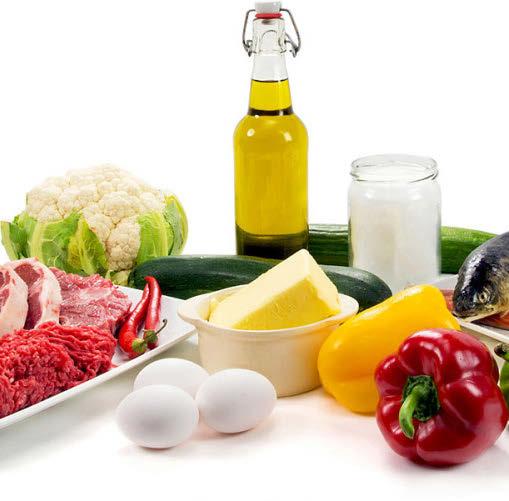
Carbs & calories in Type 2 diabetes Page 23




COVID-19 IMPACT: – OBESITY – TIREDNESS & FATIGUE
SPECIAL NEEDS INFANT FEEDING
MINDFULNESS IN DIETETICS
IMD WATCH
ACUTE ADULT EATING
DISORDER
Carbs & calories in Type 2 diabetes Page 23

Welcome to the first NHD of 2021 and what a year it has been so far! With the COVID-19 situation moving at such a quick pace, for some, there has been little time to take stock of everything.
However, the UK COVID-19 vaccination programme is the ray of hope we’ve all needed. It’s clear to say, millions of people across the UK are breathing a huge sigh of relief. Who would have believed last year, as the pandemic unfolded, that progress like this would have been made so quickly!
With the goal to vaccinate a significant amount of those in the most vulnerable groups by the spring and to offer the vaccine to all adults by the autumn, the task at hand is huge. Despite the enormity of the work involved, the programme is making great progress and I’m sure there are many of you reading this today, who have received the vaccine and/or you know others who’ve had it.
Thinking ahead to the day when there will be widespread immunity from the virus in a post-vaccine landscape, what will COVID-19 look like for us in the future? Unfortunately, the virus is most probably here to stay. Nevertheless, scientists report that once there is immunity amongst most of the adult population, the virus will ultimately be no more of a threat than the common cold or seasonal flu, where an annual vaccination will be required by the most vulnerable. Vaccination will not eliminate transmission or infection of the virus altogether, but it’s likely to reduce illness associated with the infection, as the immune system will be in a readied state to respond.
The pandemic has undeniably created an explosion of virology and immunity research. It’s not yet known how long it will take for the virus to become endemic, as this will depend on how rapidly it spreads and on the strength and longevity of the immune response. It may take a few years, or potentially decades, of natural infections for this to happen. The virus may even mutate in a direction that sees its potency diminish over time. Fingers crossed!
This issue of NHD offers you some great reading for life as we know it right now, with a few of our articles focusing on how COVID-19 has impacted certain areas of nutrition and dietetics. In our Cover Story, Judy Paterson RD gives us a summary of salient points in relation to the hot topic, antiviral immune function and nutrition. Julie Harris RD focuses on how long COVID has affected people’s tiredness and fatigue levels and how best to support patients and clients to manage these symptoms. Emma Berry ANutr delves into how the pandemic has influenced our eating behaviours and food insecurity, looking at some of the latest research into obesity during lockdown. Louise Robertson in her Dietitian’s Life column considers the lessons learnt from the redeployment of dietitians in the NHS during the pandemic.
All this and so much more! Enjoy the read. Emma














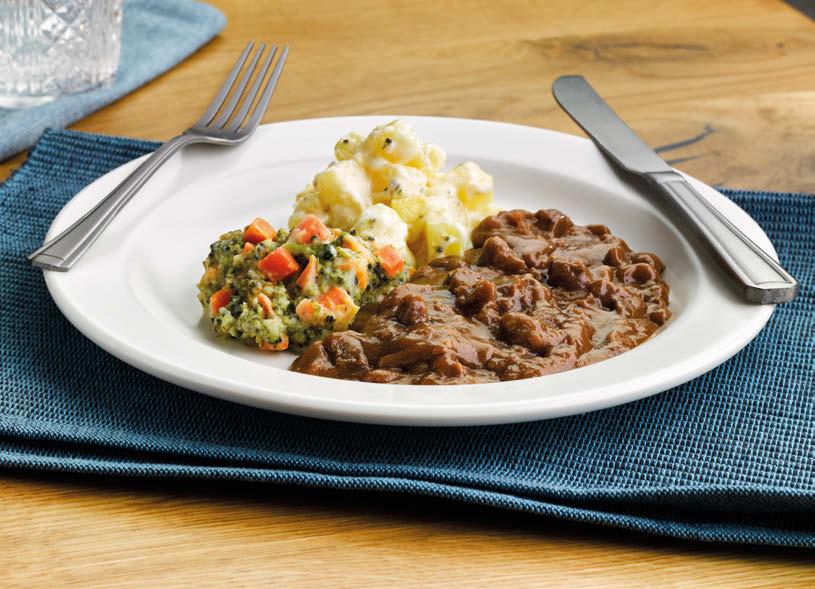
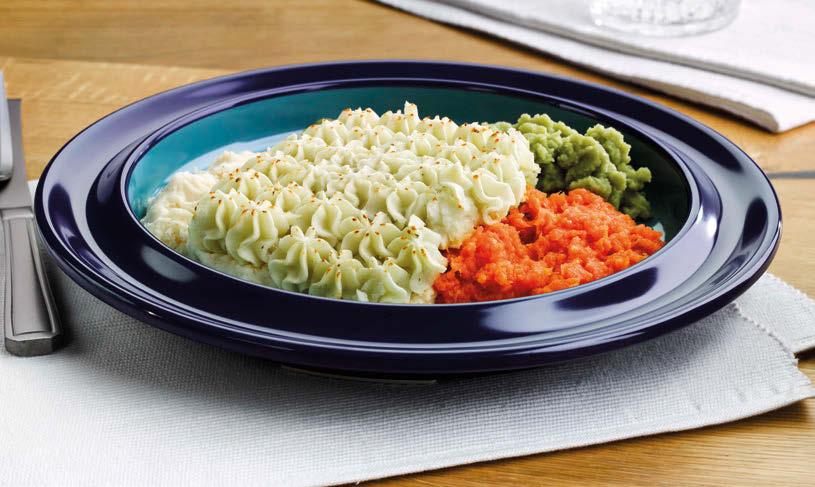
Our Made For You softer foods range offers a range of texture modified frozen meals suitable for those who experience chewing or swallowing difficulties.

















Tabitha Ward RD
Tabitha is a Senior Dietitian in Weight Management. She is also a freelance health writer.

Veganuary has had its biggest sign up ever this year since launching in 2014. In January, 500,000 people signed up to take part in the month-long vegan challenge, double that of 2019. 125,000 of those sign-ups were in the UK, with supermarkets getting right behind it by releasing new vegan lines and creating dedicated online Veganuary pages providing information all about veganism.
Toni Vernelli, Veganuary’s Head of Communications, said, “While new vegan product launches from big name brands are exciting, the way British supermarkets have embraced Veganuary this year is truly game changing. They are not simply using it as a marketing opportunity, but are promoting the many benefits of plant-based eating and encouraging people to give it a try.”
It’s not just the supermarkets who got enthusiastic. Many celebrities joined in too, with the likes of Ricky Gervais and Paul McCartney going plant-based for the month to help reduce environmental impact. For more information please click here . . .

To book your company's product news for the next issue of NHD call 01342 824073
Hospital admissions for eating disorders have risen by 37% across all age groups in the last two years, according to NHS Digital data for England obtained by PA news agency.
The data shows that in 2018/19, there were 19,040 admissions for eating disorders, up from 13,855 in 2016/17. Of those admissions, 25% were children under the age of 18.1
The Royal College of Paediatrics and Child Health (RCPCH) reported that several factors in the pandemic may have contributed to this, including, isolation from peers during school closures, exam cancellations, loss of extra-curricular activities, and an increase in social media usage with a focus on unrealistic ideas of body image.2
Dr Karen Street, a Consultant Paediatrician at the Royal Devon and Exeter Hospital and Officer for Child Mental Health at the RCPCH said, “We are extremely concerned about many children and teenagers’ wellbeing because of the pandemic. Many of them are just not coping. Eating disorders are often related to a need for control – something many young people feel they have lost during the pandemic. Many have described needing a focus which, in the absence of anything else, has, for some, centred around eating and exercise.”2
The RCPCH is now warning parents and guardians to look out for signs of eating disorders at home so problems can be caught as early as possible. Turn to page 19 for more on acute eating disorders.
References
1 https://www.bbc.co.uk/news/uk-50969174
2 https://www.rcpch.ac.uk/news-events/news/ paediatricians-warn-parents-be-alert-signs-eating-disorders-over-holidays
New research suggests a strong link between specific gut microbes, diet quality and health. The study published in Nature Medicine, used metagenomics and blood chemical profiling to look at these factors.
PREDICT 1 (Personalised Responses to Dietary Composition
Trial 1), found links between diet, microbiome and health outcomes. The researchers identified microbes that were classified as ‘good’ or ‘bad’ based on whether they positively or negatively affected health markers, including factors such as inflammation, blood sugar control and weight. For example, having a microbiome rich in Prevotella copri and Blastocystis was associated with a healthier blood sugar response after eating a meal.
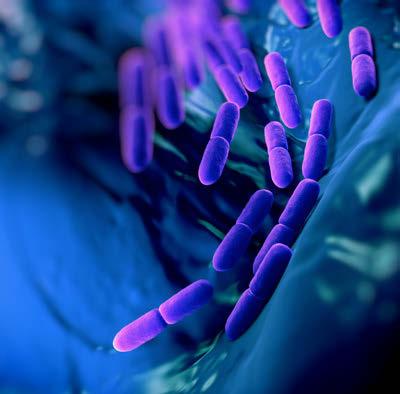
Results showed those who ate a diet rich in less processed ‘healthy’ plant-based foods were more likely to have high levels of the so-called ‘good’ gut microbes. But the ‘good’ microbes were also seen in those with diets rich in ‘healthy’ animal-based foods. In contrast, those consuming a highly processed diet were more likely to be associated with the ‘bad’ gut microbes.
This study highlights the importance of the microbiome and that it may even have a greater association to health markers compared with other factors, such as genetics. For more information please click here . . .
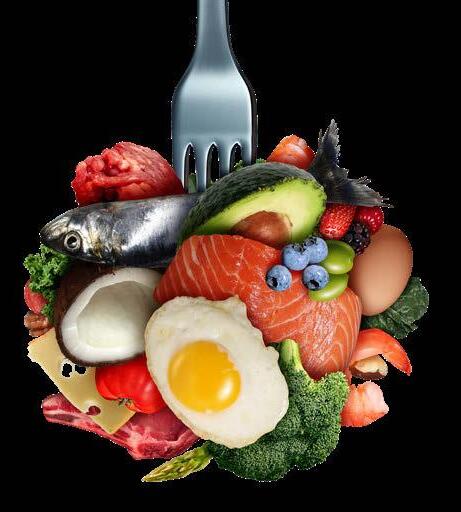
Public Health England recently posted the results of the National Diet and Nutrition Survey for the years 2016-17 to 2018-19, providing detailed information on food and nutrition intake within the UK population for both adults and children.
What did they find?
• A steady decline in sugar intake in both children and adults since 2008, partly to do with a reduction in sugar-sweetened beverages.
• No decline in sweet confectionary and chocolate consumption. Intake went up in some groups.
• A fall in red and processed meat intake over the last decade.
• Saturated fat intake is increasing in some groups, possibly due to a rise in lower carbohydrate diets.
• Average intakes of fibre are still well below the recommended daily amount, with little change since 2008.
• For adults, salt intake was higher than the recommended intake. Salt intake is slowly decreasing, but the decrease has slowed since 2014.
• Most people are still not getting enough vitamin D.
Overall, whilst some people’s diets are improving, there is still a lot of room for improvement in others.
For the full report please click here . . .


Emma is a freelance nutrition writer interested in Public Health nutrition. She is also a PhD Student in Health Services Research and works in NHS Research and Development at the University of Aberdeen.
REFERENCES
Please visit: nhdmag.com/ references.html
How has the pandemic influenced our eating behaviours and food insecurity in general? This article takes a look at some of the latest research into obesity during COVID-19.
Obesity hit the headlines in 2020 during the COVID-19 pandemic. Boris Johnson announced that he was “too fat” when he was hospitalised with the virus, and his experience was used as part of the marketing for the new Public Health England obesity strategy, Better Health.1 The policy paper for the strategy has a section on the links between COVID-19 and obesity, and why the new campaign is important for reducing the risk of not only the virus, but also for specific dietrelated conditions.2
The paper outlines several measures that the UK government will be taking to support people in making healthier choices. It discusses factors that can influence food choices and which could help to shape our food environment for the better, such as advertising, food promotions and nutritional labelling.2
Although these plans appear to be evidence based, many people’s lives have changed dramatically due to the pandemic. It could be worth asking what the impact has been on our food and exercise choices and how these could influence our weight. Below are some of the areas which may be influenced by the pandemic in terms of obesity.
EATING HABITS DURING THE PANDEMIC COVID-19 has presented numerous challenges for people. Many individuals have struggled with increased levels of anxiety, increased isolation and reduced access to coping mechanisms. The
constant changes and uncertainty can be very difficult to deal with. The increased mental burden, alongside more time spent in the house, has meant that many people have changed their eating habits and their weight. One UK study looked at the changes before and during lockdown.3 A sample of UK adults were asked to complete a questionnaire, which included questions on self-reported weight and height, medical history and whether they had COVID-19. The results showed that many participants reported the following:3
• an increased level of anxiety during lockdown;
• feeling bad about their weight;
• eating more because of their feelings;
• eating larger portions;
• drinking more alcohol;
• snacking more;
• spending more time sitting down.
Several factors, including age, gender, education level, BMI, health status, ethnicity and education, were seen to be related to lockdown behaviours that could contribute to weight gain, such as increased eating or reduced physical activity.3 However, there have also been numerous positive changes that have been made possible during lockdown, such as being more active and doing more exercise.3 Many people reported still having access to healthy food as well as having time to eat healthily and exercise.
This study provides only a snapshot of the changes during the pandemic, as it was carried out during April and May 2020. It is possible that as the pandemic response has developed, and with more services re-opening (and then having to close again), our eating and exercise habits may continue to change.
There have been other studies published outside the UK, exploring the impact of the pandemic on obesity levels. One such example is a study in Italy, which observed the changes in patients who attended an Obesity Unit after one month of lockdown.4 These patients reported an average weight gain of 1.5kg. The researchers explain that although there was an increase in sedentary behaviours, there was also a reduced chance to consume meals in cafes/restaurants and a reduced need for ready meals, as there was more time to cook at home.4
Despite this, many patients reported an increase in the amount of food they ate, consuming more sweets, snacks and reduced fruit and vegetables.4 Again, as also discussed in the UK study, certain factors increased the likelihood of weight gain, such as education level and anxiety or depression.4 This shows that many of the nutritional impacts from COVID-19 can be seen across multiple different countries.
Much of the research is still emerging in this area, and it will be interesting to see how it develops over both the near future and in the longer term.
In 2020, Marcus Rashford led an important campaign to provide free school meals to children while schools were closed.5 This was an important opportunity to reduce food insecurity for children who were at risk during the holidays. Research, based on the findings of previous studies carried out during school summer holidays, has suggested that increased school closures may contribute to childhood obesity levels, as there will be a reduction in the level of physical activity that children will undertake at home compared with the school environment.6 In preparing for a COVID-19 lockdown or self-isolation, households may also choose to buy foods that are more calorie dense and will last for a longer period of
time.6 Food insecurity, therefore, is linked to an increased risk of weight gain and obesity, which means that the provision of free school meals will hopefully help children in need.6
Rising unemployment and reduced income from furlough – all due to COVID-19 – could lead to a longer-lasting impact on children. There may well be more research to be published in this area in the future.
In Scotland, research was carried out to investigate the public’s understanding and views of obesity. This research was carried out in 2016 using a sample of the population, with the report being released in January 2018. This report includes how well people recognise obesity, the health consequences, barriers and responsibility for obesity reduction.7
There were numerous findings in this report, including that many people did not identify the overweight or obese persons correctly on the options given, often selecting those of a much higher BMI as the first identifiable overweight person.7 When self-identifying, many people did not describe themselves as obese or very overweight. The report suggests that this might be because people do not recognise their own body weight. It could also be suggested that perhaps people did not want to identify themselves as being very overweight due to the negative perceptions associated with being of a higher BMI – many individuals might feel uncomfortable identifying themselves as the highest weight category on surveys discussing obesity.7
The section discussing who is responsible for reducing obesity offers a selection of options, including the individual who is overweight, healthcare professionals, food and drink manufacturers and the media, to name but a few.7 Unsurprisingly, the highest scoring option was the individuals themselves. The second highest scoring was healthcare professionals, followed by food and drink manufacturers. The report says that many people selected multiple options, with a mixture of groups (eg, organisations) and individuals (eg, friends, family, person who is overweight). Many people in the survey

seemed to be aware of the complex situation that can impact weight.7 It’s good that people understand this complex relationship, as body size can be influenced by numerous factors. For example, weight gain can be a common side effect from many long-term medications and can also be caused by some medical conditions.8
Although many people think that losing weight is something which is up to an individual, it’s not necessarily an easy thing to do and many people may not easily be able to change their lifestyles. A review carried out by Serrano Fuentes et al (2019) captured this when they explored how the social network influences obesity-related behaviours. 9 This study showed that there can be an impact from various factors, such as relationships, the time of social process and environmental factors. These can be complex though; for example, friends can either be a positive or a negative influence, depending on the situation.
Although it is too early to know the full impact of COVID-19 on obesity levels and body weight in the UK, there are already a few
Rising unemployment and reduced income from furlough – all due to COVID-19 – could lead to a longerlasting impact on children.
ways in which it has had a negative influence. On a positive note, however, it may have helped more people to realise that weight is a very complex issue, and it is not necessarily an individual’s fault alone. Weight gain can happen for numerous reasons and is not always unhealthy.
Many people have been struggling with food insecurity due to, or made worse by, the pandemic. More people have been using foodbanks and eating food past the use-bydates because of the affordability of food.10 So, although many people may have reported snacking more or eating larger meals, this will not be the situation for everyone.
2020 proved challenging for everyone and has had an impact on our nutrition and weight in a way that we may not have seen before. Many people may have struggled with their nutrition, weight and exercise due to pandemic lockdowns. Some people could have also experienced different reactions entirely to COVID-19 stress or lockdown. The studies I have mentioned throughout this article only capture a small piece of what is happening. Over time, more studies will help to give us a better understanding of the whole picture.
This article will summarise the salient points in relation to antiviral immune function and nutrition, within a backdrop of COVID-19.
Nutrition and immunity together have become a seminal topic, particularly at the current time with the coronavirus pandemic continuing to affect everyone worldwide. The year 2020 was difficult for misinformation in science and epidemiology, but especially for nutrition. How many times did you read that specific nutrients could help to “boost your immune system”?
First off, here’s a whistle-stop refresher tour of the immune system and its function and how nutrition fits into it all. The points and information summarised here were taken from the British Nutrition Foundation’s annual seminar in November 2020, entitled ‘Nutrition and COVID-19’. Dr Philip Calder presented on this and has published an excellent piece in the BMJ entitled ‘Nutrition, immunity and COVID-19’.1
HOW THE IMMUNE SYSTEM FUNCTIONS
There are four lines of defence that the body has in reducing infection/ pathogen invasion:
1 Barrier function
This prevents pathogens from entering the body.
• Physical barriers include skin, GI tract, respiratory tract and genitourinary tract.
• Chemical barriers include the acid pH of the stomach.
• Biological barriers include:
– beneficial bacteria in GI tract or on skin;
– secretions like secretory IgA in the GI tract, antimicrobial proteins in saliva and tears;
– complement system.

2 Identifying pathogens if they breech a barrier
Pathogens are recognised by the innate immune system and possibly by memory cells of the adaptive immune system if there has been an infection before or vaccination.
3 Eliminating pathogens
The immune system uses different approaches to different pathogens in the body. For example, bacteria (which don’t typically invade host cells) will be engulfed and killed by phagocytic cells from the innate immune system, digesting the bacteria and displaying their remnants, known as antigens, on their surface. These antigens are recognised by the adaptive immune system, which is triggered by CD4+ T helper lymphocytes to coordinate the response. The response involves both T and B lymphocytes, which are involved in producing antigen-specific antibodies, and the further communication with and activation of the innate immune system. Viral infection response (for example as in coronavirus which is a single-strand RNA virus) is slightly different in that the adaptive immune system is more involved, with CD8+ T lymphocytes and Natural Killer Cells recognising the virus and killing the infected host cells. The virus escapes once the host cell is killed and continues to infect other host cells – the battle continues until the virus is destroyed. This can take days to weeks.

Judy Paterson RD
Judy is a Freelance Paediatric Dietitian with 10 years’ clinical experience in the NHS. She is a Nutrition writer and Founder of Judicious Nutrition.
judicious_nutrition
diet_judy
REFERENCES
Please visit: nhdmag.com/ references.html



Is there a conference or training course that you are keen to attend?
Yakult are offering grants of up to £1,000 to support healthcare professionals, researchers and students in their participation in a virtual, national or international conference or training course.
Figure 1: Four lines of defence and the immune system2
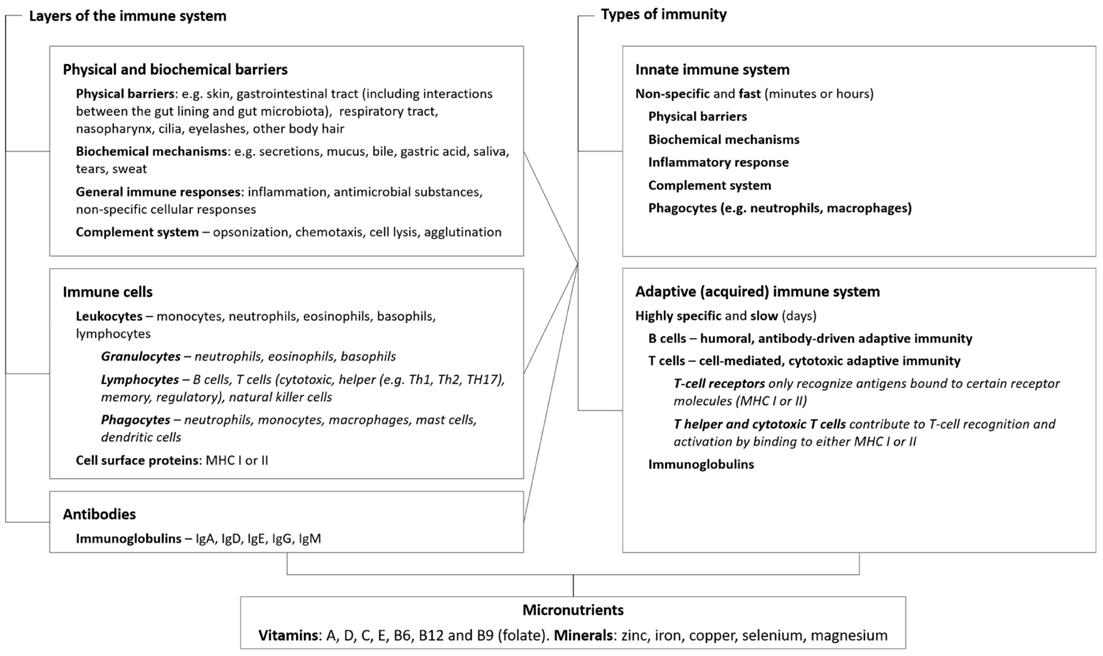
Both types of infection need to have a coordinated response and there is much cell communication, cell proliferation and hormonal/ cytokine response impacted by nutrition.
4 Generating an immunological memory
Antibodies can remain in circulation for many months to years, protecting against reinfection. After an active immune response to viral/ bacterial infection, a small number of memory T and B lymphocytes remain in a resting state until the same pathogen is identified. They can then rapidly kill the pathogen. Memory cells have a long life – this is the basis of vaccination.
NUTRITION IS INTEGRAL TO THE IMMUNE SYSTEM
Once the immune system is activated, a vast amount of energy and nutrients are needed to support the immune response adequately.3
• Fuel is needed for energy, which comes from our diet.
• Biosynthesis – building blocks are needed for cell proliferation and cytokine and protein production, eg, amino acids for immunoglobulins and nucleic acids, cytokines, receptors and acute phase proteins.
• Regulators of molecular and cellular components of immune responses, eg, zinc and vitamin A.
• Substrates for the synthesis of metabolites involved in the immune response, eg, arginine and nitric oxide which is toxic to bacteria.
• Specific anti-infection roles such as zinc.
• Protection of the host tissues against oxidative stress, eg, vitamins C, E, cysteine, zinc, copper, selenium and phytochemicals are involved in this protection.
• Regulation of the immune response via the gut microbiota.
The nutrients vitamin D, selenium and zinc, are well studied and thought to be most important in terms of their roles in antiviral protection.3
Vitamin D receptors have been identified in most immune cells, and some cells of the immune system (such as dendritic cells) can activate 25-OH vitamin D. It has been shown to impact widely on both the adaptive and innate immune system. There is a great deal of
Nutrient Good dietary sources
Vitamin A (or equivalents)
Vitamin B6
Vitamin B12
Milk and cheese, eggs, liver, oily fish, fortified cereals, dark orange or green vegetables (eg, carrots, sweet potatoes, pumpkin, squash, kale, spinach, broccoli), orange fruits (eg, apricots, peaches, papaya, mango, cantaloupe melon), tomato juice
Fish, poultry, meat, eggs, wholegrain cereals, fortified cereals, many vegetables (especially green leafy) and fruits, soya beans, tofu, yeast extract
Fish, meat, some shellfish, milk and cheese, eggs, fortified breakfast cereals, yeast extract
Folate Broccoli, Brussels sprouts, green leafy vegetables (spinach, kale, cabbage), peas, chickpeas, fortified cereals
Vitamin C
Oranges and orange juice, red and green peppers, strawberries, blackcurrants, kiwi, broccoli, Brussels sprouts, potatoes
Vitamin D Oily fish, liver, eggs, fortified foods (spreads and some breakfast cereals)
Vitamin E Many vegetable oils, nuts and seeds, wheatgerm (in cereals)
Zinc Shellfish, meat, cheese, some grains and seeds, cereals, seeded or wholegrain breads
Selenium Fish, shellfish, meat, eggs, some nuts (especially Brazil nuts)
Iron Meat, liver, beans, nuts, dried fruit (eg, apricots), wholegrains (eg, brown rice), fortified cereals, most dark green leafy vegetables (spinach, kale)
Copper Shellfish, nuts, liver, some vegetables
Essential amino acids Meat, poultry, fish, eggs, milk and cheese, soya, nuts and seeds, pulses
Essential fatty acids
Long-chain omega-3 fatty acids (EPA and DHA*)
Many seeds, nuts and vegetable oils
Oily fish
*EPA, eicosapentaenoic acid; DHA, docosahexaenoic acid
complexity in the way it works in the immune system, both ‘boosting’ responses from the innate immune system and inhibiting those from the adaptive immune system’s T and B lymphocytes.4 This is but one example of why the message about boosting the immune system is incorrect, and why the immune system needs to be in balance.
An interesting example of the importance of vitamin D, particularly in relation to viruses, is its production of an antimicrobial peptide LL37, cathelicidin, which is important in antiviral defences.5
A study on vitamin D status and lung infection across the seasons in British adults showed an inverse dose response association between vitamin D status and respiratory infection, with the highest infection risk seen in those with serum levels of 25-OH vitamin D at <25nmol/l.6
Martineau et al demonstrated the likely effect of vitamin D on respiratory tract infections with a well-considered meta-analysis from 2017.7 This looked at 25 placebo RCT trials, n=11,321, with both adults and children included in the analysis. There were different doses used over different time periods (weeks to months). Studies with daily dosing used 7.5 to 100mcg. The results clearly showed a significant effect of vitamin D supplementation on reducing respiratory tract infection over placebo. Effects were greatest in those who were vitamin D deficient.
Research published earlier this year by Merzon et al8 has pointed towards vitamin D status as being likely to affect risk of COVID-19 infection. Suboptimal vitamin D levels were identified as one of four independent risk factors for contracting the virus, and possibly independent risk factors for hospitalisation with COVID-19 (thus increased severity). However, with adjustment to this regression data, vitamin D was no longer significant; nevertheless, the trend remained important.
Vitamin D is highly likely to be an important nutrient in the antiviral immune response, but is usually at suboptimal levels over the winter months in most UK residents, particularly in those who are housebound or who are from ethnic minorities. Therefore, the announcement that care home residents and clinically vulnerable patients will receive free prescriptions of vitamin D in the UK has been a welcome addition to the UK Government’s pandemic response.
Zinc
Zinc has a myriad of important integral roles in the immune system and has been well studied.9 It is integral to metalloenzymes and proteases making it essential to their function. Zinc deficiency has a marked impact on bone marrow,
decreasing the number of immune precursor cells, and causes thymic atrophy.1-4 Zinc is important in maintaining T and B lymphocyte numbers.4
In research trials, markers of immune response can be increased with zinc supplementation, particularly in older people and those with low zinc status.4 It is important to note, however, that high doses of zinc have been shown to impair lymphocyte proliferation and response; therefore, the therapeutic window is yet to be established.4
Zinc’s therapeutic effects in severe infection have been demonstrated. In a study of patients with severe pneumonia, for example, zinc was shown to reduce risk of mortality.10
In terms of COVID-19 infection, as coronavirus is a single-strand RNA virus, zinc is likely to be directly involved in inhibiting the replication process of its genome, as zinc acts to inhibit RNAdependent RNA polymerase.11
Selenium supports antigen presenting cells, T cells and B cells, to function. Deficiency has been shown extensively in mice studies to increase susceptibility to viral infections, permitting viruses to mutate, or allowing viruses to become more virulent.3
In a trial conducted in Liverpool in 2004, adults with low selenium status were randomised to receive selenium of 50mcg/d, 100mcg/d, or placebo for three weeks, after they received live poliovirus vaccination. Results showed that the ability of the immune system to produce interferon-gamma (an important cytokine in antiviral protection) improved seven days after vaccination, increasing in a dose-response manner after polio vaccination.12 Researchers also showed supplementation may have resulted in better clearance of the virus and prevention of viral mutations, as these occurred in the control group, but not in the group that received the higher doses of selenium.12
An interesting association was also shown between selenium status and COVID-19 cure rate in China.13 In a population with the highest selenium status, the cure rate of COVID-19 was highest.13
Recently, German researchers showed deficiency of selenium may have an impact on COVID-19 mortality. The selenium status was significantly higher in samples from surviving
COVID patients as compared with non-survivors, recovering with time in survivors while remaining low, or even declining in non-survivors.14
The gut microbiota are understood to play a role in host immune defence by creating a barrier against colonisation by pathogens. There is now evidence that probiotics, in particular some lactobacilli and bifidobacteria, can contribute to maintenance of the host’s gastrointestinal barrier and reduce the incidence and severity of respiratory infections in humans.15-18
Dietary fibre and phytochemicals are fuel for beneficial bacteria and help them to grow in number. A recent American Gut study suggests including over 30 different plant-based foods per week, although portion size has not been elucidated.19 This would also serve to increase vitamin C intake with diet.
We have not had space here to discuss the important effects of ageing on the immune system (known as immunosenescence) and obesity. These are vital considerations for nutrition professionals in providing individualised advice to patients.
A healthy balanced diet with a plentiful supply of a variety of fruit and vegetables, is likely to be best to support the immune system, much like the current dietary guidelines. There are a number of other lifestyle factors to consider in addition when thinking about optimising immune health, alongside nutrition.
The problem with misinformation online and statements like “immune-boosting” if used by healthcare professionals, is that this legitimises bogus health claims used to advertise supplements, where there is little evidence to support these in reality.20
There is evidence to support the additional supplementation of vitamin D over the winter months, and perhaps zinc and selenium during infection. However, the best dose and time of supplementation is not yet known, and high doses are best avoided due to possible negative effects on the immune system.

Julie Harris RDN, LDN, CPT
Julie currently works as a dietitian at a health technology company, Welldoc. She has a wide range of dietetic experience and is a specialist in behavioural health, diabetes and eating disorders.
www.
mykokoronutrition.com
kokoronutrition
Please visit: nhdmag.com/ references.html
This article focuses on how COVID-19 has affected people’s tiredness and fatigue levels and how best to support your clients and patients who are dealing with these symptoms.
For months, we’ve been dealing with the constant threat of the virus, deaths, financial hits and school closures, while our normal emotional coping methods, like social support, feel non-existent. It has led to widespread emotional exhaustion, some calling it COVID fatigue. Then, there are the early symptoms of fatigue and the lingering fatigue that is plaguing those who have contracted COVID-19.
Trying to figure out what’s causing a client’s fatigue is the first step to creating the right treatment plan. In addition, addressing these symptoms often improves other areas of health, like nutrition choices and lifestyle behaviours.
Fatigue is described in different ways. It can be characterised as a subjective feeling or difficulty in participating in or
completing daily activities.8 Fatigue can be caused by a variety of factors, which may not always be easily identifiable. The body triggers fatigue and tiredness as a way of slowing us down in order to regain health.
Fatigue often involves more than one dimension of health (see Figure 1). A person can be physically fatigued and lack the ability to engage in physical activities, while another person can be mentally and emotionally tired. The dimensions can be, and often are, associated with one another, but do not always coexist.8 Thus, the feelings of fatigue can differ significantly from one person to another.
Fatigue is very common in both the general population and in various medical conditions (see Table 1).1,6,11 In 2011, researchers used a few instruments
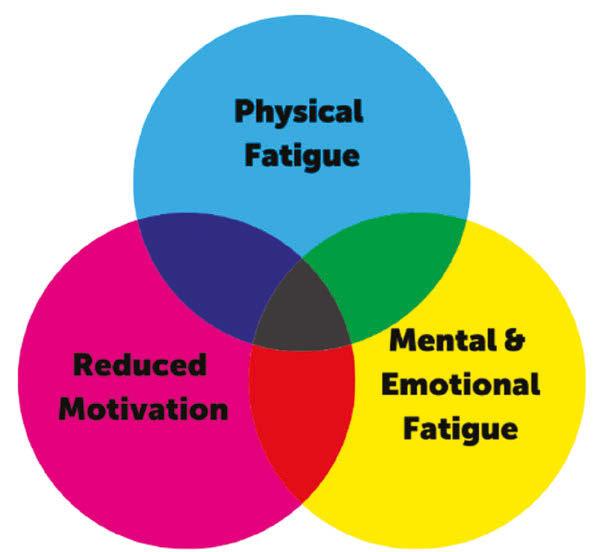
Table 1: Prevalence of fatigue in the UK
to analyse fatigue ratings in the United States general population.5 They found that women reported higher levels of fatigue than men. In addition, younger age, not being married and lower educational attainment were each associated with increased fatigue and tiredness.5
One of the most common symptoms associated with an infection is fatigue. When the immune system is activated, cytokines – small proteins – are released to signal the immune system to do its job.14 Cytokines also act on the central nervous system to induce changes in our desires and behaviours, like reducing appetite, often referred to as sickness behaviour.3 Fatigue is a core sickness behaviour and very sensitive to the effects of cytokines.
Cytokines is a general term and includes several types of protein cells. They can act on the cells that secrete them, on nearby cells or on distant cells.14 The anti-inflammatory cytokines help the immune system get rid of the infection, and this can cause fatigue, as the body is working overtime to fight off invader cells. The fatigue is eased as the immune system fights off the infection, and with rest and sleep.
There are also cytokines that are considered pro-inflammatory, which are produced by certain white blood cells. There is abundant evidence that these types of cytokines are involved in long-term fatigue and pain.14 Currently, research is being conducted to understand the influence that cytokines have on patients who have COVID-19.7 Initial studies have reported elevated levels of inflammatory cytokines.7 It has been reported that a small percentage of severely ill COVID patients have experienced ‘cytokine storms’, whereby the body starts to attack its own cells and tissues rather than just fighting off the virus.15 Thus, the effect that cytokines have on fatigue is still being discovered.
Tiredness and fatigue are common symptoms in those who have contracted COVID-19,10 with as high as 72% reporting fatigue as an early symptom.4 In addition, a recent study showed that more than half of those who have recovered from the acute phase of COVID-19 reported persistent fatigue 10 weeks after their initial symptoms.9 A particular challenge is that COVID-19 has the potential to trigger a post-viral fatigue syndrome.9 Researchers also reported that there was no association between the severity of the patient’s condition and the fatigue levels during recovery.9
For patients who spend time in the ICU because of COVID-19, it’s important to note that one of the most commonly occurring symptoms following an ICU stay is fatigue.11 In addition, patients may experience muscle weakness, nerve pain, shortness of breath, joint discomfort and a weakened immune system.11 These additional symptoms may make it difficult for patients to return to their normal activities, thus intensifying the feelings of fatigue and tiredness.
Patients recovering from COVID-19 often have higher energy requirements. Yet, clinical symptoms that patients with COVID-19 have, like fatigue, create difficulties in obtaining an adequate nutritional intake. Higher energy needs, coupled with inadequate nutritional intake, may lead to feelings of fatigue.
Registered dietitians are trained to help address chronic disease by creating nutrition treatment plans. Based on nutritional assessments, dietitians can make recommendations for healthful foods and particular dietary supplements that can help address these COVID-19 symptoms.
Adequate nutrition is required for a healthy immune system, as poor nutrition can lead to a poor immune defence.2
Studies have demonstrated that deficiencies in micronutrients, including thiamine, selenium, zinc and vitamin B6, in patients who have been hospitalised with an infectious disease, are associated with adverse clinical outcomes.2 Early detection and treatment of micronutrient deficiencies after being exposed to COVID-19 may help decrease the inflammatory response and alleviate long-term symptoms.2
Socioeconomic conditions need to be considered too, such as mental status, age and social support, when reviewing why a person may feel fatigued.13 Certain populations may be at higher risk of malnourishment and nutritional deficiencies. The elderly may be more susceptible to deficiencies of calcium, vitamin C, vitamin D, folate and zinc.13 Therefore,
healthy dietary patterns are beneficial against inflammatory responses that may occur during a viral infection.13
Fatigue is a common symptom of various medical conditions, including chronic heart disease, cancer, depression and now COVID-19.1,6,10,11 It is a common reason for seeking medical care. Yet, adequate treatment of fatigue has been challenging, as the cause varies significantly from person to person.
A multidisciplinary approach to understanding the root cause of fatigue is important. Registered dietitians have a key role to play in the treatment of fatigue. Based on a full evaluation of the patient, registered dietitians can make recommendations for healthful foods and dietary supplements that may help lessen fatigue.

ORALNUTRITIONAL SUPPORT IN EATINGDISORDERS Oralnutritionalsupportintheformofsipfeedsis anintegralpartofdieteticpractice,usedtosupplementdietaryintakeand supportweightgaininindividualswhostruggletomeettheirnutritional requirements.Thisarticleprovidesanoverviewoftheuseofsipfeedsand theconsiderationsrequired.


prescribeddietiftheyarestrugglingto eithereataspecificmealorsnack,orare findingthevolumeoffoodrequiredtoo


Oralnutritionalsupportineatingdisorders Typeyouranswersbelow,downloadandsaveorprintforyourrecords,orprintandcompletebyhand.
Outlinethechallengesinemployingthefood-firstmodeltothosewitheatingdisorders.
Whatfactorscontributetocalculatingthevolumeandquantityofsipfeeds?
whatDescribethedifferentcircumstancesunderwhichyoumightconsidertheONSnutritionpathwayand actionthiswouldleadto.
Inwhatcircumstancesmightbolusnasogastricfeedingbeconsidered?
Q.6 Howmightsipfeedsbebestprescribedtoout-patients?
HowdoestheBDArecommenddealingwithveganismineatingdisordertreatment?
Whataresomeoftheconcernswithusingsipfeedstotreatthosewitheatingdisorders?
Q.8 Howwouldyoumitigateagainstsomeoftheseconcerns?Pleasetypeadditionalnoteshere


There’s much more to eating disorder (ED) treatment than simply ‘eating’. Affecting the mind as well as the body, EDs are complex conditions that require the input of a strong multidisciplinary team for optimal recovery.
EDs have the highest mortality rates among any other psychiatric illness,1 emphasising the importance of early detection and commencement of treatment. It is estimated that between 1.25 and 3.4 million people in the UK are affected by an ED, with anorexia nervosa (AN) and bulimia nervosa (BN) accounting for 8% and almost 20% respectively.2 Interestingly, there is a greater incidence of EDs amongst athletes and people with Type 1 diabetes.3 Table 1 looks at the long-term risks of EDs.
Potentially attributable to the world we live in now where diet culture is such a strong influence and where ‘bikini’ or ‘ripped’ bodies circulate social media, EDs can go unnoticed and can be easily disguised by trends that we now consider ‘normal’ such as:
• labelling lifestyles or dietary choices – i.e. veganism could be a way to restrict food groups and control intake;
• consistent dieting or overexercising – which could be excused by being involved in competitive sports;

Elle Kelly RD
Elle is a Specialist Eating Disorder Dietitian. She currently works with young people with eating disorders and is completing her Master’s degree in Applied Sports Nutrition.
ellekellynutrition
• celebrity endorsed ‘skinny teas’ and shakes – although a marketing ploy, these can encourage the concept of skipping meals;
• diet trends such as fasting, keto, juicing – which promote the avoidance of foods and food groups.
OF EDS
EDs go miles deeper than simply weight and food. However, both of these factors majorly influence the acuity of one’s illness and are vital considerations when it comes to beginning treatment, which is why the input of a specialist dietitian remains important. The weight and BMI upon admission can indicate the severity of the patient’s condition and this, combined with the recent food intake, can highlight the risk of refeeding syndrome, which the patient may be at.
As patients with AN or BN may falsely report their intake in order to please, hide their illness or appear healthier, electrolyte levels should be assessed in conjunction with these
REFERENCES
Please visit: nhdmag.com/ references.html

Order your FREE tasting box today!
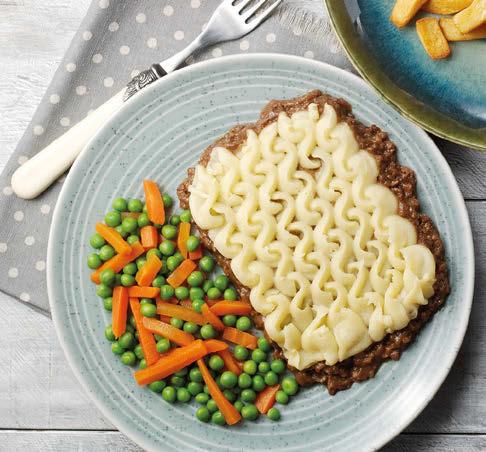









At Wiltshire Farm Foods, we understand how important it is for your patients to rely on delicious, nutritious meals.
This is why we’re providing FREE* tasting boxes, so you can sample them for yourself – and if you approve, our tasting box also comes with vouchers for your patients.
Our tasty and convenient meals delivered straight to their door, come with many benefits:

A dedicated range for those with swallowing difficulties
Nutritional expertise
Free no contact delivery
Helping you to help your patients
Reassurance that your patients are eating well at home
No contract. No commitment.
*Terms & Conditions: Subject to availability. For full terms & conditions, visit: www.specialistnutrition.com/healthcare-professionals
Cardiovascular system
Gastrointestinal system
Pulse rate decreases.
Blood pressure drops.
Increased risk of heart failure.
Electrolyte imbalances caused by purging or drinking excessive amounts of fluids can lead to irregular heartbeats which can lead to heart failure.
Feeling full after small amounts of food.
Gastroparesis (slow gastric emptying).
Stomach pain and bloating.
Nausea and vomiting.
Constipation.
Laxative abuse can damage the GI tract and cause dependency on laxatives for a bowel movement.
Binge eating can cause severe stomach issues.
Starvation can lead to obsession about food and often patients with anorexia or bulimia express interest in food-related activities such as baking or cooking for other people, watching cooking programmes, reading recipe books, etc.
Poor productivity and ability to concentrate due to insufficient energy intake.
Neurological
Endocrine system
Other physical health consequences
Numbness and tingling in hands and feet due to deterioration of protective layer of nerves as a result of low intake of fatty acids.
Severe dehydration and electrolyte imbalances can potentially cause seizures and muscle cramps.
Inadequate energy intake can lead to fainting, weakness and dizzy spells.
Decreased metabolic rate.
Decreased core temperature.
Sex and thyroid hormone levels drop due to insufficient caloric and fat intake.
Loss of menstrual cycle and affected fertility.
Decreased bone density, which can lead to osteopenia and osteoporosis, as well as increased risk of fractures.
Starvation can cause high cholesterol levels, but this should NOT be treated with medication or restriction of dietary lipids and/or cholesterol.
Dry and pale skin, as well as wrinkles and excess skin from extreme weight loss.
Brittle hair and hair loss.
Lanugo (growth of downy hair on body to conserve heat).
Delayed wound healing.
Anaemia, causing fatigue, weakness and shortness of breath.
factors. Whether a patient is admitted to a general hospital or a specialist ED unit (SEDU), patients with AN can arrive incredibly unwell, unstable and can deteriorate very quickly. Therefore, prompt assessment is vital in order to begin treatment. It is recommended that adults suffering from anorexia nervosa should be treated on a SEDU4 to ensure that specialist services can be provided, such as nasogastric tube insertion and feeding, regular biochemical testing and prevention of symptomatic behaviour such as purging and exercising, etc.
Refeeding is the initial process of treatment of a patient with AN, which involves gradually
increasing nutrient intake at a steady rate in order to prevent refeeding syndrome from developing. Refeeding syndrome occurs as a result of sudden shifts in electrolyte levels, particularly phosphate, potassium and magnesium, and this can be fatal.5 The current literature proves that there is substantial variation in opinion regarding the rate at which refeeding should begin at.
Some research suggests starting at 5kcal/ kg/day for a patient with a BMI below 14, as suggested by NICE (2006), and then increasing at a steady rate each day if electrolyte levels have been closely monitored and are within
Risk of refeeding syndrome should be assessed.
Slow gradual increase in caloric intake. The aim is that a patient should be eating sufficient calories for weight gain within two weeks in order to prevent underfeeding syndrome.
Bloods should be checked daily for the first few days following admission. Initially restricting carbohydrate calories.
Regular monitoring of other parameters is also vital, i.e. blood pressure checks, fluid balance, temperature, physical checks.
range. However, this is often argued as being too low, with some studies suggesting that patients should be started on around 1200kcal, depending on their severity of malnutrition.6 Starting at the higher end of calories than the lower is preferable, as it is considered important for facilitating the correction of low blood glucose levels and to prevent underfeeding. However, patients with a high-risk factor for refeeding syndrome, typically very low BMI, plus electrolyte or renal abnormalities and other medical complications, should begin refeeding more conservatively at about 5-10kcal/kg/day. Ideally, patients should be safely refed within the first 7-10 days and so it is encouraged to step up a patient’s calorie intake as soon as it is considered safe to do so.
With careful reintroduction of food and supplementation to treat nutrient deficiencies, refeeding syndrome can be avoided (see Table 2). However, there are other features of refeeding that may occur throughout the refeeding process, which can affect a patient, both physically and mentally. During the refeeding process, patients may experience the usual symptoms of mechanical eating but to an increased degree, such as gastrointestinal discomfort, increased satiation, body fluid fluctuations and re-established hunger cues. These physical complications can prove uncomfortable for patients, both physically and mentally, which is why additional support should be offered.
Patients with AN have an extreme compulsion to pursue thinness and simply feeling bloated can cause significant anxiety and stress and can potentially be accompanied by the urge to purge or exercise. In SEDUs, there is often supervision following mealtimes
Increasing dietary phosphate.
in order to offer support to patients who may be experiencing troubling thoughts following a meal and to prevent compensatory and other ED behaviours from taking place, such as vomiting, laxative use, bingeing, or over-exercising.
Due to the complex relationship between a patient and food, it is important that mealtimes are seen as a valuable part of the treatment process and as important as prescribed medications. SEDUs encourage patients to have set mealtimes, which allows for additional staff to be available to support patients during this anxiety-provoking time. Additionally, this promotes routine and consistency, allowing patients to understand that eating meals is a normal part of everyday life and instilling the belief that eating meals is not dependent on their emotions that day, whether they have ‘earned’ or feel that they ‘deserve’ the meal or not.
A food-first approach is crucial in order to help promote normal eating and a normal relationship with food, and nasogastric tube feeding should be considered a last resort. Patients should be encouraged to finish their meal on their own, offered alternatives if necessary, or given the option to have that meal at a later time, or given an oral nutritional supplement on occasions.
Acute EDs are complex and there is no ‘one size fits all’ or ‘blanket’ approach that we dietitians can use, as the illness is so highly individual. Working within a team of skilled doctors, nurses and psychologists to stabilise a patient is of upmost importance in order to allow a patient to begin their journey to recovery, whatever that may be for them.
Substantial weight loss can induce remission of Type 2 diabetes by improving glycaemic control, enabling patients to reduce or potentially omit their insulin or diabetic oral medication.1 This article examines the role of very low-calorie/carbohydrate diets in maintaining weight loss to benefit glycaemic control.
Very low-calorie diets (VLCDs), which tend to last for 12 weeks, have been proposed to be a promising intervention to achieve significant weight loss in a short amount of time. VLCDs are defined as clinically supervised diet plans that consist of <800 calories per day and aim to induce weight loss and/or remission of Type 2 diabetes.2 They have consistently been shown to lead to statistically significantly greater weight loss than behavioural weight management programmes based on usual foods.3 Weight loss programmes provided in community groups by commercial organisations have been shown to be more effective than routine management delivered by primary care clinicians, and their efficacy continues to be a prime topic of research in diabetes and weight management.4,5
The Diabetes UK-funded Diabetes Remission Clinical Trial (DiRECT) aims to gain understanding of why weight loss can induce remission.6 The study is ongoing and only recruits participants via NHS General Practices. They are currently collecting data on participants in their fourth and fifth years of support and follow-up. So far, the authors have found that a VLCD successfully induced Type 2 diabetes remission in 46% of participants.6 An average weight loss of 10kg was achieved at 12 months, and the more weight participants lost, the more likely they were to induce
remission. Those in the intervention arm who lost >15kg, had remissions for 86% at one year and 82% at two years.6 These participants mostly had an HbA1c in the range of ‘prediabetes’ (42-48mmol/l). So far, the study has proven to be more cost effective and cost saving when compared with standard care.7
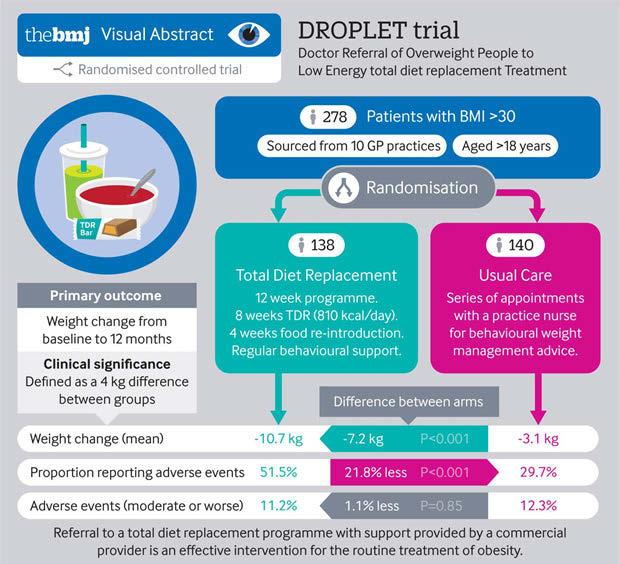
Results from the DiRECT study are supported by the Doctor Referral of Overweight People to Low Energy Total Diet Replacement (TDR) Treatment (DROPLET) randomised controlled trial (RCT).8 One hundred and thirtyeight participants were assigned to the TDR programme, which was a 12-week 810kcal/day diet with behavioural support. One hundred and forty participants were assigned to usual care, consisting of behavioural support for weight loss from a practice nurse and a modest calorie deficit, which was not specified. Those in the TDR group lost approximately 7.2kg more than the usual care group, with 45% of them achieving >10% weight loss, compared with only 15% of participants achieving this in the usual care group (see Figure 1). There were also greater improvements in the risk of cardiometabolic disease in the VLCD group.8
With recent national and regional lockdown restrictions, more remote ways of supporting patients are being researched. The Manchester Diabetes

Harriet Drennan RD
Harriet is a Specialist
Diabetes and Acute Medicine
Dietitian at the University Hospital of North Midlands.
REFERENCES
Please visit: nhdmag.com/ references.html
Intermittent and Daily Diet Diabetes App Study (MIDAS) is researching the feasibility of a daily VLCD when compared with an intermittent VLCD.9 The intermittent VLCD involves two 800kcal days/week spread over 27 weeks. Participants eat at-maintenance calories for the remainder of the week.9 Both interventions use a liquid meal replacement called Optifast. Individualised, tailored advice is offered throughout from a diabetes specialist dietitian via an app, as well as face-to-face appointments. Contact via the app is offered weekly initially, but is reduced to fortnightly and then monthly over 12 months, as participants settle into selfmanaging their diet. Participants also have monthly contact with a diabetes specialist nurse.9
It will be interesting to note the level of uptake and retention in studies offering support via an app compared with those that don’t. Receiving frequent real-time feedback in an app may help patients feel more accountable and could motivate them to better achieve their weight loss endeavours when compared with traditional consultation follow-ups.
Remission programmes are a key part of Diabetes UK’s work and they have collaborated with Public Health England and the NHS to create NHS England’s Low-Calorie Diet Programme (LCDP).10 This is a 12-week, 900 calorie diet
Table 1: Low-carbohydrate intake definitions
intervention, consisting of meal replacement products, based on the success of the DiRECT and DROPLET studies.
The NHS LCDP will initially only be offered to 5000 patients across selected areas of England. Those able to use the service have to have been diagnosed with Type 2 diabetes within the past six years, be aged 18-65 years old and have a BMI of over 27kg/m2 (or over 25kg/m2 in people of Asian, black or minority ethnic origin).10
Close support is required whilst following a very low-calorie diet, as sustained weight loss tends to last for around six months, but is then followed by weight regain.11 During the NHS LCDP, patients are closely supported by doctors, dietitians and nurses at their local GP practices. This support is offered via groupbased or one-to-one sessions (depending on COVID-19 restrictions), or remotely via an app, online or telephone, and lasts for 12 months. It is important that patients are made aware of the common side effects of a VLCD, such as lethargy, headaches, constipation, dizziness and hair thinning.2 Multivitamin deficiencies are also likely to occur. The NHS LCDP recognises that those with diabetes are more prone to developing unhealthy eating patterns, such as binge eating and so offers guidance to reintroducing food after the initial 12-week period.10,12
There remains scope to explore the optimal macronutrient ratio required to induce and help maintain weight loss in VLCDs. Diets lower in carbohydrate have been shown to increase hepatic insulin clearance and lower postprandial glucose compared with diets higher in carbohydrate content.13 This may reduce insulin exposure to tissues, increase the mobilisation of fat from specific adipose tissue deposits, and consequently induce short-term weight loss.14,15
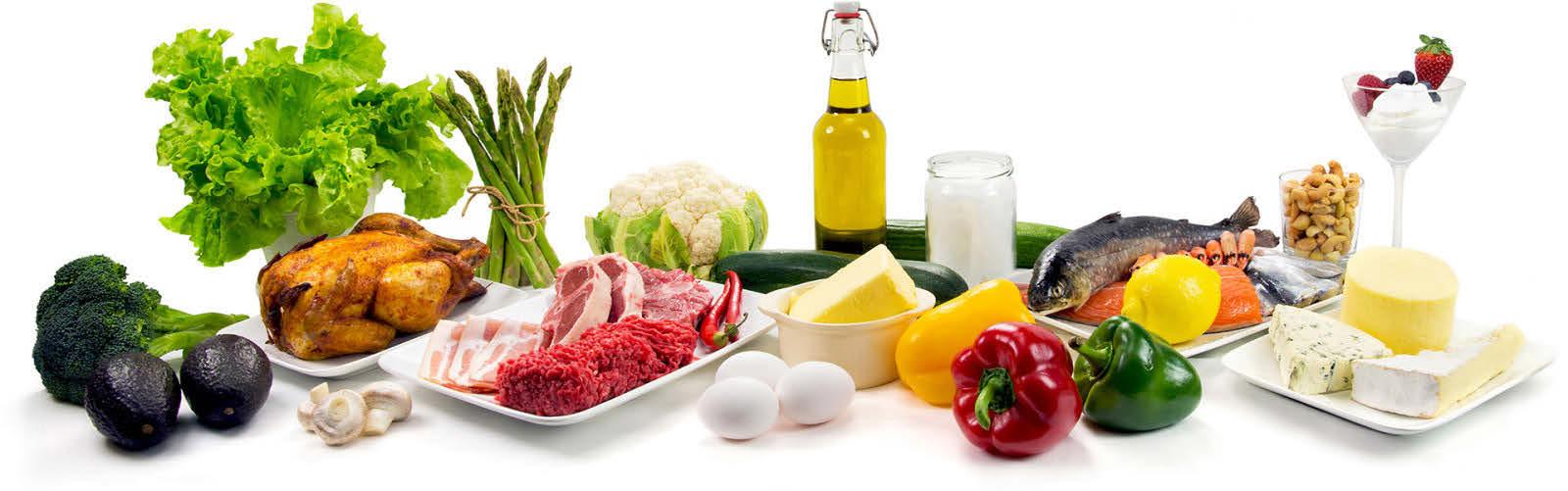
There continues to be inconsistency in the definition of a low-carbohydrate diet,16 with definitions currently ranging from 50g to 130g carbohydrate per day17 (see Table 1). The European Food Safety Authority (EFSA) deem a VLCD to be ketogenic when carbohydrate content is below 30-50g/day and fat intake is 1530% of total caloric intake.18 It is notable that most studies using low-carbohydrate approaches use an ad libitum approach to caloric intake, whilst comparable diets are calorie-restricted only, with no specific macronutrient limits.
Low-carbohydrate diets have been associated with weight loss, consistent benefit in glycaemic control and sustained medication reduction in patients with Type 2 diabetes.19 A systematic review found lower carbohydrate diets induced greater weight loss and reductions in HbA1c at three months when compared with highcarbohydrate diets.20 Many meta-analyses have found diets low in fat to be inferior to those lower in carbohydrates and higher in fat for inducing weight loss, including ketogenic diets.21-24 Recent meta-analyses have also found lowcarbohydrate diets to have a beneficial effect on cardiovascular risk factors such as reducing lipid levels. However, further research is required in order to explore the long-term effects on these.25 Compared with an isocaloric, high-carb diet, patients consuming a low-carbohydrate diet have been found to expend 200-300 more calories daily, although more research into its metabolic advantages is warranted.26
A recent RCT identified that clinically significant weight loss and improvements in HbA1c were achieved in a low-carbohydrate diet group compared with a routine support group in a primary care setting.27 This was the first trial to attempt energy restriction to ~800kcal/ day using food rather than meal replacements, supported by generalists in routine care.27 This
suggests a low-energy, low-carbohydrate dietary intervention is feasible to be delivered in primary care; however, a longer-term trial is required to assess the long-term outcomes on weight and diabetes.
A new systematic review and meta-analysis suggests that patients with Type 2 diabetes who follow a strict low-carbohydrate diet for six months may experience greater rates of remission compared to other diets.36 Findings came from 23 randomised clinical trials looking at 1357 participants. The studies selected were used to evaluate low-carb diets (diets defined as less than 26% of daily calories coming from carbohydrates) and very low-carb diets (diets defined as less than 10% calories coming from carbohydrates) for at least 12 weeks in adults with Type 2 diabetes. Results showed that low-carb diets achieved higher diabetes remission rates at six months compared to patients on control diets, without adverse events. LCDs also led to improvements in weight loss, triglycerides and insulin sensitivity. However, at 12 months, many of these benefits had diminished. Very low-calorie diets were less effective, likely due to diet adherence.36 There is still debate about what counts as diabetes remission and other issues such as dietary satisfaction when following LCDs for the long run.
A concern regarding low-carbohydrate diets is the effect they may have on lipids, specifically LDL cholesterol. Predictably, lowcarbohydrate diets that replace carbohydrate with animal-derived protein and fat sources have been associated with higher mortality when compared with those replacing carbohydrate with plant-derived protein and fat sources.28 Systematic reviews have found a small increase in LDL with low-carbohydrate diets, but also increases in HDL and favourable decreases in triglycerides.29-31 This is likely due to some
carbohydrates being replaced with omega-3 fats such as avocado, nuts and oily fish. The effect of low-carbohydrate diets on lipid profile is thought to be an individualised response. Fasting lipid profile, periodic lipid testing and shared decision-making are required if patients wish to take this dietary approach.32
Micronutrient content should, of course, be considered in VLCDs, but more recently the sources of macronutrients within these diets have been looked at.33 Meal replacements used in VLCDs are based on whey, soy, eggs and/or pea protein.34 Recent pilot research suggests that low-calorie ketogenic diets based on vegetable or whey protein result in a healthier microbiota composition than those containing animal proteins. The authors also found that ketogenic diets containing whey protein are more effective in maintaining muscle performance, possibly due to amino acids, such as leucine, enhancing muscle recovery and protein synthesis.35
Patients following a lower carbohydrate diet do not necessarily adjust other key components of their lifestyle, eg, smoking cessation. They may also be likely to feel less motivated to exercise due to the consequential low-energy levels they experience secondary to a low-carbohydrate intake. Emphasis needs to be placed on a multifactorial healthy lifestyle approach.
Those with Type 2 diabetes wishing to follow a low-carbohydrate diet will also require close monitoring for hypoglycaemia and reduction of insulin or hypoglycaemic medications. Factors such as prescribed activity levels, palatable meal replacements and vitamin and mineral intake need to be considered carefully, along with motivational interviewing to ensure the behaviour changes are realistic and sustainable.
This article will attempt to characterise the problems faced by the different subsets of infants with special needs, what feeding options are available and how this is managed. It will also look at the consequences of feeding difficulties and nutritional implications.
Feeding an infant can be challenging enough for parents in the first days, weeks and months, but when a baby is born with, or develops, ‘special needs’, feeding is much more challenging and can be the primer for years of feeding difficulties, a risk of malnutrition and poor growth.
The term ‘special needs’ (or additional needs) describes infants who require additional support for problems that may be medical, physical or developmental.1 There is no formal definition of special needs for infants, it is a heterogeneous group with a wide range of medical difficulties, chronic diseases and/or on a spectrum of developmental delay. Feeding is a complex combination and coordination of skills. It is the most difficult and physically demanding task an infant must do for the first few weeks, and even months, of life.2 A single swallow requires the use of 26 muscles and six cranial nerves working in harmony to move food and liquid through the body.2
Feeding infants with these additional needs requires both early intervention and regular support by a multidisciplinary team (MDT), including midwives, nursing staff, health visitors, paediatricians, GPs, speech and language therapists and occupational therapists. Paediatric dietetic support is needed for growth monitoring and intervention if oral intake is not sufficient and if specialist infant formula is required, or when

alternative methods of feeding are needed, such as nasogastric tube feeding.
The mechanical skills that an infant needs to develop in order to feed safely include synchronous sucking, swallowing, breathing and oesophageal peristalsis to prevent food aspiration and to minimise unnecessary energy expenditure.2 The skill of sucking is of particular importance for establishing breastfeeding, and is developed in the third trimester of pregnancy (at approximately 32 to 36 weeks). Mature sucking consists of two components: suction and expression.2 Suction corresponds to the intraoral negative pressure that draws liquid into the mouth, or the creation of a vacuum. Expression is the compression and/ or stripping of the tongue against the hard palate. This tends to be developed before suction, which enables bottle feeding but not breastfeeding.
A large proportion of the infant population with special needs is likely to have dysphagia.3-7 Dysphagia in infants can be associated with a number of different conditions including:
• being born prematurely (7% of births in the UK on average, 60,000 births per year)8 – the prevalence of dysphagia in premature infants is approximately 26%;6
• neurological deficits, eg, acquired traumatic brain injury (0.5% of births in the UK on average);9

Judy Paterson RD
Judy is a Freelance
Paediatric
Dietitian with 10 years’ clinical experience in the NHS. She is a Nutrition writer and Founder of Judicious Nutrition.
judicious_nutrition
diet_judy
REFERENCES
Please visit: nhdmag.com/ references.html


• neuromuscular disorders, eg, muscular dystrophy;4,5
• chronic diseases, including chronic lung disease, cystic fibrosis, gastrointestinal disorders and congenital heart disease;10-11
• craniofacial conditions (0.16% of births in the UK per year on average), such as cleft palate or Pierre Robin Sequence;12
• congenital syndromes, eg, Down’s syndrome (0.1% of births in the UK per year).13
Infants who are being tube fed may be considered in this group alongside, given the adverse effects of tube feeding on oromotor feeding skill development, and a clear need for nutrition support.14 All of these infants will have considerable difficulty establishing breastfeeding and may also struggle with bottle feeding.
Infants born preterm and those who require intervention perinatally have a higher risk of feeding difficulties. The prevalence of feeding difficulties in premature infants born <37 weeks gestation is 10.5%.6
Respiratory and cardiovascular problems tend to result in infant feeding being affected in a number of ways, including:10,11
• reduced alertness;
• respiratory illness, making breathing and swallowing more difficult;
• bradycardia;
• poor tolerance to feeds and volumes;
• slow weight gain.
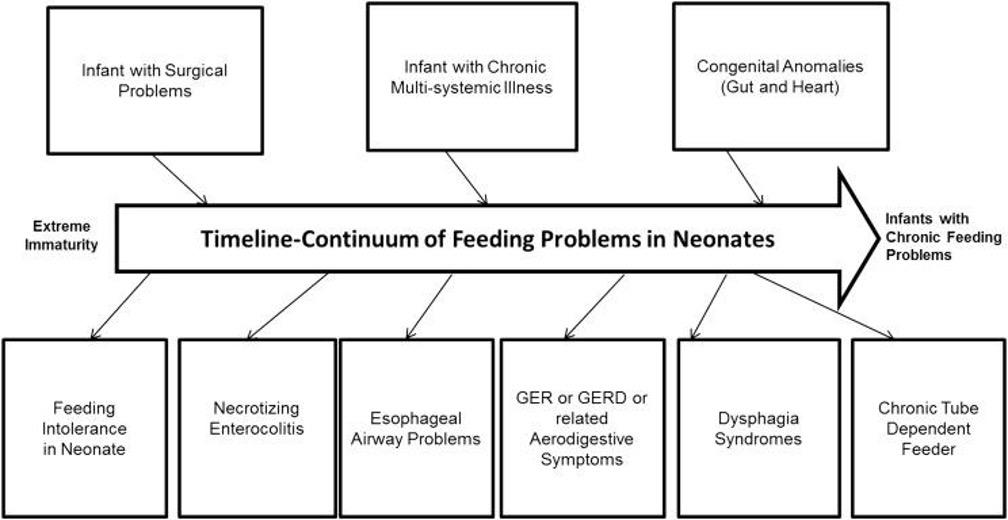
As shown in Figure 1, the characterisation of infants’ problems in the neonatal ICU highlights how the underlying diagnosis impacts on the risk of feeding problems through the course of hospital stay. There is no one unifying diagnosis of feeding disorder for these infants,14 which can make multidisciplinary treatment and a unifying approach problematic. Dysphagia symptoms as shown in Figure 2 are often separated into prefeeding, feeding and postprandial periods, making the diagnosis challenging. Problems with all phases of feeding can delay successful oral feeding.6 Adding to this, problems with feed tolerance and bradycardia/ desaturations can make discharge from hospital on oral feeds a distant probability.15 Between 7% and 45% of infants being discharged from NICU require nasogastric feeding at home.10
Infants with neurological impairment and those with congenital syndromes may have a multitude of difficulties with feeding, including:
Figure 2: Difficulties arising from dysphagia
Difficulties during Oral Pharyngeal Phase
• Latching problems
• Delayed initiation of suck response
• Lack of sucking rhythm & lingual movement
• Poor milk expression & extraction of milk
• Lingual-palatal dyscoordination
• Delayed initiation of pharyngeal swallow
• Nasopharyngeal regurgitation
• Silent aspiration
• Gagging, arching & irritability
• Respiratory rhythm disturbances
• Peristatic failure
• Autonomic changes
• Painful swallowing
• Oral aversion
Difficulties during Pharyngeal-Esophageal Phase
• Delayed initiation of pharyngeal swallow
• Pharyngeal pooling
• Nasopharyngeal regurgitation
• Wet, gurgly breathing
• Gagging, arching & irritability
• Respiratory rhythm disturbances & stridor
• Cough during feeding session
• Apnea, bradycardia & desaturations
• Autonomic signs & cardiorespiratory events
• Laryngeal penetration & aspiration
• Pharyngo-upper esophageal sphincter dyscoordination
• Painful swallowing
• Peristatic failure
Associations
• Overt or silent anterograde aspiration
• GERD & its consequences
• Retrograde aspiration
• Airway/lung disease
• Oral aversion
• Behavioural feeding problems
• Growth failure
• Developmental delays
• hypotonia – poor tone of the oropharyngeal muscles resulting in weak or uncoordinated sucking and swallowing;17
• reduced alertness and energy for feeding;
• hyperextension of the neck and shoulders, compromising tongue positioning and jaw movement;16
• respiratory infection, making breathing and swallowing more difficult;
• slow weight gain;
• risk of breastfeeding complications;
• developmental delay further compounding the development of feeding skills.
Orofacial structural problems impact on feeding in many ways; there is often difficulty forming a seal around the breast.18 If the oral cavity is not adequately separated from the nasal cavity during feeding, babies are unable to generate a vacuum to remove milk from the breast or bottle.18 As a result, these babies experience fatigue during breastfeeding, prolonged breastfeeds and impaired growth and nutrition. The size and location of the baby’s cleft lip and/ or palate will influence whether or how they can breastfeed. There is evidence that breastfeeding can begin or recommence after cleft lip and cleft palate surgery.18
The key thing to highlight about feeding the special needs infant is that early intervention is absolutely vital and a multidisciplinary approach is essential.
Breastfeeding may be more difficult for infants with special needs, due to many factors including a reduced or absent ability to suck. However, it is important to highlight that it is not impossible and that expressing breast milk should be supported not only during inpatient stay,19-20 but also at home. It is vital that the MDT encourage mothers and support them to initiate breastfeeding wherever possible. Breast milk feedings (expressed breast milk – EBM) provide nutritional, neurological and immunological advantages to both neonates and infants,18-20 with upkeep of breast milk expression a difficult but important job for mothers and caregivers until breastfeeding can be established.20 Hospital lactation consultants are key figures in supporting mothers and the team in this process. Preterm infants and those with poor growth who are receiving breast milk may need their feeds fortified with specialist products provided only during the inpatient period.21
Bottle feeding may need adaptation in the form of special teats, which are adapted to allow babies to feed even with a very weak suck.
Early assessment and intervention by the MDT are required to assess the feeding problems and decide on an appropriate management strategy. Dietitians may or may not be involved in this process, as it depends on when the referral is received.
Each infant and their likelihood of breastfeeding success should be assessed. If breastfeeding is not possible, or exclusive breastfeeding is not possible, mothers should be supported to achieve a full milk supply for breast milk feeding.20 Where feeding at the breast is difficult or impossible, or if mum–baby separation exists, regular breast expression should begin early after birth.
It should be noted that maintenance of breast milk expression in the large proportion of infants on, for example, NICU, continues to be problematic.20 Sadly, the pandemic has had worsening effects on breastfeeding rates given the lack of support available.22
Advice for mothers in establishing and maintaining a milk supply should be provided.19-20 If baby is unable to suck, milk supply will be at risk, so advice for increasing supply will be needed. If the baby is able to breastfeed, a speech and language therapist or occupational therapist may be required to help optimise feeding.
Support of chin, cheek and jaw movement may assist in facilitating a stronger sucking pattern if oral motor control is low or sucking is weak or disorganised.19-20 Modification of positioning and attachment may help breastfeeding. Different positions may help babies with a cleft lip and/or palate18 or hypotonia.17 Supplementation of feeds may be necessary.21 If partially breastfeeding, the mum will be required to express regularly and supplement breast feeds via an alternative device.
Continual monitoring of nourishment and hydration, including volume, frequency of milk transfer and weight gain while establishing the feeding method, is required.
Bottle feeding may need adaptation in the form of special teats, which are adapted to allow babies to feed even with a very weak suck.20 Bottle feedings can incorporate EBM or first infant formula milk/other formula for special medical purposes.
Tube feeding may be necessary for infants who are unable to achieve sufficient intakes with either breast or bottle feeding. However, it is problematic in that an infant’s feeding skills are not developed by the time they have the feeding tube and this can lead to oral feeding aversions unless a lot of practice and work is put in to avoid this.24 In hospitals, speech and language therapists may suggest ‘dummy dips’, i.e. regularly putting the bottle teat or dummy in infant formula and establishing baby’s latch on to this. Dummy dips can provide the opportunity for purposeful swallows that start the process of swallowing in the course of feeding. Using nonnutritive sucking is important for helping the infant to achieve the quiet alert state appropriate for feeding. It can also support parent learning on how to interpret differing infant states and thus support parent-bonding.25 An oral stimulation programme put in place by speech and language therapists and nursing staff can help to advance oral feeding skills faster than without.25
feeding (weaning onto solids)
Starting on solids can be a tricky time for parents and they will need support from the healthcare team.26 Depending on the findings of multidisciplinary assessment, feeding can usually be managed safely with correct positioning, consistency of food and drink, special utensils including bottles, cups, or cutlery and nutritional advice.
Firstly, identifying the right time for starting solids may be difficult for parents due to several factors including developmental delay, oral
Table 1: Long-term consequences of feeding and swallowing disorders
Food aversion
Oral aversion
Aspiration pneumonia and/or compromised pulmonary status
Undernutrition or malnutrition
Dehydration
Gastrointestinal complications such as motility disorders, constipation and diarrhoea
Faltering growth – poor weight gain velocity and/or undernutrition
Rumination disorder (unintentional and reflexive regurgitation of undigested food that may involve re-chewing and re-swallowing of the food)
Ongoing need for enteral or parenteral nutrition
Psychosocial effects on the child and his or her family
Feeding and swallowing problems that persist into adulthood, including the risk for choking and malnutrition
aversive behaviour and low muscle tone, which can prevent infants from developing a safe posture for feeding. However, there are usually signs that babies are ready for starting on solids, such as being able to hold their head in a stable position.26 Infants may need special adaptations, such as extra support to enable them to achieve stable positioning.
Parents are likely to need preparation for weaning, as it should be started at around the same time for infants with typical development. However, it is likely to take longer to reach family meals and independent eating. Again, a multidisciplinary approach is best. Occupational therapists can advise on seating or appropriate equipment to use. A specialist speech and language therapist may advise on all aspects of feeding, including how to encourage the oral-motor movements required for feeding, for example by giving jaw support, encouraging lip closure and tongue lateralisation.4,5
Due to the heterogeneous nature of this group, the introduction of solid foods may have already started and dietitians only receive referrals when weaning is not progressing or weight gain is poor.
Nutritional deficiencies
Dysphagia and feeding difficulties increase the risk of reduced energy and nutrient intake, and
poor growth, potentially leading to faltering growth.27-28 Faltering growth in infants may be detrimental to the long-term health of the child, as its effects go beyond physical growth, with potential impacts on psychomotor development and neurological development.27 There are also recognised effects of reduced nutrient intake on the immune, skeletal and cardiovascular systems.27
Gastrointestinal disease is common in this group of infants and will impact on their ability and desire to take in adequate nutrition. This in turn can have a great effect on the mother–infant relationship, with refusal to feed causing great distress.
Feeding difficulties can unfortunately develop into feeding disorders; the prevalence of such is increasing because of the improved survival rates of children with complex and medically fragile conditions.28-30 Table 1 lists examples of the consequences of feeding and swallowing disorders.1,26,30
A multidisciplinary approach, including specialist paediatric dietitians, is crucial to ensure optimising growth and nutrition in this vulnerable group of patients due to their problems with feeding difficulties and disorders. Dietitians provide support with feeding skill development, monitoring growth and nutritional status, optimising nutrition for catch-up growth and supporting parents with feeding.
Phenylketonuria (PKU) is a rare inherited error of metabolism caused by a deficiency in the enzyme phenylalanine hydroxylase (PAH).1 Loss of this enzyme results in mental retardation and organ damage. A low-protein diet for life is the mainstay of treatment and is especially important in maternal PKU, which can severely compromise pregnancy.
PKU affects around 1 in 10,000 babies born in the UK every year, with males and females equally affected. Globally, PKU varies amongst ethnic groups, races and geographic regions.3 It is an autosomal recessive disorder, meaning an individual needs two copies of the mutant gene that causes PKU.5 The human gene for PAH is located at chromosome 12q23.2, and more than 600 mutations of the PAH gene have been reported by scientists.5,6,7 If both parents are carriers of a mutant gene, then there is a one-in-four chance of the child being affected by PKU.
PAH is responsible for the conversion of phenylalanine (Phe) into tyrosine and other by-products (see Figure 1). Its deficiency, if untreated, results in the accumulation of Phe in the body, which can cause irreversible brain damage.1,2
PKU was first described by Norwegian physician Dr Asbjørn Følling in 1934.1,2,3 He found higher levels of phenylpyruvic acid, an intermediate product of Phe metabolism, in the urine
of intellectually impaired individuals and thus named the disease. In 1969, the universal screening programme for the early detection of PKU was introduced in several developed countries including the UK, Europe and the USA.8 It is a simple heel prick test performed in the first 24-72 hours after birth. Dried blood spots are the best sample for the simultaneous measurement of Phe, pterins and dihydropterin reductase activity from a single specimen.4,5
LEVELS AND SYMPTOMS
There is no specific classification of PKU. Nevertheless, on the basis of PAH activity levels and blood Phe levels on diagnosis or when untreated, it is divided into three types:
• Classic PKU is when PAH is completely missing and Phe levels are 1200µmol/L or above.9,10
• Moderate PKU is caused by residual enzyme activity (Phe levels are 900-1200µmol/L).
• Mild PKU is when Phe concentration is 600-900µmol/L.

Shazia is a Medical Doctor with a special interest in metabolic and lifestyle medicine. She is a Community Nutritionist and a Nutritional Blogger.
Please visit: nhdmag.com/ references.html Dr Shazia Faisal ANutr
REFERENCES
people in the UK diagnosed with epilepsy and receiving anti-epileptic drug (AED) treatment; that’s 1 in every 103 people1
Epilepsy patients have inadequate control of seizures with AEDs2
Failure of two or more appropriately chosen AEDs to achieve seizure freedom2
• Injury
• SUDEP
• Hospital visits
• Depression and anxiety
• Developmental issues4
chance of reducing seizures6
More palatable than ever before
This information is intended for healthcare professionals only.
The Ketocal range are Foods for Special Medical Purposes for the dietary management of drug resistant epilepsy or other conditions where the ketogenic diet is indicated and must be used under medical supervision.
References
1. Joint Epilepsy Council (2011) ‘Epilepsy Prevalence, Incidence and Other Statistics’, Available at: www.jointepilepsycouncil.org.uk (Accessed: Sept 2020)
2. Kwan, P., Arzimanoglou, A. and Berg, A (2010) ‘Definition of Drug-resistant Epilepsy: Consensus Proposal by the Ad Hoc Task Force of the ILAE Commission on Therapeutic Strategies’, Epilepsia, 51(6), pp. 1069–1077
3. Epilepsy Foundation (2018) ‘Risks with Epilepsy’, Available at: www.epilepsysociety.org.uk/risks-epilepsy#.W6DyWehKjIU (Accessed: Sept 2020)
4. Epilepsy Society (2018) ‘Risks with Epilepsy’, Available at: www.epilepsysociety.org.uk/risks-epilepsy#.W6DyWehKjIU (Accessed: Sept 2020)
5. Kossoff, E. et al., 2018 ‘Optimal Clinical Management of Children Receiving Dietary Therapies for Epilepsy: Updated Recommendations of the International Ketogenic Diet Study Group’. Epilepsia Open: 1–18
6. Martin K et al. Cochrane Database of Systematic Reviews 2016:CD001903.pub3
5
• Angelman syndrome
• Complex 1 mitochondrial disorders
• Dravet syndrome
• Epilepsy with myoclonic-atonic seizures (Doose syndrome)
• Glucose transporter protein 1 (Glut-1) deficiency syndrome
• Febrile infection-related epilepsy syndrome (FIRES)





commonly associated with drowsiness, blurred vision, dizziness, nausea and vomiting3
• Formula-fed (solely) children or infants
• Infantile spasms
• Ohtahara syndrome
• Pyruvate dehydrogenase deficiency (PDHD)
• Super-refractory status epilepticus
• Tuberous sclerosis complex
• The failure of 2 or more AEDs
Medication is not always the answer.
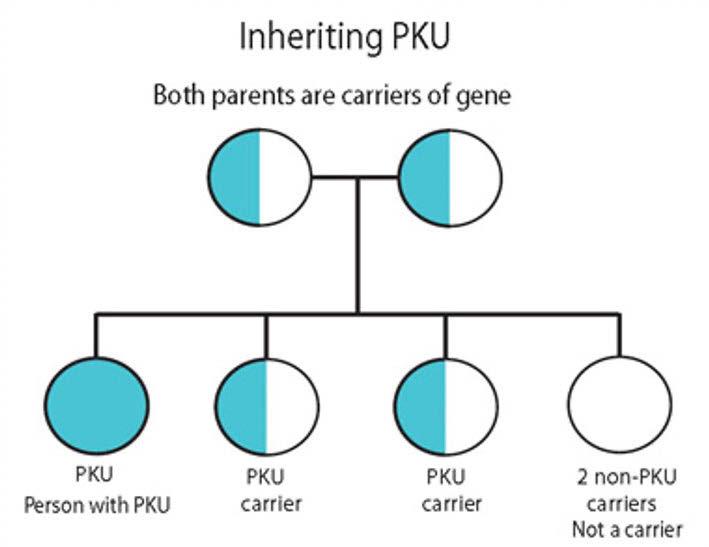
Various conditions, such as pterin defects, liver disease and high protein intake, also cause high Phe levels, so must be differentiated in the neonatal period.9,10
Clinical manifestations of PKU depend on the blood levels of Phe and time of diagnosis. Symptoms of untreated PKU include growth failure, intellectual disabilities, seizures, mood disorders and eczema.5,6,7 Early detection and treatment in newborns may reduce the severity of symptoms of PKU, but some studies report that psychomotor abnormalities still present in some early treated PKU patients who have poor metabolic control.10,11 Nevertheless, immediate dietary intervention before 10-14 days of age is essential for the prognosis so that patients can achieve almost normal clinical outcomes, as long as blood Phe concentrations are maintained at the correct level.
The exact pathogenesis of PKU remains unclear. How higher levels of Phe cause brain damage and impair cognitive function in patients is still questionable. However, there are some hypotheses that suggest different factors, such as decreased production of neurotransmitters, white
matter abnormalities, imbalances of large neutral amino acids (LNAA) and oxidative stress.13-15 PAH deficiency blocks the conversion of Phe into tyrosine, which is a precursor of neurotransmitters such as dopamine, adrenaline and noradrenaline. Low levels of these important brain chemicals result in abnormal brain development, intellectual disability and psychological disorders.
Some studies have shown MRI scans of PKU patients to reveal abnormalities in white matter.14,15 White matter is mainly composed of neurons that process and transmit information. Hypothetically, higher levels of Phe damage the myelin sheath of neurons (hypomyelination) and slow down the process and transport of information, as evidenced by poor executive function performance in PKU patients.12-15 The blood-brain barrier is a special system, which controls the influx of nutrients and toxins to the brain cells.16 LNAA (Phe, tyrosine, tryptophan, leucine and isoleucine) are transported to the brain via a carrier system, which has a high affinity to Phe. When blood Phe levels are high, this transport system becomes saturated and the migration of other LNAA is inhibited.16,17 The protein substitutes taken by patients with PKU as a mainstay of their dietary regimen, all contain LNAA.

The goal of dietary management for those with PKU is to maintain plasma Phe concentration to support optimal growth, development and mental functioning, while providing a nutritionally complete diet. In order to do this, PKU management is by way of a low-protein diet virtually devoid of Phe and intake of protein substitutes available as phenylalanine-free aminoacid mixtures (AAM), glycomacropeptide-based protein substitutes (GMP) and LNAA. The PKU diet is well established, safe and effective, and, consequently, remains the cornerstone of PKU management.
Diet for life is now encouraged, as the prefrontal cortex development continues through adolescence and is not complete until adulthood, and so the toxicity of Phe is, therefore, present well into adult life. This was corroborated in the 2017 European Guidelines for Diagnosis and Management of PKU. 26 It appears that adult patients who stop the PKU diet seem to experience poor executive functioning, information processing and mood, including anxiety, depression and low self-esteem.18,32-35 Reports of neurological problems have also been noted, even with good metabolic control and continued Phe restriction.36,37 Research shows that these complications can be reversed in patients who return to a Phe-restricted diet.20,38
In 1969, the universal screening programme for the early detection of PKU was introduced . . .
. . . It is a simple heel prick test performed in the first 24-72 hours after birth.
In most people with PKU, the natural protein or dietary Phe is restricted to 25% or less of a regular intake to maintain blood phenylalanine concentrations within European PKU guidelines target ranges.26 This usually requires avoidance/ restriction of all high-protein foods. There are many regular foods which are naturally very low in protein that can be eaten without measurement.
Although all fruit and vegetables containing phenylalanine ≤75mg/100g contribute a small amount of daily Phe, it’s generally not enough to affect blood control, and are given without restriction. Certain foods such as potatoes and beetroot and parsnip crisps are concentrated in Phe and can be calculated/measured in the daily Phe allowance.
The NSPKU website gives plenty of expert advice on low-protein food and food exchanges/ measures: www.nspku.org/dietary-information.
ISSUES WITH RESTRICTING THE LIFELONG DIET
A low- or restricted-Phe diet for life is very complex and restrictive. Low adherence often leads to the total discontinuation of the diet.22,23
Whilst certain foods like low-Phe flour, pasta and cookies have increased options for PKU patients, the diet is challenging in respect of meal preparation, limited food choices and palatability of protein supplements.21,22 It is reported by one study that around 45% of the UK PKU adult
population are not following their low-protein diet.19 However, studies have shown that high blood Phe is inversely related with IQ levels in adults who stop their diet in their childhood or early adulthood and also causes learning disabilities, psychomotor abnormalities and even neurological complications in people with PKU.18,19
A Phe-restricted diet may cause nutrient deficiencies in zinc, iron, vitamin A and vitamin D, for example.22 However, most of the modern protein substitutes, which are part of the PKU dietary regimen, supply these micronutrients and, if taken in the correct dosage, keep micronutrient deficiencies minimal. Low bone mass density (BMD) is associated with osteopenia and fractures, as reported by some studies. The exact cause of low BMD in patients with PKU is unclear; however, it may be linked to low intake of calcium, phosphorus and vitamin D.26
The lifelong restriction of protein intake for PKU patients may be accompanied by insufficient dietary intake of long-chain polyunsaturated fatty acids (LCPUFA) like arachidonic acid (AA) and docosahexaenoic acid (DHA). DHA is essential for normal brain development and visual development.22-24 In children with PKU, low dietary DHA results in low blood and tissue DHA levels and causes adverse consequences for the central nervous system, such as learning difficulties, behavioural problems and visual problems. Currently, many protein substitutes for PKU patients are formulated with DHA.25
Maternal PKU is considered high risk, as metabolic control is required throughout pregnancy. It is recommended by the European PKU guidelines, that women should maintain Phe levels in the range of 120-360µmol/L before conception and during pregnancy, by following the low-protein diet.25,26 During pregnancy, Phe crosses the placenta by active transport, resulting in a 70% to 80% increase in foetal concentration of Phe compared with maternal concentration.27,28 Tight metabolic control in early pregnancy is critical for the development of the foetus, and higher Phe levels are teratogenic, causing
complications like microcephaly, congenital heart disease and developmental delay.28,29
Nausea and vomiting are common among all pregnancies, but, in women with PKU, these symptoms are associated with poor metabolic control. Decreased appetite, low caloric food and poor adherence to protein supplements, all increase the blood Phe levels during pregnancy.29 Women who are unable to maintain their metabolic control can be prescribed sapropterin (Kuvan) in the UK (see below).26,28
Breastfeeding should always be encouraged as breast milk is low in Phe (46mg/100ml).26 Newborns with inherited PKU can take their mother’s breast milk along with Phe-free infant formula under strict monitoring. Many women with PKU stop their low-protein diet following the birth of their baby.29 They may not perceive a need for continued treatment, or they may consider the diet too challenging whilst caring for their infant.30,31
According to the European PKU guidelines, all women should receive regular nutritional support post-pregnancy.26 Women also need to be aware that the postpartum period is high risk for unintended pregnancy, so family planning and contraceptive advice remain important.26,30
Sapropterin dihydrochloride is a synthetic formulation of tetrahydrobiopterin (BH4), a naturally occurring co-factor for the enzyme PAH. Sapropterin is licensed in the UK for the treatment of mild to moderate PKU in adults and children of all ages who have been shown to be responsive to it. It may increase daily Phe tolerance two- to threefold improving metabolic control.
PKU is an inherited genetic disorder, which is screened for at birth with the newborn blood spot test. Once diagnosed, treatment can begin straight away to reduce the risk of serious complications. A strict low-protein diet for life allows individuals with PKU to live long and healthy lives. Due to the restrictive nature of the diet, further research should be focused on the pathophysiology of this disorder, aiming for better treatment options.

This article looks at how the low-protein diet for life in PKU affects the gut microbiome and gut health of patients.
REFERENCES
Please visit: nhdmag.com/ references.html
Phenylketonuria (PKU) is treated with a very low-protein diet, necessitating specialist low-protein products to provide energy and variety. A protein substitute providing amino acids without the phenylalanine (Phe) which is neurotoxic to people with PKU is an essential requirement.1 Currently in the UK, there is no pharmaceutical treatment available for individuals with PKU. The European guidelines for diagnosis and management of PKU, published in The Lancet in 2017, state that strict blood Phe control should be lifelong, based on a significant body of evidence describing poor neurological outcomes if treatment is stopped.2
A low-Phe diet consists of four main principles:
• Exclusion of high-protein/high-Phe foods, eg, meat, fish, eggs, cheese, bread, flour, pasta, nuts, seeds and aspartame.
• Measured amounts of Phe according to individual tolerance from food sources such as potatoes and peas (exchange foods).
• Replacement of most of the natural protein with a synthetic protein (protein substitute or medical food), usually with added vitamins and minerals.
• Use of very low-protein foods (exchange free) from fruits, some vegetables, butter, oil, sugar and manufactured low-protein special foods. All the foods for special medical purposes (FSMPs) are prescribed by the NHS and approved by the Advisory Committee for Borderline Substances. (The same applies to protein substitutes.)
The National Society for Phenylketonuria (NSPKU) undertook a survey of UK adults and children with PKU and half of all respondents (631 in total) were taking less than 10 Phe exchanges daily – equivalent to 10g protein per day.3
A comprehensive review of nutritional aspects of low-protein foods was undertaken recently (with comparisons to alternative or corresponding supermarket foods).4 Some of the lowprotein foods contained natural fibre sources such as apple flakes, but the main fibre sources added to low-protein bread and pasta were hydrocolloids: methylcellulose, guar-gum, hydroxypropyl-methylcellulose, inulin and locust bean gum. These hydrocolloids are common additives in food manufacturing, as they add texture and viscosity in food products. It is unclear about the physiological benefits of hydrocolloids in the intestine and their contribution to the gut biome and wider gut health.
Daly et al recently reported the results of in-depth dietary analyses from 48 children with PKU over the course of a three-year prospective longitudinal study.5 Each child/carer contributed between nine and 12 semiquantitative dietary assessments or food frequency questionnaires. The subjects’ fibre intake met 83% of the Scientific Advisory Committee on Nutrition’s (SACN) reference value, with 50% contributed by the lowprotein foods and their added gums and colloids.
Total responses
Adults: n=331
Children: n=272
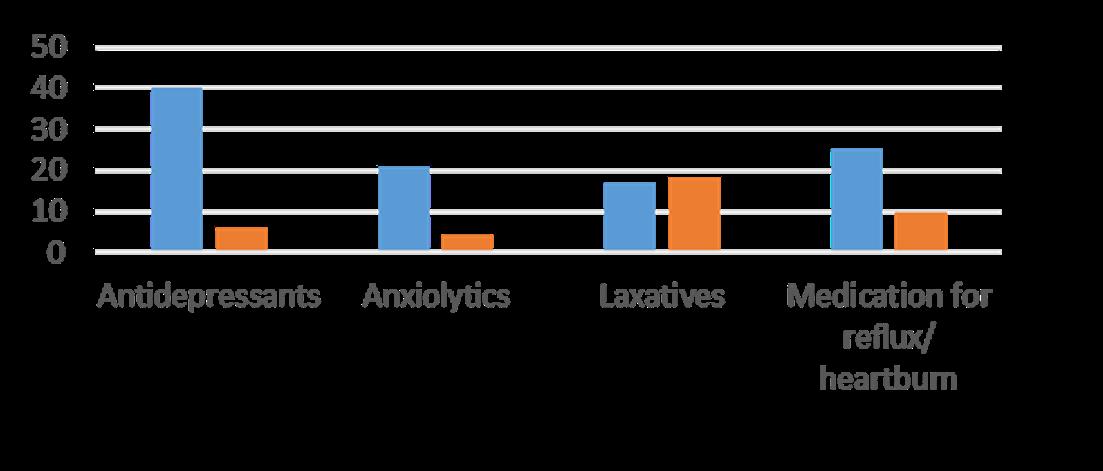
The overall daily fruit intake of the children was low: the 11-year-olds and younger ate two portions a day (1200g/week) and the 12-year-olds and older ate only one portion daily (700g/week). Similarly, vegetable intake decreased over the time of the study period. At the start of the study period, the younger subject group averaged 660g vegetables a week and this decreased to 560g, whilst the older subject group of 12-year-olds and over started the study eating 900g vegetables a week, which reduced to 700g per week. In summary, most of the subjects were averaging one portion of fruit and one portion of vegetables each per day during the study period – clearly less than the government’s recommended five a day. Thus, the variety of NSPs contributed by fruits and vegetables could be deemed limited in both range of NSPs and total volume of NSPs. There is no similar data published about adults following a low-Phe diet.
A literature review about PKU and ageing found no scientific literature on any direct link between PKU and gastrointestinal pathology,6 but did state that a number of aspects of the PKU diet suggested a link, such as:
• inadequate fibre intake with potential link to constipation, and
• the acidity and osmolarity of some of the protein substitutes,7 which may cause dyspepsia.
It may be speculated that in the long-term there could be additional consequences, as increasing dietary fibre can reduce risk of bowel cancer and diverticular disease.
Reports of gastrointestinal symptoms from the NSPKU survey of 631 patients and caregivers are in support of the above hypotheses.3 Gastrointestinal symptoms were reported in 34% of children and adults, with 24% of adults taking medication for reflux symptoms and over 14% using laxatives (see Figure 1). This is higher than the prevalence of reflux in the general population of 22%,8 as well as the prevalence of self-medicating for gastrointestinal reflux of 14% and constipation with laxatives of 10%.9 Similarly, Burton et al reported higher prevalence of gastritis and oesophagitis in people with PKU compared with controls.10
Verduci and colleagues have recently published an in-depth review of the potential significance of the gut microbiome for IMD patients, many of whom are on a highly artificial diet and many of whom experience brain function disruption.11
The mechanisms of action of the gut microbiome alterations and their effects on the host’s wider physiology are both still quite unclear. The diet contents, specifically NSPs, act as prebiotics, and these can be augmented by ingestion of pre-fermented foods known as probiotics. Changes in the gut microbiome have impacts more widely than just on the gut, as metabolites released by gut microbial metabolism

Verduci have both shown in primary research that the gut microbial populations of children with PKU are less diverse than healthy controls.12,13 This could have significance, as many long-term conditions (non-inherited) have been linked to gut microbial populations. For instance, as well as risks of obesity, diabetes and cardiovascular disease (as cited in 11) being likely to be influenced by the gut microbiome, there is research implicating gut microbes in brain function and mood.
The communications along the gut–brain axis are altered by gut microbiota. So far, evidence is not strong; for instance in murine models, or extremely low small study numbers. However, certainly one small study was elegantly designed and although it was in healthy volunteers, there may be some relevance to the PKU patient population. It took the form of a triple-blinded placebo-controlled randomised study of 40 subjects without mood disorder. Twenty received probiotics for four weeks and results showed that negative thoughts and sad mood were reduced compared with 20 subjects receiving placebo.14
NSPKU, PHE ANALYSIS AND RESEARCH INTO FRUIT AND VEG
Currently, metabolic dietitians in the UK agree that fruit or vegetables <75mg of Phe per 100g can be eaten without counting, those >75mgs/100g must be eaten in measured amounts (a Phe exchange is 50mg Phe). In this way, the UKbased patients with PKU are encouraged towards a diet featuring five portions of fruit and vegetables a day, without having to compromise their metabolic control.15
The NSPKU regularly undertakes costly Phe analysis of fruit and veg, to ascertain the exact role that ‘new’ vegetables may have in the PKU diet. For instance, ruby chard, kalettes,
The NSPKU regularly undertakes costly Phe analysis of fruit and veg, to ascertain the exact role that ‘new’ vegetables may have in the PKU diet.
pea shoots and watercress have been looked at and, surprisingly, savoy cabbage had not been analysed before in the UK, so this was included.
If the diet of patients with PKU can be expanded in the range of vegetables permitted without counting, then this may contribute towards gut health in the PKU population.
The NSPKU has contributed towards funding of a vegetable study currently underway in Birmingham, whereby children’s metabolic control is compared when adding either vegetable or cereal/dairy protein exchanges.
Firstly, after agreeing if a different or more varied gut microbiome in PKU patients is a desirable aim, we should ask, how can this be achieved? One way would be if low-protein food manufacturers invested in well-designed products that have the optimal content of NSPs. The consumers of low-protein foods will be using these products for their whole lives and the body of research suggests that a range of fibre sources is best.
Secondly, there is a little more work to do in Phe analysis of vegetables and other foods. Traditionally, fermented foods in the UK have been dairy based and contain significant protein, thus unlikely to feature in the PKU diet. However, a popularity for fermented vegetables such as sauerkraut, kimchi and similar products, might be compatible with the PKU diet – Phe analysis of these products is required to ensure this.
Thirdly, as the overall microbiome knowledge base builds, in the future it will be worthwhile to consider whether the knowledge of specific microbiome patterns of the PKU patient populations can also be built. Further work is needed.
This article aims to provide an overview of what mindfulness is and the connection between mental health and dietary issues. It also considers the effectiveness of methods for improving eating patterns and behaviour.
Mindfulness, is defined by the Cambridge Dictionary as the practice of being aware of your body, mind and feelings in the present moment, thought to create a calming feeling.1 Due to this, it has been increasingly incorporated into the treatment of chronic diseases, and positive results have been shown in the management of mental health illnesses such as depression, anxiety and overall stress.2 The work of Jon Kabat Zinn, developer of the programme ‘Mindfulness-Based Stress Reduction’, is used in mainstream medicine in the treatment of such illnesses.13
Multiple studies have shown correlations between poor diets, such as those high in sugar and fat, and the worsening of mental health illnesses such as depression.7 Mindfulness techniques are proving beneficial in the treatment of dietary and weight-related issues. These techniques can become cultivated through systematic training, involving various forms of meditation and practices.17
A study conducted by Dressler H et al,3 examined symptoms of depression in a cross-sectional group of urban women and the relationship to food insecurity, dietary intake, weight status and emotional eating. Results concluded that depressed women were more food insecure, had higher caloric intake and higher intakes of fat and sugar, which was established to be partially mediated through the increased emotional eating.3 While this study was only conducted on women, further studies have shown mental health issues do not differ hugely
between genders. A study conducted by Gillen M,4 examined associations between body image and various mental and physical health-related indicators in both genders, concluding that this factor did not moderate these associations. Connections between body image and health-related indicators were similar for both men and women.4 In addition, statistics from the Mental Health Foundation in 2014 showed roughly one in five women and one in eight men had a common mental health issue.5
Overall, the percentage of people struggling with these common mental health issues has increased by 20% from 1993 to 2014 and 9% in uncommon mental health issues.6 When compared with the increase in percentage of obesity from 15% in 1993 to 28% in 20188 and the prevalence of eating disorders between 1.25-3.4 million people across the UK,9 it is very obvious that there is a correlation between these two. Scientific research has shown one of the reasons these two factors connect are due to hormones. When a hormone is out of balance, it has an effect on the whole bodily system, meaning it will manifest (causing symptoms) in both the body and mind.21 As an example, one of the hormones responsible for how an individual manages and controls stress is cortisol. If an individual has consistent and uncontrolled stress levels it will compromise the body’s ability to produce this hormone, leading to a variety of symptoms such as fatigue, weight gain and mood disorders, including anxiety and depression.21 These can all have a knock-on effect on the individual’s appetite, food cravings and emotional/ binge eating behaviours.

Holly Roberts BSc Holly is a Graduate Nutritionist. She focuses on helping personal trainers develop diet plans, providing advice whenever possible. Her interests lie in the gut microbiome, allergies and intolerances, micronutrient roles within the body and how nutrition relates to the mind.
hollyroberts.fit
REFERENCES
Please visit: nhdmag.com/ references.html
Mindful eating refers to the application of mindfulness techniques (such as breathing exercises and yoga) to eating. This involves nonjudgemental awareness of internal and external cues influencing the desire to eat, food choices, the quantity consumed and the manner in which the food is being consumed.2 It urges the individual to gain awareness of eating experiences, paying attention to the senses, including physical and emotional sensations.12
The practice of mindful eating has little to do with a change in calories or macronutrients consumed but, instead, focuses on the processes of eating and changes in an individual’s behaviours while eating. As an example, multitasking while eating is considered mindless eating, as the mind is not able to fully focus on the tastes, textures, flavours and smells of the food.11 Albers26 defined two steps involved in mindful eating, the first being aware of what triggers the initiation and stopping of eating, and the second recognising repetitive eating habits, for example eating while multitasking as mentioned above.12 This way of eating consists of making conscious dietary choices and developing an awareness of physical vs psychological hunger, including emotional and boredom eating.13
One of the most popular ways of practising mindfulness, which has been used for centuries and roots itself back to ancient eastern traditions, is meditation.10 Many people who practise mindfulness meditation, including healthcare professionals, are coming to believe that mindful eating can make a difference in changing an individual’s overall eating behaviours.11 Traditionally, mindfulness meditation involves sitting silently and paying attention to thoughts, sounds and sensations of breathing and parts of the body, remembering to bring attention back whenever the mind starts to wander.16
Improving eating behaviours involves paying attention to all of the senses and physical and emotional feelings while eating, as mentioned previously. This form of mindfulness is showing positive results by changing an individual’s mindset to food and making the individual more aware and appreciative of the foods being consumed.
A meta-analysis by H Jordan et al across four studies,14 found a positive relationship between mindfulness and healthier eating, associating mindfulness with less impulsive eating, reduced caloric intake and healthier snack choices. Further studies backing up mindfulness as an effective practice for weight and dietary issues include a systematic review conducted by Katterman et al.15 In this review, 14 studies were analysed, which investigated mindfulness meditation as the primary intervention for binge eating, emotional eating and/or weight change. Results concluded that this particular mindfulness practice is effective, due to decreasing the frequency of binge and emotional eating.15
Mindfulness-based cognitive behavioural therapy (MBCBT) was originally developed to prevent depressive relapse, but then was seen not to be just specific to depression. After slight development, it was recognised as being an effective treatment for eating disorders such as binge eating disorder, bulimia and anorexia.18 Furthermore, as discussed earlier, as mental illnesses and eating-based illnesses are often related, this particular mindfulness-based therapy proves beneficial for treating both.
Adaptations to the program included an increase in the number of sessions, and materials used for depressive disorders were substituted for materials for eating-based illnesses. The therapy includes a variety of mindfulness practices such as meditation, breathing exercises and stretching, combined with elements from cognitive behavioural therapy. It is designed to cultivate nonjudgemental and nonreactive acceptance and observation of bodily sensations, perceptions cognitions and emotions. As a result, participation in this particular form of therapy encourages the following:18
• increased ability to observe hunger and society cues;
• increased willingness to experience negative effects that lead to unhealthy eating choices;
• increased ability to choose adaptive behaviours in stressful situations.


Table 1: Comparison of therapeutic stances of MBCT and CBT23
Thought process focused
Promotes new way of being with painful effects and challenging circumstances.
Distinguishing thoughts as thoughts (versus statements of fact).
Noticing and allowing thoughts and feelings without fixing, changing, or avoiding.
Behavioural interventions focused on developing present moment awareness.
Therapist embodies approach.
Steps The contents of the training session
1
2
3
4
5
6
7
8
Thought content focused
Promotes new way of looking at painful effects and challenging circumstances.
Distinguishing dysfunctional and negative thoughts from healthy thoughts.
Testing and challenging dysfunctional beliefs and inventing new interpretations.
Behavioural interventions focused on reinforcing more adaptive responses.
Therapist instructs and coaches.
Introduction and relationship building, determining group rules, introducing mindfulness and mentioning differences between mindfulness and meditation, performing the technique of eating, raising awareness of breathing technique.
Discussing about automatic behaviours in routine activities, especially during eating, investigating obstacles in moment experience. Introducing mindfulness exercises: formal, informal and guided. Internal wisdom: mindful eating of challenging food (sweets). External wisdom: training the number of calories and recording daily calories, introducing informal exercises based on mindful eating practice.
Training and performing body scan technique, investigating habitual eating, emotional and inhibited eating, discussing about the way of helping to decrease this kind of eating, describing kinds of hunger, introducing the practice of discovering the distinction between physical hunger and emotional hunger, introducing the practice of imagination thought cloud to decrease craving, introducing the practice of awareness of craving.
Describing physical satiety and emotional satiety, practising the experience of feeling satiated, fullness or drinking water, consciously eating challenging food (chocolate), external wisdom: 500 calories challenge.
Describing and performing the practice of healing self-touch, introducing chain reaction, external wisdom: encouraging more activities with pedometer and changing the schedule of daily activities.
Discussing about conscious vegetables and fruit selection, performing self-acceptance meditation, introducing and performing mindful walking, external wisdom: discussing about fibre and its role in healthy nutrition.
Practising values, introducing and performing chair yoga, introducing wisdom and internal wisdom.
Reviewing, conclusion and performing post-test.
This form of therapy is recommended by the National Institute for Health and Care Excellence as an effective treatment, as it can reduce the risk of relapses, it is cost effective and easily accessible.19
Supporting evidence
A systematic review by Masuda et al,20 concluded that MBCBT caused a decrease in emotional and binge eating episodes in patients with
clinical and subclinical binge eating disorder. Furthermore, this review examined MBCBT as a therapy for problematic eating behaviours, food cravings, dichotomous eating behaviours and negative body image, with a sample of 26 nonclinical adult females. Results from pre- and post-treatment shows there was a significant increase in mindfulness for the MBCBT group when compared with the wait-list control group, including fewer emotional eating episodes..20

Mindfulness-based eating awareness training or MB-EAT, began in the early 1980s with a group of women22 and was specifically for the treatment of binge eating disorders. Loosely based on mindfulness-based stress reduction, MB-EAT has been adapted and can be used to treat a variety of dietary issues, such as diabetes, a variety of weight-related issues, including those suffered by children.22
Typically, this form of therapy is conducted in group sessions incorporating a variety of mindfulness techniques, such as meditation and breathing exercises. Similar to MBCBT, MB-EAT focuses on practicing and developing non-judgemental acceptance and awareness of thoughts, feelings and physical sensations, specifically in the context of disordered eating. The first study researching the effectiveness of this therapy form involved 18 women, all suffering from binge eating disorder.22 During the programme, the incidences of binges, depression and eating issues all reduced significantly and continued to remain lower during the six-week follow-up.22 Table 1 compares the processes and key points of MBCBT with traditional CBT.23
Supporting evidence
In the same systematic review conducted by Masuda et al,20 the efficiency of a 12-session MBEAT intervention was compared with a 12-session
Mindful eating refers to the application of mindfulness techniques (such as breathing exercises and yoga) to eating.
psychoeducational cognitive behavioural intervention and a wait-list control group. All 150 participants were either overweight or obese and 66% of participants met the full criteria for binge eating disorder. Participants were randomly assigned to either the therapy group or the wait-list control group. Both treatment groups showed a significant decrease in binge eating behaviours and self-reported severity of compulsive overeating.20
The practice of using mindfulness to help a variety of eating disorders and unhealthy eating patterns is becoming more popular. This is because of the positive effects it shows on changing an individual’s mindset enabling individuals to sustain long-term results. There is a wide variety of therapies and practices being researched and developed, all of which provide focused, non-judgemental awareness of internal and external cues, which influence the desire to eat, food choices and the quantity consumed. Mental health and eating patterns are correlated and this form of therapy proves beneficial to both the mind and body. As mindfulness is so versatile, the number of nutrition professionals using these techniques is on the increase. Furthermore, mindfulness meditation can be done by any individual, from anywhere, so is a relatively easy practice to incorporate into an individual’s day.


CGR Cooke, ANutr
CGR Cooke has qualifications in nutrition and a history in fitness, varying from coaching boxing to international marketing.
www.cgrcooke.com
cgr_cooke
cgr_cooke
REFERENCES
Please visit: nhdmag.com/ references.html
In this column, Charlie shares his thoughts on the modern problems faced by nutrition professionals. Here he considers how inaccurate and over-simplified social media health messages can be created through Chinese whispers.
If I were to try to clarify every error in any popular health myth, it would either require a whole article dedicated to each myth or a highlight reel covering such little information on each that it would be savagely disappointing. To be entirely honest with you, I generally find the object of debunking health myths to be rather pointless and divisive. We need to approach this from a different angle. . .
I would assume that the average reader of Network Health Digest is likely to have taken a degree, or similar, in dietetics, nutrition, or a related field, so I want to avoid preaching to the choir about how preposterous so-and-so diet is and instead propose that we consider the essence of health myths and how they spread, so that we can actively aim to subdue their significance by utilising our own influence in the modern digital health space.
THE MYTH
I am a big fan of pagan mythologies, particularly the Norse myths. In one tale, the god Thor is unable to outwrestle Elli, the elderly nurse of the giant king Útgarda-Loki, only to find out that she is in fact the personification of old age itself. Do we really have to believe that this event actually happened, that this is true? No, of course not, because that would be ridiculous. However, it’s an excellent tale to demonstrate that not even the God of Strength and Thunder is able to fight growing old.
So, perhaps when we rephrase a particular methodology or nutritional theory,
we are simply re-engaging a listener who wants to believe, for example, that by fasting,1 taking resveratrol2 or building a sauna in their yard to beat their heat-shock proteins into submission,3,4 they too can fight the fact that they’re getting older. After all, these options are far more engaging and easily understood than having to read endless amounts of information to fully grasp the concepts of ageing. Let’s all just eat watercress instead.5
Simply put, the ‘myth’ will begin to materialise as the information spreads from the nucleus of the research and becomes more simplified and mystified to add interest along the way.
Using watercress as an example, there is existing primary research titled, ‘Watercress supplementation in diet reduces lymphocyte DNA damage and alters blood antioxidant status in healthy adults’.6 This research was referenced by Ms Rhone RD in her blog-post for Healthline, stating that watercress is the best anti-ageing food,5 a message simplified into three sentences supported by five bullet points. As we spread farther from the nucleus, this blog post is then referenced by the gym chain Anytime Fitness in their own article for anti-ageing foods,7 which in turn is then ‘pinned’ on the social media platform Pinterest8 alongside many other blogs…and so on and so on, until there are articles in The Daily Mail hosting titles such as, ‘Eat your way to a facelift: Watercress is the latest wonder food in battle against ageing’, and statements including, ‘If you want
to roll back the years, forget expensive lotions and potions and instead reach for something more natural (and cheap): a bag of watercress’.9
What originated as an interesting research article demonstrating findings of watercress supplementation in a controlled group of participants under laboratory conditions, has gone from a report from a qualified professional, to what could now be considered the ‘myth’, i.e. you can ‘eat your way to a facelift with just watercress’.
As mentioned in my introduction, I didn’t want to come into this column with the intention of demystifying any particular myth, instead I wanted to simply demonstrate their nature and what we can do about it by using our own influence. To achieve this, we need to consider what we mean by ‘influence’.
To have ‘influence’ is generally thought of these days as having a large following. However, as someone who has formed their career in fitness and health marketing, the first figure I would look to is not the number of followers a person has but, instead, their engagement rate.
Social media engagement rate is simply a numerical representation of how much an audience interacts with a particular account/ person. This consists of the average number of likes and comments on a post as a percentage of the total following of a social media account. A benchmark study on social media statistics by RivalIQ.com10 found that the median engagement rate on Facebook across all sectors was 0.09% –meaning that, on average, only nine followers out of every 10,000 would like or comment on a post.
Of course, there are ways to cheat this, such as using something called ‘post-boosting’ in which you have online groups of accounts (typically on the chat platform Telegram) perform a ‘round’, in which each account will post at the same time and then each will like/comment on each other’s post.11 This can usually be observed by the same accounts having pointless comments such as ‘Nice!’ or ‘Love this!’ on almost every post.
However, when we get so frustrated with these social media ‘influencers’ spinning their health myths online, we need to, instead, consider how much influence such accounts truly have. Yes, we may not have the same flocks of followers
coming to hear our tales as those accounts with pretty people posting pictures of themselves in their pants with endless pointless comments. Nevertheless, what we do have is the ability to shortcut straight from the nucleus of primary research directly to an audience by our ability to interpret and disseminate health information in easy-to-understand formats, thus removing the risk of a health myth forming in the first place.
My proposal is simple: instead of debunking all the nonsense we see online, we should instead follow the example of Dr Sinclair, Dr Patrick and Ms Rhone by distributing good information at the root of online activity
If we look at my quips against ageing, the concept of fasting and resveratrol supplementation was brought to my attention by the increasingly popular Joe Rogan Experience (JRE) podcast in a discussion with a very well respected and qualified anti-ageing researcher, Dr David Sinclair1,2 – a man of such youthful radiance that one would believe he threw that old Norse nurse into a choke hold. My point about regular sauna use being of benefit by its effect on heat shock proteins was in another JRE podcast, this time with American biochemist, Dr Rhonda Patrick.3,4 The point about watercress was originally sourced from a Google search for ‘antiageing foods’; the writer is a registered dietitian with a degree from Cornell University and a masters from NYU.5
Each professional demonstrated here in their respected field is able to access and disseminate information to a wider audience directly before, in the case of Ms Rhone and watercress, it is passed through the game of Chinese whispers and formed into its mythical counterpart.
Let’s continue to cut-out the middlemen and build our own influence with an engaged audience instead of complaining about the misinformation and influence of others. Let’s dominate this new online space with an open communication with our followers by phrasing findings in interesting and digestible formats. Let’s ignore the game of Chinese whispers and instead focus on putting out more of our information directly to the listener until the whispers turn to silence and people seek their information at the source.

Ursula meets: JACK WINKLER Nutrition policy expert Food activist
Emeritus Professor, London Metropolitan University
a
Our F2F interviews feature people who influence nutrition policies and practices in the UK.
I have always known Jack to be a colourful character. But I didn’t realise that this was literally true. His saffron jumper perfectly matched his saffron kitchen cupboards, and we discussed colour terminology. When did ‘apricot’ become ‘mango’ become ‘turmeric’ become ‘saffron’? And wasn’t it interesting how colour descriptions often linked to foods?
Jack has the slightest awk to his tawk. “Yes, I am a New Yorker,” he admits. At the age of 17 he was selected as an exchange student to attend Highgate School in London for a year. He felt welcomed and inspired, and the seeds of his Anglophilia were planted.
He studied Sociology at the Stanford University, California. “I wanted to leave New York, and California was the most distant spot,” he said. He jumped into journalism, writing mainly about the oil business. His writing career started in New York and Washington DC, but he also lived in Hamburg and Berlin in Germany, and later enjoyed a few years in Moscow. He decided to go back into education and did a postgraduate degree at the London School of Economics. “And I have lived in the UK ever since.”
His academic life began at the University of Kent, studying decision making by company directors, and ‘corporatism’. Thatcherism challenged corporatism by lifting the interests of individuals and small groups, so it was time to move on. To Cranfield

University, where Jack became the academic supporting a range of organisational management projects by middle-tier practitioners.
One of his students was dietitian, Maggie Sanderson. Her project was on food policy in relation to sugars in the diet, and Jack became woven into the debates. “The NACNE report had just been issued (1983) and nutrition became a big issue,” said Jack. There was a sudden moment when Jack decided that food and nutrition policy would be the issue he wanted to research in depth.
His Cranfield career increasingly involved academic support for students with nutrition backgrounds. But Jack also made links with nutrition academics and campaigners, and he became most interested in dietary sugar reduction. “I joined the group called Action and Information on Sugars. We had lots of contacts with media and academics to support less sugar consumption, and we won a significant legal case against a company marketing drinks to very young children.” Jack is still a consultant to Action on Sugars, now based at Queen Mary University.
So, he must be pleased with the UK Government sugar-based tax on soft drinks, I ask. “Yes, it has been a great success. About 85% of soft drinks on sale in the UK are now no or low sugar,” clarified Jack. But sugar reduction in other foods is much more difficult and has had less success. Recent data from
He is currently a member of the charity Food and Behaviour Research, supporting their ‘eat more fish’ messages. “If you look in the cupboard, you will see high-dose omega-3 supplements,” he said.
Public Health England reported measly 3% reductions contrasting with 20% targets. My libertarian outlook supports choice channelling but leaving chocolate to be chocolate; Jack more strongly supports changing the food, and not so much the daily choices. “The targets set for foods are too much too fast. But, for example, there are some great low-sugar chocolates now available.”
His former student and close friend, Maggie Sanderson, was the dietetic and nutrition course leader at London Metropolitan University. Her unfortunate death in 2003 led to a staff crisis and Jack took over the food policy lectures. He then became enmeshed into the dietetic curriculum and also became friends with a fellow academic at the University (Prof Michael Crawford: see F2F interview in NHD issue 152), who opened up Jack’s interest in long-chain omega-3 fatty acids. He describes low dietary intakes of omega-3 as the “most hidden of hidden hungers”.
We discuss the accuracy of dietary survey data. These are known to be skewed, but I suggest data is fuzzy because of the nature of not being able to remember what you ate yesterday. Or perhaps because the act of recording dietary intakes can result in changed and edited choices. “Perhaps you think I am mean-spirited, but as a sociologist I tend to the view that people lie,” said Jack. He describes, for example, the huge divergence in reports of soft drink consumption between NDNS data and industry sales data. People buying drinks but not consuming drinks seems unlikely, and
wastage for this product group was reported as being lower than for fresh foods.
Jack sets out three Winkler wisdoms. Firstly, nutrition labelling of foods does not work to drive change in food choices; rather, unobtrusive product reformulations should be promoted to adjust particular nutrient contents. Secondly, more should be done to support pricing decisions to align with healthier choice judgements made by nutritionists. Jack felt that many poor diet choices were explained largely by cost pressures on tight budget consumers. Thirdly, greater steer within agricultural support systems should be linked to dietary targets. Farmers should be encouraged to produce the foods that the health experts want populations to eat more of (not less of – sugar beet subsidies being an example).
Jack has retired from academic duties, but is still active in debates and discussions on food policy and was, (until COVID shutdowns) always in the room at food debate forums. He is currently a member of the charity Food and Behaviour Research, supporting their ‘eat more fish’ messages. “If you look in the cupboard, you will see high-dose omega-3 supplements,” he said. I ask Jack about his food policy hero. “Jack,” said Jack (Jack Drummond, who helped devise UK food policy during World War 2).
Jack had emphasised how much he had wanted to leave New York. But New York has not left him. And that is a good thing. He may lack the cool and calm of an English-born, but has the smarts and hearts of people from that great American city.
AUTHOR: ANTHONY WARNER
PUBLISHER: ONEWORLD PUBLICATIONS, 2021
HARDBACK: £16.99

Many dietitians will know Anthony Warner as the prone-to-expletives ‘angry chef’ blogger, throwing acid science onto dietary fad bubbles. His latest book is perfect for dietitians who want to highlight the big issues surrounding environmental sustainability.
Anthony eviscerates fuzzy foodie concepts from wellness promoters. With stones of facts and data, he crushes unproven wishclaims that promote books or cures or products or influencer scores.

We have one copy of Anthony Warner’s book to give away. Email us here… for your chance to win. The first name to be pulled out at random will be sent a copy.
Closing date: 28th Feb 2021. FREE COPY DRAW
And now, in his third book, Warner warns that we cannot continue to produce food in ways that threaten the finite resources of our terrestrial environment. Weaving environmental sustainability metrics into food production and dietary choices is confusing and complicated, and can result in 100 shades of grey rather than binary decisions. The problems and themes are global, and Anthony shows no mercy in his spotlights of confused, selfish and hypocritical behaviours and demands made by us, the well-fed (actually, very overfed) affluent consumers. We want cheaper foods and better foods and environmentally sustainable foods that make us feel virtuous.
The reality check that Anthony starts with is the threat of hunger. He shares private observation of hunger within his family. But not-enough-food has been the daily concern for most people over history, and readers are reminded of the bleak predictions of Thomas Malthus in 1798, that starvation would always be the rate-limiting step to societal development. And being very hungry is still the daily anxiety of a billion undernourished people today. But past human skill and genius now allows us abundance of delicious and varied foods
at ever lower prices (proportionate to earnings). Anthony rightly reminds us to pay tribute to Nobel prize winner Norman Borlaug, who developed strong short wheat that was higher yielding and allowed mechanised harvesting. Interesting fact: 20% of global calories now come from the single plant, wheat. But what future tools are in the pipeline to feed ever-growing populations in environmentally sustainable ways?
IS NOT THE ANSWER
By any calculation, reducing unit yields will not feed the predicted two billion additional mouths by 2050. Anthony states a bit unfairly that there are no significant nutritional differences between organic and conventional crops, but that is not the main issue. Cocktail effects of pesticides are impossible to research because pesticide safety assessments are by single product, and usually ignored in affluent consumer consideration of organic choice. And insects. We all ‘like’ bees because they ‘give’ us honey, but the well documented ecological collapse of insect populations is very alarming; these tiny creatures form the ecological base for all mammal life, and no itchy buzzy critters means no birds and bees (literally and metaphorically).
While organic food supply is niche, covering only 1.4% of global farm
production, Anthony cheers for the wealthy few, willing to pay more for organic avocados and turmeric foamy drinks and cute misshapen vegetables. Organic production methods have to be brave and innovative, and no-till alternatives to improving soil quality, including more use of cover crops, do reduce the polluting and deadening effects of (more efficient) monoculture production methods. Supporting organic production may be a luxury for the few, but funds problem solver methods for future agricultural challenges.
GM technology is already very widely used, although not yet permitted for human foods sold in the UK as a result of a general ban in the EU (and the judgement that gene modification and editing are essentially the same interventions). There is much public resistance to GM foods, but is this due to ignorant romanticism and unfair alarmist hype from environmental and consumer groups?
Nutrient improvement of foods is frequently promoted as a potential benefit. ‘Golden rice’ has been in a perennial swirl of debate for decades. Promoters claim a new vitamin A source in a commonly eaten food to address deficiency in many Asian and African populations, versus critics claiming it is a high-tech solution for a low-tech problem caused entirely by poverty and economic imbalance. Carrots, for example, provide the vitamin A generating carotenoids, without the corporate patents and controls.
Anthony supports GMO technologies to improve the quality and efficiencies of food production. He gives many examples of ‘better’, including wheat with nitrogen fixing roots not needing polluting fertilizers; crops resistant to fungal and insect damage and so reducing pesticide use; products with greater ripening and size uniformity thus reducing wastage and allowing mechanical harvesting. I observe my own discomfort with GM promises, my confusions over benefits versus risks, my
inconsistent enthusiasm for high tech medicines versus traditional food conservatism: I squirm like a worm on a hook. Anthony supports GMO food technologies for foods, and he appears to be in line with the UK rush to lead within Europe to welcome faster and more efficient regulatory approval (Statement from George Eustice, Environment Secretary, January 2021)
The relative inefficiency of meat as a source of energy, or even protein versus plant sources, is strongly documented. Less familiar are the burdens on water systems, displacement of pristine environments and consequent effects on biodiversity, etc. Beef versus bean protein generates 150 times more greenhouse gases and needs over 100 times as much land. But, of course, it is not so simple. Meat contains micronutrients less available in plant proteins, including bioavailable sources of iron, with a reminder that iron deficiency anaemia is the most common micronutrient ailment in UK women. Also, we love the symbolic and culinary richness of meat. The issue is that many global populations with increasing wealth feel the same way, and the more-people/more-meat predictions offer bleak consequences that must be addressed now. Anthony supports less meat, rather than prescriptive no-meat-miserableness. But much more should be done to encourage beany delights. He loves hummus but gives a ‘no thanks’ to insectbased snacks.
This is a great book. It is perfect for dietitians, opening up the deep debates between more food for more people, balanced with the urgent issues of environmental sustainability. Anthony has delivered another exciting and fact-filled book, that is also very readable and punny funny. His list of acknowledgements captures the diversity of experts showing his attempts to be fair and comprehensive at considering the complexities of important issues, although of course the conclusions are his own. Thank you, Anthony, for being a warner.
The Food People’s ‘in conversation with’ series features people, businesses, brands and entrepreneurs from across the food and drink world, finding out more about why they do what they do and how they are championing change and shifting the future of food & drink. The 10th episode is an interview with Anthony Warner, how he became The Angry Chef, with discussion about his new book Ending Hunger. Click here for the YouTube interview...

MANAGEMENT
11th February
INTRODUCTION
12th February
DELIVERING ONE-TO-ONE NUTRITION CONSULTATIONS TRAINING
24th & 25th February
SWALLOWING & COMMUNICATION VIRTUAL STUDY DAY
25th & 26th February
FOOD MATTERS LIVE 2021
9th March




In the first wave of the COVID-19 pandemic, a number of my dietitian colleagues were redeployed from their usual roles to work as healthcare assistants.
They were redeployed to help the hospital cope with the high amount of virus-positive patients needing care. Many of the dietitians took on nutrition roles and used the time to understand and reflect on how the wards manage patients’ nutritional requirements and how the requests from dietitians are carried out.
My colleague, Clare, was redeployed to a renal ward caring for COVID patients and she shared some of her experiences with me. She told me that there were three main nutrition issues highlighted by many of the redeployed dietitians:
These are an essential tool for dietitians so we can assess food intake against nutritional requirements and make recommendations. Clare reported how difficult it was to fill out the charts, as food trays would be cleared before she was able to return to see how much had been eaten. She felt that the current food diaries were ineffective and could see why they were often not filled in with so many other jobs to do on the ward. One ward had a good system where they kept the filled-out menus on the tray and when it was cleared, the staff would mark on the menu how much was eaten, then keep the menu to complete the chart later.
2
One of the side effects of COVID-19 is difficulty breathing, leading to open mouth breathing, which dries the mouth. Dry mouth and hardened mucous affects food intake and
patient comfort. This was an important role for Clare while helping on the ward, assisting with teeth brushing and mouth swabbing for comfort. This begs the question, should dietitians take a more active role in assessing mouth care and ensuring mouth comfort?
Snacks can be useful to increase a patient’s calorie intake between meals. Due to several issues including no ownership of the role of feeding between meals and multiple processes for the ordering of snacks and drinks to the ward; the distribution of snacks was inconsistent. This issue does need to be addressed with more dietitian-toward liaison. Could dietetic departments instruct the ward housekeeper on which patients require snacks and provide more training? Could the snacks, hot drinks, milkshakes and supplements be given out at the same time as the tea/coffee rounds between meals?
We must remember that this was a very stressful time for hospital wards, with staff working in different locations out of their comfort zone. Nevertheless, the experience has given some valuable lessons to learn in helping improve the nutritional care of patients on the ward. I asked Clare if she would ever go back to work as a healthcare assistant. She said that she was glad of the experience, but was also very glad to be back in her usual role as a dietitian!

Louise Robertson RD
Louise is an experienced NHS dietitian who has been specialising in the fascinating area of Inherited Metabolic Disorders in adults for the last 10 years. In her spare time she enjoys running her blog Dietitian’s Life with her colleague and good friend Sarah Howe, playing the cello and keeping up with her two little girls!
www.dietitianslife.com
dietitians_life
louisedietitian