







Demand Avoidance
The
Alookathow you
Supporting Neurodivergent Students at University ISSN 2631-5696 Also available online www.nasen.org.uk G EVERYONE ACHIEVE R JANUARY2 023 /I SSUE 37
Pathological
The Link School outlinesits approach to supporting children with PDA
Deaffriendly teaching environment
can makeyour learningenvironment deaf-friendly


 By Annamarie Hassall MBE, Chief Executive, nasen

elcome to the first edition of nasen Connect in 2023.
Shortly afterthe publication of the November edition of Connect, the EducationSecretary,Gillian Keegan, wrote tonasen to outline revised plans forthe publication of theSENDImprovement Plan, promising to do so this term. While the SEND Improvement Planwill herald change forthe SEND system in England, it is likely the biggest change will be to determining accountability forensuring children and young people haveaneducation in their local community
The most immediate andvisible changefor our schools, colleges and settings will be the likely standardisation of Education Health and Careplans. While having adigital ECH plan should be the longer-term improvementgoal, theroadmap to adigitised system needs to start with anationally adopted common format, with common language and clarity about expressing outcomes. At nasen we conveneddiscussions about digitisation, initially forthe SEND and AP consultation. As member and sector interest continues, our conversations do too. Contact welcome@nasen.org.uk if youhaveaninterest in receiving an invitation to shareyour insights or get involved.
We knowthat thenasen ledDfE funded CPD programme, Universal SEND Services, has reached schools, colleges, and settings across England through Whole School SEND, Education and Training Foundation or theAutismEducation Trust, bringing CPD on areas that matter to your practice. Theworkforce, whether SENCOs, schooland college leadership, teachersorthose providing learning support, areatthe heart of inclusion. As experienced practitioners, youhavewelcomed the opportunity to understand specific needs or conditions, utilising knowledge to develop strategies or classroom tweaks to improve inclusion from the outset.
In planning fornasenLive2023, we areresponding to feedback from members across the sector through the themeof‘SEND andbeyond’, debating howtokeep thechildand young person at thecentre, balancing knowledge of needs, specific conditions alongside a rounded, holistic viewand looking beyond the label. Do check out thenasen website nasen org.uk forthe latest information on nasenLive2023, sector events,nasenModular CPD, Whole School SEND and theUniversal SEND Services funded programme.
Tel: 01827 311500 Fax: 01827 313005 Email: education@nasen.org.uk
Publishedbynasen
nasen
nasen House 4/5 AmberBusinessVillage Amber Close Amington Tamworth Staffordshire B77 4RP
Designedby: Headlines Partnership Publishing,4 MilnyardSquare, Bakewell Road, Orton Southgate Peterborough, England, PE2 6GX Email: info@headlinespp.uk.com www.headlines.uk.com

Advertisingenquiries: nasen House Tel: 01827 311500 Email: sales@nasen.org.uk
Editorialenquiries: nasen House Tel: 01827 311500 Email: education@nasen.org.uk ©nasen. All rights reserved
No part of thispublication may be copiedorreproduced, stored in aretrievalsystem or transmitted
www.nasen.org.uk
in any form or by any means electronic, mechanical, photocopy, recording or otherwise without theprior permission of nasen.

While everycarehas been taken in the compilation of this publication, nasen cannot accept responsibility forany inaccuracies or changes since compilation, or forconsequential loss arising from suchchanges or inaccuracies, or forany other loss, direct or consequential, arising in connection with information in this publication. The views herein arenot
necessarily thoseofthe editor or nasen. Acceptance of advertisements does notimply recommendation by nasen. Not all photographs in nasen depict children with special educational needs Many of the photographs aretaken in integrated classes. nasen would liketothank all those who have contributed photographs.
Registered Charity No. 1007023 Registered Company,limitedby guarantee, No. 2674379 (England andWales)
nc
START /03 #37
EMAIL
While having adigital ECH plan should be the longer-term improvement goal, the roadmap to a digitised system needs to start with a nationally adopted common format, with common language and clarity about expressing outcomes.
US: education@nasen.org.uk Welcome
W
A CIS LeadersinSEND Recruitment Education
EmmaFraser looksathow youcan make your


/ Traumatic Brain Injury
Jo Mitchinson takesa closer look at theeffectsheadinjuriescan have on children at school
/ Pathological Demand Avoidance
Sandy Turner,principal at TheLink School, outlinesthe school’sapproach to supporting children with Pathological DemandAvoidance (PDA).
Miriam Walkerlooks at howschools can widentheir understanding of the difference of autism.

/ Bett 2023:what canvisitorsexpect?
Read about what visitors with an interestinSENDcan expect from attendingthe show.
/ TheSound of Silence
Dr Martin Edmonds looks at the issues with sound in schools. 41
/ ASMILE worthsharing
Asummaryofthe outcomesofthe implementation of the SMILEapproach. 44



/ Supporting neurodivergent students at university
DaveSherwood,co-founder and CEO at BibliU, discusses thesteps higher educationinstitutionscan take to better support neurodivergent students
04 / INSIDE REGULARS FEATURES Contents JANUARY2 02 3 / ISSUE 37 6/ Assistivetechnology training 7/ Membership 8/ Have your say 10/ nasenLive 13/ Sector update 47/ Askthe team 48/ Reviews 50/ Events diary 18 18
/ Thedeaf-friendly teaching environment
22
learningenvironment deaf-friendly.
26
30 / Canamodel blinkeryourperspective?
33
37
26







































nc www.nasen.org.uk 41 44 37 22 30
Assistive Technology Training





nasen is proud to announce that mainstreamschools in England cannow register to takepartin anew assistive technology training programme, fundedbythe Department for Education (DfE)

The programme, which is funded until August2023, hasspace for150 maintained mainstream schools in England, who will go on to receive free to access training to improve theway theyuse assistive technology (AT).


Delivered by partners at Microlink, the training will encourage stafftouse technology which they already have available to them, to reduce or remove the barriers to learning for all children and young people, including those with SEND.


Schoolsinterested in participating should express their interest using the link belowinorder to be considered forthe trainin findout next applicationp






The training builds on the successof the previous AT training pilot,which also saw nasen collaboratewith Microlink, to runonline training sessions to nominated AT Champions in around80schools in England.Then, as now,the partnership brought togetherexpertise in AT and SEND, alongwithanunderstandingof the day-to-dayoperationofschools and how assistive technology supportsan inclusiveclassroom forall learners –both with and withoutSEND nasenCEO, Annamarie Hassall MBE, said: “Assistive technology has an increasingly important role to play in education for all children and young people, and we know that its effective use can be empowering, even life changing, for learners with SEND or learning differences.
“nasenisthrilledtohave been selected by theDepartment for












Education to runthis programme anddelighted to be teamingup with Microlink once more to help ensure alllearners are given the tools required to enable progress andachievethe bestoutcomes.”
Marius Frank, head of education and project lead at Microlink, added: “Weare absolutely delighted to be working once again in partnership with nasen. The feedback we received fromprimaryand secondaryschools participating in the pilot programme earlier thisyearwas fantastic. The moment teachers release the power of assistive technologies in mainstream classes, so many children and young people get almost immediate benefits.”

nc nasen connect 06 / FEATURE
register your interestinbeing part of thetraining, please visit:
g. ve-technology
To
www.n
g y g p g p www.nasen.org.uk/assistive-technology
FREE to access for mainstream
To register your interest please visit: https //bit l
schools in England below in order to training offerand stepsinthe application process.
Welcome to January’s MembershipFocus
TostartJanuary’s Membership Focus, we would like to warmly welcome you all back following the recent festivities. On behalf of the nasen team, we wish you all aHappy New Year,and we look forward to an exciting year ahead.
NASENLIVE2023: SEND & BEYOND –EARLY RELEASE TICKETSSTILL AVAILABLE
If youhaven’tyet purchased your ticket, there’sstill time to join us at nasen LIVE, which proudly returns to the Vox Conference Centre, Birmingham, on July 7 2023 with the theme ‘SEND &Beyond.’ There is still time to take advantage of our
unmissable early release offer,with tickets at just £79.00; asaving of £20.00 on the standard ticket price. But be quick, this offer won’tbeavailable for long!
Our one-day SEND CPD event promises to showcase adiverse range of seminars from some of the leading specialists within the sector.Join us for an unmissable SEND event where you can network with like-minded professionals and access afull SEND exhibition from award-winning suppliers.
NASENMEMBERSHIP SURVEYS– COMING SOON!
We will be inviting members to take partinour annual membership survey, so if you haven’talready received an email, do look out for one. As partof
the survey,there will be an opportunity to feed into aresearchpaper that we are compiling, entitled ‘Status of SEND’.
The membership survey is akey opportunity for you to let us know how your nasen membership is working for you, and for you to have your say about what else you might want nasen to offer Tell us what you think to be in with achance of winning some great prizes.
If youhaveany queriesregarding yourmembership, please do not hesitateto reach outtousat membership@nasen.org.uk
We look forwarding to supporting you throughout 2023 and beyond.
Kind Regards, The Membership Team
www.nasen.org.uk
nc
SECTOR UPDATE /07
www.nasen.org.uk/NASENLIVE-2023
Getyourticket today:
Good to talk
Ihave been undertaking the nasen Recognised Teacher of SEND course over the last eight months and recently attended the live session to talk about the professional artefact to be produced. Ifeltveryprivileged to have the chance to engage with others, have some constructive feedback on my plans and hear what others are working on. Once this project is complete, is there away to showcase the projects and other opportunities to come together and talk?
SENCO, Bradford
Editor: Thank you forthe feedback.Itisgreat to hear that thelivesessions areproviding an opportunitytoengagewithothers and create acommunityofpractice. We areworking on thebestway to showcase the projectsand to supportmembership engagement overthe next year.Keep checking the website for updates.
On thebig screen
As an Englishteacherina specialistsetting, Iwas really pleased to read thepiece on film and the Into Film charity in the September editionof nasen Connect.Wehave used their screeningsinlocal cinemasaspartof the enjoyment of engaging with mediaand as partofpupils’social and life skills.For our young people,getting outinthe community can be ahugechallenge, so it was great to seethatthey are providing autism-friendly sessions. These allow our pupils and staff to relax and feel that others in thecinema are aware, shouldany issuesarise, that the young personisgenerallyoverwhelmed, and their behaviourisasa result of this. We have bookedanumber of different films forthis year’s festivaland want to saythank you to the teamatInto Film andkeep up thegood work!

English Teacher,Woodford




Areally good read
Followingthe bookreview in theNovember issue IboughtParklands –‘ASchoolBuilt on Love’ to read over theChristmas break.I felt the reviewdid notfullydoitjustice. Ilaughed, cried andhighlighted my waythrough thebook. Inow followthe author, Chris Dyson, onTwitter andaminspiredbyall that he is providing for his children and thelocal community. In these uncertaineconomic times, Iamtaking hislead and will be engaging more withlocal businesses
Editor: Thanksfor the feedback.Wehope our articlesare part inspiration,part affirmationand wholly interesting.Itis lovely to hearfromthose whohavegone beyond reading the articletoactually taking action; it is good that there are relaxed performances.However it would be great, as partofaninclusive society, if peopleunderstoodthe needsofothers andwereabletoappreciatedifference. This is partofwhatweare working to achieve, i.e. atruly inclusivesociety
Thanks for feedback We hop
andthe community to seewhat we can do to make ourschool more of ahub for all.
Headteacher,Gravesend

Editor: We aim to review adiverse set of books for people to take inspiration from and you can always get involved. If you areinterested in becoming abook reviewer for nasen Connect,then please get in touch via email at education@nasen.org.uk.

nc nasen connect 08 / HAVE YOUR SAY
love
your say...
01827 311500
gives you, thereader,a forum to shareyour thoughts and opinions about current issues in the world of education
the place to shareyour reactions to, and thoughts about, what youhave read in previous editions of
We would
to hear from you, so please send any comments or letters to education@nasen.org.uk In case your letter is chosen forpublication, please include your name and setting. Don’tforget, youcan ‘HaveYour Say’ via Facebook and Twitter too. Have
@nasen_org
education@nasen.org.uk @nasen.org HaveYour Say
and SEND. It is also
nasen Connect.
g y





Live 2023 nasen

Friday 7July 2023 –



VoxConference Centre, Birmingham

Theme: SEND and Beyond
nasen Liveisbackand now, with just six months to go until ourpopular annual SEND conference,we wanted to give youataste of what’sinstore for2023!
Once again, the event promises to be a must-visit for any SEND professional, and is designed to provide SENCOs, school leaders, teachers and other education professionals with auniqueplatformto celebrate outstanding practice and provision for children and young people with SEND.
Visitorswill have the chance to network and explore thelatestdevelopments in the SENDand education sector andwill also be able to updatetheir knowledge and learn from evidence-basedpractice.





There willalso be an opportunity to access leading,award-winning exhibitors, as well as attend severalseminars and keynotes delivered by keyfiguresinthe sector

With delegate figuresincreasing year on year,and an outstanding feedback rate of over 90 per cent,this eventis notto be missed. Butdon’t justtakeour wordfor it;here’swhat some delegates had to sayaboutnasen Live 2022!

CONFIRMED EXHIBITORS
Ace Centre– https://acecentre.org.uk/ ADHD Foundation Neurodiversity Charity –www.adhdfoundation.org.uk/ Christie and Co – www.christie.com/ Dekko Comics – https://dekkocomics.com/ Earwig Academic – https://earwigacademic.com/ Elklan Training – www.elklan.co.uk/ Five Minute Box – www.fiveminutebox.co.uk/ Guide Dogs – www.guidedogs.org.uk/ Hamish and Milo – https://hamishandmilo.org/ Hays Education – www.hays.co.uk/job/education-jobs

TICKETS
Our early release tickets are now officially on sale but be quick; early release tickets are just £79 (usual ticket price £99) and are limited to our first 100 purchasers so make sure to secure yours today. Tickets also include light refreshments throughout the day and lunch.
“Theconferencewas excellent–such abrilliant opportunitytohear frommanyspeakers and spend time speaking properlytothe exhibitors. It was avery valuable day to help me clarifyour nextsteps and to improve my understanding of some aspects of goodpractice –especially around managing cooperation withparents.”
“Theexhibitors were excellent, allthe big namesinSEND were theretospeak to which was really helpful.”
ICS Funding – www.ics-funding.co.uk/ IDL Software– https://idlsgroup.com/ Literacy Gold – http://literacygold.co.uk/ Maths for Life – www.mathsforlife.com/ Mighty Writer Ltd – www.mightywriter.co.uk/ NAHT – www.naht.org.uk/ National Education Union – https://neu.org.uk/ Nessy Learning – www.nessy.com/en-gb NurtureInternational –www.nurtureinternational.co.uk/

Onyx Student Support Ltd –www.onyxstudents.com/


“It was agreat experience. Inspiring speakers whowere thoughtprovoking Would definitelylike to attendnext year.”
OrCam – www.orcam.com/en/home/ Rhino Sensory UK Ltd – www.rhinouk.com/ RNIB – www.rnib.org.uk/ SEN Books – www.senbooks.co.uk/ Special Olympics GB –www.specialolympicsgb.org.uk/

Speech and Language Link UK (ICAN) –www.icancharity.org.uk/


Speech Link Multimedia Ltd –https://speechandlanguage.info/ The Sleep Society – www.thesleepcharity.org.uk Widgit – https://widgitonline.com/en/home


nc nasen connect 10 / NASEN LIVE
more information about the
please
For
event,
visit www.nasen.org.uk/nasenlive
All the nasen staff/members werebrilliant. Really welcoming and always keen to help. The venue was excellent, roomy, and easy to navigate.



















Sector

E Early years hubs
arlyyearsstronger practice hubswill provide advice, share good practice andoffer evidence-based professional development forearly years practitioners.
The hubs are part of theearly years educationrecovery supportpackage which also includes theearly years experts andmentorsprogramme.
The early years strongerpractice hubs programme is supported by theEducation Endowment Foundation andthe National Children’sBureau
Early yearsstronger practice hubswill be funded fortwo years and will support other nurseriesand childmindersintheir areatoadopt evidence-basedpractice improvements,by: establishing localnetworks of early yearseducatorstoshareknowledge andeffectivepractice proactively sharing information and advice on evidence-based approaches –for example,throughnewsletters, blogs and social media
acting as apoint of contact forbespoke advice,and signpostingtoother fundedsupport working with theEducationEndowment Foundationtoselect evidence-based programmes to fund andmakeavailable to nurseriesand childminders

The first roundofapplications forhubsclosed on 23 September 2022. Hubs aremade up of aleadgroup-based setting andupto four additionalpartners. Some hubsmay add additional partners to their partnership.
Furtherdetails will be made available about howearly yearseducatorscan access support fromthe hubs andmoreinformation about stronger practice hubs is available on the National Children’sBureau’swebsite: https://bit.ly/3TWCBhZ
SEND REVIEW DELAYED
The SENDand AlternativeProvision (AP) Green Paper, initially due by theend of 2022, has been delayed until 2023
Followingchanges in leadershipatthe DfE,new education secretary,Gillian Keegan, wrote to the sector to promise aplanfor improvements earlyin the newyear. Thepaper willset out the Government’s response to the three-month consultation in 2022, alongwithnew national standardsfor provision.
nc
SECTOR UPDATE /13
NEWS FROM ACROSS SEND
Don’twanttowaitfor thenextissue? Checkout https://nasen.org.uk/news
01827 311500
@nasen.org
www.nasen.org.uk
Update ALL THE LA TEST
@nasen_org
education@nasen.org.uk
EMBEDDING FORMATIVE ASSESSMENT PROGRAMME (EFA)


EmbeddingFormativeAssessment (EFA)is aprofessional development programme delivered by SSATthat aims to improve pupiloutcomes by embedding the use of formative assessment strategies across aschool.Schools receivedetailed resourcepacks to runmonthly workshops, known as Teacher LearningCommunities (TLC),and teachers conduct structured peer observationsfocusing on the useof formative assessment techniques.
Each monthly TLC lasts 75 minutes with agendasand materialsfocusing on five keyformativeassessment strategies: ‘clarifying,sharing andunderstanding learning intentions’;‘engineeringeffective classroom discussions andactivities’;
‘providing feedback thatmoves learning forward’;‘activating learnersasinstructional resources forone another’; and‘activating learnersasowners of their ownlearning’. Withineach of these high-levelconcepts, the TLChandouts introducemultiple formative assessmenttechniques for teachers to consider
Embedding FormativeAssessment has already been rigorously evaluated in aprevious Education Endowment Foundation (EEF) trial which produced positivefindings, so this project is focusedonscaling up the programme to support moreschools and pupils.
To findout more go to: https://bit.ly/3EwQGgi
STUDENTS WITH VISION IMPAIRMENT LOCKED OUT OF POST-16 EDUCATION, CLAIMS NEW REPORT

Anew reportbythe Thomas Pocklington Trust (TPT) claims thatthe lack of access tosupportand resources forstudents withvisionimpairment is locking them out of further and higher education. The ‘Give Me Access to College’ reportdetails the inadequacies of the system of support forstudents withvision impairments as theyleave secondary education. They have found that, although local authorities have astatutory responsibilitytosupport students with SENDthroughtoage 25, the support beyond age16either dropsoff or completelyvanishes
Theyare callingonthe Government to: ensurethatadequateringfencedfunding is available to deliverstatutoryservices to blind andpartially sighted studentsin all post-16 educationsettings embed theCurriculumFrameworkfor children and young peoplewithvision impairment intothe proposed National StandardsorupdatedCode of Practice so thatparents and blind andpartially sighted children and young people know whattheyshouldexpect ensureaspartofthe SENDreview thatEducation and Health CarePlans (EHCPs)are not used to determine whether someoneiseligibletoaccess statutory sensory impairment support ensurethatall blind and partially sightedyoungpeople leave compulsory education with the skills and knowledge theyneed to use mainstreamand assistivetechnology.
To read the full reportgoto: https://bit.ly/3hXyCUZ
nc nasen connect 14 / SECTOR UPDATE
Newresource supporting deaf learners in higher education
The National Deaf Children’s Society has published an updated version of the publication supporting deaf young people in higher education, including university and apprenticeships
The new version, entitled ‘Deaffriendly higher education’, is aimed at education professionals to help them support deaf young people at this stage of education

To download this resource go to: https://bit.ly/3UTVDH0
‘EDUCATIONAL EXPERIENCES OF YOUNGPEOPLE WITH SPECIAL EDUCATIONAL NEEDS AND DISABILITIES IN ENGLAND: FEBRUARYTOMAY 2022’,PUBLISHED BY THE OFFICE FOR NATIONAL STATISTICS


On 7November 2022, the Officefor National Statistics published theirlatest reportabout young people aged 11 to 16 years withspecial educationalneeds anddisabilities. Parents, carers and schoolstaff share their experiences witheducation and educationalsystems across England, includingwhat theyfeel is going well and suggestionsfor improvements.
Findingsincluded: young participants reflectedontheir unique learningpreferences andsupport needs, highlighting the importance of consulting with individualstounderstandand find appropriateways to accommodate their needs, without them feeling labelled as different.
participantsfelt that schoolscouldbemore responsive to youngpeople’sneeds through:
providing more training to help staffidentify needs and understand howbest to meet them; ensuring support plans were appropriate,upto date and adheredto; being flexiblearoundcourse load, access to safe spacesand uniforms; and ensuring teaching methodsconsidered arange of learning styles and preferences. good communication and relationshipsbetween staff and pupils and their families were said to have apositiveimpact on young people’s experiencesat school; staff who displayedempathy,respectand careweredescribed as encouragingyoung people to feel comfortable about asking forhelp,aswell as beingbetter able to understand their individual needsand adapt lessons appropriately
To read thefull reportgoto: https://bit.ly/3APZhtF
SEND and Alternative Provision Green Paper

TheCouncil forDisabledChildren(CDC)has been working closely with children and youngpeopletoensure that their voices areincluded in the DfE’sconsultation on theSEND andAlternative Provision GreenPaper
TheSEND Review will look at improving outcomes for children and young people with SEND. To ensure thatthe proposals will reflect the needs of
children and young people with SEND, the CDC has been gathering their opinions to create achildren and young people’sresponse to the SEND and Alternative Provision Green Paper,which has now been published.
To read the response go to: https://bit.ly/3AwILyf
nc www.nasen.org.uk
‘LET TEACHERS SHINE’ COMPETITION OPENS

SHINE, an education charity helpingdisadvantaged childreninthe northof England, haslaunched its‘Let Teachers SHINE’ competition


The competition is open to any qualified, practising teacherworking in the north of Englandorcommitted to their projectbeingrolled out in theregion. Thecompetition offersupto£25,000 over two years to projects that meet their criteriaand successfully demonstrate that theirproject willhelpdisadvantaged childreninthe north of England succeedinmaths, English or science.The competition closes on 16 January2023.
For more information go to: https://bit.ly/3VkVpZt
Anew guidetosupport effective tutoring in your setting

On 16 November 2022, the EEF (Education Endowment Foundation) published anew guide to supportschool leaders to implement tutoring effectively in their setting. Schools havegoneabove andbeyondto implementtuitionsuccessfullyagainst thebackdrop of disruptiontostaffing,budgetconstraints,logistics planningand pupilattendance. Theguide offers educatorspractical advicetosupport these efforts and ensure tutoring hasa positiveimpact in their setting
THEGUIDE FOCUSESONTHREE CENTRALPRINCIPLES:

1
Selectingpupilsand scheduling sessionseffectively Howtoidentify those pupilswho willbenefit the








most, as well as howfrequentsessionsshould be and when they should take place
2
Aligning tutoringwith curriculumand assessment. Howtoalign tutoring with apupil’s current curriculum, so thattheycan reinforce learning from tuition sessions in theirclassroom practice.

3
Creating asustainable tutoringmodel. Howtomonitor and evaluate the impact of tutoring so schoolscan trackprogress andrefine their approach over time. The guidealsoincludesinsights from school leadersabout how tutoring has been put in place in their settings.
To access the guide go to: https://bit.ly/3VdFsVn
Wellbeing measurement for Early Years
A survey to measure wellbeing in Early Years settings has been developed by the Child Outcomes Research Consortium (CORC) and the Evidence Based Practice Unit (EBPU), both based at the Anna Freud National Centre for Children and Families


Their ‘Wellbeing Measurement for Early Years Settings’ resource provides sets of questions to help early years settings better understand their staff and provide them with the support they need It includes tools that can be used to measure wellbeing robustly and consistently
View and download the resource here: https://bit.ly/3tRSUls
nc nasen connect 16 /SECTOR UPDATE


























2023 34 February REGISTER FORFREENOW! @nurserywrldshow • #NWShow Joinusfor the NurseryWorld Show 2023 –the one-stop shop forall your earlyyears needs. With abrand newformat, newspeakersand newfeatures, registernow andfindout more aboutwhat’sin storeatthe show. An amazing 28 CPDCertifiedsem yearssector,deliveredbysomeo Free to access exhibition anddemo throughoutthe 2-dayevent,allow InteractivePlayzone demonstrati Live Theatre –freetoattendinfor Let’sTalkBestPracticeForum –af opportunity foryou to askquest advice andguidance from sector CPD Certified semin years sector, delivered by some of t and demo throughout the 2-day event, allow – free to attend infor – a f for you ask question and guidance l Book your CPDsessions earlyto avoid disappointment! £20+VAT perseminar www.nurseryworldshow.com Register nowat: Thank you to our sponsors
The deaf-friendly teaching environment

Deafness, whether it’spermanent or temporary,mild or profound, can create abarrier to pupils accessing teaching and learning. We examine howyou can makeyour learning environment deaf-friendly.


There arearound 50,000 children identifiedas deaf in the UK, butasmany as eight out of ten children will experience atemporary deafness or will losetheir hearing at some point during childhood. Ayoung child with milddeafness,such as glue ear, can miss up to 50 per cent of whattheirteacher is sayinginabusyclassroom
The National Deaf Children’sSociety uses the term‘deaf ’torefer to all types of hearing loss from mild to profound. This includes deafness in one ear or temporary hearing loss such as glue ear.

The support youprovide for deaf pupils through your everyday teaching canmake abig difference to how they experience their education and their mentalhealth. Deaf young people have told us that teacherswith good deafawareness were able to support themtoaccess all elements of thelesson and feel included in the schoolcommunity.
In arecentsurveywe conducted, eightout of ten teachers agreed thata module on deaf awarenessshould be included in theirInitial Teacher Training. Thisiswhy we’ve produced acollection of deaf-friendly teaching and learningresources
for anyone workingineducation who has adeafchild or young person in their setting (https://bit.ly/3U6PXbp).
Here’s asummary of how youcan create a deaf-friendlyteaching and learningenvironment.



HOWDO YOUR DEAF PUPILSPREFER TO COMMUNICATE?
Eachdeafchild usesa range of strategies to help them understand andbeunderstood. Manyuse visualcuestosupport their understanding, including somenatural gesturesand signs, butothers rely on their residual hearing and hearing technology,ora combinationof both. Take the timeto find out whatworks for them by asking themortalking to theirfamily
CANTHEYSEE YOUR FACE?


Your voice is clearestwhen you’refacing adeafpupil and, crucially,they’ll also be able to see your facial expressions and lip patterns.Don’tcover your mouth whenyou’retalking, turn awayorstand in silhouette. If you’re working with young children, getdown level with them andmake sureyou attract their attentionbefore youspeak.


 EMMA FRASER
Emma Fraser is the teacher of the deaf with the National Deaf Children’sSociety, the leading charity for the UK’s50,000 deaf children. She has worked for over 20 years in education as ateacher,SENCO and specialist teacher for a local authority.Emma is involved in awide variety of projects, including training and resources for mainstream teachers, specialist advice to schools, services and organisations and support and information for the families of deaf children. People seeking advice or support can call the freephone helpline on 0808 800 8880, or for more information visit www.ndcs.org.uk

nc nasen connect 18 / FEATURE ➜ TEACHING &LEARNING
BIO
Deaf children are just as capable as hearing children, but deaf secondaryschool pupils are more likely to achieve less at GCSE.
HOWWELL DO YOU COMMUNICATE?


Trytotalkata normal pace and normal volume and don’t forgetto pause. If you’regoing to change the subject, letthe pupilknow Think about the vocabularyyou use andifit’snew or unfamiliar,check they’veunderstood –and don’tforget to repeatothers’ contributions.
CHECKYOUR ACOUSTICS
Different learningspaces willhave different listening environments.It’s agoodidea to use drapesand softfurnishingstoprevent echo If possible,divideup openplan spaceswithdividersand think about potentialnoise sources,suchasopen windows or otherclassrooms. Making sureother pupilsare quietbefore youdeliverkey informationwill alsohelp
GET TO KNOW THE PUPILʼSHEARING TECHNOLOGY
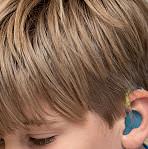
Deaf childrenuse arange of technology to help them hear speech, but personal hearing

devicessuchashearing aids can never restorefull hearing and workbest at aclose range. Young children maynot tell you if their technologyhas stopped workingorisnot properlyplaced

Take the time to checkinwiththe pupil abouttheir hearingtechnology before your starttotalk, andifthe pupil alsousesanadditional listening device suchasa radio aid, find out how they’d like to useitwithyou.
IS YOUR CURRICULUM CONTENT ACCESSIBLE?
Deafchildren can learnjustlike their classmates butsometimes they may need extra help withtheir language. Breaking information down into manageable chunks, showing as well as saying, writing down new vocabulary or key information, or reducing the complexityofyour language, can allmakea bigdifference.

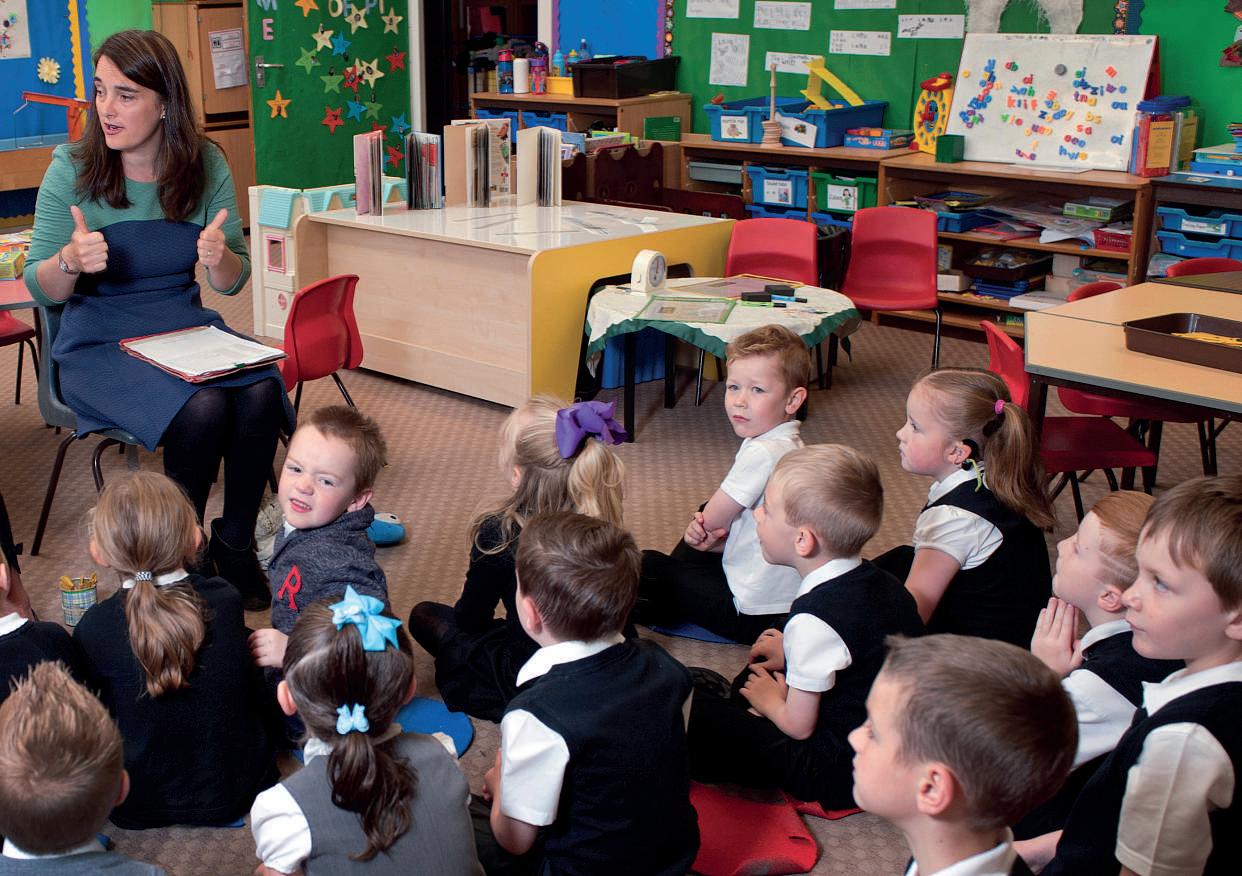
DO YOUKNOWHOW IT FEELSTOBEDEAF?
Deafchildren tellustheyare often exhausted by the end of theday, fromtrying so hard to make sense
www.nasen.org.uk

of everything that’s saidaround them.Think about how youorganise your lesson or schoolday,build in regular breaksand allow the pupil to signal when they need some down time. Groupwork canbeespecially challenging,so encourageother pupils to be deafawaretoo, talking oneata time andsignalling before theyspeak.
As with so many things,a little deaf awareness cangoalongway The measures youtake to understand and accommodatea deaf child’s hearing needs in theclassroomcan make ahugeand lasting difference
nc
Deaf children do best when you communicate clearly and concisely and aren’t afraid to be expressive in your voice or face.
➜ TEACHING &LEARNING
Ethan used to come homedrainedfrom his new highschool.
Hisbehaviour became difficult forthe whole family.



“He’d come in exhausted after concentrating so intensely allday long,” recalls hismum, Selina.“Highschool was morechallengingthanprimary,” says Selina.“He’sa visual learner,sohe’smore tired on days full of theory-based subjects

“He had to learntolip-read eight or nine teachersinsteadofone.InFrench he had threeteacherswithdifferent accents– it was hard! His auditoryprocessing memory isn’tgreat and when he hadtolook at the whiteboard, lip-readand write, he couldn’t do it.” Aspell of bullying didn’thelp. “Ethan hadalways been confident in his deafness, but he said he didn’twanttobe deaf anymore,” says Selina.

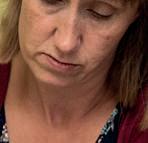

Other meetings brought new ways to support Ethan. Someteachers started supplying Ethan withglossaries of new words andadvance topic information so he could get visual informationonYouTube. Forspelling, Ethan works in thecorridorwitha buddy who gives himthe word in asentencefor context He alsohas ared card for‘mute the mic’ on his radio aid, agreen one for‘unmute mic’and a‘?’ card forasking aquestion. Another thingthathelpedthe family’s homework battleswas homework club
“It’s an hour after school,” saysSelina. “Hedoeshis homeworkthe sameday usually,his academic brainhasn’t switched offyet. Often he gets 1:1support– and a cookie! Homework club has become partof his normal schoolday as he works towards his GCSEs.” “Homework clubhelps because if I’m tired andI’ve gone to theclubIdon’t havetothink when Iget home,” adds Ethan.


“It washeartbreaking.”



Ethan’s teacher of the deaf called ameeting with theschool andthey dealt with the bullying. Ethan gothis confidence back andbecamethe sociable, outgoing boyhe’dformerly been. Selinaasked the school to make reasonable adjustmentstosupport Ethan.

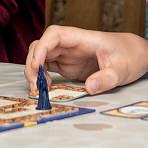






TheysuggestedEthan spend lunchtime in thelibrary, with otherpupilswho needed time out, and access to ateaching assistant “It providedarestfromplaygroundnoise andthe pressure to have conversations, particularlyaftermornings withmore theory-based lessons. On days withless mentally demanding subjects,he’d hang out with his matesinstead,” says Selina

nc nasen connect 20 / FEATURE
Ethan’s storydemonstrates how alittle deaf awareness can make a life-changing difference to a deaf child’sexperience of school.
Ethan had always been confident in his deafness, but he said he didn’t want to be deaf anymore.
Homework club helps because if I’m tired and I’ve gone to the club Idon’t have to think when et Iget home.
ETHAN









LEADERSHIP IN EDUCATION EDUCATIONAL ESTABLISHMENT OF THEYEAR please visit www.besa.org.uk/era-awards-2023-entry-form 01622474011 Celebrating Ye 2012-2022 EDUCATIONRESOURCES AWARDS RE WARDINGE XCELLENCE IN TE ACHING
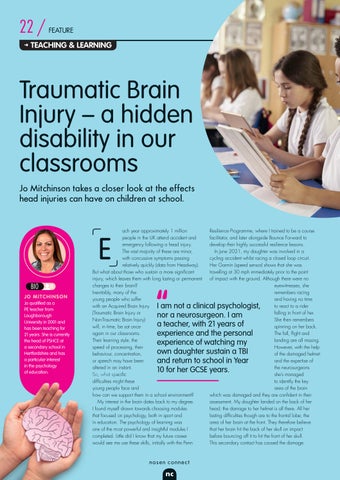
Traumatic Brain Injury–ahidden disability in our classrooms


Jo Mitchinson takesa closer look at the effects head injuries can haveonchildren at school.


ach year approximately 1million people in theUKattendaccident and emergencyfollowing aheadinjury.
Thevast majorityofthese are minor, with concussivesymptomspassing relativelyquickly (datafrom Headway). But what aboutthose who sustain amore significant injury, whichleavesthem with longlasting or permanent changestotheir brain?


Resilience Programme, whereItrainedtobea course facilitator,and lateralongside Bounce Forward to developtheir highly successful resilience lessons.
JO MITCHINSON
Jo qualified as a PE teacher from Loughborough University in 2001 and has been teaching for 21 years. She is currently the head of PSHCE at asecondaryschool in Hertfordshire and has aparticular interest in thepsychology of education.



Inevitably,manyofthe young people who suffer withanAcquiredBrain Injury (Traumatic Brain Injuryor Non-TraumaticBrain Injury) will, in time, be satonce again in ourclassrooms. Their learningstyle,the speed of processing, their behaviour,concentration, or speech mayhave been alteredinaninstant.
So, what specific difficulties might these young people face and how canwesupport them in aschoolenvironment?
My interest in thebrain datesback to my degree Ifound myselfdrawntowards choosingmodules that focused onpsychology,bothinsportand in education. The psychology of learningwas oneofthe most powerful and insightfulmodulesI completed. Little didI knowthat my future career would see me usethese skills, initiallywith the Penn
In June 2021, my daughter was involvedina cycling accident whilstracing aclosedloopcircuit. Her Garmin (speed sensor) shows thatshe was travellingat30mph immediatelyprior to the point of impactwith theground. Although there were no eyewitnesses, she remembers racing and having no time to react to arider fallinginfront of her. She then remembers spinningonher back Thefall, flight and landing areall missing. However,withthe help of thedamaged helmet and the expertiseof the neurosurgeons she’s managed toidentifythe key areaofthe brain
which was damagedand they are confident in their assessment. My daughter landed on the back of her head; thedamage to her helmetisall there. Allher lastingdifficultiesthough aretothe frontal lobe; the areaofher brain at thefront. They therefore believe that her brain hitthe back of herskull onimpact before bouncing offittohit the frontofher skull. Thissecondarycontact has caused the damage


nc nasen connect 22 / FEATURE ➜ TEACHING &LEARNING
BIO
aclinical psychologist, nor aneurosurgeon. Iam ateacher,with21years of experience and the personal experience of watching my own daughter sustain aTBI and return to school in Year 10 for her GCSE years.
E Iamnot
THE IMMEDIATE AFTERMATH
Immediately after the accident shewas taken to hospital witha fractured collarbone and suspected fractured elbow. Therubbishshe wastalkingwas attributed to the morphine anditwasn’t until she moved that shebecameviolently sickand dizzy; this waswhenshe wasadmitted The following dayshe had seizureswhere her hands clawed and wouldn’t release,she was aggressive, terrifiedand confused.My mild daughter wasusing wordsI didn’tknow even knew and was screaming at doctors and fthat shewas dying;begging us to helpher when theconvulsions eased, shewas unable andsaying verystrange things. Thiswas the of aModerate Brain Injury(generally a sness between15mins and sixhoursor esia of up to 24 hours). Post-traumati amnesia epatient is conscious,but unable to follow or partakeinconversations. They may not be fully aware of their surroundingsand mightdoorsay bizarre things. Patientswith a moderatebrain injury arelikely to experience longlasting symptoms.
THESE SYMPTOMS FALL BROADLY INTO THREE SEPARATE CATEGORIES:

Physicaleffects, such as tiredness, headachesand dizziness Cognitive difficulties whichmight affecttheir thinking,attention andconcentration, memory planningand word finding Behaviouralproblems, such as irritabilityoranger
THE EXTENT OF THE DAMAGE
On her returntoschool in September,12weeksafter the accident,itbecame apparent that thingsstill weren’tright and we sought additionalsupport. She wasmentallyexhausted and would lose the abilitytospeak, form sentencesorwould constantly repeat wordswhen tired. Shewas unable to make basic decisions (food, what to wear etc) andwas infuriated by veryinsignificant background noise. Pen tapping, page turning, heaters in classrooms etcwouldleave herangry and tearful.All of these areindicativeofcognitivedifficulties. Ourlocal hospitalreferred her to the neurosurgeryteam atGreat OrmondStreet Hospital (GOSH) anda full neuropsychology assessment followed.This showed that in unaffected areas such as motorcoordinationand visual perception shewas in the90thpercentile of age-relatednorm; this dropped to 20th and30thpercentile forcore language and readingcomprehension and 50thpercentile forall her verbal assessments.Inessence, she has losta decent chunkof herfunctioning– certainly enough forher and us to notice.
SPEECHFRUSTRATIONS
It was the speech difficultiesthat had the biggest impact. In theearly days and months,itwas so affectedthat she taught herself BSL (British Sign Language)inorder to be able to ‘sing’ alongtosongs.
Her brain couldn’tformthe words fast enough to sing them. The speedatwhich she learnt this though remindedusthat her capacity to learn wasunimpaired– shejust needed to find newways to compensate for herdifficulties. HavingchosenGCSE Spanish, therequirement to converseina different languagewhensometimesyour own now eludesyou was daunting for her. Answeringquestions in classrequiredmore braverythanpreviously, as occasionally the words would “getstuck”and sherisked the perceivedjudgement of her peers.
Other academicchallenges were tasks suchaswatching avideoorlisteningtoa passageand takingnotes (twothingsat once),background noise(shestruggled in mock exams dueto thefields being mowed during an exam andotherstudents turningtheir pages) andprep/homework.
MOTORWAYSVS COUNTRYLANES
We were putintouchwithThe ChildBrain InjuryTrust (CBIT),anincredible charity that Iwould highly recommendtoparents andstudents in thesamesituation,or teacherslooking forgreater understanding Iwatched alot of their videos and sent links to family memberstogivethem a better understandingofhow herbrainwas affected.Wewereassigned asupport worker,who explainedtoour daughter that our brainsare like roadnetworks– the motorways arefastest andthe country lanes the slowest way to arrive at adestination.
Some of her motorways areblocked and so she’shaving to rely on slowcountry lanes for thingsthatused tobequicktrips. Thistakes moretime and more effortthan previously andiswhy shefindsthings so mentally draining.She now has to concentrate much harder to do things that would havehappened subconsciously She reaches saturation point andneeds to resther braininthe same waythat someone witha physicalinjuryneedstorest thatlimb after they’veusedittoallow it to recover
nc www.nasen.org.uk
TEACHING
STRATEGIES OF SUPPORT

ELPS



Howdoes thissupportbecomeintegratedinto a busy, noisy classroom andschool environment?I think the most important factor is to ensure that information is disseminated to staff, whether that whole staff CPD,or part of newstaff induction,even a detailed email with an optional drop-in follow-up session. My daughter’sschoolhas an incredible SEN department who, on receipt of the full neuropsychologyassessment, used the GOSH recommendations her student profile (keyinformation on strategies to support all those on theSEND register).Alongside discussions with my daughter to establishher learning strengths and struggles as well as teacher inputthere is now anever evolving,but gold dust list of strategies that help her.
THESE INCLUDE GEMS SUCHAS:
ppor ab onm nt se is in .M inc essme on ma nt ed sh stru wa tl HA


















om eg ati th it daughter needs stafftob proactiveonthi realise that she’ it untilshe’s ove Giveher extrat verbal answers downifthe teach check her under Hands up que putting her on Workingwitha that her views but viaher part Acknowledge theoutcome. especially on bad previouslyproud thatbears no resemblance to the .S at in ge Completing hom ork afte tia d, or ry to it mo
approach –regular short breaks can reduce fatigue and it’s easier to do this than to manage fatigueonce it’s occurred. My stafftobe proactiveonthis; shedoesn’t she’soverdoing overdone it! extratime toproduce ver wants to –avoid thes so thather can still be shared vi er eeded
This is essential–days.She has previouslyproudly handedinwork settaskatall.She hascompletely forgotten what shewas doing or zoned out duringa lesson and misseda hugechunk of it without even realising it happened. homework after missing essentialcontent is almost impossible and, on afatigued brain,evenmoreso. But she’ll still trybecause she doesn’twant be theodd one out,and itwillhave taken herfar more timeand effort than her peers.
thatcan accessed if she needs abreak is overwhelmed. This isthe school’sstudent support centre, whichisalways staffed and whereshe lesson work in aquieter space, read, listen to music (which has helped from day one) or offload to amemberofstaffifshe needs It is effectively a‘factory reset’ forher andenables her to resumelessons with minimal disruptiontoher studies.
learning.Mydaughter hates forgettingthings;she fi embarrassing and stressful. chunking information, bullet pointlis task handouts so that if shezones can still follow thelesson, school system or emailing them to herhelp hugely It’s her reality all learnbest by spe our students. Sheonce desc being akin toeverymobile phone,radio and TV we own playing differentmusiconfull volume in the sameroom, whilst everyhouseholdapplianceisalso on. Youdon’t understandwhy one elseisevenremotely bothered it because it hurts yourhead and makesyou feel sick.
As acce or sch whi where she cansit, complete the lesso rea help ad ed to. res dis Use lear forg ing ing emba So poi hand out she uploading lesson resources to he em Ta dw can to ou bed background chat in aclassroom as ph play volu ils ev sa on no on er by d an
er I’ ncredibly aware that many of these strategies involveevenmo m re preparation time and that ourdays are already full. She usu l ally looks like she’s coping perfectly welland it may seem unnecessary to modifylessons.The keything we’ve learnt overthe last









18 months is that a TBI is truly a hidden disability We explain to others that she is very much currently a swan For her appear‘normal’ in lessons, she is actually frantically paddling

Some days her head isbarely above the water and others are a bit easier Teaching, forall the stress, is an absolute privilege, enablingstudents to see beyond whatever difficultiesthey are currently experiencing and facilitatingtheir journey towardsa future that they choose. Every single time that staffmake my daughter’s daythatbit easierbytaking her TBIinto accountduring alesson, the ripple effectis triggered.
She feelssafe,supported andunderstood Shefeels more confident, more inclined to speak in front of others and more herfuture prospects.She returns homefeelingcalmerand happier,whichmakes her evening morerestful.
This, in turn, enables herto beginthe next day with increasedresilience andarefreshed capacity to learn



















nc th ee dt ea sh yw a The he lity the entl to appe fran er ab ut ever y expe ng facilitating their journeytoward oo ay BI al er co andmore positive about her future ret ake able ay nce
,‘An to he A ng dicat e ly

https://bit.ly/3Af7eYM


















thing over BI idden
We explain to others that she appear lessons, frantically paddling.
FEA
‘An Introduction ired
Learning
k outthe we inar,
Brain Injury’, by The National Acquired Brain Inju y in
and EducationSyndicate (N-ABLES)
Thekey we’ve learnt the last 18months is that a TBI is trulya hidden disability. is very much currently a swan. For her to ‘normal’ in she is actually
FEATURE ➜
&LEARNING
TCESHOMELEARNINGCURRICULUM

English Maths Humanities Therapy LIFE/PSHE DEAR Assembly
nc
Pathological Demand Avoidance: The Link School’sexperience
Sandy Turner,principal at The Link School, outlines the school’sapproach to supporting children with Pathological Demand Avoidance (PDA).
PDA is an atypicalautisticspectrum condition where children have an anxiety-driven needtoavoid everydaylife demands and to always remain in control.
Of course,weface demands everyday in the spaces that we inhabit,be it school, work,leisure or home. In aclassroom setting there are direct demandssuchas, “Come in and sit down,” subtle demands, “It’s timefor lunch,” and silent demands such as seeingpaper andpens outonatable readyfor alesson. Fora childwithPDA,thiscan be overwhelming Teachersunderstandably expectchildren to cooperate with school rules to promote an ordered andcalmlearning environment.
Forchildren and young people with PDA, pushing to comply to thesedemands canresult in panic whichmay lead to lashing outormeltdowns
It’simportant to note that the anxiety stops children from doing things they like, as well as things they don’t like, which causes frustration and leads to low self-esteem.
However,peoplewithPDA alsoseemto have better social understanding and communication skills than othersonthe spectrum,which can be usedtotheir advantage.Children quickly become masters at distractingstaff or making all kinds of elaborateexcuses astowhy they cannotdothe expected work.
PDA: WHATDOESITLOOK LIKE?
Resists ordinary demands
Socialstrategies toavoid demands
Impulsive
Extreme mood swings
Obsessive –peopleorthings
Need to be incontrol
Comfortableinrole play and pretend
Hold on to negative feelings
Appear sociable– but lacksocial understanding
26 / FEATURE ➜ LEADERSHIP
Sandy
visit https://bit.ly/3X4t4aS https://www.ohcat.org/
THE LINK SCHOOL SATELLITE SITE:FLAGSHIP PROVISION
we haveidentified thebestway to support local children with PDA and their families Prior to opening, ourteamdeveloped connections with key people and organisations. For instance, we arepartofOrchard Hill Collegeand AcademyTrust (OHC&AT), home to14special schoolsand eightCollege Centresacross London and the south east This has providedanenormous levelofskills and expertiseand has helpedkickstartthe initialconversationaround lack of provision –as have ourclosetieswithSuttonlocalauthority
there is no bell;whenchildrenare hungry, theyeat.Nor are studentsrequiredtosit at desks, andtimetablesand routines areset by the childrenthemselves.Alternatively,we deliveraflexible,three-curriculum pathway; informal, semi-formal andformal, to allow activities to centrearound thechild’s interests, and to buildonkey learningsteps as their anxieties decrease andthey begintotrust adultsenough to acceptdirection from others.
TheLinkSchoolsupportsstudents aged between four and 19 withspeech, language andcommunication needs. We have welcomed the introductionofour satellitesite, co-located at Wallington Primary Academy in Sutton,partofthe Cirrus PrimaryAcademy Trust, thefirst of itskind in the country.
Throughbuilding collaborationsand undertaking extensive practitioner research,


Our bespoke curriculum is providedwithin anurture-basedenvironment for25children fromYear2toYear11. An additional six childrenare enrolledinour outreach service, which is an assessment period thatbuilds relationshipswithparents andchildren in their own homesbefore they join.
Aday in theschool lifeofa studentwith PDA is notakin to the traditionalschool day as mostpeopleknow it.Schooluniformisnot compulsory; students wear clothingoftheir own choice. Lunchtime is notscheduled and



nc www.nasen.org.uk
Already,our team has seenanenormous impact, not onlyonchildren, but also on families. It is transformational. Families often faceimmensechallenges because of thelackofunderstanding among the professionals theyturntofor help.

Many parents also feel anxiousabout approaching aPDA diagnosis with their child,concernedthatitmay exacerbate anxieties and poor mental health.
Although initially there maybechallenges, in the long term,earlyintervention,anopenand honestapproach, and developinga thorough understanding of thecondition pays dividends

 SANDY TURNER
Turner is the principal at The Link School, which is part of Orchard Hill College and Academy Trust and home to 14 special schools and eight College Centres across London and the South East. For more information,
SANDY TURNER
Turner is the principal at The Link School, which is part of Orchard Hill College and Academy Trust and home to 14 special schools and eight College Centres across London and the South East. For more information,
BIO
The Link School supports students aged between four and 19 with speech, language and communication needs.
We have identified the best way to support local children with PDA and their families.
➜ LEADERSHIP
WORKINGWITH CHILDREN WITH PDA


For those working with children with PDA, tailored learning strategies can help. First and foremost, in aschool environment, make building arelationship with the child apriority above task completion.



Learnabout thechild’s interests so youcan communicate aboutthemand with them


While reward systems areusually ineffective, spontaneous rewards canbesuccessful –for instance, “thank youfor eating your dinner, nowwehavetimetoplaya game.”
Likewise, ensure demands areindirect,such as“do you want to putyourshoesonatthe bench or in the classroom?”


Equally, deliverpraise indirectly; let children hearyou talking about them in apositiveway orenablethemto shinebypreparing sharedactivities that you know they candowell Secondly,the learning environment playsanimportant role.Creating individual learning areasorsafe spacesreducesanxieties related to environmentaldemands.
Also, remembertoget learning equipment outonly as needed, notbefore the activity t begins, and keep any timetables or schedules for staff, not pupils Initially setting up activities based around children’s motivations and interests lowers anxieties


and enables that very important access to an educationalsetting.

Finally,knowingand understandingemotionalwellbeing is the third key area in which adultscan providesupport. Remember with PDA, it is anxiety that drivesthe behaviour
Byconsidering theanxiety t rather than thebehaviour,it’smore likelythatsolutions arefound Apositiveattitude anduse of positive behaviour management strategies is highlybeneficial.



ChildrenwithPDA canbe hyper-sensitive to toneofvoice and facial clues whichcan cause anxiety t , so be mindful of facial expressions. Also, depersonaliserules –for instance, state “it’s ahealth and safety t law”or“the headteacher says,” rather than saying “because Iasked youto.”
Anothergoodpiece of adviceis to pick your battles!
It can be helpful to ignore a lot of behaviour which is not destructive or dangerous to others and turn to humour as an effective means to defuse situations
PDA: NEXT STEPS


Our journey in creating thesatellite sitehas revealedthe impactthat the current lack of suitable PDAprovision is having on children and their families. It hashighlighted asignificant gapin understanding amongthe keyprofessionals who areoften thefirst point of contact for families. Importantly,it has demonstrated that providing therightlearning, in theright environment,can totallytransformoutcomes for childrenand young people with PDA.
We hopeto support others to understand theconditionthrough sharing our experience.There is an increasing numberofchildren presenting with aPDA profile requiringsuitable placements, and many more who have been misdiagnosed andremain inunsuitableeducation or even out of thesystem completely
We want to encourage greater dialogue amongst stakeholders, earlierrecognition of the profile, andblueprints forsuitable learning environments; collectivelywe havea role to play in helpingtackle the nation-widebarriersand future-proofthe education of these extraordinarychildren.
28 / FEATURE
Reimagining Inclusive Learning,Therapy and Play
Meet Cosmo, an interactive platform, with an award-winning iPad app of over 30 evidence-based games, activities and sensory Bluetooth accessibility switches



Research*shows there are many barriers to inclusive play among children of various abilities. There is nowclear proof that technology can support social interaction and equalaccess to learning opportunities.
Designedaround the principlesof Learning through Play,Cosmo supports people withcognitive andphysical disabilities and their peers by enabling equal access to the curriculum and therapy in afun andinteractive way.


Used to support multiple conditions
Proven to boost communication skills Foster inclusive play

Used in more than 1500 schools and therapy centres worldwide shorturl.at/DMQV7




Plug and play out of the box

Join afree demo with Ewa
ewa@filisia.com
www.explorecosmo.com
*TogetherThrough Play: FacilitatingMeaningful Play for Disabled &Non-Disabled Children through Participatory Design. (2012) Holt, R, Moore, A-M and Beckett, A
Can amodel limit your perspective?

Miriam Walker looks at howschools can widen their understanding of thedifference of autism.

Ananimal is approaching. It’sa dog; itstailis wagging, it looks safe, Irecognise it. It’s okay.


MIRIAM WALKER
Miriam Walker is a senior lecturer at Winchester University specialising in the area of additional needs. Her doctorate focused on perspectives, understanding and relationships between teachers and pupils with autism. She provides support for schools who want to deepen their understanding of the difference of autism.
As human beings we quickly assimilate methods of categorising eventsand objects to help us make sense of our world.A mental array of modelsand branching diagramsare used at great speed,and often with little conscious thoughttoguide thedecisions we areconstantlymaking.Formedfrom early experiences, these become strengthenedovertimeaschoices,both sub-conscious andconscious. Takento extremes,thesemodels provide ourspecies withapositivefilter, resulting in survivalof the fittest. However,although they might at times be vital in keepingussafe, without challenge and careful consideration they can havethe drawback of becoming limiting and divisive.They arethe basis of stereotype, and we thereforeneedto be mindful.
Over the decades,and particularly since the industrialrevolution,a subdivision grewbetween individuals who were considered eitherdisabled or able-bodied.
Medical professionals created labelsfor setsofcharacteristics wherecertain groups of people were recognisedassimilarly but clinically different from the norm
Theselabelswere recognisedasvaluable in assisting recognitionoftypes of need and in providinga faster array of treatment



options forsome conditions. They were therefore useful in certain circumstances, butthe differences highlighted since 1952 throughthe medicalisation of disabilityin the variouseditionsofthe Diagnostic and Statistical Manuals were listed as deficits Recognised educationally significant labels such as autism, dyslexia and ADHD fall within this realm and, although as educatorswe do notprovide thelabels, we areexpected to respondtothem.
The 1980sbrought about significant change in howdisabilitywas viewed, with theintroductionofthe social model of disability. The medical modelhad previously considered that disability wasthe dilemma of the individual who needed treatment that wouldbeprovidedbyprofessionals. The socialmodelproposed that disability could be limiting to theindividual because of the conventions andstructuresofsociety that hadbeencreated by thenorm, forthe norm. Mindsetswerechallenged,buildings were alteredand,inschools,changesweremade to overcome‘barrierstolearning’ (SEN[D] Code of Practice: DfES, 2001; DfEand DoH, 2015). Many teachersembraced this shift, andthe more proactive route they could takethrough makingchanges to theirlessondeliveryand adapting the classroom environment for pupils with particular diagnoses. They welcomed the socialmodeland,inturn, begantoshun the limitations of the medical model.
nc nasen connect 30 / FEATURE ➜ LEADERSHIP
BIO
But, as with all models, mindfulness is essentialtoavoid slipping towardsunhelpful aspects of practice.The danger with focusing



forall: strong schools with greatteachersfor your child’ (HM Government 2022) warns that ‘bylooking through the lens of apupil’s characteristics we sometimesmiss theneeds of children who do not acquire thelabelofhaving aspecial educational need or disability or being disadvantaged. We need to pivot to asystem whereall childrenreceive theright support, in the right place, and at therighttimebased on their need …without requiring alabel’(p.36-37).
solelyonthe social model is that educators could believe that, with theright resources in the correct environment,a child’sdisabilitycan be overcome. Whilst adaptations aregoing to be beneficial in optimising learning, thechild will inevitably still have the previously defined medical characteristics of their ADHD,autism, dyslexia,etc. thatresulted in the diagnosis in the first place.Although at times it is necessary to remain cognisant of information regarding aspects of difference that are provided through both the medical andthe social modelsof disability, in ordertomaximisethe strength of ourhuman diversity we must turntoholistic profiles that celebrate differenceand uniqueness.

Thiswill shift thefocus fromthe deficits of specificcharacteristics thatseparate ‘us’ from ‘them’tofindingopportunities to maximise individual potentialand strengthen ourhuman variation. The recentpublication ‘Opportunity
Therefore, knowledge of areasofneedthat could be encounteredwithin oureducation systemwillstillbenecessary,aswill awarenessofstrategies andresources that will minimise thepotential gap. Thesecan be acquired and assimilated with theinteractive model of disability which incorporates informationfromboth the medicaland socialmodelsofdisability

But now, instead of focusingonthe label of autism, ADHD, dyslexia,etc. we will see children first and foremostinour classrooms with arichdiversity of backgrounds, experiences andabilities.Thesewillbewhat we focus on, andnot their labels. In doing so, we canbetter avoidpotentially limiting expectations, and instead welcome thechallenge and energy of acan-doapproach to acurriculumina classroomrichwithvaried opportunity

The danger with focusing solely on the social model is that educators could believe that with the right resources in the correct environment, achild’s disability can be overcome.






Bett2023: What can visitors interestedinSEND expect?




Since its inception over 35 years ago, Bett has brought people, practices, ideas and technologies together across all areas of education. As partners, nasen joins Bett’sSEND exhibitors and speakers at Bett 2023 at the ExCeL exhibition hall, London, from 29-31 March 2023 to help SENCOs, school leaders and teachers understand howtoachieve the best possible outcomes forstudents with SEND.
Atthe event, visitors will have accesstofreecontentsessions from experts, government agencies,advisors and teachers, all based on harnessingtechnologyto deliveraninclusive and representative curriculum.Inanticipation of theevent, we takeaquicklook at some of the CPD that visitors accessedin2022, along withthe technologybeingshowcasedatthe event
FEATURE /33 ➜ ADVERTORIAL
SEMINAR CONTENT

While the seminarsessions for2023 aren’t yetconfirmed youcan gain an idea of thetypes of content that will be availableby looking at thosefrom 2022 Forexample, in theBettAcademy Live Theatre in the NorthHall, Greenwood AcademiesTrustpresented asession on ‘Empowering all studentswith solutions that areinclusive by design’. Theteam shared itsexperiencesofusing Microsoft education’sbuilt-inaccessibilityand inclusionfeaturestosupportall learners.
In anotherseminar session, Dr Louise Karwowski,director of education at Cognassist, spoke about harnessing the power of cognitiontoensure no learner is left behind. Visitors to her presentation, ‘Neurodiversity in Education’,were asked to imagine harnessing cognitive technology andinsights to understand eachindividual learner.Right from the start, Dr Karwowski introduced delegates to the conceptofneurodiversity and its importance in education. West SuffolkCollegealsojoined the session,sharingits story of employing cognition to enhanceits learners’ experience
On the sameday,Bob Usher from LGfL, The National Grid forLearning,highlighted the range of inclusivesupportservicesavailabletoall schools, alongwith CPDfor teachersand support staff. Usher shared innovative approaches to integrating immersive technologies into everyday teachingand learning to support theadoption of Universal Design forLearning.
On the secondday of Bett,Vicki Redhead,principal, and Kayley Roberts, deputy principal, at Bishop Creighton Academy were joined by Annie MacIver, head of capability,digitalstrategy for education at the Department forEducation (DfE), andnasen’s Michael Surr,totalkabout theDfE’s pilot scheme to improve capabilitiesinassistive technology
On the same day,Michael Surr also offered advicein‘Understanding and embedding assistivetechnology in classroompractice’.
The session considered assistive technologies that arereadilyavailable as standardin most commonly usedsoftware resources

On thefinalday of Bett, the Friday, we recommend visitors planonvisiting the Tech in Actiontheatre in the South Hall.In2022 alarge team of e-safety experts including Alison Watts, prevent and e-safety education officer at Buckinghamshire Council,and Thomas Boardman,prevent and e-safety educationofficer from StonyDeanSpecial School, demonstratedBao,a free online learninggamefor studentswithSEND, which includes lessonplans,guidance and case studies addressing e-safety challenges across Europe. The session, ‘InteractiveE-Safety game for SEND children and young people’, wasdesigned to helpstaff andparents to increase their confidence in having ongoingconversations withchildrentohelp themtotakeresponsibilityfor theironline safety


AlsoonFriday,AlexGrady, head of WholeSchool SEND at nasen,looked at the association’sexperience of professionaldevelopment gathered over thepast twoyears and consideredwhatwas most effective at improving SENDprovision across aschool. In her session, entitled ‘Using technology to supportprofessional development groups in SENDand inclusion’,she discussed the impact of WSS onlineprofessional development groups,WSS webinars and WSS support for localauthorities. Her presentation ledtodiscussion of ablended modelofCPD andnasen’s SENDCPD Pathways forschools; allfullyfunded andfree to access Anotherpresenterwas inclusion expert Carol Allen, who wasinconversationwith comic actress and writerSally Phillips in a‘Fireside chat’. Thesefun, lively sessions provide visitorswith inspirational thoughts and ideasonSEND and Inclusionineducation.

nc nasen connect 34 / FEATURE ➜
ADVERTORIAL
SEN AREA
Bett is also curating arangeofcompanies across keyareasofschooloperations andpedagogytoprovideits visitorswith accesstonew products and services. Thisyear, visitors can book meetings with suppliers throughConnect@Bett, providing opportunities for conversations on specific challengesand potential solutions

For example,visitors that want to support theirstudents with SENDwho find time management achallenge maywanttovisit the Boost Education team on stand SH65. Boost, availableoniOS,Android andweb apps,has been developedspecifically forstudents with time management, organisation andmental health challenges. If your area of focusismaths, youmay want to visitthe JellyJames team on stand SL14, whoseDynamo Maths resource has
been designed specifically to supportstudents withdevelopmental dyscalculiaand those who needadditional support to catchup. Another resourcethatisproviding supportfor manyareas of development is Construct3 by Scirra: stand SH80. In addition to the valuable skills that codingand game development provides, it canalsoteach children of all ages and abilities howtoproblem-solve, be creative andcollaborate.Gamedevelopment canalso often be suitedtopupils with autism and related conditions, as wellasthose with complex needs, and social, emotional, mentalhealth challenges; atendency to haveenhanced visual andspatial skills helps identify errors in cascading lines of codes. Scirra’s Construct 3isa webbased game building toolthat givesanyone the ability to creategames and is idealfor teachingthe concepts of bothblock-based and text-based computer programming using ascaffoldedapproach.
nc www.nasen.org.uk
Bett
It is web-based andthe entrylevel is free of charge.



is open to
Andfinally, if youare looking for solutions to help to transformchildren’sliteracy,consider avisittostand ED-D66 where Mighty Writer, winner of theEducationResources Awards, Teach Primary Awardsand TeachEarly Years awards, will be demonstrating howits resource teaches thewhole process of learning to write, fromspeaking in simplesentences through to planningand editing increasingly complex and sophisticated stories. Its coreage range is forfour to sevenyears,however it canbeused with children from those who are learningtospeak, up to the very able. It teachesfiction and non-fiction writing andhelps children to becomeindependent andcompetentwriters.

visitors
until
on Wednesday 29
We recommendthat youregisterinadvance to ensureaquick,easyentry to theshow floor: https://bit.ly/3UVHOb3 Thursday
from 10:00am
6:00pm
and
30 March, and closes at 5:00pm on Friday 31 March.






The Sound of




School canbea noisy place.Large numbersof children moving between rooms,bells ringing to signifylesson changes, raisedvoices and sports being played allcreatenoise. Activities includingwoodwork,music and drama cangeneratelarge volumes of sound

Modernschoolbuildings areoften constructedoflightweight materials which do not alwaysprovide sufficientacoustic insulation.Openplanclassrooms make intrusive noise from other areas difficult to avoid.
Aquickglance at recentlybuilt schools often reveals large expanses of glass This may be visually attractive, butglass is
Martin Edwards looks at the issues with sound in schools.

alsoanexcellent reflector of sound waves Individualclassrooms canbeverynoisy too;30teenagers working in oneroomcan generatearemarkably highlevelofnoise even when working on writing tasks, and the acousticlevelsina music room,canteen or metalworkworkshop can be higher still.
There aretwo mainproblems withsound in school: confusion and distractioncaused by intrusivenoise from outside theclassroom,and poor sound quality within theroom.


The Department forEducation (DfE) makes it clearthatschools shouldhave goodsoundquality,‘enabling people to hear clearly, understand and concentrate on whateveractivitythey are involved in’, whilstalso minimising ‘disturbance from unwanted noise (suchasfrom



activities in adjacent areas,teaching equipment, ventilationfans or road traffic)’.
(DfE Standards for School Premises2015).








Yet, even if our school buildings fully accordtothese standards,the noiselevels maystillbeunhelpful for manyofour students;particularly thosewith specific special education needs or disabilities. Many students find these sound issues distracting and highly problematic.
However,for studentswitha hearing impairment, autism, SEMH or SLCN, they canseverelyimpact their ability to fully accessand engage in the learning. Fora child witha hearing impairment,aschool’s acousticenvironment can have asignificant impact on their abilitytoaccessinformation andachievetheiracademic potential, andthe National Deaf Children’sSociety (NDCS)website provides resources on how to improvelistening conditionsinschools
nc
FEATURE /37 ➜ SPOTLIGHT
www.nasen.org.uk
DR MARTIN EDMONDS
Dr Martin Edmonds is aphilosopher and Research Fellow.He has been working as a secondaryschool SEND teacher for more than two decades.
go
unw
BIO
mi
SPOTLIGHT
TWOTYPESOFSILENCE IN





SCHOOLS







In aseries of interviews with secondary school staffIhave been exploring silence in schools. There has been agrowing trend of imposing silences in schools, with students required to move betw t een lessons in enforced silence and afocus on minimising distraction and trying to compel student attention solely upon the teacher.Yet this is notthe only type of silence which can occur in our schools. The other formofsilence can be more comfortable, mutually agreed, and supportive.
Researchers havefound several different ways to describethese tw t odistinct ty t pes of silence.Whilst they canbecharacterised as positive and negative,(Lees 2012) or strong and weak, (Kalamaras 1994), Iprefer to describe such silences as either













companionable or coercive.A coercive silenceischaracterised by aneedto control, forindividuals to be silenced. Although suchsilence maybeadheredto, it often generates passivity t ,disengagement and resentment Contrasted with this is the companionablesilence, which is mutually agreed and feels safe,secure andnurturing.
Coercive silences are often experienced as “being silenced”. Such silences are imposed, disciplinaryand upheld byteacher talk. Yetsuch silence from students does not mean that they are listening and fully engaged (just as such silences during whole-school CPD do not mean that we are all listening and fully engaged).






nc nasen connect 38 / FEATURE ➜
In acompanionably silent classroom, everyone may be working quietly,but there is no fear of breaking that silence if needed.
management approaches to ensure engagement can also be counterproductive here; many readers will be familiar with students who are filled with silent anxiety during teacher talk, worried that they will be asked to give an answer on demand and fearful that they will somehowfail. Such experiences for our students are frequently counterproductive as they nurture resentment and disinterest. They are also exhausting.


One teacher Iinterviewed described noticing astudent with SEND staring out of the window.Rather than challenging him from the front of the class, she instead walked over to him, followed his gaze for afew moments, and then enquired in aquiet conversational tone what he waslooking at. The boy replied that hewas watching the birdson theschool field and, without breaking his gaze from the large flock of geese, asked the teacher what they were doing. She explained to me that what followed was aquiet conversation, with which other students gradually joined, as she and the boy discussed how the preparing migrate for the
explained to me that, while the discussion was not directly relevant to her lesson, the few minutes spent talking about the geese created amoment of genuine engagement and educational curiosity between her and the class. Thosefew momentsofshared silence as teacher and student companionably observed and considered the geese had been an important moment of both learning and developing astronger relationship betw t een theteacher andher students. Creating silences in class can be achieved effectively if introduced as part ofagame. I observed one teacher with avery boisterous class who was able to gain near total silence on request before her class could go to break. The lesson always finished with a game of ‘Pin Drop’. When the teacher held up apin, the students suddenly became incredibly quiet, and at agiven moment, she would release the pin. At this point the students at the back of the room said ‘No!’ in oud and definitive voice, and the activity was repeated. Sat at the back of the room Iwas surprised that on thethird attempt ould indeed hear the pin fall onto the carpeted floor in aroom full of teenagers. Surely as near to silence as can ever be expected in asecondary school; and all entirely voluntaryand playful in spirit.
In acompanionably silent classroom, veryone may be working quietly, but there s no fear of breaking that silence if needed. Such rules need to beexplicitly taught and demonstrated;whilethetask may be completed in silence, it is important that the silence can be broken if astudent hasa question or is seeking clarification. Such breaks to the silence need to be welcomed as they demonstrate to everyone that this is indeed a companionable and contemplative silence and not adisciplinary and coercive one. One leads to comfortable engagement while the other can generate resentful passivity
We often enforce silences in our lessons as a method of classroom management –there are certainly times where this is necessary, even essential. However,once adequate behaviour has been established, it is important to ensure that enforced silences donot lead topassivity, excessive teacher talk, and disengagement.

















It may be time to tryintroducing afew momentsofcompanionable silence into your lessons. This could be abrief, timed, period where students plan their answer to a question in silence before any problems can be raised or clarifications requested. It might be an opportunityfor students and staffto engage in an individual creative writing, art, or constructiontask in contemplative silence before sharing their work.
Or possibly the safe, secure, playful silence where aclassroom full of teenagers might even hear apin drop.





Yetsuch silence from students does not mean that they arelistening andfully engaged (just as such silences during whole-school CPD do not mean that we are all listening and fully engaged).
w
nc www.nasen.org.uk
is S a h










s m i l e
A SMILE worth sharing?
Wellbeing is afocus formany schools, forpupils and staff. Following an inquiry-based partnership study into the SMILE approach to supporting wellbeing, Issy Jerrard, Amanda Mordey,Barry Carpenter and Jo Egerton summarise the outcomes of its implementation.
‘SMILE’ is awhole-school ethos andcommunity-based approach to wellbeing, introduced in 2019. It stands for Socialise, Move,Interest,Learnand Engage and encompasses arange of resources andideas to support schools to develop these areas with afocusonwellbeing
SMILE’S AIM:
To empowerschool communitiesto become architects of their own emotionalhealth andwellbeing.’
PRINCIPLES:
emotional healthand wellbeing (EHWB) forall –children, staffand the whole school community attainment –good EHWBleads to goodlife outcomes listening to each other care, concern andrespect for all kindnessand gratitude
HOWTHE PILOTWORKED
Duringthe firstphase roll-out in classrooms,(JanuarytoJuly2019), SMILE partner schools sharedinterventions and the best hoped forlearningoutcomes (BHFOs)wereselectedaccording to needs. In addition,the Assess-Plan-DoReview approach was usedwithin twoor more classes to trial focused interventions.
The secondphase was theAcrossSchool Roll-Outofemotional health
and wellbeing interventions(September 2019 to March 2020). During this phase, schools identified at leasttwo interventions to implement widely and monitored the outcomes of each one. Everyparticipating school was encouraged to collect evidence of efficacy from twosources for each; onequalitative/perceptual and onequantitative.
FEATURE /41 ➜ SPOTLIGHT nc nc www.nasen.org.uk
➜ SPOTLIGHT
WHOLE-SCHOOL
ACTIVITYAND
TARGETED INTERVENTIONS
Acrossschools,common features in practiceincludeddaily and/ or weeklytimetabled or crosscurricular activities, regular events and intermittent focus days or weeks Targeted interventions included the introductionofthe SMILE language and ethos through resources andstrategies, suchasSMILE emotions, posters, cards,fans, wheels, key rings,SMILE ‘stations’,choice boards or toolboxes
The‘Emotion check-in’included ‘zonesofregulation’ or feelings boards, fans, wheels, charts or scales, and oneschool usedperiodicstaff assessment of pupil moodfor pupils withprofoundand multiple learning difficulties. Regular‘SMILE time’ activities were also amongst the targeted interventions,suchasa‘daily mile’, before andafter-school clubs, staff-pupil meet-and-greet, playtime and after-lunchactivities such as mindfulness, and forestor farmschool sessions
Personalised pupil interventions included peer support,‘emotion coaching’,therapies,counselling and educationalpsychology support forindividual students

All schools had the best hoped for outcomes linkedtobothstaffemotional healthand wellbeing or increasing staff knowledge,understanding,skills and confidencetosupport pupils’ emotional health andwellbeing.
Fiveschools used staff forumsand, for threeschools,wellbeing fed into supervision or appraisal.
FOREST OAK SCHOOL’S EXPERIENCE
We recognised that the‘NHSFive ways’ were practical steps that could be taught toour pupils but wantedtogofurtherby building them into theschool’srestorative ethosand adapting forour pupils’ needs; to make each of the five ways memorable to staffand pupils; to shout about them; to live them.“Giveusfiveto make us SMILE!”becameour mantra.
We incorporated play and creativity throughout our SMILE ethos; introducing the children to SMILEsteps through awhole-school wellbeing day, enthusing them through activities led by talented staffwhichshared‘normal’things youcoulddoevery dayinafun, inspiringway toenhance wellbeing. Agroup ofpupilsran acaféto supportsocialising, emotionalliteracy wastargeted, there wasrugby, teambuilding gamesand dance, naturewalks,mindful meditation, massage andfilm. Staffand pupils were able to learnnew skills in cooking,craft, cartoon design and throughoutwe engagedinthe new ‘Give me five’ focus as ateam, learning together, having funand launching anew kindness initiative.
SMILE is linked into thecurriculum: with resources in every classroom, staff look foropportunities to

highlight wellbeing through learningand SMILEactivities
considered priority are timetabled.

Emotional check-insare frequent and pupils independentlyaccess or are prompted to use helpful coping strategies they’ve identified if theyare anxious.The impact of this workafter ayearwas thatcoping skills increasedfrom 39 per centto100 percent.
Pupils whosaidthey coped with unhealthy strategies decreased from 11 percent to 0per cent More staff could name five-plus positive,self-help coping strategies.
nc nasen connect 42 / FEATURE
In addition, we had significantly reduced pupil isolations, detentions and incidents requiring SLTinvolvement and the overall numbers of pupils requiring the ‘behaviour support team’ reduced.
SCHOOL-REPORTED IMPACTOUTCOMES
Thepartnership studyfound evidenceofincreased learningresilience, including pupils’growing ability to use strategiestomanage issues and emotions in addition to ‘check-ins’, afoundationalstrategyfor all but one.

and feelings and to explore differentways toreflect and regulate in ordertomanage theirwellbeing’.


There was increased targeted supportofindividual pupils,with schools usingadaptedsupport and finding that thepersonalised strategies for individual children were also good for anxious children. Meanwhile, home-schoolrelationshipsweresupported, with schools reportingthe positive impactofSMILE events,with oneschoolstating that, ‘having funtogether has absolutely been ahighlight….Familieshave truly valued howwellbeing hasbeenput as apriority andthe approach taken.’
The scaffolding response to Covid wasalsofound to be beneficial. All schools reported that the approachsupported designing pastoral and curriculum recoverycurriculums during lockdowns or on pupils’returntothe school.
The approach also proved effective at increasingstaff knowledge of the importanceoftheir ownemotionalhealth andwellbeing, withschools reporting enthusiasm and increased interest in the topic,along with lessstigma, more openness and peer support. Therewas also increased staffunderstanding, interest,confidence andresponsibilityinsupporting pupils’ emotional healthand wellbeing. Eight schools reported morepositive staffattitudes, recognitionthatemotionalhealth and wellbeing is everybody’s responsibility. Onestaff member said there had been, ‘a significant shiftinthe language usedaroundschool –inparticular around encouraging staff and children to identify and label their emotions
Other strengths of the approach, as reported byschools, were theevidence-basednature of the methodology, which is aligned with NHS ‘Five ways to wellbeing’ strategy and was reassuring to participatingschools. Thestructured foundation andorganised responsestopupil andstaff emotionalhealthand wellbeing wasalso useful, helping to define scope and remit, while collaborationenabled exchangeofideas, helped schools gain inspirationand build confidence, and modify approaches as needed. Thetargeted CPD impacted knowledge alongside practical strategies and thestaff wellbeingfocus provided encouragement andjustificationtosupportstaff alongside pupils.
CONCLUSION
Positive responses from participating schools supportthe SMILEFramework as atool to rationaliseand shape emotional health and wellbeing initiativeswithin schoolcommunities. Nineofthe ten schools stated intentions to continue in some way.The final school is implementing SMILEoutside theproject but will alsocontinue. Transformation wasunderpinned by structural changes in allten participatingschools; planning (six schools),policies (fiveschools)and curricula(all ten schools)
FURTHER INFORMATION
To request accesstofull researchreport or to express interest in using theSMILE approach andresources contact Issy Jerrard, ForestOak: https://bit.ly/3tKWvll on 01217170088.
To find outmoreabout ForestOak School’s experience of the project,listen to thepodcast by AmandaMordey: https://bit.ly/3Xjza7X
For more information on theRecovery Curriculum,visit: https://bit.ly/3Epuipc
To find outmoreabout the Solihull Emotional Healthand WellbeinginSchools Project (2014-2016), visit: https://bit.ly/3XhUjiS
nc nc www.nasen.org.uk
The approach also proved effective at increasing staff knowledge of the importance of their own emotional health and wellbeing.
Supporting neurodivergent students at iversity
Historically,the education system has struggled to deliver afulfilling, supportive learning experience for neurodivergent students. Those who are neurodivergent (around one in seven people in the UK, according to the Local Government Association) regularly reportdissatisfaction with student services, fare worse on exams and are less likely to graduate.



However,thanks to the incredible efforts of advocates, educators and others, we are seeing gradual progress. Today,more people than ever have heard the core message of the neurodiversitymovement: that differences are strengths. This is excellent news, but there are important steps to take. Here are five ways that universities can improve their offering for neurodivergent students.














CREATE ABRIDGEBETWEEN SIXTHFORMAND UNIVERSITY







Thetransitionto university is difficult for any student, but neurodivergent students may have atougher time. There are lots



























of unstructured changes to anew type of learning, classsize– sometimes to thesize of crowds– as well as awhole new set of facesand routines to manage Rather than dropping students in at the deep end, it’simportant to prepare them with information about the real experience of studying at university For neurodivergent students, this should involve special consideration for sensitivities or potential issues.
To go astep further,universities can offer insight days, when students can become acclimatised to the environment, or even extended stays before students start.


Ideally,universities should havea specificlearningdifficulty (SpLD)experton hand to address these sorts of questions. At theUniversity of Kent, forexample, the dedicated SpLDadvisorcan provide information to help smooth the transition as well as making adjustments,providing accesstosoftware,and offeringother formsofsupporttoneurodivergent students.


nc nasen connect ➜ SPOTLIGHT 44 / FEATURE
Dave Sherwood, co-founder and CEO at BibliU,discusses thesteps higher education institutions can take to better supportneurodivergent students.
DAVE SHERWOOD
Dave Sherwood is co-founder and CEO of BibliU, the edtech innovator that provides digital content management, workflow automation and analytics for higher education. More information is available at www.bibliu.com
BIO
der t
MORE INFORMATION
University of Kent’s SpLDapproach - https://bit.ly/3GJY0YE

City University of London’s neurodiversitytutors- https://bit.ly/3V4HFlS




University of Nottingham’s STEMM—CHANGE project - https://bit.ly/3F1wsNe





BUILD UNDERSTANDING AT EVERYLEVEL
Neurodivergent students are, by definition, different. Educating staff and other students about neurodiversity ensures that no student will be unfairly discriminated against or reacted to negatively.The University of Nottingham, for example, has issued guidelines on neurodiversity to teachers and

staff as part of its STEMM-CHANGE project. These offer advice for people running virtual sessions on how to make sure that neurodivergent students are included. Going further, universities could create aneurodiversity hub with alibrary of resources and advice on supporting neurodiverse students.
PROVIDE OPPORTUNITIES TO DEVELOP SOCIALISING SKILLS
P SO




Ano exper to seco Wherea structure for all. Si mental he it’simport Neurod to treat so in anticip






Another element of the university experience that is markedly different secondaryschoolissocialisation.


Whereas secondaryschoolprovides structure, university is more of afree Since socialising is important for health and asense of belonging, tant that no student is left behind.
Neurodivergent students may choose socialising as ateachable skill anticipation of attending university Online or in-person social-emotional learning courses, which universities could provide, are ausefulway to develop skills and build confidence.

Once they arrive at university,students will have access to arange of clubs or “societies”, which are agreat way to make new friends –they already have at least one common interest. Universities should create astructure for neurodivergent students to contact the student organisers or SpLD advisor so they can make any needs known in advance.
MAKE SURE STUDENTS HAVE THESUPPORT THEY NEED

Everystudent’sneeds are different. Some neurodivergent students may struggle with new,abstract ways of thinking, while others may find it difficult to plan and complete assignments in the way that some lecturers expect. Students of all kinds are entitled to supportsothat they can learnina way that equips them to excel.
Many universities offer supportin some form, such as exam adjustments or deadline extensions. Unfortunately,this information is often hard to access, and students must seek it out themselves. On top of the long list of other tasks facing new students, this can be daunting.
NOURISH STUDENTS’ PASSIONS
Experiencing the education system as aneurodivergent student can make students feel lesser,soit’s important to maintain afocus on their achievements. Asingle-minded fixation by the institution on exam results is bad for all students, whereas acelebratoryapproach keeps student morale high and ensures that all students feel welcome.
University can also be agreat place to feed astudent’scuriosity For example, one of the characteristic features of autism is ahyperfocus on certain topics. Universities are places for learning, so it is important to support students as they learn, even if this takes unconventional forms.

City University of London offers an exemplaryapproach. The university provides specialist “Neurodiversity Tutors” who are trained to proactively provide tailored academic supportfor each student’sneeds. They are also available to supportthe transition to university and address other SpLD considerations, including supporting undiagnosed neurodiverse students to get referrals.
HIGHER EDUCATIONIS FOREVERYONE
rs”
Everystudent is entitled to the opportunity to broaden their mind, develop their skills, and make lifelong friends at university For too long, neurodivergent students have been excluded from these opportunities –but there is cause for optimism. As the universities offered as examples in this article show,institutionsare experimenting with exciting new ways to make sure that neurodiverse students welcome.
nc
www.nasen.org.uk
g
WITH ADIFFERENCE
If youare looking to work alongside children and young adults with special educational needs and disabilities supporting their development and wellbeing, then UniversityCampus Doncasteroffer arangeofdistancelearning courses thatcould help youget started, further your interest and progressyour career.





Whicheverpathway youwant to go down you’ll gain valuable experiencefromavariety of real-world scenarios and be supported every step of the way by ateam of tutors with awealthofknowledge and professional experience within education and early yearsSEND settings. DISTANCE
LEARNINGCOURSES

If you’reinterestedinpursuing or furthering your career within the SEND sector,contactustoday. headministration@don.ac.uk |ucdon.ac.uk @UniCampusDon
FOR 2023 •FdA Supporting Children with Special Educational Needs and Disability •BA(Hons)Supporting Children with Special Educational Needs and Disability(Top-Up) •MASupporting Children with Special Educational Needs and Disability DEGREES
Ask the team
education@nasen.org.uk

Thereisalways asteady stream of questions arriving at nasen House and, of course, the Education Team answers them as soon as possible. But, while many of themare specific to a particular context, the answers to anumber of them could be helpful to the wider nasen membership.‘Ask the team’ provides the space toshare thesequestionsand answers.
If youhaveaquestion, and think the answer wouldbe useful to everyone, please submit it to education@nasen.org.uk Of course, youcan always givenasen House acall too.
ACCESSING HI SPECIALIST
Iamcurrently working in amainstream setting and we havereceived anumber of children with hearing impairments. We haveapproached the local authority forsupport but thereisnospecialist teacher of the deaf in place. HowdoI go about contacting one, or training one of our staff to become aqualified teacher of the deaf?

SENCO, Richmond
This is becoming acommon issue, not just regarding teachers of the deaf, but across specialist teachers and professionals. The number of speech and language therapists, educational psychologists etc. has been decreasing while demand is increasing. The statistics show that there has been a reduction of 17 per cent in the number of qualified teachers of the deaf since 2011. Below is alink to the British Association of Teachers of Deaf Children and Young People (BATOD), who will be able to provide further information on the routes to qualification and how you may go about recruiting or finding asuitable professional in your area.

https://bit.ly/3hPsUEG
SENSORYSUPPORT
We havebeen looking into supporting children with sensory issues to find the best wayof working within the classroom and havetried avariety of tools and equipment. Is thereany research that backs up the impact that changing the environment has on children’slearning?
SENCO, Wakefield
This is aparticularly interestingarea of research, mostly focusing on the impacton those childrenwithsensoryneeds. Very littlehas been carried outregarding how thesecan be implemented foranyone within theclassroom who may require it, and the effect that this

ANTI- BULLYING
During anti-bullying week last year,I was staggered by thehigh percentage (70 per cent) of people whoreported hearing disablist language withintheir setting. This wasnot something Ihad considered an issue,and I wasshocked by howhigh thepercentagewas. Arethere anyresources we canuse to support ourpupils to understand theirpeers?
Inclusion Lead, London



Talking to peers about disability and special educational needs is an area that has had less focus than it deserves. As asectorwehave ensured that staffare trained in the understanding of different needs and the language to use, but we tend not to offer the same to young people. In response to the statistics, the Anti-Bullying Alliance has created six shortfilms to supportschools in challenging disablist bullying. One of the modules in the Whole School
has.Most research aroundsensory processing happens in the therapeutic environment. We did havea case presentedaroundthis area at nasen Live by one of the team of Whole-School SEND regional leadswho, with theCentre forResearch in Autism Education (CRAE), has undertaken astudy around flexible seating and its impactonthosewith defined sensory needs and those without.Interestingly,this study utilised student voice in all aspects and is interesting to consider when thinking about sensoryneeds in your specificsetting.Google Scholar produces arange of research, link below https://bit.ly/3ZE4eAy– Google Scholar search
SEND Autism Resource suite focuses on promoting autism-inclusive attitudes, aims to raise awareness in primaryand secondarysettingsand was codeveloped with young people. There is also agreat presentation aimed at developing positive language across the setting as awhole; this may supportstaff to model appropriate interactions.
https://bit.ly/3tEEPro –challenging disablistbullying short films https://bit.ly/3AraLmV –autism resourcesuite https://bit.ly/3gjF9ce –the language we use
nc www.nasen.org.uk

ASK THE TEAM /47
@nasen_org 01827 311500
@nasen.org
Reviews
LION, OCTOPUS, PANDA, DUCK –A TRAINING MANUAL


ASimon Stokes’sbook,‘Lion, Octopus, Panda, Duck –ATraining Manual’ is exactly what it says in the title. Drawing on his knowledgeand experience as ateacher,musiceducatorand drum circle leader, Simon clearly sets outa method to engage, educate andoffer opportunities forsocialdevelopment using drumming. The book describes the principles behindSimon’s methodand why drums offer aholisticbenefit to those involved He drawsupon music therapy research to support thebenefitsoutlined anduses personalexamples to help thereader
develop understanding of the concepts Clearinstruction is given on roomsetup,working in differentenvironments, different instruments,the useofvisuals to help understandingand being creative. Simon is keen to pointout the importance of beinginthe moment andreactingto individual responses withina session. Whether youare amusic specialist,class teacher or someone interestedindeveloping musicopportunities for young people,this book is an extremely useful tool.Itisclear andconcise in its explanationand givesthe practitioner thelicence to playand develop theirown skills andideas usingthis method as abasis.The appendices include activity
ISBN: 978-1-9196478-0-7 Price: £14.99
Reviewed by: Neil Thomas, head of music, Beverley School for Autism.
cards which giveactivity ideasthat can be used systematically or as standalone activities. The onethingthat comes through is Simon’sdesirefor youngpeopleto havefun and enjoy their musicmaking.
SEND ASSESSMENT:ASTRENGTHS-BASED FRAMEWORK FORLEARNERS WITH SEND
Author: Judith Carter
Publisher: Crown House Publishing
ISBN: 9780367632861
Price: £18.39
Reviewed by: Dr James Galpin, education officer,nasen
Assessment of needs is the critical foundation for effective supportfor children and young people. JudithCarter’shighly practical book not onlyrecognisesthis but also, refreshingly, focuses on learner strengthsas opposed to simply looking at where ayoung person might be experiencing difficulties. This implicit rejection of adeficit-focused approachtosupport is reinforced through the ‘seven Cframework’ detailedwithin the book.The Cs cover allareas of development, notonlyacademicattainment. Compassion, creativityand controlare so pertinenttodevelopmentbut often overlooked; within the seven Cs, they are framed as being equally important to academic achievement. The importance of involving children and youngpeople in understanding their own strengthsand needs is also very welcome to see

Carter outlines three specific ways that the seven Cs can be applied through alearning portfolio, with varying degrees of ease of application. Importantly, afourthapplication is highlighted: ‘your way’. This acknowledges how each setting and situation will be unique, and the framework is flexibleenough to accommodate arange of different applications.
Packed with ready to use, easily photocopiable and printable online resources, the book is built for use in practice. Theframeworkprovides a common language that all staffcan use to ensure consistency in how support is provided, and that implicitly looks to shiftmindsets, helping to avoid the cycle of low expectation that students with SENDcan often be caught up in.

nc nasen connect 48 / REVIEWS
WHAT THESCHOOL PARTICULARLY LIKED:
the ‘shortand sweet’ aspect; Ten MinuteBox can fit easily into busy schedulesand thepupils enjoyed thatthe activities aren’ttoo long, so it seems easier to get through. being givenwordlistsand sentencesfor writing meant thatI didn’thave to make them up myself; this was agreat timesaver easy,concise record keeping system.
To findout more, https://bit.ly/3isOTC5

PRODUCT:
THE TEN MINUTE BOX

Advertised agerange: Y2 (6 years old) through to secondary Skills/curriculumareas: literacy –readingand writing (phonics)






Trialledby: Karen Earl, SENCO and specialist teacher Setting: MicklefieldSchool,Reigate




Overview:
TenMinute Box, amultisensoryphonics intervention,isanew product which helps pupils to: learn and retain 50 digraphs read and write the digraph families in isolation, wordsand sentences improveself-confidence by familiarising pupils with wordscontaining digraphs across the curriculum improvepupils’ independence in learning through them being responsible forthe use of the contents of the box improveattention with short, targeted lessons that followaroutine consolidate learning and transfer to longterm memory through frequent repetition. It also enables educators to track areas of need that may point to unidentified Specific Learning Difficulties.
the in an appealing portable case. The lesson


plans are clear and concise and designed for any member of stafftoimplement. The simple Instruction Manual makes it easy for stafftoget started using the TenMinute Box. Additional training is available but is not essential. The TenMinute Box also includes pre and post assessments as well as easy to use tracking sheets, which enable monitoring of progress. The children that used the box enjoyed doing so, particularly as the activities were time-limited and the routine meant that they always knew what was coming next and so were prepared. Iused TenMinute Box with two pupils. After four weeks, one of them knew 50 per cent of the digraphs that were unknown before using the resource, and the other pupil knew 70 per cent. In addition to this, both pupils began to see patterns

www.nasen.org.uk
between words and were able to think more creatively regarding how to remember certain spelling patterns.
Moving forward Iwill continue to use TenMinute Box, because as well as being effective, the shortamount of time required means that it is an efficient intervention to use with anumber of children.


nc
Events
Early Years Seminar: ‘Assess, Plan, Do, Review,It’s theonly way through!’
Thursday 9February, 9.30am12.30pm (online)
National SEND Conference 2023 21 June 2023
Central London
Hear from the DfE about the latest requirements and expectations



Delivering high quality teaching interventions to maximise outcomes for all SEND pupils
Meeting the standards of the SEND Code of Practice and the SEND Inspection Framework Insights on the role of SENCOs and SEND leaders
To register interest: https://bit.ly/3RUlbS7
University of East London
Unmute now! How to make surewehear the voices of people who receivecareand support.
Thursday 2February, 11am-12.30pm (Online) Explore digital approaches that can be used to amplify the voice of people who receive care and support. Communication experts will share strategies and technologies that can be integrated into existing processes, offering new ways to capture the thoughts, feelings and aspirations of people we support. Cost: Free
To register: https://bit.ly/3RRfzrH
BETTShow 2023 29-30 March 2023
ExCeL, London
On-time registration for Bett ends 3March 2023 and is FREE. Late registration (4 March 2023 onwards) tickets will incur a£25 fee. To get afree ticket, register on or before 3March.

SEND Outdoor Conference
Summer: dates to be confirmed

To register: https://bit.ly/3ExOh6D nasen
Embercombe, Higher Ashton, Exeter
This conference on topics and themes around supporting SEND learners in an outdoor setting will particularly focus on how neurodivergent learners can be supported and empowered to achieve their full potential through outdoor learning.
Cost: £180 (early bird until end of March) £220 including lunch (vegan/ vegetarian) and refreshments
To receive news: https://bit.ly/3GDmWB9
nc nasen connect 50 / EVENTS
Live 2023 ‘SEND and Beyond’
2023
Early Release ticket £79, standard ticket £99
7July
VoxConference Centre, Birmingham Cost:
To book: https://bit.ly/3tRXMHg
NurseryWorld Show 2023 3-4 February2023 Business Design Centre, London
Registration free. CPD sessions can be booked and paid for online. To register: https://bit.ly/3yy61uM
FREE seminar for Early Years and SEND practitioners, SENCOs and managers and Local Authority teams from across England.
Forthe fullprogramme andfor details of
please visit
Diary
To book: https://bit.ly/3Tbu2At nasen webinars
theWebinar Pass,
https://bit.ly/3zImMSA