





















By Annamarie Hassall MBE, Chief Executive, nasen.
Thanks to nasen Connect readers for telling others in your professional network about nasen and our growing community of professionals. Whether you are from education, local authorities or research, or indeed from the allied professions in social care and health, I am delighted to introduce the edition for spring 2025.
The autumn 2024 edition of nasen Connect provided a policy trailer for the current landscape. Calling for evidence of what works has become a mantra for finding out. Consideration of ‘what works’ is an energising, optimistic position. Not rose-tinted, not unrealistic; simply seeking to change the narrative from ‘broken’ systems to one where we can talk openly about ambition for all learners, improved outcomes and impact.
The Government’s Education Committee is seeking views on SEND, in addition to the independently appointed Curriculum and Assessment Review Call for Evidence. At nasen, we are excited by evidence-informed practice and collating examples of practice that seem to be making a difference. It is an uplifting time too.
One where a number of organisations are coming alongside.
A good example is toy manufacturer, LEGO®
A recent LEGO® report provides a commonsense response to the Curriculum and Assessment Review Call for Evidence, aligning with many educators across the UK [page 14].
Other highlights in this edition:
Social and emotional wellbeing
Check out the links to resources in support of Children's
Week (3-9 February) on page 15. With the rising number of learners with SEMH needs, the resources produced for the Here4You collaboration of charities will be invaluable all year round.
See page 36 for an article that considers bereavement in childhood alongside a SEND need.
Articles on physical education [page 19] and outdoor learning [page 22] provide helpful insights into the crucial role of getting outside. It's not solely the exercise, activities, teamwork and learning, there’s a correlation to wellbeing too. Preparation for adulthood (PfA), pathways to employment
The Gatsby Benchmarks have been updated; read about why and how on page 26
Read about how the approach to gaining experience in the workplace has been enabled through supported internships on page 28
You clearly care about tackling the barriers to inclusion so continue to read nasen Connect, sign up at www.nasen.org.uk and become one of over 154,000 members. Please share the link with your networks and encourage sign up to access resources directly. It is straightforward and there's no cost to those who want be part of a growing community of interest.
Published by nasen
Tel: 01827 311500
Fax: 01827 313005
Email: education@nasen.org.uk
Designed by:
Headlines Partnership Publishing, 4 Milnyard Square, Bakewell Road, Orton Southgate, Peterborough, England, PE2 6GX
Email: info@headlinespp.uk.com www.headlines.uk.com

Advertising enquiries: nasen House Tel: 01827 311500 Email: sales@nasen.org.uk
Editorial enquiries: nasen House Tel: 01827 311500
Email: education@nasen.org.uk © nasen. All rights reserved. No part of this publication may be copied or reproduced, stored in a retrieval system or transmitted
in any form or by any means –electronic, mechanical, photocopy, recording or otherwise – without the prior permission of nasen.
While every care has been taken in the compilation of this publication, nasen cannot accept responsibility for any inaccuracies or changes since compilation, or for consequential loss arising from such changes or inaccuracies, or for any other loss, direct or consequential, arising in connection with information in this publication.
The views herein are not necessarily those of the editor or nasen.
Acceptance of advertisements does not imply recommendation by nasen. Not all photographs in nasen Connect depict children with special educational needs. Many of the photographs are taken in integrated classes. nasen would like to thank all those who have contributed photographs.
Registered Charity No. 1007023
Registered Company, limited by guarantee, No. 2674379 (England and Wales)
19 / Physical education: inclusivity and inspiration
Kelly Fellows talks about the importance of inclusive physical education, and discusses creating opportunities for all young people, inspired by the success of the Paralympics.
22 / Unlocking the potential of outdoor learning
Jo Clanfield, founder of Teach Outdoors, explains how outdoor learning is a powerful teaching tool to support all learners across the curriculum.
26 / Employment special: evolution of the Gatsby Benchmarks
Beth Jones at the Gatsby Foundation explains why and how the Gatsby Benchmarks have been updated.
28 / Employment special: supported internships
Louise Saunders from the NSEF takes a look at the benefits of supported internships for students with SEND.
30 / Employment special: support and resources
nasen's round-up of the free support and resources available to schools, practitioners and young people with SEND.
31 / Employment special: neurodiversity - the benefits that employers might be missing
We hear from business founder Paul Hargreaves on the advantages that neurodiverse employees bring.
32 / Student-led campaign for FE inclusion
Cat Jamieson from Thomas Pocklington Trust tells us about a campaign to increase access to assistive technology and accessibility by design across further education, and outlines how colleges can get involved.
36 / Do you know how to support a bereaved military child?
Rachel Scott from Scotty's Little Soldiers outlines the ways in which schools can tailor education to support bereaved students.
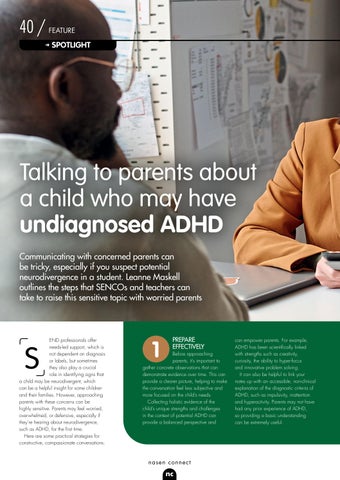
40 / Talking to parents about a child who may have undiagnosed ADHD
Leanne Maskell outlines the steps that SENCOs and teachers can take to raise this sensitive topic with worried parents.







At AxcisEducation, we specialiseinconnectingschools with topSEND professionals. As aproud partner of nasenfor over adecade,weare committedto supporting inclusiveeducation.

Expertise in SEND EducationRecruitment
ExtensiveNetwork of QualifiedCandidates
Taylored RecruitmentSolutions
For Your Provision
CommitmenttoQuality

























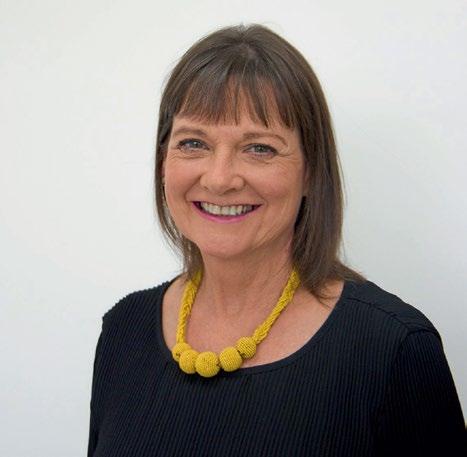
As we release yet another jam-packed edition of nasen Connect, the first of 2025, we wanted to take this opportunity to thank our members for their dedication and unwavering support to the sector. We are delighted to now be connecting and communicating with over 154,000 of you. Not yet a member? Here are just five reasons why you should be:
1. It’s free. Just visit www.nasen.org.uk and click ‘join for free’ in the top right-hand corner.
2. You’ll get access to a suite of free resources, all accessed via the resources library in the top menu banner.
3. You'll have free access to our
member-led events and webinars, for example, our Twilight Talk series
4. You’ll receive a termly newsletter, packed full of information and news and a ‘monthly dates for your diary’ email, with details of key SEND/ education events across the UK.
5. You’ll get priority booking for our annual conference, nasen LIVE, where you can hear from sector-leading speakers and access a comprehensive SEND exhibition.
Thank you for sharing your views
It was great to start the new year with active dialogue between those who work in the sector and Government.
The ‘Curriculum and Assessment Review’ and the Education Select Committee’s Call for Evidence on ‘Solving the
SEND Crisis’ each provided a valuable prompt for reflection on what is good and what could be better. Thanks to everyone who took time to respond.
Look out for future invitations to online discussions and forums, as well as further surveys and social media polls regarding the key themes receiving attention in 2025.
We’re also excited to announce that nasen is now on Instagram.
Stay connected with us for the latest updates, insights and inspiration by following @nasen_org Our dedication to supporting you remains stronger than ever. Whether you have questions about your membership or need assistance, our team is here to help. Reach out to us at membership@nasen.org.uk and we will get back to you as soon as possible. Office hours are 8am –5pm, Monday through to Friday.
Warm regards,
The Membership Team
Becoming a sensory aware school. A toolkit to develop a whole school approach for sensory wellbeing
Any education practitioner who has stepped foot in a school in the last five years will be aware of the importance of supporting the sensory needs of our learners (and our staff!), yet it’s an area which is so often misunderstood.
Luckily, Alice Hoyle and Tessa Hyde, who share a wealth of education experience – including as teacher and occupational therapist – have come to our rescue!
This book, published in December 2024, supports educators to develop their understanding of the sensory systems through its clear explanations and helpful visuals which are easy to follow, and which encourage readers to reflect on their own experiences.
The book uses clear explanations and examples to develop skills in recognising and responding to sensory needs and
it pragmatically sets out a multitude of strategies and resources which are easy to implement (hallelujah!) and which can support teachers, LSAs and TAs, SENCOs and school leaders in meeting needs and creating a sensory aware setting.
My absolute favourite aspect of the book is that the publisher has released a discount code and a free collection of useful extracts, including a free audit tool, to allow educators to self-assess their provision. Visit here for more details.
All in all, this is a much-needed toolkit which offers a fresh perspective on an important topic.
Look out for nasen Connect’s occupational therapy and sensory support feature edition, going live in the summer term.
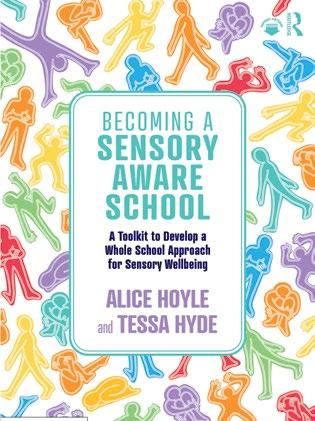
Author: Alice Hoyle and Tess Hyde
Publisher: Speechmark, Routledge
ISBN: 9781032529073
Price: £29.99
Reviewer: Ffion Robinson, Education Officer at nasen
I am relocating to start work at a new school soon and I want to get off on the right foot. Do you have any tips for building strong relationships with parents and carers? (Assistant head and SENCO, Leicester)
Building strong relationships with parents and carers is crucial to foster trust, collaboration and positive outcomes for students, so it’s brilliant that you are considering this so carefully. Firstly, communication and collaboration are key, so showing that you are approachable and open will be an important starting point. A first step could be to consider ways to create an environment where parents and carers feel welcome. Do you have a physical space that you can make welcoming?
There is always a steady stream of questions arriving at nasen House and, of course, the Education Team answers them as soon as possible. But while many of them are specific to a particular context, the answers to a number of them could be helpful to the wider nasen membership. ‘Ask the team’ provides the space to share these questions and answers.
Aim for relaxed yet professional, without being intimidating.
Arguably more important than the physical environment though, is the emotional one.
Parents and carers know their child best, so we must value their observations and concerns and show that they are vital partners in their child’s education. A good first step upon meeting can be to ask what name they would like to be addressed by. This immediately communicates respect and partnership.
When we consider our interactions, we must be mindful that everyone has a different lived experience, so we cannot make judgements. Working to respect the perspective of others, showing cultural and social sensitivity and adapting to the needs of parents and carers, as well as those of their children, is crucial.

Consider ways you might be able to do this. For example, could you offer flexible meeting times to suit differing schedules?
To prepare for your new role, make sure that you have researched the offer in your new area to find out what services are available locally. This will help you get a feel for the community and enable you to signpost local support services. Offering workshops or coffee mornings can also be a great way to get to know families, and you might be able to involve some local service providers in this.
Remember that SEND is everyone’s responsibility, so the rest of the staff team have an important role to play here too.
As a setting, strong community relationships are based in open communication and a shared vision of inclusion, celebrating children’s strengths as well as any challenges to learning and development that they may face.
In building relationships with parents and carers, we won’t always agree on everything. However, if we can treat students and families positively and supportively, this can help us to sensitively negotiate any differences of opinion. Showing them that we genuinely care and that we want to work together to support their child can be very powerful. A final tip: as you start your new role, it’s also important to set boundaries to support your own wellbeing. For example, can you set an automatic reply on your email detailing the hours that you are available, or when you are likely to reply? It will be useful to do this from the outset to make sure that you are communicating clearly and transparently from day one.
Best of luck in your new role!
AtTLC LIVE,wefocus on delivering onlinetutoringthrough qualified andexperienced teachers.We’ve been providingonline provision forover11years! minimum commitment.
Highly individualised tutoring with customised lessons: TLC LIVE provides individualised tutoring sessionsspecificallytailored tothe needs of eachSENDstudent.
Progress &outcomes: Our seamless assessment system measures progress every 10 lessons,ensuringinterventions align with thenational curriculum andeffectively targetstudents' individual needs.
No contracts required: Utilise ourprovisionwhen it suits, no


















Winner of Innovative Technology in the Field of Inclusion 2024,
by Invision 360
The TWS podcast, which launched in 2021, is hosted by autistic students from a special school in the West Midlands. Each week, the students interview famous sportspeople about their career.
Tettenhall Wood School has used this podcasting technology to teach communication, confidence, social skills and computing skills, while raising awareness of autism and promoting acceptance.
So far, the students have released more than 100 episodes with over 100 guests, including Harry Redknapp, Sam Allardyce, Paddy McGuinness, Joe Hart, Nasser Hussain, Sir Clive Woodward, Tanni Grey-Thompson and Will Greenwood. Despite challenges, the students have made an amazing impact with the

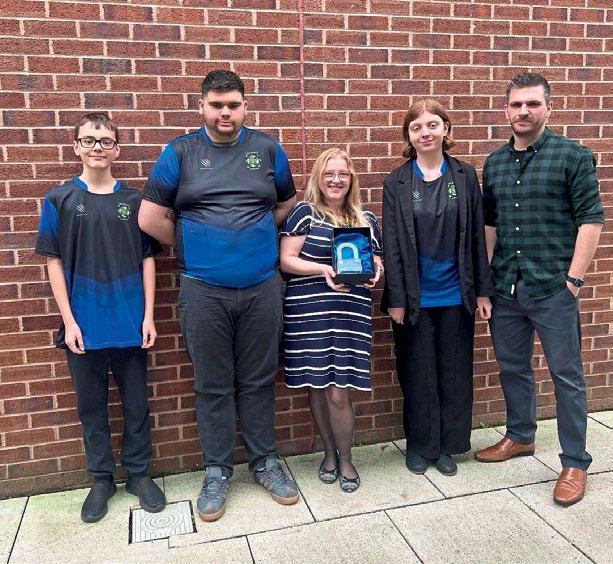

podcast, appearing on BBC news, local and national papers, hosting live radio shows and being nominated to be the Commonwealth Games Baton Bearers.
This podcast has not only had impact on the students who are hosting it, it’s also helping many other listeners. The wider public have also expressed their appreciation for the podcast, with a large community of listeners engaging with the show regularly.
As well as winning the nasen Award in 2024, they also received a global Sports Podcast Award for the 'Best Equality and Social Impact Podcast' at the 2021 Sports Podcast Awards.
Find out more and listen to the latest podcast at https://www.twssportspodcast.co.uk/
The nasen Awards is an annual event that celebrates and recognises the amazing work led by settings and organisations in the education sector to ensure that children and young people with special educational needs can go on to reach their full potential.
For more information, and to be notified of when nominations open, please visit nasen.org.uk/awards





n
In 2025, nasen will host their ninth annual awards, celebrating individuals and organisations who make a real difference to the lives of children and young people with SEND.
Be the first to know when nominations open and explore highlights from our previous awards ceremonies at www.nasen.org.uk/awards.
Sponsorship opportunities are also available. To find out more email sales@nasen.org.uk.






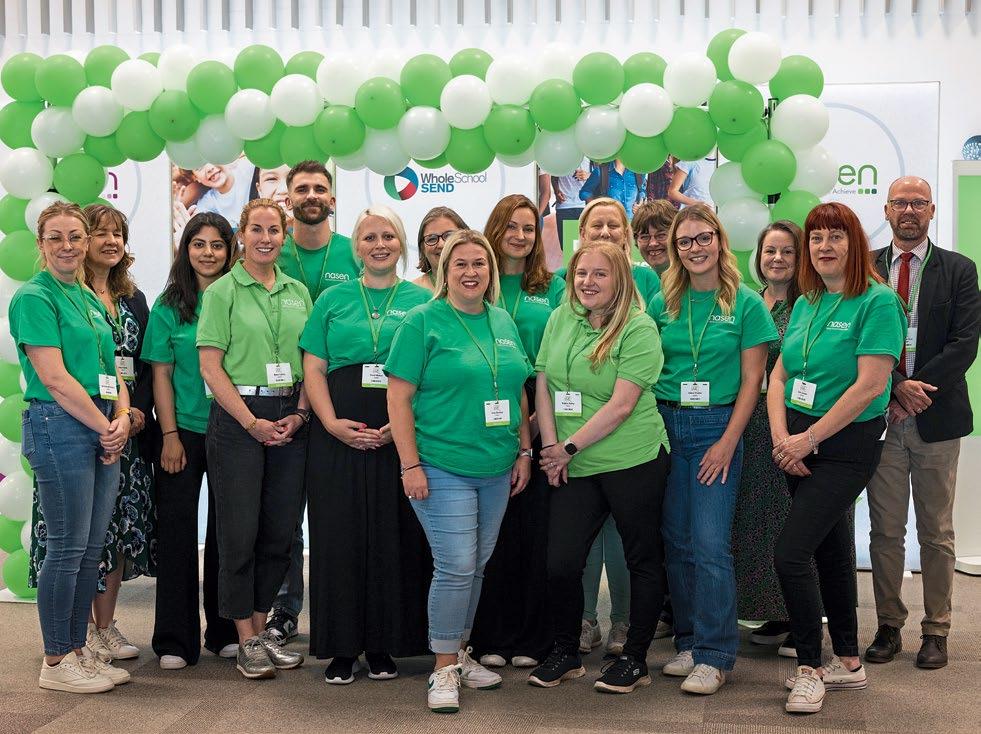
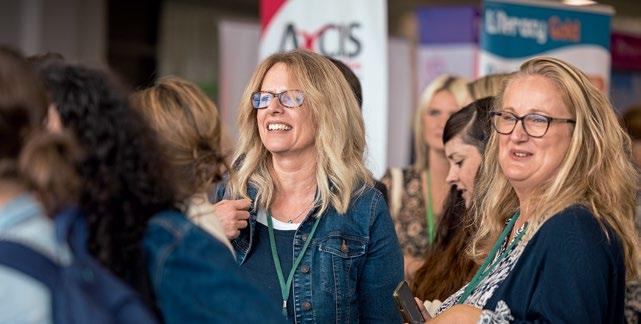
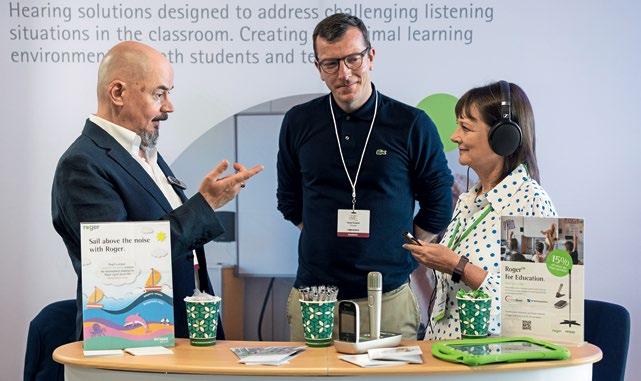
nasen LIVE is back and, with just five months to go until our popular annual SEND conference, we wanted to give you a taster of what’s in store for 2025!
Once again, the event promises to be a must-visit for any SEND professional, and is designed to provide SENCOs, school leaders, teachers and other education professionals with a unique platform to celebrate outstanding practice and provision for children and young people with SEND.
Visitors will have the chance to network and explore the latest developments in the SEND and education sector and will also be able to update their knowledge and learn from evidence-based practice and practical examples.
There will also be an opportunity
to access leading, award-winning exhibitors, as well as attend several seminars and keynotes delivered by key figures in the sector.
With delegate figures increasing year on year, and an outstanding feedback rate of over 90 per cent, this sell-out event is not to be missed.
Tickets are now on sale for £109, but be quick, as we only have a limited number available. Once they are gone, they are gone, and you will be added to our waiting list.
Ticket prices also include lunch and light refreshments throughout the day.
For more information about the event please visit https://nasen.org.uk/nasen-live



Thegeneral principles governingthe schemesofwork arethatthey
•are developmentalinnatureand open to personalisation- they startatthe beginning of theindividualpupil’s learning journeyand aimfor the highestlevel of independence possible
•cover allstagesofeducation from 2to 25 (and beyond)but arenot directly relatedtoeitherage or keystage. Learners fitintothemwhere they will accordingtotheir individual abilities, interestsand learning journey
• arenot relatedtothe National Curriculum,thoughthe common language of theP Scales is occasionally used for ease of understanding
Choose from oneofour five pathwaysAutismAdults,AutismChildren,SLD/PMLD, Social Emotional andBehaviouralDiff iculties andSpecial Educational Needs
lop We

Thelecturesand seminars were aparticularhighlight.Hearing from arange of professionals around keytopics,aswell as autistic people sharingtheir experiences. Theweekends alsoprovided lots of positive opportunities to network with otherpeople,building up contacts andsharingresources andinformation
JonnyKnowles Autism(Children) pathway
education@nasen.org.uk
‘Only 32 per cent of learners engaged in learning’ states report
Aglobal survey report of over 6,000 teachers, parents and students across Australia, Germany, South Korea, UK and USA, carried out by LEGO® Education to uncover what engages, inspires and builds confidence in students and educators, has been published. The report highlights five key themes:
1
Educators and parents agree, students are not engaged in their learning two thirds of teachers and parents described their students as not engaged. 29 per cent of teachers describe their students as underperforming.
57 per cent of teachers believe their students have a surface-level understanding of the curricula.
2
When students are more engaged in learning, their outcomes in school improve Teachers agree that a learningthrough-play approach leads to improved grades (70 per cent) and attendance (76 per cent).
3
Better engagement in learning also extends to improved wellbeing for students and teachers
Students who are more engaged in

learning are four times happier, three and a half times more excited, twice as interested in learning and five times more confident.
83 per cent of teachers say that they would be happier in their job if students were more engaged in learning, and that student engagement makes them less likely to leave the profession.
4
Teachers are hopeful about their potential to engage their students but need more support in place
9 in 10 teachers agree it’s never too late to engage students in learning. 7 in 10 teachers don’t feel well equipped to encourage engagement in learning.
5
Educators and parents unanimously believe that learning through play is a highly effective approach to engaging students Interactive experiences are students’ favourite way to learn, yet only two in five are regularly getting hands-on experiences. Around 80 per cent of teachers say learning through play supports improvements in collaboration, problem-solving, self-motivation and knowledge retention.
Don’t want to wait for the next issue?

Call to action: support for blind and partially sighted learners
With the change in government last year, many organisations are looking to the future and how education can be made more inclusive. Thomas Pocklington Trust (TPT), a charity that supports blind and partially sighted (BPS) people to bring about equity and inclusion, has published its report, A Vision for Vision Impairment (VI) Education. The report emphasises the need for urgent change to ensure students receive the support they need to thrive in their education.
The report outlines five building blocks that TPT believes have the potential to transform the educational experiences and outcomes of BPS students:
1
Embed the Curriculum Framework for Children and Young People with Vision Impairment (CFVI) in policy. Integrating the CFVI into policy helps ensure students receive a consistent and inclusive education.
2 Provide adequate, ringfenced funding for statutory vision impairment services
in further education. This funding is crucial to ensure students have access to the necessary resources and support throughout their educational journey.
3
Develop a strategy for assistive technology and mainstream technology. There is a need for a comprehensive strategy to ensure students can access the technology they need to participate fully in education and gain skills essential for future employment.
4
To include vision impairment education in work towards the development of a children’s wellbeing bill, review of the national curriculum and to rapidly evaluate the SEND and Alternative Provision Improvement plan.
5 Make the disabled student commitment mandatory for higher education providers and the wider higher education sector. This will ensure universities are better placed to support students.
Place2Be created Children’s Mental Health Week in 2015 to empower, equip and give a voice to all children and young people in the UK. This year, the theme is ‘Know Yourself, Grow Yourself’. The event aims to embrace self-awareness and explore what makes us tick; our likes and dislikes, strengths, fears, hopes and dreams. Place2Be has partnered with the Walt Disney Company to use the Inside Out 2 characters to explore ideas within the theme. With one in five young people now having a probable mental health condition, this could not be timelier for schools. There are several free resources available on the website, including a set of slides for primary and secondary assemblies, fundraising resources and a school pack of ideas for activities and case studies. There are also packs for families and young people with tips to support their mental health and links to Here4You, a collaboration of six of the UK’s leading mental health charities, dedicated to creating a future where no young person feels alone with their mental health.


Following research by West Midlands Adult Social Services (WM-ADASS), in conjunction with the University of Birmingham and parents of autistic children, the report Autism and Parental Blame: Blamed Instead of Helped has been published, revealing the extent and impact of parental blame across different settings and services.
It presents eight key findings:
1 Autism is widely misunderstood by professionals. They fail to recognise the diversity and complexity of autism and lack access to the knowledge to recognise and support children and their families, often relying on outdated stereotypes. Just over three quarters of parents told researchers they experienced blame prior to an autism diagnosis.
2
Blame can result in trauma, longterm damage and increased risk of suicide. A quarter of parents surveyed said their child was at increased risk of suicide
because of the impact of parental blame, and 94 per cent of parents experienced stress and anxiety.
3
Autistic parents may be at higher risk of blame as they face additional discrimination when seeking help for their child. They may be misunderstood or misjudged by professionals who don’t understand autistic presentation and communication styles. Participants with a formal diagnosis were three times more likely to be accused of fabricated or induced illness (FII) than non-autistic parent-participants.
4
Parents of autistic children have a high level of mistrust in services and professionals; 73 per cent told researchers that poor experiences had caused them to lose faith in services and professionals, and over a third told researchers they experienced blame after making a complaint about a service or professional.
5
Parents of autistic children may be at higher risk of child protection proceedings. Parents were frequently accused of neglect or harm, facing serious consequences such as child protection investigations, and one in six reported being accused of FII with devastating effects on the entire family.
6
Parental knowledge is not recognised or valued, with their experience ignored or dismissed and their motives questioned by professionals, with 81 per cent of parents experiencing this.
7
Parental blame is more likely before a child is diagnosed as autistic; there are significant difficulties and delays in obtaining an autism diagnosis, and blame from health professionals reduced by 48 per cent following a child being diagnosed as autistic.
8
Current support is often unhelpful and is sometimes reported as doing more harm than good; 65 per cent of parents reported they were not offered support while waiting for a diagnostic assessment, and when support was offered, there were mixed views on how helpful this was. Less than two per cent of participants said they get the help they need from services. The most ffrequent phrase used to describe support following a diagnosis was 'non-existent'.
WM-ADASS has launched a further phase of the research to investigate the perspective of professionals working with autistic children and their parents, and to explore the systems, practices and challenges that may underpin the issue of parental blame by professionals. From early 2025, this second phase will deliver a series of webinars for professionals in education, health and social care. A webinar will also be offered to parents to present the findings. If you would like to be kept updated, please register your interest at APB@wm-adass.org.uk
Don’t want to wait for the next
The SEN Policy Research Forum contributes analysis, knowledge and experience to promote the development of policy and practice in the UK for children and young people with SEND (aged 0-25). Members include academics, researchers, policy consultants, advocates, local authorities and voluntary organisation staff, and the Forum hosts regular, openpolicy seminars on SEND-related topics, publishing policy papers after each event. One of the latest policy papers covers proceedings from a recent seminar on disengagement from education and how we can re-engage children and young people in their learning. It summarises presentations from four speakers: Dr Ian Thompson, co-principal investigator, Excluded Lives: The Political Economies of School Exclusion, University of Oxford, spoke about how the project has explored the policy and practice of different rates of school exclusion across the UK.
Steve Chalke, founder of the Oasis Charitable Trust, spoke about the Trust’s approach to reaching out to atypical learners. He described Oasis St Martin’s Village, Tulse Hill, as a support for local schools, parents and families. Through mentoring and therapeutic care, youthworkers and mental health teams support young people who are vulnerable to exclusion.
Ellie Costello, director of Square Peg, described how the company works in the area of school non-attendance to support children, young people and their families with any barriers to participation in education. The group also works with professionals who support children and young people. Kerrigen Marriner, head of behaviour and attendance service, London Borough of Tower Hamlets, explained that school non-attendance is the ‘top layer’ of several other issues; poverty,
overcrowded housing, physical and mental illness, safeguarding problems and the related impact of Covid-19. The round table discussion following the presentations highlighted a number of considerations including:
The current curriculum and continuous assessment pose a threat to sustainable inclusive practice. There is a need to support families and for professionals to avoid the language of blame. Inclusive policies are cost-effective in the long-term. The Government should commit to a clear statement about the value of inclusion. The establishment of ‘inclusion hubs’ in local areas might drive improvement.
Practitioners are welcome to join seminars and details can be found at senpolicyresearchforum.co.uk



Ensure ever y child and young person thrives with our tailored SEND review options, designed to support you to develop and enhance inclusive practice.

A na sen specia list will conduc t a comprehensive review of your SEND pr ov ision, including dat a an al ysis , me eting with st akeholders , and pr ov ide a comprehensive report with r ec ommendations . This includes a 1- ye ar SEND CP D whole- setting subs cr iption and a 10% dis count on fu ture purcha se s.
S uita ble for schools con fident in their curr ent pr ov ision, bu t who se ek va lidation . Conduc t your review using our template and a specia list will me et virt ua ll y with you to review and qua lity as sure your findings , and pr oduc e a comprehensive report .
Let us help you to equip and tr ain your le ader s to independentl y review pr ov ision in your s et ting or acro ss your schools.
After completing the SEND Reviewer Tr aining , you ca n commis sion a suppor te d review, wher e a na sen specia list guides the reviewer throug h their firs t on -site review.
Kelly Fellows talks about the importance of inclusive physical education, and discusses creating opportunities for all young people, inspired by the success of the Paralympics
The 2024 Paralympic Games in Paris saw athletes from around the world compete at the highest level, showcasing their incredible talent and perseverance in front of packed-out crowds. The games not only captivated millions with breathtaking performances but also inspired people of all ages and abilities to push their own limits. Our hope is that the games will inspire more young people to take part in
sport and become more active, but while inspiration might spark the journey, it’s action that drives the transformation.
It is a sad fact that young people with disabilities are currently not given the same access to PE and sport at school as other children. Just one in four disabled children say they take part regularly in sport at school. As there are over 1.5 million disabled children in England, this means hundreds of thousands of young people are not doing enough sport or
physical activity. There is no argument that participating in sport and physical activity is good for your health and wellbeing, but the benefits are far broader than just increasing your heart rate. With participation comes the opportunity for young people to connect with others through team-based activities and gain release from the pressures of society. It can be a motivation to attend school to be a part of a community, helping to create an important sense of belonging.


After the success of the Games, with Team GB’s 124 medals placing them second in the medal table, the athletes in Paralympics GB called on the Government to provide teachers with the right tools and resources to deliver inclusive PE, alongside adapting teacher training and increasing the number of disabled people entering the teaching profession.
All too often, people think that issues around disability sport and PE are only a concern for special schools, but with 82 per cent of children with SEND attending mainstream schools,
this is something all schools need to be focusing on. A Paralympics GB open letter highlighted the need for better tools and support, a concern reflected by teachers themselves. Almost one-infive primary teachers say they lack the help they need to support students with SEND and only 14 per cent of secondary school teachers report receiving autism training, despite 73 per cent of autistic pupils attending mainstream schools.
Inclusion 2024 is a programme funded by the Department for Education (DfE) that aims to improve the quality of schools’ physical
education and school sport provision for pupils with SEND. The Youth Sport Trust works alongside Activity Alliance, the British Paralympic Association, nasen and Swim England to help pupils with SEND to achieve the Chief Medical Officer’s guidelines of a minimum of 20 active minutes a day, and to ensure that strength and balance activities are included.
One recent resource, created by the Activity Alliance and funded by Inclusion 2024, is the Inclusive Physical Education e-learning course, which is available for free using the discount code 'Inclusion2024'. This new resource aims to provide teachers, teaching assistants, sports coaches and the wider school workforce with the knowledge and confidence to deliver inclusive physical education and school sport. The content has been designed with the support of Leeds Beckett University and the Youth Sport Trust’s lead inclusion schools to ensure content is relevant and supportive to practitioners. The course is broken down into 10 short modules, with each one taking approximately 10 minutes to complete. Modules cover topics such as: why inclusion is important, effective communication, youth voice and inclusivity in the classroom and offering practical tools to develop inclusive practice.
If you aren’t sure where to start, you can connect with your local lead inclusion school for localised support by visiting the Youth Sport Trust webpage or contacting our Inclusion team at SEND@youthsporttrust.org


KELLY FELLOWS
Kelly is the development manager for inclusion at the Youth Sport Trust. She leads on the Inclusion 2024 programme, which aims to improve the quality of schools’ PE and school sport provision for pupils with SEND. Over the last three years, the programme has delivered 763 CPD events, providing 4,043 schools with advice, training and guidance on inclusive physical education and school sport to improve the competence and confidence of the network in inclusion for pupils with SEND.
The Equal Play campaign asks the Government to act today to ensure every child has the same access to PE at school so that, by 2028, no disabled child faces this discrimination.
Each section contains an introduction, key facts, space for self-reflection on current practice, tips for how to improve your practice and a helpful resource page. Following completion of each module and the full course, a certificate will be received to evidence the CPD undertaken.
For those wishing to gain a deeper understanding of issues around inclusion and hear from colleagues and partners across the network, the Youth Sport Trust hosted Inclusion Live in the last week of January. This was a series of online webinars covering a range of topics designed to increase knowledge and understanding.
While Paris 2024 is still relatively fresh in the memory, it won’t be long until the world turns its gaze to the west coast of America for the 2028 Paralympic Games in Los Angeles. The Equal Play campaign asks the Government to act today to ensure every child has the same access to PE at school so that, by 2028, no disabled child faces this discrimination. With resources and tools available from Youth Sport Trust and other Inclusion 2024 partners, all schools can play their part to ensure Equal Play for All by 2028.
Kate Ager, Paralympic swimmer, comments:
“The Paralympic movement continues to have a positive impact on the disabled community. We have seen that since London 2012, but that spark was 12 years ago and following the Paris Paralympics it needs to be more than just inspiration.
"Young people with disabilities deserve to have equal opportunities to play and take part in sport. So, by equipping educators with the right support, they will become more comfortable and confident, delivering inclusive physical activity for ALL.
"And that is what the Youth Sport Trust – along with its many partners –does best, through their endless supply of resources and networks.”
To contribute towards achieving Equal Play for All in 2028, the Youth Sport Trust has produced a suite of free resources to guide and support teachers, teaching assistants, SENDCos and the wider school workforce in delivering inclusive physical activity. These resources include ‘All About Autism training’, ‘Move like me’ and an inclusive festival start-up guide

Jo Clanfield, founder of Teach Outdoors, talks about how outdoor learning isn’t just for forest schools or adventurous pursuits; it’s a powerful teaching tool that can support all learners across the curriculum
Agrowing research base shows us that the benefits of taking education beyond the traditional classroom setting can be profound and multifaceted, offering significant advantages in terms of learning, development and wellbeing.
Outdoor learning is particularly beneficial for students with learning difficulties and those who struggle to access traditional settings. In one study, children who spent two hours a day learning maths, science and writing while outdoors outperformed peers taught indoors in state-wide reading and writing tests (Ernst & Stanek, 2006). Meanwhile, Hamilton (2018) found that outdoor learning environments are more motivating and engaging for these students, leading to better academic outcomes. The flexibility and sensory richness of outdoor settings can help students with ADHD and other attention differences, as noted by Louv (2005), who emphasised the role of nature in improving cognitive abilities and reducing symptoms of depression.
Creating sensory-rich environments can be beneficial for students with SEND. These could include sensory gardens or outdoor sensory trails, where students
with SEND can engage with a variety of textures, sounds and smells. These spaces can help students stay focused and calm, supporting their learning and development.
Outdoor areas can also be used for targeted interventions, such as planting seeds to improve fine motor skills or engaging in active phonics sessions. Tailoring outdoor activities to each student’s interests can be very helpful. This could be incorporating hands-on science tasks or using natural materials for counting, sorting and patternbased activities, which help to make learning both accessible and enjoyable. Similarly, real-world maths problems like measuring the height of trees or calculating the area of the playground can be introduced to link the curriculum to the world around us.
Managing student behaviour outdoors can at first seem challenging if working outdoors is a new experience, but implementing and enforcing clear guidelines can help maintain order and safety and enable students to reap the rewards that outdoor learning can offer in terms of building social skills. Research shows that children experience greater autonomy and are more likely to collaborate with peers in outdoor settings (Hamilton 2018).
Ofsted also supports this view, stating that well-implemented outdoor learning can significantly enhance pupils’ personal, social and emotional development.


Using existing behaviour management systems to maintain consistency and engage children with transition activities can help to keep them focused as they move between spaces. For example, ask students to spot something green on their way outside, then count how many green objects they can find once outdoors. Incorporating visual aids can also help reinforce expectations, reduce demands and remind students of routines, making outdoor learning smoother and more structured. Schools can consider developing a set of outdoor behaviour expectations with input from the students



Jo Clanfield, founder of Teach Outdoors, is an experienced primary teacher and leader, dedicated to fostering outdoor learning experiences. With qualifications in Forest School and Beach School practices, as well as expertise in dyslexia support, she advocates for enriched, active learning outdoors. Jo and her team aim to globally disseminate the benefits of outdoor learning, ensuring all children thrive in their learning journey.
to give them a sense of ownership. In addition, using visual aids like posters to remind students of the rules and establishing a buddy system can help maintain discipline.
To improve social interaction and connection, planning group projects that require teamwork can naturally encourage collaboration. This could include creating a school garden, joint art projects to create 3D shapes from found objects or cooperative games or team sports which can naturally encourage collaboration.
Despite its benefits, several barriers often prevent schools from fully embracing outdoor learning. Understanding and addressing these challenges is key to making outdoor learning accessible and effective.
One of the most common barriers is inclement weather. To overcome this, schools can invest in appropriate outdoor clothing and establish a collection of waterproof clothing and boots that students can borrow. Having flexibility around when you go outside also helps so you don’t feel forced to go outside on certain days. Building sheltered spaces that allow for outdoor activities regardless of weather conditions is a good way around this, such as by setting up canopies or using
existing covered areas like porches or pavilions for outdoor activities.
Time constraints will also likely be a challenge that many schools face.
Integrating outdoor learning into an already packed curriculum may seem daunting, but aligning outdoor activities with curriculum goals and planning integrated lessons that cover multiple subjects outdoors can help schools and teachers who are pressed for time. For example, a nature walk can include elements of science, geography and PE. Use outdoor time for cross-curricular projects that meet various learning objectives simultaneously.
Lack of resources and training can also be a barrier for some schools. Teachers may feel unprepared to conduct outdoor lessons due to a lack of training and resources.
Providing professional development opportunities, chances to share successful strategies and resources, and access to curated teaching materials can empower teachers to confidently incorporate outdoor learning into their teaching practices.
Outdoor learning offers a wealth of benefits that extend beyond the classroom, positively impacting students’ academic performance, physical and mental health and social skills.
By addressing common barriers and adopting a whole-school approach, educators can unlock the full potential of outdoor learning for all students.
At ASDAN, we understand that no two learners are the sameespecially within the SEND community. That’s why we’re committed to empowering educators and unlocking the potential of every learner, no matter their star ting point or unique needs. As a pioneering provider in SEND education, our flexible and inclusive courses are designed to make a lasting impact - both in the classroom and beyond.
ASDAN offers a range of shor t courses, curriculum programmes and regulated qualifications for learners with a diverse range of special educational needs and disabilities (SEND), including profound and multiple learning difficulties (PMLD), severe learning difficulties (SLD), and moderate learning difficulties (MLD). Our adaptable courses can be tailored to each learner’s individual needs, offering meaningful, person-centred experiences that empower learners and prepare them for adult life
From pre-Entr y Level to higher qualifications, our broad offer caters to learners of all abilities, including those with spiky profiles, where strengths in one area may contrast with challenges in others This flexibility ensures learners can progress at their own pace, building on their unique strengths without being boxed in
ASDAN stands out in the provision of SEND education through our accessible and quality course design, with the needs of learners at its hear t. Programmes like Towards Independence are carefully mapped to the Preparing for Adulthood (PfA) pathways, and the My Independence suite is designed to support young people achieve their personal goals within their Education, Health, and Care Plans (EHCPs). Our courses are built on evidencebased best practices and developed through close collaboration with SEND professionals, families, and learners. This ensures they can be tailored to meet the unique needs of ever y learner.
We stay ahead of the curve by regularly reviewing language, policy and government guidelines to keep our content relevant and impactful. When educators choose ASDAN, they’re choosing a partner that evolves alongside the ever-changing needs of the SEND community
We can help you build the right pathway for your learners.


ASDAN creates pathways to independence for all learners. Whether it’s through essential life skills like budgeting, cooking and travel, or fostering workplace readiness through communication and problem-solving modules, our programmes are designed to prepare learners for life beyond the classroom
A shining example of ASDAN’s commitment to innovation and relevance is our recently refreshed Towards Independence programme. Designed to meet the contemporary needs of learners with SEND, this course offers a wide range of modules that empower them to develop skills for independent living, meaningful employment and personal growth
The ‘World of work’ modules within Towards Independence are particularly impactful, equipping learners with the confidence and practical abilities to navigate the workplace. From exploring career pathways to developing communication and teamwork skills, these modules prepare learners with SEND to
take their first steps into employment with confidence. By bridging the gap between education and work , ASDAN helps them to build a future filled with opportunity.
ASDAN’s impact is built on collaboration with our members, with leading experts and with the learners themselves When you join ASDAN, you’re not just accessing highquality SEND programmes and qualifications – you become part of a professional learning community dedicated to you and your learners’ success.
Together we can engage, elevate and empower learners with diverse needs.






























The world has evolved; so have the
Beth Jones, head of career programmes at The Gatsby Charitable Foundation, explains why and how the Gatsby Benchmarks have been updated
Gatsby believes all young people deserve the very best careers provision as part of their journey through education and towards a positive future. Meeting the needs of each and every young person is at the heart of the Gatsby Benchmarks, an evidence-led framework, introduced 10 years ago to help England’s schools and colleges provide world-class guidance to young people. Colleagues who work with young people with additional needs have told us that the high aspirations of the benchmarks make a difference, and that the same framework of high expectations should be available to all young people. To quote the leader of one alternative
provision multi-academy trust: "The Gatsby Benchmarks have transformed how we view careers and how we provide careers guidance for our young people, all of whom have a complex and diverse range of needs. They are a fantastically powerful tool in preventing NEET, developing multiagency approaches with partners, and rethinking our approach to what is possible with employers and workplaces.”
Education and the wider world have changed significantly in the decade since the benchmarks launched, with technological shifts, innovative careers practice and labour market changes.
We conducted extensive engagement and research, including roundtables with SEND sector stakeholders and a programme of visits to training providers, colleges and schools, including the inspirational Catcote Academy in Hartlepool. The evidence gathered enabled us to update the benchmarks to strengthen and future-proof them. Thank you to everyone who contributed, including nasen.
While the core of the benchmarks remains the same, the changes we’ve made are important. One of the key principles underpinning the updates is inclusivity.
Too often, the 1.2 million young people in England recognised as having SEND can be held back by negative stereotypes and assumptions about their limitations. It’s evident that the professionals who work with young people with SEND every day are the experts and are best placed to adapt their career guidance activity to the needs of their students.
Updates emphasise the importance of tailoring programmes to the needs of each young person and considering what additional or different support may be needed by vulnerable or disadvantaged young people and those with SEND.
Examples include:
Updates to Benchmark 2, which recognise that, for young people with complex SEND, employment and further study may not be the most appropriate next step. Information should be provided about all potential progression pathways. Careers leaders must work closely with SENDCOs, young people and their parents and carers to prepare the young person for adulthood and to provide the bespoke support they may need to have


BETH JONES
Beth Jones has led Gatsby’s work on the careers system in England for the last 10 years, building a transformative programme based on solid evidence, strong stakeholder relationships, rigorous piloting and open dialogue.
positive transitions. Changes recognise that young people with SEND and their parents and carers may require different or additional career and labour market information to make informed decisions.
Recognition in Benchmark 3 of the importance of using a variety of relatable role models and alumni to celebrate and showcase what can be achieved. The expanded definitions of 'meaningful' in Benchmarks 5, 6 and 7 encourage schools, colleges and independent training providers (ITPs) to determine the best way to set up, facilitate and manage encounters and experiences based on the needs of young people.
Updates to these benchmarks highlight the particular importance of all young people and their parents and carers knowing how to access personal guidance, what will take place in meetings and which staff will be involved. This may be particularly beneficial to young people with SEND. Updates emphasise the importance of careers leaders working closely with SENDCOs to ensure personal guidance is effective.
Our benchmark review showed that stability was a huge priority. At the launch of the updated enchmarks, Minister for Skills, Jacqui Smith, reaffirmed the Government’s commitment to the framework as the bedrock of its strategy to provide high-quality careers guidance to all young people. It was confirmed that the benchmarks will continue to be part of the Government's guidance for schools and colleges, and the updated guidance will be published in spring for implementation from September 2025.
The updated framework, rationale for changes and examples of impressive practice are detailed in our new report: Good Career Guidance: The Next 10 Years. More information about the updates is available at www.gatsbybenchmarks.org.uk along with resources and support such as our collection of essays; good career guidance: and perspectives from the special educational needs and disabilities sector.



Increasing employment opportunities for students with SEND is crucial. Louise Saunders from the National SEND Employment Forum (NSEF) takes a look at the benefits of supported internships for students with SEND, and outlines some of the support available for schools and their students
Transitioning from education to employment can be challenging for many young people. Faced with decisions of which subjects to study, the different qualifications needed to secure a chosen path and developing confidence and skills for independent living, it can be a daunting time. For young people with a special educational need and/or disability (SEND),
this transition can feel overwhelming. Against the national statistic of only 4.8 per cent of people with learning disabilities in paid employment, it is vital that we increase the opportunities for students with SEND, helping to ease the transition to paid employment wherever possible. So what support is there, and how do supported internships help students to bridge the gap between education and employment?
What is a supported internship programme, and how does it help?
Supported internships are a structured, work-based study programme for students aged 16-24 who have an Education, Health and Care Plan (EHCP).
They can be an ideal pathway to bridge the gap between education and paid employment, with the young person remaining in full-time education while




LOUISE SAUNDERS
Louise Saunders is a leader with over 30 years' experience at National Grid, primarily within the safety, health and wellbeing disciplines. Alongside that, she has been working on the company’s EmployAbility – Let’s Work Together supported internship programme since its inception in 2013 and now leads the programme. Outside of National Grid, Louise is an associate of DFN Project Search and secretary of the National SEND Employment Forum.
they complete their supported internship as their last year of study. Interns gain the skills they need for work through learning in the workplace at the host business’ premises. This fully immersive model gives them the chance to not only gain a wide variety of job- and employability-related skills, but to experience life as an employee. Their individual development in confidence, maturity and social skills is immense and it’s very common to hear from parents and carers of their surprise in how their young person as grown in a short space of time.
A key role in any supported internship programme has the job coach. This is the person who is skilled in ensuring the young person is matched to the right opportunities
Often, we hear of young people with SEND having low aspirations or being told they won’t ever get a job.
and supported in a personalised way to ensure they become as independent as possible in their work placements. Typically, an intern will experience up to three different work placements with their host business and can often go on to gain employment with them.
A key attribute for any young person considering a supported internship programme is the aspiration of gaining paid employment. Often, we hear of young people with SEND having low aspirations or being told they won’t ever get a job. From the experience of our members, this is just not the case and education providers should be starting from the premise of everyone can work, it’s just about finding the right opportunity for each individual.
This is where schools can really help by ensuring students with SEND are aware of what a supported internship programme is and knowing what opportunities are available within their area. Local authorities have an obligation to include all programmes within their SEND local offer, but often the best way of learning more about supported internship programmes is to go and see them in action. Many of our members host visits and schools and students can speak to current and graduated interns, employees who work with them, job coaches and other tutors.
Against the national statistic of only 4.8 per cent of people with learning disabilities in paid employment, it is vital that we increase the opportunities for students with SEND.
The National SEND Employment Forum (NSEF) is a voluntary led organisation for all partners involved in supported internships. The forum provides a platform to share knowledge, inform and influence policy and work in partnership. Its primary focus is for young people with a learning disability and/or autism to have the best opportunities available to achieve paid employment and live long and fulfilling lives. It does this by ensuring supported internship programmes around the country benefit from our members’ combined expertise and learning.
The Department for Education has invested £18 million over three years to build capacity of supported internship programmes across the country. This Internships Work Programme ends in March 2025 and is on target to double the number of supported internships to around 4,500. It is also improving the quality of programmes by the development of a quality assurance framework, and by providing training to job coaches, employers and local authorities to ensure the infrastructure and foundations are even stronger.
NSEF is keen to ensure continuous improvement doesn’t end when this programme does. It aims to do this by keeping the learning, education and sharing of experiences going via their monthly meetings. Anyone wanting to find out more about NSEF and supported internships can contact either Katie Parlett katie@lighthousefuturestrust.org.uk or Louise Saunders louise.saunders @nationalgrid.com
Supporting young people with SEND on the transition to work is crucial, and there is support available for schools, settings, practitioners and young people. Here is nasen's round-up of some of the many free guides, resources and training available.
The WSS consortium of charities, schools and organisations has produced a twopart webinar entitled ‘Their future in our hands – Navigating school to career transitions for primary, secondary and college educators’ with DFN Project Search and the British Association of Supported Employment (BASE). Watch part one and part two On 6 March 2025, a free online event entitled ‘Preparing Learners with SEND for Adulthood: Supporting Success Conference’ will take place. Meanwhile, the DfE-funded Universal SEND Services programme aims to bring together support for learners with SEND in schools with support for learners with SEND across further education (FE). Click here to find out more.
The CDC produced a practical guide for employers and education providers to support young people with SEND into meaningful work experience. Read the guide here and find out more about supporting the transition to work with the transition information network, a group of organisations and individuals that want to improve the transition
into adulthood for young people with SEND. The CDC also manages the DfE-funded Apprenticeship Support and Knowledge for schools and colleges programme (ASK). There is a brochure detailing the available support, resources, careers fairs and more; read it here
DFN Project SEARCH is a one-year transition to work programme for autistic young people and those with a learning disability, or both. Find out more about its work and resources
The NDTi has resources to help schools, settings, practitioners and students. Find out more about its work and resources and explore the Routes into Work project
The DWP has produced guidance which includes links to websites that help young disabled people find and stay in work. It is aimed at young disabled people, their parents and the professionals who work with them. Find out more here


Scope is a disability equality charity offering a service called Career Pathways for young disabled people aged 16-25, offering information and advice around careers. Find out more here
Ambitious about Autism is a UK national charity which aims to improve opportunities for autistic young people. Working with Ambitious about Autism Youth Patrons, Creased Puddle, the Autism Education Trust and the DfE, the charity has designed a collection of toolkits to help more autistic young people access sustainable and meaningful employment opportunities. Explore the toolkits and sign up to receive work opportunities and resources for autistic people in your area.
WorkFit is an employment programme for young people with Down's Syndrome run by the Down's Syndrome Association. The programme aims to help with work experience, supported apprenticeships, paid employment and volunteering. For more information, visit the WorkFit website and read the WorkFit information leaflet
Autism, ADHD, dyslexia and Down Syndrome are just some of the pews to be found in the broad church that is neurodiversity.
And the diversity within neurodiversity means that many different businesses are tapping into the potential of the neurodivergent community. However, when the previous government commissioned Sir Robert Buckland to review employment and autism, the report found that: "Only 3 in 10 working age disabled people are in employment, compared with around 5 in 10 for all disabled people and 8 in 10 for non-disabled people.”
There are about a million unfilled vacancies in the UK, particularly in the hospitality and retail sector. Many businesses are missing out, unknowingly in leaving-money-on-the-table mode. Neurodivergent employees can provide a business with unique skills and abilities and can excel in many varied roles, including in areas such as technology and data analysis, hospitality and research and development. Neurodivergent colleagues offer huge benefits rather than being a cost to carry.
My experience
In 2019 I visited a café in Jersey where all the front of house team had Down Syndrome, and it was an amazing


experience. Later, when we were planning our retail business, I was very keen to offer employment to neurodivergent people. We worked with a local agency to employ three neurodivergent young adults, aiming to build up their confidence and give them experience in a workplace. Three years later, two of the original three are still with us, the third went on to gain employment with a national restaurant chain and we now have two more neurodivergent adults contributing to our business.
Given the right role, any individual – whether they be neurotypical or neurodivergent – can perform well. I speak from personal experience when I say there have been some rolls in which our neurodivergent employees have outperformed our neurotypical employees. My son is autistic and he works on the tills in a national supermarket chain, and on the customer service desk. He is the most outgoing person on the tills, talks to customers and generally adds huge positivity to the rather stale atmosphere. Yes, possibly sometimes he overshares, but the customers love him!
Employing a range of people, including neurotypical and neurodivergent individuals, helps develop our team as we all learn how best to interact and communicate with a range of different people. It has been
PAUL HARGREAVES
Paul Hargreaves is a speaker, author and CEO of Cotswold Fayre, a large speciality food and drink wholesale business. In 2021 the company opened Flourish, its first food-hall, restaurant and home and lifestyle store. He strongly believes that businesses should be a force for good, which is the title of his first book nc
our experience that once settled into a workplace, neurodivergent individuals – if treated with respect and care – gain a huge amount of dignity and are far more likely to stay. There are likely to be high degrees of loyalty - and what business doesn’t value that?

Having people who are different within our business adds to the joy, love and gratitude within it. Rather than being a burden to carry, a neurodiverse workforce enriches the business community and adds revenue and profitability.
Cat Jamieson from Thomas Pocklington Trust tells us about a campaign to increase access to assistive technology and accessibility by design across further education and outlines how colleges can get involved
Access and Assistance for All is a student-led campaign run by Thomas Pocklington Trust in partnership with University College London. It was relaunched in September 2024 after a temporary pause and is now in full swing, with youth champions spreading the word about the benefits of assistive technology and accessibility by design. Colleges are jumping on board to support the campaign and improve learning experiences and outcomes for their students.
As Oldham college director of SEND Stephanie Firth says: “Accessibility is the key to academic success but also enables learners to develop the opportunity to gain the skills they need to prepare for adulthood and make valuable contributions in the community.”
Josie, a youth champion, learnt how to use assistive technology at college and it significantly reduced the amount of one-to-one support she required. It gave her the tools and independence to succeed not just in her learning but also now within her workplace.
“I started to see the benefits of assistive technology when I started college. Until that point, I’d always been heavily supported by a human; a learning support assistant would adapt materials, read and scribe my work,” she explains.

“I was lucky to have this support, but it is a very dependent model of learning and I wanted to replace some of it with assistive technology. I worked with my tutors to provide materials in an accessible format such as word documents rather than PDFs so I could use assistive technology. As a result, I became more independent and could study outside of college, which was particularly vital at exam times. I am now able to use assistive technology within my degree apprenticeship and have much less reliance on human support.”
Zehra, another youth champion who has vision impairment, talks about how she too is able to work independently at university because of assistive technology,
“At college I learned how to use my laptop with a screen reader and a braille displayer. I started to access my resources independently online, do my own work and make my own notes. Assistive technology has also opened doors for me with e-books and e-resources.
I am now able to use assistive technology within my degree apprenticeship and have much less reliance on human support.
I am now a more independent and confident learner and can do everything other people can do online in education.”
Oldham College has signed up to the Access and Assistance for All pledges. Already a Centre for SEND Excellence. It has increased its knowledge around in-built accessibility features in mobile phones, which has provided real benefit to its blind and partially sighted students. Assistive technologist at the college, Faye McLaughlin, advocates for settings to have a variety of tools available for students.



CAT JAMIESON
Cat Jamieson is a youth sector consultant and coordinates the Access and Assistance For All Campaign at Thomas Pocklington Trust.
Cat has worked in the youth sector for over 20 years and is particularly passionate about ensuring the voices of young people are at the centre of policy making.
Whatever their starting point, colleges across England are making improvements to their accessibility arrangements by signing up to these five pledges and using the resources that support them. 1 2 3 4 5
Identify an accessibility champion
By having a named accessibility champion, students (including potential students) know who to contact with any questions around accessibility.
Raise awareness amongst staff
In order to help embed accessibility in a college, Access and Assistance for All champions have made some resources to quickly show the benefits of assistive technology through a short animated video as well as through personal student stories.
Work towards making learning resources accessible
To support this pledge, the Access and Assistance for All website provides guidance on best practice on how to ensure learning resources, documents and websites are accessible and compatible with assistive technology.
Learn about assistive technology
Understanding the types of assistive technology available and how they work can help colleges ensure compatibility with study materials and make informed recommendations to students. The Access and Assistance for All website provides information on freely available assistive technologies.
Edit and display the Access and Assistance for All Charter
This enables colleges to promote what accessibility arrangements and support are already in place at the college so that students know that accessibility is taken seriously and what is available to them. It also informs students who their accessibility champion in is and how to get support if needed.
I started to see the benefits of assistive technology when I started college. Until that point, I’d always been heavily supported by a human; a learning support assistant would adapt materials, read and scribe my work.

“By integrating a wide range of assistive technology tools throughout the college and providing ongoing training to staff throughout the year, including staying up to date on new developments like the free accessibility tools, we ensure that every staff member and student can fully benefit from these tools.
“We joined the Access and Assistance for All campaign because its mission aligns with our dedication to creating an inclusive learning environment. It has provided us with valuable insights into ways to enhance our support and has also helped raise our awareness of the accessibility tools already available to us.”
Faye explains that since joining the scheme, they have noticed a significant improvement in the support that they are able to offer.
“Alongside our devices that assist with reading, writing, and organisation, we have made greater use of built-in accessibility features on our devices such as zoom functions, larger mouse
pointers, text-to-speech, and highcontrast modes on Chromebooks and iPads. This has enabled us to provide a more personalised and varied assistive support offer, ensuring that all learners have the tools they need to succeed.”
Tom Andrew, head of digital learning and innovation at Buckinghamshire College group, has used the pledges to help push forward accessibility within the college group.
“Joining the campaign has encouraged us to promote accessibility and assistive technology more by increasing its visibility for all students and staff and not just those with SEND who are already well supported. We started by delivering a tutorial session to our 16-19 yearold students, explaining what assistive technology is and how they might want to use it to aid their studies. I wanted to get away from the idea that accessibility and assistive technology is something only for some, to explain how it’s useful for everyone and create a more inclusive environment.
The Access and Assistance for All champions, along with Thomas Pocklington Trust and UCL, recently delivered a nasen Twilight Talk on the importance of accessibility by design for further education colleges. The talk included youth champions sharing their own experiences, an overview of the legal requirements around accessibility, practical
I believe that discovering how we learn best and making simple adaptions to make learning better is the key to success.”
He continues: "By taking this approach, we saw a change in our students, once they realised how tools they use every day, like using subtitles, adjusting audio speed and using voice commands, were forms of assistive technology. "While some tools are quite specialist, many are built into software and systems and just need to be turned on, that’s something we encouraged everyone to explore.”
Staff members have responded with enthusiasm and interest as well, Tom adds.
“Recently we delivered a CPD session to our staff, giving them the skills to make the content they produce accessible from the outset, such as considering the use of colour contrast, fonts, file type and language and using an accessibility checker routinely. The Access and Assistance for All Campaign acts as a useful support and source for inspiration to allow us to keep progressing further.”
examples of how to make resources accessible and more information about the campaign. The recording can be aaccessed for free on the nasen website. If you are interested in getting involved, please get in touch with the Thomas Pocklington Trust at EducationPolicy@pocklington.org.uk They can arrange a meeting to discuss the pledges, share the resources and welcome you on board.




Nowisyouropportunity to give your school establishment therecognition it deserves andprovide your teachers and school leaderswithanacknowledgement of theirdedication, hard work andleadership. Entriesare nowinvited forthe followingcategories:
LEADERSHIP IN EDUCATION
EDUCATIONALESTABLISHMENT OF THEYEAR
To view thecategoriesand send us asubmission please visit https://educationresourcesawards.co.uk/entry-form
More information canalsobefound on ourwebsite www.educationresourcesawards.co.uk TheEducation ResourcesAwardsare sponsoredbyYPO,Staedtler (UK) Ltdand TheEducation Companyand aresupported by NAHT andnasen If youwould like to talk with amemberofthe ER Ateam, please don’thesitatetocalluson 01622474011
Closingdatetoenter is Thursday 27th February 2025.
www.educationresourcesawards.co.uk
FollowusonFacebook @educationresourcesawards.co.uk


























Every year, 2,100 children and young people experience the death of a parent who served in the British Forces. This can have a profound impact on their education, especially for children with SEND. Rachel Scott from Scotty’s Little Soldiers outlines the ways in which schools can help.
On average, every week, 40 children or young people will walk into a classroom for the first time having experienced the death of their parent. While that might build resilience it can also be unbalancing and socially isolating. Some children may have already lived through their parent or parents being deployed, with all the fears that can come with wondering if their parent is safe and will return. Some will have been young carers, helping to care for siblings or other
family members while their parent was deployed and some will have experienced other adverse childhood experiences (ACE), including parents returning with PTSD or addiction issues linked to their service. But every one of those 2,100 children each year will have experienced at least one ACE; the death of a parent. These children are twice as likely as their peers to leave school without any qualifications (Hardcastle et al., 2018). However, with the right support including –crucially – from schools, bereaved military children can thrive. Scotty’s Little Soldiers,


a national charity which supports all bereaved military children regardless of cause of death or whether the parent was serving or was a veteran, is delighted to have partnered with nasen to help ensure that all bereaved military children can thrive in school.
Grief and the curriculum
There is a growing academic evidence base of the challenges and risks that young people in higher education with a history of trauma may face when being taught traumatic content (Carello et.al., 2014) (Miller, 2008). However, the impact of teaching content within the national curriculum that may be traumatic to much younger bereaved children has, to date, largely been ignored. It’s quite surprising just how often traumatic content is covered in lessons – and quite surprising which lessons it can come up in! There’s a popular English poetry module on war and conflict. In physics they teach the
In physics we had to learn the effects that different bombs had on people, when I asked to leave I wasn’t allowed because I might have a question about it in the GCSE. My dad was killed by a bomb in Afghanistan”.
CHILD/YOUNG PERSON
different effects different types of bombs have on the human body. In science a child might also learn about cancer, or how a body decays. In drama a child might be asked to read a play that involves suicide. It can happen outside of lessons too – like in assemblies on road safety, or every year when schools commemorate Remembrance Day.
In fact, a new report by Scotty’s shows that over three quarters (77 per cent) of bereaved children and young people had experienced at least one lesson where they covered content that directly related to the cause of death of their parent, or otherwise explicitly reminded them of their


RACHEL SCOTT
Rachel Scott is head of services at Scotty’s Little Soldiers, a national charity dedicated to supporting children and young people, 0 to 25 years, who have experienced the death of a parent who served in the British Armed Forces.
bereavement. Over half (52 per cent) had multiple experiences of potentially traumatic content in lessons related to their bereavement. The study also found that just over one in eight students who had sat GCSE or A Level examinations had been asked – in the exam – to answer a question that directly related to or reminded them of the death of their parent. Sadly, the study found that less than a third of families felt the school handled the upsetting curriculum content in a supportive or sensitive manner. However, when the school staff had a good understanding of bereavement and how to support the child through difficult lessons, it made a massive difference!
They used a book that involved parental suicide. I was contacted and [my son] was spoken to. He was advised what part of the book it was in and the lesson that it was to be discussed in. They gave him the option to miss those classes. He chose not to but was allowed to leave if it got too much. They also removed the questions in the upcoming test that mentioned the suicide. They have done this a few times when discussing death or traumatic situations. [My son’s] school has been exemplary with their care for [his] situation.
PARENT/CARER
Scotty’s research found that children with SEND were more likely to have had a negative experience regarding their bereavement in school compared to their peers; 83 per cent of children with SEND reported having upsetting lessons. They were also more likely to have multiple instances of upsetting lesson content (55 per cent compared to 48 per cent). Parents commented that bereaved children with SEND may lack the vocabulary to articulate the cause of their distress following a lesson and parents reported changes in behaviour which later were linked back to upsetting lessons.
Children with SEND are more likely to experience greater complications with grief due to higher levels of secondary loss, communication difficulties and issues around inclusion in rituals around death such as funerals. It is important to consider their relationship with the person who died; what role they played and what else was lost when they died. There may be changes to daily routine, such as who is doing the school run, or who is making the packed lunch. This can lead to a rise in anxiety, anger and challenging behaviour. Whilst bereaved children with SEND may experience similar emotions such as sadness, distress and anxiety, the way they manifest behaviourally may vary. This is related to how they would typically manage their emotions, for example, with selfstimulatory behaviours or special interests.
If possible, give the child the choice to do something else instead, or work somewhere else.
Remember that pain can be triggered at any time. Even years later. Having your mum or dad die doesn’t just go away after a year. Remember that children can get self-conscious. If you need to have conversations with them about difficult topics, or if you think they are upset, ask them in private rather than in front of the whole class.
If your school doesn’t already have a bereavement policy, suggest to your SLT that they should.
“[He] didn’t like this lesson and was very affected by it for weeks. He struggles to say what is wrong, but we knew something had happened as his behaviour changed. A few days later, he finally opened up and was deeply upset.”
PARENT/CARER
As well as upsetting topics in lessons (or assemblies) there are other times that a child might need additional support; anniversaries of death, their parent’s birthday, Mother’s/ Father’s Day, or even days like sports day, when other children might have their parents cheering them on. But luckily teachers, TAs and other school staff can make a big difference with some small and easy changes:
If you know a difficult topic is going to be discussed, warn the child and/or their parent/carer in advance so that way they can prepare for it and not be blindsided.
With every bereaved child, the most effective support requires an individualised response.
Expect a general increase in sensitivity and a rise in pre-existing, self-stimulatory behaviours (such as rocking, tapping, flicking) or special interests as these can be soothing. Ensure the child’s usual methods of self-soothing are available. Do not be afraid of an interest in seeking the ‘facts’ surrounding a death. Try to answer questions openly and honestly, giving accurate, concrete, age-appropriate terminology. It is important to manage your own expectations in how the child will respond to a loss and to prepare others for how the child might behave; they may express their grief differently to others.
Scotty’s has a dedicated education programme with information packs for schools with advice and grants to help cover educational costs. Scotty's can also provide online one-to-one bereavement support. If you have a child or young person in your school that you think could benefit from the help that Scotty's offers, please get in touch at strides@scottyslittlesoldiers.co.uk




Identify the learners with specific Maths learning barriers and profile their strengths and weaknesses.

Engage parents/carers from the start with a survey and personalised Home reports

Access your SEN Maths toolkit with a bank of ready-made resources and learning strategies designed specifically for Maths learning barriers




















Communicating with concerned parents can be tricky, especially if you suspect potential neurodivergence in a student. Leanne Maskell outlines the steps that SENCOs and teachers can take to raise this sensitive topic with worried parents

SEND professionals offer needs-led support, which is not dependent on diagnosis or labels, but sometimes they also play a crucial role in identifying signs that a child may be neurodivergent, which can be a helpful insight for some children and their families. However, approaching parents with these concerns can be highly sensitive. Parents may feel worried, overwhelmed, or defensive, especially if they’re hearing about neurodivergence, such as ADHD, for the first time.
Here are some practical strategies for constructive, compassionate conversations:
Before approaching parents, it’s important to gather concrete observations that can demonstrate evidence over time. This can provide a clearer picture, helping to make the conversation feel less subjective and more focused on the child’s needs.
Collecting holistic evidence of the child’s unique strengths and challenges in the context of potential ADHD can provide a balanced perspective and
can empower parents. For example, ADHD has been scientifically linked with strengths such as creativity, curiosity, the ability to hyper-focus and innovative problem solving.
It can also be helpful to link your notes up with an accessible, non-clinical explanation of the diagnostic criteria of ADHD, such as impulsivity, inattention and hyperactivity. Parents may not have had any prior experience of ADHD, so providing a basic understanding can be extremely useful.


Clarifying and communicating your purpose to parents helps ensure that the conversation is aligned with the child’s best interests, providing psychological safety. Ultimately, the goal is to support the child effectively, both in the classroom and at home, as opposed to judging or criticising them. Sharing observations and emphasising that you are unable to make a diagnosis and that support in your setting is not dependent upon diagnosis, helps to focus the conversation on the impact these experiences may be having, as opposed to a label.


Leanne Maskell is the founder and director of ADHD coaching company ADHD Works, and the author of ADHD an A-Z and ADHD Works at Work
It’s common for parents to associate ADHD with negativity, especially as it’s called a ‘disorder’. You can help to shift this perception by focusing on the child’s strengths first, highlighting the unique abilities that accompany ADHD and describing it as a difference, rather than a deficit. Explaining how understanding ADHD can enable a child to grow up with the best support and understanding of themselves possible can be extremely useful. Children with ADHD have been said to receive 20,000 more negative comments than their peers by age 12, so highlighting the potential to avoid this with empowering information is important.
When initiating a conversation about potential ADHD, the environment in which it takes place matters. Ensure that you’re speaking in a private, quiet setting where parents can feel comfortable and approach the topic with empathy and patience. Clarifying that you know how much they care about their child’s wellbeing and framing the conversation in terms of support is important. A great deal of stigma can accompany ADHD, and it’s important to emphasise that this is not a reflection on their parenting skills, recognising and combating the stereotype of ADHD being linked with ‘naughty’ children disrupting the class.
Many parents fear that an ADHD diagnosis will lead to their child being labelled or judged. They may also feel worried about the potential of medication, which has been incorrectly stigmatised as addictive. Medication aims to help a child to regulate their own behaviours, avoiding potential impulsive risks such as self-medicating with alcohol, and is just one of many potential avenues of support. Reassuring parents that ADHD is simply a way to effectively understand their child, can alleviate their concerns. You can also provide reassurance regarding the need for an assessment, which often involves long waiting lists or very expensive private options. It’s important to communicate that this is not necessary to help their child to thrive at school. For example, taking the time to identify the unique strategies that help them to focus, such as using fidget toys, can result in significant improvements. Signposting additional support and resources, such as ADHD coaches and charities, can also be very helpful.
A child’s parents will usually know them best. Emphasising this and asking them if your observations resonate with their experiences can help avoid feelings of judgement or labels. It may be helpful to explain how differences in ADHD manifest at school and home. For example, many children with ADHD may experience emotional dysregulation at home after a day of masking their symptoms at school, which uses a lot of energy.
Explaining ADHD with accessible, non-judgemental language can help parents to understand what their child may be experiencing without their own insecurities clouding perception. Words commonly associated with ADHD, such as ‘neurodivergence’, can feel overwhelming. Using metaphors to explain this, such as people having different operating systems as seen
by Apple vs Microsoft, can help to make these concepts accessible. Other language such as ‘disability’ may feel stigmatising, especially if the parents don’t agree with your perspective. Focusing on changing the environment, as opposed to changing their child’s behaviour, is important. Having ADHD doesn’t mean a person is broken or needs fixing; it means that they’re in an environment that may need to be tailored to the way their brain works.
Parents may understandably feel isolated and overwhelmed. They may experience feelings of guilt and shame that they didn’t identify this as a possibility first. Providing reassurance about how challenges can often become more obvious within a school environment can be helpful; school is often where children may mask their symptoms due to the requirements to conform to certain standards. Explaining different manifestations of the condition can also help. An example is with girls who are often conditioned by society to be ‘good’ and may experience inattentive symptoms such as daydreaming. Discussing the increase in awareness and research about ADHD in recent years, including the impact of the pandemic in children experiencing different learning environments, can help to counteract stigma of ADHD being over-diagnosed.

Ultimately, the goal is to support the child effectively, both in the classroom and at home, as opposed to judging or criticising them.

The conversation shouldn’t end after the initial discussion. Letting parents know that you’re there to support them and their child in any way that you can and collaboratively agreeing next steps can foster trust and action. It can be helpful to discuss how they would like to approach this with their child, ensuring a follow-up conversation is scheduled to review progress and maintain the connection. Encouraging a collaborative approach can encourage a sense of partnership with parents, actively involving them in enabling their child to receive the best support possible at school. Although these conversations may feel challenging, a compassionate, ‘neuroaffirmative’ approach can help parents to feel more at ease. Ultimately, these conversations are empowering parents with understanding and practical strategies to support their child. ADHD isn’t a barrier; it's a key to unlocking their full potential.






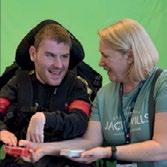




Derwen College is an award-winning specialist residential and daycollege foryoung adults(aged 16– 25) with specialeducational needsand disabilities (SEND)





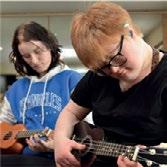






Studentslearn and independence skills through a variety of taught and practical activities employability a p


www.derwen.ac.uk









Our pathways and programmesare tailored to meet individualstudent needs in preparationfor adulthood


Tom’sindependencehas grownimmeasurably bysimply beingexposedtoa greatvarietyof experiencesina supportivesetting
Tom wasastudent on theLearningfor Life programme with Hospitality andFood as a linked Pathway
As part of his pathway training, Tomaccessed internal work experienceplacements,which were builtinto histimetable.
TheSpeech and Language Therapy team (SALT)created agrid player (communication board) which allowedTom to communicate moreclosely with those around him. Tom wasable to use the device to great effectinall areasofhis life: withfamily, in hisresidence at work placements and on transport.
As Tom’sself-reliance andconfidence grew,hewantedmoreindependent










responsibilities, includingthe ability to hang up his ownclothes in his room.The college’s occupationaltherapy team installed a wheelchair accessible rail in Tom’sroom to allowhim to be completely independentin managing his ownlaundry.
Tom’smum, Elsa, wasdelighted to tell us: “A worryasaparent canbewhether our young people will get thegood care they would otherwise get at home. The staffand other students have been amazingatsupporting Tomand made himfeel safe.
The threeyearsatDerwenCollege, with all its experiences, hasset Tomupfor agreat adult life, living up to his potentialasindependently as possible.”



A‘go-to’ book for supporting primary-age children presenting with additional needs prior to a potential formal diagnosis.
The book covers how needs might present, what next steps to consider and what may need to change within daily practice to scaffold these needs.
Chapters are introduced through case studies from people who have had firsthand experience of that need, followed by a ‘what you might notice’ paragraph. This allows the reader to consider the various ways these needs may present and how they are directly affecting the child, as well as when further referrals
may need to be considered, through the ‘who might need further support’ sections.
The interventions are clearly structured with useful resource lists and helpful QR codes so the reader can view a video demonstration of strategies being implemented.
The author, whose passion is evident throughout, addresses the inevitable overlap between the SEND needs and vastness of some of the topics included, with further considerations detailed, signposting the reader to other resources that can help expand their knowledge.
Parents accessing the book may find some of the content a little overwhelming, particularly when activities or resources

Author: Georgina Durrant
Publisher: Bloomsbury
ISBN: 978-80199-366-1
Price: £18.99
Reviewed by: Jane Murphy, specialist teacher/area SENCo
are referred to that they may not have heard of or have access to. They may find it useful to work with school staff to support their understanding and continuity of strategies being used.
Author: Joanna Schwartz
Publisher: Jessica Kingsley
Publishers
ISBN: 978-1-78775-404-1
Price: £17.99
Reviewed by: Victoria McIndoe, behaviour support team teacher
‘The Teacher Toolbox for a Calm and Connected Classroom’ is one of those rare books that manages to make light work of a heavy topic – mental health.
Focusing on the importance of initiating and maintaining relationships in the classroom while understanding the impact of adverse childhood experiences (ACES), trauma and stress on students’ capacity to learn, this book weaves its way through to wellbeing for students and staff in a myriad of wonderful ways.
Partitioned into four easy-to-read sections, we are presented with enlightening research, anecdotes and analogies, all of which offer fascinating
perspectives on the importance of connection within the classroom. While the book is peppered throughout with practical suggestions for activities and scripts, the final section is made up of templates and resources to use with young people, making it the perfect classroom tool. A book you can dip in and out of, its subheading of ‘Teacher–Friendly Mental Health Strategies to Help You and Your Students Thrive,’ might be considered a big claim but, in all fairness, it is one that it more than fulfils! A must-read for all school staff, this book needs to be in every school staffroom!
Dare I say, I am optimistic. There, I’ve said it! The recent OCR 11-16 curriculum and assessment review (OCR. 2024), along with the terms of reference laid out by the DfE for its curriculum and assessment review (DfE. 2024), feel positive. There is much to feel encouraged by, particularly as OCR speaks of curriculum depth and content, reducing the reliance on end-point assessment and considering modular or nonexam assessment, all of which I wholeheartedly welcome.
The language of both papers feels inclusive, each individually speaking of learner representation and diversity. In a climate where only eight per cent of teachers feel education reflects the diversity of their pupils, this is, at the very least, reassuring. Inclusive, check! Progressive, check! I am spurred to read on, whilst imagining a future of educational belonging. Our pupils represent a myriad of cultural, religious, ethnic and social backgrounds, providing a deep well of experience to draw from and enrich their learning; a truly diverse and inclusive curriculum will underpin such learning.
OCR has concluded its review, whilst the DfE is starting on its long journey. Yet both papers begin to acknowledge and potentially grapple with deepseated issues that prevent some children and young people from fully engaging and thriving in school.
Diversity, inclusion, equality, and representation, are no small issues, and it is time our education system caught up with our communities. OCR positions the curriculum front and centre to how we (and here I speak of educators) begin to address the complexities of diversity, equality and inclusion, and the importance of representing the pupils within this. OCR describes a
Do you have an opinion about a SEND-related topic that you would like to voice via this format? Or you can simply share your thoughts and reflections on this issue’s topic – education@nasen.org.uk
need to update the curriculum to reflect ‘modern Britain,’ which is exciting; I do hope this is not merely lip service.
So many areas of the curriculum could offer opportunities for our pupils to develop deep knowledge and understanding of the communities, society and world they find themselves in. The potential for us to engage the next generation in historical, philosophical, ethical and critical thinking around the key issues relevant to the changing world is probably one of the reasons many of us went into education in the first place. And to have this work backed by assessment ‘heavy hitters’ is positively invigorating.
What we teach our children shapes who they are and the ideas and opinions they form. Ultimately, the lessons pupils learn at school travel with them throughout their lives, so I am excited about the prospect of a curriculum that is representative of all our children and young people.
If I were a cynic, I might say that the widening achievement gap between pupils with SEND and other pupils (Daniel. 2024), or the increase in in pupils unable to attend school, or even the worsening state of mental health, may point to schools as places where lots of our children and young people don’t feel they currently are represented or belong, so this review and the potential to change things for the better is long overdue.
Further reading which may be of interest: CST. 2024 A knower – rich curriculum: Bringing knowers into the light.
Better Together: Working collaboratively to support children with SEND in the Early Years
Thursday 27 February 2025
A free Early Years seminar from nasen, delivered as part of the Early Years SEND Partnership. This seminar is primarily for professionals working in local authority or family hub teams. Presentations will include local authority case studies and support for developing collaborative approaches between education, health and care.
Online, free
Childcare and Education Expo
Friday 28 February and Saturday 1 March 2025
Explore leading educational brands, get hands-on in the interactive workshops and educational areas and join enlightening seminars led by industry experts. A diverse experience for all Early Years professionals. Olympia, London
Free to register
National SEND and Inclusion Conference
Wednesday 12 March 2025
Bringing together voices from across the education landscape.
Eastwood Hall, Nottingham From £99
Kidz to Adultz
Various dates from March 2025
Bringing expertise and support to delegates, whilst creating connections and memorable moments.
Events to take place in various locations across the UK. Free registration
Neurodiversity Show
Friday 9 and Saturday 10 May 2025
An exhibition dedicated to neurodiversity, aiming to empower education professionals, parents and carers, workplaces and individuals. The event will showcase innovations, resources and support tailored to individuals with neurodiverse differences. NEC, Birmingham
Various prices
SEND Conference
Thursday 15 May 2025
Located within the Schools and Academies Show, the conference will offer practice guidance and tangible solutions to help SENDCOs deliver high-quality teaching and learning support for their students with SEND. Excel, London
Free registration for those in the public sector
Nursery World’s Big Day out Friday 16 May 2025
Designed to be an unmissable, high-energy day that brings together Early Years professionals for hands-on learning, inspiration and community building.
A celebration of the the dedication and creativity of those working in Early Years education.
The Business Design Centre, London From £28
nasen LIVE 2025
Friday 4 July 2025
Leading specialists, educators and advocates explore the future of SEND. An in-person CPD conference that offers invaluable insights to make a meaningful impact to the sector.
The Vox, Resorts World, Birmingham