

Greater Boston / Rhode Island Edition | NA-GBRI.com | January 2023 Never miss an issue! SCAN Code to sign up WELCOMING THE UNKNOWN LOCAL NATURAL HEALTHY LIVING PROFILES COOLING THE FIRE OF CHRONIC INFLAMMATION BRAIN POWER BOOSTERS H ealth & Wel l ness HEALTHY LIVING | HEALTHY PLANET FREE
2 Greater Boston/Rhode Island Edition | NA-GBRI.com
Be sure to let our advertisers know you found them in
3 January 2023
&



4 Greater Boston/Rhode Island Edition | NA-GBRI.com
TO ADVERTISE: To advertise with Natural Awakenings or request a media kit, please contact us at 617-906-0232 or email Sales@ NaturalAwakeningsBoston.com. Deadline for ads: the 10th of the month.
SUBMISSIONS: Email articles, news items and ideas to: Editor@NaturalAwakeningsBoston.com. Deadline for editorial: the 5th of the month. CALENDAR SUBMISSIONS: Visit NA-GBRI.com for guidelines and to submit entries. Deadline for calendar: the 10th of the month. NATIONAL MARKETS: Advertise your products or services in multiple markets! Natural Awakenings Publishing Corp. is a growing franchised family of locally owned magazines serving communities since 1994. To place your ad in other markets call 239-206-2000. For franchising opportunities call 239-206-2000 or email Natural Awakenings@ KnoWEwell.com. DEPARTMENTS 7 health briefs 9 inspiration 14 wise words 16 conscious eating 19 fit body 21 healing ways 24 healthy kids 28 2023 Natural Healthy Living Profiles 33 resource guide ONLINE EXCLUSIVES Check out these articles you can only find online! HIDDEN DANGERS IN PET FOOD: The Scary Truth About Toxic Ingredients END THE MAILING MADNESS
ADVERTISING
SUBMISSIONS HOW
EDITORIAL



5 January 2023 Be sure to let our advertisers know you found them in
|
| January 2023 issue 9 24 10 14 MILTON MILLS on Optimizing Health with a Plant-Based Diet 16 COOLING THE FIRE WITHIN Healthy Eating Tips to Ease Chronic Inflammation 19 FITNESS DELIVERED Benefits of an In-Home Personal Trainer 21 MORE THAN SKIN DEEP Healing the Heartbreak of Psoriasis 24 HEALTH IN A SMILE A Holisic Solution to Impaired Mouth Syndrome in Children 28 2023 NATURAL HEALTHY LIVING PROFILES 9 WELCOMING THE UNKNOWN 10 BRAIN POWER BOOSTERS Tips to Preserve Memory at Any Age 12 DIETARY DIVERSITY Try the 30-Plant Challenge
Natural Awakenings
Greater Boston/Rhode Island
letter from the editor
The more I read, the more I realize how important it is to filter the information we are fed based on what resonates personally. Books, magazines, social media, television, billboards; wherever you look, there is information being presented for our general consumption that manifestly creates conflicts.
For every study that shows result "x" it seems there’s another creeping in around the corner with result "y" in direct contrast. One day butter, eggs and coffee are bad—the next we’re told they’re good. It’s easy to see how daunting and exasperating it can be for anyone to make confident decisions about health choices amid the noise.
Rather than make myself crazy trying to follow someone else’s rules, I tend to deal with this issue by educating myself more on each topic by reading more, reaching out to respected authorities on the topic or simply “feeling it out” to see what resonates the most with me. It’s good to remind myself that there are over 8 billion people in the world which includes over 8 billion unique constitutions that each require an individual approach for optimal health.
Here at Natural Awakenings, we work hard to bring the most upto-date information available and encourage readers to take what resonates and leave the rest. Our hope is that you always find at least one little nugget that helps improve the quality of your life.
This month’s national feature article from writer Sheryl Kraft, “Brain Power Boosters: Tips to Preserve Memory at Any Age,” offers practices we can adopt to nourish and optimize our brains. From food, supplements, medicinal herbs and sleep—there’s lots we can do that may keep our brains sharp.
Our local feature from Integrative and Functional Dietitian Alora Frederick, “Dietary Diversity: Try the 30-Plant Challenge,” provides the opportunity to put your resolution power to the test. While not eliminating animal-based foods, this challenge focuses on improving the diversity of the gut microbiome through the incorporation of at least 30 different plant foods each week. Let us know if you try it—we’d love to hear your results.
With warm wishes for a healthy and happy 2023!
Peace, Maisie
GREATER BOSTON/ RHODE ISLAND EDITION
PUBLISHER Maisie Raftery MANAGING EDITOR Nancy Somera ADMINISTRATIVE ASST. Carolyn Coogan DESIGN & PRODUCTION Courtney Ayers Zina Cochran
CONTRIBUTING WRITERS Kirby Baldwin
Alora Frederick Brooke Goode

Sheryl Kraft
Marlaina Donato
Lorraine Maita Julie Marshall Tom O'Bryan
CONTACT US
P.O. Box 1149 • Brookline, MA 02446 Phone: 617-906-0232 NA-GBRI.com Maisie@NaturalAwakeningsBoston.com
SUBSCRIPTIONS
Subscriptions are available by sending $29 (for 12 issues) to the above address.
NATIONAL TEAM
CEO Kimberly B. Whittle
COO/Franchise Sales Joe Dunne

Asst. Director of Ops Heather Gibbs
Layout Designer Gabrielle W-Perillo Financial Manager Yolanda Shebert
Digital Content Director Rachael Oppy National Advertising Lisa Doyle-Mitchell
CONTACT US
P.O. Box 154 • Far Hills, NJ 07934 Ph: 239.206.2000 NaturalAwakenings@KnoWEwell.com


© 2023 by Natural Awakenings. All rights reserved. Although some parts of this publication may be reproduced and reprinted, we require that prior permission be obtained in writing.
Natural Awakenings is a free publication distributed locally and is supported by our advertisers. Please call to find a location near you or if you would like copies placed at your business.
We do not necessarily endorse the views expressed in the articles and advertisements, nor are we responsible for the products and services advertised. Check with a healthcare professional regarding the appropriate use of any treatment.
Natural Awakenings is printed on recycled newsprint with soy-based ink.


6 Greater Boston/Rhode Island Edition | NA-GBRI.com
HEALTHY LIVING HEALTHY PLANET
Natural
Magazine is ranked 5th Nationally in CISION’S® 2016 Top 10 Health & Fitness Magazines
Awakenings
A Special Thank You to Our Sponsors:
Visit: NaturalAwakeningsBoston.com/pages/sponsors for special offers.
Two Cups of Tea May Avert Early Death
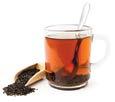
A few cups of black tea a day might help to avoid an early death, a study published in Annals of Internal Medicine suggests. Among nearly half a million adults ranging from 40 to 69 years old, those that consumed two or more cups of tea a day saw a modest, but lower risk for all causes of mortality over a median follow-up of more than 11 years. Participants of the large cohort study, called UK Biobank, self-reported tea intake from 2006 to 2010, while researchers noted mortality from all causes, including cardiovascular disease, ischemic heart disease, stroke and respiratory disease. The researchers concluded that drinking more than two cups of tea per day can be part of a healthy diet.
Different Fibers Produce Different Results

Although high-fiber diets reduce the risk of heart attack, stroke and cardiovascular disease, the latest research from Stanford University indicates that not all fibers are equal in their effect on different species of probiotics in the intestines. Arabinoxylan, which is common in whole grains, was found to reduce cholesterol naturally and was easier to digest than long-chain inulin, which is found in onions, chicory root and Jerusalem artichokes. Commonly used for weight-loss products, inulin was linked to a modest decrease in inflammation markers and an increase in Bifidobacterium, a “good” gut microbe; however, at high doses it increased inflammation and raised the possibility of liver damage.
Glycine and NAC May Delay Aging
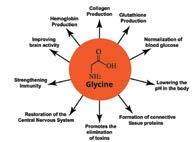
A new clinical trial by researchers at Baylor College of Medicine, in Houston, found that a combination of N-acetyl cysteine and glycine (GlyNAC) boosted glutathione—often referred to as the body’s master antioxidant—and improved or reversed many signs of aging. Twenty-four older adults and 12 young adults were studied. The older group was randomized to receive either GlyNAC or a placebo for 16 weeks, and the younger adults received GlyNAC for two weeks.
Participants were studied before, after two weeks and after 16 weeks of supplementation to assess glutathione concentrations, oxidative stress, mitochondrial fatty-acid oxidation, molecular regulators of energy metabolism, inflammation, endothelial function, insulin resistance, aging hallmarks, gait speed, muscle strength, walking (via a six-minute test), body composition and blood pressure. Supplementing with GlyNAC in the older adults was found to improve or correct these markers. Researchers concluded that this nutritional supplementation was a safe, well-tolerated and effective method for improving or reversing multiple, age-associated abnormalities to promote health in aging adults.
Be sure to let our advertisers know you found them in
7 January 2023
innafoto2017/AdobeStock.com
timonina/AdobeStock.com
health briefs
Marek Studzinski/Unsplash.com
Multiple Benefits for Early Rising Active Seniors



Older adults that consistently get up early and stay active throughout the day are happier and perform better on cognitive tests than those with irregular activity patterns, according to a new study led by researchers at the University of Pittsburgh. The researchers studied 1,800 adults 65 or older and divided them into four subgroups of activity patterns: earlier rising/robust, shorter activity duration/less modellable, shorter active periods/very weak and later activity offset/very weak. Both groups with weak rhythms had twofold odds of clinically significant depression symptoms and cognitive performance deficits. As we age, disruption in activity patterns may be common. More research is needed into why earlier and robust patterns appear to be protective and whether modifying disrupted patterns improves health outcomes.

8 Greater Boston/Rhode Island Edition | NA-GBRI.com
fizkes/AdobeStock.com health briefs Get unstuck by clearing unconscious self-sabotoage with HEALING FROM THE BODY LEVEL UPTM For a free 15-minute consultation with Judith A. Swack, PhD: go to: HBLU.org or 781-444-6940
Individualized
inspirationWelcoming the Unknown
by Marlaina Donato
Ushering in a brand-new year can be filled with hope, but it can also feel as daunting as a blank sheet of paper. We might pause at the threshold with pen in hand, recounting past mistakes and failures, hesitant to make our mark. The unforeseen is like a stranger, easy to mistrust. Dreading the unknown can be a self-sabotaging habit that obstructs the view and keeps us wishing instead of living.
Nature’s great gift is her constancy of seasons, but she thrives on change. Despite the human propensity for clutching what is familiar and predictable, we do best by leaving the door ajar for the unexpected. If we are fortunate, we will have 12 more months to have another go at it.
Setting a place at the table for delight shifts our frequency from resistance to receiving our highest good, and swapping anxiety for excitement can be a spiritual practice during our most uncomfortable moments. Instead of making a resolution, what if we made the simple decision to not believe our fears?
With no concept of limitation or worry of scraped knees, we once learned to walk, happily undiscour-
aged when we stumbled. That first spark of eager curiosity remains deep in our memory, not confined to youth. Embracing possibility this year can be a subtle, mantra-in-motion as we go through our days, a cellular willingness to expect an outcome tailored specifically for us. Here are some prompts for embracing possibility:
On scraps of paper, write down 12 things you have postponed doing or trying and keep them in a special canister. Pull one out each month and follow through with joyful anticipation.
Witness the sunrise once a week and designate it as an opportunity to open your heart and mind to the new and glorious.

Change things up in the kitchen: Buy new dishes and donate the old to a local thrift store. Try a new food every week and explore herbs and spices not usually in the cupboard. Notice something in your daily surroundings that might have gone unnoticed before.
Marlaina Donato is an author, painter and composer. Connect at WildflowerLady.com.
Be sure to let our advertisers know you found them in
FOLLOW OUR LATEST NEWS & EVENTS

NEW Zoom Lectures
Check our website for upcoming lectures
HIGHEST COST SUPPLEMENT ON YOUR NEXT VISIT. Prescriptions not included
OUR LOCATIONS
Acton Pharmacy
ActonPharmacy.com 978.263.3901
563 Mass, Ave., Acton, MA 01720
Keyes Drug
KeyesDrug.com 617.244.2794
2090 Comm. Ave., Newton, MA 02466

Theatre Pharmacy
TheatrePharmacy.DinnoHealth.com 781.862.4480
1784 Mass. Ave., Lexington, MA 02420
West Concord Pharmacy
WestConcordPharmacy.com 978.369.3100
1212 Main St., Concord, MA 01742
9 January 2023
PLEASE CLIP-N-SAVE 20% OFF
Care. Exceptional Service.
DINNOHEALTH.COM
ktahaziz/AdobeStock.com
Brain Power Boosters
Tips to Preserve Memory at Any Age
 by Sheryl Kraft
Although it is completely normal to feel like our memories are failing us as we get older, this is not the time to panic. Regardless of age, it is always possible to learn, store and recall information, and there are numerous practices we can adopt to nourish and optimize our brains. Whether we’re looking for the car keys in all the wrong places or experiencing way too many tip-of-the-tongue moments, it may be high time to adopt the brain-boosting recommendations by these four experts.
Eating for Cognitive Power
“Having a better memory now and in the future means taking care of your brain and making the right lifestyle choices to slow down the aging process,” says Annie Fenn, M.D., founder of BrainHealthKitchen.com, who believes that what we choose to eat is one of the most significant decisions we make each day.
Foods high in antioxidants like vitamins C and E, beta carotene and selenium have been shown to slow age-related memory loss. Think berries, grapes (which contain resveratrol, a memory-enhancing compound), beets, broccoli, almonds, avocados, carrots, eggs, salmon, onions and dark, leafy greens.
Avoid foods high in saturated and trans fats, which can increase “bad” cholesterol and lower “good” cholesterol. Studies find that high cholesterol diets can increase the risk of memory loss, among other cognitive functions.
Whole grains and legumes like cracked wheat, whole-grain couscous and lentils are complex carbohydrates that boost the brain
10 Greater Boston/Rhode Island Edition | NA-GBRI.com
by providing a steady, sustained supply of glucose, and are high in folate, the memory-boosting B vitamin.
Finally, don’t forget to include culinary herbs like curcumin, rosemary, saffron, oregano and mint. They all help support brain health, especially saffron, which contains a potent constituent called crocin that is associated with slowing cognitive decline in human and animal studies.
Brain-Nourishing Supplements and Stress Reduction
Wendy Warner, M.D., the founder of Medicine in Balance, an integrative healthcare practice in Langhorne, Pennsylvania, recommends Ginkgo biloba (one of the oldest living tree species in the world) and ginseng, which have both been found to help enhance memory with their neuroprotective and antioxidant effects. Noting that the brain works best with adequate nourishment, she asserts that these supplements can play a role in increasing blood circulation to the brain, thus improving its function.
Also on her list are Bacopa monnieri for its antioxidant capacity, Rhodiola rosea for its neuroprotective and antioxidant effects and licorice (Glycirrhiza glabra) for its ability to increase circulation in the central nervous system.
Warner recommends regular stress management techniques like yoga, qigong and tai chi as well, noting, “These all help lower inflammation and cortisol (an inflammatory stress hormone) and have been shown to improve memory.”
Medicinal Herbs for Mental Clarity
Heather Houskeeper is a certified herbalist, long-distance hiker and author. When venturing out into the wild, she is able to spot and identify hundreds of medicinal herbs, including her favorite, top five memory boosters, starting with Ginkgo biloba, as well as:
ROSEMARY (Rosmarinus officinalis) supports healthy blood flow to the brain. It can be enjoyed through food, tea or diffused as aromatherapy.

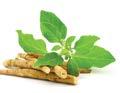
ASHWAGANDHA (Withania somnifera), traditionally ingested as food or tea, can support mental alertness, focus and clarity of mind. Mix ashwagandha powder with warm milk, hot water or broth.
HOLY BASIL
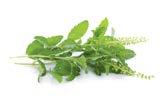
(Ocimum tenuiflorum) is rich in antioxidants and supports cerebral circulation. Enjoy this delicious and fragrant herb as tea up to three times per day, use in cooking or take as a tincture.
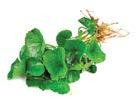
GOTU KOLA (Centella asiatica) is a restorative herb that can support alertness and mental clarity. It is also popularly used as a tea, tincture or extract for up to 14 days at a time.
Slumber Savvy
Insufficient sleep can result in a variety of cognitive problems, including memory loss. Those suffering from obstructive sleep apnea (OSA), a common sleep disorder condition that affects breathing, should not ignore it.
High-quality sleep is key to reactivating memories, especially recalling the names of people we’ve recently met, according to Northwestern University researchers. Other experts have reported a strong association between sleep and the
Be sure to let our advertisers know you found them in
formation of memories. Strive for uninterrupted and deep sleep, as follows:
n The ideal amount for most adults is between seven and nine hours a night.
n Wind down before bed with a consistent routine like reading, stretching or meditation.
n Keep the bedroom cool—somewhere around 65° F— and dark.
n Shut off all electronics.
n Avoid late-day caffeine, alcohol and spicy, heavy meals too close to bedtime.
Treating OSA is important to improve both sleep and brain health, says Thomas M. Holland, M.D., of the Rush Institute for Healthy Aging, explaining, “Impaired sleep can lead to biochemical processes that can impact memory and cognition.”
Sheryl Kraft writes about health and wellness for Sage by Gaia and a variety of print and online media sources. Visit SherylKraft.com and SageByGaia.com to read more of her work.
11 January 2023
Dietary Diversity
Try the 30-Plant Challenge
by Alora Frederick
With the new year comes new intentions for improving health and well-being. According to the Journal of Clinical Psychology, only around half of the people that make New Year’s resolutions are successful. Of all the resolutions made, more than half are related to health. What may distinguish a successful resolution from an unsuccessful one is whether or not it is SMART: specific, measurable, attainable, relevant and time-bound. The numerous New Year’s diets, detoxes and cleanses are not attainable and relevant. A temporary, extreme change in dietary changes does not merit lasting, sustainable results. Fortunately, there are SMART and simple resolutions that will merit beneficial health outcomes that last.
A common New Year’s resolution is to “eat healthier”, but this is not specific enough to create significant change. Alternatively, a SMART goal would be to participate in the 30-Plant Challenge. The 30-Plant Challenge is the simple yet specific goal of incorporating at least 30 different plant foods into our diet each week. This not only includes fruits and vegetables but also encompasses grains, beans, nuts, seeds, herbs and spices.
This challenge was born from the research done by The American Gut Microbiome Project. This project has found that a diet with a variety of fibers and resistant starches supports a more diverse microbiome. Microbial diversity is key for the well-being of the microbiome, which also translates to the well-being of the whole body. Their research also found that eating at least 30 plants a week increases short-chain fatty acid-producing bacteria. Increased short-chain fatty acid production will greatly aid in many health-related New Year’s resolutions. This is because they improve intestinal cell

12 Greater Boston/Rhode Island Edition | NA-GBRI.com
health, support the immune system, decrease inflammation, decrease the risk of colorectal cancer and support a healthy metabolism.

The 30-Plant Challenge does not omit animal-based foods, rather it places an emphasis on consuming a variety of plant-based foods. Additionally, there is some flexibility with the timeline of the challenge from as short as one week to one month at the start. Eventually, the goal would be to regularly incorporate at least 30 plant-based foods on a weekly basis. However, each individual should strive to take it one week at a time in order to prevent overwhelm and retraction of the resolution. What makes the 30-Plant Challenge different than other dietary programs is that it can be completely personalized. The 30-Plant Challenge can work for any personal preference for food, cultural food choices or dietary restrictions. As long as 30 different plants are consumed, it does not matter which plant-based foods they are.
The approach and structure of the challenge can also be tailored to the individual. The plant foods could be divided equally to eat four to five different plants a day, or several in a smoothie or single meal. Smoothies could easily incorporate fruits, vegetables, nuts and seeds; for example, a mixed berry smoothie with almond butter, chia, flax and spinach. Warming up with soup is another practical way to load up on plant foods. There could easily be 10-plus plant foods in a single soup recipe.
The 30-Plant Challenge is the perfect way to create dietary diversity, improve well-being and participate in a New Year’s resolution that will stick.
Alora Frederick, RDN, LDN, is an integrative and functional dietitian in Waltham, MA. She is currently accepting new patients at JohnsonCompounding and Wellness for virtual nutrition appointments. Schedule a free, 15-minute introductory call at NaturalCompounder.com/Alora.See ad on page 17 and Resource Guide on pages 34 and 35.
Be sure to let our advertisers know you found them in

13 January 2023
wise words Milton Mills
on Optimizing Health with a Plant-Based Diet
by Julie Marshall
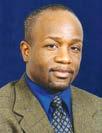
Milton Mills, M.D., practices internal medicine and critical care in underserved communities in Washington, D.C., and Northern Virginia. He advocates switching to a whole-food, plant-based diet and eliminating animal-derived dairy. As medical director of the nonprofit Center for a Humane Economy, he is currently leading a national campaign backed by 31 members of Congress to promote the free dissemination of plant-based alternatives to dairy (especially soy milk) in U.S. public schools. An impactful public speaker and preventative healthcare advocate, Mills has co-authored articles dealing with racial bias in federal nutrition policy. He graduated from the Stanford University School of Medicine and completed residency training at the University of California San Francisco, in Fresno, and Georgetown University Hospital, in Washington, D.C.
What prompted you to advise patients to go meat- and dairy-free?
I became a vegan in my late teens and that’s what led me to a career in medicine. Some friends in my [Seventh-day Adventist] church were making the switch, and I joined them. What happened was undeniable. I was sleeping better, I had high energy and I felt mentally clear. I wanted to study medicine to learn more about what else a vegan diet could improve.
What kinds of health issues can a vegan diet address?
A plant-based diet can address all of the major health issues. Cardiac disease is clearly shown to be directly related to eating animals because of saturated fats. There is a reason that patients recovering from heart events are medically advised to eat plants and eliminate meat, fish and poultry. One National Institutes of Health study shows that a vegan diet can even reverse heart disease.
Avoiding dairy addresses breast and prostate cancers, because dairy contains growth- stimulating proteins and hormones which signal growth, but not in a good
14 Greater Boston/Rhode Island Edition | NA-GBRI.com
way. When we are infants, we drink breast milk to stimulate growth, but as adults, dairy signals the growth of tumors, lipomas or cysts. And what is alarming to me is that Black men are twice as likely to die from prostate cancer than white men.
Type 2 diabetes likewise can also be avoided or reversed. I’ve had several patients who have been able to stop needing their medications. From my experience, a vegan diet also addresses autoimmune diseases, rheumatoid arthritis and dementia. Animal protein carries hormones and saturated fats, which is arguably why we are seeing unnatural early puberty in our kids.
What are the common difficulties of switching to a meatless diet?
I thought that I would never be able to change, because my mom made the greatest pork chops. But as soon as I realized that the drive to eat meat is all about habit and
is emotion-based, I asked God for help, and he answered. I advise my patients to find help for themselves on how to break their habit, too, rather than toy with it. If you are an alcoholic, do you allow yourself to only drink on some days? It’s also important to realize that we need calories for energy. Salads are great, but humans are not rabbits, and we need a variety of good protein sources, such as beans, grains, root vegetables and legumes. Being vegan is like sex, if you aren’t enjoying it, you aren’t doing it correctly.
How is a vegan lifestyle impacted by race, faith and animal welfare?
We know that more than three-quarters of Black people suffer medically from dairy, while our national school lunch program offers zero alternatives to dairy. That’s racial inequity. Growing up as a Black man in society and being constantly dismissed prepared me
to not be afraid to be outspoken as an advocate for a plant-based diet. I have learned that as long as I form my opinions on science, ethics and morals, I can defend them without fear or shame.
On faith, if you read the Bible, it literally says humans are built to eat plants, which reaffirms that being vegan is spiritually healthy, too. And when it comes to animals, there is nothing more destructive and harmful to animals and humanity than factory farming. But most people don’t see it because we hide evils behind closed doors. When a creature feels pain and suffering because of humans, I think that comes back to us in different ways, and we all pay the price. But we can stop this type of evil and get ourselves incredibly healthy, too, by choosing to eat plants.
Julie Marshall is a frequent contributor to Natural Awakenings magazine and works for the nonprofit Animal Wellness Action, based in Washington, D.C.
Be sure to let our advertisers know you found them in

15 January 2023
Cooling the Fire Within
Healthy Eating Tips to Ease Chronic Inflammation
 by Tom O’Bryan
Putting more thought into what we eat and why may be among the most important factors in determining how long we live. Researchers in Norway recently compared the long-term effects of a typical Western diet to an optimal one, and their findings can be a source for inspiration. The optimal diet had a substantially higher intake of whole grains, legumes, fish, fruits, vegetables and a handful of nuts, while reducing red and processed meats, sugar-sweetened beverages and refined grains.
According to their results, a sustained change from a typical Western diet to the better plan can make a big difference on life expectancy. Here are their predicted impacts on longevity for people after starting— and sticking to—an optimal diet:
Start at age 20—women add 8.4 to 12.3 years; men add 9.4 to 14.3 years
Start at age 60—women add 6.2 to 9.3 years; men add 6.8 to 10 years
Start at age 80—women and men add 3.4 years
So, it is never too late to start a positive activity.
This improved diet gets to the underlying causes of most of the reasons Americans die. According to the National Institutes of Health, 14 of the top 15 causes of death in 2019 were chronic inflammatory diseases. This means it is more than likely that the cause has existed for a long time under the surface (chronic), with too much inflammation for too long (inflammatory),
16 Greater Boston/Rhode Island Edition | NA-GBRI.com conscious eating
losangelai/Shutterstock.com
affecting the brain, cardiovascular system, blood sugar system or wherever there is a genetic weak link (disease). Rather than ask what the ailment is, ask, “Where is the longterm, hidden inflammation coming from that is fueling this disease?”
Dr. George Slavich, founding director of the Laboratory for Stress Assessment and Research at the University of California in Los Angeles, says that understanding when inflammation promotes either good or poor health and how and when to intervene to reduce inflammation-related disease risk, “should be a top scientific and public priority.” Identifying and reducing individual triggers of inflammation opens a path to regenerating a healthier, younger individual.
Not all inflammation is bad. Timelimited increases in inflammation are critical for promoting wound healing and recovery, as well as reducing the spread of communicable infections. Humans would not have lived very long without a well-developed internal protection from threatening environmental triggers such as bugs, parasites, viruses, mold, fungus and bacteria. For better health outcomes, we need to address excessive systemic inflammation. There are many likely contributors to the fueling of inflammation, but one of the most common sources is what is on the end of our fork. Begin there.
LIFESTYLE HACK 1: If there is one prime directive for better health, it is to focus on living as much of an anti-inflammatory lifestyle as possible. Become more aware of the daily environmental exposures that ramp up inflammatory genes. Know, for example, what chemicals are used on the soil in which the food is grown or sprayed with before it is harvested. Then, armed with this knowledge, choose a better alternative, like organic and regenerative organic foods. As enough anti-inflammatory messages are accumulated, a reversal in the direction of health is possible.
LIFESTYLE HACK 2: Food is the most common source of gasoline on the fire of inflammation. Dr. Deanna
Be sure to let our advertisers know you found them in


17 January 2023
Minich, president of the American College of Nutrition, recommends the Rainbow Diet, which acts like a fire extinguisher to put out the excess inflammatory fire in the body. Selecting multiple colors of fruits and vegetables at every meal tempers the inflammatory cascade. Strive over time to eat 50 different fruits or vegetables per week.
Begin today. Just bringing up to awareness the question, “Is this food inflammatory or anti-inflammatory?”
will feed our health habits, and over time, healthier habits equal a healthier life.

KnoWEwell Chief Health Officer Dr. Tom O’Bryan, DC, CCN, DACBN, is an internationally recognized expert on gluten, bestselling author and speaker focused on food sensitivities, environmental toxins and the development of autoimmune diseases. He is a chiropractic doctor, certified clinical nutritionist and the founder of TheDr.com
bons, until reaching the seeds at the core of the zucchini, which can be discarded. For “spaghetti”, use a spiralizer, mandolin or knife. The spiralizer is the easiest option. With a mandolin, hook up the julienne attachment for perfectly formed noodles. If using a knife, cut the zucchini into thin slices, stack them up and cut again lengthwise into thin strips. Discard the core.
Salt the zucchini noodles, let sit for a few minutes, then massage and squeeze the water out. Drain any excess liquid.
Zucchini
Pasta with Salmon and Artichoke
Yield: 4 servings
6 zucchinis, medium to large, firm and straight, cut into “noodles”
2 lb fresh, wild salmon fillets, skin removed Sea salt and pepper
2 Tbsp high-heat cooking oil (avocado or grapeseed)
3 Tbsp olive oil
4 Tbsp shallots, minced
4 cloves garlic, minced 8 artichoke hearts (in water), quartered
1 lemon, zested and juiced
4 Tbsp fresh parsley, chopped Pinch of cayenne
6 slices crumbled, crispy turkey bacon; crispy bacon; or crispy pancetta
Zucchini can be fashioned into noodles one of two ways. For “fettuccine”, use a potato peeler to produce long, flat noodles or lengthwise ribbons. Peel off several from one side, then turn the zucchini and peel off more. Continue to turn and peel away rib-
Season the salmon with salt and pepper. In a large pan, heat the avocado oil over medium to high heat. Add the salmon, top sidedown, and sear until golden and crispy, then turn over to finish cooking. Cover only with a splatter screen, or it will not get crispy.
In a wok or large pan over medium heat, add the olive oil and shallots, and cook until soft. Add the garlic and cook for 1 minute. Add the zucchini noodles, increase the heat to medium-high and cook for 2 minutes. Add the artichokes and lemon zest, stir to combine and cook for 1 minute. Turn off the heat and add the parsley, lemon juice and cayenne; stir to combine. Add the bacon and adjust seasonings to taste.
Distribute evenly on 4 plates or low bowls. Place the salmon on top and serve with extra lemon.

Recipe courtesy of Dr. Tom O’Bryan.
Scan this QR code with your camera app to visit our website for more recipes.

18 Greater Boston/Rhode Island Edition | NA-GBRI.com
Ryzhkov/AdobeStock.com
Fitness Delivered
Benefits of an In-Home Personal Trainer
 by Kirby Baldwin
It’s a new year—the perfect opportunity to set positive intentions for a fresh start. One of the most popular New Year’s resolutions is to be healthier, but according to research, only 46 percent of people that set such a goal are successful in keeping it at the six-month mark, largely due to having unrealistic expectations or not keeping track of progress. To detox from the holidays, look and feel better—and stick to a resolution without becoming another statistic—an in-home personal trainer may be the perfect solution.
Benefits of In-Home Personal Training
According to Jenna Scott, of J Scott Wellness, an American Council on Exercise-certified trainer and health coach who has worked as a personal trainer for more than 15 years, “The benefits to in-home training are countless. It takes many of the perceived (or not-so- perceived) obstacles out of the equation. From taking out travel time in our busy day to simply feeling more comfortable in our home, in-home training is a great alternative to the traditional gym.”
Because workouts are individually tailored to each client, they can be more efficient and effective. For those with busy schedules, in-home personal training provides the consistency needed to attain fitness goals with the added benefit of convenience—no commuting to a gym, waiting for equipment or finding child care. It can also be done at any hour of the day, rather than within the confines of a gym’s hours. Some people may be hesitant to go to a gym,
Be sure to let our advertisers know you found them in
and the privacy of working out in the comfort of a living room is a boon for those that feel self-conscious when exercising in a group environment.
The rapport that may develop between a trainer and client can provide the accountability and motivation to meet goals, and the gratification that comes from seeing results quickly can reinforce the behavior. It is much more difficult to get into a workout rut when there is another person present, continually customizing the workout program and providing motivation and inspiration.
Casey Mahoney, a busy mom and volunteer who works out with an in-home personal trainer, says, “The main benefits for me of working with an in-home trainer are accountability and comfort. There is something to be said for training in the comfort of
19 January 2023
fit body
fotofrol/Shutterstock.com
your own home. It can also be a time saver! I know I can always find other things to fill my time and not make working out a priority. It is much harder to cancel on someone coming to your house than it is to cancel your trip to the gym!”
An added bonus to seeing quick physical gains is the mental fitness that comes with it; numerous studies show that exercise causes the brain to release feel-good chemicals (endorphins) that make people feel happier and less stressed. Research also points to exercise as a source of more energy and an immune system boost. Because a personal trainer will take an individual’s health history into consideration—whether
it’s a surgery, a physical limitation or the recent birth of a child—in-home personal training is beneficial for all levels of fitness, even beginners.
How to Get Started
According to Scott, “Do your research. Ask where they were certified and what type of insurance they carry. Don’t be afraid to ask questions.” Because a personal relationship is foundational to in-home personal training, it is important to find someone that makes us feel comfortable and motivates and inspires us to achieve goals and create positive changes.
In-home personal training comes at different price points. For those

seeking a more affordable option, invite a couple of friends over to the house for a semi-private or small group training session. This format provides all the benefits of in-home personal training at a more accessible cost, with the added benefit of a more social environment.
Leveling up our physical fitness this new year will take dedication and commitment, and adopting an exercise program with the guidance of a personal trainer in the comfort of home may be the perfect strategy to stick to new, healthy habits for the long haul.
Kirby Baldwin is an editor and writer for the KnoWEwell Regenerative Whole Health hub.

20 Greater Boston/Rhode Island Edition | NA-GBRI.com
More than Skin Deep
Healing the Heartbreak of Psoriasis
 by Lorraine Maita
Psoriasis affects approximately 3 percent of the U.S. population. According to Dr. Mark Hyman, founder of the Institute of Functional Medicine, the condition involves terrible suffering from scaly, itchy, inflamed and peeling skin; aching joints; burning genitals; broken nails; and the resulting depression that inevitably comes from such conditions—all of which explains why it is often referred to as “the heartbreak of psoriasis.”
The Cleveland Clinic describes psoriasis as an autoimmune condition of the skin. The immune system of people with psoriasis overreacts, causing inflammation and an overly rapid growth of new skin cells, which in turn causes a buildup on the surface that creates the appearance of scaling, but the effects are much more significant than cosmetic.
Psoriasis is associated with psoriatic arthritis, ulcerative colitis, Crohn’s disease, autoimmune thyroiditis, lymphoma and cardiovascular disease. The National Psoriasis Foundation (NPF) describes a link between psoriasis and cardiovascular disease and metabolic syndrome known as the “march of psoriasis”. Widespread inflammation may cause insulin resistance that triggers cells lining the blood vessels to malfunction, potentially leading to atherosclerosis and heart attack or stroke. The ailment also increases the risk of diabetes, obesity and high cholesterol.
Traditionally, psoriasis is treated with steroids and immunosuppressive drugs that can be harsh on the body and quite expensive while failing to address its root cause. Alternatively, the functional medicine approach is to treat the disease’s underlying causes: inflammation and triggers.
“I have psoriasis,” says Dr. Brad Shook, a chiropractic physician and member of
21 January 2023 Be sure to let our advertisers know you found them in
healing ways triocean/Shutterstock.com
The Institute of Functional Medicine. “I worked hard, and I’ve had my psoriasis and my autoimmunity under control and in remission. Through functional medicine, we can identify these drivers and help you to unwind this process, heal your body and then through that process of healing, you learn what the triggers were.”

Psoriasis Triggers
Functional medicine practitioners use the acronym STAIN to categorize five triggers that activate inflammation and psoriasis: stress, trauma or toxins, antigens or adverse food reactions, inflammation or infections and nutrition. Removing these triggers allows for healing.
Stress
Psoriatic patients report worsening of symptoms with stress. Modulating the reaction to stress and adding relaxation techniques can calm the inflammatory response. Practicing relaxing activities such as deep belly breathing, yoga, tai chi, prayer, meditation, visualization, Heartmath, massage, acupuncture or biofeedback can relieve stress. Exercise can also release endorphins that reduce pain perception.
Trauma or Toxins
The NPF states that physical trauma can induce the development of psoriatic plaques. Toxins such as smoking and alcohol have been shown to increase the risk and severity of the disease. Obesity may also play a role in worsening symptoms because toxins are stored in fat, which emits inflammatory cytokines. It’s recommended to maintain ideal weight, abstain from smoking and alcohol consumption, and avoid trauma. Detoxifying and removing heavy metals can decrease the inflammatory response, as well.
Antigens or Adverse Food Reactions
Studies show that a Western diet rich in sugar and fat leads to an imbalance in gut bacteria known as dysbiosis. These harmful bacteria may contribute to psoriasis. Allergens or reactions to food can cause increased intestinal permeability, or leaky gut. The most common triggers tend to be wheat and dairy.
The Chopra Center recommends the 4 R Gut Healing program. Removing foods patients are sensitive to is key to calming down the immune system, as well as avoiding sugar, wheat, dairy and processed foods. To improve


22 Greater Boston/Rhode Island Edition | NA-GBRI.com
Visit our website below for more information and Special Events 1099 Mendon Rd.|Cumberland, RI|401-305-3585|its-my-health.com Local Honey Local Maple Syrup Whole Food Vitamins Bulk Herbs, Teas & Spices Remedies: Herbal and Homeopathic Gift Certificates More! Reflexology Reiki Homeopathic Consultants Classes: Yoga Tai Chi Pilates Book Studies Energy Classes Since 2006
the gut, replace digestive enzymes, replenish healthy bacteria with a probiotic and repair the gut lining with butyrate or L glutamine.
Inflammation or Infections
To diminish inflammation, modify the diet to include more anti-inflammatory omega-3 fats found in fish, avocado, nuts, seeds and olives, and fewer inflammatory omega-6 fats found in wheat and dairy. Look for and eradicate hidden infections. Decrease inflammation with a high-quality fish oil, curcumin, probiotics and a whole foods diet free of food sensitivities.
Nutrition
Studies show that having adequate amounts of vitamins A and D, fish oil, probiotics and zinc are important for maintaining both a healthy gut and a healthy immune response. Supplementation can be helpful in maintaining appropriate levels of these vital nutrients. Some patients using topical vitamin D products found they had effects similar to topical corticosteroids.
“When I started working at the Ultrawellness Center, I learned about how to address the root causes of a problem, not just the symptoms, and have found a new way of approaching psoriasis,” says Adonica Nichols, a psoriasis patient and a licensed practical nurse at the center, in Lenox, Massachusetts. “Living with psoriasis is still an everyday struggle for me, but I have implemented many of these changes in my diet and lifestyle over the past several months, and I am feeling better than I ever have.”
Psoriasis is a multifaceted, complex illness that may require a deeper look at the triggers. A functional medicine physician can offer a systematic approach to uncover and remove these triggers, helping patients heal from the heartbreak of psoriasis.
Board-certified in integrative, anti-aging and internal medicine, Lorraine Maita, M.D., is an award-winning functional medicine specialist and author in Short Hills, NJ. For more information, visit HowToLiveYounger.com.


Be sure to let our advertisers know you found them in

23 January 2023
Health in a Smile
A Holistic Solution to Impaired Mouth Syndrome in Children
by Brooke Goode
One of the first things we notice when we meet someone is their smile, so it is easy to understand why children with crowded teeth might be self-conscious when they encounter new people. But the condition is not just a cosmetic concern. “Teeth crowding are surface markers of structural chaos below,” says Felix Liao, DDS, author of Your Child’s Best Face: How to Nurture Top Health & Natural Glow. Dental crowding results from a deficiency in jaw growth, which can contribute to a partially stunted face, narrower airway, poor sleep and consequent learning and behavior problems.

According to a recent medical research review, its prevalence among children and adolescents is up to 84 percent. Fortunately, parents can take steps to nurture healthy dental/facial development in their children so that there is enough room for all 32 teeth to line up straight and for the tongue to operate between the two jaws without occupying the airway.
Crowded teeth are the tip of an iceberg called Impaired Mouth Syndrome (IMS), a term coined by Liao in 2017 for a wide-ranging set of medical, dental and mood problems in children, from sleep and growth disturbance to respiratory infections and poor focus. According to a 2013 study by the Stanford Sleep Center, “Pediatric obstructive sleep apnea in non-obese children is a disorder of oral facial growth.”
24 Greater Boston/Rhode Island Edition | NA-GBRI.com healthy kids
IMS is an all-too-common condition that often goes undiagnosed, untreated or incorrectly treated. The result is a child that falls short of their full genetic potential and an adult that suffers recurring pain and fatigue. An underdeveloped maxilla—the upper jaw that also forms part of the nose and eye socket—can lead to a litany of symptoms, including teeth grinding, a weak chin and jaw pain, and may also impact the appearance of the face, causing imbalanced features. By contrast, a well-developed facial structure will support better breathing, sleep and postural alignment, and benefit from high cheekbones and full lips.
“Rarely does managing symptoms result in a healthy child,” says Ben

Miraglia, DDS, a board member of the American Academy of Physiological Medicine & Dentistry. IMS symptoms improve when the jaws are activated to grow to their full potential. This is now possible with a partnership between parents and a new breed of dentists known as Airway-centered Mouth Doctors (AMD) that receive specialized training on the syndrome and its treatment. These specialists work in the realm of whole health, looking at the interconnectedness of the body rather than individual body parts in isolation. They collaborate with other doctors and therapists, including myofunctional therapists that devise exercises for the mouth muscles and encourage nasal breathing. AMDs
Be sure to let our advertisers know you found them in


25 January 2023
Sign-up for a FREE Phone Consultation!


If you’re brave enough to say goodbye, life will reward you with a new hello.
~Paulo Coehlo
also work with dietitians to devise a bone-building diet free of the toxins, pollutants and chemicals found in processed foods that can impair normal facial development.
AMDs approach the condition without drugs or surgery, often without having to use braces which can result in a deflated mid-face.
By designing retainer-like oral appliances to be placed over the teeth, they spur the growth and alignment of the jaws to help widen the airway and support sleep.
Mouth structure and jaw alignment are foundational to wholebody health in children, and Liao’s vision for achieving thriving health in kids includes these recommended steps:

26 Greater Boston/Rhode Island Edition | NA-GBRI.com
Early recognition by parents of IMS red flags in their child, including chapped lips, a weak chin, crooked teeth, dental cavities, disrupted sleep, slumped posture, fatigue, lethargy, hyperactivity and learning or behavior problems
Diagnosis of an impaired mouth by a trained AMD
Complying with AMD guidance, including the use of a professional oral expander appliance


Eating a non-inflammatory, bone-building diet
Following whole health team protocols to align the head, jaws and spine, and integrate mind, body and mouth

Growing the jaws is the groundbreaking solution to crowded teeth in children that parents have been hoping for. A plant will blos -
som more fully in sunshine than in shadow. The same can be said when it comes to a child’s smile and overall health.
Brooke Goode is the national editor for KnoWEwell, the Regenerative Whole Health hub.
27 January 2023
where healthy is an option... McArdle Chiropractic and Wellness Center 2220
drcatie@mcardlechiropractic.com www.mcardlechiropractic.com O ering chiropractic care with a holistic approach We look
joining you
your
healthy lifestyle! Mention this ad
a FREE consultation and examination
Be sure to let our advertisers know you found them in
Plainfield Pike, Cranston (401) 383-3400
forward to
on
path to a
for
2023
Natural Healthy Living Profiles
Throughout the year, Natural Awakenings strives to bring you the latest information and resources available for natural health, nutrition, personal growth, green living, fitness and creative expression. We are pleased to offer this special section of local Natural Healthy Living Profiles to support you in leading a healthy, balanced lifestyle.
Naturopathic and Functional Medicine
Personalized Medicine combines the expertise of Dr. Chrysanthi Kazantzis (Dr. Kaz), ND, MS, and Dr. Noelle Cardarelli, ND, DAc, to provide naturopathic and functional medicine care in a personalized approach with each patient to achieve optimal health. Patients are immediately put at ease while each doctor spends more than hour taking a thorough medical intake and physical exam to provide a customized treatment plan for individuals to take charge of their own health. This plan includes clinical nutrition, herbal medicine, supplements, homeopathy, reiki and craniosacral therapy.
Anasa
At Anasa Personalized Medicine, patients are introduced to the most up-to-date research and receive expert guidance and access to the newest functional lab testing and high-quality supplements and natural products. With a strong passion for helping people, the doctors are attentive, explain everything clearly and in a way that is easy to understand. Over the course of treatment, a trusting relationship develops as doctors support their patients’ health journey, always inviting questions along the way.
Services provided: Naturopathic medicine, clinical nutrition, functional lab testing, reiki treatments, craniosacral therapy, nutrigenomics, body composition analysis, infrared sauna.

Areas of specialty: Digestive conditions, thyroid conditions, Lyme disease, mold toxicity, diabetes and nutrition, chronic illness, mood disorders, prenatal, pregnancy and postnatal health.
Healing/healthy living philosophy: Naturopathic medicine is an ancient type of medicine that has been used for thousands of years in China, India and Greece. Now we are using that traditional medicine with modern-day research and science. As per Hippocrates' famous words, “Let food be thy medicine and medicine be thy food.”
Anasa Personalized Medicine, 245 Waterman St., Ste. 308, Providence, RI. For more information, call 401270-1742 or visit AnasaMedicine.com. See ad on page 8 and Resource Guide on page 36.
28 Greater Boston/Rhode Island Edition | NA-GBRI.com
Anasa Personalized Medicine
Judith A. Swack, Ph.D. Healing from the Body Level Up
Judith A. Swack, Ph.D., biochemist/immunologist, Master NLP practitioner, certified hypnotherapist, mind/body healer and bestselling author is the originator of Healing from the Body Level Up (HBLU), an innovative and powerful methodology with transformative results. HBLU helps people get unstuck and eliminate struggles by clearing mental, emotional, physical and spiritual blocks to success. HBLU integrates biomedical science, psychology, hypnosis, NLP, applied kinesiology, energy psychology and spiritual techniques with original research on the structure of complex damage patterns.
She presents at national and international conferences, teaches at local community education programs and received the 2015 ACEP award for major contribution to the field of Energy Psychology.
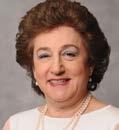
Services provided: HBLU accesses the soul’s deepest wisdom (using muscle testing) to identify patterns that block individuals. HBLU then accesses a menu of mind/body/spirit techniques to eliminate these patterns, rapidly achieving results even when other methods have failed. Sessions are in person, by Skype or Zoom.
Areas of specialty: Heal from traumas, phobias, anxiety, PTSD, burnout and stress, depression, addictions, medical conditions including chronic pain, headaches, digestion problems, allergies and asthma, ADD, learning disabilities, physical injuries; ameliorate symptoms and extend life span in cancer, heart disease, high blood pressure, diabetes, autoimmune disease; eliminate cravings; create lasting weight loss.
Healing/healthy living philosophy: Clear unconscious self-sabotage so you can achieve success in all areas of your life.
Healing from the Body Level Up, Inc., 56 Pickering St., Needham, MA. For more information, call 781-4446940 or visit hblu.org. See ad on page 8.
Dr. Sherry Morrissette, DC, DACNB The Chiropractic Neurology Center of West Greenwich
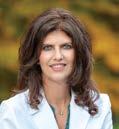
30 years, Dr. Sherry Morrissette has been affecting her patients' nervous systems using a whole-body approach. She received her chiropractic doctorate from the Los Angeles College of Chiropractic in 1992 and went on to study functional neurology with the Carrick Institute, obtaining her Diplomate of the American Chiropractic Neurology Board Credentials. Later, Dr. Morrissette went on to pursue a specialization in pediatric chiropractic through Palmer College (Davenport Iowa) in 1997. More recently, in 2016, Dr. Morrissette became board-certified in neurofeedback and has become a leading expert in Rhode Island. She is also a member of the Disc Centers of America and has been certified to use a non-surgical spinal decompression table, a technology to rid patients of disc pain, leg pain and associated muscle spasms.
For
Services provided: Chiropractic adjustments, non-surgical spinal decompression, low level laser (class III b), red light therapy, Braincore neurofeedback, PEMF (Pulse and Bemer), oxygen therapy, food sensitivity testing, supplementation, detoxification programs and more. Her team utilizes QEEG’s, X-rays, MRIs, blood labs, urinalysis and many other tests to determine the underlying cause of the patient’s symptoms.
Areas of specialty: Treatment of both acute and chronic symptoms of the nervous system, chronic pain conditions, peripheral neuropathy, disc problems, leg pain, memory problems, balance issues, trouble sleeping and symptoms associated with ADHD and anxiety.
Healing/healthy living philosophy: Treat every person with a whole-body approach. Treatments are customized to best treat each individual patient. Her primary goal is to help the body obtain homeostasis (balance), especially involving the vagus nerve (the brain and gut connection).
The Chiropractic Neurology Center of West Greenwich, 16 Nooseneck Hill Rd., Ste. A, West Greenwich, RI. For more information, call 401-397-9948 or visit ChiroWG.com. See ad on page 18.
Be sure to let our advertisers know you found them in
29 January 2023
Dr. Jean Marie Nordin, DDS, IBDM, ND Biological and Naturopathic Dentistry
Jean Marie Nordin, DDS, IBDM, ND, grew up on a farm in Kansas and learned the core values of hard work, helping others in the community and all-natural food. After completing dental school, she began her professional career at a dental practice in West Newton, where she met a like-minded dentist and business partner, Bob Evans, DMD. In April 2004, Jean and Bob opened Groton Wellness, a leading center for holistic health care. Founded on the principles of holistic dental health, that vision expanded from a biological dental practice into a full functional medicine center including functional medicine, a detoxification spa and an all-natural, farm-to-table café.
Dr. Nordin has a serious passion for learning and teaching. On top of her doctorate of dental surgery, she is board-certified as a naturopathic dentist and board-certified in integrative biologic dental medicine. She is also certified in Stress Management and Resiliency Training (SMART), developed by the Benson-Henry Institute in conjunction with the Harvard Medical School. Dr. Nordin now teaches to staff and other healthcare providers.
Services provided: Health-focused general dentistry, integrative biologic dental medicine and naturopathic dentist. We treat a wide variety of conditions from a toothache to heart disease, as well as autoimmune disorders and gut imbalance.
Areas of specialty: Biological dentistry, oral surgery, sleep solutions, chelation therapy, safe mercury removal.
Healing/healthy living philosophy: Our approach is a holistic ecosystem perspective, always educational, non-pharmaceutical whenever possible and interdisciplinary whenever appropriate. It’s simple and straightforward, in the service of your ultimate health goals.
Jean Marie Nordin, DDS, IBDM, ND, Groton Wellness, Mill Run Plaza, 493 Main St. (Rte.119), Groton. To schedule an appointment or for more information, call 978-449-9919 or visit GrotonWellness.com
Wendy Nadherny Fachon Environmental Educator and Host of Story Walking Radio Hour
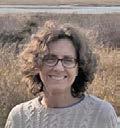
Wendy Nadherny Fachon has long been aware of how the current environment affects people’s health and well-being. When she launched the Story Walking Radio Hour in June 2019, her objectives were to raise awareness of environmental problems and explore nature-based solutions. Her storytelling, as a nature walker and youth educator, and her article-writing for Natural Awakenings magazine led naturally into environmental education podcast production.
To date, Fachon has produced nearly 50 episodes and has accumulated more than 200,000 listeners. Her listener community is the key to growing awareness. Fachon urges all listeners to share favorite podcasts with friends and family. The Story Walking Radio Hour podcasts are free and can be found on the Dreamvisions 7 Radio Network website, under the Sustainable Living tab.
Most podcasts begin with sharing an educational story walk, often magically guided by nature. Each story sets the stage for guest interviews that introduce listeners to innovators and their solutions to pressing issues. Topics include bionutrition, mycoremediation, forest gardening and agrohomeopathy. Nature provides beauty, respite, aromatherapy, herbal and homeopathic remedies, and food to nurture the body and soul.
Areas of specialty: Environmental education and sustainable living podcasts, youth podcasting and voice instruction, online nature drawing workshops, storytelling and nature walks. She welcomes invitations to lead Zoom discussions.
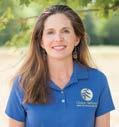
Healing/healthy living philosophy : Nature is humanity’s greatest healer; however, nature requires humanity’s support with her own healing and restoration.
For more information, call Wendy Nadherny Fachon at 401-529-6830 or email StoryWalkerWendy@gmail. com. See ad on page 25.
30 Greater Boston/Rhode Island Edition | NA-GBRI.com
Tamara Zentgraf Zentgraf Healing Arts
Tamara Zentgraf has been in the healing field for more than 30 years as a physical therapist and believes healing occurs on multiple levels. She has practiced and taught reiki for more than 20 years and has been a shamanic provider for three years. She incorporates these healing modalities at Zentgraf Healing Arts (ZHA), with locations in Lancaster, Massachusetts and Watertown, Massachusetts.
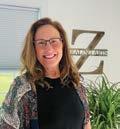
ZHA provides healing on a physical, mental and spiritual level. Tamara leads with a listening ear and compassionate heart to empower people to become the best version of themselves. For anyone that has experienced trauma, needs clarity regarding a difficult situation or is yearning to deepen their connection to spirit, a shamanic healing session can provide practical insight and pragmatic solutions to apply to one’s life and spiritual journey. It is a wonderful addon to a reiki session, an ancient, hands-on energy healing technique to improve health, increase tranquility and generalized wellness.
Services offered: Reiki, reiki classes, physical therapy, shamanic healing, shamanic technique instruction.
Areas of specialty: Musculo-skeletal dysfunction, pain management, energy medicine and spiritualbased manifestations of illness. Gentle, noninvasive results for chronic pain, anxiety, depression, sleep issues and general wellness.
Healing/healthy living philosophy: Health, healing and wellness involve physical, spiritual and mental wholeness. One cannot exist without the other.
Zentgraf Healing Arts, 155 Seven Bridge Rd., Lancaster, MA, and 22 Mt. Auburn St., Watertown, MA. For more information, call 978-875-2299 or visit Zentgraf HealingArts.com
The Flossery Integrative and Functional Dentistry
Dr.Yasmin Chebbi, DMD, FAGD, D-ABDSM, and Dr. Katie Eng, DMD, offer a different kind of dental care experience at The Flossery, a local, mercury-free, holistic dental practice in Waltham, Massachusetts. Applying gentle, personalized care, each patient is treated as a unique, whole person with an emphasis on prevention and conservative techniques.
Patients can choose from a variety of unique relaxation options to ensure they have a calming, comfortable visit. Some of them include aromatherapy scents, a personal selection of music, blankets and pillows, soft lighting or no overhead lights, safe CBD sedation options and more.
Dr. Chebbi is also the author of Eat, Sleep, Breathe Oral Health: Why Your Mouth Matters.
Services provided: Safe amalgam removal, treatment for sleep apnea and TMJ, oral microbiome testing, ozone therapy, virtual oral health consultations, functional orthodontics (Invisalign or similar), lab testing (CRP, HbA1C, mercury exposure, etc.), myofunctional therapy.
Areas of specialty: Alternative materials for dental restorations, amalgam filling removal, BPA-free fillings, biocompatible materials, dental implants and ceramic implants, Referral Myofunctional Therapy Services Nutritional counseling, oral appliance therapy (for sleep), oral microbiome testing, TMD therapy (custom night guards, etc.) tongue-tie release, wisdom teeth removal.
Healing/healthy living philosophy: We believe in the mouth-body connection and in finding the root cause of dental issues. Our kind and considerate team goes beyond brushing and flossing to help you live a healthy life free of toxins.
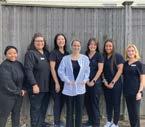
The Flossery, 32 South St., Ste. 100, Waltham, MA. For more information, call 781-894-0500 or visit MyFlossery.com.
Be sure to let our advertisers know you found them in
31 January 2023
Bhavna Srivastava Master Soul Strategist, Spiritual Healer and Coach

Amy Chauvin Break Free Breathwork
Bhavna
Srivastava, the Golden Light, is a Master Soul Strategist, helping others awaken to their soul light and soul gifts. She is a reiki master, yoga teacher, healer and founder of Bhavna’s Wellness Group, a thriving holistic wellness business. A thought leader, coach and mentor, she helps people find their bigger purpose and create a lifestyle to shine their light and authentically move forward in their work.
Using her signature Golden Light Method, Bhavna shifts and transforms her clients, helping them express their life purpose and mission. She does it through one-on-one and group classes, workshops, masterminds and retreats and has provided deep soul readings, coaching, mentoring and healings for individuals and groups of more than 50,000 people with remarkable results. Her Shine Your Light mastermind program teaches individuals how to awaken the wisdom that is already within them and step more fully into their power.
In addition, she is a bestselling author of four books, an international transformational speaker and a philanthropist and founder of SavingPeople. org. Bhavna is holding a Love is the Foundation Retreat, in India, in April, to help attendees let go of traumas and experience the deep power of unconditional love in all aspects of life.
Services provided: Transformation coaching, mentoring, reiki healings, soul healing sessions, retreats, workshops, Shine Your Light mastermind and Women’s Unity Consciousness mastermind.
Areas of specialty: New growths, new breakthroughs and "aha" moments in life; helping others let go of limiting beliefs, self-doubts, low confidence, fears and more to manifest great relationships and more abundance.
Healing/healthy living philosophy: The Golden Light Healing Method heals people with unconditional love light.
Bhavna’s Wellness Group, 1120 Grafton St, Worcester, MA. For more information, call 508-970-5620, email BhavnaSrivastava@BHWellnessGroup.com or visit BHWellnessGroup.com.
Located at the Soul Sanctuary, in Coventry, Rhode Island, Amy Chauvin educates, inspires and helps others break free, transform their life, align with purpose and grow through her breathwork experiences and transformational programs. Certified in breathwork and reiki, she conducts private sessions virtually or in person at her studio space and travels the U.S. holding transformational events, retreats and workshops. She hosts high-powered breathwork events and special collaboration events locally and nationally.
As a transformation modality, breathwork is one of the simplest things we all have access to. Her style is a conscious-connected breath pattern that is reported to reduce stress and anxiety, and generate an overall feeling of lightness and clarity. Some known benefits include improved sleep, a new sense of knowing, awakening to a higher purpose and mission, deep relaxation and inner peace, and overwhelming feelings of joy and bliss.
Amy's breathwork program is a full circle experience, where clients recognize and energetically clear habits, opening them up to call in and manifest dreams that align with their purpose.
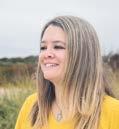
Services offered: Private breathwork, in person or virtually; reiki; breathwork events; the Break-Free Journey Experience, an eight-week total transformation program, held both privately and in a virtual group setting.
Areas of specialty: Breathwork, mixed with other modalities, as an integrative approach of mind, body, soul alignment.
Healing/healthy living philosophy: True health is full circle; eating right, moving, deep inner healing work, breathing right, sleeping well and having a proper mindset. Breathwork experiences can help from a subconscious level and catapult balance in these areas.
In-person sessions are at Soul Sanctuary, 808 Tiogue Ave., Coventry, RI. To view events and other offerings visit Linktr.ee/AmyChauvin, AmyChauvin.com or on Instagram @amychauvin.
32 Greater Boston/Rhode Island Edition | NA-GBRI.com
COMMUNITY RESOURCE GUIDE
Connecting you to the leaders in natural health care and green living in our community. To find out how you can be included in the Community Resource Guide, email Sales@NaturalAwakeningsBoston.com to request our media kit.
Akashic Consulting
INTO THE AKASH WITH ASTRID! 401-617-8074 AstridMeijeruic@gmail.com rihha.org
Curious to learn how your other lifetimes are impacting your life? Ready to clear trauma, negative belief patterns, relationship dynamics, vows and soul contracts? Through consulting your Akashic Records, I facilitate the clearing of energies blocking your True Self, and coach you through conscious meaning-making to create the life you want.
Biomagnetism
AYAMAMA
Biomagnetic Pair Therapy and Herbalist Sessions with Alida Alidamm82@gmail.com Facebook.com/biomagnetismpairtherapyalida AyaMama.org

Biomagnetism is a therapy that helps to restore, maintain and support physical, emotional and mental health. It works by balancing the acid and alkaline levels (pH) of the body, destroying viruses, parasites, bacteria and fungi. See ad, page 13.
Brain Training
RI NEUROFEEDBACK | ZEN BRAIN

TRAINING
401-282-0230
RINeurofeedback.com
Most of us don’t realize how much we can benefit from training our brains. Like our bodies, our brains benefit from healthy exertion and positive attention. Many of us suffer from symptoms of brain dysregulation that vary from lethargy to mania, ADD to OCD, depression to anxiety. Training the brain can strengthen its response to these symptoms and provide a clarity, ease and peacefulness that is hard to describe until you experience it. Call today for a free discovery conversation.
Cannabis Dispensary
FULL HARVEST MOONZ
101 Plaistow Rd, Haverhill, MA 01830 978-702-4160
FullHarvestMoonz.com
A woman-owned, adult-use Cannabis Dispensary in Haverhill, MA. At FHM, we use cannabis to clear and raise the vibration of the energy body to bridge wellness from within mentally, emotionally and spiritually. See ad on page 13.
Chiropractic
MALCHAR CHIROPRACTIC AND WELLNESS CENTER

33 College Hill Rd, Bldg 30C Warwick, RI 02886 401-826-7600
MalcharWellness.com
I support healing in the modality, the Internal Family Systems or Parts Work. Together, we will explore your parts and how they support your system employing the leadership of your Self, or your inner resource.
MCARDLE CHIROPRACTIC AND WELLNESS CENTER
Catherine McArdle, DC Robert Sedlor, DC 2220 Plainfield Pike, Cranston, RI 02921 401-383-3400

McArdleChiropractic.com

Family chiropractic practice offering holistic care to patients of all ages. Based on the initial evaluation, patients will be given a treatment plan which addresses ergonomics, exercise, stretching and nutrition in addition to their spinal alignment. See ad, page 27.
Coaching
A CREATIVE HEALING PLACE
Benjamin B. Blackett 401-855-2008
BBB3pips@gmail.com Facebook.com/BenjaminBBlackett TikTok: @benjaminblackett
Benjamin Blackett is a multi-certified, International Life Mastery Consultant and motivational speaker. He helps people pull their dreams into their lives. His clients experience better health, deeper and more meaningful relationships, more satisfying careers, and expanded time and money freedom. You are invited to get to know him through his livestream “Morning Mindset Book Studies” on his Facebook page, A Creative Healing Place, Mon-Fri, 9:05-9:25am. See ad, page 25.
LIFE COACH DAVID
David Scott Bartky, Law of Attraction Life Coach 973-444-7301 LifeCoachDavid.com


Find out how to attract what you want, feel happier, and become the best version of yourself with Law of Attraction coaching. You have the ability; you just have to know how to use it.
INTERNAL FAMILY SYSTEMS PRACTITIONER
We Breathe Wellness
Pavlina Gatikova Walpole MA 508-375-8465 GatikovaP@gmail.com


I support healing in the modality, the Internal Family Systems or Parts Work. Together, we will explore your parts and how they support your system employing the leadership of your Self, or your inner resource. See ad, page 26.
Be sure to let our advertisers know you found them in
33 January 2023
TAKE THE LEAP COACHING
Kim Childs
1025 Mass Ave, Arlington, MA 02476 617-640-3813

Kim@KimChilds.com KimChilds.com
Need help clarifying and realizing your desires? Asking “What’s next?” or “How do I get started?” Kim is a certified life and career coach specializing in Positive Psychology, creativity, and midlife transitions, to help clients create more personally fulfilling, meaningful and empowered lives. Initial consultations are free.
Colon Hydrotherapy
INTERNAL WELLNESS CENTER
Liz Marcano-Pucillo
150 Wood Rd, Ste 403, Braintree, MA 02184 781-228-6915
Liz@InternalWellnessCtr.com InternalWellnessCtr.com

Receive professional colon hydrotherapy by a national board-certified therapist using the Angel of Water system. The most comfortable and private system in the industry. See ad, page 22.
Compounding & Wellness Pharmacy

BIRD’S HILL COMPOUNDING
PHARMACY
401 Great Plain Ave, Needham, MA 02492 781-449-0550
Pharmacist@BirdsHillPharmacy.com
BirdsHillPharmacy.com
Familyowned and -operated since 1960, we have evolved from a traditional pharmacy to a worldwide compounding and nutritional resource. Our unique one-on-one patient consultations produce a full understanding of your health needs. You, your physician, and one of our compounding pharmacists work as partners to ensure that you will receive the best care possible.
DINNO HEALTH

Acton Pharmacy
563 Massachusetts Ave, Acton, MA 01721 978-263-3901
Keyes Drug 2090 Commonwealth Ave Newton, MA 02466 617-244-2794
Theatre Pharmacy 1784 Massachusetts Ave Lexington, MA 781.862.4480
West Concord Pharmacy 1212 Main St, Concord, MA 01742 978-369-3100 DinnoHealth.com
For more than a quarter of a century, Dinno Health has been a trusted provider of pharmacy services and is committed to providing the highest quality of individualized care for each customer. At our four independent pharmacies, we offer prescriptions, compounded medications, medical supplies, homeopathic remedies, vitamins and vaccines See ad, page 9.
Dentist
DENTISTRY BY DR. DAVID
Amparo M. David, DMD
563 Main St, Bolton, MA 978-779-2888
BoltonDental.com
We look beyond our patients’ teeth in order to improve both their smiles and their quality of life. Our practice offers full preventive services: biological, holistic, functional dentistry, ozone therapy, reconstructive dentistry, cosmetic dentistry, periodontics, endodontics, dental sleep medicine, implant dentistry, in addition to TMD (Temporomandibular Joint Disorders) therapy. See ad, page 15.
Flotation
FLOAT BOSTON
515 Medford St, Somerville, MA 844-443-5628
FloatBoston.com

JOHNSON COMPOUNDING AND WELLNESS

577 Main St, Waltham, MA 02452 781-893-3870 • Fax: 781-899-1172




John@NaturalCompounder.com NaturalCompounder.com
JCW is the only sterile and non-sterile PCABaccredited pharmacy in Massachusetts. In addition to our compounding service, we offer a full range of nutritional supplements, natural products, homeopathic remedies and home health care equipment. See ad on page 17.
Counseling
ARROW BEHAVIORAL HEALTH

1329 Jefferson Blvd., Warwick, RI 200 Tollgate Rd. Unit 103, Warwick, RI 117 Bellevue Ave. Unit 200B, Newport, RI 401-477-9446
Intake@ArrowBehavioralHealth.com ArrowBehavioralHealth.com
We are dedicated to helping you on your journey to better mental health.
Whether it is a recent concern or a long-standing need, we are happy to assist you with finding the best solution. See ad, page 14.
A float tank is a small shallow pool filled with water nearly saturated with Epsom salt. You float completely effortlessly. It’s completely dark and quiet: your own private world. It’s utterly relaxing. See ads, pages 23 and 27.
Frenectomy (Tongue/Lip Tie Release)
DENTISTRY BY DR. DAVID
Martin Kaplan, DDS

563 Main St, Bolton, MA 978-779-2888
BoltonDental.com
Specializing in pediatric dentistry, Dr. Kaplan uses the latest technology available to diagnose and treat infants as well as children and adults. In 2015, he was instrumental in developing the first-in-the-country “Infant Laser Frenectomy” training class through the continuing education department at Tufts Dental School and is an inter national leader in the field of dental laser surgery. See ad, page 15.
34 Greater Boston/Rhode Island Edition | NA-GBRI.com
Functional Dietitian
ALORA FREDERICK, RDN
Johnson Compounding & Wellness


781-893-3870 x 149
Alora@NaturalCompounder.com NaturalCompounder.com
Integrative and Functional Registered Dietitian who strives to motivate individuals on their health journey. Alora loves to help people feel their best and has a special interest in GI health and mental health (depression & anxiety). See ad on page 17.
Handmade Soaps & Skin Care
NEW BEDFORD SOAP COMPANY
NewBedfordSoapCompany.com

We have been making soap for over 10 yrs and have over 60 blends. We have scrubs, face, hand and foot creams, fragrance stones, along with perfume sticks, lip and cuticle balms. We also have dog shampoo and balms. Open M-F, 11am-4pm and Saturdays, 10am-2pm.
Health Food Store
NATURE’S GOODNESS
510 East Main Rd, Middletown, RI 401-847-7480

Facebook.com/NaturesGoodness NaturesGoodnessRI.com
Since 1984 we have been providing the finest quality Natural & Organic Whole Foods including many gluten-free products, natural body care, athletic supplements & protein powders, incense, smudging supplies and candles made with essential oils. Natural pet care food & supplements. Open Mon-Sat, 10am-5pm. Visit website for more information.
Herbs & Teas
SANCTUARY HERBS OF PROVIDENCE
560 Mineral Spring Ave, 2-164, Pawtucket, RI 781-603-4894

SanctuaryHerbs.com

We offer an extraordinary line of herbal and medicinal teas, culinary herbs, tinctures and seasonal herb plants. Our herbs are grown chemical free by RI and MA farmers who we know and trust. See ad, page 22.
Homeopathy
VANDANA PITKE
Om Homeopathy, It’s My Health Cumberland, RI 401-573-3757
OmHomeopathy.com
With 16+ yrs experience in classical homeopathy, Vandana Pitke has helped many clients restore and achieve health. A certified classical homeopath, she looks at the clients from a holistic perspective focusing on mind, body and spirit. She also incorporates many other holistic modalities in her practice, which makes healing faster, better and from within when combined with homeopathy


Integrative Veterinary Medical Care
MASH MAIN ST ANIMAL SERVICES OF HOPKINTON

Margo Roman, DVM 72 W Main St, Hopkinton, MA 01748 508-435-4077 MASHVet.com
A full-service integrative veterinary clinic offering caring and healthful options and modalities like acupuncture, functional nutrition, homeopathy, chiropractic, herbs, ozone therapy, surgery and dentistry. See ad, page 20.
Integrative Wellness Center
IT’S MY HEALTH
Marie Bouvier-Newman 1099 Mendon Road, Cumberland, RI 401-305-3585
Its-My-Health.com

We provide much more than products, services and education. We provide the tools you need to optimize your health in a comfortable environment. We care. See ad on page 22.
Be sure to let our advertisers know you found them in
QUANTUM HEALING UNIVERSE
Cileimmar Oliveira, MEd, CAGS, Founder 999 Broadway, Ste 303, Saugus, MA 781-558-1561
QuantumHealingUniverse@gmail.com QuantumHealingUniverse.com
An integrative wellness center (on-site and virtual) for self-care and health practitioners. Biocommunication scanning and treatments, energy work and reiki, chromotherapy, aromatherapy, therapeutic counseling, coaching, Access Bars and Access Energetic Facelift, feng shui and more. See ad on page 24.
Intuitive Arts
NJP TAROT

Nicole Pirani
NJPTarot.com Instagram.com/njptarot Tiktok.com/@njptarot
Nicole uses the tarot cards to help clients intuit their own life paths, clarify life situations, make difficult decisions or simply let go of fears. Think of the reading as a mini-brainstorming session with a trusted mentor/friend. Sessions are positive and heartfelt with a touch of humor.

Light Therapy
HEALING LIGHT JOURNEY
By appointment only 401-282-0230
Raff@RINeurofeedback.com HealingLightJourney.com
The healing powers of light & sound are well documented. It is now possible to travel through amazing lightscapes and absorb beautiful sound energies to facilitate beneficial states of trance, healing and even psychedelic experiences. Don’t miss this opportunity to experience something truly out of this world (or your body!) Call today for a free discovery ses sion to determine if this technology is for you.
Massage
IT’S YOUR BODY’S SYMPHONY
14 Hayward St, Cranston, RI 02910
401-464-6100
ItsYourBodysSymphony.com
Massage helps with anxiety, stress, injuries and improves circulation, while relaxing the heart rate and soothing the nervous system. Offering deep tissue/ sports massage, Swedish massage, heated stone therapy, CBD oil massage, cupping and reflexology. One-hour and 90-minute individualized sessions available. You owe it to yourself! Text 401-464-6100 for appointment. See ad, page 7.
WEST SHORE WELLNESS Massage Therapy & Transformational Breath

Jane McGinn, LCMT, CTBF 459 Sandy Ln, Warwick, RI 02889 401-450-4172


WestShoreWellness.com
Massage therapy relieves muscle tension, improves sleep, supports feelings of well-being. Transformational Breath helps to eliminate restrictive breathing patterns, clear the subconscious and access higher levels of awareness. Live more joyfully. Call today.
Mind-Body Integration
CÉCILE’S WISE WAYS 857-245-9488
Contact@CecileRaynor.com
CecileRaynor.com
Chronic tension or pain? Joint issues or headaches? Coping with poor posture? Tendency to live in your mind? Using the Alexander Technique, reclaim ease of movement, natural good posture and well-being with Cécile’s Wise Ways.
Naturopathic Medicine
ANASA PERSONALIZED MEDICINE
Chrysanthi Kazantzis, ND, MS 245 Waterman St., Suite 308 Providence, RI 02906 401-484-1882


AnasaMedicine.com
Owner and founder of Anasa Personalized Medicine, Licensed Naturopathic Physician, Clinical Nutritionist and Reiki Master. Specializing in digestive disorders, thyroid disorders, diabetes, Lyme disease and chronic pain. Addressing these conditions by treating the underlying cause through herbal medicine, supplements, homeopathy, clinical nutrition and lifestyle counseling. Book an appointment to start your journey to optimal health. See ad on page 8.
BALANCE NATURAL MEDICINE
Dr. Abby Egginton Arlington, Lexington & online appts BalanceNaturopathic.com

Dr. Abby partners with her patients to find personalized health solutions for lasting wellness. She specializes in women’s and LGBTQ health, oncology, mental health and pediatrics. Call or text to schedule an appointment. See ad on page 8.
DELONNAY HOLISTICS
Martine Delonnay, ND 182 Gano St, Providence, RI 774-425-9519

DelonnayHolistics.com
An integrative medical practice combining naturopathic medicine with an allopathic medical background. Special interest in skin issues, nutrition and supplements, detox and cleanse cures, men’s and women’s health, and mental and emotional challenges. Currently seeing patients on Zoom and in-office for bodywork.
GARY KRACOFF, RPH & NMD
Johnson Compounding and Wellness 781-893-3870
Gary@NaturalCompounder.com
Dr. Gary Kracoff provides guidance and in-depth consultative services to find the “why” to what is happening physically and mentally, working with individuals to restore balance in the body. Specializes in customizing medications to meet individualized needs of patients, and he suggests nutritional supplements, natural products and homeopathic remedies to aid in faster healing and recovery. See ad on page 17.

Organic Hair Care
ELAYNE HEWITT
Master Colorist/Stylist
Riverside, RI 401-273-7005
ElayneOrganic@gmail.com
A full-service green salon that’s Certified Organic for hair color, straightening/relaxing and permanent wave. No ammonia, parabens, plastics or thioglycolates. Call today for an appointment.
FLIPP SALON APOTHECARY
38 Transit St
Providence, RI 02903 401-274-1981
FlippSalon.com
A small boutique salon promoting a holistic approach to beauty, herbalism, art and music. Offering a full range of hair services using organic, plantbased products, full apothecary of loose herbs, blends and organic self-care items and accessories. Herbalist on staff. Gallery walls featuring local artisans; all mediums welcome. Live music in semi-acoustic for Music Nights. We believe that all these mediums are symbiotic in promoting joy and wellness in the individual and the community.

36 Greater
Boston/Rhode Island Edition | NA-GBRI.com
Please visit our website, NA-GBRI.com/calendar, for calendar listings and special events. Be sure to confirm events with the event host prior to the scheduled date of the event. Submit events at: NA-GBRI.com/events/new GREATER BOSTON AND RHODE ISLAND COMMUNITIES CALENDAR OF EVENTS
Past Life Regression
HEAVENLY HUGS
Gladys Ellen, PLRT, RMT
Gladys Ellen, PLRT, RMT
410 N Broadway, E. Providence, RI 02914
GladysEllen.com
Retrieve and release memories from childhood and prior lives in order to find more peace, joy and health in the present. A Spiritual Intuitive for over 15 years, Gladys was certified in Past Life Regression Therapy in 2016 by Dr. Brian and Carole Weiss, to further support clients who wish to understand their unique Spiritual Journey.
Reiki
ARROW BEHAVIORAL HEALTH
Brittany Carr, Reiki Practitioner


200 Tollgate Rd, Unit 103, Warwick, RI 401-477-9446
I am an advocate for utilizing energy healing and holistic alternatives to help individuals access undiscovered emotions and reconnect with their authentic self. I have personally experienced the profound transformations that can be fostered by utilizing Creative & Expressive Arts practices. See ad on page 14.
BOSTON REIKI MASTER
34 Lincoln St, Newton Highlands 617-633-3654
BostonReikiMaster.com
Are you stressed from the pressure of your job, home life, kids or an illness? Do you want to feel calm and relaxed? Experience reiki. Certified Reiki Master/Teacher with over 20 years’ experience in energy medicine providing pure Usui Reiki healing/relaxation sessions.
Reiki Training

NORTHEAST REIKI CENTER
Framingham, MA 508-808-5696
Lou@NortheastReikiCenter.org
NortheastReikiCenter.org
Learn to use the healing life energy of the Universe to heal yourself, loved ones and pets. Feel less anxious, stressed and more at peace. Comprehensive training. Teacher with 19 years’ experience. Lots of in-class practice. Receive a 40-page manual, practitioner certificate and ongoing after-training instructor support.
Sleep Therapy
TMJ & SLEEP THERAPY CENTRE OF NEW ENGLAND

563 Main St, Bolton, MA 978-779-0865
Info@TMJSleepMa.com; TMJSleepMa.com
Our facility addresses the root problem of most people’s sleep issues. Symptoms like facial pain, jaw pain, headaches, ringing in the ears, clenching, grinding and sleep disturbance must be examined thoroughly in order to treat a patient with individualized care. This usually involves the fabrication of a custom oral appliance. See ad on page 15.
Spiritual Centers
CENTERS FOR SPIRITUAL LIVING GREATER BOSTON


340 Salem St, Medford, MA 02155 617-947-2743 Info@CSLBoston.org; CSLBoston.org
We are a spiritual family that honors all paths to the Spirit of your understanding and can help you experience a personal relationship with the Inner Divine. All are welcome here. See ad, page 25.
CENTERS FOR SPIRITUAL LIVING SOUTH COASTAL, MA TEACHING CHAPTER
Barbara M. Fuyat 401-793-1753

Barbara@CSLSouthcoast.org CSLSouthcoast.org
We are a warm, welcoming community studying the Science of Mind, a philosophy and a way of life that embraces all spiritual paths, sexual orientations, ethnic backgrounds and ages. We believe we are all connected. It is in this oneness that we come together in nature, celebration, services, classes, workshops to understand our own spiritual magnificence and choose to live in love, peace and equality. Our vision is a world that embraces and empowers each and everyone. Everyone includes you. See ad, page 25.
Spiritual Gifts
SPIRITUAL CARE PACKAGE

Angela Craig 401-413-9462
Angel3Craig@gmail.com
SpiritualCarePackage.net
The Spiritual Care Package offers tools to assist yourself or a loved one through the process of grieving. The healing energy of these carefully chosen items will help you move from “grief to grace.” See ad, page 26.
Tantra/Sacred Sexuality
SACRED TEMPLE ARTS
Sacha L. Fossa, Masters Health Arts & Sciences, Certified Sex & Tantric Educator, Licensed Erotic Blueprint Coach, Healing Arts Practitioner 978-309-9399
SacredTempleArts.com
Ready to have better sex and love your life more, partnered or not? Holistic, cutting-edge sex, intimacy and relationship coaching, energy and bodywork, for your sexual healing and empowerment. In-person and/or virtual sessions and programs. See ad, page 26.
Wellness Centers
IT’S YOUR BODY’S SYMPHONY
14 Hayward St, Cranston, RI 02910 401-464-6100
ItsYourBodysSymphony.com
Each talented unique therapist at It’s Your Body's Symphony brings varied tools and techniques to help you relax, relieve pain and leave feeling balanced and refreshed. Our clients report feelings of euphoria from their massage sessions. Also offering; reflexology, facials, hot stone treatments, hypnosis, ear coning, lymphatic drainage and counseling. See ad, page 7.
Be sure to let our advertisers know you found them in
THE IVY DRIP BAR AND WELLNESS CENTER
7 Brighton St, Belmont, MA 02478 617-221-5070
TheIvyDripBar@gmail.com
The Ivy Drip Bar offers IV nutrient infusions and aesthetic treatments. Infusions include “Meyer’s Cocktail,” immunity, inner beauty, hangover, recover and performance. IV therapy helps with dehydration, athletic recovery, immune booster, hangovers and malabsorption ailments. See ad, page 12.
Wellness Resources
BETH GARDNER
Acton Pharmacy
Keyes Drug West Concord Pharmacy
BGardner@DinnoHealth.com 508-259-7851
Certified lifestyle educator and the director of health and wellness at Acton Pharmacy, Keyes Drug and West Concord Pharmacy. Beth Gardner works one-on-one with patients to help create ways to improve diet and overall health as a means for disease and illness prevention. See ad, page 9.
Yoga & Tai Chi
BODY & BRAIN YOGA TAI CHI Arlington, Brookline, Cambridge & Riverwalk 781-648-9642 BodyNBrain.com
Body & Brain provides a unique blend of yoga, tai chi, breathwork and meditation exercises for people of all ages and abilities to reestablish the body’s natural energy flow. See ad, page 20.

TIME FOR YOU YOGA
Maria Sichel, RYT, CSYT 2155 Diamond Hill Rd Cumberland, RI 02864 401-305-5319

Maria@TimeForYouYoga.com TimeForYouYoga.com

Private Svaroopa® yoga therapy sessions are tailored to meet your needs. Specially trained in treating pain, including back pain and neck and shoulder issues. Yoga therapy is more powerful than weekly yoga classes and moves you more quickly toward health and well-being. Experience pain relief, greater mobility, improved sleep, easier breathing, deep relaxation, increased flexibility and a deep sense of peace.
Women’s Health Education
AC FERTILITY AWARENESS 617-899-7624
AnnaChurchill26@gmail.com
Anna Churchill is a certified Fertility Awareness Educator. Whether you are already charting your menstrual cycle or if you are interested in learning how to observe your fertility signs, book a consult to gain a deeper understanding of the menstrual cycle, fertility, and hormonal health for natural contraception and conception

BODYMIND
REPATTERNING
Alison Shaw, RN, HNB-BC, CBHS 781-646-0686


Alison@BodymindRepatterning.com BodymindRepatterning.com
Bodymind Repatterning is a proven, effective therapy for healing the root causes of emotional and physical illness by working with the mind and the body together. Alison is a certified holistic nurse, integrative therapist and certified energy medicine practitioner with 30+ years of experience helping people find freedom from disease. Online sessions.
classifieds
EMPOWERED GIFTS FROM THE QUANTUM HEALING UNIVERSE – Give or keep: empowered, high-vibe gifts come ready for intentions. Essential oils, supplements, crystals, jewelry, candles, incense and more. Cileimmar: 617-501-8008. 781-558-1561. QuantumHealingUniverse.com.
HIGH-VIBE EMPOWERMENT CRYSTALS & HEALING JEWELRY

38 Greater Boston/Rhode Island Edition | NA-GBRI.com
PLACE YOUR AD HERE,
TO
email Sales@Natural AwakeningsBoston.com PRODUCTS
– The crystals in our QHU Crystal Collection are high-quality, ethically sourced, cleansed and ready for your programming with intention. Cileimmar: 617-501-8008. 781-5581561. QuantumHealingUniverse.com. COMING IN THE FEBRUARY ISSUE february heart - centered living

39 January 2023 Be sure to let our advertisers know you found them in










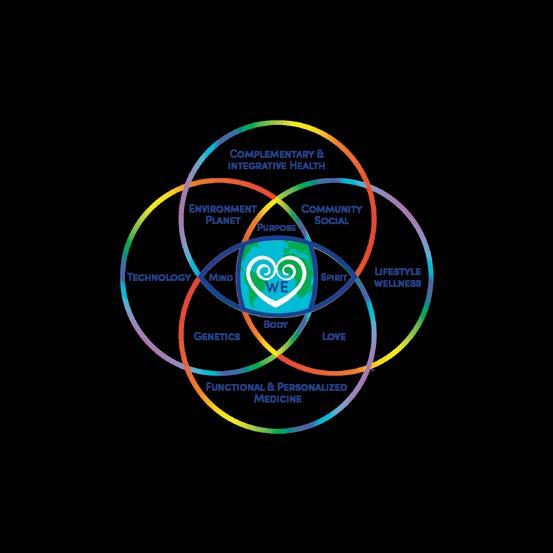


The KnoWEwell Collaborative with benefits for all in the Regenerative Whole Health ecosystem. Get Started and Explore for FREE Receive 50% off your first year. Individuals apply: Practitioners apply: ACHIEVE THIER LIVING Learn. Engage. Connect. Heal. KnoWEwell.com WELL NAMA 10221 NAMA 10221P
