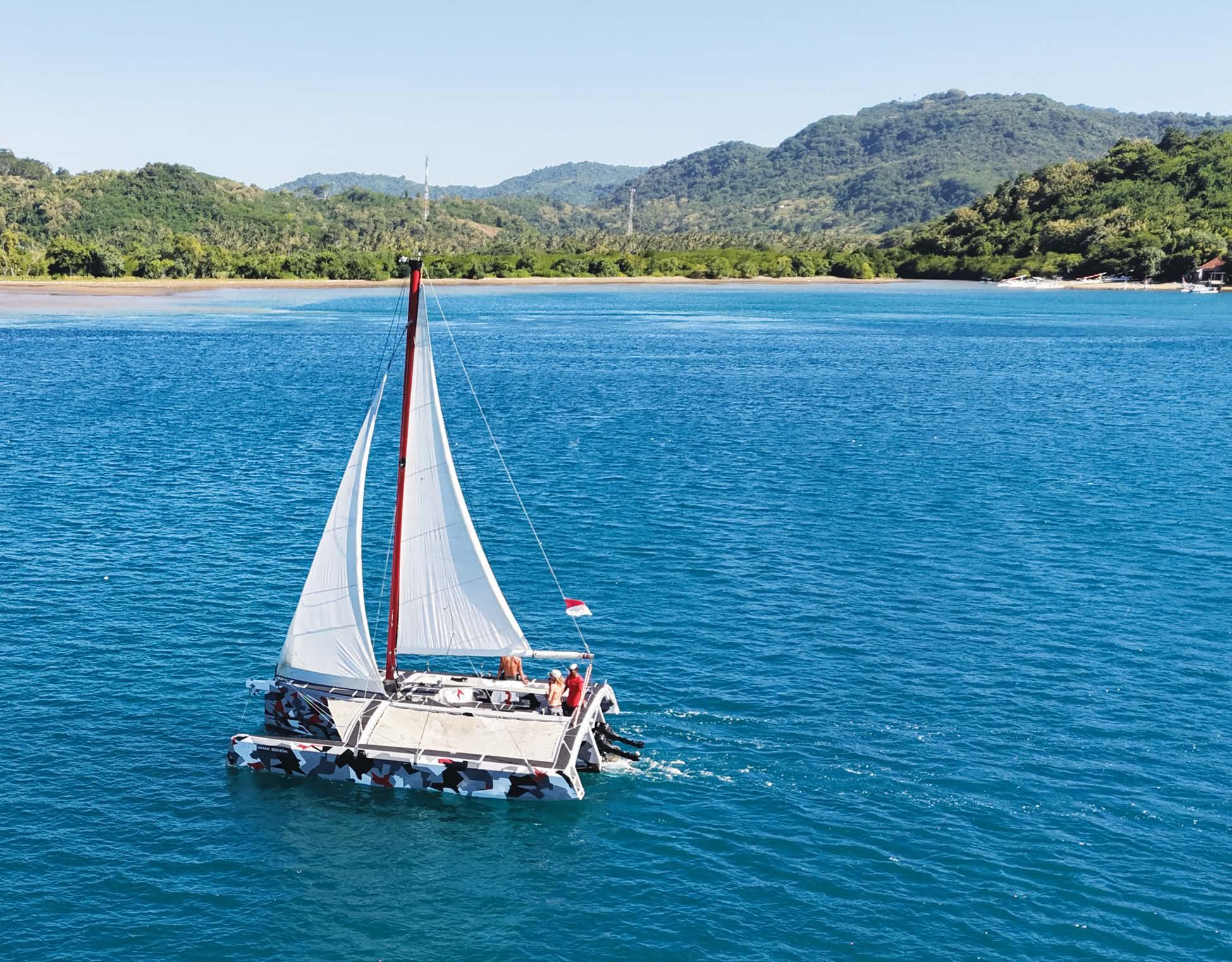
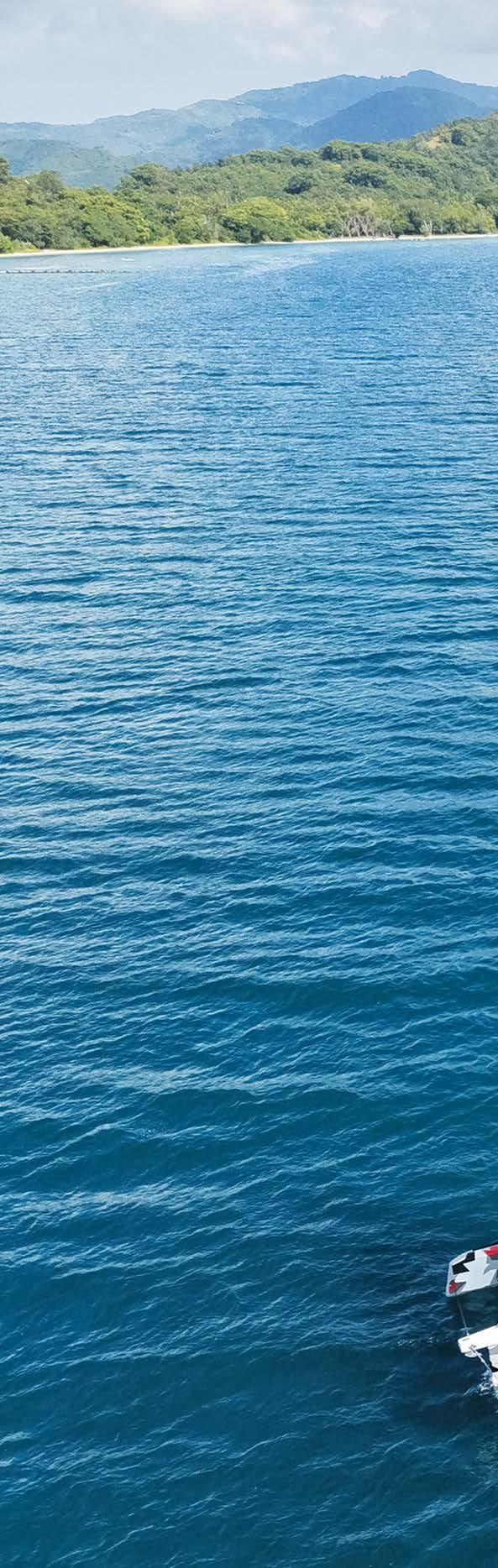
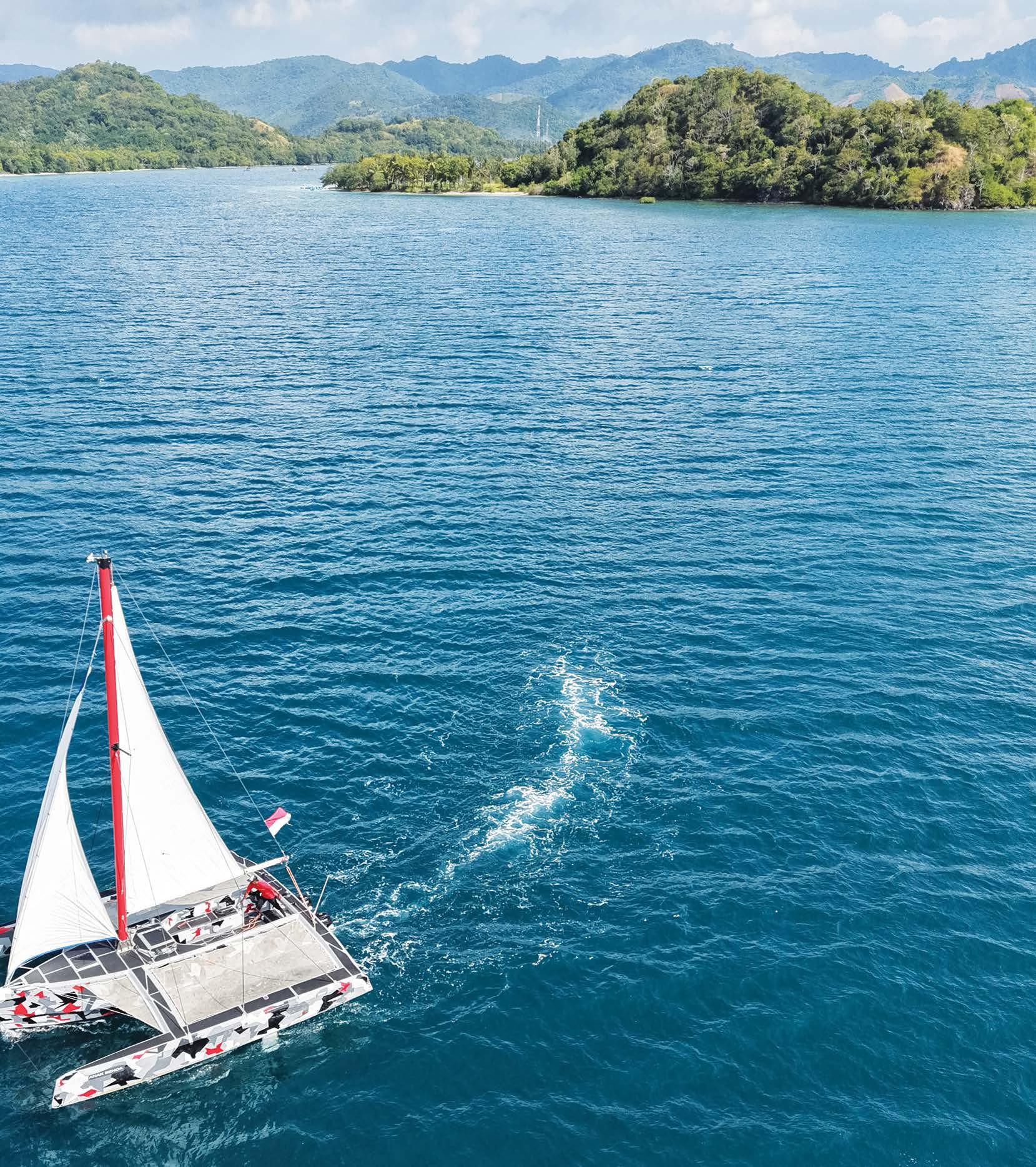
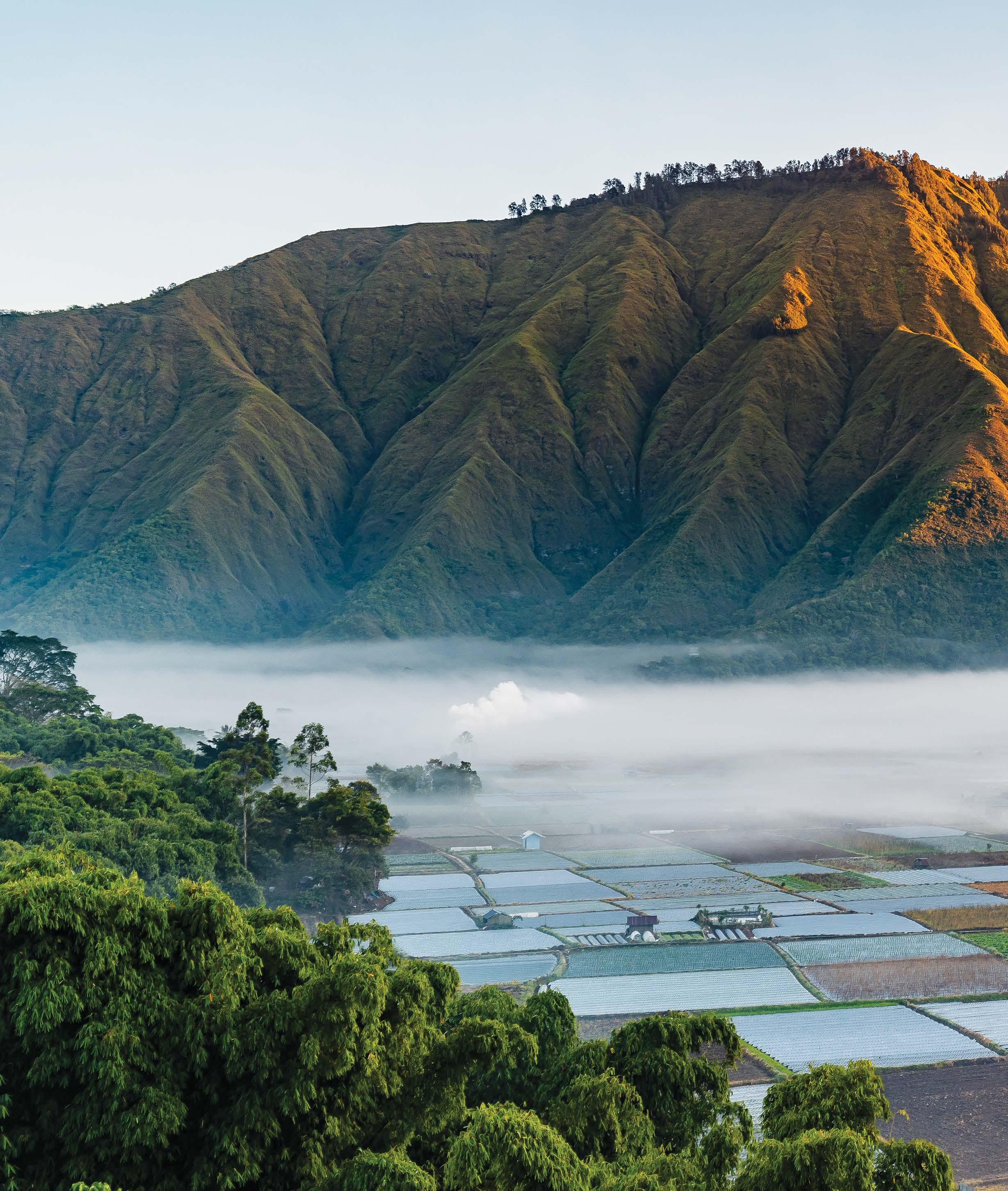
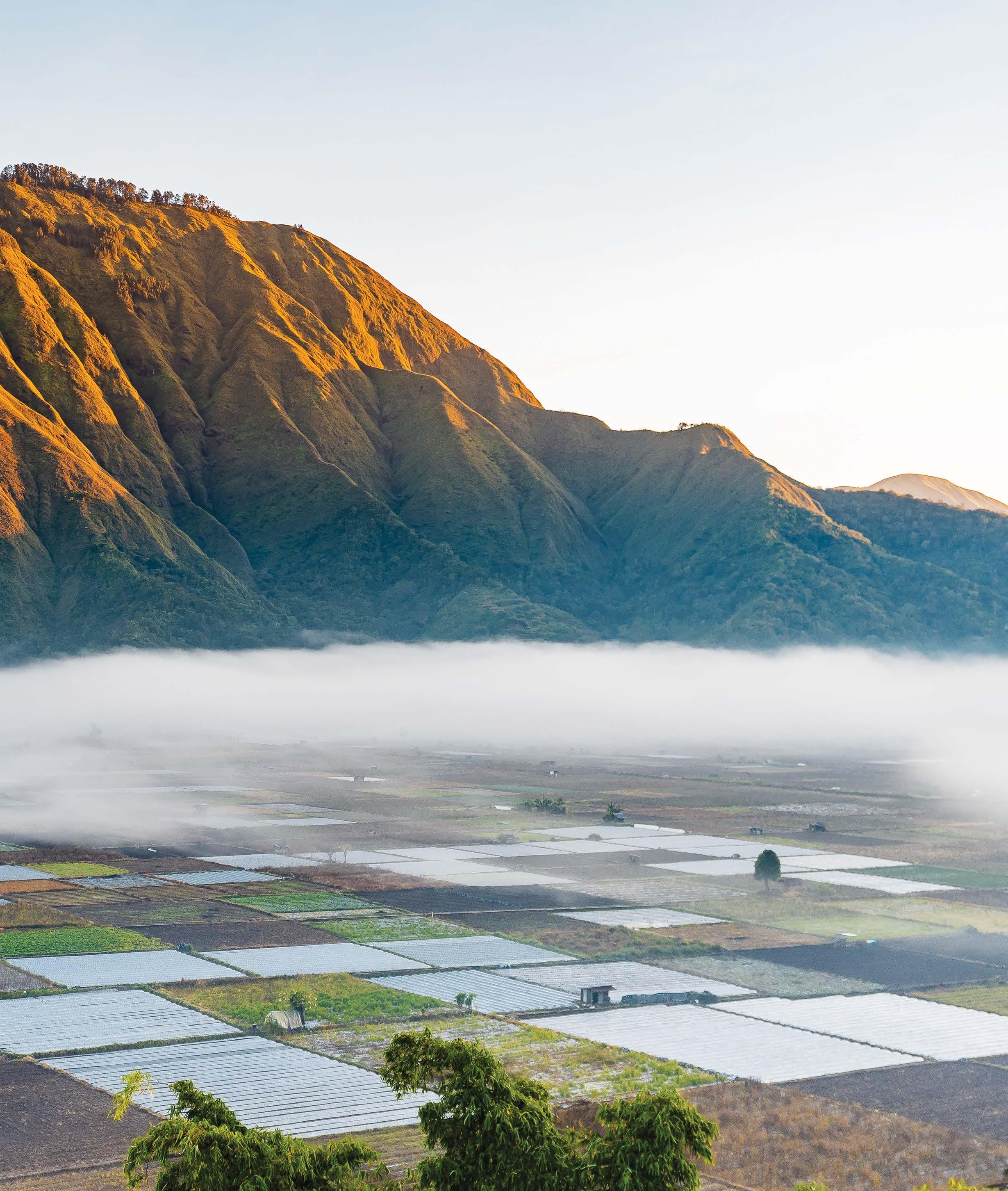
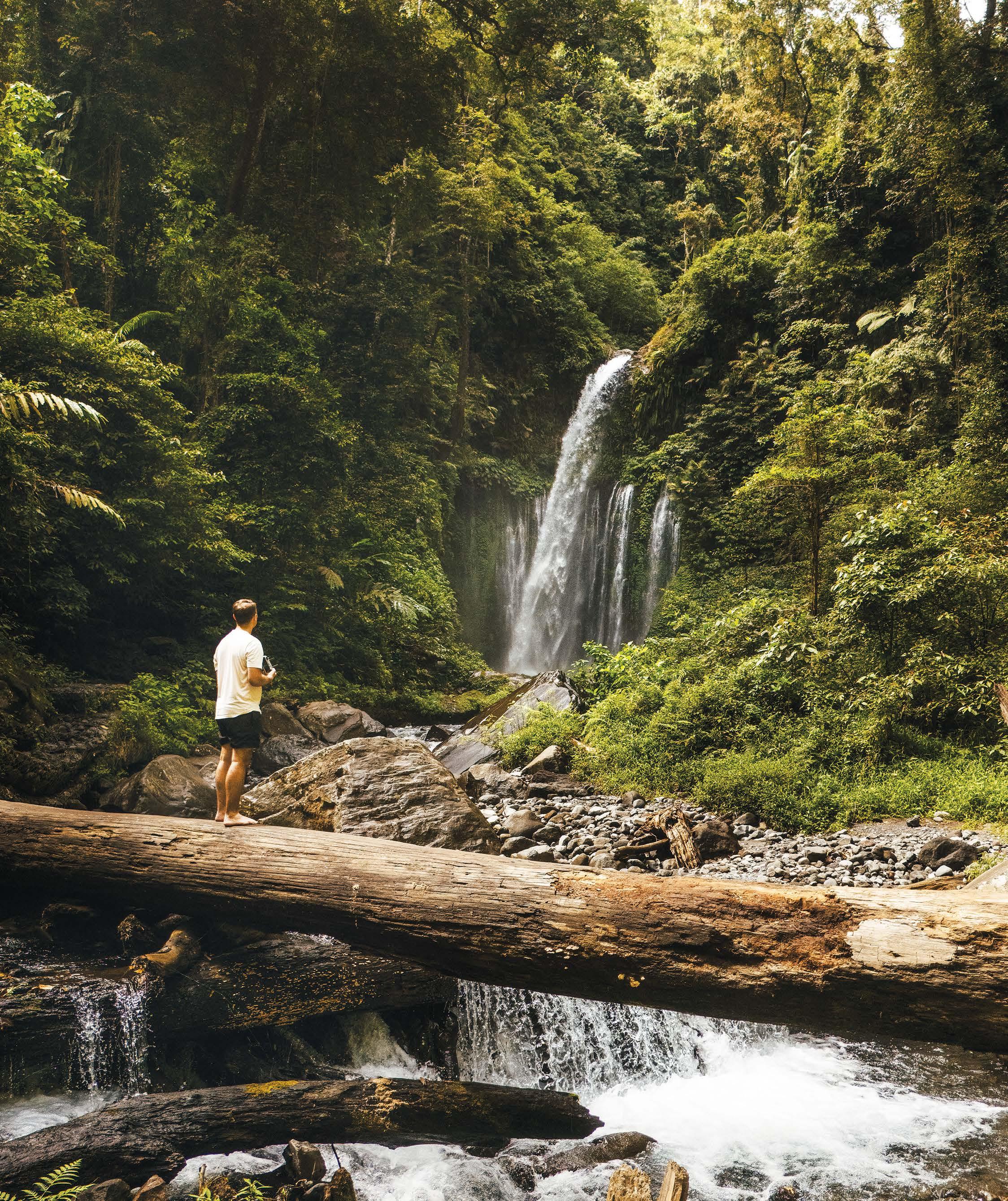
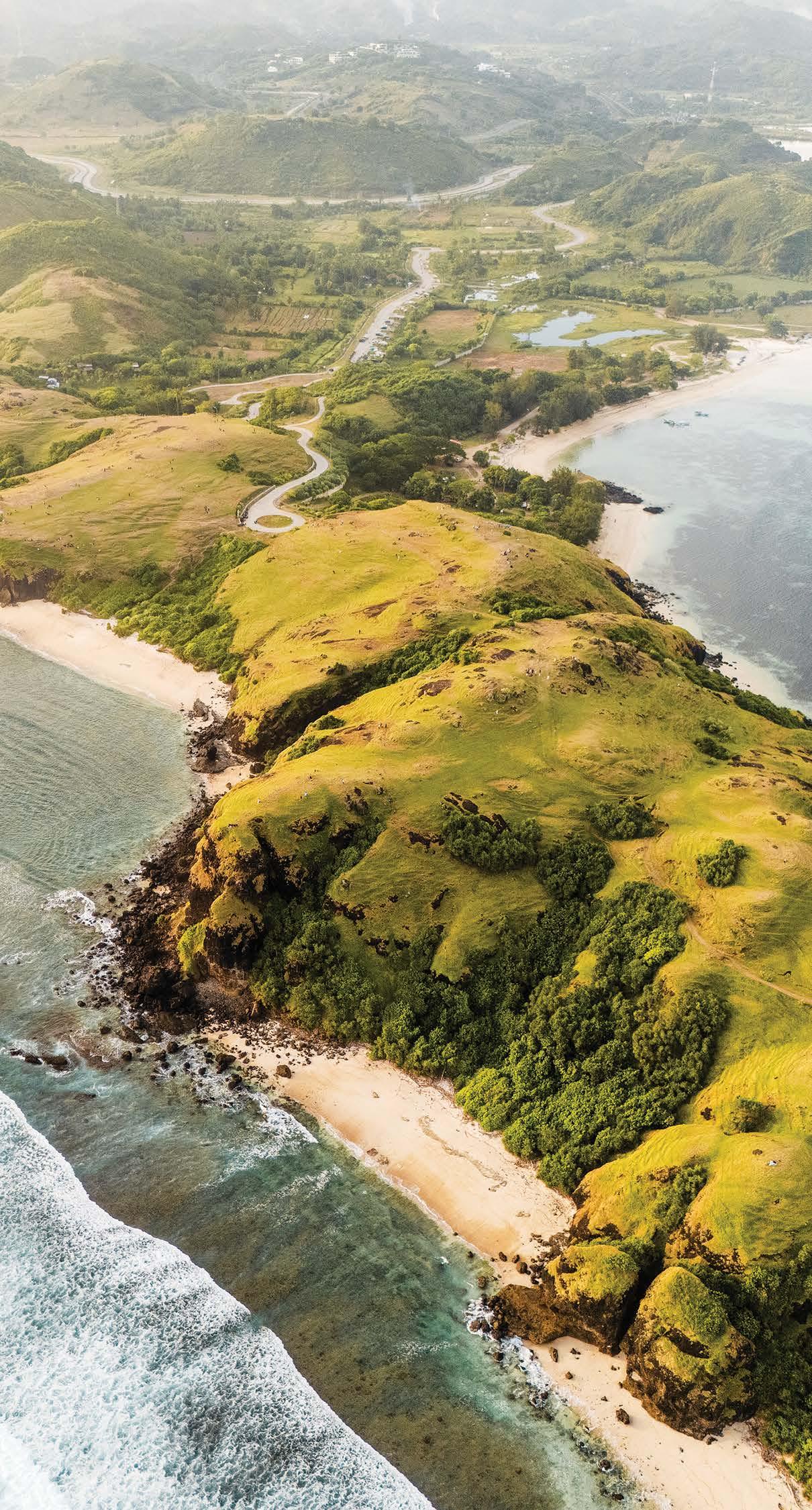
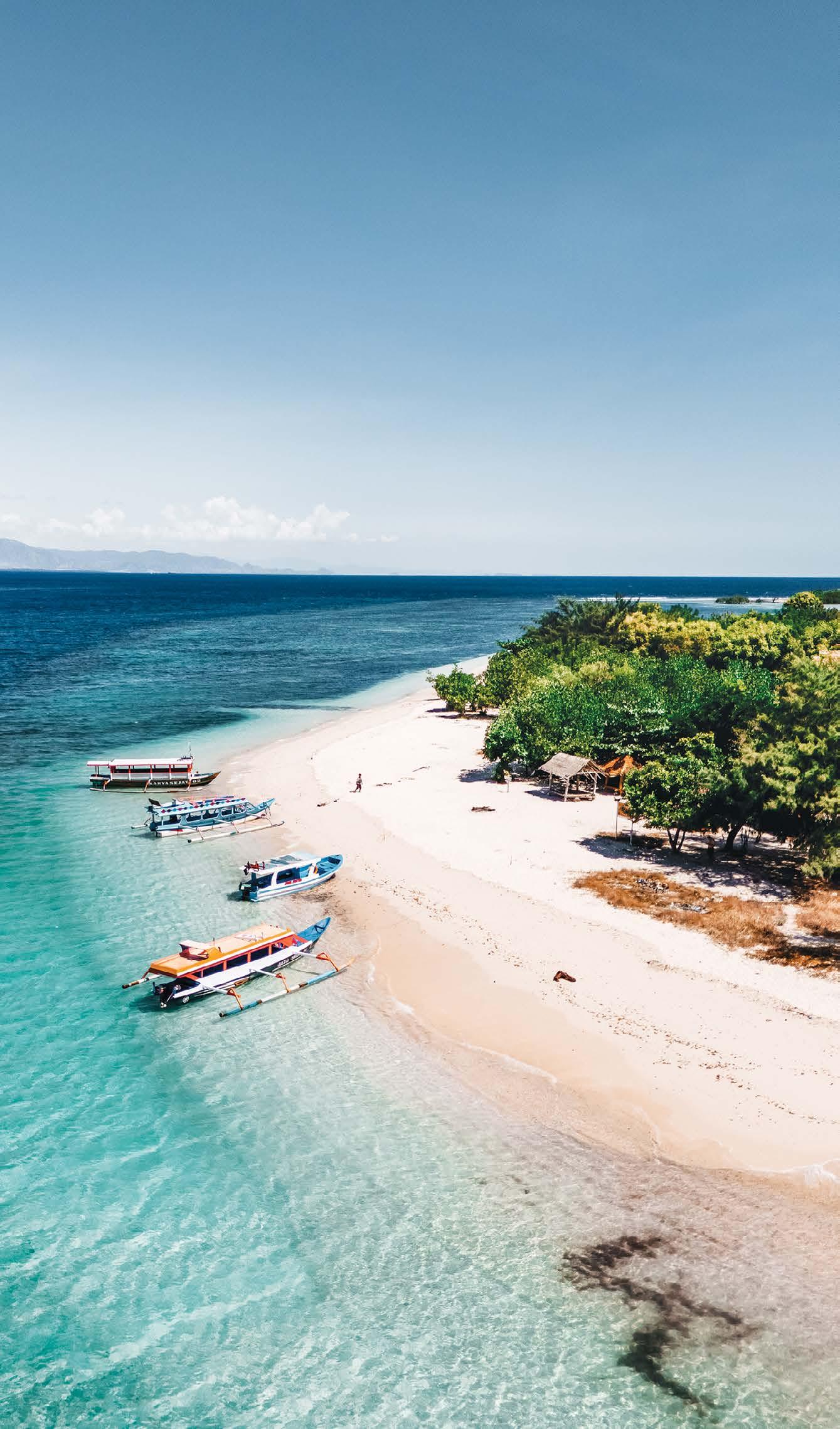
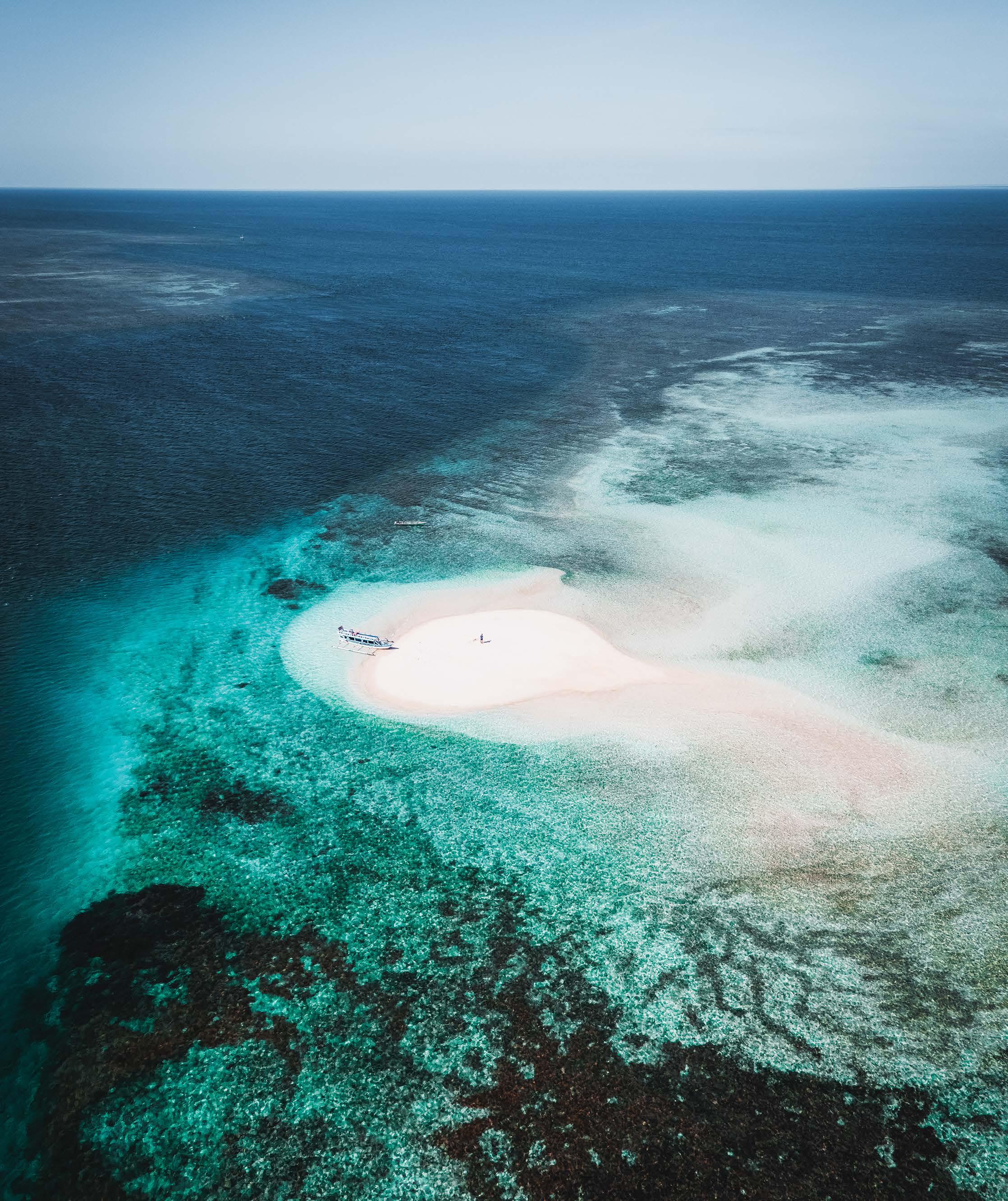
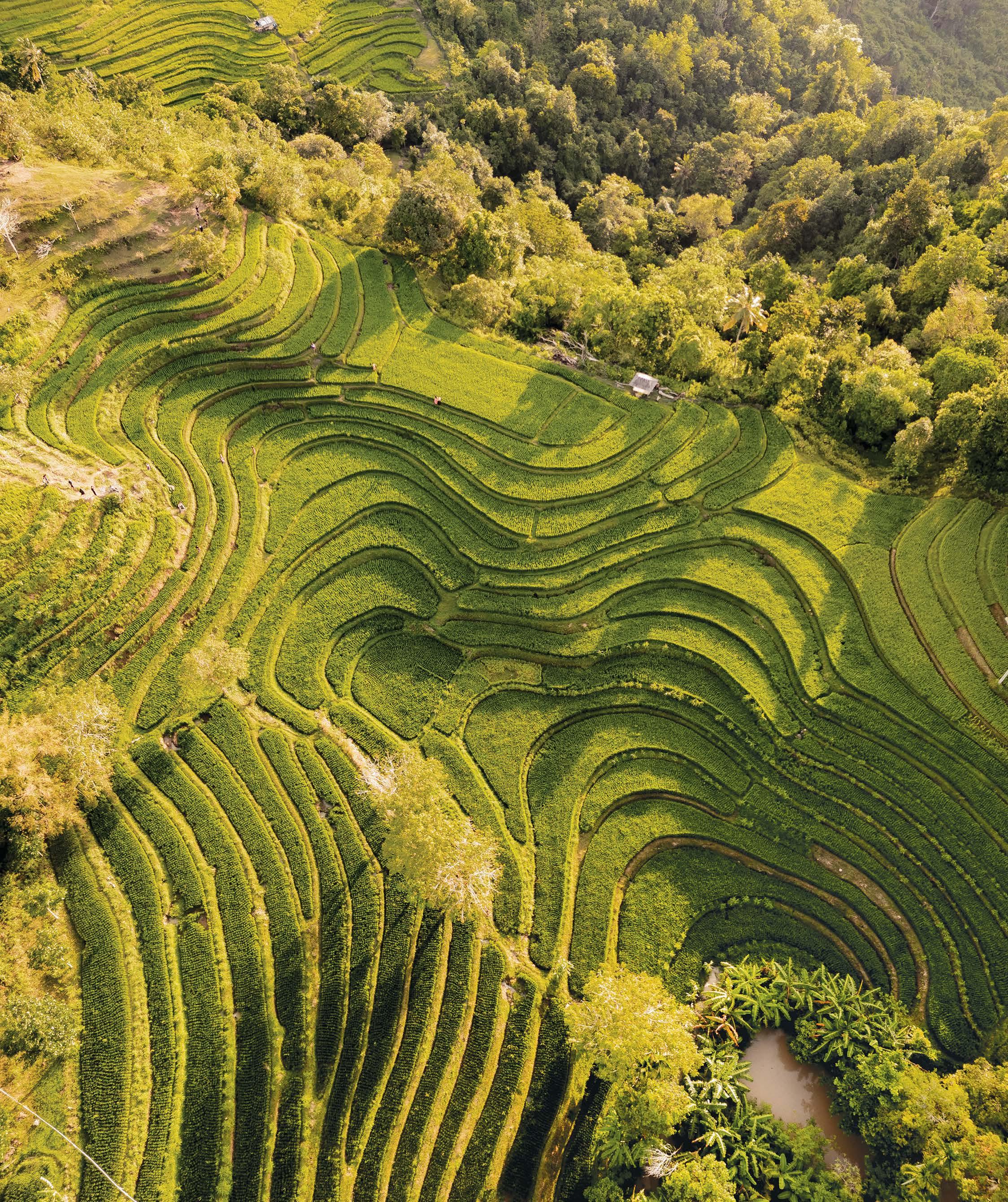
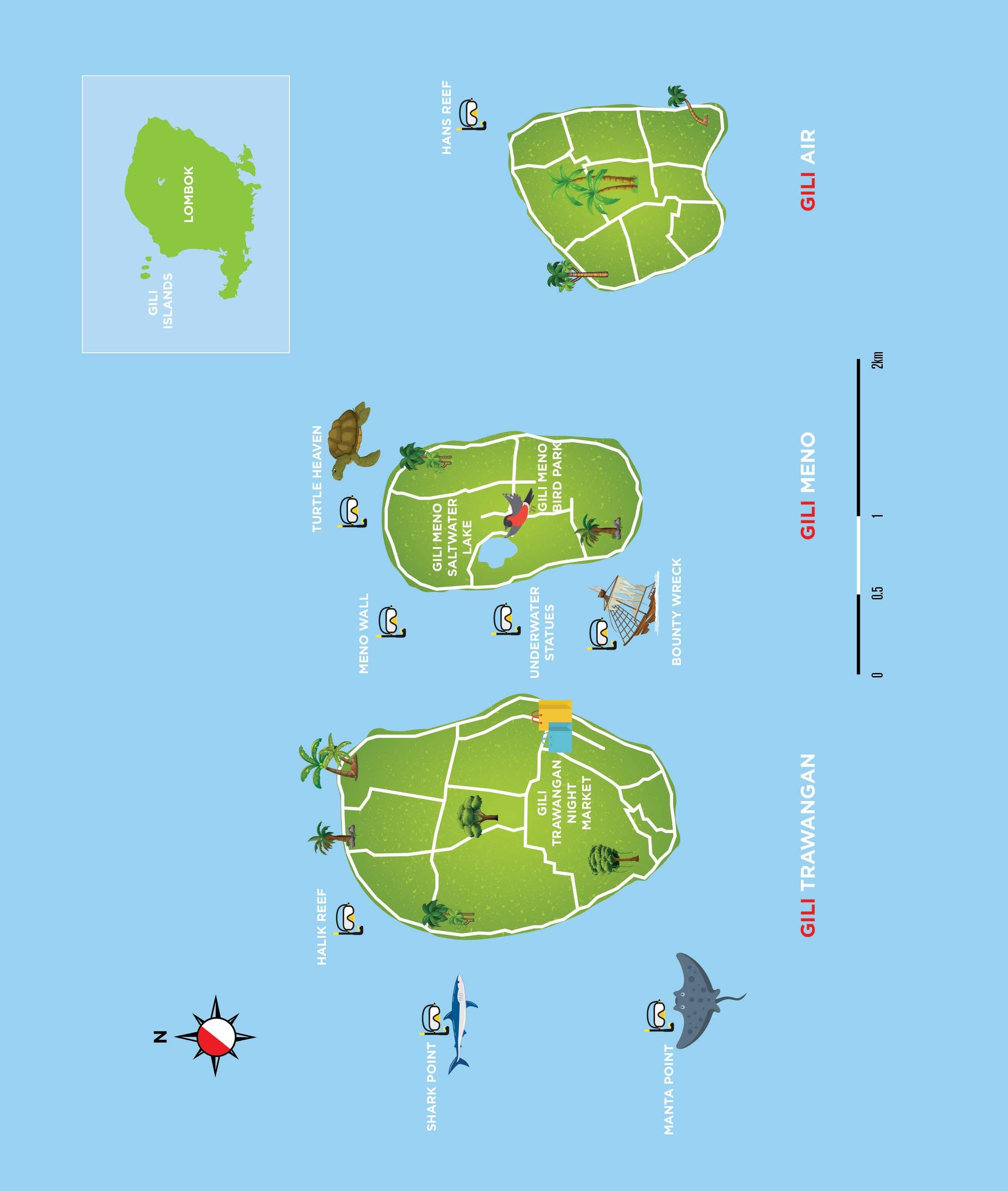
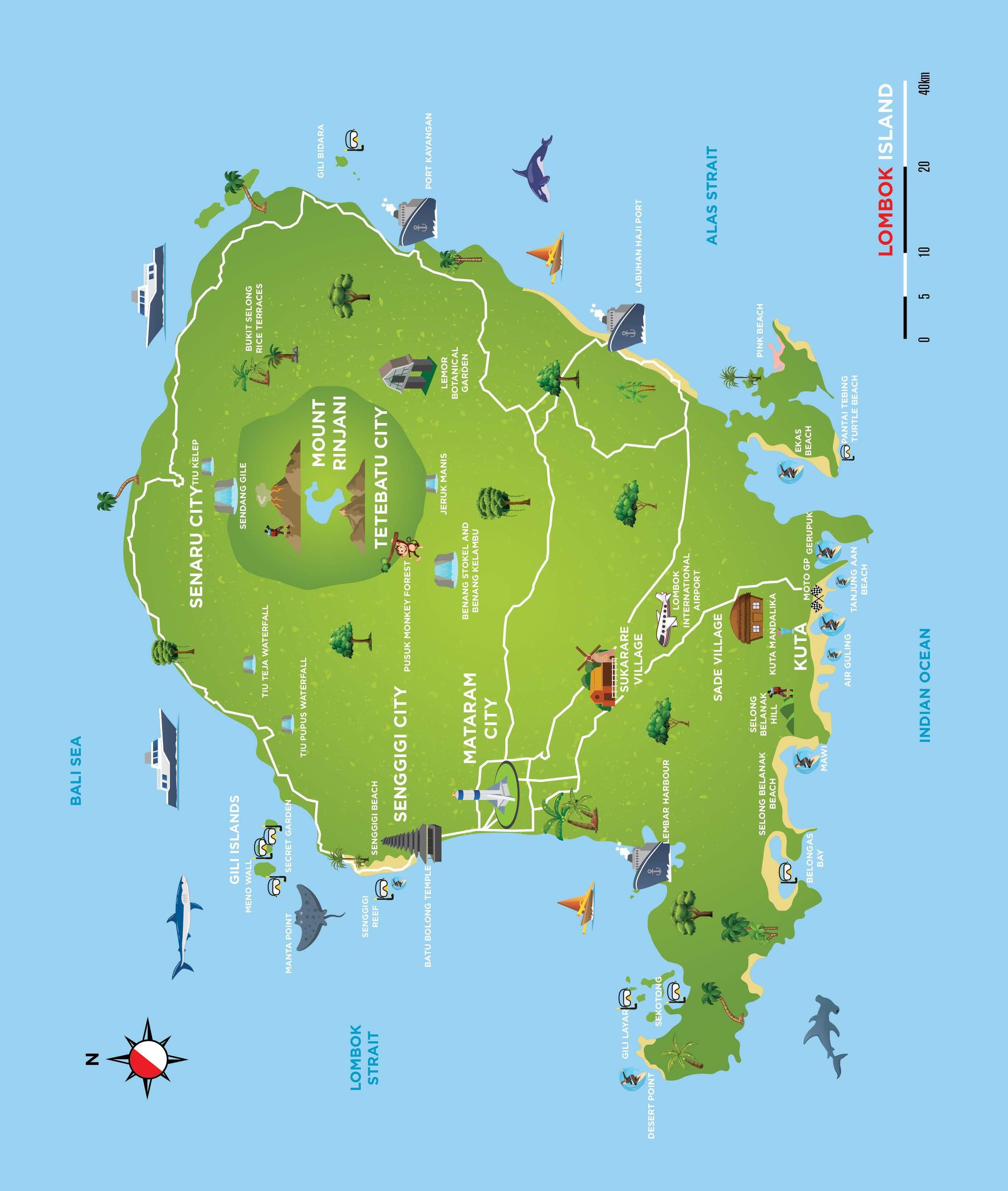
The summer is finally here. Now is the perfect time to broaden your horizons, like discovering Southwest Lombok’s fabled ‘Secret Gilis’ by island hopping. The Anak Benoa trimaran yacht is the perfect way to explore hidden bays, uncrowded snorkeling reefs and more around Sekotong Bay. Find out more this issue.
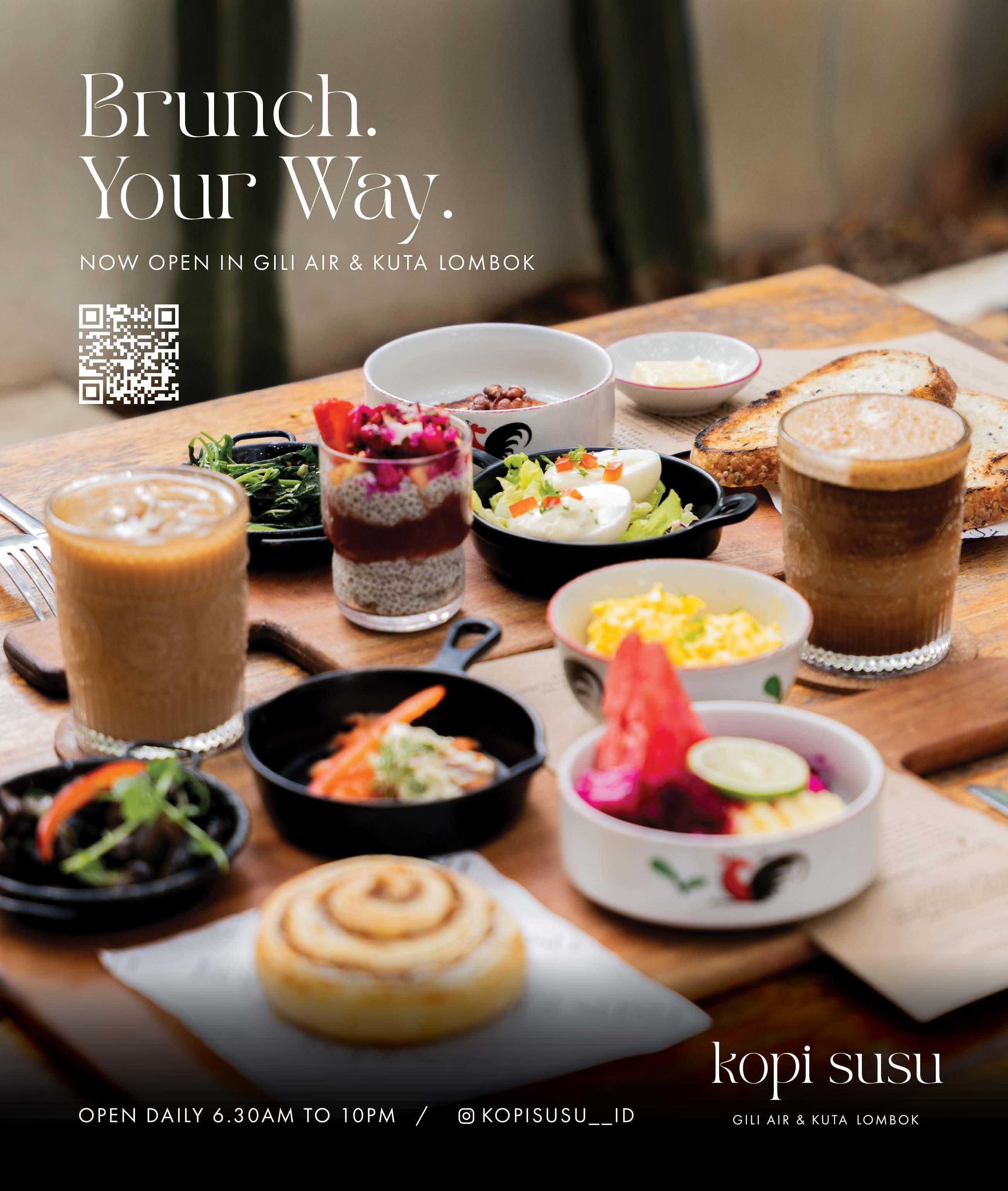
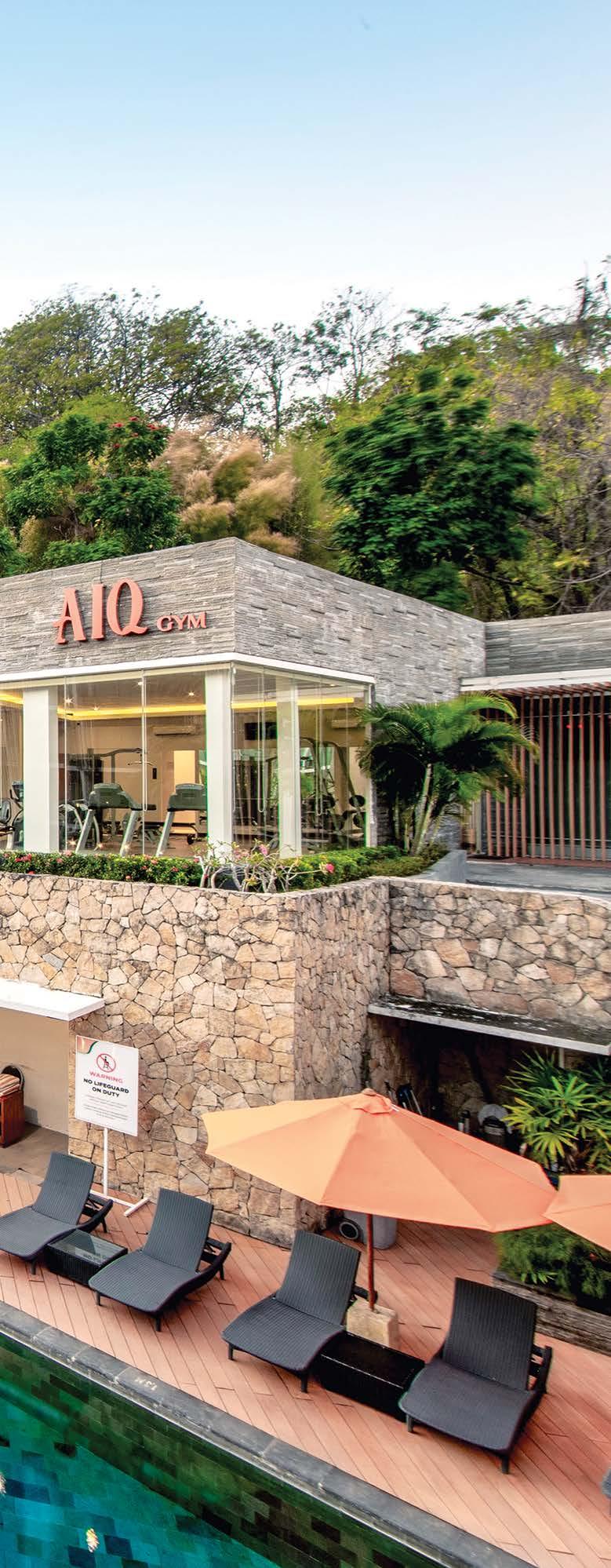
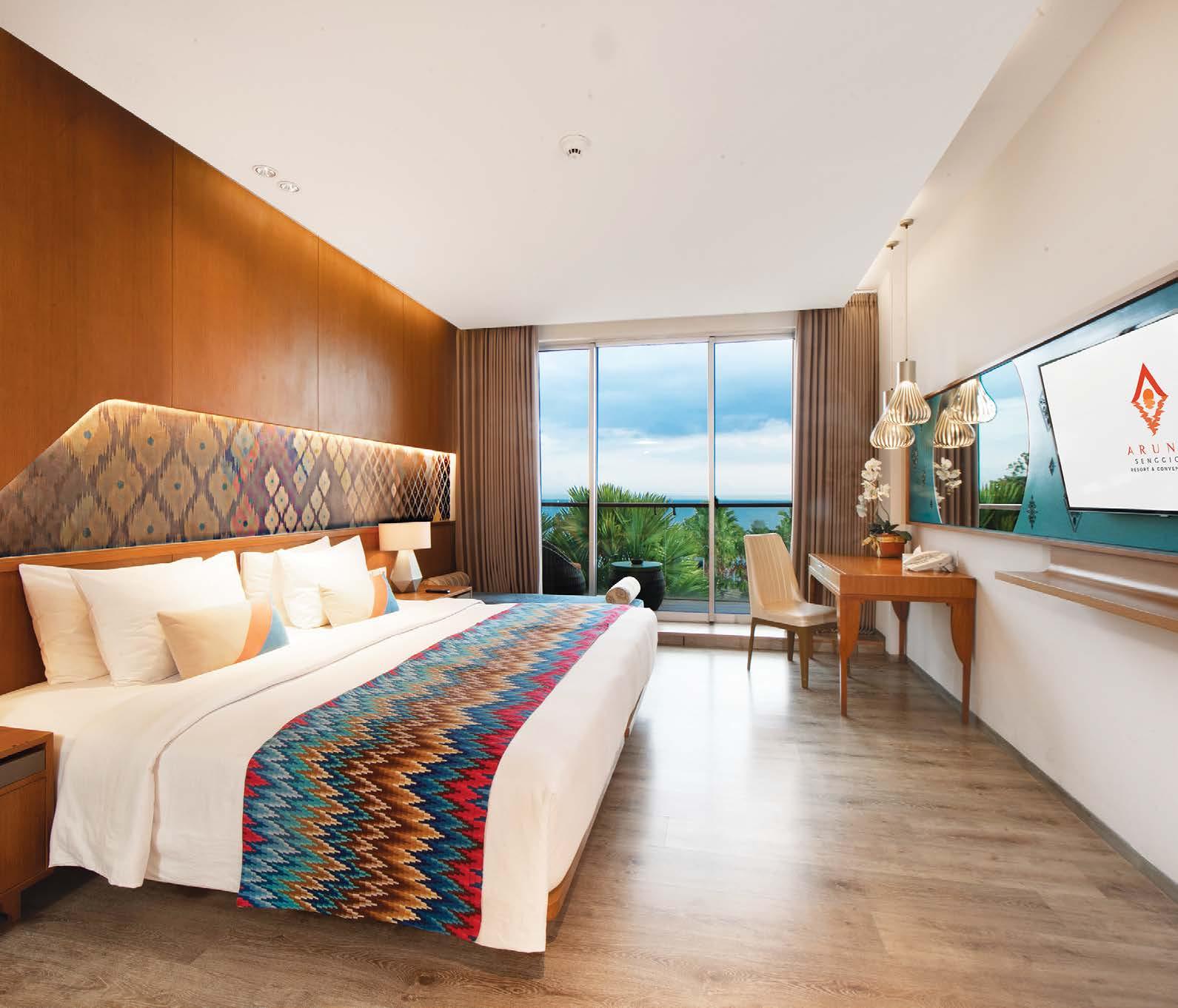
Get your caffeine fix—and tasty European inspired cuisine—at Kopi Susu in Kuta, their second Lombok location after becoming a Gili Air favourite café hangout. For your next weekend away, check out Aruna Resort. Selo Group has launched its latest accommodations—Selo Suites. Read all about it this issue.
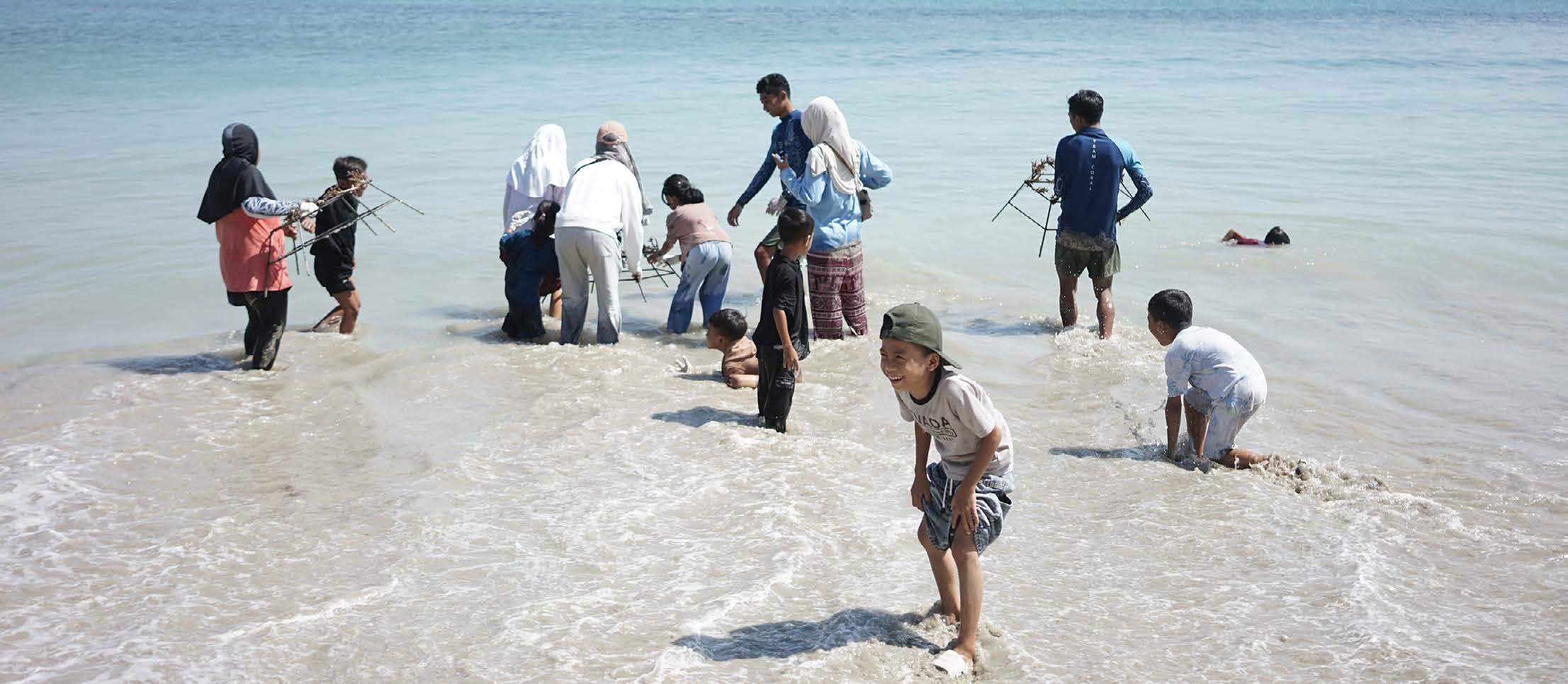
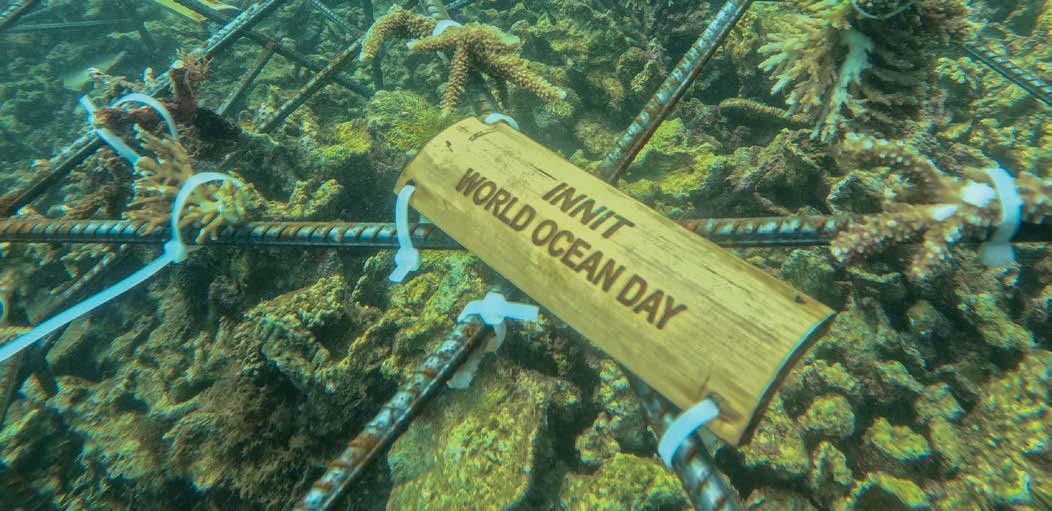
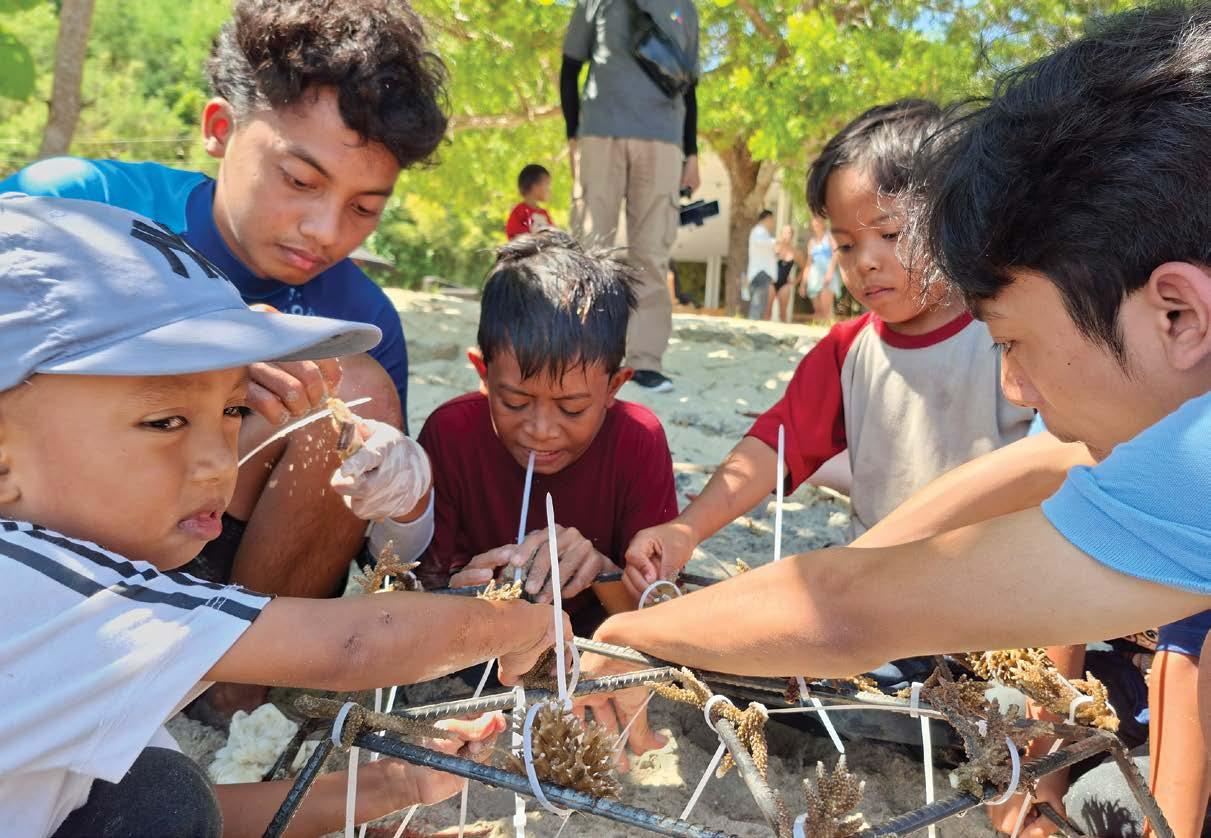
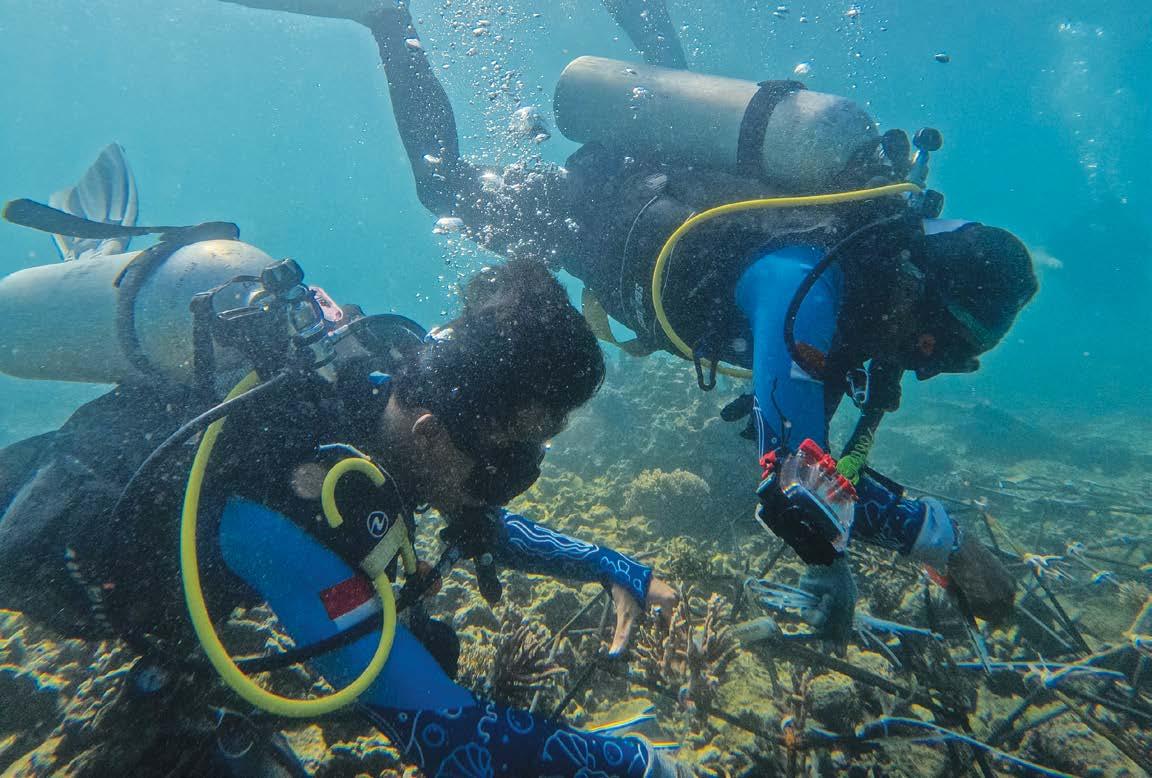
Seeking a summer detox pampering? Why not head to Glaze Spa - House of Wellness in Kuta. To mark the recent World Oceans Day, Innit Lombok partnered with Indonesia Biru Foundation to accelerate its support for coral reef restoration efforts in Ekas Bay. We also profile Project Why Not, a non-profit delivering free education resources and support to kids in Lombok for the past eight years and funded entirely by donations.
Budding property investors should check out the latest insights from Nour Estates and Ilyas. Arifin dishes on what his job entails as personal butler at Tampah Hills and this issue’s chef interview introduces Ando, from KAI The Spice Table on Gili Air. In other foodie news, Pizza Shack just celebrated its 2nd anniversary. You’ll also hear from Marc Pop, passionate eco-preneur delivering renewable energy to Lombok.
ENQUIRIES
Telephone: +62 (0) 878 9640 3464
E-mail: info@mylombokmag.com
Instagram: @mylombokmag
Facebook: /mylombokmag
Website: www.mylombokmag.com
THE BAD GUY NOTICE
No part of this publication may be reproduced, stored in a retrieval system or transmitted in any form or by any means, electronic, mechanical, photocopying, recording or otherwise, without prior permission of PT Lima Elemen Grafika. The views and opinions expressed in this publication are not necessarily those of the authors and mylombok disclaims any responsibility for any errors, ommissions or complaints arising there from. The publisher will not be held responsible for copyright infringement on images supplied by advertisers and or by contributors.
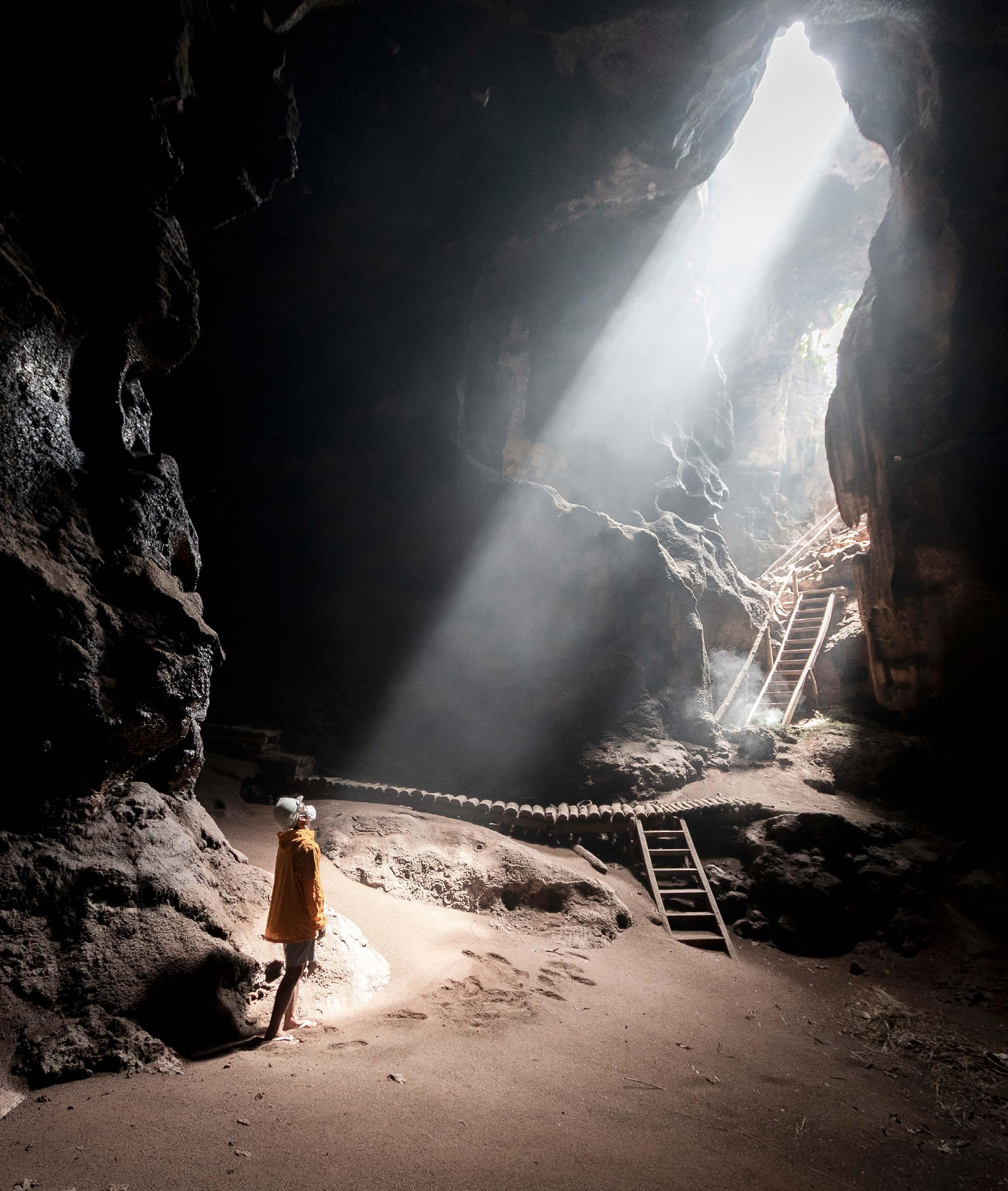
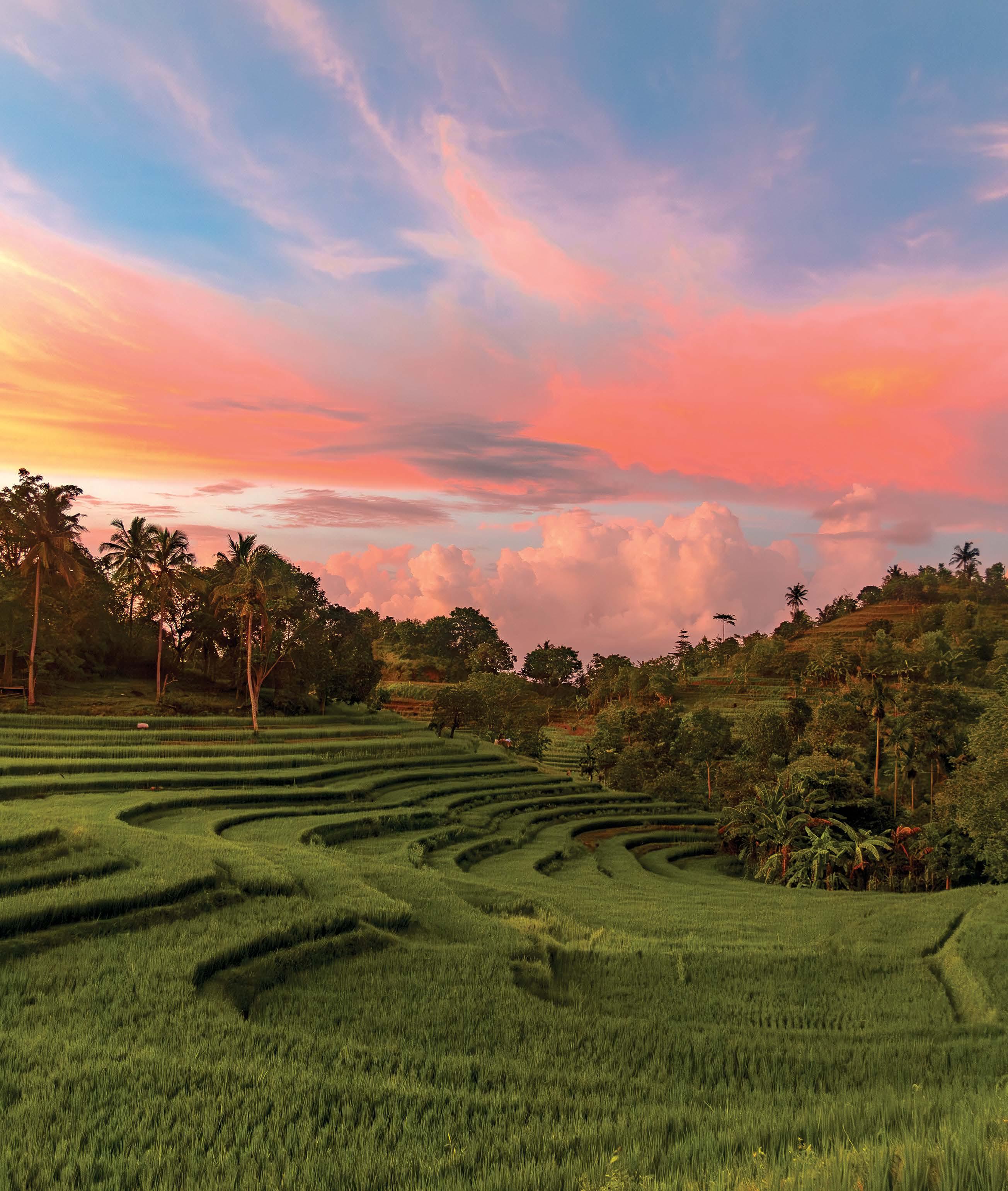
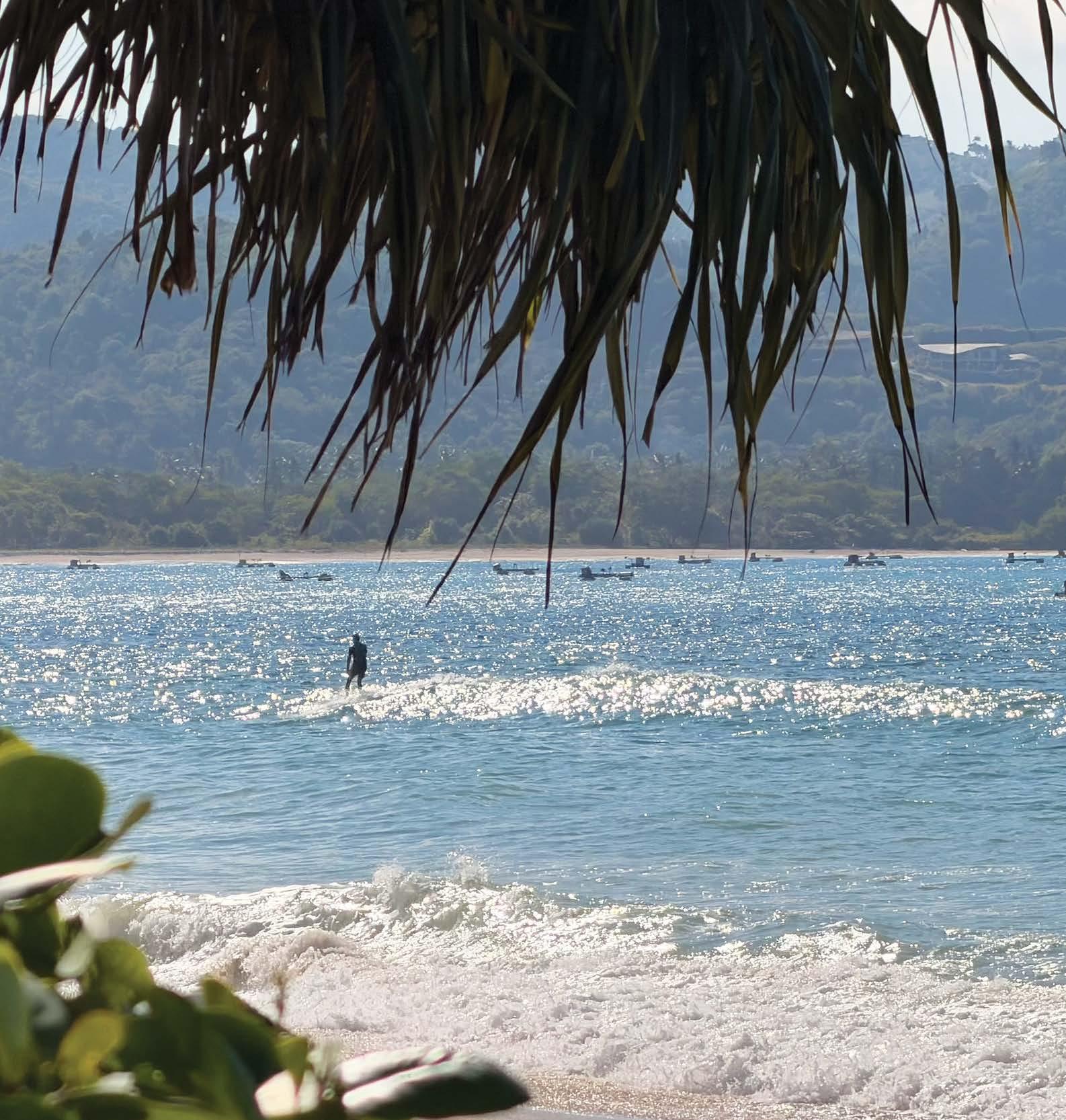
ON THE COVER Taken by kopex.n
Anak Benoa Sailing Trimaran
Activity
Glaze Spa
Local Profile
Ahmad Arifin Ilham
Business Profile
Project Why Not
Helping Hands
Smart Energy Technology
Through a Lense
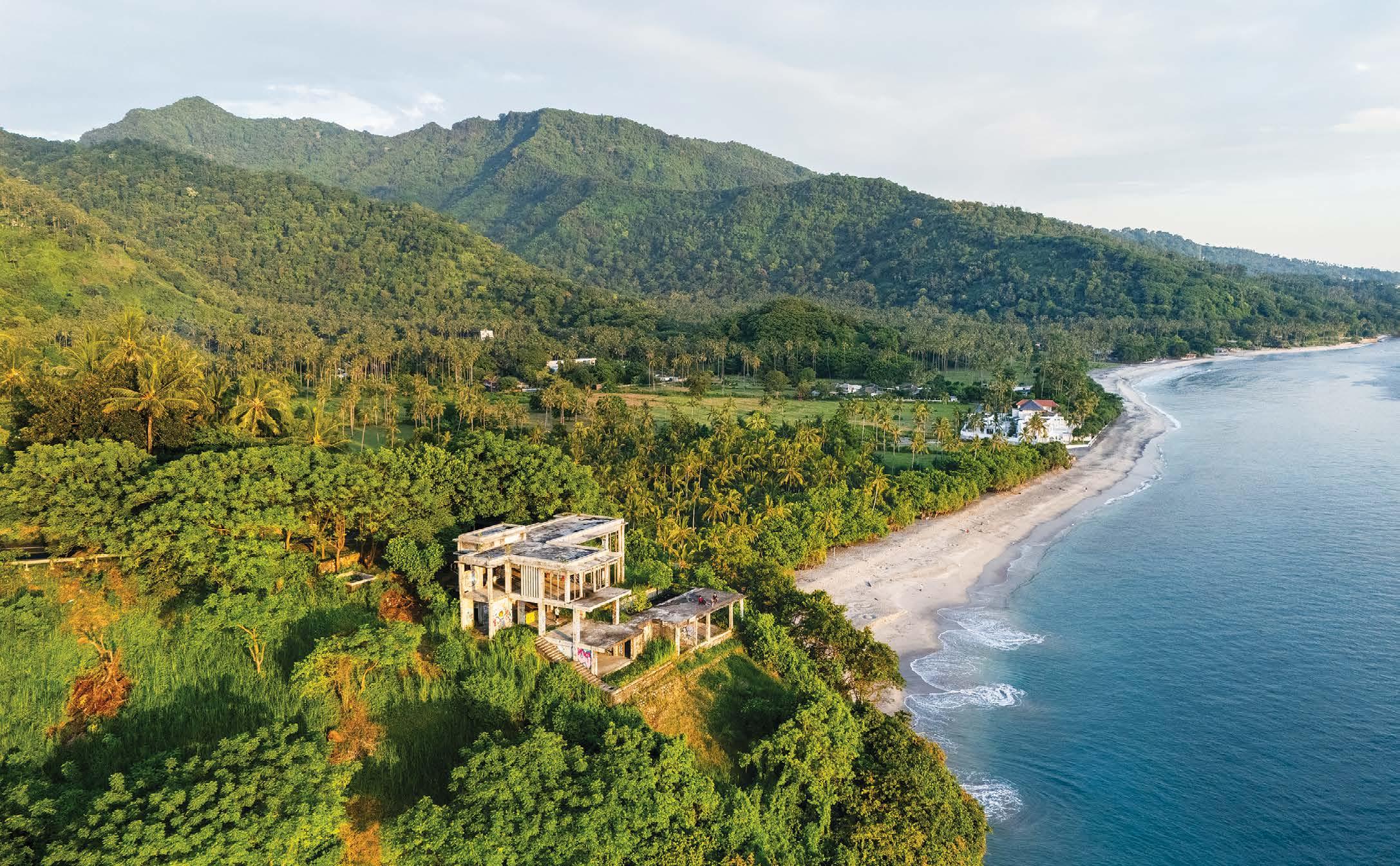
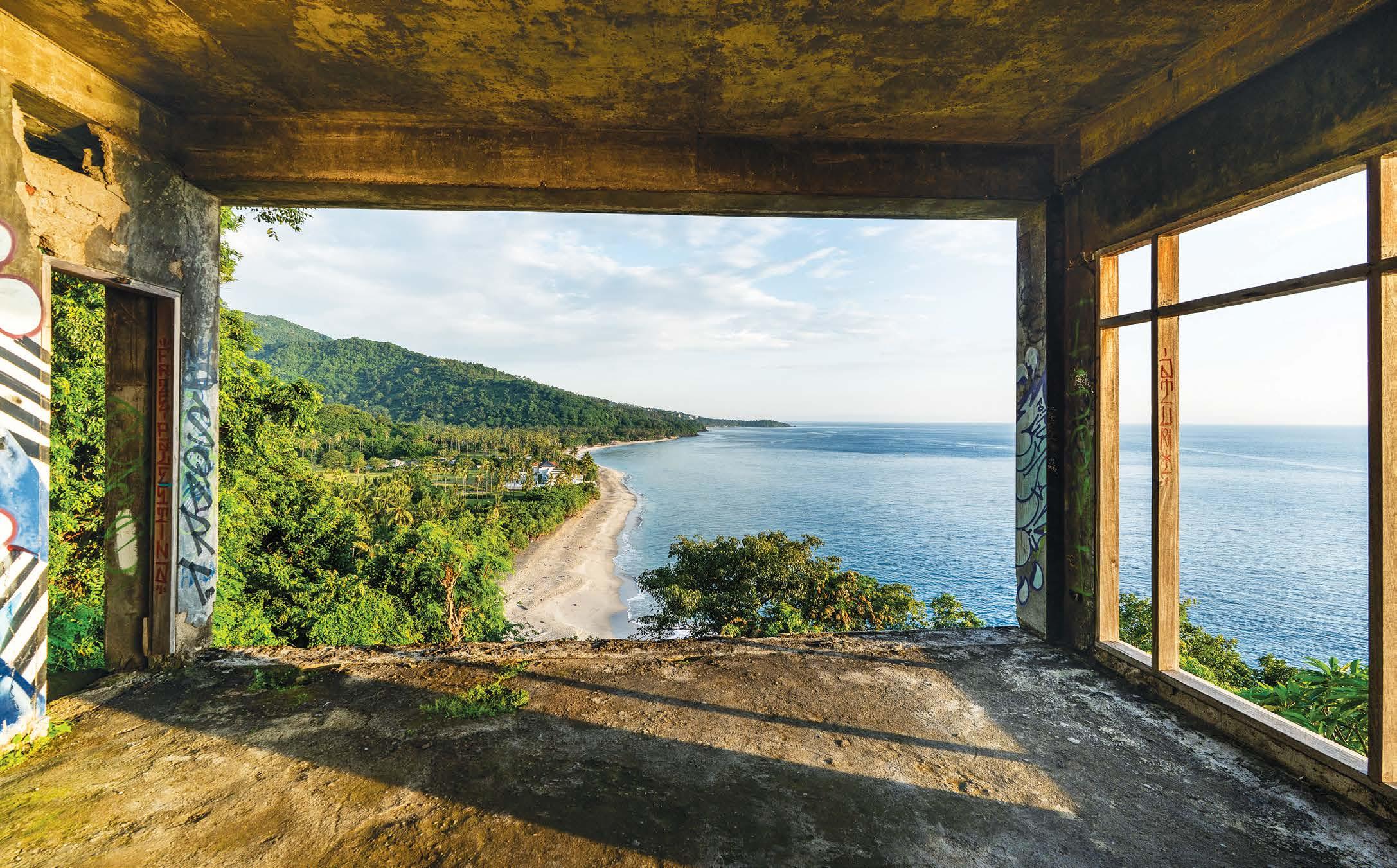
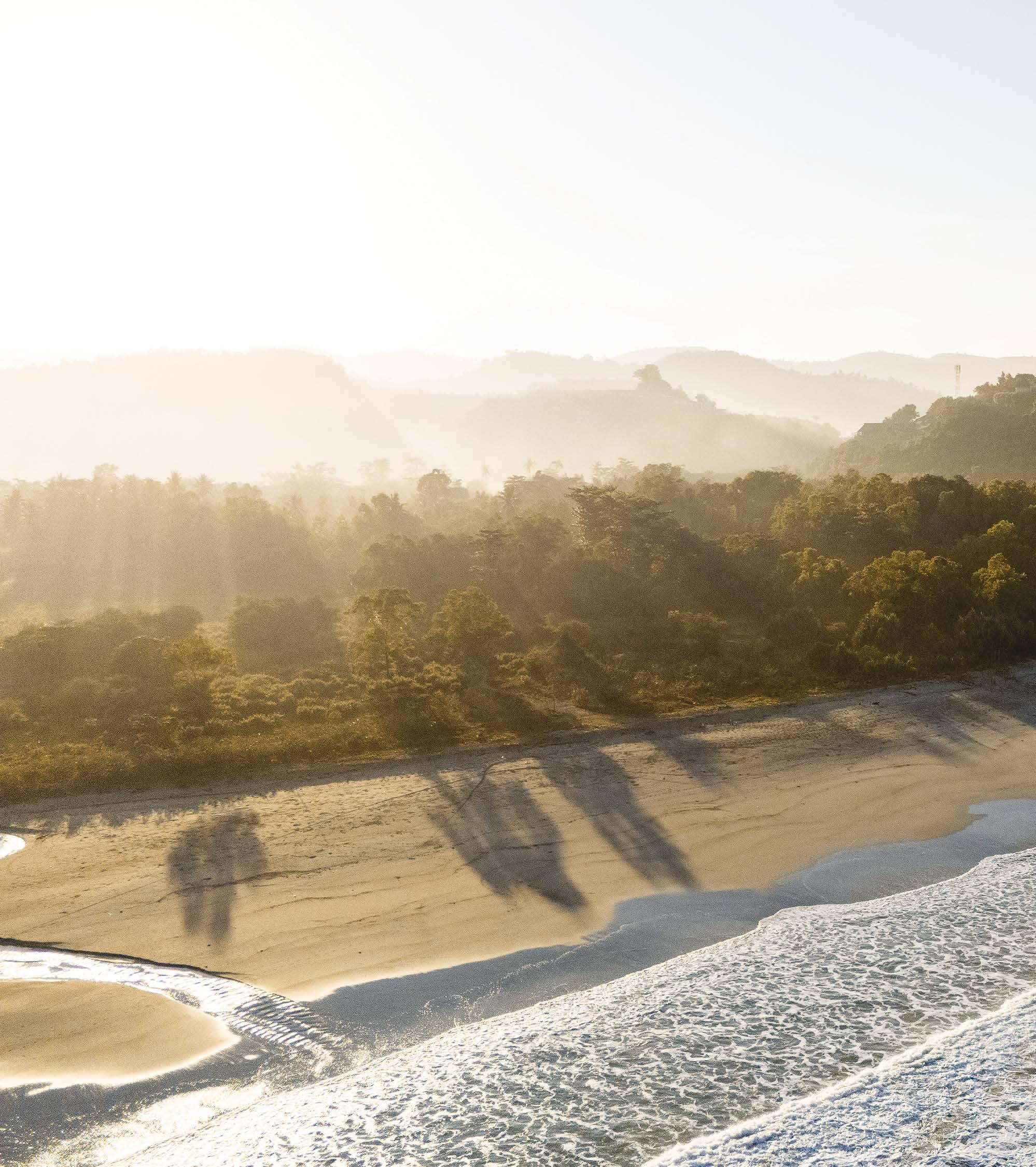
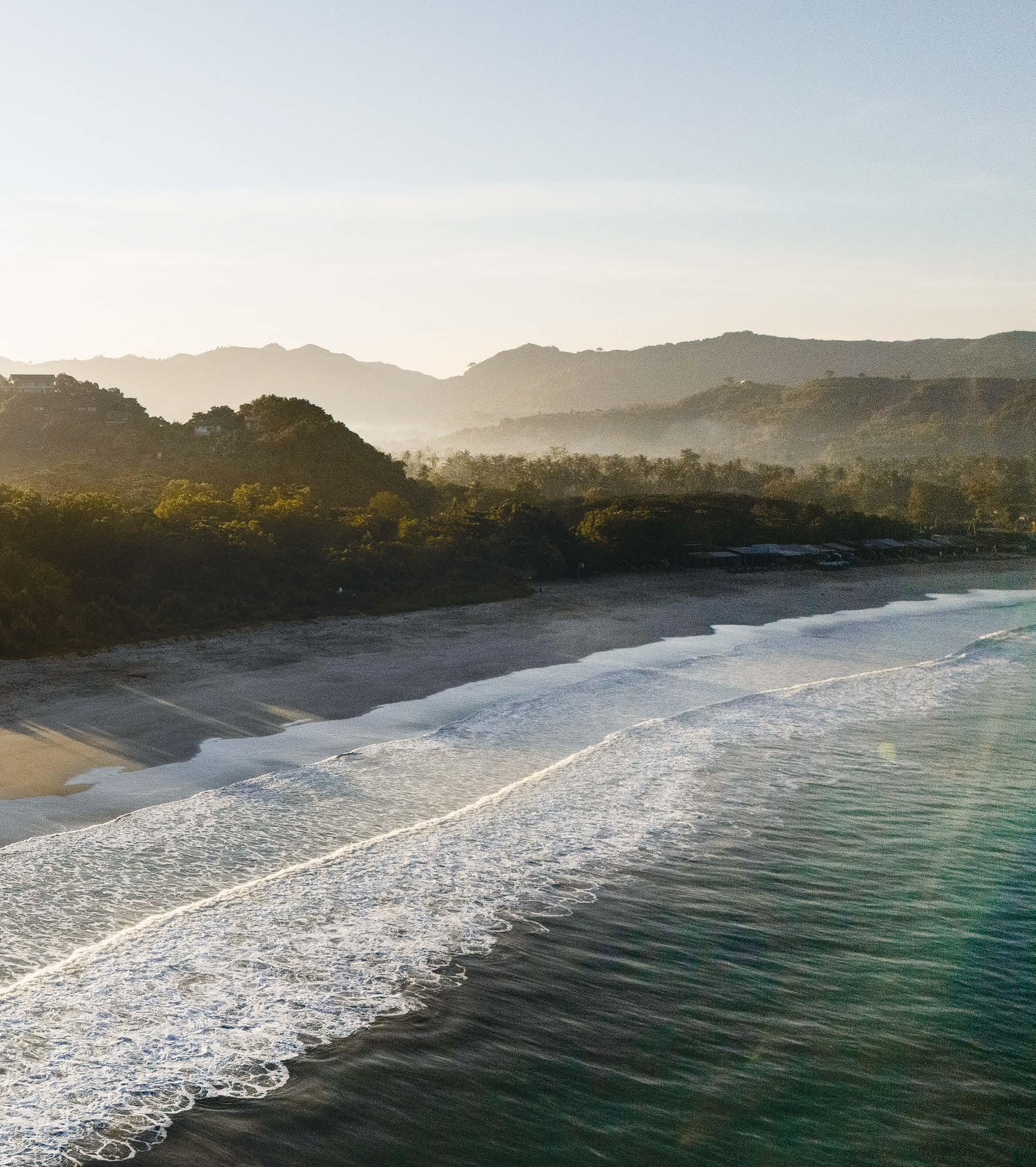
Lombok's Natural Beauty, Captured
EAT
Chef Interview
Chef Ando, Kai, The Spice Table
Eating Out
Kopi Susu, Kuta
ESTATE
Luxury Living
Villa Uitsig, Selong Belanak
Hotel Review
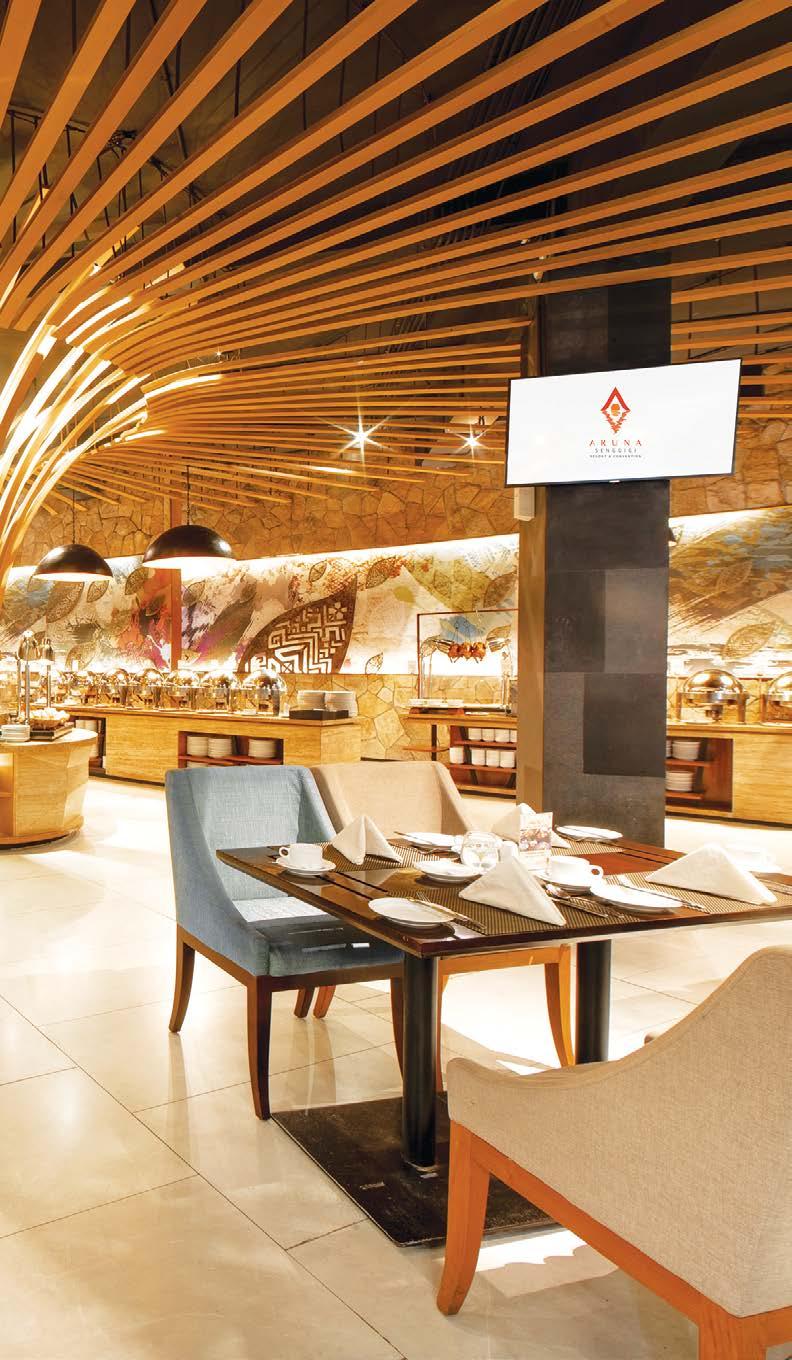
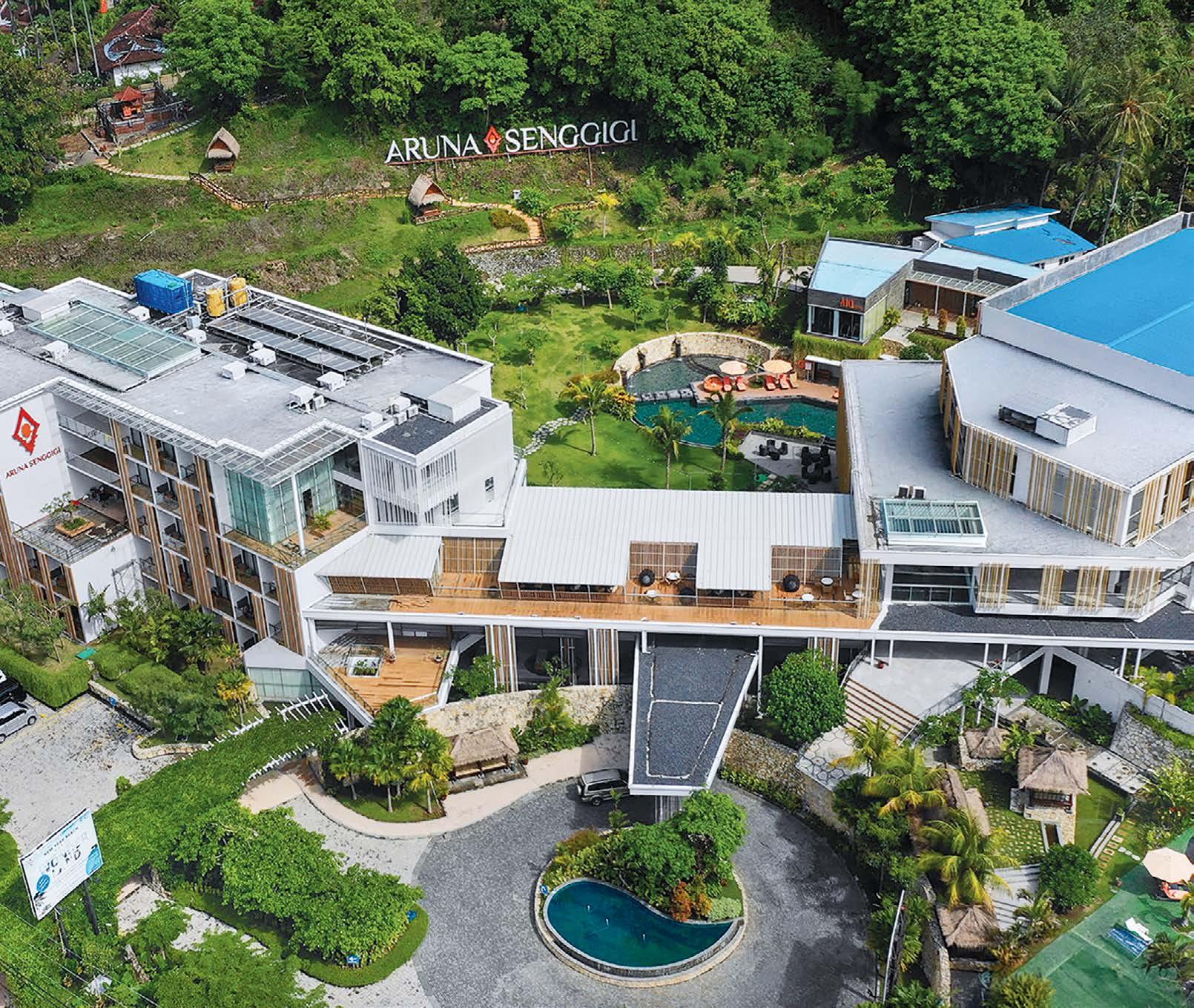
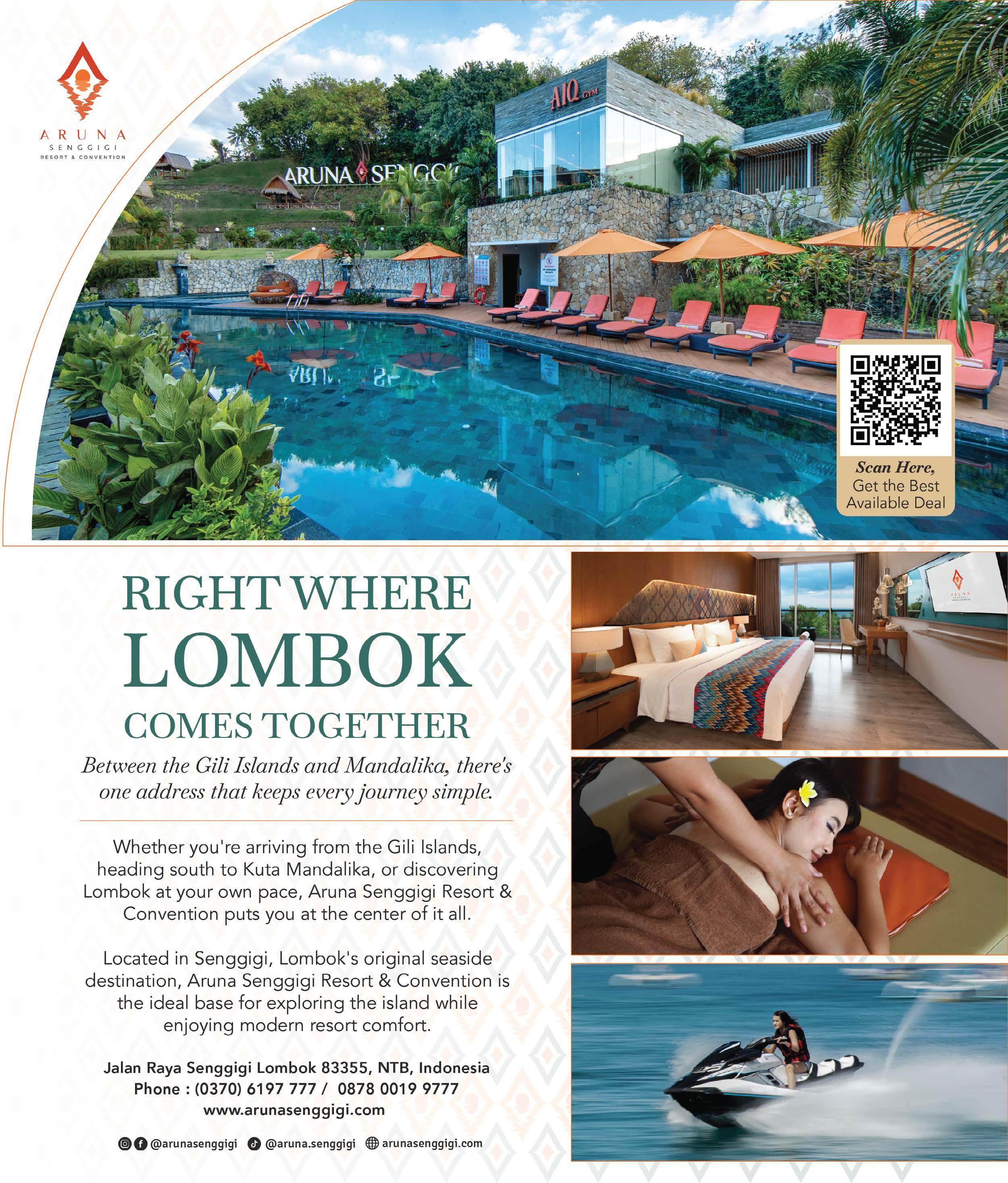
Aruna Senggigi Resort & Convention
Nour Insider
South Lombok Property
Property Insight From Experience to Transformation
ANAK BENOA SAILING TRIMARAN
ISLAND HOPPING AT YOUR OWN PACE IN LOMBOK’S ‘SECRET GILIS’
GLAZE SPA
GLOWING WITH HEALTH AND WELLNESS
PROJECT WHY NOT
DARE TO DREAM... AND WHY NOT?
explore
Island Hopping at Your Own Pace in Lombok’s ‘Secret Gilis’
Southwest Lombok’s fabled ‘Secret Gilis’ is arguably the region’s most evocative island-hopping destination. However, good, flexible options cruising between these dozen secret islands has been rather limited – until now.
The Bali-built Anak Benoa is another distinct island cruising solution beyond the old outrigger boats or pricey private yacht charters. Launched last year, it is an eye-catching 26-foot trimaran with three hulls and an expansive eight-metre beam, meaning she can negotiate choppy waters with comfortable ease. With a consistent speed of eight knots, it unlocks so many more cruising options around the Secret Gilis and beyond.
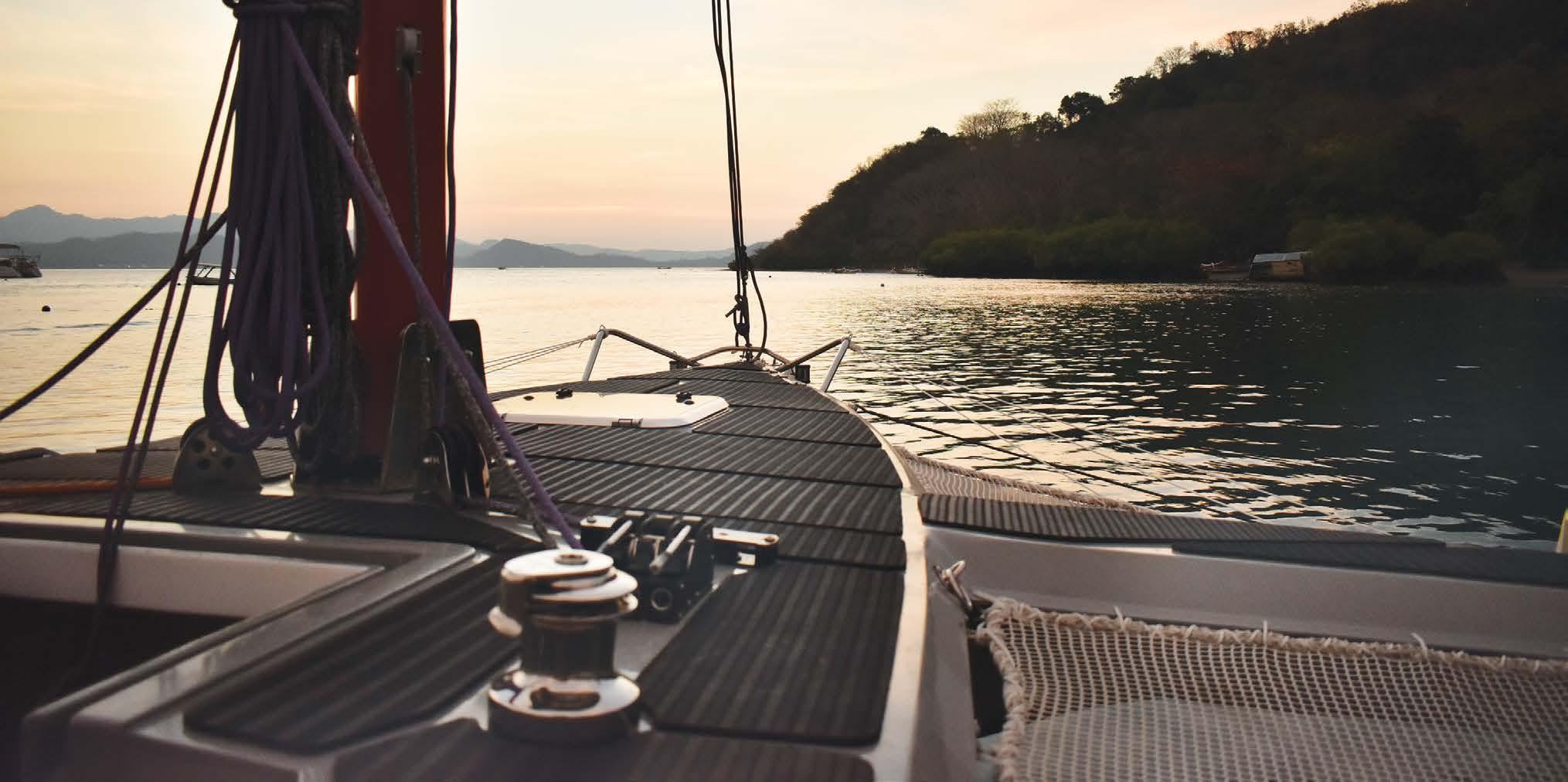
It is fuelled by twin 20 HP engines as well as wind power when the sails catch a decent breeze. It’s the perfect size vessel for relaxed sailing for up to six guests. It has an open cockpit and nets for guests to get horizontal and soak up the rays while cruising between islands.
Primarily departing from Lombok Marina, Gili Gede, full day cruises are fully customisable with various pick-up points. Just pick where you want to sail to or let the captain decide and just go with the flow.
There are many ways to experience the various islands, hidden bays, coves and snorkeling spots around the islands and the wider Sekotong Bay coastline. Anak Benoa offers a range of half- and full-day sailing itineraries as well as a sunset cruise. This two-hour early evening sailing comes with drinks and tasty snacks. For anyone sailing, there is the opportunity to upgrade the experience with a drinks package inclusive of flowing beer, wine, and liquor.
A full-day island hopping cruise aboard Anak Benoa can encompass swim stops in picture perfect hidden coves, lunch by the beach, uncovering the best shallow reefs for snorkelling, or a day of deep sea fishing. It could also be a surf expedition to the world-renowned Desert Point surf break for serious surfers. All-day itineraries invariably include lunch by the beach and free time to explore islands like Gili Asahan.
Additionally, Anak Benoa offers a special sailing experience with all hands on deck – including the guests. For budding skippers, they can learn the basics of sailing from the captain. This includes adjusting the sails and taking the helm to guide the vessel on the water. This educational day on the ocean also features time for snorkelling and lunch by the shore.
Several of these islands are uninhabited and pretty diverse. A flexible island-hopping adventure with Anak Benoa opens up a whole new Lombok experience far from the welltrodden tourist path.
GLAZE SPA—HOUSE OF WELLNESS FEATURE
Glowing with Health and Wellness
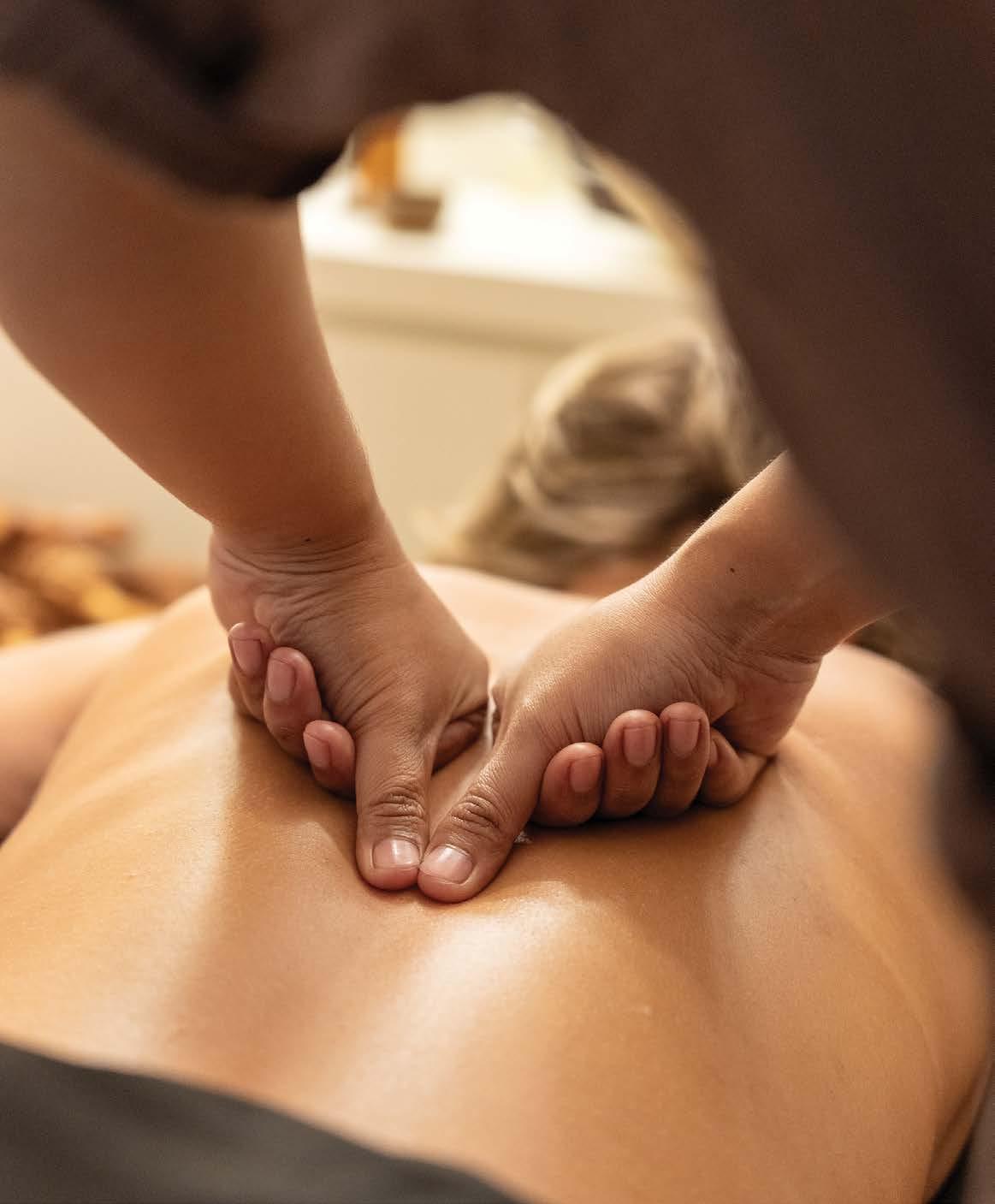
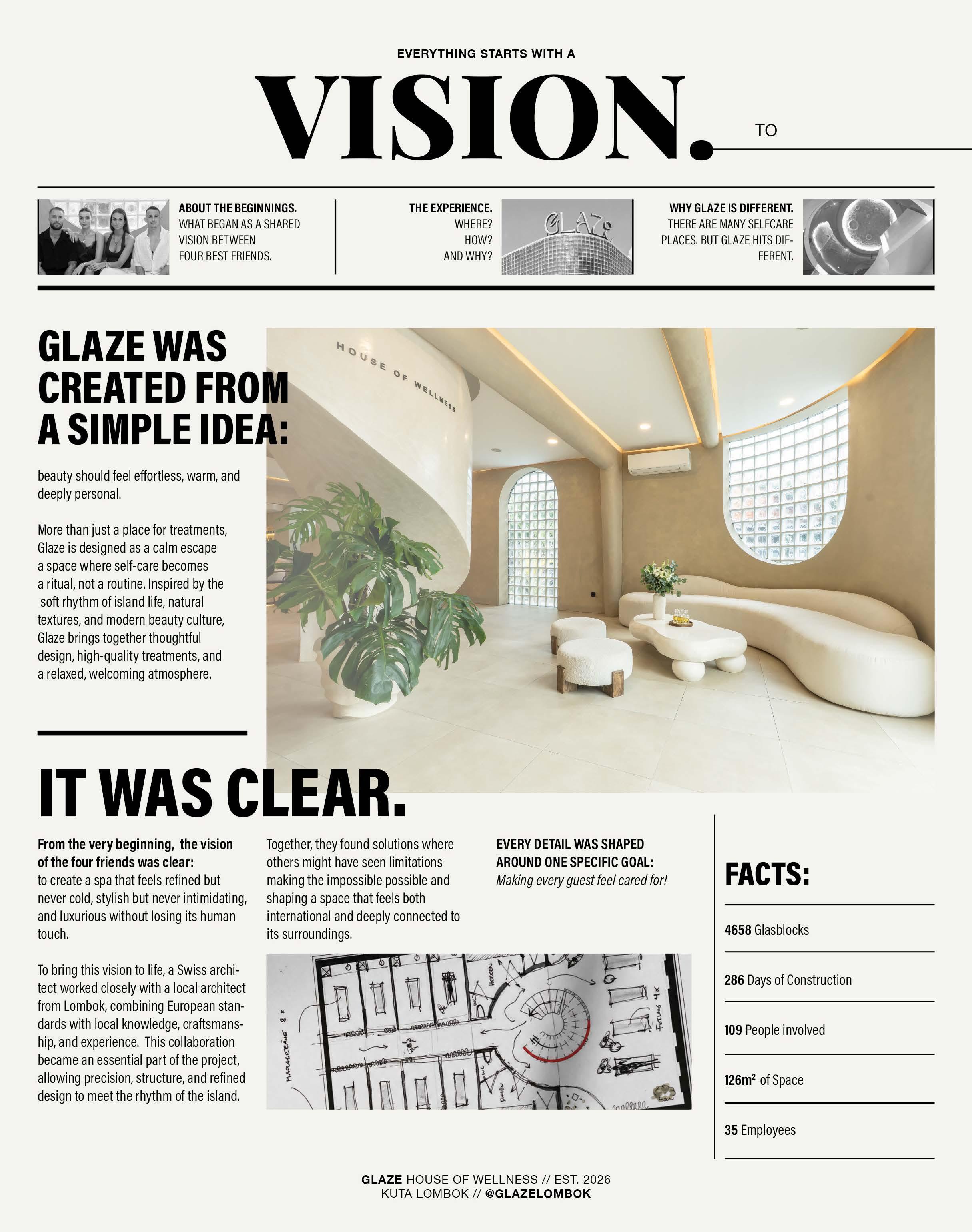
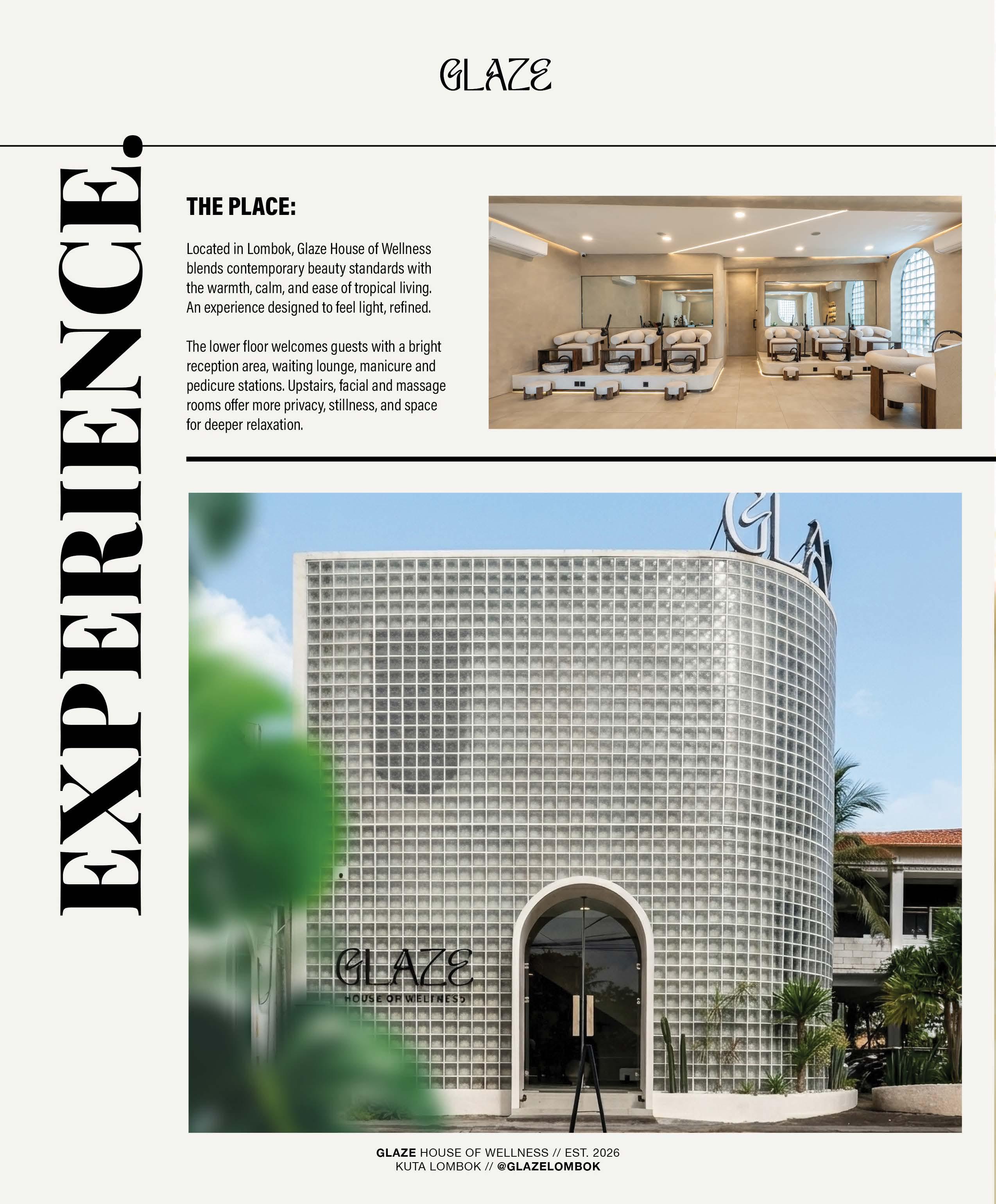
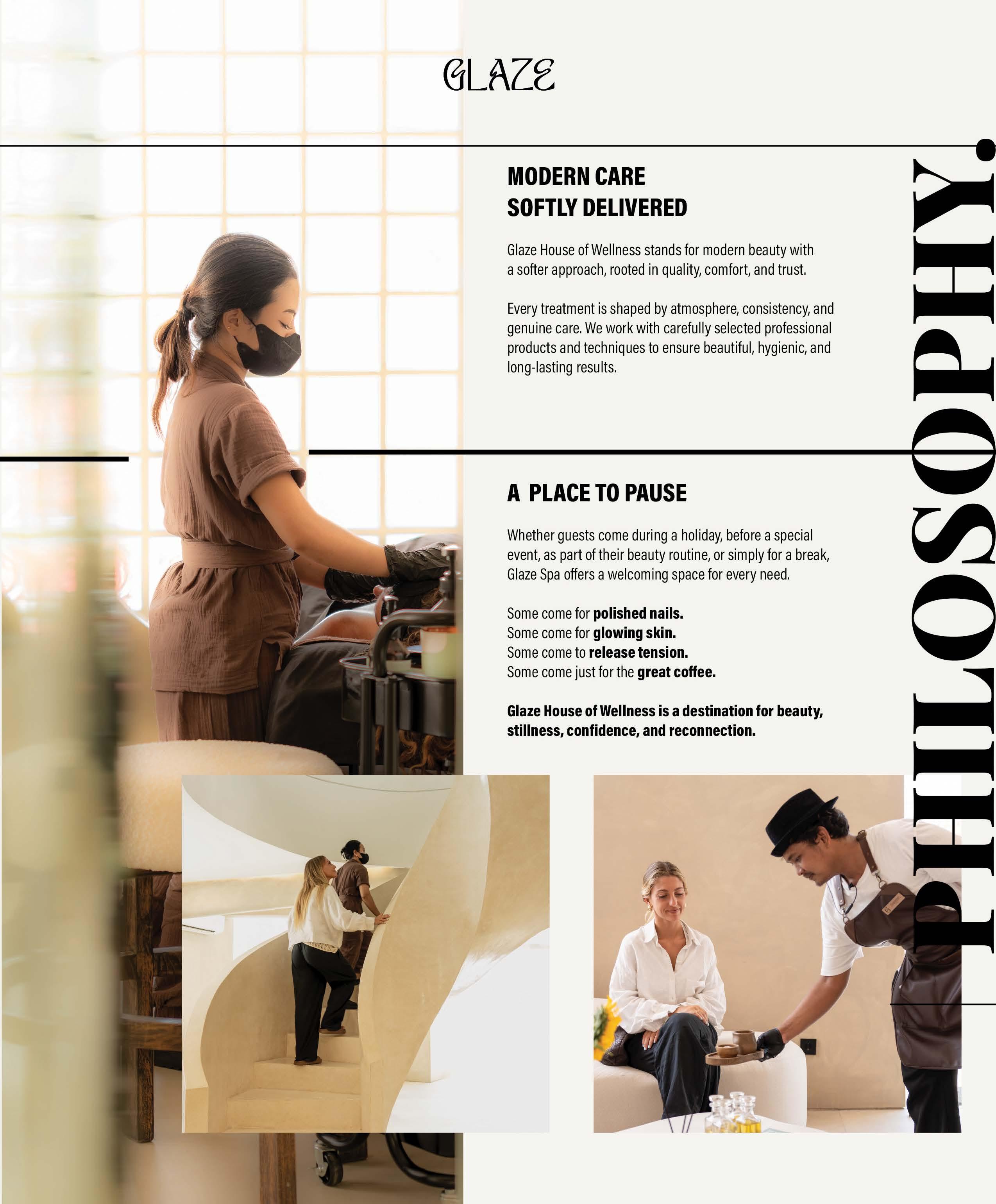
Glaze Spa—House of Wellness offers a modern, design-led and holistic wellness experience, where beauty, relaxation and self-care come together in the heart of Kuta Lombok, surrounded by the area’s growing lifestyle and wellness scene.
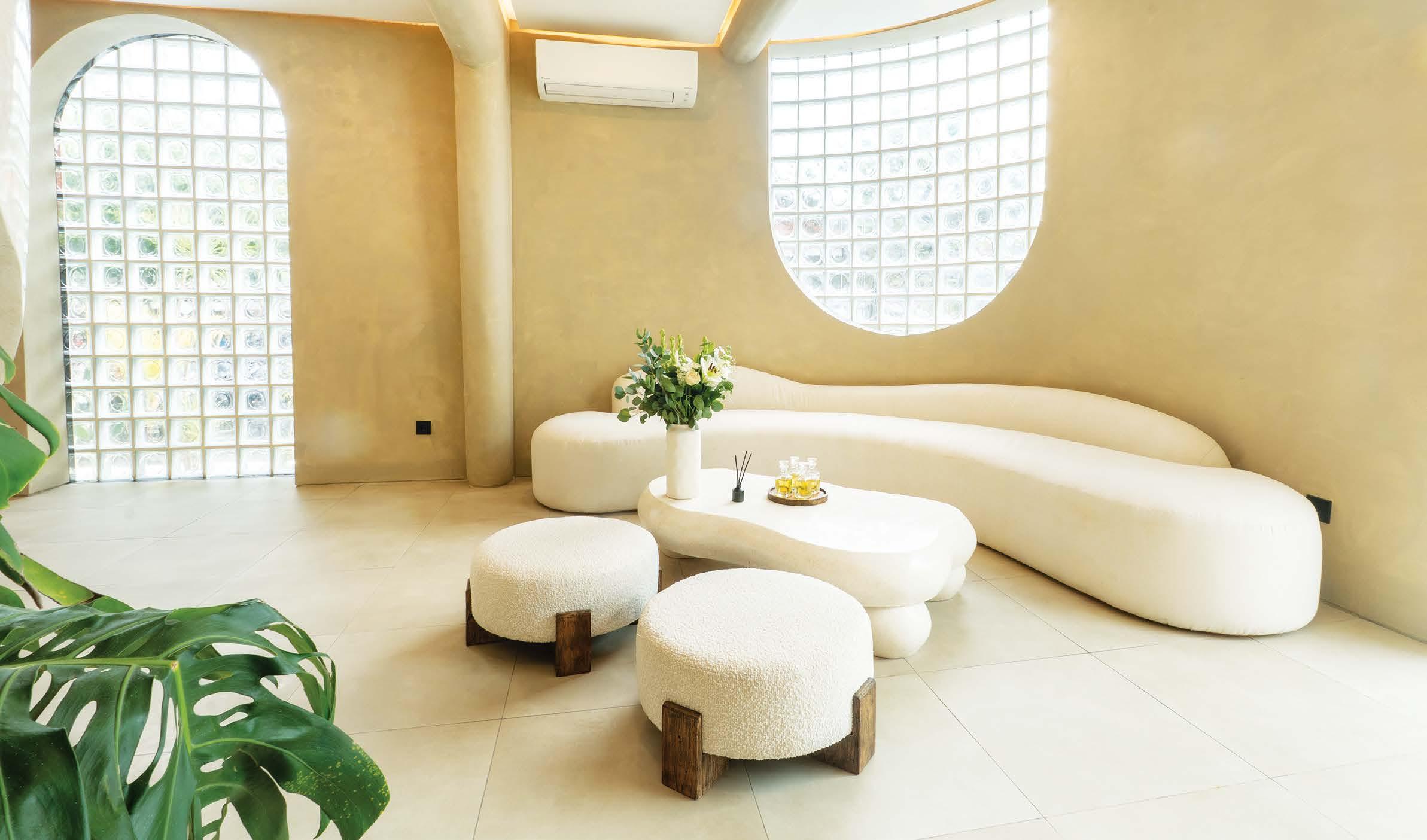
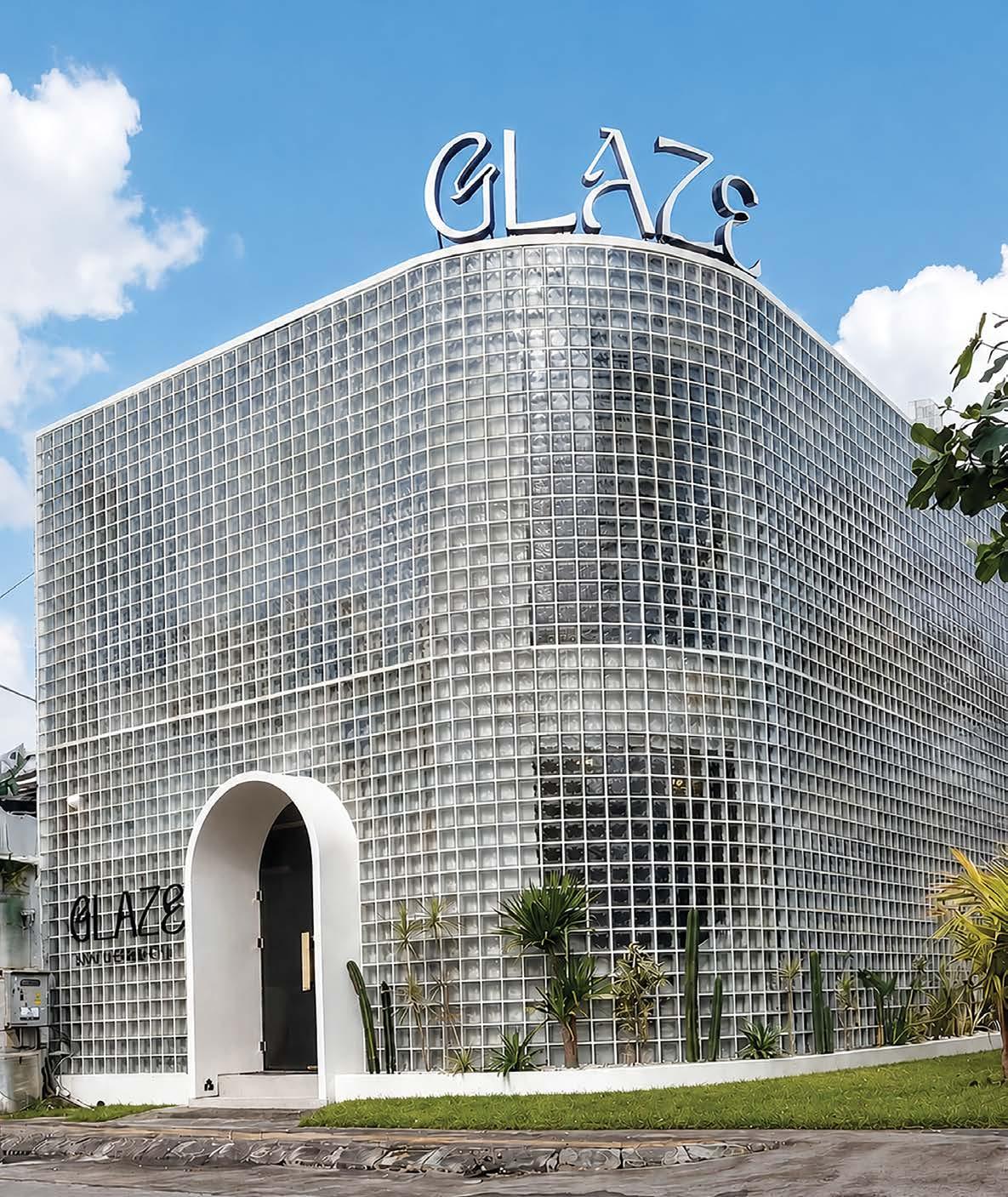
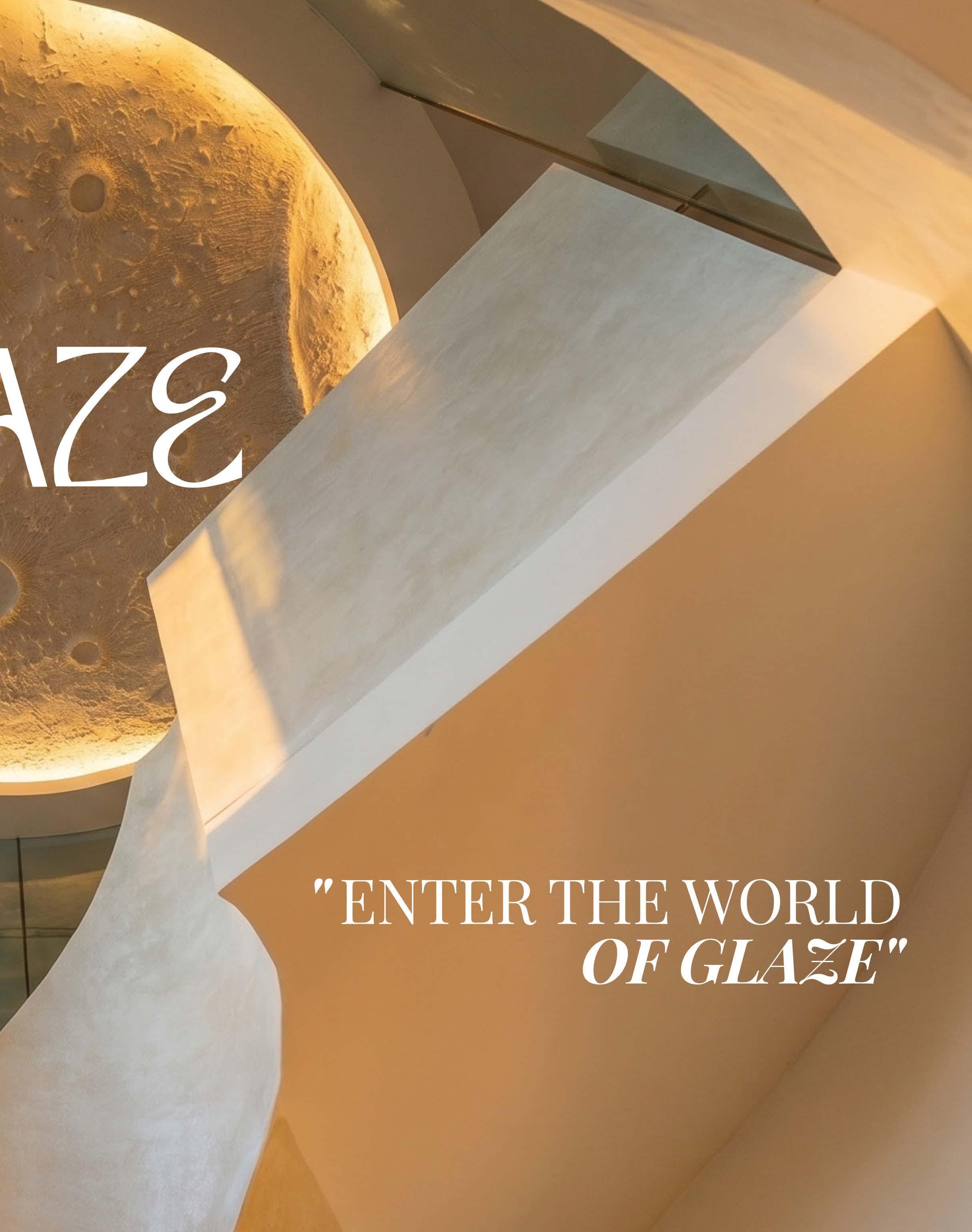
The building—the first glass block structure in Kuta Lombok —immediately stands out. Its distinctive architecture, a collaboration between Lombok architect Beni Sabara and Swiss architect Jeremy Capt of Maison Captier, is a luminous, elegant and instantly recognisable landmark.
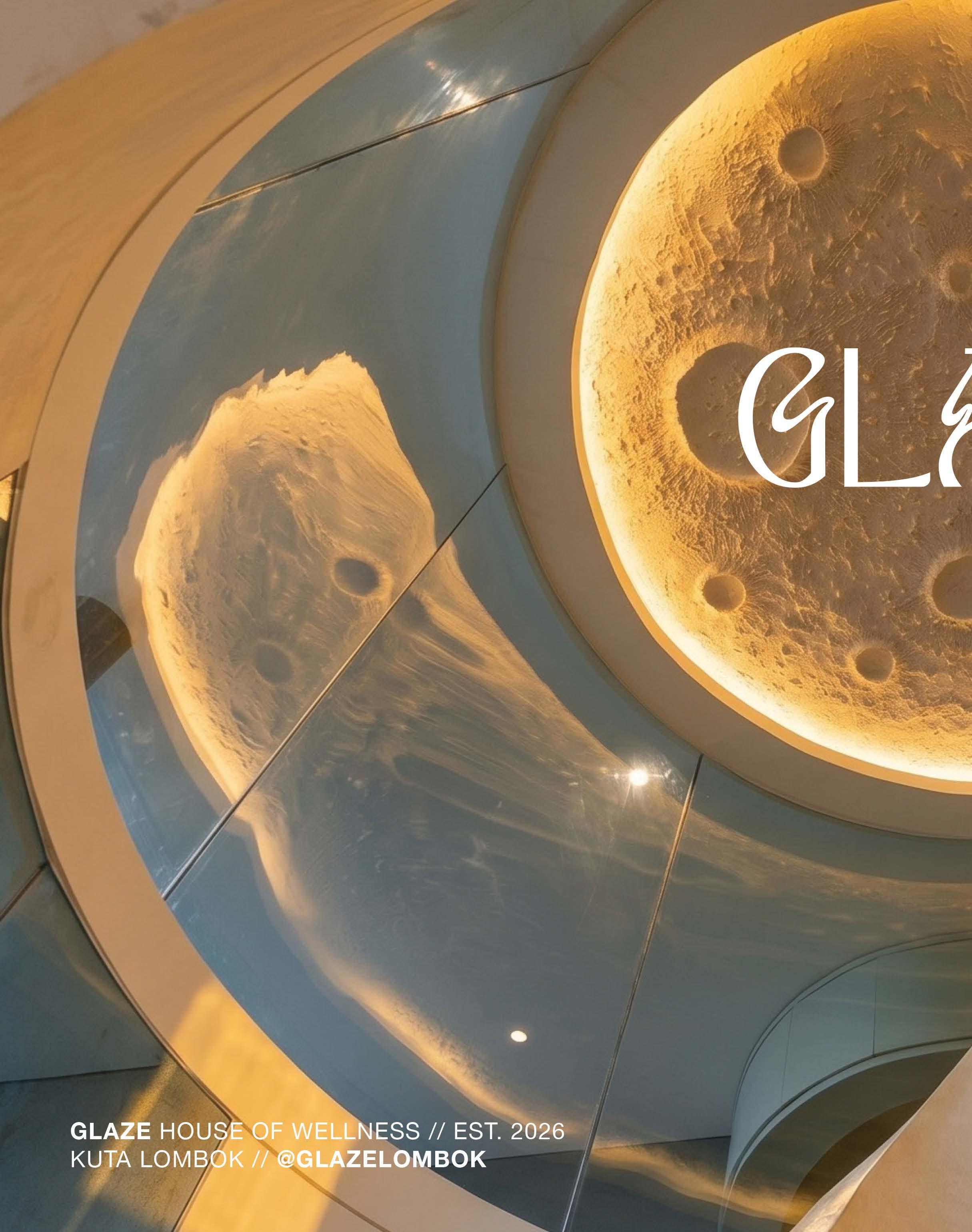
Inside, the space is intentionally minimal, combining clean lines with warm textures and subtle detail, with a strong focus on natural light and aesthetics—all designed to balance energy and calm. On the lower level, the nail salon is interactive and social; upstairs, the spa environment is quieter and centred on relaxation, facials and deeper wellness rituals. A key feature is the large moon installation, which provides a sculptural focal point.
A SHARED VISION
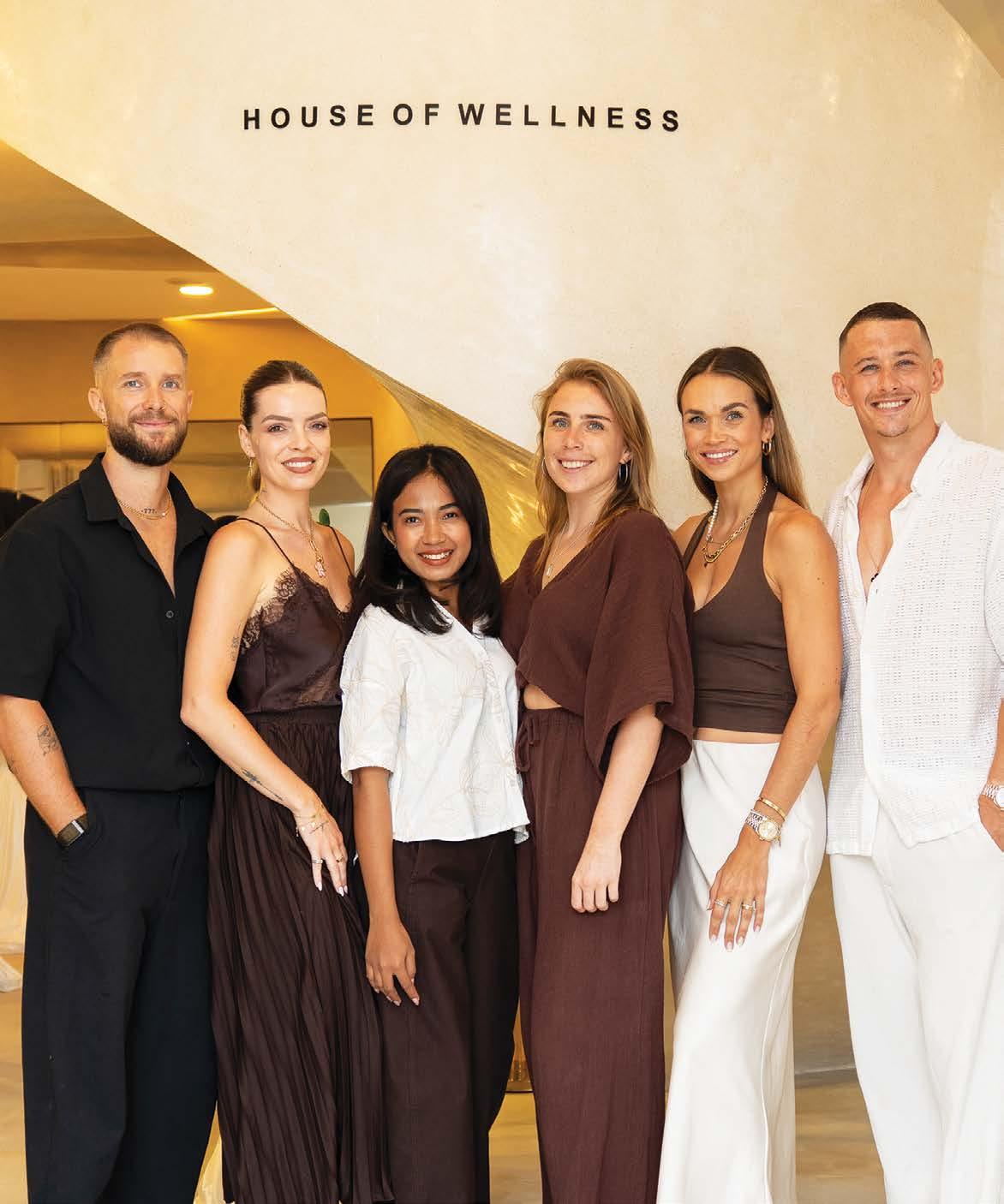
Glaze Spa was founded by friends Anika Schweigert, Tayler Schweigert, Chantal Meyer and Marvin Meyer, who came together to bring the concept to life and create something unique for Kuta Lombok. The concept grew from their enthusiasm for wellness, beauty and hospitality. They had travelled extensively and found inspiration in the Maldives, Dubai, Austria, Switzerland and Italy. Glaze was born from the desire to create something similar in Lombok—but with a distinct identity of its own.
The need was clear. The south coast of Lombok was developing rapidly but there were no facilities that offered high-quality spa treatments, modern beauty culture, thoughtful design and a complete wellness experience under one roof. Even to find quality nail services, it was necessary to travel to Mataram. Glaze was never intended to be ‘just a spa’. From the start, the founders wanted to offer an exceptional experience—a full-service environment with music, scent and light where guests could step out of their daily rhythm and into a different state of mind.
The process of bringing the concept to life was gradual, and a mix of vision, learning and constant refinement. One of the biggest problem-solving challenges was the construction of the innovative glass block building in Kuta Lombok. Another was putting together the right team—finding people with talent, experience and the right mindset and encouraging them to grow together, through training, guidance and shared standards and to feel proud of what they were creating.
Other core values shaped the project. The team was determined to raise the standard of wellness in Kuta, introducing more consistency, care and attention to detail, in the treatments and in the quality of guests’ experience.
A proud moment was the opening on the 14 March. The founders still remember clearly the first time they spoke about Glaze, while on vacation in Austria.
‘We were sitting in a hotel spa, with a laptop, trying to map out how a spa could operate in Lombok—the numbers, the design and so many more details. Now it’s a reality, we’re so proud of how the concept has come to life and the amazing response from the community. We are beyond grateful that from day one we were pretty much at full capacity’.
At its core, Glaze is guided by a simple belief: when something is created with intention and care, the positive experiences naturally follow.
A STRONG TEAM
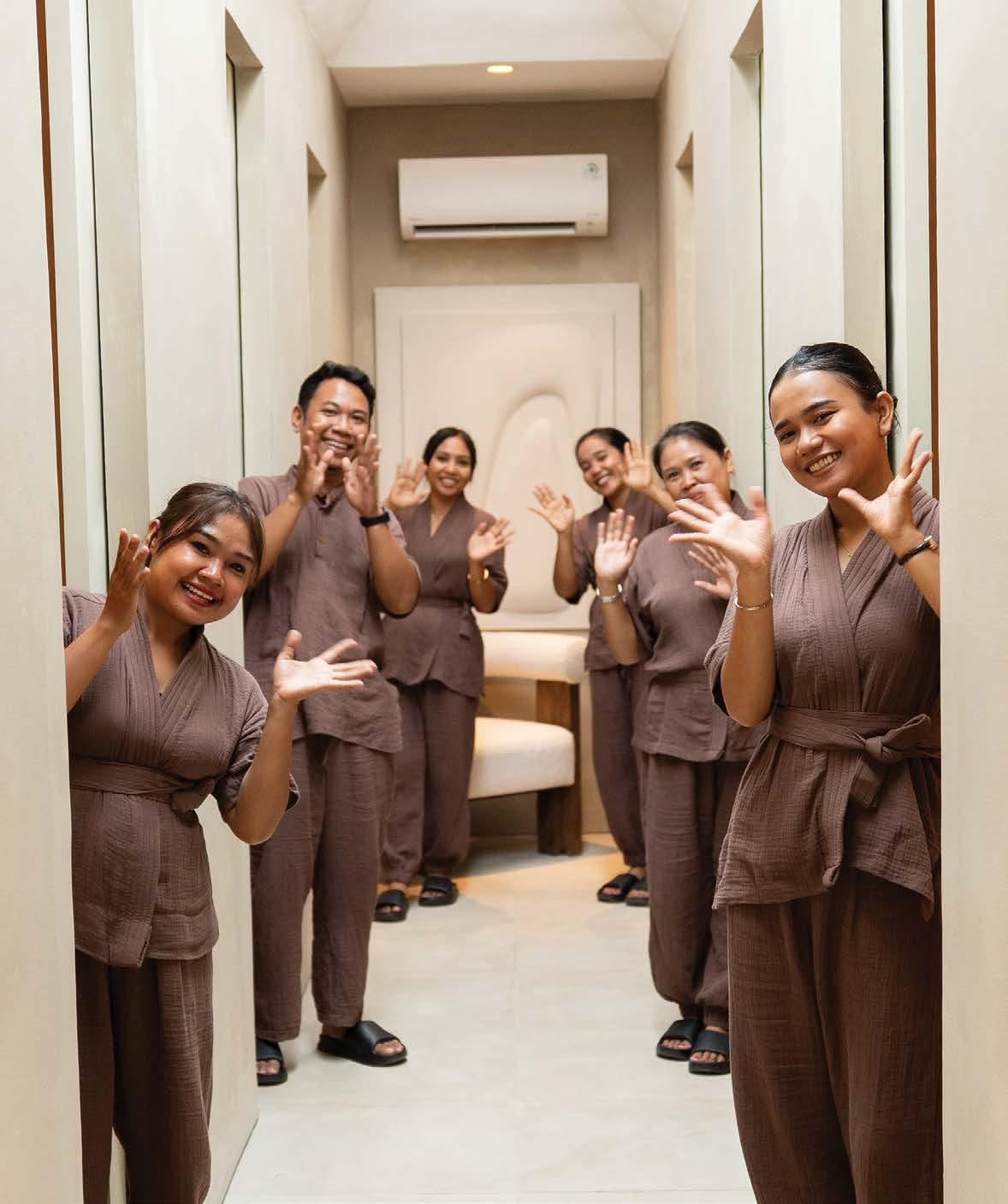
As well as the founders and design team, the team at Glaze is central to its identity. It operates on the premise that the energy guests feel in the space starts with the people working there.
Ingeborg Netjes, as Managing Director, oversees operations, guest experiences, branding direction and team culture. Uri Enti leads the daily operations as Spa Manager, to maintain consistency in service and experience.
From the beginning, the intention was to build a beautiful space, where the team would feel motivated, supported, and proud to grow together. The management makes sure that the talented staff are appreciated and acknowledged for their hard work and rewarded above industry standards. This has produced a team of outstanding service providers. Glaze also invests in team training and culture, supporting the further development of skills within the local wellness industry.
‘Our focus is not only on technical skills, but also on hospitality, how we welcome guests, how we hold space for them, and how we create a consistent experience. That’s why we put a strong emphasis on training and ongoing development, so the quality of treatments and service continues to grow’.
The team is the heart of Glaze, giving life to the services, the atmosphere and the feeling of the entire spa.
WHAT’S IN A NAME?
Glaze was inspired by glazed nails, radiant skin and the fresh, polished feeling that comes after self-care. It also connects directly to the glowing ambience of the architecture. House of Wellness is about the deeper intention: wellness that extends further than treatments, to how clients feel—emotionally and physically—from the moment they arrive.
It’s all about creating a space where people slow down, reconnect and leave feeling lighter, calmer and recharged.
SERVICES AND TREATMENTS
Glaze attracts a diverse mix of guests, including wellness travellers, surfers, digital nomads, expats, beauty-focused visitors and guests who are looking for high-quality selfcare experiences. It particularly resonates with those who also appreciate superb design, a relaxing atmosphere, modern wellness culture and a high level of service.
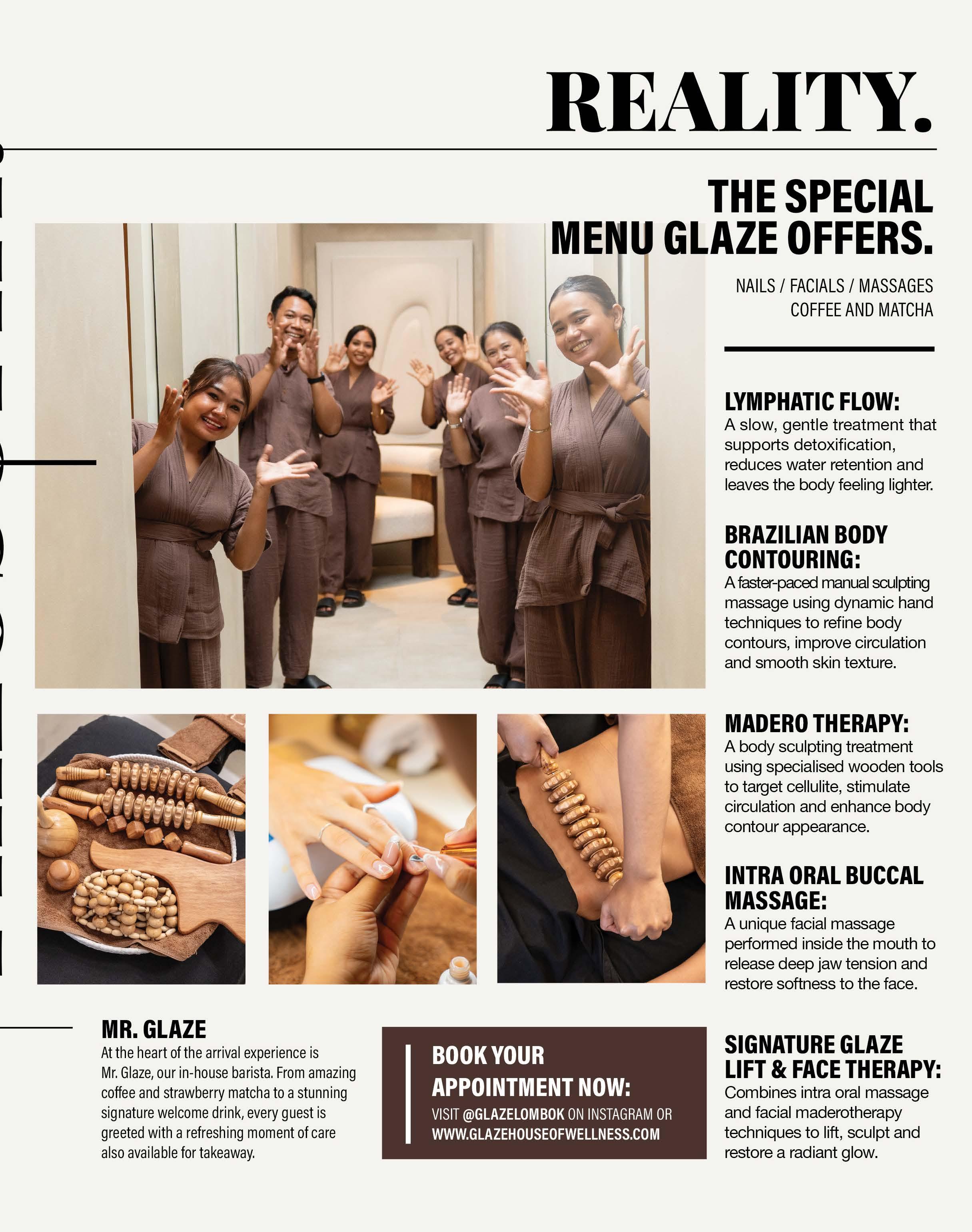
Clients can access beauty services, facial care and body recovery in one space, tailored to individual needs. The nail salon has all modern nail services: BIAB, gel nails, extensions, nail art and signature glazed finishes. Upstairs, the spa offers a range of massage and body therapies, including relaxation and deep tissue treatments, as well
as lymphatic drainage—a gentle technique that supports circulation and helps reduce water retention, leaving the body feeling lighter.
More specialised treatments include:
• Brazilian body contouring, a firmer sculpting massage, designed to support circulation and body definition
• Maderotherapy (wood therapy), where wooden tools are used to stimulate lymph flow and improve skin texture
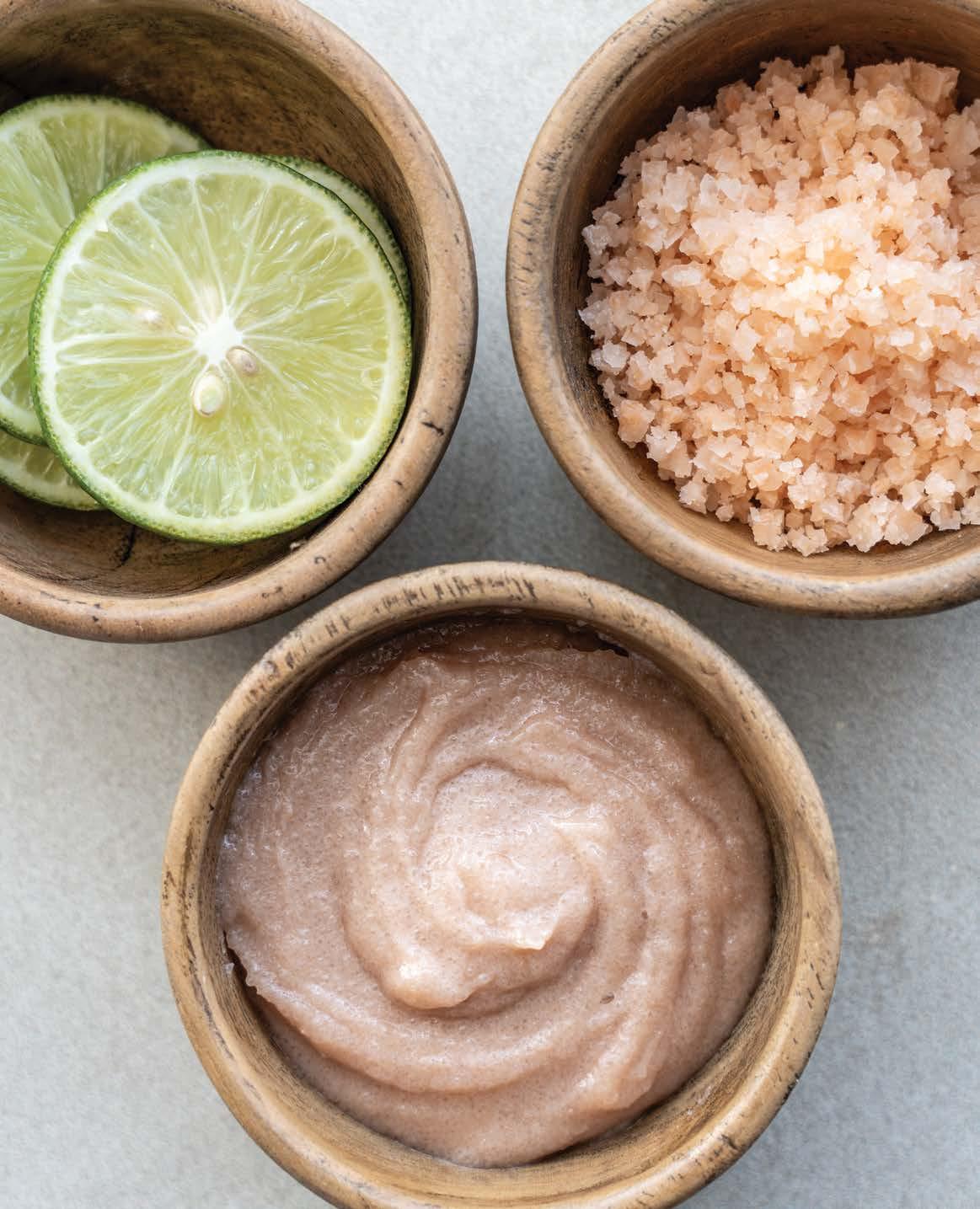
• Relaxing facials using Sensatia Botanicals, customised for hydration purification, balance, and rejuvenation
• Intra oral buccal massage, a deep facial technique that releases tension in the jaw and supports a natural lifting effect.
• Signature Glaze Lift & Face Therapy, an exclusive facial combining intra oral buccal massage and facial maderotherapy to release muscle tension, improve circulation, support lymphatic drainage, and create a naturally lifted, sculpted and radiant appearance.
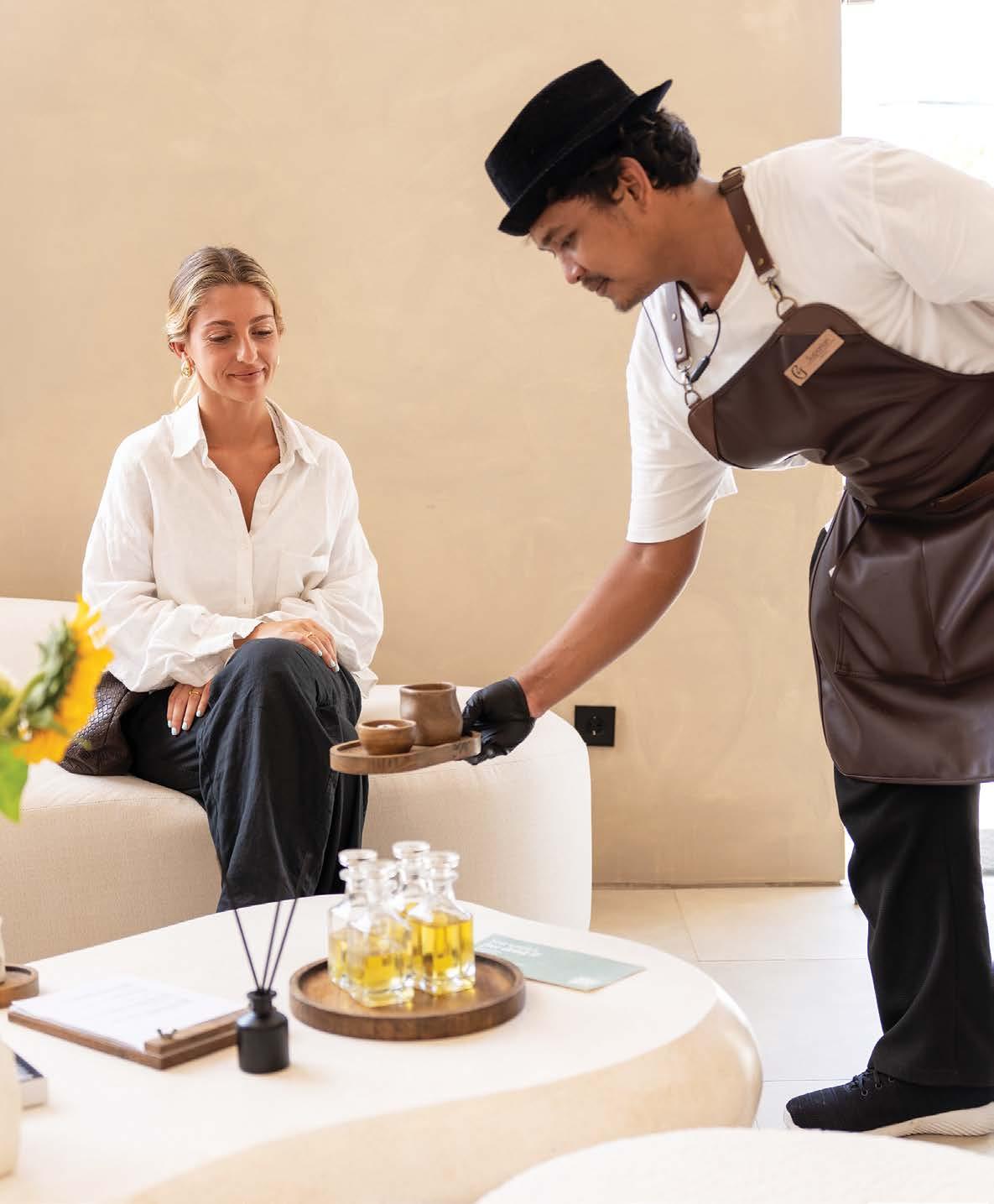
Beyond the treatment offerings, Glaze is also home to Mr. Glaze, the in-house barista bar. Guests can enjoy specialty coffees, signature matchas and homemade energy balls, either during a manicure or pedicure, or while relaxing in the waiting area before treatments.
By combining beauty, wellness, recovery and a café element under one roof, Glaze offers a more complete lifestyle destination than a traditional spa does.
AND WHAT DOES THE FUTURE HOLD?
The long-term vision for Glaze is continued growth and evolution within the wellness industry. This includes plans to expand its range of treatments, to host wellness collaborations and events, to develop signature Glaze concepts, and to take the brand further within Indonesia, while staying true to its identity and standards.
‘For us’ the team says, ‘it’s the attention to detail that defines Glaze. It goes beyond what we offer and extends to how the entire experience makes our guests feel’.
+62 823 1301 9528
glazelombok
www.glazehouseofwellness.com
TAMPAH HILLS: BUTLER ROLE
Be Treated Like Royalty at Tampah Hills - Seaside Society Lombok
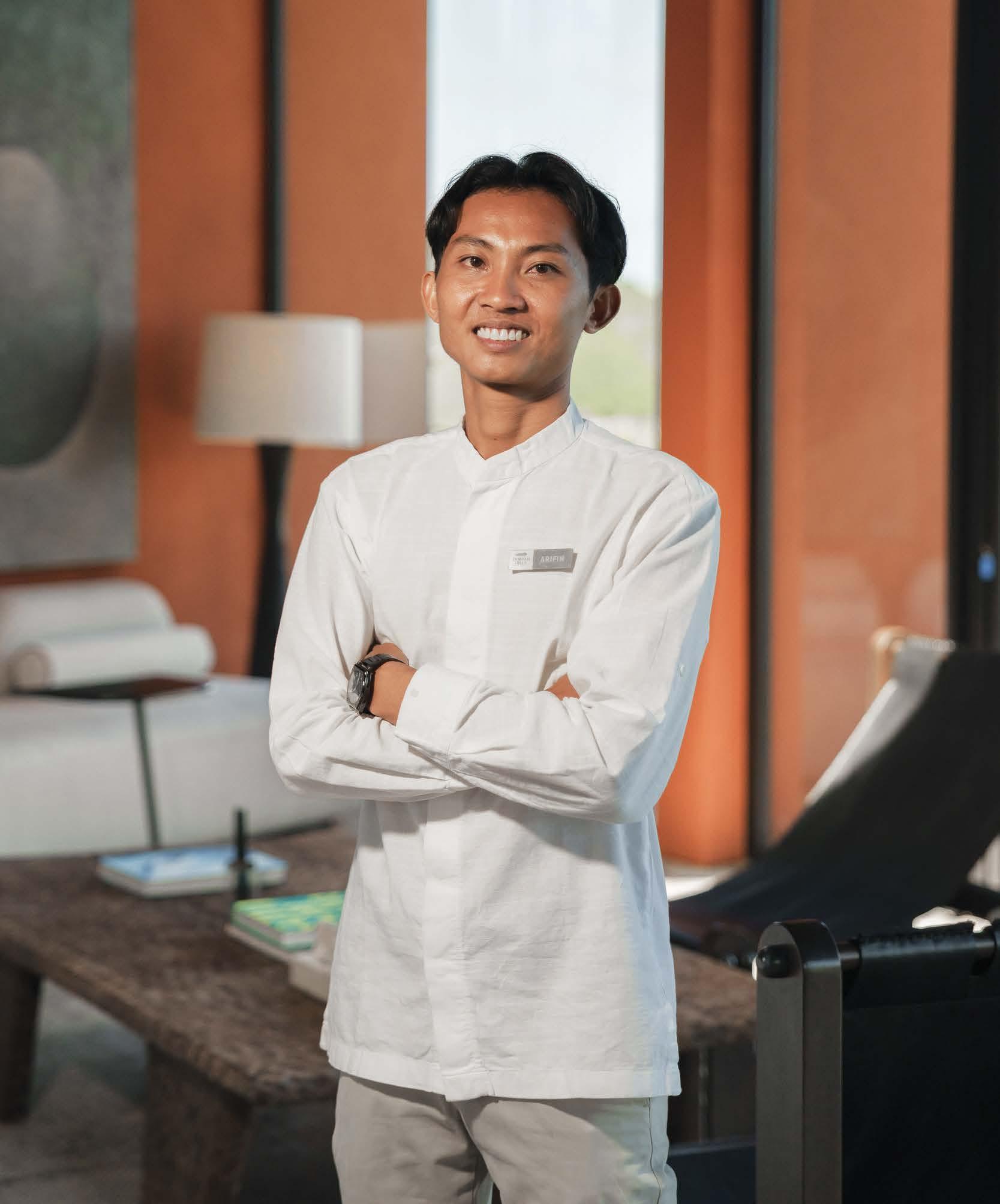
You could say that Ahmad Arifin Ilham, known as Arifin, knows exactly how to give every guest at the Tampah Hills - Seaside Society Lombok the ‘royal treatment’. And he’s probably had the best type of training for the job. For more than a year he has been a butler at the resort and he loves it.
Arifin spoke with mylombok recently about the work he has always wanted to do.
What led you to this role?
Basically, it was about having the right background and training.
My first experience working in hospitality was in 2015 at the Merumatta Hotel, previously known as the Senggigi Beach Hotel. I trained as a waiter, while I was studying at the hospitality school. I graduated in 2016 and found casual work in Mataram and Senggigi. I got my first job in 2017 at Karma Kayak on Gili Trawangan and after that I went to Malaysia.
I worked as a captain—a supervisory role—and later in guest experience, and then as an ambassador at Berjaya Times Square in Kuala Lumpur. Six years as an ambassador gave me a lot of valuable experience, but to be honest I always wanted to become a butler. As an ambassador you are representing the company, which is great, but working as a butler you are there for the individual guests.
I completed two courses in butler training; one of them was in Central Lombok. I worked for the Berjaya Corporation, which has 34 hotels in Malaysia, and I moved around to many of its properties. I also had experience with royalty. Before we were allowed to serve the royal families, we had to have special royalty training.
In 2022, I returned to Lombok and was married. My wife didn’t want me to go on working in Malaysia, so I didn’t go back. I found a job here at Tampah Hills working as a butler.
Tell us what the work of a butler involves
Being a butler means being ‘the man of the house’. I don’t live on site but my home is one minute from the gate at Tampah Hills. That means from first thing in the morning until the guests go to sleep I look after them.
I check on them in the morning to see how they slept and whether they need anything. Some guests prefer privacy, so I send a WhatsApp message; others prefer I come to the villa in person.
When I’m in the villa I will offer them coffee. If the guests want to have breakfast at Biras, our bar-restaurant, I take them in the golf buggies. After breakfast, I let the guests relax or take them on a trip. Sometimes I cook lunch for them or help them cook their own. After lunch, I take care of arrangements for any activities they might want to do, such as booking massages, sightseeing or snorkelling trips. When they are in the villa, I meet their requests – for drinks, to take them to Biras or to the sports centre in the buggy....
Generally the guests head back to the villa around 5 to 6pm. When they’re ready, I organise their dinner. It will usually be at a restaurant of their choice in Kuta or Selong Belanak. We have drivers to take them; sometimes in high season I will drive them myself. Guests might choose to dine in the villa: we have room service or they can choose the chef’s package, where the chef comes to the villa and cooks the meal. After dinner I bring them back and, if they like to party, I’m their barman and I serve drinks, until late, if necessary.
How are guests made to feel welcome?
I always do my research. I know the guests before they even arrive. When I know who to expect, I find out the necessary details and learn their names. It makes it easier to know what to say and what not to say.
We also have a welcome ritual. When the guests arrive we give them each a Sandang—a traditional cloth made from Sasak tenun (woven fabric)—a cool towel and a welcome drink. Then we leave them to relax and enjoy the view and the villa , while we quietly and discreetly ask one of the guests from the group to complete the registration.
I also love to suggest a range of activities for them, so they know what’s available to see and do in Lombok.
There must be some challenges or difficulties....
Currently I look after three villas—Villa Layang, House of Herring and House Kala. That’s the tricky part. It’s hard to be in three places at once, so I work out how to move between the three villas to keep all my guests happy.
I also have to ‘read’ the guests and that’s only possible with experience. It has taken me nine years. I soon see whether they need a lot of attention or whether they just want to be left on their own. Some guests—especially the 20 to 30-year-olds, want me to be there from morning until night, and join them in their activities, so sometimes I don’t get home until about 1 or 2 am. But that’s part of my job: keeping my guests happy. And, of course, I have my helpers, so I am not completely alone.
Can you mention any particularly unusual requests?
No, I couldn’t. Being a butler is about being trusted and keeping secrets, so I can’t tell you anything about that.
But sometimes we have requests for surprise birthday parties or engagements and we might even be asked to go grocery shopping.
What types of guests does Tampah Hills attract?
Normally we have families or large groups. It’s very rare that we have couples. The guests I serve have enough resources to be able to enjoy this luxury experience.
Some guests are memorable because they are so great to look after. I remember a family from Germany; they stayed
with us for 20 days. They had two lovely kids, who were fun to cook for. Their parents brought new toys to the villa almost every day, for them to play with. When they left, they offered me all the toys; my daughters were so happy.
How would you sum up what ‘excellent butler service’ means in a villa resort?
You should be able to know the guests—their coffee routine, or what they like for breakfast and so on—so you can anticipate everything ; that’s really important. You need to read the guests; I have to become a different person multiple times a day, depending on the circumstances. And, of course, you always have to know when to be there and when not to.
These are the sorts of things guests remember most about their experience.
What do you enjoy most about working at Tampah Hills?
It’s very flexible so I can connect with the guests—that’s a really good thing. Working in a big hotel means you can’t be too close to your guests but at Tampah Hills, you are a personal, private butler, so you can make sure they have the best holiday and experience by giving them the best service.
What hopes and plans do you have for the future?
My dream would be to have my own private tour agency and be able to take guests on tours around Lombok.
What do you like most about living and working in Lombok?
I have lived here for 28 years and there are still so many places on the island I haven’t been to. With my family— my wife and two daughters—it’s great to go exploring; you just need a scooter or a car. There are so many beaches and I love to swim in the sea, especially at Selong Belanak Beach and also in my home village in East Lombok. It’s like being on a free holiday.
+62 812 2522 5800 tampahhills www.tampahhills.com
PROJECT WHY NOT
Dare to Dream... and Why Not?
There are those that look at things the way they are, and ask why? I dream of things that never were, and ask why not?—George Bernard Shaw
When the Callaway family travelled to North and West Lombok and saw, first-hand, elementary schools in need of basic educational materials, they asked, ‘Why not?’
Why not provide support? Why not engage the energy and concern of the local people? And why not encourage investment in a community’s most precious resource: its children?
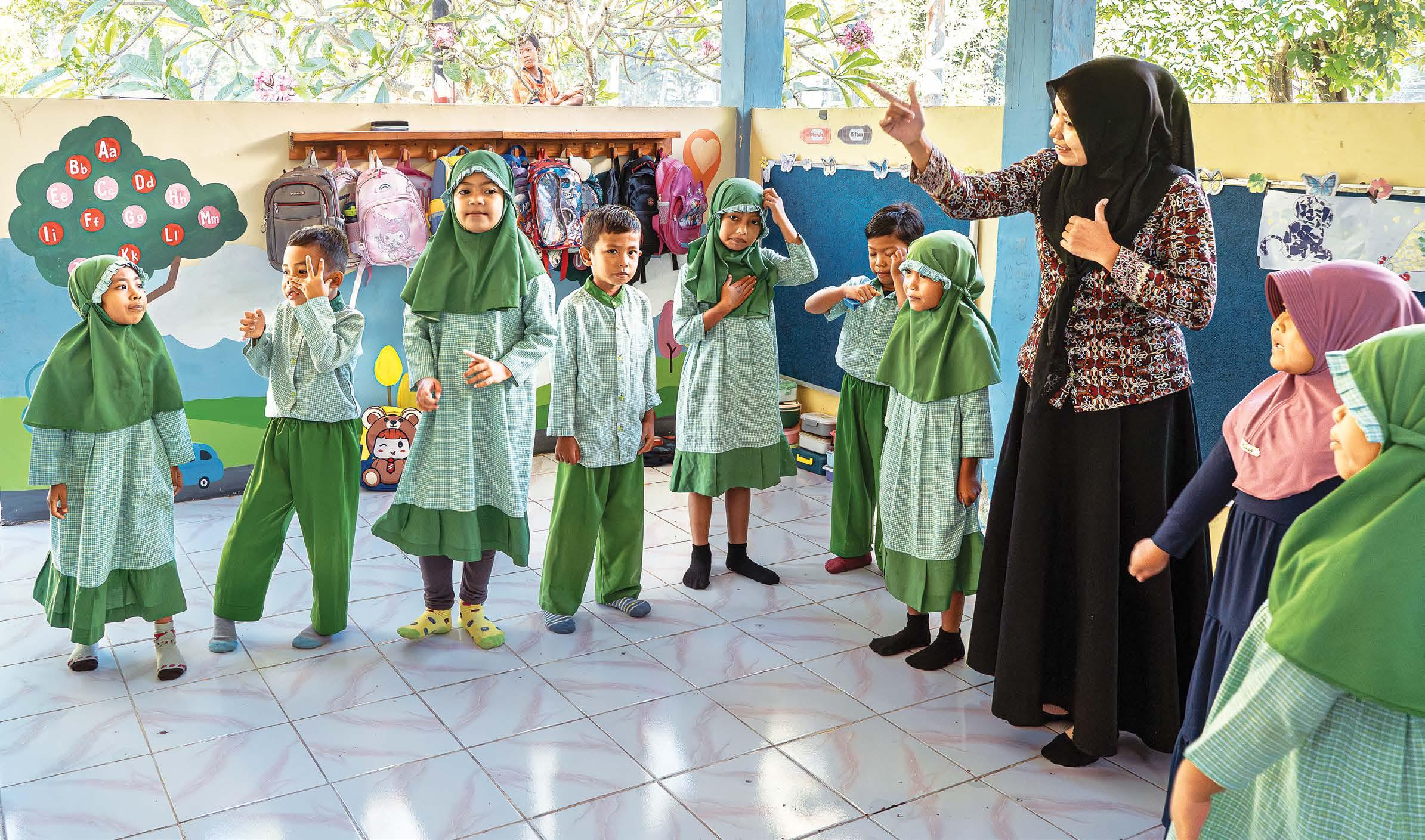
From these questions, Project Why Not was born. It’s a nonprofit organisation that has provided free education and support to the children of Lombok since 2017. It aims to set up a strong early educational foundation, foster creativity and build confidence. Funded entirely by donations, it works closely with locals to make sure children have access to quality learning and a better future.
The team is deeply grateful to its supporters and active sponsors, including Jeeva Resorts, Pearl of Trawangan and Pearl Sunset Resort.
The Founders
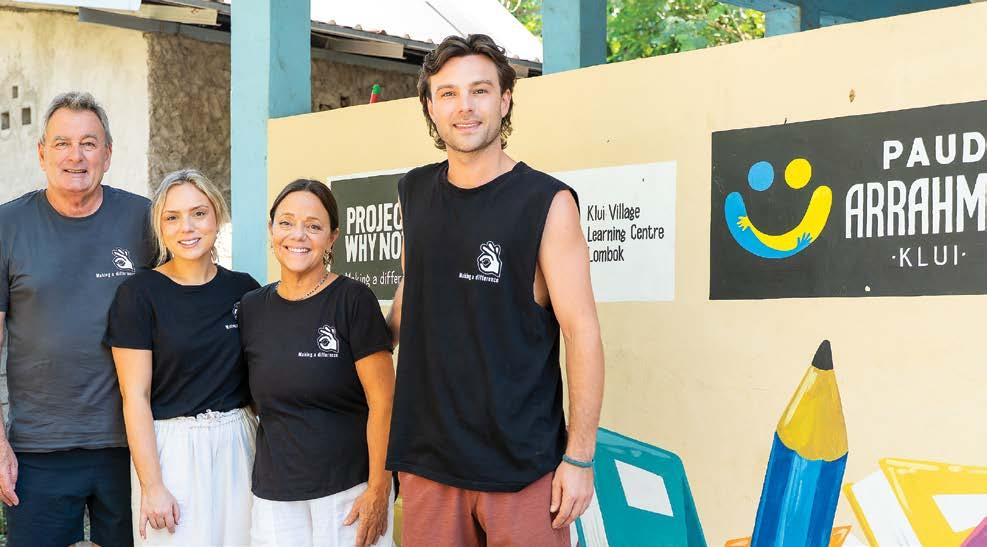
Fritzi Callaway is a co-founder of Project Why Not and the Klui Village Learning Centre where the project is based.
Originally from California, and now living in Melbourne, Australia, she travelled to Lombok in 2016 with her husband, Michael, and their children, Sierra and Dayton. It was a trip that was to be the beginning of a long-term connection.
‘The experiences we had and the friendships we made led to the creation of Project Why Not in 2017’, she says. ‘It was driven by a simple yet profound belief: we could make a meaningful difference in the lives of children by supporting some of the elementary schools in the western and northern regions of Lombok’.
Michael Callaway, Fritzi’s husband, brings more than 38 years of teaching experience to the project. His commitment to education and consistent support have helped shape the project’s direction and ongoing development.
Fritzi’s daughter, Sierra, is also part of the founding family. She paused her legal career in 2018 to spend more time on Lombok as the island recovered from the devastating earthquakes. ‘It was confronting’, Sierra says, ‘but I also witnessed the positive attitude of the local community. I felt blessed to contribute to the relief efforts, made possible by the generous donations to Project Why Not. I will always be grateful to my parents for sharing their passion with us’.
Dayton Callaway, Fritzi’s son, also played a founding role in Project Why Not. Dayton felt a deep connection to Lombok when he visited with his family. After the earthquakes, he returned to help with relief work alongside his sister and was struck by the resilience of the local community. In 2019, he spent six months living in Klui with Patock and his family, forming a bond he describes as brotherhood. That time with the students and community strengthened his belief in the project and its impact.
Patock Pathurrahman, the project’s local founding partner, was born and grew up in Dusun Klui. As a local man dedicated to nurturing the younger generation, he was the ideal partner for a venture of this kind.
Patock has always enjoyed meeting people and is enthusiastic about sharing with visitors the rich culture of Lombok—the traditions, language and spiritual values that make Lombok unique. He sees it as a way to bridge cultural gaps and foster mutual respect and understanding. His meeting with the Callaway family was a fortunate one.
Two years after the initial inspiration for Project Why Not, the Callaway family and Patock joined forces to establish the Klui Village Learning Centre, a facility dedicated to preschool aged children.
Annette Prinssen Photography
Annette Prinssen Photography
Patock is an integral part of the Klui community. He believes that strong family and community bonds are crucial for personal and collective growth. He works tirelessly to support both, making sure that the Klui Village Learning Centre is a nurturing environment for everyone. His commitment to the children of Klui stems from the belief that they are the key to the future.
‘Seeing the students grow and succeed brings immense joy and fulfilment,’ he says. ‘I think of them as family, guiding them academically, personally and spiritually, and helping them develop confidence and curiosity’.
His wife, Ony, is Head Teacher at the Learning Centre and also a partner in the project. She was born in Mataram, where she studied at the University and earned a Bachelor’s degree in Early Childhood Education. She is a proud mother and, like her husband, she dreams of making a difference in the lives of young children, including her own. Ony’s warmth, compassion and creativity shape all her interactions with students, making them feel safe, valued and inspired to learn and grow. She is also a skilled tailor, and she handcrafts uniforms for students and teachers at the Learning Centre.
She is the foundation on which the learning community is built, and the team is deeply grateful for her exceptional contributions—her unwavering commitment, her creativity and her constant loving presence.
Sustainability and Service
The partners are fully committed to protecting the environment. Patock actively encourages sustainable practices in the village and, in the classroom, he teaches students the importance of caring for nature. His environmental advocacy reflects his broader vision for Klui—a community that thrives in harmony with its surroundings, preserving its beauty for generations to come.
Through quality teaching, cultural outreach, environmental advocacy, leadership and dedication to education, the Klui Village Learning Centre continues to flourish. It’s a story of service and unwavering commitment to the community.
Fritzi Callaway has the last word: ‘My connection to Lombok continues to grow’, she says. ‘Through Project Why Not, I have found my greatest love and achievement. I have experienced great joy in watching it provide incredible opportunities for the students. I am deeply committed to enabling ongoing support and growth for the centre, in
partnership with a community that has become my second family. We visit the island as often as possible and each visit renews my love for the children and the broader community of Klui Village’.
As the great Australian musician Paul Kelly reminds us, “From little things, big things grow.”
project.why.not www.projectwhynotlombok.com
Annette Prinssen Photography
Annette Prinssen Photography
Leonard Steinberg
SUNSHINE, TRANSFORMED
How One Solar Company is Making Lombok’s Blackouts a Thing of the Past
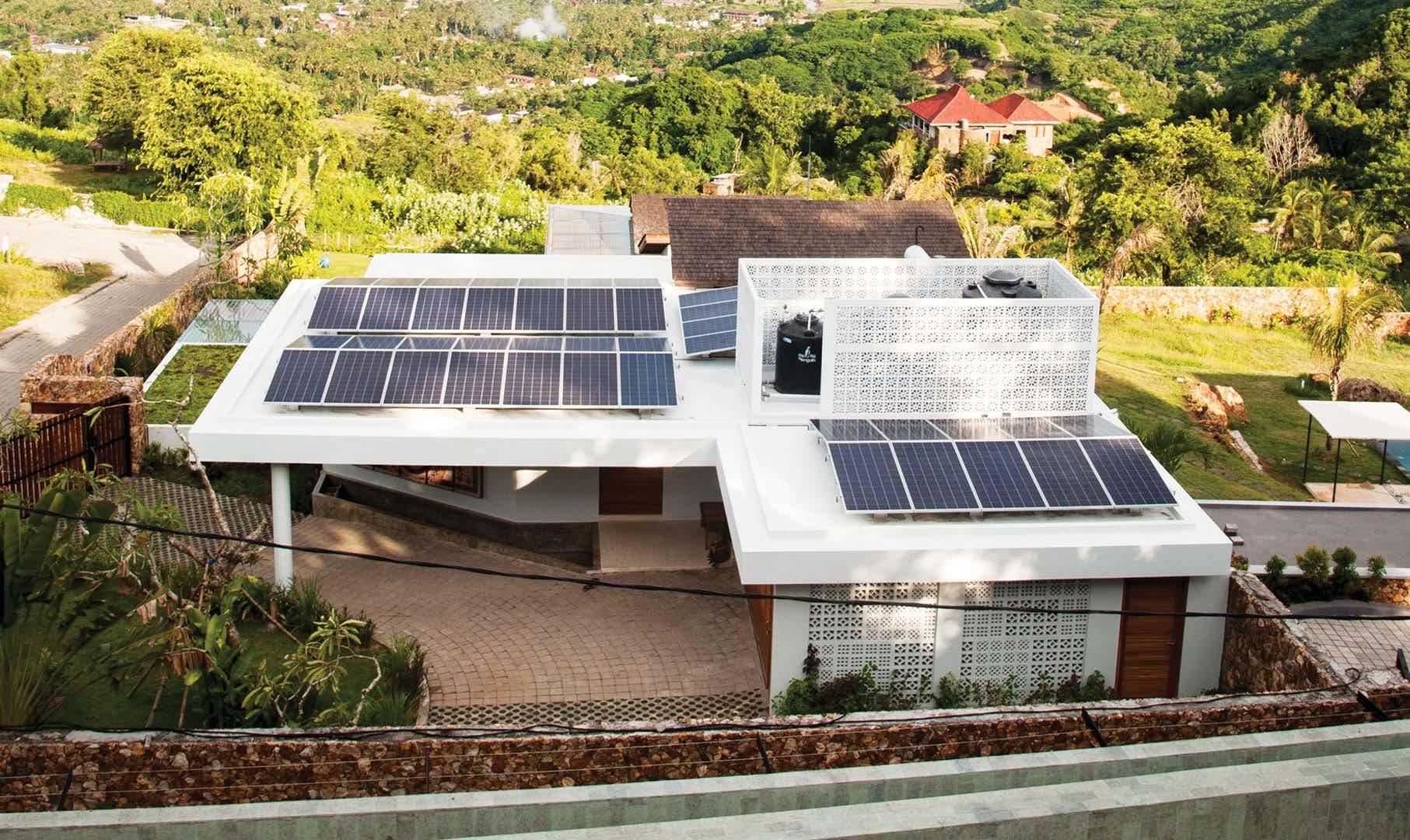
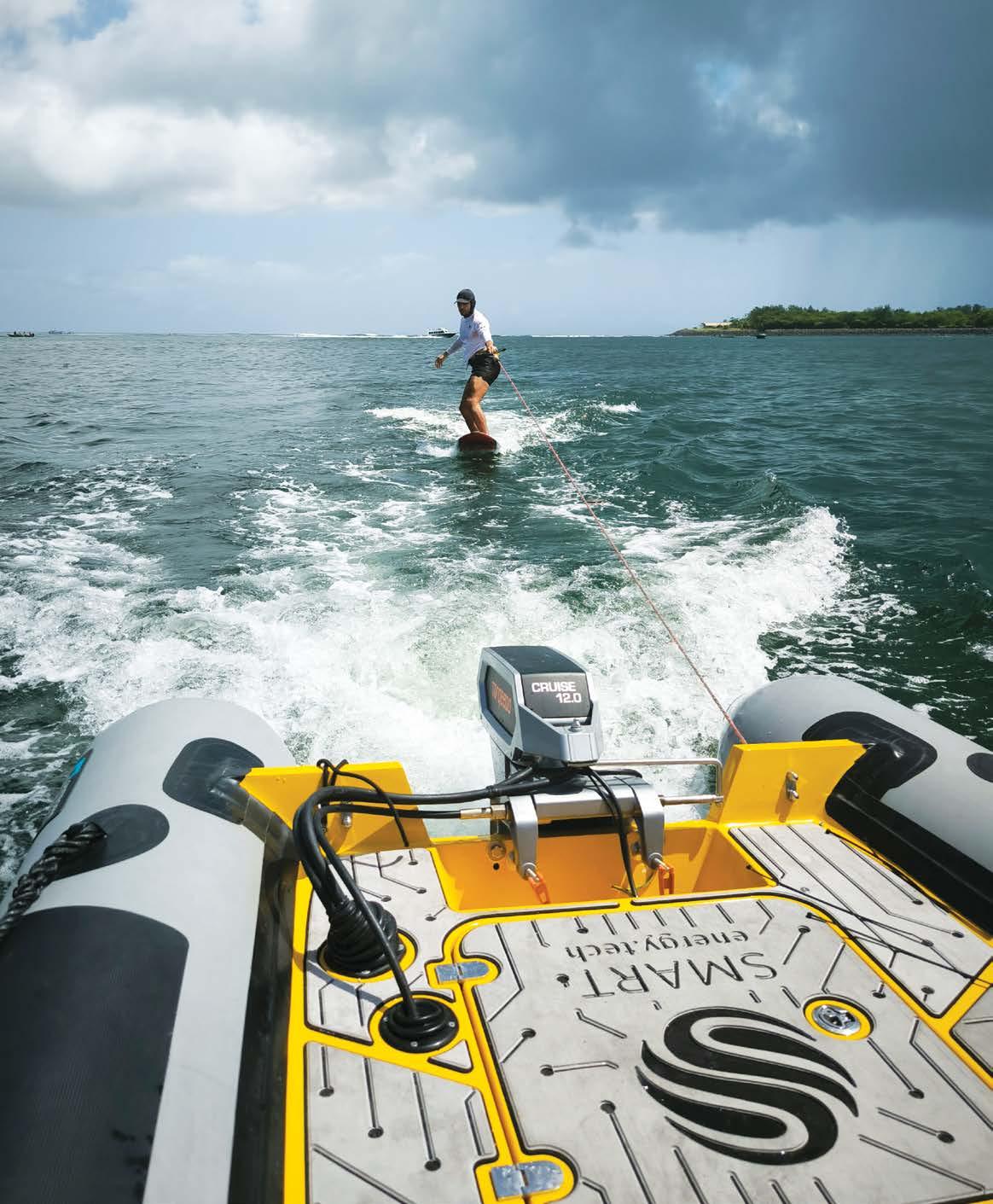
If you’ve lived here long enough, you know the routine. Wifi blinks out. Fans and ACs go silent. Lampu mati! Darkness. Or sometimes, the sputter-choke of a diesel generator turning on outside, masking the frangipani-scented air with its stench of fumes. For most villas and businesses here, that generator has been the standard answer to an unreliable grid or hard-to-reach PLN connection. Marc Pop is convinced there's a better alternative, one that arrives right on cue every morning.
Marc is the founder and managing director of Smart Energy Technology (SET), a solar and battery company he launched in 2020 and now runs from four offices across Indonesia, including bases in Kuta, and, most recently, on Gili Air to serve a new solar electric boat operation. A self-described “Ecopreneur,” he began his career in renewable energy as a student in Germany, before immigrating to Australia to start his first eco-business and, finally, Indonesia in 2010. Here, he pursued clean energy ventures in hydro, biomass, and even ocean current. Yet a dearth of funding, grid access and political will stymied his success in this coal-driven economy.
HERE COMES THE SUN
If nothing goes right, go left! Rather than giving up on renewables in Indonesia, he started thinking smaller: distributed systems helping consumers directly.
“A villa owner or a boutique hotel can decide they want solar on Monday and we are installing by the end of the week. No committees, no government contracts, red tape. Our customers are people who just want the lights to stay on, and they’re willing to invest to make that happen. And they can do the maths: going solar pays back!”
The second key was a piece of technology that soon changed the equation completely: lithium batteries. Suddenly, solar became even more workable for end-users.
“To being available 24/7, solar needs batteries. But old tech batteries, the ones used in vehicles, were unreliable” explains Marc. “Lithium changed all that. A system can now run day and night for ten or fifteen years, with nobody having to touch it for maintenance! That’s exactly what a small business in Lombok needs.”
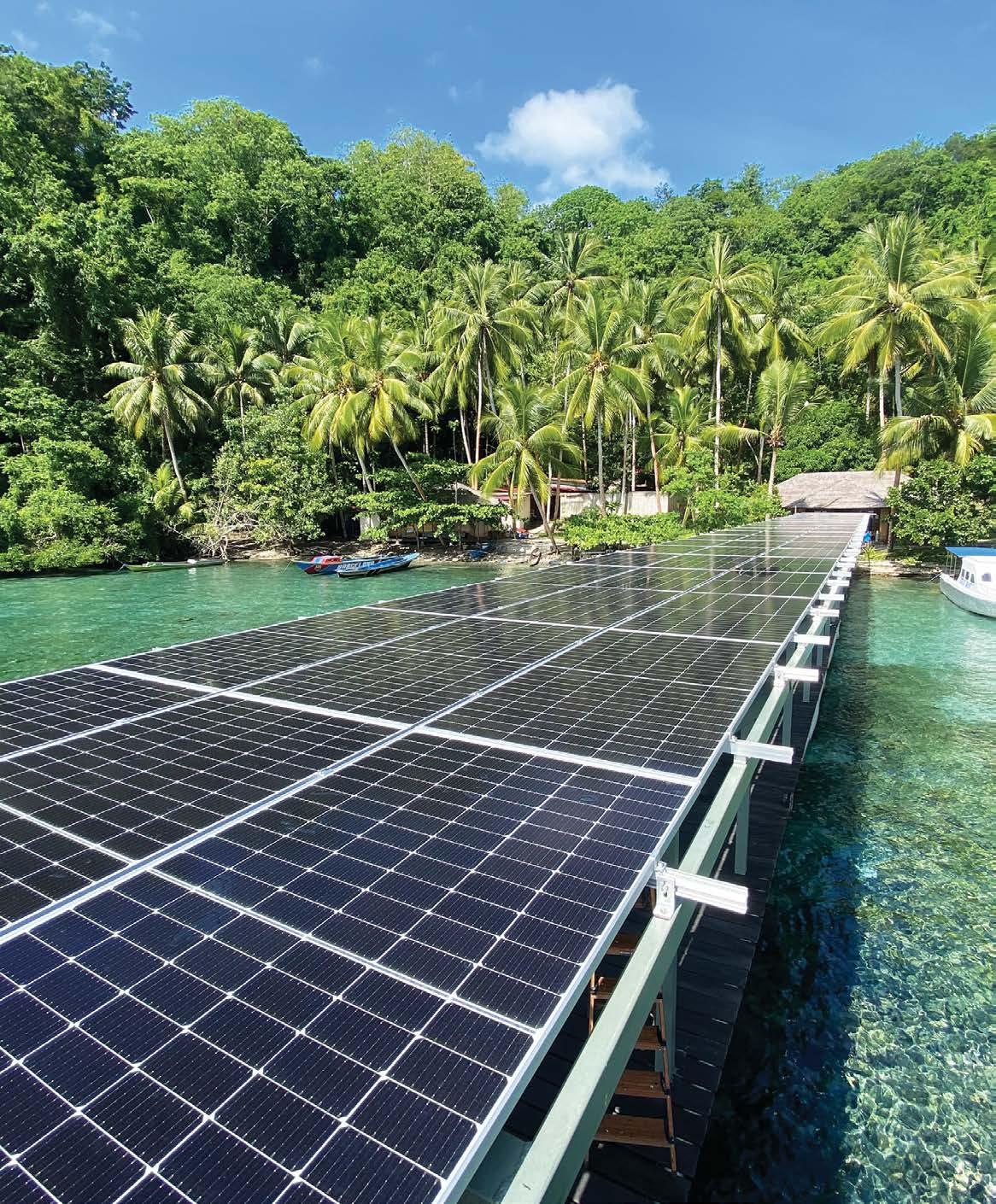
For new builds, going solar is simply the smarter investment. Anyone developing a property in Lombok already has to budget for backup power, because blackouts are a question of when, not if. The usual default is an expensive, loud and polluting diesel generator, which of course needs re-fuelling. A solar-and-battery system does the same job without the noise and fumes, while saving electricity and money everyday. The return on investment regularly exceeds 500%, while the peace of mind is priceless (especially given recent threats to the global oil supply). For remote plots where a PLN connection is complicated, unreliable, or expensive to arrange, the case for going offgrid is even stronger, with break even reached within a single year, while a system has a 30 years lifetime.
GOOD FOR THE PLANET, GOOD FOR YOUR WALLET
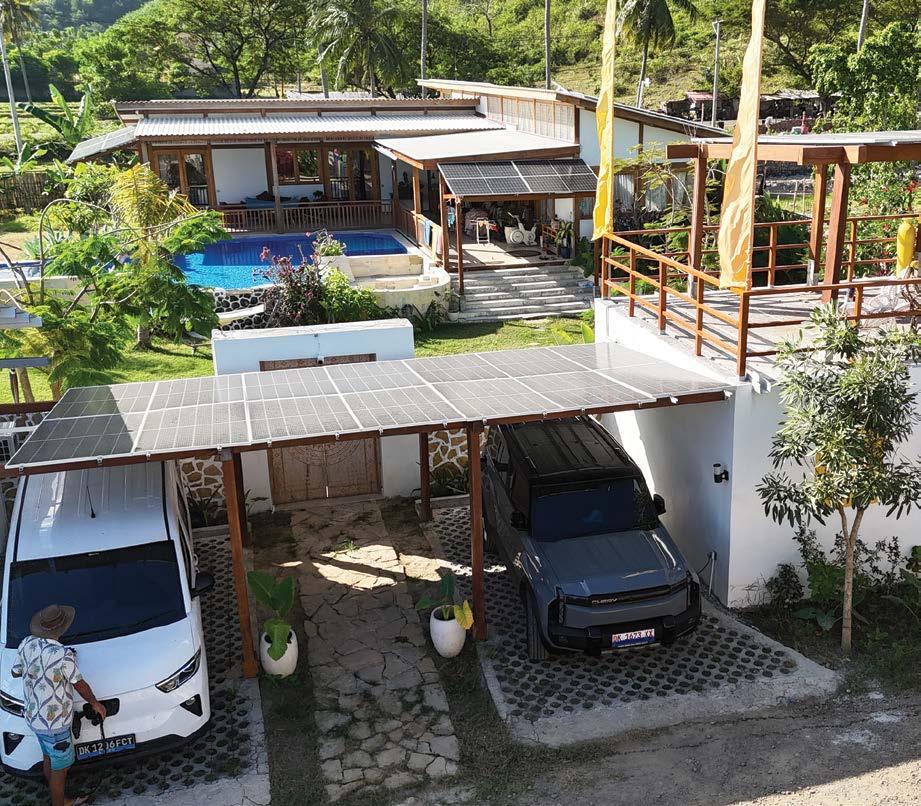
The environmental argument hardly needs spelling out:. “In a perfect world, every building owner would choose solar because it's the single most impactful thing an individual can do about reducing their carbon footprint. Remember that 95% of a building’s CO2 emissions are from its energy use” Marc says. “And some do. But honestly, most choose solar because it makes practical and financial sense. The green part is a bonus. Although I like to think it feels good to run your AC as cold as you like, all day, without the guilt. And you can drive it even a bit further, get an electric car and fill it at home with your very own sun juice!”
The country’s PLN grid still relies heavily on fossil fuels, especially coal. Every villa that powers itself from its own roof is one less load on what Marc bluntly calls “the dirty
grid.” His ambition is to flip the default, establishing solar systems as the primary option for powering villas and businesses, rather than the dirty grid as first choice.
CLEAN, RELIABLE & SEAMLESS
SET designs, supplies, and installs entire systems so the panels, batteries, and electrical system of the building are matched to work together. “The reward is the moment we switch on a system for a client, and to see their excitement. It really is a kind of magic, making energy simply from sunshine,” he says.
Marc’s enthusiasm for solar spills well beyond paying customers. Since its inception, SET has donated solar systems to community projects including SCBA who treat waste around Selong Belanak, and supported many other worthwhile projects such as a local school in Gili Asahan and the Peduli Anak Foundation here in Lombok, which educates underprivileged children. Further afield, the company has equipped the Fair Future Foundation's efforts in remote Sumba, and backed The Sea People in their work protecting the coral reefs of Raja Ampat. Marc is also quick to credit those who helped SET first find its footing in Lombok, singling out sustainable architect Paula Huerta from Bambook Studio as an early facilitator.
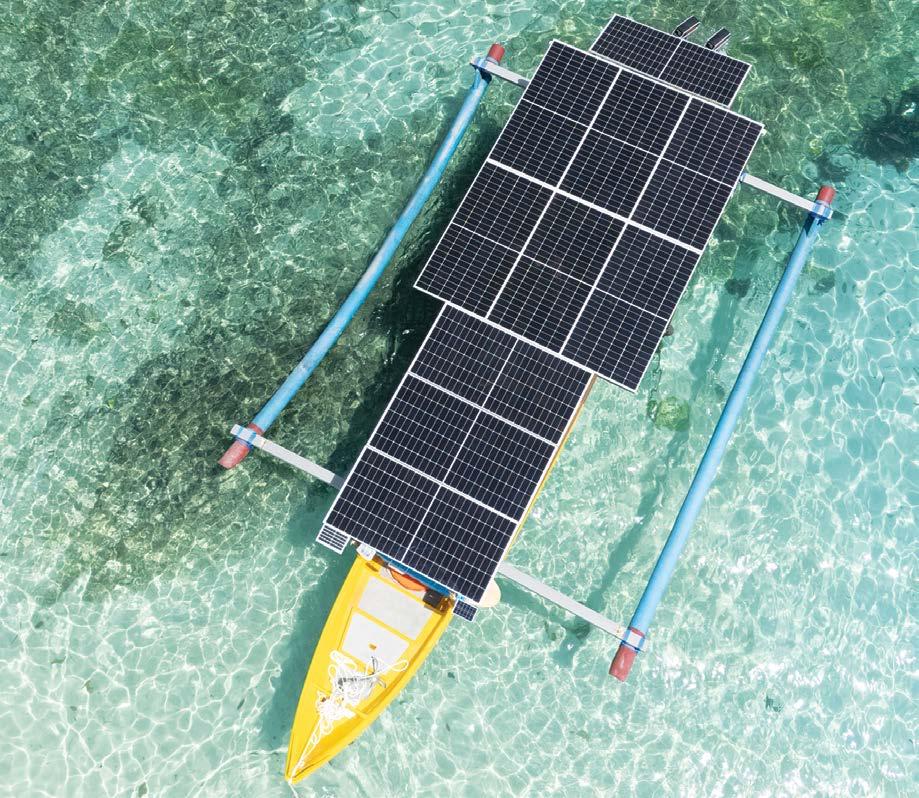
Ask him what he enjoys most about his solar life and the answer summarizes his whole proposition. “Clean freedom,” he calls it. He lives off-grid solar powered, drives electric cars, and rents electric boats (which he also now sells). For anyone weighing how to power a villa or business in Lombok, that is the offer that’s nowadays readily available: an energy supply system running silently and reliably from your roof, costs less than grid power, and that lets the next blackout pass by completely unnoticed.
+62 823 1302 4910 www.smartenergy.tech
Lombok’s Natural Beauty,
Captured
From emerald hills to endless beaches, Lombok is a photographer's dream. Here's a glimpse of the island's stunning landscapes through the lens. Lombok's landscapes are as diverse as they are breathtaking. Towering mountains, serene rice fields, hidden waterfalls, and pristine coastlines come together to create a natural beauty that leaves a lasting impression. Each view tells a different story - real, raw, and unforgettable. These moments, captured through a lens, are an invitation to see Lombok not just as a destination, but as an experience that stays with you long after you leave.
peterorsell
peterorsell
peterorsell
peterorsell
peterorsell
kopex.n
rasmuskuber.photo
CHEF ANDO, KAI, THE SPICE TABLE
KOPI SUSU, KUTA
INDONESIA MEETS THE MEDITERRANEAN A STYLISH HANGOUT FOR COFFEE LOVERS AND FOODIES
CHEF ANDO—KAI, THE SPICE TABLE, VILLA TOKAY RESORT, GILI AIR
Indonesia Meets The Mediterranean
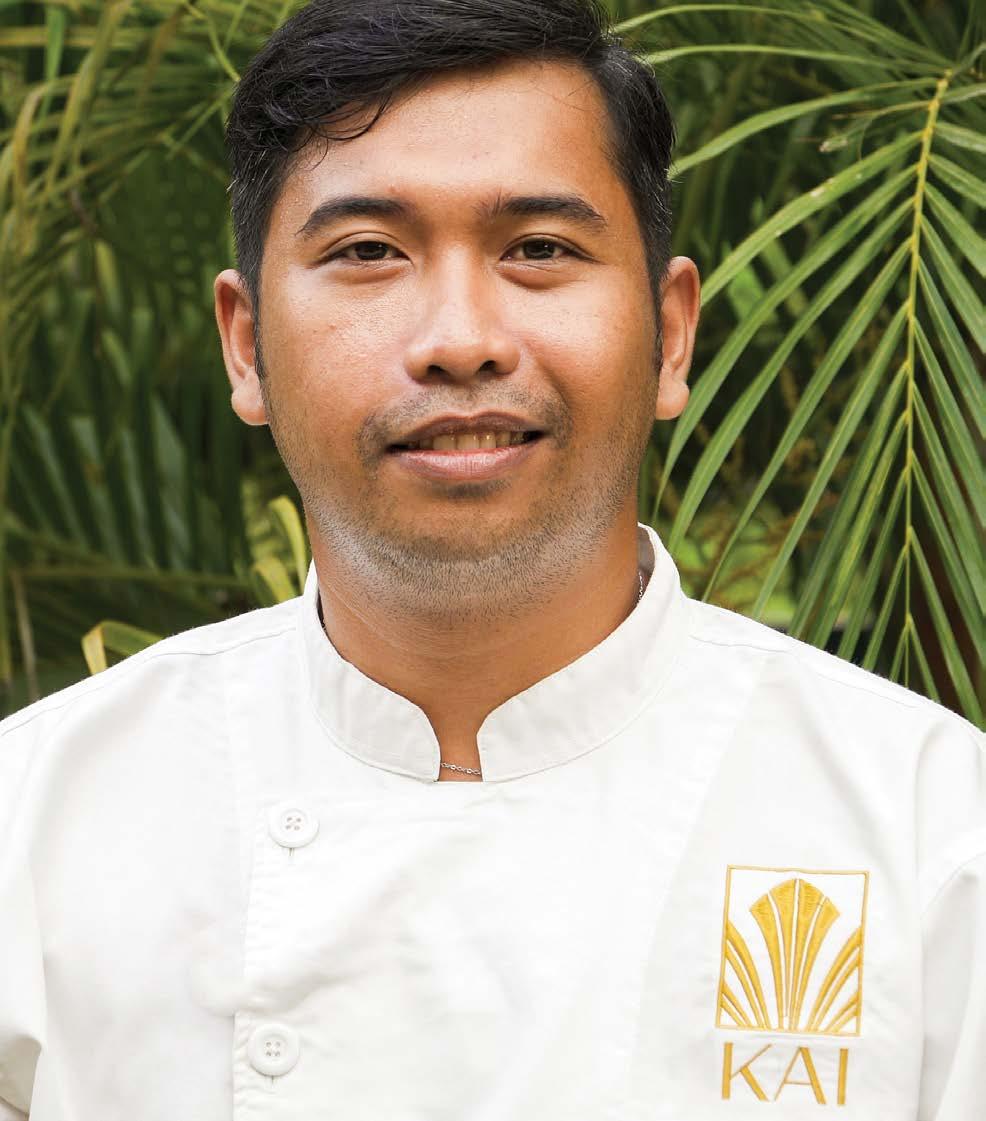
For Ando, the chef at KAI, The Spice Table at the Villa Tokay Resort, a love of food and cooking began early. After moving to Bali from his home in Surabaya, he discovered whole new worlds to explore. He spoke with mylombok recently and explained how it all came about.
When did your interest in food begin?
My love for food started at home. I would wake up to the wonderful smell of my mother’s cooking and head straight to the kitchen to find out what she was doing. That early curiosity and fascination led me to study Culinary Management at STP Nusa Dua Bali. It was the beginning of my professional life in the kitchen.
Tell us something about your career and some of the places you have worked. When I moved to Bali it was a turning point. I was suddenly introduced to a whole new world of food. I had the opportunity to connect with remarkable chefs from around the globe and have exposure to some of the island’s most inspiring kitchens.
The moment I realised a chef’s career could be creative and highly rewarding financially, I knew it was for me.
I wanted to learn all I could, so I trained in Penang, Malaysia, and in the Maldives. These international environments played a significant role in shaping my mindset, teaching me how to collaborate across cultures and adapt different culinary perspectives.
Over the years, I’ve had the privilege of working at the Radisson Blu Bali Uluwatu, The Cave By Chef Ryan Clift and Maya Sanur, in Bali. All of these great experiences are reflected in my current work at KAI, The Spice Table
How would you describe your style of cooking?
My cooking style is simple and focused on highlighting the natural flavours of each main ingredient. I try to bring out the magic in every core component, and then enhance it with touches of spice and seasoning.
Where do you find inspiration for your dishes?
I take inspiration from the street food I love to try, from various ingredients and cooking techniques I’ve learned from the chefs I’ve worked with, and even from Instagram.
Do you have a particular ‘philosophy of cooking’?
For me, cooking is all about joy. Every dish should come from a happy heart. It’s not just about flavours and making food taste good; it’s about creating an experience that lingers and a memory that stays with the people who sit down to enjoy it.
What’s the best piece of cooking-related advice you’ve ever received?
Two pieces of advice come to mind—from two different chefs I worked for. First, ‘Good things always take time’ and second, ‘When you do something, do it properly’.
Tell us about the concept for your menu at KAI, The Spice Table.
I suppose our philosophy focuses on celebrating the rich, vibrant flavours of Indonesian spices, balanced with subtle Mediterranean influences. The lunch menu is designed to be playful and approachable. We serve ‘comfort food’ that’s great to look at as well as taste; it’s presented on rustic wooden, rattan or stoneware plates, for a warm, casual feel. Dinner is a completely different experience. It’s more immersive and refined, and each dish is carefully crafted and presented on ceramic and clay tableware. The flavours are more intense and the techniques more intricate. We’re aiming for a dining experience that engages all the senses—appearance, taste, texture and aroma.
What are your favourite dishes and ingredients?
I love to make Indonesian home-style meals, such as bubur ayam, a traditional chicken, rice and vegetable dish, sayur lodeh, which is a vegetable dish cooked with coconut milk, or nasi goreng, a spicy fried rice dish, with a lot of chillis.
I also enjoy cooking with kecombrang (ginger flower), cabai rawit (cayenne pepper), kemangi (lemon basil), gula merah (palm sugar) and virgin coconut oil.
Describe a typical day at work.
My day is a mix of creativity, leadership and hands-on cooking. Mornings often start with a bit of research. I experiment with ideas for upcoming menu items and work on refining flavours. During the day, I meet with the team to review the previous night’s dinner service; we celebrate what went well, share constructive feedback and make sure everyone’s aligned on our standards. I also manage the paperwork and design individual development programs for the staff, because nurturing talent is just as important as perfecting a dish. By evening, it’s all hands on deck as we take our positions for dinner service. We’re all focused on delivering a dining experience that’s memorable.
What is most rewarding about your job?
There are so many things. I get to travel the world, exploring new flavours and cultures. I meet VIPs and have the chance to make them happy with my food, and to create moments they’ll never forget. I’m constantly pushed to grow—not just in the kitchen, but as a person. I can shape my skills and my perspective and find a deeper sense of purpose every single day.
What is the biggest challenge?
The biggest challenge is maintaining motivation when the pressure is high and staying focused and strong during busy or difficult times, and never becoming complacent. It’s always important to improve, no matter what level you’ve reached in your career.
What are your hopes and plans for the future?
My goal is to share the richness of Indonesian cuisine with the world, and to bring KAI, The Spice Table into the international spotlight. I want people everywhere to experience the depth of our flavours, the creativity behind our dishes, and the stories that each spice and ingredient can tell. Ultimately, it’s about making Indonesian culinary culture recognised, respected and celebrated globally.
What do you like most about living on Gili Air?
The community is amazing, the nature is stunning and the beaches are absolutely beautiful. There’s no pollution and, unlike some neighbouring islands, you don’t have to take a long boat ride to get around; that’s definitely a plus! And of course, as a food lover, I can’t get enough of all the great restaurants scattered across the island.
Apart from cooking and creating dishes, what other things do you really enjoy?
I really enjoy everything related to music, especially singing. If I hadn't become a chef, I think I might have tried to become a singer... maybe.
Who is your favourite celebrity chef?
Chef Eric Ripert from Le Bernardin, in NYC, because he puts his heart into his cooking, and his restaurant has survived for years.
Do you have any tips for budding chefs?
My advice is to stay curious and never stop learning. Be open to new techniques, flavours, and cultures, and don’t be afraid to make mistakes. Every challenge is an opportunity to grow. Most importantly, always cook with passion and dedication, because that’s what makes your food memorable.
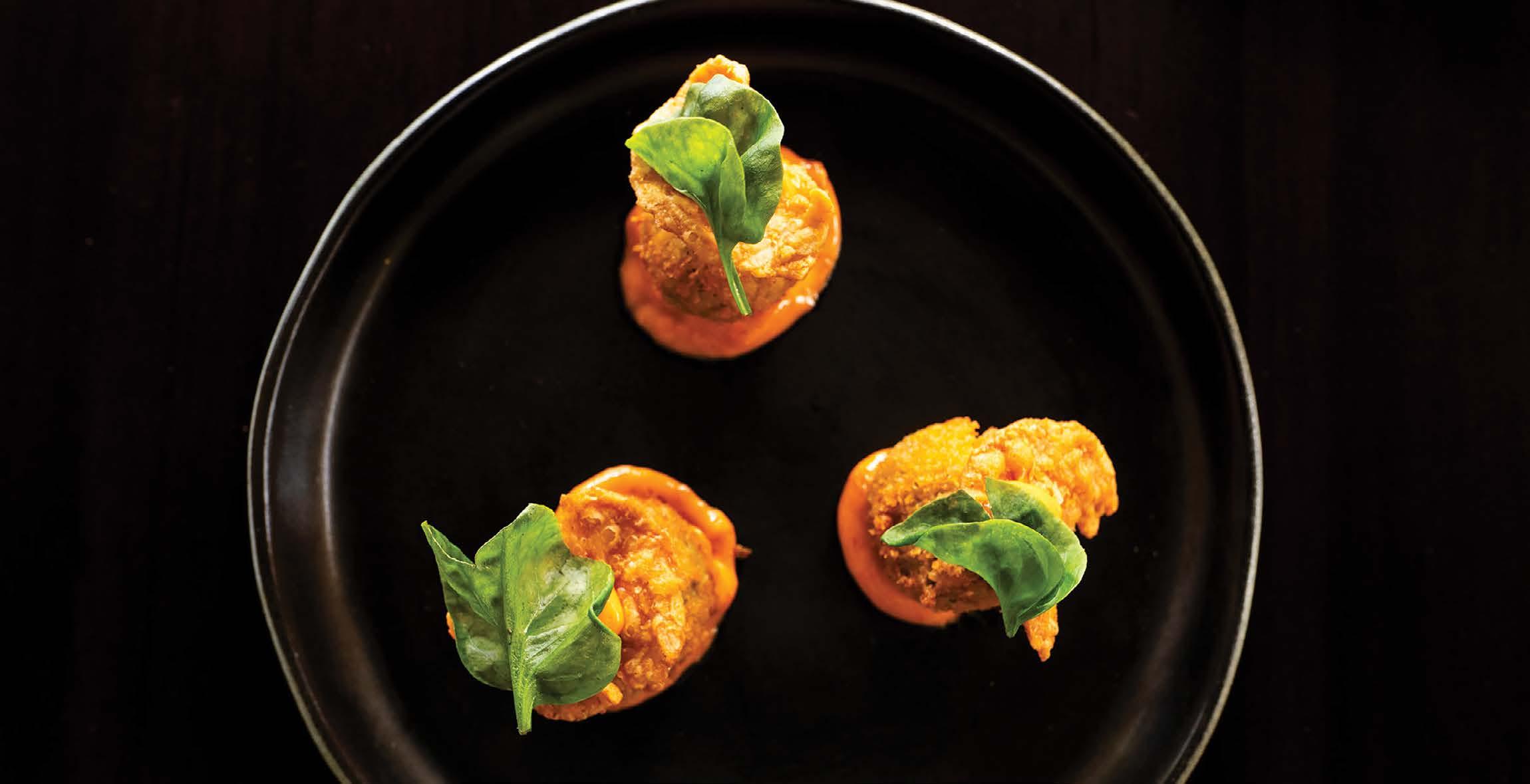
Nasi Kuning Arancini with Mozzarella & Sambal Mayo
Ingredients
Yellow Rice:
• 100 gr cooked rice
• 30 ml coconut milk
• 1 tsp turmeric powder
• 1 small clove garlic, minced
• 1 shallot, minced
• ½ tsp salt
• ¼ tsp sugar
Arancini:
• 10 gr mozzarella cheese, cut into small cubes
• 1 sheet nori, finely chopped
• 1 tbsp all-purpose flour
• 1 small egg, beaten
• 2 tbsp bread crumbs
• Tempeh chips (whole), to place on top as garnish
• Sambal mayo, to serve
Method
1. Prepare the yellow rice:
• In a small pan heat a little oil, then sauté the garlic and shallots until fragrant.
• Add turmeric powder, salt, and sugar, stir briefly.
• Add the cooked rice and coconut milk, cook over low heat until fully infused with flavour. Allow to cool slightly.
2. Make the Nasi Kuning arancini balls:
• Take about 40 gr of rice and flatten it in your hand.
• Place a small cube of mozzarella (10 gr) in the center, fold rice around it, shaping it into a ball.
• Mix some chopped nori onto the outer layer for extra flavour.
3. Coat the arancini:
• Roll each rice ball first in flour, then dip in beaten egg, and finally coat evenly with breadcrumbs.
4. Cook the arancini:
• Deep-fry or pan-fry over medium heat until golden brown and crispy.
• Remove and drain on paper towels.
5. To Serve:
• Place the three Nasi Kuning Arancini balls on a plate, place one whole tempeh chip on top of each ball as garnish, and serve with sambal mayo.
Watermelon Gohu with Kenari, Avocado
Mayo and Watercress
Ingredients
Gohu:
• 100 gr watermelon, diced small
• 1 tbsp lime juice
• ½ tsp salt
• ½ tsp sugar
• 1 tsp chili, finely chopped (optional, adjust to taste)
For the base:
• 1 tbsp Kenari, chopped
Avocado mayo:
• 20 gr ripe avocado
• ½ tsp lime juice
• ½ tsp salad oil
• Pinch of salt and pepper
Garnish:
• Small watercress sprigs
Method
1. Prepare the watermelon gohu:
• In a bowl, combine diced watermelon with lime juice, salt, sugar, and chopped chilli. Gently mix and let it marinate for 5 to 10 minutes to allow flavours to meld.
2. Prepare the avocado mayo:
• Mash the avocado in a small bowl.
• Add lime juice, salad oil, and season with salt and pepper. Mix until smooth and creamy.
3. Assemble with ring cutter:
• Place chopped Kenari on the serving plate as the base.
• Using a ring cutter, mold the marinated watermelon into a neat cylinder on top of the Kenari base.
4. Add garnish:
• Top each watermelon gohu with a small dollop of avocado mayo.
• Finish with fresh watercress sprigs for color and a subtle peppery note.
5. To Serve:
• Serve immediately as a refreshing starter, balancing sweet, tangy, creamy, and crunchy textures.
TASTY TUBERS: PART 2
Sweet Potatoes
It’s not a potato. It’s not especially sweet. So what’s going on? The sweet potato is a popular ‘tasty tuber’. Its botanical name (Ipomoea batatas) puts it into the family that includes plants such as bindweed or morning glory. Its ‘tuber’ status is really the only thing the sweet potato has in common with the ordinary white potato, which belongs to the nightshade family of plants.
Sweet potatoes are starchy, ‘root tuber’ vegetables. They have been grown in Central and South America since 2,500 BCE and were introduced to countries around the world by traders, from the sixteenth century. More than 6,000 types have been recorded. The tubers are generally long and tapered, with thin, smooth skin, which varies in colour, depending on the type. The flesh is bright-coloured —usually orange, but sometimes white, purple or yellow. The whole plant, including the leaves, is edible but the main food source is the swollen root or tuber, which stores all the nutrients for the plant. These nutrients are also ideal additions to the human diet.
COOKING SWEET POTATOES
As low-fat carb foods with added nutrients, they are eaten as a staple food in many rural areas that don’t support rice crops. They are popular as main or accompanying dishes, as snacks or even in desserts.
The tuber can be eaten raw but is usually baked, deep-fried, stir-fried, or used in soups and casseroles. When cooked, the flesh is tender with an earthy, slightly sweet flavour. The orange varieties are the sweetest, and the whitefleshed, brown-skinned type is often softer with a drier, more ‘powdery’ taste. The Satsuma-Imo, which has a reddishpurple skin, is a Japanese variety of sweet potato. It has pale flesh that becomes a richer yellow when cooked. It’s creamy and slightly more starchy in texture, with a nutty or buttery taste. It is believed to promote health and long life.
The leaves and stems of sweet potatoes are also edible and often used in stir-fry dishes or braised or steamed, in salads or as a vegetable accompaniment.
Sweet potato starch can be used in baking and to make noodles. It is also made into a light batter for deep-fried vegetables and proteins. It has special benefits for those who have coeliac disease or digestive problems, as it is naturally gluten-free.
HEALTH BENEFITS OF THE SWEET POTATO
A 100g serving of steamed sweet potato counts as a ‘vegetable’, which potato does not. It provides approximately 380kj or 90kcal, 20g carbohydrate, 3g fibre and 2g protein. It is rich in vitamin A, providing more than 100% of the recommended daily requirement (%DV). It also has high levels of vitamin C (22%DV), vitamin B6 (17%DV), manganese (22%DV) and potassium (16%DV) and useful amounts of other B-group vitamins, vitamin E and trace minerals.
Other potential benefits:
• Sweet potatoes are virtually fat-free and (when they’re boiled or baked) contribute fewer calories to the diet than the equivalent amount of pasta or rice
• They are not associated with any known allergies
• They are a source of carotenoids and polysaccharides, which are antioxidant and anti-inflammatory. This means there is potential protection for the liver, heart and vascular system and improved memory function
• Antioxidants support immune function and possibly protect the body against damage by ‘free radicals’ and, to some extent, against cancer. There are valuable antioxidants in sweet potato flesh and in the skin, especially in purple varieties
• Because of phytochemicals, sweet potato promotes the health of the gut, brain and nervous system
•Because sweet potatoes are rich in beta-carotene, which the body converts to vitamin A, they can improve eye health and night vision
• Some studies suggest that moderate consumption of the leaves might improve blood sugar regulation for people with type-2 diabetes; more research is needed on this.
One warning: sweet potatoes contain oxalates; too many oxalates in the diet can cause kidney stones in those who are at high risk of developing them.
DELICIOUS WAYS TO EAT SWEET POTATO
There are endless was to enjoy sweet potatoes. Here are some favourite dishes; you can easily look up the recipes and make them at home.
Mantou buns
Fluffy Chinese steamed buns, made with mashed sweet potato and a few simple ingredients. Easy to make, with no baking, just gentle steaming. You can add a filling or enjoy them plain.
Sweet potato chips
Make them the way you’d make potato chips – oven baked or fried. They have a softer texture and a more interesting flavour. For extra crunch, pat them completely dry and dust them with cornstarch before cooking. Add spices for a bit of a zing.
Daigaku-imo
This is Japanese sweet potato, deep-fried and then glazed, in a pan, with a sweet and sticky sauce; it’s usually sprinkled with black sesame seed. The name means ‘university potato’, because students absolutely love this dish.
Spicy
sweet potato soup
If you love pumpkin soup, you’ll be a fan of the sweet potato alternative. It pairs so well with yoghurt, coconut, lemongrass and coriander, you can’t go wrong. Add as much spice as you like.
Any curry will do
When you’re preparing curried vegetables, add some sweet potato. It absorbs flavours beautifully and, occasionally, you might decide to give the rice a miss altogether. It also goes brilliantly with any type of dahl.
And wherever you use potato...
Yes, wherever. Substitute sweet potato. Nothing else to say.
KOPI SUSU, KUTA
A Stylish Hangout for Coffee Lovers and Foodies, Set to Shake Up the Kuta Café Scene
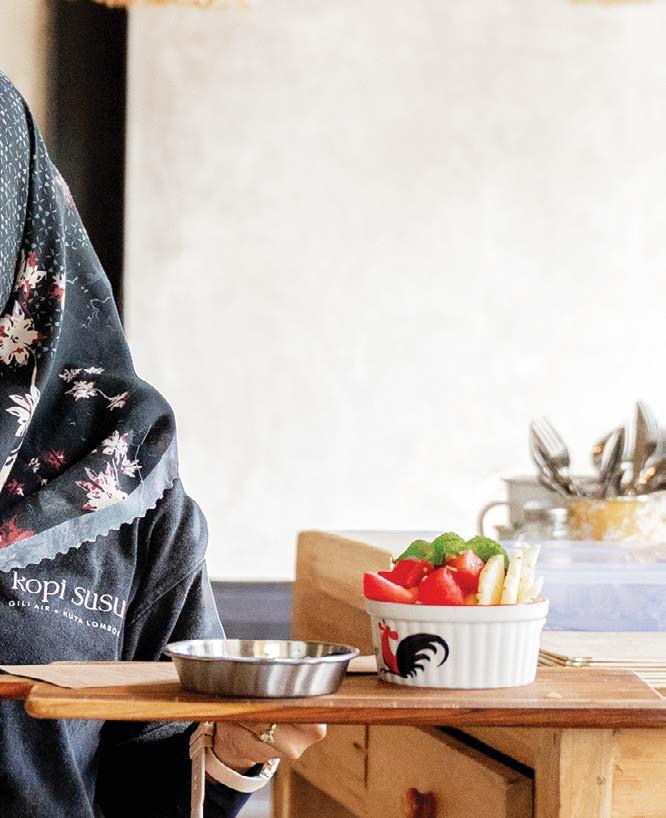
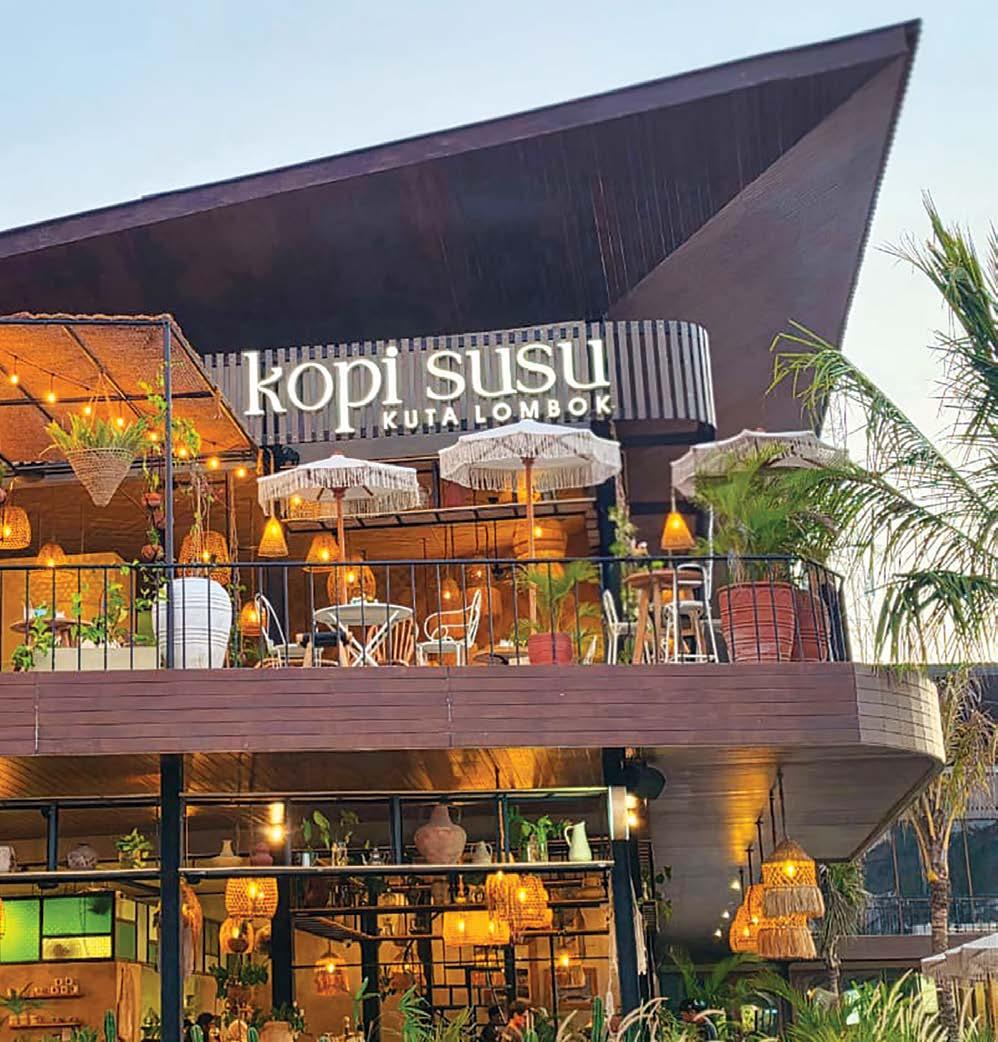
Your new favourite caffeine replenishment hangout is now in Kuta, Lombok. Kopi Susu, a brunch cafe that first made waves on Gili Air, has announced itself on the Kuta café scene with an impressive two-storey, lounge-style foodie venue. It brings the tropical Gili island aesthetic to downtown Kuta, along with a stylish contemporary mix of Indonesian-European vibes.
The Kopi Susu origin story dates back to friends living on Gili Air with a shared vision and mutual passion for food and design, who wanted to introduce European-style brunch culture to a small island. They created a tropical space that was welcoming to all and connected to its natural surroundings. At the time, there was no dedicated brunch destination on the island. The goal was to create something unique then, and this philosophy continues with the new expansive café in Kuta.
According to the founders, since first launching in the Gilis, Indonesian and international guests have embraced the Kopi Susu concept and often asked if a Kopi Susu location in Lombok was on the cards. They have now delivered. Their goal for Kuta wasn’t to create a replica of Gili Air, but to bring the same island vibe, service and thoughtful design that made the original such a favourite. The space evokes a tropical minimalism, offering a chic, breezy escape from the afternoon heat.
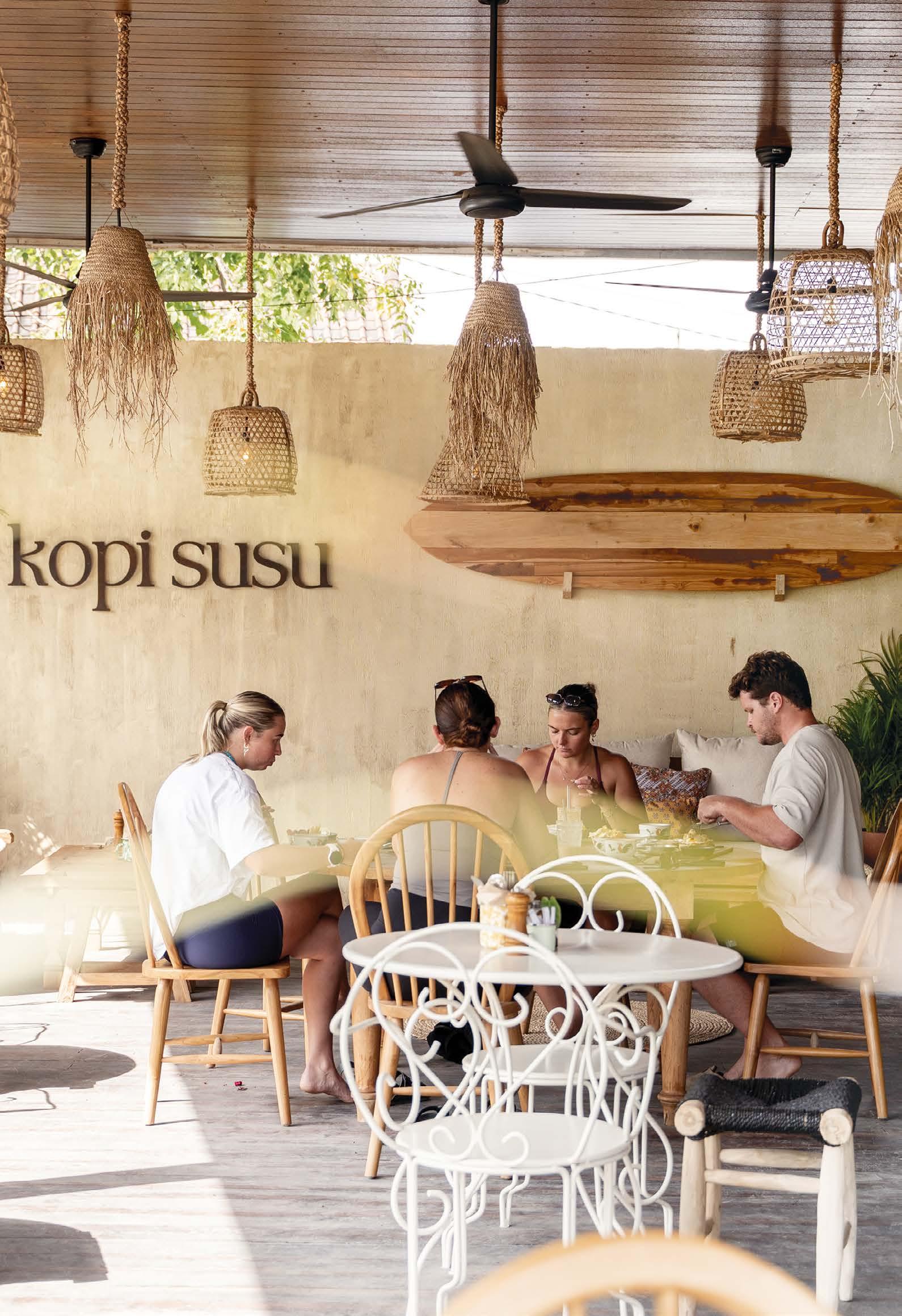
Expect classic earthy tones with natural timber finishes and smooth textures, complemented by indoor tropical greenery. There are rustic sofa benches, dark timber tables framed by timeless wall art, handcrafted light shades and high ceilings that welcome consistent cool breezes.
It’s an ideal sanctuary for lazy afternoons spent sipping and snacking, or for digital nomads looking to get productive between coffees. Spanning two levels, the interior has ingeniously incorporated cosy corners and lounge areas, giving guests a welcoming place to relax and stay awhile. It has been designed to evoke a spacious yet intimate social hangout.
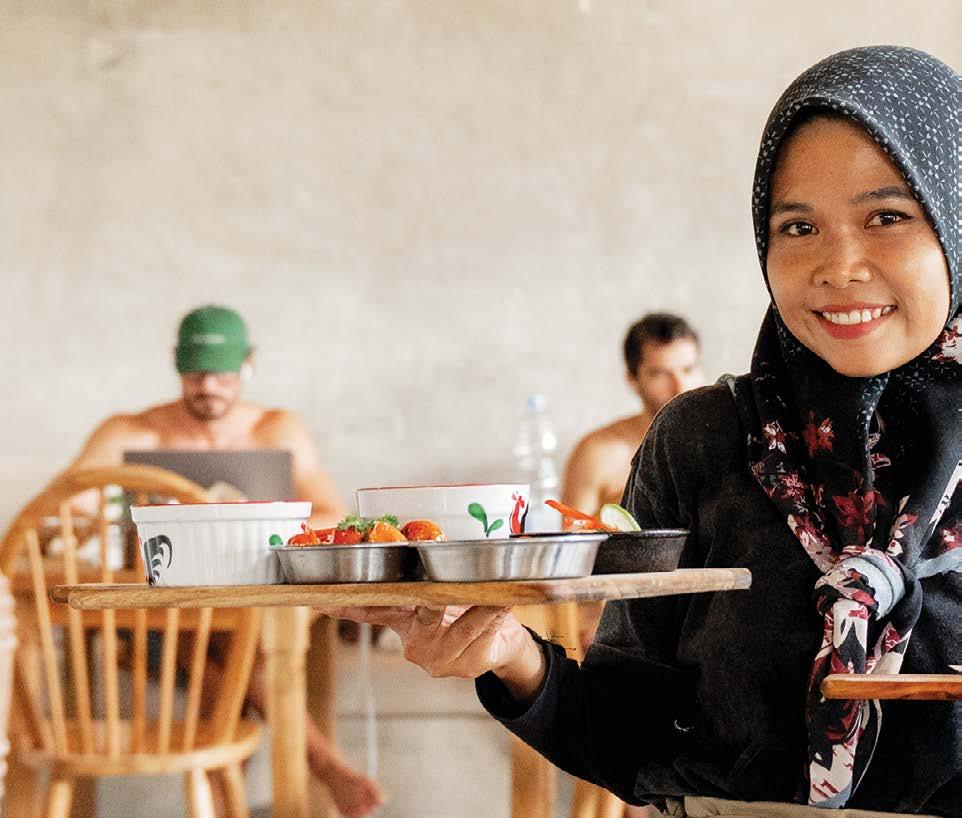
The tropical atmosphere embraces Indonesian influences, while authentic Indonesian hospitality is what truly makes the venue stand out. Design-wise, Kopi Susu features locally crafted furniture, ceramics and artwork. The brand name, Kopi Susu, is also more nuanced than it first seems. Not only does it literally mean “coffee with milk”, but it is also an Indonesian colloquialism used to describe someone of mixed heritage. This perfectly represents what the business is all about—a truly international enterprise spanning a mix of different cultures. The founders bring together French, Swedish, Spanish, Indonesian and Australian backgrounds.
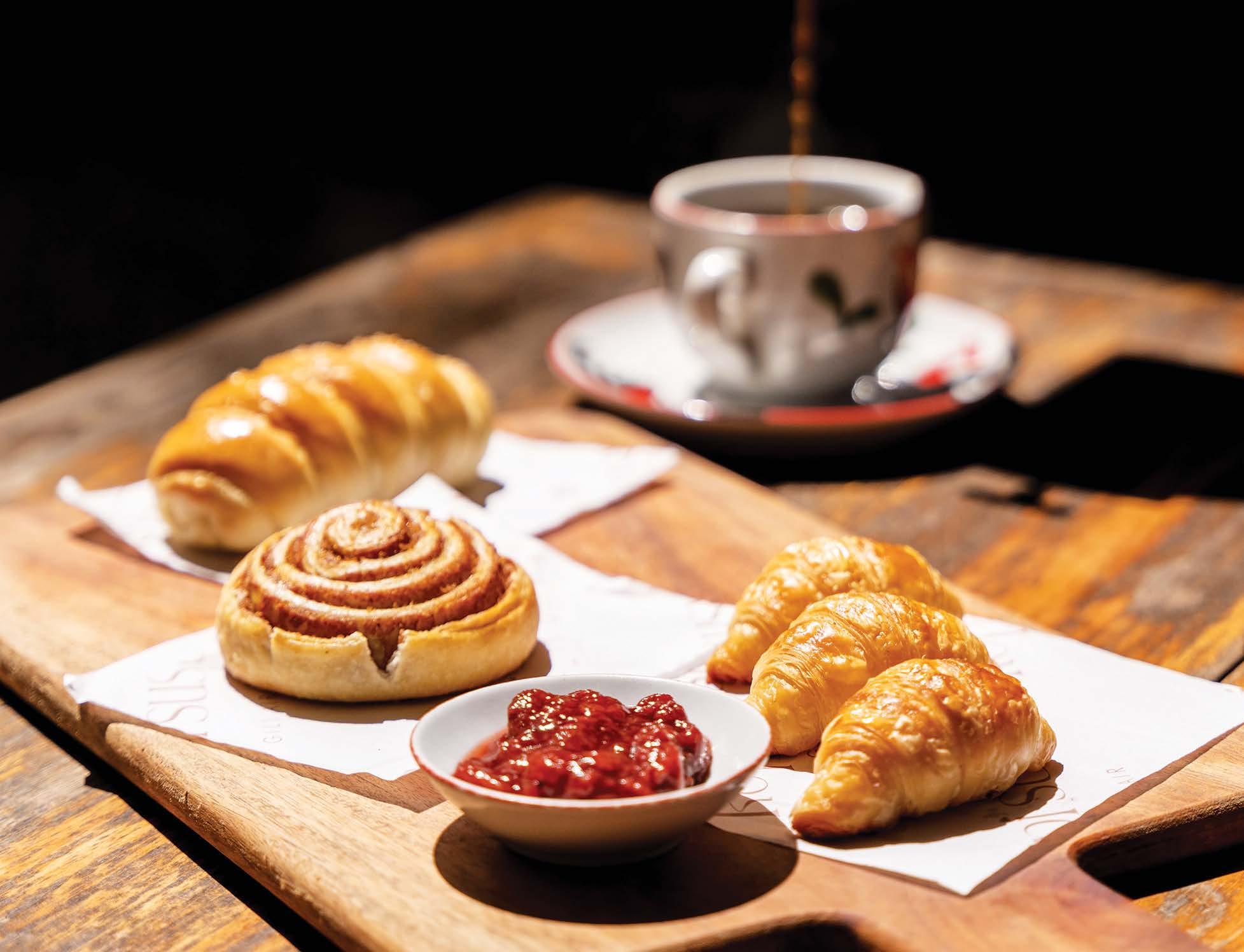
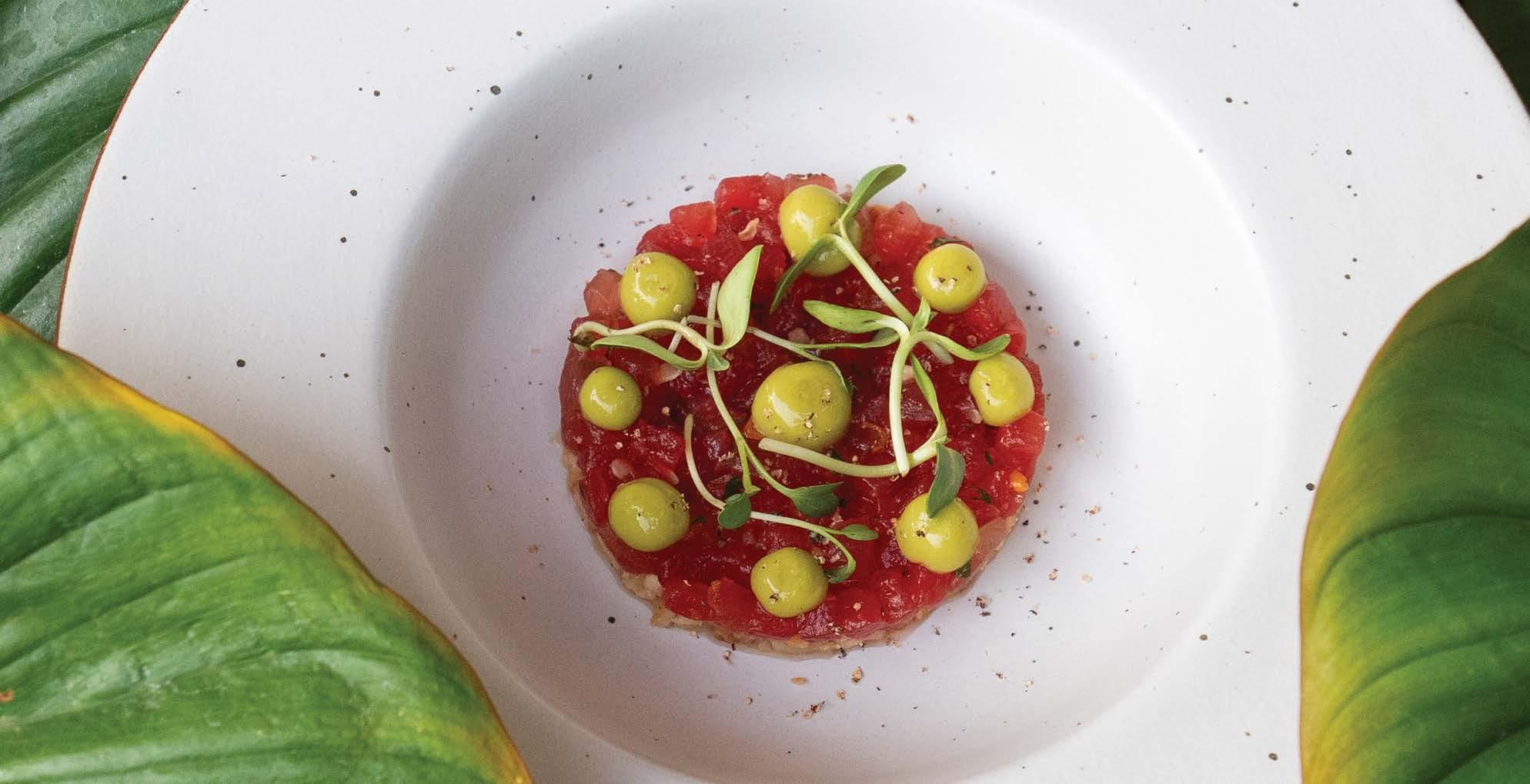
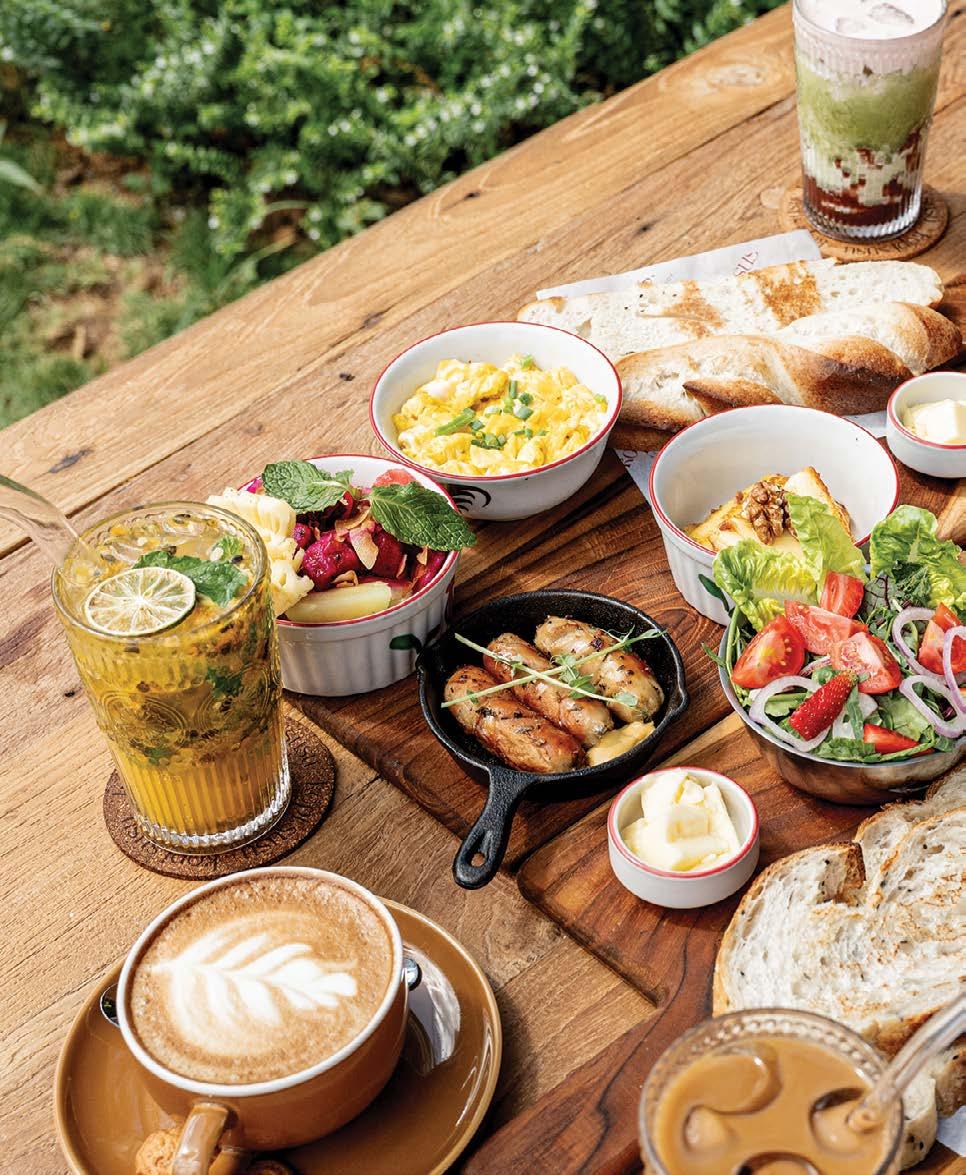
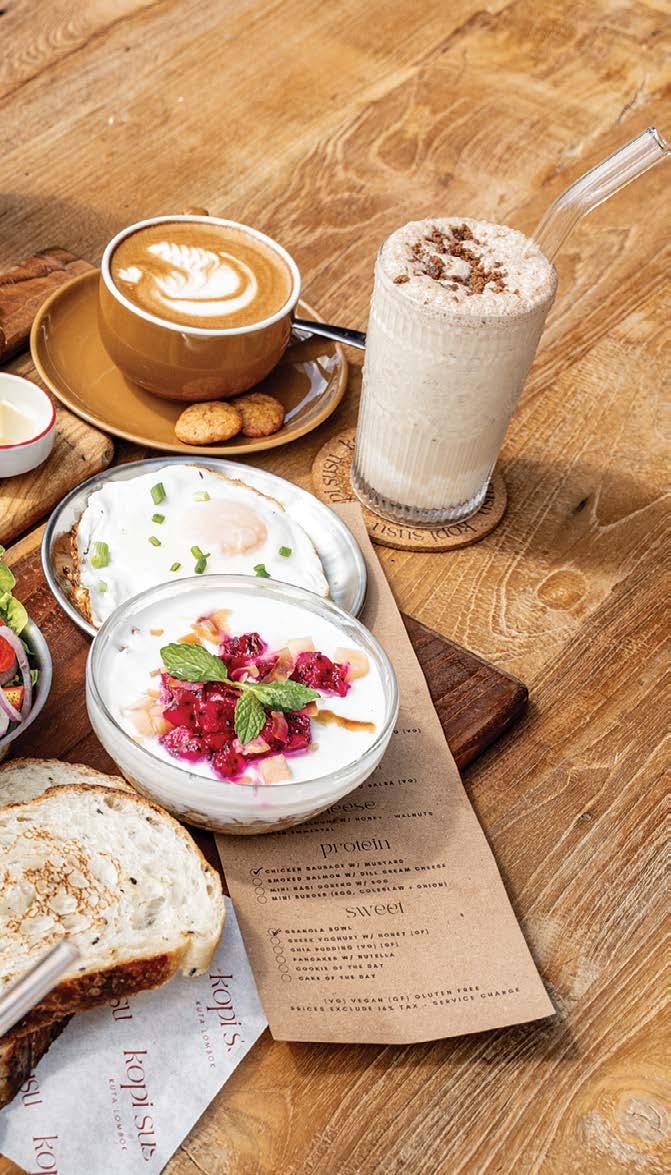
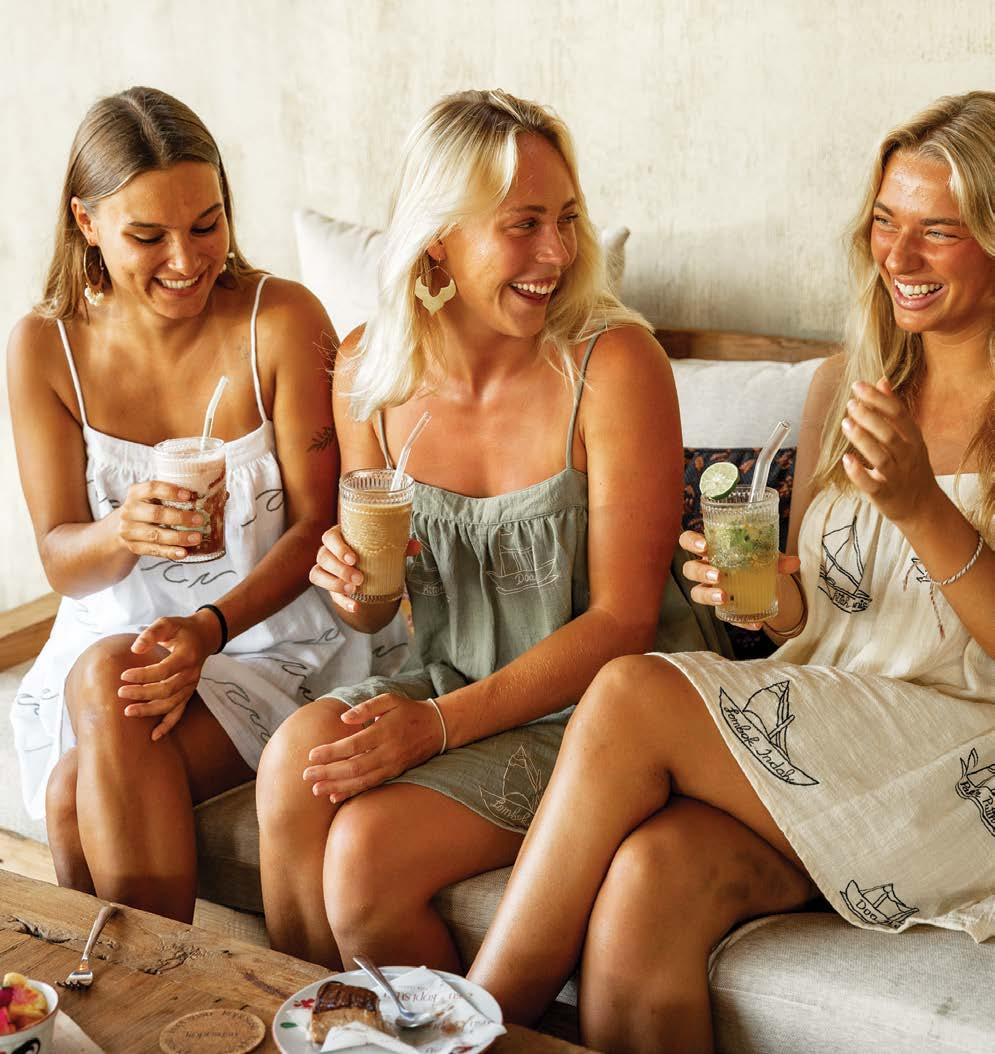
The concept is delightfully uncomplicated—fresh and approachable food in a relaxed and welcoming atmosphere. Mornings kick off with the unmistakable aroma of freshly baked goods such as buttery brioche and pumpkin buns, highlighting a strong European influence. They serve up an extensive selection of all the coffee classics as well as matcha, artisan teas, juices and smoothies, all centred around their ‘build your own brunch’ concept. Guests can create their perfect brunch with favourites such as smashed avocado, eggs, fresh sourdough, panfried halloumi, salad, granola bowls, chia pudding and more. There are sweet treats too, with a surprisingly large array of cakes and desserts including banana bread, cupcakes, cheesecake, chocolate brownies and carrot cake.
Sourcing local ingredients is a major focus, the cafe collaborates with many local producers to bring together everything from coffee and kombucha to seasonal fruit and vegetables. Kopi Susu is also soon introducing dinner service, together with wine and cocktails to Kuta. The dinner menu will take the build your own board concept even further. Inspired by the sharing style of Spanish tapas, the dinner menu will feature dishes that blend European influences with Indonesian flavours and ingredients served up with the warm hospitality of Lombok—an expression of the cultural mix that has always been at the heart of Kopi Susu.
In short, Kopi Susu in Kuta aims to create a uniquely Indonesian sense of place through its design, ingredients and flavours, so that both travellers and the local community feel connected. The ultimate aim is to be more than just a place to eat and drink, but also a valued part of Kuta’s vibrant and increasingly cosmopolitan community.
Jl. Raya Kuta No.1, Kuta, Lombok Tengah, NTB 83573 +62 859 7414 7972 kopisusu__id
STIR IT UP
Stories and recipes from a bar owner in paradise…
Arak Anthropology
As many of you know, I like arak. I like the taste, the culture, the history, the people who make it… pretty much all of it I find amazing and inspiring. And something worthy of learning more about and sharing with people who visit Lombok. To make this easier for us and our guests we’re jumping in with both feet!
Lombok: A Surprising New Home To The World’s Largest Arak Collection
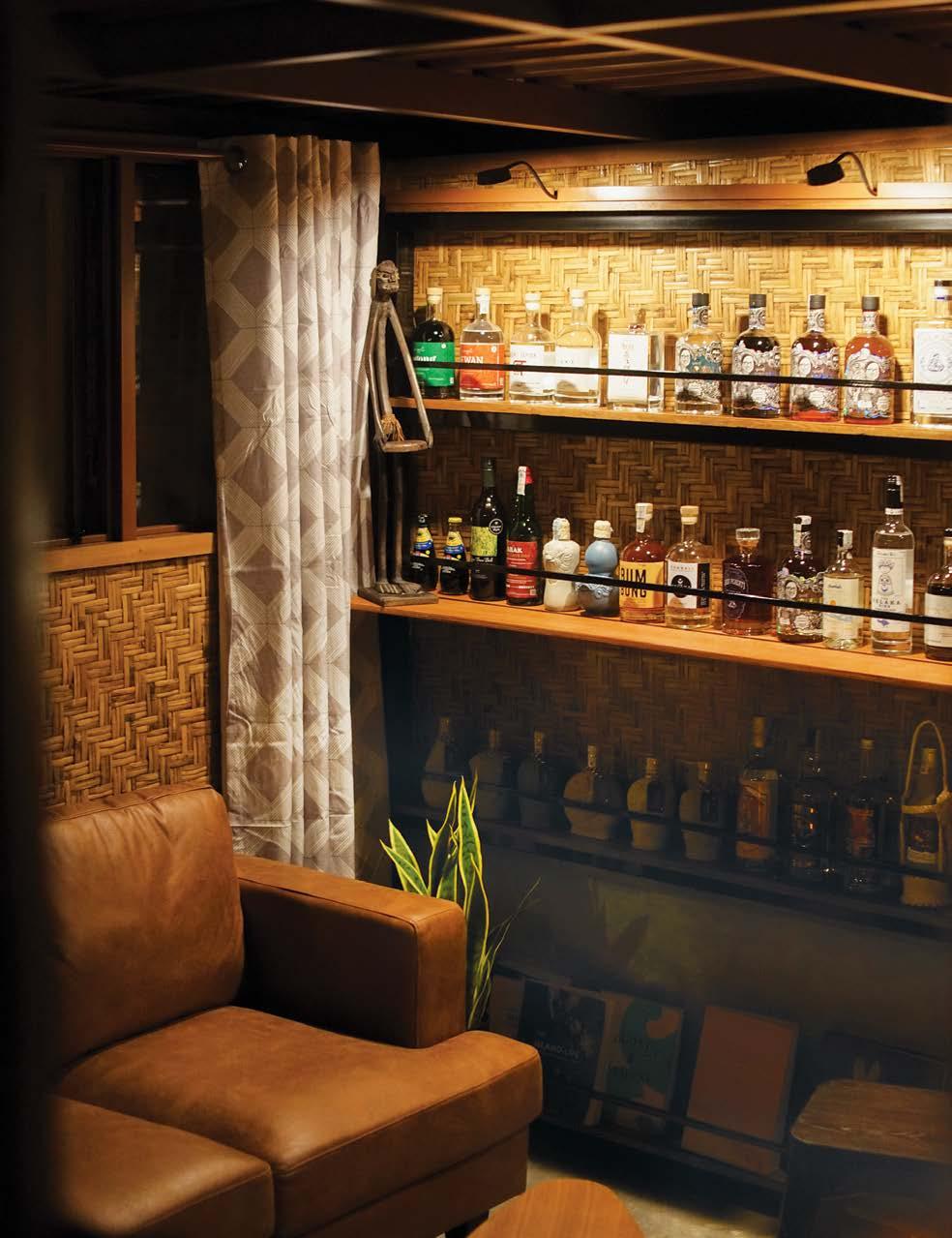
Since we opened Klub Kembali in 2022, we have been dedicated to creating innovative craft cocktails based on Indonesian spirits. As we approach our four-year anniversary in July, we have doubled down on araks from across Indonesia, expanded our arak collection and opened our exclusive “Arak Library” — a cozy lounge offering guests over 60 different araks produced in Bali and other Indonesian islands.
We’re very excited to introduce our guests to this significant aspect of Indonesian culture through guided tastings and cocktails. The Klub Kembali Arak Library — the largest collection of araks in the world — boasts two experiences. The main lounge area with comfy sofas and a wall of artistic bottles allows guests to sample over 60 araks that have received Indonesian government approvals for food safety and taxation. The second experience, the “Mini Museum,” showcases a second, small collection of artisanal araks and infusions crafted by Indonesian farmer-producers which are not yet for sale. They’re a great example of the incredible creativity involved in arak production.
A Cultural Evolution
In the past, arak has unfortunately faced a negative reputation due to uncontrolled production. Since 2020, however, Indonesian arak has undergone increased regulation, with the Balinese government spearheading legal and safe production practices. This has inspired other provinces to adopt similar measures, fostering a vibrant and safe arak craft industry across the archipelago. From a cultural aspect, most serious producers emphasize that arak is not intended for a cheap buzz but instead, created for a traditional and mindful experience; in fact, many of the araks in our collection are still used in religious ceremonies across Bali or medicinally to alleviate various ailments.
To celebrate this rich heritage, we will host arak tastings to invite guests to sample and learn, and to spread the word. These tastings will offer a variety of “Arak Journeys” from traditional palm-sap and rice-based selections to houseaged specialty araks, unique infusions and more. Guests can also purchase favorite araks as a souvenir to bring home.
Classic Cocktails, “Arakified”
In addition to daily tastings, Klub Kembali also offers exclusive arak-based classic cocktails, adhering to timehonored cocktail legends while offering guests an easier entry-point into the unique flavors of arak. We want guests to feel familiar with what we’re serving; by changing the main spirit and balancing out complementary ingredients, we make it easier for visitors to try an arak cocktail and to expand their palate.
The Klub’s “Arakified Classic Cocktails” may not taste exactly the same as the originals, but that’s the point — they’re familiar enough to be recognizable but reimagined with a specialty arak. Our vision is that someday soon, arak will be as well-known as gin, rum, tequila, vodka or whisky. It’s another spirit with ancient roots, but it’s finally getting the attention it deserves in the hospitality scene and we’re honored to be part of this evolution. For most cultures, traditional alcoholic beverages are a source of immense local pride; I firmly believe that supporting and elevating these local products is our calling at Klub Kembali. This is our collective purpose.
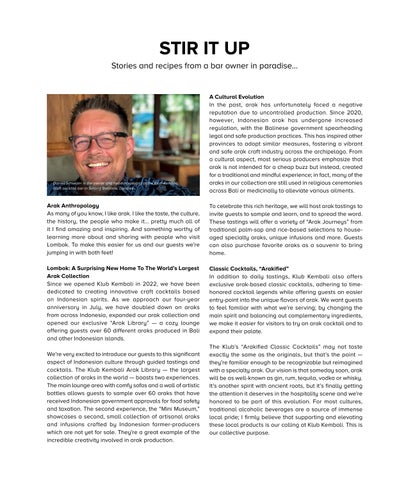
Daniel Schwizer is the owner and head mixologist at the Klub Kembali craft cocktail bar in Selong Belanak, Lombok.
Learn With Us
Even after having achieved the milestone of opening our Arak Library, we’re still at the beginning of our journey of learning. In July, we’ll embark on a trip through the Balinese countryside, where most of the palm trees for arak are grown and palm wine is produced. Think amazing photos, fascinating stories, gripping lore and, at the end, there will be a book to peruse as you sip on your favorite Indonesian arak. At the same time we are looking into distilling the first ever legally produced “Arak Lombok.” The basic ingredients and methods already exist, and we’ll be focusing on finding great, local farmers with the right raw materials to create something amazing. Stay tuned as we welcome you back!
Arak Tasting Journeys
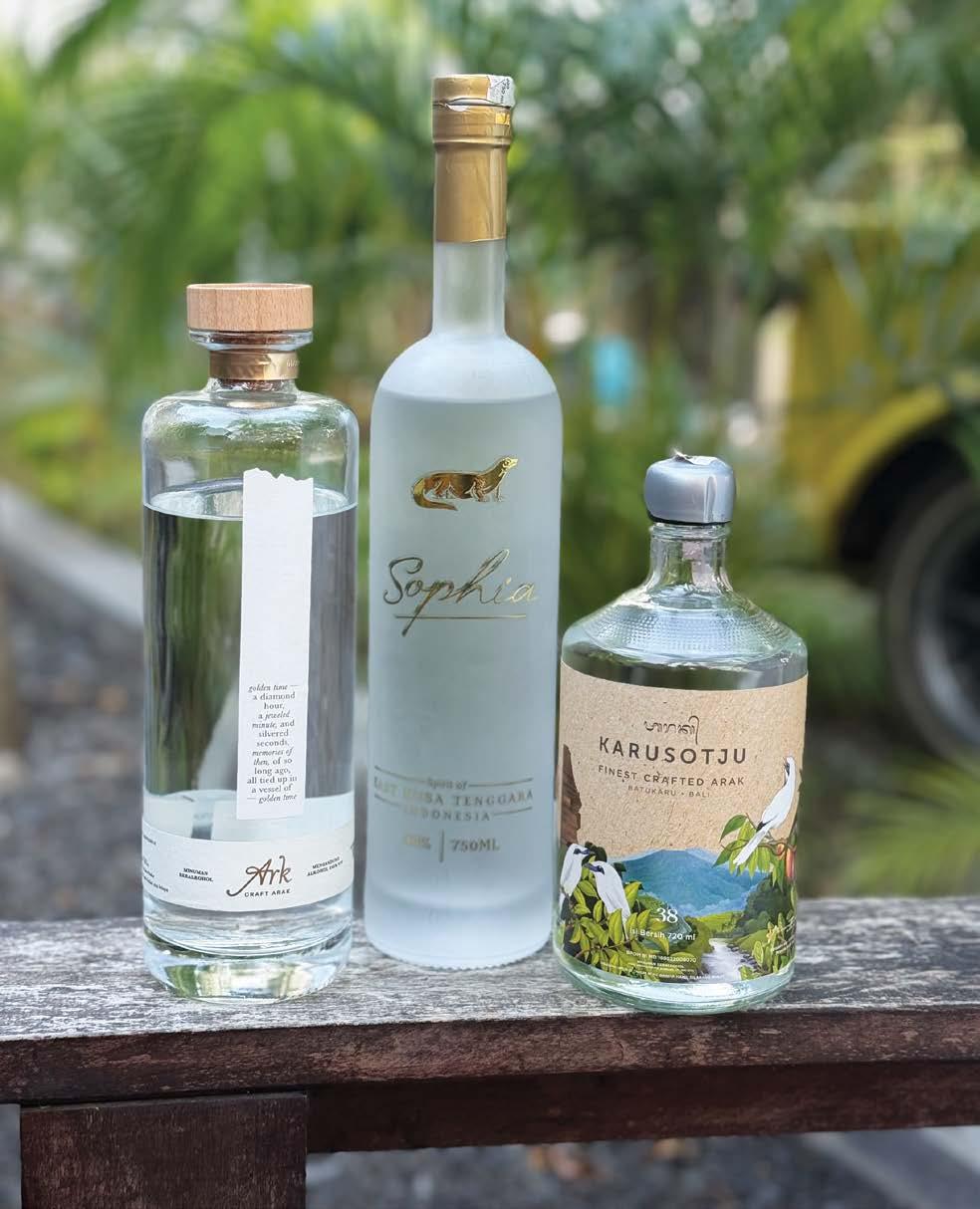
To make arak tasting easier for Klub Kembali guests, we offer curated arak journeys with three araks per journey, woven together by a common theme. There’s a fruity journey, a spicy journey, and a few more. A question we often get is about which araks are the most expensive and highest quality. So this month we’re introducing our Top Shelf Arak Journey — take a look here, then stop in to try them for yourself! Cheers!
Ark
Ark is a refined craft spirit that showcases bold traditional flavor with remarkable balance. Bottled at 45% alcohol by volume, it carries the strength of a high-proof spirit while delivering the smooth finish of a traditional French Eau-de-Vie.
Sophia Premium Sopi
Sophia Premium Sopi is based on the traditional spirit of Nusa Tenggara Timur, called Sopi. Like Balinese Arak, Sopi is distilled from fermented palm sap. It has a rich and long history across the province, being used in celebrations, rituals and medicinal applications. Since 2020 it has been the first legal spirit of Nusa Tenggara Timur.
Karusotju 38
Distilled deep in the forests of Mount Batukaru, Bali, Karusotju is a spirit made from honey sweet potato. Four years of R&D went into creating this unique spirit. Clean, crisp and full of character, with the pristine, natural spring waters of Batukaru used to distill and filter, resulting in a very pure product. In addition to a fine spirit, the company has a great sustainability vision, from dealing with production waste to making glassware from recycled bottles.
VILLA UITSIG, SELONG BELANAK
ELEVATED LIVING IN A HILLTOP LUXURY HAVEN BOASTING PRICELESS OCEAN VISTAS
ARUNA SENGGIGI RESORT & CONVENTION
SELO PROPERTIES ROLLS OUT WITH A NEW WEBSITE CELEBRATING A 10-YEAR JOURNEY OF GROWTH AND SUCCESS
SELO GROUP LAUNCHES A NEW DEDICATED REAL ESTATE INVESTMENT FOCUSED BUSINESS
ESTATE
VILLA UITSIG, SELONG BALANAK
Elevated Living in a Hilltop Luxury Haven Boasting Priceless Ocean Vistas
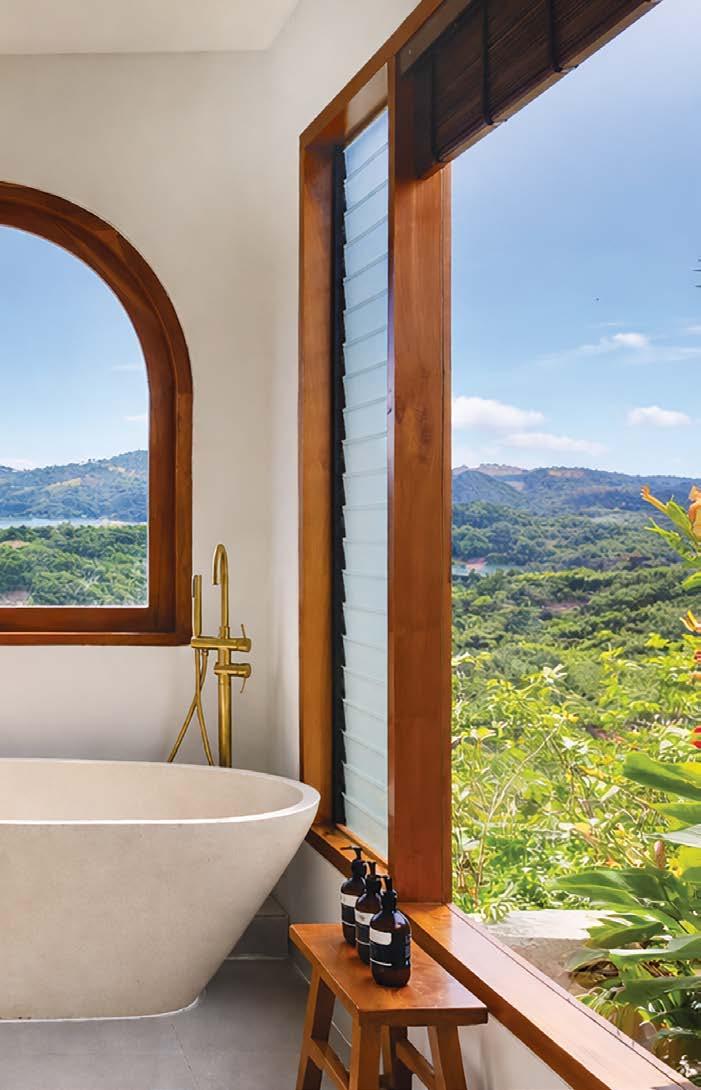
Perched above the scenic Selong Belanak coastline, Villa Uitsig is aptly named. The name of this fourbedroom luxury hilltop haven translates simply as ‘view’ in Afrikaans. It perfectly captures its essence nestled in the hills amid sweeping ocean vistas. It’s an expansive, wellappointed villa with bags of style. The functional layout and seamless indoor-outdoor living makes it ideal for a large group of friends or family.
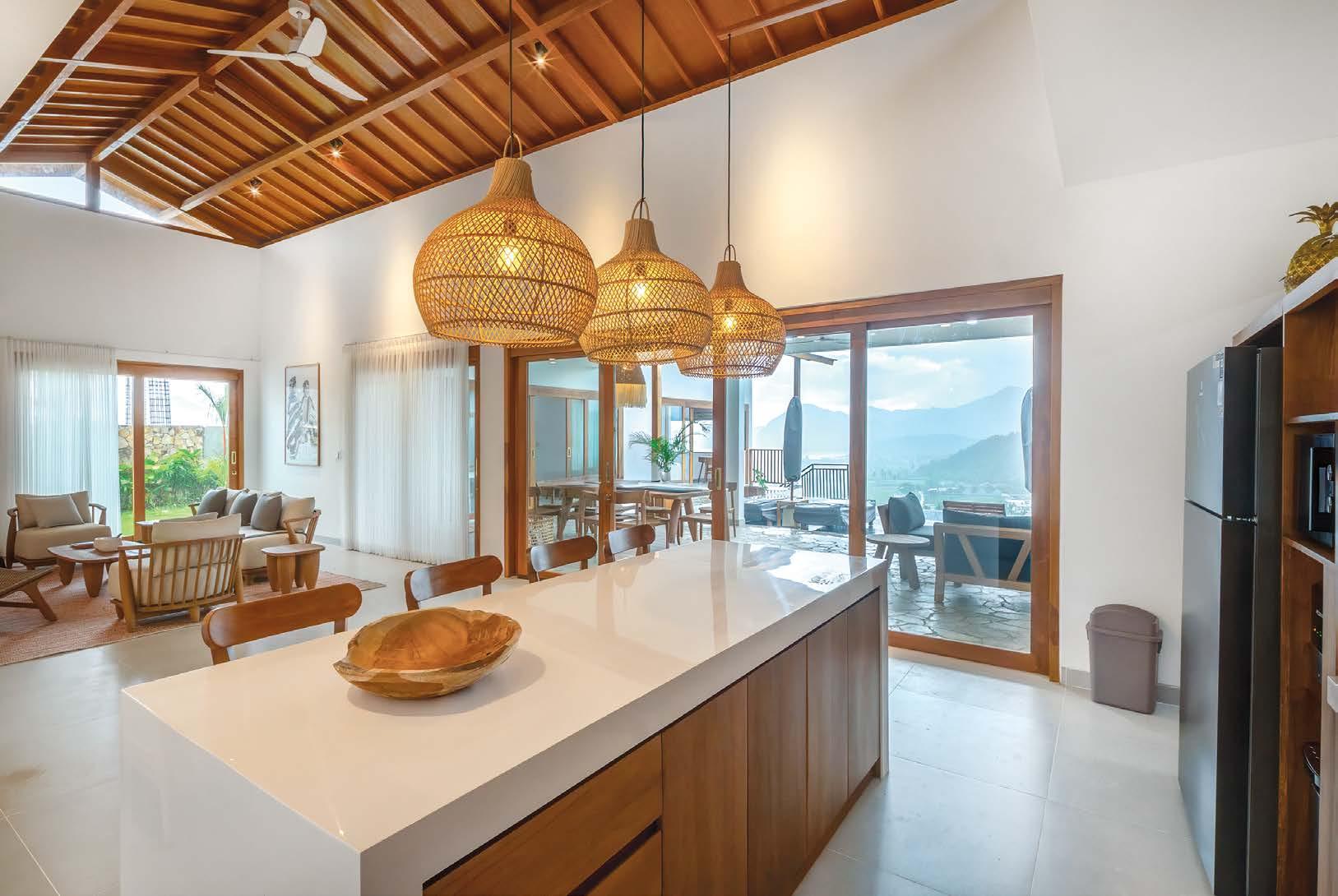
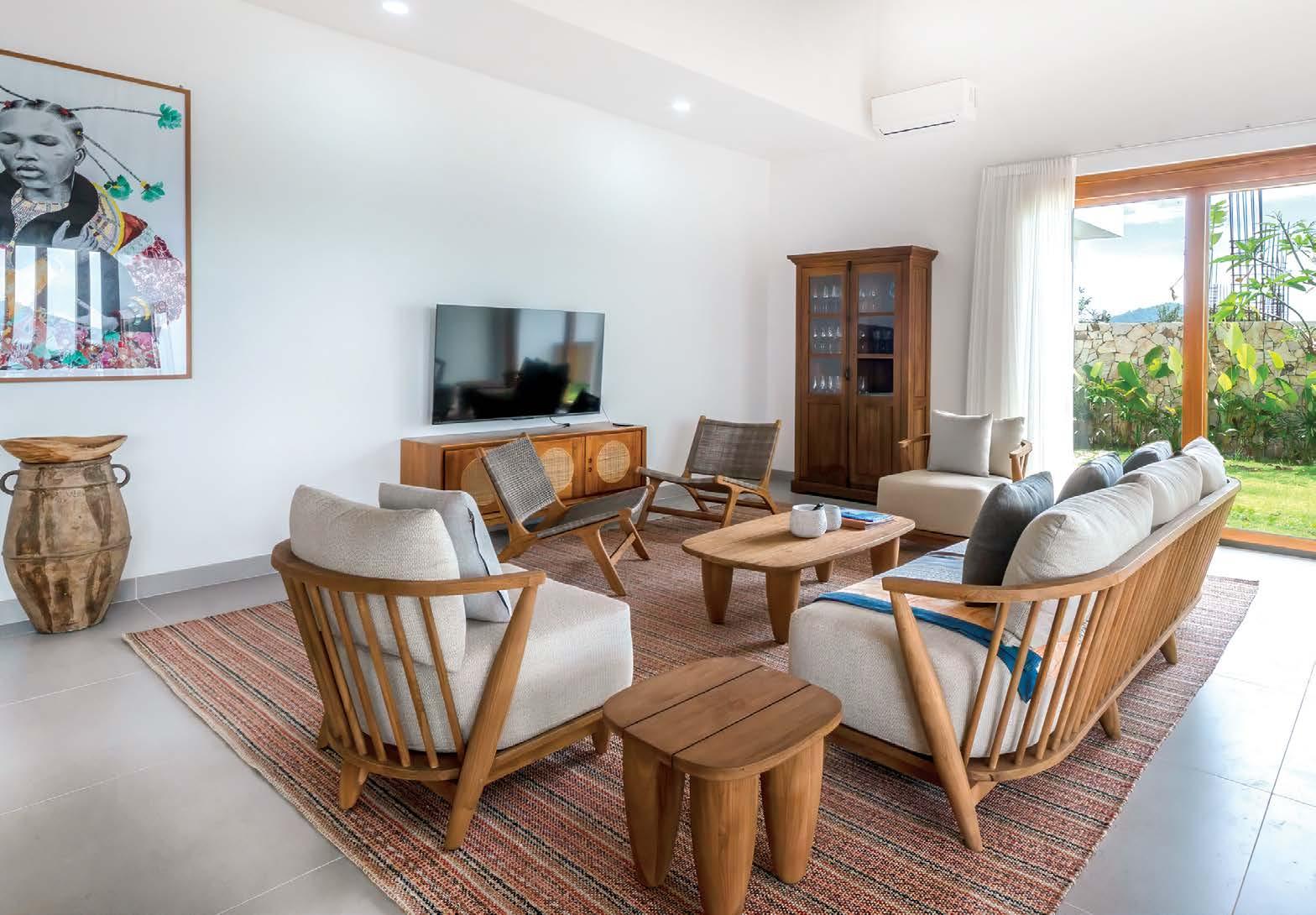
The elegantly modern open-plan concept makes full use of the outdoor scenery from all vantage points, be it the verdant, undulating hills or the beach and seascape. This is enhanced with high ceilings and full-length windows, allowing the natural sunlight to flood the interior. This space also functions as a unified transition point for indoor and outdoor living.
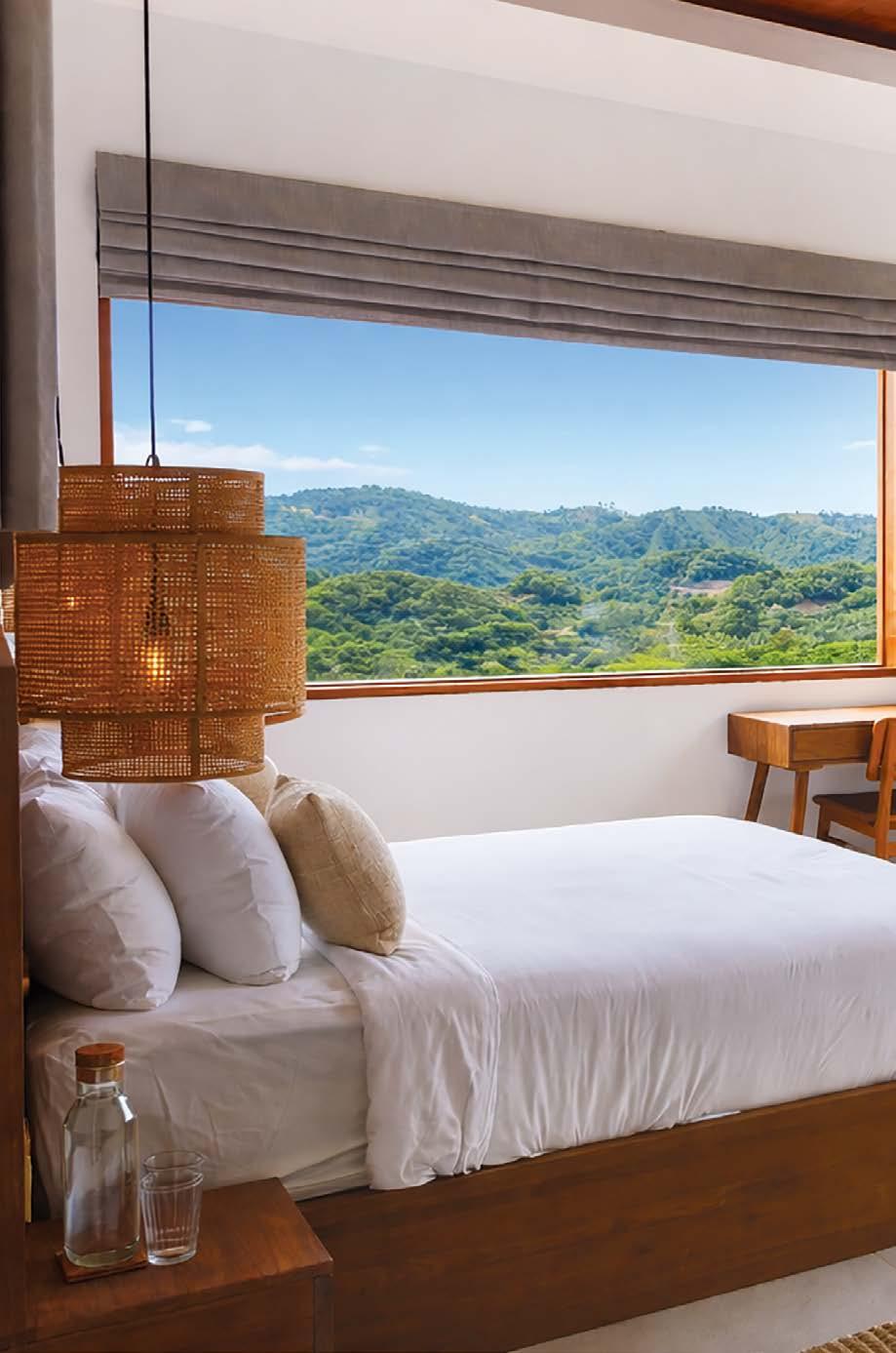
The interior spaces have a distinctive modern tropical feel with sleek lines in natural textures of dark wood, rattan and traditional stone. It feels both ultra-modern minimalist and timeless too. The four-bedroom suites feature plush king size beds in three rooms and two single beds in the fourth, all with sumptuous linens. Each bedroom features a dedicated workspace with a desk, while two bedrooms also include comfortable daybeds for relaxing and taking in the views.
The main open plan lounge and dining area is the main hub of the villa, with several spaces to relax, and socialise. There is an indoor and semi-open lounging space, a fully equipped modern kitchen with a kitchen island and a grand table for formal dining.
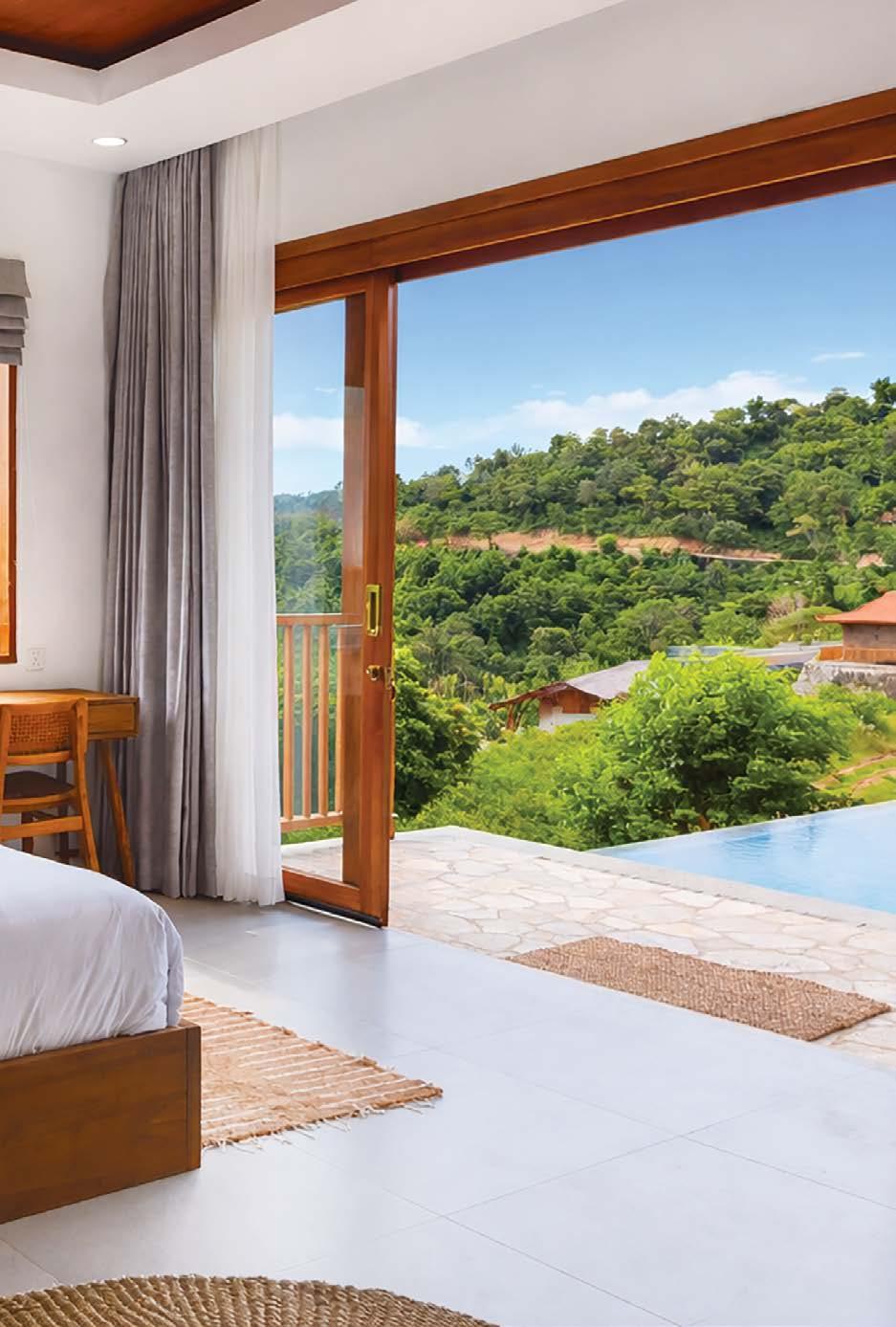
It leads onto an outdoor entertaining deck area featuring a seating area, loungers and daybeds surrounding the inviting infinity pool. With uninterrupted ocean views stretching to the horizon, this is the perfect place to start the day with a refreshing swim, enjoy a leisurely lunch, or unwind with sunset drinks. Seemingly suspended above the hillside, the infinity pool blends effortlessly into the ocean beyond, creating the illusion that water and sky become one.
Despite its open aspect with panoramic vistas of the ocean and hillside, it’s a very private oasis, manned by a professional team of staff. It is connected with Starlink Wi-Fi and it features a Smart TV in the living area and AC and ceiling fans in all rooms, as well as the use of mats for an early morning yoga session on the pool deck or in the garden area.
Iconic Selong Balanak beach is just a short ride away and the villa’s concierge service can arrange local trips to Kuta, the area’s best surf spots or further afield across Lombok.
Villa Uitsig Selong Terraces, Selong Belanak, Lombok Tengah, NTB 83572
Celebrating a 10-Year Journey of Growth and Success
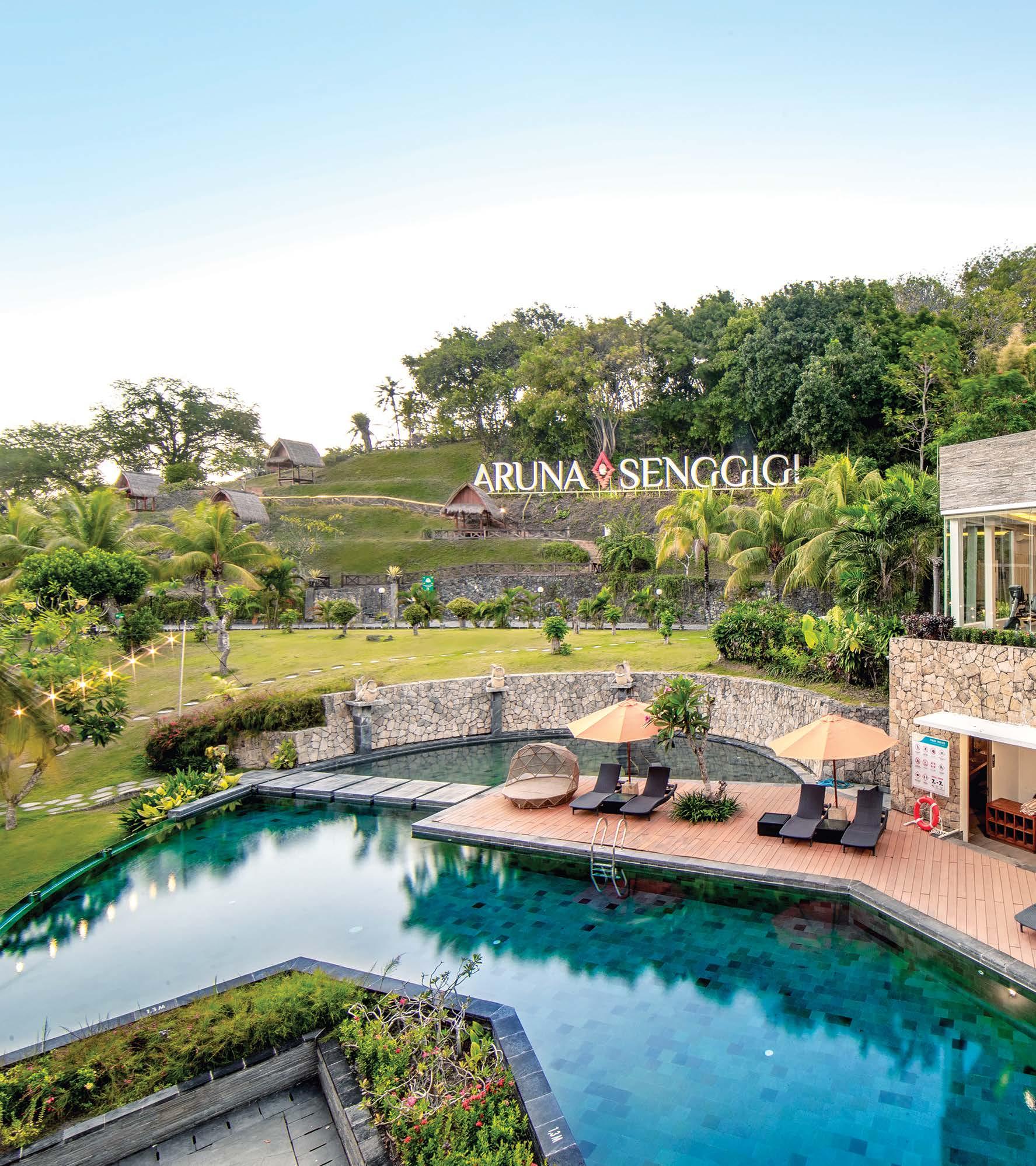
Ten years in the fast-evolving Lombok hospitality scene can feel like an eternity. In this time, new beach hotspots have emerged, there’s been a devastating earthquake, and hot on its heels, the pandemic years, yet Aruna Senggigi Resort & Convention continues to flourish.
It celebrates a key milestone this year welcoming the world to Senggigi’s shores while picking up important acoolades from TripAdvisor and Traveloka along the way. It marks a decade of success under the banner of ‘Tentastic: 10 Years of Amazing Journey,’ showcasing how far it has come, while outlining plans for its next chapter of success.
Aruna Senggigi Resort & Convention has continued to expand its offerings throughout the past decade and now features 136 rooms and suites including garden-facing Superior Cottages, Deluxe Rooms, Executive Suites and a sumptuous Presidential Suite.
Ambitious yet sustainable growth has shaped amenities like a spa, gym, business centre, executive lounge and children's playground. Aruna Senggigi has deservedly become a trusted destination for high profile MICE and social events in Lombok. Its events offering is anchored by Aruna Grand Ballroom and a collection of flexible meeting and conference spaces, which can be adapted for all kinds of business and social events. The latest innovation is Mandura Multifunction, versatile event facility just steps away from the beach, perfect for evocative barefoot weddings and corporate gatherings.
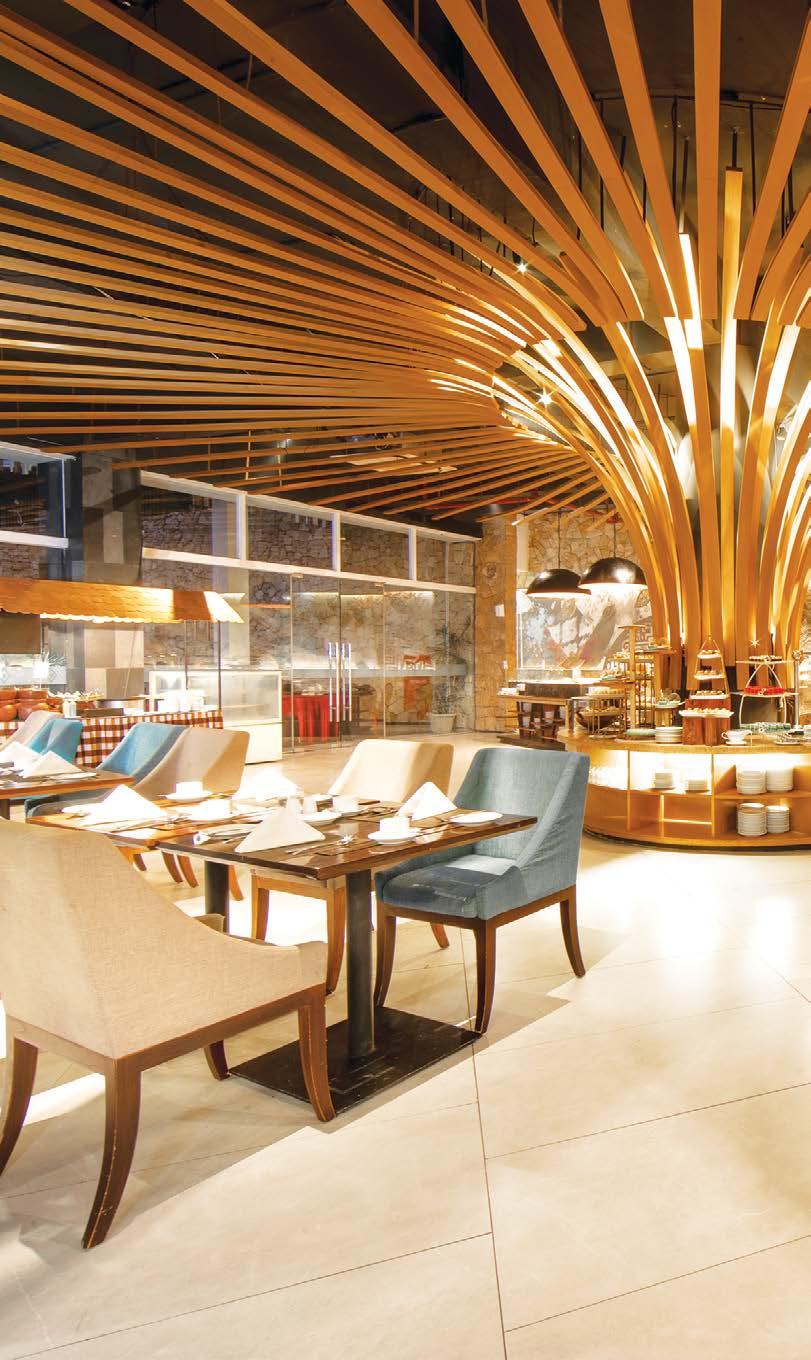
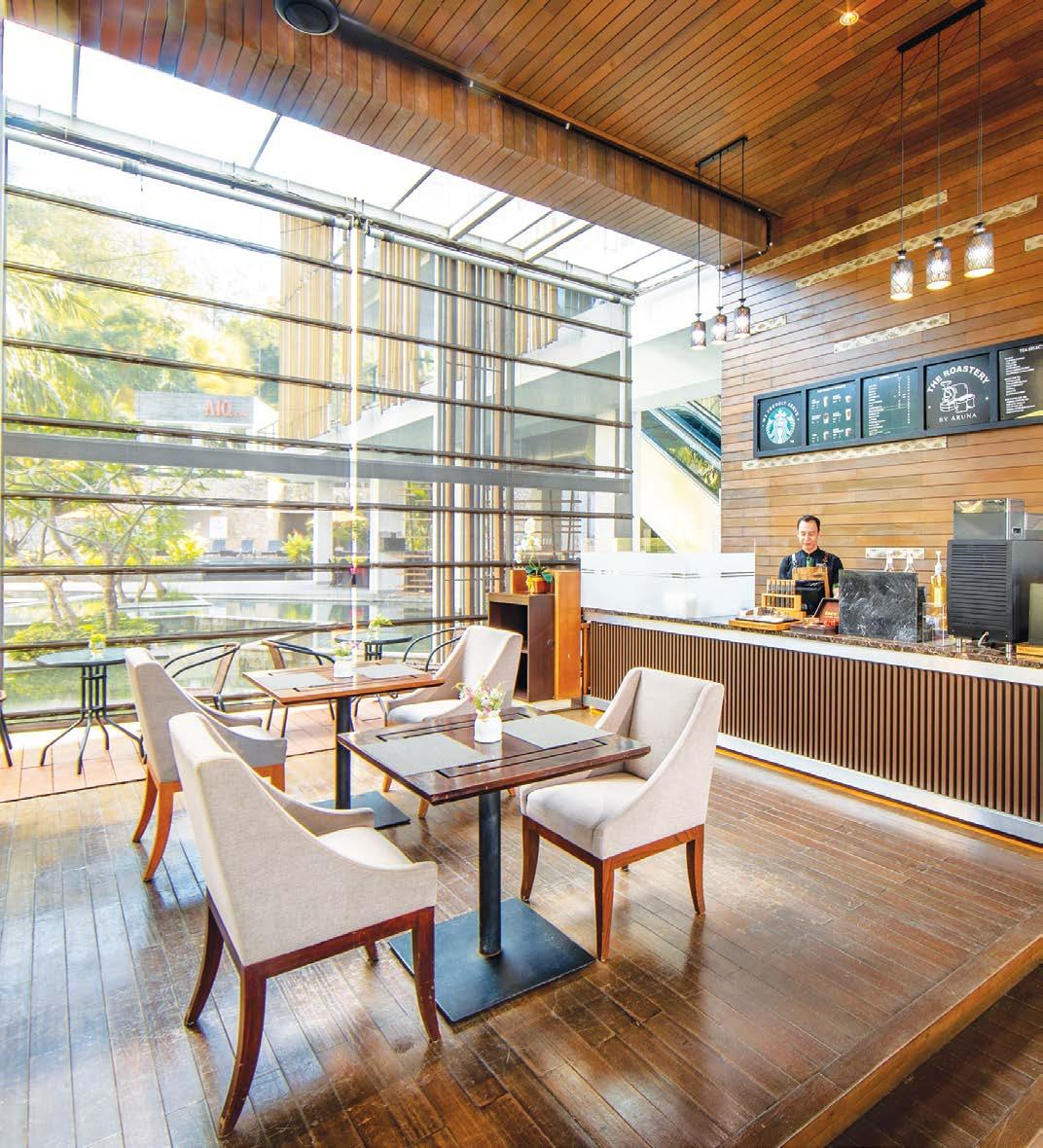
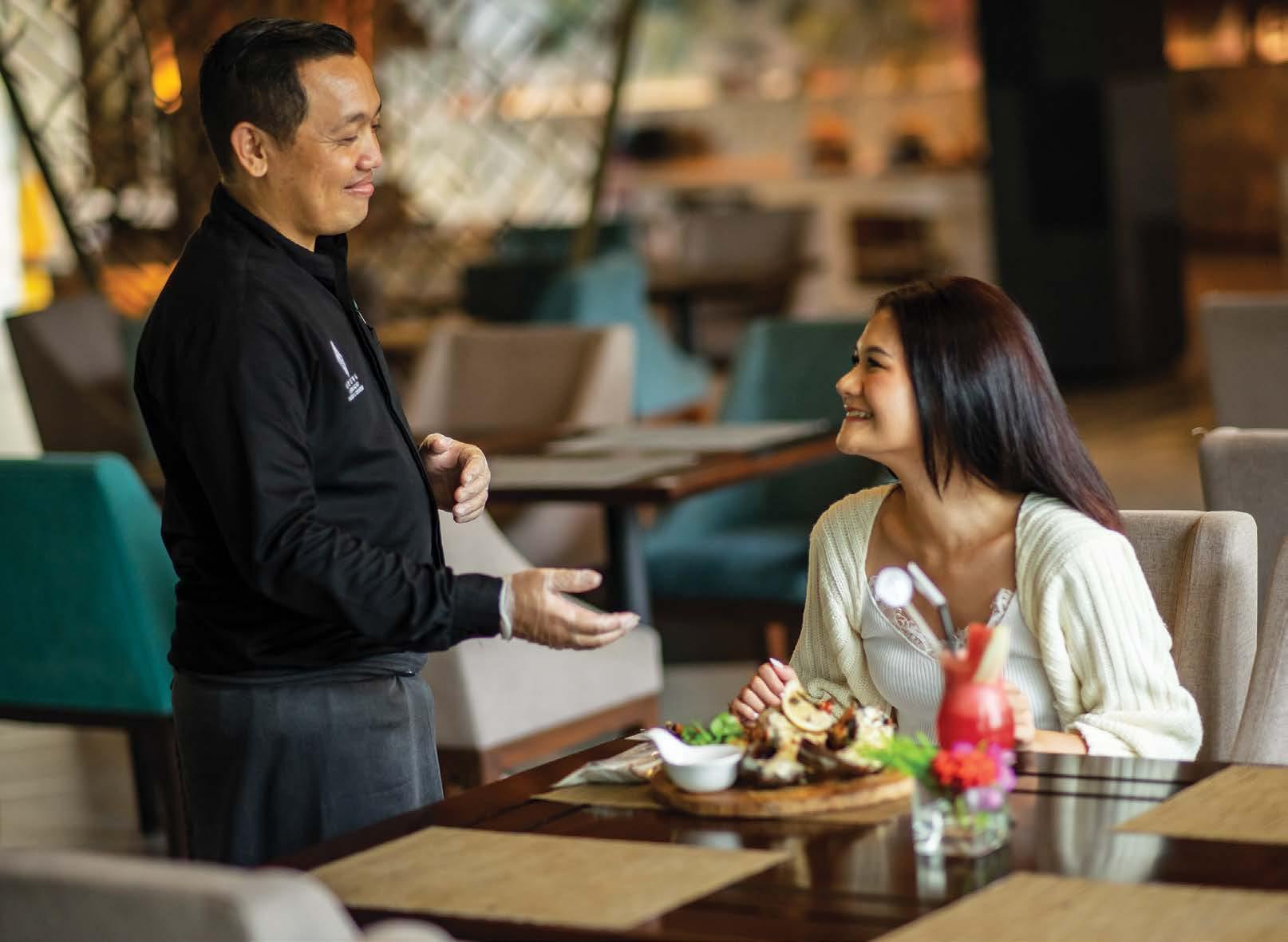
The resort has established its credentials as a first-class culinary destination with an eclectic mix of international and local flavours. It serves up authentic Sasak inspired dishes at Kampung Lombok while Pandan All Day Dining showcases International and Indonesia cuisine. Gather for golden hour at the Rooftop Bar or sip cool libations and snacks at the Pool Bar. The culinary journey is still unfolding with the upcoming unveiling of a new beachfront dining venue. Currently taking shape, it is set to become the largest of its kind in West Lombok.
Located along Senggigi’s undulating coastline, Aruna Senggigi Resort & Convention has perfectly distilled that must have blend of tropical beachfront charm, stylish comforts and authentic Lombok hospitality. The resort has been designed incorporating an eclectic blend of contemporary and traditional architecture, local Sasak sensibilities. It exudes an elegant and welcoming feel, supported by meticulous personalized service for every type of traveller - families on a short staycation, couples, business gatherings and more. In short, this is the same promise which has defined its 10-year journey from the very beginning.
Selo Group Launches a New Dedicated Real Estate Investment Focused Business
Lombok’s real estate market continues involving with more diverse options and more competition. One of the pioneers of premium Lombok real estate development - Selo Group – is embracing the shifting demographics and investment infrastructure with a new dedicated real estate business, Selo Properties. It just launched at www.seloproperties.co
The new division will focus on what it does best: property sales and investment opportunities in South Lombok and beyond. The company’s real estate portfolio features marketing of Selo Suites, sales of land and luxury villas within the Selong Selo Resort & Villas community and land development at Serangan Indah.
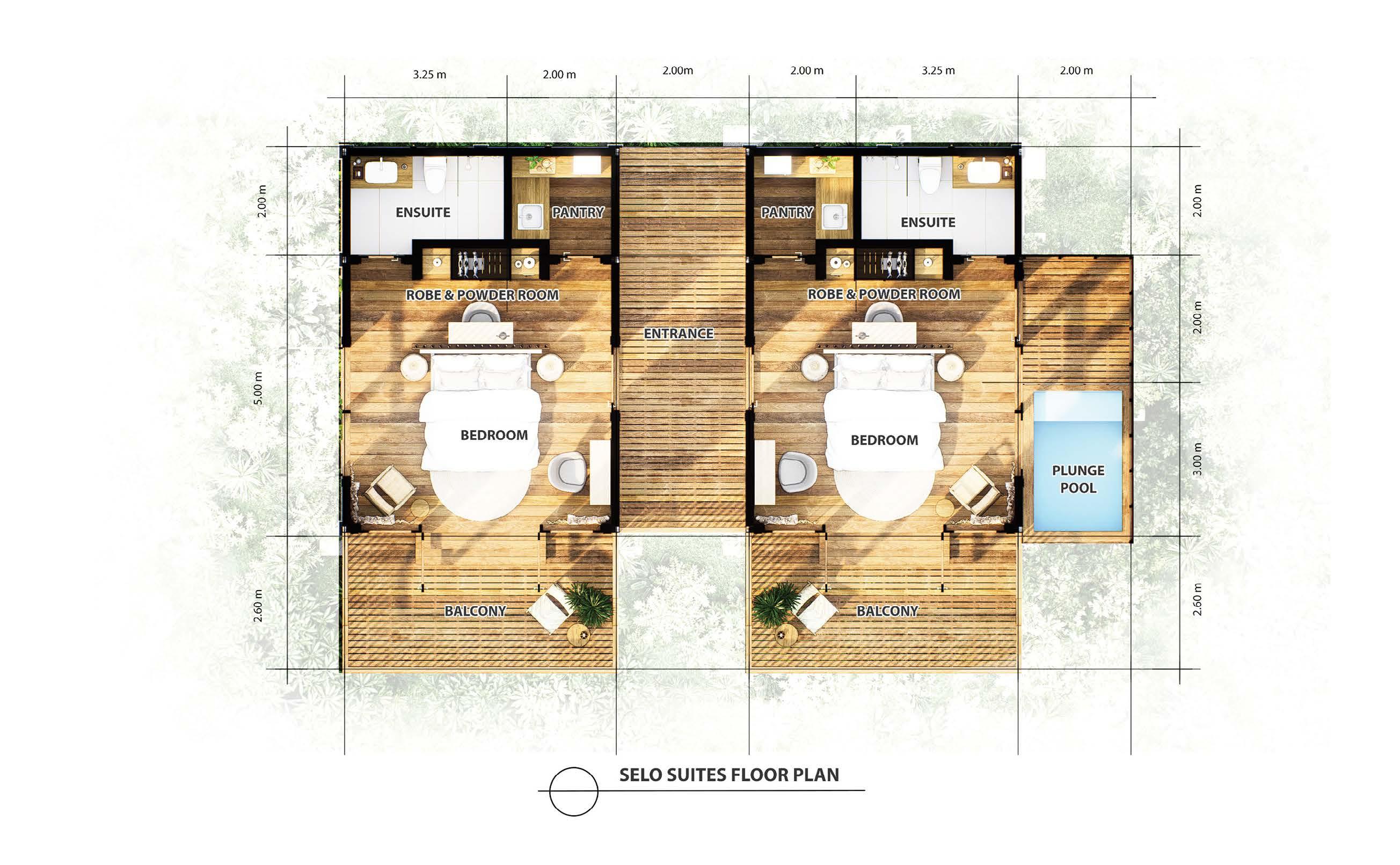
Selo Properties is helmed by newly appointed Head of Sales, Annalise Fleming, who will lead the sales and growth of the Selo Properties brand. Selo Suites is Selo Group’s latest product which officially launched in early May. These one-bedroom villas are situated within Selong Selo Resort & Villas, and priced from $189,000 for a pool villa. With management already set up, this marks a relatively affordable entry into Lombok’s premium property segment with management already in place. These furnished luxury units offer strong capital growth potential for savvy foreign and domestic investors.
The new business entity will also market the Selong Selo Resort and Villas in the well-established luxury resort community. A separate development, Serangan Indah, is another real estate offering managed by Selo Properties. This hillside gated estate is located near Serangan Beach affording fine ocean views. Buyers have access to established legal structures for a private build, small-scale villa development or land banking investment.
The company recognises that property ownership is more than a straightforward investment decision. It is also a personal lifestyle asset that can be leveraged, with flexible usage rights. A Selo Suite owner can personally use their property for 14 nights annually. Selo Group’s business model covers property development and construction, legal structures, and project management, as well as hotel and resort operations.
If there is one thing I have learned from the property market in South Lombok, it is that it never sits still. Every time you think you understand it, it shifts again. Six months into 2026, it has shifted in ways worth talking about, so here is a quick look at what is happening on the ground.
KUTA KEEPS CLIMBING
Commercial land in Kuta has now crossed Rp 1 billion per are (around USD 62,000). That is a number I would not have said out loud a couple of years ago without flinching, and now it is just where the good commercial plots sit. The town has become the centre of gravity for South Lombok, and the pricing reflects it.
What is interesting is what that price pressure has done to how people buy. We are seeing far more leasehold deals in the well-located parts of Kuta than we used to. When freehold land reaches a certain price, leasehold becomes the way buyers get into a location they otherwise could not afford, and plenty of them are happy to make that trade.
THE GOOD PLOTS DO NOT WAIT AROUND
This is the part I want sellers and buyers both to hear. When a genuinely good plot comes onto the market, properly priced with clean documents, it is gone within the first week. Not the first month. The first week.
There are still plenty of plots that sit, and they sit for a reason: the price is wrong, the access is unclear, or the paperwork has a problem. But quality moves fast right now, and if you are a serious buyer, hesitating on the right plot usually means losing it.
RESALE VILLAS HAVE ARRIVED, WITH A CATCH
For the first time, we are seeing a real wave of resale villas come onto the market. Many of them are strong performers. Some have delivered returns above 15 percent for their first owners, which is exactly what people hoped for when they built.
Here is the catch. Buyers are struggling to justify the resale price. When you can buy land and build something to your own taste for a similar number, paying a premium for someone else's finished villa is a harder sell than you might expect. So these villas are good properties, but they are sitting longer than their performance would suggest they should.
THE OFF-PLAN PROBLEM NOBODY WANTS TO SAY OUT LOUD
There is a deeper issue running through a lot of the offplan projects being marketed right now. So much of what is being built is small, because smaller villas squeeze the most profit out of a plot for the developer. That logic works on a spreadsheet, but it misses why people come to Lombok in the first place. They come for space and the tropics, not concrete and a row of packed-together villas. Unless there is a real incentive and the buyer is purely chasing investment returns, a cramped villa is a hard thing to fall in love with, and it shows in how these properties move. The ones that hold their value are the ones that give people room to breathe.
NEW FACES, AND NEW CHALLENGES
The buyer mix keeps broadening, and we are meeting people from markets we did not use to see much of. It is not always a smooth fit. Plenty arrive thinking Lombok will be cheap, and they are genuinely shocked by the prices once they see what good land actually costs here. Lombok is also drastically different from what many of them know, in lifestyle, in pace, in how property and land work, and a lot of the early conversations are really about resetting expectations before anything else. The interest is there. The adjustment takes time.
THE LSD SLOWDOWN
I would be leaving something out if I did not mention the LSD situation. The protected agricultural land issue affecting much of Indonesia has touched South Lombok too, and in certain areas it has slowed the pace at which deals can close. It is not stopping transactions, but it is adding time and complication in the affected zones, and it is something every buyer working with us this year has had to factor in.
CONNECTIVITY IS FINALLY REAL
One bright spot worth flagging. Scoot has increased its Singapore to Lombok service from four to ten weekly flights from June 2026, which means there is now a flight every day of the week and more than one on some days. For a market that depends on easy access, that is a genuine shift. Singapore is one of the region's major hubs, and at roughly two and three-quarter hours' flight time, it puts Lombok firmly within reach as a short-haul destination. Better access feeds straight back into property demand. It always has here.
WHERE THAT LEAVES US
The thing I keep coming back to is that South Lombok is still becoming what it is going to be. Prices are up, buyers are more varied, deals move faster on the good stuff and slower where the paperwork is complicated. None of that is contradictory. It is just a market still finding its shape, and that is exactly why it stays interesting to work in.
If you are thinking about buying or selling here, the rules have not changed even as the market has. Know the area, check everything, and work with people who are actually here. Happy to talk any time.
www.nourestates.com
From Experience to Transformation
The most valuable destinations are no longer the ones we remember. They are the ones that quietly change who we become.
By Ilyas Najim, Managing Director — MMI-Advisors
There are places we remember for their beauty. Others stay with us for reasons far harder to explain. Years after a journey has ended, we rarely recall the dimensions of a suite, the thread count of the linen, or the stone chosen for a lobby floor. Time quietly erases those details. What it preserves are the moments that somehow became part of us.
A conversation that shifted our perspective. A sunrise that reminded us how rarely we allow ourselves to be still. The first wave we ever caught. A shared meal that turned strangers into lifelong friends. A book discovered almost by chance that went on accompanying us long after the journey was over.
Looking back, we realise we did not simply visit those places. They took part, almost imperceptibly, in the people we became.
Perhaps this has always been the true purpose of hospitality. Not merely to welcome people into beautiful surroundings, but to create the conditions in which something meaningful can unfold.
For decades, our industry has grown remarkably skilled at creating experiences. We have designed extraordinary resorts, crafted exceptional restaurants, imagined breathtaking spas, and built destinations capable of inspiring wonder from the very first moment a guest arrives.
Experience remains one of humanity's greatest teachers. It always will. Every meaningful experience leaves something behind. Sometimes a memory. Sometimes knowledge. Sometimes courage. Occasionally, it changes the direction of an entire life.
But the experience itself has never been the destination. It has always been the beginning.
EXPERIENCE IS THE BEGINNING. TRANSFORMATION IS THE DESTINATION.
The distinction may seem subtle, yet I believe it represents one of the most profound shifts hospitality will witness in the coming decades.
For much of the last century, travellers searched for places that were different from home. Today, many of us are searching for something more intimate. We are searching for places that allow us to return home different from the person who left.
That distinction changes everything.
Over the past fifteen years, I have had the privilege of working alongside investors, developers, architects, hotel operators, and entrepreneurs, on projects ranging from financial modelling and asset management to hospitality development and strategic advisory.
For many years, I believed our responsibility was to create exceptional real estate. Today, I see our profession differently.
Real estate is only the visible outcome. What we are truly shaping is invisible.
We shape habits. We shape encounters. We shape rituals. We shape memories. Ultimately, we help shape lives.
This realisation has profoundly changed the way I look at architecture. Buildings are often described as static objects, yet architecture has always been remarkably alive.
A narrow pathway slows our pace before it calms our thoughts. A generous communal table dissolves the invisible boundaries between strangers. Gardens remind us that silence has its own architecture. Libraries quietly invite curiosity. A surf break teaches humility long before it teaches technique. A gym is never simply a room full of equipment; it is a daily conversation with discipline.
Every space carries intention, whether consciously designed or not.
ARCHITECTURE IS NEVER NEUTRAL. EVERY SPACE TEACHES US SOMETHING.
As developers, architects, and investors, we often believe we are making decisions about materials, circulation, proportion, or landscape. In reality, we are making decisions about human behaviour.
The places we shape slowly begin to shape us in return. Without asking permission. Without announcing themselves. Without ever demanding recognition. They simply become part of the rhythm of our lives. And eventually, that rhythm becomes character.
Every generation redefines luxury. There was a time when luxury meant possession. Then craftsmanship. Then exclusivity. More recently, luxury became synonymous with experience.
Today, another transition is quietly unfolding. The greatest luxury may no longer lie in what surrounds us. It may lie in what awakens within us.
We increasingly aspire to live longer, healthier, more intentional lives. Yet longevity itself deserves a deeper reading.
Humanity has always dreamed of extending life. Ancient civilisations searched for mythical fountains of youth. Philosophers reflected on immortality. Scientists now pursue the same aspiration through entirely different instruments.
But perhaps our fascination with longevity has never really been about counting more years. Perhaps it has always been about protecting our capacity to remain curious.
To keep learning.
To keep loving.
To keep moving.
To keep creating.
To keep being surprised by life itself.
Longevity, in its most meaningful sense, is not merely the extension of life. It is the preservation of wonder.
This is where hospitality holds an extraordinary opportunity. Not because hotels should become hospitals, nor because every destination should become a wellness retreat, but because environments shape the quality of the lives lived within them.
A place that quietly invites us to rediscover the joy of movement, the elegance of simplicity, and the intelligence of nature. A place where food nourishes before it impresses. A place that reconnects us with nature rather than distracting us from it. A place where conversation becomes more valuable than consumption. A place where learning feels effortless. A place where children rediscover curiosity and adults remember it.
Such environments quietly contribute to longevity in its broadest and perhaps most beautiful sense. Not simply by adding years to life, but by adding life to years.
WE SHAPE PLACES WHILE PLACES QUIETLY SHAPE US IN RETURN.
Perhaps it is this reflection that led us to imagine Sanctum, a new hospitality project now being developed in Selong Belanak, Lombok.
It is not our largest project, nor do we believe it will answer every question raised in these pages. It is simply our first attempt.
For the past several months, our team of architects, designers, engineers, hospitality specialists, and wellness practitioners has been guided by an idea rather than a masterplan: to create a place where architecture, nature, and community gently encourage people to live with greater intention.
Our conversations rarely begin with buildings. More often, they begin with simple reflections about daily life — how a morning should feel, how movement can become joyful, how spaces can invite curiosity, how work and wellbeing might coexist more naturally.
The buildings matter, of course. But they are only the visible expression of something far less tangible.
Culture.
Rhythm.
Belonging.
Like every meaningful endeavour, Sanctum begins modestly. We believe places, much like people, should be allowed to grow organically—not by chasing scale, but by remaining faithful to the values from which they were born. Whether Sanctum succeeds will never be measured solely by the number of guests it welcomes, but by something far quieter: whether, even for a brief moment, it encourages someone to reconnect—with themselves, with others, and with the world around them.
Perhaps this is the quiet responsibility of everyone who chooses to build. Not simply to create beautiful architecture, but to create the conditions in which beautiful lives can unfold.
Because walls shelter us. Spaces inspire us. But it is the experiences we live within them that ultimately shape who we become.
Perhaps that is the future of hospitality.
Not simply creating places people wish to visit.
But creating places that quietly become part of the way they choose to live.
Two years, one incredible family. What a night it was— good pizza, cocktails flowing, loud music, packed tables, beautiful people, and memories we'll be talking about for years to come.
Thank you to everyone who celebrated with us. From familiar faces and full tables to dancing, photobooth moments, and a party that lasted late into the night, you made our second anniversary truly unforgettable. Here's to many more years of great food, great company, and unforgettable nights. Cheers!
Innit Lombok and Indonesia Biru Foundation Mark World Ocean Day
To mark World Ocean Day, Innit Lombok partnered with Indonesia Biru Foundation to support coral reef restoration in Ekas Bay, East Lombok. The initiative combined reef restoration with community education, reflecting Innit Lombok's ongoing commitment to marine conservation and sustainable hospitality.
This is Lombok!
Lombok’s time is here and now, having finally stepped out of Bali’s shadow, showcasing to the world its unique mix of adventure, pristine natural scenery and captivating art and culture. A new airport, international yacht marina and improved roads have made travel to and within Lombok much easier, but it is its untamed natural beauty and traditional charm that captivates. It is an adventure-seeker’s paradise, home to world-class scuba diving, surfing and mountain climbing yet travellers looking for a cosmopolitan beach lifestyle and luxury creature comforts will not be short of options. Experience the best of Lombok with these recommended highlights and hidden gems:
Senggigi and The West Coast Senggigi, just a short drive from the island capital Mataram is Lombok’s premier beach resort, extending along a series of sweeping bays. The main beach strip is fringed by a wide expanse of sand framed nightly by spectacular ocean sunsets. It is a fairly spread out beach town that rarely feels overcrowded yet there is a broad variety of places to stay, eat and socialise. There is a vibrant expat community here with lots of opportunity for sports and leisure, business networking and searching out those hard to find imported goods. Senggigi is the best place to arrange days out and guided trips to other parts of Lombok. The beach road then winds its way north to upmarket Mangsit, dotted with hip boutique hotels and villas among some of west Lombok’s most captivating scenery. In all, the Senggigi area stretches for almost 10 km along the west coast, and away from the main tourist centre, comprises numerous palm fringed beaches dotted with colourful fishing boats.
Gili Islands
A trio of tiny tropical islands off the northwest coast, known simply as ‘the Gilis’ are the go-to place for laid-back island life and the simple pleasures of sun, sea and superb scuba diving. Each of these three islands has its own distinctive atmosphere; the smallest is Gili Meno, a peaceful tropical island haven with few distractions other than deserted white sand beaches and a couple of chilled out beach bars. Legendary ‘party island’ Gili Trawangan is largest and most cosmopolitan of the Gili Islands with no shortage of swanky boutique villas, diverse dining and plenty of action after dark. Gili Air, located closest to the Lombok mainland, sits somewhere in the middle of these two extremes and has the most authentic local atmosphere. The enduring appeal of the Gili Islands is the refreshing absence of any motorised transport making for a pleasant alternative to Bali’s congested beach resorts. Scuba diving is still the main draw and it is one of Asia’s top spots to learn the basics and get qualified. For landlubbers, there are few better places to get horizontal on a tropical beach and soak up the unique island vibe.
Kuta and South Lombok
Like its namesake in Bali, Kuta Lombok is synonymous with world-class waves but thankfully without the hassle of 24/7 traffic and infuriating beach hawkers. In fact, Lombok’s south coast surf breaks are more than a match for the best in Bali, and savvy surfers are heading here to enjoy miles of uncrowded, adrenaline-fuelled waves. Kuta, invitingly close to Lombok’s new international airport, is the main tourist hub yet remains a fairly tranquil tropical haven favoured by both surfers and adventurous families. It makes for a great base for exploring the rugged southern coastline dotted with numerous breathtaking beaches. Scenic highlights include up-andcoming Tanjung A’an, Gerupak and isolated Ekas Bay.
The Southwest
Lombok’s ruggedly beautiful southwest peninsular is largely unexplored by visitors but is now getting serious recognition with the discovery of superb offshore scuba diving and miles of deserted beaches. The main gateway is Sekotong Bay, located just south of Lombok’s main ferry port Lembar and is the jumping off point for Lombok’s ‘Secret Gilis.’ These small offshore islands feature pristine coral reefs and idyllic tropical beaches for a real castaway experience. Heading south, the coastal road winds its way past tiny fishing communities and secluded bays all the way to the tip of the peninsular where the legendary surf breaks of Bangko Bangko (Desert Point) are found — rated among the best in the world.
Mount Rinjani
For an alternative to surf, scuba and sandy beaches, a trek up the immense Rinjani volcano is hard to beat. At over 3,700 meters, this is Indonesia’s second highest volcano and makes for challenging 3–4 day trek but the views are definitely worth all the effort. The mountain dominates much of north Lombok and the caldera alone covers a mind-boggling 50 square kilometres. Most climbers only go as far as the crater rim which offers vertigo-inducing views down into the volcanic lake but the extra effort to get to the summit will be rewarded with views as far as Java and eastwards across to the island of Sumbawa. If this all sounds too arduous for comfort, the mountain’s foothills offer a wealth of leisurely hiking opportunities. Head to Senaru village for easy-going walks through remote weaving villages and dense jungle to uncover a succession of scenic waterfalls.
THE DIRECTORY
EAT
Senggigi and the West Coast
Asian Tiger
+62 817 399 666
Kayangan
+62 8214 4404 046
Verve Beach Club
+62 878 6451 1311
La Chill
+62 878 9273 4182
NooQ
+62 821 4732 7446
Qerang
+62 821 4732 7446
Quali
+62 821 4732 7446
Salt
+62 8234 0979 003
The Pearl—Jeeva Santai
+62 3706 1971 23
Waroeng—Jeeva Klui
+62 8779 8043 859
Kuta and South Lombok
Amber
+62 853 3875 3290
Ashtari
+62 811 388 4838
Boni Beach
+62 823 3943 0612
Chez Marlin
+62 822 5844 3170
Damonte Gelato
+62 878 3709 7570
Disini
+62 813 3842 4605
Klub Kembali
+62 817 977 7701
LA CABAÑA
+62 859 2158 9690
La Fama
+62 895 0523 6729
Laut Biru
+62 821 4430 3339
Mama Pizza
+62 812 4659 0212
Mango Rooftop
+62 853 3777 0451
Nohi
+62 812 3715 8418
Origin
+62 821 4446 9996
Papi Sapi
+62 823 4217 3719
Pronto Pizza
+62 812 7777 3977
Pullman
+62 370 7525100
Segara Lombok
+62 823 4096 3101
Soiree
+62 851 8315 8089
TAKU
+62 819 1595 0318
Tanah
+62 811 9631 0196
Terra
+62 859 3663 3130
The Breakery
+62 811 381 2124
The Club House
+62 812 2662 9106
The Emporium Collection
+62 813 3283 3047
The Garden Collective
+62 853 3841 0214
The Well
+62 822 6642 5518
Three Sisters
+62 823 3943 4472
Tree House +62 821 4488 8710
Tropik
+62 877 9804 3859
Gili T
Fat Cats
+62 8533 7156 982
Kayu Café
+62 878 6239 1308
La Cala
+62 8177 2852 855
L'Osteria Dell'Isola
+62 8180 5771 375
Pearl Beach Lounge
+62 819 9715 6999
Pearl Sunset Resort
+62 8113 9009 050
Pesona Lounge
+62 8133 8088 963
Regina Pizzeria +62 8776 5066 255
The Banyan Tree +62 8789 8524 709
The Roast House +62 8174 9160 04
Gili Air
Gili Coffee Roasters +62 859 6034 2360
Kopi Susu +62 821 4737 1516
Pachamama Cafe + Cantina +62 821 4649 5915
Papaya Beach Club +62 819 0784 7382
Gili Meno
BASK +62 812 3764 7471
PLAY
Spas and Wellness
Senggigi and the West Coast
The Sira +62 370 7525555
Kuta and South Lombok
Ashtari Yoga +62 812 3892 0735
Kensho Spa +62 813 3282 5878
Mana Yoga Retreat +62 853 3862 8659
Moon Lombok +62 823 4028 0029
Gili T
Azure Spa +62 823 3910 4881
YOU SPA +62 821 4456 7093
Retail Kuta and South Coast
Anggrek Lombokensis - florist +62 877 3884 5107
Billie’s +62 877 8422 9426
Nine-Nine +62 823 4027 1064
Health & Leisure / Recreation Senggigi and West Coast
Scuba Froggy +62 878 1633 5000
Kuta and the South Lombok
360 Surf Academy +62 853 3895 5800
Ashtari Cooking Class
+62 811 388 4838
Awan Paper
+62 822 6601 0423
Blue Marlin Dive
+62 823 4098 6987
Nine-Nine
+62 823 4027 1064
Ocean Addicts Lombok
+62 813 5332 5630
Scuba Froggy
+62 878 1633 5000
Gili T
Dive Central
+62 812 29569183
Gili Divers
+62 821 4789 0017
Lutwala Dive
+62 859 5521 6926
Estate
Kuta and South Lombok
7Palms
+62 817 1729 2980
Atrium Lombok
+62 811 3900 7500
NAGAINDO
+62 813 5332 9501
Nour Estates
+62 853 3713 3898
Seascape +62 813 3820 4672
Gili Islands
Palm View Properties
+62 823 4164 7242
STAY
Hotels
Senggigi and West Coast
Jeeva Klui
+62 370 693 035 www.jeevaklui.com
Kebun Villas & Resort
+62 370 692 999 www.kebunresort.com
Living Asia Resort & Spa +62 370 693 519 www.livingasiaresort.com