To give all children the opportunity to live a healthy and fulfilled life.
Murdoch Children’s Research Institute acknowledges the Wurundjeri people as the Traditional Owners of the land on which MCRI is located. We pay our respects to their Elders, past and present.
Welcome to MCRI’s Prospectus
We are delighted to share with you an insight into the leading research conducted at Murdoch Children’s Research Institute (MCRI) to improve the health of children around the world.
As you explore this document, we invite you to imagine the difference your support could make. By investing in child health, you are helping to diagnose diseases earlier, improve treatments and bring hope to families who need it most.
The funding opportunities highlighted in this year’s Prospectus represent just a small sample of our work and have been carefully selected to align with MCRI’s Strategic Plan, reflecting the shared values and vision of supporters like you.
Your generosity provides the foundation for sustainable research. It ensures our researchers have the tools, resources and environments they need to succeed. Each funding opportunity outlined here includes both the direct costs and contributions to the infrastructure required to support these initiatives. We invite you to discover how you can be part of our journey to give all children the opportunity to live a healthy and fulfilled life. Every gift helps us create lasting change. For more information on how you can get involved, please reach out to our team.
Thank you for considering supporting our research. We hope you enjoy learning about some of our work and discovering how you can play a meaningful role in advancing child health research.
Image left: Melbourne’s biomedical precinct located on Wurundjeri land
Photo credit Peter Glenane HiVis Pictures
Stem Cell Medicine
A message from the Director
At Murdoch Children’s Research Institute (MCRI), we are driving a new era in medical research – where innovation, cuttingedge technology and visionary thinking shape a healthier future for children, both in Australia and around the world.
As medical advances accelerate, we remain at the forefront, committed to delivering research that transforms child health. Our team is focused on solving the major challenges that affect children and their families today. Each breakthrough paves the way for future innovation. By investing in forward-thinking research, we are helping shape the future of child health on a global scale, ensuring better outcomes for all children.
Thanks to the ongoing support of our community, MCRI is proud to be ranked among the top three child health research institutes globally. This reflects our shared commitment to improving children’s lives.
MCRI was founded by Dame Elisabeth Murdoch AC DBE, Professor David Danks AO and a community of visionary philanthropists, who shared a common belief in the value of transforming children’s health. Today, that same spirit of generosity and forward-thinking continues to propel MCRI as a global leader in child health research.
When you invest in MCRI, you are investing in groundbreaking research that will have a profound, lasting impact on the lives of children everywhere.
The future is bright and I am excited about all we will accomplish together in the years ahead.
Professor Kathryn North AC Director, Murdoch Children’s Research Institute
Investing in our children’s future
“Having been part of MCRI for more than 25 years, I have had the privilege of witnessing world-first breakthroughs in children’s health –discoveries that have transformed lives across Australia and around the world. Every day, I am inspired by our research team’s relentless drive to improve children’s health.
MCRI’s research is truly leading the way, setting new global standards in medical research and making an extraordinary impact.
I know Dame Elisabeth would be immensely proud of the legacy we continue to build. Her passion for children’s causes and philanthropy remains a guiding force, inspiring everything we do.
None of this progress would be possible without you. Your support drives innovation, fuels discovery and changes lives. Thank you for being part of our journey.”
Sarah Murdoch MCRI
Board (Co-Chair), Global Advisory Board (Chair) and Global Ambassador, Murdoch Children’s Research Institute
“MCRI’s researchers are on the frontline of discovery, driven by a desire to find solutions for our children. Yet, their progress is often slowed by the need to secure funding, time that could otherwise be spent advancing life-saving research.
This is where we come in. Our support can empower these dedicated researchers to achieve breakthrough discoveries without being distracted by a lack of funding.
Collectively, we can help in creating a lasting legacy of progress and hope.”
Miffany Blythe MCRI Board Member,
Development Board (Chair) and Global Advisory Board Member, Murdoch Children’s Research Institute
Top three
1,800+
150 child health research institutes worldwide for research quality and impact*. One of the world-leading researchers working across more than research partners and 11,989 22,876
124 collaborations across diseases. countries.
World-class facilities, laboratories, and research equipment unlocking new frontiers of discovery and innovation.
Located within a globally renowned biomedical precinct of 48,000+ employees and 40+ biomedical organisations in Melbourne, Australia.
*Clarivate Performance analysis and MCRI benchmarking report, November 2023
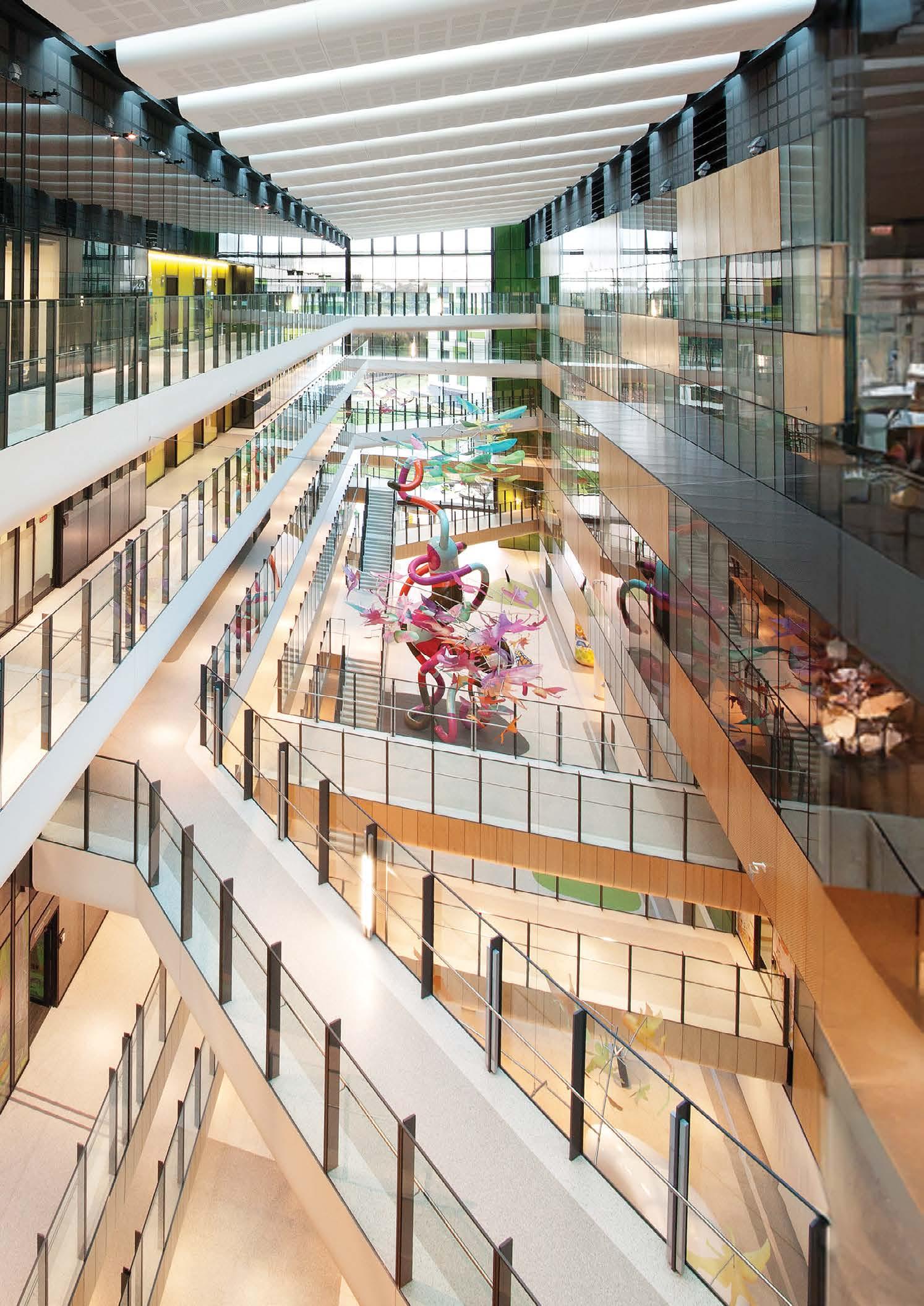
Image: Murdoch Children's Research Institute, based within The Royal Children's Hospital in Melbourne, Australia.
Photo credit John Gollings
World-leading research changing the lives of children around the globe
Groundbreaking rotavirus discovery
Discovered human rotavirus, providing protection to millions of children against deadly gastroenteritis. Licensed a new rotavirus vaccine for newborns, extending this protection to their most vulnerable stage.
Life-saving allergy interventions
Making peanut oral immunotherapy standard care for children to increase remission rates.
Life-changing dwarfism treatments
Helped children with severe dwarfism grow at typical rates and successfully trialled drugs to reduce sudden death risk.
World-first mini kidneys grown from stem cells
Pioneered growing mini kidneys from stem cells, revolutionising kidney disease research and treatment discovery.
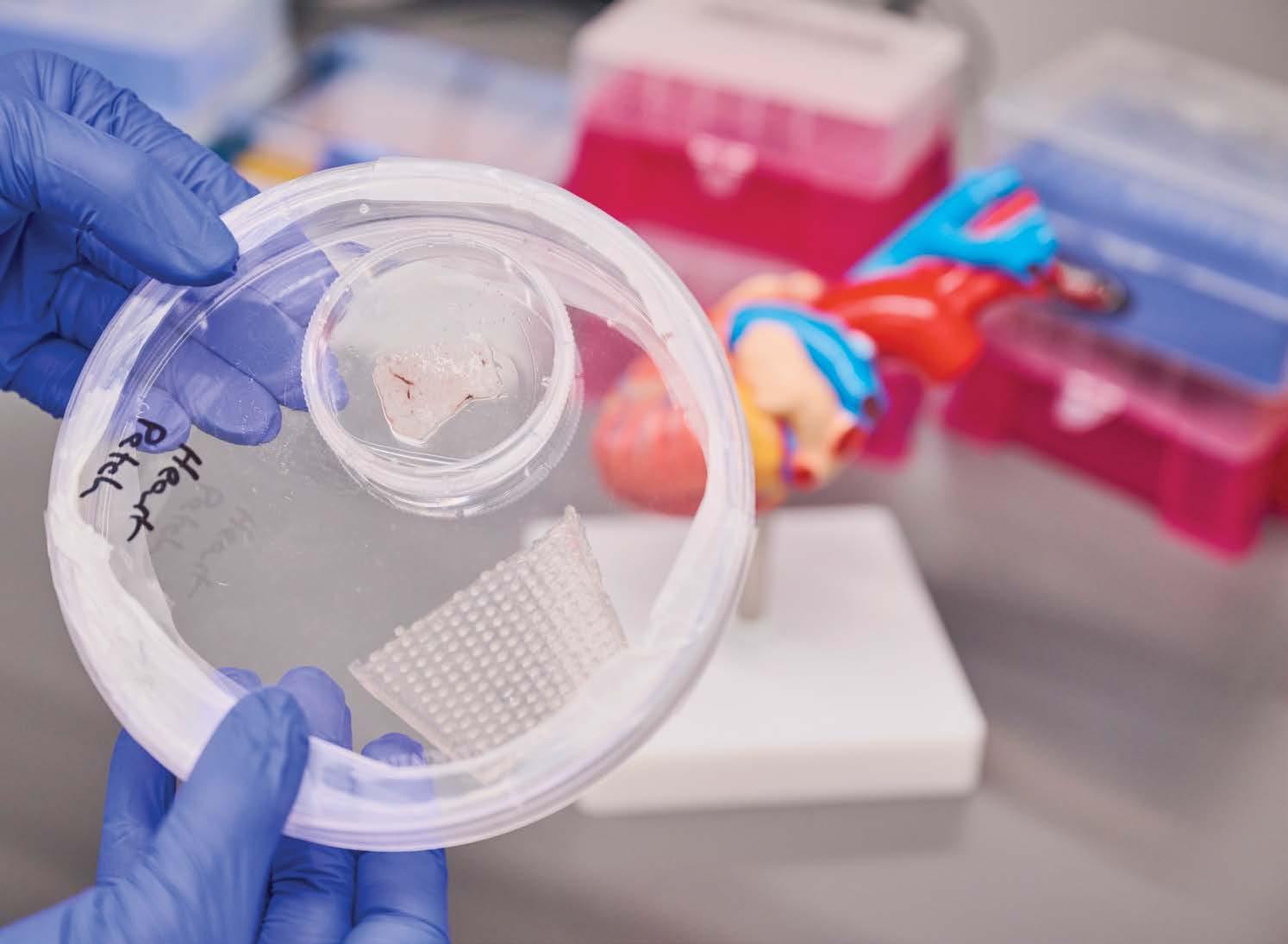
Image below: Bioengineered heart tissue patch in an MCRI Laboratory
Elimination of disease on a national scale
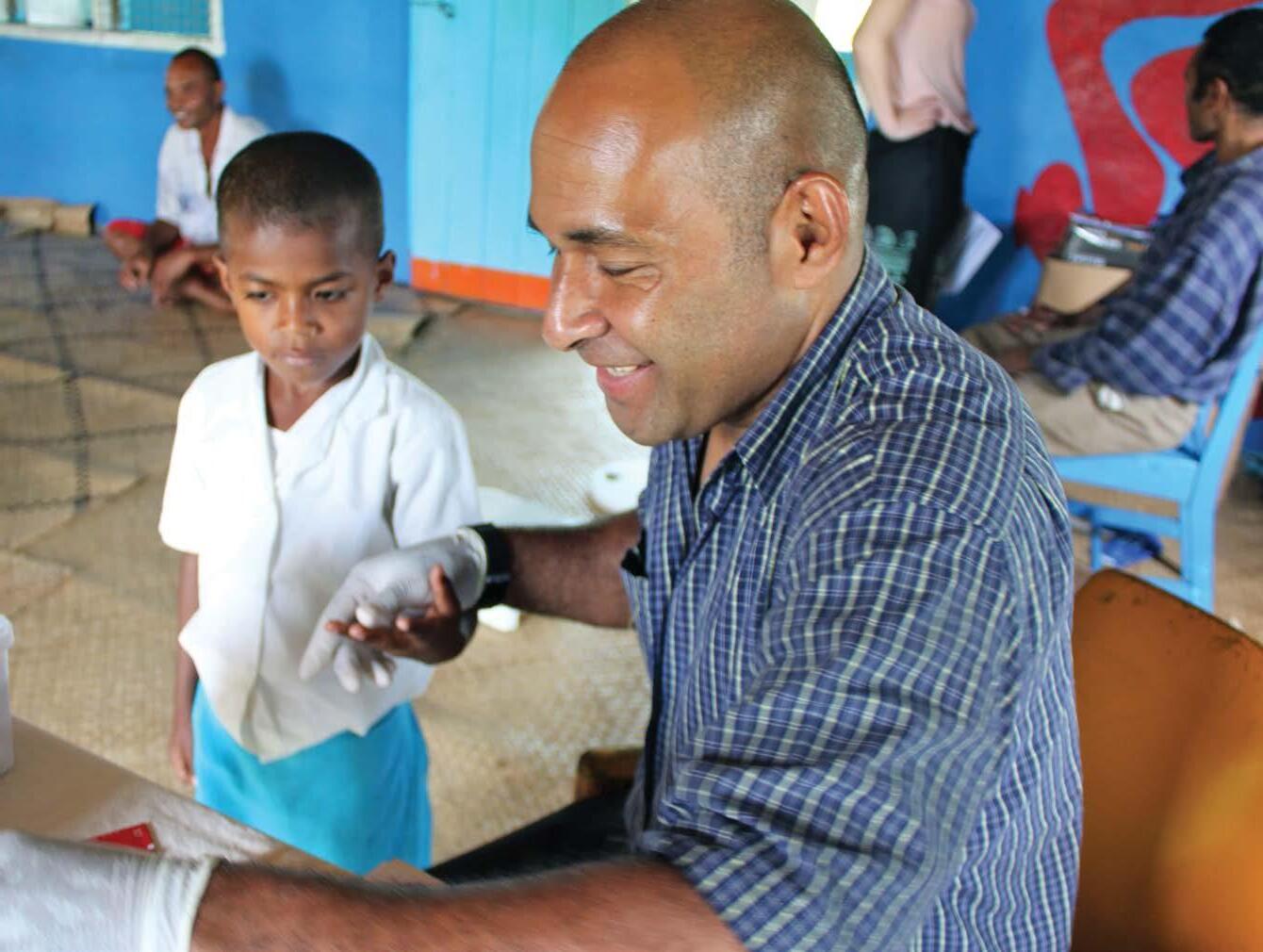
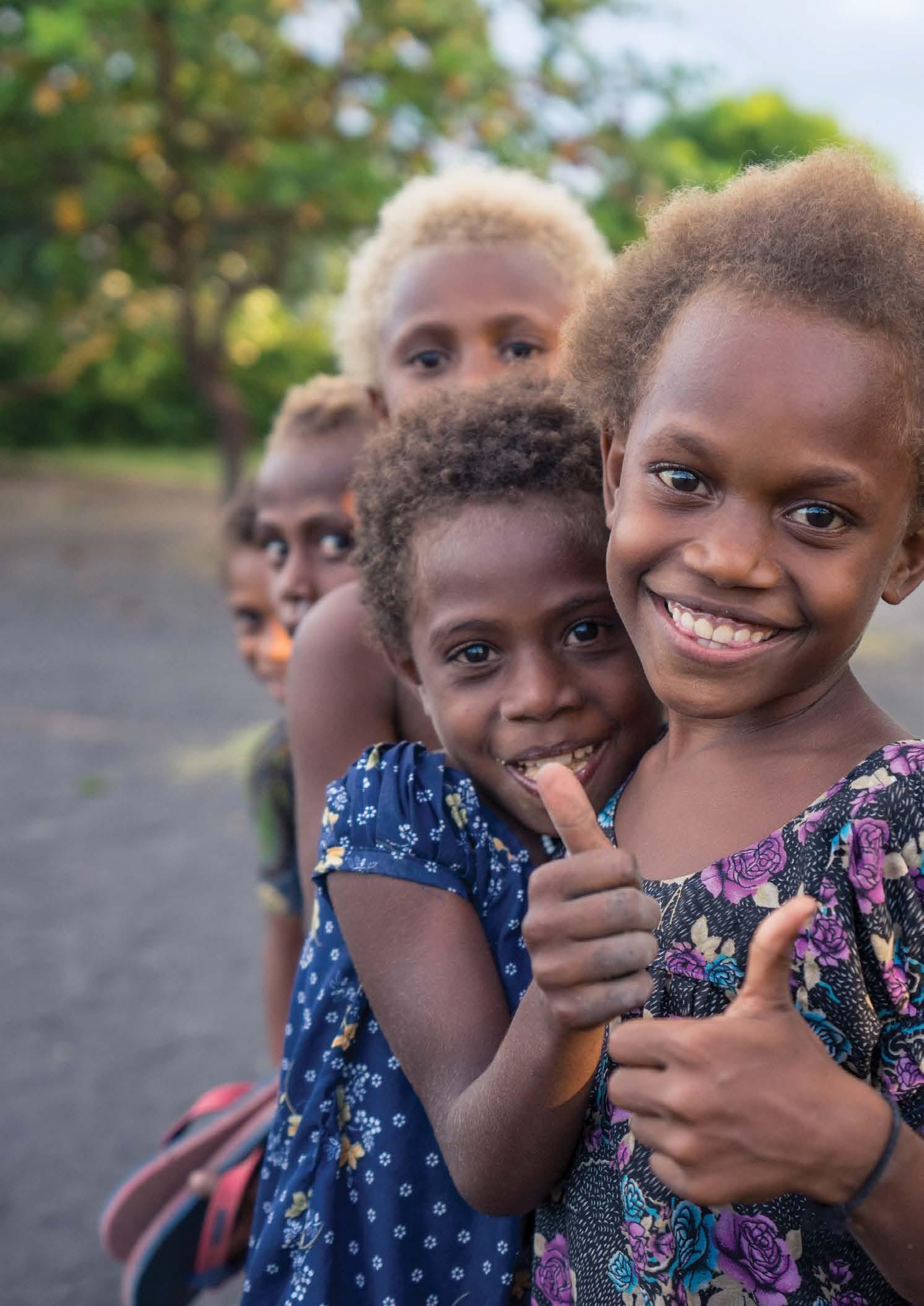
Reduced scabies prevalence in the Solomon Islands and Fiji, improving quality of life, school attendance and future health outcomes.
Image above: MCRI-led administration of anti-parasitic drug, Ivermectin, in Fiji.
Global leader in concussion research
Spearheaded concussion guidelines and developed the HeadCheck app for better diagnosis and recovery management.
Revolutionising rare disease diagnosis
Led the Acute Care Genomics study, showing that rapid genomic testing for critically ill babies can provide life-saving answers in under three days.
Our story
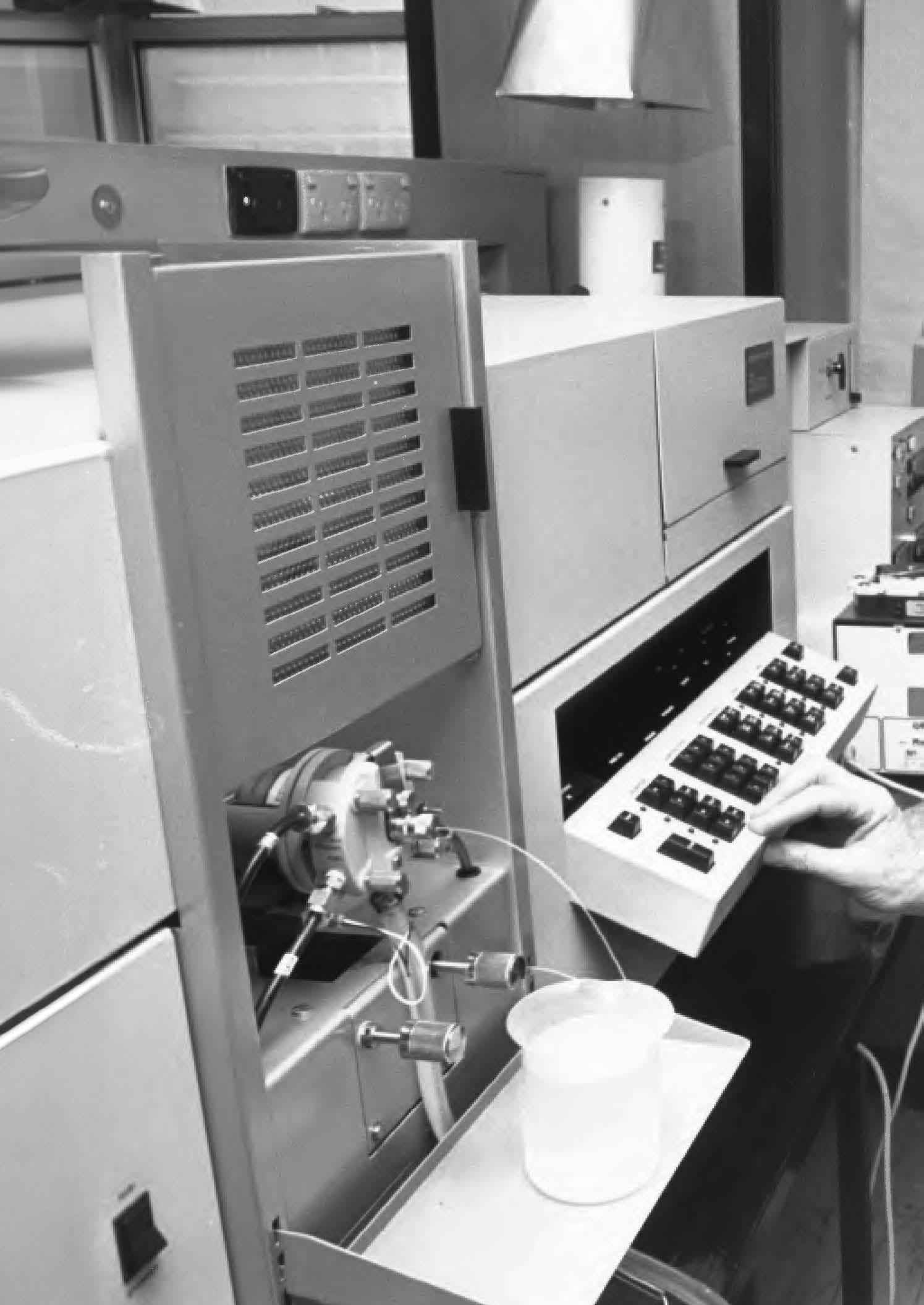
Our story began in 1986 when paediatrician Professor David Danks AO established the original Murdoch Institute with the support of Dame Elisabeth Murdoch AC DBE, her family, and other visionary philanthropists, including the late Sir Jack Brockhoff, Scobie and Claire MacKinnon Trust and the Miller family.
Professor Danks’ vision for an independent genetic research institute expanded from a handful of researchers to become a world class centre for genetics research and clinical genetics services. The formation of the Institute crystallises a rich history of child and adolescent health research on the campus, dating back to 1936 when the first Medical Research Committee was formed within The Royal Children’s Hospital.
In the early 2000s, under the leadership of Chair, Mr Laurie Cox AO, and Director, Professor Bob Williamson AO, the Murdoch Institute and The Royal Children’s Hospital Research Institute merged to form Murdoch Children’s Research Institute, with a broader focus on child health research, including public health and clinical research.
Dame Elisabeth Murdoch AC DBE
As a founding member of the Institute in 1986, Dame Elisabeth Murdoch’s unparalleled generosity has empowered the Institute to enhance the health and wellbeing of children worldwide. Alongside Professor David Danks, Dame Elisabeth stands at the heart of MCRI.
Until her passing in 2012, Dame Elisabeth played a pivotal role in overseeing the Institute, contributing as a generous philanthropist and esteemed patron. Her influence reached people from all walks of life – from politicians and business leaders to families and children – inspiring them to discover the joy of giving and championing the importance of medical research. She possessed the foresight to recognise the significance of investing in and developing genetic research, even during the early stages of this field.
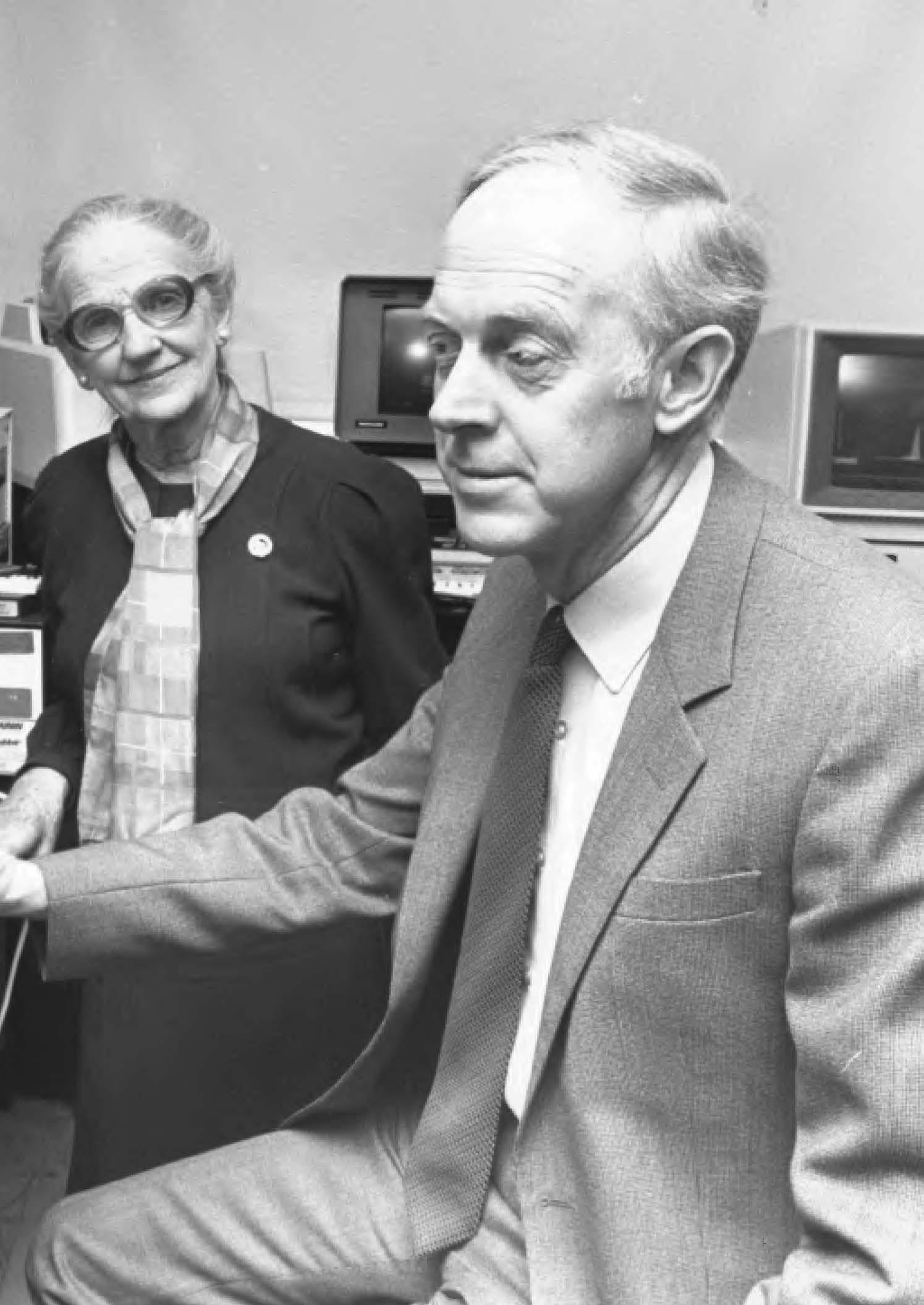
Image: Co-founders Dame
Elisabeth Murdoch AC DBE and Professor David Danks AO at The Murdoch Institute for Research in Birth Defects
“The
career of a scientist is not an easy one and it is definitely not for all of us, but they depend on our generosity. We must do all that we can within our own capacity to help them in our quest for knowledge.”
Dame Elisabeth Murdoch AC DBE Co-Founder, Murdoch Children’s Research Institute
Our future
Driving bold, strategic research for the future of child health
The future of child health is at a pivotal crossroads. Children today are facing unprecedented challenges, from rising mental health issues to chronic diseases, social inequalities and environmental disruptions that will shape their futures. The stakes are high and the need for action is urgent. At MCRI, we are harnessing groundbreaking technologies, advanced data systems and the brightest research talent to lead this transformation.
But we cannot do it alone.
To revolutionise child health on a global scale, we need bold investments now to ensure that the solutions we uncover today will shape the future of healthcare for generations to come. Philanthropy is the catalyst for this change – your support is the key to driving this monumental shift. By joining us, you are helping us create a healthier future for all children.
The future is now and you can be a part of it.
One in three
children are overweight or obese, with increased risk of diabetes and cardiovascular disease.
One in five
One in seven
children are growing up in a disadvantaged environment and starting school with two or more developmental difficulties. children have mental health issues.
One in 10
children have serious food allergies.
One in 12
babies are born with a “rare” genetic disease.
One in 10
children in the poorest countries die before the age of five years.
Generation Victoria (GenV): Transforming the health of future generations
GenV is the most comprehensive and ambitious child health project in Australia and one of the few globally with the potential to reshape child health at a population level.
GenV has now recruited around 125,000 participants (including 50,000 Victorian children), creating one of the world’s largest intergenerational birth cohorts.
Embedded in every community and all services throughout Victoria, the cohort fully represents the demographics of our state, including those usually underrepresented in research.
GenV is designed both for new discoveries and to test new interventions that can be readily translated into services and policy decisions, leading to better prediction, prevention, treatments and services, and greater equity.
GenV aims to push the boundaries of transdisciplinary research, driving solutions to today’s most pressing questions, from molecular science to the macro-influences on population health and wellbeing. By supporting GenV, you are investing in transformative solutions that have the potential to reshape health systems, prevent chronic disease and reduce inequalities for children everywhere. The impact is not limited to Australia – it will set a new global standard for how we tackle child health and development on a mass scale.
Investment required AU$30M over four years
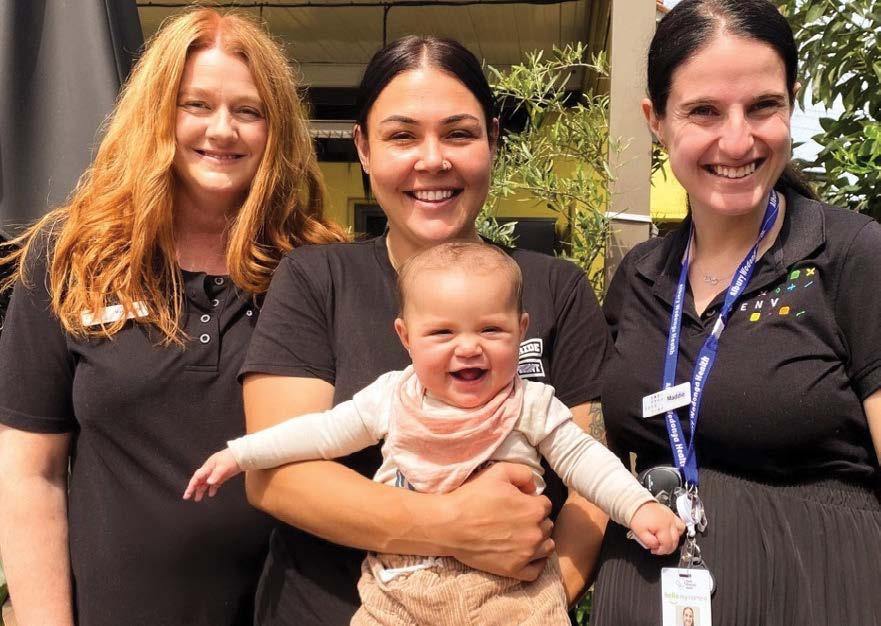
Image: GenV team members Kerrianne and Maddie welcomed mum Teisha and her daughter Mahina into our GenV family from Albury Wodonga Aboriginal Health Service.
Centre for Population Genomics (CPG): Shaping the future of genomic medicine
Genomic medicine technologies are already transforming many aspects of healthcare and over the next decade will create unprecedented opportunities to improve the prediction, diagnosis and treatment of disease, creating better health outcomes for everyone.
However, Australia is not currently equipped to ensure that impending advances in genomics, health AI and therapeutics will benefit our community.
Filling the critical gaps will require:
• a clearer understanding of genomic variation and its impact on health across the remarkably diverse Australian population
• new tools and resources that leverage this understanding, and new data science capabilities including AI, to foster novel diagnostics and therapeutics
• a deeper talent pool in key areas, including genomic analysis, health AI, and clinical translation of new genomic technologies
• a relentless focus on connecting researchers, clinical teams, and industry partners to ensure that new technologies translate into meaningful health impacts.
Over the last four years, the CPG has established nationally leading projects across three focus areas:
Genetic diversity:
Establishing OurDNA, the most diverse genomic cohort in the southern hemisphere, to understand the unique distribution and impact of genetic variation in Australian communities.
Gene function:
Building the largest cohort in the world with cell-level characterisation of blood to understand the impact of genetic variation on gene function and accelerate the discovery of therapeutic targets.
Genetic diseases:
Leveraging advanced genomic technologies to provide new genetic diagnoses to hundreds of Australian families, paving the way for novel treatments for devastating conditions.
Investment required
AU$21.4M over three years
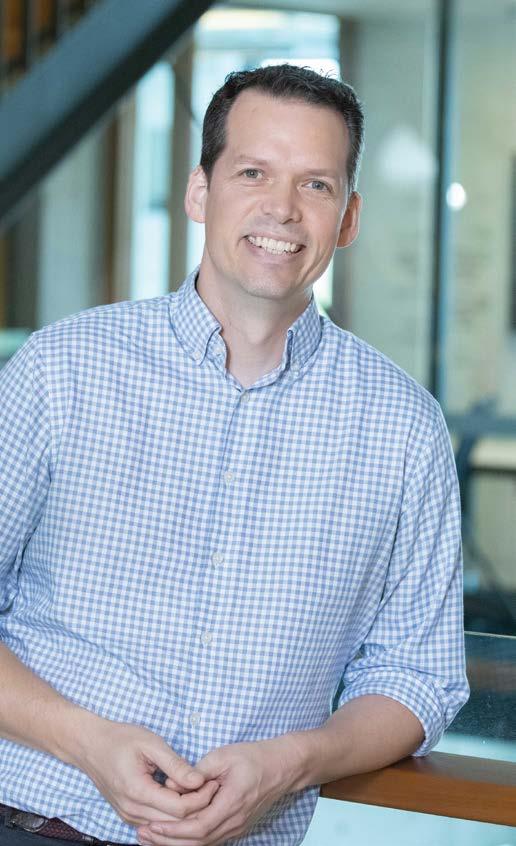
Image: Professor Daniel MacArthur, Director, Centre for Population Genomics (CPG)
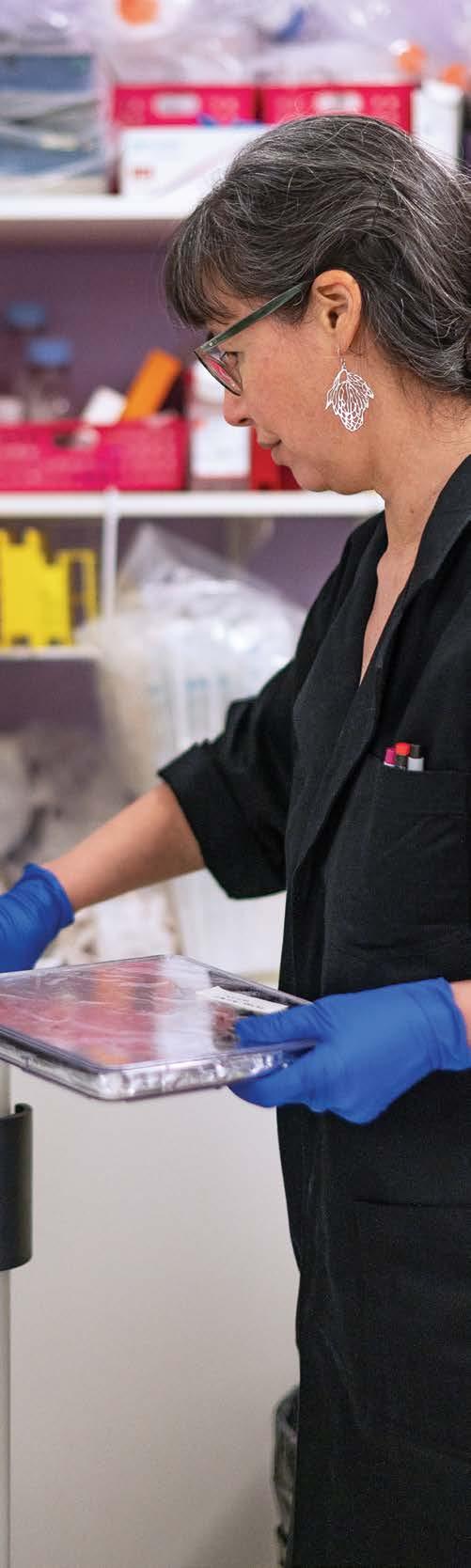
Image above: Associate Professor Elizabeth Ng in the Blood Development Laboratory.
Our people
Support some of the brilliant minds improving children’s lives.
At MCRI, our greatest asset is our people – exceptional researchers, clinicians and innovators who are committed to transforming the future of child health. To turn groundbreaking ideas into lifechanging discoveries, we must invest in the brilliant minds driving these advancements.
By supporting these visionary researchers, your philanthropic contribution ensures they have the resources to pursue bold, transformative research. Your support directly empowers these inspiring individuals, with every contribution playing a crucial part in shaping the future of child health.
Meet just some of the brilliant minds at MCRI shaping tomorrow’s breakthroughs. Through their words, discover the incredible impact they are having on the future of child health.
We invite you to get in touch with us and explore how you can support these leaders in their vision to create lasting change for children and families around the world.
Meet Jeanie
Improving neurodevelopmental outcomes in preterm infants
“The earliest stages after birth are critical for shaping a child's future, especially for preterm infants. My research is focused on identifying the early signs that can predict neurodevelopmental challenges and finding the best ways to intervene early to give these children the best chance at a healthy life. By improving early care and supporting brain development, we are changing their future – one that is full of potential.”
Professor Jeanie Cheong Neonatal Paediatrician and Research Group Leader at MCRI
Meet Ken
Supporting the best-quality care for trans and gender diverse youth
“To support trans and gender diverse young people to thrive, my research aims to strengthen how gender-affirming care is delivered in Australia and internationally. Trans young people and their families have a right to the highest level of care, and we are therefore working to build a robust body of evidence about gender-affirming care, including through research that not only centres the voices of trans young people but also examines long-term health and wellbeing outcomes.”
Associate Professor Ken Pang
Consultant Paediatrician, Research Group Leader at MCRI
Meet Angela
Understanding the genetics of childhood speech and language challenges
“Understanding the genetic basis of speech and language disorders is essential for giving children the support they need to communicate effectively. My research focuses on identifying the genetic mutations behind these challenges, enabling earlier diagnoses and personalised treatments that can make a real difference in their lives.”
Professor Angela Morgan
Speech Pathologist and Research Group Leader at MCRI
Meet Nigel
Strengthening immune defences to protect children from infections worldwide
“Childhood infections remain a major global challenge, and tackling them is crucial for protecting the health of future generations. My research focuses on developing better ways to prevent, diagnose and treat childhood infections— giving every child the best chance of a healthy life.
By exploring the ‘off-target’ beneficial effects of vaccines like BCG, enhancing immune responses, and pioneering rapid, accurate diagnostics, we are not only saving lives today but also shaping a healthier future for children around the world.”
Professor Nigel Curtis
Paediatric Infectious Diseases
Physician and Research Group Leader at MCRI
Meet Ghazaleh
Improving statistical methods for better use of data to improve health
“The power of long-term longitudinal studies that follow up the same cohort of people across time lies in their ability to guide better decisions for the health and wellbeing of children. My research focuses on developing innovative statistical methods to improve the reliability of findings from these studies across a range of areas, like adolescent mental health, intergenerational trauma and family violence. By enhancing causal inference and addressing challenges like missing data, we want to prevent wrong findings, wasted research efforts, or other statistical issues that can derail this valuable long-term kind of research. Ultimately, our aim is to ensure that evidence-based decisions lead to better outcomes for the next generation.”
Dr Ghazaleh Dashti Biostatistician and Senior Research Fellow at MCRI
Meet Sohinee
Using stem cells to find better treatments for the most challenging infections
“Non-tuberculous mycobacteria are among the most challenging infections to treat, especially for those with weakened immune systems or lung conditions. These bacteria are highly resistant to antibiotics, making current treatments ineffective. Our research is using advanced stem cell technology to better understand how these pathogens interact with the human body and to develop new, more effective treatment options for these multidrugresistant infections.”
Dr Sohinee Sarkar Senior Research Fellow at MCRI
Meet Katie
Diagnostic breakthroughs for children with sex development and reproductive conditions
“Genetic diagnosis rates for Differences of Sex Development and congenital reproductive conditions have stagnated, leaving many families without answers. We are changing that. By looking beyond the protein-coding genome and uncovering hidden genetic regulators, we are pioneering new diagnostic breakthroughs. With cutting-edge bioinformatics, stem cell models, and CRISPR-based screening, we are bringing clarity and better care to those affected by these complex conditions.”
Associate Professor Katie Ayers Research Group Leader at MCRI
Meet Deanne
Advanced neuroimaging to support infants at risk of brain injury
“For infants at risk of brain injury or developmental challenges, early diagnosis and intervention can make a lifetime of difference. Our research is developing cutting-edge tools to detect brain abnormalities at the earliest possible stage, allowing for targeted therapies that improve long-term outcomes. By combining advanced imaging, deep learning and biomarker analysis, we are working to give clinicians the tools they need to provide the best possible care for vulnerable newborns.”
Associate Professor Deanne Thompson
Magnetic Resonance Imaging (MRI) Neuroscientist and Research Team Leader at MCRI
Meet Kat
Gene therapy to treat immune disorders in children
“Primary immunodeficiencies leave individuals vulnerable to life-threatening infections, autoimmunity and cancer – yet treatment options remain limited. By developing a highly sensitive stem cell differentiation platform, we can model these rare conditions in the lab and rapidly test gene therapies before they reach clinical trials. This brings us closer to curative treatments, offering real hope for patients with inherited immune disorders.”
Dr Kat Goodall
Senior Research Officer at MCRI
Meet Peter
New treatments for muscle disorders
“For too long, genetic muscle disorders have left patients with limited options and uncertain futures. Our research is changing that. By shifting the way we model and develop treatments, we are placing the patient at the heart of every breakthrough. Using advanced human-specific models, we are pioneering new therapies that offer real hope for those affected by these devastating conditions.”
Dr Peter Houweling
Research Team Leader at MCRI
Scholarships, fellowships and awards
Drive the next breakthrough in child health
At MCRI, our world-class research, global collaborations and state-of-the-art facilities empower us to tackle the most pressing challenges in child health.
To remain at the forefront of discovery, we must attract and support the brightest, most brilliant minds. This requires long-term investment in exceptional talent – those who will drive medical breakthroughs and give all children the opportunity to live a healthy and fulfilled life.
Naming opportunities: a rare chance to accelerate discovery
For visionary donors, MCRI offers exclusive naming opportunities for fellowships, scholarships and research positions. These prestigious opportunities support researchers at all career stages and ensure lasting recognition for those who enable transformative progress in child health.
By establishing a named position, your support will directly advance scientific excellence and be forever linked to the future of medical discovery.
Endowed fellowships and scholarships: a legacy of impact
Endowed positions represent the highest level of philanthropic investment, providing perpetual support for research excellence. With a minimum endowment, these fellowships and scholarships secure long-term progress and ensure MCRI remains a global leader in child health.
Term fellowships and scholarships: targeted, highimpact support
For those seeking to make an immediate impact, term-named fellowships and scholarships provide essential funding for a defined period – typically three years – giving researchers the support they need to accelerate discoveries and secure competitive funding.
Meet Silvia
Sarah and Lachlan Murdoch Fellowship recipient, Associate Professor Silvia Velasco –advancing neurodevelopmental research through cuttingedge 3D brain organoid models to explore new therapeutic approaches for untreatable conditions.
Investment and recognition opportunities
We invite you to be part of this rare opportunity to drive innovation and shape the future of medical research. Through these exclusive naming opportunities, your contribution will be recognised for generations to come.
By investing in these opportunities, you are not only funding groundbreaking research but also leaving a lasting legacy in child health. Join us in making a difference today.
Naming opportunity Description
Endowed named distinguished fellowship
Endowed named fellowship
Term named fellowship
Endowed named scholarship
Term named scholarship
Establishes a permanent distinguished fellowship providing ongoing support.
Establishes a permanent fellowship for sustained research support.
Supports a researcher for a specified term of three years.
Establishes a permanent scholarship for ongoing student or researcher support.
Supports a graduate student or early-career researcher for a three-year term.
In 2025, we invite you to honour the legacy of former MCRI Chairman, the late Laurie Cox AO, by contributing to The Laurie Cox Leadership Award. This endowed award will support exceptional researchers who demonstrate outstanding leadership potential. Recipients will be selected based on their research excellence, future impact and alignment with MCRI’s core values.
The award will empower emerging leaders to drive the next breakthroughs in child health. Please get in touch with us to learn more.
The Laurie Cox Leadership Award
offering supporters a targeted approach to their giving. Each fund enables individuals to direct their contributions toward specific priorities that align with their passions. By coming together, we can support the Institute’s greatest needs and drive progress in child health research.
We invite impact-driven organisations and philanthropists to collaborate with us, co-invest in these initiatives, and improve outcomes for children in Australia and around the world.
Director’s Fund
Make a contribution to the Director’s Fund and help support Professor Kathryn North AC in advancing MCRI’s most urgent and important research priorities. Your gift will directly support critical research that addresses immediate needs in child health.
Brilliant Minds Fund
Support pioneering researchers through the Brilliant Minds Fund, helping MCRI retain exceptional talent focused on advancing life-changing treatments for children and shaping a healthier future.
Discovery Fund
By giving to the Discovery Fund, you help accelerate medical breakthroughs. Your support provides critical seed funding for promising early-stage projects with the potential to transform child health.
Future Fund
Ensure the future of child health research by contributing to the Future Fund. Your gift will support the longterm sustainability of MCRI, helping us continue to lead in groundbreaking research for generations to come.
Gifts in Wills
When you leave a gift in your Will to MCRI, you are leaving behind the gift of a healthier future for children.
Your generosity will go on to fund critical research and discovery, helping us to improve the lives of children and their families for generations to come.
Gifts in Wills help fund the research and discoveries that take place every day at MCRI. Breakthroughs are the result of years, if not decades, of hard work by our team and donations like these grant us the time and resources we need to get there.
Meet our ambassador
“Breakthroughs rarely just happen quickly or out of the blue. They are the result of years and often decades of hard work.
Small incremental steps, unspectacular quiet dedication and slow progress. But if you look at where
we are today, it is an incredibly exciting picture.”
The Honourable Dame Quentin Bryce AD CVO Former Governor-General of Australia and MCRI supporter
Get in touch with us
If you would like to learn more or have a confidential discussion about leaving a gift in your Will to MCRI, please reach out to:
Nelita de Vos Philanthropy & Gift in Wills Manager bequests@mcri.edu.au +61 3 9936 6390
Genomic Medicine
Harnessing genomic technologies for families affected by rare disorders.
Leadership
“Our genetic research is essential for understanding and addressing child health challenges. Through early diagnosis and targeted treatments, we aim to make a practical impact on genetic disorders, contributing to tangible improvements in healthcare for the younger generation.”
Professor John Christodoulou Theme Director, Genomic Medicine
Story of discovery and impact
Most patients with mitochondrial disease can be diagnosed via genomic sequencing
Genomic sequencing is transforming the diagnosis of mitochondrial disease, offering hope to families and driving medical breakthroughs. Our world-first study revealed that over half of cases can now be identified through a simple blood test. This advance spares patients from invasive procedures and provides faster answers.
With a 55% success rate, the study highlights the power of genomic testing, especially for children, where diagnostic rates reach 71%. The research also uncovered genetic variations not previously linked to mitochondrial disease, paving the way for new discoveries and treatments.
By giving families clarity and empowering informed decisions, these findings mark a turning point in tackling mitochondrial disease.
Meet Summer
Like her older siblings, Summer has learnt to crawl and walk. Devastatingly, any developmental milestone she gains she will eventually lose.
Summer, 3, has the rare disease KIF1A-Associated Neurological Disorder that affects the brain, muscles and nerves.
She has been crawling for almost a year and while she can walk, it’s only for a few steps at a time unaided.
Mum Jeanette said Summer’s initial diagnosis was global developmental delay, but she was certain there was something more.
“We were concerned about Summer’s early milestones as she wasn’t crawling until about 16 months old and she had a habit of bumping into objects and leaving bruises on her forehead,” she said.
“While Summer’s early brain scans came back normal, it did show an issue with her optic nerve.
An eye scan later confirmed optic nerve atrophy, which has greatly affected Summer’s vision.”
Summer was referred for genetic and metabolic testing, which involved a difficult, almost year long wait for results to return from the US.
“It was devastating when Summer was eventually diagnosed with KIF1A-Associated Neurological Disorder, which only impacts about 23 people in Australia. The serious disease means Summer will go backwards and lose key physical and mental skills she has gained.”
After taking time to process the diagnosis, Jeanette and her family joined an international support group through KIF1A.org and explored current treatment options.
“We sought out a range of treatments and found out that some experimental, highly invasive overseas options cost around $2 million, which we simply didn’t have,” she said.
“Learning that Murdoch Children’s Research Institute was working towards therapies right here in Australia helped galvanise me to start a foundation with my husband David.”
To read Summer’s full story, scan the QR code or click here
The family launched the KIF1A Australia Foundation in May 2024 and donated an initial $10,000 towards MCRI’s KIF1A research.
“Our family-owned building company helps support the foundation, with an aim to both fund future breakthroughs and build a high-tech, inclusive school for children with complex needs,” Jeanette said.
Despite the many challenges that come with KIF1A, Jeanette said Summer was adored by her siblings and remained a happy, affectionate child.
“It can be isolating when your child has an extremely rare disease, but any time we get with Summer is a blessing, she reminds us every day that life is still fun and joyful,” she said.
“I sincerely hope that one day there is a treatment that can control or even reverse KIF1A symptoms and the developmental regression, not just for Summer but every child in the world with this disease.”
See Project 3 (p.31) for funding opportunities and details on advancing KIF1A-associated neurological disorder diagnosis and treatment.
Image: Summer with her mum Jeanette
Rare Diseases Now: Unlocking genetic mysteries
Advancing rare disease research through cuttingedge genomic analysis.
Problem
At least one in 12 babies are born with one of at least 7000 rare diseases. They are estimated to cause 35% of deaths in children younger than one year old and more than 15,000 Australian newborns will have a shortened lifespan or experience disability due to a rare disease. Even with advances in genomic testing, half the children with a rare disease do not receive a genetic diagnosis and even fewer receive impactful interventions.
Giving parents an early, accurate genetic diagnosis for their child ends the diagnostic odyssey. It can help inform what will happen with the child’s condition, it can impact management by avoiding unnecessary, expensive and often invasive investigations and can improve outcomes by identifying any available targeted therapies.
Solution
MCRI’s Rare Diseases Now (RDNow) project unites research and clinical expertise to tackle unanswered and important issues for those affected by rare diseases. Our vision is to enable all people living with a rare disease the opportunity to receive a precise diagnosis, optimal care and access to innovative research and available therapy.
Funding advanced genomic technologies for undiagnosed children, and the crucial experiments needed to prove that a new gene causes a genetic condition, will have ripple effects that could help countless families in Australia and around the world.
Key priorities include:
• Offering hope for undiagnosed genetic conditions at Melbourne Children’s Campus through advanced genomic testing
• Investing in a scientific and patient-support workforce to solve rare genetic conditions
• Developing a campus-wide registry to track rare disease progression, connect families to clinical trials and build supportive communities
These initiatives will accelerate discoveries and improve outcomes for children with rare genetic conditions.
Investment required
AU$500,000
Some research projects will require additional funding for future phases of the research and can be scaled up to have an even greater impact.
Research leads
Professor Sue White Dr Tiong Tan
At least one in 12 babies are born with a rare disease.
Project 2
Precision therapies for life-threatening rare genetic diseases in children
Developing personalised medicines using genomics, stem cells and drug screening to restore brain function in children with rare, life-threatening genetic disorders.
Problem
Each year, around 15,000 Australian children are born with rare genetic diseases. TRAPPC4 Deficiency and CDKL5 Deficiency Disorder (CDD) are two such rare genetic diseases, affecting up to 1 in 40,000 births. They cause drug-resistant epilepsy seizures, severe intellectual disability, dementia and profound mobility issues. These devastating conditions have health impacts comparable to quadriplegia and treatment options are limited.
Solution
Current treatments for TRAPPC4 and CDD only manage symptoms rather than address root causes. Our team is focusing on identifying new treatments for these ‘incurable’ conditions. We use stem cells and ‘mini brain’ organoids to study these genetic diseases and to look for treatments.
a) High throughput drug screening for CDD
This project focuses on conducting high throughput drug screening of thousands of existing drugs to identify potential new treatments for CDD. We use a combination of advanced imaging approaches and electrical measurement techniques in brain cells (neurons) and mini brain organoids to identify the best drug candidates. This will accelerate the development of precision therapies and identify new treatments for CDD.
b) Personalised medicine for TRAPPC4 deficiency.
Nearly all patients with TRAPPC4 deficiency have the same ‘genetic mistake’. Antisense oligonucleotides (ASOs) represent a new and highly promising class of drugs for personalised medicine. We have developed an antisense oligonucleotide (ASO) treatment that has the potential to be applied to nearly all TRAPPC4 deficiency patients. We have already shown our ASO to be effective in patient cells, and it has passed all safety testing to date. One of the last remaining steps is to test our lead ASO in mini brain organoids to make sure it is effective in brain cells. This treatment promises to provide an effective and safe treatment for TRAPPC4 deficiency patients.
Stem cell medicine
Investment required
AU$210,000
Some research projects will require additional funding for future phases of the research and can be scaled up to have an even greater impact.
Research lead
Dr Nicole Van Bergen
Each year, around 15,000 Australian children are born with rare genetic diseases.
Project 3
Advancing diagnosis and treatment of KIF1A-associated neurological disorders in children
Developing 3D brain-eye organoids from stem cells to prevent blindness in children with KIF1AAssociated Neurological Disorders (KAND) and using advanced techniques to identify biomarkers for better diagnosis and treatment.
Problem
KIF1A-Associated Neurological Disorders (KAND), a severe childhood dementia, is a rare disorder that affects the brain, nerves, muscles and vision, causing significant challenges for children and their families. Alarmingly, children often experience devastating optic nerve degeneration leading to irreversible vision loss. Current research is limited by reliance on animal models and cell cultures, failing to capture the complex human-specific eye-tobrain tissue interactions.
This incomplete understanding of the cause and clinical manifestations of KAND, results in significant underdiagnosis or misdiagnosis (like autism and cerebral palsy) and like other childhood dementias, KAND currently has no cures or targeted treatments available.
Solution
MCRI is the first to design this program with the affected KAND families, aiming to address critical challenges in the treatment of this disorder and improving the lives of affected children:
a) Understanding vision loss using brain-eye organoids for drug discovery
This project focuses on creating innovative, functional 3D ‘mini eye-brain’ organoids in the lab to better understand the pathways leading to vision loss and accelerate the development of precision therapies for rare brain diseases, including KAND. By conducting high-throughput drug screening, researchers aim to identify therapies that could halt or reverse optic nerve degeneration, filling a significant gap in current treatment options for KAND-related blindness.
b) Accelerating early diagnosis and precision therapies
This initiative aims to identify blood-based biomarkers for KAND through multi-omics analysis. By examining patient samples and correlating the findings with their clinical symptoms, researchers will enhance our understanding of the disease, enable earlier diagnosis, monitor disease progression and evaluate potential responses to treatments. This approach promises to revolutionise patient care by facilitating personalised, timely interventions.
Together, these projects represent a transformative approach to KAND research and patient care, addressing both the need for effective therapies and better diagnostic tools.
Investment required
AU$390,000 over two years
Some research projects will require additional funding for future phases of the research and can be scaled up to have an even greater impact.
Research lead
Dr Simran Kaur
Project 4 International Precision Child Health Partnership (IPCHiP): Harnessing genomics to transform child health
Global partnership to revolutionise the treatment of childhood diseases and deliver better health outcomes through genomic medicine.
Problem
Genetic conditions create serious challenges for individuals, families and healthcare systems around the world. Many of these conditions, like rare neurological and metabolic disorders, are hard to diagnose because they are complex and current testing methods have limitations. Without accurate and timely diagnoses, patients often suffer from unnecessary pain, ineffective treatments and prolonged uncertainty. Infants with symptoms like hypotonia (low muscle tone) are especially vulnerable, as their symptoms can be unclear, causing delays in getting the right treatment. The lack of access to fast, accurate genetic testing makes this problem worse, leaving many families without answers or appropriate care. On top of this, not everyone has equal access to the latest genomic technologies, which means some patients miss out on the best possible care. Solving this issue requires global collaboration, new diagnostic tools and researchdriven solutions to help identify genetic conditions early and provide better treatment options for affected children.
Solution
MCRI, as part of the International Precision Child Health Partnership (IPCHiP), is addressing the global challenges of genetic conditions and diagnostic delays by collaborating with leading children’s hospitals in Australia, Canada, the UK, and the USA. IPCHiP aims to improve the diagnosis and treatment of rare diseases, which often go undiagnosed or misdiagnosed for years, causing unnecessary suffering for families. By integrating advanced technologies like whole genome sequencing into routine clinical care, the partnership seeks to reduce the diagnostic odyssey, particularly for infants with complex symptoms like hypotonia (low muscle tone). This effort not only aims to speed up diagnoses but also ensures that new, cutting-edge diagnostic tools become accessible and funded within healthcare systems, addressing the inequities that many families face. IPCHiP’s commitment to precision medicine will help provide personalised care, improve outcomes for children with rare genetic conditions and ultimately set a new global standard for treating childhood diseases.
Investment required
AU$1.2M
Some research projects will require additional funding for future phases of the research and can be scaled up to have an even greater impact.
Research lead
Professor John Christodoulou
Project 5
CPG exemplar project: OurDNA, a genomic resource for Australia
OurDNA is working in partnership with communities to build a nationally representative genomic resource of over 10,000 diverse Australians to drive research and provide immediate clinical benefit to families affected by genetic disease.
Problem
Genomic medicine depends on being able to compare genetic information from patients with genetic information collected from healthy individuals of the same ancestral background. At least 5 million Australians are part of communities who are largely or entirely missing from international genomic databases, meaning families from these communities are less likely to receive an accurate diagnosis for genetic diseases. If not urgently addressed, this issue will lead to increasing inequity in healthcare outcomes. Building a comprehensive understanding of the unique variation in the Australian community also provides opportunities for research discoveries that enable more effective medicines that work for everyone, regardless of their ancestry.
Solution
Through its flagship program, OurDNA, the Centre for Population Genomics (CPG) is working in partnership with members of Australia’s multicultural communities to support greater inclusion in genomics research. The first phase of this project involves extensive community engagement with seven communities that have been prioritised based on factors including underrepresentation in global genomics resources and clinical need. Together with the Filipino, Samoan, Fijian, Tongan, Vietnamese, Lebanese, and Sudanese communities, the OurDNA program is co-designing outreach and engagement activities to enable recruitment and blood collection from at least 10,000 individuals from these communities. The genetic information from OurDNA study participants will improve diagnosis for families affected by rare genetic disorders and will enable the more equitable practice of genomic medicine both in Australia and around the world.
Together, these projects represent a transformative approach to KAND research and patient care, addressing both the need for effective therapies and better diagnostic tools.
OurDNA funding priorities for 2025
Already, over 800 participants from the Australian Filipino and Vietnamese communities have been recruited into the OurDNA program; these participants have provided informed consent and donated blood samples, which are now stored in our Victorian biobank. Generation of genomic data from these samples has recently begun. In 2025 the CPG will recruit a further 3,000 individuals from all seven priority communities across NSW and Victoria.
The continued success of the OurDNA program depends on resources to enable community engagement, consultation and participant recruitment. It also relies on genomic talent and computational infrastructure to conduct analysis of genomic data from OurDNA participants, and on resources to support the sharing of the data and other outputs generated by the program. Sharing the OurDNA data with the national and global clinical and research community will maximise the impact of this work, empowering a more equitable future for genomic medicine.
Investment required
AU$13.2M over three years
Some research projects will require additional funding for future phases of the research and can be scaled up to have an even greater impact.
Research lead
Professor Daniel MacArthur
Stem Cell Medicine
Developing a new generation of transformative stem cell therapies.
Image credit: Emma Scully and Dr Allara Zylberberg
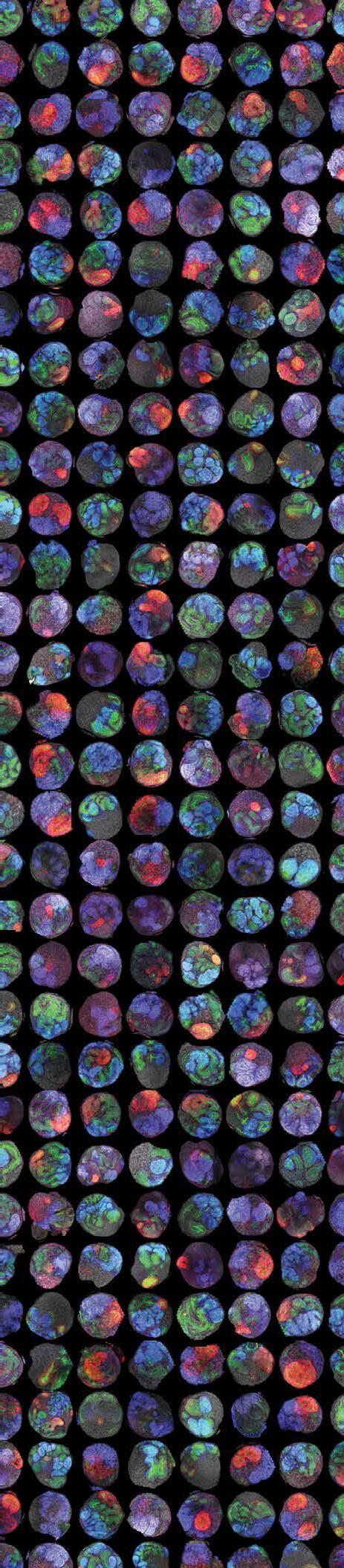
Image: 1,024 kidney micro-organoids grown from stem cells.
Leadership
“Our researchers are pioneering therapies for childhood diseases once deemed incurable – be it kidney diseases, heart and skeletal muscle disorders, leukaemia, brain cancer, respiratory ailments, or juvenile diabetes. Every breakthrough is an exciting stride toward a future where no child’s health is defined by these challenges.”
Professor Enzo Porrello Theme Director, Stem Cell Medicine
Story of discovery and impact
Blood stem cell breakthrough could transform bone
marrow transplants
Melbourne researchers have achieved a world-first breakthrough, creating human blood stem cells in the lab – a discovery that could transform treatments for children with leukaemia and bone marrow failure. Led by MCRI and published in Nature Biotechnology, the team has developed blood stem cells that closely mimic those in human embryos.
These lab-grown cells can produce red and white blood cells, as well as platelets, offering hope for personalised therapies. Tests showed the cells functioned like donor stem cells, paving the way for safer, more effective transplants. This research has the potential to revolutionise care for vulnerable patients, addressing donor shortages and enabling cutting-edge treatments for blood disorders. Human clinical trials could begin within five years.
See project 8 (p.39) for more detail.
To read the full story, scan the QR code or click here
Meet Riya
Riya went from never having a blood test to needing a blood transfusion every other day.
The then 11-year-old was diagnosed with aplastic anaemia, a rare and serious blood disorder where the body stops producing enough new blood cells.
Aplastic anaemia develops as a result of bone marrow damage. Without adequate numbers of blood cells those with the condition can become anaemic and more susceptible to infections, bleeding and bruising.
Riya’s family, including parents Sonali and Gaurav, were in India at the time when she started to feel fatigued, rapidly lost weight and developed bruises on her thighs.
“We took Riya for a simple blood test, her very first one. But as soon as the results came in, we were told to rush her to the emergency department due to her being so low on platelets and red blood cells,” Sonali said.
“Riya was originally diagnosed with leukemia because the symptoms are very similar to aplastic anaemia. When we got the eventual diagnosis, it was a complete shock and a condition we had never heard of before.
“The doctors told us she had bone marrow failure and she started needing regular platelet and blood transfusions to get her blood cell count up.”
Sonali said the family had already planned to return to Australia for Riya’s high school education, but the diagnosis fast tracked the return.
“Once they were able to stabilise her, we were given a two-day window to fly her to Australia to be hospitalised,” she said.
“As soon as we got off the plane we went straight to The Royal Children’s Hospital. Within days Riya started therapy, but she never really responded to the medications.
“Eventually a bone marrow transplant was recommended due to the amount of transfusions she was needing to have and the concerns around possible long-term complications.”
Sonali said over six months they struggled to find a perfectly matched donor and were losing hope.
“You hear all these stories about how people are waiting years for a donor,” she said. It caused us a huge amount of anxiety and was traumatic to see Riya struggle so much.
“Despite being a half match, the specialist decided I would be her donor.”
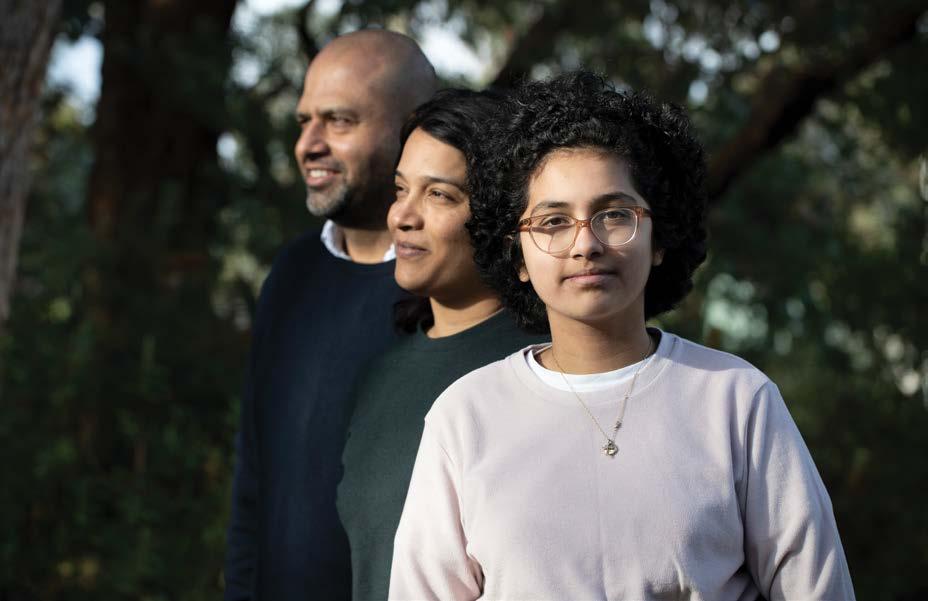
Image: Gaurav, Sonali and Riya
Credit: The Australian, Arsineh Houspian
Following the bone marrow transplant in June 2023, Riya remained in hospital for three months where she had minor complications.
Without a perfect donor match, Riya’s platelet count took more time to return to normal, she required longer immunosuppressive therapy and was more susceptible to infections. Riya only recently started to be re-vaccinated.
“She had a weakened immune system for a long time after the transplant but thankfully once she was discharged from the hospital she hasn’t needed another transplant,” Sonali said.
Riya, 14, said after a painful few years she was now feeling well, took hydrotherapy classes and was glad to be back at school with her friends.
Sonali said the new MCRI led research that created blood stem cells in the lab which closely resemble those in the human body was a significant achievement.
“This research will come as a blessing to so many families,” she said. “The fact that one day there could be targeted treatments for children with leukaemia and bone marrow failure disorders is life changing.”
Gaurav said; “We are truly grateful for the care and treatment provided by The Royal Children’s Hospital and the research undertaken by MCRI.”
“We could not have asked for better care for our daughter and feel that the new research being done by MCRI will be a great boon for children suffering from similar conditions as Riya in the future.”
Project 6
Decoding broken hearts
A global collaboration between two visionary institutes to accelerate precision therapies and transform the treatment of childhood heart disease.
Problem
Heart disease is a major health issue for children around the world, affecting up to one in 100 live births. Childhood heart disease includes congenital heart defects that affect the structure of the heart and disorders of the heart muscle, both of which affect the heart’s ability to pump efficiently. In the most severe cases, these conditions can progress to heart failure, which is a life-threatening condition where the diseased heart is unable to pump enough blood to meet the needs of the body.
Current therapies for heart failure in children do not target the root cause of disease and only offer symptomatic relief. Therefore, the only option for patients in end stage heart failure is heart transplantation.
Unfortunately, heart transplantation has limitations including low donor tissue availability, poor medium-to long term survival rates, lifelong immunosuppression requiring frequent hospitalisation and poor quality of life for transplant patients.
Solution
A global partnership between two of the world’s leading research institutes in children’s health, computational biology and stem cell medicine to accelerate precision therapies for childhood heart disease. This new collaboration aims to transform childhood heart disease treatment by targeting molecular pathways predictive of patient outcomes, allowing tailored treatment for each patient to prevent progression to heart failure.
Investment required US$5M over three years
Some research projects will require additional funding for future phases of the research and can be scaled up to have an even greater impact.
Research leads
Professor Enzo Porrello
Associate Professor David Elliott
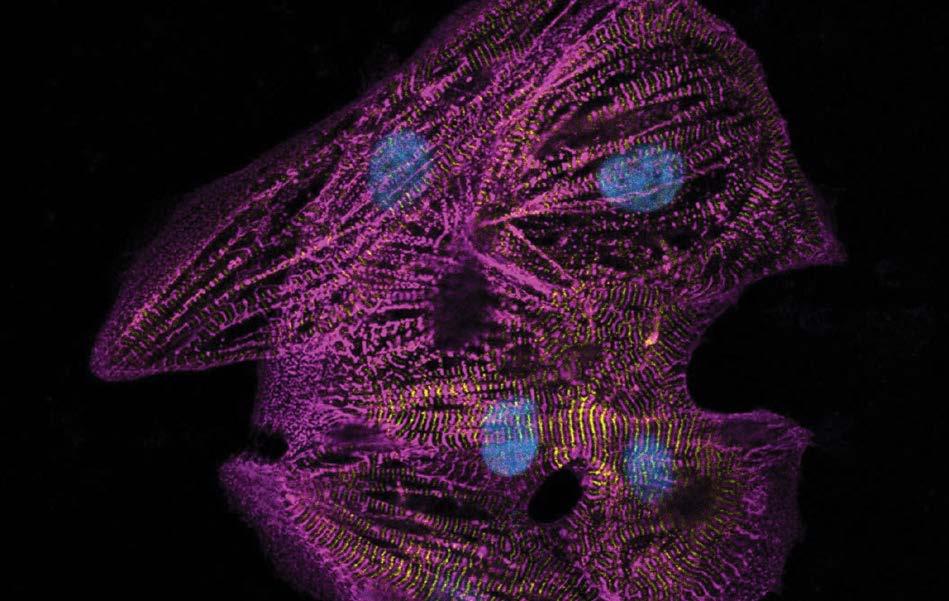
Image: Stem cell-derived heart cells with their characteristic striped pattern that is formed by its beating units, the sarcomeres, as well as its nuclei in blue.
Credit: Dr Antonia Zech (Heart Regeneration and Disease groups – Prof Enzo Porrello and A/Prof David Elliott).
Heart disease is a major health issue for children around the world, affecting up to one in 100 live births.
Partnering with First Nations communities to treat rheumatic heart disease
Working in partnership with First Nations communities to develop new medicines to treat rheumatic heart disease, a condition which disproportionately affects Indigenous Australian children.
Problem
Rheumatic heart disease (RHD) is a global healthcare problem affecting 40 million people worldwide that causes irreversible damage to heart valves and can lead to heart failure and death. In Australia, this condition disproportionately affects our Indigenous population (92% of all cases) and there is no vaccine or medicine to repair the damaged heart. RHD is triggered by a bacterial infection that is specific to humans and therefore we cannot study the disease in traditional animal models in the lab.
Solution
This research program aims to better understand RHD using the world’s first human heart valve tissue from pluripotent stem cells that we have developed. We can grow miniature 3D valve tissue in the lab and use them to identify medicines to repair and regenerate the heart for patients with rheumatic heart. Working in partnership with key First Nations community organisations, our work aims to prevent early mortality in these children. The steps to achieve this include:
1. Develop culturally safe research protocols for Indigenous RHD patients
2. Collect patient samples and generate stem cell lines
3. Create patient advocacy materials and engage in community outreach
4. Execute drug screens and identify lead compounds for preclinical testing
5. Partner with industry for commercialisation and initiate clinical trials
Investment required
AU$3M over five years
Some research projects will require additional funding for future phases of the research and can be scaled up to have an even greater impact.
Research leads
Dr Holly Voges
Dr Adam Piers
Rheumatic heart disease (RHD) is a global healthcare problem affecting 40 million people worldwide.
Unravelling the mystery of blood cell development
Developing personalised stem cell therapies to revolutionise the treatment of blood diseases.
Problem
Leukaemia and bone marrow failure are severe blood disorders in children that disrupt the production of normal blood cells. Leukaemia, the most common cancer in children, is caused by genetic mutations that produce abnormal white blood cells. These cells fail to fight infections effectively, crowd out healthy cells and lead to symptoms such as anaemia, bleeding and infections. Similarly, bone marrow failure, resulting from genetic mutations or abnormal immune function, leads to underproduction of all blood cell types, causing similar symptoms.
Haematopoietic Stem Cell
Transplants (HSCTs), also known as bone marrow transplants (BMTs), are a standard treatment component for many of these blood diseases. Currently, HSCT is a high risk procedure for many patients, with complications such as infections, graft versus host disease (GVHD) and graft failure.
The ability to provide a more effective, personalised therapy with fewer side effects is crucial. To achieve this, researchers aim to grow personalised blood stem cells in the laboratory, that are perfectly matched to each patient. This will lead to safer treatments for immune and blood-related conditions. However, the clinical translation of this research is only just beginning.
Solution
MCRI researchers are worldwide leaders in blood stem cell technology, aiming to better understand and treat blood disorders such as leukaemia and bone marrow failure. Their work focuses on generating haematopoietic stem cells from human induced pluripotent stem cells (iHSCs).
MCRI has developed world-first protocols to generate iHSCs closely resembling the first blood stem cells that are produced in humans. These cells, which can be frozen prior to transplantation, can engraft immune-deficient mice, and similar to umbilical cord blood, produce a functional human bone marrow.
The ultimate goal is to create a clinical-grade platform to produce patient matched/’ transplantable blood stem cells, bypassing donor limitations and reducing complications such as graftversus-host disease. MCRI is also using iHSC technology to better model diseases including bone marrow failure and leukaemia to enable the discovery of novel, personalised therapies.
Investment required
AU$936,000 over three years
Some research projects will require additional funding for future phases of the research and can be scaled up to have an even greater impact.
Research lead
Associate Professor Elizabeth Ng
Clinical Sciences
Accelerating innovative and translatable discoveries into clinical care.
Leadership
“Our researchers are world renowned and the innovation, excellence and commitment to improving the lives of sick children, never ceases to astonish!”
Professor Vicki Anderson Theme Director, Clinical Sciences
Story of discovery and impact
AI technology helps identify cerebral palsy in babies
A new study from MCRI reveals that cutting-edge AI technology can significantly aid in the early detection of cerebral palsy by analysing baby movement videos submitted by parents on their phones.
The study, published in PLOS Digital Health, shows that the AI, using videos from the Baby Moves app, detected abnormal movements in 76% of cases, a result comparable to expert clinicians’ assessments. The study analysed 484 videos from 327 infants aged 12 to 18 weeks, identifying abnormal movements in 41 babies.
MCRI’s Dr Elyse Passmore emphasised that this technology could be a “game-changer” for early diagnosis, particularly in underserved or remote areas. The research also found that abnormal movements were linked to cognitive delays and motor issues seen by age two. As part of the Generation Victoria (GenV) study, the technology will now analyse an even larger dataset. The Baby Moves app is available to families through the Google Play Store and Apple Store.
Meet Atticus
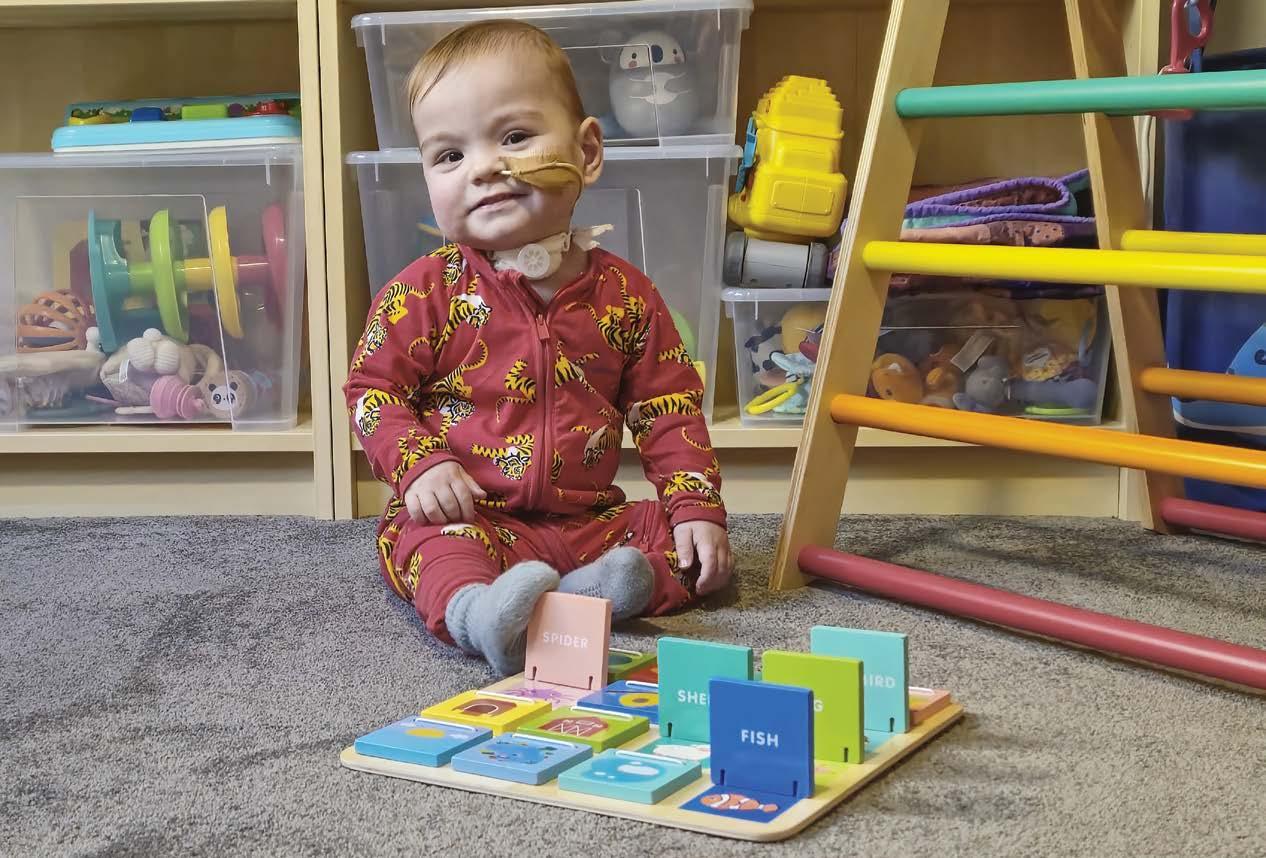
Like his namesake, Atticus, is a born survivor. Named after the lead protagonist in The Iron Druid Chronicles, Atticus was born at 26 weeks gestation, weighing just 807 grams.
Born very preterm, Atticus struggled to breathe from his first gasp for air.
Atticus was rushed to the Neonatal Intensive Care Unit (NICU), where he was intubated and connected to a ventilator.
“It was devastating to see that Atticus couldn’t breathe on his own,” Simantha, Atticus’ mum said. Watching your tiny baby battle severe, chronic lung disease was heartbreaking.
“As the weeks in the NICU turned into months his condition wasn’t improving. He was reliant on a specialised ventilator to keep him alive.”
When Atticus reached five months, Simantha thought her son would lose his battle with lung disease.
“His health took a dire turn and his condition became critical,” she said. We were told by staff to say our goodbyes in case he didn’t make it through the night. I can’t tell you how hard it was, holding him for hours and not being sure if it was the last time.”
But Simantha said in the following days Atticus continued to get better, little by little. After 263 days in the NICU she was finally able to take him home.
“Atticus was tied to a machine for almost his entire hospital stay,” she said. He still has a tracheostomy to help him breathe through his throat instead of the nose and mouth. Due to this he is is learning AUSLAN to communicate.
“But Atticus is thriving at home and reaching key developmental milestones. His progress has been incredible, he has come so far.”
Simantha said the new MCRI study that found a blood test could help predict which preterm babies may develop bronchopulmonary dysplasia (BPD), the precursor to lifelong chronic lung disease, was remarkable.
“Any research that can help babies breathe, or understand their risks sooner, would be incredible and something all parents and carers of preterm babies can take comfort in,” she said.
Project 9
Shaping the future of MRI-driven medical research
A revolutionary MRI scanner that accelerates diagnoses, enhances treatments and drives groundbreaking research in children’s health.
Problem
Access to advanced medical equipment is crucial for improving patient outcomes, particularly for children facing complex health challenges. Hospitals and research institutions often struggle to secure funding for state-of-theart tools like MRI machines, which can cost millions of dollars, while also facing challenges in finding specialised technical support staff to operate and maintain them. Traditional funding sources, such as research grants, typically cover only direct project costs, leaving a critical gap in the infrastructure needed for groundbreaking research and clinical care.
Without the latest technology, clinicians and researchers face limitations in diagnostic accuracy, treatment effectiveness and the ability to explore new therapeutic possibilities. This lack of access to advanced equipment hampers progress in understanding diseases and developing the next generation of life-saving treatments. Philanthropic investments are essential to bridge this gap, ensuring healthcare providers have the tools necessary to deliver world-class care and accelerate critical medical discoveries.
Solution
The recently developed SIEMENS MAGNETOM Cima.X MRI scanner is an innovative solution that enhances both research and clinical care for paediatric health patients. Its superior imaging quality, faster scan times and advanced features such as AI integration enable clinicians and researchers to deliver more accurate diagnoses, improve treatment planning and advance studies in neurodevelopmental disorders and rare diseases.
Investing in the MAGNETOM Cima.X will support the development of new medical therapies and contribute to the validation of cutting-edge technologies that could become standard care. This MRI machine reduces the stress on young patients, providing a more comfortable experience while ensuring faster, more precise results. Ultimately, this project will improve outcomes for children today and pave the way for breakthrough medical advancements that can transform children’s healthcare for future generations.
Investment required
AU$4.82M
Some research projects will require additional funding for future phases of the research and can be scaled up to have an even greater impact.
Research Lead
Dr Marc Seal
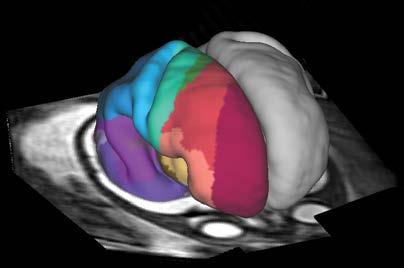
Image above: A 3D reconstruction of the fetal brain captured by in utero MRI with anatomical labels.
Credit: Dr Gareth Ball, MCRI
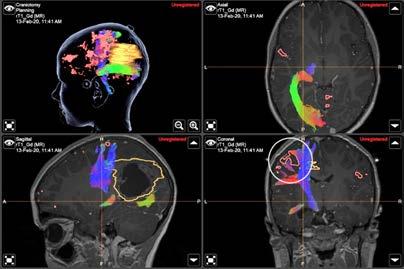
Image above: Karawun: software that combines advanced brain imaging to improve the accuracy and safety of brain surgery.
Credit: Dr Joseph Yang, RCH/MCRI and Associate Professor Richard Beare, MCRI
Project 10
Pain education for children with cerebral palsy
Co-designing and developing a novel and accessible chronic pain education intervention, specifically designed for children with cerebral palsy and their families, to improve the health and wellbeing of Australian children with cerebral palsy and their caregivers.
Problem
Up to 75% of children with cerebral palsy experience chronic pain. Conventional pain management approaches fail to address the unique challenges of this high priority population who have unique and complex challenges, including varied communication and cognitive abilities. Our priority is to change this. Pain education is an essential part of effective management yet is not available in accessible and meaningful ways for children with cerebral palsy. This gap restricts effective self-management, adversely affecting the child’s participation, emotional wellbeing and overall health and causing inequity. This initiative targets the critical need for relevant and accessible pain education tailored for children with cerebral palsy and their families.
Solution
Our solution involves a collaborative approach where we partner with children and young people with cerebral palsy and their families to develop new and engaging ways to provide accessible pain education for children with diverse mobility, communication and cognitive abilities. Supporting children and their families to better understand pain and its impact will ultimately improve management of pain, leading to better outcomes for both the child and family. This involves:
1. Delving into a comprehensive needs analysis, including literature reviews.
2. Gathering first-hand insights from children and young people with cerebral palsy and caregivers through surveys, interviews and focus groups to establish their preferences and needs for chronic pain education content and methods of delivery.
3. Developing the chronic pain education intervention for children with cerebral palsy through co-design workshops to have a prototype ready for testing.
Investment required
AU$120,000
Some research projects will require additional funding for future phases of the research and can be scaled up to have an even greater impact.
Research lead
Associate Professor
Adrienne Harvey
Up to 75% of children with cerebral palsy experience chronic pain.
Project 11
3D printing for disabilities
Developing and evaluating 3D-printed ankle-foot orthoses with novel features that are not available for children with cerebral palsy, with the goal of improving their mobility, function and comfort.
Problem
Cerebral palsy (CP) is a global disability affecting 17 million people, with 1 in 700 Australian births impacted. Children with CP experience significant mobility challenges, traditionally addressed through ankle-foot orthoses (AFOs). However, current AFO solutions are expensive, with fitting costs exceeding $2,500 in Australia, creating substantial financial barriers especially for families in regional areas.
Conventional AFOs have limited adjustability and design options, restricting their effectiveness. The urgent need is to develop advanced, personalised AFO solutions that can improve children’s comfort, mobility, and function. By creating more affordable and accessible orthotic technologies, we can transform the lives of CP-affected children in Australia and worldwide.
Solution
This project aims to develop 3D-printed ankle-foot orthoses (AFOs) with cutting edge features that are not available in conventional AFOs for children with CP.
The research involves:
1. Developing and evaluating 3D-printed AFOs that replicate the functionality of conventional AFOs.
2. Designing and assessing innovative 3D-printed AFOs with variable material stiffness and features for personalised control during specific gait phases.
3. Developing 3D-printed AFOs with integrated motion sensors to evaluate the functional performance of children during daily activities.
The research team includes paediatrics orthopaedic surgeons with expertise in clinical gait analysis and management of CP, engineers experienced in 3D scanning, CAD modelling and 3D printing and orthotists and biomechanics experts. This multidisciplinary team will work together to transform the lives of children with CP by providing them with improved mobility, function and comfort through advanced 3D-printed AFO solutions.
Investment required
AU$40,000 over two years Some research projects will require additional funding for future phases of the research and can be scaled up to have an even greater impact.
Research leads
Professor Erich Rutz Dr Chenxi Peng
Cerebral palsy (CP) is a global disability affecting 17 million people, with one in 700 Australian births impacted.
Eye movement studies of genetic brain disorders
Investigating eye movement patterns as a diagnostic tool for neurodevelopmental disorders in children.
Problem
Solution
Investment required
AU$74,000
Associate Professor Jonathan Payne Project 12
Children with neurodevelopmental disorders (NDDs), such as autism, ADHD and intellectual disabilities, face significant challenges in regulating emotions, socialising, learning and coordinating motor movements. These impairments negatively impact their selfesteem, academic success, quality of life (QOL) and longterm mental health. Diagnosing NDDs in children, particularly those with genetic syndromes like neurofibromatosis type 1 (NF1) and tuberous sclerosis complex (TSC), remains difficult as current methods primarily rely on cognitive and language assessments, which are often unreliable or impractical for young children. A new approach is needed to accurately identify and understand the underlying causes of NDDs in these children. By focusing on eye movement patterns, we aim to find a way to study and diagnose these conditions early, offering a reliable method for evaluating neurodevelopmental status without the barriers of traditional languagebased testing.
This research aims to explore whether eye movement patterns, or oculomotor profiles, can serve as a diagnostic tool for neurodevelopmental disorders (NDDs) in children with genetic syndromes like NF1 and TSC. Oculomotor control is closely linked to brain areas involved in cognition and motor functions, and deviations in eye movement patterns could provide insights into underlying neurocognitive networks. By analysing how children with NF1 and TSC perform on tasks involving saccades and smooth pursuit eye movements, we hope to identify distinct biomarkers for NDDs. This approach, which requires minimalto-no language comprehension, could enable faster, more accurate diagnoses. The eye-tracking methodology also offers potential for use in clinical trials, where traditional cognitive tests are often unsuitable. Ultimately, our goal is to improve diagnostic accuracy, personalise treatment plans and provide an accessible and efficient way to monitor children with NDDs.
Some research projects will require additional funding for future phases of the research and can be scaled up to have an even greater impact.
Research lead
Population Health
Advancing policy and practice for equitable healthy populations.
Leadership
“In Population Health, we focus on the common chronic conditions of childhood such as mental health, allergy, developmental problems; these are the conditions that are going to impact the lives of our future generations. They are also conditions that are influenced by the circumstance of children and young people’s lives including where they live, their family background and financial situation, any trauma, and access to healthcare, education and support services. Our research strives to create better systems, services and policies that will truly make a difference to children and their families to prevent, intervene early and cure these conditions.”
Story of discovery and impact
Unique mental health program in schools has positive impact and reduces stigma
A study by MCRI found the Decode Mental Health and Wellbeing Program significantly improved mental health literacy and reduced stigma among students.
The program, using entertaining videos featuring relatable stories, was trialled in five Victorian schools. Results showed 67% of students and 86% of teachers had positive engagement, with mental health literacy increasing by 7% and stigma decreasing by 19%. Teachers also reported improved confidence in discussing mental health, with 57% noting better student wellbeing. The program offers a practical, engaging way to address youth mental health and wellbeing.
To read the full story, scan the QR code or click here
Professor Sharon Goldfeld AM Theme Director, Population Health
Meet Sarita*
Sarita* is a mother of two pre-school aged children who worked until her first child was born. Postnatal health issues prevented her from returning to work at the end of her maternity leave.
Financially this was not a significant issue at the time, because her husband had his own business, which was doing well enough to cover their living expenses. However, with COVID-19 pandemic restrictions, business revenue declined leaving Sarita and her family to survive off savings, the early release of superannuation, and her husband’s Small Business Grant payments which became available due to the impact of COVID-19 on his business. Due to Sarita and her husband’s visa status, they were not eligible for government benefits.
At Sarita’s first contact with the financial counsellor, money from savings, superannuation withdrawals and government COVID-19-related grants were nearly depleted. Sarita had previously asked for and received moratoriums on most debts, but these had ended and creditors were not prepared to extend them or negotiate reduced payments. Her current debts included four credit cards ($14,000, $16,000,
$2,000 and $5,000). The family also had an outstanding hospital bill of $3,000 and an old utility bill of $1,000. Sarita and her family were behind on utility payments and had received a disconnection notice. Sarita’s primary goal was to be free of credit card debt.
“I couldn’t speak to anybody about it. So, she’s [the financial counsellor] the one who I am open with … open myself and explain my situation. And I got a very positive response from that time, so it was easy for me after that.”
How financial wellbeing services helped Sarita
For Sarita, the financial counsellor acted as an advocate with all creditors, presenting a case on behalf of Sarita for compassionate and financial hardship considerations. All creditors were willing to come to mutually acceptable outcomes, either longterm or permanently. Creditor one agreed to two extensions of a moratorium with interest frozen. They indicated they were open to re-assessing the situation at the end of the moratorium period, which may include another request for a waiver or a full and final offer. Creditor two agreed to a full and final settlement of $9,000 and Sarita decided to use her Hardship Released Superannuation money to finalise the matter. Creditor three waived the debt in full and Sarita wanted to keep the card
from Creditor four because she was using it for groceries and believed she could now afford the minimum repayments. The old utility debt was waived, and it was agreed that they would wait until contacted by the hospital to resolve the outstanding bill. The financial counsellor sought further advice on Sarita and her husband’s eligibility for assistance under their class of visa and found they were eligible for Family Tax Benefits. Regarding utility arrears, Sarita was unaware that a Utility Relief Grant was available to her, so the financial counsellor helped facilitate this.
“[Before] I was crying all night, like ‘what I can do?’. This kind of stress. So now, it’s not like that.”
Sarita’s reflections
Sarita was initially hesitant about accepting the financial counselling referral. It took her many weeks to return the financial counsellor’s phone call and get support. However, taking the step to accept help and become connected with the financial counsellor meant that she then felt less alone in her stress. The financial counsellor was able to help her organise her priorities, explain her options, and then advocate on her behalf. Sarita could see a clearer path to a more secure financial future for her and her young family, and consequently experienced better health because of her reduced stress. Sarita explained that the amount of help that she received exceeded her expectations. She did not think it was possible to improve her financial situation to that extent.
*Name and other identifying details have been modified to preserve the confidentiality of the individual.
Project 13
ANCHOR: Capturing community voices for deaf and hard of hearing children
Ensuring the best possible access to hearing health services for deaf and hard of hearing children, including those of Aboriginal and Torres Strait Islander background.
Problem
When Helen Keller said “Blindness separates people from things –deafness separates people from people” in the 1910s, no treatment existed for deafness. Today, huge advances in universal newborn hearing screening, medicine and hearing technology have enabled early access to treatment and interventions for deaf and hard of hearing children. Despite this, many deaf and hard of hearing children grow up facing challenges in their development, education, physical, mental health and wellbeing. Sadly, many deaf and hard of hearing children remain separated from their peers.
Solution
The Australian National Child Hearing Health Outcomes Registry (ANCHOR) is working towards a national system to measure the progress of deaf and hard of hearing children on an individual and population level. Our vision is to ensure no deaf or hard of hearing child ‘slips through the cracks’ and enable all deaf and hard of hearing children to have the best start to life to achieve their best potentials. This project will capture the voices of young deaf and hard of hearing children and those of Aboriginal and Torres Strait Islander communities – currently missing from the national Core Outcomes Set, a set of outcomes which child hearing health services across Australia should collect systematically.
Investment required
AU$120,000
Some research projects will require additional funding for future phases of the research and can be scaled up to have an even greater impact.
Research Lead
Associate Professor Valerie Sung
Project
14
New strategies for food allergy prevention
Establishing a multi-state, randomised, placebocontrolled trial to reduce the prevalence of food allergy in infants.
Problem
Food allergy remains a major public health concern in Australia, affecting one in 10 infants and one in 15 school children. The constant vigilance required to maintain allergen avoidance and ever-present risk of life-threatening allergic reactions, means that food allergy has a huge impact on the quality of life of children and their families. It disproportionally impacts culturally and linguistically diverse communities, who have a higher prevalence of allergy, yet are less likely to access care.
Despite widespread uptake of dietary-based prevention strategies, these are also less effective in culturally and linguistically diverse communities and the rates of food allergy remains unacceptably high. More research is urgently needed to stop children from developing food allergies.
Solution
Several factors are linked to developing food allergy, such as our diet and the environment. Babies who grow up on farms or around pets, are protected from developing allergies. Bacterial lysates are microbial products that have been likened to mimicking the immune benefits of growing up on a farm. Not only does the internationally licensed bacterial lysate, OM-85, have an excellent safety profile, new research shows it can skew the developing immune system away from the allergic response.
The PRIME trial (PReventing food allergy in Infants with Microbial Exposures) will test the efficacy of 9-months administration of OM-85 from age 3-months, at reducing the prevalence of food allergy at age 12-months across sites in Melbourne, Brisbane and Perth.
Allergy
Diversity and inclusion Education
Investment required
AU$133,000 in seed funding to establish trial procedures, ahead of pilot study.
Some research projects will require additional funding for future phases of the research and can be scaled up to have an even greater impact.
Research
lead
Associate Professor Rachel Peters
Food allergy remains a major public health concern in Australia, affecting one in 10 infants and one in 15 school children.
Project 15
The Children’s Wellbeing Continuum
Amplifying children’s voices and partnering with front-line clinicians.
Problem
Childhood is a critical period to promote good mental health for both its immediate impact on quality of life and its lasting influence on children’s development. However, the Australian mental health system for children remains extremely fragmented, with many barriers preventing families from seeking timely and appropriate support for their children; it is a service system in urgent need of reform.
Traditionally, mental health has operated within a binary framework – the presence or absence of a condition based on diagnostic guidelines. However, this approach has been increasingly criticised for its limitations given it is:
a) inherently stigmatising and restrictive – discouraging early conversations about mental health, and
b) fails to capture the fluid and evolving nature of children’s mental health
Solution
Our researchers have developed the Children’s Wellbeing Continuum: an evidence-based, visual tool to support meaningful conversations about children’s wellbeing. Using a simple four-point scale (‘good’, ‘coping’, ‘struggling’ and ‘overwhelmed’) with traffic-light colours and emojis, the Continuum helps adults and children reflect on and discuss mental health in a way that is accessible, nonstigmatising and actionable.
It aims to foster a shared language that enables parents, educators, healthcare providers, and children to navigate conversations about mental health with greater confidence, clarity, and support - promoting early recognition, reducing stigma, and encouraging timely action. Feedback indicates that the Continuum is a practical and accessible tool, with over 90% of users finding it easy to use and likely to recommend it.
This next part of this initiative focusses on two critical areas:
• Empowering children’s voices – actively involving children in shaping the tool
• Strengthening primary care –equipping GPs with training and resources to use the Continuum in practice
Investment required
AU$45,600
Some research projects will require additional funding for future phases of the research and can be scaled up to have an even greater impact.
Research leads
Dr Sarthak Gandhi
Dr Simone Darling
Professor Frank Oberklaid
Project 16
GenV exemplar project: Protecting mothers and babies from the health impacts of heat, bushfires and floods
Identifying practical solutions to protect mothers and babies from the long-term health risks arising from climate hazards such as heatwaves, bushfires and floods.
Problem
The past five years have witnessed unprecedented weather extremes globally, with Australia experiencing catastrophic events. Pregnant mothers and their unborn babies are particularly vulnerable, facing increased risks from heat, fires, and floods. These environmental challenges are linked to serious health complications, including preterm birth, low birth weight, gestational diabetes, and hypertensive disorders.
Beyond physical health, disaster experiences during pregnancy can trigger maternal depression and mental distress, compounded by life disruptions and financial pressures. Bushfires and floods introduce additional health risks such as trauma, pollutant exposure, respiratory issues, and infectious diseases. Given the escalating climate crisis, urgent research is needed to identify effective interventions that protect mothers and babies from climaterelated hazards.
Solution
This project leverages, and is made possible by, the Generation Victoria (GenV) research initiative, which is delivering a whole-of-state birth and parent cohorts for discovery and interventional research.
We propose to review potential interventions with multiple stakeholder groups (inc. lived experience and government), collect new survey data from GenV parents, use geospatial methods to measure mothers exposure to natural disasters, and map where interventions could be most effective.
Investment required
AU$1.2M over three years
Some research projects will require additional funding for future phases of the research and can be scaled up to have an even greater impact.
Research lead
Dr Suzanne Mavoa
Project 17
Healthier Wealthier Families (HWF)
Linking healthcare with financial counselling to reduce hardship and improve parents’ mental health, with the aim of creating and raising healthy families across the community.
Problem
Every day, one in three Australian families with young children cannot afford basic needs such as food, rent/mortgage costs or healthcare, which are essential for good health. Poor mental health triples for parents experiencing these hardships, and this has only been increasing since 2020, during the pandemic and cost of living crisis. While government support helps reduce financial hardship, up to 80% of eligible families do not access the available benefits. Therefore, cross-sector collaboration between health and social services is crucial. In particular, the first 1000 days of a child’s life (conception to two years) are considered an important window for addressing financial hardship because it is when the brain develops most rapidly and the negative impacts of financial hardship, as well as potential for prevention, are greatest .
Solution
We have developed and piloted Healthier Wealthier Families (HWF), which adapts a successful Scottish model to overcome the boundary between health and social care sectors. HWF supports Australia’s universally available and non-stigmatising Child and Family Health Nursing Services (CFHS) to identify financial hardship and respond by connecting families with financial wellbeing services. In our evaluation of the HWF pilot in an outer-metropolitan, culturally diverse Victorian region (2020-22), we found a 12.5% increase in family income ($6,504 annually), and a range of other benefits including increased financial knowledge, empowerment and wellbeing . HWF is also being adapted to pilot across Sweden and England.
Investment required
AU$600,000
Some research projects will require additional funding for future phases of the research and can be scaled up to have an even greater impact.
Research lead
Dr Anna Price
Read Sarita’s story (p.50) as an example of what this program can achieve.
Infection, Immunity and Global Health
Addressing childhood infections and inequities.
Leadership
“Our researchers actively safeguard children from avoidable threats like allergies, common infections, and immune conditions. Our concentrated efforts extend globally, with a particular dedication to disadvantaged populations, especially in low- and middleincome countries. We are committed to defending every child’s health, ensuring a practical impact where it matters most.”
Professor Andrew
Theme Director, Infection, Immunity and Global Health
Story of discovery and impact
New partnership to improve child health in the Asia-Pacific
MCRI is partnering with 12 countries in the Asia-Pacific to improve child and adolescent health through the ReALiSE program. The initiative will strengthen health systems, engage youth leaders, and enhance public health across the region.
Key objectives include improving care and oxygen use in Cambodia, Lao PDR, and PNG, tackling neglected tropical diseases in Fiji and others, and boosting vaccine uptake in Indonesia and the Philippines. MCRI’s Professor Andrew Steer highlighted the importance of building local expertise to benefit the 750 million young people living in the AsiaPacific region.
To read the full story, scan the QR code or click here
Steer
Meet Wade
With antibiotics unable to fight off her son Wade’s infection, Rachell knows how vital the race is to discover new drug treatments.
Wade, 11, who has cystic fibrosis, developed an infection caused by mycobacteria a year ago. Data shows 11 per cent of children with cystic fibrosis test positive for mycobacteria. The germ invades immune cells and causes health complications, such as lung and skin and soft tissue infections, in immunocompromised people.
Rachell said despite trying several antibiotic treatments, none had managed to knock out Wade’s infection.
“His infection is very antibiotic resistant and none of the treatments have improved his condition,” she said. We just tried eight weeks of three different antibiotics, which all failed, and now he is trialling four types either taken intravenously, in tablet form or inhaled.
“Since Wade caught this infection, his lung function has dropped to 63 per cent, and that will continue to worsen if we can’t get on top of it. It’s hard when you are doing everything you can, and nothing seems to work.”
On top of the antibiotic treatment, which includes wearing a bag around his waist to help infuse the medication into his body, Wade has twice daily physio sessions and a nurse visits him every day at school.
Rachell said recent MCRI results that used cutting-edge stem cell technology to better model and understand mycobacteria gave her hope that a successful treatment would be found.
“The stem cell results are very reassuring that one day the right treatment will be discovered, which will be life-changing for Wade and other children who not only have a severe lung condition but have to grapple with infections too,” she said.
MCRI’s Dr Sarkar said the infection model could also be used for drug screening for other superbugs with limited treatment options.
“Some bacteria have evolved to escape our immune system by hiding themselves within host cells, making it difficult to treat these infections with traditional antibiotics,” she said.
Our stem cell-based infection model can be readily scaled up to screen large number of drugs against such bacteria to identify new treatments.”
Image credit: The Herald Sun, Tim Carrafa
Project 18
Raising children’s voices in Fiji, Indonesia and Laos
Building a framework to meaningfully engage and implement the views and voices of children and young people across the Asia Pacific region to improve sustainable health outcomes for all.
Problem
Globally, consumer involvement in research is growing, yet children and young people remain marginalised in low-and middleincome countries (LMICs). With over 60% of the world’s youth living in Asia and the Pacific, there is a critical need to develop frameworks that meaningfully engage young people, enabling them to contribute to research, policy and healthcare improvements.
Solution
The Melbourne Children’s Global Health initiative - a MCC partnership between MCRI, UoM and RCH and supported by RCHF - was established in 2018 and aims to reduce inequity and improve child and adolescent health in disadvantaged populations globally. We achieve this through strong partnerships in research, public health, education and advocacy. Additionally, we have received significant funding from the Australian Government DFAT (>$15M) in recognition of being the ‘go-to’ experts for child and adolescent health research in the region.
Our recent stakeholder consultation in Indonesia highlighted the critical need to engage young people in research, policy and program development. Building on our longstanding partnerships spanning up to 40 years in Fiji, Indonesia, and Laos, this project will co-design approaches to involve children, young people and families in research - including supporting young people as co-researchers in each unique setting.
Investment required
AU$1.2M over three years
Some research projects will require additional funding for future phases of the research and can be scaled up to have an even greater impact.
Research lead
Jane Hawtin
With over 60% of the world’s youth living in Asia and the Pacific, there is a critical need to develop frameworks that meaningfully engage young people.
Project
19
Infection X
Developing a pandemic preparedness research platform ready for the next infectious disease outbreak and piloting projects to protect children at RCH and beyond from emerging diseases.
Problem
The COVID-19 pandemic underscored the urgent need for a coordinated, data-driven response to protect children’s health. MCRI played a pivotal role in providing agile clinical research and shaping public health strategies. Future pandemics—especially from respiratory viruses like influenza—may pose even greater risks to children, yet preparedness remains insufficient.
Solution
To address the critical threat of emerging infectious diseases to children, our project is building an integrated pandemic preparedness research platform. By leveraging disease surveillance, rapid clinical profiling, immunology, and public health expertise, we will proactively analyse and respond to emerging infectious threats.
Our approach includes:h the following components:
• A real-time clinical data repository to track demographics, clinical features, and outcomes using the electronic medical record and Redcap.
• A biosample research repository for pediatric viral infections, enabling advanced infection and immunity analyses.
• Vaccine studies to assess impact on childhood hospitalisation from RSV vaccination.
• Clinical profiling of influenza and hMPV aiming to identify high-risk groups for severe disease and future vaccine prioritisation
Through these efforts, we aim to enhance pandemic preparedness and ensure a rapid, evidencebased response to safeguard children’s health.
Investment required
AU$500,000
Some research projects will require additional funding for future phases of the research and can be scaled up to have an even greater impact.
Research lead
Dr Shidan
Tosif
Project 20
Preventing permanent hearing loss from antibiotic treatment using a
point-of-care genomic testing
Developing a bedside genomic test for safer, paediatric antibiotic use.
Problem
Aminoglycosides are one of the most common antibiotics given to children to treat both common and serious infections. Aminoglycosides kill sensitive bacteria swiftly but also bind to patients’ RNA of mitochondrial ribosomes creating toxic effects in the sensitive hair cells of the inner ear. Damage to these cells is irreparable and some children experience permanent hearing loss and vertigo as early as three days after taking medication. Children with specific genetic variants or those who have long and repeated aminoglycoside courses are at particularly high risk. These genetic variants are not commonly screened for, leading to high rates of treatmentrelated deafness. Hearing loss significantly impacts quality of life, particularly during childhood when communication and social inclusion have major effects on development.
Solution
Our project aims to evaluate the role of genetic testing to prevent permanent drug-related hearing loss in children receiving aminoglycoside antibiotic treatment with a view to developing a bedside, point-of-care test that can be used routinely prior to treatment.
Our three phases include:
1. Develop a genetic test.
2. Clinical study evaluating the risk of hearing loss based on the results of the genetic test and the treatment dose and duration: To evaluate the relationship between these genetic variants, the amount of aminoglycoside antibiotic received, and other predisposing factors to develop a risk stratification tool.
3. Develop the point-of-care test: Develop a rapid bedside test which can routinely scan for those most at-risk and prevent permanent hearing loss harm.
Investment required
AU$144,000
Some research projects will require additional funding for future phases of the research and can be scaled up to have an even greater impact.
Research leads
Associate Professor Amanda Gwee Professor John Christodoulou Associate Professor Seb Lunke
Project 21
Leveraging stem cell technology to combat cystic fibrosis superbugs
Harnessing the power of stem cell technology to develop advanced infection models to find new treatments for antibiotic resistant infections in children with cystic fibrosis.
Problem
Cystic fibrosis (CF) is the most common, life-limiting genetic condition affecting Australians, with roughly 1,000 new cases diagnosed every year. People with CF have a build-up of thick, sticky mucus in their airways and lung, leading to recurring infections and inflammation. Whilst CF treatments have improved significantly in recent years, infections caused by the nontuberculous mycobacteria (NTM) remain challenging to treat.
Children fighting these infections must endure lengthy antibiotic treatments - daily doses lasting sometimes months or years - which severely impacts their quality of life. Unfortunately, treatment can fail in more than 50% of cases, which can cause irreversible lung damage. Therefore, there is an urgent and unmet need to find better and safer treatment options for young children with CF.
Solution
Our team at MCRI has developed a world first model of macrophageresident mycobacteria that can be scaled up for automation on our high-throughput drug screening platform. This infection model is now allowing us to screen thousands of bioactive compounds against this infection. This pipeline is integrated with robust stem cell derived validation assays that mimic the human infection. This will significantly improve the translational success of the compounds that we shortlist for further development.
We have successfully screened >4000 compounds and are now ready for in-depth analysis of promising candidates.
Investment required
AU$131,000 over two years
Some research projects will require additional funding for future phases of the research and can be scaled up to have an even greater impact.
Research lead
Dr Sohinee
Sarkar
Cystic fibrosis (CF) is the most common, life-limiting genetic condition affecting Australians, with roughly 1,000 new cases diagnosed every year.
Project 22 Preschool Wheeze
Changing the way preschool wheezing is diagnosed, treated, and managed at the Royal Children’s Hospital, and extending its impact nationally and internationally.
Problem
Wheezing in preschool children is a prevalent health issue, affecting nearly half of this age group. It is a leading cause of emergency department visits and hospital admissions, with a high frequency of readmissions, particularly among children aged three to five years. The current “one size fits all” management strategies are significantly outdated, not reflecting the diverse nature of wheezing in young children. This has led to suboptimal care and outcomes, highlighting a critical need for a revised approach that considers the distinct clinical characteristics and underlying causes of preschool wheezing.
Solution
The Wheeze Wise Kids group represents a groundbreaking consortium approach, aiming to harness the collective expertise and resources available at RCH, MCRI, and the University of Melbourne. The strategy is multifaceted, focusing on the development of personalised treatment pathways, the implementation of healthcare improvements, the introduction of novel treatments, and an overall reduction in hospital admissions and readmissions. This comprehensive solution involves conducting multi-omic studies, establishing novel trial platforms, creating new data linkages, and developing targeted health services programs for vulnerable populations. This initiative seeks to address the significant challenge of managing preschool wheeze more effectively and efficiently, delivering significant improvements in the management of preschool wheezing and ultimately setting a new standard of care that could be adopted worldwide.
In this project, we aim to utilise existing specimens and metadata from longitudinal cohort studies so proposed diagnostic biomarkers can be assessed, and novel biomarkers identified. Novel biomarkers identified in this project will then be validated in the Wheeze Wise Kids Platform.
Investment required
AU$180,000
Some research projects will require additional funding for future phases of the research and can be scaled up to have an even greater impact.
Thank you to all the children who participated in our ‘Children at the Heart’ photo shoot, images of which have been incorporated throughout this prospectus.
Back cover image: A glomerulus in a stem cell-derived kidney organoid.
Credit: Dr Aude Dorison
Contact us
We would love to learn more about you and how we might work together to deliver groundbreaking research that has a long-lasting, positive impact. To discuss further, please contact:
Engagement and Philanthropy E philanthropy@mcri.edu.au T +61 3 9936 6362
Engagement and Philanthropy leadership
Matthew Hannan Director of Engagement and Development
Image: Professor Mimi Tang with her allergy patient Stella, who after taking part in a MCRI’s allergy trial, is in clinical remission and now eats peanuts regularly.