

GlenMais Publications
Technology Innovation Centre
University of Technology
237 Old Hope Road, Kingston 6 Jamaica, West Indies
© 2015 by GlenMais Publications
All rights reserved. Published 2015
20 19 18 17 16 15 6 5 4 3 2 1
ISBN 978-976-95802-9-9
Content Courtesy of: Jamaica Business Development Corporation (JBDC)
Book design by Krystal Cameron Designs



Limited access to market research and insufficient entrepreneurial savvy to properly identify feasible business opportunities is a significant constraining factor on the development of the MSME sector in Jamaica. There is therefore a pressing need to improve access to business information and business opportunities by prospective entrepreneurs and/or investors as a means of developing Jamaica’s productive sector.
This opportunity profile is intended to be a guide for investors who are interested in farming ginger.
The growing of ginger is recommended as there is a strong local and international demand for the crop and it can be a profitable venture if care is taken in its cultivation and management. Information is provided regarding the inputs required for ginger farming, the farming method, the financial outlay necessary for cultivating an acre of ginger, and the potential risks and rewards associated with ginger farming to inform an investment decision.
This information is also intended to help you familiarize yourselves wtih global market demand and supply; local production and consumption trends; factors that affect the growth of the industry and, based on industry studies, the current situation and a financial analysis of a typical business venture associated with ginger production so that you can make your investment decision.
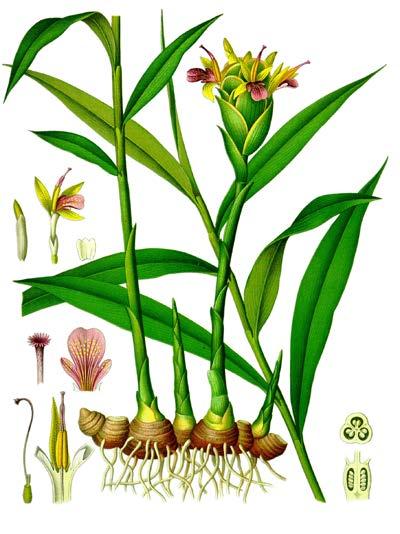
Jamaican ginger is rated among the best in the world because of its high potency. It is mainly traded in its dried form. A wide range of Jamaican soils and ecological conditions are conducive to ginger cultivation in most parishes, particularly Hanover, St. James, Trelawny, Manchester, Clarendon, St. Ann, St. Mary, Portland, St. Thomas and St. Andrew.
Jamaican ginger, which is positioned in niche markets, is estimated to have global demand of about 21,000 metric tonnes (mt) of fresh or 4,200 metric tonnes (mt) of dried ginger, which is less than four per cent of global trade.
Despite the local and international market opportunities for Jamaican ginger, production declined from some 900mt per year during the 1990s to 298mt in 2008, largely due to the impact of two major plant diseases – bacterial wilt and rhizome rot. As a result, the country became a sustained net importer of the product. Over the last five years however, the Ministry of Agriculture
and Fisheries (MoAF) has intervened in the industry by providing grant funding to improve crop husbandry, strengthen extension services, guarantee markets and retain remunerative and efficient farm gate prices.
The opportunities for earning sustainable returns from ginger are not centred solely on the high estimated returns on investments. While the returns on ginger production can be as high as 64%, there are other factors that make the industry attractive. The product also has high local and global demand, is adaptable to the local ecology and enjoys access to the highly evolved distribution channels accessed in the United States, the United Kingdom and Japan.1
At present, Jamaica is ranked as the world’s 23rd largest producer of ginger – behind India and China, which are ranked first and second, respectively.
1 http://www.jamaicatradeandinvest.org/sites/default/files/resources/agriculture_brochureAug2012.pdf
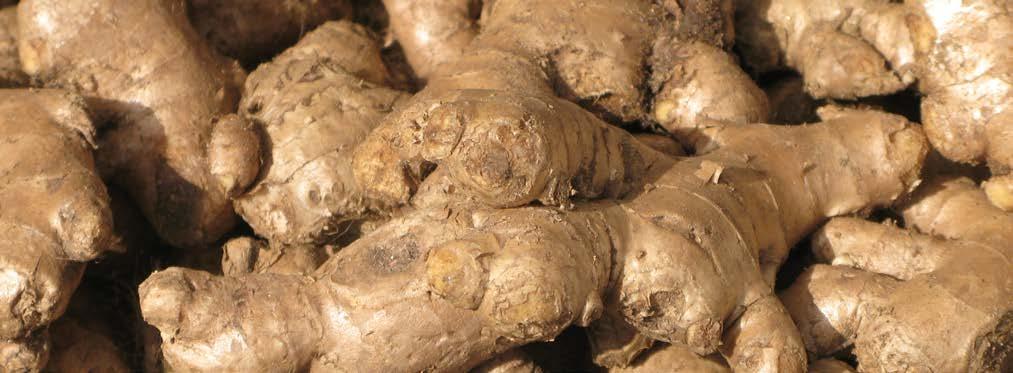
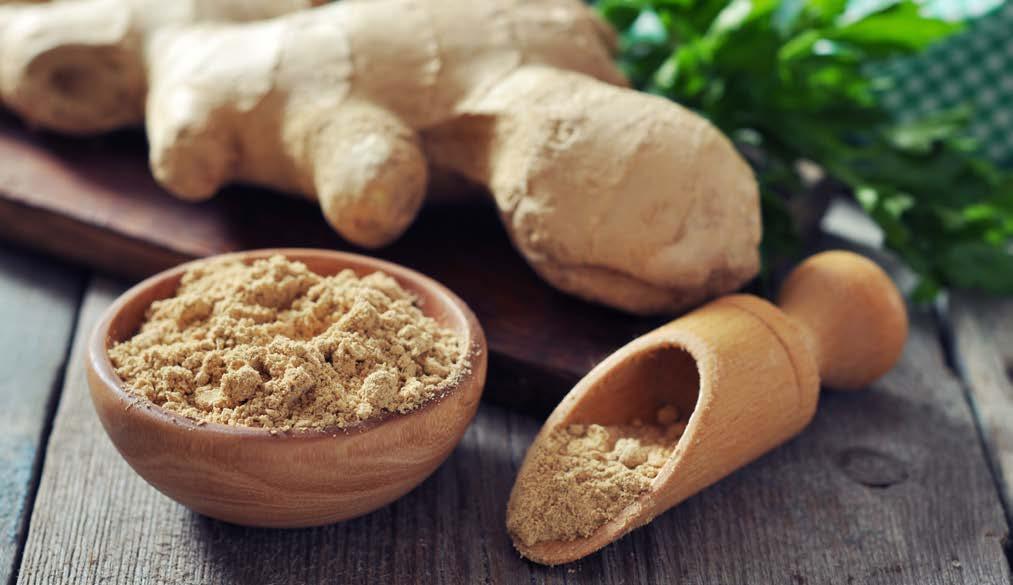
Ginger (Zingiber officinale) is one of the world’s most popular spices. It originated in South East Asia and was introduced into Jamaica by the Spanish settlers around 1525. The ginger crop is grown extensively in the Caribbean, Asia and Africa. It is highly valued as a culinary spice as well as for its medicinal properties. It contains up to 3% of an essential oil called gingerol, which gives it its pungent fragrance and sharp flavour. Ginger contains calcium, fibre, ash, protein, phosphorus, thiamine, riboflavin, niacin and ascorbic acid. It also contains protease, an enzyme that tenderizes meat.
Ginger is an important foreign exchange earner. Its cultivation in Jamaica as an export crop began from as early as 1547 when over one million metric tonnes was exported. The Jamaican dried ginger due to its
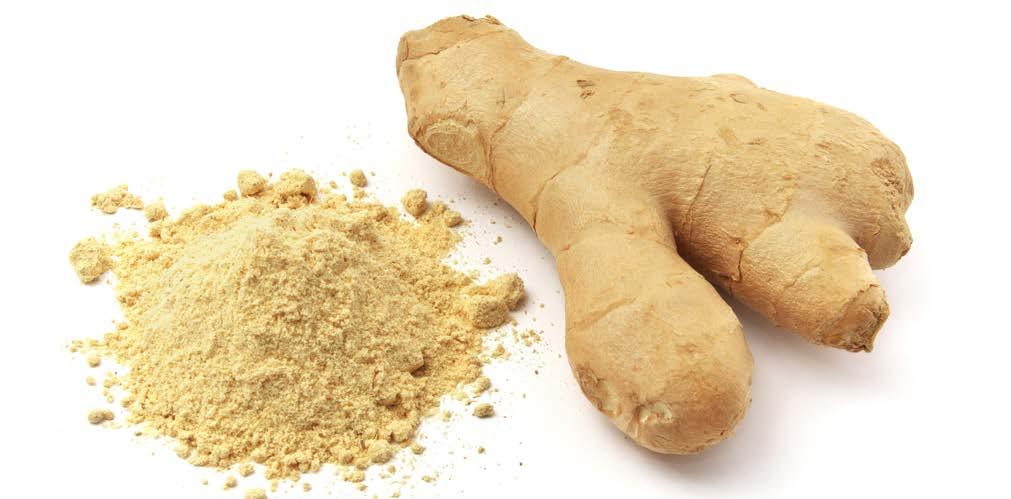
pungency has gained worldwide recognition as the world’s best ginger and commands a price premium on the world market above the prices paid for ginger grown and exported from other countries. There is also a very high demand for ginger locally due to the presence of the local agro-processing industry and the level of domestic consumption among households. Ginger is used in the production of sauces, juices, soft drinks, teas, pharmaceuticals, cosmetics, aromatherapy oils, seasonings and spices and is an important ingredient in the traditional culinary dishes of the Caribbean, Asia and Africa.
Jamaican ginger cultivation has experienced a drastic decline which began in 1995 when ginger production fell by 42.20% when compared with the previous year’s
production. Farmers in the traditional ginger planting areas of central Jamaica lost up to 55% of their crops due to the Rhizome rot (Pythium Graminicolum) disease. The industry recovered temporarily the following year due to the planting of ginger crops in non-traditional ginger areas that were not infected with Rhizome Rot.
RADA joined with the Plant Protection Unit of the Bodles Research Division of the Ministry of Agriculture and Fisheries in 1998 to carry out major research work on how to prevent the disease. This resulted in the recovery of the industry from the year 2001 after the findings of the research at Bodles were adopted by farmers.
The research found ways of treating the ginger rhizomes with Topsin-M or Ridomil MZ fungicides or hot water (50ºC) and Topsin-M prior to planting in order to obtain disease free planting material. These preplanting treatments discovered through the research and development efforts of the Ministry of Agriculture
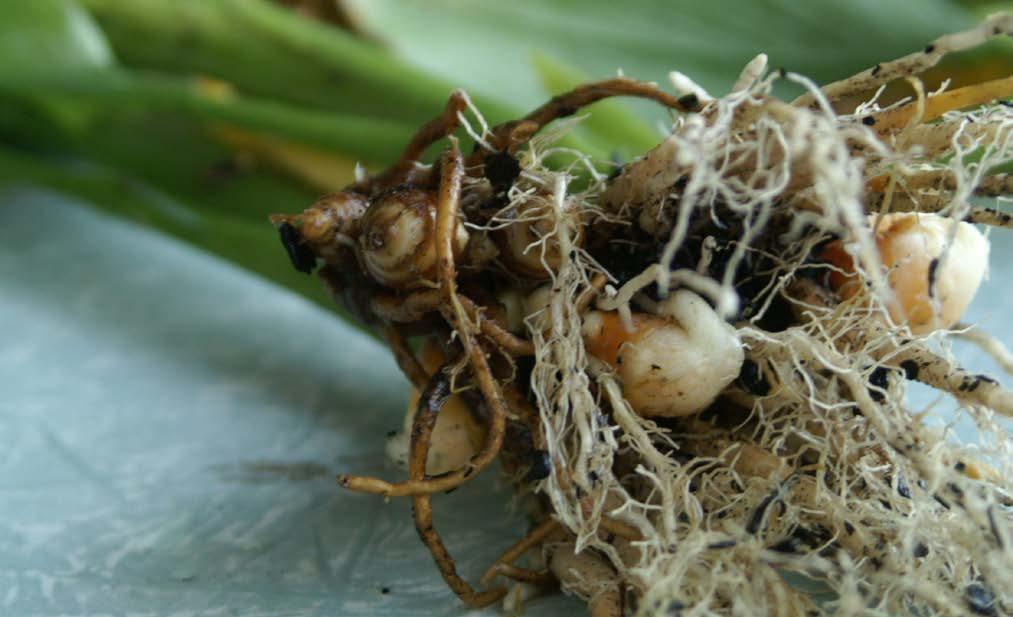
have enabled the recovery of the industry. The Plant Protection Unit of the Ministry of Agriculture has continued research on identification of the cause and control of the disease.
Jamaica’s decline in ginger production from 1995 to 2000 weakened its position on the world market. Countries such as China, India, Thailand, Nigeria, Indonesia and Nepal are the world’s leading producers and exporters of the product. The demand for Jamaican ginger has nonetheless remained strong internationally; therefore, in 2009 there was renewed effort to export the crop and Ministry of Agriculture embarked on a programme of promoting the production of ginger for export which involved the provision of incentives to farmers and extension services provided by RADA. The Ministry has also conducted a study on the demand for ginger among local agro-processors in order to assess the potential for expansion of its cultivation.
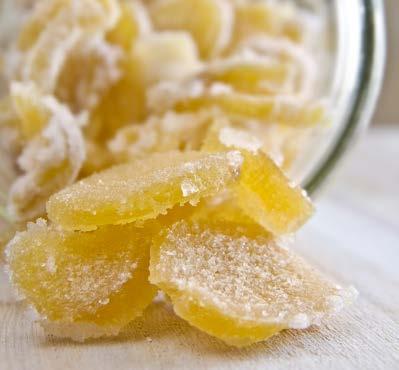
Ginger is sold on the global market in fresh, dried or powdered form or as an extract or oleoresin. 2 The dried ginger that is exported internationally is supplied in split or sliced form and the ginger rhizome is dried until the moisture content is approximately 10-12%. Jamaica exports its ginger mainly in split dried form and the bulk of exports are mainly to Japan. This moisture content appears to be the standard level for dried ginger on the international market.
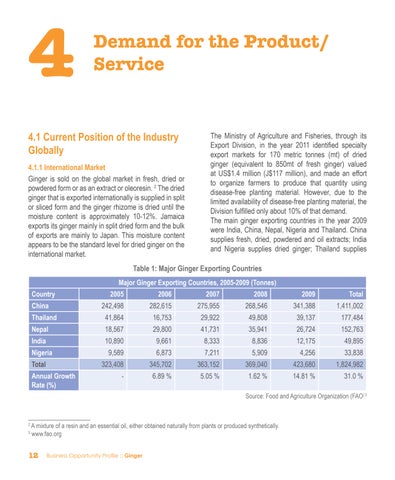
The Ministry of Agriculture and Fisheries, through its Export Division, in the year 2011 identified specialty export markets for 170 metric tonnes (mt) of dried ginger (equivalent to 850mt of fresh ginger) valued at US$1.4 million (J$117 million), and made an effort to organize farmers to produce that quantity using disease-free planting material. However, due to the limited availability of disease-free planting material, the Division fulfilled only about 10% of that demand. The main ginger exporting countries in the year 2009 were India, China, Nepal, Nigeria and Thailand. China supplies fresh, dried, powdered and oil extracts; India and Nigeria supplies dried ginger; Thailand supplies
Source: Food and Agriculture Organization (FAO) 3
2 A mixture of a resin and an essential oil, either obtained naturally from plants or produced synthetically. 3 www.fao.org
fresh, dried and powdered ginger; and Nepal supplies fresh and dried ginger. China leads the world globally in ginger exports, enjoying 37% market share. However, it has not met the import standards of Japan in recent years, resulting in the rejection of a number of shipments. Consequently, China voluntarily stopped exporting ginger to Japan. This created the opportunity for Jamaica to enter the Japanese market which became its biggest importer.
Table 1 shows China as the world leader in ginger exports, followed by Thailand, Nepal, India and Nigeria – the fifth largest international ginger exporter. Over the period 2005-2009, annual exports from three of the major exporting countries namely, Nigeria, Nepal and Thailand show an overall declining trend. However, total ginger exports from the five major exporting countries combined increased each year over the same period. Over this 5-year period, ginger exports grew by a total of 31.0% from 323,408 tonnes to 423,680 tonnes. The lowest annual growth rate experienced by
the five countries combined was 1.62% in 2008 when ginger exports from all, except Thailand, declined. Growth peaked, however, at 14.81% in 2009, boosted by a significant increase in exports from China. These figures show that the overall trend in international ginger exports is a positive one among the five major producing countries.
In 2008 Chinese ginger commanded an average price of US$4,500 per tonne, or US4.50 per kilogram. Indian ginger was quoted above US$3,300 per tonne (US$3.30 per kilogram) and Nigerian ginger sold at an average of US$3,500 per tonne (US$3.50 per kilogram). In comparison, the Jamaican ginger sold for an average of US$7,500 per tonne (US$7.50 per kilogram) on the international market. Jamaican ginger commands a high price premium due to its favourable characteristics such as its strong pungency and the fact that export quantities are limited on the world market.
The export markets for ginger include Japan, India, Malaysia, Bangladesh, Canada, United Kingdom, Germany, Spain, Netherlands, France, United States of America, Russia and Saudi Arabia among others. Table 2 shows the quantities of ginger imported over the period 2005-2009 by nine major ginger importing countries. This amounted to 225,672 tonnes in 2005, increased to 292,609 tonnes in 2008 and declined to 288,537 tonnes in 2009. The data in Table 2 further show an annual increasing trend in ginger imports among importing countries except for the year 2009 when there was an overall decline of 1.39%. This was due mainly to a significant reduction in ginger imports by Japan (24.35%) and Saudi Arabia (97.45%).
Ginger is a frequent ingredient within Japanese cuisine and ginger in brine is an important part of it. Countries in North America and Europe are importing more ginger each year, due to the presence of large immigrant populations and the transfer of their culture, with many
exotic dishes gaining popularity within the mainstream populations.
There is also the fact that with the advent of the health and fitness movement, consumer taste and preferences have changed and there is increasing choice of a healthy alternative lifestyle. Consequently, herbal medicines and nutraceuticals have grown in popularity. Ginger preparations are sold as over the counter remedies for the treatment of migraine, travel sickness, and rheumatoid arthritis. Ginger stimulates gastric juice secretion and relieves cough and flu. It is known to improve blood circulation and reduce fat deposits in the arteries. Ginger tea is a popular hot drink, which is made from boiled fresh ginger or powdered ginger. Import countries also use ginger to spice curry powder, prepare ginger soda/beer, ginger ale, pastries and ginger wine. It is also used in perfumery, confectionary and to manufacture sauces.
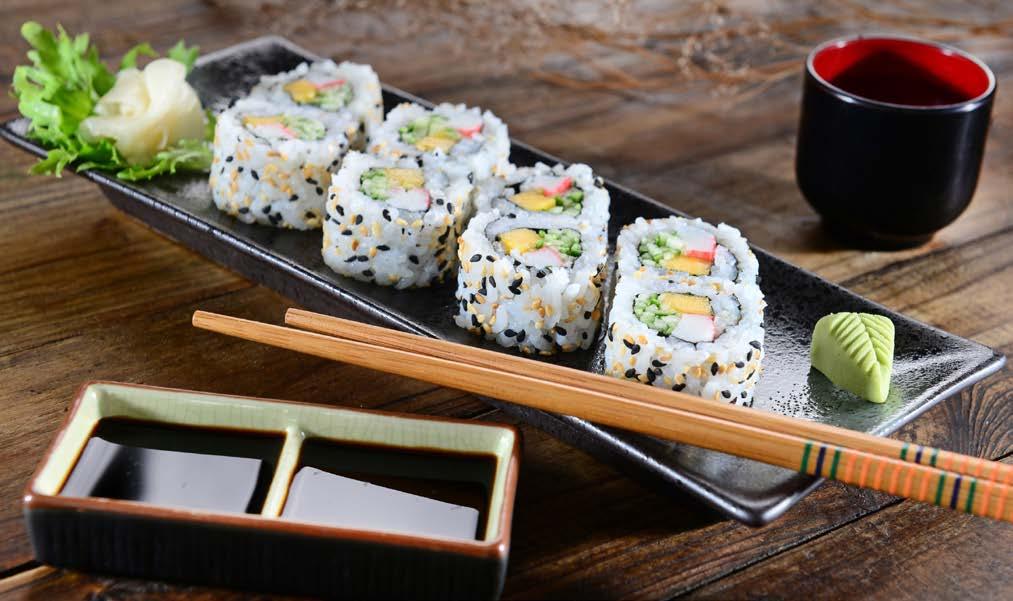
Table 3 shows that in 2009 India, China, Indonesia and Nepal were the world’s four largest producers of ginger. The cultivation of ginger by the world’s major ginger producing countries showed a steady upward trend for the years 2005-2008 when the amount reaped moved from 1,318,037 tonnes in 2005 to 1,639,218 tonnes in 2008. This changed in 2009 when 1,613,353 tonnes or 1.58% less ginger was produced. This amount was reaped from 273,736 hectares of cultivation, or an average of 5.90 metric tonnes per hectare. Among the top producers, China, Indonesia, Nepal, Bangladesh, Japan and Malaysia managed to increase their production of ginger each year during 2005-2009.
On the local Jamaican market, fresh ginger is demanded in large quantities mainly by the municipal markets, retail grocers and exporters. Other significant buyers of ginger are agro-processors, bakers and food service establishments. The local market for ginger has four main product segments: fresh ginger, dried ginger, liquid ginger extract and powdered ginger. These forms of ginger are demanded by the major local market segments as shown in Table 4 below.
Municipal markets
Retail grocers
Exporters
Agro-processors
Fresh ginger
Fresh and powdered ginger
Fresh ginger, split dried ginger
Fresh, dried, liquid ginger extract and powdered ginger
The local market demand is satisfied from local production as well as imports. The imported forms of ginger are fresh ginger, ginger powder, dried ginger and liquid ginger extract. The size of the local market for ginger during 2006-2010 can be estimated from the production and import statistics shown below:
Source: Agricultural Marketing Information Division (AMID) & Statistical Institute of Jamaica (STATIN)
The local market for ginger has grown significantly since 2009 when production and imports totalled 525,460 kg. By the end of 2013 the total market grew to 1,317,324 kg – an increase of 791,864kg or 151%. The significant increase in the size of the total market over the 5-year period is largely due to the renewed efforts of the Ministry of Agriculture and Fisheries at boosting local ginger production and exports. The local agroprocessing industry also created increased demand for ginger which was partially satisfied by imports.
It can be observed that there is a direct correlation between local ginger production levels and local importation. In the year 2011 there was a 9% decrease in local ginger production of 42,000 kg and importation increased by 45% or 35,679 kg. In 2012 local ginger production increased by 144% or 638,000 kg and ginger imports fell by 28% or 31,974 kg. There was a divergence from this trend only in 2010 when both imports and local production increased. This can be explained by the high level of Jamaican ginger exports to Japan which created a shortage of supply on the
local market. This caused ginger imports to increase by 19% or 12,901 kg despite the increase of 5.9% or 27,000kg in ginger production.
In 2011 a demand study was carried out by the marketing department of the Ministry of Agriculture among 34 local agro-processors to determine their usage of ginger in 2010. The survey found that 12 companies used 55,465 kg of fresh ginger.
The largest purchaser of ginger was Salada Foods Ltd which uses ginger to manufacture fruit blends, vacuum packed dried ginger, beverages, fruit bars and sauces. Other companies used relatively small amounts. The fresh ginger segment among local agro-processors (55,465 kg) represented 11.41% of local production for 2010.
Based on export data tabulated for the 5-year period 2009-2013, Jamaica’s main ginger export markets are Japan, Canada and the United States.
Over the period 2009-2013, the peak years for export of ginger from Jamaica were 2010 and 2011 when 29,942 kg and 23,555 kg, respectively, were exported. Ginger exports declined in 2011 by 21% and in 2012 by 23%. These fluctuations were not due to a decline in world demand for Jamaican ginger but were as a result of a shortage of supply. The export industry made steady recovery in 2013 when 22,373 kg were exported, representing an increase in ginger exports of 23% over the previous year’s performance. This recovery can be attributed to efforts by the Ministry of Agriculture to promote the farming of ginger and to address the issues related to disease.
The peak season for buying ginger for export is during the months of February to May. This is after the peak buying season for the local market which is during the Christmas period, when ginger is purchased by households to make sorrel. Prices are highest on the local market during the peak season so exporters tend to purchase during the off-season.
The export earnings from Jamaican ginger in 2009 totalled approximately J$6.39M (US$72,713) from sales of 12,164 kg. The average price earned was therefore approximately US$5.98 per kilogram. By 2010 Jamaica achieved earnings of approximately, J$17.90M (US$204,853) from export sales of 29,942 kg of ginger, representing a 180% increase in JM$ earnings over 2009. The average price earned in 2010 was approximately US$6.84 per kilogram.
Source: Statistical Institute of Jamaica (STATIN)
The main ginger producing areas are located in the parishes of St Ann, Clarendon, St Elizabeth, Manchester and St Catherine. The government through the Export Division of the Ministry of Agriculture and Fisheries is promoting the farming of ginger in St Thomas, St James, Trelawny, Clarendon, Manchester and Portland. This is being done through the Ginger Production and Productivity Programme which provides a grant of up to 20% of the cost of production for the purchase of fertilizers and other inputs. Under the programme there is also technical support for ginger farmers, provided through the Rural Agricultural Development Agency (RADA). This programme was initiated in 2009 and has so far boosted production significantly. This is reflected in Table 8 which shows annual ginger production figures from 2009 to 2013 and acreages cultivated. The figures show that there was a 144% increase in production in 2012 when 1,082,000 kilograms of ginger
were produced compared with 444,000 kilograms produced in 2011. One significant observation of the trends is an 80% increase in per acre production for the same periods. Although greater hectares of land were cultivated in ginger in 2012, there was an 80% increase in the production per acre compared to 2011. This may be attributed to the MoAF efforts at improving better yields per acre.
There is the opportunity to minimally process fresh ginger to produce dried ginger to satisfy local and international market demand. Another opportunity for investment is distilling dried ginger to produce ginger oil for the export market.
This SWOT analysis of the local ginger industry will look at its strengths and weaknesses as well as the opportunities and threats facing the industry. The industry is made up of farmers, middlemen who buy at
the farm gate and sell to retailers, such as supermarkets, hotels and restaurants or export the product, as well as vendors/higglers who sell within the municipal markets. The consumers of ginger are the domestic households, institutions such as hospitals, agro-processors, hotels, restaurants and caterers, bakeries and exporters. The Ministry of Agriculture and Fisheries also plays an important role within the industry by providing research and development, marketing support, technical assistance, and grant funding to farmers. The industry is also supported by financial institutions such as the People’s Cooperative (PC) Banks and other nontraditional and traditional financial institutions.
Jamaican ginger is considered to be of high quality – one of the highest in the world.
The ginger commands a price premium on the international export market.
The capacity for research and development of the Ministry of Agriculture and Fisheries and the Scientific Research Council and results of research that have controlled the spread of the rhizome rot disease.
Availability of technical assistance, marketing and grant support for farmers from Ministry of Agriculture and Fisheries.
A well established market distribution system through the higgler and the middleman network, including the Export Division of the Ministry of Agriculture and Fisheries and Jamaica Exporters’ Association.
Adequate availability of farming inputs such as land and labour for farming.
Strong demand exists locally and internationally for Jamaican ginger.
The promotion of ginger usage through 4-H clubs, Denbigh, Hague and Mount Pellier agricultural shows and product commercials.
Praedial larceny within this industry is minimal.
Insufficient supply of ginger for export.
Relatively low level of production compared to other exporting countries.
Cultural resistance from older farmers in adopting new ginger farming practices.
Lack of sufficient value-added industries in the production of ginger powder and liquid ginger extract to prevent importation of these products.
Lack of availability of good supply all year round for ginger.
Jamaica’s farming sector is made up of small farmers on small land holdings.
The majority of farms are of ¼ acre to 5 acres in size. There is need for more large scale production.
Lack of adequate supply of tissue culture planting material for greenhouse farming of ginger.
Lack of adequate supply of traditional planting material.
Strong demand exists locally and internationally for Jamaican ginger.
Farmers can engage in contract farming with Export Division, Ministry of Agriculture and Fisheries.
Financing is accessible for farming from National People’s Co-operative Banks (NPCB), Development Bank of Jamaica, and farm loans approved and promoted by the government.
Land access through RADA and the National Land Agency. For use of new technologies such as greenhouse farming and tissue culture plantlets.
The presence of disease in some ginger producing areas in Clarendon and Manchester
Ginger is among the fastest growing spices in international trade, and with Jamaica ginger among the world’s best, presents an opportunity to expand local production to capitalize on the increasing demand. According to data from the International Trade Centre, global imports of ginger stood at 423,000 metric tons, valued at US$614 million (J$53 billion) during 2010, with Japan, United States, United Kingdom, Germany and Canada among the major importing countries, while China accounted for overwhelming exports, followed by Thailand, Nepal and Nigeria.
Jamaican ginger is currently in high demand internationally due to its flavour profile; however, the country has only supplied 10% of that requirement. Since 2001, global ginger imports have increased from 276,000 tonnes, valued at US$172 million, to 423,000 tonnes valued at US$64 million. Jamaican ginger, which is positioned in niche markets, is estimated to have global demand of about 21,000 tonnes of fresh or 4,200 tonnes of dried ginger, which is less than 4% of global trade.
The target market for local ginger includes exporters, local vendors and agro-producers. RADA officers can provide some assistance in the marketing of crops. When planting ginger it is recommended that the producer contact the local RADA office in advance of the reaping of the crop for assistance in locating buyers. One may also seek to locate the wholesale traders who buy at the farm gate. One way to contact them would be through word of mouth referral from other farmers.
Direct contact can also be made with buyers in advance of planting to make contractual arrangements for the sale of the crop. A contract can be negotiated with the Export Division of the Ministry of Agriculture and Fisheries. Their contract is a one-year non-exclusive agreement that allows you to sell some of your crop to other buyers as well. A minimum quantity that you will sell to the Export Division as well as the price at which you will sell can be agreed in the contract.
There is also an available listing of agricultural fresh produce, which includes local ginger exporters, that is available through the Jamaica Exporters’ Association (JEA) and the Ministry of Agriculture (MOA).
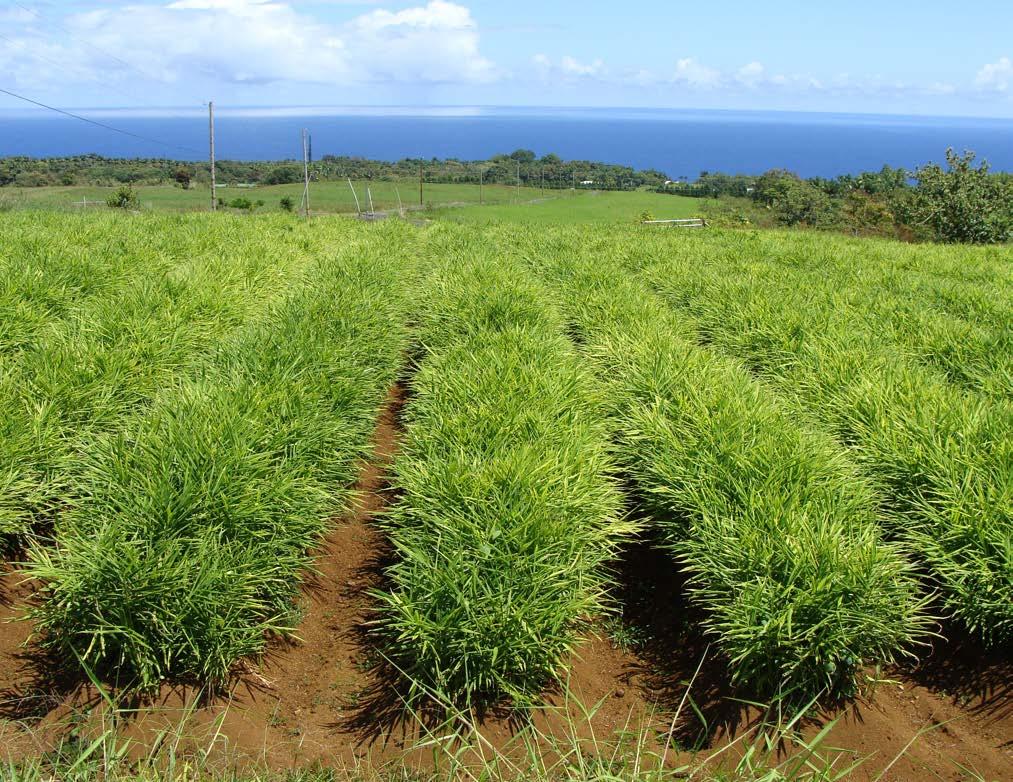
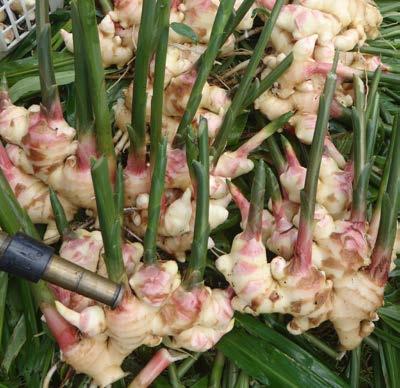
Ginger farming can be done under shade house or greenhouse conditions or in the open field. The majority of farming in Jamaica is carried out in the open field. Two types of ginger are said to be grown in Jamaica: the white/yellow ginger has a yellow-fleshed rhizome and is more highly regarded than the “blue” ginger (“flint”), which has a bluish and more fibrous flesh.
Ginger grows best in moist, well-drained soil at elevations of over 2,000 feet above sea level. To determine the suitability of your soil and climatic conditions for planting ginger, get advice from RADA and the Rural Physical Planning Unit at Ministry of Agriculture and Fisheries. You should take a soil sample to the Rural Physical Planning Unit to be tested in order to determine whether or not your land is suitable for cultivating ginger. Sloping land is recommended to allow water to run off, while flat lands require a proper drainage system.
Planting is between March and May. Propagation is done by cutting the rhizomes into pieces of about 2 to 3 inches long, planted some 5-12 inches apart. Under favourable weather conditions, shoots appear in ten to fifteen days, or five to six weeks in dry weather. It is estimated that approximately 1,400 to 1,800 pounds of planting material will be required per acre.
It is important to seek the assistance of RADA in identifying good quality planting material. The RADA
Officer will provide guidance in the selection and treatment of good planting material. Tissue culture plantlets are used for cultivation or, alternatively, carefully selected rhizomes from a previous crop depending on whether farming will be done under greenhouse conditions or in the open field. Ginger production may also take place in a greenhouse. Information regarding the availability and supply of tissue culture plantlets can be sourced from the Scientific Research Council.
Plants mature and the leaves turn from green to yellow around October/November and dry down by December/ January. The reaping period is December to May: Fresh ginger reaped first and dried ginger reaped nearer May. If discolouration of the leaves occurs before nine months, this would be a sign of nutrient deficiency or disease.
Harvesting is done between December and March when stalks have withered and dried. Average yields in central Jamaica are 13-18 tonnes per hectare (5-7 tons per acre) of green ginger, being the lower in sandy soils, and for the Tambric variety. In India the main types planted, yield similarly to Jamaica.
The production of fresh ginger involves quality control throughout the entire farming process. It is important to pay careful attention to quality when farming ginger in order to obtain high yields per acre of the crop. It is also important to ensure that the ginger is of high quality
going to market so that the best prices can be obtained for the crop reaped. Quality control must be exercised in the following ways:
Proper land selection and preparation
Selecting disease free planting material
Treatment of planting material with fungicide before planting
Inspecting field regularly for signs of disease
Timely crop care – weeding, spraying, fertilizing
Use of the correct chemicals for spraying and fertilizing
Reaping without creating breakage and bruising of the hands of ginger
Proper storage to prevent spoilage
Crop rotation
RADA officers can provide some assistance in the marketing of crops. When planting ginger it is recommended that you contact your RADA office in advance of the reaping of your crop for assistance in locating buyers. You may also seek to locate the wholesale traders who buy at the farm gate. One way to contact them would be through word of mouth referral from other farmers.
Potential ginger farmers may also contact buyers directly, prior to planting, to make contractual arrangements for the sale of the crop. Contracts can be negotiated with the Export Division of the Ministry of Agriculture and Fisheries. Their contract is a one-year non-exclusive agreement that allows farmers to sell portions of the crop to other buyers as well. A minimum quantity that will be sold to the Export Division as well as the agreed price can be laid out in the contract.
To locate other exporters of ginger, one may contact the Jamaica Exporters’ Association (JEA), JAMPRO or JBDC for information on current, local ginger exporters. The information can also be found on the website of the Ministry of Agriculture and Fisheries where a listing of exporters of agricultural fresh produce is available for selected produce.
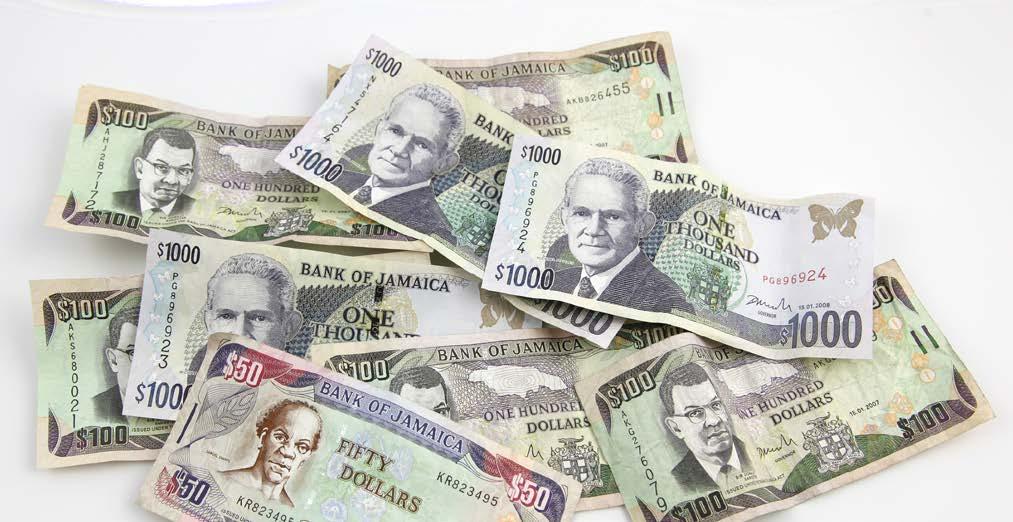
Within the agricultural sector payment is usually done cash on delivery at the farm gate. When selling green ginger to the Export Division of the Ministry of Agriculture and Fisheries an invoice certificate is issued to the farmer at the farm gate and the payment is wired to his bank account on the day following the sale.
Cost of production for the planting of ginger varies widely based on the following:
Location of farm
Labour costs
Soil type
Type of cultivation (whether greenhouse, open field or shade house)
For the year 2013 the cost of production in the ginger producing parishes ranged from JA$59 to JA$77 per kg produced. The lowest cost of production was in the parish of Manchester in the Christiana area and the
highest cost of production was in the parish of Portland in Windsor. 7 The major expense item that contributed to the variation in production costs was labour. Based on analysis of the cost of production and the average selling price of the product, ginger production was very profitable.
The following financial statement is prepared as an example of the feasibility of producing an acre of ginger and is based on a case study of the cost of production within a specific district where the cost of production was estimated at $70.83 per kilogram.
7 Based on Ministry of Agriculture & Fisheries, Cost of Distribution (2013)Assumptions:
i. Initial land clearing costs are omitted given the wide cost variance and represents a one off expense.
ii. *One off expense not included in calculations (to be included when calculating establishment cost at start up).
iii. ** Discounted items. To be aggregated when calculating establishment cost at start up.
iv. An allowance for spoilage of 5% of production is included in the figures for yield per acre.
The following cash flow statement is prepared as an example of how profitable it can be to produce an acre of ginger and is based on a case study where the cost of production was $70.83 per kilogram.
Assumptions:
i. *Year 0 represents the initial investment phase.
ii. Constant dollar figures are used based on the year 2010 prices.
iii. Crop revenue would be higher from intercropping with vegetables and other crops.
Assumption:
i. *Depreciation includes tools, plant sets and initial land clearing costs depreciated over 5 years.

Plant Diseases Ginger is susceptible to two diseases: Leaf Spot and Rhizome Rot.
Low if planting is not done in areas known to be affected by the diseases.
Low if the diseases are identified and treated early.
1. Selection of disease free planting material and treatment of planting material with fungicide prior to planting are critical to success.
2. Fields should be visited regularly to look for any early warning signs of disease to prevent the disease from taking over the field. When disease is detected the field is to be sprayed with Topsin-M fungicide to prevent the spread of it.
Planting out of season
If planting is not done during the correct months then the growth of the ginger rhizomes will be suppressed.
Poor crop care
This will not occur if planting material is available when needed and the technical advice provided by RADA is followed and planting is done during the months of February to May or June at the very latest.
If weeding and fertilizing (where necessary) are not done the growth of the ginger rhizomes will be suppressed
If growth of the ginger rhizomes is suppressed the high yields per acre will not be achieved.
This will not occur if careful attention is paid to the field and weeds are removed and fertilizer is applied as required.
If growth of the ginger rhizomes is suppressed the high yields per acre will not be achieved.
Seek to obtain planting material at least 3-4 months ahead of the planting period.
Carry out weeding of the field and fertilizing, as necessary.
1-3 months before planting, plough soil at least 30cm (1ft) deep and allow weathering (burn).
On heavier soils and on flat lands, cut drains to remove excess water.
Refine land shortly before planting. Add organic matter at refining. For well broken down manure, do so about one month before planting. Fresh manure may need 2-4 months to break down.
Tissue culture plantlets are used for cultivation or carefully selected rhizomes from a previous crop can also be used. This depends on whether farming will be done under greenhouse conditions or in the open field. It is important for you to seek the assistance of RADA in identifying good quality planting material. The RADA officer will know farms that sell seed rhizomes for planting and willprovide you with guidance on how to select and treat good planting material. If you decide on greenhouse farming, you will need to check on the availability of supply of tissue culture plantlets from the Scientific Research Council. Here are some guidelines that were prepared by RADA for selection of rhizomes for planting in the open field:
Select well formed hands, with many fingers, for planting. Break these into planting pieces and store in a cool shaded area.
Farmers plant large pieces as this “barampa” is
later sold with the hands that it bears. Small pieces, 3-5 cm (1-2 in.) long with 2-3 branches will bear just as well.
April/May, the tips of fingers push out and turn pinkish/yellowish, as sprouting begins. This is the best time to plant.
Cut furrows using a hoe and place pieces in the bottom. Use soil from the second furrow cut to cover pieces in the first; from the third, to cover the second and so on until the entire field is planted out. Cover pieces 4-8 cm (1.5-3 in.) deep.
Tractors use a reverse disc after each furrowblade; pieces dropped from the gang are covered by the disc. Animal drawn ploughs are followed by someone dropping pieces and covering them.
Spacings give 110,000-218,000 plants per hectare (44,000-87,000 plants per acre).
Sprouted pieces will emerge from the ground within 5-10 days, depending on moisture.
Intercropping is normally done at the early stages of planting during the first three months. Some crops that are planted are calalloo, tomato, cucumber and hot pepper, and some farmers plant sorrel or yam around the perimeter of the ginger field.
Although ginger is often not fertilized in Jamaica, much higher yields are possible with fertilizer. This is more important with land that is not rested. Twelve
to seventeen 50-kg bags per hectare (5-7 bags per acre) of fertilizer 14-28-14 are normally broadcast and chopped into the soil at refining. Fertilizer 18-18-18 is better for very acid soils. It is important to do a soil test to determine the need for fertilizer. The Rural Physical Planning Unit at Ministry of Agriculture and Fisheries will test the soil sample and provide you with a report. They will ascertain whether the pH balance of the soil is too high or too low. The required pH balance for Ginger is ph. 7.
Using a hoe, do the first weeding at the moulding phase (6-8 weeks after planting). Two or more weedings may be needed. A machete is best used later, to avoid damage to hands.
It is best to avoid land infested with nut grass as this weed is very difficult to remove. It will pierce the hands of ginger to form “nuts” inside of them. It may even reduce the size and yield in infested parts of a field.
Ginger Rhizome Rot (GRR) – This disease affects all parts of the plant. Leaves droop; turn yellow and plant tops are easily pulled away from the root. The plant dries and falls over before normal. Hands may look healthy outside or rotted. Inside, hands are lighter or darker colour than normal. Normal looking hands placed in storage rot after several weeks if they are diseased.
The disease is caused by germs (Fusarium spp., Phythium spp., Pseudomonas spp.) These are spread in the ginger and the soil, on tools, shoes, etc. It is more destructive in wet conditions.
To control the disease, several things must be done:
Do not plant ginger from affected areas in areas that do not show the disease.
In central Jamaica use only planting material from fields which show little or no disease. Select only
healthy looking hands: break and inspect insides for off colour and rot.
Avoid planting ginger in land which showed/shows signs of disease.
Treat planting material with fungicide (see Appendix 10.6)
Ginger is affected by leaf spots which are usually not severe. Leaves may have small, whitish spots with yellow edges; these get larger and spread, making the leaf yellow then brown, killing it. Early in the crop, it can cause severe losses. Fusarium spp., Rhizoctonia spp., and Ralstonia solanacearum (formerly called Pseudomonas solanacearum) have been found in diseased leaves. Topsin-M has given good results in diseased plots.
Plants mature and the leaves turn from green to yellow around October/November and dry down by December/ January. The reaping period is December to May – fresh ginger reaped first and dried ginger reaped nearer May. If discolouration of the leaves occurs before 9 months, this would be a sign of nutrient deficiency or disease. Plants take 9 months to mature.
Loosen soil with fork, around 10”-19” from the stem to avoid mechanical damage from fork, carefully lift hands and remove soil to avoid breaking. Animal drawn ploughs are far more likely to damage and bury hands. Wider row spacing is better if tractors or animal ploughs are used.
Average yields in central Jamaica where sandy soils are lower are 13-18 tonnes per hectare (5-7 tons per acre) using green ginger and for the Tambric variety. In India the main types planted yield similarly to Jamaican varieties. In Hawaii 44 tonnes per hectare (17 tons per acre) are reported, using their larger green ginger types.
Crop rotation is critical when farming ginger due to the need to avoid the incidence of disease. Crop rotation is recommended with plantain, turmeric, onion, garlic, hot pepper, vegetables or sugar cane. It is also recommended that at least a two-year break be given to land that was farmed with ginger and a fresh piece of land used for planting it while the crop is being rotated.
The green ginger is put to sun right after reaping then excess soil is removed from the rhizomes. They are then packaged in crates to go to market. They are also stored in empty rice bags and sugar bags. Jute / crocus bags are also suitable for storage and transportation.
Rhizomes that will be used for planting material are stored in a cool place in sawdust where they remain for 3-4 months until they begin to sprout, and then they become ready for planting.


The production of fresh ginger involves quality control throughout the entire farming process. It is important to pay careful attention to quality when farming ginger in order to obtain high yields per acre of the crop. It is also important to ensure that the ginger is of high quality going to market so that the best prices can be obtained for the crop reaped. Quality control must be exercised in the following ways:
Proper land selection and preparation
Selecting disease free planting material
Treatment of planting material with fungicide before planting
Inspecting field regularly for signs of disease
Timely crop care – weeding, spraying, fertilizing
Use of the correct chemicals for spraying and fertilizing
Reaping without creating breakage and bruising of the hands of ginger
Proper storage to prevent spoilage
Crop rotation


Training Includes:
• Product Development and Innovation
• Conducting Market Research

• Understanding Legal Requirements & Protecting Intellectual Property
• Conducting On-line Business


• Crafting Entrepreneurial Strategies
Programme Highlights
• Business Mentorship
• Workshops & Seminars
• Practical Skills Development

• Business Planning Techniques
Programme offered at the Kingston, Montego Bay & Mandeville Campuses.
For further information please contact the following Institutions:
The Vocational Training Development Institute
Duration: 15 months
P/T – Online

Admin. fee $5,000
Gordon Town Road, Kingston 6. Tel: 977-1700-5. E-mail: vtdi@heart-nta.o
HEART College of Innovation & Technology
1 Ramparts Close. Tel: 940-1030/1437. FAX: 952-9532. Email: h