63 minute read
MALAYSIA SUSTAINABLE CITIES PROGRAM: RESEARCH AGENDA 2015-2016

In Johor Baharu, the catalytic development strategies that have triggered massive luxury housing developments along the Straits of Johor are primarily oriented toward attracting foreign capital. The Iskandar Regional Development Authority (IRDA) has assisted with “eco-tourism” ventures so that villages can share in the influx of Chinese and Singaporean homeowners, visitors, and increasing numbers of tourists. Eco-tourism ventures take many forms, including: village-based floating fish farms (rumahrakit) where fishing enthusiasts can stay onboard over night, locally caught fresh catch restaurants, tours through the mangroves, and homestays in communities rich in natural resources such as mangrove forests and sea grass beds. IRDA has promoted free English language learning and increased connection between villages and tourism operators in Singapore and elsewhere. IRDA has also trained villagers in alternative income schemes to further capitalize on the influx of visitors, such as handicrafts, traditional games, and the sale of small sundry goods. Despite the possibly transformative potential for the villages involved, problems have arisen. Some villagers refuse to participate. Others complain about changes in water quality and environmental conditions resulting from an influx of floating fish farms. Finally, it is questionable whether or not the infrastructure exists in these villages to accommodate very many new visitors. Despite the dependence of ecotourism business models on well-functioning ecosystems, there is not much attention devoted to educating tourists about the environmental threats to traditional ways of life.
In Sarawak, large-scale development has generally not benefited indigenous people. Several advocacy groups and organizations note that indigenous communities do want development (including ecotourism) but they want it to be driven, and to the extent possible, owned by the communities themselves. A range of possible wealth-creating strategies should probably be considered to ensure more inclusive economic development. Ecotourism is a contested idea in Malaysia, although it is sometimes presented as the best or only option for securing the livelihoods of certain communities. The idea of oil palm plantations as the key to local development is similarly contested, particularly given the backdrop of vast logging and oil palm plantations throughout East Malaysia. Research that shows how both of these ideas, when crafted in a particular way, might win community support would represent an enormous scholarly contribution.
Advertisement
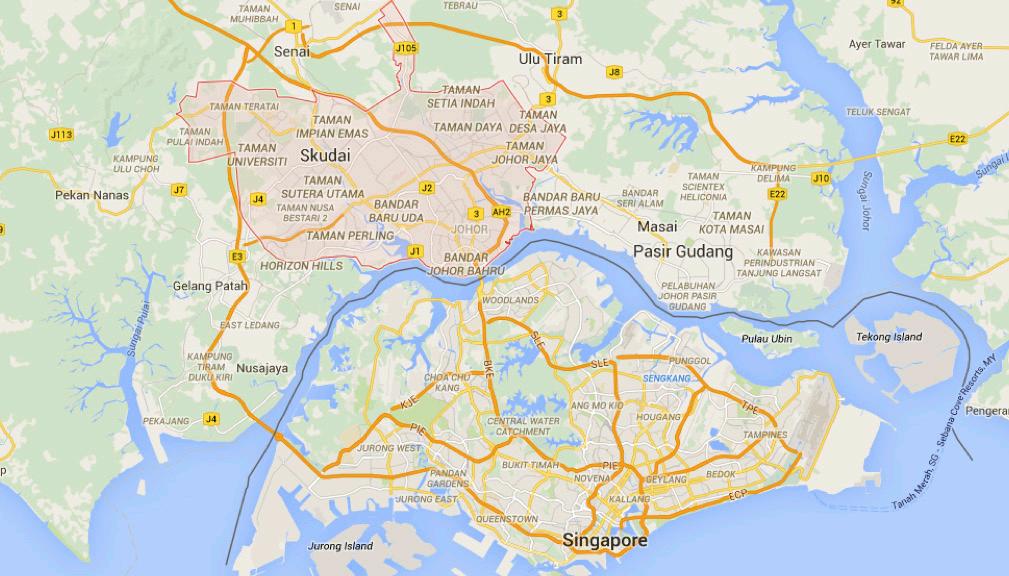
Located at the southernmost boundary of peninsular Malaysia (and therefore the southernmost tip of mainland Asia) Johor Baharu sits just across the narrow Straits of Johor from Singapore. As such, Johor Baharu(JB) is a common entry point into Malaysia for tourists and businesspeople, and is becoming attractive as an affordable alternative to Singapore where the cost of living is much higher. Over the past decade, JB has worked hard to enhance its international reputation, embarking on ambitious plans to expand its ports, attract foreign real estate investment, and develop its shoreline through massive land reclamation projects. Some policies are already in place to ensure rural fishery-dependent villages on the outskirts of the city also benefit from this development, but tensions remain between large-scale development goals and the livelihoods of villagers who must depend on shrinking and deteriorating coastal ecosystems.
The team of students that traveled to Johor developed the following questions based on conversations with students and faculty in the geography department at the National University of Singapore, local activists, and current and former IRDA staff with extensive experience working on sustainable development in the region.
Given the narrowness of the Straits of Johor and the interconnectedness of ecosystems on the Singapore and Malaysia sides of the Strait, how is the reclamation going on in Johor (i.e., Country Gardens development and the Forest City development) likely to impact ecosystem services across the tropical coastal seascape (mangroves, mudflats, sea grass, rocky shores, soft corals)?
• Might changes in ecosystems be caused by these developments?
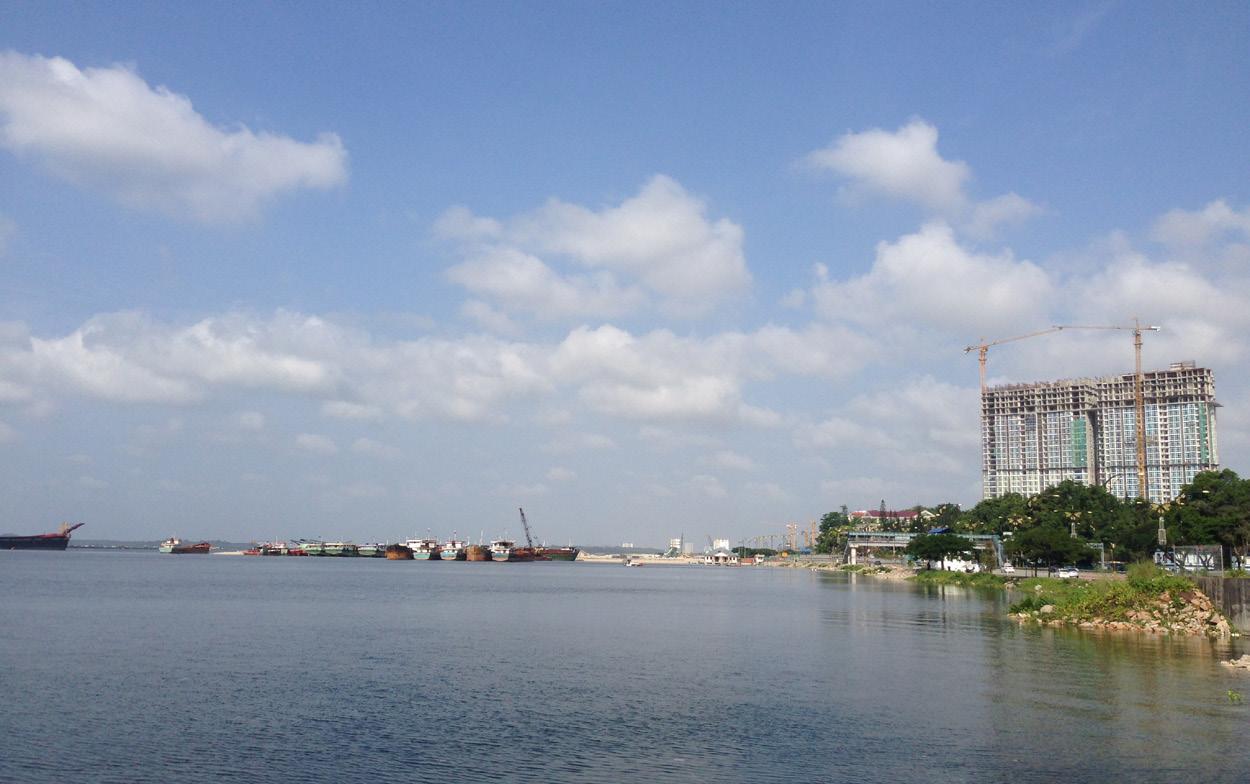
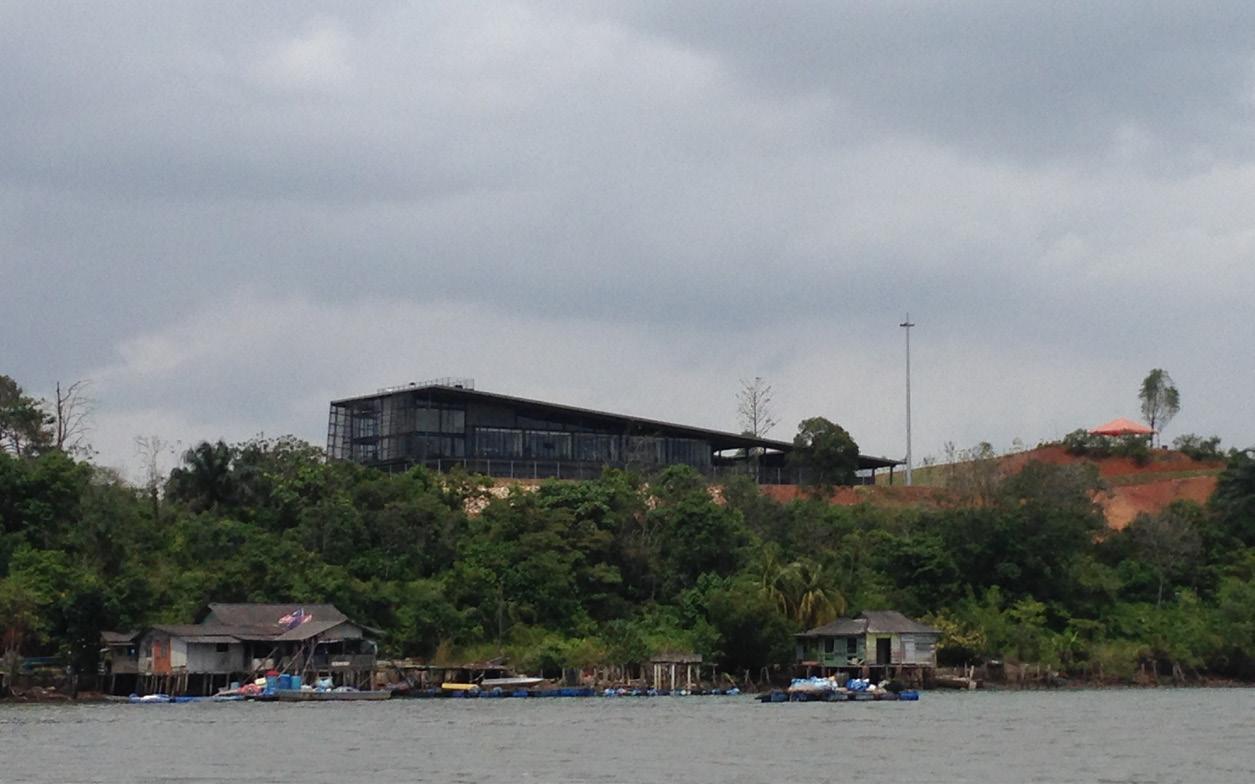
• What are the impacts of rapid high-rise real estate development and reclamation on fisheries-dependent communities such as the Orang Asli village directly across from DangaBay?
• Are there effective transboundary dispute handling options in place to help resolve the conflict between Singapore and Malaysia regarding continued reclamation and development in the Straits?
Themes
Transboundary governance; international law; ecosystem services; coastal ecology
Background
Johor Baharu, Malaysia is witnessing massive land reclamation efforts along the southern coastal highway on the Straits of Johor. This reclamation is part of a development strategy that emphasizes building luxury condominiums and apartments for foreign buyers (see question 3). Across the Straits of Johor, during previous decades, Singapore attempted coastal reclamation of its own. From the 1970s to the 1980s, Singapore tried to expand its military bases both on Tekong Island and on Tekong Kecil. It reclaimed the area between these two islands and turned it into one large expanse. In the 1990s, they wanted to further expand Tekong Kecil to the coasts of Palau Ubin, but Malaysia sought the intervention of a United Nations Convention Law of the Sea (UNCLOS) Tribunal -- under Article 287 Part VX that allows sovereign countries to resolve complaints via the International Tribunal for the Law of the Sea. Johor’s politicians complained that Singapore had not consulted them during this planned reclamation, disrupting local Malaysian livelihoods in the fishing villages in Johor and restricting Malaysian access to the port of Pasir Gudang. Given this history, the new reclamation projects in Johor may provoke a retributive intervention by another UNCLOS tribunal.
Coastal reclamation is located in the adjacent waters near the national park Tanjung Piai and the Port of Tanjung Pelepas (PTP). The same Chinese developer (Country Gardens), is building luxury housing primarily for foreign buyers on 1,600 hectares of completely man-made islands. The Sultan of Johor’s company is a major shareholder in this project. The project went forward without a required environmental impact assessment. In late 2014, following a public outcry in Malaysia and concerns in Singapore over boundary encroachment, an investigation was undertaken by the Malaysian Department of Environment (DoE). This ultimately led to a halt in construction. In early 2015, following a rapid environmental review, it was decided that the project could move forward, but that it would be limited to 405 hectares -- one fourth its original size. There have been calls for more adaptive planning. This would mean that the Malaysian Department of the Environment would be responsible for measuring the impact of the (smaller) development effort and deciding what expansions would subsequently be allowed. Currently, there is still evidence that coastal villages dependent on subsistence fisheries are being relocated without compensation. There are also issues relating to PTP Port development (see question 2), where warehouse expansion and land clearing are occurring. The Forest City reclamation has occurred on peninsular Malaysia’s largest contiguous intertidal sea grass bed, within a Ramsar protected wetland and a national park, causing substantial threats to local biodiversity.
Research Design
Over a four month period, one or more scholars could interview 30-50 stakeholders -- government agencies, communities, developers, and civil society using a “snowball” stakeholder identification process assisted by the agencies and partners listed below. Given the political sensitivity of these issues, UTM and the Iskandar Regional Development Authority (IRDA) might have to facilitate interviews with the PTP complex and the Country Garden Developers. An outsider would probably not have access to the key individuals involved. Field site visits to relocated communities, sites where communities are contesting reclamation (Kampung Pok), to the PTP complex, and to the Forest City site could also be a focus of this research. Qualitative analysis of the interview results, using NVivo software might be appropriate. The end result would be a detailed case study. Similar data could be used for statistical tests. Another option would be a comparative analysis of the Forest City case with another well-documented instance of coastal reclamation.
Discussion
Dredging and reclamation in port cities are increasingly critical issues in developed and developing countries alike. Man-made islands are particularly prominent in petrol states (e.g. United Arab Emirates, Bahrain). The social and environmental impacts of this approach to coastal development require further scrutiny.
Potential Partners
• Boyd Joeman, Acting Head of Environment, Iskandar Regional Development Authority (IRDA)
Additional Contacts
• Prof Tommy Koh, Special Adviser at Lee Kwan Yew School of Public Policy, National University of Singapore. Also the Ambassador-At-Large for the Singapore Ministry of Foreign Affairs, Tommy Koh is an internationally-recognized expert in international law and negotiation, and would be an excellent resource for more information about the transboundary issues between Singapore and Malaysia
• Serina Rahman, Community Engagement Manager at the University of Malaya. Has been working in the communities affected by the Forest City development
Additional Resources
• Al-Madany, I. M., Abdalla, M. A., & Abdu, A. S. (1991). Coastal zone management in Bahrain: an analysis of social, economic and environmental impacts of dredging and reclamation. Journal of environmental management,32(4), 335-348. (A good starting point for comparative analysis)
The continued growth of the Port of Tanjung Pelepas and Johor Port involves a range of significant and often-rapid changes in the local environment caused by land reclamation, forest clearing, and increased shipping traffic. From the perspective of communities in the vicinity of these ports, what are the most pressing environmental impacts of port expansion? What are likely to be the most important leverage points for affected communities seeking to negotiate for more sustainable practices and outcomes?
Themes
Environmental analysis; multi-stakeholder negotiation; logistics, port development; community-based research
Background
The Port of Tanjung Pelepas (PTP), located in southwestern Johor at the mouth of the Pulai River, opened in 1999 and set a world record as the fastest growing port within its first two years of operation. It currently handles the equivalent of nearly 9 million 20-foot containers (TEUs) per year from over 8,000 vessel stops, more than any other port in Malaysia. It has positioned itself as an alternative to Singapore’s terminals in one of the world’s busiest sea lanes. Maersk and Evergreen, the world’s two largest shipping companies, have both switched operations from Singapore to PTP.
To facilitate its continued growth, PTP has begun to implement expansion plans that include land reclamation, the development of a large underwater oil storage facility (that it plans to lease to Singapore), mangrove clearing along the coast, inland forest clearing, and warehouse expansion. These actions have garnered minimal attention due to the public’s focus on the nearby reclamation associated with the Forest City development being undertaken jointly by Chinese developer Country Gardens and a company owned by the Sultan of Johor. PTP has cleared several forests, which it then leased to Forest City.
SUSTAINABLE CITIES PROGRAM: RESEARCH AGENDA 2015-2016
The cleared area will be used as dormitories for migrant workers and as nurseries for plants being cultivated for landscaping, allowing Forest City to bear the brunt of the criticism. Once Forest City is completed, PTP will probably take the land back and use it for warehousing as part of later phases of its expansion. The port’s expansion, along with the associated increase in shipping traffic, have had detrimental effects on key ecosystem services. There is growing concern about the loss of mangrove forests and seagrass, major erosion, sedimentation, and chemical runoff from a range of industrial processes. Villages in the vicinity, which depend on small-scale fisheries and forestry, have been adversely affected. Many people have been evicted or displaced.
In the face of such development pressures, many villages have struggled to negotiate for more sustainable outcomes that reflect their development priorities. Serina Rahman of the University of Malaya, started an environmental club for the youth of the area so that the local community could gain awareness about the importance of their habitats and earn an alternative income from ecotourism guiding in the area. The group had little traction in engaging with PTP but have recently had positive progress in consultations with Country Gardens. With the support of IRDA, the group is now able to provide some input into the direction and implementation of the Forest City project, and at the very least might be able to ensure some community benefits as a result of the development.
Research Design
Depending on their background and experience with various research methods, scholars could approach these question in a number of ways. One possibility would be to work primarily with official sources and documents to gain a better understanding of how environmental concerns are being incorporated into plans for port expansion. The emphasis would be on evaluating these practices and developing a set of recommendations for PTP, a regional authority, or local communities. A second approach would be to work primarily with one community near the port (for example, Kampung Pok or Kampung Pendas), using a Participatory Action Research (PAR)-like process to determine the environmental impacts of port development from the community’s perspective. This might lead to strategies the community could pursue to defend its interests. Lastly, a scholar might pursue a more quantitative approach, using existing environmental reports (if sufficient data are accessible) to evaluate environmental changes over the course of PTP’s development.
Discussion
For coastal communities across the global south, identifying sustainable maritime and logistics-industry development practices is crucial to ensuring the lasting health and wellbeing of marine ecosystems as well as the communities which depend on them for their livelihoods. In addition, identifying opportunities for small and/or disempowered stakeholders to increase their participation in development driven by these industries is especially important.
Potential Partners
• Serina Rahman, Community Engagement Manager at University of Malayasia. Started an environmental science club for children in one of the villages impacted by PTP expansion and Forest City development. She has been working with the villages and Country Gardens to come up with a way for local residents to benefit from the development.
Additional Contacts
• Iskandar Regional Development Authority (IRDA)- Given the political sensitivity of these issues, UTM and IRDA might have to facilitate interviews with the PTP complex and the Country Garden Developers. An outsider would probably not have access to the key individuals involved.
• Syed Omar Albar, Corporate Communications at Johor Port- Works for the port on the eastern side of Johor Baharu, may be able to help facilitate interviews with PTP or advise on technical issues related to port expansion.
What are the cumulative economic impacts of foreign investment and speculation in residential real estate in the straits of Johor, and how are these economic impacts being distributed across different groups and sub-areas?
• Given that sustainable development is usually thought of as a way to balance economic, environmental, and social wellbeing, how effective are current policies in Iskandar Malaysia in regulating the social and environmental impacts of these real estate projects?
• Are there alternative policies that should be put in place to enhance the sustainability of residential real estate development (especially projects funded by foreign investors)?
Themes
Economic analysis; real estate; international investment; globalization
Background
The Iskandar region of Johor is in the process of implementing an aggressive regional development strategy aimed at fostering “a strong and sustainable metropolis of international standing.” This effort involves a partnership among several federal agencies, the state of Johor, municipal and village governing bodies, and the Iskandar Regional Development Authority (IRDA). A key element of their development plan is to attract foreign investment in Iskandar’s industrial, commercial, and real estate activities. Because Singapore restricts non-Singaporeans from owning residential property in that country, Johor Baharu offers an attractive alternative for people working Singapore from abroad. As a result, there is a great deal of real estate speculation involving large developers and wealthy individuals.
Since 2012, at least seven Chinese developers have initiated mixed commercial/residential projects in Iskandar, including Country Gardens (with two projects, the controversial 4,500-acre Forest City development as well as a 21-hectare development in Danga Bay), Greenland, and China Vanke. As of January 2015 some estimates of the value of Chinese real estate investment in the Iskandar region total nearly 14 billion USD. Many of these projects involve large amounts of land reclamation in the Straits of Johor. Reclamation and construction are both occurring at a rapid pace. The 240-acre Phase 1 of the Country Garden Danga Bay development, which began construction in 2012, is scheduled to be completed by 2017.
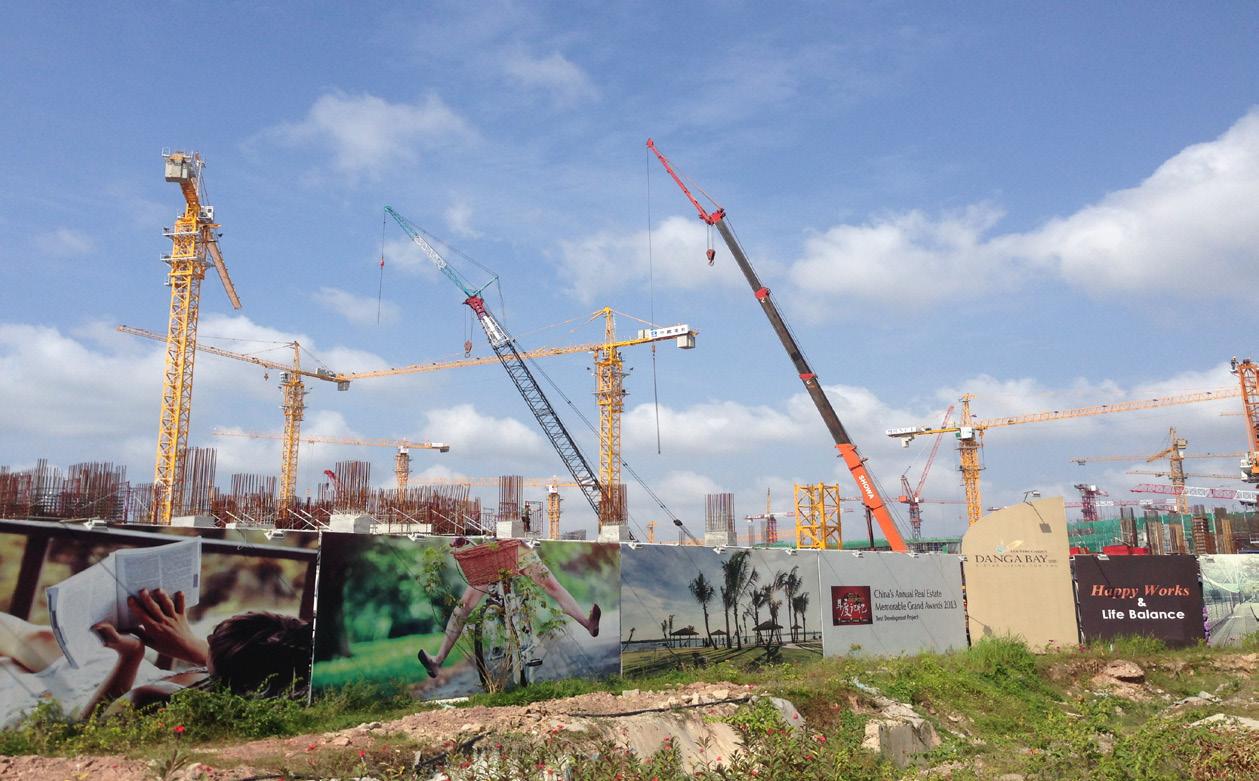
While these investments are certainly producing large numbers of high rise housing units along the Straits of Johor, it is unclear what proportion of the return on these investments remains in the Iskandar region and what share flows outside of the country benefitting foreign investors without benefiting Malaysia. It is also not clear how the benefits of these projects are distributed across the region’s population. Additional research is needed to determine the effectiveness of federal, state and regional policies aimed at balancing economic growth with the social and environmental impacts of these projects.
Research Design
Over the four-month period of field research an MSCP scholar would spend in Malaysia, they could pursue the research questions listed above by gathering information about approved and planned real estate projects along the Johor coastline. This would require meeting with and interviewing IRDA staff and representatives of various developers. Building upon the growing body of work on the impact of Foreign Direct Investment (FDI), and specifically Foreign Direct Investment in Real Estate (FDIRE), a scholar could use regression analysis to assess the correlation between FDIRE and economic growth in the region. Additionally, a scholar could perform more de- tailed economic analyses of the indirect impacts of FDIRE using various modeling tools, or conduct a cost-benefit analysis that seeks to account for the environmental and social impacts of these projects. A research assistant might help map cash flows and company ownership information. Interviews with IRDA staff and other government officials could help a scholar assess the effectiveness of existing regulations related to these projects. A scholar might also explore the differences between sustainability regulations in China and those in Iskandar Malaysia.
Discussion
Foreign investment in real estate development is an increasingly important topic in developed and developing nations alike. This research would advance not only collective understanding of the impact of these developments in the Malaysian context, but provide useful information for others in the global South concerned about rapid foreign investment in real estate development.
Potential Partners
• Sponsor: Iskandar Regional Development Authority (IRDA). Specific research advisor would have expertise/knowledge about housing and economic development plans.
Additional Contacts
• Major developers to contact for interviews include Country Gardens, Greenland, and China Vanke. IRDA or UTM may be able to help facilitate these conversations.
Additional Resources
• Shaari, MohdShahidan Bin, Thien Ho Hong, and Siti NorwahidaShukeri. 2012. “Foreign Direct Investment and Economic Growth: Evidence from Malaysia.” International Business Research 5 (10).
• Gholipour, Hassan Fereidouni, Al-mulaliUsama, and Abdul Hakim Mohammed. 2014. “Foreign Investments in Real Estate, Economic Growth and Property Prices: Evidence from OECD Countries.” Journal of Economic Policy Reform 17 (1): 33–45.
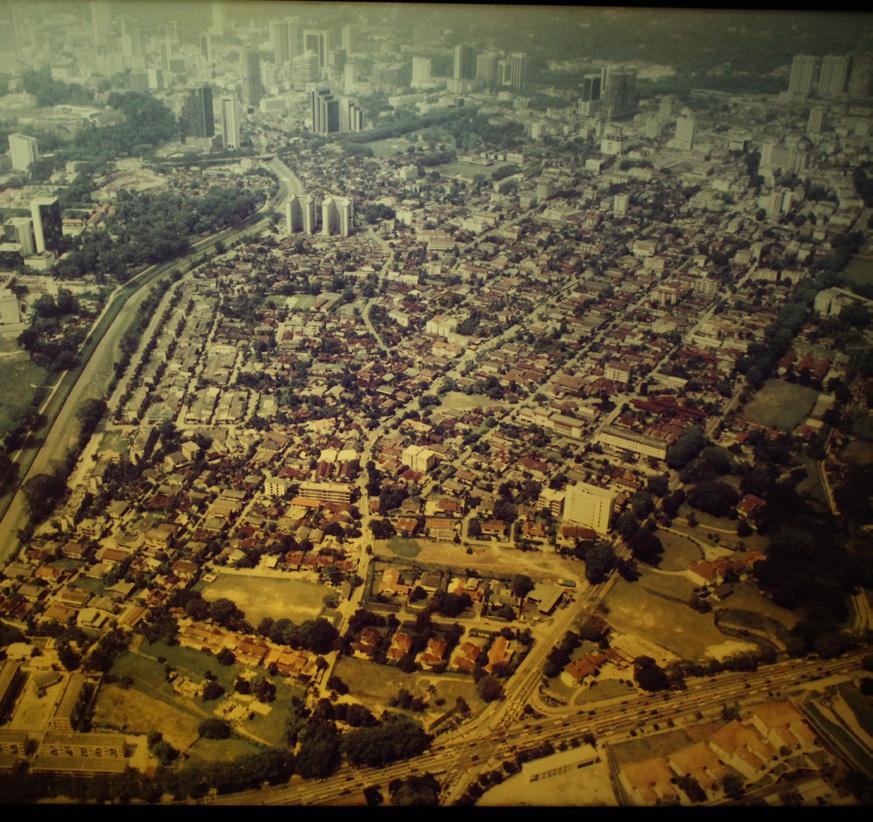
Kuala Lumpur is the largest city, federal capital and the preeminent economic and cultural center of Malaysia. Seated at the heart of a 6.9 million person metropolitan area, the city is a nexus of rapid development and modernization. In many ways it epitomizes the tension between tradition and globalization that is affecting many world cities; alleys lined with street-food stalls and peaked-roof Malay houses lie in the shadow of the futuristic Petronas Towers and a modern financial district. The city’s rapid change and increasing globalization raise many questions about the sustainability of its growth and how the benefits of development are being distributed.
The team of students and faculty that traveled to Kuala Lumpur developed the following questions based on meetings with government agencies, consultants, academics, social entrepreneurs and the Kampung Baharu residents association.
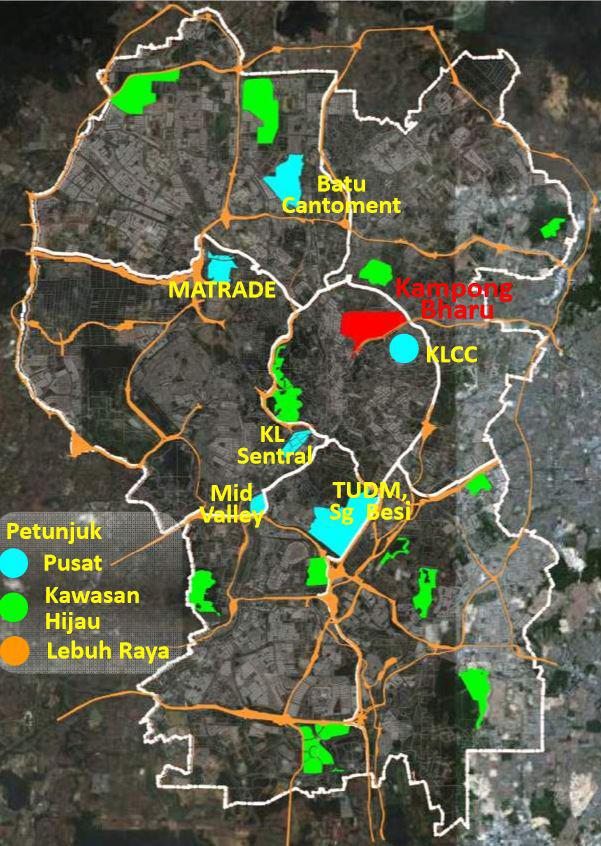
How can Kampung Baharu’s community goals, which include the preservation of local heritage and continued land ownership, be integrated into citywide plans for economic growth and development? What are the features of an alternative redevelopment process that might better represent the interests of the full range of stakeholders likely to be impacted by urban redevelopment projects such as this?
• How do various stakeholders and agencies, including the Kampong Baharu Development Corporation (PKB), approach community engagement as part of a broader planning process? Can these various processes be negotiated?
• What methods of engagement would villagers prefer, and what have they demanded in the past?
• What factors have prevented redevelopment from occurring in the past?
• What are the implications of proposed development on local socioeconomic activities?
• How would the proposed development affect the identity of Kampong Baharu as the only local village at city center?
Themes
Community engagement; redevelopment; economic development; historical and community preservation
Background
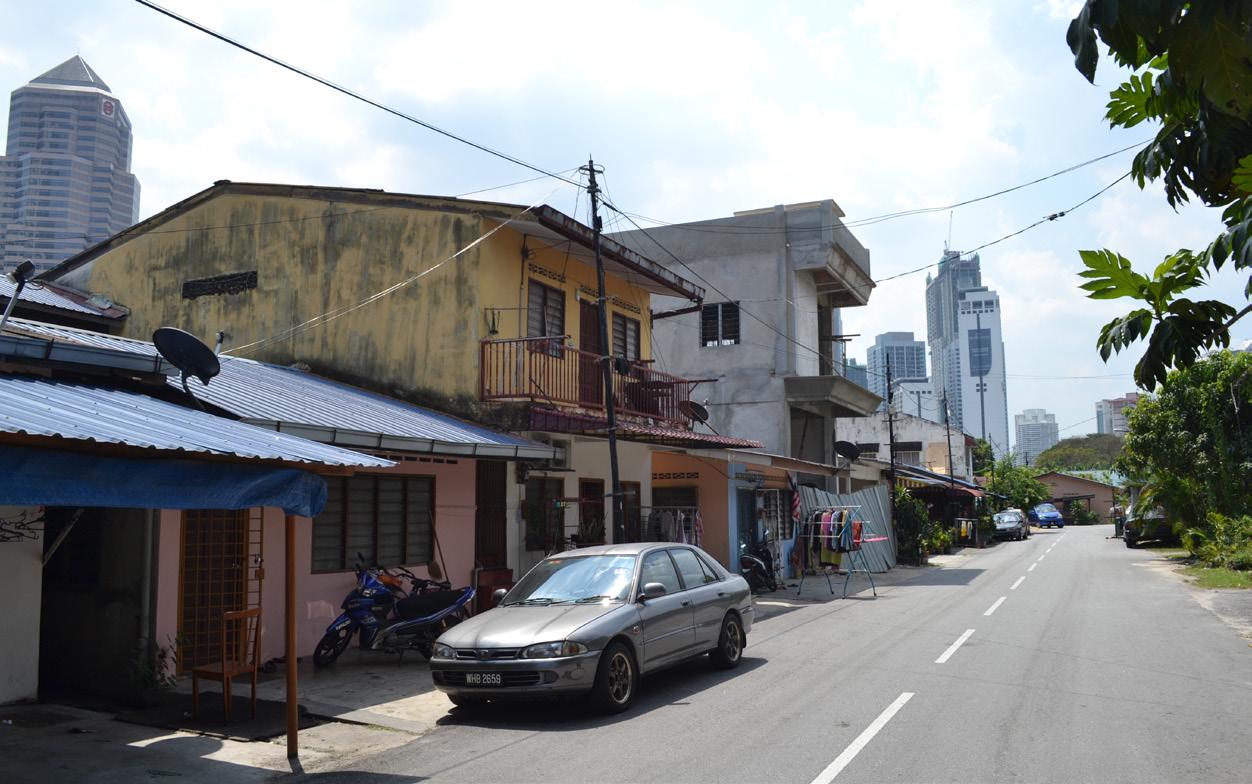
Kampung Baharu (New village) was established in 1900 when villagers were relocated from what used to be the center of Kuala Lumpur to an area intended as a plantation. The village, which quickly evolved from an agricultural to a residential area, was eventually designated as a Malay Agricultural Settlement (MAS) in 1987, under Section 6 of the Selangor State Government Land Enactment. This unique designation has helped ensure that Malays maintain control over the land throughout the last century, even as Kuala Lumpur developed and densified around the village. Today, Kampung Baharu contains about 17,000 people spread over an area of 125 hectares. The village is primarily residential, but includes a substantial portion of commercial and mixed-use land. It is known for outdoor markets and excellent street food.
Eventually granted land titles, local families have passed down their property through generations. Although multiple ownership of family plots has resulted in a number of disputes over land claims, the local residents association, Kampong Baharu Malay Agricultural Settlement Board of Management (MAS) has maintained consistent records and continues to serve as a village resource and mediator. MAS also has played the vital role of representing Kampung Baharu in external development conflicts. Recent years have seen a large shift in demographics within the village as newer generations move away and rent their properties, most notably to immigrants from Indonesia and other parts of Southeast Asia.
As land values immediately surrounding the village have increased sharply with development, the village has been the subject of five unrealized development plans proposed by private developers. Currently, a sixth redevelopment plan has been advanced by the Kampong Baharu Development Corporation (PKB;http://pkb.gov.my/en/), a new federal agency created by parliamentary mandate. According to the PKB, land within the village is currently priced at approximately US$400 per square meter, while prices average US$2500 in surrounding commercial areas. PKB released their redevelopment plan in January 2015.
While MAS and PKB share jurisdiction over the same village, their communication is limited. The relationship between the KL city government and these two organizations is unclear.
Research Design
Research on this question should be designed in conjunction with MAS, which can provide a starting point for residential contacts. The research could be conducted in two parts. In order to understand community interests, the researcher could complete qualitative interviews with individual community members to ascertain residents’ and property owners’ development goals for the village, desired forms and degrees of engagement with government agencies, and their responses to past development initiatives. This could also include focus groups with various neighborhoods within the village. The second part would include an analysis of the perspective of City and Federal Government Agencies. Interviews could be conducted with city and federal government agencies regarding the creation of PKB, the forms of public engagement they consider necessary, development priorities, and their understanding of who comprises the key stakeholders.
A Bahasa Malaysia-speaking research assistant may be required for some interviews, especially with village residents. Ideally the interviews would be recorded for future reference, although the researcher should respect the confidentiality wishes of each interviewee on a case-by-case basis. The researcher should aim to interview a large cross-section of residents and agencies to get a varied set of perspectives on the future of the village. The interviews would be primarily qualitative, although it might be helpful to use standardized questions in order to better compare responses from disparate groups.
Professor Shuhana also has access to a scaled-map showing the location and pre-development (i.e. existing) layout of Kampung Baharu. The map includes Kambung Baharu’s boundary, land uses and road network.
Discussion
There are many other urban enclaves facing pressure for redevelopment in cities throughout the developing world. The issues of displacement, community engagement, and resettlement are nearly universal. Furthermore, multiple and collective forms of property ownership are common across much of the developing world and have proved very difficult to untangle.
Potential Partners
• MAS Board of Management (Residents’ association)They have an archive of historical land ownership records, including Settlement Registers (first one created in 1900, second in 1935), some kept at the National Archives.
• Community connection (could help form focus groups and facilitate interviews).
• Census data on Kampung Baharu population -- first taken in 1928--could shed light on changing demographics and changing community interests/demands/concerns.
• Contact: Shamsuri Suradi (Sam) Honorable Secretary, Members Board of Management maskgbaharu1900@gmail.com shamsuri51@gmail.com
Additional Contacts
• Dr. Shuhanabinti Shamsuddin, Associate Professor, Razak School of Engineering and Advanced Technology at UTM (Faculty member of the MIT-UTM practicum). Dr. Shuhana teaches an urban design studio with urban planning masters’ students that has focused on the redesign of Kampung Baharu and can therefore provide research guidance, a history of Kampung Baharu and field contacts.
Contact info and some links on Dr. Shuhana’s work: http://scival-expert.utm.my/expert.asp?u_id=1548
• MIT: Displacement Research Action Network (http://displacement.mit.edu/)
Prof. Balakrishnan Rajagopal and Mr. Milloon Koothari)
• Kampong Baharu Development Corporation (PKB): PKB has collected data on land use/zoning and property market assessment.
Nik Mohammed Faizal Bin Jai Nik Ali (Nik) Principal Assistant Director (Architect) (nikfaizal@pkb.gov.my)
• YB Datuk Seri Tengku Adnan bin TengkuMansor – Minister of Federal Territories (www.kwp.gov.my)
Additional Resources
Background article on Kampung Baharu:http://www.thestar.com.my/News/Community/2014/01/24/A-village-in-the-city-After-morethan-a-century-Kampung-Baru-remains-very-much-a-kampung/
What attitudes or perceptions discourage KL residents from using public transport? Do these perceptions lead to unsustainable transportation habits? Use surveys, interviews, and other qualitative data collection to conduct a study in a neighborhood accessible by public transport to better understand usage rates. The study should determine how people living near transit stations decide whether or not to use them during regular commutes or trips, and should include questions such as the following:
• [For non-transit users, i.e. people who use private vehicles as primary form of travel]: “Why do you drive instead of taking the train? Is it less expensive? Is it faster? Is there a social status associated with vehicle ownership?”
• [For transit users]: “What is your primary reason for using the train? How often do you use the train for commuting? Do you own a car? If so, how often do you use it for commuting? If not, why?”
The study should inform policy recommendations for moving the city toward more sustainable urban transport (e.g. public education, car ownership policies, reconfiguration of transport investment, etc.) and discuss obstacles to successful implementation.
Themes
Sustainable transportation; motorization and public transit usage

Background
KL has a substantial and growing network of public railbased transit, yet only 17-20% of daily trips are completed using public transport. Currently, the primary mode of travel is private vehicles (cars and motorcycles), even in neighborhoods where public transit is highly accessible. Dependence on private vehicles in urban areas leads to significant congestion and environmental pollution, both of which can be mitigated by increased usage of high-volume public transit.
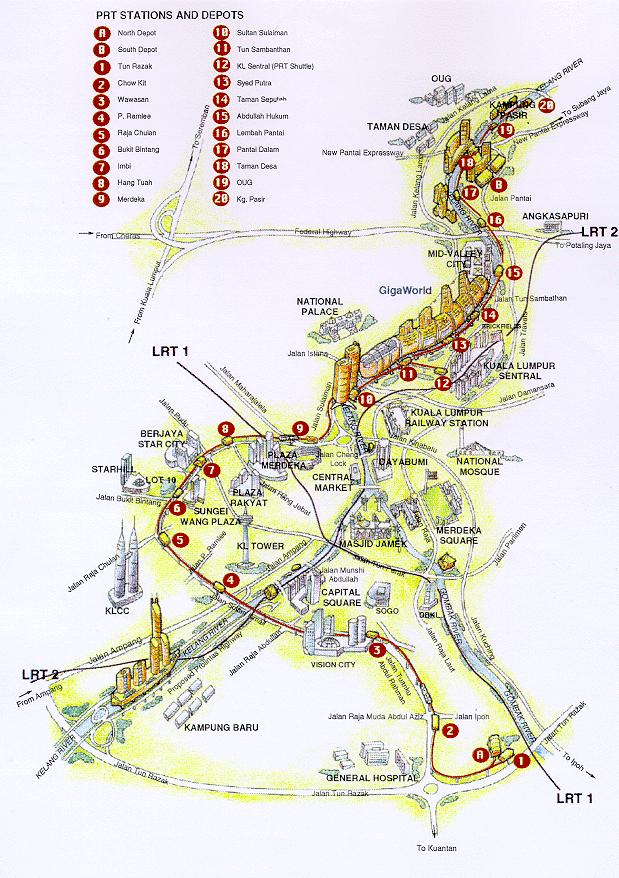
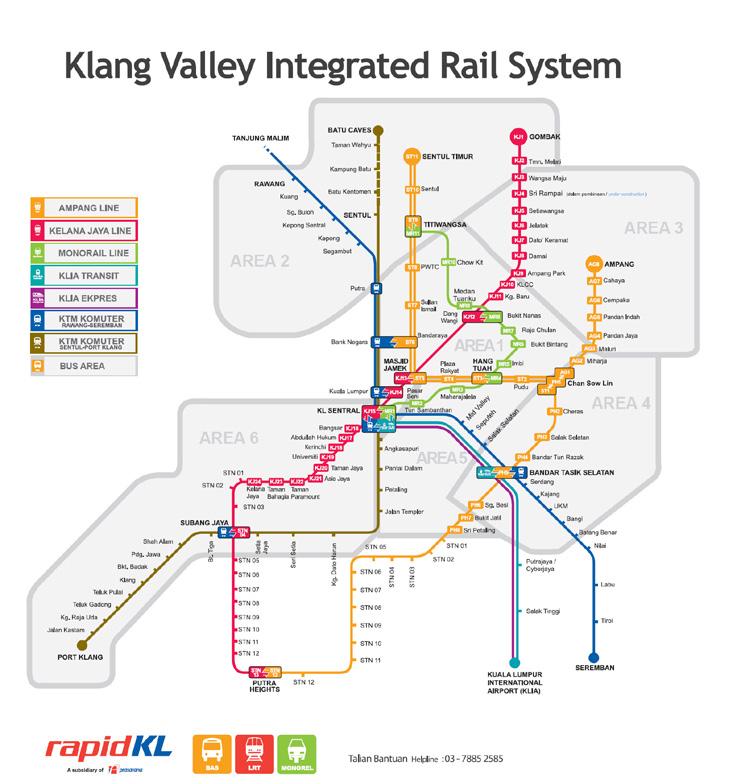
The rapid rail network consists of two Light Rail Transit (LRT) lines and a monorail line, which, combined, cover a majority of Kuala Lumpur’s central urban area (the MRT and express lines expand further and have a greater capacity). The LRT lines are currently being extended by MYrapid (Prasarana Malaysia Berhad, the public transport portal) and completion is expected in the first quarter of 2016. The extension, which should add more than 30 km of tracks and about a dozen stations per line, is part of a broader investment in public transportation and is meant to raise the modal share of public transport commuters to 40% by 2030. However, past expansions show that infrastructural investments alone are not enough to increase ridership.
Research Design
Understanding the reasons behind low public transit ridership and high rates of car ownership will help identify supplemental policy approaches that might be used to increase reliance on expanded infrastructure. A study consisting of interviews and surveys of transit riders and non-riders might help to elucidate perceptions about various forms of mass transit, barriers to walking or otherwise accessing transit stations, and pride associated with private vehicle ownership. The results can then contribute to the planning and implementation of future transport infrastructure projects in conjunction with new (as of yet unplanned) city-wide policies to change unsustainable behavior.
A note about this type of data collection: The numerical data sets from government sources in Malaysia typically used in transportation studies of this type can be difficult to obtain and is often incomplete. Therefore, collecting qualitative data regarding resident percep- tions will allow the researcher to act more independently. However, while interviews and surveys may provide a reliable foundation for research, language barriers between the researcher and locals may prove challenging without a qualified translator. The researcher might consider paper surveys or a smartphone-based format to simplify data collection. Further, should the researcher desire to conduct any analytical modeling based on the data collected or policies considered, acquisition of appropriate software (e.g. TransCAD) may also be a challenge before arriving at MIT in the spring semester.
For non-Malaysian scholars, working closely with a research assistant who is skilled in transitioning between English and Bahasa Malaysia is likely the key to successful in-person interviews and written or oral surveys. There should be two categories of people included in the study: people who use transit regularly and people who use private vehicles as their primary or exclusive means of travel. Within those groups, the researcher may choose to use a random sampling method or a purposeful sampling method (e.g. men and women, even distribution of ages, etc.), and can use techniques like intercept interviews, which entail stopping people on the street and asking people if they want to participate. The research assistant should help format questions for clarity, identify suitable locations for on-the-ground research, and translate responses prior to analysis. The researcher might also want to arrange more formal interviews through the contacts listed below in “Potential resources.”
The research assistant can also help in choosing the neighborhood used in the study, a task best left to the researcher as many neighborhoods in KL will suffice and the small amount of background research needed to identify a suitable area will help introduce the researcher to KL and its cultural sub-components. The neighborhood chosen should meet the following minimum criteria:
• private vehicle ownership and usage rates similar to the rest of the city (311 cars per 1000 people in 2010, and 83% of trips made through private transport).
• within walking distance (0.25 - 0.5 mi) of public train (either a monorail or Light Rail Transit (LRT) station, or a Mass Rapid Transit (MRT) station) or KL Sentral, the main railway terminal in Kuala Lumpur linking most of the passenger rail in the region.
A neighborhood with good access to public transport yet high vehicle usage is ideal for understanding the behavioral reasons behind low public transit ridership. The criteria include walking distance to train stations but not bus stations because public buses are subject to the same urban congestion as private vehicles, especially during peak periods. Understanding motivations for bus usage is also useful in determining future transport policy, but bus stations alone are not sufficient for creating the kind of transit-accessible neighborhood that will be most illuminating in understanding the divide between transit availability and low transit usage.
Almost any neighborhood surrounding a train station will suffice for this study, but survey responses will vary significantly depending on pedestrian access to the station and general walkability. Some example neighborhoods include: Kampung Baru, Brickfields, Ampang, Bangsar/Bangsar Village, and Bukit Bintang (see map below for detail).
Discussion
Private motorcycle and car ownership are on the rise globally, and especially in Asian cities. As developing cities motorize, urban congestion and environmental pollution increase to unsustainable levels. Investing in public transit beyond infrastructure expansions may steer high population centers away from private vehicles and toward mass rapid transit, which is more sustainable in the long run for both urban growth and the environment.
Potential Partners
• MYrapid (Prasarana Malaysia Berhad)The public transport portal for the integrated transport systems in KL and Penang
Tel: +603-2299 1999 / 2287 5959
• Land Public Transport Commission (Suruhanjaya Pengangkutan Awam Darat, SPAD) Created by parliamentary act in 2010, SPAD comes under the purview of the prime minister and has policy-making, planning, and regulation functions, as well as powers of enforcement for all rail, bus, and taxi services. http://www.spad.gov.my/about-us/what-we-do
Email: aduan@spad.gov.my
Additional Contacts
• DBKL
• Kuala Lumpur City Hall, home to the following relevant departments:
• JabatanPerancangan Bandar (Urban Planning Department)
• JabatanPengangkutan Bandar (Urban Transportation Department)
• JabatanPerancanganInfrastruktur (Infrastructure Planning Department)
• JabatanPerancanganFizikal (Physical Planning Department)
• Dr. Wan Haslina Hassan
• UTM, Associate Professor and Head of Communication Systems and Networks Research Group - transit lecturer, (wanhaslina@ic.utm.my)
Tel: 03 2203 1232
• Dr. AkmalAbdelfatah
• 2014-2015 MIT-UTM scholar researching private transport usage. Familiar with conducting transit research in Malaysia and may be able to share knowledge about how to best access publicly accessible data
Additional Resources
• Chuen, Onn C., Mohamed R. Karim, and SumianiYusoff. “Mode Choice between Private and Public Transport in Klang Valley, Malaysia.” The Scientific World Journal 2014 (2014): n. pag. Hindawi. Web. 15 Nov. 2014.
• Economic Planning Unit, Prime Minister’s Department, Malaysia. “Building an Environment That Enhances Quality of Life.” 10th Malaysia Plan.Putrajaya: n.p., 2010. 244-311. Economic Planning Unit. 10 June 2010. Web. 15 Nov. 2014. (10th Malaysia Plan, Chapter 6)
• Nurdden, Abdullah, RizaAtiq OK Rahmat, and Amiruddin Ismail. “Effect of Transportation Policies on Modal Shift from Private Car to Public Transport in Malaysia.” Journal of Applied Sciences 7.7 (2007): 1013-018. Web. 15 Nov. 2014.
• ShahrimanShafein, Mohd, Noor Aqilah Ahmad Tajedi, and IntanRohaniEndut. “An Analysis on Kuala Lumpur Residence’s Attitude toward Public Transport.” Academia.edu. Malaysia Institute of Transport, 24 Dec. 2013. Web. 15 Nov. 2014.
• Shariff, Noresah M. “Private Vehicle Ownership and Transportation Planning in Malaysia.” International Conference on Traffic and Transportation Engineering, Singapore, 2012. Vol. 26. IPCSIT, 2012. 64-68. Internet. 16 Nov. 2014.
What are the projected environmental, economic and social benefits of river revitalization in Kuala Lumpur and Johor Baharu, and are these cities on track to meeting these goals? How have local, state and federal agencies and other stakeholders been able to work together to implement river revitalization?
• How do the projected benefits of river revitalization projects in Kuala Lumpur and Johor Baharu compare to one another? This includes environmental and economic benefits, costs, and expected short-term and long-term benefits in relation to these costs. Who will be the greatest recipients of these benefits?
• Are there differences in the way river revitalization efforts are being implemented in the two cities? Who are the various stakeholders involved? Are agencies, individuals, businesses, and other partners working together, or are they at odds over the goals and methods of revitalization that have been suggested?
• How will the proposed revitalization projects contribute to improved water quality for recreational use and flood control? What key assumptions about flooding and sanitation are the planning teams for both projects making?
• Are there public educational objectives built into these river restoration projects? What assumptions are being made about how and why the public and various river users will change their behavior and activities to help maintain the rivers once they are restored? What assumptions do the Kuala Lumpur and Johor Baharu projects make about the need to change public perceptions of the role that the rivers and play and what role they can play in everyday life once they are improved?
• What are the obstacles to changing public awareness and understanding of the role that improved rivers and their continued preservation can play in people’s everyday lives? What strategies have been employed to deliver information to the public about the justification for river improvement efforts?
Themes
Environment, river revitalization, economic development, environmental policy and planning
Background
Johor Baharu and Kuala Lumpur are taking on the major task of restoring the rivers that run through the hearts of each city. They are doing this to improve the urban environment, improve livability for local residents, and revive a facet of their history that has been neglected as a result of rapid modernization and urban development. Implementing these projects involves collaboration between dozens of agencies and stakeholders, developers committed to the public good of the city, as well as a sustained effort to inform and educate the public on the importance of environmentalism and conservation. Comparing these two projects offers an opportunity for researchers to explore the similarities and differences in how river revitalization is implemented in the Malaysian context.
The River of Life Project in Kuala Lumpur is intended to revitalize the Klang and Gombak rivers through comprehensive cleaning and beautification. Overseen directly by the Mayor, local agencies and departments collaborate through taskforces and committees, contributing to the project’s implementation through streamlined land acquisition, planning and development. RM4 billion (US$1.3 billion) has been budgeted for the cleanup, beautification and development of both rivers in an effort to reap substantial environmental, social and economic benefits. This includes cleaning 110 km of both rivers by 2020 (through improved sewage systems, flood mitigation and filtration), and building new pedestrian walkways and public spaces along the river. These beautification and development projects are intended to highlight local landmarks deeper within these neighborhoods. Most notably, these landmarks include Masjid Jamek, the historic Mosque located at where the two rivers converge, Dataran Merdeka (Independence Square), and Bangunan Sultan Abdul Sumad (see images below from the draft master plan). While this project will inevitably generate a great public benefits, many speculate that some groups will gain more, and others will lose. For example, informal settlements along the banks of the river have been displaced
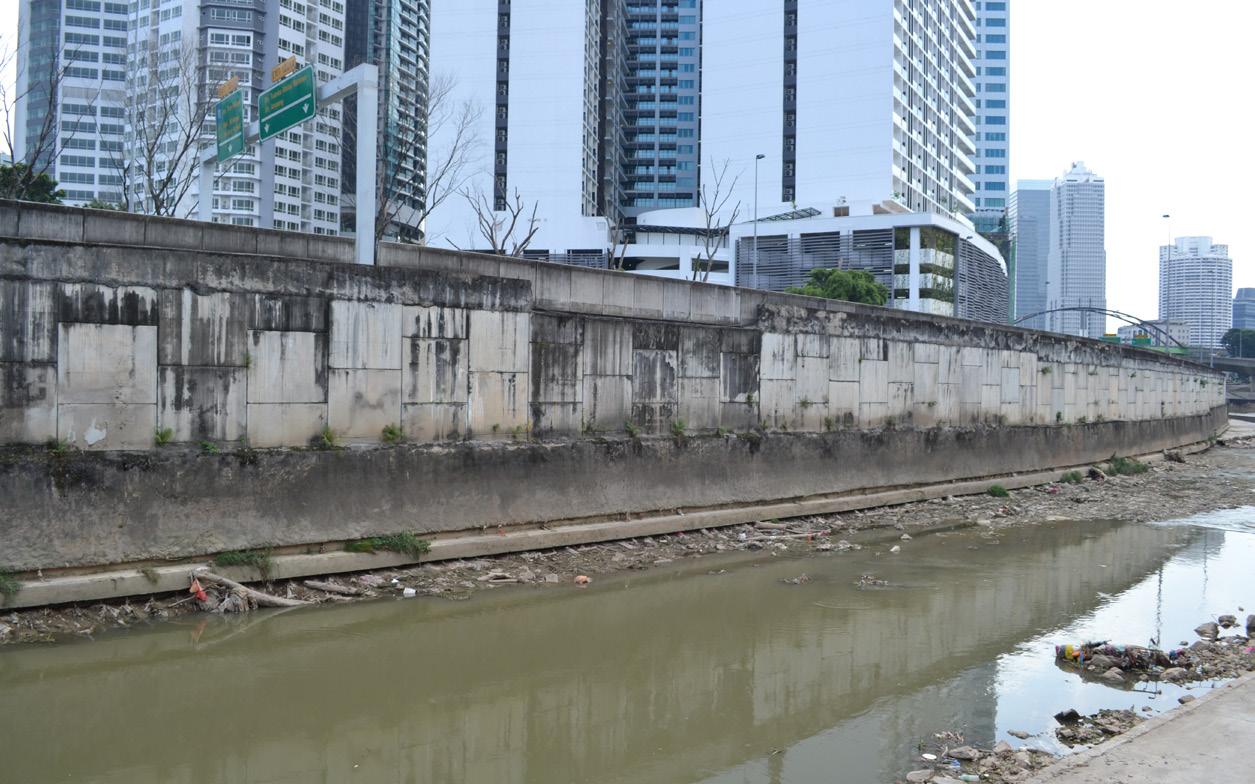
(Mayberry 2014). In addition, major international developers such as Greenland, one of the top property development firms, are planning future development along the rivers (Loh 2014).
The Iskandar Regional Development Authority (IRDA) has been assigned a RM220 million contract by the government of Johor to take similar steps in Johor Baharu. The revitalization of the Sungai Segget (or Segget River), is the centerpiece of Johor Baharu’s transformation plan, which aims to spur investment in the city center. Reducing pollution in the Segget catchment area is a top priority for improving local water quality since it drains into the Straits of Johor. According to the Plan, the Segget is currently the second dirtiest river in Malaysia. The project involves two stages: the first, which is currently underway, includes cleaning up the river and improving the local sewage system. The second and final phase includes river beautification and flood mitigation. They project will also involve widening the riverbank by 15 meters.
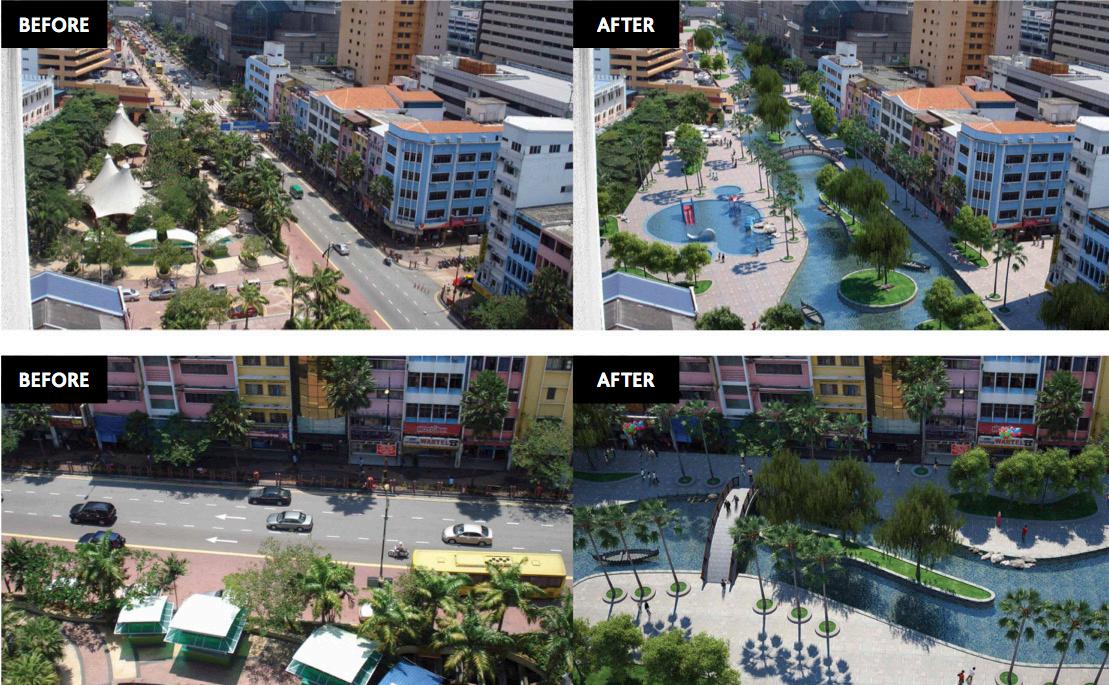
Both the Kuala Lumpur and Johor Baharu projects are expected to provide multiple public benefits in terms of the local environment, beautification and local economies. However, there are also broader possible implications in terms of how the level of environmental awareness of most Malaysians may change as a result of these river cleanup projects.
Research Design
The main source of data will involve interviews with agencies involved with planning and development of each project. The draft master plans from each project (links are included below) can serve as a starting point when identifying these agencies. Based on preliminary research from these documents, as well as conversations on the progress made to date, the scope of the research will become much clearer. It is key that the following stakeholders also participate in the research process through individual interviews, focus groups, and questionnaires:
• Communities and residents: Once preliminary research has been conducted, the researcher should focus on gathering input from the communities and neighborhoods along the river. Alternatively, if any engagement processes have occurred as a result of the planning effort, the researcher should reach out to those individuals and communities that have participated. Additionally, the researcher may consider interviewing a random sample of city residents to gauge public perception on environmental issues.
• Environmental Organizations: Non-governmental organizations can provide a better understanding of local environmental and preservation problems faced by urban communities. The researcher will benefit from also including their input in the design of the questionnaire and interpretation of findings that result from the overall research project. In conducting these interviews, the researcher may face challenges related to language, and should consider hiring a research assistant that may be able to navigate these barriers. In addition, given the comparative nature of this project and the high number of stakeholders involved in each city, it is possible that the most effective way to conduct this research would be for two scholars to work closely together.
Discussion
Many urban rivers across the developing world are polluted and may eventually require revitalization. The role of ecological improvements in city revitalization initiatives is important and has generated spectacular successes that could be replicated in other cities. Flood control is a major global challenge and one tied very closely to urban rivers. This question also aims to explore how government agencies and major stakeholders can come together to design and implement master planning efforts, and how local communities can and should be engaged. This is especially important when considering how large-scale environmental planning efforts aim to change public perceptions.
Potential Partners
• Iskandar Regional Development Authority (IRDA): IRDA serves as the main implementation agent for the river revitalization project in Johor Baharu. They will be able to speak about progress to date (including challenges of implementation), and identify partnering stakeholders and agencies.
• Maimunah Jaffar, Head of Planning and Compliance Division, IRDA (maimunah@irda.com.my)
• Boyd Joeman, Senior Vice President of Environment Unit, IRDA (boyd@irda.com.my)
• Chaly Koh - An alumna of MIT’s Urban Studies and Planning program, Ms. Koh previously served as a project manager for the River of Life project under the Mayor of Kuala Lumpur. She will able to identify individuals at various city level departments who are currently involved with the project. MIT is currently speaking with her in an effort to secure these contacts.
• AECOM: AECOM is the planning and design firm that was chosen to develop the master plan for the river. More information on their involvement can be found below in “additional resources”. The planners at AECOM may be able to provide more information on the design of the project (including how the design will improve water quality and flood mitigation), as well as information on the engagement process that was used to develop the plan.
Additional Resources
• River of Life, Kuala Lumpur Master Plans http://app.kwp.gov.my/riveroflife2/images/masterplan/draftproposals.pdf http://app.kwp.gov.my/riveroflife2/images/masterplan/introduction.pdf
• AECOM information on River of Life http://www.aecom.com/Where+We+Are/Asia/_projectsList/River+of+Life
• River of Life in the news: Cleaning up Malaysia’s Rivers of Life
• Kate Mayberry, 28/04/2014 http://www.aljazeera.com/indepth/features/2014/12/cleaning-up-malaysia-rivers-life-201412295711253154.html
• Greenland Eyes Major Role in RM4.4B River of Life Project John Loh, 28/04/2014 http://www.thestar.com.my/Business/Business-News/2014/04/28/Greenland-looks-for-a-slice-of-RM44bil-river-rehabilitation-project/?style=biz
• Segget River, Johor Baharu. IRDA Development Strategy http://www.iskandarmalaysia.com.my/pdf/cc-openday/IRDA-RandR-eng.pdf
• SgSegget Work in Full Swing. Halim Said, 24/09/2014 http://www.nst.com.my/node/36539
The state of Penang includes Penang Island and Sebarang Perai (part of the mainland of peninsular Malaysia) on the northwestern coast of Peninsular Malaysia. Two local municipal councils govern the state —the MPPP (Majlis Perbandaran Pulau Pinang) on the island and the MPSP (Majlis Perbandaran Seberang Perai) on the mainland. Penang has few natural resources, and thus relies on manufacturing and the tourism service industry driven by George Town’s status as a UNESCO World Heritage Site (awarded in conjunction with Malacca). Because Penang was historically a free port (until 1969), the island has developed into an ethnically and racially diverse community, with 41.7% ethnic Chinese, 41.3% Malay, and 9.8% Indian Malaysian.
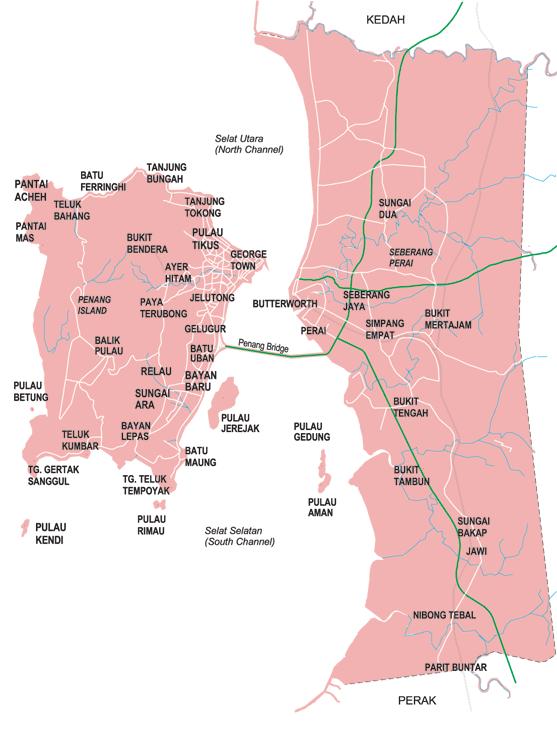
The Penang state government and local municipal councils are currently led by the Democratic Action Party (DAP), a center-left political party that is rooted in the large Chinese-Malaysian community in Penang. DAP is a minority party in the national parliament, where the United Malays National Organization and its coalition is the ruling party. The political and ethnic differences between Penang, its surrounding states, and the national government present a uniquely challenging environment for the implementation of public policy.
Given these features, Penang offers a unique setting for research related to decentralized service delivery; the role of civil society; participatory planning; challenges related to intra- and intergovernmental coordination; tourism as an economic growth strategy; historic preservation; solid waste management; and water management.
The team of students and faculty that traveled to Penang developed the following questions based on meetings with the local municipal council, various government agencies, and think-tanks, as well as site visits to a water treatment facility and to several community-led solid waste management centers.
How do intragovernmental relations in Penang impact service provision (water and solid waste management)?
• How has Penang’s departure from national sanitation policies fared in terms of quality of service vis a vis other states, which adopted the National Solid Waste and Public Cleansing Management Corporation Act?
• How does the difference in political party leadership between the Municipal Council (and State Government), which is led by the opposition party, and the Federal Government affect intragovernmental relations? To what extent does this affect State-Federal policy coordination and local service provision within Penang?
Themes
Solid waste management; intragovernmental relations
Background
Penang’s unique governance structure is coupled with intragovernmental coordination challenges related to basic service provision. As development has increased substantially on the island, the provision of basic services has required greater reliance on the mainland’s land and resources to manage the solid waste for Penang Island. Penang Island’s only landfill, the Jelutong landfill site, is closed to municipal waste and only accepts construction waste. According to officials, it will soon be removed. This will make the island completely dependent on the mainland for solid waste management.
In 2008, when the DAP won control of Penang, the new government applied for, and was granted, an exemption from the National Solid Waste and Public Cleansing Management Corporation Act, which favored the privatization of solid waste management services. Since then, the DAP-led state government and municipal councils have worked to design their own solid waste system. While the state government orchestrated Penang’s independence from the federal government on solid waste management, the municipal governments now handle the task differently, in that the island contracts out waste collection services while the mainland directly manages collection. These differences, coupled with several interventions by international financial institutions and international organizations, have led to the layered and experimental system of solid waste management that exists in Penang today.
Research Design
A research scholar could conduct a comparative analysis of Penang’s two local municipal councils’ solid waste management schemes. Particular emphasis should be placed on the dependence of the Island on the Mainland and the differences that have emerged from the Island’s decision to contract out most collection, while the Mainland maintains public control over collection. It is also important to analyze how the state government influences the broader solid waste management (SWM) program through funding, restrictions, and direct management.
This analysis can be constructed through a series of interviews with a range of authorities from Penang’s two local municipal councils (the MPPP and the MPSP), the State Environment Department, and perhaps the Local Government Department in the Federal Ministry of Housing and Local Government. These interviews would ideally be conducted in a face-to-face setting and in the Malay language, but could be conducted in English. Detailed questions should be formulated in close concert with scholars and graduate students at UTM and with input from local organizations (e.g. Think City and The Penang Institute), which have on-the-ground expertise in solid waste management.
A comparative analysis of the two municipal councils’ SWM systems could also include the analysis of data, which could include the cost of SWM per capita, recycling rates, labor management practices, and any available information on public opinion of their local solid waste system. Newspaper documentation and other written reports about these activities should also be gathered and analyzed whenever possible.
The Penang Institute produced an Integrated Solid Waste Management Study for the two councils in 2012. The study is not publicly accessible but the Institute would be able to share the findings and would be a valuable contact for a researcher interested in updating and building on their data. This research should only be undertaken by someone with a solid background in evaluating solid waste management systems.
Alternatively, a scholar could also assess Waste Management in Penang and compare it to another state, as Penang opted out of the nationalization in 2010. Have other states fared any better under a Federally controlled system of waste management? A scholar interested in this broader approach may also be interested in Question 2.
Potential Partners
• Penang State Secretariat, Local Government Division, Solid Waste Management
• Oon Lai Kuan, Unit Head of Solid Waste Management
Additional Resources
• Municipal Council of Penang Island (MPPP) - Solid Waste Management
• Municipal Council of SeberangPerai (MPSP) - Solid Waste Management
• Federal Ministry of Housing and Local Government, Local Government Department
• Think City
• The Penang Institute
How has Penang’s approach to community involvement in solid waste management (collection, transfer, and treatment) been working?
• What efforts are being made to build the capacity and encourage the involvement of residents and community organizations to adopt sustainable solid waste management practices?
• What roles do religion and culture play in promoting new waste management practices in Penang?
Themes
Solid waste management; community-led composting; community-based recycling; the role of religion and culture in public service delivery.
Background
Waste Management Service Provision: The Island’s high population density poses additional challenges to both the state and local government in managing the waste generated by residents, particularly on the Island. Notwithstanding such challenges, Penang is touted as a successful example of solid waste management (SWM) in the country. Penang also opted out of the National Solid Waste and Public Cleansing Management Corporation Act in 2008.
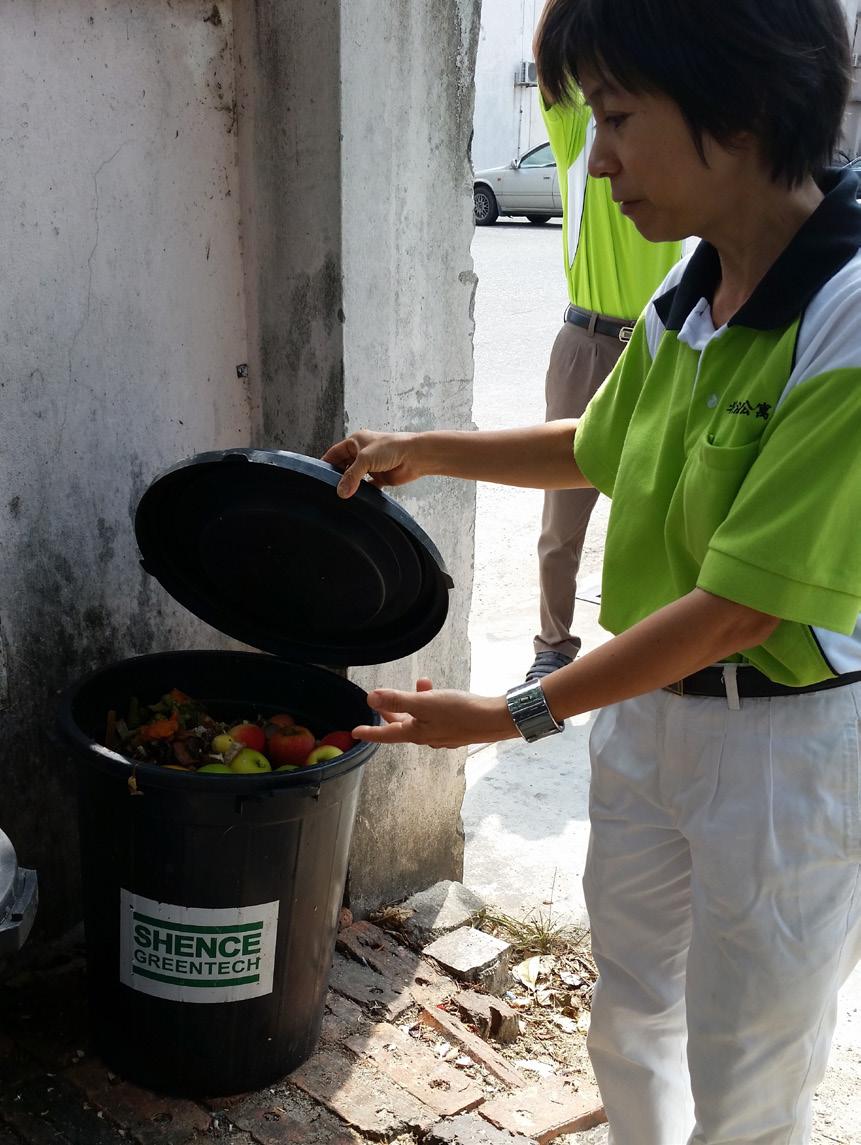
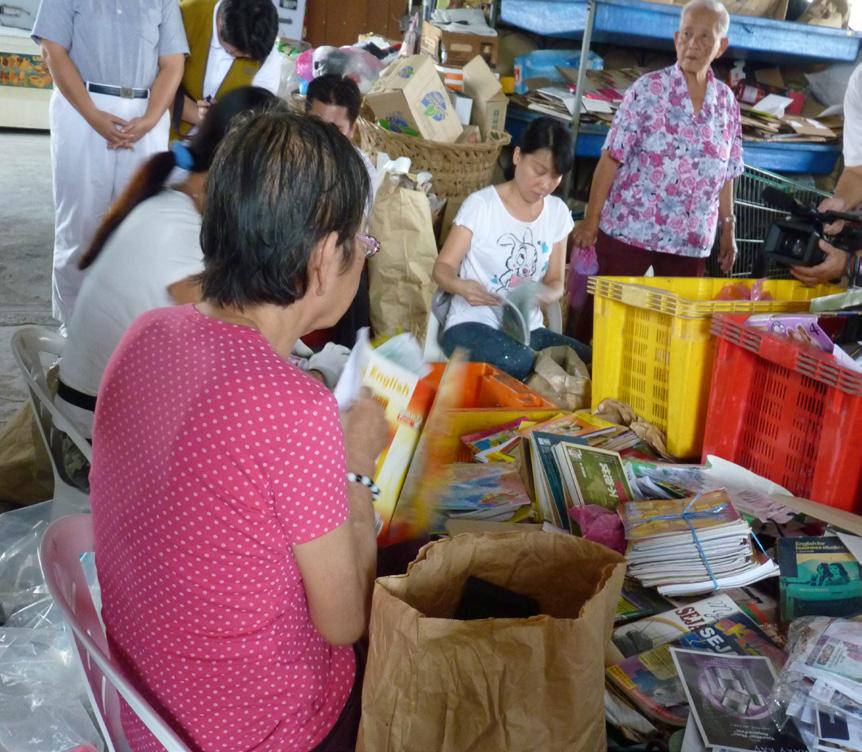
In 2013, Penang became a participating city within World Bank’s solid waste initiative of the Climate and Clean Air Coalition (CCAC) and received technical assistance for Results-Based Financing (RBF) in solid waste management (World Bank, 2014). Penang’s multi-faceted and experimental system of solid waste management has been largely influenced and supported by both local authorities and the state’s strong civil society. There are several smaller schemes that can be studied in Penang to better understand challenges ranging from ensuring community involvement in SWM to raising public awareness about the importance of SWM to sustainable urban development. Examples of these various models include: (a) a pilot project led by Think City to encourage composting among restaurants in Little India (George Town); (b) a UNEP/World Bank composting-at-source pilot project in Taman Pandan Apartment complex (Butterworth); and (c) the volunteer-run Tzu Chi Merit Society Recycling Center at Jalan Mohd Saad (Butterworth).
Religion and Culture: Penang is a multiracial and multi-religious state, making it an interesting case study for understanding the role of religion in development. One example is the Tzu Chi Merit Society Recycling Center, a volunteer-run center that draws from Buddhist teachings to mobilize the local community in their recycling efforts. The Society uses the profits from recycling to partially subsidize free dialysis treatment to low-income patients in Penang.
Research Design
This question can be addressed from two perspectives:
• What motivates communities to adopt sustainable solid waste management practices? Researchers could prepare a comparative case study to answer the following sub-questions: How did these solid waste management reforms or innovations originate (i.e. where does the impetus come from)? Who manages these efforts? What motivates them to continue composting and/or recycling? What are the challenges of gaining the community’s support and involvement and how have the usual obstacles to community participation in service delivery been overcome? How does the involved community understand its role in solid waste management as it relates to sustainable development?
These questions can best be answered through face-to-face interviews with governmental and non-governmental staff. Care should be taken to include not just the “champions” of such efforts (identified by agency partners), but also any critics of these efforts. Newspaper articlesand other written reports about these activities should also be gathered and analyzed.
• What roles do religion or culture play in shaping public perceptions of, or participation in, waste management practices? Researchers could focus on how religious communities in Penang mobilize community resources, cooperate with the state and local government, and reach out to their target communities. Additionally, researchers could explore how community-based solid waste management might potentially achieve broader social benefits (e.g. promoting public health or increasing social capital). The Tzu Chi Merit Society Recycling Center could be a very good case study for understanding the influence of shared ideology on the adoption of sustainable practices.
Discussion
This research will provide greater insight into how communities can be effectively engaged in basic service provision in a sustainable way.
Potential Partners
• Penang State Environment Department. As the state officials, they support and encourage community-based recycling and composting financially and administratively. Contact through Mr. Khor.
• Daniel Lee, Think City. Lead on a pilot project to promote composting among restaurants in Little India (in the city of George Town).
Additional Contacts
• Tzu Chi Merit Community Recycling Center. Acting on Buddhist teachings, they are active in community-based recycling to support several dialysis centers in Penang. They have documented past activities.
• Taman Pandan Apartment Complex, Butterworth. The longest-running community-based composting/recycling organization in the state. These efforts started as a UNEP/World Bank separation-at-source pilot project. Loh Poh Chen has been involved with the project from the very beginning and has largely been the spokesperson for, and “champion” of, composting and recycling efforts in this complex.
Contact: Loh Poh Chen (pcloh0202@gmail.com)
Resources
• World Bank, “Results-Based Financing for Municipal Solid Waste,” July 2014,http://www-wds.worldbank.org/external/default/ WDSContentServer/WDSP/IB/2014/10/28/000333037_20141028002605/Rendered/PDF/918610v20WP0FM0BE0CATALOGED0BY0WED0.pdf
• UNDP, “Malaysia Developing a Solid Waste Management Model for Penang,” February 2008,http://www.my.undp.org/content/ dam/malaysia/docs/EnE/43722_WasteMngment/SWM-2008_final.pdf
• How do the two local councils manage rapid growth in a way that enables them to continue to provide basic services?
Themes
Water and waste management; service provision; tourism; real estate development
Background
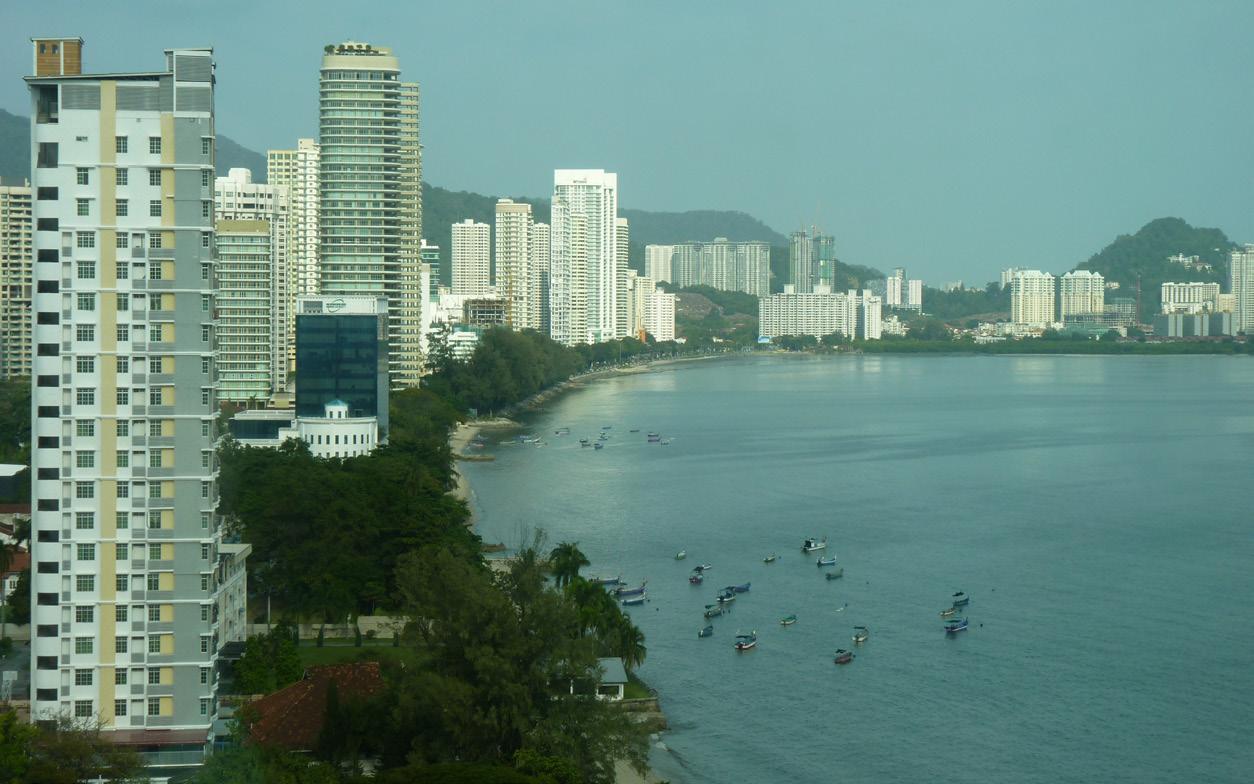
Penang Island has developed rapidly in the last decade; land prices particularly around George Town have risen by 500 percent since the mid-2000si as the city’s UNESCO World Heritage Site status and the port’s multicultural food markets draw increased foreign investment. With no gazetted local planii for the island in place, the state planning department must deal with growing tension between the push for economic growth driven by real estate development and efforts to achieve more sustainable development. Likewise, government-funded research and implementation bodies like the Penang Institute and Think City, respectively, point to the imminent effects of gentrification: priced out by rising rents, local populations are leaving the island. While developers are required to provide low-income housing (for every three market-rate units, one low-income unit must be built), affordable housing for the middle-income population has become scarce.
During the team’s visit to the Penang Institute in January 2015, Stuart MacDonald, the Head of Urban Studies, mentioned that ‘the future of Penang is on the mainland.’ The Penang Institute views the mainland as a key location for future affordable residential growth, with increased linkages—whether through ferries, a tunnel, or an additional bridge—to the electronics manufacturing sector on the island. Running tandem with this agenda, the MPSP (Municipal Council of Seberang Penai), the local municipal council on the mainland, has been tasked with the development of the Batu Kawan Eco-Town. The project is three years into a ten-to-fifteen year project to build an environmentally sustainable community where people can live, work, and play in the same area. The “holistically-planned township” designed entirely from scratch is “setting the standard for future planning” (Stuart MacDonald, Penang Institute, 2015). In light of rapid development both on the island and mainland — with the tension of catering to growing tourism, new economic development, as well as maintaining and sustaining a healthy local community — the growth will inevitably have significant impact on water and waste management service provision. Penang Island has already outstripped its space for dump sites and/or landfills and relies on the mainland for waste disposal. Likewise, 80 percent of Penang’s water is supplied from Kedah, the state bordering Penang to the north.
Research Design
In considering the constraints that Penang faces, there is significant opportunity to look into how Penang has been able to adapt its services to current growth levels, and subsequently into how adaptive growth strategies are likely to be available or necessary going forward. Research could be framed by pursuing the following sub-questions.
• What is the municipal finance structure? What is the breakdown of intragovernmental transfers versus own source revenue? How is the financing secured for increasing demand for services for new development? For example, to what degree do property taxes or development fees contribute to municipal or state funds to support basic service provision? The researcher could start by talking to the Municipal Council of Town Planning and Development to learn financing processes for new development, and to be connected with additional relevant departments. The researcher should also meet with representatives of the two local municipal councils (MPPP and MPSP) to determine how intragovernmental transfers are coordinated to support service provision.
• How have services responded to growth? What impact has the past decade’s real estate boom on Penang Island had on water and sanitation services? How has it changed on the island versus on the mainland? What are the challenges related to the growing demand for services? How is the responsibility for meeting that demand distributed or shared for various services (e.g. are private sector developers responsible for building separate sanitation services? How does the type of development (commercial, residential, high-income, low-income, tourist district, business district) impact the distribution and type of water and waste management service provision?
The researcher should start investigating this question by reaching out to Mr. Oon Lai Kuan (oonlk@penang.gov.my), Unit Head of the Solid Waste Management Unit of the Local Government Division to gather data on changes in the distribution of, and demand for, services (water provision and waste management) since 2000 (date adjustable according to available data). Representatives at the two local councils (MPPP and MPSP) will be able to provide insight as to the challenges of meeting the growing demand for provision of basic services.
• What is Penang’s long-term water availability? How is the real estate development boom impacting water availability on Penang Island? What are estimations of water resource availability and from where? How will planned development in Kedah impact Penang’s water source? What new resources are being explored for water provision on the island and on the mainland, and what are the challenges of tapping into such new resources?
The researcher could start by reaching out to Marian Binti ABD. Kadir (mariam@pba.com.my), Manager at PBA Holdings, the Penang Water Authority and licensed water operator that serves the state of Penang, in order to discuss the state’s plan for future growth in water provision. The researcher could work directly with Penang Institute to learn about the planned strategies for future development, particularly in terms of new development on the mainland, including the BatuKawan Eco-Town. It would also be worthwhile to talk to the Municipal Council of Town Planning and Development in Kedah to understand the potential impacts of development around the watershed (based in Kedah) on Penang’s water supply.
• What is Penang’s long-term solid waste management disposal strategy? How is the real estate development boom impacting the state’s future plan for solid waste management? To what degree has solid waste production increased in the last decade? What new dump site/landfill locations (or alternatives) are being explored for solid waste disposal on the island and on the mainland? What are the challenges of pursuing such strategies?
The researcher should reach out to Mr. Oon Lai Kuan at the Local Government Division, and Mr. Khor, formerly the Senior Advisor to Honorable Mr. Phee (the State Environment Minister). Mr. Khor’s expertise is in solid waste management and the Penang mainland
EcoTown. Both Mr. Oon and Mr. Khor will have invaluable insight into the future growth strategies for Penang’s waste management.
• What are the environmental impacts of improper solid waste management on river pollution in Penang (e.g. Sungai Pinang river)? What is the role of stakeholders in maintaining the sustainability through the river? How are the local authorities addressing the problem of the river pollution?
The researcher should reach out to the local organizations focusing on this issue. These include Water Watch Penang (waterwatchpenang.org) and the Friends of Sungai Juru (SungaiJuru.com). The researcher may also find it helpful to speak with residents of the riverside community, Rukun Tetangga Taman Bukit Minyak.
Discussion
The United Nations predicts that cities globally will grow by 2.5 billion people by 2050, and that 90% of that increase will occur in Asia and Africa . With rapid urbanization and corresponding development comes the need for increased service provision. Malaysia’s strategies for improving and increasing service provision may provide relevant insight for growing cities globally.
Potential Partners
• The Penang Institute
• Ong Siou Woon
Additional Contacts
• Municipal Council Town Planning and Development
• Mr. Haji Roslan Bin Ramly
• Mr. Khor, Formerly the Senior Advisor to Honorable Mr. Phee (the State Environment Minister)
Resources
• A report on Penang’s water supply in response to economic growth, published by Ong Siou Woon of the Penang Institute:http://penangmonthly.com/safeguarding-penangs-water-supply/
• Penang Paradigm, detailing the intended future direction for the state’s economic growth: http://www.penangparadigm.com/
How has the Penang Women’s Development Corporation’s (PWDC) Gender Responsive and Participatory Budgeting initiative increased awareness and engagement in municipal planning?
• In what ways is the PWDC model similar to, and differ from, other participatory budgeting models?
• How does the PWDC build an environment of participatory planning in a country that has historically been characterized by top-down planning and decision-making?
Themes
Participatory budgeting; gender; community engagement
Background
The Penang Women’s Development Corporation (PWDC) is a gender-equality advocacy organization that works to promote community-led decision-making. Their participatory budgeting process – the first in Malaysia – has allowed communities to vote on infrastructure upgrades at a local level. As an organization interested in analyzing, revising, and expanding participatory budgeting throughout Penang, collaboration with PWDC presents a unique opportunity for investigating (a) the role of civil society in adopting new models of service delivery; and (b) a comparison of democratic or more participatory processes with more traditional state-level or top-down policy approaches.
Research Design
The researcher would work directly with the Gender Responsive and Participatory Budgeting program of the PWDC. As a basis for comparison, the researcher should start with a comprehensive literature review on participatory budgeting practices employed globally to better understand the extent to which the PWDC model fits with, or diverges from, widely accepted models of participatory budgeting
The researcher should try to provide a detailed description of the model itself by talking to the PWDC staff and observing the GRPB program. Questions may include the following: How does PWDC determine the participating community? Within that community, how does PWDC determine who is involved? Who are the stakeholders and how are they represented? By which characteristics does PWDC divide the community into different stakeholder groups (e.g. age brackets, by gender, etc.) How did PWDC decide upon those divisions? What forum is used for feedback? To what degree and through what forms are stakeholders engaged? What conflict mitigation strategies are employed?
The researcher should also hold one-on-one interviews with roughly ten (quantity adjusted as needed) members from each stakeholder group (male/female and by age) to gain stakeholder perceptions of the following: To what degree did they engage in the process? Did they vote? What did they vote for? What were the outcomes? How involved did participants feel in the process? Did participants feel like their opinions were heard? Did they observe concrete changes in their community as a result of their participation in the budgeting process? What did they do in the case of conflicts among members? Did the process increase participant’s awareness of planning processes? How so?
Through assessment of participatory budgeting practices generally, observations of PWDC’s GRPB program, discussions with PWDC staff, and interviews with the GRPB participants, the researcher should consider the larger implications of PWDC’s GRPB model through the following questions: How can this be scaled up to scale beyond a single apartment building? Does the process reflect significant variation in planning needs between stakeholder categories (between women and men, between various age groups)? Can the experiences of the PWDC’s GRPB program be scaled up (i.e. what relevance does this present for participatory planning in other contexts)?
Discussion
Participatory budgeting practices have been applied successfully in some communities in the Global South – most notably in Porto Alegre, Brazil. A comprehensive literature review and analysis of PWDC’s GRPB model may provide valuable insight on the efficacy of this Malaysia-based model, as well as insights about its scalability across Malaysia. The study will offer a more nuanced view on how gender determines budgetary decision-making.
Potential Partners
• Penang Women’s Development Corporation
• Sharon Ling, Project Officer for Gender Policy and Advocacy
Resources
• PWDC’s webpage on the Gender Responsive Participatory Budgeting program with links to informational brochure and “E-zine:”http://mobipotcms.com/content/home/index/site:brg-link:4960
Additional Contact Information For Penang
• The Penang Institute (www.penanginstitute.org)
Ong Siou Woon, Senior Executive Officer (siouwoon.ong@penanginstitute.org)
The Penang Institute is a public policy think tank for the Penang state government that holds a wealth of knowledge about urban development in Penang and could be a valuable source of data. They published The Penang Paradigm: The Framework for Creating an International and Intelligent State (http://www.penangparadigm.com/), a comprehensive overview of Penang’s challenges and future development goals, as well as several other studies. Ms. Ong, specifically, has a background in planning and a personal interest in waste management.
• Municipal Council, Town Planning and Development (http://www.mppp.gov.my/en/perancangan-pembangunan)
Mr. Haji Roslan Bin Ramly, Deputy Director of Development Planning
The Municipal Council of Town Planning and Development is the municipal branch of Penang Island in charge of overseeing zoning regulations. While predominantly a regulatory body, the council could be an additional secondary resource for obtaining data on current and past development.
• Think City (http://www.thinkcity.com.my)
Daniel Lee, Program Executive (daniel.lee@thinkcity.com.my)
Think City is a public policy organization that implements funding provided by the national government’s sovereign wealth fund. They have recently started a pilot composting project in Little India, George Town, and are applying a participatory planning approach to get shop owners involved in their efforts.
• Penang Women’s Development Corporation (http://www.pwdc.org.my)
Sharon Ling, Project Officer for Gender Policy and Advocacy (sharon.ling@pwdc-1.org.my)
PWDC is a gender-equality advocacy organization that works to promote community-led decision-making processes, and has started the first Gender Responsive Participatory Budgeting program in Malaysia. Ms. Ling has a personal interest and background in sustainable urban planning and inclusive development.
• Mr. Khor (htkhor@gmail.com)
Formerly the Senior Advisor to Honorable Mr. Phee (the State Environment Minister). Mr. Khor’s expertise is in solid waste management and the Penang mainland EcoTown.
• Penang State Secretariat, Local Government Division, Solid Waste Management
Oon Lai Kuan, Unit Head (oonlk@penang.gov.my)
Mr. Oon manages the Penang State solid waste management programs.
• Penang State Environment Department
The Penang State Environment Department supports and has contact with many community-based waste management programs. Contact through Mr. Khor.
• Tzu Chi Merits Society Recycling Center, Jalan Mohd Saad, Butterworth
The Tzu Chi Merits Society is a global Buddhist organization that has a branch located on the Penang mainland that runs a volunteer-based community recycling program. Contact through Mr. Khor.
• Taman Pandan Highrise Apartment Complex Composting and Recycling Program, Butterworth
The Taman Pandan Highrise Apartments has a small community of volunteers active in composting and recycling. This project started as an UNEP/World Bank separation-at-source pilot project. Contact through Mr. Khor or through Loh Poh Chen (pcloh0202@gmail.com), the main volunteer.
• Municipal Council of Penang Island (MPPP) Solid Waste Management Department
The MPPP is the local council for Penang Island that oversees waste management for the island specifically.
• Municipal Council of Seberang Perai (MPSP) Solid Waste Management Department
The MPSP is the local council for the Penang mainland that oversees waste management for the mainland specifically.
Sarawak is one of two Malaysian states located on the island of Borneo in East Malaysia. It is bordered by the Malaysian state of Sabah and the nation state of Brunei in the north and the Indonesian region of Kalimantan to the south. Kuching, the capital city, has a population of 700,000. Sarawak is home to more than 40 sub-ethnic groups, with indigenous Ibans making up the majority, or 30%, of the population.
The Sarawak landscape is a wonder of jungle, mountains, rivers, and coastline. This gift of nature contrasts starkly with the massive economic development taking place in the countryside. Industries in the region are reliant on Borneo’s natural abundance and are focused on logging, mining, oil palm production, and river damming for hydroelectric power and water catchment. Beyond the direct environmental impact of these industrial activities, there are important human impacts. While much of Sarawak’s population is concentrated in its cities, indigenous tribes live scattered throughout the countryside. They have the right to legal claim of their ancestral land, but are shouldered with the burden of proof in first bringing their land claims to court and then providing evidence of their historical use of the land. Even when their rights to the land are won, they often still struggle to maintain ownership in the face of ongoing development pressures and the acquirement of native land for public purposes. These large-scale development activities are often planned and carried out without the consent or involvement of the people likely to be affected and, in many cases, displaced. Land grabs and displacement stemming from logging and the development of mega-dams are the major issues named by indigenous rights and environmental groups in Sarawak.
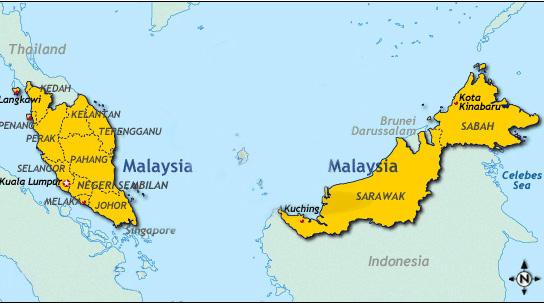
The team of students and faculty that traveled to Sarawak developed the following questions based on meetings with various NGOs, indigenous advocates, academics, journalists, and legal experts, as well as site visits to a tribal village, a newly constructed water catchment dam, and an ecotourism lodge.
How did Kampung Rejoi and other villages organize to protect themselves from the pressures of displacement?
• What lessons can be drawn from their organizing activities and applied to other potential displacement situations?
• How can villages like these become partners in economic development that occurs on their land?
Themes
displacement; community organizing; dams; inclusive development; public participation
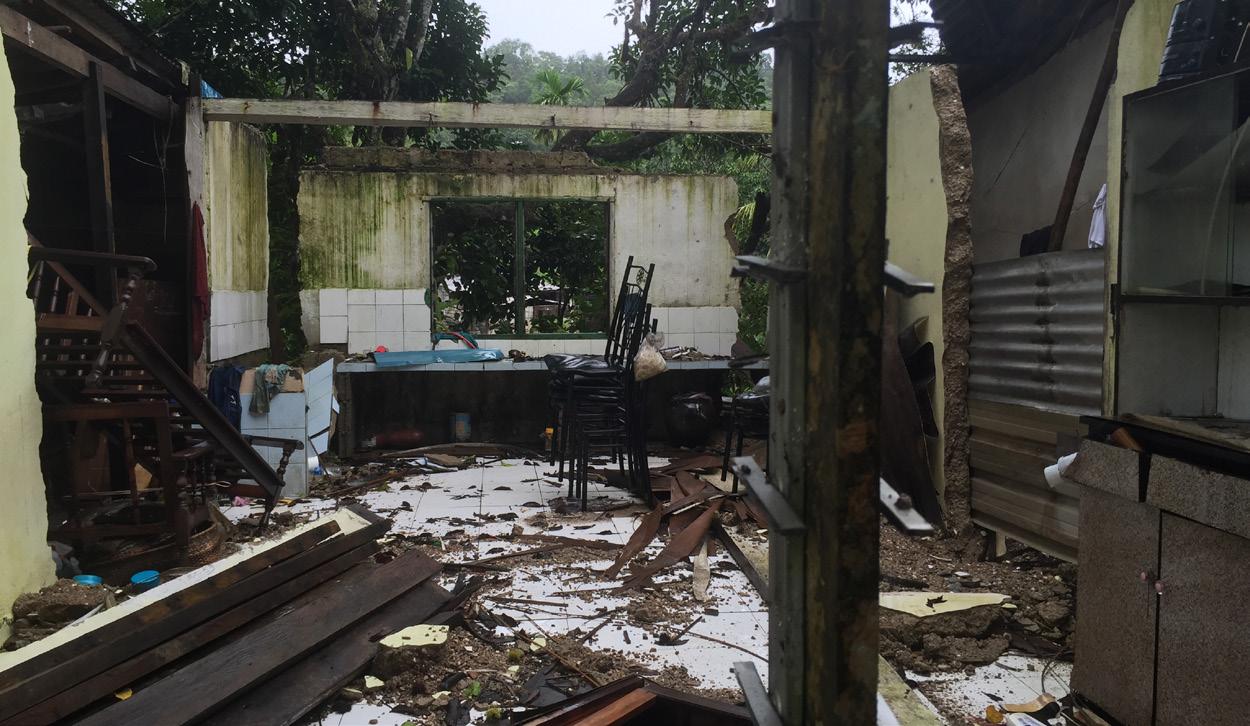
Background
Kampung Rejoi is a village located approximately six miles above the Bengoh Dam, just north of Kuching city (see map of study area above). The dam was constructed in 2010 to ensure continued water supply to Kuching through 2030. The plan was to flood the land upstream to create a reservoir. In addition, plans are in place to develop recreational activities in the reservoir catchment area to promote tourism. Kampung Rejoi was formerly located in the proposed reservoir catchment area. Due to the impending flooding of the area, the community was forced to move to higher ground.
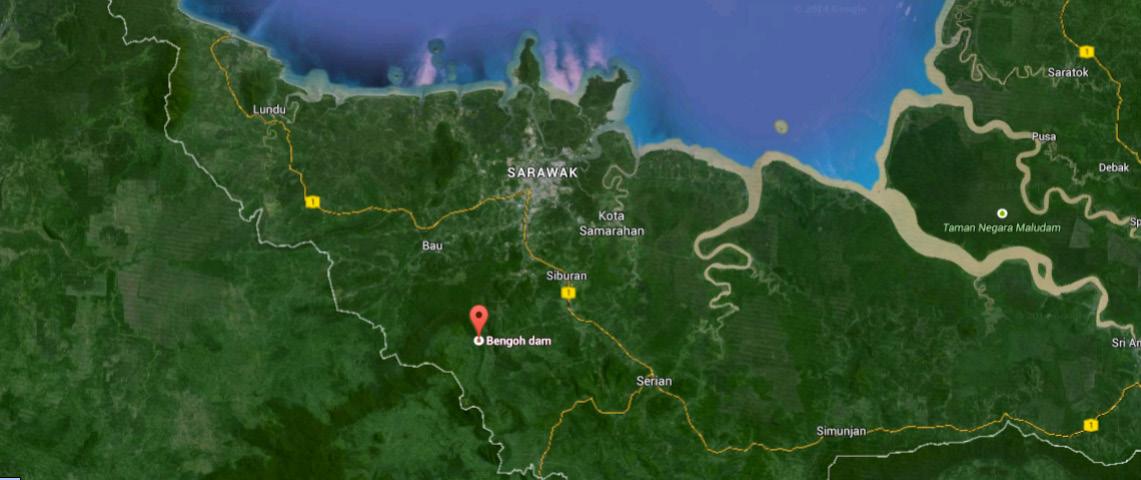
Forced displacement as a product of economic development is a common story in the interior of East Malaysia. Anticipating the flooding that is part of dam creation, Kampung Rejoi and other nearby villagers were offered government-sponsored resettlement allowances. This involved a nominal sum in exchange for land rights. In the new settlement, the villagers were offered a small parcel of land and a subsidized house connected to municipal utilities. From the villagers’ point of view, the relocation plan was problematic because it meant ending up with substantially less land. The village currently occupies 2600 acres. Only some families accepted the relocation plan, which offered a 3-acre plot to each participating family.
Those families who chose not to participate banded together to fight for their rights to the land. While enforcement is inconsistent, Malaysian courts have acknowledged historical claims to land, or Native Customary Rights, made by indigenous groups. The villages that resisted the resettlement plan found the legal support they needed to file suit in court to validate their land claims. The villages, led by Kampung Rejoi, won the case and were not forced to accept the government resettlement plan or required to give up their land for the soon-to-be-created reservoir. While the villages maintained their land rights, the dam was built and the village was forced to move to higher ground. The reservoir is still scheduled to be built.
Members of Kampung Rejoi do not express disdain for the planned reservoir or related development activities. In fact, they see potential benefits including an easier trip to bring farm products to market as well as an opportunity to participate in the tourism economy. While the villages resisted displacement, they still do not have a voice in future development decisions.
Research Design
A scholar interested in understanding more about the displacement of villagers in East Malaysia should begin with a literature review and an historical analysis of indigenous land rights and past participation in development decisions affecting indigenous lands both in Malaysia and globally. Interviews with indigenous tribes (which might require the help of trusted advocacy organizations) should make clear how the villagers organized to pursue their land rights.
Sarawak Dayak Iban Association (SADIA) is a willing partner agency and a likely sponsor of such research. SADIA’s current work focuses on indigenous rights and advocacy. The organization is extremely knowledgeable and well connected to the indigenous communities. It can provide contacts and introductions to indigenous tribes, legal counsel, and key organizers. Additionally, SADIA has documentation about previous and ongoing court cases. Nicholas Mujah, the Secretary General of SADIA, is available to serve as a research advisor. The results of the research could support SADIA’s efforts to promote more inclusive development in East Malaysia.
Discussion
Economic development in developing nations frequently involves increasing the intensity of land uses. Logging involves clearing large areas of jungle in East Malaysia, and is directly connected to the building of dams used for hydropower, water retention and flood control. The land for these projects may involve complicated ownerships claims. In order for sustainable development to take place, the people likely to be affected by such development should have an opportunity to participate in the development decisions that will affect their lives. The research outlined above could lead to the creation of a framework for increasing the capacity of marginalized peoples to cope with the pressures of large-scale development. It could also lead to a greater understanding of community organizing and mobilization efforts aimed at protecting existing land rights. Such findings would be valuable not only in Malaysia but in developing countries globally coping with the tension between development and displacement.
Potential Partners
• Sarawak DayakIban Association (SADIA)
• Nicholas Mujah, Secretary General
Additional Contacts
• Other Indigenous Advocates
• Nicholas Bawin, expert witness on indigenous culture in court
• Simon Siah, lawyer at BaruBian Advocates & Solicitors
• Peter John Joban, indigenous advocate and organizer
Resources
• No Consent to Proceed: Indigenous People’s Rights Violations at the Proposed Baram Dam in Sarawak (http://www.forestpeoples.org/topics/rights-land-natural-resources/news/2014/08/sarawak-new-report-details-violations-dayak-people)
• Forest Peoples Programme - website with information on diverse issues pertaining to rights (http://www.forestpeoples.org/)
• Guidelines for Assessing the Impacts and Costs of Forced Displacement - World Bank (http://siteresources.worldbank.org/EXTSOCIALDEVELOPMENT/Resources/244362-1265299949041/6766328-1265299960363/SME338-Impac-Report_v8.pdf)
• Kuok, Kuok, Harun, Sobri, and Chiu, Po-Chan. A Review of Integrated River Basin Management for Sarawak River. American Journal of Environment Sciences 7 (3) pp. 276-285. 2011.
• Families in Kampung Bojong, Rejoi settle NCR land dispute amicably (http://www.theborneopost.com/2014/12/18/families-in-kampung-bojong-rejoi-settle-ncr-land-dispute-amicably/)
What are the prospects for community-driven or inclusive economic development in indigenous villages in Sarawak?
• How can “development” benefit indigenous villages?
• How can residents participate in the management of new development in their area?
Themes
Economic development; governance and sustainability; community ownership
Background
In East Malaysia, large scale development activities--particularly dams, oil palm plantations, and parks--are often planned and carried out without the consent or involvement of the people likely to be displaced.
In Kampung Rejoi, near the Bengoh Dam in Sarawak, residents successfully resisted plans to build a resort and other tourist amenities (see background section of previous question). The village has relocated in anticipation of the flooding required to fill the new dam. While some residents moved to government-designated resettlement areas, 150180 residents in ten houses did not move. They depend on subsistence farming and the sale of products in local markets. They are worried about their ability to secure their livelihoods and participate in future economic development.
Kampung Rejoi residents have decided on ecotourism as their main strategy for long-term economic development, but are also considering developing local oil palm plantations as well as other products. Ecotourism and sustainable oil palm production in and of themselves will not benefit the community unless the community can promote a more inclusive approach to economic development.
Research Design
Research that evaluates the economic potential of alternative approaches to development in Kampung Rejoi and other villages in Sarawak would be extremely valuable. Appropriate villages and specific leaders could be identified by SADIA. The goal of this research would be to enumerate village assets that might support various types of economic development and to articulate how more inclusive approaches to economic development might be structured.
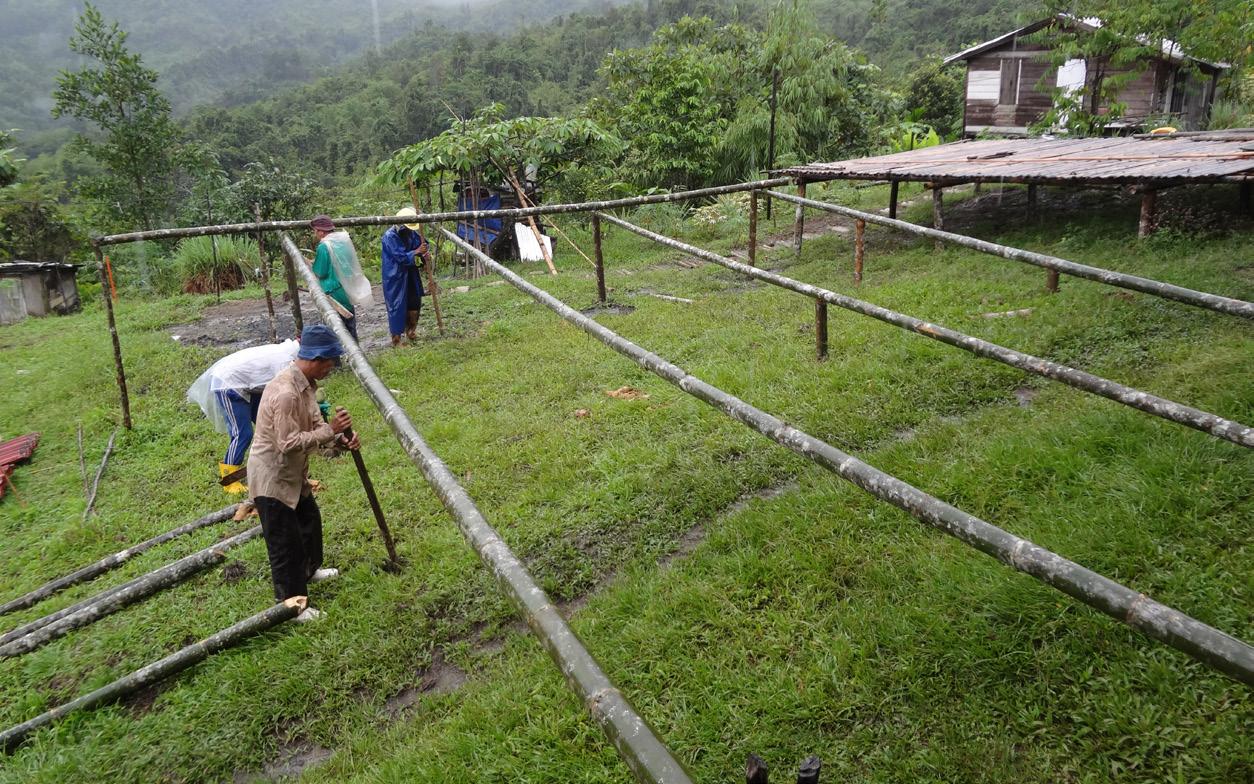
Case studies of villages in other places facing similar challenges would also be very useful. There are models of community-driven economic development that have made indigenous communities equity partners in a wide range of infrastructure, resource extraction and ecotourism efforts. Some of the published work of the World Commission on Dams analyzed the effects of community resettlement caused by dam displacementi. International Rivers noted that micro-hydroelectric generation projects, fishing ponds, small-scale community forestry, and organic farms have been at the core of community-driven economic development strategiesii. MIT’s Displacement Research and Action Network and CoLab will also prove to be helpful resources to any scholars undertaking this research.
Discussion
Large-scale development in Sarawak has generally not benefited indigenous people. However, several groups and organizations note that indigenous communities do want development (including ecotourism) that is driven, and to the extent possible, owned by the communities themselves. A range of possible wealth-creating development strategies should be considered to ensure more inclusive economic development. Ecotourism is a highly contested idea in Malaysia, although it is sometimes presented as the best or only option for securing the livelihoods of certain communities. The idea of oil palm plantations as a development strategy is similarly contested, particularly given the backdrop of vast logging and oil palm plantations throughout East Malaysia. Research that shows how both of i “The Resettlement ii these ideas, when crafted in a particular way, can win community support would represent an enormous scholarly contribution.
Potential Partners
• Sarawak Dayak Iban Association (SADIA)
• Nicholas Mujah, Secretary General
• Indigenous Peoples Network of Malaysia (Jaringan Orang AsalSeMalaysia, JOAS)
Additional Contacts
• Other Indigenous Advocates
• Nicholas Bawin, expert witness on indigenous culture in court
• Peter John Jaban, indigenous advocate and organizer
Resources
• The Coalition of Concerned NGOs on Bakun (Gabungan), Malaysia. “The Resettlement of Indigenous People affected by the Bakun Hydro-Electric Project, Sarawak, Malaysia.” Working paper on the World Commission of Dams. (http://www.internationalrivers.org/files/attached-files/resettlement_of_indigenous_people_at_bakun.pdf)
What planning efforts are underway to prevent or mitigate the effects of severe flooding on rural and urban mobility in Sarawak?
• Are these efforts sufficient in the face of increasingly powerful floods likely to be caused by continued climate change and deforestation?
• To what extent are community members involved in formulating flood mitigation and emergency preparedness plans?
Themes
Climate change adaptation; urban and rural mobility; flood mitigation; disaster preparedness; public engagement
Background
East Malaysia has experienced a number of extreme floods in recent years, including major floods in late January 2015. More than 10,000 people were evacuated in Sarawak and Sabah during the most recent flooding events. This has required government assistance in the form of rescue teams, emergency shelters, food, and supplies. Many homes, shops, schools, public facilities, and roadways have been inundated (and, in some cases, destroyed by landslides), disrupting almost every aspect of work and life. Flooding raises public health, safety, and economic recovery concerns, and requires substantial public expenditures for rescue, relief, and rebuilding.
Observers in and near Kuching, Sarawak during the January 2015 floods have noted that all forms of mobility were curtailed. Disaster preparedness did not appear to address the adverse effects of flooding on both rural and urban mobility. Urban roadways were filled with water, causing traffic jams and safety concerns, while segments of rural roads were completely submerged. Some roads caved in completely, isolating almost a dozen villages. Walking trails and bridges that connect paved roads and led to mountain villages were wiped out by landslides and turbulent river waters. While such destruction cannot be completely avoided, additional preparations might have enhanced public safety and minimized the costs of rescue and other operations.
Research Design
It would be valuable to collect information on transportation-related flood mitigation options being pursued in both urban and rural areas in greater Kuching. How were these formulated, what are the challenges to their implementation, and how might they be enhanced in the future? The products of such inquires could assist local authorities and inform those in low-lying areas around the world facing similar flooding and mobility challenges.
A scholar working on these questions would need to collaborate with relevant government agencies to learn about existing and pending flood mitigation and transportation plans. They would also need to interview community members affected by floods in the past, and gain an understanding of the assumptions behind government flood mitigation plans. Finally, scholars investigating these subjects might benefit from working with academics at local universities (like UNIMAS) that have expertise on local flooding and transportation issues from engineering and planning perspectives.
Discussion
The government of Malaysia has natural disaster relief protocols in place. The state and local governments of Sarawak and Kuching also have plans for reducing the impacts of flooding on roadways (and, of course, protecting the health and safety of local residents). However, a greater understanding is needed of what those plans are, what kinds of risks they imply, whether or not they are sufficient in the face of potentially more severe flooding in the future, and to what extent local inhabitants are involved in decision-making regarding their design and implementation. The latter point is important because local knowledge is essential to the formulation of locally-appropriate mitigation plans.
Potential Partners
Sarawak Government Agencies
The following state agencies would be naturally good fits for this research:
• Department of Irrigation & Drainage Sarawak
• Public Works Department Sarawak
• State Planning Unit of the Chief Minister’s Department
Additional Contacts
• Transport Infrastructure Planning and Sustainability (TRIPS), UNIMAS Faculty of Engineering
• Universiti Malaysia Sarawak (UNIMAS) researchers working on transportation engineering might also have valuable information as well as appropriate contacts in the Kuching area.http://www.feng.unimas.my/departments/civil/18-research/1063-trips. html?showall=&start=3
• Hydro-Environmental Engineering Research and Development (HERD), UNIMAS Faculty of Engineering
UNIMAS researchers working on flooding and hydrology engineering might be similarly helpful to the scholar.http://www.feng. unimas.my/departments/civil/18-research/1061-herd.html?showall=&start=1
• Sarawak Dayak Iban Association (SADIA)
• Nicholas Mujah, Secretary General. Mr. Mujah has contacts with many indigenous villages in Sarawak.
Resources
• Chiew, S.Y., O.S. Selaman, and N.R. Afshar. “A study on the relationship between climate change and peak discharge in Sarawak River Basin.” UNIMAS e-Journal of Civil Engineering 4, no. 3 (2013): 23-28.
• Khalid, Mohamad Sukeri Bin, and Shazwani Binti Shafiai. “Flood Disaster Management in Malaysia: An Evaluation of the Effectiveness Flood Delivery System.” International Journal of Social Science and Humanity 5, no. 4 (April 2015): 398-402.
• Mah, DarrienYauSeng, SaiHinLaia, Ron Aldrino, and FrederikJosepPutuhena. “Investigative modelling of the flood bypass channel in Kuching, Sarawak, by assessing its impact on the inundations of Kuching-BatuKawa-Bau Expressway.” Structure and Infrastructure Engineering (2010): 1-10.
• “Ten villages cut off as road caves in off JalanPuncak Borneo.” Borneo Post. Last modified January 19, 2015. <http:// perrrghhh.com/2015/01/19/borneopost-online-borneo-malaysia-sarawak-daily-news-ten-villages-cut-off-as-road-caves-inoff-jalan-puncak-borneo/>
• “Flood situation worsens in Sarawak.” Borneo Post. Last modified January 20, 2015.<http://www.theborneopost. com/2015/01/20/flood-situation-worsens-in-sarawak/>
• “Floods in Sarawak worsen, number of victims rises to 10,103.” Borneo Bulletin. Last modified January 21, 2015.http:// borneobulletin.com.bn/floods-sarawak-worsen-number-victims-rises-10103/
• “Lessons to be learned from road collapse, says MPP chief.” Borneo Post. Last modified January 24, 2015.http://www.theborneopost.com/2015/01/24/lessons-to-be-learned-from-road-collapse-says-mpp-chief/#ixzz3Q8O0Ddel
• “Malaysia Floods – Over 1,000 Remain Homeless in Sabah and Sarawak.” Floodlist. Last modified January 26, 2015.http:// floodlist.com/asia/malaysia-floods-1000-homeless-sabah-sarawak
Additional Contact Information For Sarawak
• Sarawak Report (http://www.sarawakreport.org/)
Clare Rewcastle, Founder and Chief Editor (clarerewcastle@gmail.com | +44 7710-207697)
Ms. Rewcastle was born in Sarawak, but now lives in the UK. She founded Sarawak Report and Radio Free Sarawak after being urged by local Sarawakians to create non-government sponsored, independent outlets for disseminating news. She now works as an investigative journalist addressing issues of political corruption, environmental degradation, and native rights in Sarawak. She is highly knowledgeable of the history and current state of politics and development projects in Sarawak, and is available for discussion. Fluent in English.
• Radio Free Sarawak (http://radiofreesarawak.org/)
Peter John Jaban, DJ and indigenous rights activist (peterkuching@gmail.com | +60 16-860 5272)
Mr. Joban is a Sarawak native Iban, and is active in various campaigns for indigenous rights in Sarawak. He has been the DJ for Radio Free Sarawak for the past couple of years, where he hosted shows (in native languages) that were broadcast via shortwave radio to hard-to-reach indigenous villages across Sarawak, as a way for indigenous people to call in and share stories about their struggles with development projects and cases of forced displacement. He is very passionate about his activism, and also owns a local bar, restaurant, and homestay in Kuching, with his wife, Karen, who is a lawyer. He is very hospitable and available for discussion. Fluent in English.
• Universiti Malaysia Sarawak (UNIMAS)
Andrew Aeria, Politics Professor (andrewaeria@gmail.com | +60 16-894 8006)
The research team did not get to meet with Dr. Aeria, but was in close contact with him before and during their trip. He is very knowledgable about the political situation and dynamics in Sarawak, and how the politics relate to development projects and indigenous rights, and is connected with many other local groups. He is available for discussion. Fluent in English.
• Friends of the Earth - Malaysia (SAM) (http://www.foe-malaysia.org/)
Jok Jau Evong, Coordinator for Sarawak Office (jvon_ei@yahoo.com | +60 19-805 8973)
The research team did not get to meet with Mr. Evong, but was told by a number of people that he would be a great person to talk to about dam projects affecting indigenous communities.
• World Wildlife Fund (WWF) - Malaysia (http://wwf.panda.org/what_we_do/where_we_work/borneo_forests/)
WWF focuses on major environmental issues affecting Borneo, with a particular focus on biodiversity preservation, species habitat, and protected conservation area (PCA) corridors. WWF staff are available for conversation and open to collaboration.
Cynthia Chin, National Manager for Community Engagement & Education cchin@wwf.org.my | +6 082 247 420 ext 208
Fluent in English.
Henry Chan, Sarawak Conservation Head (hchan@wwf.org.my | +6 082 247 420)
Fluent in English.
• International Rivers (http://www.internationalrivers.org/campaigns/sarawak-malaysia)
Tanya Lee, Program Coordinator (tlee@internationalrivers.org)
Ms. Lee works part-time in Sarawak on issues of dams and indigenous rights, in addition to working in other Southeast Asian countries. As part of International Rivers, she is connected to an international network on these issues. Fluent in English (Canadian).
• SAVE Rivers
Peter Kallang, Chairperson (peterkallang@yahoo.com | +60 13-833 1104)
The research team did not get to meet with Mr. Kallang but was told by a number of people that he would be a great person to talk to about dam projects affecting indigenous communities.
• Kampung Rejoi
Simo Sekan, Village Chief and Pastor (+60 14-886 4239)
Mr. Sekan is the Chief of Kampung Rejoi, a Bidayuh village located south of Kuching, Sarawak. His village has been directly affected by development and environmental issues, and he successfully led the village effort to gain Native Customary Rights to their ancestral land. He is also a founding member of the SAVE Rivers Network. He is available for conversation and is interested in community-driven economic development opportunities for his village (ecotourism or otherwise). Bahasa Malaysia and limited English spoken.
• Sarawak Dayak Iban Association (SADIA)
SADIA is actively engaged in issues concerning development affecting indigenous peoples. SADIA has offered and is willing to be the partner organization for a scholar. This is in reference to research questions #1 and #2.
Nicholas Mujah, Secretary General (sadiahq@gmail.com | +60 16-894 6976) Mr. Mujah is directly involved in a number of indigenous rights issues and is available for discussion. Fluent in English.
SidiMunan, President (musidi1@hotmail.com | 012-274 8646) Mr. Munan has been president of SADIA since the 1980’s. Fluent in English.
• Bar uBian Advocates & Solicitors
Simon Siah Sy Jen, Advocate, High Court of Sabah & Sarawak (sjensiah@gmail.com | 082-455593)
Mr. Jen is has filed and litigated numerous lawsuits on behalf of indigenous communities. He is very knowledgeable about local legal frameworks and is available for discussion. Fluent in English.
Nicholas Bawin Anggat (nicholasbawinanggat@yahoo.com | +6 013-8114722)
Mr. Anggat has been an expert witness on indigenous culture for over 100 cases, being a former employee for Majlis Adat Istiadat, the state agency that is charged with documenting and preserving indigenous customs. Fluent in English.
• Friends of the Sarawak Museum (https://www.facebook.com/fosmuseum)
Louise Macul, Executive Director (fosmuseum.ed@gmail.com | +60 12-855 0588)
MIT student group met with Ms. Macul on the 2014 practicum. She said she is available for discussion. Fluent in English.
• Iskandar Regional Development Authority (IRDA) (http://www.irda.com.my/)
Ivy Wong Ling Ling, Vice President of Environment (ivywong@irda.com | +60 19-779 9834)
Ms. Ling works for IRDA and deals with environmental issues. She is from Kuching and previously worked with the World Wildlife Fund. Ms. Ling is well connected and willing to make introductions. Fluent in English.
• Indigenous Peoples Network of Malaysia (Jaringan Orang AsalSeMalaysia, JOAS)
Website: https://ms-my.facebook.com/joasmalaysia
General email, joasmalaysia@gmail.com
Jannie Lasimbang, jannielasimbang@gmail.com
Thomas Jalong, thmsjlg@yahoo.com
Sze Ning, szening@gmail.com
Ms. Lee, from International Rivers, recommended that we reach out to JOAS in our future work. The MIT team has not contacted or met with anyone from this group yet.
This agenda was created as part of a collaboration between the UTM and MIT faculty and students listed below.
MIT FACULTY
• Dr. Lawrence Susskind, Ford Professor of Urban and Environmental Planning, MIT
• Dr. Mohd Hamdan bin Ahmed, Professor and Executive Director of Institute Sultan Iskandar
• Dr. Gabriella Carolini, Ford Career Development Assistant Professor of Urban Studies and Planning, MIT
• Dr. Miho Mazereeuw, Ford International Career Development Assistant Professor of Architecture and Urbanism, MIT
• Dr. Phillip Thompson, Associate Professor of Urban Politics and Community Development, MIT
UTM FACULTY
• Dr. Mahbob Salim, UTM
• Dr. Shuhanabinti Shamsuddin, Associate Professor, Razak School of Engineering and Advanced Technology, and Program Coordinator, UTM
UTM SECRETARIAT COMMITTEE MEMBERS
• Dr. Syed Ahmad Iskandar bin Syed Ariffin, Associate Professor and Deputy Director of Institute Sultan Iskandar
• Dr. Shuhanabinti Shamsuddin, Associate Professor, Razak School of Engineering and Advanced Technology, and Program Coordinator
• Dr. Zulkifli bin Yusop, Professor of Civil Engineering and Dean of Water Research Alliance
• Dr. Ho Chin Siong, Professor of Urban Regional Planning and Director of International Staff and International Relations
• Dr. Amran b. Hamzah, Professor of Urban Regional Planning (Tourism) and Director ofCentre for Innovative Planning and Development (CIPD)
• Dr. Ahmad Nazri bin MuhamadLudin, Professor of Urban Regional Planning
• Dr. Ibrahim bin Ngah, Faculty of Built Environment
2014-2015 MALAYSIA SUSTAINABLE CITIES SCHOLARS
• Dr. Akmal Abdelfatah
• Dr. Akinropo Oluremi Akindele
• Dr. Hong Ching Goh
• Dr. Haslenda Hashim
• Dr. Malik Asghar Naeem
• Dr. Zainura Zainon Noor
• Ms. Shraddha Pandey
• Mr. Norbert Francois Tchouaffe Tchiadje
• Dr. Fan Tu
MIT DOCTORAL COMIMITTEE
• Jessica Gordon
• Kelly Heber
• Yasmin Zaerpoor
