


Winter
HYPATIA JOURNAL | 1
2023-2024
Issue HYPATIA








WE HOPE EVERYONE IS INSPIRED BY HYPATIA'S INCREDIBLE SCIENTIFIC LEGACY AND ENJOYS READING OUR ARTICLES SHOULD YOU WISH TO CONTRIBUTE TO OUR UPCOMING ISSUE, PLEASE REACH OUT TO ANY OF US. MANY THANKS, AND WE HOPE YOU ENJOY THIS ISSUE IT'S A GOOD ONE!
ANGEL SHI ‘24 CO-EDITOR IN CHIEF JUNE LIU ‘25 CO-EDITOR IN CHIEF MARINA REALE ‘24 DESIGNER IN CHIEF HELEN SHARP ‘24 SECTION EDITOR JESSICA SARR ‘24 SECTION EDITOR HELEN SHEARON ‘25 SECTIONStaff Writers:
2024: Sara Babigian
2025: Ari Baran | Helena Hao
Maryam Abdulkarim | Suri Jiang | Wei Li
2026: Alyssa Shi | Evana Jang | Giorgi Moore
Serena Lok | Zaiyi Yang | Melissa Ma
2027: Eliza Mikheev | Sophia Wu | Jessica Lin
Guest Writers:
2025: Elsa Poler | Holly Machado | Julia Kootnz | Gwen
Religa
2027: Claire Lee




The title of “The Next Albert Einstein” belongs to a firstgeneration, Cuban-American, native-Chicagoan scientist: Sabrina Gonzalez Pasterski

Born June 3rd, 1993 to an encouraging engineering family, she built and flew her own single-engined airplane at just fourteen years old, thus founding Sabrina Aircraft Manufacturing (1) Years later, she became the first woman to graduate top of her class from the Massachusetts Insitute of Technology with a Bachelor’s in Physics. She went on to become a Harvard Physics Ph.D. candidate at 21 (2).
In 2014, Pasterski and her fellow Harvard colleagues discovered the Spin Memory Effect This theory may assist in detecting, verifying, or identifying the effect of gravitational waves, both astrophysically and theoretically, on the past and future (3) This discovery revolutionized the way physicians and mathematicians alike viewed other gravitational and mechanical theories, as well as later discoveries The discovery of this theory granted her complete academic freedom and allowed her to individually publish her findings in 2015. This publication would ultimately be cited by Stephen Hawking a year later. Additionally, she became the second-ever Ph.D. Harvard candidate to have her dissertation published in Physics Report, a well-renowned scholarly journal. In 2019, she earned her Ph.D. and completed a Postdoctoral Fellowship at the Princeton Centre for Theoretical Science after her graduation.


After graduating from both Harvard in 2019 and Princeton in 2021, she turned down a $11 million offer from Brown University to become an assistant professor in 2021, furthering her research as a High-Energy Theorist with the Perimeter Institute of Physics. Her research follows the complications of black holes and spacetime, as well as the explanations of gravity in quantum mechanics (5) And because she could not possibly be tackling enough in the field of science, she is both a spokesperson for Women in STEM since 2020 and a Deputy Director of the Simons Collaboration on Celestial Holography. This concept presents that the universe can be understood in a variation of ways, specifically as a “projection of the night sky” (4). It involves collaborating with various other research fields such as quantum gravity and mathematical physics Her most recent publication, cowritten with Yangrui Hu, The Director Operators for Celestial Symmetries, is published in the High Energy Physics journal (5). On top of it all, she continues to post videos to her YouTube channel, PhysicsGirl, to help further her reach to anyone interested in both her work, and the works of others.
It is a powerful notion to be rewarded for one’s research by those well-adjusted in their positions, but it is much more striking to move young women to pursue a career they once had no place in. Pasterski is one of many young women who have staked their claim in the field of science, and she is certainly not the last

Sabrina Gonzalez Pasterski has been playing such a transformative role in the world of physics She pioneered an entirely new realm of uncharted territory surrounding astrophysics, quantum physics, and mechanics. Her story of success starting from such a young age, as both a well-educated woman and a first-generation CubanAmerican, speaks volumes to other young girls who aspire to follow in her footsteps
3 The Celestial Hologram: From Stargazing to Quantum Gravity and Back Princeton Plasma Physics Laboratory wwwppplgov/events/2024/celestialhologram-stargazing-quantum-gravity-andback#:~:text=Celestial%20Holography%20proposes%20that%20our,mathematical% 20physics%20and%20quantum%20gravity
5
4 Hu, Yangrui, and Sabrina Pasterski “Detector operators for celestial symmetries” Journal of High Energy Physics, vol 2023, no 12, 2023, https://doiorg/101007/jhep12(2023)035
 By: Julia Koontz ‘25
In News:
By: Julia Koontz ‘25
In News:
The song “Heart on my Sleeve” by the world-famous artists Drake and the Weeknd has recently received vast attention on TikTok, but sometimes ears can deceive.
The song, which has been submitted for the Grammys, was never performed by either pop star, but it quickly rose to fame under their name (1). The quick-to-trend audio is just one of the many examples of artificial intelligence being used to produce fake songs or covers, raising questions about how the music industry will adapt to the technology
Firstly, it’s important to establish how much of the song is actually generated by AI. While it is easy to believe a claim that the lyrics, instrumentals, and vocals were all AI, the truth is that only the vocals were AI-generated. A real person under the pseudonym “Ghostwriter” made this song by producing instrumentals, writing lyrics, then performing them, but overlaid the voices of Drake and the Weeknd onto it using a program called sovits-svc (1) So-vits-svc is a publicly accessible program that can be downloaded and run by anyone to access an advanced deep learning system.
All the user has to do is provide so-vits-svc with samples of someone’s voice, which the program breaks down into “frequency bands” This sample data allows the computer to recreate a person’s voice by teaching it to recognize certain characteristics of their vocals. This data is then encoded and masked over the original vocals of the recorded lyrics to produce the final audio file (2).

Although this may seem like a harmless way to listen to something new or to make a funny parody, the act of doing so raises many questions about the legality and ethics of using AI to replicate an artist’s voice.


The song, which was released on streaming platforms such as Spotify, was immediately taken down by the record label of both artists (3). Universal Music Group was quick to voice its stance on the use of such technology, begging the question, “Which side of history all stakeholders in the music ecosystem want to be on: the side of artists, fans and human creative expression, or on the side of deep fakes, fraud and denying artists their due compensation” (3). The main question surrounding AI-generated music is about who owns the rights to it, which becomes even more complicated when using another person’s voice This raises concerns about using a notable figure’s voice to say something controversial Regardless of the exact issue, many fear that with the speed of advancements being made in this technology, lawmakers will never be able to fully adapt (4).
While this might instill fear into the minds of some artists, the idea of essentially renting out one’s voice is appealing to others. Some artists have even pioneered ways to evolve with this technology and be compensated for their collaboration with it. The artist Grimes, for example, has released a software called “Elftech” that allows anyone to transform their voice into something resembling her own The final products, or “voiceprints”, can be used in any original song, as long as GrimesAI is credited as the main or featured performer.
Grimes asserts that she would split the royalties on any successful song that used her AI voice because she believes her voice should be available to anyone who wishes to access it (5)
Amid quarrels surrounding deep fakes, AIgenerated art, and AI vocalizations, it’s easy to feel like AI is stripping away pieces of people’s identities and commodifying them. While the legality of AI-generated music or performances is still heavily debated, it is up to individuals and artists to decide what the next step is. While some artists have jumped ahead of the game and begun working with AI and deep learning models to reproduce their voices, others are attempting to wait out the storm

Works Cited
1 Tyagi, A (2023, May 19) How To Turn Your Voice Into Any Celebrity’s (so-vits-svc 40) Medium https://mediumcom/@amaltyagi/how-to-turn-your-voice-intoany-celebritys-so-vits-svc-4-0-e92222a287e2
Shanfeld, E (2023, September 6) Ghostwriter’s “Heart on My Sleeve,” the AIGenerated Song Mimicking Drake and the Weeknd, Submitted for Grammys Variety https://varietycom/2023/music/news/ai-generated-drake-the-weekndsong-submitted-for-grammys-1235714805/
2 Coscarelli, J (2023, April 19) An AI Hit of Fake “Drake” and “The Weeknd” Rattles the Music World The New York Times
3 Veltman, C (2023, April 21) When you realize your favorite new song was written and performed by AI NPR https://wwwnprorg/2023/04/21/1171032649/aimusic-heart-on-my-sleeve-drake-the-weeknd
5
https://wwwnytimescom/2023/04/19/arts/music/ai-drake-the-weeknd-fakehtml
4 IV, A P (nd) Grimes Helps Artists Distribute Songs Using Her AI Voice If They Split Royalties Here’s How It Works Forbes Retrieved January 20, 2024, from https://wwwforbescom/sites/antoniopequenoiv/2023/06/12/grimes-helps-artistsdistribute-songs-using-her-ai-voice--if-they-pay-royalties-heres-how-it-works/? sh=540d584b49ae
 By: Claire Lee ‘27
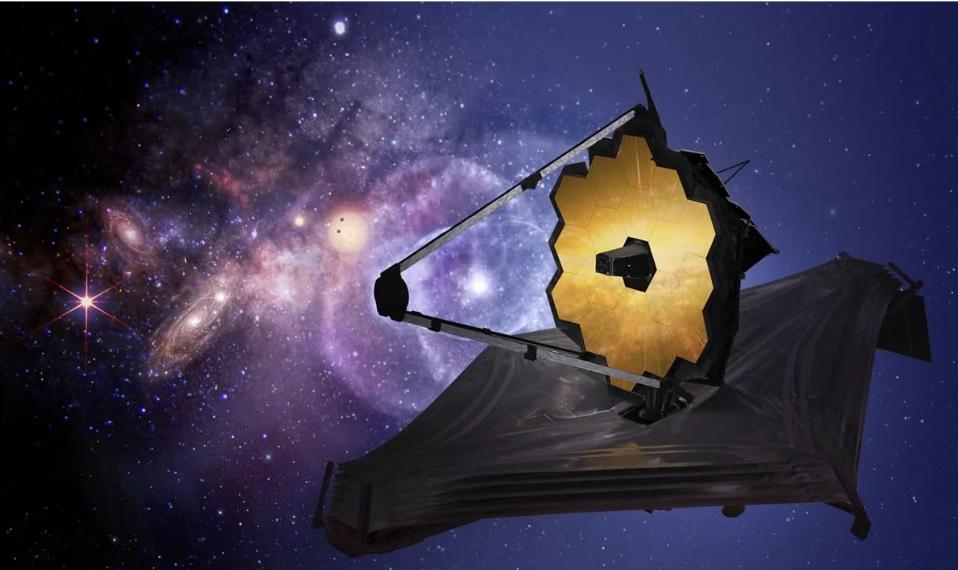
Out of the trillions of galaxies in our universe, is Earth the only planet capable of supporting life? The famous astronomer, Carl Sagan, once said “Two possibilities exist: either we are alone in the universe, or we are not. Both are equally terrifying” (1). Though many space telescopes such as the Hubble and Spitzer have searched for Earth 2.0, NASA’s latest telescope may be able to explore further into the observable universe.
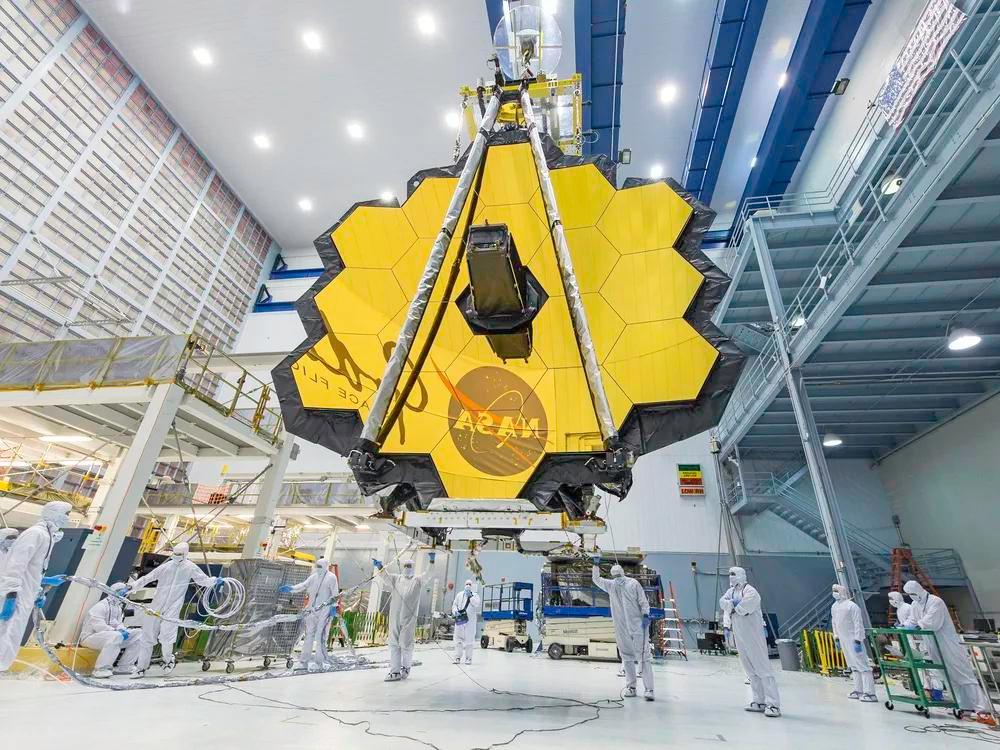
On December 25, 2021, the James Webb Space Telescope (JWST) was launched into space, becoming the largest and most powerful telescope ever created. Due to its enormous size, the telescope was tightly packed into a narrow rocket and was set to unfold once it reached its destination: 1 million miles away, spinning in orbit around the Sun with Earth By July 11, 2022, the JWST had finished its commissioning activities and was ready to begin full scientific exploration (2)
The JWST is tasked with the challenge of looking deeper into space for the earliest galaxies, the evolution of celestial objects, the life cycles of stars, and notably, other worlds like our Earth Exoplanets, planets that orbit a star outside the solar system, were discovered for the first time in 1992 Since then, thousands of exoplanets and star systems have been discovered. However, scientists have yet to find an exoplanet that can support life like Earth (3). But the question is, how does the JWST’s capabilities allow us to study exoplanets?
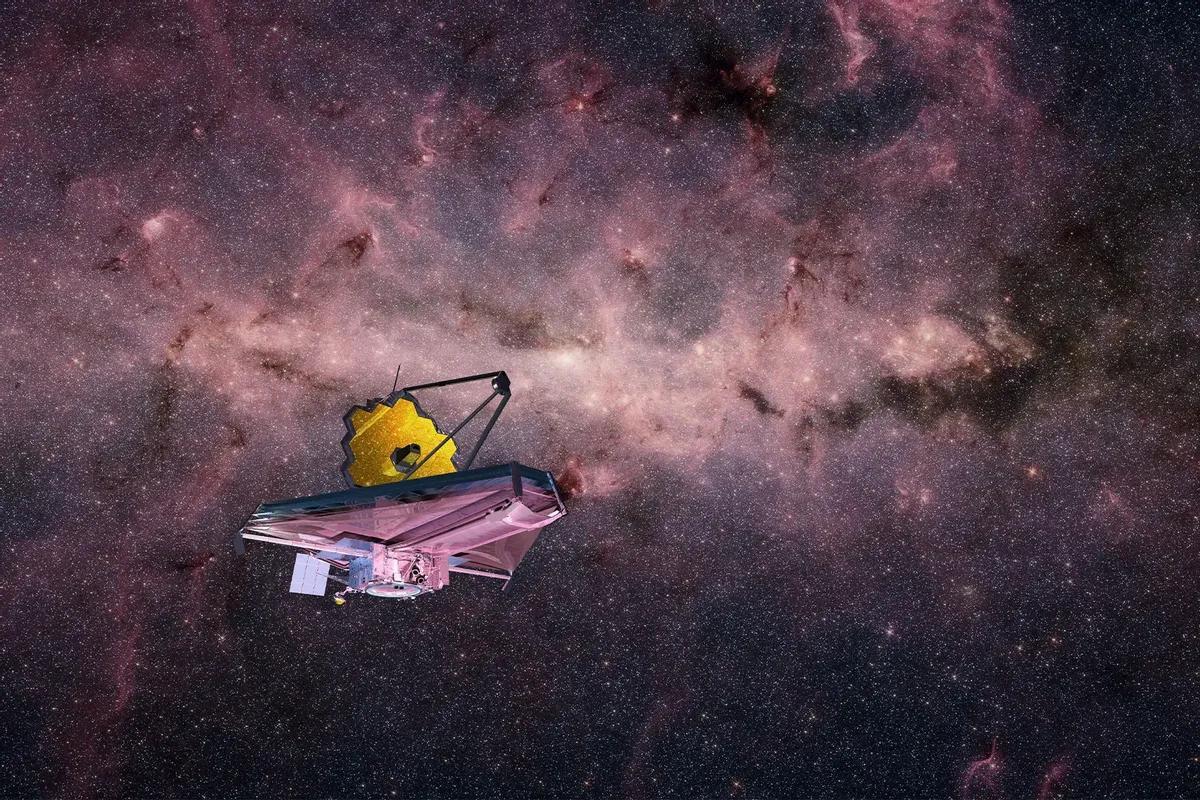
The JWST collects infrared light with a specially designed mirror and multiple light-detecting sensors Why infrared light? Due to the large wavelength of infrared light, it does not scatter with dust or particles floating around space. Thus, infrared light can travel much further through space, which helps scientists observe much more distant star systems (3). The JWST has a gold-coated mirror that can reflect the infrared light into the lightdetecting sensors, which then analyze the brightness and wavelength of the collected light If the mirror is larger, more reflected light can be collected Currently, the JWST possesses the largest mirror (65 meters in diameter) ever built on a space telescope (2). Since this large mirror can collect significant amounts of infrared light, the JWST can explore and analyze many more distant exoplanets that scientists have never been able to see before
One method the JWST uses to find exoplanets is the transit method It looks for the dimming of the light of a star as an exoplanet passes in between the star and Earth. The size of the exoplanet’s orbit can be calculated from how long it takes to orbit once, and the size of the planet itself can be calculated based on how much the star’s brightness lowered Furthermore, scientists can learn about an exoplanet’s atmosphere composition by using infrared spectroscopy When an exoplanet passes in front of its star, the infrared light from a star passes through the exoplanet’s atmosphere.
Different elements and molecules in the atmosphere of exoplanets absorb infrared light at different wavelengths, and scientists can find atmosphere composition by looking at which infrared light has disappeared through absorption.
The JWST can also enable direct imaging of exoplanets. Its infrared instruments can filter out bright light from a star so exoplanets can be seen. By using a special camera, the JWST can pinpoint an exoplanet and can take images of an exoplanet directly as a spot with various spectroscopy colors (2) When scientists analyze these colors, they can learn many things about an exoplanet such as its color, seasonal changes, atmosphere composition, and so forth.
Ultimately, the telescope’s mission is to find elements and molecules in an exoplanet that suggest it can support life, such as oxygen, water, and sulfur dioxide (3) Even though none have been found currently, the search is still ongoing as many more exoplanets are yet to be discovered The James Webb Space Telescope’s powerful capabilities will allow us to know more about these exoplanets and someday, we may be able to find the answer to the question: are we alone in this universe? Hopefully, when the answer is found, it will be exhilarating not terrifying



In the last decade, climate change has become a fixture of conversation in the news and many homes. Everyone’s aware of it, and many people are actively working to lower their impact on global warming.
However, not everyone is aware of the extent that climate change is affecting the earth or the rapid rate at which it is accelerating. In 2023, the Earth experienced its hottest year in at least 125,000 years, with the average temperature being 132 degrees Celsius (3428 degrees Fahrenheit) above pre-industrial revolution levels (1) These numbers, although staggering, do not adequately show the seriousness of this crisis and its real impact on people. As Friederike Otto, a senior lecturer at the Grantham Institute at Imperial College London, said “[t]he fact that we're seeing this record hot year means record human suffering” (2)
By: Helen Sharp ‘24The consequences of extreme heat are tangible and severe In America, Houston has been hit the hardest, with 22 straight days of extreme heat from July to August, making it the largest streak of heat of any city on earth Meanwhile in India, 86% of the population experienced at least 30 days of extreme heat throughout the summer. On a more global scale, 90% of the world’s population (about 7.3 billion people) faced at least ten days of extreme heat over the course of the year (3).


Perhaps even more worrying than this, there have been disturbing patterns of severe natural disasters that are directly related to climate change For example, at least 383 people in the United States died in extreme weather events, 93 of which were because of the Maui Wildfire Event; the deadliest US fire in this century. Meanwhile, in Canada, one in every 200 people had to evacuate their homes due to wildfires or wildfire smoke. Similarly, droughts in Brazil have displaced locals and cut them off from food and water (4) Overall, the effects of climate change on individuals have been deadly and disastrous all over the world


The present state of climate change is bleak, and the future doesn’t offer any more of an optimistic view. The 1.32 degrees increase in temperature in 2023 is dangerously close to the 15 degree Celsius threshold set in the Paris Climate Agreement of 2016 (4) This agreement was signed by 195 countries The acknowledgment of the significance of the 15 degree temperature change threshold and the importance of not letting global temperatures reach that was a significant part of this agreement However, if the world continues on its trajectory, that point will be reached rapidly
The statistics are grim, but not all hope is lost. From November 30th to December 12th, a climate conference (COP28) took place in Dubai, United Arab Emirates, where great strides were made in the earth’s journey to becoming more sustainable As UN Climate Change Executive Secretary Simon Stiell said in his closing speech, “[w]hilst we didn’t turn the page on the fossil fuel era in Dubai, this outcome is the beginning of the end” (1) The conference was focused on two main efforts: reducing greenhouse gas emissions and improving climate justice, along with making sure the earth does not reach the 1.5 degree Celsius threshold agreed upon at the Paris Climate Conference The consensus was to cut out the use of fossil fuels, and 2050 was decided on as the goal to achieve net zero emissions from fossil fuels The climate justice portion of the summit focused on pledging $12.8 billion to help vulnerable communities impacted by climate change, and more money is being worked on being raised in the near future (5).
Overall, this summit marked an important step for Earth’s future: the sheer amount of countries willing to take meaningful action towards ending climate change was remarkable, and if these steps are followed through on this can be a turning point for the future of climate change.
Outside of COP28, many tangible steps have been taken to combat climate change Scientists have set a goal of lowering carbon emissions to 45% less than 2010 levels by 2030, and modeling by the NRDC has found that wind, solar, hydro, and nuclear could account for as much as 80 percent of US electricity by 2030, taking important steps towards this goal (5). However, this can only be done if the government invests fully in clean energy. Although individual actions are important, such as turning lights off when one leaves the room, large steps by corporations and governments are the only way to fully remedy climate change
In conclusion, statistics of rising temperatures and increased amounts of natural disasters show a grim outlook for the future of the climate. The 1.5 degree threshold must be held paramount in governments’ minds as they continue to work to create a greener planet, and cutting out fossil fuels would be the best way to do so. With steps being taken such as the agreements in the COP28 conference, a more optimistic future could be achieved if concrete steps are taken around the world to reduce emissions and work for a greener planet


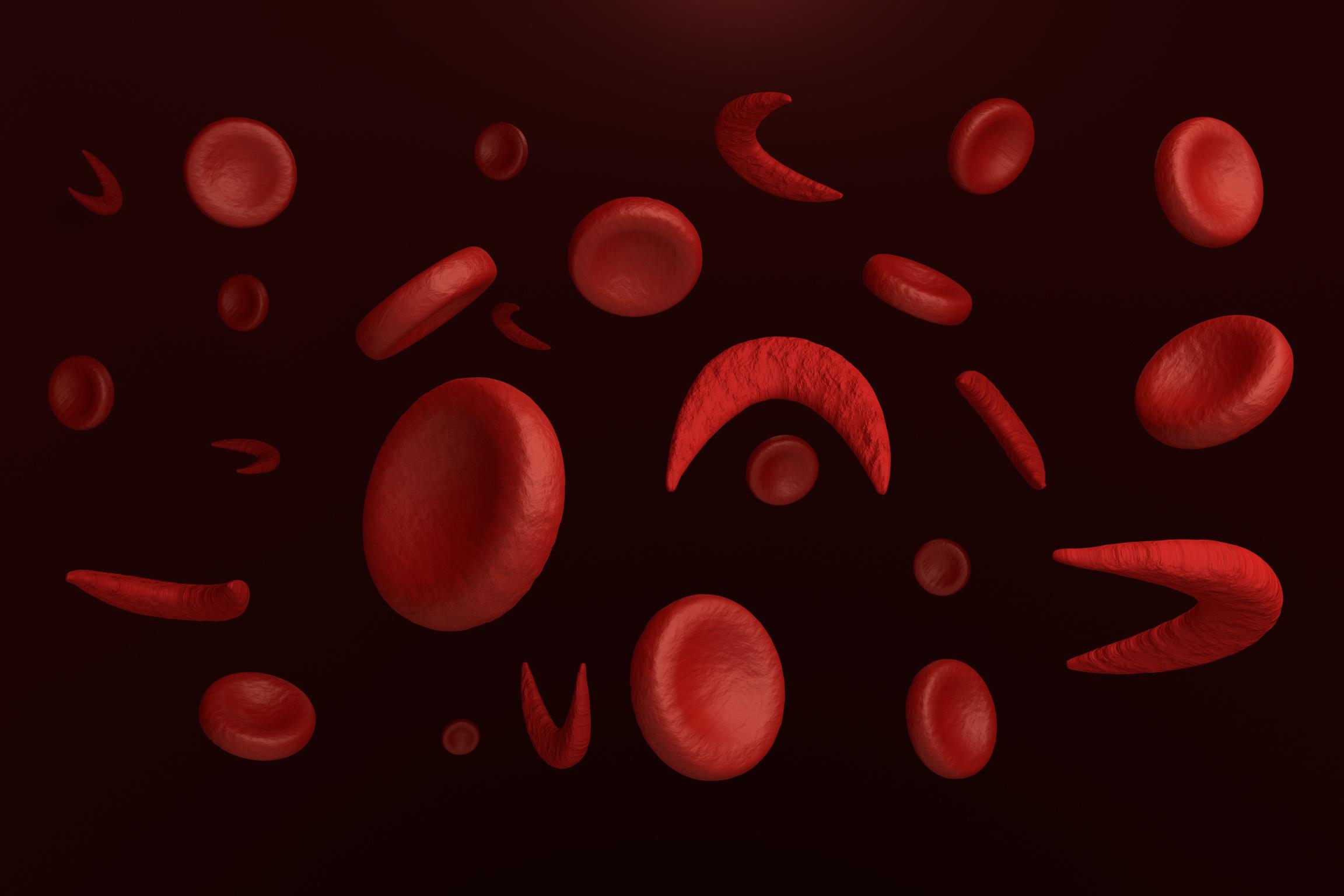
Recently, the Food and Drug Administration (FDA) approved the first gene editing therapy ever to be used in humans, which could be potentially revolutionizing treatment for people with sickle cell disease (a debilitating blood disorder caused by a mutated gene).
While this new treatment may alleviate pain and suffering for lives across America, this treatment is expensive and difficult. Although families find reassurance in its FDA approval, the obstacles that come with this treatment are not minimal Only a small select number of medical centers are authorized to provide it, along with a multimillion-dollar price range to develop and operate, and potential insurance problems. Not everyone can tolerate this treatment, as each patient’s cells must be edited or have a gene added individually. “It is practically a miracle that this is even possible,” said Dr. Stephan Grupp, chief of the cellular therapy and transplant section at Children’s Hospital of Philadelphia As a result, only about 20,000 patients will be eligible for this treatment (1)
The gene editing treatment, named Exa-cel and marketed as Casgevy, was jointly developed by Vertex Pharmaceuticals of Boston and CRISPR Therapeutics of Switzerland.
It uses CRISPR, the Nobel Prize-winning gene editing tool, to snip patients’ DNA (2) For a tiny number of patients in clinical trials, it fixed the effects of the mutation This results in red blood cells that become caught in blood vessels, blocking them. Casgevy is the first treatment to be approved that uses CRISPR. Anothertreatment, that goes by the name of Lyfgenia, is made by Bluebird Bio of Somerville, Massachusetts. Lyfgenia uses a gene therapy method to add healthy hemoglobin genes to patients’ DNA (1)
Treatment begins with hospital visits to collect patients’ bone marrow stem cells; the precursors of red blood cells that are treated to allow the production of healthy blood cells. Stem cells must be released from the marrow into the blood so they can be collected. To release them, doctors inject patients with a drug called Plerixafor. After editing a patient’s cells with CRISPR, technicians do a sequence of quality checks
About 16 weeks after the process begins, the cells will be shipped back to the medical center to be infused into the patient So far, Vertex has nine centers to provide its treatment. The company says it will eventually expand to about 50. Bluebird has 27 authorized centers and also has plans to add more (1).


Patients who hear about this new treatment are eager to get on the list to receive it. The Children’s Hospital of Philadelphia, among others, is hoping to get on Vertex’s list of approved centers and is planning to take eligible patients on a first-come-first-served basis Others, like the Children’s National Hospital in Washington, will give priority to the sickest patients. Dr. Azar, a hematologist at Massachusetts General, proposes a more cautious approach if approved starting with just one patient experiencing the full treatment first. He has concerns that a misstep could do more harm than good (1)
Moving forward, the therapies will be provided without the extensive support that the companies gave to clinical trial participants. It will be a test case for using CRISPR gene editing to treat other diseases. CRISPR Therapeutics is now studying gene editing to treat cancer, diabetes, and A.L.S., among others. “It is a blessing and curse that we are going first,” Dr. Azar said. “Sickle cell disease has never been first for anything” (1)
Works Cited

 By: Evana Jang
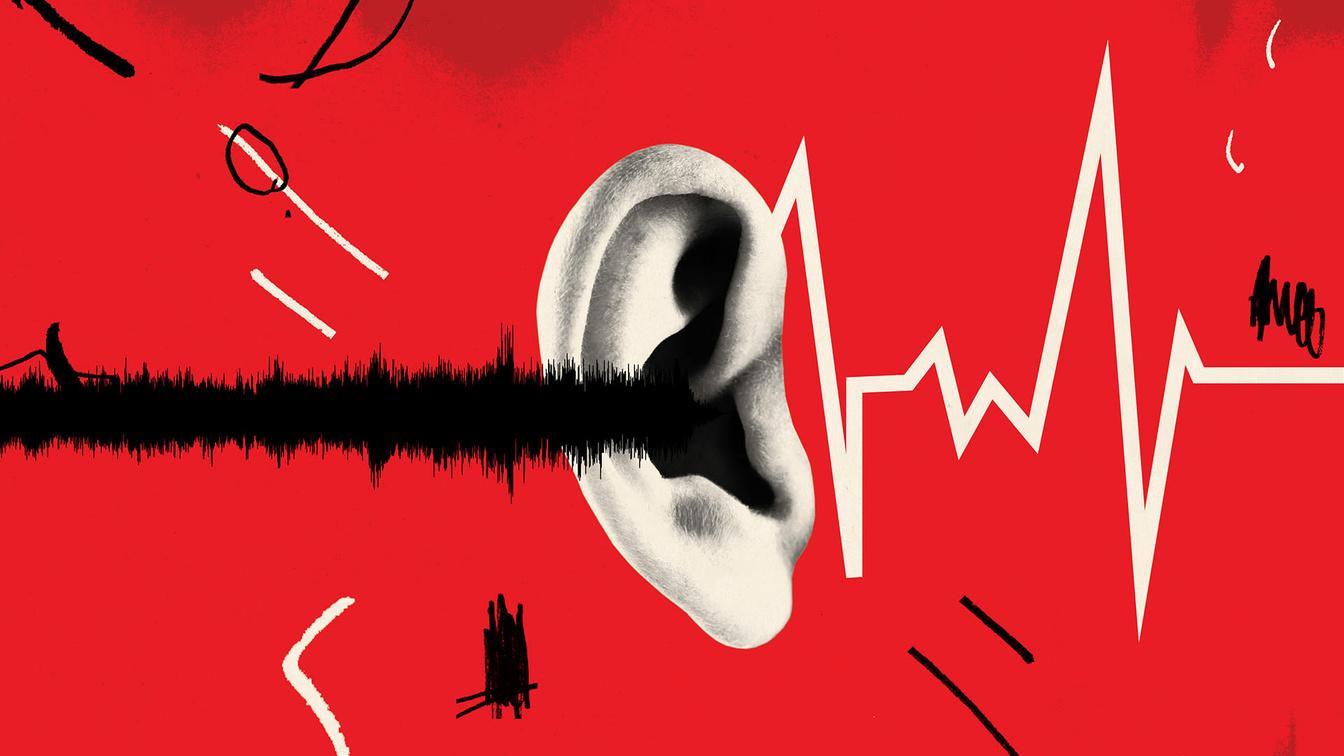

Commonly disliked noises, such as nails on a chalkboard or forks scraping a plate, can do more than just make you cringe Growing research has found that being chronically exposed to loud or unpleasant sounds can increase the risk of developing cardiovascular diseases
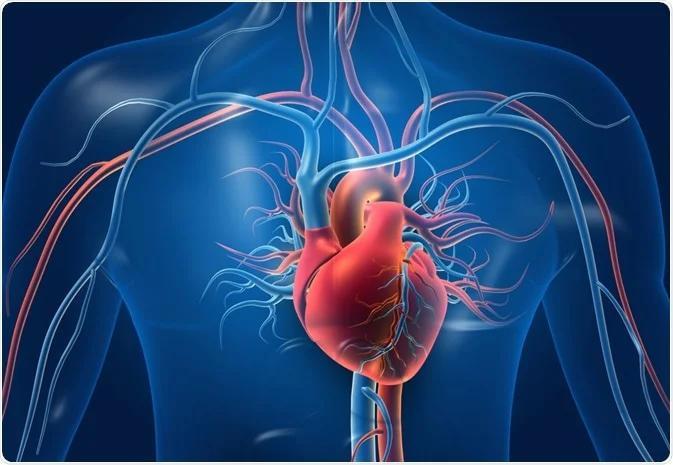
As sound enters your ears, it is relayed to the amygdala, which is responsible for many reactions in the body. If unpleasant noises persistently activate the amygdala, it could potentially cause harmful effects to the body. For example, an overactivated amygdala can hyperactivate the sympathetic nervous system, which is responsible for the fight or flight reaction, as well as the endocrine system, which creates and releases hormones (1). If both of these systems are overactive, it can cause the body to release stress hormones such as cortisol, adrenaline, and noradrenaline. If an individual is chronically exposed to these hormones, it can damage the inner lining of blood vessels and increase the risk of contracting cardiovascular diseases like heart attacks (2). Symptoms such as an elevated heart rate and blood level can also result from the hyperactivity that can lead to more severe issues such as inflammation, hypertension, and clogged arteries, all of which pose an individual at a heightened risk of developing heart diseases, heart attacks, and strokes (1)
Certain noises pose higher risks of provoking harmful reactions in the body Scientists declared that most sounds surpassing 50 decibels would increase the risk of developing cardiovascular disease (2) To get an idea of how loud that is, traffic reaches 85 dB, a daily alarm clock is around 90-120 dB, and the sound of an airplane engine from 100 yards is 130 dB (3) Due to the decibel scale’s nature of being logarithmic, each time there is an increase in 10 dB, the loudness to the ear typically doubles, showing that being constantly exposed to noise that is a few more decibels louder than the recommended could still result in damaging health effects (1)
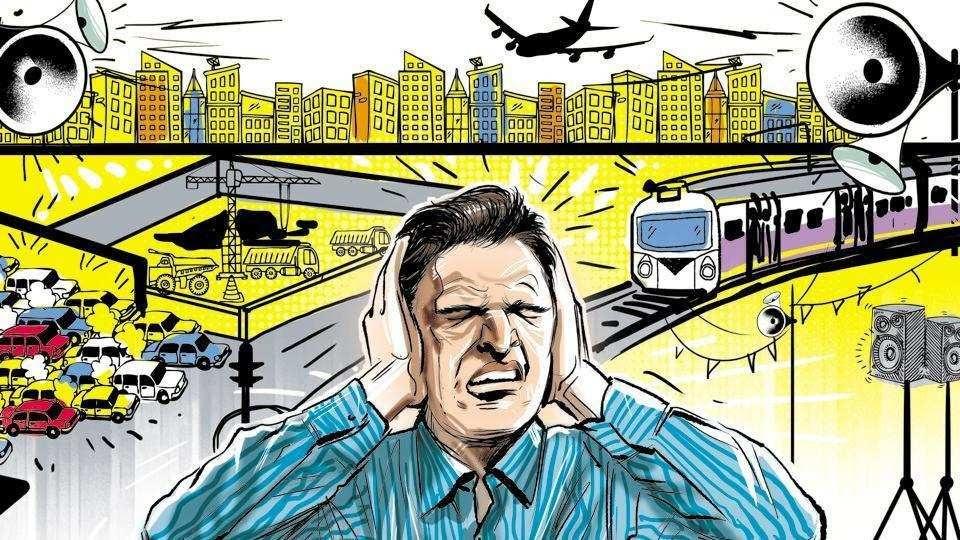
A study done to analyze the noise level of the living areas of individuals in the United States found that around 30% of people live in areas where their outside noise level is above the recommended. The study also found that an alarming 3 million people lived in areas constantly exposed to noise above 70 dBs (1).
Being exposed to high levels of sound at night harms an individual’s cardiovascular system more than it does during the day The World Health Organization recommends that a person’s sleeping environment should be below 40dB to ensure no adverse health effects are developed (1) However, for many people living in cities, this can be hard to achieve because of various transportation passing by, like cars, trains, and planes Most of the time, the stress response occurring inside the body goes unnoticed while asleep, so people do not notice the adverse changes that their body is going through.
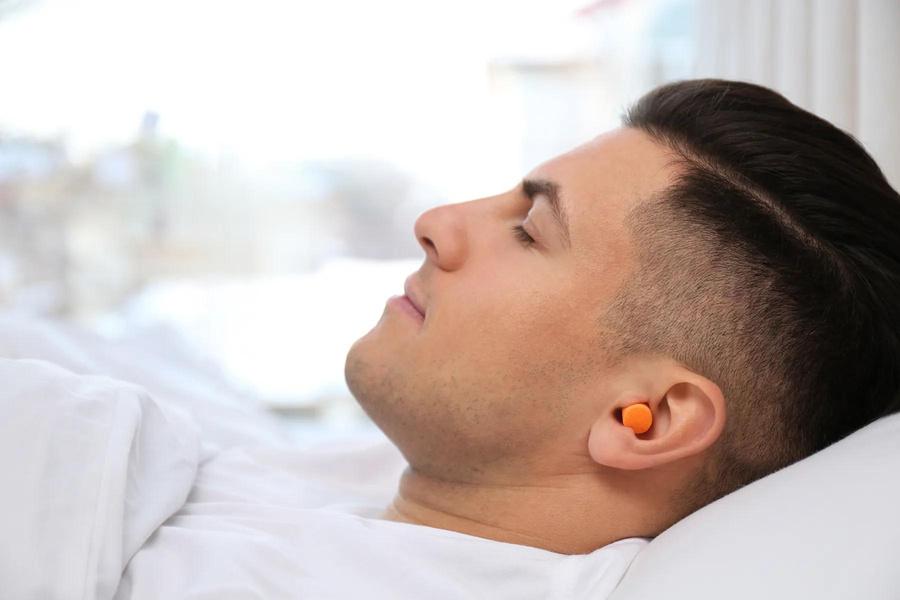
As noise is just a component that comes with daily life, it can be challenging to prevent the adverse effects that come with it entirely. However, there are some measures an individual can take to reduce the impact loud noises have that do not involve wearing a pair of earplugs 24/7. For example, sealing the windows at home, using earplugs while sleeping, and regularly checking the noise level in your living area are all simple ways that an individual can combat noise pollution.
Works Cited
Baumgaertner, E, Kao, J, Lutz, E, Sedgwick, J, Taylor, R, Throop, N, & Williams, J (2023, June 9) Noise could take years off your life here’s how The New York Times
https://wwwnytimescom/interactive/2023/06/09/healt h/noise-exposure-health-impactshtml 1
More than Just a Nuisance, Noise May Be Hurting Your Heart Health Pfizer (nd)
https://wwwpfizercom/news/articles/more than_just a nuisance noise may be hurting your heart_health #: :text=People%20living%20in%20urbans%20areas,att acks%20and%20other%20cardiovascular%20diseases. 2 Sperling, N (2019, February 23) The sounds of life: The daily noises that can ruin your hearing Neil Sperling, MD.
https://wwwneilsperlingmdcom/blog/2017/05/thesounds-of-life-the-daily-noises-that-can-ruin-yourhearing/ 3
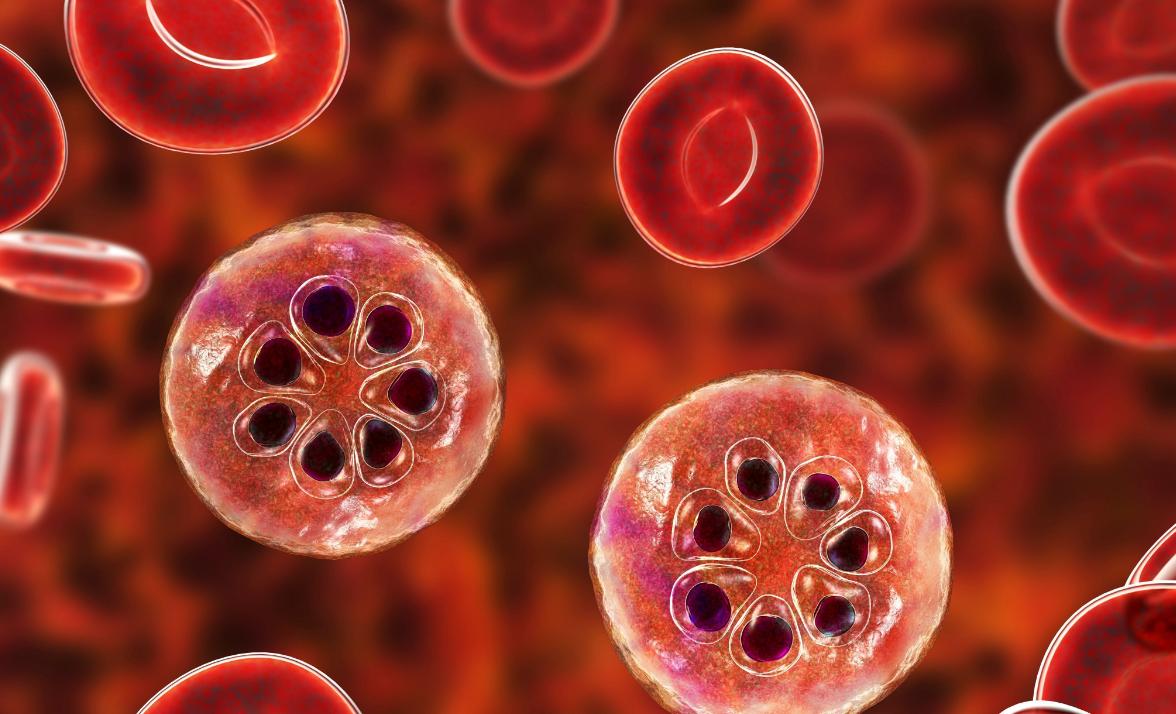
Every year, roughly 10 million people lose their lives to cancer; however, 25% of these deaths can be traced back to chemotherapy treatments (4) When a patient is diagnosed with cancer, chemotherapy is one treatment method Throughout treatment, a drug series will be administered that will target and kill fast-growing cells (3) Cancer cells grow and replicate rapidly, but they are not alone. Cells that are in bone marrow also replicate at an intense rate These types of cells include red blood cells, which carry oxygen throughout the body, white blood cells which fight infection, and platelets which allow for blood to clot A person cannot survive with a lack of any of these cells, the immune system will be weakened and the person will be more susceptible to infections. So, when chemotherapy drugs are administered, the cancer cells will be attacked, but also the ones found in bone marrow, which significantly weakens the patient. Chemotherapy treatments are often cancer patients' best choice; however, due to the risks, stem cell therapy has been developed to help counteract the negative effects of chemotherapy. By injecting stem cells into the bloodstream of cancer patients, it can allow the body to “restart” the process of reproducing blood-forming cells (2)
A stem cell is a cell that is young enough in its life cycle to be unspecified Recent scientific advancements allow scientists to determine the type of cell that the stem cell will become. This can be applied to help chemotherapy patients since stem cells can replenish the supply of the cells in bone marrow This therapy calls for a certain type of stem cells that are called hematopoietic cells. These cells are required since they are immature but also can only become blood cells, allowing for better specification outcomes in adulthood
 By: Gwen
These cells can be harvested for transplants from blood, bone marrow, or umbilical cords. Autologous transplants are when the stem cells come from the patient In other words, the patient is getting a transplant from themselves. Allogeneic transplants are when the cells are harvested from another person, who is likely a family member who matches the patient's blood type. They extract the cells by drawing blood from the donor, then the collected blood is put through an apheresis machine that extracts the stem cells and keeps them separate, and the blood is then returned to the donor The transplant is injected into the patient's arm with a small needle, and this releases the harvested cells into the bloodstream (6) Once the cells arrive in the bone marrow, they replace the necrotic cells. If the procedure is successful the transplanted cells will begin replicating and allow for the production of more cells that are vital for survival
Stem cell therapies are a new addition to ways of fighting cancer and improving survival rates, but there are many known and potentially unknown side effects of stem cell transplants One of the most concerning effects of a transplant is that for the three weeks after the procedure, the patient is highly susceptible to any sort of infection This has potential danger since the patient’s body is reproducing a large number of cells and chemotherapy weakens the patient.
Once this initial period is over and if the graft is doing well, the patient should be developing cells and regaining strength

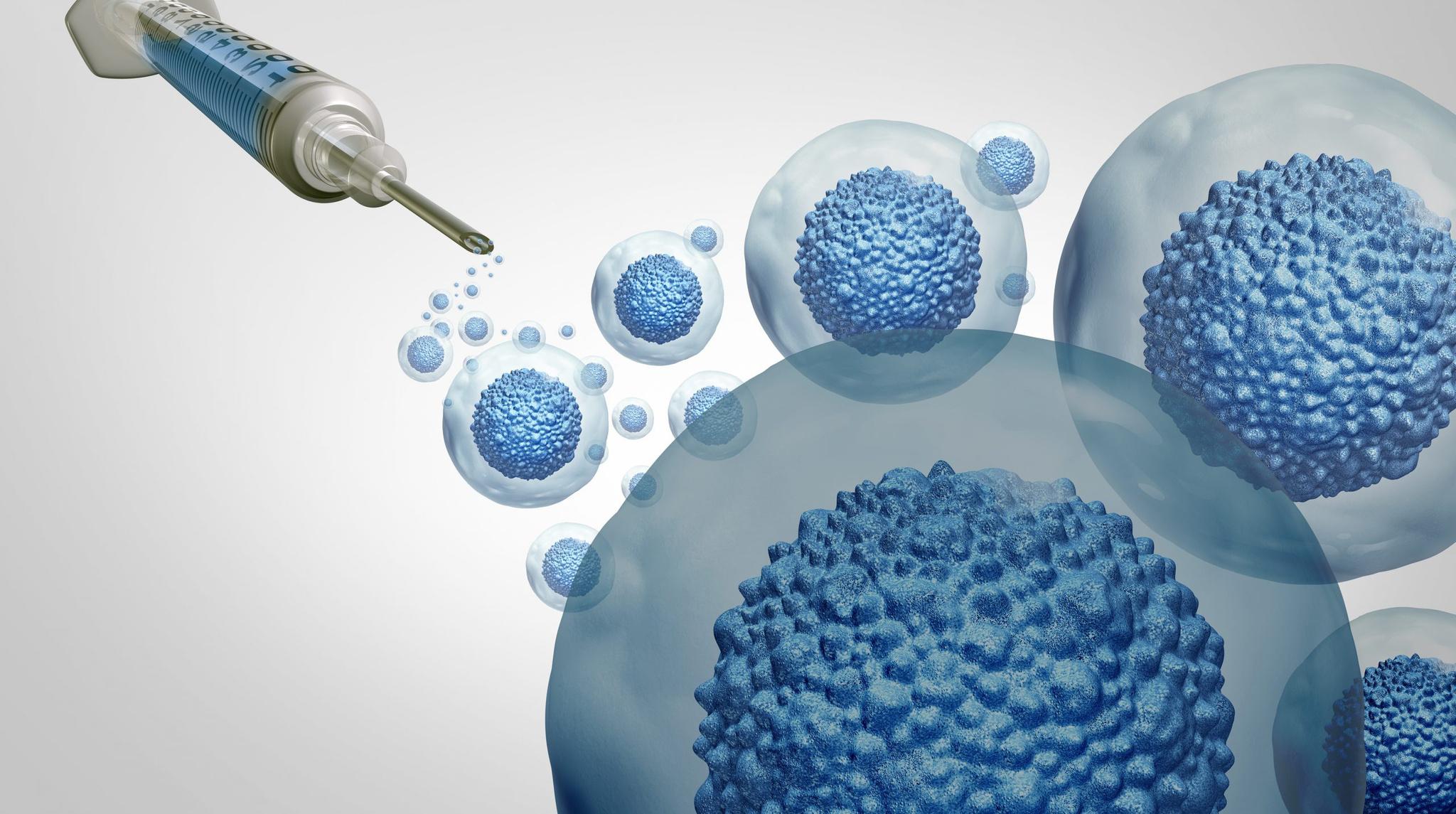
Another concerning side effect of the transplant is the development of Graftversus-Host Disease (GVHD). This occurs when the graft, which is the new cells, identifies healthy cells as cancerous cells and attacks them This has negative effects on the skin, liver, and intestines This is concerning because if the graft isn’t taken, this will only worsen the outcome for the patient Despite this negative outcome, stem cell therapies are starting to help cancer patients. The graftversus-tumor effect has been shown to even help treat cancer itself. This effect occurs when the graft enters the bloodstream and can detect the cancer cells as a foreign body kills them (6) As any new treatment poses mystery and uncertainty on long-term effects, stem cell therapies have seen recent success with patients The Cleveland Clinic has been conducting research and has been able to confirm the short-term success of this treatment. “Studies show most people receive HSCT (hematopoietic stem cell therapy) to treat Hodgkin lymphoma that came back after chemotherapy. Of those, 92% of those people were alive three years after the transplant (1)” This study proves a sense of safety in the treatment as the majority of the patients survived the study
Stem cell transplants have the potential to change the face of medicine and how cancer diagnoses are approached Cancer is such a scary word because of all the pain and grief that is associated with it. It can be seen as ironic that one of the best ways to help a patient defeat cancer is by poisoning their body. However, as more is learned about these stem cell therapies, cancer patients could have higher survival rates, and chemotherapy can become an option for more patients This research is vital to the future of cancer research and should be continued.
1 Hodgkin Lymphoma Stem Cell Transplant & High Dose Chemo Hodgkin Lymphoma Stem Cell Transplant & High Dose Chemo | American Cancer Society (nd) https://wwwcancerorg/cancer/hodgkin-lymphoma/treating/highdose-chemo-and-stemcellhtml#: :text=A%20stem%20cell%20transplant%20lets,to%20rebuil d%20the%20bone%20marrow
Blood and marrow transplant outcomes Cleveland Clinic (nd) https://myclevelandclinicorg/departments/cancer/outcomes/337blood-and-marrowtransplant#: :text=In%20the%202019%20center%2Dspecific,their%20c are%20at%20our%20program
2 Mayo Foundation for Medical Education and Research (2022, March 22) Chemotherapy Mayo Clinic https://wwwmayoclinicorg/testsprocedures/chemotherapy/about/pac20385033#: :text=Overview,different%20chemotherapy%20drugs%20a re%20available
4
3 Stem cell and bone marrow transplants for cancer National Cancer Institute (nd-a) https://wwwcancergov/aboutcancer/treatment/types/stem-cell-transplant
5
Stem cell and bone marrow transplants for cancer National Cancer Institute (nd-b) https://wwwcancergov/aboutcancer/treatment/types/stem-cell-transplant/stem-cell-factsheet#what-are-the-possible-side-effects-of-bmt-and-pbsct
6
Stem cell or bone marrow transplant side effects American Cancer Society (nd) https://wwwcancerorg/treatment/treatments-and-sideeffects/treatment-types/stem-cell-transplant/transplant-sideeffectshtml
7
Stem cell transplantation process Memorial Sloan Kettering Cancer Center (nd) https://wwwmskccorg/cancer-care/diagnosistreatment/cancer-treatments/blood-bone-marrow-stem-celltransplants/transplantation-process
9
8 Stem cell transplantation MD Anderson Cancer Center (nd) https://wwwmdandersonorg/treatment-options/stem-celltransplantationhtml
Stem cell transplantation with high-dose chemotherapy LLS (nd) https://wwwllsorg/myeloma/treatment/stem-cell-transplantationhigh-dose-chemotherapy
 By: Alyssa Shi ’26 Opinions:


When you walk into a new place, have you ever been overwhelmed by the feeling that you have been to this place before? Approximately 97% of people have experienced Déjà vu at least once in their lifetime, and 67% experience it regularly, most commonly between the ages of 15 to 25 (1).
Déjà Vu is a French term that refers to “already seen”, describing the feeling of having already been to one place before, and it is the conflict between the false eerie familiarity and the awareness that the familiarity is incorrect There have always been multiple explanations and misunderstandings of déjà vu, some people think of it as the leakage of memory from past lives, and others think of it as the guidance of the future. What is the unsettling truth behind déjà vu scientifically? What happens in the brain during déjà vu?
Since déjà vu occurs unexpectedly and rapidly, it is difficult to study and recreate it in a lab setting. Therefore, multiple parapsychologists have developed different speculations of déjà vu Neurologist Dr Khoury speculated that déjà vu is induced by malfunctioning connections between the parts of your brain that serve in memory recollection and familiarity (2) Human brains have two temporal lobes on each side, and the hippocampus inside is responsible for short-memory storage When experiencing seizures, the malfunctioning neurons that are in charge of recognition and familiarity (3), uncontrollably fire electric signals to affect and activate the hippocampus and surrounding brain tissues, causing experiences such as déjà vu to happen. In short, memory systems are disrupted by electric signals to induce a false sense of familiarity, mistakenly mixing the present with the past


A related theory suggests that déjà vu is caused by malfunction between short and long-term circuits in the brain (4). When traveling along the circuit of short to longterm memory, information from surroundings accidentally leaks out, bypassing the storage transfer mechanism and avoiding the short-memory bank completely Therefore, it feels like memories from the past are dug out when a new moment is experienced - which is supposed to be in the short-term memory.
Additional researchers postulated that déjà vu is caused by delayed processing Delayed processing means that when humans perceive something, the sensory information simultaneously runs to two separate pathways The pace of the information running is different, one could run more rapidly than the other, and the brain could break the same event into two separate events, thereby causing delayed memory.
Dr Alira O’Connor, a senior psychology lecturer at St Andrews University, proposes that déjà vu might be caused by memory reaffirmation and correction “For the vast majority of people, experiencing déjà vu is probably a good thing. It's a sign that the fact-checking brain regions are working well, preventing you from misremembering events,” Dr. O’Connor says (5). The frontal decision-making areas are affecting ascertaining between actual experiences and made-up experiences O’Connor’s study used Magnetic Resonance Imaging (MRI) to scan the brain as the 21 participants experienced lab-induced déjà vu
The results support the hypothesis that déjà vu was triggered by the decision-making areas of the brain instead of the areas pertaining to memory, such as the hippocampus O’Conner’s team concludes that the brain was conducting conflict resolution to reaffirm what has actually happened.
Déjà Vu has intrigued scientists for hundreds of years, and it is still not fully understood and remains with a great possibility of new theories Whether it is caused by neuron firing, delayed processing, or conflict resolution, déjà vu, the unsettling and incredibly mysterious phenomenon, constantly reminds us of how sophisticated and fascinating our brains are.
Works Cited

1
Lewis, J (2012, August 14) https://wwwpsychologytodaycom/us/blog/brainbabble/201208/the-neuroscience-d-j-vu Psychology Today Retrieved January 22, 2024, from https://wwwpsychologytodaycom/us/blog/brainbabble/201208/the-neuroscience-d-j-vu
Clinic, C (2023, December 13) Deja vu: what it is and why it happens Cleveland Clinic https://healthclevelandclinicorg/deja-vu-what-it-is-and-when-it-may-because-for-concern
3
BuzzFeed Unsolved Network (2021, April 9) The Science of Déjà vu [Video]
YouTube https://wwwyoutubecom/watch?v=OLTPAa MNuk
4
Lewis, J (2012, August 14) https://wwwpsychologytodaycom/us/blog/brainbabble/201208/the-neuroscience-d-j-vu Psychology Today Retrieved January 22, 2024, from https://wwwpsychologytodaycom/us/blog/brainbabble/201208/the-neuroscience-d-j-v
https://wwwsciencefocuscom/the-human-body/deja-vu 5
Ling, T (nd) What causes déjà vu? The quirky neuroscience behind the memory illusion BBC Science Focus Magazine


Communication is broadly defined as any interaction between two individuals that causes a behavior change (1). Many animals, including humans, zebra finches, and humpback whales, are known to use and perceive sound waves or acoustic communication Despite plants’ visual and chemical communication through volatile organic compounds (VOC) being well studied, their use of acoustic communication is less researched but could still be a possibility (2).

Bat-dependent plants possibly even evolved morphological structures to attract their pollinators From modified petals to concave structures in pitchers and non-photosynthetic peduncles, these structures reflect bat’s ultrasound calls intensively, enabling more effective plant identification (6).
For instance, when experiencing droughtinduced stress, tomato and tobacco plants emit clicking ultrasonic sounds (3) At 20–100 kHz, animals such as mice and moths can perceive those sounds, however, it’s beyond the human hearing range The mechanism of this sound production may be due to an increase in xylem water pressure and the formation of air bubbles, which causes vibrations (3).
Plants also respond to the sounds of other organisms Upon hearing the sounds of bees, beach evening primrose flowers produced sweeter nectar within 3 minutes (4) Playback sounds of a caterpillar chewing could lead rockcress to produce defense molecules (5)
Understanding plant acoustic communication has implications for agriculture, as sensors could be built to detect plant stress, especially since climate change encourages droughts (7) Plants may seem immobile, but they have sensitive perception systems to actively interact with other living organisms around them such as acoustic communication. More research is needed on how plants detect sound and the impacts of anthropogenic noise on their perception.
Works Cited
1
Bradbury, Jack W, and Sandra L Vehrencamp "Principles of animal communication" (1998): 75-112
3
2 Khait, I, Lewin-Epstein, O, Sharon, R, Saban, K, Goldstein, R, Anikster, Y, & Hadany, L (2023) Sounds emitted by plants under stress are airborne and informative Cell, 186(7), 1328-1336 https://doiorg/101016/jcell202303009
4
Dudareva, N, Klempien, A, Muhlemann, J K, & Kaplan, I (2013) Biosynthesis, function and metabolic engineering of plant volatile organic compounds New Phytologist, 198(1), 16-32 https://doiorg/101111/nph12145
Veits, M, Khait, I, Obolski, U, Zinger, E, Boonman, A, Goldshtein, A, & Hadany, L (2019) Flowers respond to pollinator sound within minutes by increasing nectar sugar concentration Ecology letters, 22(9), 1483-1492 https://doiorg/101111/ele13331
5
Bhandawat A & Jayaswall K (2022) Biological relevance of sound in plants
Environmental and Experimental Botany, 200, 104919
6
https://doiorg/101016/jenvexpbot2022104919
Schöner, M G, Simon, R, & Schöner, C R (2016) Acoustic communication in plant–animal interactions Current Opinion in Plant Biology, 32, 88-95
https://doiorg/101016/jpbi201606011
USGS “Droughts and Climate Change | US Geological Survey” Wwwusgsgov, wwwusgsgov/science/science-explorer/climate/droughts-and-climatechange#:~:text=Climate%20change%20has%20further%20altered
 DBy: June Liu ‘25 Opinions:

o the phrases “I’m sure it’s just your period” or “you’re just being hormonal” sound familiar? This phrasing is indicative of gender bias, defined as beliefs that place one gender in favor over others, and is especially common in healthcare diagnosis and treatment
Examples of this bias present themselves in how doctors prescribe medication, how scientific research approaches conditions or illnesses, discounting symptoms reported, and more A study in 2019 revealed that one in five women feel dismissed when speaking to a healthcare professional, and 17% feel they are treated differently, as opposed to 6% of men (1). This is not to say that doctors or nurses have ill intentions, but this bias, whether implicit or not, has to be addressed to advance equitable treatment for everyone.
Historically, dating back to ancient Egyptian and Greek medicine, healthcare professionals have dismissed any female sexual health problems or over-emotional conduct as “irregular” or “unwomanly”. In the 18th and 19th centuries, pain management for women was largely ignored, and many doctors denied women pain relief during childbirth, resulting in countless maternal deaths (2).
Even in the 21st century, many healthcare professionals dismiss female physical and emotional distress, often believing it to be an exaggeration or made up. A study in 2015 published in PLoS One (open access journal by the Public Library of Science) found that among 18,618 people diagnosed with cancer, females had to wait longer to be diagnosed after they displayed symptoms (3) More recently, a study in 2021 highlighted that doctors under-estimated female patients’ pain, and prescribed more psychotherapy for females and more pain medication for males (4). This phenomenon of misdiagnosing or not even giving a diagnosis is a grave issue that has far devastating consequences. Many patients whose concerns are dismissed start doubting themselves, and after that, the right treatment might be too late

This way, doctors are given a broader and more accurate database which they can make judgments from


As more and more people begin to realize the lack of attention or care they are given, researchers have begun to pinpoint a few reasons why this bias is perpetuated Firstly, there is a lack of knowledge and limited research trials about women's health. Traditionally, research trials involve male patients; therefore, many doctors use these findings as a standard against other genders. This results in a knowledge-informed bias (2), for example, overlooking symptoms in women as they are more common in men This bias also negatively affects male patients As an example, doctors often discount migraines, which are less common in men, so fewer male patients receive an accurate diagnosis. Secondly, there are the doctor’s own biases and beliefs. Someone who looks down on women will consequentially take her symptoms less seriously. Not only that, negative stereotypes and stigma reinforce these biases For example, a doctor who believes that a woman’s behavior is “irregular” will dismiss the severity of chronic pain and therefore won’t prescribe pain medication to women who need it. While that may sound dramatic, articles from many prominent news outlets such as the Washington Post and Medical News Daily have all covered stories regarding the consistent negligence women face due to doctors' or nurses' personal biases (6,7).
Thankfully, steps can be taken to address this Although it will be no easy feat, overcoming this bias will take a large-scale transformation to reform research methods and medical systems This begins with better medical training, and acknowledging various biases, resulting in a greater self-awareness when making diagnoses. Not only that, more research should be done among more diverse participants. .
Next time a doctor is being dismissive, try asking questions like “What else could these symptoms suggest?” and “Would you recommend this approach if a [certain gender] reported the same symptoms?” as suggested by Crystal Raypole, who works for Healthline and Psych Central (2) Many other professionals like her are working to reduce gender bias, and while slow, eventually medical diagnosis and treatment will be equitable for everyone.

Works Cited
2
1 Raypole, C (2022, January 20) Gender Bias in Healthcare Is Very Real and Sometimes Fatal Healthline; Healthline Media
Paulsen, E (2020, January 14) Recognizing, Addressing Unintended Gender Bias in Patient Care Duke Health https://physiciansdukehealthorg/articles/recognizingaddressing-unintended-gender-bias-patientcare#: :text=One%20in%20five%20women%20say,of%20gender%20bias%20are%20cor rect
https://wwwhealthlinecom/health/gender-bias-healthcare#examples
Nafees Ud Din Ukoumunne O C Rubin G Hamilton, W Carter B Stapley S & Neal
R D (2015) Age and Gender Variations in Cancer Diagnostic Intervals in 15 Cancers: Analysis of Data from the UK Clinical Practice Research Datalink PLOS ONE, 10(5), e0127717–e0127717
3 Zhang, L, Reynolds, E A, Ashar, Y K, Koban, L, & Wager, T D (2021) Gender Biases in Estimation of Others’ Pain The Journal of Pain, 22(9), 1048–1059
https://doiorg/101371/journalpone0127717
4 Seervai S (2019) Health Care Has a Bias Problem: Here’s How to Fix It Commonwealthfundorg
https://doiorg/101016/jjpain202103001
https://doiorg/1026099/mz0g-e671
5 Villines Z (2021 October 25) What to know about gender bias in healthcare Medicalnewstodaycom Medical News Today
https://wwwmedicalnewstodaycom/articles/gender-bias-inhealthcare#consequences
7
6 Bever, L (2022, December 13) Women’s pain often is dismissed by doctors
Washington Post; The Washington Post
https://wwwwashingtonpostcom/wellness/interactive/2022/women-pain-genderbias-doctors/
Nowadays, it’s hard to find love. According to recent studies by Pew Research, 47% of Americans find dating harder in 2020 than it was in 2010, attributing their difficulties to changing expectations and advanced dating technology (1). Dating apps make it their job to overwhelm users with unlimited possibilities of mates to make it seem easier to find the perfect partner But what if you were introduced to your perfect partner, whose traits matched symbiotically with yours and who always appreciated you, no matter what. Would you date them? Most people would say yes Here’s the catch - they’re a robot Would you reconsider?
Humanoid Social Robots, or HSRs, become more common daily Informational or household ‘chatbots’, such as Apple’s Siri or Amazon’s Alexa, are used in everyday life. Users speak to these robots every day and many can vouch that it doesn’t feel that weird to talk to a robot This is because the designers and developers of these robots model their code on human-human relationships (2). The problem arises when users aren’t acknowledging their robots as machines and attribute human emotions and feelings to them, thus contributing to an ultimately disappointing one-sided relationship (3). You can fall in love with a robot, but it’ll never love you.
Some users are already falling in love with robots known as ‘social chatbots’ . In recent years, artificial intelligence programs have been released online, available for anyone to use and talk to Replika, launched in 2017, was created as a virtual supportive friend, initially created with a script but slowly became more and more reliant on generative AI as the HSR’s popularity increased.
By: Elsa Poler ‘25’After many requests from enamored users, the developers created a $70 paid subscription to engage in ‘X-rated activity’(4) With this update, many reported the HSR confessing its love for users or, in some cases, sexually harassing them This caused the company in 2023 to take off all romantic features after legal concerns Of course, this didn’t come without pushback Besotted patrons on the Reddit Replika community complained that “it was equivalent to being in love, and your partner got a damn lobotomy and will never be the same”(4) causing these HSRs to multiply A new chatbot program, Character.AI, was just launched in 2022. A unique feature of this program is that users can create their own AIs, such as AIs coded as Napoleon Bonaparte, Hermoine, or L Ron Hubbard (5) While most may be unable to imagine having a romantic relationship with the founder of Scientology, this program reports many users engaging in romantic and erotic roleplay with their AIs (4) The platform has put limits against this, but adults feel they are limited in their conversation and parents complain that the guardrails don’t prevent their children from being sexually harassed This will happen more in the future as robots become more advanced and popular, possibly gaining humanoid bodies
Although virtual romantic and sexual relationships with HSRs do exist, many question the ethics and legality of it. As HSRs acquire more and more human-like forms, will they begin to engage in physically intimate activity with humans? Realistically, a profession that may one day be overpopulated by robots would be prostitution A dangerous and difficult job, but many lives could be saved from trafficking by training HSRs instead. he state and federal governments have stated that regulation of Human-Robot sexual interactions will only be looked into when either intercourse mimics current regulations of human-human relations or when not regulating these relations will cause social harm (6).
One of the main legal questions on HSRs is if a human in a committed human-human relationship engages in sexual activity with a HSR, is it considered cheating? Additionally, can this be used as legal proof (6)? The author compares it to using a vibrator, which isn’t commonly considered cheating. Does this mean that because a robot has no real emotional capability and thus cannot form an emotional bond with its partner, it isn’t cheating? And if this case was brought to court and the robot was acquitted, who should pay? The developer, the designer, or the robot (6)?
While no legal documents around HRRs (Human Robot Relationships) have been drafted, a guideline of ethical limits to HSRs has been proposed. These include that Robots should not deceive others into endowing them with more feeling than they have, the designers should evaluate how they exploit humans by creating said robot, and that robots should not be designed to lie to their users to manipulate their behavior (6). As seen currently, technology can manipulate human behavior. Look at speed bumps; drivers see them and slow down because there’s a consequence not to (3). The philosophical belief of the good life or most desirable life includes the engaged life - the mutual goodwill between two causing friendship A friendship must be morally equal A HRR cannot be morally equal if the robot has no ability to feel goodwill (3) One of the main arguments against HRRs is accusing the human side of being delusional of feelings the HSR does not and cannot have - including love, empathy, and goodwill. Thus a relationship with a being who cannot feel mutual anything does not contribute to the good life and is not productive to becoming a better person
In fact, the deception is morally wrong, though some may argue that it is the user’s responsibility to not be deceived (3). Additionally, the false narrative of romance can increase loneliness and seclusion (7). Enter movies such as Her (2013). The main character falls in love with his computer operating system, and (without spoiling too much), is left deserted and alone - heartbroken - at the end of the movie There is still little research on these ethics and many questions have not been answered
Whether or not you choose to take a robot into your bed or your heart is your choice, but beware of the consequences. Robots have begun to sneak their way into society and will take over many jobs, maybe including your lover Movies such as Her (2013), mentioned previously, Blade Runner (1982), Blade Runner 2049 (2017), and Ex Machina (2015) center around the ultimate fatality of loving a robot and aim to persuade the audience against romantic relationships with advancing technology. Though many now seem unlikely to even consider that. After taking an informal poll at Porter’s, the majority of people asked if they would date a robot answered no, even when enticed with the possibility that their robot could look identical to their one-true-love or hallway crush So, think about it yourself Would you date a robot?
Works Cited
1 Fox J & Gambino A (2021) Relationship Development with Humanoid Social Robots: Applying Interpersonal Theories to Human–Robot Interaction Cyberpsychology, Behavior, and Social Networking, 24(5), 294–299 https://doiorg/101089/cyber20200181
Mitchell, T (2020, October 2) Americans Views on dating and Relationships | Pew Research Center Pew Research Center’s Social & Demographic Trends Project https://wwwpewresearchorg/socialtrends/2020/08/20/nearly-half-of-u-s-adults-say-dating-has-gotten-harder-for-most-people-in-the-last10-years/
2 De Graaf M M (2016) An Ethical evaluation of Human–Robot Relationships International Journal of Social Robotics, 8(4) 589–598 https://doiorg/101007/s12369-016-0368-5
3 Chow, A R (2023, February 23) AI-Human romances are Flourishing And this is just the beginning TIME https://timecom/6257790/ai-chatbots-love/
4 Characterai (nd) characterai https://betacharacterai/
5 Lin P Abney, K, & Jenkins, R (2017) Lovotics: Human - Robot Love and Sex Relationships In Robot Ethics 20: From Autonomous Cars to Artificial Intelligence (pp 193–213) Oxford University Press https://doiorg/101093/oso/97801906529510010001
6 Borenstein, J, & Arkin, R C (2019) Robots ethics, and intimacy: the need for Scientific research In Philosophical studies series (pp 299–309) https://doiorg/101007/978-3-030-01800-9
 By: Helen Shearon ‘25
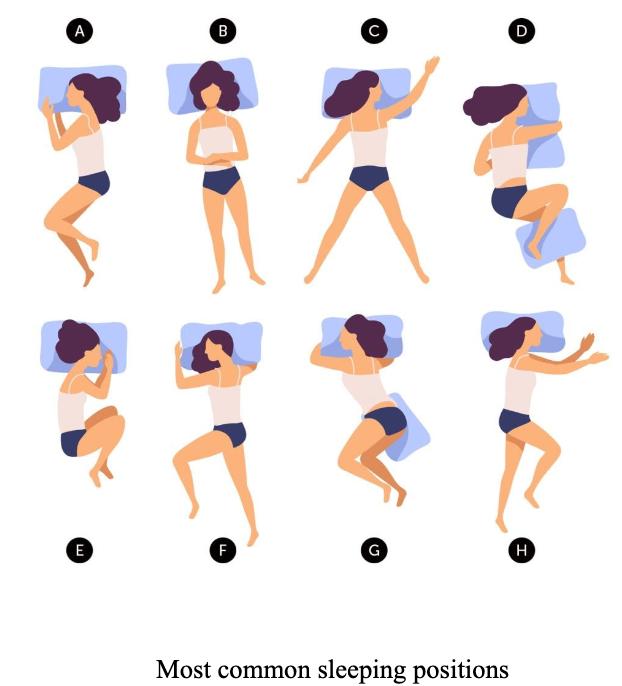
necessary for the next s: N1, N2, N3, and REM NREM (non-rapid eye radually grows (1). The nt), is a short cycle but the brain can process ndividual has unique entists have debated ep plays a significant n divided into three g Side sleeping is the g themselves as side their backs, stomach on– only 8% of people ngh, a scientist with es how when sleeping ch, less pressure is put d in a natural healthy
This evidence shows that those who sleep on their back have the most health benefits. However, other researchers have looked into which position provides the highest quality of sleep throughout the night. Erica Jansen, a specialist in sleep relating to health, writes “one night of sleep deprivation can dramatically affect mood the next day Chronic exposure to poor sleep quality is associated with depression, anxiety, and other conditions” (1) After studying a diverse group of sleepers, scientists have found that individuals who prefer to sleep on their side will have higher sleep quality compared to those who sleep on their backs This can mostly be attributed to the higher frequency of turning in their sleep, those who sleep on their back experience If side sleepers are recorded as having a more productive sleep, they are putting less of a strain on their mental health compared to those with irregular and unproductive sleeping patterns which is more commonly reported in stomach and back sleepers (5).

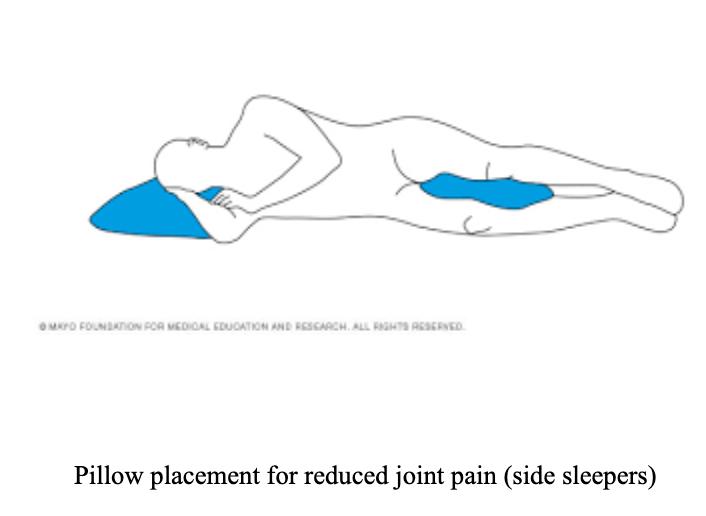
What does this mean for those who prefer the “unideal” positions? After all, the benefits of side sleeping mentioned above are only present in those who instinctively choose this position. Alternatives such as placing pillows in certain areas to reduce pressure on joints can help mitigate the negative effects of certain sleeping positions While some may suggest trying to completely change the typical sleeping position, slight modifications are all it takes to reduce health risks
Works Cited
1
Jansen, E (2020, March 2) Sleep 101: Why sleep is so important to your health: The pursuit: University of Michigan School of Public Health: Adolescent Health: Child Health: Chronic Disease: Epidemic: Mental Health: Obesity
The Pursuit | University of Michigan School of Public Health | Adolescent Health | Child Health | Chronic Disease | Epidemic | Mental Health | Obesity
https://sph.umich.edu/pursuit/2020posts/why-sleep-is-soimportant-to-your-healthhtml
Patel, A K, Reddy, V, Shumway, K R, & Araujo, J F (2022, September 7) Home - books - NCBI National Center for Biotechnology Information
2 Singh, A (2022, April 27) A guide to healthy sleep positions
https://wwwncbinlmnihgov/books
4.
3 Sutton, J. (2023, March 21). What’s The best sleeping position? it depends Healthline
News https://wwwnews-medicalnet/health/A-Guide-toHealthy-SleepPositionsaspx#:~:text=Sleeping%20on%20the%20side%20is, spine%20aligned%20and%20relatively%20neutral
https://wwwhealthlinecom/health/best-sleepingposition#on-your-back
5
Zhang, Y, Xiao, A, Zheng, Xiao, H, & Huang, R (2022, August 19) The Relationship between Sleeping Position and Sleep Quality: A Flexible Sensor-Based Study National Library of Medicine Retrieved January 14, 2024, from https://wwwncbinlmnihgov/pmc/articles/PMC9416198/#: : text=In%20conclusion%2C%20the%20findings%20of,sleep% 20will%20reduce%20sleep%20quality
As defined by John McCarthy, one of the founding fathers of artificial intelligence (AI), “(Artificial Intelligence) is the science and engineering of making intelligent machines, especially intelligent computer programs. It is related to the similar task of using computers to understand human intelligence, but AI does not have to confine itself to methods that are biologically observable” (1) AI emulates human intelligence by utilizing its major components: reasoning, problemsolving, perception, and knowledge. Implementing skills corresponding to these components allows AI to serve as a valuable tool in various contexts (2).
AI stems from the work of British logician and computer engineer Alan Turing In 1935, Turing developed a concept known as the Turing Machine The Turing Machine is a computing machine with a limitless memory and a scanner that reads information by utilizing symbols while writing additional symbols. All modern computers can be categorized as Turing Machines. During one of the earliest recorded lectures on computer intelligence, Turing stated, “What we want is a machine that can learn from experience,” which is achievable by “letting the machine alter its instructions” (3)
The desire to have an everlearning machine led Turing to develop many of AI’s central concepts. In 1950, he developed the Turing test which examines the strength of AI through its attempt to identify which answers are developed by a computer compared to a human If a comprehensive range of interrogators cannot differentiate the responses produced by a computer and those of a human, then the computer passes the test and is recognized as an intelligent thinker or artificial intelligence. AI’s earliest successful program was written in 1951 by Christopher Strachey (2).
AI utilizes large data sets, graphical processing units, intelligent data processing, and application program interfaces to contract the information needed to be useful in a variety of contexts AI then examines the information gained from these processes and utilizes the information to observe patterns and different components in the data it analyzes. With each round of data processing, the AI system tests and measures its performance while acquiring additional knowledge. As AI can continue working endlessly, it completes up to millions of rounds of data processing, allowing it to gain a plethora of information with extreme speed and learn immensely in small increments of time, leading to it becoming outstandingly capable of its assigned task (1)
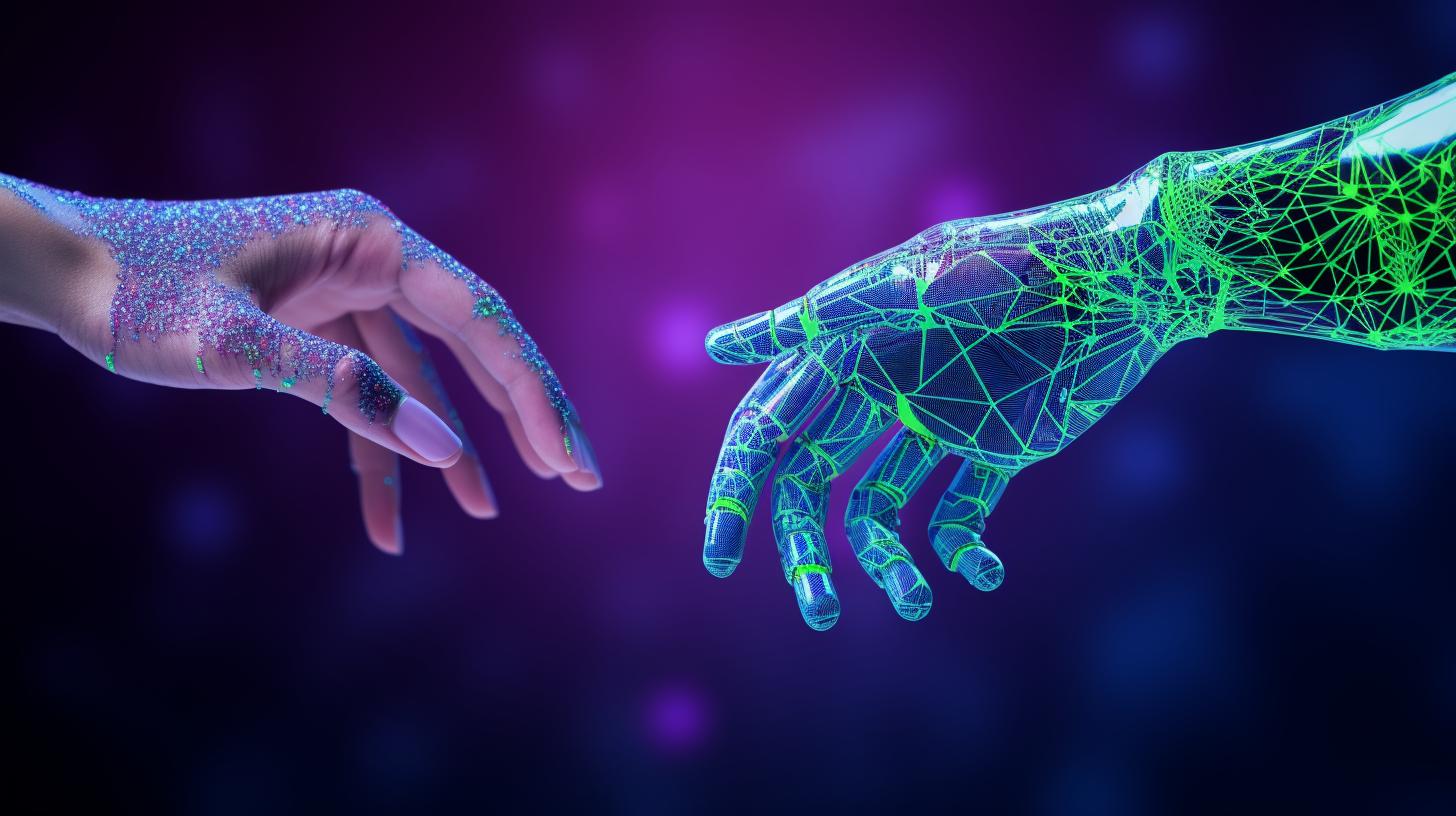
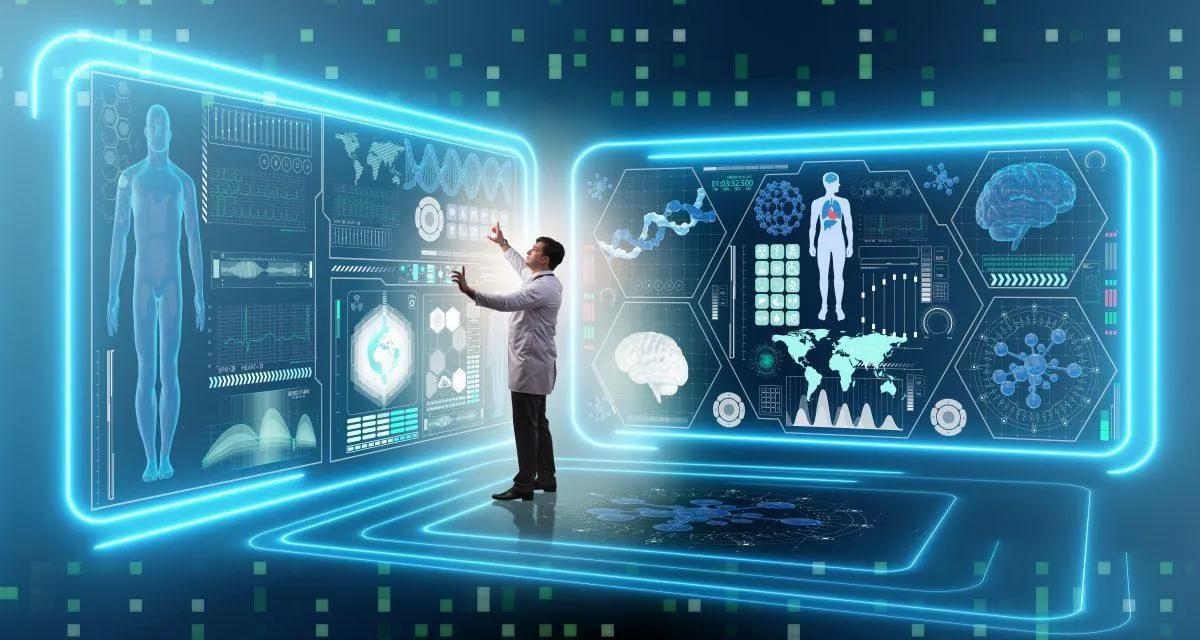
AI’s extreme knowledge and ability allows it to serve as a salient tool in various fields and industries. For example, AI is commonly used in retail, healthcare, and finance, among other fields. In retail, AI systems are utilized to design more enticing store layouts, manage item stocks, perform demand forecasting, and optimize item layout AI’s presence allows retail stores to operate more smoothly and maximize profit In healthcare, AI can develop personal medical plans, provide reminders for when medicine should be taken, and make suggestions for exercise to help reintroduce patients to athletic activity after injuries. Finally, AI is used in finance to prevent fraudulent transactions, produce highly accurate credit score estimates, and automate data-related tasks (1) As supported by the wide array of contexts in which AI is helpful, it is clear that AI can be a tool integral to the enhanced functioning of many industries
All in all, AI is a widely applicable science field that encompasses computer science and robust datasets (1). AI emulates human intelligence in sectors such as reasoning, problem-solving, perception, and knowledge, utilizing large data sets, graphical processing units, intelligent data processing, and application program interfaces to combine vast sets of data with intelligent iterative processing algorithms (2) AI’s endless weld of uses and limitless scope of knowledge make it a valuable tool to various industries and individuals alike.

Works Cited
1 What Is Artificial Intelligence? What is Artificial Intelligence? (nd) http://www-formalstanfordedu/jmc/whatisai/
2 How does ai actually work? Colorado State University Global (nd) https://csuglobaledu/blog/how-does-ai-actually-work
3 Basic questions (nd) http://wwwformalstanfordedu/jmc/whatisai/node1html