
FROM DISCOVERY TO PATIENT.
Michigan’s Biopharma Engine at Work


Our strength extends beyond discovery. Michigan is building a robust set of capabilities that support development and commercialization.
PRESIDENT’S MESSAGE
Michigan’s life sciences sector is long-standing and mature — one defined not only by discovery, but by the strength of a fully integrated drug development ecosystem that is delivering real impact.
In this issue of BioMatters®, we highlight the remarkable continuum of activity across our state - from foundational biology to advanced therapeutics and delivery technologies. What stands out is not just the innovation itself, but the connectivity that enables it.
At the front end of the pipeline, Michigan continues to benefit from world-class research and global collaboration. As our feature on Ann Arbor-based NSF International illustrates, global expertise is being developed in our ecosystem, accelerating the translation of scientific insight into therapeutic opportunity. These partnerships are critical in a field where speed, scale, and collaboration define success.
Equally compelling are the companies advancing novel therapies. SciTech Development’s work in oncology and Peptinovo Biopharma’s progress in peptidebased therapeutics reflect a growing pipeline of Michigan-based innovation. These successes are part of a broader trend: companies are not only starting here — they are growing here.
Our strength extends beyond discovery. Michigan is building a robust set of capabilities that support development and commercialization. Corium Innovations’ Corplex® platform highlights how drug delivery can transform the patient experience, while Proteos exemplifies the evolution of contract research and discovery services. Investments by companies like Sartorius are further enhancing our bioanalytics infrastructure - an essential component for scaling innovation.
Just as critical are the later stages of development. Clinical research, safety assessment, and regulatory expertise ensure that promising therapies can move forward with confidence. As highlighted in this issue, ensuring that every clinical trial has a “safe landing” is not just a goal - it is a core strength of Michigan’s ecosystem.
What distinguishes Michigan is how these elements come together. Universities, startups, service providers, and global companies are increasingly aligned, creating a collaborative environment that accelerates progress from discovery to patient impact.
The momentum is real. With continued investment in talent, infrastructure, and partnerships, Michigan is well positioned to lead in the next era of drug discovery and development.
Sincerely,

STEPHEN RAPUNDALO, PHD President and CEO, MichBio


PREMIUM MEMBERS





MichBio is the biosciences trade association for the state of Michigan. Our goal is to drive the growth of the state’s bio-industry through advocacy, education, connections, and supportive resources.
Stephen Rapundalo, PhD
President and CEO
Emily Brockman
Director, Member Relations
Carrie Hranko Manager, Administrative Services
Jamie Krajny
Editor Director, Marketing and Industry Engagement
MICHBIO BOARD OFFICERS
CHAIR
Ken Massey, PhD
Wayne State University
Senior Director, Venture Development Technology Commercialization
VICE CHAIR
Kevin McLeod
Everis
Founder, President and CEO
MICHBIO BOARD DIRECTORS
Christy Bigelow
Emergent Biosolutions
Vice President and General Manager, Manufacturing Operations
Chuck Bird
Neogen Corporation
Senior Director of Government Relations and Industry Affairs
Rhonda DeLuca
Terumo Cardiovascular Group
Sr. Vice President Global Human Resources
Robert Donofrio, PhD
BioScope Innovations CEO
Rose Gillesby, DVM
Zoetis
Vice President, Veterinary Medicine Research and Development
Christine Haakenson, PhD Bio-industry Executive
Charles Hasemann, PhD
Michigan State University
Assistant Vice President for Innovation and Economic Development
Laura Malagon
Grand River Aseptic Manufacturing Vice President, Quality & Regulatory

MichBio
3600 Green Court, Suite 780
Ann Arbor, MI 48105-1175
734-527-9150
info@michbio.org michbio.org
Designer: Daina Fuson Designs
Printer: Progressive Printing
© Copyright Michigan Biosciences Industry Association, DBA MichBio
PRESIDENT AND CEO
Stephen Rapundalo, PhD
MichBio
President and CEO
SECRETARY Vacant
TREASURER Vacant
Ken Massey, PhD
Wayne State University
Senior Director, Venture Development Technology Commercialization
Kevin McLeod
Everis
Founder, President and CEO
Dave Morin
Care Technology Advisors, President & Chief Operating Officer
Kevin Packard
Stryker
Senior Director, Research & Development
Kate Remus
University of Michigan
Senior Associate Director & Business Development Group Lead
Stephen Rapundalo, PhD
MichBio
President and CEO
Uma Sharma, PhD
MMS Holdings
Founder and CEO
Ashlea Souffrou
SxanPro
Founder and CEO
BioMatters® is published bi-annually to showcase Michigan’s bioscience industry. Much of the content is submitted by MichBio member companies. Interested in submitting an article or advertising in a future issue? Contact Jamie Krajny at jamie@michbio.org.

MICHBIO PREFERRED PURCHASING PROGRAM

The MichBio Preferred Purchasing Program leverages the collective purchasing power of our member companies to obtain steep discounts from our vetted and endorsed vendor portfolio.
Members have saved upwards of 900 times their annual membership dues.










Science has the power to change lives for the
Every day, from discovery to delivery, Avantor is an essential partner to the scientific community — pioneers, scientists, innovators and educators — relentlessly focusing on breakthroughs that help solve the world’s most complex challenges.
Our proven expertise and trusted portfolio of products and services, combined with a global reach and ability to provide customized materials of the highest quality for highly regulated applications move science forward.
As a global leader in life sciences, we fulfill our mission: to set science in motion to create a better world.

Made: Advancing the State’s Biotech Legacy
Michigan’s Life Sciences Industry Benefits from Global Expertise
SUBMITTED BY
NSF
As Michigan expands its medical device and biotechnology footprint, companies face increased demand for safe, compliant and market-ready products.
From early-stage startups to global manufacturers, organizations must navigate an increasingly complex regulatory environment, quality management system requirements, biocompatibility testing, sterility validation, toxicological risk assessments and global market approvals. For more than 80 years, Ann Arbor–based NSF has played a behind-thescenes yet foundational role in this ecosystem.
NSF was founded in 1944 at the University of Michigan School of Public Health and is a leading global organization dedicated to protecting human health. The organization supports the safety of the life sciences industry through the development of public health standards and by providing world-class testing, inspection, certification, advisory services and digital solutions.
Strengthening Michigan’s Laboratory and Testing Infrastructure
While NSF operates internationally, its Michigan presence contributes to workforce development and technical expertise within the state. Local scientists, engineers, toxicologists and regulatory specialists collaborate with global colleagues, reinforcing Michigan’s reputation as a center for applied life science.
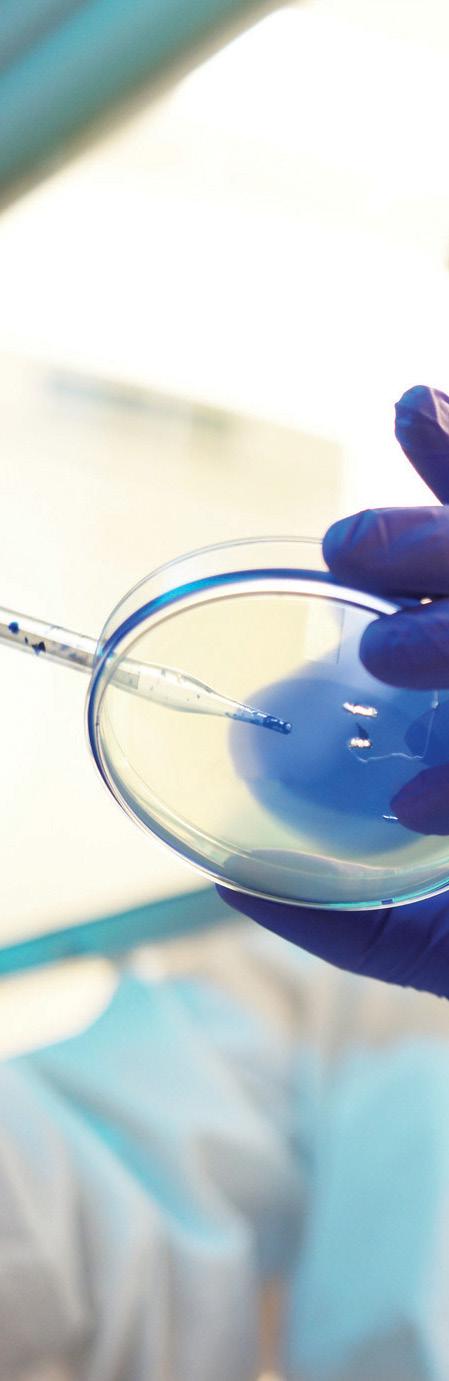
Recent investments in laboratory capabilities at NSF’s headquarters reflect broader growth trends within life sciences. Expanded testing capacity and analytical technology modernization support the increasing demand for microbiological analysis, analytical chemistry services and performance testing.
This infrastructure contributes to the strength of Michigan’s life sciences industry. Access to instate, globally recognized testing resources reduces logistical complexity for regional companies while supporting local job growth in laboratory science, quality assurance and regulatory affairs.
The state’s life sciences industry benefits not only from product developers and research institutions, but also from organizations such as NSF that provide the technical validation necessary for market access. In many cases, testing and certification bodies operate quietly behind the scenes; yet their testing is imperative for everything from sterile injectable drugs to medical devices.
NSF offers extensive industry expertise with a solid roster of ex-regulators, specializing in delivering consulting, training and auditing services and solutions to the world’s largest and most dynamic companies in the pharmaceutical and biotech industries. In fact, NSF works with 12 of the world’s top 15 dietary supplement companies, 18 of the world’s top 20 pharmaceutical companies and 18 of the world’s top medical

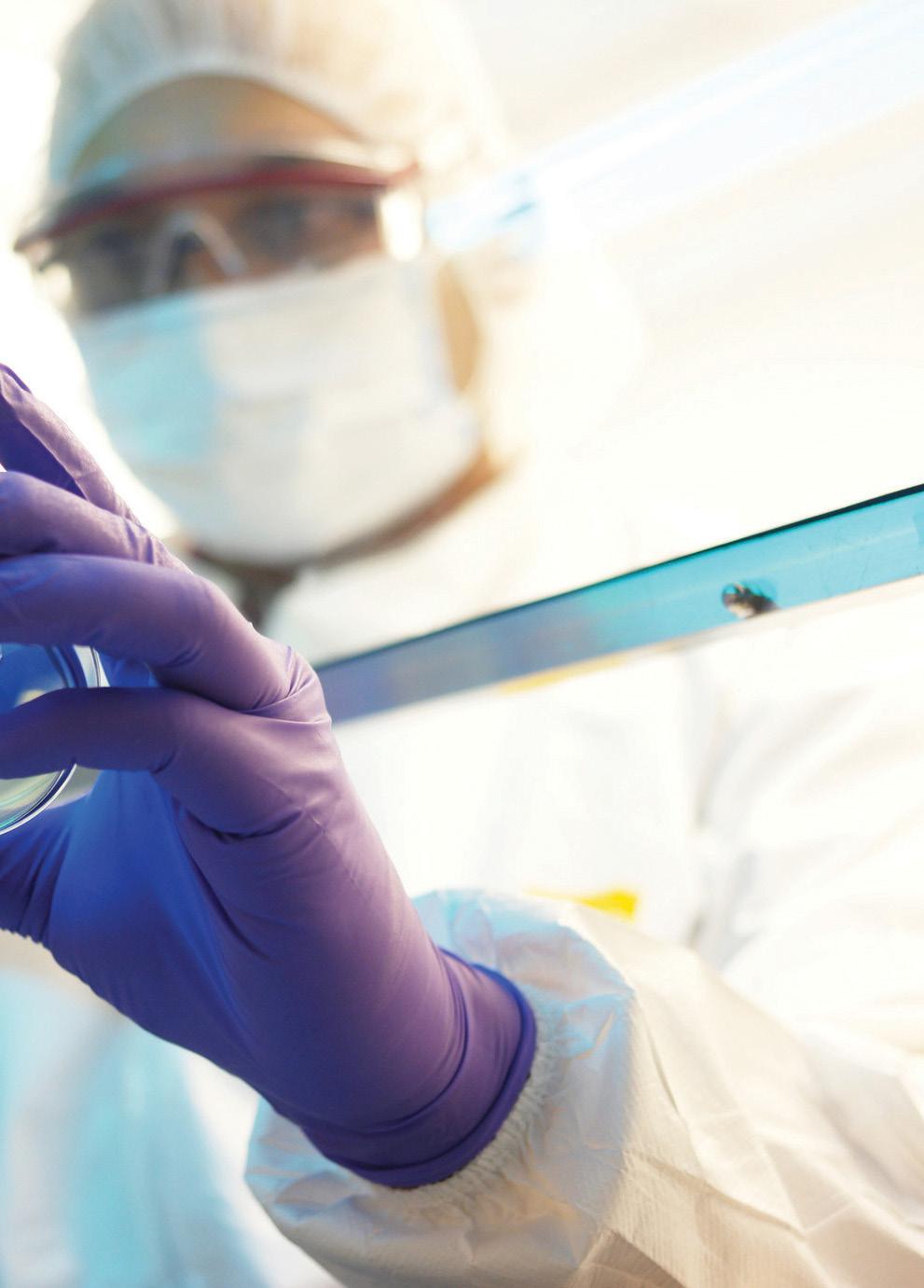
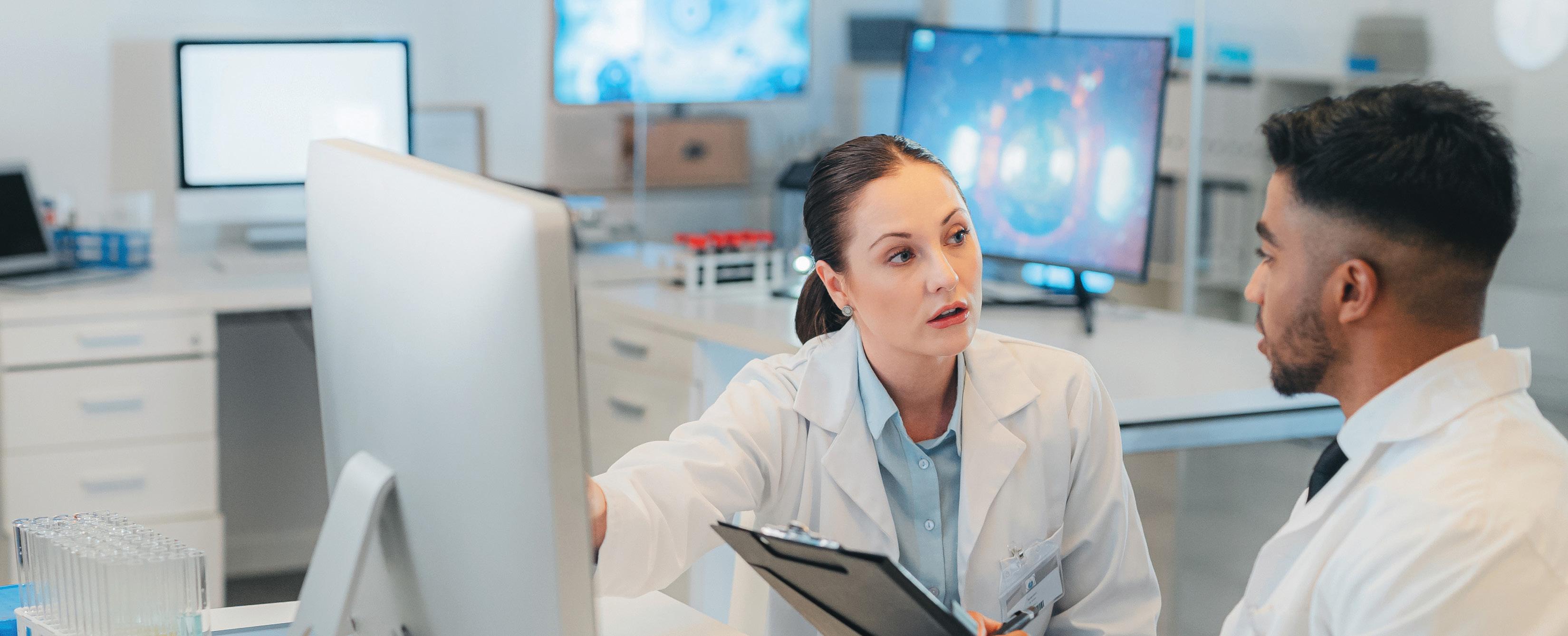
NSF offers extensive industry expertise with a solid roster of exregulators, specializing in delivering consulting, training and auditing services and solutions to the world’s largest and most dynamic companies in the pharmaceutical and biotech industries.
device companies. Its solutions span industry audit preparation and mock inspections, post-inspection response and support, regulatory submission strategy, quality system consulting, remediation projects, trainings and data integrity support.
Navigating Regulatory Requirements
For emerging companies in particular, early integration of regulatory compliance can determine speed to market. NSF’s role as a contract research organization often involves helping organizations navigate everchanging regulations to deliver consistent outcomes, as evidenced by its 25 market approvals. Local organizations benefit from access to global expertise as NSF’s Life Science division has experience working with over 1,500 global companies in 68 different countries to maneuver a changing matrix of regulations and deliver life-saving and life-enhancing medical products and pharmaceuticals to patients.
NSF helps those in the industry mitigate risk, ensure compliance with international and FDA regulations and standards, and apply effective quality systems. In Michigan’s life science startup ecosystem, including research universities, venture capital and incubators, this regulatory fluency is increasingly viewed as a competitive advantage.
Innovation and Growth
NSF represents one component of a larger structure supporting the state’s life science momentum. From medical devices, pharmaceuticals and clinical research to biotech and in vitro
diagnostics consulting, the organization’s testing, certification and standards development work intersects with many of the industries driving Michigan’s next phase of life sciences growth.
This work can be seen with Amarex, an NSF company, and its achievement of the Orphan Drug Designation for Gibson Oncology’s Novel LMP744 cancer treatment. The designation was pivotal in marking a milestone in glioblastoma treatment with glioma treatment that crosses the blood-brain barrier at 10 times the concentration needed to kill cancer cells. Amarex also managed the US FDA-authorized clinical trial launch to support new treatment development for progeria, or Hutchinson-Gilford syndrome.
As regulatory complexity increases, particularly in areas such as chemical exposure limits, environmental contaminants and international harmonization, thirdparty certification bodies like NSF are sure to play an even more significant role in innovation. For life science organizations, the ability to translate research breakthroughs into compliant, marketready products depends not only on scientific ingenuity but also on robust validation frameworks.
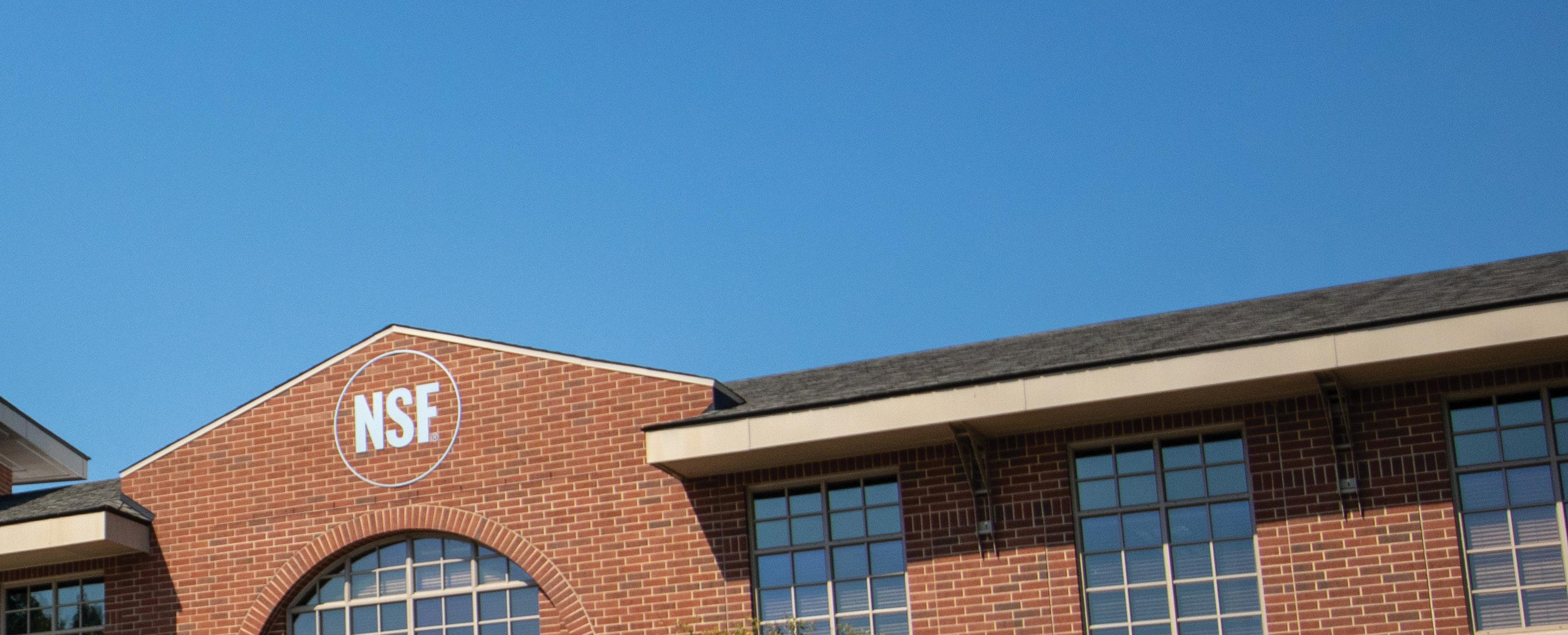
With the life sciences industry continually evolving, the work between innovators and organizations like NSF will be as critical as the technologies themselves.
nsf.org
The Biology Behind Breakthroughs
SUBMITTED BY INNOVATIVE RESEARCH
Some companies sell software. Some sell medical devices. Innovative Research supplies human serum.
If that sounds unusual, it’s because it is. But in the world of biomedical research, biological materials like serum, plasma, antibodies, and other specialized samples are essential tools that help scientists understand disease and develop new diagnostics and therapies.
For laboratories around the world, the search for these materials often leads to Innovative Research, a Novibased company that supplies the biological building blocks behind thousands of scientific studies.
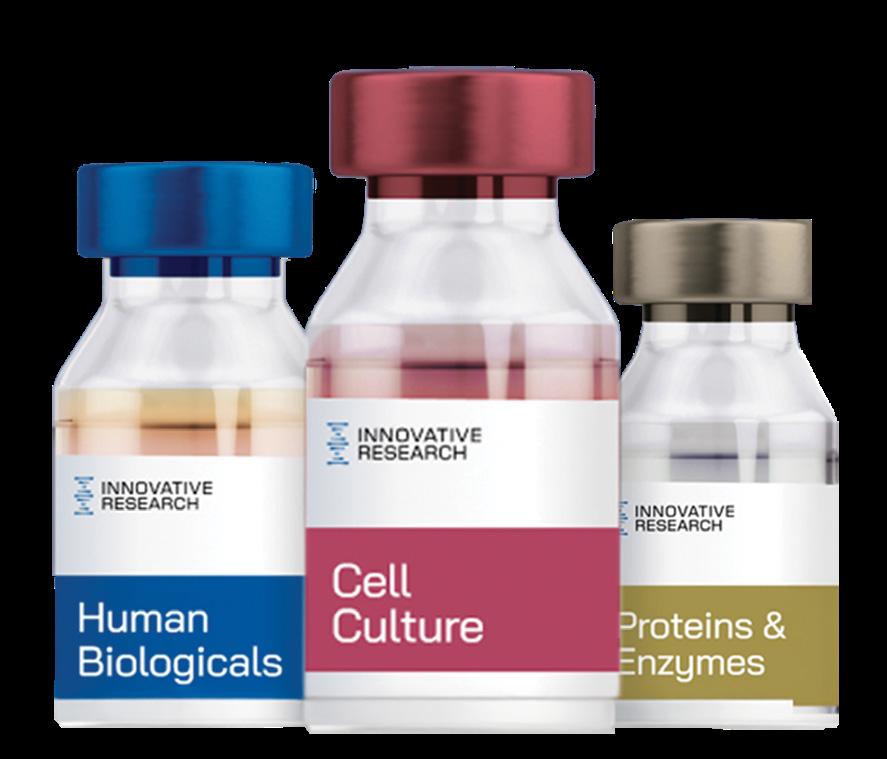
Innovative Research provides human and animal biological samples, ELISA kits, purified proteins, antibodies, and cell culture materials used by researchers in academia, biotech companies, hospitals, and federal laboratories. Some of these materials may sound unusual outside the scientific community - including human saliva, urine, plasma, and other biological samples - but they play a crucial role in helping scientists understand disease, develop diagnostics, and create new therapies.
In fact, the team at Innovative Research sometimes jokes about the nature of their work with a phrase that captures it perfectly: “If you secrete it, we collect it.”
While the company’s products reach laboratories across the globe, its roots — and much of its inspiration — come from Michigan’s growing life sciences ecosystem.
A Company Built Around a Simple Idea
Innovative Research was founded more than 25 years ago when two scientifically minded entrepreneurs recognized a challenge many researchers faced.
Scientists were often required to purchase large bulk quantities of biological materials even when their experiments required only small amounts. For academic laboratories and early-stage research groups, this created unnecessary cost and waste.
The founders believed there was a better way.
They built Innovative Research around a straightforward but powerful idea: provide highquality biological materials in flexible quantities, allowing scientists to purchase exactly what they need, large or small.
That philosophy continues to guide the company today, helping researchers access specialized biological reagents quickly, reliably, and with the technical data needed to support reproducible science.
From a Niche Idea to a Global Catalog
Over the past two decades, Innovative Research has grown from a small startup into a thriving life sciences company headquartered in Novi, Michigan, employing more than 40 scientists, technicians, and business professionals.
The company now maintains a catalog of tens of thousands of research products.
These materials support research in fields ranging from cardiovascular biology and immunology to diagnostics development and translational medicine.
INNOVATIVE RESEARCH IS PARTICULARLY WELL KNOWN AMONG SCIENTISTS STUDYING:
• Coagulation and fibrinolysis pathways
• PAI-1 and clotting biology
• Immunology reagents such as human and animal IgG
• Human plasma, serum, and buffy coat materials
In addition to smaller aliquots for laboratory research, the company also works with organizations that require larger quantities of biological materials for broader research and development programs.
Sourcing Biological Samples Responsibly
Obtaining human biological materials ethically and responsibly is one of the most important aspects of the company’s work.
To support this effort, Innovative Research operates an affiliated organization called Michigan Blood Collection, which helps collect human biological samples used in scientific research. Through partnerships with local organizations, Michigan Blood Collection hosts blood drives throughout Southeast Michigan. These events allow community members to contribute directly to research while helping maintain a responsible and sustainable supply of biological materials used in laboratories.
For many donors, it offers a unique opportunity to know their contribution may support research taking place anywhere in the world.
Organizations interested in hosting a blood drive or learning more about participating in research collection programs are encouraged to reach out.
Supporting the Scientific Community
Innovative Research also supports scientists beyond providing research materials.
The company sponsors the People Behind the Science podcast, which highlights the personal stories of researchers and the work they are doing to advance scientific discovery.
Innovative Research also maintains a YouTube channel with product demonstrations and educational videos designed to help scientists better understand how to use specialized reagents in their experiments.
Closer to home, the company offers internship opportunities for both laboratory and business students, helping train the next generation of life sciences professionals here in Michigan.
A Unique Role in Scientific Discovery
To someone outside the scientific world, the idea of collecting and distributing biological samples may seem unusual.
What may seem unusual to outsiders is essential to researchers. By providing critical biological materials, Innovative Research helps advance discoveries— often starting with a single sample from a freezer in Novi, Michigan.
innov-research.com

SCITECH DEVELOPMENT
Turning a Scientific Challenge into a Promising New Cancer Drug
SUBMITTED BY SCITECH DEVELOPMENT
ST-001 nanoFenretinide™ Continues to Show Strong Clinical Progress. SciTech Development’s story began with a scientific challenge that researchers had long been trying to solve.
Studied in more than 3,000 patients, the anti-cancer compound fenretinide has shown promise in oncology research with demonstrated anti-tumor activity across multiple cancer types and inherently low toxicity. However, the drug’s potential was limited by poor absorption and very low oral bioavailability, which prevented therapeutic concentrations from reaching and destroying cancer cells.
To address this challenge, the National Cancer Institute (NCI) encouraged researchers to develop new approaches to deliver fenretinide more effectively while overcoming the bioavailability limitations.
This effort ultimately led to the formation of SciTech Development, a Michigan-based biotechnology company spun out of the Karmanos Cancer Institute (KCI) and Wayne State University (WSU). The company is led by Michigan native Earle Holsapple, Co-Founder and CEO, who brings decades of experience in business leadership, with a strong track record of building and scaling ventures. He is joined by Co-Founder Dr. Ralph Parchment, an accomplished pharmacologist and principal inventor of SciTech’s drug delivery technology
and its lead pharmacologist for the NCI-funded Phase 1 clinical trial program at WSU and director of the pharmacology core at KCI.
Early research was also supported by the NCI via a U.S. Small Business Innovation Research (SBIR) grant, and the company focused on solving the delivery problem that had limited fenretinide’s clinical potential.
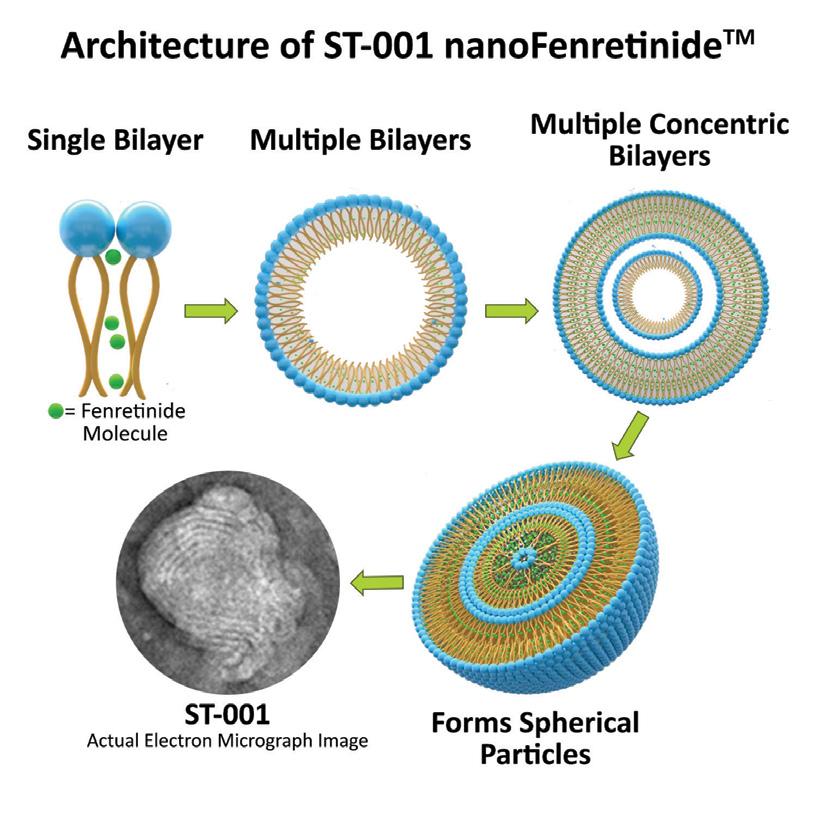
SciTech’s solution was to integrate the compound into a patented nanoparticle delivery system, creating a new intravenous drug known as ST-001 nanoFenretinide™ (ST-001). The platform bypasses the bioavailability problem of oral dosing and enables higher concentrations of the drug to reach and be absorbed by cancer cells while maintaining a highly favorable safety profile.
Encouraging Patient Responses in Clinical Trials
SciTech’s initial disease focus is Cutaneous T-cell lymphoma (CTCL), a rare and often difficult-to-treat form of T-cell non-Hodgkin lymphoma (T-NHL). In early stages, the disease is primarily confined to the skin—causing painful lesions and severe itching—while in later stages it can progress to involve lymph nodes, blood, and internal organs, further worsening symptoms and significantly impacting quality of life.

Although several therapies are available, many patients eventually experience disease progression or diminishing responses, highlighting the need for new treatment options.
To advance treatment for this disease, SciTech initiated a Phase 1a dose-escalation clinical trial primarily in patients with CTCL, where early results are showing encouraging signs of clinical activity in the expected therapeutic dose ranges.
At the three highest dose levels of ST-001 evaluated to date, the drug has achieved consistent, predictable therapeutic concentrations, increased bioavailability, and has demonstrated a 93% disease control rate.
These response rates are particularly notable given that Phase 1a trials are primarily designed to assess pharmacokinetics, safety, tolerability, and dose escalation rather than efficacy.
ST-001 has also demonstrated a highly favorable safety and tolerability profile, with side effects that are generally manageable and reversible, resulting in minimal—if any—impact on patients’ quality of life.
The Phase 1a trial is fully enrolled and nearing completion, with the data expected to guide the next stages of clinical development.
Regulatory Engagement and Support
SciTech recently received written guidance from the U.S. Food and Drug Administration (FDA) about the design of its planned Phase 1b study and clinical development to New Drug Application (NDA) approval. The National Cancer Institute is supporting SciTech’s ongoing clinical research program in oncology by supplying fenretinide at no cost.
Expanding Into Additional Oncology Indications
While CTCL represents the company’s gateway indication, SciTech believes that the ST-001 nanoparticle formulation could help unlock broader therapeutic potential across additional cancers.
The Company has received FDA clearance of its Investigational New Drug (IND) application to advance ST-001 into Small Cell Lung Cancer (SCLC), a highly aggressive malignancy marked by rapid progression and limited treatment options following relapse.
Building Toward the Next Stage of Development
Reflecting the company’s roots, several members of the leadership team are Michigan natives. The team brings deep expertise across oncology research, pharmaceutical development, finance, and strategic business development, positioning the company to successfully advance into its next phase of growth.
SciTech’s development strategy is supported by a growing intellectual property portfolio, including an issued patent covering its nanoparticle formulation and delivery technology, along with newly filed patents expected to extend global exclusivity through 2045.
SciTech is advancing ST-001 and its clinical programs through financing rounds aimed at accelerating clinical progress, advancing regulatory pathways, and achieving key strategic milestones that enhance long-term value.
With encouraging interim results, active regulatory engagement, and plans to expand into additional cancer indications, ST-001 nanoFenretinide™ represents a promising new approach aimed at improving the lives of patients facing challenging cancers. SciTechSDP.com
CORIUM INNOVATIONS
Corplex® Platform Powers 7-Day Drug Delivery
SUBMITTED BY CORIUM INNOVATIONS
Advances in life sciences are not limited to new therapeutics but also include improvements in how treatments are administered, particularly in chronic disease management, where they can significantly influence outcomes.
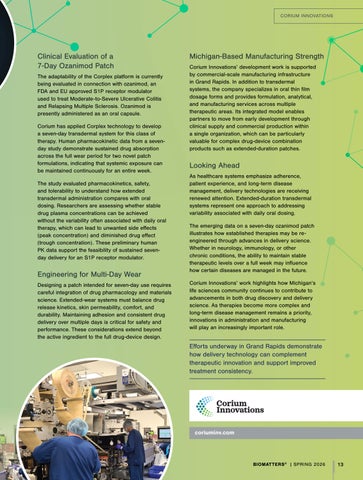
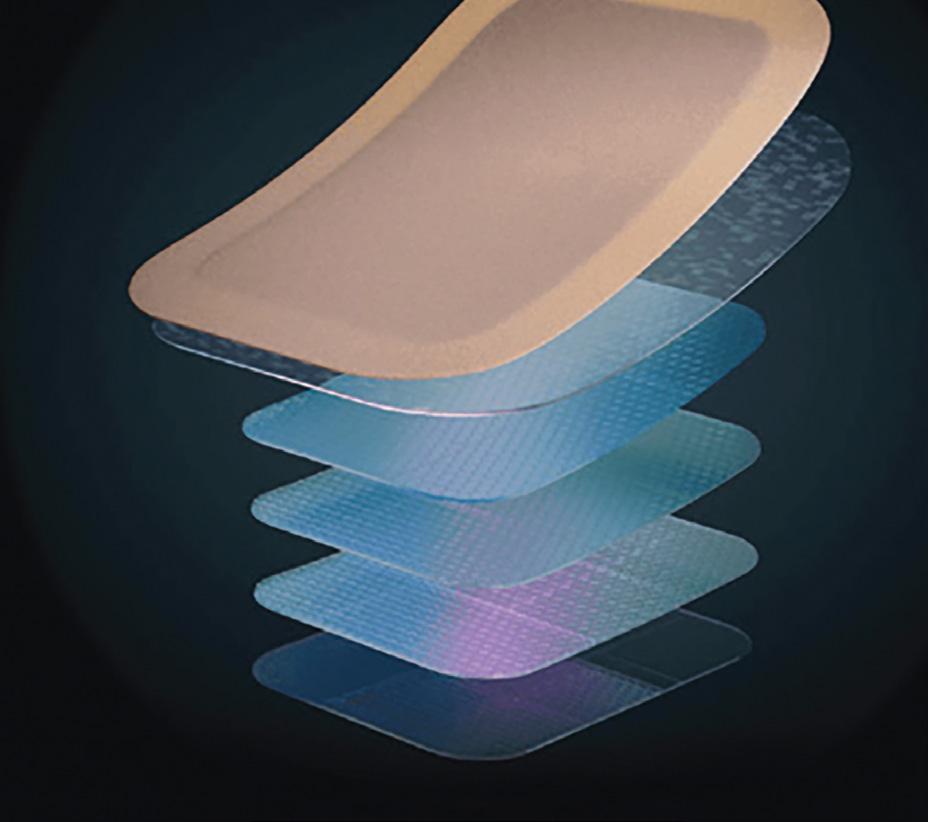
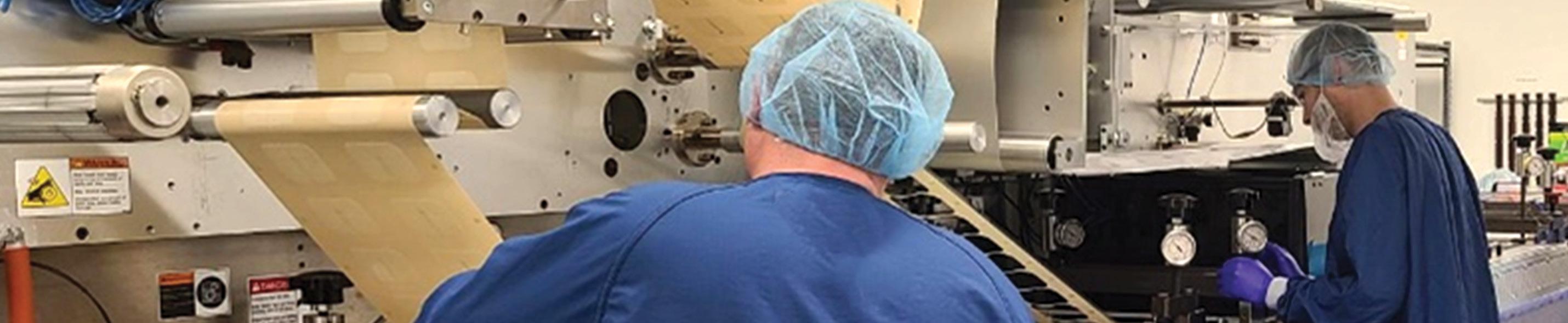
In Grand Rapids, Michigan, Corium Innovations is focused on improving how new and established therapies are delivered. Through its Corplex® platform, the company develops matrix-based transdermal systems engineered to provide continuous drug delivery for up to seven days from a single patch.
Corplex® technology is Corium’s patented transdermal innovation platform, combining proprietary materials that can be tailored for a wide range of therapeutic and consumer applications. This flexibility allows the platform to be tailored to different drugs, dosing requirements, and use environments while maintaining reliable performance across extended wear periods.
Founded in 1999, Corium Innovations operates as a contract development and manufacturing organization specializing in transdermal patches and oral thin films. With nearly 200,000 square feet of GMP manufacturing space in Michigan and the capacity to produce more than 200 million patches and films annually, the company combines formulation science with commercial-scale manufacturing capabilities. Its FDA-registered facilities and long-standing experience in film-based dosage forms position it as a partner of choice for complex delivery challenges.
Why Extended Delivery Matters
For many chronic conditions, maintaining consistent therapeutic levels is essential Daily oral dosing can introduce variability due to missed doses, food interactions, gastrointestinal intolerance, and fluctuations in drug plasma concentrations. These challenges are particularly relevant in neurological, autoimmune, and other chronic therapeutic areas where drug adherence plays a central role in disease management.
Transdermal systems offer several advantages. By delivering medication through the skin directly into systemic circulation, they bypass first-pass metabolism and provide sustained exposure over multiple days. Moreover, they may also reduce drugrelated side effects, swallowing concerns, impact of food on absorption and simplify administration, supporting improved patient outcomes.
Corium’s Corplex platform builds on these advantages by enabling once-weekly transdermal delivery. Reducing dosing frequency from daily to weekly, simplifies treatment regimens and reduces variability associated with day-to-day dosing. The platform has supported applications ranging from consumer products such as teeth whitening strips to complex seven-day treatment patches, demonstrating scalability.

Clinical Evaluation of a 7-Day Ozanimod Patch
The adaptability of the Corplex platform is currently being evaluated in connection with ozanimod, an FDA and EU approved S1P receptor modulator used to treat Moderate-to-Severe Ulcerative Colitis and Relapsing Multiple Sclerosis. Ozanimod is presently administered as an oral capsule.
Corium has applied Corplex technology to develop a seven-day transdermal system for this class of therapy. Human pharmacokinetic data from a sevenday study demonstrate sustained drug absorption across the full wear period for two novel patch formulations, indicating that systemic exposure can be maintained continuously for an entire week.
The study evaluated pharmacokinetics, safety, and tolerability to understand how extended transdermal administration compares with oral dosing. Researchers are assessing whether stable drug plasma concentrations can be achieved without the variability often associated with daily oral therapy, which can lead to unwanted side effects (peak concentration) and diminished drug effect (trough concentration). These preliminary human PK data support the feasibility of sustained sevenday delivery for an S1P receptor modulator.
Engineering for Multi-Day Wear
Designing a patch intended for seven-day use requires careful integration of drug pharmacology and materials science. Extended-wear systems must balance drug release kinetics, skin permeability, comfort, and durability. Maintaining adhesion and consistent drug delivery over multiple days is critical for safety and performance. These considerations extend beyond the active ingredient to the full drug-device design.
Michigan-Based Manufacturing Strength
Corium Innovations’ development work is supported by commercial-scale manufacturing infrastructure in Grand Rapids. In addition to transdermal systems, the company specializes in oral thin film dosage forms and provides formulation, analytical, and manufacturing services across multiple therapeutic areas. Its integrated model enables partners to move from early development through clinical supply and commercial production within a single organization, which can be particularly valuable for complex drug-device combination products such as extended-duration patches.
Looking Ahead
As healthcare systems emphasize adherence, patient experience, and long-term disease management, delivery technologies are receiving renewed attention. Extended-duration transdermal systems represent one approach to addressing variability associated with daily oral dosing.
The emerging data on a seven-day ozanimod patch illustrates how established therapies may be reengineered through advances in delivery science. Whether in neurology, immunology, or other chronic conditions, the ability to maintain stable therapeutic levels over a full week may influence how certain diseases are managed in the future.
Corium Innovations’ work highlights how Michigan’s life sciences community continues to contribute to advancements in both drug discovery and delivery science. As therapies become more complex and long-term disease management remains a priority, innovations in administration and manufacturing will play an increasingly important role.
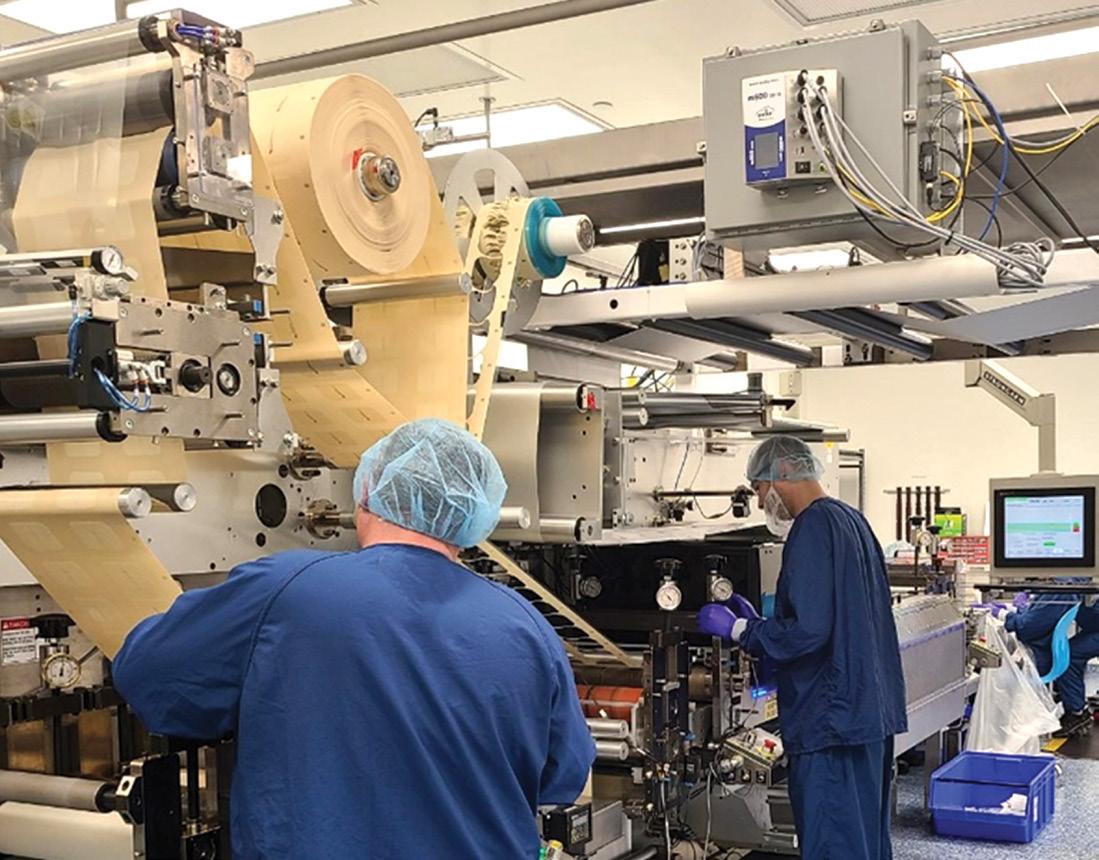
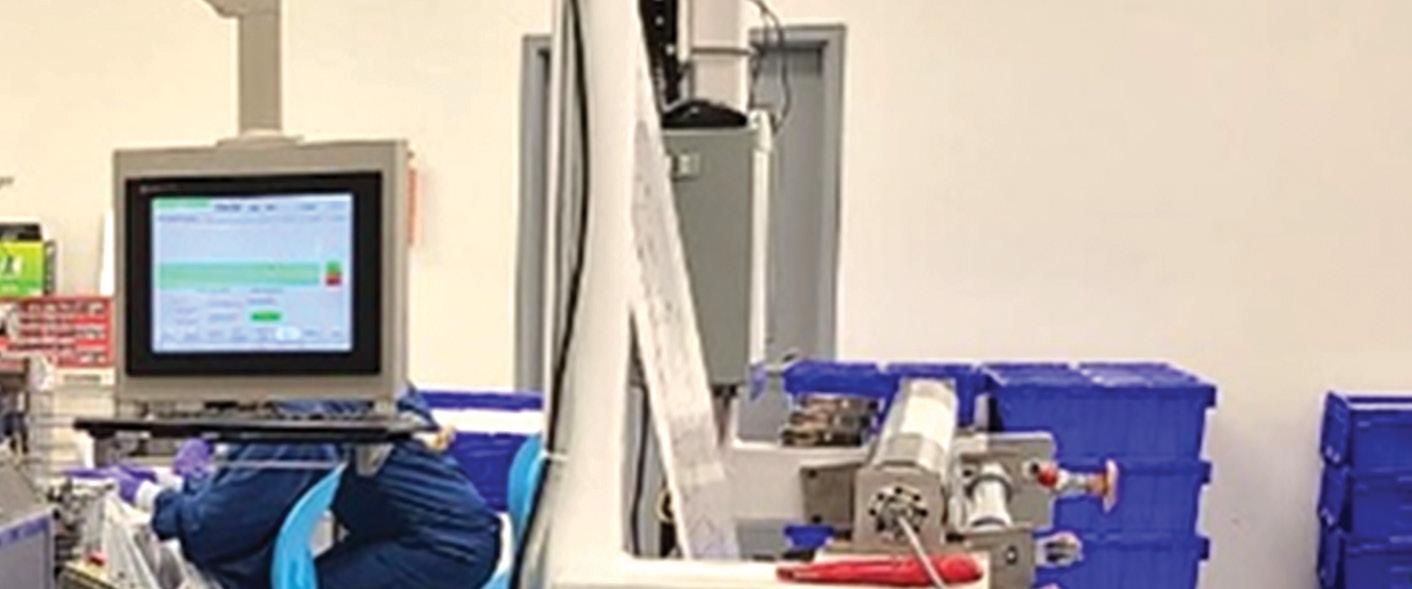
Efforts underway in Grand Rapids demonstrate how delivery technology can complement therapeutic innovation and support improved treatment consistency.
47,815* Bioscience Jobs 3,319* Bioscience Establishments 9 th
$110,204* Average Bioscience Salary
MICHIGAN BIO-INDUSTRY QUICK FACTS * 5 th /9 th 6 th /10 th 16 th
BioPharma State by number of establishments / employment
Medical Device State by number of establishments / employment
Agri-Biosciences by number of establishments
Bioscience State by employment
DISTRIBUTION OF RESEARCH FUNDS
BIOSCIENCE ACADEMIC R&D
$ MILLIONS, FY 2022
BIOSCIENCE-RELATED VENTURE CAPITAL INVESTMENTS
$ MILLIONS, 2019-2023
PHARMACEUTICAL & BIOTECHNOLOGY DIGITAL
MICHIGAN'S BIO-INDUSTRY
Anchored by several large hubs, this representative sample of Michigan life sciences companies illustrates the breadth of the industry footprint.
TRAVERSE CITY
BATTLE
CREEK/JACKSON
KALAMAZOO
GRAND RAPIDS
HOLLAND
MUSKEGON
MID-MICHIGAN
GREATER DETROIT
OAKLAND/MACOMB/ ST. CLAIR
ANN ARBOR
LANSING
AFTER THE ELEVATOR PITCH

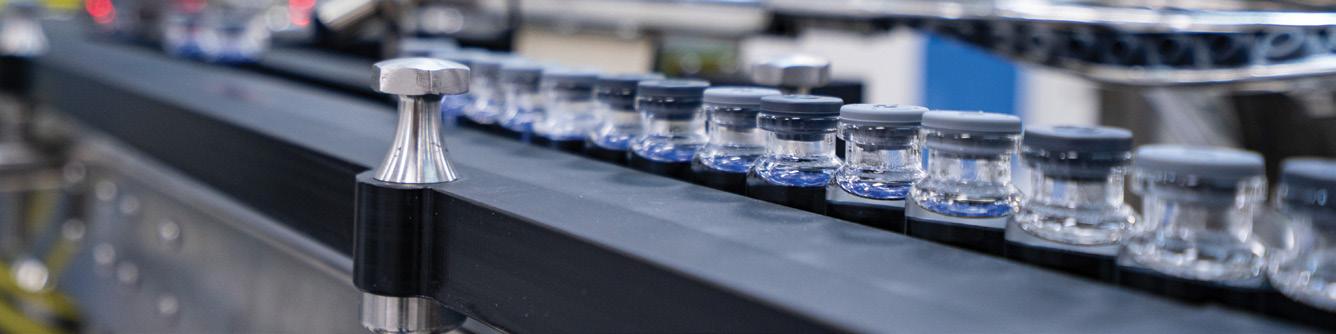
HANS Scientific™ operates on a fully integrated sterile manufacturing campus in Farmington Hills, Michigan, supporting pharmaceutical partners seeking reliable, U.S.-based production capacity.
Founded on engineering excellence, the company has developed a proprietary, tankless Water for Injection (WFI) system that serves as the foundation of its operations. HANS offers multiple grades of USP-compliant WFI, including sterile and DNase/RNase-free formats, available in highvolume capacities to meet growing industry demand. This closed-loop system is integrated directly into its aseptic fill and lyophilization suites, reducing contamination risk and minimizing production downtime. WFI is also available for direct purchase through the company’s website, hansscientific.com.
The campus features two high-capacity terminal sterilization fill lines, a fully aseptic fill suite, and highthroughput lyophilization capabilities. Automated washing, depyrogenation, nitrogen purge, filling, and capping processes are supported by integrated clean-in-place (CIP)
and sterilize-in-place (SIP) systems. Final inspection utilizes automated particle scanning technology, enabling 100% lot inspection of critical quality attributes.
Beyond manufacturing, HANS Scientific supports operations with on-site quality assurance and regulatory affairs leadership, in-house biological and materials testing laboratories, and integrated inventory and warehousing capabilities that streamline validation, lot release, and supply continuity.
As demand for domestic sterile manufacturing and reliable WFI supply continues to expand, HANS Scientific is contributing scalable, inspection-ready capacity to Michigan’s growing biosciences ecosystem. The company has announced plans to invest $2 billion in new U.S.-based manufacturing infrastructure, including multiple facilities designed to expand sterile production capacity and support the continued reshoring of pharmaceutical manufacturing.
hansscientific.com
Michigan continues to be a leader in advancing biosciences research and commercialization, thanks to its rich pipeline of intellectual property. A whole new crop of startups are germinating in the state, which is good news for the regional cluster of established companies that are focused on innovation in therapeutics, medical devices, healthcare technologies, clinical diagnostics and agri-/industrial biotechnology.


Lucid Biosystems is dedicated to making personalized cell therapies that target and destroy solid tumors.
Cancer is the leading cause of disease mortality in the industrialized world. Solid tumors comprise 90% of all cancers and, despite progress, many types are poorly treated by all therapeutic modalities. While medical interdiction is complicated by a few factors, tumor heterogeneity is a principal reason confounding drug targeting. Each solid tumor is unique and lacks common features that therapeutics can use to specifically target the transformed cancer cells while ignoring healthy tissues. Because of this, current one-size-fits-all therapeutic approaches have not solved the tumor heterogeneity problem.
Lucid Biosystems leverages the targeting power of each cancer patient’s adaptive immune system to identify cancer cells and differentiate them from all other healthy cells in the body. Our solution is to functionally identify and recover individual tumor-reactive cytotoxic T-cells found within
tumor surgical resections. Individual cytotoxic T-cells are sequenced to discover the exact T-cell Receptor (TCR) sequence that uniquely targets the transformed cancer cell. Cell therapies are developed from this information, delivering a solution that overcomes tumor heterogeneity.
Founded in Michigan, Lucid’s breakthrough technology uses patented and proprietary instrumentation as the basis of its approach. Lucid’s high-throughput platform is scaled to evaluate millions of cells per patient. Building on existing collaborations with Yale and Imperial College, the company seeks both U.S. clinical collaborators and investment to drive programs in Non-Small Cell Lung Cancer (NSCLC) and Head and Neck Squamous Cell Carcinoma (HNSCC). Lucid intends to commercialize solutions within seven years to service millions of cancer patients.
lucidbio.io
PEPTINOVO BIOPHARMA
MICHIGAN MADE: Advancing the State’s Biotech Legacy
SUBMITTED
BY PEPTINOVO BIOPHARMA
Michigan’s pharmaceutical history runs deep. From Parke-Davis and Warner-Lambert to Upjohn and Pfizer, the state once stood at the center of global drug development. While much of that infrastructure migrated to the coasts over the past two decades, the scientific talent never disappeared.
Peptinovo Biopharma is proof.
Founded by two former Parke-Davis scientists –cardiovascular innovator Dr. Ren Homan, PhD, and oncology veteran Dr. Bill Elliott, PhD – Peptinovo represents a convergence of Michigan’s pharmaceutical past and its next chapter in biotech innovation.
“Parke-Davis cardiovascular meets Parke-Davis oncology,” CEO Steve Tokarz said. “That intersection became Peptinovo Biopharma.”
A Different Way to Deliver Chemotherapy
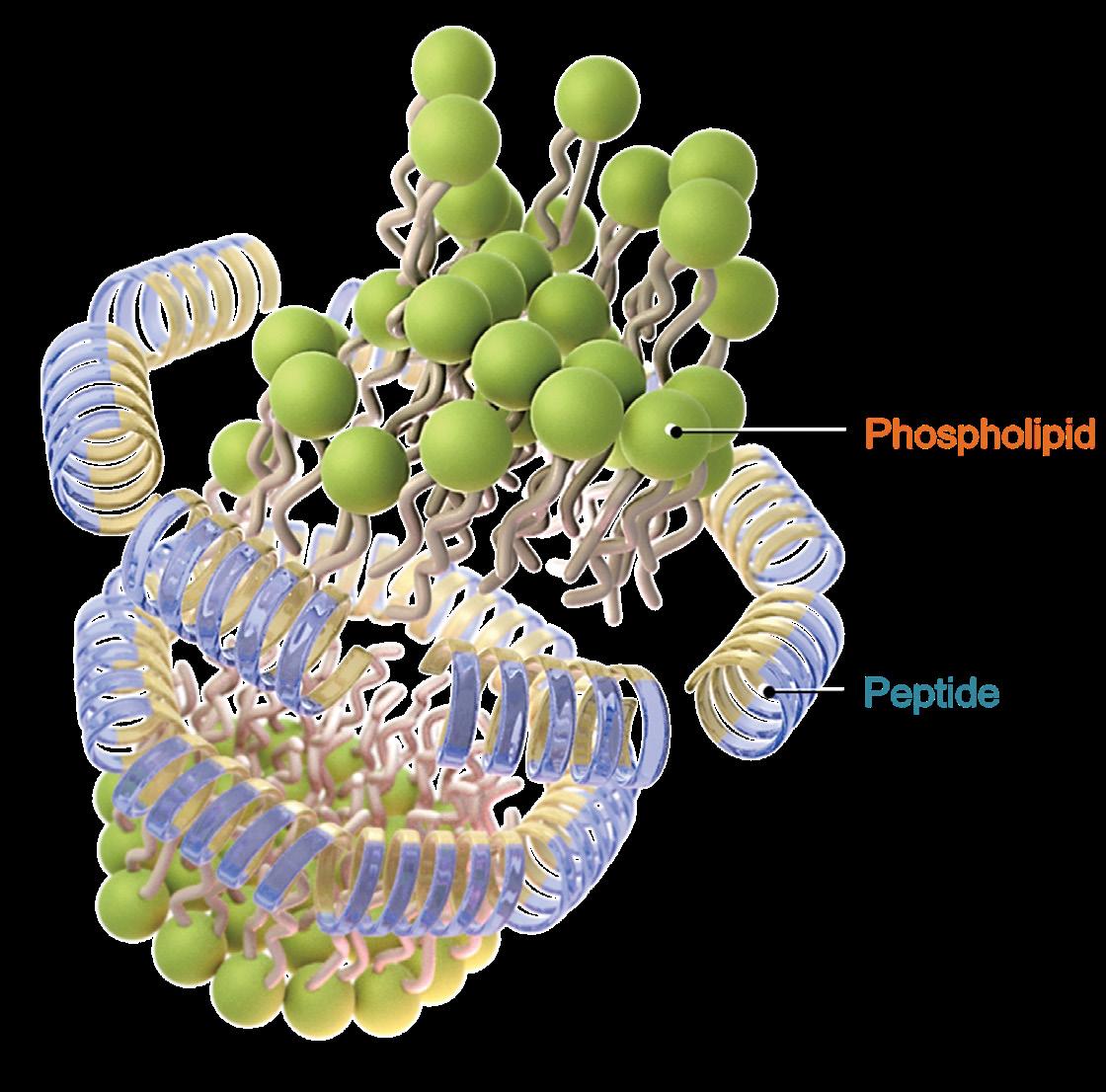
Peptinovo’s core technology, known as the PALM™ (Peptide-Amphiphile Lipid Micelle) platform, is built around a deceptively simple insight: every cancer cell needs cholesterol to grow.
Cancer cells pull cholesterol from the bloodstream using a receptor called SR-B1. That receptor recognizes HDL, often called “good cholesterol.” Dr. Homan, whose background is in lipoprotein biology, wondered whether HDL could be repurposed.
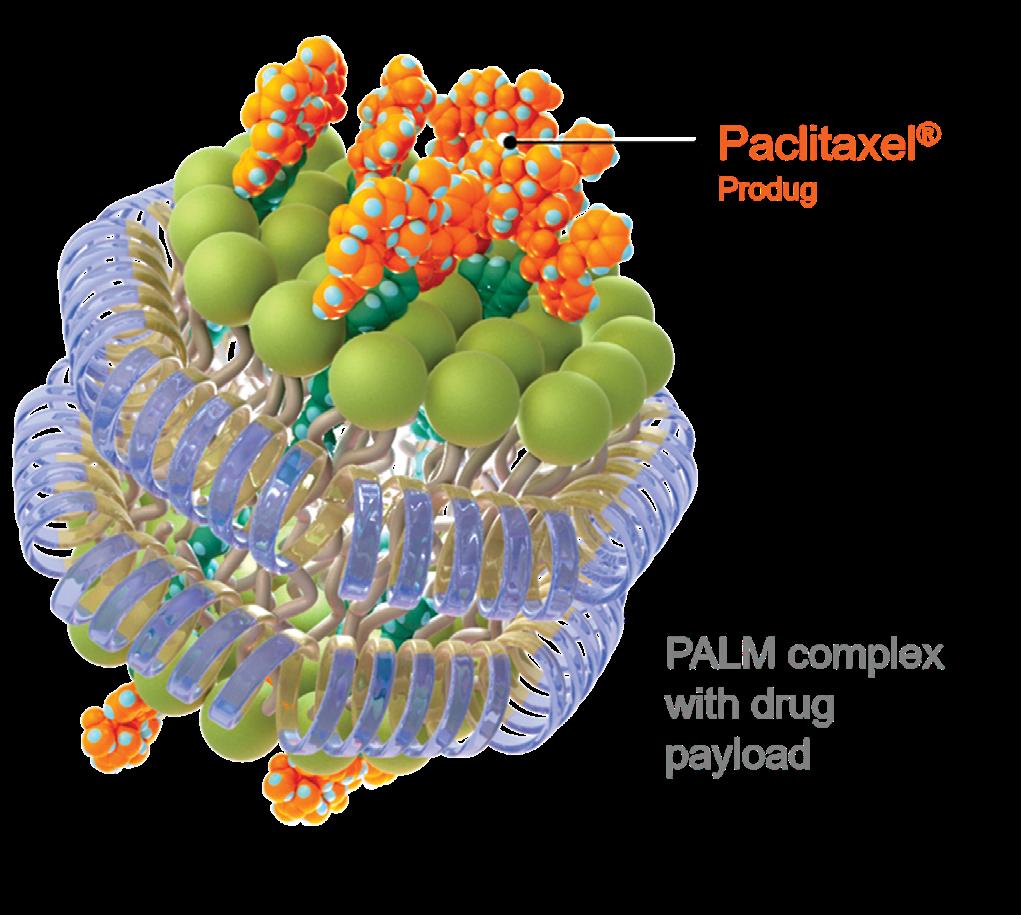
“What if we made a synthetic HDL particle,” Homan explained, “that delivered chemotherapy instead of cholesterol?” The result is PALM, a nano-scale particle designed to mimic natural HDL.
The technology operates like a Trojan horse. Cancer cells ingest the cholesterol in HDL through SR-B1 to fuel their growth. But PALM tricks cancer cells using a pathway the tumor already depends on, delivering chemotherapy into cancer cells instead of cholesterol. PALM delivers treatment through the cancer cell’s natural entry point rather than flooding the entire bloodstream.
The approach differs significantly from conventional chemotherapy, which relies on systemic exposure to reach tumors, often damaging healthy tissues in the process.
“With traditional chemotherapy, it’s a balancing act,” Homan said. “You need enough drug to kill the tumor, but not so much that you severely harm the patient.”
Preclinical study data from PALM has shown something striking: the platform has not caused common toxicities associated with standard chemotherapy, including bone marrow suppression. In animal models, researchers have not observed anemia or neutropenia, side effects that often limit dosing.
“What surprised us most was the stability,” Tokarz said. “Our manufacturing process is years ahead of schedule and is reproducible and scalable.”
The current program uses paclitaxel, a widely used chemotherapy drug with decades of clinical validation but known toxicity constraints. Using PALM, Peptinovo believes it can improve chemotherapy delivery while reducing systemic harm.
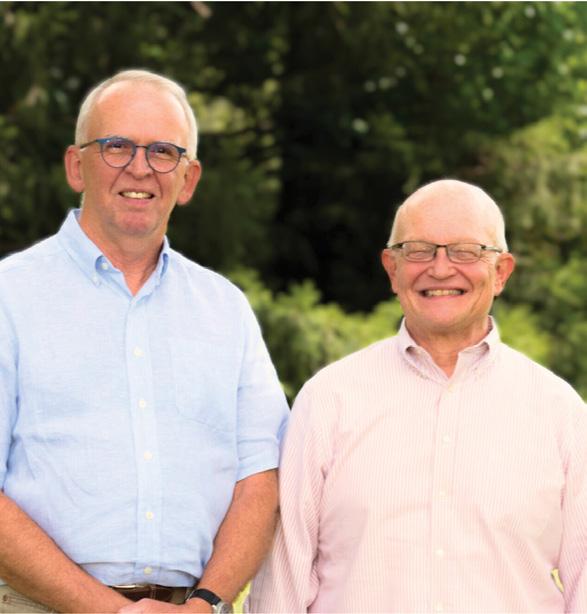
PEPTINOVO FOUNDERS
Dr. Ren Homan, PhD, and Dr. Bill Elliott, PhD
Headed to Clinical Trials
Peptinovo is approved for and preparing to launch its first Phase I clinical trial in Australia, focusing initially on patients with advanced solid tumors.
The early-stage trial will begin as a dose-escalation study, enrolling patients with various solid tumor types. If early signals emerge in particular cancers – such as ovarian or prostate – the company plans to refine its focus accordingly.
“This first phase is about safety and signal detection,” Tokarz said. “But the long-term goal is progression-free survival and overall survival improvements.”
Beyond paclitaxel, the PALM platform is designed to be modular. According to Homan, additional chemotherapy agents are already in laboratory development, and multiple other candidates are under evaluation.“It’s plug and play,” he said. “Once you establish the carrier works, you can adapt it to other compounds.”
Reviving a Michigan Biopharma Ecosystem
For Tokarz, Peptinovo’s story is about more than a novel delivery system. It is about proving that cutting-edge biotech can emerge – and stay – in Michigan.
“When we took this story to the East Coast, there was skepticism,” he said. “Who’s building a biotech company in Michigan?”
The answer, he argues, is scientists and operators with deep industry experience who understand disciplined development. Elliott, Peptinovo’s co-founder with a background in oncology drug development and clinical strategy, brings commercialization expertise to complement Homan’s scientific innovation.
Along with partners like Mi-HQ the company also has the infrastructure and labs for those early stage companies.
“Without Bill, there isn’t an oncology company,” Tokarz said. “You need both the inventor and the builder.”
Peptinovo is also pursuing strategic partnerships with pharmaceutical companies that hold promising compounds limited by toxicity. By using PALM to improve tolerability, the company believes it can help revive shelved assets and unlock new market potential.
The broader vision includes collaboration with global partners, including pharmaceutical firms exploring U.S. market expansion opportunities.
Looking Ahead
As Michigan continues investing in life sciences infrastructure, Peptinovo’s leadership sees an opportunity to reestablish the state as a serious biotech contender. “Biopharma excellence didn’t leave Michigan,” Tokarz said. “There’s more to come.”
With clinical trials approaching and platform expansion underway, Peptinovo is positioning itself as part of that resurgence, blending legacy expertise with nextgeneration delivery science.
Michigan’s pharmaceutical story is not a closed chapter. It’s still being written.
PROTEOS FROM BUILT TO LAST, POISED TO GROW:
Proteos Enters a New Era of Drug Discovery
SUBMITTED BY PROTEOS
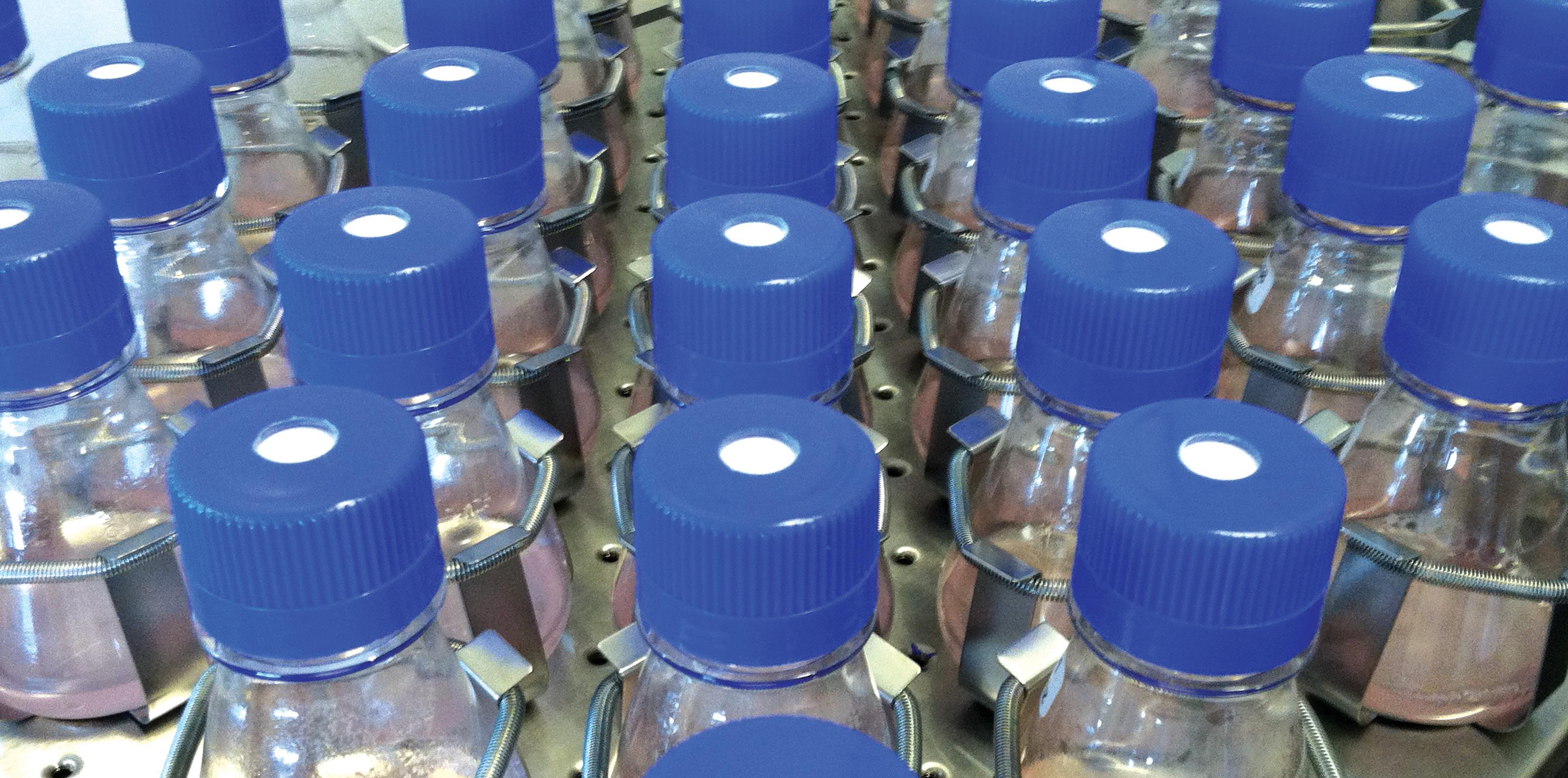
Drug discovery runs on proteins. Before a molecule can be validated as a therapeutic candidate, before its structure can be imaged at atomic resolution, someone has to produce the protein that makes that science possible. For more than twenty years, Proteos, a contract research organization based in Kalamazoo, Michigan, has fulfilled that role, and has quietly become one of the life sciences industry’s most trusted suppliers of recombinant proteins.
“We turn complex protein production challenges into reliable, highquality results,” is how the company describes its core value. It is a straightforward promise, and one that has proven hard to replicate.
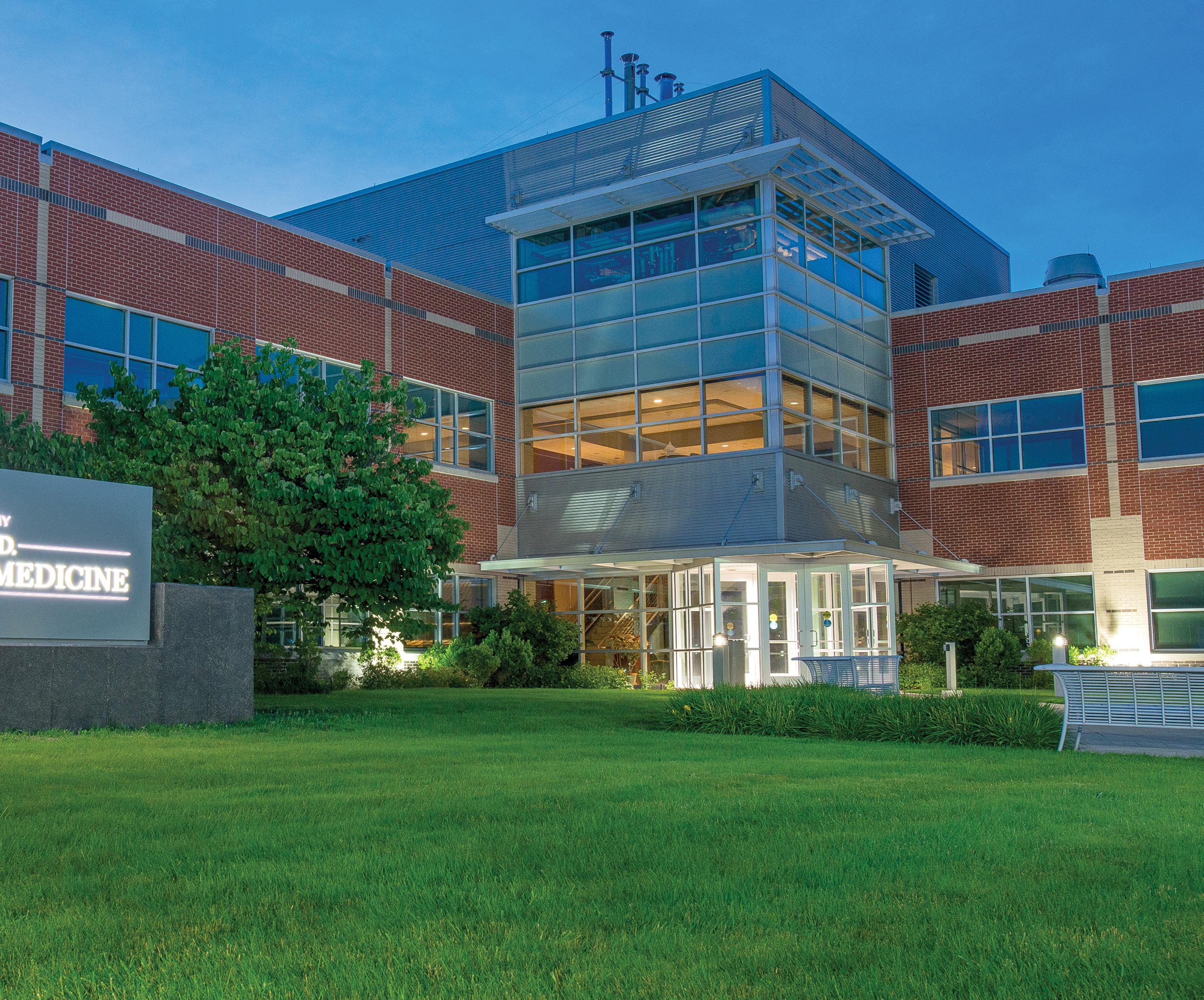
Founded in 2003 by scientists Clark W. Smith, Ph.D., and Robert L. Heinrikson, Ph.D., Proteos began its story as a small contract research organization (CRO) operating out of the Western Michigan University Homer Stryker M.D. School of Medicine Innovation Center. From the beginning, the company’s mission was precise: deliver high-quality recombinant proteins that researchers could rely on, produced by scientists who understood the science as deeply as their clients did.
That founding philosophy of scientific rigor, client partnership, and relentless attention to quality turned out to be a durable competitive advantage. Over the years that followed, Proteos grew steadily, earning recognition as one of Michigan’s Best Small Businesses in 2018 and establishing itself as an anchor tenant in Kalamazoo’s growing life sciences ecosystem. More tellingly, the company developed a client retention rate that speaks for itself: over 80 percent of its partners return for multiple projects.
A Strategic Inflection Point
In January 2025, Proteos reached a pivotal milestone when it was acquired by NanoImaging Services (NIS), a San Diego-based leader in cryo-electron microscopy (cryo-EM) services for structure-based research. The rationale was clear: Proteos’ expertise in recombinant protein production, paired with NIS’s market-leading cryo-EM platform, creates an integrated gene-tostructure capability that addresses one of the most pressing needs in modern drug design.
For biotech and pharmaceutical clients, what that means in practice is fewer handoffs. Structure-based drug discovery depends on the ability to produce pure, well-characterized proteins and then visualize those proteins at atomic resolution, a workflow that previously required coordinating across multiple vendors. The NIS-Proteos combination puts both capabilities into one organization.
“We see a perfect fit between the companies’ protein production and cryo-EM capabilities,” said then-Proteos CEO Mary Shuck at the time of the acquisition. “This partnership will provide Proteos with additional resources to enhance our services and solutions for our customers.”
New Leadership, New Momentum
More than a year into that integration, the combined organization is now pushing into its next phase. In March 2026, NIS named Fraser McLeod as Chief Executive Officer. McLeod has spent his career building and scaling life sciences businesses across automation, software, and instrumentation, with stints at Waters Corporation, SCIEX, Danaher Life Sciences, and Thermo Fisher Scientific. He is exactly the kind of hire you make when the priority shifts from integration to growth.
For Proteos specifically, Mr. McLeod’s appointment comes alongside the planned expansion of its service offerings. The Kalamazoo team is actively working to bring new analytical capabilities online, services that will further extend the value Proteos can deliver to clients navigating early-stage discovery and lead optimization programs.
Still in Kalamazoo
None of this growth has pulled Proteos away from its base. The company still operates out of Kalamazoo, still employs the same core team that built its reputation, and still counts on high employee retention as one of its practical advantages. In a field where institutional knowledge is genuinely hard to replace, the fact that many Proteos scientists have worked on hundreds of projects over many years is not a soft benefit. It is a technical one, reflected in milestone-based workflows, thorough documentation, and a client engagement approach built around transparency from the first quote to the final deliverable.
What Proteos is building now, across its expanded service portfolio and new leadership, rests on more than twenty years of doing difficult protein work reliably and well. For the research teams counting on those proteins to advance treatments for serious diseases, that history is not incidental. It is the whole point.
nanoimagingservices.com // proteos.com
BLUE PARACHUTE
Every Clinical Trial Deserves A Safe Landing
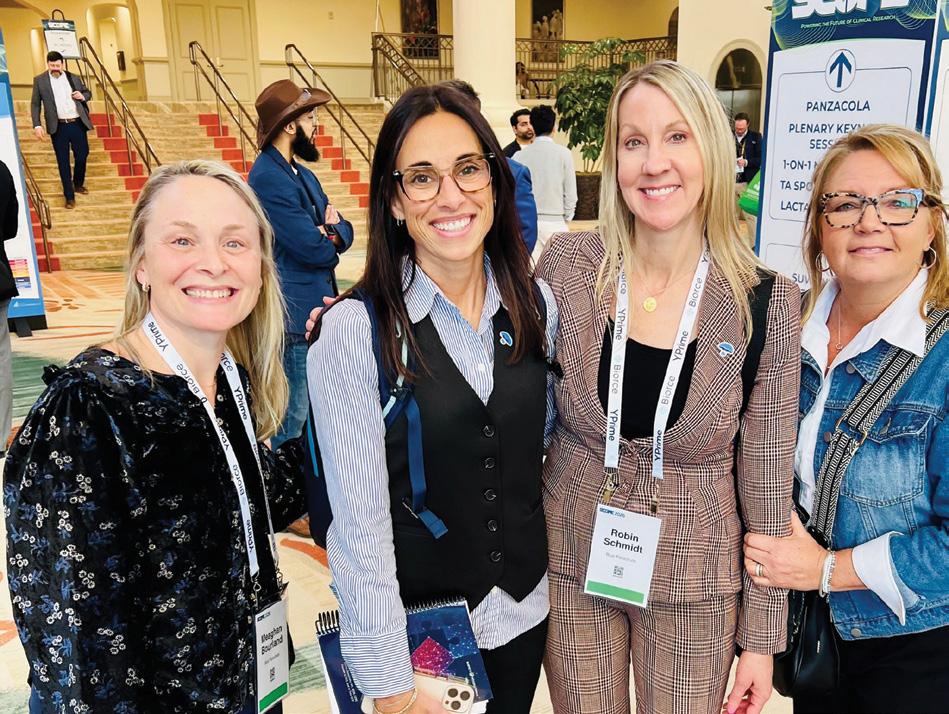
BY AMY LONGCORE, MS, FOUNDER AND CEO, BLUE PARACHUTE
In drug development, where timelines are ambitious and regulatory expectations are high, operational discipline is a critical enabler of success. Behind every trial are countless decisions that shape execution, oversight, documentation, and data quality. When these elements are thoughtfully aligned, they create the structure needed to support efficient timelines, cost-effective execution, and high-quality, reliable data.
Blue Parachute was founded to help clinical teams navigate drug development with clarity and control. Based in Ann Arbor, Michigan, and serving biopharma companies, Blue Parachute partners with Sponsors to strengthen operational foundations, anticipate risks before they surface, and keep programs moving forward with confidence.
Blue Parachute was founded by Amy Longcore, an industry veteran whose career in pharmaceutical clinical development began in the 1990s at ParkeDavis, later acquired by Pfizer. Early in her career, she worked in environments where therapeutic teams collaborated closely. Those experiences shaped her belief that the best clinical decisions happen through collaboration, curiosity, and a willingness to ask the right questions.
Over the next three decades, Amy applied that mindset across small, mid, and large biopharma companies, working across small molecules, cell and gene therapies, and multiple therapeutic areas. She has worked directly with regulatory authorities, supported FDA inspections, and seen firsthand what separates programs that succeed from those that quietly struggle.
Over time, what stood out most was not the science, but the operational reality (and cost) of drug development. Amy learned that experienced trial leaders don’t just execute—they know what questions
to ask and where to look to keep programs on track. She is known for rolling up her sleeves and doing whatever her clients need—whether leading critical initiatives or serving as a trusted “phonea-friend.” She brings not just experience, but perspective: a deep understanding of the discipline required to run successful trials without breaking the bank. Too often, she saw companies brought in reactively—after issues had already taken root.
Blue Parachute was built to change that dynamic.
At its core, Blue Parachute reflects Amy’s belief that running a clinical trial doesn’t have to feel like navigating in the dark. With the right guidance, questions, and habits in place, teams can move forward with clarity, confidence, and control.
Demand for this type of support has grown as the biopharma landscape evolves. Many emerging companies are advancing innovative therapies with lean internal teams. As a result, establishing strong oversight, ensuring data quality, and maintaining high-quality clinical documentation has become increasingly challenging.
Blue Parachute’s model provides access to seasoned clinical experts who can step in when additional resources are needed. The team acts as a trusted sounding board for sponsors, supporting both C-suite leaders and clinical teams as they think through decisions, evaluate risks, and consider alternative approaches. Highly experienced team members are placed on each engagement, an approach clients often describe as “always having access to the A-team.”
As clinical trials become more complex, Blue Parachute partners with sponsors from Phase 1 to Phase 3, supporting clinical operations strategy, oversight of outsourced activities, and inspection



readiness. The team is engaged both to strengthen systems proactively and to assess and resolve gaps.
The Blue Parachute name embodies both its culture and its approach to supporting clients. “Blue” acknowledges the company’s Ann Arbor roots and the University of Michigan alumnae influence shared by many members of the team. “Parachute,” however, carries deeper symbolism. In aviation, a parachute serves as a safeguard in uncertain conditions. In clinical development and operations, the name signals the company’s goal of providing experienced support that helps programs stabilize, regain alignment, and move forward with confidence.
This parachute philosophy extends beyond client work.
Blue Parachute emphasizes collaboration and mutual support, fostering a culture where team members consistently have each other’s backs. Team members work alongside sponsor teams, building relationships beyond traditional vendor models. One chief medical officer described the experience simply: “You make us feel like we are your only client!” This demonstrates an approach centered on responsiveness, trust, and the belief that supporting clients effectively begins with a team that supports one another.
For biopharma companies advancing innovative therapies, the path forward is rarely linear. Clinical development and operations involve inherent uncertainty, evolving regulatory expectations, and complex coordination across multiple partners. Maintaining strong infrastructure around data, documentation, and oversight is essential to ensuring that the evidence generated can support regulatory decision-making.
In this context, the metaphor behind Blue Parachute’s name remains fitting. Drug development may involve turbulence, but experienced guidance and disciplined operational practices can help Sponsors navigate those moments more effectively.
In the end, everyone involved ultimately seeks the same outcome: a safe landing


CLINICAL OPERATIONS
• Support and augment sponsors’ internal clinical operations teams, helping fill gaps with experienced perspective and handson support where it’s needed most.
• Phase 1-3 program and study oversight, with a focus on timelines, risks and issue resolution including inspection readiness
• CRO selection support, scope and budget evaluation, and performance monitoring
TRIAL MASTER FILE MANAGEMENT
• Need to understand whether your TMF is being appropriately managed by your CRO?
• TMF setup, structure alignment, and filing conventions
• Low-cost, high-quality TMF health checks to assess completeness, quality and risk
SITE MONITORING/CRA SUPPORT
• Targeted monitoring and CRA support to supplement existing oversight models.
• Flexible monitoring coverage (remote, onsite or hybrid)
• Support for site engagement, protocol adherence, and operational troubleshooting
DATA QUALITY & DATABASE SUPPORT
• Focused sponsor side support to help identify and address data risks early.
• Data listings review, cross system data reconciliation, and issue trending
• Database design and build support with proactive identification of risks to data accuracy, compliance, or operational feasibility
MEDICAL MONITORING SUPPORT
• Experienced support for routine medical monitoring and safety oversight.
• Clinical and safety data reviews and trend identification
• Routine safety monitoring and medical coding support (MedDRA/WHO -Drug)
CHARLES RIVER LABORATORIES
CREATING HEALTHIER LIVES:

P ioneering and Partnering in the Science of Drug Discovery and Development
BY MATTAWAN COMMUNICATIONS TEAM, CHARLES RIVER LABORATORIES, MATTAWAN, MICHIGAN
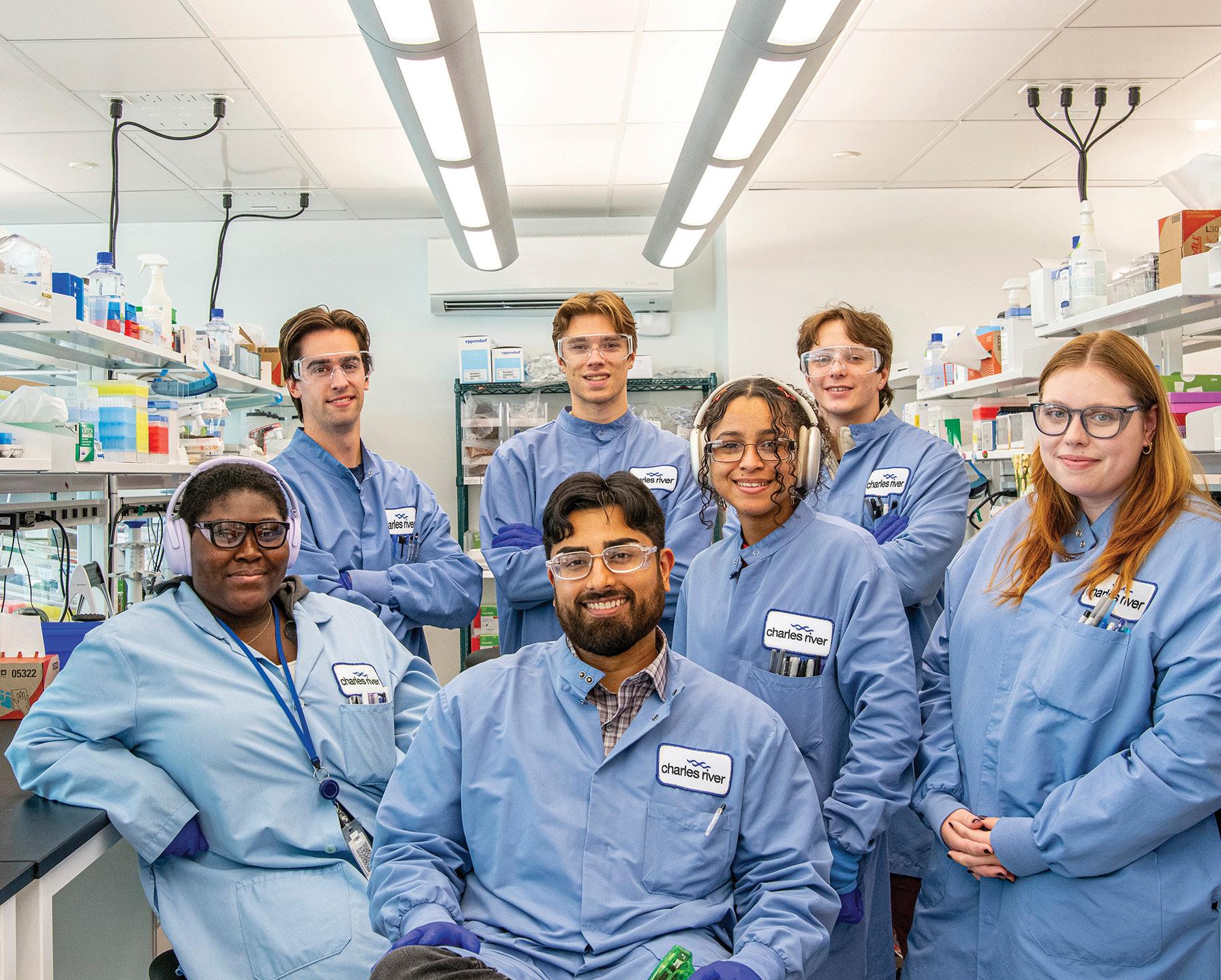
Founded almost 80 years ago, Charles River Laboratories is a global Contract Research Organization (CRO) with over 100 facilities in more than 20 countries, employing 21,000 employees globally.
From basic research to preclinical safety assessment, manufacturing support, and clinical bioanalysis, Charles River Laboratories specializes in operations that span the entire drug development process. The company’s goal is to create healthier lives through applied science and research.
Located in southwest Michigan, Charles River Mattawan is a cornerstone research facility in the Charles River portfolio, representing the largest preclinical CRO facility both within the company and the world. Preclinical research at the Mattawan site first began in 1962 when International Research & Development Corporation (IRDC) was founded. Decades later, in 1995, the assets of IRDC were subsequently purchased by long-time local Upjohn Company executive William U. Parfet, and MPI Research, Inc., was formed. MPI Research was subsequently acquired by Charles River Laboratories in 2018.
Charles River Laboratories has three core business areas: Research Models and Services (RMS); Manufacturing Solutions; and Discovery and Safety Assessment (DSA). The Mattawan research facility focuses on Discovery and Safety Assessment services. Its primary business involves conducting and supporting drug safety assessment studies for clients
in accordance with the U.S. Food and Drug Agency and other regulatory bodies. In addition to supporting general toxicology safety testing of pharmaceutical products, the Mattawan site provides specialty assessment for ocular, auditory, and cardiovascular safety as well as abuse potential for new drugs. The team actively collaborates with academia, biotechnology, and pharmaceutical companies to provide research solutions for unmet medical need. Safety of veterinary products, chemicals, and medical devices are also supported by the Charles River Mattawan site.
Charles River has supported 80% of the novel FDAapproved drugs in the last five years, including 87% of oncology therapies and 88% of rare disease treatments in 2025. From Ataxia-telangiectasia to Angelman Syndrome, the company has worked on projects that assist people globally, such as vaccines, and for extremely rare diseases that effect a single person (N-of1 therapies), such as gene therapies that target a patientspecific gene mutation.


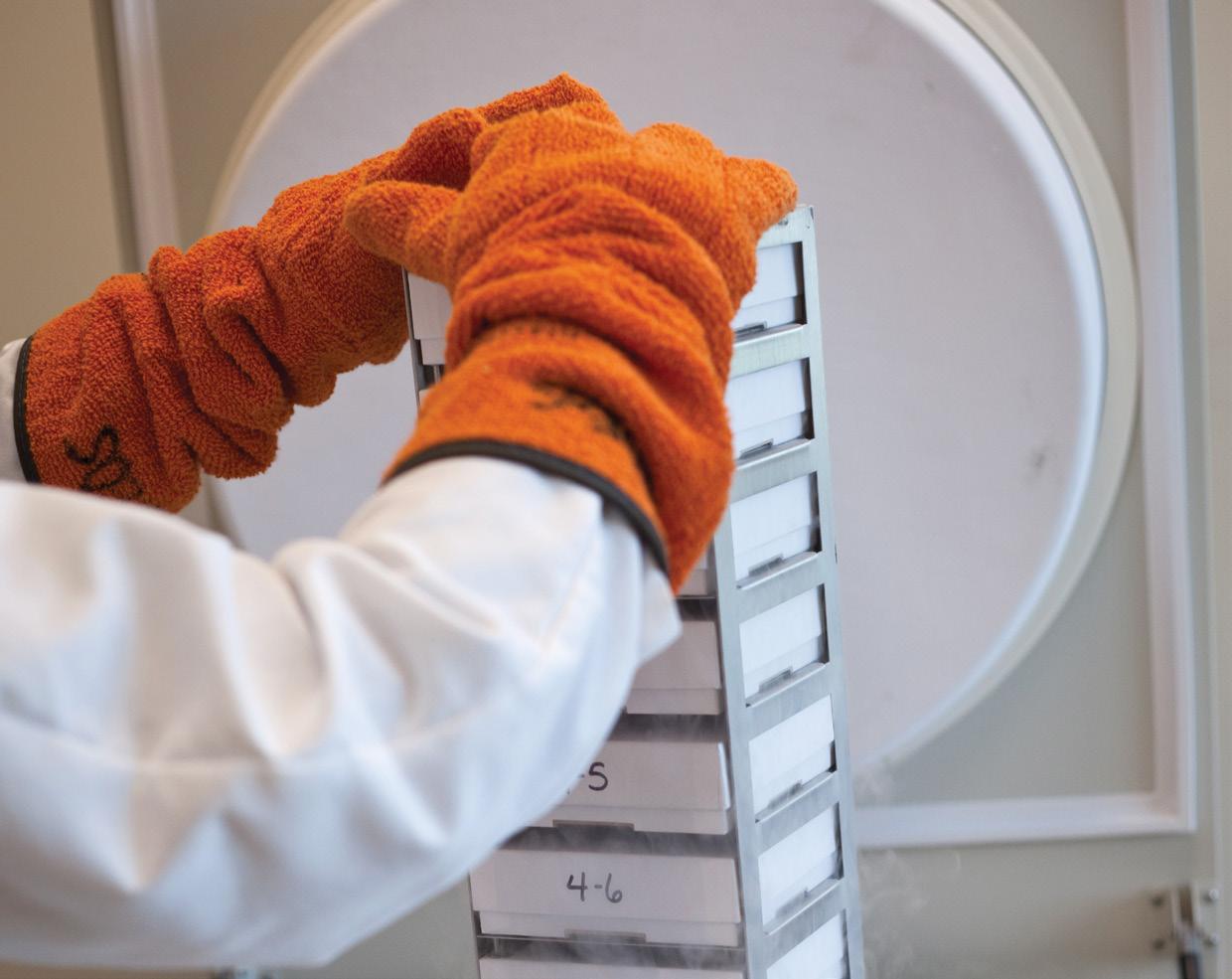
Charles River has supported 80% of the novel FDA-approved drugs in the last five years, including 87% of oncology therapies and 88% of rare disease treatments in 2025.
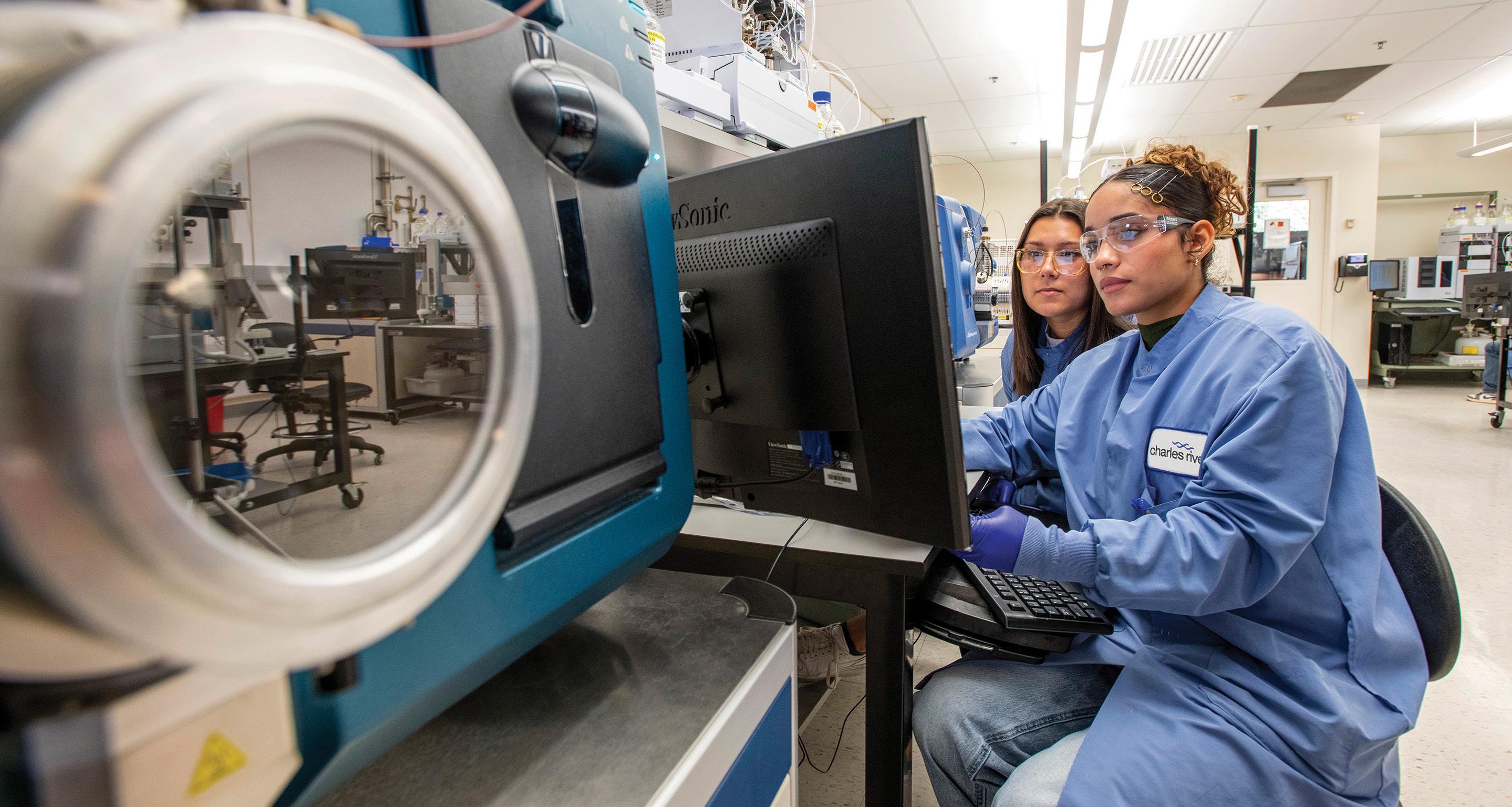
The Mattawan site, and Charles River Laboratories as a whole, prioritizes the needs of the people who depend on the work we do. Focusing on the principles of Replacement, Reduction, and Refinement, Charles River and the Mattawan team are passionate about advancing scientific innovations and New Approach Methodologies (NAMs) that can deliver the best possible research results while remaining steadfast in scientific integrity and patient safety.
Charles River Mattawan not only plays a pivotal role with their studies and partnerships but also empowers a culture that positively impacts the community. Charles River Mattawan has contributed over $1 million to various local organizations between 2018 to 2025, supporting STEM programs for students of all grade levels, collaboration with organizations that assist people with food insecurities, and providing various support to health and wellness events.
These commitments to community include partnerships with academic organizations to create durable and mutually productive collaborations. The Mattawan site hires and trains a diverse workforce including technical operations, veterinary services, pathology, toxicology, human resource professionals, quality assurance, and facilities experts, as examples. This requires partnerships with technical and trade schools, transition-to-work programs, regional colleges and universities, and specialty programs such as pathology and veterinary sciences. One example is the partnership with the Van Buren County Intermediate School District and their Transition to Work Program.
This program provides training for students who need additional skills to meet the demands of life after high school. Charles River Mattawan provides classroom space for the students to work on their school assignments for half of the day and spend the other half with various groups throughout the facility. During their time volunteering, students learn skills that are needed for employment outside of the program – such as time management, self-advocacy, and communication skills.
Creating healthier lives is a Charles River commitment that extends to the team who are working on these scientific discoveries for patients. Through team events, scientific lectures, tuition reimbursement, and volunteer opportunities, Charles River seeks to keep employees informed, engaged, and advancing. Employee Resource Groups (ERGs) promote a global mindset and partnership within the team, encouraging individuals and teams to be less isolated and boost effective communication and understanding.
Connecting the elements of care, lead, own, and collaborate, Charles River seeks to uphold its mission of helping others.

criver.com
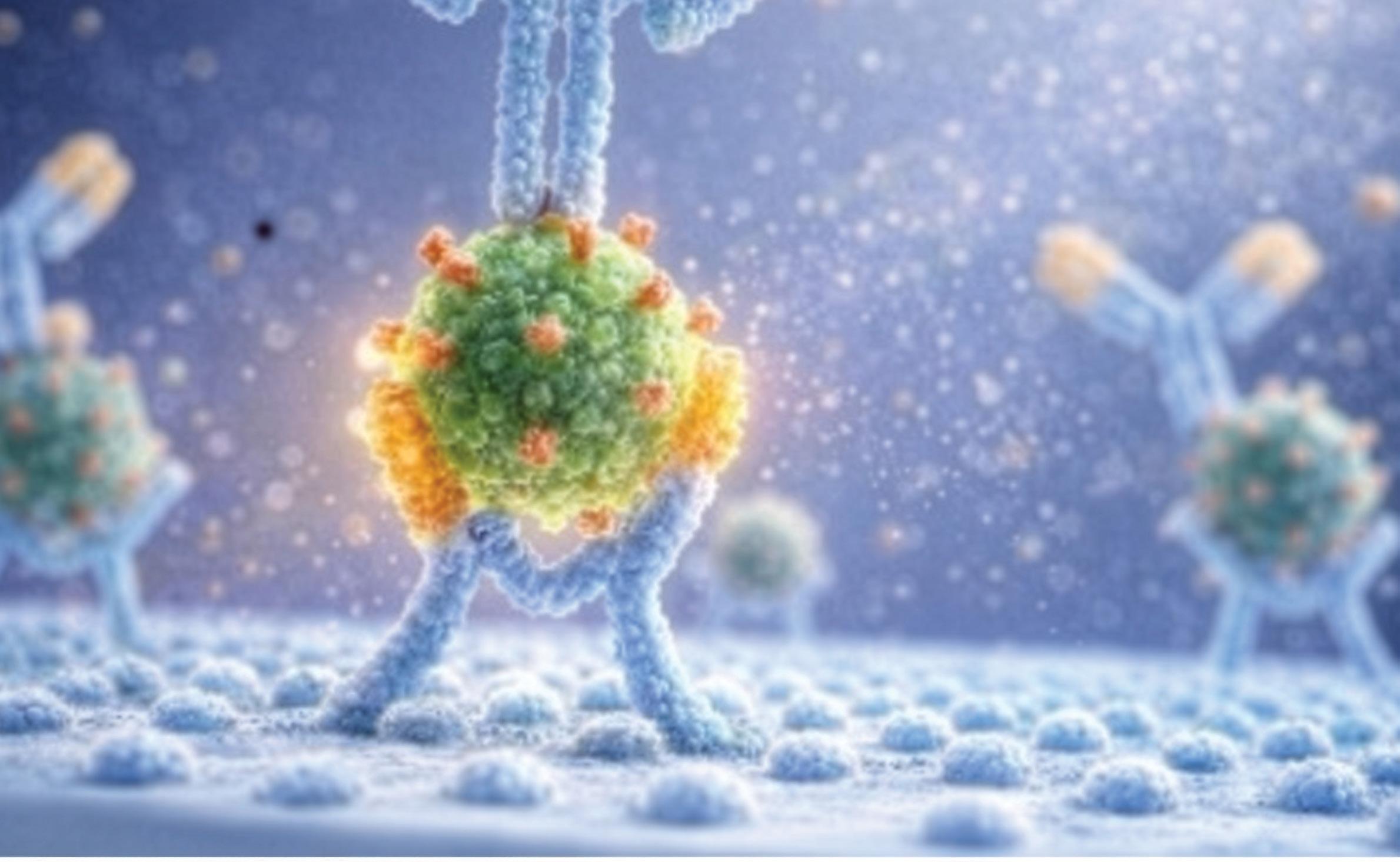
Advancing Preclinical Drug Development Through Precision and Collaboration
SUBMITTED BY PHARMOPTIMA
PharmOptima is a Michigan-based Contract Research Organization (CRO) specializing in preclinical research for the pharmaceutical and biotechnology industries With more than two decades of experience, the company supports drug development programs from early discovery through advanced preclinical studies.
Founded in 2003 at the Innovation Center at Western Michigan University in Kalamazoo, PharmOptima was built within a collaborative, research-driven environment that continues to shape its scientific approach today. As the company expanded, it relocated to Portage, Michigan in 2009 to support growing operations and increased capacity for sustained growth.
In 2018, PharmOptima was acquired by Genesis Drug Discovery & Development Services (GD3), part of the Genesis Global Group. This integration provided access to a broader network of expertise and resources, including affiliated sites
in California and New Jersey, further strengthening the company’s ability to support clients across the drug development continuum.
Experience & Approach
Advancing a drug from concept to clinic requires more than technical expertise— it demands collaboration, precision, and adaptability. PharmOptima brings over 20 years of experience partnering with pharmaceutical, biotechnology, and academic organizations to meet these challenges. The company supports programs across the full preclinical spectrum, from early lead identification through advanced development. Its team
draws on diverse industry and academic backgrounds to design tailored study strategies aligned with each client’s specific scientific objectives.
A defining feature of PharmOptima’s model is direct scientist-to-client communication. Clients work closely with the experts conducting their studies, enabling faster decision-making, greater transparency, and deeper insight into results. This collaborative approach is particularly valuable for projects involving novel compounds or nontraditional study designs, where flexibility and responsiveness are critical..
Core Capabilities
PharmOptima operates through three primary divisions: Biochemistry, Bioanalytical, and In-Life Research
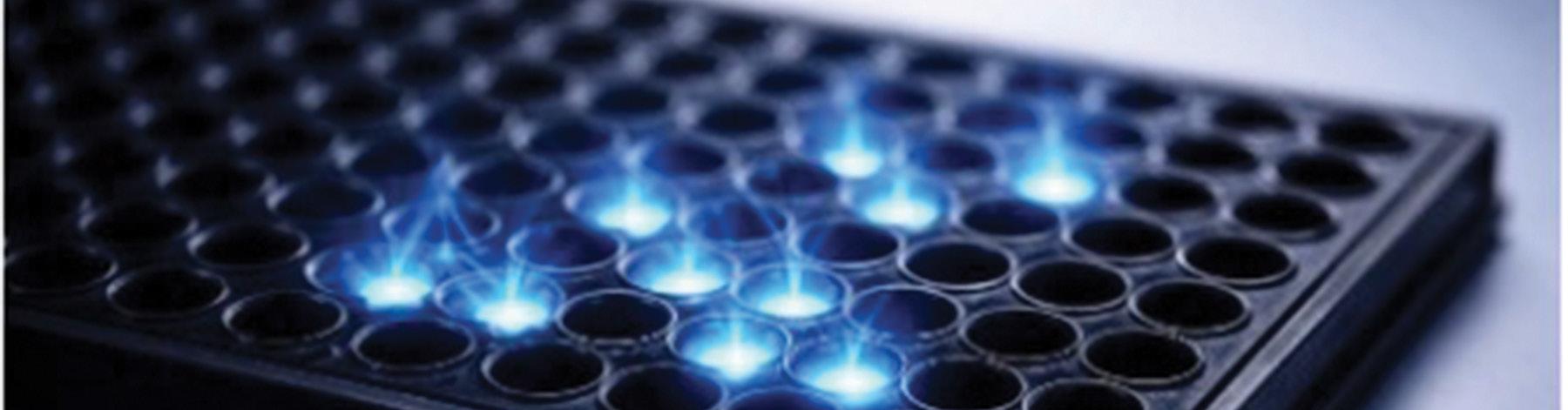
The Biochemistry team specializes in unique immunoassay and ligand-binding assay development. These techniques can be combined with cell-based assays to evaluate in vitro dose response relationships.
The Bioanalytical team develops and applies both GLP and non-GLP small-molecule assays using LC-MS/MS to analyze small molecules biological sample matrices. Core capabilities include method development and the quantification of peptides and amino acids.
The In-Life Research unit conducts in-vivo studies in rodents and rabbits for client-provided test articles. The team specializes in techniques with ocular matrices for clients in the ocular research space of the pharmaceutical industry.
Together, these integrated capabilities enable PharmOptima to support a wide range of preclinical research needs within a single organization.
Advanced Analytical Capabilities
Beyond traditional protein analysis, PharmOptima supports work with emerging therapeutic modalities, including oligonucleotide-based therapies. Using nuclease protection assay formats combined with electrochemiluminescence detection, these methods achieve high sensitivity at very low concentration levels, depending on the compound and study design.
Areas of Expertise
OCULAR RESEARCH
• PharmOptima has developed specialized expertise in ocular drug research with capabilities spanning both bioanalytical and in-vivo perspective. The company provides in-house ocular matrices to support both large and small molecule studies.
• Its Biochemistry team has developed assays capable of measuring proteins such as Pax-6 from extremely small sample volumes, including ocular impression cytology samples. This work supports research into early detection of eye conditions and advances understanding of key proteins involved in ocular development.
RARE DISEASE RESEARCH
• PharmOptima has also contributed to research in rare diseases, including Spinal Muscular Atrophy (SMA), a genetic condition linked to mutations affecting the SMN protein. From 2010 to –2014, PharmOptima supported the SMA Foundation with a transgenic mouse colony to facilitate spinal Muscular Atrophy research. SMA is a rare disease that causes what is sometimes referred to as limp-baby syndrome.
• In addition PharmOptima has developed assays capable of detecting SMN protein levels in whole blood, enabling researchers to monitor how therapeutic interventions impact this critical biomarker over time.
Supporting the Future of Drug Development
As emerging therapeutic modalities continue to evolve, PharmOptima’s remains focused on addressing the analytical challenges associated with next-generation drug development. By combining scientific expertise with a collaborative, client focused approach, the company continues to play a key role in advancing innovative therapies from discovery toward clinical application.
pharmoptima.com
Powering Michigan’s Next Era of Bioanalytics and Regional Growth
SUBMITTED BY SARTORIUS
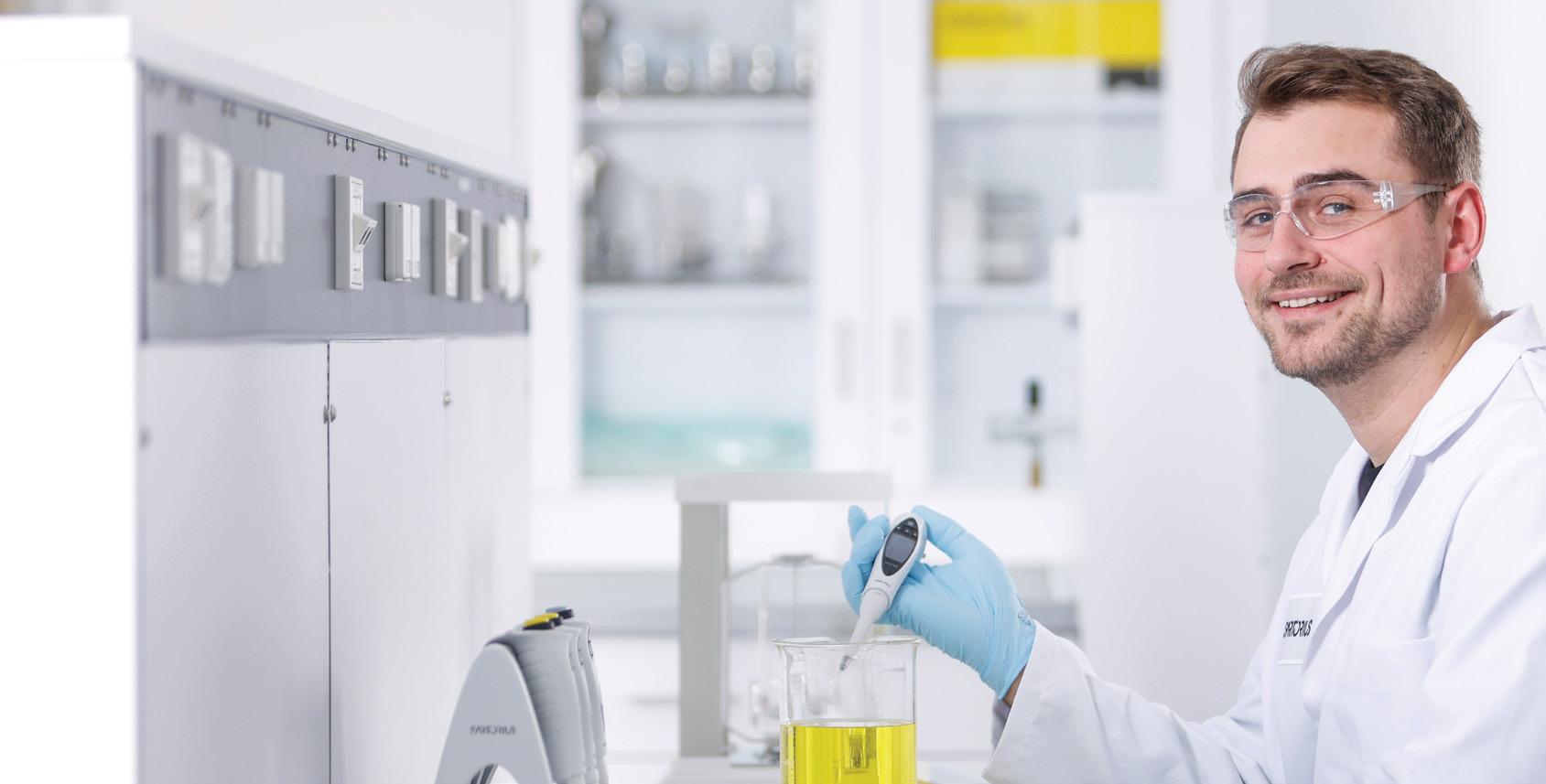
Sartorius is writing a new chapter in Michigan’s life sciences story, and it starts in Ann Arbor. In June 2024, the global life science leader opened a $100 million, 130,000-square-foot Center of Excellence for Bioanalytics in the city’s Research Park.[1, 2] The facility consolidates and scales the company’s U.S. capabilities in advanced cell and protein analysis, and positions Michigan as a key node in North American bioscience infrastructure.
A Flagship Built for Innovation
Founded in 1870 in Göttingen, Germany, Sartorius has spent more than 150 years at the forefront of precision science. Today, the company employs roughly 14,000 people across more than 60 locations worldwide, generating approximately €3.5 billion in annual revenue, built on a singular purpose: simplifying progress in life science and bioprocessing. [1]
The new Ann Arbor facility brings together manufacturing, biology labs, training and office space, warehousing, and a Customer Interaction Center under one roof. [1] Sartorius develops and manufactures bioanalytical instruments, reagents, consumables,

and software at the site, alongside particle validation services and microcarriers used in cell culture processes. [1, 3] These capabilities align directly with the region’s strengths in advanced bioprocessing and translational research.
The investment builds on Sartorius’ existing Michigan roots. The company’s Ann Arbor presence has grown steadily over the last several years, including the acquisitions of Essen BioScience in 2017 and SoloHill in 2020. [4] The new Center consolidates multiple locations across Ann Arbor and Washtenaw County, improving operational efficiency and collaboration across teams. [1] Its location at the crossroads of talent, technology, and logistics gives Sartorius direct access to leading academic partners and supply chains that support rapid iteration and scale-up.
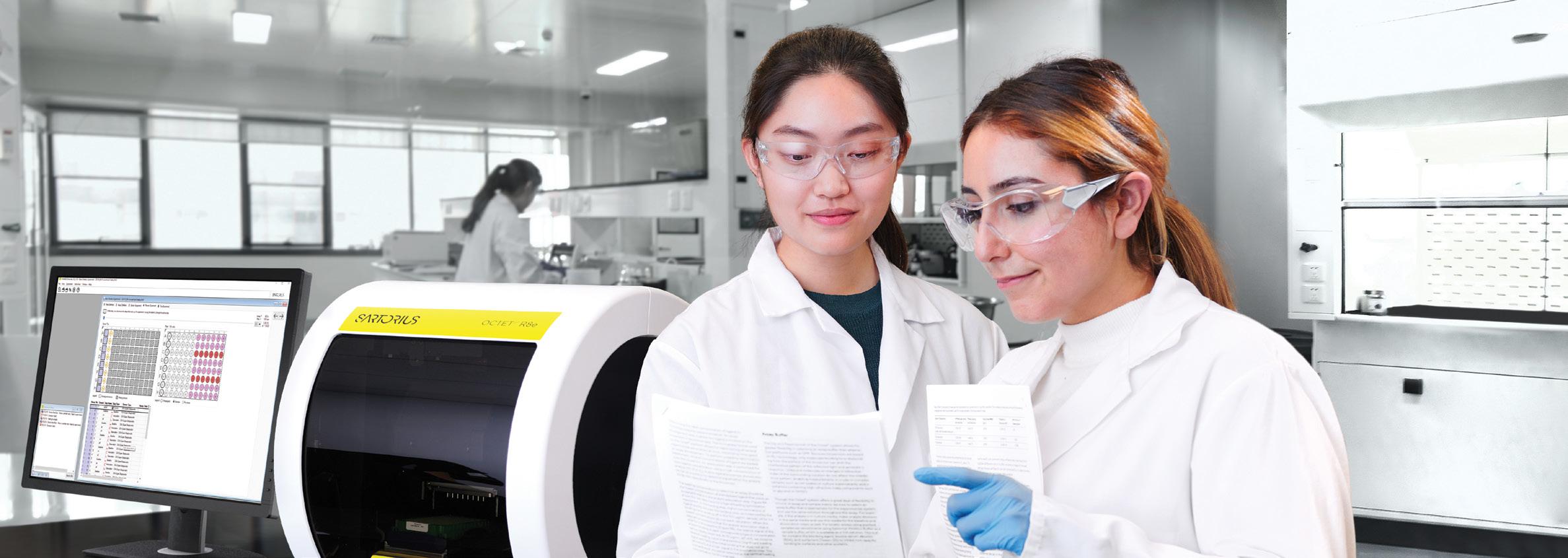
Sartorius also sponsors the University of Michigan’s Multidisciplinary Design Program, where student teams work directly on Sartorius platforms including the Incucyte® live-cell imaging system. Participation in UM’s PhD Career Immersion Program further strengthens talent acquisition and deepens ties to Ann Arbor’s broader bioscience community. [1]


Catalyzing Regional Growth
The Center of Excellence serves as a powerful economic catalyst for Southeast Michigan. Sartorius currently employs about 140 people in the area and expects to more than double its workforce as operations ramp up, bringing high-skill jobs in engineering, lab automation, data analysis, quality, and advanced manufacturing. [4]
Local partners played a critical role in making this possible. Ann Arbor SPARK coordinated with the Michigan Economic Development Corporation on a Business Development Program grant and Brownfield Tax Increment Financing support, and worked with the Michigan Department of Transportation to secure infrastructure funding for Research Park Drive. SPARK also supported site preparation, guided local property tax abatements, and helped develop talent acquisition strategies for relocating employees. [5] The project earned SPARK’s 2023 Business Development Project of the Year award in recognition of its regional significance. [1, 5]
This combination of corporate investment and publicprivate partnership illustrates how the Ann ArborWashtenaw County corridor has emerged as a magnet for bioscience infrastructure.
As Sartorius scales production, its supply chain needs and customer interactions radiate outward, supporting contractors, vendors, and professional services, and attracting more companies to co-locate in a growing cluster.
Enabling Faster Paths to Therapies
For the scientists and companies that rely on Sartorius, the Ann Arbor expansion is ultimately about time. Highly automated bioanalytics platforms generate consistent, high-quality data that reduce experimental bottlenecks and inform earlier go/no-go decisions, helping teams conserve resources and focus effort on the most promising candidates. [1] By integrating manufacturing, applications expertise, and customer engagement in one location, the Center enables faster feedback loops from instrument design and reagent optimization through to training and on-site demos.
That agility matters in today’s biopharma landscape, where modalities are diversifying and analytical demands are rising. With expanded U.S. capabilities for cell and protein analysis, microcarrier production, and particle validation, Ann Arbor is positioned as a reliable, scalable resource for customers moving their pipelines forward. [1, 3]
A Michigan Story with Global Reach
The Sartorius Ann Arbor Center of Excellence demonstrates how Michigan’s bioscience ecosystem, including public agencies, economic development leaders, universities, and industry, can collaborate to deliver projects that create jobs, accelerate innovation, and raise the region’s national profile. As Michigan continues to grow as a hub for biotechnology, Sartorius is helping define what the next decade can look like: smarter data, faster development, and broader opportunity. In a field where complexity is the norm, that kind of impact is what simplifying progress looks like.

sartorius.com

This is the fight of our lives.

MichBio
3600 Green Court, Suite 780
Ann Arbor, MI 48105