Information for an enjoyable Methow Valley visit
Dining and lodging guides
Activities for every interest & all ages FREE
Twisp, Washington










Methow Valley News 2 Cierra Schoenthal Real Estate Broker Adam Rynd Owner and Designated Broker Emily Gibson Real Estate Broker Valerie Nehls Office Support Christina Knapp Real Estate Broker Frank Kline Branch manager Managing Broker Teri Beatty Real Estate Broker GUIDING YOU HOME IN THE METHOW VALLEY FOR 40 YEARS 509.996.2121 | INFO@CBwinthrop.COM | CBwinthrop.COM CONTACT OUR OFFICE TODAY AND SPEAK TO ONE OF OUR QUALIFIED PROFESSIONALS Methow Valley’s Largest Riverside Patio Dining & Events Venue featuring delicious house-made specialties & Desserts - craft beer - cider - artisan cocktails 40+ Kentucky Bourbons & Ryes Games - Live Music - A Family-Friendly atmosphere & a Dog-Friendly Patio Website - Take Photo www.twisprivertaphouse.com 201 Methow Valley Hwy N, Twisp
online at ryzowines.com We deliver in the Methow Valley!
Low intervention, alpine style wines. Glover Street tasting room coming to downtown Twisp this summer! Order
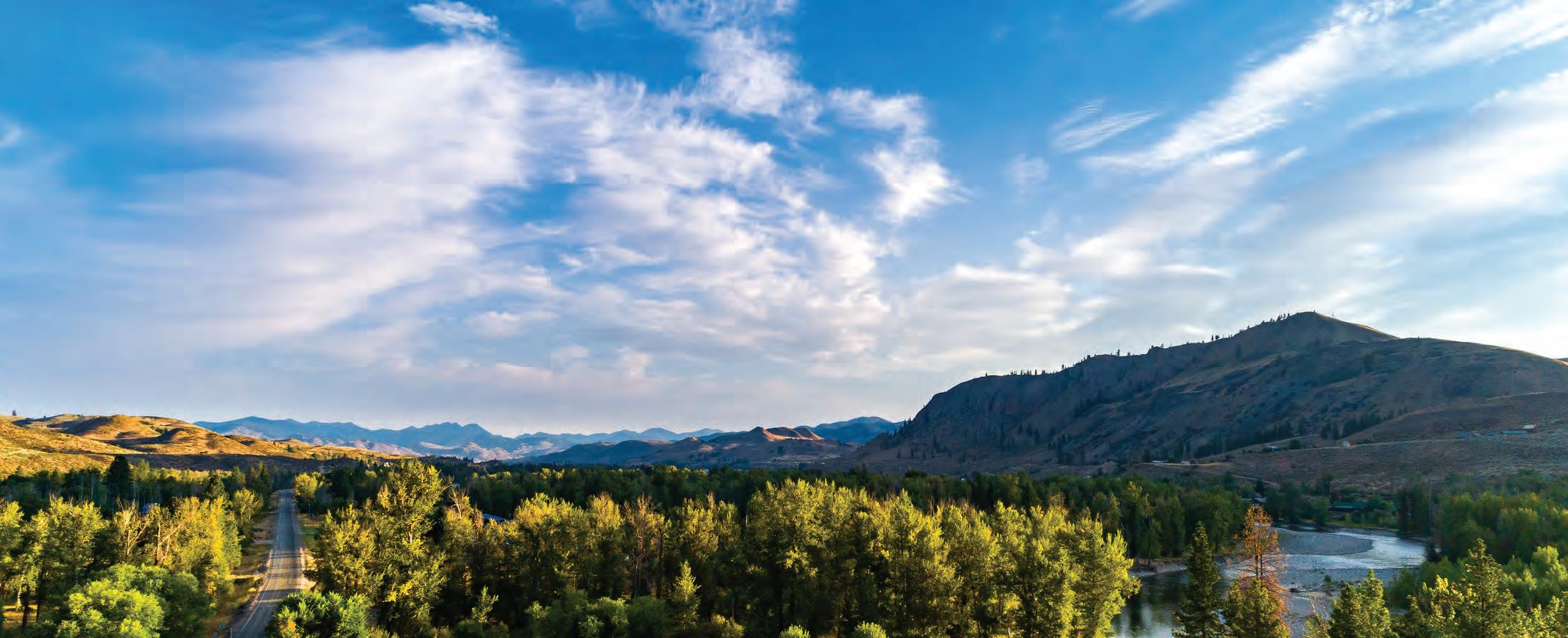
Spring in the Methow Valley, when this magazine is published, is a time of great anticipation. It’s the “shoulder season” of transition as the snow retreats, crews work to clear the North Cascades Scenic Highway, our favorite spring blooms make their appearances and the valley shifts its focus to several months of constant outdoor activity. We’re never disappointed. The things that always make the Methow Valley a vacation wonderland never change: the mountains, cliffs, forests, fields, lakes, rivers, streams, shrub steppe expanses, flora and fauna, multi-purpose trails, camping, dining, lodging and shopping (buy local!) options, entertainment events, clear skies, friendly people and laid-back Western ambience all draw thousands of visitors to our valley each year. In Methow Valley Summer 2023, we provide information
about how to take advantage of everything the Methow has to offer. The things that can make summer a bit unpredictable are also worth acknowledging, most notably the long fire-and-smoke season. We never know what’s going to happen, and annually hope for the best while preparing for any eventuality. This year’s Methow Valley Summer 2023 includes an article on how to be aware of fire alerts, and how to be prepared for them. We encourage all our visitors to take simple precautions to avoid starting fires as well. We have loaded Methow Valley Summer 2023 with basic information you need to have for a fully engaged recreational experience, from the intensity of rock climbing to the relaxed state of stargazing. There is no better one-stop source for Methow Valley information. Please take note of our advertisers, whose support makes this magazine possible, and whose businesses help make the Methow a special place.
 Don Nelson Publisher/Editor

Summer 2023 3 WinthropBluesFestival.org 2023 July 21-23 The Blues Ranch Winthrop WA 36 th Annual Tickets $150 advance • 800-820-9884 Ch stone “Kingfish” Ingram Judith Hi • Rick Est n & the Nightcats • E ie 9V • Jackie Venson T Slim & the Taildra ers • Yates McKendr Dwayne Dopsie & the Zydeco He raisers • Veronica Lewis Stephanie A e Johnson • Tevis Hodge Jr Methow Juke Joint A stars No h Mi i i i A stars • Marc Brou ard • Ruthie Foster
Worth waiting for
Photo by Steve Mitchell
Summer Methow Valley
6 Bring
boots
your
The valley’s hiking options will take you down many trails
10 No stopping you
Barrier-free trails are available throughout the valley
11 J ust in case
Be aware of fire alerts, and take precautions
13 Grab some gravel
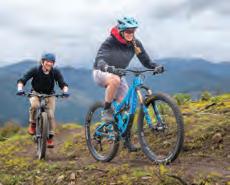
Gravel biking, growing in popularity, suits the valley’s terrain
16
Take it outdoors
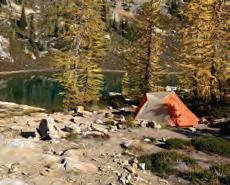
Camping choices for tents, campers and RVs abound throughout the valley
18 Get wet
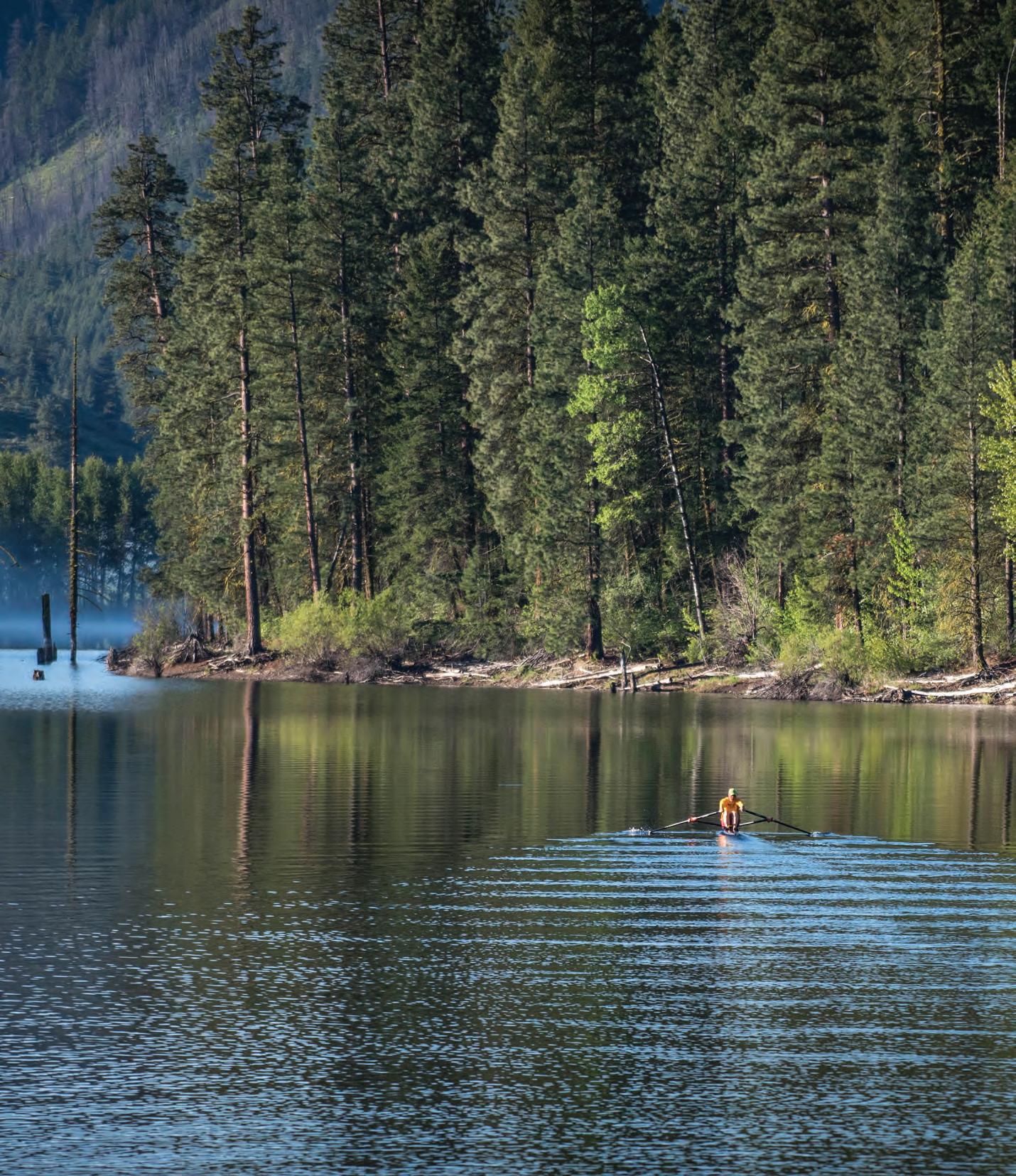
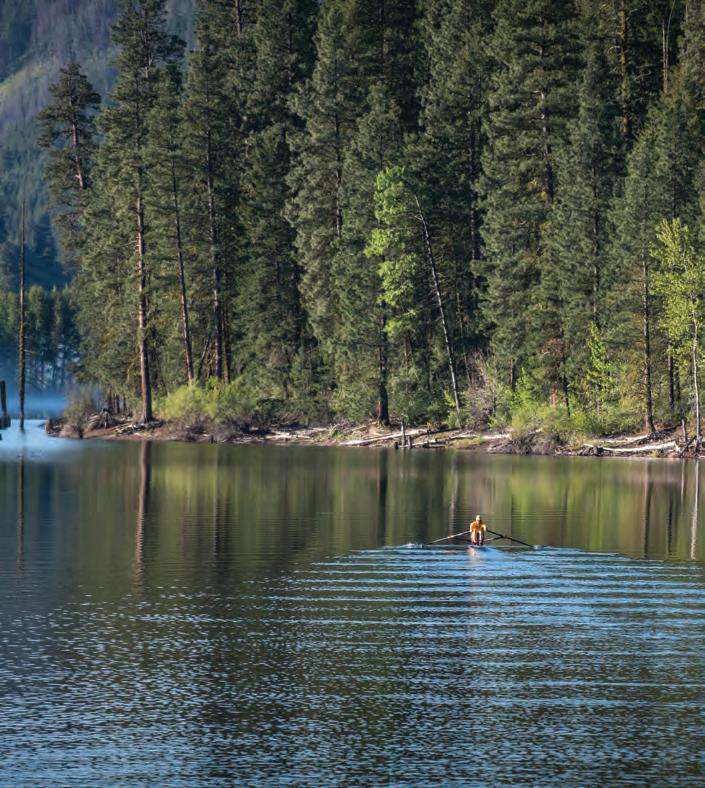
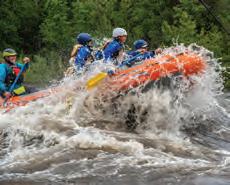
Boaters, floaters and swimmers should sample our lakes and rivers
20 Four-legged forays
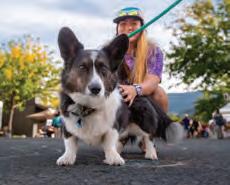
The Methow Valley is definitely dog-friendly
22 Link up beautifulat Bear Creek
Bring your best game to the valley’s golf course

25 Drop us a line
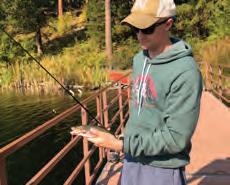
Finding a favorable fishing spot
28 Where permitted
A guide to recreational site passes, fees, permits or licenses
34 Riding high
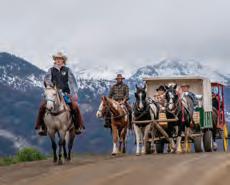
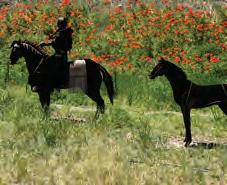
Find a horseback adventure, from day rides to backcountry
Methow Valley News 4
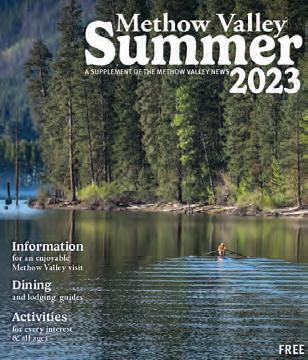
On the cover: Solitude
and scenery are part of the Methow Valley experience.
Photo by Steve Mitchell.
42 The hills
38 The

39
What to do with yourself





Contributors




Summer 2023 5 Don Nelson is publisher and editor of the Methow Valley News. Marcy Stamper is a Methow Valley News reporter. Sandra Strieby is a freelance writer for the Methow Valley News. Ann McCreary is a freelance writer for the Methow Valley News. Ashley Lodato is a Methow Valley News columnist. Joanna Bastian is a Methow Valley News columnist. Shelley Smith Jones is a Methow Valley News columnist. Julia Babkina is a freelance writer for the Methow Valley News. David Ward is a Methow Valley News columnist.
Methow Valley Summer 2023 is a publication of the Methow Valley News P.O. Box 97, 502 S. Glover St., Twisp, WA 98856 509.997.7011 • fax 509.997.3277 www.methowvalleynews.com • editor@methowvalleynews.com More … 48 Visitor info 50 F eatured lodging 51 L odging guide 52 Featured eateries 53 Dining guide Don Nelson | publisher/editor Tera Evans | advertising MyKenzie Bennett | design Rick Lewis is a freelance writer for the Methow Valley News.
articlesgenuine Find local food, drink, produce, and artistry throughout the valley 36
solid Valley climbers will find a full range of options
Rock
is always another activity close by
There
Methow Valley teems with flora and fauna
Methow’s museums, trails and other places have stories to tell 50 Stargazing
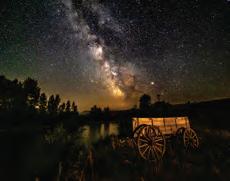
summer skies make the Methow ideal for gazing 45 Accessible art Creativity comes outside at sites all over the Methow
are alive The
47 Subject to interpretation The
Dark
Bring your boots
THE VALLEY’S HIKING OPTIONS WILL TAKE YOU DOWN MANY TRAILS
BY ASHLEY LODATO
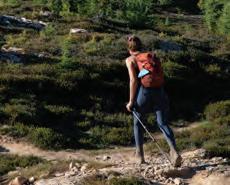
The Methow Valley is a hiker’s paradise, with its proximity to some of the most beautiful hikes on the planet.
Unfortunately for those who seek a solitary experience, alone time in the mountains is getting harder to find, as the most popular — and photogenic — hikes are seeing unprecedented foot traffic. By avoiding hikes like Maple Pass and Blue Lake on weekends, you can avoid some of the crowds.
In the Methow Valley, you can find a wide variety of outdoor gear at Goat’s Beard Mountain Supplies in Mazama, and Winthrop Mountain Sports, Cascades Outdoor Store and The Outdoorsman in Winthrop. The Do It Center in Twisp and Ace Hardware in Winthrop also stock some camping gear.
The lower trails and lakes in the North Cascades are often snowfree by June, but the snow in the higher country doesn’t melt until July most years — and that will probably be the case in 2023 due to the solid snowpack. Plan your trip accordingly, or you’ll find
yourself undertaking some pretty rugged travel on trails that may be difficult to locate. Make sure you have proper permits, passes, and parking, information for your desired destination as well (see page 28).

■ C ROWD CONTROL
With increased use of trails and recreation sites, getting away from it all grows increasingly difficult, especially on some of the most popular trails near Washington Pass, where you’ll find parking lots full and cars lining both sides of the North Cascades Highway for a mile or more on either side of the
trailheads. Try scheduling your trip for mid-week, if possible. And if you get to a trailhead and the parking lot is full, go elsewhere.
■ HUM AN WASTE
It’s irresponsible to dispose of human waste improperly, especially as recreational use of popular areas increases, as it has been steadily doing for decades. And yet nary a popular hike exists without at least one visible stash of unburied human waste and/or toilet paper.
At backcountry campsites, you may find a modern, clean, regularly-maintained outhouse, a
Methow Valley News 6
Photo by Steve Mitchell
ramshackle privy, or a “wet willy,” which is basically a box-like platform with a seat over a hole. In sites equipped with facilities — no matter how rustic — you need to use the established hole. Stand up if you must.
If you don’t find an established toilet, you’ll need to dig a cat hole. Follow “Leave No Trace” regulations: 6-8 inches deep and 4-6 inches in diameter (using the U-Dig-It or other sturdy trowel you had the foresight to pack, because it’s virtually impossible to get down 6-8 inches using only a sharp stick or the heel of your boot).

A FEW GOOD CHOICES ■ DAY HIKES (ONE-WAY MILES FROM SHORTEST TO LONGEST)

• Slate Peak: The ¼-mile hike to Slate Peak gets you up to 7,400 feet elevation and provides a glimpse into the rich mining history of the area around the turn of t he 20th century. Drive to the end of the Harts Pass road (which can often be quite rough) and hike from the gate.
• Falls Creek: Another short hike to a stunning view is the ¼-mile walk to Falls Creek Falls, out the West Chewuch Road. Park at Falls Creek Trailhead. Very kid-friendly. Early season.
• Twisp Ponds: A 1-mile loop winds through restored riparian areas, native vegetation, interpretive signage, and several significant public art pieces. Park at the Twisp Ponds site just outside Twisp on Twisp River Road. Very kid-friendly. Early season.
• Rainy Lake: Hiking doesn’t get any easier than the 1-mile walk on a paved, level path with interpretive signs and resting benches, ending at a sparkling alpine lake. Park at the Rainy Pass Trailhead. Very kid-friendly. If the parking lot is full — and it often will be on weekends — go elsewhere.
• Tawlks-Foster Suspension
Bridge: The flat 1-mile trail to the Suspension Bridge brings you to a picnic shelter and some interpretive signs by the river. Park at the Suspension Bridge Trailhead along Goat Creek Road in Mazama. Very kid-friendly.
• Lone Fir Loop: Kids love the 2-mile loop around Early Winters

Creek at Lone Fir Campground. With its shady glades and fun bridges, the trail is interesting and surprising. Park at Lone Fir Campground. Very kid-friendly. Early season.
• Meadowlark Natural Area: Situated on a bench overlooking Winthrop, the Meadowlark Natural Area features 2.5 miles of trail t hrough shrub-steppe terrain and provides critical mule deer winter range as well as important habitat for songbirds, small mammals, and raptors. Dogs on leash only. Very kid-friendly. Early season.
• Patterson Mountain: The 3-mile loop around Patterson Mountain is one of the first snow-free hikes in the valley and is lush with wildflowers in the late spring. Park at the state boat access on Patterson Lake Road. An artistic surprise awaits you on top. Early season.
• Lake Ann: Lake Ann is just 1.9 miles from the parking area, but it gets you into what feels like the heart of the mountains — a sparkling lake in a granite cirque. Park at the Rainy Pass Trailhead. Very kid-friendly. If the parking lot is full — and it often will be on weekends — go elsewhere.
• Lookout Mountain: Lookout Mountain in Twisp loses its sn ow early, making it a favorite spring hike. Panoramic views and a historic wildfire lookout make this 2-mile hike a worthwhile one. From Twisp River R oad, turn left on Rd 1605 and connect with Forest Service Rd 4400-200 to the parking area at the end. Early season.
• Cutthroat Lake: Another alpine lake worth visiting is Cutthroat Lake, although it is marshier than Blue Lake or Lake Ann. The 2-mile trail into the lake is easy; moms have even been seen pushing baby joggers along it. Park at the Cutthroat Lake Trailhead. Very kid-friendly. Early season.
• Blue Lake: The 2.2-mile hike into Blue Lake has some elevation gain but rewards the hiker w ith the opportunity to dip in its turquoise waters. Park at the Blue Lake Trailhead. If the parking lot is full — and it often will be on weekends — go elsewhere.
• Goat Peak: Goat Peak is popular for its panoramic views
of the North Cascades but also for its fire tower on the summit. The 2.5-mile hike is strenuous and is dry in the late summer. From Goat Creek Road, take Forest Rd #52, then #5225, and then to the end of #5225-200 to the parking area.
• Maple Pass: The 7-mile Maple Pass loop is probably the most popular day hike in the area, and for good reason, but it has been severely over-crowded in recent summers. On most summer and fall days it is the antithesis of a solitary backcountry experience. If you get to the trailhead and it’s full, go elsewhere; you don’t want to be on this hike with that many people.
• Easy Pass: The 3.5-mile hike up Easy Pass is anything but, as you climb up 3,000 feet fairly relentlessly. Emerge into the talus above treeline and the views are breathtaking, as the trail crisscrosses an avalanche fan under the soaring peaks of Ragged Ridge before entering the larch-covered lush Easy Pass saddle. Park at the Easy Pass Trailhead.
■ OVERNIGHT TRIPS (ONE-WAY MILES FROM SHORTEST TO LONGEST)


• Tiffany Lake: The 1-mile trail into Tiffany Lake brings you to a level campsite with swimming and exploration opportunities, with wildflower-carpeted Tiffany Mountain looming above. From the campsite you can travel more lightly on side trips to the saddle above the lake or to Tiffany’s summit. Park at the Tiffany Lake Trailhead. Directions are complicated; get a Forest Service map. Very kid-friendly. Early season.
• Windy Pass: The 3.5-mile hike along the Pacific Crest Trail (PCT) to Windy Pass lacks significant elevation gain or loss, so you can travel through meadows and larch stands at a brisk clip before reaching your camping destination at the pass. Drive the Harts Pass Road almost to the end, parking in the small area that gives access to the PCT. Very kid-friendly.
• Black Lake: Hiking into Black Lake with a backpack is appealing due to its limited elevation gain and loss. In August, the 4.5-mile trail is lined with raspberries and blueberries as well. There are campsites on both ends of the lake. From the West Chewuch
Summer 2023 7 Always Good! BLUESTARCOFFEEROASTERS.COM STAY COOL HANDCRAFTED COFFEE FOR COFFEE LOVERS
Road, take Rd #51, the #5160-100 to the road end and trail #500. Early season.
• Stehekin: Huh? Yes, that’s right, you can hike from the Methow Valley to this tiny boatand-plane-access-only community at the end of Lake Chelan.


T he hike starts at Bridge Creek and drops you gradually into the confluence with the Stehekin River 18 miles later. From there you can take a National Park Service shuttle into Stehekin and either boat out to Chelan the next day if you’ve arranged a pickup, or turn around and hike back to your car at Bridge Creek via McAlester Pass. Two reservable campsites along the PCT provide the opportunity to break the 18-miles up i nto two days. Park at the Bridge Creek Trailhead.
Nectar Skin B
Boutique

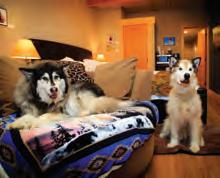
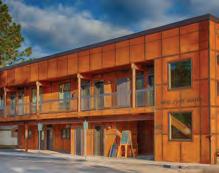
Methow Valley News 8 breakfast included, smiles guaranteed! 855.784.8328 | twispriversuites.com Wide open spaces are calling... Experience down-home riverfront luxury in Twisp R Modern high end suites R Full gourmet kitchens R Screened-in porches R Free wifi R Spacious back deck with barbecues R Riverfront fire pit and hammock R Top-notch hospitality R Steps from dining and shopping PLUS PAWS AWHILE, OUR TOP RATED PET FRIENDLY UNITS Winthrop Store
Espresso • Guido’s Deli • Gifts • Fuel Deli Sandwiches Made To Order – Call-In Orders Welcome! Mix & Match Craft Beers or Ciders • Non-Ethanol Supreme The Downtown Winthrop Gas Station @WINTHROPSTORE 228 Riverside Ave. • 509.996.2175 • PLAY, RELAX, REPEAT! -Spa Services -Skincare/Selfcare -Boutique (509) 996-2417 www.nectarskinbarwinthrop.com
t
ar &
Photo by Ashley Lodato
The 10 essentials
Developed in the 1930s by The Mountaineers as a checklist for backcountry emergency preparedness, the Ten Essentials w ere 10 individual items that few experienced wilderness travelers would consider leaving out of their backpacks

The jury is still out on the Ten Essentials regarding day hikes, especially those on familiar or well-marked trails in good weather. While most hikers agree that sunscreen is worth the weight, those trotting around Maple Pass in 3 hours would probably consider it overkill to carry a space blanket and a w ater filter (however, given the number of people populating that loop, there’s a good chance you’ll stumble upon a fellow hiker in need at some point).

When packing, you’ll need to make the decision for yourself, but consider the basic premise behind the Ten Essentials: You probably won’t use most of this stuff, but as soon as you need it, you’ll be glad you brought it.
• Navigation: Learn how to read a topographic map before you hit the trail. Seriously. Ditto for your compass. Plus, a lot of compasses have mirrors in the lids, which you can use to admire your grubby face.



• Sun protection: Sunscreen, sunglasses, sun hat — wear them every day.
• Insulation: Bring more warm clothes than you think you’ll need; it’s colder in the mountains. Even on a sunny day hike it’s often nice to have a hat and puffy jacket for lunch on the summit.
• Illumination: Even in the summer with 16 hours of daylight, you never know when you might have to hike out in the dark. Pack a headlamp or flashlight and make sure your batteries are new.

• First aid kit: Outdoor stores sell wellstocked commercial kits, or visit REI’s website for an inventory list that will guide you through assembling your own.














• Firestarter and matches. If for some reason you are spiraling toward hypothermia, and there are no other options for getting warm, you’ll have to light a fire. This should only be a last resort if there are no established fire rings. Heed all fire bans!
• Repair kit and tools: Sometimes the ability to fix your stove or your pack makes the difference between comfort and misery.
• Water and purification system. All water pulled from streams, rivers, and lakes should be treated.




• Extra food. Bring something high calorie, non-perishable and unappealing, like stale energy bars in an unpopular flavor. You’ll have them if you need them, but you won’t be tempted to break them out for dessert one night.
• Emergency shelter. If all goes well and you’re lucky, you won’t need your rain gear or space blanket, but better safe than sorry.

Summer 2023
Next to the Arrowleaf Bistro 509-996-3700 • WW Come visit us, your homegrown real estate experts! Across from the Winthrop Homestream Park
Including YOU! Welcome Everyone
Colin, Owner Mi cki Thomas CB Thomas
BY MARCY STAMPER

Take in spectacular mountain scenery, cascading waterfalls and placid lakes from a selection of barrier-free trails accessible to people who use wheelchairs or other mobility aids. These routes are also a great choice for an outing with the whole family.

From downtown Winthrop, check out the Susie Stephens Trail, which offers a spectacular view of the Chewuch and Methow rivers from the Spring Creek Bridge before winding through pastures and meadows for about a mile to the shopping district outside of town on Highway 20. The architecturally striking bridge is a peaceful spot for watching wildlife and rafters. A wide, mostly level packed-gravel trail leads along the Methow River from the Suspension Bridge parking area on Goat Creek Road near Mazama for about a mile to the Tawlks-Foster Suspension Bridge, which offers expansive vistas up and down the valley. Head west on Highway 20 from Winthrop (toward Mazama). In about 8 miles, go right on Goat Creek Road. The parking area is on the left in about 2 3/4 miles. Further from town, check out Blackpine Lake, a serene mountain lake with a paved lakeshore trail that leads to an overlook of
Hoodoo Peak and Raven Ridge. There are opportunities for swimming and boating from a wheelchair-accessible dock, reached by t he trail, and trout fishing. The trail has interpretive signs and benches for wildlife viewing. From Twisp, drive west on Twisp River Road for about 11 miles. Turn left onto West Buttermilk Creek Road, cross the Buttermilk Bridge over the Twisp River, and turn right to continue on Forest Road 43 for about 8 miles to the Blackpine Lake campground, on the left. The trail begins at the day-use area. Take an excursion along the Chewuch River and visit Falls Creek Falls, reached via an accessible trail. The mostly level, 1/4-mile paved trail leads through the forest to the
refreshing spray of the dramatic waterfall. Head west on Highway 20 from Winthrop (toward Mazama) and take the first right on West Chewuch Road. Follow that road 7 miles to a stop sign. Go straight another 5 miles to the falls, on the left. The scenic road continues another 15 miles to Thirtymile, where there is a moving memorial to firefighters who perished in the 2001 Thirtymile Fire. The road is paved, except for the last 4 to 5 miles. With relatively low traffic, the road is also popular with cyclists and folks who do handcycling or ride a tandem bicycle with a buddy.
There are several accessible options on the North Cascades Highway, starting with an interpretive trail along a beautiful creek

at the Lone Fir campground. The paved trail goes about 4/10 mile to a bridge. People with more mobility can explore the rest of the 2-mile loop. 27 miles west of Winthrop on the North Cascades Highway; campground is on the left.
A short, paved trail takes you to a spectacular overlook at Washington Pass, with views of Liberty Bell Mountain, Early Winters Spires and Kangaroo Ridge, as well as interpretive information. 30 miles west of Winthrop on the North Cascades Highway, on the right.
A fully accessible, paved 1-mile trail through the cool, fragrant forest leads to Rainy Lake, which is ringed by craggy peaks and fed by several waterfalls. There’s a picnic spot on the lake and fishing for cutthroat trout. Interpretive signs describe vegetation and natural features along the trail. 35 miles west of Winthrop on the North Cascades Highway to the Rainy Pass parking area, on the left.
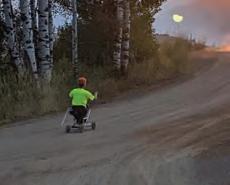
Some folks enjoy mountain boarding (kind of like snowboarding, but on grass, gravel or pavement). Mountain boarders use a long board with big wheels, with the seat or bucket used for paraskiing mounted on the board. Boarders typically propel themselves with ski poles. Mountain boarders enjoy the wide, fairly level sections of the Methow Community Trail. Popular routes go from Mazama toward the suspension bridge or Early Winters.
Methow Valley News 10 Tom Robinson, PhD, LMT Certified Rolfer® Rolfing Structural Integration Cranial Sacral Therapy Scar Work North Glover Healing Center 214 Glover St N, Twisp Massage Therapy license #MA60504379 509.998.2214 cascaderolfing.com/book A locally handmade jewelry boutique and studio Visit us at Twispworks Building N, Suite 1 on Instagram @mvjewelerscollective Hours Thurs thru Sat 11am-5pm
No stopping you BARRIER-FREE TRAILS ARE AVAILABLE THROUGHOUT THE VALLEY
Photo courtesy of Erin Martin
Just in case …
BE AWARE OF FIRE ALERTS, AND TAKE PRECAUTIONS
BY SANDRA STRIEBY
Summer is fire season in the Methow Valley. In the past decade, wildfires have disrupted summer plans roughly one year in two. The realities are sobering, but not a cause for panic. The key to a safe, enjoyable visit is to make like a scout and be prepared. Here’s how.
■ A LERTS AND EVACUATION LEVELS
The Okanogan County Alert System sends information about fires and other hazards by phone, text and email. To sign up, visit www. okanogancounty.org/government/ emergency_management/okanogan_county_alerts/index.php. If you enter an Okanogan County street address, you’ll receive alerts that affect that address. You can also receive alerts for all of Okanogan County by texting OKCOUNTY TO 888777.
Okanogan County uses a system of three evacuation levels to keep residents and visitors informed about fire hazards. Alerts include information about the current evacuation level for the location you used in your alert registration.
• Level 1: Advisory. Current or projected threats from hazards associated with approaching fire(s) are present.
• Level 2: Be ready. Conditions indicate a good possibility that hazards associated with the approaching fire(s) will severely limit Okanogan County’s ability to provide emergency service protection. You must be prepared to leave at a moment’s notice. This may be the only notice you receive. Be aware of your surroundings and take appropriate actions.
• Level 3: Evacuate immediately. Current conditions present specific and immediate threat(s) to the life and safety of persons within the
area. Conditions indicate that the hazards associated with the incident will severely limit Okanogan County’s ability to provide emergency service protection.
At Level 1, it’s a good idea to prepare to evacuate. Be sure your gas tank is full; pack one or more go-bags or totes and be ready to move out with the “6 Ps:”
• People and pets. Be sure to include car seats, diapers, and any other special needs, and animals’ leashes, crates, and carriers. Don’t risk losing a panicked or disoriented pet in a crisis situation.
• Plastic and paper money — ATMs and payment terminals may not be working; have some cash on hand to meet any immediate needs.
• Papers. Have your driver license, passport, and any other critical documents ready to go.
• Prescriptions, including eyeglasses.
• Phone and computer, with
their cords, chargers, and other accessories.
• Photos and other personal items too valuable to lose.
At Level 2, load your vehicle and review your exit strategy. It’s easy to become disoriented in an unfamiliar area. Experienced residents and emergency service personnel may not be available to provide direction. Be prepared to navigate on your own. If you have small children or are traveling with anyone who moves slowly, you may want to evacuate at Level 2.
At Level 3, leave, even if you don’t think conditions warrant it. You may endanger yourself and others, and hinder firefighters, if you ignore evacuation orders.
■ B ASIC FIRE PRECAUTIONS
• With the exception of some authorized public displays, summer f ireworks are illegal on public and private land in the Methow Valley.
• Be aware of burn bans (find information at https://okanogancounty.
org/government/emergency_management/new_page/index.php), and use good fire safety practices.
• Be sure campfires are dead out — cool to the touch — before leaving them unattended.
• Put out matches and smoking materials on rocks or bare ground, never where there is any combustible material.
• Park away from dry grass that could be ignited by a hot vehicle.
• In addition to being a health hazard, smoke can impair visibility.
• Embers can travel long distances and start new fires.
• Drones are not permitted near wildfires — they can endanger aircraft and firefighters.

• Obey area closures for more information.
• Be aware, think ahead about situations that may arise, and take responsibility for yourself.
• If you’re staying in a cabin or other isolated lodging, know your way around the neighborhood, and be able to find exit routes even
Summer 2023 11
Photo by Steve Mitchell
when visibility is low.
• Be ready to deal with smoky conditions. Have N95 masks on hand, and a plan for children and any other vulnerable members of your party. You can find more tips at https://www.cleanairmethow. org/smoke-ready-checklist.

• Have a plan for staying in touch and meeting up with other members of your party if you are separated.
• Realize that cell phones may not work.
■ IF YOU’RE HIKING, PACKING, OR CAMPING


• When planning your trip, check fire potential for the week ahead at https://gacc.nifc.gov/ nwcc/content/products/fwx/
guidance/DL.pdf.
• Know current fire danger; find information at https://fortress. wa.gov/dnr/protection/firedanger/.
• Let someone know where you’ll be and when you expect to return. Leave information about your planned route and any camp sites.
• Carry paper maps. A full-sized map that lets you see the area surrounding your camp site or trail can help you understand the terrain and find escape routes if the road or trail you came in on is blocked.
• Know and understand current fire restrictions in the area where you’ll be; find information at www.fs.usda.gov/detail/okawen/ alerts-notices/?cid=fsbdev3_053600.
• Be aware of your surroundings. Know the terrain and your options for leaving the area. Be prepared to navigate after dark and in thick smoke.
• Have a plan for leaving the area and meeting up if members of your party are separated.

• Carry the 10 essentials, including a light source, even on long sunny summer days when you expect to be home before dark.
• Rangers may seek hikers in case of emergency if it’s safe and personnel are available, but don’t
count on it.
• Aircraft pilots may be able to see you and send help, but that’s not a given, either.
• Wear and carry bright-colored clothes and gear. High-visibility colors like blaze orange or fluorescent green may help you be seen from the air. Spreading out a bright or reflective ground cloth (like a Mylar space blanket) may also help pilots spot you. Firefighters wear bright yellow for visibility in dark or smoky conditions.
Fire closures
Some roads, trails, and campgrounds have been closed due to previous years’ fires. The closures are intended to protect people, prevent further damage to the land, and minimize danger of sedimentation and washouts. In some cases, bridges, culverts, and other facilities have been damaged.
Many U.S. Forest Service closure orders are scheduled to expire on June 1 this year. The Forest Service will re-evaluate and may issue new orders or re-open the areas.

As of early April, the Buck Lake
and Nice campgrounds in the Chewuch drainage are closed, as are some trails in the Chickadee area and many roads affected by the 2021 Cedar Creek and Cub Creek 2 fires. A number of trails damaged by the Tripod, Diamond Creek and Crescent fires remain impassable to bicycles and stock, and may be difficult or dangerous for hikers. For the latest information, visit www.fs.usda. gov/detail/okawen/alerts-notices/?cid=stelprdb5308307.
Methow Valley News 12 31 Early Winters Drive Mazama WA 98833 www.freestoneinn.com 509 - 996 - 3906 Celebrate & Rejuvenate with us! Retreats, Weddings, Family Reunions, & Small Birthday Parties The best local independent insurance agency in the Methow Valley Offering business, farm, auto, home, secondary home, nightly rental insurance, and more. info@vipagencygroup.com • www.vipagencygroup.com Choose local. Choose independent. Choose The VIP Insurance Agency. Twisp 509-997-5291 102 S. Glover St. Winthrop 509-996-4515 505B Highway 20
(509) 997-7011 advertising@methowvalleynews.com
Advertising works! Reserve your spot in the next special issue!
Grab some gravel
GRAVEL BIKING, GROWING IN POPULARITY, SUITS THE VALLEY’S TERRAIN
BY ANN MCCREARY
Gravel biking has been growing in popularity among cyclists nationwide in recent years, but here in the Methow Valley people have been grooving on gravel for a long time.
That’s because the opportunities for gravel riding in the Methow Valley are virtually endless.
Gravel biking encompasses more than the name implies. Also called “all-road” biking, it basically means riding anything too rough
for a road bike but not as challenging as mountain biking. That makes it ideal for the Methow Valley’s varied riding terrain, said Julie Muyllaert, co-owner of Methow Cycle & Sport in Winthrop.

“When you start looking at gravel, that opens up hundreds and hundreds of miles of surfaces to ride on. All-road bikes are really capable on multiple types of surfaces — chip seal, U.S. Forest Service roads, light trails like the Community Trail or Rex Derr Trail. You can go places and see things and get away from the traffic and the crowds, and have a great experience,” Muyllaert said.
Gravel or all-road biking is accessible to more people than mountain biking, which can require g reater technical skills. And in a place like the Methow Valley, with limited pavement for road bikes, it expands the world of riding opportunities.
“Think of all the places you ski in the Rendezvous in the winter. They’re all Forest Service roads, and you can take your gravel bike there in the summer. You can ride Finley Canyon, Balky Hill, Pipestone Canyon, or up to Black Pine Lake,” Muyllaert said.
Where to gear up
• Cascades Outdoor Store, 222 Riverside Ave., Winthrop, 996-3480.
• Goat’s Beard Mountain Supplies, 50 Lost River Road, Mazama, 996-2515.
• Methow Cycle & Sport, 29 State Route 20 in Winthrop, 996-3645.
• Winthrop Mountain Sports, 257 Riverside Ave., Winthrop, 996-2886.
Summer 2023 13
Photo by Steve Mitchell
You could even ride from the Methow Valley to the Canadian border, she said. “It’s up to your imagination. It could be endless.”
Methow Cycle & Sport got into developing bikes for gravel riding well over a decade ago, when the shop began retrofitting cyclocross bikes “and made the gearing as good as possible for our terrain,” Muyllaert said.
The result was a version of gravel bikes that have evolved as “a hybrid between an old-style touring bike and cyclocross bikes,” she said.
Gravel bikes are stable on dirt roads, with gearing that’s easier than a road bike for climbing hills, Muyllaert said. “The gearing splits the difference between mountain bikes and road bikes,” she said. The bikes have lightweight and compact frames like road bikes, with wider tires.
“We haven’t sold a traditional road bike in years,” Muyllaert said. “When people are upgrading or replacing an old bike, they’re often getting a gravel bike instead of a road bike.”
Gravel riders in the Methow Valley can enjoy events this summer geared to the sport, including an Introduction to Gravel Riding clinic offered by Methow Cycle & Sport on May 10. See the related article on biking events for details. For people who seek roads or singletrack, the Methow Valley has plenty to offer, from lightly traveled pavement to rugged, high-elevation trails.
The expansive mountain biking network at Sun Mountain alone has more than 50 miles of single
and double track trails from easy to difficult.
Riding through the seasons in the valley rewards cyclists with meadows of colorful sunflowers and lupine in spring, long, warm summer days, and brilliant foliage and sharp light of autumn.

Cyclists can find maps, trail guides and gear at many locations in the valley, and refresh themselves after a ride with food and beverages at the valley’s selection of restaurants, pubs and bakeries.
Riding out: from easy to challenging
■ G RAVEL RIDES
• Bear Creek Road & Pearrygin
Loop: A good beginner 12-mile loop with 900 feet of elevation gain, about half pavement and half gravel, passing by Bear Creek Golf Course and Pearrygin Lake State Park. Electric assist bikes allowed.
• Wolf Creek to Mazama Lollipop: This 33.4-mile valley floor route from Winthrop to Mazama and back again is a great spring
and fall ride. Follow Wolf Creek Road up from Winthrop, then cross over to Goat Creek Road up to Mazama. Retrace your steps, or ride the highway back down to Wolf Creek. Elevation gain of 1,484 feet.
• Bear Creek & Balky Hill Figure 8: This 35.4-mile tour is a quintessential Methow Valley gravel ride, with beautiful views of the valley and surrounding hills. Take in the wildflowers in the spring as you climb up and over
Balky Hill to Highway 20, then retrace your steps back to Bear Creek and all the way back down into Winthrop. A moderate ride with 27 miles paved and 8.4 unpaved, and 2,362 feet elevation gain.
■ M OUNTAIN BIKE RIDES
• Buck Mountain Loop: A 14.5mile loop can be pedaled the traditional route from Cub Creek Road or the alternate route from Buck Lake. Both options offer long, flowy descents and spectacular views. Ride the new Buck Up Track from Cub Creek, or climb a Forest Service road from Buck Lake. Combine portions of the two loops for additional miles and a double dose of the flowy descent. No pass required for parking or riding. Electric assist bikes not allowed.
• Cutthroat Pass: A great alpine out-and-back 11-mile trail with exceptional views of the North Cascades and a rippin’ descent. The ride is one of few alpine routes in the North Cascades open to bikes, and the trail is shared with
hikers so keep your head up and ride courteously! The trail switchbacks steadily almost five miles to Cutthroat Pass. Boulders and tight switchbacks will demand your attention, but pause frequently for the views of Cutthroat Lake and the Cascade Crest. Remember, no bikes allowed on the PCT, so when you get to that intersection at the pass, turn back around. Northwest Forest Pass required to park at trailhead. No pass required for riding. Electric assist bikes not allowed.
• Big Valley Trail: The vast majority of this ride is a flat smooth doubletrack that is great for families with small children (on bikes or in trailers), beginner riders and canines. The trail passes close to the Methow River and a nice river rock beach to access the river on a hot day. This ride/trail is a simple “lollipop” that is easy to follow through forest, meadows and along the Methow River. Stop at the beach on the river for a peaceful break or a quick splash if the weather is warm. The trailhead
Methow Valley News 14 Check out our amazing crafts and harvest! Methow Valley Community Center 201 Hwy 20 South, Twisp The second Saturday in April until the last Saturday in October Saturdays 9am - 12 METHOW VALLEY FARMERS MARKET www.winthropbarn.com The Barn, perfect for gatherings big or small Weddings • Parties • Fundraisers • Reunions Performances • Meetings Winthrop Barn The WIFI, Music System & Fully Equipped Professional Kitchen In Town by Park & River • (509) 996-3160 Methow Grown A directory of farm-grown products from the Methow Valley www.methowgrown.org A project of the Methow Conservancy’s Agricultural Program Conservancy Methow
is accessed by turning on Dripping Springs Rd. off of Highway 20 near milepost 186.Thanks to an agreement between the Washington Department of Fish and Wildlife and Methow Trails, no pass is required for parking or riding. Electric assist bikes not allowed.
■ R OAD
RIDES
• Sun Mountain: A nice climbing ride to add to longer loops or do on its own. From town, it’s a quick 3-mile jaunt up Twin Lakes Road to Patterson Lake Road. From there, about 6 miles uphill gets you to Sun Mountain Lodge, with views and perhaps a cold beverage. Electric assist bikes allowed.
• Chewuch Loop (with options): T his is an easy, 14-mile loop ride on quiet roads, with undulating terrain and some short moderate climbs. Ride up West Chewuch Road and then back on East Chewuch Road, or reverse the direction. For the ambitious, the mileage route can be easily increased by continuing up the Chewuch Road to Andrews Creek, about 24 miles from Winthrop and a steady climb. Or for those for
whom no ride is complete without some suffering, add Boulder Creek Road, a moderate climb, or Falls Creek, the local Alp D’Huez, which is very steep at the start and eight miles or so of constant climbing. Electric assist bikes allowed.
• Tour De Okanogan: This is the ultimate overachiever ride for the local area. This 105-mile loop takes riders south to Twisp and then up over Loup Loup Pass (a pretty steep and long climb), down to Malott and South to Brewster and then Pateros. The return journey is up Highway 153 from Pateros to Methow, Carlton, Twisp and then Winthrop. Food stops are in the major towns, but take plenty of food water and some money. Repair opportunities are non-existent once you leave Winthrop, so take necessary repair gear. Watch the wind because in the afternoons it usually blows down valley and riding 40 miles into a headwind is no fun. Electric assist bikes allowed.
■ E -BIKE RIDES
• Winthrop to Carlton & Beaver Creek & Balky Hill: For a mix of




pavement and gravel, take the East and West county side roads to Carlton but add some distance and elevation by returning via Beaver Creek Road then down Balky Hill for a more 45.2 mile ride with 2,000-plus feet of elevation gain.
• Boulder Creek Loop: A 21.6mile ride with 3,000 feet up and down. Great local gravel loop. Beautiful climb on quiet Forest Service roads accessed from Winthrop via the East Chewuch Road. Wonderful views and fun descent.
• Rex Derr trails: At Pearrygin Lake State Park, beginner to intermediate rolling hills on single and double track trails with a beautiful lake and mountain vistas. Start at the Lake Creek trailhead or other multiple access points and create your own ride. Do a loop or out-and-back, add the Bear Creek Road, make it long, make it short, it’s all up to you.
Information from Methow Cycle & Sport (methowcyclesport.com); Evergreen Mountain Bike Alliance (evergreenmtb.org); and MTB Project (mtbproject.com) Maps of most r ides are available at methowcyclesport.com.
Information on riding

• Winthrop’s website, winthropwashington.com, has information on mountain and road bike riding, and offers a free “Winthrop Washington” app.
• The Methow Trails office on Horizon Flat Road in Winthrop has information on mountain bike and road rides, and on its website: methowtrails.org.
• Methow Cycle & Sport’s website, methowcyclesport. com, provides trail descriptions, maps and a calendar of events.
• Stop by local Methow Valley sports shops in person for current trail conditions and maps.
• Trailforks.com, a mountain biking database, has up-to-date maps and trail information.
• MTBproject.com, affiliated with the REI outdoor store, offers a comprehensive guide for mountain biking trail maps and information.
Summer 2023 15 ENJOY LIFE WITHOUT WORRY The ER at your community hospital is open 24/7 and ready to help, whatever happens. 509.689.2517 507 Hospital Way, Brewster BOARD-CERTIFIED PHYSICIANS ON-SITE LABORATORY & RADIOLOGY GENERAL & ORTHOPEDIC SURGERY www.threerivershospital.net
This could be you! Contact us for an ad in the next special issue! advertising@methowvalleynews.com (509) 997-7011 design services available
CAMPING CHOICES FOR TENTS, CAMPERS AND RVS ABOUND THROUGHOUT
THE VALLEY
BY ASHLEY LODATO
Camping is not for everyone, and many people shudder at the thought of sleeping on an air mattress on the ground.
But you’re not one of those people. Give you a starry night sky, the rustle of wind in the pine trees, and the orange glow of sunrise filtering through your tent walls and you’re happier than you’d be just about anywhere else.
You want to pitch a tent or pull up a camper? The Methow Valley has you covered, depending on whether you’re seeking a tranquil, solitary experience, or a bustling hub of recreation. So throw up that tent, park that camper, or string up that hammock and simply surrender to the outside world as it unfolds around you.
■ D OWN-VALLEY (TWISP TO PATEROS)
These campgrounds are all located on or near Highway 20 and Highway 153 between Twisp and Pateros. There are no U.S. Forest Service campgrounds located immediately off Highway 153 in the Twisp-to-Pateros area; however, numerous Forest Service campgrounds like Black Pine Lake can be found just a few miles from the highways. For a complete listing of US Forest Service campgrounds in the down-valley area, visit www.fs.usda.gov/activity/okawen/recreation/ camping-cabins.
■ M ORE INFO:
■
U P-VALLEY (CASCADES TO WINTHROP)
These campgrounds are all located right off Highway 20 in the mountains between Winthrop and Washington Pass. Ballard, Road’s End, Meadows and Harts

Pass campgrounds are situated on Lost River Road and in the Harts Pass area. For a complete listing of U.S. Forest Service campgrounds
in this area, visit www.fs.usda. gov/activity/okawen/recreation/ camping-cabins.
■
M ID-VALLEY (WINTHROP TO TWISP)
These campgrounds are all located on or near Highway 20 between Winthrop and Twisp. There are no U.S. Forest Service campgrounds located immediately off Highway 20 in the Winthrop-to-Twisp area;
however, numerous Forest Service campgrounds like 8-Mile, Falls Creek, and Chewuch are just a few miles outside Winthrop along the Chewuch River, while others like South Creek, War Creek and Roads End are easily accessible up Twisp River Road. For a complete listing of Forest Service campgrounds in the mid-valley area, visit www.fs.usda. gov/activity/okawen/recreation/ camping-cabins.
For updated information on Washington State Parks campgrounds, v isit: https://parks.state.wa.us/1181/ Parks-opening. For updated information on U.S. Forest Service campgrounds, visit www.fs.usda. gov/activity/okawen/recreation/ camping-cabins. Many popular trailheads (such as Early Winters in Mazama and Chickadee at Sun Mountain) are day-use only and are never open for camping or overnight parking, even for self-contained vehicles; please observe restrictions posted onsite.
Methow Valley News 16
Take it outdoors
Photo by Ashley Lodato
Authentic Mexican Menu PASTAS, CURRIES, HAMBURGERS, STEAKS, SALADS & DESSERTS Lunch • Dinner • Beer • Wine • Cocktails Summer Hours: Monday – Saturday 12:00 to 8 p.m. Daily Specials • Dine In or Take Out 997-0247 102 Methow Valley Hwy (Across from North Cascades Bank) PLUS Read all about it Subscribe! Inside Okanogan County - $39 yearly In Washington State - $50 yearly Outside of Washington - $65 yearly (509) 997-7011
LaFonda Lopez Restaurant
Campgrounds at a glance
rustic hut accommodations with propane stove and cooking/eating dishes, bunks with mattresses, no running water
Mid Valley (Mazama to Twisp) Pine Near RV Park and Campground
private 2 blocks from downtown Winthrop yes $25-$53; $50 tipi; $68-$175 cabins
full hookups, EV charging station, laundry, wifi, showers; mining shacks, tipis, cabins
full hookups, laundry, TV reception, wifi, snack bar, showers
site full hookups, showers, cabins, vacation house, group campsites
pit toilet mountain biking, hiking & running trails, sweeping valley and mountain views, closed August
509-996-8100, www.rendezvoushuts.com
Down
to
full restroom, showers pets, walking distance to downtown Winthrop, across street from historic Shafer Museum
full restroom, showers pets, riverside, heated pool, cabins, playground, bicycle rentals, pavillion, camping kitchen
full restroom, showers lakeside, swimming, boating, hiking trails, fishing
showers boating, stocked lake fishing, close to trails & rodeo grounds, paddleboats, stand up paddleboards
509-341-4062, http://www.pinenearpark.com/
509-996-2258, https://koa.com/ campgrounds/ winthrop/
509-996-2370, http://parks. state.wa.us/563/ Pearrygin-Lake
509-996-2650, http://www. bigtwinlakeresort. com
restroom, showers lakeside, swimming, boating, hiking trails, fishing, mini-golf 509-996-2448, silverlineresort.com
Summer 2023 17 Name Operated By Location Reservations Fees Amenities Restroom Other Contact Up Valley (Cascades to Mazama) Lone Fir Campground US Forest Service 27 miles NW of Winthrop on Hwy 20 First Come First Served $20/site; $5 add’l vehicle potable water pump, no sewer or electric hook up wheelchair accessible vault toilet beautiful kid-friendly
hiking loop along stream, great for cyclists 509-996-4000, www.fs.usda.gov Klipchuck Campground US Forest Service 19 miles NW of Winthrop on Hwy 20 First Come First Served $20/site; $5 add’l vehicle potable water pump,
sewer or electric hook up wheelchair accessible vault toilet trailhead to Driveway Butte hike located at entrance 509-996-4000, www.fs.usda.gov Early Winters Campground US Forest Service 15 miles NW of Winthrop on Hwy 20 First Come First Served $15/site; $5 add’l vehicle potable
pump,
sewer
wheelchair
vault toilet near
of Mazama,
509-996-4000,
Rendezvous Huts private Rendezvous Basin, Cougar & Grizzly Mountain area yes $130/night
2-mile
no
water
no
or electric hook up
accessible
town
running trails, views of Goat Wall
www.fs.usda.gov
Winthrop KOA private 1/2
yes
mile east of Winthrop
$40+/site
Pearrygin Lake State Park WA State Parks 3 miles from Winthrop yes
$12-$50+/
Big Twin Lake Campground private 3 miles south of Winthrop yes $30-$50/ site full hookups, toilets,
full
showers, wifi
restroom,
Silverline Resort private 1.5 miles from Winthrop yes $33-$250/
full
full
Riverbend RV Park private 2 miles west of Twisp yes $27-$50/site full hookups, toilets,
convenience store, laundry full
basketball 509-997-3500, www.riverbendrv. com
site
hookups, toilets, showers, convenience store, wifi, breakfast kitchen
showers, dog park, wifi,
restroom, showers riverside, boating, fishing, gift shop horseshoes,
Valley (Twisp
Pateros) Carlton RV Park private Carlton yes $15-$50/site tents, full hookups, showers, convenience store, laundry bathhouse swimming, beach, free hot breakfast on Sundays 509-997-0833, www.carltonrvpark. com Loup Loup Campground US Forest Service 12 miles east of Twisp First Come First Served $15/site; $5 add’l vehicle potable water pump, no sewer or electric hook up wheelchair accessible vault toilet creekside, mountain biking, hiking, Western Larch 509-996-4000, www.fs.usda.gov Alta Lake State Park WA State Parks 2 miles southwest of Pateros yes $15-$45/site full hookups, showers, wifi, group campsites full restroom, showers lakeside, boating, hiking, birding, golf 888-226-7688, http://parks. state.wa.us/239/ Alta-Lake
Get wet
BOATERS, FLOATERS AND SWIMMERS SHOULD SAMPLE OUR LAKES AND RIVERS
BY MARCY STAMPER
On those long, sunny days of summer, there’s nothing like some time in — or on — the water to cool off. The Methow offers water activities for all interests and abilities, from shallow wading areas along the rivers, to serene freshwater lakes for swimming and paddle boarding, to thrilling whitewater rapids.

Because the Methow River is free-flowing, conditions change with the season. In early summer, consider a raft trip with experienced guides to safely navigate t he whitewater while you take in the scenery. Later in the season, as the river level gets lower — and the water gets warmer — people switch to tubing, where they can enjoy a relaxed float downstream in gentler conditions.
Have your own boat or personal watercraft? Try sailing or jet-skiing on Pearrygin Lake or Alta Lake, where there are state park facilities. Or take a canoe to explore
Blackpine Lake, a quiet, high-altitude lake with shimmering blueg reen water.
Swimmers and waders will want to check out Pearrygin Lake or Patterson Lake for a refreshing dip or languid float on a raft. For a truly invigorating experience, try one of the many swimming holes on the Methow’s rivers.
Paddleboards are a familiar sight on lakes and rivers. Wind sailing is popular at Patterson Lake when there’s a good breeze.
■ S WIMMING
• Patterson Lake, near Sun
Mountain Lodge: swim in a cool freshwater lake surrounded by picturesque hills. Numerous informal beaches along the shore. Access from Patterson Lake Road.
• Pearrygin Lake: swim in a large, roped-off area or explore other areas of this spring-fed lake ringed by mountain scenery. Access from East Chewuch Road and Bear Creek Road east of Winthrop.
• Blackpine Lake: swim in a crystal-clear, high-mountain lake. Access from West Buttermilk Creek Road (11 miles west of Twisp on Twisp River Road) or Libby Creek Road off Highway 153, 1 mile south
Methow Valley News 18
Photo by Steve Mitchell
of Carlton.
• Confluence of Methow River and Twisp River (Twisp Town Park): splash and wade through river rocks where two of the Methow’s finest rivers converge. Lots of options for sunbathing.
• Carlton swimming hole: a favorite with locals, with a deep pool, sandy beach and some shade. Access across from the Carlton Store on Highway 153.
• A lta Lake State Park: clear mountain lake with day-use area with picnic tables and shade trees. Access 2 miles north of Pateros on Highway 153.
• Chewuch Campground swimming hole: a generous pool for splashing and dunking. Access through Chewuch campground, 15 miles north of Winthrop on the West Chewuch Road toward Thirtymile.
■ B





OATING

• Pearrygin Lake State Park: Bring your own rowboat, kayak, canoe, paddleboard or motorboat
from East Chewuch Road and Bear Creek Road east of Winthrop.
• Alta Lake State Park: Bring your own rowboat, canoe, paddleboard or windsurfing gear. Popular for sailboarding; also a draw for motorboats and personal watercraft. Waterskiing welcome, but limited because lake is fairly small. Two boat ramps, 60 feet of dock. Access 2 miles north of Pateros on Highway 153.
• Patterson Lake: Launch your boat or paddleboard on this beautiful lake, ringed by eye-catching hills, from the state boat launch on Patterson Lake Road. There is an 8-mph speed limit for motorized boats.

• Blackpine Lake: row or paddle on a crystal-clear high-mountain lake. Non-motorized boats only. Gravel boat ramp; two floating docks. Access from West Buttermilk Creek Road (11 miles west of Twisp on Twisp River Road) or Libby Creek Road, 1 mile south of Carlton on Highway 153.
rafting trips. They also rent boats, paddleboards and inner tubes so you can explore on your own.
• Methow Rafting leads scenic trips on the Methow River from their Winthrop location. Choose from guided, family-friendly floats on rafts or inflatable kayaks, or guided whitewater raft or kayak trips. They’ll also launch you on a tube trip for “adventure tubing,” where you navigate fun, splashy rapids; or on a languid float down the river. Either way, they’ll pick you up when you’re done. Intermediate and advanced kayakers can book a trip on the whitewater section near Gold Creek. Enjoy swimming, wildlife watching and sightseeing on your river trip. Trips run March through September. Check out their website at w ww.methowrafting.com or call (509) 866-6775 for reservations.
on the season. People can also call from the barn and have the tube delivered for the same trip. Season is typically June to mid-September (depends on river flow), 10 a.m. to 6 p.m. Check details at www. WinthropTubing.com or (509) 996-3153.
• The Silverline Lakeside Resort on Pearrygin Lake rents pedal boats, paddle boards, kayaks, aqua cycles (big, wheeled tricycles), and motor boats for water skiing. They also have a small motorized fishing boat for rental. Rental season runs from late April through Oct. 24, 10 a.m. to 7 p.m., Monday through Saturday, and 10 a.m. to 5 p.m. on Sunday. Rentals are first-come, first-served; boats can also be reserved. Check out www.silverlineresort.com or call (509) 724-9924.
■
R AFT TRIPS AND BOAT RENTALS


Motels and outfitters in the Methow Valley are equipped to take you on guided whitewater

• Winthrop Tubing rents tubes and life-jackets for a gentle, beginner-level float down the river. You can rent tubes at the AbbyCreek Inn south of Winthrop, get dropped off at the Winthrop Red Barn, and float back to the inn – a trip of 25 to 45 minutes, depending
• Methow Cycle & Sport in Winthrop rents inflatable stand-up paddleboards and inner tubes for exploring local lakes and floating the rivers. Call (509) 996-3645. Check the guide to recreation passes on page 28, since many lakes and rivers require a pass.
Summer 2023 19
All-day menu, Monday-Sunday, 11am to 9pm Dinner specials, 5pm to 9pm Breakfast, Friday-Sunday, 7am to 10:30am Full Bar | Beer on Tap | Watch Games | Play Pool 176
WA
509-996-2411
THE TABLE our ORGANIC Ancient Grains
fresh VEGGIES
Summer Hours:
Riverside Avenue in Winthrop,
|
TO
BRING YOUR
Four-legged forays
THE METHOW VALLEY IS DEFINITELY DOG-FRIENDLY
BY SHELLEY SMITH JONES
Dogs are called “man’s best friend” for a reason. Charlie Brown once said, “Everyone should have a dog to greet him when he comes home!” A dog is the epitome of a loyal, kind, and unselfish friend — so much so that many dog owners consider the pet a member of the family. Americans adopted millions of dogs during the pandemic to fill the void of the lockdown isolation.
Dog owners, new and longtime, often travel with Luna, Bella, Daisy or Cooper and look for dog-friendly activities that owners and pets can both enjoy. The Methow Valley is welcoming of dogs, offering an array of summer options for well-behaved, non-aggressive canines and their responsible owners.

Methow Trails with its miles of varied trails provides a plethora of hiking and walking opportunities from Mazama to Sun Mountain. Easy in-town trails such as Susie Stephens, Sa-Teekh-Wa, and Fish Hatchery in Winthrop give pup and owner a short mile or two of exercise. For the energetic dog and owner, more difficult and longer trails abound, including Spokane Gulch, Lewis Butte and Buck Mountain (Cub Creek).
T he Methow Trails Summer Trails map indicates which trails are dog-friendly by a “paw” symbol. Dogs are allowed to be off leash on many trails with the caveat that the dog must be “voice controlled.”
At times, a sign will be posted by either Methow Trails, Washington State, or U.S. Forest Service at a trailhead if the dog must be leashed. For example, last summer a popular dog-walking trail, Big
Valley, had a leash requirement to protect a pair of sand cranes who had chosen the area to raise their “colts.” Dog-approved Sun Mountain trails require the dog to be on a leash.
■ NATURAL SETTINGS
Twisp Ponds, a short distance west of town on Twisp River Road, was purchased by Methow Salmon Recovery Foundation in the early 2000s and is open to the public and their dogs. The site is a complex of streams, rearing ponds, meandering trails, public art, and interpretive stations intended to educate
v isitors about and to provide support for populations of steelhead t rout, spring Chinook salmon, and Coho salmon. You will see unique pieces of art including Steve Love’s cast aluminum “Twisp” with an explanation of the origin of the name of the town.
Another active recovery site trail that is a part of the Methow Salmon Recovery Foundation restoration project is Washington Department of Fish and Wildlife’s Cottonwood Trail located at the north end of the Old Twisp Highway between Twisp and Winthrop.
Ag ain, numerous interpretive signs make the trek more than a dog walk.
A picnic on the sandy beaches of the Methow River makes for an opportunity to dip toes and paws in the cool water. Just downstream from Winthrop, Homestream Park — dedicated to the rivers and fish of the Methow Valley — also offers a short dog walk on leash with interpretive signs, fascinating sculptures, and picnic area.
The Meadowlark Natural Area on the east side of Winthrop (next to the Sullivan Cemetery) is a
Methow Valley News 20
Photo by Steve Mitchell
protected natural habitat owned by the Methow Conservancy. Its 2.5mile trail system offers breathtaking views of the surrounding mountains and is especially spectacular during wildflower season. Dogs are allowed on leash for protection of the wildlife inhabitants and for dog safety during periods when deer can be aggressive.
Most Forest Service trails and campsites allow dogs, but they must be leashed on certain trails and always must be under control. Check signage at trailheads a nd campgrounds for specific restrictions.
Some trails are known to also be occupied by rattlesnakes such as Pipestone Canyon and Cub Creek. Methow Valley Veterinary Hospital hosts a rattlesnake aversion clinic run by Natural Solutions. The program “allows the dog to make the proper association of the danger involved with the rattlesnakes in a n on-threatening or intimidating introduction to the process.”
The Winthrop Trail parkrun is a free timed 5-kilometer run/jog/
walk beginning each Saturday at 9 a.m. The meetup begins at Methow Trails parking lot on Horizon Flat Road. Leashed dogs are welcome to accompany owners for this fun, social event that accommodates any ability level of participants. Information is available at p arkrun.us/winthroptrailhead or by emailing winthroptrailhead@ park.run.com.
■ R EFRESHING ‘PAWS’
For swimming dogs, several lakes around Winthrop are the perfect place for them to cool off and exercise, including Pearrygin Lake (outside the designated swim area), Patterson Lake, Twin Lakes, and Davis Lake. River access at Mack Lloyd Park in Winthrop and Twisp Park offers access to get a drink and get paws wet.
Eating out with the pup gets a whole lot easier in the Methow Valley in the summertime. Numerous restaurants with outdoor seating welcome dogs, usually providing a water bowl and a special t reat. To name a few: In Winthrop, Methow Valley Ciderhouse (front deck), Meza (back patio), East

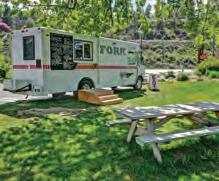
20 Pizza (decks), Jupiter (deck); in Mazama, Woodstone Pizzeria (courtyard), Mazama Store (courtyard), Mazama Public House (deck a nd courtyard), Jack’s Hut (picnic tables), Sandy Butte Bistro (patio); in Twisp, Twisp River Tap House (patio), La Fonda Lopez (patio), Glover Street Market (outside tables), Cinnamon Twisp (outside tables), OSB Taproom (patio), Fork (picnic tables), Six Knot Saloon (patio), and Lonchera Yucatan (picnic tables).

Leashed dogs are welcome at
many annual events in the Methow Valley, including Winthrop’s Methow Valley Rodeo and ’49er Days, and Twisp’s Fourth of July Parade and Methow Valley Community Center Farmer’s Market.
I n every instance where a well-behaved dog accompanies its owners, the owners are also expected to be well-behaved and pick up after their pet. Pet litter stations with doggy-do bags are provided in many places, but always carry your own and dispose of the bag properly.

Summer 2023 21 MountainLifestyleRealEstateExperts MethowBlueSky.com (509) 996-8084 Anne Eckmann & Heather Marrone, Owners Kathy Goldberg, Valerie Kardonsky, Leverett Hubbard, Crescent Rudholm, Sherry Malotte, Callie Fink blue sky real estate Looking to buy or sell in 2023? No one knows the valley like we do!
Link up at beautiful Bear Creek BRING YOUR BEST GAME TO THE VALLEY’S GOLF
COURSE
BY RICK LEWIS
The Methow Valley is blessed with a beautiful and fun, yet challenging golf experience in Bear Creek Golf Course, just five short minutes driving time from downtown Winthrop. Visitors have described it as “a little bit of heaven, right here on Earth.”
Originally built as a three-hole course out of a cow pasture, the course evolved into five, and then six, and eventually the nine-hole course as it exists
today. Four sets of tees on each hole provide golfers with options for play to suit one’s ability. The white and red tees are set for the front nine, the blue and yellow tees are set for the back nine.
On most holes the back nine sets offer a unique hole from the first time around where yardages are different, and the angle of attack to both the fairway and hole are completely different.
The Northcott brothers, Rick and Bart, co-manage the course and were treated to a pleasant scene as the snow melted away in early April this year, two weeks
later than normal.
“We were really surprised to see how the greens came through the winter,” said Bart. “They are in the best condition coming off winter I have ever seen. It could be that first shot of snow we got in early November provided enough dry insulation to protect the turf from the really cold temperatures we got later in December.”
As the snow disappeared, the usual signs of snow mold and other maladies that have plagued the course early season in past years were not present this year. Indeed, a spring tour of the course revealed a number

of greens appearing to be in mid-season form, plush, green and devoid of the usual damaged surfaces caused by infestations of snow mold.
■ M ORE UPGRADES
It could also be the program the past two years of aerating and fertilizing the putting surfaces in May is having positive results. Partnering with the Bear Creek Men’s Club, the staff and volunteers have made a one-day blitz of the course, punching, sanding and fertilizing the greens. B y Memorial Day weekend, all should be good and ready for the summer season.
Methow Valley News 22
Photo by Rick Lewis
Other work accomplished recently include removal of several 50-plus-year-old Lombardi poplar trees, cleanup around the outskirts of several lateral hazard areas, and understory cleanup in some of the ponderosa pine stands. Longtime visitors will enjoy the recently renovated 6th tee, re-contoured, expanded and replanted with fresh sod.
The course is typically open when the frost clears in the morning during the spring, and the clubhouse is staffed from 9 a.m. until 4 p.m. during the early season. Summer hours from Memorial Day through Labor Day weekends are 7 a.m.-6 p.m. Tee time reservations are required on the weekends and highly suggested for the early to mid-morning hours on the weekdays.
As the weather gets warmer in the summer months, walk-up arrivals have no trouble finding the course wide open from about 2 p.m. until closing.
Wednesday is Men’s Club night. The Bear Creek locals typically tee off at 5 p.m., shotgun style.
The group averages about 25 or so in good weather and since the course is not closed for the event, be prepared to see an invasion for golfers that are well-behaved, good and polite about working around visitors.

Guests are always welcome to join the antics on Wednesday nights. Besides the normal green fees and rentals, there is a $5 entry fee for the club activity on any particular Men’s Club night.
Friday at 4 p.m. during the summer months is the weekly Scramble, open to the public. Skill levels, handicaps, and all that formal stuff are thrown out the window in favor of a get to know ya, social mixer where the common thread is the fun of golf in a mostly non-competitive nature.
Immediately after the Scramble, enjoy high-quality B-S Bar-B-Que Friday night dinners during the months of July and August. The menu varies and reservations are required. Call Bear Creek for more information.
■ O THER OPTIONS


There are several upscale golf
courses, also knowns as “golf resorts” within a 60-90 minute drive from Winthrop, all highly rated by the Pacific Northwest Golf Association, and significantly more expensive than t he local course. Alta Lake Golf Course is about a 45-minute drive down the Methow River near the town of Pateros. The course is 18 holes, the front nine more of a links-style course common to the British game. The back nine more closely resembles the desert course experience. Summer d aytime rates for 18 holes at Alta Lake are just over $50, cart rentals are available.
B ear Mountain Golf Course, just south of Lake Chelan on State Highway 97A, and Desert Canyon near Orondo on the east side of the Columbia River are higher in cost, around $80-$100 for summer daytime rates, with required cart, and provide a more resort-style experience and championship-style courses.
Gamble Sands, east of Brewster, is as close to the type of course one might experience on the pro

tours, and the fees reflect it. Go there with a local friend who has a “buddy card” to save significantly. You are still likely to spend around $110, or more, on the budget plan, but it is a magnificent course and a whole different feeling than most other courses open to the public.
In 2022, Gamble Sands announced plans to build a second 18-hole, David McLay Kidd-designed championship golf course. Construction on the new course is underway with anticipated completion and grand opening in summer 2025. The property’s 18hole, McLay Kidd-designed Sands Course opened for play in 2014.
Bear Creek Golf Course

19 Bear Creek Golf Course Road, Winthrop (509) 996-2284


info@bearcreekgolfcourse.com
www.bearcreekgolfcourse.com
Summer 2023 23 (509) 997-3500 www.riverbendrv.com reservations@riverbendrv.com 19961 Hwy 20, Twisp WE ALSO SELL Supplies RV parts Cold sodas Ice cream • Full hook-up RV sites • Clean restrooms & showers • Laundromat • Rec hall for group events BIG RIG FRIENDLY! www. MethowMusicFestival . org JU NE 15 24
$27; 18 holes, $40 weekdays, $30, $44 weekends.



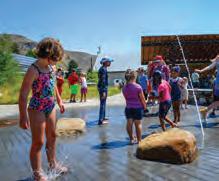


Methow Valley News 24 MUSIC & DEMOS | 4pm - 9pm | FOURTH FRIDAYS | MAY - SEP 502 S. Glover Street, Twisp, WA 98856 509-997-3300 | www.twispworks.org This ad paid for in part by Okanogan County Lodging Taxes 6.4 ACRES TO EAT, DRINK, SHOP, & PLAY. Gardens, splash pad, food truck, Old Schoolhouse Brewery Taproom, and much more! DOWNTOWN WINTHROP METHOW MAKERS' MARKET 4/24, 5/29, 6/19, 7/17, 8/14,Confluence Park One Sat/ mo, Apr - Sept @) @methowmakersmarket methowmakersmarket@gmail.com 2-7 pm Name & Location Online tee times Greens Fees (cart fees not included) Lessons Pro shop Food Lodging Contact Methow
Alta
3
Yes Full season:
Senior,
No Yes Breakfast, lunch, beverages Yes (509) 923-2359; http:// altalakegolf.com/ Bear
Yes 9 holes,
Junior, Senior, quick golf, and flat golf rates Call for info Yes Espresso & snack bar; sandwiches; beverages No (509) 996-2284; http://www.bearcreekgolfcourse.com/ Elsewhere in Okanogan County Gamble Sands, 10 miles east of Brewster via Hwys. 97 and 17 Yes; Stayand-Play by phone $150 to $255 (est.) Call for details. YesYes Breakfast, lunch, dinner Yes (509) 436-8323; https://gamblesands. com/ Okanogan Valley Golf Club, off the Conconully Hwy. between Okanogan and Omak No tee times needed 9 holes, $23; 18 holes, $35; all day, $47. Annual memberships YesYes Snack bar; sandwiches and other lunch fare No (509) 826-6937; http://www.okanoganvalleygolf.com/
Valley
Lake Golf Resort,
miles west of Pateros via Hwy. 153
9 holes, $28; 18 holes, $53.
Twilight 9 $24, 18 $41.
Creek Golf Course, 3 miles southeast of Winthrop via Twisp-Winthrop Eastside Rd.
BY RICK LEWIS
The time spent fishing is not subtracted from one’s lifetime .”
“Who said that?”
“My bait dealer.”
—Johnny Hart’s characters Peter and BC in a prehistoric, of sorts, conversation from the collection “Back To BC.”
Still, the time spent fishing, which many will say is not the same as catching, is arguably when a person has an opportunity to really be one with their immediate environs.
The gentle lapping of the breeze-instigated chop against the gunwales of the aluminum or wood canoe. The high-pitched screech of an overhead osprey or bald/golden eagle patrolling the surface for an unsuspecting silvery meal. The mother mallard with her trailing brood of ducklings cruising along the shore searching for bugs and other edible, waterborne morsels.
All pieces of the puzzle of nature so inviting and relaxing to the human senses, until interrupted by the sudden jolt of the line going tight, pulling, tugging and bouncing the rod tip downward toward t he water as the quarry has been suckered into devouring the fake food on the other end of the line. Frantically, it dives, then with an upward acceleration, breaks the
surface and flings itself skyward in a vain attempt to shake free of the hook that only seconds ago looked like an irresistibly tasty meal floating just under the surface of a mirror-like lake.
Or maybe you just like the challenge of being hunter-gatherer for the family meal back at camp this evening and are hoping desperately to not get skunked (some call it being outsmarted by the fish).
Whatever your pleasure or purpose, there is a fishing experience waiting for you somewhere within an short hour’s drive of downtown Winthrop, most of it of the quite

respite we all seek when visiting the Methow Valley.

Here are a few local popular fishing holes to try. Some are rather busy and, at times, frenetic with activity, others offer solitude and peace. Most will provide the novice or expert angler the satisfaction of the experience, as well as a chance to connect with different species and varieties of freshwater fish.
■ P EARRYGIN LAKE
Open the Fourth Saturday in April through Oct. 31 each year, statewide catch and size limits,


mostly hatchery-raised rainbow trout with some German browns and hybrid triploids for some added excitement. Waterskiing and operation of personal watercraft are permitted on Pearrygin, so there is some sharing of the lake surface during the busy summer months. However, by Okanogan County ordinance, hours of such operation are limited during the months of July and August to 9 a.m.-6 p.m. daily, extended to 8 p.m. on Tuesday, Wednesday and Thursday to permit several evenings of use by the ski boat set.
T here are two points of entry for recreational boaters to access Pearrygin. Most popular is the state park, which offers a paved road, large parking area and public restroom facilities. A Discover Pass is required and the park also charges an additional daily watercraft launch fee of $7 for putting a boat in the water.
The Washington Department of Fish and Wildlife (WDFW) manages a more rustic boat launch at its access area just west of the state park. Display of either the annual WDFW stewardship pass or Discover Pass is required on all vehicles at this site, but there is no daily launch fee if one is a pass holder and has it displayed. Parking, though, is very limited, disorganized and the area can get very congested in a short time by non-launchers looking to avoid
Summer 2023 25 “ THE OUTDOORSMAN FLY SHOP • CUSTOM • KNIVES RAFTERS • FOOTWEAR DOWNTOWN WINTHROP 996-2649 www.theoutdoorsmanstore.net • CAMPING • FISHING • LAKE & RIVER TOYS • MOTORCYCLE GEAR • HUNTING GEAR LOWEST PRICES AROUND!
(509) 429-7298 methowfishingadventures@gmail.com flyfishersproshop.com Weekly fish report on KROOT 97.5 Guided fly fishing trips on the Methow River & surrounding area.
FINDING
FISHING
Photo by MyKenzie Bennett
Drop us a line
A FAVORABLE
SPOT
the Discover Pass requirement. An aromatic vault toilet is at this site. Fair warning: The area is checked frequently by WDFW agents, so make sure to display your Discover Pass at all times.
■ PATTERSON LAKE
A low spot sandwiched between Patterson Mountain on the east, Thompson Ridge on the west and Sun Mountain Lodge to the north, Patterson is the second-largest local lake easily accessible for general fishing without special regulations. One can find several species of trout, including rainbow and tiger, as well as some yellow perch. Patterson is a winter ice fishing favorite.
There is one WDFW access point toward the north end of the lake along Patterson Lake Road. Once again, a Discover Pass or WDFW Stewardship Pass are required for parking at the developed, as of yet unpaved lot and launch (WDFW plans are to eventually pave the lot for better access). There is a less-aromatic, CXT-style vented vault toilet available at the site. Patterson does have a “no wake” 8 mph speed limit in force at all times, making fishing experience certainly smoother than a midday summer troll attempt across the valley at Pearrygin.
■ B IG AND LITTLE TWIN LAKES
Located southwest of Winthrop on Twin Lakes Road, Big and Little Twin are landlocked seep lakes that have no visible source of incoming water. Both are “selective gear only” and do not permit the use of combustion motors. There are some lunker rainbow trout in both lakes, and each has a single WDFW Access point. Minimum size limit for both lakes is 18 inches and only one fish per person may be taken out daily. There are no trees along either lake, and most of the shoreline around both lakes is privately owned, hence no privacy. The eyes of an entire neighborhood are upon you, so be respectful of the landowners’ wishes and use only the public facilities provided.
■ BUC K LAKE
Located north of Winthrop 8 miles up the East Chewuch River Road, turn left up the hill at Eight Mile Ranch onto Eight Mile Road along Eight Mile Creek. About a half-mile up, turn left again and continue a short distance to Buck Lake. Statewide rules apply at Buck Lake with no special limits or restrictions. Rainbow trout are the common thread here, too.
Methow Valley Rivers & Streams
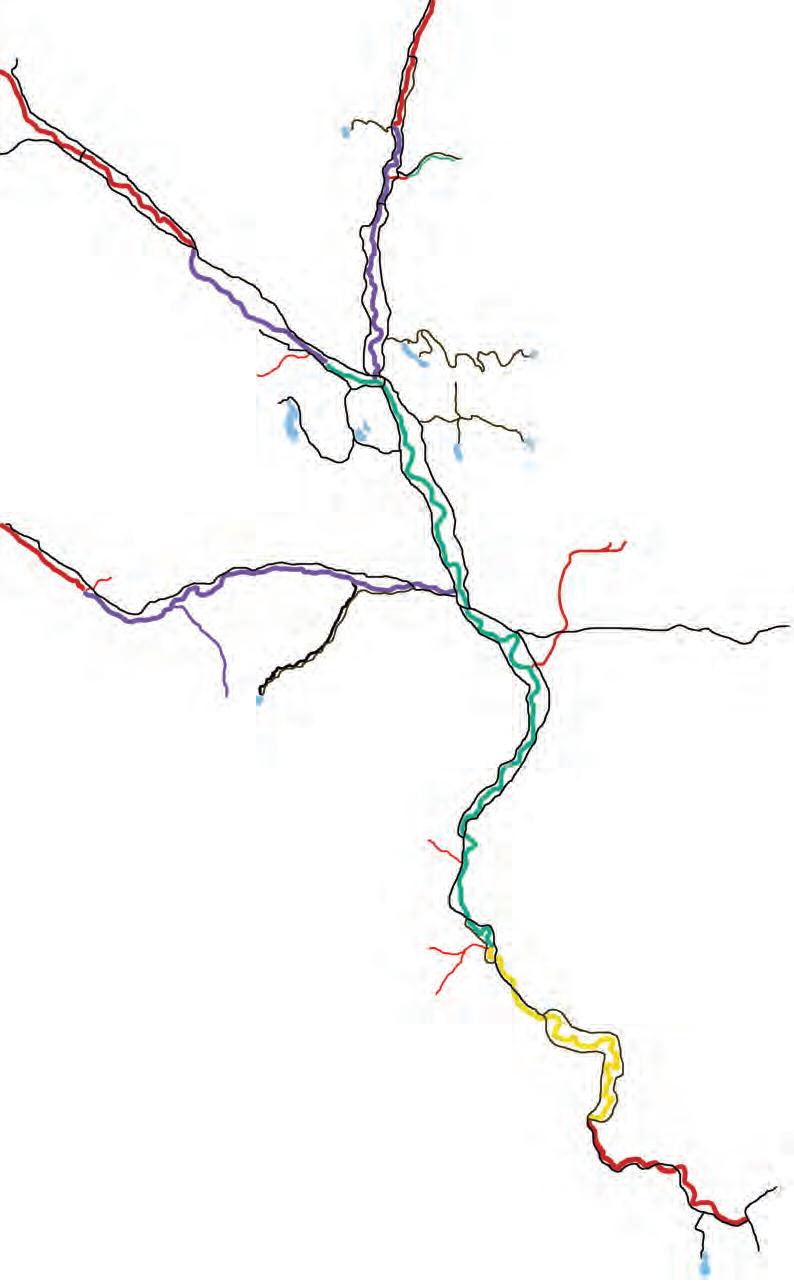
2023 Regulations & Information
•Use only artificial lure/fly with single barbless hook.
• BAIT IS PROHIBITED
•DO NOT play fish to exhaustion.
•Minimize handling by leaving the fish in the water.
•Use rubberized or knot-less landing net.
•Grasp fish by its back and head, gently but firmly, turn fish belly up while removing hook.
•If fish swallows hook, cut leader.
Additional Regulations for Methow Valley Rivers and Streams
NOTE: Additional Regulations May Apply
Consult the Washington Sport Fishing Rules 2022 - 2023 pamphlet, download the “Fish Washington” app, or check the WDFW website for more details: https://wdfw.wa.gov/fishing/regulations
METHOW STEELHEAD REGULATIONS: Opening and closure determined by WDFW. Check emergency rule changes on WDFW website for details.
WINTER WHITEFISH REGULATIONS: Consult the Washington Sport Fish pamphlet for details.
All threatened or endangered species - including Summer Steelhead, Spring Chinook Salmon, and Bull Trout - must not be completely removed from the water, unless retention is allowed under special state rules.
•Report violations to the WDFW Enforcement Officer 509-631-0903
This map was created by Greg Knab and Ben Dennis and updated by Methow Valley Fly Fishers and Methow Fishing Adventures. Questions - contact methowvalleyflyfishers@gmail.com
Methow Valley News 26
TO WASHINGTON PASS •MAZAMA HWY20 HWY20 HWY 20 to OKANOGAN/OMAK HWY 153 •WINTHROP •TWISP •CARLTON METHOW • •PATEROS HWY153 HWY 97 TWISP RIVER Mouth to War Creek May 27 - Aug 15 COUGAR near Winthrop CAMPBELL DAVIS PEARRYGIN EIGHT MILE ALTA LAKE LOWER BURMA BRIDGE Libby Creek CLOSED WATERS CLOSEDWATERS CLOSED WATERS CLOSEDWATERS WAR CREEK FOGHORN DAM PATTERSON BIG TWIN LITTLE TWIN BLACK PINE Catch & Release / Selective Gear Rules Apply to the Methow, Twisp & Chewuch Rivers Wolf Creek ButtermilkCreek PoormanCreek METHOW RIVER Foghorn Dam to Weeman Br. May 27 - Aug 15 METHOW RIVER Gold Creek to Foghorn Dam May 27 - Sept 30 BUCK LAKE CHEWUCH RIVER Mouth to Eightmile Cr. May 27 - Aug 15 TO HARTS PASS WEEMAN BRIDGE TO THIRTY MILE Gold Creek Boulder Creek Beaver Creek COLOR KEY CLOSED WATERS May 27 - Sept 30 May 27 - Aug 15 May 27 - Sept 15 Lakes
(unless opened by WDFW special regulations) Gold Creek Lower Burma Bridge to Gold Creek:
May 27 - Sept 15 (unless opened by WDFW special regulations)
CAMPBELL AND
Davis is off of Bear Creek Road on Davis Lake Road a half-mile beyond the Bear Creek Golf Course entrance. To get to Campbell, go a few feet farther on Bear Creek Road, turn right up Lester Road and follow the map from there toward Pipestone Canyon. For Cougar Lake, head up Bear Creek Road to the WDFW Methow Wildlife Area headquarters, then bear to the right and keep going up, through the Cougar Flats burn scar until you get there. All three lakes are open year-round, selective gear only, no combustion engines permitted, minimum size 14 inches and two fish daily. Reports are always of a fun experience at both, although one is inclined to encounter the western pacific rattlesnake occasionally in the Campbell Lake area, just so one is aware.
■ CR EEKS, STREAMS AND SMALL RIVERS

There are a number of very aesthetic flowing water opportunities in the near vicinity of the upper Methow Valley. Some are wide
open for all kinds of gear, some are closed permanently to protect endangered and threatened species, and to protect critical and sensitive habitat. Some are open here and not over there, and some are open for certain species and closed for others.
It is the angler’s responsibility to know and abide by those specific, and sometimes confusing rules, especially knowing one species of trout from another. In the streams, it is quite possible to locate rainbow, cutthroat, eastern brook and bull (Dolly Varden) trout. There are different limits on eastern brookies than with rainbow and cutthroat, and catching/keeping Dolly Varden is unlawful, so beware.
For detailed information, see the accompanying Methow Valley Rivers & Streams map.
■ E ASY HIKING OR VEHICLE ACCESS
Tiffany, Cutthroat, Rainy, Lake Ann and Blackpine Lakes are all basic statewide rules and seasons, again confirm all information by carrying and referring to the 202324 WDFW rules pamphlet. Ann,

Cutthroat and Tiffany are favorites for relatively short hikes that offer a real alpine flavor to the day with clear, deep blue waters, lingering snow fields dotting the slopes into late summer, and the possibility of stumbling on wildlife not normally seen along the highway or on the valley floor.
■ M ORE DIFFICULTY = BIGGER FISH
Backpacking into some higher mountain lakes provides an opportunity to discover less-visited waters, and therefore larger, more ornery fish. Gleaning information from locals on the best secrets is akin to coaxing fellow morel hunters on their favorite mushrooming spots, but some of the local outfitters and fishing guide people, who love to talk their passion by nature, will give you some excellent tips and ideas on where to go and how to hook some of the more picayune piscatorial species.
More information is available online, on the radio and word of mouth. A search for Methow Valley fishing will link you up with local enthusiast Greg Knaub and his You Tube videos fly fishing in the
area, Leaf Seaburg’s weekly fishing updates on local radio station K TRT (the Root) heard on the FM dial at 97.5, and conversations with Lance Rider at the Outdoorsman, in Winthrop.
REGULATIONS/PASS INFORMATION
• WDFW Fishing Regulations: https://wdfw.wa.gov/fishing/ regulations. Available at Ace Hardware in Winthrop, The Valley Do It Center in Twisp and downloaded from the link above.

• Washington state Discover Pass: www.discoverpass. wa.gov. Available at Pardner’s Mini Market in Winthrop, the Valley Do It Center, Winthrop Ace Hardware and at Pearrygin Lake State Park.
• USDA National Forest Service Pass Information: www. fs.usda.gov/detail/r6/passes-permits/recreation/?cid=fsbdev2_027010. Available at Pardner’s Mini Market and at the Methow Valley Ranger District office in Winthrop.

Summer 2023 27 @ Sheri’s Sweet Shoppe Winthrop Washington the best burgers are the ones shared with friends (509) 996-2650 Book Online at bigtwinlakeresort.com 210 Twin Lakes Road Winthrop WA 98862 Camping Cabins, RV Hook-Up Sites, RV Dry Camping, and Tent Camping Family Friendly Resort Excellent Fly Fishing Rentals - Koffler Row Boats, Pedal Boats, and Paddle Boards Boat Launch and Fishing Dock Close to Hiking and BikeTrails Just 3 Miles from Downtown Winthrop ■ DAVIS,
COUGAR LAKES
Where permitted
A GUIDE TO RECREATIONAL SITE PASSES, FEES, PERMITS OR LICENSES
Want to get out on the trail, try out your paddleboard, or launch your boat?
Although there are lots of free areas, many hiking trails and boat launches require a pass for parking. Because the Methow is blessed with thousands of acres of state and federal land, it helps to know where you’re going so that you get the right pass.

If you’re a big hiker or you spend a lot of time on the water, it’s worth investing in a Northwest Forest Pass for trails in the National Forest, plus a Discover Pass, which provides access to all state parks, lakes and wildlife areas. They’ll save you money and you’ll always be ready for a spontaneous outing.
If you don’t expect to visit other national parks in the state, like Mt.
Rainier or Olympic National Park, a Northwest Forest Pass will work fine, since it gives you access to a vast range of hiking trails near the Methow. Most trails along the North Cascades Highway start on U.S. Forest Service land. Even though some trails take you into North Cascades National Park, there’s no separate entry fee. The Northwest Forest Pass also covers trailheads in the Chewuch and near Gold Creek, where you can head to the Pasayten or Lake Chelan–Sawtooth wilderness.
T he pass system can be confusing, but the passes support trail maintenance and recreational facilities as state and federal budgets are cut.
Fortunately, some popular areas are still free (see list below). And, if you arrive on foot, bicycle or horse, you generally don’t need a pass.
A BASIC GUIDE TO PASSES:
■ F EDERAL
U.S. Forest Service land (Okanogan-Wenatchee National Forest/ Methow Valley Ranger District)
Needed at:
• Most trails along the North Cascades Highway, including Blue Lake, Cutthroat Lake, and Lake Ann/Maple Pass
• Lookout Mountain
• Twisp River trails
• Falls Creek Falls, Chewuch-area trails
• A lso good at national forests in Oregon
The annual passes can be used by all members of a household. People can get one free decal per annual pass for open-topped vehicles like jeeps and motorcycles.
Pass options:
• Northwest Forest Pass, $30,
annual.
• National Forest Recreation Day Pass, $5, day. Purchase at trailheads (exact cash or check required), at Methow Valley Ranger District, or online.
• National Forest Recreation Day ePass, $5, day; (buy online for a specific date and print at home).
■ S TATE
Washington State Parks, Washington Department of Fish and Wildlife (Methow Wildlife Area), Department of Natural Resources (DNR) areas
Needed at:
• Carlton Swimming Hole
• Lewis Butte
• Patterson Mountain/Patterson Lake
•Pearrygin Lake State Park (unless you’re camping there)
• A lta Lake State Park (unless
Methow Valley News 28
Photo by Ashley Lodato
The Methow Valley is the best of the North Cascades. We know this wilderness like it's our own backyard — because it is!

Let us be your basecamp. Step out our doors into half a million acres of breathtaking mountain terrain on your bike, skis, horse, or in your hiking boots.
Our boutique mountain inn is located at the heart of downtown Mazama, steps from the trails, store and pub. If a private cabin is more your style, we’ve got you covered. The Inn has been managing dozens of nightly rental cabins here in the Methow Valley for over 35 years.


Visit www.innmazama.com or call 509-996-2681 to learn more and make your reservation today.
on the trails in the heart of mazama

Summer 2023 29
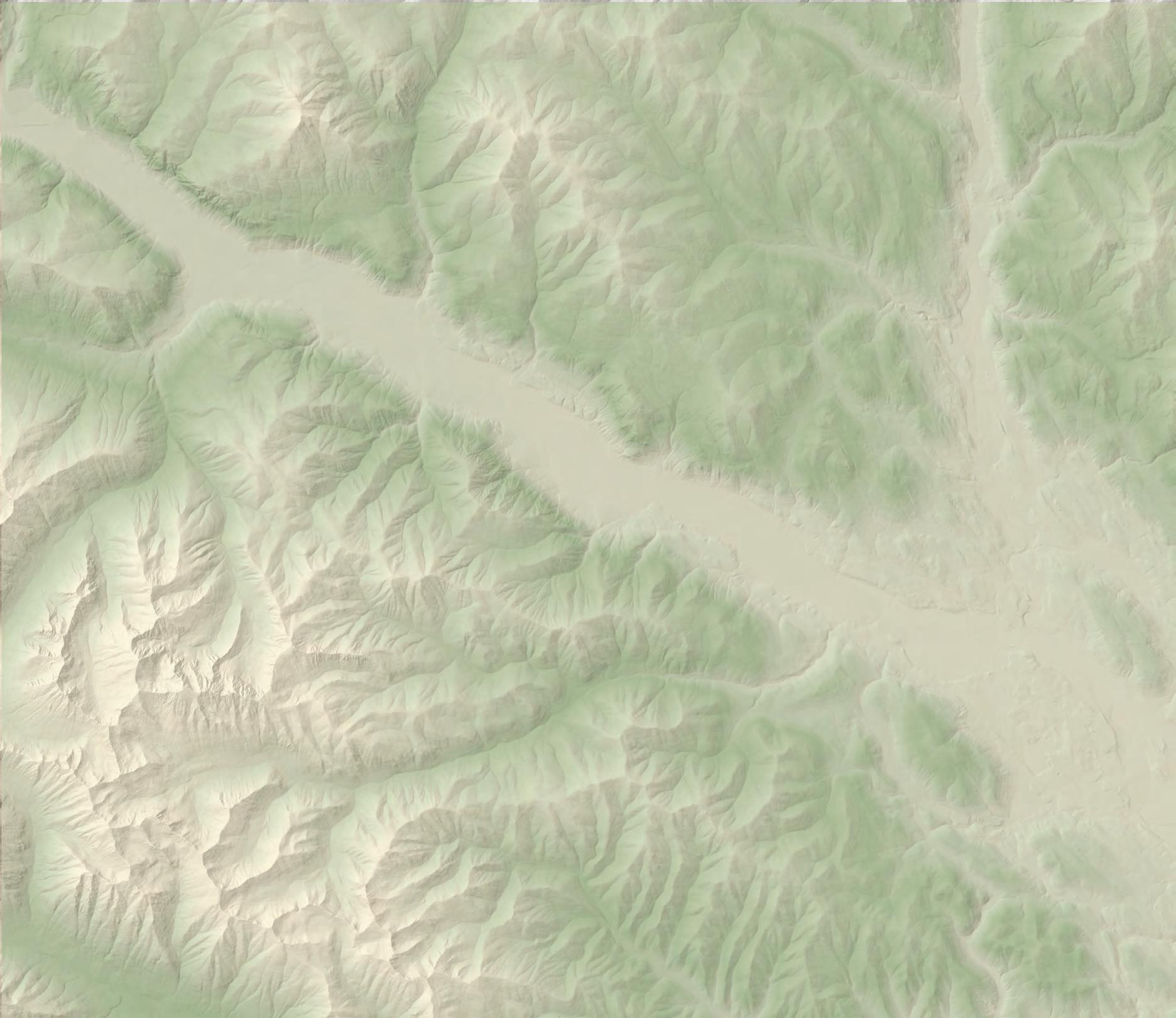






C�� C���� T�������� G��� R���� T�������� B�� V����� T�������� W��� R���� T�������� 2628 ft 2895 ft 1916 ft 1.1 1.0 4.0 1.0 9.0 3.0 1.4 3.4 1.9 0.5 0.2 0.5 1.4 1.5 0.9 0.7 1.7 3.1 2.5 2.5 1.7 12.0 1.8 2.0 5.4 MCT Methow Community Big Valley Outer Loop Lewis Butte Lower Buck Mountain FS Road Buck Up Buck Mountain Buck Mountain Lewis Butte Backside Methow Community Trail Big Valley Veery Red Start MCT Upper Thompson Ridge Road Thompson Ridge Road Thompson Ridge Climb It Change Lower Petes Upper Inside Passage Wild Turkey Thompson Ridge Coal More Cowbell Radar Creek ) ( Heifer Hut Grizzly Hut Gardner Hut Rendezvous Hut Cassal Hut B ! B B B B ! B C C 20 @ 20 @ C Nort WolfCreek R d Wolf Creek Rd T h o m p s o n R i d g e Rendezvous Mtn Buck Mtn Grizzly Mtn Gobblers Knob Weeman Bridge 3985 Buck Lake Wolf C re e k OKANOGAN-WENATCHEE NATIONAL FOREST RENDEZVOUS BIG VALLEY SUN MOUNTAIN MOUNTAINS TO SOUND GIS CARTOGRAPHY BY MATT DRESSLER Map designed by Mountains To Sound GIS, matt@mtsgis.com, on behalf of Methow Trails. Data sources include Methow Trails, OWNF, USGS, WADNR, WDOT, Okanogan County GIS, Methow Map, and Methow Cycle & Sport. While great care was taken in the creation of this map, errors in accuracy and completeness do exist. MTS GIS llc shall not be liable for any general, special, indirect, incidental, or consequential injury or damages resulting from the use of this map. This project is funded in part by the Okanogan County Hotel/Motel Lodging Tax Fund. Methow Trails operates under a special use permit from the Okanogan-Wenatchee National Forest and in partnership with 175 private landowners who graciously allow trail access through their land. GET THE MAP SUMMER TRAILS
Twisp-WInthropEastsideRd
you’re camping there)
• Leader Lake (Loup Loup Highway)
Parking on state land requires a Discover Pass (unless you can park safely on a state or county road). The campsite fee at a state park covers your daytime activities there (including boat launch), but camping on other state lands generally requires a Discover Pass. The pass provides access to hundreds of parks, wildlife areas, water-access sites and primitive campgrounds. The pass can be transferred between t wo vehicles.
Pass options:
Discover Pass, $30, annual ($5 service fee if purchased online or at a local vendor)
Day Pass, $10, day ($1.50 service fee if purchased online or at a local vendor)
The Vehicle Access Pass is free to people who buy hunting and fishing licenses. It provides access to WDFW lands (such as the Methow Wildlife Area), boat launches and other water access sites, but not other state lands like state parks. The pass can be transferred between two vehicles.

If you do a lot of boating, the annual Natural Investment Permit could be the way to go. For $80, you get access to state watercraft launches, as well as day access to state parks, for a year. The pass can be transferred between two vehicles. The Natural Investment Permit is only good at state parks and doesn’t cover state wildlife lands or state forests, so you still need a Discover Pass to visit those areas.
You can buy a single-day permit to launch a boat for $7, but you’ll also need a $10 day pass if you don’t have a Discover Pass. You can launch a boat for free if you’re camping at a state park like Pearrygin or Alta Lake.
Washington provides free lifetime passes to disabled veterans for free camping, boat launches, and entry to state parks. The free Disability Pass provides free entry for disabled Washingtonians to state parks and boat launches and a discount on camping. Registered foster parents get free entry for their family at parks and other state areas.
People 62 and older with a limited income can qualify for the Senior Citizen Limited Income Pass, which provides free entry to state parks, free boat launch, and a 50% discount on camping. The pass is not valid at state wildlife areas or areas managed by DNR. Apply online or call (360) 902-8844.
■ P ICKING THE RIGHT PASS
In addition to the main passes — day or annual versions of the Northwest Forest Pass and the Discover Pass — a variety of other passes are available, depending on your interests, age, and how much you use public lands.
America the Beautiful Pass (aka Interagency Annual Pass): $80 for a year. Good at national parks and other federal lands; has two signature lines and both people are considered pass holders.
Interagency Senior Pass: If you’re 62 or over, you can get a lifetime pass for $80 or an annual pass for $20.
Both the America the Beautiful Pass and the Senior Pass are good at national parks, U.S. Forest Service lands (most trails along the North Cascades Highway), and other natural areas run by the U.S. Fish & Wildlife Service, Bureau of Land Management, Bureau of Reclamation, and Army Corps of Engineers. They also provide free entrance for your traveling companions and a discount on camping, boat launches and guided tours.
A pass providing lifetime entry to all federal lands (the Interagency Access Pass) is available for free to those with a disability and their traveling companions.
The Interagency Annual Military Pass is free for active-duty military and traveling companions. There is also a free lifetime pass for military veterans and Gold Star Families (next of kin to a member of the U.S. Armed Forces who lost his or her life while serving).
The Interagency 4th Grade Pass/Every Kid Outdoors program provides a free pass to all fourth-graders and their families from September through August. The pass must be printed and then displayed at parks and other sites. Check out everykidoutdoors.gov.
■ M ORE INFO
There’s detailed information about the different types of passes, where you need them — and what the agencies use the fees for –— on the Washington Trails Association website at https://www.wta.org/go-outside/passes, plus a handy guide called “Which Pass Do I Need Q&A.” The page has a list of recreation sites that do and don’t require passes.
U.S. Forest Service: www.fs.usda.gov/main/ okawen/passes-permits. See the info under Recreation Passes & Permits.
Federal passes are also available through the U.S. Geological Survey store at http://store.usgs. gov, on the home page. They offer the “Pass Wizard” to help people figure out which pass they need.






More FAQs and a quick guide to choosing a pass are at Discover Your Northwest, https:// www.discovernw.org under the “Rec Passes” tab.
Outdoor Recreation Information Center: https://www.discovernw.org/ranger-station-rei-seattle.html, (800) 270-7504. Info and FAQs about passes.
FREE TRAILS
■ B IG VALLEY, BETWEEN WINTHROP AND MAZAMA
■ GOAT PEAK, MAZAMA
■ C OPPER GLANCE, CHEWUCH
■ HAR TS PASS AREA

31 3.8 2.1 2.4 1.0 0.9 1.2 0.2 0.5 0.5 0.8 1.3 1.8 Lewis Butte Riser Lake Loop Buck Mountain Backside MCT TWiN Trail Fish Hatchery Trail Winthrop Trail Winthrop Trail Powers Plunge Upper Winthrop Trail Patterson North Patterson South Patterson Summit Meadow Lark Coal Creek Meadow Lark Blue Jay Woodpecker Goshawk Radar Creek Patterson Lake B B B ! B 20 @ C Cub CreekRd Rendezvous Rd Gunn RanchRd Rendezv ou s R d WestChew u c h R d East Ch e w u ch Rd Twin Lakes Rd Pa�erson Lak h Cascades Highway
Lewis Butte Patterson Mtn 3,511 Patterson Lake Pearrygin Lake Big Twin Lake Little Twin Lake Meth o w R i v e r M C h e w u c h Ri v er Chewuch River PEARRYGIN LAKE STATE PARK WINTHROP Aqua Loop1.50.9 2 Beaverpond2.21.4 4 Black Bear5.53.4 5 Moose1.10.7 6 Blue Jay3.11.9 7 Upper Cabin0.80.5 8 Lower Cabin0.30.2 9 Chickadee1.20.7 11 Climb It Change6.33.9 12 Corral 31.9 13 Criss-Cross1.10.7 14 Dave's Dive0.70.4 15 Goshawk1.00.6 16 Heifer0.40.3 17 Herringbone Hill0.80.5 18 Homestead0.30.2 19 Horse1.00.6 20 Lower Inside Passage 1.50.9 21 Upper Inside Passage 1.61.0 22 Kraule2.01.3 23 Lakeview1.10.7 24 Lower Fox0.60.4 25 Magpie Horse1.00.6 26 Magpie1.20.7 27 Meadowlark6.54.0 30 Overland0.90.5 31 Owl 0.40.3 32 2.51.5 33 2.31.5 34 1.61.0 35mit 0.90.5 36 Upper Pete's Dragon 0.70.4 37 Lower Pete's Dragon 1.10.7 38 Radar Creek2.21.4 39 Raven0.20.1 40 Rodeo1.81.1 41 Shortcut0.40.2 42 Sunnyside2.81.7 43 Thompson Ridge Trail 1912 44 Upper Fox0.90.6 45 View Ridge2.31.4 48 Woodpecker8.15.0 46 Wildturkey1.61.0 49 Yellowjacket1.81.1 1 TrailName KilometersMiles Bike DogsHorsesMotorized SUN MOUNTAIN TRAILS Trail Type Roads Double Track (dirt or gravel) Single & Double Track Trailhead Bathrooms Public Campground Picnic Area Public Parking Trail Junc�on Bridge Forest Service Road Dirt or Gravel Road Paved Road Highway Single Track (dirt or gravel) Map Date: 3/20/2023 between trail junctions Distance in MILES Paved Trail is Road (dirt, gravel or paved Overnight Hut Fire Lookout Tower Na�onal Forest Boundary Lake Chelan-Sawtooth Wilderness Boundary Sasquatch C Use Cau�on E-bikes are NOT permitted on trails where motorized vehicles are prohibited, including all trails maintained by Methow Trails, USFS and WA Fish & Wildlife. 0 1 2Miles
Where to buy rec passes
FEDERAL
Northwest Forest Pass (annual), $30
National Forest Recreation Day Pass or Day ePass, $5
Methow Valley Ranger District, Winthrop
Sells all federal passes including Northwest Forest Pass (annual and day), America the Beautiful ($80), and senior and military p asses. Monday to Friday, 8 a.m.–4 p.m., (509) 996-4003.
National Forest Recreation Day Pass
Buy at trailheads (requires exact cash or check) or at ranger district. Buy Day ePass online, print at home, and validate for desired date.
Annual and day passes
■ L OCAL VENDORS:
• Cascades Outdoor Store, Winthrop, (509) 996-3480, annual only.
• Goat’s Beard Mountain Supplies, Mazama, (509) 996-2515, annual only.
• Methow Cycle & Sport, Winthrop, ( 509) 996-3645, annual and day.

• Valley Hardware Do it Center, Twisp, (509) 997-3355, annual and day.
• Winthrop Mountain Sports, Winthrop, (509) 996-2886, annual and day.
■ O NLINE:
• U.S. Forest Service: www. fs.usda.gov/main/okawen/passes-permits, under Recreation Passes & Permits.
• Discover Your Northwest, https://www.discovernw.org (click on the “Rec Passes” tab).
• U.S. Geological Survey store at http://store.usgs.gov, (888) 2758747 (plus $5 or $10 processing fee, depending on the pass).
Interagency 4th Grade Pass (free annual pass)
Provides a pass to all fourth-graders that’s good for free admission to national parks, national forests, and other federal recreation areas for the child and their family. Valid September through August. Check out everykidoutdoors.gov.
STATE
Discover Pass (annual), $30 Day Pass, $10
State Park ranger at Pearrygin Lake State Park, Winthrop, or Alta Lake State Park, Pateros. Rangers sell annual or day Discover Pass with no transaction fees.
Annual and day passes
■ L OCAL VENDORS: Pardners Mini Market, Winthrop, ( 509) 996-2005.
Valley Hardware Do it Center, Twisp, (509) 997-3355.
Winthrop Ace Hardware, Winthrop, ( 509) 996-2150.
(transaction fees: $5, annual; $1.50, day).
Online or by phone: https://discoverpass.wa.gov or (866) 320-9933.
(transaction fees: $5, annual; $1.50, day).
Discover Pass (annual only) When renewing vehicle license tabs:
• In person at Methow Valley Licensing & Services, Twisp, (509) 997-9009. Purchase annual pass with vehicle-registration renewal; pass is sent from Olympia, so it

Trail Use Guidelines Trail Use Guidelines
Be Kind
Learn about the Methow Valley's early watermelon-lovers, miners and homesteaders at indoor & outdoor displays.

Plan ahead. Control your dog. Be aware of others and ride in control.
Be courteous. Yield to others. Everyone deserves a great experience.
Open Daily, 10:00am - 5:00pm Memorial Day - mid-September
Admission by donation 285 Castle Avenue, Winthrop www.shafermusem.org
Pick up after your dog. Follow posted use guidelines. Respect private property. Stay on the trail.
Methow Valley News 32
Tread Lightly
Stay Safe
takes about 10 days (no transaction fees).
• By mail with tab-renewal form.




• Online at www.dol.wa.gov.

■ N CW LIBRARIES



Check out a free Discover Pass for up to two weeks from the library. Check your local branch or reserve one at https://www. ncwlibraries.org.

ONE-STOP SHOPPING FOR FEDERAL AND STATE PASSES
■ O NLINE:
































• Washington Trails Association: https://www.wta.org/ go-outside/passes.




• Outdoor Recreation Information Center: https://www.discovernw.org/ranger-station-rei-seattle.html, (800) 270-7504.










• Discover Your Northwest, www.discovernw.org (under “Rec Passes”).

4 000 34 3,600 3800 3 4 0 0 3 2 0 0 0 0 3 002 3 400 800 2 6 00 2 004 2600 2 400 2800 2,800 2 002 0002 3 6 00 0.6 0.7 1.2 0.5 1.7 1.1 1.1 1.1 1.2 0.6 0.6 0.7 0.7 0.2 0.5 0.5 0.8 1.3 1.0 1.4 1.0 1.5 0.9 0.5 0.3 0.5 0.4 0.4 0.7 0.2 0.2 0.3 0.4 0.4 0.2 0.9 0.7 1.7 0.9 0.4 0.4 0.3 0.5 0.4 0.5 0.6 B ! B Suggested Direction Winthrop Trail Black Bear Black Bear Black Bear Lower Fox Aqua Loop Yellowjacket-Black Bear Connector Moose Corral Sunnyside Lakeview Herringbone Hill Kraule View Ridge Beaver Pond Powers Plunge Methow Community Trail Upper Winthrop Trail Patterson North Patterson South Patterson Summit Thompson Ridge Lower Inside Passage Climb It Change Overland Yellowjacket Rodeo Dave’s Dive Upper Fox Homestead Lower Petes Woodpecker Meadow Lark Ain’t Never Nuthin Magpie Horse Magpie Rader Creek Patterson Lake Kraule Horse Corral Shortcut Lower Cabin View Ridge Sunnyside Cascades Highway Wolf Creek Rd WolfCreekRd Pa�ersonLakeRd Patterson Mtn 3,511' Gobblers Knob 4,276' Patterson Lake Me t h o w R i v e r Wolf Creek OKANOGAN-WENATCHEE NATIONAL FOREST �� �������� �� �����’� ���� W��� C���� T�������� C�������� T�������� 2635’ ! B S�� M������� L���� Aqua Loop0.9 Beaver Pond1.4 Black Bear3.4 Ain’t Never Nuthin 1.0 Moose0.7 Blue Jay1.9 Upper Cabin0.5 Lower Cabin0.2 Chickadee0.7 Climb It Change3.9 Climb It Change UPPER 0.5 Corral1.9 Criss-Cross0.7 Dave's Dive0.3 Goshawk0.4 Heifer0.3 Herringbone Hill0.5 Homestead0.2 Horse0.6 Lower Inside Passage 0.9 Upper Inside Passage 1.0 Kraule1.3 Lakeview0.7 Lower Fox0.4 Magpie Horse0.6 Magpie0.7 Meadowlark4.0 Overland0.5 Owl 0.3 1.5 1.5 1.0mit 0.5 Upper Pete's Dragon 0.4 Lower Pete's Dragon 0.7 Rader Creek1.4 Raven0.1 Rodeo1.2 Shortcut0.2 Sunnyside1.7 Thompson Ridge Trail 12 Upper Fox0.6 View Ridge1.4 Woodpecker5.0 Wildturkey1.2 Yellowjacket1.1 Mile s Name Bike DogsHorsesMotorized One -wayTrail SUN MOUNTAIN TRAILS Map designed by Mountains To Sound GIS, matt@mtsgis.com, on behalf of Methow Trails. Data sources include Methow Trails, OWNF, USGS, WADNR, WDOT, Okanogan County, Methow Map, and Evergreen Mountain Bike Alliance. While great care was taken in the creation of this map, errors in accuracy and completeness do exist. MTS GIS llc shall not be liable for any general, special, indirect, incidental, or consequential injury or damages resulting from the use of this map. This project is funded in part by the Okanogan County Hotel/Motel Lodging Tax Fund. Methow Trails operates under a special use permit from the OWNF. Map Date 4/1/2023. Dirt or Gravel Road Single & Double Track (dirt or gravel) (dirt or gravel) Trail is Dirt, Gravel or Forest Service Road Approximate eleva�on Historic Homestead summer trails SUN MOUNTAIN connects people, nature, and communities through a world-class trail system 1.1 B ! B 0.5 Overland Criss-Cross Magpie Horse Magpie Upper Cabin Chickadee Owl Yellowjacket Heifer Beaver Pond Climb It Change Criss-Cross C�������� T�������� D����� 2635 ft Patter s o n L a keRoad Th o mpsonRidgeRd NF-500 NF4410 GET THE MAP
Inside Okanogan County - $39 yearly In Washington State - $50 yearly Outside of Washington - $65 yearly (509) 997-7011 Methow Valley News Find us online! Want More? Subscribe for weekly delivery! methowvalleynews.com
Riding high
FIND A HORSEBACK ADVENTURE, FROM DAY RIDES TO BACKCOUNTRY
BY SHELLEY SMITH JONES
If ever there was a perfect place to ride horses, one could vouch for the Methow Valley. The spectacular scenery, variety of riding options available, and extensive horsemen and horsewomen community all lend themselves to a superb experience on the back of a horse.

If you’ve never ridden a horse before, but would love to try it, there are several places in the valley that offer a trusty horse to provide a positive first encounter with such a large animal. Most
outfitters recommend a shorter ride — such as 1 to 1-1/2 hours — for a first-timer. Once you are hooked, 2-hour, half-day, and fullday rides are available.
When comfortable in the saddle, a look around the countryside will fill your senses. In the late spring, myriads of colorful wildflowers abound. Summertime rides often go through waving green grasses and along clean, clear rivers. T he backdrop of blue skies, puffy clouds, and snow-capped mountain ranges demand the oft-heard comment, “It’s so beautiful here!”
To become a more proficient horseback rider, lessons are available from seasoned wranglers. Adding tools to your toolkit enhances the riding experience. Soon, a pack trip will be on your
bucket list.
Riding to an alpine basecamp while mules haul your duffle bag (fishing pole, too, if desired) on a horse handpicked for your ability and stature is a trip of a lifetime. Most multi-day rides offer mouth-watering meals prepared by experienced cooks, including fresh pan-fried cutthroat or rainbow trout that you just caught. Evenings are filled with campfire entertainment or quiet time under the dark, star-covered sky.
Horse owners will find it well worth trailering them to the Methow Valley. Methow Trails’ extensive ski trail system offers a wide variety of terrain when the snow is gone from a flat 2-hour ride at Big Valley to a loop ride with some climbs through
arrowleaf balsamroot at Buck Mountain and numerous trails out of Chickadee Trailhead. Jack’s Trail loop winds through the trees for a cooler ride on a hot day. Check Methow Trails Summer Trails map for the horse symbol to see which trails are open to horseback riding.
Many trails are also occupied by wildlife including bear, moose, deer, coyote, even, wolves, so a rider must always be aware of the surroundings. A game bird can fly up unexpectedly and even a “bombproof” horse sometimes will spook.
Two horse camps are available for overnight camping with plenty of trails out your camper door. Methow Valley Backcountry Horsemen put in a significant
Methow Valley News 34
Photo by Steve Mitchell
number of hours every year keeping up the campsites. U.S. Forest Service Twisp River Horse Camp is located 22 miles up Twisp River and is intended for stock users.
U.S. Forest Service North Summit Horse Camp allows stock camping only and is located on Loup Loup Pass (same turnoff as Loup Loup Ski Area).
Mazama Ranch House, another option, is known as the best little horse hotel in Washington State with free corral space and easy trail access while horse owners enjoy the lovely accommodations of the facility. Goat Creek loop ride or a ride across Tawlks Foster Suspension Bridge to Wesola Polana on Methow Community Trail are both great choices right outside the door.
Also available in the summer are wagon rides, for those who want a horse experience, but maybe not on its back.
PACKERS, OUTFITTERS, AND TRAIL GUIDES
■ DARWOOD OUTFITTING
Jess Darwood (509)322-5377
www.darwoodoutfitting.com
Pack trips, hunting pack trips.
■ E ARLY WINTERS OUTFITTING
Aaron Lee and Judy Burkhart (509) 996-2659

www.earlywintersoutfitting.com
Pack trips, hunting pack trips, drop camps, gear drop, trail rides,
riding lessons.
■ JD OUTFITTERS LLC
Debbie “Red” Schrock (509) 860-5752
IG – @red-jdoutfitters
FB – JD Outfitters LLC
Customized services for guided horseback rides & horsemanship lessons, wagon & buggy rides.
■ S UN MOUNTAIN LODGE
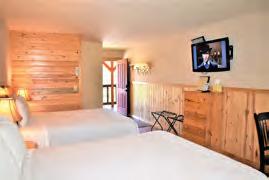


Slade and MacKenzie Ginter, managers (509) 996-4735
www.sunmountainlodge-com/ sun-mountain/horseback-riding/ Guided trail rides, private rides, arena lessons.
■ CH EWACK RIVER GUEST RANCH

Don and Chris Lundgren (509) 996-2497
www.chewackranch.com

Guided trail rides, cattle drives.

■ MA ZAMA RANCH HOUSE
www.mazamaranchhouse.com (509) 996-2040

Horse hotel.
■ SAWTOOTH OUTFITTERS
Alta Lake — Pateros
Tara Varrelman Gokey (509) 899-1125
High mountain rides.
■ U.S. FOREST SERVICE HORSE CAMPS
www.fs.usda.gov
Information and current conditions regarding Twisp River Horse Camp and North Summit Horse Camp.
Summer 2023 35 @thewinthropinn @methowriverlodge @chewuchinn Winthrop Inn Methow River Lodge & Cabins Chewuch Inn & Cabins WE LOVE OUTDOOR ADVENTURERS! www.frankhotels.com Located on the Eastern slopes of the Cascade Mountains and the Methow River.
on the Methow River with many year-round recreational activities.
one half mile from the famous “Old West” town of Winthrop, Washington. EXPLORE ALL THAT WINTHROP HAS TO OFFER WITH US!
Located
Located
Photo by Shelley Smith Jones
Rock solid
VALLEY CLIMBERS WILL FIND A FULL RANGE OF OPTIONS
BY ASHLEY LODATO
Although rock climbing is not a sport for everyone, those who climb understand the appeal. The airy feeling of being off the ground, feet perched on a sliver of granite, fingers crimping a rocky nub. Dancing up a rough face, light steps, friction making possible your upward progress. Forearms pumping at the top of a sustained vertical slab, hands gritty with chalk and sweat. The thrill of finally mastering a sequence after repeated attempts.
The Methow Valley is a launching pad for anyone who wants to wander in the backcountry, finding peaks and figuring out how to stand on top of them. If this sounds like your ideal summer and you have the experience and time to make that dream a reality, then start poring over the Beckey guidebooks (Volumes 2 and 3 of the Cascade Alpine Guide series by the late and legendary North Cascades climber and mountaineer, Fred Beckey). You can find these at Mazama’s Goat’s Beard Mountain Supplies shop (information below).
Fred Beckey was notoriously irreverent, but in his pragmatic way he articulates why people climb: “I don’t know what inspires me; I can’t explain it. It’s hard to put into words. Why does anyone do anything? I like to do it; it’s fun.”
■ W HAT TO KNOW
The Methow Valley’s climbing popularity is showing itself in impact to natural areas. Increased use is causing damage to sensitive environments, especially in the Washington Pass area. A series of improved trails and signage is an attempt to mitigate human impact in this fragile area. Always stay on
the trail and leave no trace. Only park and camp in approved areas. Plan several options for outings, and if the parking lot at Plan A is full, proceed to Plan B.
North Cascades Mountain Guides (NCMG) offers low-ratio climbing trips with world-class, certified guides. Want a family day at the crags? Or maybe you’re interested in experiencing multipitch climbing. NCMG has you covered. NCMG guides have decades of experience, trained and certified by the American Mountain Guides Association. NCMG maintains a low ratio of clients to guides to ensure a high margin of safety and a quality experience with individual attention. They also offer an armchair preview of the Methow Valley peak experience through videos on their blog. www.ncmountainguides.
com, (509) 996-3194, 48 Lost River Road, Mazama.
■ RE AD ALL ABOUT IT
Books written by local and world-renowned climbers provide readers with climbing routes, tips, and stories of life on the eastern slopes of the North Cascades.
“Mazama Sport Climbing,” by Bryan Burdo, is the most comprehensive guide to sport climbing in the upper Methow Valley. This book is the updated 2019 version to Burdo’s earlier publication, “Methow Rock.” “Matrix & Europa,” also by Burdo and fellow climber Gabe Grayum, covers over 60 new routes near Mazama not covered in any other guidebook.
North Cascades climbing pioneer Fred Beckey meticulously documented his Cascade ascents in three volumes of the “Cascade Alpine Guide” series.

Methow Valley News 36 BIKES, SUPS, TRAIL INFO CLOTHING & MUCH MORE OPEN EVERYDAY SALES • SERVICE RENTALS 29 Hwy 20 Winthrop, Wa methowcyclesport.com 509-996-3645
Photo by Steve Mitchell
“Cascades Rock,” by Blake Herrington, covers a broad swath of the North Cascades, including Washington Pass. The guide includes detailed route descriptions, topographic maps, and color photos.
“Stone Palaces,” by local author and climber Geof Childs, received the American Alpine Club H. Adams Carter Literary Award for providing readers with “a vision of the climbing life that is insightful, true, and beautiful.”
All these books and more can be found at the Trail’s End Bookstore in Winthrop, or at Goat’s Beard Mountain Supplies in Mazama, but you might want to call ahead, since many of them are difficult for stores to keep in stock.
■ MU LTIDAY TRIPS
Soaring summits and miles of views are the draw to the backcountry peaks surrounding the Methow Valley.
The Methow Valley Ranger station, located at 24 W. Chewuch Road in Winthrop, (509) 9964000, can provide permits and up-to-date trail conditions for destination peaks in the Sawtooth Wilderness, Pasayten Wilderness and Washington Pass areas. PeakBagger.com has information on the top peaks in the area, including the towering classics of Mt. Gardner, Black Peak, and Silver Star.
■ RE WARDING DAY TRIPS
Short or long, there are many options in the Methow Valley for climbers of all levels of experience and skill. Color printed miniguides can be purchased at Goat’s Beard.
• Fun Rock: Located 1.4 miles northwest of the Mazama Store, the Fun Rock crags along Lost River Road are easily accessed
from the parking area. Signs point all the way to crags. Over 50 routes ranging 5.5-5.13b are noted in the Fun Rock guidebook — available at Goat’s Beard.
• Liberty Bell and Early Winters Spires: The climbs in the Liberty Bell/Early Winters Spires area are some of the best in Washington state, with solid rough granite and climbs ranging from moderate to difficult. This area is popular for good reason, but decades of popularity have resulted in considerable impact to the surrounding area, including human waste disposal issues, erosion and trail proliferation. The result of a collaborative effort with the U.S, Forest Service, the Access Fund, the National Forest Foundation, and other organizations, the presence of a seasonal climbing ranger with outreach and education information will be a step toward mitigating human impact on the Liberty Bell/Early Winters Spires area. Please respect signs and use guidelines.
• Goat Wall: The iconic Goat Wall towers 1,500 feet over the valley floor. The parking lot and trail access is located 3 miles northwest of the Mazama Store on Lost River Road. The face of Goat Wall is over a mile wide and consists of meta-pyroclastic rock. Irregular cracks and jagged holds provide texture to smooth glacier polish. Long sport multi-pitches and natural lines provide varied options to enjoy classic climbs.
• Europa: Europa is Goat Wall crag with new routes ranging from 5.6-5.12.
• The Matrix: Located 1.6 miles south of Mazama and accessible from the Goat Creek Sno-Park, the 60-plus routes at The Matrix
are mostly sport routes with a few traditional lines as well. It gets hot and snaky here in the summer.
• West Chewuch/Falls Creek: Climber and author Bryan Burdo developed this new site located along West Chewuch road, above Falls Creek. Little is written about this new site; experienced climbers just head to the crags and get on the climbs. Eventually www.mountainproject.com may have some information about this area.
• Washington Pass Crags: Beat the summer heat at the crags just above the hairpin turn at Washington Pass. As with The Matrix area, these are mostly single-pitch bolted routes. This newly-developed area gives you the feeling of climbing in the mountains yet is reachable by just a 5-minute walk from the road.
■ T IPS AND GEAR
Climbing equipment, outdoor gear, guidebooks, maps, and local climbing advice are available at several locations throughout the Methow Valley:
• Goat’s Beard Mountain
Supplies in Mazama has the largest selection of climbing gear found in the valley. Be sure to purchase the color print miniguides for local crags.

www.goatsbeardmountainsupplies.com
4 4 Lost River Road, Mazama (509) 996-2515
• Winthrop Mountain Sports
www.winthropmountainsports. com
257 Riverside Ave., Winthrop (509) 996-2886

• Cascades Outdoor Store
www.cascadesoutdoorstore.com
222 Riverside Ave., Winthrop (509) 996-3480
Always practice accepted climbing etiquette and take fundamental safety precautions (www. rockandice.com/how-to-climb/ best-rock-climbing-ethics-andpractices/). There’s an entire book published every year (Accidents in North American Mountaineering) detailing accidents, near-misses, and fatalities in mountaineering and rock climbing. You should aim to stay out of it.
Summer 2023 37 PARDNERS MINI MARKET GROCERIES, GAS & FOOD THAT’S FAST T 24 HOUR FUEL Accepting Texaco and Chevron fuel cards. Hwy 20, Winthrop (509) 996-2005 Open 6 a.m. – Midnight MADE YOU LOOK! Advertising works! (509) 997-7011 advertising@methowvalleynews.com
Photo by Steve Mitchell
The genuine articles
FIND LOCAL FOOD, DRINK, PRODUCE AND ARTISTRY THROUGHOUT THE VALLEY
The Methow Valley is more than a beautiful place to visit and recreate. It’s a working community, full of imaginative, energetic people who make their livelihoods growing, creating or producing things that are entirely portable, enjoyable and durable.

Make your Methow Valley memories tangible by taking home, or ordering online, something from the attractive array of locally made, manufactured, grown or created goods — including beer, wine, coffee, cider, spring water, grains, meats, fruits and vegetables, jams and jellies, hot sauce, honey, baked goods, cheese, soaps, lotions, arts, crafts, plants, jewelry, knives and more.
More than 60 Methow Valley
businesses are represented in the Methow Made program sponsored by TwispWorks. For a complete list, visit www.methowmade.com.
Many local retailers carry selections of Methow-made products. On the TwispWorks campus, the Methow Valley Goods retail store
offers an eclectic collection of Methow creations. It is open Tuesday through Saturday, 11 a.m.-4 p.m. Don’t miss either the Farmers Market at the Methow Valley Community Center in Twisp, on Saturdays from 9 a.m.-noon; or the Winthrop Market at Mack Lloyd
Park (near the Winthrop Barn) from 10 a.m.-2 p.m. on Sundays. The Methow Makers’ Market, a twice-monthly “pop-up” outdoor market for arts and crafts, is scheduled to be staged at Confluence Park on Riverside Avenue in Winthrop on May 6 and 20, June 3 and 17, July 1 and 15, Aug. 5 and 19, and Sept. 2 and 16.
For lots of useful information, you may be able to find copies of the 2022 Methow Made publication produced by the Methow Valley News in conjunction with TwispWorks. To see a digital version, go to www.methowvalleynews.com, scroll to the bottom of the home page and click on the Methow Made cover. The 2023 version of Methow Made will be available mid-summer at locations throughout the valley.
For more information, call TwispWorks at 997-3300.
• 15 Suites each with own private patio
• 300 acre private ranch

• 3.5 miles of on property nature trails
• Private fishing pond
• 24 hour refreshment lounge
• Guest Breakfast and Local Gourmet coffee included
• Luxurious Bar and Restaurant on Property

• Enjoy the resort quality pool, sauna & Hot Tub
• Unbeatable location for your next event or wedding
Methow Valley News 38 casialodge.com (509) 416-5463 Methow Valley’s Luxury Adult Retreat Destination.
methownet.com serving the Methow Valley since 1995
Photo by Steve Mitchell
What to do with yourself
THERE IS ALWAYS ANOTHER ACTIVITY CLOSE BY
BY ASHLEY LODATO
What do we do in the Methow Valley? The question really is what do we not do in the Methow Valley?
This valley is renowned as a place of summer outdoor recreation, with numerous options for climbing, backpacking, day hiking, river rafting and tubing, paddleboarding, swimming, water skiing, mountain biking, and fishing.
But it’s also a place where you can master a new skill, participate in the arts, compete in an athletic event, immerse yourself in the community, and learn something new. It’s also a place where you can read a book by the side of the river, wander a dusty road for hours, or host your own rollerskating party. When you don’t limit your options, the options are limitless.
TAKE THE KIDS
■ P IONEER HISTORY
The Shafer Historical Museum preserves and shares the history, culture and sense of place in the Methow Valley to inspire human connection and learning. With its mining and pioneer history, replicas of homesteader cabins, turn-of-the-20th-century dental office, store, school, and assay office, it’s fascinating to adults and kids alike. It’s location within walking distance of Winthrop makes it even more appealing. www.shafermuseum.org/visit.
■ H OMESTREAM PARK
Located an easy walk from downtown Winthrop via the Spring Creek Bridge, Homestream Park is dedicated to the rivers and fish of the Methow Valley, and to the Native people, past and present, who have called this place home for thousands of years. Interpretive installations, a miniature fire lookout replica, and an astounding collection of artwork by the late Smoker
Marchand make this tiny gem of a park a magical place to visit. www. homestreampark.com.
■ I NTERPRETIVE CENTER
When you’re in the Methow Valley you’re in the ancestral territory of the Methow People. Methow Descendants still live in and spend time in the Methow Valley, despite being forcibly relocated to the Colville Reservation in the late 1800s. The Methow Valley Interpretive Center offers exhibits, events, and classes that foster cultural awareness and understanding of Indigenous peoples and the natural history of the Methow Valley. A native plants garden, a fire lookout replica, and a traditional pit house provide delightful and educational exploration. www.methowvalleyinterpretivecenter.com.
Learn more about the original inhabitants of the Methow Valley at tinyurl.com/methowpeople
■ G LASSWORKS
Stand outside the Glassworks of Winthrop studio in downtown
Winthrop and watch glassblower
Garth Mudge create lamps, glassware and sculptures from molten glass, all while entertaining you with stories and some of the history of glassblowing. winthropwashington.com/business-directory/ glassworks-of-winthrop.
■ I NTERPRETIVE TRAILS
The Twisp Ponds site is a complex of streams, rearing ponds, meandering trails, public art, and interpretive stations (methowsalmon.org).
T he Sa-Teekh-Wa interpretive trail is easily accessible from downtown Winthrop across the pedestrian bridge with the same name, and winds 2 miles through pine stands along the Chewuch River. www.wta.org/go-hiking/ hikes/sa-teekh-wa-trail.
■ CATCH A LIFT
Scenic chairlift rides at Loup Loup Ski Bowl will transport you to a glorious view at the top of Little Buck Mountain at 5,260 feet. Gaze out at the magnificent forest unfolding below you, and get a

sneak peek at the ski trails without their snow layer. Explore the summit and then walk or ride back down. www.skitheloup.com.
■ L ET THE GOOD TIMES ROLL
Wheels on your heels is so retro that it’s modern. Rent the Methow Valley Community Center (www. methowcommunity.org/gym-rental) or the Winthrop Rink (www. w inthroprink.org/rollerskating) for roller skating. Roller hockey —it’s a thing. www.winthroprink. org/rollerhockey.
■ TAKE A SWING
The Methow Valley offers three mini-golf options. Ice cream and miniature golf go hand-in-hand (cone in one hand, club in the other) in downtown Winthrop at Sheri’s Sweet Shoppe, www. sherissweetshoppe.com. On the eastern edge of Winthrop, the Abby Creek Inn runs an 18-hole mini golf course, www.abbycreekinn.com. After a round or two of mini golf at the Silverline Lakeside
Summer 2023 39
Photo by Steve Mitchell
Resort, you can take a dip in nearby Pearrygin Lake, silverlineresort.com.
Bear Creek Golf Course offers a 9-hole disc golf course, with no tee times required (www.bearcreekgolfcourse.com/-disc-golf). Loup Loup Ski Bowl also hosts a disc golf course (www.skitheloup.com).
ACTIVE & OUTSIDE
■ S TARSTRUCK
The Methow Valley’s dark skies will show you the constellations like you’ve never seen them before. Check out Dave Ward’s article about summer stargazing on page 49, and read his Naked Eye column in the Methow Valley News for current happenings in galaxies near and far, far away. The Methow Valley Dark Sky Coalition is working to create a dark sky community for the Methow Valley and surrounding areas, which means better stargazing for all. They welcome involvement from residents and visitors. Email kyrie.jardin@methowdarksky.org for more coalition information.
■ CR OSS THAT BRIDGE
The Methow Valley’s three most prominent pedestrian-only bridges are gorgeous examples of cable bridge architecture and engineering. The Tawlks-Foster Suspension Bridge in Mazama is a traditional suspension bridge over the Methow River, with a nearby picnic shelter, interpretive signage, and a William Stafford poem plaque. Downvalley, the Sa-Teekh-Wa Bridge over the Chewuch River at the north end of downtown Winthrop and the Spring Creek Bridge over the Methow River are cable-stay bridges with easy access to the amenities of town. The Sa-Teekh-Wa Bridge connects to a riverside interpretive trail, while the
Spring Creek Bridge delivers you to the Winthrop Rink, with roller skating and pickleball sessions.

■ G ET PICKLED
A few years ago the Methow Valley went crazy for pickleball and t he passion hasn’t waned. Twisp and Winthrop both offer pickleball sessions, at the Methow Valley Community Center (methowcommunity.org/calendar) and the Winthrop Rink (www.winthroprink. org/pickleball). There are also courts in Winthrop and Mazama.
ART LOVERS
■ F EAST YOUR EYES
Find topnotch art at The Confluence: Art in Twisp and at the Winthrop Gallery on Riverside Avenue; both feature works by Methow Valley artists. Some artists and craftspeople have open studio hours on the TwispWorks campus, where you can watch the artists at work. At Glassworks of Winthrop on the boardwalk you can see a glassblower in action. Some valley shops also display local art, notably Rocking Horse Bakery in Winthrop, and Cinnamon Twisp Bakery and Methow Arts, both in Twisp. Look for unique items at other boutiques and stores.
■
CR EATORS AND MAKERS
A one-stop destination for locally created products, Valley Goods in the TwispWorks campus features the work of more t han 70 Okanogan Region artisans, craftspeople, creators, and makers (twispworks.org/ on-campus/twispworks-partners/ valley-goods/).

■
AR T WALK
The Methow Valley boasts a range of public art, stretching from the upper reaches of the valley
down into the confluence with the Columbia River at Pateros. Visit www.methowarts.org/public-artmap for a map and brief description of the art and artists. See related article page 45.
■ M ETHOW RIVER POEMS
In 1992 the poet William Stafford wrote a commissioned series of poems reflecting the landscape and spirit of the North Cascades. The poems in this collection — the Methow River Poems — are engraved on steel plaques placed at various locations between Washington Pass and Pateros (www. methowconservancy.org/discover/ william-staffords-methow-river-poems).
■ S UMMER READING
Browse for leisure-time reading material at Winthrop’s impressively stocked Trail’s End Bookstore on R iverside Avenue. Check out the children’s section at the back of the store, with big picture windows overlooking the river. Our t wo libraries, in Winthrop and Twisp, welcome visitors to browse the stacks in limited numbers, and both offer free Wi-Fi: www.ncrl. org/locations. Free books can be found at one of the valley’s free little libraries, located in the Mazama Store courtyard and outside the Twisp Post Office. Take a book or leave a book.
■ S ILVER SCREEN
The Barnyard Cinema opened in 2017 and has since become a place to experience the thrill of the silver screen and connect with other moviegoers. Through screenings of blockbusters, documentaries, animated, and independent films, Barnyard Cinema offers audiences the chance to be entertained, provoked, frightened, and stirred
by characters and concepts (www. thebarnyardcinema.com).
■
L IVE PERFORMANCE
Restaurants and bars in both Twisp and Winthrop feature evening entertainment like live music, open mic sessions, trivia nights, and other activities. You can also watch plays, concerts, poetry slams and other literary readings, and informal jam sessions at summer performances at The Merc Playhouse, Old Schoolhouse Brewery, Old Schoolhouse Brewery Taproom at TwispWorks, the Mazama Public House, Twisp River Tap House, Methow Valley Ciderhouse, the Branding Iron, Copper Glance, The Barnyard Cinema, Methow Arts, the Methow Valley Community Center, Winthrop Barn, Sun Mountain Lodge, Freestone Inn, Inn at Mazama, Confluence Poets, TwispWorks, and Trail’s End Bookstore (www.methowarts.org/ community-calendar/).
■ C LASSICAL MUSIC
The Methow Valley Music Festival promotes appreciation of chamber music. Their annual program brings in top-quality musicians worldwide to produce six summertime Centerstage concerts, which will be held at the Methow Valley Community Center in Twisp. June 15, 17, 22, 24, 2023 (www.methowmusicfestival.org).
■
R HYTHM & BLUES
Held at the Blues Ranch on the Methow River from July 21-23, 2023, the Winthrop Rhythm & Blues Festival is packed full of exciting national and regional entertainment for all ages. With on-site camping, food and craft vendors, portable showers, and a beer garden, the Blues Ranch is the perfect setting for one of Washington’s
Methow Valley News 40 EST. 2004 509-996-2000 mtgardnerinn . com In building O @TwispWorks 502 S Glover Street, Twisp, WA This ad paid for in part by Okanogan County Lodging Taxes METHOW VALLEY GOODS LOCALLY MADE art, clothing, jewelry, pottery, and more from 90+ vendors. Tues - Sat 11AM – 4PM
finest music festivals (winthropbluesfestival.com).

■ M ARKET IT
Dedicated to connecting Methow Valley growers and producers with consumers, the Methow Valley Farmers Market runs Saturday 9 a.m.-noon from mid-April through late October at the Methow Valley Community Center parking lot in Twisp (www.methowvalleyfarmersmarket.com/).
A Sunday market running 10 a.m.-2 p.m. from Memorial Day to Labor Day, the Winthrop Market in Mack Lloyd Park features artisan goods and other locally-made products (www.winthropwashington.com/events/farmers-markets/).
TREAT YOURSELF
■ P ERSONAL CARE
Get a massage, facial, manicure, pedicure or other personal pampering. Try the Nectar Skin Bar and Boutique or the Sunflower Massage & Spa in Winthrop, the TwiSpa in Twisp, or head up to Sun Mountain Lodge for special treatment in their hilltop spa.


■ W ORK OUT
Looking for indoor exercise? Get
a day pass at Winthrop Physical Therapy & Fitness and take advantage of a wide range of modern workout equipment in a pleasant environment, or take one of their regular fitness classes. Most of the local yoga studios offer drop-in rates and a welcoming atmosphere.
■ WI NTHROP PARKRUN
Parkrun is an international series of free community events where you can walk, job, run, volunteer, or spectate. The length of each parkrun is 5 kilometers and takes place on Saturday mornings. Winthrop parkrun meets at Methow Trails on Horizon Flats (www.parkrun.us/ w inthroptrailhead).
■ G RAB A CUP
Savor locally roasted coffee at Blue Star Coffee Roasters, The Little Dipper, Rocking Horse Bakery, the Mazama Store, Oliver’s Artisan Kitchen, Cinnamon Twisp Bakery, or the deli at Hank’s Harvest Foods. You’ll be served blends from one or the other of the Methow Valley’s specialty coffee companies: Blue Star Coffee Roasters in Twisp and Lariat
Coffee Roasters in Winthrop. On the move? Roll through one of our coffee kiosks: Michael’s on Highway 20 in Twisp, or Pony Espresso on Highway 20 in Winthrop.
■ F ILL UP
Visit our dining guide on pages 56-57 for information about the valley’s eateries, offering dining from casual to fine. There are many new restaurants in the Methow Valley, in addition to your old favorites.

■ G ET STIMULATED
This valley is full of interesting people who love to share their knowledge, experiences, poetic talents, and images with others. Talks ranging from natural history to travel to poetry are offered in both live and virtual formats. Visit www. methowconservancy.org/events, www.methowarts.org/community calendar, www.winthroplibraryfriends.org/events, methowcommunity.org/calendar, and methowathome.clubexpress.com.
FIND YOUR PLACE
■ G ET A JOB
Meet people, support the local economy, and make some money.
Plenty of businesses need part-time and seasonal help over the summer. It’s a great way to find your niche in the valley (www.methowvalleynews.com/classifieds/).
■ M AKE A DIFFERENCE
One of the best ways to become a part of a community is to plug into the organizations that define it. The Methow Valley is home to dozens — some say nearly 100 — nonprofit organizations with missions ranging from conservation to arts education to social services. The Volunteer Methow website will tell you all about volunteer opportunities in the valley. Filling a need might just be one of the most meaningful things you’ll do all summer (www. VolunteerMethow.org).
■ S UPPORT REAL NEWS
Keep up with local goings-on with a subscription to the Methow Valley News, delivered to you once a week with fresh stories and tons of useful information. Call (509) 997-7011, email frontdesk@ methowvalleynews.com, visit our website, www.methowvalleynews. com, or find us on Facebook for daily news and updates.
Summer 2023 41 Get in touch to book your stay · 509-996-2681 · BASECAMP49.COM LUXURY PRIMED FOR ADVENTURE. MODERN RENTAL CABINS IN THE METHOW VALLEY
Order our chef-made “take-and-bake” entrees, salads, and sushi for local pickup in Winthrop, Mazama, Twisp, or delivery direct to your door. Methow Fresh makes delicious meals easy and convenient for you. No long hours of shopping, preparation and cooking are required. Just cook, then serve!


The hills are alive
THE METHOW VALLEY TEEMS WITH FLORA AND FAUNA
BY SANDRA STRIEBY
In its 80-mile run from headwaters to the Columbia River, the Methow River traverses a richly varied watershed shaped by volcanoes, glaciers, and floods and populated by a diverse array of plants and animals.
Increasingly, the valley’s landscape is being re-worked by fire and climate change, which affect the types, abundance, and distribution of local flora and fauna. W hat follows is an overview of the valley’s habitat types, and a look at some of the plant groups and animal species that occupy them.
The Methow Valley offers four major habitat types for plants and
animals to colonize: forest, shrubsteppe, riparian and aquatic.
• Forested lands receive enough moisture to support trees, and vary from dry forests where trees may be widely spaced to denser stands in cooler and wetter areas — often at higher elevations.
• In the shrub-steppe, trees are few or non-existent due to lack of water; shrubs fill the ecological niche that’s occupied by trees in forests. Long considered barren wastelands, areas of shrub-steppe are now understood to be important storehouses of plant and animal diversity.
• Riparian areas — lands adjacent to water bodies — have access to plenty of water and support dense stands of trees and shrubs. Straddling the edge between water and land, they house abundant
resources and are more important than their size would suggest.
• Aquatic systems — rivers, streams and lakes — are home to more life than meets the eye. The valley’s rivers and lakes teem with life, including birds, mollusks, turtles, frogs, insects, microorganisms and more. When it’s safe, swimming, snorkeling or wading can be great ways to discover the activity below the surface.
■ K EYSTONE SPECIES
All of the Methow’s habitat types support keystone species — plants and animals that provide broad support for the ecosystems to which they belong.
The concept of keystone species was introduced about 50 years ago. It’s supported by our growing understanding that complex

Methow Valley News 42
Photo by Van Vanosdoll
Visit our website to view our menu and place your order MethowFresh.com
DELIVERY SERVICE!
THE VALLEY’S ONLY FOOD
Italian Lasagna
ecological relationships are often held in place by a single species or group of species.
Just as a single keystone is able to support an architectural arch, and all the weight above it, so can a keystone species play an outsized role in a natural system. The sections on flora and fauna that follow will introduce a few of those species.
■ T HE FLORA
Forests, shrub-steppe, and riparian areas all support a mix of vegetation types, including trees, shrubs, and forbs (the botanical term for grasses, wildflowers, and other non-woody flowering plants). Trees grow primarily in forested and riparian areas. Generally, shrub-steppe is too dry to support them, although they may appear in spots where there’s adequate moisture.
Ponderosa pine and Douglas fir are two prominent tree species at lower and middle elevations. Both are adapted to fire, and forests like those in the Methow Valley thrive on low-intensity burning every few years.


Other pines and true firs become more common at higher altitudes, and there’s a smattering of Western red cedars in wet places. Larches drape mountain slopes with color when their needles turn gold in the fall. Wildfires have swept the valley as often as not in the last decade, dramatically changing forests and affecting all aspects of forest ecology, including use by plant and animal species.
Riparian zones, and wetter spots within forests, may support cottonwoods, aspens, alders, willows and birches. Willows are keystone species; across the U.S., they support hundreds of kinds of insects
— some of those are pollinators; others provide food for baby birds. Shrubs provide enormous value to arid-zone ecosystems, offering pollen, nectar, berries, seeds, and leafy browse that feed numerous animal species. With their colorful flowers and fruit, shrubs are a delight to the eye as well. Chokecherries and other members of the genus Prunus are keystone species, critical to the survival and reproduction of the animal kingdom.
In the shrub-steppe, where few trees survive, shrubs such as sagebrush, bitterbrush and rabbitbrush take their place, providing perches, refuge and nesting places for birds and small mammals. Sagebrush is considered a keystone species because it’s such an important element of the ecosystem, providing direct support to hundreds of species and enriching the thin mineral soils in which it grows with nutrients and organic matter. Like the valley’s forests, much of the shrub-steppe has been altered by recent fires.
Although they got off to a slow start this year thanks to heavy snow and a cool spring, wildflowers will bring color to the valley throughout the summer. Bloom starts soon after the snow melts at lower elevations, and moves upward as snow recedes and the soil warms. Flowering will peak in the high country in July, and last into fall where temperatures and soil moisture permit.
Ranging from tiny flowers like Whitlow-grass to big eye-catching species like balsamroot, wildflowers are essential elements of the valley’s ecosystem, providing food and habitat for dozens of animals. Many forbs also benefit from
hummingbirds, bees, butterflies, and other pollinators, which help them reproduce.
 ■
■

T HE FAUNA
Hundreds of species of animals spend at least part of their life cycles in the valley’s forest, shrubsteppe, riparian and aquatic habitats. They include more than 270 k inds of birds, 70 other vertebrate species, and more invertebrates than we’ve been able to catalog. Here’s a brief introduction to some of the animals that contribute to the Methow’s web of life:
• Beavers. Beavers shaped much of the landscape of North America. In recent years they’ve gained increased recognition for their role in creating habitat for plants and other animals and retaining water in the landscape.
Birds, insects, fish, mammals, frogs, salamanders and more thrive in areas influenced by beavers. Some of the water trapped by beaver dams seeps into the ground to support moisture-loving plants; some provides habitat for fish, amphibians, reptiles and water-dependent mammals like muskrats and mink; some slowly makes its way through the dam and flows downstream, recharging rivers during the hot dry summer months.
The plants that surround beaver ponds attract insects and birds; the insects feed the birds and also the fish. The beavers’ role in watershed function has earned them the moniker “ecosystem engineers” along with recognition as a keystone species.
• Bats. The Methow is home to more than a dozen species of bats, the only mammals able to fly under their own power. Ranging from tiny Western Pipistrelles, the

smallest bats in the U.S., to Big Brown bats with wingspans of at least a foot, the valley’s bats are excellent hunters and prodigious consumers.
Each one catches thousands of insects every night, using echolocation to find its prey. Bats contribute to plant health and human comfort by reducing populations of mosquitoes, wasps, beetles, grasshoppers and other insects. They share the ability to echolocate — use sound to navigate — w ith a few other kinds of animals, including many marine mammals. Echolocation has contributed to a number of human technologies, including airport security and remote sensing.
• Salmon. As streams and rivers flow toward the sea, they carry a load of nutrients with them — dissolved and suspended minerals, plant and animal detritus all leave the watershed by water power. Salmon journey to the oceans to feed, then return, bringing loads of nutrients to replenish their home streams.
Summer 2023 43 CALL 9 11 For emergencies BUSINESS OFFICE (509) 997-4013 aeromethow.org Aero Methow Founders celebrating 50 years of service in the Methow Valley Aero Methow RESCUE SERVICE THE VIRGINIAN RESORT HOME OF THE BLUES Featuring Cabins & Rooms on the River starting at $69 per night Call to make your reservation! toll free 866-996-2535 or 509-996-2535 808 Hwy 20 • 1/2 mile from Downtown Winthrop Free Continental • Military Discounts Group Rates • Free WiFi • Satellite TV • Pet Friendly
Photo by Marcy Stamper
Those nutrients support other animals — 75 of the Methow Valley’s bird, mammal, amphibian and reptile species feed on salmon, their eggs, and their carcasses, and some of them carry nutrients away from streams to t he uplands, where they improve soil fertility.
■ R ESOURCES
Washington Department of Fish and Wildlife
• Black Bear: https://wdfw. wa.gov/species-habitats/species/ ursus-americanus.
• Cougar: https://wdfw. wa.gov/species-habitats/species/ puma-concolor.
• Western rattlesnake: https://wdfw.wa.gov/ species-habitats/living/ snakes#preventing-conflicts.
• To search for other species: https://wdfw.wa.gov/ species-habitats/species.

North Central Washington Audubon Society: https://ncwaudubon. org.
Washington Native Plant Society: https://www.wnps.org.
T he Methow Naturalist: https:// www.methownaturalist.com.
Be on the lookout
• Deer. The Methow Valley is home to Washington state’s largest migratory mule deer population. Deer are important both ecologically and economically. They are the largest w ild mammals you are likely to see here, and especially important to remember when you’re driving.
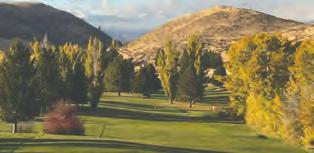
The best rule of thumb is to expect deer on the roadway anywhere at any time. Keep an eye on the margins of the road and be aware that deer often travel in groups — if one crosses the road in front of you, others may follow. Does are likely to be accompanied by a fawn or two, which may lag behind their mother.
• Wasps. Yellowjackets and bald-faced hornets (which are

actually wasps, not hornets, biologically) both deserve your cautious attention. Yellowjackets, in particular, are likely to show up as uninvited guests at any outdoor meal, and may fly into beverage cans.
• Ticks. Ticks can hitchhike on clothes and gear or fall into your hair as you travel through densely-vegetated areas. Since tick bites can cause disease, it’s smart to examine your clothes, gear, and body, and your pets’ skin and ears, after you’ve been outdoors during tick season (typically spring and summer). If you are bitten, consider following the CDC’s recommendations — you can find them at https://www. cdc.gov/ticks/.
• Rattlesnakes. Keep your eyes and ears open for rattlers,
and give them a wide berth if you do encounter them. Rattlesnakes won’t generally strike u nless they feel threatened, but their bites can be dangerous. They are more common in some parts of the valley than in others — Pipestone Canyon is a notorious haven — but it’s prudent to be watchful wherever you are. Keep dogs under control, and consider vaccination and/or aversion training for your canines.
• Cougars and bears. Encounters with large dangerous a nimals are unlikely, but both cougars and bears are present in the Methow, and it’s safe to be cautious. See the Resources section of this article for links to more information about both species.
Methow Valley News 44 hello@nestdesignbuild.com 206 . 786 . 4416 design build together DRIVING RANGE & PRACTICE AREA RENTAL CLUBS AVAILABLE POWER CARTS 9 GREENS, 18 TEES PRO SHOP & SNACK BAR BOOK TEE TIMES ONLINE BEARCREEKGOLFCOURSE.COM LIKE US! @bearcreekgolfcoursewinthrop STOP BY FOR LUNCH, AND THE VIEW! ENJOY BEER & WINE ON OUR DECK 509-996-2284 BEARCREEKGOLFCOURSE.COM 19 BEAR CREEK GOLF COURSE ROAD, WINTHROP, WA
Accessible art
CREATIVITY COMES OUTSIDE AT SITES ALL OVER THE METHOW
BY JULIA BABKINA
In displays large and small, public art is interwoven into fabric of the upper Methow Valley.
In 2020, Twisp became the fifth district in Washington state to become certified as a Creative District by the Washington Arts Commission. A creative district is a geographically recognized space for art, culture, and social and economic activity.
While public art in Winthrop is more geographically spaced out, it is also making an investment, first by revitalizing two murals downtown this spring. Following are a few examples of what to look for as you explore these distinct towns.
TWISP
■ “ BEEEST”
It’s hard to miss this 15-foot tall metal yellowjacket sculpture by Barry Stromberger in Twisp Commons Park, that has become the unofficial mascot of Twisp. Stromberger created this piece from the body of three cars embedded in the banks of the Methow River. Installed in 2016.
Suites owner Joe Marver came up with the name.
■ “M OUNTAIN HOME”
If you’re in Twisp, you’ve passed the 9- foot by 5- foot by 6- foot stainless steel mountain sculptures on Highway 20 at either end of town. Local artists Perri and Craig Howard’s design was selected by the town of Twisp and installed in 2019. The mountains illuminate a warm glow at night.
■ T WISP COMMUNITY
CONNECTION PANELS
Twisp-based artist Hannah Viano created a series of art panels depicting the history, community and culture of Twisp. The 3-foot by 6-foot panels can be found on the sides of The Cove, Methow Arts, Methow Valley Senior Center and Twisp Feed store.
■ “ ENTRO”
■ “
GRANDSONS CARRYING WATER TO THEIR HERBS”
The late Richard Beyer sculpted this piece at his studio in Pateros. Carved in Styrofoam and cast in aluminum, the larger than life statue in Twisp Commons Park pays homage to his four grandchildren, ages 5-10, watering plants in the early morning.
■ “ TWISPY”
This cutie,” at 140 W. Twisp Ave., across from Twisp River Suites, receives less attention than it’s more-famous counterpart, “Beeest,” and is worth the visit. Installed in 2015, the 7-foot long yellowjacket is fabricated from steel and given a rust patina to match the exterior of the hotel across the street. Twisp River
Sculpted by the late Bernard Hosey, a Twisp resident and renowned artist, “Entro” is one of 8 0 sculptural metal spheres in his “Spheres” series. Hosey’s giant sphere, on the TwispWorks C ampus in front of Methow Valley Interpretive Center, features g eometric shapes and steel girders, a relationship between positive and negative space and a human face. “Entro” was donated to TwispWorks by Jim and Gaye Pigott and installed in 2010.
■ T WISP
DISCOVERY PONDS
The Methow Salmon Recovery Foundation purchased 13 p arcels on Twisp River Road that were slated for residential development to create this 3 7-acre oasis. Located 1/4 mile from Highway 20, the 1-mile looping nature trail features Bruce Morrison’s “Beaver Totem,” Cordelia Bradburn’s “Blue Heron and Smolt,” and Steve Love’s “Twisp.” Dan Brown’s rusted steel “Bringing Home the Bacon-Salmon,” stands at the Twisp Ponds entrance.
■ “ METHOW FISHING”
Pateros-based Steve Love made this life-sized cast bronze sculpture of a Native American standing on a rock fishing with a spear, installed at 20326 Highway 20, at Twisp Self Storage. L awrence Therriault, who commissioned the project, grew up in t he valley and remembered, as a boy, watching Native Americans spearfishing in the Methow. Installed in 2007.

■ “ LOVE IS LOVE”
Methow Valley resident Amy Gard was commissioned to create and paint a temporary mural
in 2022 in honor of June’s Pride Month. The bright mural at the corner of Glover and Second Street, on one side of The Merc Playhouse, is a popular spot for tourists taking pictures in downtown Twisp. Gard studied sculpture, theater and auto me chanics, according to Methow Arts website.
WINTHROP
■ M ETHOW VALLEY FIREFIGHTERS MEMORIAL
This memorial by Barry Stromberger, in Mack Lloyd near the W inthrop Barn, honors 20 wildland firefighters that have fallen
Summer 2023 45
Photo by Julia Babkina
since 1929 fighting forest fires in the Methow Valley. The plaque reads in part, “Wildland firefighting is integral to the history and culture of the Methow Valley. This statue stands as a tribute to all ground and aerial firefighters; past, present and future.”
■ H OMESTREAM PARK
This former corral on Highway 20 adjacent to the Methow R iver Bridge was transformed into a park and opened to the public in 2019. Sculptures by the late Virgil “Smoker” Marchand, a member of the Arrow L akes Band of the Colville Confederated Tribes, dot the 2-acre site. The park’s theme is welcoming the salmon home. Marchand’s sculpture, “Water is Life” depicts spawning salmon. Another installation,“Coming Home,” depicts a Native American salmon encampment. The sp ace has been restored to its natural riparian and floodplain condition. An easy interpretive trail and benches by the Methow River provide a break from the busy-ness of town. Handicapped parking only at the site. General
parking at Winthrop Rink.
■ “ WINTER IN THE METHOW”
When it’s hot in the Methow, head over to the Spring Creek Trailhead for a visual reminder of the valley in the winter. S kiing, ski jumping, snowboarding, ice skating, ice hockey, s ledding, snowmobiling, even a person pulling their horse through the deep snow, are all depicted on this mural showing the diversity of life in the v alley. The back side of the brick building features an early 20th century woman on cross country skis holding three pelts. Painted by high school art students with Tori Karpenko, the murals were made possible by Methow Arts’ Artist-in-Residence program.
■ “ SOLACE”
You can’t miss the 17-foot-tall Western Red Cedar when you visit the new Winthrop Library. The charred tree was taken near 8-mile road and moved with great difficulty. When the library was constructed, its interior carpentry took place around the tree. Tori Karpenko and Hannah
Viano prepared this piece, which Karpenko described as “the passage of time and the undeniable urge for survival.”
■ “ WAR OF FROGS AND CRANES”
At the Chickadee Trailhead en route to Sun Mountain Lodge, this work was created by Richard Beyer and Liberty Bell High School students in 2002. The cast aluminum sculpture depicts cranes and f rogs enmeshed in an epic struggle. It’s anyone’s guess who’s w inning, or at least an interesting conversation starter.
■ W INTHROP MURALS

Two murals are visible from the south side of the four-way stop in Winthrop. A mural on the side of Three Fingered Jack’s Saloon is a replica of an 1880s advertisement for a salve that claims to treat horses and humans. Another mural on the side of the Emporium d isplays a map of the mountains surrounding the valley. Take pictures of them now, because the 51-year-old murals will soon get a facelift as part of a project to repaint downtown Winthrop.
97.5 fm

Methow Valley News 46
THE METHOW’S MUSEUMS, TRAILS AND OTHER PLACES HAVE STORIES TO TELL
BY SANDRA STRIEBY
Words, images, art and more help visitors understand and appreciate the natural and cultural features of sites throughout the Methow Valley. The interpretations they offer can deepen both intellectual and emotional connections to the sites themselves, and give context to visitors’ experience of the landscape. Here are some to consider:
• Methow Monument and Pateros Museum, Pateros. The Methow Monument is located in Lakeshore Park and uses signs, sculpture and images of Methow pictographs to convey the history and culture of the Methow People. There’s a teepee and a salmon bake oven; the monument is landscaped with native plants that were significant to people of the Methow tribe. A paved trail leads to the Pateros Museum; signs along the way and exhibits within chronicle various phases of the city’s history. For more information: www.pateros.com/index.php/history/pateros-museum.
• Methow Valley Interpretive Center, Twisp. Natural-history and native-culture exhibits and presentations, including Seasons of the People; Ribbon of Life; Emergence of the Methow: Geology and More; A Living Landscape; and Methow Seasonal Food Cycle. Native plant garden with signs in English and n̓səlxcin, the language of the Methow people; native pithouse; lookout cabin replica. Accessible restroom; accessible parking and entry on the north. Located on the northwest corner of the TwispWorks Campus at 210 Fifth Ave., Twisp. Admission is by donation; $5-15 suggested. The garden is always open; for center hours and other
information: www.methowvalleyinterpretivecenter.com.
• T wisp Ponds Discovery Center, ½ mile west of Twisp. The focus is on fish at this site, where a series of linked ponds provides habitat for salmon, steelhead and other species. An osprey sculpture marks the entrance; signs, more sculptures, and colorful nest boxes all contribute to the experience. Numbered markers are tucked among native plants along the trail. Learn more at www.methowsalmon.org/get-involved/explore-habitat-project and www.methowarts.org/river-twisp-ponds-discovery-center/.
• Cottonwood Trail, between Twisp and Winthrop on the Old Twisp Highway. The loop trail traverses an abandoned agricultural field and skirts the Methow River, showcasing land and river restoration activities. Signs and a trailhead kiosk focus on natural and cultural history and the restoration project. Watch for species-specific nestboxes, as well as birds, fish, and other wildlife. Beavers are active in the area, and recently fallen trees attest to their handiwork. Open yearround; parking lot is not plowed in winter. Discover Pass required. Learn more at www.methowsalmon.org/get-involved/explore-habitat-project and www.methowarts. org/river-cottonwood-trail/.
• Whitefish Island restoration site, between Twisp and Winthrop on Witte Road. Close to the intersection of Highway 20 and Witte Road, the site includes an informational kiosk, Methow river access, and up-close viewing of side-channel restoration that has improved f ish habitat. Learn more at www. methowsalmon.org/habitat-restoration/whitefish-island-project and http://methowconservancy. blogspot.com/2013/09/whitefish-island-fish-restoration.html.
• Interpretive Loop, Sun Mountain Lodge. Signs along the 1-mile loop trail explain features of plant
and animal life and the Methow Valley’s glacier-sculpted terrain. Park at the lodge — the trailhead is near the tennis courts — or make your way up from the Chickadee Trailhead off Thompson Ridge Road. The loop is composed of sections of the Kraule and View Ridge trails. Visit www. sunmountainlodge.com/sun-mountain/hiking/ for information about the loop and other Sun Mountain trails. For a map, go to https:// methowtrails.org/apps-and-maps and click on the “Sun Mountain” link under “Summer Maps.”
• Homestream Park, Winthrop. Enjoy art, picnic facilities, a riverside trail, and signs celebrating the Methow’s rivers, fish, and, especially, native people. The 2-acre park is protected as a home for the spirits of those first people with a unique spirit easement. ADA parking is on-site; other users park at the town trailhead on the far side of Twin Lakes Road/White Avenue. A trail east of the Methow River Lodge and Cabins driveway leads under Highway 20 and into the park. Learn more, and find a link to a map, at www.homestreampark.com.
The park features several metal sculptures by the late Virgil “Smoker” Marchand, a member of the Confederated Tribes of the Colville Reservation, whose powerful and evocative work can be seen throughout the

Northwest. Much of his work depicts horses and salmon, reflecting the animals’ spiritual importance to the region’s native people. Marchand died early this year.
• Shafer Historical Museum, Winthrop. Dedicated to fostering understanding of local history, culture, and sense of place. Indoor and outdoor exhibits feature the Methow Valley’s settlement and homesteading period. Open May 12-Oct. 1, circumstances permitting, with limited hours in May and September; check website and social media if temperature or air quality is questionable. Explore the outdoor farming and mining collections during daylight hours year-round. Masking optional. Gravel paths; most buildings have access ramps. Portable toilet. Admission is by donation — $5 per adult suggested; active-duty military and their families, free. Located at 285 Castle Ave. Free parking on Castle Avenue, or ascend the footpath from Riverside Avenue. For more information: (509) 3809911; www.shafermuseum.org/.
• Sa-Teekh-Wa Trail, Winthrop. Wide, mostly level, and under half a mile each way, the trail follows the Chewuch River. Interpretive signs chronicle local history, including tribal use of the site, power and irrigation projects, and
Summer 2023 47 Subject
to interpretation
Photo by Phil Davis
eventual restoration to support salmon recovery. Reach the site from 110 Bluff St. in Winthrop, just past the north end of Riverside Avenue — cross the footbridge between the River Pines Inn and the Chewuch Professional Building and turn right. For more information: www.wta.org/go-hiking/ hikes/sa-teekh-wa-trail and www. methowsalmon.org/get-involved/ explore-habitat-project.
• Winthrop Barn trails, Winthrop. Start from the Winthrop Auditorium (Red Barn) parking lot to explore the Methow River’s riparian zone and learn more about critters in the river. The site is part of the Methow River Collaborative, an interdisciplinary project of the Department of Ecology, Methow Salmon Recovery Foundation, Bureau of Reclamation, and Methow Arts Alliance. Visit www. methowarts.org/wordpress/wp-content/uploads/2019/01/River-Collaborative-Main-Brochure.pdf for a brochure
that includes a locator map.

• Big Valley Trail. Natural history is the theme of signs along a level trail that follows the Methow River through the woods for roughly a mile and a half. (For a longer walk, continue around a loop, without signs, then return to the parking area by the original route.) Discover Pass required. Access off Highway 20 via Dripping Springs Road near milepost 186. For a map, visit https://methowtrails. org/apps-and-maps and click “Lower Valley” under “Summer maps.”
• Early Winters Campground, 15 miles west of Winthrop. To learn about the Methow basin’s fish, explore the campground and look for signs along the trail that follows Early Winters Creek. There’s no fee for day use, but please don’t park at a designated camp site. Visit www.fs.usda. gov/recarea/okawen/recarea/?recid=59203 for more information.
Accessible interpretive trails

The U.S. Forest Service maintains several accessible trails in and near the Methow Valley.


• Black Pine Lake Campground is located about 20 miles west of Twisp off the Buttermilk Creek Road. Trailhead pass (purchase on site), Northwest Forest Pass, or Interagency Pass required to park at the day-use area. A paved trail follows the shore of Black Pine Lake; signs describe aspects of the site’s natural history. At the far end there’s a view into the Lake Chelan-Sawtooth Wilderness, with a peak finder that identifies the high points. Other features include benches, accessible vault toilets, and accessible fishing access. Learn more at www.fs.usda.gov/recarea/ okawen/recarea/?recid=59109.
• Washington Pass Overlook, 30 miles west of Winthrop, offers stunning views of Liberty Bell Mountain, the Early Winters Spires and more. Fall visitors will see golden larches. There’s a paved, accessible trail; accessible restrooms; and signs covering the history of the North Cascades Highway and more. Two of William Stafford’s Methow River Poems are posted at the site. Learn more at www.fs.usda.gov/recarea/okawen/recarea/?recid=59493
and www.wta.org/go-hiking/ hikes/washington-pass-overlook.
• At Falls Creek, 11 miles north of Winthrop, a short paved trail leads to a scenic waterfall. As of April, the trail is closed due to burned trees near the trail. For current conditions, call (509) 996-4000 or visit www.fs.usda.gov/alerts/okawen/ alerts-notices and check “Forest Orders” for the Methow Valley.
• Rainy Pass, 35 miles west of Winthrop, features a paved forest trail to an alpine lake. Northwest Forest Pass or Interagency Pass required, or buy a pass at the trailhead. Fishing allowed with a license. Picnic tables, accessible toilets, and drinking water available. The site is very popular and the parking lot likely to be crowded. Learn more at www.fs.usda. gov/recarea/okawen/recreation/ recarea/?recid=59385.
For more information about several of the sites above, take a look at the Forest Service’s “Over the Top” Accessible Adventures video at https://www.youtube. com/watch?v=uIlTgs1MDCg. The video is a few years old; be sure to check current conditions online or by calling the Forest Service at (509) 996-4000. The Lone Fir trail featured in the video is currently not accessible.
Methow Valley News 48 Enjoy sunshine and starry nights filled with outdoor adventures, from mountain biking to fly fishing. Dine on gourmet selections by James Beard award-winning Chef Jason Wilson. Lodge in guest rooms with mountain views or a cabin on Patterson Lake. LOCAL RESIDENTS GET 15% OFF ON WEEKDAYS WITH PROMO CODE LOCALS* *Proof of eligibility required upon check-in. Resort fee is additional. Not valid with any other promotion or discount. (509) 996-2211 | SUNMOUNTAINLODGE.COM
Reach for the stars — and other heavenly bodies
DARK SUMMER SKIES MAKE THE METHOW IDEAL FOR GAZING
BY DAVID WARD
Summer is probably the favorite time of the year for stargazing. The warmer nights are certainly a big plus since you do not have to dress up like a polar bear. Not that summer does not have its down sides. Mosquitoes and nights that do not get dark until way past your bedtime can definitely be a deterrent, but the night sky has a lot of attractions this season that you do not want to miss. Here are a few that I recommend.
■ N ORTHERN LIGHTS
After snoozing for decades our sun is waking up and flexing his muscles. Hordes of charged particles are being blasted at us at millions of miles per hour. Hitting the magnetic field and atmosphere of the earth, they produce brilliant displays of color dancing across the northern night sky. Space Weather Live.com is one of many websites that predict when to watch for the Aurora Borealis. It has been decades since auroral displays have been observed as far south as Washington state. For best viewing get to somewhere you can see low into the north.
■ TH E MILKY WAY
■
P ERSEID METEOR SHOWER
Sometimes known as the “Old Faithful “ of meteor showers, it never fails to delight young and old stargazers. This year’s show, which is visible from Aug. 11-13, will not be in competition with a bright moon. Look for the meteors after midnight and before dawn. Visible anywhere in the sky, if you trace their paths backward they will lead to the constellation Perseus in the northeast. Most astronomical objects are huge beyond our imagination. Meteors, however, we can wrap our heads around. They are about the size of an apple seed.

■ V ENUS
Venus is the brightest planet out there this summer and the brightest object in the sky except for the sun and the moon. She is at her height, literally, this summer as she reaches her greatest eastern elongation on June 4, the farthest from the sun in the sky’s dome. After that she will quickly drop out of the sky towards the west. On Aug. 13 she will pass between us and the sun and reappear in the eastern sky before dawn. If you have a small telescope, the best time to see Venus will be in late July and early August. Then
she will appear as a thin, delicate shaped crescent.
■
O THER PLANETS
Mars is a rather inconspicuous object low in the west during the month of June. Later in the summer, look for him before dawn in the east along with Jupiter and Saturn.
■
M OON
A crescent moon will be in a nice grouping with Venus and Mercury on July 19 and 20. To watch this event you need to be in a place where you can see low into the west just after sunset. A pair of binoculars will help. There are two super moons this summer, both in August on the first and the last nights of the month. The moon will appear to be at its largest because it is closer to us at a point in its orbit called perigee.
■ W EIRD CLOUDS
Have you ever seen a Noctilucent cloud? Summer is the time to spot these rare and mysterious clouds which are not fully understood by scientists. Most clouds hang out in the lower reaches of our atmosphere, but these eerie looking clouds are high up in the mesosphere about 50 miles above us. Microscopic water droplets make their way to the upper reaches of our atmosphere attaching themselves to dust particles f rom space, which gives these clouds a distinctive bluish hue. Look for them in the deep twilight just before it gets completely dark. Not sure if you are seeing the real thing? Compare what you see with pictures online. That is what I do.
Perhaps the grandest sight of all in the heavens above, it is a glimpse of our home in the vast cosmos. And what a big home it is! The laser beam from my pointer traveling at 186,282 miles per second would take over 100,000 years to traverse its girth. It contains hundreds of billions of stars, our sun being one rather insignificant resident. Named for the breast milk of an Ancient Greek goddess, humankind has marveled at the sight of it for millennia, and wondered what it might be. Now we know it is a huge pinwheel of stars, so large that even we, living in the 21st century, can scarcely grasp its scope.
On a dark, moonless night look for a pale glow stretching north to south across the sky. The center of the pinwheel lies in the south in the summer, and overhead you can see one of the spiral arms twisting out from the center.
The light we see has taken about 25,000 years to reach us here on earth starting its journey long before civilization was a happening thing on this little planet.
A great time to look for the Milky Way would be when you are watching for the meteor shower. Have fun out there, and I hope you get to see the night sky in all its glory.
Summer 2023 49
Photo by Steve Mitchell
When you wish upon a star
… IT MAKES A DIFFERENCE WHERE YOU ARE
BY JOANNA BASTIAN
The Methow Valley is home to the region’s clearest and darkest night skies — where the Milky Way can be gazed upon by the naked eye. The valley is surrounded by wilderness areas that rate a Class 2 on the Bortle scale — a “Typical Truly Dark Site” rating. Plan a summer night viewing stars and celestial events with the Methow Dark Sky Coalition. Visit methowdarksky.org homepage and scroll down to “Plan Your Methow Dark Sky Viewing” for local tips on prime viewing spots, a light pollution map, summer star gazing events, and NASA Skywatching tips.

to midnight. Bring sleeping bags and blankets to keep warm, and opt to spend a summer night under a dark sky. Bring a good pair of binoculars, and a friend with a telescope.
■
L OCATION, LOCATION, LOCATION
The best night sky viewing locations are away from town lights with an unobstructed view of the sky. Finding such a location can be a challenge in forested, mountainous terrain. The Local Light Pollution Map linked on the Methow Dark Sky home page shows which clustered areas emit the most light pollution. Luckily for the Methow Valley, these areas are small and localized, easy to avoid while stargazing. Use the Light Pollution Map to plan a star viewing night unobscured by city lights.
■
LE WIS BUTTE
Nestled in the Rendezvous Wildlife Area, Lewis Butte is conveniently located close to town, yet far enough away to enjoy a dark theater of celestial views. The Department of Natural Resources parking area is located on Gunn Ranch Road. A Discover Pass is required. The easiest access to dark sky viewing is to follow the short trails to the south overlooking the
Methow Valley. For more expansive views, ascend the Lewis Butte trail located across from the parking area on the north side of Gunn Ranch Road. A well-marked trail climbs 900 feet to the summit of Lewis Butte. The hillside is an open landscape with excellent views of the night sky wherever a stargazer chooses to stop and take it all in.
■ S UN MOUNTAIN LODGE
The grounds surrounding the lodge offers easy access to great views in all directions. The lodge is an excellent example of dark sky friendly lighting.
stargazing lies 14 miles north of Mazama. NF 5400 is the highest elevation road in Washington state and is hazardous in places. For this reason, no trailers are allowed. Always check the road conditions before traveling on forest service roads.
Plan an overnight stay at the Meadows Campground. Close to the campground is a flat astronomy pad for telescopes. Continue up the road to a small parking area and enjoy a short hike to the summit of Slate Peak.
■ S TARGAZING TIPS
Check out the viewing site before dark to become familiar with the lay of the land. As darkness falls, be mindful of any light source that could disturb the stargazing of fellow night sky enthusiasts. Turn your phone to the lowest brightness setting. If opting for headlamps and flashlights, use the red light setting. Better yet, just let your eyes adjust to the darkness without depending on a light source. You’ll be surprised at how much you can see after twenty minutes of letting your eyes adjust.
■ E VENTS
Throughout the month of May, the Eta Aquarids meteor showers are viewed in the early morning hours before dawn. In the northern hemisphere, meteors appear as “Earthgrazers” — traveling along the horizon, although they can be seen across the night sky. The American Meteor Society predicts the maximum rate during peak days will be 50 an hour.
■ P
EARRYGIN LAKE STATE PARK
Just outside of Winthrop, Pearrygin Lake State Park has star f riendly skies and camping accommodations. When weather and staffing permits, the park rangers hold Saturday night star tours in late summer.
■ S WEET GRASS BUTTE
A former fire lookout, Sweet Grass Butte east of Winthrop offers unobstructed views of the night sky in all directions. To get there, travel along the West Chewuch Road to Cub Creek Road NF 5200 and follow the spur roads to Sweet Grass Butte, a large open meadow at the summit. Take a map, as the route is not fully signed.
■ HAR TS PASS AND
SLATE PEAK
The crown jewel of Methow Valley
The best nights to catch all the celestial events in action are the ones closest to new moon phase. Ideal viewing conditions are typically between the third quarter and first quarter moon. The Weather Underground phone app has moon phases and hourly darkness ratings, along with weather forecast — which you’ll also want to know before spending a night under the stars. The website timeanddate.com has detailed times for astronomical darkness.
Download an astronomical application on a mobile phone for an interpretive guide to the night sky. Methow Dark Sky Coalition board member Dean Kurath recommends “Sky Tonight” and “Star Walk,” two applications that show constellations, planets and more.
Plan on a late night. Methow Valley’s position in the northern latitudes delays a truly dark night until close
The famed Perseid meteor showers make their annual showing in August. Just in time for the return of astronomer Shane Larson to the Methow Valley. On Aug. 1, Larson is the featured speaker of the Methow Conservancy’s First Tuesday program. On Aug. 4, he will host the Community Star Party. Both events are free and open to the public. For more information, visit methowconservancy.org.
Methow Dark Sky’s Kurath shares his favorite place to look in the summer sky, the galactic core located in the constellation Sagittarius: “This is visible low on the southern sky as a faint glow, partially obscured by galactic dust clouds. This region is home to the super massive black hole at the center of the Milky Way.”
Look to the www.methowdarksky.org website for upcoming presentations, Star Parties, and the M ilky Way social club gatherings.
Methow Valley News 50
Photo by Paul Pigott
INFORMATION CENTERS
TWISP: 997-2926; 201 Methow Valley Highway (Methow Valley Community Center)
WINTHROP: 996-2125 or (888) 463-8469; 49 Highway 20; 202 Riverside Ave.
NEED A PLACE TO STAY?
METHOW RESERVATIONS: 996-2148 or (800) 422-3048; www. methowreservations.com; info@ methowreservations.com
OPEN LATE
HANK’S MINI MARKET: 410 E. Methow Valley Highway, Twisp;
Visitor information
HELP WHEN YOU NEED IT
997-4332; until 10 p.m. every day; 24-hour fueling
MAZAMA STORE: 50 Lost River Road, Mazama; 996-2855; 24-hour fueling
PARDNERS MINI MARKET: 900 Highway 20, Winthrop; 996-2005; until midnight every day; 24-hour fueling
TWISP CHEVRON: 126 N. Methow Valley Highway; 997-3181; until 10 p.m. weekdays and Sunday, 11 p.m. on Friday and Saturday; 24hour fueling
AIRPORTS
TWISP MUNICIPAL AIRPORT: 40
Wagner Road, Twisp; 997-2311
METHOW VALLEY STATE AIR-
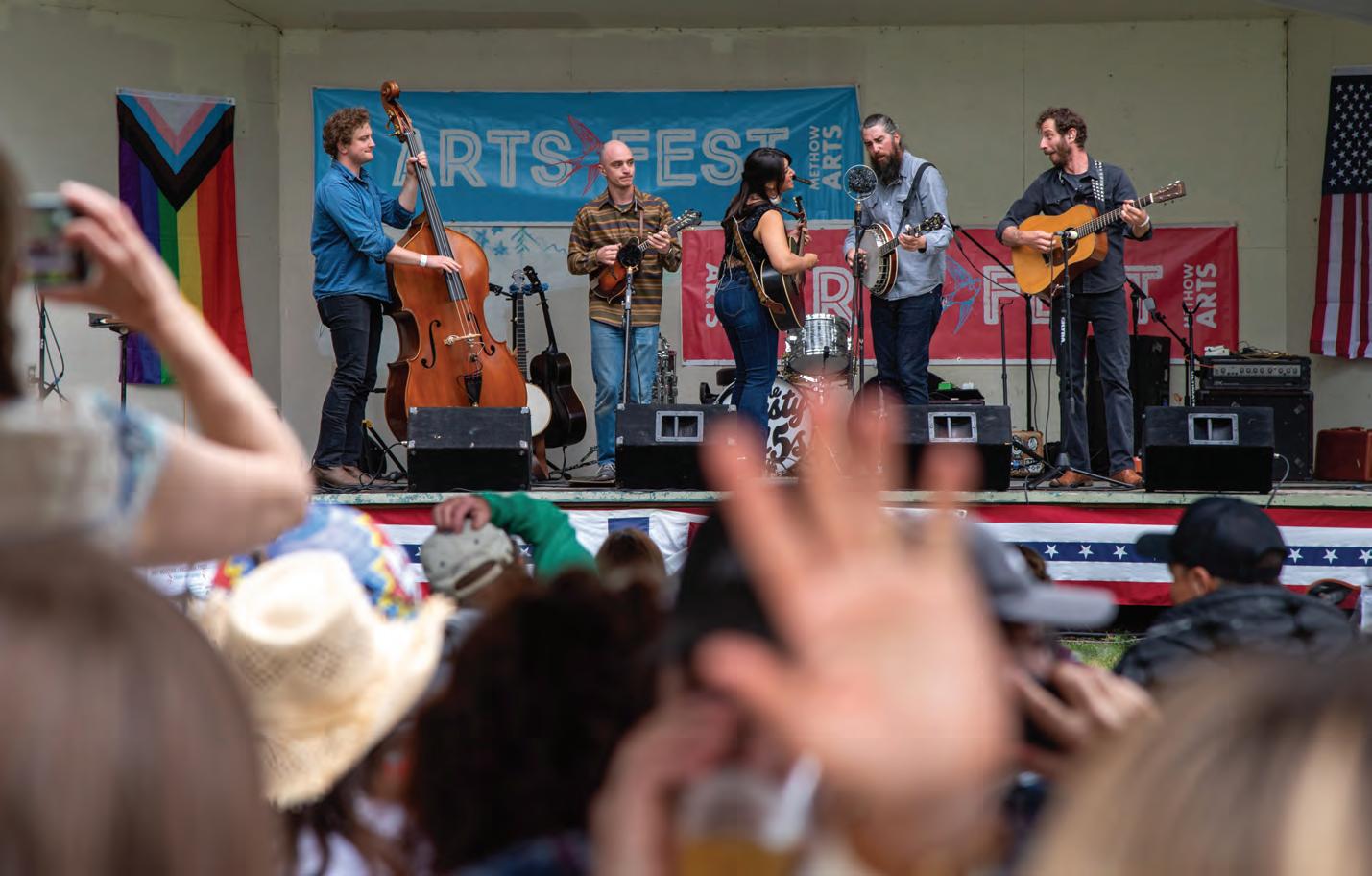
PORT: Twisp-Winthrop Eastside Road; (360) 618-2477
NEED A TOW?
CLASSIC TOWING, TWISP: 997-2333
POST OFFICES
CARLTON: 997-6091; 2274 Highway 153
METHOW: (509) 923-2759; 34 Main St.
TWISP: 997-3777; 205 Glover St.
WINTHROP: 996-2282; 1110 Highway 20
PET PROBLEMS?
METHOW VALLEY VETERINARY
HOSPITAL: 910 Highway 20, Winthrop: 996-3231; www.methowvalleyvethospital.com
VALLEY VETERINARY CLINIC: 20335 Highway 20, Twisp; 9978452; www.valleyveterinaryclinictwisp.com
WINTHROP VETERINARY CLINIC: 523 Highway 20, Winthrop; 9962793; www.winthropvetclinic.com
NEED TO CHARGE YOUR ELECTRIC VEHICLE?
TWISPWORKS: 502 S. Glover St.,
Summer 2023 51
Twisp; 997-3300; twispworks.org
PINE NEAR RV PARK: 316 Castle Ave., Winthrop; (509) 341-4062; www.pinenearpark.com
INN AT MAZAMA: 15 Country Road, Mazama; 996-2681; www. innmazama.com
SUN MOUNTAIN LODGE, WINTHROP: 996-2211; www. sunmountainlodgecom
TWISP RIVER SUITES: 140 W. Twisp Ave., Twisp; 997-0100; www.twispriversuites.com.
EAST 20 PIZZA: 720 Highway 20, Winthrop; 996-3996; https://east20pizza.com
ABBYCREEK INN: 1006 Highway 20, Winthrop; 996-3100; www. abbycreekinn.com
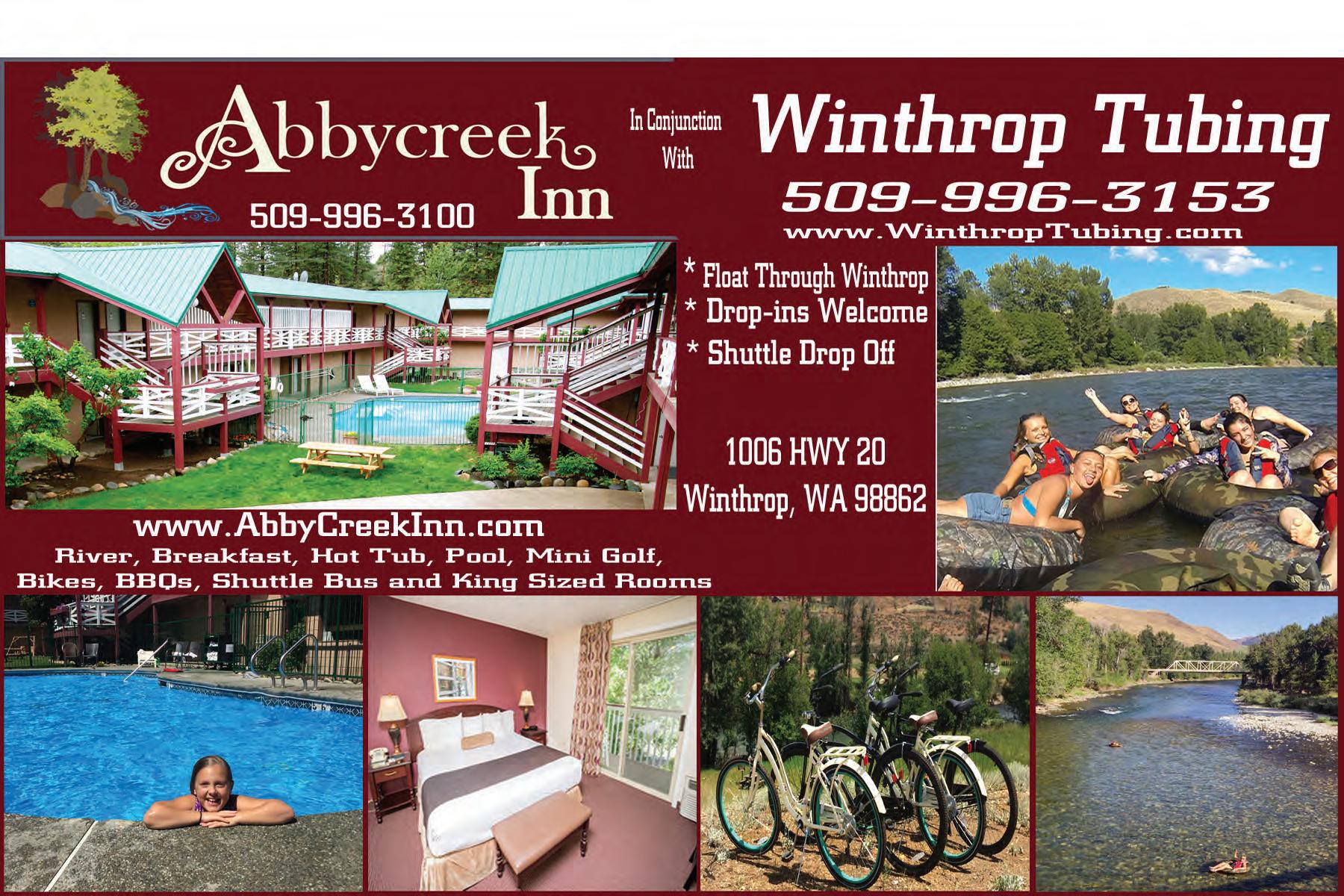
TWISP TOWN HALL: 118 S. Glover St.
WINTHROP LIBRARY:: 112 Norfolk Rd.
CAB & SHUTTLE
METHOW MOTION SHUTTLE
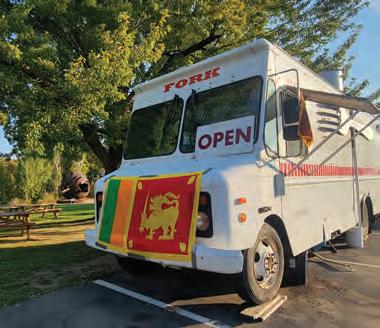
SERVICES: 996-2894; www. methowmotion20.com; reservations@methowmotion20.com
POLICE/EMERGENCY/911
TWISP POLICE DEPARTMENT: 997-6112; townoftwisp. com/index.php/departments/ police-department
WINTHROP MARSHAL’S OFFICE: 996-2160; www.winthropmarshals.com
OKANOGAN COUNTY SHERIFF’S OFFICE: (509) 422-7232; www. okanogansheriff.org
WASHINGTON STATE PATROL: (509) 422-3800
OKANOGAN COUNTY FIRE DISTRICT 6: 997-2981
AERO METHOW RESCUE SERVICE: 997-4013; www.aeromethow.org
LIBRARIES
TWISP: 997-4681; 201 Methow Valley Highway (Methow Valley Community Center); www. ncwlibraries.org/locations/ twisp-public-library; wireless hot spot
WINTHROP: 996-2685; 112 Norfolk Road; www.ncwlibraries.org/ locations/winthrop-public-library; wireless hot spot
NEED TO CLEAN UP?
LAUNDROMAT, SHOWERS AND FREE WI-FI AT WASHWORKS: 325 E. Highway 20, Twisp; 997-0336; www.hwy20washworks.com
RECREATION
INFORMATION
U.S. FOREST SERVICE: 9964000; 24 W. Chewuch Rd., Winthrop
METHOW TRAILS: 996-2387; 21 Horizon Flat Road, Winthrop; www.methowtrails.com
WINTHROP RINK: 996-4199;
• Coconut milk based Sri Lankan curries
• Samosas, Roti and Wa-deh
• Plenty of Gluten Free (GF) Vegan (V) & Meat Options
• Something for everybody at Lal’s Fork!
www.winthroprink.com
PEARRYGIN LAKE STATE PARK,WINTHROP: 996-2370; www. parks.wa.gov/563/Pearrygin-Lake
CASCADE LOOP SCENIC HIGHWAY: w ww.cascadeloop.com
NORTH CASCADES NATIONAL PARK: Newhalem visitor center, (206) 386-4495 ext.11; www.nps. gov/noca/index.htm.
WASHINGTON DEPT. OF FISH & WILDLIFE: (360) 902-2200; www. wdfw.wa.gov
LOUP LOUP SKI BOWL: https:// skitheloup.com; (509) 557-3401
Methow Valley News 52
502 S Glover St, Twisp | (509) 557-0977 | forktwisp.com
CAR WASH
CASCADE KING’S: 1421 Methow Valley Hwy S., Twisp; 997-2513; www.kingstire.biz
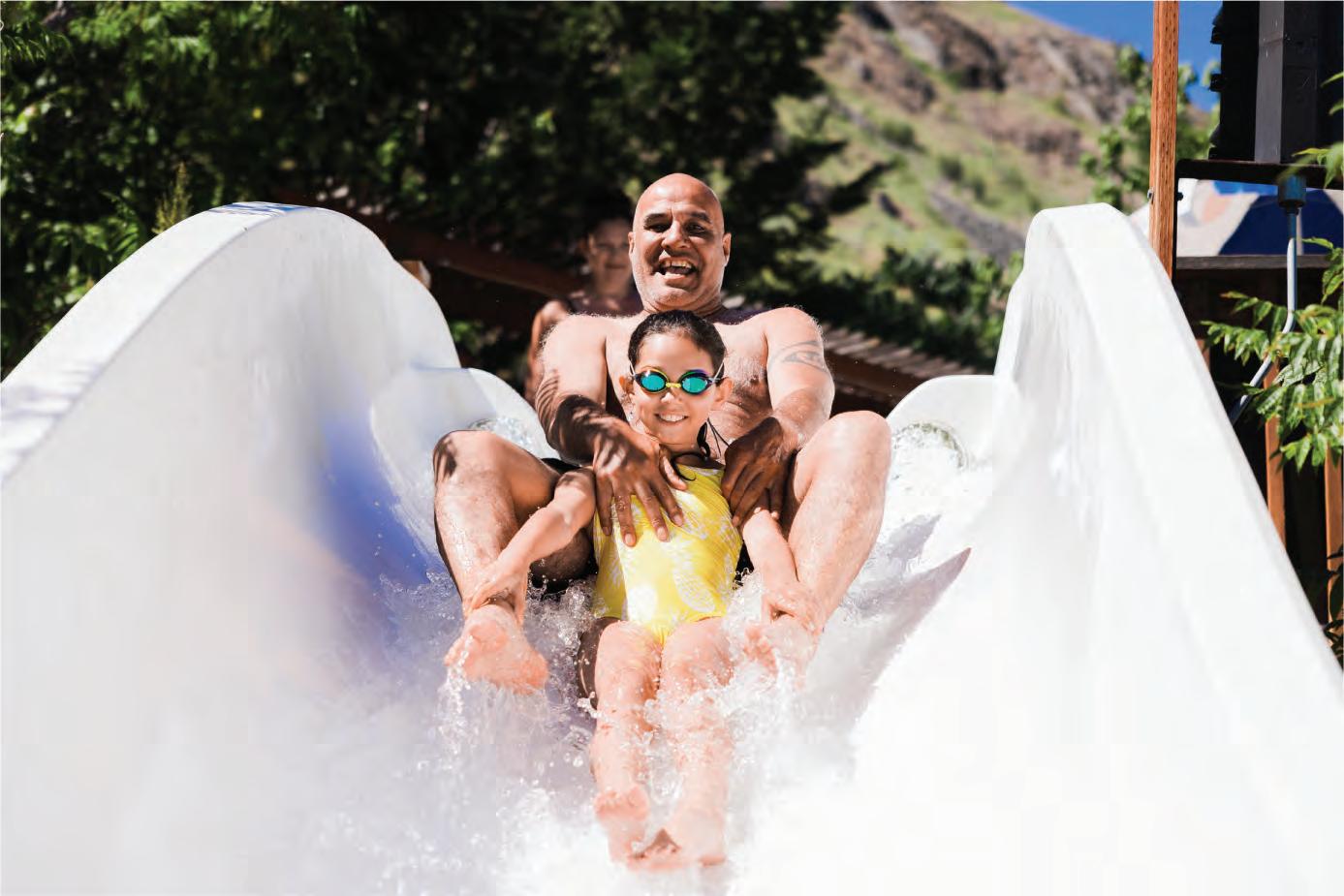
BANKS
NORTH CASCADES BANK: 101 Methow Valley Highway N., Twisp; 997-2411; www.northcascadesbank.com
FARMERS STATE BANK: 159 Riverside Ave., Winthrop; 996-2244; w ww.farmersstatebankwa.com
CHAMBERS OF COMMERCE
TWISP: 997-2020; https://twispwa.com

WINTHROP: 996-2125; www. winthropwashington.com
OMAK: (509) 826-1880 or (800) 225-6625; www.omakchamber.com
OKANOGAN: (509) 422-4034; www.okanogachamber.com

BREWSTER: (509) 689-3464; www.brewsterchamber.org
PATEROS: (509) 923-9636; www. pateros.com
RECYCLING
METHOW RECYCLES: 997-0520; 12 Twisp Airport Road; www. methowrecycles.org
GOVERNMENT
CITY OF PATEROS: (509) 9232571; www. pateros.com
TOWN OF TWISP: 997-4081; 118 S. Glover St.; www.townoftwisp. com
TOWN OF WINTHROP: 996-2320, 206 Riverside Ave., www.townofwinthrop.com
HEALTH CARE
THREE RIVERS HOSPITAL, BREWSTER: (509) 689-2086; www. threerivershospital.net
MID-VALLEY HOSPITAL, OMAK: (509) 826-1760; www.mvhealth.org
CONFLUENCE HEALTH METHOW VALLEY CLINIC, WINTHROP: 996-8180
FAMILY HEALTH CENTERS MEDICAL CLINIC, TWISP: 997-2011
BREWSTER CLINIC: (509) 826-1800
Lake Chelan Arts

SAWTOOTH DENTAL CARE, TWISP: 997-7533

ULRICH’S PHARMACY, TWISP: 997-2191

HIGHWAY INFORMATION
WASHINGTON STATE DEPARTMENT OF TRANSPORTATION: Dial 511 for pass and road information; www.wsdot.wa.gov
INFORMATION & MEDIA

METHOW VALLEY NEWS: 9977011; 502 S. Glover St., Twisp; www. methowvalleynews.com; frontdesk@methowvalleynews.com



W WW.METHOWNET.COM
WWW.METHOW.COM
KTRT, 97.5 FM
KCSY, 106.3FM
KOZI, 93.5FM
KTWP (PUBLIC RADIO), 91.1FM
KOMW, 95.1
All 996 and 997 prefixes are in the 509 area code.

Summer 2023
Festival Riverwalk Park
Downtown Chelan June 24th (10-5) & June 25th (10-4) Art Show and Sale Silent Art Auction Live Music Food•Fun Produced by the Lake Chelan Arts Council For more information visit our website: artinchelan.com or contact us at: artinchelan@gmail.com
to our generous sponsors:
-
Thanks
Support YOUR Summer Trails! @MethowEvergreenMTB \MethowEvergreenMTB Become a member or donate to your local Methow Chapter! www.evergreenmtb.org 102 Waterslide Dr 509-682-5751 40 Years of Family Fun Open Memorial Day to Labor Day
Featured Lodging
Base CaMp 49 is Mazama’s new luxury micro-resort with four twobedroom nightly rental homes, sleeping up to six guests each. Enjoy recreation at your door. All cabins feature a private covered patio, propane fire pits, courtyards and stunning views in all directions. Available also for groups, weddings and events.
Cabins of The Methow is the local nightly rental service managed by The Inn at Mazama for over 35 years. Our portfolio includes over 40 cabins and homes in The Methow Valley’s best places, from rustic log cabins to modern architect-designed get-aways. All with full kitchens and 2-5 bedrooms. Let us help you book your next stay.
Located directly on the bank of the Methow River, Riverbend RV Park is central to all the adventures the Methow Valley offers including fishing, floating, hiking, biking, horseback riding and more. Or, just sit back and relax at the riverside. We offer everything from tent sites to full hookups.
The Inn at Mazama is your adventure basecamp, located at the heart of downtown Mazama, steps from the trails, store and pub. Ski, hike or bike from your back door. Available for weddings, yoga retreats & group events. 18 relaxing rooms with kitchenettes. Pool, hot tub, tennis and pickleball, yoga studio, private offices, meeting rooms. Petfriendly units. Private cabins also an option.
Rustic, affordable lodging located along the edge of the Methow River, only half a mile from downtown Winthrop shops. Pet friendly, with a variety of room types and individual cabins. Continental breakfast included. For your enjoyment, we offer picnic tables, basketball, volleyball, horseshoe pit, complimentary bicycles, free WiFi and barbecues.
Private nightly rental cabins in the Upper Methow Valley. Timberline Meadows enjoys a secluded location with spectacular views from the tree line, close to Mazama and a short drive to the North Cascades hiking trailheads. 1-3 bedroom vacation homes available. Reservations managed by The Inn At Mazama.
Experience down-home, river front luxury and unparalleled hospitality in Twisp, the heart of the Methow Valley. Centrally located for outdoor adventure, Twisp River Suites is the perfect summer getaway. Play outside all day, sink into luxurious comfort at night. We offer pet-friendly options and an all-inclusive gourmet breakfast.
basecamp49.com

996-2681
7-11 Patterson Rd, Mazama
cabinsofthemethow.com
996-2681
Multiple Locations
riverbendrv.com
997-3500
19961 Hwy 20, Twisp
innmazama.com
996-2681
15 Country Rd., Mazama
thevirginianresorts.com
866-996-2535
808 Hwy 20, Winthrop
timberlinemeadows.com

996-2681
45 Timberline Lane, Winthrop
twispriversuites.com

855-784-8328
140 West Twisp Ave., Twisp
Methow Valley News 54
Phone numbers with 996 and 997 prefixes have a 509 area code. The expanded listings above are paid for by our advertisers to give you a better idea of what they offer. Establishments featured above are also listed in the complete dining guide to the right.
THE VIRGINIAN RESORT
Lodging Guide
AbbyCreek Inn | 1006 Hwy 20, Winthrop | 996-3100 | abbycreekinn.com
Base Camp 49 | 7 - 11 Patterson Road, Mazama | 996-2681 | basecamp49.com
Brown’s Farm | 887 Wolf Creek Road, Winthrop | 996-2571 | methownet.com/brownsfarm
Bunkhouse Inn | 209 Bluff Street, Winthrop | 996-2148 | bunkhouseinn.squarespace.com
Cabins of the Methow | Multiple locations | 996-2681 | cabinsofthemethow.com
Casia Lodge and Ranch | 20556 State Route 20, Twisp | 509-416-5463 | casialodge.com
Chewuch Inn | 223 White Avenue, Winthrop | 996-3107 | chewuchinn.com
Farm House | 709 Hwy 20, Winthrop | 996-3113 | winthropchalets.com
Freestone Inn | 31 Early Winters Drive, Mazama | 996-3906 | freestoneinn.com
Hotel Rio Vista | 285 Riverside Avenue, Winthrop | 996-3535 | hotelriovista.com
Idle-A-While Motel | 505 North Hwy 20, Twisp | 997-3222 | idle-a-while-motel.com
The Inn at Mazama | 15 Country Road, Mazama | 996-2681 | innmazama.com
Mazama Ranch House | 10 Country Road, Mazama | 996-2040 | mazamaranchhouse.com
Methow Reservations | Multiple locations | 996-2148 | methowreservations.com
Methow River Lodge & Cabins | 110 White Avenue (Twin Lakes Road) Winthrop | 996-4348 | methowriverlodge.com
Methow Suites B&B | 620 Moody Lane, Twisp | 997-5970 | methowsuites.com
Methow Valley Inn | 234 East 2nd Street, Twisp | 996-2148 | methowvalleyinn.com
Mt Gardner Inn | 611 Hwy 20, Winthrop | 996-2000 | mtgardnerinn.com
Nordic Village Cabin | 1 Nordic Village Road, Mazama | 800-843-7951 | innmazama.com
North Cascades Mountain Hostel | 209 Castle Avenue, Winthrop | 240-9393 | northcascadesmountainhostel.com
Inn | 237 Castle Avenue, Winthrop | 996-2739 | observatoryinn.com
Pine Near RV & Campground | 316 Castle Avenue, Winthrop | 509-341-4062 | pinenearpark.com
Rolling Huts | 18381 Hwy 20, Winthrop | 996-3551 | rollinghuts.com
Silverline Resort | 677 Bear Creek Road, Winthrop | 996-2448 | silverlineresort.com
Sportsman Motel | 1010 Hwy 20, Twisp | 997-2911
Spring Creek Ranch | 22 Belsby Road, Winthrop | 996-2495 | springcreekwinthrop.com
Sun Mountain Lodge | 604 Patterson Lake Road, Winthrop | 996-2211 | sunmountainlodge.com
Timberline Meadows | 45 Timberline Lane, Winthrop | 996-2681 | timberlinemeadows.com
Twisp River Inn | 894 Twisp River Road, Twisp | 997-4011 | twispriverinn.com
Twisp River Suites | 140 West Twisp Avenue, Twisp | 997-0100 | twispriversuites.com
Virginian Resort | 808 Hwy 20 | 866-996-2535 | thevirginianresort.com
Winthrop Inn | 960 Hwy 20, Winthrop | 996-2217 | winthropinn.com
Winthrop KOA Campground | 1114 Hwy 20, Winthrop | 996-2258 | koa.com/campgrounds/winthrop
Winthrop Mountain View Chalets | 1120 Hwy 20, Winthrop | 996-3113 | winthropchalets.com
Wolf Creek Cabins & Lodging | 1 Wolf Ridge Lane, Winthrop | 996-2148 | wolfcreek-lodging.com
Wolf Ridge Resort | 22 Wolf Ridge Lane, Winthrop | 996-2828 | wolfridge-resort.com
Summer 2023 55
Internet AC Kitchen/Kitchenette Pool Pet friendly Restaurant on site
Observatory
Park | 19961 Hwy 20, Twisp | 997-3500 | riverbendrv.com River Run Inn | 27 Rader Road, Winthrop | 996-2173 | riverrun-inn.com River’s Edge Resort | 115 Riverside Avenue, Winthrop | 996-8000 | riversedgewinthrop.com River Pines inn | 114 Bluff Street, Winthrop | 322-4062 | riverpinesinn.com
Riverbend RV
Featured Eateries
6 Point Saloon features one of the best Chefs in the Methow and the finest BBQ you will find. We offer a large selection of premium Scotch Whiskey, North American Whiskey/Bourbons, and Tequilas. We have 12 taps including 5 locally crafted hard ciders by 6 Point Cider.
Artfully prepared espresso drinks, drip coffee, hand-brewed coffee, and local pastries. Our knowledgeable staff can answer all your questions about coffee preparation and our full line of brewing equipment and accessories. Visit us at our new location at 1240 E Methow Valley Highway, in Twisp. We can’t wait to see you..
EAST 20 PIZZA is open daily to serve the freshest pizza & coldest beer around! Our pizza dough is made each day with locally grown wheat, and we are proud to feature ingredients that are locally grown and sourced. Enjoy a cold beer or a glass of local wine or cider on our deck!
LaFonda Lopez Restaurant is family-friendly and offers a variety of foods: Mexican, pasta dishes, curries, burgers, vegetarian and daily specials. We serve an array of margaritas and cocktails. Summer hours 12-8, Monday through Saturday, with patio seating.
The valley’s only food delivery service! Order our chef-made “takeand-bake” entrees, salads, and sushi for local pickup in Winthrop, Mazama, Twisp, or delivery direct to your door. Methow Fresh makes delicious meals easy and convenient for you. No long hours of shopping, preparation and cooking are required. Just cook, then serve!
Welcome to Three Fingered Jack’s, Washington state’s oldest legal saloon. Come in to watch a game or play a game of pool! We offer fun, family-friendly dining and a full bar 7 days a week, 11am-9pm with dinner specials 5pm-9pm and breakfast 7am-10:30am Fri-Sun only. See you soon!
Riverside dining for all ages featuring delicious house-made specialties & desserts, 12 rotational craft beers & ciders, wine, artisan cocktails, 40+ Kentucky bourbons & ryes, games, live music, & private events & a dog-friendly patio. Menu options served until close.
The Winthrop Store is not just your local gas station! Stop by for a delicious made to order sandwich from our Deli. We offer espresso, gourmet chocolates, wine and cigars, craft beer and ciders. At the pumps we feature non-ethanol supreme. Be sure to check out our gifts and souvenirs!
sixpointsaloon.com
509-679-9926
3 Twisp Airport Rd, Twisp
bluestarcoffeeroasters.com 997-2583

1240 E. Methow Valley Hwy., Twisp east20pizza.com

996-3996
720 Hwy 20, Winthrop
facebook.com/lafondalopeztwisp
997-0247
102 Methow Valley Hwy, Twisp
methowfresh.com

509-429-8803
3fingeredjacks.com
996-2411
176 Riverside Ave, Winthrop
twisprivertaphouse.com
509-881-5751
201 N. Methow Valley Hwy., Twisp
facebook.com/wintrhopstore
509-881-5751
228 Riverside Ave, Winthrop
Phone numbers with 996 and 997 prefixes have a 509 area code. The expanded listings above are paid for by our advertisers to give you a better idea of what they offer. Establishments featured above are also listed in the complete dining guide to the right.
Methow Valley News 56
The Winthrop Store The Downtown Winthrop Gas Station 228 Riverside Ave. Espresso ~ Guido’s Deli ~ Gifts ~ Fuel Deli Sandwiches made to order ~ Call in orders welcome! Mix & Match Craft Beers or Ciders ~ Non-Ethanol Supreme Follow us on Facebook, Instagram & Twitter: winthropstore 509-996-2175
Dining Guide
6 Point Saloon | 3 Twisp Airport Rd, Twisp | 509-679-9926 | sixpointsaloon.com
Arrowleaf Bistro | 207 White Ave., Winthrop | 996-3919 | arrowleafbistro.com
BJ’s Branding Iron | 123 N. Glover St., Twisp | 997-0040 | facebook.com/TwispBrandingIron
Blue Star Coffee Roasters | 1240 E Methow Valley Hwy, Twisp | 997-2583 | bluestarcoffeeroasters.com
BoardwalK Burgers | 207 Riverside Ave, Winthrop
Brix Wine Bar & Bottle Shop | 229 Riverside Ave., Winthrop | 996-3229 | brixwinthrop.com
Carlos 1800 | 149 Riverside Ave., Winthrop | 996-2245 | carlos1800.com
Casia Lodge and Ranch | 20556 State Route 20, Twisp | 509-416-5463 | casialodge.com
Cinnamon Twisp Bakery | 116 N. Glover St., Twisp | 997-5030 | cinnamontwispbakery.com
Copper Glance | 134A Riverside Ave., Winthrop | 433-7765 | copperglancewinthrop.com
East 20 Pizza | 720 Highway 20, Winthrop | 996-3996 | east20pizza.com
El Valle | 123 N. Glover St., Twisp | 997-1068
Glover Street Market | 124 N. Glover St., Twisp | 997-1320 | gloverstreetmarket.com
Hank’s Harvest Foods | 412 E. Methow Valley Highway, Twisp | 997-7711 | info@hanksharvestfoods.com
Hometown Pizza | 202 Methow Valley Highway, Twisp | 997-2100 | facebook.com/HometownPizza
Jack’s Hut | Freestone Inn, 31 Early Winters Drive, Mazama | 996-3212 | freestoneinn.com
Jupiter | 248 Riverside Ave., Winthrop | 996-3651 | jupiterwinthrop.com
LaFonda Lopez | 102 Highway 20, Twisp | 997-0247 | facebook.com/lafondalopeztwisp
Lal’s Fork | 502 S Glover S, Twisp | 557-0977 | forktwisp.com
Linwood Restaurant | 108 Glover St N., Twisp | 513 407-0514 | linwoodtwisp.com
The Little Dipper Café & Bakery | 94 Bridge Street, Winthrop | 996-2127 | littledipperwinthrop.com
Mazama Public House - An OSB Place | 516 Goat Creek Rd, Mazama | 519-4321 | facebook.com/mazamapub
| sherissweetshoppe.com
Tappi | 201 S. Glover St., Twisp | 997-3345 | facebook.com/tappitwisp
The 1908 Barbeque and Bourbon | 101 N Glover Street, Twisp | 269-2338 | 1908bbqtwisp.com
The Dining Room at Sun Mountain Lodge | 604 Patterson Lk Rd, Winthrop | 996- 4707 | sunmountainlodge.com
Three Fingered Jack’s | 176 Riverside Ave. Winthrop | 996-2411 | 3fingeredjacks.com
Twisp Chevron/Sub Shop | 126 Methow Valley Highway, Twisp | 997-3181
Twisp River Tap House | 201 Methow Valley Highway North, Twisp | 881-5751 | twisprivertaphouse.com
Winthrop Store | 228 Riverside Ave., Winthrop | 996-2175 | facebook.com/winthropstore
Wolf Creek Bar & Grill at Sun Mountain Lodge | (800) 572-0493 | sunmountainlodge.com
Woodstone Pizzeria at Rolling Huts | 18381 Highway 20, Mazama | 996-9804 | woodstoneatwesola.com
Summer 2023 57
Cuisine type Meals served Kid friendly Reservations Wheelchair accessible Take-out available Beer/Wine/Cocktails
Barbeque D
Fine dining D
Burgers L, D
Coffee house
Burgers
Small plates D
Mexican L, D
FIne dining D
Bakery, Deli, Espresso B, L
Small plates D, Late
Pizza Late L, D
Mexican, American B, L
Deli B, L
Deli B, L, D
Pizza, Deli L, D
Pizza L, D
Multi-cuisine L, D
Multi-cuisine L, D
Sri
Bites L, D
Lankan, Curry, Small
Asian D
Café,
B, L
Feel Good
D, Late
Store | 50 Lost River Rd., Mazama | 996-2855 | themazamastore.com Bakery, Deli B, L Methow Fresh | Pickup or Delivery in Winthrop, Mazama, Twisp | 509-429-8803 | methowfresh.com Multi-cuisine B, L, D Methow Valley Ciderhouse | 28 Highway 20, Winthrop | 312-1790 | methowvalleyciderhouse.com BBQ, American, Tacos B, L, D Methow Valley Thriftway | 920 Highway 20, Winthrop | 996-2525 | methowvalleythriftway.com Deli B, L, D Old Schoolhouse Brewery | 155 Riverside Ave., Winthrop | 996-3183 | oldschoolhousebrewery.com Pub grub L, D, Late Old Schoolhouse Brewery Taproom | TwispWorks, Twisp | 997-0902 | oldschoolhousebrewery.com Snacks + drinks Late Pardner’s Mini Market
Deli B, L, D Rocking Horse Bakery
Riverside
996-4241
Bakery, Deli B, L Sheri’s
Shoppe
Sweets, Bakery/Deli,
B, L
Bakery
Pub Grub
Mazama
| 900 Highway 20, Winthrop | 996-2005 | facebook.com/pardnersminimarket
| 265
Ave., Winthrop |
| rockinghorsebakery.com
Sweet
| 207 Riverside Ave, Winthrop | 996-3834
Espresso
Italian, Pizza D
Barbeque D
Fine Dining B, D
American B, L, D, Late
Deli L, D
Multi-cuisine D, Late
Deli B, L
Multi-cuisine L, D
Pizza L, D
Methow Valley News 58
advertisers ■ B ICYCLE DEALERS/REPAIR Methow Cycle & Sport 36 ■ CAFÉS/DINING/ESPRESSO Blue Star Coffee Roasters 7 Boardwalk Burgers 27 The Inn at Mazama 29 L aFonda Lopez Restaurant 16 L al’s Fork 52 Lost River Winery 21 Methow Fresh 42 RYZO Wines 2 Six Point Saloon . . . . . . . . . 59 Sun Mountain Lodge 48 Three Fingered Jack’s . . . . . . . 19 Twisp River Tap House 2 Winthrop Store 8 ■ CAMPGROUNDS/RV PARKS Big Twin Lake Resort 27 Riverbend RV Park 23 ■ EM ERGENCY SERVICES Aero Methow Rescue 43 Three Rivers Hospital 15 ■ E VENT FACILITIES Bear Creek Golf Course 44 Loup Loup Ski Bowl . . . . . . . 59 Sun Mountain Lodge 48 Twisp River Tap House 2 Winthrop Barn Auditorium 14 ■ E VENTS/FESTIVALS Lake Chelan Arts Festival 53 Methow Valley Chamber Music Festival 23 Omak Stampede . . . . . . . . . 46 Winthrop Rhythm & Blues Festival . . . . . . . . . . . . . . . . 3 ■ FU EL Pardners Mini Market 37 Winthrop Store 8 ■ G ROCERIES Pardners Mini Market 37 Winthrop Store 8 ■ H EALTH/MEDICAL Family Health Centers 9 Three Rivers Hospital . . . . . . . 15 ■ HOM E DESIGNERS/ BUILDERS Nest Design Build 44 ■ I NTERNET SERVICE PROVIDERS Methownet.com 38 ■ I NSURANCE SERVICES VIP Insurance Agency 12 ■ L OCAL GOODS & PRODUCE Blue Star Coffee Roasters 7 Bluebird Grain Farms 19 Lost River Winery 21 Methow Makers’ Market 24 Methow Valley Farmers Market 14 Methow Valley Goods . . . . . . 40 Methow Valley Jewelers Collective 10 RYZO Wines 2 TwispWorks . . . . . . . . . . . . .24 ■ L ODGING Abby Creek Inn 52 Base Camp 49 41 Casia Lodge and Ranch 38 Frank Hotels 35 Freestone Inn 12 The Inn at Mazama 29 Methow Reservations 60 Mt. Gardner Inn . . . . . . . . . 40 Sun Mountain Lodge 48 Twisp River Suites . . . . . . . . . 8 Virginian Resort 43 ■ M ASSAGE PRACTITIONERS/ SPA SERVICES Nectar Skin Bar & Boutique 8 Sun Mountain Lodge 48 ■ M USEUMS Shafer Historical Museum 32 ■ OR GANIZATIONS Evergreen Mountain Bike Alliance . . . . . . . . . . . . . . . 53 Methow Conservancy 14 Methow Trails 32 Shafer Historical Museum 32 ■ R ADIO KTRT 97.5 FM . . . . . . . . . . . 46 ■ R EAL ESTATE Blue Sky Real Estate 21 Coldwell Banker Winthrop Realty 2 Mountain to River Real Estate 9 ■ R ECREATION/ACTIVITIES Abby Creek Inn 52 Bear Creek Golf Course 44 Loup Loup Ski Bowl 59 Methow Cycle & Sport 36 Methow Fishing Adventures 25 Methow Trails 32 Slide Waters 53 Sun Mountain Lodge 48 ■ RE TAIL Lost River Winery 21 Methow Cycle & Sport . . . . . 36 Nectar Skin Bar & Boutique 8 Methow Valley Goods . . . . . . 40 Outdoorsman 25 RYZO Wines . . . . . . . . . . . . . 2 Sun Mountain Lodge 48 TwispWorks . . . . . . . . . . . . .24 ■ RO LFING Cascade Rolfing 10 ■ SP ORTING GOODS Methow Cycle & Sport 36 The Outdoorsman . . . . . . . . 25
Directory of





Summer 2023 59 • Enjoy scenic chairlift rides to the summit of Little Buck Mountain as you soak in panoramic alpine views • Visit our lodge/event space, a perfect destination for weddings and corporate gatherings • Play the 18 hole Frisbee golf course from the summit • Rent a bike and explore the trail system • Camp nearby at The Loup Loup Campground and enjoy the network of hiking and equestrian trails Located between Twisp and Okanogan on Highway 20, The Loup Loup Ski Bowl offers year round activities for everyone! www.skitheloup.com | (509) 557-3401 | GPS: N 48 23.665′ & W 119 54.659′ Check out our Facebook for weekly specials & current hours. 3 Twisp Airport Rd Twisp, WA 98856 sixpointsaloon.com | (509) 679-9926 • One of the best chefs in the Methow, cooking up some of the finest BBQ • Large selection of premium Scotch whiskey, North American whiskies and bourbons, and tequilas
12 Taps, including locally crafted ciders by 6 Point Cider.
•

Est. 1984
