MAGAZINE
NO 14

SUMMER - 2023
The Human Rights Issue

Prisoner of conscience
We cannot truly call ourselves a civilized society until we fiercely protect the fundamental human rights that serve as the foundation of our humanity.
F. Guzzardi
Florida - 6 - 11 2023
Alexei Navalny
Mohammad Fahadal-Qahtani
Sarah Hegazi
Julian Assange
Rubén González
Italy
Violence against women
Refugees’ and migrants’ rights Discrimination
Alessandro Orsini
Matteo Salvini
Alessandro di Battista
Refugees’ and migrants’ rights
2022/23Report The Russian connection


CONTENTS
8 - Italian migratory phenomenon and trauma. Italian emigration to the United States was a historical phenomenon of great importance which took place with various waves of migration. From 1870 to 1914, millions of Italians left Italy to look for work and escape poverty, many settling in large industrial cities such as New York, Chicago and Boston, where they worked mainly in factories, mines, construction and agriculture . After World War II, between 1945 and 1970, others emigrated for reasons related to post-war reconstruction and in search of better economic opportunities.
Therespondsexpert


14 - The unobtrusive charm of nostalgia The etymology of the word “nostalgia” leads us into an enigma deriving from the union of two words of Greek origin: nostos, “return home” and algos “pain” which together become “the pain of returning.” So does nostalgia have enigmatic and perhaps unresolved roots?
16 - Alessandro Orsini, a prominent Italian scholar, is known to have a close relationship with Russian President Vladimir Putin. Orsini is a lecturer of International and Comparative Politics at the University of Rome, and he specializes in research on the mafia and transnational organized crime. In the early 2000s, he developed an interest in Russian organized crime and its political connections, which eventually led him to Putin.

THE SIRONI METHOD The Russian connection

4 Summer 2023 - The human rights issue


30 5 Summer 2023 - The human rights issue
14 THE HUMAN RIGHTS ISSUE
SPRING - MA - 2023 The human rights
Prisoner of conscience NO
CONTENTS
Le mie radici
BLOGGING
 By IM Italian Team
27- Kacie Rose Burns, the Florence-based TikTok Interview with Kacie Rose Burns, the Florence-based content material creator with virtually 1,000,000 followers on TikTok.
68 - The Pageant of the Two Worlds of Spoleto
Bringing collectively sustainability with tradition and leisure is the ambition of the Pageant dei Due Mondi in Spoleto.
70 - Does Childhood Adversity Cause Mental Health Problems?
It’s well known that experiencing adverse events in childhood (such as maltreatment, domestic violence, or parental substance abuse) is associated with mental health problems. But, despite decades of research, we still don’t know the extent to which these adverse childhood experiences (ACEs) cause mental health problems.
70 - The American College of Rome declares 2023 honorary diploma
The American College of Rome (AUR) will confer honorary doctoral levels on Jhumpa Lahiri, Pulitzer Prize-winning writer, and Carlo Petrini, founding father of the worldwide Gradual Meals motion, throughout its annual graduation ceremony on Could 25, 2023, on the Villa Aurelia in Rome. The 2 will obtain AUR’s highest honor in recognition of their extraordinary contributions to their fields.
First Edition 2023/24 (My Roots)
Italy 18
6 Summer 2023 - The human rights issue
ART

CONTENTS
The Art of Journalism

55
ELENA INVERSETTI By Roberto Sironi Journalism is a public service that is supposed to intercept real news and turn it into useful information for people. In this way journalism would fulfill its first function: that of becoming a civic intermediary between the various components of society.
CLASSICAL JAZZ
LUCA GROSSI
19
by Stefano Maria Pantano
Raw material waiting for the philosopher’s stone in an alchemist’s workshop, sacred elements placed on the altar of a temple, in which Promethean hands try to give men the fire of the god, snatching it with the favor of the night to give shape to the ineffable.
Viviana Dragani 60
A professional actress, voice talent, and vocalist. She recorded in 2010 the soundtrack for the RAI mini series “The Swing Girls” (2010) together with the vocal trio “The Blue Dolls”. She performed in the role of the singer Nuccia Natali.

7 Summer 2023 - The human rights issue
the artist at the edge
THE INTERVIEW
Italian migratory phenomenon and trauma:
 By Susanna Casubolo
Italian emigration to the United States was a historical phenomenon of great importance which took place with various waves of migration. From 1870 to 1914, millions of Italians left Italy to look for work and escape poverty, many settling in large industrial cities such as New York, Chicago and Boston, where they worked mainly in factories, mines, construction and agriculture . After World War II, between 1945 and 1970, others emigrated for reasons related to post-war reconstruction and in search of better economic opportunities.
It is important to underline that the migratory phenomenon can be an extremely stressful and traumatic experience as it involves detachment from a family and cultural community, facing different languages and customs, the difficulty in adapting to new environments, the loss of work and separation from family. The effects on the mental and physical health of immigrants can be long-lasting: the most common manifestations range from psychological distress, depression, anxiety, post-traumatic stress disorder (PTSD), sleep disorders, as well as adjustment, social isolation, feelings of loss and homesickness, difficulty in grieving, lack of sense of belonging, adjustment and integration problems, family problems, and cultural identity issues.
The risk of developing psychological disorders becomes greater if there is no social support and adequate assistance. One study explored the mental health and adjustment experiences of Italian immigrants in the United States by interviewing people aged 22 to 73 who had settled in America for a minimum of 2 and a maximum of 48 years. Stressors identified by respondents
include lack of social support, language difficulties, job and economic challenges, social isolation and discrimination. The difficulty of adapting to a new cultural environment was highlighted in particular as regards the differences in values and social behaviours: while some participants said they felt “different” and that they were in conflict between their culture of origin and that of the host country, others reported finding ways to integrate and being grateful for the opportunities their new country had afforded them. Depressive symptoms were more prevalent among Italian immigrants than the general US population, and lack of social support was associated with an increased risk of depression and health problems.
Italian immigrants to the United States are at an increased risk of developing mental disorders, such as depression and anxiety, compared to the general US population and also compared to the Italian population residing in Italy. They also show a greater risk of developing stress-related disorders, such as PTSD which is why it is important that they have access to psychological support especially for those who suffer trauma or have had difficulty adapting to the new culture. Some authors have identified the different coping strategies used by Italian immigrants to cope with stress factors and adapt to the cultural environment: the strengthening of family and friendship relationships as social support; using recreational activities as a way to escape everyday worries and stress; using spiritual activities as a way to find comfort and support; maintaining one’s cultural and religious traditions as a way of preserving one’s cultural identity; work as a way to distract oneself and feel productive; using substances such as alcohol and tobacco as a coping mechanism (although this can lead to long-term health problems).
PTSD incidence and EMDR treatment

“Religion can play an important role in the adaptation, a study of the Italian community in Harlem highlighted how Our Lady of Mount Carmel, patroness of an Italian parish in the neighborhood, represented a central point of reference for Italian immigrants, who venerated her as a protective mother figure who helped them overcome the difficulties of immigration and adjustment to life. The procession in her honor was an important public manifestation of fundamental Italian and Catholic identity because it helped to find a sense of belonging and security in a new and often hostile environment.”

Italian migratory phenomenon and trauma:
Post-traumatic stress disorder (PTSD) is an anxiety disorder that can come on later to exposure to a traumatic event. In the context of migration, PTSD can be caused by traumatic events associated with the migration process, such as separation from family and friends, loss of home and community of origin, social isolation, racism, discrimination and difficulty in ‘adapt to a new culture. This disorder was found to be present in a significant proportion of Italian immigrants compared to the general population in the United States. Furthermore, the length of stay and the experience of migration-related stressful events, such as social isolation, or discrimination or cultural conflict, were found to be significant risk factors for the development of the disorder which was found mainly in relation to traumatic events such as separation from family and friends, loss of home and community of origin, and experiencing stressful events during the migration process.
A study of 240 Italian immigrants with an average age of 51 who had lived in America for at least 20 years revealed that a quarter of the participants reported symptoms of PTSD, and the data indicated that difficulty adjusting to a new environment and lack of social support could be significant risk factors. Finally, it was found that those who had suffered traumatic events were more likely to develop the disorder.
Dealing with the treatment of migration trauma can be complex, involving managing symptoms, promoting cultural adjustment, and addressing cultural identity issues. Therapy can be helpful in managing symptoms of anxiety disorder and depression.

EMDR (Eye Movement Desensitization and Reprocessing or desensitization and reprocessing through eye movements) was born as a treatment of choice for PTSD but is also used effectively for many other less serious emotional disorders such as anxiety, panic attacks, eating disorders and addictions. Today it is recognized as an evidence-based method approved by the American Psychological Association, the American Psychiatric Association, the International Society for Traumatic Stress Studies and the World Health Organization. The discovery of this method was made by the American psychotherapist Francine Shapiro when by chance she noticed that her state of anxiety decreased if she let her gaze wander between opposite elements,
present in her field of vision, and at the same time concentrated on the discomfort it caused her I disturb. She sensed that the relief came from the speed of her eye movements and so she devoted herself to developing and perfecting the technique which has now become one of the most robust and proven treatments used in psychotherapy for trauma and related disorders.
If a person suffers a psychological trauma and is unable to process its effects because he is in a phase of vulnerability, to defend himself he can freeze that experience and block it indefinitely. However, it may happen that something in the present awakens that memory and the negative emotions associated with it, making the trauma re-emerge in all its power and bringing the person back to reliving the negative emotions with the same original traumatic intensity: the trauma once again disturbs the present of the person influencing his behavior. In these cases EMDR therapy, acting through bilateral stimulation (eye movements or other right/left alternating stimulation), reduces the intensity of the negative emotions felt and helps in the reworking of the trauma by stimulating both cerebral hemispheres.
The method can only be used by a qualified psychotherapist who has undergone specific training. EMDR is a therapy that can also be carried out online, the evidence of its functioning arose from the need due to Covid19: research carried out during 2021 showed improvements after three months of therapy with respect to PTSD symptoms and with adolescents there were improvements after only three sessions with respect to anxiety and PTSD symptoms. Each of us can experience psychological trauma. The words trauma and psyche both come from the Greek.
The word trauma means wound, laceration, damage, while the word psyche means soul therefore, according to the translation from the Greek, the psychological trauma is a wound of the soul. There are traumas that are important wounds that threaten our integrity, the traumas that can arise due to the migratory phenomenon can have lasting effects on the mental and physical health of immigrants. Asking for the help and support of a professional who can fully understand the person even at a cultural level and who can speak in their own language of the difficulties experienced and the symptoms suffered can be very helpful in processing the trauma and in overcoming discomfort.
PTSD incidence and EMDR treatment
Who I am:
I am an occupational psychologist, sports psychologist, sexologist consultant, integrated strategic training psychotherapist and EMDR therapist. I carry out my clinical activity as a freelanc- er in my private practice or online. With EMDR ther- apy I work on processing traumatic experiences and strengthening skills. For more information and to contact me, consult my website: https://www.susannacasubolo.com

For those who want to learn more:
Francine Shapiro, Leaving the Past in the Past, Astrolabe, 2012
Innamorati, M., Lester, D., Forte, A., Serafini, G., De Pisa, E., & Amore, M. (2017). Italian immigrants in the USA: a qualitative study on mental health and adjustment. Transcultural Psychiatry.
Orsi, R. (1985). The Madonna of 115th Street: Faith and Community in Italian Harlem, 1880-1950. Yale University Press.
Paoletti, E., & Sacco, R. (1990). Social Support, Depression and Health Status among Elderly Italian Immigrants in New York City. Journal of Cross-Cultural
Gerontology.
Tornabene, M., D’Errico, S., & Fazzari, M. (2019). Migration and mental health: a study on the Italian population in the United States. Italian Journal of Sociology of Education. Licastro, G., Cardano, M., & Corso, M. (2020). The impact of migration on mental health: a systematic review of Italian immigrants in the United States. Transcultural Psychiatry.

Susanna’s Interview for IM Italian Magazine:


with Viviana Dragani
12 Summer 2023 - The human rights issue
An Inspiring Journey


13 Summer 2023 - The human rights issue
The unobtrusive charm of nostalgia
by Roberto Sironi

The etymology of the word “nostalgia” leads us into an enigma deriving from the union of two words of Greek origin: nostos, “return home” and algos “pain” which together become “the pain of returning.” So does nostalgia have enigmatic and perhaps unresolved roots?
What could be hidden behind or inside this state of mind that has turned regret into a sad thought, as is the tango in its enthralling, enthralling and passionate fatality?
An enigma is by induction a concept linked or rather enveloped in an arcane, intimately embraced by a secret, an enigma always has its solution, when one exists, in an unknown esoteric and initiatory mystery which clearly and manifestly gives, and I apologize for the play on words, a sense to a nonsense that would have liked to make sense!
And here is “the pain of returning?”
But what really is this pain that would seem to have the “return” as its only goal?
And to return where?
Could this anomalous pain be a psychological state, a feeling of sadness and regret for the distance from dear people or places or for an event we would like to relive, so could it be a return to the past? Or it could also be, on the contrary, a “return to pain”, that is, to an “existential goal” that has changed its natural purpose, the ultimate destination of an idea, to reunite through pain with the life one would have wanted and that we never searched for or found?
14 Summer 2023 - The human rights issue
The Sironi Method
Strangely this “pain” and this “return” have in common the desire to finally be authentic in their meaning, two ways to caress loneliness, in a certain sense they are, realistically, two sides of the same coin in a present that would not never leave the past behind with all the lost opportunities!


Could this be the explanation of the enigma, the solution to understand, to understand and to no longer inscrutably interpret the impenetrability of this sad thought?
What if it was a kind of pain that we need every time we resume our existence when we come to terms with our victories, failures, mistakes, right choices or wrong ones, lost loves and never found ones by blaming a unaware and innocent fate or the selfishness of fate to which you have given body and soul? Could nostalgia, or what we think it is, arise from the depths of our soul and remain in those depths forever, leaving us alone even among an incalculable crowd? The answer is yes, inexorably yes, because nostalgia does not need acknowledgments, certificates of esteem, prayers, pleas and miracles, it is the missing piece of the most perfect work of art in history and that work it’s human!
You see her coming from afar silent, insinuating, persuasive, wrapped in that fascination of hers that has inspired poets, writers, artists, men and women since the beginning of time and I am sure she has somehow managed to sneak even into the world of children with their games and entertainment… After all, nostalgia is a metaphorical embrace, it has roots in the past, it is an exclusive of the past that saw us protagonists of our existence, but at the same time it could also be a “sweet disease” whose first symptoms can be seen in the present and only in the present but the bacillus is ancient, lost in time and in it one can be healed or lost forever!
What is certain is that this Nostalgia, the one with a capital n, does not need a prognosis, it does not need doctors and above all there are no drugs to cure it! It is a disease without proven scientific pathology and no one knows its nature, causes, evolution and eventual outcome… It is an unusual ailment that never respects the seasons, an affection mixed with a passion that is unable to find their way home, a humanly universal epidemic that has always reaped “nostalgic victims” in search of happiness!
15 Summer 2023 - The human rights issue
The Sironi Method
This Nostalgia is lovesickness, whatever love may be and it is a distant love, left in some corner of a memory, left alone in a solitude that has nothing to do with marginalization or isolation; it is almost always the fruit of an abandonment, an estrangement, a detachment, a separation and that love, passionate?, overwhelming?, tormented?, suddenly disappears, dissolves, eclipses, vanishes like dreams vanish when you wake up morning!

You hear it coming in a silence that is made up of thoughts that one by one begin to dig into your everyday life in search of the missing pieces of your mosaic that you have carefully created throughout your life!
Those missing pieces are the allegory of emptiness and it is in that emptiness that Nostalgia is born, grows, develops, extends… Emptiness becomes everything you no longer have and would like to still have and when you look at that mosaic you realize that the work is unfinished, it’s not finished, and it never will be! There begins Nostalgia and with it the need for regret, the need to have a regret that often mixes with repentance and its most hidden and painful part: displeasure! Those first symptoms, if we can call them that, are more or less hidden clues in what we commonly call melancholy, that state of mind of vague sadness fueled by resigned hesitation, sometimes even pleased in areas of feelings of unease or disappointment...
In ancient times, melancholy was considered “black humor”, one of the four humors generated by the human body to which malefic and often fatal negative influences on vital functions were attributed!
Melancholy uses the brain, Nostalgia the heart!
But then Nostalgia is not satisfied with dealing only with people and places, it goes further and insinuates itself over time, into that succession of moments that make up a whole life! Nostalgia lives on time, feeds on time and never gets old because over time nostalgia can be eternal, timeless, humanly immortal!
Nostalgia tires, fatigues, enervates, exhausts, wears out the thought and never exhausts its exhausting charge!
There is in her a kind of primitive force that collects all the leftovers of a lifetime, leftovers that would have ended up in the dumps of memory and which are still there, in front of your present, ready for the umpteenth time to be eaten, chewed and forever engulfed in guilt!
16 Summer 2023 - The human rights issue
Alittle light and a little shadow, a little fairy and a little witch, a sentimental narration that prefers the story, the fable, the fairy tale to the novel!
Nostalgia has in itself a discreet and mysterious charm and it is in that enigma, in the “pain of returning”, in an intimacy made up of solitude and distant thoughts that its descriptive power expands and spreads, as if there were a hand of an anonymous writer dedicated to the collection of texts that would have remained in the oblivion of all of us but which in reality, precisely in that oblivion, concern everyone!

All those words transformed into memories, souvenirs, reminiscences, memories and signs of a past that will never pass, are all that Nostalgia tries to keep alive, in our lives, to ensure that none of us can or should forget everything what would have been nice to remember!
Certainly not everything in our memory is worthy of remembering, but when time passes and inexorably goes away, all that remains for us to do is try with all our strength to remember, to have in mind everything that our mind can contain, reliving and going back to certain signals that the heart has never canceled thanks to the rhythm of its beats!
That discreet and mysterious charm that Nostalgia brings with it is a charm that is priceless, because its value is inestimable as much as everything that has been “past!”
In that portion of time in which our memories have piled up, past events, the faces of people even seen only once, loves, failures, hopes, dreams, there is everything we need to know and remember to ensure that memory is not just an allegory of time, but a “return to pain”, the only pain that is not an unpleasant sensory and emotional experience associated with physical or mental damage, but a pain that does not it hurts, it doesn’t hurt, a pain that even though it breaks the heart never breaks the thread of life, it doesn’t tear apart the horizon of existence and that sometimes you even see it dancing in that sad thought that you thought was just a tango, instead it is much more, much more! It’s Nostalgia…
17 Summer 2023 - The human rights issue
Le mie radici
First Edition 2023/24
(My Roots)
“Share the story of your Italian - American family and how your roots and traditions have influenced your life.
Be sure to include details about your family’s experiences immigrating to the United States, any challenges or triumphs they faced, and how your family has preserved and celebrated their culture. Your story will be featured in the next issues of “IM Italian magazine” and the bests story in an upcoming collection called “Le Mie Radici,” which highlights the stories of Italian American families. Participation is free, and Mediabook will cover all production costs. As a bonus, 10% of any potential annual proceeds from the book will be distributed amongst all participants. Please submit your story to radiciitaloameircane@gmailcom

“I have always been fascinated by life in drawers, from those of my house to the ones of my grandparents or neighbours, where I spend a lot of time looking for shreds of past life, hidden inside objects, clothes and photographs”.
Luca Grossi, the artist at the edge of time
 by Stefano Maria Pantano
ArtModern
This is how Luca Grossi, born in 1980, tells his story when we ask him to explain to us how his paintings, sculptures, engravings and sketches take shape with such a strong identity. The voice is calm, the gaze far away, as if looking elsewhere for the original flash from which Creation came. In the studio-laboratory of his home in Arce (FR), where he lives and works, one breathes a sacred, austere atmosphere, with ancestral shades that blend with the colors of winter. He opened to us the doors of his kingdom made of straw, paper, wood, stone, color palettes, chisels and old photos. Raw material waiting for the philosopher’s stone in an alchemist’s workshop, sacred elements placed on the altar of a temple, in which Promethean hands try to give men the fire of the god, snatching it with the favor of the night to give shape to the ineffable. In this shrine out of time, light and shadow mingle, together with life and death, which invade the artist. Between the erotic tension of lack and the heroism of research already doomed to failure, Grossi returns presences and presence, as in the time of Orpheus, at the cost of desperate mediations with an oblivion that does not give discounts. The divine spark is then granted as a fragment, as a creative lamp which realizes the demiurgic promise inherent in the term “artist”, even with the fatigue of work inflicted on Adam after his disobedience. We look around and we feel observed... From canvases, sheets of paper, carved wooden frames and even tiny honeycomb cells, rows of figures that almost make you uncomfortable emerge with their almost material consistency, despite the faint features of the contours. Mute witnesses, recalled through the charcoals that now lie exhausted on the work surface, next to the brushes still standing like guards at attention. More and more intrigued, we can’t help but turn to the landlord again:
“When did you realize that when you grew up you wanted to make art your life?”
“I don’t think I ever understood it, because deep down I never asked myself what I really wanted to be. As a child I was strongly attracted to drawing. I loved drawing family scenes, the peasant world, the tiredness on the faces of my loved ones, the passage of time of a humble, slow and tiring life, but full of traditions, sacred values that are almost extinct today. I never left those pieces of coal, with which I was trying to draw story lines. Even today I always carry a few pieces in my pocket.”
“What has changed since then?”
“Very little. My childhood games continue with the same urgency but, with an adult awareness, they must now witness a passage, a movement which is that of existence, where life, death, identity, history… For me, creation is a physiological need, almost cutaneous, rather than a desire wanted. It is born and takes place in total, daily naturalness, through the gesture of reconstruction. I am often asked the most common question: “Do you do your job for fun or for a profession?”. I answer with an embarrassed smile. Ironically, I’ve always thought that in art you need to be able to die of hunger and fame, regardless of what happens around you”.
“Has there been among your teachers, someone that you believe influenced you artistically in a particular way?”
“After school I began my studies at the Academy of Fine Arts in Frosinone, but it was above all the meeting with Dennis Compagnone, a landscape architect, that refined my technique, with the classic “workshop” training which has always been in all craft trades. Then the guidance of Marco D’Emilia, an artist of whom I have great respect, was very important for me. He paved the way for me to new conceptualizations.”

20 Summer 2023 - The human rights issue

21 Summer 2023 - The human rights issue Sunapsi n3 (serie) tecica mista su carta fotigrafica. 2015

22 Summer 2023 - The human rights issue
Era chiunque. olio su carta intalata. 2018
“Are your subjects real people?”
“They are past lives, first of all. Sometimes I am inspired by anonymous people, other times by family, friends or simple stories reconstructed around different eras. The most fascinating part of my job is that I never live in the present. This keeps me strongly tied to my origins and makes me a witness of something lost or about to be lost. We risk being like autumn leaves, while I would like to be like roots.
“To which stories or personal memories do these roots bind you most?
“Once, while walking around my village, I was struck by the photograph of a young woman on a mortuary poster. Even if it was very damaged by time and by rust, which had also corroded the metal of the showcase, it seemed that in the girl’s gaze a multitude of anonymous identities were confused, yet all strangely familiar to me. A few shreds of waste paper were left on the bulletin board and those eyes continued to look outwards, crossing the lives of indifferent passers-by. A life that goes on and forgets...”
“What happened after that?”
“I took a picture and took it to my studio-laboratory. I wanted to rebuild as much of that person as possible and give her a new life. I painted this oil on canvas --he points to the portrait on an easel on his left-- and it’s as if I’ve seen it reborn. After that moment of euphoria, however, I resigned myself to the fact that most likely the result of all that work was for nothing.
“Why?”
“Because I had painted something that no longer had anything to do with the person the girl had been in life. Mine was just one of man’s many painful attempts to overcome death. The more ambitious and extensive the reconstruction project, bigger is the failure, sometimes.”
“Isn’t it senseless to refuse to accept a natural fact like death or in general the end”
“As a child I always felt reassured by the warmth of the loved ones. Then, gradually, you start to lose them and you feel the strong need to recover them. Death is always present, strongly, in everyone’s life. Sometimes we would like to go through it lightly, just not thinking about it too much.”
“When you work with colours, drawings or wood, do you feel like rediscovering the light-heartedness of when you were little?”
“Yes, it is as if the child of that time returns to play, lost forever despite the long research dedicated to childhood. Only a tomb is obtained from it, but a presence is still felt. The choice of materials, on the other hand, initially took place out of necessity. As a child, I could not afford expensive toys. I had to arrange my happiness with what I found. Then, my hands did the rest. A dry branch, a stone, a piece of paper… Everything was useful to build toys that my creativity and imagination turned into toy cars, airplanes and other amusements. Today I continue to use the same elements because they put me at ease, I have technical confidence in their use and I feel the clean, primordial energy that leads me back to the essence of simple things and to evocation.”
Next page
23 Summer 2023 - The human rights issue
Art
Modern
“What do you think of today’s children and the fact that they often easily have everything right away?”
“I’m especially worried about speed, the fact that you don’t have time to be fully present to yourself and what you’re doing. For everything else, today is an age like any other. The way of dressing, technology and the ability to self-destruct oneself change, but I believe that man tends to remain always the same. In all of this, probably, the only true spiritual evolution has been given to us by art, which can never really suffer precariousness because, if authentic, it naturally separates itself from the latter.”
“What relationship do photographic images and their figurative representation have for you?”
“When I paint I tend towards the realism of things. Then begins a second phase, of synthesis, which removes the most, except what is left in me of the real object. Finally the third phase sometimes corresponds to the total destruction of the original image. However, everything begins with the work of research. This is why photography is essential. We always start from the concrete, in order to be able to de-construct and de-write, restoring distance to memory. This theme was also the basis of some pieces, chosen from a series of about 90, which I exhibited in September 2022 at the collective exhibition Sottotraccia, which was held at the Civic Museum of Boville Ernica. There was a moment, however, in which I also had to distance myself from photography.”
“How come?”
“I returned to painting because it creates different conditions in me. The photo stops the moment, it tells me that this is the instant to which the image of that particular person or situation belongs, but it does not restore the life of that moment. It is as if the past died a second time. The pictorial exhumation works in the introspection of a memory, of a presence, which is what remains within you over time. When you lose a loved one, the first thing that tends to disappear is the voice. It’s one of the first things you lose track of. Then the image begins to be less clear and the presence also recedes. This is why my identity research work is based on sensation, on the pursuit of something that is confused between memory and feeling. I am not speaking of pure abstraction, but something we experience in everyday life.”


Translation from Italian language by Teresa Cusano

24 Summer 2023 - The human rights issue
Figure di passaggio nel biaanco ( serie) olio su tela 2022/23
la veglia (serie ) olio su tavola instalazzione fotografica .2016
Art

sinapsi n2 particolare installazione fotografica in favo naturale.
sinapsi 1(serie) olio su tavola installazione favo naturale 2015


25 Summer 2023 - The human rights issue
Modern

Meet Kacie Rose Burns, the Florence-based TikTok star
Interview with Kacie Rose Burns, the Florence-based content material creator with virtually 1,000,000 followers on TikTok.
by Elizabeth Djinis
Kacie Rose Burns 29, could not fairly have imagined how a lot her solo journey to Italy and France from the US would change her life. It will introduce her not simply to her future associate however unwittingly set in movement a completely totally different profession.
The Florence-based content material creator now has virtually 1,000,000 followers on TikTok, the place she posts commonly about life in Italy, the tradition shocks of being an American residing right here and, amongst different topics, find out how to eat your means across the nation—and the globe. She has a bona fide following now, however it began by likelihood. Burns and her boyfriend, Dario Nencetti, had been making the transfer to Florence from New York in January 2021 after virtually a yr within the pandemic.

Greater than a passive TikTok person, Burns used the of-the-moment audio—a rendition of Corinne Bailey Rae’s “Put Your Data On”—to edit a spotlight montage of her and Dario’s time collectively. She posted it and thought nothing of it. However when she turned her cellphone on after the almost eight hour flight, she was shocked to see that the video had gone viral. Thus, a profession was born.
Burns now runs a preferred TikTok and Instagram, organizes group bundle journeys round Italy and has written quite a few e-books on find out how to journey Italy as an in-the-know vacationer. She frames her work partly as serving to folks not repeat the errors she’s already made, as a result of she’s been there.
She is aware of what it is wish to attempt to purchase a birthday card on the pharmacy (notice: pharmacies in Italy should not like pharmacies within the US) or put on a sundress when everybody else is carrying a down coat. She’s attuned to the intricacies of Italian day by day life, however she nonetheless approaches them as an outsider. It is this affable curiosity that has seemingly attracted so a lot of her followers and saved them engaged.
We sat down nearly with Burns to speak about how she obtained to the place she is as we speak, what she’s discovered about Italy and what she’s discovered about herself alongside the way in which.
Wished in Rome: Speak to me about how your following first began. What do you suppose it was about that first video that resonated with folks?
Kacie Rose Burns: Dario and I had been long-distance for a yr after which he was in New York for a yr—then the pandemic hit. And so then we determined to maneuver to Italy. I made a video compilation [on TikTok] of our relationship purely to indicate him, ‘Look, I made a enjoyable video,’ and I set it to that track, confirmed him as we had been taking off, uploaded it after which shut my cellphone off for seven hours. I reopened my cellphone once we obtained to Italy and the video had gone viral. At that time, Italy nonetheless had necessary quarantine, and so we had been caught inside for 2 weeks. On the time, I used to be studying all this new stuff and pondering that I’d as nicely make some movies about it.
…If I am being completely sincere, I believe the timing of all of it was a giant issue. We had been in the course of Covid-19 and other people had been caught inside. It was one thing constructive that perhaps distracted folks from what was truly taking place outdoors and allowed folks to journey by way of their telephones.
27 Summer 2023 - The human rights issue
Blogging
WIR: When did you resolve that creating content material was one thing you needed to do as a profession and never simply as a pastime?
KRB: Actually, it was such an accident. I used to be educating English on-line, and that is what I used to be planning on doing. We moved right here on a six-month trial foundation—I used to be a dancer in New York and my business was shut down due to Covid and Dario’s visa was up. Covid type of induced me to comprehend that perhaps I did not need to be doing what I used to be doing anymore.
The change got here when these six months began getting nearer and we realized that we weren’t going to return. I did not actually know what I needed it to show into—I did not know what it may very well be. I used to be truthfully simply type of rolling with it. By no means in my wildest desires did I believe I’d be main group excursions, have my enterprise, have written e-books and be flirting with the concept of writing an precise ebook.
WIR: What had been among the preliminary challenges whenever you first moved to Italy?
KRB: There are ups and downs to residing right here. It is an attractive place to reside—the surroundings and the meals and the persons are stunning. However there are some fairly exhausting elements about residing overseas. The homesickness was fairly brutal. Issues like going to the grocery retailer for the primary time—I did not know that you just had been presupposed to scan and weigh your fruit. The cashier checked out me and I panicked. I did not perceive what he was saying. I needed to get out of line.
After our necessary quarantine, it was Dario’s birthday and I needed to go to the pharmacy throughout the road and get a birthday card—I assumed I would get some family cleaner as nicely and decide up some munchies. I went to the pharmacy and, clearly, there was nothing [like that] there. After I requested the pharmacist the place the playing cards had been, she checked out me and mentioned, ‘This can be a pharmacy.’
On a deeper stage, one of many hardest issues to beat is the sensation of shedding your independence. I used to be all the time very impartial—I moved to New York at 17 and prided myself on that fairly a bit. It was exhausting to go from that to not having a selection however to depend upon different folks to get you by for at the least the primary couple of months. I could not communicate the language. I did not know find out how to fill out a doc. And there is this bizarre guilt that you have to be feeling grateful 100% of the time since you’re so fortunate to reside right here. So many individuals need to be in your sneakers, so that you should not be unhappy. You’re feeling responsible for feeling that means, however that is not sustainable or true or useful.
WIR: Do you are feeling like having an Italian associate
has made it simpler or tougher to combine? And the way?
KRB: There’s one other set of challenges. It’s totally a lot that. I really feel responsible having to continually ask him for assist or to return with me someplace as a result of I do not know find out how to speak about a medical concern or sure paperwork. I’ve made up a story in my thoughts that I’m annoying him—it goes again to that feeling of shedding your independence. With that comes a lack of id and questioning who you’re with out your associate.
WIR: How has your view of Italy modified because you moved right here?
KRB: It will definitely hits you that you just begin to perceive the difficulties of residing right here and that issues aren’t so shiny and nice. I am nonetheless utterly amazed by this nation. However whenever you’re residing right here and whenever you’re touring right here, they’re two very various things. Whenever you’re residing right here, you need to begin filling out paperwork and going to the physician and determining the well being system—the little issues that you do not have to fret about whenever you’re touring. It is also about integrating your self right into a tradition that is utterly totally different than the one which . You virtually really feel such as you’re 5 years previous once more and relearning find out how to do life.
Whenever you develop up in a rustic, you type of adapt to the not-so-great issues about it. At that time, you’ve got had time to simply accept them. Now you are doing the identical factor once more as an grownup in a brand new nation. I really like this nation, however I’ve come to know the elements that I do not like, that aren’t my favourite, just like the paperwork or that it is not as mental-health-forward as I used to be used to in New York. I believe the tradition of slowing down that occurs right here is extremely stunning, however it’s not what I am used to. Generally all I need is the hustle and bustle—let’s get it going.
WIR: What recommendation do you’ve gotten for People who need to transfer to Italy?
KRB: Maintain an open thoughts. Be open to studying and be open to adapting in all issues, good and unhealthy, and you will be okay. It is not all the time simple, however it’s 100% price it.
28 Summer 2023 - The human rights issue
Blogging

Prisoner of conscience
 by F. Guzzardi
Alexei Navalny
Mohammad Fahadal-Qahtani
Sarah Hegazi

Julian Assange
Rubén González
Italy Report 2022/23
In December, parliament approved the introduction of a new offence that punishes trespassing aimed at organizing a musical or other entertainment gathering deemed dangerous for public health and safety. Organizers of such gatherings could face up to six years’ imprisonment and a fine of up to EUR 10,000. There was concern that the new legislation could infringe on freedom of assembly and expression.
31 Summer 2023 - The human rights issue
THE HUMAN RIGHTS
Prisoner of conscience

Alexei Navalny is a Russian activist, lawyer, and politician who has become a prominent figure in the fight against corruption in Russia. Born in 1976 in Butyn, a small town south of Moscow, Navalny was raised in an educated family – his mother worked as a pharmacist and his father as a businessman.
Navalny graduated from the Russian State Law Academy in 1998 and went on to work as a lawyer for several years before turning to activism. He first gained national attention in 2008 when he started a blog that exposed corruption in Russian business and politics.
Navalny is best known for his work as the founder of the Anti-Corruption Foundation, which investigates and exposes corruption and abuses of power in the Russian government. The foundation has released numerous reports and videos that have exposed the wealth and corruption of top-level officials and businessmen in Russia, including the country’s prime minister, Dmitry Medvedev.
Navalny’s political beliefs can be described as liberal and pro-democracy, and he has been a vocal critic of President Vladimir Putin and the United Russia party. He has also been a leading advocate for free and fair elections in Russia and has organized protests and demonstrations against the government.
Alexei Navalny
In an interview with Foreign Policy, Navalny stated his belief that “the main problem in Russia is that the government doesn’t have any legitimacy.” He went on to say, “The only way forward is to establish a democratic, law-governed state with free and fair elections.”
Navalny’s work has earned him both support and criticism within Russia and from the international community. In 2013, he ran for mayor of Moscow, winning 27% of the vote in the election. However, he was barred from running in the 2018 presidential election due to a previous fraud conviction that he insists was politically motivated.
Navalny’s work has earned him both support and criticism within Russia and from the international community. In 2013, he ran for mayor of Moscow, winning 27% of the vote in the election. However, he was barred from running in the 2018 presidential election due to a previous fraud conviction that he insists was politically motivated.

In recent years, Navalny has faced increasing legal troubles, including multiple arrests and convictions for various charges, including embezzlement and organizing unauthorized rallies. He has also been subjected to physical attacks, including a 2017 incident in which he was attacked with a chemical agent that caused temporary blindness.
In August 2020, Navalny fell ill on a flight from Siberia to Moscow and was later determined to have been poisoned with a nerve agent called Novichok. He was flown to Germany for treatment
and has since recovered. Navalny has accused the Russian government, specifically Putin, of being responsible for the poisoning.
Navalny’s legal troubles and the alleged poisoning have only strengthened his resolve to continue his activism. In a recent interview with Der Spiegel, he stated, “I’m not going to be quiet; I will continue my work.”
Navalny’s work has been widely recognized and supported by the international community. Western countries have imposed sanctions on Russian officials
President Putin: Free Alexei Navalny
and entities accused of involvement in his poisoning.
In October 2020, the EU imposed sanctions on six Russian officials, including the head of Russia’s domestic intelligence agency, for their role in the poisoning.
Navalny’s fight against corruption and for democratic reform in Russia is significant in a country known for its suppression of dissent and lack of free speech. His work has inspired a new generation of activists and led to increased public awareness of corruption and abuse of power in the Russian government. As Navalny has
stated, “change is possible… we must continue to fight for freedom, human rights, and democratic values in Russia and around the world.”
Next page
Alexei Navalny, a prominent Russian opposition figure and anti-corruption activist, was unlawfully detained and has been imprisoned for 11 years and 6 months. He is still in prison and suffers continual ill-treatment, including constant surveillance and psychological pressure. He must be freed immediately and unconditionally.
In August 2020 while on a trip to Tomsk (South Siberia), Aleksei Navalny was poisoned by a prohibited military grade Novichok nerve agent . Later the same month he was evacuated to Germany for treatment, unconscious and in a critical condition.
Navalny returned to Russia on 17 January 2021 and was immediately taken into custody. A court in Moscow ruled to imprison Aleksei Navalny for 2 years and 6 months for “violating the terms of a suspended sentence” by failing to report to his probation officer while receiving life-saving treatment in Germany.
The Russian authorities didn’t stop there and continued their unlawful prosecution of Aleksei Navalny. In February 2022 he was charged with fraud and in March 2022 sentenced to a nine-year prison term in a strict regime penal colony.
In May 2022 Aleksei Navalny faced new politically motivated charges. He was accused of founding an extremist community. If found guilty, Navalny’s detention could be increased by up to 10 years.
Aleksei Navalny was ill-treated while in detention including sleep deprivation, denial of adequate health care and psychological pressure. In June 2022, he was transferred to the strict regime penal colony, where he said he was kept in a “prison within prison” and forced to work while sitting on a low stool, which risked exacerbating his health problems.
Sign the petition now and urge President Vladimir Putin to use his authority to end the harassment and persecution of Aleksei Navalny and all other critics of the government.

THE HUMAN RIGHTS
THE HUMAN RIGHTS
Prisoner of conscience

THE HUMAN RIGHTS
Sarah Hegazi
Sarah Hegazi was a human rights activist and a prominent member of the LGBTQ+ community in Egypt. She was known for her bravery and outspokenness against the widespread homophobia in Egyptian society.
In 2017, Hegazi attended a concert in Cairo where a rainbow flag was raised, signalling support for the LGBTQ+ community. The Egyptian government immediately cracked down on the event, arresting several people including Hegazi. She was held in prison for three months, where she was subjected to torture and abuse for her sexual orientation.
After her release, Hegazi fled to Canada where she sought asylum and began to advocate for the rights of the LGBTQ+ community in Egypt from a safe distance. However, the trauma of her imprisonment and torture took a toll on her mental health, and Hegazi tragically took her own life on June 14, 2020.

Her death sparked outrage and sadness among the LGBTQ+ community and human rights activists around the world. The hashtag #JusticeForSarah began trending on social media, with many demanding accountability for the Egyptian government’s treatment of Hegazi.
The case also brought attention to the widespread oppression of LGBTQ+ individuals in Egypt, where homosexuality is still criminalised and punishable with imprisonment. According to Human Rights Watch, LGBTQ+ individuals in Egypt face constant persecution, discrimination and violence from both the state and society at large.
Hegazi’s story serves as a reminder of the ongoing struggle for LGBTQ+ rights and the need for international solidarity in the fight for justice. It also highlights the importance of mental health support for individuals who have experienced trauma and violation of their human rights.
As we honour her legacy and the contributions she made to the LGBTQ+ movement, we must continue to fight for justice, equality and dignity for all members of our community. Hegazi may be gone, but her courage and spirit will continue to inspire us to work towards a better world.
Next page
THE HUMAN RIGHTS
Julian Assange
USA must drop charges against Julian Assange

Authorities in the USA must drop the espionage and all other charges against Julian Assange that relate to his publishing activities as part of his work with Wikileaks. The US government’s unrelenting pursuit of Julian Assange for having published disclosed documents that included possible war crimes committed by the US military is nothing short of a full-scale assault on the right to freedom of expression.
Julian Assange is currently being held at Belmarsh, a high security prison in the UK, on the basis of a US extradition request on charges that stem directly from the publication of disclosed documents as part of his work with Wikileaks. Amnesty International strongly opposes any possibility of Julian Assange being extradited or sent in any other manner to the USA. There, he faces a real risk of serious human rights violations including possible detention conditions that would amount to torture and other ill-treatment (such as prolonged solitary confinement). The fact that he was the target of a negative public campaign by US officials at the highest levels undermines his right to be presumed innocent and puts him at risk of an unfair trial.
Julian Assange’s publication of disclosed documents as part of his work with Wikileaks should not be punishable as this activity mirrors conduct that investigative journalists undertake regularly in their professional capacity. Prosecuting Julian Assange on these charges could have a chilling effect on the right to freedom of expression, leading journalists to self-censor from fear of prosecution.
Sign the petition now and protect the right to freedom of expression.
Urge the US authorities to drop the charges against Julian Assange that stem solely from his publishing activities with Wikileaks.

Amnesty International is calling for the immediate and unconditional release of all the prisoners of conscience it is campaigning for worldwide, who are now at heightened risk due to the COVID-19 pandemic.
“As this devastating virus sweeps across the globe, prisons are at risk of becoming dangerous hotspots for COVID-19. It is more important than ever that states take urgent measures to protect all those who are behind bars, including by releasing all individuals who are held simply for peacefully exercising their rights,” said Sauro Scarpelli, Deputy Campaigns Director at Amnesty International.
“Prisoners of conscience have not committed a crime, and yet they continue to be arbitrarily detained in conditions that are now becoming increasingly perilous. The overcrowding and lack of sanitation in many prisons around the world make it impossible for detainees to take preventive steps against the disease, such as physical distancing and regular hand washing. Their unjustified detention is putting them at heightened risk.”
Amnesty International is actively campaigning for the release of some 150 individuals it has designated prisoners of conscience – individuals who are detained in various parts of the world solely for peacefully exercising their human rights. While Amnesty is working on 150 cases, there are likely thousands more.

The emblematic cases Amnesty is campaigning for include Rubén González, a Venezuelan trade unionist who was arbitrarily arrested on 29 November 2018 after peacefully protesting and advocating for labour rights for workers at a state-owned mining company. He was accused of attacking a military officer and sentenced to five years and nine months.
Rubén was tried, convicted and sentenced by a military court, denying his right to a fair trial. There was no reliable evidence against him and his detention and trial were clearly politically motivated. He is already in poor health suffering from renal failure and hypertension, which puts him at higher risk of COVID-19.
Iranian human rights lawyer Nasrin Sotoudeh is also a prisoner of conscience. Arrested on 13 June 2018, she was sentenced to 38 years and six months in prison and 148 lashes after two grossly unfair trials. The charges against her relate to her opposition to forced veiling laws, including “inciting corruption and prostitution” and “openly committing a sinful act…by appearing in public without a hijab”; as well as her activism against the death penalty.
Some of the legitimate activities that the authorities cited as “evidence” against her include: removing her headscarf during prison visits; giving media interviews about the violent arrest and detention of women protesting forced hijab; and belonging to human rights groups such the Campaign for Step by Step Abolition of the Death Penalty.
THE HUMAN RIGHTS
THE HUMAN RIGHTS
Recorded executions skyrocket to highest figure in five years
May 16, 2023
Highest number of judicial executions recorded globally since 2017 .
81 people executed in a single day in Saudi Arabia.
20 countries known to have carried out executions.
Six countries abolished the death penalty fully or partially.

Recorded executions in 2022 reached the highest figure in five years, as the Middle East and North Africa’s most notorious executioners carried out killing sprees, Amnesty International said today as it released its annual review of the death penalty.
A total of 883 people were known to have been executed across 20 countries, marking a rise of 53% over 2021. This spike in executions, which does not include the thousands believed to have been carried out in China last year, was led by countries in the Middle East and North Africa, where recorded figures rose from 520 in 2021 to 825 in 2022.
“Countries in the Middle East and North Africa region violated international law as they ramped up executions in 2022, revealing a callous disregard for human life. The number of individuals deprived of their lives rose dramatically across the region; Saudi Arabia executed a staggering 81 people in a single day. Most recently, in a desperate attempt to end the popular uprising, Iran executed people simply for exercising their right to protest,” said Agnès Callamard, Amnesty International’s Secretary General.
Disturbingly, 90% of the world’s known executions outside China were carried out by just three countries in the region. Recorded executions in Iran soared from 314 in 2021 to 576 in
2022; figures tripled in Saudi Arabia, from 65 in 2021 to 196 in 2022 — the highest recorded by Amnesty in 30 years — while Egypt executed 24 individuals.
The use of the death penalty remained shrouded in secrecy in several countries, including China, North Korea, and Viet Nam — countries that are known to use the death penalty extensively — meaning that the true global figure is far higher. While the precise number of those killed in China is unknown, it is clear that the country remained the world’s most prolific executioner, ahead of Iran, Saudi Arabia, Egypt and the USA.
Countries in the Middle East and North Africa region violated international law as they ramped up executions in 2022, revealing a callous disregard for human life.
Agnès Callamard, Secretary General, Amnesty International


Italy Report 2022/23
Concerns about torture persisted. Police used excessive force against demonstrators. Restrictive measures against unauthorized musical gatherings risked undermining freedom of assembly. High levels of violence against women persisted. People rescued at sea were left stranded for many days before being allowed to disembark. The government approved new rules to restrict rescue operations by NGO ships. Cooperation with Libya on migration was extended, despite abuses. Access to abortion was not guaranteed in some parts of the country. Poverty levels rose, gravely affecting children and non-nationals. Parliament failed to extend protection against hate crimes to LGBTI people, women and people with disabilities. Whistle-blowers were not adequately protected in law. Mandatory vaccination against Covid-19 ended for medical staff working in hospitals and care homes.
Background
In July, Mario Draghi resigned. Parliamentary elections in September delivered a strong majority for the far-right coalition, including the Brothers of Italy party, led by Giorgia Meloni, who became prime minister in October. During the electoral campaign and in her first speech to the parliament, Giorgia Meloni condemned racism and antisemitism, but her party continued to use language and symbols reminiscent of Benito Mussolini’s fascist regime.
Torture and other ill-treatment
In November, 105 prison officers and other officials went on trial accused of multiple offences, including torture, for the violent suppression of a protest in the Santa Maria Capua Vetere prison in April 2020.
In December, a police officer was placed under house arrest, accused of torture in the case of Hasib Omerovic, a Roma man with a disability. He had fallen from the window of his home outside the capital, Rome, in still unclarified circumstances during an unauthorized police inspection in July. Four other police officers were suspended, accused of making false statements.
Freedom of expression and assembly
Police used excessive force against protesters on several occasions. In January, anti-riot police in Turin used batons to beat students who were demonstrating against the work-related death of an 18-year-old boy. About 20 people were injured, one seriously.

THE HUMAN RIGHTS
In December, parliament approved the introduction of a new offence that punishes trespassing aimed at organizing a musical or other entertainment gathering deemed dangerous for public health and safety. Organizers of such gatherings could face up to six years’ imprisonment and a fine of up to EUR 10,000. There was concern that the new legislation could infringe on freedom of assembly and expression.
Violence against women and girls
There were 100 killings of women in domestic violence incidents, with 59 killed by their partners or former partners, a slight decrease from 2021.

Parliament failed to adopt a bill introduced in 2021 to strengthen safeguards to combat violence against women.
Refugees’ and migrants’ rights
Over 160,000 people fleeing from Ukraine requested temporary protection in Italy under the EU Temporary Protection Directive. The authorities granted them priority access to residence permits and a subsistence allowance.
On other routes, 1,373 people went missing at sea trying to reach safety in Italy. Many had departed from Libya. There were 105,140 people who arrived irregularly by sea, up from 67,477 in 2021, with many requiring rescue at sea. Over 12,000 were unaccompanied children. In June, 21 European countries agreed a voluntary solidarity mechanism for the relocation of up to 10,000 asylum seekers from Italy and other countries in the Mediterranean.
The government refused to assign a place of safety for disembarkation to hundreds of rescued people on board NGO rescue ships and then attempted to introduce a selection process for disembarkation. The French government authorized the disembarkation in France of a group of people refused by Italy, but then retaliated by suspending transfers from Italy to France under the relocation mechanism. In December, the government approved a law with immediate effect to restrict NGOs’ life-saving
activities at sea. NGO crews must now request a port for disembarkation and make their way there after each rescue, limiting the possibility of saving more people in one operation; they are also expected to determine, while still at sea, whether rescued people intend to seek asylum. Violation of the new rules carries administrative penalties ranging from fines to the temporary or permanent seizure of the ship.
In December, the Tribunal of Rome found one Italian Navy official and one Coastguard official guilty of refusing to authorize a rescue, which contributed to the deaths of about 268 people, including dozens of children, when a refugee boat was shipwrecked in October 2013. However, the officials could not be sentenced due to the statute of limitations.
Reports of labour exploitation of migrant workers continued, with agriculture one of the sectors where people were most frequently underpaid and made to live in substandard and dangerous accommodation. In November, five people were arrested for exploiting workers employed to pick tomatoes near Foggia, Apulia.
Cooperation with Libya
Italy’s support to Libya to contain people there continued despite persistent grave violations by Libyan authorities and militias. During the year, the Libyan authorities intercepted over 24,000 people at sea and returned them to Libya, with Italy’s logistical and material support.
In July, parliament approved the extension for another year of military missions providing assistance to Libyan authorities intercepting refugees and migrants at sea and returning them to Libya. In November, the Memorandum of Understanding with Libya on migration and border control was tacitly renewed for a further three years.
Criminalization of solidarity
THE HUMAN RIGHTS
Court cases continued based on the offence of “facilitation of irregular entry”, although in some cases courts recognized that acts of solidarity could not constitute offences. In May, the Court of Cassation annulled the conviction of four Eritrean nationals accused of facilitating irregular migration for offering hospitality to other Eritreans in a case that began in 2014. They spent 18 months in pretrial detention.
The preliminary hearing continued in Trapani, Sicily, in the case against the crews of the Iuventa and other NGO rescue ships for alleged facilitation of irregular migration in connection with rescue operations in 2016 and 2017. In December, the government joined the proceedings as a complainant.
Sexual and reproductive rights
Access to abortion remained difficult in many areas of the country due to the high number of doctors and other healthcare providers who refused to deliver abortion care. Their number reached 100% of competent medical staff in some regions.
Economic, social and cultural rights
In October, the UN Committee on Economic, Social and Cultural Rights (CESCR) expressed concern about rising levels of poverty, including child poverty, and the disproportionately high level of absolute poverty among non-nationals. The committee also highlighted the inhumane living and working conditions endured by workers in the informal economy.
Discrimination
Parliament again failed to pass legislation extending to LGBTI people, women and people with disabilities the same protections available to other victims of hate speech and hate crimes based on racist, religious, ethnic and nationalist motives.

Parliament also failed to adopt a bill, decades in the making, to ensure effective access to citizenship for the children of foreign nationals who were born and/or grew up in Italy. Over 1.5 mil-
lion children continued to face discrimination and challenges in accessing their rights.
Workers’ rights
Parliament failed to meet the 31 December 2021 deadline to transpose EU directive 1937/2019 on whistle-blower protection. This lack of safeguards contributed to the challenges faced by health and care workers who raised concerns about working conditions in care homes during the Covid-19 pandemic. Right to health
Continuing disproportionate limitations on visits to older care home residents to stem the spread of Covid-19 infringed their right to a private and family life.
Failure to tackle climate crisis
In July, a part of the Marmolada glacier in the Alps collapsed, causing the deaths of 11 people. Experts attributed the detachment of the ice block to rising global temperatures.
In October, the CESCR expressed concern that current emission-reducing policies may not be sufficient for Italy to meet its obligations to combat climate change.
“Are you an aspiring author looking to make a splash in the publishing industry? Do you dream of seeing your name in print and sharing your passion with the world? Look no further than MediaBook, your one-stop shop for professional book publishing services.
Books
eBooks
Audiobooks
Flipbooks
Magazines
Marketing Creative
Publish for free
Send your manuscript for evaluation at hoffmannmediabook@gmail.com
Unlike other publishing companies, we believe that cover design and formatting should be included in our services for free. Why spend your hard-earned money on exorbitant fees when you can trust us to handle it all? From start to finish, we’ll work with you to craft a stunning cover and beautifully formatted interior.

But that’s not all – as a MediaBook author, you’ll receive a 10% royalty on cover price for any book that we publish in multiple formats, including Hardcover book, eBook, audiobook. We’re committed to helping you launch and grow your writing career, and our comprehensive services make it easier than ever to succeed.
Whether you’re an established author or an emerging writer, MediaBook is the go-to publishing company for all your needs. We offer personalized support every step of the way, from editing and proofreading to marketing and promotion. Our team of experts is dedicated to ensuring that your book is a success, and we’ll be with you every step of the way.
So why wait? Contact MediaBook today to learn more about our professional book publishing services and take the first step towards achieving your dreams. With our help, you’ll be a published author in no time.

43 Summer 2023 - The human rights issue
Amnesty International
by F. Guzzardi
The current state of human rights around the world is largely influenced by the socio-economic and political circumstances of different regions. Although there have been significant progressions in human rights standards in some parts of the world, countries in other regions have continued to struggle with persistent human rights violations. In this analysis, we will examine the major human rights issues that persist in different regions of the world, and suggest ways in which governments, NGOs, and individuals can work together to address and solve these systemic issues.
ASIA
Asia is a diverse continent with stark contrasts in terms of human rights conditions. While countries like Japan, South Korea, and Singapore are considered some of the most developed and advanced nations in the world, other countries like North Korea and Burma, suffer from widespread human rights violations.
North Korea is one of the world’s most oppressive regimes, where government institutions infringe on the citizens’ basic rights and freedoms. The regime’s authoritarian grip on the country has resulted in a lack of freedom of expression, arbitrary detention, and summary executions aimed at suppressing dissent.
Similarly, Myanmar’s Rohingya population have faced numerous human rights
abuses over the years. The Rohingya have been subjected to ethnic cleansing, marginalization, and severe restrictions on their freedom of movement and expression.
To address these violations, governments, NGOs, and individuals can work together to create pressure on such governments through the use of international legal systems, public advocacy, and support structures for victims of human rights violations in the region.
AFRICA
Africa has various countries which are facing similar human rights issues such as civil wars, ethnic conflicts, and political instability, all of which have resulted in the widespread abuse of human rights. For example, in Somalia, the country suffers from recurrent ethnic and political clashes that have led to the displacement of people from their lands, and a rise in the number of civilians affected by violent extremism.
South Sudan, on the other hand, has been facing civil war which has resulted in the displacement of people from their homes. Human rights abuses have been carried out against numerous vulnerable populations, including women and children, who are subjected to abuse, discrimination, and violence.
To address these issues, governments, NGOs, and individuals can work together to provide humanitarian aid and work to establish a peaceful and stable government.
The creation and enforcement of laws protecting human rights can help bring accountability to those responsible for human rights violations.
EUROPE
is considered to be one of the most progressive regions globally, with most countries enacting laws and regulations that promote human rights. However, several sporadic human rights violations still occur in some of its countries.
For example, in Hungary, the government has continued to restrict freedom of the press and speech, targeting journalists and opposition members. Similarly, Turkey has arrested journalists and opposition figures, and has been accused of committing human rights violations against its Kurdish minority population.
To address these issues, governments, NGOs, and individuals can work together to put diplomatic pressure on the respective governments using regional human rights mechanisms. Supporting independent media, news outlets, and civil society organizations can help foster an environment where citizens can express their opinions freely without fear of persecution.
Next page
44 Summer 2023 - The human rights issue
THE
HUMAN RIGHTS
MiddleEast
The Middle East is characterized by political volatility caused by a high level of corruption and political instability. The region has continued to experience multiple human rights violations, including restrictions on the freedom of speech, political rights, gender discrimination, and torture among others.
For example, the regime in Iran has continued to stifle opposition voices, suppress freedom of expression, and restrict the activities of human rights activists. Similarly, in Saudi Arabia, authorities have continuously acted against women’s rights activists, as well as those that criticize the government.
To address these issues in the Middle East, governments, NGO’s, and individuals can work together to foster peace-making initiatives that promote dialogue and understanding between different communities. Pressure on repressive governments through international legal mechanisms, sanctions, and diplomatic channels can be used to hold violators accountable for human rights abuses.
Human rights abuses remain a pressing issue in today’s world. While progress has been made in some regions, numerous violations continue to occur in other areas. Governments, NGOs, and individuals have a crucial role to play in advancing the cause of human rights worldwide.
To achieve this goal, they can work together, using various strategies that promote dialogue, understanding, and respect for human rights. These strategies include diplomatic pressure, public advocacy, legal mechanisms, and the establishment and enforcement of laws that promote human rights. The protection of human rights is a crucial issue for all countries around
the world, and each has its own approach to safeguarding these rights.
This essay will compare and contrast the approaches of the United States, China, and Russia, exploring legal frameworks and policies in place to protect rights such as freedom of speech, assembly, and religion.
The United States is known for its strong constitutional protections of human rights, enshrined in the Bill of Rights. Freedom of speech, assembly, and religion are protected under the First Amendment of the Constitution, which limits the power of government to interfere with these rights. The American Civil Liberties Union (ACLU) is a non-profit organization that aims to protect individual liberties and rights through legal action and advocacy.
However, despite these constitutional protections, there are still notable violations of human rights in the United States. The Black Lives Matter movement brought attention to systemic racism and police brutality against Black Americans. Additionally, the treatment of immigrants at the US-Mexico border has come under scrutiny, with reports of family separations and mistreatment in detention centers.
China, on the other hand, has a different approach to human rights. The Chinese Constitution guarantees citizens’ freedom of speech, assembly, and religion, but in practice, these rights are limited. The government heavily censors the internet and social media, restricting access to information and punishing those who speak out against the government. The Chinese government also places strict limits on religious practices and has been criticized for the treatment of its Muslim minority population in Xinjiang.
Despite international condemnation, the Chinese government has continued to restrict human rights. The 2019 Hong Kong protests highlighted the government’s crackdown on dissent
and freedom of assembly. Additionally, the COVID-19 pandemic has seen an increase in censorship and arrests of individuals who share information about the outbreak that contradicts the government’s narrative.
Russia has a similar approach to China in terms of restrictions on freedom of speech, assembly, and religion. The Russian Constitution guarantees these rights, but in practice, they are often violated. The government has cracked down on NGOs and civil society organizations, limiting their ability to advocate for human rights. There have also been numerous reports of journalists being attacked or silenced for reporting on topics critical of the government.
One notable example of a violation of human rights in Russia is the treatment of the LGBTQ+ community. The so-called “anti-gay propaganda” law restricts the dissemination of information on LGBT issues, and violence against LGBTQ+ individuals is often unpunished.
In conclusion, while the United States has strong constitutional protections for human rights, violations do occur. China and Russia, on the other hand, have more restrictive policies in place and are known for their violations of individual liberties. However, it is important to note that cultural and historical factors play a role in a country’s approach to human rights.
45 Summer 2023 - The human rights issue


Implications of Involvement on International Politics
The involvement of Italian politicians and journalists with Putin have raised concerns about the country’s ability to remain an independent and impartial ally. There are steps that can be taken to address the negative consequences of this situation, including increased transparency and accountability, as well as distancing Italy from Russia. Solutions and actions that can be taken to address any negative consequences of this situation are also presented.

The two have also been known to share interests, including their love of music and sports. In addition to politicians, several Italian journalists have also been linked to Putin’s government. This report investigates and analyzes the involvement of Italian politicians and journalists with Russian President Vladimir Putin. Context around the historical relationship between Italy and Russia is provided, as well as the potential implications of this involvement on international politics. Salvini is known to have established contact with people in Putin’s orbit, including Alexander Dugin, a far-right political philosopher who is associated with Putin. Evidence of Involvement: Several Italian politicians and journalists have been linked to Vladimir Putin through various interactions.
The involvement of Italian politicians and journalists with Putin is a complex and nuanced issue. Historical Relationship Between Italy and Russia: The relationship between Italy and Russia dates back several centuries. Salvini has also been potential implications of this relationship, particularly in the context of Italian foreign policy and Russia’s role in
I
t a l y
known to make statements that are favorable to Putin’s government, and has advocated for lifting sanctions against Russia. Blondet has also been known to echo many of Putin’s talking points on issues such as immigration, NATO expansion, and the Ukraine conflict. With the fall of the Soviet Union, the relationship between the two nations deepened, culminating in a strategic partnership that has been the subject of much scrutiny. However, these interactions have raised concerns about the ability of Italy to remain an independent and impartial ally.
Alessandro Orsini,
a prominent Italian scholar, is known to have a close relationship with Russian President Vladimir Putin. Orsini is a lecturer of International and Comparative Politics at the University of Rome, and he specializes in research on the mafia and transnational organized crime. In the early 2000s, he developed an interest in Russian organized crime and its political connections, which eventually led him to Putin.
The nature of the relationship between Orsini and Putin has been a topic of interest for many observers. While some speculate that it is merely an academic relationship based on their shared interest in organized crime, others suggest that it goes deeper. Orsini has visited Russia many times, and he has met with Putin and other high-profile government officials on numerous occasions.

During their interactions, Orsini and Putin have discussed a range of topics related to the mafia and organized crime. Orsini has been particularly interested in the connections between the Russian state and organized crime groups, and he has written extensively on the subject. Putin, who was a former KGB agent, has also been interested in organized crime and its impact on Russian society.
There are potential implications of this relationship on international relations. Some worry that Orsini’s close ties to Putin could lead to Italy becoming too close to Russia. Italy is an important member of the European Union, and any changes in its foreign policy could have wider implications for the EU.
Moreover, allegations of Russian interference in the Italian political system have been a concern in recent years. Some observers have suggested that Orsini’s relationship with Putin could be part of a broader strategy to influence Italian politics.
Despite these concerns, Orsini insists that his relationship with Putin is purely academic. He has been critical of Russia’s actions in Syria and Ukraine, which suggests that he is not blindly supportive of the Russian government.
In conclusion, the relationship between Alessandro Orsini and Vladimir Putin is an intriguing
Next page
Russian Connection
Alessandro Di Battista is an Italian politician who has been linked to Russian President Vladimir Putin in recent years. The relationship between the two started gaining attention in 2018 when Di Battista, a former member of Italy’s Five Star Movement, made a surprise visit to Moscow to meet with Putin. This move raised eyebrows both in Italy and throughout the European Union, fueling speculation about the extent to which Di Battista may be influenced or manipulated by Russian interests.

To fully understand the relationship between Di Battista and Putin, it is necessary to examine their respective political ideologies and policies. Putin is a conservative leader who favors a strong central government and has prioritized the maintenance of Russia’s military and economic power on the world stage. He has come under international scrutiny in recent years, however, due to his aggressive actions in Ukraine, Syria, and elsewhere, as well as his alleged interference in foreign elections.
Di Battista, on the other hand, is a self-described populist and has been associated with leftist and anti-establishment movements in Italy. His primary focus has been on combating corruption and what he sees as the corrupting influence of large corporations and banks on government policy. He has also advocated for a more decentralized and participatory governance model, which would give ordinary citizens more of a say in how the country is run. This approach has drawn many supporters and has made Di Battista a popular figure in Italy, but it has also put him at odds with mainstream political figures and institutions.
Despite coming from different political camps, Di Battista and Putin have found common ground on a number of issues. Both men have been critical of the European Union and of what they perceive as its lack of responsiveness to the needs and concerns of ordinary citizens. They have also expressed support for stronger ties between Russia and Italy, which they see as mutually beneficial. Di Battista in particular has been an outspoken critic of sanctions against Russia, which he believes are harmful to both countries and should be lifted.
The extent of Putin’s influence over Di Battista is a subject of much debate. Some experts have argued that Putin’s regime may be using Di Battista as a tool to undermine the European Union and to gain greater leverage in Italian politics. Others have pointed out that Di Battista has had a longstanding interest
in Russian culture and history, and that his meetings with Putin may be more about personal curiosity than political manipulation. It is also possible that the two men simply agree on certain issues and are working together to advance their shared interests.
One thing that is clear is that the relationship between Di Battista and Putin has evolved over time. Shortly after his visit to Moscow in 2018, Di Battista stepped back from politics and retired from the Five Star Movement. He later took on a more conciliatory tone regarding Russia and the European Union, saying that he wanted to work towards a more collaborative and peaceful relationship between the two entities. This new approach has been welcomed by some, but has also drawn criticism from others who see it as a betrayal of Di Battista’s populist and anti-establishment roots.
Overall, the relationship between Alessandro Di Battista and Vladimir Putin is a complex and contentious issue that continues to be debated by experts in geopolitics and international relations. While the two men share some common interests and views, there are also significant differences in their political ideologies and policies. It remains to be seen what impact, if any, Di Battista’s relationship with Putin will have on Italian politics and on the wider European Union.
50 Summer 2023 - The human rights issue
I t a l y
Matteo Salvini
The relationship between Italian politician Matteo Salvini and Russian President Vladimir Putin has been a topic of much speculation and scrutiny. Salvini, as the leader of the far-right League party, has expressed admiration for Putin and his policies, while Putin has welcomed Salvini’s efforts to improve relations between Russia and the West. This relationship has the potential to have significant political ramifications for both Italy and Russia.
Background:
The current relationship between the two leaders is rooted in historical ties between Italy and Russia. During the Cold War era, Italy was seen as a key NATO member state, while the Soviet Union sought to expand its influence in Europe. However, after the collapse of the Soviet Union, Italian-Russian relations improved significantly due to economic ties and cultural exchanges.
The Relationship between Salvini and Putin:
Matteo Salvini first met Vladimir Putin in 2014, and since then, the two have had several meetings. In 2019, Salvini and Putin had a high-profile meeting in Moscow, where they discussed a range of issues, including the situation in Syria and the ongoing conflict in Ukraine. Salvini has praised Putin’s leadership style, and his policies, particularly in the areas of immigration and national sovereignty.
Implications for Italy:
Salvini’s admiration for Putin has raised concerns among Italian politicians and the public.
Salvini’s League party has been accused of being too close to Russia and being anti-EU. Salvini has also been criticized for his views on immigration and his attempts to align Italy’s foreign policy more closely with Putin’s Russia.
Salvini’s relationship with Putin has also raised concerns about Italy’s role in the EU. Some fear that Italy, under Salvini’s leadership, could seek closer ties with Russia at the expense of its relationship with other EU members. This could lead to a rift between Italy and

the EU and could even result in Italy leaving the bloc.
Implications for Russia:
For Putin, Salvini’s admiration is a significant political win. It gives Putin an ally in the EU and allows him to increase Russia’s influence in Italy. This relationship is also strategic for Russia’s foreign policy agenda, as Italy is a key member of the EU and NATO. However, Putin’s relationship with Salvini comes at a cost. Russia’s ties with the EU are already strained, and Salvini’s anti-EU views could further damage these relationships. This could lead to economic sanctions against Russia and further worsen its already damaged reputation on the world stage.
Conclusion:
The relationship between Matteo Salvini and Vladimir Putin has the potential to have significant political ramifications for both Italy and Russia. While Salvini’s admiration for Putin has led some to question his commitment to EU and NATO, it has also given Putin a valuable ally in Europe and furthered his agenda to increase Russian influence on the world stage. However, this relationship is not without its risks and could damage Italy’s ties with the EU and NATO, as well as damage Russia’s standing on the world stage.
51 Summer 2023 - The human rights issue
Russian connection Next page
Russian propaganda has been a significant force in the world for years. While much of its messaging aims to influence international perceptions of Russia and its actions in the world, its propaganda is also meant to sway the opinions of the Russian people themselves. In recent years, Putin’s propagandists have increasingly targeted Europe, using various tactics to obfuscate issues, exaggerate or diminish events, and manipulate the public.
Main Propaganda Tactics:
1. Disinformation and misinformation- Putin’s propagandists frequently use online news websites, social media platforms, and hacking to spread disinformation and misinformation to manipulate public opinion.
Example: During the US presidential elections in 2016, Russian hackers used social media platforms to spread false claims and messages discrediting Hilary Clinton’s character and promoting Donald Trump.
2. Conspiratorial thinking- Putin’s propagandists often promote conspiracy theories and sow doubts about established information and facts to undermine trust in the media and weaken public confidence in mainstream political institutions.
Example: In 2019, Russian media networks spread a conspiracy theory that claimed Western countries were conspiring to bring down the Russian economy by artificially lowering oil prices.
3. Anti-establishment rhetoric- Putin’s propaganda is often anti-establishment, targeting mainstream politicians and institutions, which it claims are corrupt and illegitimate, and offering patriotic alternatives promoted as democratic.
Example: In 2018, Putin’s government-owned media network Sputnik began to pass off anti-establishment reporting as the opinions of ordinary citizens, using a term called “public journalism.”
4. Fostering extreme opinions- Putin’s propagandists often promote extremist views and divisive opinions by creating a sense of solidarity with the public on either side of political issues, be they nationalist, extremist, or populist.
Example: Putin’s government-owned news agency RT often runs conspiracy theories and narratives that support extremist groups like neo-Nazis and white supremacists.
5. Distraction tactics- Putin’s propagandists often use distraction tactics to shift attention from real issues and events to issues of lesser importance or entirely unrelated issues. Example: In 2019, Putin’s government-owned media networks shifted attention from mass protests in Russia to the political situation in China to manage the negative impact of protests in Russia.
Impact of Propaganda on European Politics and Public Opinion:
The impact of Putin’s propaganda on Europe’s politics and public has been striking, including the rising support for far-right groups, declining trust in mainstream media, and increased support for Russia’s interventionist policies on the part of the public. The propaganda tactics of Putin’s propagandists have undermined the democracies of some European countries by fostering extremist and divisive views that ultimately weaken the continent’s political institutions. The propaganda messages have also complicated the relationship between Europe and Russia, which has deteriorated to a point of distrust.
Putin’s propaganda tactics are increasingly becoming a sophisticated extension of its foreign policy. The Russian state, in this way, manipulates the public to support and glorify Russian values, perspectives and policies. Putin uses propaganda as a tool to create divisions, minimise critical responses, and undermine state-backed efforts to establish effective policy or hold Russia accountable for its actions. As the Russian political education system appears lacking in providing the basic democratic understanding, it is difficult to see how the situation can change unless western societies are willing to engage with these issues through political frameworks and provide robust context to counterbalance this in their media reporting.
52 Summer 2023 - The human rights issue
Russian connection


54 Summer 2023 - The human rights issue
Illy - Forte Espresso coffee capsules - 10x 10 capsules
The Art of Journalism Elena Inversetti
 by Roberto Sironi
55 Summer 2023 - The human rights issue The Sironi Method
Elena Inversetti
The Art of Journalism
by Roberto Sironi
Who is Elena Inversetti?

I am a mother of two teenagers and I am a woman who asks herself many questions and who has the opportunity to ask others many questions for work. So I would say that I am very curious about the motivations behind things and people, as well as being driven by the need to do something useful for the benefit of the society that my children live in. For this reason I am a copywriter between journalism, social communication and authorship. So I write, even if less than I would like, and I try to find the time to read as much as possible and to go into depth: an act of thought that generates questions, in a circle, hopefully virtuous, of questions and insights. That’s why I’m never alone. Questions imply a relationship. Basically I found myself to be a person who naturally loves to connect with others and who in turn generates positive relationships.
What is journalism for you?
Journalism is a public service that is supposed to intercept real news and turn it into useful information for people. In this way journalism would fulfill its first function: that of becoming a civic intermediary between the various components of society. Secondly, journalism is a tool for in-depth analysis, because it always starts from questions and is therefore an instrument of knowledge, as close as possible to reality. To fulfill this task, therefore, journalism should necessarily, first of all, be humble, so as to be able to really listen, avoiding as much as possible (doing it completely is humanly impossible) prejudices and a priori convictions; in fact, humility generates awareness of fallibility and therefore allows you to correct yourself, to declare when you have not managed to give complete information. If we are humble, we are never too sure, which does not mean living in doubt or fueling the doubts of others, rather encouraging questions. Doubt is skepticism, it creates instability and undermines trust. The question, on the other hand, even when it doesn’t find it, knows that there is an answer and therefore always presupposes a comparison. Consequently, journalism is relationship.
What is journalism today?
In my opinion, Italian journalism has lost sight of its role as a public utility service, becoming a mercenary service for the highest bidder: marketta or business communication or brand journalism (which is not necessarily negative, but we should seriously reflect on how much it is journalism and how much advertising communication which are different things). In fact, there is more and more contamination between information and marketing tools, also because by now the most popular channels on which news travel are managed according to marketing logic. The currency is that of attention. Journalism is therefore often reduced to a mercenary service in the service no longer of people and not even of an audience, but of a target, i.e. a target to be hit. The public understood as citizens is transformed into users-consumers.
Italian journalism today in its online form - provided that the distinction between offline and online still makes sense - is at the service of the algorithm and contributes to: feed fake news, communicate within non-communicating bubbles, create rather divisive opinions what comparisons and insights.
Italian journalism today has allowed itself to be distorted and engulfed by social networks, essentially taking the worst of it. There are few and niche cases of good journalism that are precisely ‘cases’. Journalism is blaming the publishing crisis and therefore sustainability, but the responsibility lies not only with external factors. Even information is the victim of the most serious contemporary crisis, namely that of trust (and Covid was the moment of maximum unveiling at a global level). In Italy journalism is also the result of a caste and an endemic propensity to communicate in black vs white, right vs left... in short, in a dichotomous and oppositional way. A bit as if Don Camillo and Pep-
The Sironi Method

pone were enemies and lived in blinders, slaves of some master. A bit as if we were still on the barricades of ‘68, but without the same ideal drive. From a generational point of view, journalism is lived and used as an activism which, if on the one hand it indicates the need and expression of an ideal, on the other it does not emerge from the bipolar trap which generates ideological clash rather than confrontation, despite the continuous and rhetorical appeal to dialogue and inclusiveness.
Who were your teachers, if any?

My professional career has also been a training course, as I have learned not only by working in the field, but also thanks to meeting colleagues who have been masters. In particular, the first, Enzo Manes, twenty years older than me, left a mark. I was 25 and in addition to guiding me in the discovery of good writing (in particular how to choose the attack, i.e. the beginning of an article), he introduced me to ethics in the choice of news. Over time I then met many colleagues who have been masters in some aspects of my work such as Francesco Facchini who opened my eyes to mobile journalism and Fabio Ranfi, my age, who invited me to participate in the AllNews Milan adventure. The Italian journalist who for me is an undisputed master and a great inspiration above all for his free approach to information, even if unfortunately I have never had the good fortune to work with him, is Toni Capuozzo.
Next page
What is the difference between print, radio and television journalism?
At the base there is always writing and therefore a text which, being a fabric of words, constitutes the plot on which to build the information which in its expression follows the rules of the communication channel that conveys it. The substantial differences are made by the editorial choices of the individual media.
Are newspapers still useful in the age of the internet?
I don’t know how to answer this question. I wish I could say yes, however I believe that a question like this can be answered by the people who hold publishing globally. Paper newspapers in Italy still seem to be useful in providing local information.
Can today’s journalism be defined as free journalism?
Was journalism ever really free? I mean from ideologies and cognitive biases that easily make the news take the drift of the preconception. Today, prejudice is often replaced by the perceived. If, on the other hand, we mean freedom from masters, today there are certainly more than in the past; in addition to advertisers and political pressure, today there are also the algorithm and people who have been transformed from public into user-consumers.
Is being a journalist still a profession, a passion in Italy?

The Sironi Method
In Italy, being a journalist can be a job, especially if you’re over 50, otherwise most of the time it’s a frantic marathon. Passion is subjective. In my case it represents the motivation that keeps me going.
As a journalist: I would like to know your opinion on the “truth of the news!”
More than an opinion we need a wise man! In extreme synthesis, the truth is communicated if we seek it. The truth is not the likely. To get as close as possible to the truth when the topics are complex, I believe that the method of verification and comparison are not based on facts, but also based on opinions, and is that of universal common sense. And then one should make the great and tiring effort not to move driven by one’s a priori beliefs. Finally, the truth is approached without haste and without communicative tricks that know more about marketing than information. The faster you go and the more you wear glitter and create attention-grabbing ploys, the further you get away from the truth.
Does journalistic precariousness exist?
In Italy today journalism under the age of 50 is mostly precarious. However, being a freelancer is not always synonymous with insecurity.
In your opinion, what does the figure of the modern journalist consist of?

The journalist today should think, in terms of text as we said before, integrating online and offline.
What are your future projects?
Implement useful information starting from the local, through the story of the social and the non-profit, with a view to the ‘civilization mission’ as taught by Newsroom.
One last question for the curiosity of readers: can news be discovered, tracked down, revealed, found? In short, is the journalist also a bit of a detective?
Actually yes. It’s a good metaphor.
Talking with Susanna
Viviana Dragani is a professional actress, voice talent, and vocalist. She recorded in 2010 the soundtrack for the RAI mini series "The Swing Girls" (2010) together with the vocal trio "The Blue Dolls". She performed in the role of the singer Nuccia Natali.
Viviana also performed in the fiction "Violetta" (2011) for RAI, Italian national TV, she performed the role of an opera singer on stage.


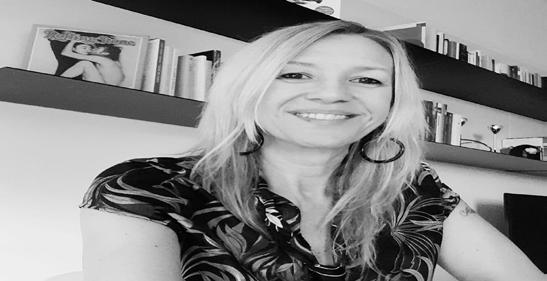
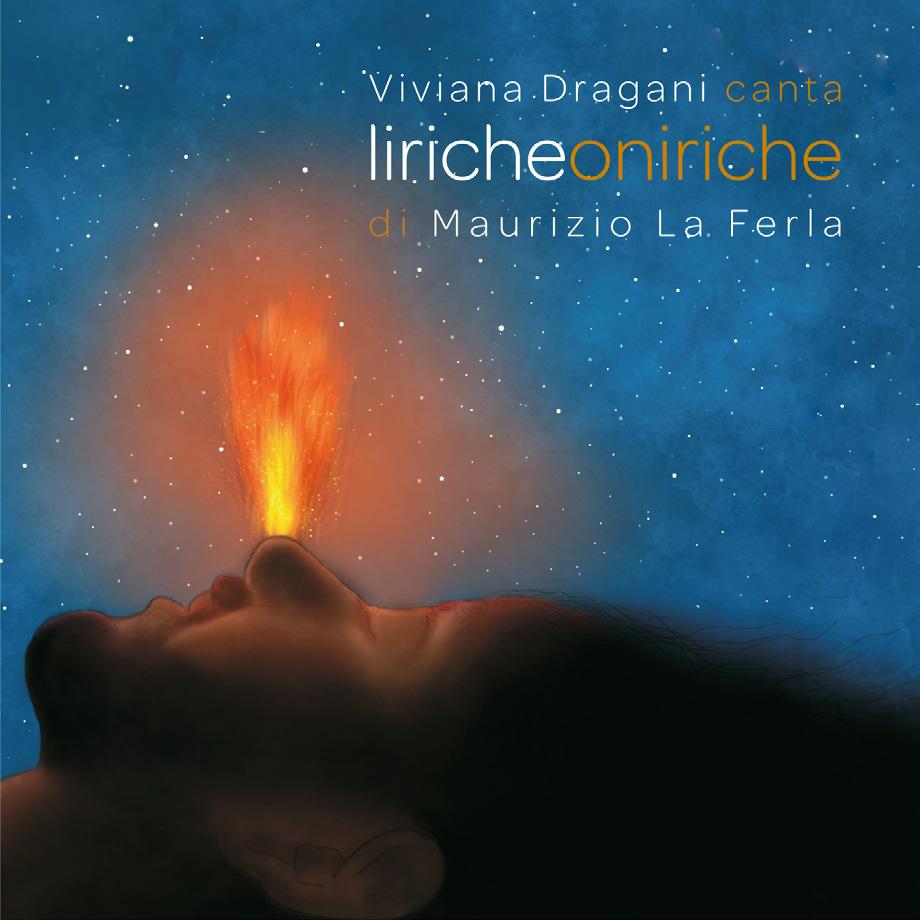
CLASSICAL /JAZZ

The radio program is called Italia Eco and it is like an echo coming from Italy. It has been our radio for twenty years. Radio Boston is international radio, meaning it broadcasts programs for local ethnic communities scattered throughout the Boston area. We know that there are many Italians, but there are also many Irish, so we have the Irish program and the Greek programme.
So we have a program whose target is a specific community and I lead the one precisely for the Italian community. We try to enhance the events that are organized here in the area for the Italian community. We also recently started collaborating with the Italian consulate, which obviously does us credit and then we broadcast Italian music, therefore pop rock, contemporary music. And this is very beautiful.

Because on Italian and American radios, beyond the Maneskin...there are never many Italian artists who are broadcast. Indeed, I would say that they are the only ones. So we’re trying to make contemporary artists known here in America as well. And then another goal of our program is to enhance the Italian language, the study of the Italian language. Here, unfortunately, there is a need to enhance the study of the Italian language, to promote it because we have noticed a boom in recent years, a decrease in enrolments. For example, in American colleges today there is a tendency to study other languages, Arabic, Chinese. So we are trying to do this work also, precisely, in collaboration with the Consulate to promote the study of this language which is beautiful and truly worthy, including literature and culture in general.
But in Boston, you also lend your voice in commercials...

Exactly, I’m a radio speaker and even if that’s how we want to define Voice over talent, that’s what it says here.
Which means exactly?
VoiceOver is voiceover So a Voice Over Talent Arts or Voice Over Actress, what do you want to call it? You are a person who lends your voice to needs of any kind, for example for advertising, corporate videos, training, including therefore distance learning training. There are so many opportunities and obviously what I prefer to do are advertising, because there is the possibility to express, let’s say, feelings. Today we know that commercials tend to move certain strings, touch certain strings and move emotions a bit. And so my favorite thing is this advertising and using the voice in an emotional way. And yet the soon, obviously for any type of requirement.
When did you discover that you were talented and passionate about wanting to use your voice like this?
Something happened when you was little. In short, have you had any experience that then led you to understand that this was your path?
But there wasn’t a specific moment when I decided. I want to do this, it was all very gradual and I think when you have a spark inside, let’s call it that, of artistry, then when you have it you have it and you absolutely have to express it. It’s an urgency that isn’t something you do for money or it’s not something you do, because you decide, it’s something that decides for you, it’s a bit the opposite and therefore I’ve always had the need since I was a child, to express myself artistically.
CLASSICAL /JAZZ
ecause in a musical in which I danced they were simply looking for backing vocalists and so I auditioned to be a backing vocalist, they said to me But do you know you’re in tune? Of course you also have a nice timbre. I said Ah yes, gosh! And so they advised me to study to improve. In short, perfecting the technique that I didn’t have because I had never studied seriously with anyone and therefore I started with private lessons.
Then I entered the Conservatory, I studied opera singing at the Conservatory for two years, then I realized that this was not my path, because I was already passionate about swing anyway. In any case, a phase of modern singing, even pop, and therefore I abandoned the Conservatory, albeit reluctantly, in my second year and dedicated myself full-time to these shows, to these concerts they organized around Italy and also for Europe. However, we have been to Switzerland, we have been to Casablanca, we have been to Turkey, to Ankara we have toured a lot with this vocal trio, proposing precisely the swing of the 30s and 40s. So vintage music with period costumes. It was really a show.
Worth seeing as well as hearing of course. And so I’ll tell you, there wasn’t a moment a bit of it happened by accident. This singing thing just happened by accident. They discovered me by chance and the rest of dance and the rocket speaker was also born there by chance. Because I said let’s try this thing it could do for me acting It could do for me and so there too I always acted in shows where I sang and danced and acted and it always came quite naturally to me. The diction. I studied it by myself, as a self-taught on books and if you have the slightest ear it enters your head quite easily, so I would say everything by chance.
So let’s say that in Italy, as you were saying now, did you have these experiences both musically and also on the radio?
Even in Italy I hosted a radio program which instead, if I’m not mistaken, was about books, reviews, book authors. And it was basically more about literature.

Another passion that I have is precisely literature, it is going into disuse a bit. I have a degree in Spanish literature. In fact, among the various albums, I also recorded a monographic album on Carlos Gardel, sung all in Spanish precisely because I love this language and I said, precisely because I loved poetry so much, which is musical literature.
That’s why I love it so much, because I understand the musicality behind it, precisely because I loved reading the great authors and I necessarily studied them. For my studies I decided to create a program called Volta Pagina on Radio Energy, which is a local radio station in Turin. So for seven years I conducted this program on Radio Energy, until then, in fact, I changed course. But it was a wonderful experience, where I also learned how to interview people, how to put them at ease. And all these skills, however, I then brought with me.
Now you have also mentioned an album of Carlos Gardel’s hits and let’s say there was therefore, before this album which has just been released, there were other experiences as a singer, in addition to this album which if I am not mistaken is tango.
Tango, sung. Yes, we are used to the tango as something that is danced, but in reality it was born as a sung tango and then it became purely instrumental and therefore I wanted to recover these beautiful songs with very passionate lyrics to make them known in Italy, because they are not very known. There are not many reinterpretations of these songs by Carlos Gardel and Messi and I think this is a good work.
You can look it up on Ebay it’s with a sextet, so a slightly bigger formation. Yes, violin, double bass, piano, in short. The bandoneon, obviously, which is the main instrument.
B


Instead you also had another experience, a pop album...

I recorded a pop album of unreleased songs. It’s called “The Memory of You.” You can also find this on the main digital platforms. If you want to listen to it and it’s songs again this time that I didn’t write, I didn’t compose anything, I was an interpreter and the composer is called Domenico Centrino. He composed the music, he composed the lyrics and and this is also an album of great value, because the arrangements are really well done and there is an orchestra, an orchestral arrangement behind it and with soloists, of course, who sound absolutely live. There’s any sampler sequence about it, so it’s a really good album, well done and very romantic. And I absolutely recommend it.
We’re going to look for that too. And compared to the album that just came out and clearly also to the video that we’re waiting for in a couple of months, are you going to do something else with respect to the album, I don’t know, maybe a concert or something that takes it around, promotes it?
We’re trying to promote it right now. Obviously on social networks. Yes, the idea would be to take him around, but here in the United States, not in Italy. So I’m on the lookout. In fact, I’m making an appeal, I’m looking for talented jazz musicians who want to tour the Boston area with this project, which in my opinion is really special as a project, it’s not trivial. The music is not trivial at all. The texts are not only in Italian, by the way, but they are also in English, so it’s perfectly usable. In short, here and even there is a passage in French which was a bit of a challenge for me. Because precisely, I speak fluent Spanish, English, but not French.
So was that a challenge?
Yes, because it is an album with many suggestions and one of these suggestions are the French chansonniers who inspired one of these songs. So it’s a really diverse album. And so I recommend not listening to just one song and saying oh well, because each song is in its own right. So listen to them all because truly each one is a painting in its own right and is called “oneiric lyrics,” because the leitmotif is precisely the dream, the dreamlike dimension and also the opposite, that is the disillusionment when dreams somehow don’t come true.
Thank you for letting us into your world, for telling us a little about yourself, our readers thank you for this availability, for this meeting and maybe in the future we can meet for another project, for another thing you are doing, do you want ?
When you want, “any time” as they say here.

Watch in Youtube CLASSICAL /JAZZ
The Pageant of the Two Worlds of Spoleto:

Bringing collectively sustainability with tradition and leisure is the ambition of the Pageant dei Due Mondi in Spoleto, which is able to happen from 23 June to 9 July. Sustainability understood as consideration to the surroundings, ethics, transparency and social points: values that we are going to discover in most of the reveals that enliven the 66th version of the occasion, but in addition sustainability to be carried out concretely within the group of the Pageant and the collateral occasions.
Turning into a “sustainable pageant” to all intents and functions is a mission that can require time and dedication from the men and women of the Pageant dei Due Mondi. However a lot has already been completed within the final two years. Listed below are some examples: the distinguished Emas 2022 award, organized along with Ispra, the Larger Institute for Environmental Safety and Analysis, which noticed the participation of Italian excellence on the planet of sustainability; the talks of the Agronomists World Academy Basis to share and disseminate sustainability within the agricultural world; the convention “The longer term within the heart”, during which the methods to provide a sustainable future to the historic facilities of medium-sized Italian cities have been mentioned. Or the measures to scale back waste and get better sources, such because the free micro-filtered public water dispensers made obtainable to corporations, staff and spectators, the over 1,000 aluminum water bottles distributed freed from cost, the 6 tons of meals recovered thanks to 10 thousand ” foodie baggage” donated by the Pageant. Lastly, talking of social sustainability, the initiatives on the planet of prisons, to provide a chance for inclusion and rehabilitation by way of tradition.
68 Summer 2023 - The human rights issue
a mannequin of sustainability
Additionally on this version this system – developed in collaboration with Rai For ESG Sustainability – is especially dense. The Pageant will host a workshop on Saturday 8 July with Stefano Mancuso, the authoritative botanist who has devoted his educational life to demonstrating that vegetation are actual residing networks, refined and developed social organisms with extraordinary adaptability, and that they may provide us decisive technological options for our future. As a part of the “No Girls No Panel” mission, on July 7 many protagonists of the Italian and worldwide scene – étoiles, but in addition choreographers, administrators, creative administrators, writers – within the debate “Feminist choreography” will rewrite the historical past and current of dance. Once more along with Rai for ESG Sustainability, the assembly “Tradition breaks the bars” shall be held on 1 July, with a gathering between the actors and inmates of the #SIneNomine firm, the preview of the present “Midnight’s Goals property”, and a panel devoted to the theatrical exercise carried out in prisons. On the identical themes the appointment “Utopias and Dystopias”, with a spherical desk targeted on instructional paths in prisons, from literacy to college. Then there are the “Instructional Tasks” devoted to native college students: coaching internships – from the promotion workplace to tailoring, from communication to manufacturing – to expertise first-hand the work of the Pageant’s organizational machine, the “Il Pageant Siamo Noi” competitors , devoted to main college youngsters, the Theater Mediation mission for center college college students and Inexperienced Corners within the metropolis.
After which there are the reveals, in fact. Within the intensive program it’s simple to establish, admits the creative director Monique Veaute, a standard thread, that’s the want for a relationship between man, nature and the animal world that’s playful, optimistic, cheerful, even complicit. It’s maybe no coincidence that the Pageant opens with the work of Leos Janacek “A wise little fox”, if within the Noon Live shows the soloists of the Budapest Pageant Orchestra and the Perugia Chamber Orchestra will draw a musical atlas of the extraordinary number of representations, from bees to birds, from flies to fish, from cicadas to ants. The Colombian dancer Fernando Montaño in “Buena Ventura” will reinterpret Franz Kafka’s Metamorphoses the other way up, with animals turning into males. And Luca Marinelli, for his directorial effort chooses Kafka’s “The Lesson”, the story of a monkey captured and locked in a cage that imitates the human beings round it, changing into one in all them.
69 Summer 2023 - The human rights issue
Blogging
Does Childhood Adversity Cause Mental Health Problems?
It’s well known that experiencing adverse events in childhood (such as maltreatment, domestic violence, or parental substance abuse) is associated with mental health problems. But, despite decades of research, we still don’t know the extent to which these adverse childhood experiences (ACEs) cause mental health problems.
This confusion arises from the fact that children exposed to ACEs are likely to experience other risk factors for mental health problems, including social factors like poverty, as well as genetic factors. So it’s not clear whether higher rates of mental health problems in individuals who experienced ACEs are due to the adversity per se or to other risks.
70 Summer 2023 - The human rights issue
It’s understandable that children exposed to ACEs are likely to experience other social risk factors, like poverty. But why might children exposed to adversities have a greater genetic predisposition to mental health problems?
First, we know that ACEs are more common in families in which parents have mental health problems, and experiencing severe parental mental health problems is also considered to be an ACE. This means that children living in these families may be more likely to inherit a genetic predisposition to mental health problems from their parents and also experience adverse environments.
Second, it’s also possible that children who inherit mental health problems might be responded to in a negative way by their parents. For example, parents may lose their tempers more often with hyperactive children, increasing the likelihood that these children experience shouting or physical discipline.
These are examples of gene-environment correlation, whereby exposure to environmental experiences depends on a person’s genotype. Such gene-environment correlations can mean that the association between ACEs and mental health may be at least partly explained by genetic factors.
In a recent study, we aimed to account for genetics to better understand the environmental impact of ACEs on mental health. To do so, we studied over 11,000 genotyped children taking part in the UK-based Avon Longitudinal Study of Parents and Children or the US-based Adolescent Brain and Cognitive Development Study. To assess ACEs (maltreatment, domestic violence, parental mental health problems, parental substance abuse, parental criminality, and parental separation), we used information from parent and child interviews. We assessed children’s internalising problems (e.g., anxiety and depression), and externalising problems (e.g., ADHD and disruptive behaviours) through parent reports when children were aged 9 or 10 years.
To assess a child’s genetic predisposition to mental health problems, we calculated polygenic risk scores. Polygenic risk scores index a person’s genetic liability for a disorder (e.g., depression) based on the number of genetic risk variants they have for that disorder. We calculated children’s polygenic risk scores for a range of mental health problems, including depression, anxiety, schizophrenia, bipolar disorder, ADHD, autism, antisocial behaviour, and alcohol abuse.
We first examined whether children with a greater genetic predisposition to mental health problems were more likely to experience ACEs. We found that this was the case: children with higher polygenic risk scores for mental health problems (such as depression, ADHD, and schizophrenia) were, on average, slightly more likely to experience ACEs.
Importantly, this doesn’t mean that exposure to ACEs is determined by genes, is the fault of the child, or is not preventable. Rather, the findings suggest that children with a greater genetic predisposition to mental health problems are, on average, slightly more likely to experience ACEs.
This finding is likely to at least partly reflect passive gene-environment correlation, whereby parents with mental health problems pass on this genetic predisposition to their children and provide adverse environments. For example, a parent with depression might transmit genetic risk variants linked to depression to their child and also find it harder to interact with the child.
But despite these genetic influences, it’s important to emphasise that ACEs are also influenced by modifiable social and environmental risk factors and can be effectively prevented through environmental interventions, like parenting support programmes.
71 Summer 2023 - The human rights issue
Blogging
Blogging
We next examined the extent to which any associations between ACEs and mental health might be explained by children’s genetic predisposition to mental health problems. After controlling for polygenic risk scores for mental health problems, we found that ACEs remained associated with mental health problems.
Adverse Childhood Experiences Essential Reads
However, polygenic risk scores aren’t the best way to account for genetic factors because they only partially capture a person’s genetic liability to mental health problems. To address this limitation, we used a new statistical method which estimates associations between environmental factors and outcomes under a scenario in which polygenic risk scores could explain greater genetic liability to mental health problems.
Using this method, we found that genetic factors accounted for at least part of the associations between ACEs and mental health. Notably, though, child maltreatment and parental mental health problems were still associated with child mental health problems, independent of genetic factors. This suggests that the environmental experience of maltreatment and living with a parent with mental health problems could influence children’s mental health.
Our study is not without limitations. First, we examined a narrow set of ACEs, but many other adversities affect children, such as bullying or death of a family member. Second, our study was based on participants with European ancestry, so it’s important to investigate whether the findings generalise to populations with different ancestral backgrounds. Finally, although we examined the role of individual risk factors (e.g., genetic predisposition and ACEs), wider structural inequalities (e.g., poverty) can play an important role in influencing both ACEs and mental health.
Overall, though, our findings can help to inform interventions to help prevent children from developing mental health problems. Because maltreatment and parental mental health problems were associated with children’s mental health problems through environmental pathways, preventing those experiences might help to prevent mental health problems in the population. Therefore, investing in parenting support programmes and effective parental mental health care could not only improve family functioning but also prevent later costly mental health problems.
To prevent children exposed to ACEs from developing mental health problems, accessible mental health support is essential. Because children exposed to ACEs were more likely to have genetic predispositions to mental health problems, therapeutic techniques that address heritable psychiatric vulnerabilities (e.g., through skills-building) could reduce their risk of developing mental health problems.
72 Summer 2023 - The human rights issue
This article was written by Jessie Baldwin, PhD, Megan Briggs, and Jean-Baptiste Pingault, PhD.

The American College of Rome declares 2023 honorary diploma

74 Summer 2023 - The human rights issue
Carlo Petrini Jhumpa Lahiri
Blogging
The American College of Rome (AUR) will confer honorary doctoral levels.
The American College of Rome (AUR) will confer honorary doctoral levels on Jhumpa Lahiri, Pulitzer Prize-winning writer, and Carlo Petrini, founding father of the worldwide Gradual Meals motion, throughout its annual graduation ceremony on Could 25, 2023, on the Villa Aurelia in Rome. The 2 will obtain AUR’s highest honor in recognition of their extraordinary contributions to their fields.
Jhumpa Lahiri was born in London and grew up in Rhode Island. Her debut assortment of tales, Interpreter of Maladies, gained the Pulitzer Prize, the PEN/Hemingway Award, and The New Yorker Debut of the 12 months. Her novel The Namesake was a New York Occasions Notable E-book and a Los Angeles Occasions E-book Prize finalist. It was additionally named probably the greatest books of the 12 months by USA Immediately and Leisure Weekly, amongst others.
In December 2015, Lahiri printed a nonfiction essay, “Train Your self Italian,” in The New Yorker, about her expertise studying Italian. Within the article, she declared that she would now solely write in Italian. That very same 12 months, she printed her first e-book by her in Italian, In different phrasesby which she wrote, “I waited a really very long time to actually go away from the world I knew. Rome has given me a way of belonging.” In 2018, she printed her first novel in Italian, The place I’m. In 2019, she compiled, edited, and translated the Penguin E-book of Italian Brief Tales, consisting of 40 Italian brief tales written by 40 Italian writers. She additionally not too long ago printed, to nice acclaim, a quantity of brief tales entitled Roman tales.

Charles Petrini is an Italian activist, author, and founding father of the worldwide Gradual Meals motion.
Previously a political activist within the communist Proletarian Unity Celebration (Celebration of Proletarian Unity; PdUP), in 1977, he started contributing culinary articles to the communist day by day newspapers The poster and The Unit. In 1983, he helped create and develop the Italian non-profit meals and wine affiliation generally known as Archigola. He based Gradual Meals in 1986 and have become the group’s president.
With the preliminary purpose to “defend regional traditions, good meals, gastronomic pleasure, and a gradual tempo of life,” in virtually three many years of historical past, the motion has advanced to embrace a complete strategy to meals that acknowledges the sturdy connections between plate, planet, individuals, politics, and tradition. Immediately Gradual Meals represents a world motion involving 1000’s of initiatives and thousands and thousands of individuals in over 160 international locations.
Petrini is an editor for a number of publications on the publishing home Gradual Meals Writer. He has written weekly columns for The print and is an everyday contributor to The Republic. In October 2004, he based the College of Gastronomic Sciences, a college devoted to new gastronomists and innovators of sustainable meals methods.
Petrini has acquired quite a few awards and acknowledgments, together with Communicator of the 12 months on the Worldwide Wine and Spirit Competitors in London, the Sicco Mansholt Prize within the Netherlands, and the Eckart Witzigmann Science and Media Prize from Germany. In 2004 he was named one in every of Time journal’s Heroes of the 12 months.
75 Summer 2023 - The human rights issue


"We cannot truly call ourselves a civilized society until we fiercely protect the fundamental human rights that serve as the foundation of our humanity.
From slavery to the Holocaust, history has shown us the devastating consequences of turning a blind eye to injustice. Today, we continue to witness the violation of basic human rights for millions around the world - discrimination, persecution, and systemic oppression. It is our moral obligation to speak out against these atrocities and advocate for the voiceless. Let us unite in a ceaseless fight for the dignity and worth of all people, regardless of their race, gender, religion, or nationality. The pursuit of human rights must not be confined to political debates or legal frameworks but must be ingrained in our daily actions and interactions. We have the power to be agents of change, to build a future based on respect, tolerance, and equality. Let us embrace this responsibility and work together to create a world where every human being can live freely, with dignity and without fear.
Every step taken by an immigrant crossing oceans and borders towards a better life is a testament to their unwavering determination, their unbreakable spirit, and their sheer bravery. Amidst the unforgiving seas, scorching deserts, and hostile borders lies a journey fraught with danger, deprivation, and despair. Yet, they persist, fuelled by the hope of a brighter future, willing to risk it all, even their very lives. It is time for us to see beyond their struggles and see them for who they are - human beings in search of a dignified existence. Let us come together and stand with them, to ensure that their journeys do not end in tragedy, and that they are welcomed with open hearts and open arms in the land of their dreams.”
Guzzardi
Florida - 6 - 11 2023

78 Summer 2023 - The human rights issue
F.
Editorial
IM Italian magazine ( ISSN 2688-0601 - online 2688061X) is published quartetly by Hoffmann & Hoffmann Inc, 32082 Ponte Vedra Beach, Florida, USA. © 2021
HOFFMANN & HOFFMANN Inc. ALL RIGHTS RESERVED. PRINTED IN THE U.S.A. Reproduction in whole or in part without written permission is strictly prohibited.
Publisher & executive
Creative director
Fabrizio Catalfamo
Writers:
Susanna Casubolo
Roberto Sironi
F. Guzzardi
Teresa Cusano
Photo credits : Breakwater Stones in the ocean dark mood for postcards about grief mourning or peaceful and soothing meditation and relaxation
By MJ Fotografie
Concept on the topic of freedom of speech, censorship, freedom of press. International Human Right day
By Jirawatfoto
Paper cutout face of diverse culture together. Concept racial equality, anti-racism and equal Law & Order. Diversity multi-ethnic and multiracial ...
 By Saud Visuals
Close-up Cute half-profile Cuban girl. White skin, green eyes and red lips look at the floor
By Luis Boy
on the beach
By F. Guzzardi
Graphic work by IM Italian Team
Magazine Distribution by Hoffmann & Hoffmann Inc
Subscriptions on Hoffmann-Hoffmann.org
For more informations on advertising opportunites in IM Italian magazine, please visite www.hoffmann-hoffmann.org or email hoffmannmediabook@gmail.com
79 Summer 2023 - The human rights issue
Le mie radici
(My Roots)
First Edition 2023/24
Share the story of your Italian - American family and how your roots and traditions have influenced your life.
Be sure to include details about your family’s experiences immigrating to the United States, any challenges or triumphs they faced, and how your family has preserved and celebrated their culture. Your story will be featured in the next issues of “IM Italian magazine” and the bests story in an upcoming collection called “Le Mie Radici,” which highlights the stories of Italian American families. Participation is free, and Mediabook will cover all production costs. As a bonus, 10% of any potential annual proceeds from the book will be distributed amongst all participants. Please submit your story to radiciitaloameircane@gmailcom

“
