BIG ANNOUNCEMENT?


Page 20 • June 14, 2024 MIDLANDS Business Journal Over 52 Special Focus sections in 2024! To advertise or for editorial sponsorship information email: sales@mbj.com 4 !"!#$%&'()*'+,$-+,./&+* SPECIAL REPORT SPECIAL ADVERTISING SECTION SPECIAL SECTION INSERT PRSA Paper Anvil Awards Health Care Heros Financial & Tax Planning Commercial Real Estate Black CEOs & Changemakers Black Business Owners Wealth Management Engineering Profiles ACEC 2024 ExcellenceEngineering Awards Insurance & Employee Benefits Women In Business: Iconic Leaders Women in Business Profiles Investing for Retirement Education & Workforce Development Leaders in Education YP Summit Senior Living & Elder Care ICAN Conference Technology: AI and more Small Business Success Stories Leaders in Law Construction & Design Energy & Utilities Business Success Profiles Corporate Meetings & Events Pride Month: Business Owners & Entrepreneurs Engineering, Architecture & Technology Higher Education & Workforce Development CRE Summit Subject to change. Revised 10/15/23 ALSO IN THIS ISSUE Next Gen Ag FARMING AND AGRIBUSINESS LEANING HEAVILY INTO TECH Proactive Approach SAFETY PLANS SHOULD LAY OUT ALL POTENTIAL HAZARDS Transforming Communities NEW LEADERSHIP SET TO SPREAD OMAHA MUNICIPAL LAND BANK’S REACH June 23,2023 Price:$2.00 49 No.25 LOCALLY OWNED SINCE 1975 Van Deeb REAL ESTATE ENTREPRENEUR RECEIVES OMAHA PRESS CLUB HONOR INSIDE: metroMAGAZINE ANIMALS Enhancing Human Well-being! MENTAL HEALTH AWARENESS MIDLANDS !"#$%&##'()"*%+, The MBJ editorial team may be adding focus sections, changing Editorial Calendar dates or revising content throughout the year. If you have a special topic that you don’t see listed please email editor@mbj.com. *Specialsections&insertsarenotavailableoncontract.Includingbutnotlimitedto: 40Under40•ICAN•CRESummit•EthicSpaceConference•BBBTorchAwards 2024 FOCUS SPECIALSECTION REPORT SPECIAL ADVERTISING SECTION SPECIAL SECTION INSERT August 2 Business Succession & Transition August 9 Working Parents August 16 Commercial Real Estate Directory August 23 Entrepreneurial Success August 30 Franchising Franchise Success Profiles September 6 CEOs CEO Profiles Greater ChamberOmaha Business Hall of Fame September 13 Investing in Nebraska & Soutwest Iowa BBB Torch Awards September 20 Innovation in the Heartland Leaders in Innovation September 27 Business and Ethics BEA: EthicSpace October 4 Diversity, Equity, Inclusion & Accessibility CODE Conference October Cybersecurity Awareness October 11 Mergers & Acquisitions Family Business Construction: Inclusion Week October 18 Sarpy County Growth Report Sarpy County Success Profiles October 25 Health & Wellness 40 Under 40 November 1 Veterans in the Workplace Veteran-Owned Businesses November 8 Small Business: End of Year Planning Accounting Profession November 15 Affordable Housing November 22 Corporate Giving & Philanthropy November 29 Architecture & Engineering AIA Awards December 6 Wealth & Finance December 13 Commercial Real Estate Recap December 20 Economic Outlook December 27 2024 Year in Review Business Success Profiles Visit MBJ.com for pricing and scheduling an announcement SPREAD THE word Spread the word with the Midlands Business Journal. Make your company announcement stand out with MBJ’s new premium advertising space. Page 16 •December 16,2022 Commonwealth Holdings, Inc. is proud to announce the expansion of its operations in Salt Lake City following the acquisition of Rydalch Electric, Inc. Rydalch Electric is a long-time leader in Utah construction projects, providing electrical construction services for the state’s commercial, institutional and industrial markets. The company’s capabilities include a complete design-build and construction management team, as well as a knowledgeable service department. A Utah-based company for over 25 years, Rydalch Electric has established great relationships with its customers, general contractors and developers. “The combination of Rydalch Electric’s employees and customer base, plus the resources and new opportunities that Commonwealth brings to the table, will foster an even stronger company,” said President/CEO T. Michael Price of Rydalch Electric will continue to operate under the same name and build upon its reputation and history in the Salt Lake area. Rydalch Electric’s leadership and staff will remain in place, leading its day-to-day operations. Its general contractors, subcontractors and vendors will see no interruption in the same great service to Commonwealth Holdings, Inc. was formed earlier this year in October as the parent company of Commonwealth Electric Company of the Midwest. Commonwealth will be combining its resources with Rydalch Electric’s highlytrained professionals to deliver excellent electrical services to the Salt Lake City area, in addition to its current locations in Nebraska, Iowa and Arizona. For more information, visit www.commonwealthelectric.com. COMMONWEALTH HOLDINGS, INC. CECMMARKETING@COMMONWEALTHELECTRIC.COM COMMONWEALTHELECTRIC.COM/ SPREAD the word Commonwealth Acquires Rydalch Electric, Inc. MBJ.com for pricing and scheduling an announcement SPREAD THE word Spread the word with the Midlands Business Journal. Make your company announcement stand out with MBJ’s new advertisingpremium space. SPREAD the word
Page 29 • November 4, 2022 After acquiring the Little King franchise operation in 2021, Lockwood Development is announcing that the firm’s first Omaha Little King store opened to the public on November 1, with a Grand Opening featuring the Creighton Volleyball team scheduled for Saturday, November 5. The store, located at 8602 West Dodge Road, represents a step forward for both the brand and its footprint in the Omaha area. “Our new store is very close to where the very first Little King store was located when it opened in 1969,” said Chip James, president and CEO of Lockwood Development. “That’s no coincidence. We’re truly inspired by the roots of this historic franchise, and we look forward to carrying that spirit forward to loyal Little King customers, as well as a new generation of Omaha residents.” The 1500-square-foot store combines modern design and an inviting dining area with classic Little King branding and artwork. Customers can expect to order from Little King’s beloved menu featuring subs and sandwiches made with bread baked in store and fresh-sliced meat, as well as soups and desserts, while taking advantage of a variety of conveniences, including a drive-thru. Day to day operations at the 86th and Dodge location, as well as the operation of Lockwood Development’s subsequent stores, will be overseen by Mark Edwards, an Omaha native who grew up in the fast-food business. “It’s an honor to merge the industry I’m passionate about with a brand that means a great deal to me and so many families in Omaha,” said Edwards. “Little King has more than 50 years of rich history in our area, and now we get the opportunity to move it forward, modernize it, and highlight the very best of what it has to offer.” The new store is the first in a series of new locations James, Edwards, and the team at Lockwood Development plan to open in Omaha and Lincoln. About Little King Founded in Omaha in 1969 by Sid Wertheim, Little King Deli & Subs is known for its deli-style sub sandwiches, made with bread baked fresh on site and meat sliced to order. In 2001, Wertheim’s son Bob took over the company before its sale to Lockwood Development in 2021. Today, there are six independently operated Little King stores serving Omaha, Nebraska, including the new location at 8602 West Dodge Road, which is the first owned by Lockwood Development. SPREAD the word Lockwood Development’s New Little King Location Opens in Omaha HTTPS://LITTLEKINGSUBS.COM EMAIL: LIBBY@LOCKWOODDEV.COM (402) 345-5959 MBJ.com scheduling an announcement SPREAD THE word Spread the word with the Midlands Business Journal. Make your company announcement stand out with MBJ’s new premium advertising space. Page September 2022 CongratulationstoTalentPlus theirrecentimplementation theNetSuiteERP platform.TalentPluswillleverageNetSuitetostreamlineoperationsandbetterservetheir clients. Talent enhancementswithNetSuiteinclude:Integratedfinancialandoperationssystems Automatedbillingprocess Consolidatedreporting Streamlinedcloseprocess Meridianappreciatesourpartnership looksforward helpingyoucontinue improveyourbusiness. SPREADtheword Congratulations toTalent Plus SPREAD WORD MERIDIAN PAGE 4.7” 7.825” (402) 330-1760 • WWW.MBJ.COM October 14, 2022 Lutz, Nebraska-based business solutions firm, announce the growth its Client Advisory Services (CAS) offering. This service extend many the same benefits outsourced accounting to accounting software consulting, training and support, with new technology-focused package. Scott Miller, Consulting Director, “The accounting function can burden for small businesses take Each organization different, work to tailor our services to the client’s needs. We offer multiple packages from outsourcing small piece your accounting operations managing your accounting practice and taking CFO role.” Lutz committed to providing value-add our clients, giving them the growing their business. With tech-focused model, companies capitalize on their data and discover opportunities to improve. “Our goal with the new tech-forward service model help customers make informed business decisions, timely financial information and the stress of managing an accounting Expanding the CAS service line strengthen our position the market and to better serve our client base,” Steve Nebbia, Lutz Consulting Director. Learn more about Lutz’s Client www.lutz.us/cas SPREAD the word Lutz Evolves Client Advisory Services Offering SPREAD THE LUTZ 1/3 7.825” HAVE AN ANNOUNCEMENT? Business Journal HAVE AN ANNOUNCEMENT?
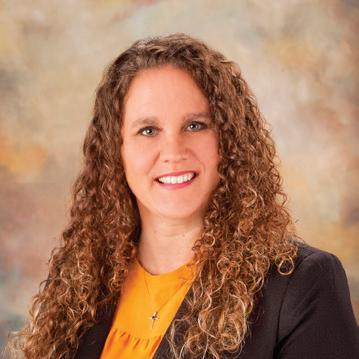
Lindsay Borgeson
LINDSAY BORGESON PROMOTED TO PRESIDENT OF THE BANKING AS A SERVICE (BAAS) DIVISION
Core Bank is pleased to announce Lindsay Borgeson as President of the BaaS Division. Lindsay has been at Core Bank for 12 years and most recently she was the Chief Deposit Officer. In her new role, Lindsay’s team will tailor banking solutions to support Fintech platforms as well as brands\ corporations that desire embedded banking products to enhance their growth and customer experience delivery.
CORE BANK
PHONE: 402-333-9100
EMAIL: INFO@COREBANK.COM
WEBSITE: HTTPS://COREBANK.COM

Robert Kuhr
ROBERT KUHR JOINS MERIDIAN BUSINESS!
Robert joins Meridian Business as a Senior Consultant. With over 20 years of supply chain experience, Robert has served in a wide range of roles across several industries. Working with a variety of technologies and platforms, Robert has developed the skills to drive transformational change and is committed to identifying and solving the complex challenges facing our clients.

PHONE: 402-392-4030
EMAIL: SALES@MERIDIANBUSINESS.COM
WEBSITE: HTTPS://MERIDIANBUSINESS.COM/
Kristen Crawford
LUKAS PARTNERS PROMOTES
KRISTEN CRAWFORD TO ACCOUNT DIRECTOR
Kristen Crawford has been promoted to Account Director at Lukas Partners PR firm. She joined Lukas Partners in 2017 and brings excellent communication strategy skills and project leadership to clients across business, nonprofit and education sectors to enhance brand awareness and reputation. She is an impactful writer with news, social and digital media expertise and is an exceptional team leader.
PHONE: 402-895-2552
EMAIL: INFO@LUKASPARTNERS.COM


WEBSITE: HTTPS://WWW.LUKASPARTNERS.COM
Ia Hagan
BAIRD ADDS IA HAGAN TO OMAHA
PRIVATE WEALTH MANAGEMENT OFFICE
Ia Hagan joins Baird’s Private Wealth Management business as a Financial Advisor in Omaha. She brings more than a decade of experience assisting individuals, families, and businesses in making personalized decisions about their future. Hagan earned her bachelor’s degree and MBA from Boston University’s Questrom School of Business.
DLR GROUP
PHONE: 402-399-2099
EMAIL: NROGERS@RWBAIRD.COM
WEBSITE: HTTPS://RWBAIRD.COM


Page 21 • June 14, 2024
Tim Martens MARTENS ANNOUNCED AS PRESIDENT OF HCAN LINCOLN & SARPY Home Care Advocacy Network (HCAN) of Lincoln and Sarpy is pleased to announce the appointment of Tim Martens as President. Mr. Martens joins the organization with 17 years of senior care experience and is ready to position HCAN as a premier provider of non-medical services to individuals in the greater Lincoln and Sarpy/Cass markets. Mr. Martens is an active member of the Nebraska Association for Home Healthcare and Hospice and a diplomatic advocate for senior care issues. Throughout his combined 17 years in the senior care industry, he has grown passionate about working with the senior population. “Senior care is my career and my life. don’t see myself doing anything different than working with seniors. thoroughly enjoy it,” he says. While senior care is the service HCAN offers, Mr. Martens is also an advocate for caregivers. “Our number one core value is to pursue the genuine success of others. If we do this well with our Caregivers, they will feel valued, love their jobs, and provide incredible care to our clients.” Mr. Martens is also huge proponent of working in tandem with other non-medical agencies. “One of the ways we can best care for seniors is to partner with like-minded agencies. It’s no secret that we are in critical labor crisis so partnering client care with other trusted providers helps to ensure seniors are receiving all the care they need.” To learn more about HCAN careers, partnerships, or in-home care, please contact us. HOME CARE ADVOCACY NETWORK OF LINCOLN AND SARPY 402-287-6171 EMAIL: TMARTENS@HCANNEBRASKA.COMWEBSITE: WWW.HCANTHRIVE.COM/SARPY OR WWW.HCANTHRIVE.COM/LINCOLN Josie RodriguezONEWORLD NAMES JOSIE RODRIGUEZ CHIEF OF DIVERSITY, EQUITY & INCLUSION Josie Rodriguez, BS, MHA, was named Chief of Diversity, Equity and Inclusion for OneWorld Community Health Centers. The position was created to increase and prioritize diversity, equity and inclusion efforts as OneWorld continues to grow. Originally from central Nebraska, Josie holds Bachelor of Science in Human Service Administration and Master of Science in Healthcare Administration from Bellevue University. Josie worked for the State of Nebraska for 30 years. During her time with the State, she worked for the Nebraska Department of Health and Human Services in Medicaid, Children and Family Services, Public Health and the Office of the Nebraska Attorney General. In 2011, she rejoined DHHS in the Office of Health Disparities and Health Equity. Josie also served on the board of the People’s Health Center, now Bluestem Health, in Lincoln, Nebraska. Josie said she has always admired Federally Qualified Health Centers for providing health care services to those who need most, and as Latina, the opportunity to work for an organization that serves large number of Latinos is a great fit for her. With her vast experience and knowledge in working to address health disparities, advancing health equity and advocating for diversity and inclusion, Josie said she is looking forward to using diversity, equity and inclusion strategies to advance OneWorld’s mission. “We are working to create a diverse, equitable and inclusive organizational culture where everyone feels they belong,” said Josie. “OneWorld has an internal LGBTQ+ Task Force and an Employee Council, and HEALTH CARE | APPOINTED HEALTH CARE NAMED MIDLANDS BUSINESS JOURNAL Shawn Bengtson was appointed Executive Vice President and Chief Risk Officer, effective July 1, 2022. She will lead WoodmenLife’s expanded risk management efforts in cyber security, investment underwriting, physical property security, business continuity, corporate insurance retention, and current and forecasted business risks. She will also lead the “Risk reaches into many areas of the business world and is constantly evolving,” said WoodmenLife President & CEO, Patrick L. Dees. “By ensuring our Risk Management efforts have Bengtson started her career with WoodmenLife in 2001, and most recently led WoodmenLife’s Investment division as Vice President. She has multiple degrees including a doctorate from University of Nebraska-Lincoln in the Interdepartmental Area of Business, with focuses in corporate finance, investments and banking (1996). As a Chartered Financial Analyst Sarpy CountyPublication date: August 12 Reserve your profile by: July 29 Omaha Publication date: September 9 Reserve your profile by: August 19 Lincoln Publication date: October 21 Reserve your profile by: September 30 Display advertising also available For more information or to reserve space email us at Feature a new hire, promotion, or accolade to inform the leaders of the Omaha metro, Council Bluffs and Lincoln communities through MBJ. Published and featured on MBJ.com and in the next available issue of MBJ after approval. Published in a weekly e-newsletter each Tuesday: Accolades, Promotions & New Hires Submit a Spotlight at MBJ.com MIDLANDS Business Journal IN THE spotlight
The following are some guidelines to consider when posting legal notices with the Midlands Business Journal:
1. Submit a written notice in either Microsoft Word or as a PDF document either through mbj.com or through the Legal Department at legals@ mbj.com. For trade names, submit a copy of approved (bar code in upper right hand corner) Application For Registration of Trade Name from the Secretary of State to the same email address.
Please include your billing address and the desired duration you’d like your notice to run (trade names run for only one week). As a publisher and not a legal advisor we print notices exactly as they are submitted and therefor only comp reruns when the notice was rejected or messed up due to a MBJ error.
All companies submitting notices are responsible for ensuring the content fits with the State’s requirements and are responsible for the cost of republishing the notice if it is rejected due to misinformation or missing information
2. You will receive a confirmation and price quote. Legal notices, except for trade names, are charged per line. The flat fee for a trade name is $50. Payment is now credit or debit card.
3. Deadline is 5 p.m. on Monday for a notice to start publishing that Friday.
4. All costs include fees to file the notice with the Secretary of State and/or any appropriate courts.
5. Invoices must be paid prior to publication.
SEAN D. MOYLAN, Attorney 1010 South 120 th Street, Suite 320 Omaha, Nebraska 68154
LEGAL NOTICE – NAME CHANGE OF MINOR CHILDREN (CI: 24-4415)
Notice is hereby given that on 5 th Day of June, 2024, MOLLY P. BODEN on behalf of the minor children filed a petition in the District Court of Douglas County, Nebraska, the object and prayer of which is for the change of the petitioner’s minor children’s names from MILLIANA CARTER WINQUIST to MILLIANA CARTER BODEN WINQUIST, from LORELAI MARGARET WINQUIST to LORELAI MARGARET BODEN WINQUIST and from GENEVIEVE MARY WINQUIST to GENEVIEVE MARY BODEN WINQUIST. A hearing will be had on said petition before the Honorable Katie L. Benson, in courtroom no. 617, at 1701 Farnam St Ste 3, Omaha, NE 68183. On the 15 th day of July 2024 at 1:30 p.m., or as soon thereafter as will be convenient for the court and that unless sufficient cause is shown to the contrary, the petitioner’s minor children’s names will be changed from that of MILLIANA CARTER WINQUIST to that of MILLIANA CARTER BODEN WINQUIST, from that of LORELAI MARGARET WINQUIST to that of LORELAI MARGARET BODEN WINQUIST, from that of GENEVIEVE MARY WINQUIST to GENEVIEVE MARY BODEN WINQUIST.
First publication June 14, 2024, final June 21, 2024
Notice is hereby given that EARL EXCAVATING, INC. has incorporated under the Nebraska Model Business Corporation Act. The general nature of the business is any lawful business. Authorized capital is 10,000 shares of common stock, with a par value of $1.00 per share. The registered agent is Frank X. Haverkamp and the registered office is located at 17325 Douglas Street, Omaha, NE 68118. The affairs of the corporation are to be conducted by the Board of Directors and such officers as it may elect.
Frank X. Haverkamp, 17325 Douglas St. Omaha Ne. 68118, Incorporator
First publication June 14, 2024
NOTICE OF ORGANIZATION
NOTICE IS HEREBY GIVEN that Champions Journey, LLC has been organized under the laws of the State of Nebraska. The designated office of the limited liability company 16949 Lakeside Hills Plaza, Omaha, Nebraska 68130. The registered agent and office of the limited liability company is Paul Olson, 16949 Lakeside Hills Plaza, Omaha, Nebraska 68130. The limited liability company commenced business on June 7, 2024.
First publication June 14, 2024, final June 28, 2024
NOTICE A total of 122 cases will be heard by the Board in June 2024. The following case(s) sentenced in Douglas County will be seen by the Board of Parole.
June 12, 2024 – 9:30 a.m.
Nebraska Correctional Center for Women, York, Nebraska
Tyndall, Charita 392348 Robbery
Harrison, Jolynn 392428 Domestic Assault
Mitchell, Vaughnay 392578 Assault 2nd Degree
Delarosa, Sherry 393309 Accessory to a Felony
Theft by Receiving Stolen Prop (2 counts)
June 18, 2024 – 8:30 a.m.
Nebraska State Penitentiary, Lincoln, Nebraska
Vandorien, Richard 62332 Driving Under Revoked License
Wilder, William 85279 Escape
Poss Deadly Weap by Felon/Fug
Robbery
Unlwfl Discharge of Firearm
Glass, Roddrick 85537 Assault by a Confined Person
Poss Deadly Weap by Felon/Fug
Stewart, Moreice 89990 Operate Motor Veh/Avoid Arrest
Pos Cntrl Sub Except Marijuana
Poss Deadly Weap by Felon/Fug
Jimerson, Trevion 211176 Operate Motor Veh/Avoid Arrest
Robbery
Smith, Joshua 215256 Theft by Unlwfl Taking or Disp (2 counts)
McKnight, Javelle 215771 Poss Deadly Weap by Felon/Fug
Nguot, Deng 86992 Robbery
Terroristic Threats
Use Deadly Weap to Commit Fel
June 20, 2024 – 8:30 a.m.
Reception and Treatment Center, Lincoln, Nebraska
Harper, Ernest 42554 Robbery
Sexual Assault 1st Degree (2 counts)
Use Firearm to Commit Felony
Hallowell, Franklin 79748 Robbery
Use Firearm to Commit Felony
Morgan, Timothy 82183 Poss Deadly Weap by Felon/Fug
Robbery
Brown, Shaquille 86304 Robbery
Use Deadly Weap to Commit Fel
Jones, Kavon 212106 Poss Deadly Weap by Felon/Fug
Theft by Receiving Stolen Prop
Brayman, Chad 213417 Burglary
Theft by Receiving Stolen Prop
Alvarado, Daniel 216974 Robbery
Hyler-Quintero, John 217874 Strangulation
Michaelson, Bragun 218070 Burglary
June 21, 2024 – 8:30 a.m.
Community Correctional Center – Lincoln, Lincoln, Nebraska Gomez-Cabrera, Eduard 89250 Manu/Dist/Del/Disp or Poss W/I
Poss Deadly Weap by Felon/Fug
Dismuke, Treveal 215497 Poss Deadly Weap by Felon/Fug Aldrich, Paryss 217110 Assault 2nd Degree
Robbery
Use Deadly Weap to Commit Fel
Glaze, Aaron 218066 Assault 2nd Degree (2 counts)
Use Deadly Weap to Commit Fel
June 26, 2024 – 8:30 a.m.
Community Correctional Center – Lincoln, Lincoln, Nebraska Perez, David 82737 False Imprisonment 1st Degree
Robbery
Use Deadly Weap to Commit Fel
Casteel, JT 84817 Poss Deadly Weap by Felon/Fug Schmidt, John 217765 Sex Offender Reg Act Violation
Burroughs, Reid 217993 Pos Cntrl Sub Except Marijuana
Poss Deadly Weap by Felon/Fug
Morrow, Rikki 392733 Manu/Dist/Del/Disp or Poss W/I
June 27, 2024 – 8:30 a.m.
Community Correctional Center – Omaha, Omaha, Nebraska
Perkins, Ramel 80904 Pos Firearm by Fugitive/Felon (2 counts)
Poss Deadly Weap by Felon/Fug
Russell, Darnell 81470 Pos Cntrl Sub Except Marijuana
Mackins, Aaron 89566 Poss Deadly Weap by Felon/Fug
Robbery
Back, Justin 213062 Burglary
Robbery
Longo, Louciano 213722 Robbery
Gard, Jesse 214159 Manu/Dist/Del/Disp or Poss W/I
Bak, Athian 215906 Driving While Intoxicated
Bingham, Marqueze 217833 Assault 3rd Degree
Theft by Receiving Stolen Prop
June 28, 2024 – 8:30 a.m.
Omaha Correctional Center, Omaha, Nebraska
Thomas, Koreyon 82277 Burglary (2 counts)
Howell, Anthony 87710 Burglary
Locke, Clifton 88774 Sexual Assault of Child 3rd Deg (3 counts)
Finlan, Tracy 210199 Asslt Officer Using Motor Veh Poss Deadly Weap by Felon/Fug
Edwards, Kenneth 211807 Robbery (3 counts)
Kammerer, Joseph 216591 Theft by Receiving Stolen Prop Smith, Dean 217860 Poss Deadly Weap by Felon/Fug Hernandez, Luis 77526 Robbery (5 counts)
Jennings, Michael 81312 Child Abuse
Domestic Assault
Use Deadly Weap to Commit Fel
ROSALYN COTTON, CHAIR
NEBRASKA BOARD OF PAROLE First publication June 14, 2024
Mary E. Vandenack, Attorney DUGGAN BERTSCH, LLC 17007 Marcy Street, Suite 3 Omaha, Nebraska , 68118 Telephone 402-504-1300
Notice of Merger of OnCare Health LLC and OnCare Home Health by Heritage, LLC
Notice is hereby given that OnCare Health LLC, a Nebraska limited liability company, and OnCare Home Health by Heritage, LLC, a Nebraska limited liability company, filed Articles of Merger and a Plan of Merger with the Nebraska Secretary of State on April 30, 2024. The surviving entity is OnCare Health LLC. The agent for service of process for OnCare Health LLC is VW Agents LLC located at 17007 Marcy Street, Suite 3, Omaha, NE 68118. First publication May 31, 2024, final June 14, 2024
Charles E. Dorwart (Bar I.D. # 16456)
Charles E. Dorwart, P.C., L.L.O. Dorwart Law Office 7305 Main Street Ralston, NE 68127
Tel: (402) 558-1404
Fax: (402) 779-7498
E-mail: cdorwartjd@dorwartlaw.com
NOTICE TO CREDITORS
In the County Court of Douglas County, Nebraska
Estate of Annette L. Flint, Deceased. Estate No. PR 24- 920 Notice is hereby given that on May 24, 2024, in the County Court of Sarpy County, Nebraska, the Registrar issued a written statement of Informal Probate of the Intestate Estate of said Decedent and that Marcia F. Flint, 18402 West Dodge Hills Plaza, #315, Omaha, NE 68022, was informally appointed by the Registrar as Personal Representative of the Intestate Estate of Annette L. Annette. Creditors of this estate must file their claims with this Court, located at Courtroom No. 330, Third Floor, Probate Division, Douglas County Hall of Justice, 17th & Farnam Streets, Omaha, NE 68183, on or before August 7, 2024, or be forever barred.
VALERIE BYRD
Registrar
First publication June 7, 2024, final June 21, 2024
Nick R. Taylor, Attorney of FITZGERALD, SCHORR, BARMETTLER & BRENNAN, P.C. 10050 Regency Circle, Suite 200 Omaha, Nebraska 68114 (402) 342-1000
NOTICE TO CREDITORS
Estate of Brian L. Fisher, Deceased. Estate No. PR 24-914
Notice is hereby given that on May 23rd, 2024 in the County Court of Douglas County, Nebraska, Lawrence D. Fisher, whose address is 3011 North 160 Avenue, Omaha, Nebraska 68116, was informally appointed by the Registrar as Personal Representative of the estate. Creditors of this estate must file their claims with this Court, located at Courtroom No. 330, Third Floor, Probate Division, Douglas County Hall of Justice, 17th & Farnam Streets, Omaha, NE 68183, on or before August 4, 2024, or be forever barred.
VALERIE BYRD
Registrar
First publication June 7, 2024, final June 21, 2024
Page 22 • June 14, 2024
Joseph J. Skudlarek #NSBA #13869
1055 N 115 Street - STE 301
Omaha NE 68154
402 522 6001
jjskudlarek@jjskudlarek.com
IN THE COUNTY COURT OF DOUGLAS COUNTY NEBRASKA
IN THE MATTER OF THE ESTATE OF WILLIAM J. EGAN, Deceased (d/o/d: 03/30/24). C 01 PR 24-857
NOTICE OF APPOINTMENT OF PR AND NOTICE TO CREDITORS
Notice is hereby given that on May 20, 2024 in the County Court of Douglas County Nebraska, the Registrar issued a written Statement of Probate of the Will of said Decedent and that Michael Paul Egan, whose address is 1224 N Cloud Cliff Pass, Prescott Valley, AZ 86314 was informally appointed by the registrar as Personal Representative of the Estate.
Creditors of this estate must file their claims with this Court, located at Courtroom No. 330, Third Floor, Probate Division, Douglas County Hall of Justice, 17th & Farnam Streets, Omaha, NE 68183, on or before July 31, 2024, or be forever barred.
REYNA POGGE
REGISTRAR
First publication May 31, 2024, final June 14, 2024
NOTICE OF DISSOLUTION OF WOW INSITES LLC
NOTICE IS HEREBY GIVEN that WOW Insites LLC, a Nebraska limited liability company, filed its Statement of Dissolution with the Nebraska Secretary of State on May 28, 2024, and the company is in the process of voluntary dissolution. The terms and conditions of such dissolution are, in general, that all debts and obligations of the company are to be fully paid and satisfied or adequate provision is to be made therefore, and that the balance of any remaining assets are to be distributed to its Members. Steven P. Kanne, as President, will wind up and liquidate the company’s business and affairs. If you have a claim against the company, please provide the following information with respect to your claim: (1) your name or the name of your entity; (2) the nature of your claim; (3) the amount of your claim; and (4) the date your claim arose. All claims shall be mailed to 3603 N 222nd Street, PO Box 131, Elkhorn, NE 68022. A claim against the company is barred unless an action to enforce the claim is commenced within five (5) years after the publication date of the third required notice.
First publication June 14, 2024, final June 28, 2024
EMILY F. MORDHORST, Attorney
PANSING HOGAN ERNST & BUSER LLP
10250 Regency Circle, Suite 300, Omaha, Nebraska 68114-3728
NOTICE OF DISSOLUTION OF 2828 South 87th Street, L.L.C. 2828 SOUTH 87 TH STREET, L.L.C., a Nebraska limited liability company (the “ Company ”), filed its STATEMENT OF DISSOLUTION with the Nebraska Secretary of State on June 10, 2024. Persons with claims against the Company must present such claim to: 2828 South 87th Street, L.L.C., c/o Emily F. Mordhorst, 10250 Regency Circle, Ste. 300 , Omaha, Nebraska 68114 . Claims against the Company must include the following information: (i) claimant’s name, address and telephone number during business hours; (ii) any facts which may support the claim; and (iii) any amounts allegedly owed by the Company under the claim. Claims not including this information will not be reviewed. Any claims against this Company will be barred unless a proceeding to enforce such claims is commenced within five (5) years after the date this Notice is last published.
First publication June 14, 2024, final June 28, 2024
LAW OFFICES
ABRAHAMS KASLOW & CASSMAN LLP
8712 West Dodge Road, Suite 300 Omaha, Nebraska 68114-3419
Telephone 402-392-1250
Facsimile 402-392-0816
NOTICE OF ORGANIZATION
Riemer Realty, LLC has been organized as a limited liability company under the Nebraska Uniform Limited Liability Company Act. The street and mailing address of the initial designated office of the company is 8712 West Dodge Road, Suite 300, Omaha, Nebraska 68114. The name and street and mailing address of the initial registered agent of the company for service of process are Andrew P. Deaver and 8712 West Dodge Road, Suite 300, Omaha, Nebraska 68114. The company is organized to render the professional service of marketing and selling real estate requiring licensure under the Nebraska Real Estate License Act.
First publication June 14, 2024, final June 28, 2024
KOLEY JESSEN P.C., L.L.O., Attorneys
1125 South 103rd Street, Suite 800, Omaha, Nebraska 68124
NOTICE OF ORGANIZATION
The name of the Company is CFM Latte LLC. The Designated Office of the Company is: 9140 West Dodge Road, Suite 404, Omaha, Nebraska 68114. The Registered Agent and Office of the Company is: Joseph F. Carter, 9140 West Dodge Road, Suite 404, Omaha, Nebraska 68114. This limited liability company commenced business on June 6, 2024. First publication June 14, 2024, final June 28, 2024
NOTICE OF ORGANIZATION OF ELLA’S ESTHETICS, LLC
NOTICE IS HEREBY GIVEN that Ella’s Esthetics, LLC has been organized under the laws of the State of Nebraska. The designated office of the limited liability company is 104 South 197th Street, Omaha, Nebraska 68022. The registered agent and office of the limited liability company is Koley Jessen P.C., L.L.O., 1125 South 103rd Street, Suite 800, Omaha, Nebraska 68124. This limited liability company commenced business on June 4, 2024. First publication June 14, 2024, final June 28, 2024
KOLEY JESSEN P.C., L.L.O., Attorneys
1125 South 103rd Street, Suite 800, Omaha, Nebraska 68124
NOTICE OF INCORPORATION
1. Article 1 states the name of the Corporation is SCDG Edify Productions, Inc.
2. Article 2 states the Registered Office of the Corporation is 1125 South 103rd Street, Suite 800, Omaha, Nebraska 68124, and the Registered Agent at such address is Koley Jessen P.C., L.L.O.
3. Article 3 states the purpose.
4. Article 4 states the Corporation is authorized to issue 10,000 shares of common stock, having a par value of $1.00 per share.
5. Article 5 states the name and address of the incorporator are Gregory C. Scaglione, 1125 South 103rd Street, Suite 800, Omaha, Nebraska 68124.
6. Article 6 states the Corporation shall have perpetual existence.
7. Article 7 states the provisions relating to amendments.
8. Article 8 states the provisions relating to director liability. First publication June 14, 2024, final June 28, 2024
BENJAMIN J. PICK, Attorney
PANSING HOGAN ERNST & BUSER LLP
10250 Regency Circle, Suite 300, Omaha, Nebraska 68114-3728
NOTICE OF ORGANIZATION OF AOG RENTALS, LLC
Notice is hereby given of the organization of AOG Rentals, LLC: 1. The name of the limited liability company is AOG Rentals, LLC; and 2. The street and mailing address of the initial designated office is 21511 E Circle, Elkhorn, Nebraska 68022, and the name and street address of the initial agent for service of process is Benjamin J. Pick, 10250 Regency Circle, Suite 300, Omaha, Nebraska 68114.
First publication June 14, 2024, final June 28, 2024
ERICKSON | SEDERSTROM, P.C.
10330 Regency Parkway Drive Omaha, NE 68114
NOTICE OF ORGANIZATION OF JSM CONSULTING, LLC
NOTICE IS HEREBY GIVEN that JSM Consulting, LLC, a Nebraska limited liability company, has been duly organized under the laws of the State of Nebraska with its designated office located at 10227 North 185th Circle, Bennington, Nebraska 68007 and designating its registered agent as Erickson & Sederstrom, P.C. a limited liability organization, with its registered office at 10330 Regency Parkway Drive, Suite 100, Omaha, Nebraska 68114.
First publication June 14, 2024, final June 28, 2024
CASSEM, TIERNEY, ADAMS, GOTCH & DOUGLAS, Attorneys 9290 West Dodge Road Suite 302 Omaha, Nebraska 68114-3320 (402)390-0300
NOTICE OF INCORPORATION
Notpot, Inc. gives notice of its incorporation on June 7, 2024. The street address of the corporation’s initial registered office is 9290 West Dodge Road, Omaha, Nebraska 68114 and the registered agent is Michael K. Huffer. The corporation is not a public benefit, mutual benefit or religious corporation. The corporation shall engage in any lawful business for which a corporation may be formed under the Nebraska Model Business Corporation Act. The corporation shall have the authority to issue 1,000 shares of common stock of one and No/100 dollar ($1.00) par value per share. Affairs are to be conducted by the board of directors and the officers as authorized by the bylaws and the board. The corporation shall not have members.
Michael K. Huffer, Incorporator 9290 West Dodge Road, Suite 302 Omaha, Nebraska 68114
First publication June 14, 2024, final June 28, 2024
BENJAMIN J. PICK, Attorney
PANSING HOGAN ERNST & BUSER LLP
10250 Regency Circle, Suite 300, Omaha, Nebraska 68114-3728
NOTICE OF ORGANIZATION OF NORTHSIDE PARTNERS, LLC
Notice is hereby given of the organization of Northside Partners, LLC:
1. The name of the limited liability company is Northside Partners, LLC; and
2. The street and mailing address of the initial designated office is 139 S. 144th Street, Box 540491, Omaha, Nebraska 68154, and the name and street address of the initial agent for service of process is Benjamin J. Pick, 10250 Regency Circle, Suite 300, Omaha, Nebraska 68114.
First publication June 7, 2024, final June 21, 2024
Moylan Law, LLC
1010 South 120 th Street, Suite 320
Omaha, Nebraska 68154
NOTICE OF DISSOLUTION & NOTICE TO CREDITORS OF 22 MILES, LLC
Pursuant to §21-147 et seq. of the Nebraska Uniform Limited Liability Company Act, notice is hereby given that 22 MILES, LLC, a Nebraska limited liability company, a Statement of Dissolution was filed with the Secretary of State on June 5th, 2024. The company has no assets or known liabilities. Vincent Wellington shall wind up and liquidate its business and affairs. If you have a claim against the Company, you should mail notice to Moylan Law, LLC, 1010 S 120 th Street, Suite 320, Omaha, Nebraska 68154, and include the following information: name of claimant, amount of claim, goods or services covered by the claim, date claim originated, and supporting documentation (if available). Any claim against the company will be barred unless a proceeding to enforce said claim is commenced within five years of the date of this published notice.
First publication June 14, 2024, final June 28, 2024
LINDSEY A. SCHULER, Attorney
CROKER HUCK LAW FIRM
2120 S. 72nd Street, Suite 1200
Omaha, Nebraska 68124
NOTICE OF AMENDED CERTIFICATE OF ORGANIZATION OF MERBEZU LLC
The name of the limited liability company is MerBezu LLC. The address of the designated office is 3032 S. 35th Ave., Omaha, NE 68105. The name and address of the agent for service of process is Croker, Huck, Kasher, DeWitt, Anderson & Gonderinger, LLC, 2120 South 72nd Street, Suite 1200, Omaha, NE 68124.
First publication June 14, 2024, final June 28, 2024
BENJAMIN J. PICK, Attorney
PANSING HOGAN ERNST & BUSER LLP
10250 Regency Circle, Suite 300, Omaha, Nebraska 68114-3728
NOTICE OF ORGANIZATION OF PRAIRIEVIEW PARTNERS, LLC
Notice is hereby given of the organization of Prairieview Partners, LLC:
1. The name of the limited liability company is Prairieview Partners, LLC; and
2. The street and mailing address of the initial designated office is 139 S. 144th Street, Box 540491, Omaha, Nebraska 68154, and the name and street address of the initial agent for service of process is Benjamin J. Pick, 10250 Regency Circle, Suite 300, Omaha, Nebraska 68114.
First publication June 7, 2024, final June 21, 2024
Notice is hereby given that Salix Consulting, LLC, a Nebraska Limited Liability Company, has been organized under the laws of the state of Nebraska, with its initial designated office at 4514 S 61st Ave, Omaha, NE 68117. The initial agent for service of process of the Company is Hannah Petersen, at the same address.
First publication June 14, 2024, final June 28, 2024
Law Offices
ABRAHAMS KASLOW & CASSMAN LLP
8712 West Dodge Road, Suite 300 Omaha, Nebraska 68114-3419
Telephone 402-392-1250
Facsimile 402-392-0816
NOTICE OF ORGANIZATION
LEK, LLC has been organized as a limited liability company under the Nebraska Uniform Limited Liability Company Act. The street and mailing address of the initial designated office of the company is 8712 West Dodge Road, Suite 300, Omaha, Nebraska 68114. The name and street and mailing address of the initial registered agent of the company for service of process are Thomas J. Malicki, Abrahams Kaslow & Cassman LLP, 8712 West Dodge Road, Suite 300, Omaha, Nebraska 68114.
First publication June 14, 2024, final June 28, 2024
Page 23 • June 14, 2024
BENJAMIN J. PICK, Attorney
PANSING HOGAN ERNST & BUSER LLP
10250 Regency Circle, Suite 300, Omaha, Nebraska 68114-3728
NOTICE OF ORGANIZATION OF 303 LAKEVIEW APARTMENTS, LLC
Notice is hereby given of the organization of 303 Lakeview Apartments, LLC:
1. The name of the limited liability company is 303 Lakeview Apartments, LLC; and
2. The street and mailing address of the initial designated office is 139 S. 144th Street, Box 540491, Omaha, Nebraska 68154, and the name and street address of the initial agent for service of process is Benjamin J. Pick, 10250 Regency Circle, Suite 300, Omaha, Nebraska 68114. First publication June 7, 2024, final June 21, 2024
LAMSON DUGAN & MURRAY LLP
Rebecca M. Queensland, Attorney 10306 Regency Parkway Drive Omaha, Nebraska 68114
NOTICE OF THE ORGANIZATION OF MACEY INCONTRO REAL ESTATE, LLC
Notice is hereby given of the formation of a limited liability company under the laws of the State of Nebraska, and that the name of the professional limited liability company is Macey Incontro Real Estate, LLC. The address of the initial designated office is 10647 South 189th Street, Omaha, Nebraska 68136. The name and address of the registered agent is LDM Business Services, Inc., 10306 Regency Parkway Drive, Omaha, NE 68114. The general nature of the business to be transacted is all lawful business. The company commenced existence on May 3, 2024, and shall have perpetual duration. The affairs of the company shall be conducted by the Members, as prescribed by the Operating Agreement. LDM Business Services, Inc., Organizer First publication June 14, 2024, final June 28, 2024
Scott A. Meyerson, Esq.
LIKES MEYERSON HATCH LLC
444 Regency Parkway Drive, #100 Omaha, NE 68114
NOTICE OF ORGANIZATION OF THREE O WEDDINGS, LLC
Notice is hereby given that Three O Weddings, LLC, a Nebraska limited liability company, has been organized under the laws of the State of Nebraska. The street and mailing address of the Company’s initial designated office is 857 Loveland Dr., Omaha, NE 68114; and mailing address of the Company’s initial agent for service of process is 857 Loveland Dr., Omaha, NE 68114; and the Company’s initial agent for service of process at such address is Justin Niederklein. First publication June 14, 2024, final June 28, 2024
Rodney G. Gnuse
Gnuse LAW OFFICE, P.C. 11311 Chicago Circle Omaha, NE 68154
NOTICE OF ORGANIZATION OF ECK, L.L.C.
A Nebraska Limited Liability Company
Notice is hereby given that ECK, L.L.C., a Nebraska Limited Liability Company, has been organized under the laws of the State of Nebraska, with its designated office located at 5616 N 103rd Street, Omaha, NE 68134. The general nature of its business is to engage in and do any lawful act concerning any and all lawful business for which a limited liability company may be organized under the laws of the State of Nebraska. The address of the limited liability company’s initial registered office is 11311 Chicago Circle, Omaha, NE 68154, and the name of its’ initial registered agent at such address is Rodney G. Gnuse. The Certificate of Organization was filed in the office of the Nebraska Secretary of State on May 29, 2024. The Company commenced business thereon and shall have perpetual existence. The affairs of the Company are to be conducted by the Members.
Rodney G. Gnuse, Organizer
First publication June 14, 2024, final June 28, 2024
NOTICE OF ORGANIZATION OF WONDERRIPPLE, LLC
NOTICE IS HEREBY GIVEN that WonderRipple, LLC (the “Company”) has been organized under the laws of the State of Nebraska. The Designated Office Address of the Company is 1402 Jones St., Suite 208, Omaha, NE 68102. The Registered Agent of the Company is DDLG Business Services, Inc., 9500 West Dodge Road, Suite 100, Omaha, Nebraska 68114. Dvorak Law Group, LLC
9500 West Dodge Road, Suite 100 Omaha, NE 68114
First publication June 14, 2024, final June 28, 2024
NOTICE OF ORGANIZATION OF PIN HI, LLC
NOTICE IS HEREBY GIVEN that Pin Hi, LLC (the “Company”) has been organized under the laws of the State of Nebraska. The Designated Office Address of the Company is 4010 Dahlman Avenue, Omaha, Nebraska 68107. The Registered Agent of the Company is DDLG Business Services, Inc., 9500 West Dodge Road, Suite 100, Omaha, Nebraska 68114.
Dvorak Law Group, LLC
9500 West Dodge Road, Suite 100 Omaha, NE 68114
First publication June 14, 2024, final June 28, 2024
NOTICE OF ORGANIZATION OF PARALLEL NUTRITION, LLC
NOTICE IS HEREBY GIVEN that Parallel Nutrition, LLC has been organized under the laws of the State of Nebraska. The designated office of the limited liability company is 20752 Pine Street, Omaha, Nebraska 68022. The registered agent and office of the limited liability company is Bret Wyant, 20752 Pine Street, Omaha, Nebraska 68022. The limited liability company commenced business on May 29, 2024.
First publication June 7, 2024, final June 21, 2024
NOTICE OF ORGANIZATION OF VALASEK BROS. TRUCKING, LLC
NOTICE IS HEREBY GIVEN that Valasek Bros. Trucking, LLC has been organized under the laws of the State of Nebraska. The designated office of the limited liability company is 57556 N. 120th Ave, Palmer, Nebraska 68864. The registered agent and office of the limited liability company is Koley Jessen P.C., L.L.O., 1125 South 103rd Street, Suite 800, Omaha, Nebraska 68124. This limited liability company commenced business on May 29, 2024.
First publication June 7, 2024, final June 21, 2024
Notice of organization for Ruby Realty LLC with a registered agent and office address and designated office address of Jessica Scheuerman, 5636 Miami St., Omaha, NE 68104. First publication June 14, 2024, final June 28, 2024
NOTICE OF ORGANIZATION OF OMANE NUTRITION GROUP, LLC
NOTICE IS HEREBY GIVEN that Omane Nutrition Group, LLC has been organized under the laws of the State of Nebraska. The designated office of the limited liability company is 20752 Pine Street, Omaha, Nebraska 68022. The registered agent and office of the limited liability company is Bret Wyant, 20752 Pine Street, Omaha, Nebraska 68022. The limited liability company commenced business on May 29, 2024.
First publication June 7, 2024, final June 21, 2024
KOLEY JESSEN P.C., L.L.O., Attorneys
1125 South 103rd Street, Suite 800, Omaha, Nebraska 68124
NOTICE OF ORGANIZATION
The name of the Company is Tiffany Retail Partners LLC. The Designated Office of the Company is 1125 South 96th Street, Omaha, Nebraska 68124 . The Registered Agent and Office of the Company is Adam Watson, 1125 South 96th Street, Omaha, Nebraska 68124. This limited liability company commenced business on May 31, 2024.
First publication June 7, 2024, final June 21, 2024
MARY E. VANDENACK, ATTORNEY
DUGGAN BERTSCH, LLC
17007 Marcy Street, Suite 3 Omaha, Nebraska, 68118
Telephone 402-504-1300
NOTICE OF ORGANIZATION OF HMFN LLC
Notice is hereby given that HMFN LLC has been organized as a limited liability company under the Nebraska Uniform Limited Liability Company Act. The address of the initial designated office of the company is 16934 Frances Street, Suite 200, Omaha, NE 68130. The agent for service of process for the Company is VW Agents LLC located at 17007 Marcy Street, Suite 3, Omaha, NE 68118. First publication June 14, 2024, final June 28, 2024
KOLEY JESSEN P.C., L.L.O., Attorneys
1125 South 103rd Street, Suite 800, Omaha, Nebraska 68124
NOTICE OF ORGANIZATION
The name of the Company is 9700 J Street, LLC. The Designated Office of the Company is 9700 J Street, Omaha, Nebraska 68127. The Registered Agent and Office of the Company is Koley Jessen P.C., L.L.O., 1125 South 103rd Street, Suite 800, Omaha, Nebraska 68124. This limited liability company commenced business on May 31, 2024. First publication June 7, 2024, final June 21, 2024
Law Offices
ABRAHAMS KASLOW & CASSMAN LLP
8712 West Dodge Road, Suite 300
Omaha, Nebraska 68114-3419
Telephone 402-392-1250
Facsimile 402-392-0816
NOTICE OF ORGANIZATION
TCAP LLC has been organized as a limited liability company under the Nebraska Uniform Limited Liability Company Act. The street and mailing address of the initial designated office of the company is 8712 West Dodge Road, Suite 300, Omaha, Nebraska 68114. The name and street and mailing address of the initial registered agent of the company for service of process are Andrew P. Deaver and 8712 West Dodge Road, Suite 300, Omaha, Nebraska 68114.
First publication June 14, 2024, final June 28, 2024
KOLEY JESSEN P.C., L.L.O., Attorneys 1125 South 103rd Street, Suite 800, Omaha, Nebraska 68124
NOTICE OF ORGANIZATION
The name of the Company is 1317 Linden, LLC. The Designated Office of the Company is 20507 Nicholas Circle, Suite 100, Elkhorn, Nebraska 68022 . The Registered Agent and Office of the Company is Koley Jessen P.C., L.L.O., 1125 South 103rd Street, Suite 800, Omaha, Nebraska 68124. This limited liability company commenced business on May 31, 2024.
First publication June 7, 2024, final June 21, 2024
NOTICE OF ORGANIZATION OF SKYLINE ADS, LLC
NOTICE IS HEREBY GIVEN that Skyline Ads, LLC has been organized under the laws of the State of Nebraska. The designated office of the limited liability company is 1125 South 103rd Street, Suite 800, Omaha, Nebraska 68124. The registered agent and office of the limited liability company is Koley Jessen P.C., L.L.O., 1125 South 103rd Street, Suite 800, Omaha, Nebraska 68124. This limited liability company commenced business on May 23, 2024.
First publication June 7, 2024, final June 21, 2024
NOTICE OF AMENDMENT TO THE ARTICLES OF INCORPORATION OF KUPER, WENNINGHOFF & BLOCK, P.C., L.L.O.
Notice is hereby given that the Articles of Incorporation of Kuper, Wenninghoff & Block, P.C., L.L.O. have been amended to change the name of the corporation to: Kuper Block, P.C., L.L.O. The Amendment was filed with the Nebraska Secretary of State on May 28, 2024. First publication June 7, 2024, final June 21, 2024
KOLEY JESSEN P.C., L.L.O., Attorneys 1125 South 103rd Street, Suite 800, Omaha, Nebraska 68124
NOTICE OF ORGANIZATION
The name of the Company is 3303Lafayette, LLC. The Designated Office of the Company is 1125 South 103rd Street, Suite 800, Omaha, Nebraska 68124. The Registered Agent and Office of the Company is Koley Jessen P.C., L.L.O., 1125 South 103rd Street, Suite 800, Omaha, Nebraska 68124. This limited liability company commenced business on May 28, 2024.
First publication June 7, 2024, final June 21, 2024
NOTICE OF ORGANIZATION OF TURKIS ACRES, LLC
NOTICE IS HEREBY GIVEN that Turkis Acres, LLC has been organized under the laws of the State of Nebraska. The designated office of the limited liability company is 1125 South 103rd Street, Suite 800, Omaha, Nebraska 68124. The registered agent and office of the limited liability company is Koley Jessen P.C., L.L.O., 1125 South 103rd Street, Suite 800, Omaha, Nebraska 68124. This limited liability company commenced business on May 29, 2024.
First publication June 7, 2024, final June 21, 2024
Darren R. Carlson, Attorney CARLSON & BLAKEMAN, LLP
2002 Douglas Street, Ste. 100 Omaha, NE 68102
NOTICE OF ORGANIZATION OF KC MACK PROPERTIES, LLC
Notice is hereby given that KC MACK PROPERTIES, LLC is organized under the laws of the State of Nebraska. The initial designated office is 2002 Douglas Street, Ste. 100, Omaha, NE 68102. The Company’s initial registered agent in the State of Nebraska is: DARREN R. CARLSON, whose address is 2002 Douglas Street, Ste. 100, Omaha, NE 68102. The purpose of the Company is to engage in any lawful business and activity, as may be mutually agreed upon by the Members from time to time, and which are not prohibited by the Nebraska Uniform Limited Liability Company Act. The Company commenced with filing its Certificate of Organization on May 29, 2024, and shall have a perpetual period of duration. The Company is a Member Managed Limited Liability Company.
Darren R. Carlson, Organizer
First publication June 7, 2024, final June 21, 2024
Page 24 • June 14, 2024
KOLEY JESSEN P.C., L.L.O., Attorneys 1125 South 103rd Street, Suite 800, Omaha, Nebraska 68124
NOTICE OF ORGANIZATION
The name of the Company is 84Ventures, LLC. The Designated Office of the Company is 1125 South 103rd Street, Suite 800, Omaha, Nebraska 68124. The Registered Agent and Office of the Company is Koley Jessen P.C., L.L.O., 1125 South 103rd Street, Suite 800, Omaha, Nebraska 68124. This limited liability company commenced business on May 28, 2024.
First publication June 7, 2024, final June 21, 2024
NOTICE OF ORGANIZATION OF MPLJ, LLC
NOTICE IS HEREBY GIVEN that MPLJ, LLC has been organized under the laws of the State of Nebraska. The designated office of the limited liability company is 20752 Pine Street, Omaha, Nebraska 68022. The registered agent and office of the limited liability company is Bret Wyant, 20752 Pine Street, Omaha, Nebraska 68022. The limited liability company commenced business on May 29, 2024. First publication June 7, 2024, final June 21, 2024
NOTICE OF ORGANIZATION OF EVENTIDE DISTRIBUTION, LLC
NOTICE IS HEREBY GIVEN that Eventide Distribution, LLC has been organized under the laws of the State of Nebraska. The designated office of the limited liability company is 20752 Pine Street, Omaha, Nebraska 68022. The registered agent and office of the limited liability company is Bret Wyant, 20752 Pine Street, Omaha, Nebraska 68022. The limited liability company commenced business on May 29, 2024.
First publication June 7, 2024, final June 21, 2024
Notice is hereby given that Fellow Vector, LLC, a Nebraska Limited Liability Company, has been organized under the laws of the state of Nebraska, with its initial designated office at 200 S 21st ST STE 400A Lincoln, NE 68510. The initial agent for service of process is Northwest Registered Agent Service Inc, 200 S 21st ST STE 400A Lincoln, NE 68510. Fellow Vector LLC offers Generative AI Consulting, process automation, AI talent upskilling, and content development for small businesses
First publication June 14, 2024, final June 28, 2024
NOTICE OF ORGANIZATION OF BS MANAGEMENT GROUP, LLC
NOTICE IS HEREBY GIVEN that BS Management Group, LLC (the “Company”) has been organized under the laws of the State of Nebraska. The Designated Office Address of the Company is 9500 West Dodge Road, Suite 100, Omaha, Nebraska 68114. The Registered Agent of the Company is DDLG Business Services, Inc., 9500 West Dodge Road, Suite 100, Omaha, Nebraska 68114. Dvorak Law Group, LLC 9500 West Dodge Road, Suite 100 Omaha, NE 68114
First publication June 7, 2024, final June 21, 2024
NOTICE OF ORGANIZATION OF EL PERIKO MEXICAN FOOD LLC
Notice is hereby given that EL PERIKO MEXICAN FOOD LLC, a Nebraska Limited Liability Company, has been organized under the laws of the State of Nebraska, with its initial designated office at 910 S 3rd St Nebraska City NE 68410. The initial agent for the service of process of the Company is Berenice Castor Cavanzon, 910 S 3rd St Nebraska City NE 68410. First publication June 7, 2024, final June 21, 2024
ERICKSON | SEDERSTROM, Attorneys 10330 Regency Parkway Drive, Suite 100 Omaha, Nebraska 68114
NOTICE OF INCORPORATION
gainingSteam, a Nebraska nonprofit corporation, with a registered office at 1937 South 48th Street, Omaha, NE 68106, and its registered agent at such address Tara J. Petersen, formed on May 22, 2024, to be a public benefit corporation with no members, shall have its affairs conducted by its directors and officers.
Brandon J. Petersen
Tara J. Petersen
Incorporators
First publication May 31, 2024, final June 14, 2024
NOTICE OF ORGANIZATION OF SOUTH 51 GROUP, LLC
NOTICE IS HEREBY GIVEN that South 51 Group, LLC (the “Company”) has been organized under the laws of the State of Nebraska. The Designated Office Address of the Company is 1330 South 210th Street, Omaha, Nebraska 68022. The Registered Agent of the Company is DDLG Business Services, Inc., 9500 West Dodge Road, Suite 100, Omaha, Nebraska 68114. Dvorak Law Group, LLC
9500 West Dodge Road, Suite 100 Omaha, NE 68114
First publication June 7, 2024, final June 21, 2024
LAMSON DUGAN & MURRAY LLP
Erin K. Artz, Attorney 10306 Regency Parkway Drive Omaha, Nebraska 68114
NOTICE OF THE ORGANIZATION OF DRYDEN THOMAS GAMES, LLC
Notice is hereby given of the formation limited liability company under the laws of the State of Nebraska, and that the name of the limited liability company is Dryden Thomas Games, LLC. The address of the initial designated office is 5634 S. 92nd, Plaza, Omaha NE 68127. The name and address of the registered agent is LDM Business Services, Inc., located at 10306 Regency Parkway Drive, Omaha, NE 68114. The general nature of the business to be transacted is all lawful business. The company commenced existence May 24, 2024, and shall have perpetual duration. The affairs of the company shall be conducted by the Members, as prescribed by the Operating Agreement. LDM Business Services, Inc., Organizer First publication June 7, 2024, final June 21, 2024
NOTICE OF ORGANIZATION OF ADVENTURE INSPIRED
JEWELRY L.L.C.
NOTICE IS HEREBY GIVEN that Adventure Inspired Jewelry L.L.C. (the “Company”) has been organized under the laws of the State of Nebraska. The Designated Office Address of the Company is 2608 John St, Papillion, NE 68133. The Registered Agent of the Company is Laura Johansen, 2608 John St, Papillion, NE 68133. First publication June 7, 2024, final June 21, 2024
NOTICE OF ORGANIZATION OF BLOOMFIELD FARMS, LLC
NOTICE IS HEREBY GIVEN that Bloomfield Farms, LLC has been organized under the laws of the State of Nebraska. The designated office of the limited liability company is 1125 South 103rd Street, Suite 800, Omaha, Nebraska 68124. The registered agent and office of the limited liability company is Koley Jessen P.C., L.L.O., 1125 South 103rd Street, Suite 800, Omaha, Nebraska 68124. This limited liability company commenced business on May 22, 2024. First publication May 31, 2024, final June 14, 2024
NOTICE OF INCORPORATION
1. The name of the Corporation is BRIGHT STAR CLEANING INC
2. The Corporation is authorized to issue 100 shares of common stock having a par value of $1.00 each.
3. The Registered Office of the Corporation is: 14609 Craig St, Bennington, NE 68007, and the Registered Agent at such address is Olga Onishchuk.
4. Articles of Incorporation were filed with the Nebraska Secretary of State on May 9th, 2024.
5. The name and address of the Incorporator is: Olga Onishchuk 14609 Craig St. Bennington, NE 68007 First publication June 7, 2024, final June 21, 2024
LAMSON DUGAN & MURRAY LLP
Rebecca M. Queensland, Attorney 10306 Regency Parkway Drive Omaha, Nebraska 68114
NOTICE OF THE ORGANIZATION OF ORENTAS, LLC
Notice is hereby given of the formation of a limited liability company under the laws of the State of Nebraska, and that the name of the limited liability company is Orentas, LLC. The address of the initial designated office is 16504 Weir Street, Omaha NE 68135. The name and address of the registered agent is LDM Business Services, Inc., 10306 Regency Parkway Drive, Omaha, NE 68114. The general nature of the business to be transacted is all lawful business. The company commenced existence on May 9th, 2024, and shall have perpetual duration. The affairs of the company shall be conducted by the Members, as prescribed by the Operating Agreement.
LDM Business Services, Inc., Organizer
First publication June 14, 2024, final June 28, 2024
ERICKSON | SEDERSTROM, P.C.
10330 Regency Parkway Drive Omaha, NE 68114
NOTICE OF ORGANIZATION OF OPTCL AI, LLC
NOTICE IS HEREBY GIVEN that OPTCL AI, LLC, a Nebraska limited liability company, has been duly organized under the laws of the State of Nebraska, with its designated office located at 10330 Regency Parkway Drive, Suite 100, Omaha, Nebraska 68114 and designating its registered agent as Erickson & Sederstrom, P.C. a limited liability organization, with its registered office at 10330 Regency Parkway Drive, Suite 100, Omaha, Nebraska 68114.
First publication May 31, 2024, final June 14, 2024
Notice of Organization of Kopietz Strategic Solutions, LLC
Notice is hereby given that Kopietz Strategic Solutions, LLC, a Nebraska Limited Liability Company, has been organized under the laws of the State of Nebraska, with its initial designated office at 13815 FNB Parkway, Suite 440, Omaha, Nebraska 68154 and with its initial agent for service of process as Colin Kastrick, 13815 FNB Parkway, Suite 440, Omaha, Nebraska 68154.
First publication June 7, 2024, final June 21, 2024
JNS Medical, Inc., a Nebraska corporation, with its registered office at 206 E. Lincoln St. Papillion, NE 68046, has been formed for the general purpose of, and in general, for the transaction of all or any lawful business or engagement in any commercial venture permitted by the Nebraska Business Corporation Act, as amended, and other applicable law; having one class of fully paid and nonassessable common stock, consisting of 1,000 shares at $1.00 par value. The corporation commenced existence on the filing and recording of its Articles of Incorporation with the Secretary of State. It’s initial Registered Agent is Shaun M. James 1000 Blackstone Plaza, 3555 Farnam Street Omaha, NE 68131. Its affairs are to be conducted by the directors and the usual corporate officers, and it shall have perpetual existence. Nicholas Sinnott, Incorporator
First publication June 7, 2024, final June 21, 2024
Robert J. Likes
LIKES MEYERSON HATCH LLC
444 Regency Parkway Drive, #100 Omaha, NE 68114
NOTICE OF ORGANIZATION OF White Dog Properties LLC
Notice is hereby given that White Dog Properties LLC, a Nebraska limited liability company, has been organized under the laws of the State of Nebraska. The street and mailing address of the Company’s initial designated office is 2527 South 120th Street, Omaha, NE 68144; and mailing address of the Company’s initial agent for service of process is 2527 South 120th Street, Omaha, NE 68144; and the Company’s initial agent for service of process at such address is Kevin Pawloski.
First publication May 31, 2024, final June 14, 2024
Charles L. Grimes, Attorney BURNETT LEGAL GROUP, LLP
17525 Arbor Street Omaha, NE 68130
NOTICE OF ORGANIZATION OF LANDWERKS ENTERPRISES, LLC
Notice is hereby given that LANDWERKS ENTERPRISES, LLC is organized under the laws of the State of Nebraska. The Designated Office is 17525 Arbor Street, Omaha, NE 68130. The Company’s Registered Agent in the State of Nebraska is: Burnett Legal Group LLP, whose address is 17525 Arbor Street, Omaha, NE 68130. The purpose of the Company is to engage any lawful business and activity, as may be mutually agreed upon by the Members from time to time, and which are not prohibited by the Nebraska Uniform Limited Liability Company Act. The Company commenced with filing its Certificate of Organization on February 10, 2020 and Amended on May 20, 2024, and shall have a perpetual period of duration. The Company is a Member Managed Limited Liability Company.
Charles L. Grimes, Organizer
First publication June 7, 2024, final June 21, 2024
NOTICE OF ORGANIZATION OF BEN LORENZEN, LLC
NOTICE IS HEREBY GIVEN that Ben Lorenzen, LLC, has been organized under the laws of the State of Nebraska. The designated office of the limited liability company is 17813 Tibbles Street, Omaha, NE 68116. The registered agent and office of the limited liability company is Ben Lorenzen, 17813 Tibbles Street, Omaha, NE 68116. The limited liability company commenced. business on May 30, 2024.
First publication June 7, 2024, final June 21, 2024
EMILY F. MORDHORST
PANSING HOGAN ERNST & BUSER, LLP
10250 Regency Circle, Suite 300, Omaha, Nebraska 68114
NOTICE OF AMENDMENT TO THE CERTIFICATE OF ORGANIZATION OF STRATEGIC WELLNESS, LLC
Notice is hereby given that pursuant to the applicable provisions of the Nebraska Uniform Limited Liability Company Act, the Certificate of Organization of Strategic Wellness, LLC, a Nebraska limited liability company (the “ Company ”), has been amended to change the name of the Company to Wellness Directions, LLC. The Amended Certificate of Organization was filed with the Secretary of State of the State of Nebraska on May 20, 2024. In all other respects, the Certificate of Organization remains unchanged.
First publication May 31, 2024, final June 14, 2024
Page 25 • June 14, 2024
DAMILOLA J. OLUYOLE
YOLE LAW PC, LLO
7930 Blondo Street, Suite 100 Omaha, Nebraska 68134
NOTICE OF ORGANIZATION OF KEP PROPERTIES, LLC
Notice is hereby given that KEP PROPERTIES, LLC has been organized as a limited liability company under Nebraska laws, with its designated office at 11326 Grant Circle, Omaha, NE 68164. It is organized to transact any lawful business for which a Limited Liability Company may be organized under Nebraska laws and its duration is perpetual commencing from May 22nd, 2024. The company’s affairs are conducted by its manager and registered agent, Kevin Patterson, and his office is located at 11326 Grant Circle, Omaha, NE 68164. First publication June 7, 2024, final June 21, 2024
Charles E. Dorwart
Charles E. Dorwart, P.C., L.L.O.
7305 Main Street, The Granary District Ralston, NE. 68127
NOTICE IS HEREBY GIVEN that Fahs 4111, L.L.C. has been incorporated under the laws of the State of Nebraska, with its designated, mailing & registered office located at 4403 S. 42 nd Ave, Omaha, NE 68107. The registered agent is Michael Erickson. The general nature of the business is to transact all lawful business for which a limited liability company may be incorporated under the Nebraska law including real estate ownership, management, and rental. The company was incorporated on May 8, 2024, and shall have a perpetual existence. Its purpose is to provide general services to the public.
The affairs of the company are to be conducted by Member Manager as designated in the operating agreement.
Michael Erickson
Managing Member
First publication May 31, 2024, final June 14, 2024
NOTICE OF ORGANIZATION OF KONG LONG, LLC
A NEBRASKA LIMITED LIABILITY COMPANY
NOTICE IS HEREBY GIVEN that Kong Long, LLC, a Nebraska Limited Liability Company, has been organized under the laws of the State of Nebraska, with its initial designated office at 3016 33rd Street, Columbus, NE 68601 and with its initial agent for service of process being Michael K. Huffer whose office is located at 9290 West Dodge Road, Suite 302, Omaha, Nebraska 68114. The general nature of its business is to engage in any lawful business. The company was organized and commenced May 20, 2024 and its period of duration will be perpetual, unless terminated earlier. The affairs of the limited liability company shall be conducted by its Member/Manager until such time as a successor or successors are selected pursuant to the Operating Agreement.
Michael K. Huffer, Organizer 9290 West Dodge Road, Suite 302 Omaha, Nebraska 68114 First publication May 31, 2024, final June 14, 2024
LAMSON DUGAN & MURRAY LLP
Mark Novotny, Attorney 10306 Regency Parkway Drive Omaha, Nebraska 68114
NOTICE OF THE ORGANIZATION OF KHANZADEH, LLC
Notice is hereby given of the formation limited liability company under the laws of the State of Nebraska, and that the name of the limited liability company is Khanzadeh, LLC. The address of the initial designated office is 260 S. 208TH Street, Omaha, NE 68114. The name and address of the registered agent is Mark Novotny located at 10306 Regency Parkway Drive, Omaha, NE 68114. The general nature of the business to be transacted is all lawful business. The company commenced existence May 28, 2024, and shall have perpetual duration. The affairs of the company shall be conducted by the Members, as prescribed by the Operating Agreement. LDM Business Services, Inc., Organizer First publication June 7, 2024, final June 21, 2024
NOTICE OF ORGANIZATION OF ALMA’S BANQUET LLC
Notice is hereby given that ALMA’S BANQUET LLC, a Nebraska Limited Liability Company, has been organized under the laws of the State of Nebraska, with its initial designated office at 904 4 AV. Nebraska City NE 68410. The initial agent for service of process of the Company is Alma Idalia Hernandez Proo, 904 4 AV. Nebraska City NE 68410.
First publication June 7, 2024, final June 21, 2024
ERICKSON | SEDERSTROM, Attorneys
10330 Regency Parkway Drive, Suite 100 Omaha, Nebraska 68114
Notice is given that the undersigned has organized a limited liability company known as Alspach Properties, LLC with its initial designated office at 7176 North 166th Street, Bennington, NE 68007. The initial agent for service of process on the company is Joshua Alspach, 7176 North 166th Street, Bennington, NE 68007. The company commenced on May 29, 2024. Joseph C. Byam II
Organizer
First publication June 7, 2024, final June 21, 2024
NOTICE OF INCORPORATION OF MISSION COURAGE
NOTICE IS HEREBY GIVEN that Mission Courage (the “Corporation”) has been organized under the laws of the State of Nebraska pursuant to the Nebraska Nonprofit Corporation Act. The Corporation is a public benefit corporation. The Designated Office Address of the Company is 222 S. 15 th Street, Suite 1503N, Omaha, NE 68102. The Registered Agent of the Company is Capitol Corporate Services, Inc., 1125 South 103 rd Street, Suite 800, Omaha, NE 68124. The address of the Incorporator is 222 South 15 th Street, Suite 1503N, Omaha, Nebraska 68102 and the name of its Incorporator at this address is Chris Brammer. The corporation shall not have members.
First publication June 7, 2024, final June 21, 2024
NOTICE OF ORGANIZATION OF LAGNIAPPE 220 VUJO LANE, LLC
NOTICE IS HEREBY GIVEN that Lagniappe 220 Vujo Lane, LLC (the “Company”) has been organized under the laws of the State of Nebraska. The Designated Office Address of the Company is 5019 Western Avenue, Omaha, Nebraska 68132. The Registered Agent of the Company is DDLG Business Services, Inc., 9500 West Dodge Road, Suite 100, Omaha, Nebraska 68114.
Dvorak Law Group, LLC
9500 West Dodge Road, Suite 100 Omaha, NE 68114
First publication May 31, 2024, final June 14, 2024
PUBLIC
NOTICE
Pursuant to the Neb.Rev.St. §§ 21-193 & 21-117, notice is hereby given that the undersigned has formed a limited liability company under the Nebraska Uniform Limited Liability Company Act. The name of the Limited Liability Company is SHAHAN FAMILY INVESTMENTS, L.L.C. The address of the Company’s initial registered office in Nebraska is 11409 Davenport Street, Omaha, NE 68154 and the name of its registered agent at such address is Connor W. Orr. The street and mailing address of the Company’s initial designated office is 7602 S 136th Street, Omaha, Nebraska 68138. This company is organized to engage in and to do any lawful business for any lawful purpose, for which a limited liability company may be organized under the laws of the State of Nebraska. The Company’s duration is perpetual beginning on the date the Certificate of Organization was filed with the Secretary of State of the State of Nebraska. The affairs of the limited liability company are conducted by Managers, Members, and such other officers as may be provided for in the Operating Agreement. Brian Shahan, Member, and Manager, Patrick Shahan, Member, Andrew Shahan, Member, Tim Vest, Member, Connor W. Orr, Organizer 11409 Davenport Street Omaha, NE 68154 (402) 408-6488
First publication June 7, 2024, final June 21, 2024
NOTICE OF ORGANIZATION OF LAGNIAPPE 103 FIRETHORN, LLC
NOTICE IS HEREBY GIVEN that Lagniappe 103 Firethorn, LLC (the “Company”) has been organized under the laws of the State of Nebraska. The Designated Office Address of the Company is 5019 Western Avenue, Omaha, Nebraska 68132. The Registered Agent of the Company is DDLG Business Services, Inc., 9500 West Dodge Road, Suite 100, Omaha, Nebraska 68114.
Dvorak Law Group, LLC
9500 West Dodge Road, Suite 100 Omaha, NE 68114
First publication May 31, 2024, final June 14, 2024
NOTICE OF ORGANIZATION OF LAGNIAPPE 101 FIRETHORN, LLC
NOTICE IS HEREBY GIVEN that Lagniappe 101 Firethorn, LLC (the “Company”) has been organized under the laws of the State of Nebraska. The Designated Office Address of the Company is 5019 Western Avenue, Omaha, Nebraska 68132. The Registered Agent of the Company is DDLG Business Services, Inc., 9500 West Dodge Road, Suite 100, Omaha, Nebraska 68114.
Dvorak Law Group, LLC
9500 West Dodge Road, Suite 100 Omaha, NE 68114
First publication May 31, 2024, final June 14, 2024
ERICKSON & SEDERSTROM, P.C.
10330 Regency Parkway Drive, Suite 100
Omaha, Nebraska 68114
(402) 397-2200
NOTICE OF INCORPORATION
Corporate Name: The Omaha Home for Boys Foundation, Inc.
Type of Corporation: Public Benefit
Registered Agent: Erickson & Sederstrom, P.C., a Limited Liability Organization
Registered Office: 10330 Regency Parkway Drive, Suite 100, Omaha, Nebraska 68114
Members: Corporation will not have Members Incorporator: Paul D. Heimann, 10330 Regency Parkway Drive, Suite 100, Omaha, Nebraska 68114
First publication May 31, 2024, final June 14, 2024
Notice of Organization of a Limited Liability Company. Notice is hereby given that Thompson’s Tuck Pointing LLC has been organized as a limited liability company under Nebraska Laws, with its designated office at 8609 S 143rd Ave, Omaha, NE 68138. It is organized to transact any lawful business for which a Limited Liability Company may be organized under Nebraska Laws. Its affairs are to be conducted by the owner Matt Thompson and co-owner Katie Thompson. Its registered agent is Matt Thompson and his office is located at 8609 S 143rd Ave, Omaha, NE 68138.
First publication June 7, 2024, final June 21, 2024
Charles E. Dorwart
Charles E. Dorwart, P.C., L.L.O.
7305 Main Street, The Granary District Ralston, NE. 68127
NOTICE IS HEREBY GIVEN that Lincoln 225, L.L.C. has been incorporated under the laws of the State of Nebraska, with its designated, mailing & registered office located at 4403 S. 42 nd Ave, Omaha, NE 68107. The registered agent is Michael Erickson. The general nature of the business is to transact all lawful business for which a limited liability company may be incorporated under the Nebraska law including real estate ownership, management, and rental. The company was incorporated on May 8, 2024, and shall have a perpetual existence. Its purpose is to provide general services to the public.
The affairs of the company are to be conducted by Member Manager as designated in the operating agreement.
Michael Erickson
Managing Member
First publication May 31, 2024, final June 14, 2024
ARTICLES OF AMENDMENT TO THE ARTICLES OF INCORPORATION OF OMAHA NORTH HIGH SCHOOL FOUNDATION
On October 11, 2023, 2023, Articles of Amendment to the Articles of Incorporation of Omaha North High School Foundation, a Nebraska Non-Profit Corporation, were filed in the following manner: Replacing the first sentence in Article VII “The affairs of the Corporation shall be conducted by a Board of Directors consisting of nine (9) members; to “The affairs of the Corporation shall be conducted by a Board of Directors consisting of up to fifteen (15) members.
The Board of Directors unanimously approved and consented to the adoption of the Articles of Amendment to its Articles of Incorporation. The Corporation has no members.
IN WITNESS WHEREOF, the Articles of Amendment has been signed this 11th day of October 2023.
NORTH HIGH SCHOOL FOUNDATION, a Nebraska Corporation, By: Anthony Gum, President
First publication May 31, 2024, final June 14, 2024
Tiffany E. Thompson, #26114
Attorney at Law
4611 South 96th Street, Suite 256 Omaha, NE 68127
NOTICE OF SERVICE BY PUBLICATION
In the District Court of Douglas County
TO: Frederick J. Kaupa, Virginia J. Kaupa, Betty L. Kaupa and All Persons Who Have or Claim Some Lien Upon or Interest In Lots 8, 9, and 10, Block 4, Drews Hill Addition to the City of Omaha, Douglas County, Nebraska, as surveyed, platted and recorded.
You are hereby notified that Patty J. Clark has filed a Complaint in the District Court of Douglas County Nebraska against you as a Defendant, Case No. CI 24-3443. The object and prayer of the Complaint is a foreclosure.
You will take notice that to defend this lawsuit an appropriate response must be filed by the Clerk of the Court and a copy must be served on or before June 24, 2024, or the allegations contained in said Complaint will be taken as true.
Dated this 24th day of May, 2024.
First publication May 31, 2024, final June 14, 2024
Page 26 • June 14, 2024
Notice is hereby given that Bug Denial Pest Control, LLC has been formed. The street and mailing address is 18118 Mason St Elkhorn, NE 68022. The registered agent is Katie Klug, 18118 Mason St Elkhorn, NE 68022
First publication May 31, 2024, final June 14, 2024
NOTICE OF ORGANIZATION OF LAS CRUCES HOSPITAL RECAP PARTNERS, LLC
NOTICE IS HEREBY GIVEN that Las Cruces Hospital Recap Partners, LLC (the “Company”) has been organized under the laws of the State of Nebraska. The Designated Office Address of the Company is 14606 Branch Street, Suite 100, Omaha, Nebraska 68154. The Registered Agent of the Company is Jennifer L. Rattner, Esq., 14301 FNB Parkway, Suite 204, Omaha, Nebraska 68154.
First publication May 31, 2024, final June 14, 2024
DOG HAUS PORTRAITS & PLAY, LLC
564 SOUTH 35TH STREET
OMAHA, NE 68105
NOTICE OF ORGANIZATION
DOG HAUS PORTRAITS & PLAY, LLC, with its designated office located at 564 South 35th Street, Omaha, Douglas County, Nebraska 68105, gives notice that it filed a Certificate of Organization with the Secretary of State on May 17, 2024. The registered agent is Shelby Kuck and the Registered Office is 564 South 35th Street, Omaha, Douglas County, Nebraska 68105. The company may engage in any lawful business or commercial activity for which a limited liability company may be organized.
First publication May 31, 2024, final June 14, 2024
Charles E. Dorwart
Charles E. Dorwart, P.C., L.L.O.
7305 Main Street, The Granary District Ralston, NE. 68127
NOTICE IS HEREBY GIVEN that Hascalls 4403, L.L.C. has been incorporated under the laws of the State of Nebraska, with its designated, mailing & registered office located at 4403 S. 42 nd Ave, Omaha, NE 68107. The registered agent is Michael Erickson. The general nature of the business is to transact all lawful business for which a limited liability company may be incorporated under the Nebraska law including real estate ownership, management, and rental. The company was incorporated on May 8, 2024, and shall have a perpetual existence. Its purpose is to provide general services to the public.
The affairs of the company are to be conducted by Member Manager as designated in the operating agreement.
Michael Erickson
Managing Member
First publication May 31, 2024, final June 14, 2024
Charles E. Dorwart
Charles E. Dorwart, P.C., L.L.O. 7305 Main Street, The Granary District Ralston, NE. 68127
NOTICE IS HEREBY GIVEN that Begley 1512, L.L.C. has been incorporated under the laws of the State of Nebraska, with its designated, mailing & registered office located at 4403 S. 42nd Ave, Omaha, NE 68107. The registered agent is Michael Erickson. The general nature of the business is to transact all lawful business for which a limited liability company may be incorporated under the Nebraska law including real estate ownership, management, and rental. The company was incorporated on May 8, 2024, and shall have a perpetual existence. Its purpose is to provide general services to the public.
The affairs of the company are to be conducted by Member Manager as designated in the operating agreement.
Michael Erickson
Managing Member
First publication May 31, 2024, final June 14, 2024
NOTICE OF ORGANIZATION OF LAGNIAPPE HOLDINGS, LLC
NOTICE IS HEREBY GIVEN that Lagniappe Holdings, LLC (the “Company”) has been organized under the laws of the State of Nebraska. The Designated Office Address of the Company is 5019 Western Avenue, Omaha, Nebraska 68132. The Registered Agent of the Company is DDLG Business Services, Inc., 9500 West Dodge Road, Suite 100, Omaha, Nebraska 68114.
Dvorak Law Group, LLC
9500 West Dodge Road, Suite 100 Omaha, NE 68114
First publication May 31, 2024, final June 14, 2024
APPLICATION FOR REGISTRATION OF TRADE NAME
Trade Name to be registered is: RAINBOW RESTORATION OF SOUTHWEST OMAHA.
Name of Applicant: Black Water Home LLC
Address: 5113 TIMBERRIDGE DR, BELLEVUE, NE 68133
Applicant is A LIMITED LIABILITY COMPANY.
If other than an Individual, state under whose laws entity was formed: Nebraska.
Date of first use of name in Nebraska: 06/07/2024.
General nature of business: Restoration
Rachel Pounders
Signature of Applicant or Legal Representative
First publication June 14, 2024
APPLICATION FOR REGISTRATION OF TRADE NAME
Trade Name to be registered is: OMAHA PLASTIC SURGERY SPECIALISTS.
Name of Applicant: Omaha Facial Plastic Surgery, P.C.
Address: 17838 BURKE STREET, SUITE 101, OMAHA, NE 68118
Applicant is A CORPORATION.
If other than an Individual, state under whose laws entity was formed: Nebraska.
Date of first use of name in Nebraska: upon filing
General nature of business: plastic surgery.
Jacob S. Walker
Signature of Applicant or Legal Representative
First publication June 14, 2024
APPLICATION FOR REGISTRATION OF TRADE NAME
Trade Name to be registered is: SELECT VAN MOVING COMPANY.
Name of Applicant: Select Van & Storage Co.
Address: 8806 J STREET, PO BOX 241724, OMAHA, NE 68127
Applicant is A CORPORATION.
If other than an Individual, state under whose laws entity was formed: Nebraska.
Date of first use of name in Nebraska: Upon filing
General nature of business: Moving company.
Wolf M. Tattenbach
Signature of Applicant or Legal Representative
First publication June 14, 2024
APPLICATION FOR REGISTRATION OF TRADE NAME
Trade Name to be registered is: MIDWEST LACROSSE OFFICIALS ASSOCIATION.
Name of Applicant: Tennessee Advocacy Talk
Address: 139 SOUTH 144TH STREET, PO BOX 260, BOYSTOWN, NE 68010
Applicant is OTHER: Nonprofit Corporation
If other than an Individual, state under whose laws entity was formed: Tennessee.
Date of first use of name in Nebraska: June 7, 2024
General nature of business: Social Services.
Melissa K. Whaley
Signature of Applicant or Legal Representative
First publication June 14, 2024
APPLICATION FOR REGISTRATION OF TRADE NAME
Trade Name to be registered is: GENERATION’76.
Name of Applicant: Nate & Tate Productions LLC
Address: 5017 S 131ST ST, OMAHA, NE 68137
Applicant is A LIMITED LIABILITY COMPANY.
If other than an Individual, state under whose laws entity was formed: Nebraska.
Date of first use of name in Nebraska: 5/30/2024
General nature of business: retail sales
Nathan Belcher
Signature of Applicant or Legal Representative
First publication June 14, 2024
APPLICATION FOR REGISTRATION OF TRADE NAME
Trade Name to be registered is: LOOKING GOOD LAWN CARE.
Name of Applicant: Nathan Dickey
Address: 2206 ORIOLE DRIVE, BELLEVUE, NE 68123
Applicant is AN INDIVIDUAL.
If other than an Individual, state under whose laws entity was formed:
Date of first use of name in Nebraska: MARCH 1, 2009
General nature of business: LAWN CARE.
Nathan Dickey
Signature of Applicant or Legal Representative
First publication June 14, 2024


 LISA TEDESCO DEPUTY DISTRICT DIRECTOR, SBA NEBRASKA DISTRICT OFFICE
 TIM MITTAN DISTRICT DIRECTOR, SBA NEBRASKA
 JO ECKERT ECONOMIC DEVELOPMENT SPECIALIST, SBA NEBRASKA