

Neighbourhood Watch was introduced to New Zealand as a crime prevention initiative in the late 1970s. The initiative evolved to become Neighbourhood Support New Zealand, a community owned and managed organisation with a wide-ranging interest in community support, safety and crime prevention.
Neighbourhood Support became an Incorporated Society in 2000. In 2001 it signed a Memorandum of Understanding with the New Zealand Police. The purpose of the Memorandum of Understanding is to establish and promote a collaborative working relationship between Neighbourhood Support New Zealand Incorporated and the Police.
Neighbourhood Support aims to make homes, streets, neighbourhoods and communities safer and more caring places in which to live.
This is primarily achieved through the establishment of small cells of households known as a “Neighbourhood Support Group”, comprising anywhere from four to 50 residential households in a single street or suburb. Groups throughout a single suburb or a wider town or city area are co-ordinated either via a civilian co-ordinator, or through a Community Constable based at a local Police station.
The main purpose of the groups is to encourage neighbours to know one another and share information on crime or suspicious activities in their area. Early contact with authorities such as the Police is also encouraged for reporting of unusual observations or unacceptable behaviour. Crime prevention information can also be shared with group members via Community Constables, or Neighbourhood Support Area Co-ordinators.
A secondary objective of Neighbourhood Support is to facilitate communication between Civil Defence (Emergency Management) and the community during a man-made or natural disaster affecting residents.
Sadly, the world in which we live is not as law abiding as it was a generation or two ago, which makes the work of all sorts of government and voluntary organisations vital.

Neighbourhood Support is a lively, worthwhile and necessary organisation which provides avenues for neighbours and communities to socialise, and look out for each other.
Our sincere thanks to the contributors of all the articles contained here. A lot of hours have gone in to making this book as relevant, useful and convenient to use as possible.
This book is a vehicle for the latest news and messages of many of the above, in an easy to use format.
The community-minded advertisers represented in this book have provided the finance for its manufacture and distribution, as well as critical funding for your local Neighbourhood Support groups to continue their important work.
For all advertising and articles enquirers:
Phone: 03 961 5184 Email: sales@markat.co.nz
Publication issue reference: N22RT

• Forklift Skills & Licenses
• Class 2 – Class 5 Heavy Vehicle Licenses & Endorsements
• Light Motor Vehicle

• Specialist Electrical Line Contractor providing services to the distribution and transmission power industries.
• Installer of new overhead or underground services including repairs or alterations to your power supply from pole to meter board.
• Excavator Hire
• Tipper Hire

Your Rotorua committee members and your office staff have continued to hold our monthly committee meetings via Zoom.
On every monthly agenda we prioritise the crime and disorderly situation locally and ensure that we stay abreast of how our groups are coping, as we are fully aware of how many of you do not feel as safe as you used to before the pandemic started.
It is timely to thank all of our neighbourhood groups for constantly looking after each other through these very uncertain times.
We encourage you all to stay in touch with your group members as much as possible because Covid-19 has really shown how much need there is out there in our neighbourhoods.
Talking about need, our organisation needs some serious financial support and we are now faced with having to do something we have never done before, and that is to ask each and every one of you to consider contributing to our trust.
Your support, by way of even a small amount, would go a long way towards ensuring we can continue to operate.
Bruce Quedley in our office is always seeking funding, but of late it has been very hard and this is mainly due to the impact of Covid-19 affecting our funding streams.
If supporting us financially to continue to operate is something you would like to do, please make contact with Bruce.
No matter what it takes we your committee will not allow our organisation to fold.
As I always say ‘when the going gets tough the tough get going’.

Noho ora mai ra - stay safe.
Aroha Bray, Neighbourhood Support Committee Chair

Tena koutou katoa,
All of Rotorua, along with emergency services, have been through very challenging times these last two years with Covid and its variants.
Challenges compounded MIQs, boarder check points, mandated vaccinations and a three-week protest rally that threatened our democracy.
Police services have been at the forefront of the responses, enforcing compliance and more importantly, ensuring the integrity of our democratic system.
I acknowledge the service NSG provides to the community and Police frontline services during these hard times.
Your continued work around the different neighbourhoods, especially Glenholme, Victoria and Fenton Park, has not gone unnoticed.
The establishment of the various Emergency Housing complexes has raised anxiety within our communities.
It has not helped that our staff have been pulled away from the frontline to assist with the various Covid operations leaving our ranks light.
Your work around reassurance becoming more important. Thank you.
I continue to be impressed by the commitment and professionalism of the NSG members in the way you go about your business and your continual desire to improve what’s in place, ensuring that collectively we are all working together to keep Rotorua safe.
Moving forward, I would like to see an increase in NSG capacity and review what is being done and how collectively we can optimise the work being done to further improve the community’s safety.
Police are committed to making New Zealand the safest country in the world however, we cannot do it alone.
We need to be working together.
Tena rawa atu ki a koutou, thank you all for your continued support and let’s keep working together to make Rotorua the safest city.
Phil Taikato Inspector Area Commander Rotorua Nga mihi ki a koutou








Manaaki Ora Trust stems from the integration of Tipu Ora and Te Utuhina Manaakitanga in 2012 — two established and successful health groups — to update our response to health and meet changing demands and economic challenges. As a single governance group with shared infrastructure and services, Manaaki Ora ensures Tipu Ora and Te Utuhina remain as high performing service providers that utilise kaupapa Māori approaches, Te Arawa tikanga, and strong models of health practice.
MANAAKI ORA
Email: enquiries@manaakiora.org.nz
Free phone: 0800 348 2400
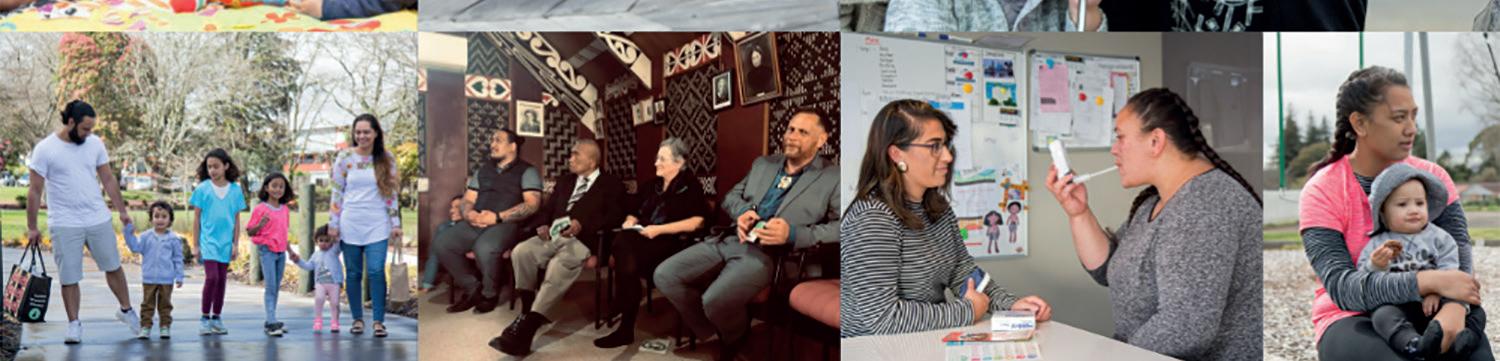
Manaaki Ora Trust delivers a range of health, social and education services utilising a kaupapa Māori approach.
TIPU ORA
Email: referralhub@manaakiora.org.nz
UTUHINA
Email: tu_admin@manaakiora.org.nz
Free phone: 07 348 3598
Hon Todd McClay, Member of Parliament for Rotorua.
We continue to increasingly hear more about disorder, increased crime and gang presence in our city.
I receive many complaints from local residents who are concerned about the direction our city is heading in, and the harm that has been done to us by government decisions. They don’t feel safe.
Despite this, our city is home to many wonderful caring people.
The work of Neighbourhood Support has never been more important.
It helps keep our neighbourhoods connected and provides valuable resources to help you keep your possessions and each other safe.

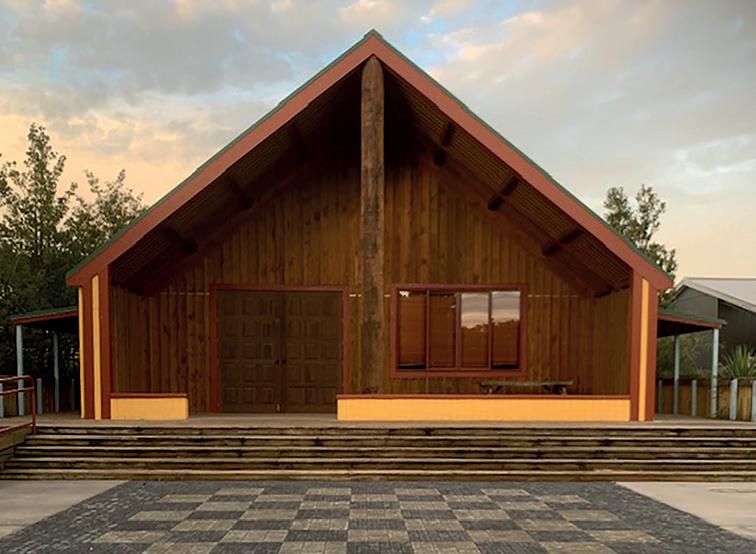
We are fortunate to have such a strong and dedicated Neighbourhood Support team.
I would like to thank them for their dedication and hard work, and encourage you all to get to know your local support team.
My staff and I are available to help you where we can.
We can assist with a wide range of issues and I’m always interested to hear the views of local people.
I hold regular constituent clinics in my office in Rotorua, and we make space available for community groups to meet – free of charge.
If you would like to meet me, or have an event or organisation I might assist with, please get in touch. As your MP, my door is always open.

Best wishes for the year ahead.
Hon Todd McClay, Member of Parliament for Rotorua





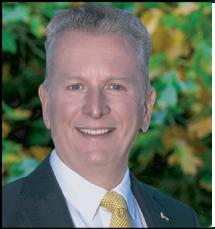


Kia ora koutou
When I moved house this year one of the first people to knock at my door was someone from Neighbourhood Support to welcome me to the street.
I was given a list of names of other residents in the street and contact details and was told to call if I had any concerns or needed assistance. Those connections are so important in neighbourhoods – it made me feel very welcomed, safe and supported.
Safety is a key priority for our community and is crucial to achieving our aspirations to ensure we are building connected, supported, resilient communities where everyone can thrive.
We want Rotorua to be the safest place in New Zealand. That’s a big goal but is one I believe is achievable if we all work together.
The Council has increased its investment in ensuring people feel safe in our city, but we can’t do it alone.
We work closely with the police and other partners to contribute to community safety. Council is expanding its CCTV network, making changes to create safe public environments and has extended its community patrols beyond the CBD to other parts of our city.
The Council is also working very hard on multiple fronts to address key challenges like Rotorua’s housing crisis and is working in partnership with communities to enhance neighbourhoods, and improve the overall wellbeing of residents, which includes looking at safety.
Everyone can contribute towards our shared goals to build thriving communities and the Neighbourhood Support network has a vital role to play in keeping people connected.
Neighbourhood Support is a fantastic organisation with a long history of great work, a “community-led movement that brings people and neighbourhoods together to create safe, resilient and connected communities”.
That speaks directly to the Council’s own kaupapa, to create partnerships and collaborations that will enable us to achieve our shared goals, for the betterment of our community and district, working together – tatau tatau.
I look forward to seeing Neighbourhood Support continue to grow and contribute to a safe, connected and resilient Rotorua.
Look after one another. Together we can – and do – make a difference.

Steve Chadwick Rotorua Mayor

Are
Fabulous
Booking


I see a bright light ahead for everyone in the coverage area of Neighbourhood Support (NS) Rotorua.
We are all wanting a safer future and this is exactly what we as NS endeavour to do. A bright shiny and safe future for us all.
We probably all know someone who has performed some DIY at home and in their gardens. This is a testament to the courageous Kiwis who are kind and caring.
With hopefully the worst of the pandemic pretty much behind us, so many want to get away for a holiday – and a well-deserved one at that.
Yet the home should be left in safe hands, or at least with adequate security in mind.
One of the best ways to improve home security is simply to cut back the trees
(usually in winter) and install deadbolts on the entry doors to your home.
Deadbolts are not expensive and with peace of mind a holiday is a well-earned break.
Another way is the installation of security lights, the type that when someone comes on to your property the lights will come on.
It is even better when coupled with your own security cameras to record the activity.
Many of these cameras will alert you on your smart phone and some can record the incident. These are worthwhile investments and endeavour to install 2k or 4k cameras.
Our message to all the neighbours is to keep safe and enjoy life.
Face to face interaction is back, and at the time of writing, we are in the Covid orange light status.



Auckland, Rotorua, Kaikoura, Queenstown, Christchurch
sudimahotels.com

It is advisable to get to know your neighbours as those near you are the ones who are going to be the first responders to your alarm going off.
Together is a wonderful word with an important lesson.
Neighbours working together and looking out for each other creates that motto, a safer Rotorua.
Together we can make Rotorua an even better place for all to live in.
I love Rotorua, the place where people have time – not sitting in a long traffic-jams, but getting home pretty quickly and then going for a walk in the Redwoods, visiting the evening life in town or going for a coffee.
We are really blessed to have time and we should make the most of it.
It is my belief that we are more appreciative of what we have and spoilt for choice as to where we can take a loved one for a jolly good dinner.
I would even challenge you to visit a place where you have not been before.
This is Rotorua – it is our home and we can be proud of what we have.
Safety is a big part of NS and we intend to show the world that we do care for you too.
One thing to look for is the new and updated NS signs in your area and this will show everyone that we do care for you, your safety and the safety of your area. Should anyone wish to have a sign in their road, please let the NS office know
as we will provide these to you, or position the signs for you.
They only go in the areas where a street contact is present.
If you wish to volunteer and become a street contact, we would also welcome you.
From a financial aspect, we also ask our supporters to consider some financial assistance for our work.
Covid has given us a financial hit and your donations will be appreciated.
Thus, I wish you all a very happy 2022/2023 year.
May it be a safe and enjoyable year.
I am very proud to be part of this resilient and inspiring group who call themselves supports of Neighbourhood Support.

Kind regards
Richard Perkins
Neighbourhood Support
Rotorua Co-ordinator
DRIVE DEUTZ FAHR FOR QUALITY, POWER & SERVICE!
INDEPENDENT SEED SALES AGRONOMY ADVICE CONTRACTING
• Cultivation
• Precision Planting
• Sowing / Direct Drilling
• Boom / Gun Spraying
• Baleage Large Rounds
• Conventional Hay Baling
• Post Driving / Fencing

• General Work
Dave Wiltshire
B ComAg (VFM)
453 Tauranga Direct Road
RD 6, Rotorua
T 07 332 3416
M 027 292 9369
dave.torrent@farmside.co.nz

PROUDLY SUPPORTED BY TRUCK & TRACTOR SERVICES ROTORUA

Complete Dental is a general dental practice offering the latest Dental technology in heart of Rotorua City. We provide crowns, bridges, implants and full mouth reconstruction. We strive to provide our patients with a dental experience that will promote a lifelong relationship built on trust, confidence, quality of work, and exceptional patient care.
As a general Dentist the services we offer are Check-ups, Fillings, Hygiene/Cleans, all Extractions including wisdom teeth, along with Free dental treatment for Children under 18. ACC accredited.
We also offer subsided dental treatment for *Community Service card holders * Conditions apply.
Our Dentists speak the following languages English, Hindi, Mandarin & Malay.
For all your Dental needs please call us on 07
Neighbourhood Support Rotorua covers over 39 percent of the occupied households in the area. In the covered locations less than 20 percent of residential crime occurs.
So how does a Neighbourhood Support Group work? When an area wishes to have Neighbourhood Support established, following a meeting of interestedhouseholds, a group is set up with a person appointed as the group contact person.
This person acts as the point of contact between the group and the office distributing information to the group and keeping contact information up to date.
The group will:
• Encourage neighbours to talk to each other
• Share information that will help reduce the risk of crime
• Help foster a sense of community spirit
• Educate and empower neighbours to take responsibility for their own safety
• Identify the needs of neighbours and ways to assist each other such as the elderly, infirm and those living alone
• Decide ways to handle any civil emergency that may occur.
Neighbourhood Support encourages groups to undertake these objectives so as to reduce the incidence of crime in their area and to build community spirit.
When the contact person gathers household information from the members, the office assembles a telephone contact list to distribute to registered households in the group. The lists should be kept up to date as possible with at least an annual update.
Neighbours look after each other. Members of a group can keep an eye on a property when they go away so long as the group is advised.
A group is able to establish a sense of ‘being an entity’ by having streets signs mounted in the street and all registered households having a Neighbourhood Support sticker on their property, visible from the road on a window/letterbox/door.
These provide a visible warning to those coming into the area that the neighbours do look out for each other and will report suspicious activity to the Police.
Groups can undertake social activities, but it is dependent upon what the group wants. Some have a regular get-together over a pot luck meal or barbeque. Others meet only annually.
The main idea behind these gatherings is to get to know your neighbours.
Members of the group welcome newcomers to the street, introducing them to their new neighbours.


This is can be done by all members of the group and not just the group contact person.
Building communities which are prepared for the possibility of a civil emergency is also a vital aspect of the group.
To do this, Civil Defence often works with groups in communities where there is a likelihood of a civil disaster occurring, establishing local area emergency plans.
The Neighbourhood Support Group is an essential participant in this exercise as they are the ones on the ground and have knowledge of local facilities, contacts and potential problems.
The relationships within the group also help provide a readily establish communication network.
Neighbourhoods don’t become lower crime areas without effort. Establishing Neighbourhood Support Groups assists in making communities safer.
Doing this requires members of a group to be active, communicating with neighbours and providing support for each other.
By doing this, the community spirit is uplifted and it makes the area a safer, more caring place to live.
If you wish to join complete the form from the centre of this booklet, go to the website sign on page at: www.nsrotorua.info/registration, or scan the QR code on page #3 to sign up from your mobile phone.
Neighbourhood Support Rotorua is set up as an incorporated society (HN/684216) and is registered on the Charities Register (CC21983).
The constitution can be viewed at the website nsrotorua.info under the “About” TAB.
As part of the constitution, each year in June, at the AGM, between 6-10 people are elected to the Committee.
This Committee oversees the governance of the organisation.
Meeting up a minimum of six times a year they receive reports from the co-ordinator and approve expenditure.
Also, they ensure funding and staffing are available, plus budgets are made and kept to.
At the first meeting after the AGM, those elected appoint a Chair, Secretary and Treasurer from within their number.
If necessary up to three people can be co-opted to the Committee if the situation requires it.
In addition to the elected Committee there are ex-officio members from the Rotorua Police, called the Area Commander’s Liaison Office, and the staff - presently two part-timers.
If anyone is interested in coming onto the Committee please contact the office, 349-9470, to find out more information.
•

•
•
•






The basis of Neighbourhood Support is the Neighbourhood Support Group. This can be a group of neighbours in part of a large street or all the neighbours in a smaller street and can also be neighbours covering a small area of a few streets.
Each group appoints a volunteer street/ group contact person who is the connection for the group with the Neighbourhood Support office.
The contact person forwards on information from the group to the office and distribute information from the office to the group.
Groups are easy to establish.
When a number of neighbours are interested in establishing a group they contact the office on (07) 349 9470, and arrange for a representative to speak to a meeting of the neighbours to outline how Neighbourhood Support works and to gather contact details of those who wish to join the group.
The contact information is collated by the office and telephone contact lists are sent to the contact person for distribution to all registered members. Road signs are left with the contact person to be mounted on power poles at the
extremities of the group notifying all who pass through that there is an active group there.
If you move to an area and are unsure whether there is an existing group, please contact the office and they can advise you if a group exists and the contact person details.
If there isn’t a group already established, one can be easily established using the above process.
Neighbourhood Support also works in rural areas.
Often due to the size of farms, neighbours are distant, but communication between them is encouraged so that if anything suspicious is noticed, it can be reported and followed up.
In rural areas, neighbours tend to get to know those close by and with Neighbourhood Support information is passed on to the group contact, the same


A group telephone List is printed and sent to the street/group contact person for distribution to regis tered households who have agreed with this privacy statement. It will contain the house-holder names, address, telephone and mobile numbers, and emer gency contact details. This information is marked as confidential not for further distribution in any form. The only time that contact information is shared with an outside agency is at the time of a declared civil emergency so that households in affected areas can be contacted by the emergency management personnel and to located information on skills/resources/occupation/language translation ability/ urgent medication & health resources. The forms completed and sent to the office are not stored but are destroyed once the information has been entered into the database.

1. All information provided by households in the group coverage area, called the registered households, is provided to the street/group contact person of that Group and is marked as confidential for use in an emergency and as a contact information list. The information not to be distributed in any form by the street/group
Skill/Resources/Occupation/Language
Translation: List specific skills you have if they could be used in a civil emergency e.g. certified first aid, nurse, doctor, heavy lifting equipment, generator, drones etc. Urgent Medical or Special Needs: Medical or special problems that could be a concern in a civil emergency e.g.
Contact Details: If no one can be contacted at your house or if you are injured these details help to contact someone who can help on your behalf.
Emergency
Contact Details: Include as many as you wish. In the time of an emergency, landlines may not be operating so mobile numbers help, especially if they work in your area. Include an email address as this can be used to send E-Crime Alerts warning of any activity in your area. E-Crime Alerts are only sent to affected areas and very occasionally to the whole list.

household who live at the address, e.g. children, boarders, etc, including first and surnames.
Neighbourhood Support Rotorua uses a stand-alone Microsoft Access database, in a stand-alone computer, to store and manage personal information. The information from this form is stored in that database and in backup devices held by each co-ordinator. To open the database requires a secure password open to the stand alone computer which is accessed only by Neighbourhood Support Rotorua staff. The information gathered includes: address, household members names, contact telephone & mobile numbers, email address, an emergency contact person & their contact details, and, for in the time of an emergency, skills/resources/occupation/ language translation ability/urgent medication & health resources. The exception to storage on the database are as follows:
Household Members: The main householder is listed first with first and surname, and then followed by others in the
This is to include your street number, and if you have one a unit number e.g. 1/22 Smith Street and if you have a suffix e.g. 22A Smith Street. This is your street address, if in a rural area your RAPID number. Stating on the corner of Smith & Jones Streets doesn’t identify your house as there may be up to four corners.
Household Number/Street Name:
If you wish to have a copy of information held on your household please contact the Neighbourhood Support Rotorua office by phone 07-349-9470 or by email to nsrotorua@gmail.com
Urgent Medical/ Special Needs: (please state)
Language Translation: (Please state languages you can translate)
Occupation: (please circle) Doctor Paramedic Plumber Electrician Or State Other:
Resources: (please circle) Chainsaw Spare Bed Generator Drone Or State Other: Skills: (please circle) First Aid SAR Fire Fighting HT License Or State Other:
Note: Please read the Privacy Statement on the second page of this form before completing it. By completing this form you are agreeing to the Privacy Statement.
Complete this form and return it to your Street Contact or to the office by mail or email
3. The only time that contact information is shared with an outside agency is at the time of a declared civil emergency so that households in affected areas can be contacted by the emergency management personnel and to located information on skills/resources/occupation/language translation ability/ urgent medication & health resources. The forms completed and sent to the office are not stored but are destroyed once the information has been entered into the database.
Urgent Medical or Special Needs: Medical or special problems that could be a concern in a civil emergency e.g. on an oxygen machine, wheelchair bound, regular dialysis, urgent medication etc.
2. A group telephone List is printed and sent to the street/group contact person for distribution to registered households who have agreed with this privacy statement. It will contain the house-holder names, address, telephone and mobile numbers, and emergency contact details. This information is marked as confidential not for further distribution in any form.
1. All information provided by households in the group coverage area, called the registered households, is provided to the street/group contact person of that Group and is marked as confidential for use in an emergency and as a contact information list. The information not to be distributed in any form by the street/group contact person.
Skill/Resources/Occupation/Language Translation: List specific skills you have if they could be used in a civil emergency e.g. certified first aid, nurse, doctor, heavy lifting equipment, generator, drones etc.
If no one can be contacted at your house or if you are injured these details help to contact someone who can help on your behalf.
Emergency
Contact Details:
Include as many as you wish. In the time of an emergency, landlines may not be operating so mobile numbers help, especially if they work in your area. Include an email address as this can be used to send E-Crime Alerts warning of any activity in your area. E-Crime Alerts are only sent to affected areas and very occasionally to the whole list.
Contact Details:
household who live at the address, e.g. children, boarders, etc, including first and surnames.
Neighbourhood Support Rotorua uses a stand-alone Microsoft Access database, in a stand-alone computer, to store and manage personal information. The information from this form is stored in that database and in backup devices held by each co-ordinator. To open the database requires a secure password open to the stand alone computer which is accessed only by Neighbourhood Support Rotorua staff. The information gathered includes: address, household members names, contact telephone & mobile numbers, email address, an emergency contact person & their contact details, and, for in the time of an emergency, skills/resources/occupation/ language translation ability/urgent medication & health resources. The exception to storage on the database are as follows:
way as to urban groups, and then distributed to the members of the group by email or telephone call.
What do groups do?
It is up to each group to decide what they would like to do in addition to keeping an eye on suspicious activity in the area and contacting the police.
Some groups like to get together for a group barbeque/shared lunch or dinner to help build community spirit in the area.
Often this is done in conjunction with Neighbours Day Aotearoa which is held on a weekend in March each year. This is an opportunity for neighbours and families to get to know each other.
When a neighbour goes away on holiday, they are encouraged to let their trusted neighbours know that they are going to be away, for what period, the expected visitors to the property (such as someone clearing mail or regular lawn mowing contractor), and their holiday contact number in case they need to contacted.
What Information To Enter Household Number/Street Name: This is to include your street number, and if you have one a unit number e.g. 1/22 Smith Street and if you have a suffix e.g. 22A Smith Street. This is your street address, if in a rural area your RAPID number. Stating on the corner of Smith & Jones Streets doesn’t identify your house as there may be up to four corners. Household Members: The main householder is listed first with first and surname, and then followed by others in the
Their neighbours can then keep a look out for the property to reduce the risk of anyone interfering with it, reporting suspicious activity to the police.
Other groups access the Rotorua Lakes Council Matching Fund to improve their area.
The Matching Fund is a source of funding that matches the value of the labour provided by the group and resources the neighbourhood provides.
For example, a neighbourhood may wish to undertake a neighbourhood clean-up and they will provide the labour and tools but need funding for hiring rubbish skips.
If you wish to have a copy of information held on your household please contact the Neighbourhood Support Rotorua office by phone 07-349-9470 or by email to nsrotorua@gmail.com
The total man hours that the neighbourhood provides is calculated at a set hourly rate and funding up to that value can be applied for from the Matching Fund.

Free Money Management & Debt Relief Advice
Main Office: 9am-3pm Mon-Fri
Address: 1247 Pukuatua Street Rotorua 3010, Bay Of Plenty
0800 420 028 • (07) 346 3236 rbas@rotoruabudgetadvice.co.nz www.rotoruabudgetadvice.co.nz

ACCOMMODATION, CLUBS, RESTAURANT & AMAZING ENTERTAINMENT.
RESTAURANT TIMES


Phone: 07 348 3066 • Email: admin@rotoruacitizensclub.co.nz www.rotoruacitizensclub.co.nz Enjoy quality motel style rooms at affordable prices.

BREAKFAST: 8:30Am-10:00Am (Bookings Are Essential) LUNCH: 12:00Pm-2:00Pm DINNER: 6:00Pm-8:00Pm OPEN: Tuesday-Sunday. CLOSED: Monday.
1146 Rangiuru Street Rotorua 3010 Bay of Plenty

Phone: 07 350 1018 info@macaccounts.co.nz Or contact John 0274782338 www.macaccounts.co.nz
Contact your Neighbourhood Support Rotorua by:
• Phone (07) 349-9470
• Email: nsrotorua@gmail.com
• Or call into the Rotorua Police Station and ask for Neighbourhood Support. If you live in Murupara or Galatea, contact the Murupara Police Station.
The Neighbourhood Support co-ordinator will help:
• Determine a practical size for your group
• Co-ordinate invites to join the group
• Set up the initial group ‘get together’
• Identify the volunteer contact person and a deputy for the group.
A Neighbourhood Support co-ordinator will attend the first meeting and:
• Explain how a Neighbourhood Support group works
• Distribute information packs and street signs
• Help gather details for a group contact list
• Help appoint a volunteer street/group contact person
• Stay in contact with the group via the contact person.
The group contact person will:
• Distribute the contact list to their group members and keep it up to date
• Distribute information such as newsletters and crime alerts
• Arrange future meetings (if required) including an annual get together.
The contact person is referred to as a street or group contact. This role is crucial in keeping information up to date and in feeding information back to the community.
The office takes contact information of members and produces Contact List for distribution to the group. Other supporting resources can be accessed by contacting the Neighbourhood Support Office, these resources include: information packs, street signs, letterbox stickers, leaflets and update sheets, which are also provided as part of the start-up and thereafter for ongoing maintenance of your group.
Some pamphlets are available by downloading from our website: www.nsrotorua.info.




Albert Einstein was quoted as saying: “If I were to remain silent, I’d be guilty of complicity.”
Many people in today’s society do not follow that quote. They see suspicious activity and do not report it, or intend to report it but fail to do so. By doing that you are effectively condoning what has been going on!
I know that some people are frightened about becoming involved. However, if you don’t report something when you see it you are effectively giving your consent. If you see something suspicious you should contact the Police immediately. The Police can only act on the information they receive.
By seeing something and doing nothing you are allowing burglars, vandals, thugs, drug sellers etc. to continue in their sordid ways.
A lot of crime can be prevented and there some are really simple things we can do.
Things such as reporting people or vehicles acting suspiciously. If truants are seen walking the streets, contact their school and report what you have seen. If there is a valid reason for them being out of school minimal harm has been done, but if they are truant, they could be up to no good; they could be preparing to “knock off” someone’s home. Your report could prevent that happening.
By reporting suspicious behaviour you may be preventing the beginnings of a criminal lifestyle by stopping it in its tracks. Remember a big oak tree grows from a small acorn the same way a criminal starts on a life of crime with a first step, often as a youngster truant from school. Your report may be the trigger point to stop it developing into something bigger.
If it is happening now call 111. If it has already happened, e.g. overnight, call 105 or go on line and make the report at: www.police.govt.nz/105support.
If for whatever reason you wish to report something anonymously to the Police, contact “Crimebusters” on 0800-555-111.
Neighbourhood Support Groups are encouraged to be observant and to report suspicious behaviour. This helps to reduce the crime level in Neighbourhood Support streets.
In Rotorua there is a coverage of over 39 percent of the district’s occupied households, yet Neighbourhood Support covered areas have only 20 percent of the residential crime.
Join a Group in your area, or if there isn’t one there, get one started, the sooner the better.
For further information, contact Neighbourhood Support Rotorua on (07) 349-9470 or by email to: nsrotorua@gmail.com.





Keeping your home and property secure is what most householders want to do. Most people do it automatically. However sometimes it is good to have a reminder.
Always lock your doors and secure your windows when you leave home. If you are working in your garden, away from the house, don’t leave doors unlocked or open as you won’t necessarily see anyone getting into your house while you focus on what you are doing. Garages and outbuildings/sheds should be locked when not in use. Particularly internal access garages if left open provide, in most cases, unhindered access to your home.
When finished with any equipment outside secure it in a shed/garage which is locked, this includes ladders and tools etc.
Depending upon your finances consider installing window security stays, security lights and a burglar alarm.
Always keep your keys and automatic door openers secure.
Keep trees and shrubs trimmed, particularly around the front door so that someone can be seen if they are trying to break in.
Always record the make, model and
security numbers of your big ticket items such as TVs, stereos and appliances. Keep those numbers in a secure place.
Photograph jewellery, and your big ticket items.
Check out the free police website to at www.snap.org.nz as a place to store your serial numbers and photos of appliances etc.
Keep your credit/debit cards in a secure place, don’t leave them lying around and don’t share your pin number, your bank won’t ask for it, don’t write it down – remember it!
When your vehicle is parked at home don’t leave it unlocked, even in a garage.Don’t leave valuables in an unattended vehicle.
Store your bike in a lockable garage/shed and if you are unable to do that secure it with a strong chain and lock to an immovable object.
Store you boat/boat trailer, caravan, camper, motorhome out of sight if possible. Use a wheel clamp to prevent it being towed away. You can also purchase tow ball lock to prevent it being towed.
Always keep a record of your vehicles VIN, make, model, colour and any non-standard items, and take photos of them as well. Keep this information & photos secure in such a place as www.snap.org.nz
8AM – 5PM MONDAY TO FRIDAY 1266 Hinemoa Street, ROTORUA (07) 348 6147
city_autos@xtra.co.nz www.cityautos.co.nz

35-37 Sunset Road, Rotorua 07 348 0169
sales@autosprings.co.nz www.autosprings.co.nz


Vehicle crime is made up of a number of different but often related activities. Theft of vehicles and theft from vehicles are the two most common crime types in New Zealand.
Vehicles can be stolen for a number of reasons, including ‘joyriding’, to commit other crimes or to be broken up for parts for sale on the black market.
Theft from vehicles, also known as ‘theft ex car’, involves the theft of property such as wheels, stereos and personal items - bags, briefcases, laptop computers, wallets, parking meter money, etc.
Thieves gain entry to vehicles primarily by forcing locks or smashing windows.
How to reduce the opportunity of having your vehicle stolen or broken into:
• Keep your vehicle keys with you. Keep spare keys at home or work
• Don’t hide a spare key or the car-thieves could find it
• Always lock your car, including the boot and, if applicable, the sunroof
• Park in busy, open, well-lit areas
• Use an attended, secure parking building if possible
• If you garage your vehicle at home, ensure the garage and car is locked.
• Don’t leave things on display
• Keep valuables (money, mobile phone, cheques, credit cards) on you or at home - not in the glove box or under a seat
• Keep bags, luggage, coats etc locked, out of sight and in the boot
• Keep a record of serial numbers.
• Install a car alarm and electronic engine immobiliser (which prevents the vehicle from being started)
• Use a steering wheel club or lock, lockable fuel cap and wheel nuts
• Etch your registration or Vehicle Identification Number (VIN) on windows, windscreens and headlights.
• Keep your keys on you at all times
• Use an ignition or steering lock
• Use a strong, thick chain and ‘U’ lock. Keep the chain off the ground to make it harder to cut
• Secure your motorcycle to something solid that can’t be moved
• Keep your helmet with you or use a helmet lock
• Install an alarm or other anti-theft/im mobiliser device
• Etch or mark your motorcycle with your registration or Vehicle Identification Number (VIN)
• Garage your motorcycle and lock both
• Use a motorcycle cover.



Electronic crime, also known as e-crime or cybercrime, refers to criminal activity that involves the internet, a computer or other electronic devices.
Some e-crime relates specifically to computers, such as distributing damaging electronic viruses or launching a denial-of-service attack which causes a computer system to deny service to any authorised user.
It is important to understand that these types of things are happening at a more frequent rate.
Spark, Apple, banks and PayPal all recently featured in e-crime headlines and it is important before clicking on any link from these emails that you ensure they are legitimate sites.
If in doubt, go to the main website for that particular entity and contact them via that to resolve any issue they have notified you of.
Nine out of 10 times it will not be the company contacting you at all.
• Educate yourself about basic online safety at the website of NetSafe website, netsafe.org.nz
• Apply safety advice to all electronic encounters, including mobile phone use and texting
• Educate family members about basic online safety
• Set up basic protection against malicious software (malware) such as viruses and spyware on your computer.

Protecting your animals skin with a range of antibacterial protective creams & sunblocks for over 40 years.
Answer the following questions to find out how ready you are.
1. Non-perishable food for 3 days or longer
2. Water (3 litres per day per person / 150mls per kg for animals) (don’t forget sources like your hot water cylinder)
3. Additional water for washing / cooking
4. Torch with spare batteries or dynamo / solar torch
5. Battery radio with spare batteries (a car radio counts)
6. Can opener (hand operated)
7. Emergency toilet (bucket/ paper/ rubbish bags)
8. Basic First Aid Kit / Essential medicines
9. Blankets, duvets, sleeping bags
10. Wind and waterproof clothing. Strong outdoor shoes
11. Hat for sun face/ dust masks (you can use a damp tea towel as a dust mask)
12. Camping stove or gas BBQ (or access to one)
13. Baby’s formula and small children’s, food and drinks (if appropriate)
14. Pet supplies (if appropriate)
NB: For questions 13 and / or 14 enter a tick if the item is not relevant, that is if you don't have babies, children or pets .
Number Correct

1. Are all locks to outside doors either dead locks or strong bolt locks?
2. Can door locks be opened by breaking a window and reaching through?
3. Can internal doors be locked?
4. Are all locks in good working order?
5. Do you lock the internal door from your garage?
6. Can you account for all copies of keys to your home?
7. Are window locks properly and securely mounted?
8. Do you keep windows locked when they are shut?
9. Do you use locks that allow windows to be secured partly open?
10. Do you lock your garage door at night?
11. Do you lock your garage door when away from home?
12. Do you have good secure locks on garage windows and doors?
13. Do you lock your car when its parked in your garage?
14. Do you notify neighbours when away on holiday?
15. Do you have mail and circulars collected for you when you are away?
16. Do you stop deliveries and newspapers when on holiday?
17. Do you have shades up and lights on when on holiday?
18. Do you use timers on lights & radios to make it look like you are home?
19. Do you arrange to keep lawns and gardens maintained?
20. Are you a member of a neighbourhood support group? Environment
21. Do you have sensor lights around your house?
22. Are shrubs and bushes well trimmed near your house and boarders? Safe Practices
23. Have you recorded all serial numbers and stored them away from home?
24. Have you uniquely marked valuable items (etch or invisible)?
25. Do you have a description of valuable property?
26. Have you displayed a sign that items are marked for identification?
27. Do you have an alarm?
28. Have you displayed a sign stating that your house is alarmed?
29. Do you report suspicious activity or people to police immediately?
30. Do you know not to disturb anything if you are burgled? just to call police?

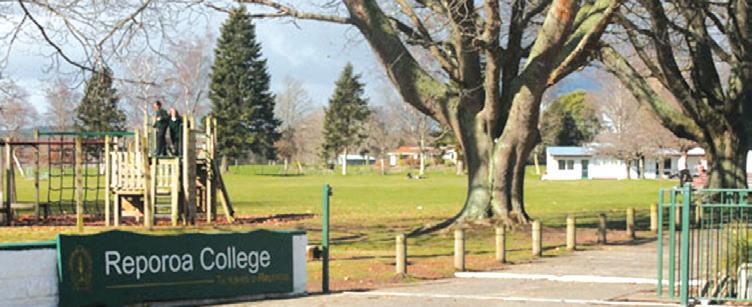



The Rotorua Citizens Advice Bureau motto is “Not Sure? Ask Us!”
So if you have a problem or question and want to discuss your concerns with a real person, your first point of call should be the Rotorua Citizens Advice Bureau.
The trained volunteers at the Bureau will take time to listen to your questions and provide you with helpful information and advice, and might even advocate on your behalf.
If they can’t help you, they will certainly endeavour to find someone who can. Anyone can use the service, which is free and totally confidential.
Rotorua CAB is very proud of how its service has been able to adapt to the changes that have been prevalent in the community over recent years.
Whilst the Bureau hasn’t always been able to offer a face-to-face service for periods of time in the last year, its volunteers have continued to provide people with information, advice and support on a range of topics over the telephone, by email or by slipping notes under the front door.
During Covid times our main enquiries have been around employment rights, tenancy, relationships and health issues, while we continued to answer enquiries about immigration, education and training, income support and benefits, health and counselling, personal, family, neighbourhood and community issues.
The Bureau has a comprehensive, up-to-date database – called Cabnet – which contains information and contact details for over 800 differentcommunity, health, sporting, cultural, and not-for-profit services.
It also has an incredibly informative, easy to understand website (www.cab.org.nz) where people can access all sorts of information and find out about their legal rights and responsibilities across a wide range of topics.
We work extremely hard to ensure that both the database and website are constantly reviewed and update the information to ensure it is relevant, accurate and user-friendly. Our volunteers can set up an email address, create a REALMe account and assist with completing online forms and applications.
Whilst the opening hours have been altered at times in 2022, the Rotorua Bureau is usually open Monday to Thursday from 9.00am to 5.00pm and Friday 9.00am to 3.00pm.
You are welcome to ring on 348 3936 or 0800 367 222, visit us at our premises at 1143 Eruera Street, Rotorua, or email the service at: rotorua@cab.org.nz.
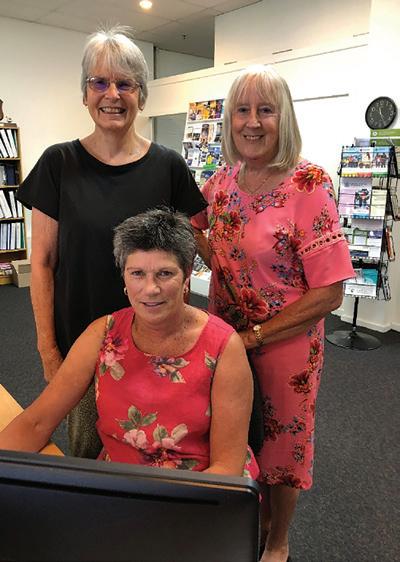
Three of the Bureau’s friendly volunteers – just waiting to help!





What makes a neighbourhood great? Is it the people? The houses? The location? Or perhaps it is something else? No two streets or communities are alike yet there’s certain touches that no matter where they are done helps makes an area standout from the rest.
Here’s six simple ideas for improving your neighbourhood and loving where you live even more:
Have a neglected or overgrown berm, park or community garden that could use some TLC? Grab the garden tools, round up some volunteers, and have a working bee to tidy up and re-vegetate the area. Introducing native plants, flowers or edible plants such as fruit trees will encourage more birds, butterflies and bees to visit your neighbourhood as well.
...or orange, yellow, green, blue, and purple! A mural is a great way to add some colour to your community. By working with a local artist or having nearby schools and businesses take part you’ll foster a stronger community spirit and appreciation for the final artwork.
Have an abundance of backyard kai you can’t get through quick enough? Or perhaps
you have stacks of books piling around the house? A community pātaka (pantry) is a great way to share surplus foods or goods with neighbours without having to go door-to-door.
A neighbour’s overgrown yard or dilapidated fence might not be due to a lack of care, it could simply be a sign they don’t have the means or mobility to be able to look after it themselves. Giving your time to mow, paint or fix will not only boost the look and feel of the entire neighbourhood but the pride of the residents who lives there as well.
Managing your trash and recycling is one thing, it’s another thing entirely to care about the litter that ends up on your street that you didn’t create. By picking up loose bits of rubbish, bottles, and any other waste you come across you help to show others that your neighbourhood is well looked after and the people who live there care.
Quirky letterboxes, fairy doors, yarn bombing, wind chimes, communal street planters, brightly painted benches, and more are just a few fun ways you can add a bit of extra charm to your area.
If your area is known for something in particular, have fun playing up that theme to celebrate what makes your town or city special!


Talk to EVES first, your local property experts. We’re a focused and professional team wanting the best for you - we offer a personal service that delivers you great results. Talk to EVES Rotorua today! 07 348 0819 info@evesrotorua.co.nz
EVES Realty Ltd, Licensed under the REAA 2008




Many of us, over the course of our lives, will face concerns about someone we know who is in an abusive situation and wonder how we can help.
It may feel difficult to help someone experiencing abuse; however that person needs our continuing support. By reaching out and checking-in, you are performing an important role by keeping communication open and showing that you care.
Victims in violent households often feel ashamed and isolated, especially if the abuse is occurring at the hands of a family member or partner.
There are many reasons why they might stay: emotional, financial, to keep the family together, their age, or because they are too scared to leave or don’t know how.
While outsiders might find it hard to understand, the reasons are very real and significant for the individual involved. It is important to let them know that the abuse is not their fault and that there are resources and organisations out there willing to assist them to report the abuse, leave the situation or even seek help for the abuser so they stop.
• Find a safe place and time to talk about it.
• Listen and be supportive without being judgmental.
• Acknowledge the potential danger of their situation.
• Confirm their experiences, feelings and fears.
• Provide practical assistance such as transport or childcare.
• Discuss options for them and help them plan for their safety.
• Help them to find out what help is available in the community.
• Respect their process, their timetable and their decisions.
• Affirm your support whether they stay in the situation or not.
• Remind them that no one deserves to be abused for any reason and that there is help available when they are ready.
• If there are children in the household, check that they safe and well.
• No one deserves to be treated like that.
• There’s no excuse for abuse.
• Everyone has the right to be safe.
• You are not responsible for your abuser’s behaviour.
• I’m here if you want anything.
• Thanks for telling me about this.
• How can I help?






What not to say:
• What did you do to make them hurt you?
• How long are you going to put up with this?
• You should get your life together and leave.
• If it were me, I wouldn’t stay.
• I can’t help you anymore if you’re not going to do something about this.
For further assistance:
In an emergency, if you are afraid for anyone’s safety including yourself, notify New Zealand Police immediately on 111. Family violence is regarded as a crime and Police take it seriously. Remember, children who are not directly abused but who witness family violence are still being affected by the abuse.
The Family Violence: It’s Not OK campaign has a Family Violence Information Line, 0800 456 450, which provides self-help information and connects people to services where appropriate. It is available seven days a week, from 9am to 11pm, with an after-hours message redirecting callers in the case of an emergency.
Women’s Refuge
Phone 0800 REFUGE (0800 733 843) or look up your local refuge.
YouthLaw
Phone 0800 884 529 for legal advice for young people and children.
They are available Monday to Friday from 10am to 4pm or you can email: nzyouthlaw@gmail.com
Oranga Tamariki
Ministry For Children - Phone 0508 FAMILY (0508 326 459) if you are concerned about a child or young person. You can also report by email: contact@ot.govt.nz
Phone 0800 044 334 or text 4334 for a free and confidential 24/7 sexual harm helpline. You can also reach them by email: support@safetotalk.nz
Community Law Centres are located throughout the country and provide free legal help.
Remember – people of all genders, ages and circumstances can be victims of family or household violence. There are organisations out there that are dedicated to helping in many situations.
Older people are also vulnerable to abuse and neglect. Age Concern offers free and confidential support, advocacy and information for people facing elder abuse. They also provide education to assist people working with and caring for older people to identify and prevent harm.



When an emergency or disaster strikes a community, one of the best predictors of how well residents will fare isn’t how much stuff they have but how well they know each other.
Knowing who your neighbours are and what skills and resources they can provide in a time of need is a critical part to any emergency preparedness strategyone that is often overlooked or underestimated.
Our role at Neighbourhood Support New Zealand is to encourage just that, both at the local level through the 220,000+ households our members are connected to as well as at the national level through strategic campaigning and partnerships.
At our National Office in Wellington we work with and support our colleagues at the National Emergency Management Agency (NEMA), especially in the area of shared information and communications.
If a major storm or earthquake were to strike tomorrow, NEMA knows they can rely on us to disseminate information quickly and effectively to our member organisations who in return can provide their neighbours and supporters with important updates and advice.
Locally, Neighbourhood Support also fosters relationships between Civil Defence or Emergency Management agencies.
This provides the opportunity for information to flow more quickly during an emergency or disaster. This also encourages ongoing collaboration throughout the year in the preparedness and prevention space.
Gets Ready is an online database platform which was developed by Canterbury Neighbourhood Support following the Canterbury Earthquake in 2010. It stores valuable household information such as the number of people living at each residence, emergency contact information, skills and resources available, as well as any serious conditions or special needs that Neighbourhood Support staff and volunteers or other personnel such as first responders need to be aware of.
Gets Ready has since been rolled out to other areas across the country, allowing our members to better communicate with their community.
Whether it’s disseminating preparedness advice, providing grab n’ go bags to new residents or simply encouraging neighbours to get to know each other, Neighbourhood Support’s goal always remains the same: creating safe, resilient and connected communities across Aotearoa.


















Often when we prepare for an emergency or disaster we think about ourselves, our family, neighbours, colleagues and friends. But is there someone else you might be forgetting? Although they are often considered as part of the family, it’s easy to forget some extra planning might be needed to ensure your pets are also prepared.
Store at least five days of non-perishable pet food (canned or dried) in an airtight or waterproof container - don’t forget a can opener! Try to use the same food as what you normally feed them to avoid possible stomach upsets.
Store at least five days of water, additional to your family needs. Remember to include bowls for both.
One for each animal. Label these in advance with your name, contact number and address. The cage/carrier should be sturdy and made from metal or plastic, not cardboard which may disintegrate when wet. For dogs, also include a muzzle, harness and lead.
Store extra medical supplies (such as bandages and tape, scissors, tweezers and gloves) and your pet’s medicines or
supplements in a waterproof container. You should also store copies of any medical and vaccination records in a waterproof see-through storage bag. Include your vet’s name and phone number, in case you have to board or place your pets in someone else’s care. Provide extra contact details for nearby family and friends.
It helps to use bedding your pet is familiar with to make them feel at ease, especially if you become separated. A favourite toy can also help reduce stress. Towels and blankets will come in handy to keep your pet warm and dry in severe weather.
Include litter and a litter box if needed and any other useful items such as newspapers, paper towels, plastic bags, doggie bags, disposable gloves and sanitising solutions.
Store a current photograph of your pets in a waterproof container, including notes on any distinguishing features as well as name, sex, age, colour and breed. Also include a photograph of you together to help prove ownership if you get separated. Make sure your pets are microchipped and wearing ID tags if possible.


“Of all the things that matter in this world, the most important is people. If you can help someone you probably should and in Real Estate, there are plenty of people who want and need help but don’t get it. I have the skills to offer this support.
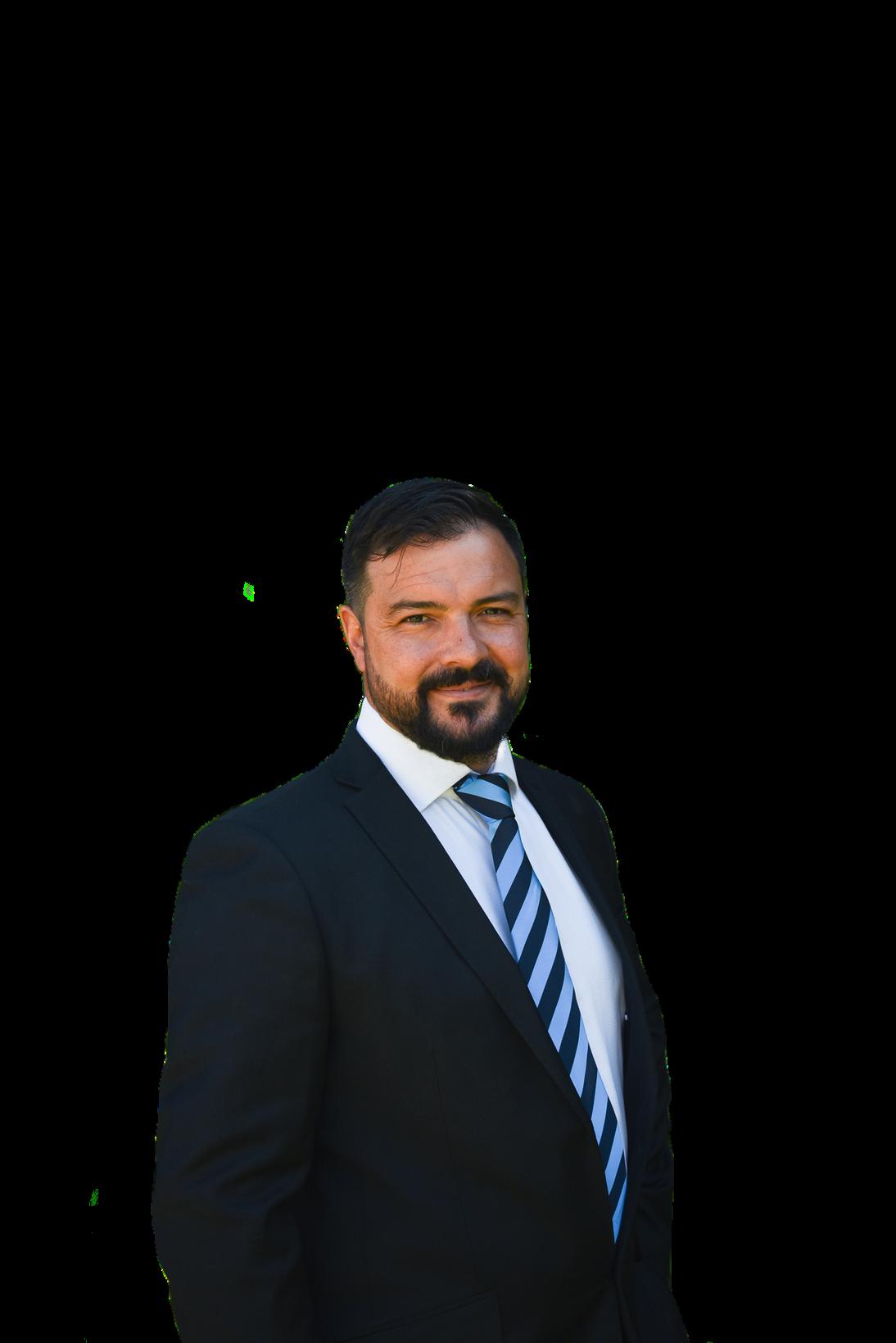
h l i i i h is important to me. If we do some hat’s not my driver. You are.”