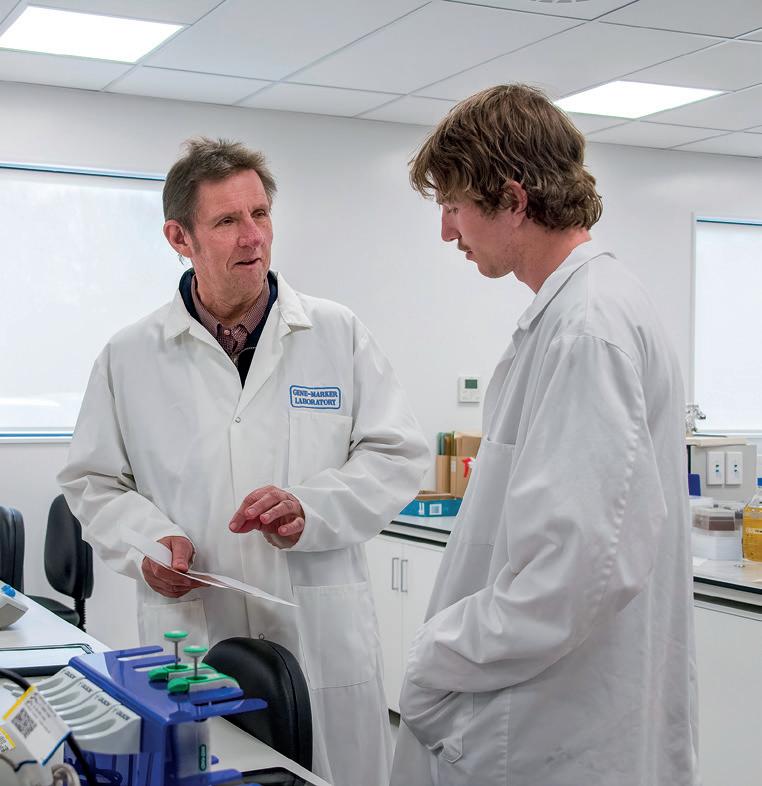
Studying at Lincoln may take you to unexpected places. Twenty-two years ago, our scientists grew potatoes in Martian soil.
Though it may sound like a movie plot, they had taken dirt from meteorites that crashed on earth but originated from the red planet.
Only recently, it was announced other scientists had been playing catch-up, growing plants in lunar soil for the first time.
It’s an example of how world-leading research is at Lincoln, and how we have taken growing students, knowledge and opportunities, and how we can have a positive impact on the world, to literally extraterrestrial proportions.
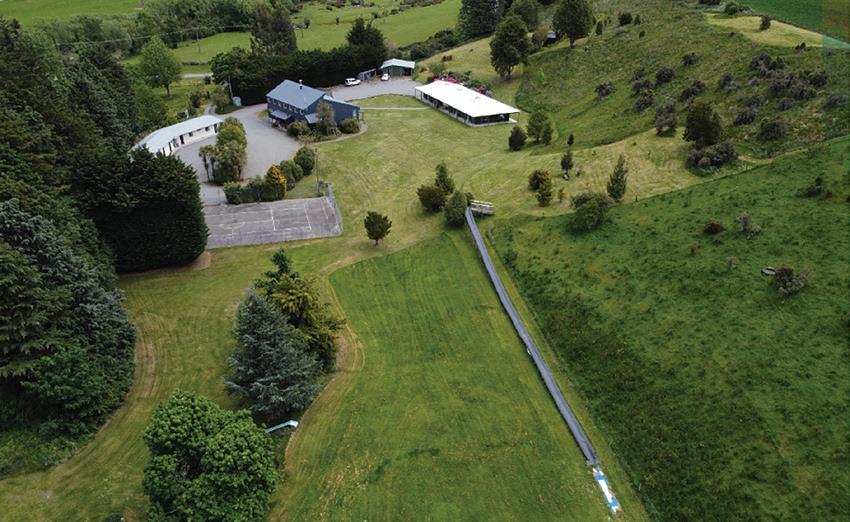
Student potential flourishes at Lincoln University. We cultivate it and grow their career opportunities in a world-class learning and research environment that prioritises using the planet’s resources wisely and sustainably.
Our specialist programmes focus on the country’s largest export sectors, from agriculture to tourism, agribusiness, food production, property management and more.
Students gain the expertise to make meaningful contributions to society at local, national and global levels, with Lincoln graduates helping to shape environmental policies, develop sustainable practices in a range of sectors, and solve issues relating to utilising resources.
Small class sizes mean that lecturers get to know their students by name, making for a truly thorough learning experience, where personalised assistance is always close at hand.
Additionally, Inclusive Education services are available for those with injuries, disabilities or illnesses, a campus Student Health & Support service provides medical care and counselling, and a dedicated on-campus wellbeing team works hard to deliver a broad range of initiatives aimed at keeping students happy and well during their time at Lincoln.
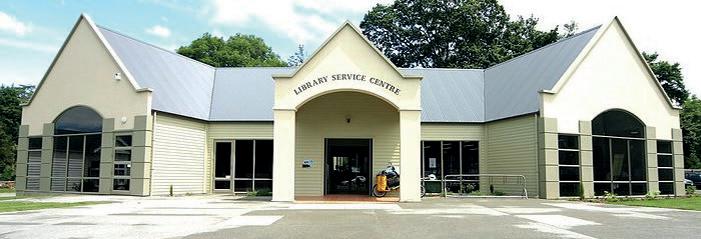
Study assistance is available via the Learning, Teaching and Library team, who offer comprehensive learning support and access to an extensive collection of online and print resources.
And if our Martian research is anything to go by, that journey could take you far.
Learn more about Lincoln University at www.lincoln.ac.nz
About Neighbourhood Support
History
Neighbourhood Watch was introduced to New Zealand as a crime prevention initiative in the late 1970s. The initiative evolved to become Neighbourhood Support New Zealand, a community owned and managed organisation with a wide-ranging interest in community support, safety and crime prevention.
Neighbourhood Support became an Incorporated Society in 2000. In 2001 it signed a Memorandum of Understanding with the New Zealand Police. The purpose of the Memorandum of Understanding is to establish and promote a collaborative working relationship between Neighbourhood Support New Zealand Incorporated and the Police.
Objectives
Neighbourhood Support aims to make homes, streets, neighbourhoods and communities safer and more caring places in which to live.
This is primarily achieved through the establishment of small cells of households known as a “Neighbourhood Support Group”, comprising anywhere from four to 50 residential households in a single street or suburb. Groups throughout a single suburb or a wider town or city area are co-ordinated either via a civilian co-ordinator, or through a Community Constable based at a local police station.
The main purpose of the groups is to encourage neighbours to know one another and share information on crime or suspicious activities in their area. Early contact with authorities such as the police is also encouraged for reporting of unusual observations or unacceptable behaviour. Crime prevention information can also be shared with group members via Community Constables, or Neighbourhood Support Area co-ordinators.
A secondary objective of Neighbourhood Support is to facilitate communication between Civil Defence (Emergency Management) and the community during a man-made or natural disaster affecting residents.
Message from the Editorial Team
Sadly, the world in which we live is not as law abiding as it was a generation or two ago, which makes the work of all sorts of government and voluntary organisations vital.
Neighbourhood Support is a lively, worthwhile and necessary organisation which provides avenues for neighbours and communities to socialise, and look out for each other.
Our sincere thanks to the contributors of all the articles contained here. A lot of hours have gone into making this book as relevant, useful and convenient to use as possible.
This book is a vehicle for the latest news and messages in an easy to use format.
The community-minded advertisers represented in this book have provided the finance for its manufacture and distribution, as well as funding for Neighbourhood Support.
For all advertising and articles enquirers:
Phone: 03 961 5184
Email: sales@markat.co.nz
Publication issue reference: E22C1
Think new friends in every neighbour.
Live where like minds live.
At Summerset, we believe in living like a true village. Where people meet, talk and laugh with one another, and every new neighbour has the potential to become an old friend.
And with four villages Christchurch-wide, now’s the time to get in touch if you’ve ever been curious about village life.
Avonhead • Casebrook • Prebbleton • Wigram
Think this sounds like you or someone you love?
Request your free information pack by calling 0800 SUMMER or visit summerset.co.nz
From Murray’s Desk
Kia ora koutou
Firstly, a big “thank you” to all of you who have taken time out of your busy lives to provide articles for this publication.
It is fantastic to have contributions from organisations and individuals to learn of ways to make our communities safer and better places to work and live in.
Hopefully, you will find that these stories are good to share and that we can all learn or laugh from them.
And now a question for you…
What happens when a troublesome issue happens in our street or neighbourhood? Be it noisy parties, rubbish dumped on the road, graffiti (heaven forbid if it’s on our front fence), an abandoned car, leaking fire hydrants or speeding motorists.
We usually have a grumble, may even talk to the neighbours and have a grumble with them then the conversation often turns to “what are they doing about this?”(They, being the Police, council, power supplier, etc). Perhaps “they” don’t know about the issue, in that case it is still our problem.
How about we turn the question round to “what could I/we do about this?”
In most cases we, as residents, can do something about the issue.
On a recent Sunday morning I was walking our dogs along a stop bank and came across a pile of recently dumped rubbish (it wasn’t there on Saturday).
I took a photo of the rubbish and using the Snap Send Solve app, which worked out the location, I sent the information to the local council.
Monday morning came with an update from the council, the sad thing was that after my report was sent in, another load of rubbish was dumped in the immediate vicinity! Let’s help out all the “they” people and become “we” people!
It is easy to download the Snap Send Solve app or report to the CCC by phone or online anything from a fallen tree branch to a water leak or a pothole to graffiti.
I had reason to go onto the New Zealand Snap Send Solve website recently and the first item I read was:
“The Christchurch Volunteer Graffiti Programme has ensured that graffiti issues remain the most reported incident type in New Zealand.”
Well done to the CCC Graffiti Programme team and their volunteers! These are people who are doing something to make our city a better place to live and work in. As always, we are indebted to those that advertise in this publication, a percentage of the cost goes towards funding of our organisation.
Where possible please support those businesses advertising in our booklet. We are also very thankful for the support given to us by funders, supporters and sponsors.
If you or someone you know would like to contribute an article in future, please contact us on the number below.
Noho ora mai,
Murray CNS Manager
Junior Neighbourhood Support
Kia Ora Whānau!
It’s such a lovely greeting, with nothing in English that can translate with so much meaning.
It is a blessing of good health, be healthy - ora and showing that we have a tie to each other like an extended family – whānau.
It is what I use to greet the children at schools and especially at assemblies, this is a place where I experience a strong connection of extended family.
Kia ora whānau, greets everyone equally and all together at the same time, no matter where we are from, it is like a common denominator on those tricky maths equations!
I am now into my 7th year co-ordinating the JNS programme, so in some schools, it means I have seen small new entrant children now become senior students at their schools.
It also means that they have had their whole primary school knowing that Neighbourhood Support is out there in their community, and they are a part of it.
Where will they go from here?
I’m hoping that they will continue to do those little things for their neighbours that I have encouraged - put out the elderly neighbour’s wheelie bins, pick up rubbish on the street, report graffiti, however, I really don’t get to know what happens to my messages.
Belfast School, JNS Leaders: Charlotte, Lily and Bill.
Teresa’s, JNS Leaders: Zara and Logan.
Until I bumped into a senior high school student who was volunteering at a local event - face painting.
I recognised her as one of my leaders from years back. After racking my brain and finding her name, I approached her. After a bit of chit chat, I asked her
Te Kura Taumatua, JNS Leaders: Moata and Sophie.
“What made you volunteer today?” “It’s something I just do, that started from what you taught me,” she said.
So, if you are greeted with Kia ora or Kia ora whānau, be pleased and comforted that you are included in an extended family like group.
It is how we will greet you in emails from Neighbourhood Support because, as those children in assemblies have embraced helping those around them, I’m sure you will embrace everyone in your street, and a kia ora is a wonderful start to those relationships.
Regards
Elissa Smith JNS Co-ordinator
Addington
St
Te Ara Koropiko West Spreydon School, JNS Leaders: Autumn and Heidi - this was an over the fence, drop and go visit during Term 1, in the rise of Covid numbers.
Ashburton District Neighbourhood Support
Kia ora koutou,
As we focus on the year ahead, Neighbourhood Support in the Ashburton District is all about building connections. The power of a group, and for that group to be resilient and safe, takes a combined effort.
For that to happen we have to firstly engage with neighbours. You don’t necessarily have to be best friends with all your neighbours, but it is important that you are aware of who your neighbours are. Secondly it takes engagement with other agencies to produce outcomes that can assist and help our neighbourhoods.
We have been working hard on these outcomes, not only with neighbours but also their community. One such outcome has been setting up a Neighbourhood Support group in one of our rural communities.
This area is isolated - it contains over 100 residents and a large proportion of these are retired folk - it is nestled at the end of a road by the sea. Some of those houses are controlled by council governance which does not allow them to have fences or an area they can call their own.
A community meeting was held and the one meaningful thing all residents agreed on was a security camera.
It was something that could provide security, they could call their own and that provided community engagement. Council agreed to the camera, Masterguard came onboard with advice and installation, and we secured funding (including National
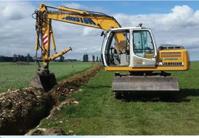
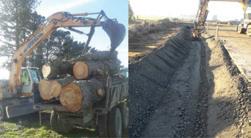
Office Neighbourhood Support), the community dug the trench and a neighbour has supplied the trickle feed of electricity.
It is up and running and the two coordinators and Police have an app on their computer/phone which supplies real time recording and number plate recognition.
The real success story in all of this is that it has empowered a small community. They feel valued and they have the means to be safe.
That is the real power of a group and neighbours working together.
Sue Abel Ashburton District Neighbourhood Support co-ordinator Ashburton District Council
027 296 1006/03 308 3558
Sue.abel@safermidcanterbury.org.nz
South Island Half Marathon
The South Island Half Marathon will occur in Lake Hood, Ashburton on Sunday the 7th of August this year.
The various options people can choose to run are a half marathon (21.1km) or a 1/6 marathon (7km).
Kids aged seven to 12 years old are more than welcome to participate and can run in the Kidz Dash (1.5km) race too. People of all ages are welcome to partake and can either run and/or walk in the event.
Come and give it a go, challenge yourself, and feel super accomplished once you race to the finish line.
It’s an exciting day out, full of stunning views of Lake Hood and it helps bring the community together, as many people will be outside supporting one another.
Not feeling ready to race? Come along and partake and bring a bunch of your friends to walk the entire track for fun. It’ll be a marvellous opportunity for those who enjoy an adventure.
Located in the stunning Lake Hood catchment, the participants will never get over the spectacular views of the lake. Running/ walking right along the water throughout the event will be an amazing experience.
The South Island Half Marathon will cater to everyone, so rest assured you don’t have to be an elite runner to partake. The flat course is an easier option for runners and/or walkers and will give participants the opportunity to partake in one of the fastest half marathons ever.
There will be a walking section in both the half marathon and 1/6th of a marathon,
including the introduction of a Hybrid in the half marathon this year. This will allow people to run for a bit and/or walk for a bit. As the Kidz Dash is a 1.5km run, children will also experience running around the beautiful Lake Hood and subdivision.
Not interested in running? Come and support those in the Ashburton community who are. It’s always a nice feeling to have people supporting you along the way. Water throughout the race will also be muchneeded so why not hand out water bottles to those that need it.
The event will be held from 9am until 2pm. The start times for all walkers and Hybrid will start at 9:30am with the race brief at 9:25am. All runners will start at 10am with the race brief at 9:50am. The Kidz Dash event will start at 10:08am with the race brief at 10:05am.
The half marathon costs $79 to participate, the 7km is $49, Kidz Dash is $30 and people can enter and buy tickets on the website.
www.southislandhalfmarathon.co.nz
North Canterbury Neighbourhood Support
North Canterbury Neighbourhood Support works to connect communities in Waimakariri, Hurunui and Kaikoura. To ensure communities are safer, more resilient, connected and well informed.
A big thank-you to our 3,500+ members who have already signed up to North Canterbury Neighbourhood Support via our Gets Ready website. Gets Ready is a tool used to register members of Neighbourhood Support. Once registered, members will receive official information from Police, councils and Civil Defence.
North Canterbury Neighbourhood Support will work alongside neighbourhoods to create street groups and then ensure these groups are communicated with.
We do this by emailing credible information such as crime prevention strategies, weather warnings, and civil defence emergency information.
This information proves to be extremely valuable to all communities. In the event of an emergency, your neighbours are your first line of support.
We can assist neighbourhood groups to develop their own emergency plans, which outline working together to combine skills and resources, and identify any key needs in times of an emergeny. North Canterbury Neighbourhood Support also provide street signs, to your neighbourhoods as well as letterbox stickers. These have proven to be very useful to deter crime.
Why Join a Neighbourhood Support Street Group?
There’s strength in numbers. A neighbourhood support group brings local people together to share information, ideas and connectedness.
Together, you can assist one another to:
• Solve local problems
• Reduce crime
• Minimise anti-social behaviour
• Support victims of crime
• Learn to prepare and cope with civil defence emergencies
• Engage Police, other emergency services or support agencies
• Liaise and co-operate with other like- minded community groups
• Decrease social isolation.
To join North Canterbury Neighbourhood Support or find out some more information please get in contact with us using the information below.
s your website costing you money or making you money? FatWeb specialise in sites for companies with less than 20 staff. Standard business websites from $997+gst, with full e-commerce sites also available, which means your business can sell products 24/7.
But before you do anything, read the free report on the 11 things you must know before choosing a website company. Email enquiries@fatweb.co.nz and include ‘free report’ in your subject. FATtastic websites from $997+gst
With over 15 years’ experience - we know what we’re doing!
- 38 Lowe St, Addington, Christchurch 8011 - Level 6, 3-13 Shortland Street, Auckland CBD, Auckland 1010 Call 0800 FATWEB, or email enquiries@fatweb.co.nz to book a FREE consultation.
Hit the brakes!
By Rosie Duff
A report released by Waka Kotahi NZ Transport Agency reveals that in 2020, 318 people were killed and more than 2500 were seriously injured on New Zealand roads.
Waka Kotahi data also shows that there have been 60 crashes alone on the section of the Tram Rd overbridge in Waimakariri between the on and off ramps, since the start of the millennium.
One of which resulted in a fatality, six in serious injury, eight in minor injury and 45 being non-injury crashes.Indeed, while Canterbury presents some scenic riding routes for motorcyclists and drivers, the area also unfortunately suffers one of the highest death and serious injury rates in the country.
In an effort to mitigate this issue, the Waimakariri District Council (WDC) are requesting community feedback on a proposal to reduce speed limits in and around towns throughout North Canterbury.
Covering roads in and around Cust, Kaiapoi, Ohoka, Oxford, Pegasus, Rangiora and Woodend, as well as some unsealed roads around Tuahiwi and Ashley, the review aims to reduce Canterbury’s Road toll and ensure that speed limits are appropriate for users.
The WDC’s road safety coordinator Kathy Graham, explains that the safety of people using roads around the district is one of the Council’s top priorities.
Graham believes that ensuring speed limits are appropriate is one important way to reduce the danger for everyone.
“We want to hear what the community think of the proposed speed limit changes.
“Whether you drive a car, ride a motorbike,
walk or cycle, it’s important we receive your feedback,” Kathy says.
The proposal comes after lower speed limits were rolled out by The NZ Transport Agency (NZTA) on SH1 between Waikuku and Lineside Rd from December 15 last year.
An electronic sign at the Pineacres intersection, which currently reduces the speed to 70kmh when traffic turns on to the highway, was also decreased to 60kmh.
The latest review by the WDC is in keeping with New Zealand’s road safety strategy, ‘Road to Zero’, which has a quantified goal of reducing the number of deaths or serious injuries on the road by 40 per cent in 2030.
On a national scale, reaching the proposed Road to Zero target will mean fewer than 230 people killed on our roads and reducing the number of people seriously injured on our roads to fewer than 1,700 by 2030. Following the consultation with the community and road user groups, staff will report to the Community Boards and the Waimakariri District Council, who will draw a final decision on the matter later this year.
3 Commercial Looking for a quality and affordable partner for your next project?
Phone: 0508 AKARANA (2527262)
Email: estimates.chch@akaranatimbers.co.nz
•
•
•
•
Council staff and volunteers helping rural communities with RAT kits
Across rural Selwyn areas, Civil Defence volunteers have been out making sure vulnerable people have access to Rapid Antigen Test (RAT) kits.
A group of 27 volunteers from the Council’s Civil Defence Community Response Teams (CRTs), answered the call in March to help distribute the kits, Selwyn District Emergency Management’s Community resilience co-ordinator, Sue Jenkins, says. Council staff including rangers, parks and reserve staff, and building team members also lent a hand.
“The CRT members have been wonderful, they’ve all been so keen to do it. They all just put their hand up and said absolutely! Civil Defence have really appreciated the support from other council staff as well.”
Over March and April, 650 RAT kits were distributed across 20 remote locations including Arthur’s Pass, Castle Hill, Lake Coleridge, Springfield, Sheffield, Waddington, Whitecliffs, Hororata, Glentunnel, Coalgate, Dunsandel township, Kaianga/Dunsandel, Bankside, Southbridge, Rakaia Huts, Lakeside, Brookside/ Irwell, Selwyn Huts, Greenpark, and Motukarara.
After being contacted by a community member in need, each CRT member arranges contactless delivery.
Community Response Team volunteer, Judith Campbell, says she really enjoys working alongside the Selwyn District Council and it was great to be able to look after her community at the Rakaia Huts. One recent delivery was to a resident at Rakaia Huts, who has lived there for 50 years.
“We said to him if for any reason he was unwell and needed to do a test, Dave or myself would go and help him do the test. He was very appreciative,” she says.
Community Response Teams were created to ensure there are people all over the district who can support their community in an emergency, and provide vital information to Civil Defence on what was happening in their community during an emergency.
Currently there are 32 teams with 180 Community Response Team volunteers looking after 832 different communities throughout the Selwyn District.
Trucks, Graders, Rollers, Scrapers, Compactors
Ah, McCain
As the world’s largest privately-owned frozen food manufacturer, the McCain group of companies employs over 21,000 employees globally. No matter how big we grow, we never lose sight of what’s essential to the people who depend on our local operations. We pride ourselves on our involvement in our local communities in many ways and our ability to bring enjoyment to people’s lives through great tasting food.
We want to attract committed, confident leaders at all levels, people who are lifelong learners, valuing continuous improvement, driving performance and giving us great ideas to help keep us at the leading edge of our market. Whether you’re starting your career, or have expertise in a particular area; a world of opportunity awaits you at our Timaru site. We employ around 150 team members at our 24/7 processing plant.
McCain Quality Products:
• French Fry products
• Potato Specialty products
• Vegetables
• Desserts
• Pizzas
• Oven Meals
• Entrees & other quality food products
Join Our Team:
• Line Operator
• Sanitation Operator
• Team Leader
• Forklift Operator
• Fitter - Electrical & Mechanical
• Finance Controller
• Quality Assessor
• Administrator & much more
Find out more about becoming part of this dynamic team in the trendy coastal town of Timaru.
Contact us at Emlyn.OLIVER@mccain.co.nz
It’s a sign of a good company that people feel good – about themselves about their job; and about their community. Nothing happens without responsible, talented and high-performing people collaborating and learning together. We at McCain, believe in investing in our people and work hard to ensure everyone has the chance to learn new skills and enhance those they already possess.
Caroline Bay - One of the South Island’s most family friendly beaches
Caroline Bay is the most widely known of all the parks in the Timaru District. When speaking to someone from outside Canterbury about Timaru they will usually mention Caroline Bay, whereas locals will often refer to it as‘The Bay’.
The beach is sheltered by the harbour breakwater and is the only sandy beach between Oamaru and Banks Peninsula. March 2014 saw Caroline Bay beach being voted the most popular beach in the South Island.
Allied with the popular swimming beach is the annual summer carnival run by the voluntary Caroline Bay Association.
The carnival has been operating for over a hundred years and draws people from around much of New Zealand to attend or assist with its operation. The carnival is a traditional family affair with free concerts, rides and sideshow style games.
Caroline Bay itself is located between the Pacific Ocean and the Timaru Central Business District, being separated from the main shopping area by the South Island Main Trunk Railway lines.
The Piazza straddles the railway line and provides access for pedestrians via a grand staircase or via a lift, which is unique for a public park in this country. Caroline Bay covers an area of 34 hectares excluding the beach.
Coastal area - The dunes of Caroline Bay were awarded the Best Dune Re-vegetation Project trophy in 2010 after they were revegetated with native sand binding plants.
Today the established plantings are likely to be the most diverse in the country and studied by university students.
Little penguins (kororā) have now established a colony in and around Caroline Bay.
Caroline Bay activities - Caroline Bay is the most popular outdoor events centre in South Canterbury as well as being a very popular recreation area.
There is a destination sized children’s playground, two free barbeques, outdoor gym equipment, large open spaces and plenty of infrastructure to support its various uses.
There are also beach volleyball courts, mini golf, tennis courts, skate park and a small train offering rides. The various walks are enjoyed on a daily basis by many people and are also used for events such as triathlons
Timaru is also lucky enough to have the Trevor Griffiths Rose Gardens with the roses flowering from November until July.
Timaru has a fine collection of Old Roses. These are a style of rose that is bred to have a shorter flatter flower, rather than the taller tapering flower of Modern Roses. This is largely as a result of the legacy of the late Trevor Griffiths, a local rosarian, who specialised in growing and writing about old roses.
Public artworks such as sculptures and a mural, along with items of historical significance, make a visit to Caroline Bay a culture and educational experience.
Ample carparking and indoor venues complement the outdoor venues to cater for many events.
The first 50 years
An excerpt from Caroline Bay’s Diary of Major Events
1876 – The Terrace footbridge opened 1894 – First working bees to lay out area 1902 – First beautification plan began 1904 – The band rotunda opened 1906 – The Palliser fountain presented 1911 – Marine Parade opened First Christmas carnival
1912 – Piazza erected
1913 – Tennis courts, pavilion; cliffs levelled
1915 – North end playground opened; hot sea water bathing complex; clock mounted on rotunda
Caroline Bay also contributes to the landscape by giving world class views over its green area and across the sea to the distant mountains which are often snow covered in winter. For more information about Caroline Bay, visit: www.timaru.govt.nz
Copyright for this content belongs to the Timaru District Council.
There are many challenges our communities face these days. It seems life is much more complicated than a few decades ago. An increasing number of people struggle to cope with life as it is. The question is, what can we do to minimize that?
People are social beings. We need to feel part of the clan around us. The way we experience acceptance or rejection plays an important role. What are the norms of the community in which we live? When these norms conflict with our standards, we may experience higher stress levels.
Studies show that when people notice a decline in their community, many stop caring, and then things go downwards very quickly.
Have you noticed, when someone maintains the lawn on the grass berm, how others around them also do that? When people throw rubbish around, leave damaged cars parked, tyre burnout marks and graffiti appear, that is when people notice the lack of care. Unfortunately, that attracts dodgy characters, and vandalism and bad behaviour increase before long.
One of the first signs of a declining society is lousy driver behaviour. It does not take long for people to figure out a lack of enforcement. The issue is not necessarily a lack of concern of the police, but all the incidents police attend. Good people should not think that it is ok to break the law when there are no police around.
As Edmund Burke had said more than 100 years ago: “The only thing necessary for the triumph of evil was that good men should do nothing.” Here is where you and I come in. Are we willing to stand up for what is right, or would we argue that nobody cares and let our neighbourhood sink into the abyss?
We could start by doing what is right and take action to care for our neighbourhood by looking at our behaviour and actions. Diligently report bad behaviour to the police or your local council. Yes, some people may argue that dobbing in somebody is a bad thing. The sad thing is that by not doing it, we contribute to the decline of our neighbourhood.
How will you answer your kids or grandkids one day when they ask you how things got so bad? It is up to us to leave them a good neighbourhood.
Daniel Naudé Road Safety Coordinator (South Canterbury)
Blue Light
Blue Light is a registered charity that works nationwide in partnership with the police to deliver an extensive range of youth programmes and activities.
The goals of Blue Light are to:
• Reduce the incidence of young people becoming an offender or victim of crime
• Encourage better relations between the Police, young people, their parents, and the community.
Blue Light aims to assist the Police to achieve its youth and community objectives by providing proactive initiatives to meet a key target market.
It does this by providing young people with positive lifestyle alternatives and strategies to avoid becoming an offender or victim of
crime. Across New Zealand Blue Light works with its Blue Light branches to do a variety of community engagements.
The Blue Light Obstacle Course (BLOK) is the latest community engagement programme and is a giant inflatable obstacle course, 33 metres long, that has been designed for all primary school children, regardless of ability, to easily participate in physical activity and have fun while doing so!
Inflatables were originally developed for children experiencing disability as it offered a way for children to play physically without hurting themselves, and to provide an accessible range of activity for all children regardless of issues of coordination, weight, or fitness.
Once at the desired location, the obstacle course is inflated, set up and supervised
by Blue Light staff, local Police and Blue Light members.
This includes ensuring appropriate numbers of children are on the obstacle course at any one time, and that children are engaging in ‘safe’ and ‘appropriate’ activity when upon the course.
Alongside the physical activities, young people get to enjoy a BBQ lunch alongside Blue Light staff, local Police and Blue Light members.
Two Canterbury schools were selected for the BLOK visits and Southbrook School in Rangiora was thrilled to have this opportunity on 13th May this year.
Classes were put through the BLOK over the course of the day and more than 300 students aged 5-13 years got the
opportunity to race each other, local Police officers, teachers and Blue Light volunteers. After running through the course several times, students got to hang out with local Police Officers who had prepared a BBQ. Students also got to look through a new Police patrol car, share some stickers and stories and kick a few balls around while enjoying our late summer weather.
A great day had by all – building trust and confidence in a fun environment with our tamariki – our future. Thank you to Blue Light and Southbrook School.
Safer communities together
Ken Terry
Senior Constable: School Community Officer Rangiora Police Station School Portal: schools.police.govt.nz
Community Policing
Being safe and feeling safe starts with you. Police and our partners like Neighbourhood Support and Community Patrols work hand in hand to promote community safety.
Keeping the people in our community safe and reducing harm continues to be our number one priority.
Police continue to review and investigate all reports of crime. Information provided by community members can often be the missing piece of an investigation and can lead to a successful prosecution.
However, not every matter results in court. Information received can assist Police in other ways, like increased prevention patrols in a particular area being targeted by criminals. Prevention continues to be a primary focus for us and it’s critical that people are reporting offences.
I encourage you to report all suspicious behaviour, people and vehicles to help prevent a crime from occurring.
If something doesn’t look right, then it probably isn’t. Call 111 if a crime is happening now or use 105 online if it’s already happened. Don’t let suspicious behaviour make victims of your neighbours.
Police would like to remind people to ensure their vehicle is secure through the autumn and winter seasons.
Simple things like ensuring all valuable items are out of sight in your vehicle if you cannot remove them, and parking in an area which is well lit can help prevent you from becoming a victim of crime.
Police leaflets indicating all valuables have been removed from your vehicle are also a good idea. I would also like to plead motorists to pay particular attention to their driving and not to become complacent.
We know there are four main behaviours which contribute to death and injury on our roads: people driving too fast for the conditions, driving while impaired (by alcohol, drugs, or fatigue), driving while distracted –including using a cell phone – and not being properly restrained.
Strong and safe communities only happen when individuals take an active interest in their immediate environment.
I encourage you to get to know your neighbours and to keep an eye on the more vulnerable members of our communities. Neighbours are really important when it comes to home security and looking out for each other’s homes and vehicles is a great crime prevention technique.
Joining Neighbourhood Support or a Community Patrol can give confidence to communities that people look out for each other, promoting wellbeing and helping us all feel safe.
Find out more at: www.neighbourhoodsupport.co.nz and www.cpnz.org.nz.
Police also want people to be alert to scams and remember some fundamental tips to help prevent being scammed.
If you are concerned about an email you have received, please ask for help and remember, reputable businesses will always supply contact information which can be verified.
COMMON ITEMS STOLEN FROM VEHICLES ARE:
If you are being offered large rewards in exchange for your personal information or bank details, it’s not right. If something looks or sounds too good to be true, it probably is. If you think you may have been a victim of a scam, notify your bank immediately, and call Police on 105 to report it.
Keep warm and dry, remember Police are operating 24/7 with a good number of community partners assisting us.
Christchurch is a great city with plenty to be proud of and enjoy. Get involved with groups and keep in touch with others.
Police are only a phone call away if needed.
Community Services
Cellphones Keys Headphones Watches
Garage Remotes Sunglasses Loose Change Laptops
Roy Appley
Senior Sergeant
Christchurch Metro
A CALL TO HEALTH, NATURALLY
DP Herbals is a clinic and dispensary operating in Sydenham, Christchurch. People need choice and knowledge to make the best decisions for their health.
DP Herbal clients will be given therapeutic natural strategies that will give optimal results for their current state of wellbeing.
Look for the signs! Look
for the intersections!
In Canterbury we have thousands of kilometres of beautiful long straight roads. Along these nice long straight roads are numerous X and T intersections.
These X and T intersections can be hard to see, particularly going into the winter months with the sun lower and more overcast days.
When we drive on a 50km/h road we can take in a lot more of what is happening around us - pedestrians, signs, other cars, and the road layout.
On our open road though, when we are driving at 100km/h, tunnel vision can be a factor - our field of vision gets narrower and we take in less of what is around us.
1: Aapprox. 180 meters from Stop Sign. 100km/h road.
2: Same intersection - approx. 40 meters from Stop Sign
Shelter belts and rural fence lines can give the impression that the road goes on forever, and that is when stop and give way signs can blend into the surroundings if we are not paying attention.
Unfortunately, in Canterbury, the mistakes we make at these intersections cost us far too many lives and cause far too many injuries.
Whether you are heading up to the ski fields, going somewhere new or passing through a familiar area, enjoy the scenery and the music you have playing, but make sure your prime focus is on the road and what is coming up.
Look for the signs, look for the intersections and pay attention, even if you have the right of way.
Senior Sergeant Vaughn Lapslie
Canterbury Highway Patrol – Serious Crash Unit
Groundwork Driveway Specialists 2003 Ltd has been perfecting the art of concrete since 2003. The company is due to celebrate 20 years in business as a Canterbury-owned and operated family business. Groundwork strives to employ top quality staff who are professional and knowledgeable in their trade. Its staff thrives in the positive work environment, a testament to Groundwork’s company ethics that many staff have been part of the Groundwork Team celebrating 5, 10, 15 years in the company.
When you see Groundwork vehicles operating in your area, you see maintained, modern machinery – the team always uses the correct equipment. Groundwork’s staff is well presented, professional, and ready to keep up with all the new techniques and style. This ensures your job not only is completed to the highest standard but is durable and modern, enhancing your home or business.
Groundwork knows how to get the job done efficiently to the highest standard, leaving its sites clean and tidy. The team works with all other subcontractors with the aim of making the job run efficiently for all involved, no matter how big or small.
Groundwork Driveway Specialists managing director, Rick Bolton is the first point of call. Rick has over 30 years of experience in the industry on all levels from roading and commercial construction through to residential new builds. Call Rick or use Groundwork’s website options to make contact, and Rick can arrange a free quote to go over your plans.
Our work has been showcased all over Canterbury from working on the Southern Motorway, working with various housing companies on residential driveways, multi-unit developments, subdivision developers, service station forecourts throughout the region. Groundwork was honoured to complete the concrete works in the Earthquake memorial near the Avon River.
Many private homeowners are proud their most prized asset their home has been enhanced with a Groundwork driveway, paths and patios, with Rick often offering design advice to enhance the use of outdoor spaces to make them user friendly and bring value to their home.
Work for Canterbury homeowners ranges from heavy duty work, from all kinds of vehicle driveways and parking areas to footpaths or urban landscaping features in higher-use zones.
Driveways installs will often require kerbing work to separate paved areas from garden and lawn spaces. Beyond that, Groundwork can also add other custom features to create interesting colour or textured concrete, including exposed aggregate concrete driveway work. An exposed aggregate surface creates a unique stony texture, and, at Groundwork, the company has access to a selection of locally sourced stones that will give your driveway a natural New Zealand look. The concrete specialists can further enhance and protect the natural colour with a final sealing.
From laying functional concrete driveways to textured concrete work for decorative pathways or patios, Groundwork is up for any challenge.
For all your concrete-related needs, get in contact with the team at Groundwork today.
For a free no obligation quote, contact us today!
Phone: 03 349 7350 85 Columbia Ave, Hornby, Christchurch www.metalcraftgroup.co.nz
Save Time, Money and Water
For irrigation design, supply, install and maintenance of existing systems throughout Selwyn, North Canterbury, Christchurch and Canterbury. SO MUCH MORE THAN ROOFING...
Contact Phil on 0800 22 33 92 or phil@freemanirrigation.co.nz
Hornby Community Patrol
During March and April, the Hornby Community Patrol has been active in supporting the Police goal of safer communities by replacing standard screws in number plates with ones that are anti-theft.
The ultimate goal is to have less victims of crime and this initiative is a cheap, efficient and practical way to achieve this.
The screws don’t prevent your plates from being stolen, but are a deterrent, as their unique head means that normal tools are unable to remove them.
The screws are made from a high-grade stainless steel and are suitable for all types of vehicles.
Stolen number plates are regularly being used to commit ram raids, petrol drive offs and burglaries.
The inconvenience of having to replace your stolen plates makes having anti-theft screws fitted a winner.
The Hornby Community Patrol advertised the events on Facebook, MediaWorks and were well supported with signage placed in local businesses.
Caltex, Hornby is an excellent venue and their support is appreciated.
Support from the public was fantastic and numerous people had travelled from outside the area to have theirs done.
We heard from multiple people that they knew of people who have recently had their plates stolen and discovered several plates that were just attached; luckily for them the thief was disturbed.
Months of psychological abuse, threats, anger and, at times, physical violence had taken their toll on Simon.*
His only option, he thought, was to cut off all ties from his ex-wife, including with his three beloved young kids.
“I considered saying, ‘take the kids, leave me alone, I can’t do this anymore’,” he says.
“It became really, really tough. Every day arguing and being abused. I constantly lived in fear, my mental health was so severely affected I started thinking that, even though I love the kids, I have to step away completely. I can’t continue like this.”
But then Simon got a call from a childcare worker to say his eldest child had admitted his mother and her new partner were hurting him.
Heartbreakingly, they had told the childcare worker that they didn’t want to live anymore. “I cried my eyes out,” says Simon. “I knew then something had to be done.”
That something involved multiple agencies stepping in – Police, Oranga Tamariki and, to Simon’s great relief, Victim Support.
“My Support Worker organised clothing for the children who. To eliminate further harm, were now coming to live with me and got food parcels delivered.“
“My ex was threatening my safety, some of our property was damaged and I thought she had someone following me. My support worker did a security assessment and advised us around spotlights and deadbolts. She helped so much.
“She had such a huge depth of experience of the systems and steps I was yet to go through. That has been so helpful as time has gone on,” says Simon.
“Family harm is so diverse and Victim Support has something unique to offer in this space,” says Kate Lacey, Family Harm Service co-ordinator with Victim Support in Christchurch.
“We have the ability to work with many types of victims, any ethnicity and culture, whether they be male or female, in sibling relationships, grandparent relationships or LGBTQIA+ relationships.
“We’re always looking at what does this specific victim need?
“The strategy that works in one case doesn’t always work in another; every case needs its own response.
“The more thought and planning we put in with each victim, the more successful the outcome will be.”
As for Simon, with Victim Support by his side, he made it through the court process and now has sole custody of his children who are all well settled and thriving.
“Nobody should be embarrassed if they find themselves in a bad situation like mine. “If you have any inkling that something
is wrong, write down the facts and your feelings, and talk to somebody who is removed from the situation.
“I have nothing but praise for Victim Support, they’ve helped me and my kids get to where we are today.”
*Name has been changed to protect identity.
One of the few providers with true 24/7 availability, Victim Support’s Family Harm teams offer specialist capability to assist with:
• Risk assessment and safety planning
• Crisis response
• Advocacy and emotional support for victims, whanau, and families
• Support through court proceedings
• Information and advice
• Referrals to other agencies (including Womens’ Refuges, legal support or counsellors)
• Emergency travel and accommodation
• Safety and wellbeing checks.
KEEP UP WITH THE UPKEEP
If you enjoy living at home but sometimes need a hand staying on top of things, Arvida Good Friends have trained helpers to support you to keep living independently.
Whether you need help around the house, light gardening, a hand with appointments, or just a friendly face, Arvida Good Friends will find you a likeminded helper, personally matched to you.
To become a member call 0800 20 41 20 or visit goodfriends.co.nz today.
Membership from
$30 a week
Subscription benefits include 30 minutes of home help and then it’s $36 per hour after that. No hidden extras.
Keep doing you
Quality Building Services Limited is a New Zealand-owned and operated company that provides commercial and industrial air conditioning, mechanical, and ventilation solutions. QBS was established in January 2011 in Christchurch.
Services include design and installation, IQP inspections, preventative and proactive maintenance services, energy-saving assessments and implementations, project management services, peer reviews, fault finding, repairs, and electrical services.
With the current climate change and environmental changes, air conditioning and ventilation systems are essential. Despite the team being small, they carry out the maintenance, repairs, design, and installation of most systems. The team is very hardworking and believes in providing high-quality services, installing correctly the first time, and always putting the customers first.
The team delivers exceptional services ensuring customers get the best possible outcome. In this fast- paced world people live in today, QBS believes the quality of goods and workmanship has been lost in many cases because of outdated standards, but with QBS the quality is of a very high standard. QBS wants to make sure customers are satisfied as they take the time to listen to the customer's conditions, requirements, and expectations.
The team wants to provide the highest levels of quality services for their customers at all times. The team also makes sure installments are as environmentally friendly and affordable as possible because the company wants to do its part in making a positive change in the world. Their approach to delivering outstanding solutions involves “open book” contracts and strong environmental policies and procedures to ensure there are ongoing improvements in the workplace.
QBS also install brands that are designed for New Zealand’s conditions and are locally sourced. The fully- qualified team has a lot of HVAC experience throughout New Zealand (mostly in Canterbury),
which ranges from private/domestic installations and services to manufacturing various large sites and businesses. For instance, hospitals, shopping areas, and industrial businesses. Skills also range from design, build, and installation to infrastructure maintenance refreshes and ongoing service.
No matter how big or small the job is, QBS have the skills, knowledge, and experience to help advise their customers on what needs to be done. The company only employs fully qualified staff within the industry and runs an active training and development programme. The staff is always committed to working within a safe environment. Sound systems and procedures are used to ensure the utmost safety is updated and examined regularly. QBS is a member of Site Safe and the whole team is Safe Site registered.
For more information on the QBS company, to have a look at photos of their previous jobs, their approach methodology, industry experience combined with qualified staff, safety commitment, and contact details, have a look at the QBS website through this link: https://www.qbsl.co.nz/
To get in touch please phone Eddie Garden either at (03) 365 8943, 027 438 1440, fax on (03) 365 8946, or email at eddie@qbsl.co
Opening hours start from Monday to Thursday from 8am to 4pm and Friday from 8am to 3pm. Head to 3/308 Wilsons Road, Opawa in Christchurch.
Phillipstown Hub
Nestled in the middle of Phillipstown – a stone’s throw from the City Centre – Te Whare Whānau Whānui/Phillipstown Community Hub, is the beating heart of the Phillipstown community.
Run and managed by the Phillipstown Community Centre Charitable Trust (PCCCT), the Hub is home to a number of community organisations that offer a wide range of activities, services and programmes to our local residents (as well as to the wider Ōtautahi population).
Far from busy roads and surrounded by trees, flowers and an amazing vegie garden, the Hub is a gorgeous location where galas, family days, markets and other community events are held.
Adrian Kay has owned and operated Dream Doors Christchurch since 2012. Dream Doors Christchurch has won the Dream Doors New Zealand Franchisee of the year, every year from 2013. Dream Doors Christchurch also won the prestigious Westpac Franchise Association of New Zealand “Franchisee of the year – Home Services” in 2017, and now have just won the “Westpac New Zealand Franchise Awards 2021” for Excellence in Customer Engagement.
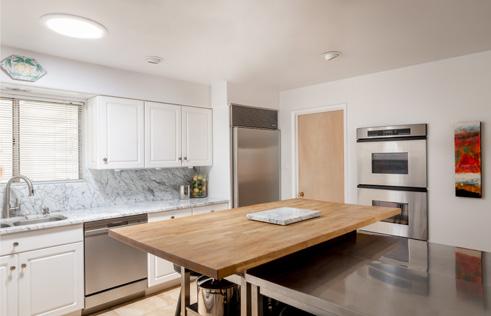
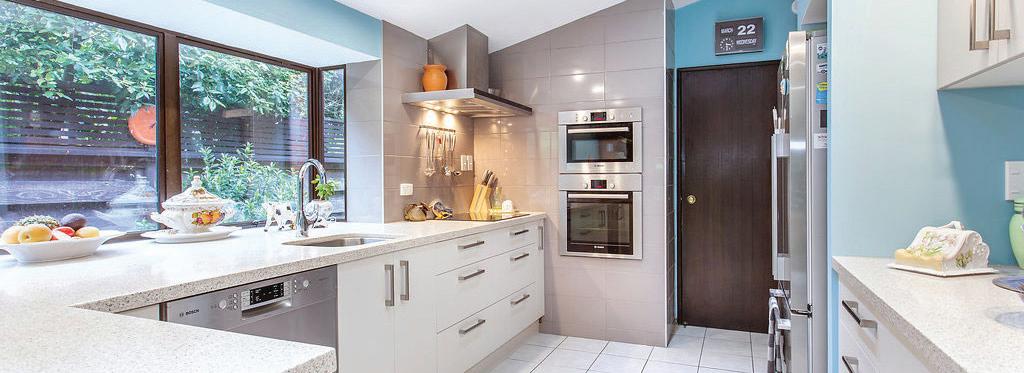
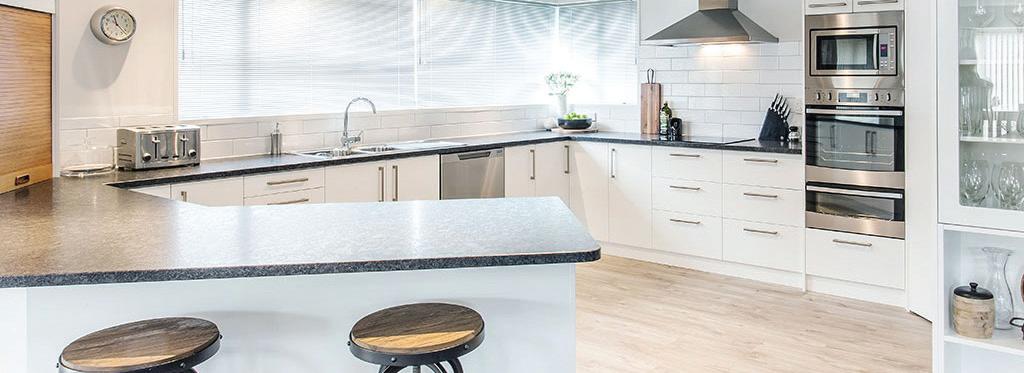
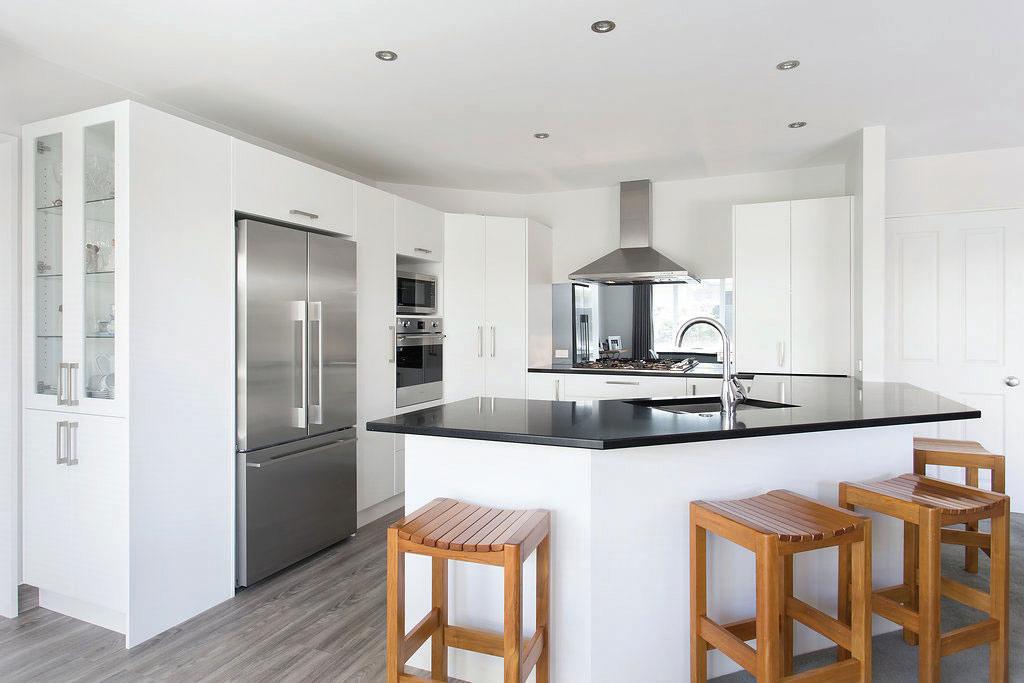
Dream Doors specialises in renovating and replacing kitchens as well as designing for new builds. We understand the importance of creating a fabulous and functional space in the heart of your home for you and your family. Spending time together is one of the greatest investments you can make. Something amazing happens when you prepare and share food.
Whether you require our facelifting approach to modernise your kitchen, with new benchtops, doors and drawer’s fronts, or you require new cabinetry and layout, we will work with you to achieve your needs within your budget. We will present you with a wide range of NZ made beautiful, quality product choices, and guide you through the decisionmaking process.
The Dream Doors team prioritise keeping disruption to a minimum for you and your family, with facelifting services often completed within one or two days. With an experienced and dedicated team, we are the trusted choice for your kitchen requirements. Adrian and his team of skilled tradesman take great pride in their work and are ready to help you make your New Kitchen or Kitchen Renovation dreams come true. So, what are you waiting for? Get in contact with us today to supply all your kitchen renovating needs.
Graffiti programme
You can help us create communities where people enjoy living, working and visiting. Let’s all work together to keep Christchurch beautiful.
It’s easy to report and remove graffiti on your property. Whether you’re a business, a property or a homeowner, we’re here to help.
Our team takes a lead role in supporting a collaborative, city-wide approach to keeping our city clean, safe and free of graffiti. We partner with a great team of volunteers and work with our contractor Citycare, to report and remove graffiti around Christchurch.
Graffiti volunteers play an important role in keeping our communities clean, safe and free of graffiti. There’s lots of ways you can help - from spotting and reporting graffiti around your neighbourhood, to getting involved in cleaning it up.
You can even use your artistic flair to create beautiful murals or support the community as they complete murals around Christchurch.
Citycare manages graffiti removal in public areas and areas that border Council assets around Christchurch. When we receive a graffiti report that falls outside of this criteria we contact and discuss graffiti removal options with the property owner. We are also able to offer a small range of paint colours.
Contact the Graffiti Team to chat about creating a mural, removing graffiti from your property, project ideas or to attend an event.
Please contact us to report graffiti: www.ccc.govt.nz/report/ Phone: 03 941 8999
Or use our smartphone app: Snap Send Solve
Reporting is quick and easy! Help us keep Christchurch beautiful.
Snap Send Solve makes reporting community issues in New Zealand simple. Your reports are instantly sent to the responsible authority. No need to wait on the phone or write long emails.
Use the Snap Send Solve app and become a Community Legend today!
Office Ph: 03 344 1597 Mob: 027 433 0531 (Darryl Letton) www.kerbandchannel.net.nz We provide concrete kerbs, channels and footpaths for:
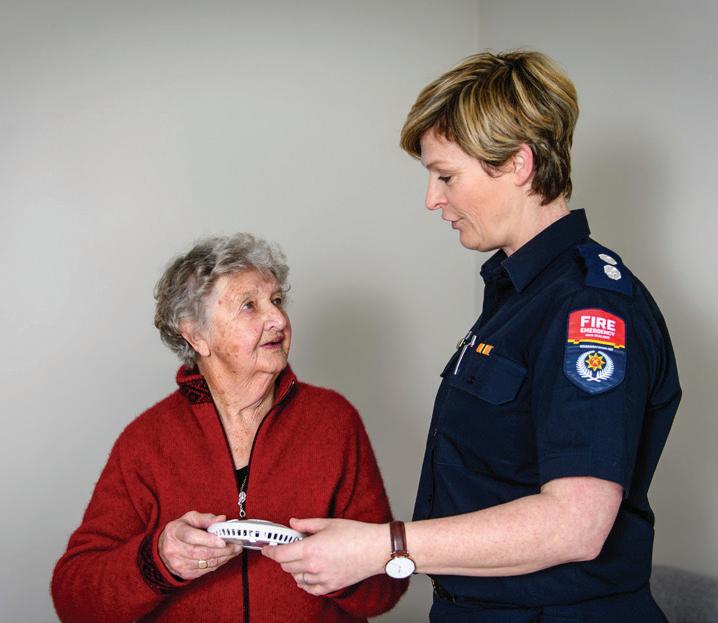
Remember the ‘heater metre’ rule: keep flammable materials at least one metre away from any heat sources.
Check your electric blanket is in good working order before you use it and always turn it off before you go to sleep.
Keep an eye on your elderly relatives, friends and neighbours too. Are they could be?
Always empty ashes and ashtrays into a metal bin and pour water over them before disposal. Remember that ashes can take up to 5 days to cool.
to check . Fire moves incredibly kill within three minutes. Keep your smoke alarms in working order by pressing the butt on
Make a household escape plan so you can get out escape myhouse.co.nz
Whakamana te tamaiti - early years last forever
Kia ora koutou, hello. My name is Jim Sole and I am a Kaiako/educator for Brainwave Aotearoa. This is from a speech I gave at a White Ribbon event on behalf of Brainwave.
The story contained in the speech is a combination of the science Brainwave shares and the stories of the people I worked alongside in the family violence sector.
It is a not a happy story. It is written to challenge how we value children and the role of parenting. To shed light on why preventing and addressing the impacts of childhood abuse, neglect and trauma is arguably the greatest contribution we can make for our community.
I ask that push past the fact an old fella is talking - focus on what is being said and imagine a 17-year-old young man who is looking to find his place in the world telling this story.
My Mum and Dad live in your street. You will find it hard to know which house I’m in. You can’t tell by my name, skin colour, my parent’s religion or the suburb I live in.
My Mum is pregnant with me.
Much of the time she is afraid of my father, walking on eggshells. Because of this she is releasing more cortisol – a stress related chemical into my system – it crosses the placenta and impacts on my brain development.
She drinks because that helps her cope. My Dad knows it’s bad for me and torments her about it.
Dad feels bad at times for doing this and Mum feels powerless but nothing changes for me or them. At times my brain is impacted by the alcohol. It harms parts of my developing brain and its impact will show later in my story.
I am born –I seek out a face that responds with love and kindness – that will quickly respond to my distress because I have limited abilities to let others know what is worrying me or causing me pain.
My Mum is depressed. My birth was hard and she is in pain. I feel the tension in her and I cry a lot. I can’t settle and Mum struggles to comfort me a lot of the time.
Mum’s milk does not come in because she is stressed. She feels more depressed and isolated and a failure for having to bottle feed.
Dad tried to comfort me, but because he received so little comfort as a child, he doesn’t know how to sooth me. He does not understand the importance of warmth, availability and responsiveness.
He thinks being tough with me as a baby and toddler will set me up to handle life. I wish he knew differently.
Dad does not like people coming around for some reason and makes visitors including the mid wife and Plunket nurse feel uncomfortable. Mum works harder at being happier and brighter when they are around.
My brain is growing fast. In the first year my brain has grown to about 72 percent of its adult weight.
I get put in front of the TV a lot and it holds my interest for a while, but it’s not growing my brain to connect up. Nothing beats being on the floor with Mum or Dad and moving about but I don’t get a lot of that.
I try different techniques to get Mum or Dad to notice and engage with me.
I smile, I point and make baby sounds, I cry. Crying works the best for getting their attention but I don’t often see, hear or feel love from them in return.
Without realising it I start the process of trying to turn down my emotional needs because it leaves me hurt when they are not met.
I’m on edge a lot of the time – the same as Mum. If Dad is in a good mood, then everything feels kind of fine. For now.
My stress response is heightened. I am growing a brain that is focussed on survival rather than learning.
Like Mum I start to become watchful and careful. I’m alert to changes in Dad and Mum. Mum is angry a lot of the time or quiet and withdrawn.
I study Dad’s face. I watch Dad use his face with others. He uses it to get what he wants. He laughs about it with me. I’m not sure what I think, I don’t like how it makes me and Mum feel.
On occasions Dad hurts Mum. I hear the yelling and the hitting sounds. Mum sobs and Dad tells her it’s her fault.
My brain shuts down – I freeze and stay still. I feel angry for a long time afterwards.
Sometimes I want to stop Dad but I’m too afraid. I hate how I feel afterwards and sometimes blame my Mother for not doing what Dad tells her. She knows it will make him angry but she stills does it. Mostly I’m afraid for her.
I’m afraid of him but want him to love me. I wonder what is wrong with me that he can’t love me. I don’t stop loving him but start not loving myself.
I find it hard to settle at kindergarten. I worry about Mum and Dad.
I watch the other kids – the boys especially. I practise my face when I want something or I don’t want to share. Some of the other kids become scared of me.
I need to be moving and struggle at mat time.
Some of the teachers are patient with me. Their voice calms me and I feel bad about what I did. Others get cross and I find it hard not to run or hit out when they do that.
I go off to school. Some of the kids from Kindy are there and I want to play with them but they avoid me. That upsets me and makes me angry.
I find myself watching and listening but not on what the teacher says. My brain adjusts
to this elevated state – my survival brain develops further.
I find learning hard and I don’t feel like I belong. I start to feel dumb. I make friends with some of the kids that are like me. I don’t like the way the other kids look at me or make comments when they think I can’t hear. They deserve what they get.
Don’t they understand what I have to deal with at home? I have too much cortisol in my system and I feel stressed a lot of the time. I still have trouble concentrating.
I get a teacher aid. I don’t like being different. Some are kind and patient with me and it’s like they understand that I have a lot to deal with.
I like it when I have one on one – I can relax and be calm and I can learn some things because I can use my cortex in my brain. I start to feel good about myself and I trust them. But they change and not all the teachers are like that.
A lot of the time I’m labelled ‘naughty.’
A kind teacher aids asks me about a bruise on the back of my legs. I tell her only a little about what Dad did.
Another woman comes and sees me. I don’t know her. She looks at the bruise. I don’t say
how I got it. I say I fell over. I’m worried for some reason.
Several days later I get home from school. Dad is angry with both of us. He asks me if I want to live with him and Mum. I tell him of course I do. He tells me that if I talk to people about us then I’ll get put in a home where I can’t ever see him or Mum again.
He’s nice to both of us, for a while.
It takes me years to realise that many social workers, police officers, teachers and medical people believe that people like me or Mum will just open up to them about our fear and shame. We struggle to trust anyone. Our world is not safe and we are ashamed.
By the time I hit puberty I have worked out some important things. My home is different to other homes. I don’t fit in and can’t keep friends. I need to be in control. I study others and learn what works so I can get better at the use of fear and manipulation. When it suits I can either be the bully or the victim.
I’m really interested in girls. Some girls treat me nicely. They want to look after me. But I hate it if they look at other boys or talk about others boys. If they are with me then they are with me – no-one else. Not their friends, not their parents – just me.
Girls are not to be trusted because life has taught me people are not to be trusted. Dad doesn’t trust Mum. He calls her horrible names to do with men.
I have had years of pretending I don’t need other people to make me feel good. Drinking helps take that pain away. It turns down the cortex which is the consequence thinking part of my brain and turns up the emotional part. For awhile it feels good.
I go to a party with my girlfriend. I drink. I laugh and I’m funny. Then I study other boy’s faces. I see her ex and I have a go at him.
By now the thinking and logical part of my brain, which has already been compromised by foetal alcohol and years of elevated stress is turned right down. Consequences are of little concern.
He looks at me. I cross the room and my brain has taken me to my survival fight response.
My girlfriend intervenes and we leave the party. She calls me a psycho and yells at me.
I’m stressed and angry and can’t calm myself like others can. I have always struggled to calm myself. She goes on. Her words bite. Her facial expressions, her tone of voice and her body language are triggering me like nothing else.
I know how to get control. I become my father.
I get arrested.
The next day I appear before a judge. Mum is in Court. The judge talks about the road my life is taking. I didn’t know it then but there were heaps of signs through my life that indicated I would probably end up on this road.
The adults in my life have had a big part to play in that.
Growing up I have no idea they are roadsigns and how they will impact on my life so much, the pain I feel and the pain I’m likely to inflict on others.
I ask that you learn to recognise the road-signs and help infants and children like me. We did not choose this life.
If you are concerned about family violence, these organisations can help:
Police
Phone 111
Oranga Tamariki
0508 FAMILY or 0508 326 459
Free from any phone 24 hours a day, every day or see their website for more information
Shine helpline
0508 744 633
Free from any phone 9am to 11pm every day.
Women’s Refuge
0800 REFUGE or 0800 733 843
Free from any phone, 24 hours a day, every day.
Shakti
0800 SHAKTI or 0800 742 584
Providing specialist cultural services for African, Asian and middle eastern women and their children. 24 hours a day, every day.
It’s Not Ok
0800 456 450
Information line free from any phone, 9am to 11pm every day.
Trailblazers’ Sports-based Youth Development Programme
All tamariki and rangatahi in Aotearoa deserve the opportunity to reach their full potential and Trailblazers provides an inclusive platform of supportive access to do so.
We are a unique programme that adds life changing value to tamariki and rangatahi by developing their physical fitness, building their social and emotional wellness, and providing a strong sense of team as we support them in connecting with the wider community.
The Trailblazers programme integrates the core principles of neurodevelopment and traumatology to inform work with participants.
We adopt a trauma informed approach and a programme design that enables all participants to be challenged and to achieve.
We combine this with the power of running and the magic of nature, building resilience to stress. We provide leadership opportunities for rangatahi and embody acceptance, inclusion and equity in all avenues of our practice.
The Trailblazers programme design: Utilising physical activity › Neurosequential model of sport › running › the outdoor/ natural environment › participant outcomes achieved.
Recovery from trauma, resilience to stress, reduction of anxiety, self-regulation, social and emotional skills, pro-social connections, sense of belonging,
independence, confidence, achievement, and improvements in physical health.
There are three main components to the Trailblazers concept
Trailblazers’ community group - This is the heart of the programme. Referrals and enrolments from whanau, participating schools, agencies and community groups. Team members participate in 1-2 weekly training sessions after school at local parks and trails.
Club members build towards competing in an official trail running event at the end of the term. Journals provide them with a training program, fitness advice and track their progress visually and anecdotally. Social media platforms are used extensively to engage with whanau and the wider community.
TrailMates buddy mentoring programme - TrailMates is a programme extension, which provides mentoring for team members that may benefit from more one to one time with a positive adult role model.
Tamariki are carefully paired with one of our TrailMate volunteers. These buddies are carefully vetted and commit to supporting their TrailMate mentee during the group sessions.
TrailGr8s - TrailGr8s is a leadership programme within the programme whereby tamariki and rangatahi learn skills to lead components of the programme and develop mentoring skills to help progress their younger and/or higher needs Trailblazers.
They may also become involved in the TrailMates programme as they pair with younger tamariki in some sessions.
The program includes a pathways programme, as children progress through the community group they can be supported to engage with running clubs, events and other sporting groups and/or activities.
End of term Fun Run and events: All group members attend and participate in a Fun Run and/or community event(s). Distances and courses can be adjusted so that all can achieve and feel a sense of pride at their participation in the program.
Trailblazers Charitable Trust adopts a strengths-based perspective, we look beyond the behaviour, seek to understand the young person, and support them to overcome challenges and experience success - it truly is a very special programme and we need to spread our impact for those that need it most.
Please contact programme director if interested:
We do not focus on the result, we focus on the effort and challenges we overcome.
LSV Course Limited Service Volunteer
By Missy Limu-Franklin (LSV Work Broker)
Get a fresh start to find your pathway to employment.
LSV is a voluntary and free 6-week training course. It’s run by New Zealand Defence Force and supported by people wanting to work with youth, including Police.
Historically looked at as a “Boot Camp”, LSV has evolved into a confidence boosting, motivational live-in course where trainees make friends for life and experiences that take them out of their comfort zones.
The course is open to youth aged 18-24 years old, but those aged 17 years are considered on a case-by-case basis.
Applications are managed through the Ministry of Social Development (MSD) and youth are prepped and supported prior to starting the course.
All required clothing and gear is either provided at camp, or funded by MSD so trainees are not digging into their own pockets to attend.
Each day is different. You’ll do a range of activities every day, including the weekends.
These could include people coming to talk to you about different life skills, taking part in physical activities, working together in a team, employers speaking to you about: what they look for when employing someone and job opportunities.
Fitness training will be a regular activity. It will start off easy and gradually build up to be more challenging. Everyone will be at a different fitness level but, as a team, youth support and encourage each other through the activities.
www.facebook.com/LSVCanterbury
Youth come from across New Zealand to attend the course, but generally they will go to the closest camp to them:
Auckland – Whenuapai Camp Wellington – Trentham Camp Christchurch – Burnham Camp. Trainees graduate in front of friends and family which is also livestreamed on the LSV Facebook page for those unable to make the trip to camp.
A sense of pride is felt across the Parade Ground while graduates are presented Course Awards, speeches from Defence Staff and their Course Patron.
An idea of what youth do in a day
Time Activity
5.30am Wake up, get ready for the day
6.30am Breakfast and morning routine
8am Adventure course
10.15am Life skills
12pm Lunch
1pm Job skills
3pm Meet employers
5pm Dinner
6pm Cultural training
7pm Night routine/ personal time
10pm Lights out
Here’s what some LSV Graduates have to say about the course:
“LSV gave me the motivation to use my newfound confidence to apply for a job”
– Lexie
“LSV has taught me an immense amount of life skills which comes into play at work, and everyday life.”
– Sophie
“My time at LSV brought out my full potential in everything I do, and now I utilize that in my workplace.”
- Tyler
LSV is a mixtured of classroom and physical activites. No day is the same. Youth will learn a range of team building skills, job search tips and career or study options once they graduate. Running since the 1980’s, LSV creates friendships that last a lifetime.
Volunteering Canterbury
This year, learners at Rolleston College celebrated Student Volunteer Week by working with Volunteering Canterbury to support the work of NICU Cuddle Hearts, a Selwyn-based project founded by Lisa Paget to support vulnerable babies in NICU.
The learners learnt how to cut, sew, and finish the cuddle hearts.
Zharna, a Year 13 student said, “It feels really rewarding to be able to do something to help.
“I have been sewing for a while and it is nice to support families facing tough situations.
“I want to keep this project going for the rest of the year as I can see the benefit of our work and it is nice seeing Rolleston College building communities.”
If you would like to support the ongoing work of these students, donations of 100 percent cotton fabric to the school office would be appreciated.
Selwyn Libraries also have packs of fabric and patterns available to the public to sew in their own time at home.
Lizzie
Daly
Selwyn Outreach
Christchurch Community House Te Whakaruruhau ki Otautahi 301 Tuam Street, Christchurch, 8011 volcan.org.nz
CanTeen Aotearoa
Around 4,200 rangatahi / young people across Aotearoa are impacted by cancer each year, whether it’s their own diagnosis or cancer in their whānau.
CanTeen supports 13-24 year-olds who have had their world turned upside down by cancer - whether it’s their own cancer, that of a sibling or parent, or the death of a sibling or parent.
Cancer affects everyone differently and at CanTeen, we get that.
Our specially trained team provides free services tailored to the specific needs and cancer experiences of rangatahi.
Individual support and therapy
Our team of psychologists and social workers provide individual support and therapy to rangatahi face-to-face, over Zoom, or the phone.
“I had therapy with my support worker, who helped make me feel normal. I also felt that having a space to talk freely about my feelings, not just cancer, made me feel valued and understood. Especially on such a rough journey.”
Janine, age 20 when she was diagnosed with osteosarcoma, bone cancer.
Peer events and programmes
Our youth workers organise recreational events across Aotearoa and online, so rangatahi can connect with others who understand what you’re going through and have a break from cancer.
Our specially trained team also run a range of therapeutic programmes and camps that
have been designed to support rangatahi with the impacts of their cancer experience.
Online support
Rangatahi can access free online support through CanTeen Connect. Our online community where rangatahi can chat, join online events, or talk to a CanTeen Connect counsellor.
To get support or to support CanTeen, visit canteen.org.nz or call 0800 2268 336.
A Road Trip is Long Overdue
By Deb Smalley
Like everyone else our travel options have been severely limited during Covid times. While not quite out of the pandemic wave at Easter weekend, we decided to bolt for freedom anyway!
We decided a rented camper was flexible and enabled us to travel in our own bubble and to our own schedule. It was time to check out being a tourist in our own country.
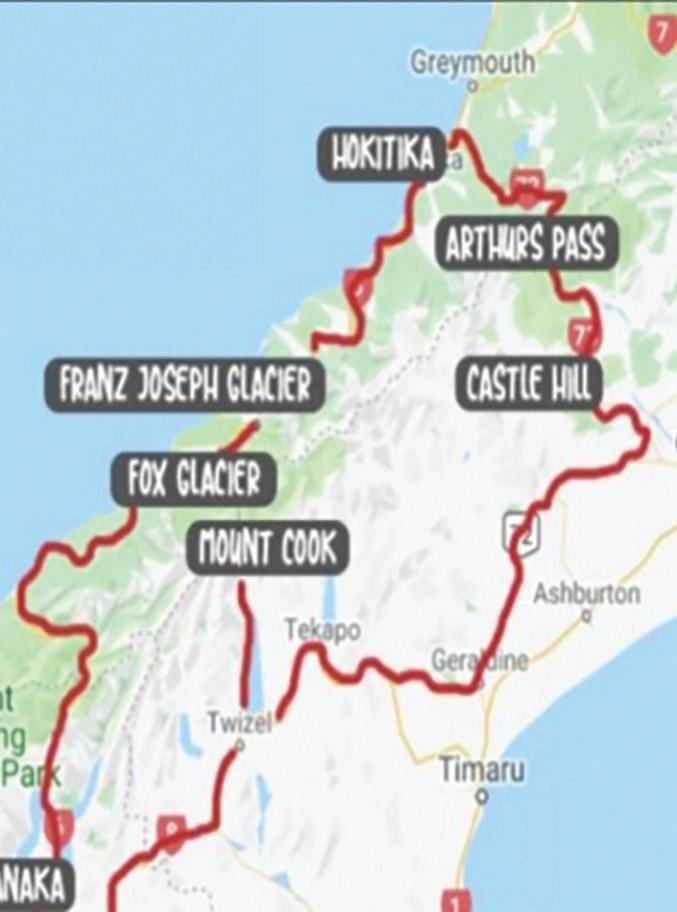
We piled in vast quantities of food, liquid refreshment, the odd handy gadget and the dog into the 6-berth van and headed for Arthur’s Pass late afternoon.
The engine ran well and it was spacious and comfy, but maintenance was clearly not a priority when the driver’s window switch fell off in the first minute out the gate.
A very long list of other broken things was to follow over the journey. I shall just say that it pays to be prepared and my duct tape, torch, power pack and first aid kit were all worth packing.
The first night was just a sheltered car park and DOC toilet in the pass but it was fine. We turned on the diesel heater, poured a wine and put the pasta on to cook.
Not much later we lost all power and I finished cooking by torch light. We had a good night’s sleep anyway and were up early to walk to the Devils Punchbowl waterfall.
It’s a short walk but a steep climb and worth the effort. It was a frosty start but the birds were busy early and the exercise and fresh, brisk air felt good.
We reached Hokitika around lunch time and headed 33 kms out of town to the Hokitika Gorge. You’ll find an easy looping walking track with stunning views of ancient forest and blue-green water.
Enjoyed by all aged groups and abilities it was absolutely worth the drive and I would happily go again. We drove on to overnight at Franz Joseph.
Waking the next day in Franz Joseph we began with a morning helicopter flight around the glaciers and Mt Cook. It may not have been cheap but the views are wonderful and you get a better sense of the size and terrain from the air.
After a quick mountain top stop for a photograph, we returned an hour later for coffee and cake at one of the several yummy eateries. I even bought new sheepskin UGG boots and at a very reasonable price too before leaving town. We paused briefly at Bruce Bay for roadside hot dog and to admire the gorgeous view before continuing via Haast to Wanaka. It was flat out when we arrived in the early evening and found the only camper space left was five metres long. We however, were 6.5 metres, but I made it fit; their hedge may be a different shape now however.
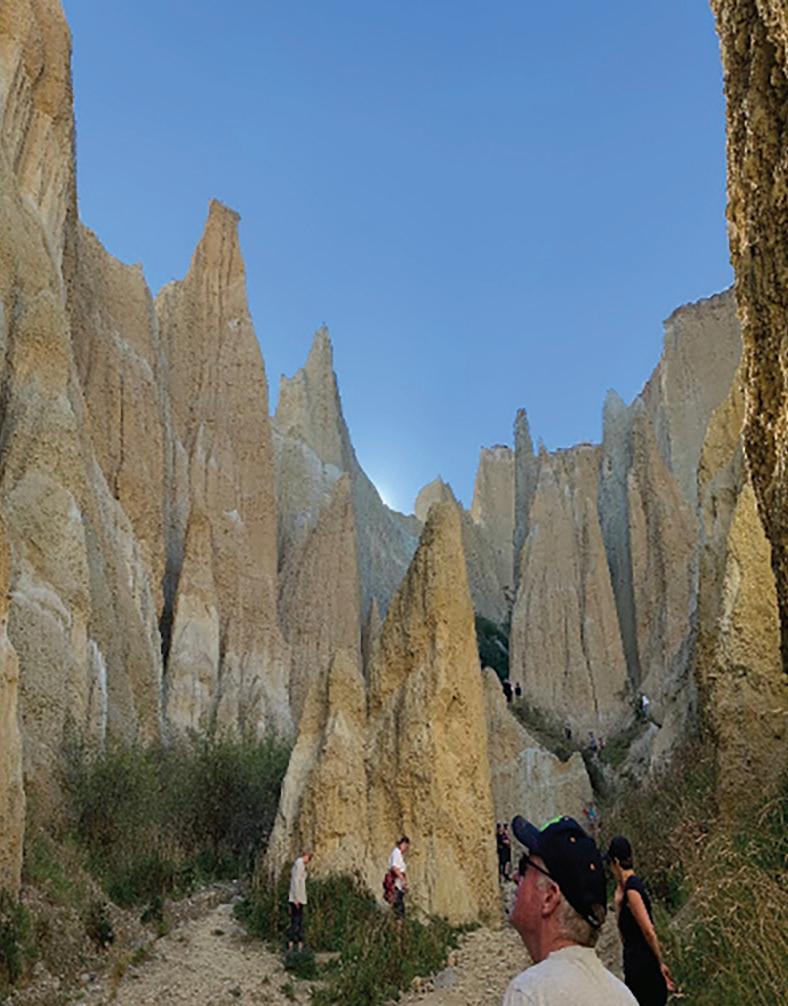
Morning started with a lake front walk with the dog then we set out for Omarama, stopping off at the amazing Clay Cliffs.
Now this is not what I expected - it’s more of an amphitheatre than a flat wall. The size, shapes and colours of the eroded forms really are stunning especially on a clear, blue day. It’s not a long or difficult walk and is only five dollars per car.
That night we were camped up at the Glen Tanner just outside of the Aoraki National Park, with Mt Cook towering over us, while we enjoyed a glass of wine and pre-dinner nibbles.
After breakfast we drove to the base of the mountain at White Horse Hill and walked the Hooker Valley track. It is about 10km but relatively flat with very well-maintained tracks and board walks.
You cross over the Hooker River twice on suspension bridges to end at the glacial lake with fabulous views of Mt Cook. It looks like a giant green slushy drink with floating icebergs and is quite a remarkable sight. Some very keen person was even kayaking out there!
We had another camper carpark sandwich, which is fast and economical, before getting back on the road again to Tekapo. We arrived late afternoon and went for a soak in the hot pools before dinner while admiring the lake view.
Waking up in Tekapo and it’s time to sadly head home.
The dog is being driven insane by the vast number of rabbits here that he is not allowed to kill, but we took him to see the sheepdog memorial statue for a last photograph. Then we treated ourselves
to a posh breakfast at the Jack Rabbit Café while continuing to admire the lake view.
As we climbed into the van for the last time, I felt a little sad our trip was ending. We had such a great time; every day was clear blue skies for us.
We had managed to find a camp site every night without booking in advance and the dog behaved himself. The walks were all fabulous and staff everywhere were helpful and pleasant beyond belief.
The tourists are returning and the future looks bright again for those involved in the tourist industry who can’t wait to crank back up the full speed.
We were in the car park, outside the café and about to leave. I called out to the public restroom staffer who is busily taking cleaning equipment from her truck.
“Nice morning – how’s your day,” and she replied, “Bloody awful, I’ve done nothing but clean up shit,” and stomped off. Okay - so not everyone appreciates the increase in customers.
#Top Tip: TOP 10 motor camps - I cannot recommend them more highly for services and staff.
Glenroy Lodge
By David Collins
Nestled in the Hororata River Valley at Glenroy, about halfway between Hororata and Windwhistle, sits Glenroy Lodge Baptist Camp.
First established in 1947, this year should have seen a big 75th Anniversary celebration, but Covid decided to delay things for us. The plan now is to celebrate our 75th (plus one) Anniversary next year.
Glenroy Lodge, or Glenroy Baptist Community Centre as it was first known, was officially opened on Saturday, 5th April 1947, after three years of planning and working by Canterbury Baptists. At the time on site there was a hall (which was formerly an Air Force building moved from the Cracroft Estate on the Cashmere hills), and a kitchen.
Accommodation was in bell tents - fine on a summer’s day, but a bit challenging when the typical Autumn frosts bite, or in a howling Nor’ wester, which was well known to blow down the odd tent or two in those early days before trees were planted for shelter.
Modern day Glenroy Lodge is a bit more salubrious, with a large hall (the heart of which
is the large open fireplace), which is capable of seating over 180 people. Attached to the hall is a fully fitted commercial kitchen (on a self-catering basis). Two wings provide bunk bed sleeping for 80 people and there is plenty of room for campervans, caravans, and tents in the 11 acre of park-like grounds.
Within the grounds there are a variety of activities that can be enjoyed including an 8-hole pitch-and-putt course, a (floodlit) tennis/basketball court, a prayer labyrinth, a maze, a 60-metre-long flying fox, and a 50-metre-long waterslide (although kids still enjoy sliding down the grassy bank on a piece of cardboard). In the evenings there is nothing better than sitting around in front of the fire and playing one of the many board games from the well-stocked cupboard.
Many readers may have stayed at Glenroy Lodge as part of a church group or school camp, but it is also ideal for family gatherings, craft group workshops, training sessions and reunions as well as a base for holding a conference.
For more information please visit www.glenroylodge.co.nz
Aerial view of Glenroy Lodge (the park-like grounds extend about the same length again below the picture)
IN THE EVENT THAT YOU MIGHT BE REQUIRED TO EVACUATE YOUR HOME, DO YOU HAVE A PLAN?
A FEW QUESTIONS TO ASK YOURSELF
Based on the information available, and my knowledge of the area...” Do I need to evacuate?” If the answer is “YES”... Do you have a place to go? How will I get there?... Will I take my vehicle? Will transport be provided?, Will I have to walk? What do I need to take with me?
SO... LET’S TAKE THESE DETAILS ONE AT A TIME. DO YOU KNOW:
Where will you go?
The safest route to get there?
How long it will take to get there?
What do I need to take with me?
Medications (regualry taken)
Important documents (Birth/marrigae certifactes; Home insurance; Drivers license; Passport etc)
Sturdy Shoes (especially if leaving on foot)
Snacks/Water
Warm Jacket (both wind & waterproof)
Money (A small amount of cash in small denomations - not $100 bills)
Do I need to evacuate?
If the answer to this is YES... where will you be going?
To a friend or family?
To a welfare centre?
Simply to higher ground?
How will I get there?
Am I going by vehicle?
Am I going to walk?
Is transport provided?
IT IS REALLY IMPORTANT THAT THIS IS A DISCUSSION YOU HAVE WITH YOUR FAMILY AND A PLAN IS SET IN PLACE.
Useful contact numbers
Name
NS Group Co-ordinator
Dentist
School
Doctor
Chemist
Phone
Canterbury Neighbourhood Support 03 353 8729 admin@canterburyns.net
Police www.police.govt.nz
- Non-Urgent Non-Injury Traffic Issues *555
- Non urgent crime or other issues 105 www.police.govt.nz/use-105
- Anonymous reporting
Covid-19
Healthline – Ministry of Health
0800 555 111 www.crimestoppers-nz.org
0800 358 5453 www.covid19.govt.nz
0800 611 116 www.health.govt.nz
Mental Health Foundation Ph/text 1737 www.mentalhealth.org.nz