




















Peter Rosenthal
Cassie Rosenthal
Carson Kleiner
Ken Kleiner
Chris Sanjenis














As one of the nation’s leading providers of factoring and financing, we match our 100-plus years of experience with flexible solutions and actionable insights. Our team has the financial savvy to help companies unlock liquidity and manage credit risk so they can fulfill business demands and keep growing stronger. Let’s explore how we can put our experience to work for you.









































PRESIDENT/CEO
Jeff Mann
EDITORIAL
Editor
Rose Leveen
Editorial Consultant
Debra Hazel
Associate Editor
Penelope Herrera
Southeast Editor
Shanna Forrestall
Director of Communications and Marketing
Penelope Herrera
Graphic Design
Virginia Sanchez
Director of Newsletter Division
Cheri Phillips
West Coast Office: 578 Washington Blvd., Suite 827 Marina Del Rey, CA 90292 866-306-MANN (6266)
ART DIRECTOR
Virginia Sanchez
COVER PHOTOGRAPHY
David Engelhardt
CONTRIBUTORS
Andreas Koutsoudakis
Brian Kuske
David Harouche
Debra Hazel
Frank DeLucia
Howard Bader
Krieger Worldwide
Max Ma
Paul Magel
Rabbi David Laine
Ron Friedman
BUSINESS
Technology Consultant
Eric Loh
DISTRIBUTION
Mitchell’s Delivery Service
California Distribution
MD Service
West Coast Advisor
Daniella Platt
DIGITAL MEDIA
Virginia Sanchez
Web Developer
CS Designworks
East Coast Office: 450 7th Ave, Suite 2306 New York, NY 10123 212-840-MANN (6266)


Hi there.
This month’s cover story is very exciting, because we’re featuring Rosenthal & Rosenthal. I’m so grateful and honored to have the Rosenthal family on the cover, as both of our families have been down in the Garment District for close to 100 years. In fact, my father was very friendly with Imre Rosenthal way back, and I was very friendly with Peter and Cassie’s father, Stephen. At one point, Peter and I lived in the same building, and I got to know his wife and kids very well.
The reason we have the Rosenthals on the cover is because their fi rm has recently rebranded, changing the name to Rosenthal Capital Group. This is such a special moment for their company family and the industry, and we are so happy to have the honor of sharing this announcement with everyone.
I’m always proud of our content, which continues to stay cuttingedge and current, thanks to the tremendous relationships we have across the fashion industry—from factors and bankers to logistics experts and manufacturers… and the list goes on and on.
I also want to shout out or incredible contributors, who are the best of the best in their respective fields. Our newest columnist, Andreas Koutsoudakis, is bringing one of the most exciting new topics to the magazine—how fashion brands and restaurant/hospitality brands are beginning to intersect. If you ever see a space for another fresh, new column topic, please let us know.
I hope you enjoy the magazine.
As a side note, I remember seeing Peter with his father and children every weekend when they would have breakfast at Eli’s, which was downstairs in our building. We would always say hello, and I remember how much the kids meant to his dad.
“Legacy is not what I did for myself. It's what I'm doing for the next generation.”
— Vitor Belfort

Hi everyone! I hope you had a relaxing summer, because September is already here. Personally, I’m looking forward to the weather in the city cooling down as we roll into autumn. I’m even more excited to September 2025 issue of Fashion Mannuscript with you!
This issue is full of stories I’m excited to share, starting with our cover story on the Rosenthal family and the remarkable legacy they’ve built at Rosenthal & Rosenthal, the leading private commercial finance firm in the United States. Now, with a new name—Rosenthal Capital Group—updated branding and a headquarters relocation, the familyrun firm is evolving to meet the demands of the modern business world and positioning itself to support its clients’ needs for another 87 years and beyond.
Inside, you’ll also find coverage on “Rebellious Threads,” a one-night show featuring Indigenous art across fashion, music, dance and visual art disciplines; a spotlight on women executives at Fashion by Informa in honor of Women’s Equality Day; a recap of August’s edition of Curve New York; and so much more.
I hope you have fun exploring the magazine!














Competitive rates for large volumes, consolidations, or LCL shipments.
CUSTOMS BROKERAGE
Compliance driven team of customs experts to streamline your supply chain.





















Let us help you take your
Whether you are an apparel manufacturer or a fashion owner, IDB understands the changing dynamics of the retail environment including the growth of e-commerce and stands ready to assist you with financial solutions tailored to your needs. Our dedicated bankers not only specialize in Apparel & Consumer Products, but also leverage their strong client relationships and extensive global connections to deliver new opportunities, as your preferences, supply channels and fashions evolve. To




visit



H&M x Lorena Saravia: A Modern Take on Mexican

Mignon Faget at 55: A Legacy of New Orleans Design, Unlocked
House of Sunny Unveils Eternal, a Sustainable Drop for the AW25 ‘It
Simkins: A Summer of





8:30

9:00 AM

11:00 AM Call

11:15 AM (Sharp) Shotgun Start
5:00 - 6:00 PM Hors d’Oeuvres and Cocktails
6:00 - 7:00 PM Dinner and Presentation of Golf Winners and Honorees











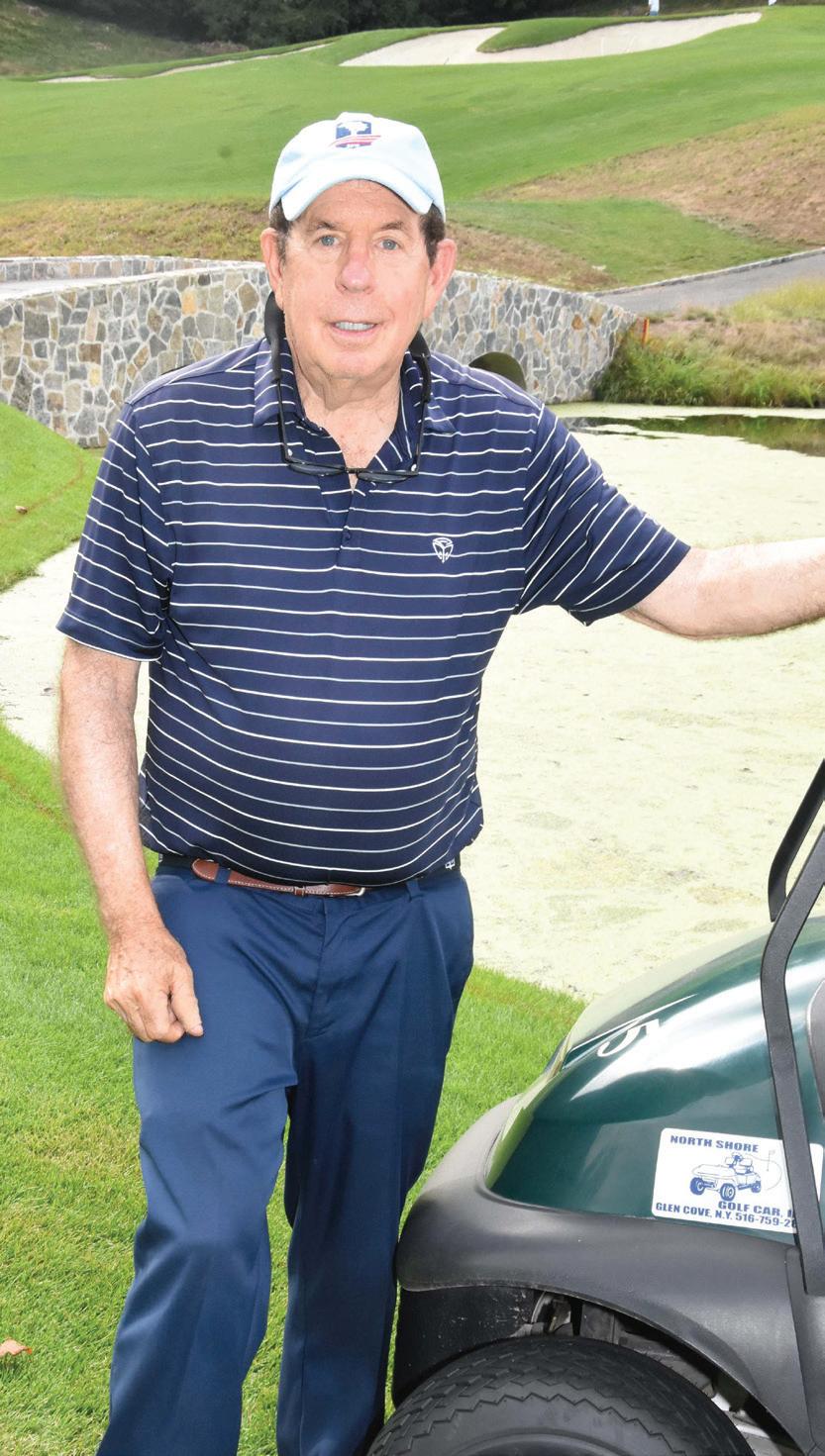
Join Jeff Mann, The Mann Charitable Foundation and the National Realty Club Foundation as we are having a joint golf outing this year. On October 6, 2025, be prepared for another stellar annual golf outing. This outing will support causes such as Alzheimer’s disease, Crohn’s and Colitis, Lymphoma, Macular Degeneration along with raising money for the areas of NYC that need support including Bronx Historical Society, Community Mainstream, National Jewish Museum, Jewish National Fund, Catholic Faith Network, Nassau County Law Enforcement Exploring, among other areas.







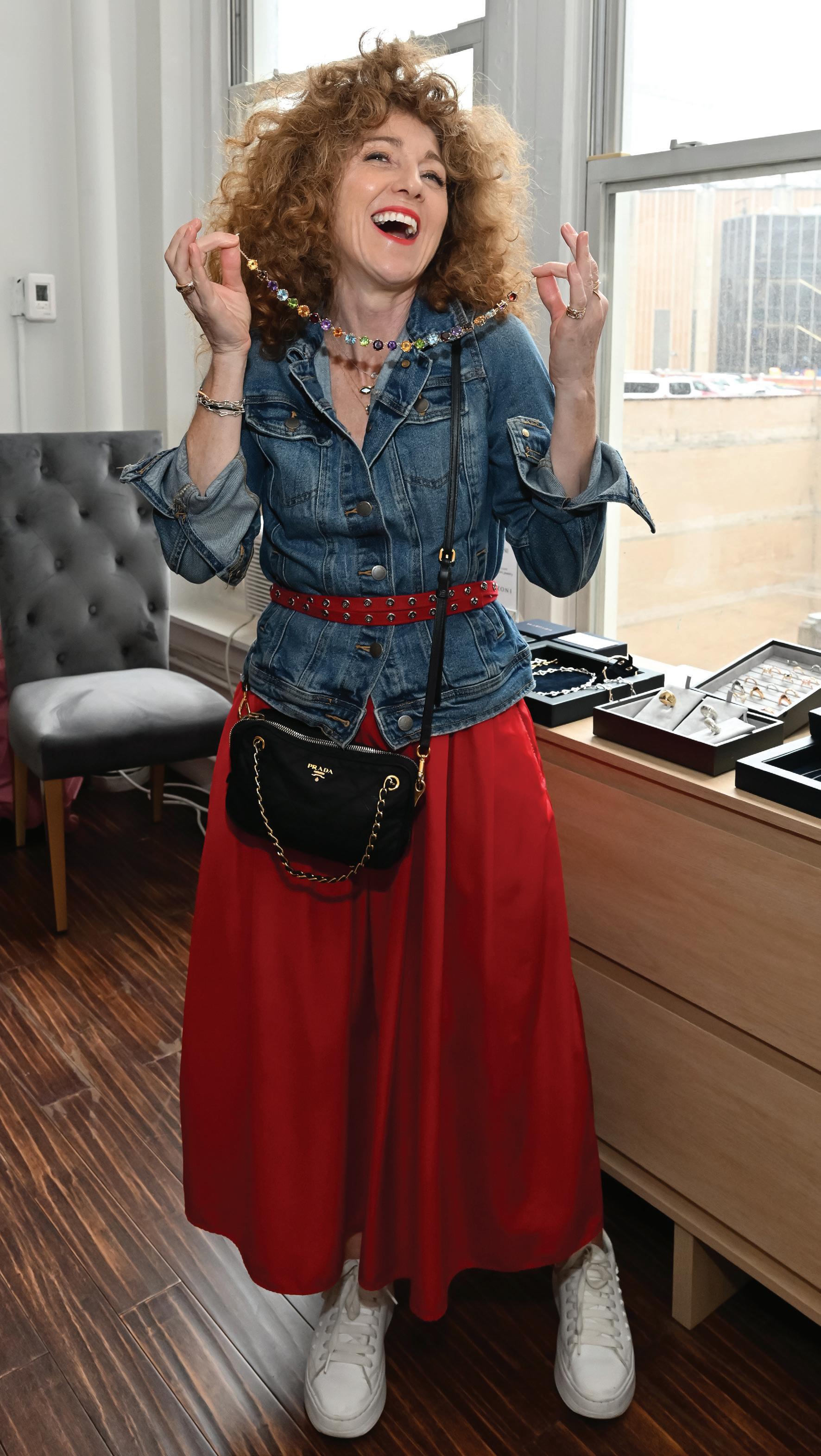
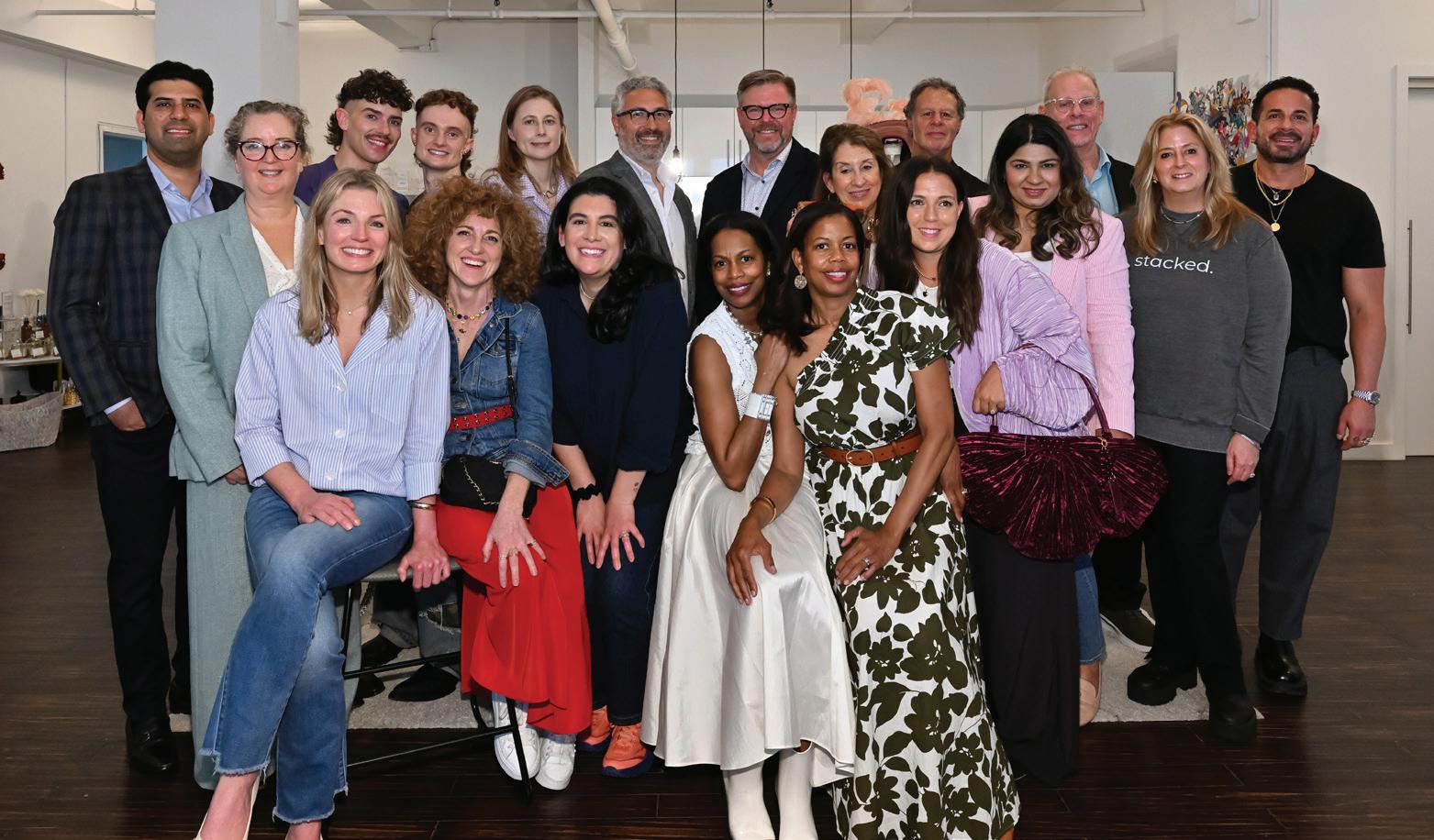
The Accessories Council’s “Made in the USA” event spotlighted an inspiring lineup of brands—all proudly producing right here at home. The show space was buzzing with energy as editors, retailers and industry insiders gathered for a dynamic day celebrating American craftsmanship.
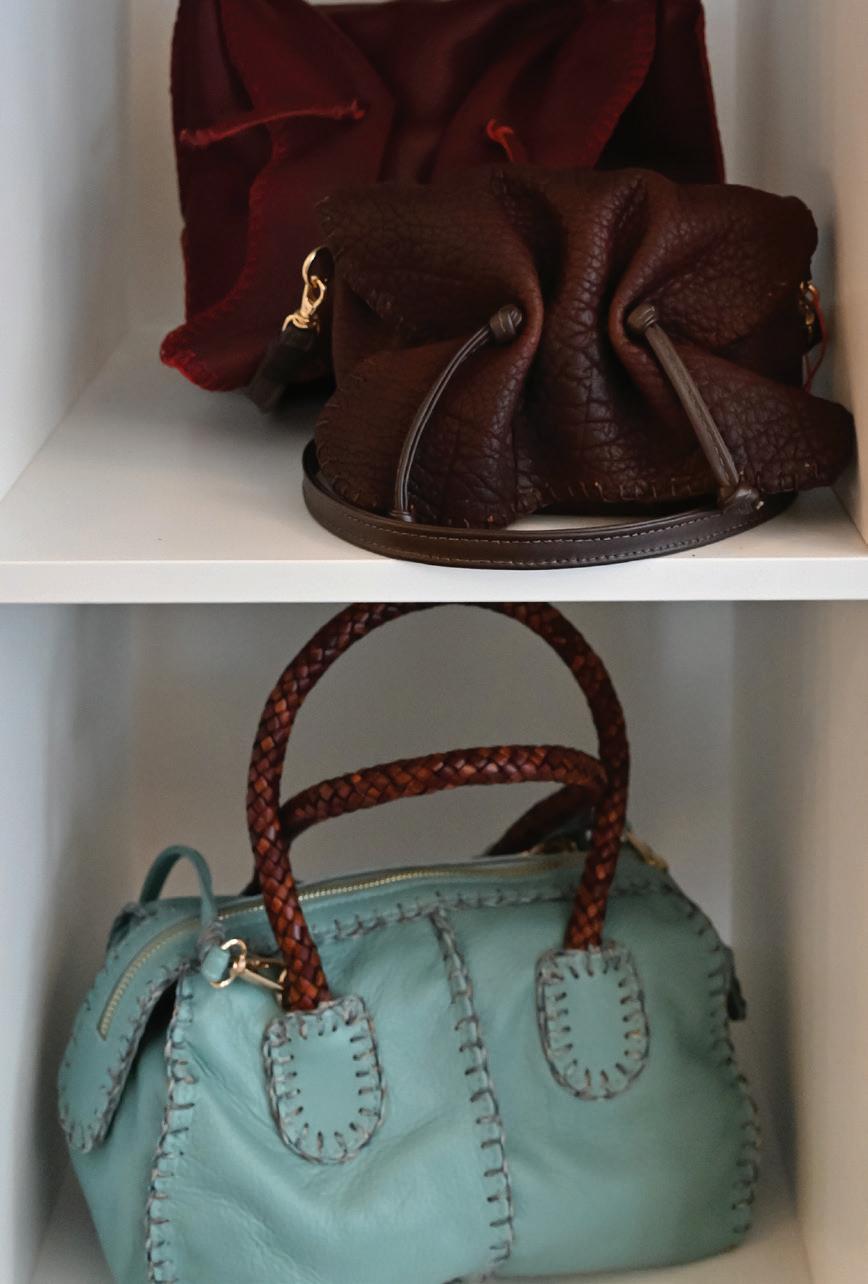
From handcrafted cowboy boots and rugged work boots to artisan candles, luxurious sleepwear, men’s apparel, fine jewelry, accessories and one-of-a-kind handbags, the product mix reflected the depth and diversity of American design and manufacturing.
Participating brands included Able, A. Jain, American Optical, Back at the Ranch, Black Oak Leatherworks, Boxer Studio, Carlos Falchi, Elizabeth Cotton, ElyseRyan, Fleur’d Pins, Free Maison, Ilanzoni, Meertens Luxury, NLA Collection, Renn Studio, Scentille, Sydnie Banks, Timberland, Vivian Blooms and Wolverine.
Editors and buyers stopped by in person and virtually to connect with makers and discover standout products for the holiday season.
Classic American snacks and vibrant conversation fueled the day, with spontaneous collaborations and networking moments happening throughout the space. It was a true celebration of what’s possible when creativity, quality and local manufacturing come together.
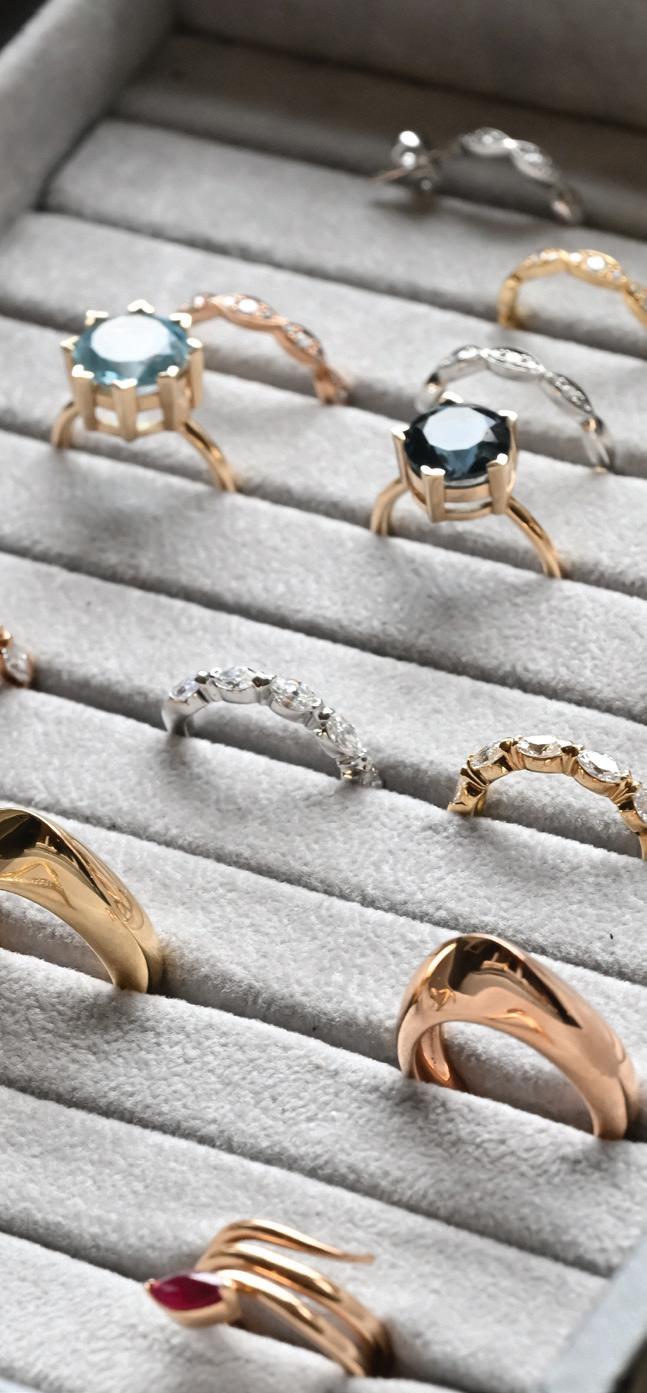
’Brand: ILANZONI
Indigenous Futures 4Ever and The Son of Picasso Presents
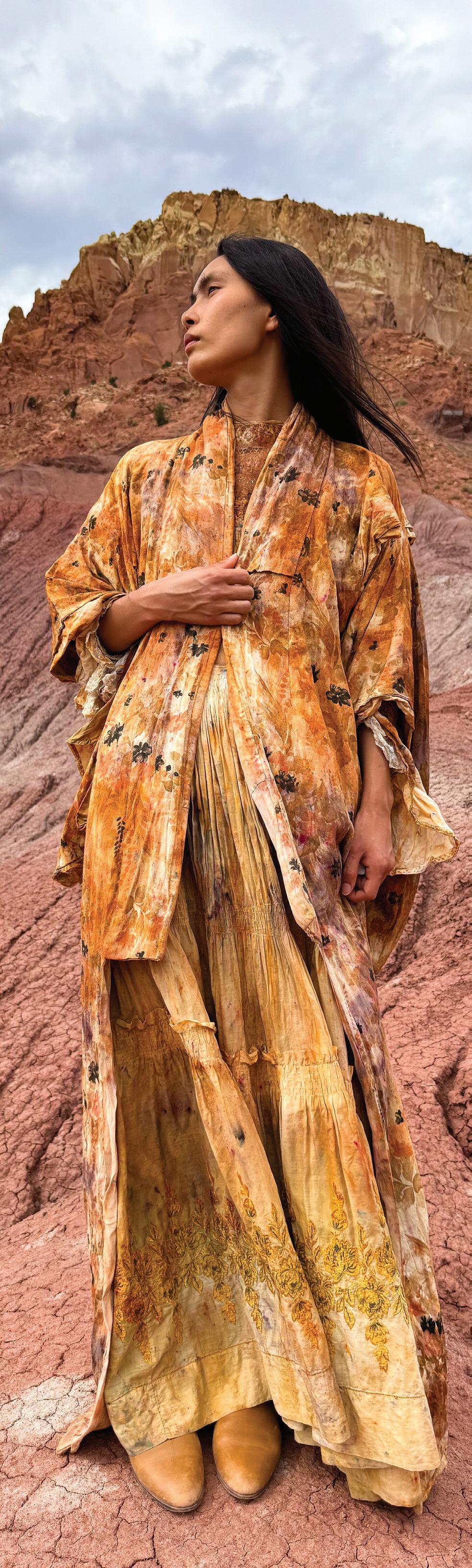
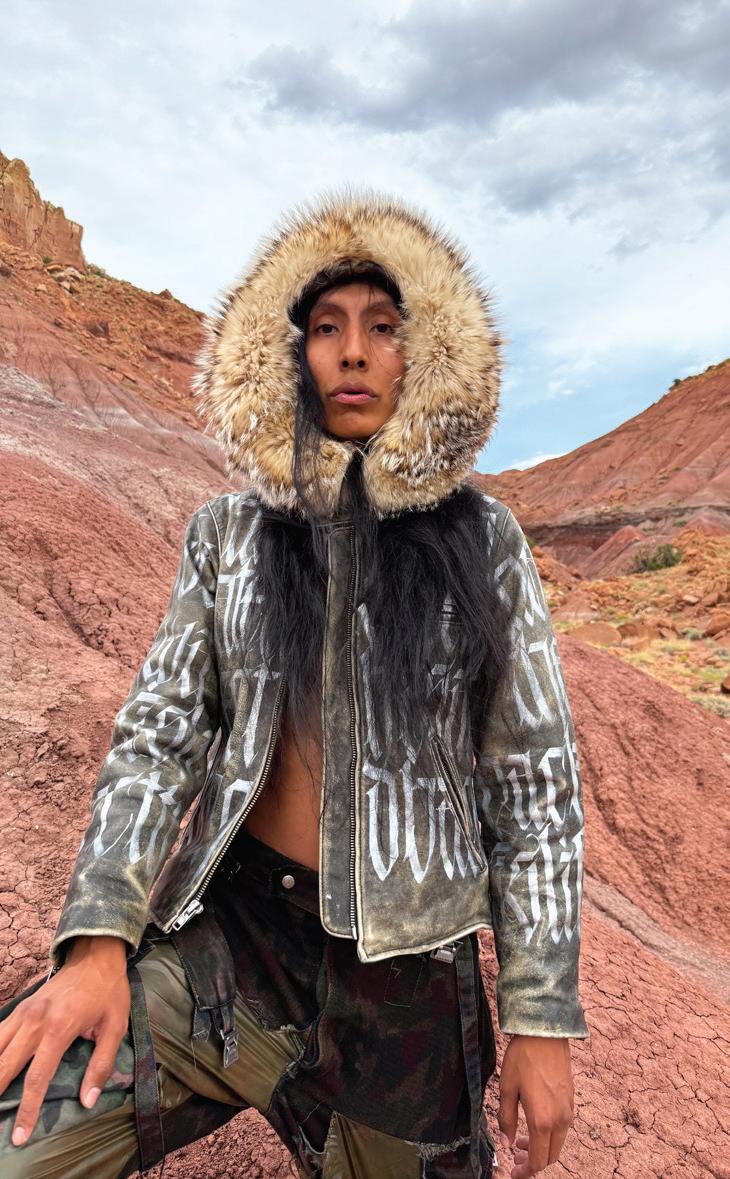
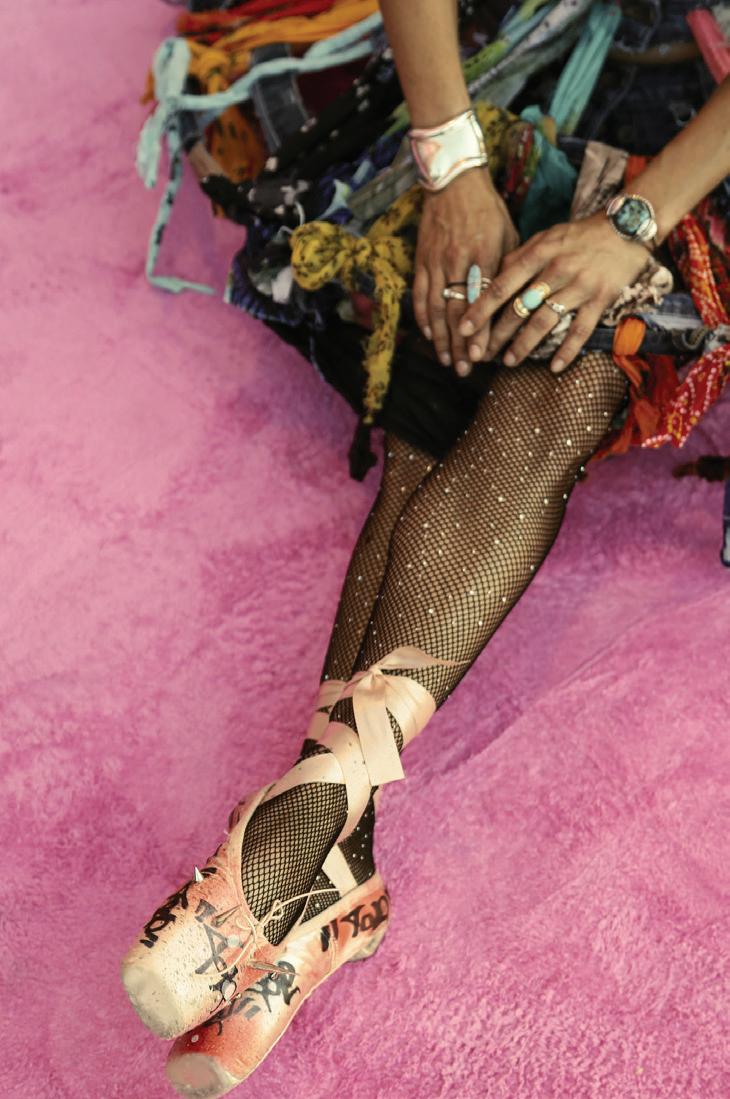
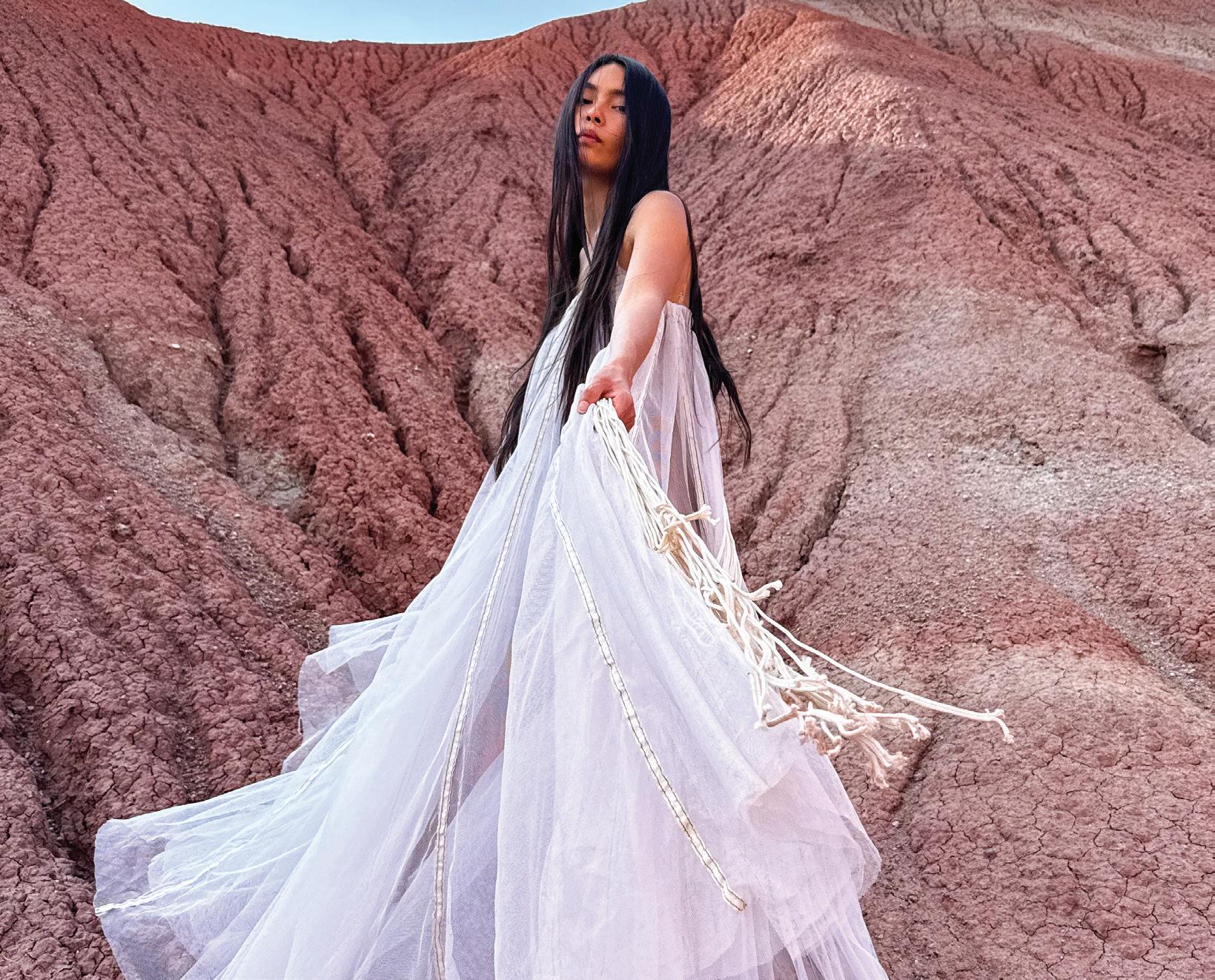
During Santa Fe’s Indian Market weekend, 4Kinship hosted “Rebellious Threads: Upcycled Luxe and Indigenous Roots”—an unapologetic, one-nightonly fashion performance that spotlighted Indigenous creativity across fashion, music, movement and visual art.
Threads became more than garments— they stood as metaphors for resistance, interconnection and transformation. One loose thread unraveled systems. Multiple threads woven together created a masterpiece. Like each artist, skater and designer in the Indigenous Futures 4Ever circle, collective creativity rose as a force of reclamation and future-making.
This celebration of “Upcycled Luxe” fused streetwear and tradition, archival rebellion and Indigenous elegance— blurring the lines between cultural memory, radical care and underground energy. At its heart was Indigenous upcycling: a design philosophy rooted in honoring the earth by giving new life to materials, resisting waste and reclaiming value from what might otherwise be discarded. This practice reflects ancestral teachings of respect, reciprocity and sustainability, ensuring that creativity remains inseparable from care for the land.
The night featured a dynamic lineup of next-generation Indigenous talent and collaborators, including Adamari Salaiz, Alejandro Alvarado, Bella Loren, Di’Orr Greenwood, Dustin Martin, Elliot
Tsoodle, Jaden Luna, Kayla Banks, Lily Yeung, Micheal Ulibarri, Nas Sharif, Raven Bright, Ricci Amitrano, Serena Adams, Shawnshine Harrison, Tesla Wolfe, Than Povi Martinez and Ty Fierce Metteba—with original designs by The Son of Picasso and 4Kinship.
Presented by 4Kinship in collaboration with The Son of Picasso and supported by Pinterest, the evening centered Indigenous upcycling as both practice and philosophy: a reclamation of materials, stories and power.
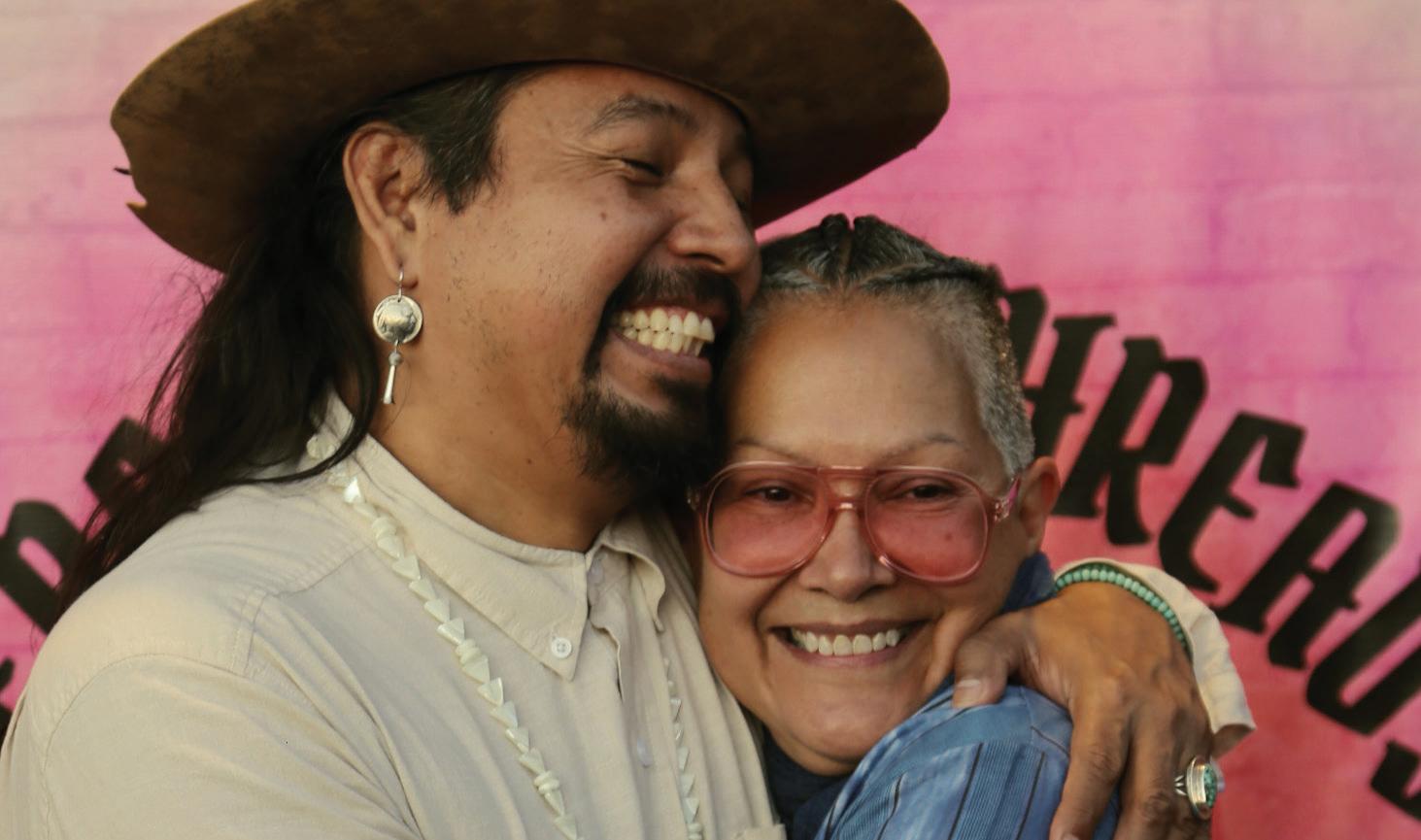
Amy Denet Deal, founder of 4Kinship, said, “It was incredible to witness the teamwork, the smiles, the hugs and the passion from this collective event. In a world that often struggles with division, these Indigenous creatives showed how powerful it is when we lift each other up. We were honored to host the visionary talent of The Son of Picasso—and his groundbreaking upcycling and artwear process.”
Pindigenous, Pinterest’s Indigenous employee resource group, added, “Pinterest is thrilled to partner with 4Kinship at Indigenous Futures 4Ever another year. This event allows us to uplift the stories, styles and techniques that shape Indigenous creativity worldwide. We believe inclusion is where inspiration begins, and this work helps connect Indigenous makers and artists with people ready to discover, learn and support.”



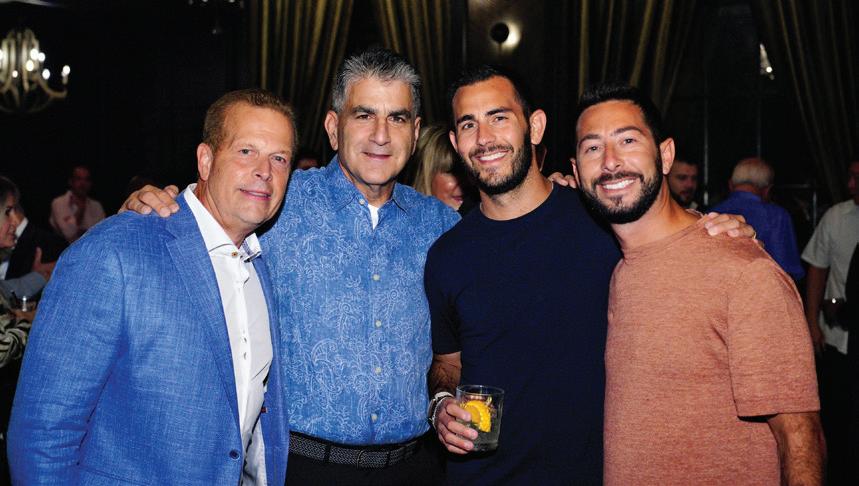
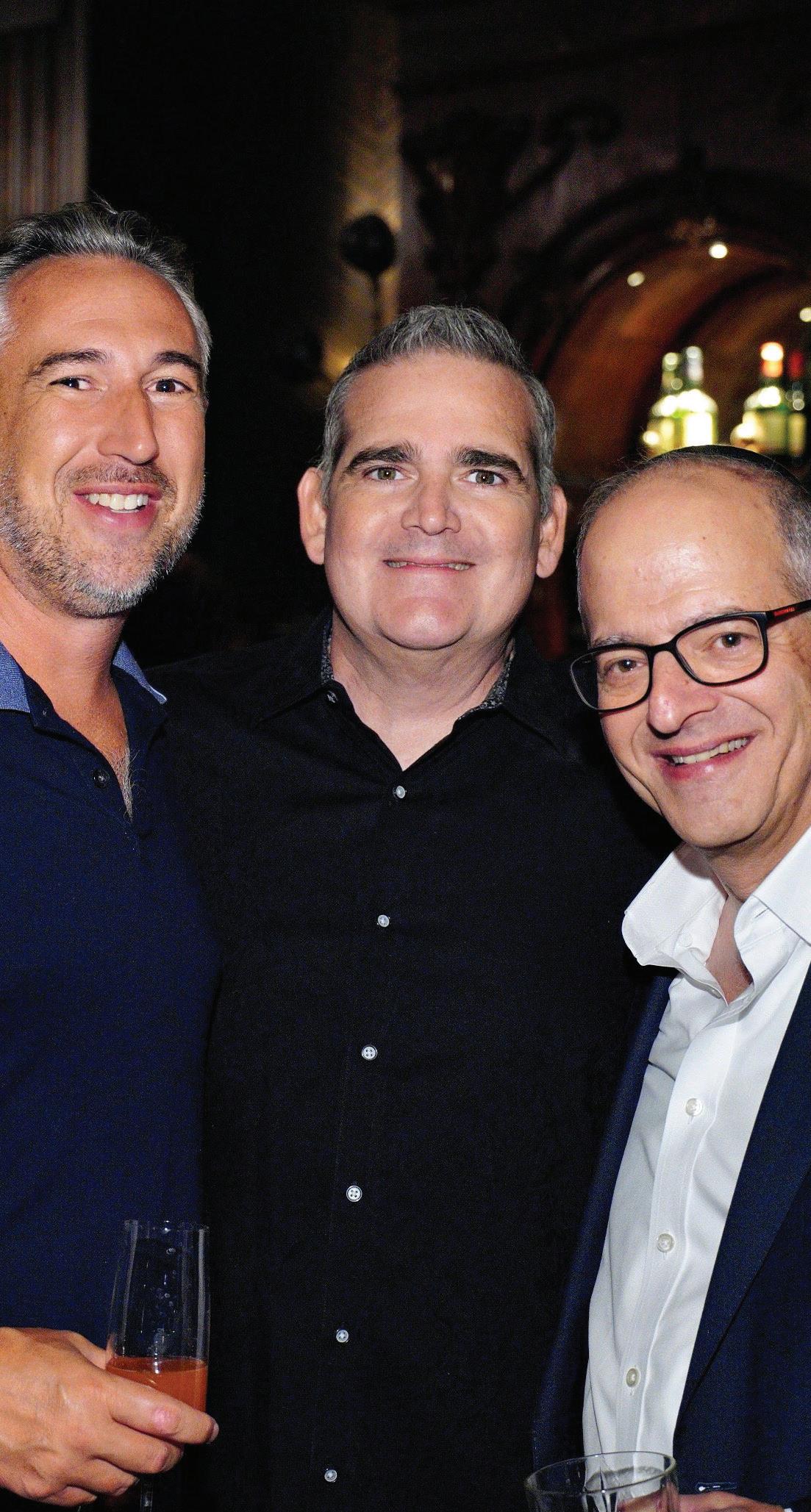
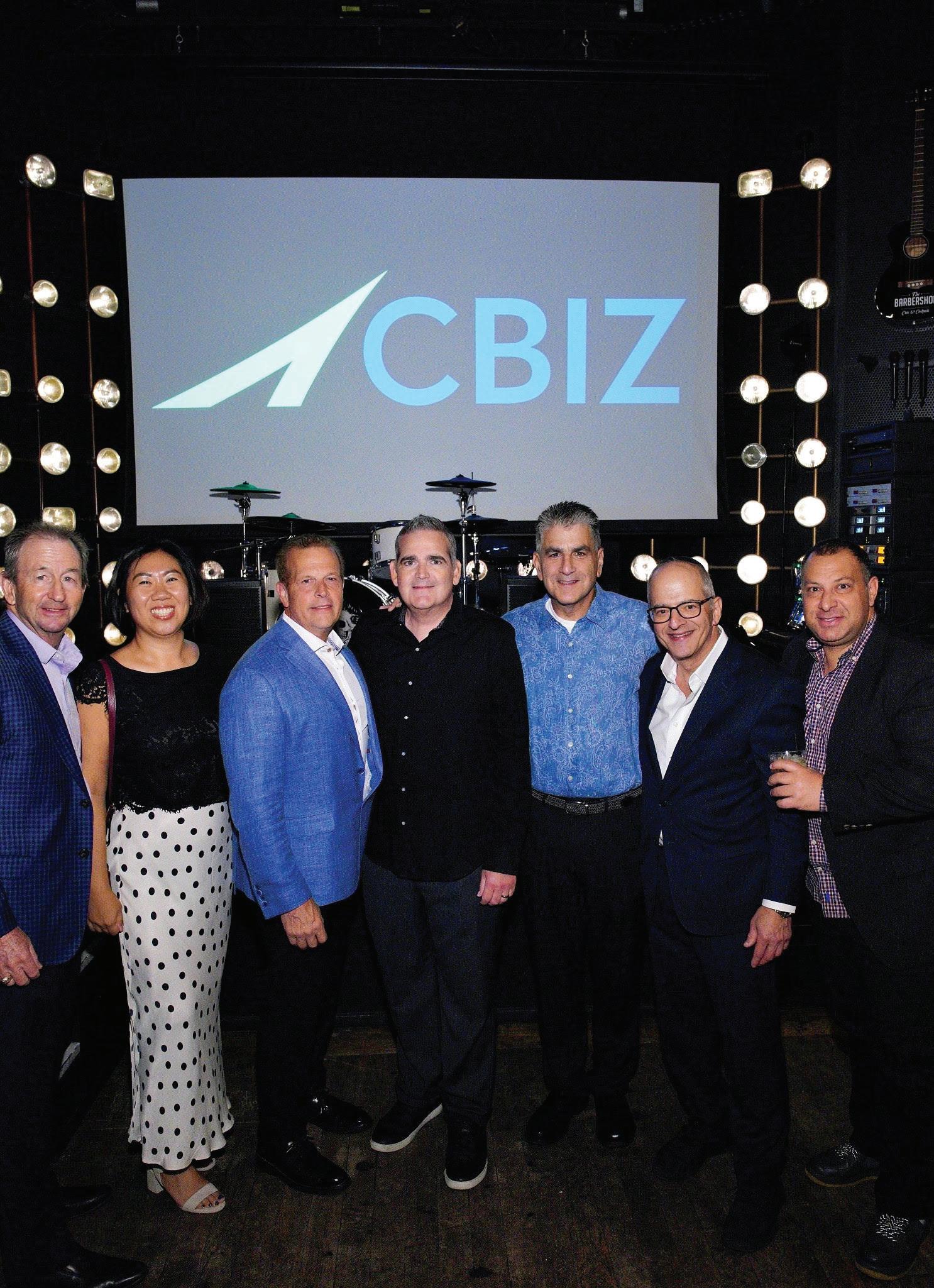
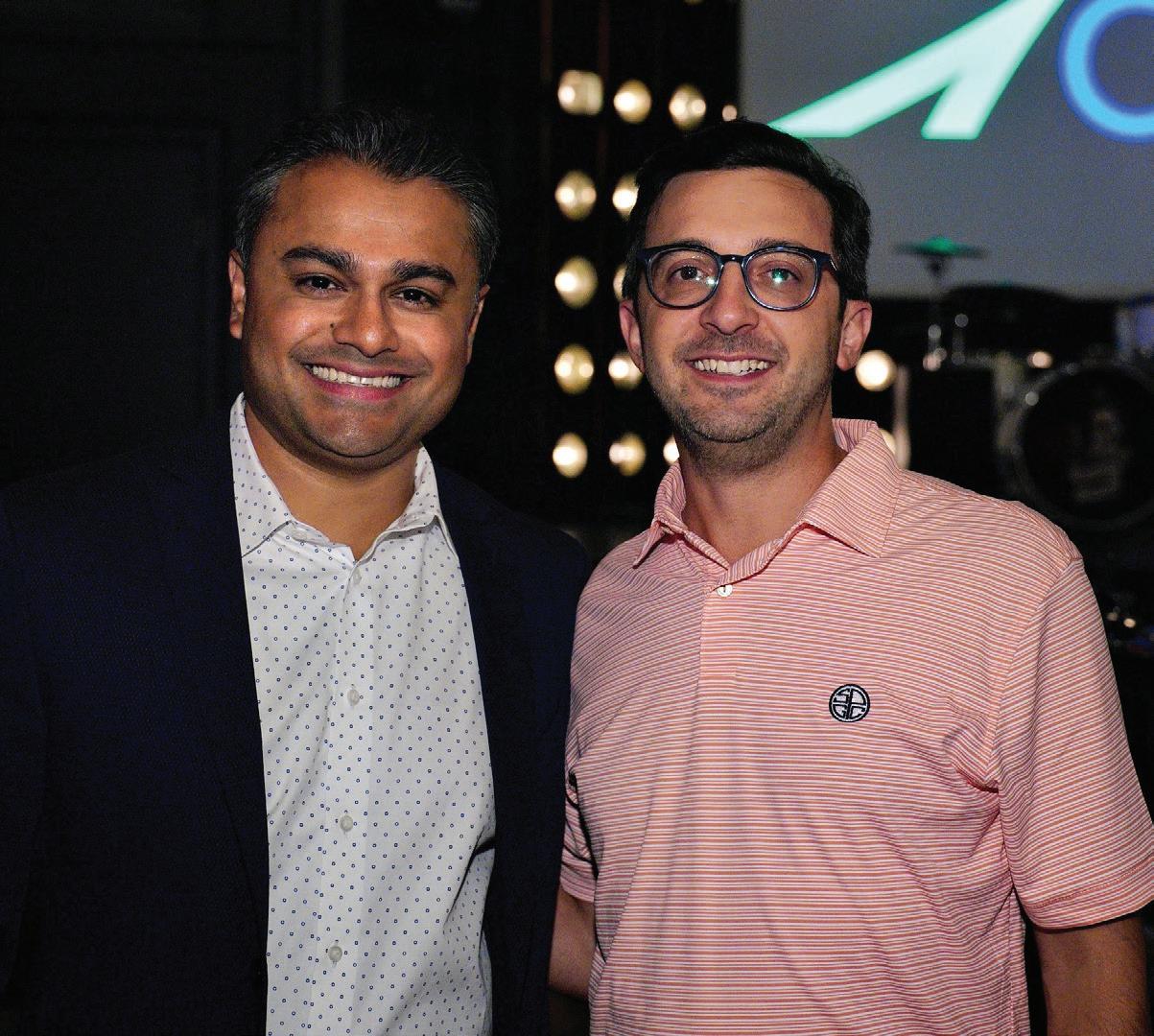
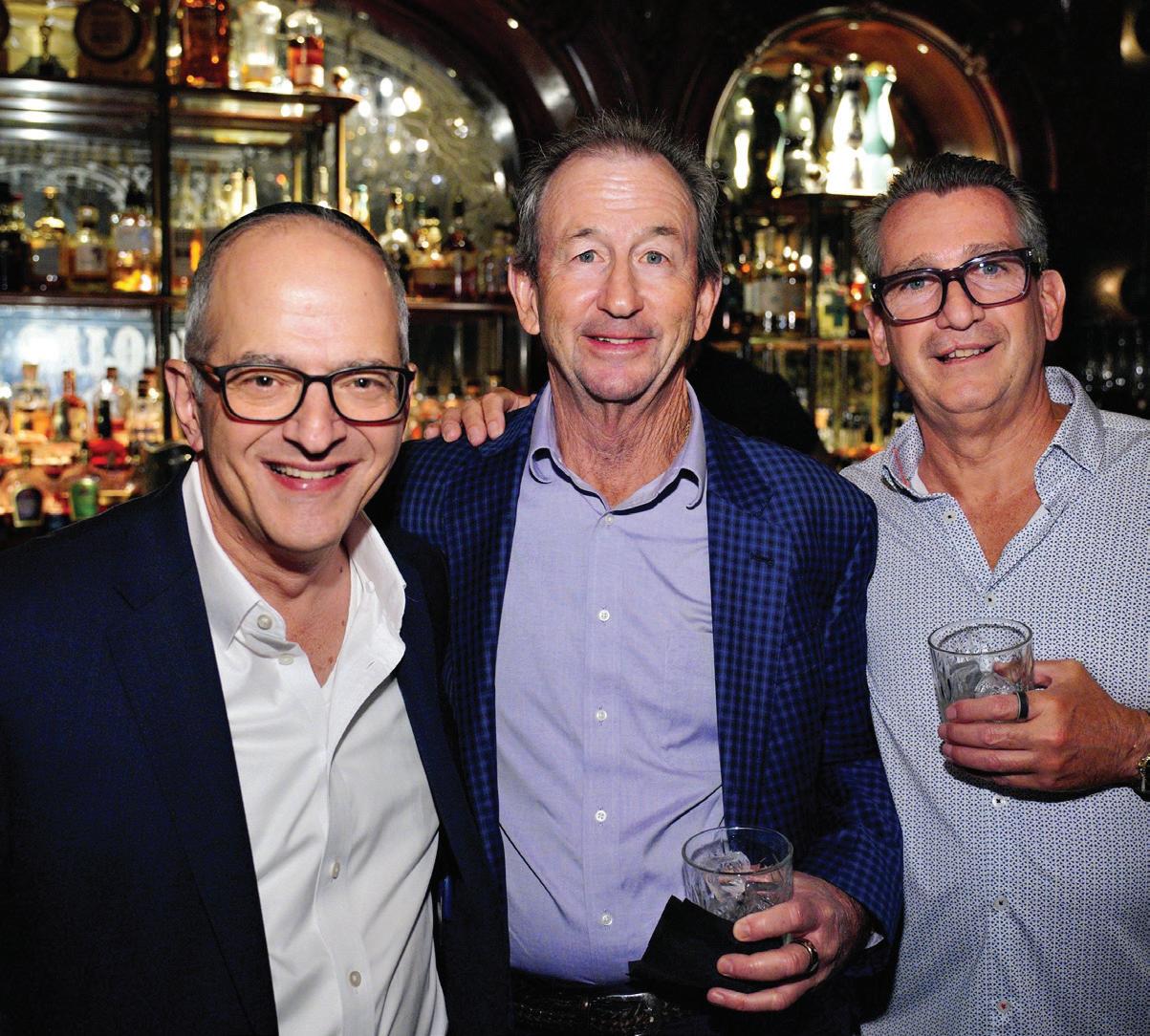
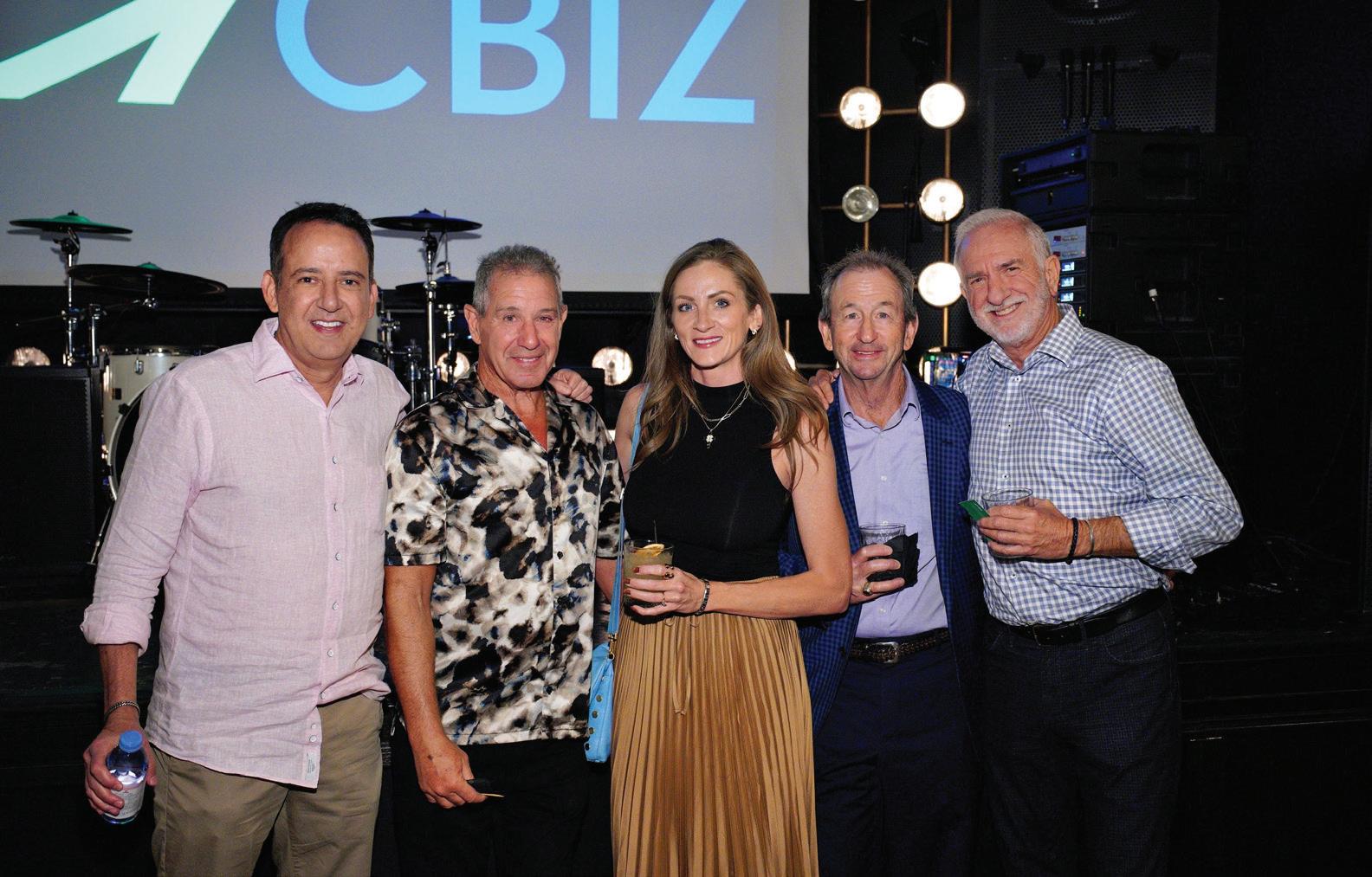
The Consumer Products and Apparel Group from CBIZ hosted a cocktail reception during the Magic and Off-Price trade shows in Las Vegas, Nevada. The event, held at The Barbershop Cuts and Cocktails, served as a great opportunity for CBIZ’s New York and California Consumer Products and Apparel Groups to engage with clients, prospects and industry professionals.


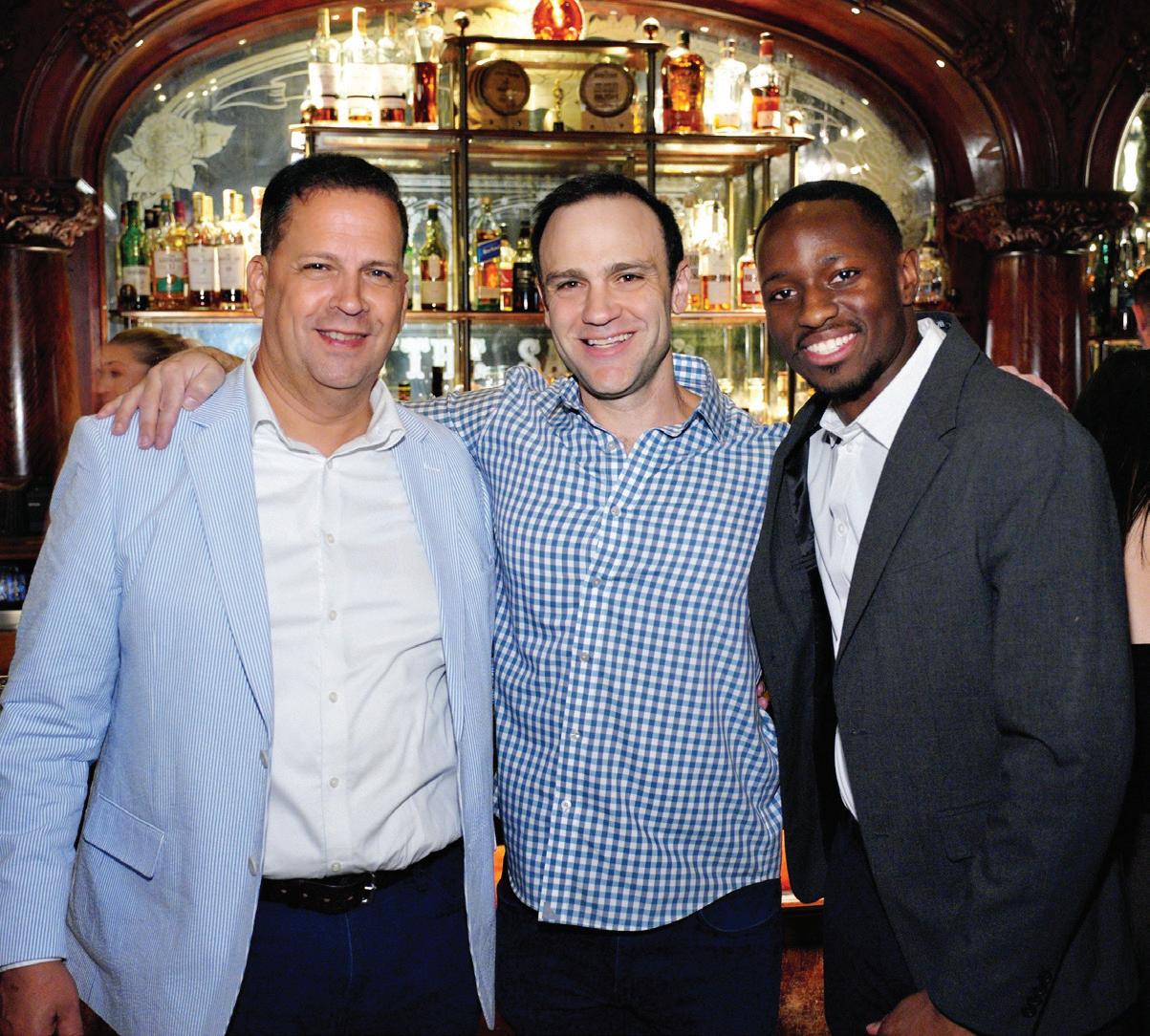











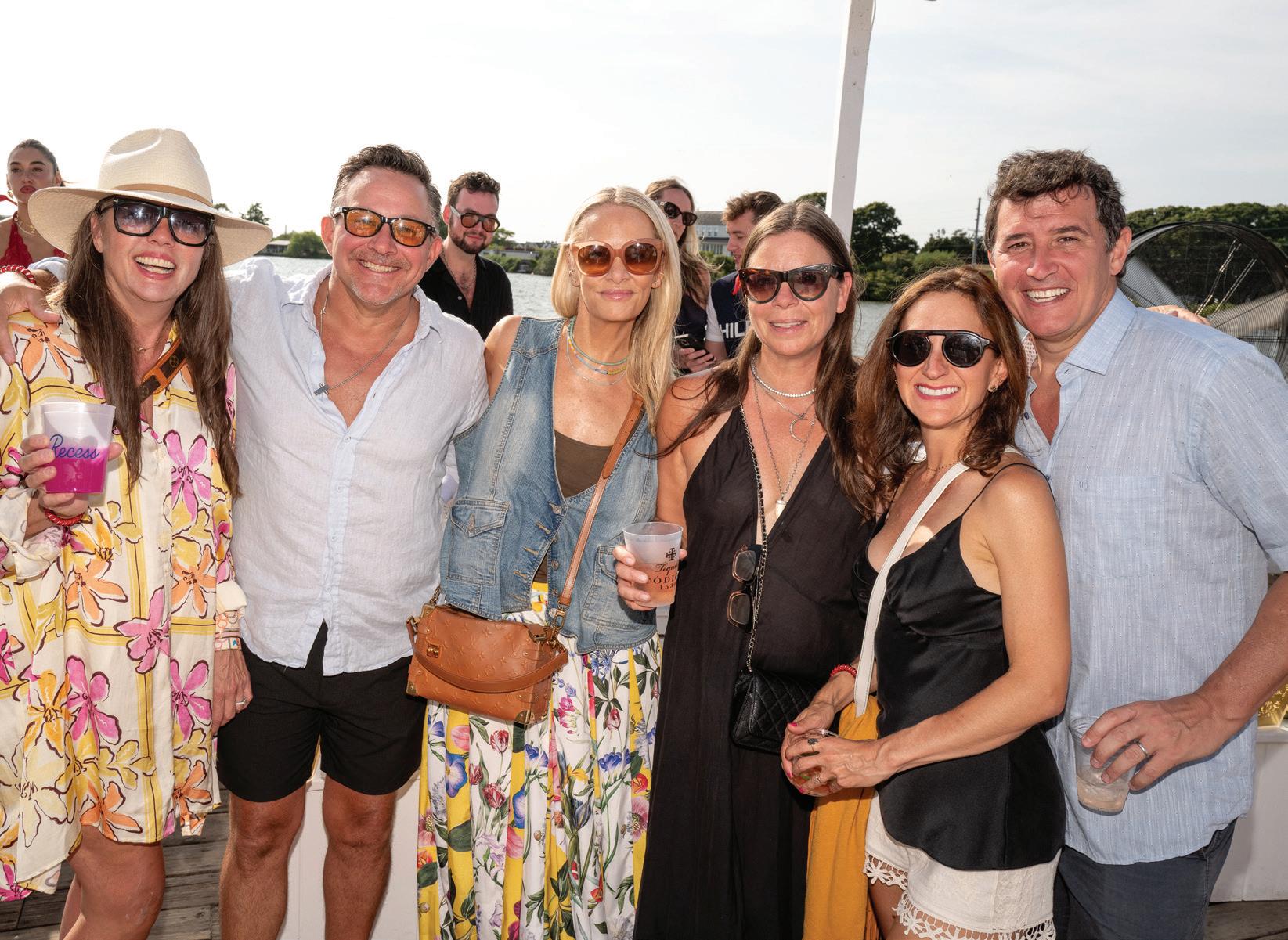


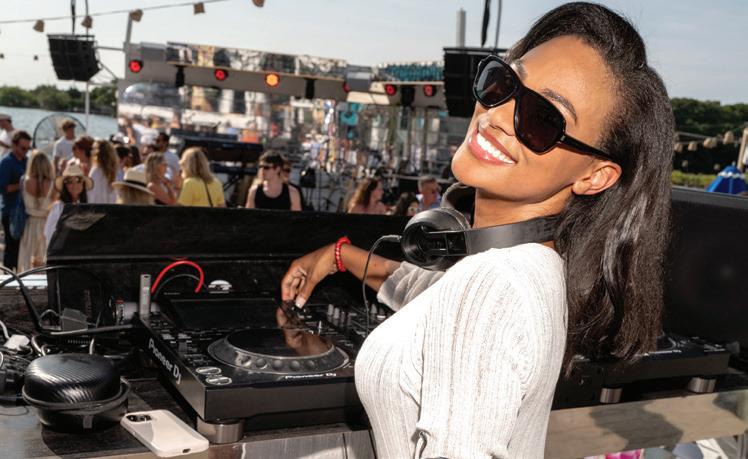

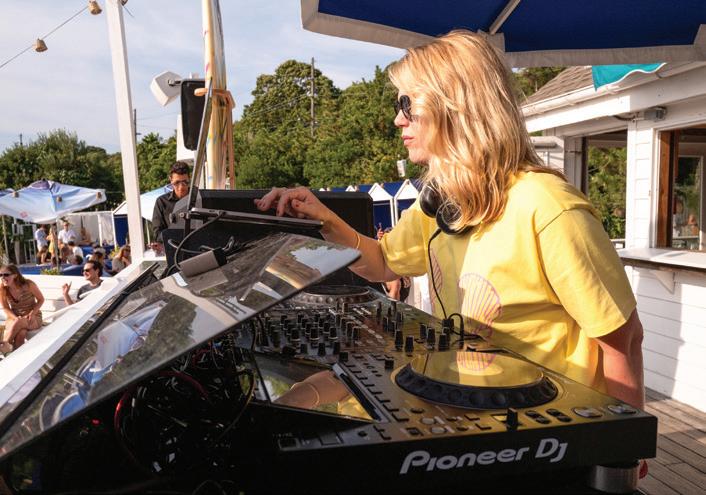



















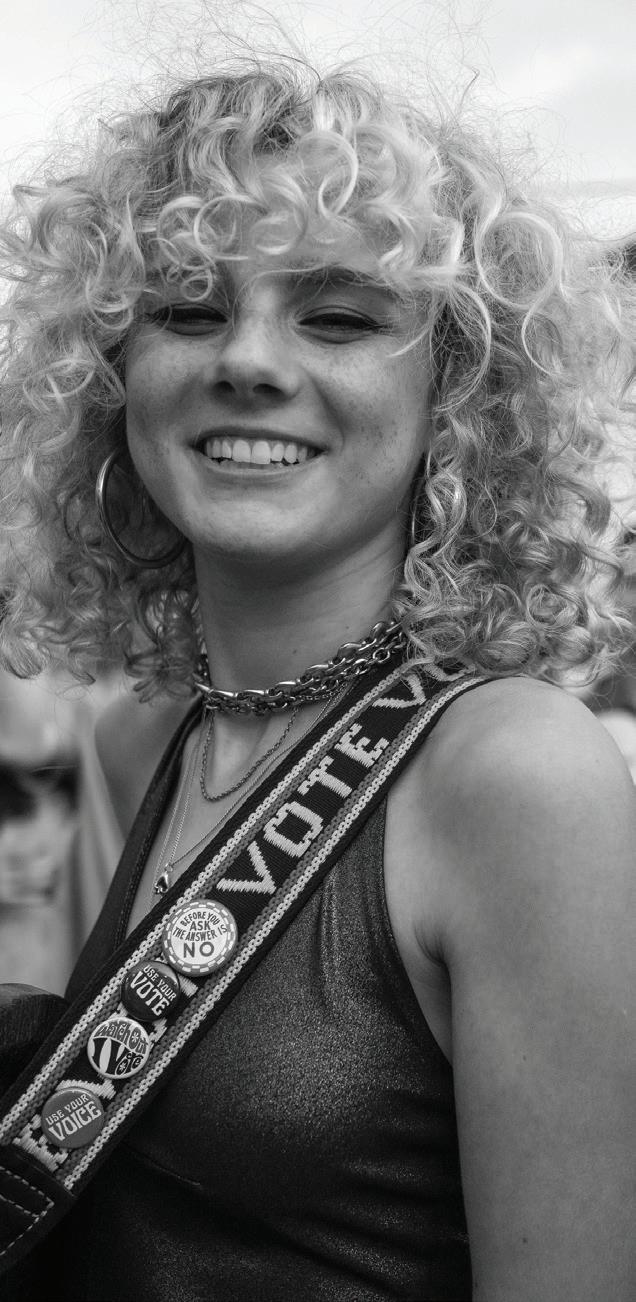












Project Zero returned to Montauk for its third annual Hamptons beach cleanup and fundraiser, this time teaming up with Surf Lodge for an unforgettable day of impact and celebration.
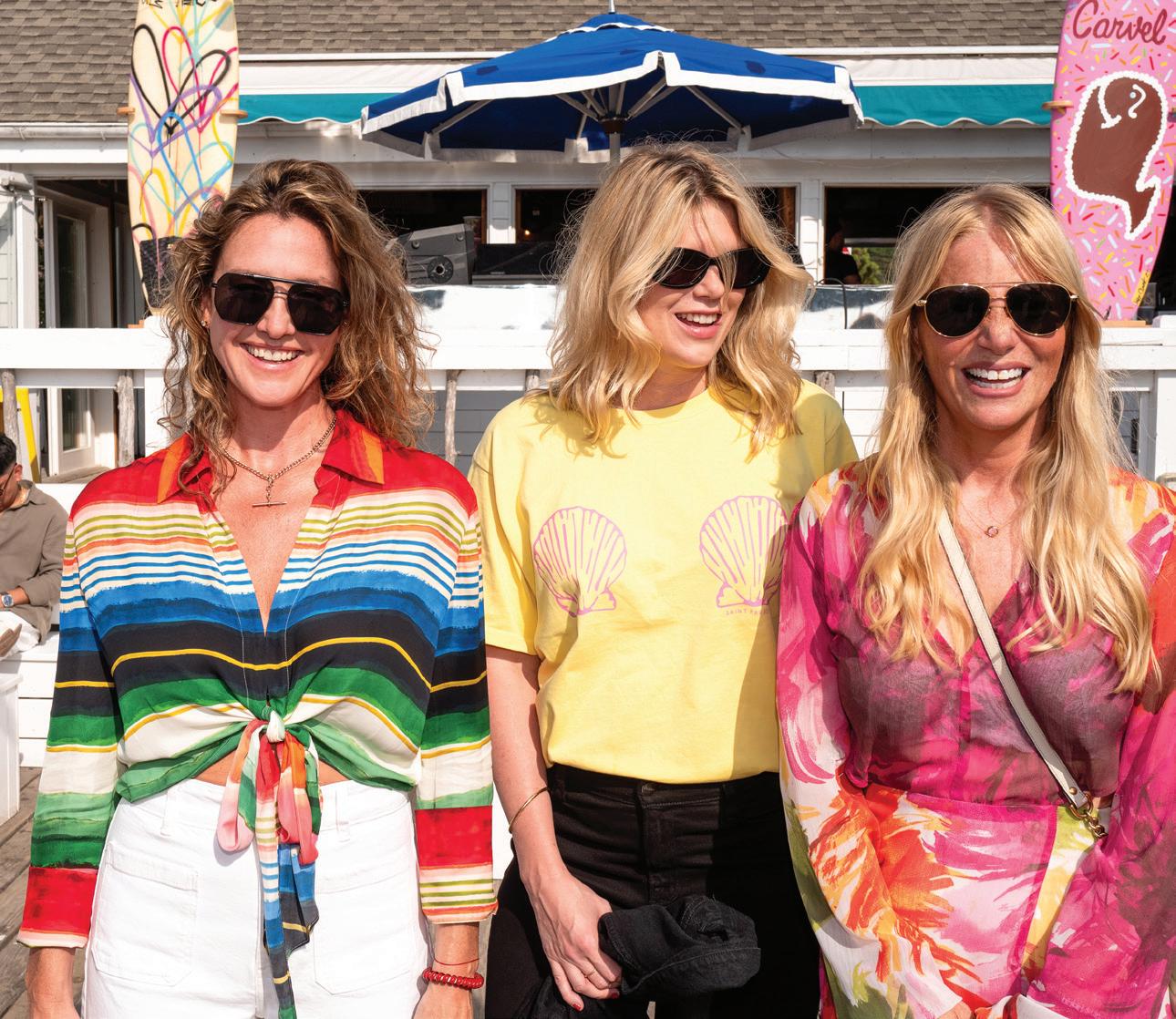


The day kicked off with a beach cleanup in downtown Montauk, one of Montauk’s most popular and heavily trafficked spots. Over 30 volunteers gathered to clean the shoreline, collecting four bags of garbage in under an hour. The Dream Bus by nonprofit 8 Billion Dreams came by to help clean the beach.





Following the cleanup, guests gathered at Surf Lodge for a sunset celebration to raise funds for Project Zero’s Coral Collective, a campaign focused on protecting and restoring coral reefs around the world. The evening featured live music performances by Alexandra Richards, Malice K, Jordan Emanuel and Grace Bowers, creating an electric atmosphere as the sun set over the water.
A curated art auction took place to benefit Project Zero, showcasing works by celebrated artists including James Goldcrown, Jake Clark, Bradley Theodore and more—with 100% of proceeds going directly to coral reef restoration efforts.











THE SOLENE GIA 2225649732


A sensational Le Vian Haute Couture™ Ring centered on a spellbinding 6.04 ct. radiant-cut natural Fancy Yellow Diamond (SI1), flanked by striking colorless Cadillac-shaped Vanilla Diamonds® (2.07 cts., E, VS1) and an additional .43 ct. of fine pavé Vanilla Diamonds® (G, VS), set in Platinum with 18K Honey Gold™ MLAA 701 - Price upon request


Gap Inc. announced Maggie Gauger’s appointment as global brand president and CEO of Athleta, as Chris Blakeslee steps down from the role.
“As we continue to reinvigorate our house of iconic American brands to not only shape culture but drive profitable, sustainable growth over the long term, we believe in Athleta’s incredible potential in the women’s active market and within our portfolio,” said Gap Inc. CEO Richard Dickson. “Over the past two years, Chris has led the early stages of Athleta’s reset, recentering the brand to win with innovative performance product and refining the brand’s point of view, helping to position Athleta for the future.”
Dickson continued, “We are thrilled for Maggie Gauger to join as CEO of Athleta as we look to accelerate the brand’s reinvigoration. Maggie blends proven business transformation capabilities, deep consumer centricity, product fluency and a heartfelt commitment to empowering women and girls. This combination of skills and experiences will equip her to lead Athleta into its next chapter of growth—rooted in purpose, performance and people.”
Gauger, a proven leader in women’s active sport and style, comes to Athleta with more than 20 years of experience in key leadership roles at Nike, most recently serving as the head of its North America women’s business, where she was responsible for driving growth, brand love, and customer affinity and acquisition within the large active and athleisure market. Her extensive background across retail, strategy, merchandising, product creation, commerce, digital and general management—both domestically and globally—are critical assets to the future growth of Athleta.
“I’m energized to bring my experience working at the intersection of sport, style and culture to Athleta—a brand with strong purpose and still so much untapped potential,” said Gauger. “Athleta has an unwavering mission focused on the power of women—not just as athletes but as leaders, creators and change-makers. And I can’t wait to work with the incredible Athleta team to grow, to lead and to inspire the next generation through the power of product and community.”
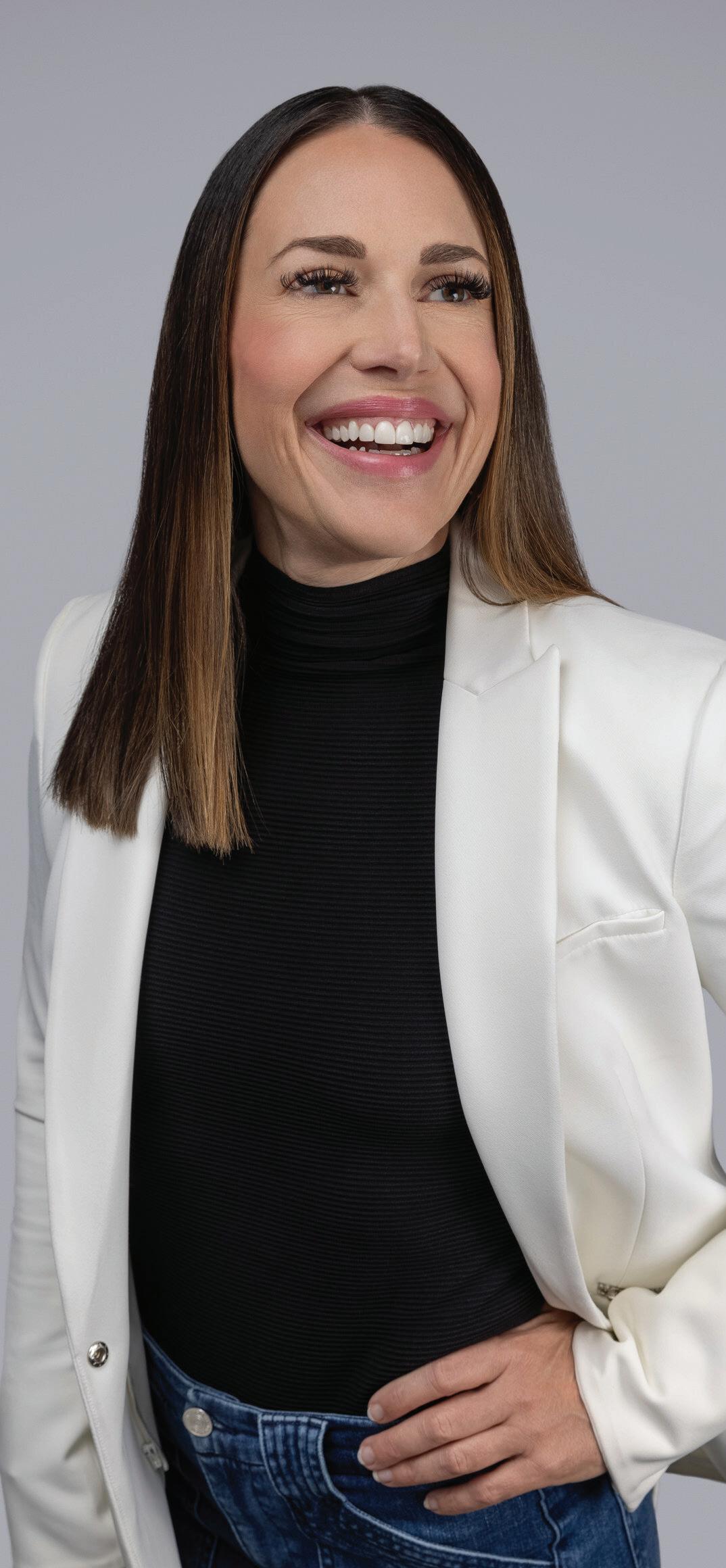
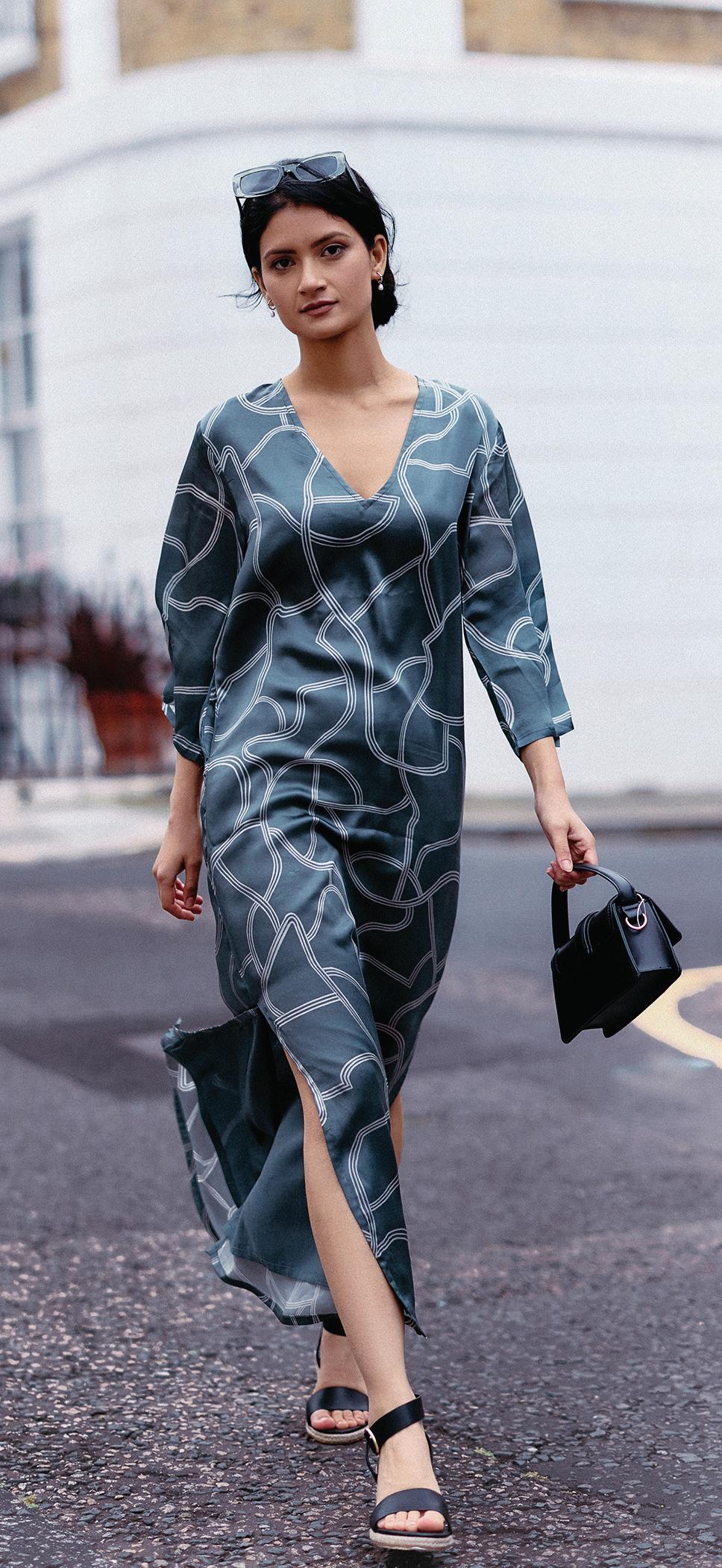
Reistor is gaining popularity for its versatile summer collection, a range consciously designed to carry you through every kind of sunny-day plan. With effortless styles, breathable fabrics and inclusive sizing, Reistor’s summer outfits are a true reflection of the brand’s ethos: comfort without compromise. This ongoing collection continues to resonate with those seeking elevated everyday fashion that’s as stylish as it is comfortable, and always conscious of its environmental impact on people and the planet.
• Easy styles for your everyday: The warm-weather staples by Reistor include shirt dresses, long dresses, short dresses and midis in strappy silhouettes, wrap-style designs and more. You’ll also find chic jumpsuits, rompers, skirts and relaxed tops. They are all thoughtfully made to give you an instantly stylish look while never compromising on comfort and ease.
• Thoughtful design, inclusive fit: Each piece is consciously crafted to flatter different body types, with inclusive sizing and customizable fits that move with you. Intentional details like adjustable drawstrings, deep pockets and waist ties let you wear your outfits your way.
• Sustainability at its core: Reistor always uses eco-friendly materials and biodegradable fabrics like hemp, organic cotton, linen, Tencel and Bemberg yarn to create these stylish, lightweight wardrobe staples. These are soft, breathable materials that do as little harm as possible to the environment. Reistor emphasizes the message of sustainability coupled with contemporary style through thoughtful details in action—for example, choosing compostable packaging, using organic dyes, and only incorporating biodegradable trims and buttons in outfits.
“We wanted to create a collection that truly encapsulates the feeling of summer: ease, comfort and effortless style,” said Mehma Singh, co-founder of Reistor. “From brunch to a beach day, or a park day with your best friends, lounging at home or running some quick errands. These outfits were intended to feel like a natural part of your lifestyle and values, while seamlessly moving with you from day to night.”
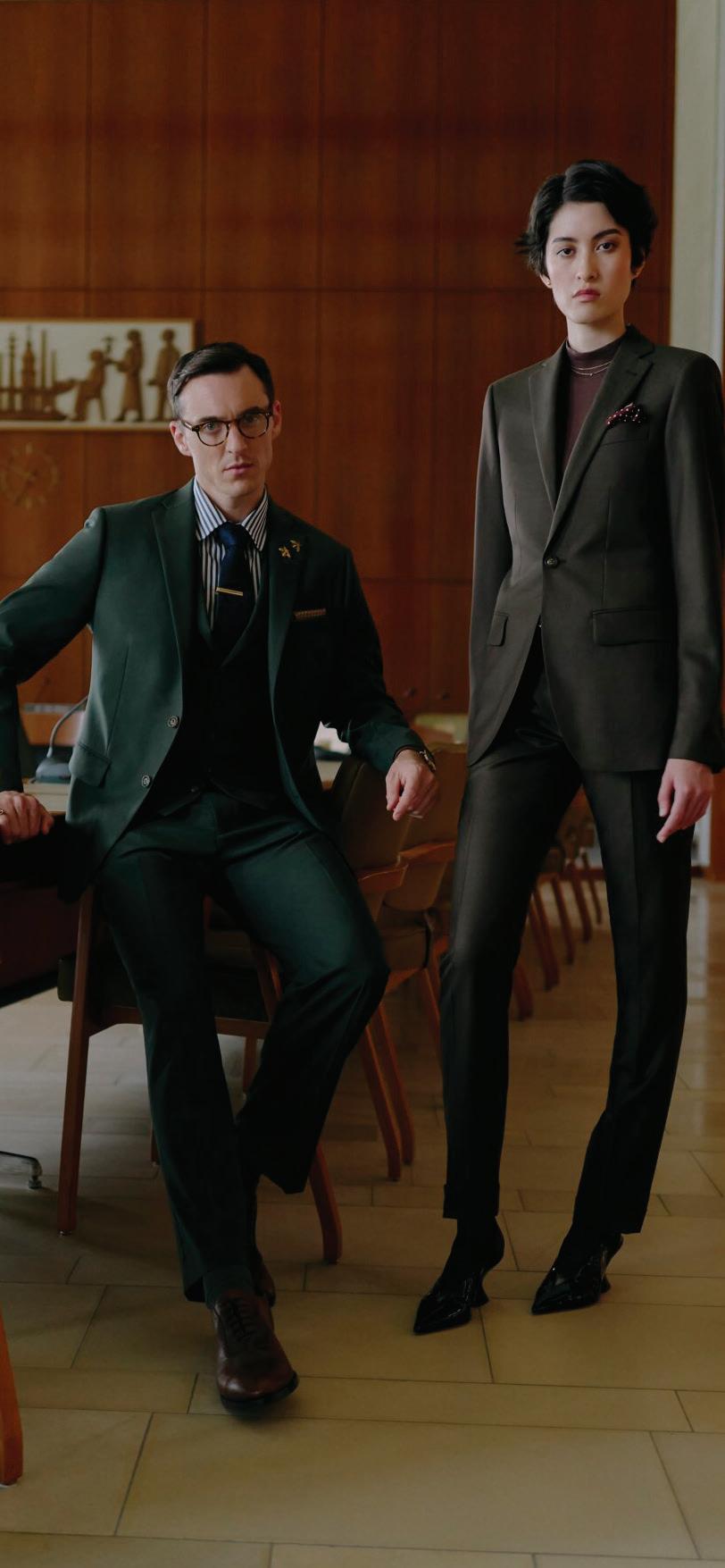
Indochino recently launched its Fall/Winter 2025 collection, a modern tribute to the enduring power of tailoring. Rather than chasing reinvention, this year’s collection sharpens Indochino’s foundations by refining iconic patterns, elevated fabrics and timeless silhouettes for the modern wardrobe.
This season draws on tailoring’s most recognizable signatures and renders them with fresh precision. Rich wool blends, Italian moleskins and architectural checks anchor the collection with timeless strength, while Italian twills, tonal herringbones and stretch wools bring comfort and movement. Liberty Fabrics return as a highlight to Indochino’s shirting library, introducing new florals, microprints and structured lines to expand the full offering. Across suiting and separates, woolsilk blends, flannel textures and cream moleskin highlight the tactile relationship between comfort and sophistication.
“Our Fall/Winter 2025 collection doesn’t chase novelty for its own sake,” said Drew Green, president and CEO of Indochino. “It builds on the pieces our customers return to again and again. True innovation comes through refinement, and this season is about delivering classics with sharper focus and modern ease.”
For Indochino, Fall/Winter 2025 represents a confident continuation of its tailoring legacy. Archival in spirit but designed for the present, this collection underscores the brand’s belief that style endures when it is rooted in precision, substance and refinement.

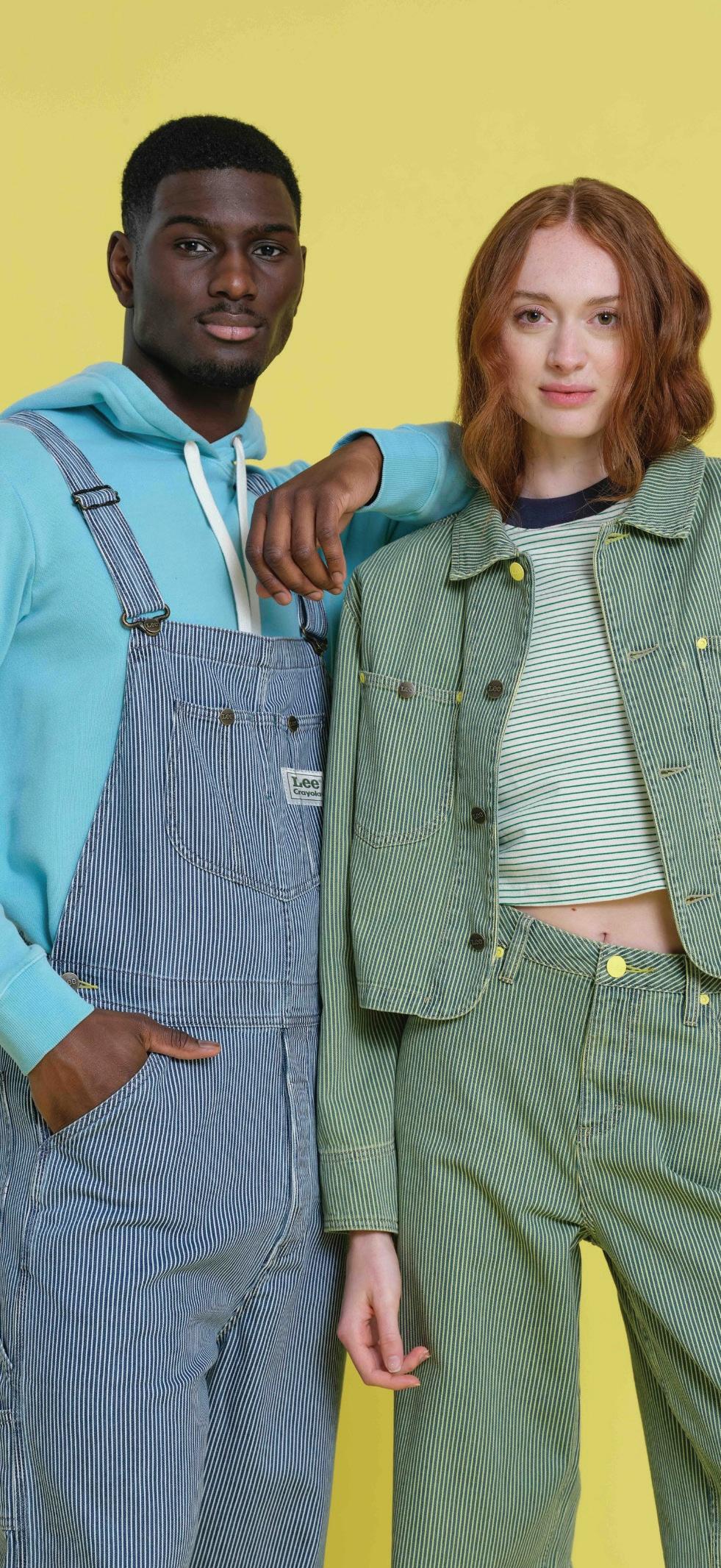
Lee and Crayola introduce a global color rewind, fusing retired Crayola crayon colors and Lee’s iconic workwear silhouettes. This capsule celebrates the brands’ combined American heritage, creative spirit and commitment to self-expression.
For the fi rst time in Crayola’s history, eight fanfavorite retired colors have returned to create the limited-edition collection, including Magic Mint, Dandelion, Raw Umber, Orange Red and Violet Blue. The palette washes Lee’s iconic indigo railroad stripe pattern in color, bringing a ’90s-inspired nod to overalls, carpenter pants and chore jackets. Tops showcasing playful graphics and hue-fi lled hoodies complement the capsule. Pieces feature exclusive co-branded leather patches, rivets popping in the palette’s colors and other uniquely designed trim.
“Crayola immediately brings to mind creativity, expression and a hint of childhood nostalgia,” said Joe Broyles, VP of global collaborations at Lee. “Layering this palette with Lee’s workwear resulted in a collaboration that embraces those feelings while being fresh, modern and made for today’s consumer.”
“Color has such a personal connection for all ages, and we are thrilled to unite with Lee to bring the limited-edition collection of retired crayon colors to life,” said April Heeren, senior director, Americas outbound licensing at Crayola. “This partnership celebrates where timeless denim meets the vibrant spirit of creativity, inspiring self-expression in each shade.”


















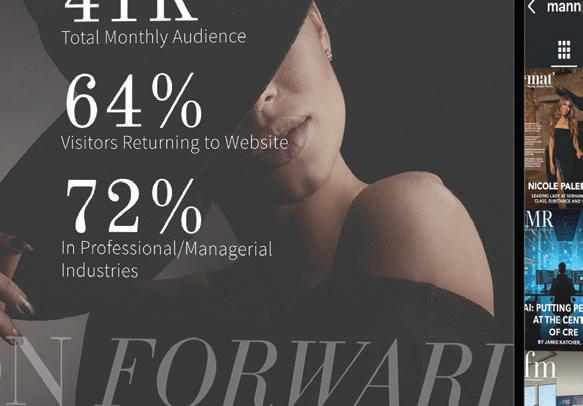
Fashion Mannuscript is a monthly business-tobusiness magazine that delivers photo coverage of top fashion industry events, columns by experts in the community, and profiles of the people and companies behind some of the biggest deals in fashion.





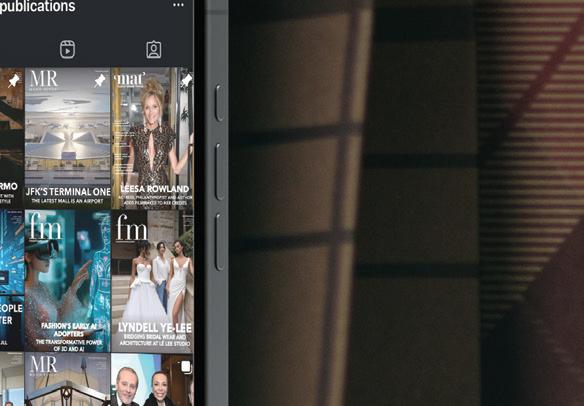
@Mannpublications | @Fashion_mannuscript


@Mann_pub
Publications
View our website mannpublications.com to check out our digital magazines







By Ron Friedman
Hello again! As we head into fall, I think about all the great times we are looking forward to, which includes the start of college football and the NFL. We also have the excitement of heading to the Fall Classic. Could there be another Dodgers-Yankees World Series? Both teams have issues—the Dodgers have pitching problems, and the Yankees need to learn how to play defense. Likewise, there are many challenges facing us in the business world, and tariffs are at the top of my list. This article will hopefully provide you with some insight as to where we are and what we can expect in the future.
The Apparel Industry and Tariffs: Where We Stand in 2025
As 2025 unfolds, the apparel industry remains in a state of flux regarding tariffs, supply chains and global trade policy. The previous waves of tariffs—especially those between the United States and China—have left a lasting imprint. While some predicted a rollback, most apparel manufacturers have had to accept that elevated trade barriers are now a semi-permanent feature of their operating environment. This acceptance has spurred both innovation and caution, with the sector focusing on building long-term resilience rather than betting on rapid policy changes.
Despite sporadic diplomatic efforts, significant tariffs on apparel and textiles between major trading partners remain in force. According to the latest data from the American Apparel & Footwear Association (AAFA), tariffs on select apparel items from China hover around 15% to 25%, with a few adjustments made for technical textile categories. There has been some progress in reducing tariffs on certain “green” textiles or sustainably produced products, but most mainstream apparel continues to face high duties.
Countries like Vietnam, Bangladesh and India have become increasingly central to American and European supply chains. While these countries benefit from favorable tariff rates, they have also faced new scrutiny over labor standards and environmental practices, prompting some incremental regulatory changes and increased compliance costs for manufacturers.
With the expectation of persistent tariffs, apparel companies have doubled down on supply chain diversification. “China plus two” is now

the industry mantra, with firms maintaining manufacturing in China while actively developing two or more alternative production hubs. Many brands have forged deep partnerships with Vietnamese and Indian suppliers, investing in technology transfers and joint ventures to improve capacity and quality.
Moreover, digital supply chain integration has matured considerably. Companies now utilize advanced analytics, AI-driven demand forecasting and blockchain-based tracking to better manage multicountry production networks, optimize inventory and quickly adjust sourcing in response to policy shifts or logistical disruptions.
The movement toward reshoring and nearshoring, initially tentative in 2023, has gained greater momentum by 2025. U.S. brands, for instance, have expanded manufacturing operations in Mexico, Central America and select domestic locations to reduce exposure to geopolitical risks and lengthy shipping timelines. Apparel production in Mexico, aided by the updated United States-Mexico-Canada Agreement (USMCA), has grown by nearly 18% over the past two years.
European companies similarly invest in Turkey, Eastern Europe and North Africa, all regions with increasingly favorable trade terms and improving manufacturing sophistication.
Notably, these shifts have driven a renaissance in local branding and “Made in USA” or “Made in EU” marketing. Consumers, already primed to value sustainability and ethical sourcing, respond positively to products with transparent supply chains and localized labor practices, even if prices are higher.
“There has been some progress in reducing tariffs on certain “green” textiles or sustainably produced products, but most mainstream apparel continues to face high duties.”
–Ron Friedman

By 2025, the pricing picture remains complicated. Tariffs have firmly contributed to higher costs for most imported apparel, but intense competition means brands are reluctant to pass on the full extent to consumers. Many companies split the difference—raising prices moderately while trimming margins and controlling costs elsewhere. Premium and niche brands continue to thrive by justifying price points through sustainability, innovation and “localness.”
Fast fashion and discount retailers have struggled the most, facing margin pressure and the need to revamp sourcing strategies away from traditional low-cost centers. Some have responded with smaller, more frequent orders to minimize risk, while others have accelerated digital direct-toconsumer models.
The manufacturers and the retailers must work together as they need each other. If the fast fashion and discount retailers do not work with the manufacturer by absorbing the additional cost associated with tariffs, then the manufacturer will not survive, and the retailers will lose their suppliers.
Trade policy remains a hot-button issue. While there is ongoing dialogue between the U.S., China and other major economies, substantial tariff relief is unlikely until broader geopolitical issues are resolved. Industry advocacy groups continue to lobby for exemptions, especially for sustainable or small-batch apparel, but progress is incremental.
Looking ahead, apparel manufacturers expect ongoing volatility and are preparing accordingly. Strategies such as dual sourcing, inventory risk management and multimodal shipping are now standard. Industry leaders see these challenges as permanent and have refocused their longterm planning to accommodate a tariff-laden world.
The apparel industry of 2025 operates under the reality that tariffs, once considered a temporary disruption, are now part of the business fabric. Manufacturers have responded with resilience and adaptability— reshaping supply chains, embracing digital innovation and reconnecting with local markets. While the costs of trade wars remain tangible, the sector’s enduring agility ensures it is better prepared to weather future uncertainties and continue delivering value to consumers. One thing is certain in the world, and that is that people will continue to buy and wear clothing. The industry will survive and prosper.
Until next time, remember what I always conclude with—if you are not having fun, then do something else!
Ronald S. Friedman, CPA, is an advisory and assurance partner in the Los Angeles office of CBIZ (formerly Marcum LLP) and a retail practice leader in the firm’s Consumer and Industrial Products group. Contact him at ronald.friedman@cbiz.com




By Krieger Worldwide


As an international freight forwarder and licensed customs broker, we have a front-row seat to the shifting realities of global trade. The past several years have been marked by volatility, whether it be rapid changes to tariffs, geopolitical tensions, regulatory changes or shifting consumer demands; these have all reshaped the way goods move around the world. In today’s climate, importers cannot afford to think of sourcing purely in terms of cost or convenience. Strategic sourcing has become essential, not just as a tool for managing expenses but also as a means to build and leverage supply chains that are resilient, competitive, compliant and future-ready.



The current trade environment is already laying the groundwork for what 2026 will look like. Companies that treat sourcing as a long-term discipline, rather than a shortterm negotiation, are the ones that will be best positioned when the next disruption arrives. Too often, importers wait until a crisis exposes vulnerabilities—for example, a congested port, a tariff hike or a labor strike—and then they scramble for solutions. The truth is that security and resilience take time to build, and the window to prepare for 2026 is open now.
Strategic sourcing today means more than finding a supplier who can meet your price point. It involves assessing political and environmental advantages and risks, diversifying production beyond a single country or supplier and analyzing the actual landed cost of goods, including duties, logistics and compliance. Another critical element in any business’s sourcing decisions is partnership. A secure supply chain is not built in isolation. Importers who collaborate closely with freight forwarders, customs brokers and other global trade partners gain access to insight and foresight that goes far beyond moving cargo



from point A to point B. These partners help interpret regulations, recommend alternative routings and anticipate challenges before they cause disruption. In many ways, the right partnerships are as important as the right sourcing strategies.
Of course, building resilience often involves striking a balance between cost efficiency and flexibility. Diversifying suppliers, considering nearshoring or regional warehousing, and creating contingency plans may add expense in the short term, but they develop options when disruptions inevitably occur. In an environment where fuel costs, labor conditions and geopolitical tensions can change overnight, those options are what keep supply chains moving.
The next two years will be decisive. Importers who invest now in compliance infrastructure, digital visibility tools, diversified sourcing and trusted partnerships will not only reduce risk but also gain a competitive edge. When their competitors are reacting to the next global shock, they will be delivering reliability to their customers. The companies that continue to thrive in this dynamic trade environment will not be the ones that guessed correctly about a single sourcing decision; they will be the ones that built a secure and adaptable foundation in advance.

Strategic sourcing is not about reacting to what has already happened; it is about preparing for what is next. As a freight forwarder and licensed customs broker, we encourage importers to start that work today. The future of global trade will always be uncertain, but by acting now, importers can ensure that their supply chains are not just surviving the volatility of 2026 and beyond but using it as an opportunity to lead.
















Companies that treat sourcing as a long-term discipline, rather than a short-term negotiation, are the ones that will be best positioned when the next disruption arrives.











By Paul F. Magel, president, Computer
Generated Solutions Inc. (CGS)

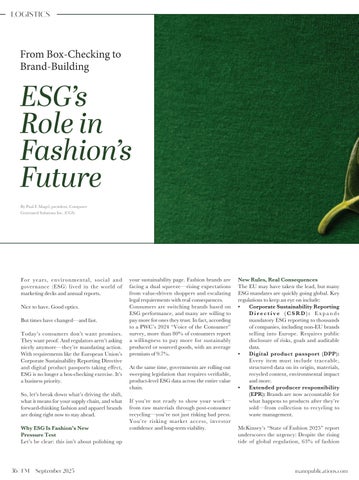
For years, environmental, social and governance (ESG) lived in the world of marketing decks and annual reports.
Nice to have. Good optics.
But times have changed—and fast.
Today’s consumers don’t want promises. They want proof. And regulators aren’t asking nicely anymore—they’re mandating action. With requirements like the European Union’s Corporate Sustainability Reporting Directive and digital product passports taking effect, ESG is no longer a box-checking exercise. It’s a business priority.
So, let’s break down what’s driving the shift, what it means for your supply chain, and what forward-thinking fashion and apparel brands are doing right now to stay ahead.
Why ESG Is Fashion’s New Pressure Test
Let’s be clear: this isn’t about polishing up
your sustainability page. Fashion brands are facing a dual squeeze—rising expectations from value-driven shoppers and escalating legal requirements with real consequences. Consumers are switching brands based on ESG performance, and many are willing to pay more for ones they trust. In fact, according to a PWC’s 2024 “Voice of the Consumer” survey, more than 80% of consumers report a willingness to pay more for sustainably produced or sourced goods, with an average premium of 9.7%.
At the same time, governments are rolling out sweeping legislation that requires verifiable, product-level ESG data across the entire value chain.
If you’re not ready to show your work— from raw materials through post-consumer recycling—you’re not just risking bad press. You’re risking market access, investor confidence and long-term viability.
The EU may have taken the lead, but many ESG mandates are quickly going global. Key regulations to keep an eye on include:
• Corporate Sustainability Reporting Directive (CSRD): Expands mandatory ESG reporting to thousands of companies, including non-EU brands selling into Europe. Requires public disclosure of risks, goals and auditable data.
• Digital product passport (DPP): Every item must include traceable, structured data on its origin, materials, recycled content, environmental impact and more.
• Extended producer responsibility (EPR): Brands are now accountable for what happens to products after they’re sold—from collection to recycling to waste management.
McKinsey’s “State of Fashion 2025” report underscores the urgency: Despite the rising tide of global regulation, 63% of fashion



brands are already behind on their 2030 decarbonization targets, and only 18% of executives rank ESG among their top growth risks.
The good news? There’s still time to lead— but not by doing what you’ve always done. The brands making real progress are treating ESG like an operational transformation. Here’s how:
1. Inventory your ESG data: Find out what you already have, where it lives and what’s missing. This isn’t just an IT exercise; it’s about knowing how exposed (or prepared) you really are.
2. Break down the silos: ESG can’t sit on the sidelines. Integrate it with enterprise resource planning (ERP), product life-cycle management (PLM), manufacturing execution systems (MES) and supplier platforms so you’re not chasing data across disconnected systems.
3. Automate and standardize reporting: The most efficient brands
If you’re not ready to show your work—from raw materials through post-consumer recycling— you’re not just risking bad press. You’re risking market access, investor confidence and long-term viability.
are digitizing supplier data collection, applying consistent validation rules and generating audit-ready outputs... fast.
4. Get your suppliers in the game: Don’t let one weak link take down your whole chain. Support suppliers with shared platforms, templates and training, so they can deliver the data you need without the headaches.
5. Build for what’s next: ESG rules will keep evolving. Pick platforms and processes that are agile, no-code and composable, so you can respond to new mandates without reinventing your tech stack.
The relationship between fashion and ESG has fundamentally changed. And that’s a good thing. What once lived in siloed reports is now embedded into operations, partnerships and long-term business strategy.
This shift isn’t just about compliance. It’s a chance to lead. Brands that embrace ESG as a driver of innovation, accountability and transparency are positioning themselves for lasting impact—with customers, partners and investors alike.
The opportunity is clear: Build a brand that doesn’t just meet expectations but instead sets the standard.

WELLS FARGO CAPITAL FINANCE FACTORING
ASSET-BASED FINANCING
ACCOUNTS RECEIVABLE MANAGEMENT
ACQUISITION FINANCING
INVENTORY FINANCING
IMPORT AND EXPORT FINANCING
LETTERS OF CREDIT

In an industry that endlessly strives for the next big thing, having the flexibility to adapt at a moment’s notice is key to success. With Wells Fargo, you get the strength and stability you need, along with the nimbleness you want. Our flexible financing may support your growth, and our proven track record in factoring and receivables management helps make sure you’re ready for whatever’s next.
Tap into our knowledge, experience, and broad o ering of products so that your business’ success never goes out of style. Learn more at wellsfargocapitalfinance.com/apparel.
Peter Pugliese
Senior Vice President, Regional Sales Manager 212-703-3551
peter.pugliese@wellsfargo.com





Saravia













H&M’s new collaboration with Lorena Saravia, celebrated Mexican fashion designer, showcases Saravia’s signature sensibility, characterized by an empowering, contemporary spirit and a deep connection to her heritage.
“When I began my brand, I wanted to create something distinctly Mexican that embodied quality, impeccable cut and contemporary style for the modern woman,” said Saravia. “Mexico is often seen as a macho society, but women have always been a formidable force. My hope is that every woman who wears my designs feels inspired and empowered.”
Explored through the lens of her personal and cultural heritage, Saravia crafts a highly versatile wardrobe, including some of her most covetable signature styles. The 29-piece collection balances the strength of structured silhouettes—such as her best-selling denim jacket and chaps—with sensual evening styles, including draped blouses and backless gowns. Urban and versatile, an undeniable tribute to Mexico plays out in the workwear fabrics, craft-like details and cowboy boots, not to mention a color palette awash in poetic desert hues.
“What I admire most about Lorena is how she masterfully draws from her heritage and Mexican craftsmanship to create something fresh, original and truly her own,” said Ann-Sofie Johansson, creative advisor at H&M. “Overall, there is a beautiful connection to the land, blended with contemporary elegance.”
Accessories layer the collection with stories and character. Saravia’s grandmother’s lion earrings served as the model for the earrings and buttons, while the brown suede cowboy boots, broad-brimmed hat and decorative belt add unmistakable flair.





the heart of New Orleans, where every street corner hums with history and every sunset paints the city in gold, there’s a design house that has been telling the city’s story for more than half a century. This year, Mignon Faget, the beloved Southern jewelry brand, celebrates its 55th anniversary by doing something it has never done before: opening The Vault.
It’s a rare glimpse into the archives, where decades of artistry have been tucked away—including sculptural silver from the 1970s, bold and expressive motifs from the ’80s and ’90s, and the refined elegance of the early 2000s. Each piece is more than an accessory; it’s a time capsule shaped by the era that inspired it, yet timeless enough to feel fresh today.
For those who know the brand, Mignon Faget’s designs are instantly recognizable. There’s a sculptural weight to the silver, a confidence in the lines, and always, a whisper of New Orleans in every curve and clasp. The Sea collection recalls the rolling waves of the Gulf; Fleur De Lis pays homage to a symbol deeply tied to the city’s heritage; Knots & Bows brings a playful yet intricate craftsmanship; Ironworks draws from the ornate balconies that lace the French Quarter; Banana Leaf captures the lush, tropical elegance of the region’s gardens.
The Vault not only revisits these beloved collections but also reflects the evolution of the brand itself. In the 1970s, the jewelry had an almost architectural presence, sculptural and bold. The ’80s and ’90s ushered in a period of experimentation with motifs—some
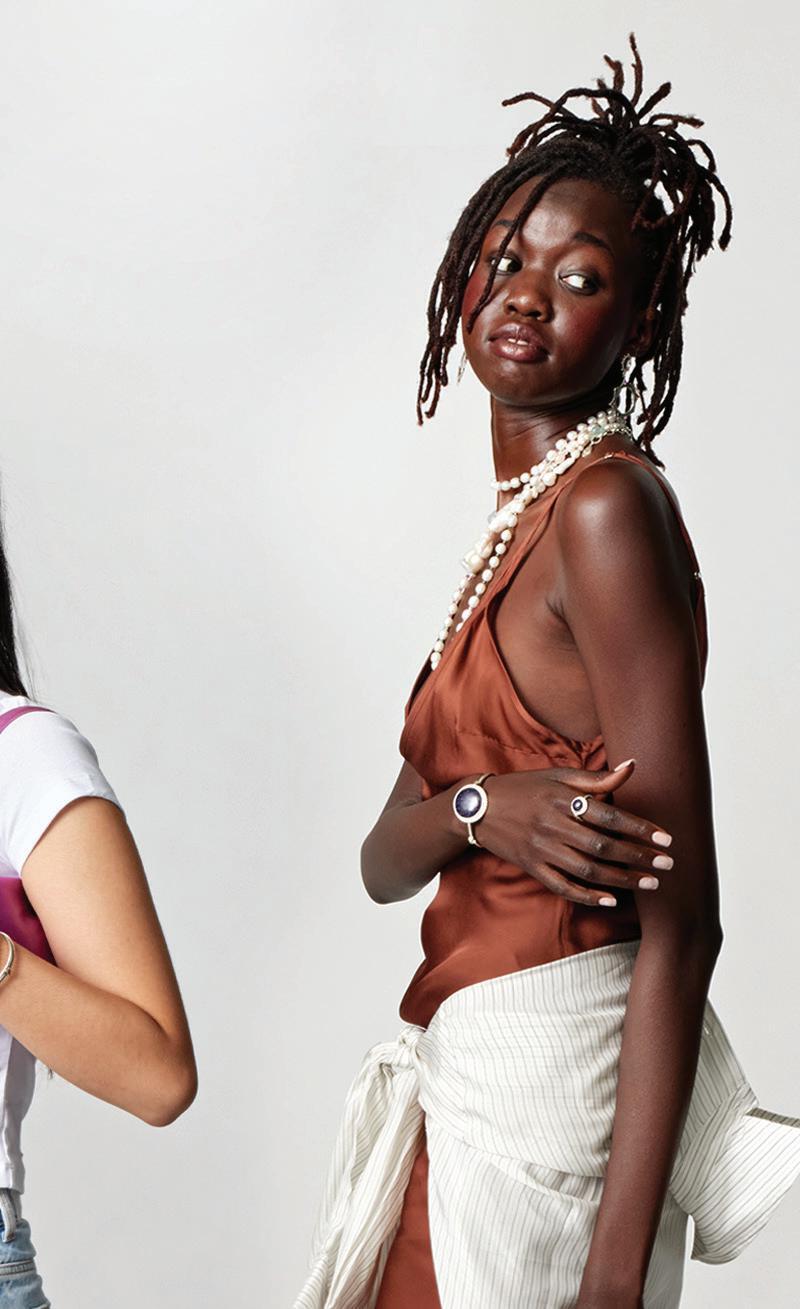
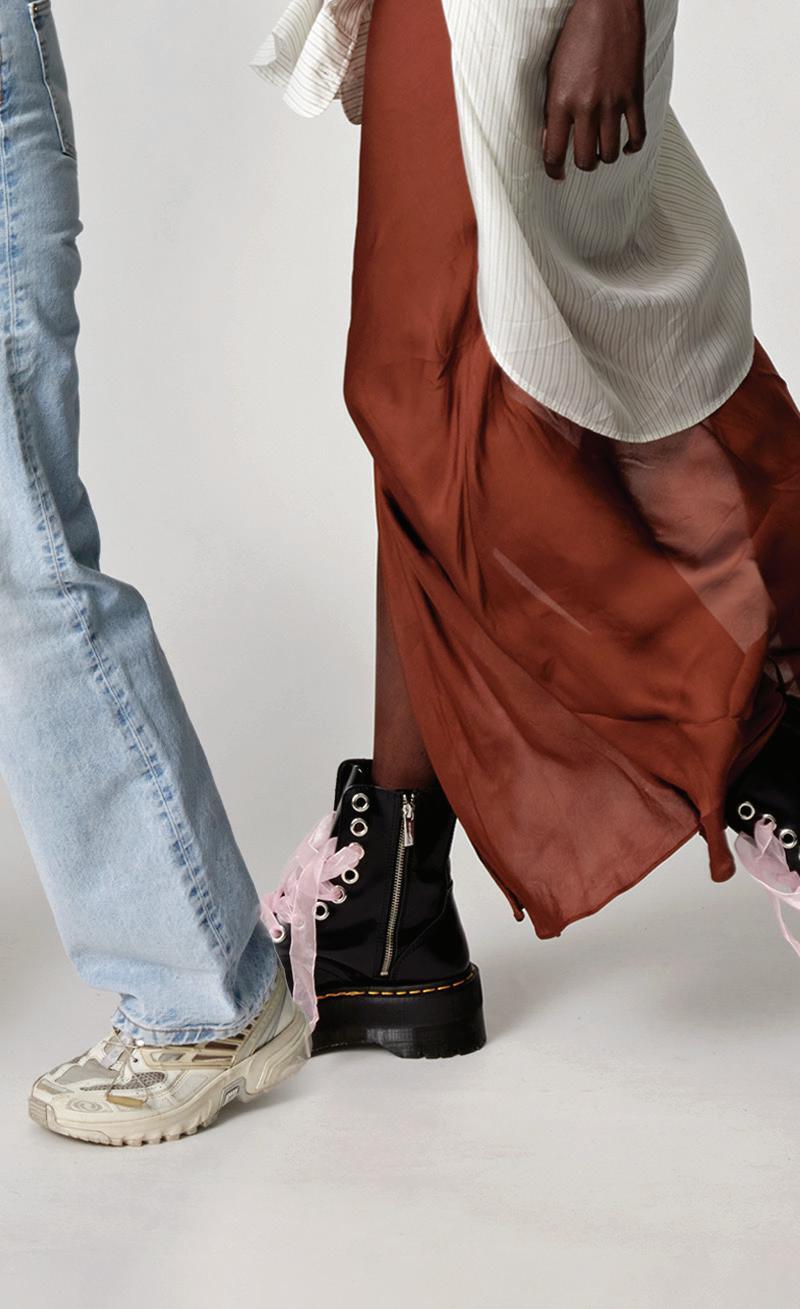
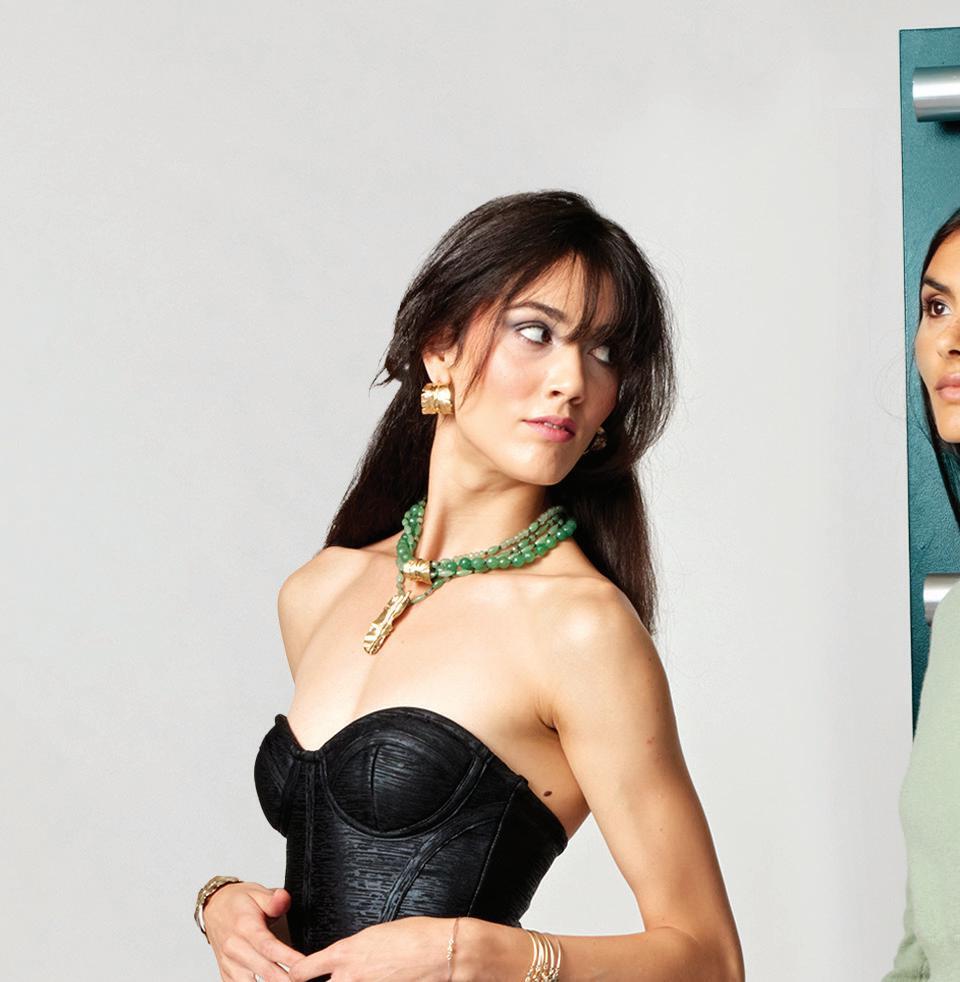
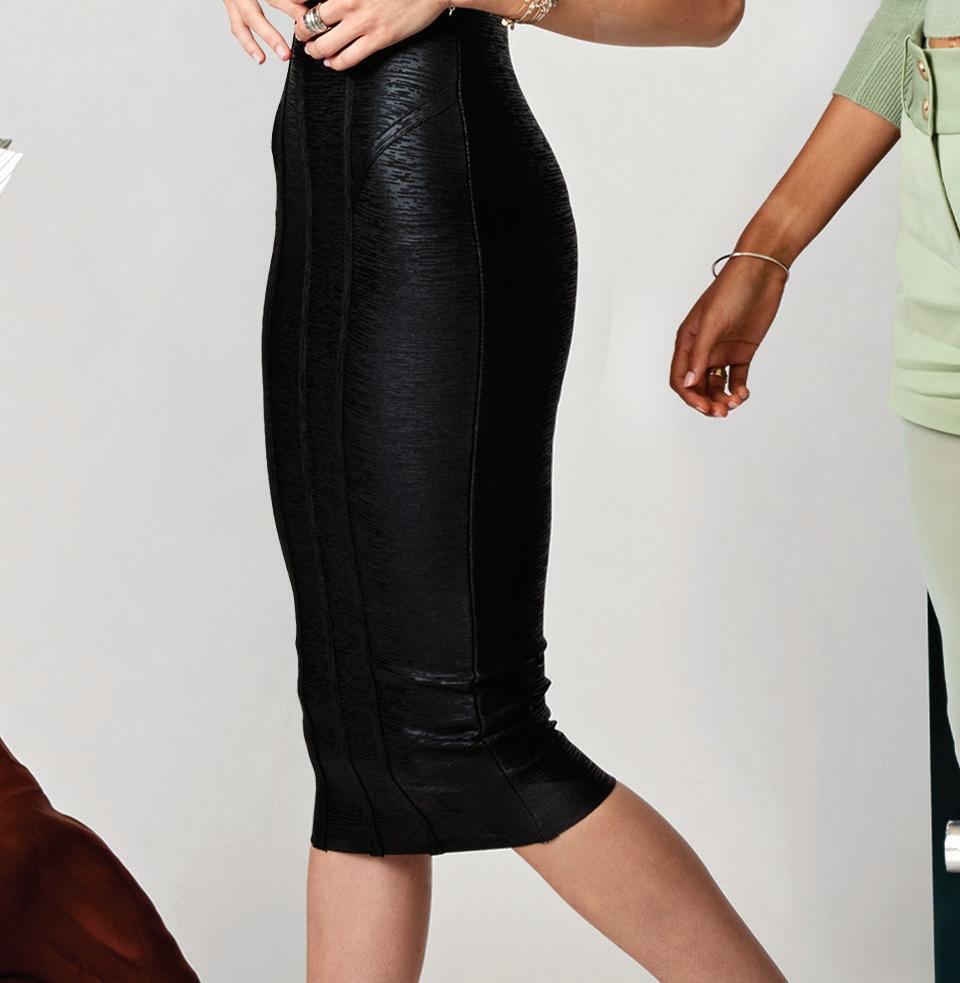


playful, others powerfully symbolic. The early 2000s embraced minimal elegance, focusing on clean lines and enduring forms. And now, in 2025, the modern Mignon Faget woman can choose from collections like Renaissance, Neutral Ground, SOL and Legacy— pieces that perfectly balance heritage with a contemporary edge.
While this anniversary marks a moment to honor the past, it’s equally about looking forward. Mignon Faget remains committed to craftsmanship that lasts a lifetime, designed to be worn through milestones and passed down for generations. Opening The Vault is also an invitation for collectors to reconnect with pieces they have loved, for new admirers to discover the brand’s storied past, and for everyone to understand the depth of artistry that goes into each
design. In a world that moves quickly, Mignon Faget stands as a reminder of the beauty of enduring craft, of objects made not just to be worn, but to be lived with.
As the brand steps into its next chapter, its foundation remains unchanged. Firmly rooted in New Orleans, the brand is shaped by the people who wear its pieces, and items are always crafted with purpose. For Mignon Faget, 55 years is not just an anniversary, it’s a promise to legacy and future, a story still being written in silver and gold.






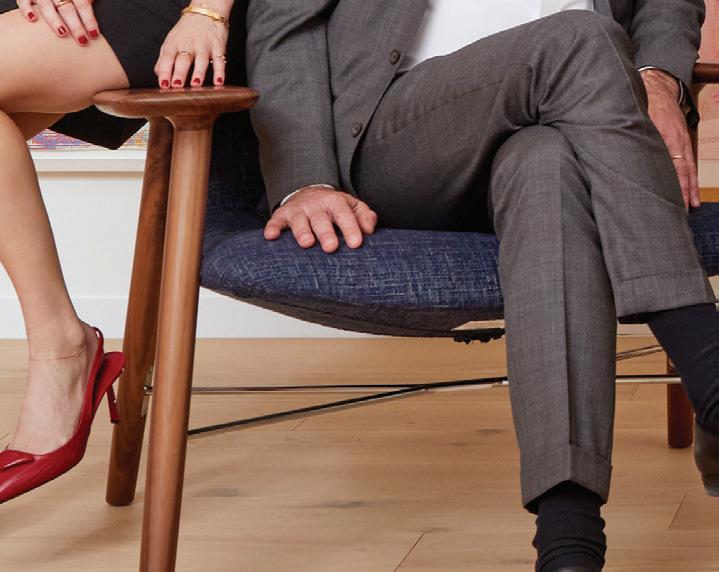
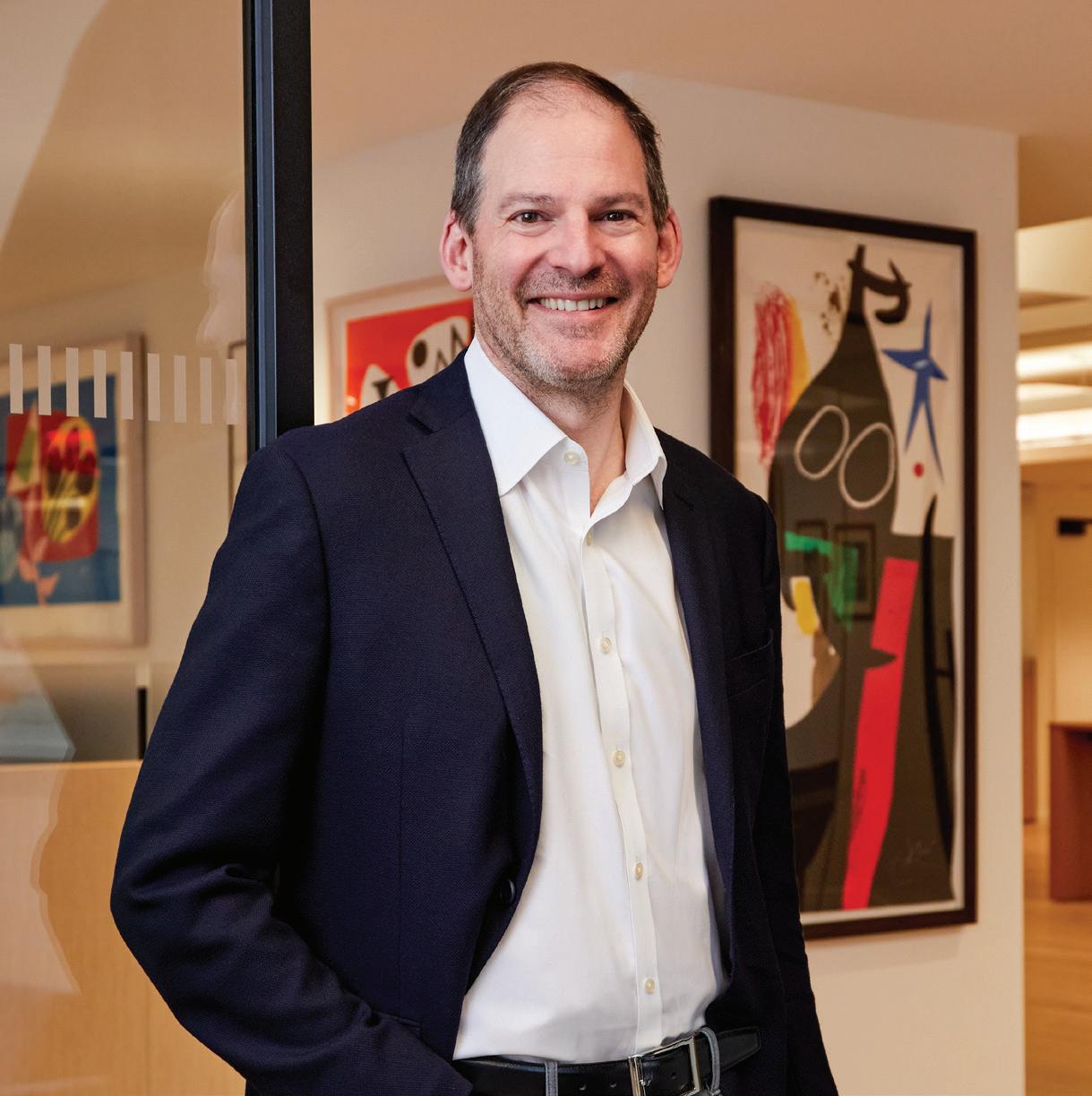
In May 2025, Rosenthal & Rosenthal announced that the company, the leading private commercial fi nance fi rm in the United States, would now be doing business as Rosenthal Capital Group (RCG). Along with the name change, the 87-year-old company unveiled a new website (rosenthalcapitalgroup.com), refreshed its branding and relocated its long-time headquarters to 300 Park Ave. in Midtown Manhattan. Both the move and the launch of the new brand mark an important milestone in the company’s history, as the third and fourth generations of Rosenthal family leadership continue their work, evolving the fi rm to keep pace with an everchanging global marketplace.
The company has grown considerably since it was started in 1938, especially over the past decade, significantly expanding its product offerings and geographic reach. Historically known as a factor, and still the largest privately held factor in the United States, today RCG now also attracts clients for its asset-based lending and purchase order fi nancing offerings. Both products have become increasingly popular among growing companies in recent years as a result of an uptick in tariff s, as well as a shift in direct-to-consumer companies selling on multiple platforms and moving more toward omnichannel models.
“Just like the market, we are constantly evolving and fi nding new ways to help our clients stay competitive and grow their businesses,” said Peter Rosenthal, co-president at RCG. “In recent years, we have expanded our product offerings, so we are able to offer clients a full spectrum of flexible and oftentimes complementary alternative fi nancing solutions, including assetbased lending, purchase order fi nancing and, most recently, equipment fi nancing.”
As a result of dramatic growth in the private credit market in the U.S. over the past few years, alternative lending solutions like the ones RCG offers have taken on new importance. With traditional banks becoming even more stringent in their lending practices and tightening their parameters, nonbank lenders
have taken advantage of the opportunity to fi ll the void. At a time when the economy fluctuates from shaky at best to volatile at worst, business owners have been on the lookout for lending solutions that are more tailored, as well as a lending process that is more efficient and flexible. Clients that are being turned away by traditional banks—or, worse, kicked out of them—are still in need of non-dilutive funding. In this environment, alternative lending solutions like asset-based lending can be a great option to support businesses that fi nd themselves in turnaround or those who are bouncing back from tough situations. Alternative lending solutions can be equally beneficial for growing businesses as well, as they are a way to unlock more liquidity without putting a strain on operations. Given that banks are expected to continue to operate in a more restrictive environment in the months ahead, the flexibility that alternative lending offers businesses is becoming increasingly more appealing, so clients can better manage cash flow, fuel growth, make strategic acquisitions or deal with the impacts of periodic market volatility.
“More and more, we’re seeing clients gravitating away from traditional banks—in some cases, even being pushed away—and seeking out more accommodating alternative fi nancing options,” said Paul Schuldiner, chief lending officer at RCG. “Some banks are scrambling to compete, while others are fi nding ways to collaborate and partner with alternative lenders to help clients secure additional fi nancing that complements existing funding already in place.”
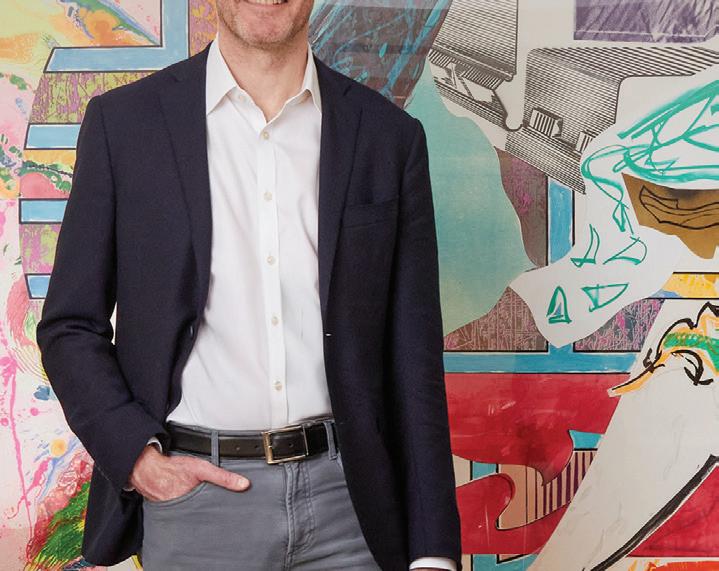
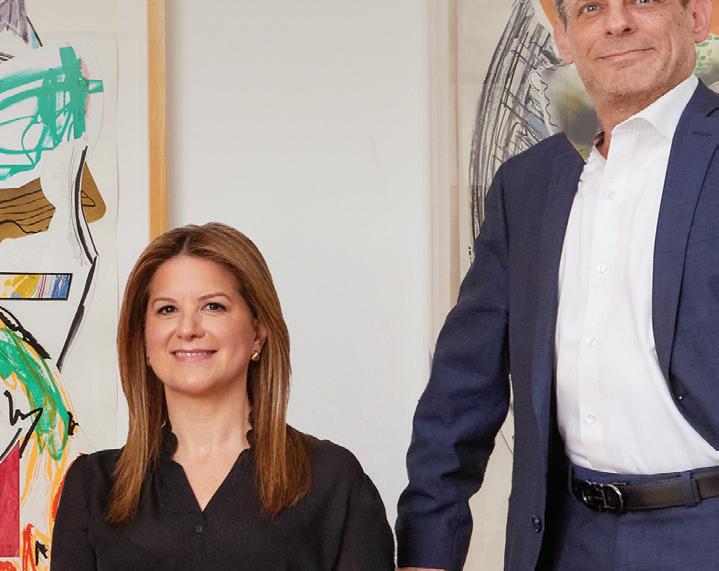
None of this is new to RCG. Rosenthal & Rosenthal was founded in 1938 by Imre Rosenthal, the grandfather to the current family leadership team. Imre’s father, Andor, already a successful businessman at the time, opened a line of credit with a bank to help his son jumpstart the business. Now, 87 years later, the fi rm is still privately owned and led by the third and fourth generations of the Rosenthal family—Peter Rosenthal and Ken Kleiner, co-presidents; Cassie Rosenthal, chief marketing officer; Chris Sanjenis, chief administrative officer; and

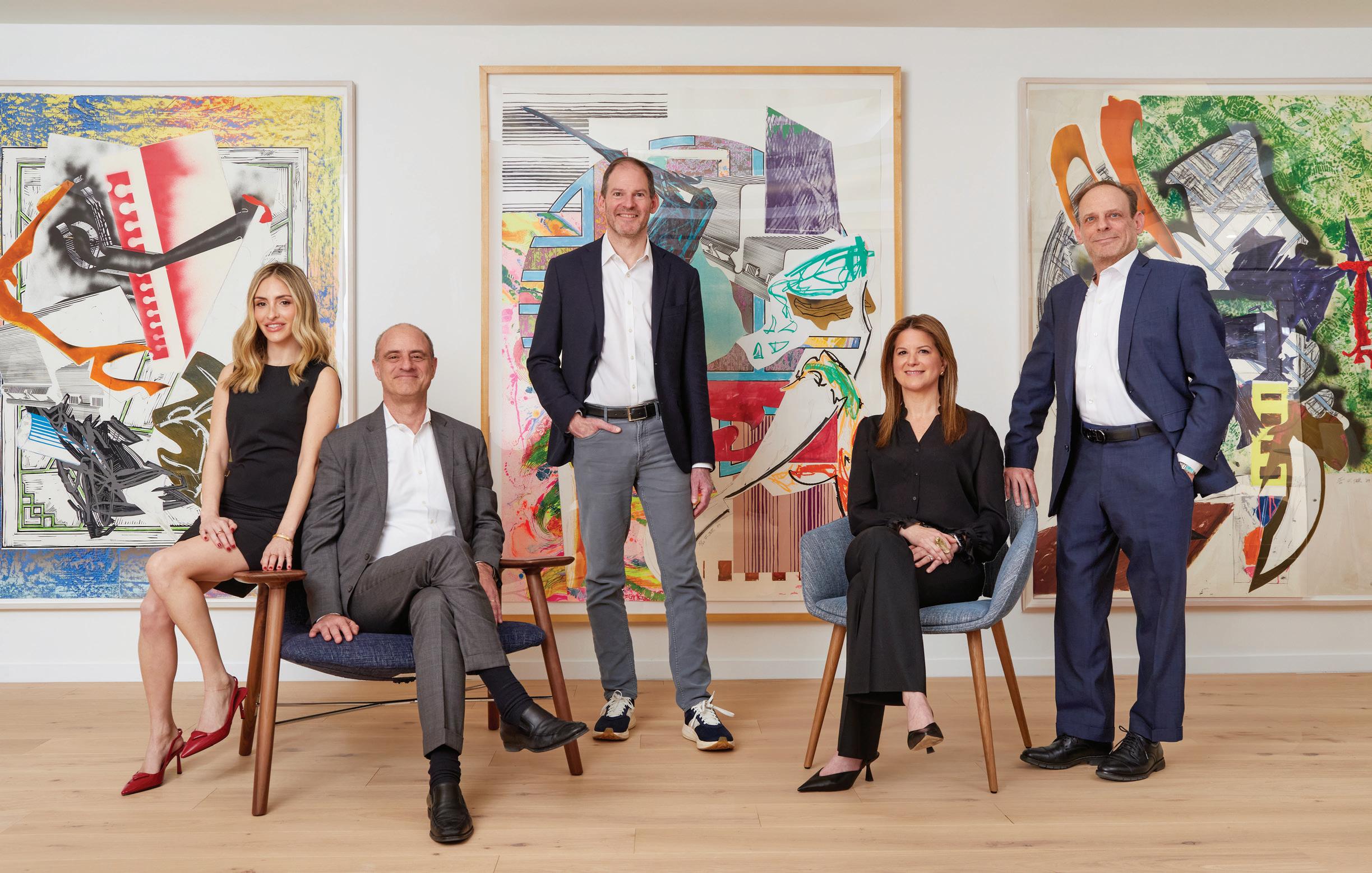

Carson Kleiner, vice president, business development, who represents the fourth generation and has been with the company for five years. Over the years, the firm has expanded the nonfamily leadership team with strong and seasoned industry veterans, including Schuldiner, RCG’s first-ever chief lending officer.
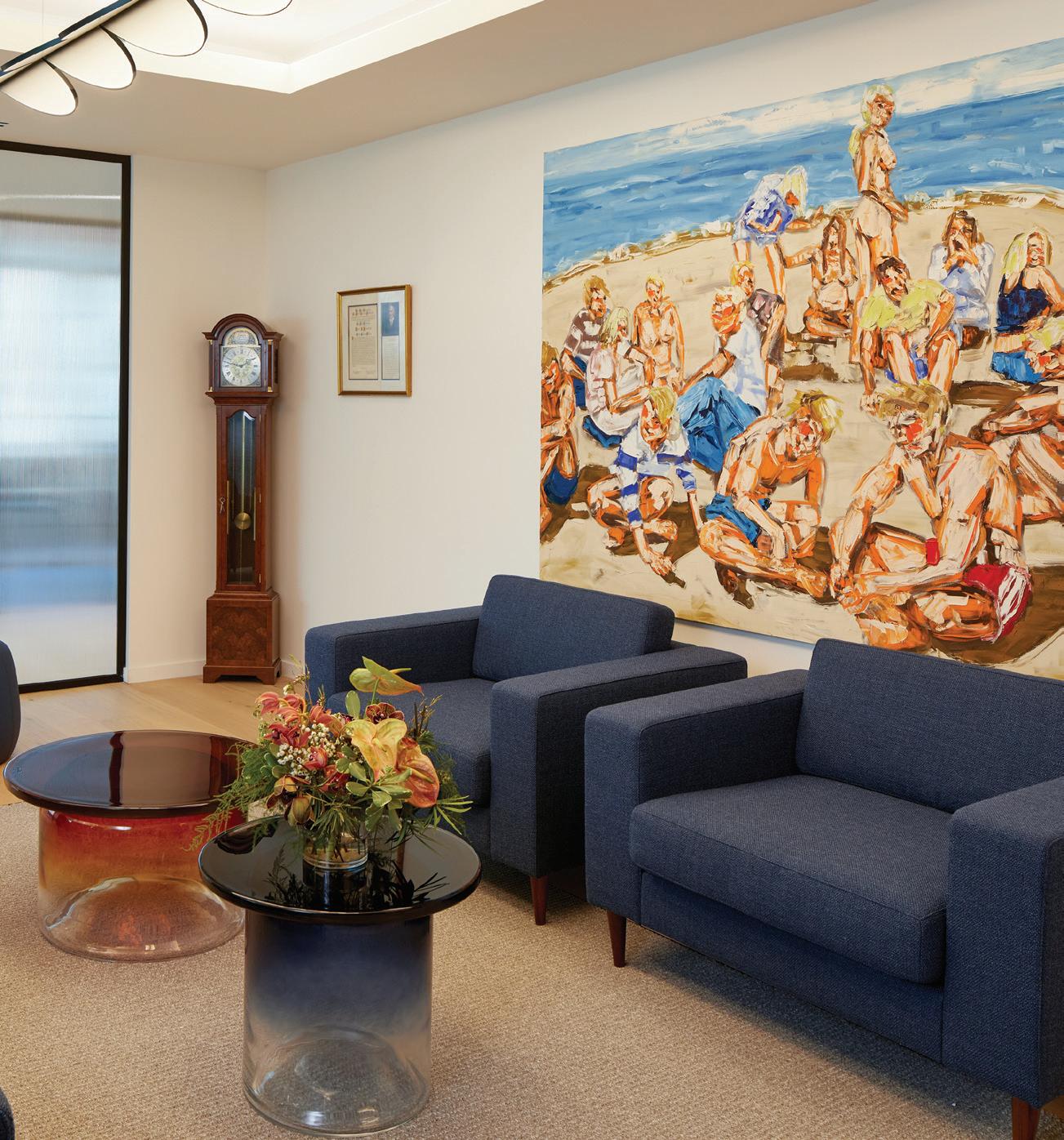
“When we started to plan our move to 300 Park Avenue, we realized it was an ideal time to also look at all aspects of our brand with fresh eyes,” said Cassie Rosenthal. “I wanted to make sure all aspects of the rebranding matched the look and feel of the new space and vice versa. The goal was to have a consistent look and feel that was modern, clean, welcoming and elegant.”
And the firm did just that. Over the past year, Cassie Rosenthal’s team underwent various rounds of copy and design iterations, abandoning the longer copy from the past to find more efficient messaging that captured the essence of what RCG does in a way that was accessible and easy to understand, especially for those exploring debt options for the first time. The goal was to simplify RCG’s offerings and the way the company was communicating its services and products to clients and prospective clients.
The global financial market and the world look very different today than they did when Rosenthal & Rosenthal first began. Because of that, it was important for the brand to reflect the current generation’s vision and approach to the business. The leadership is excited to reintroduce RCG to clients, referral partners, industry colleagues and prospective clients, whether they’ve known the company for decades or are new to learning about the firm.
The clients RCG serves today have incredibly unique needs and bold visions for the future, and many will face new challenges ahead. To keep pace with the evolving marketplace, RCG has expanded its product offerings and geographic footprint— which now includes offices in New York, Los Angeles, Chicago, Atlanta and High Point, North Carolina—through strategic acquisitions and new product and services offerings. Most recently, in October 2024, RCG acquired the U.S. equipment leasing division of Accord Financial Corp., a Toronto-based commercial finance company. As part of the transaction, RCG acquired Accord’s existing leases and expanded its growing Midwest presence with a seasoned team and a new office location in Chicago. Through its new equipment financing division, RCG now serves a wide range of industries, including manufacturing, distribution and logistics, mining and forestry, food and beverage, pharmaceuticals and healthcare, technology and telecommunications.
Cassie Rosenthal says that the firm is more committed than ever to its clients, partners and team. RCG’s mission remains

RCG’s mission remains the same: to be the go-to leading alternative lender in the United States by consistently providing quality service and financial solutions and structure that position clients for success.

the same: to be the go-to leading alternative lender in the United States by consistently providing quality service and financial solutions and structure that position clients for success. The company’s goal is to be as nimble as possible and to pivot when clients need it. While debt has at times been a dirty word in some entrepreneurial circles, many brands and business owners are now viewing alternative debt solutions as a true complementary partner on the balance sheet. Not all alternative lenders are created equal, however, and finding the right lender that is nimble and able to creatively structure a deal is critical for both established and growing businesses. When disruptions and economic uncertainties rattle the markets, alternative debt solutions should be one of the first things businesses— especially high-growth brands—look to when seeking working capital to maintain their day-to-day operations and support future growth.
“Our legacy means so much to me and to my family, and we’re optimistic about the future, despite the many curveballs we’ve been dealt as entrepreneurs,” said Cassie Rosenthal. “We’ve been a trusted partner to so many for nearly 90 years and have endured every imaginable market condition and challenge. We’ve always helped our clients weather difficult periods, so they can continue to thrive and grow their businesses, just as we have.”



February




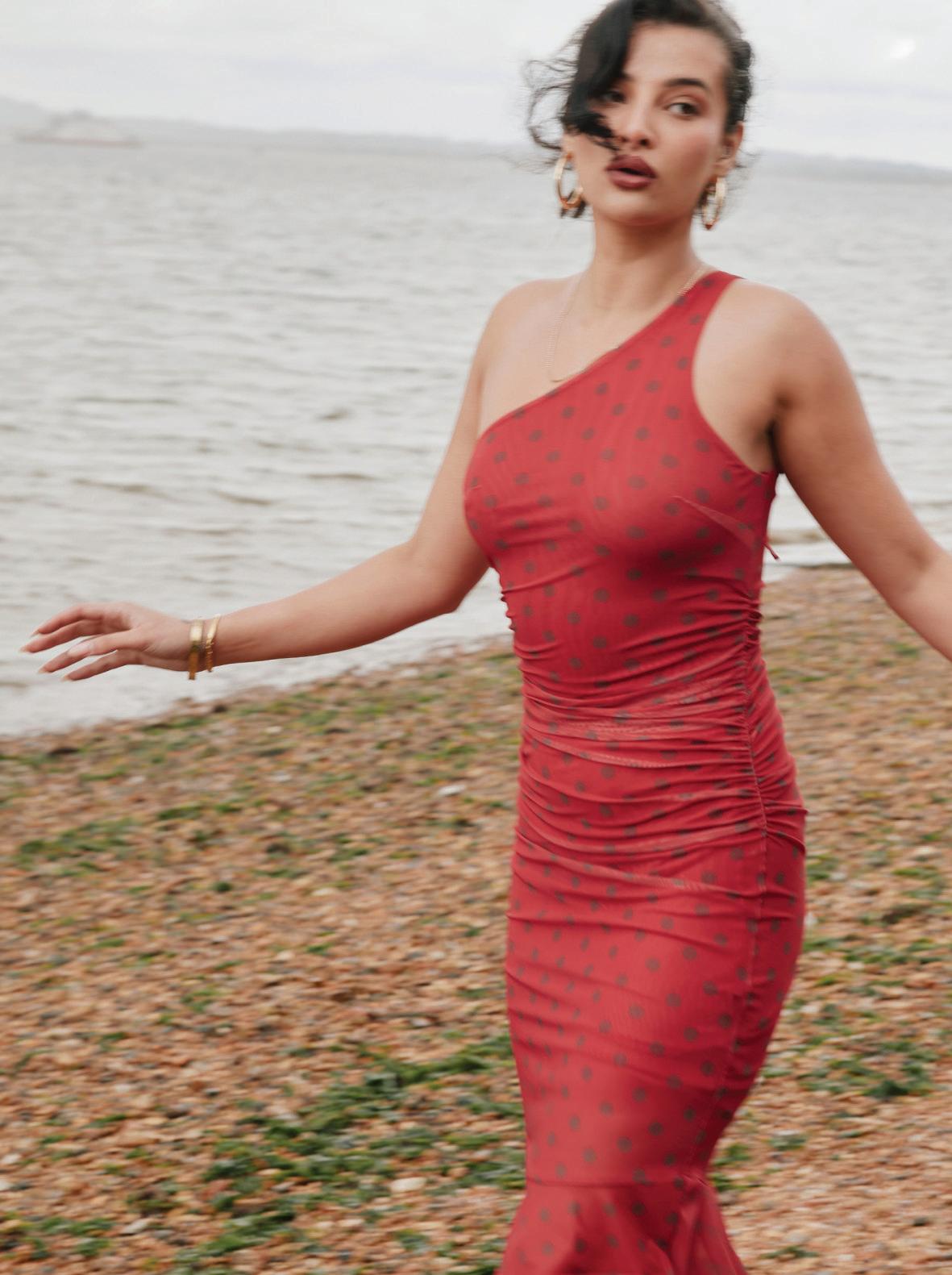


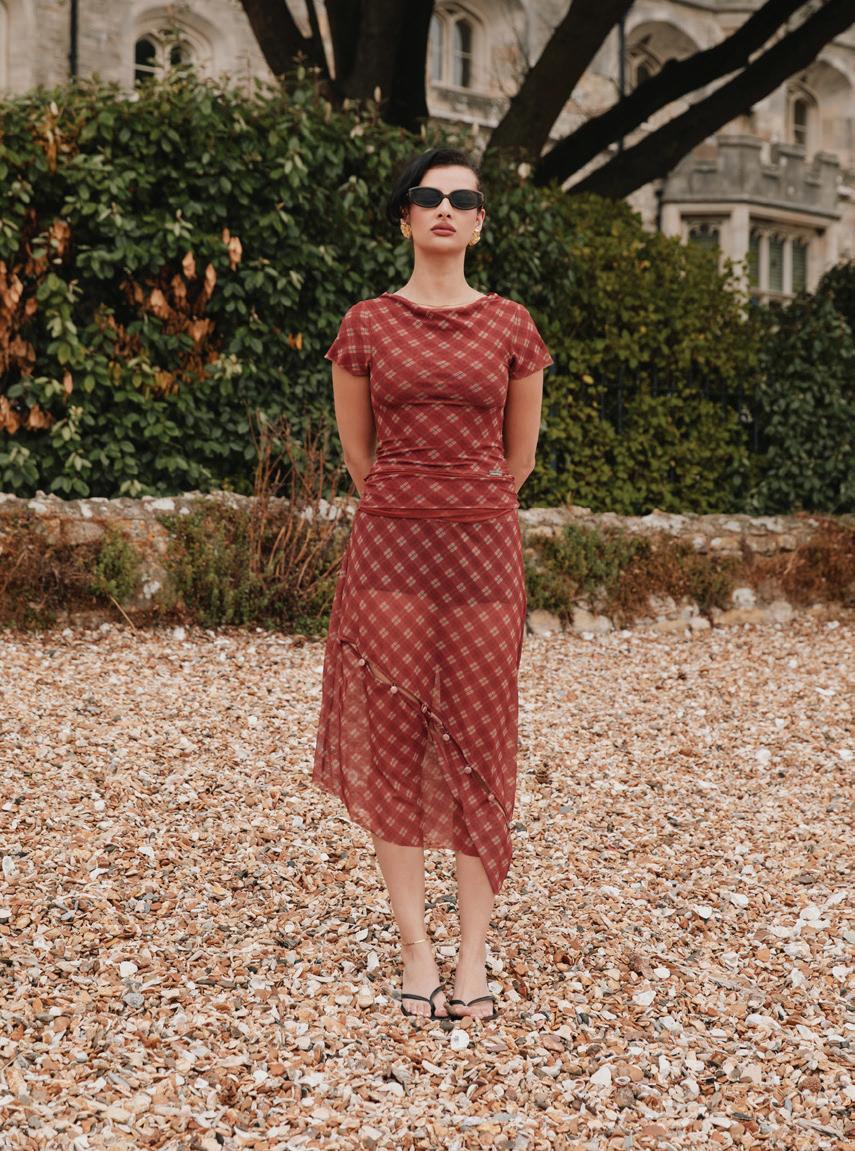
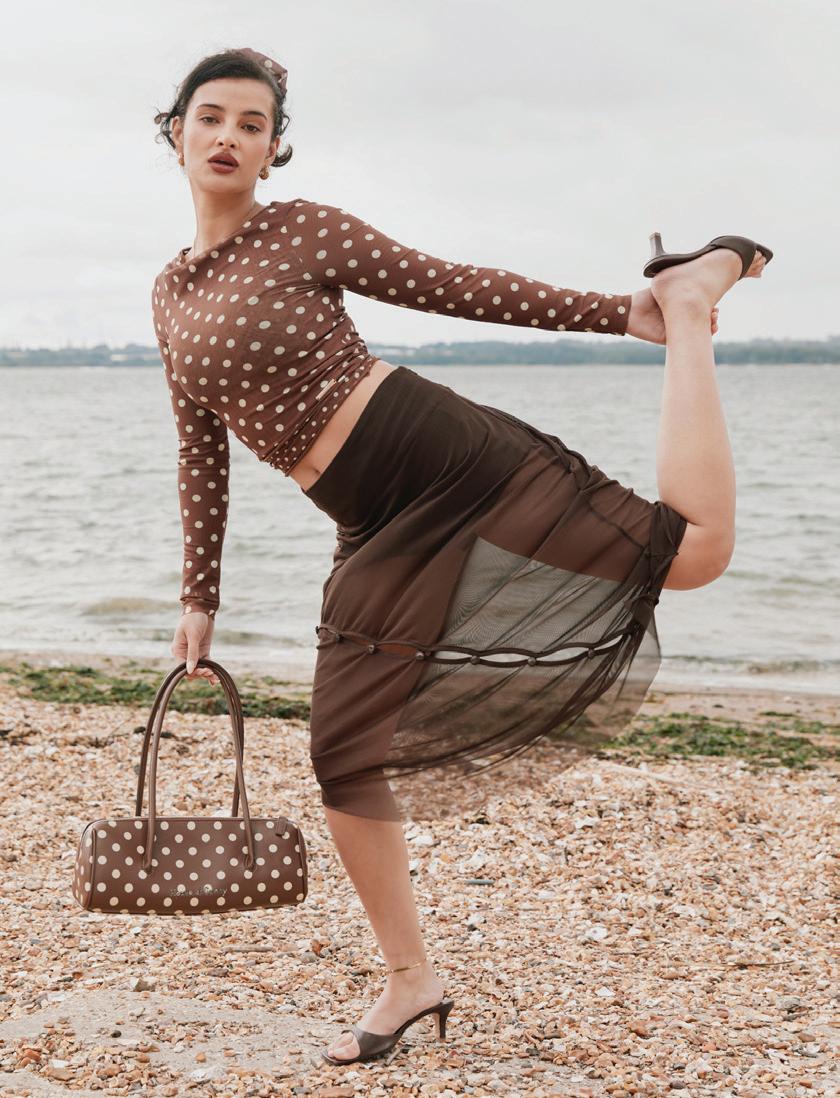




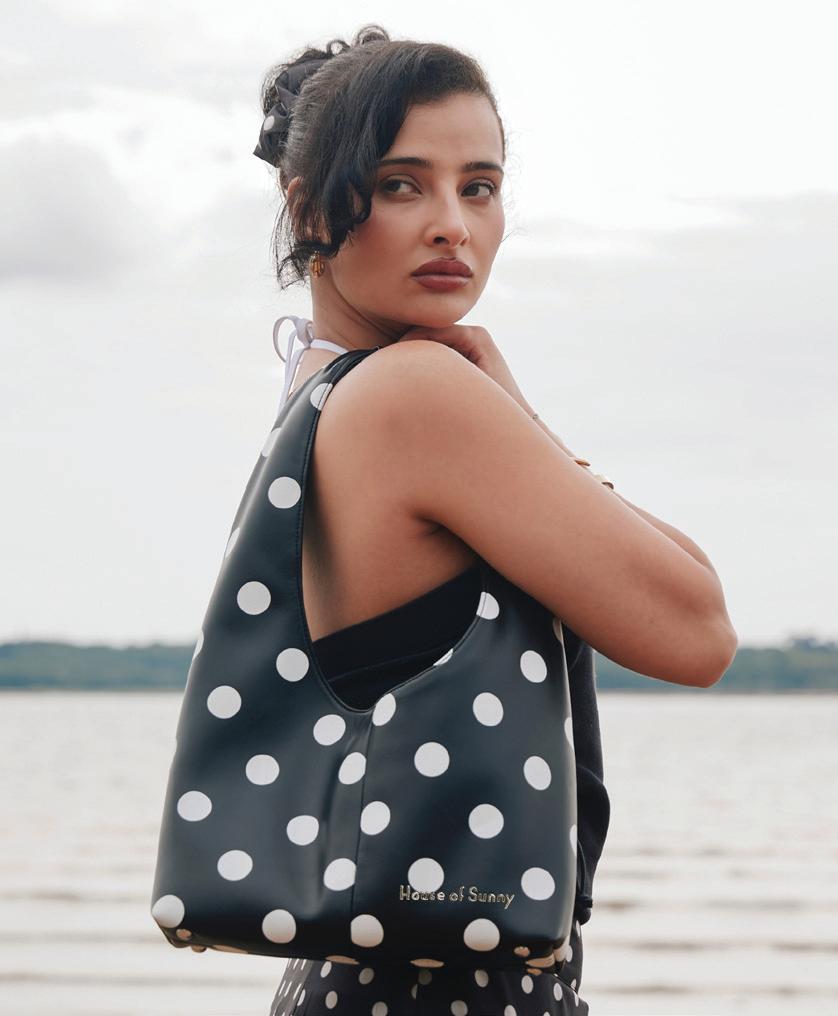
East London cult fashion label House of Sunny is back with a classical bold statement for AW25—with all pieces made from recycled mesh. The brand’s latest drop, “Eternal,” showcases a collection that reimagines timeless prints with a fresh twist while reflecting its sustainable ethos.
Following the sellout success of its previous recycled mesh drop, the brand is turning up the volume with three iconic prints—polka dots, leopard and check—for the AW25 season. From head scarfs and handbags to printed skirts, dresses and long-sleeved tops, the staple prints have been given a modern twist.
Each piece in the drop is built to last, low-key but bold, super wearable and, of course, made in limited numbers— some under 30 units. Made from recycled materials, these are pieces designed to be restyled, not replaced. No fads. Just prints that get better every time you wear them.
“People love to say polka dots are back, but they never went away,” said Sunny Williams, House of Sunny’s founder and creative director. “It’s the same for leopard and check; these patterns are part of style DNA. With this collection, we’re thinking about what lasts and what will still look great 10 years from now. I like to think of this drop as a bit of nostalgic return to what just works.”
Williams continued, “We love recycled mesh. It’s a great way to bring our signature House of Sunny girl style and at the same time follow our commitment to ethical fashion. You can just throw them on and feel like yourself—there’s real freedom to that right now. We’ve kept the quantities small because we believe in the value of quality.”
Based in Hackney, East London, House of Sunny continues to champion slow fashion with small-batch production and thoughtful designs, with each piece in the “Eternal” drop made in limited quantities, ensuring exclusivity while embracing sustainability credentials.
OCTOBER 14 – 17, 2025
Get ready for sunny days ahead and source Spring/Summer ’26 collections this October in Atlanta. Atlanta makes your sourcing trip valuable, memorable, and easy to navigate with affordable hotels and everything under one roof.
· 9 Floors of brands to source from
· Great hotel rates within walking distance
· Complimentary daily breakfast, lunch, and happy hours
· Networking opportunities and trend education
· Themed kickoff party to make your trip fun

Bringing you the latest breakthroughs in software, I.T. and fashion technology. From creative solutions to insights from experts, we are the source for all things fashion tech.






When Kay Sides founded R0AM, the vision was clear: create footwear that fused high-style design with uncompromising comfort and an authentic commitment to sustainability. Years later, that vision has evolved into a global conversation—with R0AM becoming a sought-after name in fashion for its signature blend of cool, conscious and comfort-driven design.
From the beginning, R0AM has stood apart for its bold yet wearable silhouettes. The brand’s portfolio now spans sandals, slides, covered styles, heels, boots, platforms and wedges—each infused with R0AM’s signature memory foam-lined neoprene and thoughtful, minimalist detailing. For Sides, it’s never been about chasing trends. “We’ve always focused on designing pieces that feel timeless but also bring a fresh, modern perspective,” she said. “The goal is to create something you’ll reach for every day—and feel good about wearing.”
That ethos comes to life in R0AM’s newest launch: The R0AM Slipper— the brand’s first foray into slippers and a personal milestone for Sides. Retailing at $65, the style is R0AM’s most accessible design yet, but it doesn’t compromise on the brand’s core values of quality, innovation and sustainability.
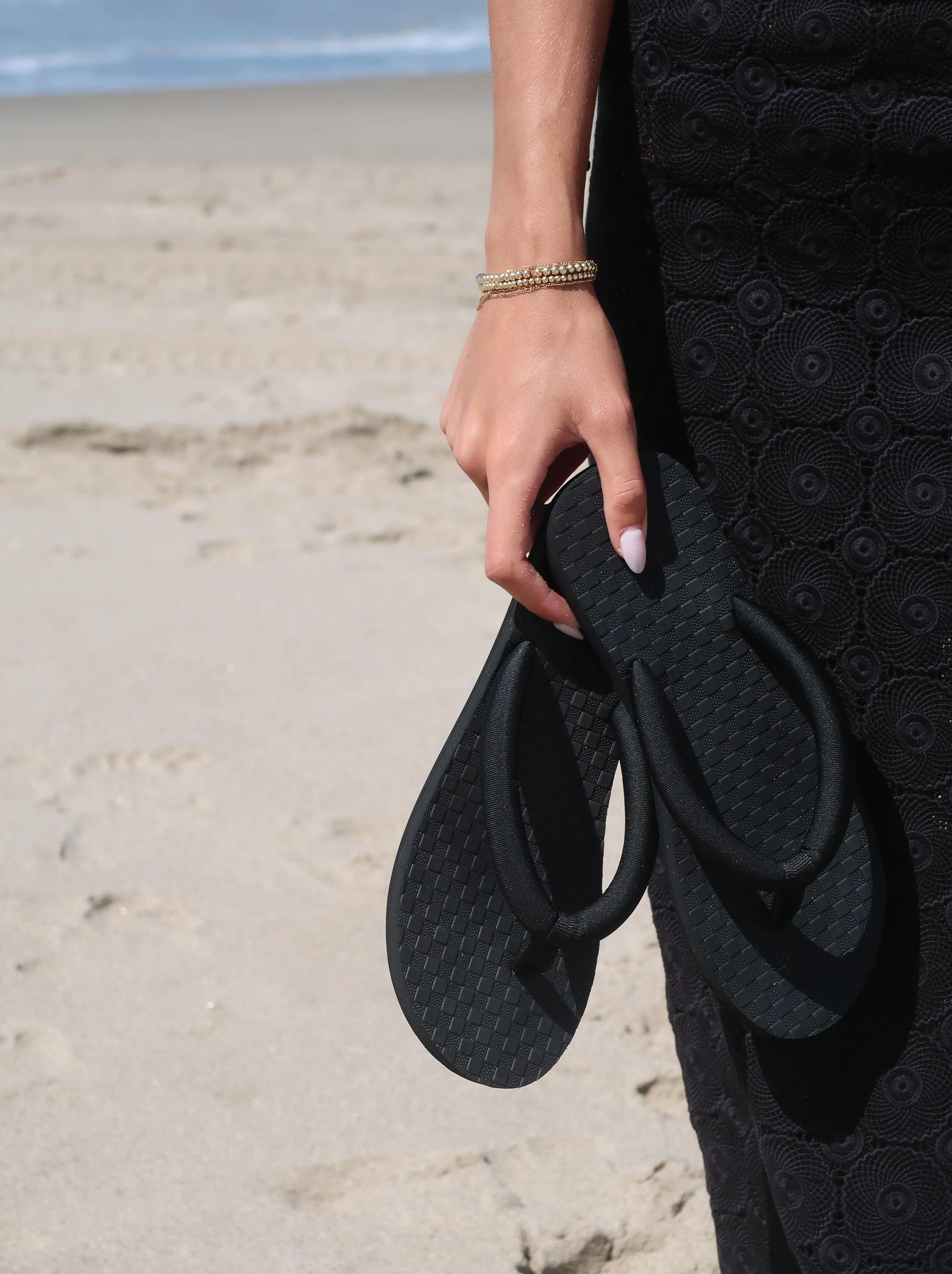
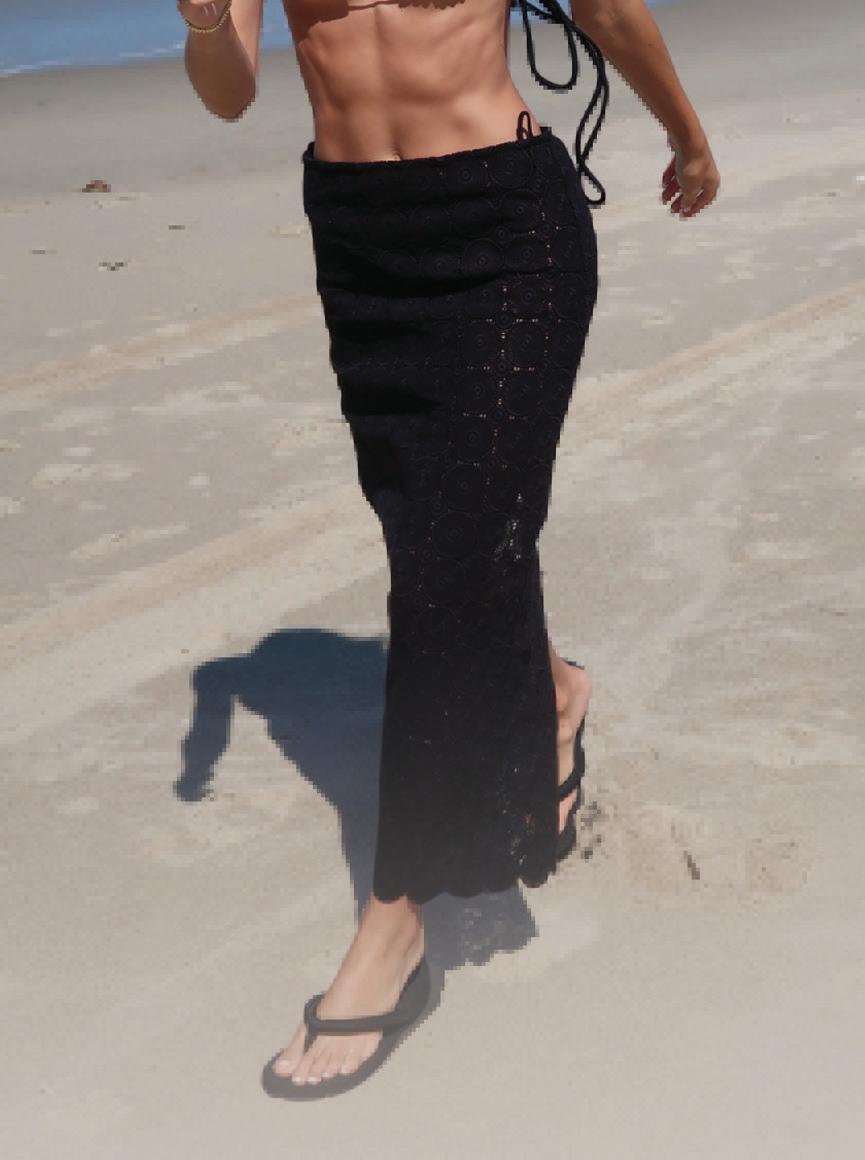
The slipper is a direct nod to Sides’ upbringing in Hawaiʻi, where “slippahs” were a way of life. “I wanted to honor that easygoing, everyday spirit while still making it undeniably R0AM,” she said. The result is a low-profile, lightweight build with a custom checkerboard insole, wrapped in the plush comfort of R0AM’s signature memory foam-lined neoprene. Available in full sizes 6 through 12 with no pre-pack requirement, the slipper is designed to be as versatile for buyers as it is for consumers.
What truly sets the slipper apart is its integration of Bloom Rise algae-based technology in the footbed. By replacing petroleum-based materials with this innovative alternative, each pair of R0AM slippers helps clean 55.3 cubic meters of air, captures 40.1 grams of CO₂, and cleans/returns 53.4 liters of water to the environment. It’s a tangible example of how fashion and environmental responsibility can move forward together.
For Sides, sustainability isn’t a marketing angle—it’s an operational principle. From sourcing to packaging, R0AM prioritizes materials and processes that reduce environmental harm, favoring circular solutions that keep products in use and out of landfills. The Bloom integration is the latest chapter in this ongoing effort to align design innovation with measurable environmental impact.
Launching the slipper also reflects a broader business strategy: expanding R0AM’s reach while deepening its sustainability commitments. At a $65 price point, the slipper invites a wider audience into the brand without diluting its premium positioning. “It’s an opportunity to connect with new customers who might not have purchased from us before,” Sides explained. “And once they experience the comfort, quality and ethos behind R0AM, we hope they’ll explore the rest of our collection.”
Industry buyers and retailers will appreciate the balance of accessibility and uniqueness. The no pre-pack requirement allows for flexibility in ordering, while the low-profile design and lightweight build make the slipper ideal for merchandising across seasons. It’s equally at home as a lifestyle staple for city dwellers or as a chic travel companion.
As R0AM enters this next chapter, Sides remains deeply involved in every detail— from materials research to design sketches to the final in-hand product. It’s a hands-on approach that has kept the brand’s DNA consistent even as its offerings expand.
“I think that’s why people connect with R0AM,” she said. “There’s authenticity in the product and in the story. We’re not just making something to sell—we’re making something we truly believe in.”
The slipper launch is already earning strong feedback from customers, particularly women who have struggled to find footwear that is both stylish and supportive. “We’ve heard time and again that our shoes are a solution for people with foot issues—without looking like a ‘comfort shoe,’” Sides noted. “The slipper is another way to deliver on that promise.”
In an industry where the pressure to innovate often overshadows the need to be responsible, R0AM is proving you can do both. By marrying design-forward thinking with eco-conscious production, the brand offers a blueprint for what modern footwear can be: beautiful, comfortable and better for the planet.
For Sides, the slipper is more than just a product launch—it’s a personal tribute, a strategic expansion and a continuation of R0AM’s mission to leave a lighter footprint without sacrificing style. “I want people to feel as good about buying and wearing R0AM as I do about creating it,” she said. “If we can inspire that shift— where sustainability becomes a given, not a bonus—then we’re moving in the right direction.”
With its slipper debut, R0AM is stepping into new territory while staying true to its roots. And if the early buzz is any indication, this won’t be just another seasonal release—it’s the start of a new era for a brand already redefining what it means to be sustainable, stylish and here to stay.




What truly sets the slipper apart is its integration of Bloom Rise algaebased technology in the footbed.
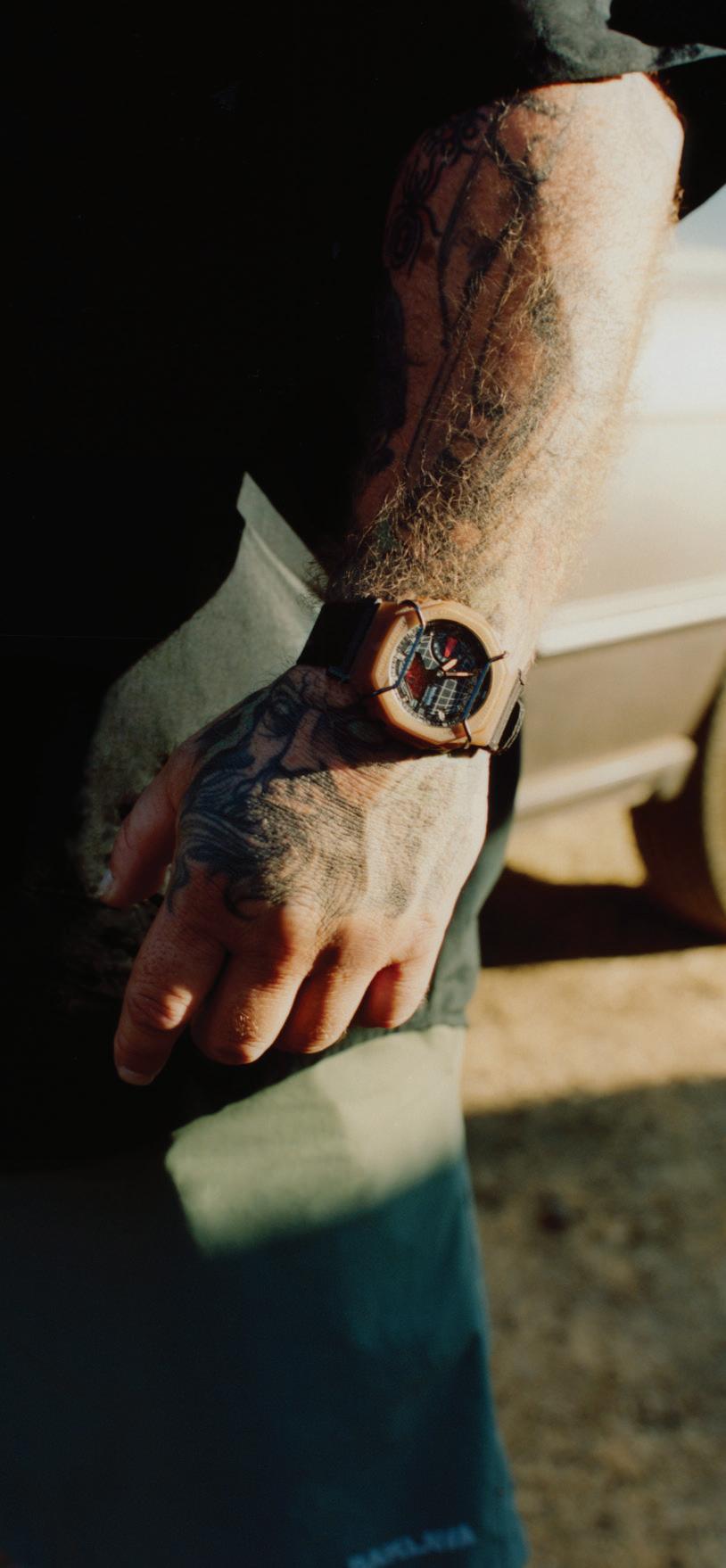
Casio America Inc. partnered with Action Bronson’s lifestyle brand, Baklava, to introduce the GA2100AB25-5A “Desert King,” a striking new take on the fan-favorite GA2100 silhouette. Engineered for those who seek to discover the undiscovered, the Desert King combines G-Shock’s legendary durability with Baklava’s bold, streetinspired design language.
The Desert King stands out with its transparent brown-ocher case and bezel, contrasted by khakitoned brown-gray lug arms. The dial features a unique globe-grid motif, co-branded “Baklava” and “Casio,” along with a fan-shaped day indicator at 9 o’clock and a vivid red time display spanning from 3 to 6 o’clock. Gunmetal-colored protectors with a polished finish lend an industrial edge, while the case back is engraved with a world map, technical markings and the phrase “Baklava Worldwide,” underscoring the global spirit of the design.
Speaking on the inspiration behind the collaboration, Action Bronson said, “Since the dawn of time, man has been obsessed with making some sort of sense of the time he spends here. He looks up at the sun. He notices how it moves in different ways and is positioned in different spaces in space during the day—the first time teller. This project is inspired by ancient archaeology and discovery: all kinds of next-level outfits, leatherbound books, compasses. I feel like this was meant to lead us to the Holy Land—to the grail on the quest to the cup. Rugged quality, long-lasting. Made for the perfect tactician. Made for tactical play. Horizons, rivers, meadows, cliffs, mountain ranges—we’re meant to trek them all. You’ll never be lost with the Baklava Desert King.”
Expanding on the iconic GA2100 collection, the Desert King features G-Shock’s signature carbon core guard construction and shock resistance— making it as functional as it is stylish. This collaboration marks another bold step for both brands, blending G-Shock’s technical mastery with Baklava’s vibrant, boundary-pushing aesthetic. The result is a timepiece that embodies toughness, individuality and a spirit of exploration.
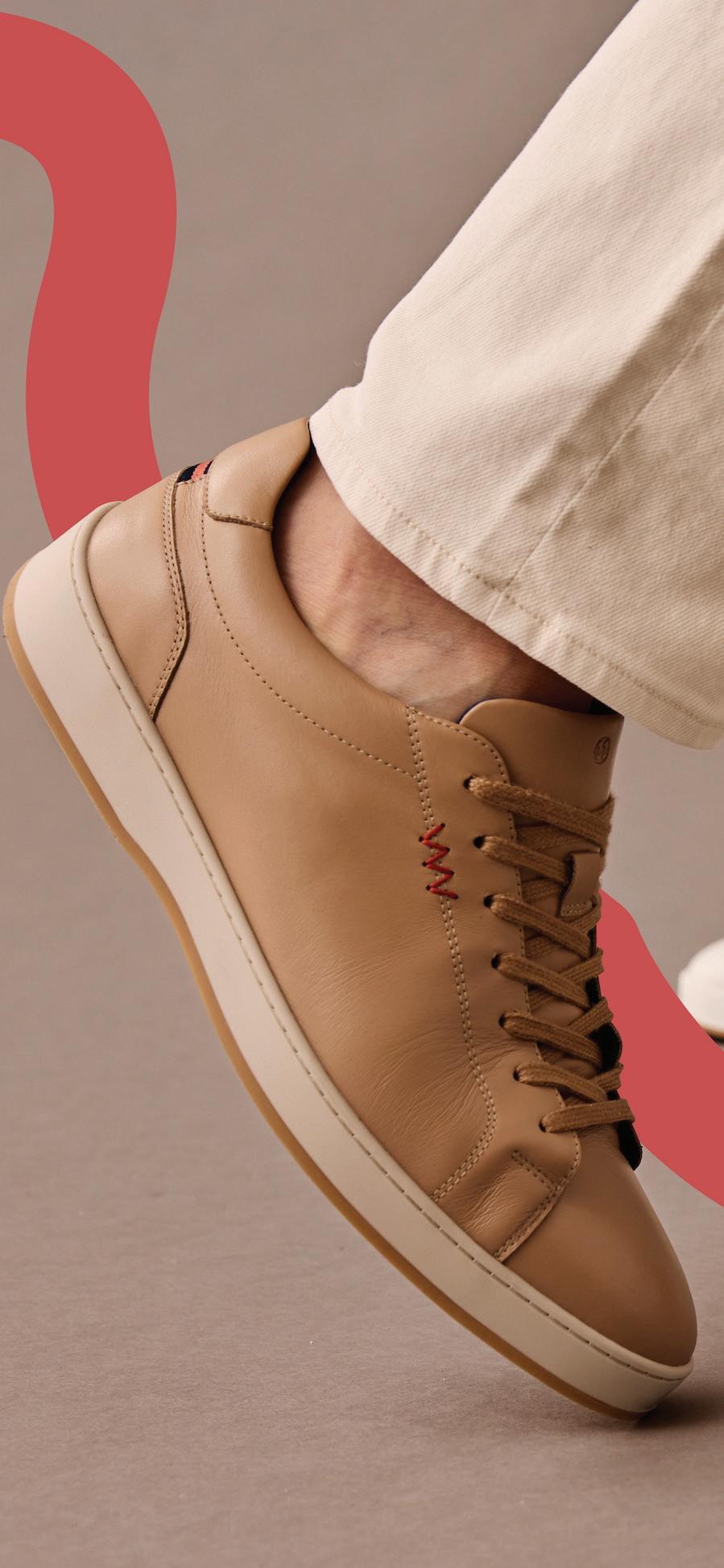
Deming Recovery announced its official launch, marking the creation of a new subcategory of footwear that aims to disrupt the $88 billion U.S. footwear industry. Developed in collaboration with physicians and engineers, Deming Recovery merges the technology of physician-backed recovery with the design of men’s premium dress and casual shoes, setting a new standard in footwear innovation with shoes that support both body and style.
“Life doesn’t pause for recovery,” said Vijay Sham, co-founder and CEO. “We created Deming so people could keep moving and recovering as they go, without ever compromising how they look or feel.”
In an age where athletic recovery often relies on cumbersome slides or unstructured sneakers, Deming’s recovery-focused footwear combines hand-finished details, signature stitching and advanced technology to deliver both craftsmanship and performance.
• Deep recovery technology: A proprietary support system developed with leading foot health experts helps absorb impact, improve alignment and boost circulation, accelerating recovery while you move.
• Design-first craftsmanship: Made in Portugal and crafted in family-owned factories, the footwear brand utilizes Leather Working Group gold-certified Italian leathers, breathable Tencel liners and premium materials, engineered for both style and performance.
• From workout to workday: Sleek silhouettes are built to transition seamlessly from post-workout to the office, dinner or the weekend.
Deming is also committed to ethical, environmentally conscious design, using certified leathers, recycled linings and Intertek-audited factories. Its 100% recycled packaging doubles as the shipping box to reduce waste, reflecting Deming’s core belief that transparency and responsibility are essential.













Debra Hazel Communications
North Las Vegas, Nevada 201-618-5247
Fall is just about here, with new retailers and dining experiences from around the U.S. and the world to explore!
All About Apparel and Accessories
Nordstrom Inc. announced plans to open multiple new off-price Nordstrom Rack locations around the country, including locations in Deptford, New Jersey; Canton, Ohio; Elmwood, Louisiana; Williamsburg, Virginia; and Mansfield, Massachusetts. The 24,500-square-foot Deptford store will be located in Deptford Town Center, joining tenants including Aldi, First Watch and Tractor Supply. Nordstrom currently operates four Nordstrom stores and nine Nordstrom Rack stores in New Jersey.
Burlington Stores is joining the tenant lineup at St. Georges Crossing in Woodbridge, New Jersey, bringing the 343,000-square-foot power center to full occupancy. Burlington is the latest move toward modernizing and diversifying the mix of national brands at the ShopRite-anchored property, with further enhancements on the horizon. Stealth, a streetwear brand from Brooklyn, has signed for 5,000 square feet at 67 West St. in Greenpoint. Beloved by celebrities in its original Toronto home, In Vintage We Trust is moving to New York City, at 105 Rivington St.
Food, Glorious Food
Asian grocery store chain 99 Ranch Market has opened its first-ever New York City store in at 37-11 Main St. in Flushing, Queens. The new market marks a major East Coast milestone for the West Coast
By Debra Hazel
brand. The Flushing location is the company’s 64th store nationwide. The 22,000-square-foot market floor offers over 10,000 hand-selected stock keeping units (SKUs), spanning produce, pantry items, frozen goods, premium meats and live seafood. Instore services include in-store fish frying and live crab/lobster steaming, self-checkout, membersonly promotions and 1% back in loyalty points via the 99 Ranch Super Rewards program. The store also sports the Eat Up Food Court, an underground, 15,000-square-foot food hall with 23 food vendors, from dim sum and boba tea to Vietnamese pho, Taiwanese street food, sushi and more.
On the High Seas
Starboard Group, a specialist in cruise ship retail, is partnering with Princess Cruises and its newest ship, Star Princess, for the first time, introducing a first-at-sea Chanel beauty shop-in-shop. Starboard will curate product assortments from renowned brands and create personalized, premium retail experiences across 4,779 square feet on two decks on board the new ship. Star Princess will be the first vessel in the Princess fleet to feature a destination retail boutique that brings the regional itinerary to life on board for guests. The Caribbean destination boutique will offer locally sourced, destination-inspired and artisanal products spanning food, apparel, accessories, fashion jewelry, kitchenware, books, drinkware and souvenirs for adults and kids.
Wining and Dining
Dunkin’ will occupy the last remaining retail availability at 600 Third Ave. It joins Shake Shack, Just Salad, Blink Fitness and Chipotle, which committed to a prime corner location in January. Hotpot restaurant Chi Chicken in launching its first location in Manhattan and second location in New York City. It will occupy 2,500 square feet of ground-level space in a 10-year lease at 37 W. 26th St., a historic, 12-story mixed-use building in Flatiron. Chi Chicken, which opened its first location in 2024 in Long Island City, Queens, anticipates opening the new location in November 2026.
PickleRage, a luxury indoor pickleball club franchise, announced three newly signed franchise deals as part of its ongoing national expansion. These latest additions advance the brand’s mission to make high-quality, year-round pickleball accessible to communities nationwide. The newly signed locations
include Western Wayne County, Michigan; Union County, New Jersey; and Hillsborough County, New Hampshire. Each club will be locally owned and operated by franchisees. With the New Hampshire opening, PickleRage enters the New England market and expands its footprint into 13 states.
Flemington Marketplace in Flemington, New Jersey, is now fully leased following the signing of Norman’s Hallmark, which will open in a 4,100-square-foot space at the 239,000-square-foot shopping center. Total Wireless has signed a new lease for 1,600 square feet of retail space at 44-46 Gramatan Ave. in Mount Vernon, New York. The property is now fully leased.
Ernesta, a home design brand that offers designerquality, custom-sized rugs, announced the opening of its next showroom at 380 Springfield Ave. in Summit, New Jersey. The new space marks the brand’s fourth showroom opening since last year, following successful launches on the Upper East Side; Greenwich, Connecticut; and Bethesda, Maryland.
The new 1,390-square-foot showroom offers a curated selection of high-quality wool, natural fiber and performance rugs. Designed to serve both consumers and design professionals, the space features a designer lounge for one-on-one design consultations to review rug samples in a collaborative setting. Look for Harlem Furniture’s new location at 250 Willis Ave. in the Bronx.
Los Angeles-based apparel brand Les Tien has opened its first standalone store at 8383 W. Third St. in the city. Wayfair Inc. is coming west, opening a large-format retail store at 8298 E. Northfield Boulevard in Denver in late 2026. The approximately 140,000-square-foot store will mark the home furnishings retailer’s first foray into the Mountain West region. Rapidly expanding restaurant chain Hawaiian Bros has opened its eighth location in Arizona at 9802 W. McDowell Road in Phoenix. Last Mile Investments (LMI) announced that it has leased 3,283 square feet to US Fitness Products at Galleria Commons in Charlotte, North Carolina. U.K. womenswear brand Boden is coming to the U.S. with a store at 5165 Avalon Boulevard in Alpharetta, Georgia, near Atlanta.
August 18–21, 2024
Join us at Las Vegas Apparel in August for our co-located market with WWIN (Womenswear in Nevada). Explore top brands’ latest trends, designs, and collections, including young contemporary and premium women’s lines. Our partnership offers exceptional amenities for buyers and an easy-to-shop, unified show floor. Take advantage of our Sunday opening ahead of most fashion week events!
Save the date for August 2024 and learn more about Womenswear in Nevada at WWINshow.com.
Register Now at LasVegas-Apparel.com
The Expo at World Market Center 435 S. Grand Central Parkway, Las Vegas, NV 89106




Capital One® Commercial Banking offers you the financial services your business needs to succeed. You get customized solutions designed by a dedicated team of Consumer Products bankers with a combined track record of more than 75 years in the apparel, footwear, accessories and beauty sectors—and they’re backed by the full-services capabilities of a top 10 U.S. bank.*
Let us create a solution that matches your vision
capital.one/commercial

Partner and Chair of the Hospitality and Restaurant Law Group
Davidoff Hutcher & Citron LLP
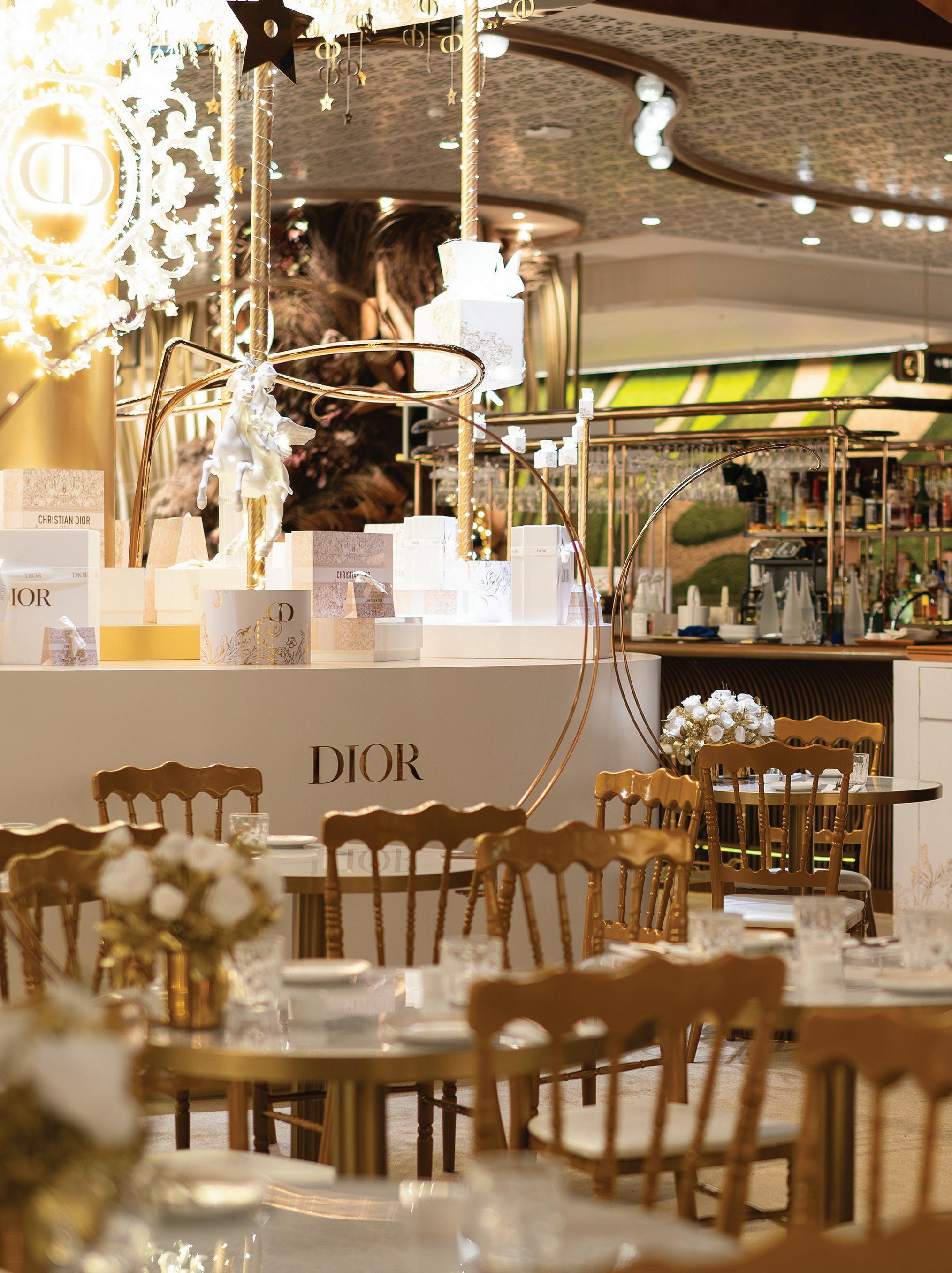
Step into Louis Vuitton’s Fifth Avenue flagship and you might expect leather goods, luggage and ready-to-wear. But now, you can also sip an espresso beneath monogrammed ceilings, taste pastries plated like jewelry and dine on a menu curated by a Michelin-starred chef. Welcome to the new frontier where fashion meets food—a space where couture and cuisine merge to create immersive brand experiences.
This isn’t just a passing trend; it’s a strategic evolution. Across New York, Miami, Paris, Tokyo and beyond, luxury fashion houses are extending their brands into restaurants, cafes and hospitality spaces. From Gucci Osteria’s haute cuisine to Dior Café’s photogenic cappuccinos, these collaborations offer more than a meal—they deliver a taste of the brand’s identity.
Why Now?
The convergence of fashion and hospitality has been quietly building for years, but recent shifts have accelerated it:
• Experiential retail: As traditional retail faces headwinds, brands are creating destination spaces that keep customers engaged longer.
• Social media fuel: A picture-perfect dish in a branded café travels across Instagram faster than a runway look, introducing the brand to millions in moments.
• Global luxury tourism: Affluent travelers expect memorable, multisensory experiences. Dining inside a fashion house’s flagship delivers exactly that.
By Andreas Koutsoudakis
• Real estate synergy: Prime retail and hospitality spaces often share high-value locations. These collaborations maximize the return on premium real estate footprints.
Trend Tracker: In the past 18 months alone, more than a dozen luxury fashion houses have opened branded dining concepts in New York, Miami and London, signaling that fashion’s next runway may just be the dinner table.
The economic benefits are compelling. For fashion brands, restaurants offer:
• New revenue streams: Beyond apparel sales, dining can be a profitable business unit.
• Cross-selling opportunities: Guests leave with more than just a meal; they leave with products, brand loyalty and stories to share.
• Expanded audience: A café guest may not yet be a couture client, but they are experiencing the brand, often for the first time.
For hospitality brands, the gains are equally strong:
• Instant prestige: Partnering with a global luxury brand brings cachet, media coverage and a premium clientele.
• Co-branded merchandise: Limited-edition menus, décor and retail items can become collectible revenue drivers.
• High-impact design: Fashion brand aesthetics often translate into striking, hightraffic environments.
While the end product looks effortless, the path to a successful partnership is anything but. Here are a few legal considerations that can make or break these collaborations:
Brand Control and IP Protection
• Clear agreements on logo usage, design elements, uniforms, menus and packaging
• Trademark licensing terms that balance creative freedom with brand integrity
Operational Agreements
• Joint venture vs. licensing model—who runs the day to day, who hires the staff, who takes on liability?
• Revenue-sharing structures and cost allocations for build-out, staffing and marketing
• Lease provisions for use, signage and exclusivity
• Compliance with health, liquor and hospitality regulations
Menu and Experience Curation
• Chef and vendor agreements that maintain quality consistent with the brand’s reputation
• Product sourcing clauses (luxury brands may require specific origin or sustainability standards)
• Exit strategies
• Termination clauses if the collaboration no longer aligns with brand values or financial targets
• Protection against reputational harm
Top 5 Most Iconic Fashion Brand Restaurants Worldwide
Gucci Osteria da Massimo
Bottura: Florence, Beverly Hills, Tokyo, Seoul
• Michelin-starred Italian cuisine infused with Gucci’s eclectic, colorful design language
Louis Vuitton Café and Le Chocolat Maxime Frédéric: Paris, Tokyo, New York
• From luxury snacking to couture chocolate boxes, a masterclass in edible branding
Monsieur Dior Restaurant and La Pâtisserie Dior: Paris
• Elegant French dining and patisserie inspired by Christian Dior’s personal tastes
Armani/Ristorante: Milan, Dubai, New York
• Minimalist Italian fine dining that mirrors Armani’s clean, understated aesthetic
Thomas’s at Burberry: London
• Classic British dishes served in Burberry’s flagship, seamlessly linking heritage and hospitality
Legal Watchlist for FashionHospitality Collaborations
• Trademark licensing: Define scope, duration and qualitycontrol measures for logo and brand asset use.
• Operational control: Who hires, trains and manages staff? Who oversees guest experience and menu changes?
• Revenue sharing: Structure profit splits, royalties or fixed fees clearly to avoid disputes.
• Build-out and design: Decide who funds, owns and maintains custom fixtures and décor.
• Exclusivity and noncompetes: Limit conflicting partnerships within agreed geographies or markets.
• Compliance and permits: Ensure all hospitality, liquor and health regulations are met before launch.
• Termination clauses: Set clear exit triggers and obligations to protect brand reputation.
The Bottom Line
In today’s luxury market, a brand is no longer just what you wear—it’s where you go, what you eat and the memories you make. These fashionhospitality collaborations work because they are immersive, aspirational and shareable. They turn every cup of coffee, plate of pasta or champagne toast into a branded moment.
In future columns, I’ll share action plans for brands seeking to partner with restaurants and stepby-step strategies for hospitality groups looking to align with fashion houses—so both sides can enter the conversation ready to create something unforgettable.
Until then, the next time you see a runway show, don’t be surprised if the after-party is in the brand’s own restaurant. In this world, the reservation is as coveted as the front row.


Founder, CEO and Chief Technology Officer, Multimedia Plus
In retail, product knowledge is critical. Associates need to know fabrics, fits, design inspirations and care instructions. But knowledge alone does not always inspire a customer to buy. The magic happens when that information is woven into a story. Storytelling transforms facts into an experience and allows customers to connect emotionally with a product. In a competitive market, that connection can be the deciding factor between walking away and making a purchase.
Every garment has a story. It might be about craftsmanship, sustainability or the designer’s creative process. A cashmere sweater is not just cashmere; perhaps it comes from a family-owned mill in Italy that has been perfecting the art of knitting for generations. A blazer may be tailored from fabric woven on looms in a small English town where the craft dates back centuries. Details like the origin, the people and the process build a narrative that elevates the product from an object to something with meaning.
Storytelling also makes complex information easier to remember. Customers may not recall that a dress is made from a blend of modal and silk, but they will
By David Harouche
remember that its drape is inspired by a 1930s bias cut gown and that the designer discovered the fabric during a sourcing trip to Japan. The narrative gives the facts a structure, and the emotional detail gives them staying power.
For associates, the ability to tell a product’s story is both a skill and an advantage. It can make a sales conversation more natural and more engaging. Rather than reciting a list of features, an associate who tells a story is inviting the customer into an experience. Instead of saying, “This coat is waterresistant and lined with Thinsulate,” the associate might say, “This coat was designed after our creative director got caught in an unexpected downpour in Paris. She wanted something elegant enough for a dinner reservation but functional enough to handle the weather.” The facts are still there, but the story makes them memorable.
Customers are also more likely to share a story than a specification. In a social media-driven environment, that matters. A customer who hears the history behind a print or the sustainable sourcing of a fabric may pass that story along when complimented on the garment, extending the brand’s reach organically.
The challenge is that storytelling is not always intuitive. Some associates naturally weave narratives into their selling style, while others may need guidance. Training is the bridge. Associates need structured opportunities to learn the stories behind each collection, to practice telling them in their own words, and to adapt them to different customers and situations. This is especially important when products have multiple stories to tell, such as a fabric innovation, a heritage design and an artisan collaboration, so associates can choose the angle most likely to resonate.
For example, the launch of a spring collection might include a series of short, focused sessions where associates explore the inspiration behind the prints, handle the fabrics and see the sketches that led to the final designs. Managers might role-play customer interactions, encouraging associates to try different approaches. One associate might focus on the
designer’s creative journey, another on the garment’s versatility, and another on the ethical sourcing of materials. Over time, associates learn to blend product knowledge with storytelling instinctively.
Storytelling also needs to be kept fresh. Collections evolve, and so should the narratives. A story that worked for last season’s capsule knitwear collection may not apply to this season’s tailored separates. Ongoing training ensures that associates remain fluent in the latest details and can deliver them with confidence. This fluency reinforces brand identity, because the stories told on the sales floor mirror the stories told in advertising, on social channels and in press coverage. Consistency strengthens the message and deepens the customer’s connection.
Leaders play a crucial role in making storytelling part of the culture. They set expectations, provide resources and model the behavior. When managers regularly ask associates to share the story of a featured piece during team meetings or morning huddles, they are signaling that storytelling is a priority, not an afterthought. They are also creating a space for associates to learn from each other’s approaches.
In an era where shoppers can access technical product details online before they set foot in a store, storytelling is what differentiates the in-person experience. A website can list the fabric content and care instructions for a dress, but it cannot look a customer in the eye and describe the way the designer envisioned it moving on the dance floor at a rooftop party. That is the human advantage.
Associates who master storytelling turn transactions into relationships. They create moments customers remember, and those moments often bring the customer back. Storytelling is not just a sales technique; it is a way to honor the creativity, craftsmanship and vision behind every piece. When done well, it becomes a powerful business strategy that deepens customer loyalty and drives results.
Don’t let cash flow disruptions slow your staffing business down. Access the working capital you need to achieve your goals now and as your business grows, with up to 95% advance rates on your invoices.
Our tailored suite of flexible financing solutions are customized around your unique needs, so you can tackle every phase of business with confidence.





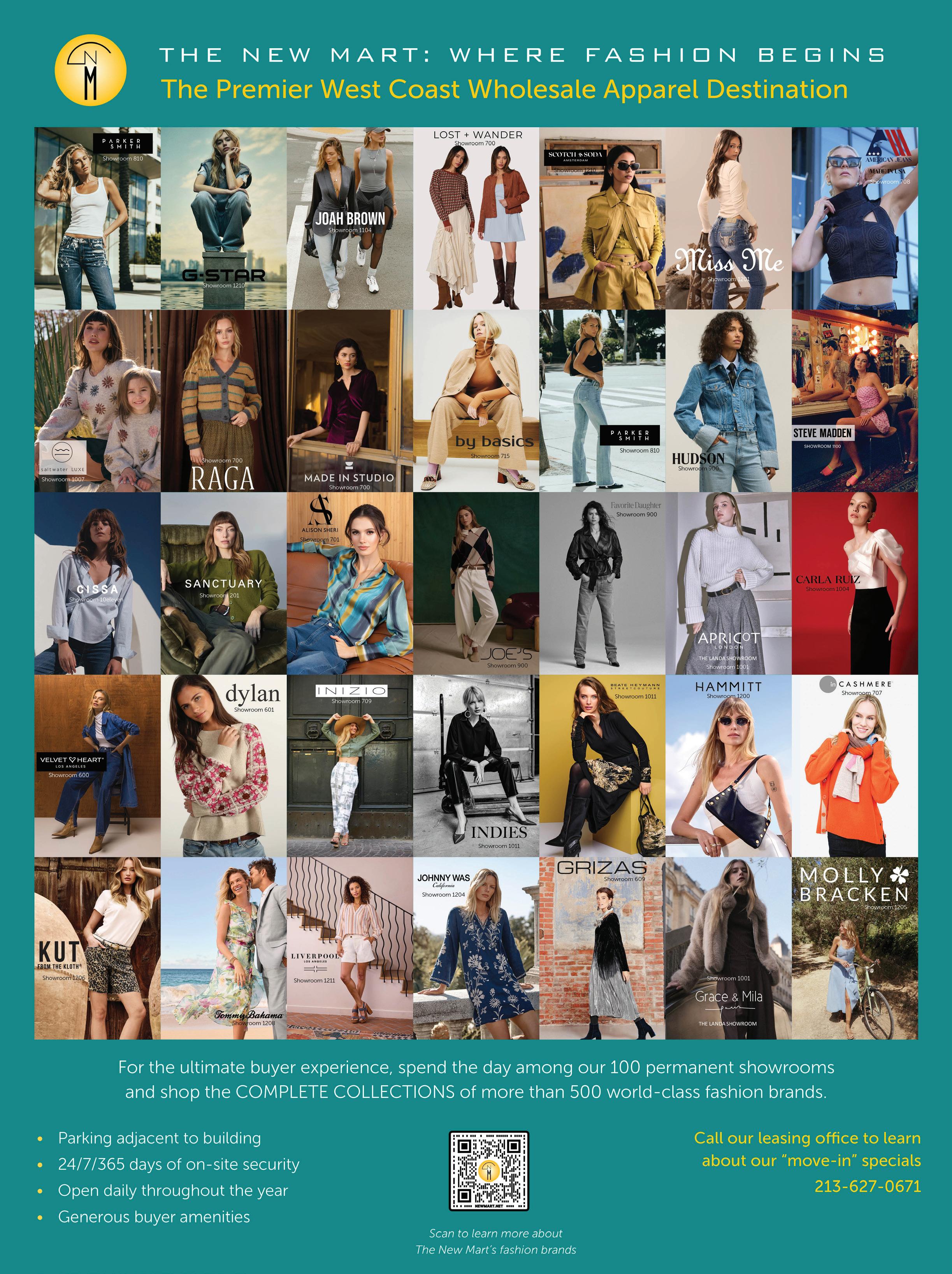

McKinsey & Company recently reported that retailers using AI-based assortment planning solutions have cut stock keeping units (SKUs) by 36% while lifting sales by between 1% and 2%, a leaner merchandising strategy driven by data science. Thanks to AI-driven inventory planning, machine learning and data science, smart retailers are able to better manage SKUs, grow sales and meet customer demands to enhance decisions.
While algorithms and AI models are setting a new standard for data accuracy, the real success comes from combining creative expertise and industry insight with automation and AI insights. Retailers understand the nuances of their markets and customers, and they are able to anticipate trends and adjust to connect with shoppers wherever they are. AI enhances this art by analyzing data at scale and providing performancebased recommendations tailored to each SKU, store and channel.
By taking massive amounts of data in real-time and turning it into precise, actionable insights, AI systems are enabling retailers to make smarter, faster decisions at a granular level. Between dynamic
By Max Ma
open-to-buy decisions, allocation based on localized demand and real-time decision-making, AI-powered inventory management is making the data work for multi-channel retailers through accurate demand forecasting.
Best Practices: Blending Science and Art 7thonline has always reinforced the message that AI is a tool, not a replacement for retail expertise or the human eye. It’s the planner, the designer and the strategist who recognizes emerging trends and applies insight. The most successful retailers approach AI-driven merchandising as a partnership between technology and people, seamlessly blending the art and the science.
While algorithms excel at analyzing data and forecasting trends, it’s humans who interpret those insights through the lens of brand vision and creative intuition. AI analyzes customer behavior, regional preferences and past performance to recommend the most optimal product mix, while merchandisers apply their intuition to curate assortments that connect the brand with their shoppers. Merchants carry the brand’s DNA into every assortment decision, ensuring that what’s on the rack resonates not just with a data profile but with the community it serves. Combining data-driven insights with human creativity enables retailers to make smarter, faster product decisions.
The retail industry, particularly in fashion, is driven by individuals with a deep passion for their craft. Many have spent their careers mastering how to anticipate what shoppers will want before they even want them. Both a learned skill and a purposeful instinct, selecting the right styles, colors and sizes for the right stores at the right time is an art baked into the shopping experience. The strategic blend of timing, positions and sensory elements bring a brand’s vision to life, and AI helps to ensure that experience will resonate with the target audience.
In today’s dynamic landscape, blending the art and
science of retail can look different in practice. It all depends on your own business needs. The following use cases illustrate how retailers can harmonize creative judgment with advanced technology:
• Assortment planning: Blending data and creative curation, AI-powered assortment planning ensures the product mix reflects both customer demand and brand identity. The data science behind AI systems analyzes the “what” (what product mix, what store, what channel), while merchants fine-tune the “why,” using the extensive knowledge they’ve gained on which trends are still in their early stages, compelling storytelling and how shoppers will react.
• Dynamic replenishment: While predictive analytics and real-time sales data empower dynamic replenishment decisions, such as reorders, these systems only account for seasonality, past trends and product lifecycle stages. It’s up to the merchants to detect shifts— such as weather changes, large marketing pushes, influencer buzz and more—before algorithms. Using detailed insights for efficiency and precision, retailers are able to make contextaware decisions, at scale, with specificity, that react to the nuances of real-world events beyond historical data.
• Trend forecasting: AI systems can read the signals, but merchants can read between the lines. With AI systems picking up massive amounts of data from various sources, retailers are able to see early signals on trending products long before the results hit their sales numbers by bringing breadth and speed to trend detection. Experienced merchants are the ones that know how to interpret these signals through the lens of their brand and customer, to turn the signals into differentiated product decisions.
In each case, human expertise turns AI’s recommendations into market-ready decisions that impact the bottom line.

Hub International
frank.delucia@hubinternational.com
212-338-2395
By Frank DeLucia
According to the Bureau of Economic Analysis’ recent release, “Activities of U.S. Multinational Enterprises, 2023,” American multinational enterprises employed 29.9 million people abroad, and their majority-owned foreign affiliates employed another 14 million. Those numbers represent a huge amount of opportunity, but also a huge HR and benefits problem.
In terms of benefits, fashion and apparel companies expanding abroad must meet regulatory requirements and customs, not to mention offering them cost efficiently. For small companies in particular, it can seem cost-prohibitive to offer benefit plans for foreign subsidiaries. But there are ways to cut costs while still offering benefits that help attract and retain talent.
Lower Benefits Costs Through Creative Strategies
While setting up benefits offerings for a foreign operation or subsidiary is difficult in itself, keeping costs down is an additional challenge. Organizations that leverage the following approaches will be able to deliver benefits with the maximum effect at a lower cost than otherwise.
• Pooled coverages and captives: Individual operations that secure benefits through locally licensed carriers will have high premiums. Pooling coverages, however, leverages economies of scale to drive down costs, especially in countries that do not offer governmentsponsored healthcare. Joining the coverages of multiple foreign operations under a contract placed with a single global carrier network lowers risk for underwriters and premiums for sponsors.
Another option for health coverage and benefits is captive insurance: Local policies are reinsured through a global carrier through a business’s captive insurance company. Captive insurance can save as much as 20% of baseline costs, but the client must be in a position to manage the financial risk of large claims.
• Evaluate the brokers: A common practice in multinational expansion is to outsource plan design to local brokers or advisors. It’s often faster and easier to take this approach, but not necessarily optimal, as commission arrangements for brokers can result in
expensive, overgenerous programs, given possible conflicts of interest in providing benefit advice and placing contracts.
In addition, local carrier policies can be tricky to navigate. For instance, companies often start small, hiring employees before setting up a legal local entity, but many insurance companies won’t contract benefits without their client having a legal entity. It’s incumbent on organizations to conduct due diligence on brokers, knowing in advance of their commission arrangements, services provided and specific conflicts of interest.
• Plan administration oversight: Performance standards abroad can be less rigorous than in the U.S.; small plans are particularly vulnerable to subpar service that will cause plan costs to skyrocket. Risks include poor needs assessment, suboptimal co-insurance and unwarranted use of expensive medical facilities. The fact that operations are being done abroad magnifies these risks.
Plan administration oversight will produce cost savings. For example, monitoring claims patterns for abuse or fraud will help reduce premiums, while close oversight of a retirement plan investment performance will help minimize costs and deliver better benefits. Mandated, third-party benefit audits are important in keeping costs down. Incentives for brokers, plan administrators and carriers to identify and eliminate ineffective management will also help guard against waste and rising costs.
Lining up employee benefits for workers at offshore operations is a challenge in and of itself. Even trickier is managing them cost-effectively. These suggestions can help alleviate costs while still attractive offering benefits that can assist with retention.
Frank DeLucia currently serves as executive vice president of Hub International Northeast, a leading full-service global insurance brokerage. With over three decades of experience, Frank specializes in building insurance and risk management programs for the real estate and apparel industries and is a long-time active member of the Fashion Service Network (FSN). For more information on Hub, please visit www.hubinternational.com.





As advisors to the fashion industry, we have experienced the global and local issues that affect the way you do business and are well-positioned to help you deal with changing conditions.
We help you turn challenges into opportunities through innovative and insightful thinking. Cash flow planning, gross profit by product line, chargeback analysis, assistance with access to capital, and operational improvements are just a few ways we help fashion companies gain an edge.
We provide a wide range of financial reporting, tax and advisory services to make your business and finances stronger.

Marc Federbush, CPA, CGMA Partner and Fashion Industry Group Leader marc.federbush@anchin.com



Partner, Scarinci Hollenbeck
hbader@sh-law.com
212-784-6926
Chinese trademark law is not only challenging but also constantly evolving. Most recently, China tightened its requirements for proving trademark use in non-use cancellation cases. This latest change offers both risks and benefits for fashion companies.
When a business registers a trademark with the U.S. Patent and Trademark Office (USPTO), its legal rights are limited to the United States. Accordingly, fashion companies that conduct business overseas should consider international trademark protection.
Navigating trademark law in China can be particularly challenging. Unlike the United States, China has a first-to-file system, which means that the first entity to register a trademark gains exclusive rights, even if another party was the first to use the mark. Accordingly, there is incentive for brand counterfeiters and hijackers to pursue trademark rights ahead of U.S. companies. In countries like China, major brands have been forced to buy back a registration or engage in protracted litigation, which can be extremely expensive and time-consuming.
One of the most common issues is trademark squatting, where individuals register trademarks in bad faith, hoping to sell them back to the rightful owner at a high price. It famously took more than 20 years for luxury footwear brand Manolo Blahnik to defeat a trademark squatter and register its brand name in China.
Because of the risk of bad-faith preemptive filings,
By Howard Bader
defensive registration is extremely important with respect to trademarks. However, trademark rights in China aren’t secured by registration alone; instead, they require real, documented use. If a trademark is not used for three consecutive years, it may be subject to cancellation upon request by a third party. Any person can file a non-use cancellation request with the China National Intellectual Property Administration (CNIPA), and the trademark owner must then provide proof of use.
Non-use cancellations have traditionally served as an attractive option for brand owners to clear the way for registration due to the low evidentiary threshold in cancellation proceedings and relatively low cost. However, these same factors have also resulted in malicious third parties exploiting the system by repeatedly targeting legitimate trademark registrations.
Earlier this year, CNIPA increased the evidentiary requirements for registrants to prove use of their trademarks during cancellation proceedings. The goal is to reduce the number of frivolous and malicious filings while preserving cancellation proceedings as an effective mechanism for brand owners to obtain registrations.
Under the updated requirements, applicants for nonuse cancellations must submit the following:
• Basic information of the trademark registrant: Non-use cancellation applicants must provide basic information of the registrant, including its business or operational scope, operational status and trademark registration status.
• Investigation report and evidence of the registrant’s business: If the registrant is operational, applicants must submit an investigation report, along with supporting evidence from the business or office premises where the goods and/or services are provided.
• Evidence of non-use from online platforms or industry websites: Applicants must present search results and evidence of the target registration on comprehensive online platforms or industry-specific websites for the goods/services covered by the registration. The relevant search results and evidence should include continuous full-page screenshots of the first five pages from a minimum of three different online platforms.
These changes impact both cancellation applicants and trademark registrants.
In light of the increased difficulty in canceling existing registrations, it is more important than ever for fashion companies to register their trademarks in China as soon as possible. When pursuing non-use cancellations, applicants should consider submitting basic information about the trademark registrant and digital evidence of non-use along with the non-use cancellation application to ensure that the application is accepted. At the initial filing stage, it may not be necessary to complete a full onsite investigation. However, the CNIPA will hopefully provide additional guidance regarding how to comply with the new criteria.
For trademark owners, it is important to preserve evidence documenting use of your mark in China. This should include establishing processes to routinely document use, including:
• Transactional documents, including sales invoices, receipts, contracts and customs declarations
• Marketing materials, including advertising campaigns and digital advertisements
• Product photos, packaging samples and related materials
• Digital assets, including website screenshots, e-commerce listings and social media content
China offers numerous opportunities for fashion companies. However, brands must ensure that their global trademark strategy takes China’s unique trademark scheme into account. Being proactive can help address many of the challenges of Chinese trademark law, including trademark registration and cancellation. Given that China’s IP laws continue to evolve, working with experienced counsel is also essential when it comes to both enforcement and protection.
Howard Bader is a New York City attorney who serves as general counsel for clients in a wide range of industries on an international scale. With over three decades’ worth of legal experience, he has represented clients in numerous legal matters, including commercial litigation, intellectual property, bankruptcy, creditor’s rights, and mergers and acquisitions, as well as numerous corporate transactions and business law matters.







1. J.Crew: Montauk Textured Sweater-Tee in English Marigold
This lightweight knit has subtle texture and rolled trim, with a slightly cropped silhouette and a relaxed fit. The soft fabric drapes naturally, providing a comfortable, easy-wearing feel.



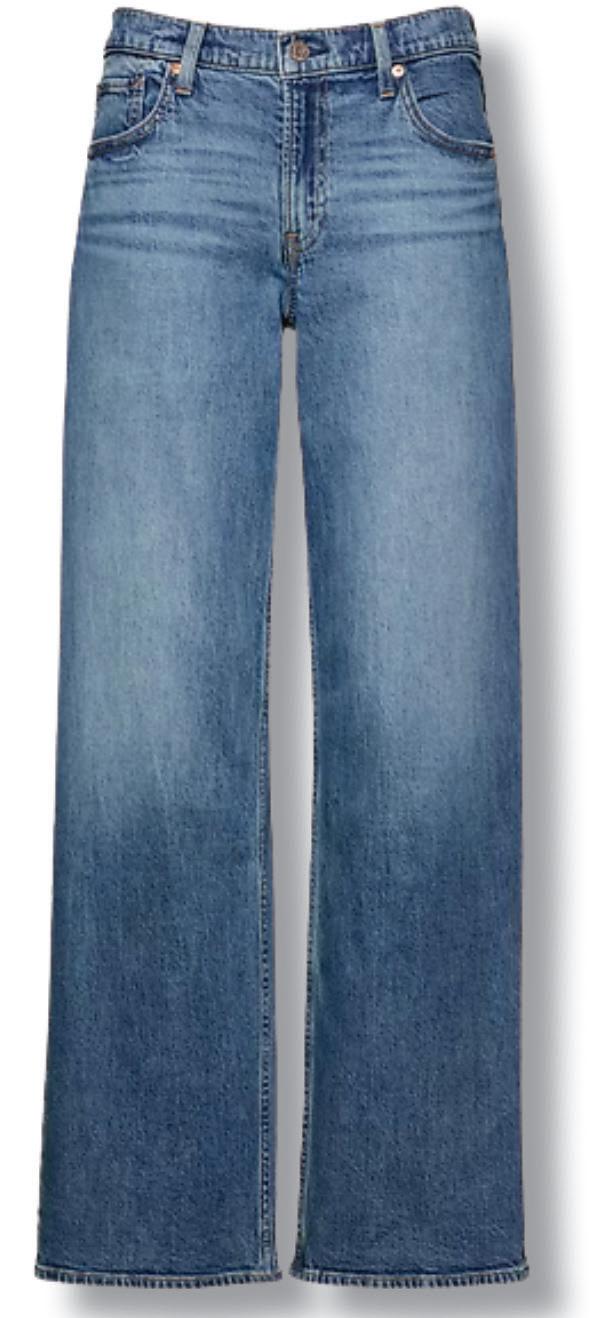

$89.50 | jcrew.com
2. Gap: Low Rise ’90s Loose Jeans in Medium Indigo



$79.95 | gap.com
3. Cos: Boxy Collared Leather Jacket


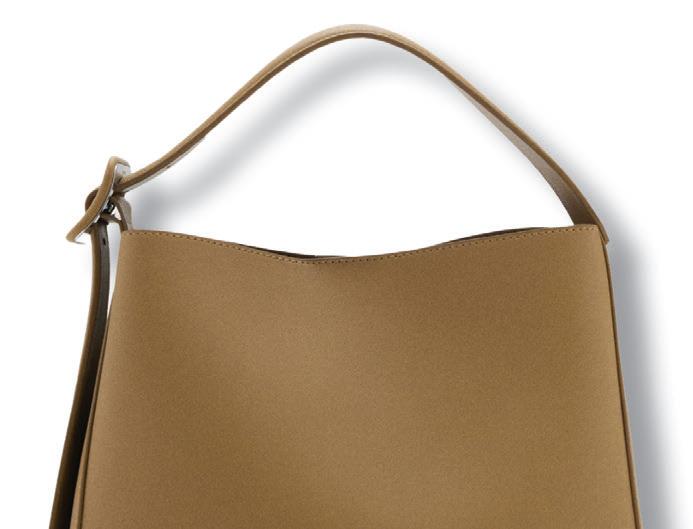



These vintage-inspired jeans have a relaxed low-rise fit and are made from soft organic cotton. The straight, roomy silhouette drapes naturally, offering comfortable movement and a clean, timeless shape.

This cropped, boxy leather jacket is crafted from supple hide and fi nished with a pointed collar, tonal topstitching and front patch pockets. It is ideal for crisp fall days worn over lightweight tops.
$590 | cos.com
4. Mango: Mini Shopper Bag with Buckle in Khaki
This compact mini tote features an adjustable strap and a signature buckle. Its structured shape and subtle details give it a polished, modern look.
$69.99 | shop.mango.com
5. Camper: Casi Myra Shoe in Black
Crafted from soft calfskin leather, this fl at has a semi-open design and a clean, structured shape. Its minimalist construction keeps the look refi ned while remaining versatile for everyday wear.
$ 165 | camper.com
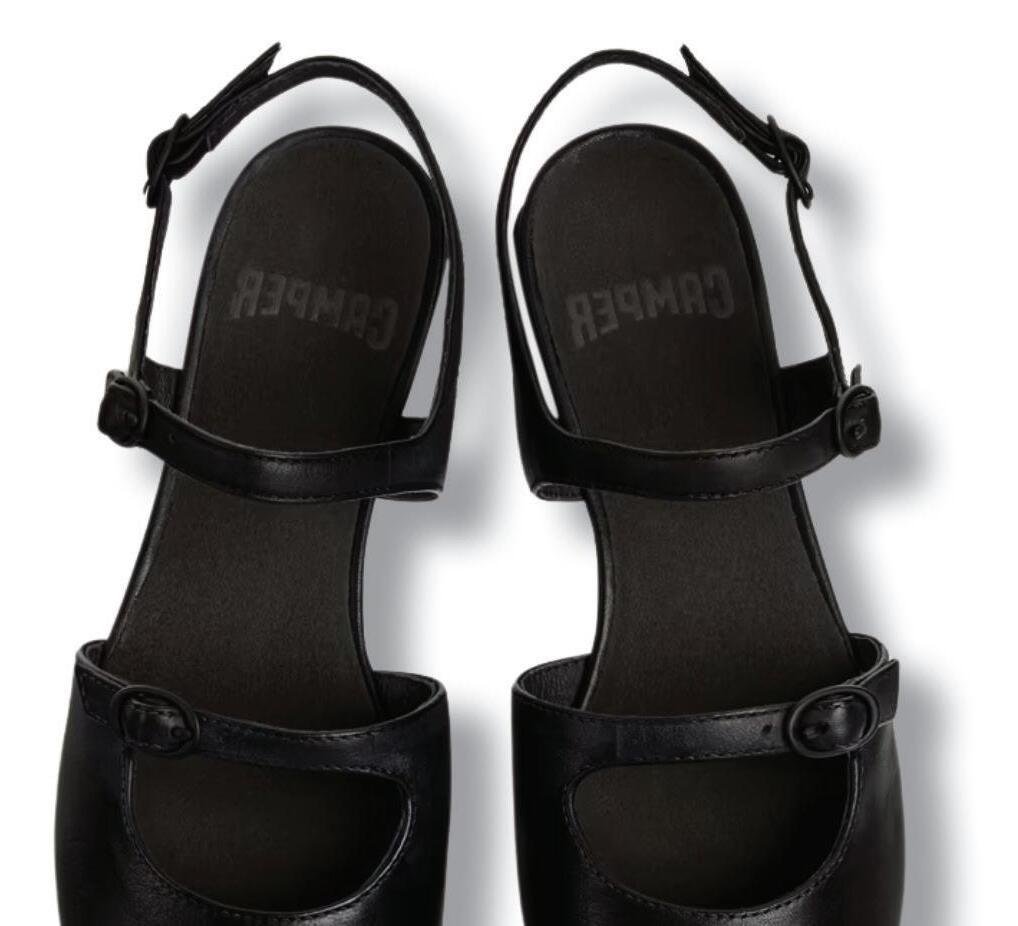

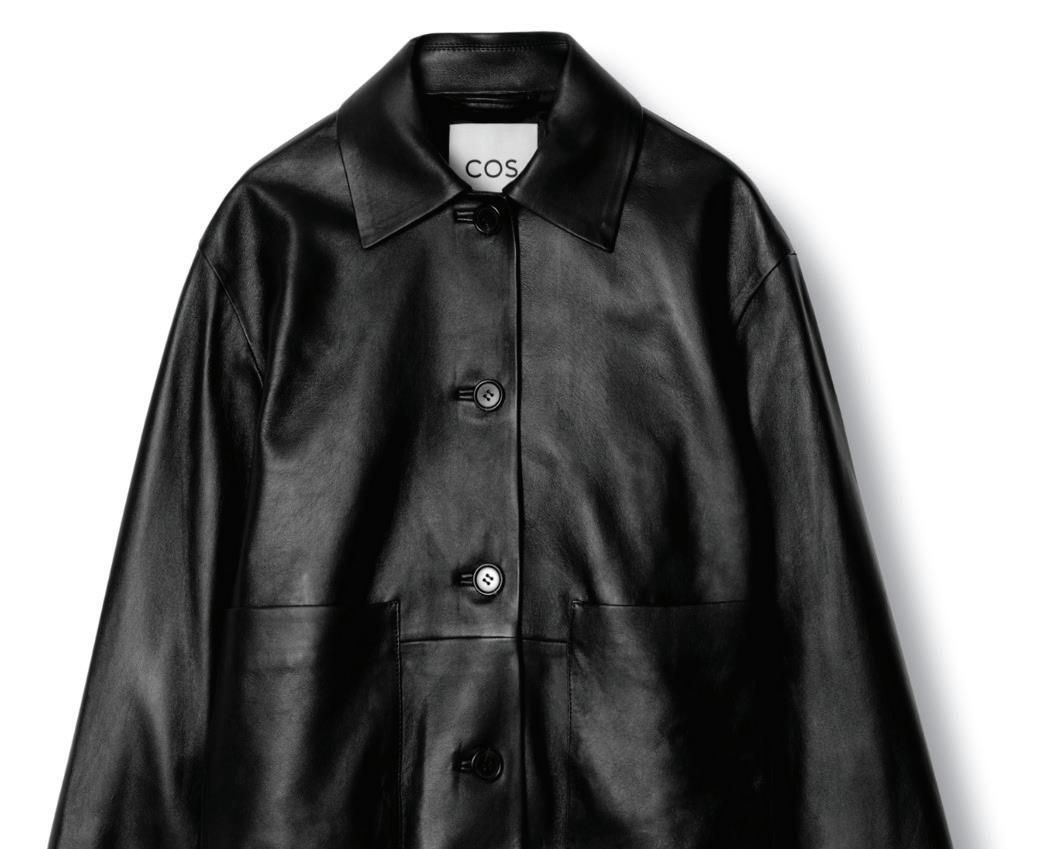
6. Aritzia: Damasque Skirt in Sundried Olive


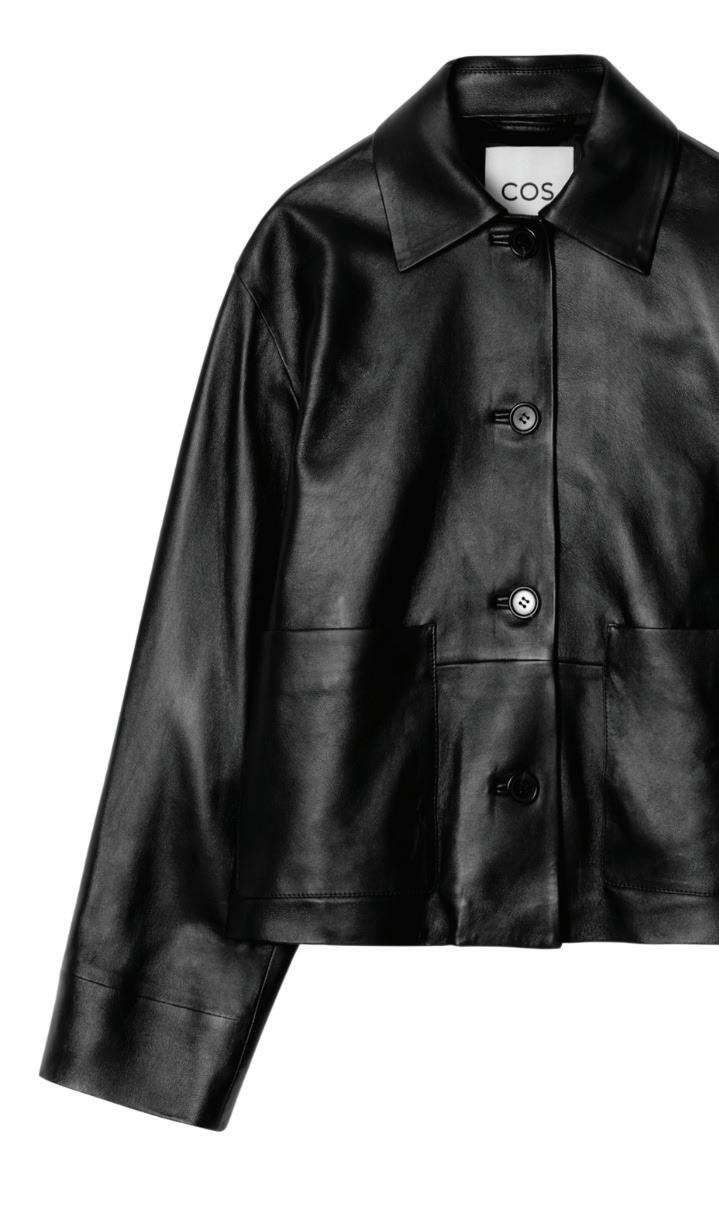
$128 | aritzia.com


This tiered maxi is cut from airy, crinkled fabric with a high-rise waist and soft, gathered drape. Its breezy construction keeps it comfortable in summer heat while pairing easily with light sweaters for cooler fall days.
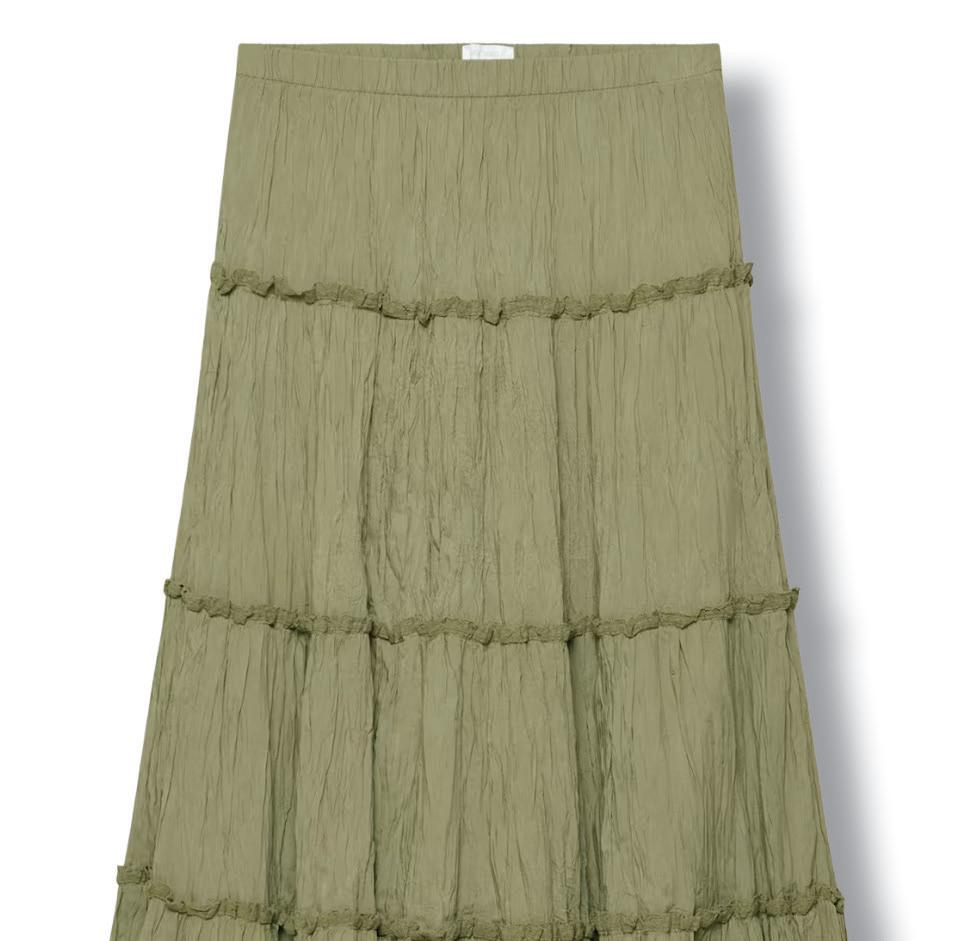
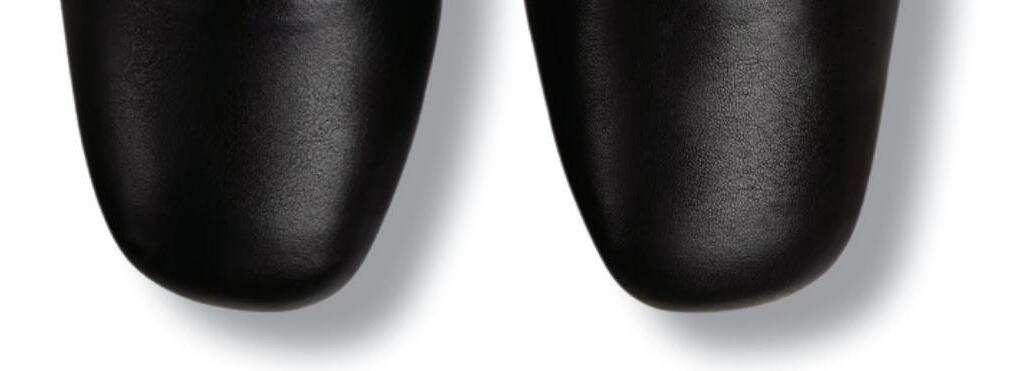




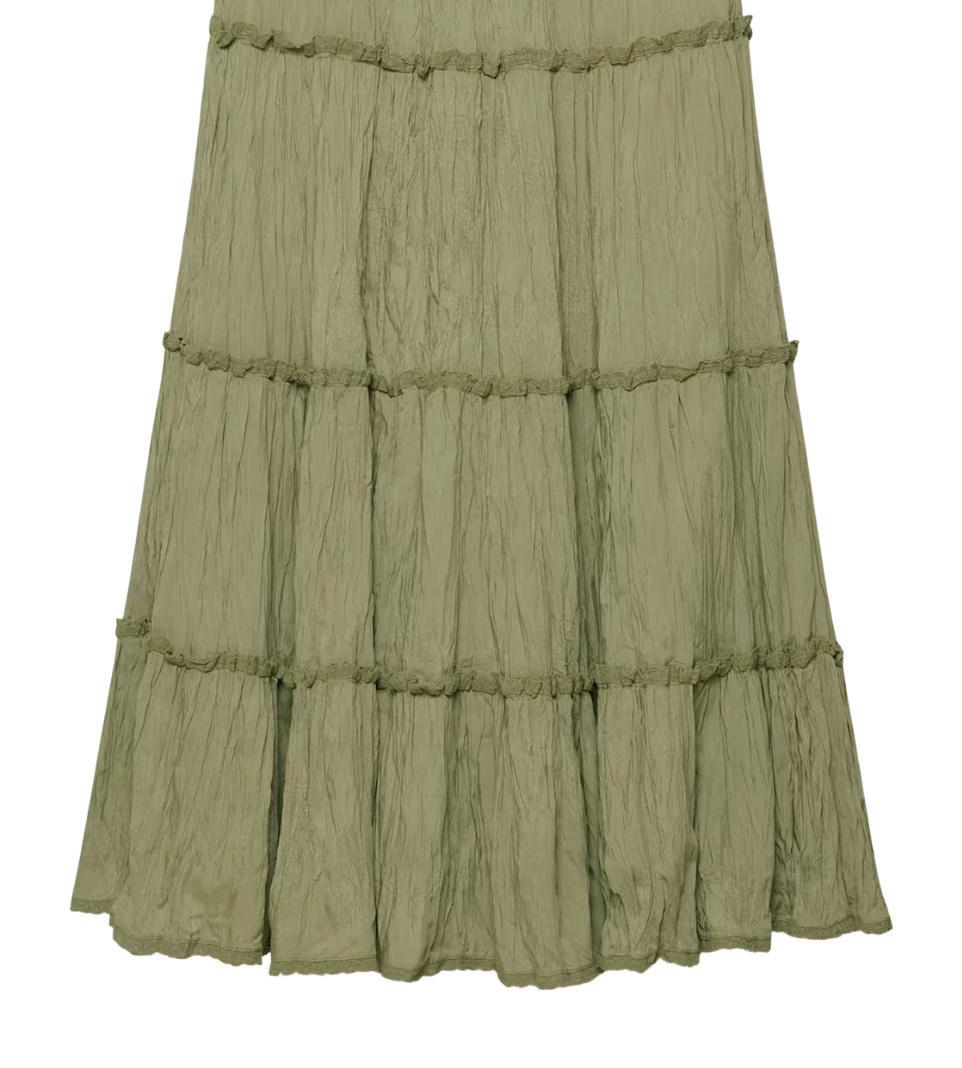




















National Women’s Equality Day, held on Aug. 26 each year, highlights the strides women have made in shaping industries, communities and the future of business leadership. Three executives from Fashion by Informa—Edwina Kulego, Jordan Rudow and Purvi Kanji—exemplify the progress and promise that this day celebrates. Collectively, they embody resilience, vision and influence, each bringing unique strengths to the global fashion industry while championing the advancement of women everywhere.



Edwina Kulego, VP of events for men’s, international and Sourcing at Magic, embodies the spirit of celebrating the achievements of women throughout history. Along with bringing specialized expertise in omnichannel solutions for the global fashion business-to-business industry, Kulego launched Informa Markets Fashion’s international development arm in 2016. She also expertly runs Project, an influential trade show focusing on contemporary men’s and women’s apparel, footwear and accessories. This work demonstrates her remarkable business acumen and commitment to shaping the fashion landscape. Her dedication extends
Jordan Rudow, VP of Magic, exemplifies strong leadership in the fashion industry. As a senior executive with over 18 years of experience, she has provided exceptional leadership in highly competitive markets across diverse categories, showcasing the powerful impact women can have in leadership roles. She is responsible for the success and growth of Magic and Offprice, focusing on strategic direction, financial performance and long-term sustainability. This role highlights her influence and ability to drive profitability and operational excellence. By aligning with customer
As VP of events for Coterie, Purvi Kanji represents the kind of leadership and influence that resonates with the spirit of Women’s Equality Day. Leading Coterie New York, the premier global marketplace for contemporary fashion brands, Kanji’s strategic vision enhances the platform's position as a cornerstone of the fashion industry. With over a decade of experience, her exceptional expertise in brand development, global merchandising and market leadership allows her to transform brands into market leaders, inspiring countless women to pursue impactful
beyond the corporate world to her role as a member of African Health Now, a nonprofit organization providing accessible primary healthcare in Africa. Fluent in Swedish, English, Ga and Twi, and proficient in Danish, Kulego’s multifaceted achievements reflect the progress women continue to make around the world.
needs and market trends, and leveraging data and deep market insights, Rudow leads her team in designing and executing innovative, high-impact events. In doing so, she not only excels in her field but also advocates for women’s equality, demonstrating what strong female leadership can achieve in a demanding industry. Her career trajectory and proven success serve as an inspiration, embodying the spirit of progress and empowerment that Women’s Equality Day represents.
careers in the fashion world. Her deep understanding of the fashion ecosystem and proven ability to drive growth and innovation demonstrate the powerful influence women can wield in leadership roles.



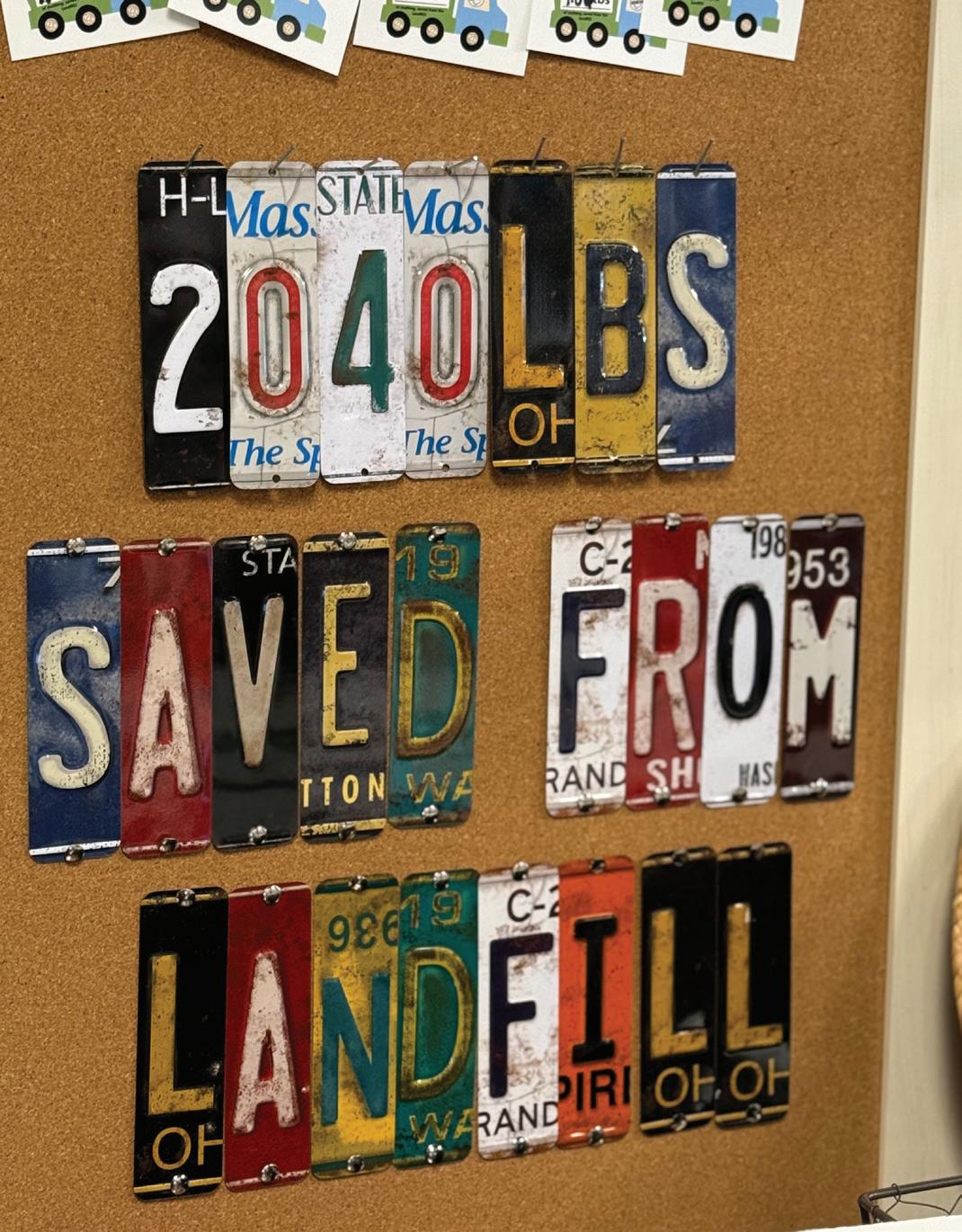
In an industry defined by speed, excess and endless cycles of newness, Project ReWear is taking a radically different approach: slowing fashion down, centering community and proving that sustainability can be stylish, accessible and measurable.
Project ReWear was born out of a shared frustration with fashion’s waste crisis. Both of them had witnessed the overwhelming bins of barely worn clothing piling up in thrift shops and donation centers. Both saw families drowning in a system designed for profit over people or the planet. And both believed there had to be a better way.
management, and Linda Young, who
Founded by two moms from very different industries—Kimberly Lau, who spent 24 years in wealth management, and Linda Young, who built her career in retail management and global brand development—

The Landfill Project: Making Waste Visible
Their solution was not another resale shop or charity collection bin, but an impact-first marketplace designed to shift consumer habits at scale. At the core of Project ReWear is a guiding belief: secondhand should feel and be second nature.



Launched in Thousand Oaks, California, Project ReWear combines resale, community programs and education into what Lau and Young call “a blueprint for change.” Rather than focusing on transactions, the brand measures transformation—of items, of mindsets and of the broader fashion ecosystem.
Every piece of the model is designed for both style and substance. Affordable, trend-forward resale options ensure that secondhand shopping is approachable for every shopper. Education programs bring the next generation into the sustainability conversation. And community-driven initiatives build trust and loyalty beyond the point of sale.
“We’re not here to sell hangers,” Lau said. “We’re here to shift habits.”


If Project ReWear has a heartbeat, it’s the Landfill Project—a real-time impact tracker that weighs every item at the point of purchase, in-store and online. The goal is simple but powerful: show customers the exact number of pounds of textile waste they are helping keep out of landfills.
“Most people don’t realize how quickly clothing becomes waste,” said Young, who was elected board president of a California nonprofit thrift organization in 2020 before co-founding Project ReWear. “When you see the number in pounds, not pieces, it changes how you think about shopping.”
The system has already diverted over 2,000 pounds of clothing from landfills—an impact celebrated with milestone events and discounts to reward collective action. But for Lau and Young, the counter is more than a marketing tool; it’s proof that circular fashion is measurable, scalable and replicable.
The Don8 Project: Rethinking Fashion’s Last Stop
In the age of fast fashion, donation bins have become the final resting place for our

garments never make it to a new closet. Instead, they’re exported abroad or dumped
castoff clothing. But behind the convenience lies a sobering truth: up to 80% of donated garments never make it to a new closet. Instead, they’re exported abroad or dumped into landfills, fueling a global waste crisis.
Enter the Don8 Project, a bold new initiative
Enter the Don8 Project, a bold new initiative from Project ReWear that asks a radical question: What if the donation system wasn’t broken, but circular?
process that treats every piece of clothing with respect and responsibility. Every item is weighed, tracked and will be redirected for maximum impact. Trend-led and stylish a
upcycled, downcycled and transformed into
At the heart of The Don8 Project is a process that treats every piece of clothing with respect and responsibility. Every item is weighed, tracked and will be redirected for maximum impact. Trend-led and stylish pieces will find a second life at very low prices in the Project ReWear store. Wearable items that don’t find a home at Project ReWear will be funneled to nonprofits that put clothing directly into the hands of people in need—no resale, no markup, just dignity. And for the unwearable? They’ll be upcycled, downcycled and transformed into something new.
This isn’t charity. It’s a blueprint. A system of is a guiding belief: secondhand should feel
This isn’t charity. It’s a blueprint. A system that acknowledges a sobering fact: There are already enough clothes on Earth to clothe the next six generations.







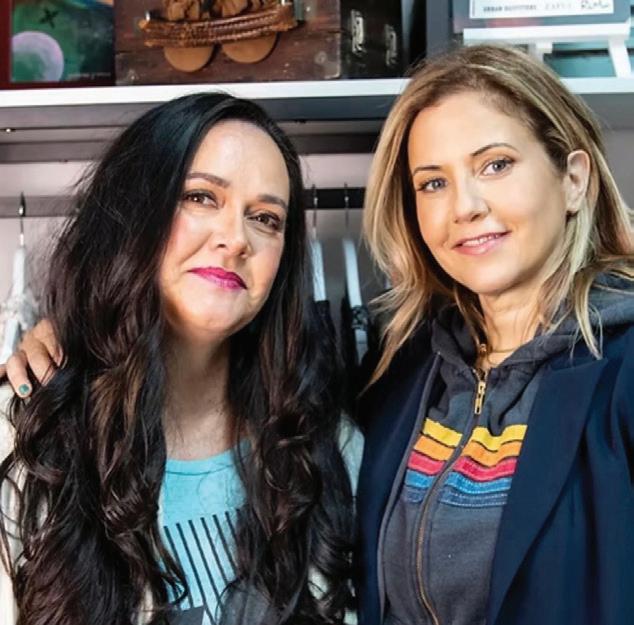






For Lau and Young, The Don8 Project isn’t just about waste diversion—it’s about reimagining accessibility, accountability and the culture of giving. They’ve set an ambitious first-year goal: 8,000 pounds of wearable donations—roughly 666 pounds each month. To put that into perspective: 8,000 pounds is the same amount of textile waste that’s dumped into landfills every single second worldwide.
By making the numbers visible, Lau and Young invite donors to be part of the story, not just the drop-off. With its mix of transparency, design thinking and mission-driven urgency, The Don8 Project feels less like a donation model and more like a movement. One where “Goodbye landfill, hello closet” isn’t just a slogan—it’s a promise for fashion’s future.



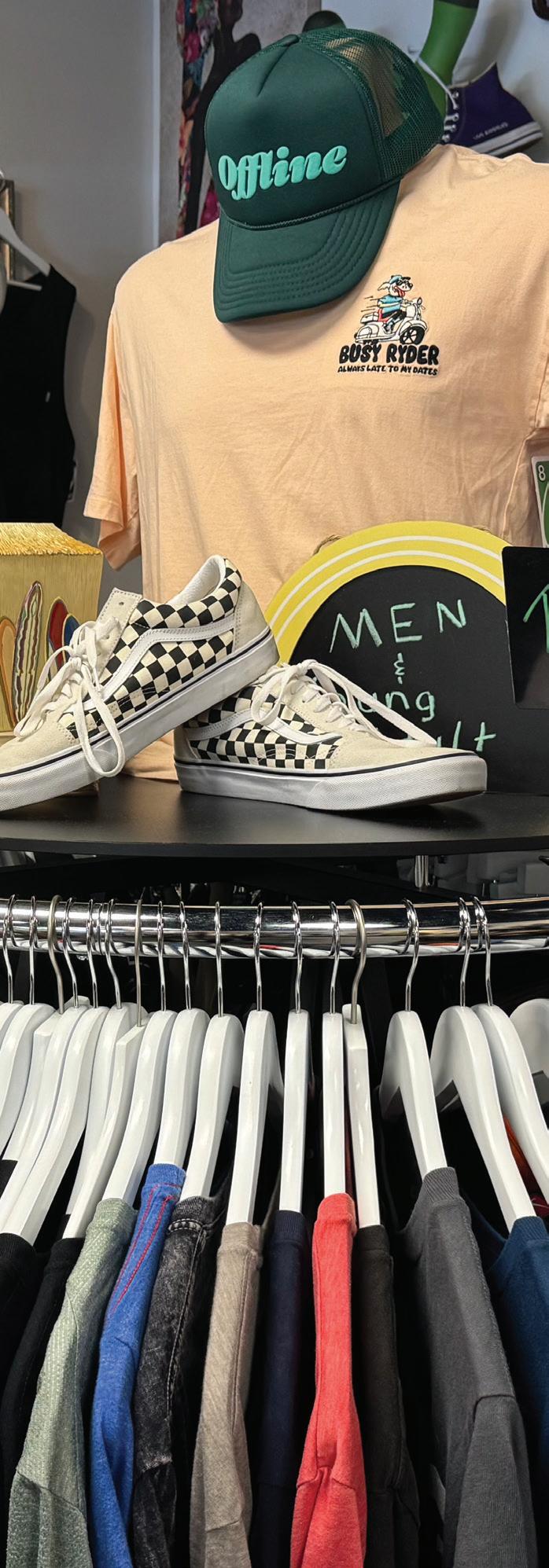



Beyond resale and donation, Project ReWear has also built one of its most popular in-store features: the Community Rack. Operating on a “Take One, Leave One” model, the rack offers free clothing with dignity and style. Customers can swap a gently used item for another— no money exchanged, no stigma attached.



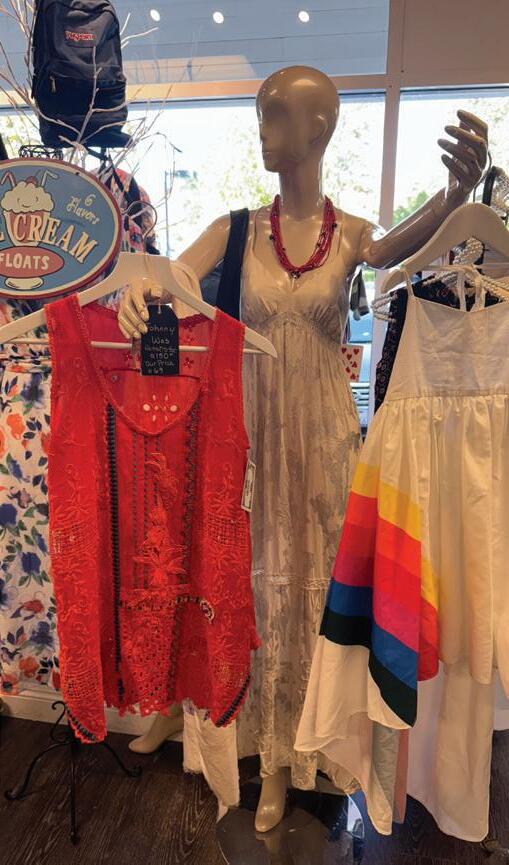



a One” the style. that generosity fashion.


It’s a small but symbolic program that underscores the brand’s belief that generosity and accessibility must be embedded in the fabric of sustainable fashion.
From Local Roots to National Blueprint Project ReWear’s story is one of local innovation with global relevance. By designing a model that pairs business savvy with community impact, Lau and Young are challenging the industry to rethink what “sustainable fashion” really means.


Where many brands focus narrowly on recycled fabrics or carbon offsets, Project ReWear emphasizes a holistic, circular model that addresses overproduction, overconsumption and community need simultaneously. By tracking impact in pounds and rewarding collective milestones, the brand offers a replicable framework that could inspire other retailers, nonprofits and entrepreneurs across the country.
And now, the blueprint extends online. Project ReWear’s e-commerce platform just launched, adding new items weekly—with each garment tagged not only by size and price, but by its weight saved from landfill. It’s a radical transparency play that makes the mission visible on every page. Since launching earlier this year, Project ReWear has already extended its reach beyond Southern California, offering affordable, preloved fashion to shoppers nationwide while expanding the visibility of its mission.


Every second, a garbage truck’s worth of clothing is wasted globally. Project ReWear refuses to accept that as an inevitability. Instead, Lau and Young are proving that small, intentional shifts—donating instead of discarding, buying resale instead of new—add up to measurable impact.
Project local relevance. that Young are rethink means. focus overproduction, community need By pounds collective that could entrepreneurs across the platform items each not weight saved It’s makes the visible every year, extended offering fashion mission. It accept that an Instead, Young are buying instead new—add to impact.


For the fashion industry, the lesson is clear: sustainability doesn’t have to be abstract. It can be concrete, trackable and community powered.


As Lau puts it: “We built Project ReWear to show that doing what’s right can be easy. And when it’s easy, it becomes second nature.”
the clear: sustainability doesn’t be can concrete, powered. “We that be second of its



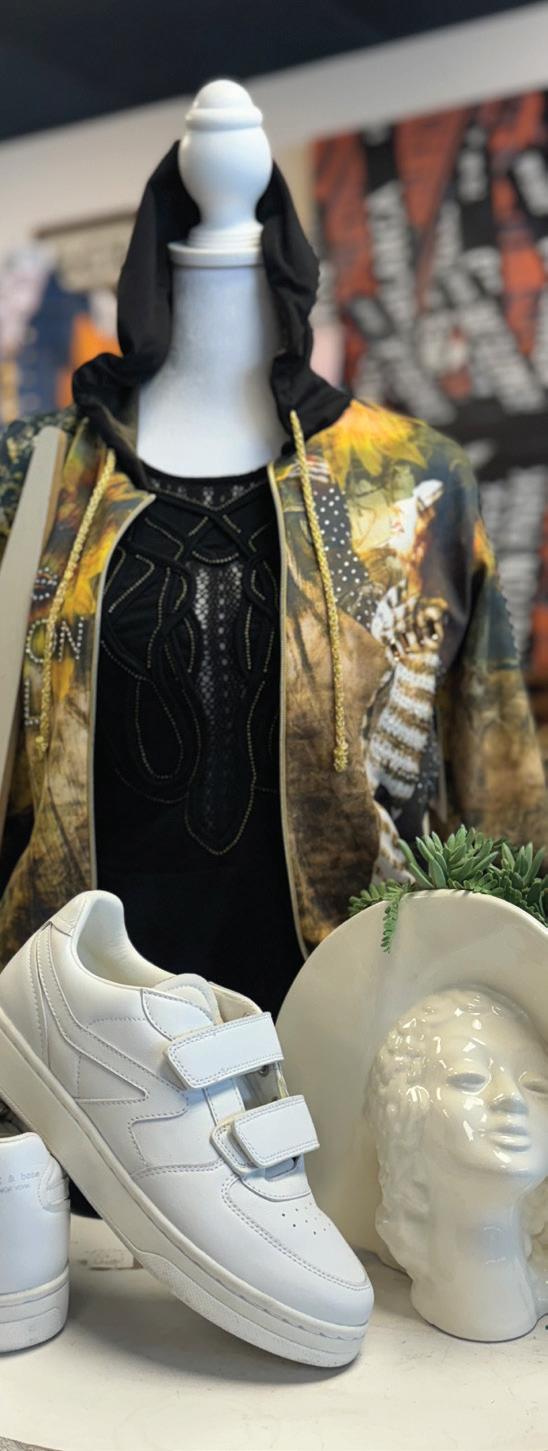



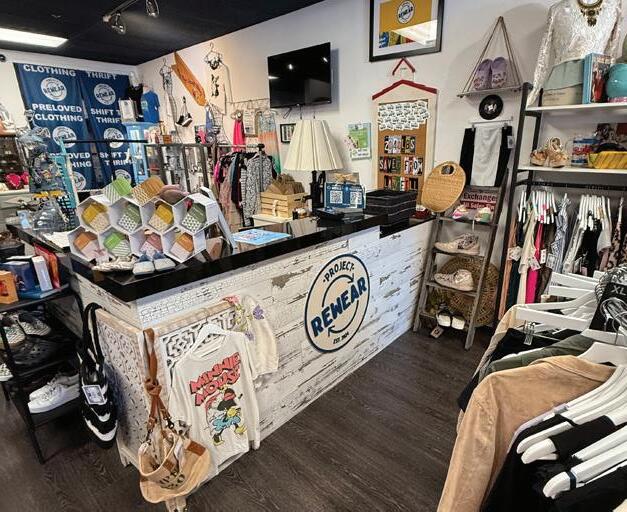





Natalie Simkins is redefi ning classic style for the modern woman. As a digital wardrobe stylist, Simkins began her journey into fashion almost by accident. While working in commercial real estate, she started casually sharing her offi ce outfits on Instagram as a creative outlet. What began as a side hobby quickly gained traction—thanks to her approachable tone, polished looks and knack for timeless styling.
Her “aha” moment came when a friend’s wedding look unexpectedly went viral among her followers. The DMs started rolling in, asking for outfit details, and Simkins realized she had something special. Soon after, she transitioned into full-time content creation, building a platform rooted in authenticity and effortless style.
From Office Outfits to Online Influence Simkins’ style ethos is grounded in simplicity and longevity. Rather than chasing every trend, she focuses on building a wardrobe that’s versatile and intentional. Her signature aesthetic blends tailored staples with soft, feminine details. She believes personal style should evolve, not expire.
And it’s exactly that perspective that has earned her a loyal, ever-growing community online. Whether she’s dressing for a city brunch or a coastal getaway, her outfits feel thoughtful but never overdone.
Summer Style, the Simkins Way
This summer, Simkins is leaning into soft textures, neutral palettes and breezy silhouettes that marry comfort with polish. She gravitates toward fabrics like linen and cotton in ivory, blush and soft earth tones. Flowy mini dresses, romantic puff sleeves and subtle tailoring are her go-to choices—perfect for warm days and golden-hour moments.
She balances timeless investment pieces with accessible fi nds, mixing brands like Dôen, Reformation and Toteme with Zara or vintage treasures she’s sourced herself. Her summer wardrobe feels curated but lived-in—never fussy, always wearable.
















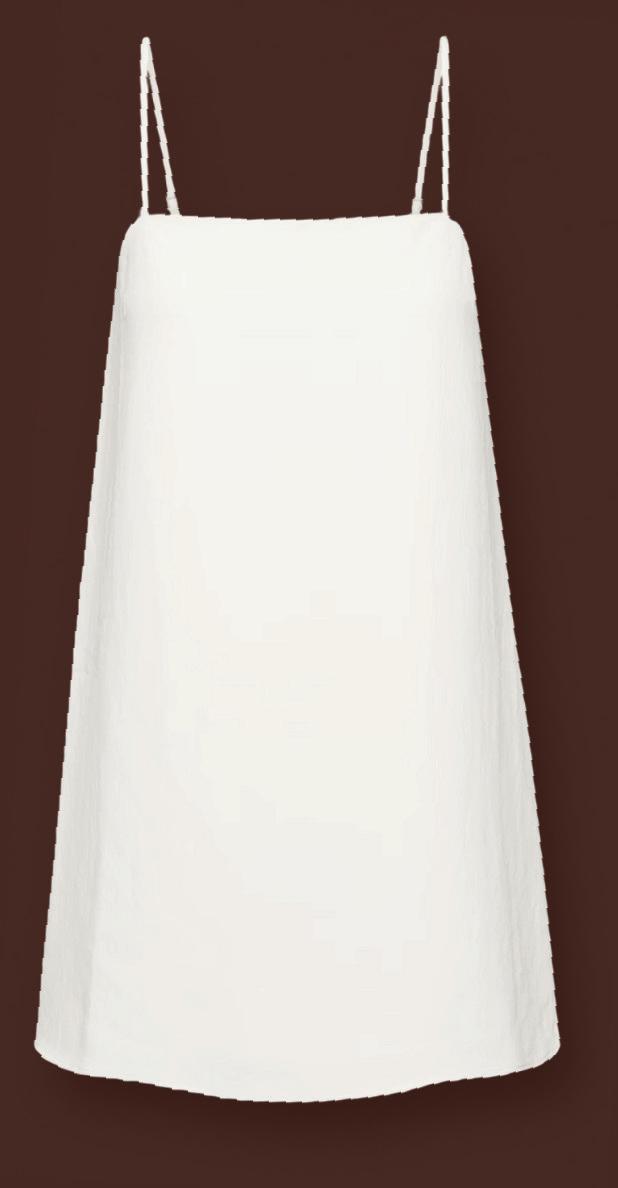






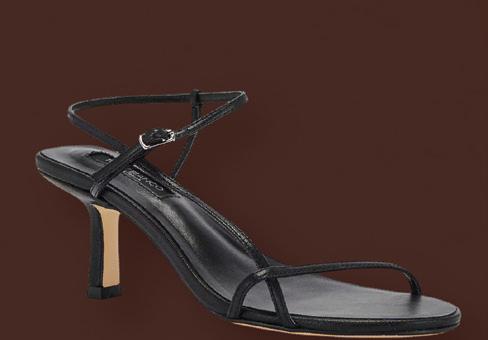












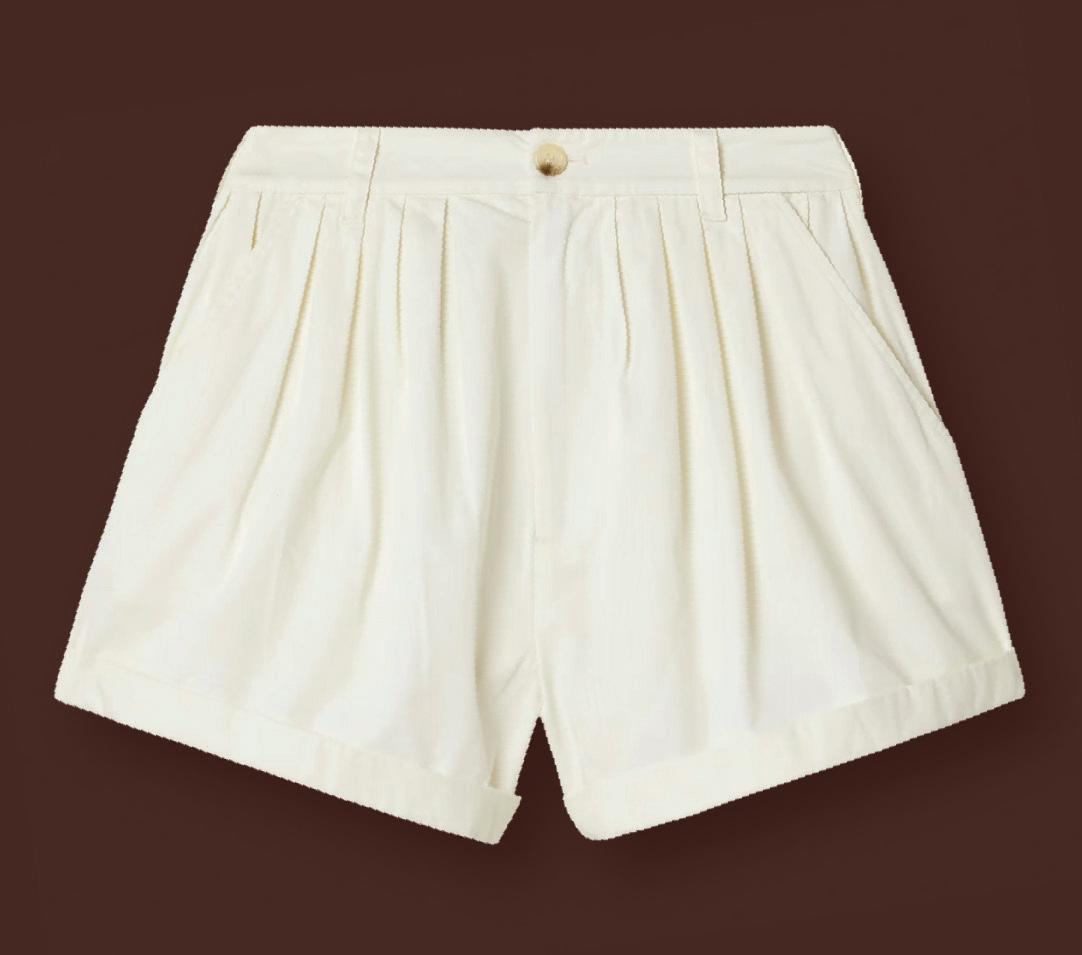













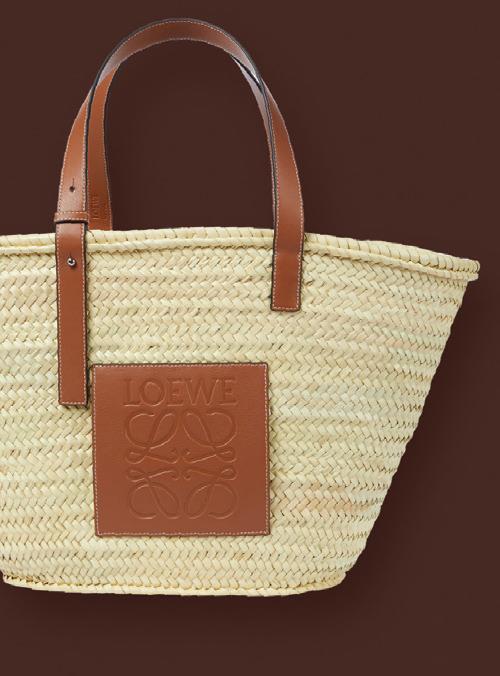








Pre-Register
Dallas Apparel & Accessories Market

OCTOBER 21-24, 2025 | JANUARY 20-23, 2026


EXCLUSIVE DETAILS FOR SHOWS IN:
• Dallas
• Denver
• Las Vegas
• Los Angeles
• Nashville
• Orlando
• New York

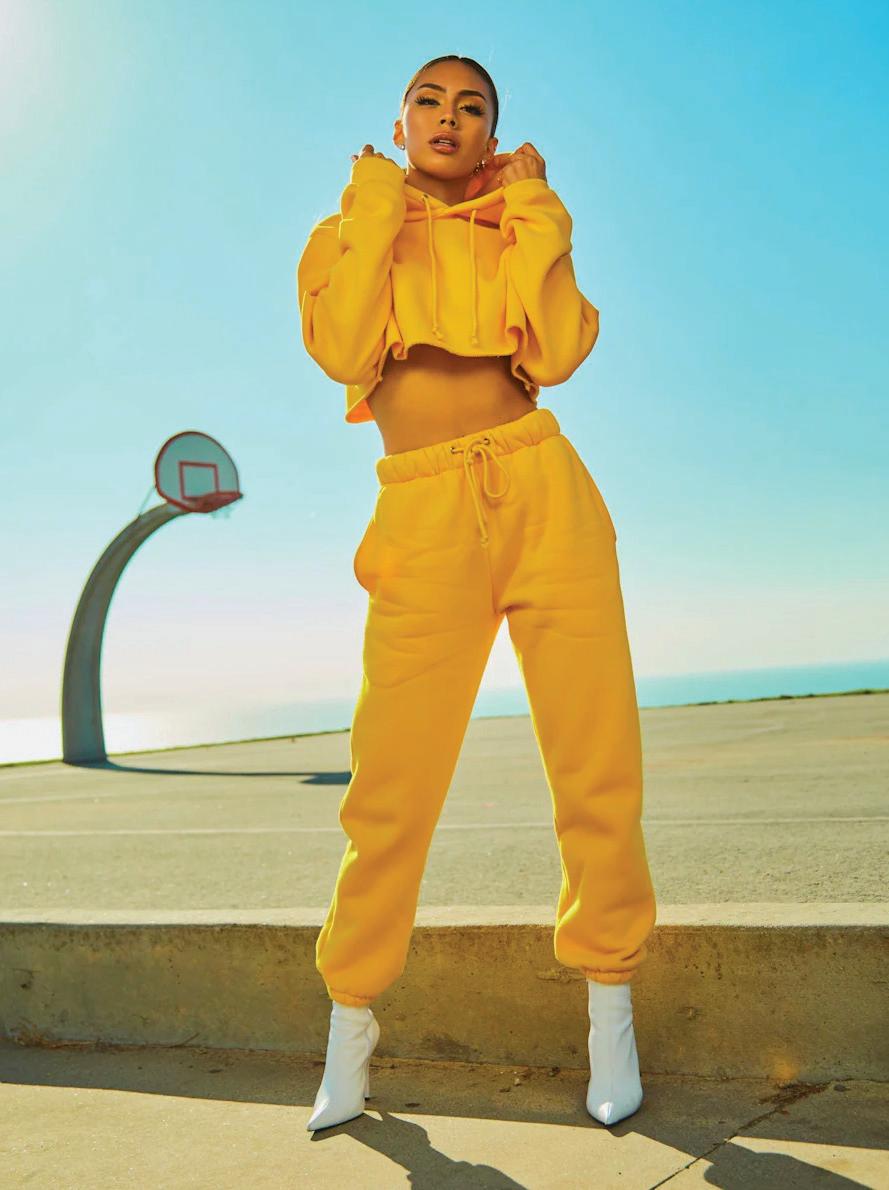
CONNECTING THE FASHION INDUSTRY WITH THE WORLD OF TRADESHOWS
Curve New York Sets the Standard for Lingerie Market Week With a Bold Blend of
Curve New York concluded its Summer Edition from Aug. 3 to 5 at the Javits Center River Pavilion, bringing together over 125 intimate apparel and swimwear brands from around the world for Lingerie Market Week. As North America’s leading intimate apparel trade show, Curve previewed Spring/Summer 2026 collections through a dynamic mix of show floor exhibits, runway presentations and educational panels.
Between appointments, buyers attended expert-led conferences on shapewear, sustainability and trends—diving into consumer insights, retail forecasting and business growth strategies.
A Global Brand Mix
Newcomers including Aimer Chuang, Amoena, Floately, Forever New Delicate Wash, Her Own Words, Iroha, Komilfo and Pepper joined returning leaders such as Anita, Aubade, Chantelle, Cosabella, Empreinte, Fashion Forms, Leonisa, Passionata, Simone Pérèle and Wacoal. This blend of innovators and established names reflected Curve’s commitment to fostering both discovery and growth in the intimates sector.
Connecting Brands and Buyers
Curve’s “Speed Dating” program gave eight brands the opportunity to pitch directly to buyers in quick, impactful sessions—sparking potential partnerships and collaborations.
With the global lingerie market valued at over $95 billion and projected to exceed $140 billion by 2030, Curve continues to play a pivotal role in driving inclusivity, innovation and elevated design. “Consumers are treating intimates and swimwear as a style statement, not just utility,” said Raphael Camp, CEO of Comexposium US. “The category is more inclusive, fashionforward and innovation-driven than ever before.”

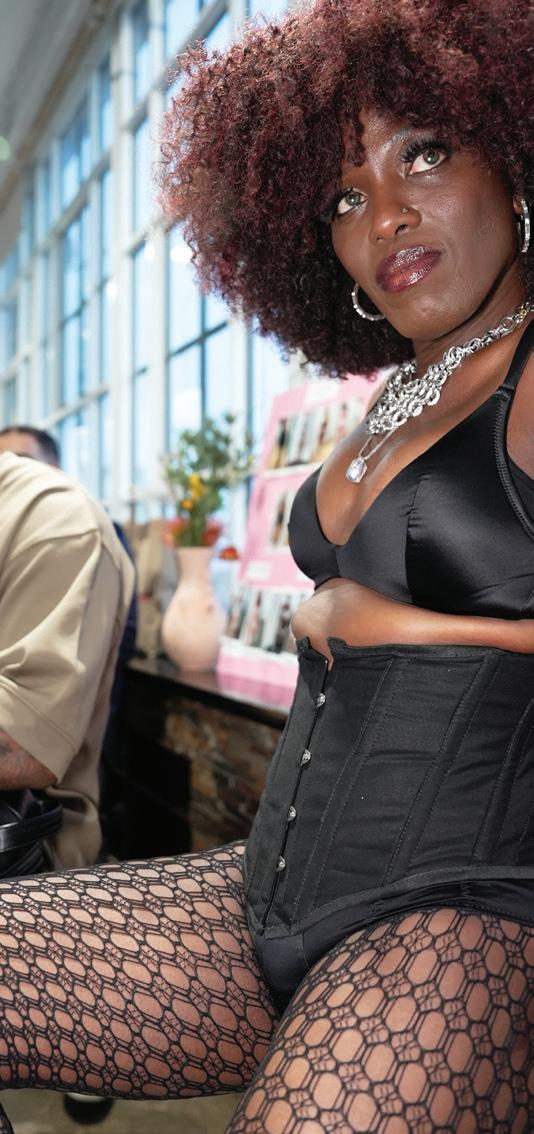
From Brazil to Australia, Colombia to Germany, brands showcased sustainably made loungewear, inclusive shapewear, adaptive silhouettes and emerging accessories. Highlights included Ms. A London’s shapewear for trans individuals and Rolling’s pole dance-inspired designs. Brands like Iroha and Crave introduced intimate accessories that reflect a fresh design approach for the industry.
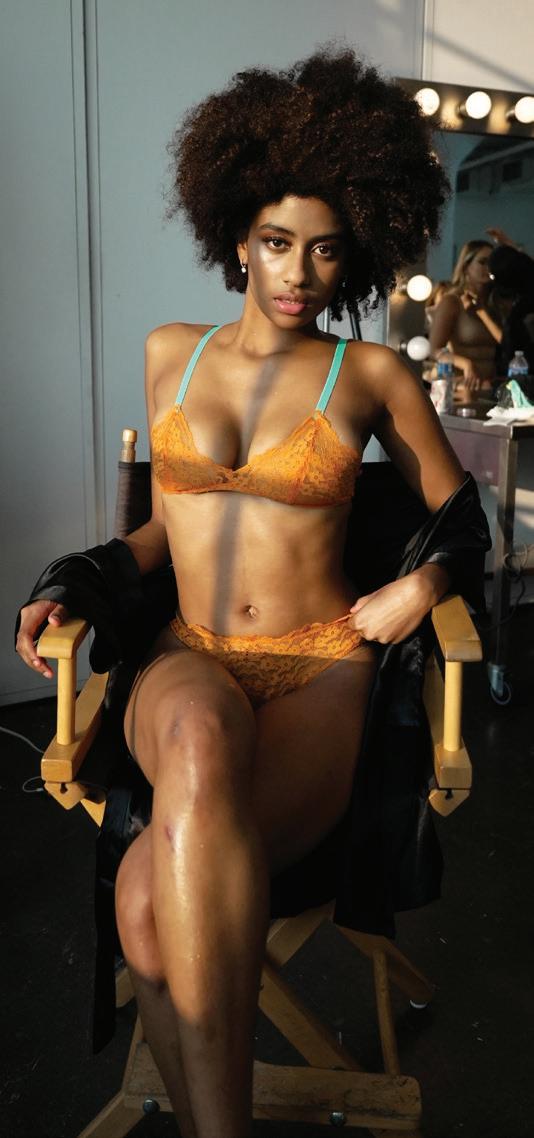
The second edition of Object of Desire featured original designs from Alicetek, Cisô Atelier, Lala Vie, Noblesse Oblige, Rolling, Sapph, Soreil Lingerie and Vesey. The showcase began with a preview event at Wolf & Badger SoHo, allowing designers to connect personally with retailers and media.
That evening, Fashion Forms and Curve hosted a private dinner at Vallata by Craft. Founder Ann Deal shared her brand journey and announced that 60% of Fashion Forms’ products are U.S.-made, with a goal of 100% by 2027.

Opening day welcomed global buyers, editors, influencers and industry leaders.
The “From Sustainability to Sales” panel, hosted by Shapellx, explored how shapewear brands are aligning with consumer values through sustainable materials, circular design and co-creation with customers. The day closed with a lingerie and swim fashion show featuring Elomi, Fantasie, Freya and Goddess.
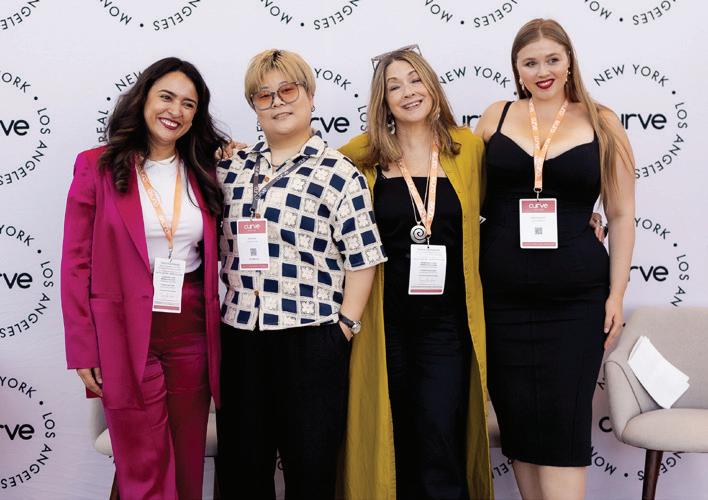
The day began with Curve’s Trend Forecast 2026 panel moderated by Kendall Becker of Trendalytics, with MJ Day of Sports Illustrated Swimsuit and Madison Rexroat of Elle. Experts discussed key SS26 trends and styling opportunities, complemented by live product presentations from the show floor.
Fit expert Freddy Zappe marked her 30th anniversary in bra fitting with a masterclass on ensuring perfect fit—a key driver of consumer satisfaction. “Buyer Speed Dating” returned in the afternoon, followed by an exclusive runway show at Canoe Studios overlooking the Hudson River. Collections from Aimer Chuang, Alicetek, Cisô Atelier, Elomi, Fantasie, Leonisa, Pepper, Rolling, Simone Pérèle and more took center stage and connected at the end of the day.
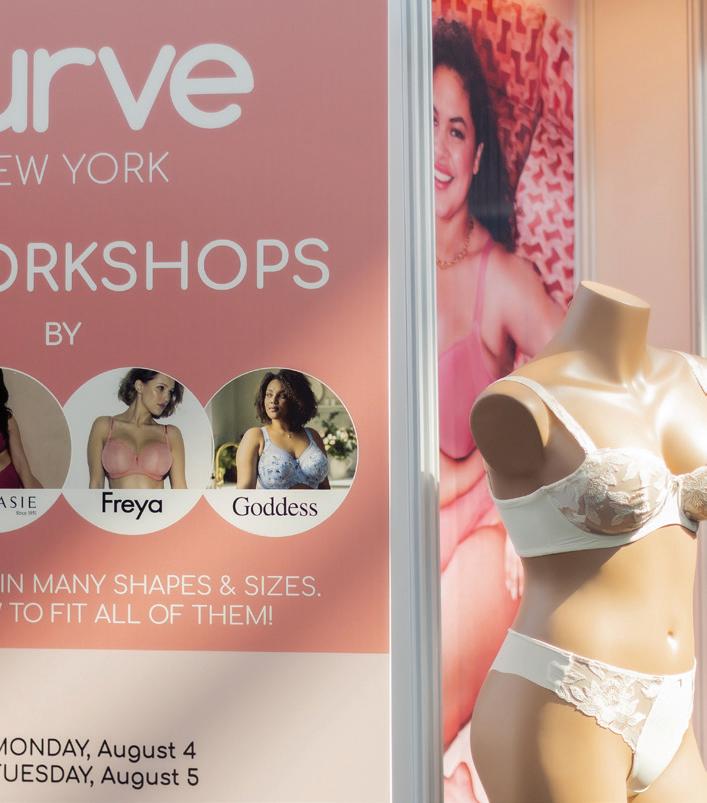
The show closed with another Fit Focus session by Freddy Zappe, reinforcing Curve’s commitment to education and industry standards.
The Summer Edition wrapped three days of networking, product discovery and forwardlooking insights. From adaptive lingerie to sustainable swimwear, Curve showcased the creativity, craftsmanship and inclusive vision shaping the future of intimates.
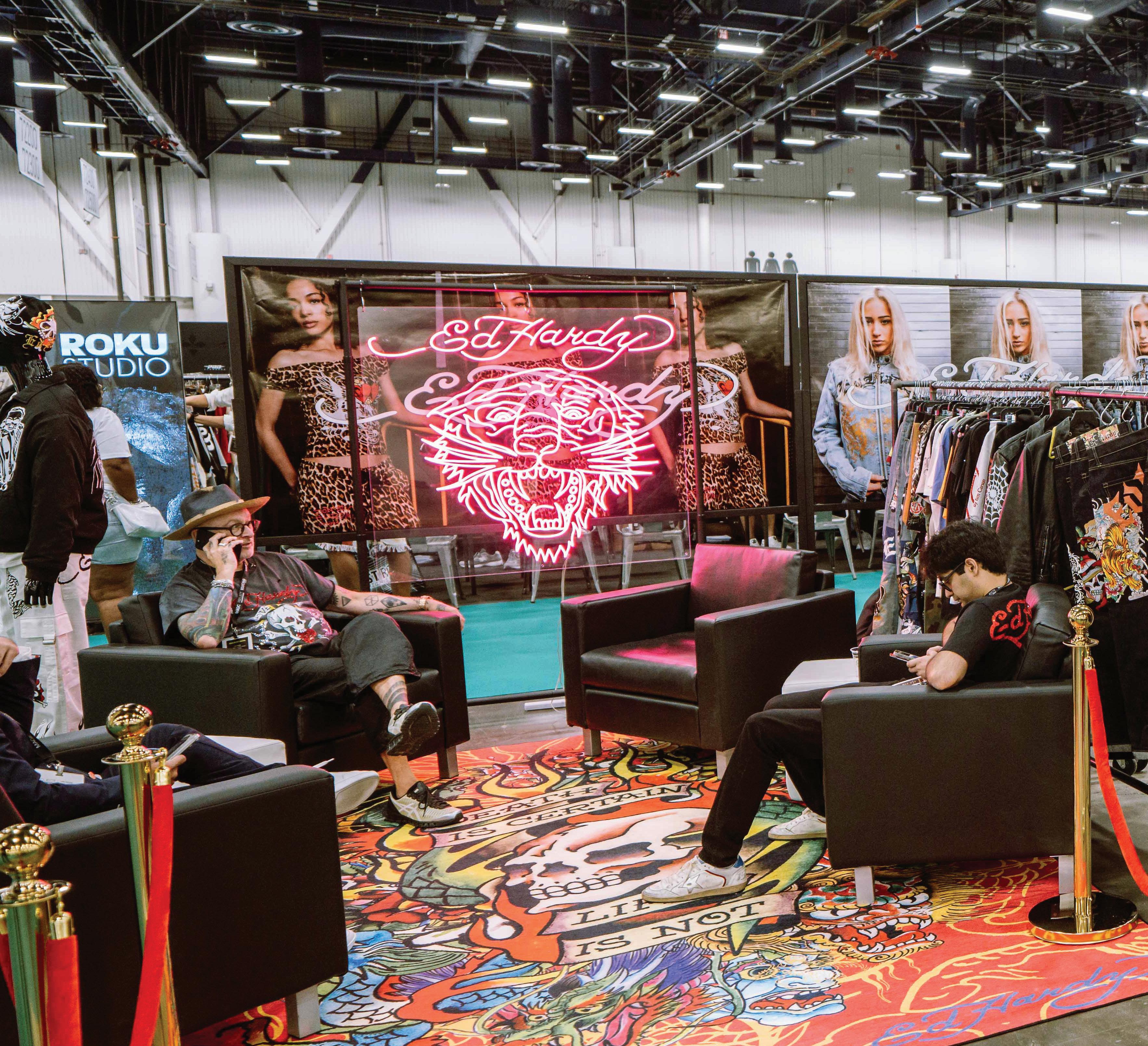
Magic, Project and Sourcing at Magic Las Vegas Presented a Comprehensive
The fashion industry’s premier business marketplace delivered unprecedented global connectivity, as Magic, Project and Sourcing at Magic Las Vegas concluded with over 40 countries across its expansive show floor. The international convergence of brands, designers, manufacturers and industry leaders delivered a platform for fashion trend discovery and business development.
The events attracted a robust lineup of premier buyers and retailers, solidifying the marketplace of events as a major fashion commerce and trend forecasting destination for the upcoming
Magic Las Vegas reaffirmed its status as fashion’s definitive trend incubator for women’s apparel, creating an outlet where emerging aesthetics converge into commercial opportunities. The show’s carefully curated environment showcased collections spanning trend, young contemporary, modern sportswear and contemporary women’s fashion, all strategically positioned across affordable to moderate price points to maximize retailer accessibility.
Standout brands, including Free People, ASTR The Label, 7 For All Mankind, Dolce Vita, Havaianas, Gigi Pip and Johnny Was, captivated buyers with their innovative collections of current trends. Elemental Flow was a standout trend this season, with watery pastels, breathable fabrics and romantic silhouettes dominating collections, cementing its status as a defining aesthetic movement that designers and retailers alike are investing in heavily for the coming Spring/Summer 2026.
“Magic brought together an exceptional range of women’s collections showcasing this season’s dominant trends, from Elemental Flow’s fluid silhouettes to Vibrant Escape’s vibrant palette and beachy details,” said Jordan Rudow, vice president of Magic, Fashion by Informa. “The dynamic convergence of established and emerging labels offered a comprehensive forecast of the specific aesthetics, colors and silhouettes consumers will demand in the coming seasons, allowing retailers to confidently build trend-aligned assortments that balance commercial viability with fashion-forward positioning.”
Project Las Vegas cemented its position as the premier destination for men’s contemporary fashion, featuring an expertly curated presentation of apparel, footwear and accessories. Y2K nostalgia emerged as one of the show’s dominant trends, with iconic brands like Ed Hardy and Von Dutch in attendance. The athleisure trend also continues its powerful momentum, with golf, skate and sportsinspired establishing themselves as cornerstone categories within men’s fashion.
In addition, the streetwear category of Project continues to expand and grow, as everyday essentials and casual basics get elevated through bold designs and accessories, such as hats and footwear that reflect individual taste and self-expression. Leading brands such as Market Studios, Head Golf and Lost My Accent showcased their latest collections representing these trends.
buying seasons. The inaugural Retail Solutions Center supported retailers’ growth and scalability, providing a dedicated lounge space for one-on-one meetings and networking events, creating an optimal environment for meaningful business connections.
Registered retailers across Magic, Project and Sourcing at Magic included Asos, Hemline, Bloomingdales, Urban Outfitters U.K., Dillard’s, Buckle, Macy’s, Nordstrom, Tillys, Zumiez and many others.
“Project remains the essential platform for forward-thinking menswear with authentic individuality, where we’ve seen remarkable innovation in athleisure and nostalgia trend evolution this season,” said Edwina Kulego, VP of events for men’s, international and Sourcing at Magic. “Separately, Sourcing at Magic has emerged as a crucial resource for brands navigating supply chain transformation, with our global exhibitors presenting groundbreaking advancements in digital printing technology and material development. The international representation provides our attendees with unmatched diversity in sourcing solutions that address both immediate needs and long-term strategic goals.”
Sourcing at Magic connected designers and brands with global manufacturing organizations under one roof. Sourcing’s robust international presence included key participating countries, such as Türkiye, Egypt, India, Pakistan and many others. This year’s event also featured a debut delegation from Colombia, marking a significant expansion of South American representation and introducing buyers to the country’s distinctive blend of artisanal craftsmanship and design.
The event’s educational program equipped industry professionals with critical insights and forward-thinking strategies. Attendees gained valuable foresight through the comprehensive “Intro to the FW26/27 Season: Culture, Materials and Color” presentation, which unveiled emerging trends in fibers, materials, constructions, finishes, detailing and new color direction.
In addition, the “Policy Pivots Update in 2025” presentation provided essential guidance on navigating the evolving regulatory landscape affecting global trade, sustainability requirements and compliance standards that impact sourcing decisions.
Sourcing at Magic also hosted expanded home, gift and beauty textile offerings to meet increasing demand as brands look to diversify product ranges. Swim and athletics manufacturing emerged as another dominant trend, with exhibitors showcasing innovative technical fabrics, sustainable production methods and advanced performance technologies that address growing consumer demand for versatile activewear.
Magic, Project and Sourcing at Magic Las Vegas will return Feb.17-19, 2026, to the Las Vegas Convention Center.


About 690 attendees from nearly 320 companies met with representatives from about 80 denim companies at the recent Kingpins New York, held at Pier 36.
Attendance increased slightly over the July 2024 show and companies included Levi’s, Gap, Alexander Wang, Proenza Schouler, R13, Kulson, Who Decides War, Telfar, Veronica Beard, Derek Lam, 45R, Ralph Lauren, RTA, Triarchy, Genius Group, Good American, Supreme, Todd Snyder, Flysón, Imogene + Willie, 7 For All Mankind, AG Jeans, Alice + Olivia, BBC Apparel Group, Calvin Klein, Michael Kors, Carhartt, Lucky Brand, Madewell, Kate Spade and Kontoor Brands, among many others.
This season, Kingpins introduced a new area devoted to Japanese mills and manufacturers, a showcase of new denim innovations and an educational program for the entire denim community. “The
feedback has been clear: People noticed the thought and care we put into every detail, from a full house of seminars to the energy on the floor,” said Vivian Wang, CEO of the international denim supply chain trade show. “That tells me we did something right, and I’m truly grateful. We understand our industry faces ongoing challenges— from tariffs to shifting supply chains and global uncertainty. But brands continue to come to our show. That is important. In the years since the pandemic, we’ve all learned to adapt—and more importantly, to reprioritize. So, seeing both new and familiar faces at the show means the world to us.”
New Initiatives and Exhibitors
Made in Japan: This new section, focused on the quality and craftsmanship of Japanese denim, featured a select group of companies, including Ideablue, Ice, Japan Delivery Service, REFLOS and Rainbow Textiles
Photos courtesy of Kingpins
Denim elements courtesy of Adobe/Lumos sp

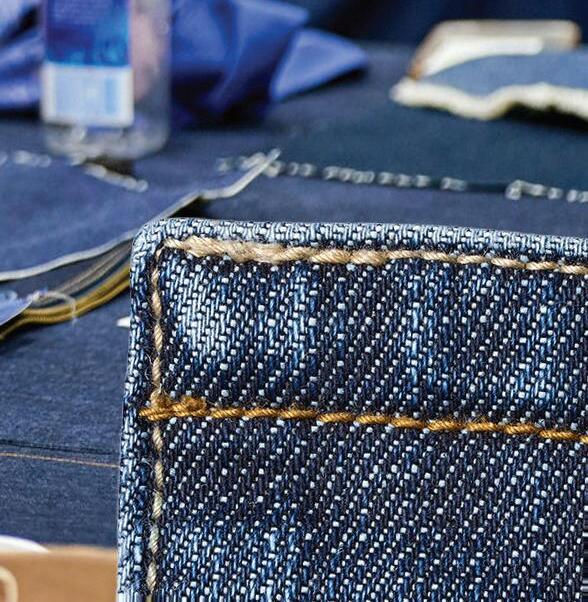

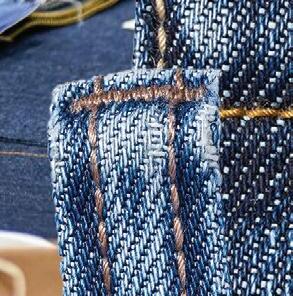
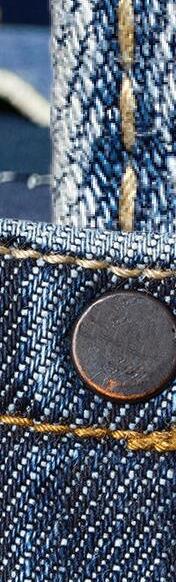







Kingpins created the
The Jeanius Hub: Kingpins created the Jeanius Hub as a space for new companies, new innovations and new ideas, showcasing contributors like Lab Denim, Circ, Colourizd and Circulose.
Denim 101 by Kingpins Show: A trio of industry experts—Michael Morell from Freedom Denim, Evan Morrison from Proximity Manufacturing Company and Caitlyn Holt from Cone Denim—led an interactive discussion on denim history and fiber, drawing on their extensive hands-on experience in the denim business.
Denim Talks Seminar Series
• “Denim Forecast—From Macro Shifts To Micro Realities,” led by Ana P. Alves from Be Disobedient
• “Meet the Creator,” led by The Vintage Showroom’s Doug Gunn in conversation with Napoleon Diaz from Japanese brand 45R
• “Future Fit Forum,” curated by Markt



& Twigs’ Michelle Branch, featuring Triarchy Denim’s Adam Taubenfligel
• “Flexibility Over Uncertainty: Denim Production in this Hemisphere,” a discussion about nearshoring featuring Carrie Eddmenson from Imogene & Willie; Melanie BalasaFlottman, VP of global innovation and design, Artistic Milliners; consultant Maryellen Ryan; and Steve Maggard from Cone Denim
• “From Lab to Loom,” moderated by Avalo’s Tricia Carey, featuring Malvina Hoxha from Creora by Hyosung TNC; Devon Murrie from Living Ink; and Dustin White from Lab Denim
The Boxes, Kingpins’ space for creative collaboration, featured:
• Garments from recent Future Fit Forum participants, including Triachy’s Taubenfligel
• Lildenimshow x Jxrge, a showcase of designs by denim and tattoo artist Jorge Marugo, founder of the Jxrge brand
• Algae Alchemy, a collaboration between AGI Denim and Living Ink Technologies using Living Ink’s Algae Black, a carbon-negative pigment crafted from algae waste
• The Denim Institute & Museum’s presentation, “Spotlight on Urban Streetwear Y2K,” which highlighted the style and cultural impact of late ’90s and early 2000s streetwear brands such as Fubu, Rocawear, Marc Ecko, Phat Farm, Enyce, Akademiks, Pelle Pelle and Karl Kani
Other Initiatives
• Buckleback Archive, which showcased a selection of vintage denim, nondenim and workwear pieces from the 1870s to 2000—all unique and one-ofa-kind, and many rare
• “Most Sustainable Product” by Kingpins Show, which highlighted sustainable products created by Kingpins exhibitors
• “Tattered Threads, Unspoken Memory” by The Vintage Showroom, an installation exploring the Japanese art of “Boro”
• “Urban Flora” by Tonello, an interactive exploration of Tonello’s colorful capsule collection, featuring natural dyes and rainbow selvedge by Cone Denim
Icon,” shot by photographer Matt Sharkey over the course of a decade, capturing the iconic White Oak Plant during its last years of production, closure, and the relaunch of shuttle
• Book signing for “American Denim: The Supposed Final Days and Resurgence of a Manufacturing Icon,” shot by photographer Matt Sharkey over the course of a decade, capturing the iconic White Oak Plant during its last years of production, closure, and the relaunch of shuttle weaving by Proximity MFG in 2021
• The Gallery, Kingpins’ space highlighting new and innovative fabrics and trims; trend forecaster Be Disobedient scouted the Kingpins Gallery to spot standout fabrics that match its current forecast, connecting trend insights with real products
Gallery to spot standout fabrics that match its current forecast, connecting trend insights with real products “Denim Metiérs” by Jeanologia, a
• “Denim Metiérs” by Jeanologia, a fusion of innovation artistry that explored sustainable technologies to transform the fabric into something both sophisticated and responsible
• The “Photobooth Experience” by Arvind, which invited visitors to step into a world of Japanese denim and strike a pose in garments crafted from premium Japanese denim garments
strike a pose in garments crafted from premium Japanese denim garments The Curious Corners pop-up shop, featuring a curated edit of timeless pieces from Japan, including vintage
• The Curious Corners pop-up shop, featuring a curated edit of timeless pieces from Japan, including vintage boro and sashiko textiles; indigo and shibori dye kits; cast iron housewares and more
• “Threaded Narratives: Textile Works” by Taylor Telyan and Hekima Hepa, a curated selection of embroidered artworks and mended pieces that blur the lines between repair and expression
artworks and mended pieces that blur the lines between repair and “Y2K Tribute” by Nishat Mills, a
• “Y2K Tribute” by Nishat Mills, a collection that pays homage to some of the most iconic Y2K styles, inspired by the best-known brands of the era and their most innovative ideas and updated in modern fabrications
“Embroidery and Visible Mending” with Taylor Telyan and Hekima Hepa, supported by Diamond Denim—an open embroidery session exploring
• “Embroidery and Visible Mending” with Taylor Telyan and Hekima Hepa, supported by Diamond Denim—an open embroidery session exploring mending traditions and expressive textile art
“Raw to Real: A Denim
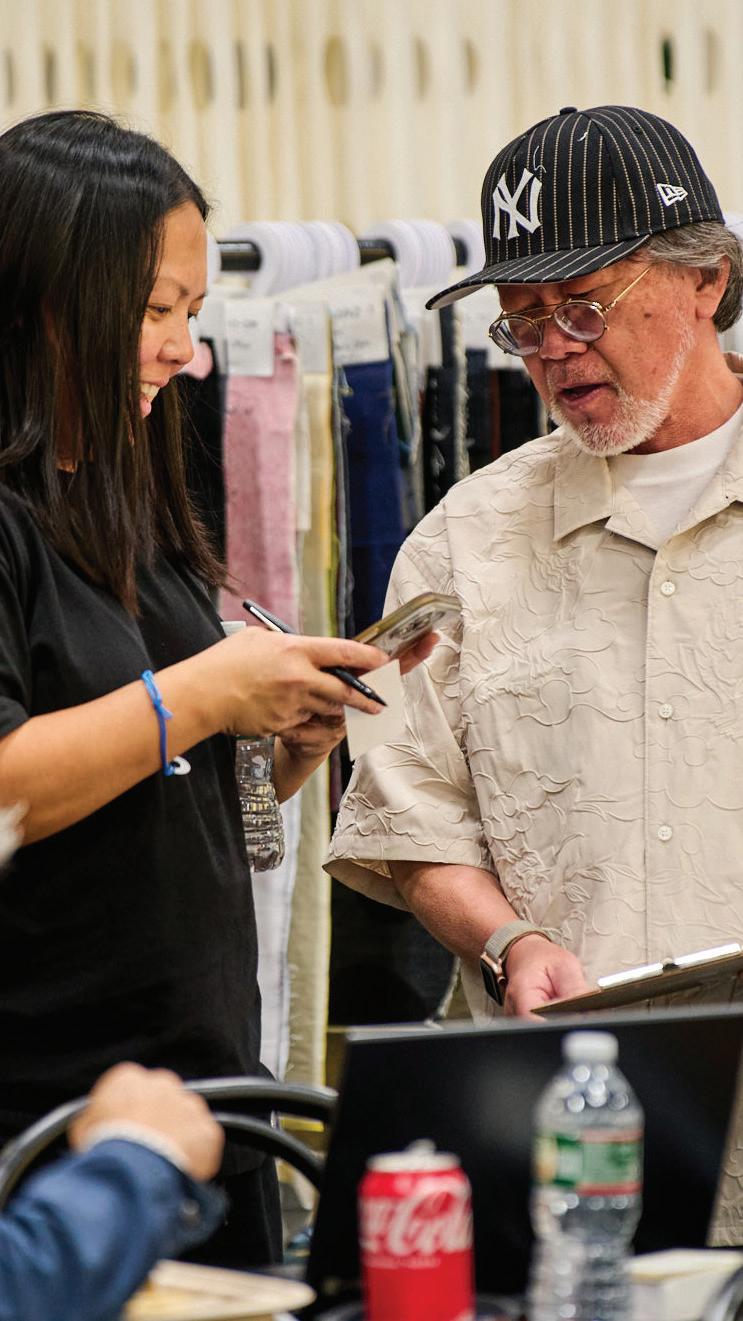

• “Raw to Real: A Denim Transformation Experience” by HMS x Panther Denim, a customization workshop to transform raw denim garments without water, machines or waste using HMS’s patented dry process tools
garments without water, machines
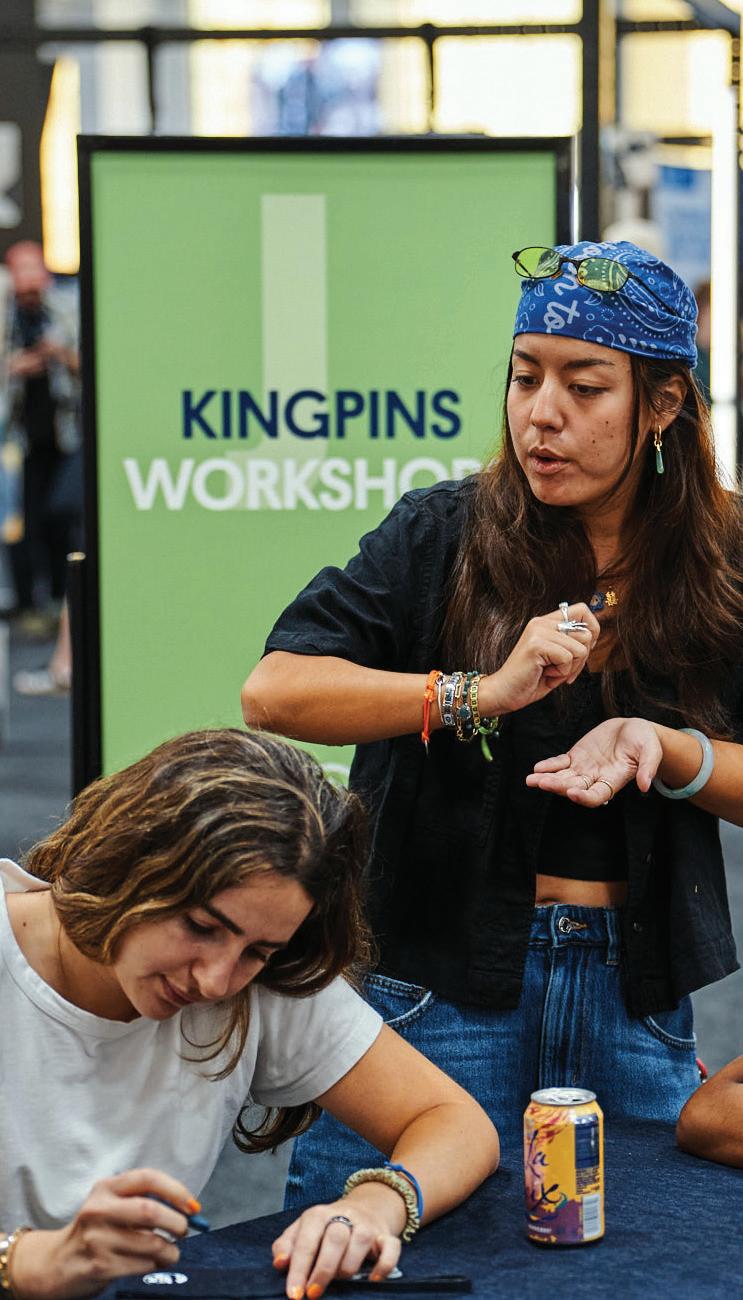












































It’s Just Wearing Boxer Shorts in the Hotel Lobby

By Brian Kuske, founder and creative director, Ilhement

I once asked the concierge at The Ritz-Carlton if loungewear was “lobby approved.” He looked me up and down and said, “Yours is.” That’s when it clicked. What we wear when no one’s watching says just as much as what we wear out. Maybe even more. Ilhement was born in that space between public polish and private comfort, a brand that treats home wear with the same respect fashion usually reserves for tailoring.
But let’s be clear: this isn’t “relaxed luxury.” It’s sharper than that. With pleated boxer shorts as the quiet hero of the collection, Ilhement has found its sweet spot in resort wear for the culturally fl uent, pieces that move eff ortlessly from suite to street, without needing to shout their value. It’s loungewear you’d wear to a dinner. Or to a hotel DJ set. Or just while checking in at a fi ve-star hotel and not thinking twice about it.
Resort wear has always been a bit of a contradiction—leisure coded as luxury. Think spa robes, slippers, those canvas spa bags everyone steals (and let’s be honest, uses again). It’s an aesthetic born in privacy but designed for projection. Today, it’s having a cultural renaissance. As work, travel and life blur, resort wear has become the new uniform of fl uid sophistication. And Ilhement sits right inside that niche, not chasing trends, but shaping a lifestyle where calm is the new status symbol.
The brand’s latest project pushes that idea even further: a series of live DJ sets recorded in hotel beds. The first one, shot at The Dolder Grand in Zurich, captures two DJs dressed in Ilhement loungewear playing deep, ambient house while sunk into cotton sheets. The lighting is low, the mood is soft, the energy is real. It’s hotel culture fl ipped into a cultural moment; sound, design and fabric converging in one scene.
Ilhement doesn’t try to sell an outfit. It sells a point of view. And in a landscape saturated with algorithm-driven “aesthetics,” that clarity is rare. The brand’s taste isn’t performative; it’s considered. It’s built slowly, with purpose. From customfi tted loungewear made in Portugal to collaborations with names like IWC and NZZ, Ilhement stays relevant by staying rooted in context, not hype.
Every activation, whether a pop-up on Bahnhofstrasse or a curated dinner in the Alps, is designed to feel like you’ve entered a room where everyone gets it. No overexplaining. Just shared references, good sound and even better fabric. That’s the power of community built through taste, not algorithms.
So no, taste isn’t dead. It’s just a little quieter these days. It moves diff erently. Slower. More deliberately. It doesn’t scream in your feed, it whispers across hotel lobbies, private playlists and pleated boxer shorts.
If you know, you know.


Announces Collaboration With



Abercrombie & Fitch announced the debut of a multiseason partnership with Pittsburgh Steelers linebacker TJ Watt and his wife, former professional soccer player Dani Watt.
Marking Abercrombie’s first-ever collaboration for the Your Personal Best (YPB) activewear line, the collection will roll out in three seasonal drops—Fall 2025, Spring 2026 and Summer 2026—and will feature styles for both men and women.
For men, the first drop of the collection will contain various styles, including shorts, tees, tanks and hoodies. The women’s line will feature an additional assortment inclusive of leggings, sports bras and sweatshirts.
“TJ and Dani always bring their personal best, on and off the field, so they are the perfect partners as we embark on this pivotal next step for our YPB activewear line,” said Carey Collins Krug, chief marketing officer at Abercrombie & Fitch Co. “They bring authenticity and athletic insight to every stage of the process, helping us create a collection that performs as well as they do, without sacrificing style.”

TJ Watt first discovered Abercrombie’s Your Personal Best line when Dani added it to his training wardrobe. Impressed by the quality, he began wearing the items consistently throughout his entire training routine—from warmups to recovery. The authentic connection sparked a deeper partnership and conversations with Abercrombie about creating a collection together.
“Working with such a great design and marketing team at Abercrombie, and being able to do this alongside my wife, has been absolutely incredible,” said TJ Watt. “Whether you’re an athlete or not, we wanted to create something for everyone that was versatile enough to take you from a workout to running errands, with a polished, performance-inspired look that works seamlessly on or off the field. Dani and I are proud of what we created and excited for people to experience it.”
YPB launched in 2022 and aims to empower customers to be their personal best—from high-intensity workouts to lowkey moments and everything in between. The performance products feature super soft, squat-proof and breathable bottoms, performance tops with four-way stretch, studio outer layers and trending fashion details like cutouts and straps.






Dynamic’s latest online platform, DYNAMIC TMS, automates the tendering of a shipment to the preferred carrier based on your criteria. The system automates the routing, optimization, and real-time visibility of each transaction resulting in a more efficient cost saving solution.

Retailers are successfully using our new user-friendly technology and experiencing great results. Contact us today to learn how our new platform can improve your shipping experience.