





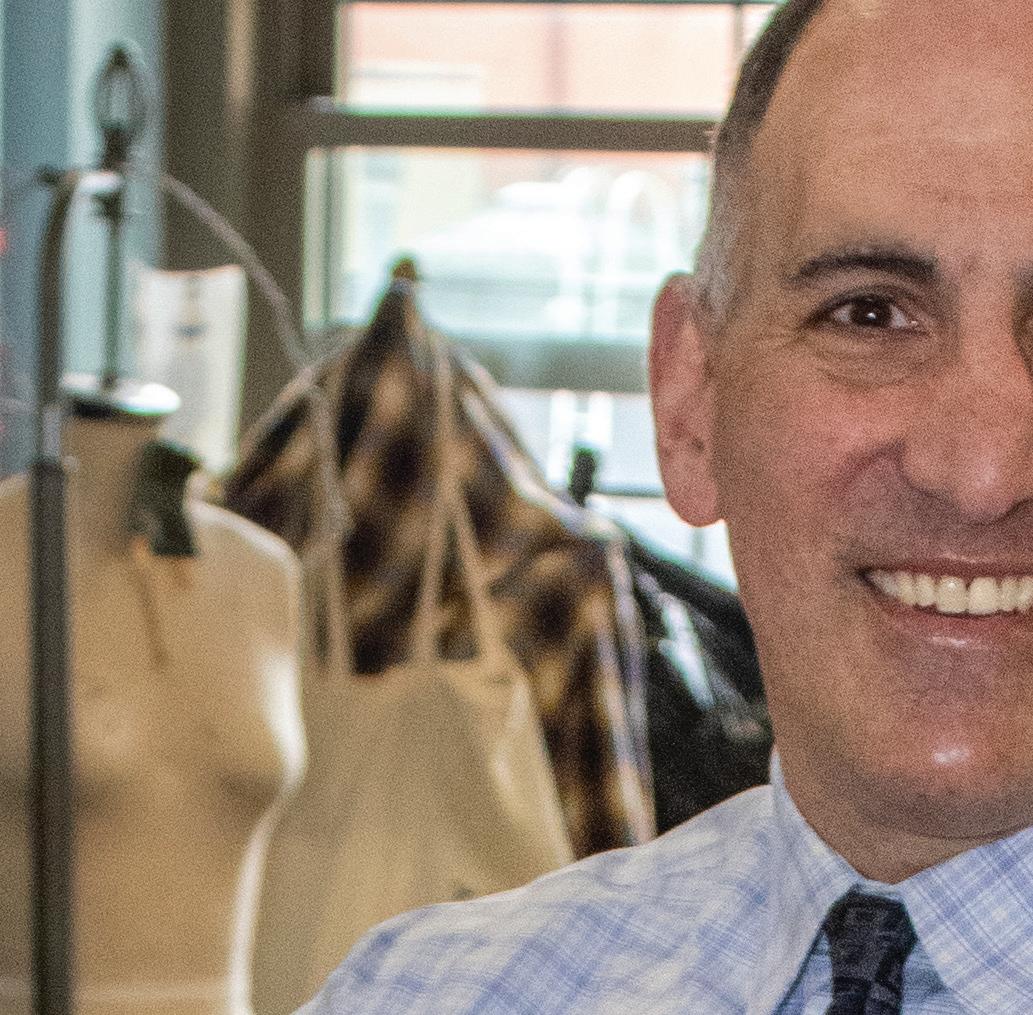






















Principal Daryl Blank LOS














As one of the nation’s leading providers of factoring and financing, we match our 100-plus years of experience with flexible solutions and actionable insights. Our team has the financial savvy to help companies unlock liquidity and manage credit risk so they can fulfill business demands and keep growing stronger. Let’s explore how we can put our experience to work for you.











































Whether you are an apparel manufacturer or a fashion owner, IDB understands the changing dynamics of the retail environment including the growth of e-commerce and stands ready to assist you with financial solutions tailored to your needs. Our dedicated bankers not only specialize in Apparel & Consumer Products, but also leverage their strong client relationships and extensive global connections to deliver new opportunities, as your preferences, supply channels and fashions evolve. To




visit






PRESIDENT/CEO
Jeff Mann
EDITORIAL
Editor
Rose Leveen
Editorial Consultant
Debra Hazel
Associate Editor
Penelope Herrera
Director of Communications and Marketing
Penelope Herrera
Graphic Design
Virginia Sanchez
Director of Newsletter Division
Kristen Pooran
West Coast Office: 578 Washington Blvd., Suite 827 Marina Del Rey, CA 90292 866-306-MANN (6266)
ART DIRECTOR
Virginia Sanchez
COVER PHOTOGRAPHY
Erin Lefevre
CONTRIBUTORS
AIMS360
Arthur Zaczkiewicz
David Harouche
Debra Hazel
Frank DeLucia
Ilisa Wirgin
Lauren Taubes
Merilee Kern
Michael Sacco
Michelle Jones
Paul Magel
Rabbi David Laine
Ron Friedman
Tatiana Muñoz
BUSINESS
Technology Consultant
Eric Loh
DISTRIBUTION
Mitchell’s Delivery Service
California Distribution
MD Service
West Coast Advisor
Daniella Platt
DIGITAL MEDIA
Virginia Sanchez
Web Developer
CS Designworks
East Coast Office: 450 7th Ave, Suite 2306 New York, NY 10123 212-840-MANN (6266)


Hi everyone. Welcome to our May 2026 issue of Fashion Mannuscript.
I love everything we put out, but this cover story is especially personal to me. Many of you know that my family has been in the fashion business in New York for about a century, and this magazine was a continuation of that legacy. I always appreciate learning about others with a similar legacy in the city, which is why, when I recently learned that the High School of Fashion Industries (HSFI) is celebrating its 100th anniversary this year, I knew it should be featured on our cover.
To be truthful, I hadn’t heard much about HSFI before, even though it sits just 10 blocks south of our Garment District office. One morning, I watched a TV segment about the school and was inspired to see a high school that taught kids how to become designers. When I came into the office, I shared what I learned with my team, and we were sure it would make for an exciting and meaningful story for the magazine. I called HSFI’s principal, Daryl Blank, and he was thrilled to connect. I explained how passionate I was after watching the segment and told him that we wanted him on the cover.
HSFI is an influential institution in New York City fashion history, but not many people truly know about it. When you read this story, you’ll be amazed by what these students do. You’ll see their work, including patternmaking, and every facet of the industry I knew from growing up around it. It felt like finding a diamond in the rough.
In the magazine, you’ll also read about the CBIZ symposium, hosted by Mann Publications and CBIZ. Held in California, it was a sensational event with great attendance. My good friend Ron Friedman was involved, and Marshal Cohen, another longtime friend, served as the guest speaker.

Before I go, I encourage you all to connect with Mann Publications across all our media channels, including signing up for newsletters and following our social media platforms. The marketing team does a tremendous job of keeping our followers up to date and engaged.
“The whole art of teaching is only the art of awakening the natural curiosity of young minds for the purpose of satisfying it afterwards.”
— Anatole France

Hey everyone! Welcome to our May issue, which we’re calling the Centennial Issue in honor of a very special cover story.
This month, we’re celebrating the High School of Fashion Industries (HSFI)—a school whose history mirrors the story of NYC’s garment workers and aspiring fashion designers. As HSFI marks 100 years, now is the perfect moment to share its past, present and legacy with our readers. I had the opportunity to speak with Daryl Blank, who has been with HSFI for three decades and has served as principal for the past 16 years. Daryl is a joy to speak with, and his passion for the school and its students is truly contagious.
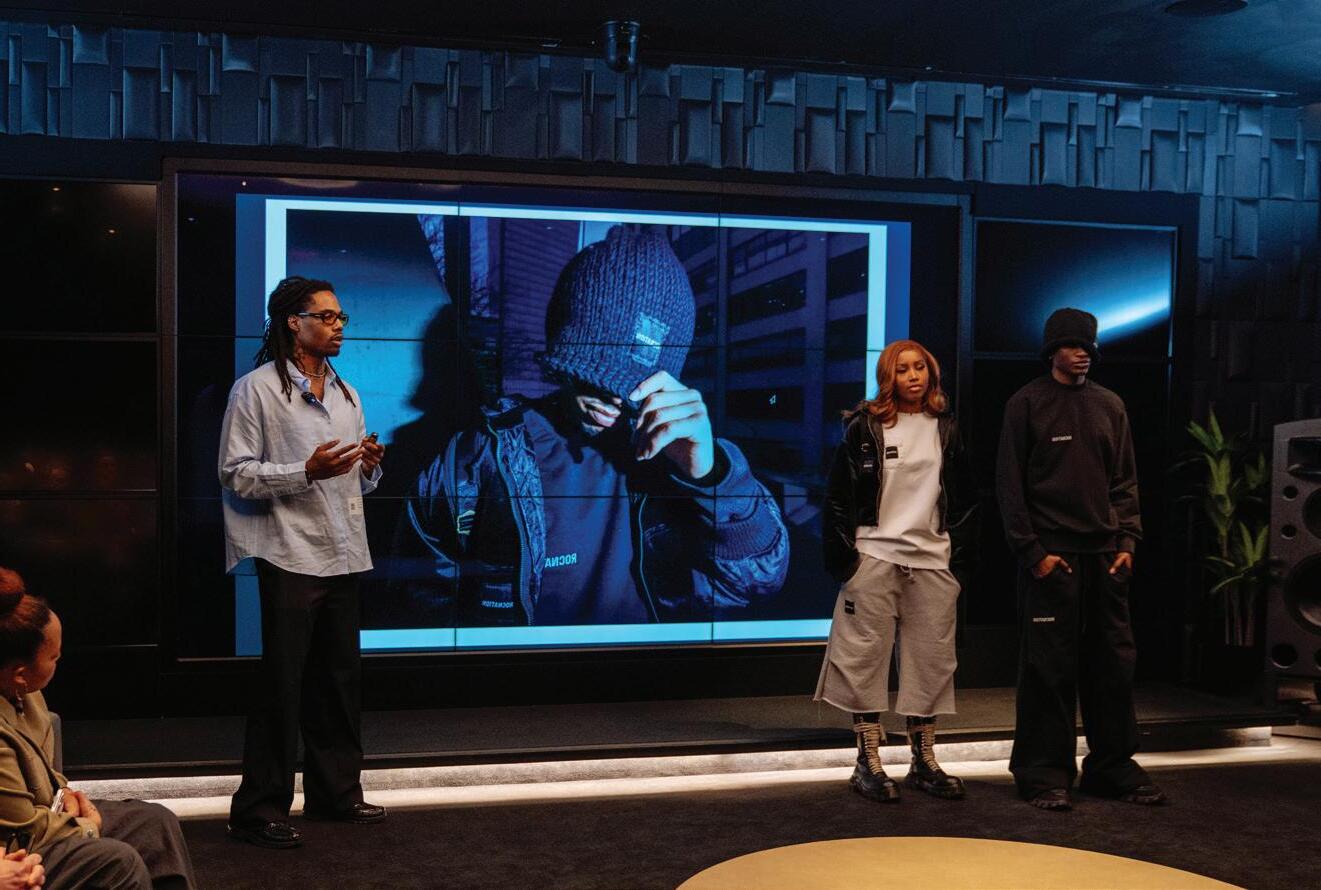
Our cover isn’t the only fashion school we’re highlighting in the magazine. You can also read about the Kent State School of Fashion, which is celebrating both an important milestone—20 years of the Ohio school’s NYC studio—and honoring fashion visionary Fern Mallis. The school will induct Mallis, an influential figure in the transformation of New York Fashion Week, into its Fashion Hall of Fame. Plus, Roc Nation recently partnered with FIT on an exclusive design competition for FIT students. To see the finalists’ works, check out the very end of the magazine.
I hope each of you enjoys the magazine! Our contributors never cease to impress me with their breadth of knowledge and passion for this industry. See you next month.

























Entrepreneurial financing and credit protection for contemporary, designer and luxury brands.
For decades, we have safeguarded receivables and protected companies from unnecessary credit risk. Quietly. Reliably. Since 1932.
























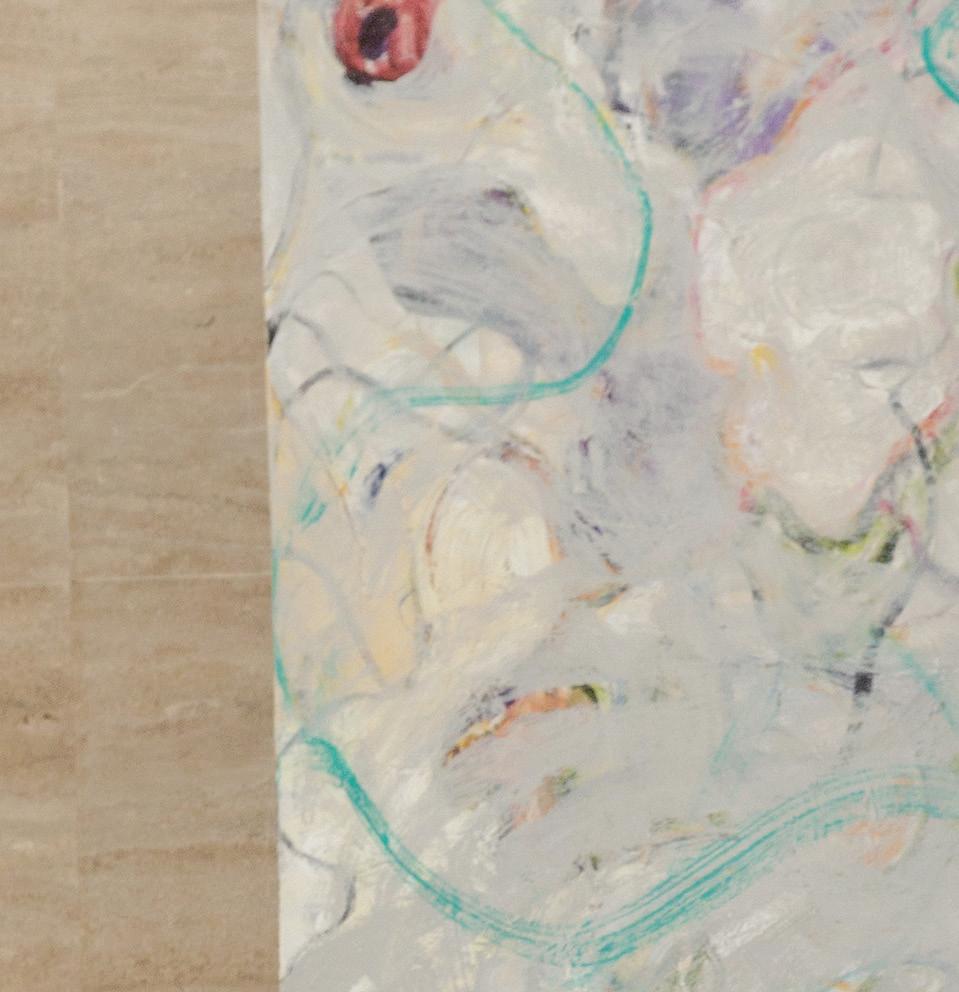
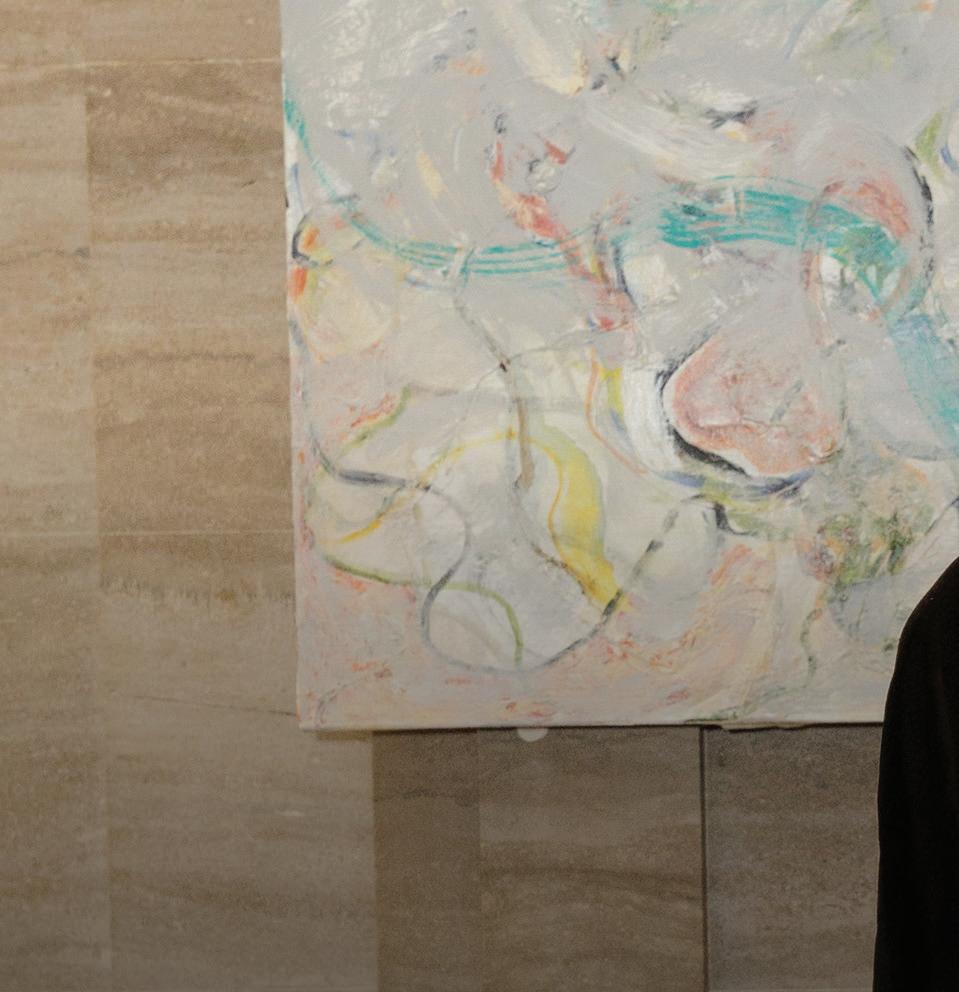










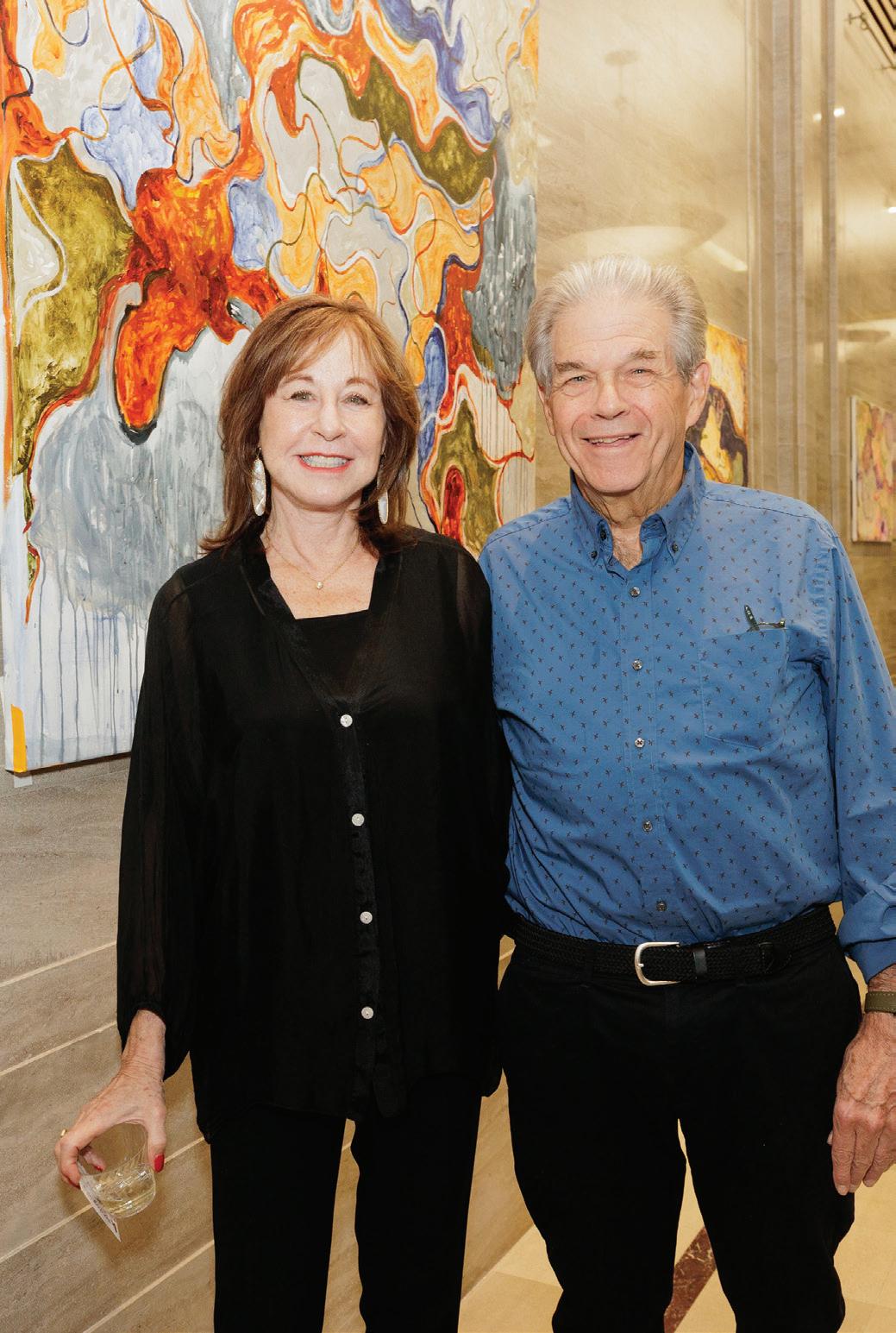

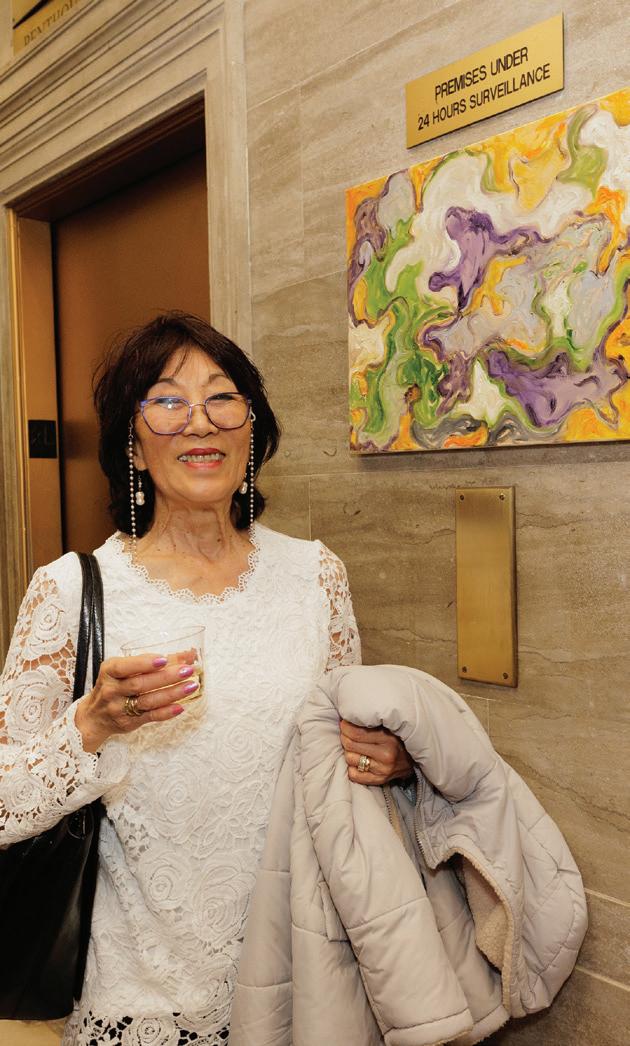
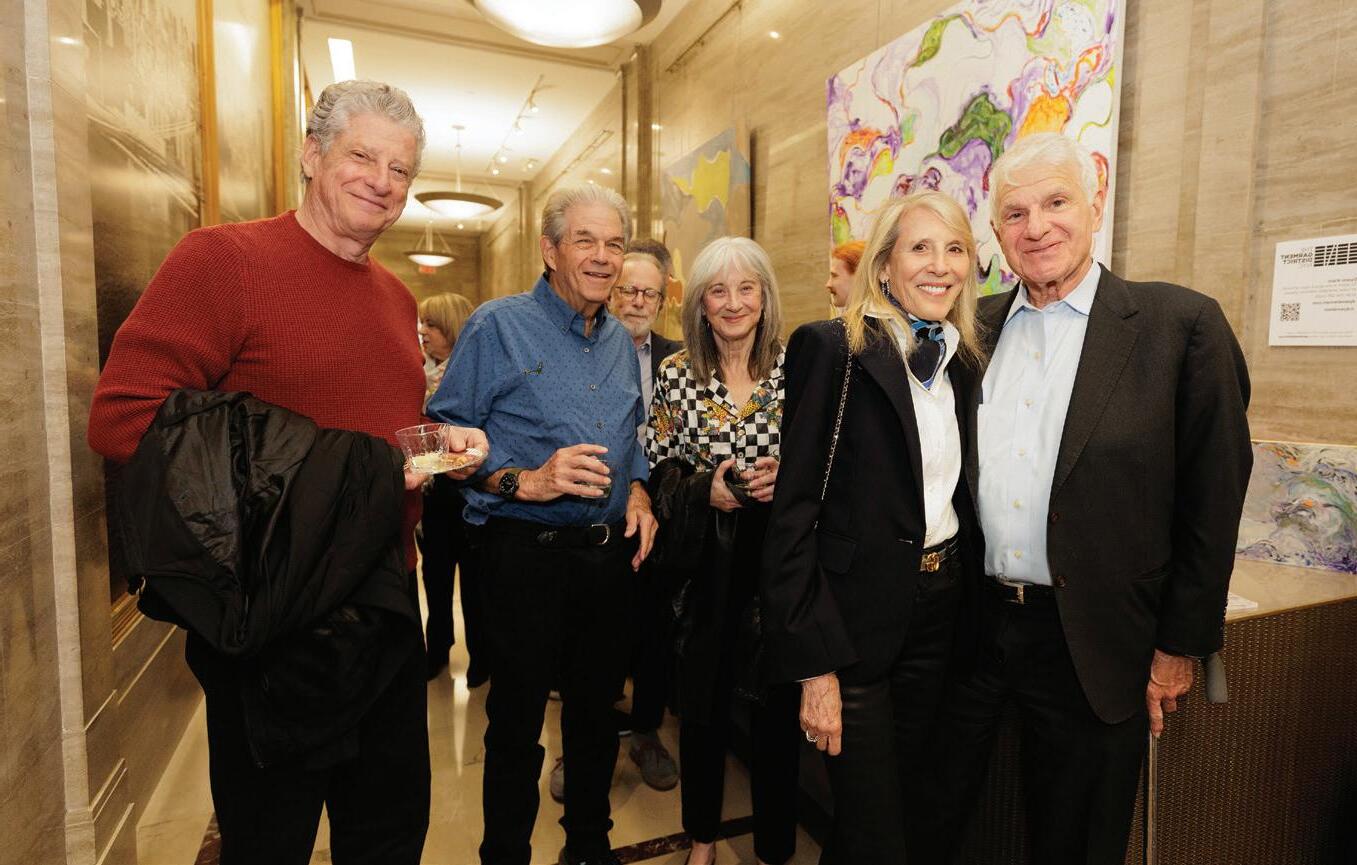

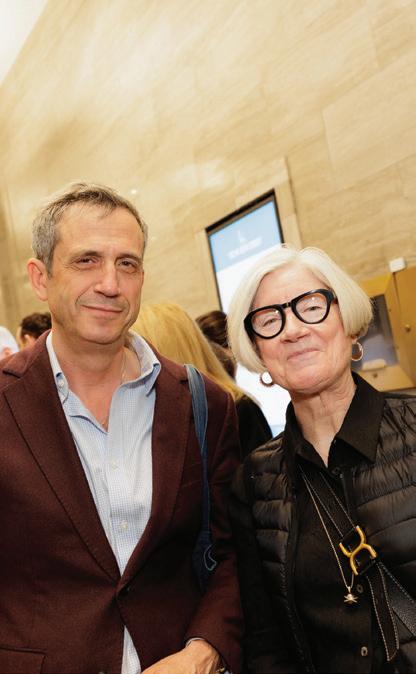
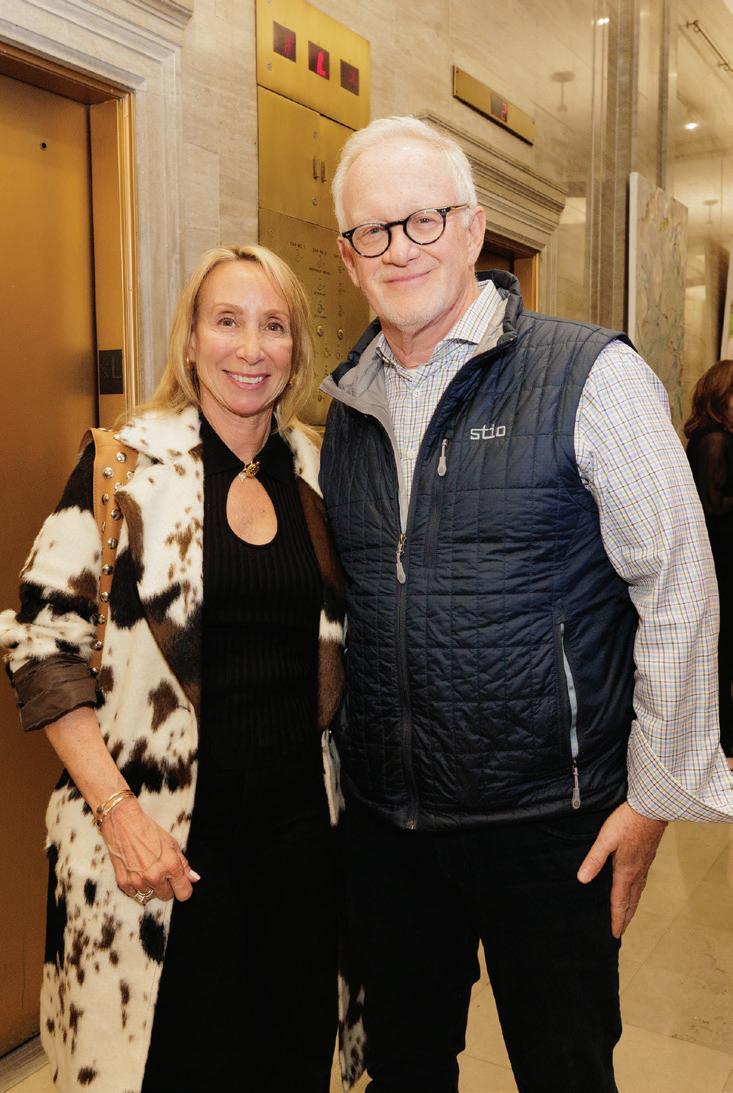










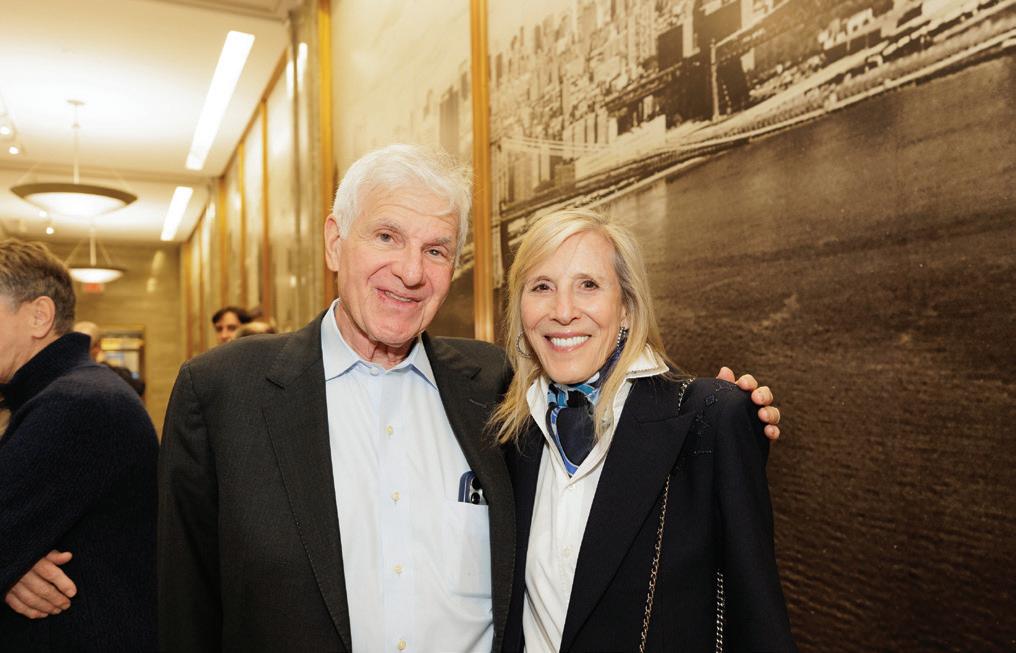

An engaging and vibrant art exhibit by Dyann Klein took place at the gallery in the Kaufman Arcade Building, located at 139 W. 35th St. The event brought together guests who enjoyed an evening filled with creativity, conversation and artistic expression, complemented by food and drinks. Attendees had a great time experiencing the dynamic energy of Klein’s work in an inviting and lively atmosphere.
Klein’s art is deeply rooted in emotion, movement and imagination. As she beautifully expressed, “When I meditate, I empty my mind. When I paint, I fill it.” Her creative process allows her to transcend time and space, where each brushstroke evolves intuitively from her subconscious. Influenced by Asian art and abstract expressionism, her work
reflects a fusion of cultures, experiences and visual storytelling shaped by her extensive travels.
With a background in art therapy, Klein brings a unique psychological depth to her creations. Her paintings are visually compelling and designed to evoke emotional connection and engagement. Inspired by nature, fantasy and moving imagery, her ever-evolving style invites the audience to experience rhythm, movement and moments of meaningful connection through her art.
The exhibit was a true celebration of creativity, leaving guests inspired and immersed in the expressive world of Dyann Klein. The exhibition will remain on display through July 28.




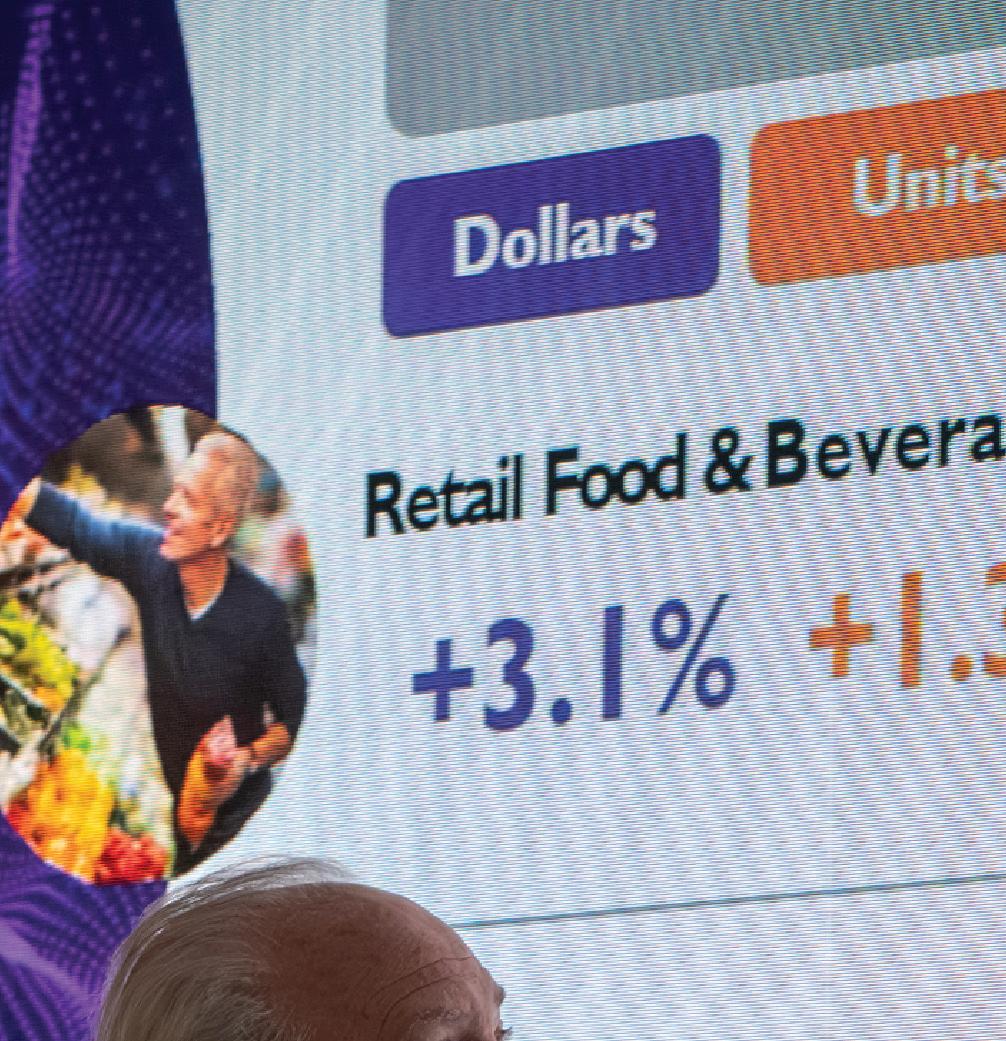







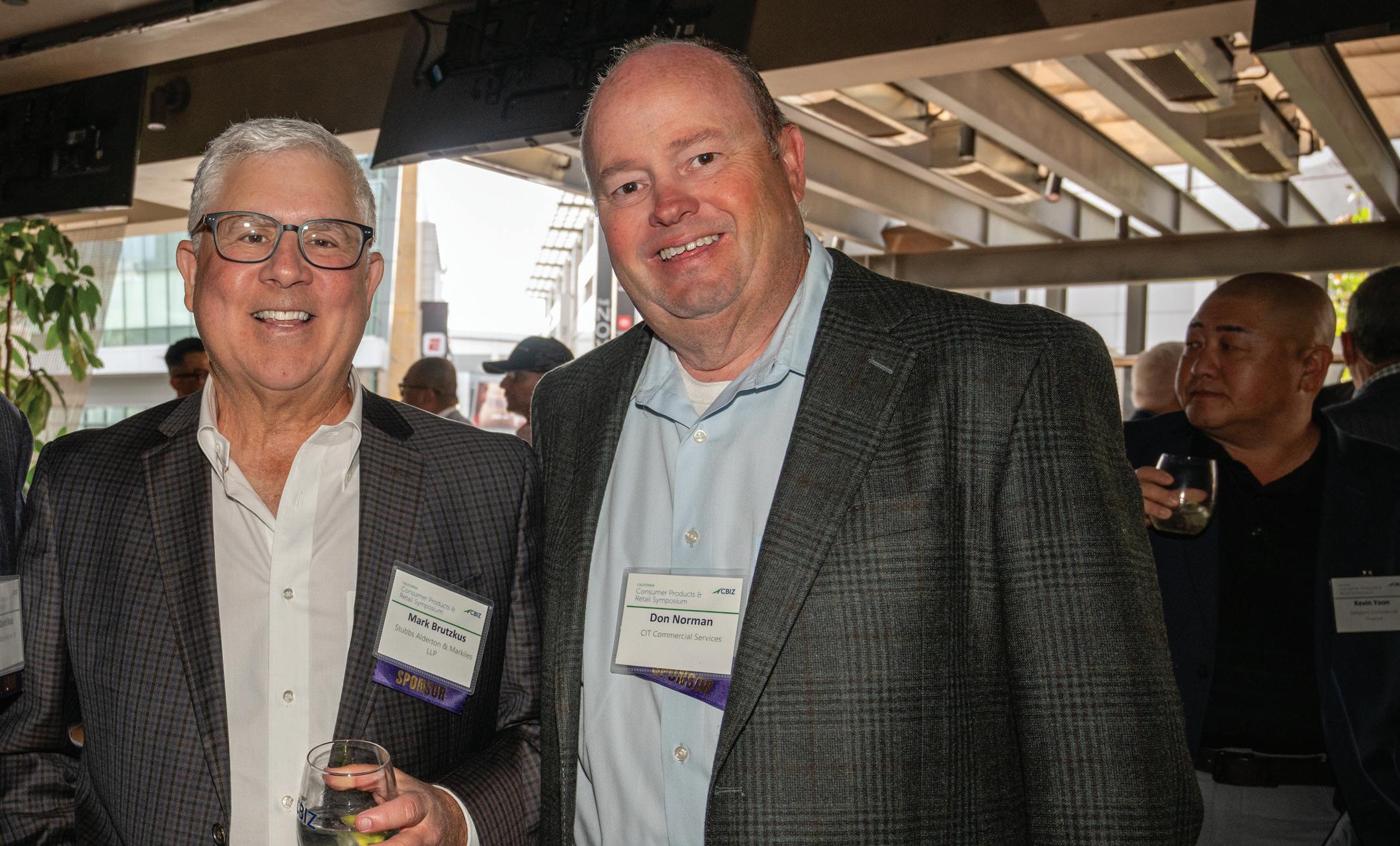


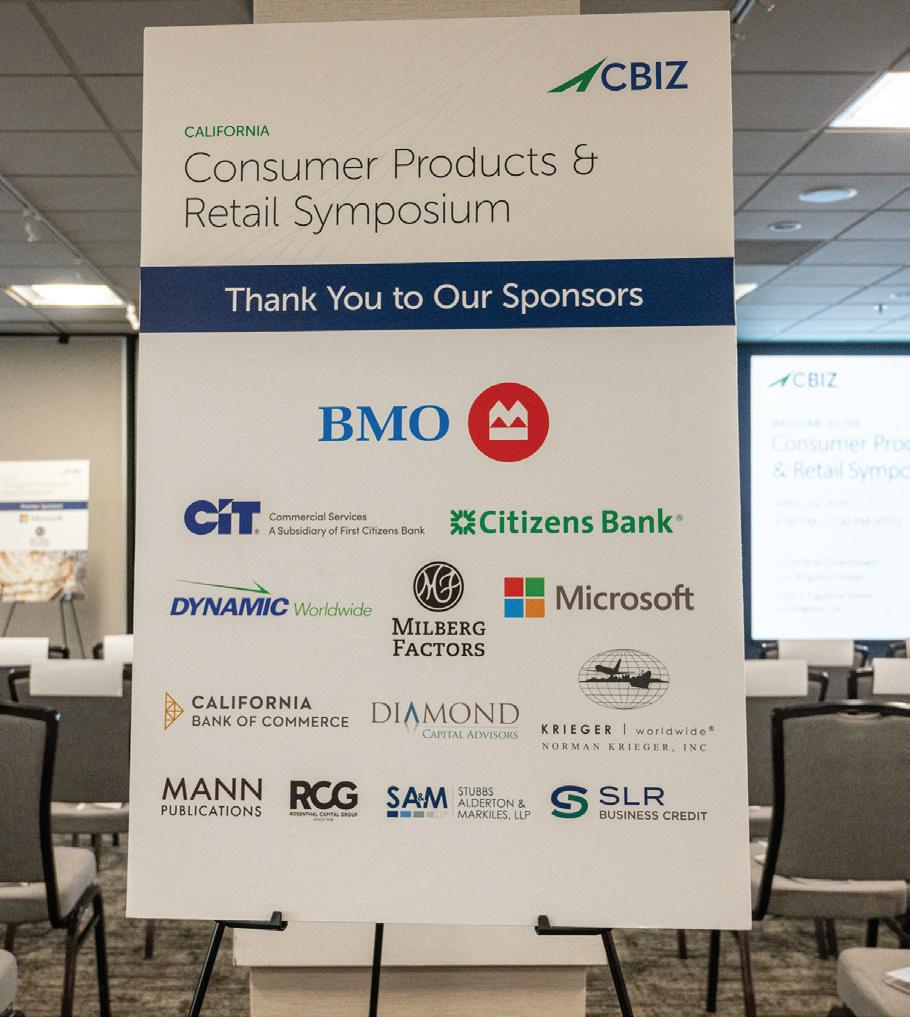

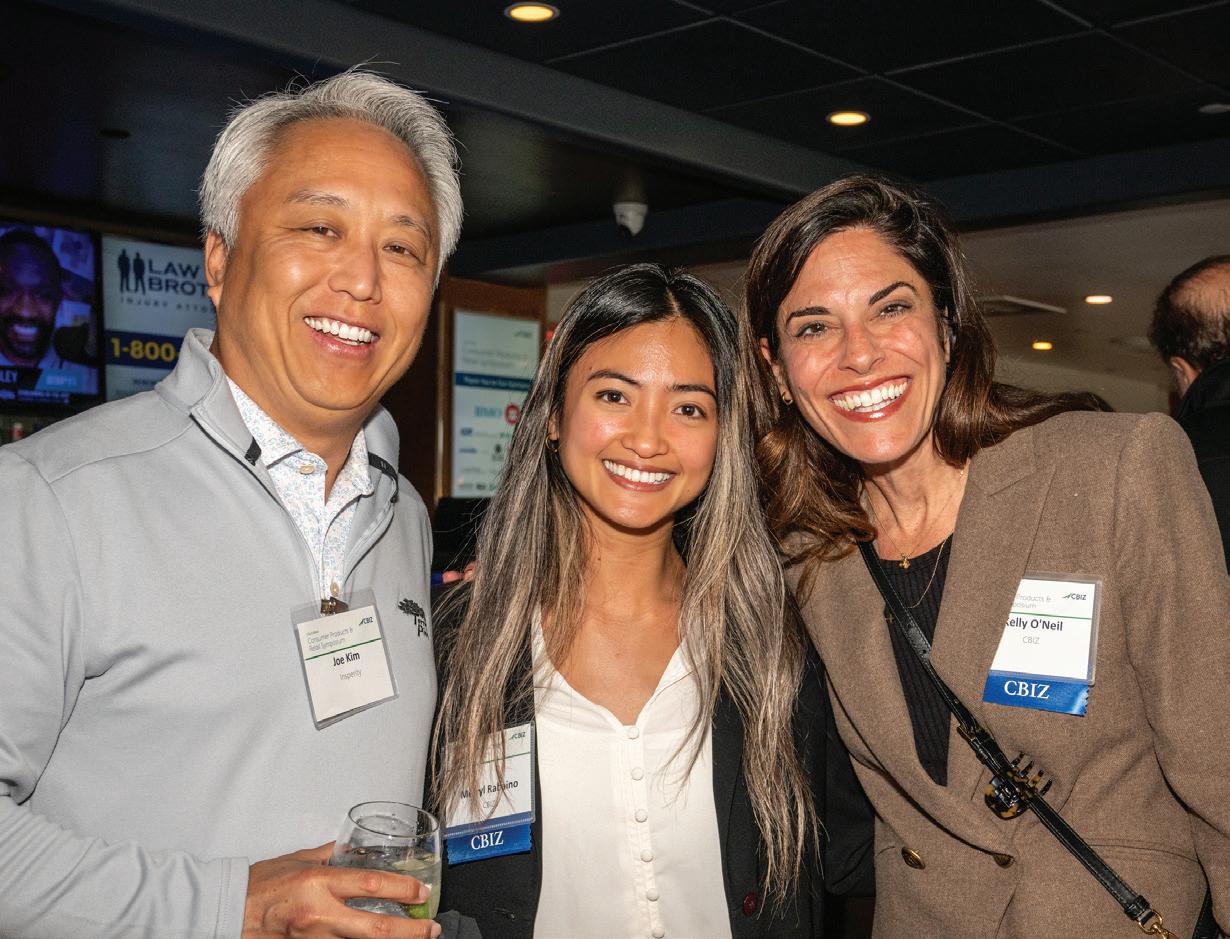
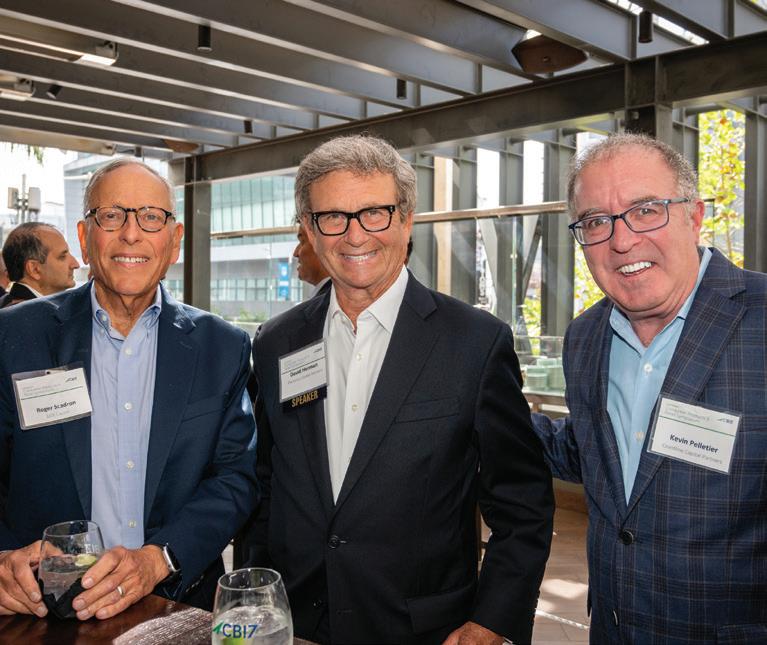

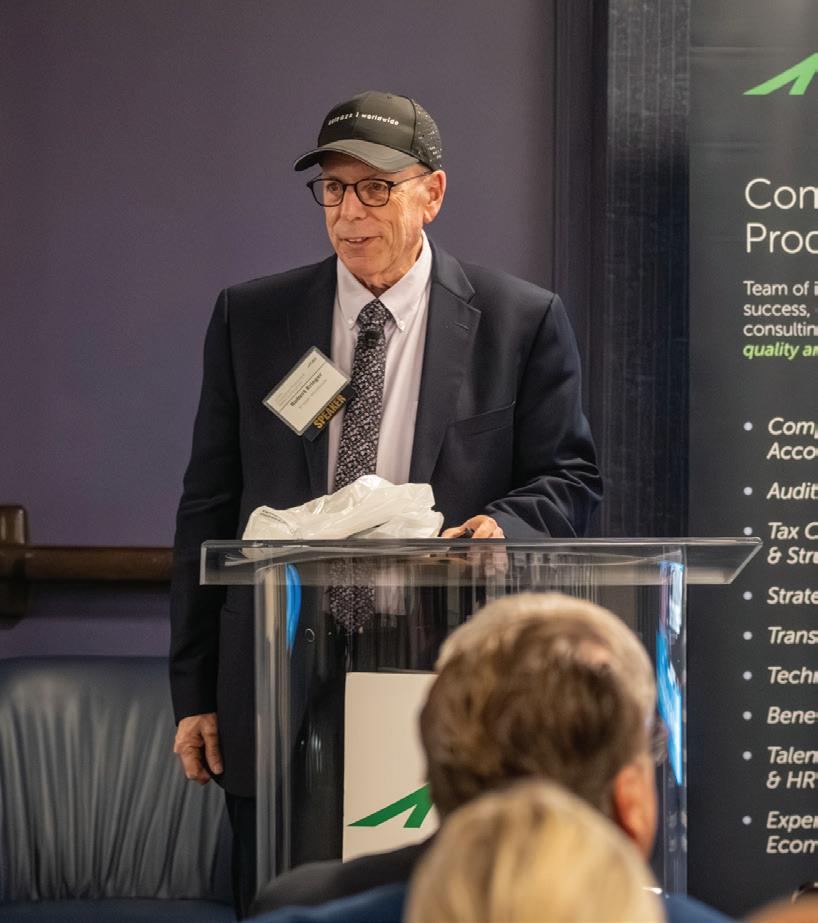

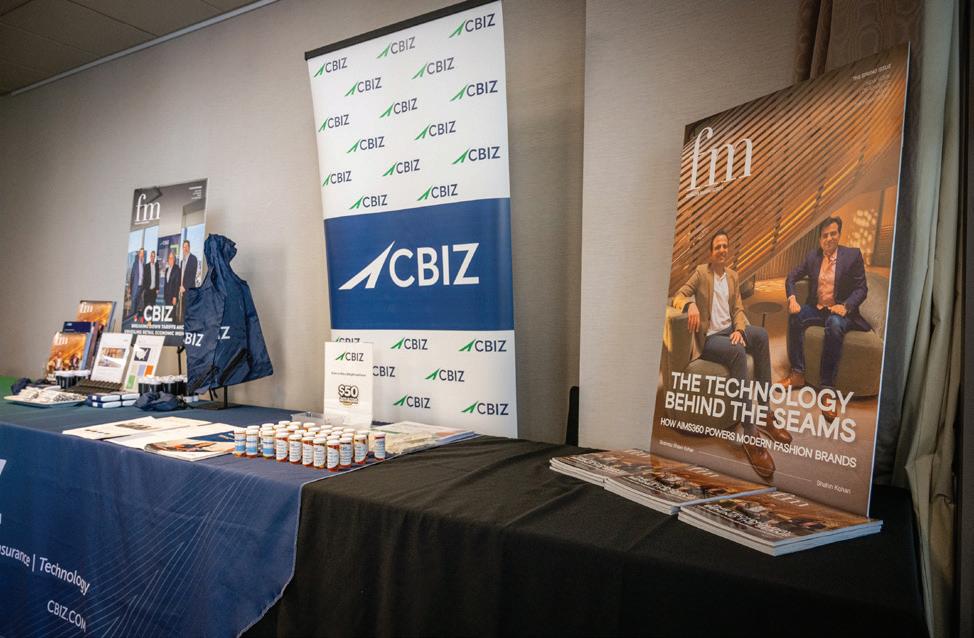
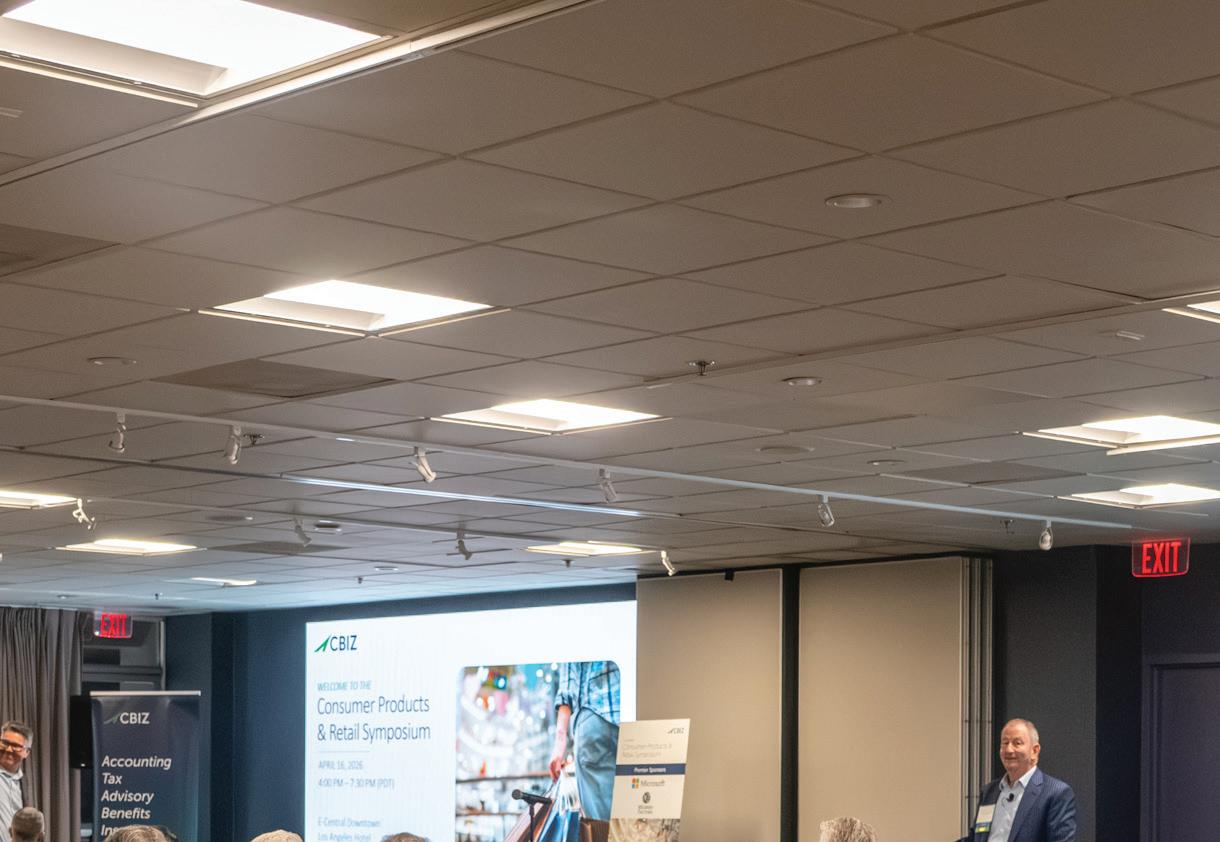
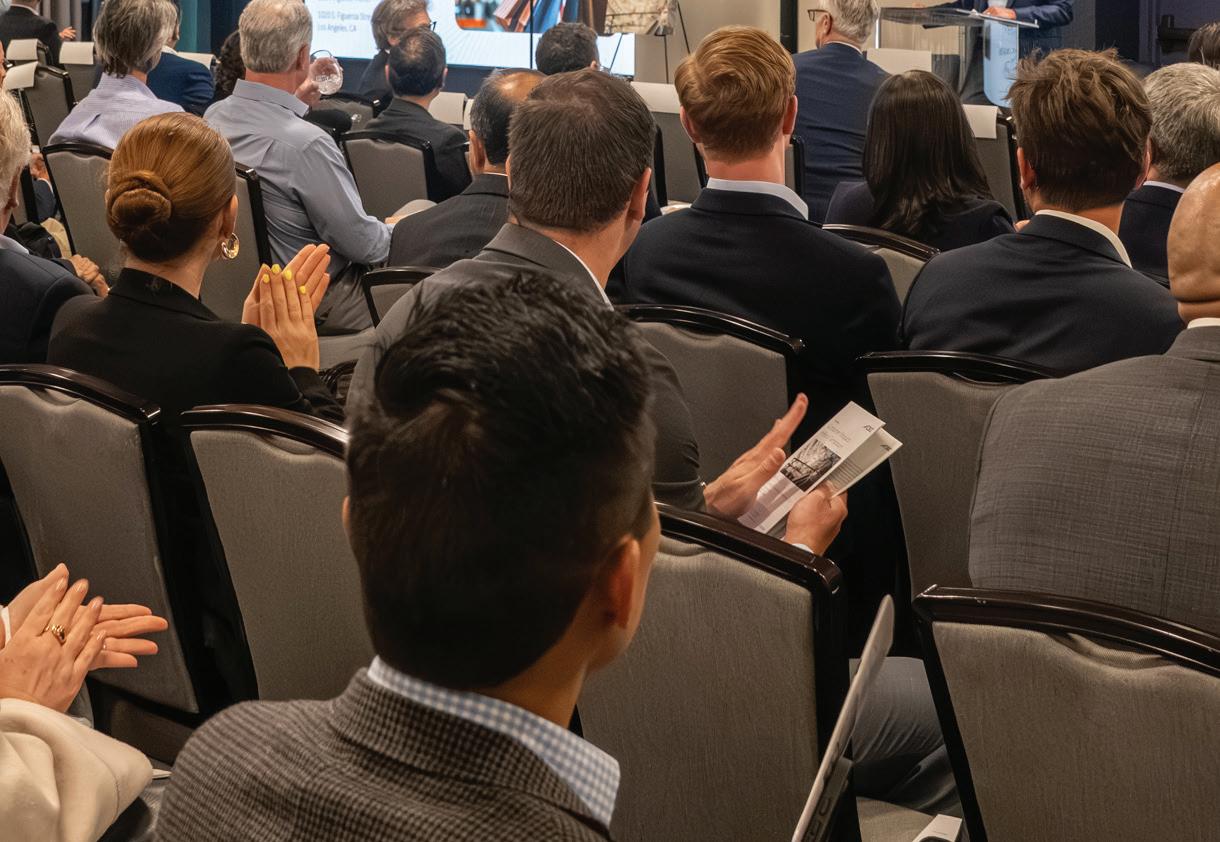
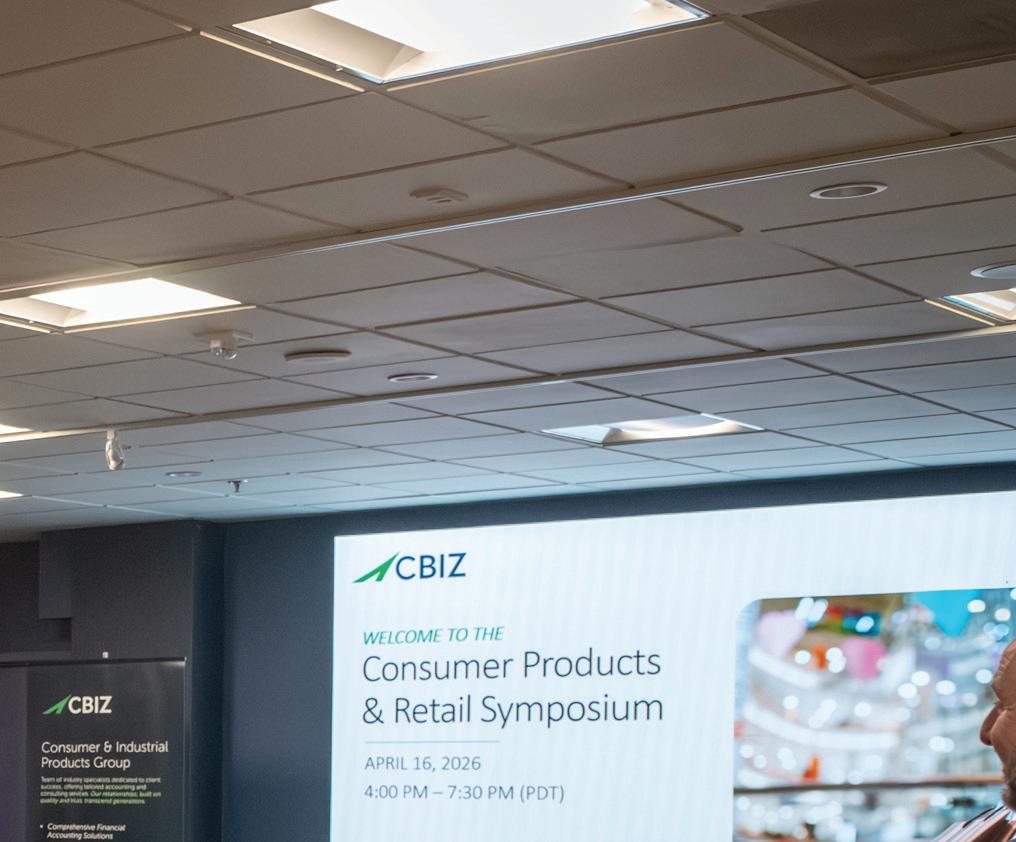
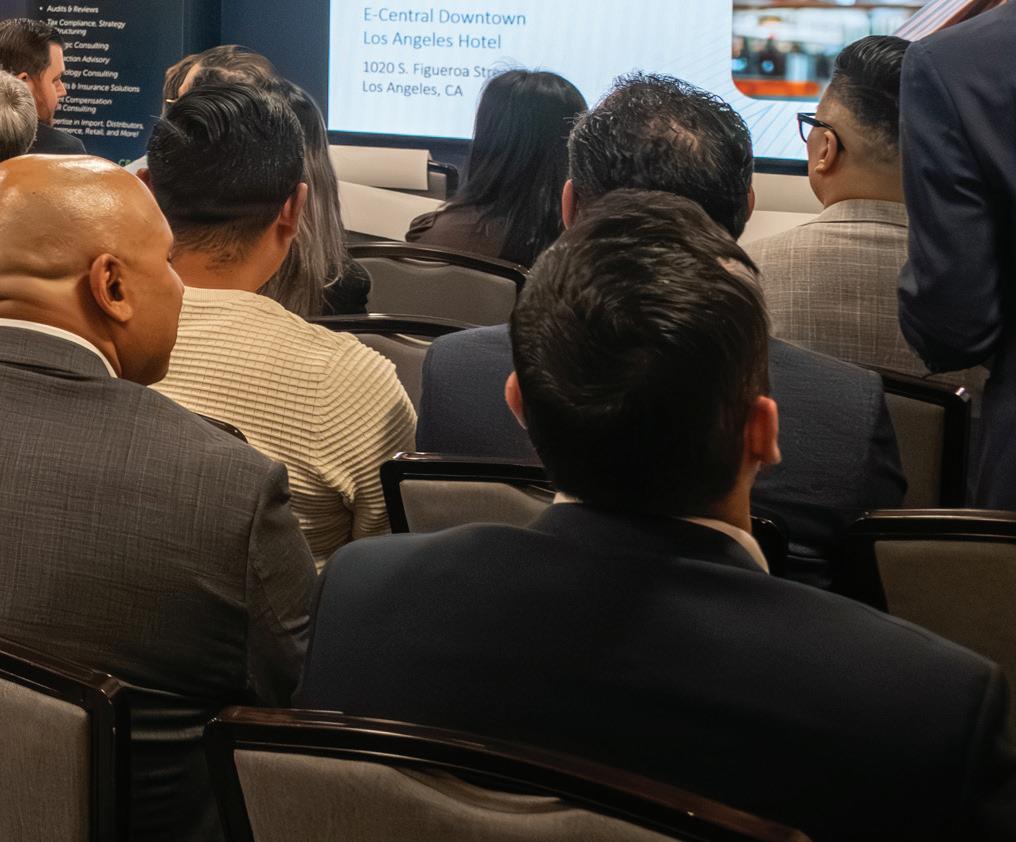
Fashion and retail leaders gathered in Los Angeles for the eighth CBIZ Consumer Product and Retail Symposium, where they discussed two major forces shaping the industry today: rising costs of moving goods and rapidly changing consumer behavior. With supply chains, spending habits and market demands shifting at record speed, the conversation focused on how brands can adapt and stay ahead.
Speakers included Robert Krieger, president and CEO of Krieger Worldwide, and Marshal Cohen, who serves as chief retail advisor at Circana.


















American Image Awards at 50: Honoring Legacy, Designing the Future


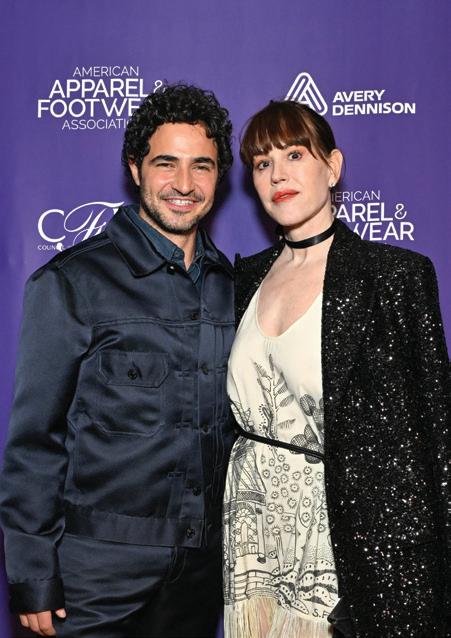
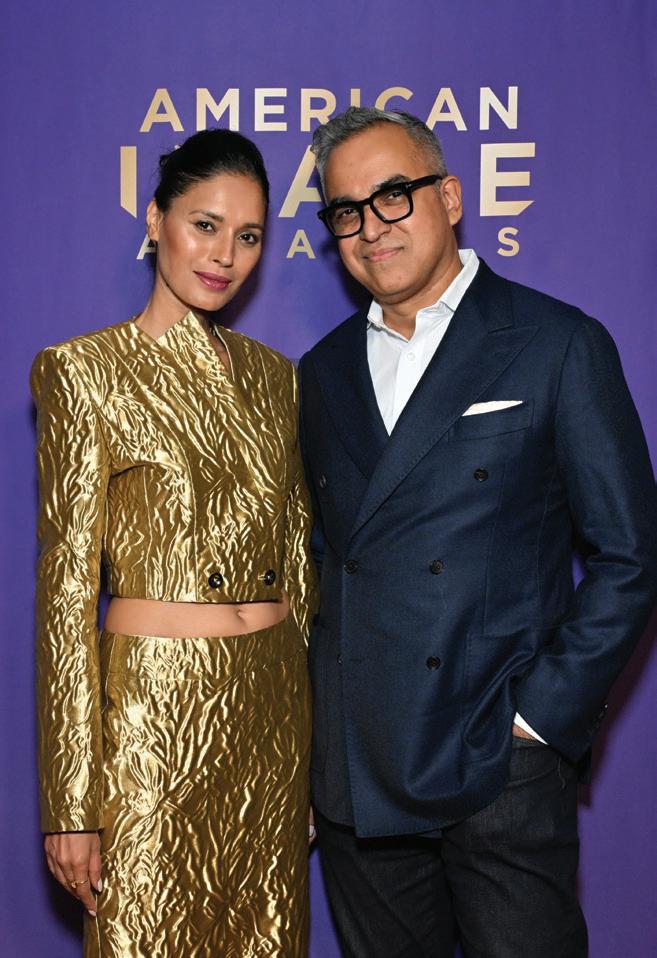
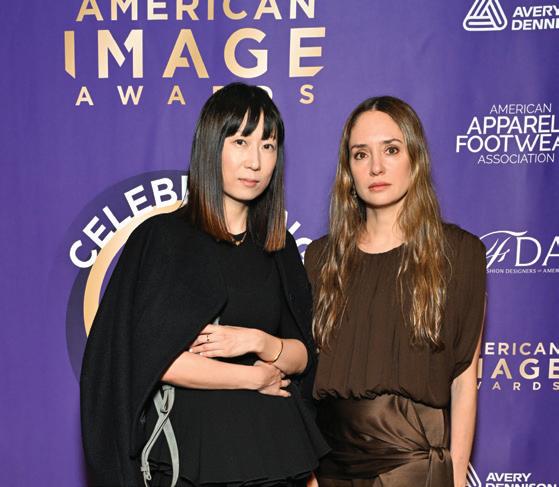
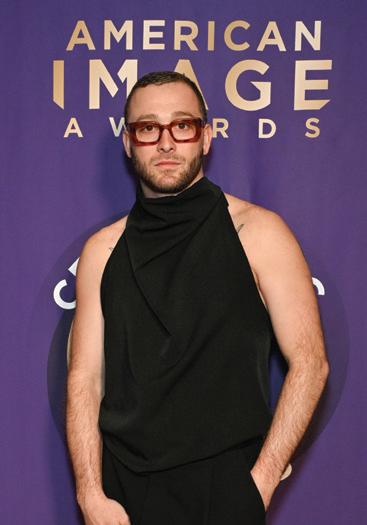
Under the soaring ceilings of Gotham Hall, the American Apparel & Footwear Association (AAFA) marked a milestone with its 50th annual American Image Awards, celebrating its past while shaping what comes next. The room was filled with the kind of crossgenerational power only fashion can convene, bringing together designers, executives, innovators and cultural figures, each contributing to a narrative that felt both reflective and forward-looking.
From the outset, the tone was clear. “It’s remarkable to celebrate both the 50th anniversary of the American Image Awards and 250 years of American history,” said Stephen Lamar, president and CEO of AAFA. “What unites us all is our shared thread of excellence in American fashion. … As we reflect on these milestones, one thing remains constant: change.”
That idea, heritage as a foundation rather than a constraint, echoed throughout the evening.
The honorees reflected the breadth of an industry in motion:
Company of the Year: Fabletics (accepted by Adam Goldenberg)
Designer of the Year: Zac Posen
Fashion Maverick: Timberland (accepted by Nina Flood)
Global Innovator: Avery Dennison (accepted by Bill Toney)
Trailblazer Award: Josue Solano and Seth Campbell (BBC International)
Eco-Steward of the Year: AFIRM Group (accepted by Nathaniel Sponsler)
That same balance of legacy and evolution was echoed by Timberland’s Nina Flood, whose remarks grounded innovation in purpose. “Being a maverick isn’t about standing apart for the sake of it. It’s about standing for something, … rooted in our values and consistently shaping what comes next.”
Technology also had a seat at the table, not as disruption but as integration. Avery Dennison’s Bill Toney pointed to a future where the physical and digital converge seamlessly. “What started as a simple [self-adhesive] label now connects the physical and digital. … We’re only at the beginning of what’s possible.”
If the night had a through line, it was momentum. Nowhere was that clearer than in the Trailblazer Award acceptance speech by co-recipients Josue Solano, CEO of BBC International, and Seth Campbell, the company’s corporate president. Solano reframed uncertainty as an opportunity: “There is a time to play offense, and there is a time to play defense.” Campbell extended that vision, noting, “The path isn’t set, and that’s what makes it really exciting.”
And then there was the emotion. Icon Award recipient Ruben Toledo delivered the evening’s most intimate moment, honoring the legacy he shares with his late wife Isabel Toledo, the duo behind the event’s iconic award statuette. “This was never mine. It was ours,” he said.
Beyond the stage, the red carpet told its own story. It was a place where the industry gathered not just to celebrate excellence but to reaffirm its community. Familiar faces from across design, media and entertainment underscored the award ceremony’s unique role as both a business touchpoint and cultural barometer.


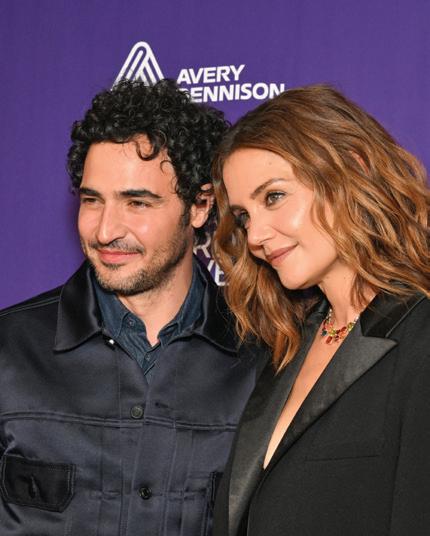
Few moments captured the spirit of creative continuity as well as the presentation for Designer of the Year, Zac Posen, introduced by actress Katie Holmes. In his remarks, Posen reflected on collaboration and possibility: “What a gift it is to be on this journey with all of you, … and to push the boundaries of what is possible in American fashion.”
Fifty years in, the American Image Awards are no longer just a reflection of the industry. They signal where it is headed. And if this year proved anything, it is that American fashion remains at its most powerful when it embraces both its history and its horizon.



























































Intimate Elopement Ceremony

Hayley Cannon Wears Swim-Inspired Wedding Look To




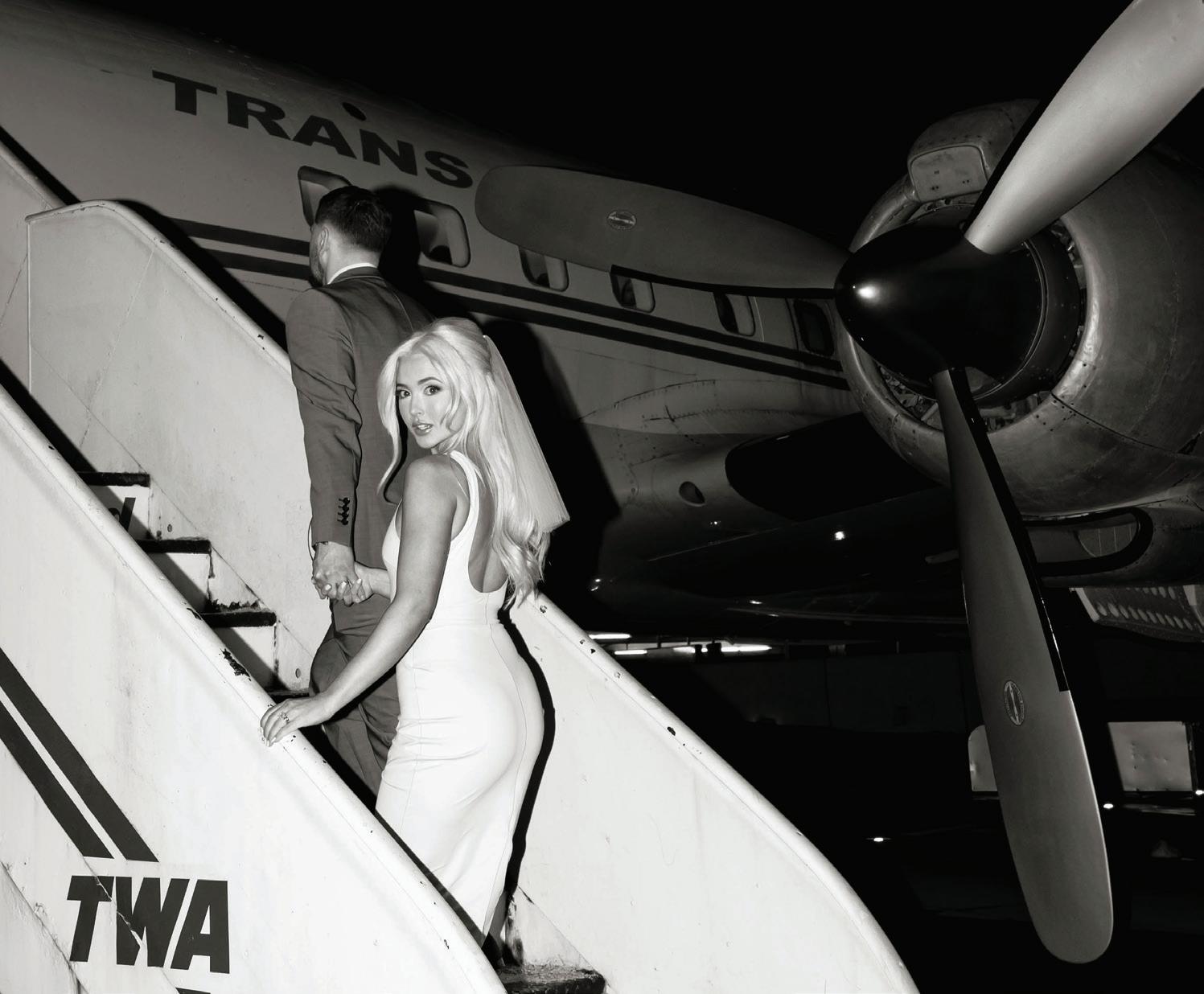













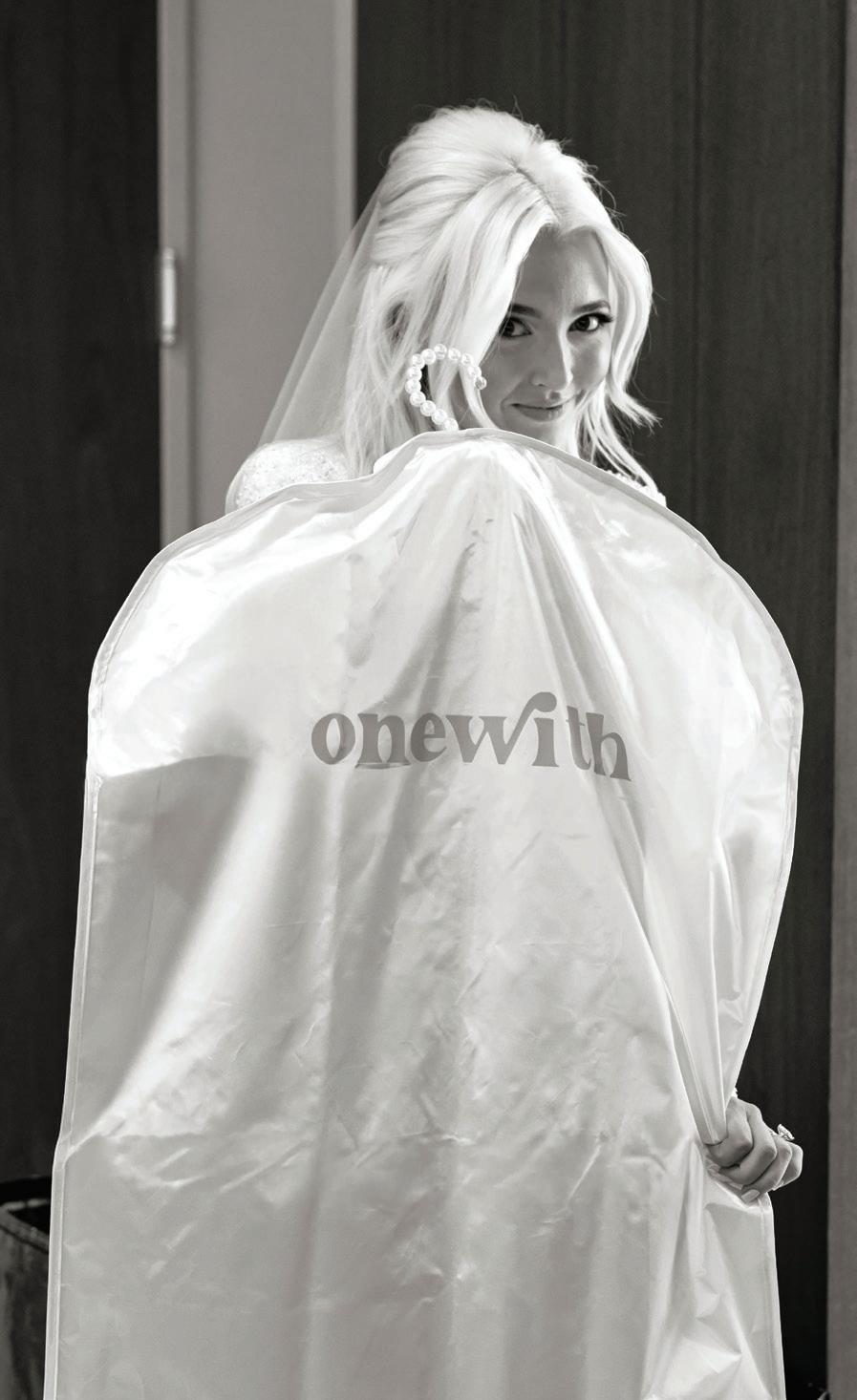



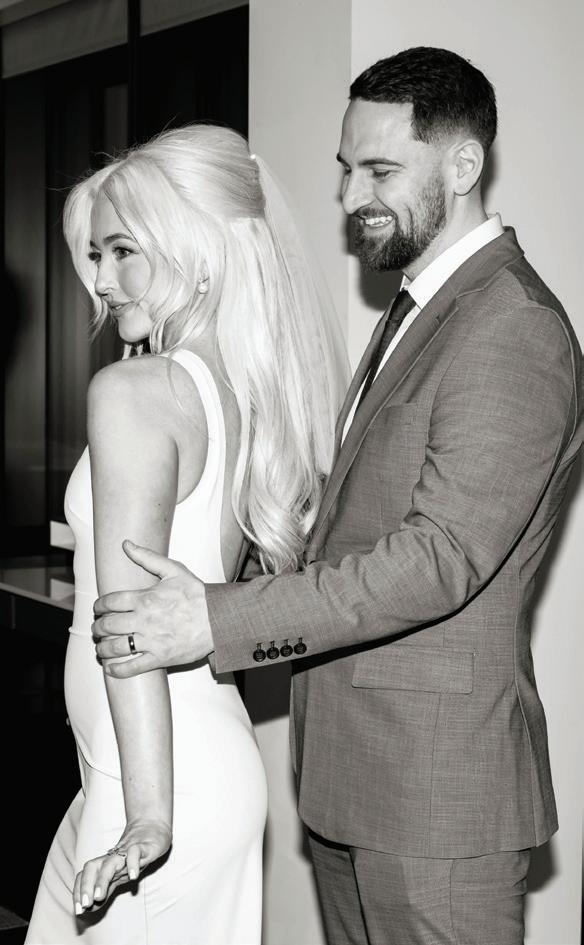



Onewith founder Hayley Segar (now Cannon) eloped in New York City with her fiancé, Zach Cannon, in an intentionally intimate ceremony officiated by Andrew Fleitman. For the occasion, Hayley wore two dresses, one of which she designed with the Onewith team, featuring the brand’s patented swimwear construction. The neckline of the ivory midi dress was modeled after Onewith’s signature Idlewild one-piece, creating a minimalist bridal silhouette.
From afar, the dress reads classic and understated, but up close, it’s constructed using the brand’s elastic-free, bonded construction— the same second-skin design approach that has made Onewith a cult favorite. Hayley had been quietly designing the dress in secret as a surprise for Zach.
After exchanging vows, the couple celebrated the next day in a way that felt unmistakably Onewith: Hayley wore the dress straight into the water at the TWA Hotel’s rooftop pool, turning the wedding dress into exactly what it was built to be—something you could actually swim in.








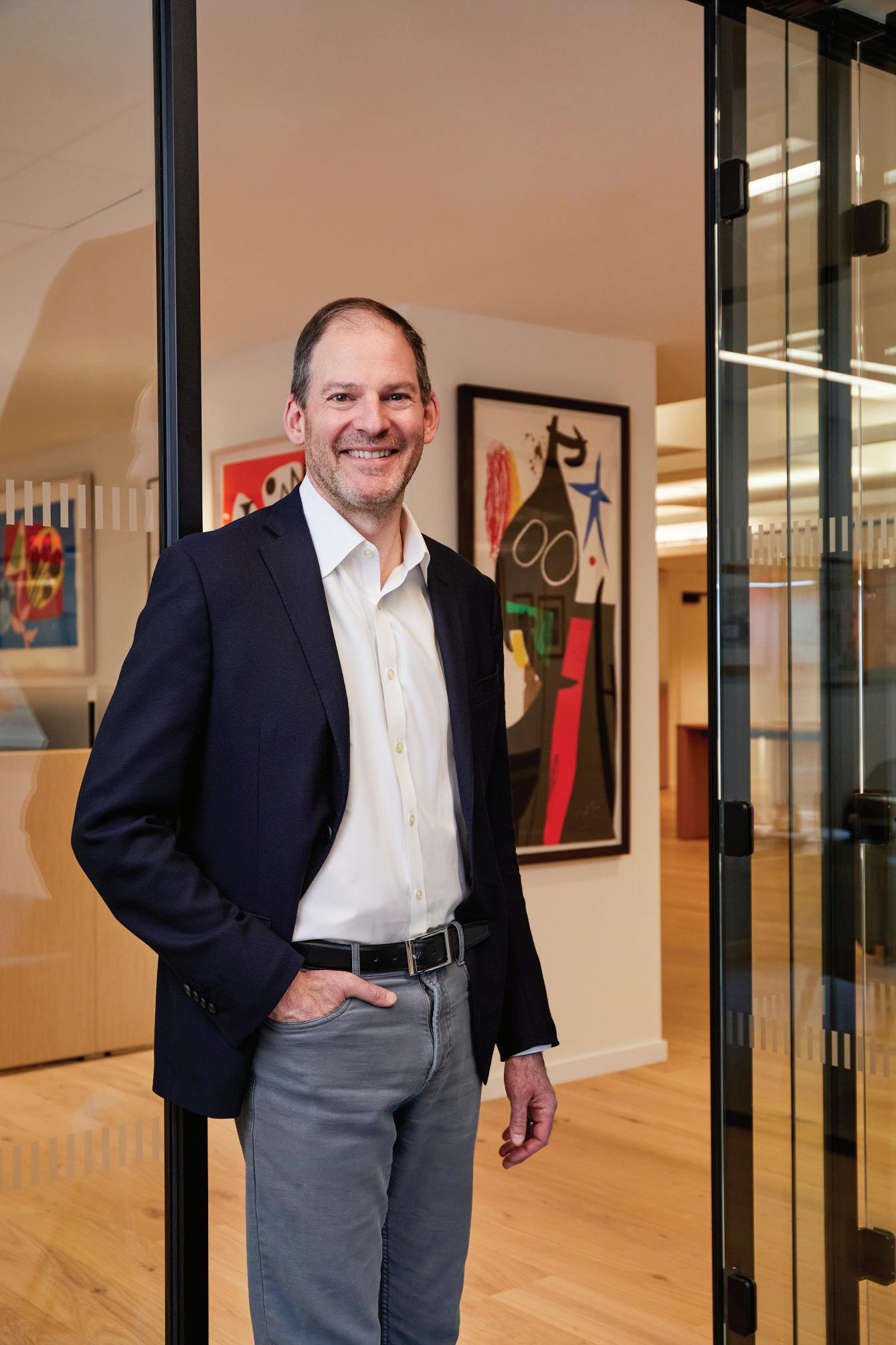
Activewear brand Vuori appointed retail industry leader Heather Archibald as its new chief product officer. In the newly created role, Archibald will lead end-to-end product organization and oversee the product portfolio life cycle, from design and development to merchandising, raw-material planning, production and sourcing strategy. The role will advance Vuori’s global product strategy and innovation road map, shaping the line and assortment architecture and investment strategy while continuously elevating the brand and product experience.
“This is an exciting moment for Vuori as we continue to build on our strong momentum and invest in the capabilities that will carry us forward,” said Joe Kudla, Vuori’s founder and CEO. “With Heather joining the brand, we’re reinforcing our commitment to a product-first approach—deepening innovation, sharpening storytelling and assortments, and bringing even greater rigor to how we scale while maintaining a deep connection with our consumers.”
Prior to Vuori, Archibald served in product leadership roles across global brands, including most recently as Rothy’s chief product and merchandising officer, where she drove brand growth through the development of compelling product assortments. She also brings a wide breadth of experience from her earlier roles, including chief product officer at Title Nine and product and merchandising leadership roles at both Restoration Hardware and Gap Inc.
“Vuori has built something truly distinctive at the intersection of covetable, high-quality product; its strong ‘built to move in, styled for life’ north star; and a clear sustainable mission—each setting the stage for an unbelievable future,” said Archibald. “I’m honored to join the brand on this growth journey. It’s an exciting time for us to continue elevating the product experience through innovation and grounded in our deep understanding of the consumer.”
Founded in Encinitas, California, in 2015, Vuori has quickly established itself as a category leader in the activewear market through a differentiated, more versatile perspective on performance apparel. The brand’s strategic global expansion—hitting its 100-store milestone in late 2025 and serving consumers across nearly 30 countries through a robust network of owned and partner channels— will continue to drive growth, with a focus on key markets in the U.S., Europe and Asia.




Following the viral success of Thayers Milky Cleanser, Milky Toner and Milky Moisturizer, the brand continues to build on the momentum with the launch of the Hydrating Milky Mist. Co-created with the help of long-time Thayers partners, Nina Pool and Shelby Ann Bell, after their DIY milky mist social content sparked Thayers to fast-track the milky mist launch to their community, developing the product on an expedited timeline.
The mist is designed to deliver touchless 24-hour hydration while instantly refreshing skin with a soft, dewy finish.
Created for normal to dry skin and suitable for sensitive skin, the Hydrating Milky Mist delivers a weightless, continuous spray that layers seamlessly into any routine. The ultrafine mist is powered by a blend of plant extracts and dermatologist-trusted actives, including oat milk and 7% glycerin. The formula helps replenish moisture and maintain a healthy-looking skin barrier without disrupting makeup or leaving skin feeling sticky.
“From the beginning, the Milky franchise has been shaped by our community and the real routines of our consumers,” said Stacey Goldstein, vice president of Thayers at L’Oréal. “Born from Thayers fans DIYing a milky mist, Thayers Hydrating Milky Mist is a reflection of that continued collaboration, made possible with longtime Thayers partners, Nina Pool and Shelby Ann Bell. It delivers the same gentle, barrier-supporting hydration our Milky products are known for in an effortless, comfortable application.”
Clinically tested to deliver 24-hour hydration and instantly dewy skin, the Thayers Hydrating Milky Mist is a versatile, go-anywhere essential. Whether used for a midday refresh, as an added layer of hydration, or misted over or under makeup, it keeps skin looking fresh, comfortable and glowing all day.
“I do a few sprays whenever I want, and boom, my barrier is feeling refreshed,” said Pool. “I find that I don’t need to pat this mist into my face because it’s so fine; I just let it absorb quickly.”
“I love to use my milky mist over my makeup after using powder to melt everything together. I also love carrying it in my bag to refresh my makeup after hours of wear,” added Bell
The formula is vegan, cruelty-free and dermatologisttested, and is formulated without alcohol, fragrance, parabens, phthalates or gluten.

Sunglass Hut was named the official sunglass partner of the 2024 WNBA Champion, the New York Liberty, starting with the 2026 WNBA season. As Sunglass Hut’s first official sports partnership, the collaboration underscores the Liberty’s continued cultural influence and the momentum of women’s sports.
The New York Liberty have become a defining force at the intersection of sport and culture in New York. On and off the court, the Liberty continue to shape conversations around women’s sports, leadership and identity while expanding their presence across fashion, entertainment and community.
The partnership reflects the shared values of both organizations and a collective vision to elevate women’s sports through style and storytelling. Rooted in confidence, individuality and self-expression, the collaboration comes at a time when women’s basketball is experiencing unprecedented cultural momentum. From tunnel walks emerging as fashion moments to athletes redefining visibility and influence, sport continues to shape style and identity. Through storytelling and integrated retail experiences, the Liberty and Sunglass Hut will empower fans to express themselves boldly on game day and beyond.
“At Sunglass Hut, we believe style is a powerful form of self-expression, and women’s sports are shaping culture in bold and inspiring ways,” said Onur Koksal, president and general manager of Sunglass Hut North America. “Partnering with the New York Liberty is the perfect collaboration to reflect our commitment to celebrating individuality and confidence on and off the court. We’re excited to empower fans to own their moment and express their style wherever the game takes them.”
The partnership will feature picks from Ellie the Elephant, the Liberty’s mascot, alongside team favorites. The curated selections celebrate bold, expressive style that blends sport and fashion through colorful frames and distinctive shapes.
“Women’s sports are driving culture in powerful ways, and the New York Liberty are proud to be at the forefront of that momentum,” said Keia Clarke, New York Liberty CEO. “Sunglass Hut choosing the Liberty for its first sports partnership speaks to the strength of our brand and the impact of our players and fans. This collaboration allows us to create experiences that connect sport, style and community while continuing to elevate women’s basketball.”

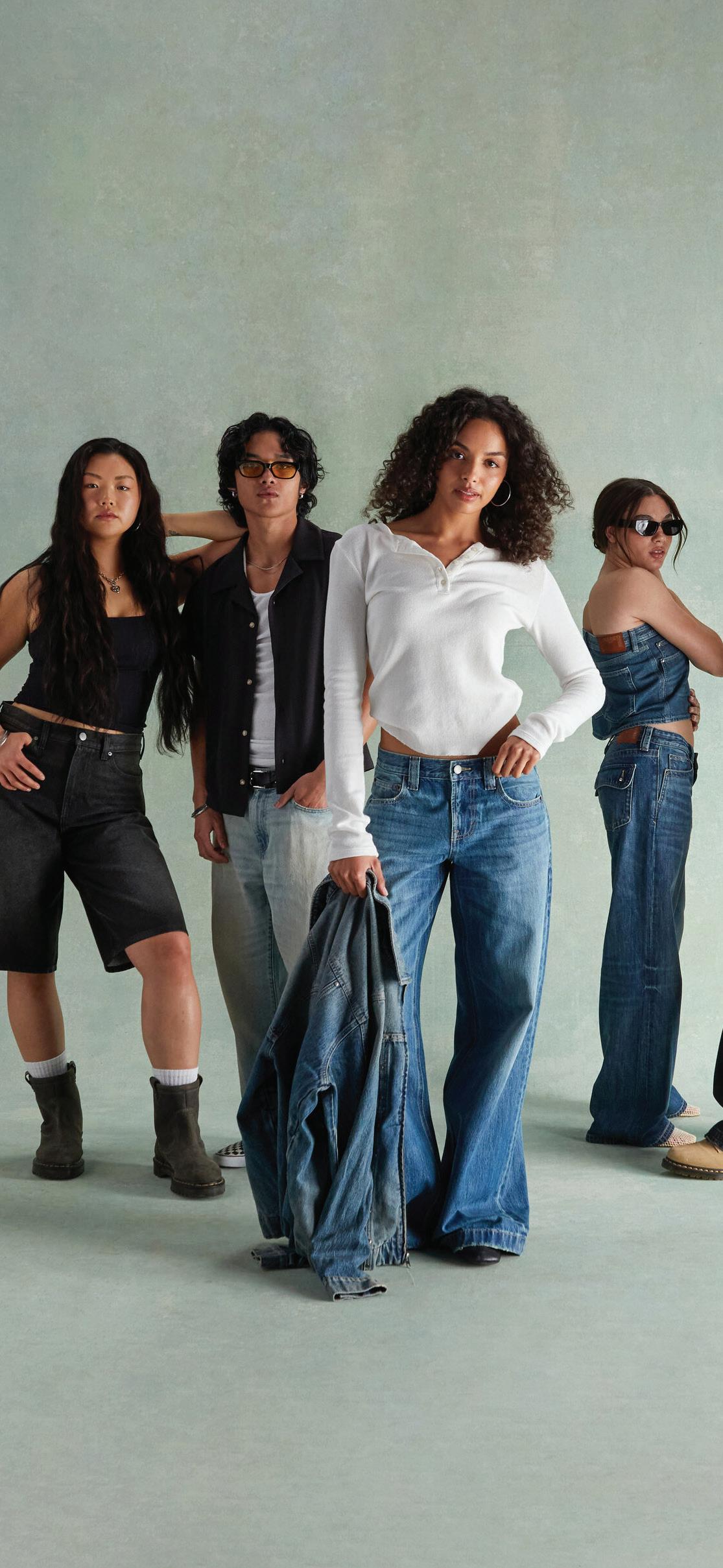
Pacsun is back with its newest collection, in partnership with the Rare Impact Fund, founded by Selena Gomez. The latest Rare DNM Edit marks the fifth collection in the ongoing collaboration and combines Pacsun’s signature denim style with a shared mission to support youth mental health, continuing a partnership centered on purpose, community and self-expression.
Building on this shared foundation, the Rare DNM Edit offers a fresh perspective on everyday denim. Relaxed silhouettes, standout details and versatile washes define the assortment, creating pieces that feel effortless, individual and easy to wear. Designed with everyday confidence in mind, the lineup spans men’s and women’s styles, including baggy fits, low-rise silhouettes and statement pieces that balance comfort with personal style.
“Mental health is something young people are thinking about every day—it shapes the way they see themselves, show up and connect with others,” said Elyse Cohen, president of the Rare Impact Fund and chief impact officer at Rare Beauty. “Through our partnership with Pacsun, we’re able to meet youth in a space that feels natural to them. This collection is about more than what you wear; it’s about building confidence, encouraging self-expression and continuing to expand access to mental health resources for those who need it most.”
The collection features 15 pieces, including extreme baggy jeans, jorts, micro shorts and a studded denim jacket. Elevated elements like studding, jacquard textures and vintage distressing add dimension while maintaining everyday wearability.
As part of the ongoing collaboration, Pacsun continues to support the Rare Impact Fund’s mission to expand access to mental health services and education for young people globally. Pacsun will donate 10% of sales from each Rare DNM Edit purchase to the Rare Impact Fund, up to a maximum donation of $300,000, helping expand access to mental health services and education for young people around the world.














By Ron Friedman
Hello again! It is that time of year as basketball season heads into the playoffs and the Dodgers start their run for a third World Series in a row. They are off to a great start, and I expect them to win over 100 games this year. Go Dodgers!
Standing at the podium of the eighth CBIZ Consumer Product and Retail Symposium, I joked about front-row seats, cocktails and traffic, but beneath the banter, I knew why people had really fought their way across Los Angeles to be there. The fashion and retail executives in that room are navigating a world where the cost of moving goods and consumer behavior are both changing faster than any of us can remember. That’s exactly why I asked two long-time friends, Robert Krieger and Marshal Cohen, to anchor our program this year.
I’ve known Robert, president and CEO of Krieger Worldwide, for more than 30 years. He’s guided many of our clients through the maze of customs, freight and tariffs, and if there’s one thing I’ve learned watching him, it’s that the devil really is in the details. At this year’s symposium, his headline was deceptively simple: there is good news on tariff refunds, but it’s wrapped in a very complicated package.
Robert explained that the long-awaited refund process for certain tariffs is finally underway, with payouts expected 60 to 90 days after filing for those who are eligible and properly prepared. That sounds like a windfall, until you remember that we are asking the government to hand back what could be hundreds of billions of dollars. As Robert reminded us, no one should expect that to happen without intense scrutiny. Customs will be looking closely at valuation, classification, country of origin and any red flags in your history before they approve a single check.
At the same time, the tariff landscape itself continues to shift under our feet. Robert walked us through the new 10% Section 122 surcharge, which has replaced earlier Economic Powers
Act (EPA)-style tariffs for many products, currently capped for six months but widely expected by trade attorneys to withstand legal challenges. He reminded us that new Section 301 investigations are also in the pipeline, likely to produce additional tariffs on countries viewed as acting unfairly. For anyone in fashion who imports fabric, trims or finished goods, that means you can’t treat today’s duty rate as permanent; it’s a snapshot in an evolving film.
One of the most important warnings Robert shared involved valuation rules that many apparel brands have relied on for years. Under the current “first sale” regime, if you buy through a middleman, you may be able to pay duty on the lower first-sale price instead of the higher second-sale price, provided you meet strict conditions. A new bipartisan bill in the Senate, informally dubbed the “final sale rule,” from Sens. Bill Cassidy and Sheldon Whitehouse, threatens to end that practice and base duty on the final sale to retailers like Costco, Walmart or Macy’s. Layered on top of that is explicit signaling from customs that shifts from Free on Board (FOB) or Cost, Insurance and Freight (CIF) to Delivered Duty Paid (DDP) or Landed Duty Paid (LDP) terms are a red flag for undervaluation. In plain English: if you’re a brand that suddenly lets overseas suppliers “handle the importing,” expect more questions, not fewer.
Of course, all of this sits atop freight costs that refuse to behave. There was a period when ocean rates from Asia dropped as carriers flooded the market with new container ships, and many in the room hoped that it would be the new normal. Robert poured some cold water on that optimism. Fuel surcharges, regulated by the Federal Maritime Commission, are kicking in after their 30-day notice periods, and they’re not small. Tensions over Chinese involvement in the Panama Canal ports have led Chinese authorities to inspect and sometimes detain Panamanian - flagged ships for extended “safety” checks, tying up an estimated 100 container vessels and driving demurrage and delay costs through the system. On top of that, the U.S. push to subsidize domestic shipbuilding via a tax on foreign-built ships is
poised to add about a cent per kilo to many imports—a rounding error on light garments, but meaningful on heavy denim or outerwear.
Robert did leave us with one cautious dose of optimism. Carriers ordered far too many new ships during the last cycle, and when some of the current geopolitical tensions ease, overcapacity should put downward pressure on rates again. His challenge to the room was straightforward: build a playbook that can handle freight going up before it goes down and tariffs that may become more complicated before they simplify.
If Robert’s talk was about the cost side of the equation, Marshal Cohen, chief retail advisor at Circana, focused on the demand side. I’ve had the pleasure of bringing Marshal back to our symposium year after year because he has a unique ability to translate dense retail data into stories that make sense to operators. This year, he started by puncturing a myth many of us had heard all winter: the idea that retail just came off a blockbuster holiday season.
Yes, Marshal confirmed that traffic looked great, and Black Friday parking lots were full. But when you peel back the numbers, the picture is more nuanced. Food and beverage sales are up about 3%, largely driven by roughly 3% price increases rather than consumers putting more units in their carts. The consumer packaged goods (CPG) sector is running around 2%, again in line with modest price inflation. General merchandise, where fashion lives, is up slightly under 2%. Against a backdrop of rising costs, that’s not nothing—but it’s a far cry from the “boom” story many headlines suggested.
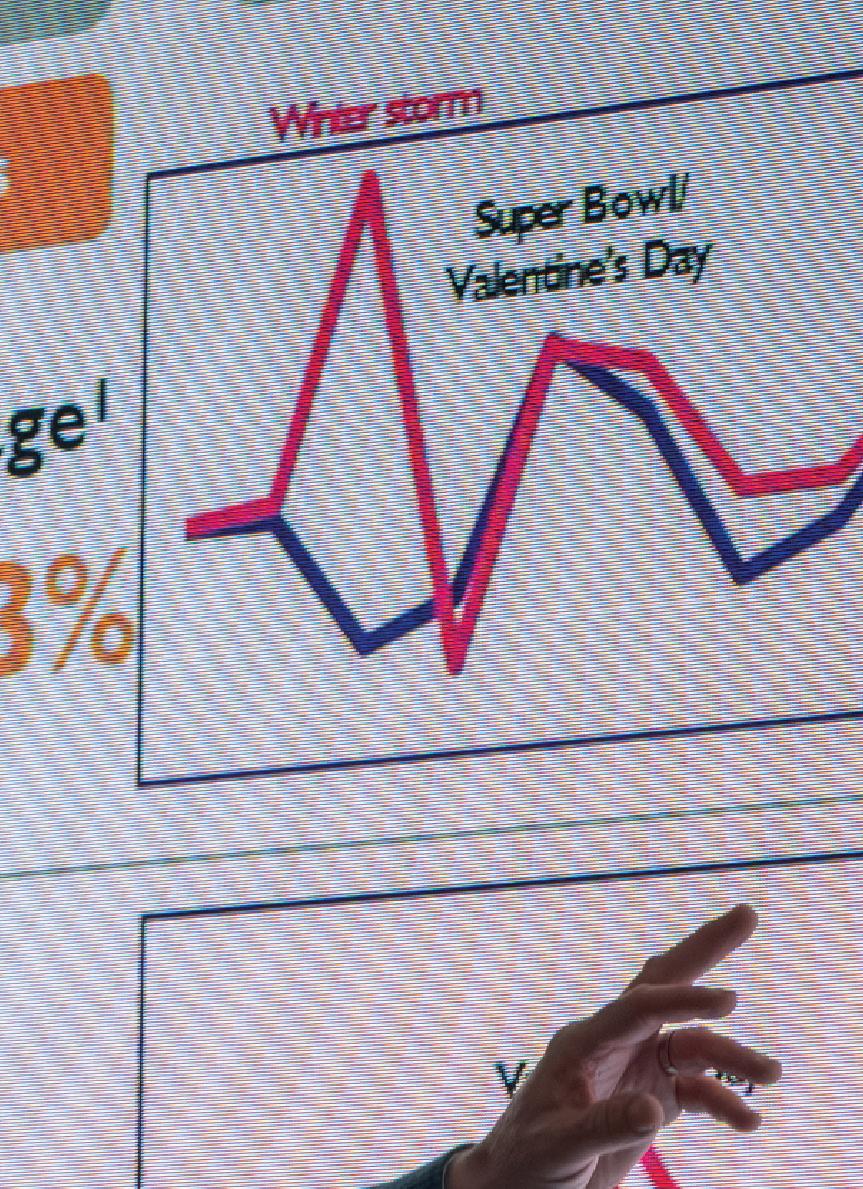
Marshal also talked about what he calls “false positives” in the data. A big spike in January food sales for 2026 looked exciting until you realized it was being compared to a prior year when a massive snowstorm kept shoppers home. Later in the month, another storm hit, and the comps reversed. Easter shifting on the calendar created another illusion of strength as this year’s holiday landed earlier than last, juicing late-March results that will be much harder to match next year. His message to the


room was that we can’t run our businesses off headlines about “record weekends” without understanding the comp we’re cycling.
One slide that really landed with the audience showed how the consumer wallet is currently divided. Roughly 52% is going to food, 33% to CPG, and only 15% to general merchandise. On its face, that split isn’t radically different from the last few years. The problem lies in the underlying math: food and CPG prices are rising about 2.8% per year, while wages are growing closer to 2.2%, and gas prices and other living expenses remain elevated. When basic expenses eat more of the pie, fashion has to fight harder for its slice. Marshal has been one of the clearest voices explaining how this plays out across income tiers. We all got used to talking about a K-shaped recovery during and after the pandemic— higher-income households doing well while lower-income families struggled. Today, he says, the chart looks more like a “dipping E.”
Upper-income consumers are still spending, though at a slower growth rate. Middle-income shoppers are flattening out. Lower-income households took a noticeable hit in October 2025 and again in January 2026, coinciding with political changes and the resumption of student loan payments. For brands focused on the middle of the market, that is a warning sign: you can’t rely on one income tier to carry the whole category
Then, Marshal introduced a topic that barely existed in most retail conversations just a few years ago: GLP-1 weight-loss drugs. He calls
the current phase “GLP-1 Phase 2,” driven by the arrival of more accessible and affordable pill formulations. Surveys show that over a third of consumers say they plan to use GLP-1 in pill form, and 80% of those users expect to need new wardrobes as they lose weight. As he pointed out, that doesn’t translate into a single shopping trip. A person going from size 22 to size 12 doesn’t teleport from one to the other; they pass through multiple sizes and life stages along the way, each with its own apparel needs.
I watched a lot of heads nodding in the room as Marshal talked about that. Fashion is uniquely positioned to serve this “consumer in motion.” Transitional fits, adjustable silhouettes and merchandising that acknowledges the journey rather than just the before-and-after photo are all areas where our industry can lead. Marshal’s data also shows GLP-1 users overindexing in wellness, athletic wear and tech categories, which suggests they’re not just changing their size— they’re rethinking their broader lifestyle.
The last piece of Marshal’s talk I’ll highlight here is his view on social commerce and product newness. TikTok shops alone generated roughly $6.5 billion in sales in a recent quarter, around 1% of all retail, with women’s beauty and intimate apparel leading the way. At the same time, he tracked the percentage of products sold over the last 12 months that did not exist a year ago, excluding simple color changes. That “newness index” fell below 2% at the height of COVID’s supply disruptions and, incredibly, is even lower today. As Marshal put it, the consumer is “bored to death.” We are asking her

to spend more of a squeezed wallet on products that too often look and feel exactly like last year’s. As I wrapped the session, I told the audience what I’ll repeat here. Between Robert’s and Marshal’s presentations, one theme came through loud and clear: our biggest risk is not that tariffs will go up or that a new platform will steal share. Our biggest risk is treating all of this as background noise instead of the main storyline. If we accept that costs will be volatile, that the consumer’s budget is under pressure, and that expectations for relevance and newness are higher than ever, then we can start making the decisions—about compliance, freight, product, channels and storytelling—that will define who wins the next few years.
As someone who’s been organizing this symposium for eight years now, partnering closely with fashion and retail leaders, I’ve never believed more strongly that the companies that survive and thrive will be the ones willing to update both their playbooks and their assumptions. If this year’s discussions with Robert and Marshal are any indication, the brands that lean into that work now will be the ones we’re still talking about at our ninth symposium and beyond.
Until next time, remember what I always conclude with—if you are not having fun, then do something else!
Ronald S. Friedman, CPA, is an advisory and assurance managing director in the Los Angeles office of CBIZ and a practice leader in the firm’s Consumer and Industrial Products group. Contact him at ron.friedman@cbiz.com.
By Paul F. Magel, President of Blue Cherry by CGS



Few industries understand presentation better than fashion. Stores are immaculate, campaigns are cinematic, lookbooks are art-directed within an inch of perfection, and product launches feel like cultural events. Even a tote bag can have a narrative arc.
Fashion knows how to look ready, which is, perhaps, why it has become surprisingly skilled at looking digitally transformed, too. From the outside, many companies appear to be operating in a seamless future of predictive insights, connected commerce and intelligent supply chains.
Inside the building, though, there is often a spreadsheet named something like: Final_Assortment_Master_v7_USETHISONE.xlsx.
This is not criticism; it is anthropology. Because while fashion has mastered aesthetics, many fashion brands still wrestle with something less glamorous: data.
Behind every polished brand experience sits an operating reality that may include:
• Product data in multiple systems
• Inventory numbers debated by several departments simultaneously
• Supplier updates trapped in email chains
• Reporting cycles slow enough to become historical fiction
• Manual reconciliations performed by people who deserve medals
Consumers rarely see this, and that is the point. Fashion teams are remarkably good at shielding the customer from internal complexity, but shielding is not the same as solving.


For years, fashion companies could survive with imperfect information because markets moved at a tolerable pace. Those days have left the building. Now, brands must react to:
• Sudden demand shifts
• Margin pressure
• Supply disruptions
• Changing tariffs
• Sustainability regulations
• Omnichannel complexity
• Customers who expect speed with zero drama
That environment punishes slow decisions and fuzzy numbers. When leadership asks, “What’s happening right now?” and the honest answer is, “We’ll know Thursday,” there is work to do.
Let us be fair to spreadsheets. They are useful and flexible, and they have saved more quarter-end situations than most consultants. The issue is not spreadsheets themselves. The issue is when spreadsheets become the unofficial operating system of a multihundred-million-dollar enterprise.
That is when knowledge becomes fragile, processes become persondependent, decisions become delayed, and vacations become politically sensitive—because only one person knows the formula in column AQ.







Many companies still treat data as an IT matter. It is not. Data quality affects:
• Forecasting accuracy
• Inventory placement
• Sourcing speed
• Margin visibility
• Promotional decisions
• Compliance readiness
• Customer experience
In other words, data has moved from back-office hygiene to front-line economics. The companies gaining advantage are not necessarily those with the fanciest tools; they are the ones where trusted information moves quickly across teams.
There is a difference between owning modern software and operating as a modern business. The first is procurement. The second is discipline.
Being digital means:
• One trusted product record
• Clean operational metrics
• Connected workflows
• Timely decisions
• Visibility across design, sourcing, production and sales
It means teams spend less time debating numbers and more time improving them.




Contrary to myth, transformation does not require replacing everything, traumatizing the workforce and announcing a three-year program with an inspirational codename. Often, it starts smaller:
• Unifying product and operational data
• Digitizing supplier collaboration
• Improving production visibility
• Automating repetitive workflows
• Creating real-time dashboards people actually trust
Then, build from there. Momentum beats mythology.
This may sound critical, but I am optimistic. Fashion companies already excel at something many industries do not: rapid adaptation. They respond to culture, demand and taste constantly.
That same instinct, applied operationally, can be powerful. The brands that pair creative excellence with data discipline will outperform those relying on intuition alone. Taste still matters, but now so does latency.
Fashion does not need to become boring, robotic or obsessed with dashboards. It simply needs its internal intelligence to match its external sophistication. When the customer experience is elegant but the operating model is chaotic, one eventually catches up with the other. But when an elegant operating model aligns with an elegant customer experience, fashion brands can transform intelligence into action.
By AIMS360
A midmarket fashion brand books a 500-unit wholesale order while its direct-to-consumer team runs a flash sale on the same style through its online store. The wholesale system and the e-commerce platform do not communicate with each other. Within hours, the brand has promised more product than it actually has. What follows is predictable: canceled orders, penalty fees, a strained retailer relationship and hundreds of disappointed customers who will think twice before buying again.
This scenario plays out across the apparel industry every day. According to IHL Group, inventory distortion—which includes overstock, out-of-stock and shrinkage— costs retailers worldwide an estimated $1.77 trillion annually. For growing apparel brands operating across multiple sales channels with thin margins, even a fraction of that figure is enough to stall momentum or sink a season entirely.
The root cause is not a lack of effort. It is a lack of visibility—real-time, end-to-end visibility that stretches from production through fulfillment and across every active sales channel.
Inventory visibility does not begin when the product arrives at the warehouse. It begins at the production stage. Brands that cannot track where their goods are in the manufacturing process—whether fabric has been cut, whether garments are being sewn, or whether a shipment is on its way—are making availability promises based on guesswork.
When a factory delay pushes delivery back by two weeks, and that delay is not reflected in a brand’s inventory system, sales teams continue booking orders against units that do not yet exist. The downstream consequences—late shipments, retailer penalties, rush shipping costs—compound quickly. A McKinsey & Company report on supply chain resilience found that companies with real-time supply chain visibility reduced order fulfillment errors by up to 30% and significantly shortened
response times to disruptions.
Growing brands that connect their production tracking to the same software that manages their orders and inventory gain a critical advantage: they know what is coming and when it is coming, and they can plan their sales commitments accordingly.
Once goods arrive, the clock starts. Whether a brand ships from its own warehouse or works with an outside fulfillment partner, real-time updates— confirmation that goods were received, that they have been shelved, and that orders are being packed and shipped—must flow back into a single central system immediately.
Without that feedback loop, inventory counts begin to drift within days. A pallet received but not yet scanned shows as unavailable for sale. A customer return processed at the fulfillment center but not updated in the brand’s system creates a gap no one can account for. These small discrepancies accumulate, and by the time a team runs a manual count, the damage—oversold orders, missed restocking windows, misallocated product—is already done.

Channel
Faced with chronic overselling, many brands turn to what feels like a safe work-around: they divide their inventory by sales channel. Three hundred units are set aside for wholesale. Three hundred go to the Shopify online store. One hundred are allocated to Faire, a wholesale marketplace. One hundred are reserved for Nordstrom drop-ship. Each channel gets its own pool, and the overselling problem appears to be solved.
In reality, this approach trades one problem for another. The wholesale allocation sits untouched while the Shopify store sells out and turns away customers. The Faire units move slowly because the brand underestimated direct wholesale demand. The Nordstrom drop-ship reserve lingers past the season and gets marked down at a loss. The brand had the inventory—it just could not move it to where demand actually existed. The result is dead stock, eroded margins and missed revenue that a more flexible approach would have captured.
According to a 2023 report from the National Retail Federation, markdowns on excess and misallocated inventory cost the U.S. retail sector an estimated $300 billion annually—a significant share of which falls on brands that lack the tools to respond to demand in real time.

The alternative is a single, shared inventory pool that updates automatically as orders come in from every channel. Wholesale orders, online sales, marketplace transactions and showroom purchases all draw from the same source of truth—updated continuously, not through overnight data syncs or manual spreadsheet updates.
This approach requires a unified software platform—purpose-built for apparel— that connects production data, warehouse management and order processing across every channel in one place. When a wholesale order locks in 200 units, every other channel reflects that change instantly. When a return is processed, those units are immediately available to sell again wherever demand is strongest.
Real-time visibility is the foundation, but the brands pulling ahead are not stopping there.
Once all inventory data—across production, warehousing and every sales channel—lives in a single, continuously updated system, it becomes a powerful foundation for artificial intelligence.
With complete, centralized data in place, AIpowered tools can identify which styles, colors and sizes are selling fastest across channels, flag slow-moving inventory before it becomes dead stock, forecast restocking needs based on actual demand patterns rather than last season’s assumptions, and shift inventory allocation dynamically to where it will sell best.
The shift from reactive inventory management to predictive, data-driven decision-making is only possible when the underlying information is clean, centralized and current.
Brands still patching together disconnected tools and static spreadsheets simply do not have the foundation AI needs to deliver meaningful results.
Brands that solve the visibility problem do not just avoid costly mistakes. They gain the confidence to take on new retail partners, open new sales channels and make purchasing decisions based on what is actually selling rather than gut instinct. They spend less time reconciling spreadsheets and more time growing the business.
In an industry defined by speed, seasonality and razor-thin margins, the gap between brands that can see and analyze their inventory in real time and those that cannot is no longer a minor operational detail. It is a competitive divide— and it is widening every season.
By Tatiana Muñoz, U.S. Director of Business Development, Hardis Supply Chain
Most mornings begin with a decision that seems simple: “What should I wear today?” But any woman knows the answer is rarely straightforward. Is there an important meeting? A school event? A long travel day? The same closet can produce entirely different choices depending on the circumstances.
Getting dressed is rarely about a single item; it’s about managing a system of choices. In many ways, the textile and apparel supply chain operates the same way.
What appears simple from the outside (fabric becoming clothing and clothing arriving in stores) is actually the result of thousands of coordinated decisions across manufacturing, distribution, retail channels and customer fulfillment. Much like choosing the right outfit for the day, those decisions become more complex as circumstances change.
Imagine opening your closet when you were younger and finding a few reliable pieces: maybe a favorite pair of jeans, a couple of sweaters and one outfit reserved for special occasions. Choosing what to wear was quick and predictable. Early-stage retail and textile operations look similar. There are limited product lines, fewer sales channels and more straightforward distribution flows. Inventory is easy to track, orders move through a small number of locations, and teams can see what is happening across the business because there are fewer moving parts.
At this stage, the operating model fits the scale of the organization, but growth rarely stays simple. A retailer expands into e-commerce, a textile manufacturer begins supporting multiple collections throughout the year, inventory spreads across additional warehouses to retail locations, and new partners join the network to support production, sourcing or logistics.
The closet that once held a few dependable outfits suddenly contains dozens of options. More options should make life easier, but often they make decisions harder. The same is true for fashion and textile supply chains.
As apparel companies grow, the first signs of operational strain begin to appear:
• More products mean more stock-keeping units (SKUs).
• Seasonal collections arrive faster and more frequently.
• Inventory may exist across multiple warehouses, stores or third-party partners.
• Orders begin arriving through different channels, such as wholesale, e-commerce, marketplaces and physical stores.
Suddenly, the once-simple system requires more coordination. Teams spend more time verifying where inventory is located, confirming order availability and resolving small discrepancies. Processes that once worked effortlessly now rely on manual checks, spreadsheets and institutional knowledge.
Nothing is technically broken, and the operation still functions. However, it starts to feel like a rushed morning when you’re trying to assemble the perfect outfit with only minutes to spare: checking the weather again, swapping shoes, reconsidering a jacket. It works, but it takes effort.
Eventually, many organizations reach a point where coordination itself becomes the daily workload:
• Orders originate from multiple channels.
• Inventory must serve stores, online customers and wholesale partners simultaneously.
• Delivery expectations vary depending on location and service level.
Now every decision carries trade-offs. Should an item ship from a warehouse or a store? Should inventory be reserved for e-commerce orders or kept available for in-store shoppers? Should an order be split across multiple locations to meet a promised delivery date?
In textile and apparel logistics, this complexity grows even greater because garments aren’t identical units. Products must often be handled differently depending on packaging, presentation or storage requirements. Some items hang, while others ship folded. Collections rotate quickly, and promotional events create sudden spikes in demand.
Without strong coordination, teams find themselves constantly firefighting. Costs rise, productivity drops, and customer promises become harder to guarantee.
At a certain point, the solution simply isn’t working harder to keep things organized. What fashion supply chains need is something closer to orchestration. Orchestration means
making fulfillment decisions automatically and consistently, using real-time information on inventory, orders and logistics conditions. Instead of relying on manual coordination, systems evaluate where products are located, how orders should be routed, and which fulfillment option best meets customer expectations.
The impact becomes visible across key business metrics:
• Lower cost to serve
• More reliable delivery promises
• Better use of existing inventory
• Faster response when new sales channels or services are introduced
The textile and apparel industry faces a particularly demanding environment. New collections launch frequently, promotions and seasonal peaks create rapid shifts in demand, and retailers must support both wholesale partners and direct-to-consumer channels. Returns (especially in fashion e-commerce) add another layer of complexity.
At the same time, customer expectations continue to rise. Shoppers expect accurate availability, flexible delivery options and reliable service regardless of where or how they place an order. Meeting these expectations requires a supply chain capable of adapting to constant change.
For textile manufacturers and fashion retailers alike, the question is no longer whether complexity exists, because it clearly does. The real question is whether the operating model is prepared to manage it.
As fashion businesses expand, complexity naturally increases. More channels, more products and more partners all add value, but they also demand smarter coordination and better decision-making. Organizations that recognize where they are in this journey gain an important advantage. Instead of reacting to complexity, they can design operations that manage it effectively.
In the end, success in textile supply chains isn’t about eliminating complexity. It’s about making sure every piece works together, just like the perfect outfit.
By Michelle Jones, Director of Presales and Solutions Consulting, Logistics Reply
Timing is everything in fashion. A shipment arriving weeks late can mean missed seasonal windows, unsold inventory and lost revenue. This is becoming evident as geopolitical tensions between the U.S. and Iran threaten the stability of the Strait of Hormuz, one of the world’s most critical shipping corridors. The waterway handles roughly 20% of global oil shipments, but it also plays an essential role in the movement of goods between Asia, the Middle East and North America.
Recent disruptions have already forced shipping lines to reconsider routes and suspend bookings in parts of the region. For the fashion and textile sector, an industry built on global sourcing networks and tightly coordinated seasonal launches, the impacts could be significant.
Even before the latest geopolitical tensions, fashion supply chains were under pressure. The industry depends heavily on complex global networks that connect raw material producers, textile mills, manufacturers, logistics providers and retailers across multiple continents. When a major route becomes unstable, those networks can quickly unravel.
One immediate impact of the Strait of Hormuz disruption is longer transit times. Cargo that would normally move through the region may now be rerouted around South Africa’s Cape of Good Hope, adding 20 to 25 days to already lengthy journeys from Asian production centers to U.S. distribution hubs. For fashion brands, these delays can be devastating. Seasonal collections are planned months in advance, with precise delivery windows tied to retail launches, promotional campaigns and changing consumer trends. Missing those windows can turn high-margin merchandise into discounted inventory almost overnight.
At the same time, transportation costs are rising sharply. Shipping lines navigating longer routes must absorb higher fuel expenses, while insurers are increasing premiums to account for geopolitical risk. Industry estimates suggest export costs for some apparel shipments could increase by 30% to 35%.
These pressures are particularly challenging for American businesses that depend on justin-time inventory models, where goods arrive shortly before they are needed on store shelves
or e-commerce platforms. When containers are delayed or stuck in transit, retailers may face empty shelves while manufacturers struggle to maintain schedules.
Although much of the global apparel industry relies on overseas production, disruptions to international shipping still have a direct impact on domestic manufacturers. Many U.S.-based brands source raw materials, like fabrics, trims or specialized components, from overseas suppliers. Delays in those inputs can stall domestic production lines, creating cascading delays throughout the supply chain.
As costs increase and delivery timelines become less predictable, some global buyers may scale back orders or delay new commitments. This uncertainty makes forecasting even more difficult for fashion brands already navigating rapidly shifting consumer preferences. We are living in a time defined by erratic supply chains, where disruptions can originate thousands of miles away but still reshape the economics of American retail and manufacturing.
Historically, many fashion companies have operated with fragmented systems. Suppliers, logistics partners, warehouses and retail operations often relied on separate platforms and limited data sharing. When disruptions occurred, companies struggled to identify where inventory was located or how delays would affect downstream operations.
Today, digital supply chain platforms are transforming that model by connecting data from across the entire ecosystem, from suppliers and production facilities to warehouses, stores and e-commerce channels. This level of insight allows fashion brands to respond more quickly when disruptions occur.
Disruptions like the Strait of Hormuz crisis also highlight the growing importance of the warehouse as a strategy point in fashion supply chains. Rather than merely serving as large storage facilities, modern warehouses are hubs that coordinate the flow of inventory from global suppliers to retail stores, distribution centers and direct-to-consumer channels. Advanced warehouse management technologies help companies maintain realtime control of stock levels, optimize storage space and accelerate order fulfillment, even during peak periods such as seasonal launches
or holiday promotions.
For fashion companies dealing with extended transit times and unpredictable supply flows, these capabilities can make a profound difference.
Real-time warehouse intelligence allows operators to:
• Prioritize inbound shipments
• Allocate inventory across all channels
• Ensure high inventory accuracy through continuous verification and real-time tracking
• Enable cross-dock operations that move goods directly from inbound to outbound flows without long-term storage
• Maintain service levels despite external disruptions
Another lesson emerging from recent global disruptions is the importance of stronger collaboration between supply chain partners. Fashion brands depend on extensive networks of suppliers and logistics providers, yet many companies still lack consistent visibility into upstream production and shipping activity. Without that insight, delays often remain hidden until goods are already late.
Digital collaboration tools are helping close that gap by enabling suppliers to share packing and shipping information in real time. This transparency gives brands a clearer view of inbound goods before they even leave the factory, improving planning for warehouse operations and distribution.
The tensions affecting the Strait of Hormuz may eventually ease, but the broader lesson for the fashion industry is unlikely to change: global supply chains are becoming more complex and exposed to unexpected events, from geopolitical conflicts to climate disruptions and shifting trade policies.
For American manufacturers and retailers, resilience will depend on building supply chains that are digitally connected, highly visible and capable of adapting quickly to change. That means investing in technologies that unify data across suppliers, logistics partners, warehouses and sales channels. It also means adopting operational models that prioritize flexibility, allowing companies to reroute shipments, rebalance inventory and adjust production plans when disruptions occur.
By Michael

Consumer and industrial product (C&IP) companies operate at the intersection of engineering, software and advanced manufacturing. Their ongoing innovation across appliances, electronics, automotive, aerospace and defense makes the federal research and development or research and experimentation (R&D or R&E) credit a highly effective cash-flow tool.
At its core, the federal credit reduces income tax dollarfordollar as part of the general business credit. Eligible small businesses may also use it against the alternative minimum tax, and qualified startups can apply up to $500,000 per year against the employer portion of Social Security tax, subject to the statute’s thresholds and definitions. If you can’t use the entire amount in the current year, the credit generally carries back one year and forward up to 20 years. Many states layer on their own R&D credits, some of which are refundable or transferable, thereby substantially increasing the total benefit.
The Tax Cuts and Jobs Act (TCJA) required capitalizing and amortizing research costs starting in 2022—five years for domestic R&D and 15 years for foreign R&D—raising taxable income for many innovators. The One Big Beautiful Bill Act (OBBBA), enacted in 2025, allows an immediate deduction, elective capitalization over at least 60 months, or a separate optional 10-year write-off for domestic R&E for tax years beginning after Dec. 31, 2024. It also lets taxpayers deduct unamortized domestic R&D from 2022 to 2024 either all at once in the first tax year beginning
after Dec. 31, 2024, or spread evenly over 2025 and 2026. Foreign R&E would remain on a 15year amortization schedule. Some states have decoupled from these federal changes, so state rules may still require capitalization.
Section 174 (deductions) and Section 41 (credits) serve different purposes. Both are typically available, but you should carefully consider whether to take a smaller credit to preserve your deduction.
To claim the credit, your activities should meet all four criteria:
• Permitted purpose: You aim to develop or improve a business component (product, process, software, formula or technique) in function, performance, reliability or quality.
• Technological in nature: The work must involve science or engineering, rather than marketing or aesthetics.
• Elimination of uncertainty: At the outset, there was technical uncertainty about the optimal design or method for achieving the objectives of the development effort.
• Process of experimentation: You evaluated alternatives, tested different approaches and refined solutions to resolve the uncertainties.
Qualifying work often includes iterative product development to enhance performance, durability, energy efficiency or safety. Process engineering may improve yield, throughput,
quality or automation. Pilot builds and prototypes are created for learning rather than routine production. Teams frequently develop embedded software and control algorithms and integrate robotics and machine vision to address automation challenges. Testing new materials, coatings and formulations, including lightweighting, is common. Simulation and digital twins support optimal design development. Verification and validation activities that address technical uncertainties generally qualify, whereas routine quality control does not.
Certain activities are generally excluded from the credit. These include:
• Work performed after commercial production is established, unless new technical uncertainties emerge
• Cosmetic updates or market-driven styling
• Adapting an existing product to a single customer’s needs without genuine technical uncertainty
• Duplicating a competitor’s product Funded research may be disqualified if you lack substantial rights in the results and do not bear financial risk. For federal credit purposes, research conducted outside the United States is not eligible for Section 41, though some foreign costs may fall under Section 174.
Qualified research expenses are central to the credit calculation. W-2 wages for employees who directly perform, supervise or support qualifying activities are eligible. Supplies consumed in qualified research, including materials for noncapitalized prototypes, are

included. Payments to third parties for contract research may qualify, generally at 65% of cost, if the work meets the required tests. Certain computer rental and cloud costs used in development and testing may also be included under current rules.
Capital equipment and depreciation are excluded from the credit base, despite being legitimate innovation costs. Routine postrelease maintenance and bug-fixing typically do not meet the uncertainty and experimentation requirements. Internal-use software may qualify but is subject to additional criteria. Ensure you document how it meets the necessary tests.
Most companies calculate the tax benefit using either the regular credit or the alternative simplified credit (ASC), with ASC often preferred for its simplicity. The Section 280C election allows you to take a smaller credit without reducing your R&E deduction, which may simplify compliance. The optimal choice depends on your specific facts and tax profile. Startup companies, generally within their first years and with limited gross receipts, may be eligible to apply up to $500,000 of the research credit to offset employer Social Security tax. This can provide meaningful cash-flow benefits, particularly for companies that are not yet in a taxable income position. Some small business owners may also use the credit to reduce alternative minimum tax (AMT), subject to limitations. If you cannot use the credit immediately, plan for carrybacks and carryforwards to prevent expiration. Note that changes in ownership or company structure may limit these benefits.
The research credit is subject to close scrutiny, and you may only claim what you can substantiate. Additional paperwork created solely for tax purposes is not required. Instead, align your engineering records with the fourpart test and associated costs. Comprehensive documentation includes project requirements, stage-gate reviews, design files, test reports and lab notes. For software and firmware, maintain version histories, issue logs and release notes. While tracking time spent on qualifying activities can strengthen a claim, it is not required and can often be supported by other documentation, such as project records and technical materials, along with job descriptions and organizational charts. For costs, retain bills of materials, accounting records and contractor agreements. If customers fund the work, contracts should demonstrate that you retain significant rights and financial risk to remain eligible.
Optimal results are achieved by identifying qualifying projects early, mapping tasks to the four-part test, applying reasonable allocation methods and maintaining a consistent methodology each year while documenting any changes.
Many states offer R&D credits with unique rules, rates and refund features. Some states apply rules that differ from federal Section 174 requirements. As a result, you may be able to deduct R&D costs on your federal return but be required to amortize them over time on your state return. A state-by-state chart can help align
federal, payroll and state benefits to prevent errors such as double-counting or misalignment.
1. Begin by identifying R&D-intensive projects with clear functional or performance objectives, and map their activities to the four-part test, excluding routine quality assurance and cosmetic changes.
2. Confirm your cost pools and data sources, such as payroll, project accounting and purchasing. Select the credit method (ASC or regular) that best aligns with your history.
3. Determine whether to make a Section 280C election.
4. Establish your Section 174 approach after reviewing current federal and state rules.
5. Add applicable state credits and other incentives.
6. Assess eligibility for the startup payroll tax offset and any AMT considerations.
7. Prepare an audit-ready file.
8. Finally, work with a qualified tax advisor to address technical positions, accounting method changes and filings.
For C&IP innovators, experimentation is essential. The tax code can help offset these costs. Align engineering activities with the four-part test and capture eligible expenses. Coordinate Section 174 and Section 41, and combine federal and state benefits to maximize tax savings and improve cash flow.
































Capital One® Commercial Banking offers you the financial services your business needs to succeed. You get customized solutions designed by a dedicated team of Consumer Products bankers with a combined track record of more than 75 years in the apparel, footwear, accessories and beauty sectors—and they’re backed by the full-services capabilities of a top 10 U.S. bank.*
Let us create a solution that matches your vision
capital.one/commercial
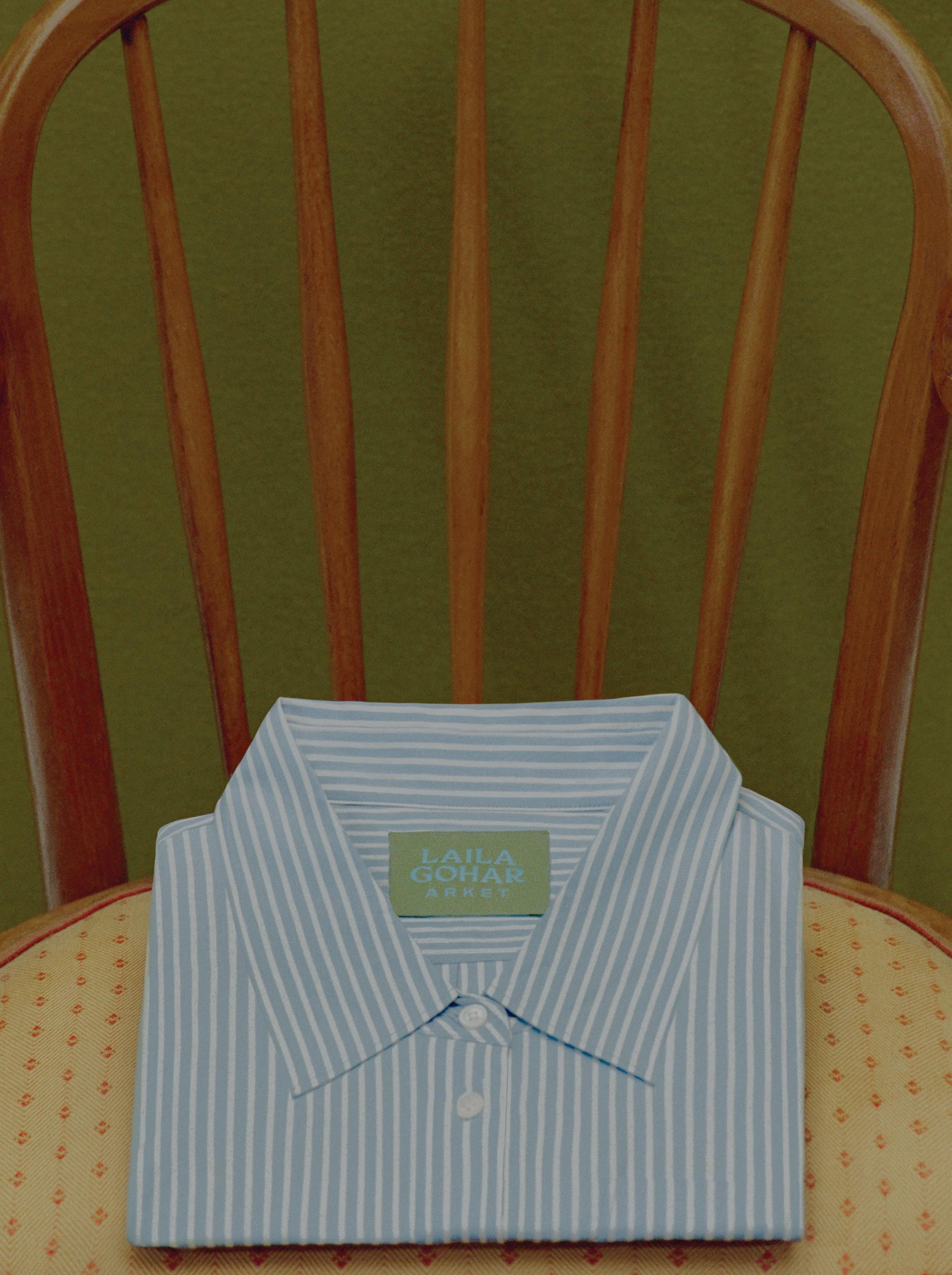








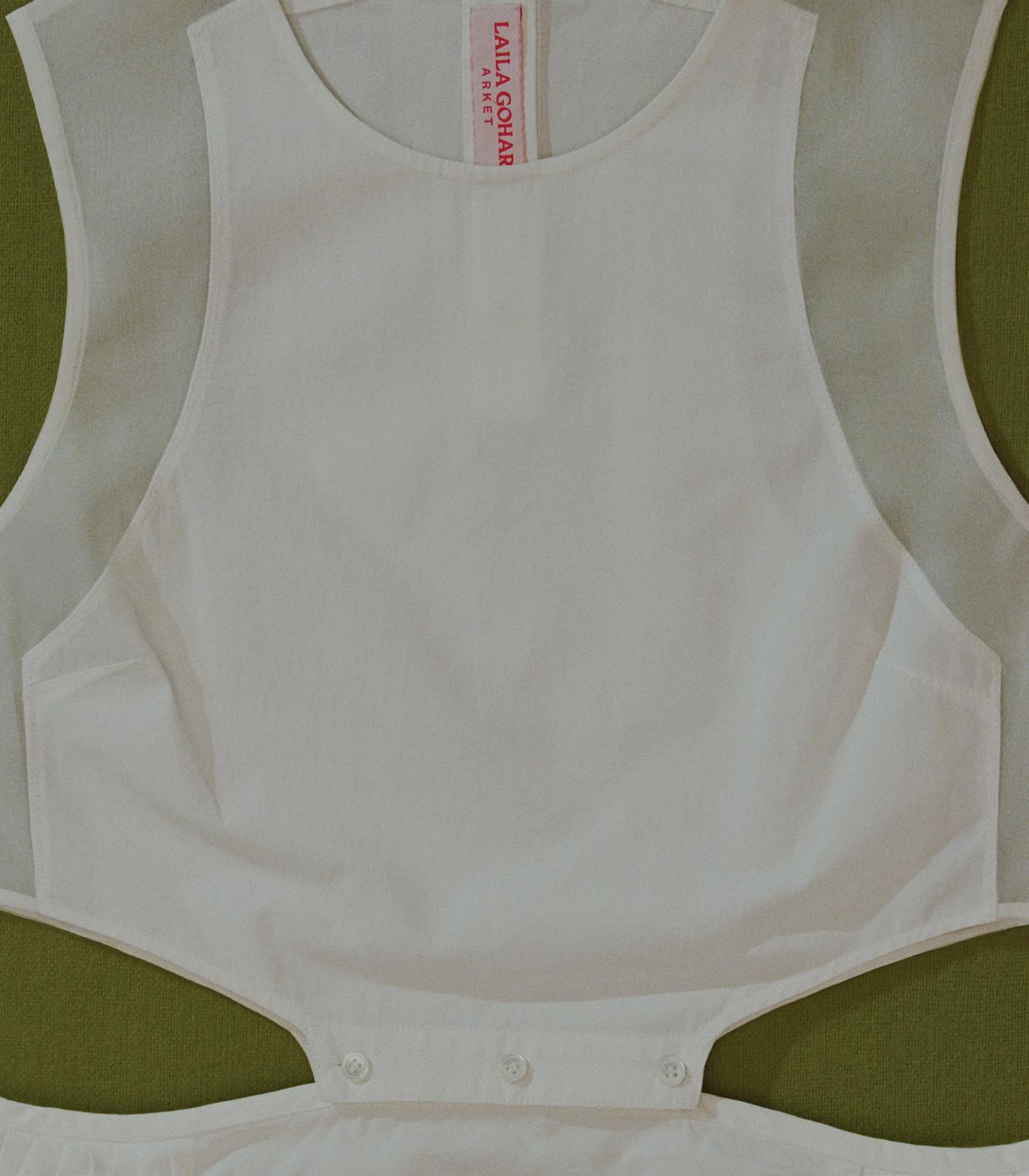
Nordic lifestyle brand Arket teamed up with New York-based artist Laila Gohar on her debut ready-to-wear collection, launching for Spring/ Summer 2026. The collaboration spans 27 pieces, translating Gohar’s singular aesthetic into a rich, multilayered wardrobe, designed for moments that move between the everyday and the exceptional.
Born in Cairo and based in New York, Gohar blends spectacular food, installation art and playful object design to create a softly surreal world without clear boundaries between life and beauty. Her work includes acclaimed edible sculptures for Prada, Hermès, Comme des Garçons and Simone Rocha, among others, alongside her own home décor label Gohar World, co-founded with her sister Nadia Gohar in 2020.
Blending Gohar’s idiosyncratic interpretation of beauty with Arket’s focus on practical design, the collection takes its starting point in the dynamic interplay between opposites—masculine and feminine, soft and stiff, sheer and opaque—as well as the personal, intuitive play between these dichotomies.
“We have been fascinated by Laila’s unique blend of craft, tradition and humor for many years and invited her to design her first-ever clothing collection with us,” said Arket’s head of design and creative, Ella Soccorsi. “Her work emerges from a rich and wide-ranging world of inspiration, and the resulting wardrobe transcends categories such as occasion and everyday wear yet feels effortlessly wearable and grounded in daily life.”
The collection ranges from workwear-inspired garments, such as an all-white embroidered canvas set, a classic henley jersey top and a smock blouse informed by women’s uniforms, to more delicate expressions, including an apron-based tie-blouse and a matching skirt and bra top in warm ecru silk organza. Crochet and beaded accessories complete the collection, while a distinctive modular dress with a detachable skirt stands as a central expression of the collaboration.
Tactility, tradition and handwork are foundational elements of Gohar’s world. In her collection with Arket, individually hand-beaded pieces and nonuniform embroidered monograms reflect a shared interest in handicrafts and textile tradition, alongside a palette of specially sourced natural materials.
“I don’t really differentiate between everyday clothing and special occasion clothing,” said Gohar. “Every day is a special day. I wear what I want when I want. I don’t believe in saving things for an occasion—I cook in my nicest clothes, I host in them, I live in them. That’s how I dress myself. Working with Arket was about translating that attitude into clothing: pieces that feel structured and crafted but still intuitive, open and easy to use.”

By Merilee Kern, MBA
There is something uniquely powerful about the connection between parent and child, especially in the early years, when everyday moments feel both fleeting and formative. Clothing, while often seen as a simple necessity, can play a subtle but meaningful role in those experiences. For many parents, the goal is not just to dress their children, but to do so in a way that reflects care, intention and a sense of shared identity. That is the space where GILi Guise has carved out its niche.
GILi Guise is an American children’s clothing brand that brings together style, durability and purpose. Designed primarily for toddlers and young children ranging from 12 months to 5T, the brand was created to address a common frustration among parents: the lack of cohesive, well-made and stylish options that can keep up with real childhood. Rather than forcing parents to piece together outfits from multiple sources, GILi Guise offers a streamlined solution built around coordination, quality and ease.
The brand’s foundation is deeply personal.
“GILi” is derived from the names of the founders’ children, Greg, Indy, Lauren and Irelyn, while “Guise” reflects both how children present themselves and the guidance they receive as they grow. Together, the name represents more than just a label. It captures a philosophy rooted in family values and the belief that children should grow up confident, carefree and happy.
At the heart of GILi Guise is its “live vicariously” philosophy. This idea speaks directly to the emotional experience of parenting. Childhood is short, but it is filled

with defining moments, from playground adventures to family gatherings and everything in between. The brand encourages parents to embrace those experiences, seeing them not as fleeting phases but as opportunities to relive life’s most meaningful moments through their children.
This perspective informs every aspect of the company’s approach. GILi Guise is not built around fast fashion or disposable trends. Instead, it focuses on durability and thoughtful design. Each piece is crafted from quality fabrics and reinforced with construction, ensuring the garments can withstand the realities of active childhood. Whether it is a long day at the park, a road trip or everyday wear, the clothing is designed to hold up while still maintaining a polished look.
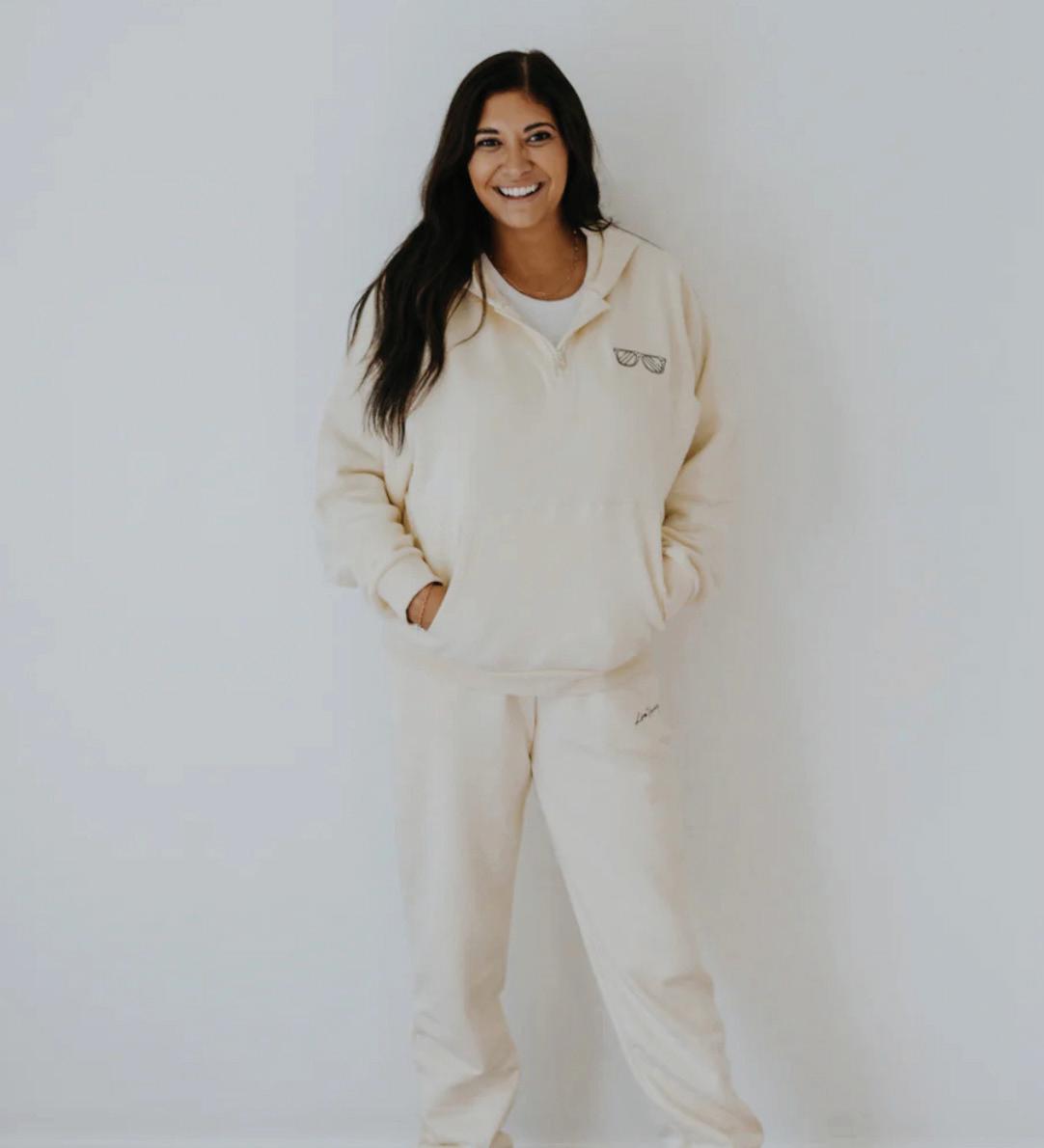
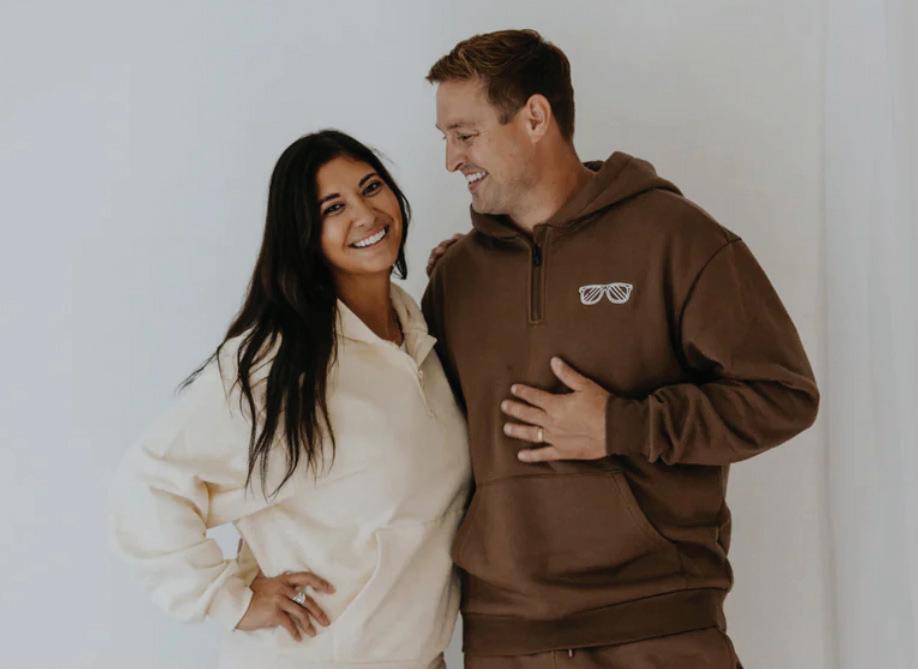
Equally important is the emphasis on simplicity for parents. Coordinated sets, including matching family sweat sets, reflect the brand’s commitment to making dressing children both easy and intentional. These sets offer a cohesive look without requiring extra effort, allowing families to present a unified style while focusing on what matters most: spending time together. The mommy-and-me concept, in particular, highlights this connection, offering a visual expression of closeness and shared experience.
Beyond aesthetics and function, GILi Guise is built on a strong sense of purpose. The brand’s “buy one, give one” initiative is a direct reflection of that commitment. Inspired by the founders’ own experience when their daughter, Irelyn, spent her first days in the NICU, the program donates a baby beanie to a local NICU for every one purchased. It is a simple gesture, but one rooted in empathy and lived experience, offering comfort to families navigating some of their most challenging moments.
This element of giving back reinforces the brand’s broader identity. GILi Guise is not just about clothing. It is about community, resilience and shared understanding. By tying its business model to meaningful action, the company creates a deeper connection with its audience, one that extends beyond the product itself.
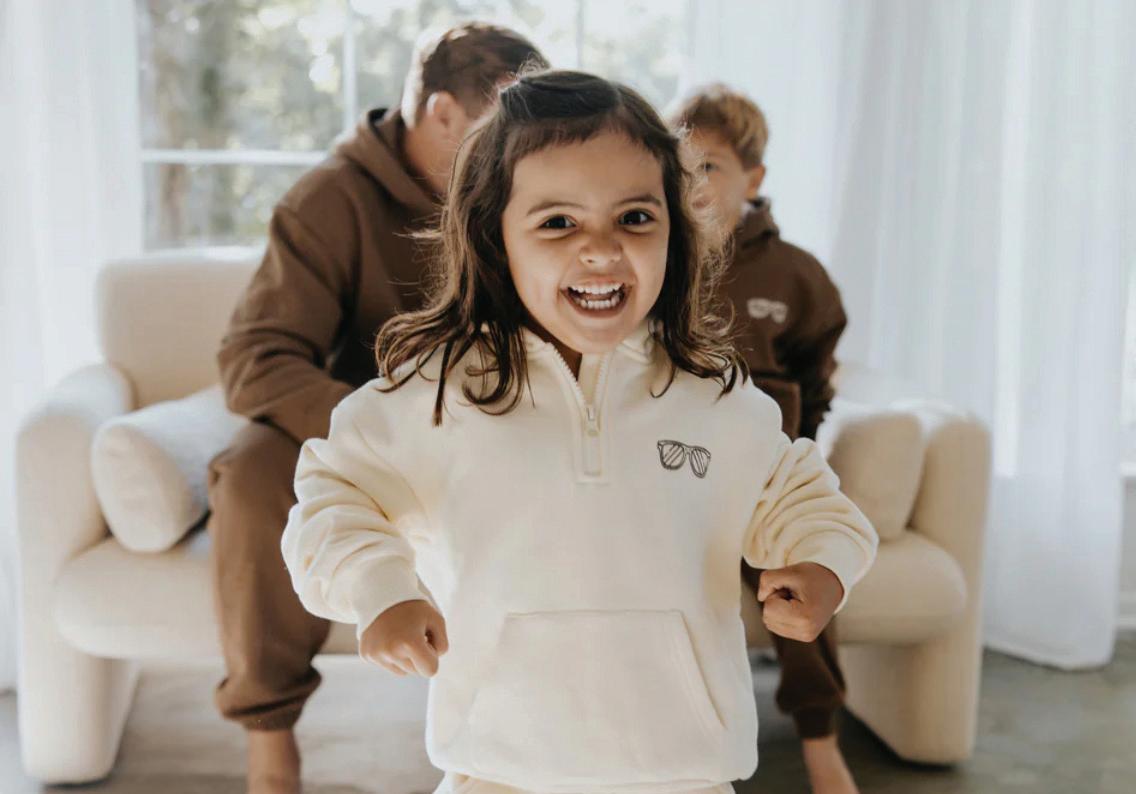
The brand’s product offerings reflect this balance of practicality and style. From its well-known GILi denim line with grow-with-me features to a range of tops, dresses, sweatsuits and outerwear, each category is designed with versatility in mind. The goal is not to overwhelm with options but to provide reliable, thoughtfully designed pieces that can be mixed, matched and worn repeatedly.
In a market saturated with choices, GILi Guise stands out by focusing on what truly matters to families. It recognizes that clothing is part of a larger story, one that includes growth, connection and memorymaking. By combining durability, coordinated design and a clear mission, the brand offers more than just apparel. It offers a way for parents to engage more fully in the moments that define childhood.
As families continue to seek out products that align with their values, GILi Guise presents a compelling model. It is a brand built not on trends but on experience. Not on volume but on intention. And in doing so, it reminds parents that sometimes the smallest details, even something as simple as what a child wears, can contribute to the memories that last a lifetime.

















Every morning, Daryl Blank stands at the entrance of the High School of Fashion Industries (HSFI) and greets each of the school’s 1,400 students as they arrive. “I want all our students to feel welcomed and cared for when they come to school each day,” he explained. In his 16th year as principal, Blank has devoted nearly three decades to the institution—first as a teacher and sports coach, then as an assistant principal.
Nestled in the heart of Chelsea, HSFI is one of New York City’s best-kept secrets—a school that has been shaping the city’s fashion landscape for a hundred years. Founded in 1926, it has served generations of students from all five boroughs, giving them the skills to turn a passion for fashion into a career. As the school celebrates its centennial in 2026, Blank reflects on what that history means. “One hundred years demonstrates incredible staying power,” he noted. “It is incredible to think about the thousands upon thousands of students and families that we have positively impacted.” But he is equally focused on what comes next. “I feel a tremendous amount of pressure to ‘carry the baton’ so that HSFI can continue to thrive for the next 100 years.”
A proud product of New York City public schools himself, Blank sees in today’s students the same hopes that brought the school’s earliest attendees through its doors. “I believe our students are here at HSFI for the very same reasons as those immigrants 100 years ago,” he said. “We have four years to get our students ready for life after the High School of Fashion Industries.”
After World War I, the garment industry was the largest employer in New York City. But when restrictive immigration laws cut off its traditional supply of workers, the industry faced a crisis: it would have to train new generations if it were to survive. In 1926, educator Mortimer C. Ritter, aided by industry mogul Max Meyer, founded Central Needle Trades High School in two classrooms in a factory loft on West 31st Street. Within a few years, the school had outgrown this venue and moved to a former elementary school on 24th Street between 7th and 8th avenues.
At this time, Central Needle Trades was considered an “extension school,” releasing boys and girls between 14 and 18 from their jobs for part of the day each week to build their occupational skills and learn basic English, mathematics and civics. By 1936, with the garment industry desiring workers with more than an elementary school education, the school began to resemble a traditional four-year high school. Such was the importance of the garment industry to the city’s economy that the City Council authorized $3.5 million to build a new school—one that Mayor Fiorello La Guardia praised as “a model school in the field of education.”
The new 10-story building, which opened in January 1940, mirrored the garment industry buildings around it, with retail outlets on the first floor selling wares made by students and manufacturing workshops above. Most of the student body was composed of the children of immigrants, seeking their share of the American Dream through careers in the garment industry. The building also housed a post-high school institute that by 1951 had become the Fashion Institute of Technology, with Ritter serving as its first president.
A centerpiece of the new building was a state-of-the-art auditorium whose landmark murals depict the rise of the union movement within the garment industry, from the Triangle Shirtwaist Factory fire to the era of cooperation between unions, management and government brought about by President Franklin Roosevelt’s New Deal. Over the years,


The school has always been a reflection of the city around it. In 1956, Central Needle Trades High School became the High School of Fashion Industries. Over the years, the school thrived and adapted, with dedicated teachers helping students navigate the social and cultural changes of each passing decade. And as the industry itself changed from one of manufacturing to one of design, marketing and merchandising, so did the offerings of the school. From the 1960s through the present

day, the school has continued to welcome newcomers from all over the globe—like their predecessors when it first opened—looking to fulfill their dreams through careers in fashion. “I view my responsibility as the person to create the conditions for our students to achieve these goals,” said Blank.
At HSFI, every student graduates with real-world experience in one of six career and technical education majors—many of which culminate in a public showcase that takes students beyond the classroom and into the city.
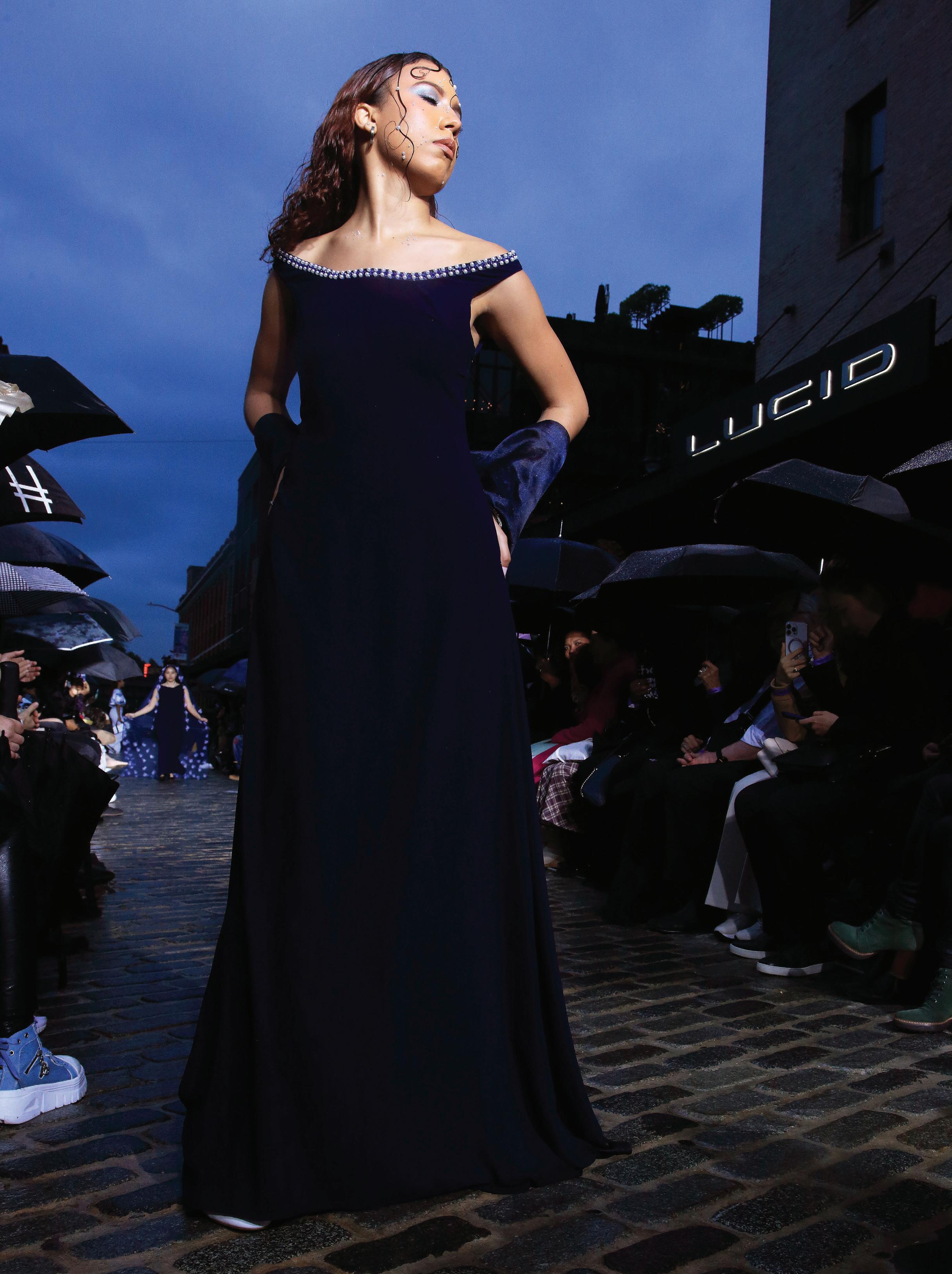
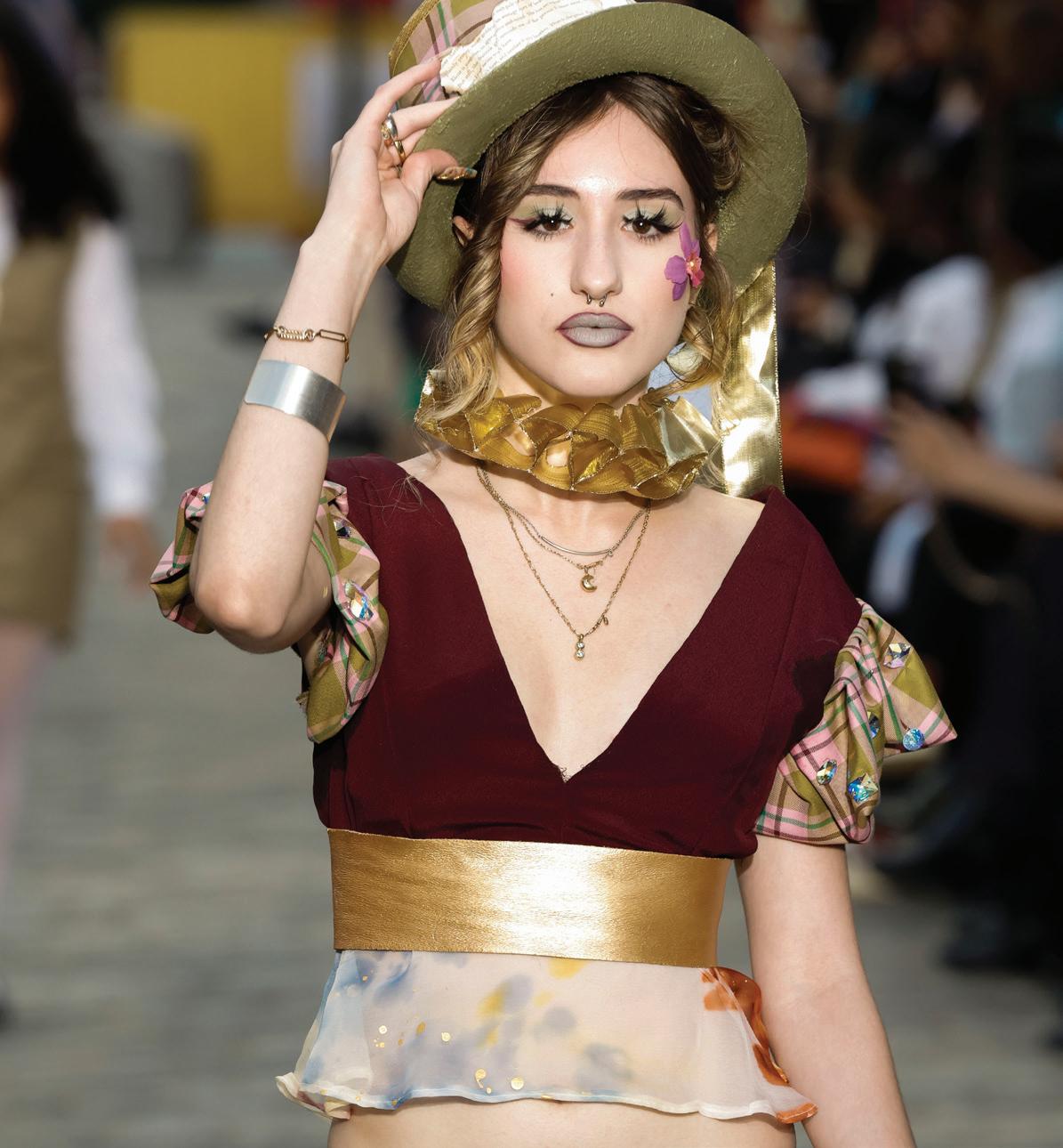
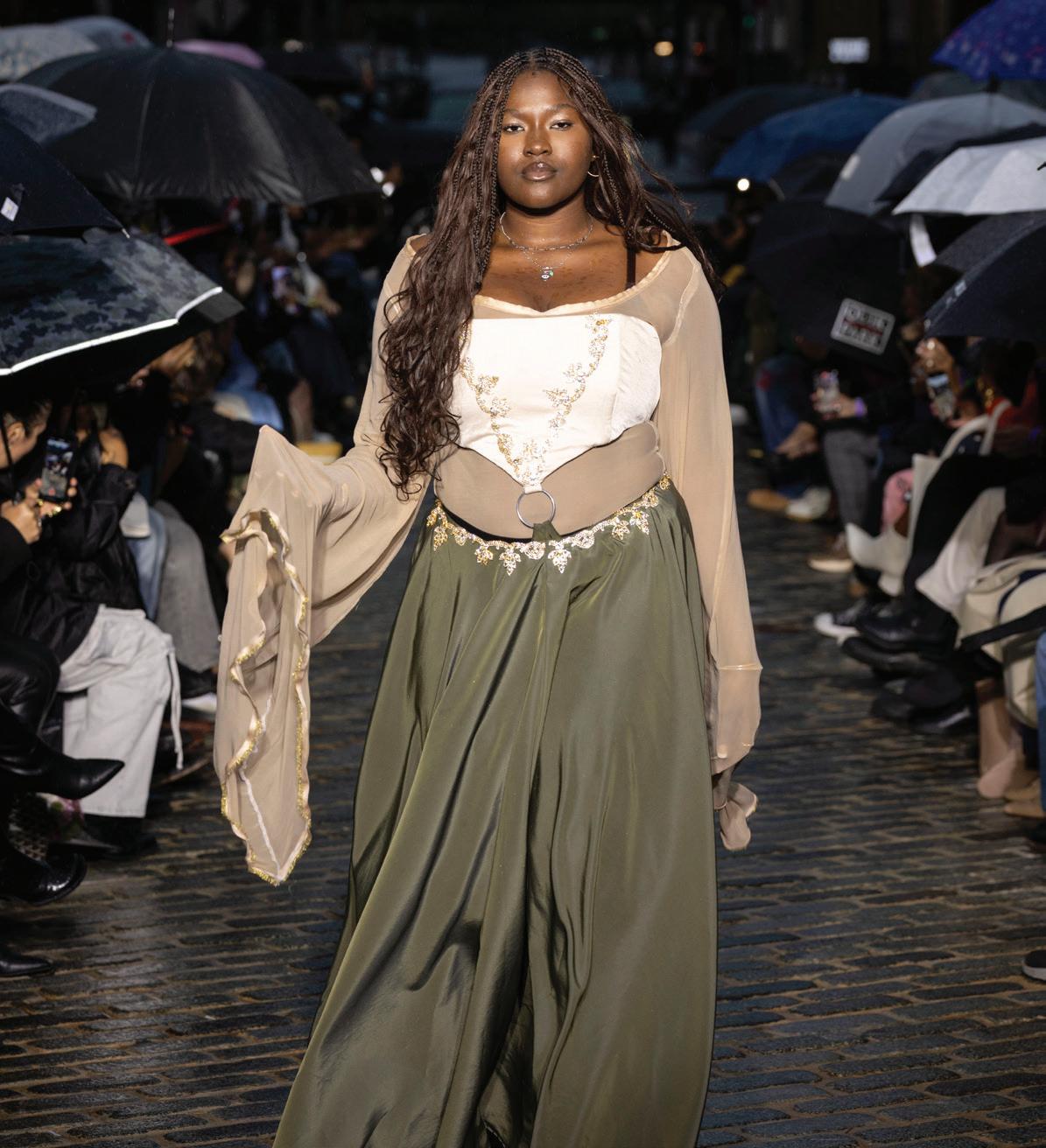
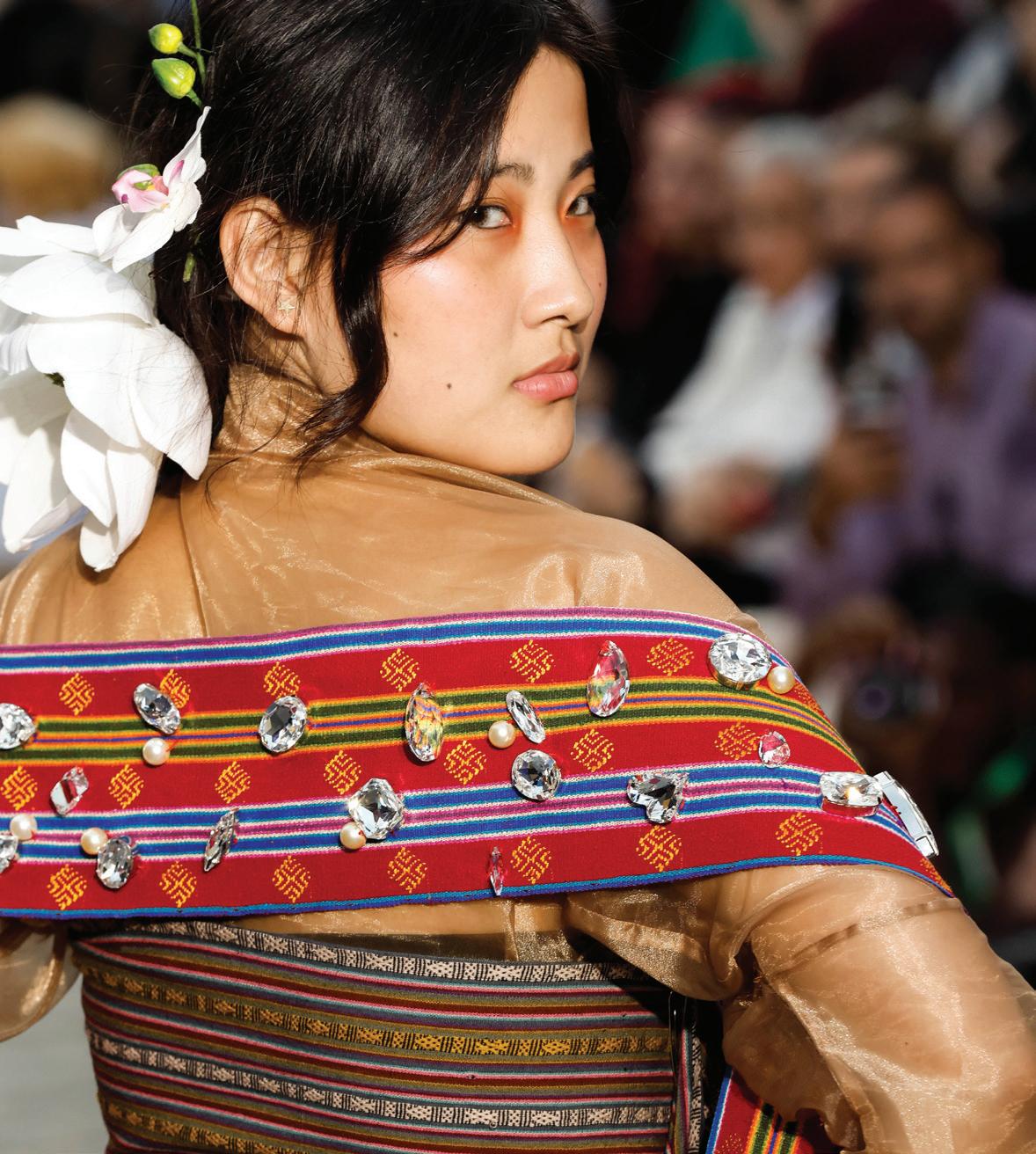
Fashion design, one of the school’s oldest majors, gives students the skills to take their vision from concept to product—from illustration and patternmaking to draping, sewing and textile printing. Seniors showcase their final thesis garments at the Industry Fashion Show at Gansevoort Plaza in the Meatpacking District. Visual presentation is a unique, highly creative major focused on how products are merchandised to promote sales, making use of the school’s own department store-style windows and culminating in a winter holiday window display created in collaboration with industry professionals. Photography, taught at HSFI for over 25 years, provides students with extensive experience with the equipment, techniques and digital applications for the versatile medium.
Art and design is a graphic design and illustration program grounded in drawing, painting, color theory and digital tools. The marketing and management major explores how business and fashion intersect, with students operating both a virtual and a brickand-mortar store and competing internationally at the Javits Center. Software development takes students from no experience to advanced computer science skills, preparing them for the increasingly tech-driven world of fashion.
“It is wonderful to see our students express who they are,” said Blank, “whether it is through a fashion garment, art piece, window display or software program.”
HSFI partners with many well-known brands through which students gain internship experience, including Nike, Anna Sui, Swarovski, Tapestry and Kleinfeld Bridal. An advisory board composed of industry professionals representing all six majors provides curriculum guidance, facilitates industry partnerships and fundraises for the school. Students can also take free college classes through partnerships with Baruch College, City College and Hunter College.
Beyond the classroom, HSFI offers a wide range of student activities, including six dance teams, 50 after-school clubs and 18 varsity sports teams, reflecting the diversity and energy that have defined the school since its earliest days.
As the school prepares for its centennial celebration this June—an alumni fashion show expected to attract 1,500 alumni to 24th Street— Blank is focusing on both the past and the future. “I appreciate students’ creativity and passion for their majors,” he noted. A hundred years later, HSFI remains what it has always been: a place where New York City students can turn their passion for fashion into a career.

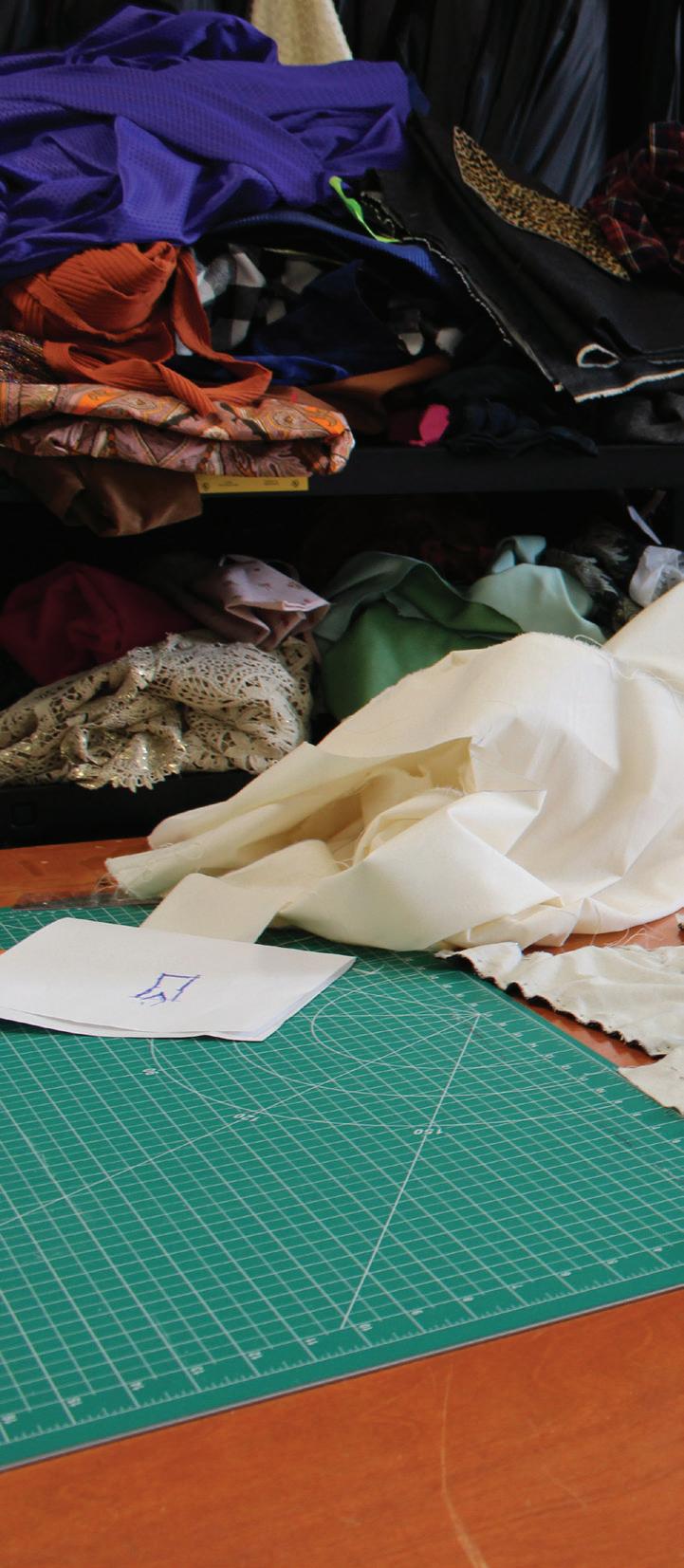
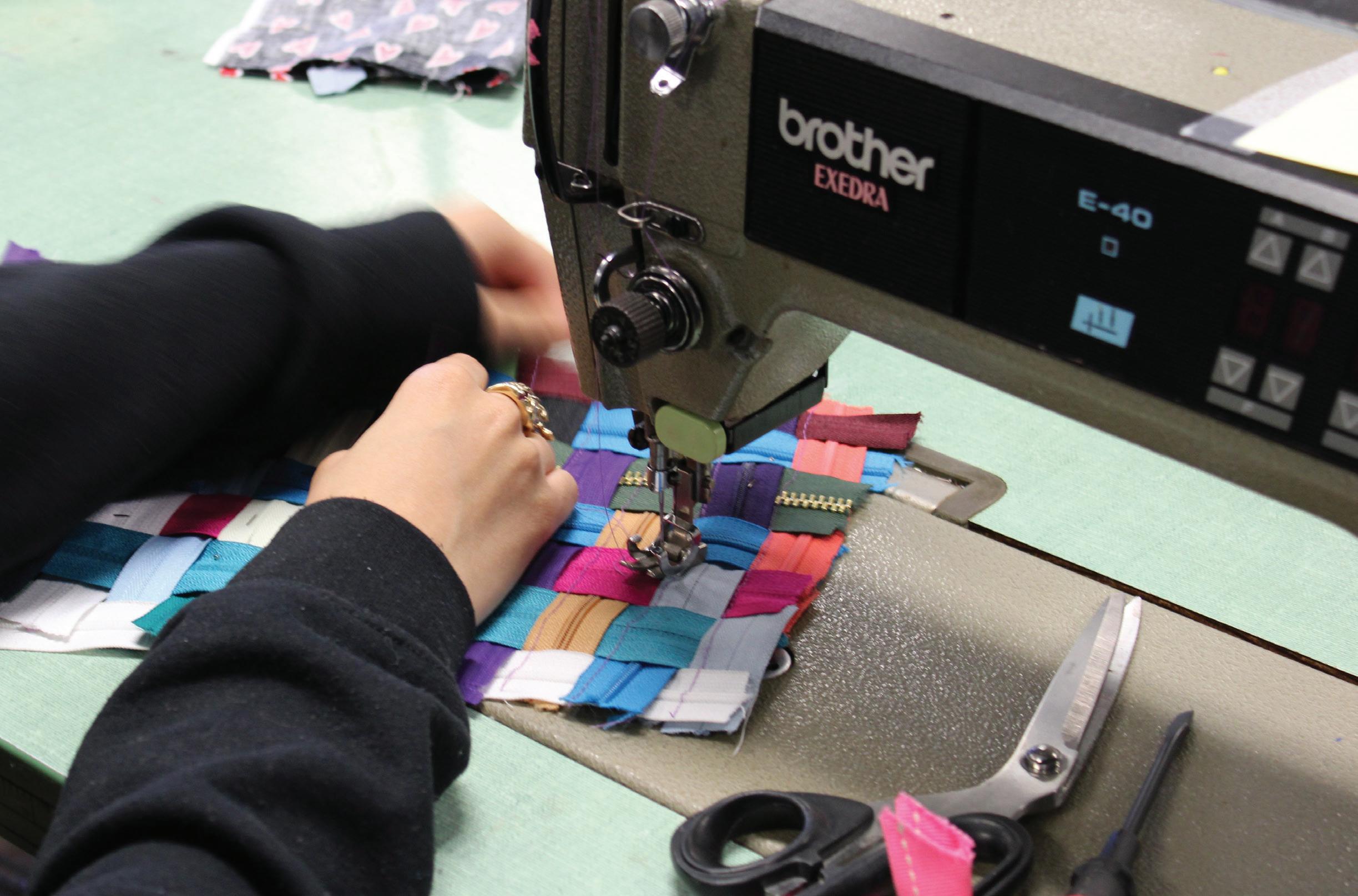
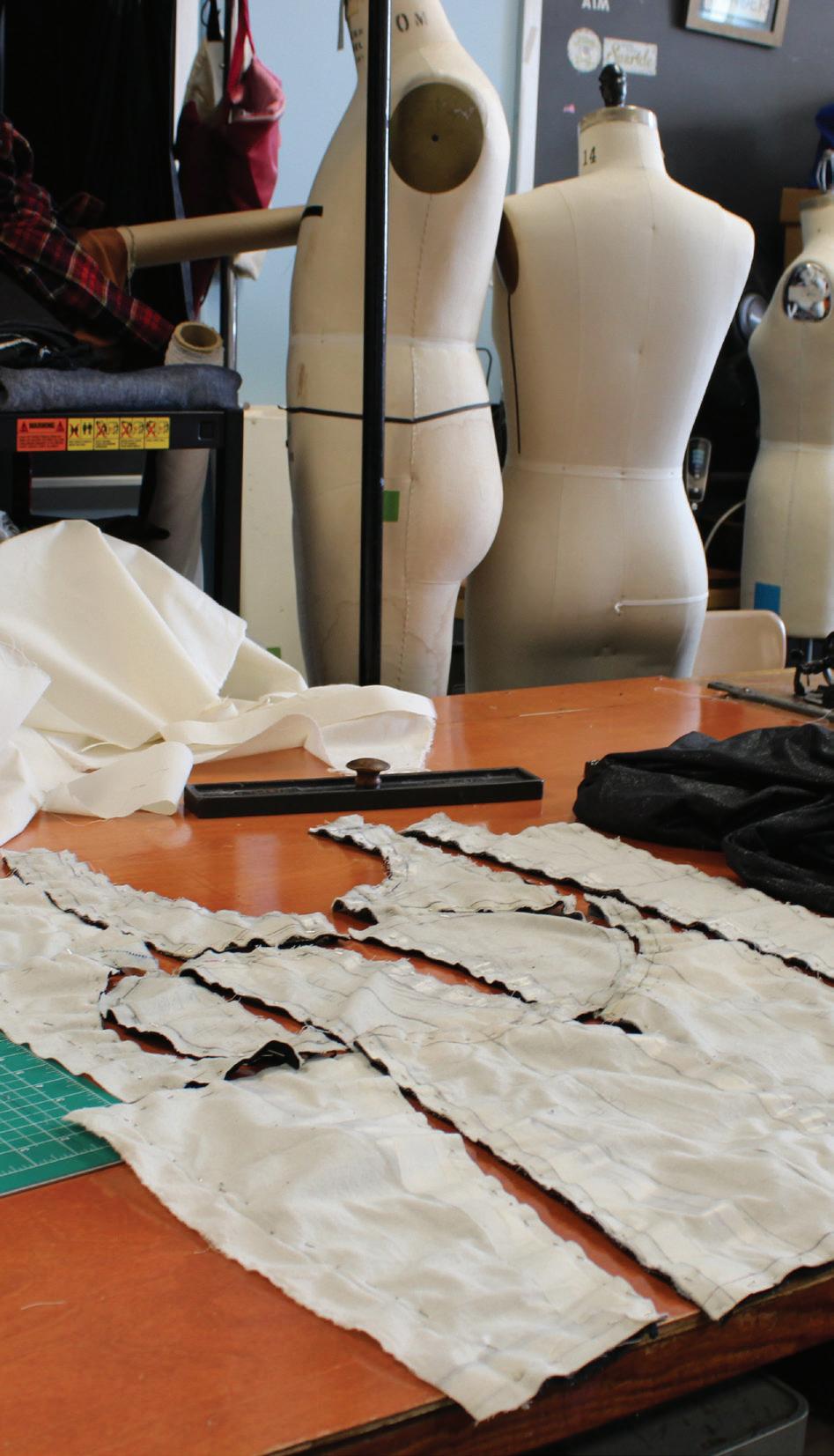
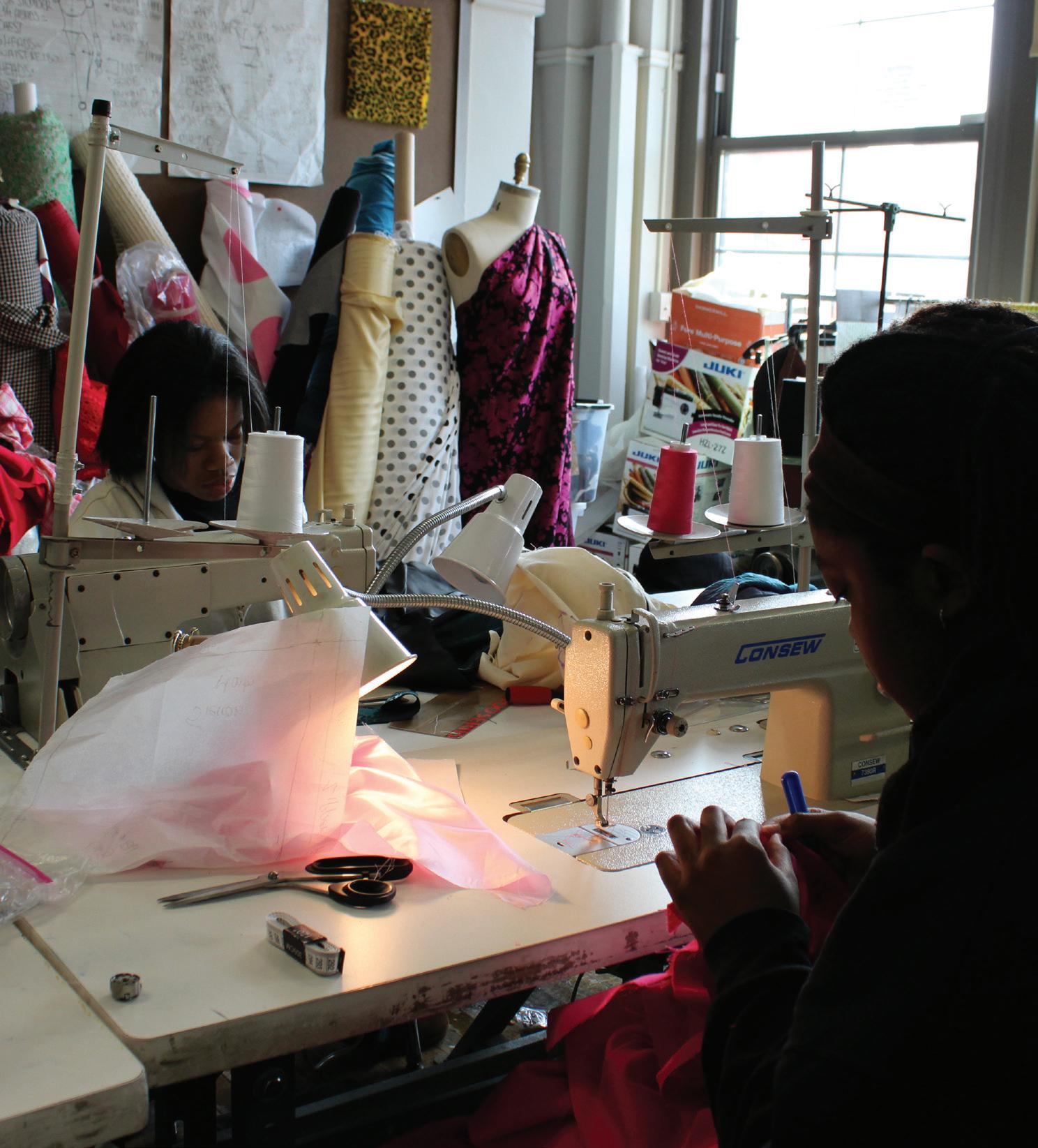









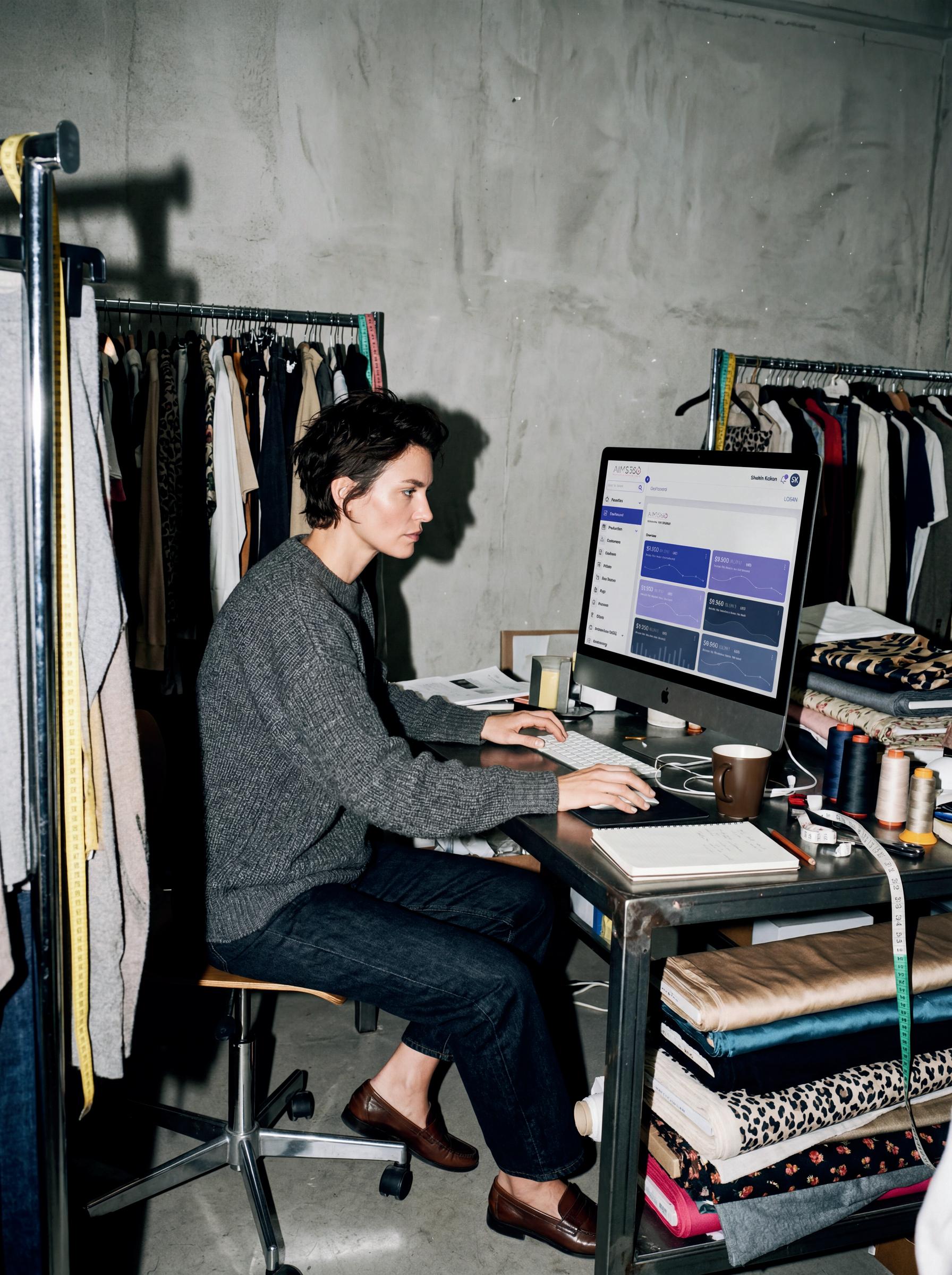




There are swim collections that belong on a beach, and then there are those that feel like they were dreamed up in a wildflower field at golden hour. For its latest release, Ismê Swim delivers the latter with Lucky Charm, a drop that trades the expected heat of summer for something softer, more pastoral and quietly enchanting.
The collection arrives draped in a palette that reads like early spring: sage greens, powder blues and buttery yellows, woven into a delicate plaid that captures the lightness of a meadow in bloom. It’s a deliberate departure from saturated summer brights. Lucky Charm finds its magic in restraint, in the kind of color that feels like it belongs to nature rather than to a trend cycle. The plaid pattern plays a key role, lending each piece a charming, almost storybook quality without veering into costume.

classic, its trim grounding the print without competing with it. The Brazilian bottoms lean into a more sculpted silhouette, with the side tie adding a languid, sun-drenched finishing touch. Together, they create a swim wardrobe that feels considered rather than collected.
Lucky Charm feels distinct in its atmosphere. Ismê Swim chose to shoot this campaign not against the predictable backdrops of crashing waves or white sand, but in tall grass and soft light—featuring a bunny in arms, yellow Hunter boots rooted in green earth and flowers tucked where you’d least expect them. It’s a mood board rather than just a lookbook, and the aesthetic coherence is striking. This is swimwear for the girl who would wear it to a garden party and not think twice about it.

The three-piece offering—boy shorts, a triangle top and Brazilian bottoms—hits every mood. The boy shorts bring a playful, livedin ease that pairs as naturally with a widebrimmed straw hat as it does with nothing at all. The triangle top is a pure summer
Lucky Charm is small in footprint and large in personality: a limited, focused drop that knows exactly what it is. In an industry prone to oversaturation, that confidence is its own kind of charm.




WELLS FARGO CAPITAL FINANCE FACTORING
ASSET-BASED FINANCING
ACCOUNTS RECEIVABLE MANAGEMENT
ACQUISITION FINANCING
INVENTORY FINANCING
IMPORT AND EXPORT FINANCING
LETTERS OF CREDIT

In an industry that endlessly strives for the next big thing, having the flexibility to adapt at a moment’s notice is key to success. With Wells Fargo, you get the strength and stability you need, along with the nimbleness you want. Our flexible financing may support your growth, and our proven track record in factoring and receivables management helps make sure you’re ready for whatever’s next.
Tap into our knowledge, experience, and broad o ering of products so that your business’ success never goes out of style. Learn more at wellsfargocapitalfinance.com/apparel.
Peter Pugliese
Senior Vice President, Regional Sales Manager
212-703-3551
peter.pugliese@wellsfargo.com
Bringing you the latest breakthroughs in software, I.T. and fashion technology. From creative solutions to insights from experts, we are the source for all things fashion tech.

There is a particular kind of innovation that doesn’t announce itself with a press conference or a celebrity campaign. It arrives quietly—born from a kitchentable moment, a mother’s pain, a son’s determination—and in doing so, it changes everything. That is the story of Upalee, a footwear brand that has engineered its way into one of fashion’s most stubbornly unchanged categories: the everyday shoe.
More than 15 years ago, inventor Gregory Johnson watched his mother struggle with the simple act of tying her shoes, her arthritis turning a mundane ritual into a daily ordeal. His response was not a product tweak; it was a full rethinking of how a shoe functions. The result is the ZeroTie fit system, a patented hands-free mechanism integrated seamlessly into the heel that allows wearers to step in, dial in their fit and step out again—without ever bending down or using their hands.
The mechanics are deceptively elegant. Roll the heel back to tighten. Press the heel release to loosen. No hand-tied laces, no buckles, no compromise. It’s the kind of solution that feels obvious only in hindsight. Completely handsfree, worry-free and struggle-free. Unlike other so-called hands-free shoes on the market, Upalee is “adjustable” handsfree, catering to your different needs.
What elevates Upalee beyond a clever accessibility product, however, is the caliber of craft behind the engineering. Alberto Álvarez Hernández, a thirdgeneration Spanish shoemaker with deep roots in traditional footwear construction, joined Johnson as co-inventor, refining the
ZeroTie mechanics for durability, comfort and the demands of global manufacturing. The marriage of old-world artisanship and new-world technology is written into every component: a U-Cush midsole engineered for long-wear shock absorption, a U-Grip slip-resistant outsole built for urban movement and the ZeroTie system tying it all together—literally and figuratively.
What’s perhaps most significant is who Upalee is designed for—which is to say, everyone. The brand is explicit that handsfree living isn’t a niche need. It belongs to the teenager rushing out the door, the professional navigating back-to-back meetings, the traveler moving through airports and the person managing a chronic condition that makes the smallest physical tasks feel monumental. Footwear has long paid lip service to inclusivity; Upalee has actually engineered it.
The brand’s current lineup includes the Victory, the Partner, the Toledo, the Monde and the Parade, reflecting an aesthetic that is clean, modern and deliberately unshowy. These are not luxury objects, nor are they trying to be. They are precision tools for living, designed to serve everyone from the morning commuter to the frequent traveler to the aging parent who simply wants to walk out the door with dignity and ease.
In a market saturated with performance footwear that performs mostly for the camera, Upalee is doing something rarer: solving a real problem, beautifully. The technology is the story, and it turns out that the story has been a long time coming.
Marli New York announced its official expansion into watchmaking with the debut of Marli Timepieces, presenting a collection that captures the interplay between New York’s constant movement and the disciplined precision of Swiss craftsmanship.
At the heart of Marli Timepieces lives a beautiful duality: motion and measure. Motion is New York—its energy, its vibrancy, its refusal to stand still. It is the rhythm of a city where ambition pulses and time moves like architecture—always upward, always forward. Measure is Switzerland, where every angle is disciplined precision, every line is intentional, and every detail is a mark of mastery.
Inspired by Marli’s signature jewelry collections, the timepieces reflect a deeper truth: that time is not something to be measured but something to be lived. Each timepiece is crafted to carry that understanding—a reminder to move through life fully, presently and with complete intention.
Switzerland remains one of the world’s foremost centers of watchmaking excellence—a place where craft is a living philosophy and every component carries generations of history. There’s a rare harmony between the two worlds: the free spirit of New York and the structured mastery of Swiss horology. Like New York’s bridges and skyscrapers, and Switzerland’s engineering marvels, both build legacies meant to endure.
For founder and creative director Maral Artinian, the launch of Marli Timepieces marks the culmination of a decade spent redefining the language of fine jewelry. In an industry traditionally dominated by long-standing heritage houses, Marli brings the energy of New York and a distinct, bold design approach to the world of Swiss watchmaking. This collection proves that true innovation happens at the intersection of liberated selfexpression and disciplined, master-level craftsmanship, offering a signature piece designed to celebrate the wearer’s uniqueness.
“Entering watchmaking was an act of ambition,” said Artinian. “We chose to step into one of the most technically demanding worlds in design, and we approached it with deep respect for Swiss craftsmanship. Every proportion, every finish, every detail was developed with rigor. This collection reflects our belief that true creativity must stand on discipline. Emotion without precision is incomplete, and at Marli, we bring them together in everything we create.”
courtesy of Ecco

Ecco, in collaboration with Spinnova, unveiled the limitededition Ecco Biom 720, a first-of-its-kind shoe that utilizes an often-overlooked leather by-product, transforming it into a protein-based fiber. The fibers are produced using patented technology that advances material innovation, reduces waste and supports full resource use across the leather and textile industries.
Ecco and Spinnova began their collaboration in 2020 through a joint venture to explore how leather by-product raw materials could be used as textile fibers. Using the unique technology, by-products that are typically discarded, burned for energy or composted during leather production are instead transformed into durable fibers, giving residual materials an entirely new function and lifespan. Unlike traditional recycling methods that downcycle leather into lower-value applications, this process preserves the natural integrity of the leather fiber, enabling performance suitable for textile manufacturing.
The technology is based on mechanical refining rather than chemical dissolving. Wet blue shavings—thin layers removed to achieve consistent leather thickness—are processed into continuous textile fiber filaments, which can then be cut into textile-grade fibers. The resulting material has tensile strength comparable to wool and elongation at break roughly twice that of cotton, combining durability with flexibility. This enables versatile use across woven and knitted textile structures while supporting more efficient manufacturing with reduced production waste.
The launch demonstrates how innovation can transform an undervalued by-product into a valuable new resource. By upcycling leather offcuts into premium textile fibers, Ecco and Spinnova have developed a circular solution that preserves material integrity, reduces waste and creates new possibilities for footwear and textile applications. With the protein-based fiber now debuting in Ecco footwear, this milestone marks the transition from long-term development to real-world application.
“This launch is a meaningful moment for us, as it represents the culmination of over five years of close development work with Ecco,” said Janne Poranen, CEO of Spinnova Plc. “Together, we have shown that leather by-product can be transformed into a high-quality textile fiber with commercial relevance, and it is rewarding to now see this innovation become part of a finished product.”
“Working closely with Spinnova, we’ve explored how new approaches to materials can unlock value from existing resources,” added Thomas Gøgsig, CEO of Ecco. “By combining our expertise with their pioneering technology, we’re pushing how footwear can be made.”












Debra Hazel Communications
North Las Vegas, Nevada 201-618-5247
As summer approaches, retailers are debuting around the city at just about every price level.
Issey Miyake will open a new 13,000-square-foot flagship at 45 Madison Ave. on May 8, offering its full range of apparel, scents, watches, eyewear and footwear, as well as a space for rotating exhibitions. Urban Outfitters has agreed to a new location at 575 Fifth Ave. Italian contemporary teen brand Subdued made its U.S. flagship debut at 496 Broadway. Australian swimwear brand Bond-Eye has come to 375 Bleecker St. Uniqlo has debuted at 510 Fifth Ave. and announced a yearlong partnership with its neighbor, the New York Public Library.
Tourists will soon be able to buy their New York City Pandora charms at the “Crossroads of the World,” when the jewelry icon opens at 3 Times Square. Looking for a Labubu instead? Pop art will soon be coming to 680 Fifth Ave.
Mattress maker Avocado will open a 12,000-squarefoot flagship at 942 Third Ave. In what it called a “significant milestone for the brand in one of New York City’s most iconic retail destinations,” international travel, lifestyle and accessories brand Tumi opened a newly renovated Rockefeller Center store at 30 Rockefeller Plaza. Spanning 2,080 square feet, the reimagined space showcases premium capsules, illuminated podiums dedicated to small leather goods, a bespoke fragrance fixture and a large-
By Debra Hazel
scale digital screen that anchors the environment. The location also offers in-store monogramming— both complimentary and premium.
Meta signed a 10-year lease agreement with Vornado for Meta Lab New York to occupy the entire five-level, 15,000-square-foot townhouse building adjacent to the base of the St. Regis Hotel at 697 Fifth Ave. Meta Lab is an experiential retail space that invites visitors to experience Meta’s AI glasses and virtual reality headsets, making it easy to understand how the technology works and to imagine how it fits into everyday life. This marks the first flagship retail location for Meta in Manhattan, following its initial flagship store opening in Los Angeles in 2025.
Babylist, a digital platform for baby registries and parenting resources, has signed a new, 10-year lease for 20,000 square feet at 477 Broadway in SoHo, its first physical store in New York City. Founded in 2011 by Natalie Gordon, a former Amazon software engineer, Babylist reimagined the traditional baby registry by creating a universal platform that allows users to add products from any retailer. The location builds on the success of its Beverly Hills showroom, which opened in 2023.
PickleRage, a new 42,000-square-foot indoor pickleball facility, opened at 173 Huguenot St. in the heart of downtown New Rochelle, New York. The first PickleRage facility in Westchester County and the first in New York State, it features 13 regulationsize courts with CushionX surfaces, LED lighting, locker rooms with showers, and video recording and livestreaming capabilities. Additional amenities include a player’s lounge and a pro shop with retail displays, a gear-fitting area and demo equipment. In addition to pickleball, the facility also offers three Full Swing golf simulators.
The late, great Rosie O’Grady’s Saloon location at 800 Seventh Ave. will become a new concept from Serafina, with published reports saying it will be a brasserie from Michael Lomonaco, Serafina’s culinary director. Myka, a cult-favorite Greek frozen yogurt brand founded in Spain, has signed a 10-year lease for a 482-square-foot space at 1270 Avenue of the Americas in Rockefeller Center. Founded in Madrid, Myka has rapidly expanded with over 200
franchises signed across more than 19 countries.
California Dreamin’
Dirty Birds has signed a 3,039-square-foot, groundfloor, second-generation restaurant space at 200 Pine Ave. in downtown Long Beach, California. Dirty Birds is a locally owned restaurant and sports bar chain primarily known for its chicken wings in San Diego. Kindthread, the premium healthcare apparel company, has opened its first standalone retail location at Westfield Topanga in Los Angeles. The store introduces a new model for healthcare apparel retail: a curated, expert-staffed destination carrying multiple collections under one roof, with ship-tohome convenience. Kindthread serves individual healthcare professionals and group buyers alike.
Home-living and furniture solutions retailer Cozey announced the arrival of its newest U.S. retail location at 1220 Abbot Kinney Boulevard in Venice Beach, a pop-up that will be open through December 2026. At 5,000 square feet, the new showroom will include all of Cozey’s newest and most-loved products, including its signature modular sofa options, washable rugs and the new Shinuk outdoor collection.
The Lighthouse will open in early summer at Pacific City, an open-air lifestyle shopping, dining and entertainment destination across from the Huntington Beach Pier in Huntington Beach, bringing live music, nightlife energy and coastal cuisine to the oceanfront destination. Located on Pacific City’s upper-level deck, the 4,763-squarefoot space will feature outdoor seating with sweeping ocean views and a beachside atmosphere.
Primark opened a 30,000-square-foot location at North East Mall in Hurst, Texas, shortly after recent openings at Katy Mills in Katy, Texas, and Grapevine Mills in Grapevine, Texas, late last year. After serving more than 30 million customers online, home improvement retailer Vevor officially opened its first U.S. flagship retail store at 10951 Farm to Market 1960 Road W. in Houston, marking a major milestone in the company’s expansion from e-commerce into physical retail.
Reformer Pilates franchise JetSet Pilates opened its first Missouri location at 11625 Olive Boulevard in Creve Coeur in March. A second studio is scheduled to open in Des Peres this summer.

Managing Partner and EVP, Beauty, Health and Wellness, 5WPR
There’s a moment at every major beauty event when you can feel the energy shift. The booths are busy, the influencers are filming, the editors are scribbling notes, and somewhere in that controlled chaos, a brand either breaks through or blends in. After decades working in beauty PR and communications, I’ve come to believe the difference has almost nothing to do with budget and almost everything to do with intention.
The beauty industry’s cultural calendar has never been more crowded or more consequential. Big retail events, trade shows and consumer-facing pop-ups are now critical drivers of brand visibility and commercial impact. Brands are expected not only to attend but to perform, generating content, capturing press attention, activating influencers and encouraging all to walk away with something that lives beyond the moment. That’s a tall order, requiring a fundamentally different approach than the industry was used to even five years ago.
The brands that win at cultural moments are the ones built around the audience, not the channels. Success comes from delivering a cohesive experience across consumers, media and creators, ensuring every touchpoint works together to drive both visibility and action.
Take Ulta Beauty World, one of the most significant gathering points on the retail beauty calendar. When a brand participates, it steps onto a stage in front of buyers, influencers, media and highly engaged consumers. The opportunity is real, but so is the noise.
The brands that cut through aren’t necessarily the
By Ilisa Wirgin
ones with the biggest footprints. They’re the ones with the most focused story. At a recent Ulta Beauty World, we supported both Innersense Organic Beauty, a clean hair care brand with deeply loyal customers, and Essence, a global color cosmetics brand with serious momentum in the mass market. Two very different brands, two very different audiences, but the same underlying approach: absolute clarity of purpose. Each brand’s “why” was unmistakable at every touchpoint. They didn’t try to speak to everyone; instead, they spoke clearly to the right audience, and it resonated.
The Professional Tier Demands Something Different
Professional industry events don’t require a different approach; they require the same clear “why,” communicated in a way that resonates with the audience. When we supported EltaMD, the No. 1 dermatologist-recommended professional sunscreen brand, at the American Academy of Dermatology (AAD) annual meeting, the audience wasn’t consumers scrolling on Instagram—it was more than 200 dermatologists who directly influence patient decisions.
That context demands credibility above all else. The immersive kickoff event had to do three things at once: introduce a milestone product launch with the clinical rigor those doctors expect, create content for ongoing professional storytelling and deliver an experience that builds trust within a highly discerning community. It worked because the strategy was built around how that audience engages and stayed rooted in the brand’s core purpose.
The lesson is that it’s not about showing up as a different brand; it’s about communicating in a way that makes sense for who you’re talking to. The EltaMD voice stays consistent, but how it shows up flexes depending on the audience. Brands that can adapt without losing who they are build real, lasting equity.
Coachella sits in a different category entirely. It’s not a trade event or retail activation—it’s one of the most culturally resonant moments on the global calendar. The brands that succeed there aren’t just showing up; they’re showing up with a clear purpose that carries through every touchpoint.
When Wavytalk, an award-winning at-home hair tools brand, became the festival’s official hair tools
partner, the opportunity was significant, but so was the responsibility to execute authentically. That meant immersive on-site activations across both weekends, real-time creator collaborations that captured authentic festival hair moments and limitededition product bundles designed specifically for that audience.
The impact came from consistency. The “why” was clear, from the live experience to the content that carried beyond it, creating something people wanted to engage with, not just observe. When strategy is rooted in purpose and executed holistically across experience, creators and content, both editors and consumers respond.
One of the biggest mistakes beauty brands make is treating cultural moments as standalone events rather than choosing moments that are naturally connected to the brand and its “why.” When that alignment isn’t there, the impact starts and stops with the event.
The most effective brands anchor themselves in moments that authentically reinforce who they are, ensuring every element—from the on-site experience to creator partnerships to content—ladders back to a clear purpose. When that foundation is right, the narrative doesn’t end when the event does. It continues because it has somewhere to go.
That’s where the real value is created. The content, conversations and credibility built during the moment extend far beyond it, shaping how the brand is understood over time. As discovery increasingly happens across AI-driven platforms, that body of content becomes even more powerful, reinforcing the brand’s positioning well beyond a single activation.
The beauty brands winning at cultural and industry moments share a common approach: they choose moments that naturally align with their “why” and treat them as investments in long-term brand equity, not short-term visibility. Every touchpoint—from PR to creators to content—is built around a unified strategy that reinforces that purpose.
More than anything, they understand that showing up isn’t the goal. Showing up with clarity, relevance and intention is. In a market where attention is fleeting and loyalty is hard-won, the brands that use these moments to deepen connection, not just drive awareness, are the ones that endure.



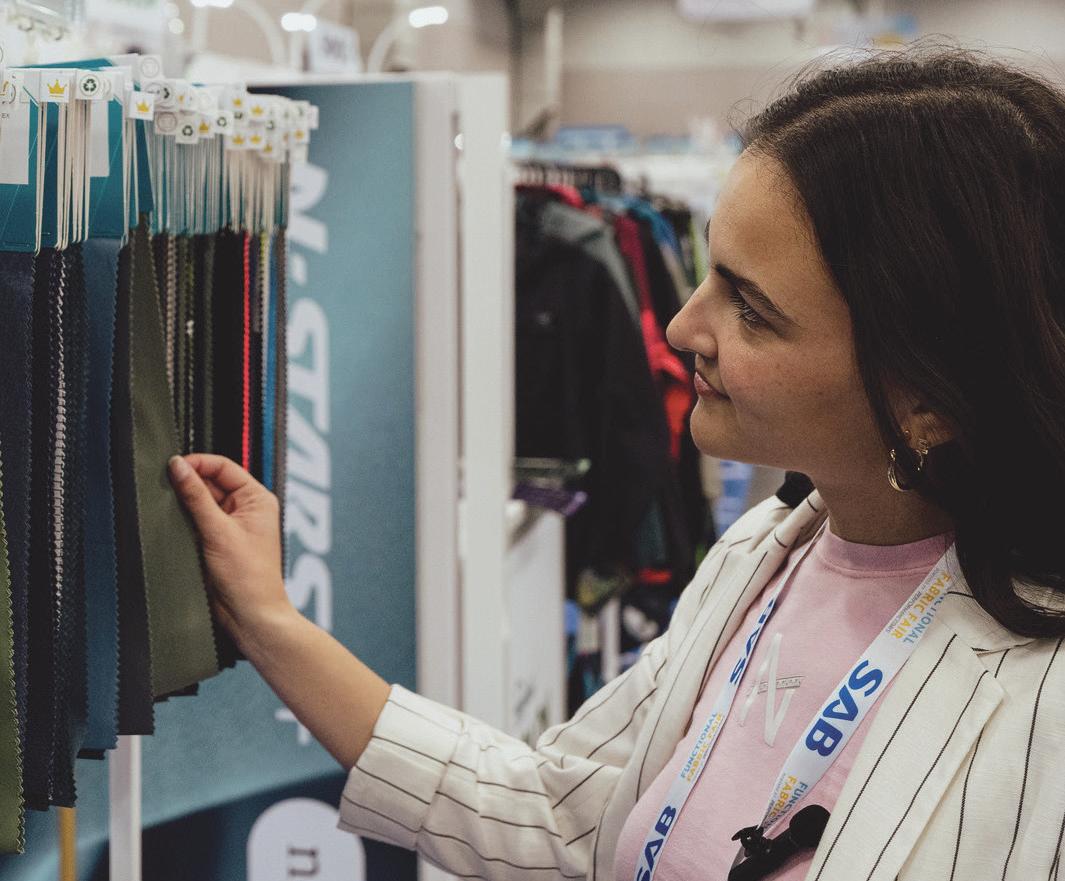


INNOVATION WITHOUT LIMITS. A COMMUNITY MOVING TEXTILES FORWARD—TOGETHER.
Discover what’s next in performance textiles at Functional Fabric Fair. Join us for a curated sourcing event connecting you with top suppliers, industry leaders, and brands driving the future of activewear, outdoor gear, and performance fashion.
Trend Forum



Innovation Zone
Expert Talks
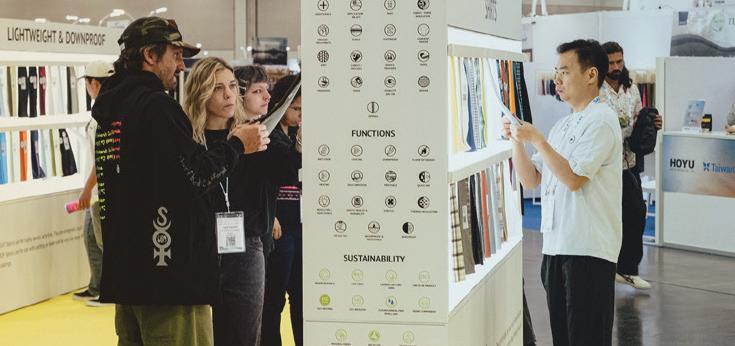

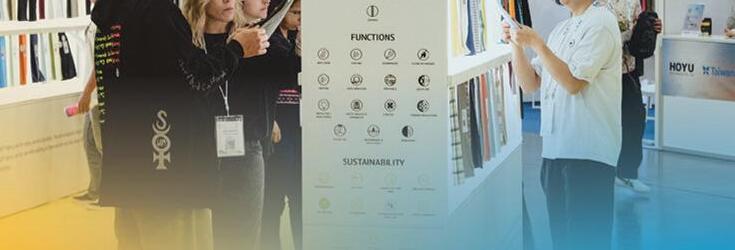
Explore 12 essential fabric categories curated by a jury of textile experts, and experience the season’s most innovative materials—up close and firsthand.



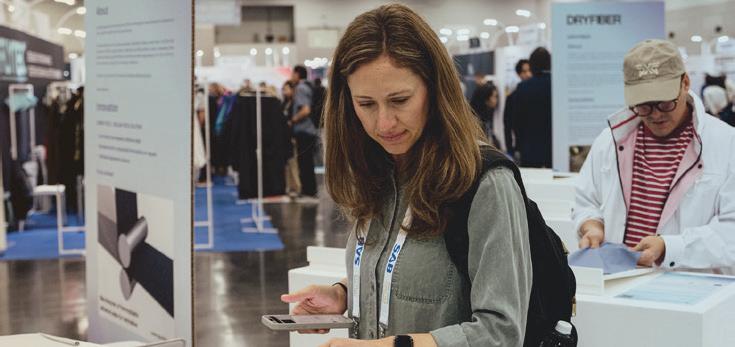


Discover cutting-edge products before they launch and get an exclusive first look at breakthrough materials and technologies shaping the future of performance textiles.

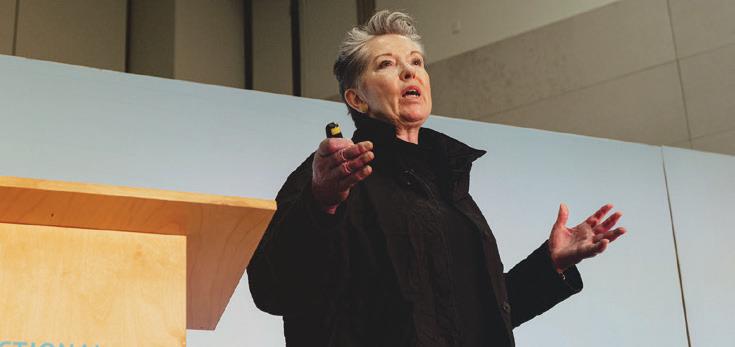

Engage with industry leaders through dynamic sessions that spotlight the latest trends, innovations, and sustainability practices driving outdoor and active textile design.
LEARN MORE AT



DAVID HAROUCHE
Founder, Chief Executive Officer, Chief Technology Officer, Multimedia Plus
By David Harouche
Click through any retail website today, and you start to notice a shift. It is not dramatic, nor is it being announced everywhere, but it is happening. Products are starting to talk.
Not literally, of course. But how we present them is changing in ways that feel more fundamental than incremental. For years, the structure has been consistent. A product page is built around still images, a block of descriptive copy and a handful of bullet points attempting to summarize what matters. If a brand invested more heavily, there might be a video. But even then, it was selective, reserved for campaigns, hero products or moments where the return justified the effort. Most products never made it that far.
That model worked when content creation was constrained by time, cost and production complexity. It forced prioritization and made brands decide what deserved to be brought to life and what would remain static. But that constraint is starting to loosen, and when constraints loosen, expectations tend to change quickly.
One of the more interesting signals has quietly come from Amazon. Without much fanfare, the company has begun introducing short-form AI audio elements into parts of the product experience. These are not traditional podcasts but concise, contextual audio clips that give a product a voice, allowing it to be understood through tone and narrative rather than just text. It is subtle enough that many people have not yet fully registered it, but once you notice it, it reframes the entire product page.
It introduces a simple idea. What if every product could speak? Not just through written descriptions but through a layer of communication that feels more natural for how people absorb information today— faster, more intuitive and more human.
At the same time, video is evolving along a parallel path. For years, the conversation about video in retail has centered on quality, with high production value and campaign-driven storytelling leading the way. That will always matter, but a different question is starting to take shape: not just “How good can video be?” but “How broadly can it exist?”
The real gap in most retail environments is not quality; it is coverage. A small percentage of products are supported by strong video, while the majority are not. As assortments expand and product cycles accelerate, that gap becomes more visible. Customers gravitate toward what is easier to understand: products that come to life quickly and remove friction from the decision-making process.
This is where scale becomes the conversation. What happens when video and audio are no longer limited by traditional production timelines? When can content be generated and adapted in ways that keep pace with the business itself?
We are starting to see early answers. New tools are emerging that allow product content to be transformed into multiple formats, including video, audio and training. Rather than isolated assets, they become connected expressions of the same underlying information. This does not replace high-end creative. It extends it. It allows brands to think less about which products deserve content and more about how every product can be represented meaningfully.
Some platforms, like Multimedia Plus’ MMP AI Studio, are beginning to push this further by turning product information into both customer-facing content and internal training. That connection starts to close a long-standing gap between how products are presented online and how they are understood in-store. When the associate understands the product in the same way it is being presented digitally, the experience becomes more cohesive, more credible and more effective. The store and the site stop feeling like separate worlds and start reinforcing each other.
We are still early in this shift. Many of these experiences are not yet consistent across the industry. Some brands are experimenting, others are observing, and a few are beginning to build systems around it. But the direction is becoming clearer.
The question is no longer whether every product could have a video or even whether every product could have audio. It is about what happens when every product has a presence, a voice and a way to be understood instantly. We are closer to that than most people think, and once you see it, it is hard to imagine going back.


Director, 7thonline
By Lauren Taubes
The fashion industry has long been a delicate balancing act between art and science. For decades, science-based merchandise planning has been synonymous with the manual. For planners, the reality of the job often involved a grueling landscape of disconnected Excel sheets, fragmented enterprise resource planning (ERP) reports and the constant fear that a single broken formula could derail an entire season’s strategy.
However, as the industry enters a period of rapid technological acceleration, the traditional manual grind is being replaced by intelligent, AI-powered workflows. This is a redefinition of the merchandise planner’s role, moving the needle from administrative data entry toward high-level strategic orchestration.
The Death of the Spreadsheet Forest
In the traditional manual mode, a planner’s day often begins with data scavenging. Information regarding sales, inventory levels and promotional calendars typically lives in disparate silos. To create a cohesive plan, planners have historically spent up to 100% of their initial workflow just gathering and cleansing this data, including exporting reports from point-of-sale (POS) systems, standardizing formats and merging files into a master spreadsheet.
The result is often a forest of seven or eight interconnected Excel files. In this environment, version control is a constant battle. We have all seen the file names: Spring_Plan_Final_v2_Updated_ REALLY_FINAL.xlsx.
The transition to an AI-powered workflow eliminates this fragility by establishing a single source of truth (SSOT). In an intelligent ecosystem, the system automatically integrates and cleanses data from ERP, customer relationship management (CRM) and e-commerce platforms. This shift saves time and ensures 100% data integrity. When a planner updates a single figure on a dashboard, that change reflects across every related report and forecast instantly. The efficiency gain is like reclaiming two to three full workdays per week that were previously lost to manual maintenance.
Perhaps the most significant limitation of manual planning is its inherent static nature. When a
disruption occurs, such as a key supplier delay or an unexpected surge in a specific trend, manual planners are forced into a scramble. Recalculating downstream plans for hundreds of stock-containing units (SKUs) is so time-consuming that it often happens too late to affect the outcome. Decisions are frequently made based on gut feeling simply because the math takes too long to do by hand.
AI transforms this reactive firefighting into proactive risk management. With intelligent workflows, planners can utilize “what-if” simulations. They can ask, “What if promotional sales grow by 200%?” or “What if our logistics lead time increases by two weeks?” The AI instantly provides quantified outcomes for each scenario.
In the manual era, planners were often forced to aggregate data to make it manageable. They planned at the category or top-seller level, leaving long-tail items to be managed by rough rules of thumb. This lack of granularity is a primary driver of overstock and stockouts, as the nuances of store-specific demand are smoothed over in favor of broad averages.
AI-native planning solutions handle complexity that the human brain—and Excel—simply cannot. These systems enable precise planning at the SKUstore-week level, factoring in product life cycles, seasonality and even cross-item correlations. By managing the long tail with the same precision as the bestsellers, retailers can lower overall inventory while simultaneously increasing fill rates.
The ultimate value of shifting from manual to intelligent workflows is the human element. When manual workload is slashed by over 90%, the planner is liberated from the grind.
This transition empowers the team to step into the role of merchandise strategists. Instead of editing cells, they manage business rules. Instead of searching for data, they analyze market trends and refine strategies. The AI provides data-driven recommendations, but the planner provides the expert judgment and market knowledge to cross the finish line.

Hub International frank.delucia@hubinternational.com 212-338-2395
The fashion apparel industry runs on people— designers, production workers, retail associates, buyers, logistics staff and corporate teams—each with vastly different lives, priorities and financial realities. Yet benefits programs at many apparel companies remain largely uniform, offering the same package to a 22-year-old part-time sales associate and a 54-year-old senior merchandiser. The result is a significant missed opportunity: disengaged employees, underutilized benefits and avoidable turnover.
Workforce persona analysis—long a staple of consumer marketing—offers a practical solution. By segmenting employees the same way marketers segment customers, fashion apparel HR leaders can design benefits strategies that speak directly to what different employee groups actually need. The payoff is real: organizations that take a personalized approach to benefits consistently outperform onesize-fits-all programs by 5% to 8% in return-onbenefits investment.
What Workforce Personas Look Like in Fashion Apparel
A workforce persona is a distinct employee group that shares common goals, motivations, challenges and life circumstances. In the fashion apparel industry, the workforce is particularly diverse—spanning seasonal retail staff at flagship stores, skilled artisans on the production floor, ambitious earlycareer creatives in design studios and experienced executives managing global supply chains.
Building meaningful personas starts with listening.
By Frank DeLucia
Pulse surveys, focus groups and structured employee conversations can surface what matters most to different groups at different stages of their careers.
Layered on top of this qualitative input, demographic data, such as age, role, tenure, compensation band and geographic location, helps HR teams identify patterns and draw clearer distinctions between groups. Together, these inputs create a nuanced picture that goes far beyond generational stereotypes.
Key Personas Found Across Fashion Apparel Organizations
While every workforce is unique, three personas consistently appear across the fashion apparel industry, each with distinct benefit priorities.
• The emerging creative (ages 20 to 25): Entry-level employees—junior designers, retail associates and assistant buyers—are often navigating their first full-time roles in the industry. Many are still on a parent’s health plan and are less focused on medical coverage than on financial wellness tools, student loan assistance and lifestyle perks like employee merchandise discounts or mental health support. For this group, benefits that reflect the brand’s culture and values carry as much weight as the financial specifics.
• The established professional (ages 26 to 40): Mid-career employees—production managers, visual merchandisers, brand marketers and sourcing specialists—are typically in the thick of major life milestones. They are building families, taking on mortgages and thinking more seriously about financial security. This group places a high value on strong medical coverage, parental leave, childcare assistance and flexible working arrangements. They are also more likely than their younger counterparts to engage in supplemental benefits, such as critical illness coverage or life insurance.
• The senior veteran (ages 50 and older): Experienced employees—department heads, senior designers, regional directors and longtime warehouse supervisors—have a long track record with the company and a clear sense of what they need from a benefits package. Retirement planning, disability coverage and health benefits are top priorities. This group tends to be highly engaged and expects benefits to be seamless and well administered. They reward that investment with institutional knowledge and loyalty that is difficult to replace.
Understanding your workforce personas is only valuable if you act on what you learn. For fashion apparel employers, this means moving beyond a single benefits-communication strategy and instead tailoring messaging, enrollment support and benefit offerings to the distinct needs of each group.
Consider what this looks like in practice. Data analytics can reveal that a significant portion of your distribution center workforce lives in areas with limited access to healthcare providers—pointing to telemedicine as a high-impact addition. A high concentration of single parents among your retail management staff might signal that dependent care flexible spending account (FSA) options or backup childcare programs would dramatically improve retention. Aggregate data alone cannot provide these insights; persona-level analysis is needed to make them visible.
The fashion industry also has to contend with high seasonal employment and significant turnover in retail environments. Persona analysis can help HR teams understand which benefits configurations are most effective at converting seasonal employees into permanent ones—a meaningful lever for reducing the cost and disruption of continuous recruiting.
The fashion apparel industry competes fiercely for creative, operational and retail talent. A benefits program designed around who your employees actually are—rather than a theoretical average— sends a clear message: this organization sees you and invests in what matters to you.
Workforce persona analysis is the foundation of that message. It helps HR and benefits leaders make smarter decisions about where to allocate benefits spend, how to communicate offerings to different audiences and how to design a total rewards program that improves performance, deepens engagement and reduces turnover across every tier of the organization.
For fashion apparel companies looking to elevate the employee experience, the first step is straightforward: take the time to understand your people. The benefits strategy will follow.

By Rabbi David Laine
Shavuot is a two-day Jewish holiday that falls on May 22 and May 23.
The Torah was given by G-d to the Jewish people on Mount Sinai on Shavuot more than 3,300 years ago. Every year on the holiday of Shavuot, we renew our acceptance of G-d’s gift, and G-d “re-gives” the Torah.
Shavuot also means “oaths,” for on this day G-d swore eternal devotion to us, and we in turn pledged everlasting loyalty to Him.
What Is the Significance of Eating Dairy Foods on Shavuot?
One explanation is that the Torah is compared to milk and honey, and dairy foods symbolize the sweetness and richness of the Torah.
• Women and girls light holiday candles to usher in the holiday on both the first and second evenings.
• It is customary to stay up all night learning Torah on the first night of Shavuot.
• All men, women and children should go to the synagogue to hear the reading of the Ten Commandments on the first day of Shavuot, May 22, 2026.
• Special dairy meals are eaten, such as traditional cheese blintzes and cheesecakes.
• On the second day of Shavuot, the Yizkor memorial service is recited.
• Some have the custom to decorate their homes (and synagogues) with flowers.
Ingredients:
• 24 ounces/3 cups cream cheese
• 1 cup sugar
• 4 eggs
• 2 ½ tablespoons lemon juice
• 1 teaspoon vanilla extract
• ¼ teaspoon salt
• 1 ¼ cup heavy cream
Directions:
1. Let the cream cheese come to room temperature.
2. Using an electric mixer (stand or handheld), beat the cream cheese until smooth. Add the sugar, and mix until fully incorporated.
3. Add the eggs one at a time. Wait until each one is fully incorporated before adding the next.
4. Pour in the lemon juice, vanilla and salt, and mix. Slowly pour in the heavy cream, and mix until smooth.
5. Pour the cheese mixture over the base.
6. Place the springform pan into the larger pan, and add 1 inch of water to the larger pan.
7. Bake at 350°F for approximately 60 to 75 minutes. In order not to overcook the cake, turn off the oven when the center is still jiggly (but not completely wet). Leave the cheesecake in the oven to cool for an hour. Then remove and let it cool completely.
8. Refrigerate cake until cold. Run a knife around the edge of the pan, then gently release the springform.




Editor, Content Creator and Strategist
Fashion apparel retailing is no longer merely changing; it is being rebuilt from the ground up. The familiar pillars of the industry—discovery, inventory and the storefront—are undergoing a wholesale reimagining. As global e-commerce sales approach the $8 trillion mark this year, the divide between market leaders and the rest of the field is now defined by a digital-first fluency.
Four distinct forces are converging to create this new reality.
For decades, the “gold standard” of fashion apparel retail was the black book—the physical or mental ledger where elite sales associates kept track of a client’s size, style and family milestones. It was a model pioneered by Neiman Marcus that created a more personalized experience for customers. Today, that intimacy has moved into the cloud.
We are seeing the rise of clienteling 2.0, a fusion of traditional high-touch service and AI infrastructure. According to McKinsey & Co., businesses that excel at this kind of personalization generate 40% more revenue than their slower-growing peers. But the nuance here is critical: personalization is a relationship problem that technology happens to solve.
When a store associate uses an AI “copilot” to see that a customer prefers a specific cut or has an
By Arthur Zaczkiewicz
upcoming anniversary, the tool isn’t replacing the human connection; it’s enabling a better one. Despite the tech surge, 93% of consumers still prefer human interaction. The winning formula for 2026 isn’t AIreplaced staff—it’s AI-armed experts who can turn data points into a warm welcome back.
Historically, inventory management was retail’s great unsolved riddle. Buy too much, and you bleed margin. Buy too little, and you lose the sale. For too long, the industry relied on seasonal guesswork.
That era is over. The AI-driven inventory market is projected to skyrocket to over $33 billion by 2034. Systems are no longer just looking backward at last year’s sales; they are sensing the world in real time. They process weather patterns, social media sentiment and geopolitical shifts to adjust stock levels.
The results are staggering. Walmart’s automated fulfillment centers have sliced unit costs by 20%, while AI-powered forecasting is now preventing 65% of stockouts. For the retail chief financial officer, this isn’t just a technical upgrade—it’s a fundamental protection of the bottom line. However, these “intelligent” systems are only as good as the data they ingest. The prerequisite for this revolution is a clean, unified data architecture.
The e-commerce site of five years ago (a grid of photos and a search bar) feels like an antique. In 2026, the consumer journey often begins with a conversation rather than a keyword.
Traffic from generative AI sources to retail sites has surged by a staggering 4,700% year over year. These shoppers aren’t just browsing; they arrive with higher intent, leading to 32% longer session times. Furthermore, the geography of retail has shifted. Over 100 million Americans now shop directly through social platforms, with Gen Z increasingly bypassing Google and Amazon entirely in favor of TikTok or Instagram.
To survive, brands must optimize for “visual discovery.” If a shopper sees a jacket they love on the street and snaps a photo, your product data must be machine-readable enough for an AI to instantly find the exact match in your catalog.
While personalization and predictive inventory are transformative, they are leading toward a single, disruptive convergence point: agentic AI commerce.
This is the shift from conversational AI (which suggests products) to agentic AI (which buys them for you). We have entered an era where consumers set parameters—budget, style, delivery window—and their AI agent executes the transaction autonomously.
With the launch of protocols like OpenAI’s “Instant Checkout” and Google’s “Universal Commerce Protocol,” the agentic shopper is now a reality. Retail analysts project this could represent up to $5 trillion in global transaction volume by 2030.
For industry executives, this necessitates a radical shift in strategy. An AI agent does not care about emotional storytelling or glossy ad campaigns. It evaluates structured data, pricing integrity and review aggregates. To remain visible, fashion brands must master answer engine optimization (AEO). If an agent cannot parse your catalog, your brand effectively ceases to exist in that consumer’s ecosystem.
Retail is clearly at a crossroads. The temptation for many leaders is to wait for the “dust to settle” before committing to these heavy technology investments. But agentic commerce changes the rules of the game.
First-mover advantages in data infrastructure and algorithmic positioning will compound rapidly. The gap between those who can speak to the “machine-buyer” and those who cannot will soon be unbridgeable.
The question for the C-suite in 2026 is no longer whether to engage with AI, but how to ensure their brand remains visible in an age of autonomous decision-making. The crossroads is not a place to rest; it is a point of departure. The organizations choosing clarity over caution today will be the ones standing at the end of the decade.
1. Chan Luu: Lark Drop Earrings in Citrine Mix
These drop earrings feature bezel-set citrine stones paired with a bird’s-foot detail that clutches an aquamarine bead. Handmade in Vietnam, they offer a nature-inspired touch and a refined finish.
$295 | chanluu.com
2. Meshki: Mattais Boucle Knit Top in Ivory
Cut with a straight neckline and adjustable shoulder straps, this ivory boucle knit top offers a relaxed fit with subtle texture and dimension. It is left unlined for a semisheer look and a lightweight feel.
$59 | meshki.us
3. With Harper Lu: Midi Skirt in Mesh Baby Blue
This midi skirt is crafted from subtly sheer mesh printed with a baby-blue floral pattern. It features a form-fitting silhouette, a subtle A-line drape at the hem and scalloped elastic detailing for a playful, feminine finish.
$160 | withharperlu.com
4. Madewell: Signature Woven Shoulder Bag in Cloudy Sky
Crafted from hand-woven leather, this bag serves as a reliable summer beach accessory. It features a magnetic closure and a carefully designed shoulder strap for ease of use. Its medium size ensures you can carry your essentials comfortably without the bag looking bulky.
$158 | madewell.com
5. Ettika: Elegant Dangle Chain Anklet in Clear Crystal/Gold
This delicate 18-karat gold-plated anklet features a small crystal and pearl charm that moves with you as you walk. Its minimal construction makes it an effortless finishing touch for beach days.
$75 | ettika.com
6.Princess Polly: Billini Dalella Thong Heels in Gold Metallic
These gold stiletto heels feature an almond toe and a padded footbed for all-day comfort. The slip-on silhouette makes them easy to wear, while the metallic finish adds a polished touch to any evening outfit.

$100 | us.princesspolly.com 1 2 3 6 5 4

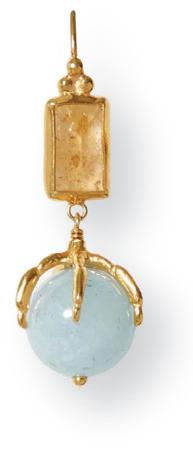







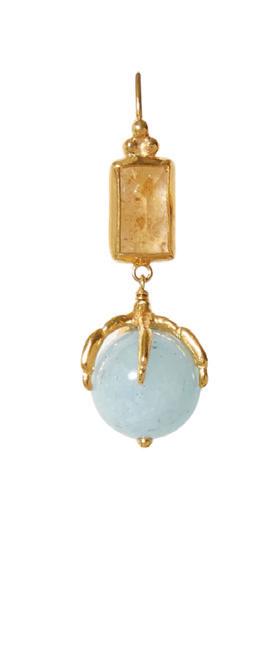


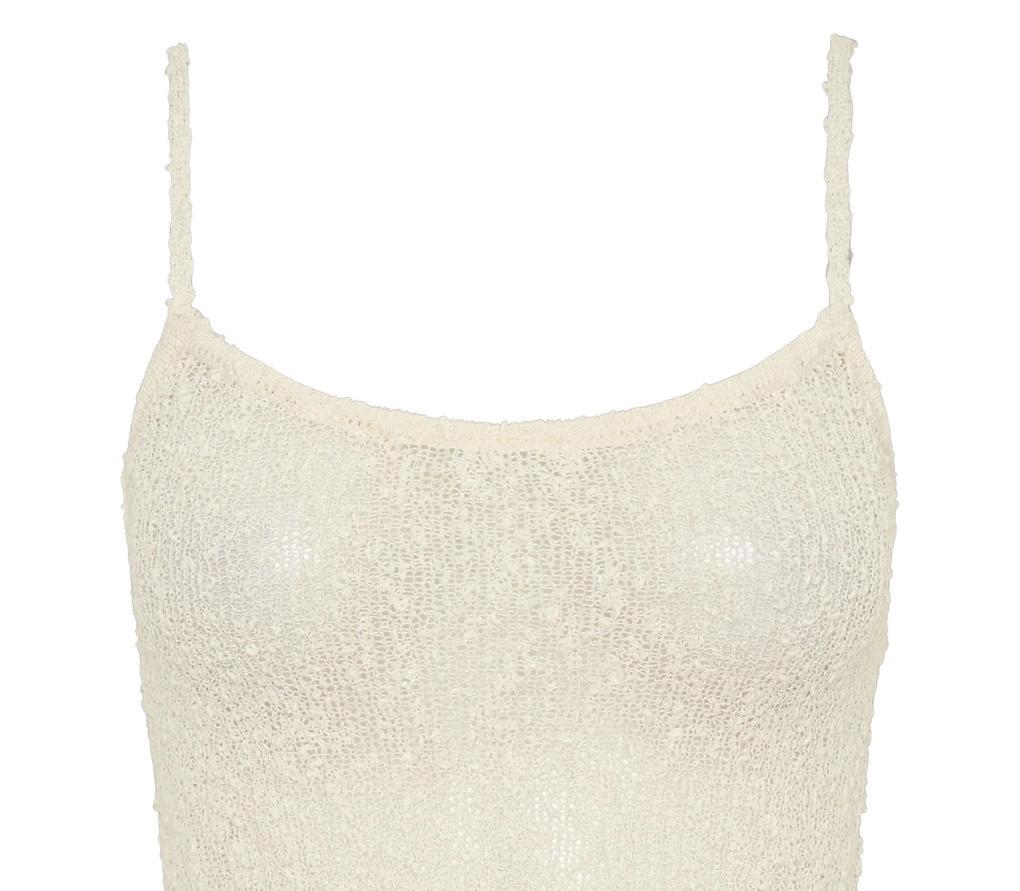



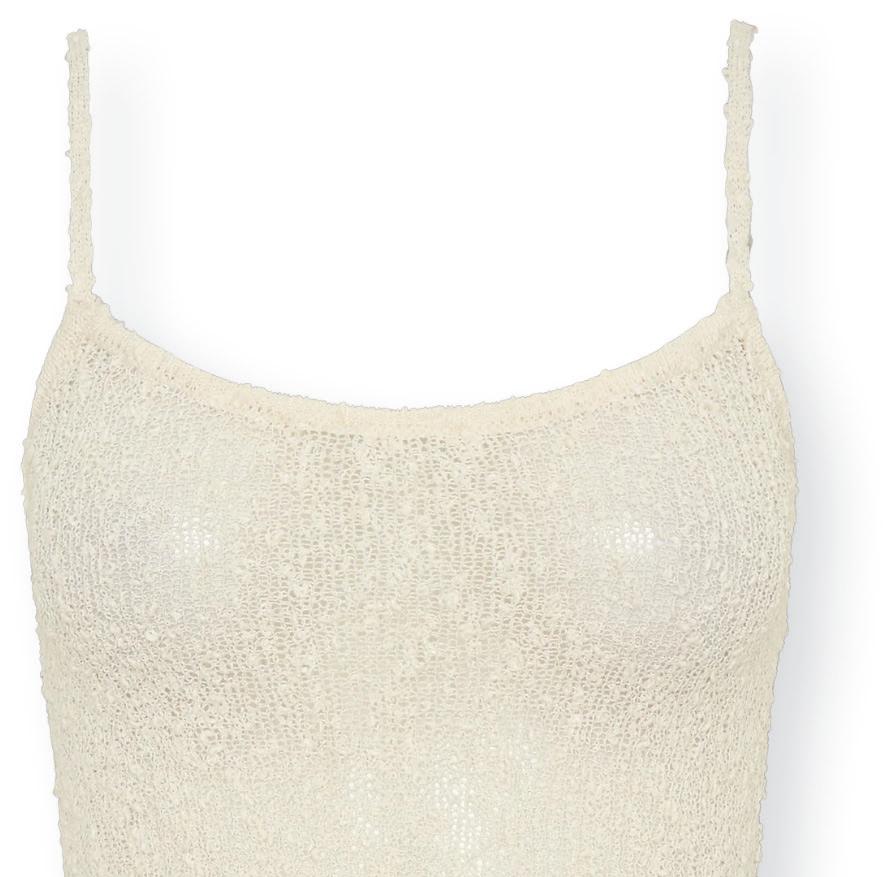













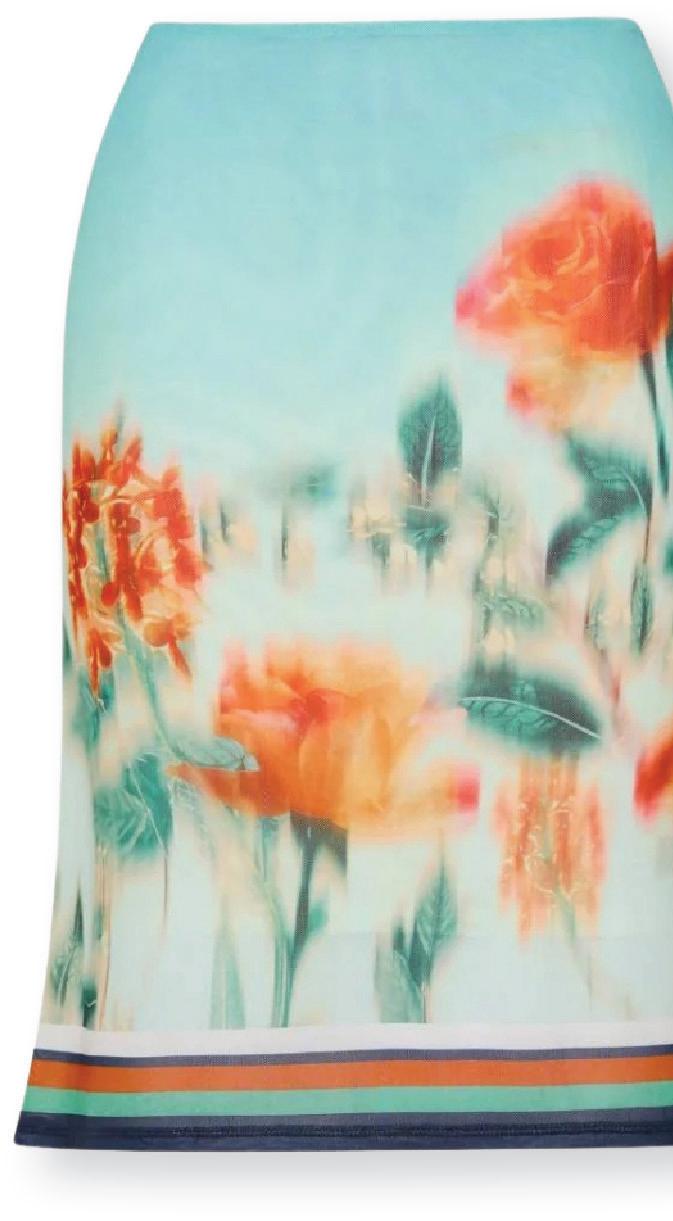

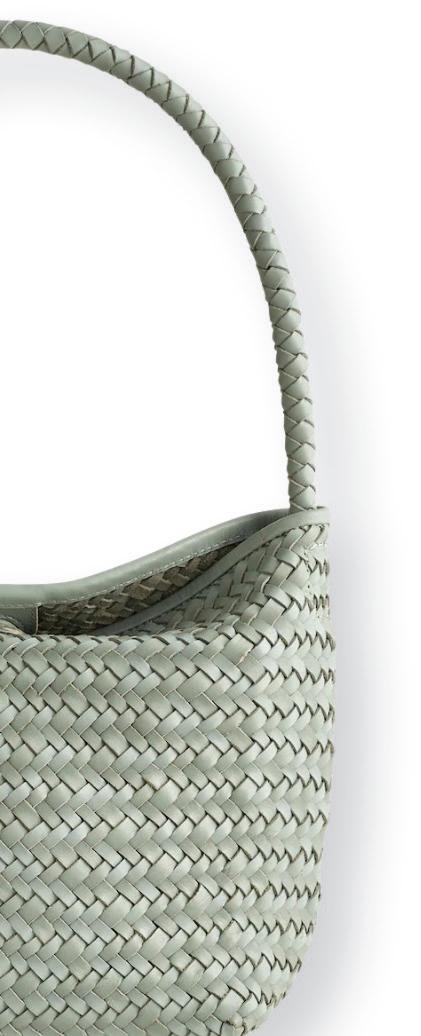













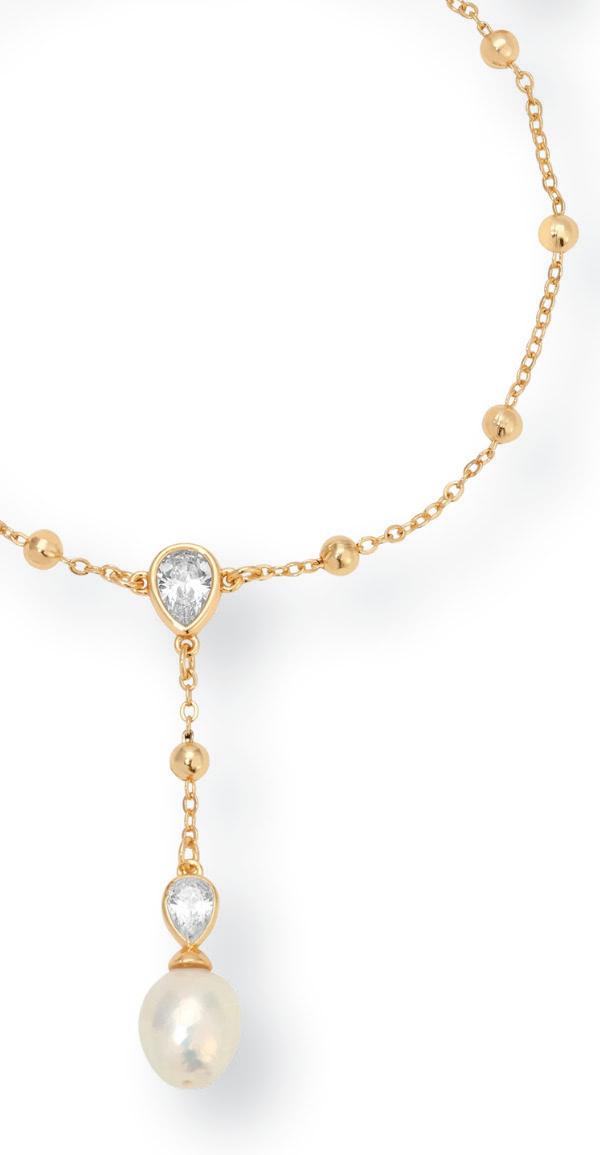










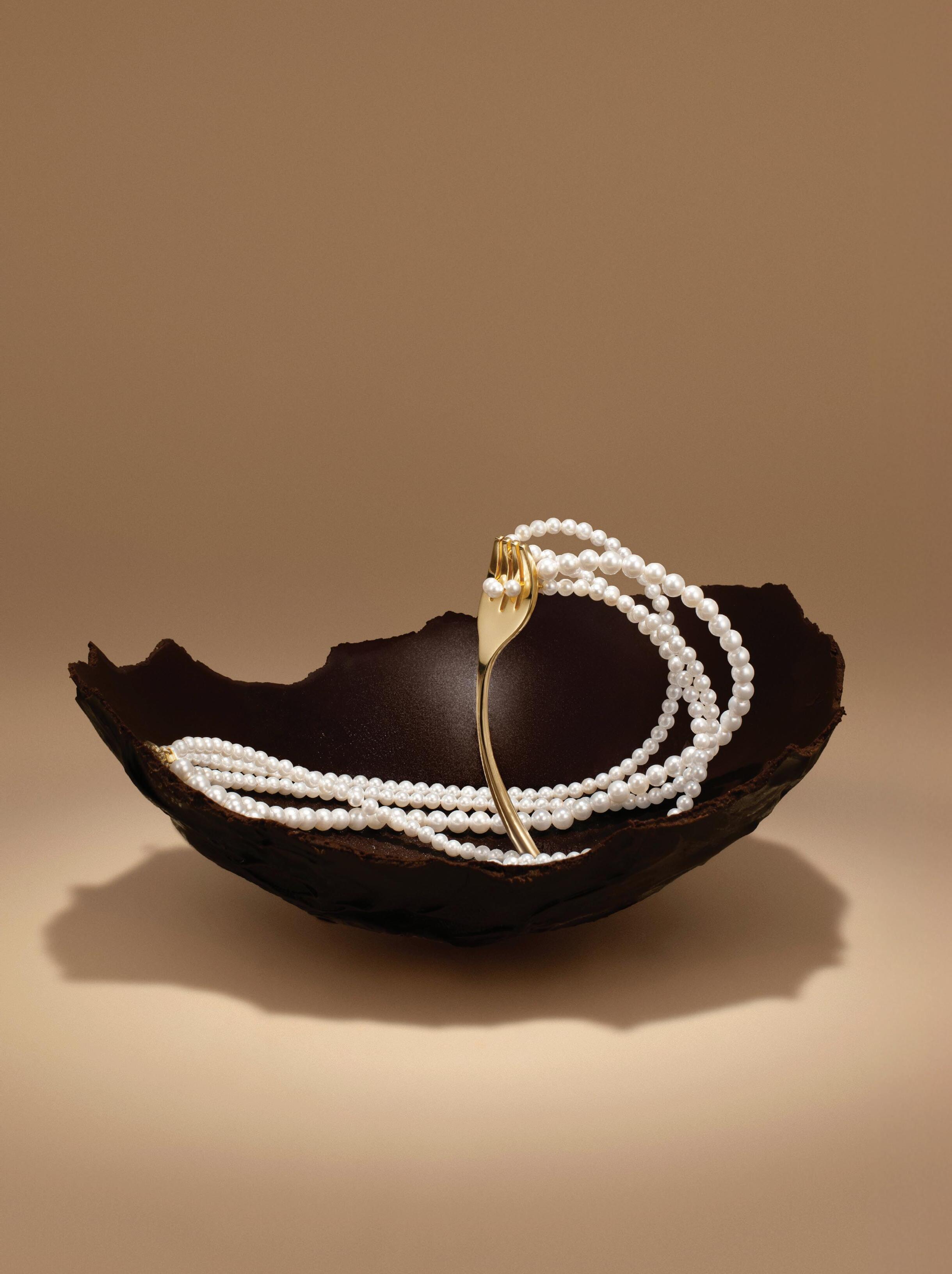
DESIGNING PIECES THAT TELL A STORY
In the ever-evolving world of contemporary jewelry, few designers have managed to merge artistry, storytelling and craftsmanship as seamlessly as Sun Hefang. As the founder of Hefang Jewelry, she has built a brand that is as much about personal expression as it is about elegance, creating pieces that resonate emotionally while sparkling with modern sophistication.
The brand, established in 2012, was born from Hefang’s time in London, where she studied jewelry design at Central Saint Martins. There, she reflected on jewelry not merely as adornment but as a medium for narrative—a tangible expression of memory, identity and imagination. This philosophy underpins every collection, encouraging women to “enjoy the shining things and enjoy the shining self,” and positioning jewelry as a conduit for confidence, joy and individuality.
Since its inception, Hefang Jewelry has become one of Asia’s most influential jewelry labels, celebrated for its elegant, chic and playful aesthetic. Hefang’s creative vision has earned her global recognition, from becoming the first Chinese designer to win a gold medal in the Bright Young Gems competition to seeing her work featured in Vogue, Elle and Harper’s Bazaar. Collaborations with brands such as Maserati, SKII and Häagen-Dazs highlight her versatility and cultural resonance, while boutiques across Asia and e-commerce
platforms, including Tmall and Red, demonstrate the brand’s expanding global presence.
This spring, Hefang Jewelry introduces an extension of its best-selling Tea Time collection, a series that reflects the designer’s signature approach to storytelling through design. Inspired by dining elements and vintage cutlery, each piece reimagines familiar forms with a playful yet refined sensibility. The Tea Time extension continues Hefang’s vision: jewelry as an intimate, emotional experience, where every sparkle tells a story.
Beyond her achievements as a designer, Hefang represents a new generation of visionary business leaders. Recognized by Fortune as one of China’s most influential businesswomen, she balances her professional success with life as a daughter, wife and mother of three. Her journey—from ambitious student to global jewelry innovator—reflects a blend of creativity, resilience and thoughtful leadership that defines Hefang Jewelry today.
With the Tea Time extension and ongoing international expansion, Sun Hefang and Hefang Jewelry continue to redefine modern jewelry, inspiring women worldwide to shine—both in what they wear and in who they are.
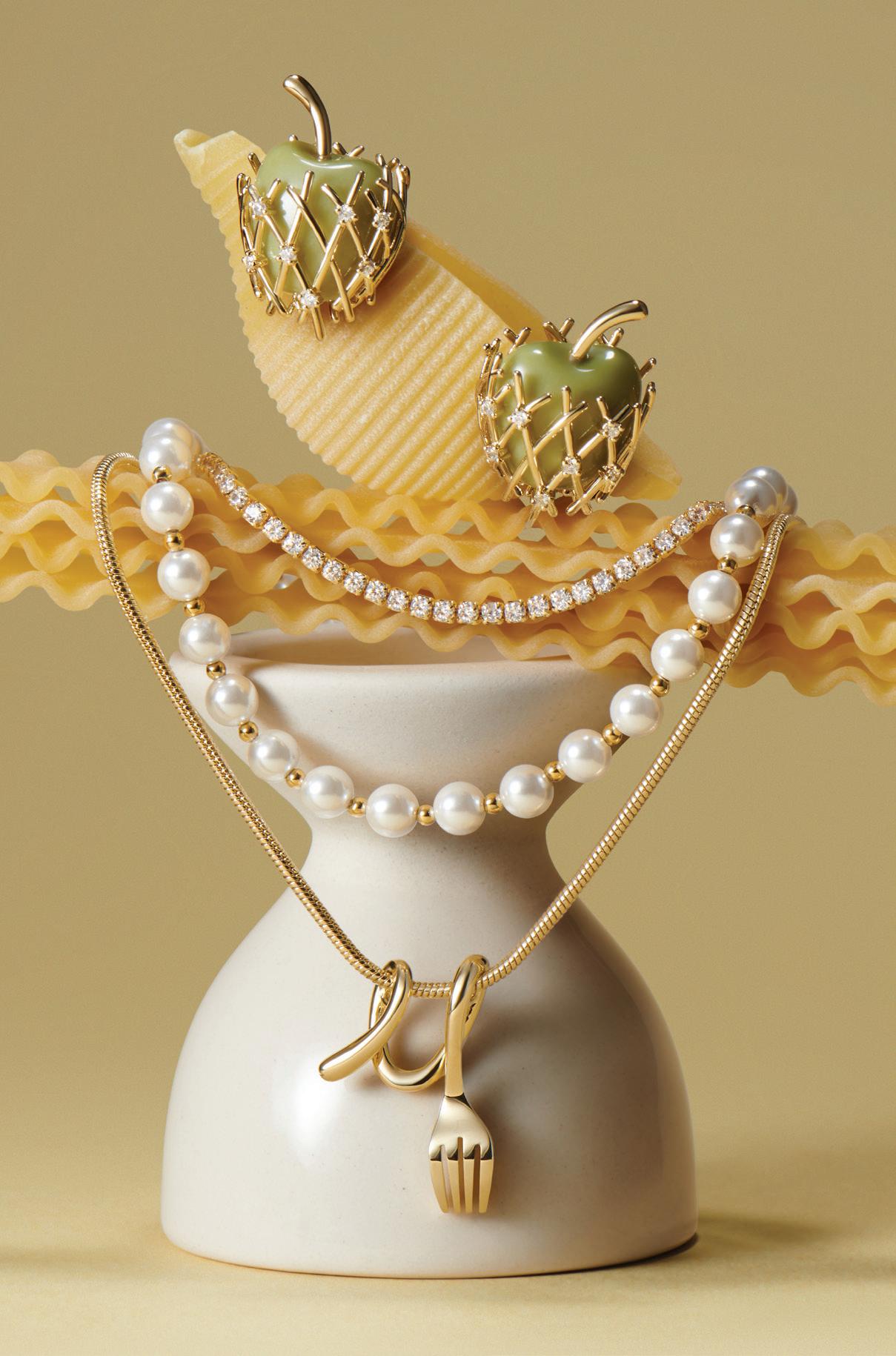





Few figures have shaped the modern fashion calendar as profoundly as Fern Mallis. This spring, Kent State University’s School of Fashion will recognize that legacy by inducting the industry icon into its prestigious Fashion Hall of Fame during the school’s annual Fashion Week celebrations.
Often referred to as the “godmother of American fashion,” Mallis is widely credited with transforming New York Fashion Week into the internationally recognized institution it is today.
For nearly two decades, Mallis centralized the oncescattered New York designer shows into a unified platform at Bryant Park, bringing together designers, sponsors, press and buyers in a format that elevated American fashion onto the world stage.
“Fern’s vision transformed the way American fashion presents itself to the world,” said R. Scott French, a member of the Kent State School of Fashion advisory board. “Her ability to unite designers,
Kent State Celebrates Fern Mallis and 20 Years of NYC Fashion Education
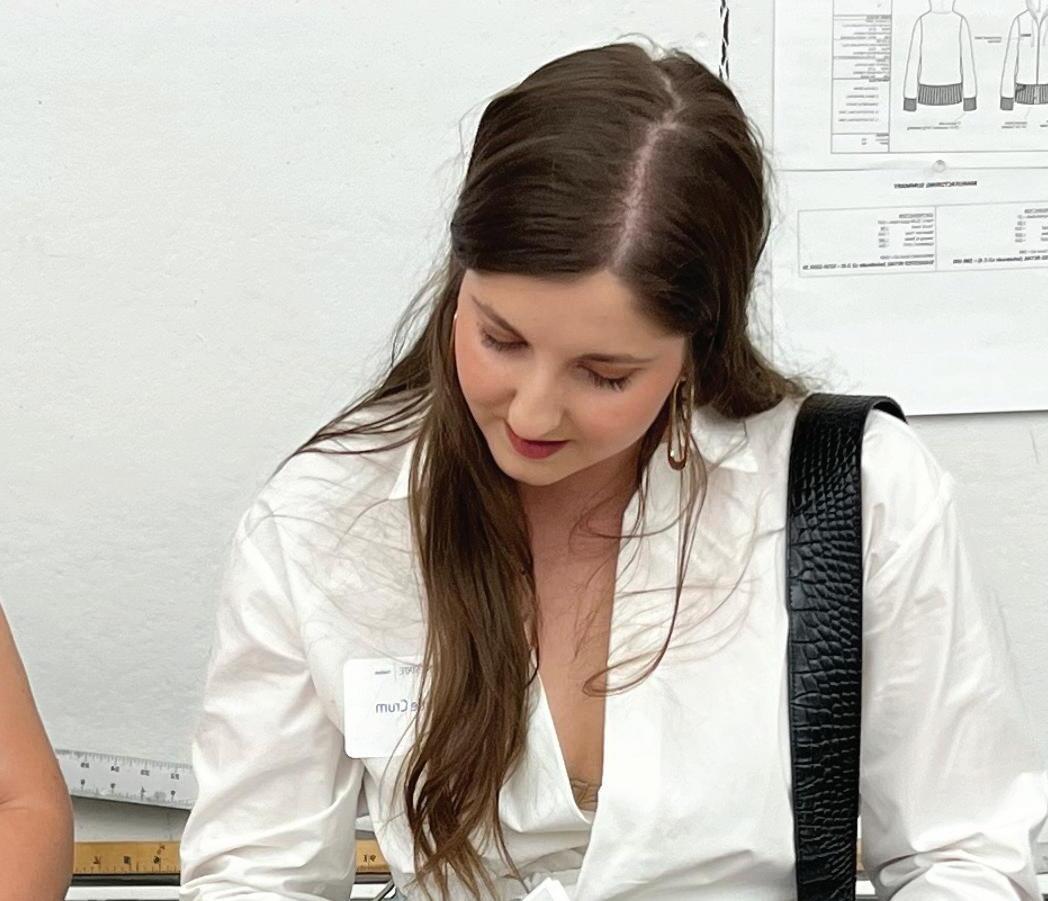
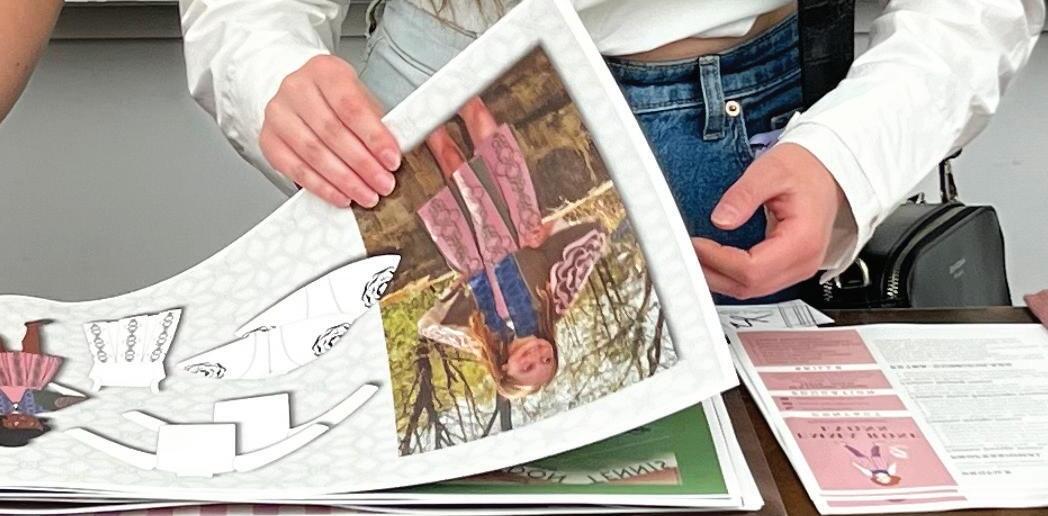
press, sponsors and the city itself into a singular, globally recognized moment changed the trajectory of our industry.”
Mourad Krifa, Ph.D., Margaret Clark Morgan director of Kent State’s School of Fashion, echoed that sentiment.
“Fern Mallis is a true industry titan whose vision and leadership have fundamentally shaped American fashion,” Krifa said. “From creating New York Fashion Week to her tireless advocacy for emerging talent, her impact is immeasurable. We are honored to welcome her to Kent State to share her insights with our students.”
Mallis will travel to Kent, Ohio, to deliver the school’s annual Hall of Fame lecture before formally receiving the honor during the Fashion Week festivities. Her induction places her among an influential roster of past honorees that includes Oscar de la Renta, Dame Zandra Rhodes, Cynthia




Rowley, Kenneth Cole, Estée Lauder, Pauline Trigère and Donald J. Pliner.
While the Hall of Fame recognizes leaders who have helped define the fashion industry, Kent State’s School of Fashion is also celebrating a milestone that reflects its own growing presence within the professional fashion ecosystem.
In June 2026, the Kent State University New York City fashion program will mark the 20th anniversary of its Garment District studio, a unique academic outpost that has served as a professional gateway for hundreds of fashion students entering the industry.
Located on West 39th Street between Eighth and Ninth avenues in the heart of Manhattan’s historic Garment District, the program offers students a semester-long immersive experience in the fashion capital of the United States.
practical, hands-on knowledge.”
The NYC fashion site also plays a strategic role in strengthening Kent State’s visibility within the professional fashion ecosystem.
“The NYC site serves as a strategic bridge between Kent State University and the fashion industry, offering students immersive experiences that extend beyond the classroom,” Walter added. “Our faculty, many of whom are active industry professionals, use New York City as a living classroom, providing students with real-world insights and professional connections.”
Each year, approximately 150 students study at the Manhattan location, many securing internships and professional opportunities that shape the early stages of their careers. Through partnerships with brands, showrooms, media organizations and fashion institutions across the city, students gain firsthand exposure to the mechanics of an industry that remains central to New York’s cultural and economic identity.
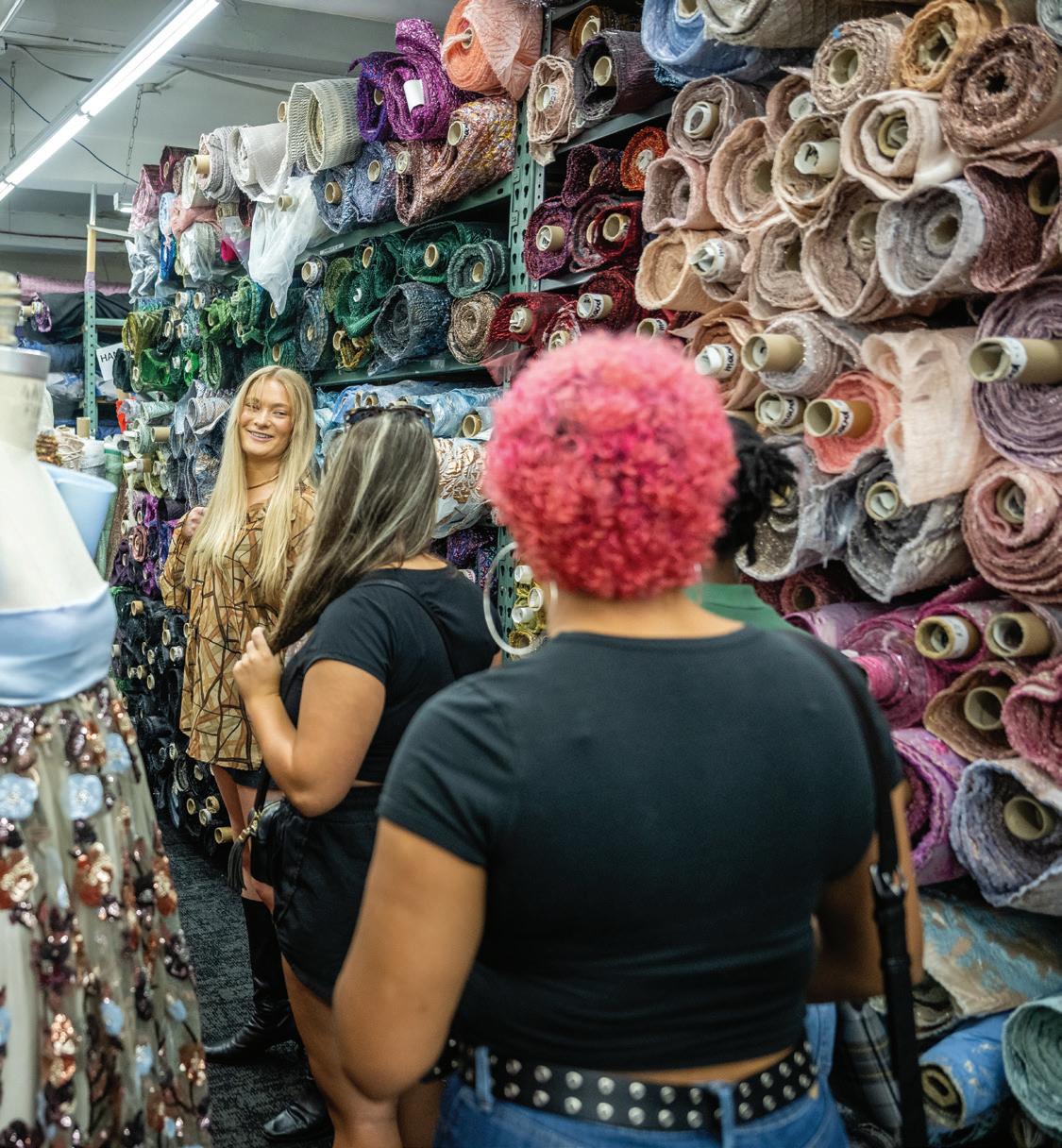
For two decades, the NYC fashion site has functioned as a living classroom where coursework intersects directly with industry practice. Students learn from instructors who are themselves working professionals, participate in internships across the city, volunteer during New York Fashion Week and engage directly with alumni and industry leaders.
Ann Mariko Walter, Ed.D., director of the New York City program, believes the experience gives Kent State students a distinct advantage as they begin their careers.
“In my role at Kent State University, I work closely with the fashion industry in New York City and am quite confident that our students and graduates are well equipped to meet the demands of an ever-evolving workplace,” Walter said. “They are highly competitive with students from other top institutions and benefit from a rigorous, high-quality academic experience grounded in

The 20th anniversary celebration planned for June will bring together Kent State leadership, alumni, faculty and members of New York’s fashion community to commemorate the program’s impact while looking ahead to its next chapter.
In many ways, the milestone reflects the same philosophy embodied by Mallis’ Hall of Fame recognition: a commitment to nurturing the next generation of fashion leaders while maintaining strong ties to the industry that shapes their future.
At Kent State University’s School of Fashion, that vision continues to take shape both on campus in Ohio and in the Garment District studio, where students step directly into the rhythm of the global fashion capital—an ecosystem that Fern Mallis herself helped bring to the world stage.


Multidisciplinary













The traditional boundaries between the recording studio and the fashion atelier are dissolving. At the forefront of this convergence is Tony Grieco, a designer and producer whose label, Tony Grieco Paris, treats electronic music not as an accessory to fashion but as its structural foundation. By moving fluidly between his roles as a DJ and a creative director, Grieco is pioneering a workflow where rhythm frequently dictates the cut of a garment.
While the spirit of the brand is rooted in contemporary club culture, its execution relies on high-level technical expertise. Before establishing his independent house, Grieco honed his craft through collaborations with legacy institutions, including Givenchy, Saint Laurent, Azzaro, Daniel Wellington, Dior and Christian Louboutin.
These professional chapters provided a blueprint for the luxury standards and “savoir faire” that now define his solo output. The result is a brand that balances the raw energy of electronic music with the disciplined construction of Parisian tailoring.
The label’s current trajectory is best illustrated by the release of Grieco’s single, “Desert Drums,” in February 2026. This percussive, textured track—inspired by his travels through Egypt and the United Arab Emirates—is currently being translated into a physical collection.
Rather than relying on literal geographic references, Grieco utilizes “sensory research.” The repetition found in his compositions informs the structural patterns of his clothing, while the “tempo” of a track might influence the weight and drape of a specific textile. This method mirrors the multidisciplinary legacy of figures like Virgil Abloh, in which a single creative vision is expressed across various media simultaneously.
As an independent entity, Tony Grieco Paris is bypassing traditional industry hierarchies by building a community through streaming platforms, digital storytelling and visual experimentation.
Key elements of the brand’s identity include neutral palettes that reflect the
stark landscapes of the Middle East, layered construction that echoes the complex textures of electronic production and tactile exploration that prioritizes how a material feels and moves over fleeting seasonal trends.
The upcoming collection, slated for release later this year, will serve as a definitive test of this hybrid model. It represents a broader shift in the industry where the most compelling designers are those who can compose a melody as effectively as they can drape a silhouette.





EXCLUSIVE DETAILS FOR SHOWS IN:
• Dallas
• Denver
• Las Vegas
• Los Angeles
• Nashville
• Orlando
• New York

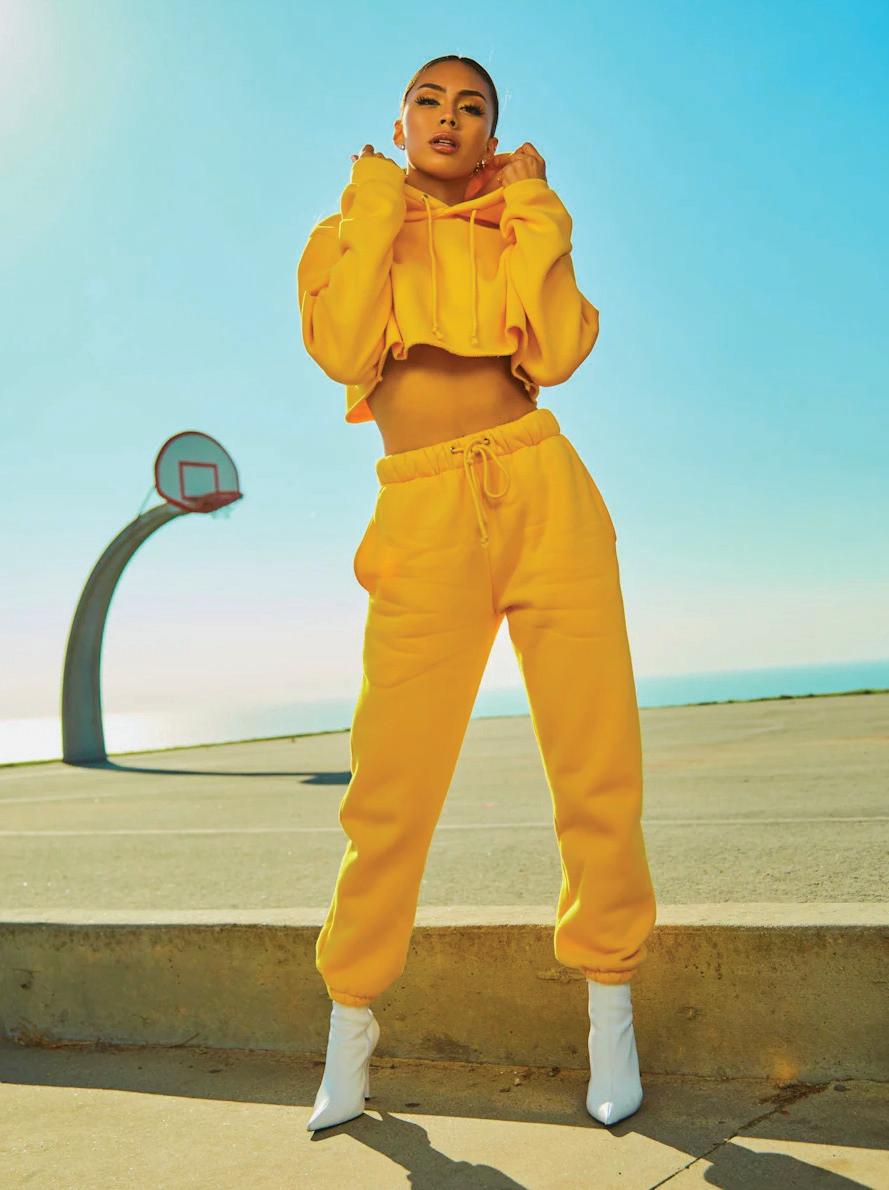
CONNECTING THE FASHION INDUSTRY WITH THE WORLD OF TRADESHOWS
SwimShow, the longest-running swim and resort wear trade show, will return to the Miami Beach Convention Center from May 30 to June 1, 2026, officially kicking off Miami Swim Week and positioning the city once again as the global launchpad for the Spring/Summer 2027 season.
As a cornerstone of the industry for over four decades, SwimShow continues to serve as a premier hub for connection, commerce and collaboration, bringing together thousands of buyers, designers and industry leaders from around the world. This year’s edition builds on the success of its June market timing, further evolving the show floor experience while introducing new partnerships and expanded programming.
The 2026 edition will showcase hundreds of exhibitors presenting their 2027 Spring and Resort collections to buyers from leading retailers worldwide. Featured exhibitors include established names in the swim and resort wear industry, such as AguaMaría, America & Beyond, Andy & Evan, Anne Cole, Ashiana London, Banana Moon, Becca, Body Glove, Bleu, Carve Designs, Constantinopla, Cosita Linda, Cupshe, Dulzamara, Echo, Elan, Everyday Sunday, Fiory, Flap Happy, Flirt, Gottex, Guria, Hale Bob, Haven, Helen Jon, Milonga, Molo, Pranella, Rhythm, Solange M and Tommy Bahama.
A key highlight of this year’s show is the continued partnership with Curve, North America’s leading intimate apparel trade show. Building on the success of their collaboration, SwimShow will introduce the Curve Capsule—a dedicated space on the show floor featuring a curated mix of premium lingerie and swimwear brands. This elevated environment is designed to enhance the buyer experience, bridge categories and encourage crosscategory buying.
Brands debuting within Curve Capsule include Antigel, Chantelle, Elomi, Fleur’t, Goddess, Lise Charmel, Montelle, Fantasie, Freya and Rya. This collaboration underscores SwimShow’s commitment to expanding its offerings and fostering new opportunities for brands to reach broader audiences while strengthening connections between the swim and intimate apparel markets.
In addition to its strong brand lineup, SwimShow will introduce enhanced on-site experiences designed to elevate the trade show environment. A newly designed buyer lounge will provide a comfortable and functional space for meetings, appointments and deal-making.
A photography exhibition will be presented on the show floor, shot by Miami-based fashion photographer William Perez and created in collaboration with Ford Models. The photos will showcase exclusive SwimShow brands modeled on Miami Beach, highlighting the energy and style of Miami Beach’s effervescent art deco heritage. This installation not only supports SwimShow exhibitors but also creates a unique moment to present the collections in a way that authentically reflects the spirit of the city.
Attendees can also expect curated activations, including exclusive collections from Miami Chains & Co., matcha from Marriett’s Flavors and custom charm experiences by Katherine Sterling Designs. Additional offerings will include hair touch-ups from Honeysucc’l Jo, professional headshots and networking happy hours, all designed to foster connection and create a dynamic, engaging atmosphere throughout the event.
SwimShow will also welcome back its highly anticipated SwimTalks series, featuring conversations centered on innovation, sustainability and key industry insights.
SwimLab X WGSN Incubator
SwimLab x WGSN will return for its fifth consecutive year, highlighting emerging brands such as Auto-Reply, Kinis by Carter, Sense and Soleil, and Nyud. This platform will continue to spotlight forward-thinking design and sustainability-driven innovation shaping the industry’s future.

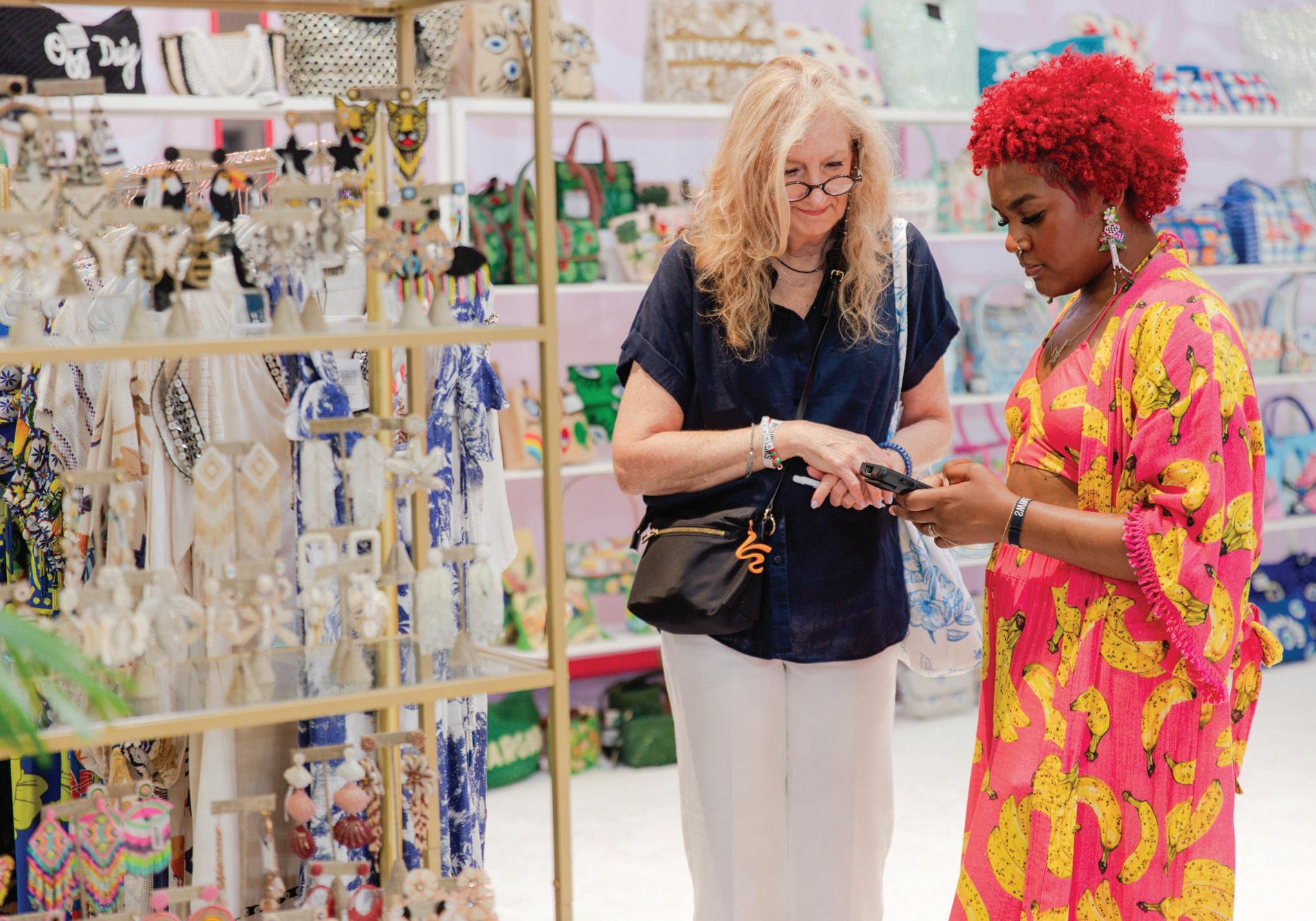
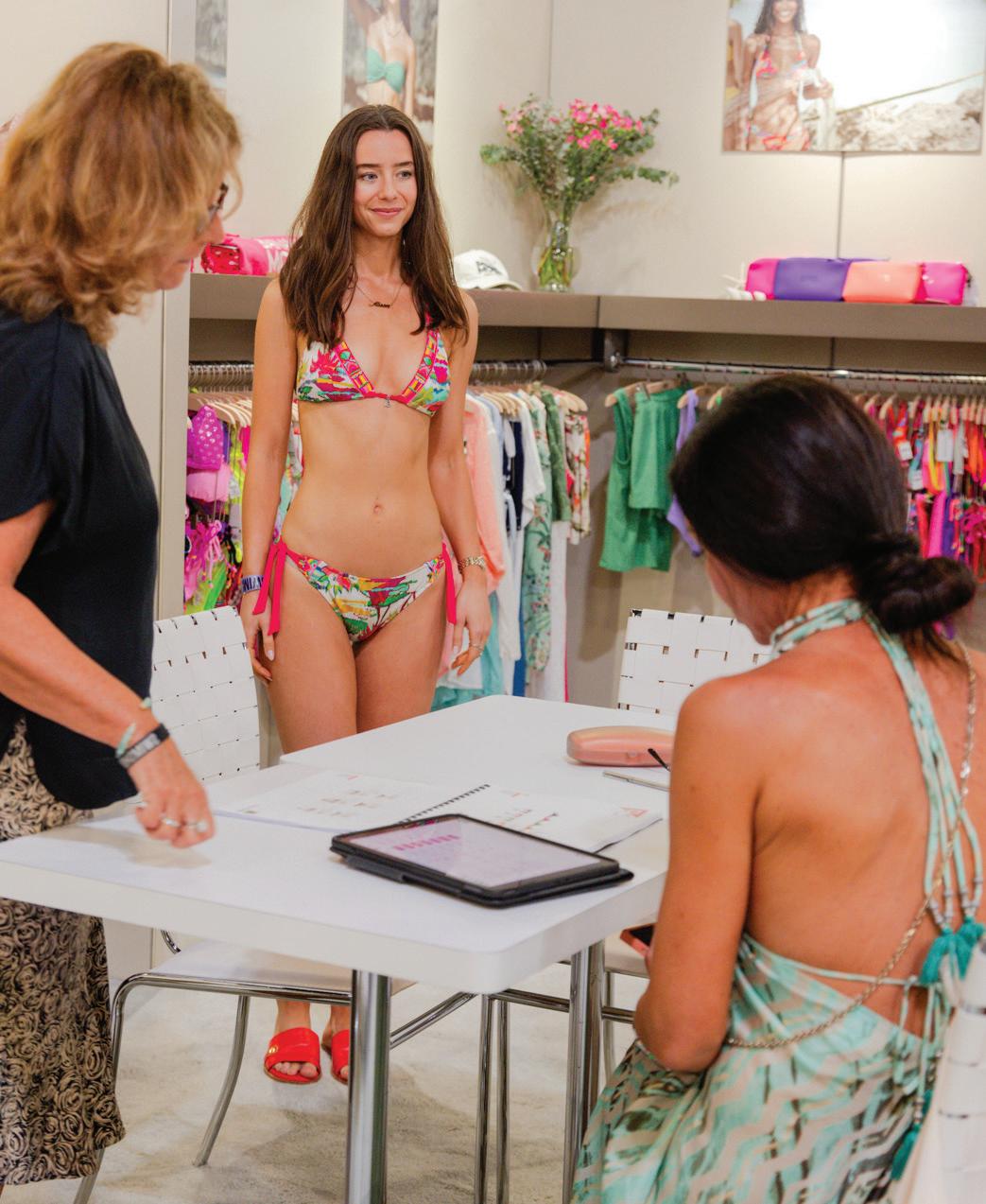
Auto-Reply refines the wardrobe with elevated essentials designed for life at ease. Founded by luxury fashion and travel executives with over 60 years of combined experience, Alex Abreu continues to expand the brand, now aiming to branch into the wholesale space.
Kinis by Carter was started by founder Angela Carter, who began sewing suits as a hobby. The brand has since built an impressive retail presence in stores like Pacsun and is leveraging SwimShow to continue growing in that space.
With a vision to redefine North American swimwear through sophisticated, timeless designs that look as good as they feel, Nyud was founded by two friends, Stephanie Addeo and Emily Osmow.
SwimLab is redefining the incubator space, welcoming its first hat brand, Sense and Soleil. Founded by Ariel Ginsburg after being diagnosed with melanoma, the brand brings a new perspective to the swimwear world by creating SPFsafe headwear designed for any beach day.
A Global Hub for Buyers and Industry Growth
SwimShow continues to attract a diverse range of buyers, from major international retailers to boutique hotel shops across the Caribbean, Latin America and Europe. For many, the show remains a key destination for discovering new trends, securing exclusive collections and building long-term partnerships.
The 2026 edition marks a pivotal evolution for SwimShow, with a refreshed show floor layout and an enhanced overall experience designed to better serve exhibitors and buyers. With a continued focus on innovation, collaboration and industry growth, SwimShow remains a vital platform where the global swimwear community comes together to connect, discover and shape the future of the market.
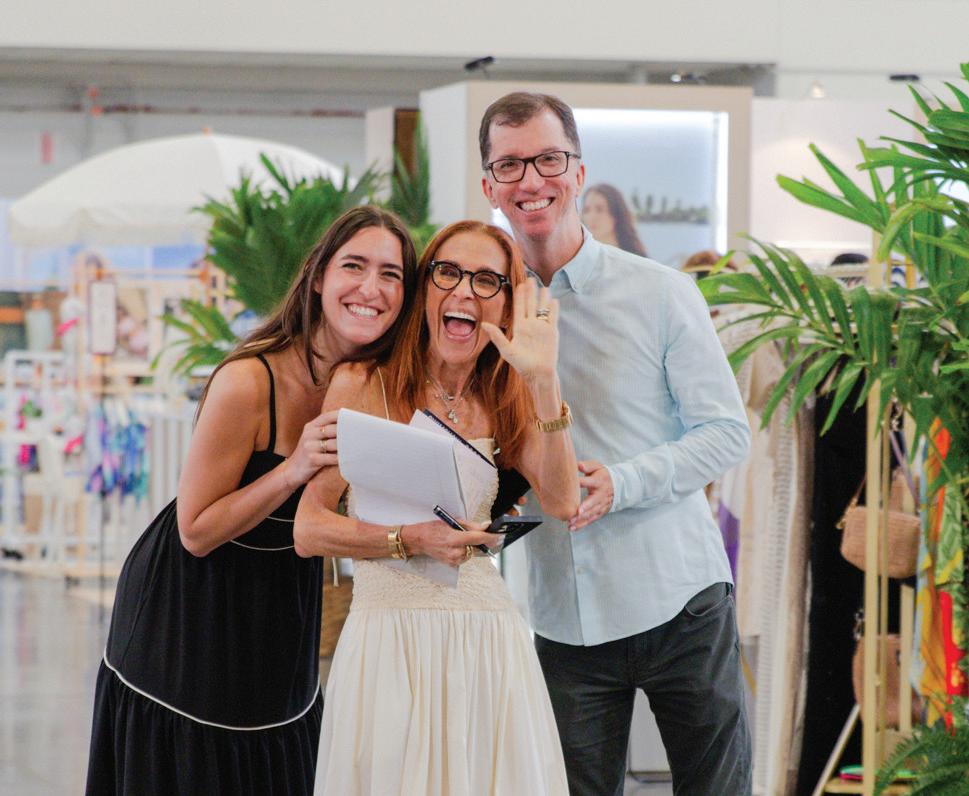




Sourcing by Informa announced its highly anticipated return to New York City this fall, taking place alongside Coterie in Fashion by Informa’s New York marketplace at the Jacob K. Javits Convention Center, from Sept. 9 to Sept. 11, 2026. This landmark event will redefine the fashion sourcing experience on the East Coast, creating a stronger, more unified marketplace that connects brands, manufacturers and suppliers.
As the fashion industry continues to evolve, Sourcing in New York is uniquely positioned to address the dynamic needs of brands and retailers. By bringing Fashion by Informa’s events under one roof, this event offers intentional convenience and connection, empowering businesses to rethink their strategies and confidently navigate the complexities of the modern supply chain.

Sourcing in New York will feature a curated selection of exhibitors and contemporary product categories, including apparel, footwear, handbags, accessories, sustainable solutions, athleisure, activewear and more. This comprehensive approach ensures that attendees have access to innovative solutions tailored to the demands of today’s market.
The event’s focus on speed to market, sustainability and full-package solutions highlights Sourcing by Informa’s commitment to fostering meaningful connections between Northeast contemporary brands and small-batch suppliers. With low minimum order


quantities, short lead times and vertical integration options, Sourcing in New York is designed to meet the needs of businesses seeking agility and efficiency in their supply chain operations.





By adding Sourcing to Fashion by Informa’s New York marketplace, it creates the most complete fashion sourcing experience on the East Coast. The marketplace features over 700 exhibiting brands and attracts thousands of attendees, 75% of whom have direct buying power, ensuring a dynamic and impactful event for the fashion industry.
With exhibitors from over 50 countries and regions under one roof, Sourcing in New York provides a global perspective while maintaining a strong focus on the Northeast market. Attendees will have the opportunity to connect with buyers from multimillion-dollar brands, including Bloomingdale’s, Anthropologie, Shopbop, Printemps and more, ensuring that the event delivers both inspiration and actionable insights.

“As the fashion industry continues to evolve, Sourcing in New York is committed to being a dynamic platform where creativity meets practicality,” said Pinar van der Vegt, head of sales and events for Sourcing by Informa. “Our goal is to empower brands and retailers with the tools, connections and insights they need to thrive, and we are excited to bring this event to life for the East Coast community, fostering innovation in one of the world’s most influential fashion markets.”

































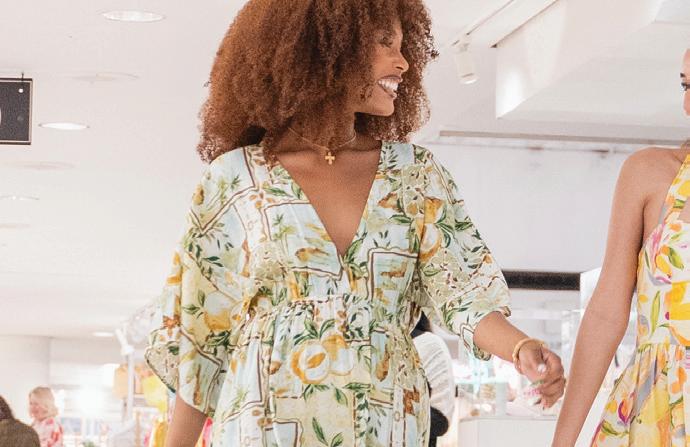




Andmore’s colocated Atlanta Apparel and Formal Markets wrapped up a dynamic market week, delivering an energizing multicategory sourcing experience across contemporary apparel, footwear, accessories, bridal, homecoming, quinceañera and special occasion. Buyers explored over 2,000 brands across permanent showrooms and temporary exhibits, discovering both Fall/ Winter ’26 collections and Spring/Summer immediates.


VIP buyers’ lounge—presented in partnership with Guadalupe and Monkee’s—provided a sophisticated space for high-volume retailers to network and refine their seasonal strategies.
Building on the strong momentum demonstrated in recent markets, Atlanta Apparel is solidifying its position as the premier East Coast destination where contemporary fashion and formal wear converge, offering cross-category buying and efficient, multiseason planning.
Market Pulse: Buyer Engagement, Community and Commerce
Across both markets, buyers experienced a vibrant and interactive environment, with nonstop programming, hospitality touchpoints, category lounges and themed activations designed to spark connections and trend discovery.



Daily DJ moments, lounge experiences and a wide range of pop-ups kept traffic flowing and engaged. Evening events amplified the energy, providing buyers with opportunities to experience seasonal trends in motion and connect with leading brands.
Beyond the booths, the market floor came alive with curated brand experiences and exclusive debuts. Renowned designer and evening wear sponsor for Miss USA and Miss Teen USA, Johnathan Kayne, offered a look at his fall collection through a high-profile red carpet meet and greet featuring Miss USA, while Justin Alexander utilized the platform to debut Fable, a new coordinating flower girl collection that addresses the growing demand for cohesive bridal party styling. Complementing these product showcases, the

The sense of community at Atlanta Apparel was further showcased through a series of milestone moments, including a ribboncutting ceremony for Vaccarelli. Extending the show’s digital reach, this season’s market stars provided a real-time road map of the latest trends. Former Miss North Carolina McKenzie Jade brought a specialized lens to bridal, pageant and prom, while Katie Jacobs of Cheeky Peach shared her curated top finds from the floor. Their Instagram coverage offers a lasting resource for buyers to revisit through the #atlapparel hashtag.
“Atlanta Apparel delivers a consistently strong market experience, offering a wide range of highly commercially strong product across better sportswear, dresses, accessories and emerging trends,” said Lisa Caruso Jantzen, owner of Fashion Express Buying II LLC. “What truly sets it apart is the sense of community—from the collaborative buyer meetings to the thoughtful hospitality and convenience of the connected campus— creating an environment where both buyers and brands can succeed, connect and grow.”

Looking ahead to summer, Atlanta Apparel will return, colocated with Atlanta Market, creating a rare, all-in-one sourcing experience across a multicategory destination for fashion, lifestyle and home. Showrooms will be open from June 9 to June 14, 2026, with temporary exhibits running from June 9 to June 13.
Formal Markets will return from August 3 to August 7, spotlighting Spring/Summer 2027 collections. The upcoming market will once again bring together leading designers and buyers to preview the latest trends, explore new opportunities and shape the season ahead.




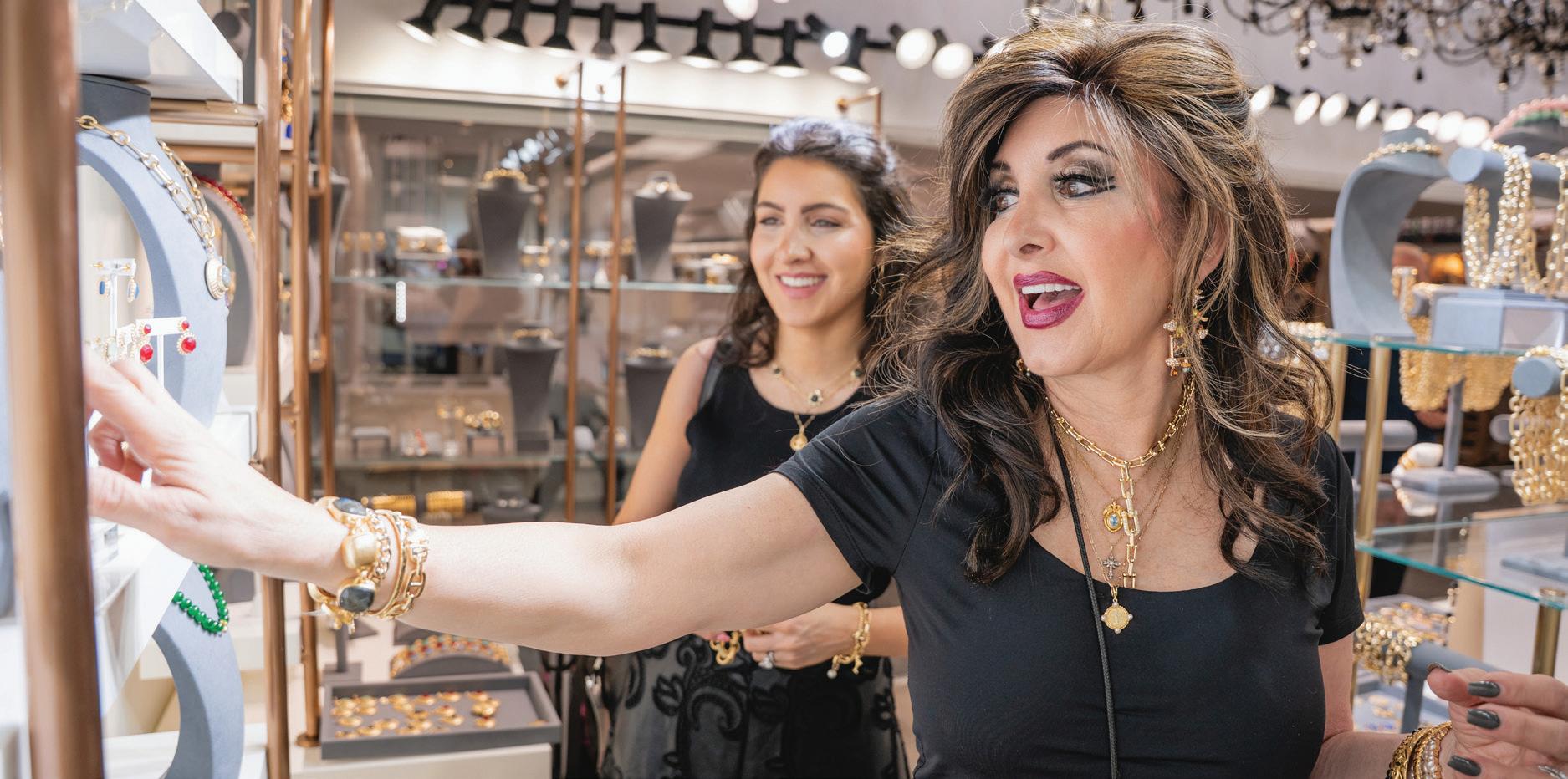
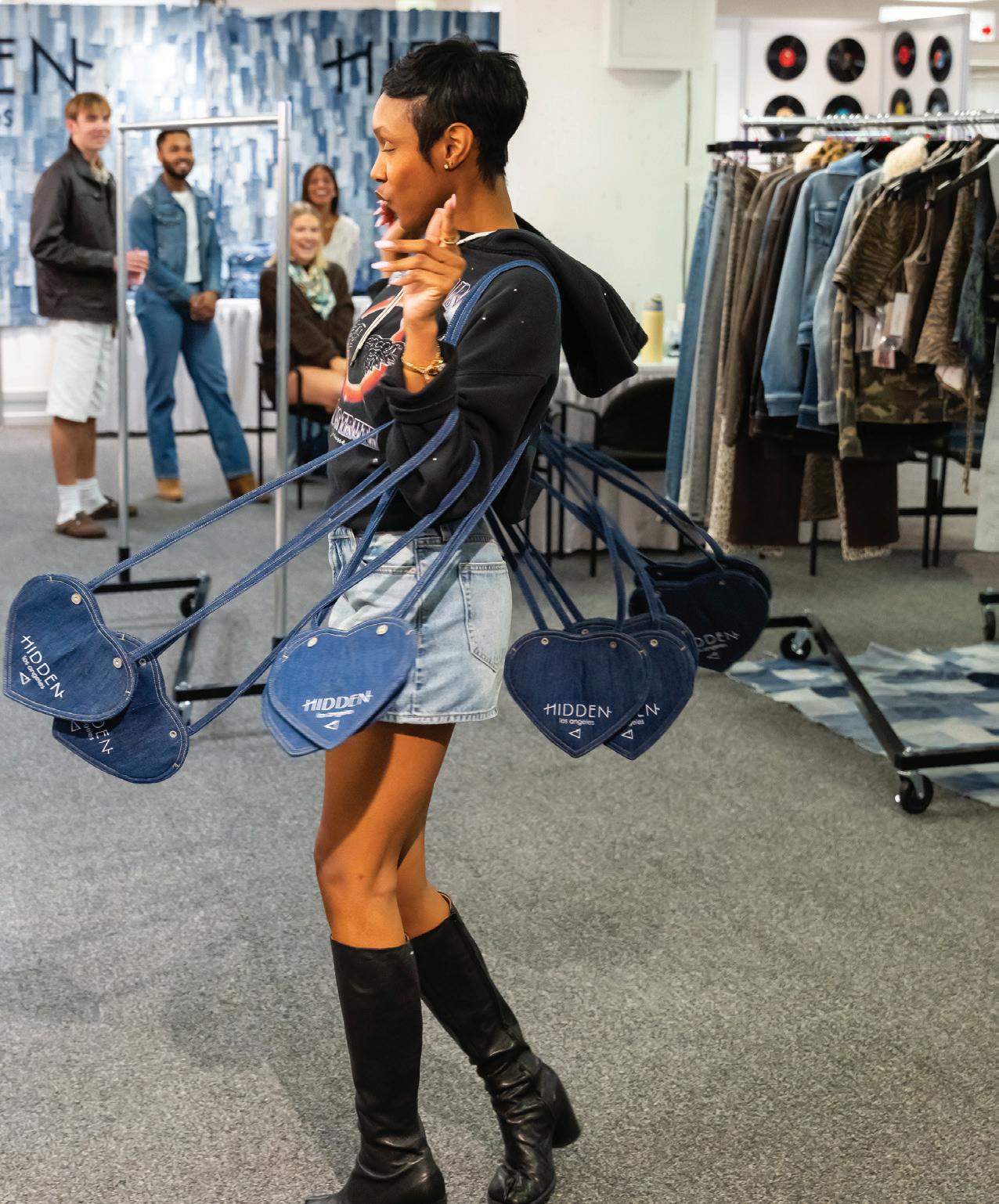
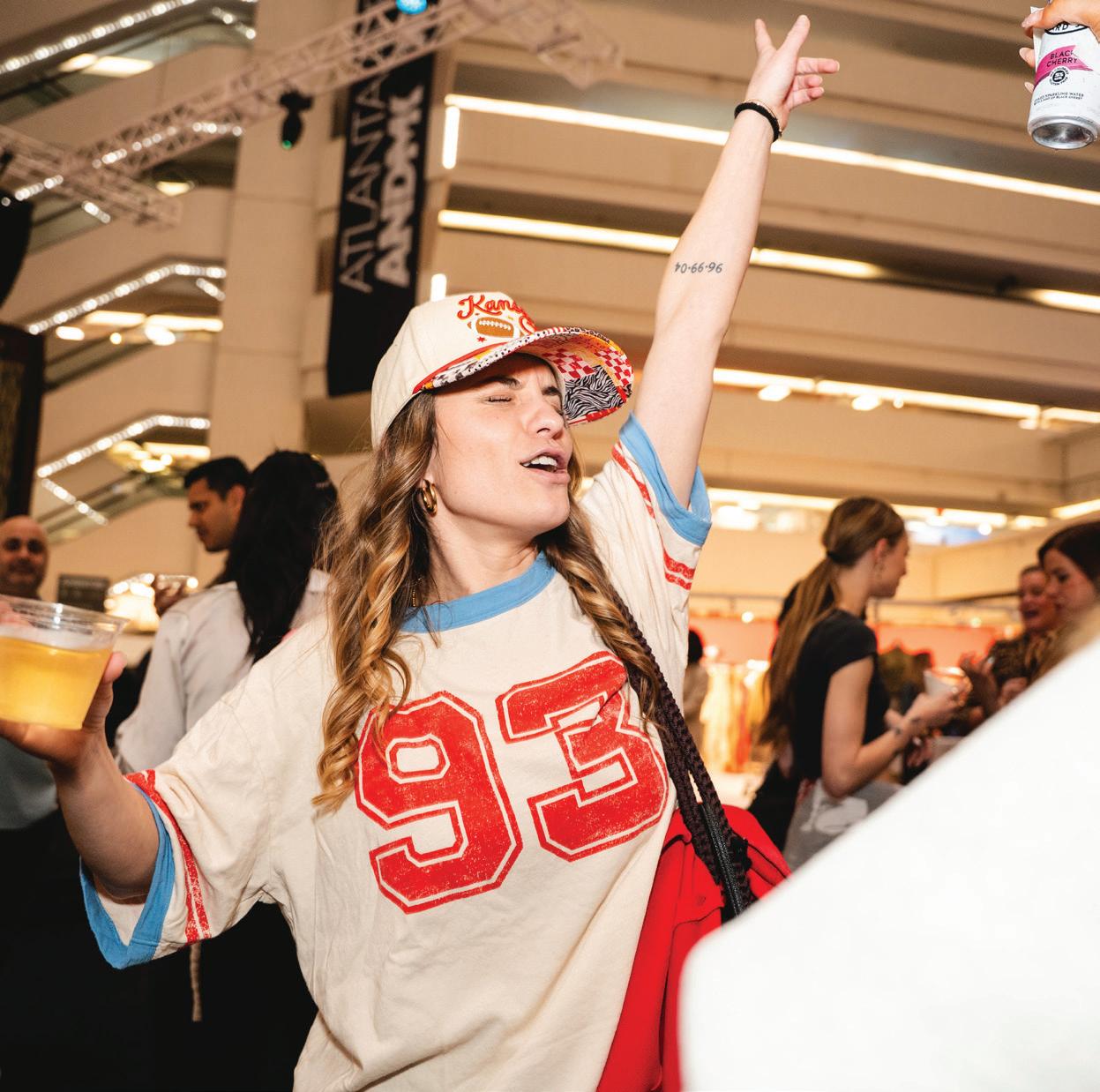





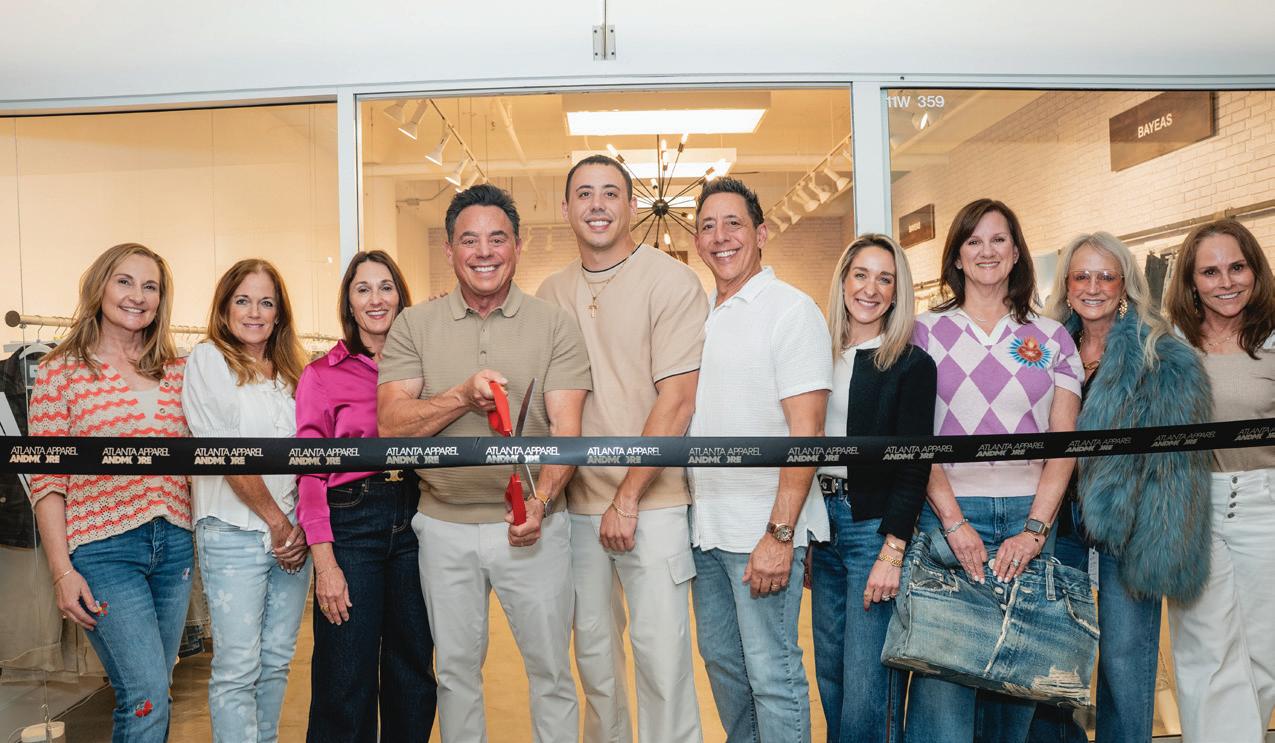
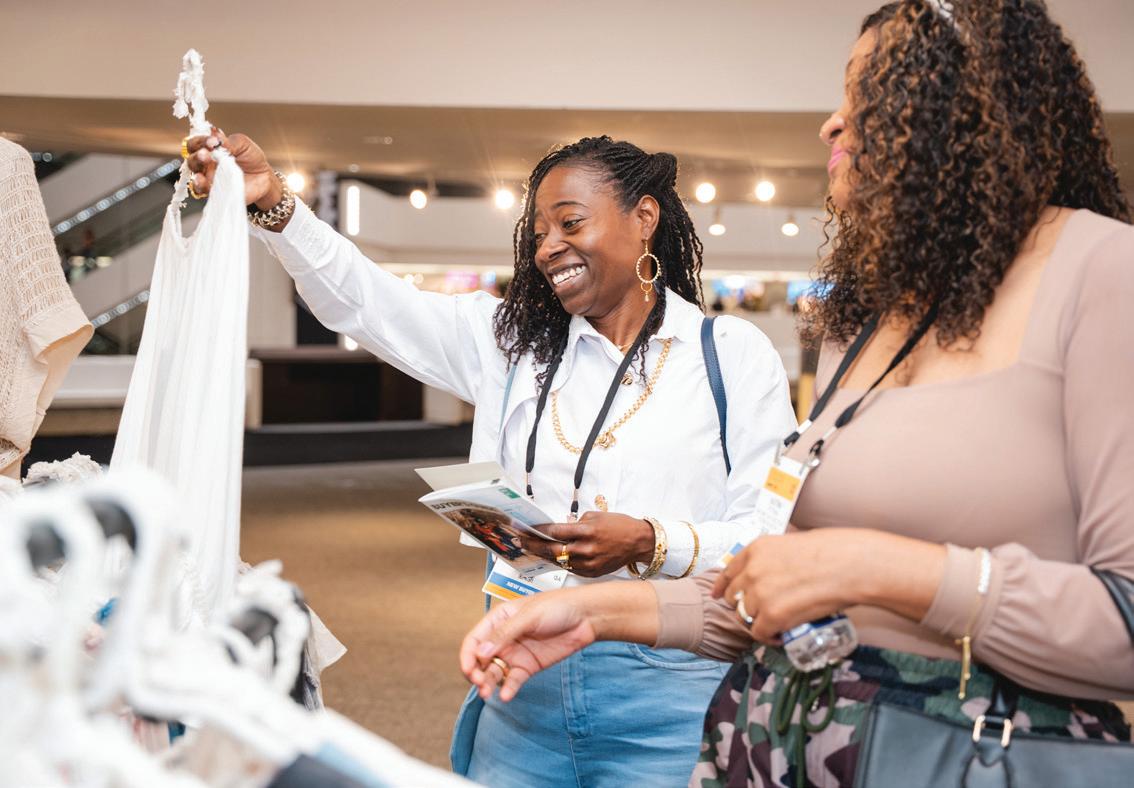
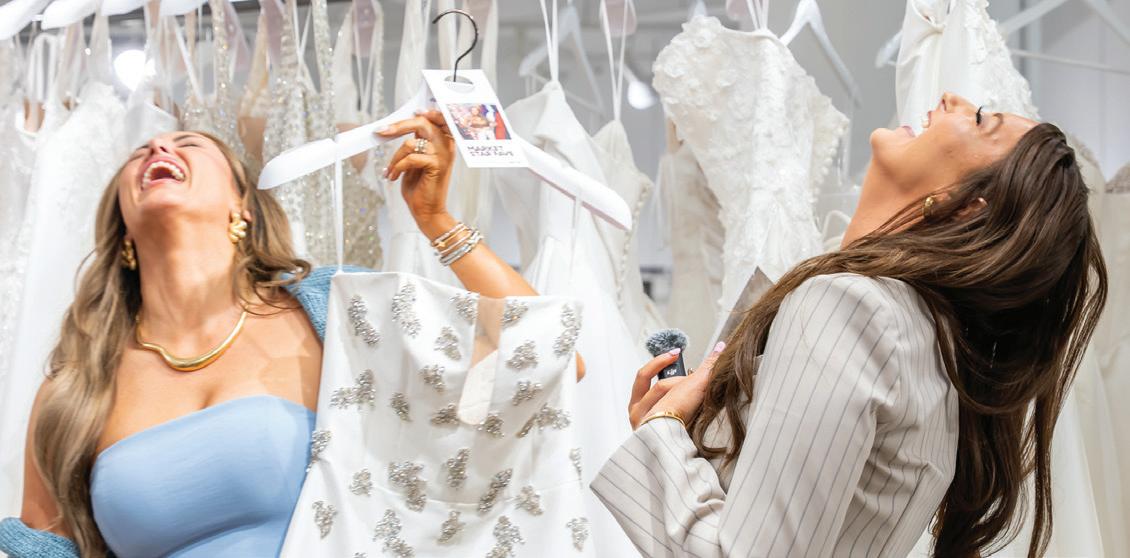













Roc Nation and the Fashion Institute of Technology announced the winners and finalists of a design competition hosted by Roc Nation, exclusively for FIT students. The collaboration—which celebrates a shared commitment to access, creativity and empowering the next generation of fashion designers—unites two iconic New York institutions, underscoring the city’s enduring legacy as a global capital of culture and innovation.
Representing diverse cultures and influences, the five FIT finalists presented their fashion designs at Roc Nation’s headquarters before a live audience, showcasing their collections of hoodies, sweatshirts, pants, hats and accessories on live models. Beatrice Mak was awarded a $20,000 grant from Roc Nation as the first-place winner, and one of her designs will be developed and available at retail later this year.
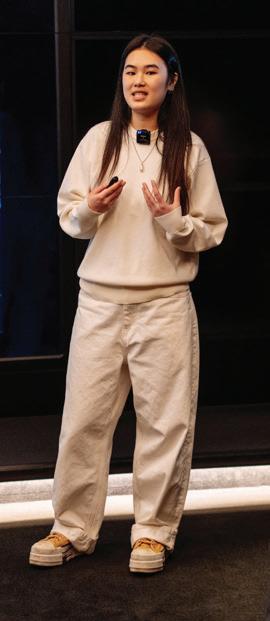
“I’m very honored to receive this recognition from Roc Nation,” said Mak. “To have my fashion point of view resonate on such a prestigious platform, alongside a cultural leader like Roc Nation, is truly humbling. It’s an emotional milestone that transforms a career goal into a reality, validating the years of hard work and passion I’ve poured into this craft.”
Jiwon Park came in second place and was awarded a $5,000 grant and Zion Burrell received a $3,000 grant as the third-place winner. Outstanding finalists included Roy Luo and Nicole Willette.
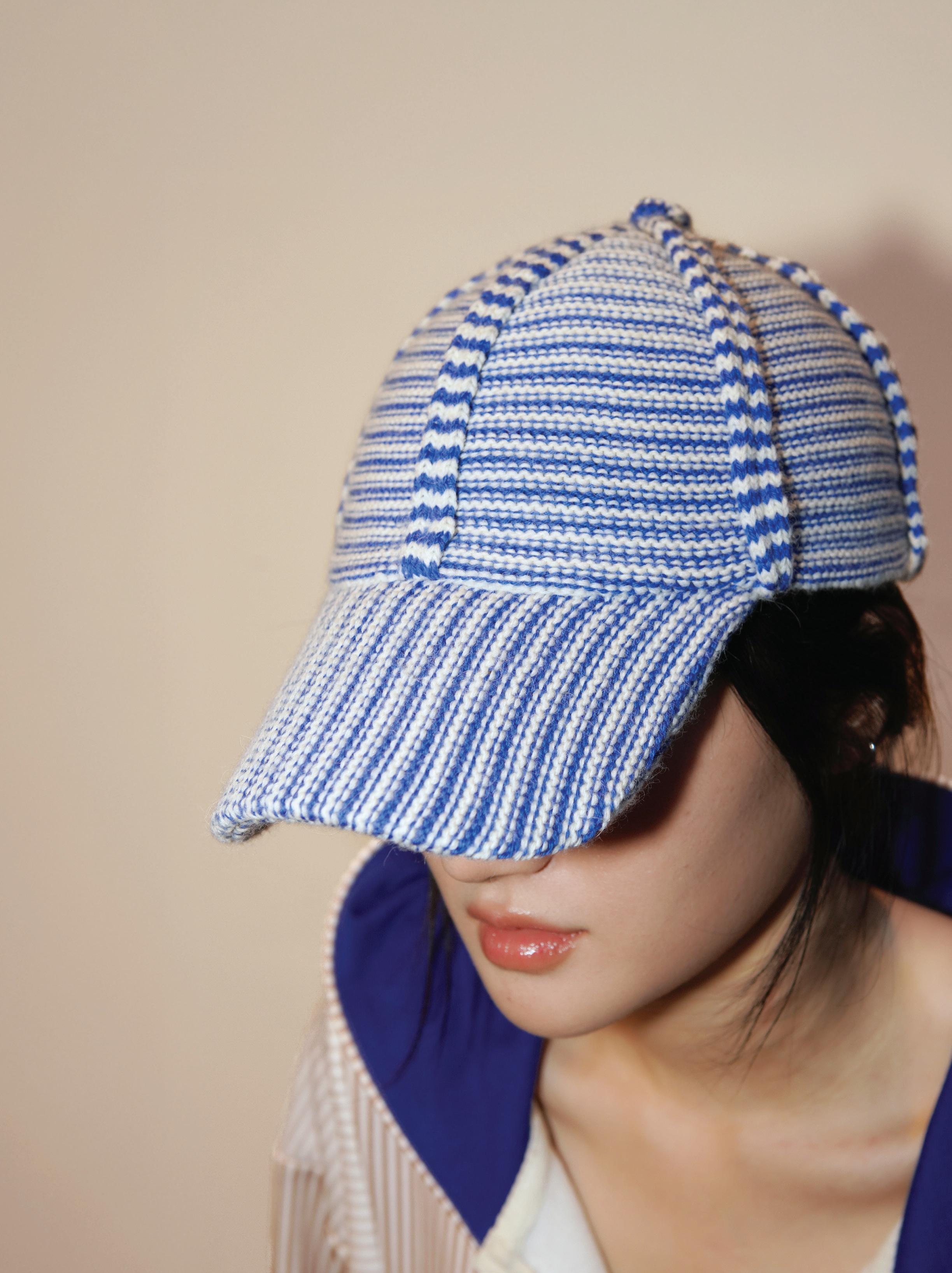

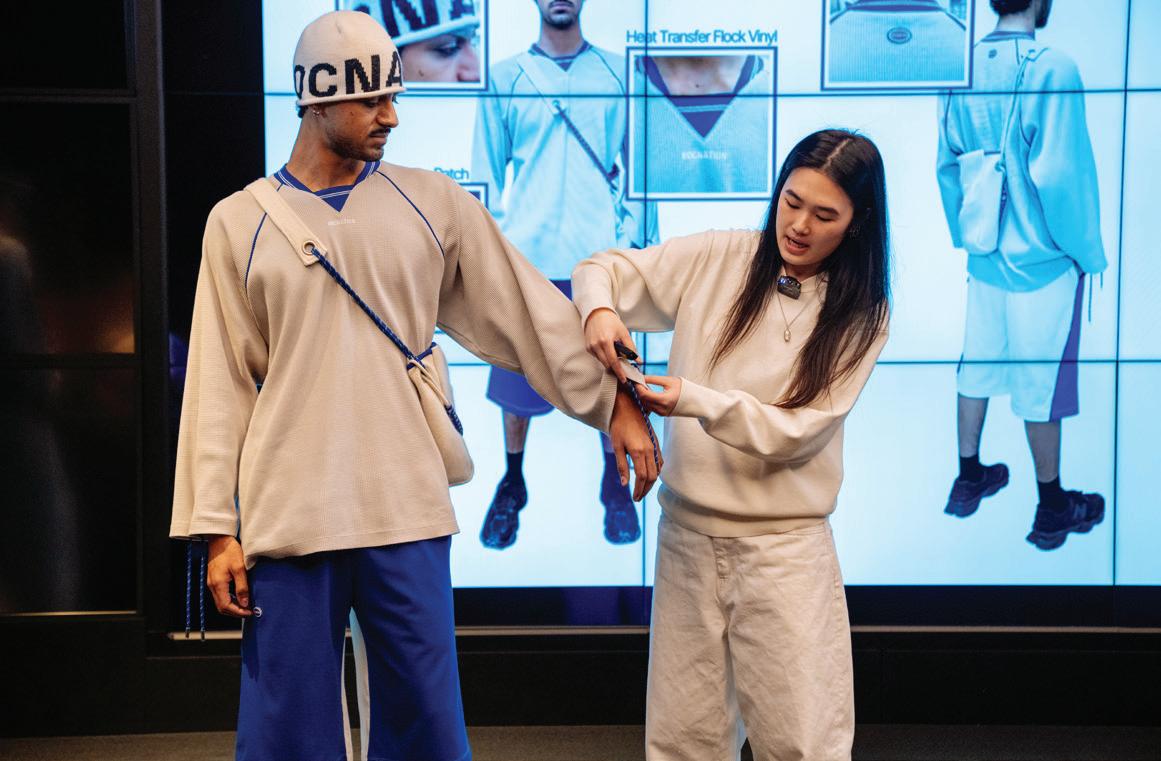
The five designers were mentored throughout the months-long competition by assistant professor
“The talent showcased through this competition exceeded every expectation and was truly inspiring,” said Desiree Perez, CEO, Roc Nation.
“From concept to execution, these designers demonstrated not only technical excellence but a strong sense of perspective. These young designers reflect the future of fashion.”
“This is the magic of FIT in NYC—uniting the powerhouse energy of Roc Nation with the exceptional creativity and technical skills of our amazing students,” said Jason S. Schupbach, FIT president. “Their work exemplifies why FIT is the laboratory for creative careers in the 21st century. We are proud to be Roc Nation’s first college partner and deeply grateful for their investment in our students.”
“We have a lot in common with Roc Nation— and not just that we are both located in NYC, a few blocks away from each other,” said Brooke Carlson, interim dean of FIT’s School of Graduate Studies. “Both organizations deeply believe in advancing social good, social impact and social justice. We share the belief that accessibility to a college education is a way to empower the next generation of talent in both the entertainment and fashion industries.”

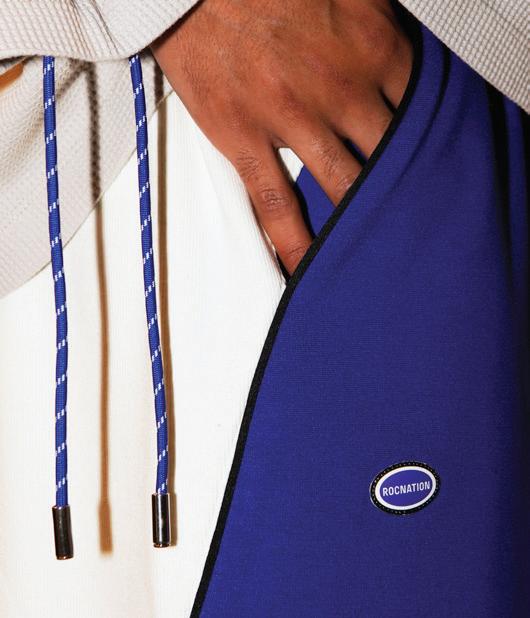








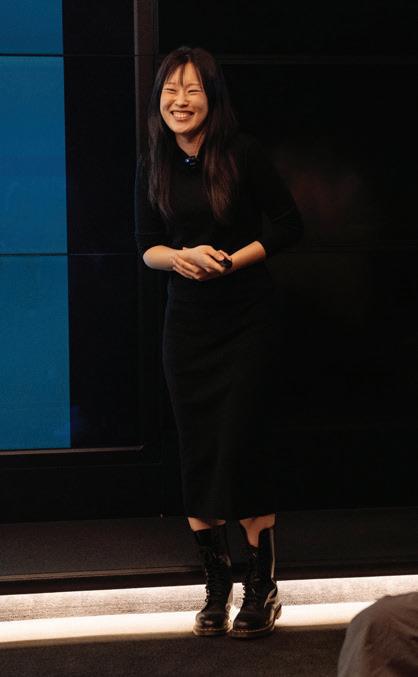

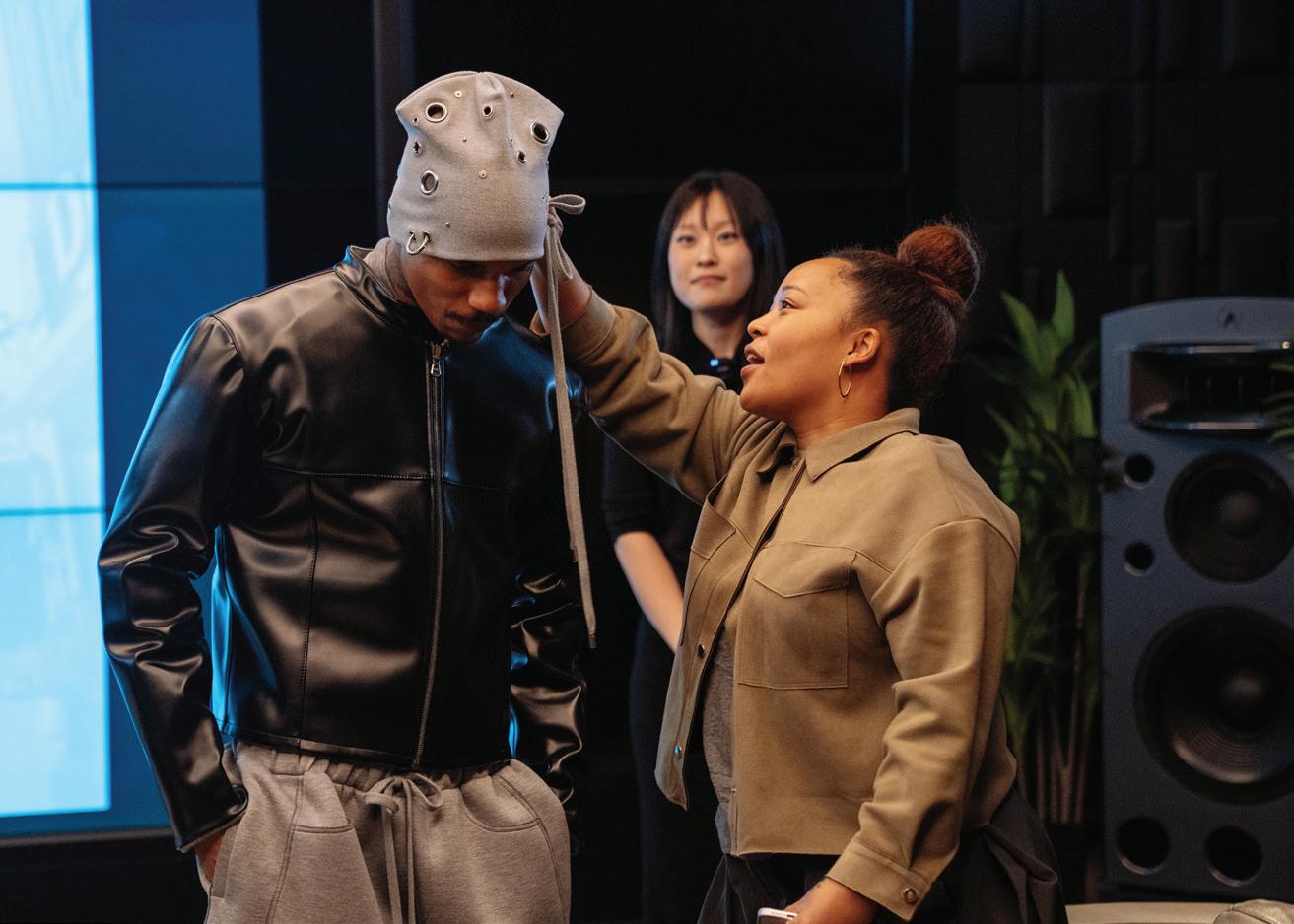










“From concept to execution, these designers demonstrated not only technical excellence but a strong sense of perspective. These young designers reflect the future of fashion.”
Desiree Perez